Gleanings of the Week Ending December 20, 2025

The items below were ‘the cream’ of the articles and websites I found this past week. Click on the light green text to look at the article. (Note: I have changed the format to include the date and source of the article.)

11/30/2025 NPR  More cities are seeing PFAS pollution in drinking water. Here's what Louisville found - What we do is manage risk, and we start that at the river. It sounds weird, but source water protection – keeping the stuff out of the river – is a big deal.

11/25/2025 Artnet Radiant Tiffany Landscape Window Leads Major Auction of the Studio’s Masterpieces – Beautiful glass…there are some coming to auction in December. I enjoyed the pictures in the article.

12/2/2025 Washington Post ‘Everywhere chemicals’ are in our food, decades after scientists recognized dangers - A large body of science has linked phthalates to a variety of serious health conditions, including premature birth and infertility. The costs to society are huge. A 2024 NYU-led study that catalogued health effects from phthalates exposure in the United States — including contributions to diabetes levels and infertility — estimated that dealing with phthalate-related diseases cost $66.7 billion in a single year. Previous Washington Post article on phthalates from last September: The health risks from plastics almost nobody knows about.

12/2/2025 Science Daily Is your gut being poisoned? Scientists reveal the hidden impact of everyday chemicals - Many chemicals designed to act only on one type of target, say insects or fungi, also affect gut bacteria. Some of these chemicals had strong effects. For example, many industrial chemicals like flame retardants and plasticizers -- that we are regularly in contact with -- weren't thought to affect living organisms at all, but they do.

12/7/2025 Clean Technica Your Single-Use Plastic Bottles Are Killing Endangered Sea Turtles - A recent study published in Proceedings of the National Academy of Sciences concludes that plastic ingestion has been documented in nearly 1,300 marine species, including every seabird family, marine mammal family, and sea turtle species. Researchers analyzed data from more than 10,000 autopsies from marine creatures killed by ingesting plastic; they calculated amounts consistent with a 90% likelihood of death:

  • 23 pieces (0.098 cm3/cm) in seabirds;

  • 29 pieces (39.89 cm3/cm) in marine mammals: and,

  • 405 pieces (5.52 cm3/cm) in sea turtles (377 for juveniles).

12/2025 Greenpeace Plastic Merchants of Myth: Circular Claims Fall - After decades of meager investments accompanied by misleading claims and a very well-funded industry public relations campaign aimed at persuading people that recycling can make plastic use sustainable, plastic recycling remains a failed enterprise that is economically and technically unviable and environmentally unjustifiable. (Press release for the document)

12/8/2025 The Conversation PFAS in pregnant women’s drinking water puts their babies at higher risk – Data on all births in New Hampshire from 2010-2019 were analyzed. The 11.5 thousand births that occurred within 3.1 miles of a site known to be contaminated with PFAS and where mothers were served by public water system (well based) were selected for further analysis. PFAS was greater in the water system wells downstream from the site. Births in the area served by wells downstream were 43% more likely to be low-weigh (under 5.5 pounds), 20% greater chance of preterm birth, and 191% greater chance of the infant not surviving its first year. Research was done at University of Arizona.

12/8/2025 Science Daily Humans are built for nature not modern life - Human biology evolved for a world of movement, nature, and short bursts of stress—not the constant pressure of modern life. Industrial environments overstimulate our stress systems and erode both health and reproduction. Evidence ranging from global fertility declines to chronic inflammatory diseases shows the toll of this mismatch.

12/7/2025 Clean Technica The Floating Solar Revolution - Despite this year’s sharp U-turn in federal energy policy, the renewable energy transition continues to branch out in new directions. One emerging factor is the relatively new area of floating solar. The field has already begun to scale up in some regions around the world, and innovative solar firms are carving out new opportunities here in the US as well.

12/7/2025 Science Daily New moonquake discovery could change NASA’s Moon plan - Scientists have discovered that moonquakes, not meteoroids, are responsible for shifting terrain near the Apollo 17 landing site. Their analysis points to a still-active fault that has been generating quakes for millions of years. While the danger to short missions is low, long-term lunar bases could face increasing risk. The findings urge future planners to avoid building near scarps and to prioritize new seismic instruments.

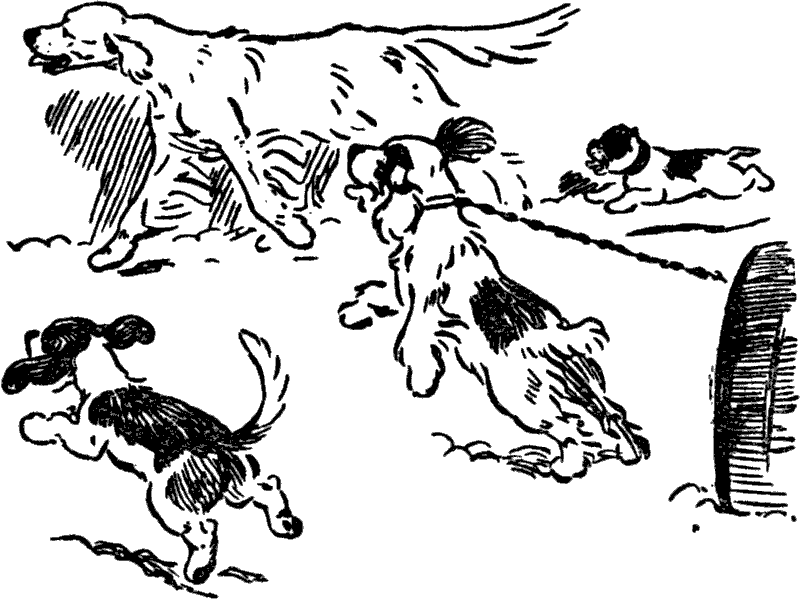
Weggeloopen!

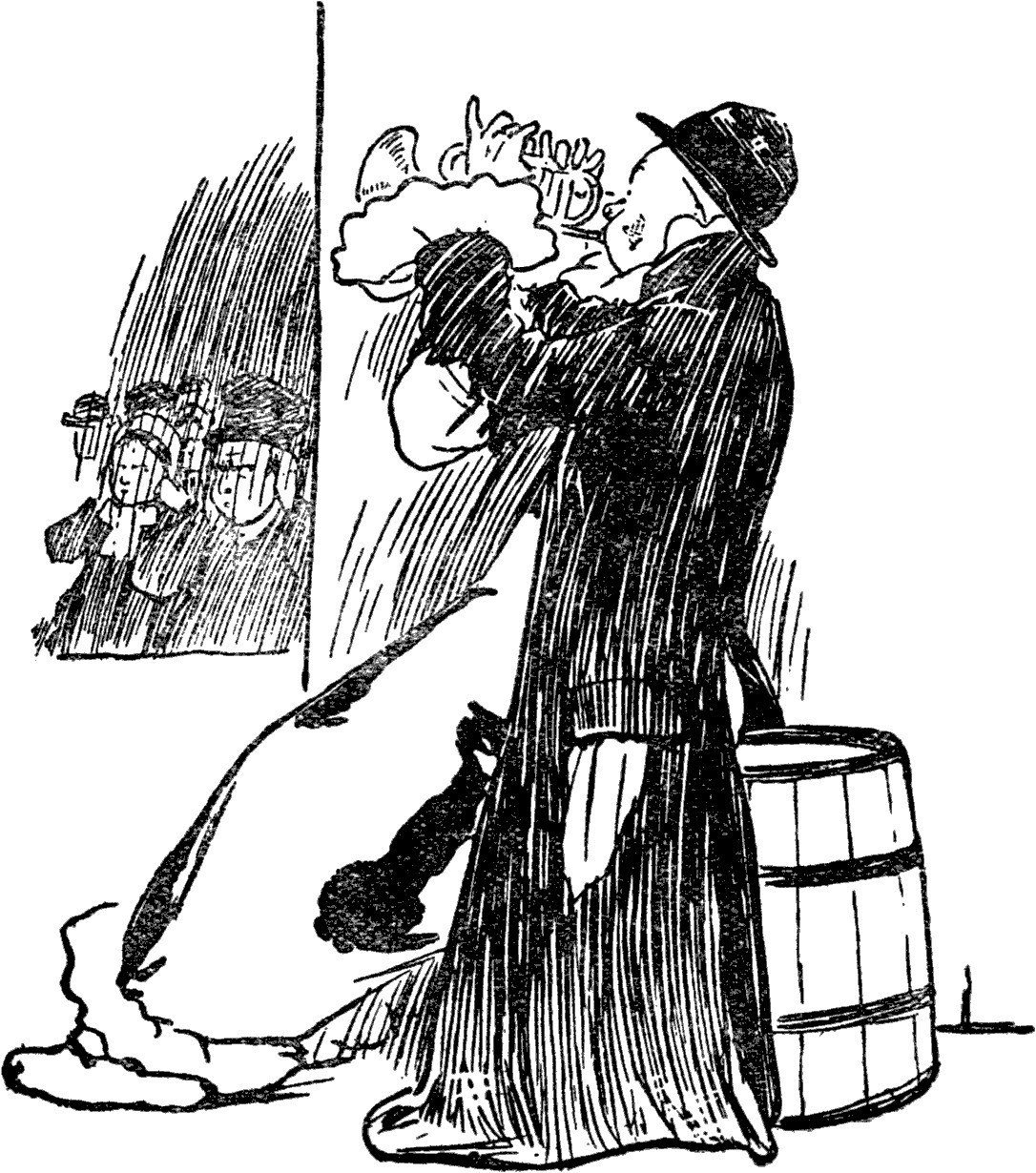
"Weggeloopen!" was published in 1919 – a story about a mischievous boy named Paul, who frequently disobeys his parents and often gets into trouble. The illustrator was Cecil Aldin – a British artist and illustrator. The book contains many of his drawings which depict the time in the first decades of the 1900s. It is available from Project Gutenberg.

Weggeloopen!!

There are quite a few books illustrated by Cecil Aldin available on Internet Archive, but this is the only one not in English! Because of the publication date, I wondered if the illustrations for this book were done after his only son died in World War I in 1916.

Cooper’s Hawk

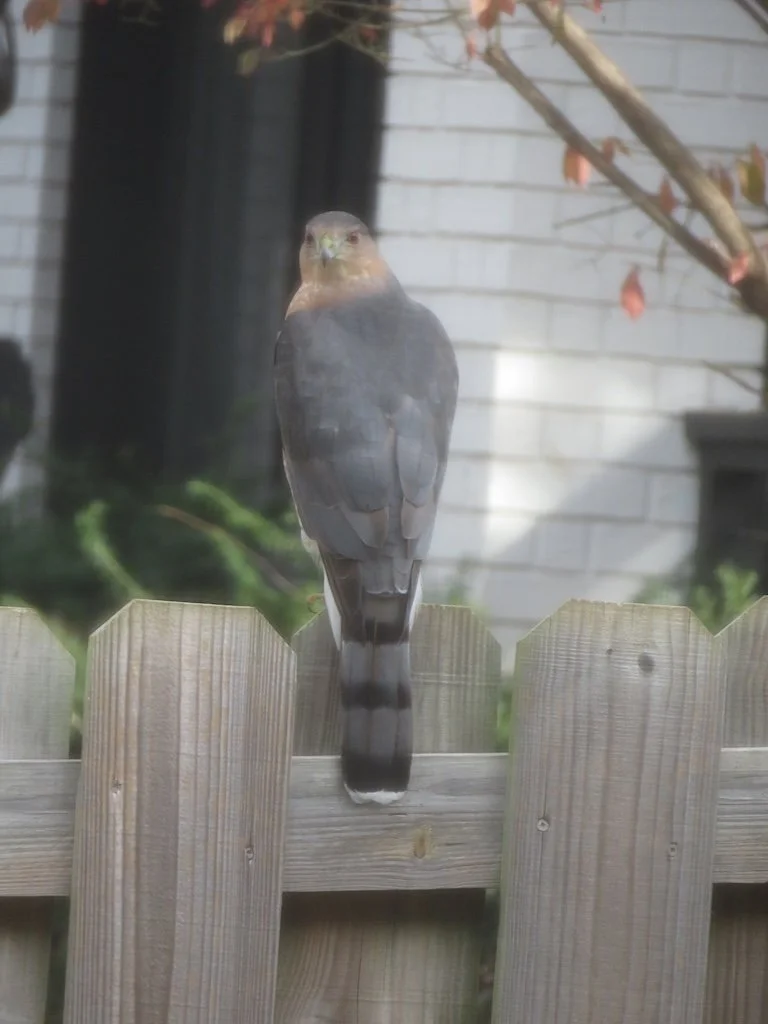
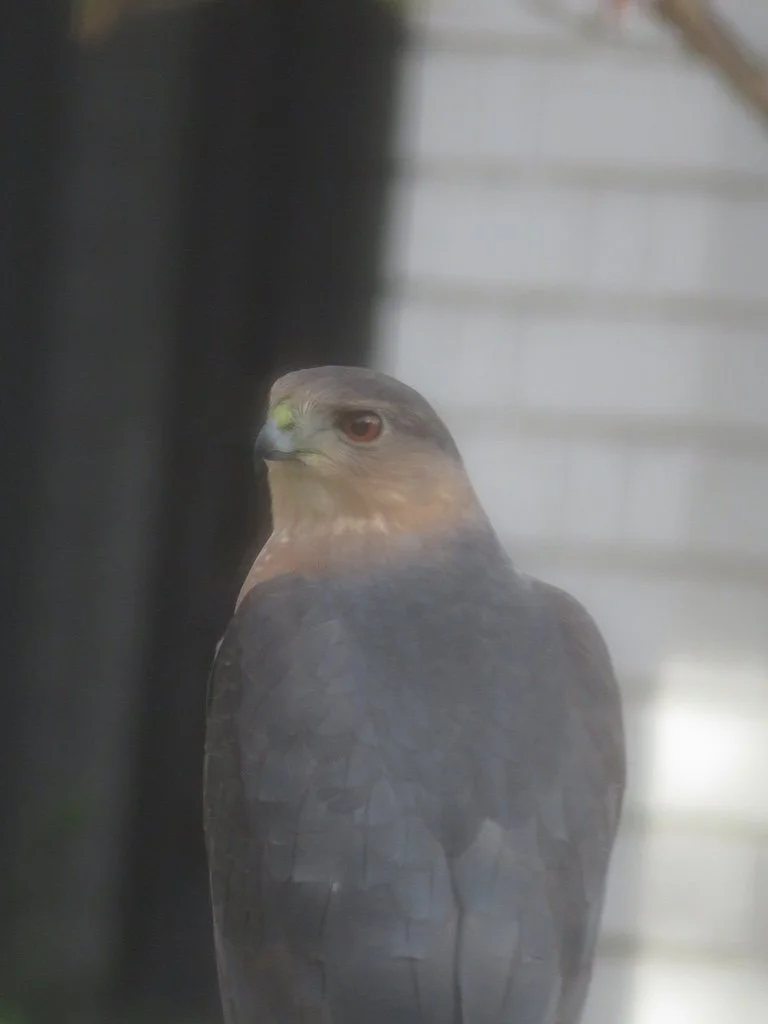
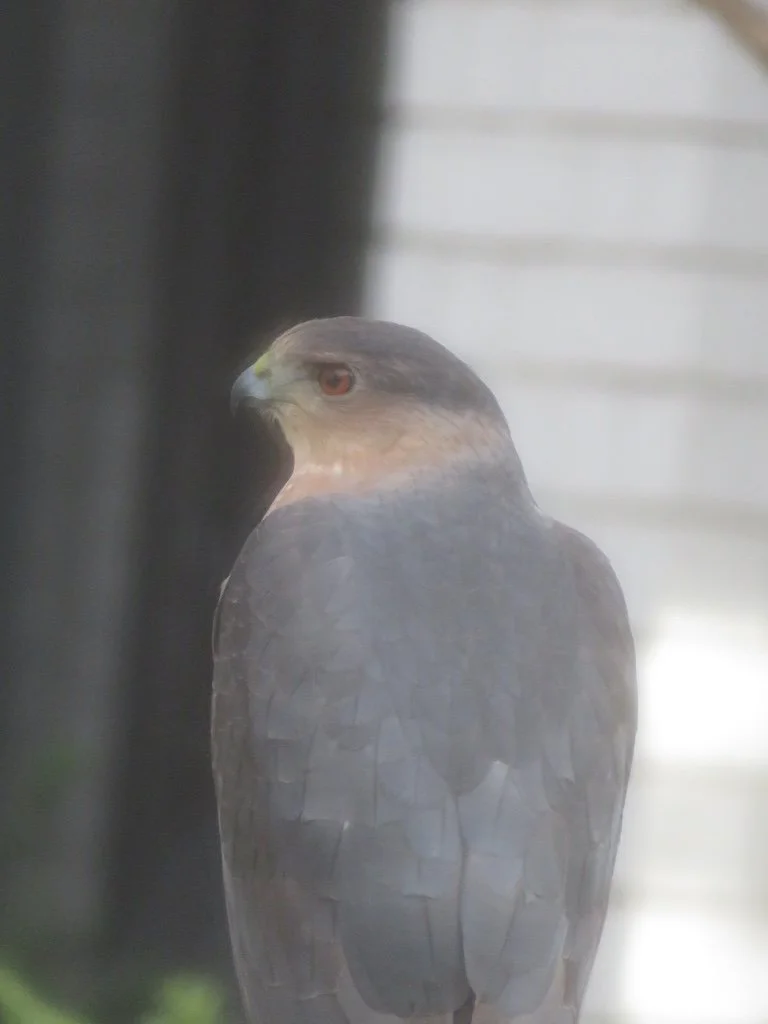
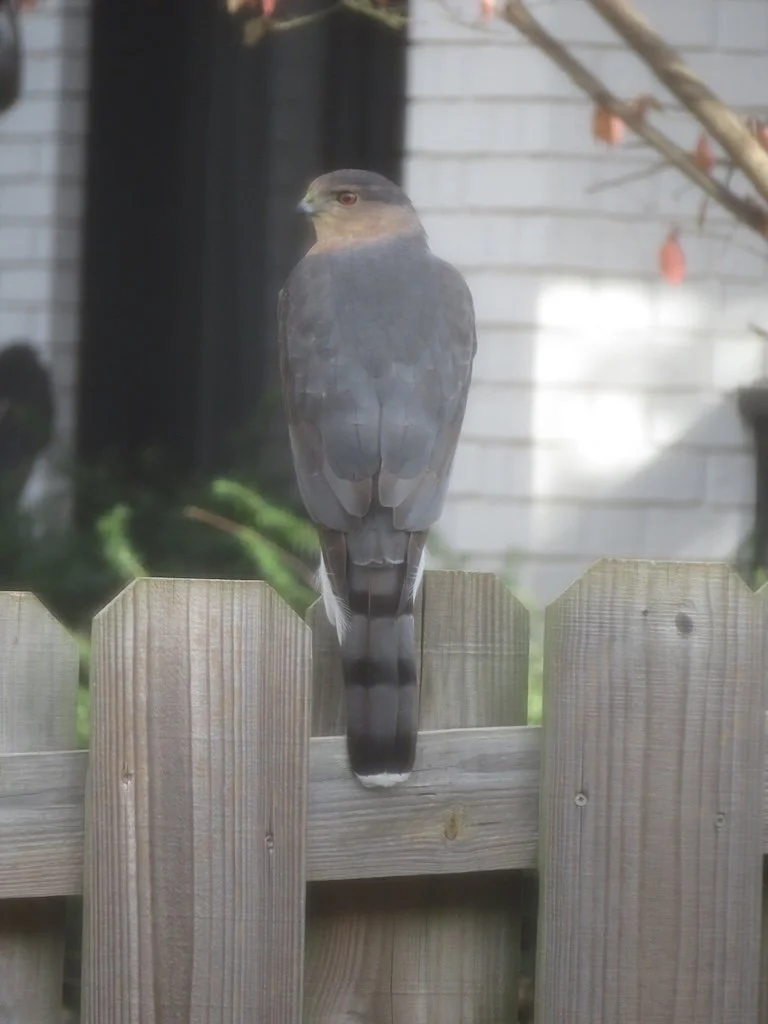
Most of the time our bird feeder area has a lot of birds…but sometimes there are no birds around at all. I suspect that a hawk is somewhere near when the feeders are empty and the area silent. Sometimes I even see the hawk. One recent afternoon, I looked out the window of my office just as a bigger-than-usual bird flew to perch on the fence. It was looking all around…and stayed in place long enough to be photographed through the screened window. I didn’t even leave my office chair!

A Cooper’s hawk – long rounded tail with wide terminal band, upright posture, red eye, dark cap with paler cheek.  

Our feeders have a lot of cover around them (trees and bushes, a brush pile, grasses). While I have seen the hawk several times – I’ve never seen it catch anything near our feeders. The alarm sounds from the small birds seem to precede its arrival. Hawks do not always catch their prey.

Oak Mulch

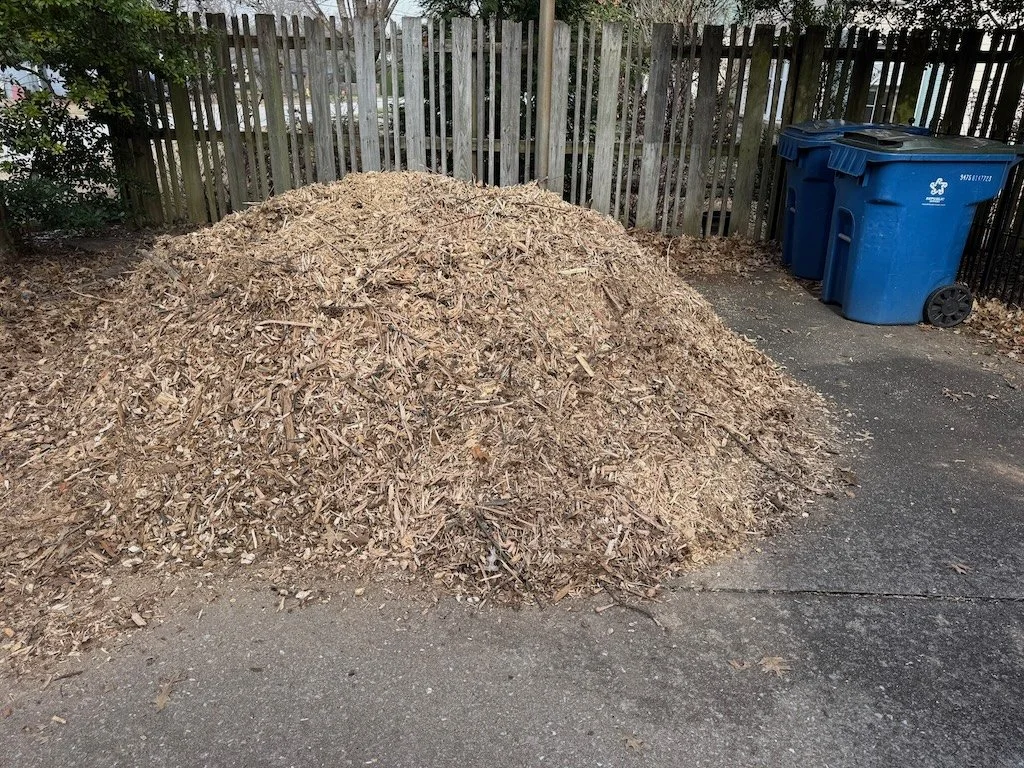
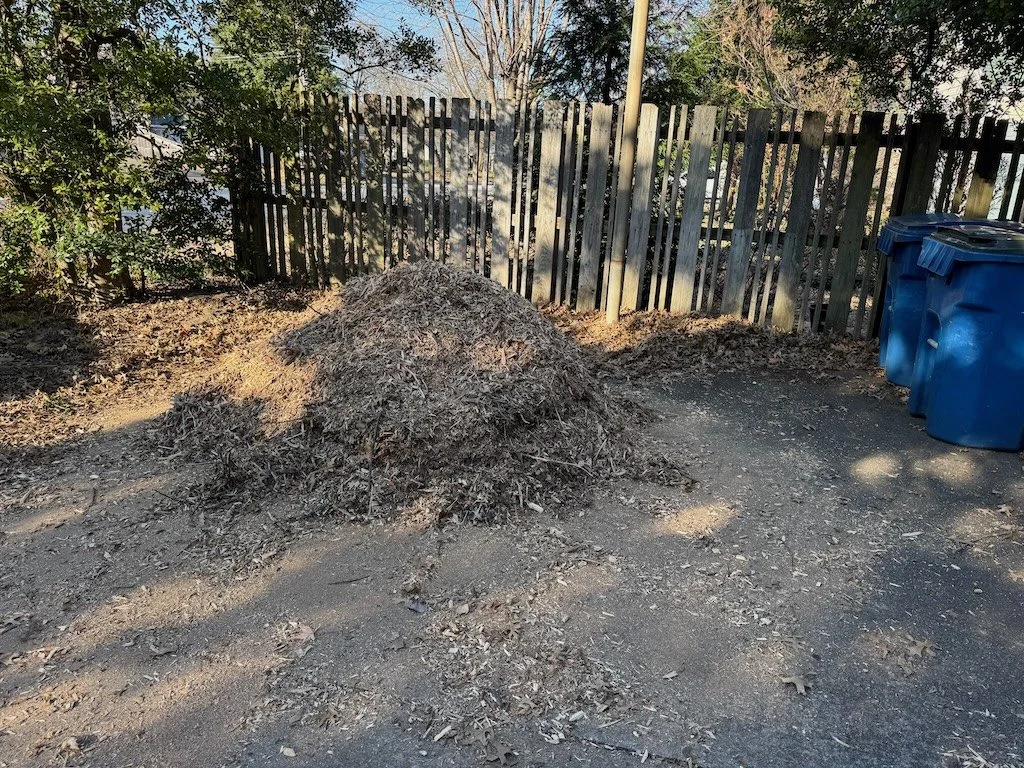
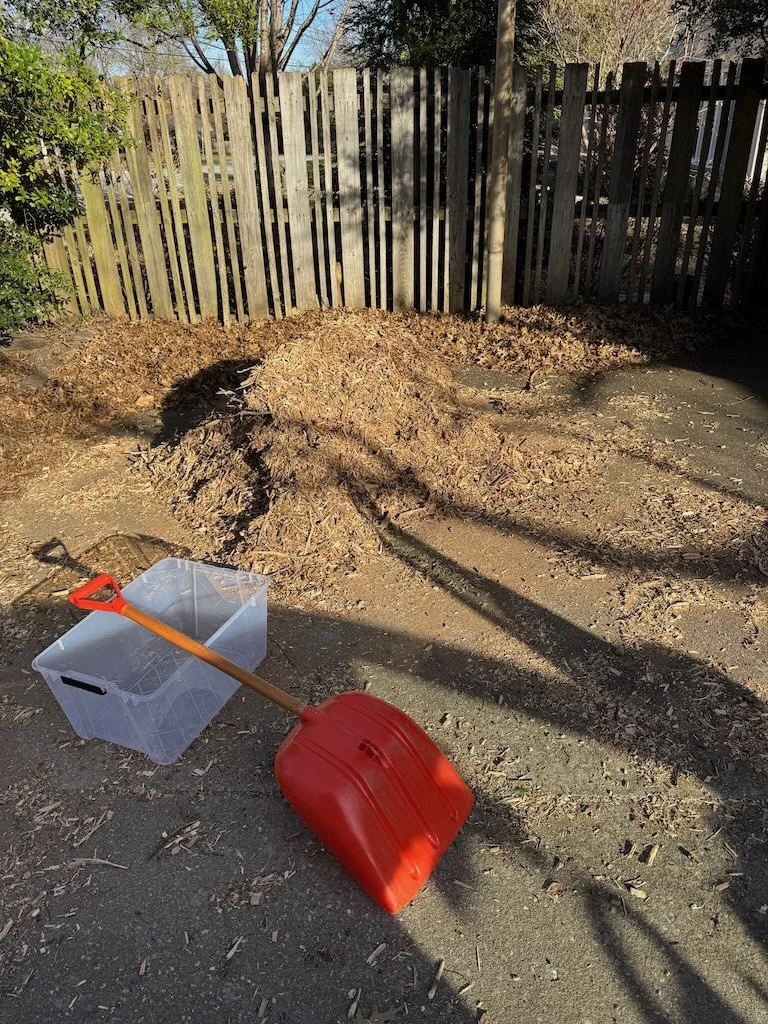
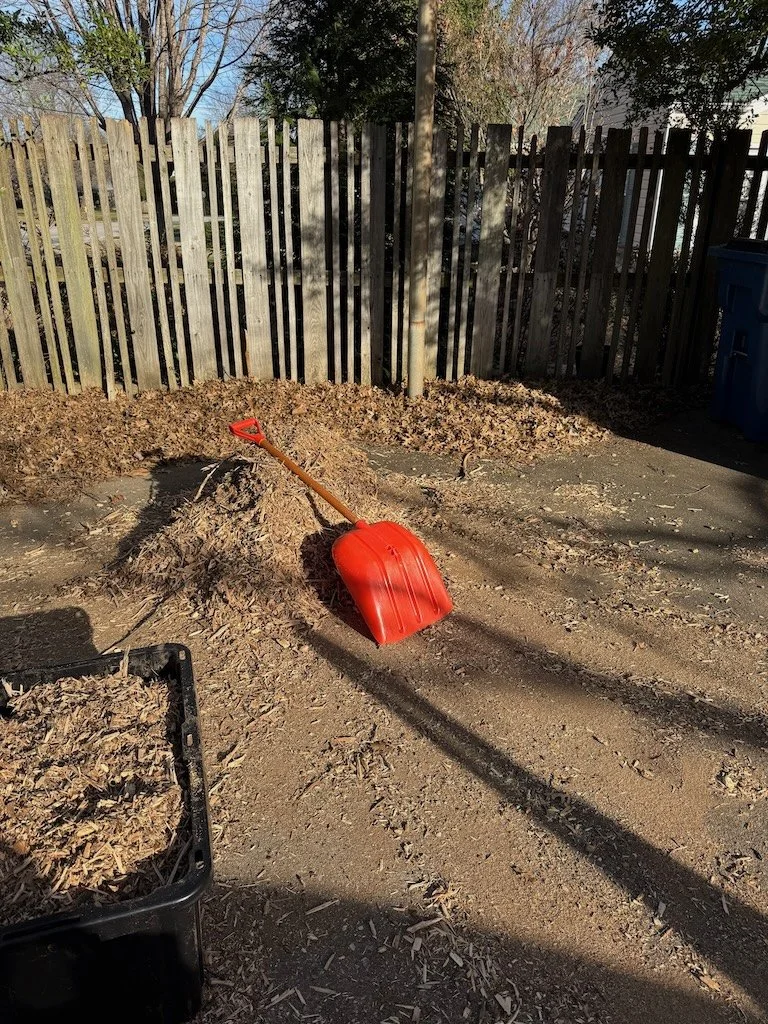
The tree service finally came to trim my daughter’s oak and to handle a larger branch that fell from her Amur Maple…and they left a substantial pile of (mostly) oak mulch as we requested.

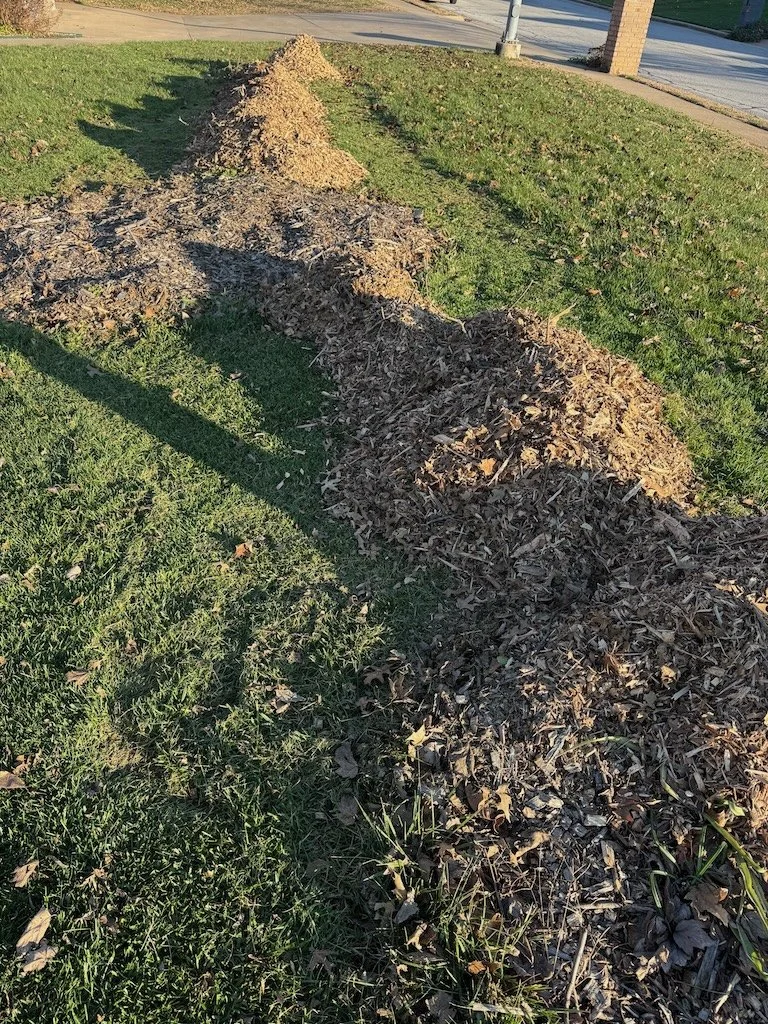
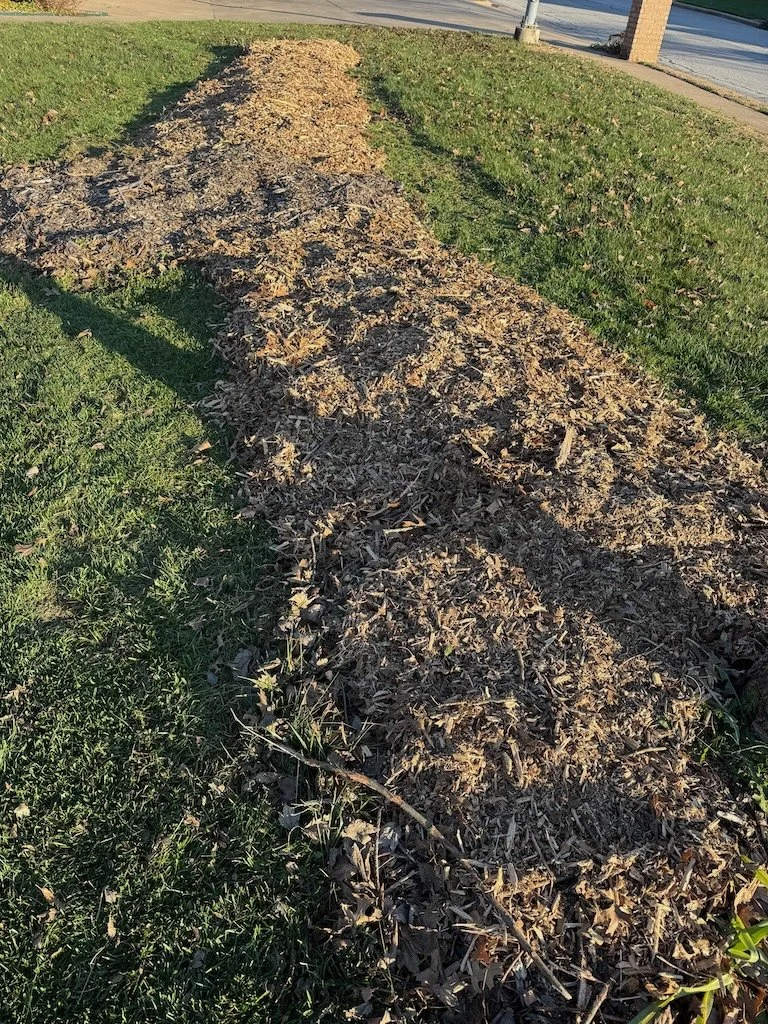
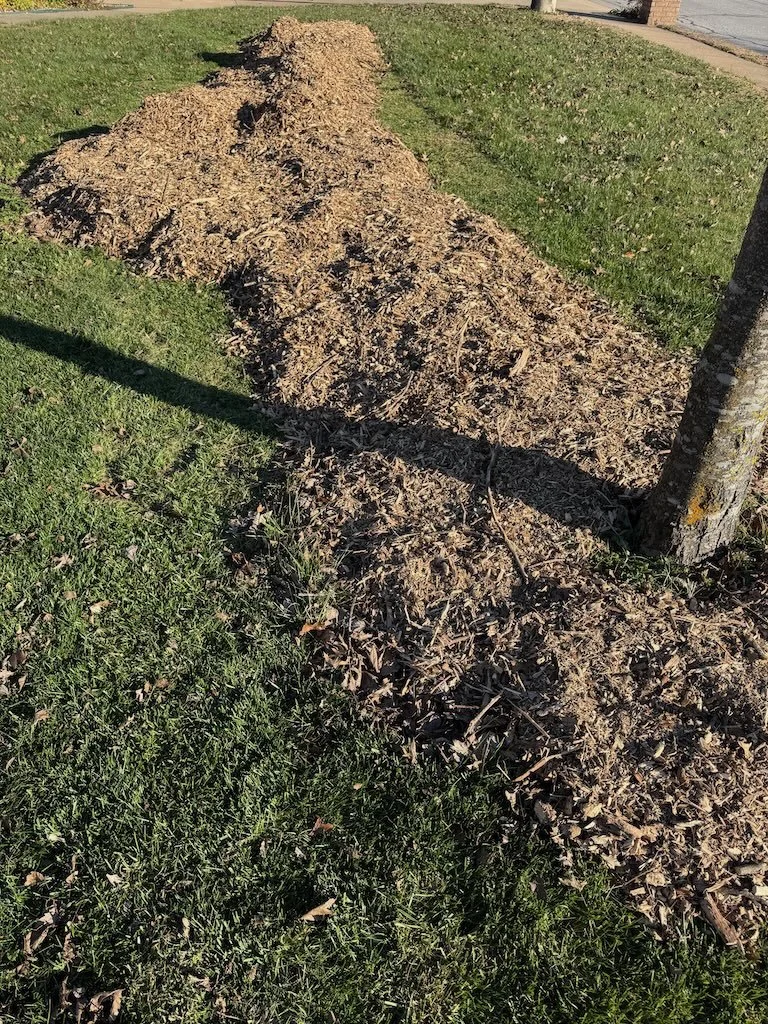
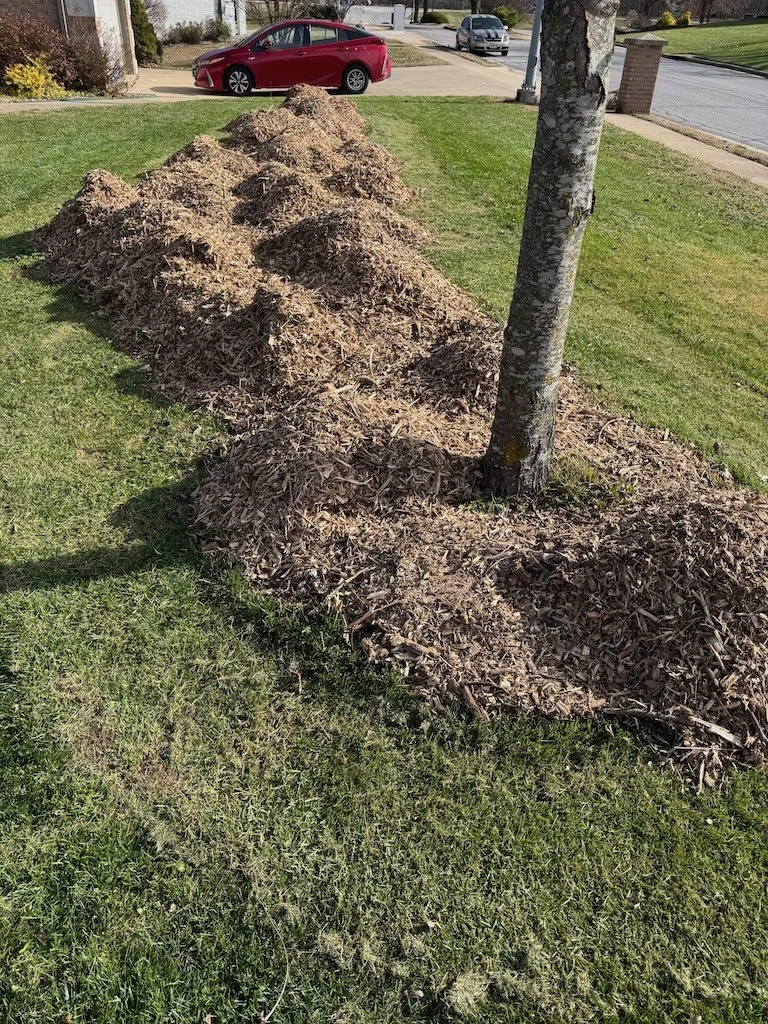
I have big plans for that mulch as part of my plan for transform my front yard with a native plant garden. I had used mulch from a maple there that had to be removed last summer to create three areas in my front yard and with the additional mulch I could make a much more substantial area for planting next spring.

We loaded bins and moved the pile one carload at a time. Even after the first 4 loads the new bed was looking bigger.

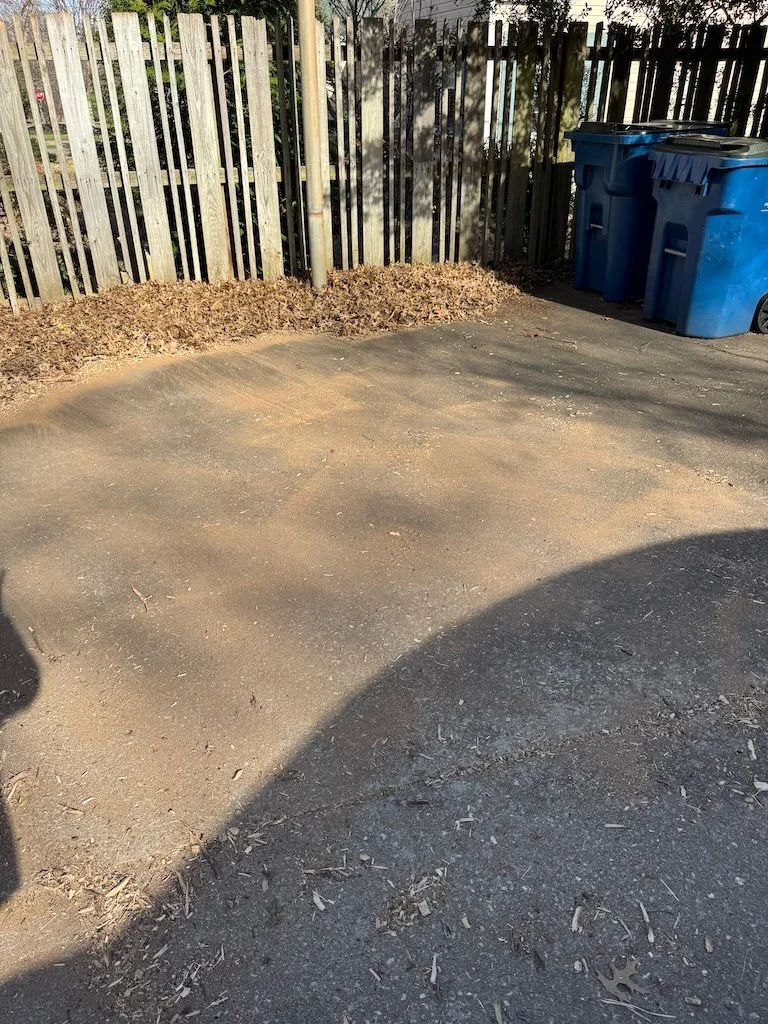
After the first big day, I only managed 2 carloads per day. It took 5 days in all (a total of 12 carloads…about 1.5-2 hours per load depending on traffic). On the last day, I was celebrating that my daughter’s driveway was back to normal….even though I still needed to spread the mulch and define the finally shape for the new bed!

I can hardly wait for the native plant sales to begin next spring. I’m going to review my plant list until then to be ready to shop and then plant my new garden in the oak mulch.

Sustaining Elder Care – December 2025

It’s been a little more than a month since my sisters and I moved my dad to a memory care facility – away from the memory care residence we had moved him to in January 2023. We had decided that the residence no longer met his needs very well; he was spending a lot of time in his room on his own and the staff yelled for him to come to them for medications and meals. I’m looking back over the last month and realizing that there have been some challenges, but the move was worth it.

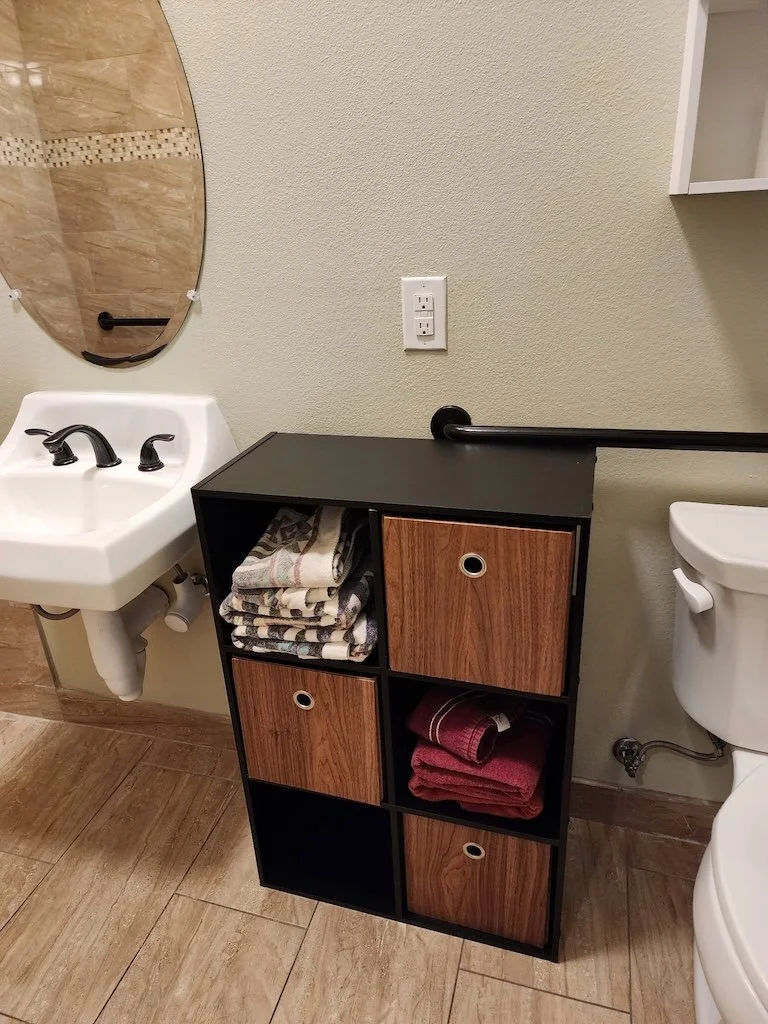
His new room require some new furnishings because it was bigger and configured differently. For example – the sink did not have surface area around it so we bought a piece that would provide surface area for things like his toothbrush and water glass plus some storage. It makes it easier for the staff to have the towels in the bathroom rather than in the closet! The room was big enough for 2 guess chairs rather than just one and he now has a chest of drawers to supplement the drawers under his bed (and we are not using the drawers under the bed very much now).

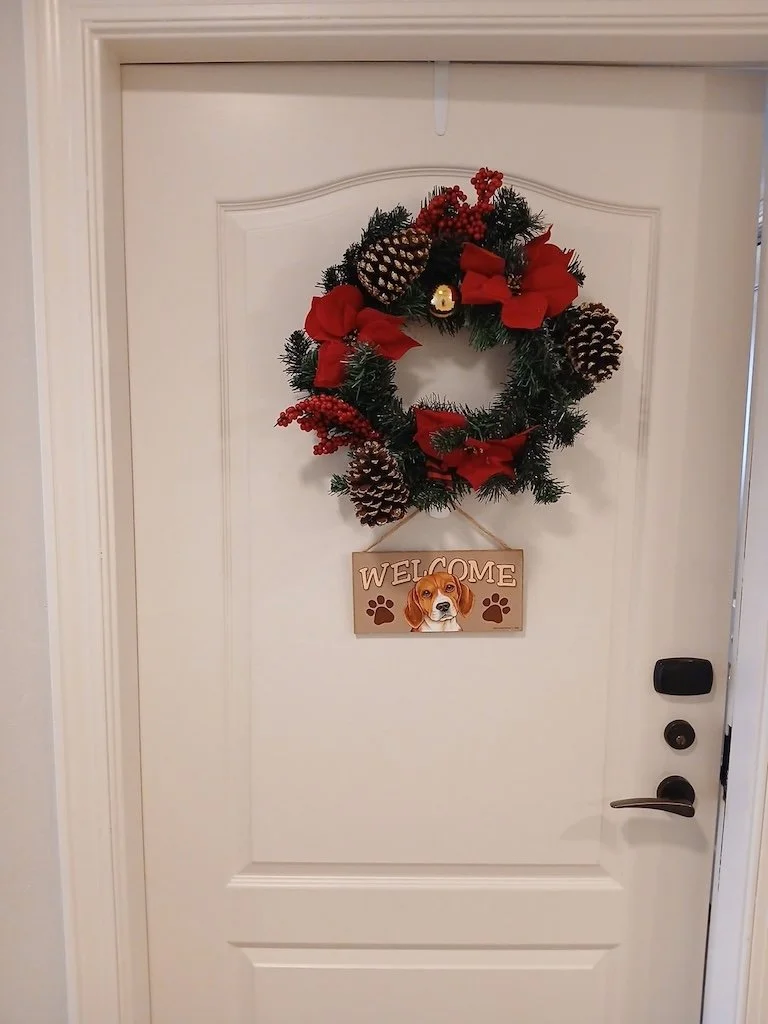
He was confused about the new place…anxious that he would not be able to find his way back to his room and forgetful about how to use the key fob to unlock his door. My sisters put seasonal wreaths on his door as do quite a few other resident’s families….so we opted to emphasize the Beagle Welcome sign. His eyesight is not great but perhaps the O of the wreath with the sign underneath is something he can see well enough. He is getting more proficient with the key fob that he wears around his wrist.

He complained about his big toe hurting and we discovered a bruise. He doesn’t remember anything happening that could have caused it. We are assuming he ran into a piece of furniture sometime when he didn’t have shoes on….not that long after he moved into his new place and was unfamiliar with everything. The bruise has disappeared now.

The staff was not used to shaving residents! My dad has an electric razor and the only staff member that knew how to use it was a male! We noticed that the other men in memory care all have beards. My dad is more comfortable now that he has assistance shaving. We discovered that the facility does not require electric razors (rather than old razors that can be a hazard for memory care residents)….perhaps they will change.

On the plus side – the facility consistently cuts up my dad’s food so that he can feed himself, gets him out of his room for exercise and socialization, helps him find his room/open his door as needed, and has taken quick action when we have noticed an issue.

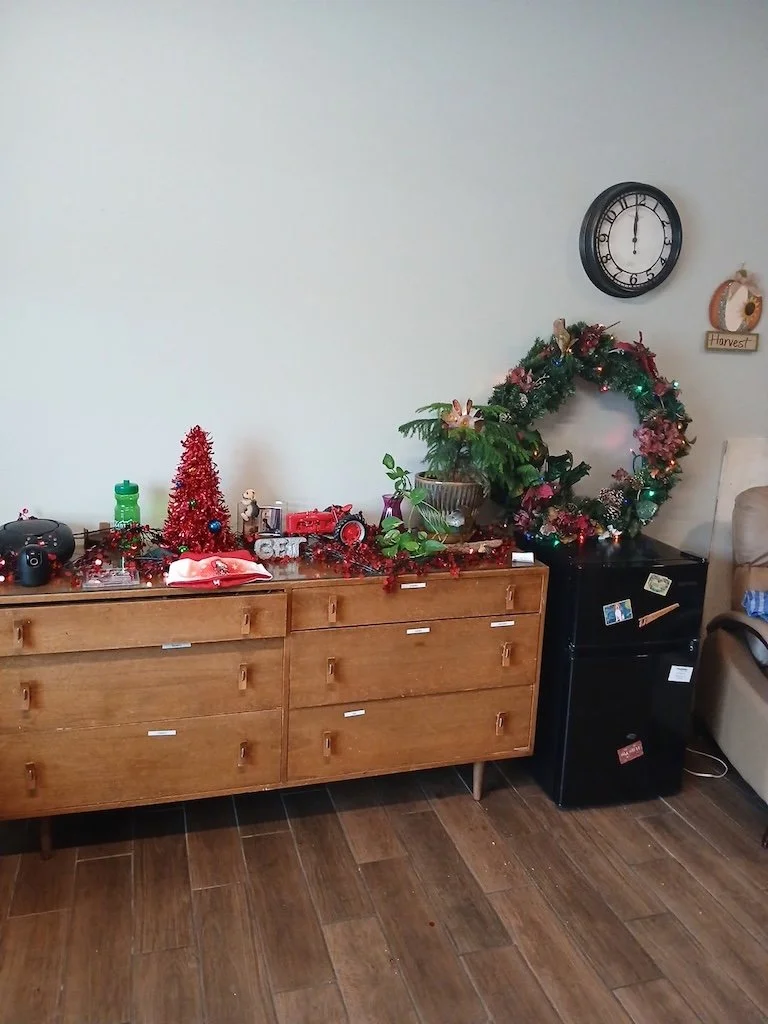
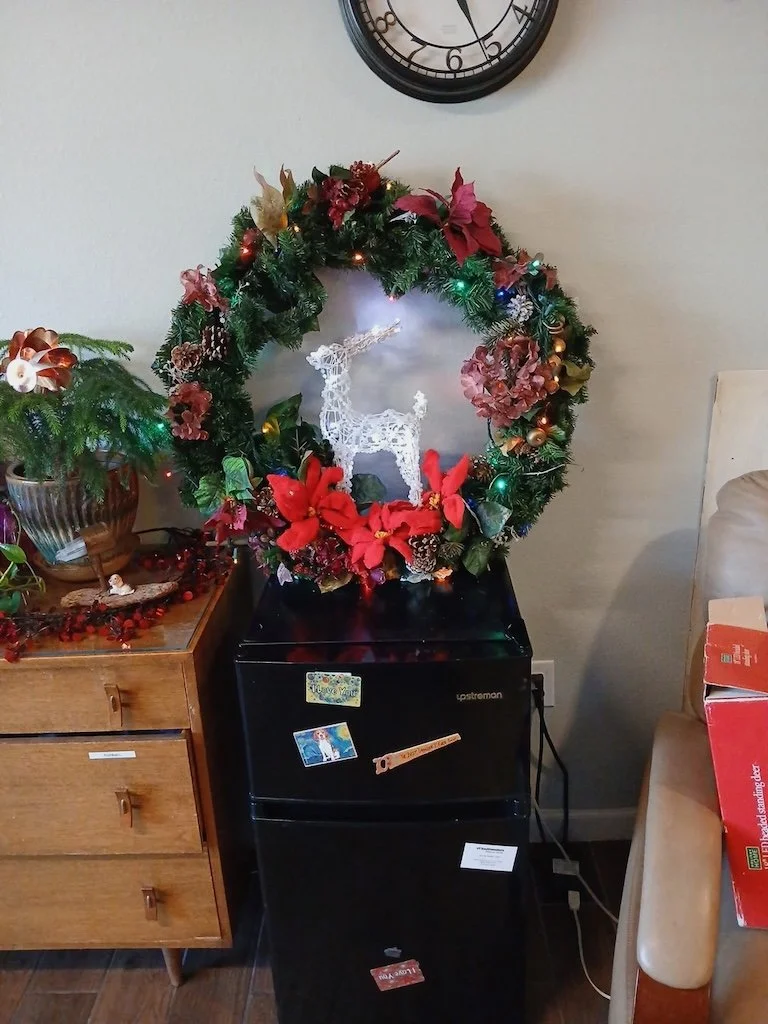
The decorations for Christmas cover a lot of surface area inside my dad’s room right now…and a large television to play landscapes and animal scenes has been mounted above the dresser. I haven’t seen them yet. One of my goals, because of his eyesight and cognitive challenges, is to diplomatically encourage my sisters to declutter as much as possible.

Plastics Crisis – Action at the Community Level

Over the past month or so, I have begun working with a small group of people to create a Beyond Plastics local group. We chose to call ourselves Beyond Plastics Ozarks to reflect that we are going to be working across a larger area than Springfield MO. We are thrilled to see our pin on the Beyond Plastics map – filling in the southwest Missouri space.

We have met twice and are working on our website; the part of the website that might be worth looking at now is our collection of recent plastics related articles. We are fortunate that we can leverage the efforts of the Show we less plastics project at the state level since they are offering a Plastics learning series (webinars) in the first quarter next year….allowing us to get that message out while we focus on honing our action plans. We have also benefited from the Beyond Plastics guide for setting up a new local group and that they provide a Zoom account for us too. The logo below was created for us by Beyond Plastics. Both state (Show me less plastics) and national (Beyond Plastics) organizations have materials we can use as well. Now for the hard work of picking campaigns that will be effective for our area of Southwest Missouri.

Concurrently we have identified three campaigns and have started exploration/planning for two of them. 2026 is going to be a busy year and I am hopefully that we will find additional people to help…and lots of people that are interested in learning more about the plastics issue.

Gardens Aglow

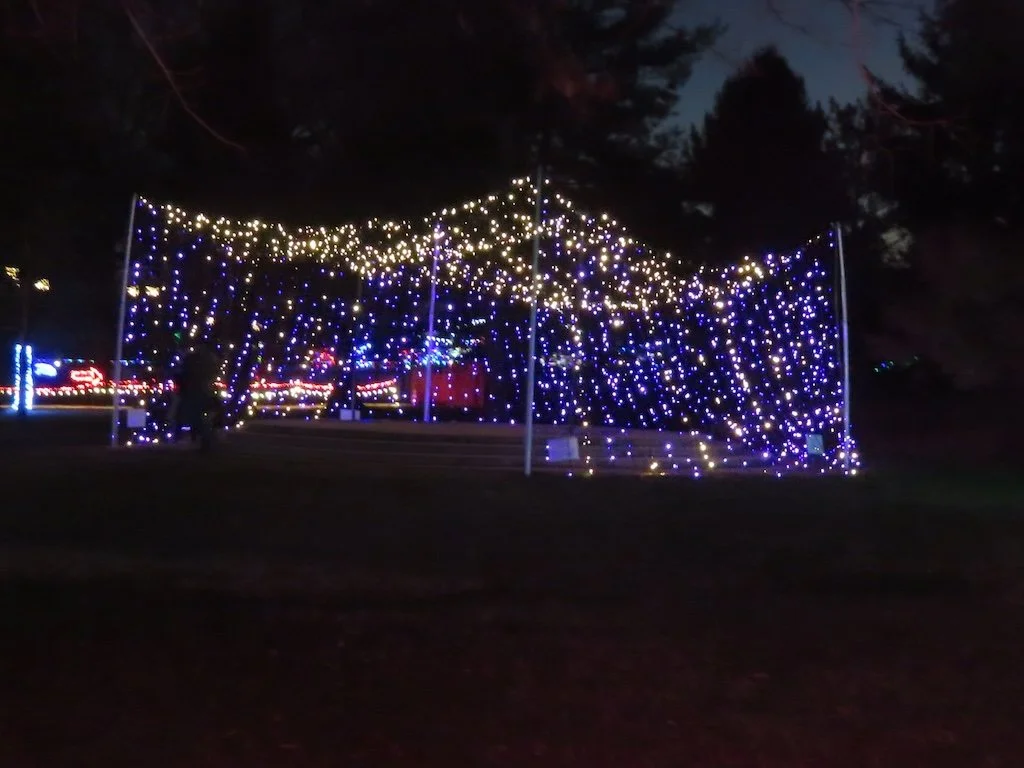
The seasonal Gardens Aglow lights are a wonderful evening activity. They continue until December 28th (check the website for dates and times) at the Springfield Botanical Gardens’ Mizumoto Japanese Stroll Garden. Online tickets are $6 for adults and $4 for children…but admission is free to Friends of the Garden or Springfield Sisters Cities Association! My husband and I are Friends of the Garden so the passes for the show I got in the mail because of my volunteering at the garden were given to 2 of my daughter’s students.

Our first visit was last week (we’ll probably go again before the end of the season). It was a cold and cloudy day, and we opted to arrive shortly after they opened at 5; we were early enough to park in the parking lot rather than the grassy area parking which is opened for the event. It didn’t take long before it was fully dark. I opted to use my small Canon PowerShot SX730 HS in night scene mode (stacks images in the camera) rather than my phone because the camera is easier for me to hold for the duration of the longer shot and the mechanism to zoom is easier too. There seemed to be a higher density of lights than I remembered from previous years. It is always well done; I liked that they have added lights to direct people to stay on the paved walkways…less chance of people trampling plants in the dark.

I enjoyed getting shots of lights and their reflections in water. There were plenty of opportunities!

Our walk took a little under an hour. The temperature was in the low 40s, and I was comfortable in my winter gear. My daughter bought some spring rolls at one of the food trucks – which she enjoyed but her hands got cold without gloves; she bought some hot cider just before we left to warm up her hands and to drink on the way home. My husband said his coat was great, but his gloves and shoes were not quite warm enough. It was a good first test of our winter clothing selections.

Gleanings of the Week Ending December 13, 2025

The items below were ‘the cream’ of the articles and websites I found this past week. Click on the light green text to look at the article.

How extreme weather is making plastic pollution more mobile, more persistent and more hazardous - Rising temperatures, humidity and sunlight break plastic down, making it brittle and cracked, accelerating its disintegration into tiny fragments. A 10-degree Celsius (18 Fahrenheit) rise in temperature during an extreme heat wave could double the rate at which plastic degrades. Extreme storms, flooding and wind also hasten the breakdown of plastic, mobilize it and spread it more widely. Flooding can also help forge “plastic rocks,” created when rocks and plastics form a chemical bond and merge together. These become hotspots for microplastic generation. Wildfires release microplastics and highly toxic compounds into the atmosphere. Global annual production of plastic increased 200-fold between 1950 and 2023 and is predicted to keep increasing as the world moves toward clean energy and oil companies shift investments to plastics.

YMCA: The Swan Song of SROs and the Birth of Modern Homelessness - Single room occupancy hotels played a central role in America’s affordable housing ecosystem for decades, providing cheap, flexible accommodations without government subsidy. They are effectively large-scale boarding houses, offering small private rooms or dorm-style quarters with shared bathrooms and minimal kitchen facilities. The YMCA was the nation’s largest SRO provider, with more than 100,000 units nationwide at its peak. SROs were far from ideal, but without this form of housing or any other low-cost option, homelessness was the inevitable result. It was just as Edith Elmer Wood feared back in 1919: Housing reform had created a housing famine.

Recycling Lead-Acid Batteries Has Significant Health Risks - What happens to the old ones when they are no longer serviceable? They get melted down to recover the lead in them, which can then be used to make new batteries. In the US, that work often gets outsourced to other countries. It’s a patchwork of shoddy factories in places like Ghana, Nigeria and Tanzania providing more lead for new car batteries….and where people die from lead poisoning. Car companies look the other way.

More Than 1,200 Marine Animal Species Eat Plastic. Ingesting Even a Tiny Amount Can Kill Them - Data from more than 10,000 marine animal autopsies. About half of the examined sea turtles, one-third of seabirds and one in eight marine mammals had plastics in their stomachs. The study didn’t examine other ways plastics can hurt wildlife, such as strangulation, malnutrition or toxic effects. It also didn’t look at the harms of tinier pieces of plastics—microplastics—which have been found in the deep ocean and can also affect marine life. Researchers say the best way to protect wildlife from plastic is to reduce the amount of it that enters the ocean, namely through local and national policy.

The Forgotten Roman Ruins of the ‘Pompeii of the Middle East’ – Jerash – ruins near Amman, the capital of Jordan and the country’s second most popular tourist destination after Petra. After spending more than a millennium covered by sand, Jerash has reclaimed its place as a cornerstone of both Western and Middle Eastern civilization.

Just ten species make up almost half the weight of all wild mammals on Earth – Deer and boars account for almost half the biomass of wild land animals.

New research reveals what’s really hiding in bottled water - Each sip may contain invisible microplastics that can slip through the body’s defenses and lodge in vital organs. These tiny pollutants are linked to inflammation, hormonal disruption, and even neurological damage, yet remain dangerously understudied. “People need to understand that the issue is not acute toxicity -- it is chronic toxicity.”

Beavers are Dam Good for Biodiversity, Bringing Bats, Butterflies and Other Critters to Their Neighborhoods - Beavers are famous for being ecosystem engineers, capable of transforming once-dry landscapes into lush, green wetlands that support many other land- and water-dwelling species. Now, two new studies suggest these benefits also extend to creatures who spend much of their time in the air like bats and pollinator insects.

This tiny pill could change how we diagnose gut health - Tiny ingestible spheres filled with engineered bacteria can detect intestinal bleeding by glowing when they encounter heme. Early tests in mice suggest they could become a quick, noninvasive way to monitor gut disease. The work was done by the NSF of China and other sources in China. Will China now dominate this type of research with the funding cuts in the US?

Meet the 7 Swans a-Swimming – There are 7 swan species in the world…which fits very well with The Twelve Days of Christmas.

Life Magazine in 1944

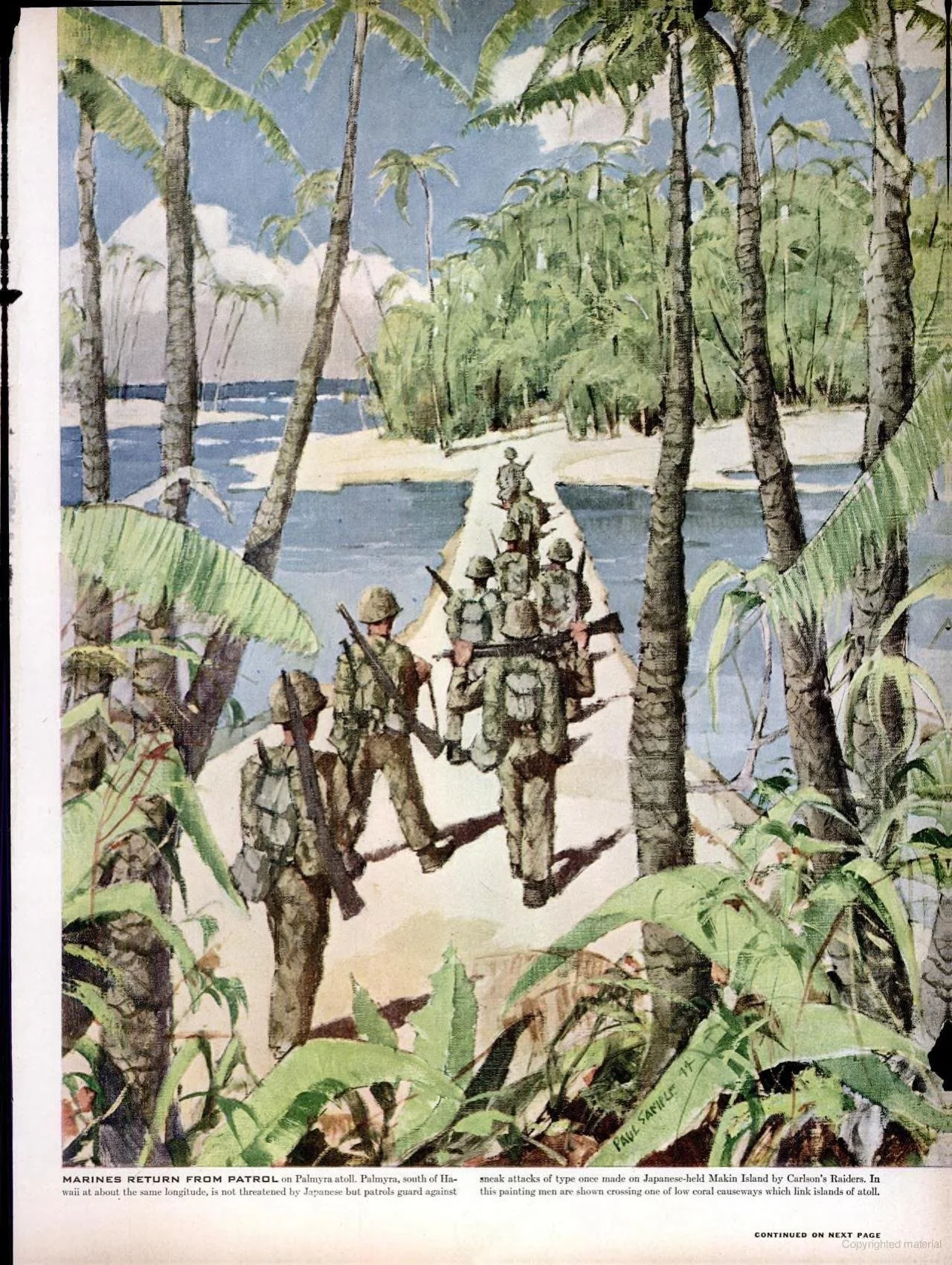
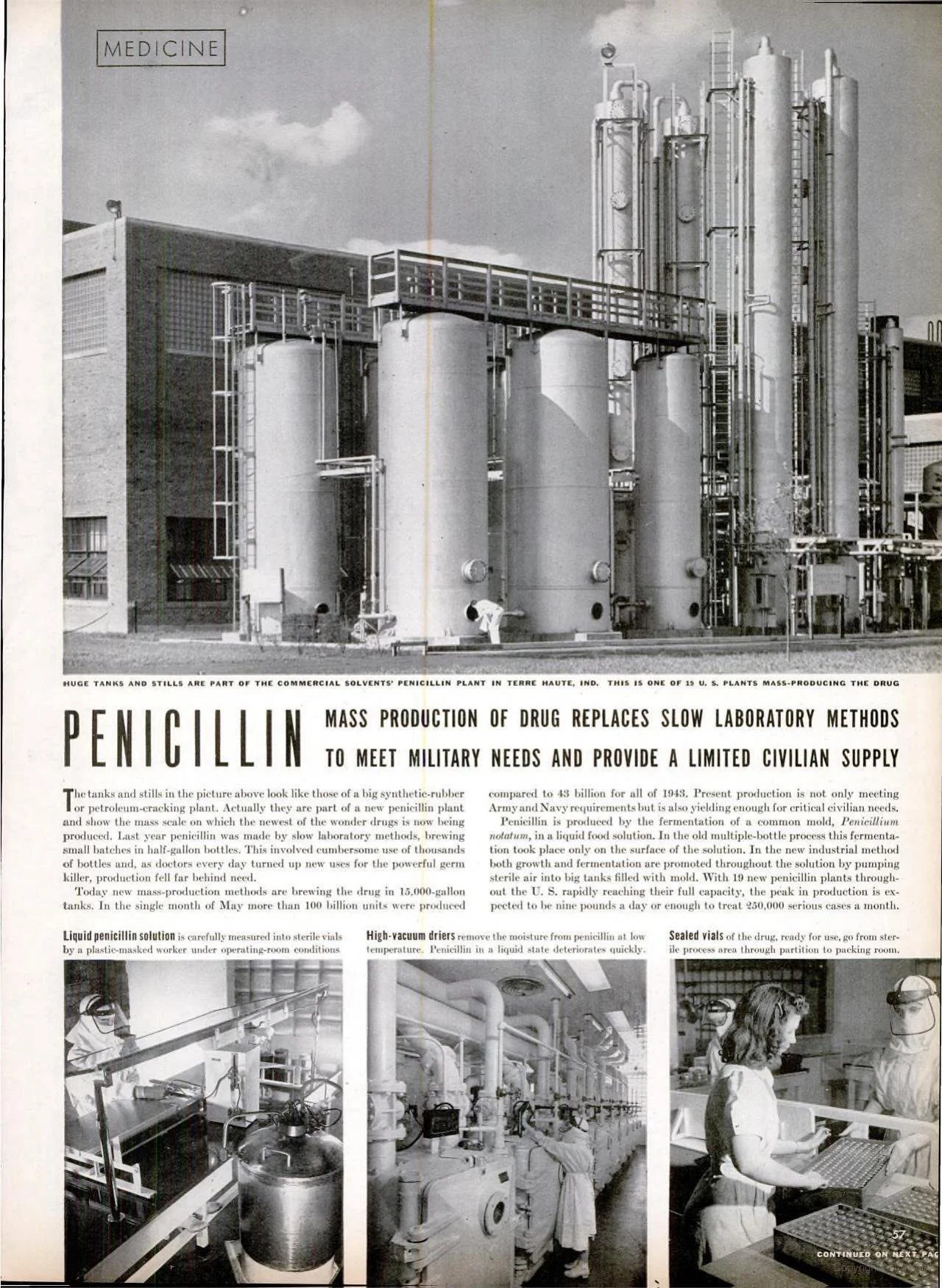
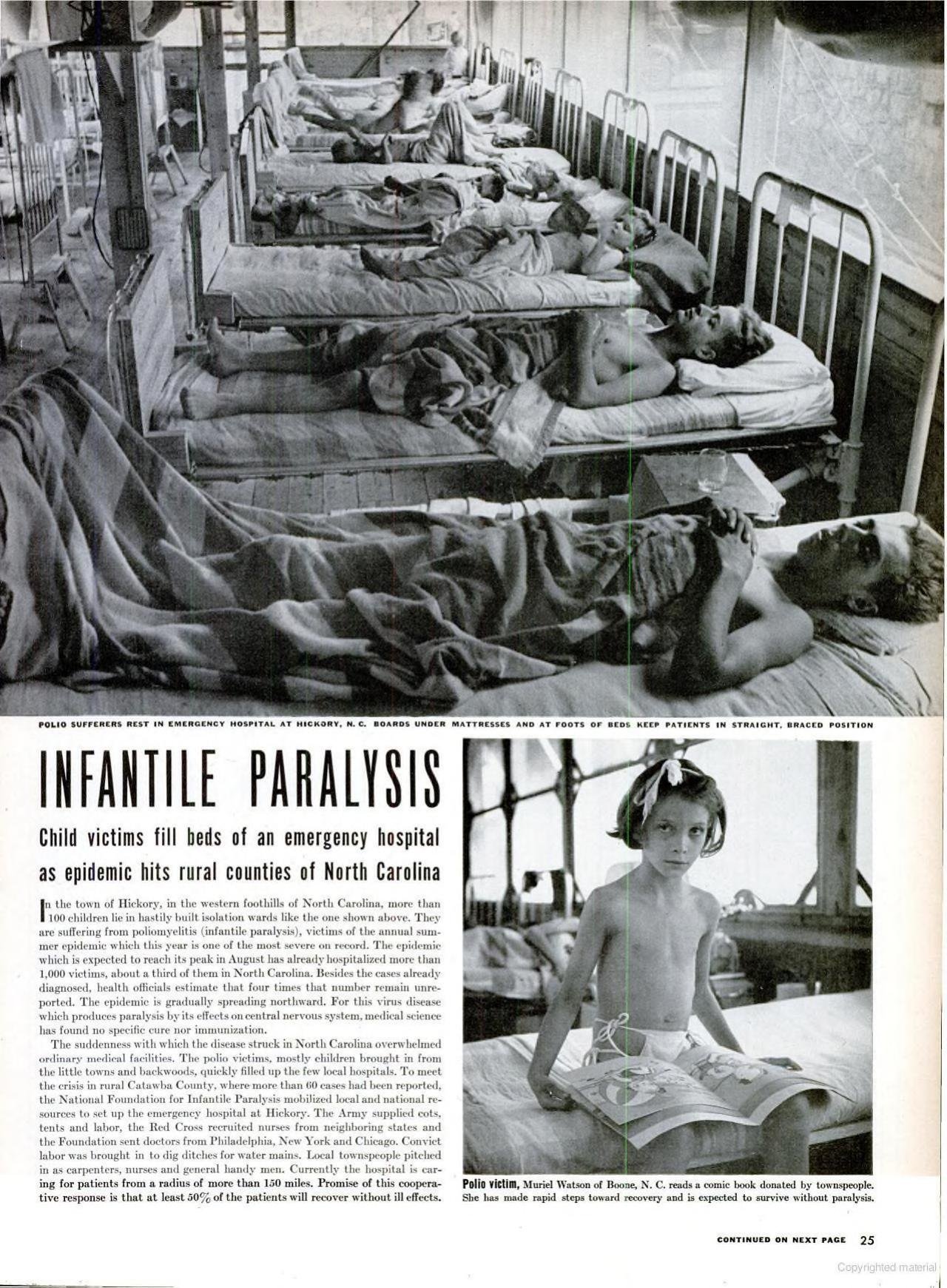
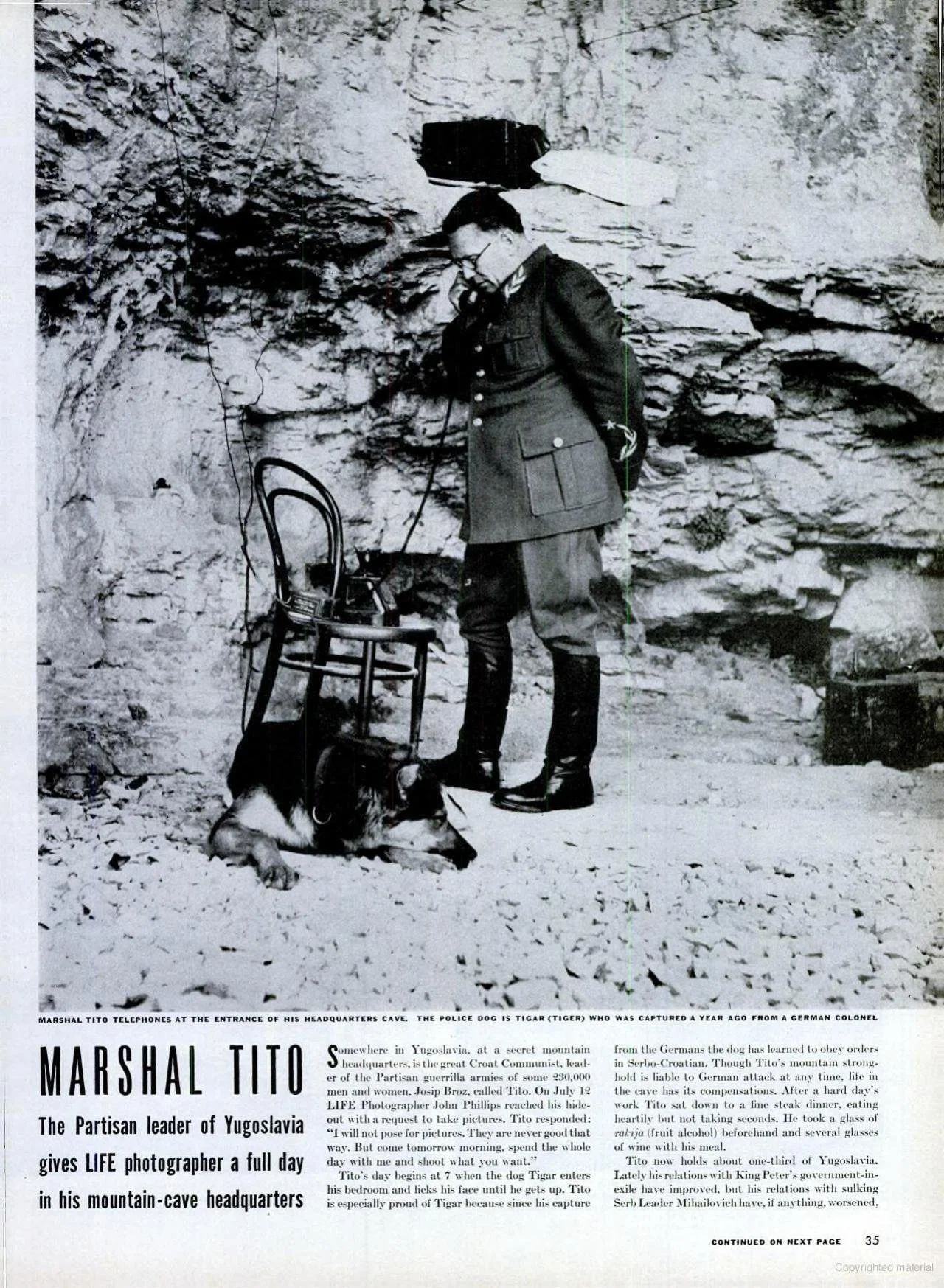
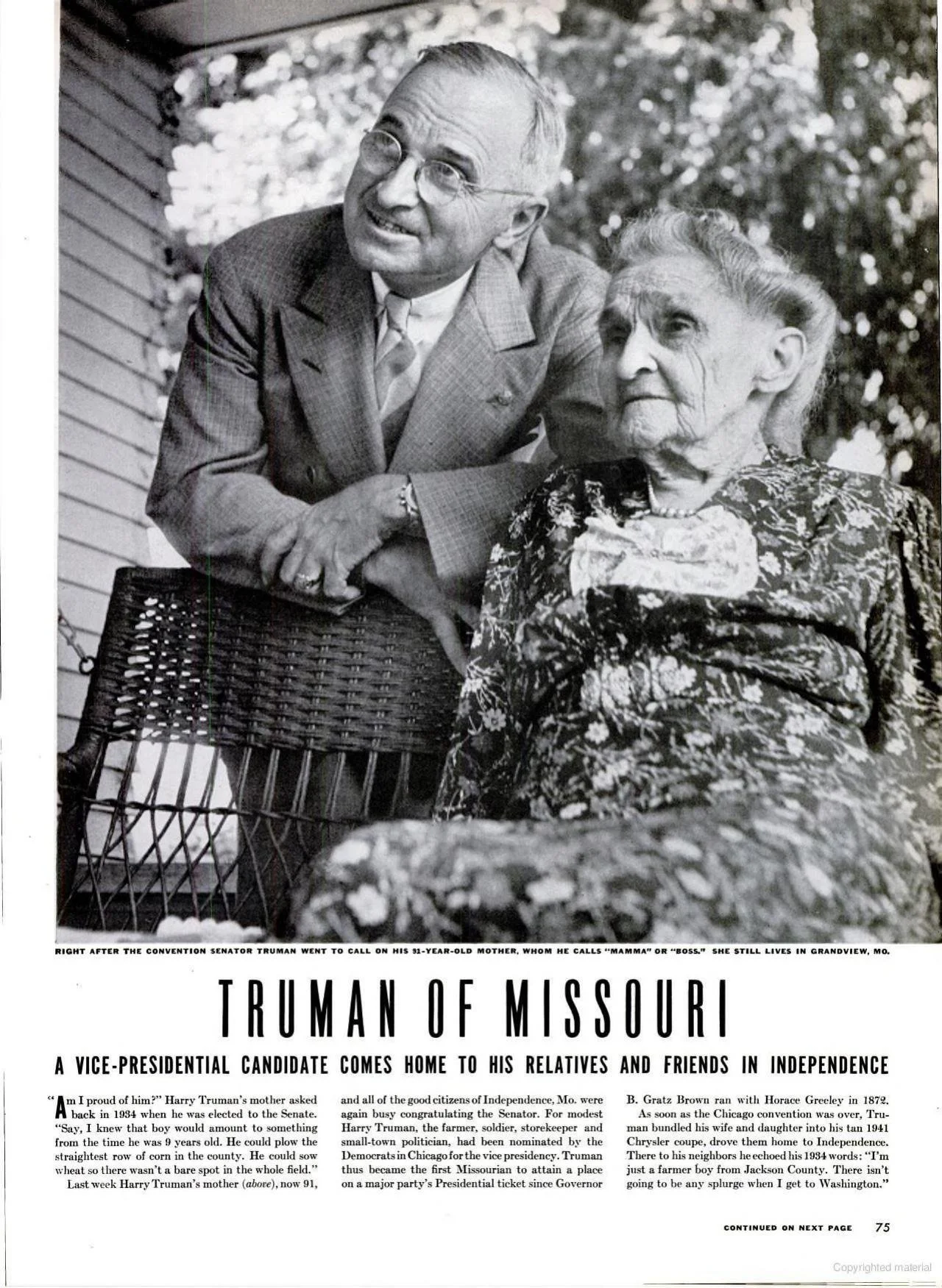
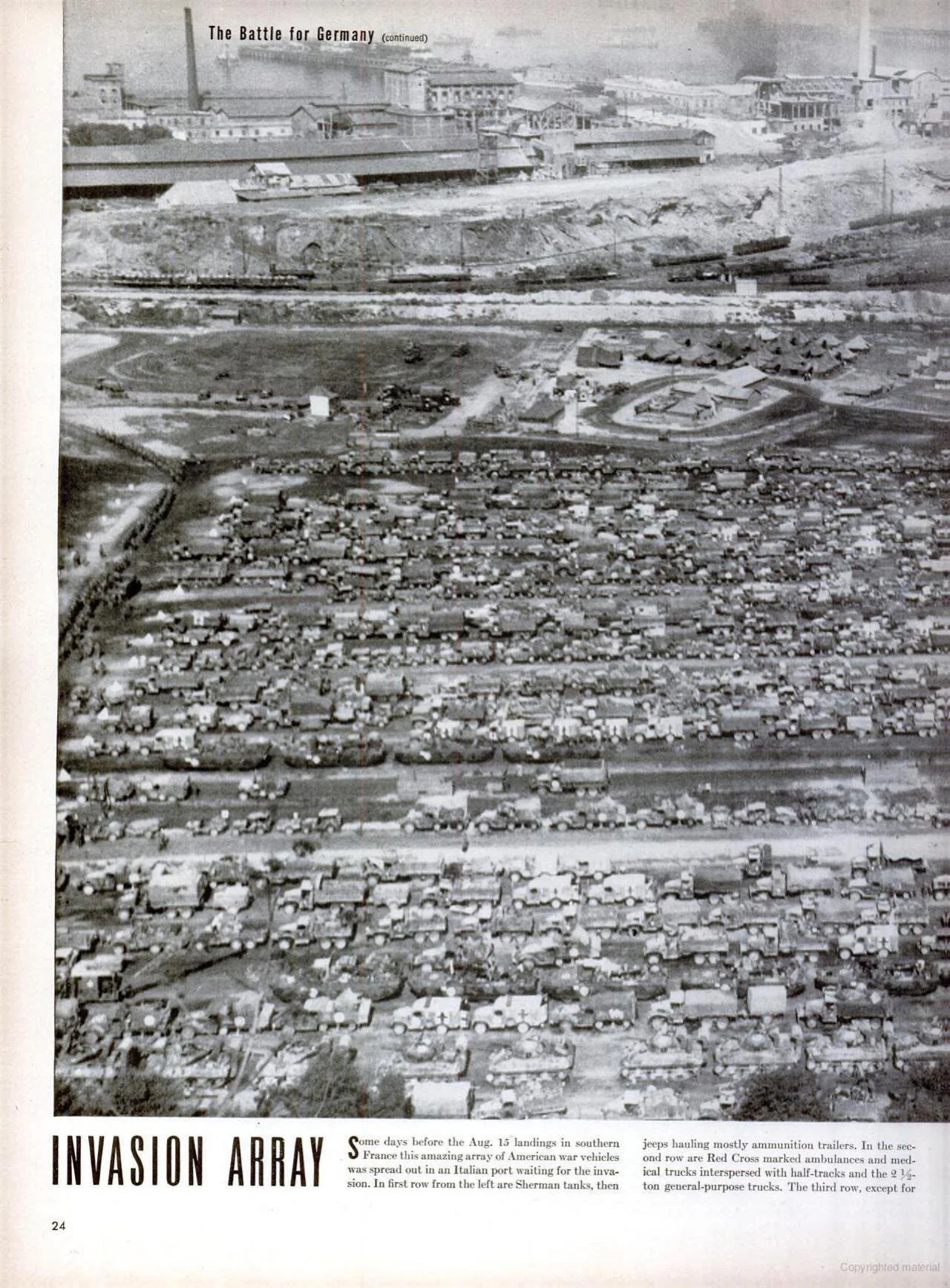
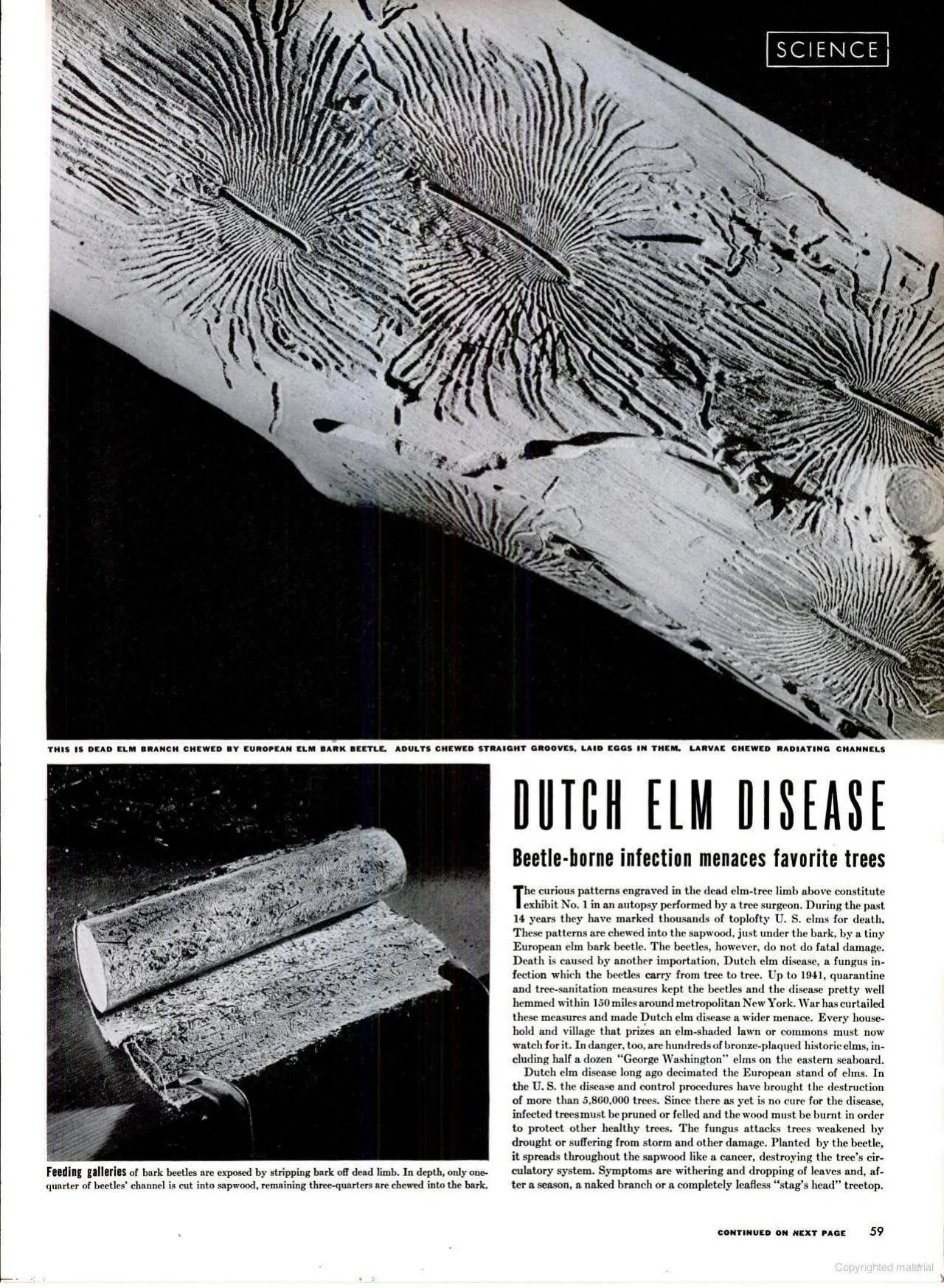
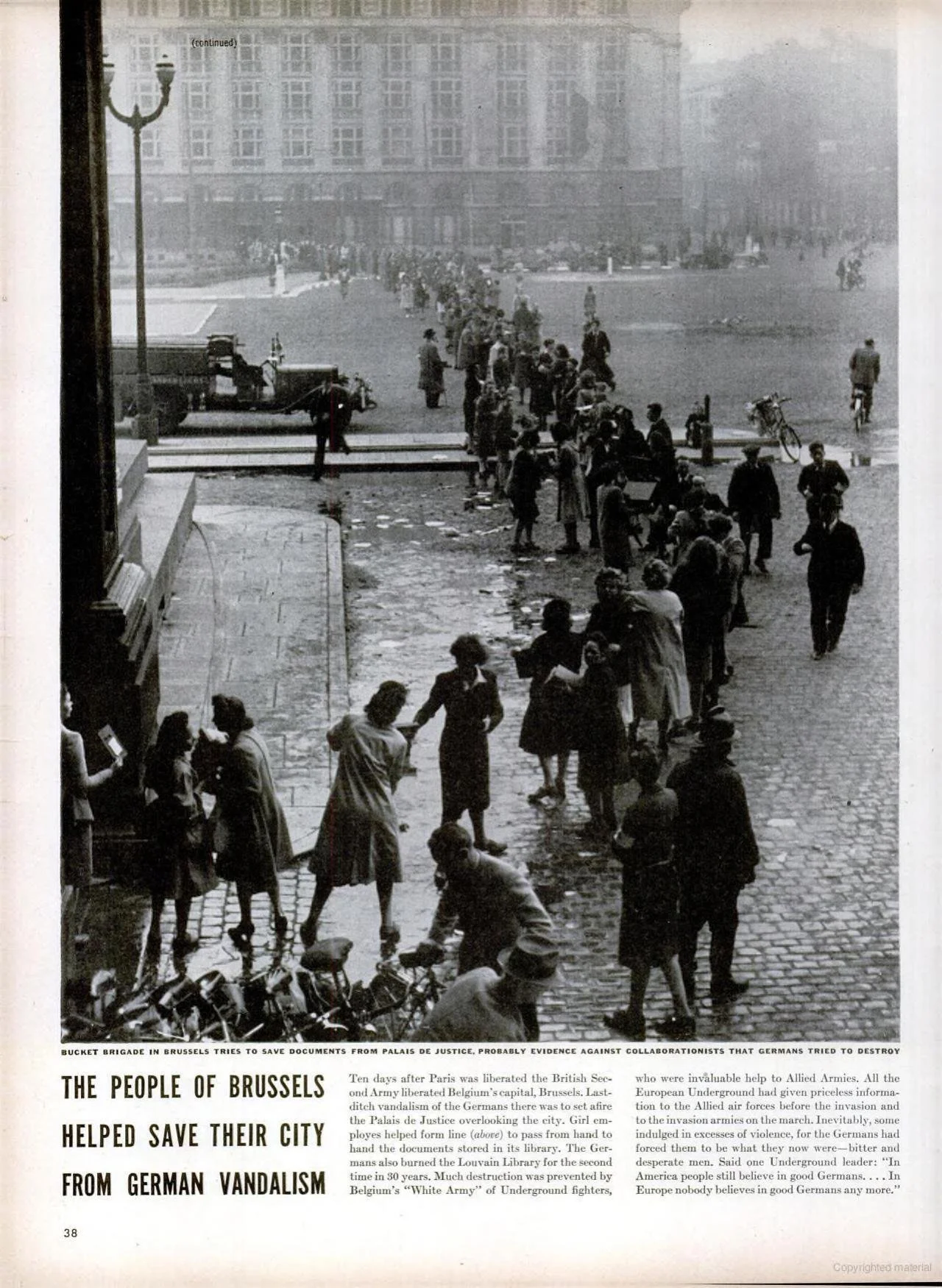
Internet Archive has digitized versions of many Life Magazines. I have been browsing through them – slowly since there was an issue for each week. As I looked at the issues from 1944, I thought about how the US was focused on the war and, while the war seemed to be moving in favor of the Allies, it was brutal. Casualties were mounting and at the end of the year the battle was still raging on. (Click on any of the sample images below to see a larger version and the links to see the whole magazine online.)

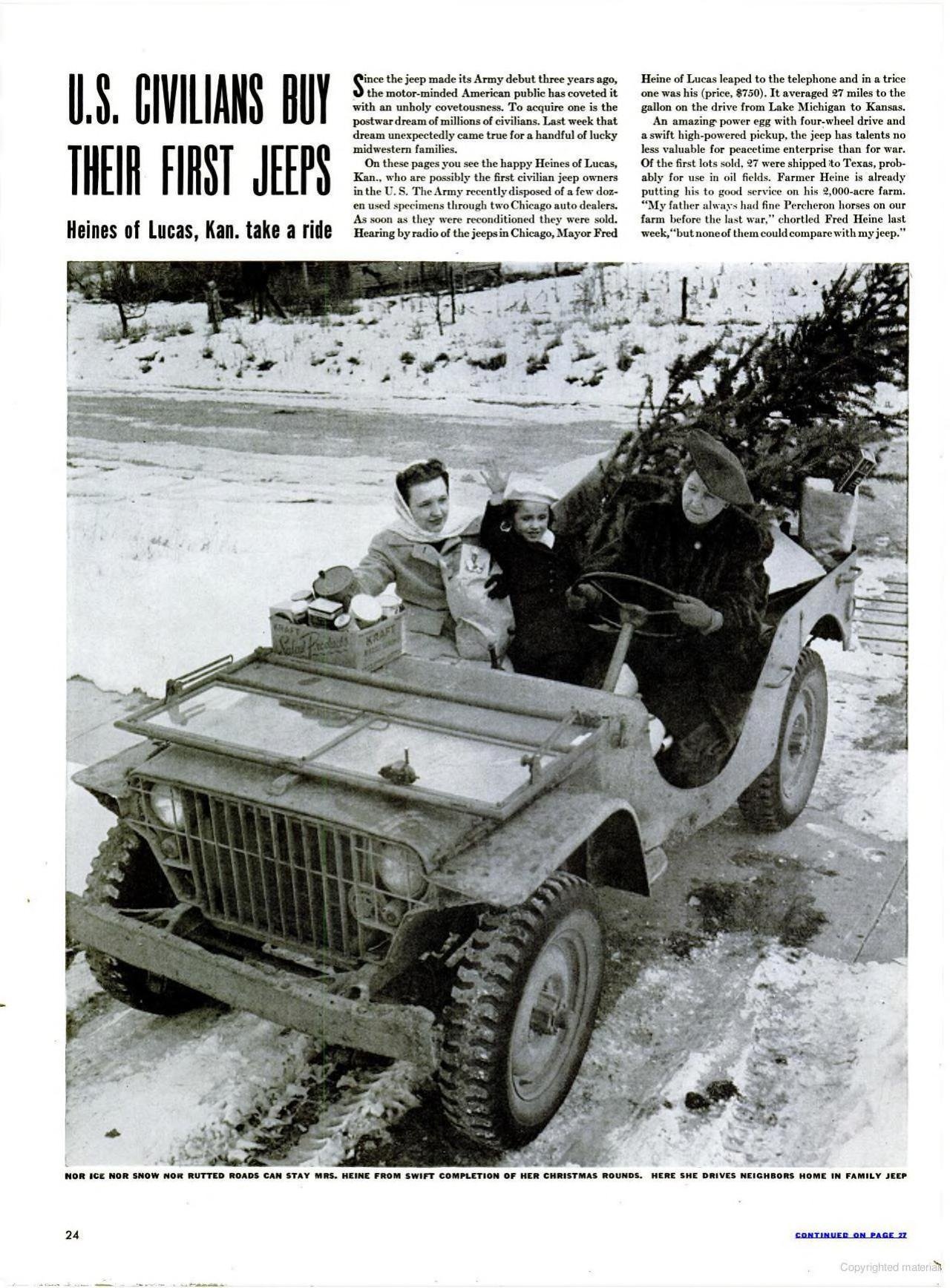
 Life Magazine 1944-01-03 - US civilians buy their first jeep

Life Magazine 1944-01-10 - Bob Hope

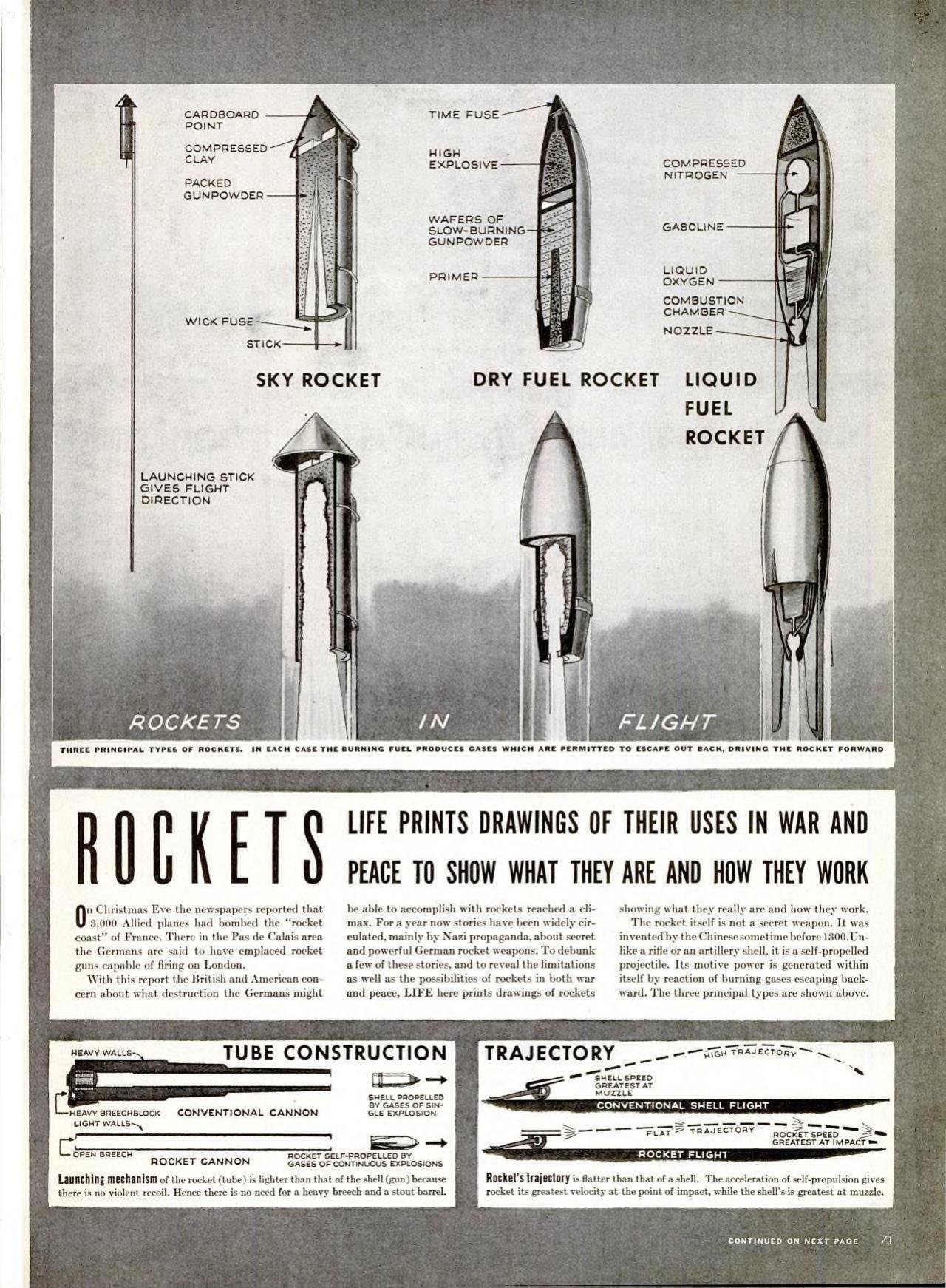
Life Magazine 1944-01-17 - Rockets

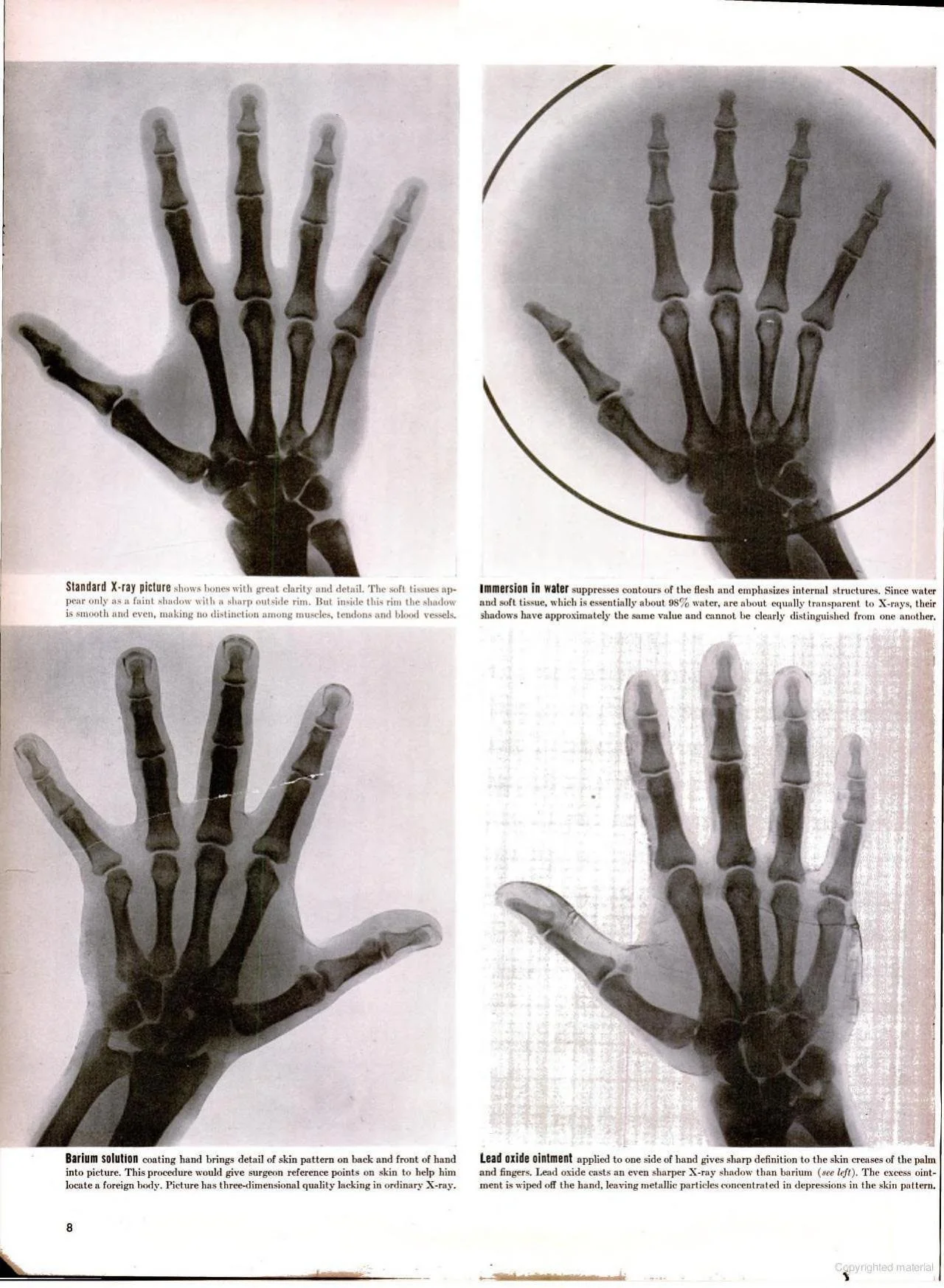
Life Magazine 1944-01-24 - X-rays

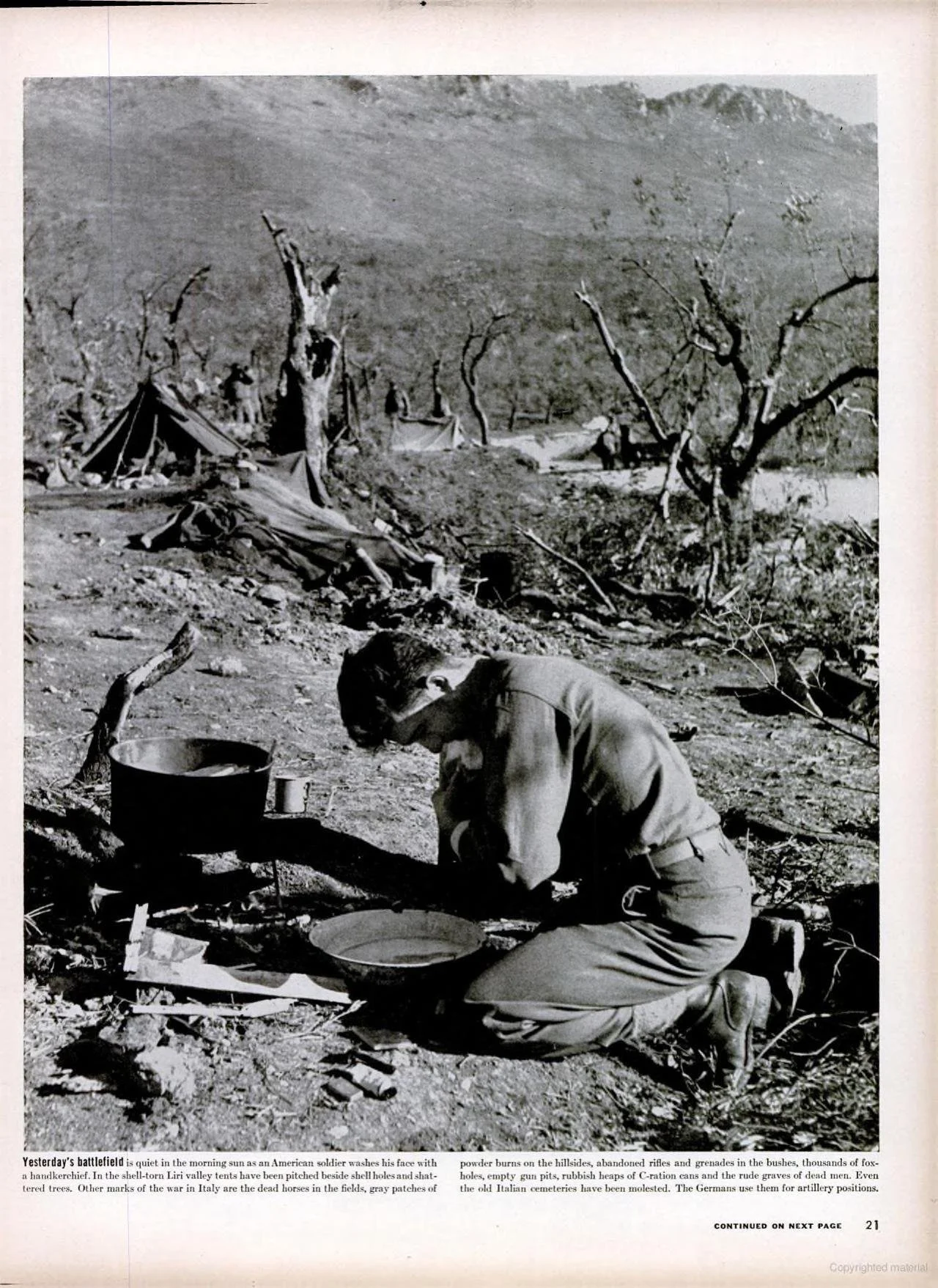
Life Magazine 1944-01-31 - Yesterday’s battlefield

Life Magazine 1944-02-07 - USS Missouri

Life Magazine 1944-02-14 - Kansas raises fine families

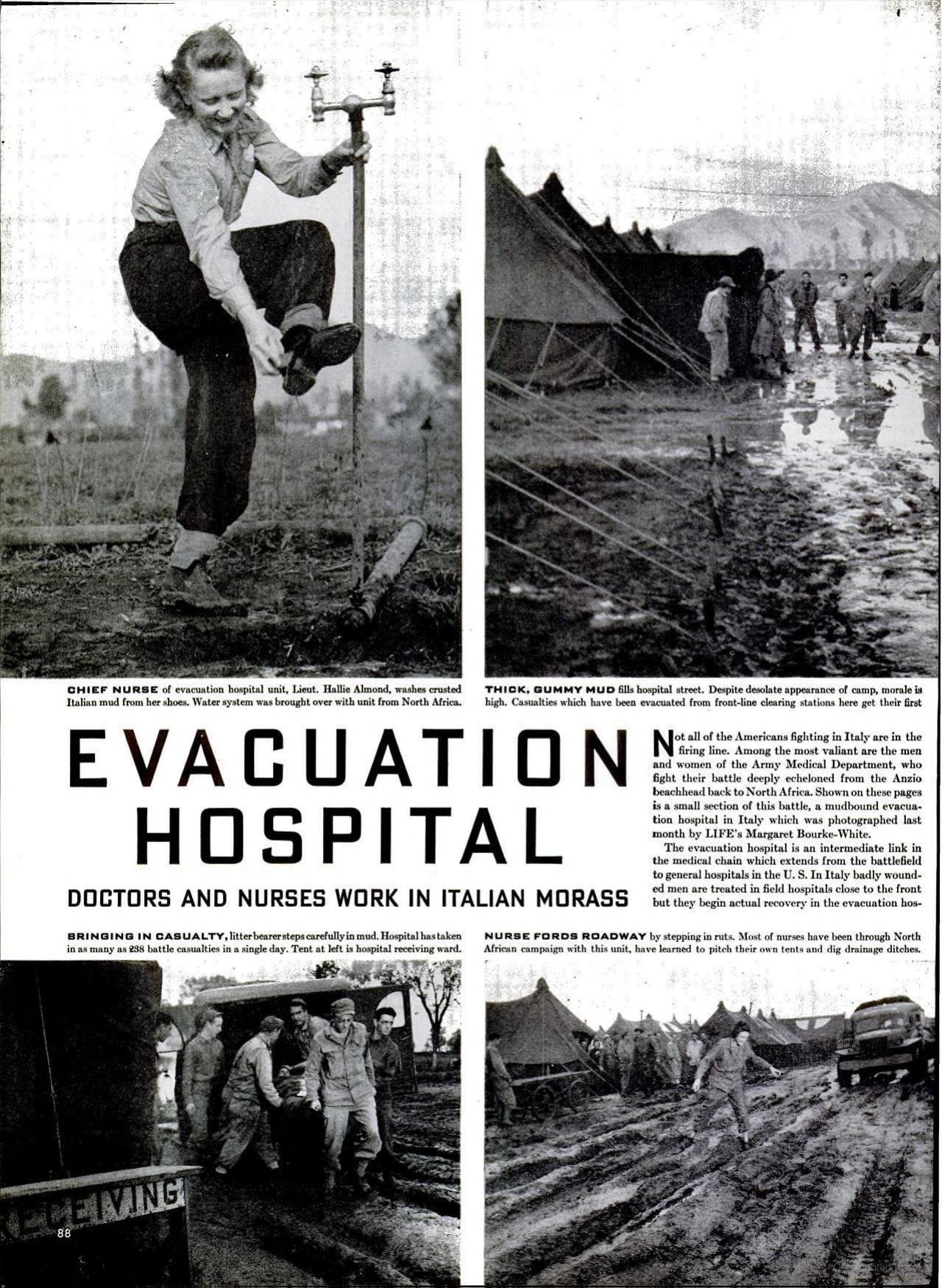
Life Magazine 1944-02-21 - Evacuation hospital

Life Magazine 1944-02-28 - Pullman ad

Life Magazine 1944-03-06 - Belmont Radio ad

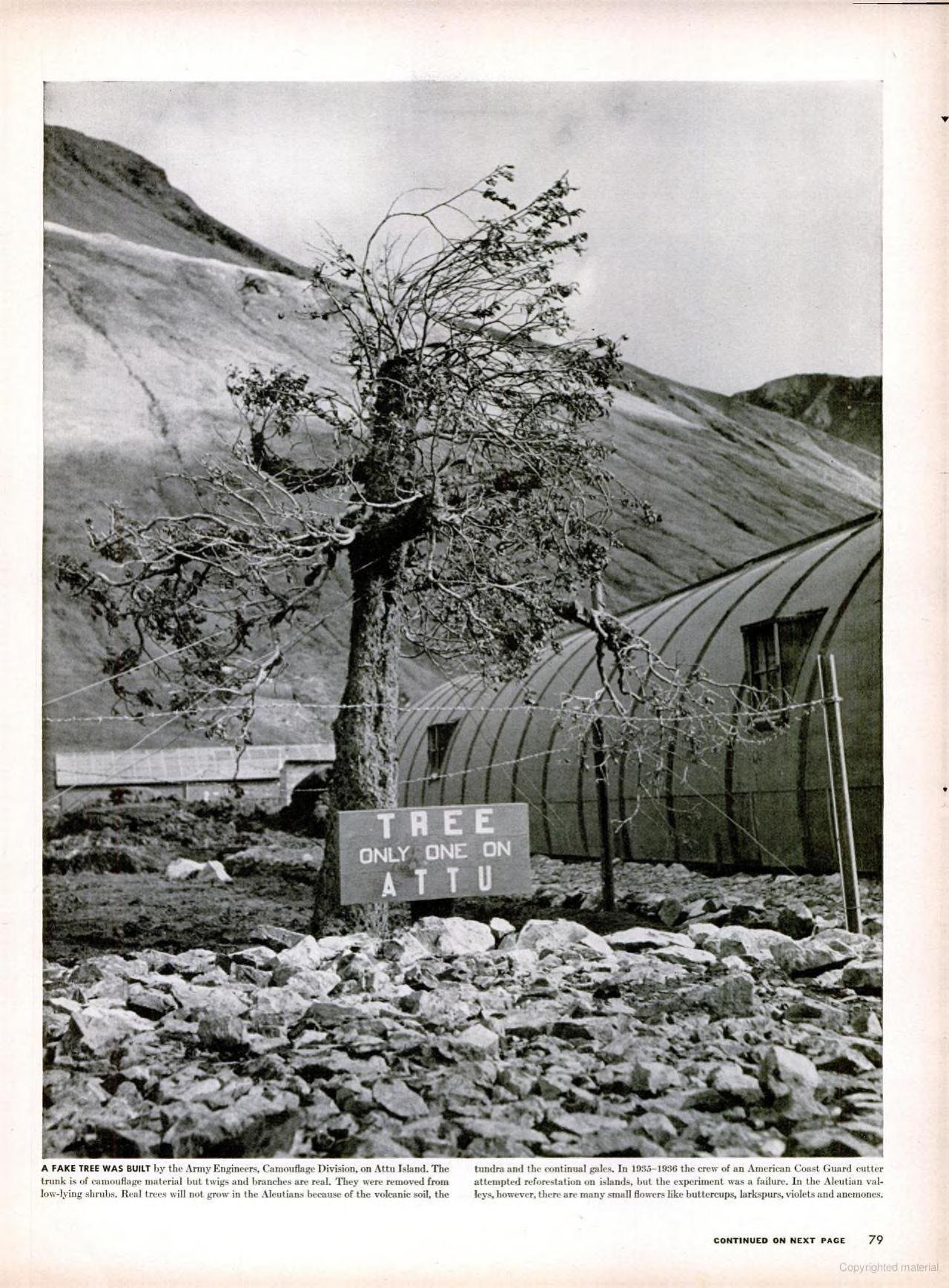
Life Magazine 1944-03-13 - Attu Island

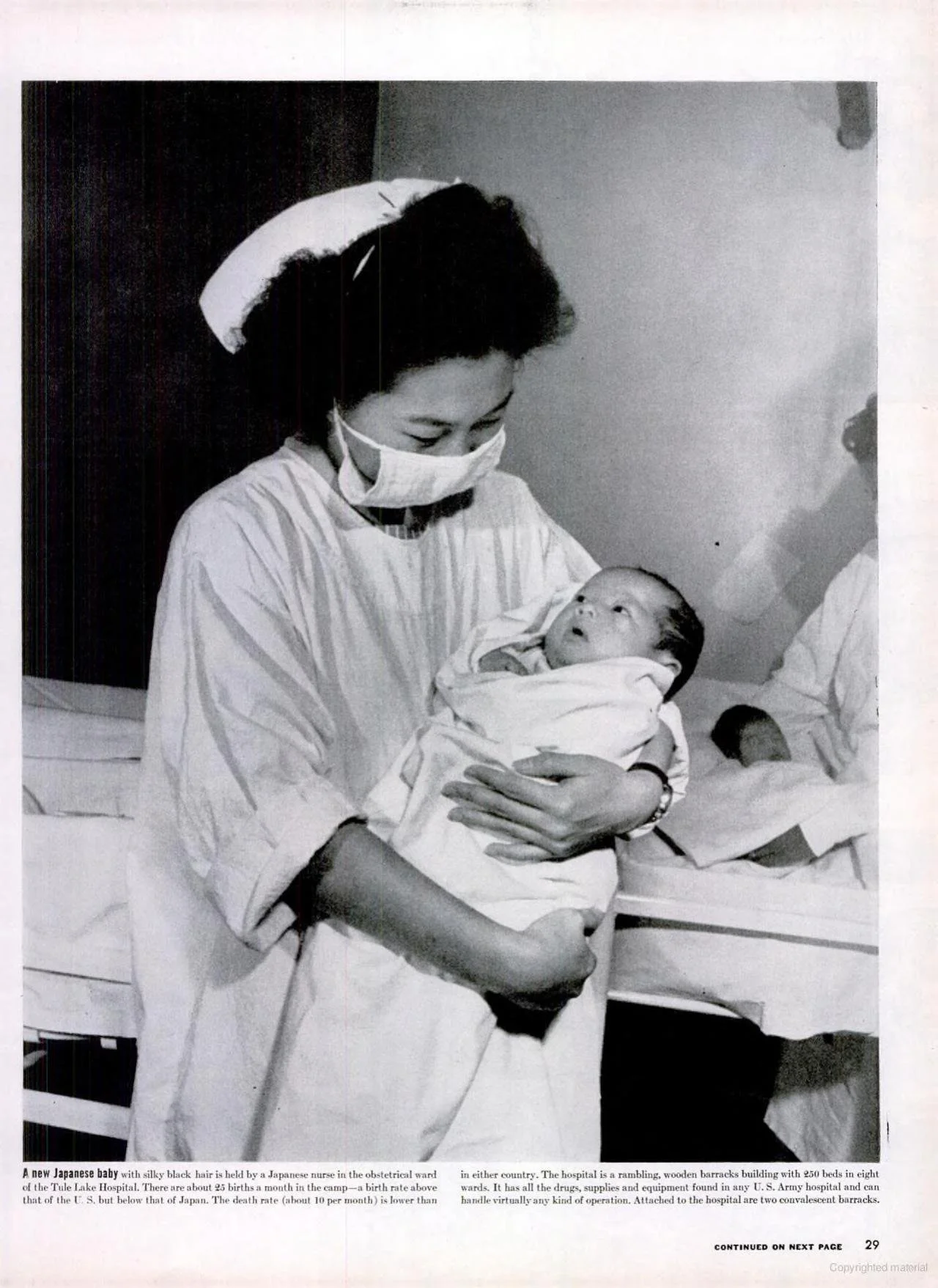
Life Magazine 1944-03-13 - Tule Lake Hospital (Japanese Interment)

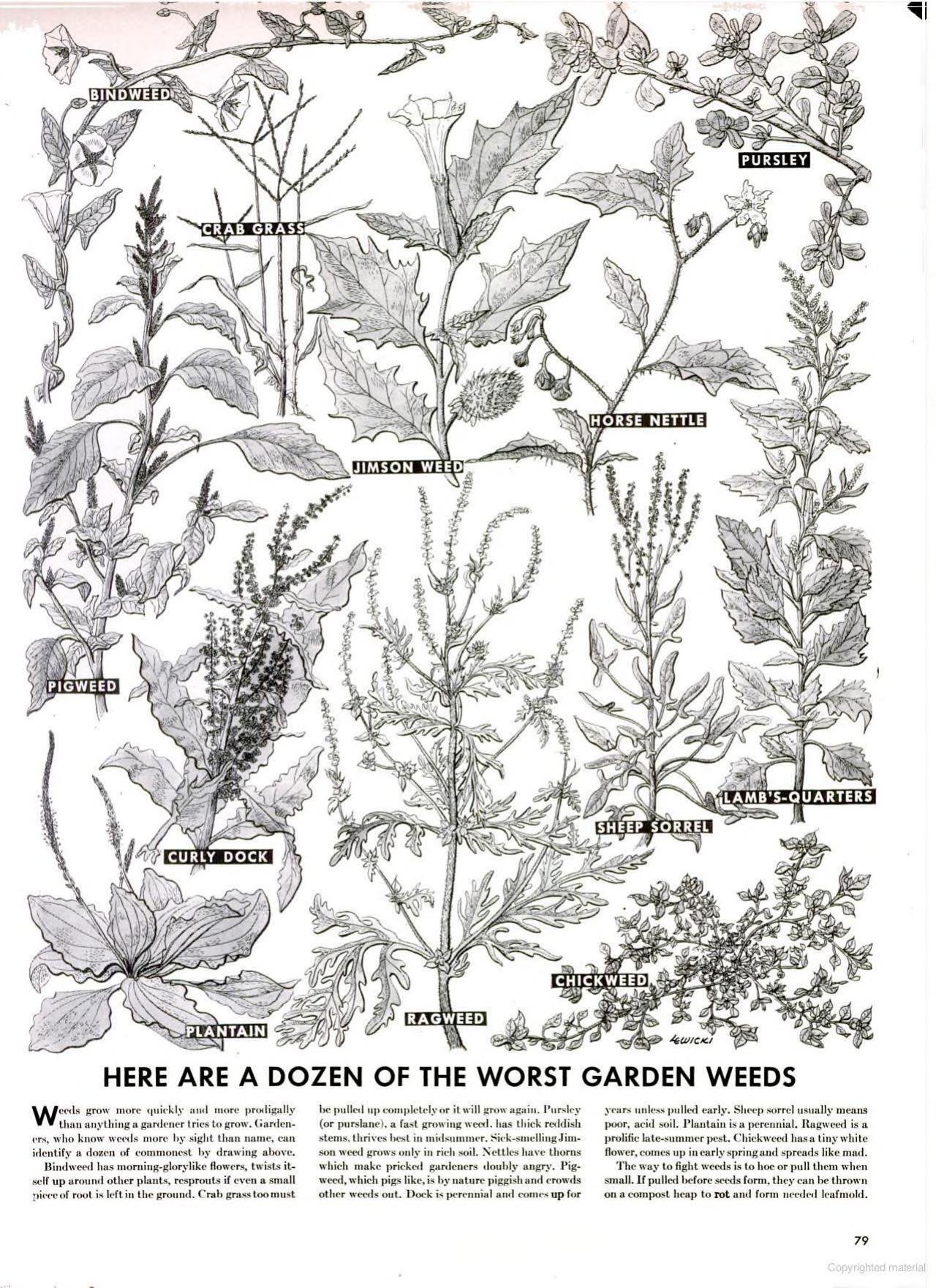
Life Magazine 1944-03-27 - Worst garden weeds

Life Magazine 1944-04-03 - Oil wells

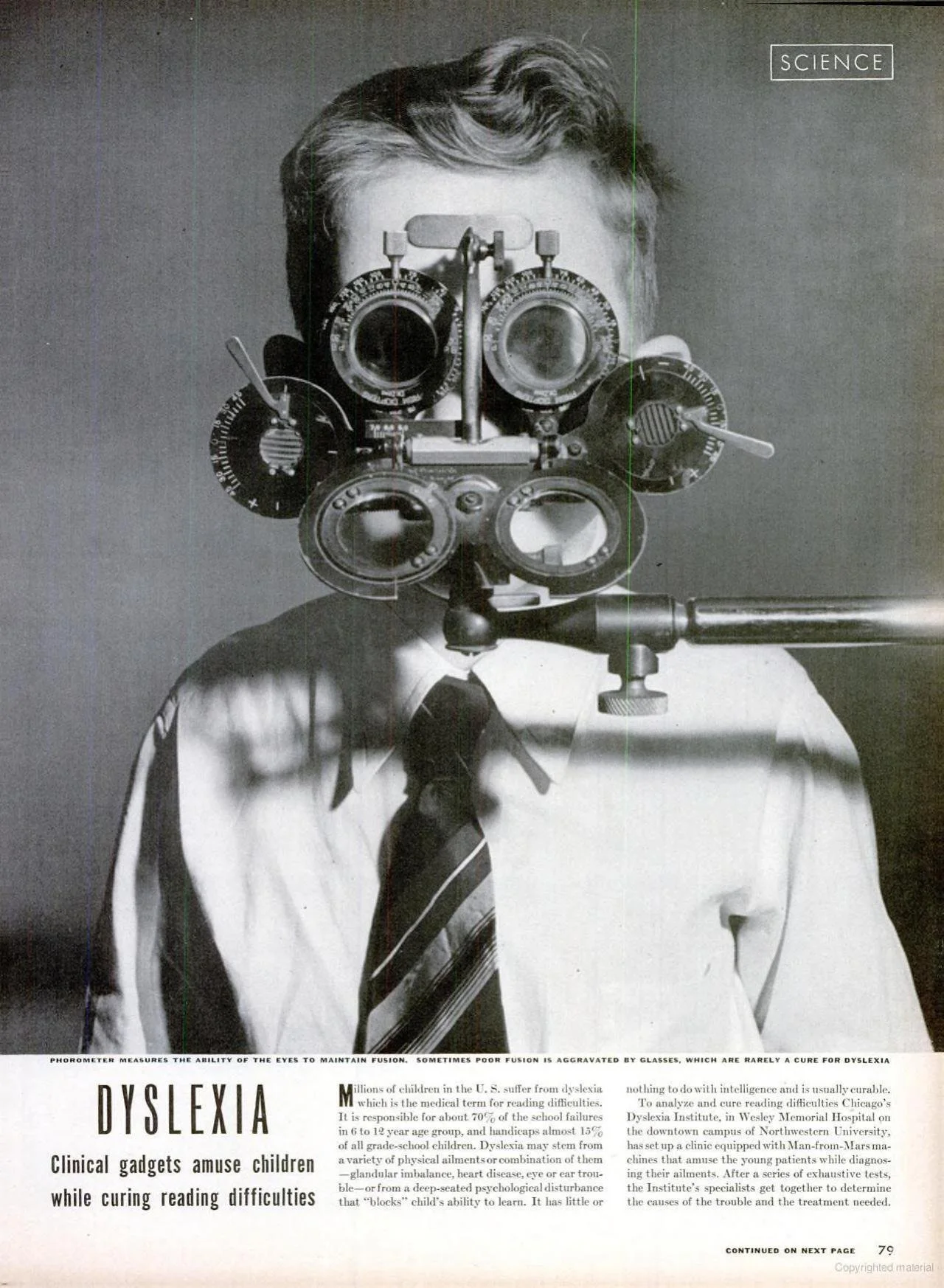
Life Magazine 1944-04-10 - Dyslexia

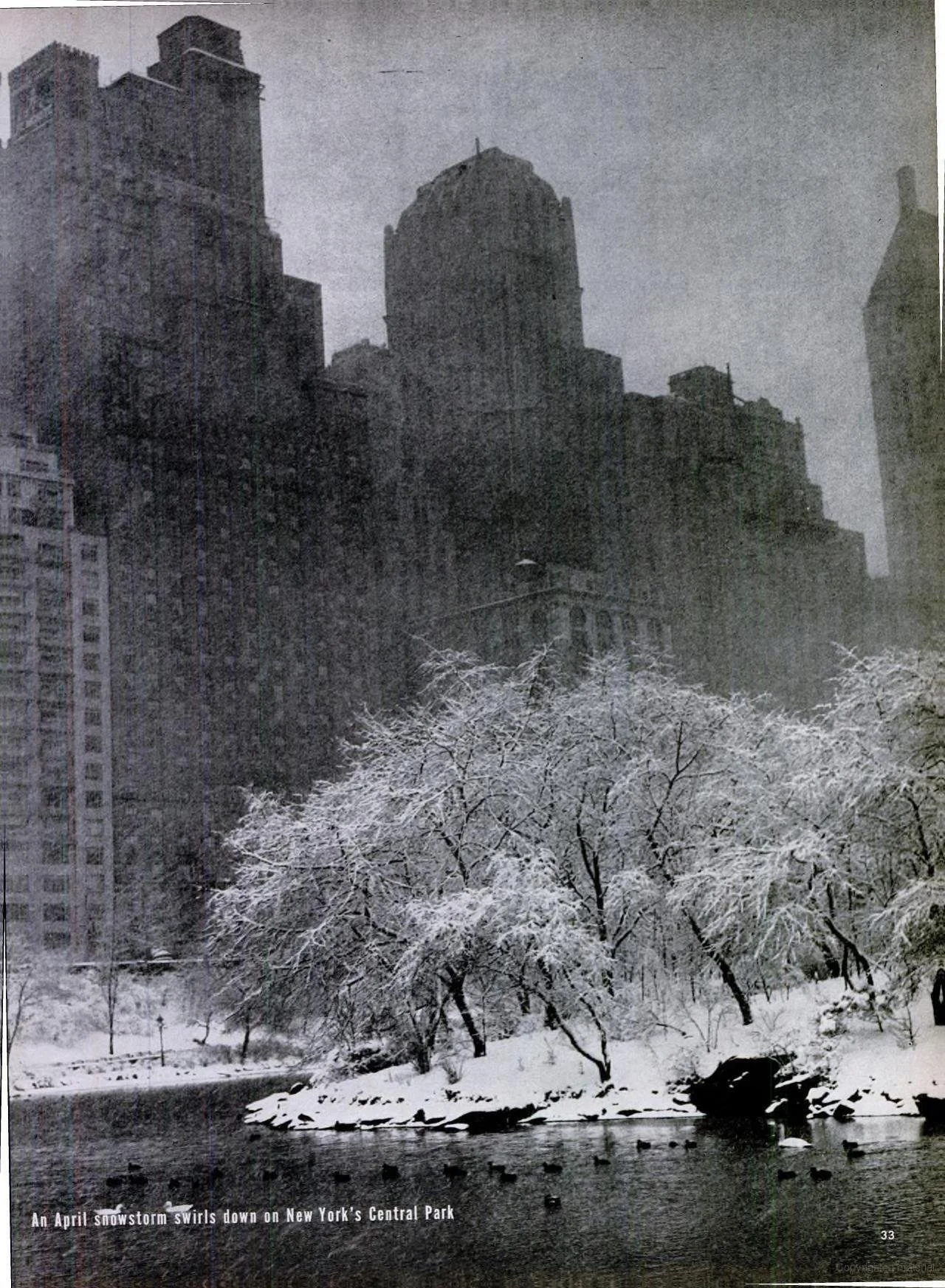
Life Magazine 1944-04-17 - April snow in New York City

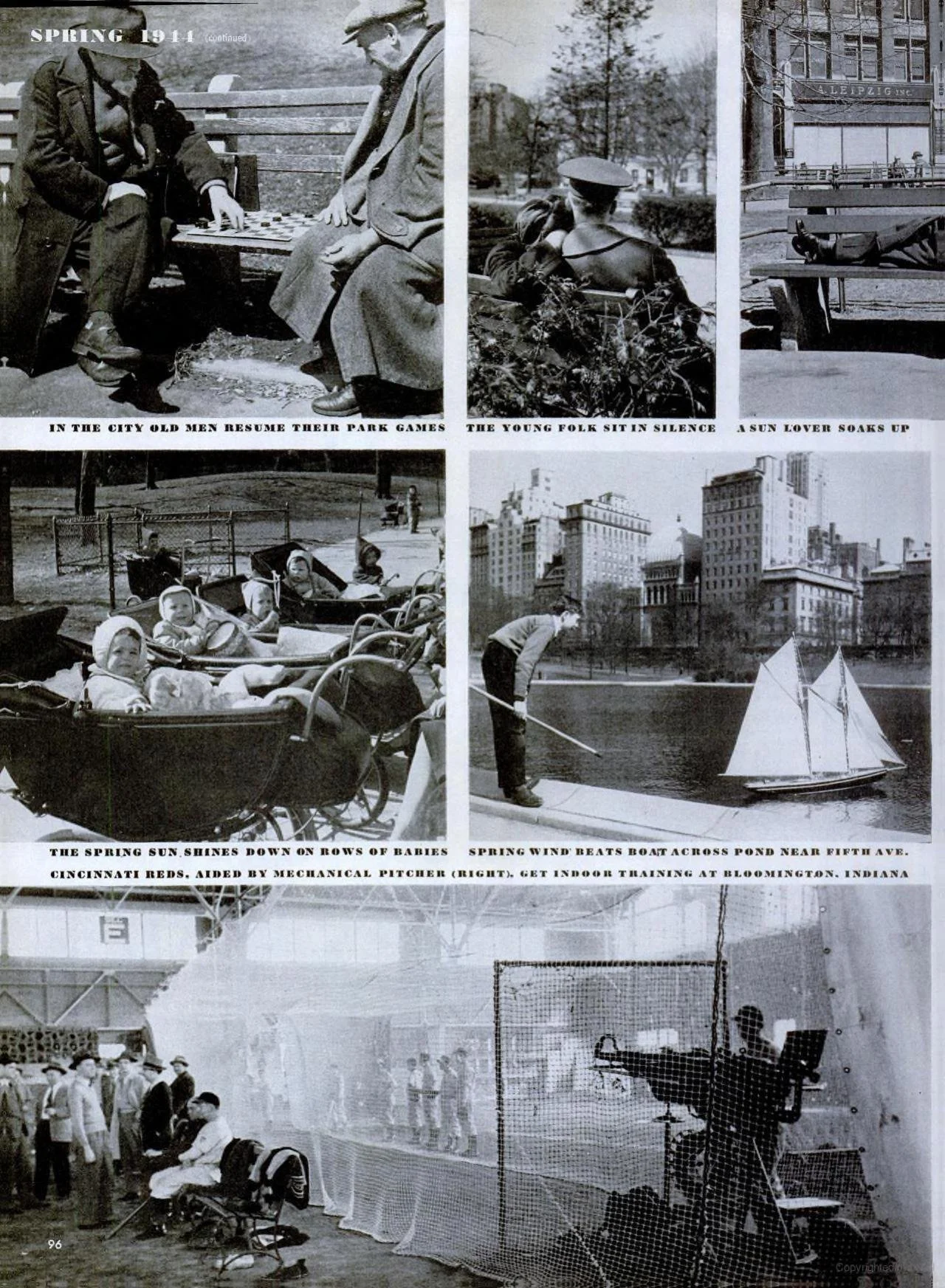
Life Magazine 1944-04-24 - Spring 1944

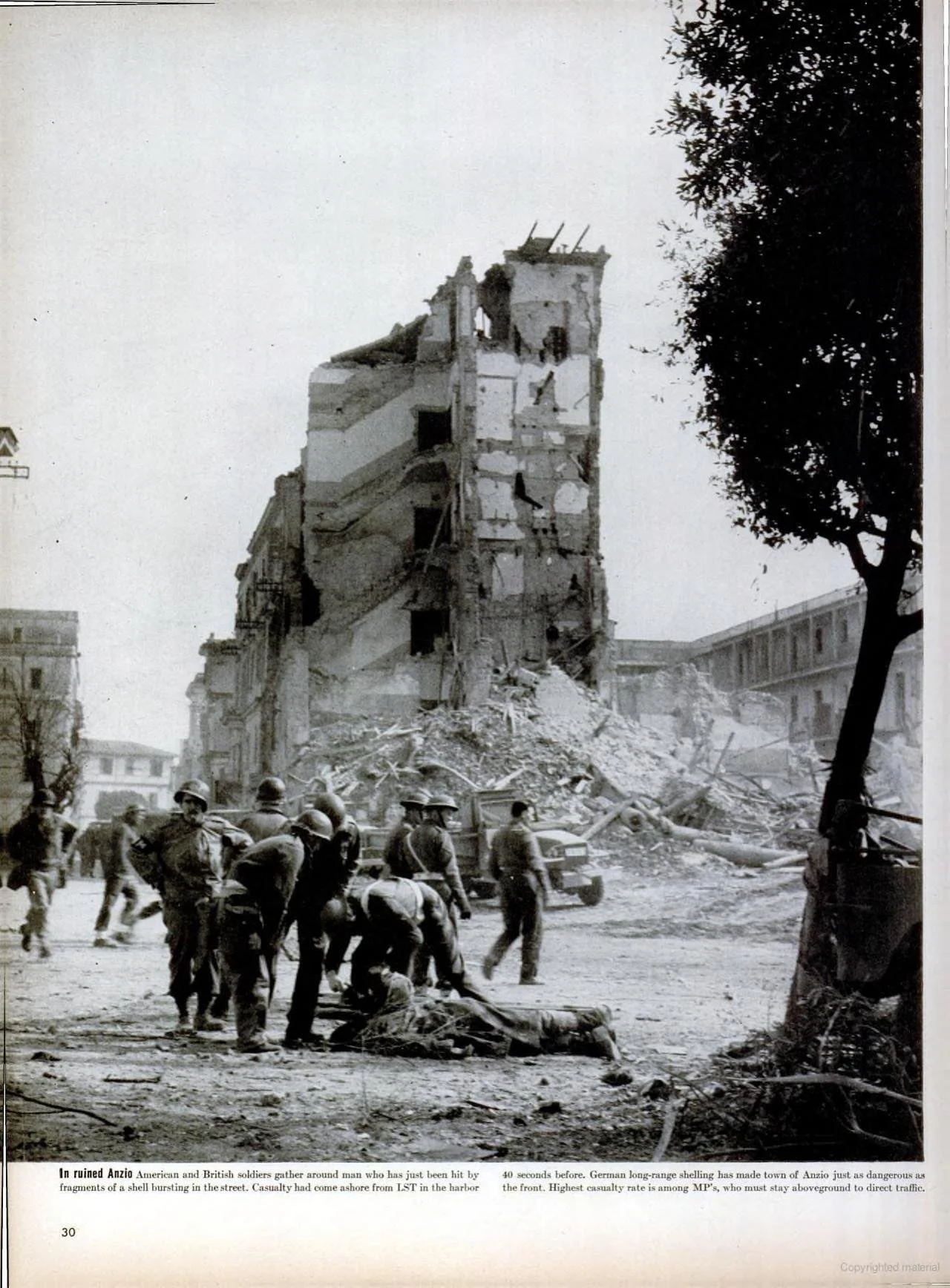
 Life Magazine 1944-05-01 - Ruined Anzio

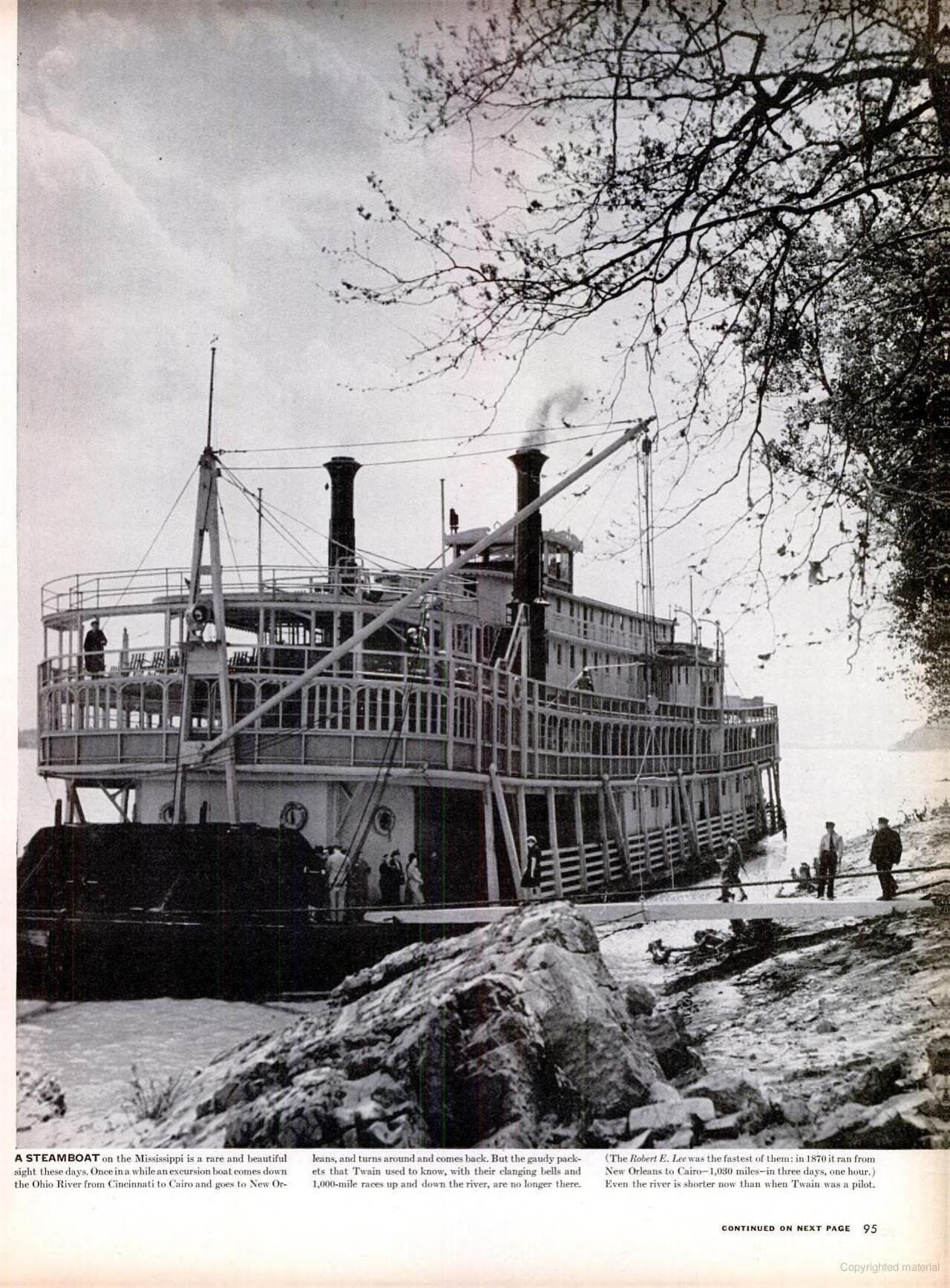
Life Magazine 1944-05-08 - Steamboat on the Mississippi

Life Magazine 1944-05-15 - Troop train

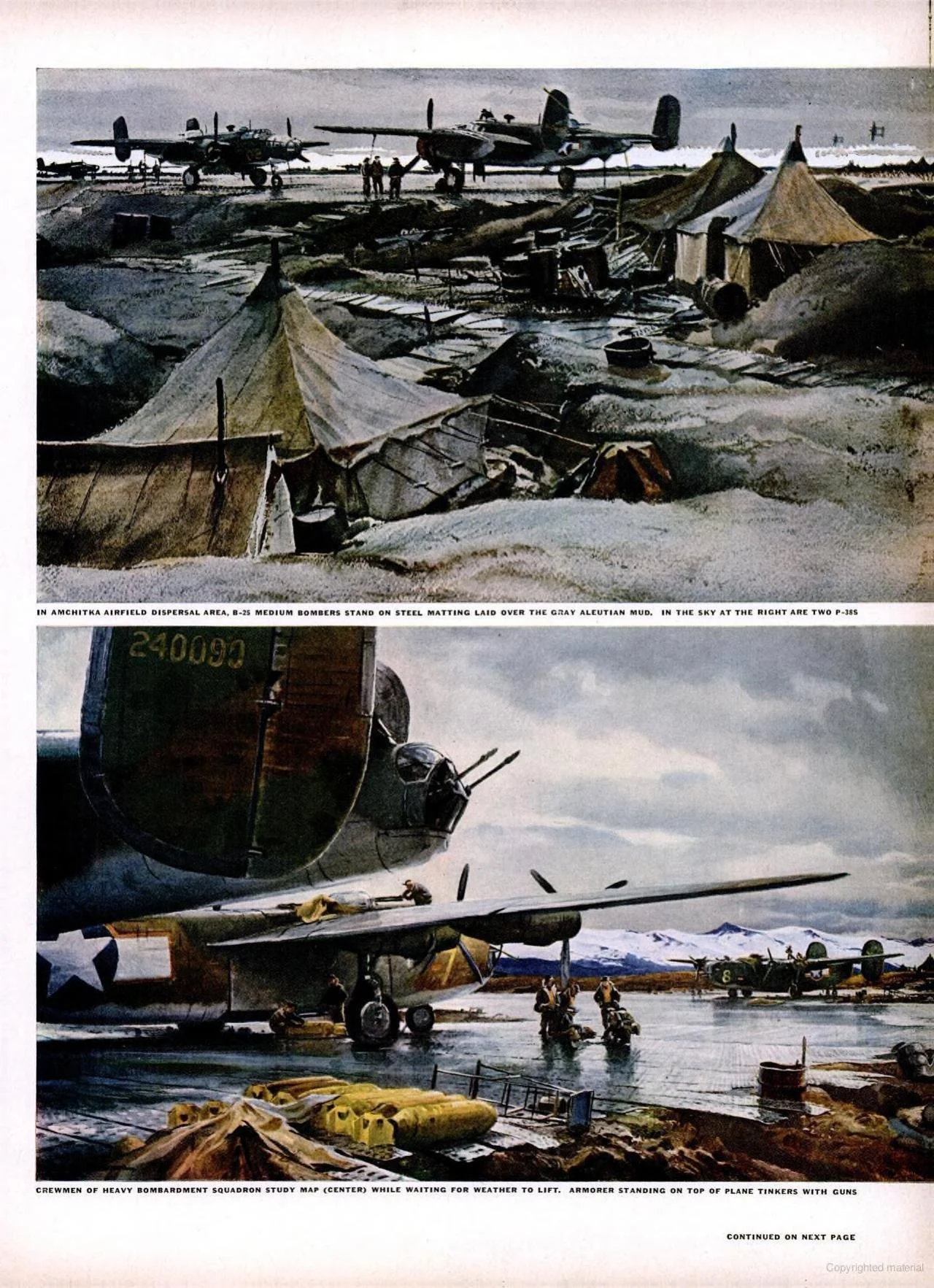
Life Magazine 1944-05-22 - In the Aleutians

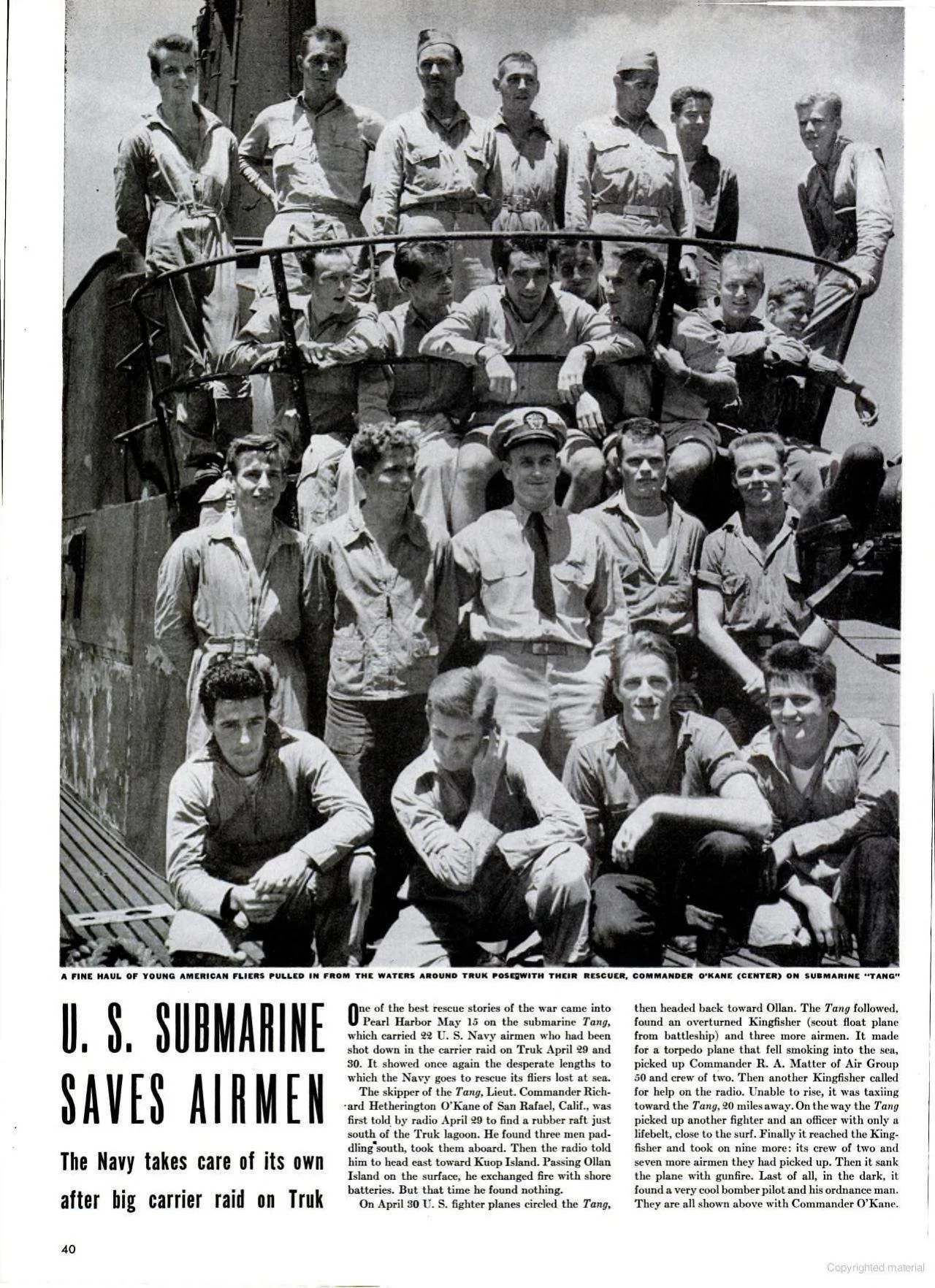
Life Magazine 1944-05-29 - US submarine saves airmen

Life Magazine 1944-06-05 - Woman in California shipbuilding

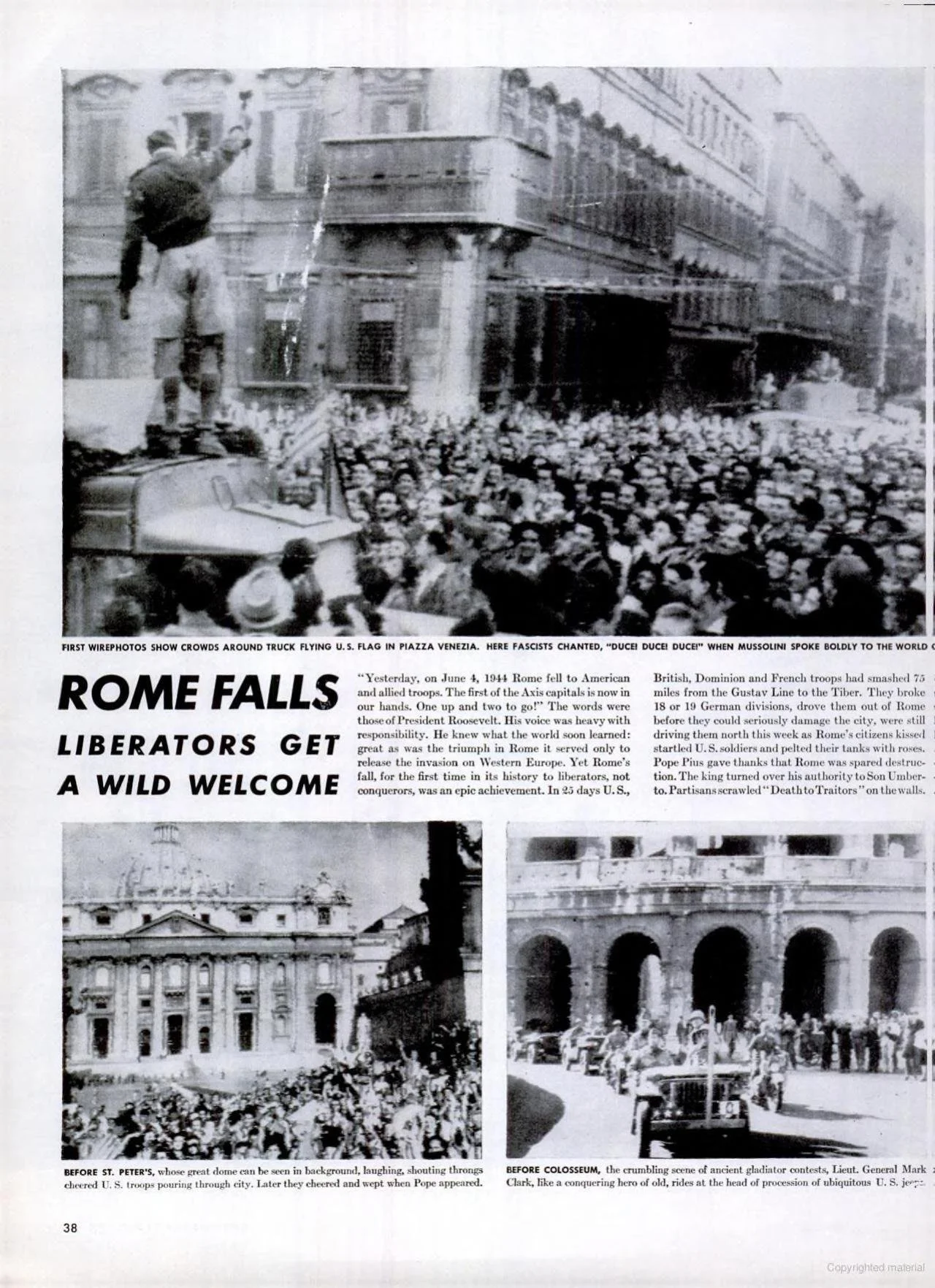
Life Magazine 1944-06-12 - Rome falls

Life Magazine 1944-06-19 - Ships bring back wounded and dead

Life Magazine 1944-06-26 - Palmyra atoll

 Life Magazine 1944-07-03 - Taps Normandy: June 1944

Life Magazine 1944-07-10 - B-29

Life Magazine 1944-07-17 - Penicillin

Life Magazine 1944-07-24 - War ravages Italy’s art

Life Magazine 1944-07-31 - Infantile paralysis (polio)

Life Magazine 1944-08-07 - Swedish glass

Life Magazine 1944-08-14 - Marshal Tito

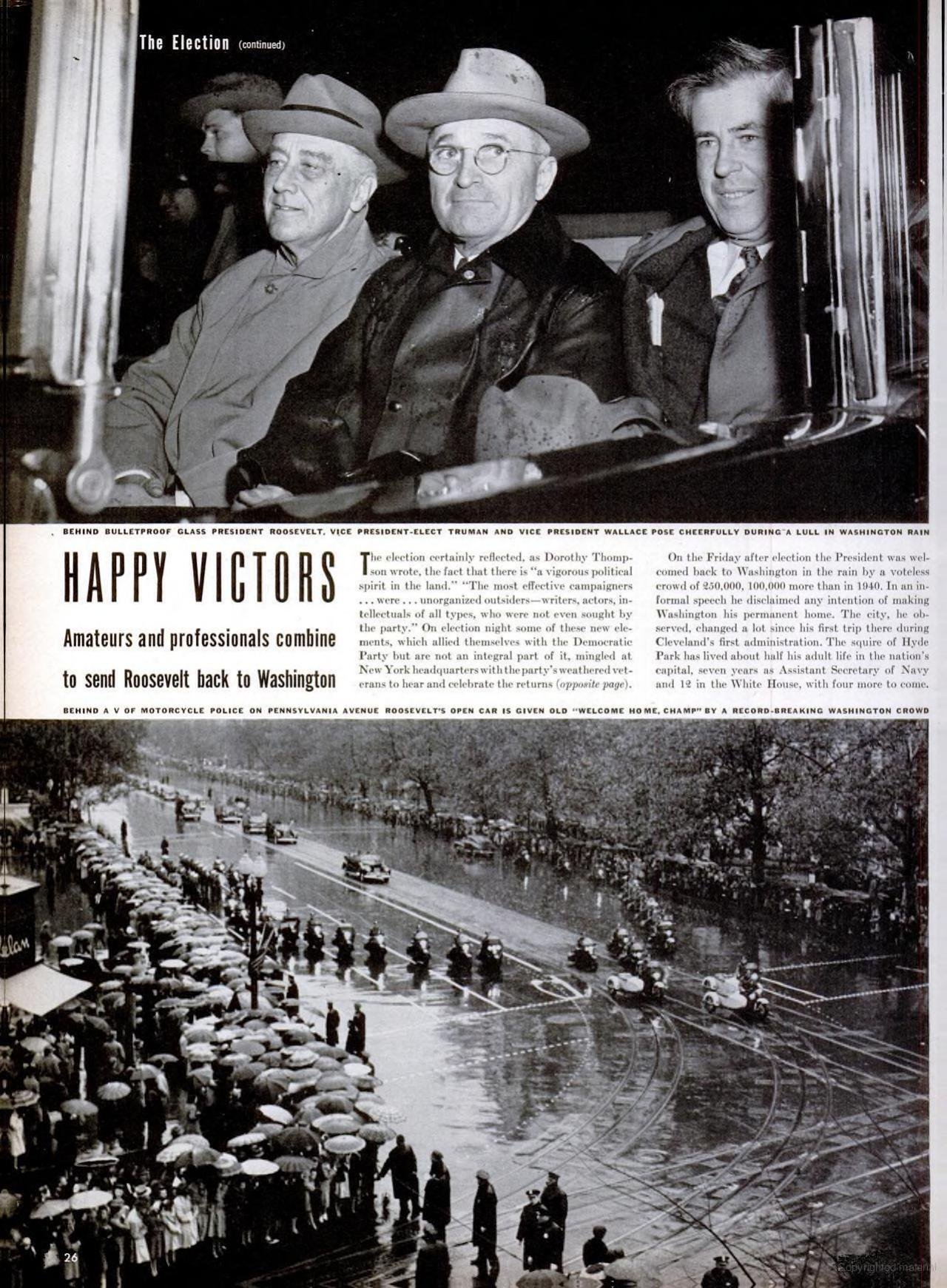
Life Magazine 1944-08-21 - Truman of Missouri

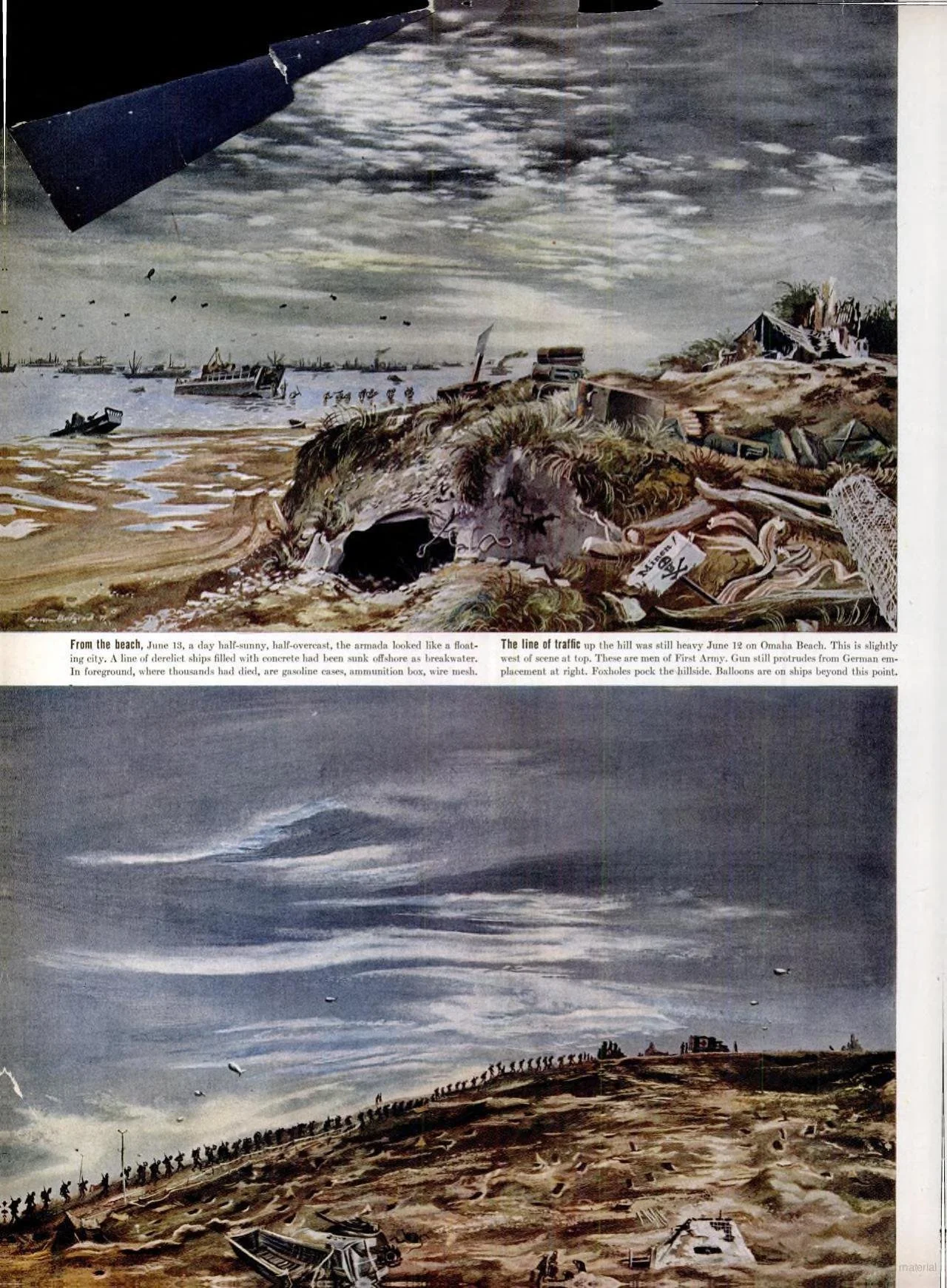
Life Magazine 1944-08-28 - Invasion array

 Life Magazine 1944-09-04 - Korea

Life Magazine 1944-09-11 - Dutch Elm Disease

Life Magazine 1944-09-18 - Brussels

Life Magazine 1944-09-25 - US production soars

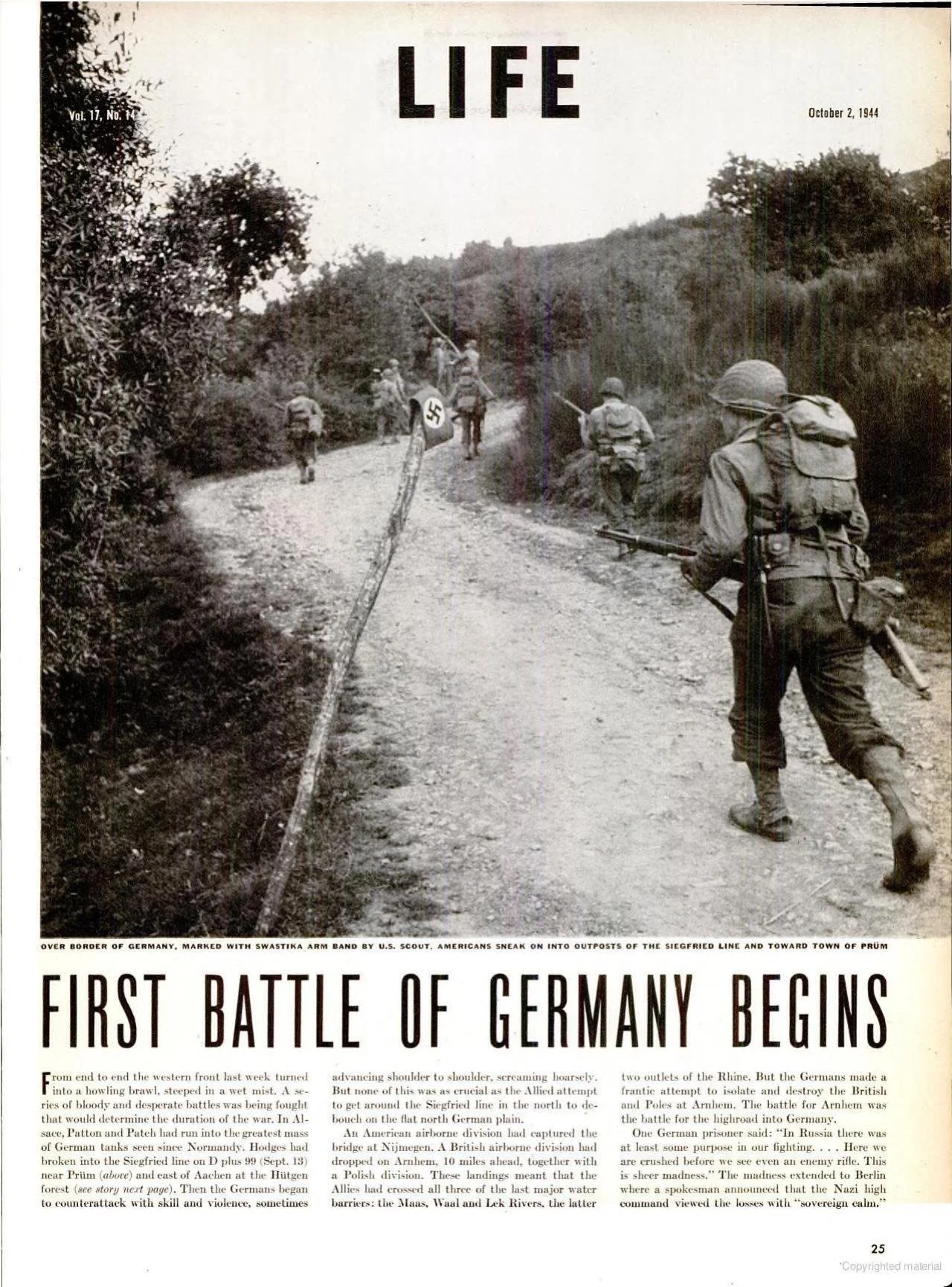
Life Magazine 1944-10-02 - First battle of German begins

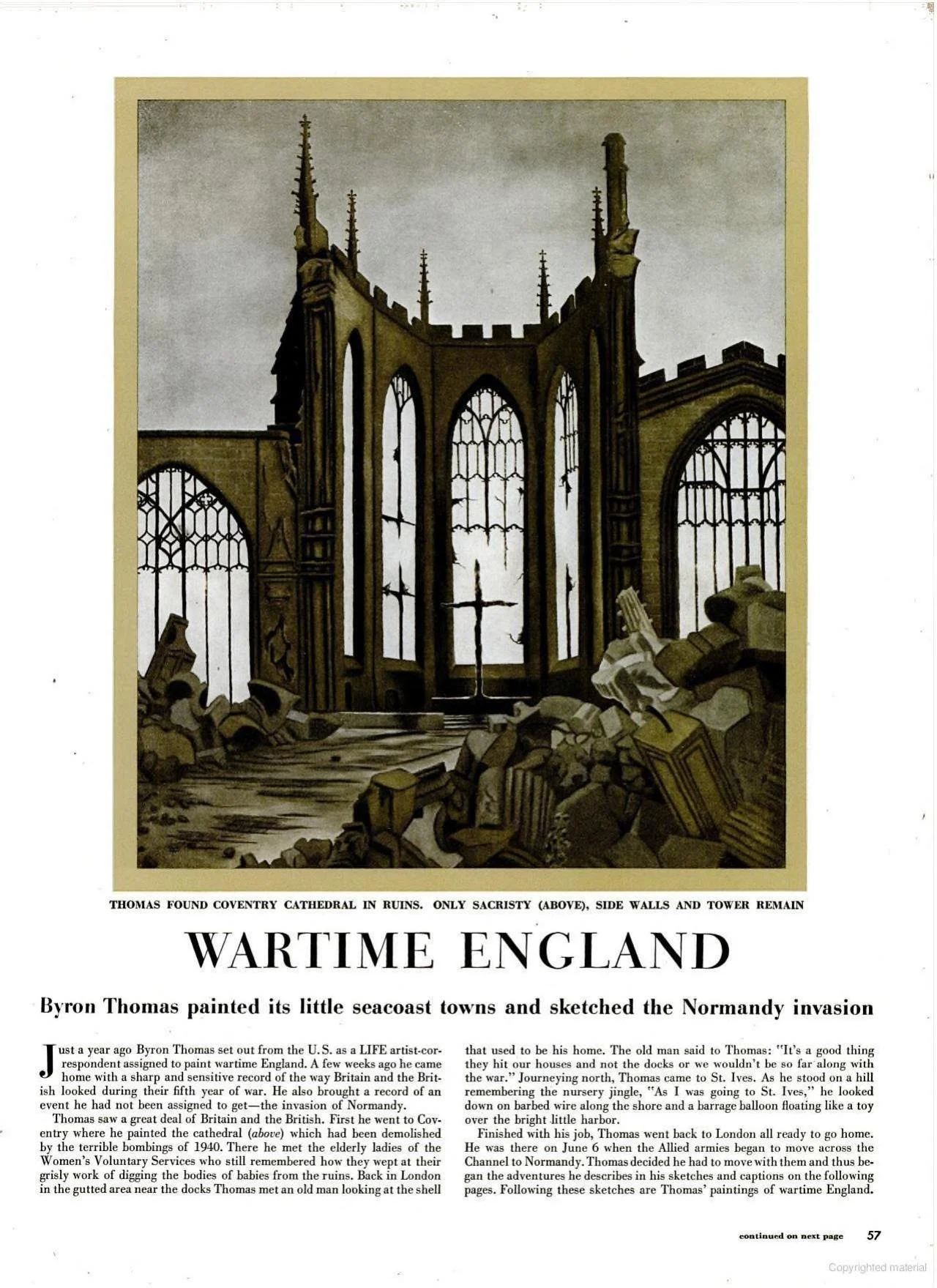
Life Magazine 1944-10-09 - Wartime England

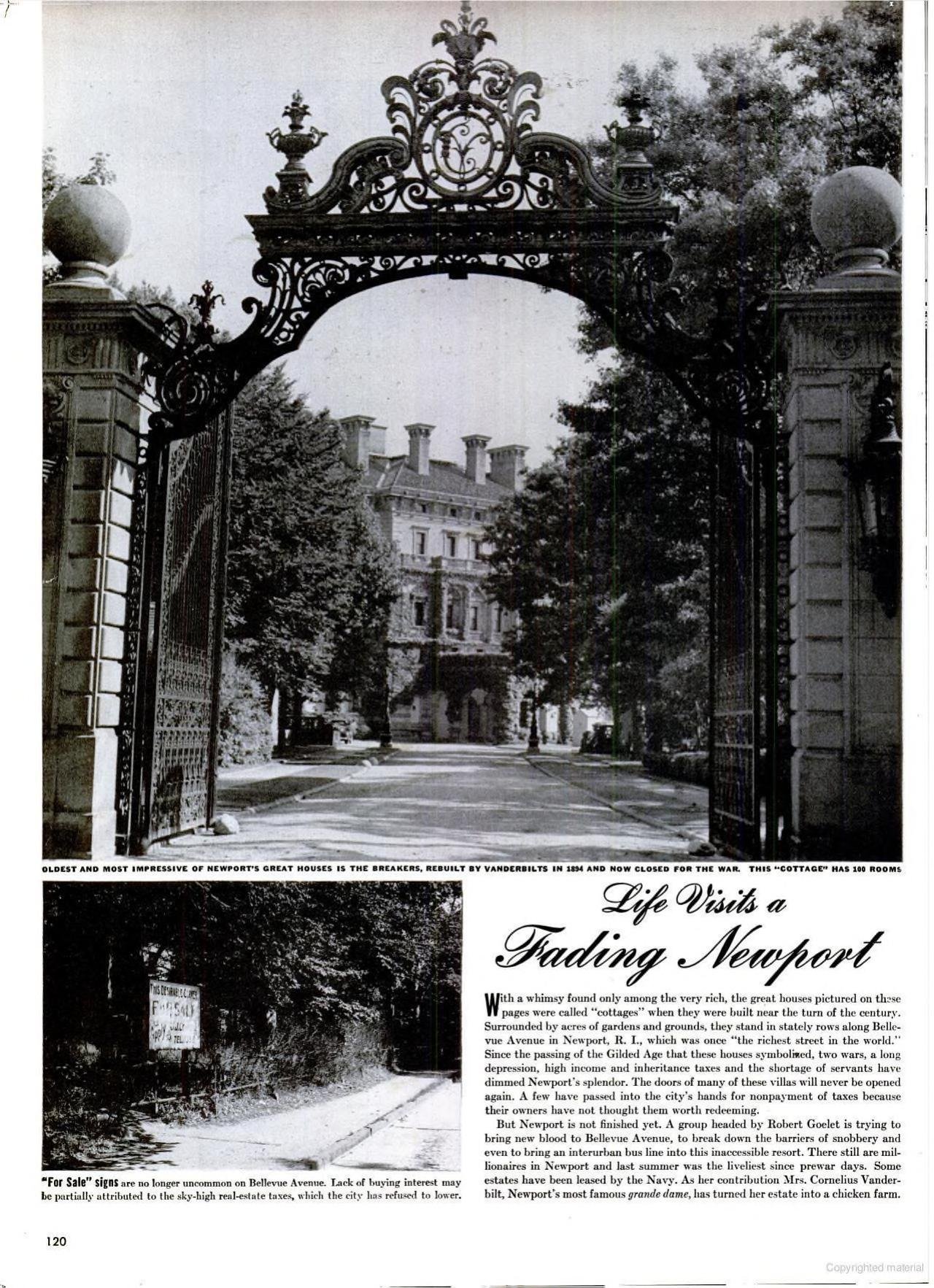
Life Magazine 1944-10-16 - Fading Newport

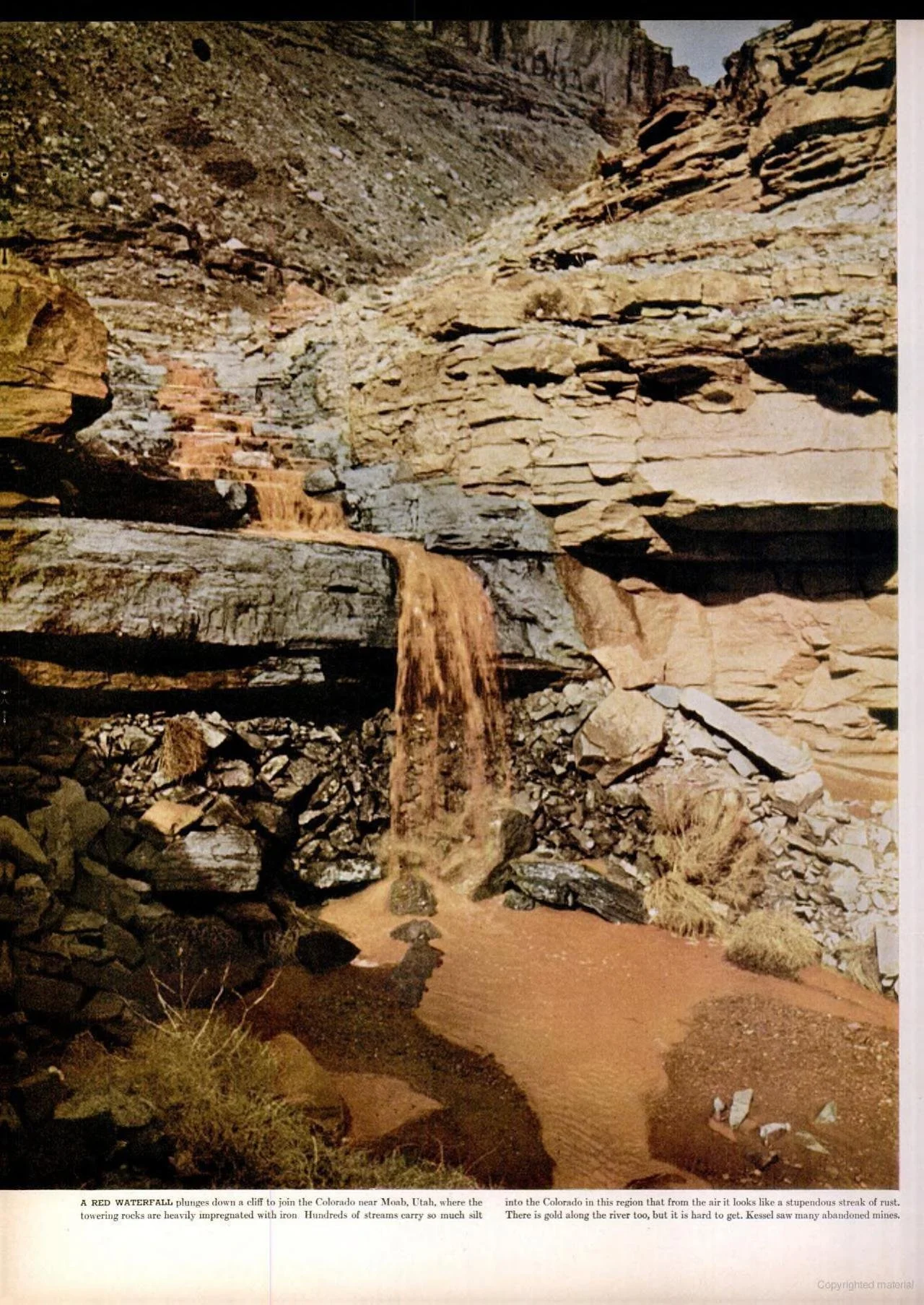
Life Magazine 1944-10-23 - Colorado River

Life Magazine 1944-10-30 - Omaha Beach

 Life Magazine 1944-11-06 - Kitchen preview

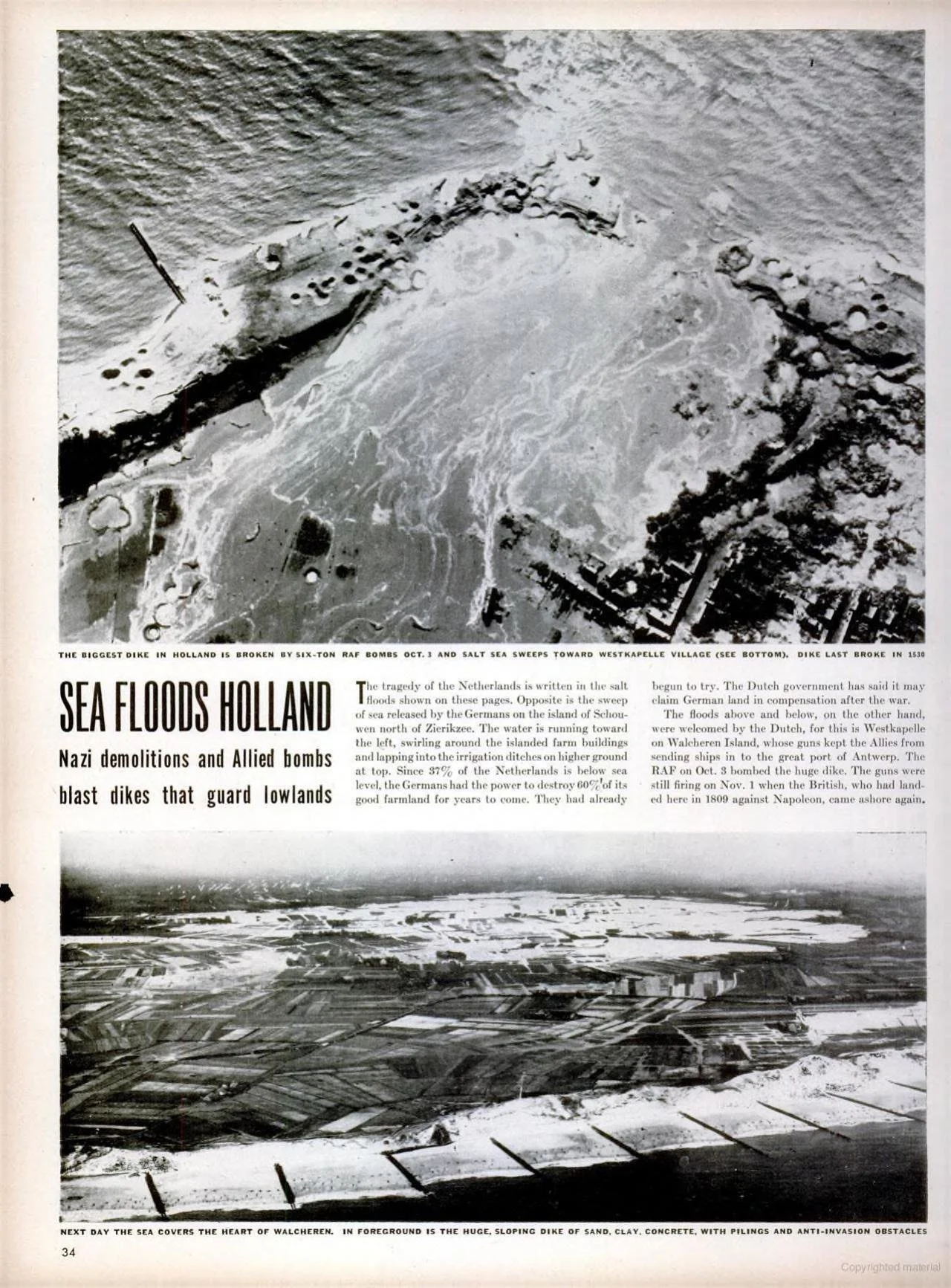
Life Magazine 1944-11-13 - Sea floods Holland

Life Magazine 1944-11-20 - Roosevelt wins a 3rd term

Life Magazine 1944-11-27 - Moscow

Life Magazine 1944-12-04 - Hitler

Life Magazine 1944-12-11 - List of US war causalities

Life Magazine 1944-12-18 - The battlefield of Germany

Life Magazine 1944-12-25 - Civil War breaks out in Greece

Treadmill Walks

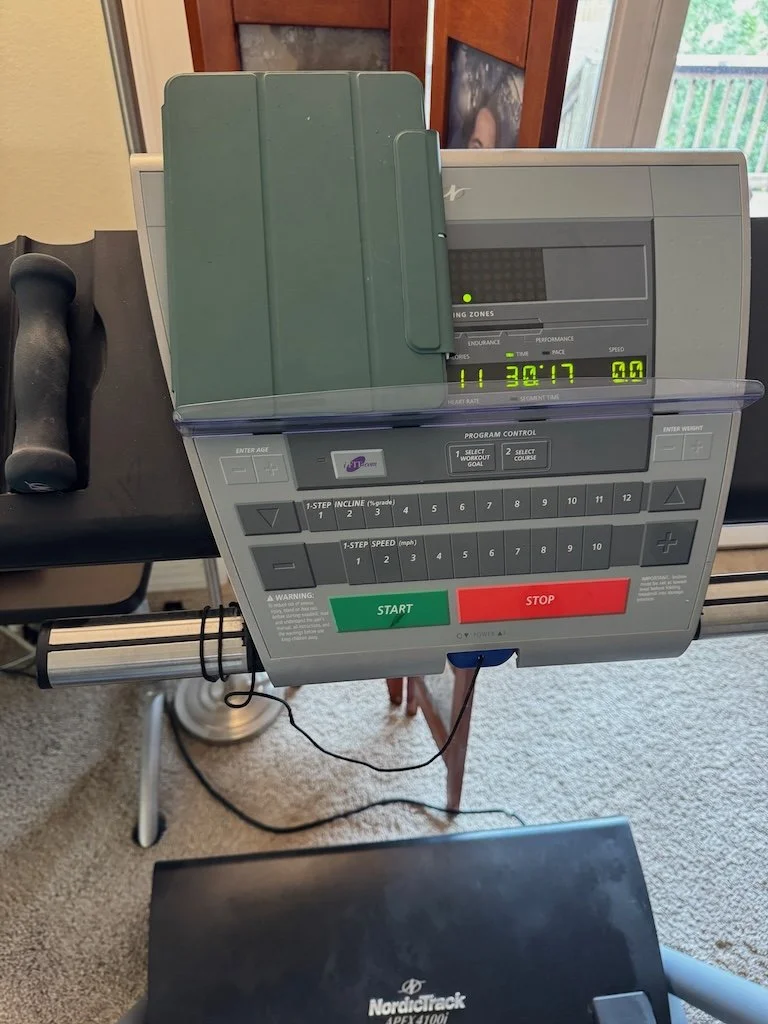
A few years ago, when we moved from Maryland to Missouri, I was reluctant to move our treadmill, but my husband insisted. Now I am glad he did. I am using it daily to increase my daily activity level. There is no excuse to avoid a 30-minute treadmill walk – weather is not a factor! I’ll increase the incline and speed over time – improving my stamina for when I do hike outside. I’m looking forward to being in better shape to enjoy the hikes already scheduled in January and February.

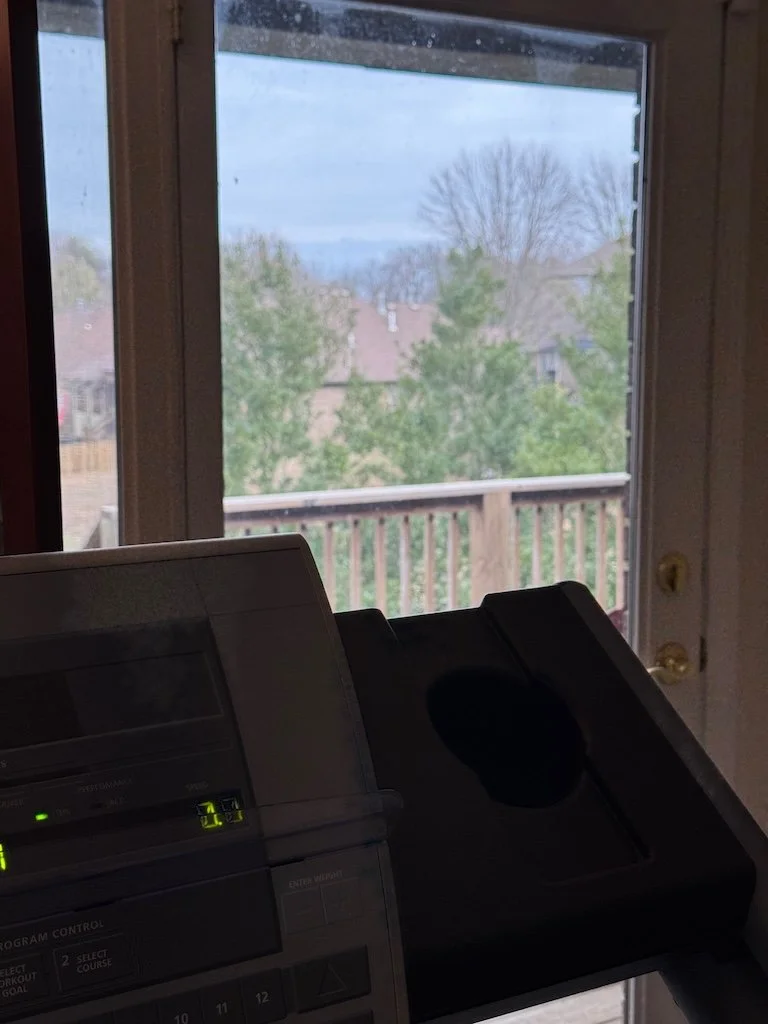
While I walk, I alternate between reading a novel on my iPad or looking out the French door at our deck and hollies…and the neighbor’s trees/roof. Both activities keep it from becoming boring. I’m glad there is a good view to the outside…and that it didn’t require me to move the treadmill from where we had the movers place it!

Now if I can convince my husband to use the treadmill to increase his activity level too…..

Our Missouri Yard – December 2025

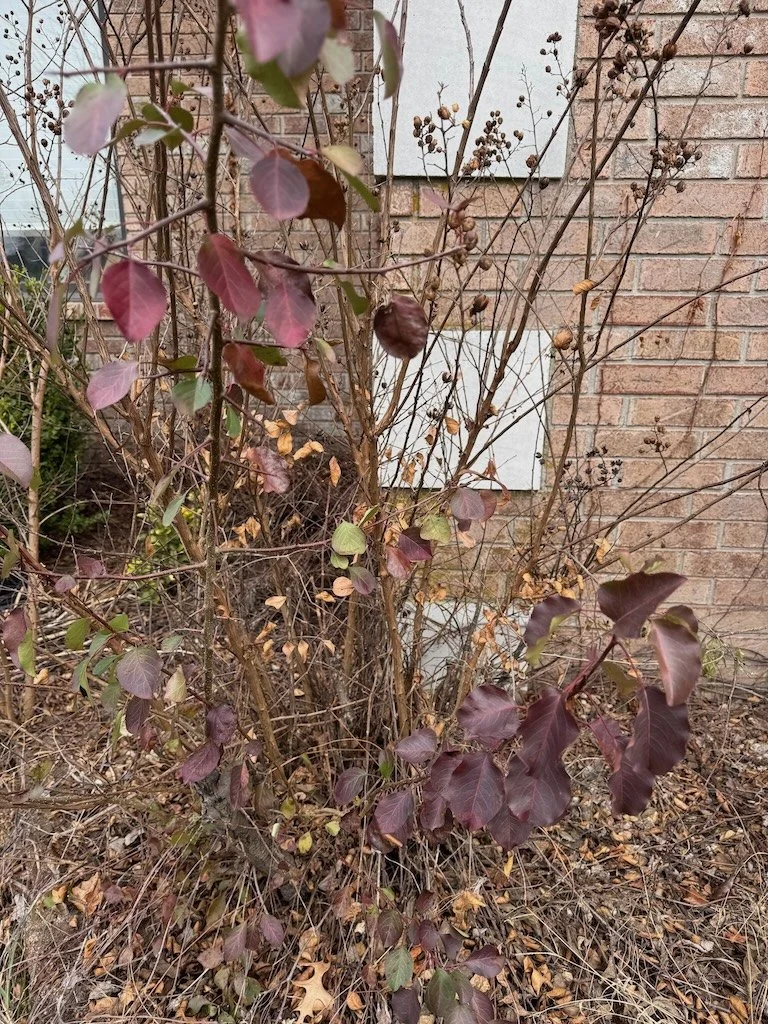
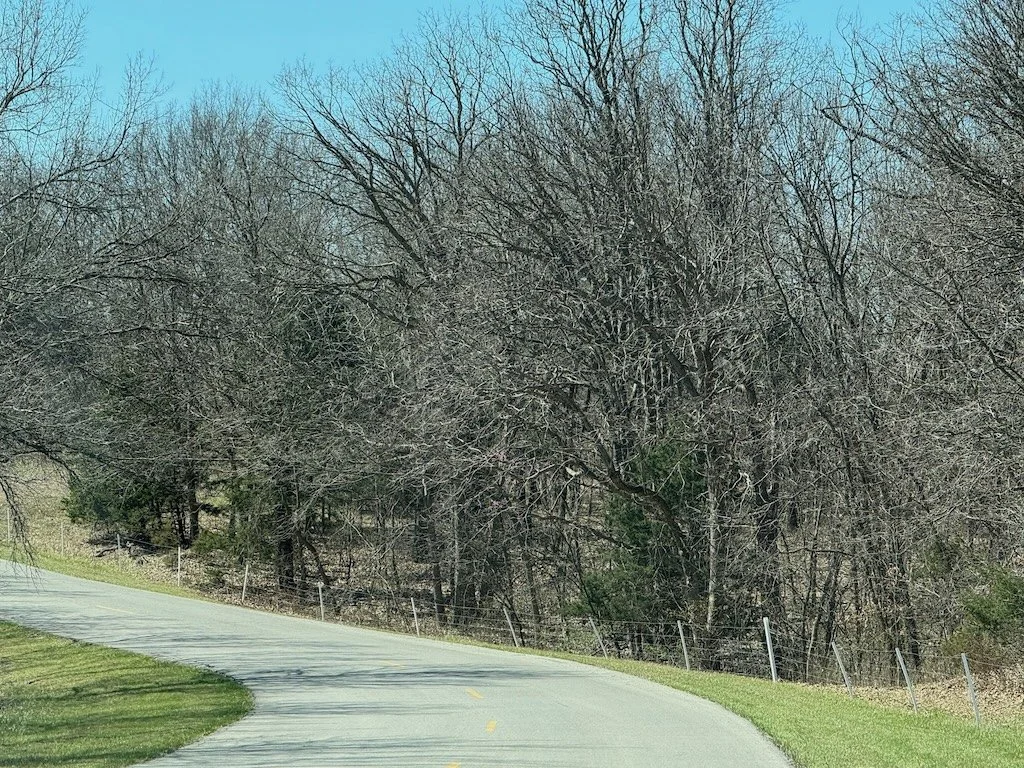
December had started off with some very cold days with low temperatures in the 20s or teens at night and barely getting above 50 on 3 days (other days the high was in the 40s). Almost all the trees had lost their leaves abruptly in November when we had some very cold days. As I walked around the yard taking pictures for this post, I found myself searching for color and interesting textures.

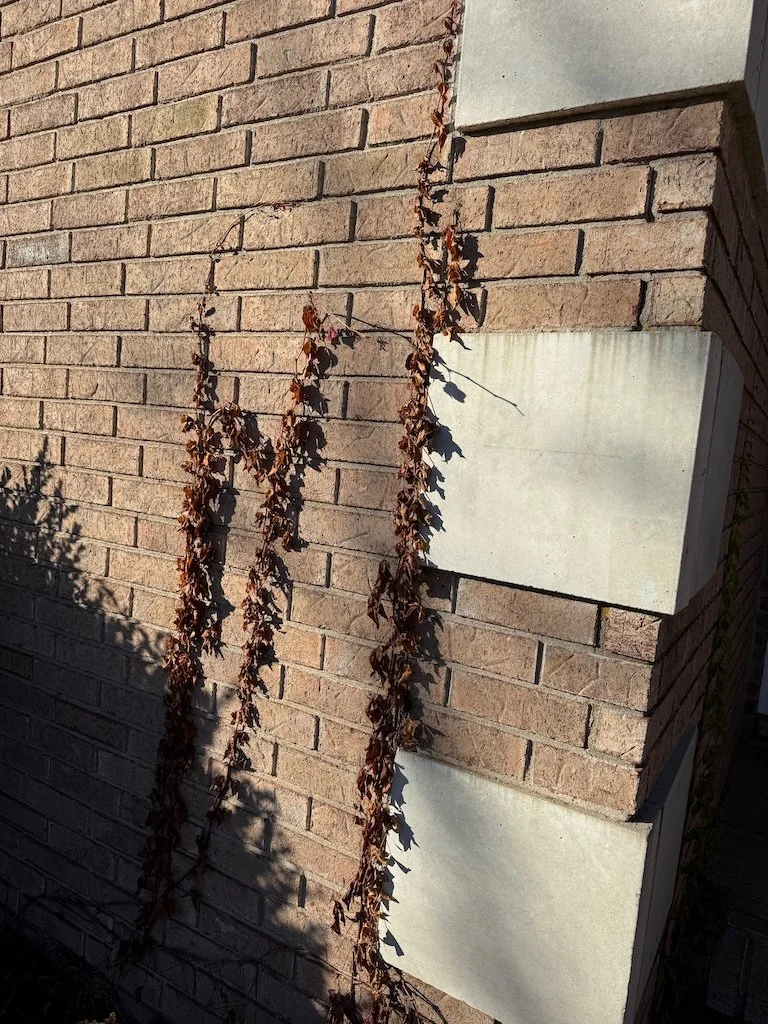
The Virginia Creeper that had been so beautiful in previous falls (red leaves) had either died back or retained the color for only a few days. Some of the vines retained their leaves – but they are brown rather than bright red.

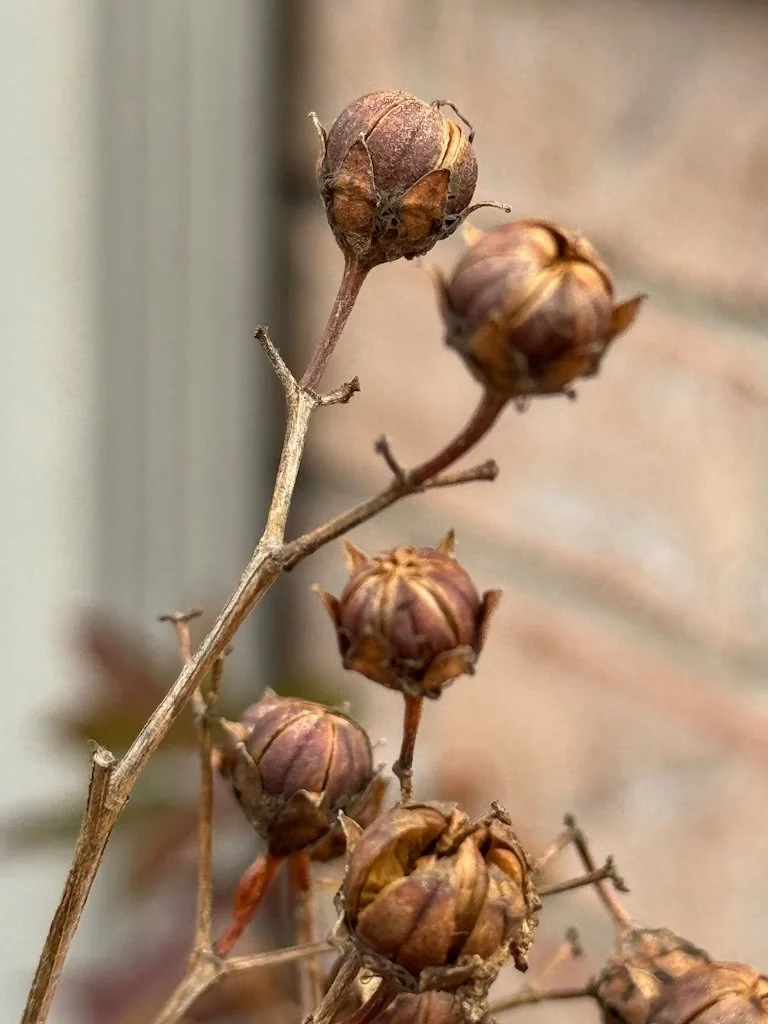
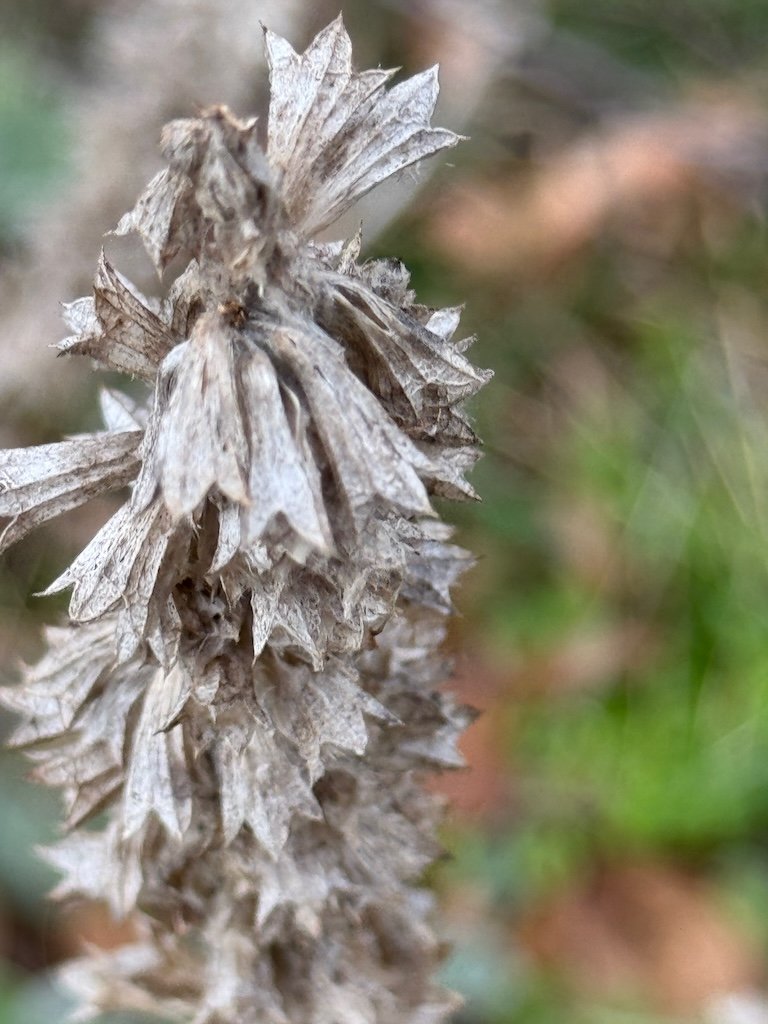
The crape myrtles have interesting seed pods. I am going to cut them all back when there is a day above 50….they will look better next year if I do. One of them is tall enough to brush against the eve of the house so that one is the priority to get cut. The other one to tackle is the one that has a Callery Pear (wild form of the Bradford Pear) growing with it. The red leaves are the pear so I can (hopefully) cut it very close to the ground.

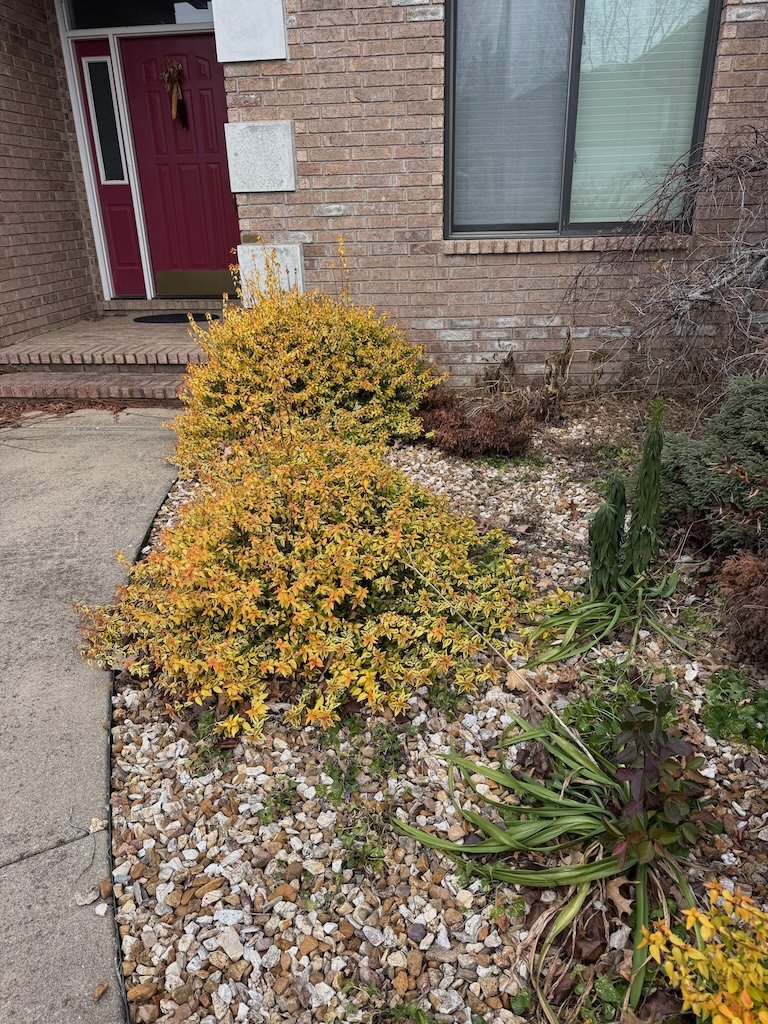
The bed near our front door has some color – bushes that are bright yellow (that need to be trimmed) and some plants that haven’t succumbed to cold temperatures yet because they are protected. The Japanese Maple in the corner has lost its leaves and may be dying; that corner has not worked well for that small tree.

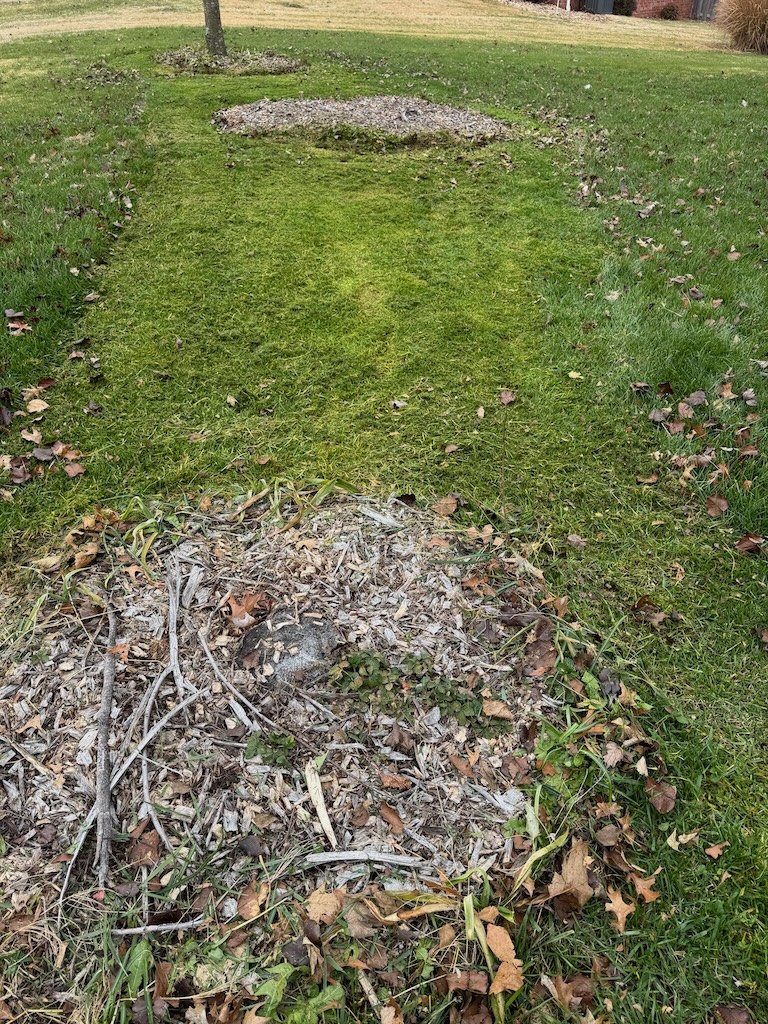
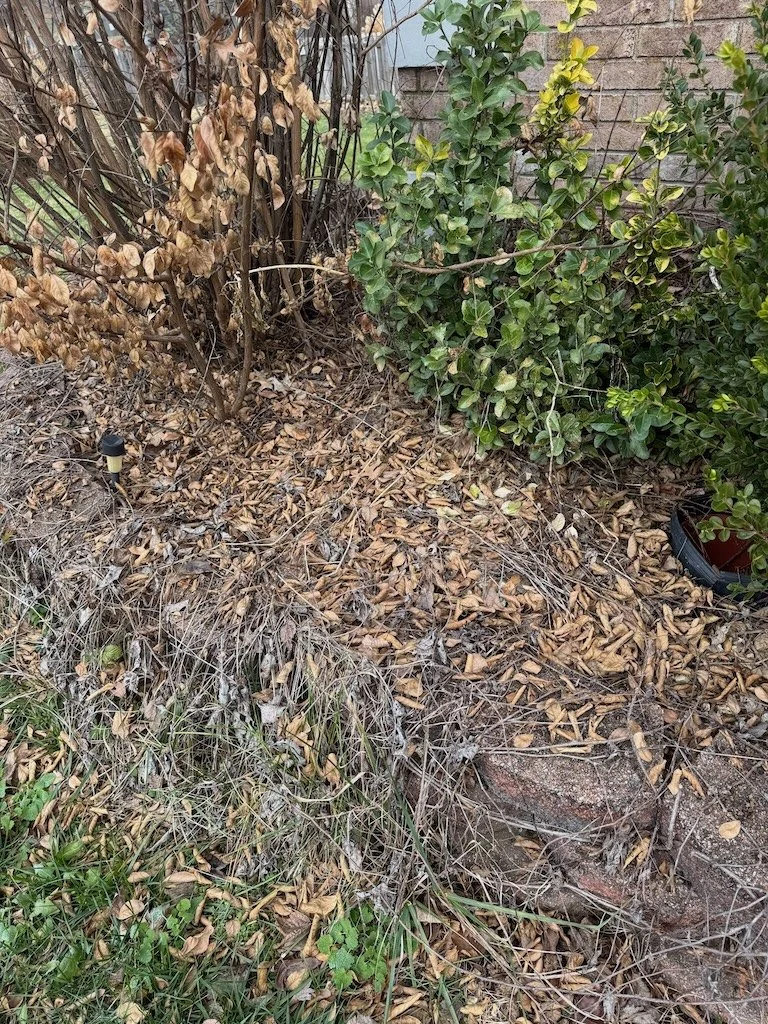
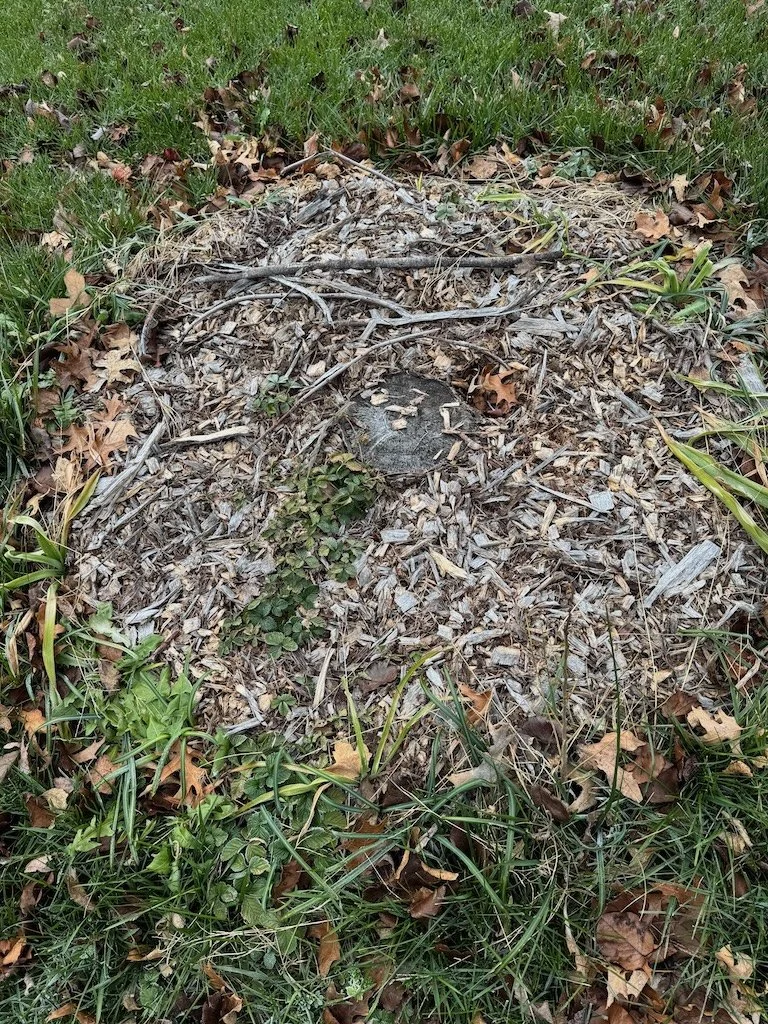
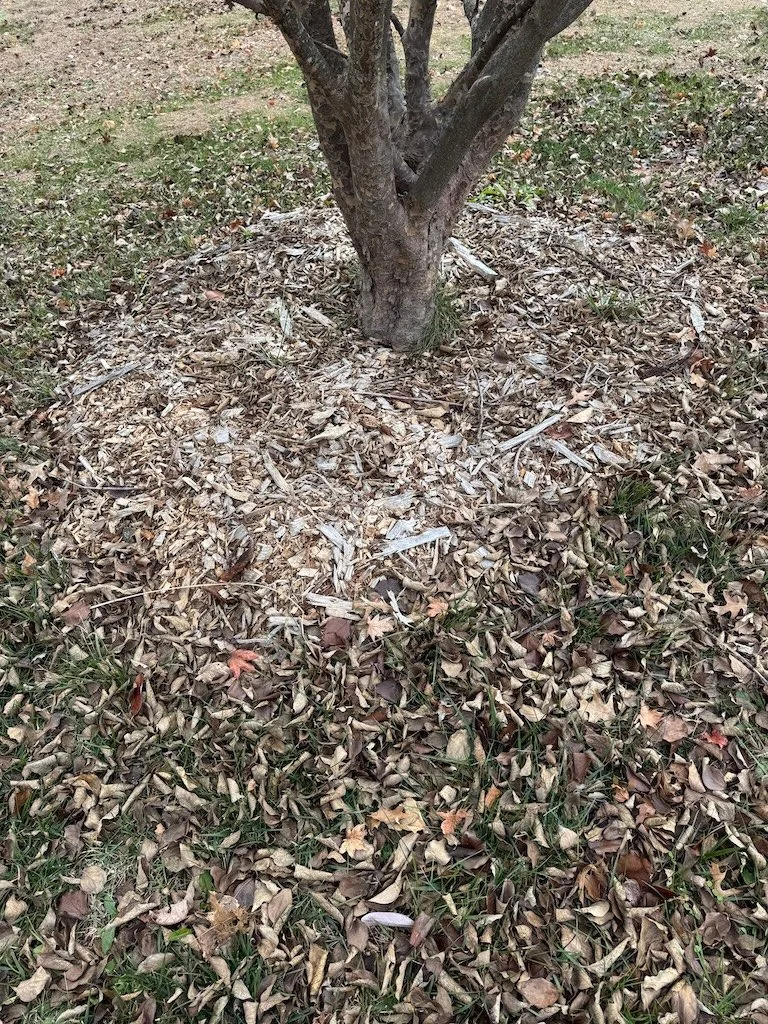
The places where I put the bark mulch from our last tree trimming are holding up well. I will pull weeds from them and plant new plants into some of them next spring. The one under the Kousa dogwood mulch needs some native ground cover planted there…and maybe some of the lower branches cut.

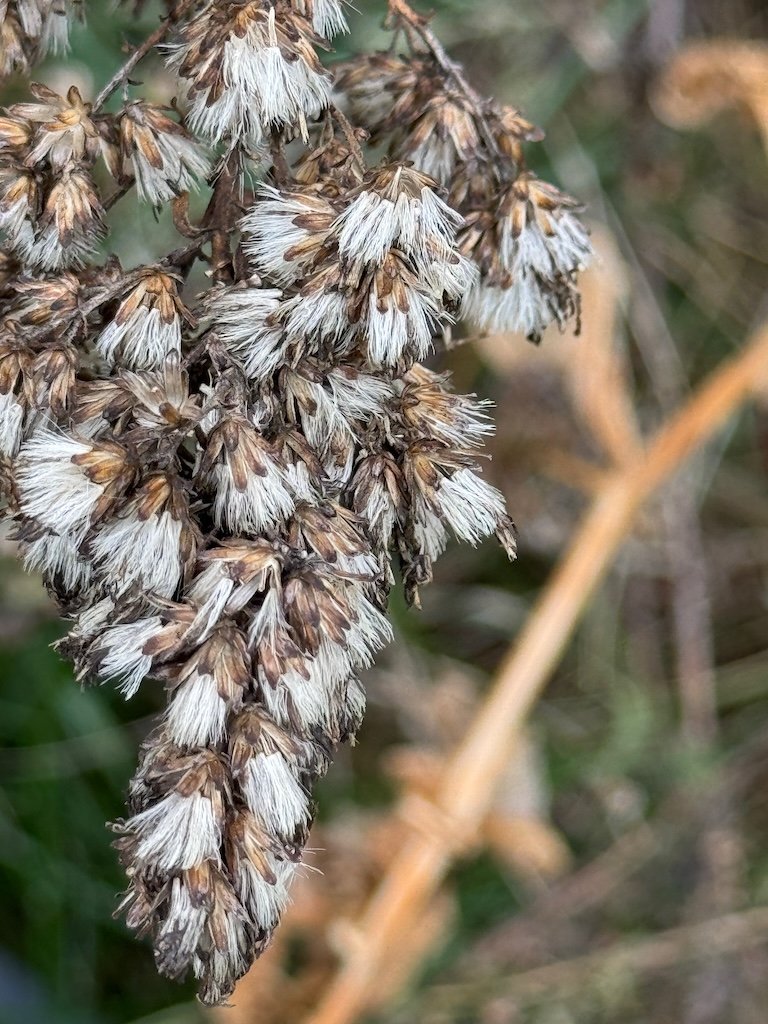
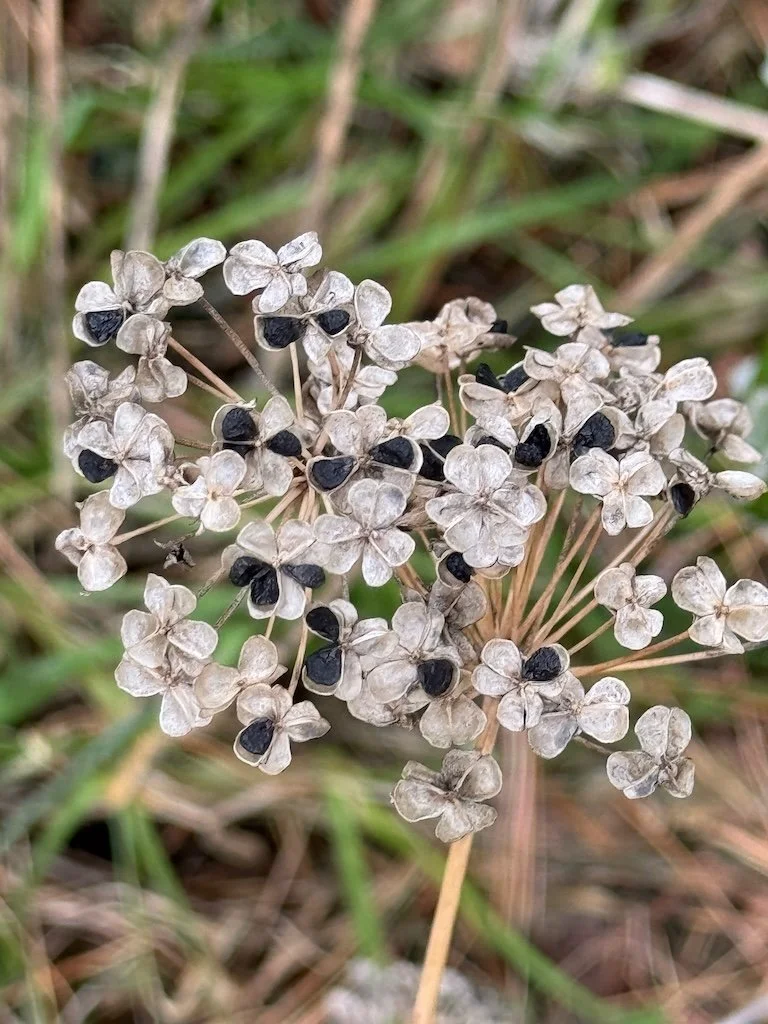
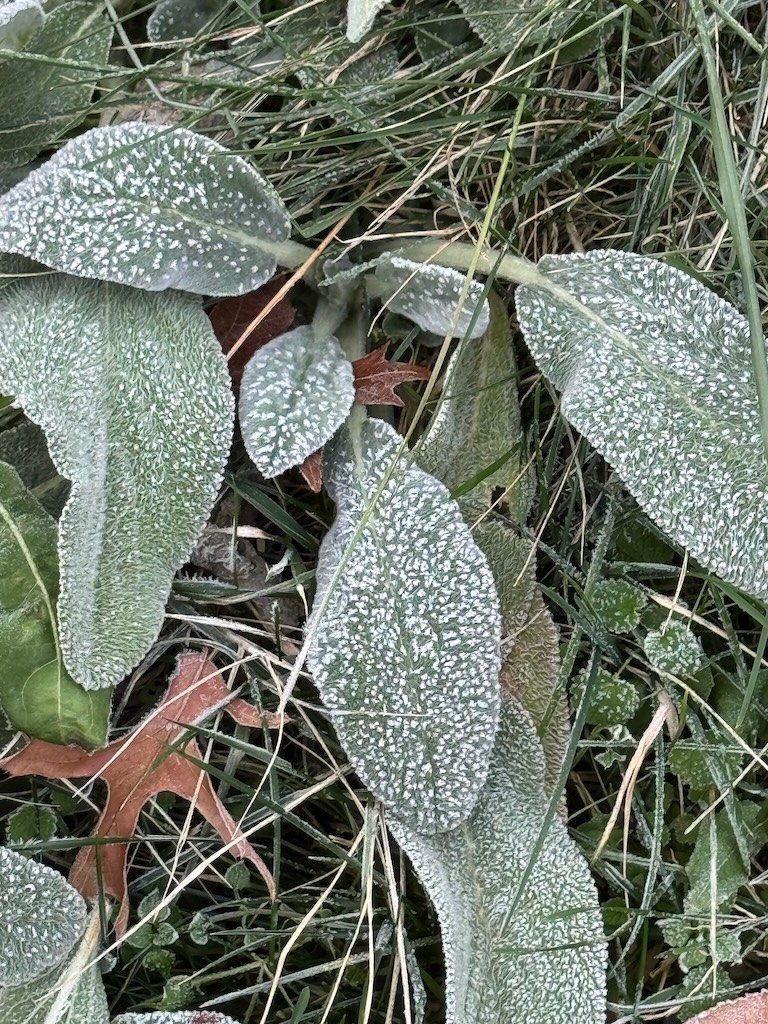
There are seed heads on the lambs ear and goldenrod and chives…hopefully I will have more of those plants next year.

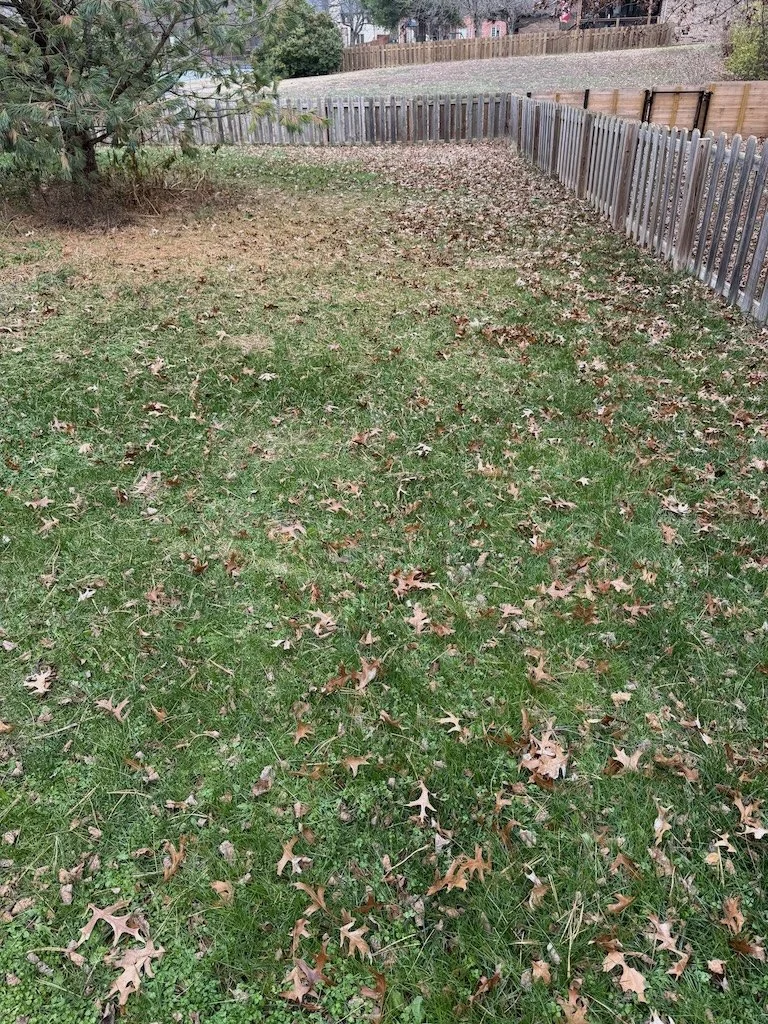
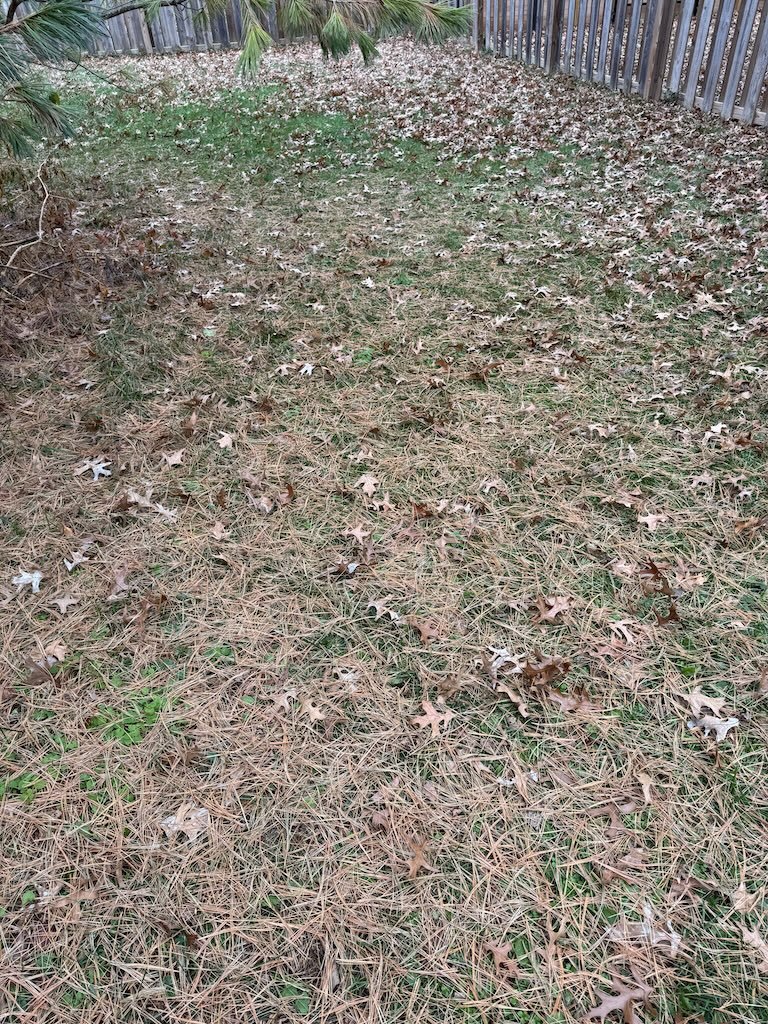
Our backyard is fenced and I am planting to not mow until early summer - leave the leaves. A lot of the leaves are from our neighbor’s oak and probably contain overwintering insects. The birds will appreciate the bounty – food for their chicks next spring. I am noticing that the circle where the pine needles are falling is enlarged than last year. I will be mowing less of the side yard next year! My long-term plan for the side yard a mowed path….not much grass at all…native plants filling in on both sides of the path (and maybe the path itself which might change from year to year.  

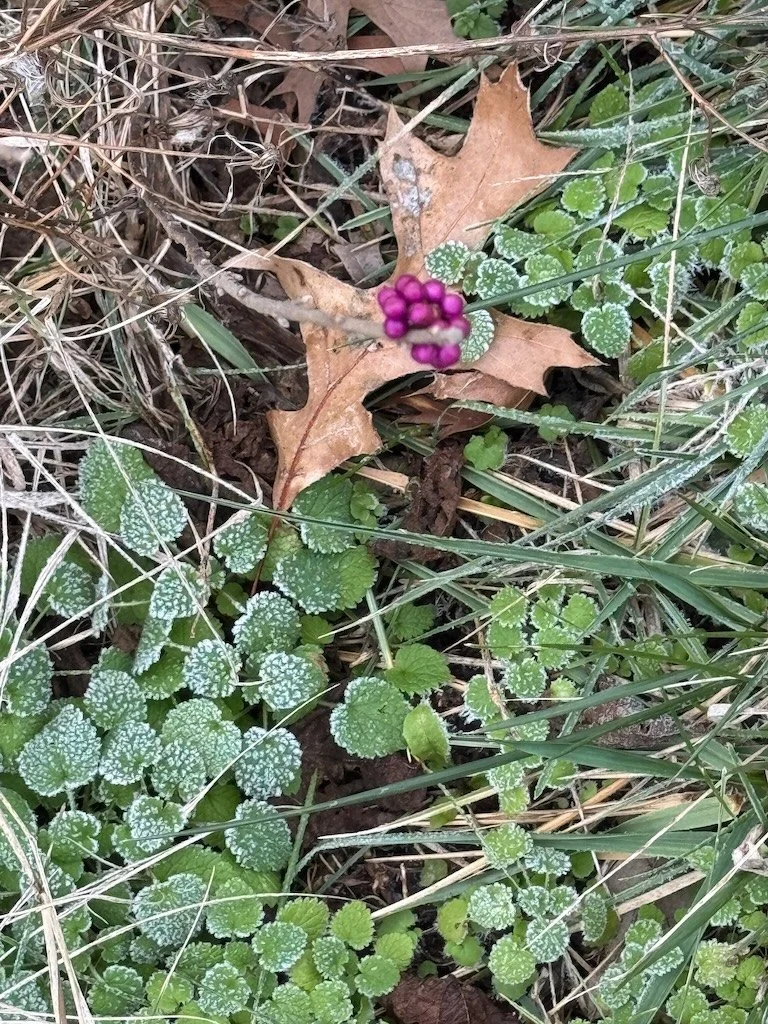
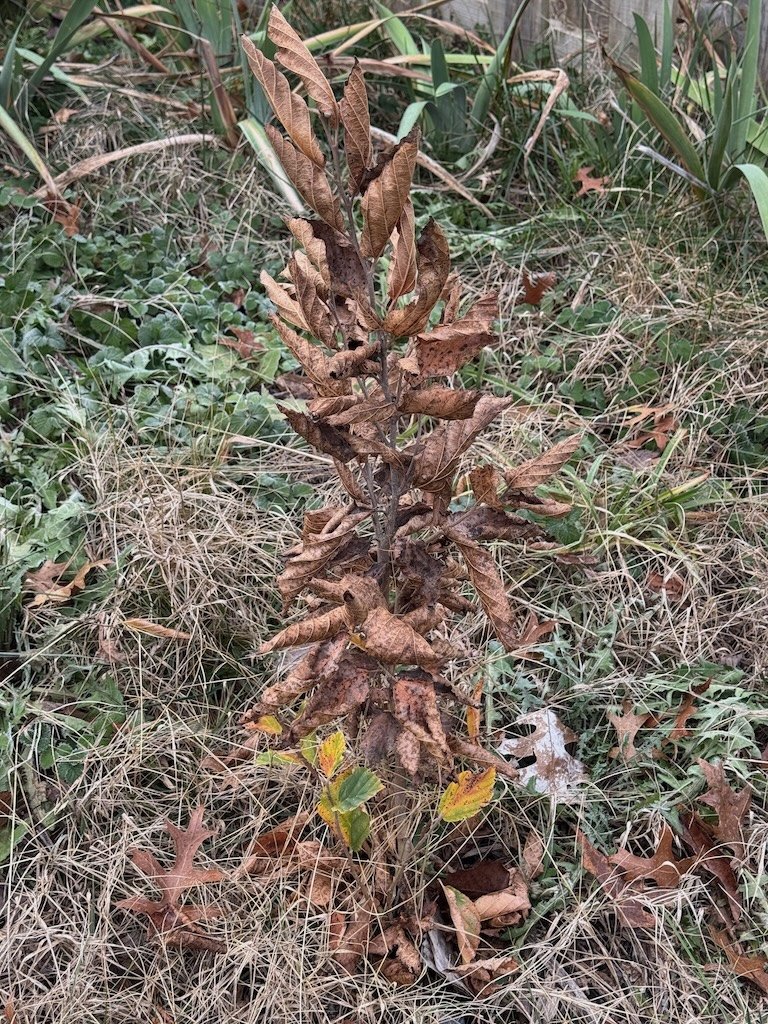
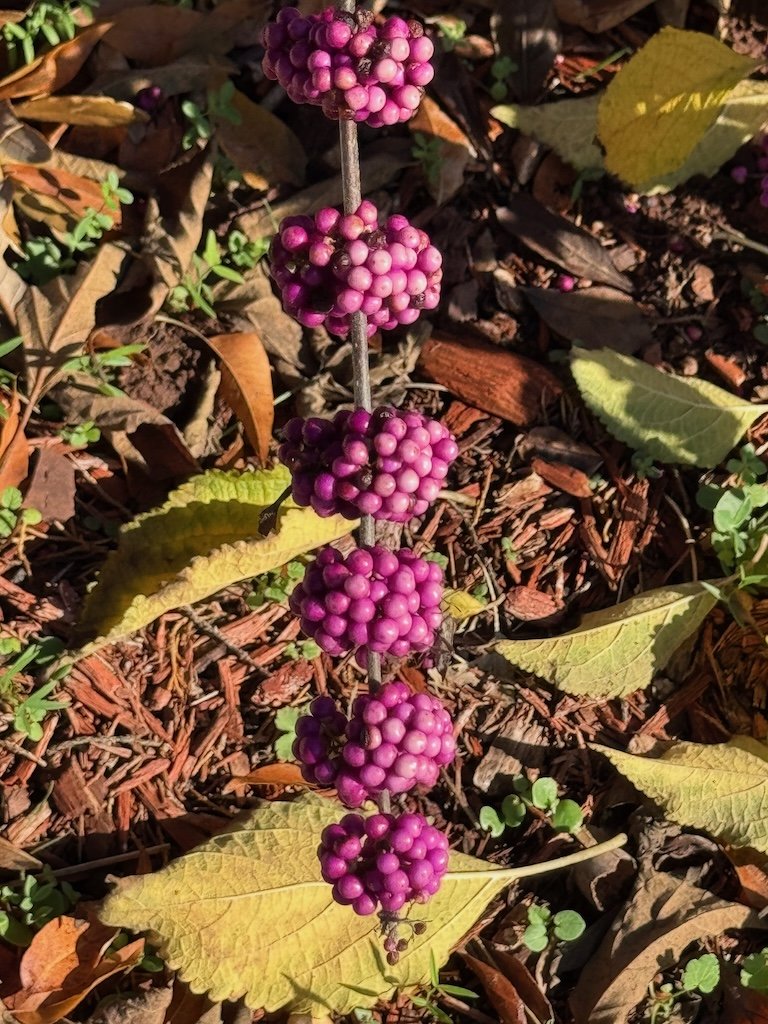
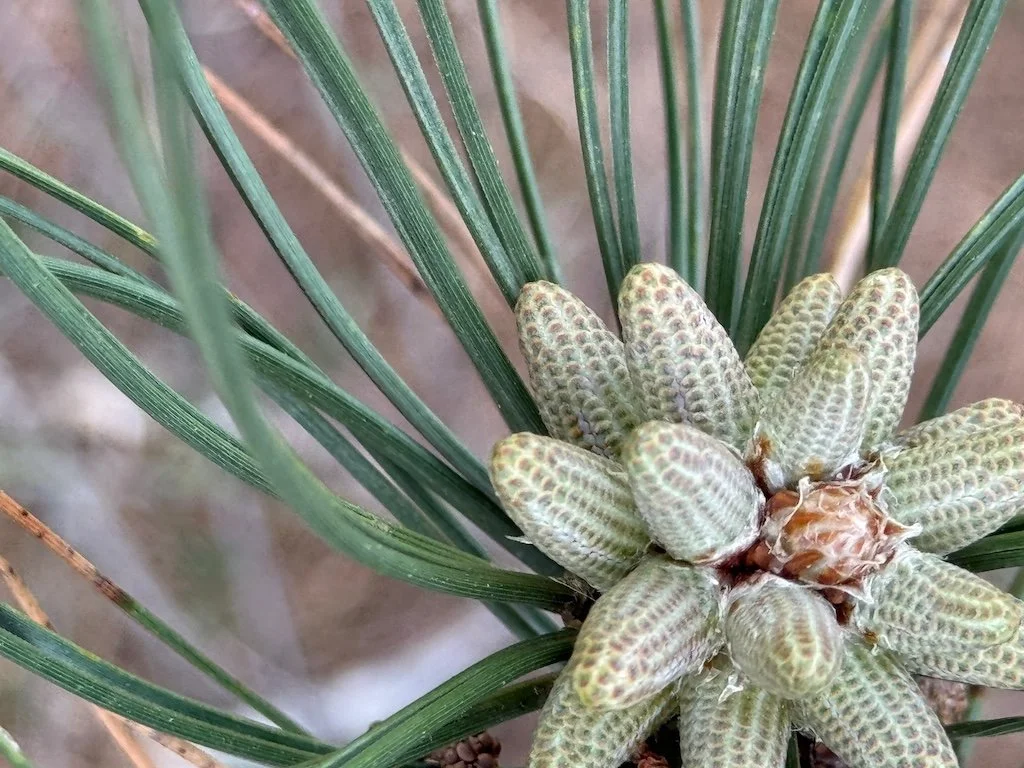
The bed where we removed a pine tree that fell over is more exposed that most of our beds. The plants there had frost. The small cluster of American beautyberry (Callicarpa americana) fruit is a pop of color. Hopefully next year the beautyberry will begin to grow more rapidly and become the dominate plant in the bed at some point. I will probably allow a native tree that comes up (bird or squirrel planted)…whichever one shows up first: oak, redbud, or hackberry.

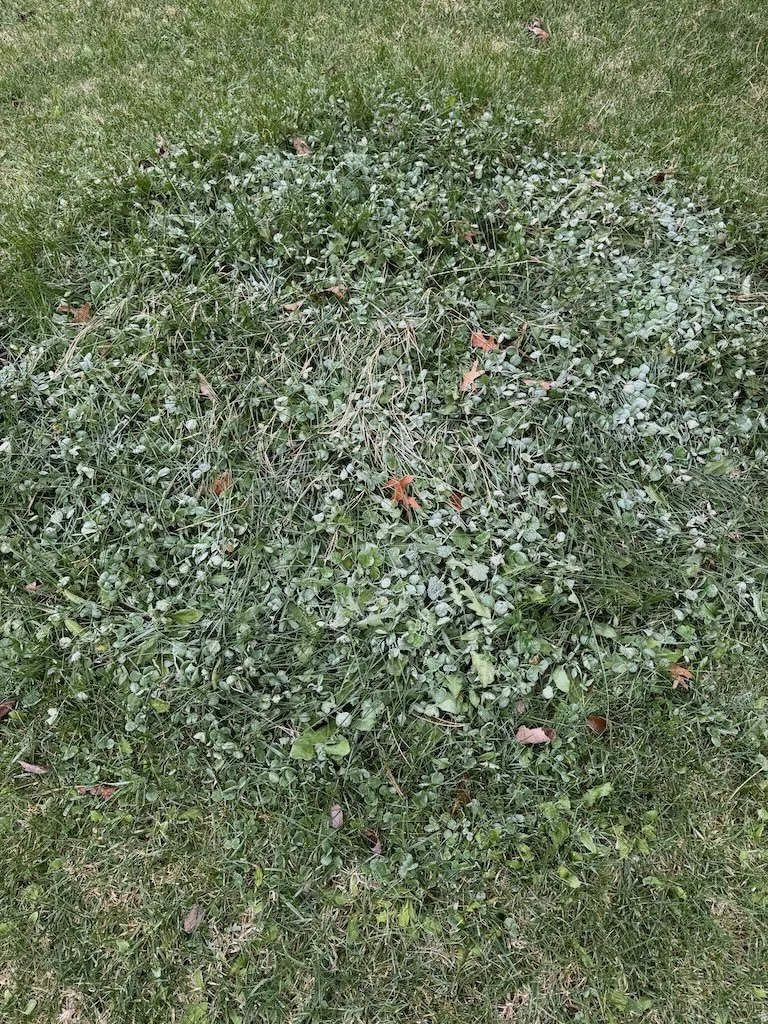
On the west side of the house there is a clover pillow that seems greener than the area around it. Maybe the grass growing there is greener with the extra nitrogen the clover provides in the soil! The witch hazel is still small but I am hopeful I might see a few blooms next year. It is a Missouri native – Ozark Witch Hazel (Hamamelis vernalis) which blooms in January/February.

I am watching the forecast for warmer day to get some cleanup done….and to put down a thick layer of mulch for my new bed that will be planting into next spring. My daughter will be getting more mulch when she has her oak trimmed.

Project FeederWatch – Another Season

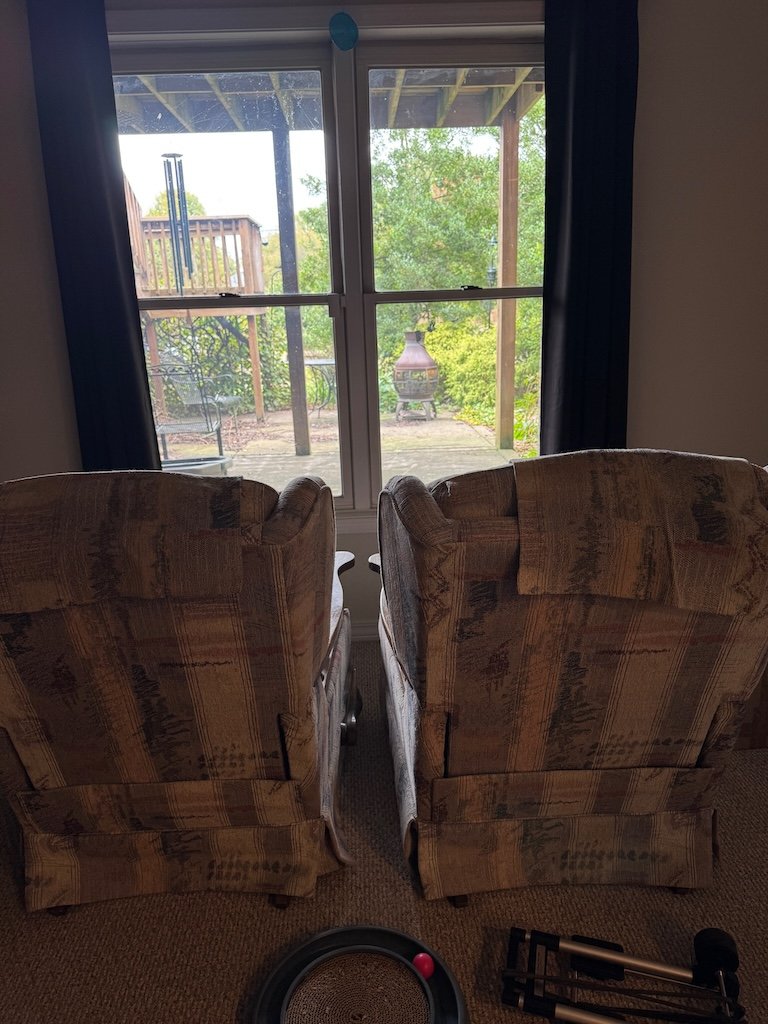
We started our second season recording observations of birds at our home feeders with Project FeederWatch. Our set up is the same as last year. We have two old rocker recliners in our basement that have a clear view of our feeders on the other side of the patio from our window that is under the deck.

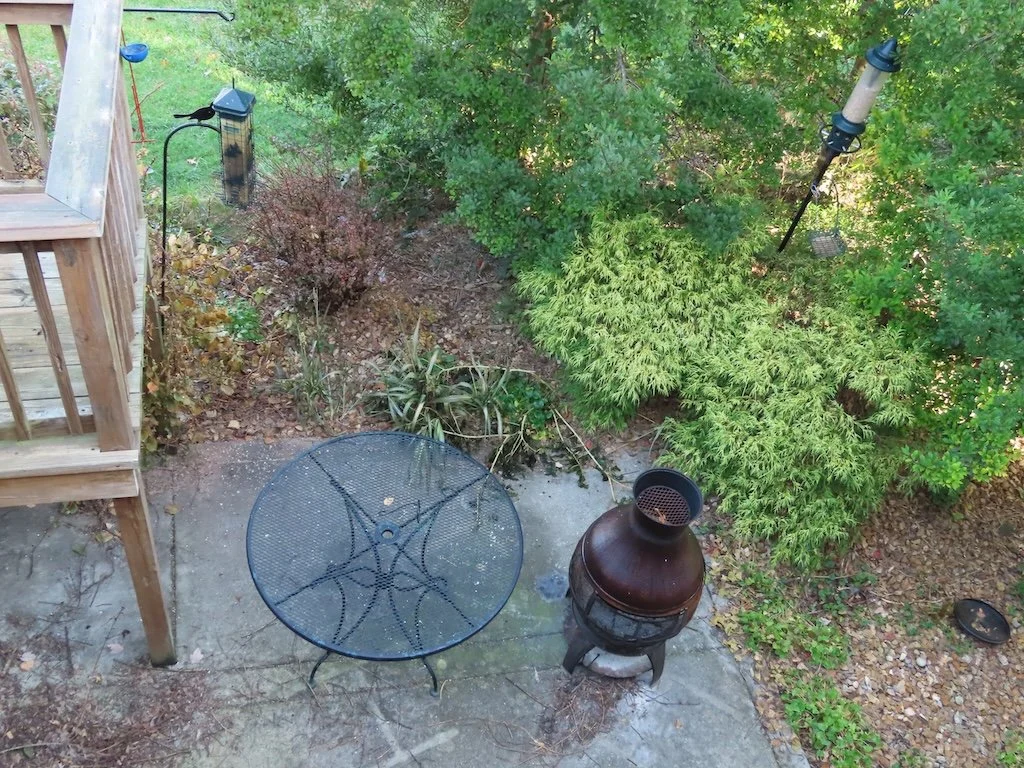
The Project FeederWatch season started on November 1 and there was still a lot of greenery. I cut back the Japanese Barberry (really want to take it out completely) but otherwise there is more vegetation than last year with the cedars, holly, and violets growing over the past year. The feeder nestled in the holly and cedars is a bit harder to reach. There is a brush pile in another part of the patio (in the lower left of the picture) that is my holding area for twigs I will burn in the chimenea eventually. The birds like that area too.

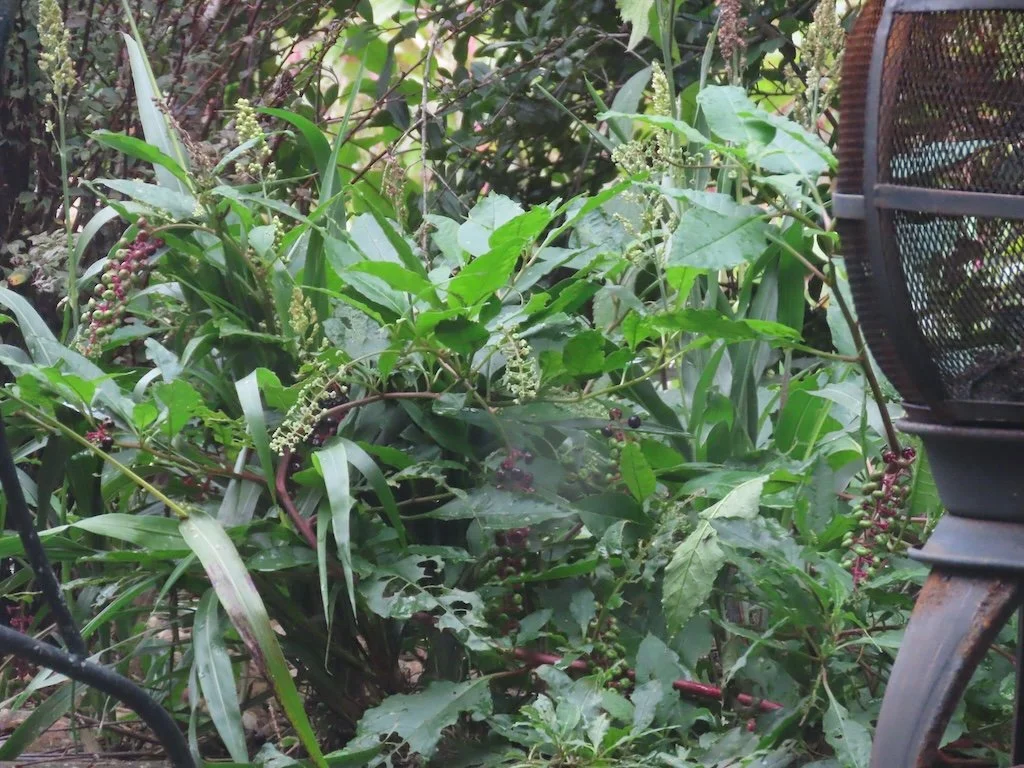
New this year is clump of vegetation at the edge of the patio between the two feeders: Pokeweed that seems to come up everywhere in our yard and grasses that had sprouted from birdseed from the feeders above. In general, the birds seem to like the extra vegetation and they eat the seeds from both plants occasionally.

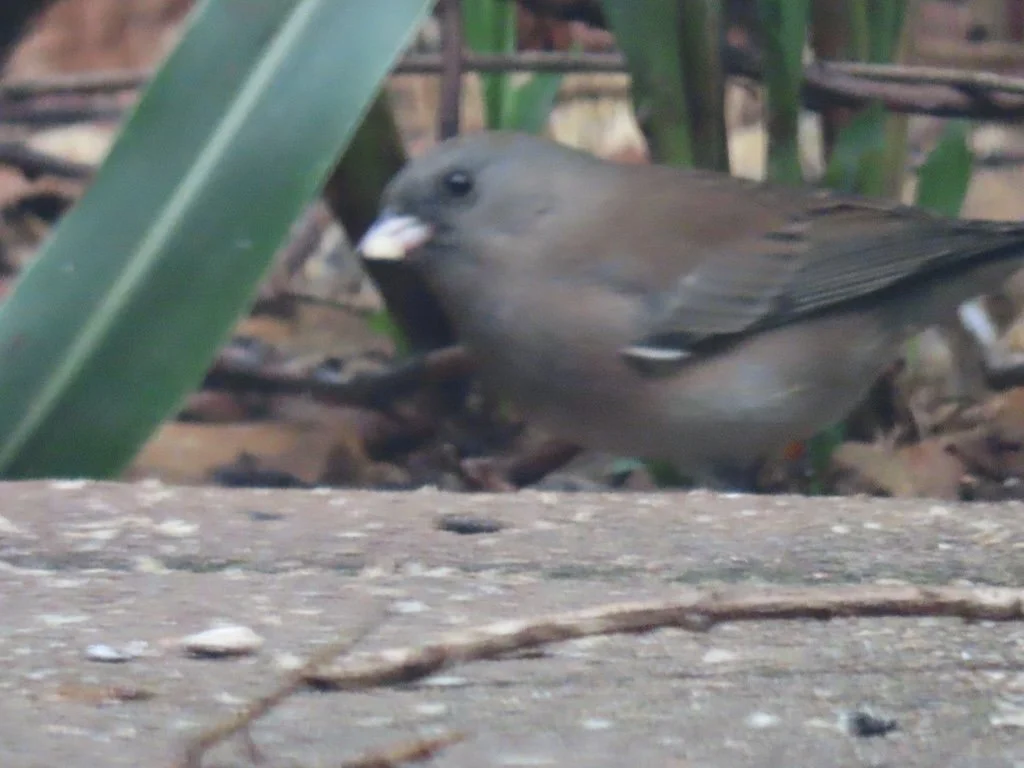
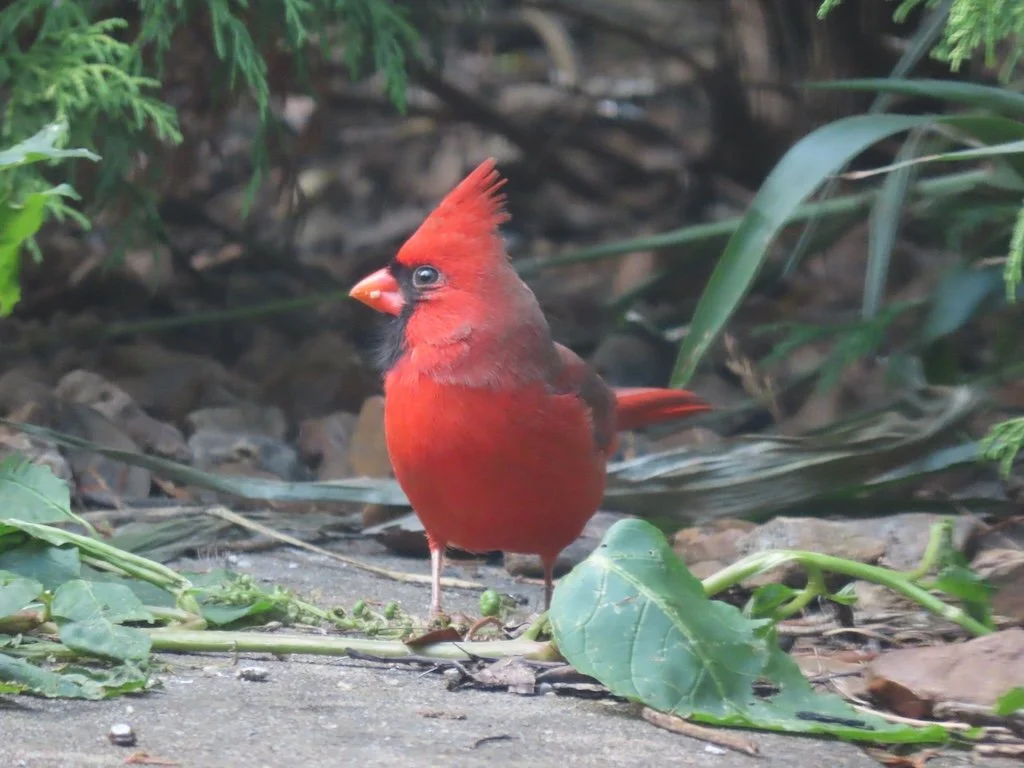
The window and the low light make photography more for id than art. Even at the being of the season we had dark-eyed junco (a winter bird for us), downy woodpeckers, and northern cardinals, tufted titmice, and at least 3 kinds of sparrows…to name few.

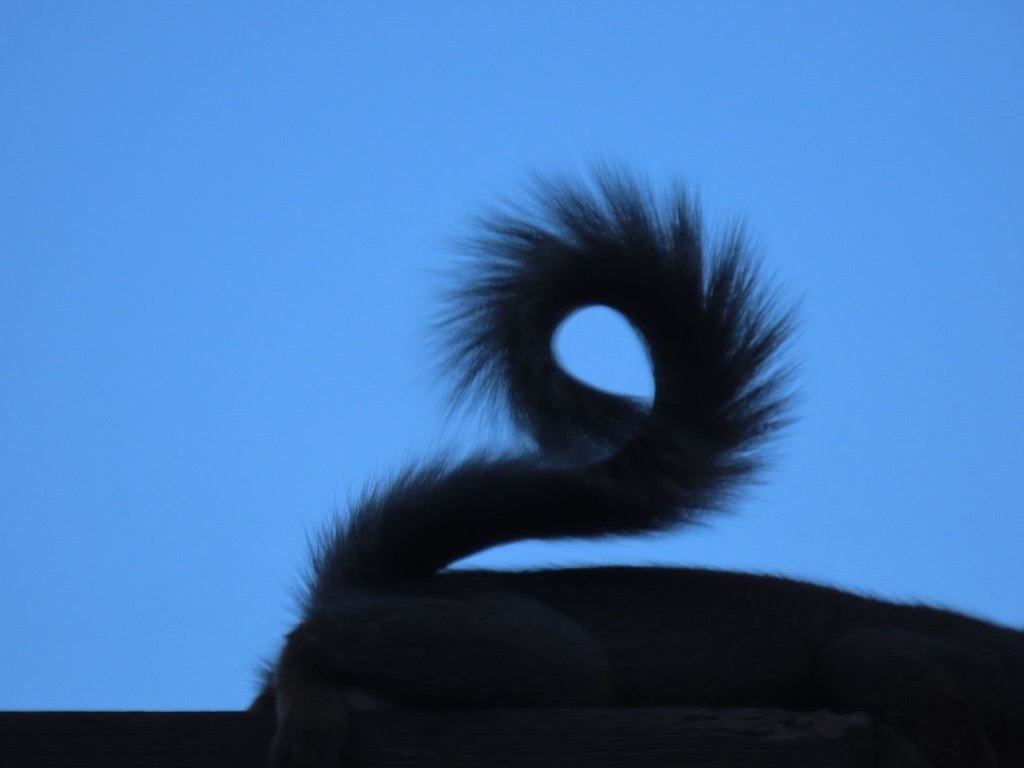
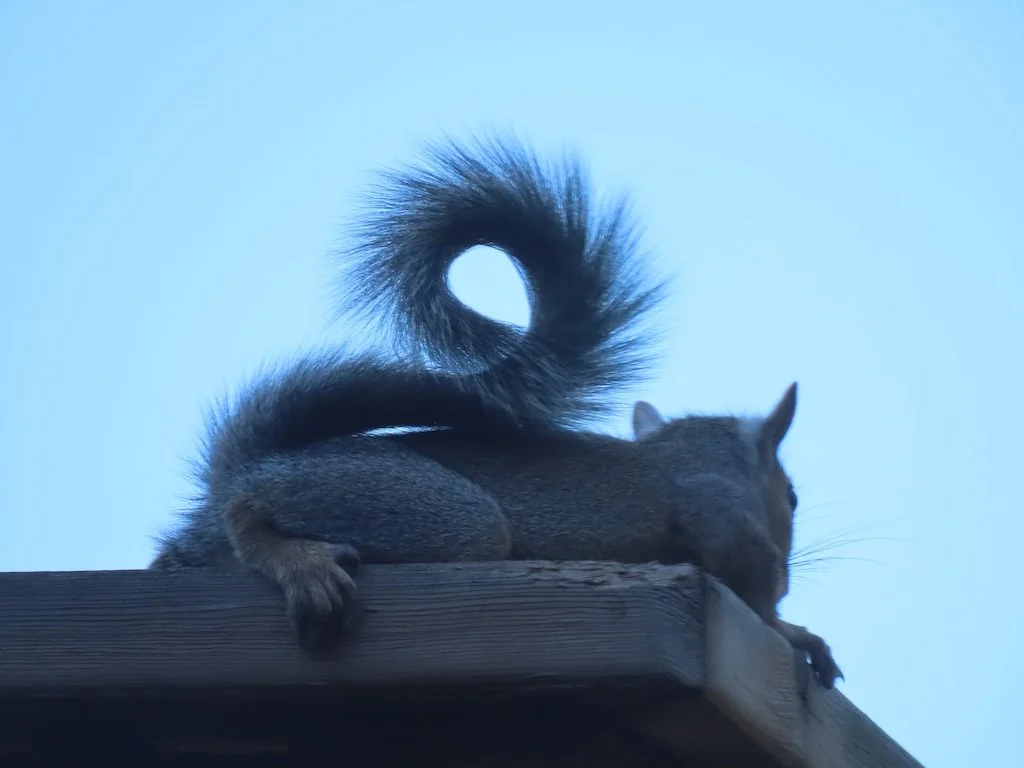
Of course we have squirrels that come through too. They sit on the deck railing and gaze longingly at the feeders – which have proved to be mostly squirrel-proof!

Plastics Crisis – Black Friday Purchases

I did my black Friday shopping online this year…and it all involved reducing plastic at my house!

I bought three stainless steel mixing bowls with handles (replacing plastic mixing bowls), a shampoo bar (to replace plastic bottles of shampoo), and replacement filters for my air purifiers that I have in my office and bedroom (get microplastics out of the air).

Those purchases were small compared to the Rorra Countertop System for water filtration. I have been using a Brita Elite filtration system for the past few years, but the filter housing and the pitcher is plastic, and I was never quite sure how much of the microplastics/‘forever’ chemicals the filter removed; I did discover that I like drinking filtered water all the time…I can taste the difference. The testing for the Rorra is impressive and I am looking forward to having it on my countertop and not lifting any big pitcher; I can use the sprayer at my sink to get the water into the system to be filtered.

…Now to take the boxes of plastic stuff to Goodwill. I feel a little guilty because I really don’t want this plastic around at all – but maybe it is better to not send it to the landfill.

Road Trip to Lewisville – November 2025

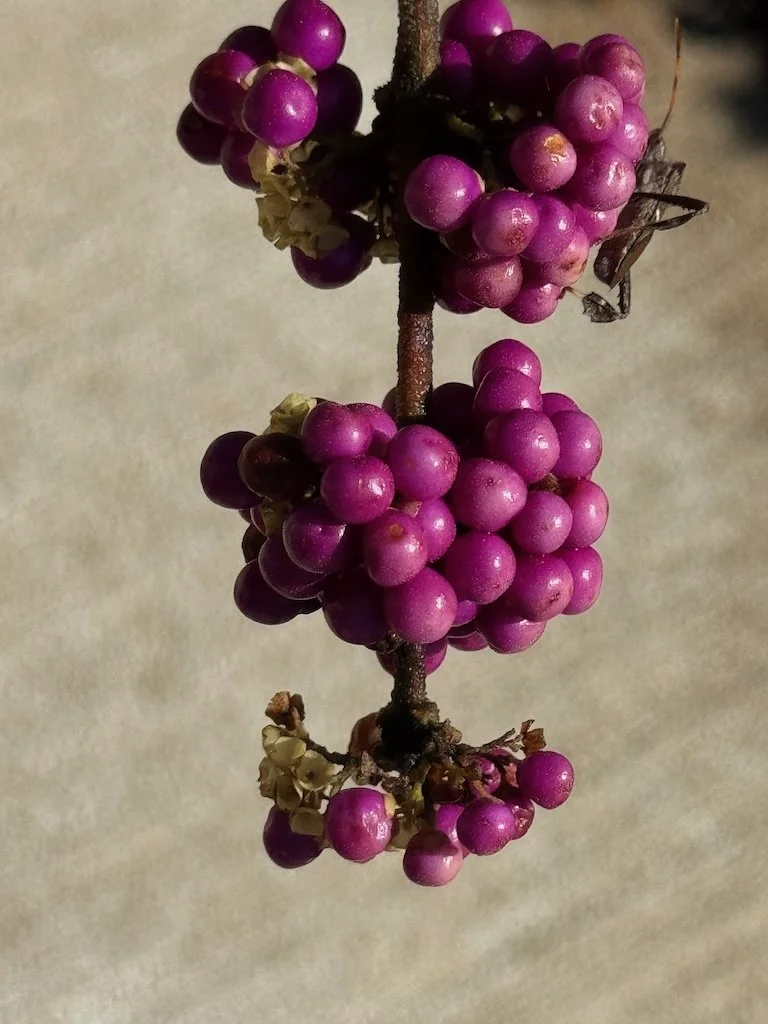
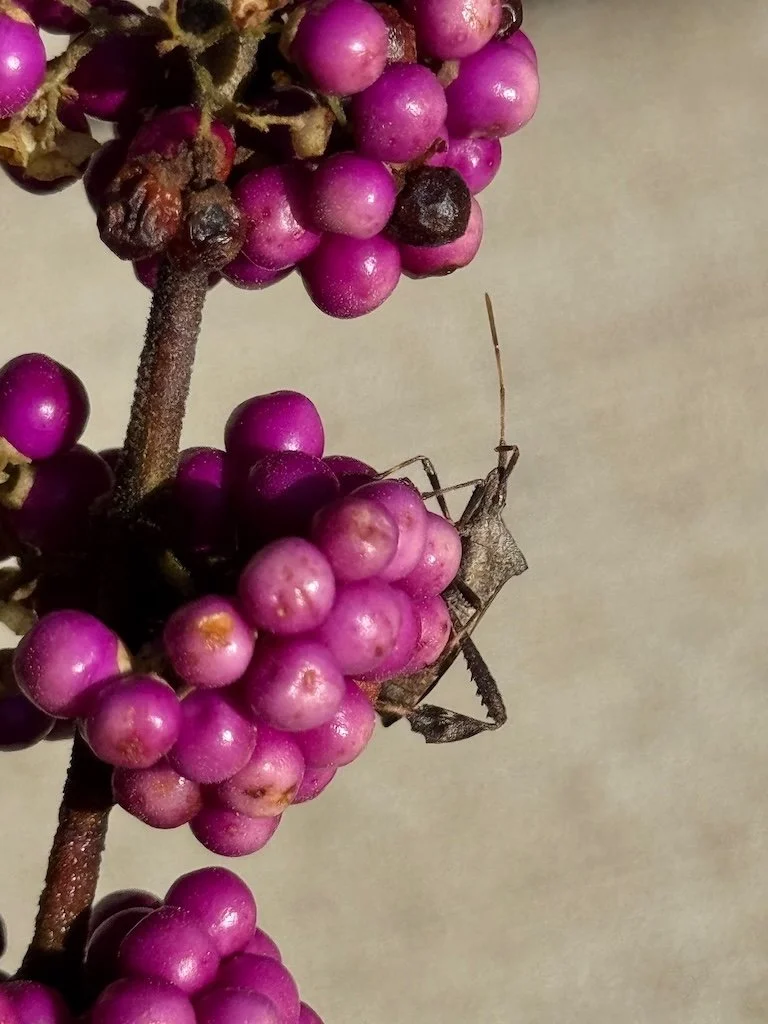
My dad moved from Dallas to Lewisville TX, so my monthly road trips have shifted to visit the him at his memory care place in Lewisville. I made my usual stop at the Texas Welcome Center pm US75 along the way – noticing that the leaves have fallen from the beautyberry. I noticed an insect on the berries; it was a cold day so the insect did not move….easy to photograph.

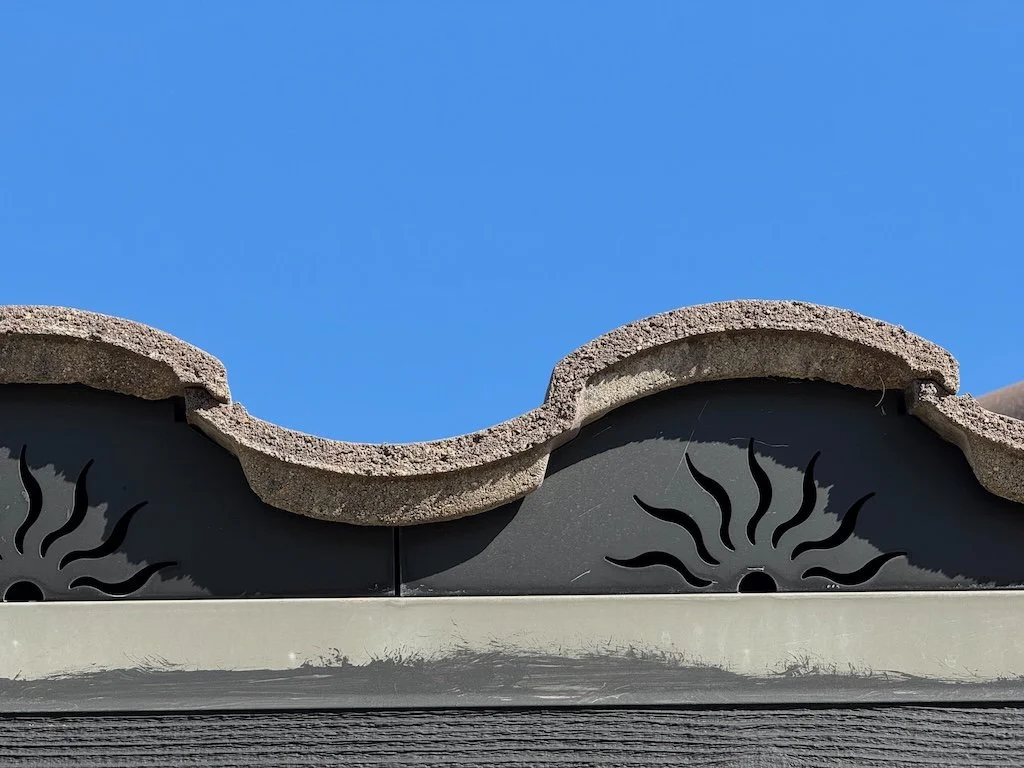
It was the first time for me to visit the memory care facility since my dad moved there. They were holding their Thanksgiving dinner that afternoon – the Friday before Thanksgiving. The day was warm enough that Dad and I walked outside in the enclosed courtyard beforehand. I noticed the decorative patterns on the roof of one of the pavilions.

The dinner itself was tasty, and Dad enjoyed it thoroughly because everything was cut up already – easy for him to eat; there was ice cream for dessert. A live band provided country music – a little loud for me but great for him and the other residents. He stayed for the whole show!

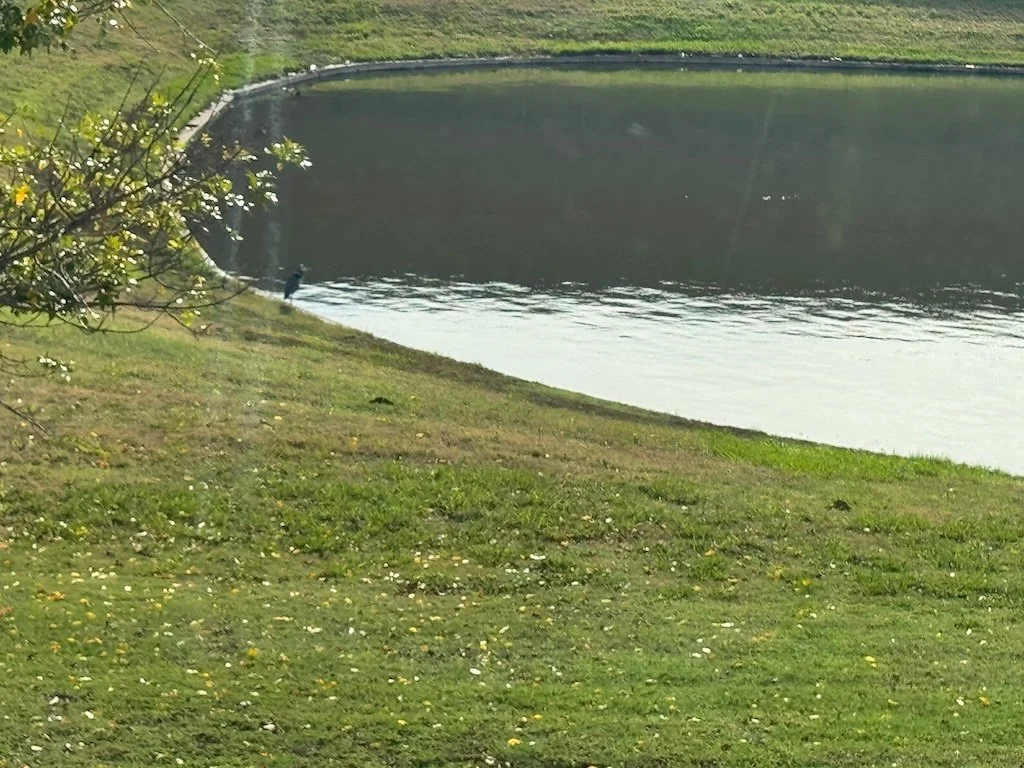
The next morning, I was up and looked out the window a little after sunrise. My hotel window overlooked a storm water pond; on the other side of the pond was a Costco…and then a cluster of overpasses – an intersection of big highways. I was just far enough away that the highway noise did not overwhelm the white noise of the heating/air conditioning fan. A great blue heron was at the edge of the pond. Next time I will bring a better camera and maybe walk around the pond.

I was with my dad for a second Thanksgiving meal on that Saturday – with the assisted living side of the facility. It was similar but my sister had to cut up his turkey and ham. The music was a little different and he wanted to leave before the end. The loudness of the music made it impossible to have a conversation with our 6-person family group…but I did enjoy the pecan pie at the end.

Afterwards I enjoyed several hours with my sister and her daughters/grandchildren. It was a treat to see them!

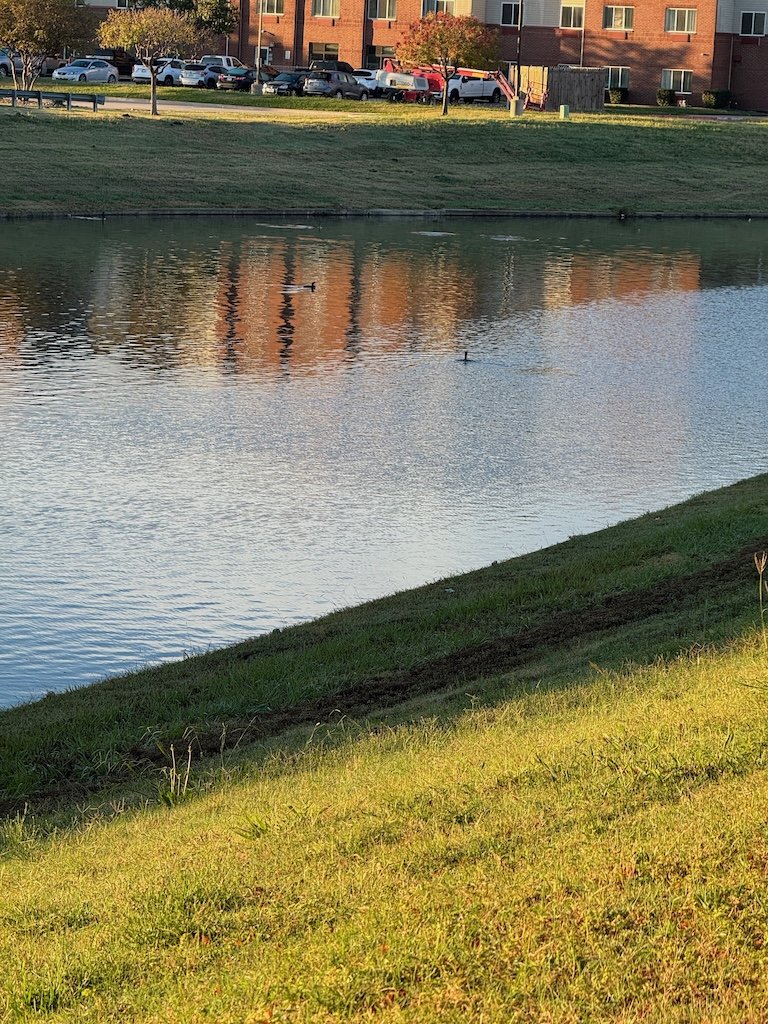
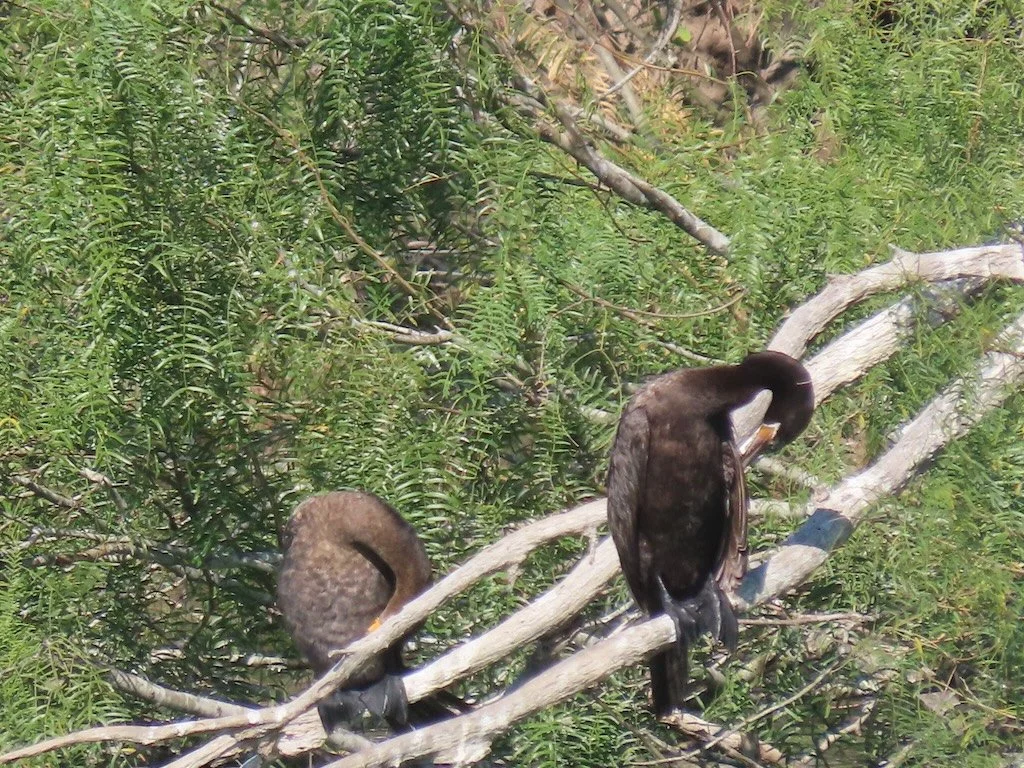
The next morning, I looked out the window a bit earlier – before sunrise. I left the hotel about 7:30 AM and drove around to the closest parking lot to the storm water pond. There were two cormorants there.

The memory care facility had decorated with a lot of pumpkins for the holiday. I photographed one of the displays on my way in to see my dad. At 8 AM he had finished his breakfast and was working on his cup of coffee! I’m glad I ate at the hotel rather than planning to eat with him!

I opted to go back via I35 going north. It was an adventure and about 15 minutes longer than the other route – but a lot less stressful. For the next few months, I am planning to continue that alternate route to get home. I already identified a café I want to try in Prague OK (along the route); my paternal grandmother grew up on a farm near Prague.

Gleanings of the Week Ending December 6, 2025

The items below were ‘the cream’ of the articles and websites I found this past week. Click on the light green text to look at the article.

Vitamin C Rejuvenates Aging Ovaries in Primates - A long-term primate study suggests vitamin C may slow ovarian aging by reactivating antioxidant defenses—though fertility effects remain untested. Oxidative damage contributes to aging not only in ovaries but also in the brain, heart, and kidneys—raising the possibility that similar interventions might benefit other organs.

Rings of Rock in the Sahara - In northeastern Africa, within the driest part of the Sahara, dark rocky outcrops rise above pale desert sands. They are thought to have formed as magma rose toward the surface and intruded into the surrounding rock. Repeated intrusion events produced a series of overlapping rings, their centers roughly aligned toward the southwest. The resulting ring complex—composed of igneous basalt and granite—is bordered to the north by a hat-shaped formation made of sandstone, limestone, and quartz layers. Photo taken from International Space Station.

How your hormones might be controlling your mind - Hormones are chemical messengers released by certain glands, organs, and tissues. They enter the bloodstream and travel around the body, before binding to receptors in a specific place. The binding acts as a kind of biological "handshake" which tells the body to do something. For example, the hormone insulin tells liver and muscle cells to suck up excess glucose from the blood and store it as glycogen. We still don't understand exactly why some people are so sensitive to hormonal fluctuations, while others aren't. We know that hormones impact mood and mental health, but we need to figure out how they do so before we can come up with the proper treatments.

Texas Voters Approve $1 Billion per Year for 'Critical' Water Infrastructure – Wise move by Texas voters; hopefully it will be enough to keep up with the state’s growing population and resulting demand for water. More details here.

How Does Sugar Affect Our Oral Microbiome and Teeth? - Less processed foods, especially those high in fiber, are often less sticky, which decreases bacteria’s ability to adhere and overgrow at a surface. Additionally, the fiber acts like miniature brushes. “These fibers constantly remove plaque from your tooth surfaces. The additional chewing of these types of foods also increases saliva production, which washes out the oral cavity, removing excess bacteria from the mouth surface to limit the formation of biofilms. Meanwhile, additional sugar from candy and other sweet products disrupts this whole community. Not only are these processed foods stickier, giving the bacteria a place to latch onto, but they also form biofilms.

How Satellite Imagery Reveals Plastic Pollution Hotspots in the Ocean - Plastic pollution isn’t just a sad environmental story we scroll past on the news anymore; it has become a personal health emergency. It is a genuinely scary reality that microplastics, those tiny, unseen fragments, have made their way into our lungs and bloodstreams. To grasp the sheer scale of this threat, researchers are turning to Sentinel satellite imagery, utilizing it as an essential “eye in the sky” to track exactly where these hazardous accumulation zones are growing. However, mapping is just the diagnostic tool; the ultimate cure lies in fixing land-based waste management.

The photos showing why pink dolphins are the Amazon's 'great thieves' - As fishermen cast their nets into the river, suddenly a sleek pink shape emerged from the depths, swimming toward the trapped fish. Moving quickly, the creature – an Amazonian pink river dolphin – poked holes in the net and stole a catfish. Known locally as boto in Portuguese and bufeo in Spanish, the pink river dolphin is a funny sight. With its melon-shaped head, rose-colored skin, and slender, hundred-toothed snout, it is the largest freshwater dolphin in the world, growing up to 2.5m (8.2ft) long and weighing as much as 200kg (440lbs). Four types of pink river dolphins live in the Amazon River basin. All of them are endangered, facing significant population declines in recent decades due to hunting, entanglement in fishing nets, pollution and droughts.

Half of heart attacks strike people told they’re low risk - A new study led by Mount Sinai researchers reports that commonly used cardiac screening methods fail to identify almost half of the people who are actually at risk of having a heart attack. People who appear healthy according to standard assessments may already have significant and silent atherosclerosis. Because of this, depending solely on symptoms and risk calculators can delay detection until meaningful prevention is no longer possible. Doctors should shift their focus from detecting symptomatic heart disease to detecting the plaque itself for earlier treatment, which could save lives.


Clogged Glymphatic System Linked to Dementia Risk - The brain’s built-in clearance system, called the glymphatic system, removes toxins from the brain through the flow of cerebrospinal fluid (CSF) via minuscule channels that trace blood vessels. Scientists have suspected that the glymphatic system may play a role in processes such as sleep and recovery from traumatic brain injury. MRI scans from nearly 40,000 people revealed biomarkers linked to defective toxin clearance in the brain predicted the susceptibility to dementia later in life.

Ansel Adams Photos Capture Daily Life Inside Japanese Internment Camps During WWII - The establishment of Japanese internment camps is arguably one of the darkest moments in American history. Between 1942 and 1946, about 120,000 people of Japanese descent were forcibly relocated into these concentration camps. This was done out of unfounded suspicions that Japanese Americans might act as saboteurs or spies following the attack on Pearl Harbor in 1941. In 1943, celebrated American photographer Ansel Adams visited the Manzanar War Relocation Center in California, creating a timeless document of the daily life on this site. The 244 photo collection can be browsed on the Library of Congress website.

eBotanical Prints – November 2025

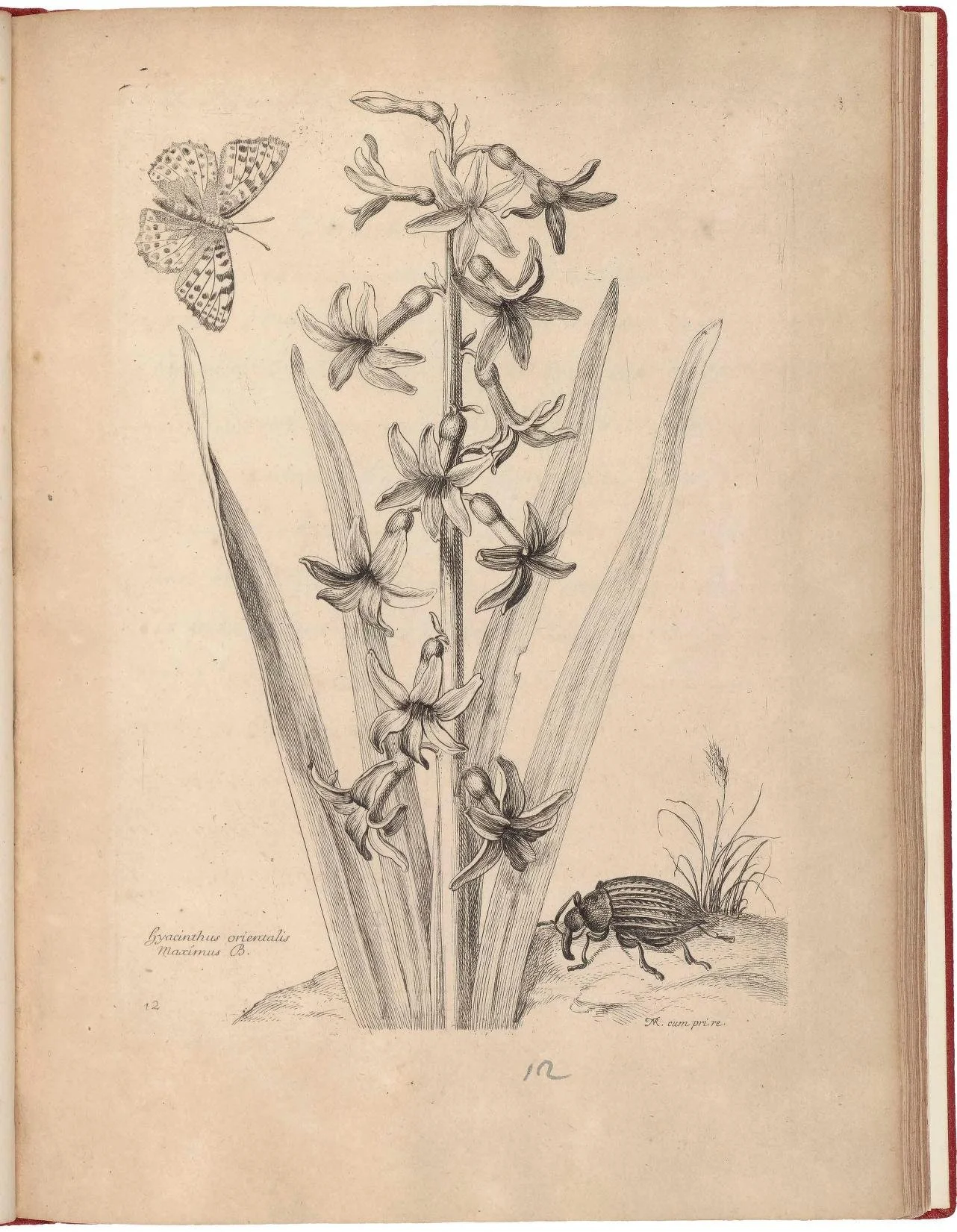
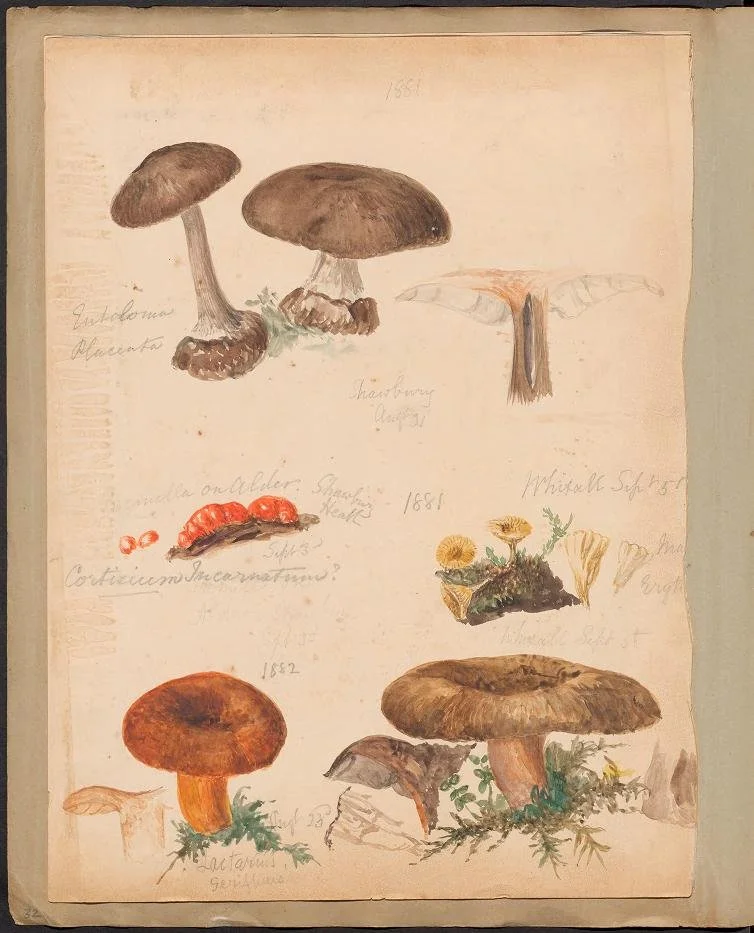
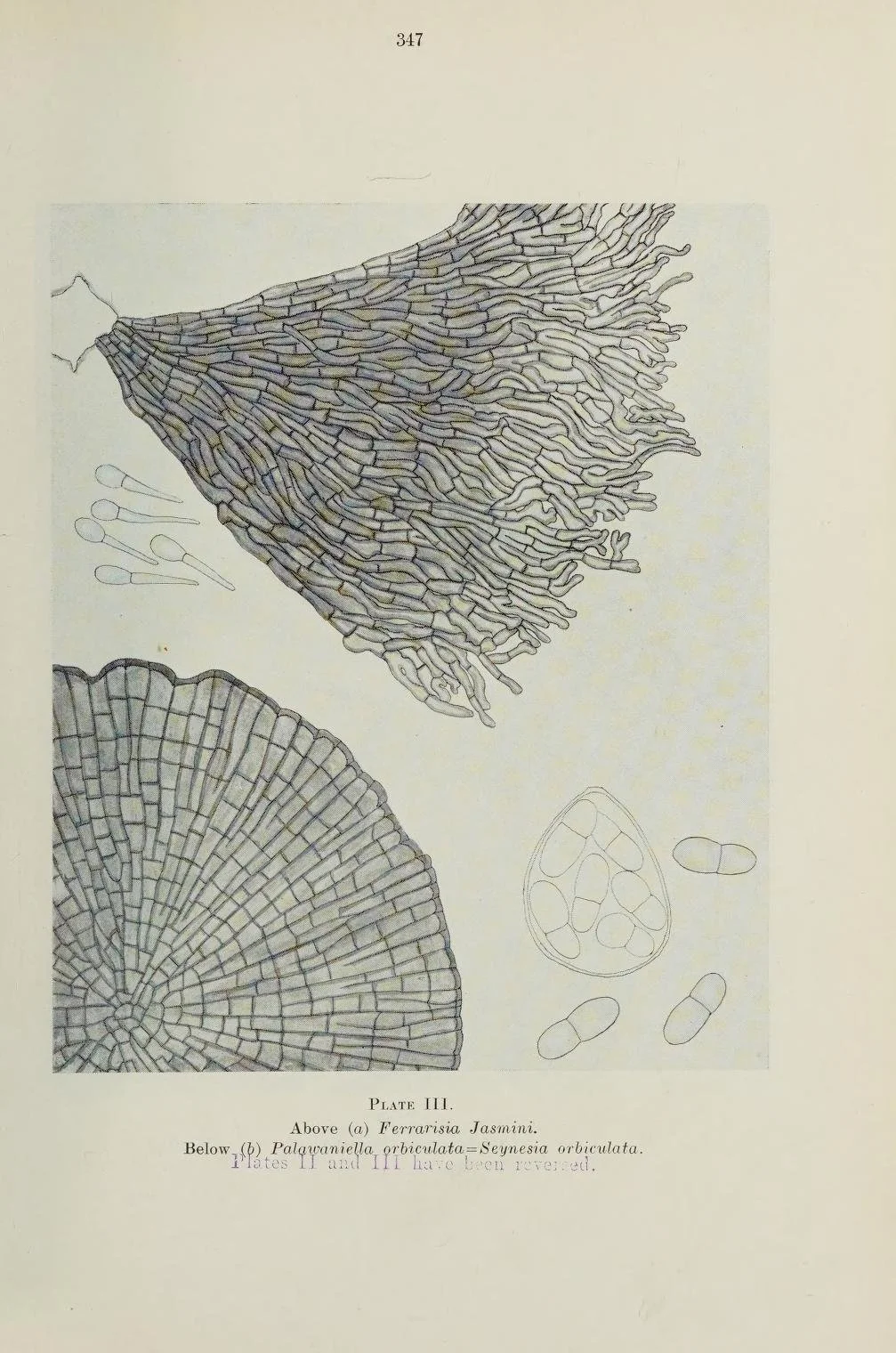
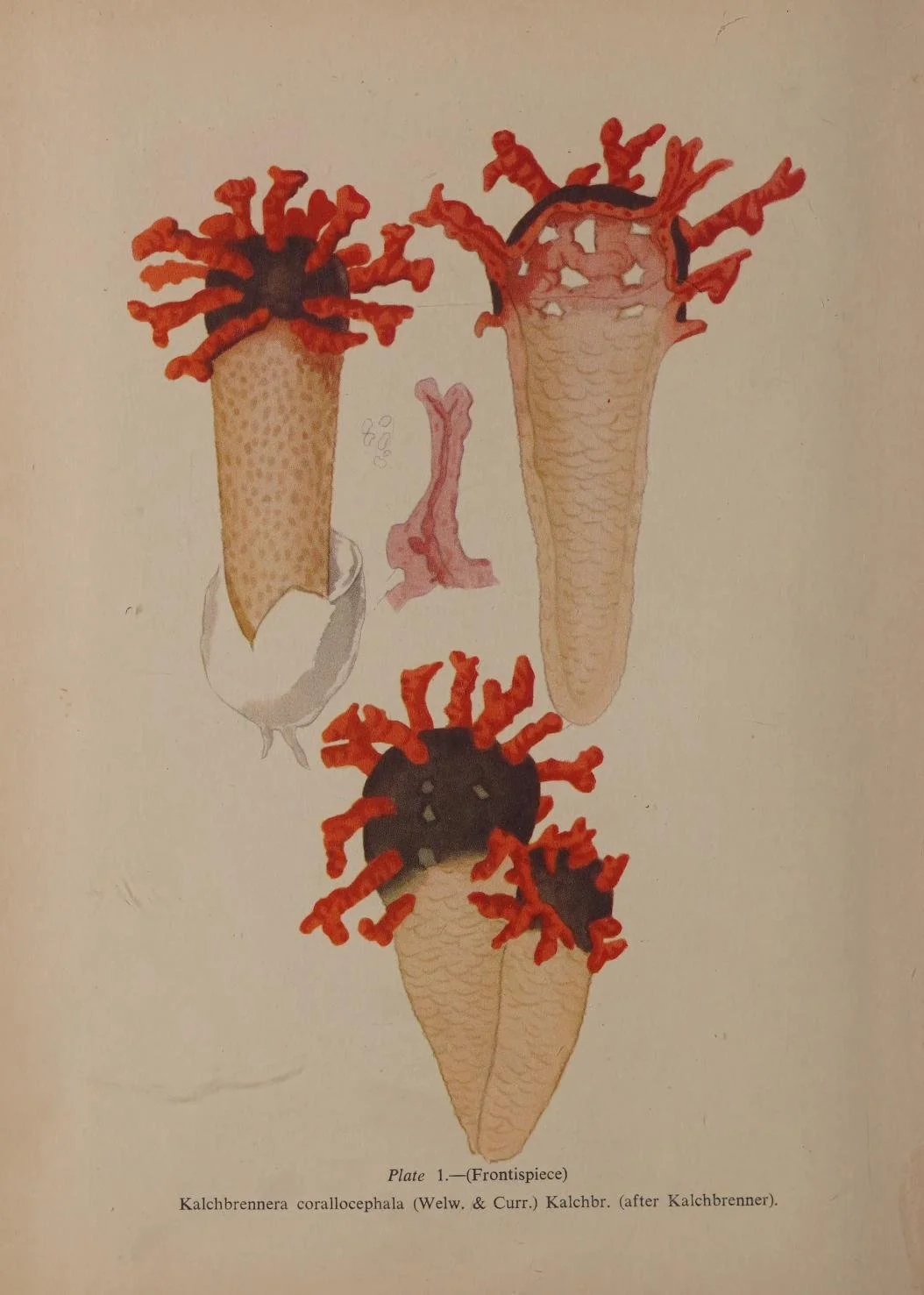
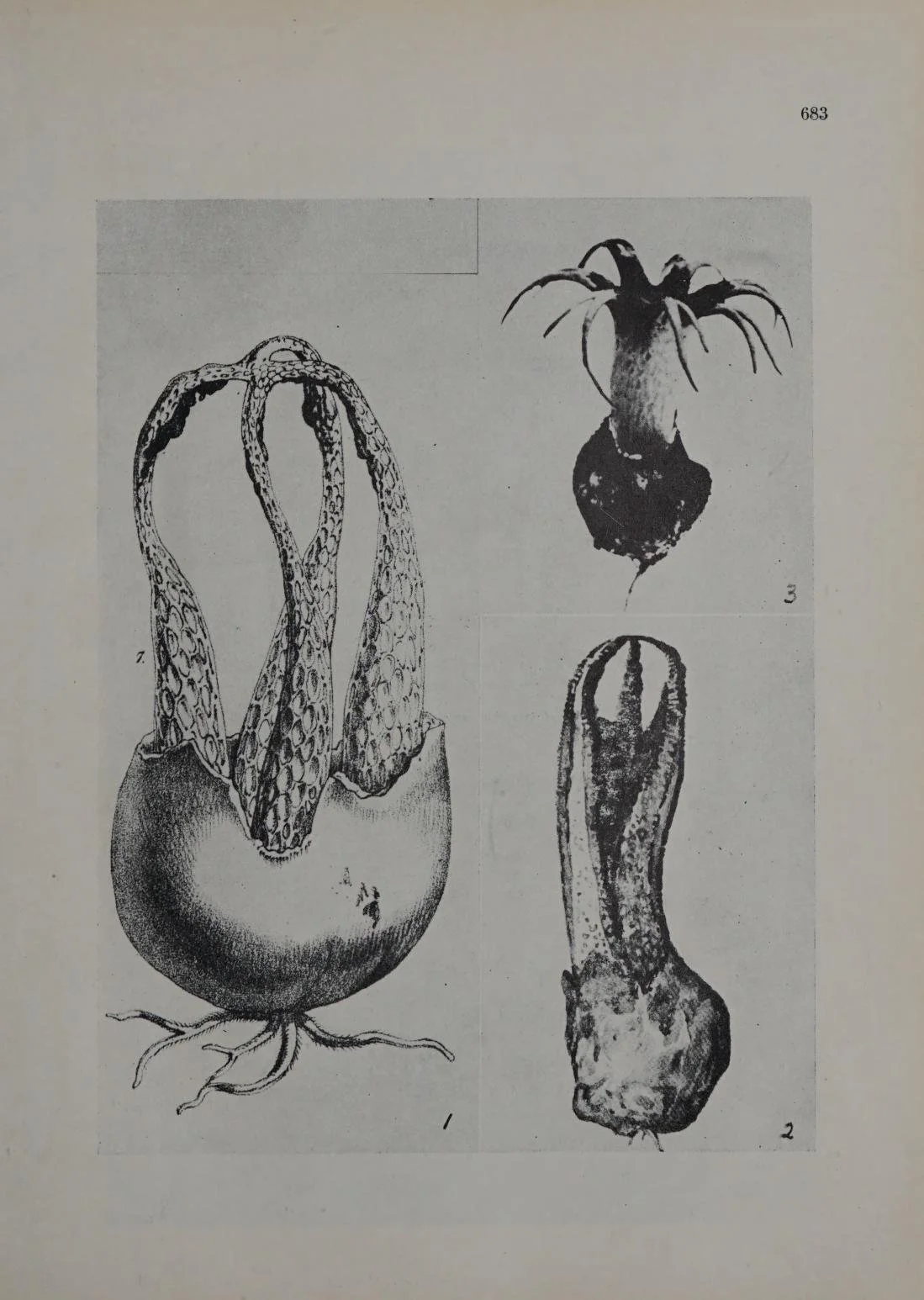
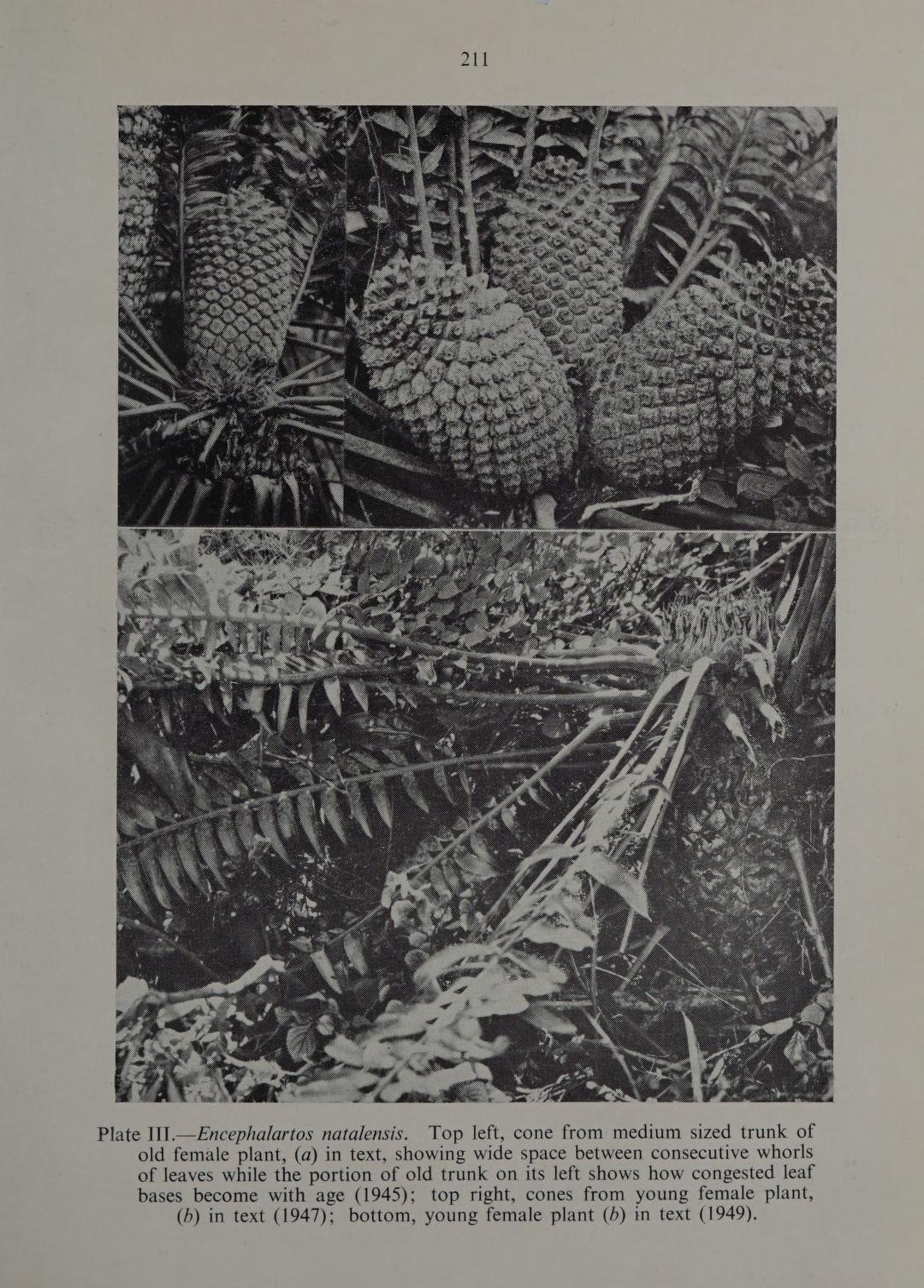
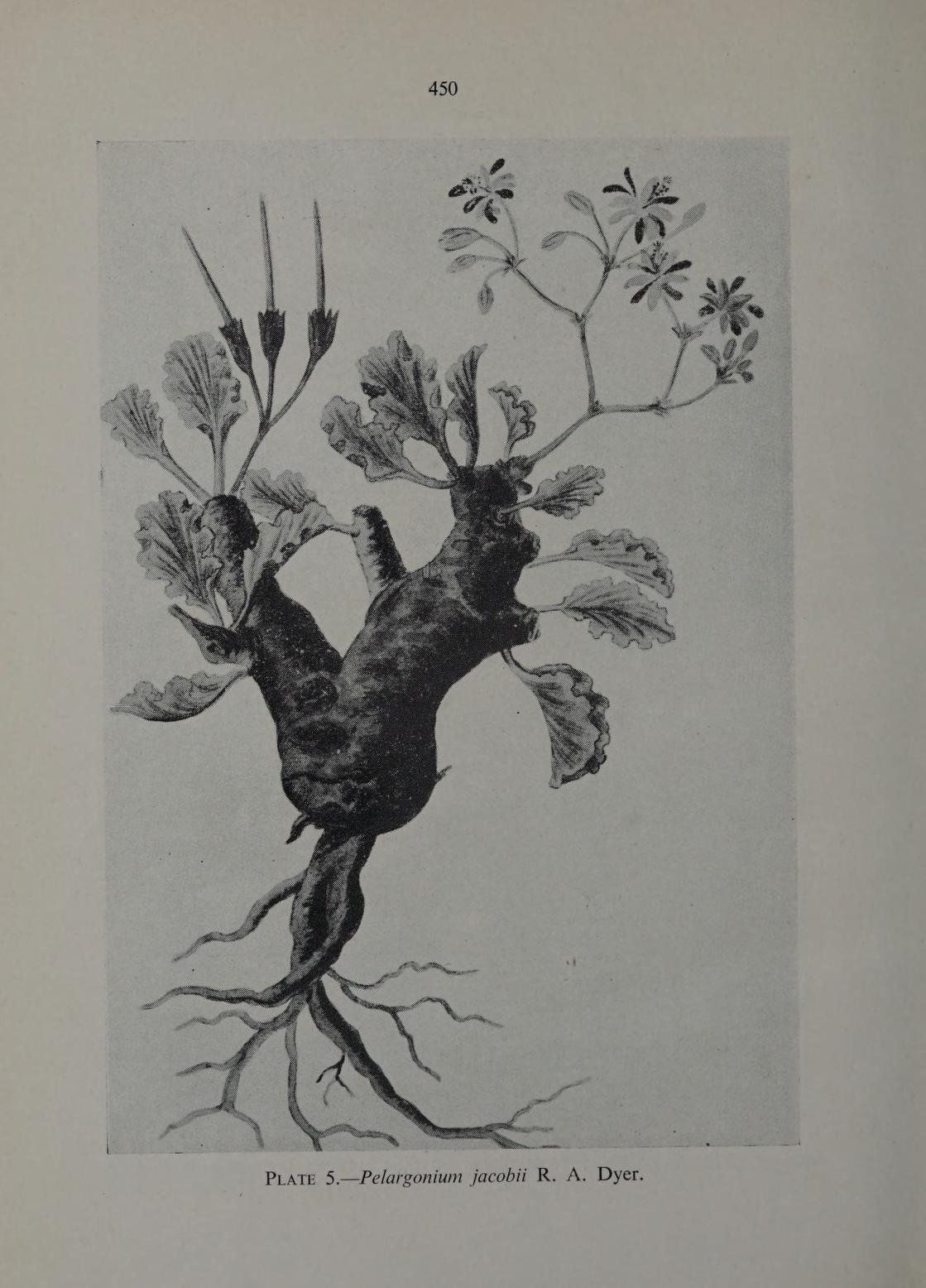
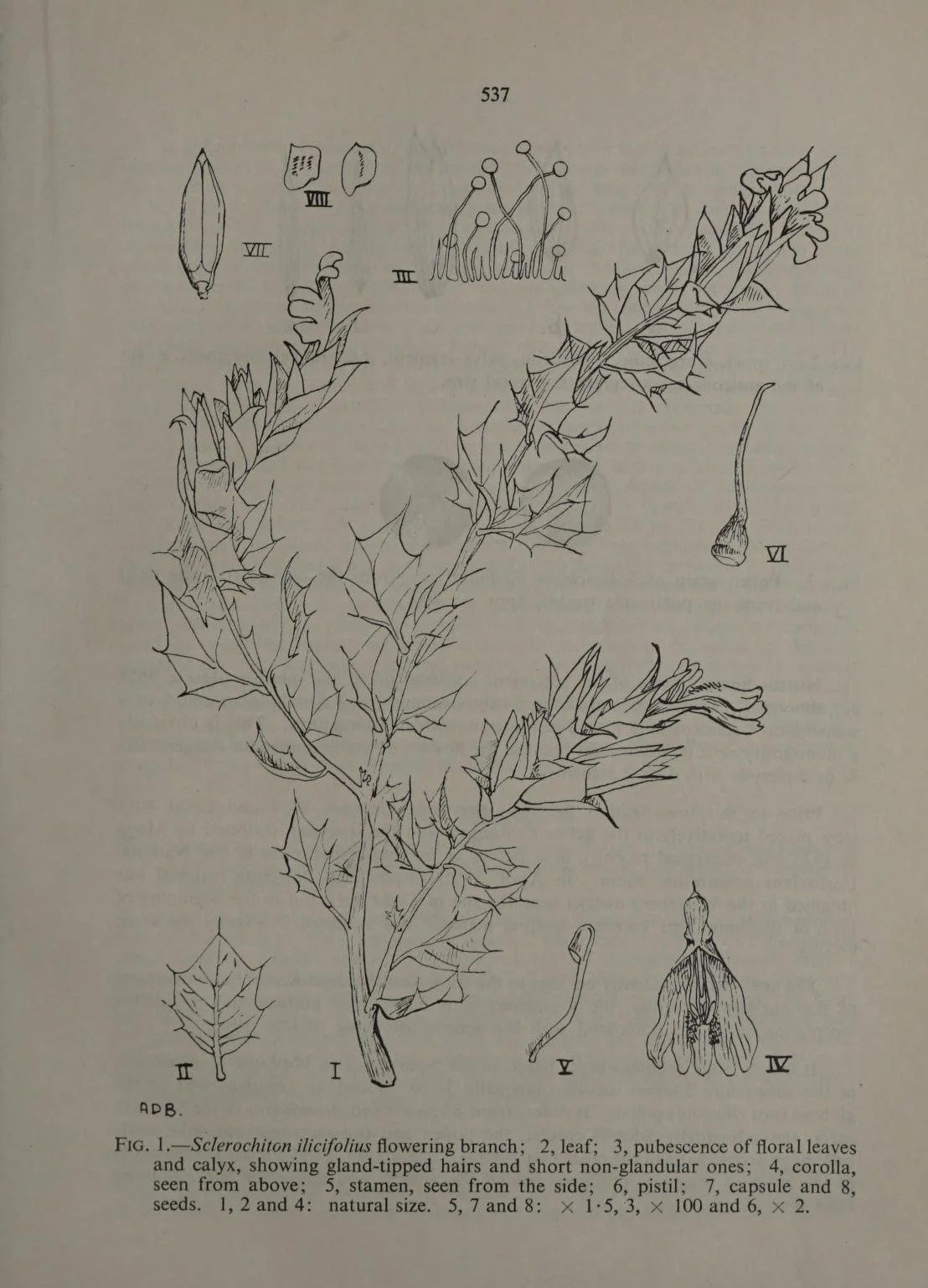
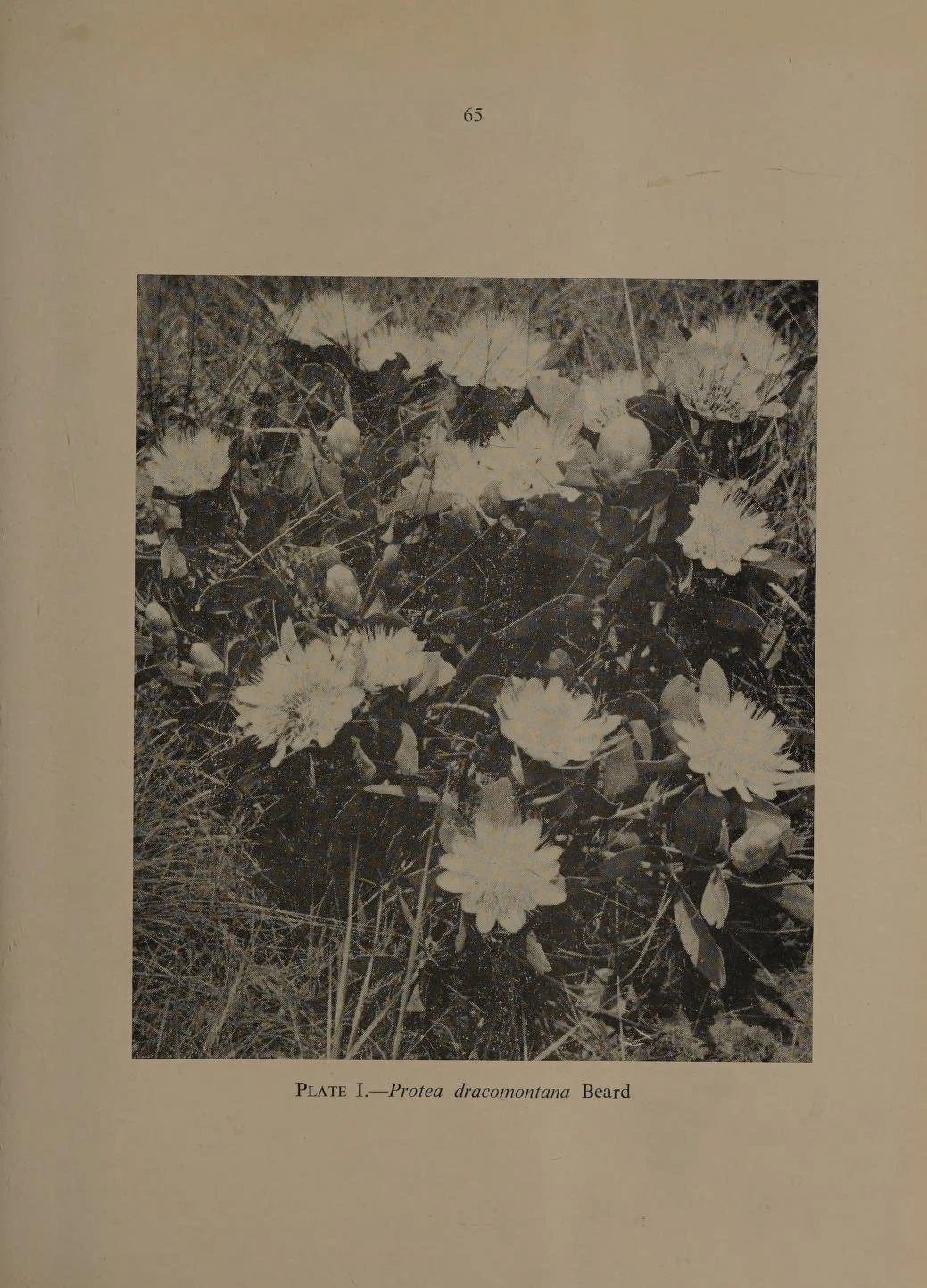
Twenty more books were added to my botanical print eBook collection in November – all are available for browsing on Internet Archive.   The publication dates span 360 years (1600 to 1960) for these 20 volumes.

There are two series this month:

  • 3 volumes of Fungi by M.F. Lewis (The Internet Archive abstract: Relatively little is known of Miss Lewis, but the quality of drawings, spanning over 40 years, shows her to have been an extremely skilled artist and mycologist)

  • 8 volumes of Bothalia, a scientific journal from the National Herbarium at the University of South Africa

My list of eBotanical Prints books now totals 3,243 eBooks I’ve browsed over the years. The whole list can be accessed here.

Click on any sample image from November’s 20 books below to get an enlarged version…and the title hyperlink in the list below the image mosaic to view the entire volume where there are a lot more botanical illustrations to browse.

Enjoy the November 2025 eBotanical Prints!

Flowering plants from the gardens of Lord Bute at Luton Hoo * Taylor, Simon * sample image * 1770

A collection of engraved and etched flower plates * Monnoyer, Jean Baptiste * sample image * 1680

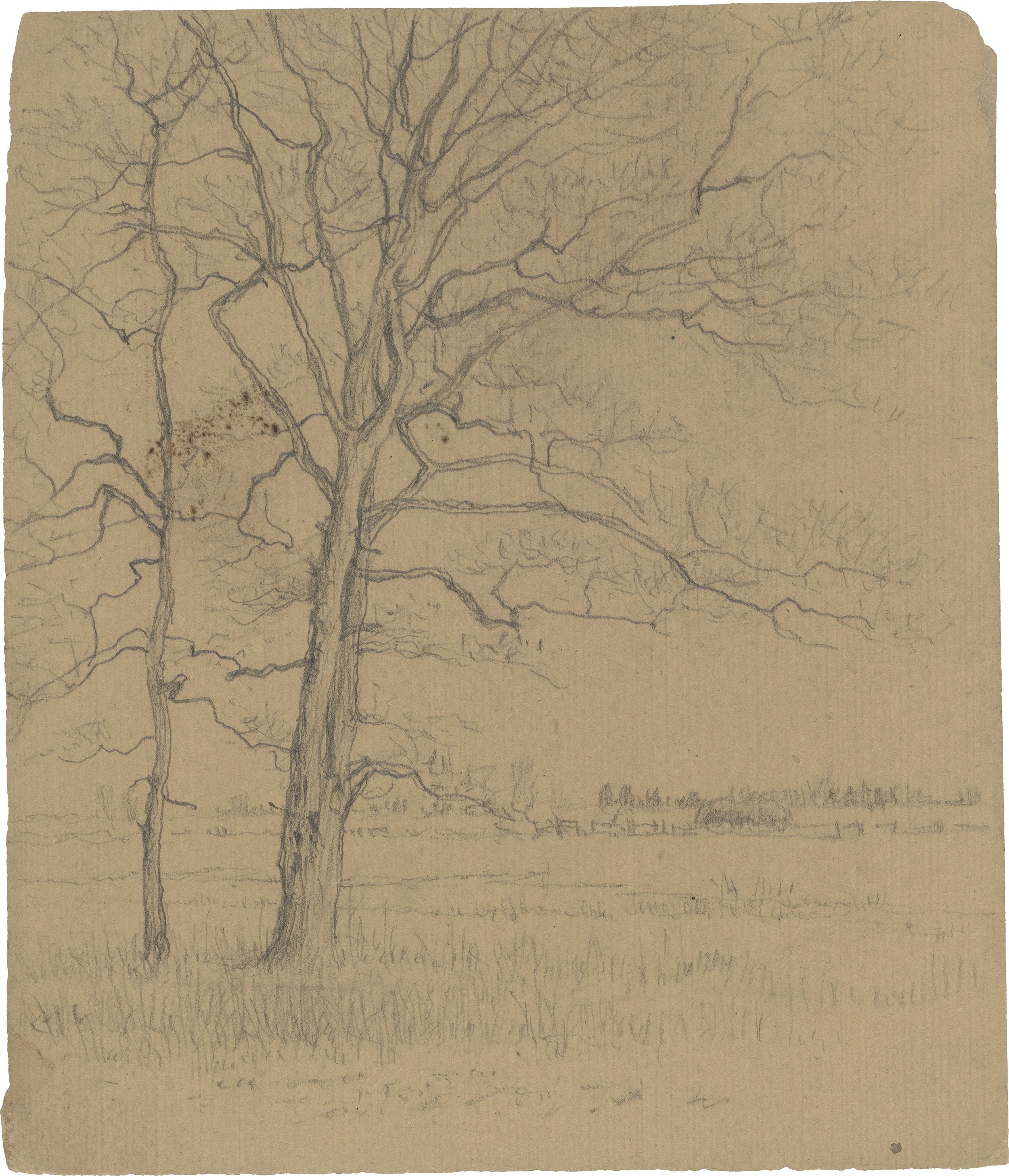
Three studies of trees * Farrer, Henry * sample image * 1900

Variae ac multiformes florum species appressae ad vivum et aeneis tabulis incisae * Robert, Nicolas * sample image * 1600

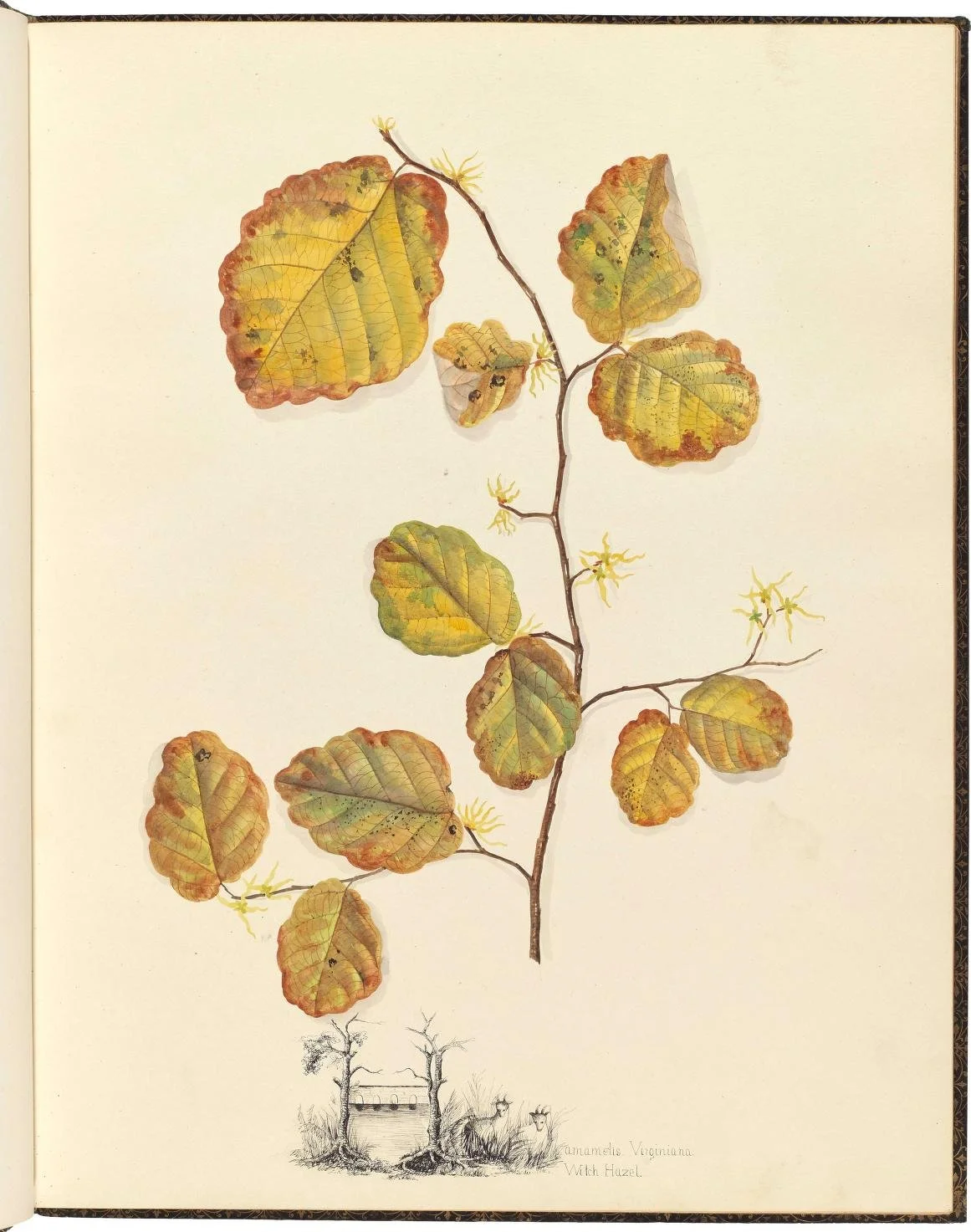
Autumn leaves of America. Coloured from nature  * Robbins, Ellen * sample image * 1870

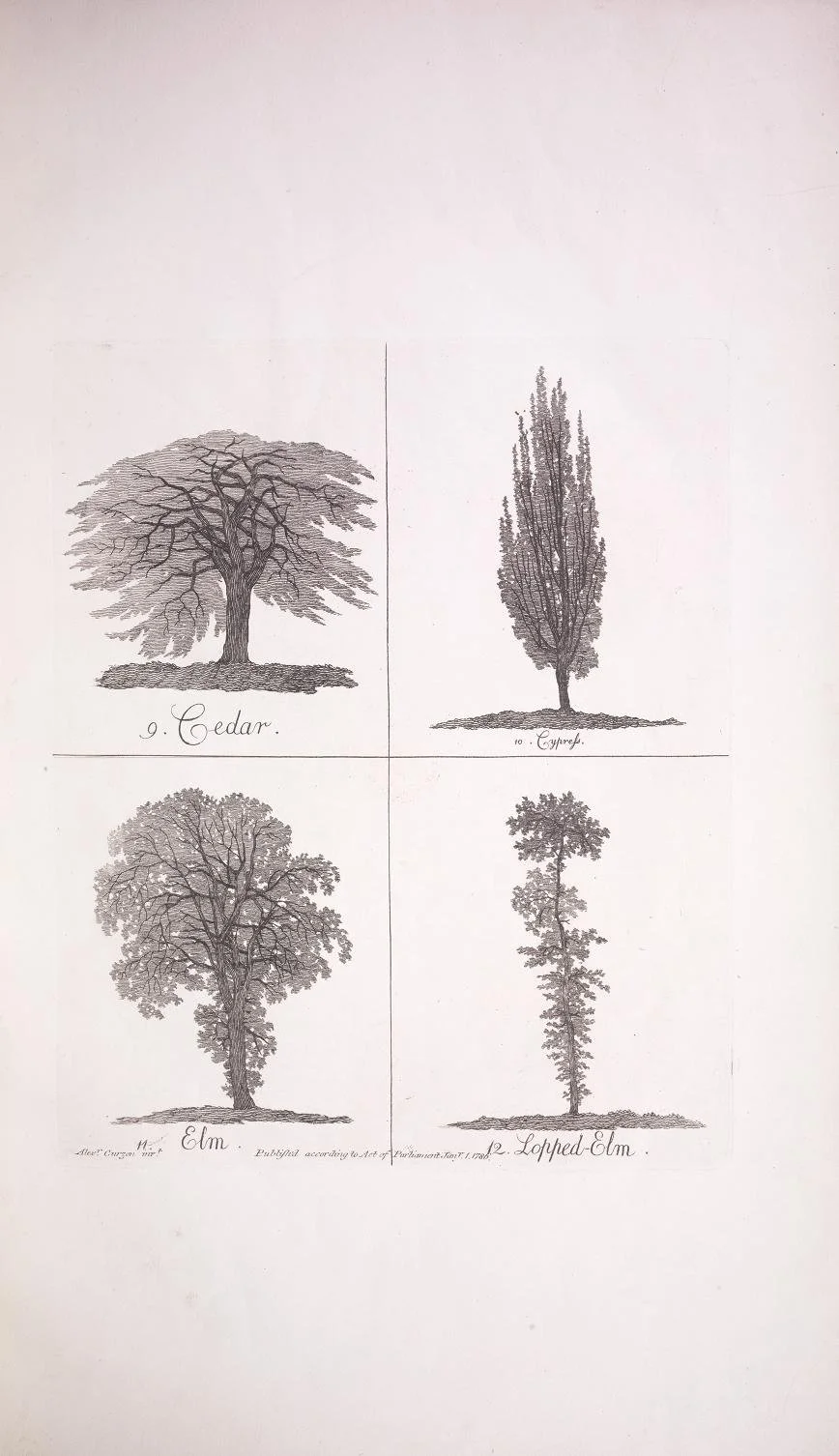
The shape, skeleton and foliage of 32 species of Trees * Cozens, Alexander * sample image * 1786

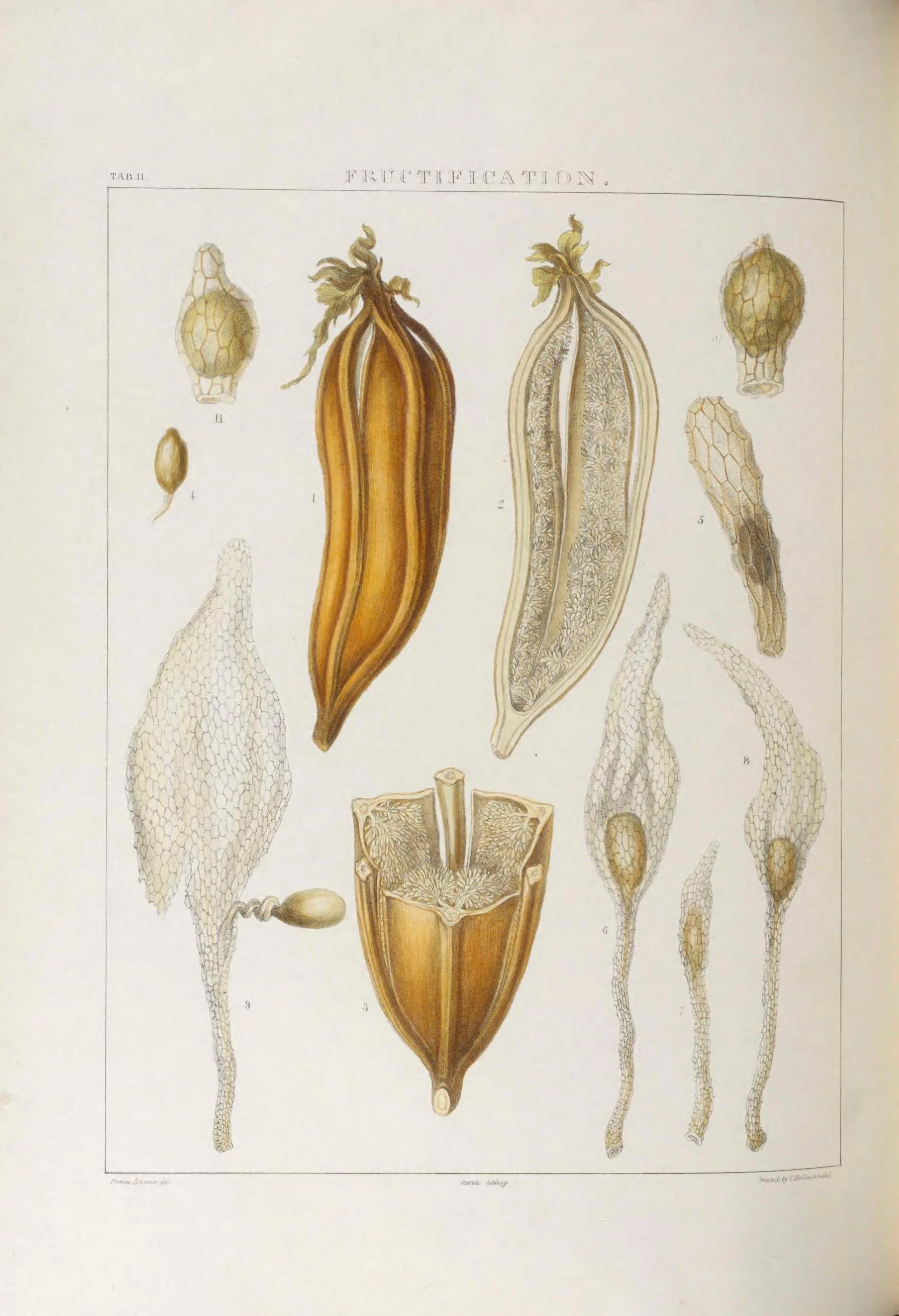
Illustrations of orchidaceous plants * Bauer, Franz Andreas * sample image * 1830

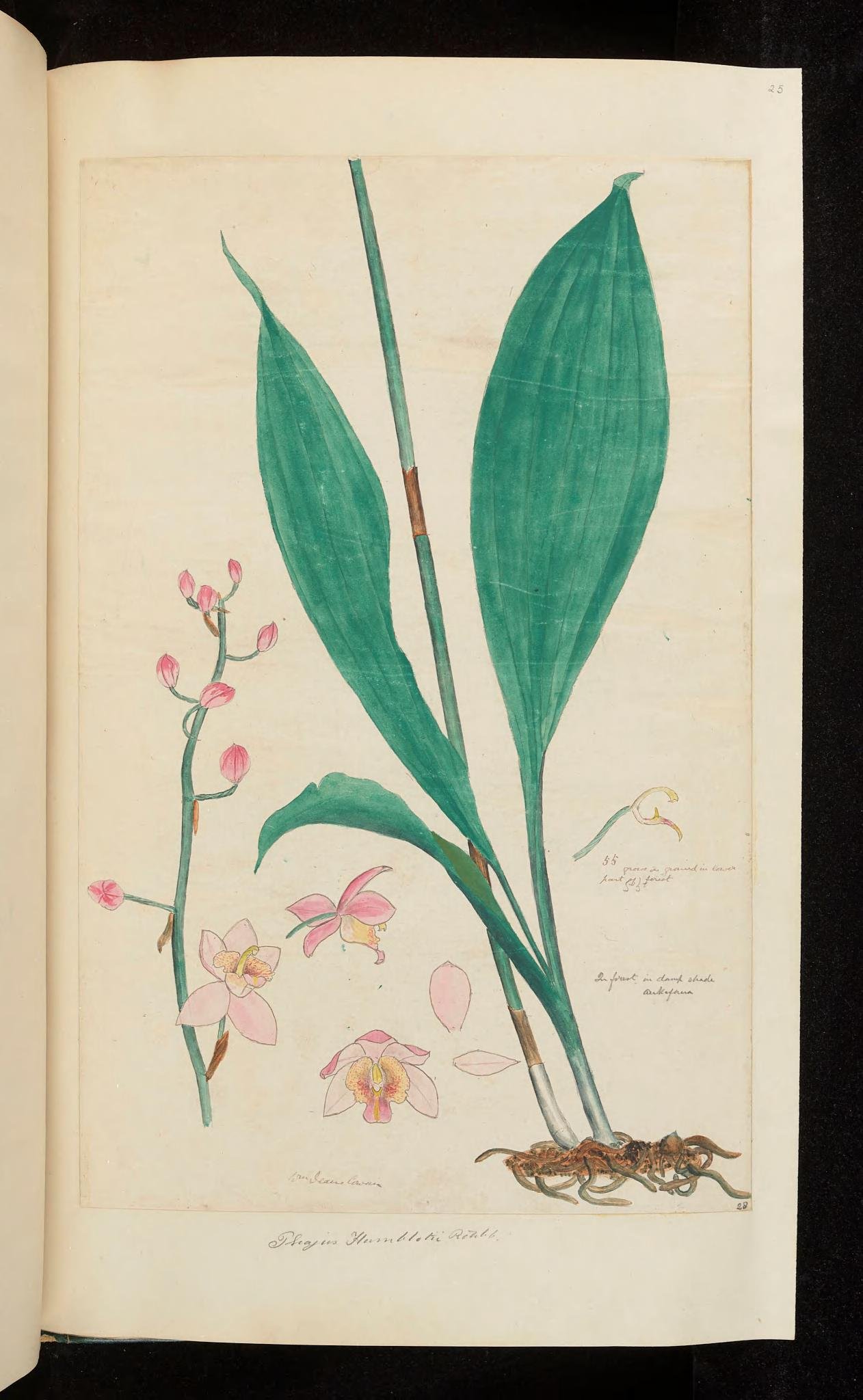
Collection of 52 watercolour drawings of Madagascar orchids * Cowan, William Deans * sample image * 1880

Fungii Vol 1 * Lewis, M.F.  * sample image * 1902

Fungii Vol 2 * Lewis, M.F.  * sample image * 1902

Fungii Vol 3 * Lewis, M.F.  * sample image * 1902

An Album of Flowers * German School * sample image * 1630

Bothalia - V4 Part 2 * National Herbarium, University of South Africa, Pretoria * sample image * 1941

Bothalia - V5 * National Herbarium, University of South Africa, Pretoria * sample image * 1950

Bothalia - V4 Part 3 * National Herbarium, University of South Africa, Pretoria * sample image * 1948

Bothalia - V6 Part 1 * National Herbarium, University of South Africa, Pretoria * sample image * 1951

Bothalia - V6 Part 2 * National Herbarium, University of South Africa, Pretoria * sample image * 1954

Bothalia - V6 Part 2 * National Herbarium, University of South Africa, Pretoria * sample image * 1956

Bothalia - V7 Part 1 * National Herbarium, University of South Africa, Pretoria * sample image * 1958

Bothalia - V7 Part 2 * National Herbarium, University of South Africa, Pretoria * sample image * 1960

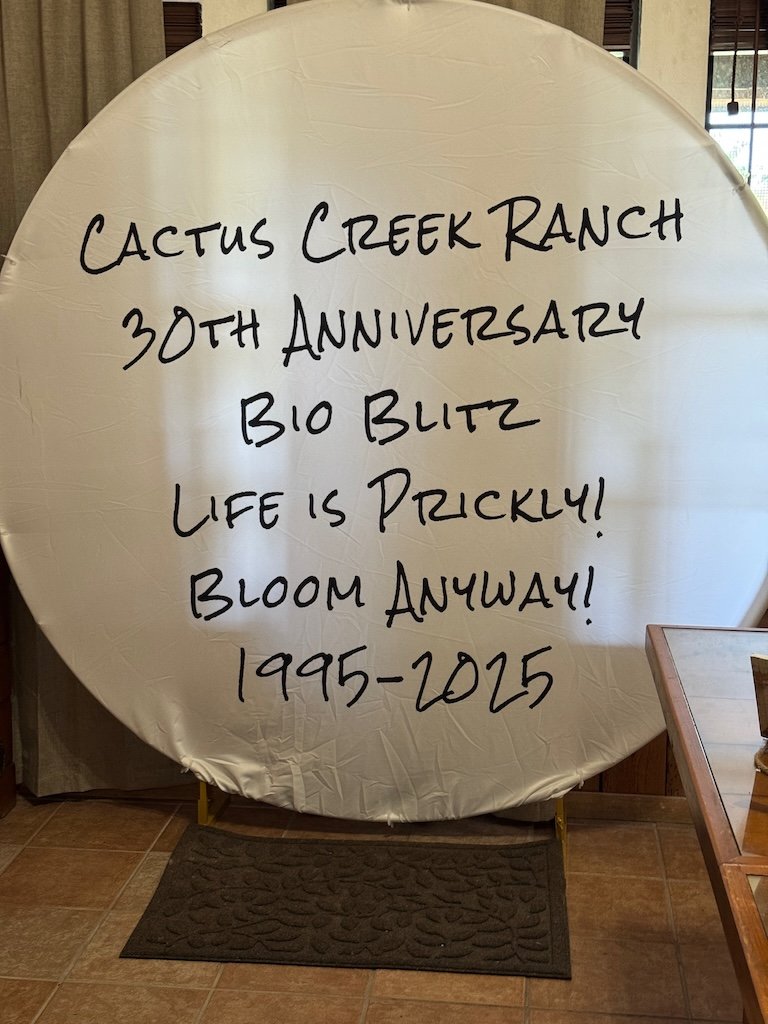
Cactus Creek Ranch

Our last field trip of the Rio Grande Valley Birding Festival was to Cactus Creek Ranch – thorn-scrub woodlands and coastal prairie.

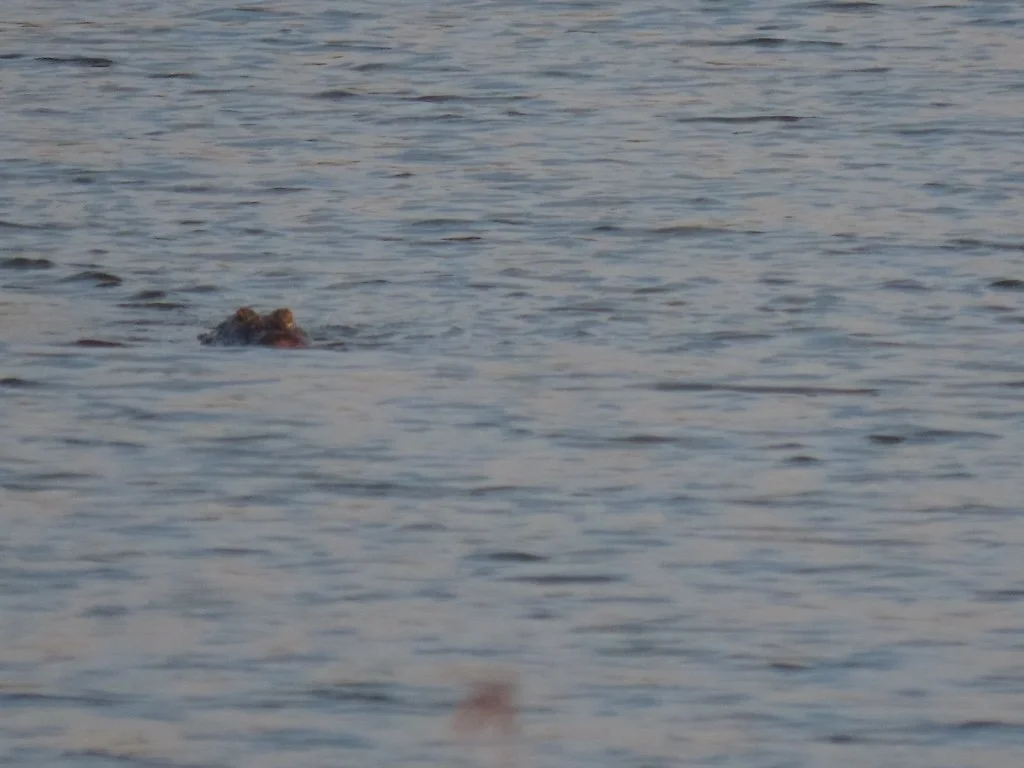
As we entered the ranch, there was a big pond to the left of the road…..and it had a resident alligator!

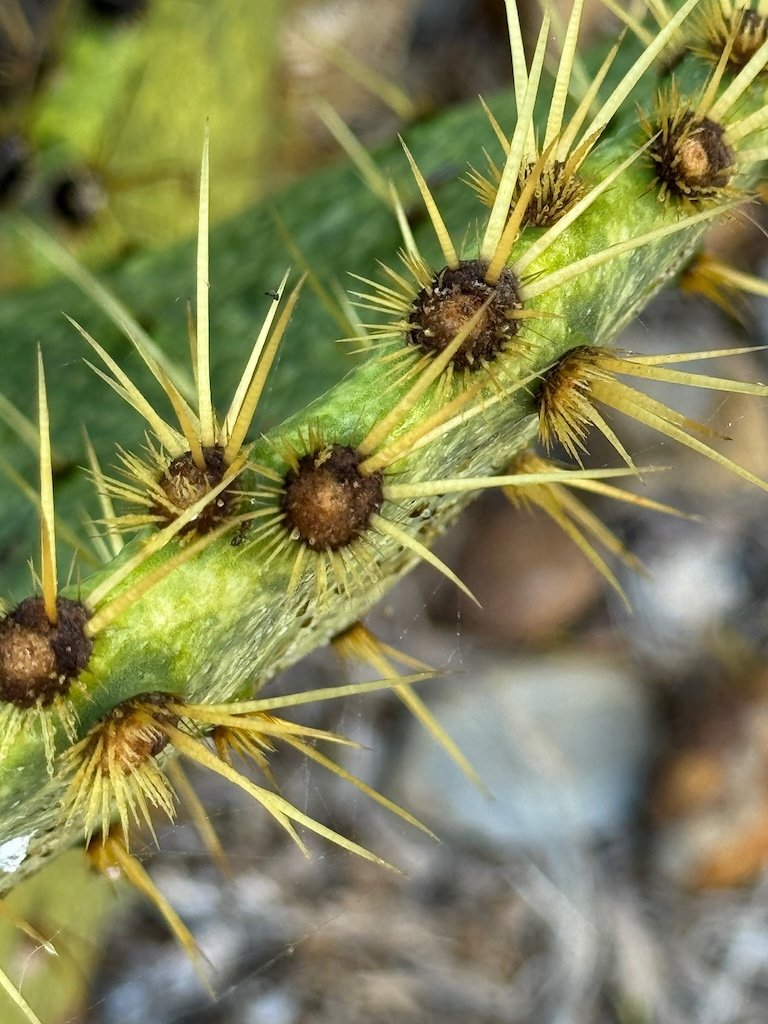
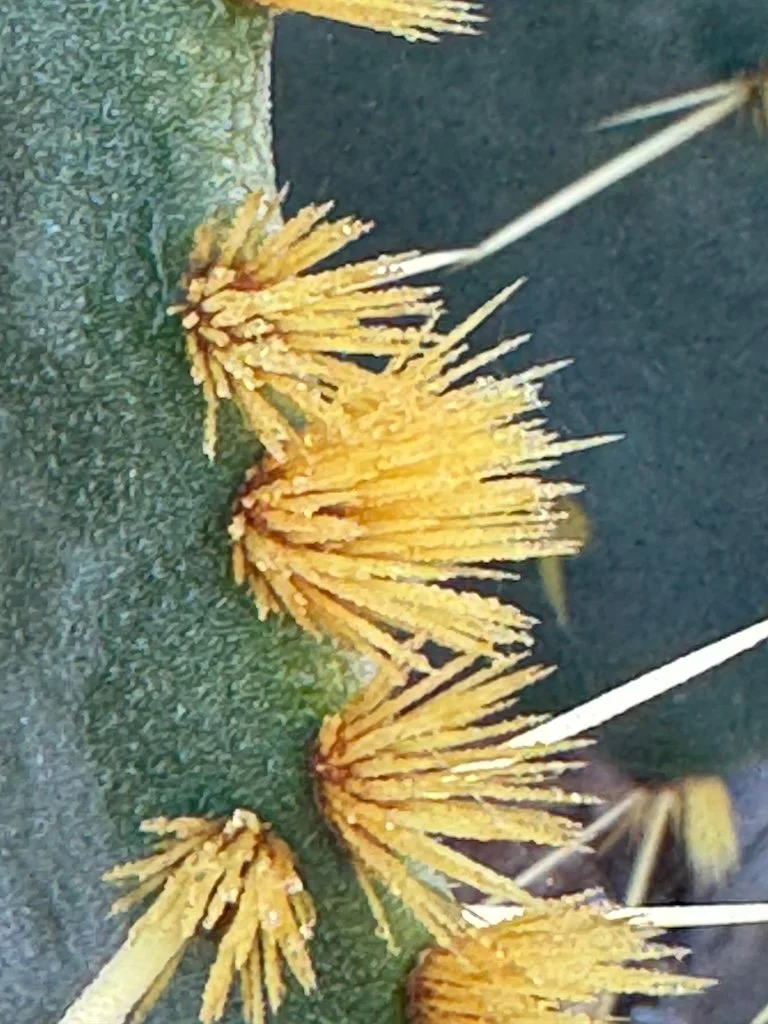
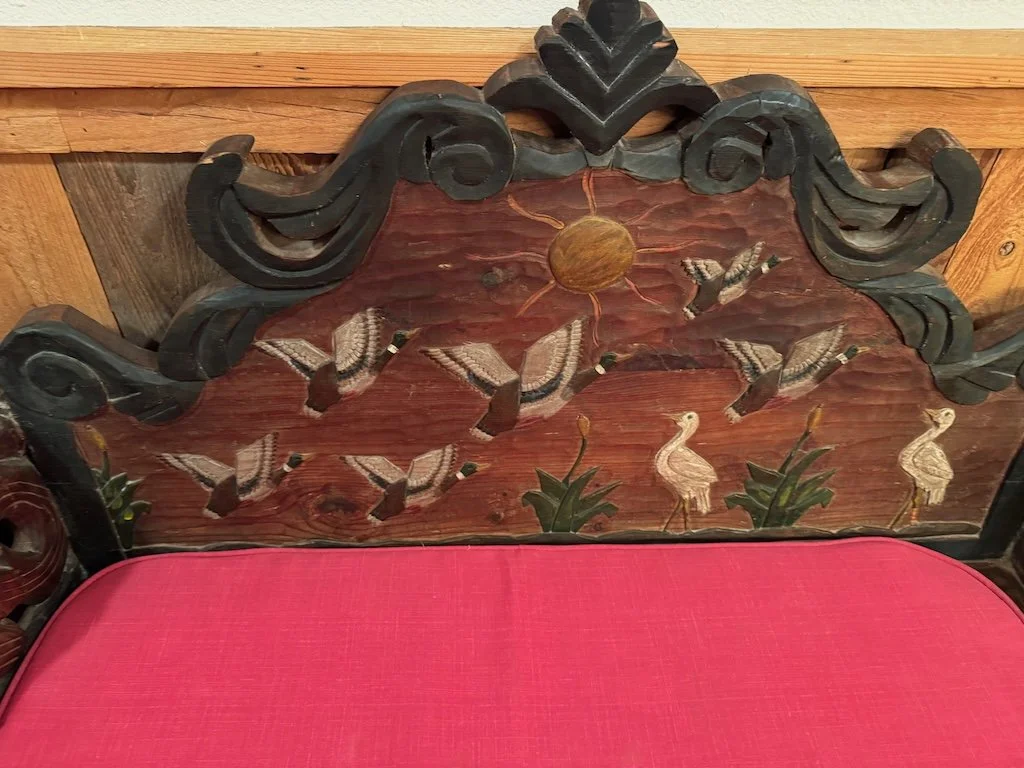
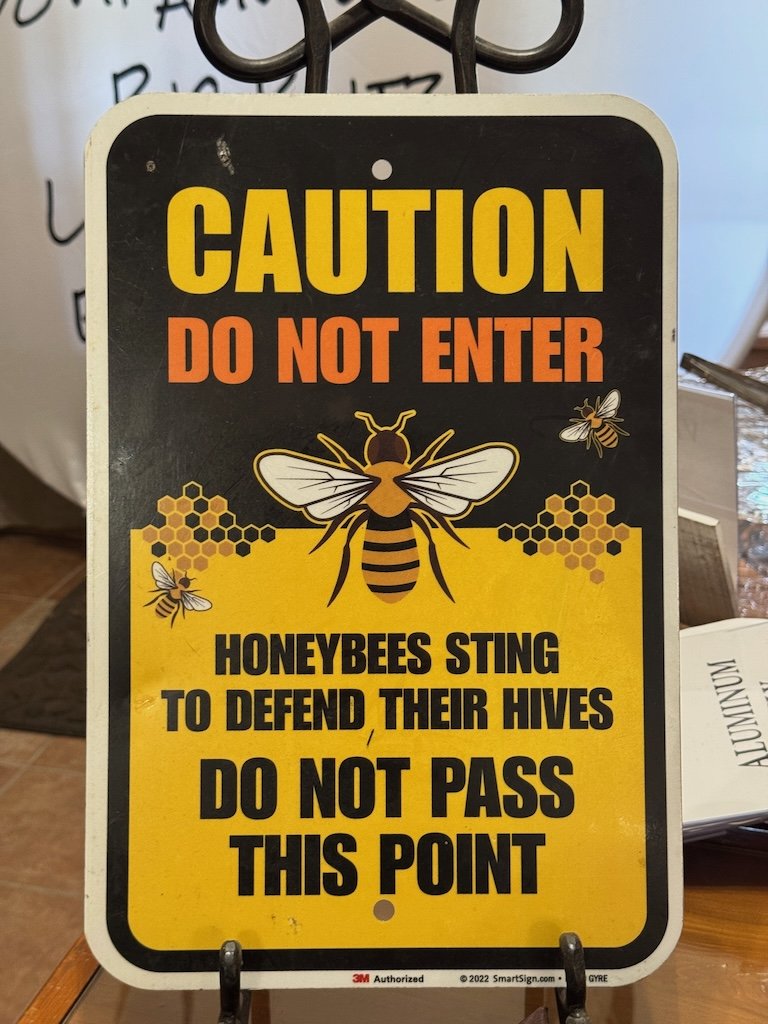
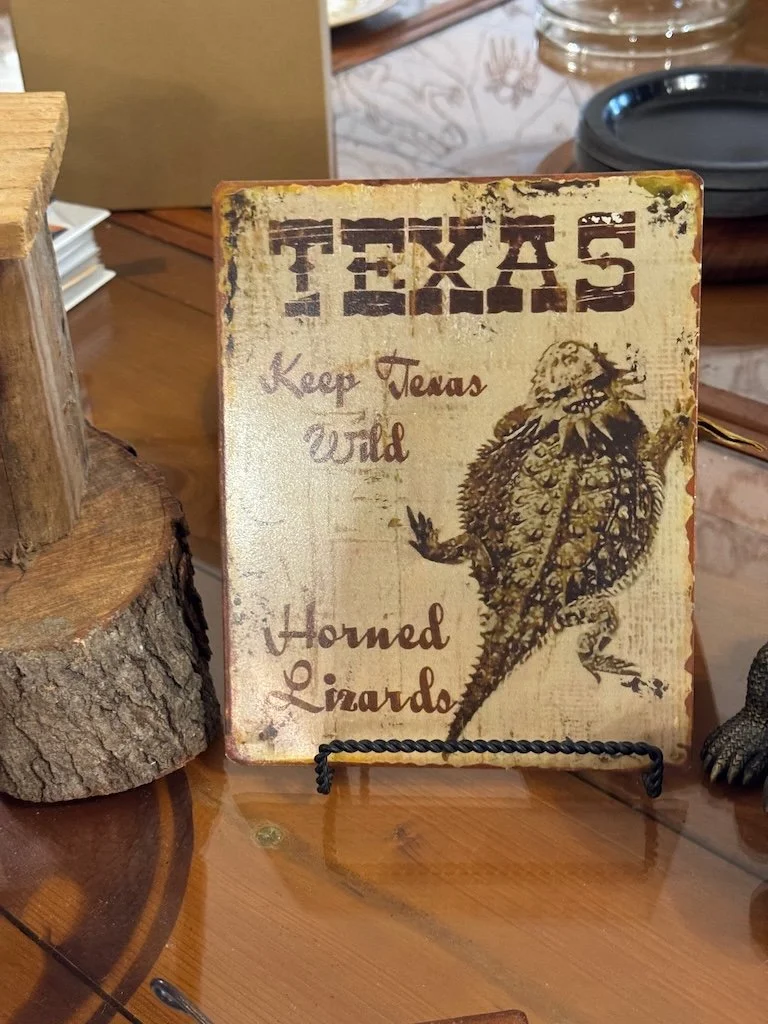
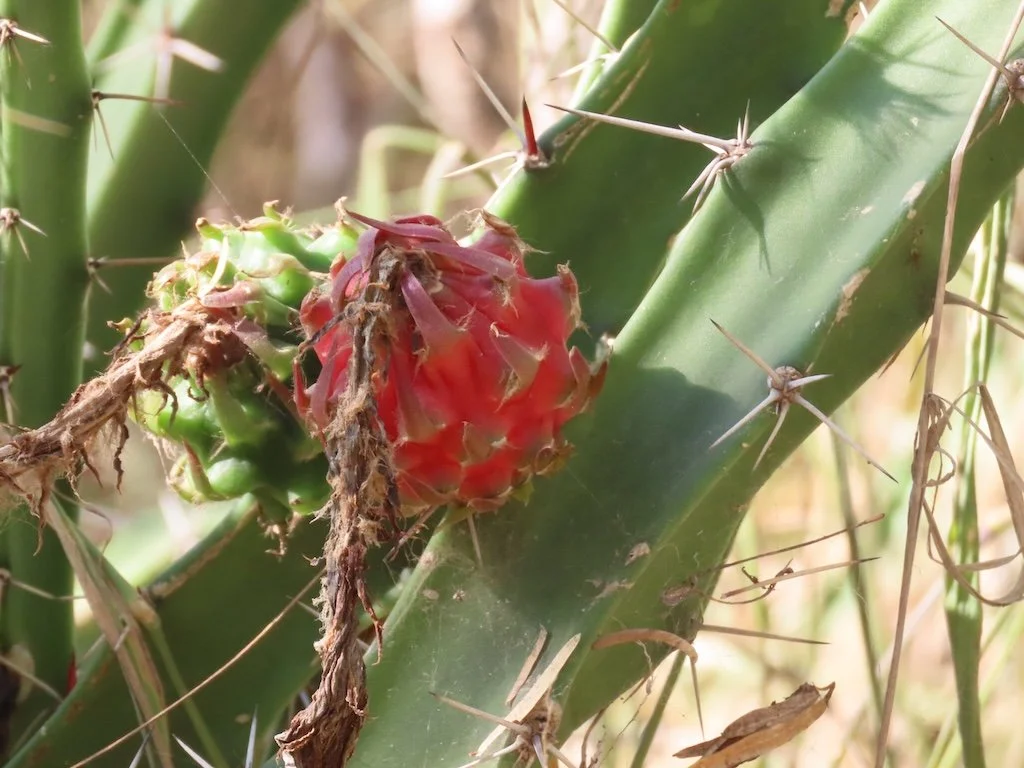
I took a few macro pictures of cactus as we got out of the vans near the house. The public rooms of the house are full of art and Cactus Creek Ranch conservation signs.

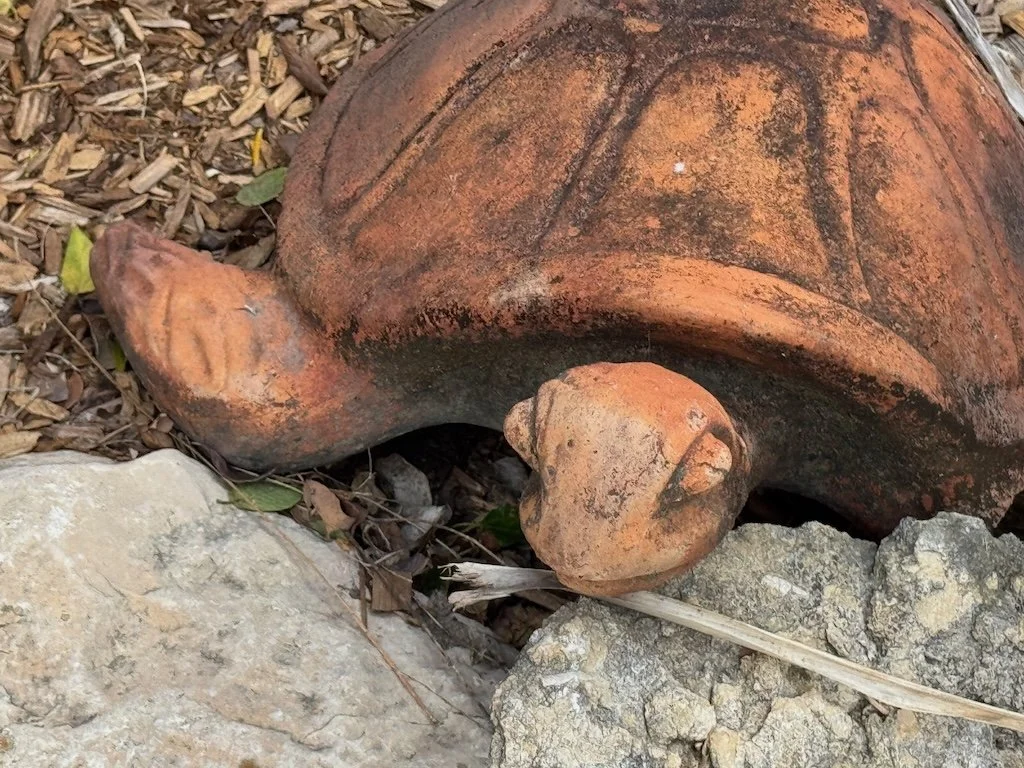
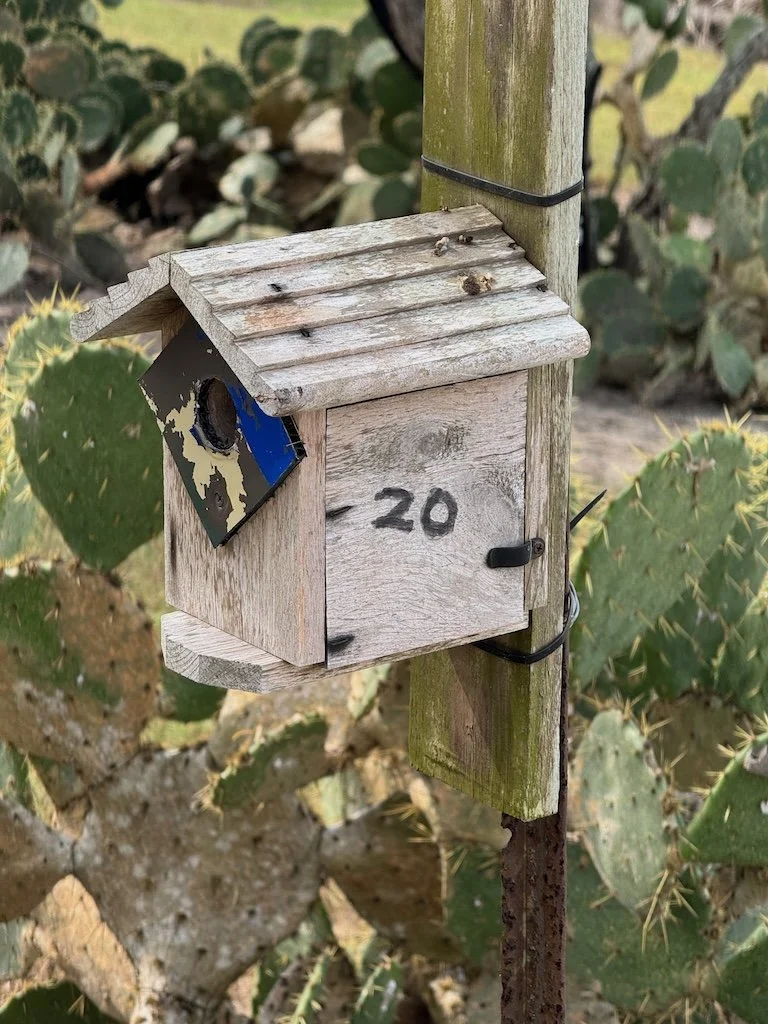
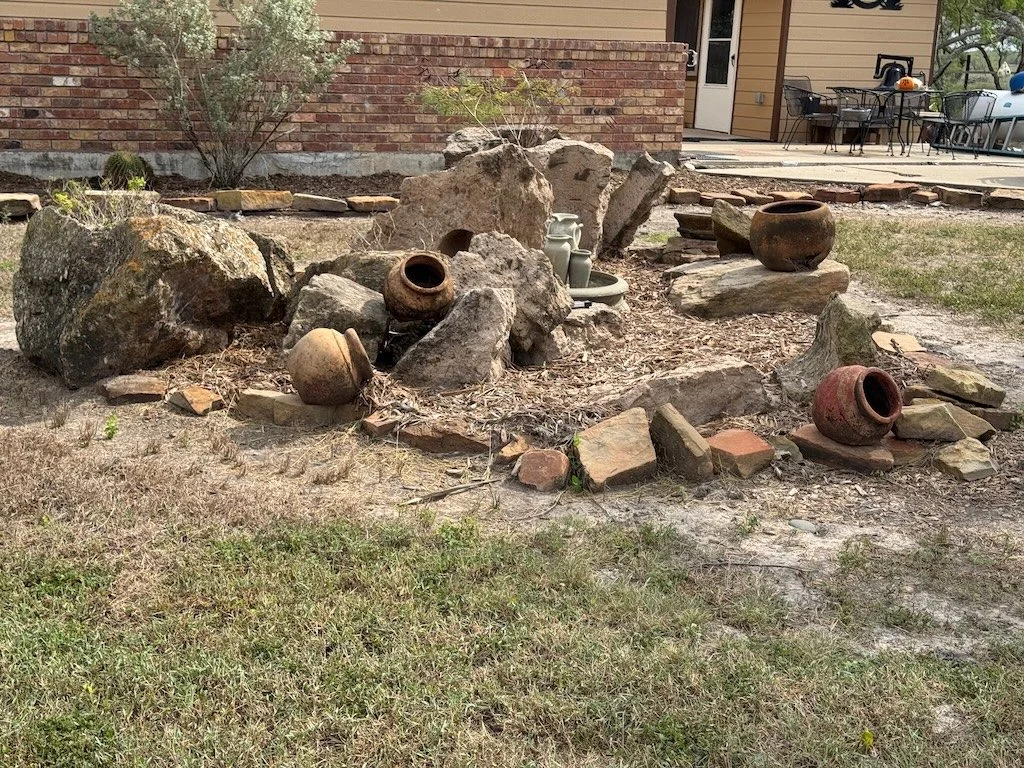
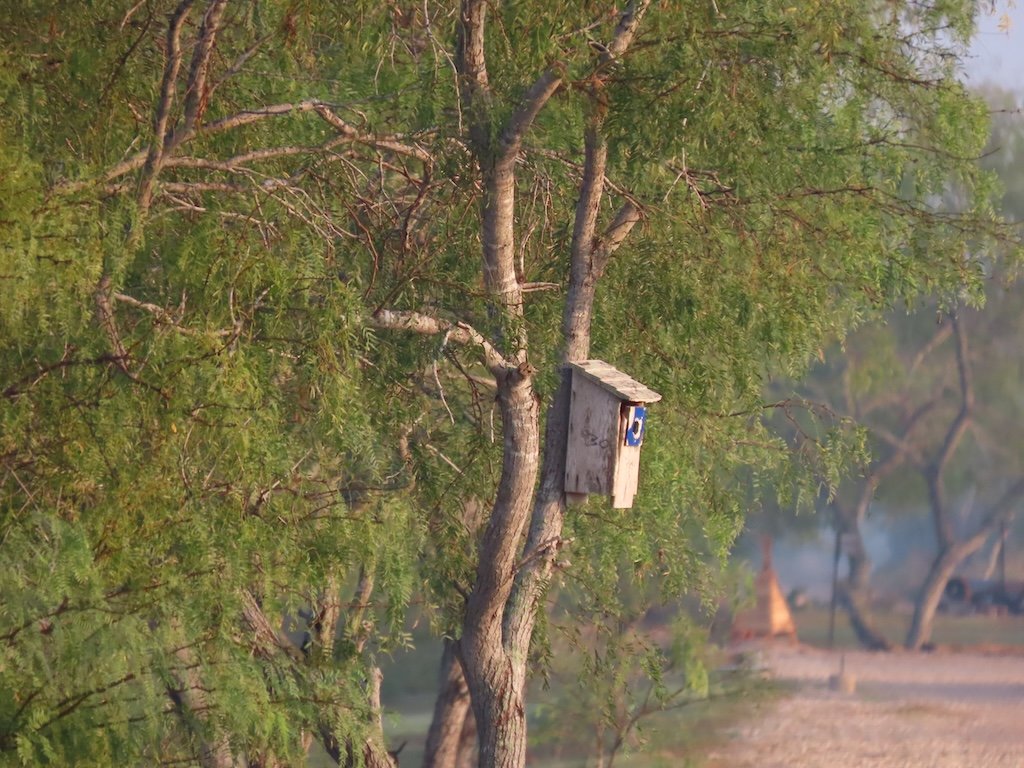
Around the house are bird houses and feeders…pots and sculptures…structures covering ant hills to protect the horned toads feeding on the ants!

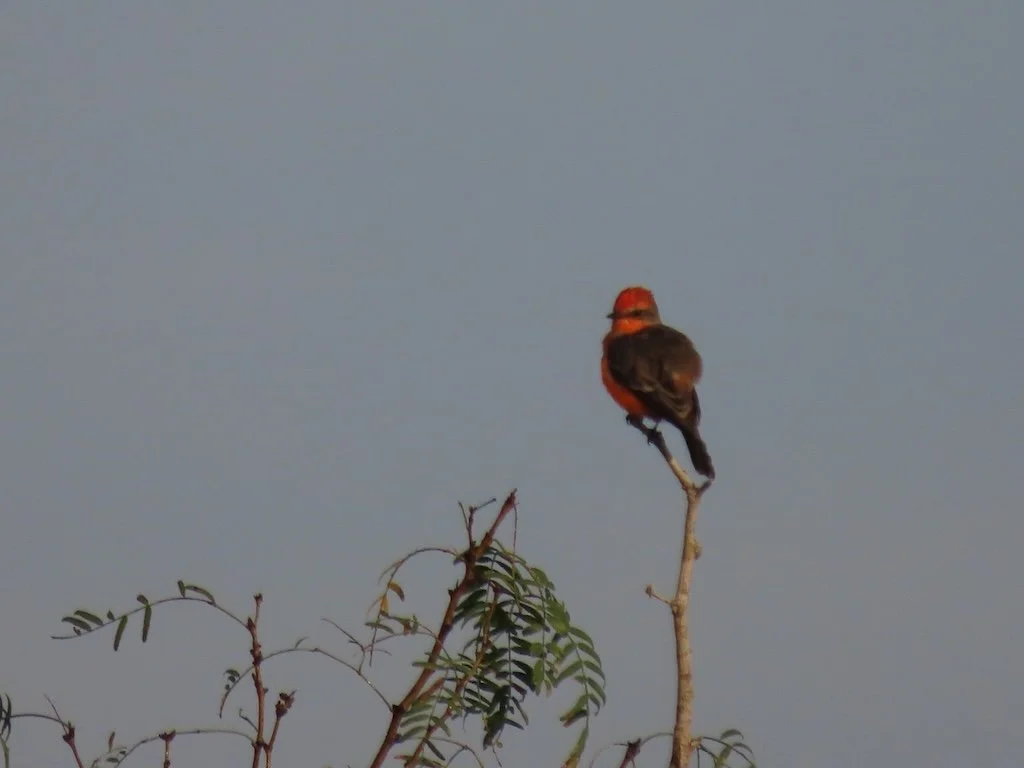
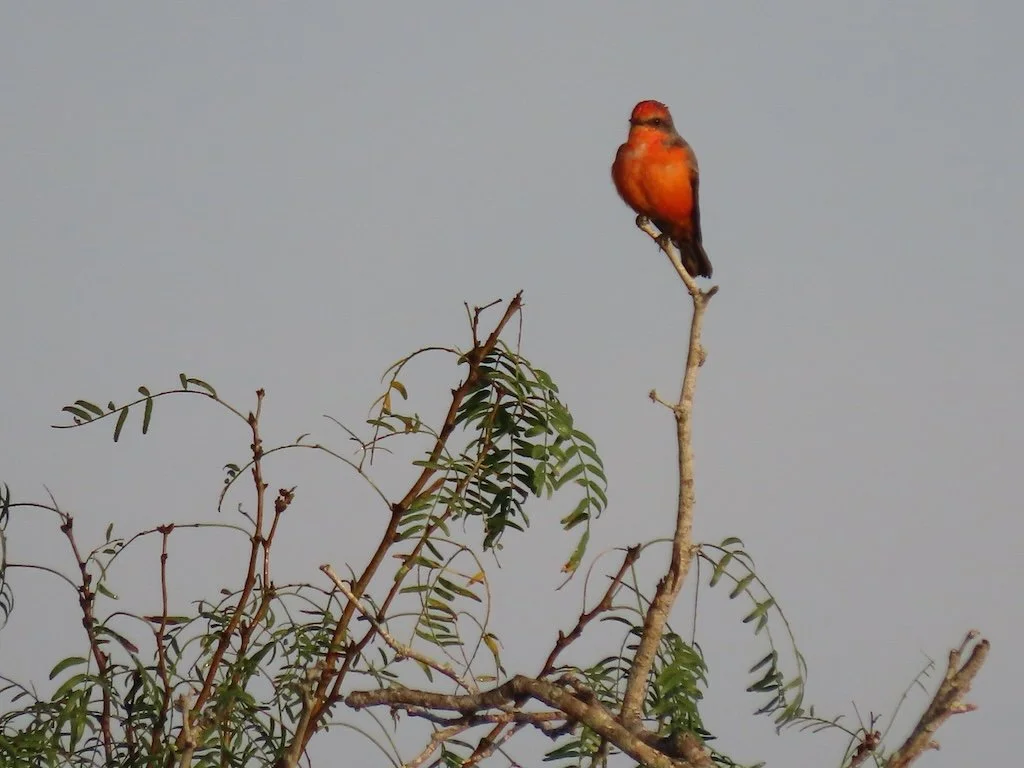
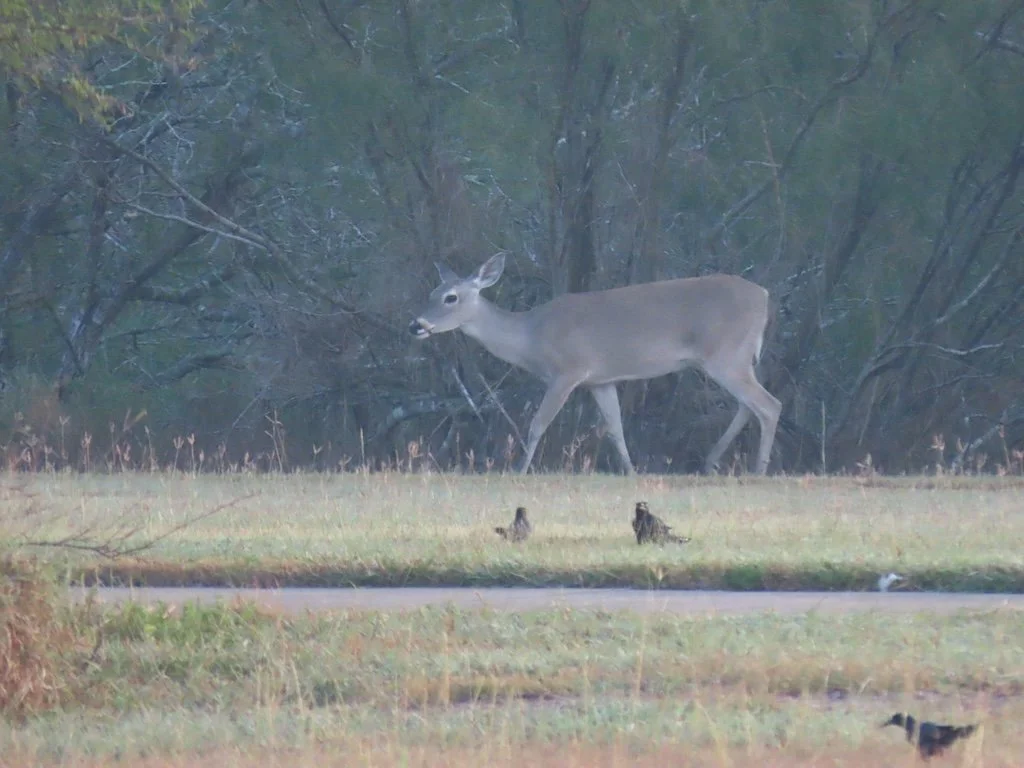
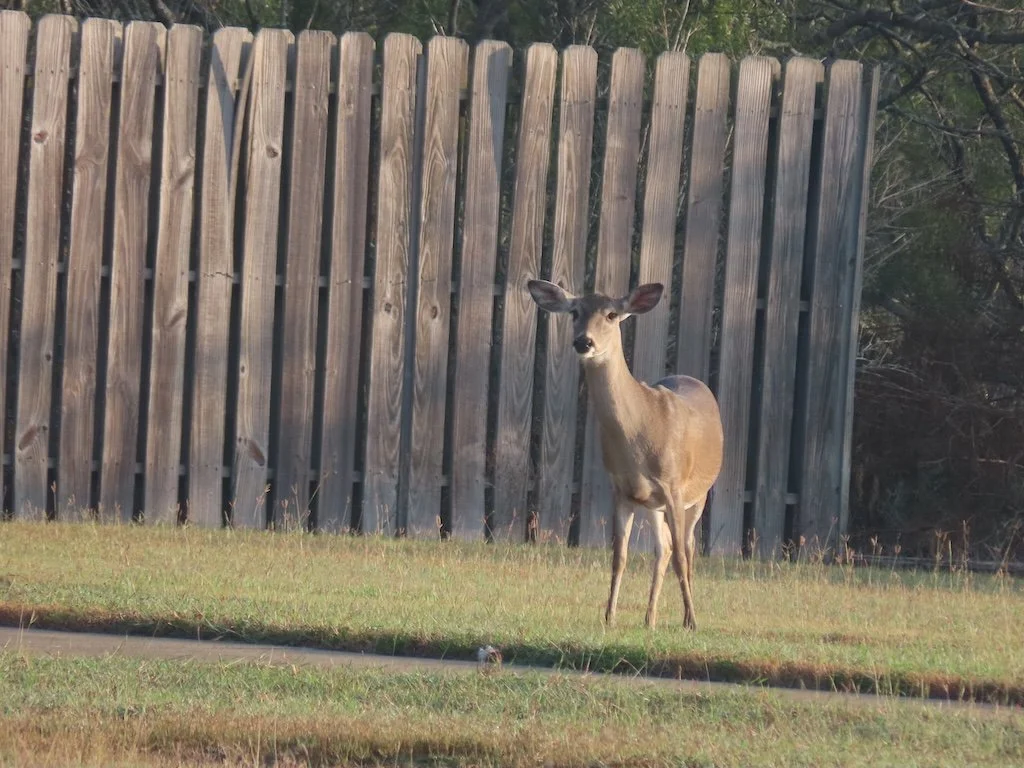
A little further away from the house – there was a Vermillion Flycatcher and deer.

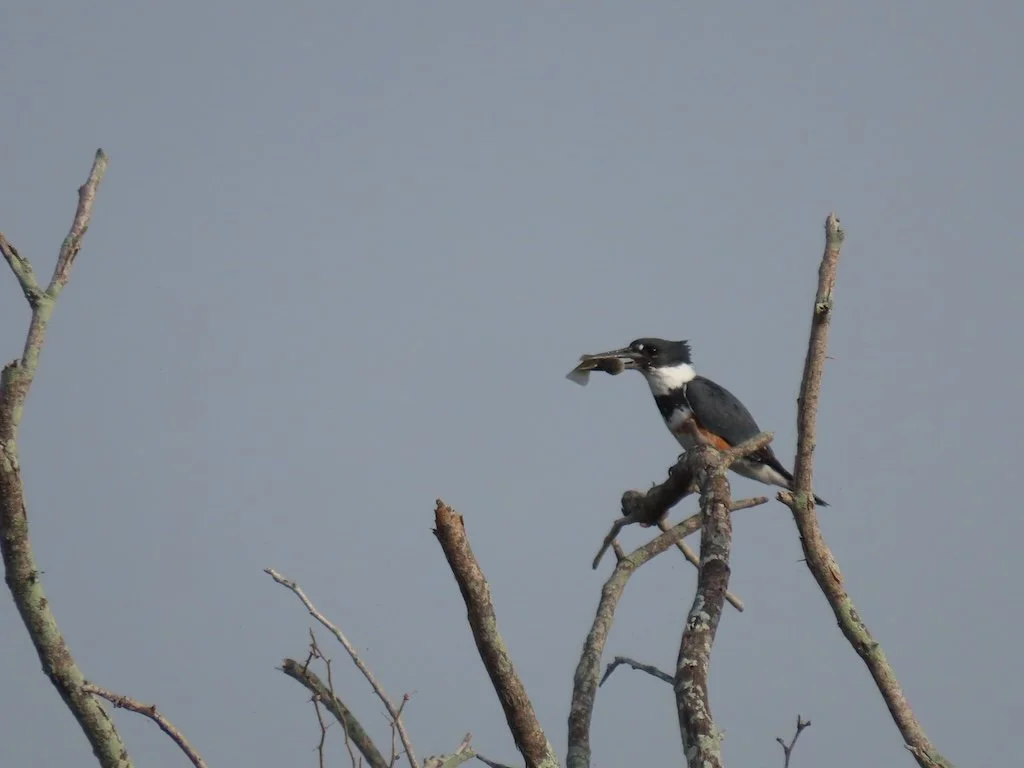
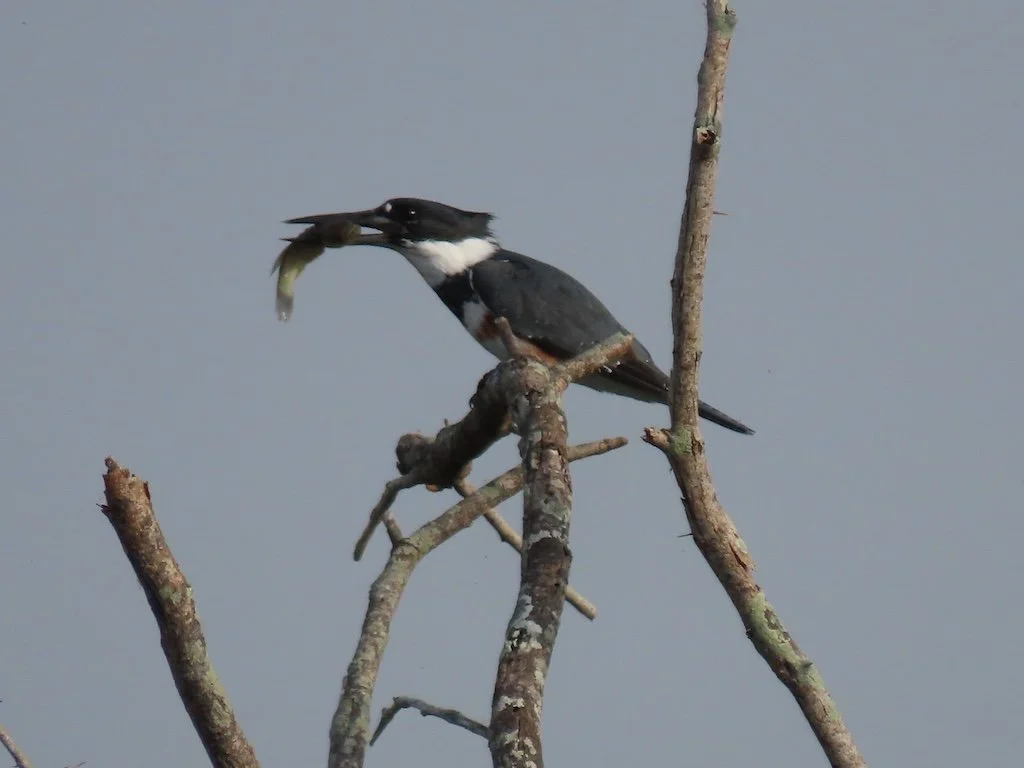
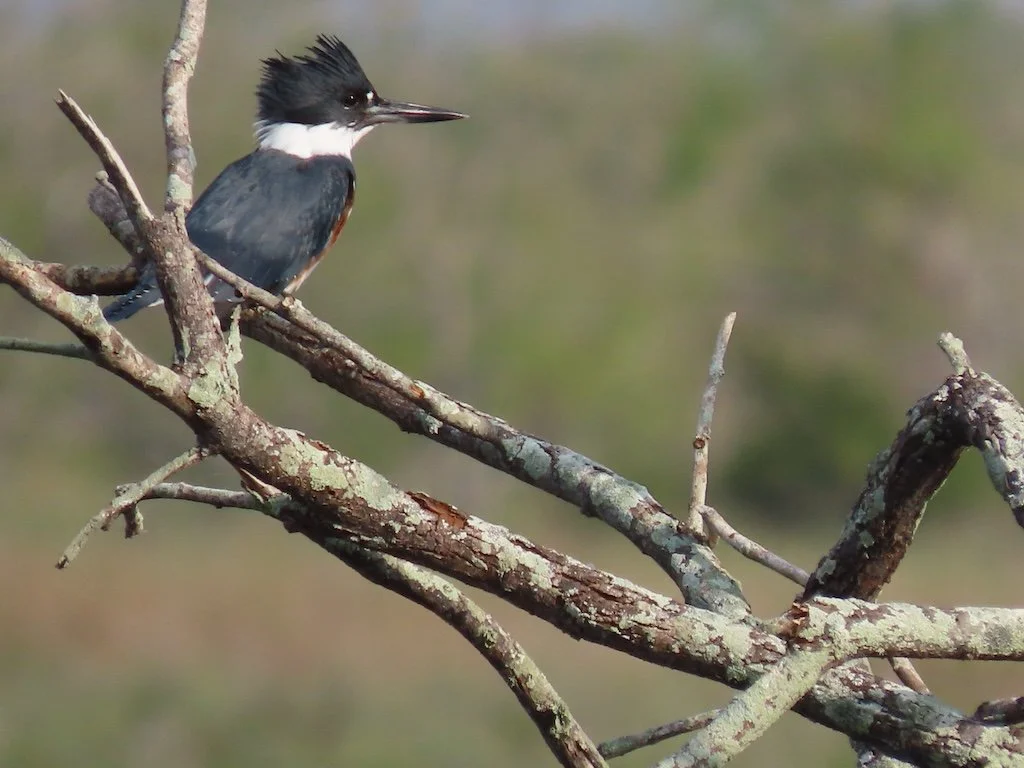
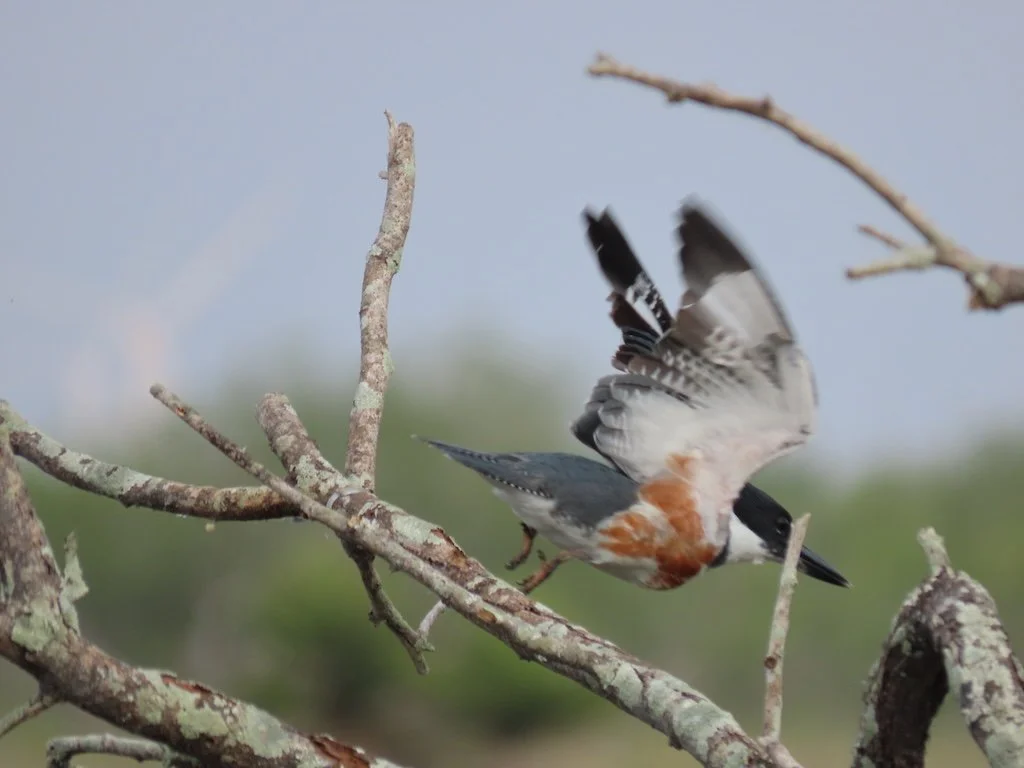
We drove around in the vans and the host’s golf cart. There were several good views of Belted Kingfishers.

I made a video of a female eating a small fish! It is handheld so not great – but it captures the 17 seconds of action!

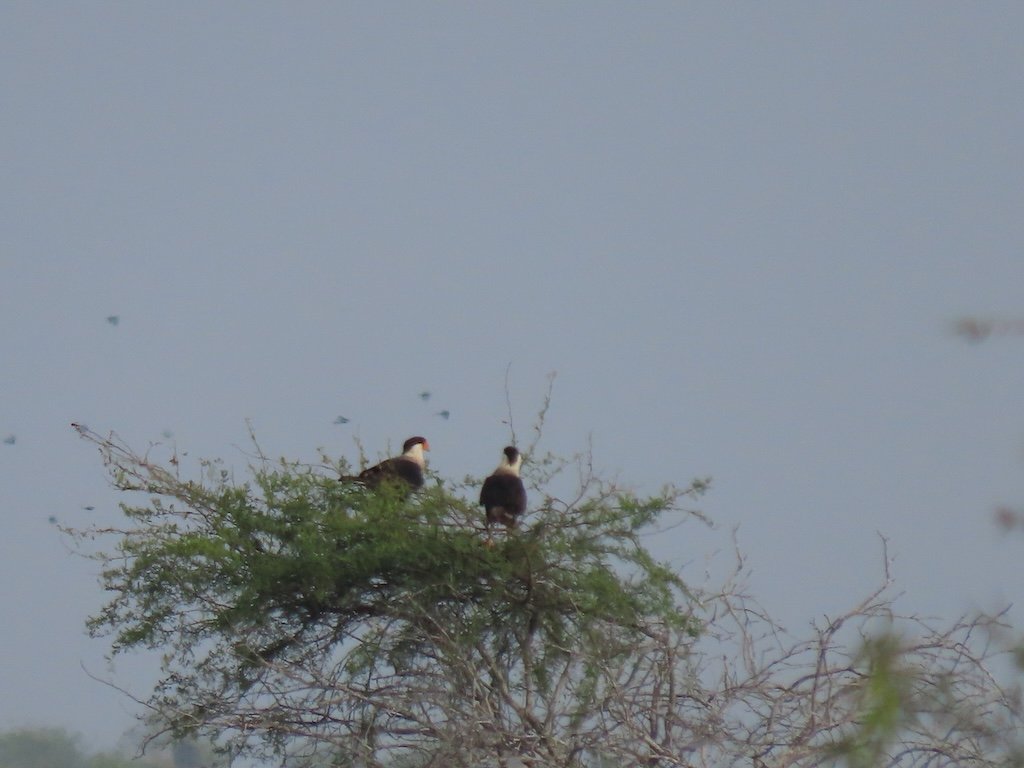
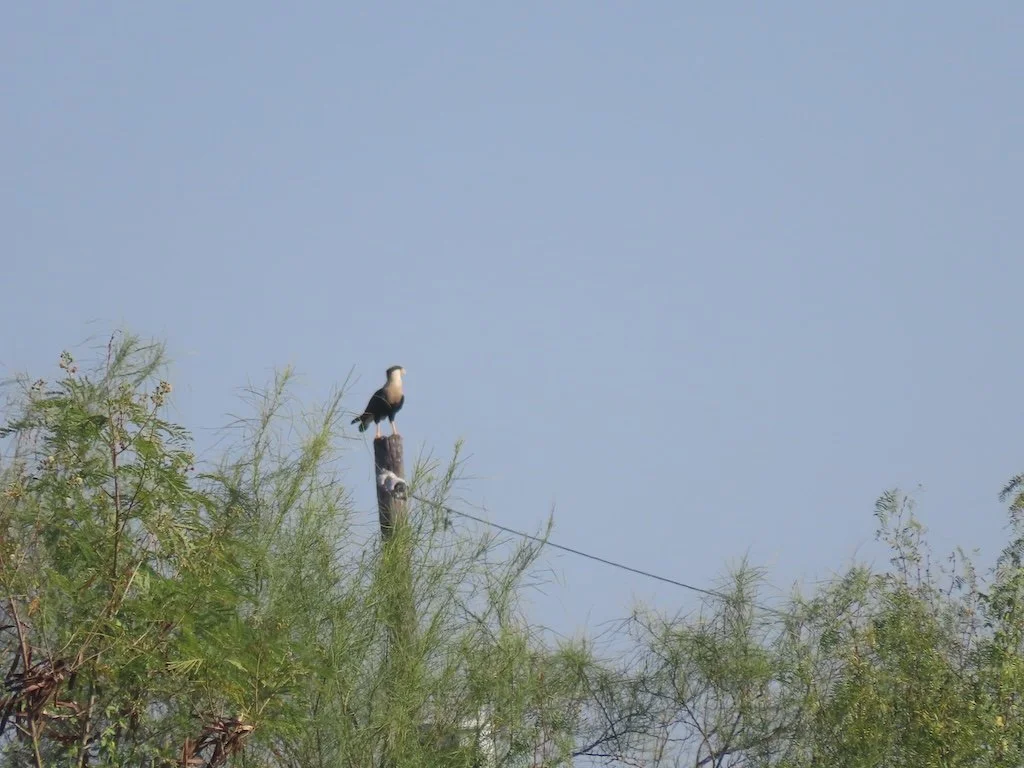
A pair of Crested Caracaras were in a treetop – turning their backs to us!

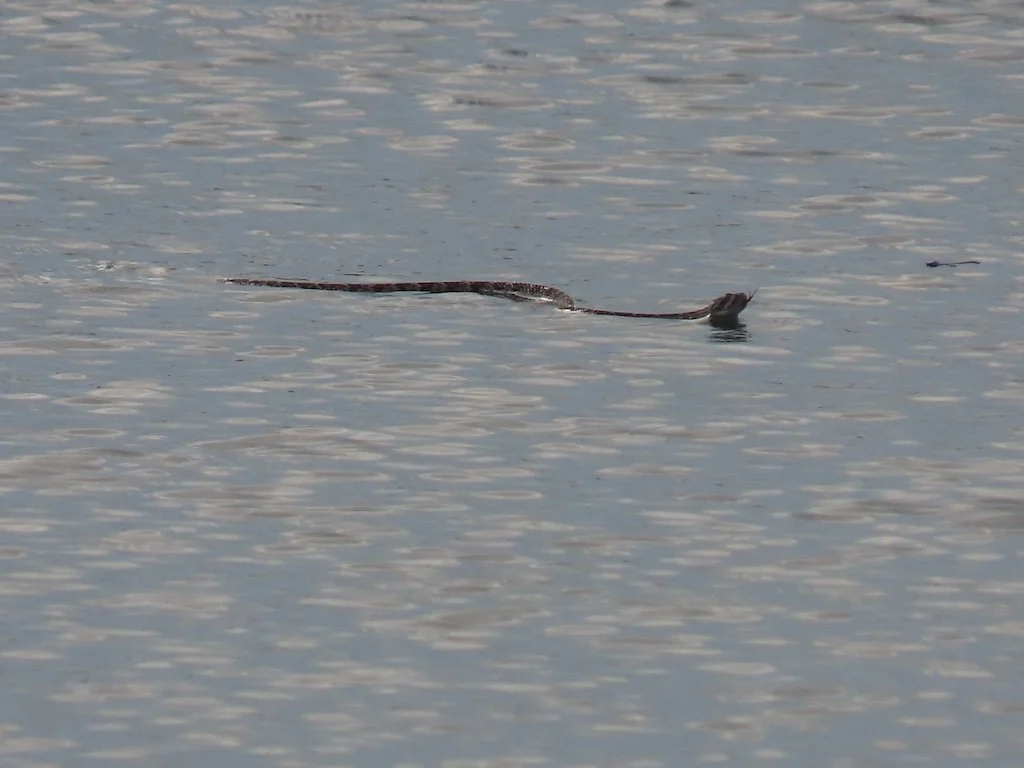
There was a snake in one of the ponds. My picture is not good enough to determine the type although others in the group saw rattles!

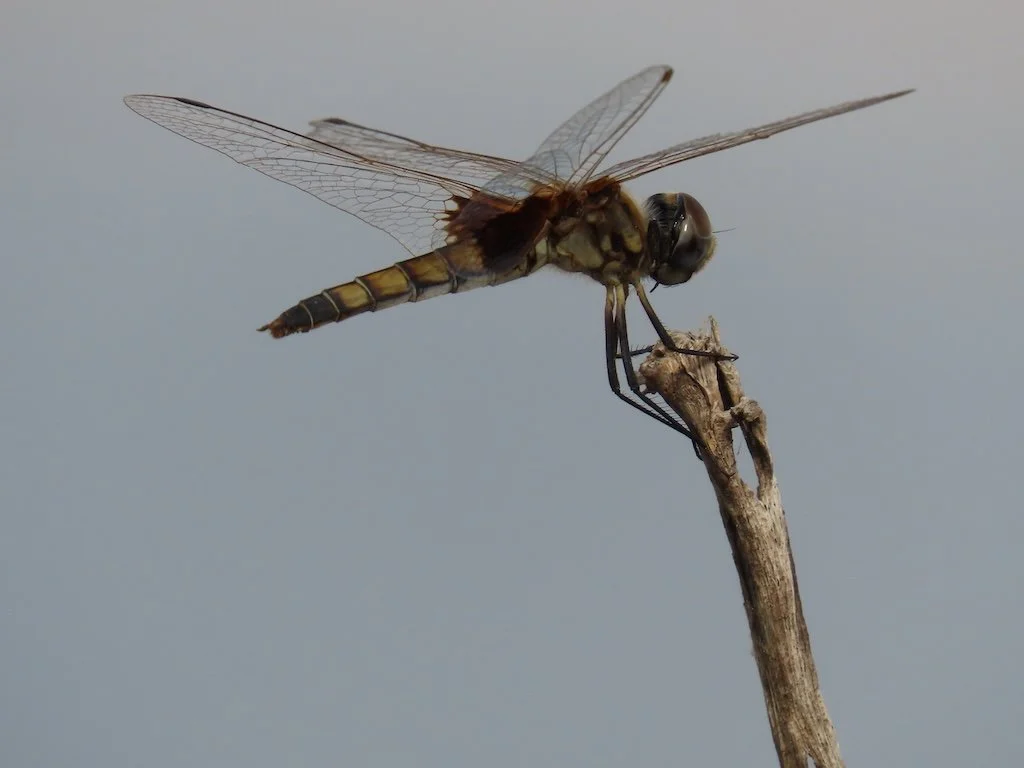
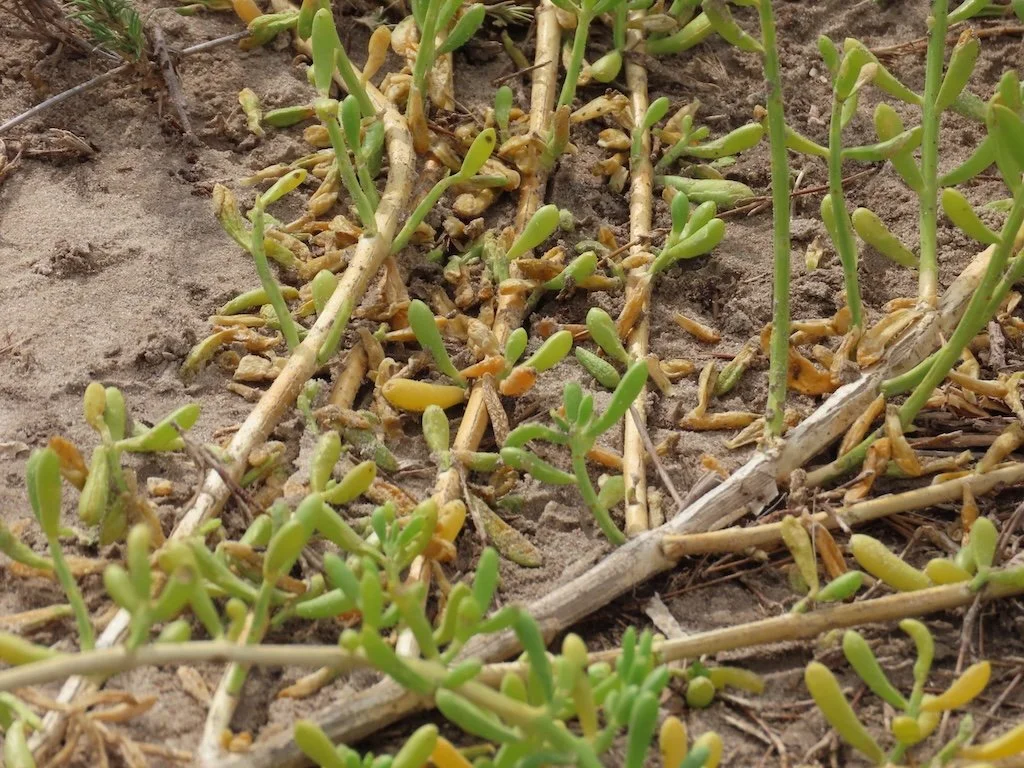
We stopped at another place and I did some macro photos of a dragonfly, a succulent, and a busy wasp nest.

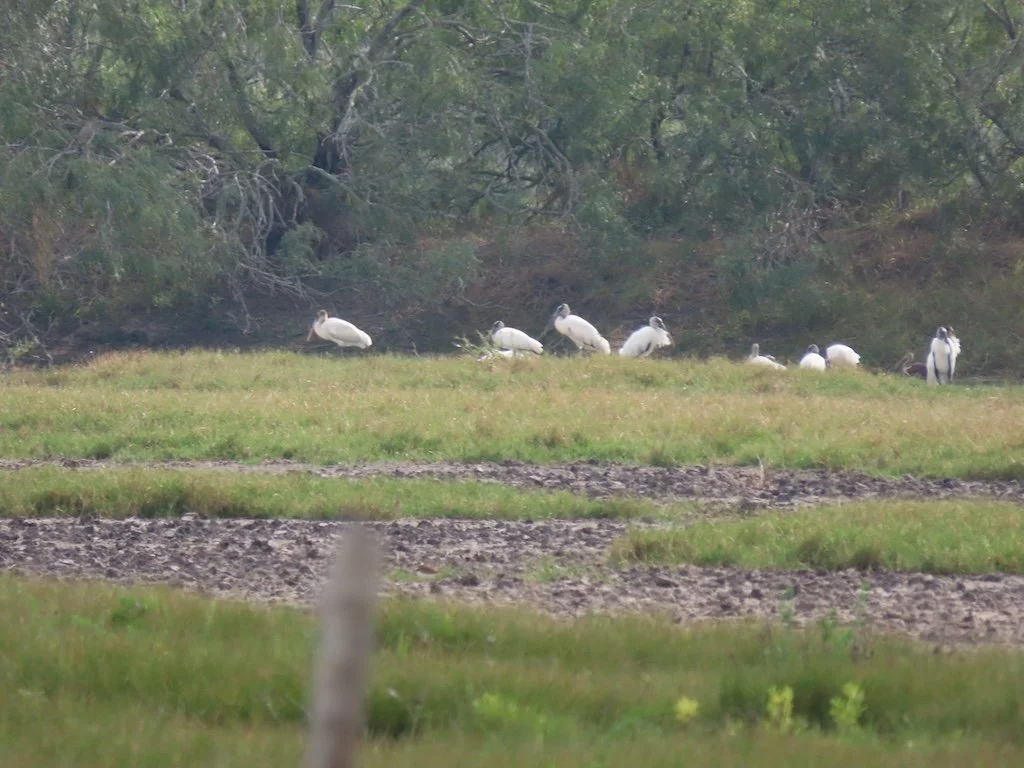
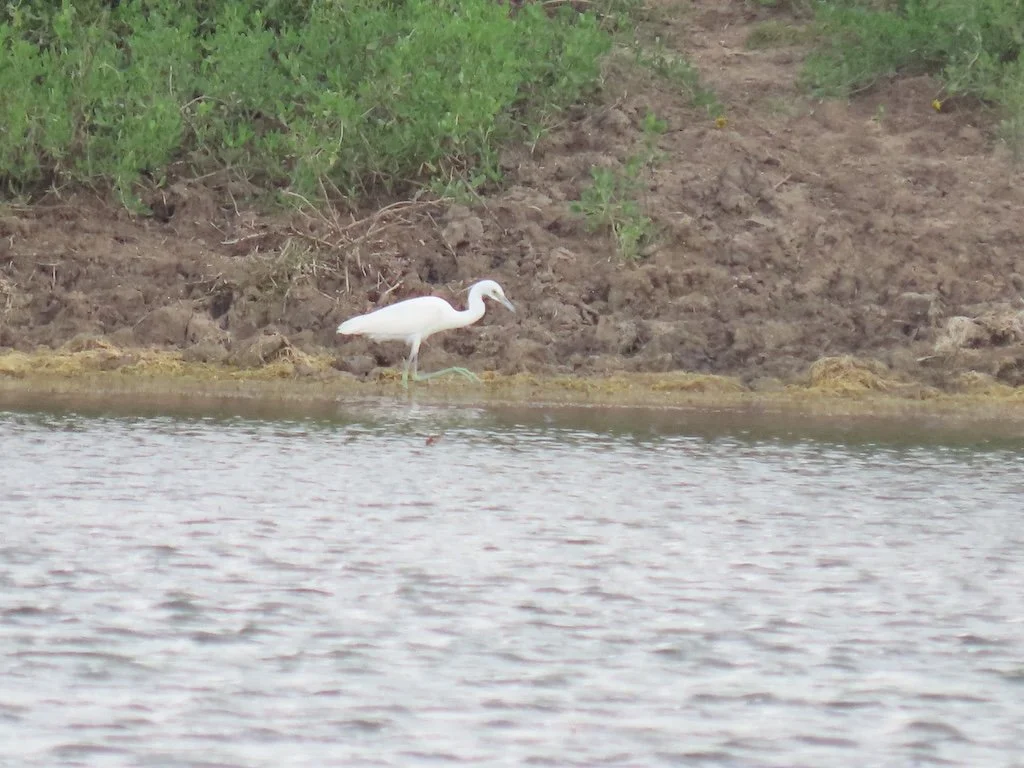
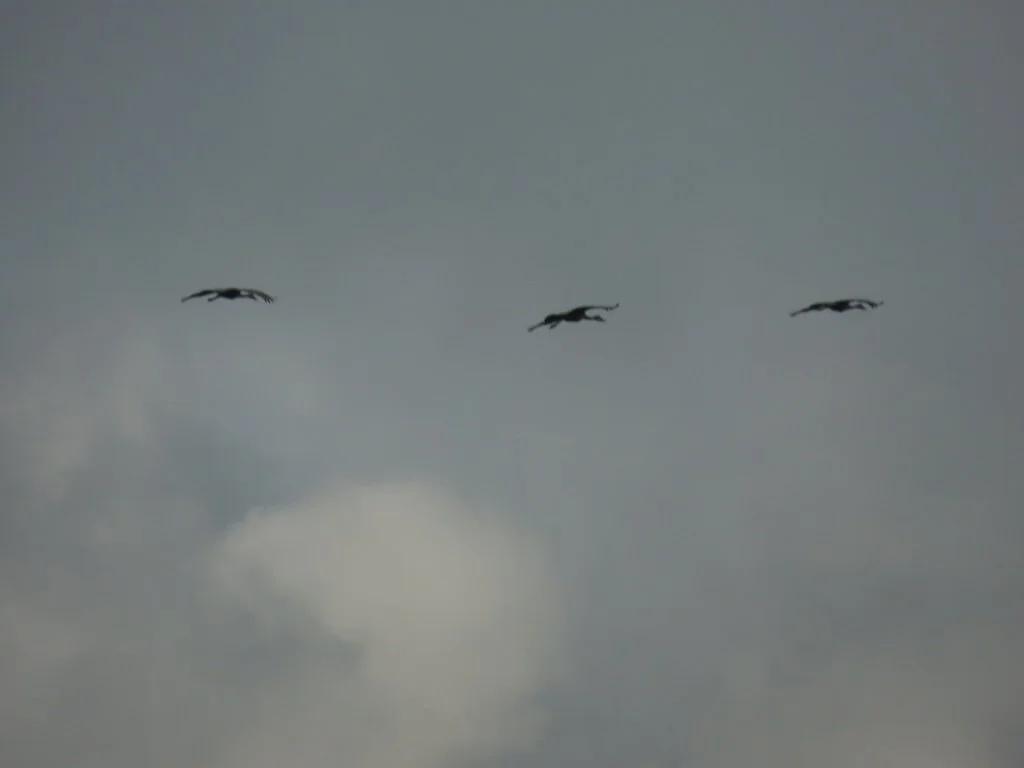
In the distance there were Wood Storks and an immature Little Blue Heron….3 sandhill cranes flew overhead.

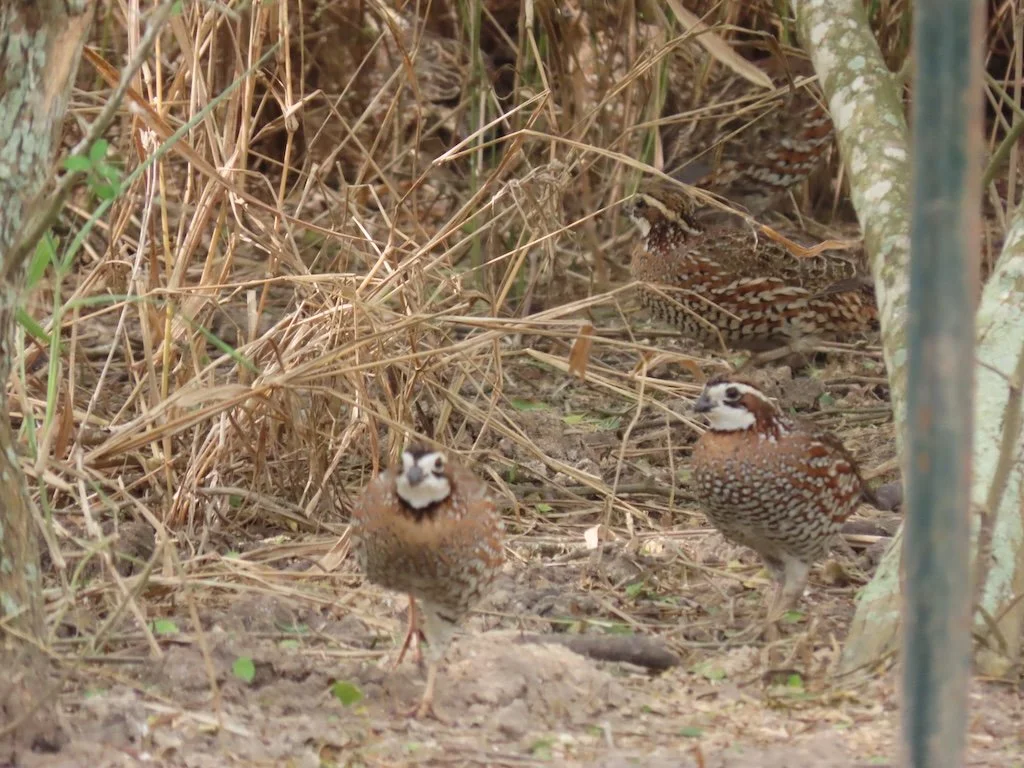
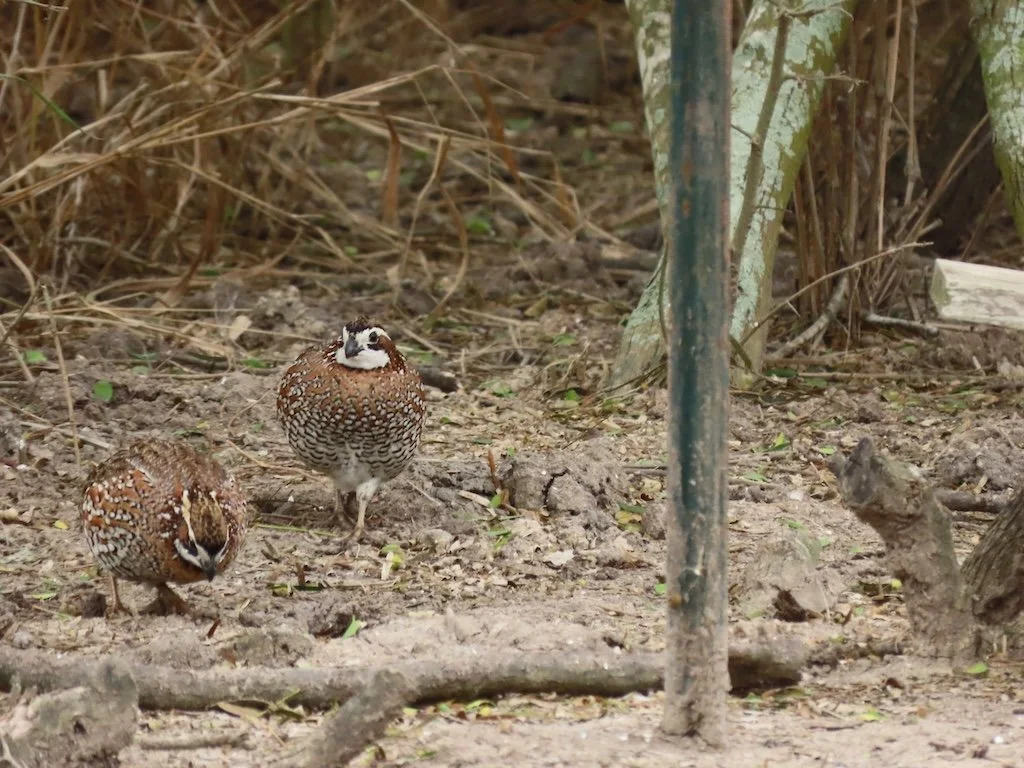
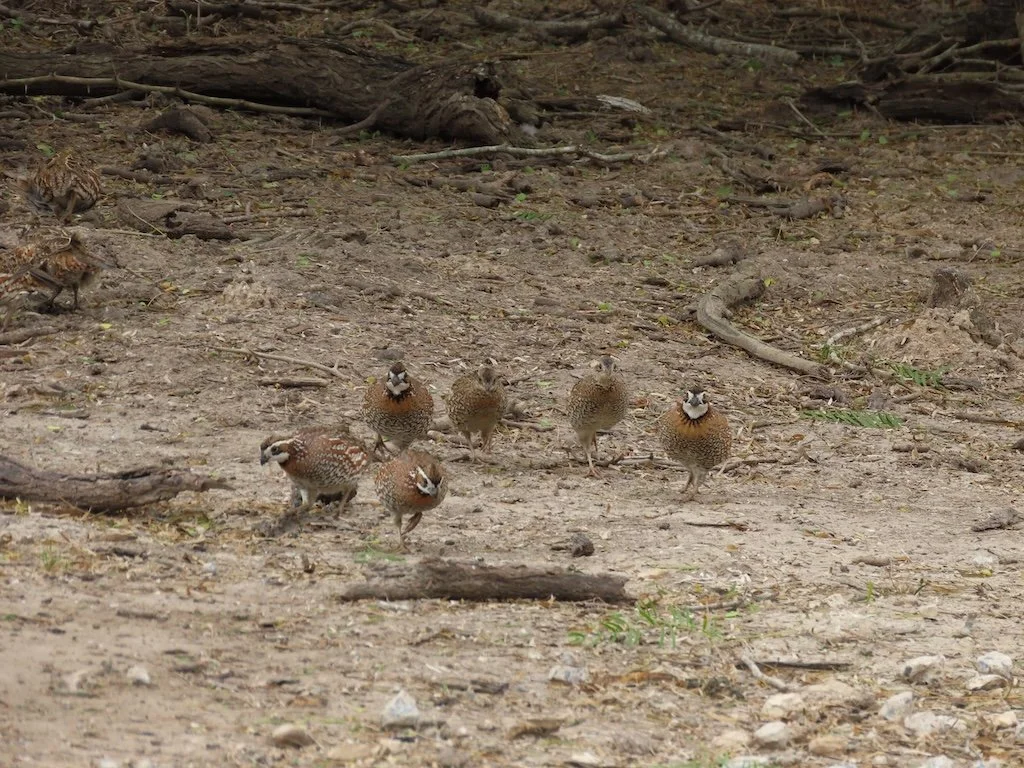
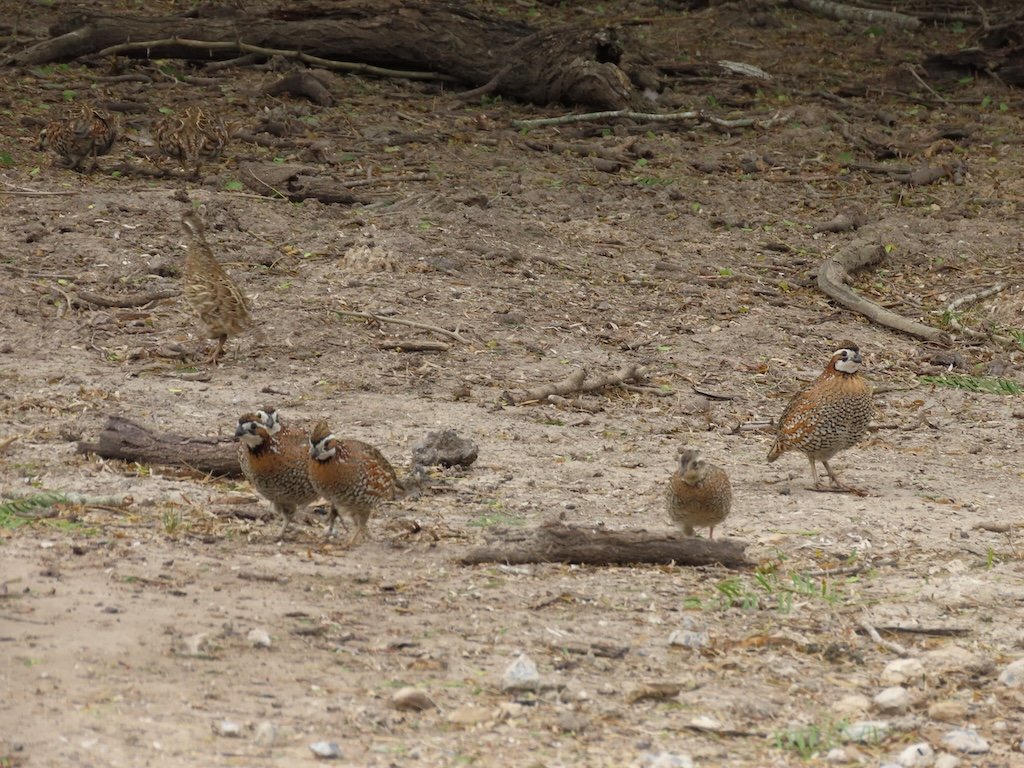
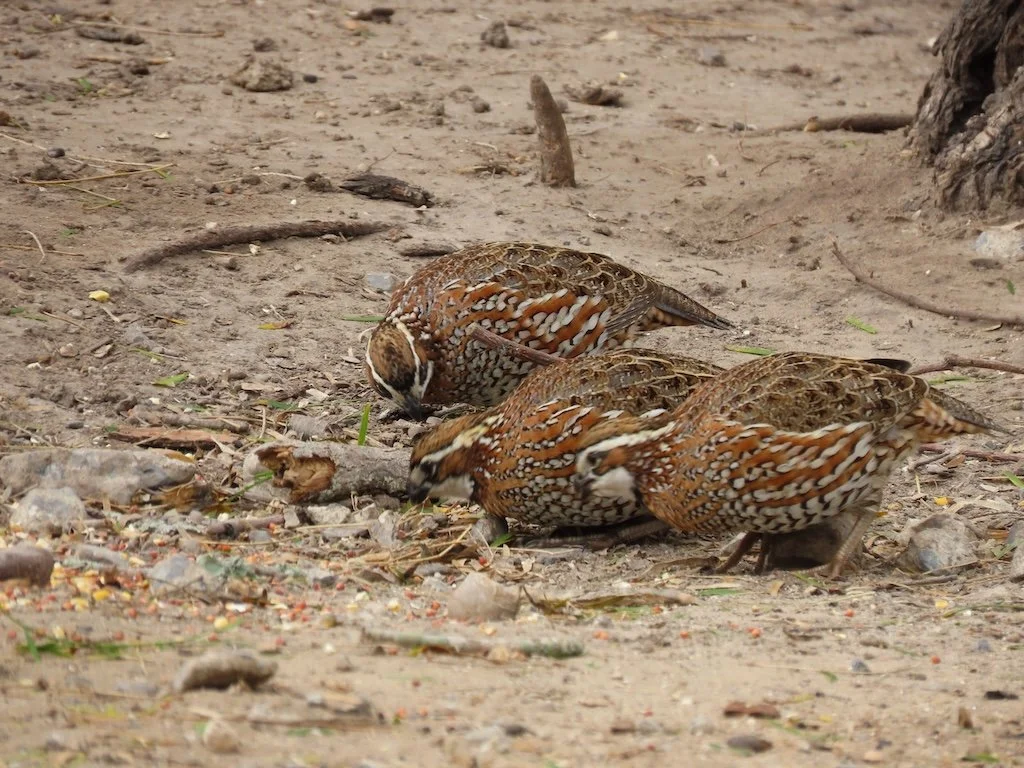
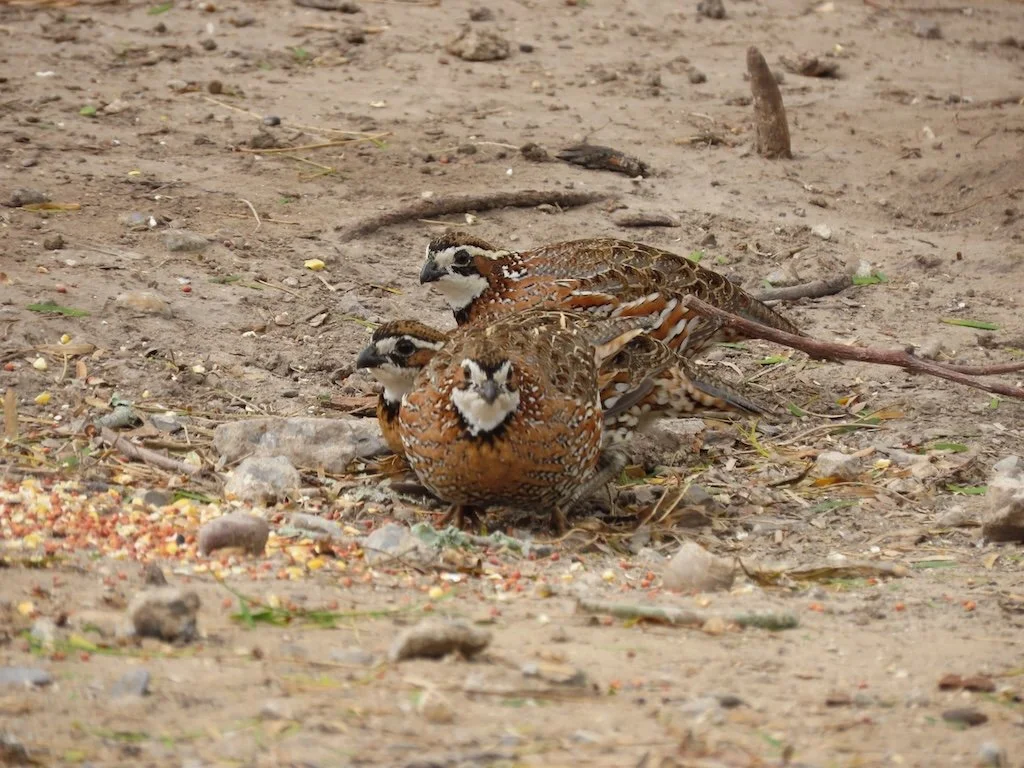
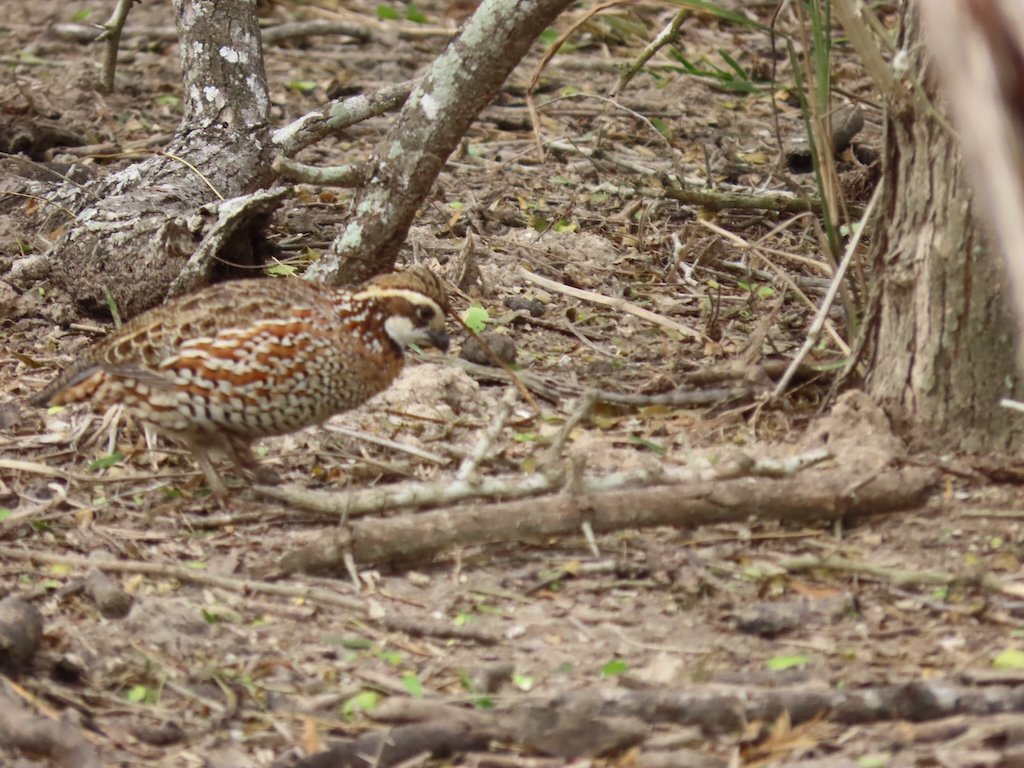
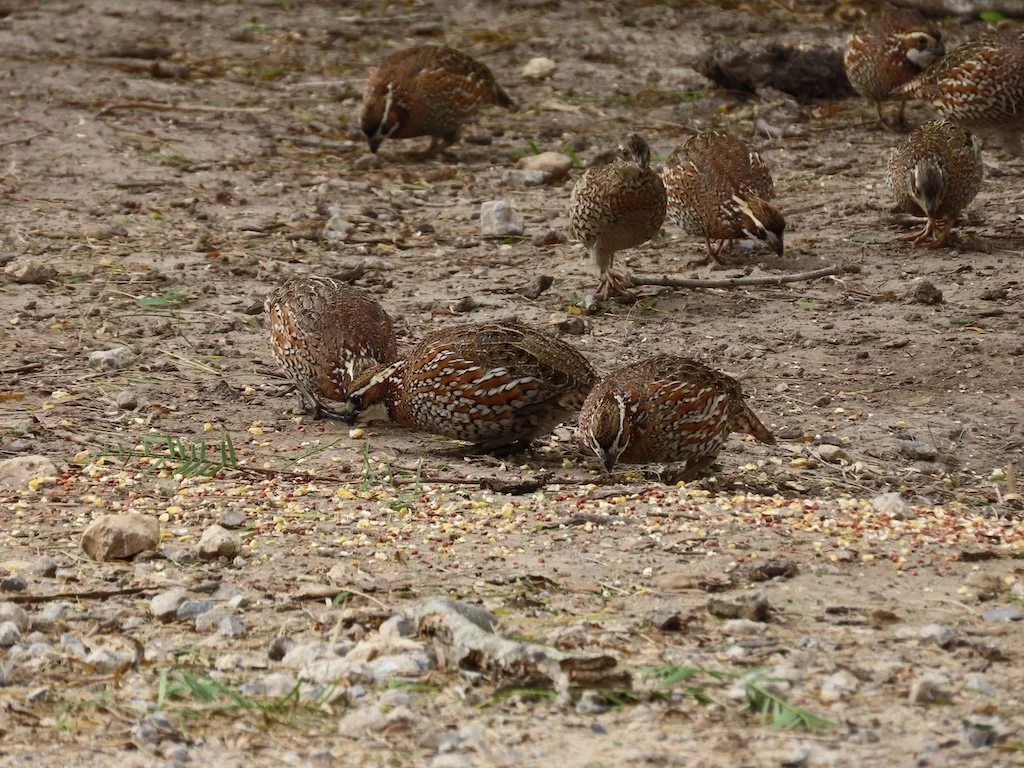
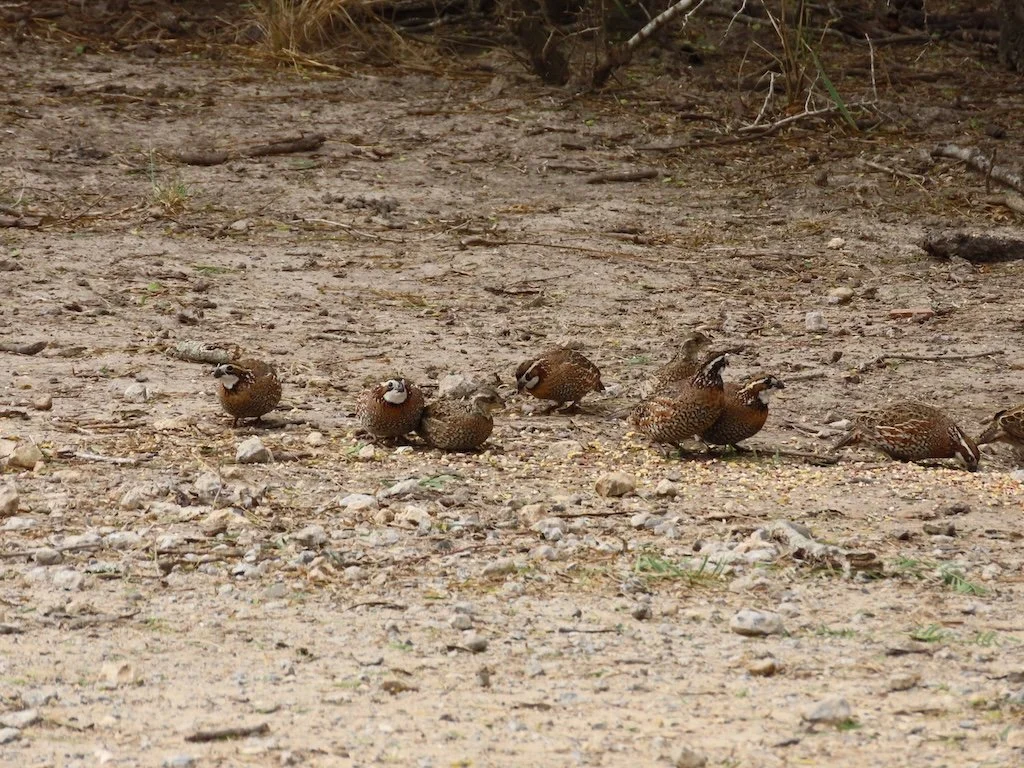
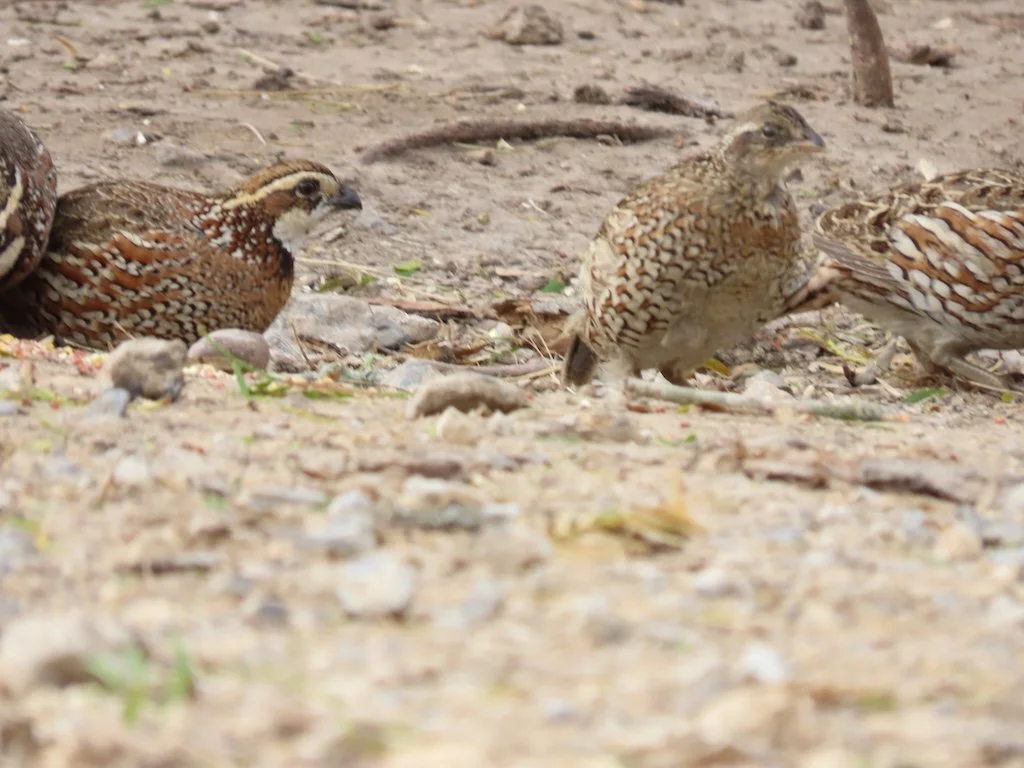
At another stop, our host spread some corn on the ground, and we stood back to watch the Bobwhite.

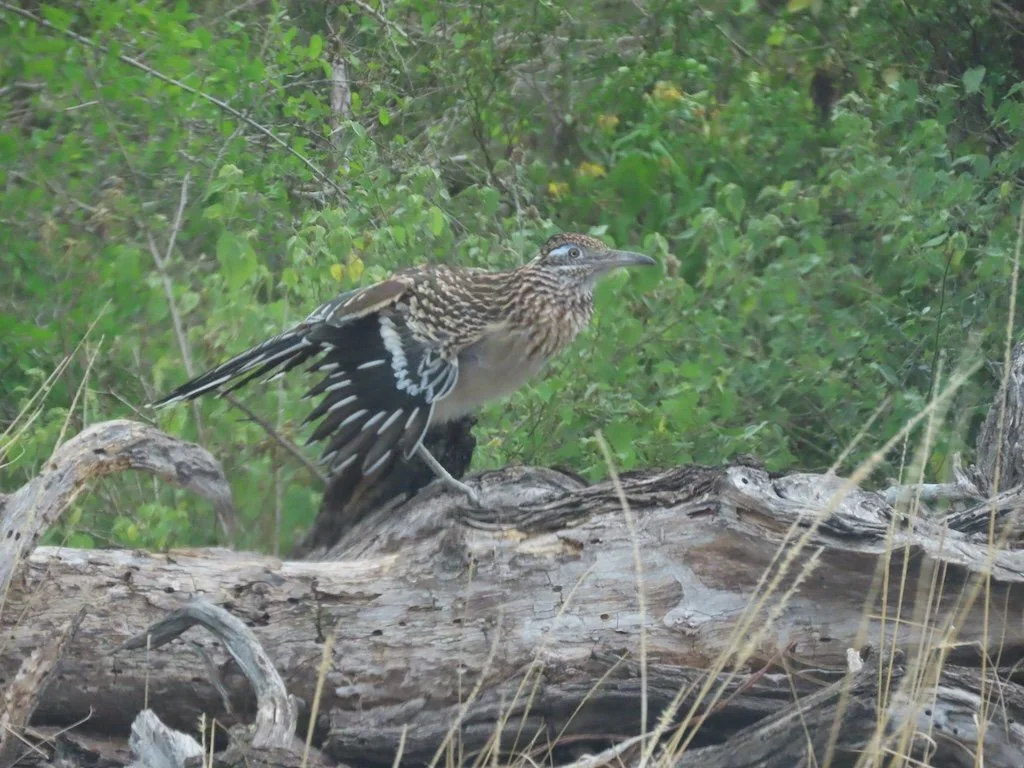
On the way back to the house, there was a road runner beside the road! It was the only one I managed to photograph this trip!

We enjoyed the barbeque at the end of the trip and headed back to the Harlingen Convention Center and headed out on the first leg of our drive home. We stopped in San Marcos TX before driving the rest of the way home the next day.  

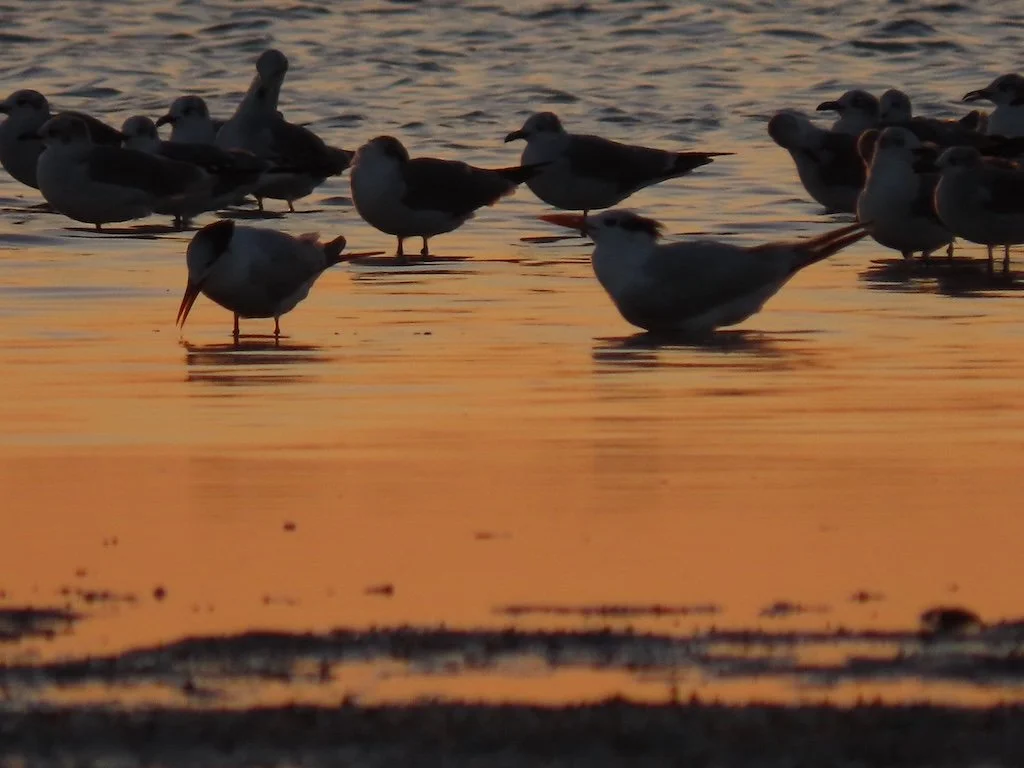
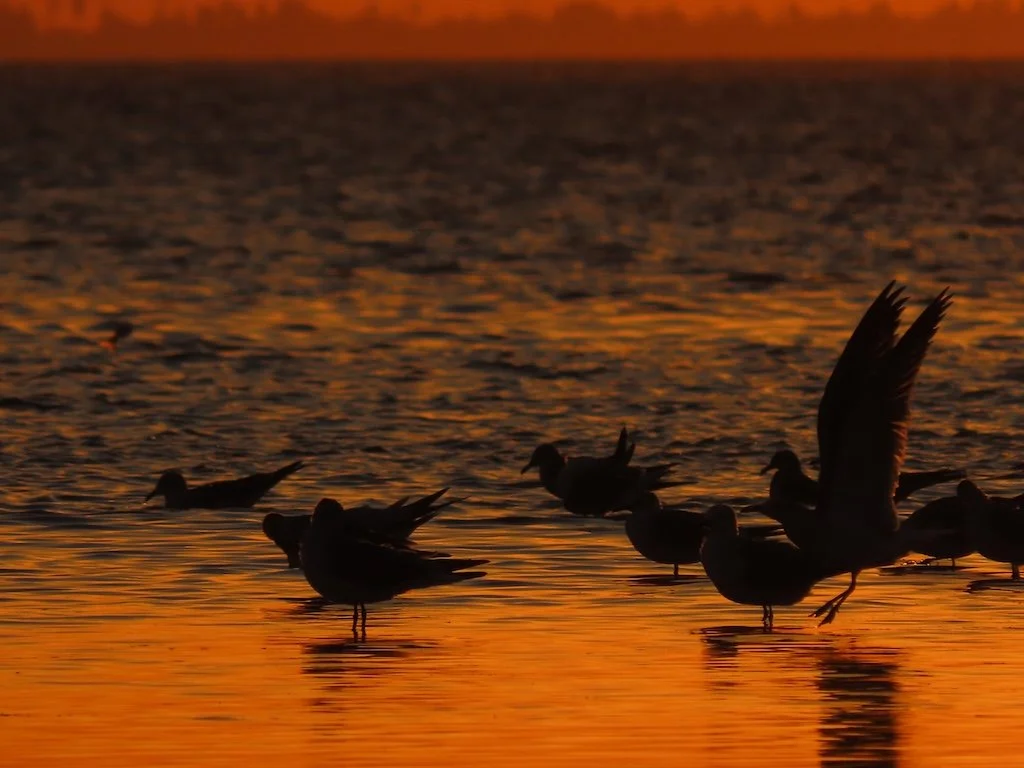
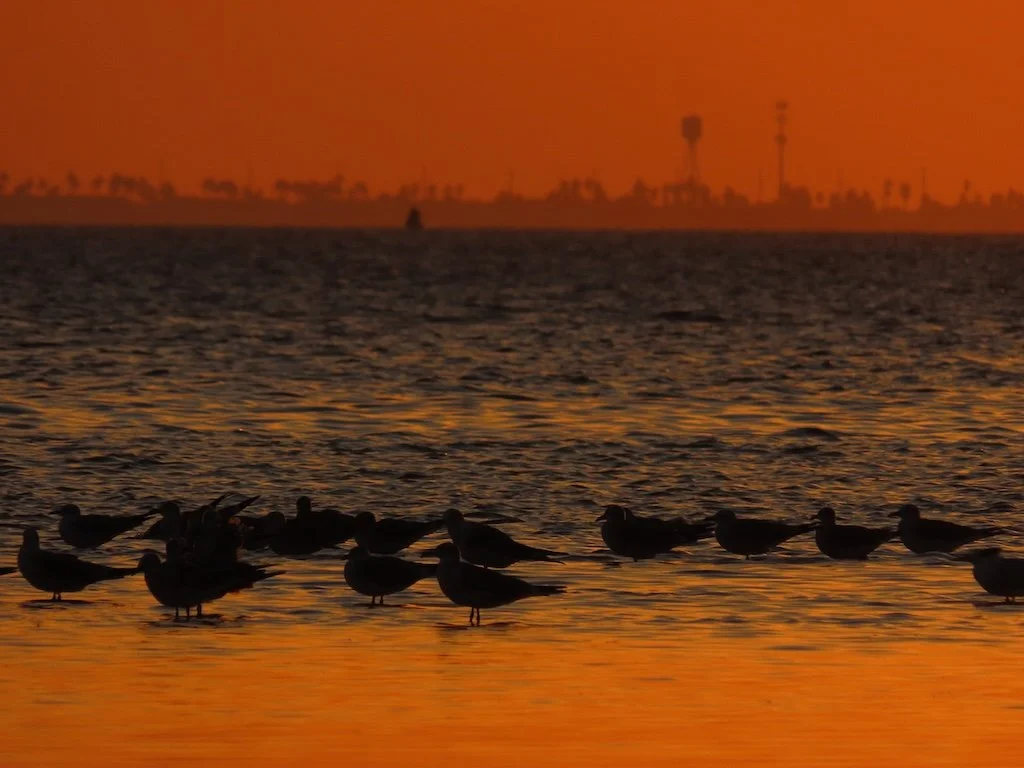
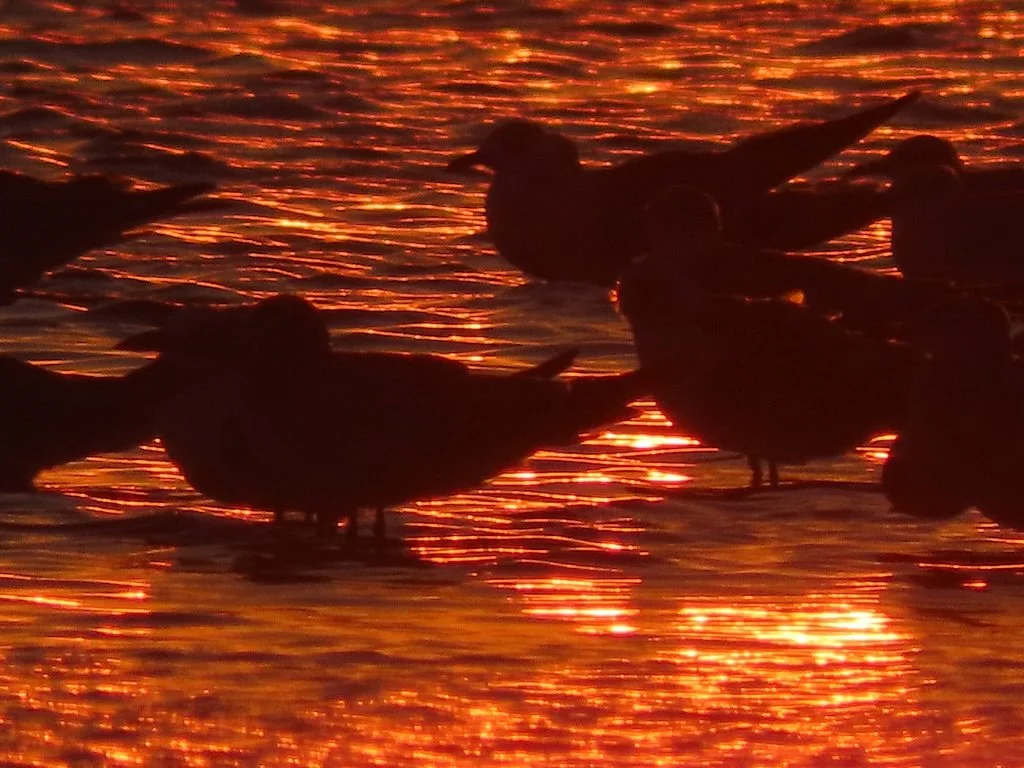
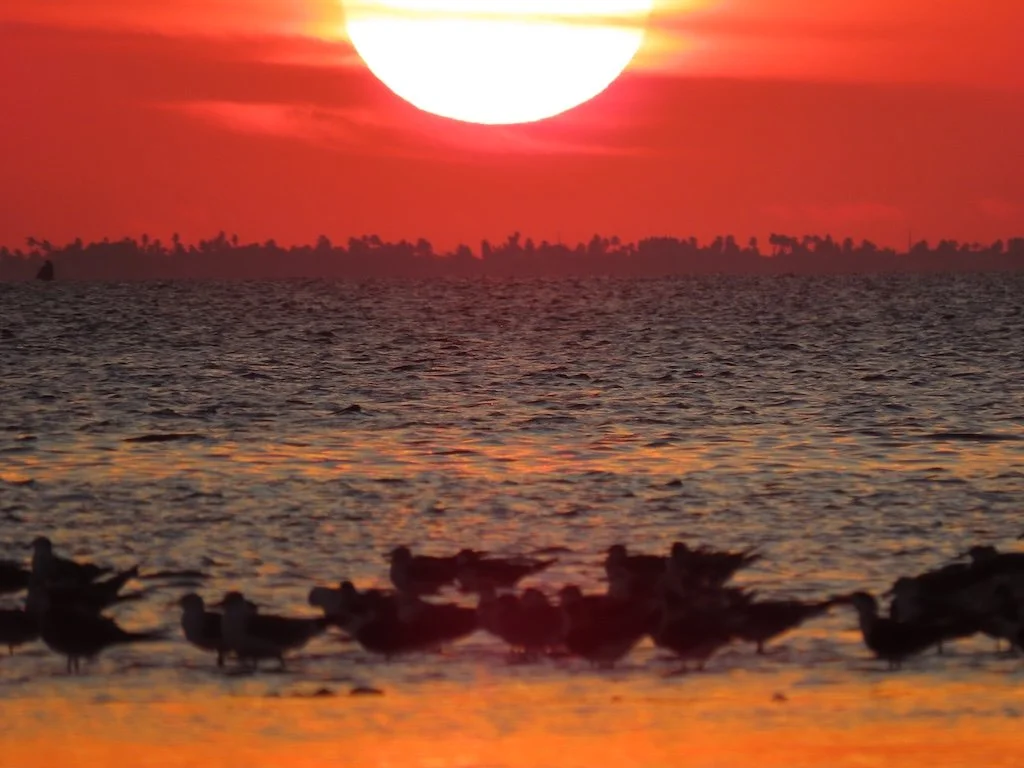
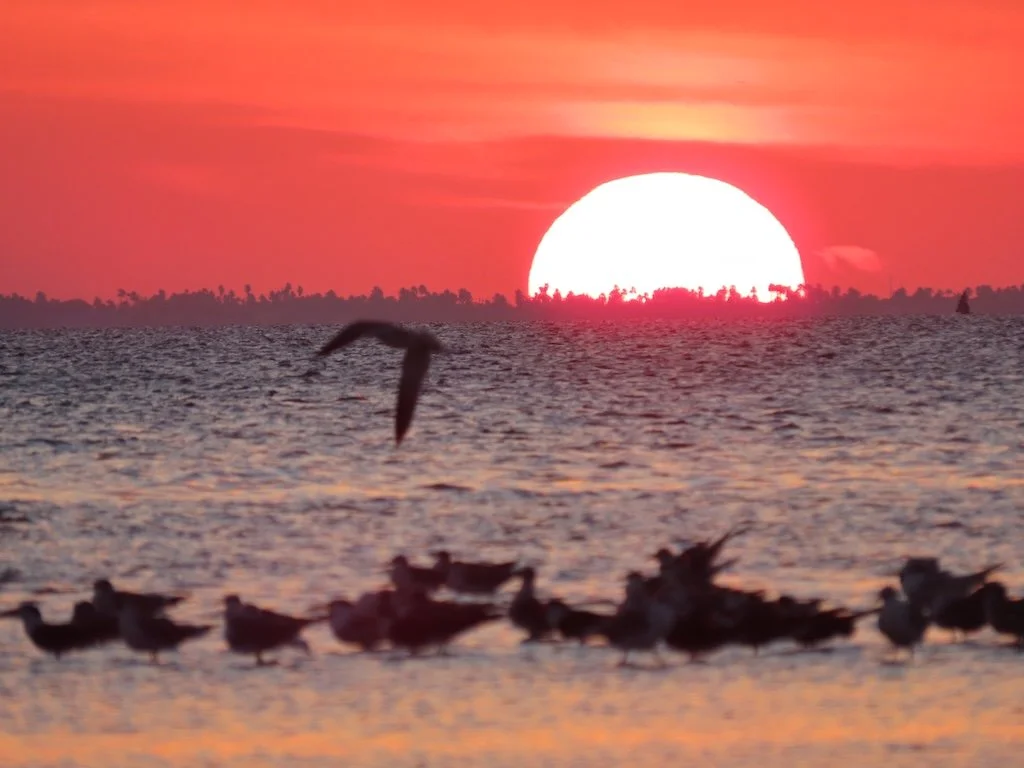
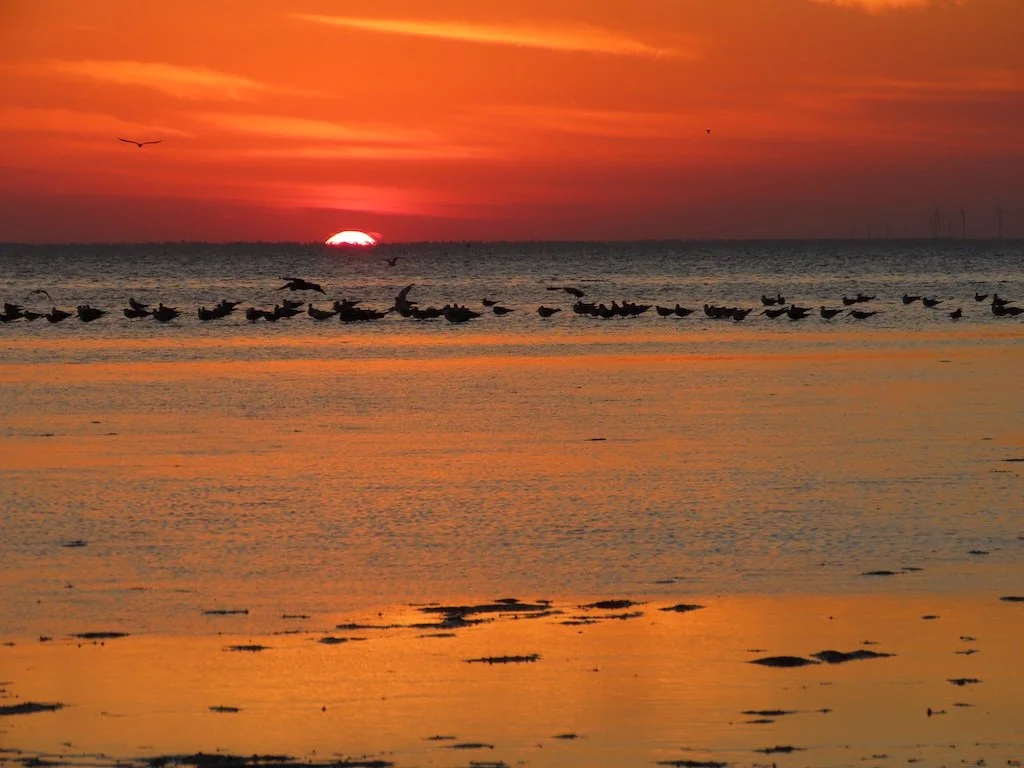
Sunset at South Padre Island

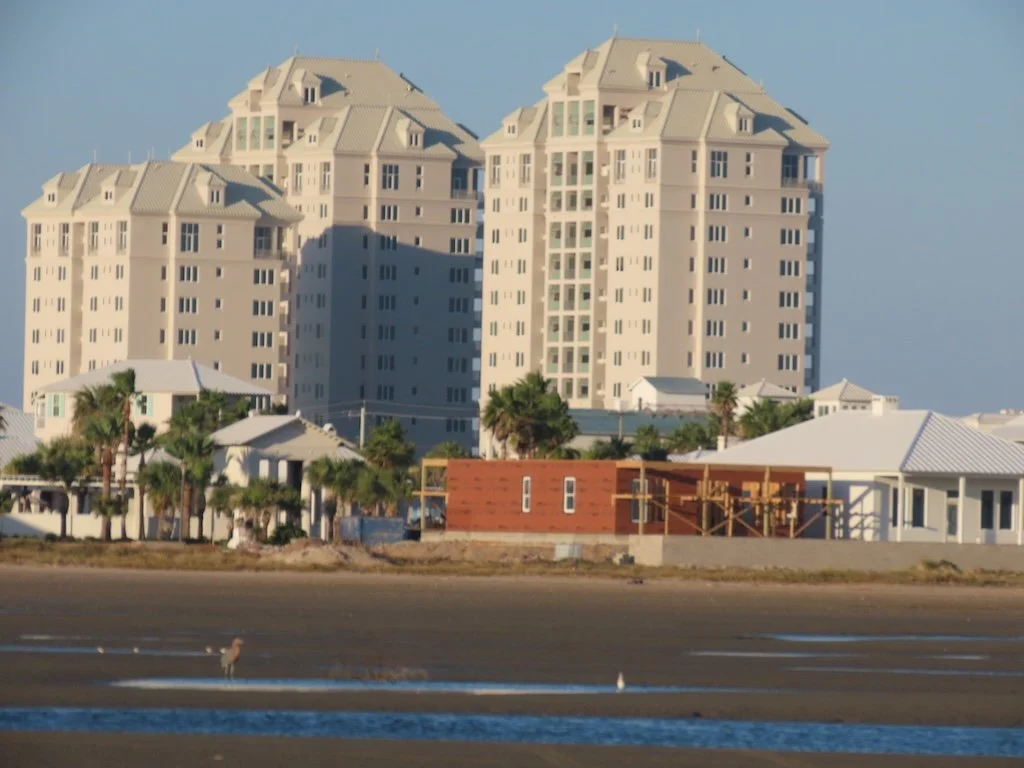
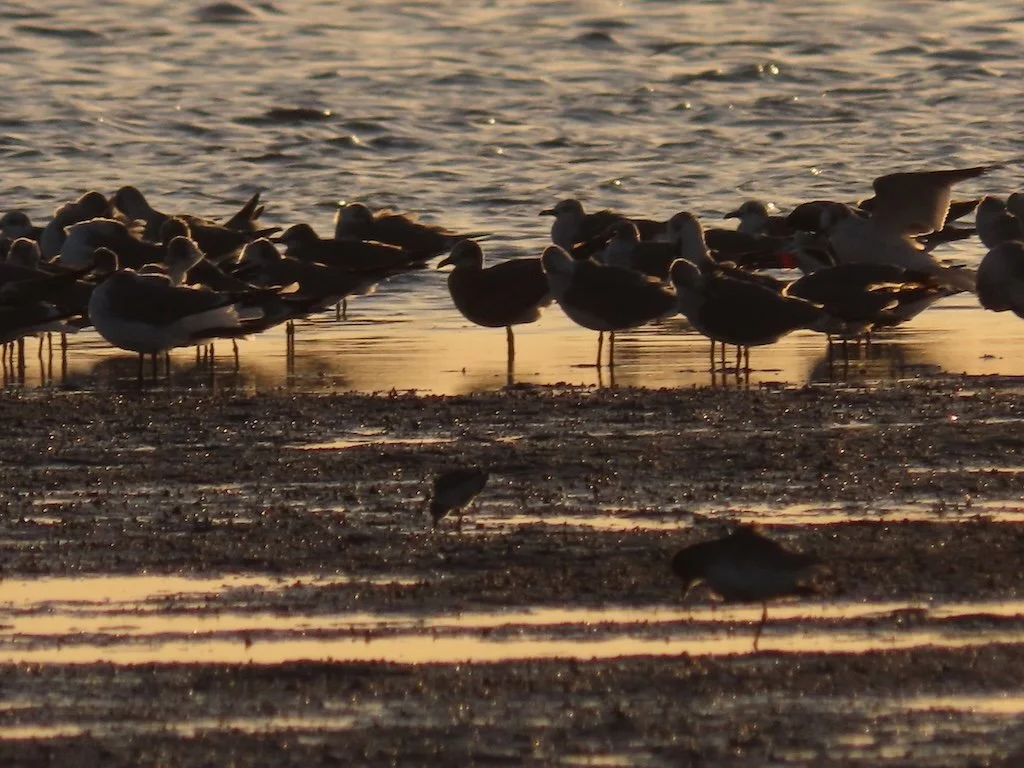
On the last evening of the Rio Grande Valley Birding Festival, we drove ourselves to the South Padre Island mudflat where we met our tour group for photographing the sunset. We drove out onto the mudflat – trying to avoid puddles.

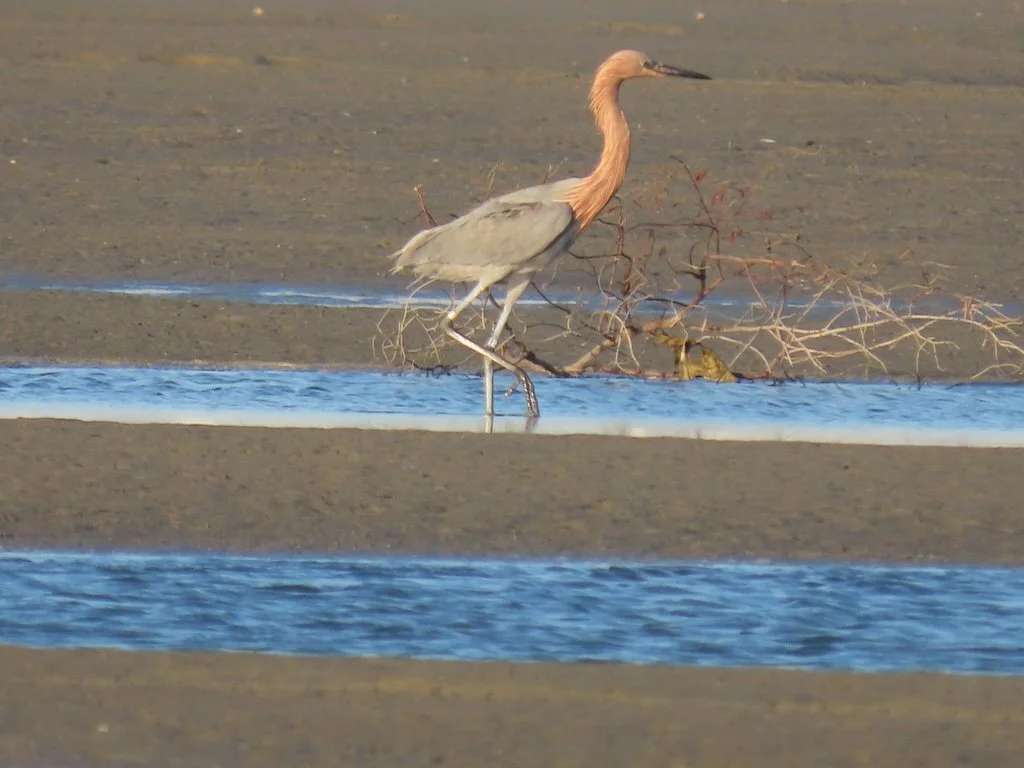
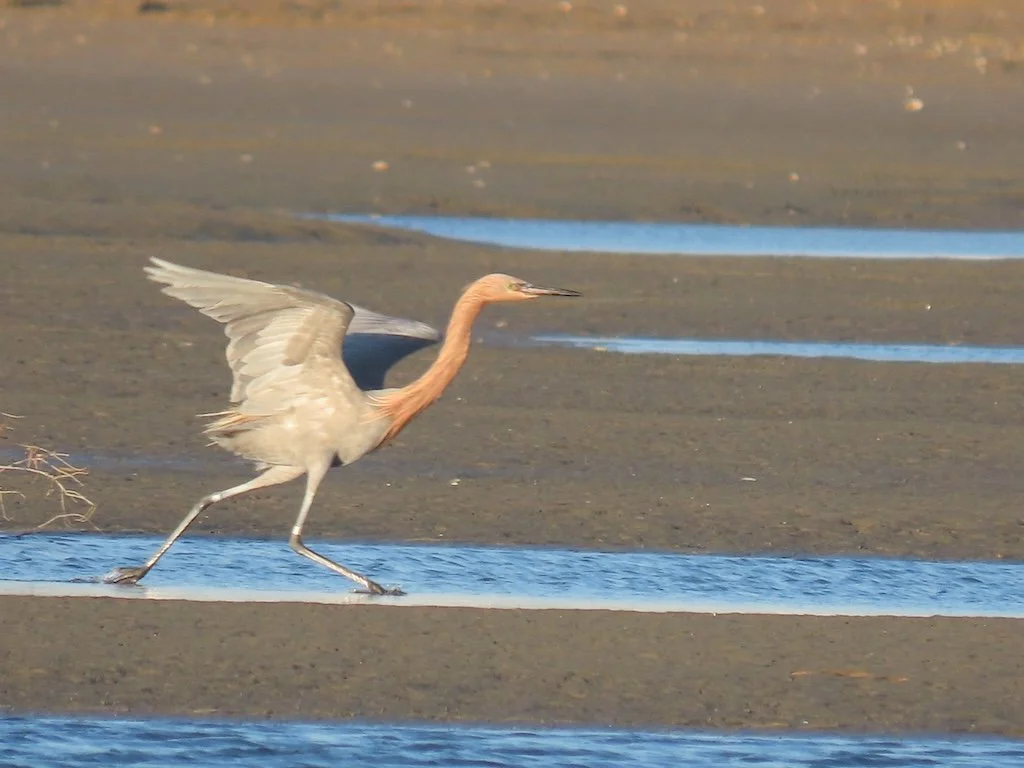
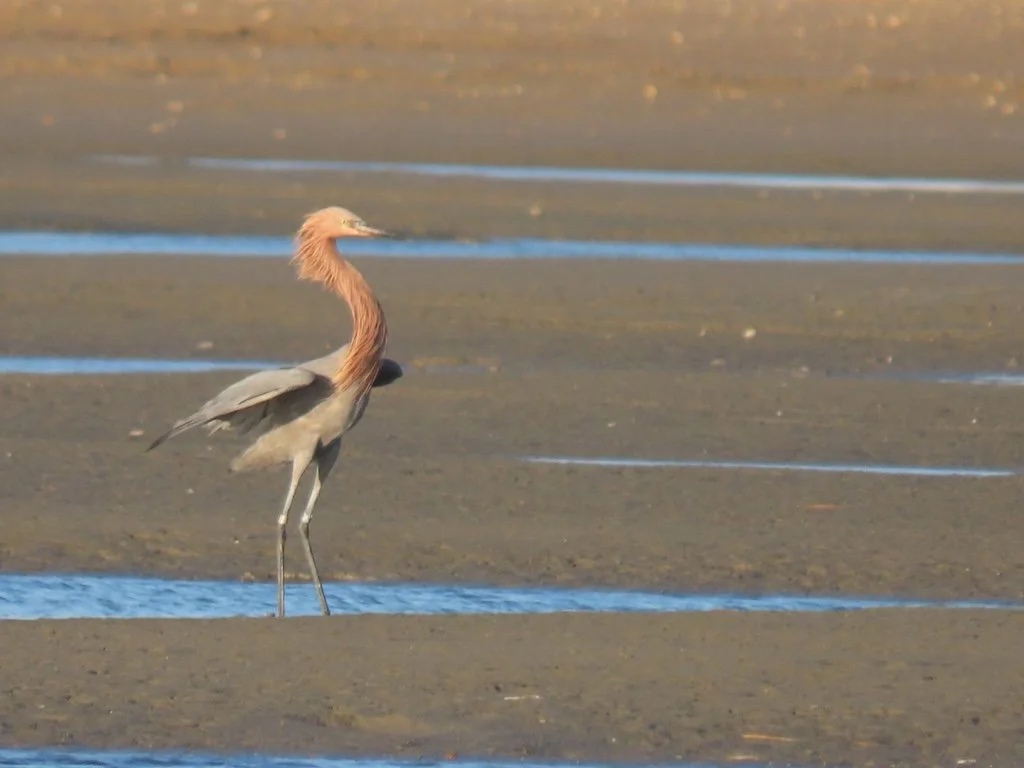
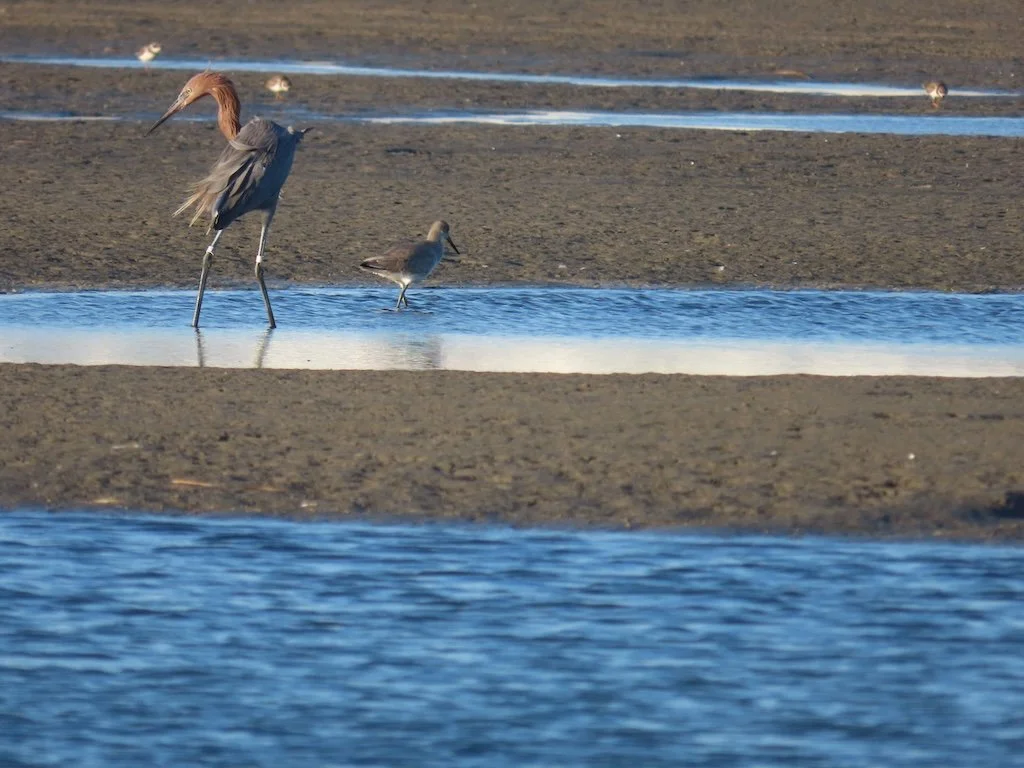
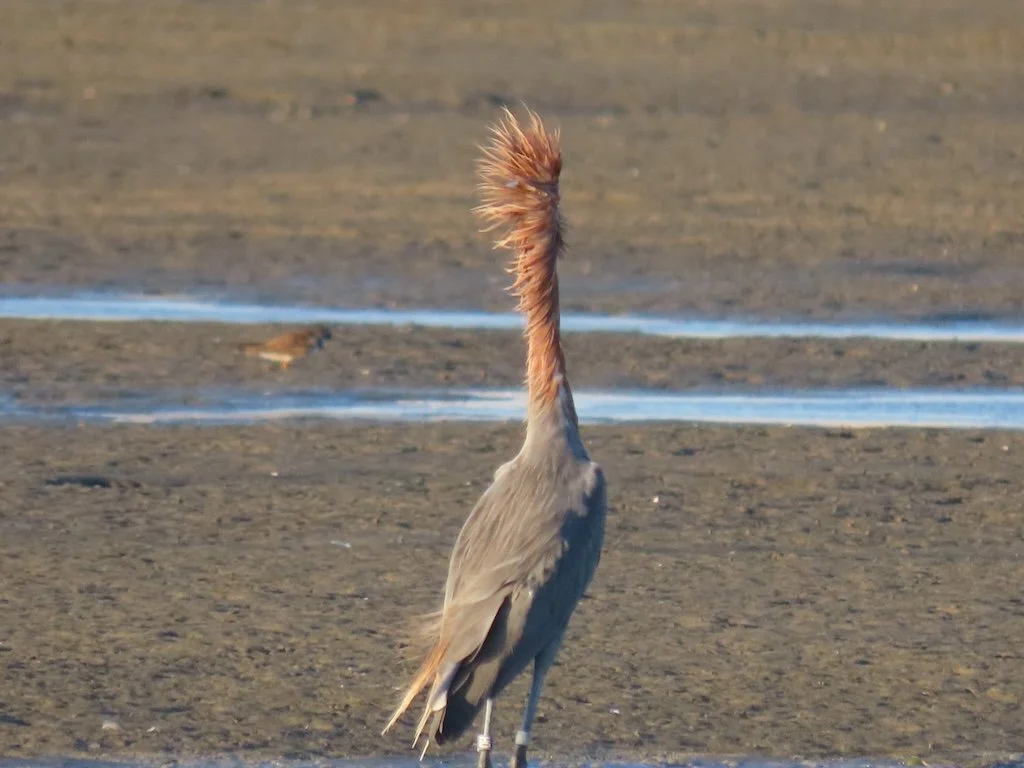
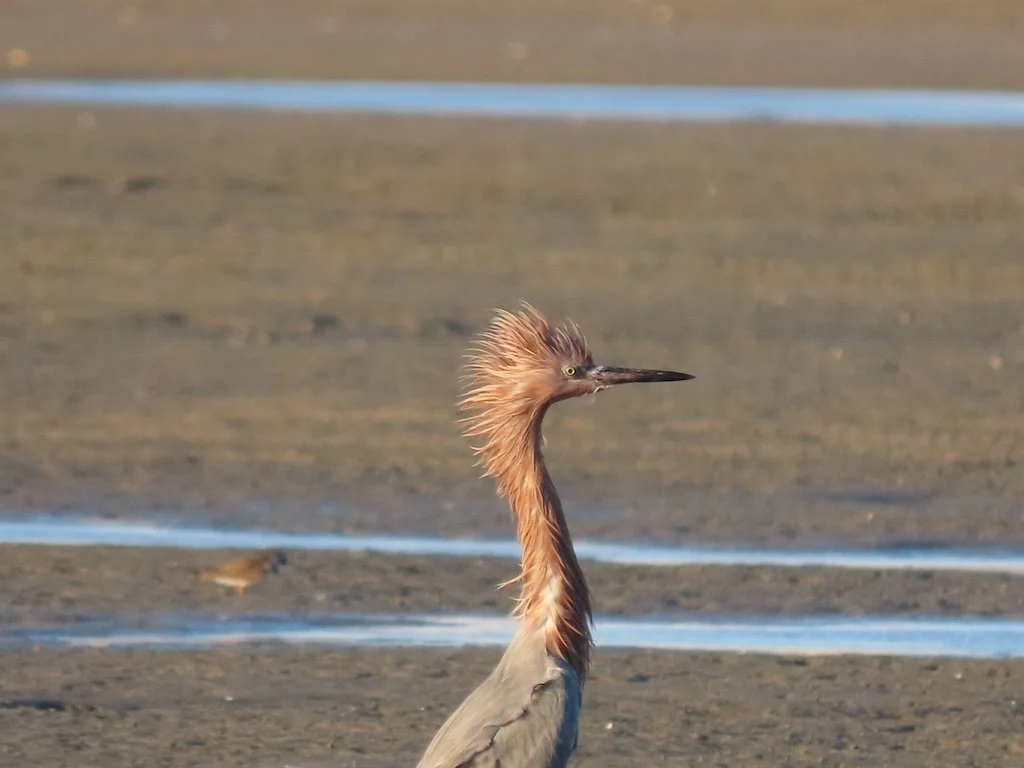
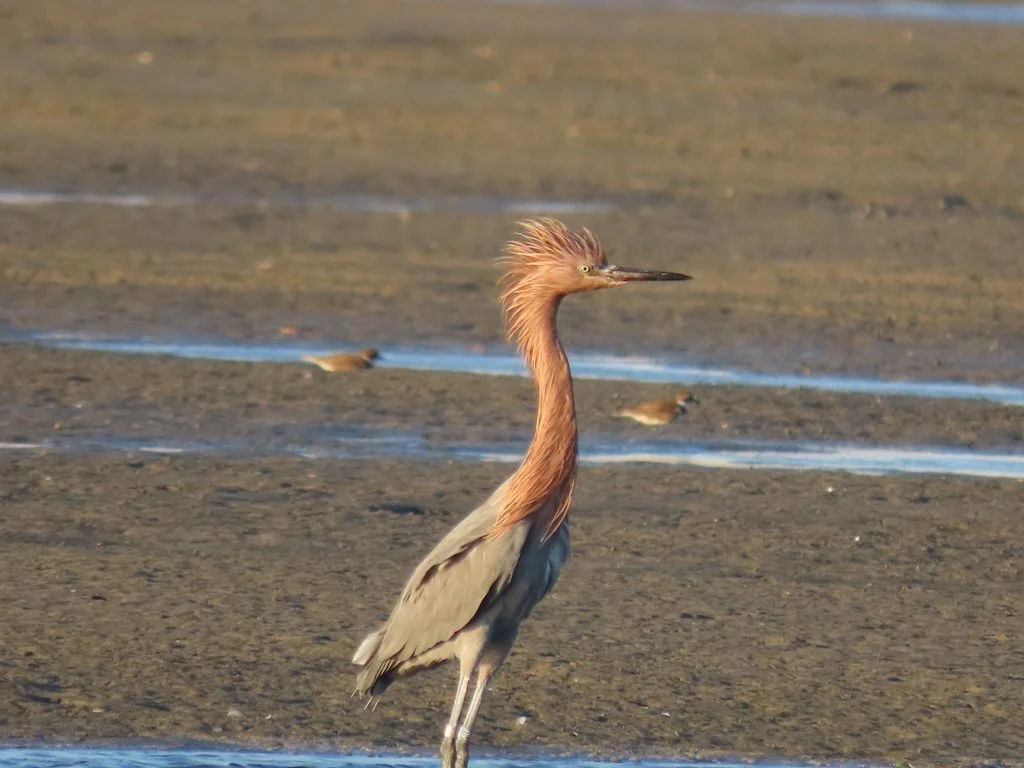
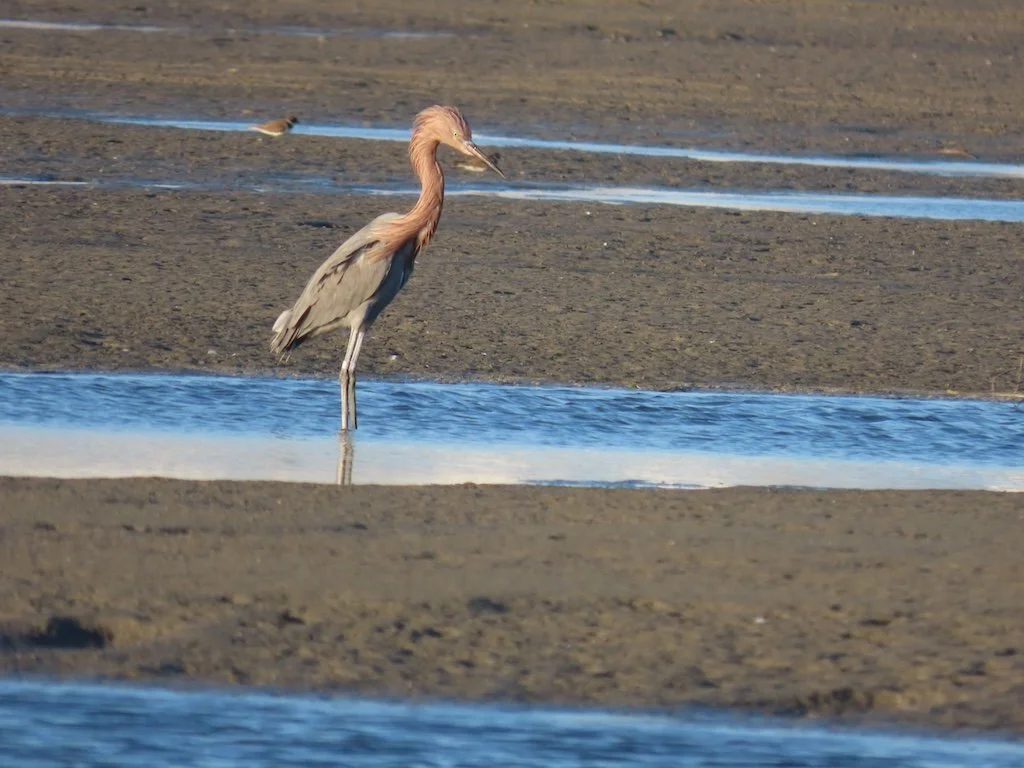
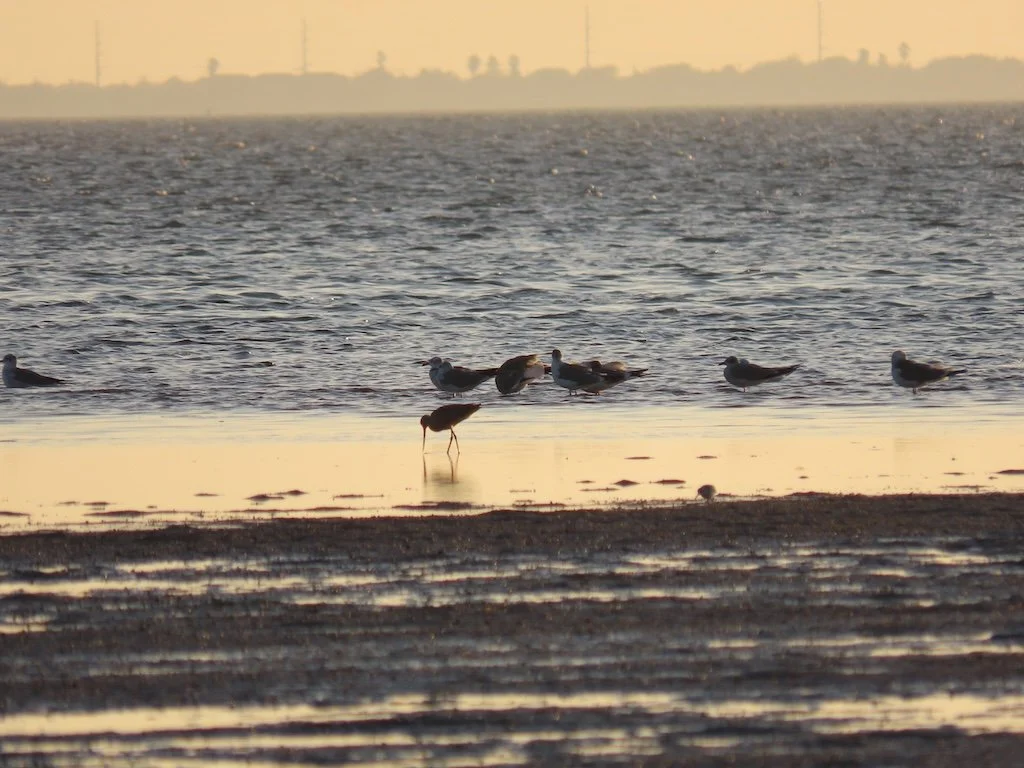
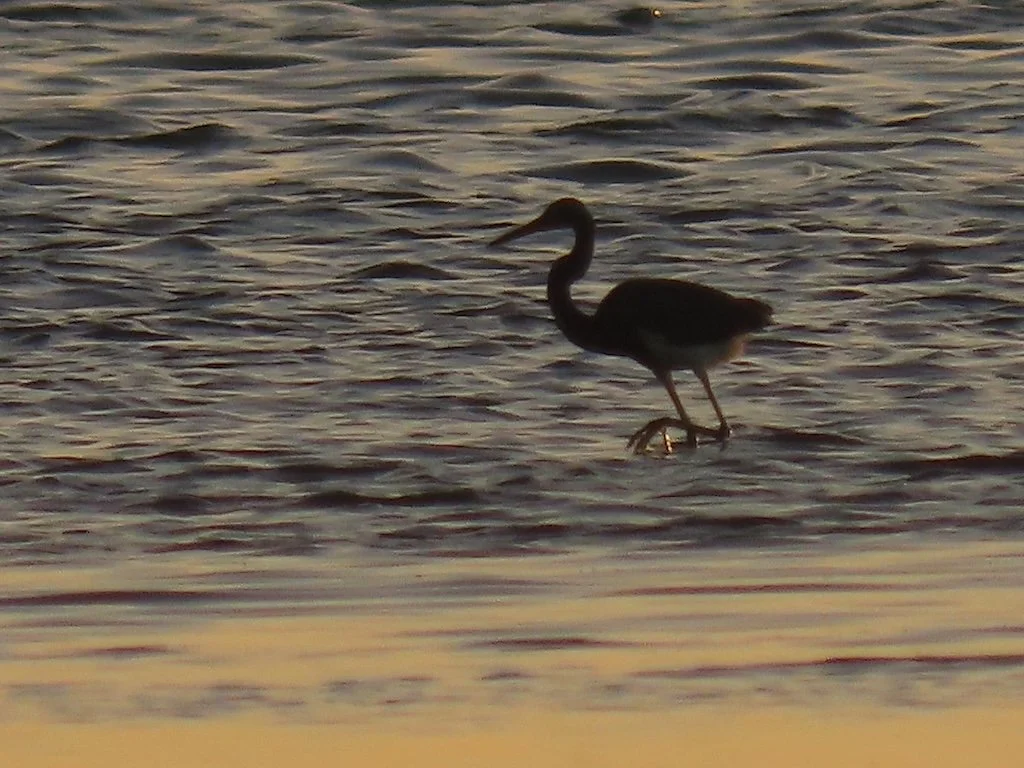
It was well before sunset, and I enjoyed the antics of a Reddish Egret in the late afternoon light. The bird seemed to be finding tidbits in the small pool. It was a windy afternoon which caused the head and neck feathers to move about.

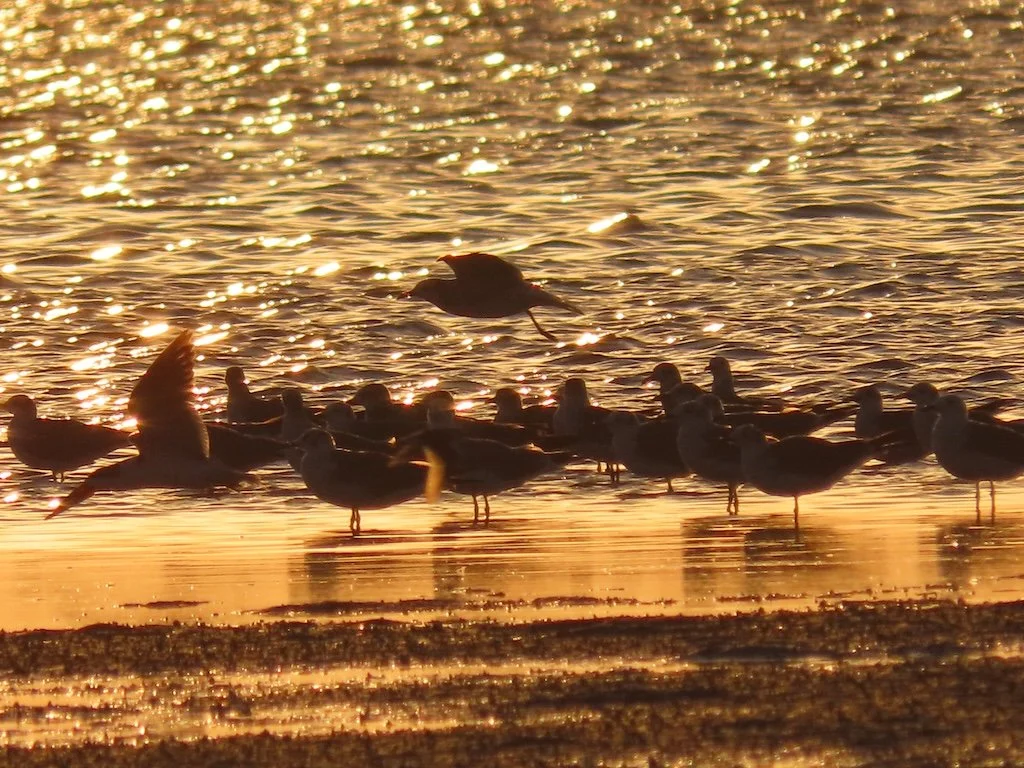
I was using my bridge camera (Canon Powershot SX70 HS) on a monopod (so I only had one thing to clean mud/sand from at the end of the evening). I kept trying to get a bird in flight flying across the sun…failed, but it was still fun trying.  I always like to see the color change and the sun gets lower. The mosaic below is in the order the images were taken; click on any of them to see a larger version.

I made a movie of the actual setting of the sun!

We headed back to our hotel afterward…wanting an early evening since we had a last early morning field trip before we started home the next day.

Edinburg Scenic Wetlands

Our fourth morning at the Rio Grande Valley Birding Festival required us to be at the Harlingen Convention Center by 7 AM for the bus; we were glad it wasn’t earlier! There was an odd cloud or smoke plume that obscured the sunrise; tt was moving rapidly and seemed to have an origination point so I think it might have been smoke.

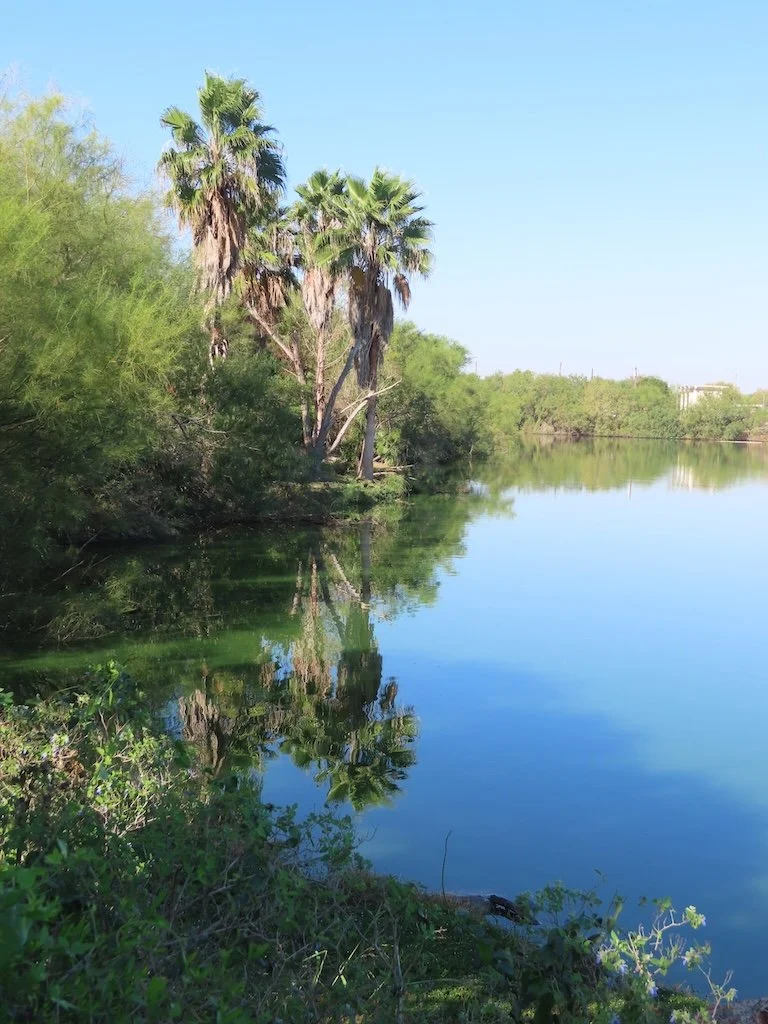
We headed to the town of Edinburg TX and their wetlands oasis – the Edinburg Scenic Wetlands & Birding Center - about 40 minutes on the bus.

I often revert to taking botanical pictures…and there were a lot of interesting plants ranging from dessert plants to lush riparian type plants.  Click on the image in the mosaic below to see a larger image.

I even enjoyed some artsy pictures!

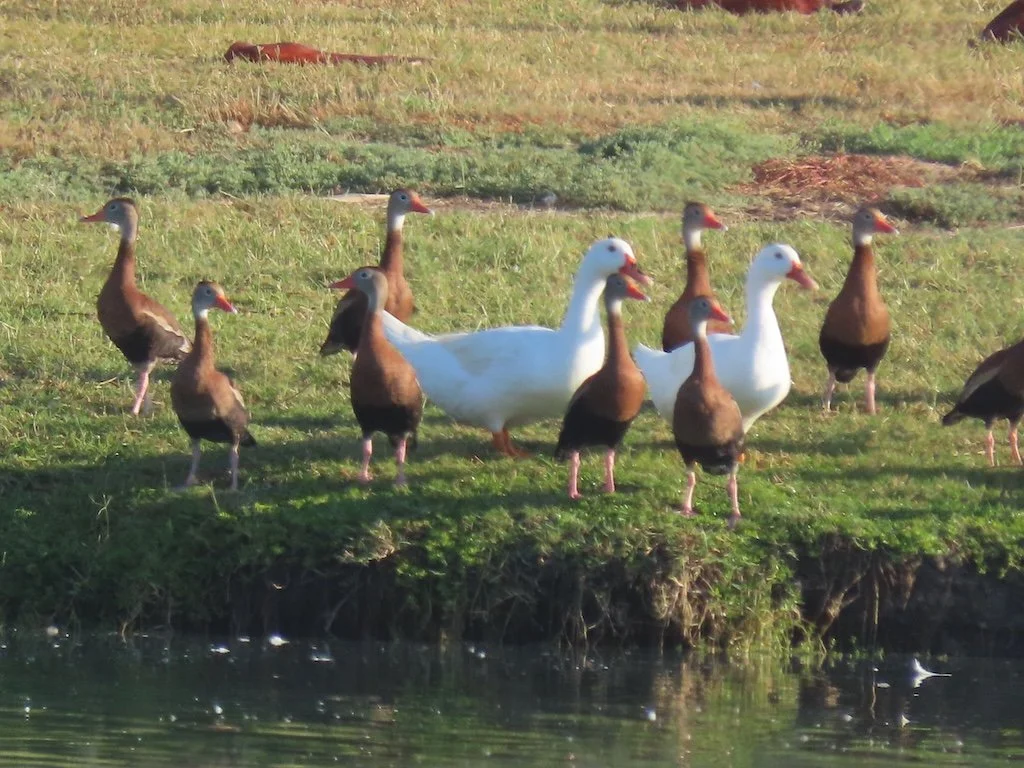
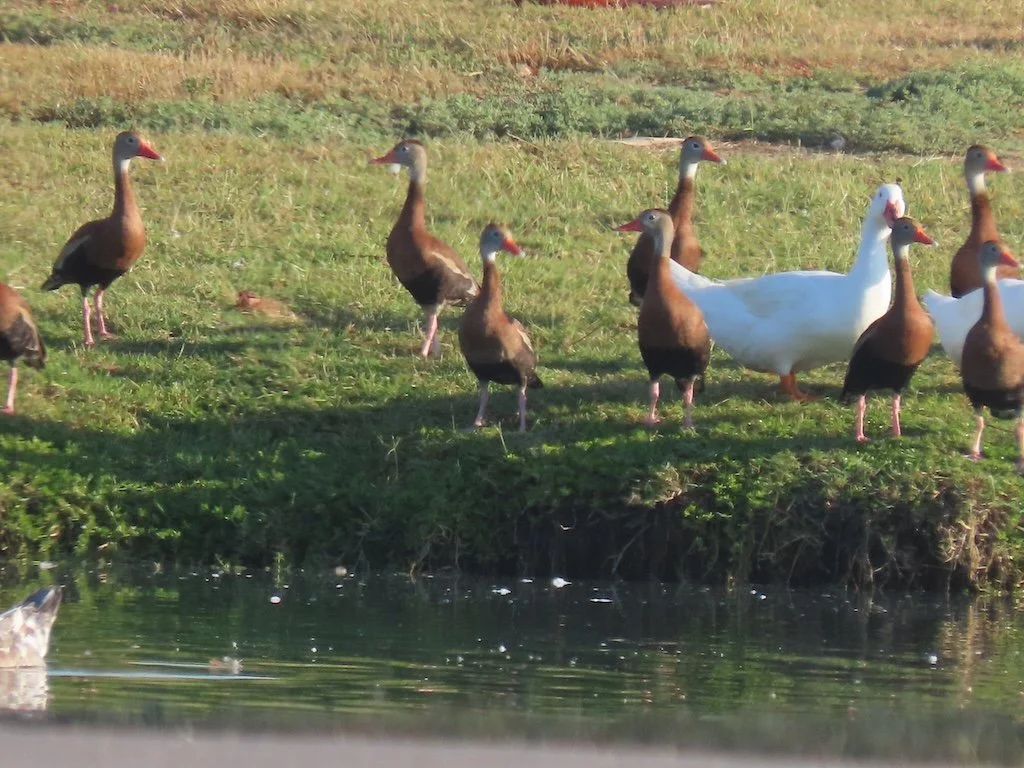
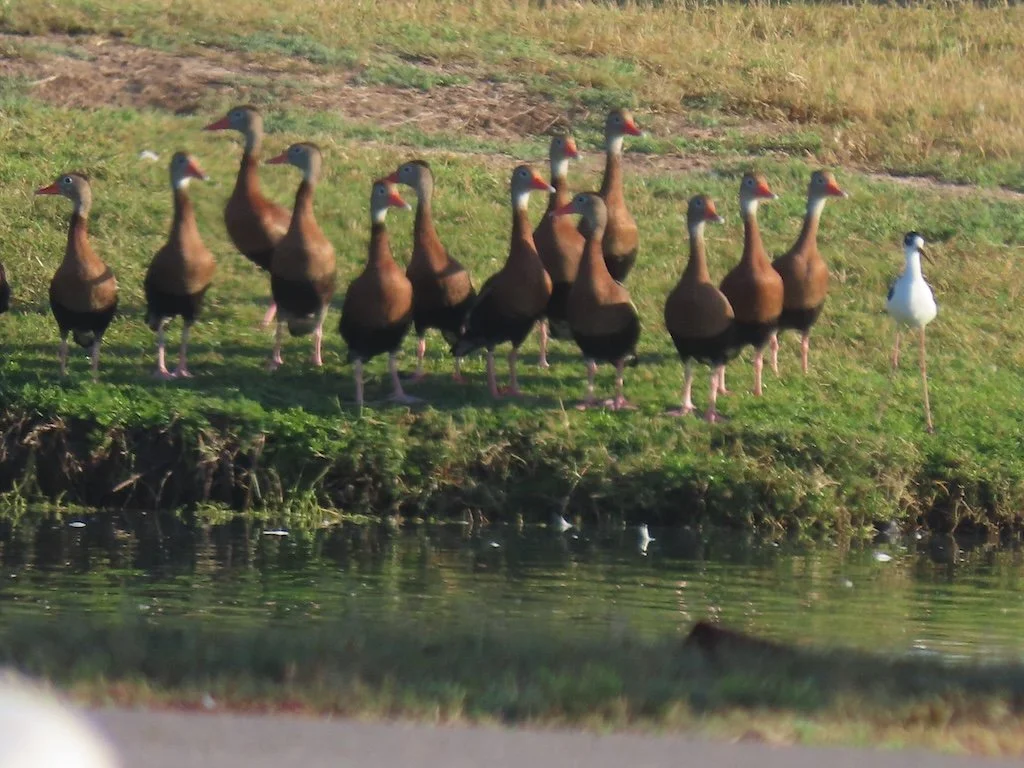
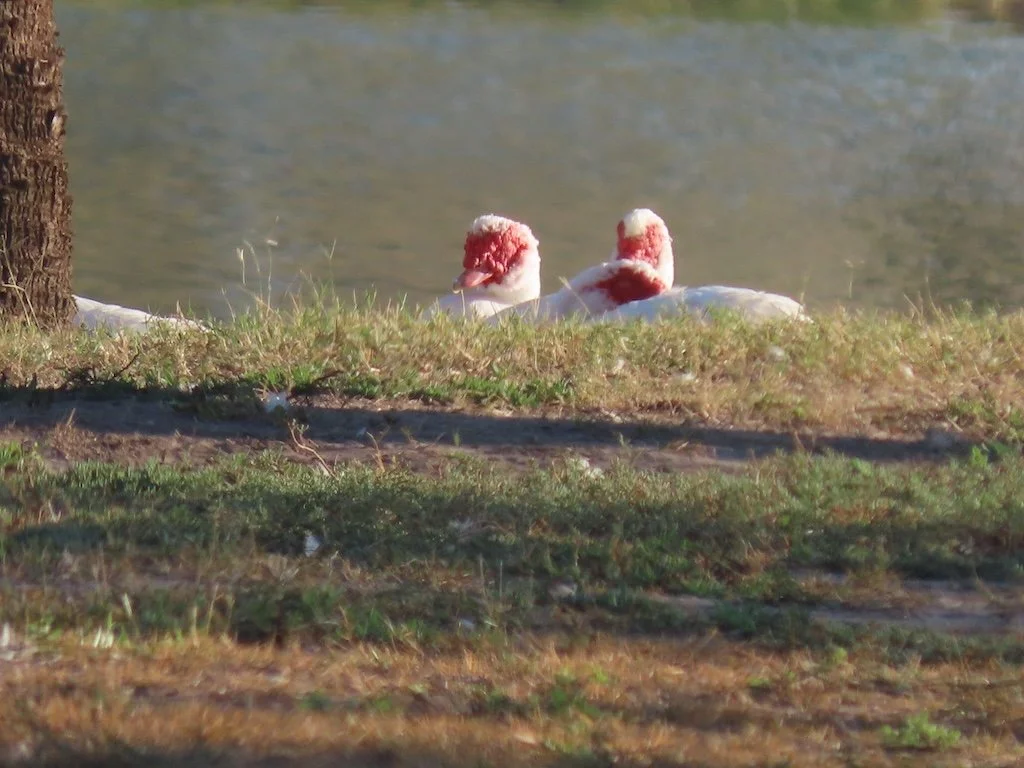
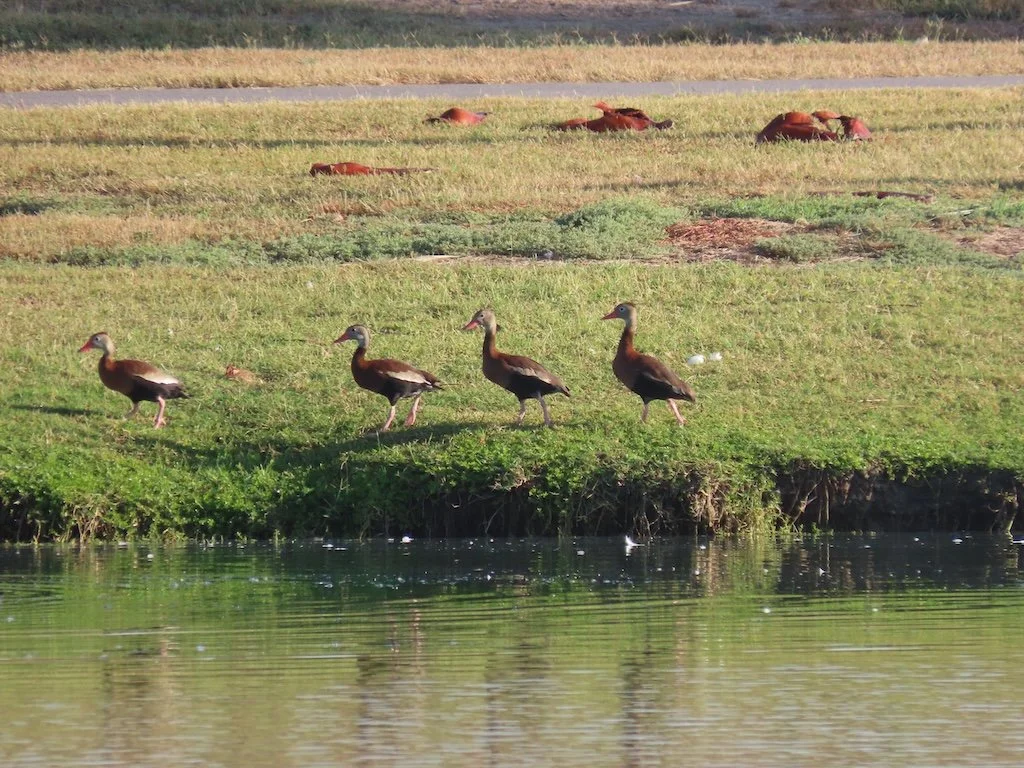
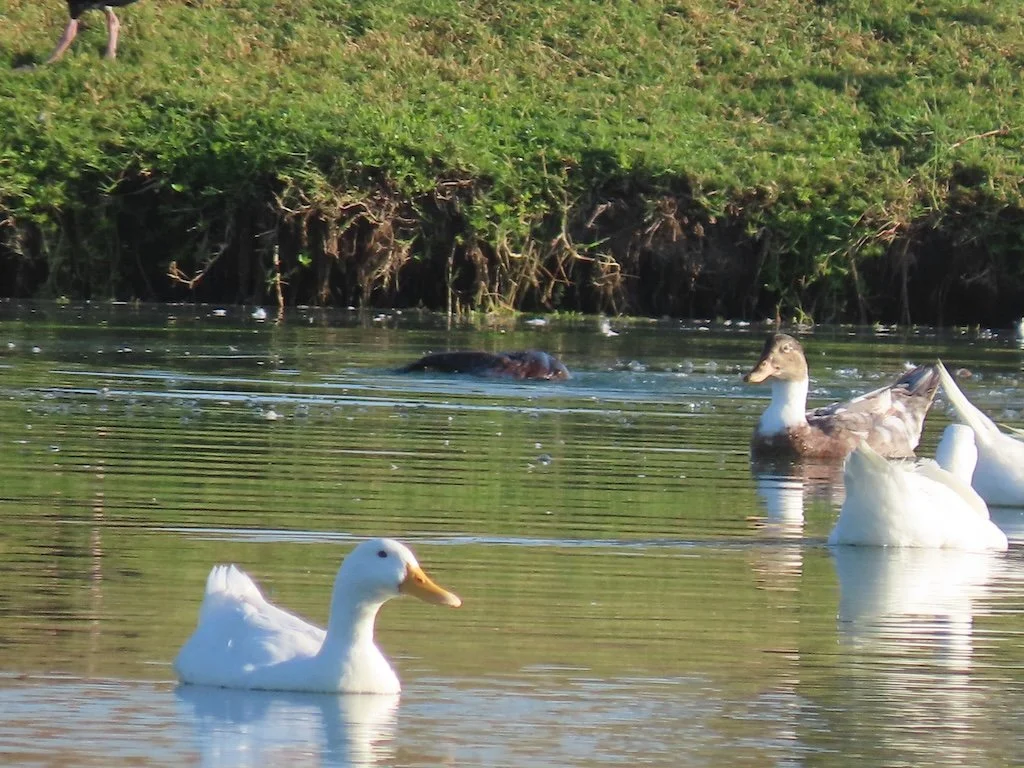
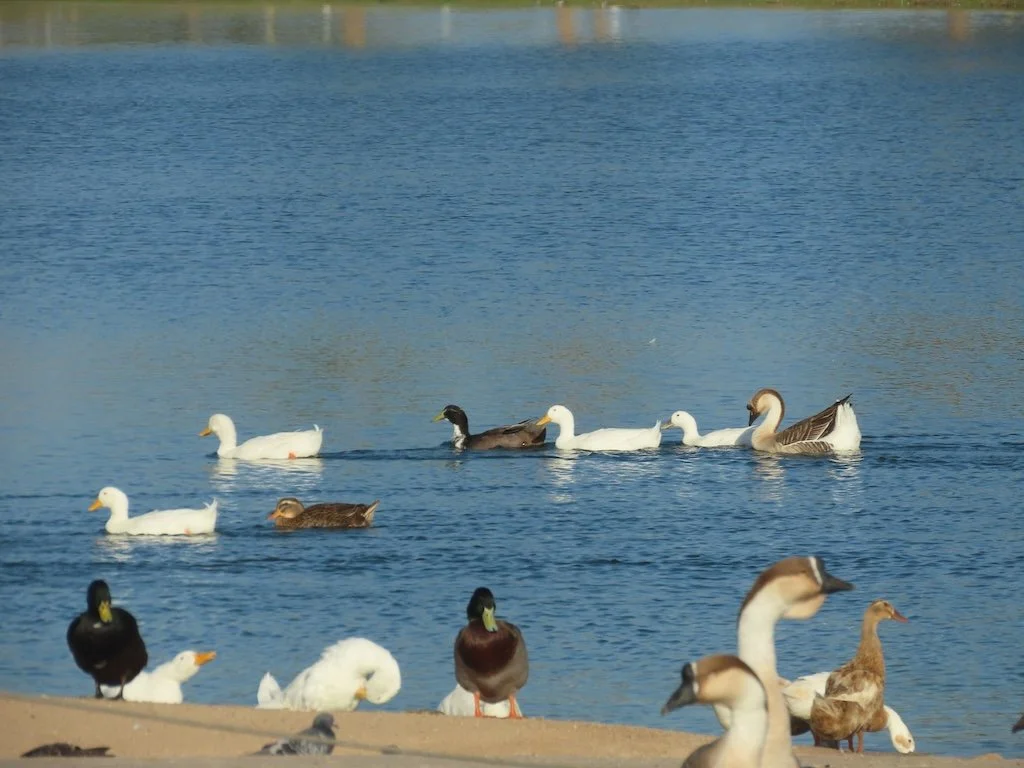
There were quite a few birds: Black-bellied Whistling ducks (and a mixture of hybrid domestic/wild ducks/geese)

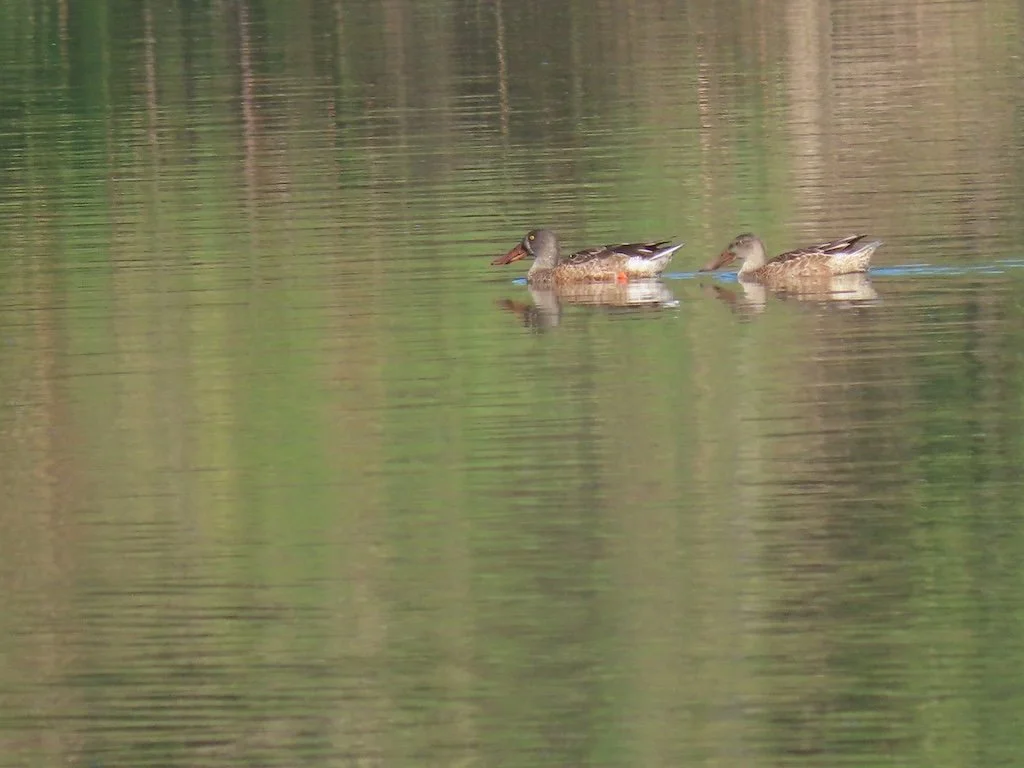
Northern Shoveler

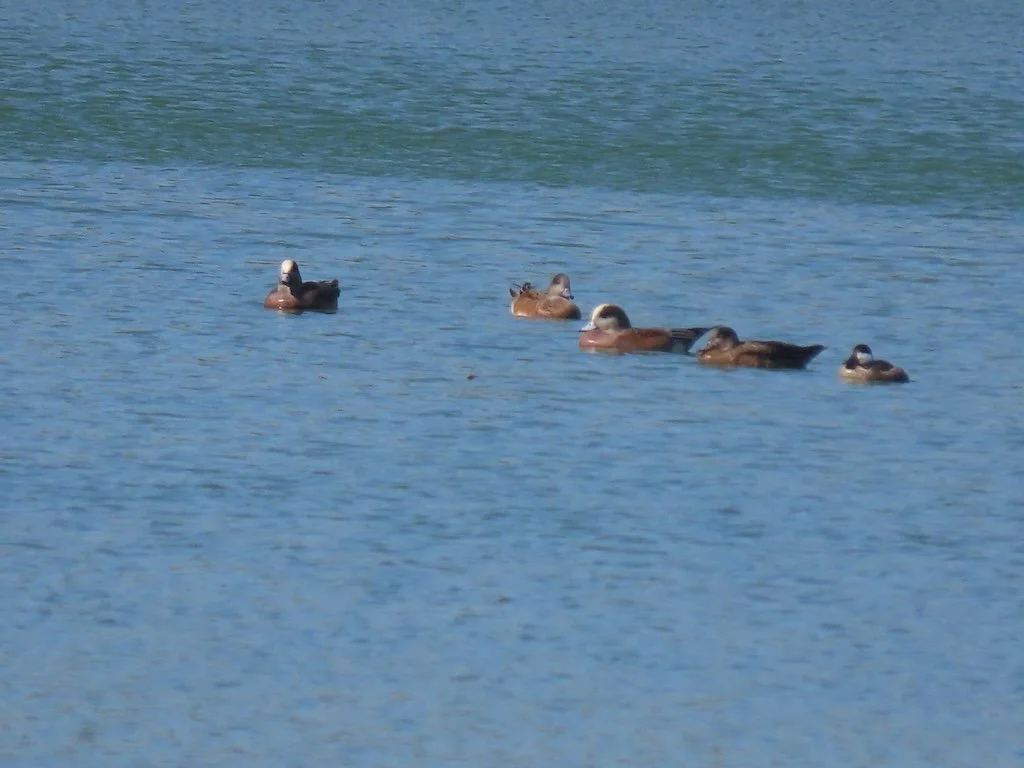
American Wigeon (and a Ruddy duck)

American Avocet

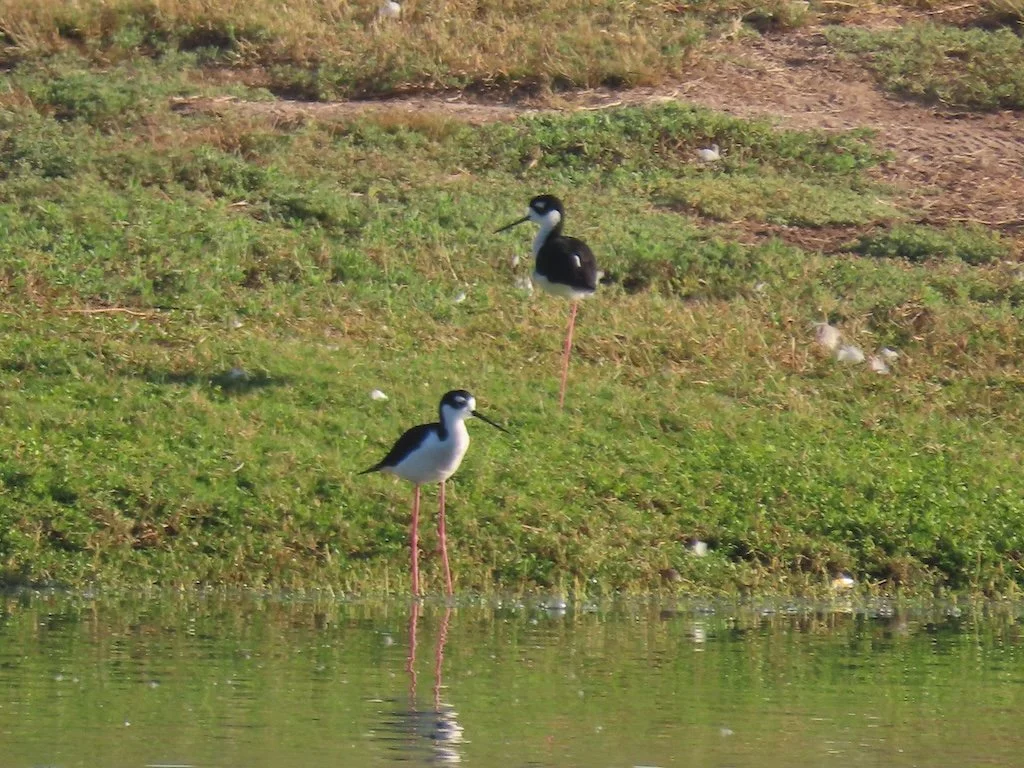
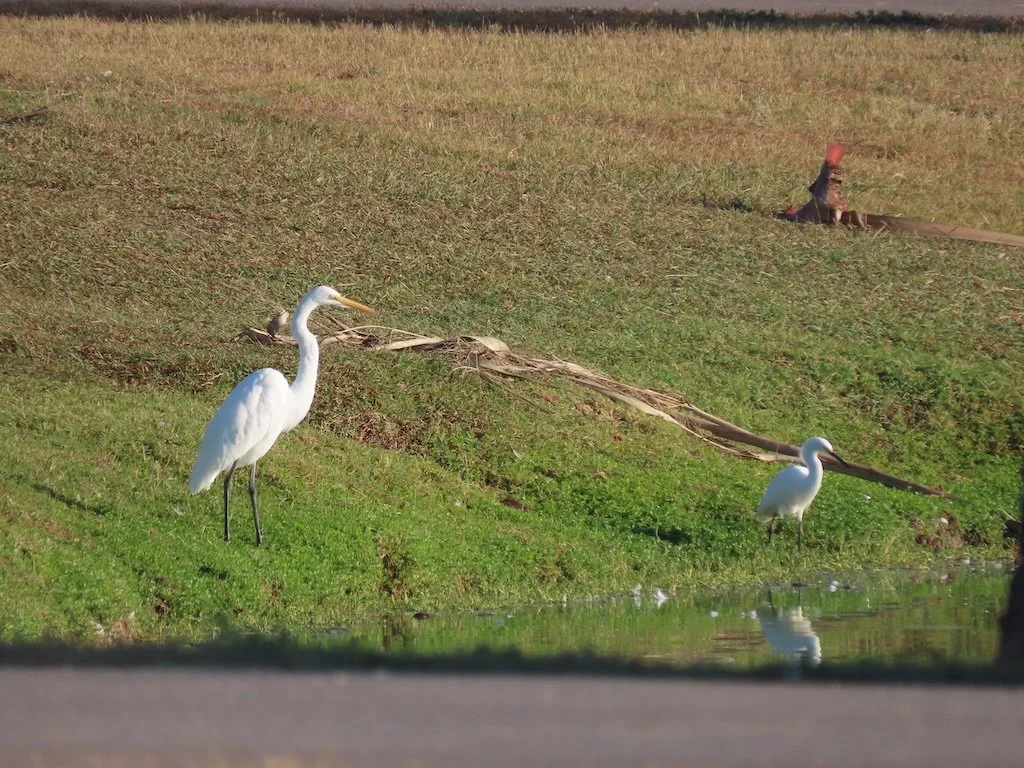
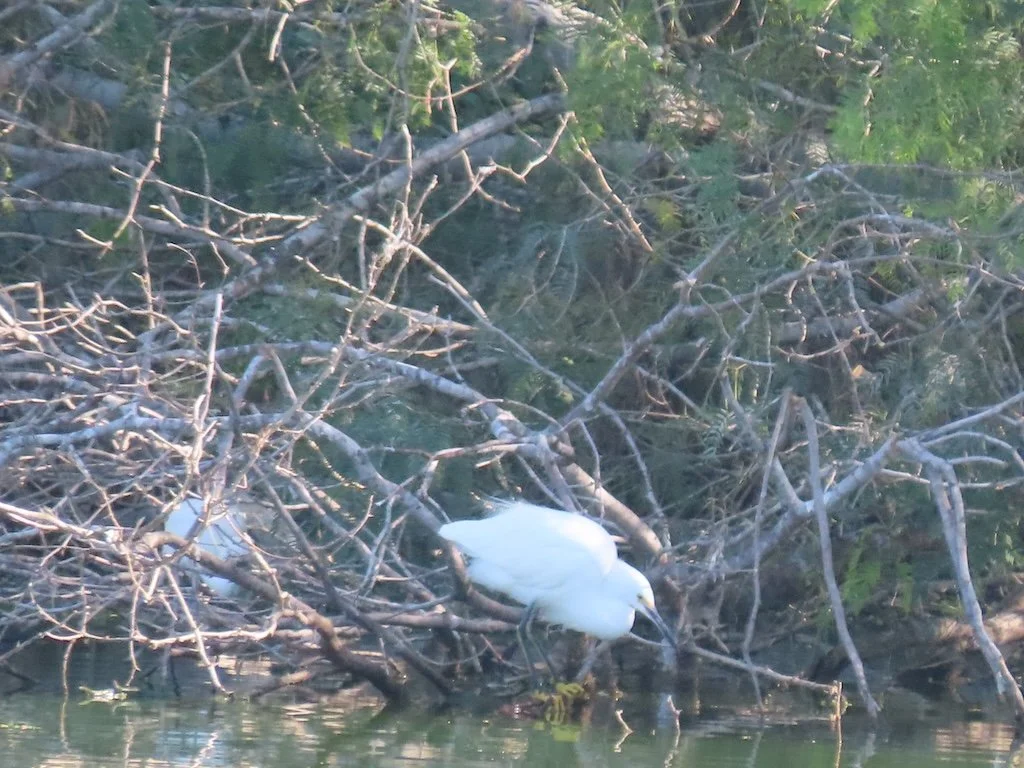
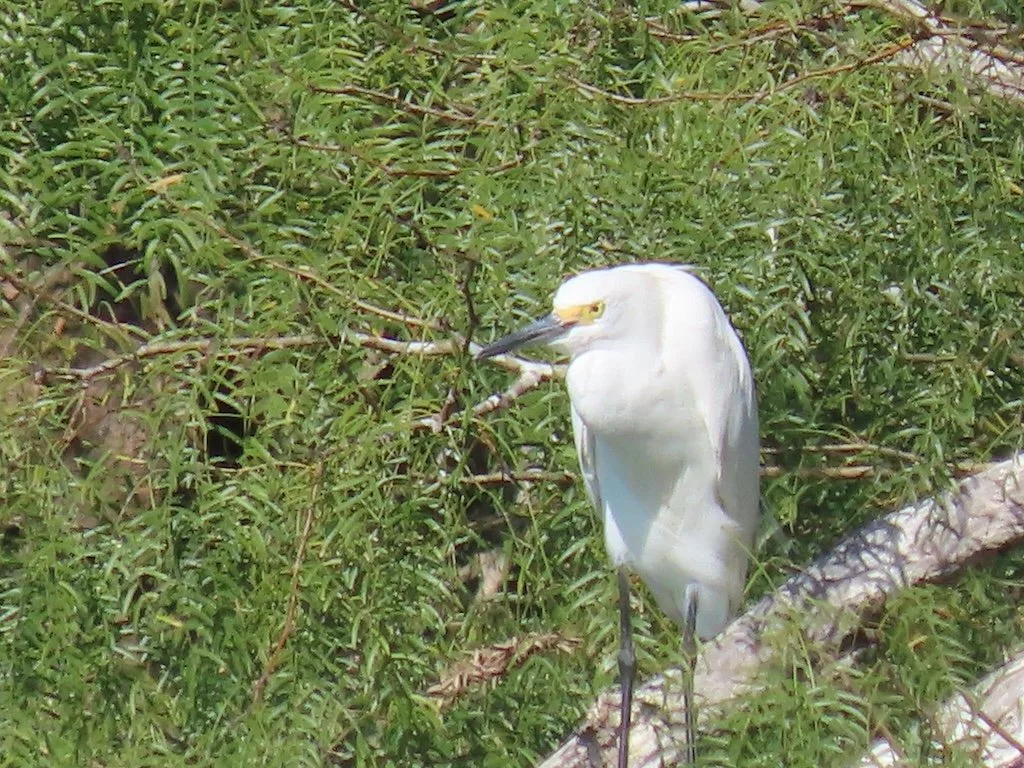
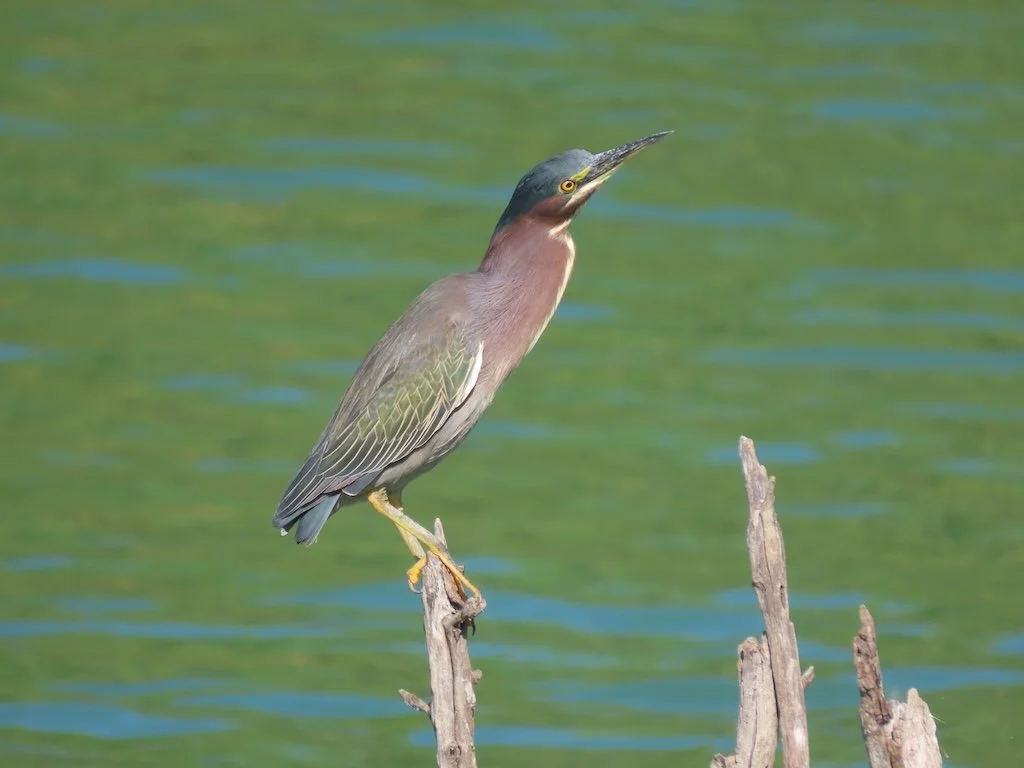
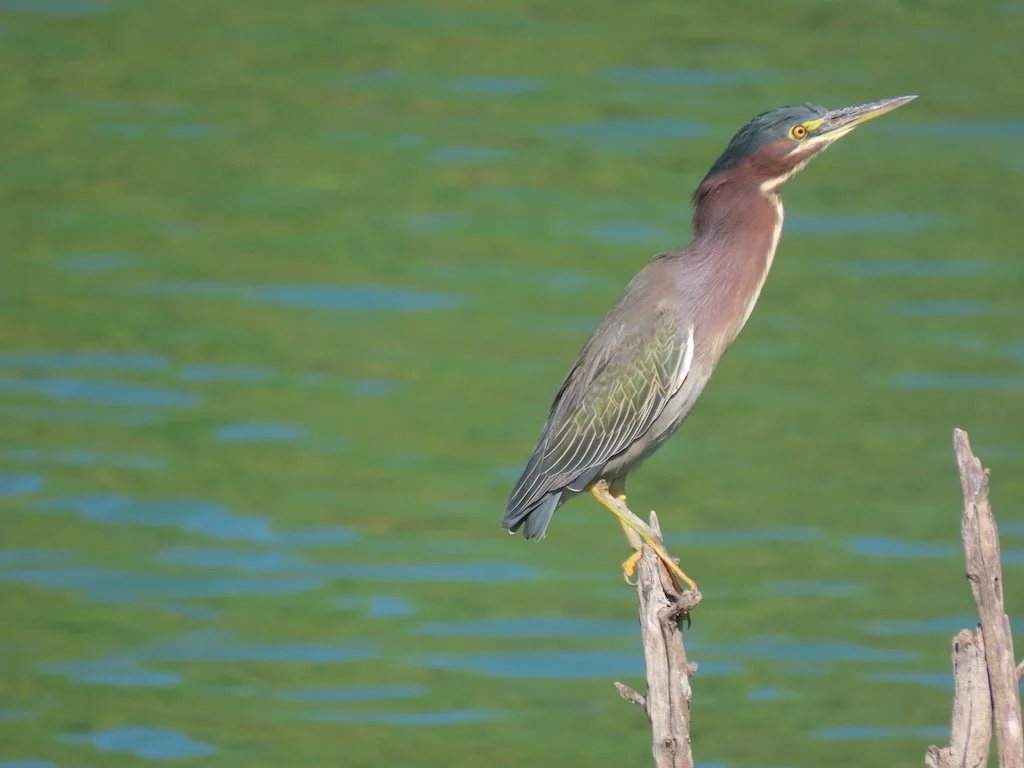
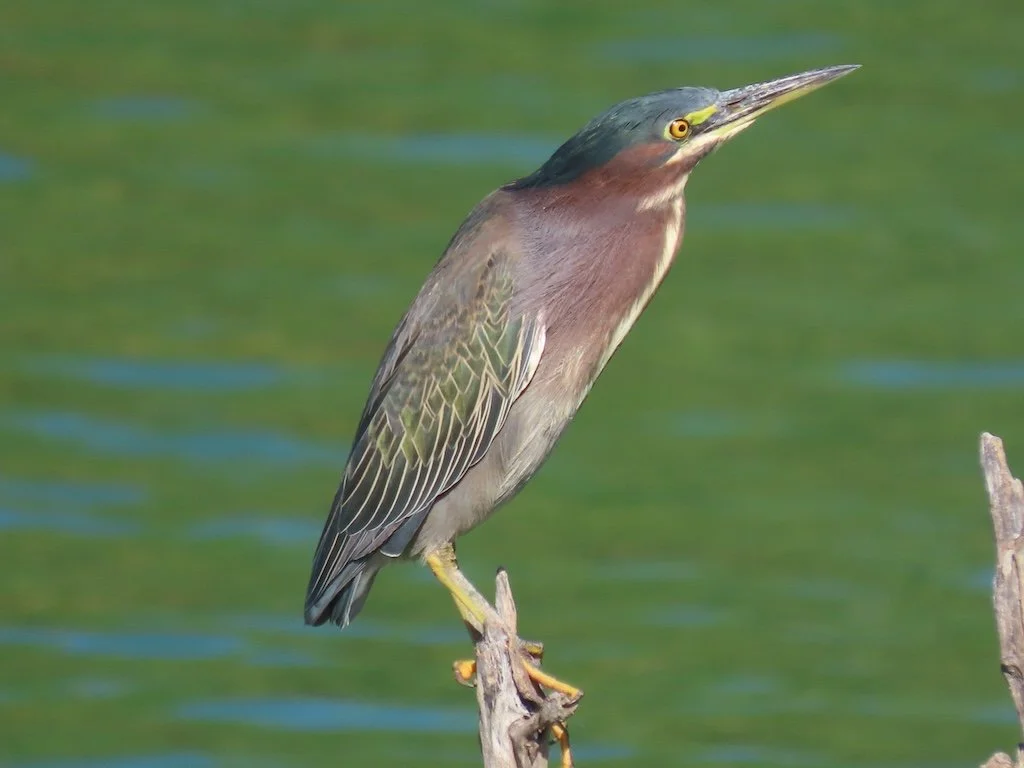
Herons: Great, Snowy, Green

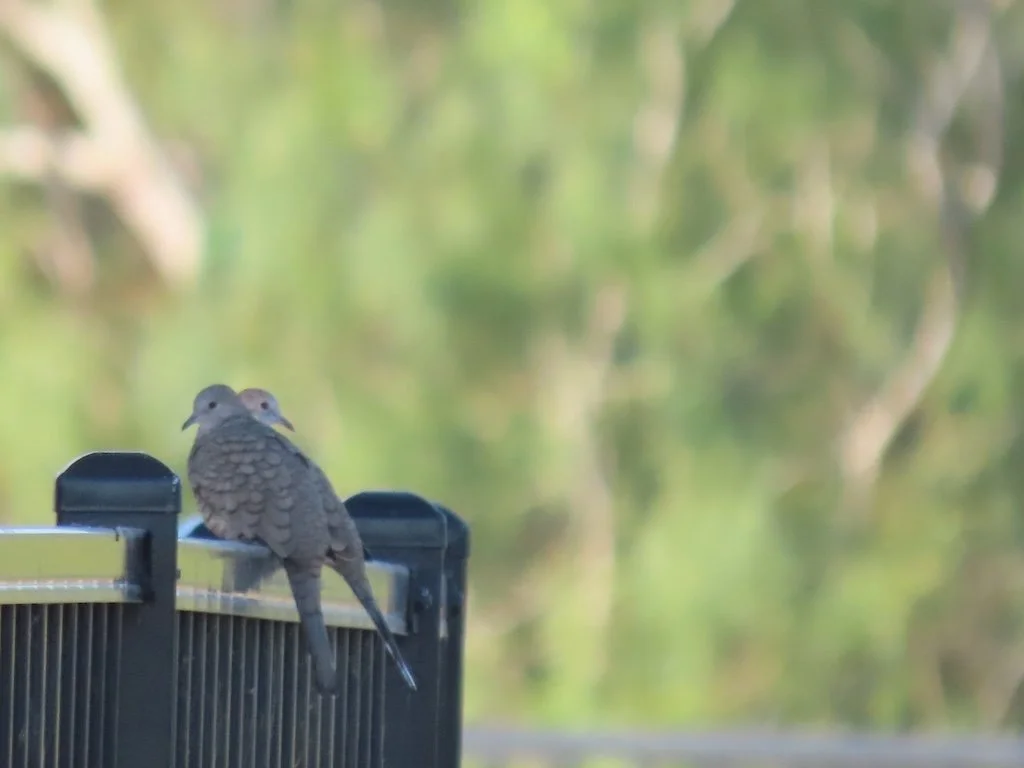
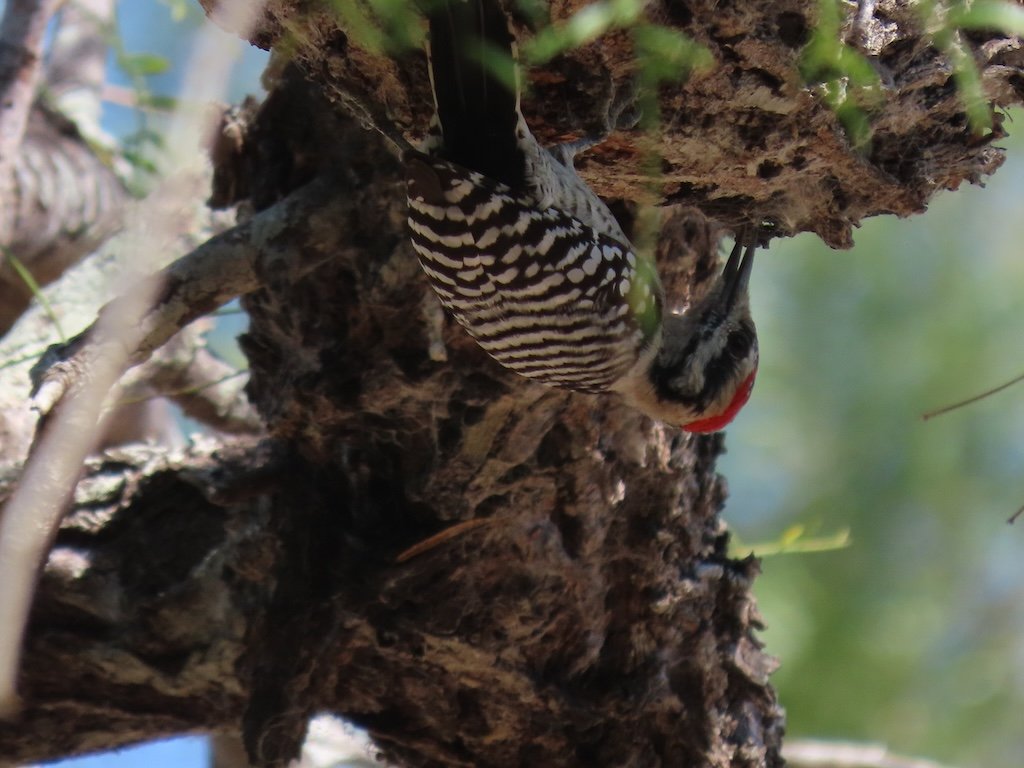
Ladder-backed Woodpecker and Inca Doves

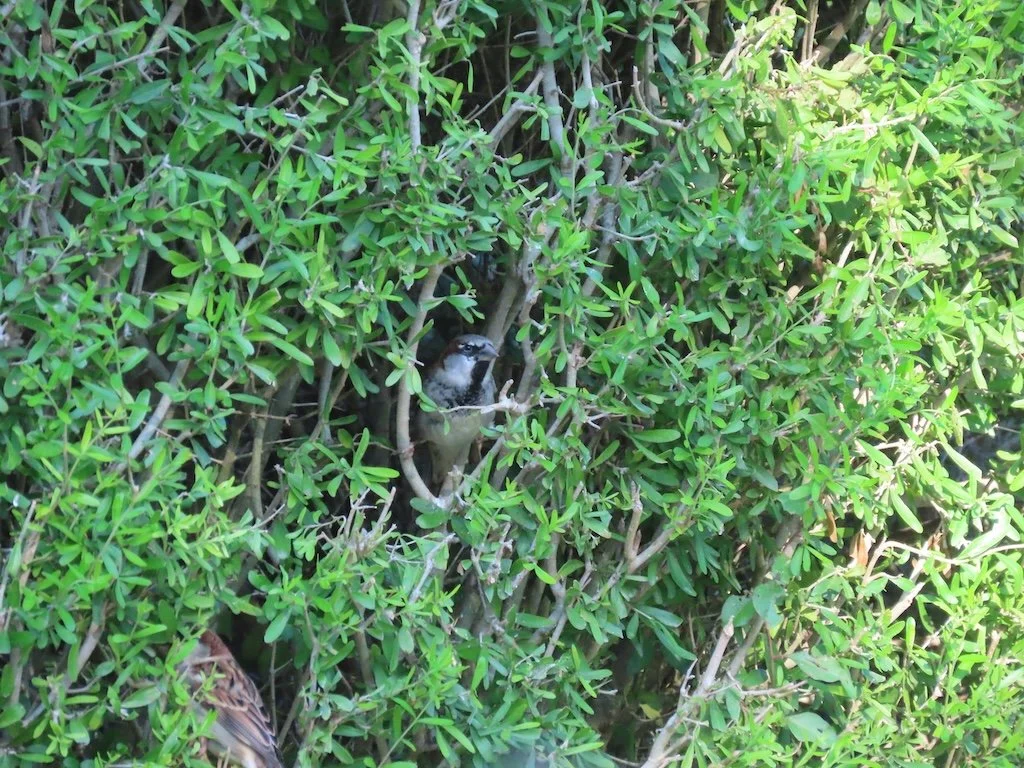
House Sparrow near the feeders

Crested Caracara

Neotropical cormorant

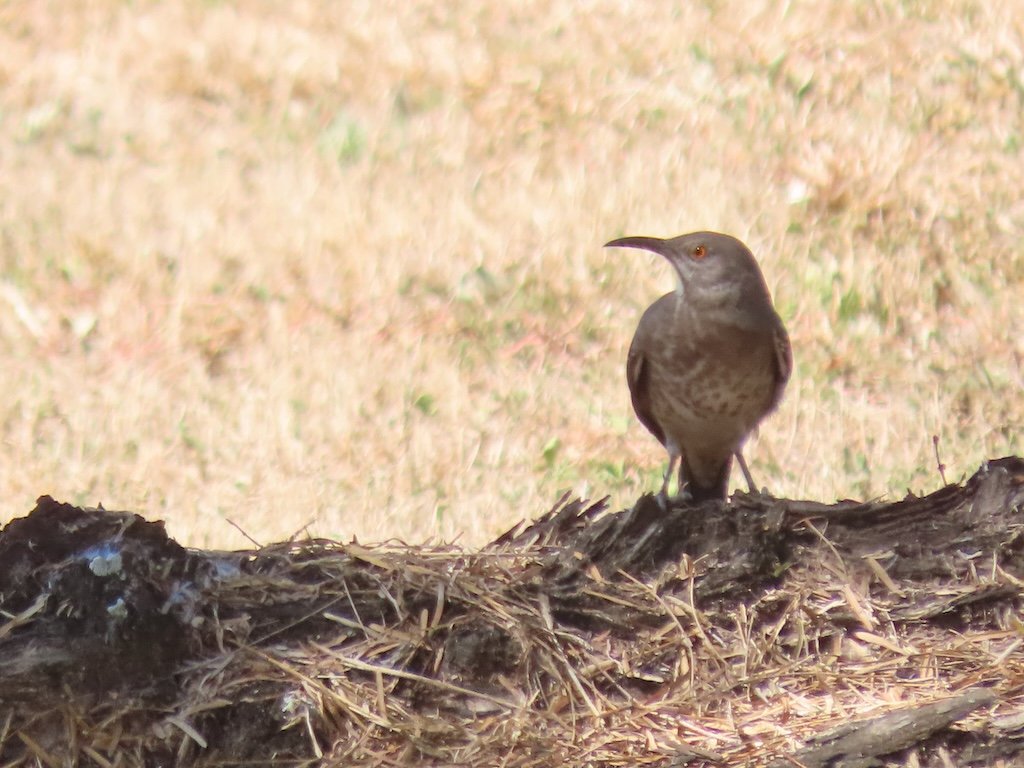
Curved-billed thrasher

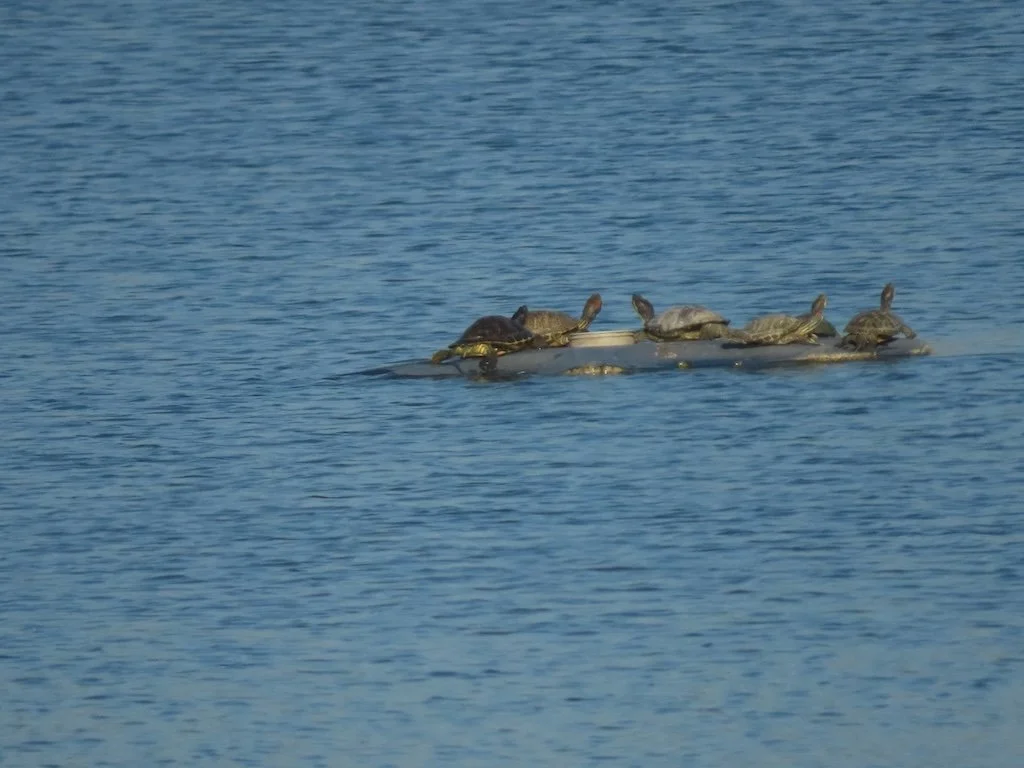
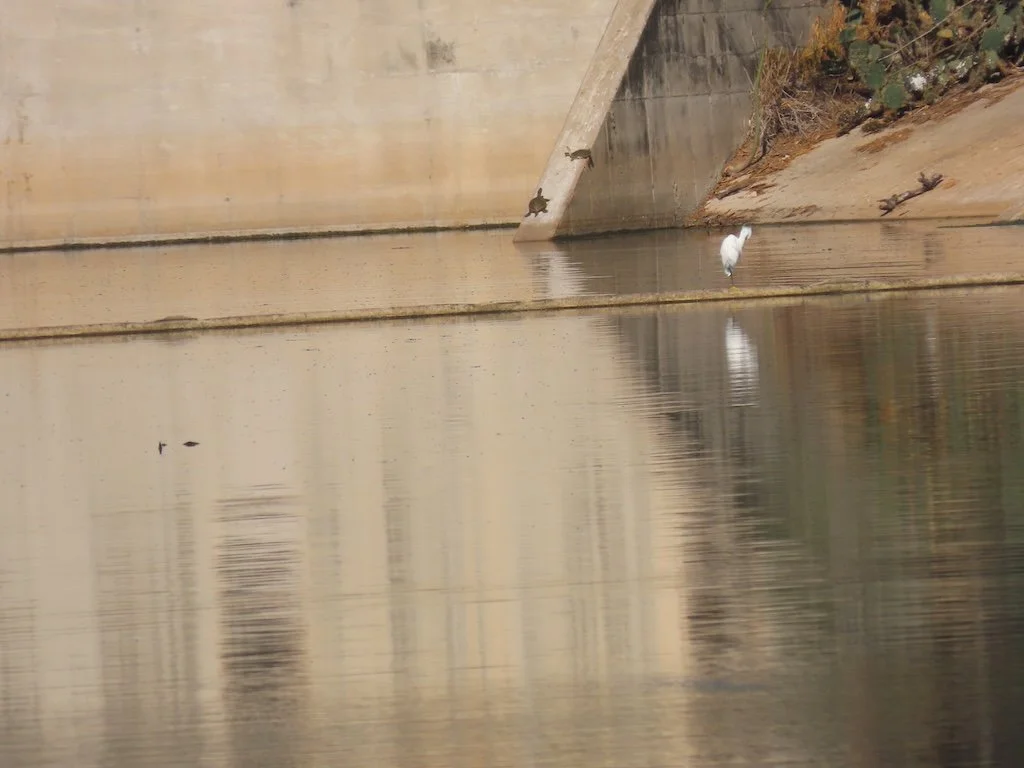
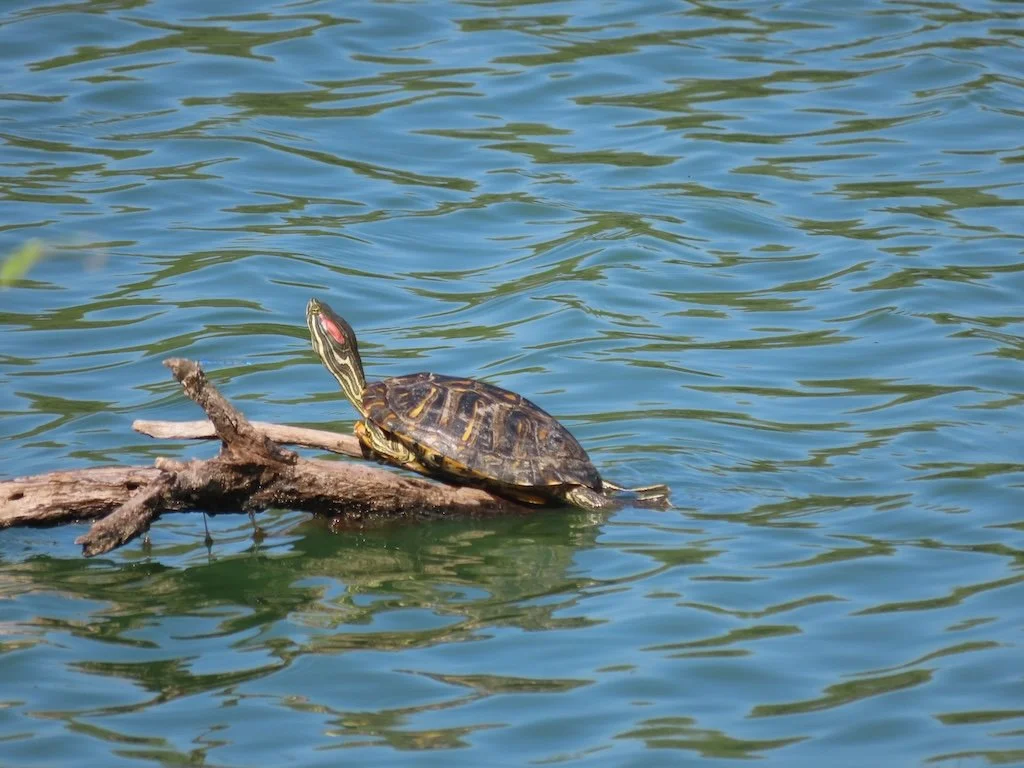
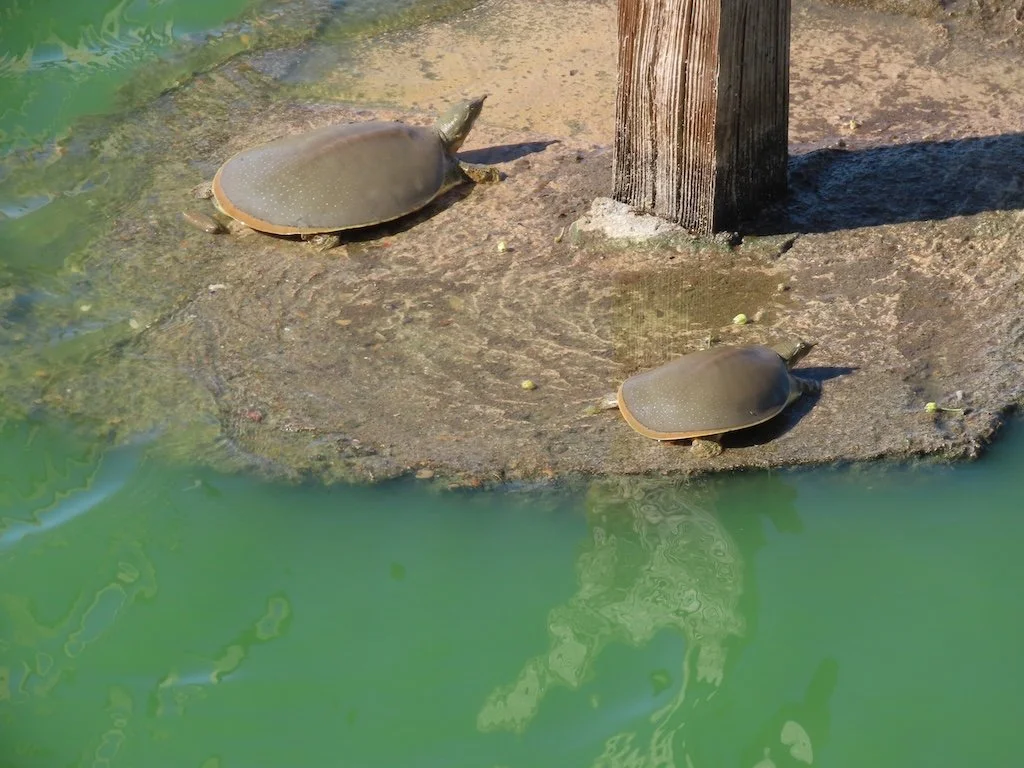
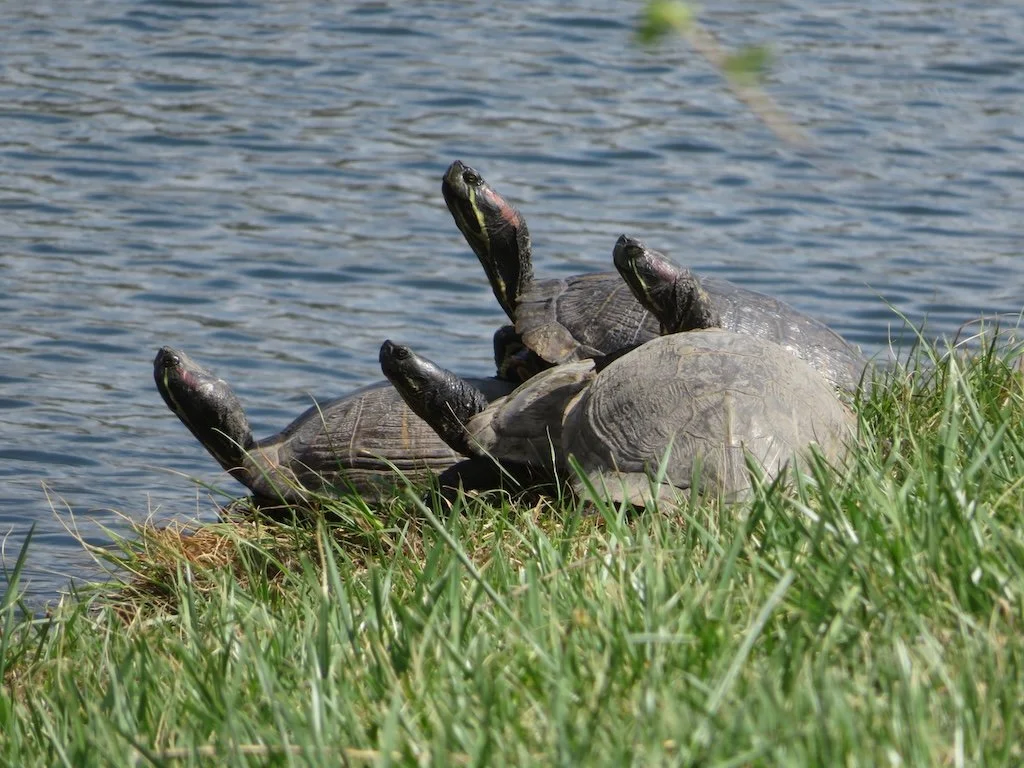
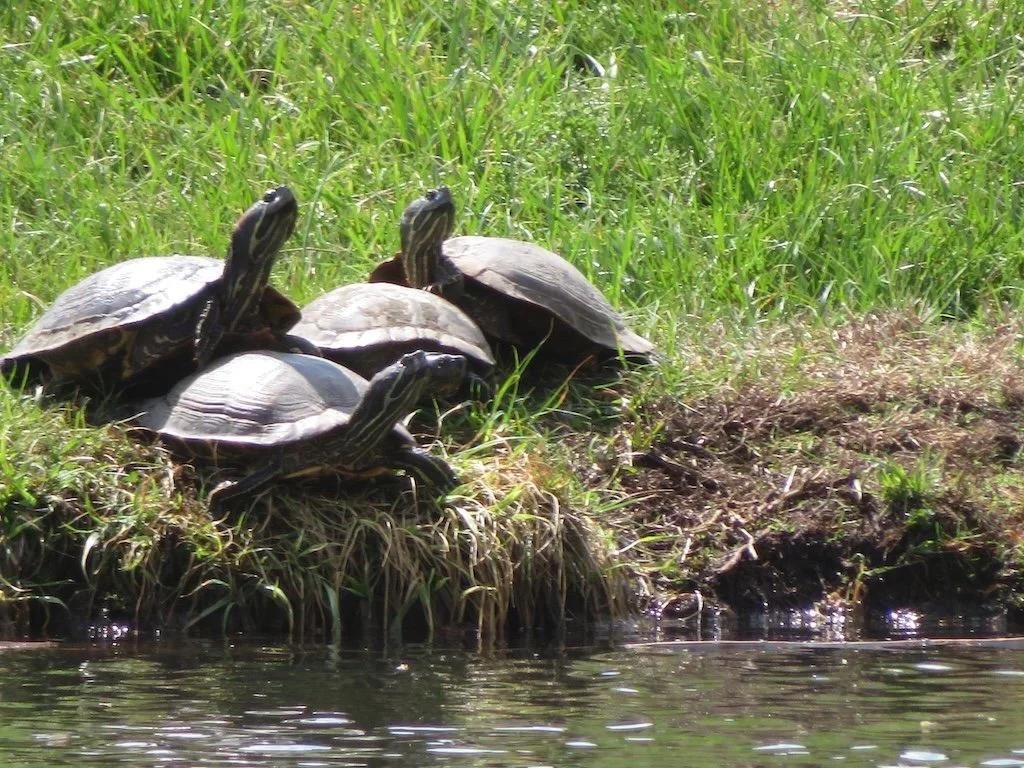
There were turtles in a lot of places too – even crawling up the dam abutment! There were Texas spiny softshell turtles on a concrete pad near the boardwalk.

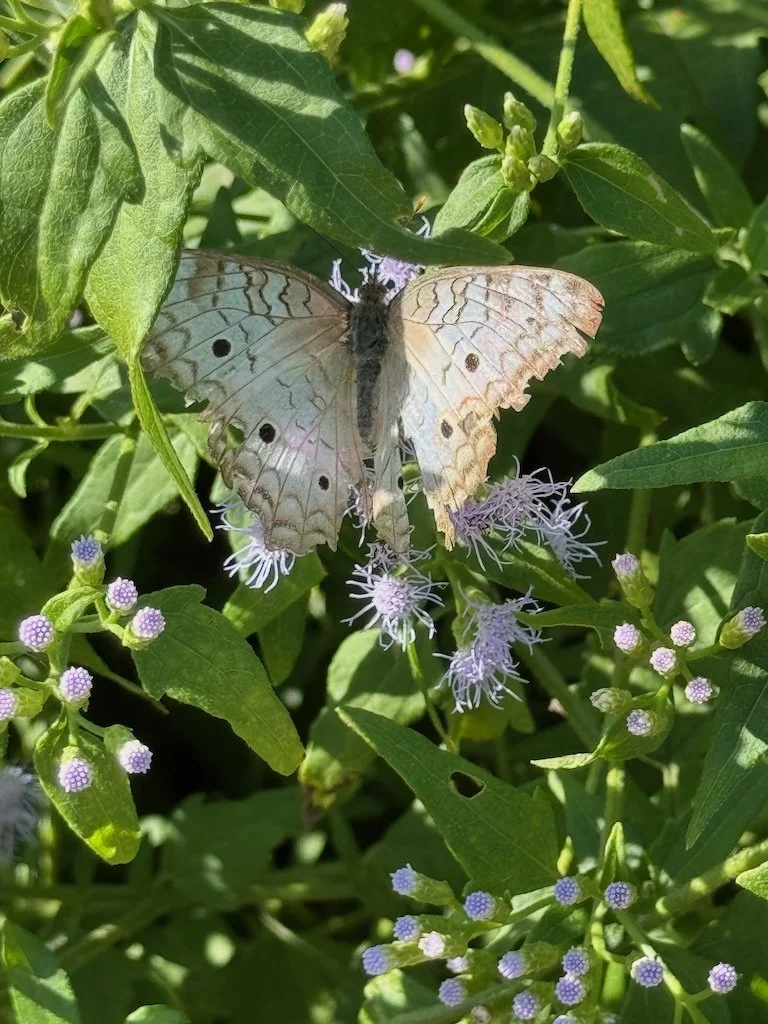
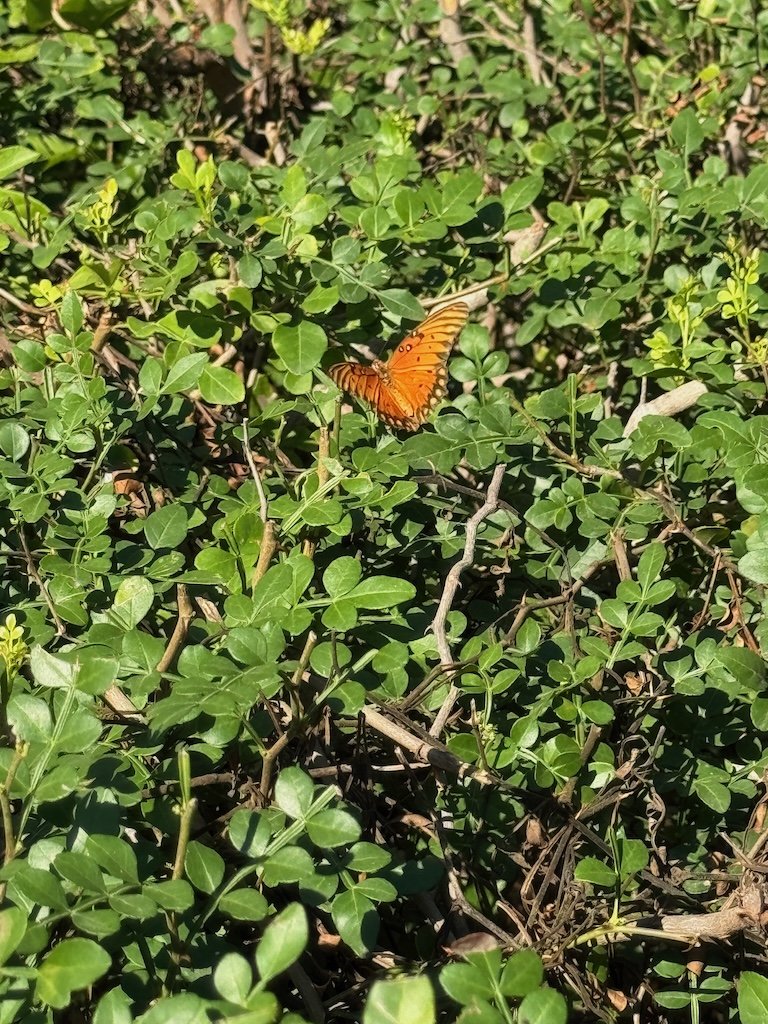
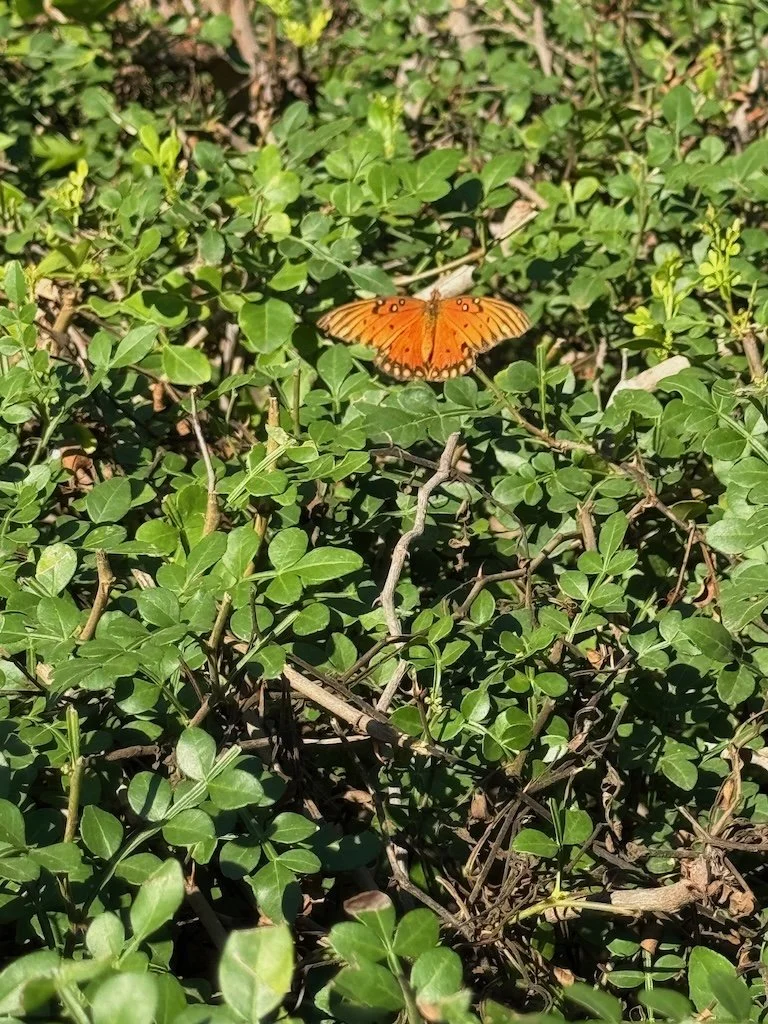
 We weren’t still long enough to do much butterfly photography – but I did manage three!

The trip had been advertised as a place to see Kingfishers, but the banks where they had frequented had been cleaned up (i.e. bushy vegetation removed) and the Kingfishers had moved elsewhere.

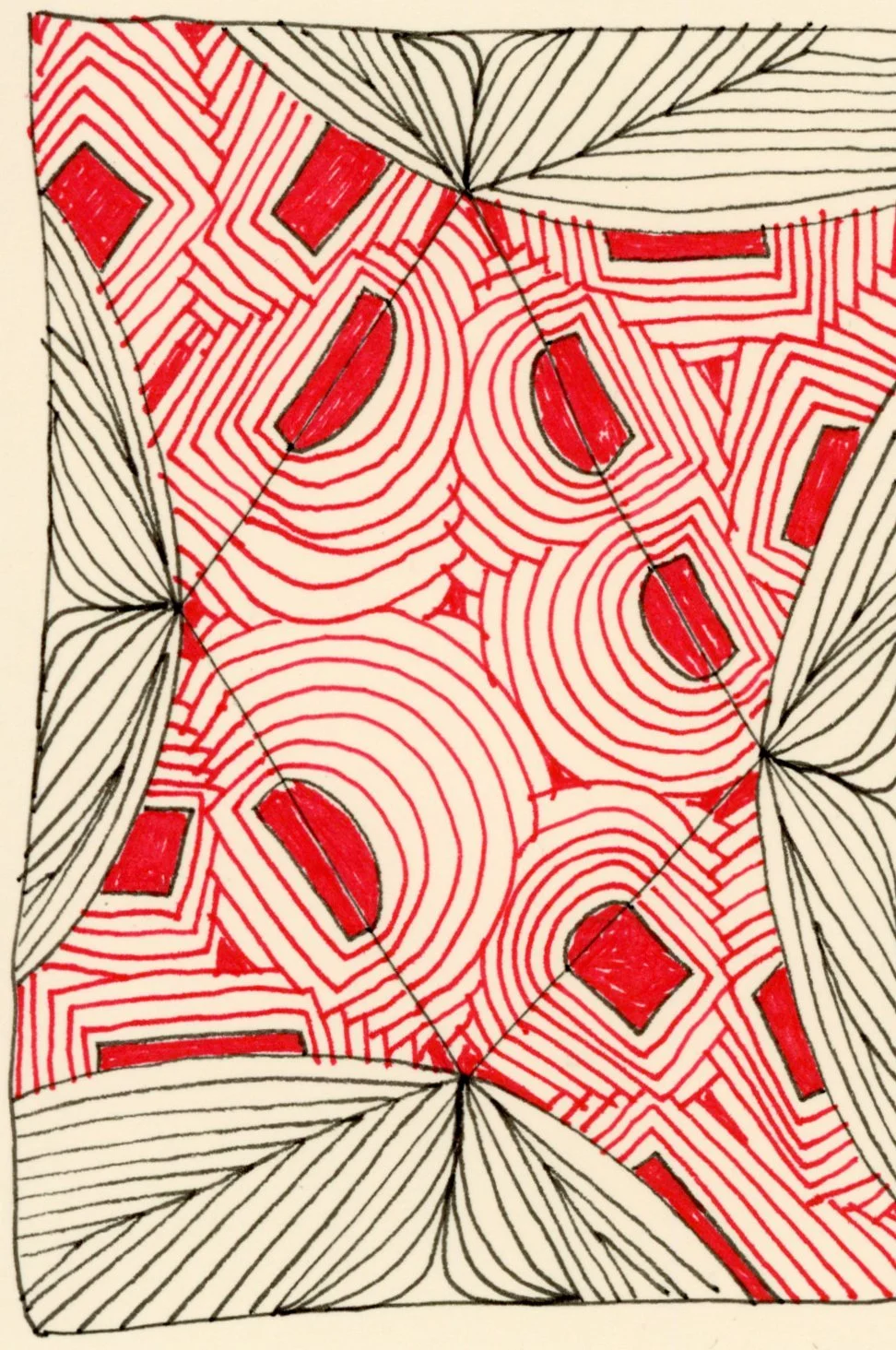
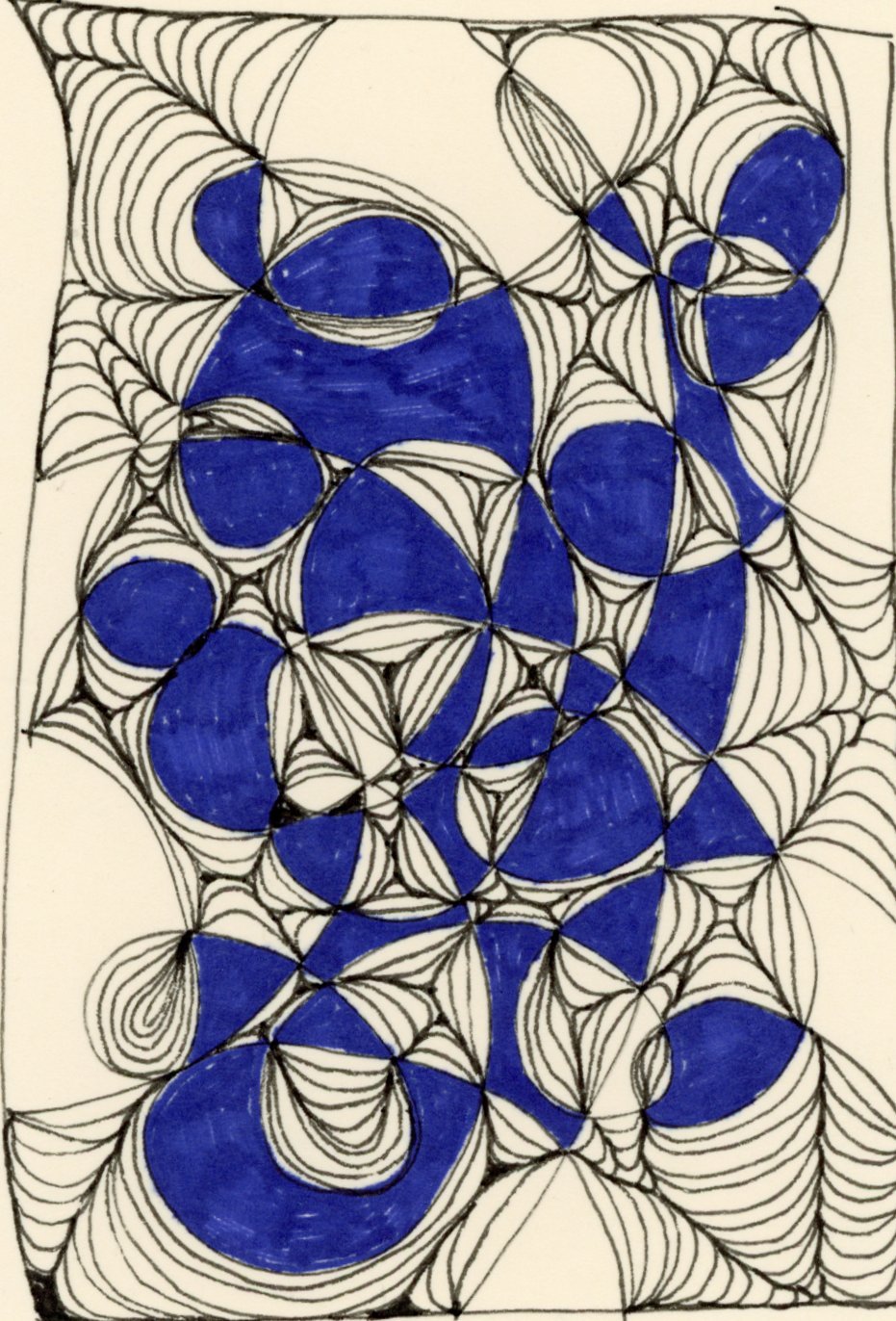
Zentangle® – November 2025

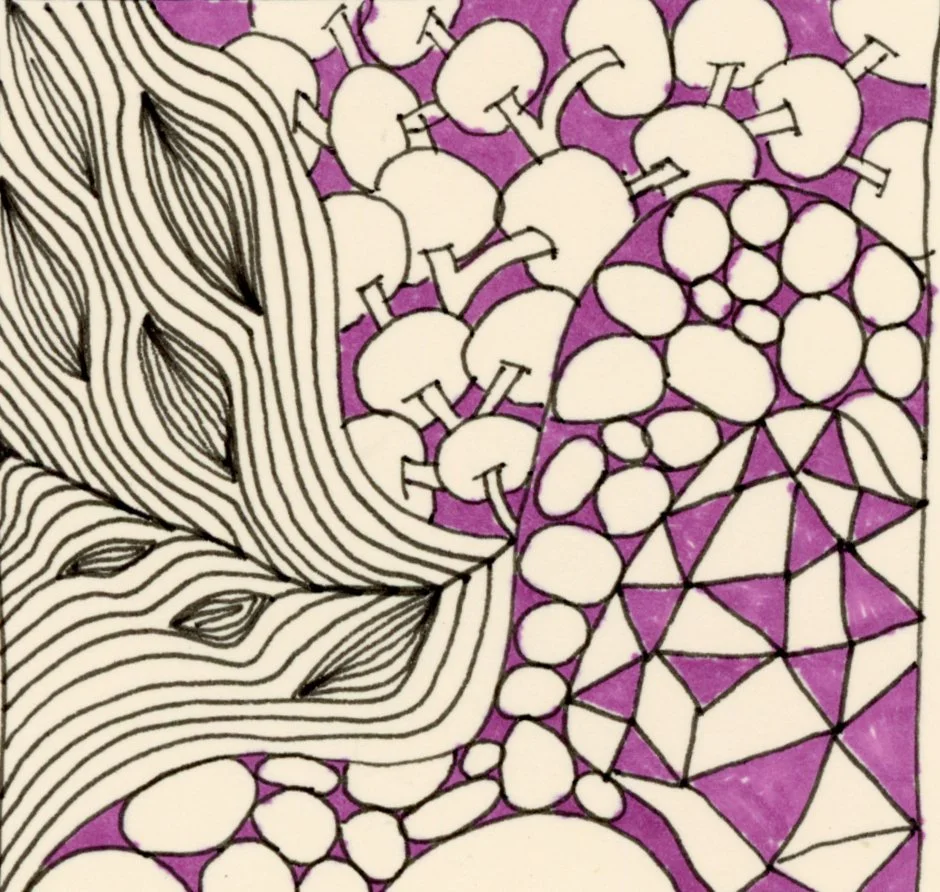
Thirty days in November…so I selected 30 tiles from the 101 that were produced in November.

They are all ivory cardstock with black ink patterns…color highlights. There are patterns I repeat frequently and others that seem to emerge for a few tiles only. I am using color pens that are several years old; I remember that I bought some of them at the Walmart in Carrollton TX in the year I started traveling to Texas again after COVID. It takes discipline to not buy new pens until old ones are depleted!

I was traveling for 11 days out of the month and kept two pockets (one for tiles and one for pens) of my laptop bag packed with supplies! My Zentangle time is part of my winding down routine toward the end of the day whether I am at home or in a hotel; almost all the tiles were produced between 8 and 9 PM!

I’ve already cut red, green and white tiles for December – and plan to use black and white inks.

The Zentangle® Method is an easy-to-learn, relaxing, and fun way to create beautiful images by drawing structured patterns. It was created by Rick Roberts and Maria Thomas. “Zentangle” is a registered trademark of Zentangle, Inc. Learn more at zentangle.com.