Edinburg Scenic Wetlands

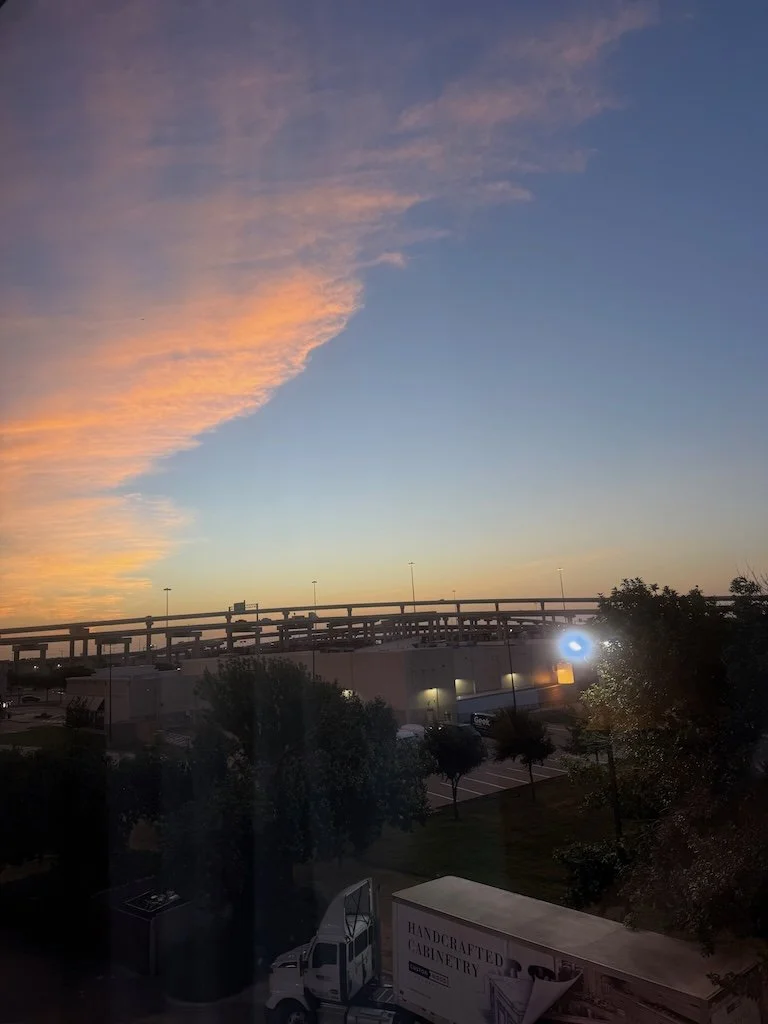
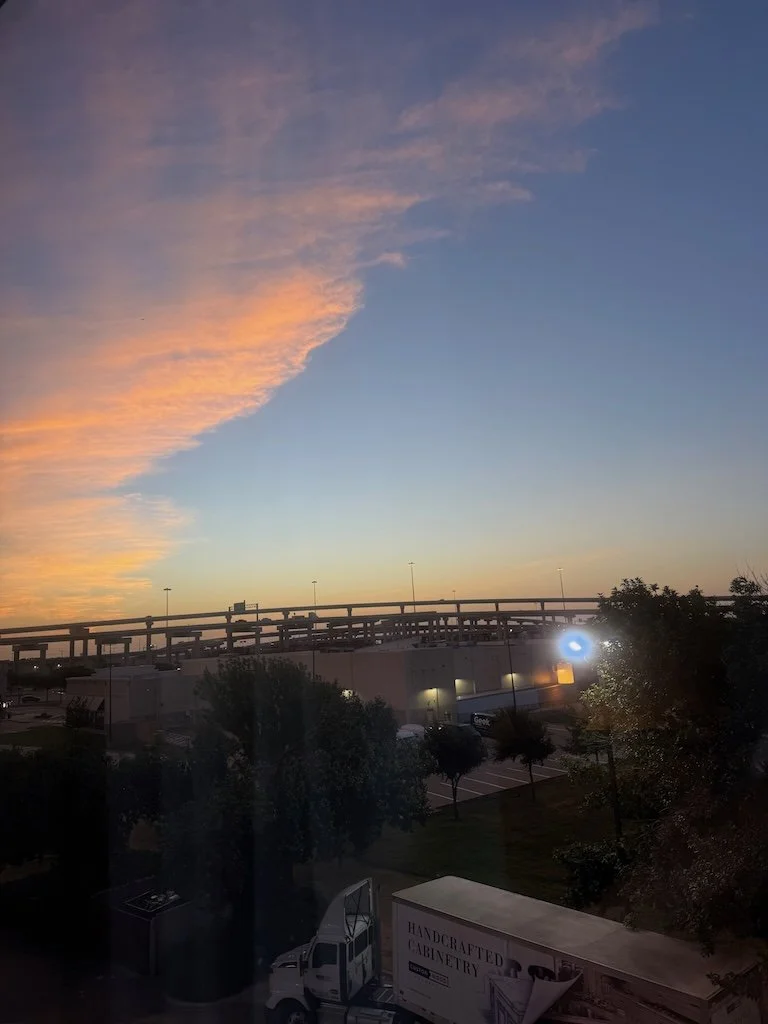
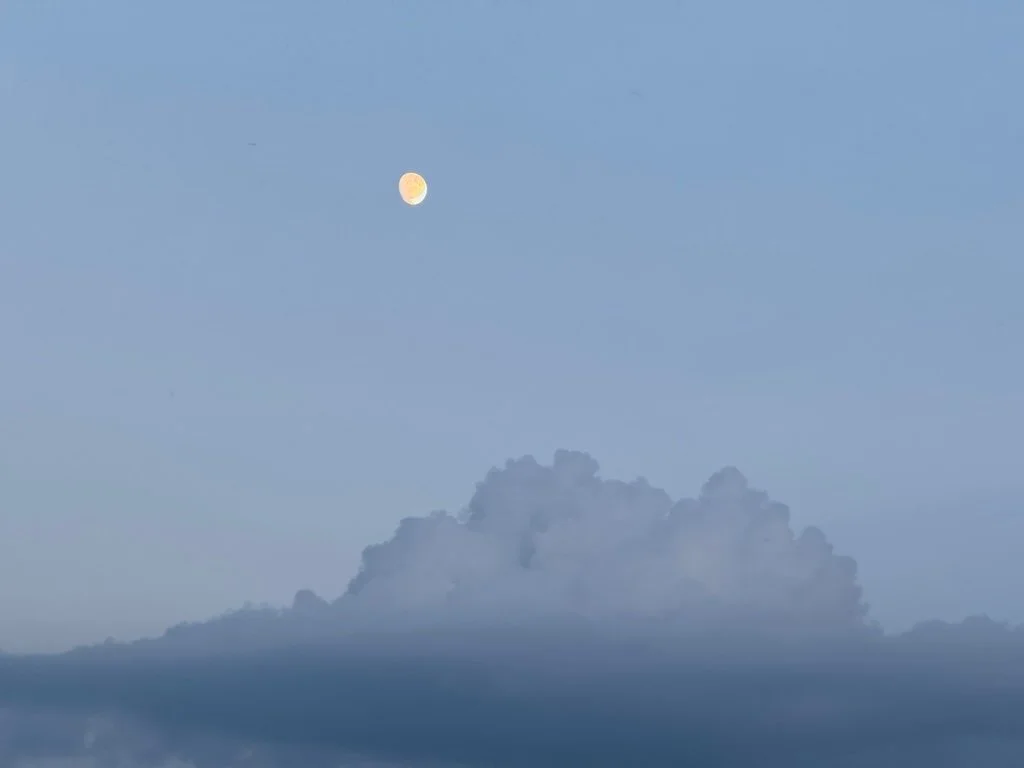
Our fourth morning at the Rio Grande Valley Birding Festival required us to be at the Harlingen Convention Center by 7 AM for the bus; we were glad it wasn’t earlier! There was an odd cloud or smoke plume that obscured the sunrise; tt was moving rapidly and seemed to have an origination point so I think it might have been smoke.

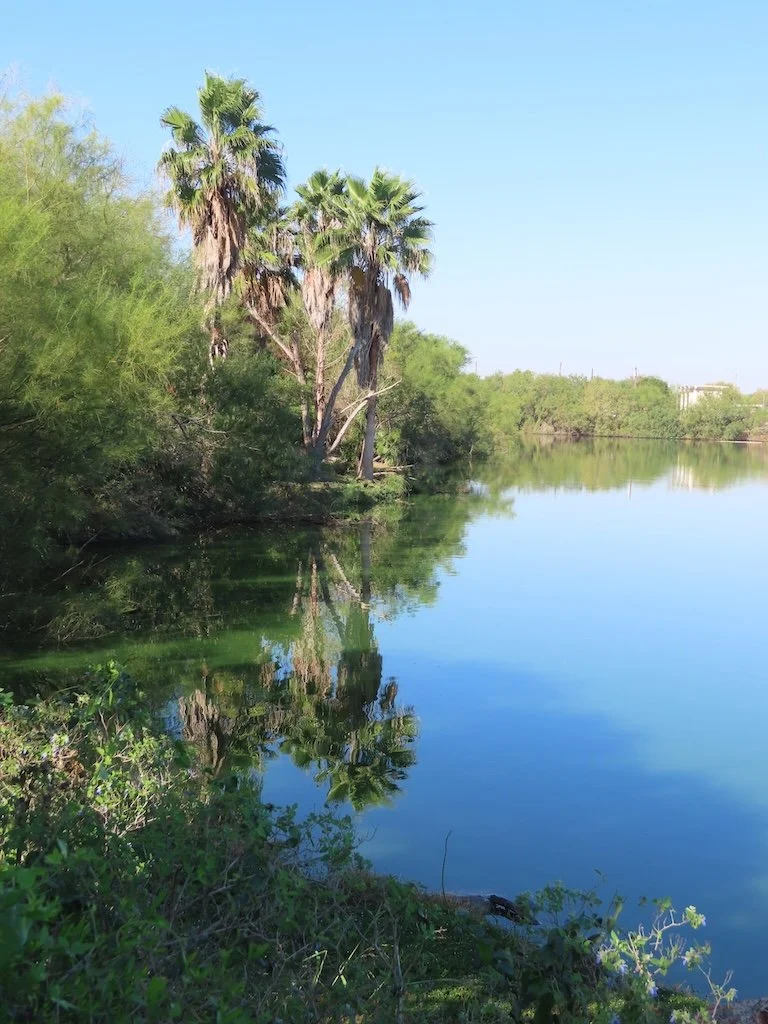
We headed to the town of Edinburg TX and their wetlands oasis – the Edinburg Scenic Wetlands & Birding Center - about 40 minutes on the bus.

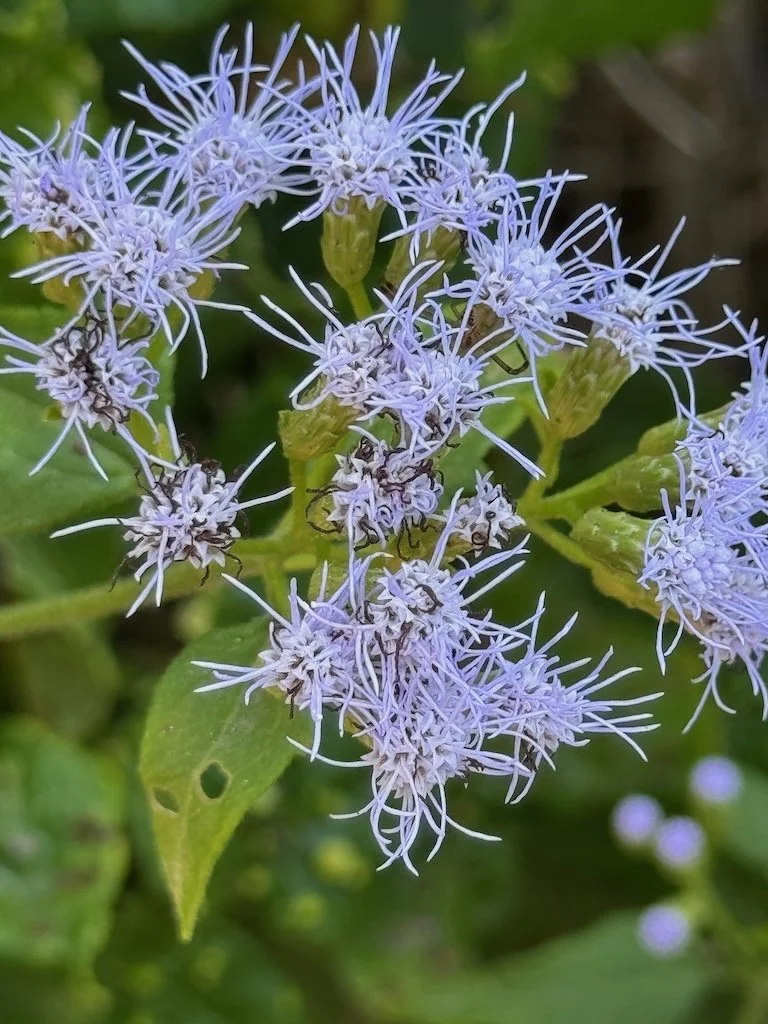
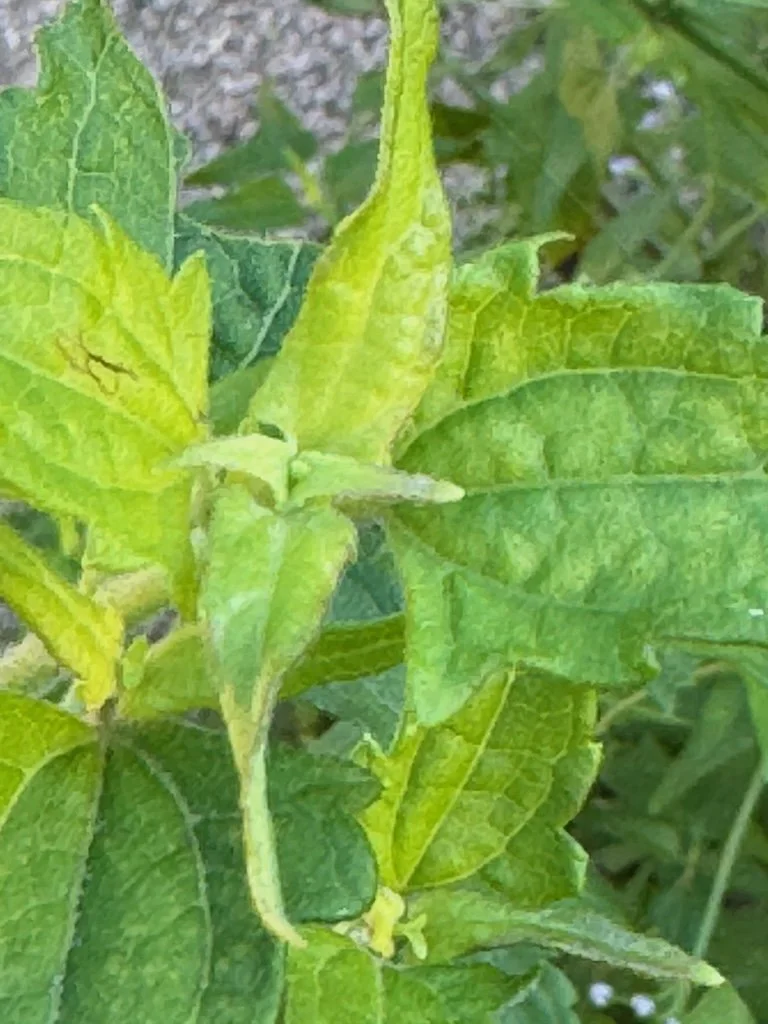
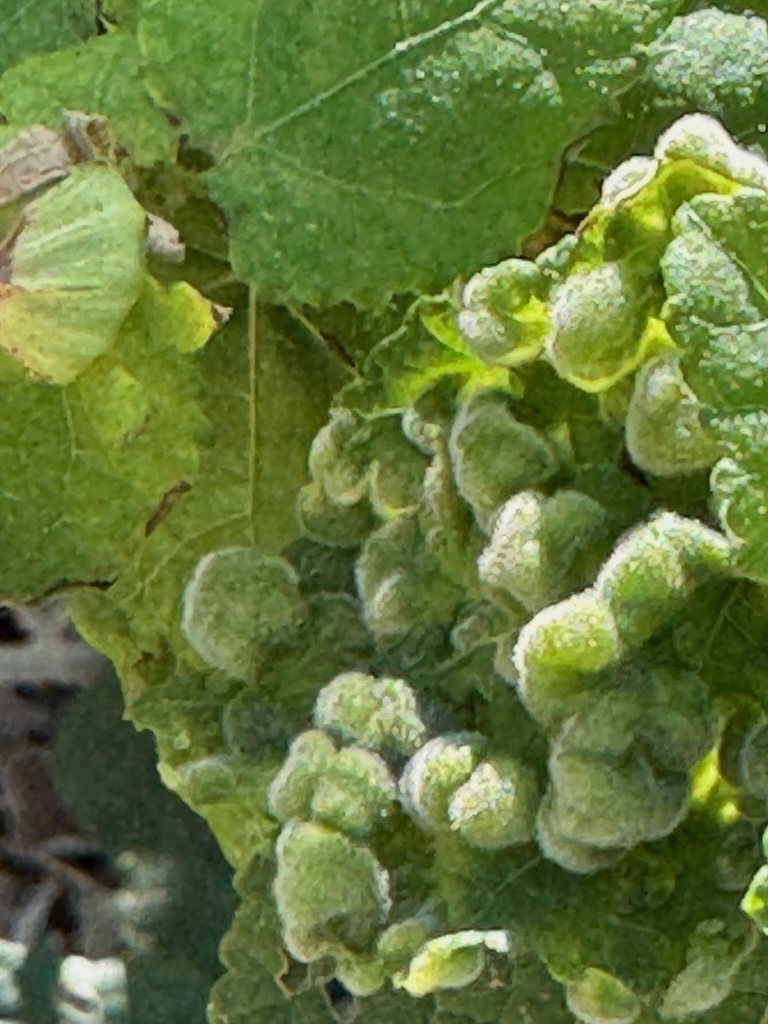
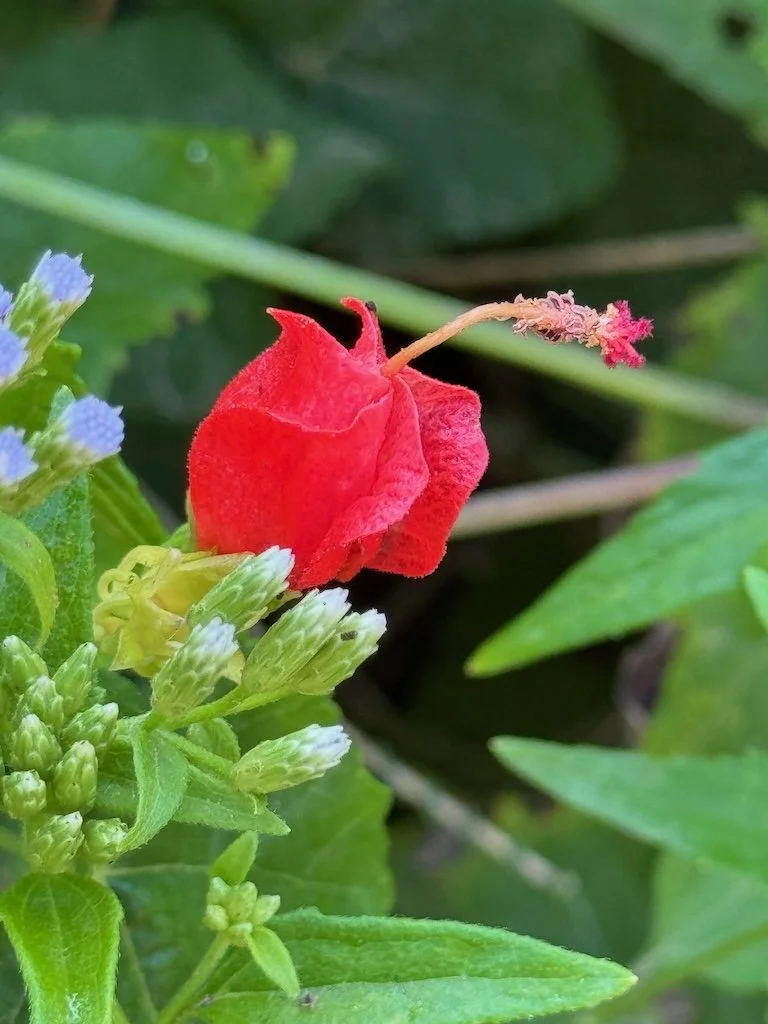
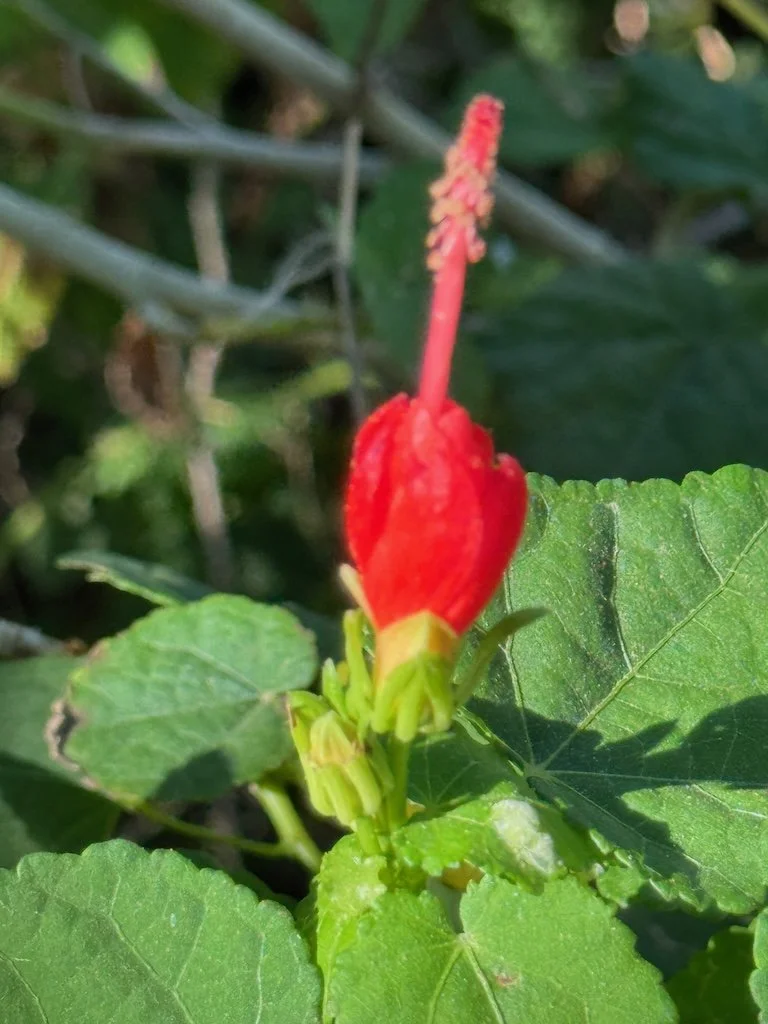
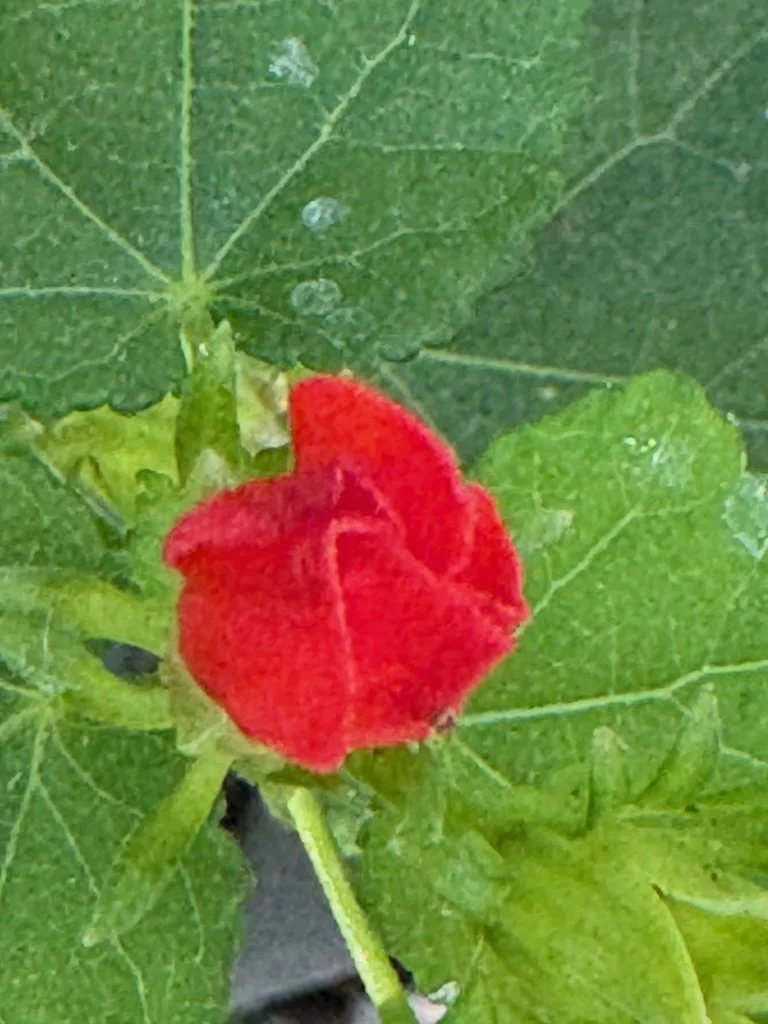
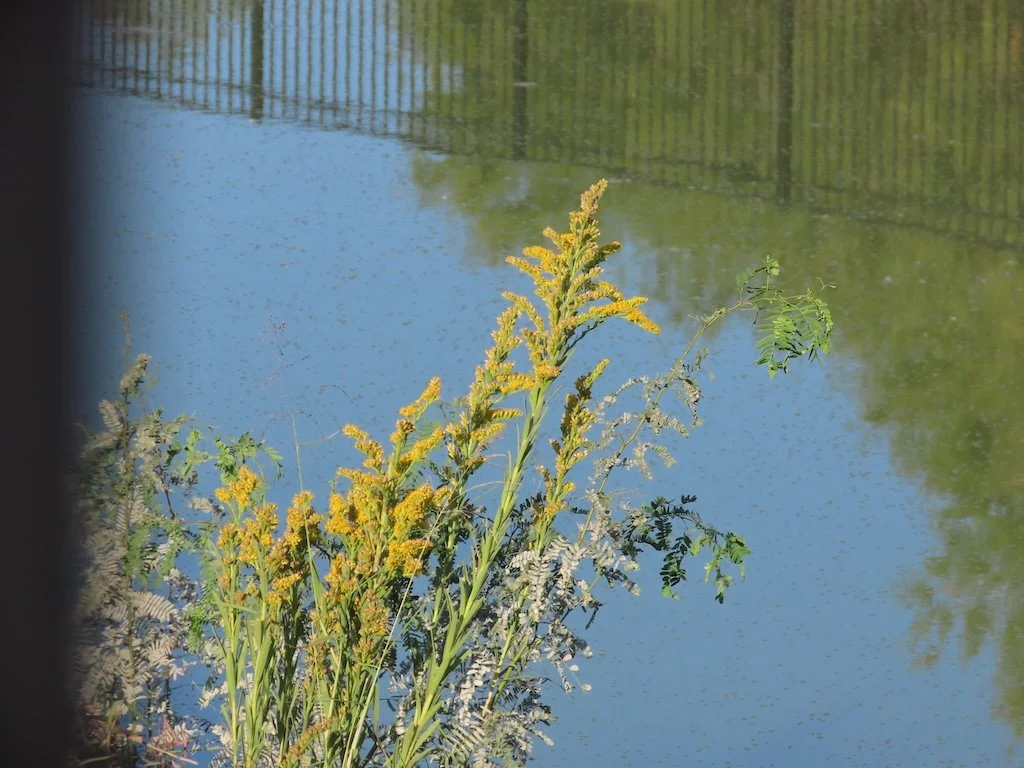
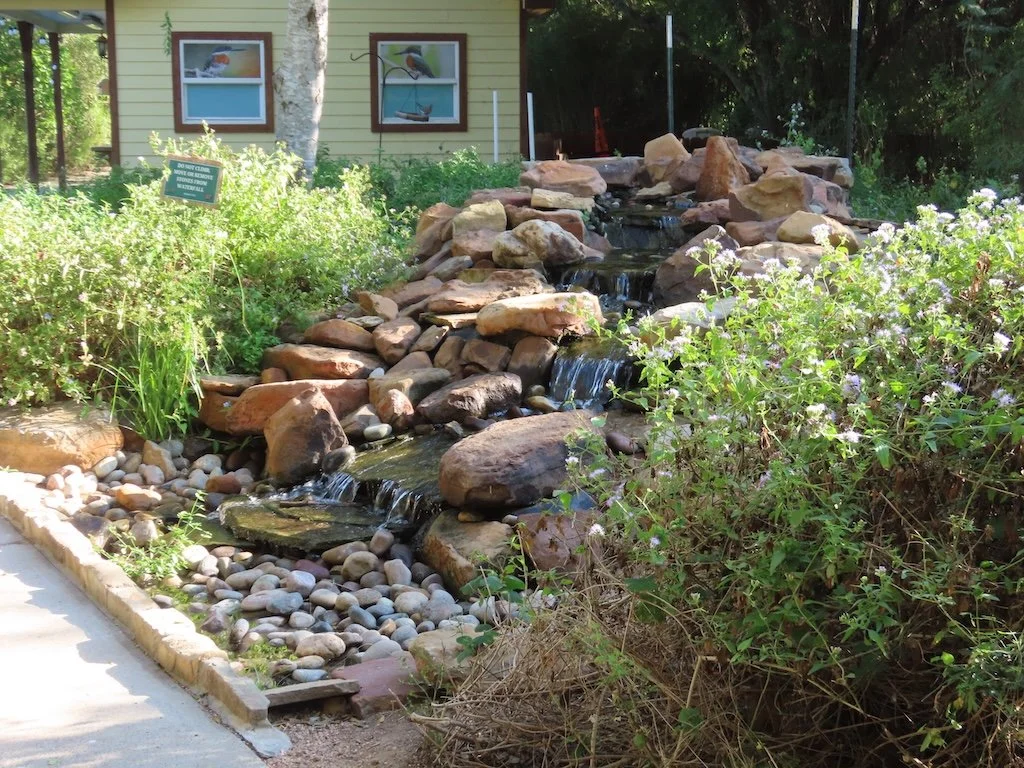
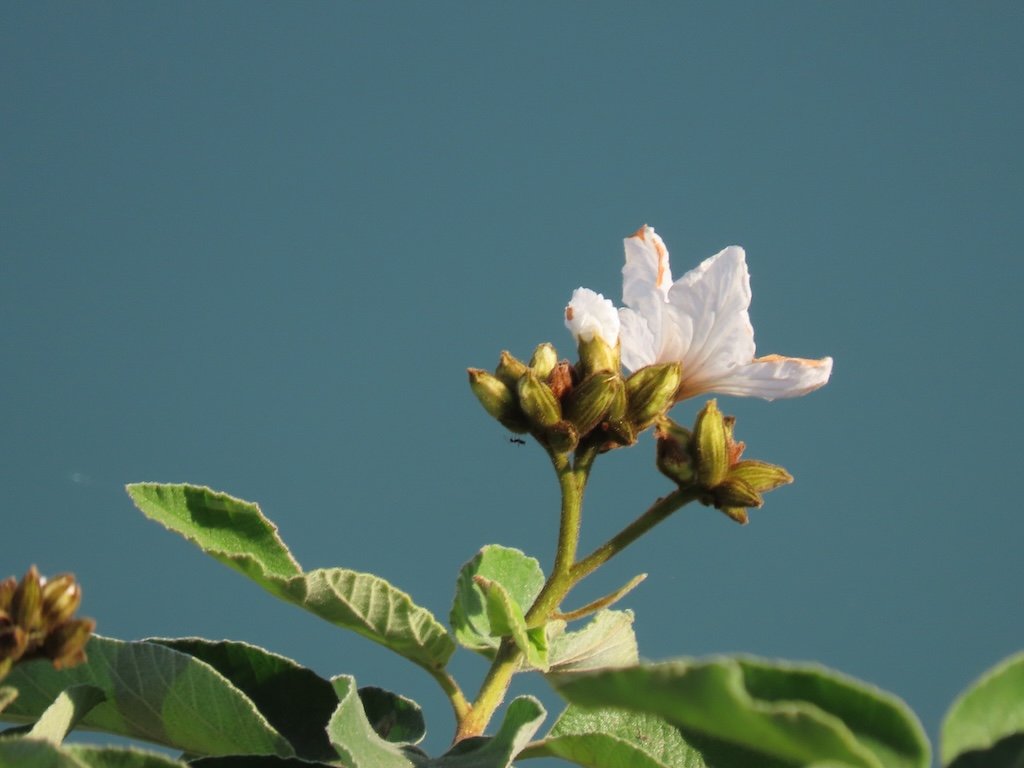
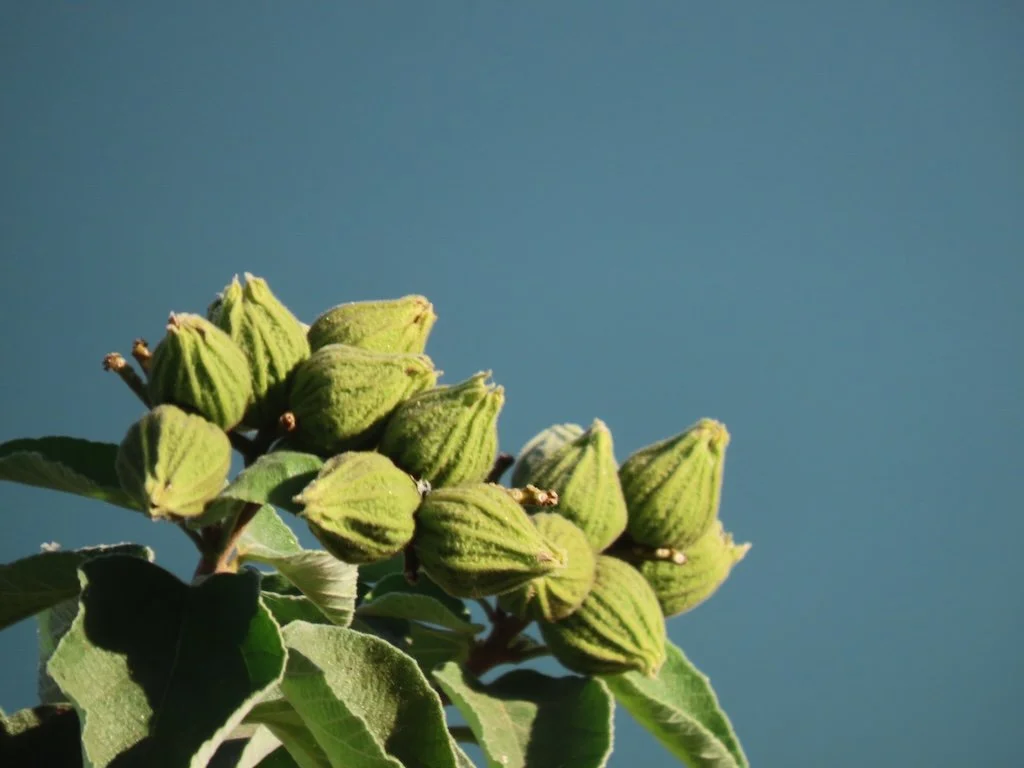
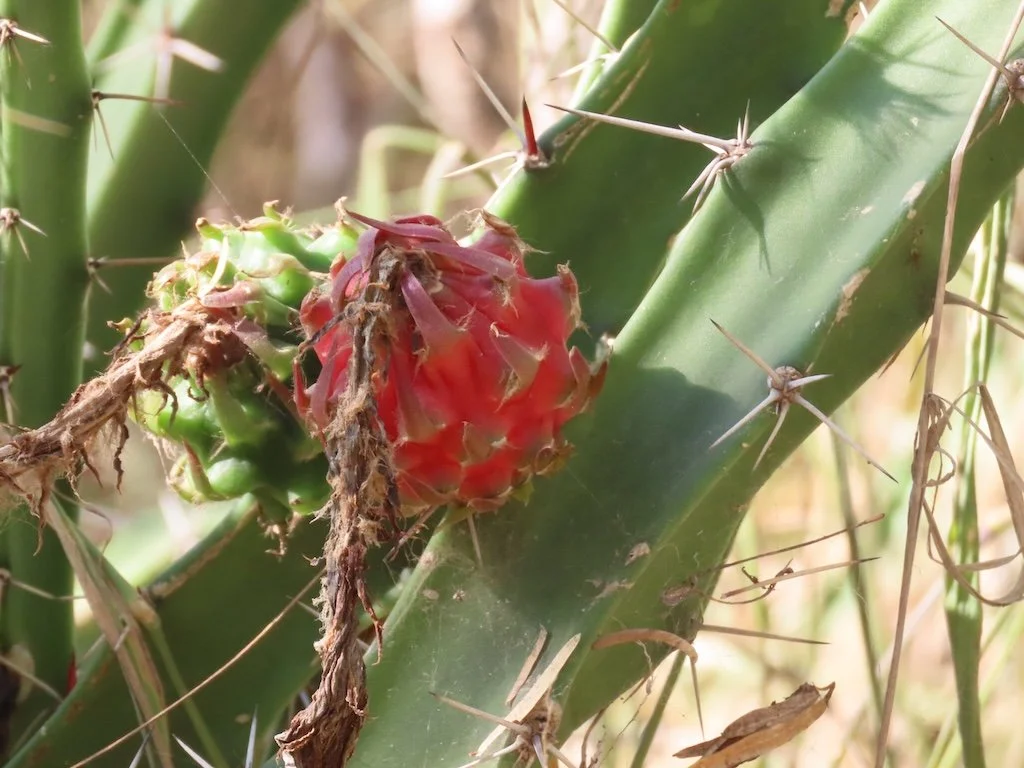
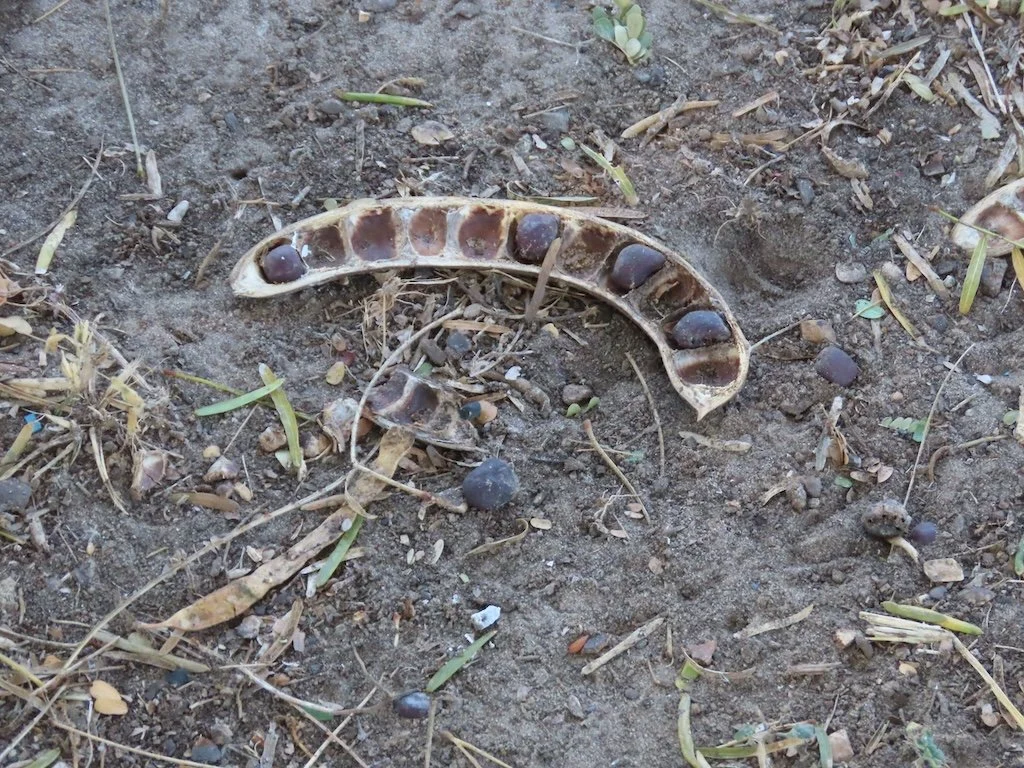
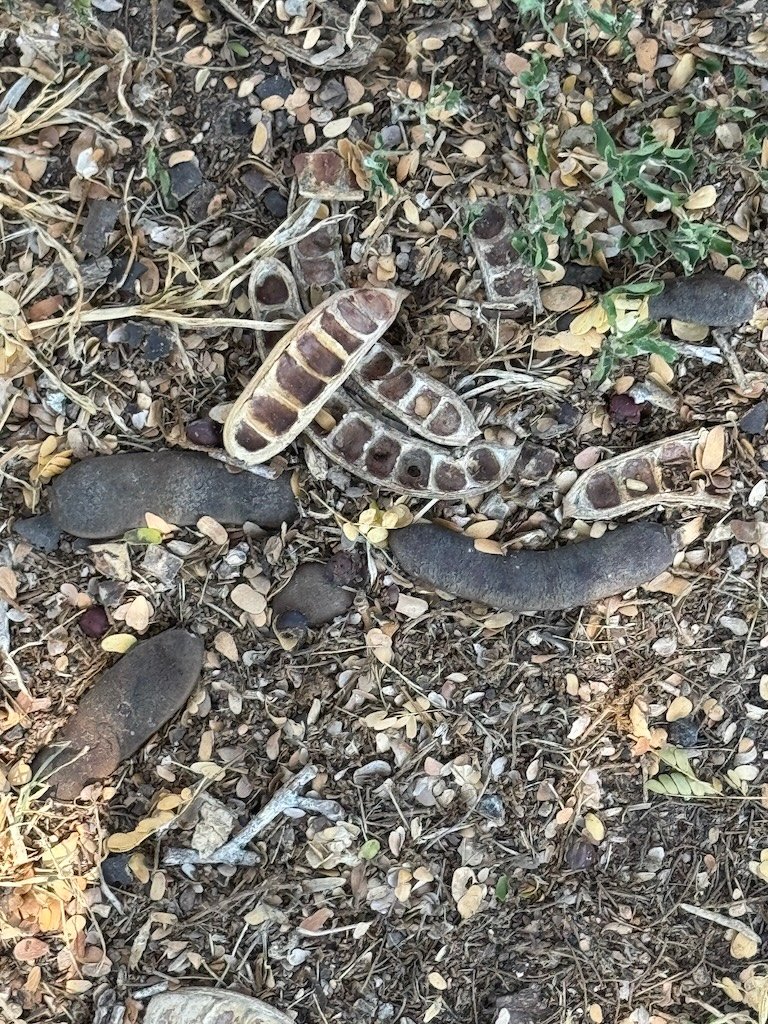
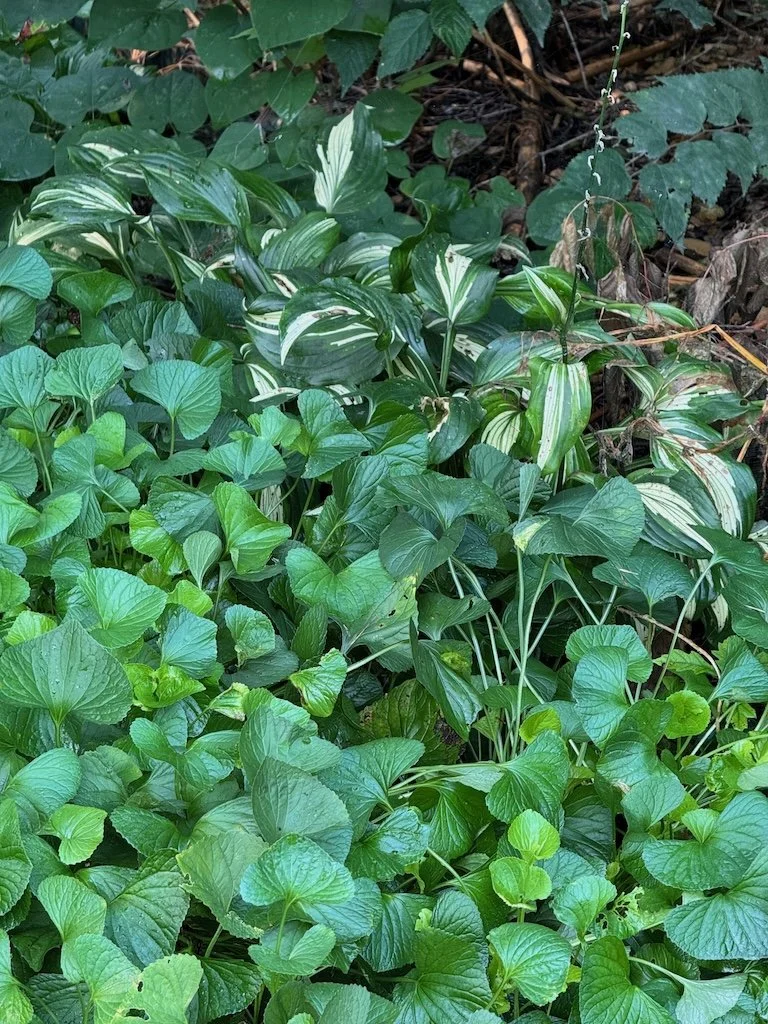
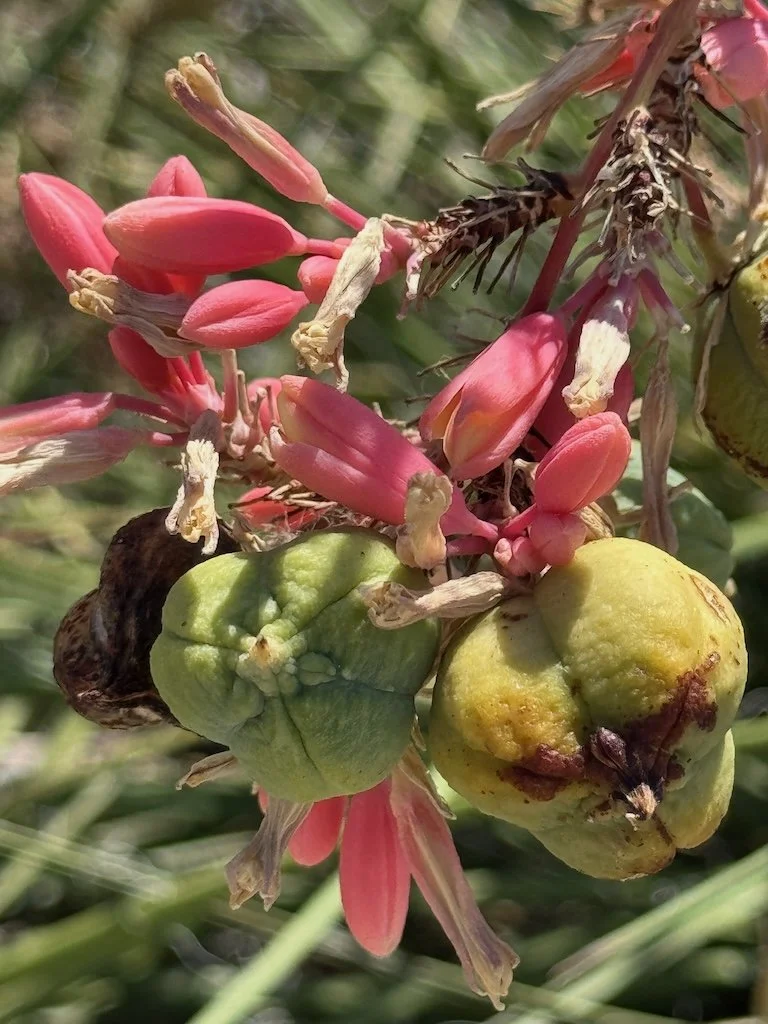
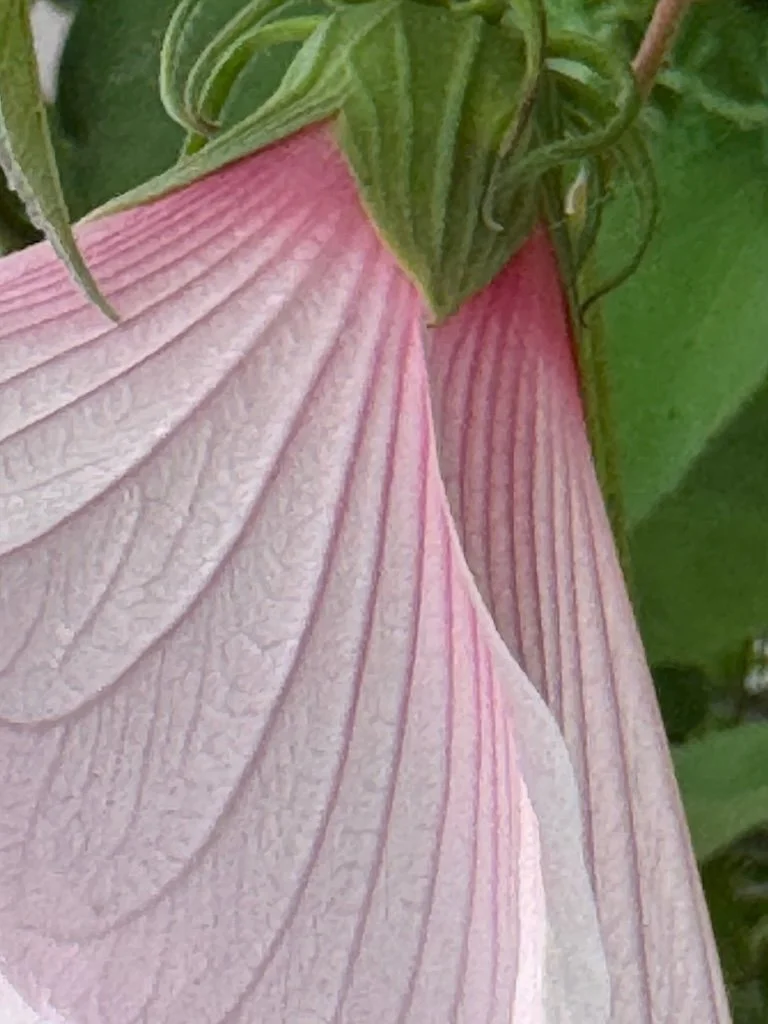
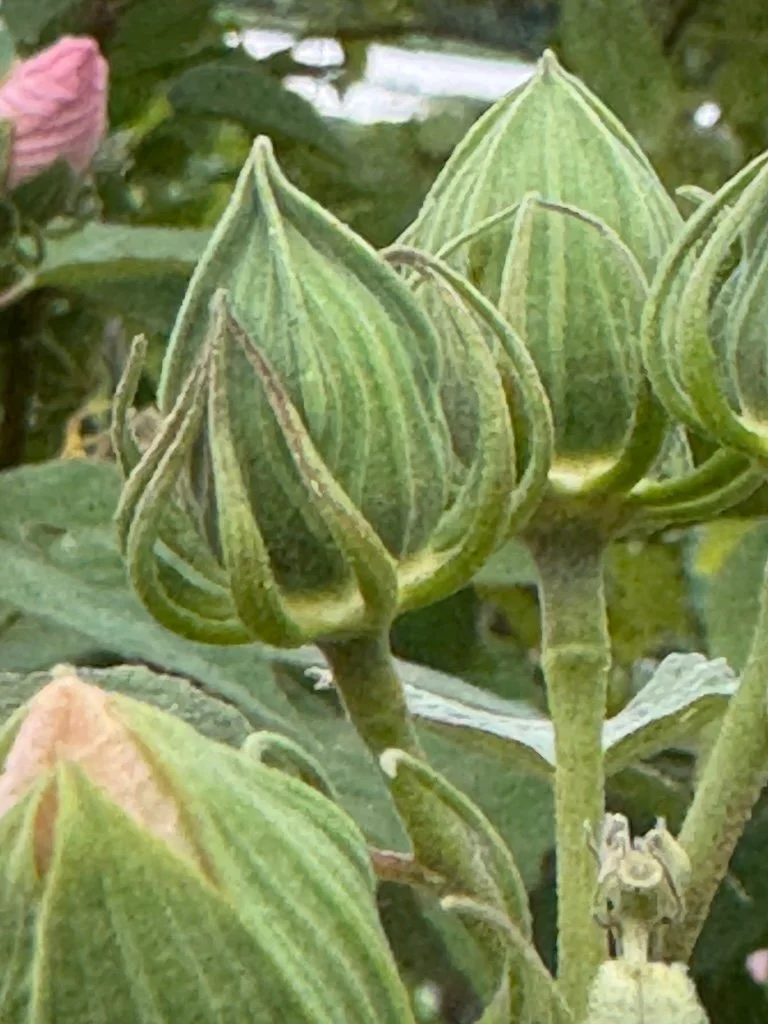
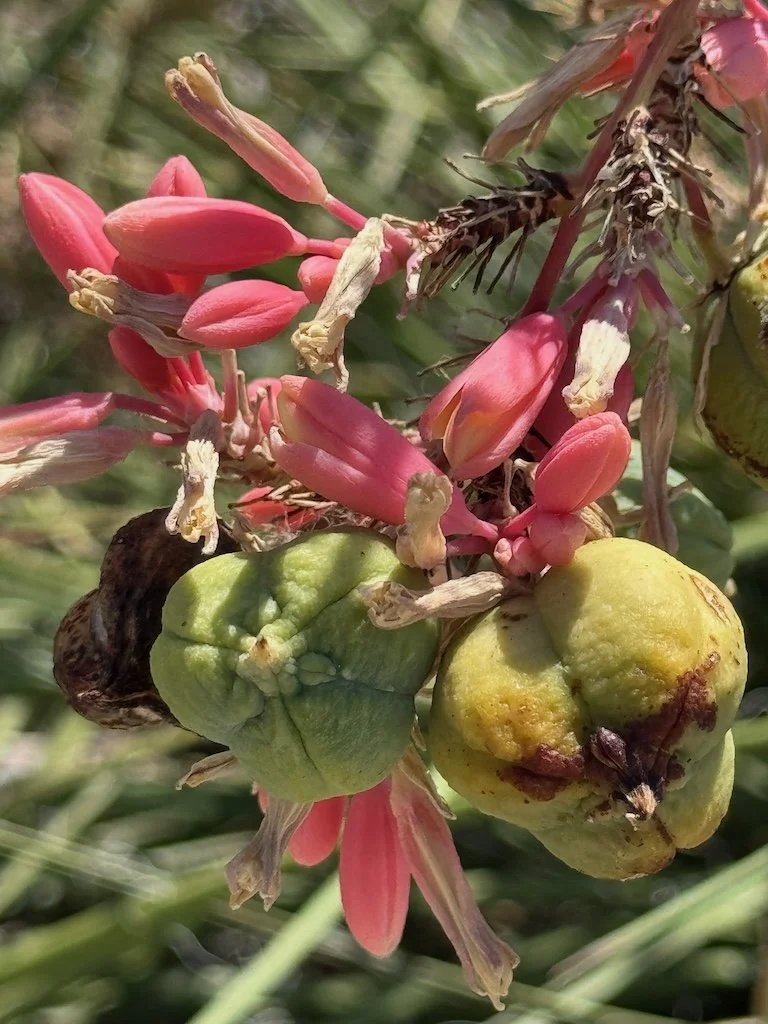
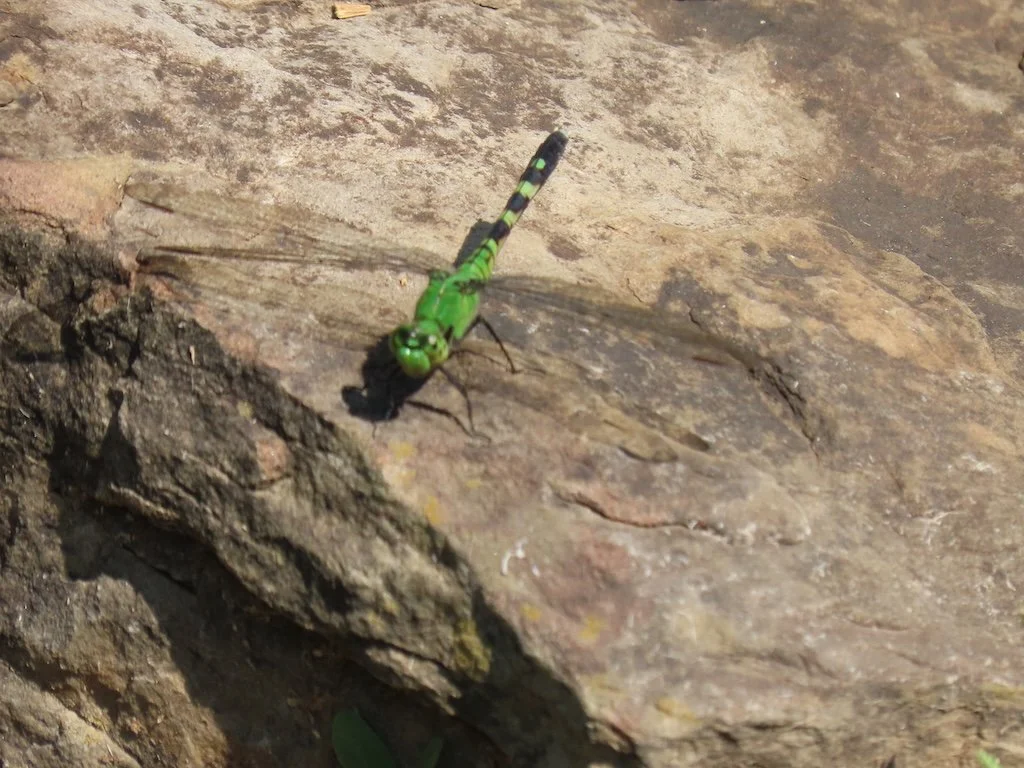
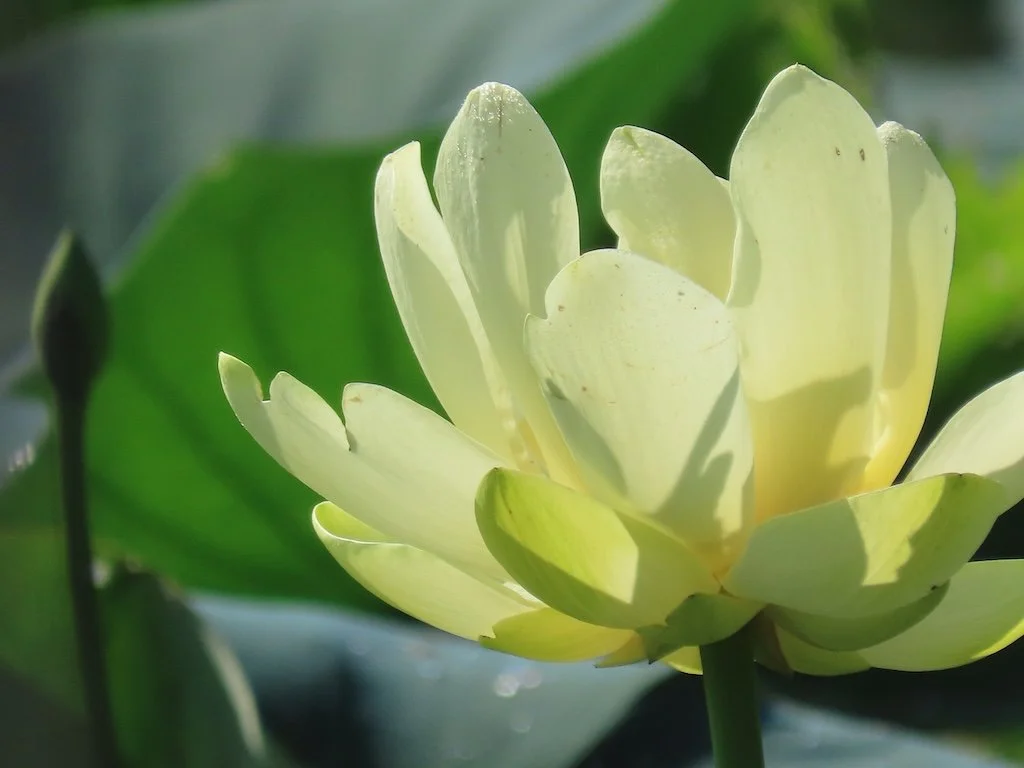
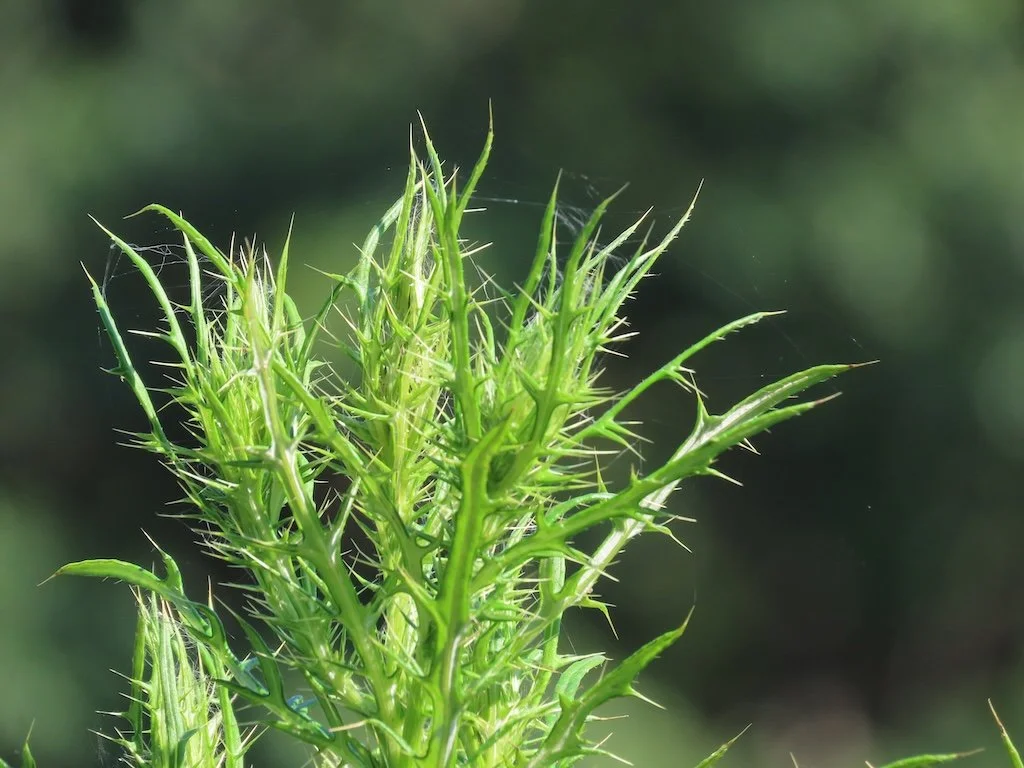
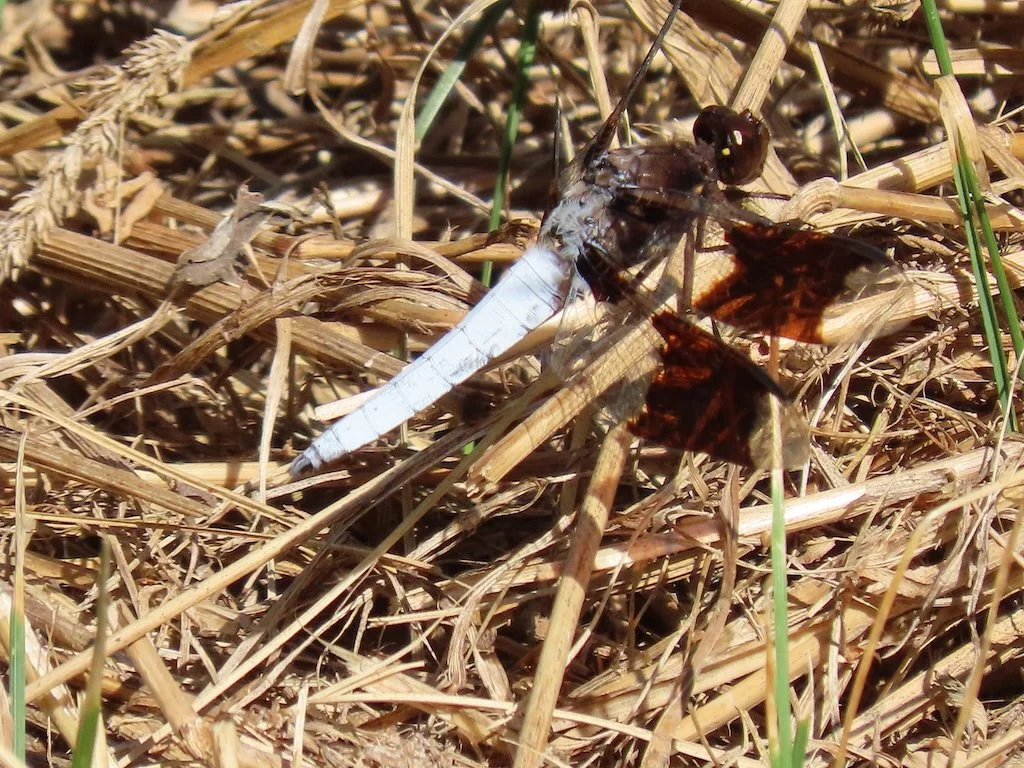
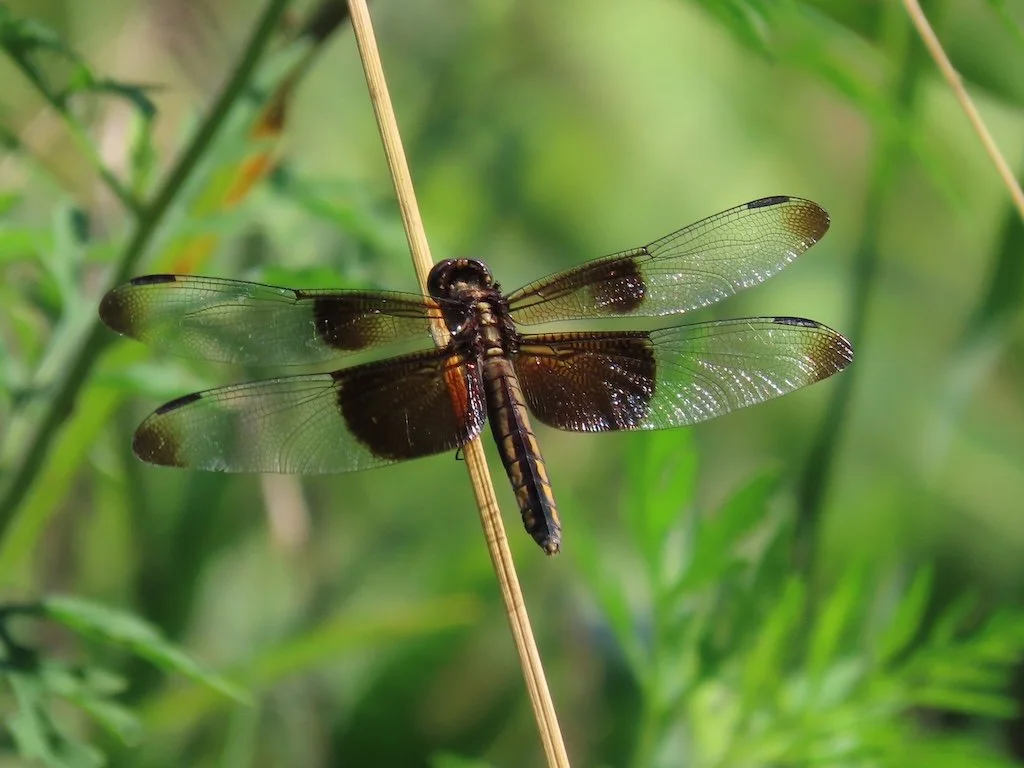
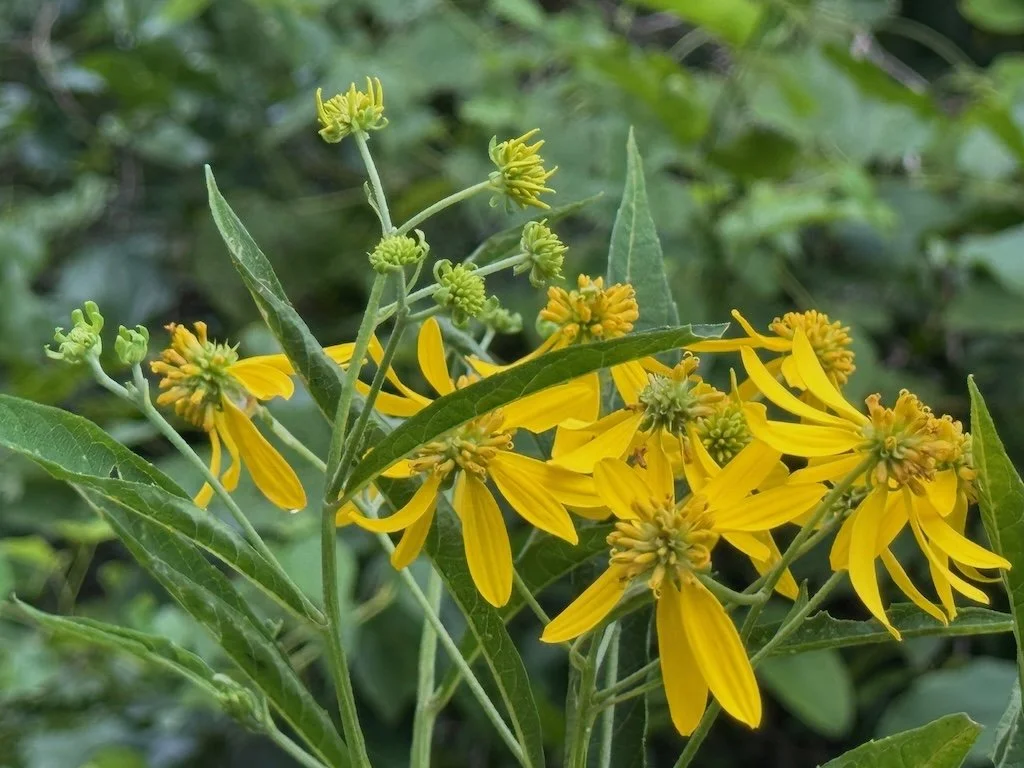
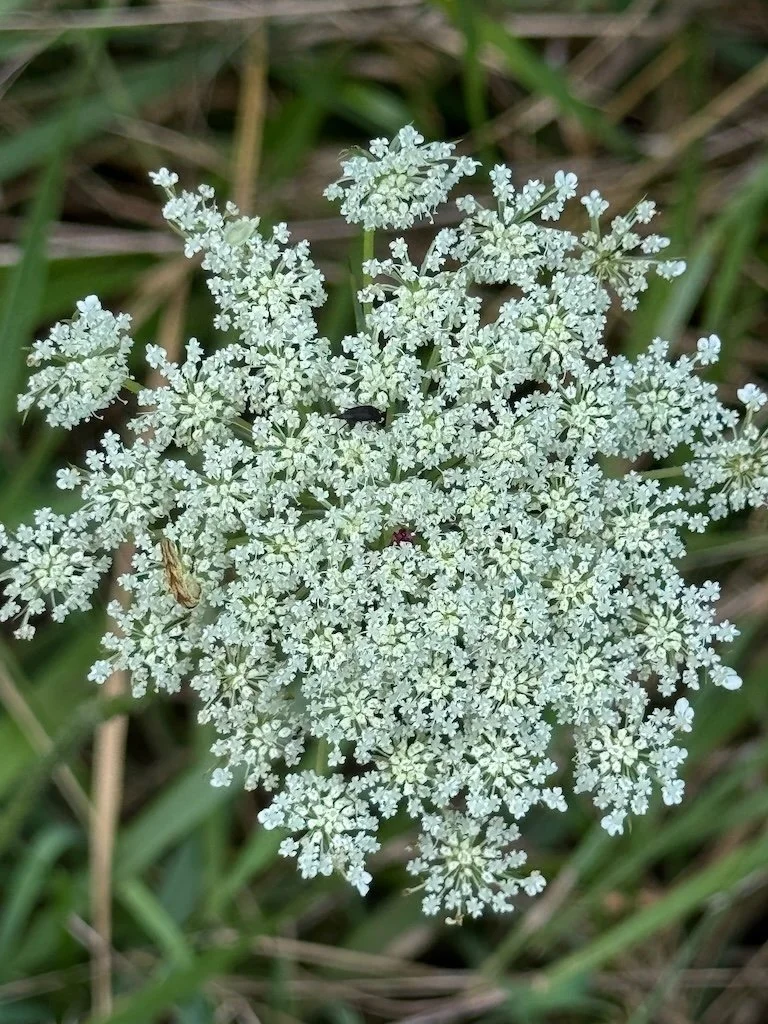
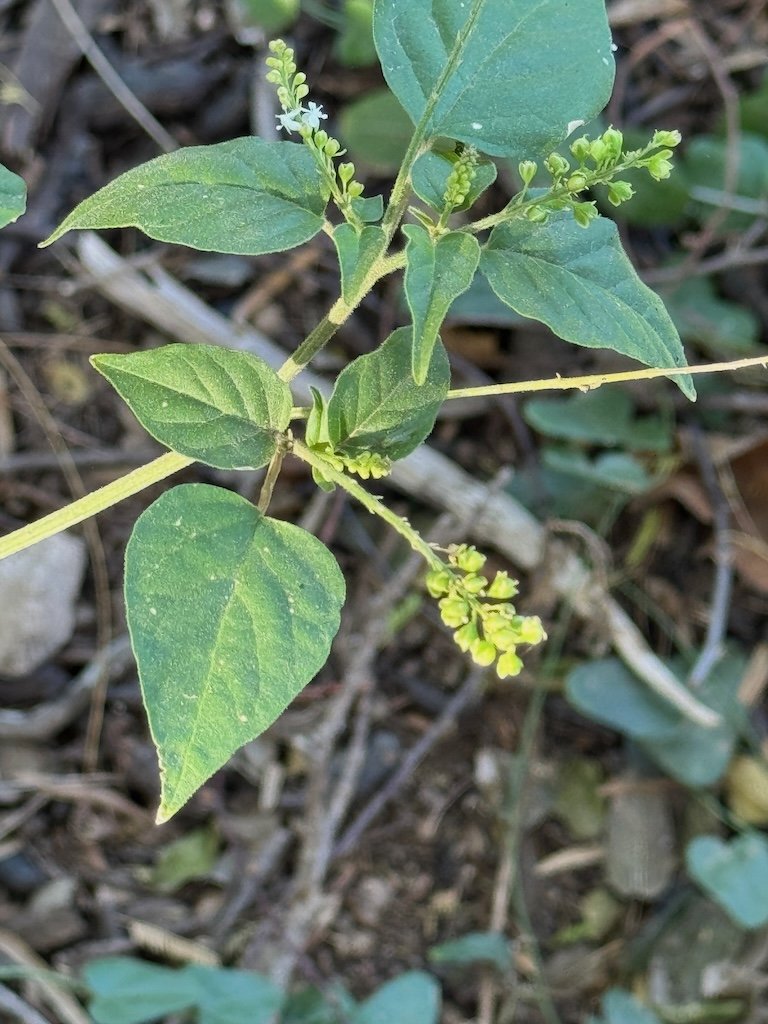
I often revert to taking botanical pictures…and there were a lot of interesting plants ranging from dessert plants to lush riparian type plants.  Click on the image in the mosaic below to see a larger image.
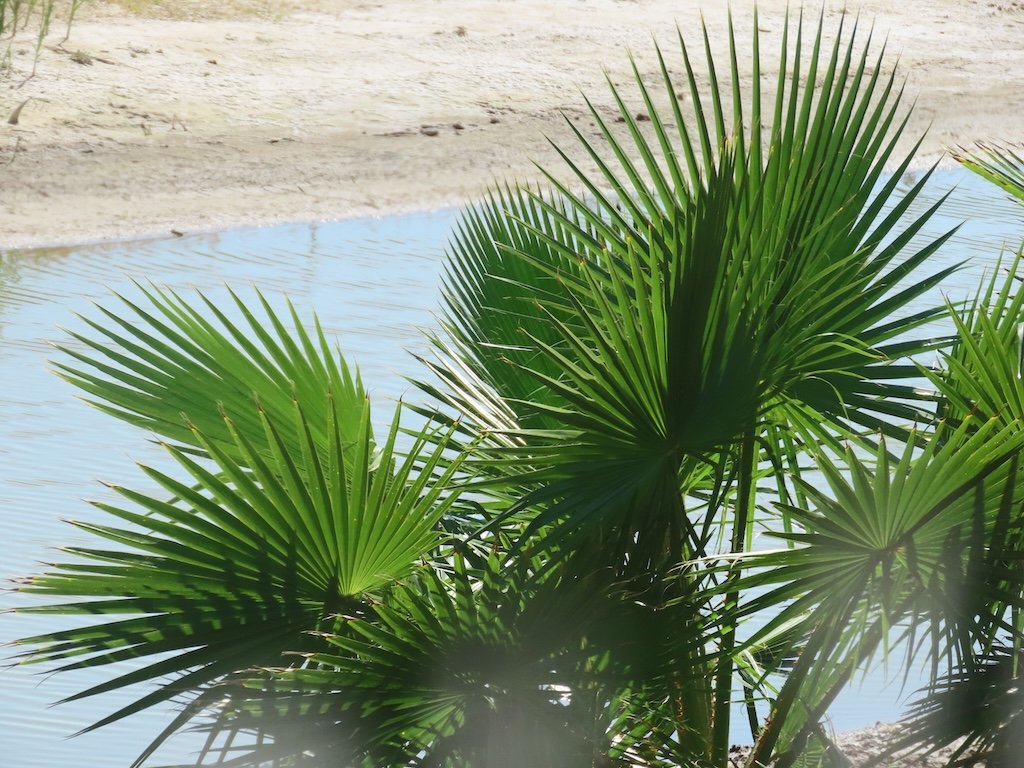
I even enjoyed some artsy pictures!
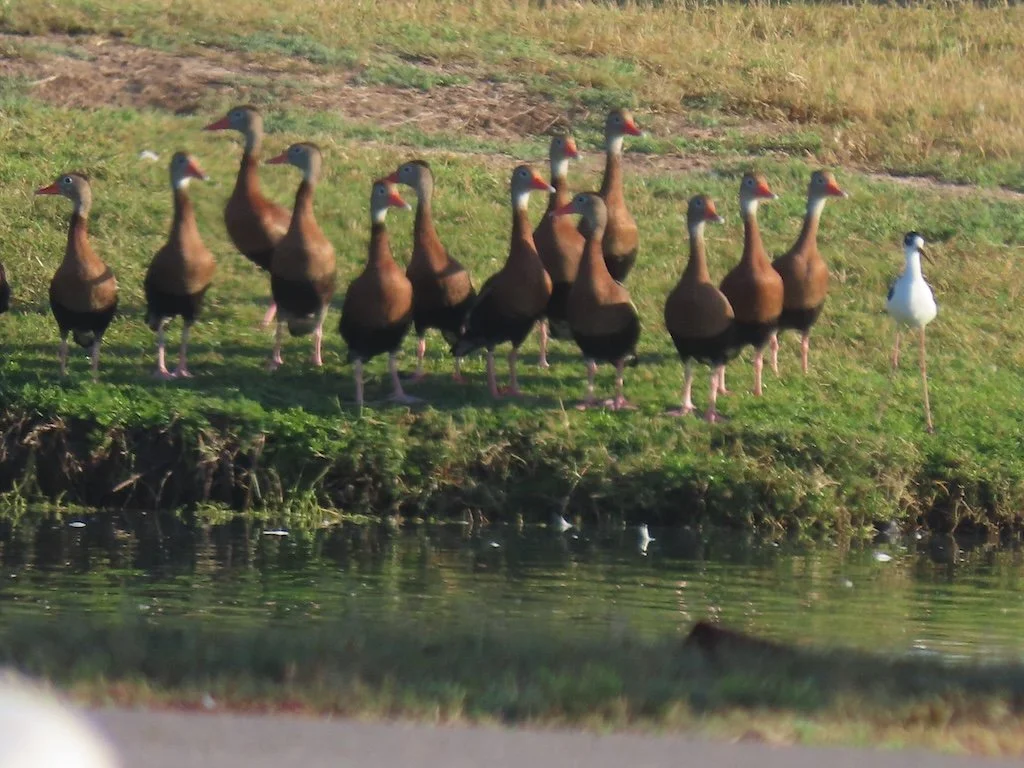
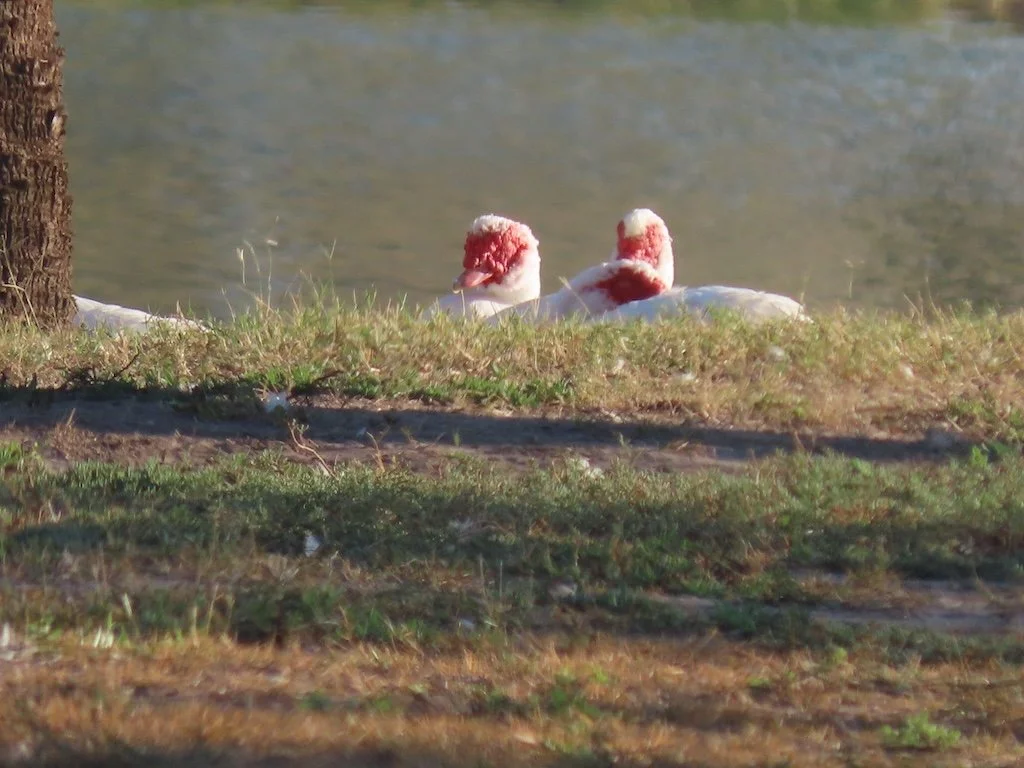
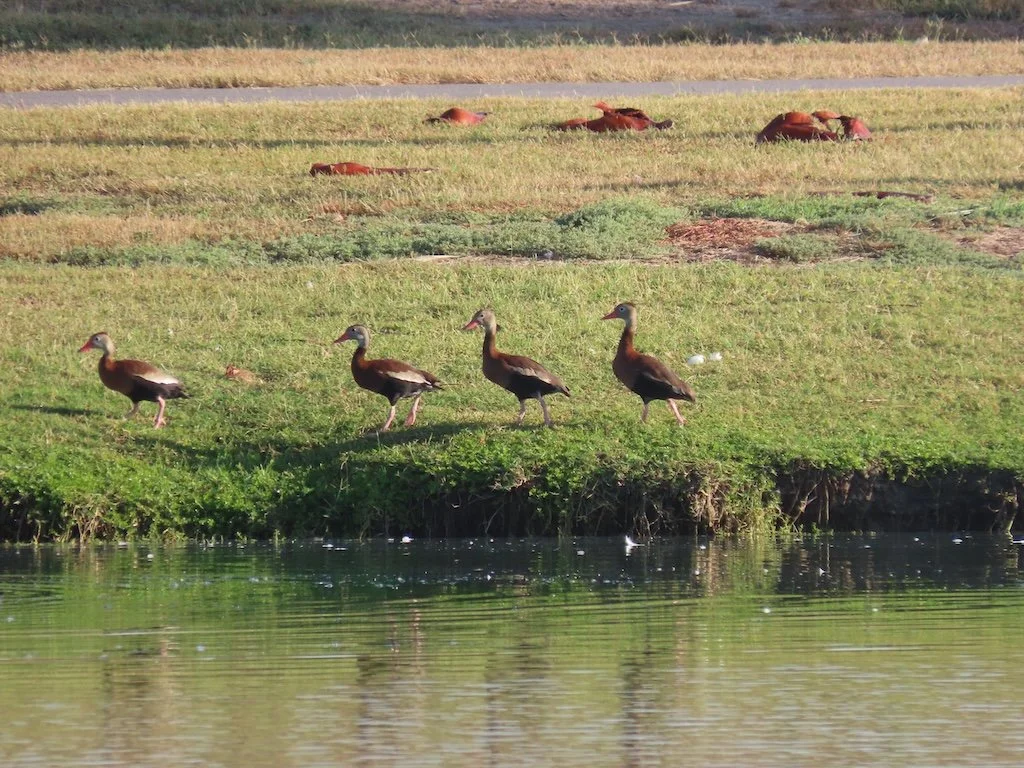
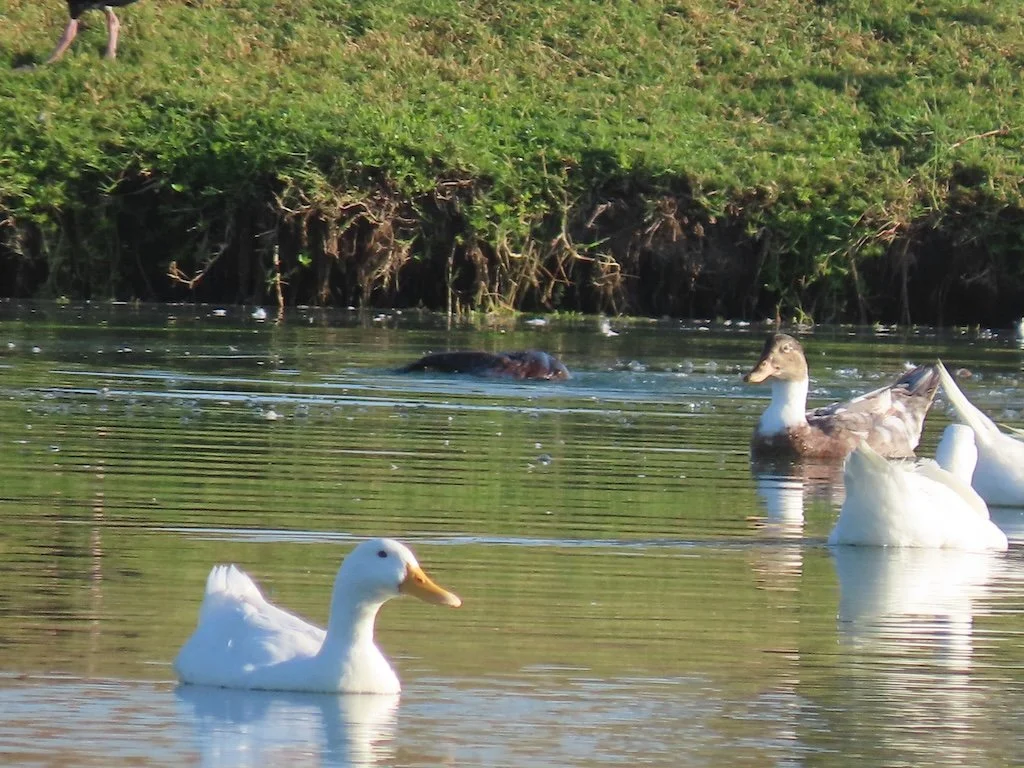
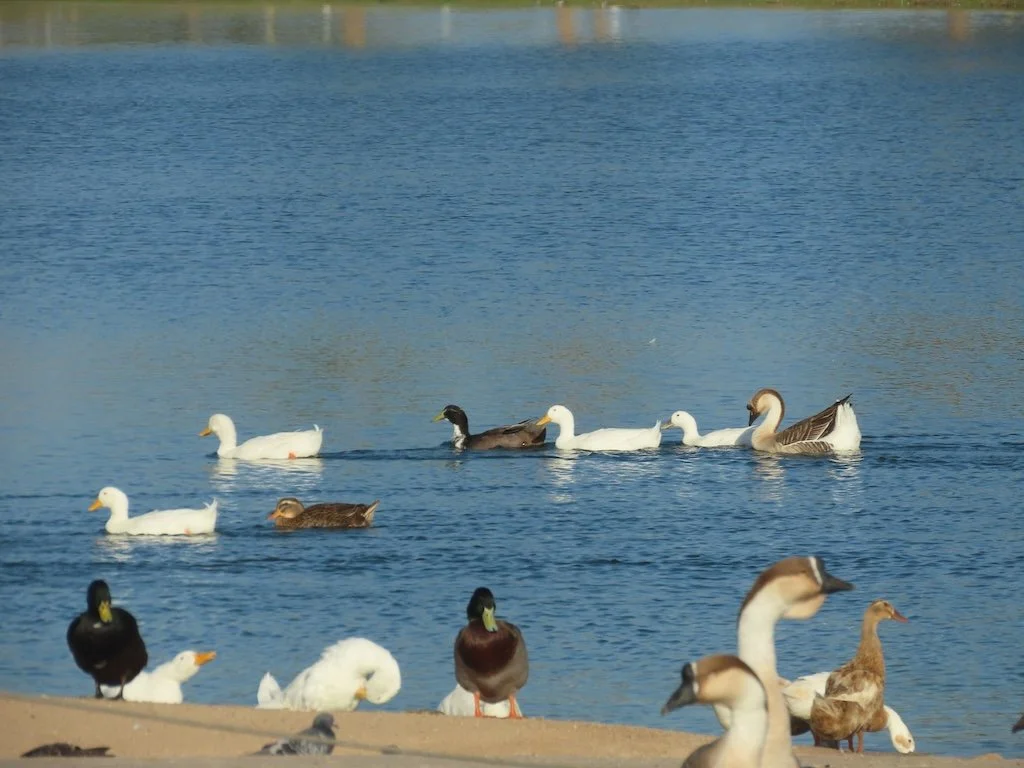
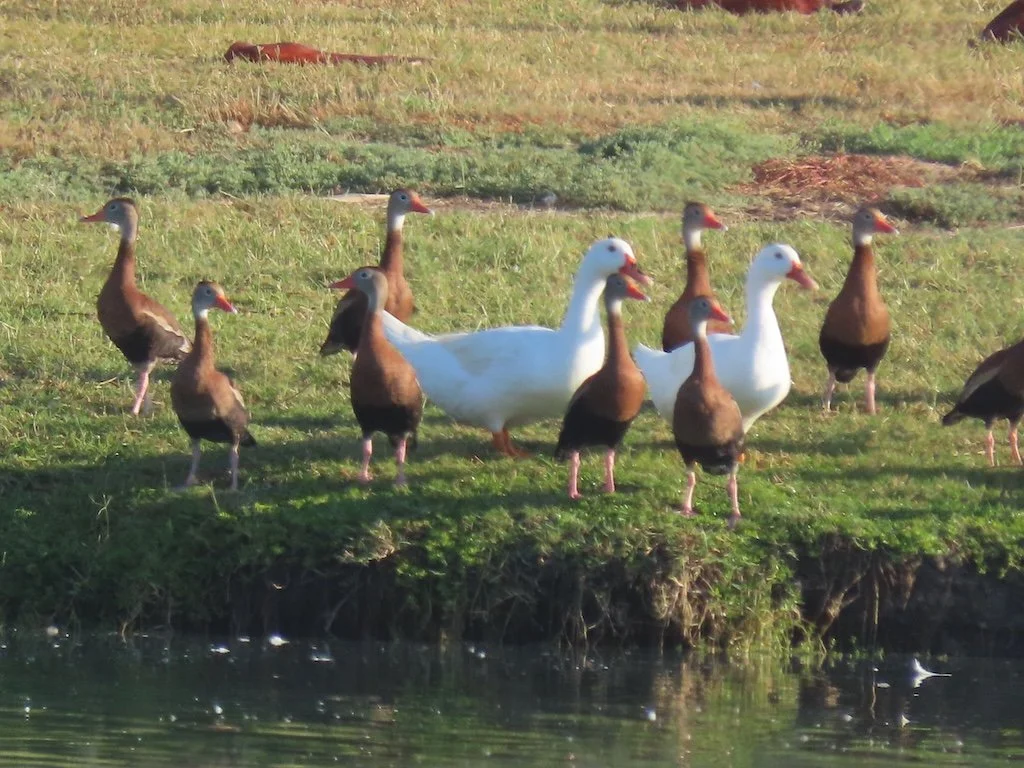
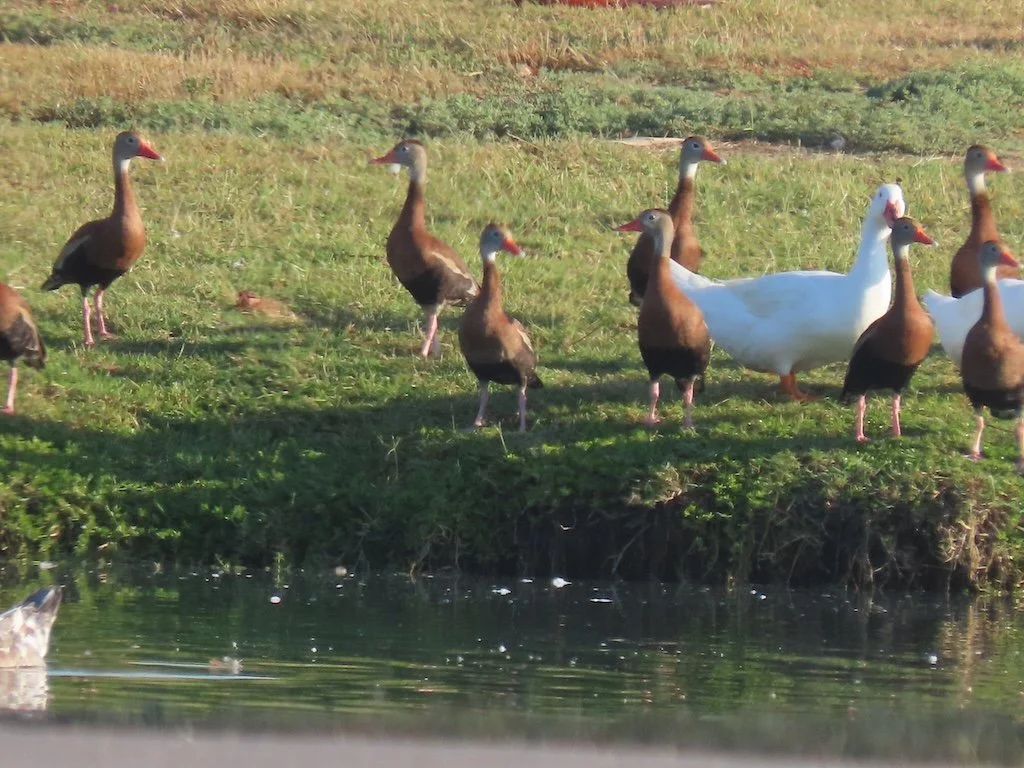
There were quite a few birds: Black-bellied Whistling ducks (and a mixture of hybrid domestic/wild ducks/geese)
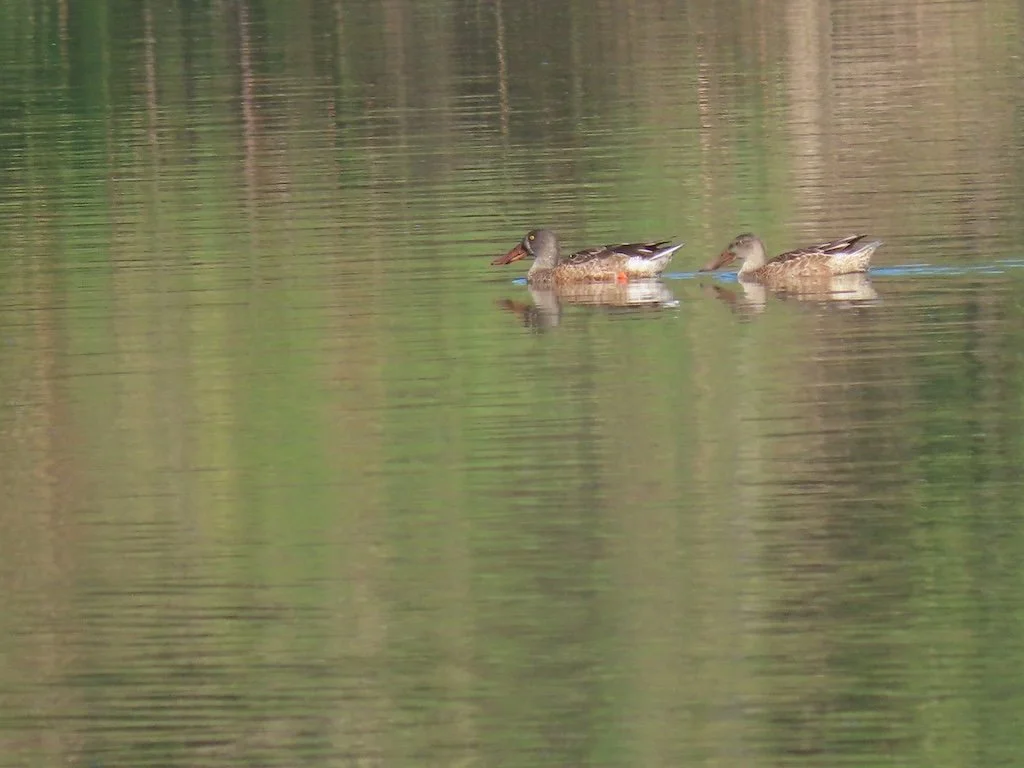
Northern Shoveler

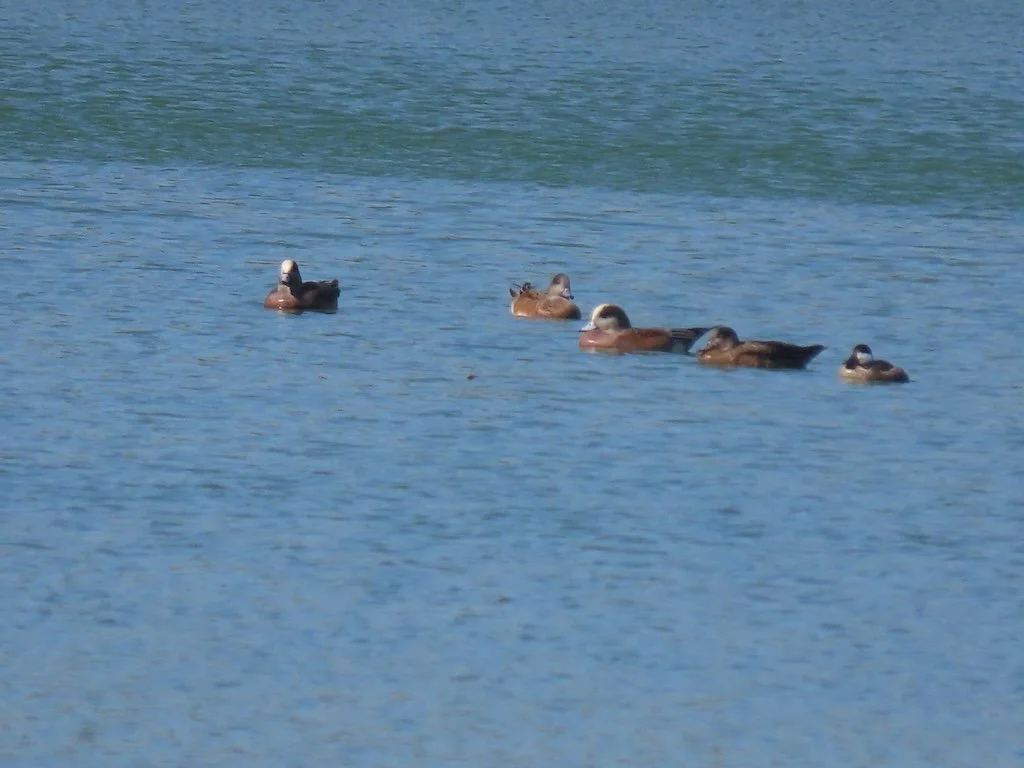
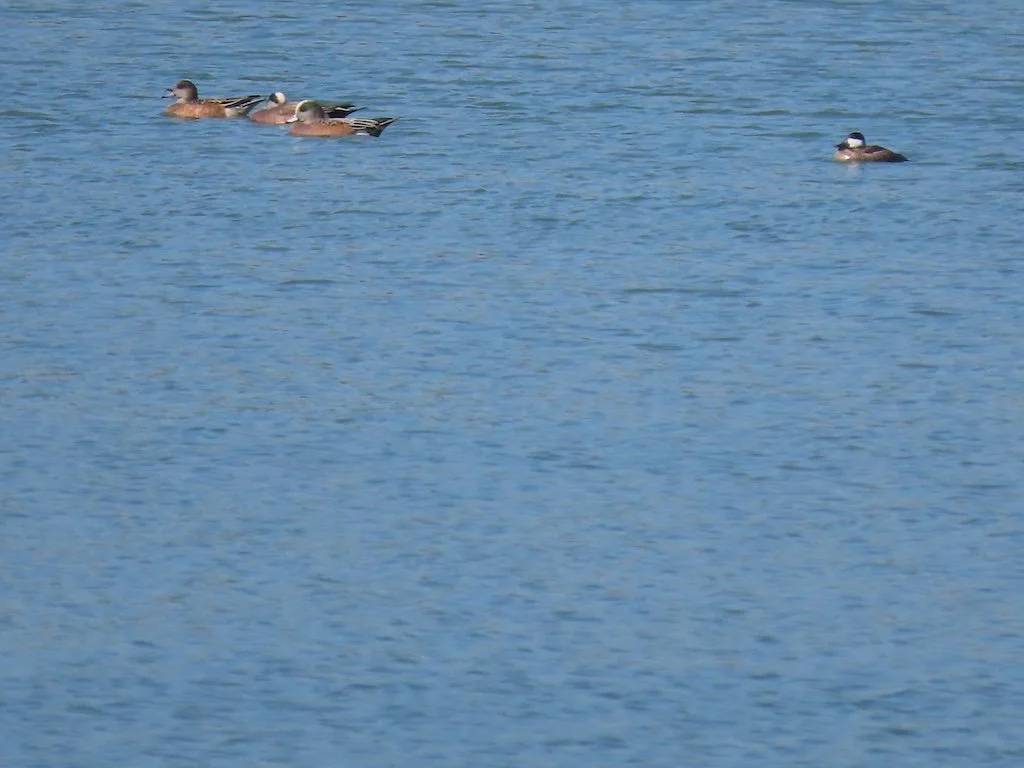
American Wigeon (and a Ruddy duck)
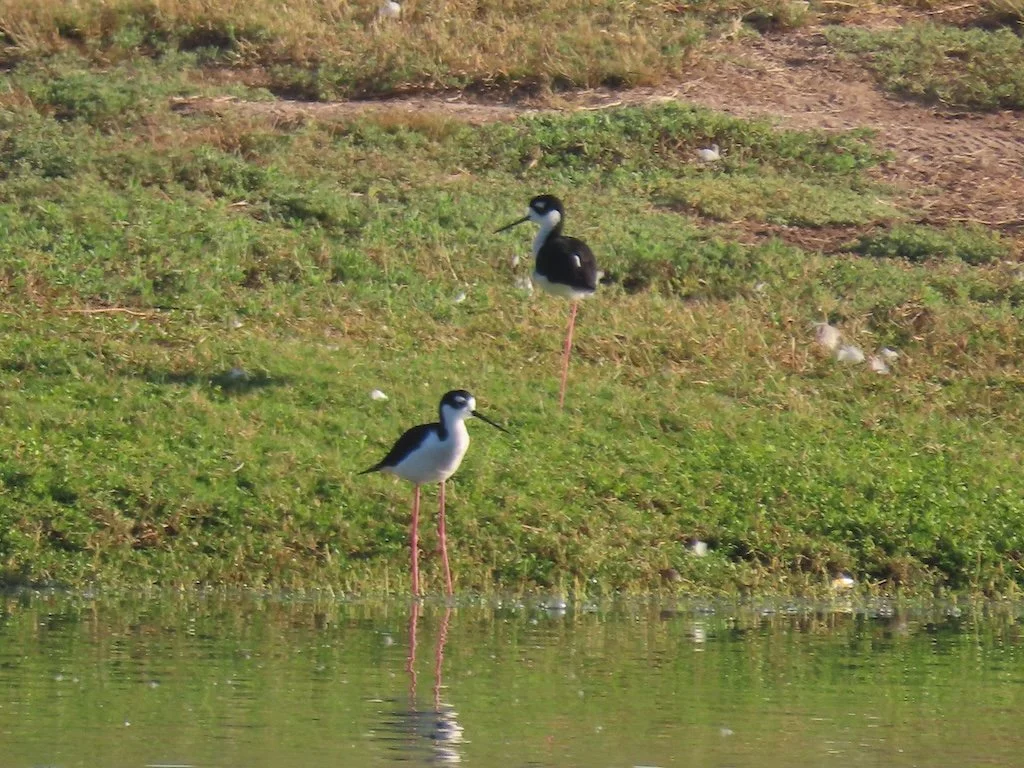
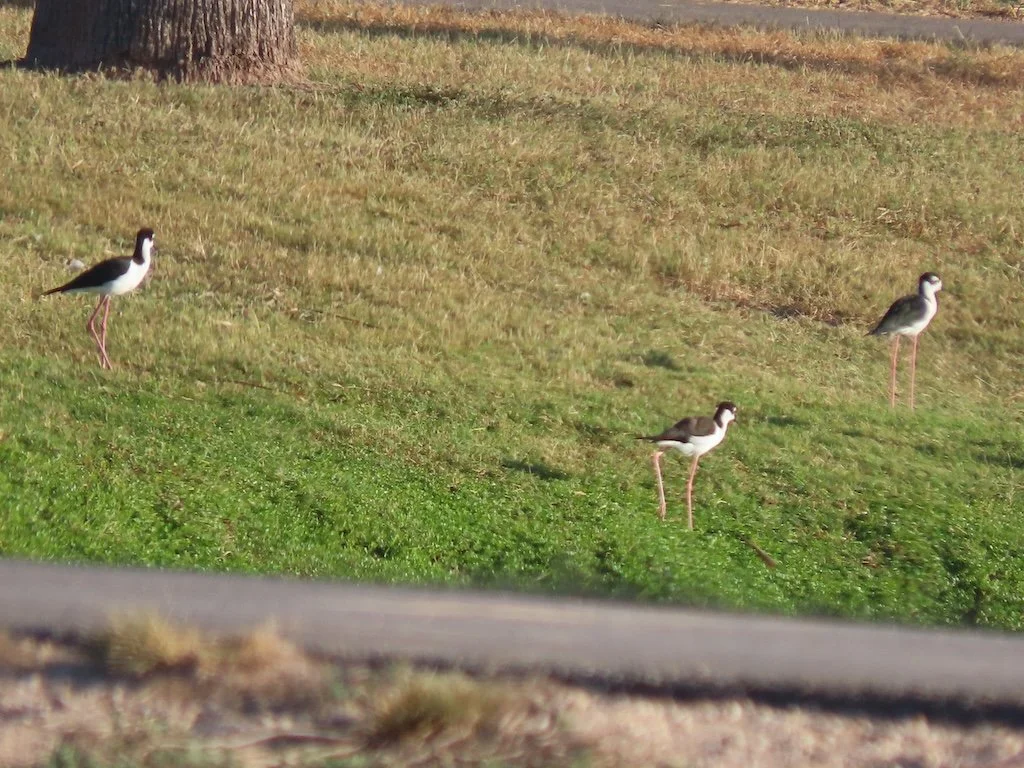
American Avocet
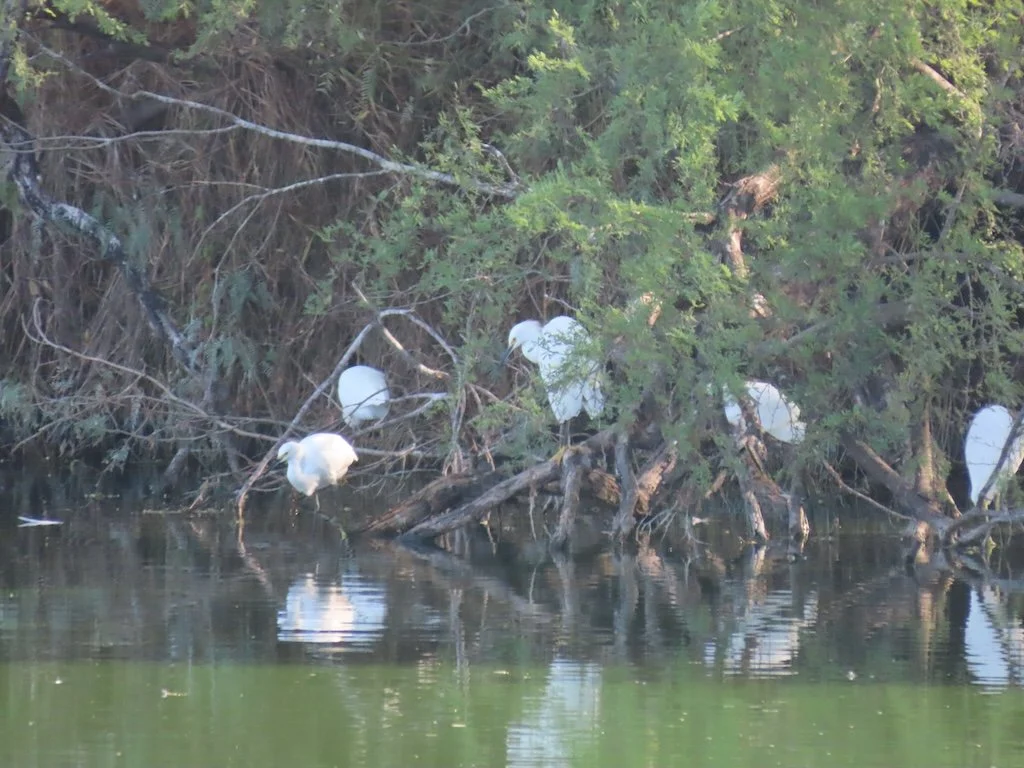
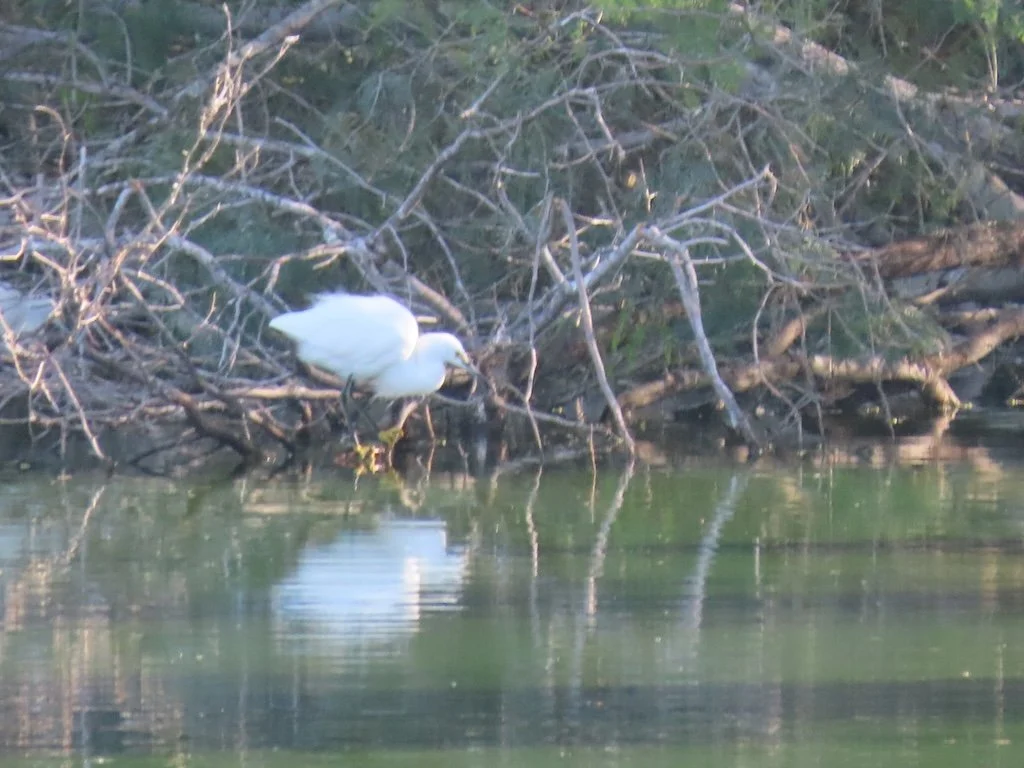
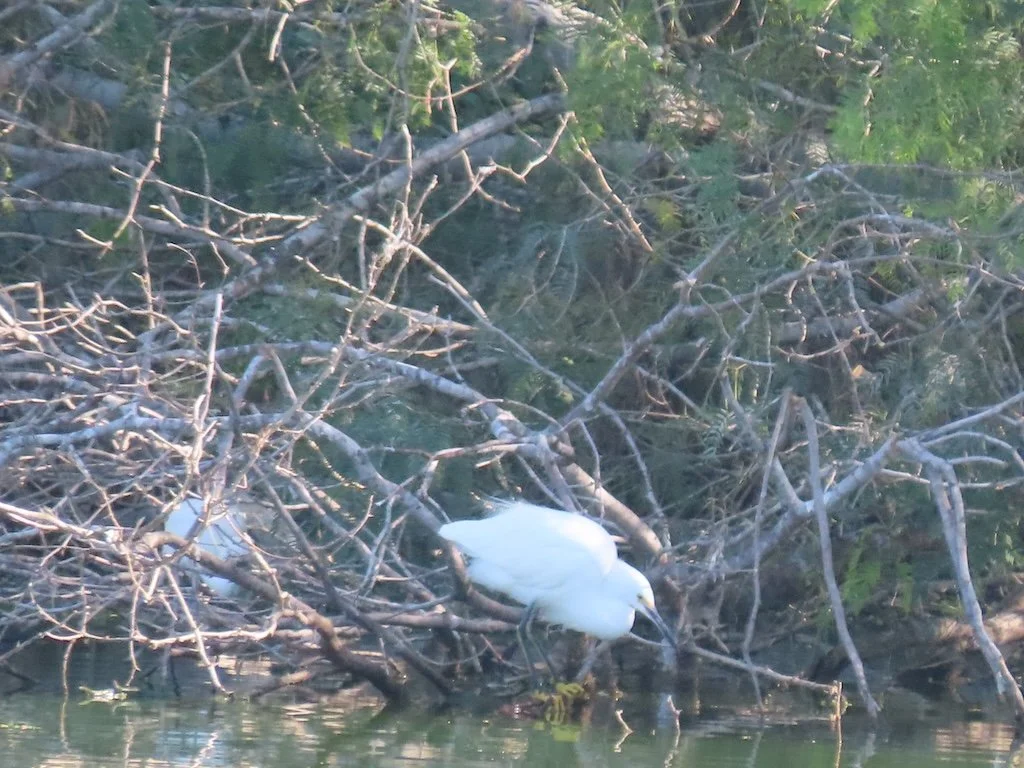
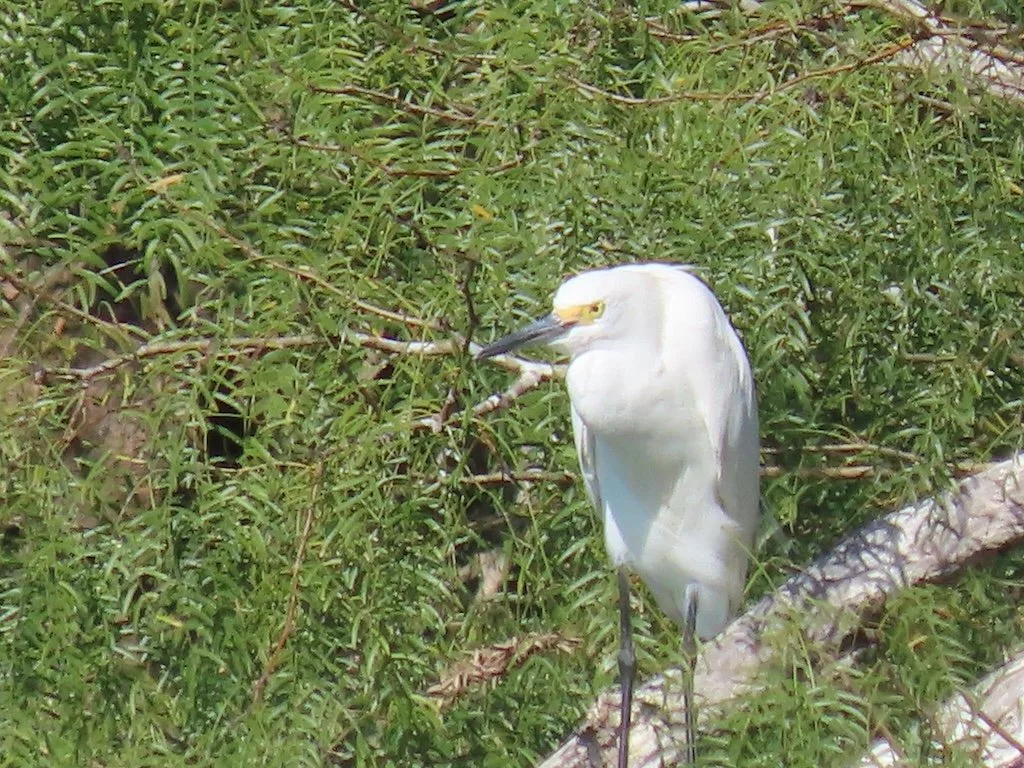
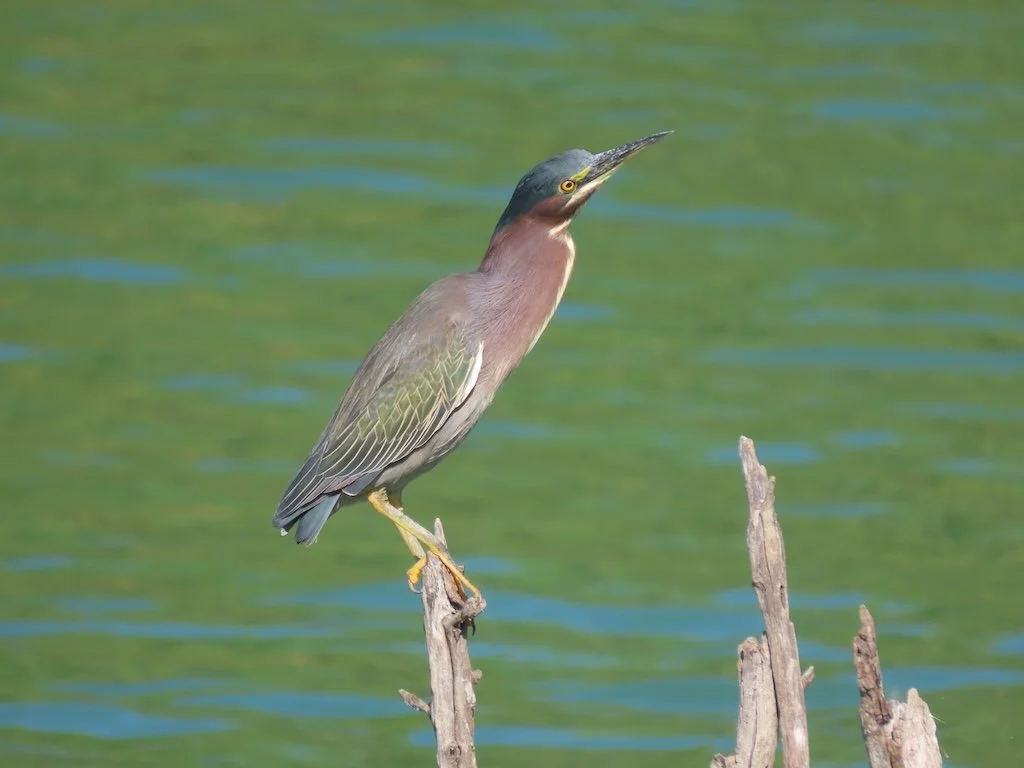
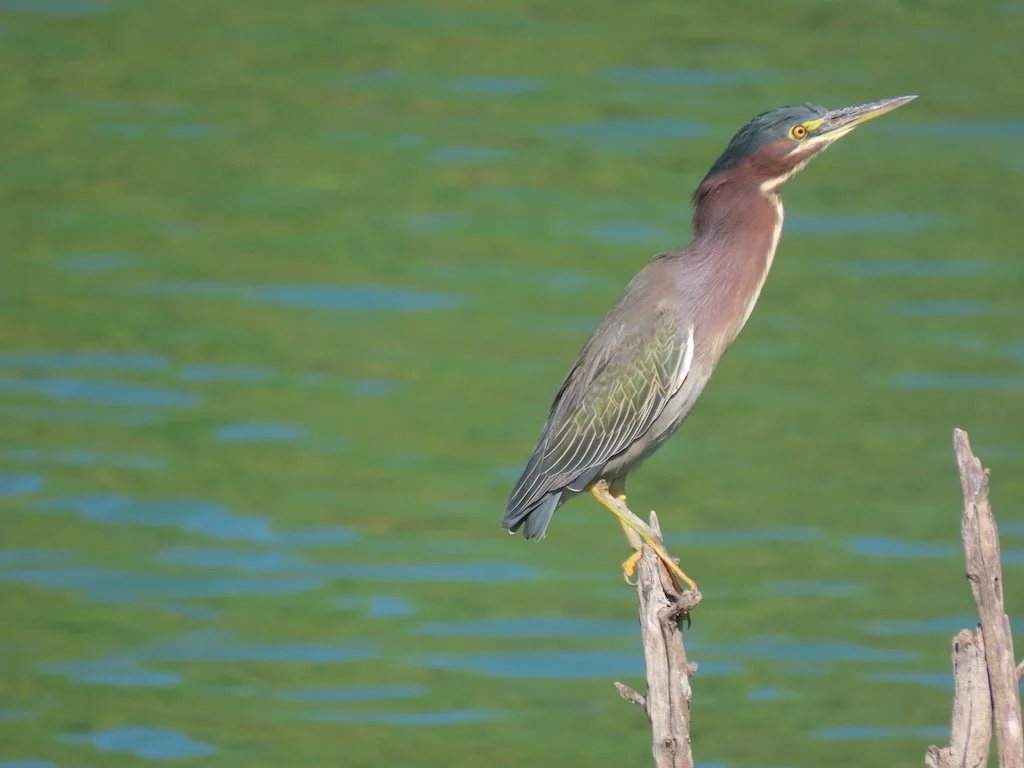
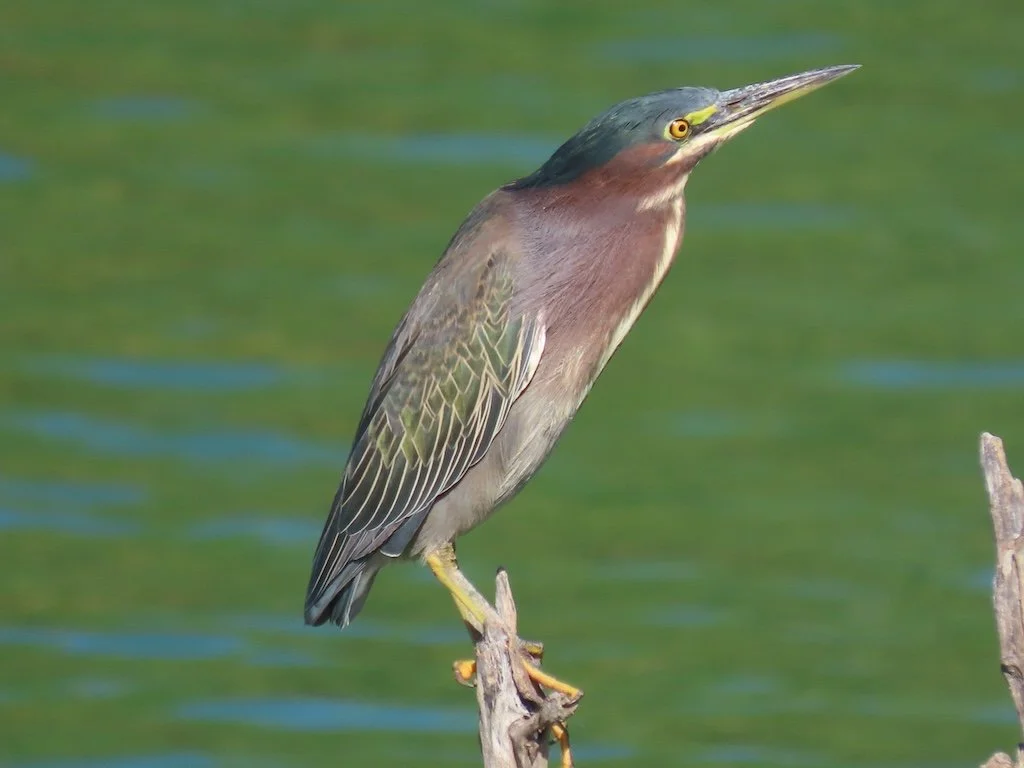
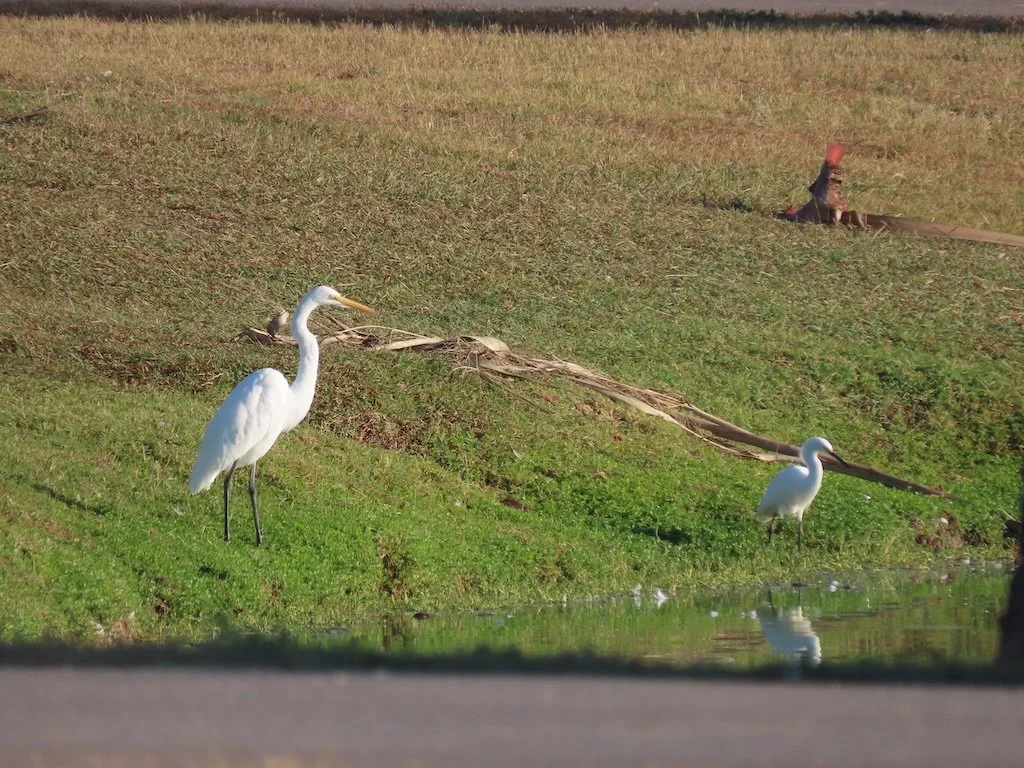
Herons: Great, Snowy, Green
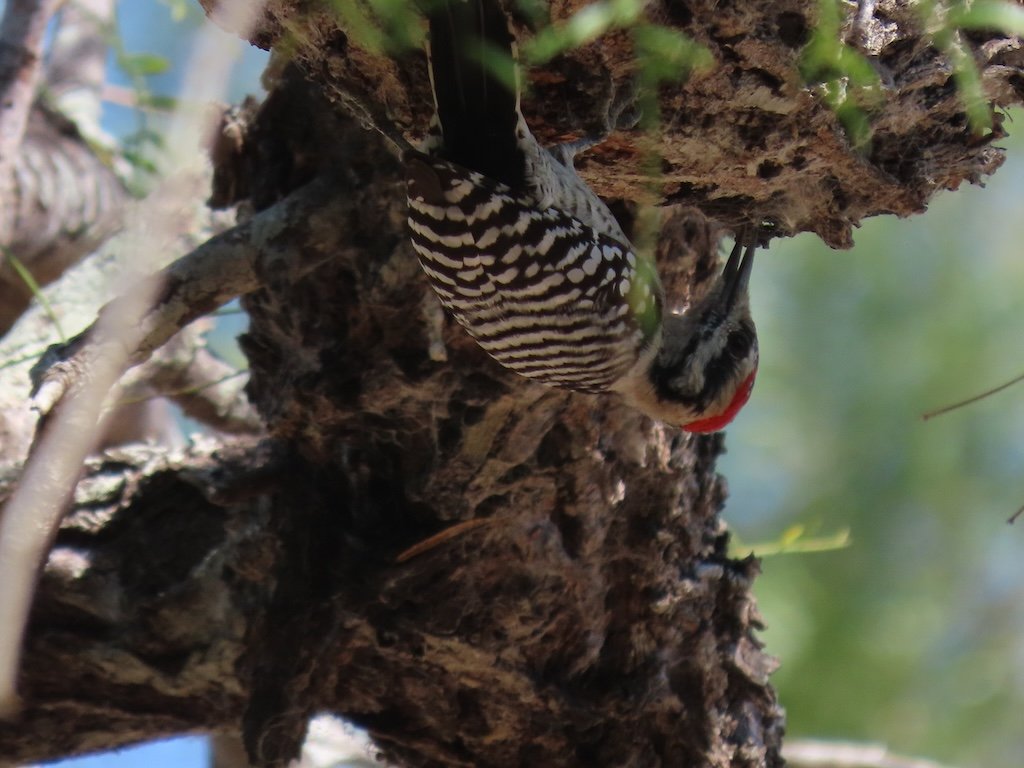
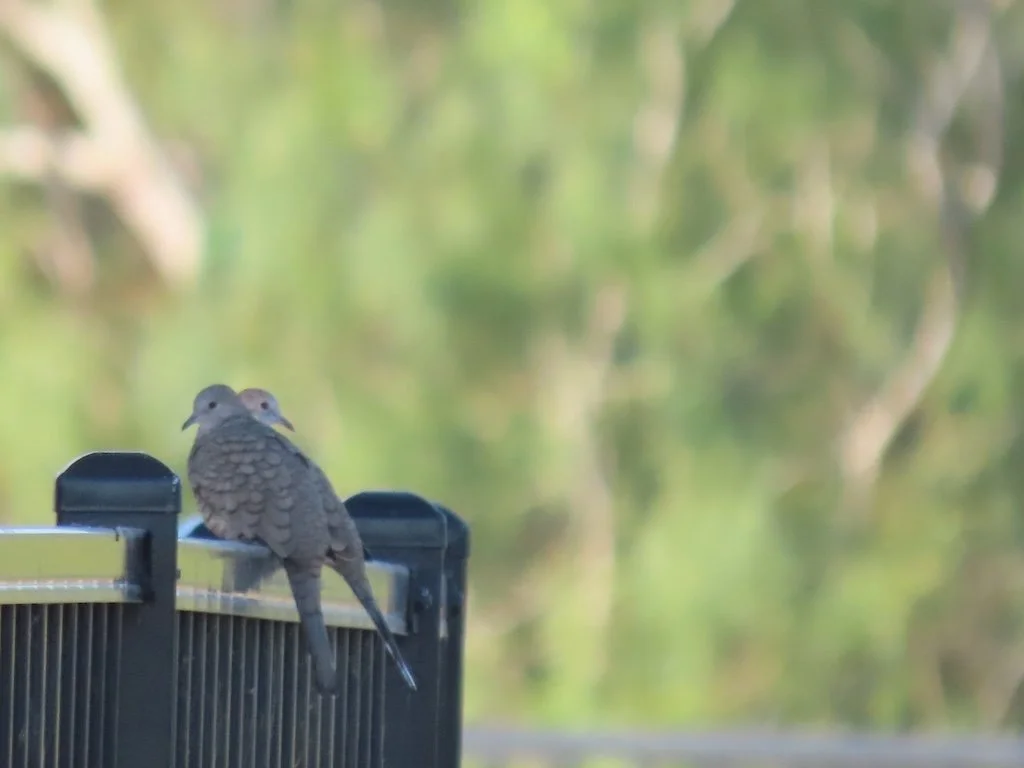
Ladder-backed Woodpecker and Inca Doves
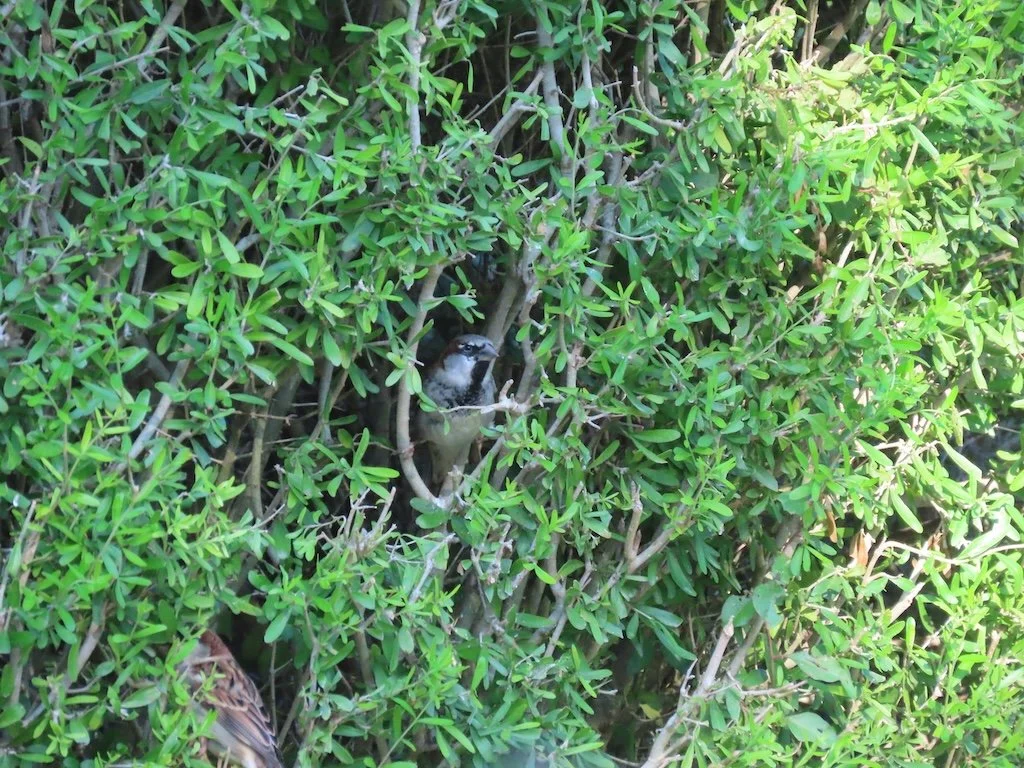
House Sparrow near the feeders
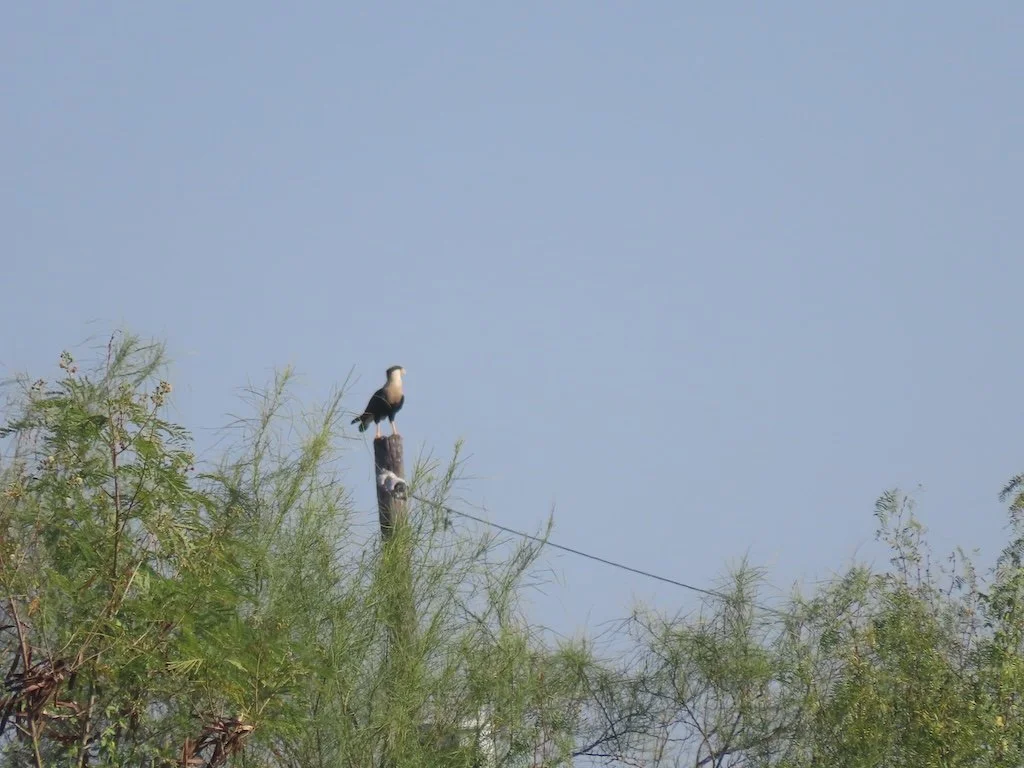
Crested Caracara
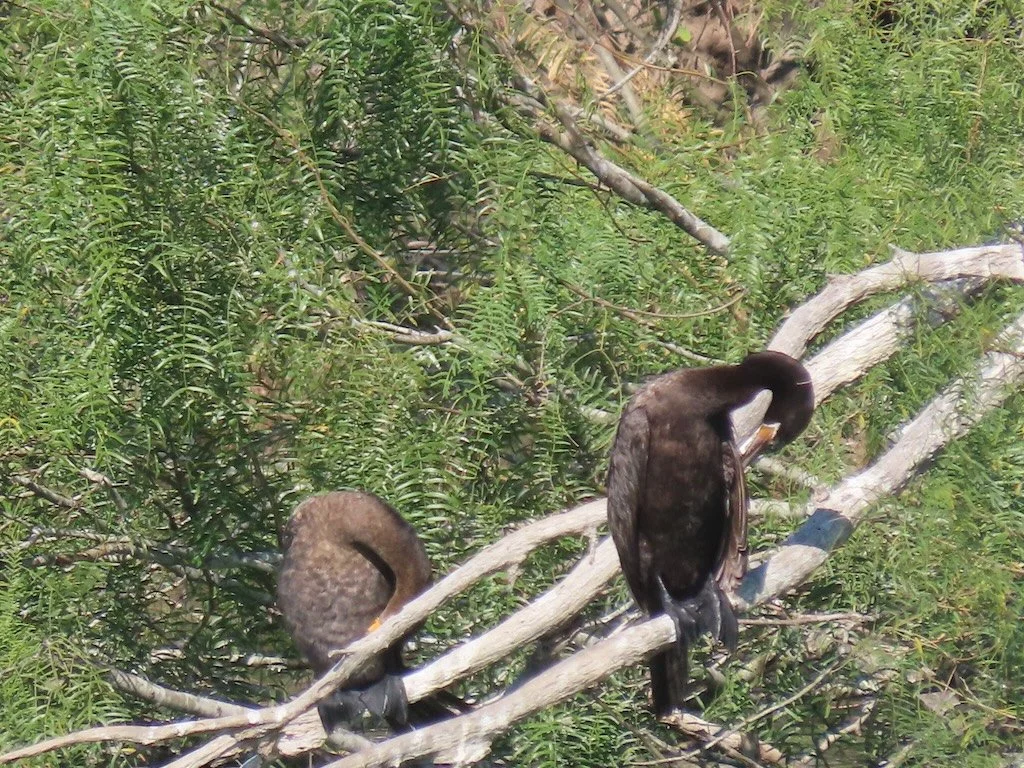
Neotropical cormorant
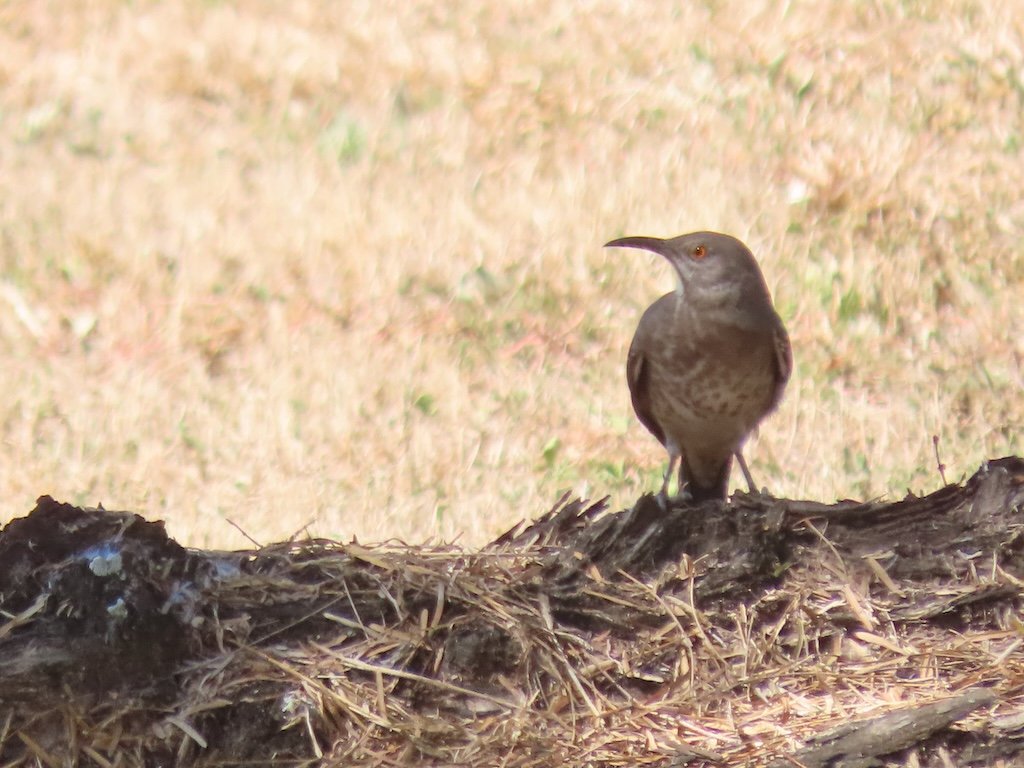
Curved-billed thrasher
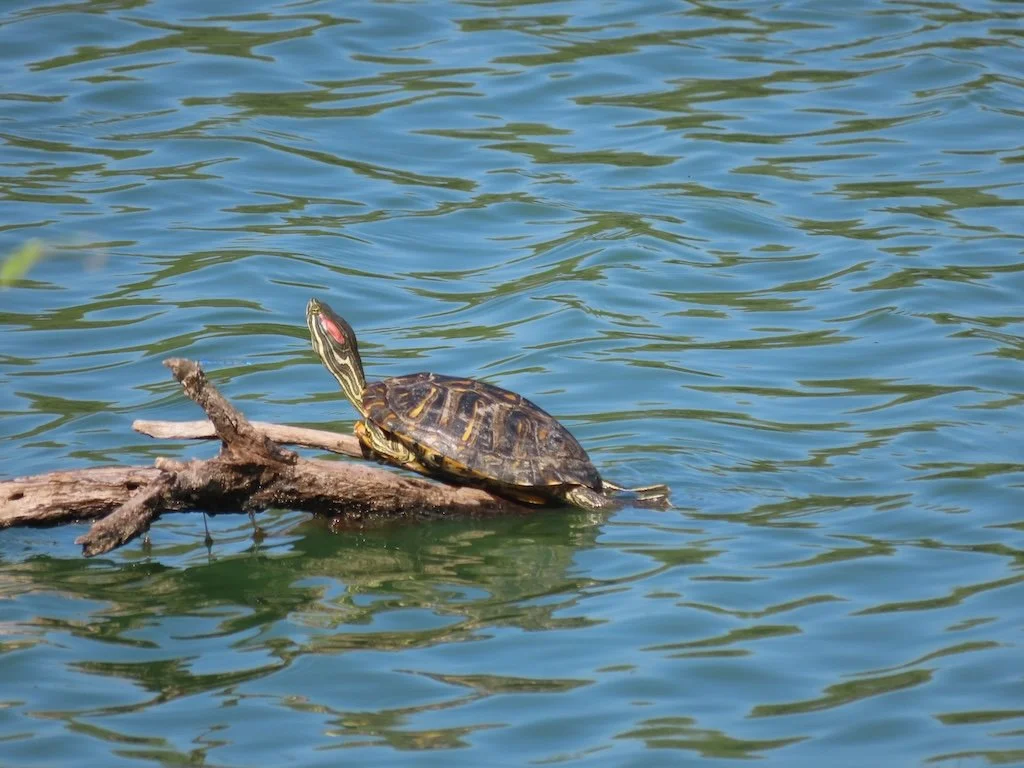
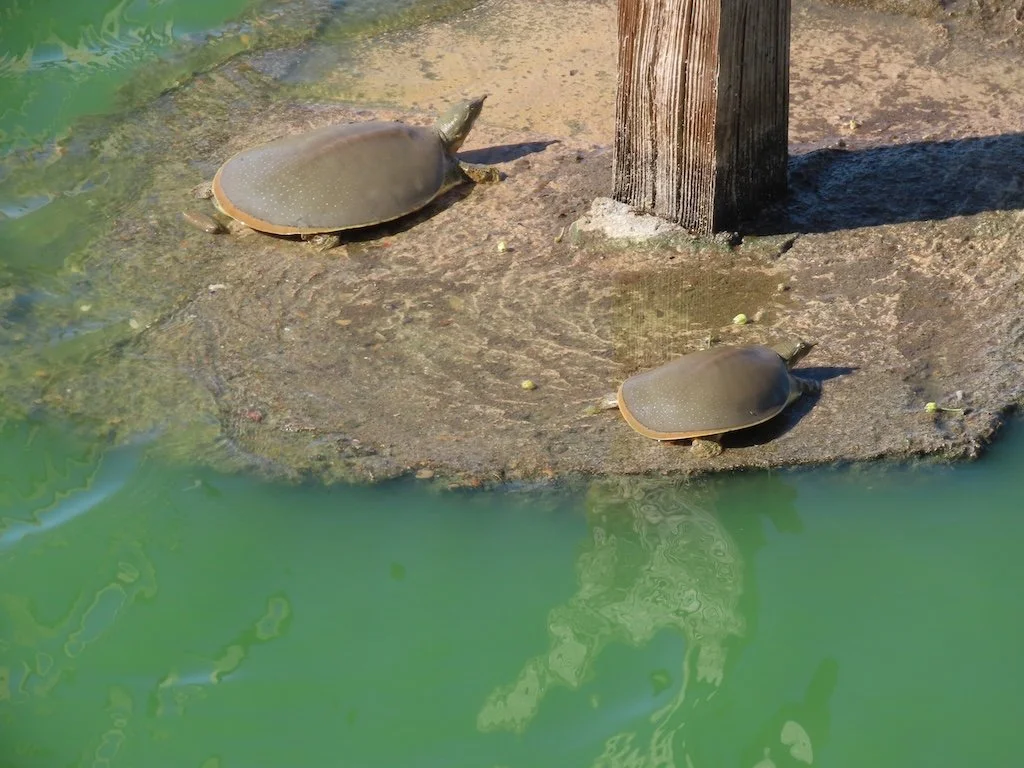
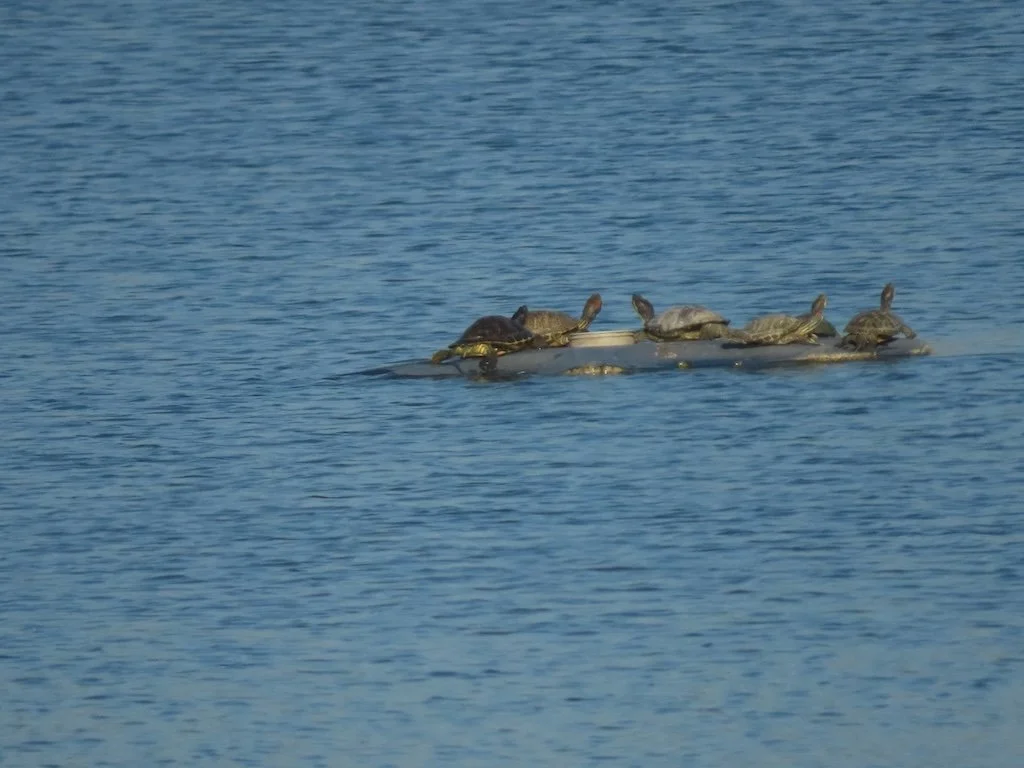
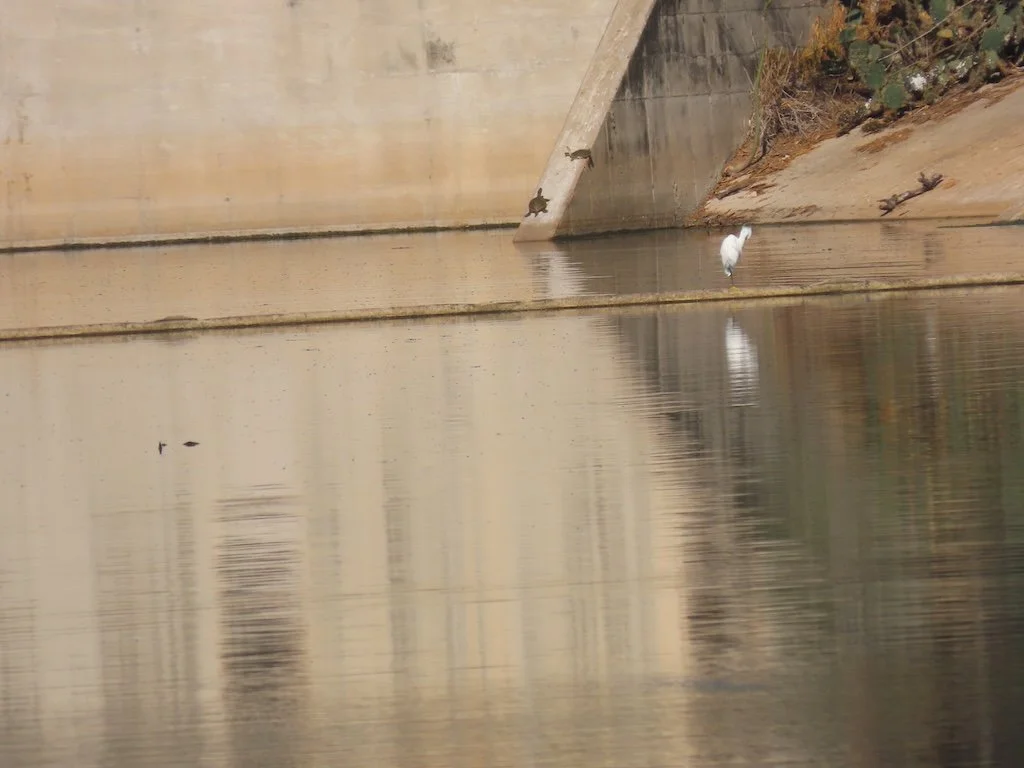
There were turtles in a lot of places too – even crawling up the dam abutment! There were Texas spiny softshell turtles on a concrete pad near the boardwalk.
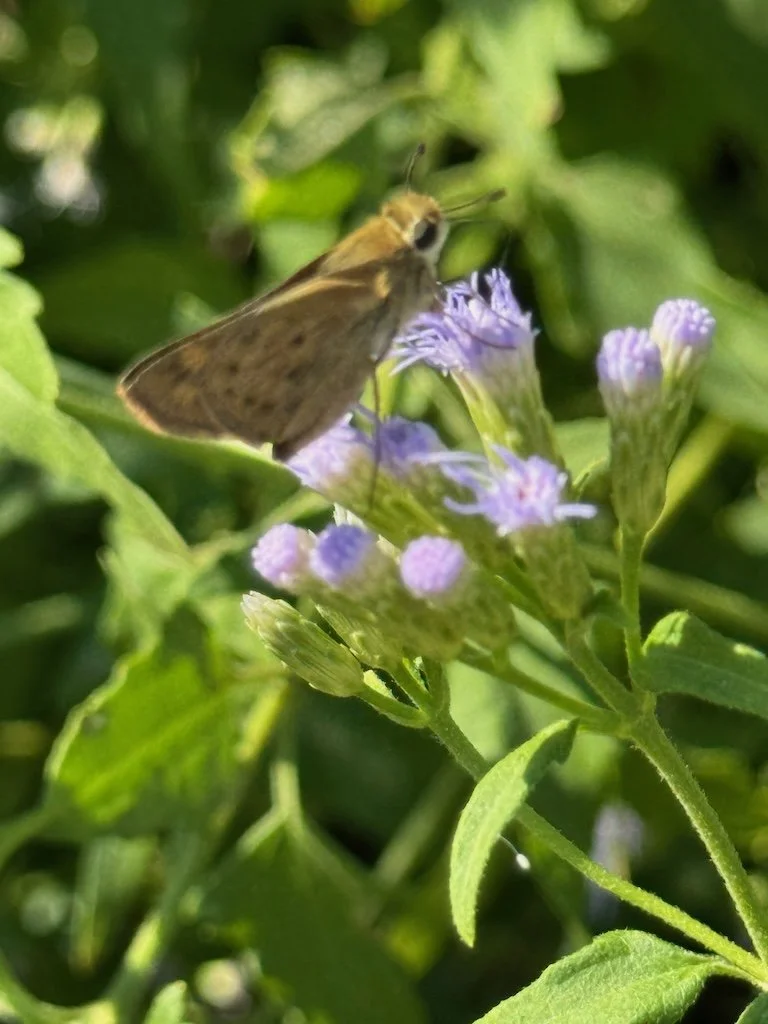
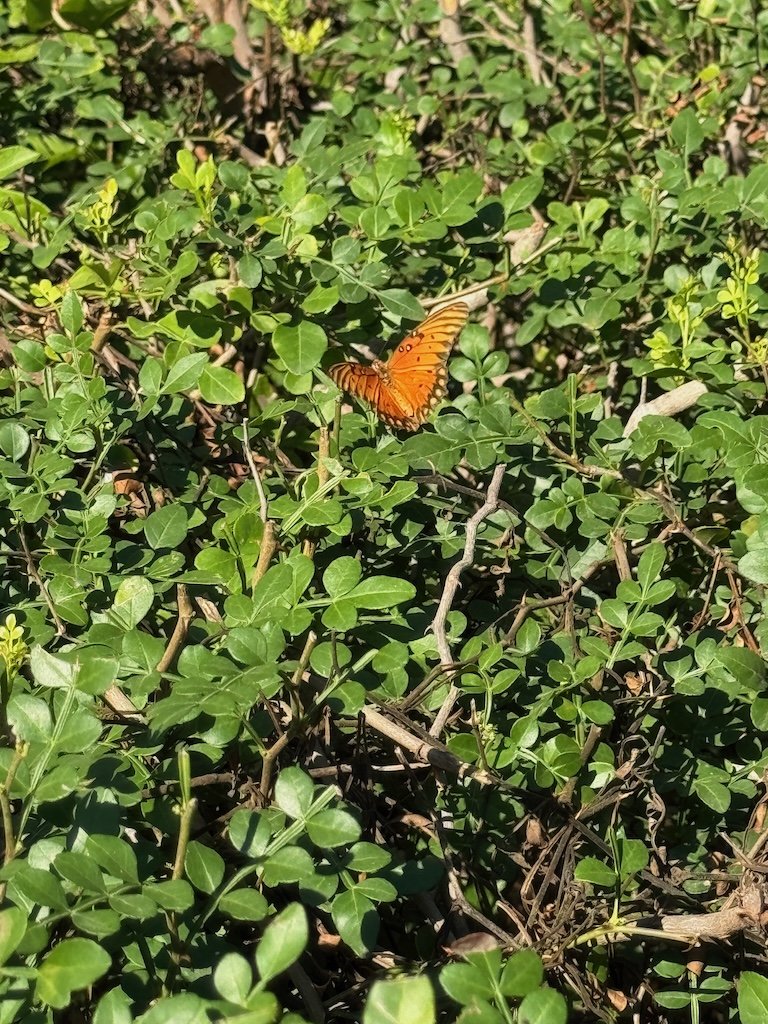
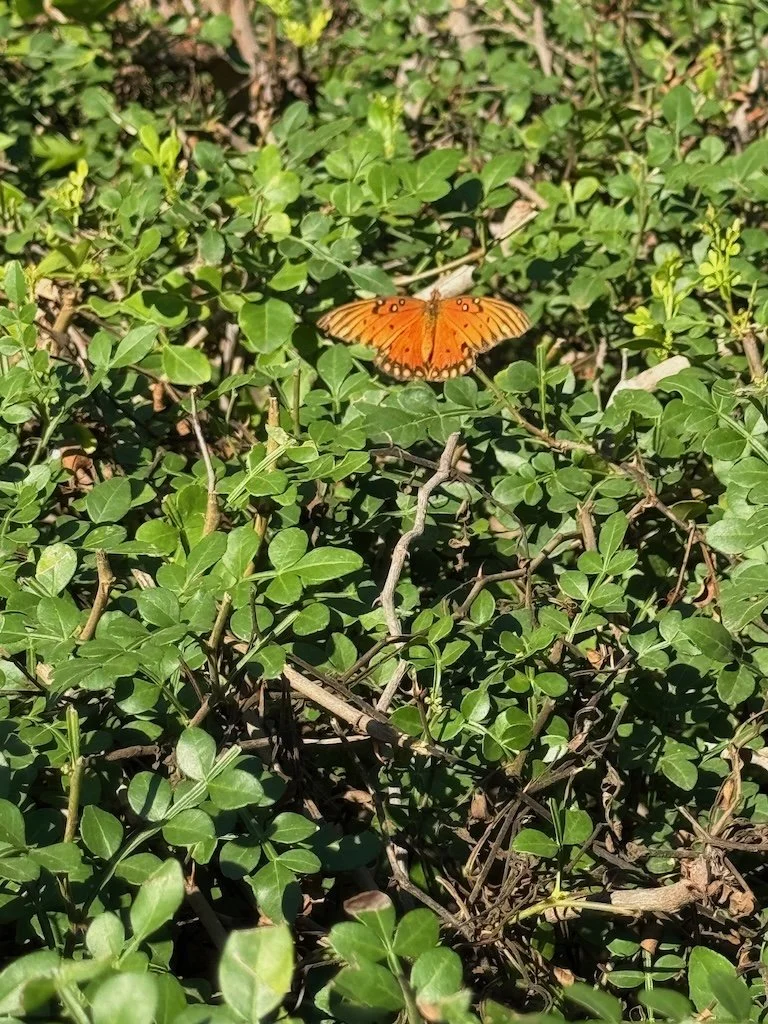
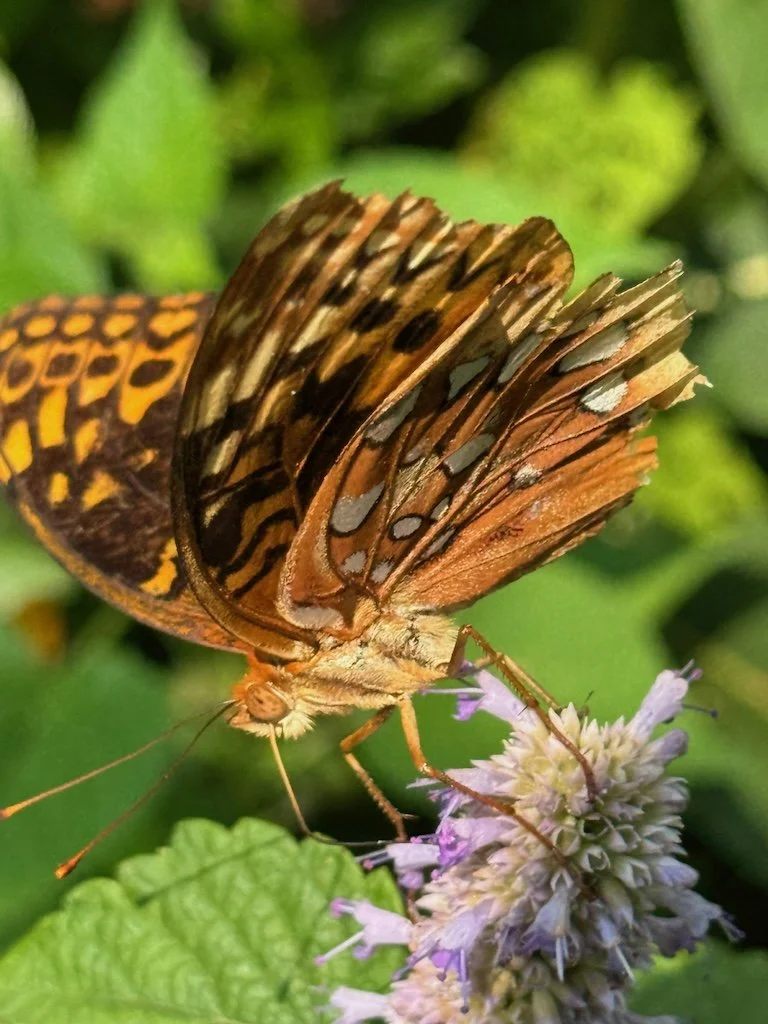
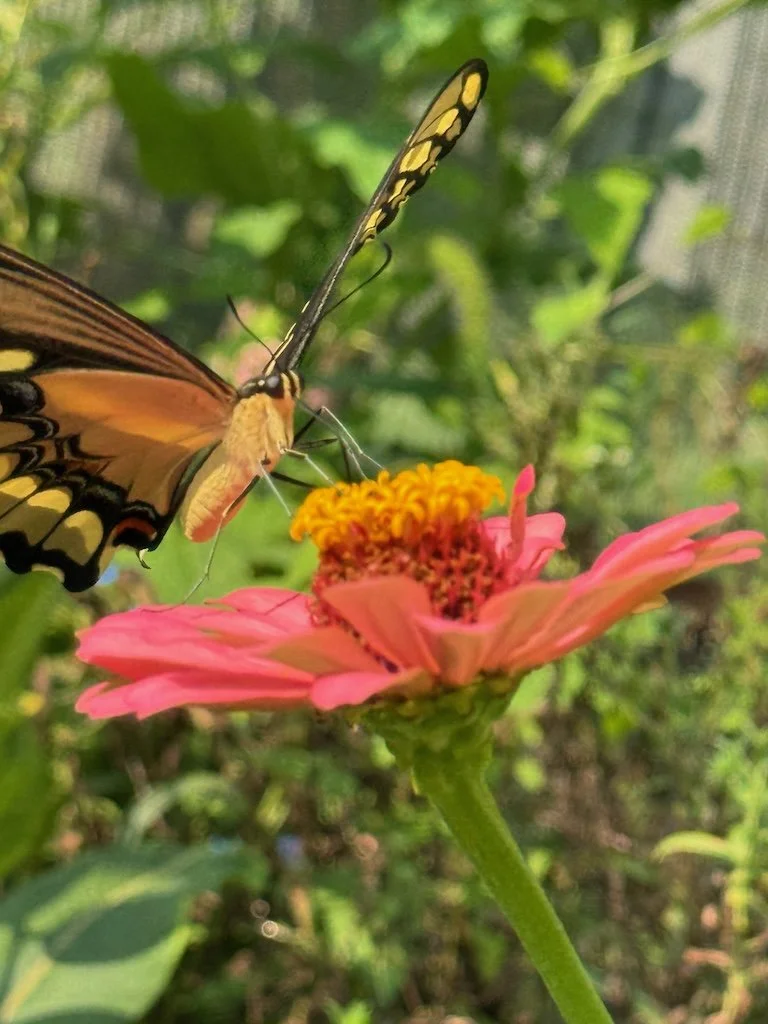
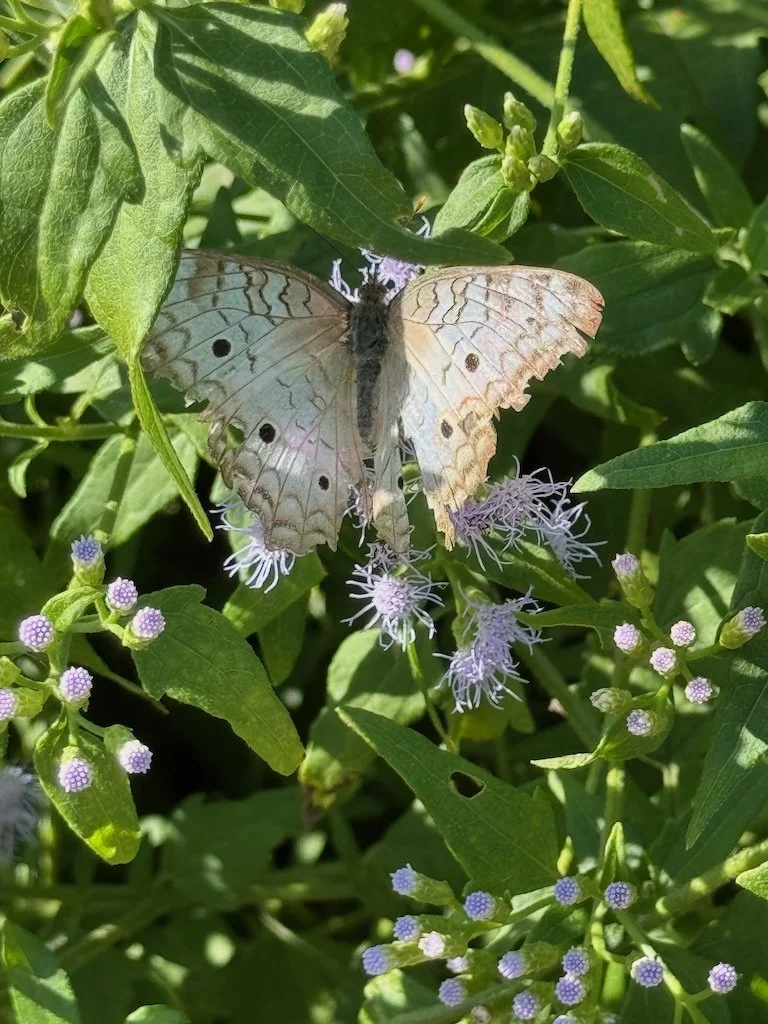
 We weren’t still long enough to do much butterfly photography – but I did manage three!
The trip had been advertised as a place to see Kingfishers, but the banks where they had frequented had been cleaned up (i.e. bushy vegetation removed) and the Kingfishers had moved elsewhere.
Birding Near Titusville

After the long field trip to Central Florida, the next day we had a shorter one to hot spots around Titusville. It felt a lot easier getting to a 6:30 AM bus than the 5 AM bus the previous day. The first stop was Hatbill Park…just as the sun was coming up.
2019 01 IMG_3552.jpg

The Grackles were the first birds we noticed…because they were noisily welcoming the day.

2019 01 IMG_3549.jpg

As the light got better there were other birds to notice: a Little Blue Heron fishing in the shallows.

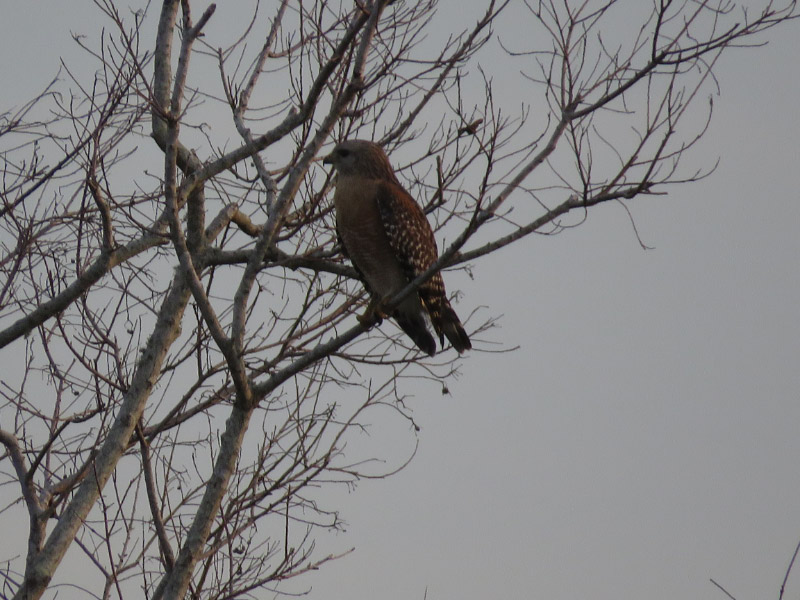
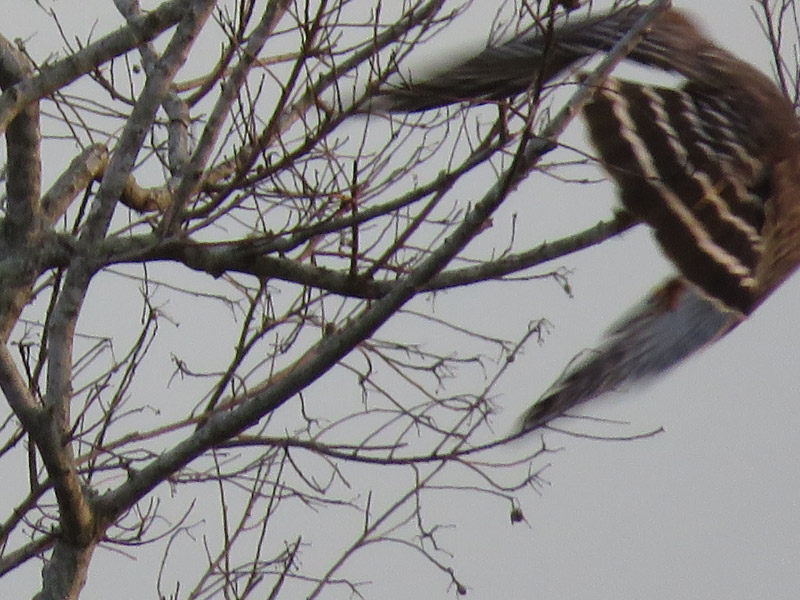
A Red-shouldered Hawk almost too far away to photograph but showing its very distinctive tail as it flew away.

There was an Eastern Phoebe and

2019 01 IMG_3685.jpg

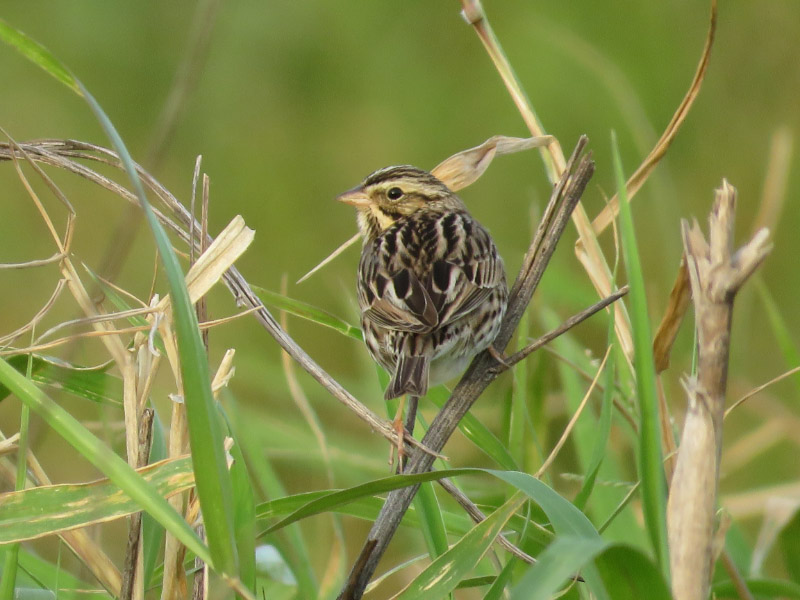
Savannah Sparrow to represent smaller birds.

Some Brown Pelicans flew over the lake.

2019 01 IMG_3702.jpg

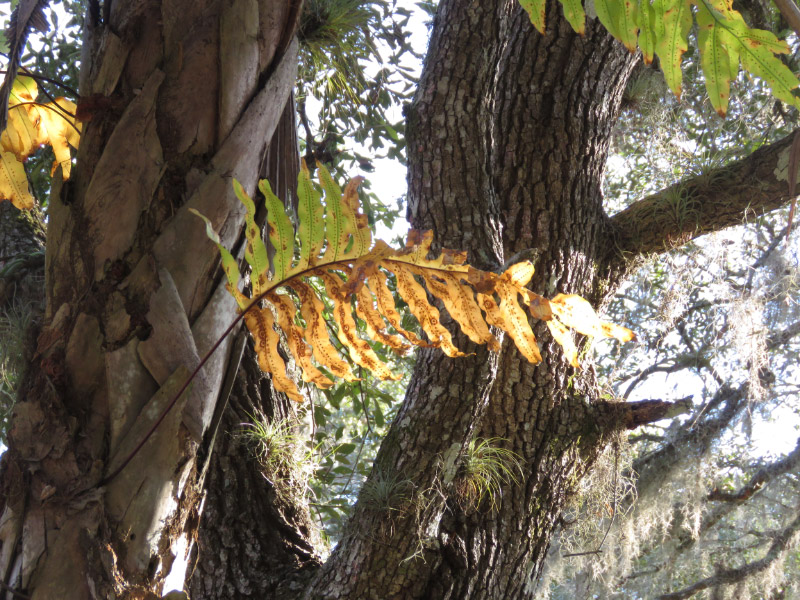
We headed off to or next stop – a walk back into the woods. There were very large Live Oaks with Spanish moss, resurrection fern, and ghost orchids and

Quite a few American Robins. Some robins stick around in Maryland but some push southward and accumulate in Florida.

2019 01 IMG_3749.jpg

There was a Red-Bellied Woodpecker that showed himself at just about every angle. They do have a little red on their bellies!

Florida has red maples just as we do in Maryland although the ones in Florida had formed their samaras months in advance of our trees.

2019 01 IMG_3776.jpg

Ball Moss – a relative of Spanish moss (both Bromeliads rather than mosses) – was growing in some of the trees. It looks tidy rather than raggedy like the Spanish Moss.

2019 01 IMG_3778.jpg

The Sabal Palmettos had ferns growing in their boots (the stubs of branches along the trunk). One of the other field trip participants identified it as a gold foot fern.

An Eastern Phoebe sat around long enough to be photographed here too.

2019 01 IMG_3805.jpg

One stop was a neighborhood pond that has a population of resident Black-Bellied Whistling Ducks. They were noisy. Hopefully they quiet down at dusk.

2019 01 IMG_3813.jpg
2019 01 IMG_3818.jpg

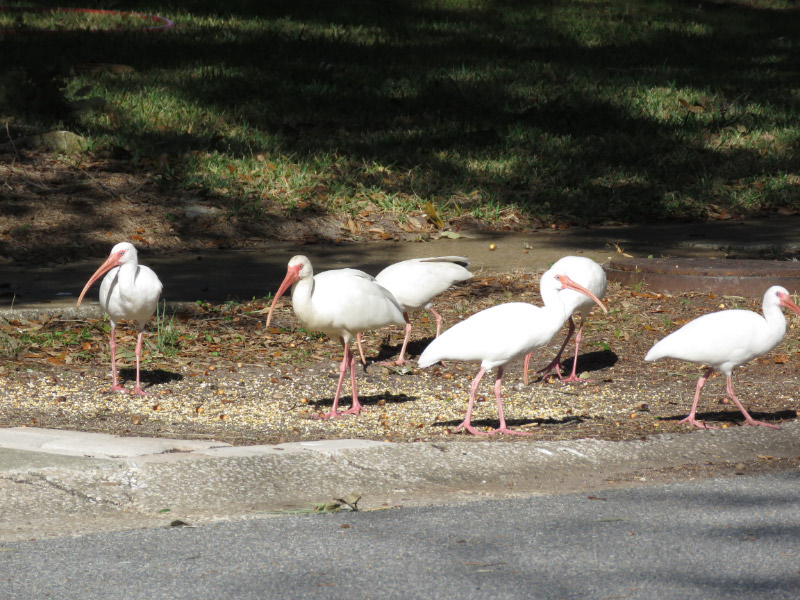
There were White Ibis in the pond as well. They seemed even more acclimated to people.

The next stop was a neighborhood park where there was a resident pair of Sandhill Cranes.

20190126_123310.jpg

Then we headed off to Dixie Crossroads (restaurant) for lunch. I took a picture of the mural as I came out of the restaurant – it featured a lot of the birds we had been seeing.

The post tomorrow will be about what we saw after lunch.