Benefits of Riparian Corridor

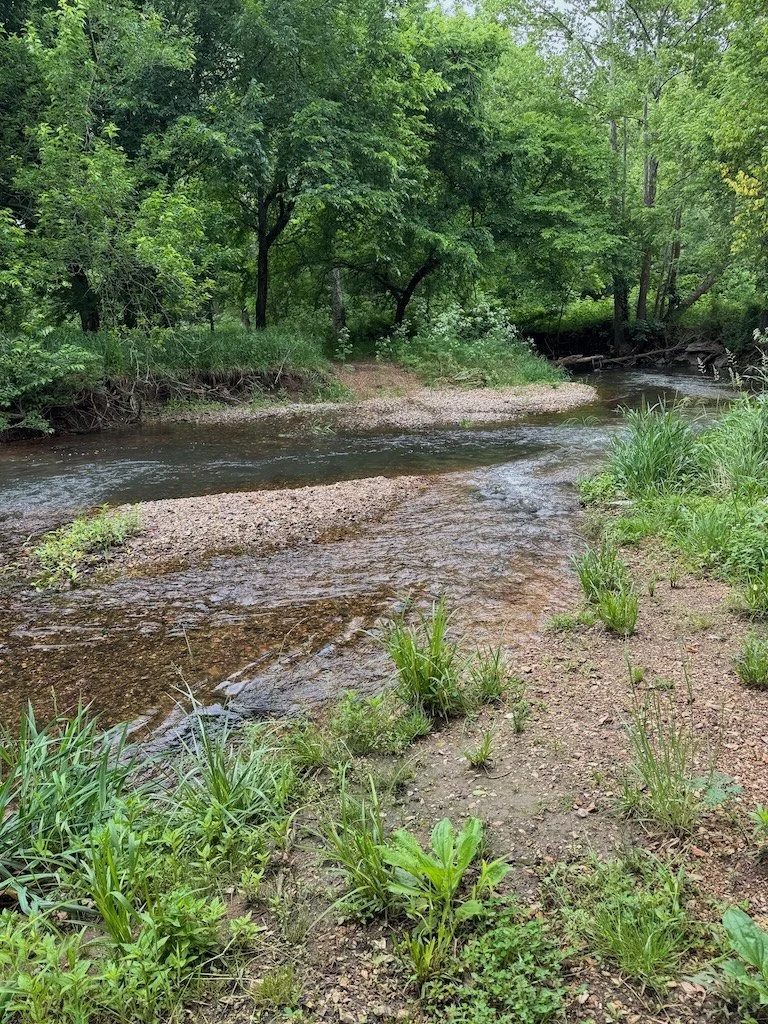
My second lecture session at the Missouri Master Naturalist state conference was Brian Waldrop’s Benefits of Riparian Corridor. Most of the material was not new to me,  but it was thought provoking.

There was a chart about different types of riparian corridors: forest, grassland, mixed, and wetland. I realized that the one I was most familiar with was forest (most of the time in an urban environment where the corridor was damaged by intermittent intrusion of heavy runoff that often undermined the trees. A stream in a tropical forest was shown with vegetation hanging well over the stream surface.

The wider the buffer, the greater the benefit - starting with bank stabilization and progressing to water quality, flood control, and wildlife habitat. In urban/suburban areas, we often think it is great if we can achieve bank stabilization!

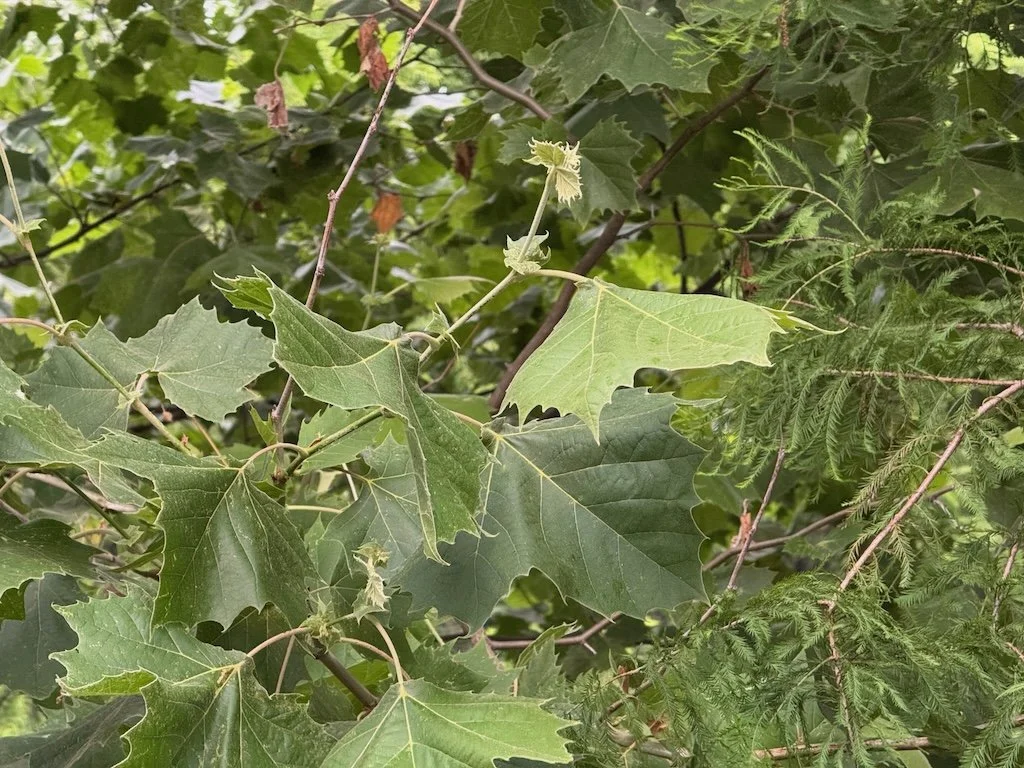
It seemed logical that the type of plants found in riparian zones should be native, flood-tolerant, deep-rooted, and shade-providing. I realized that I don’t know these things about individual plant species. I tend to draw on memories of trees seen frequently along rivers in Maryland and in Missouri – like American sycamores!

The talk ended with some charts about good reverences. I am putting them on my list of books to browse online!

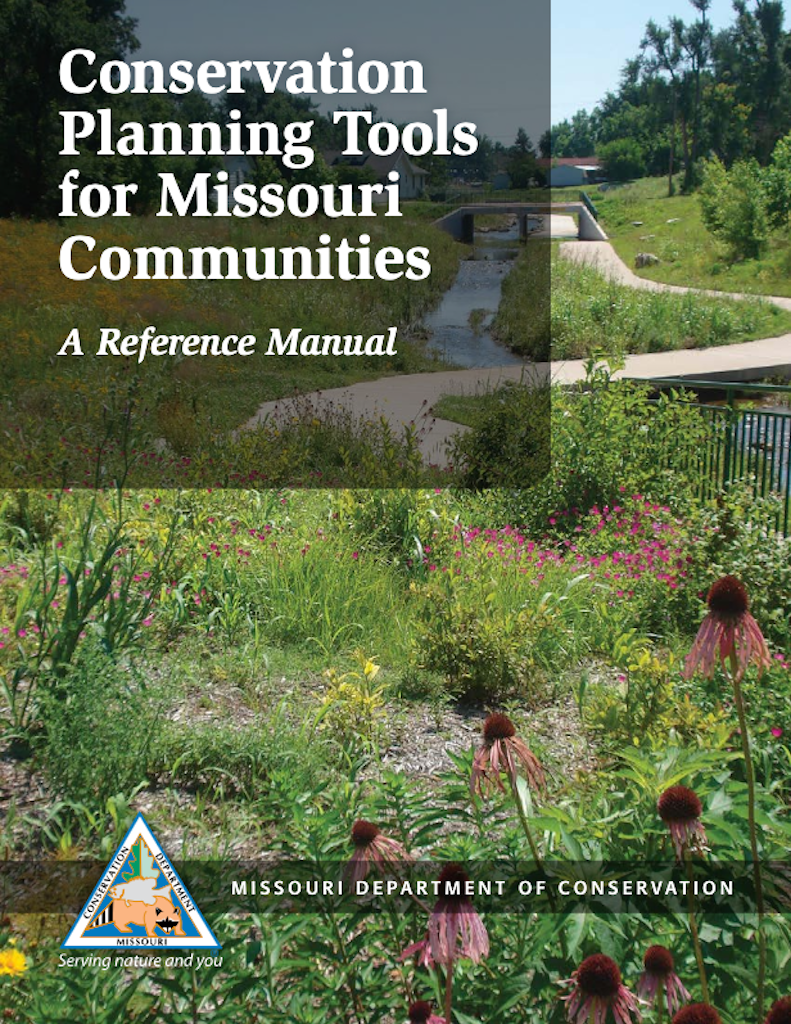
Conservation Planning Tools for Missouri Communities: A Reference Manual (from MDC)

Native Plants for Stormwater Management Projects (from Grow Native!)

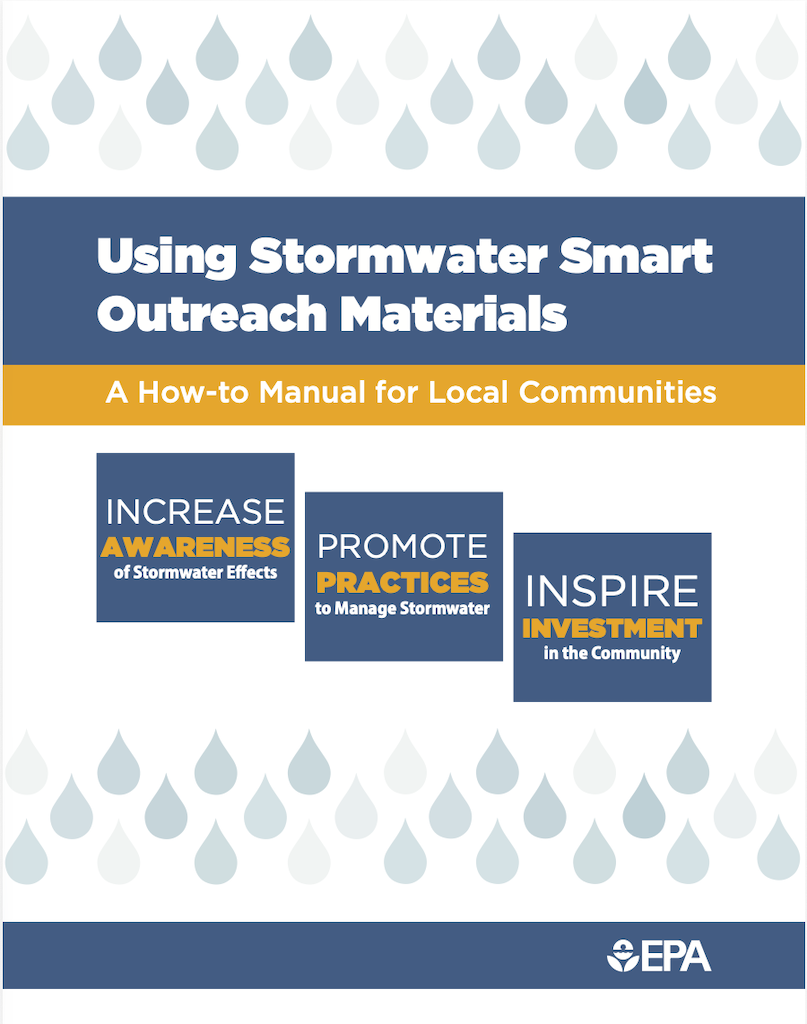
Stormwater Smart Outreach Tools (US EPA)

Ecological Practices with Native Plants

My first lecture associated with the Missouri Master Naturalist state conference was Jean Ponzi’s Ecological Practices with Native Plants. It followed my morning at the Zoo and Center for Hellbender Conservation tour. It was good to spend the afternoon indoors!

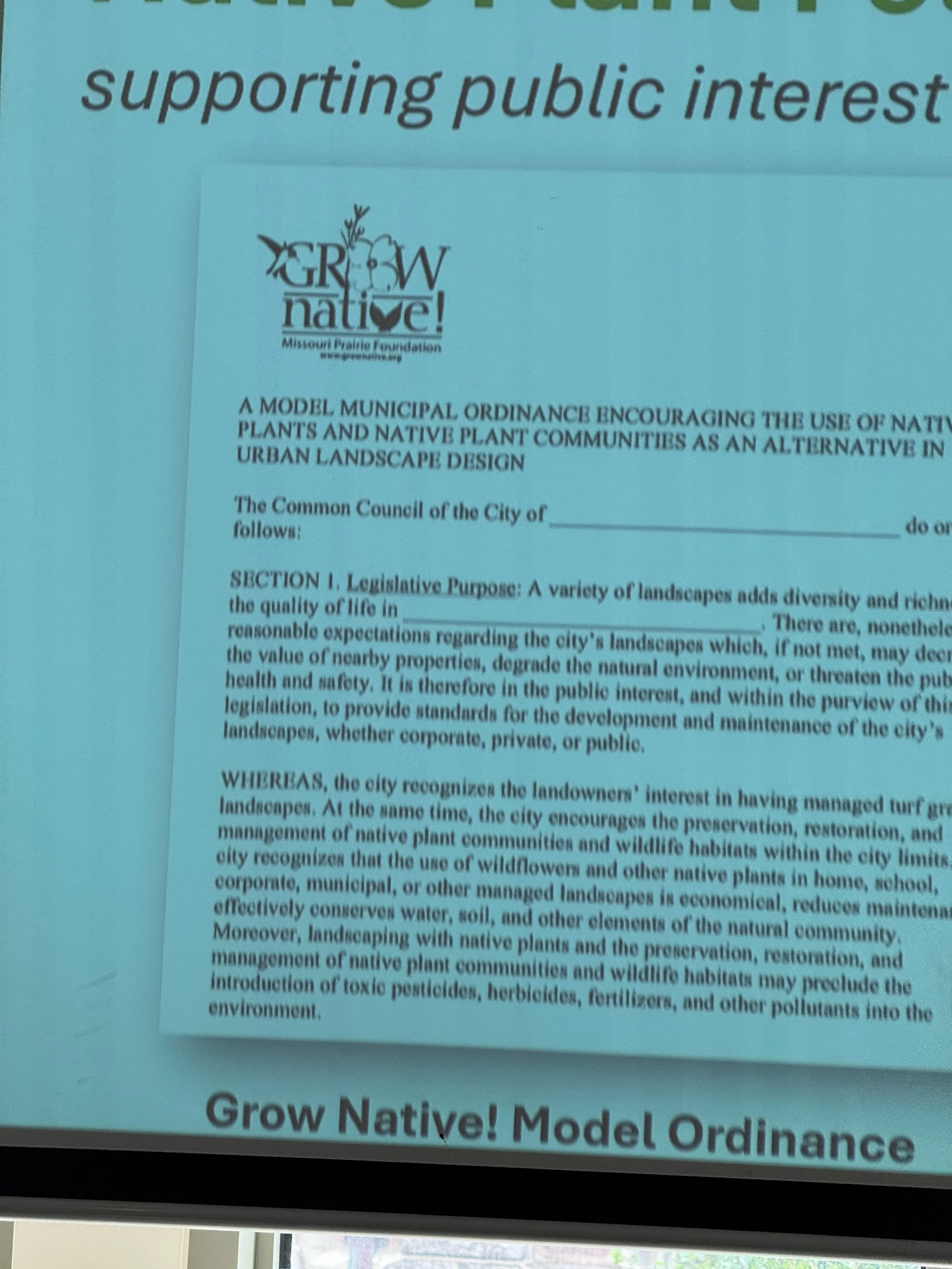
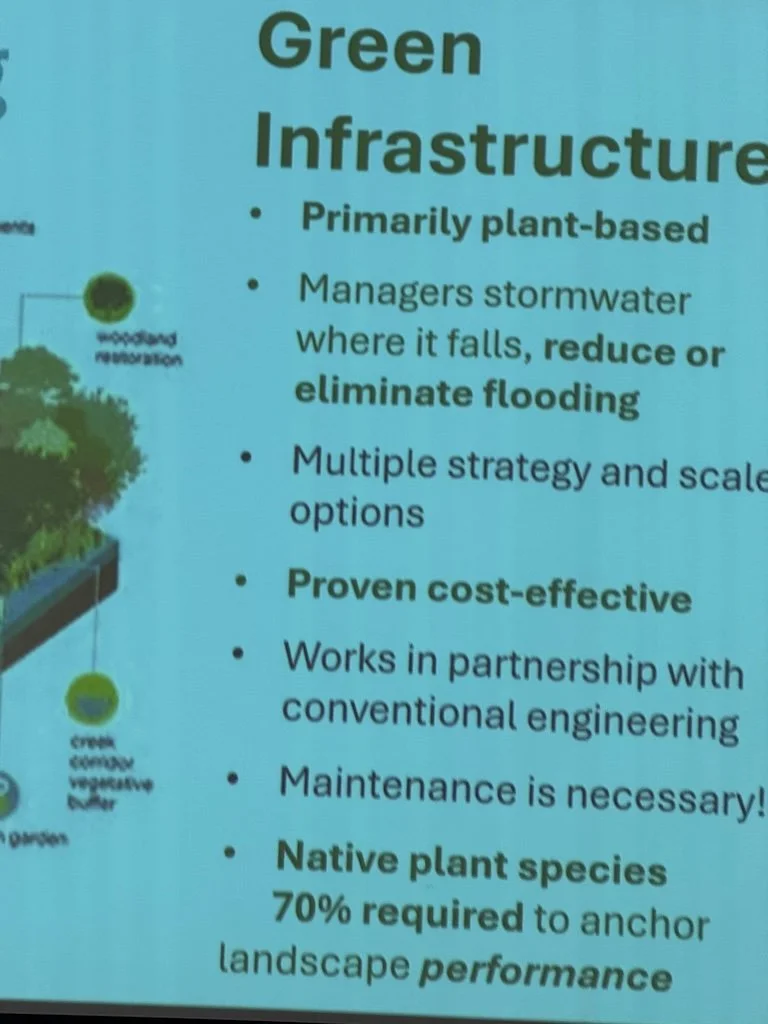
I remembered that I could use my phone to photograph some of the key charts. The first was to remind me that Grow Native! has a model ordinance about native plants and urban landscape design. It is unfortunate that is necessary – but modern urban/suburban yard ‘rules’ tend to skew toward shallow rooted turf and result in relatively sterile outdoor spaces….not what we want to sustain the planet. The second photograph was the definition of ‘green infrastructure.’

Doug Tallamy’s work was cited….and the https://homegrownnationalpark.org/ was talked about. I had heard of it before and, now that I am reducing the turf in my yard – maybe I should look into it more.

One of the quotes I liked from this speaker: “Turf is living concrete!”

Hellbender Conservation

My third field trip associated with the Missouri Master Naturalist state conference was to the St. Louis Zoo to tour the Center for Hellbender Conservation. Pictures were not allowed so I am sharing the link to the center. There were bins of bleach to step in at every entry…trying to keep pathogens (like Chytrid fungi) away from the hellbenders. There were a lot of animals – from small to large. The smaller ones were in aquariums…the larger ones were in artificial streams mostly hidden under large rocks. There were two species: eastern hellbenders (dark skin) and Ozark hellbenders (mottled skin). The hellbender keeper conducted the hour-long tour….talking about the environmental requirements (water temp in the low 60s, rocks or tubes to hide in as the animals begin to grow, filtration of water, different kinds of food, and egg collection (both in the center and in the wild….and releasing the animals into the wild to shore up populations in stream clean and cool enough to support them.

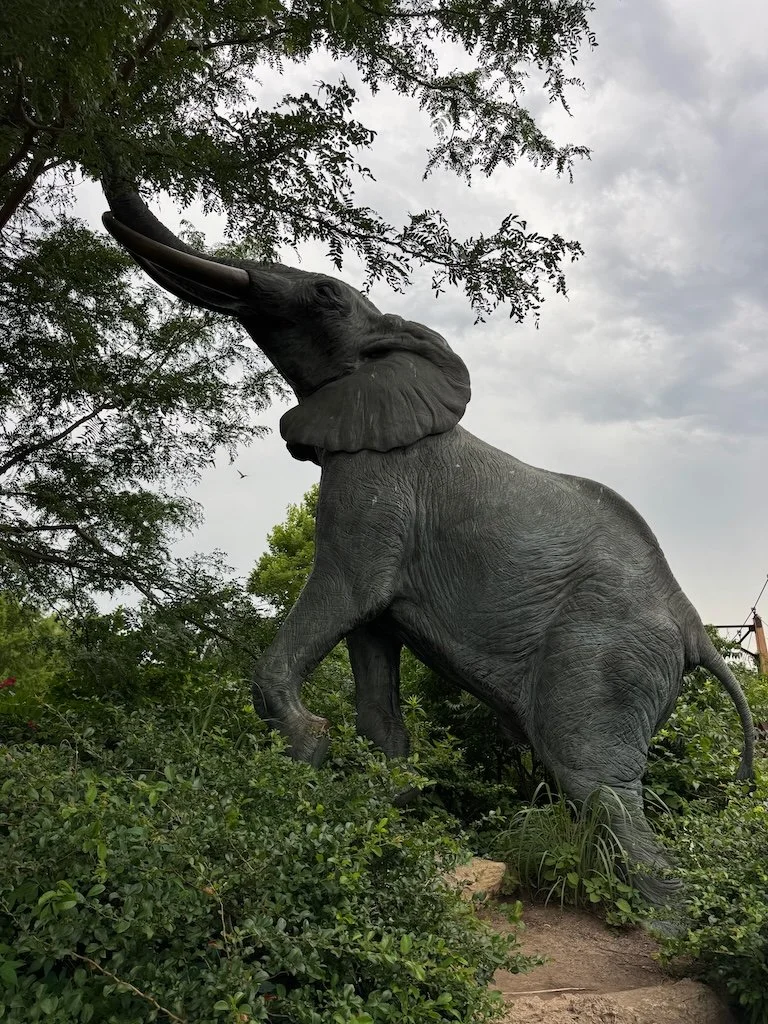
The pictures I did take were from elsewhere in the zoo when I arrived early (not wanting to chance being late…or getting caught in heavy rain (it did rain a little but my umbrella was adequate)). There were pictures on the way into the zoo from the parking lot.

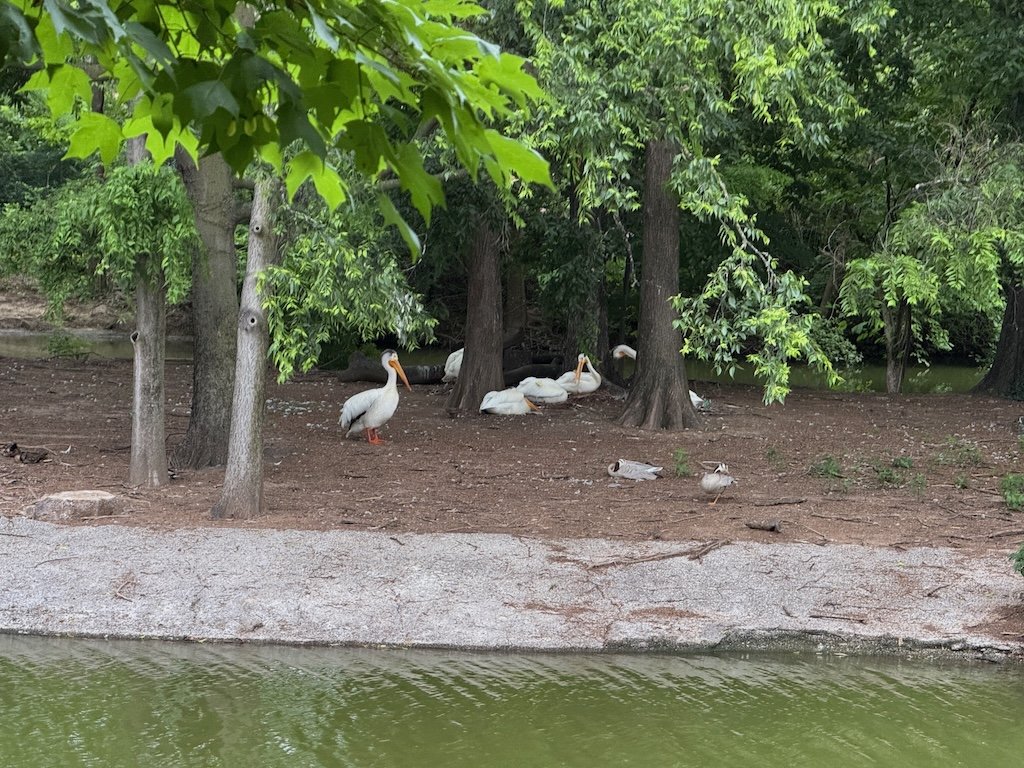
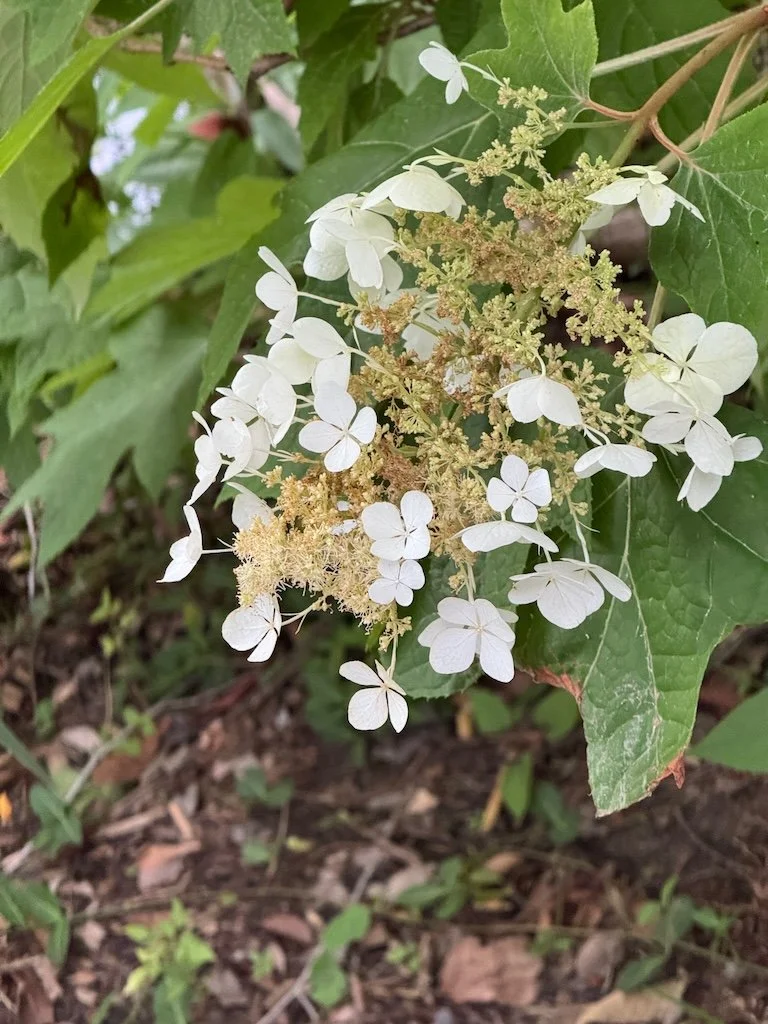
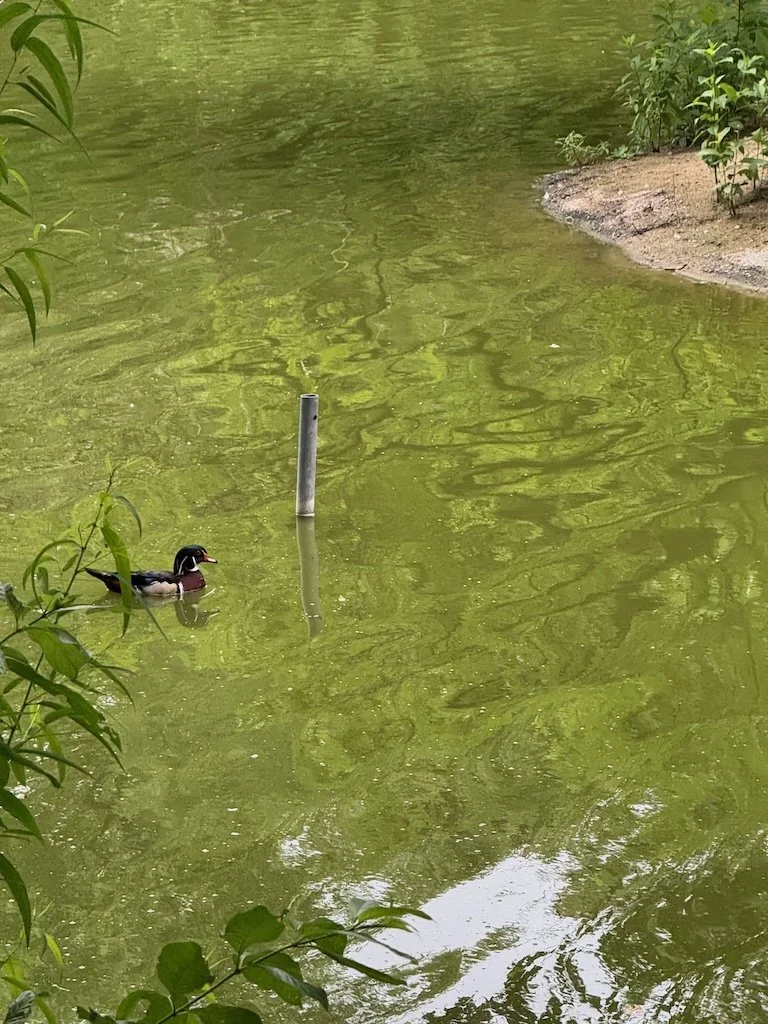
There were pelicans, wood ducks, and trees  to see along the walk looking out over the water.

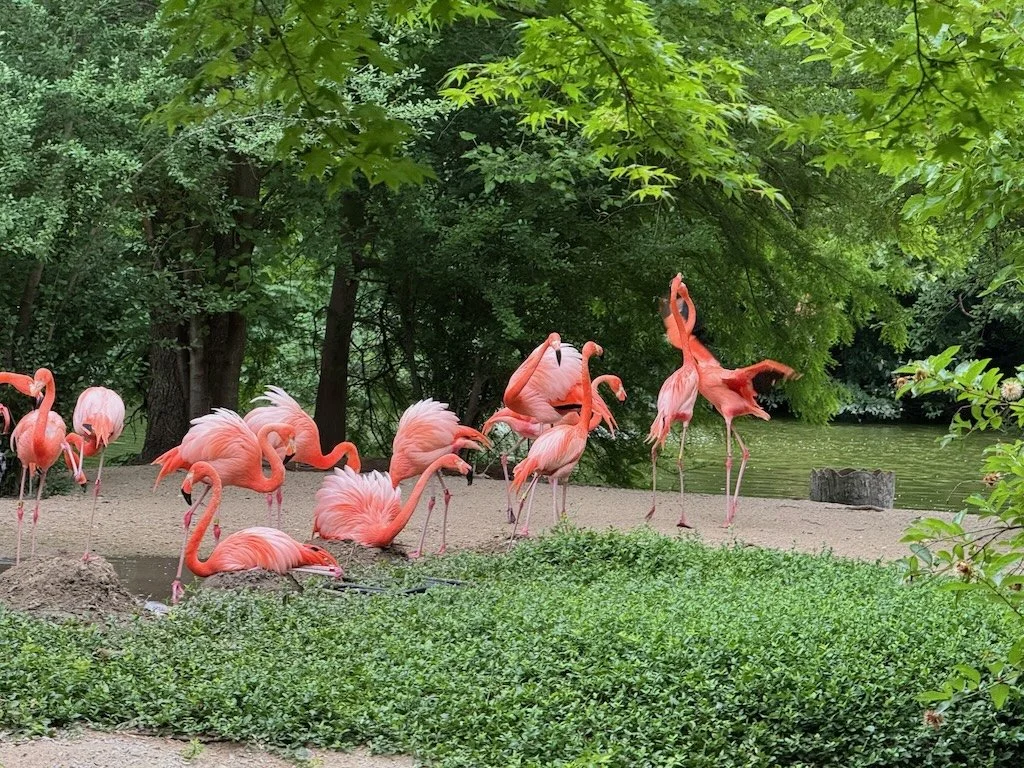
The flamingos were very active…and two appeared to be sitting on a nest!

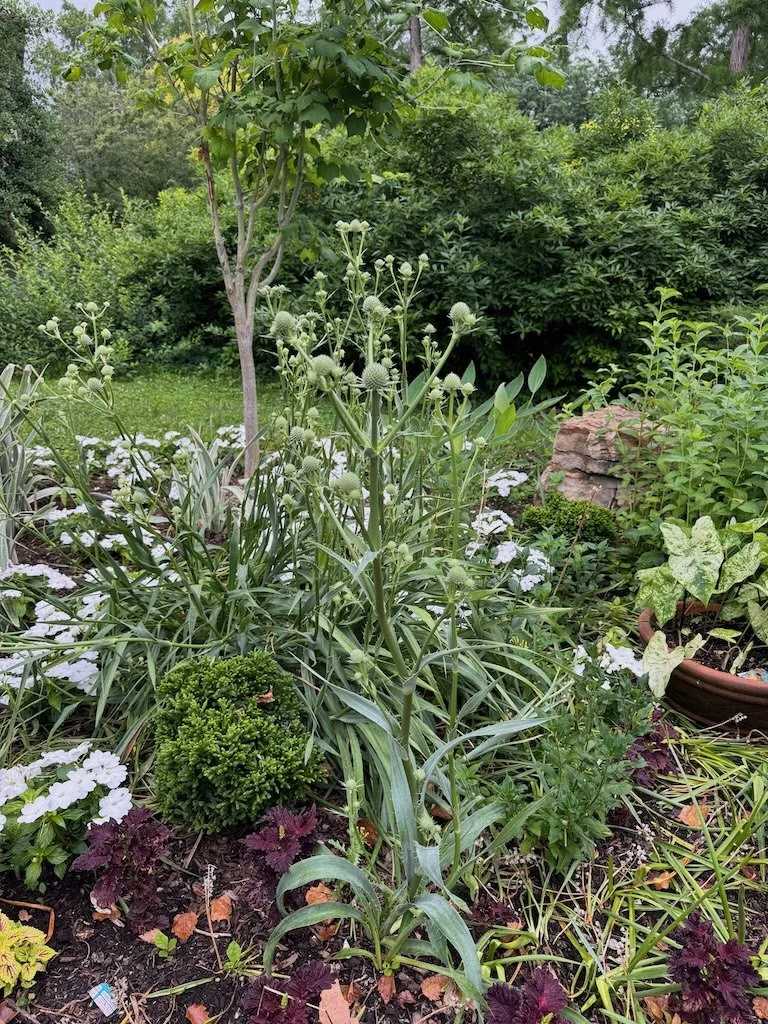
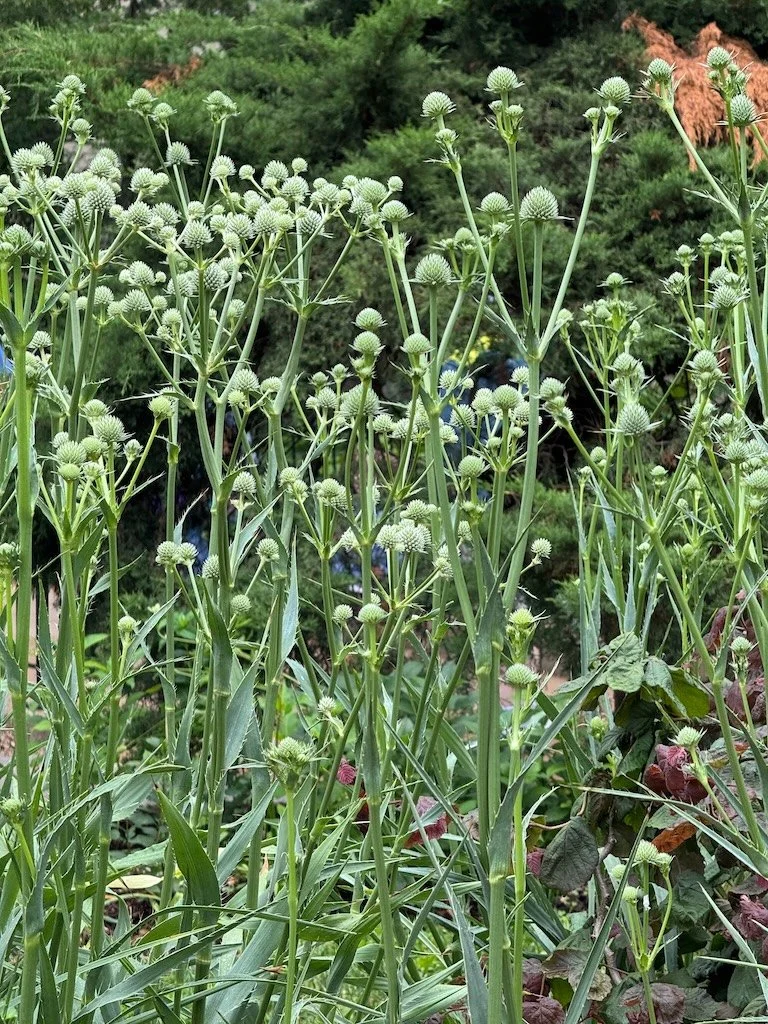
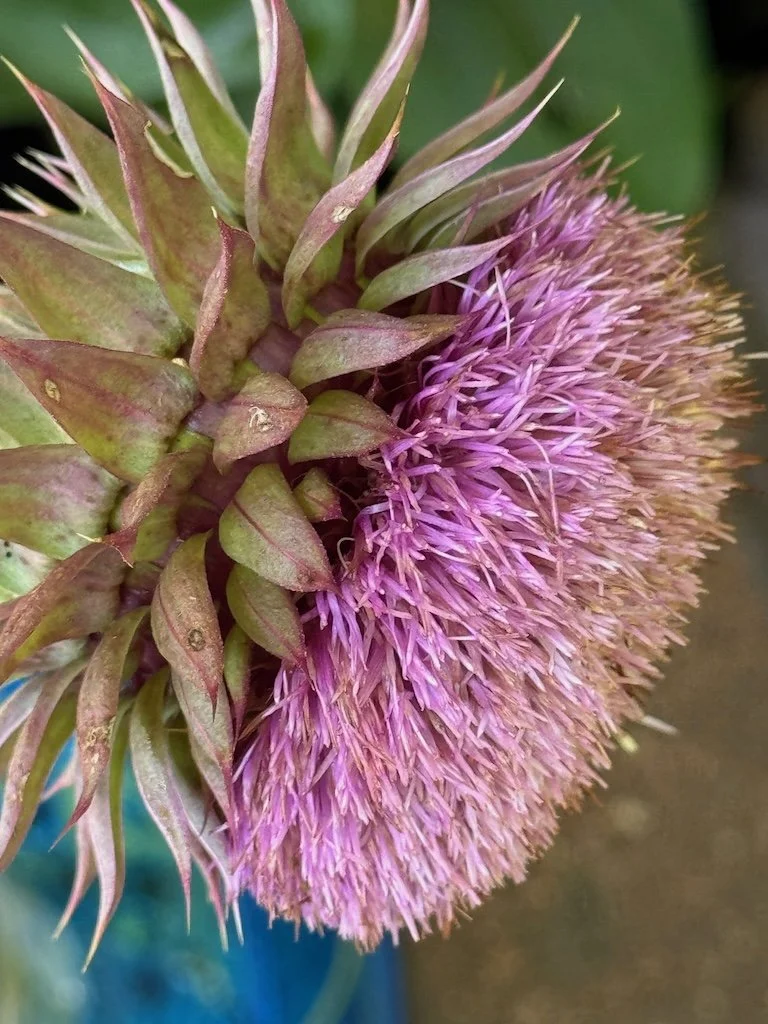
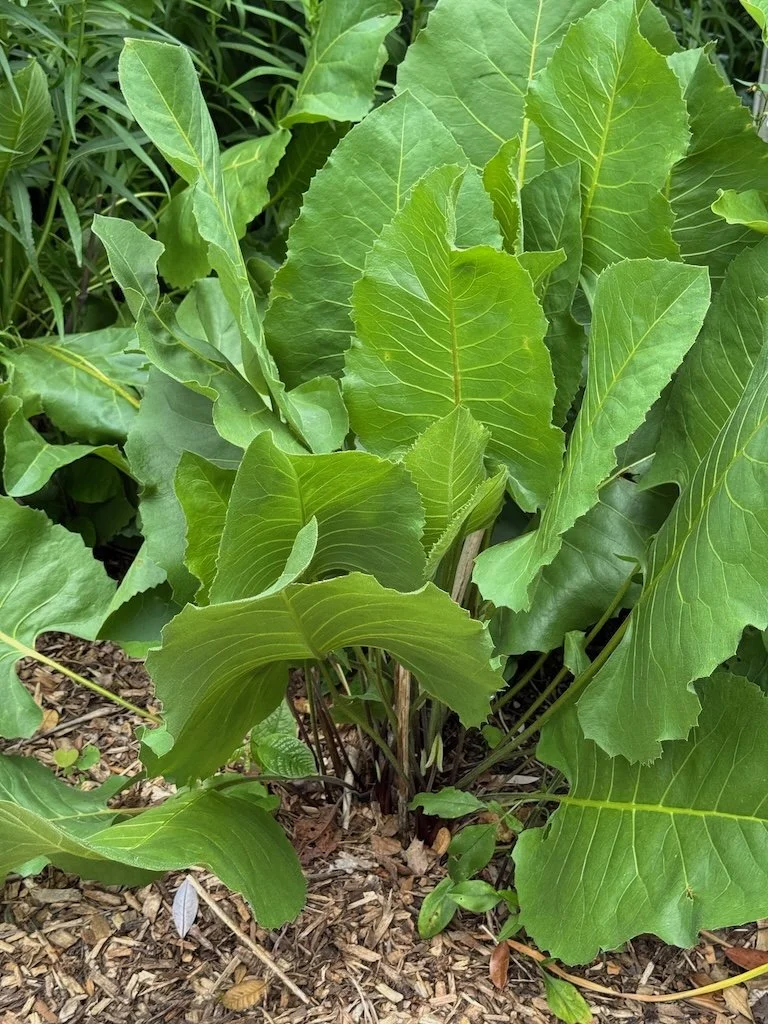
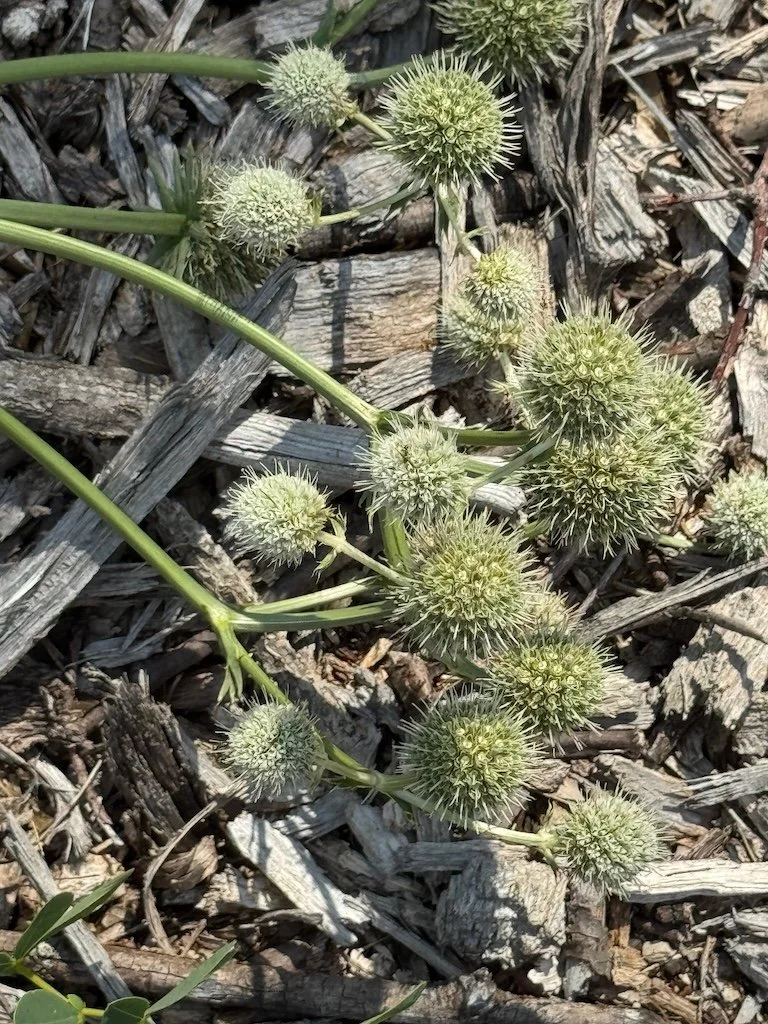
After the Hellbender tour, I headed back to the car and noticed some clumps of rattlesnake master. I hope eventually I have a clump in my garden since my current single plants seem to be challenged to keep their stalks upright!

It started raining as I headed back to the conference venue…I was glad I was in the same building for the rest of the day.

Donald Danforth Plant Science Center

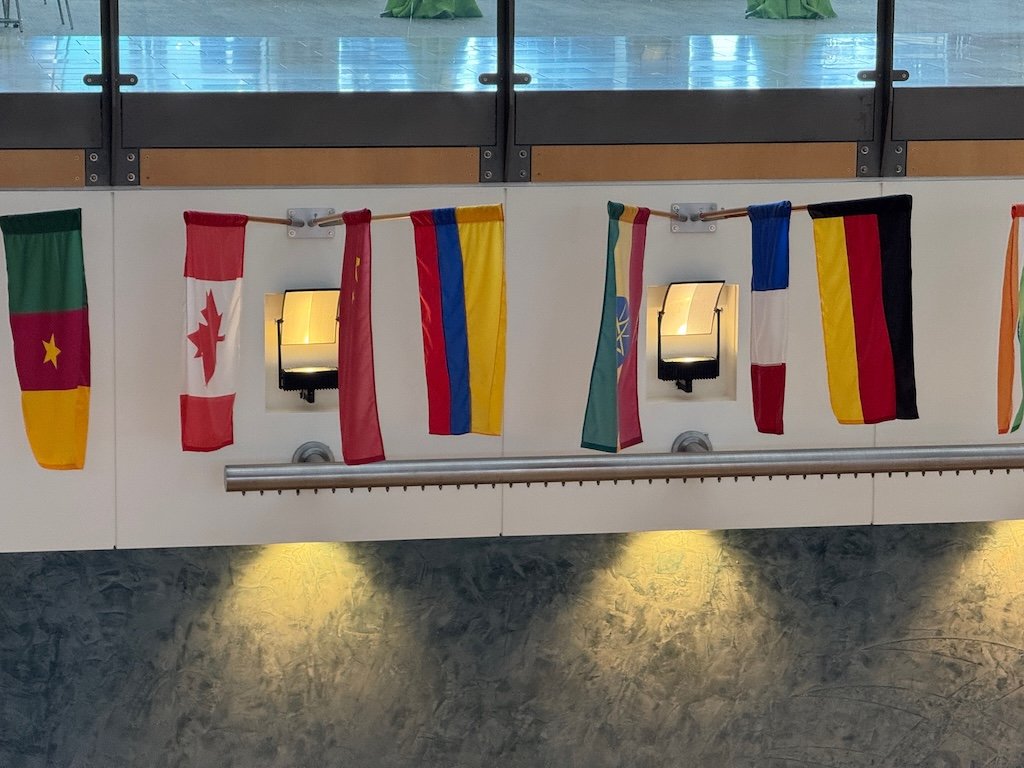
My second field trip associated with the Missouri Master Naturalist state conference was to the Donald Danforth Plant Science Center. The tour guide summed up the mission of the center was to ‘feed the world’ – more formally: improve the human condition through plant science. Photography is not allowed in the work areas of the building – so the only picture I took inside the building was in the entry area where there is a display of flags of countries around the world that the center has engaged.

The building is recent enough to have features that make it easy to reconfigure electrical equipment (outlets in the ceiling!) and appealing with lots of natural light. There are a lot of green houses and controlled plant growth environments.

Much of the research is focused on striving to address current plant growth issues plan for a hotter/drier future. One example was with the cassava plant; their research has created a plant that is more resist to viruses that often reduce production and it is on the cusp of being rolled out in African countries most dependent on the cassava as a food staple.

The organization is very conscious of preserving and renewing our environment as well.

Outside the building – they have recreated a native Missouri prairies….with a lot of plants I recognized!

Lake Springfield Boathouse Garden – June 2026

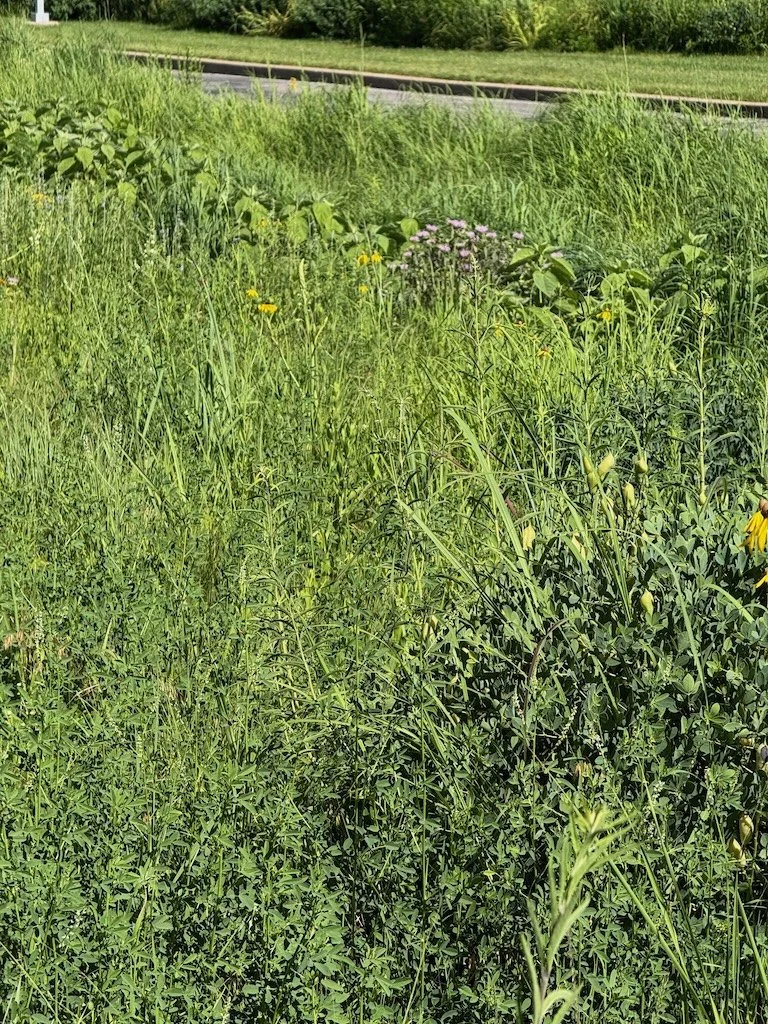
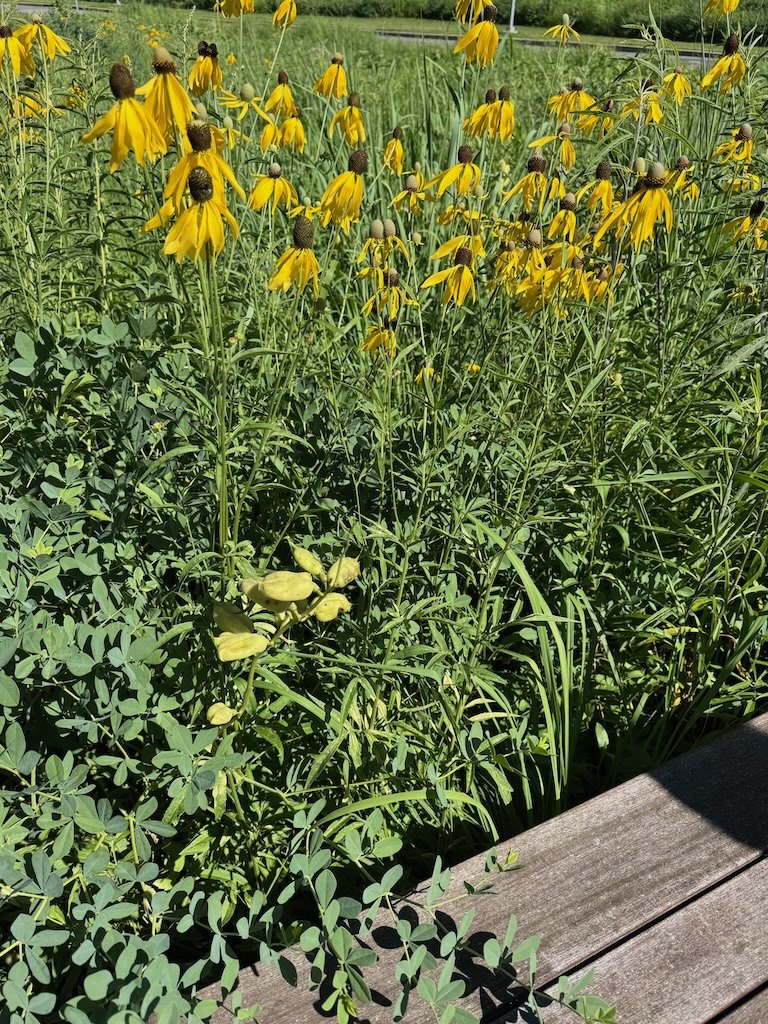
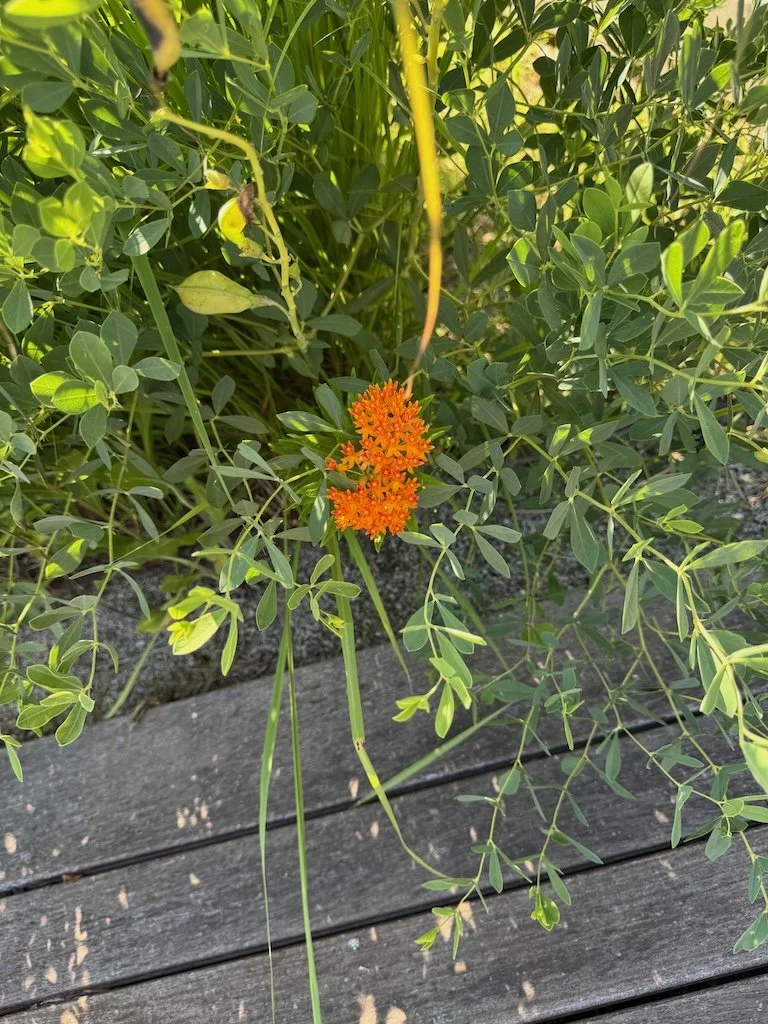
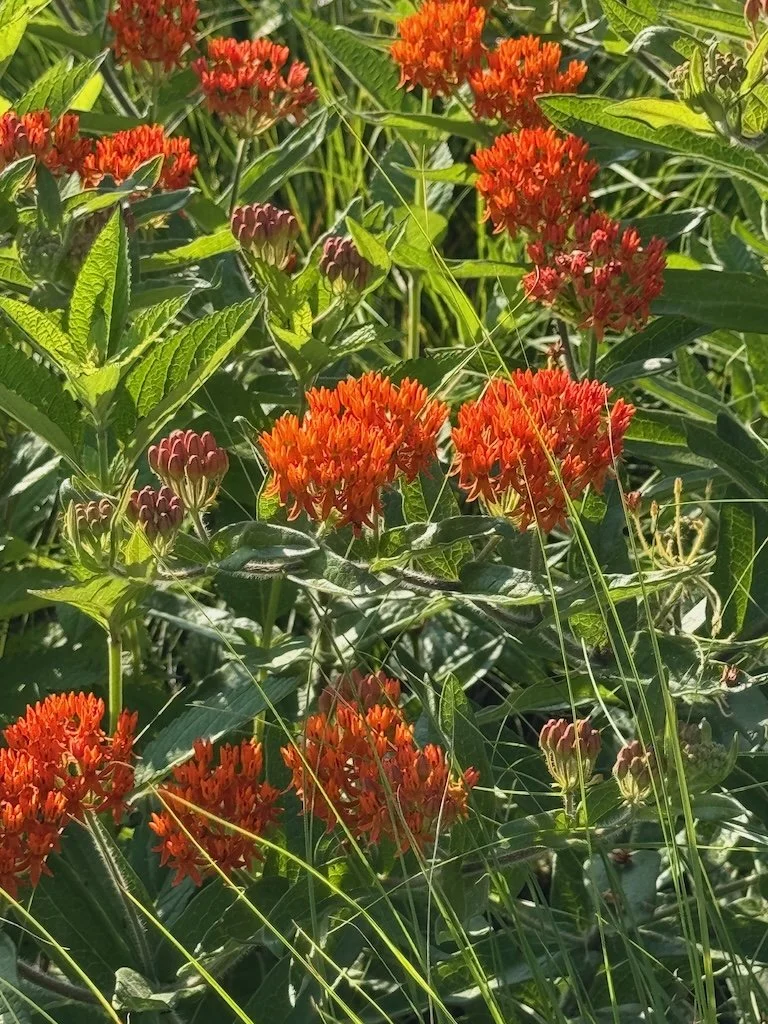
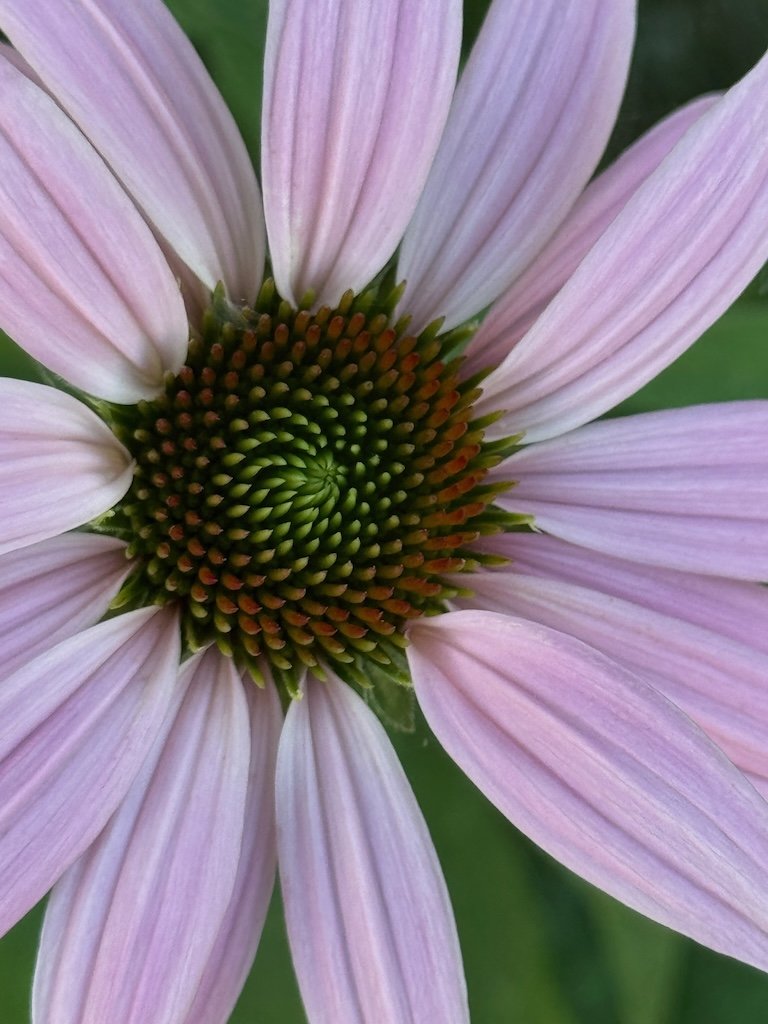
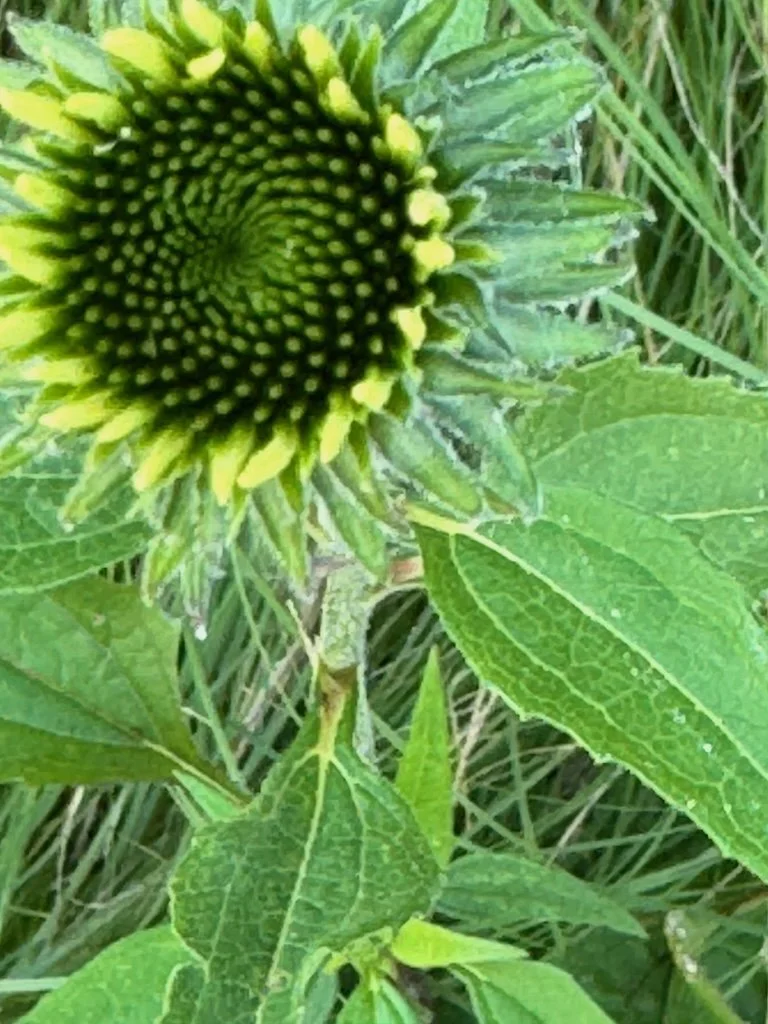
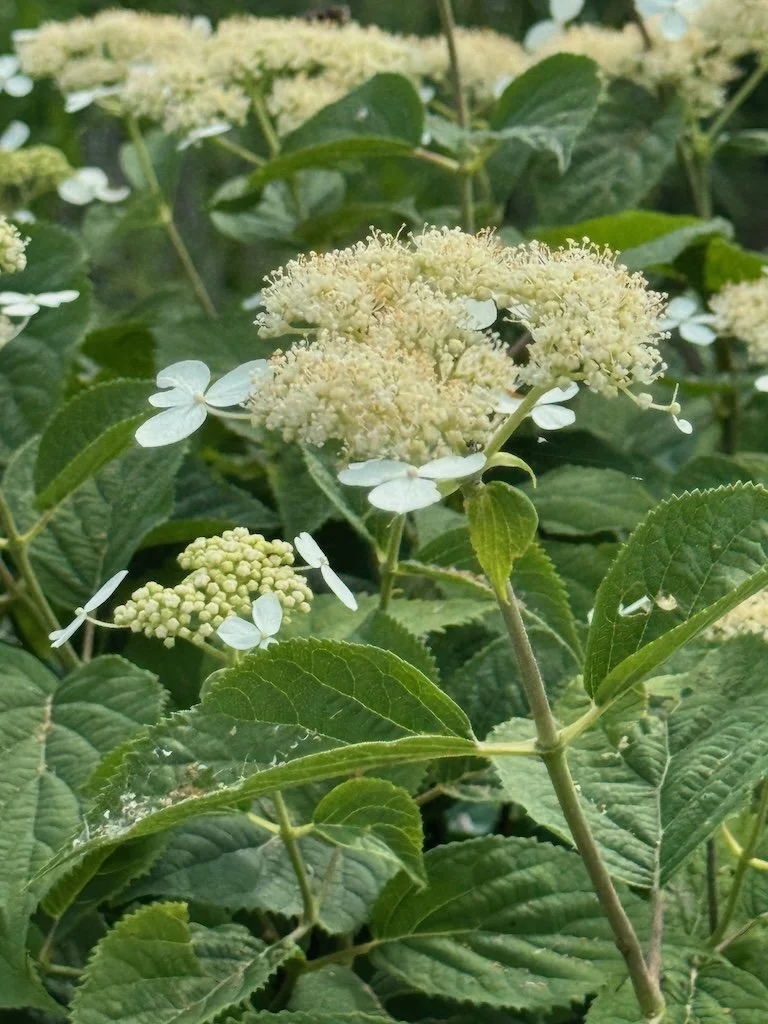
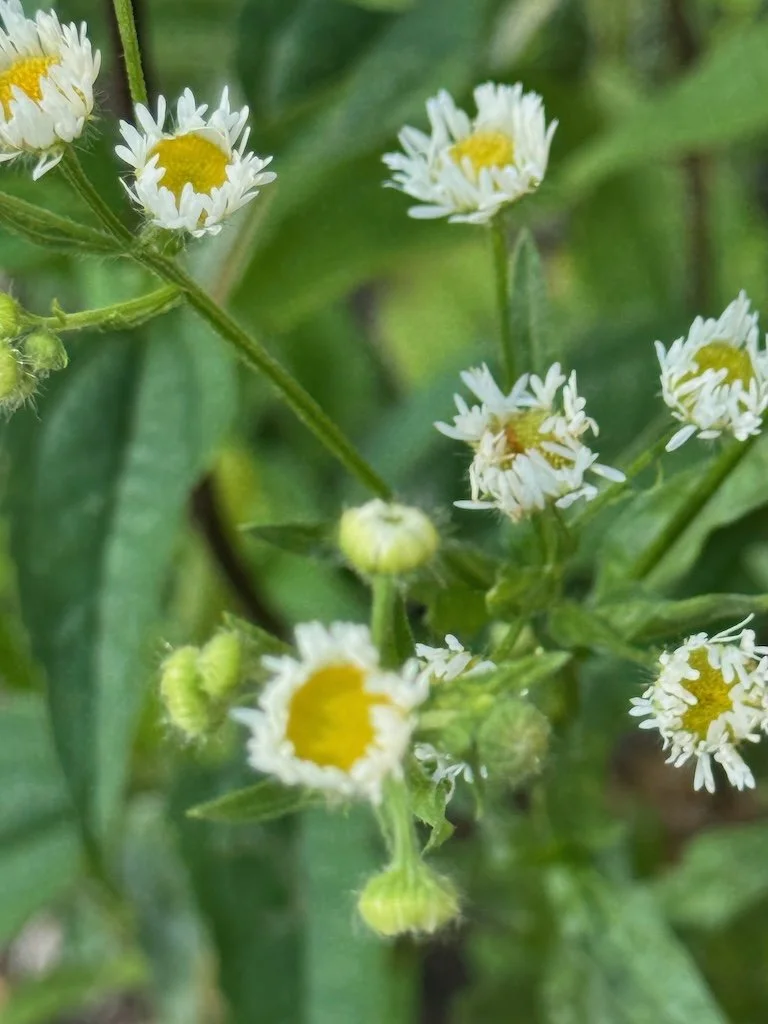
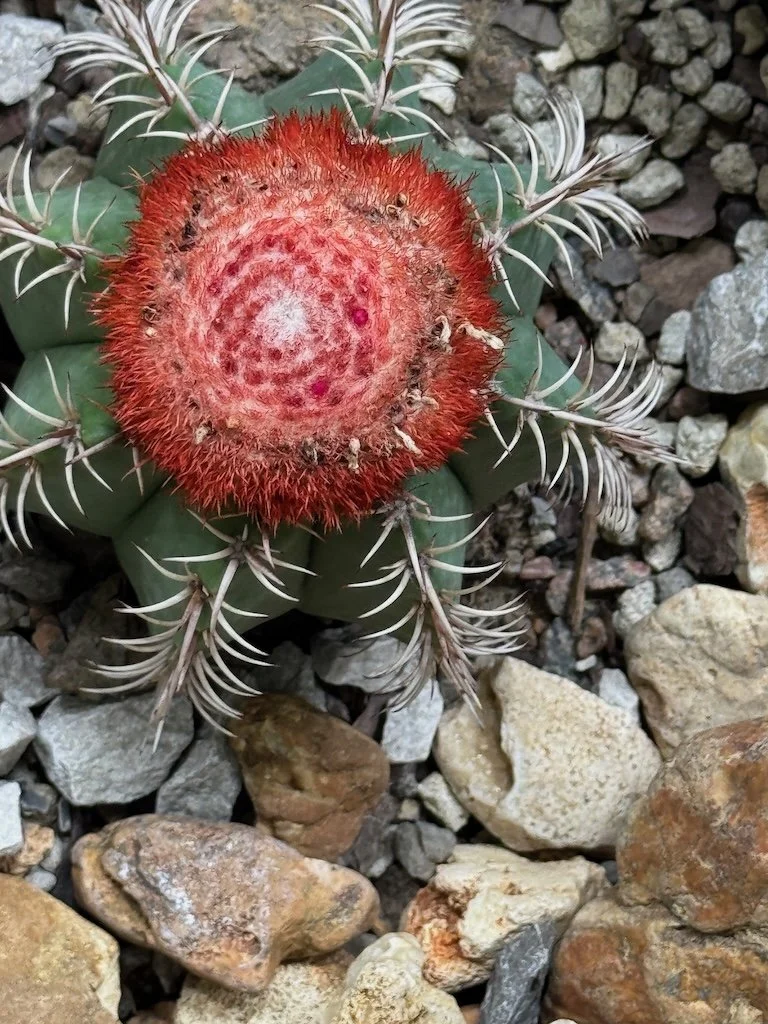
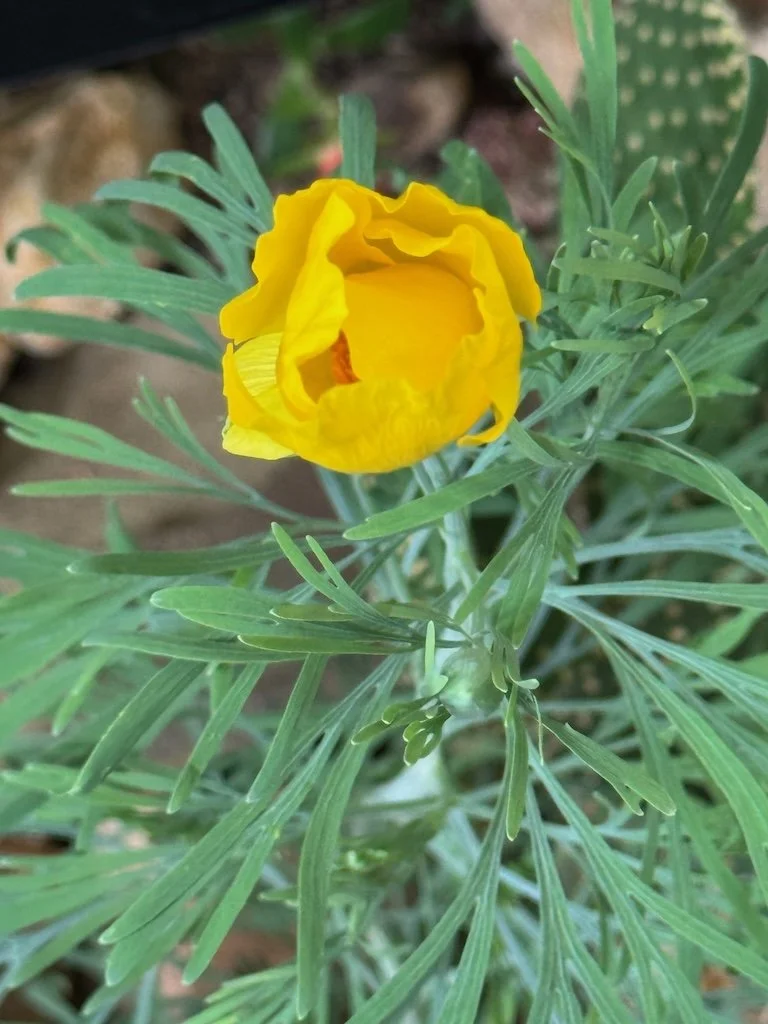
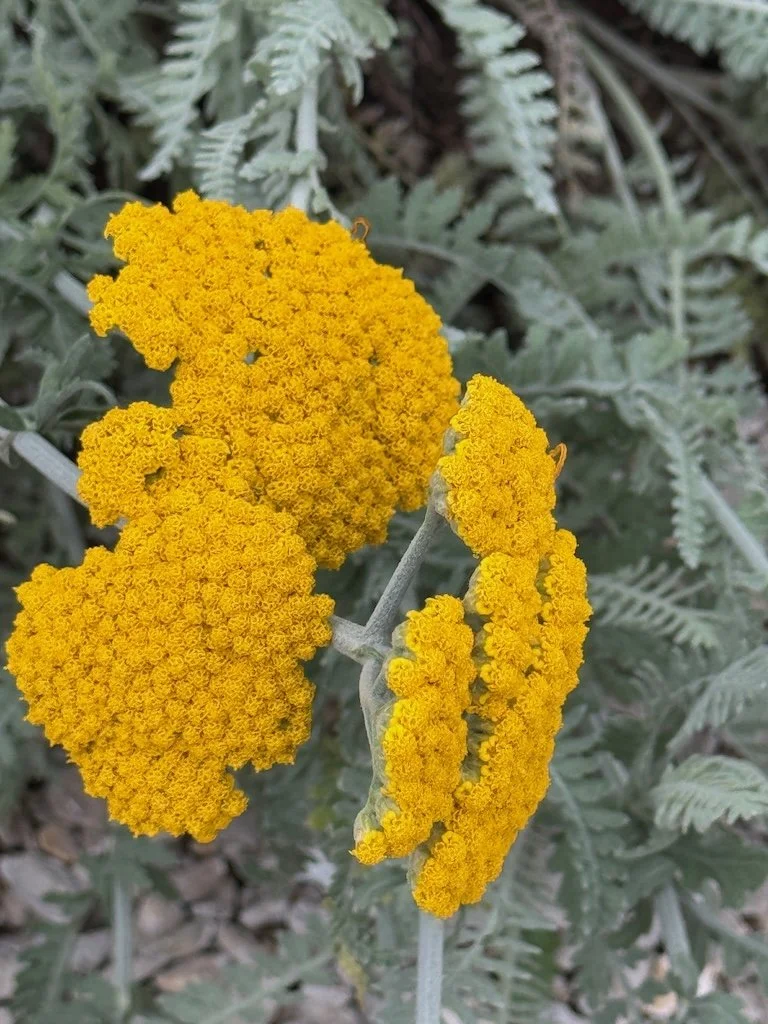
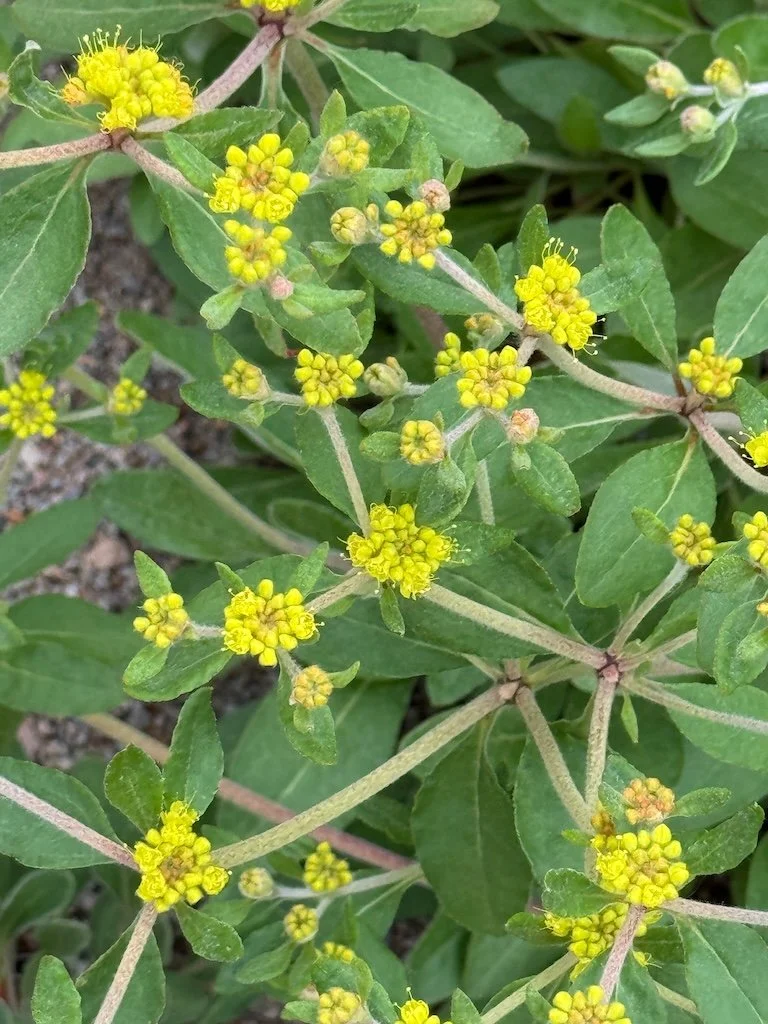
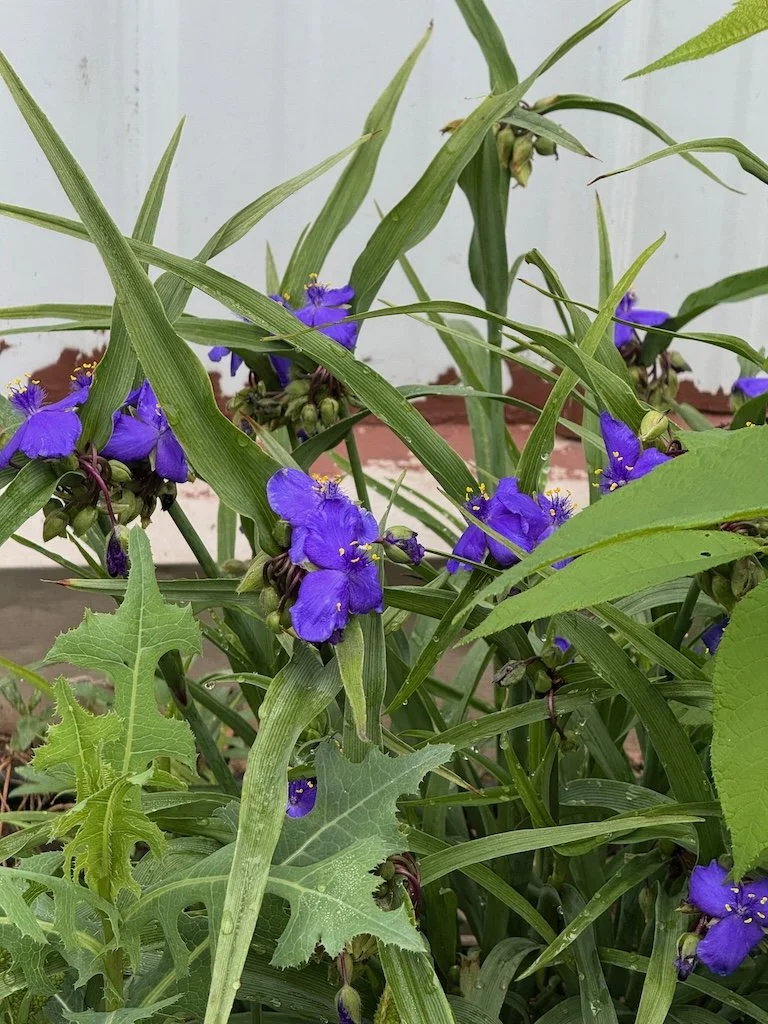
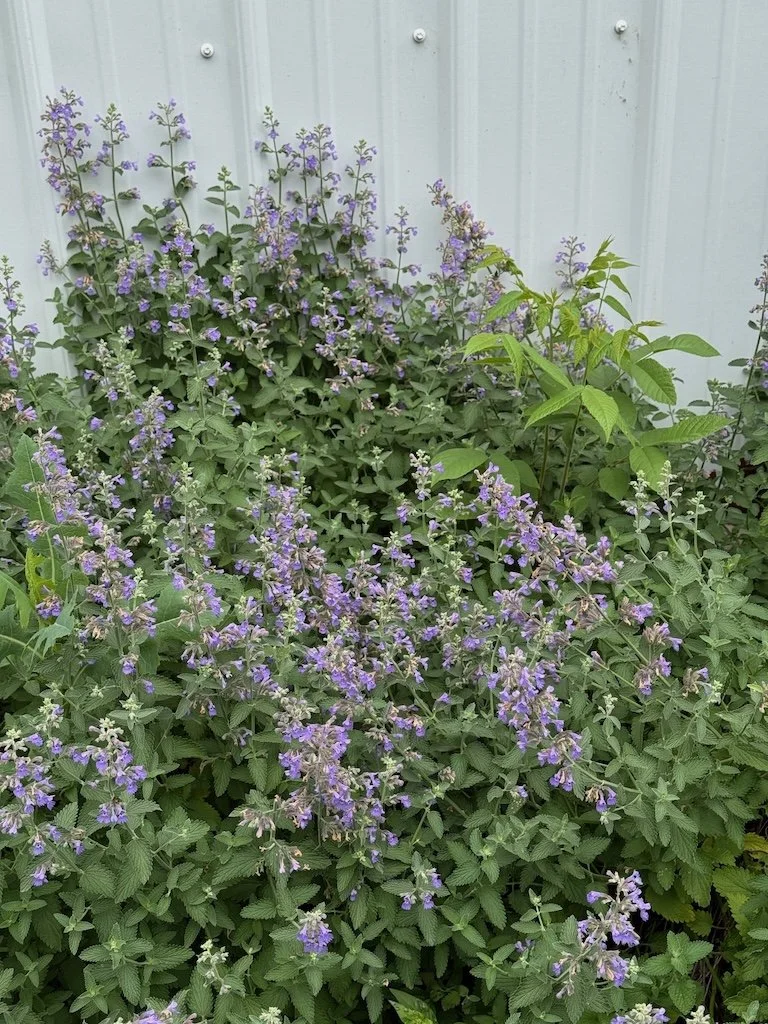
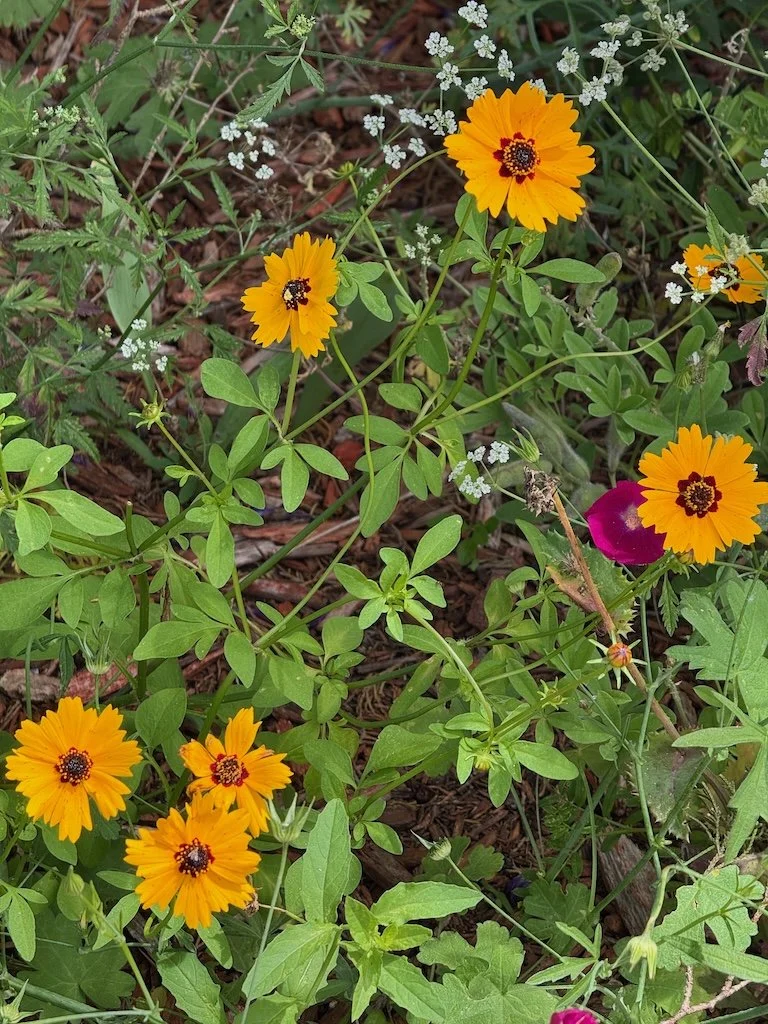
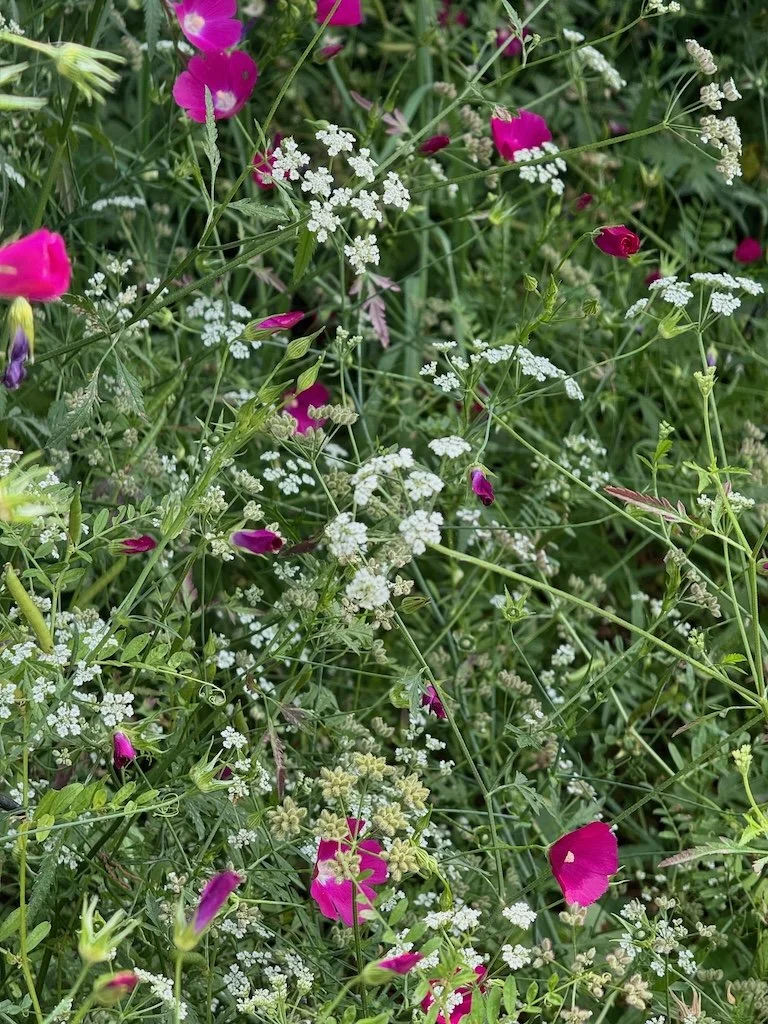
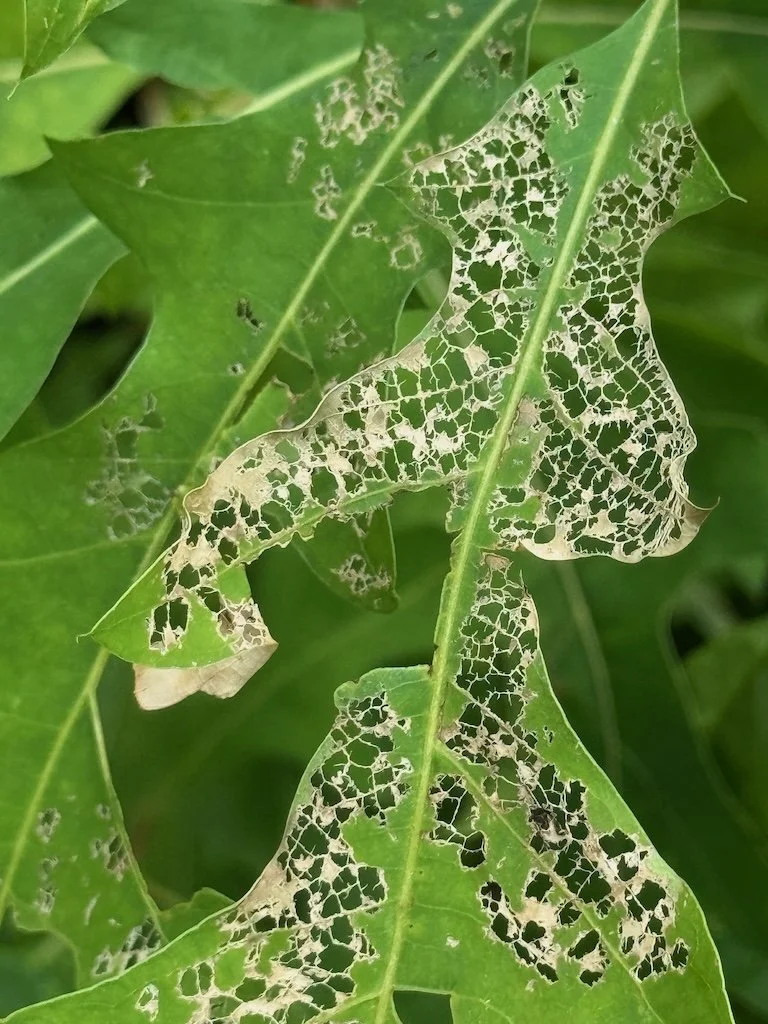
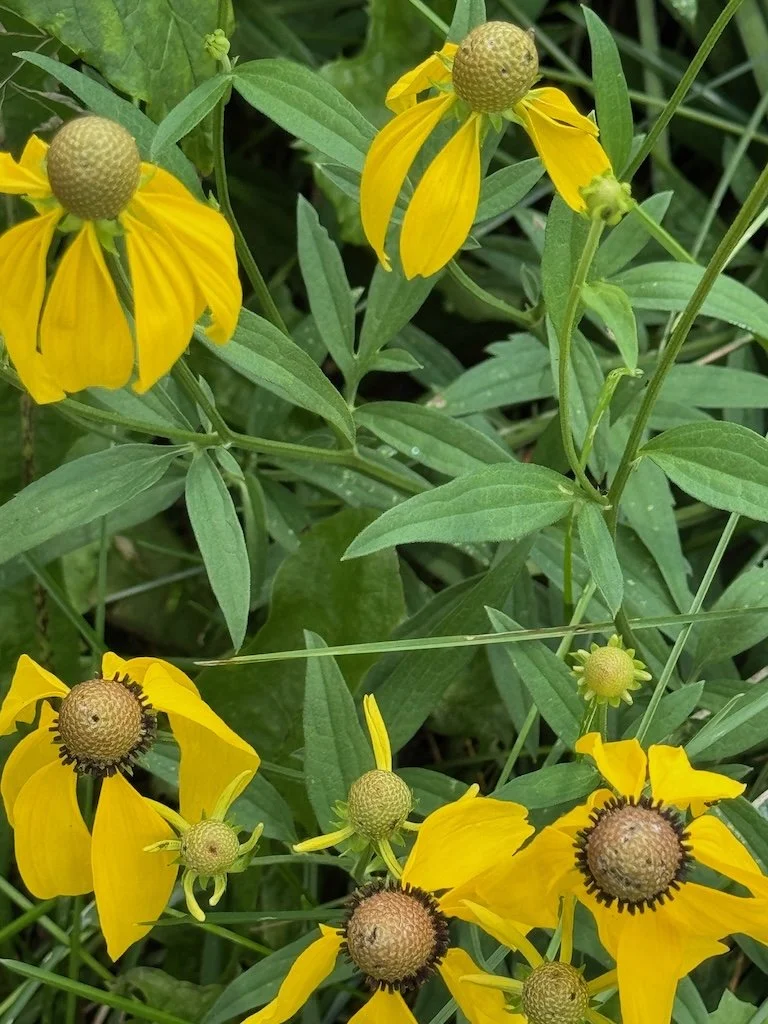
I am learning to recognize weeds more easily as I’ve volunteered to help maintain the Lake Springfield Boathouse garden….and it is also a great way to observe the garden plants as they develop through the weeks. I walked around and took pictures last week before I started work.

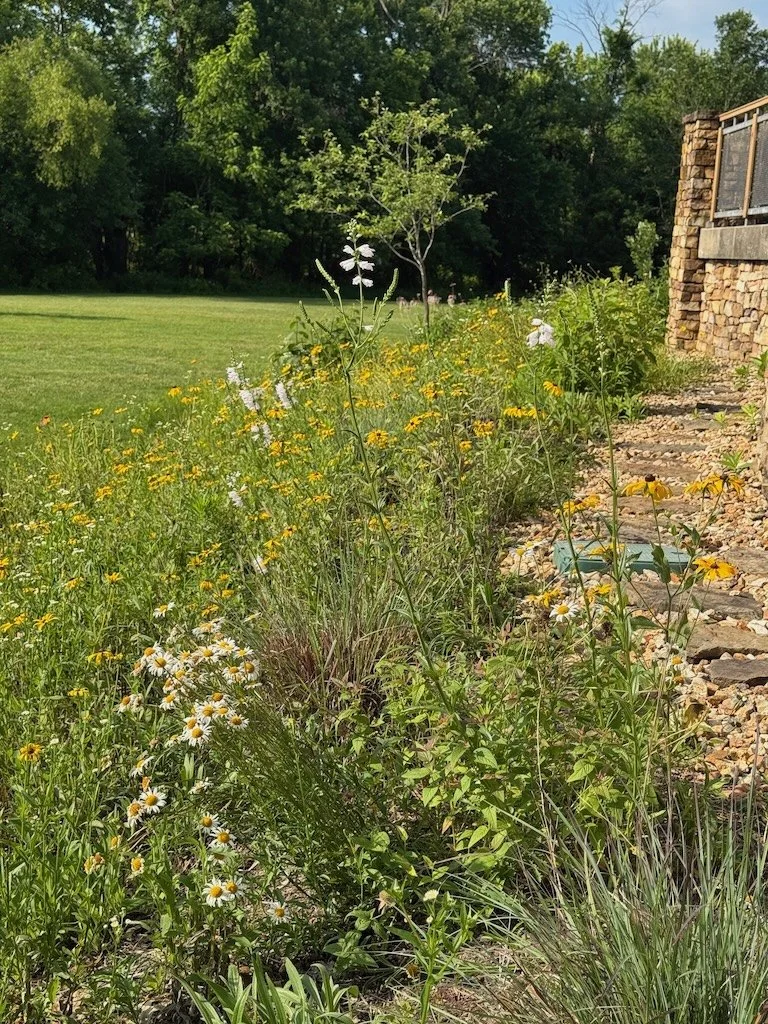
The sloped garden has a wild look – but not as wild as a prairie. It becomes a background for special event pictures, and the Boathouse terrace looks over it to the lake. It needs to look good from every direction! There are rock paths through the slope to allow for easier maintenance.

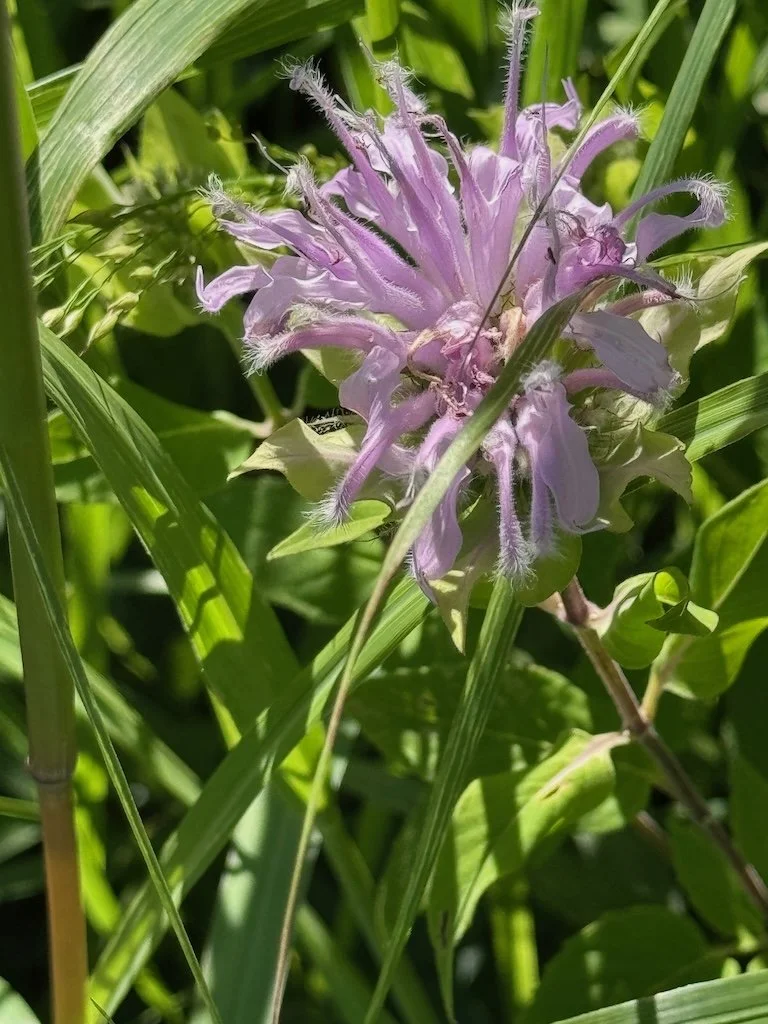
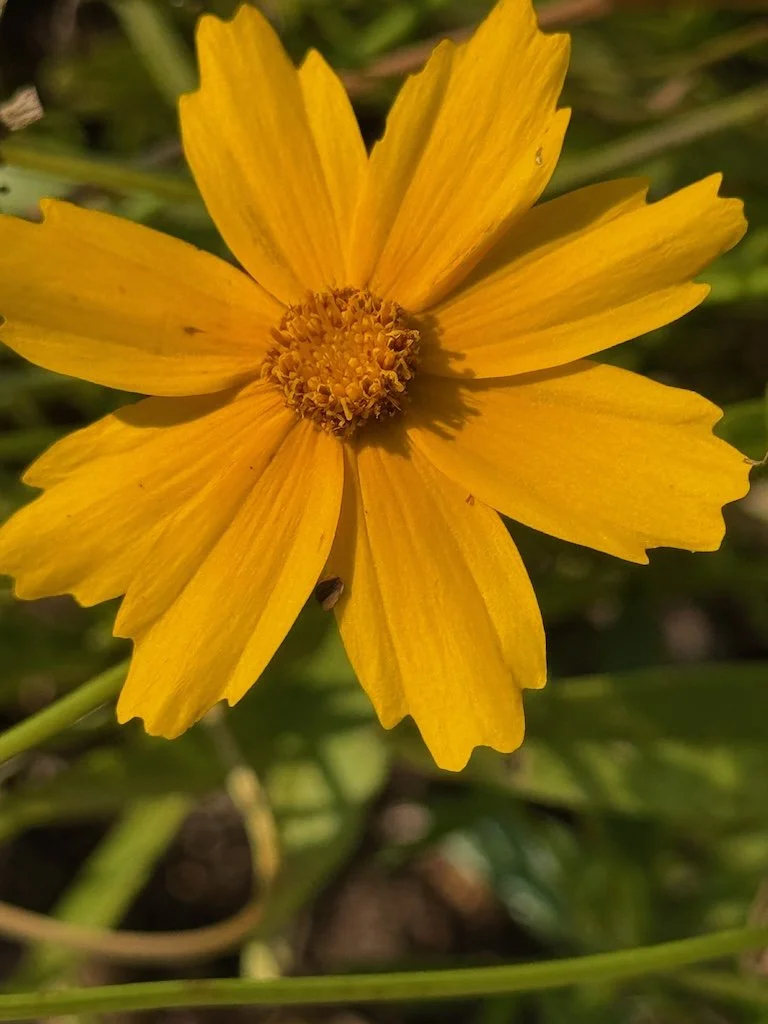
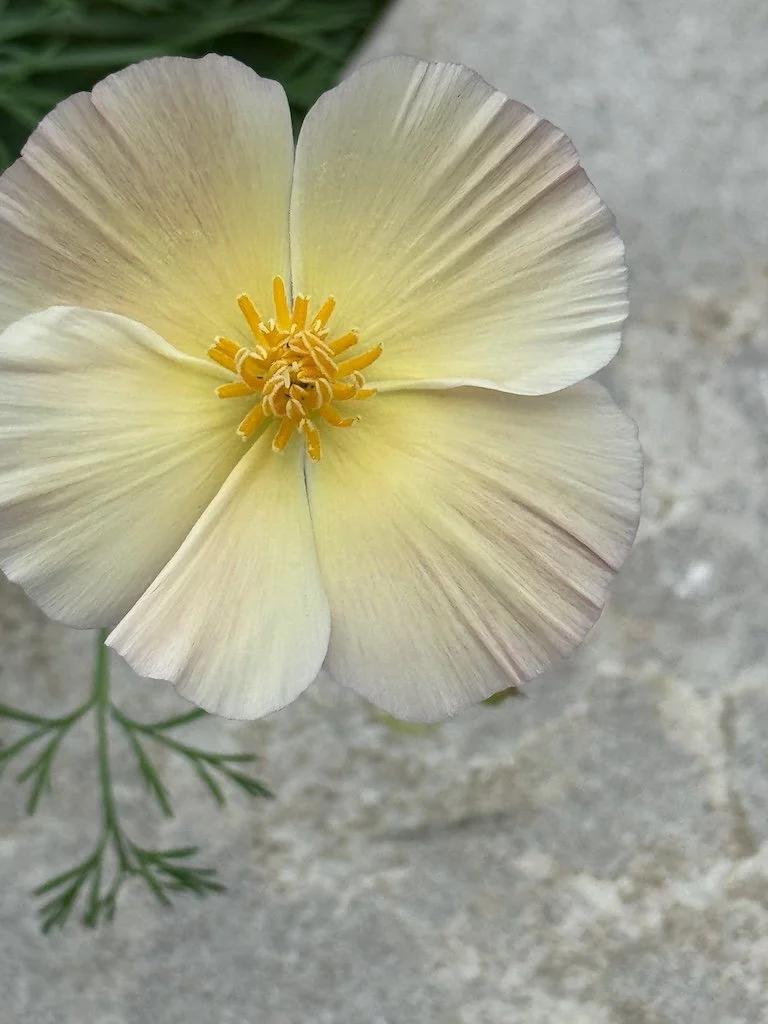
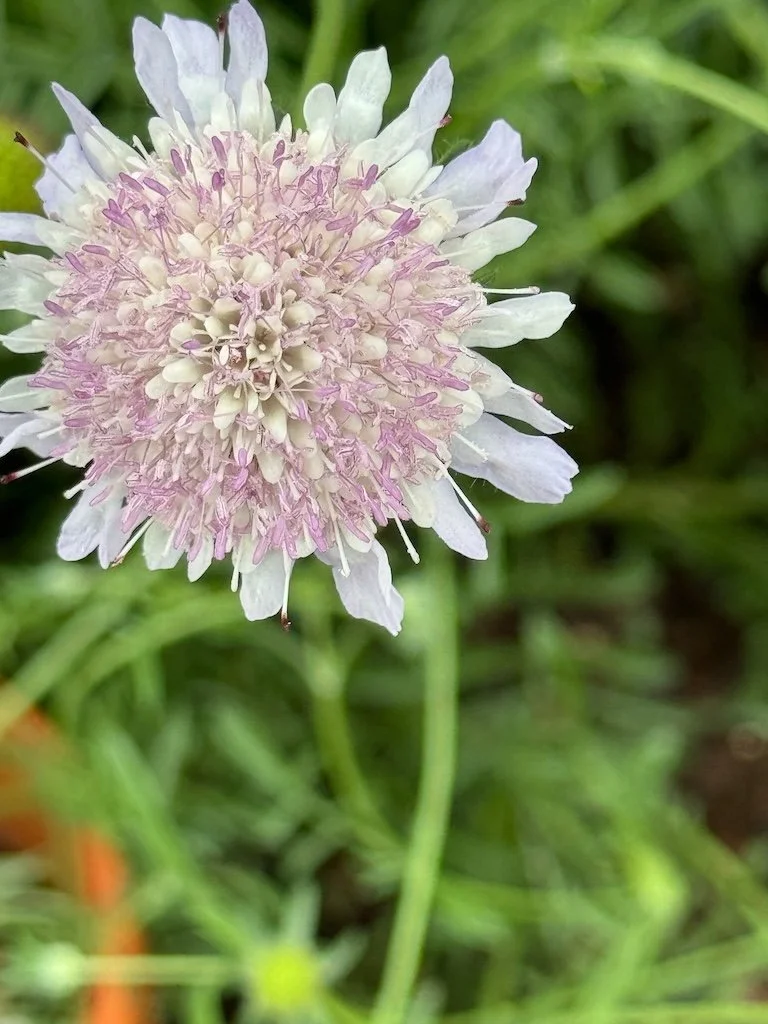
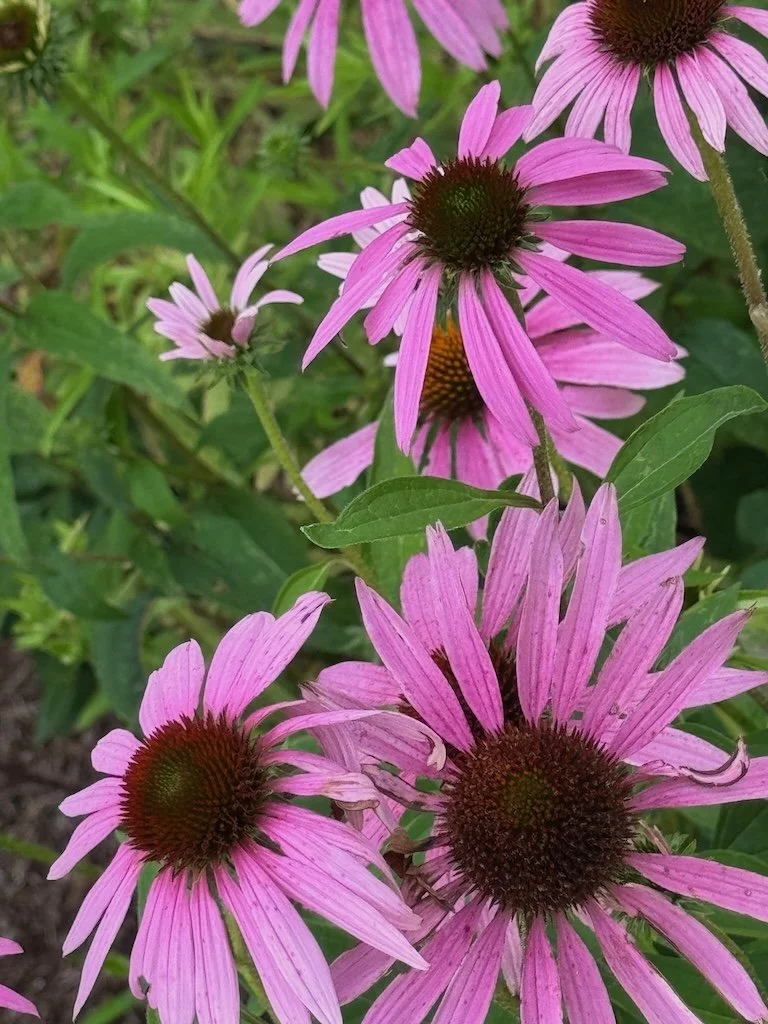
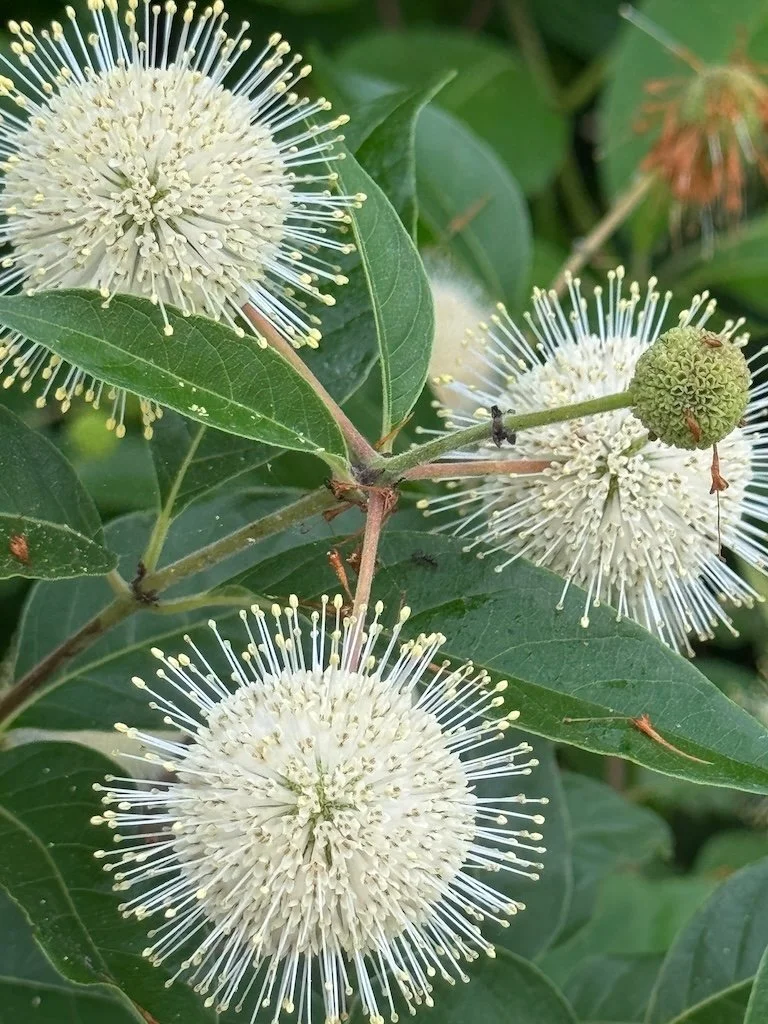
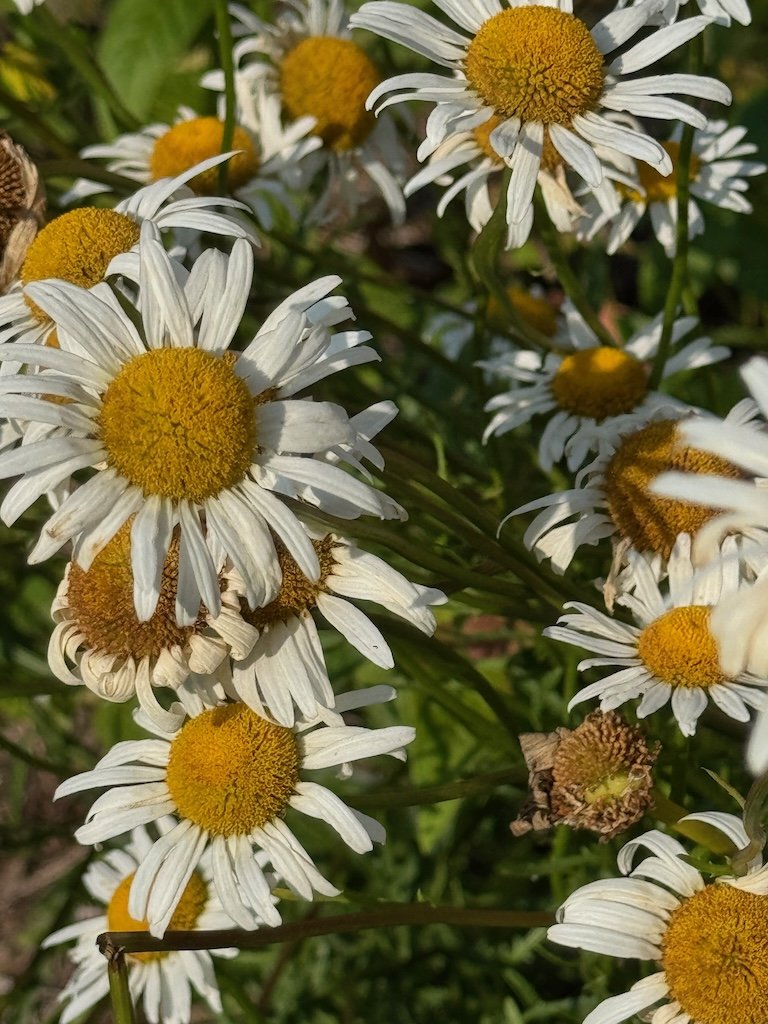
It is a great place for some macro photography of native wildflowers.

Butterfly House Trees

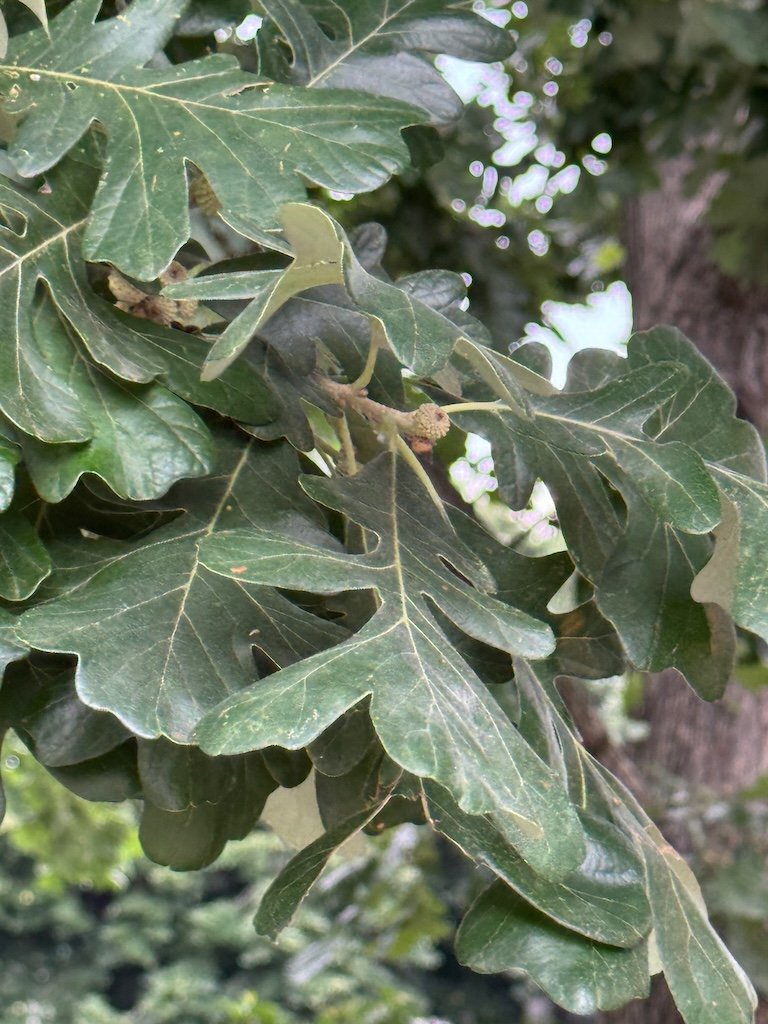
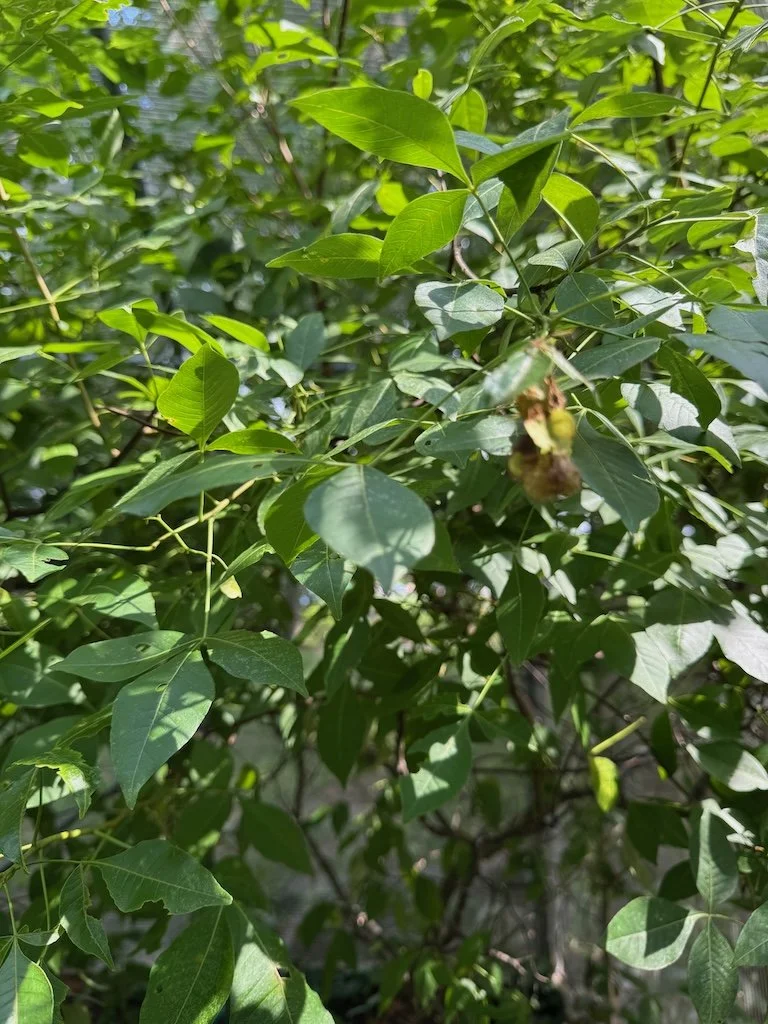
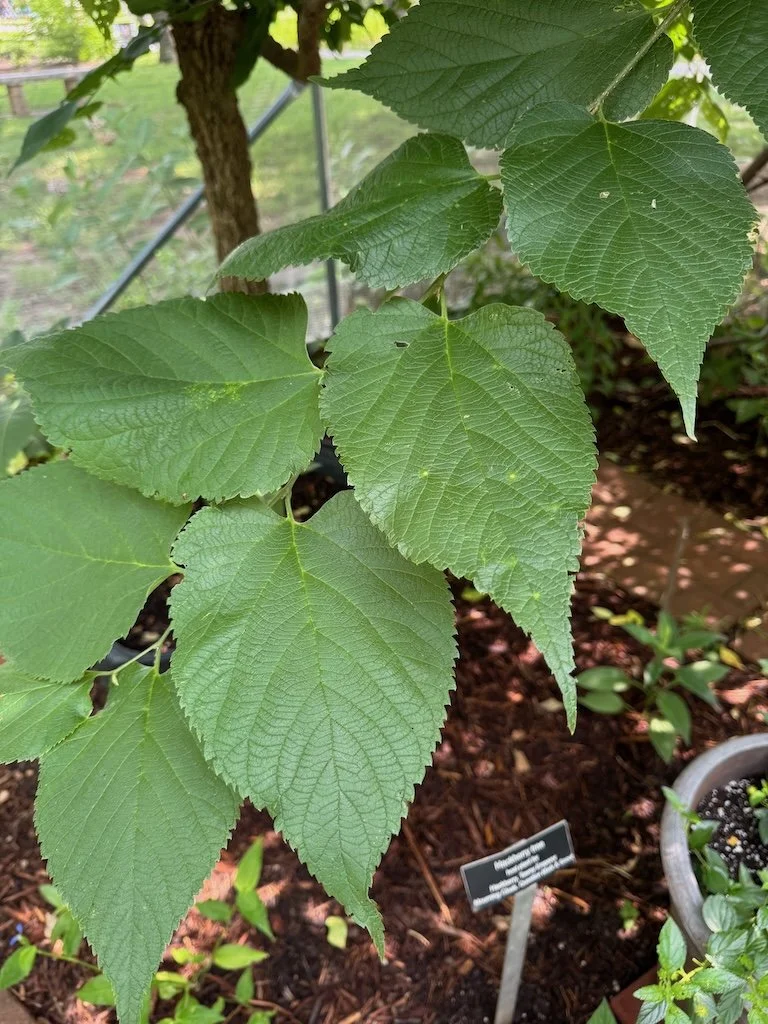
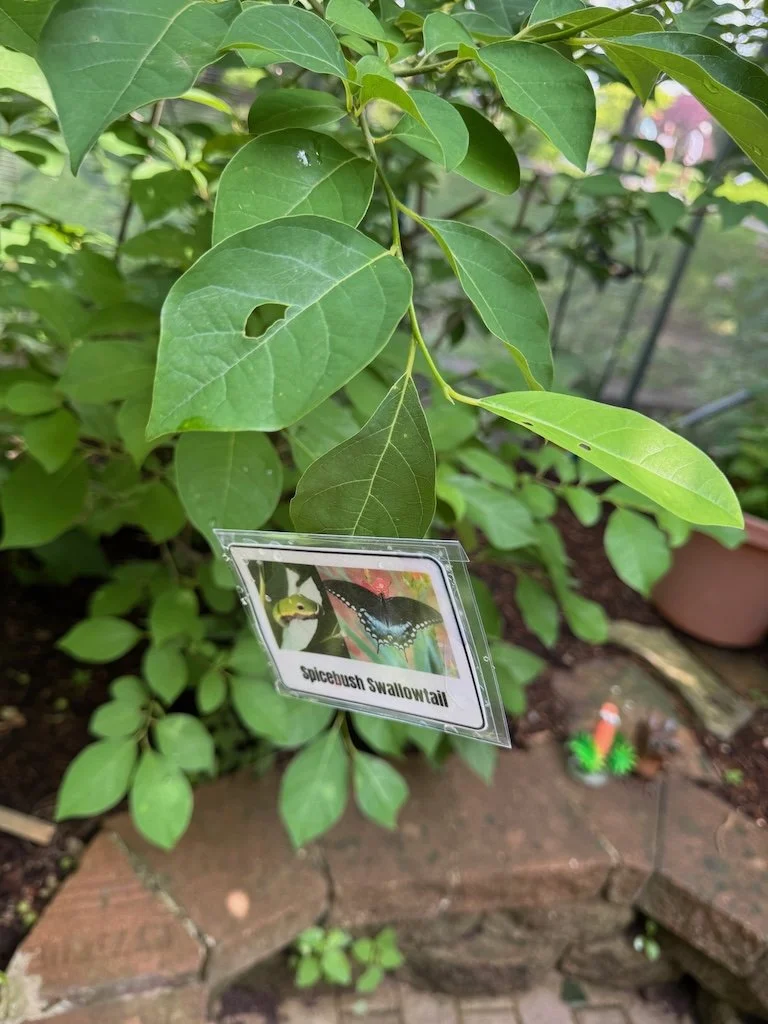
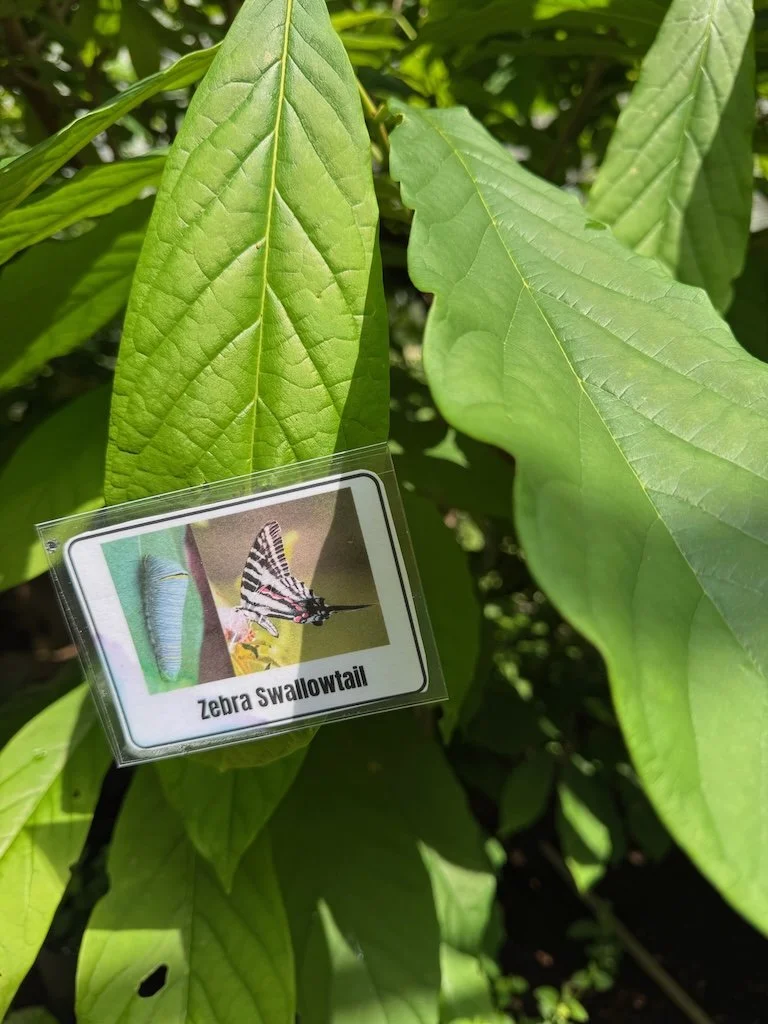
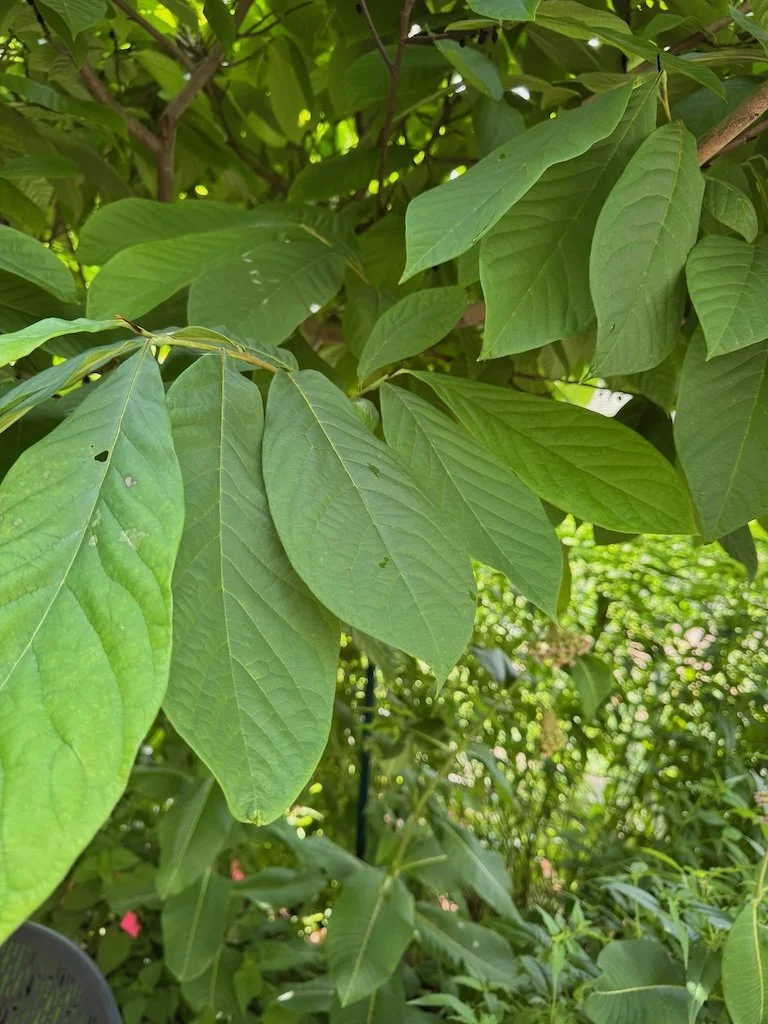
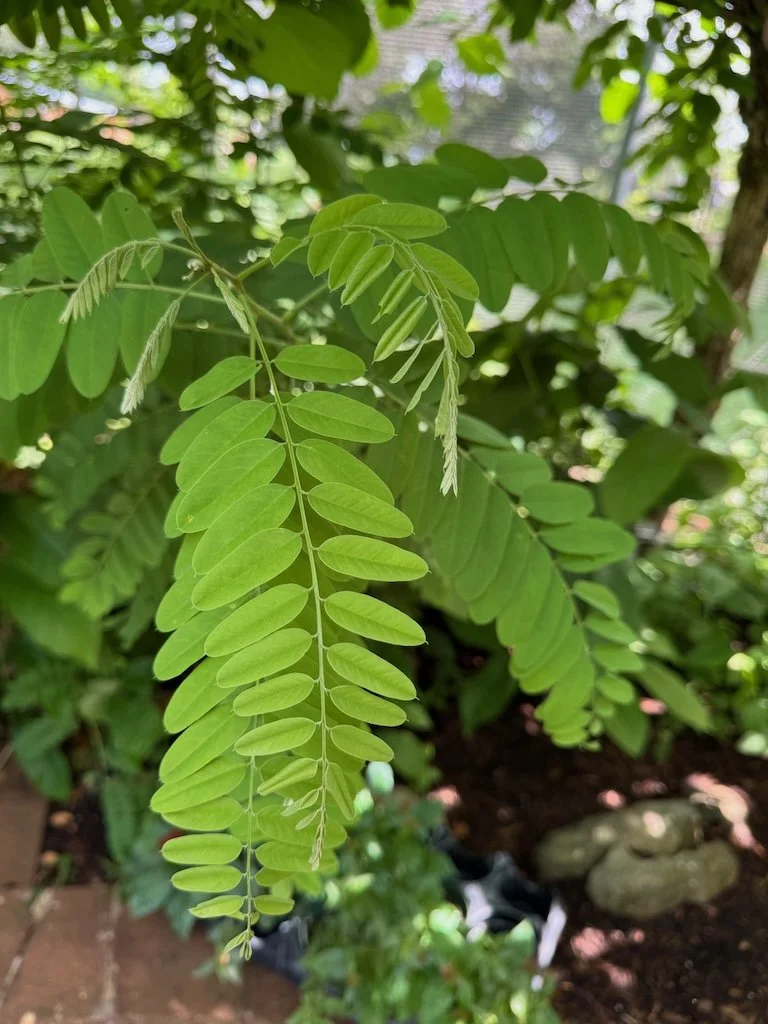
I decided to document the trees in the Roston Native Butterfly House during one of my recent shifts. All of them are there to provide food for certain caterpillars. So here is a tree tour of the house…starting on the right side as you enter the trees are

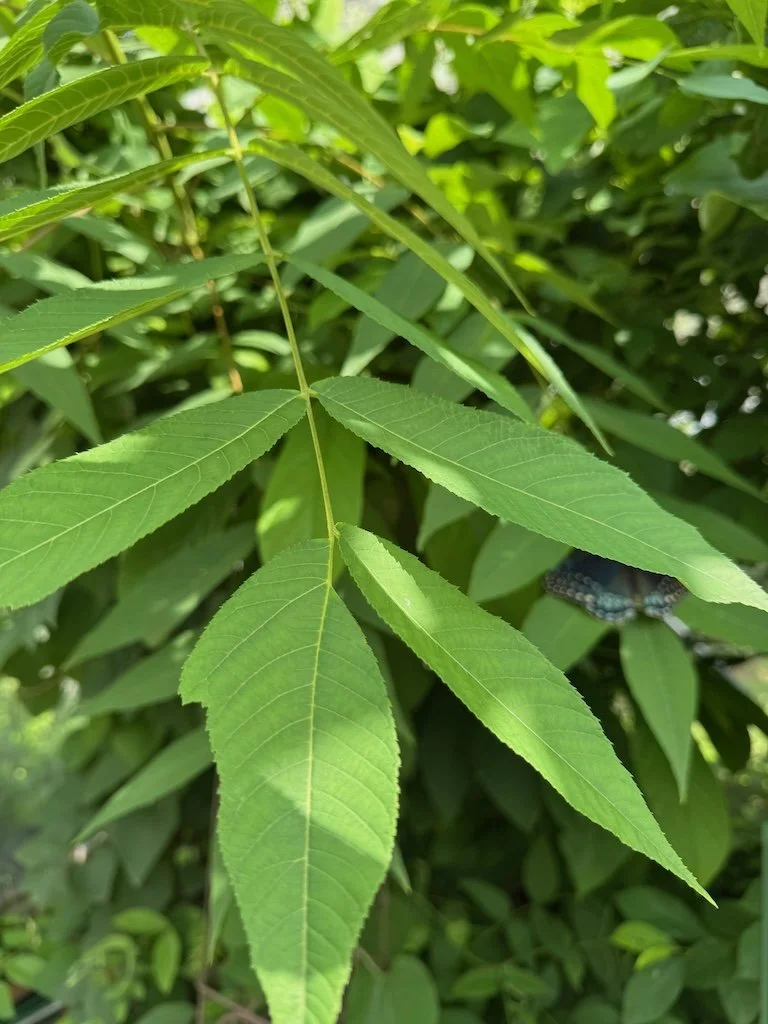
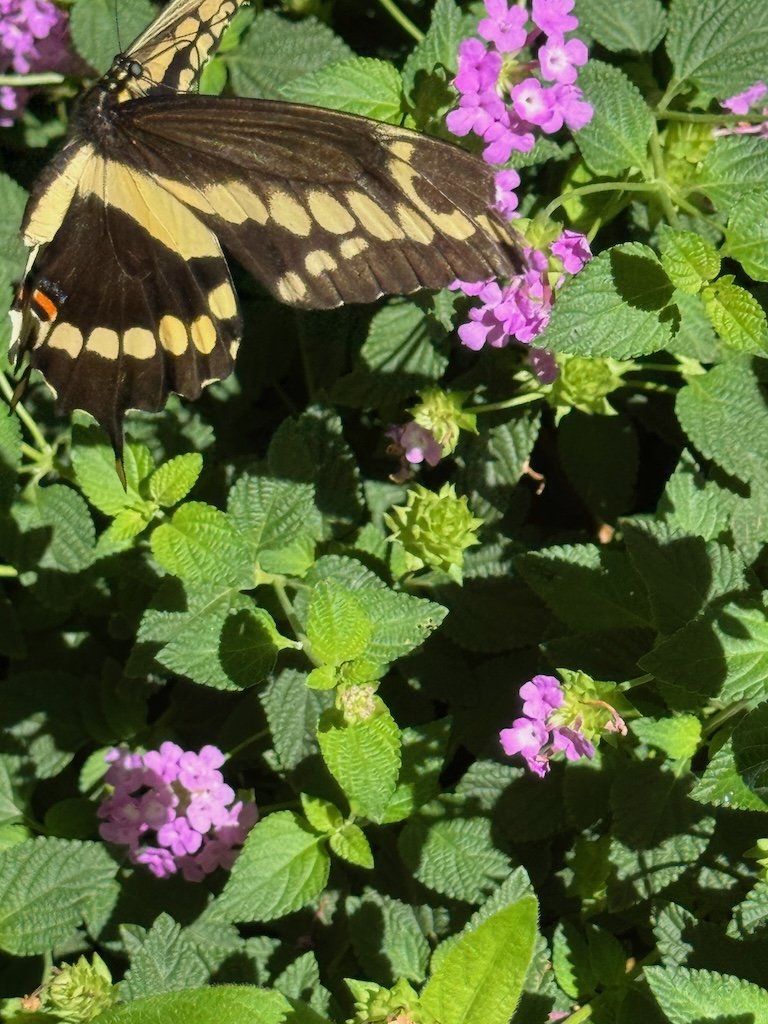
Wafer ash for Giant Swallowtail caterpillars

Hackberry for Hackberry Emperor caterpillars

Spicebush for Spicebush Swallowtail caterpillars

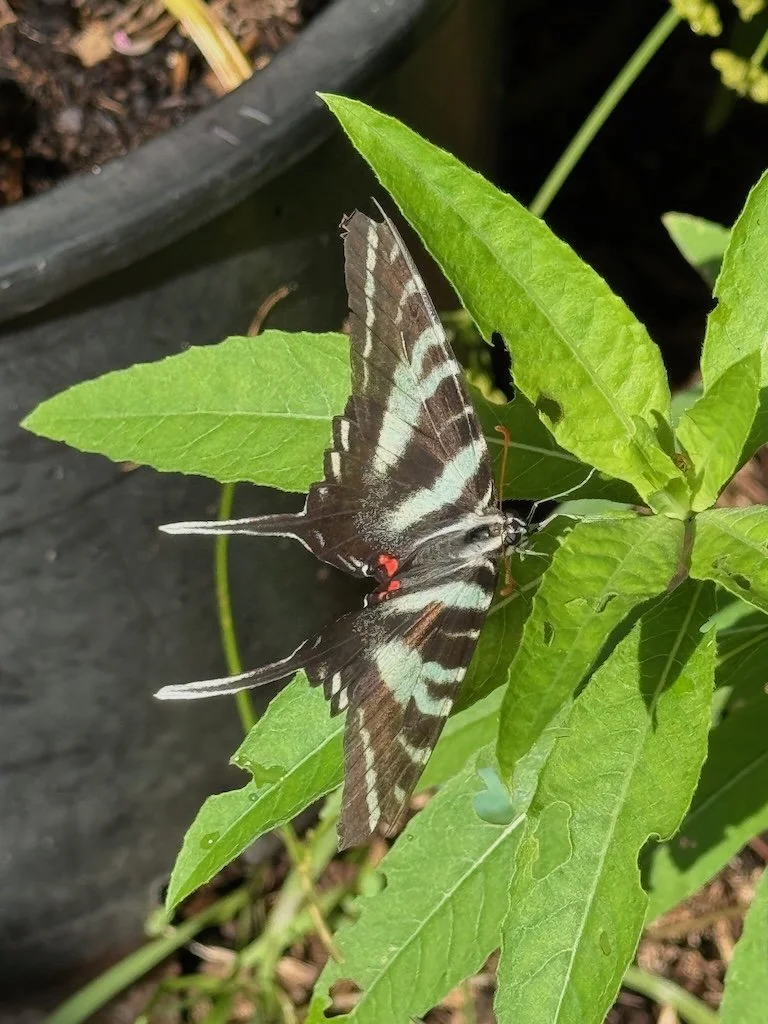
Pawpaw for Zebra Swallowtail caterpillars

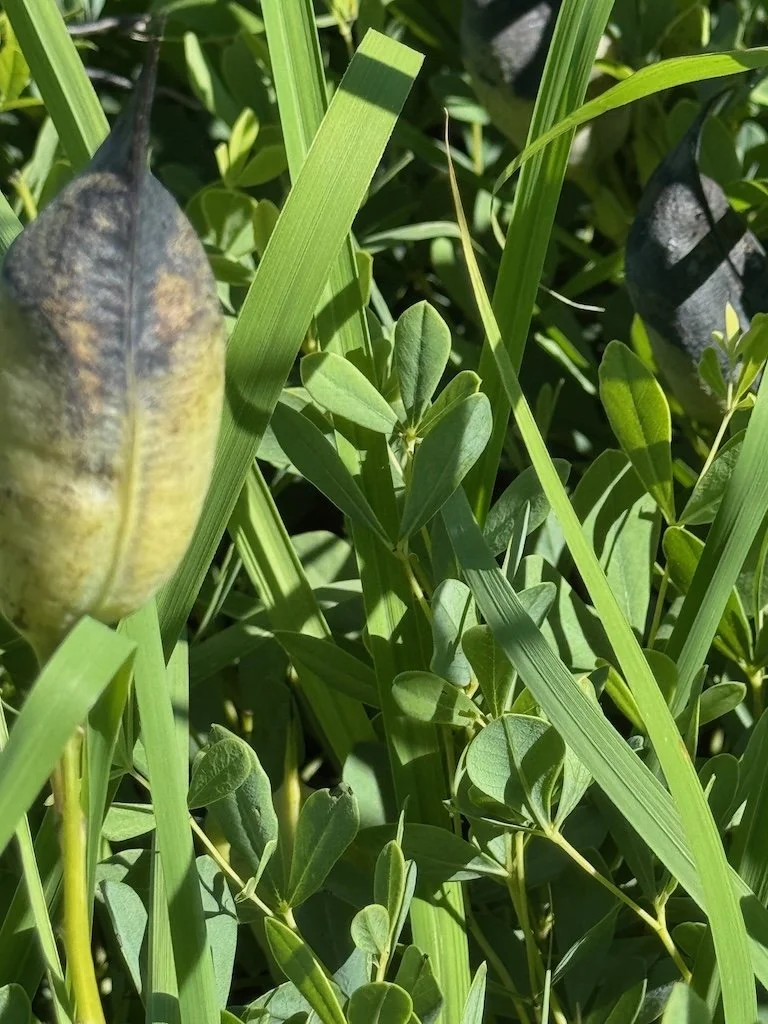
False Indigo for Silver Spotted Skipper caterpillars

Black Walnut for Luna Moth, Polyphemus Moth, and Red Banded Hairstreak caterpillars

(turning back toward the front of the house…looking at the trees on your right)

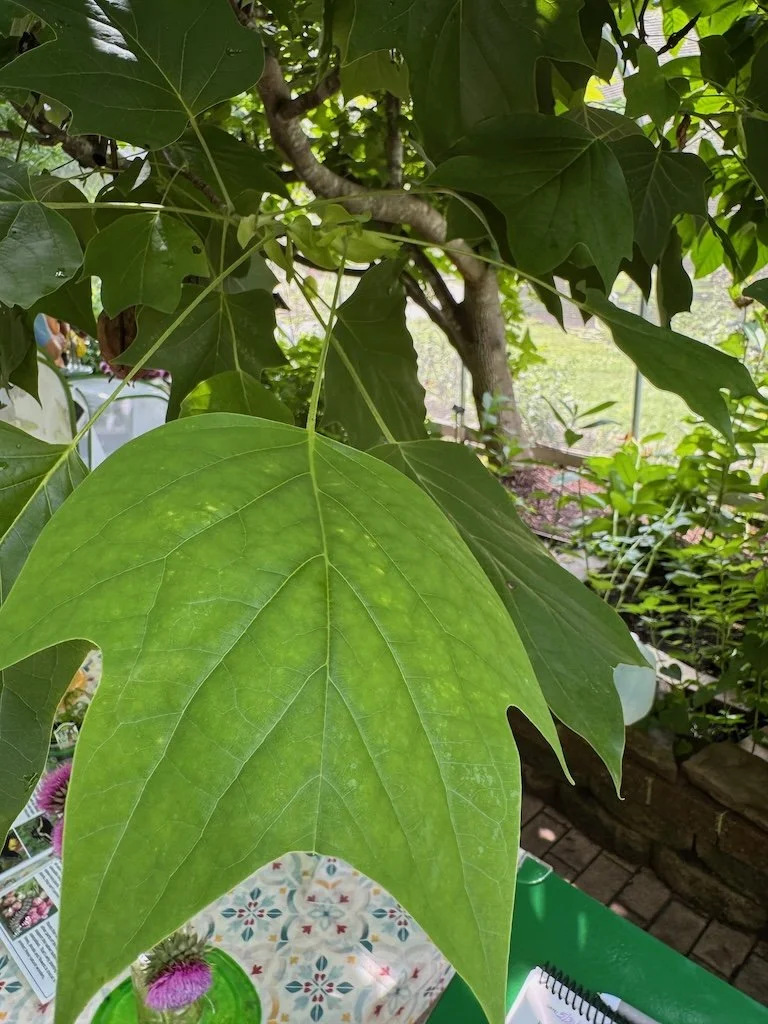
Tulip poplar for Tiger Swallowtail caterpillars

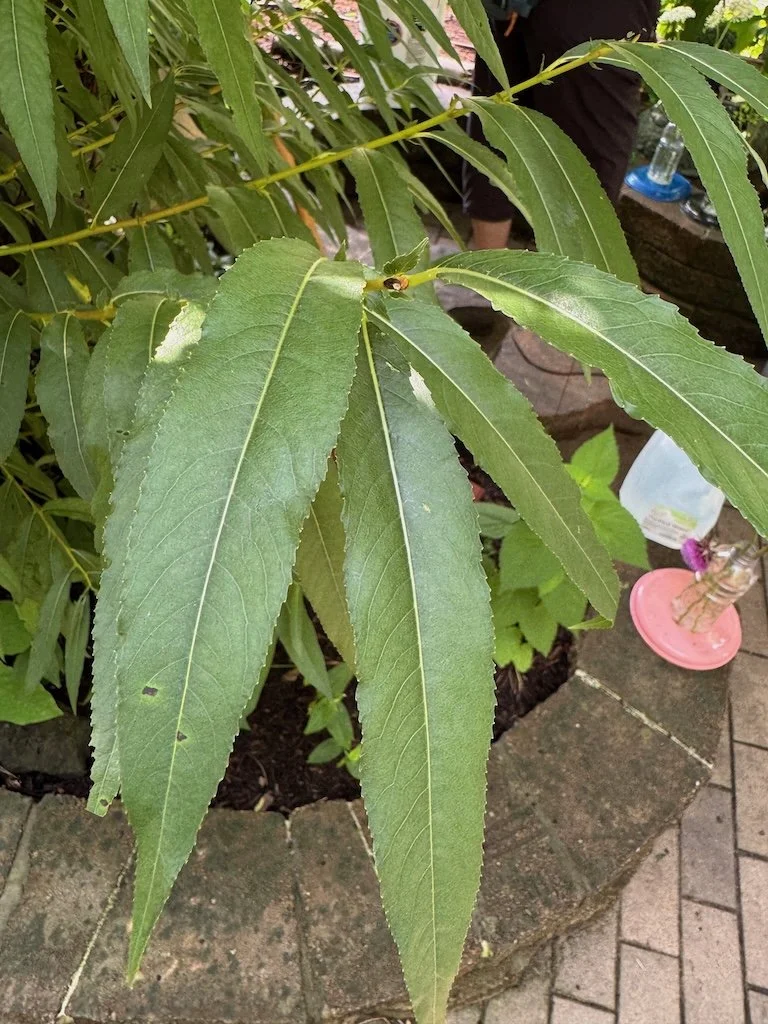
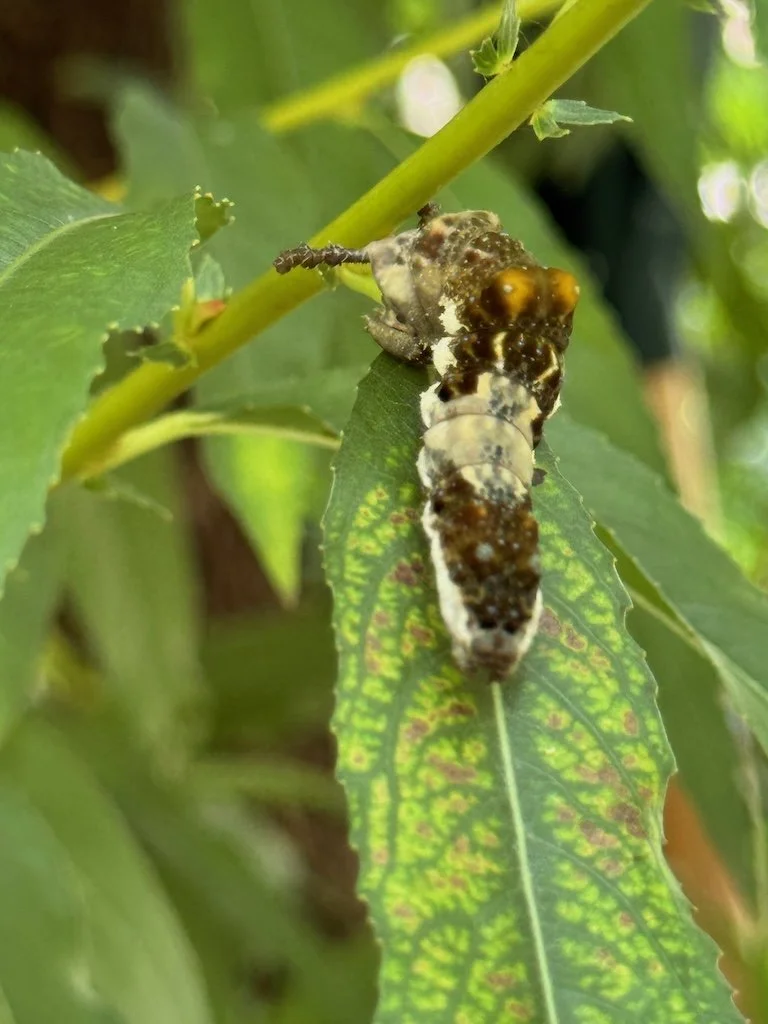
Black Willow for Red Spotted Purple caterpillars

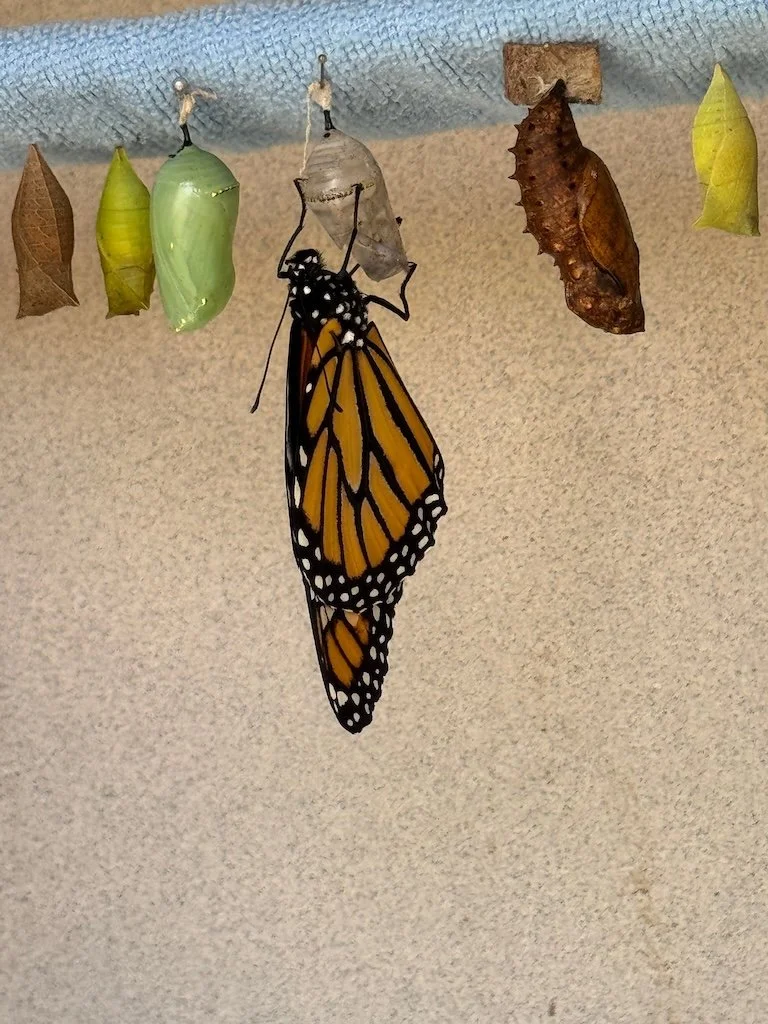
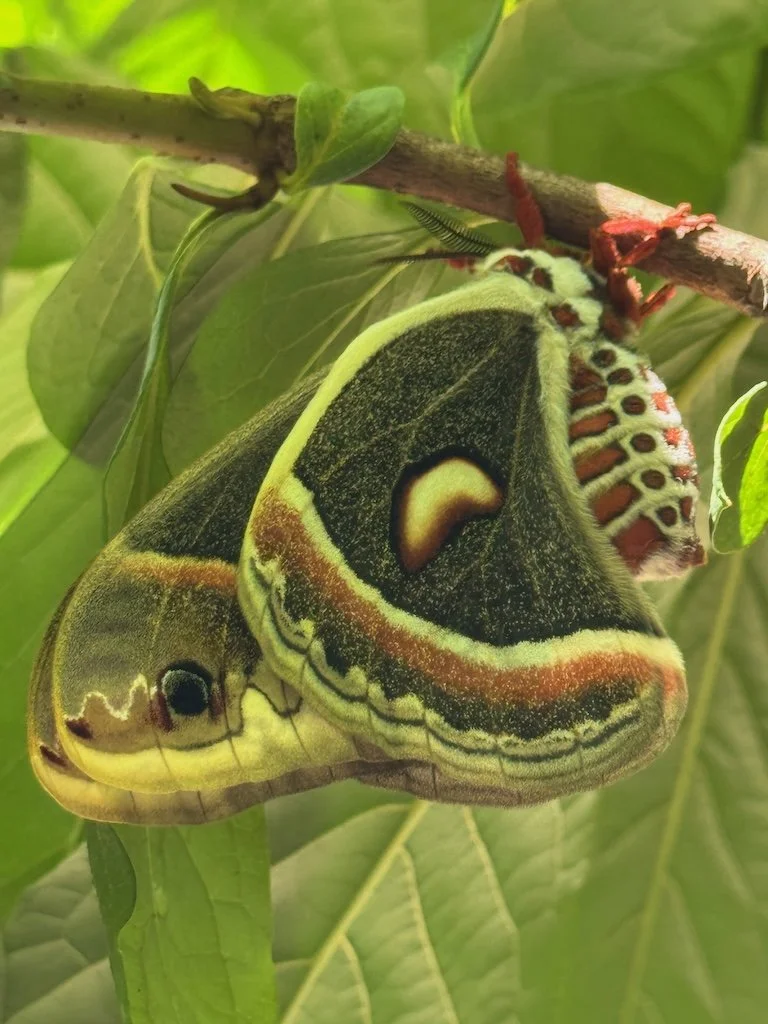
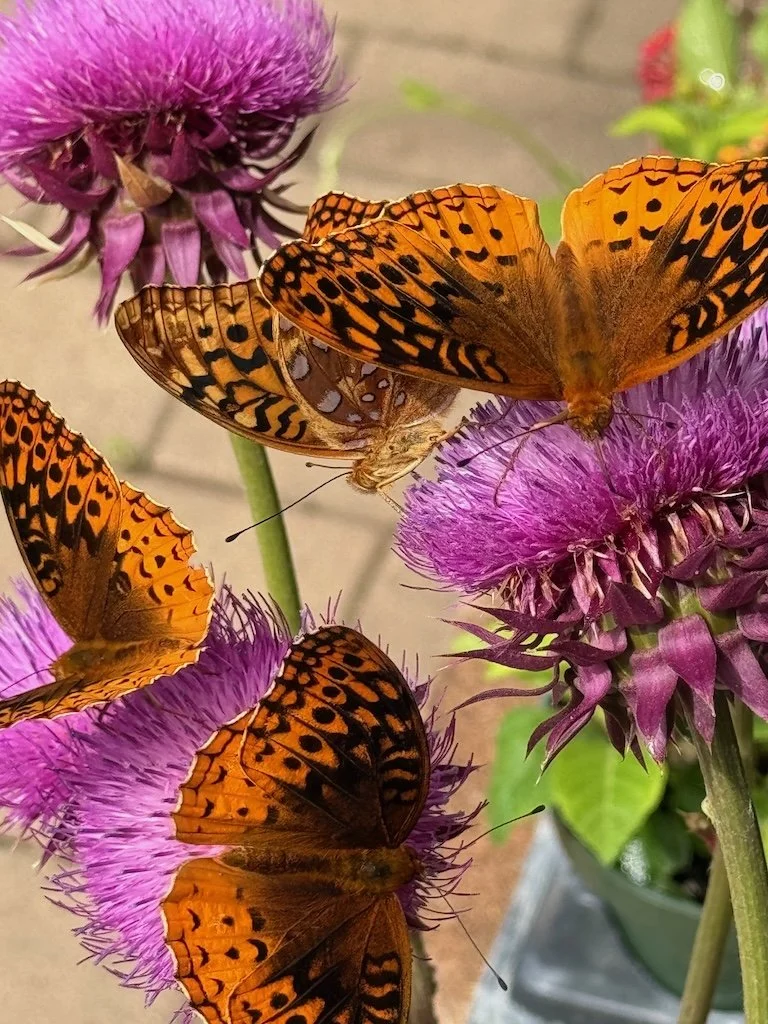
Of course, there were lots of butterflies and a just-emerged Cecropia Moth that I couldn’t resist photographing too!

Sophie M. Sachs Butterfly House

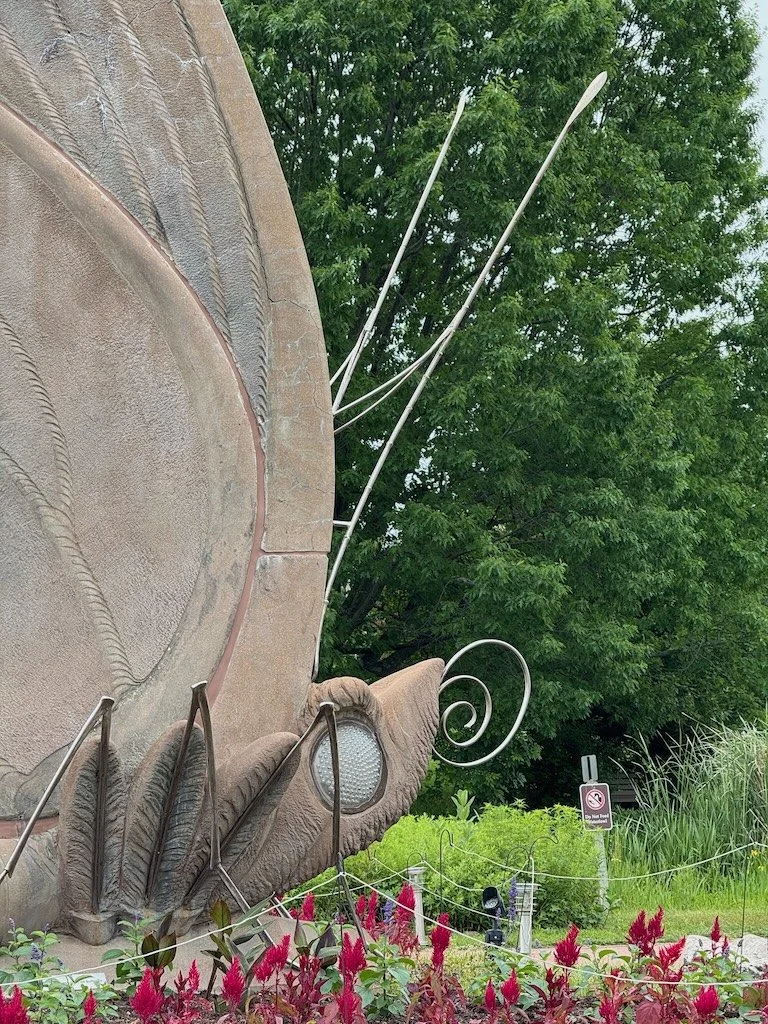
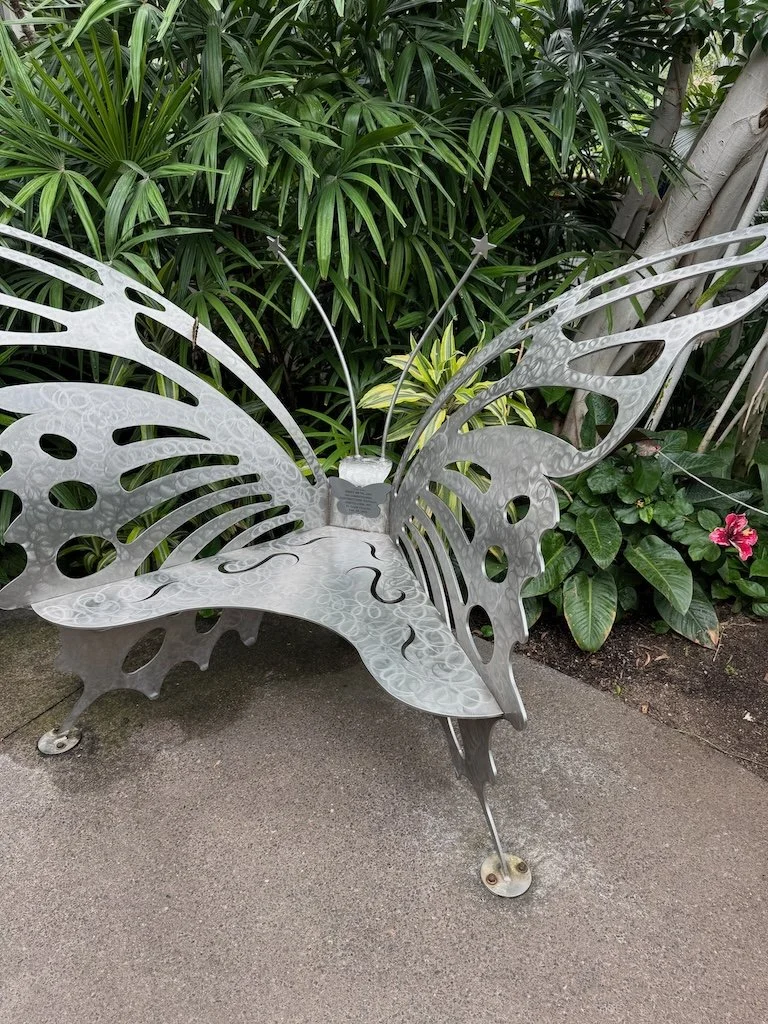
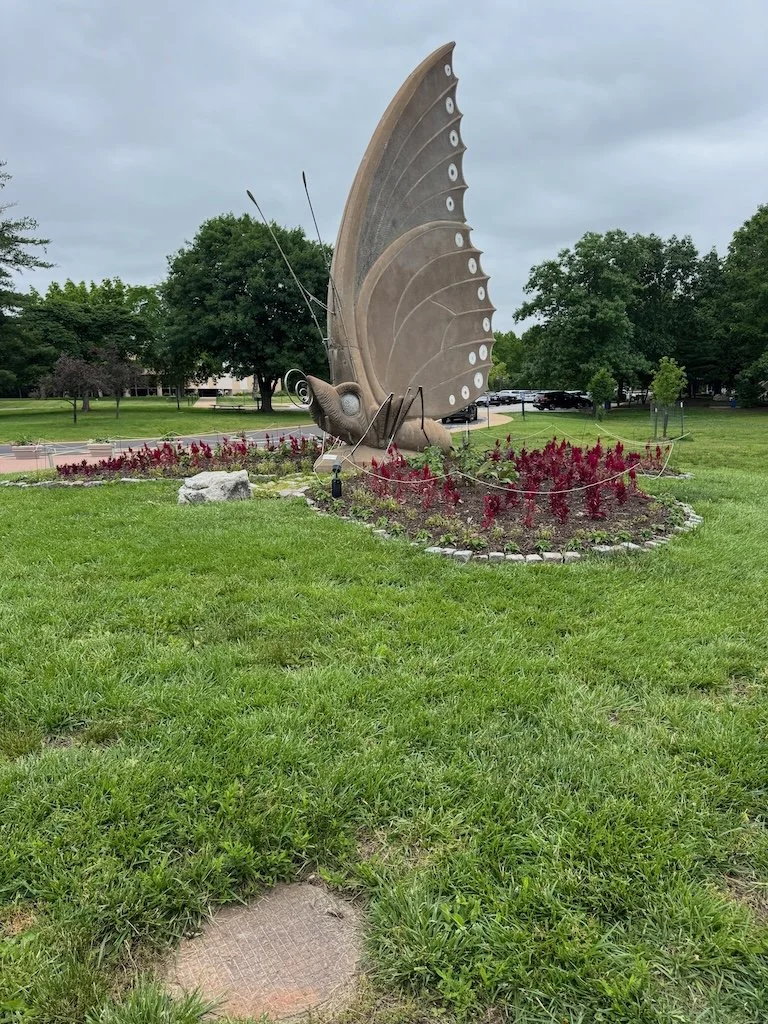
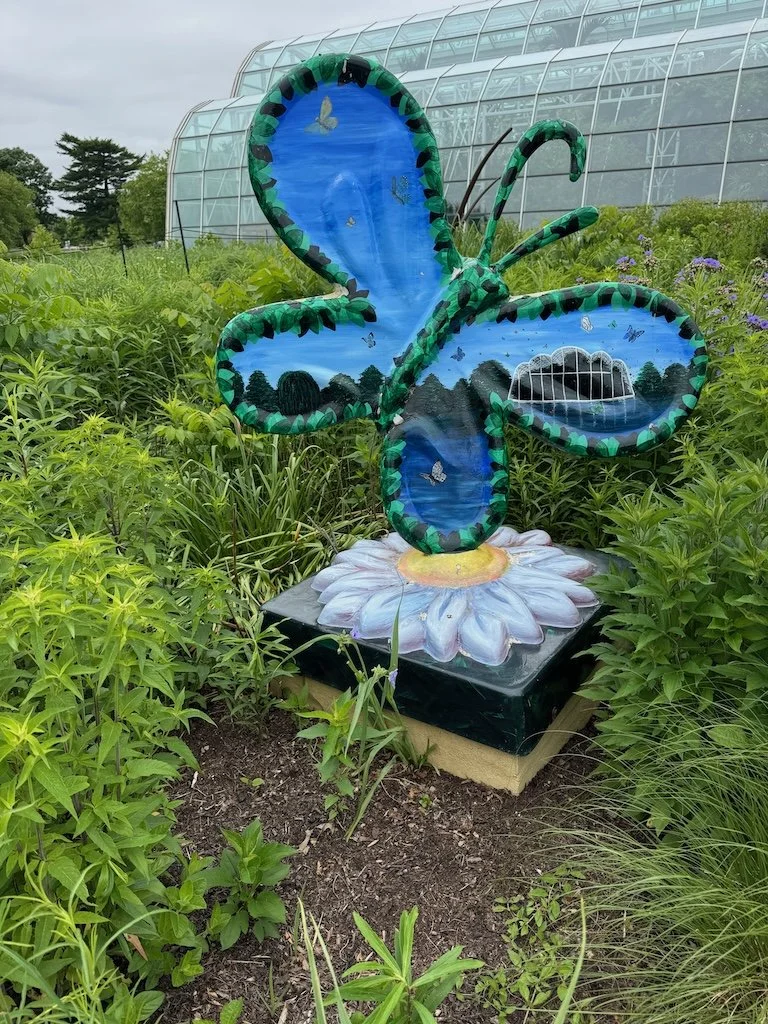
The Sophie M. Sachs Butterfly House is a division of Missouri Botanical Garden located in Chesterfield MO. Our membership in the Springfield Botanical Gardens Friends group got us free admission to the Missouri Botanical Garden on our first day in St. Louis and then, the next morning, to the butterfly house! There is a large butterfly sculpture near the entrance. We arrived shortly after they opened because we were concerned that it might be a day when school groups would be there for a field trip later in the morning.

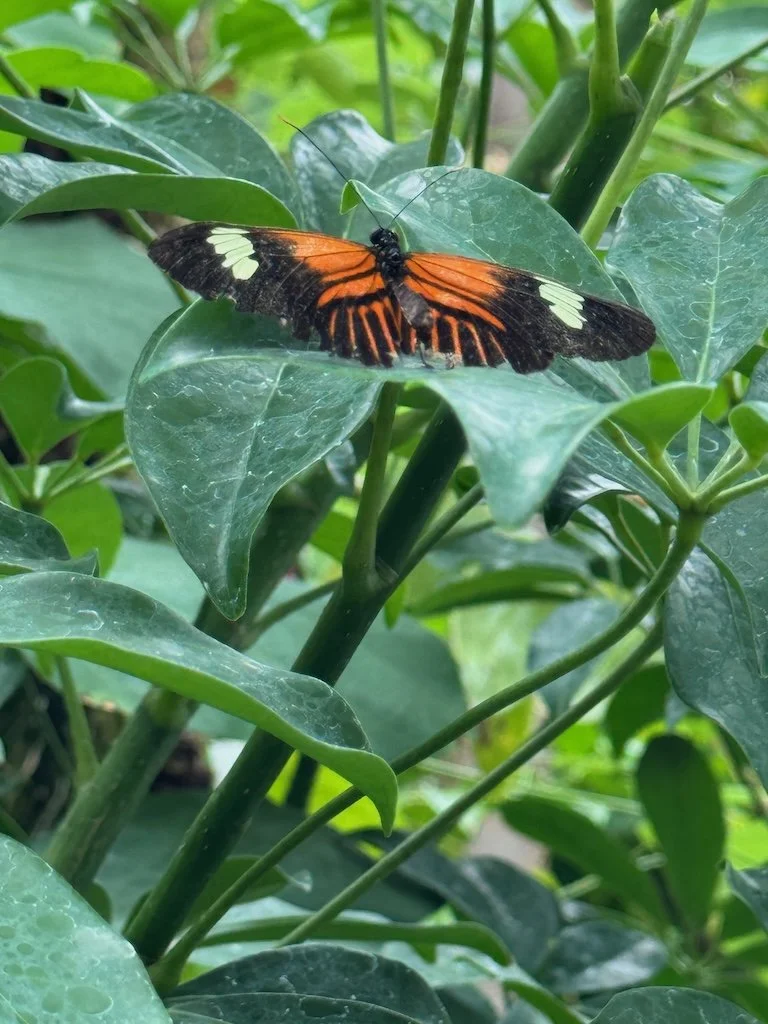
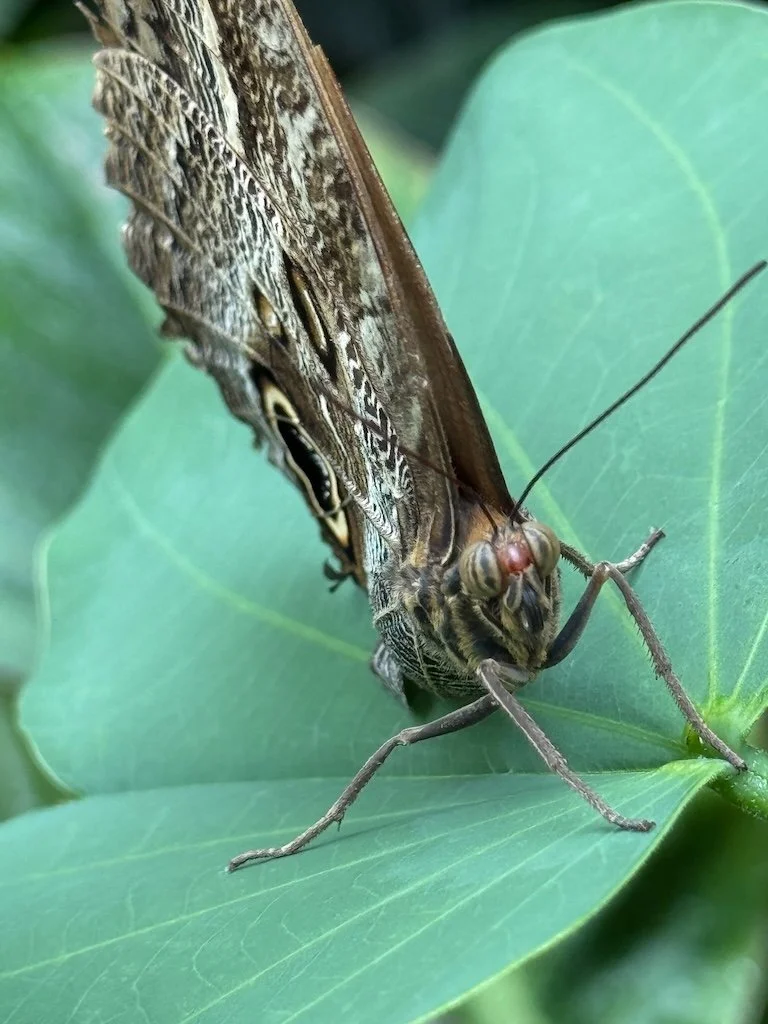
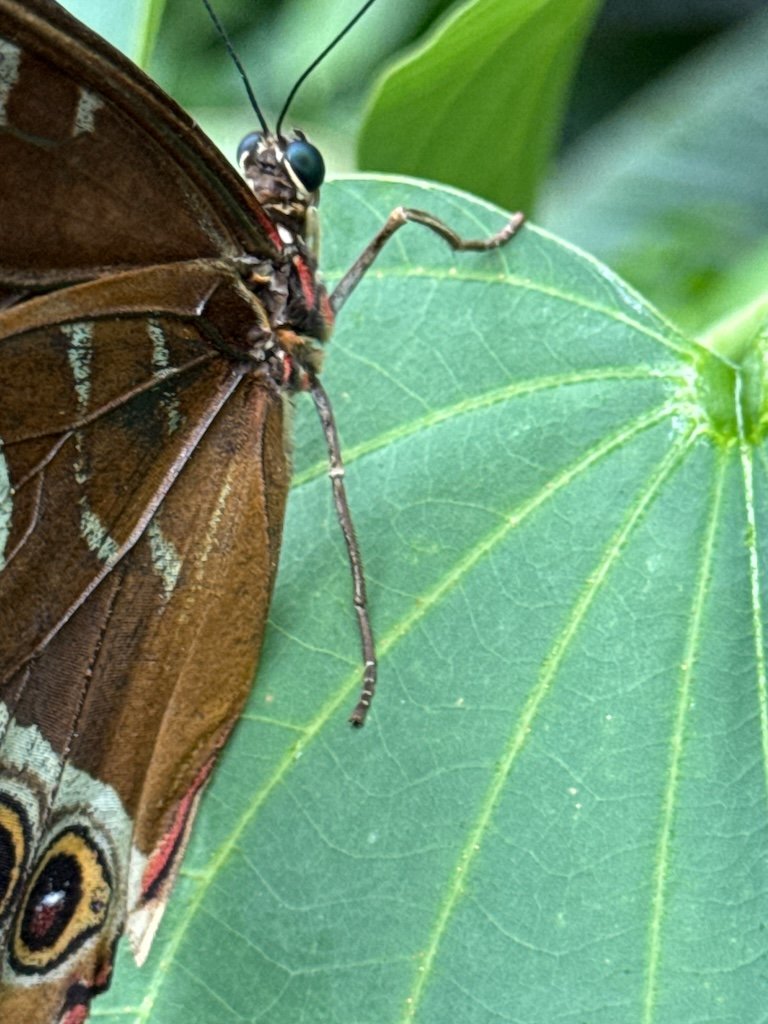
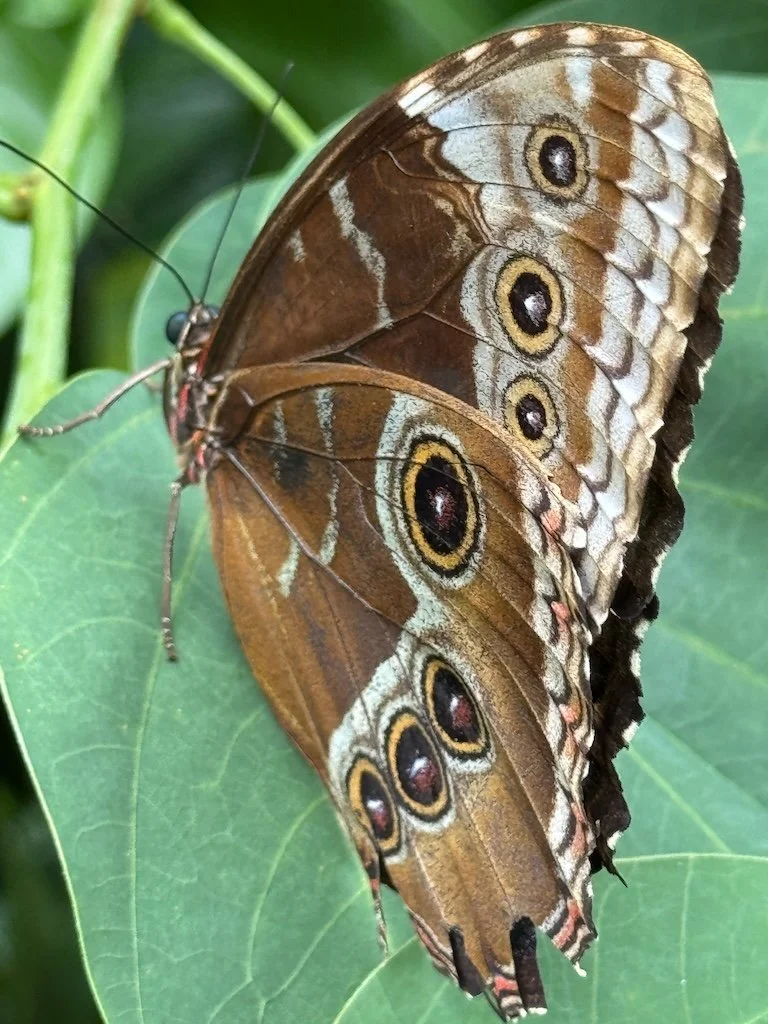
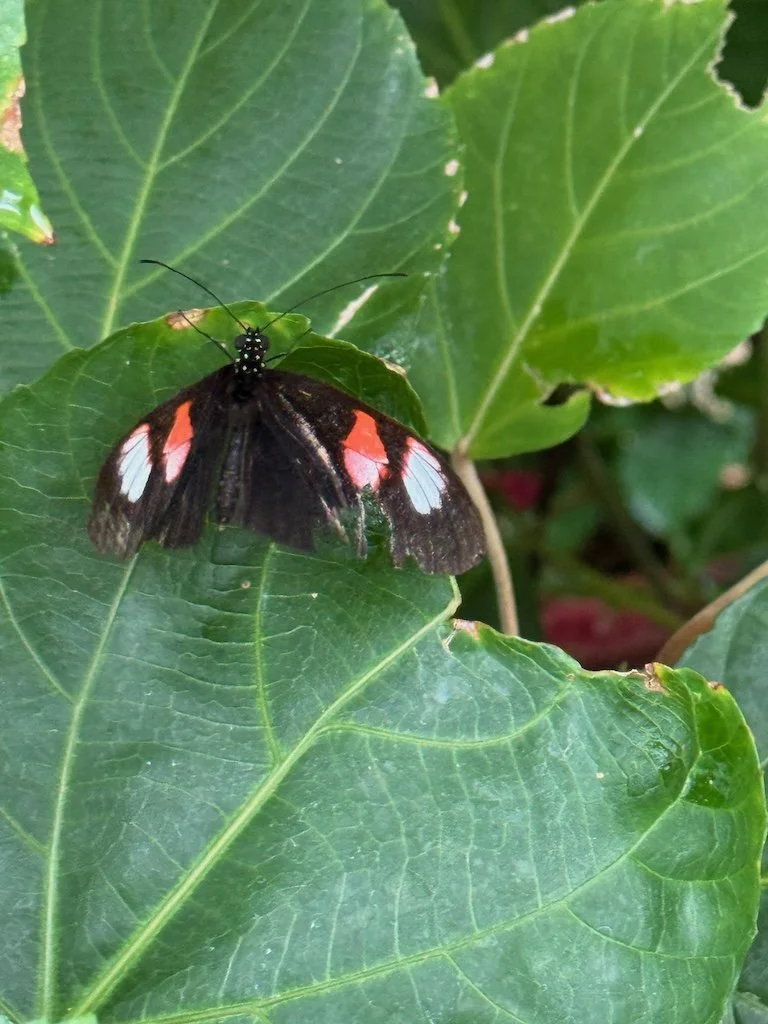
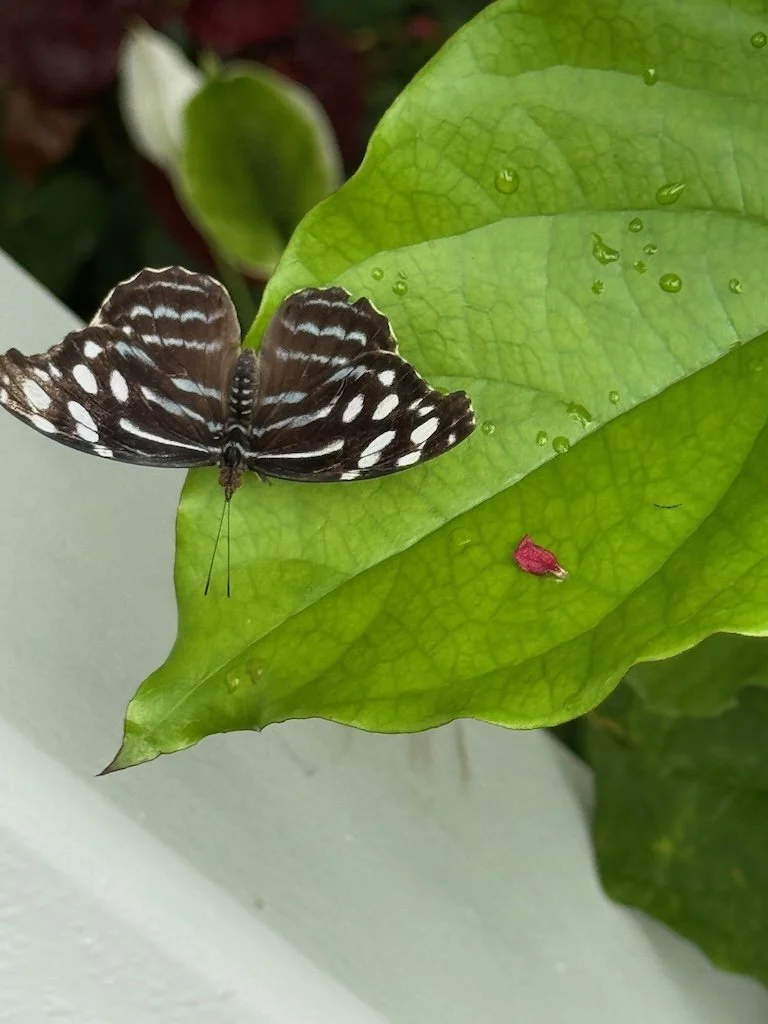
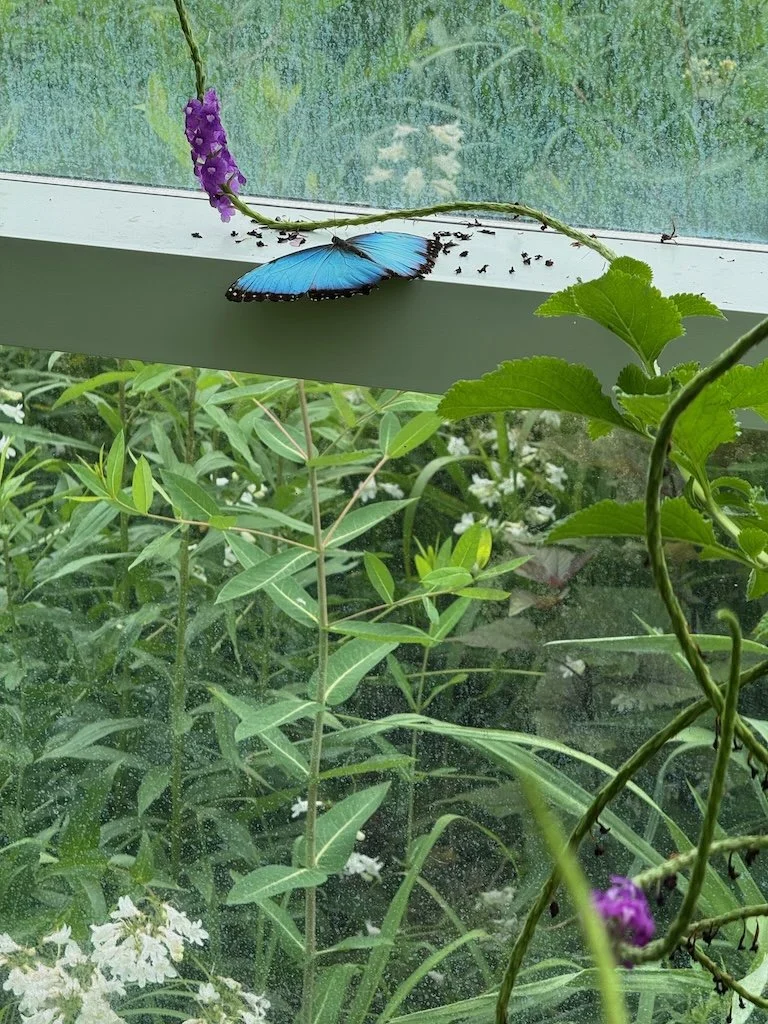
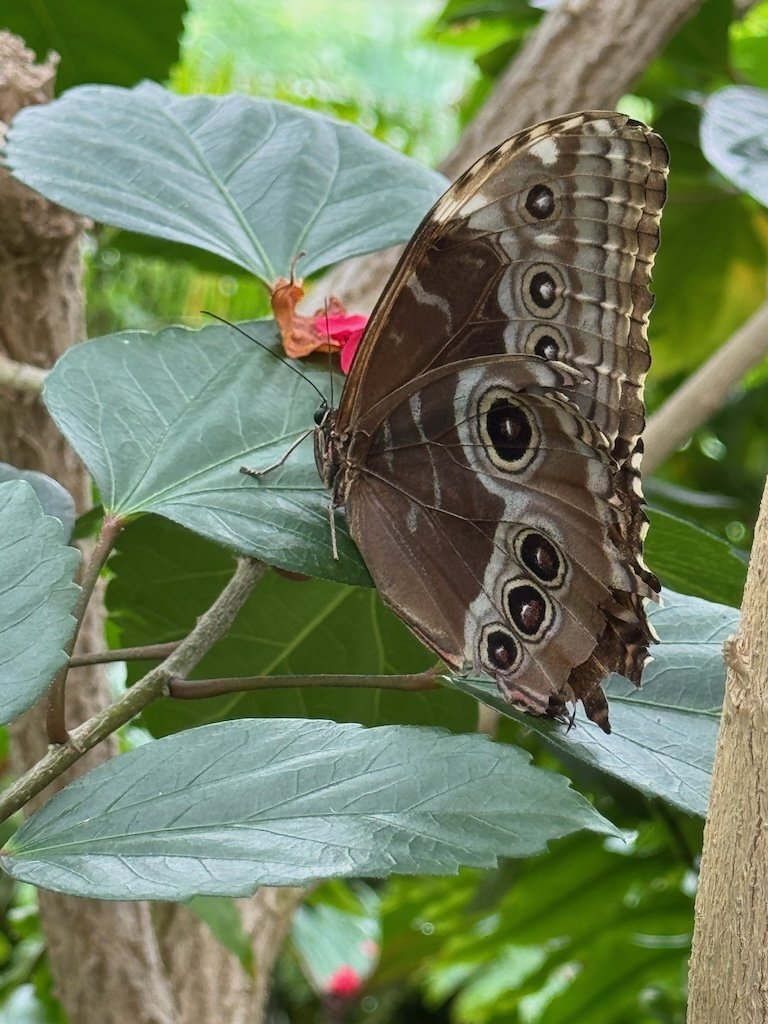
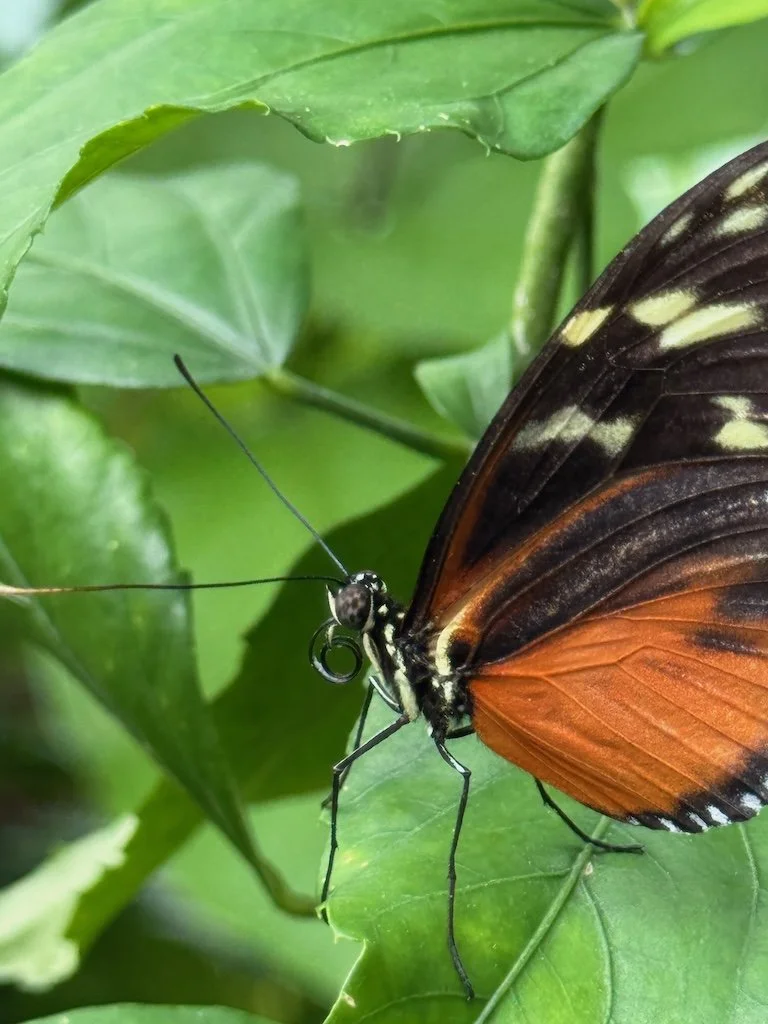
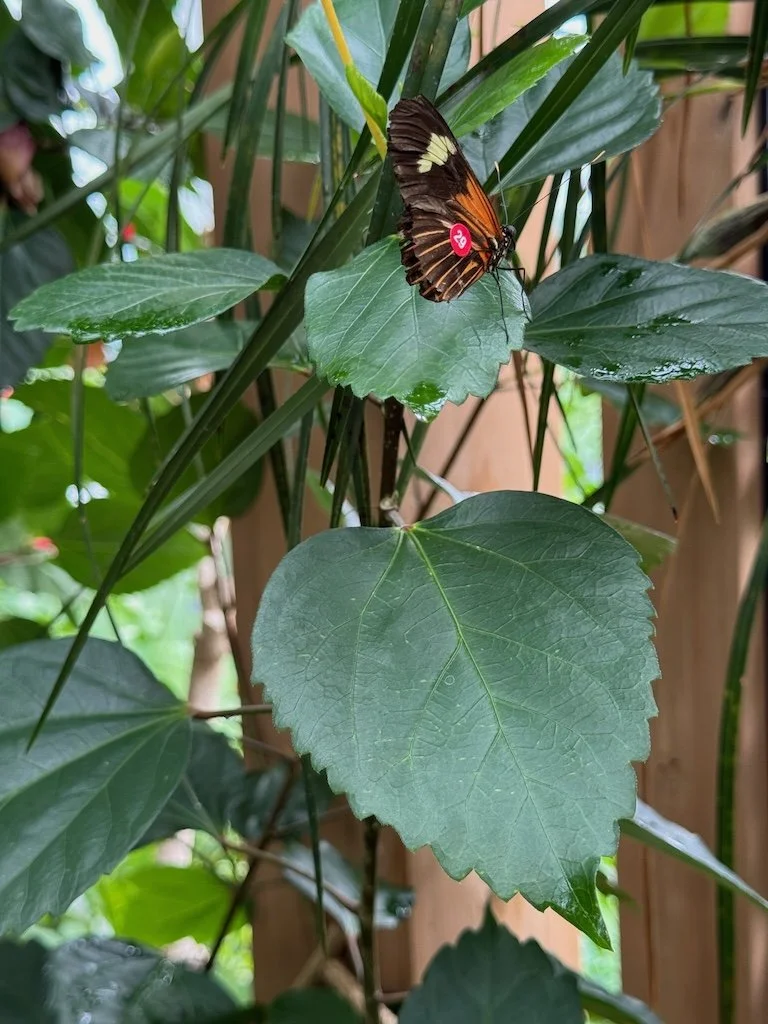
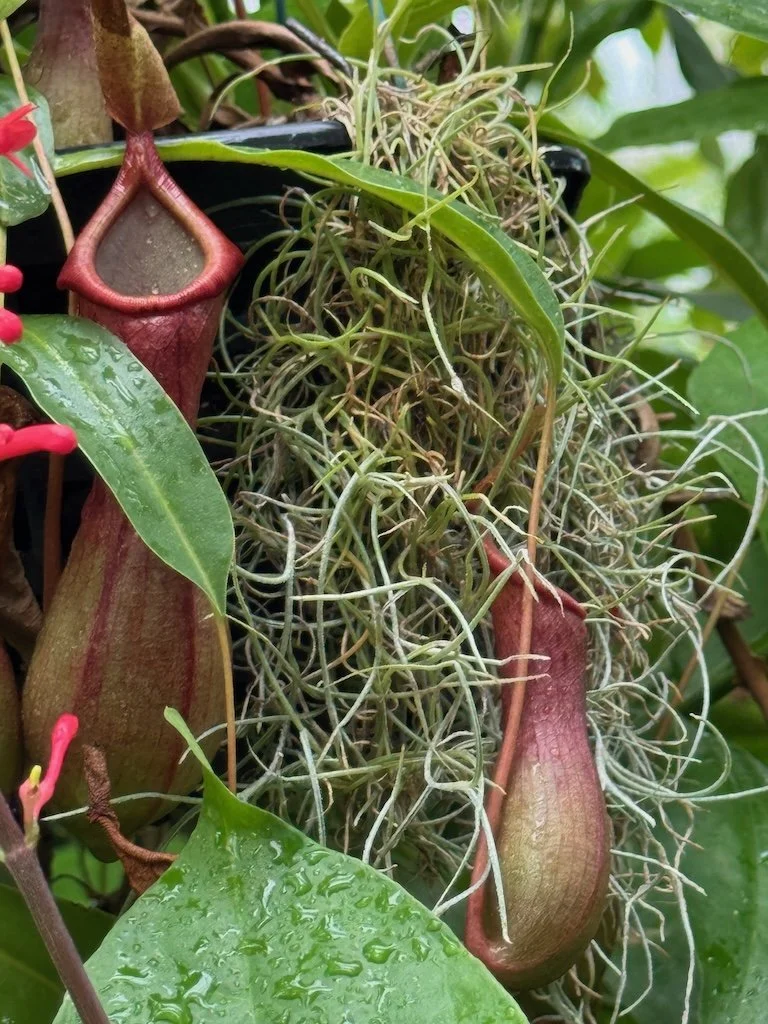
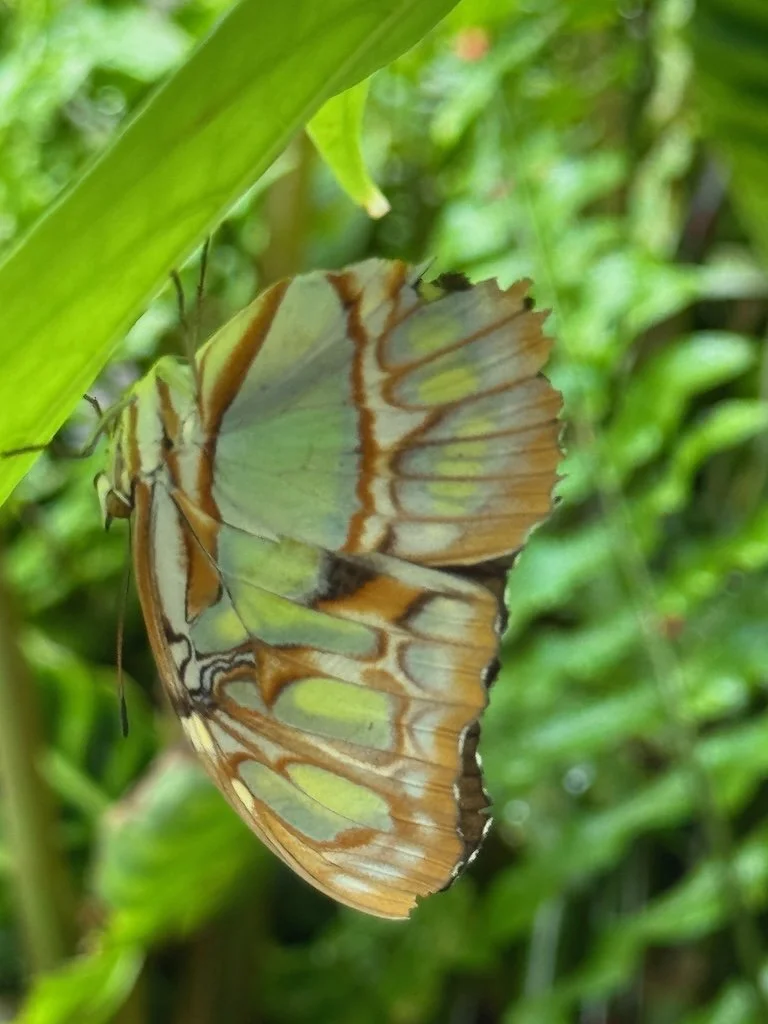
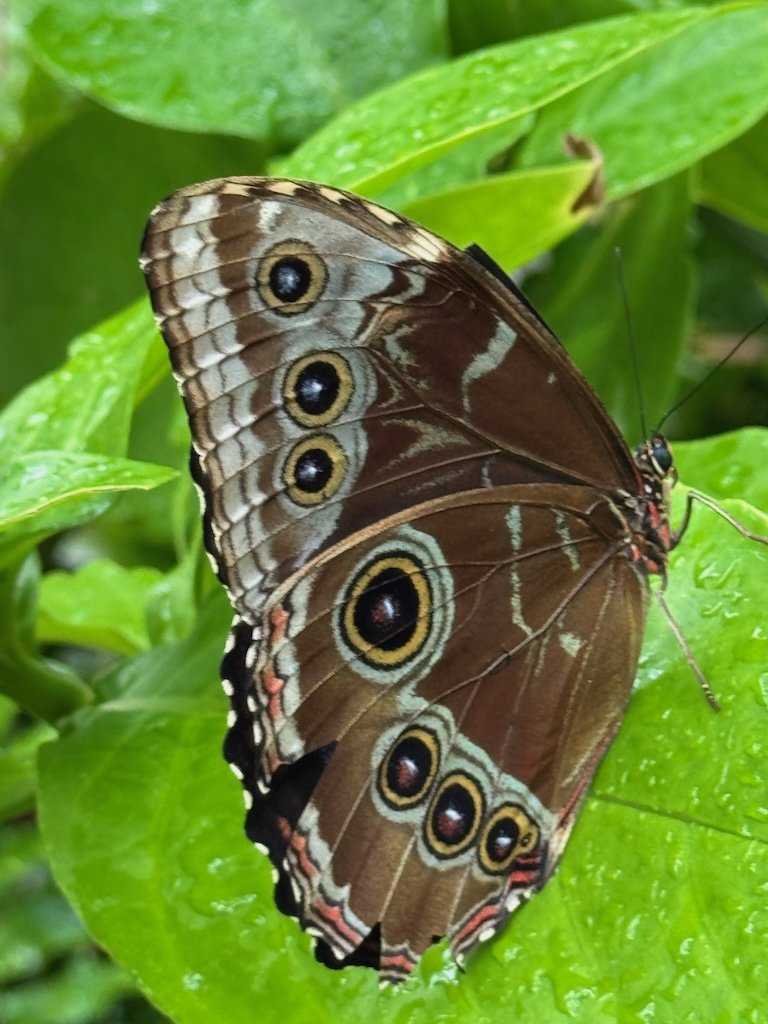
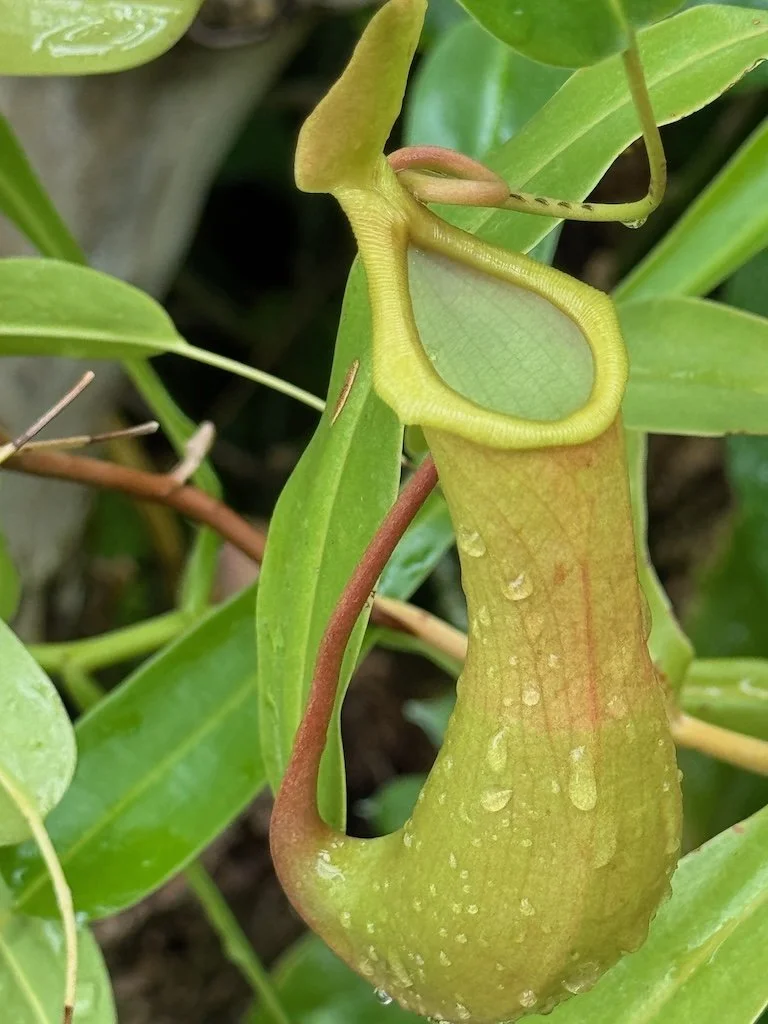
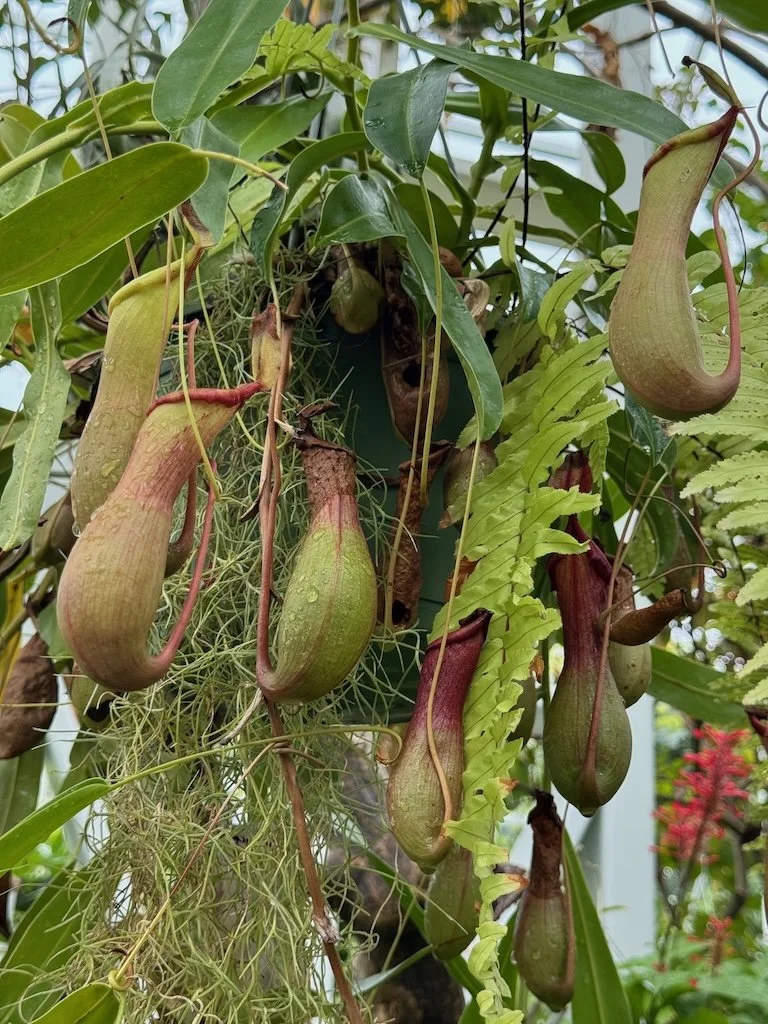
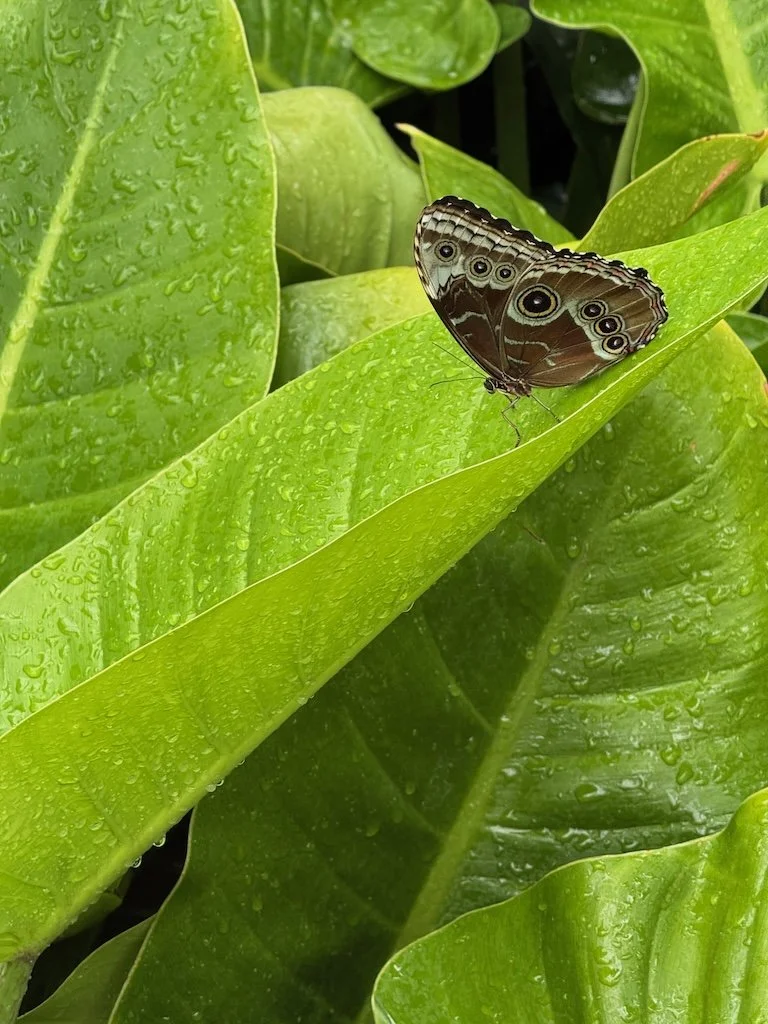
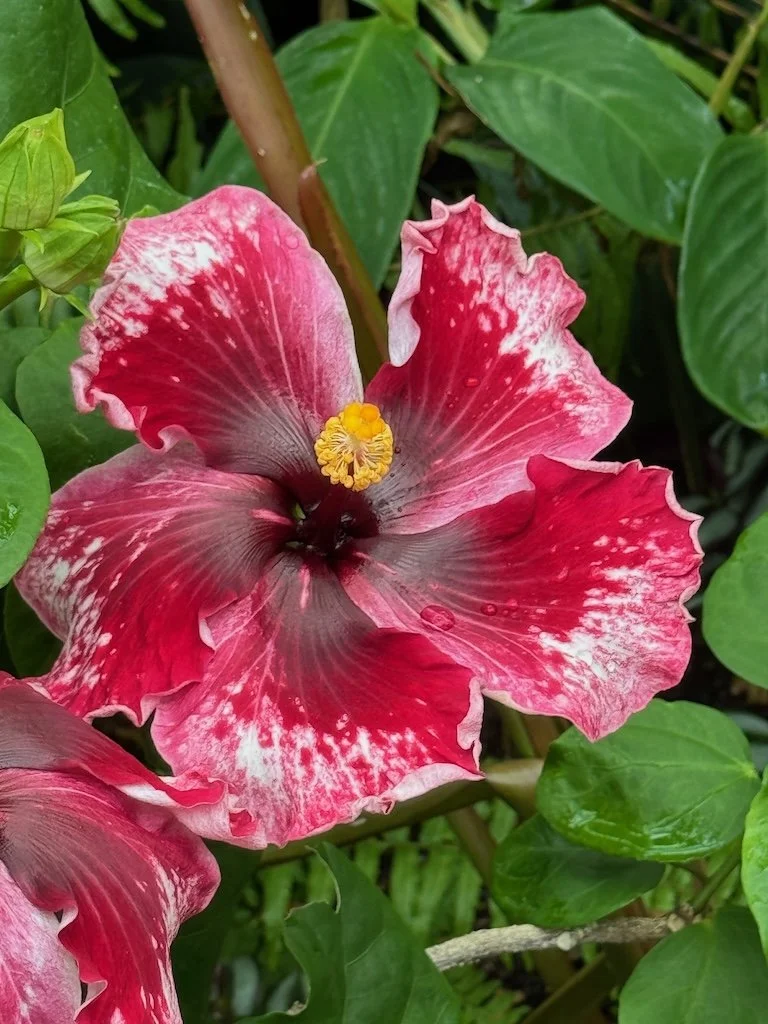
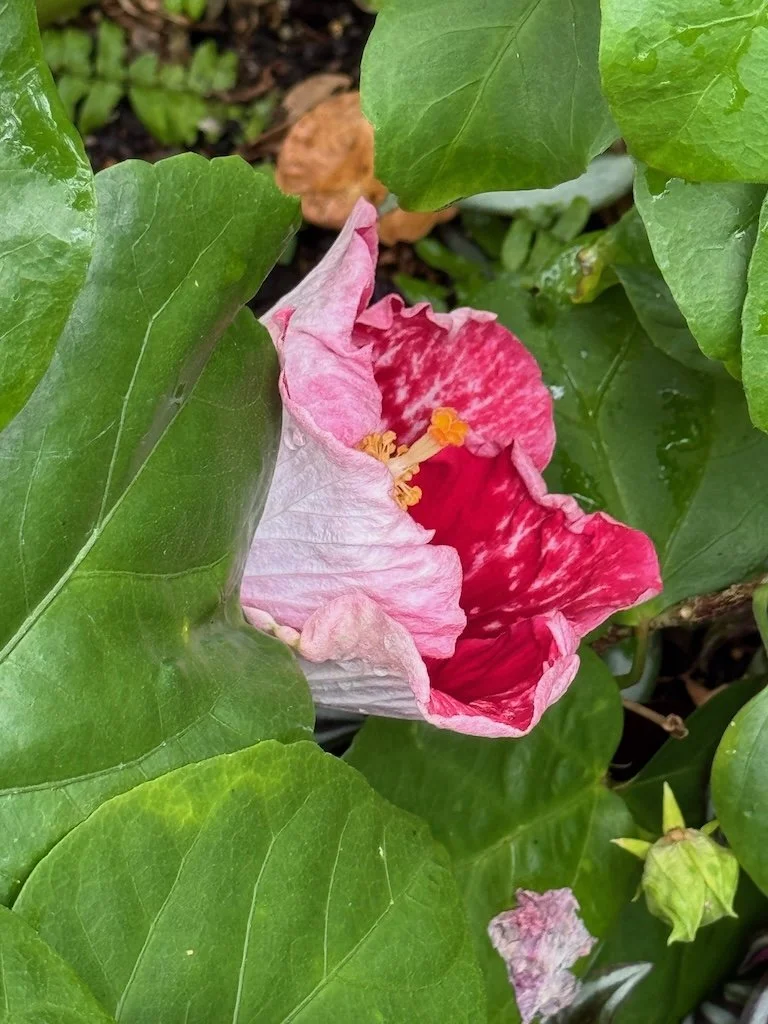
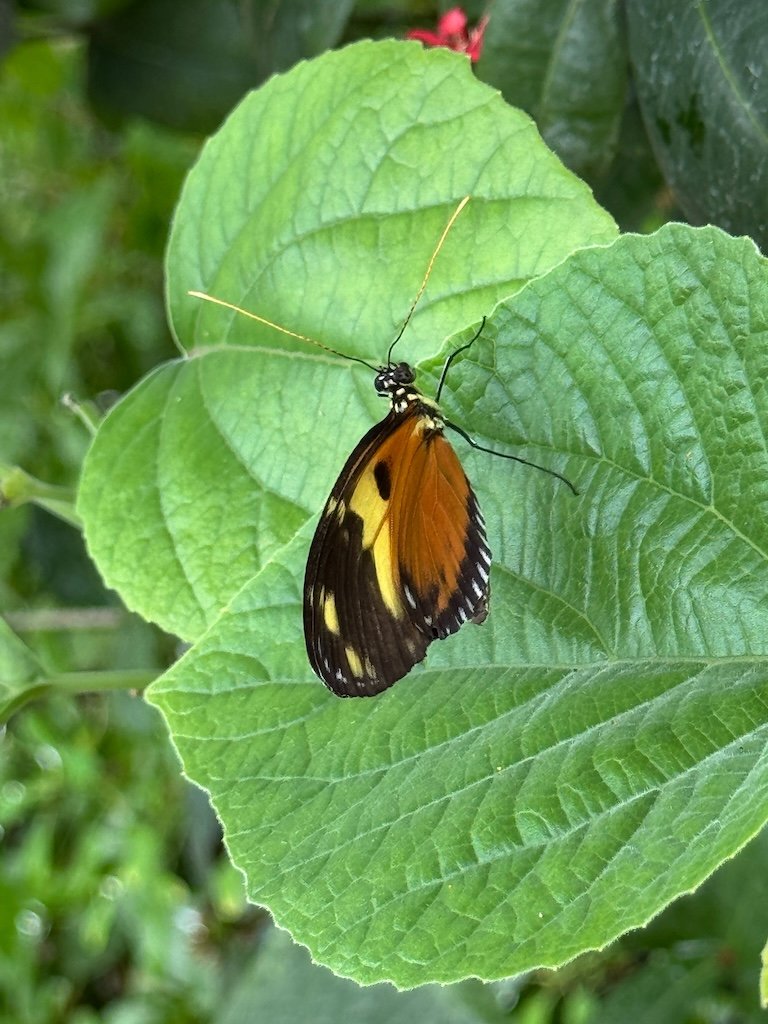
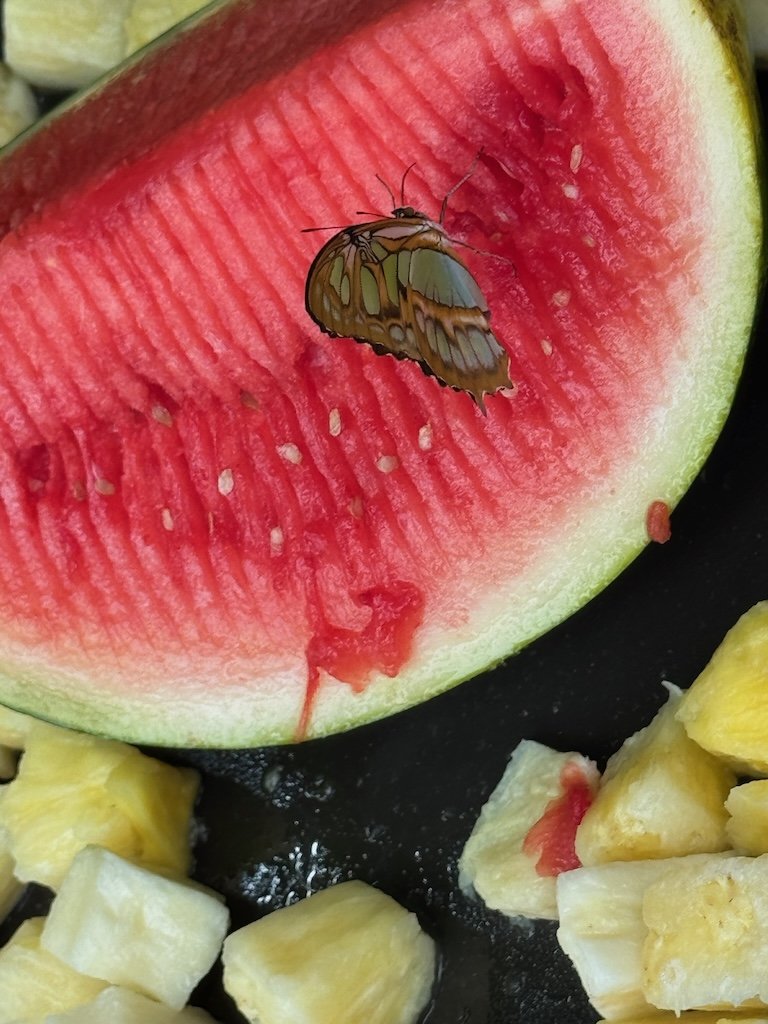
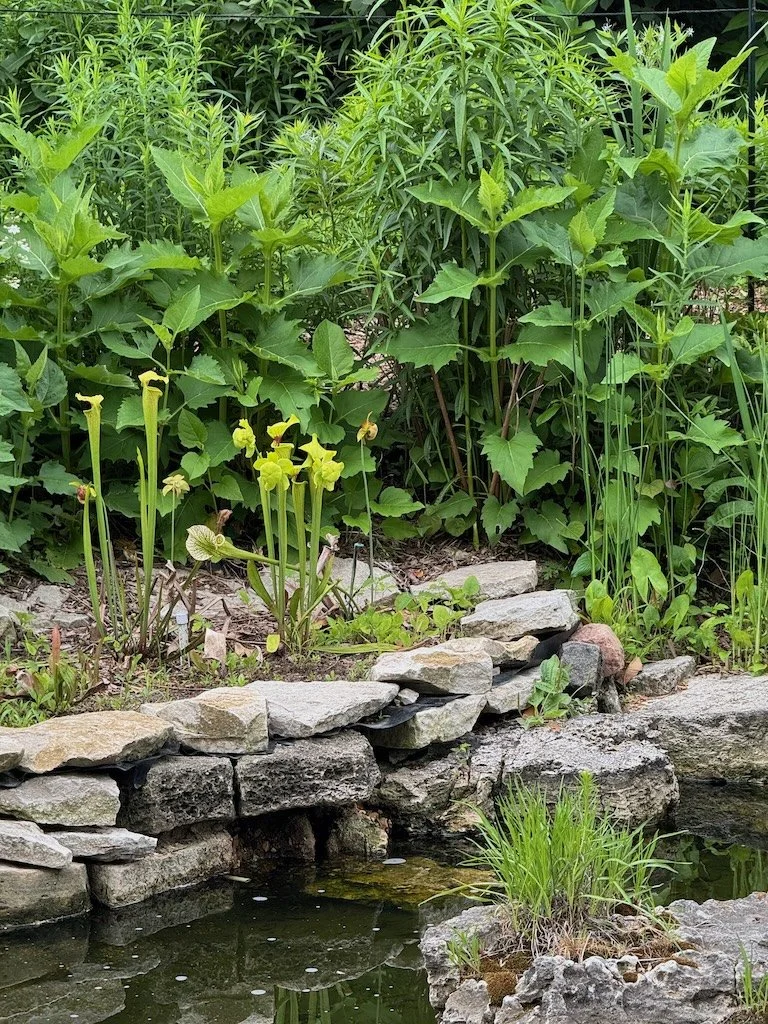
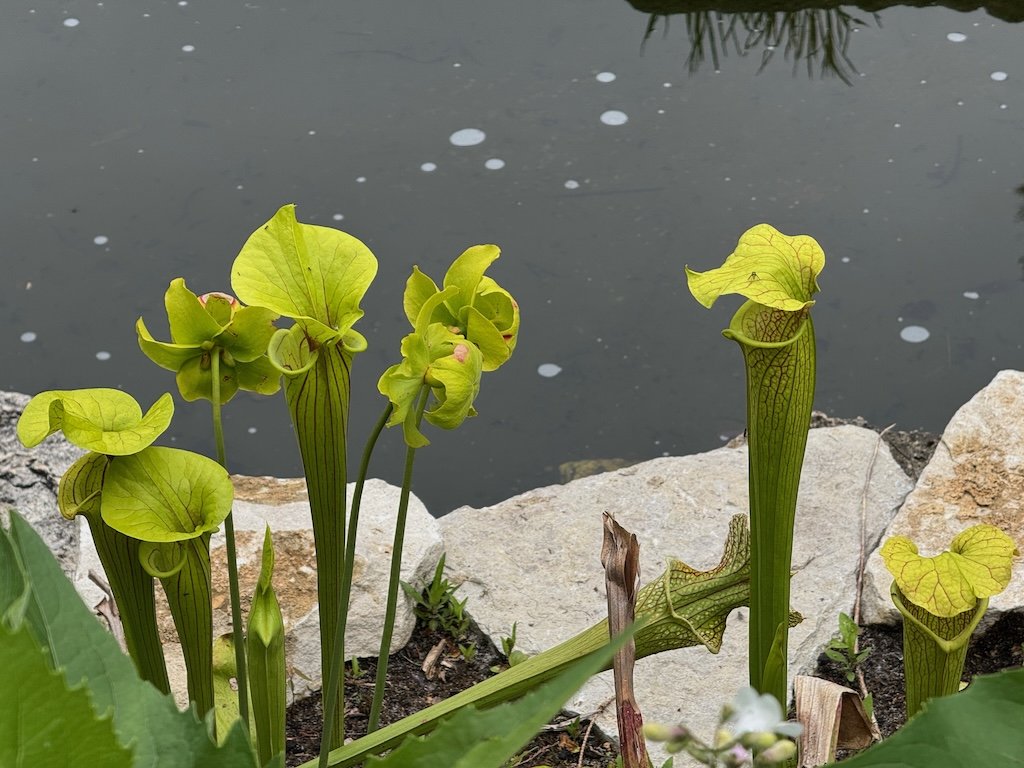
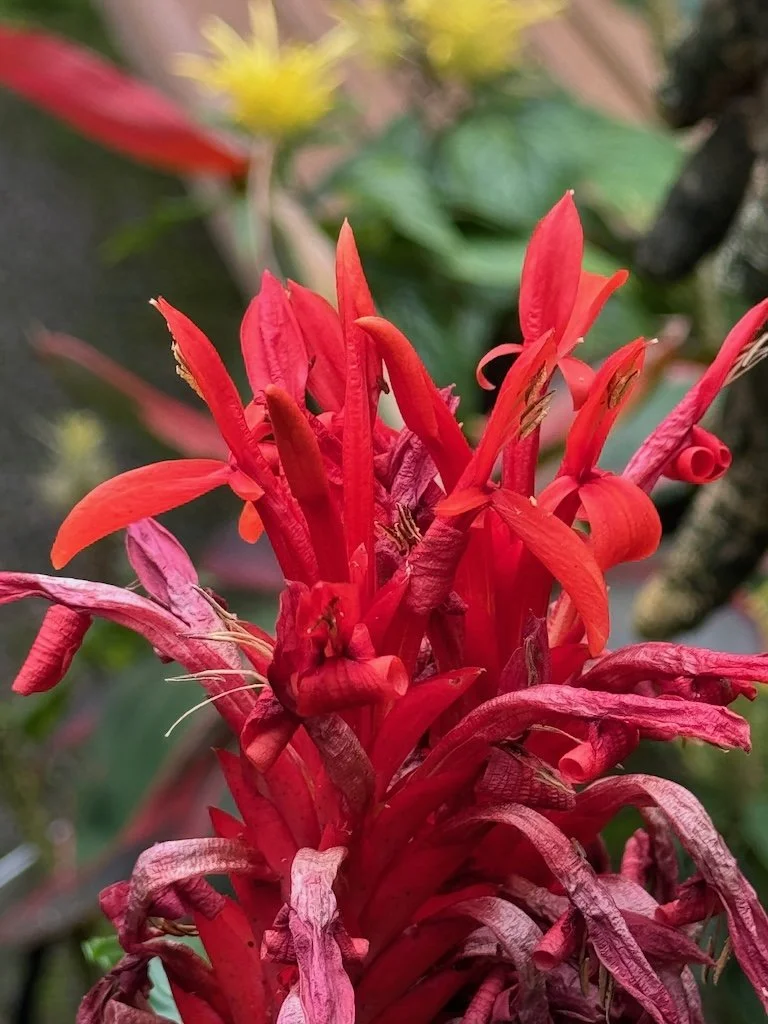
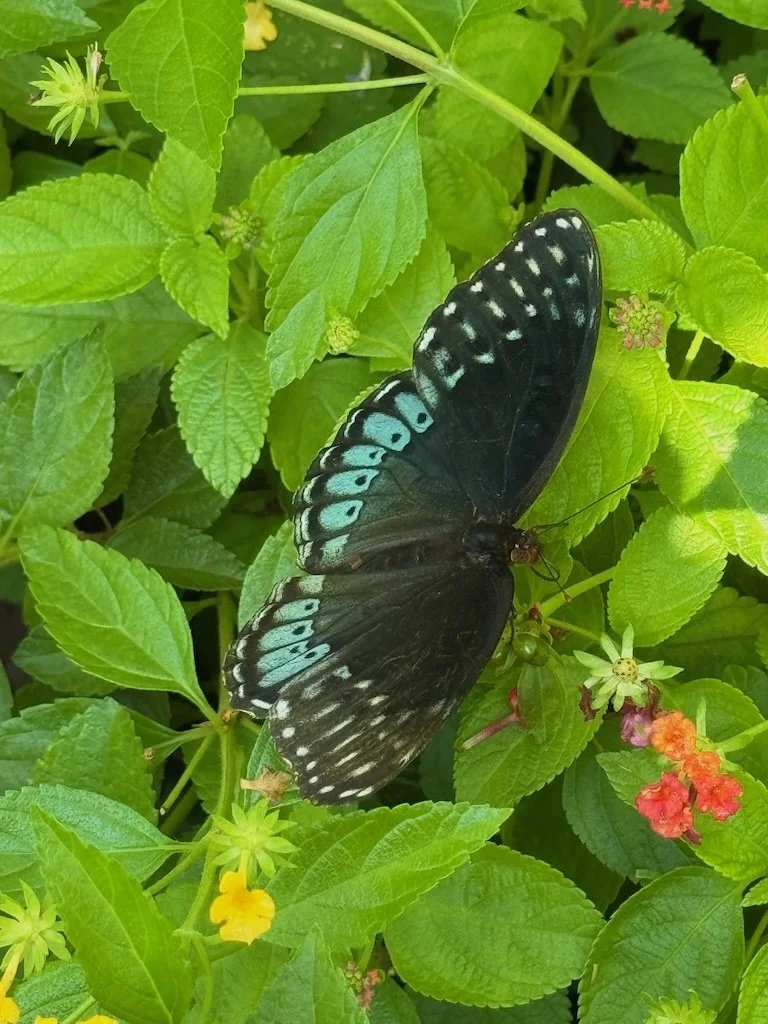
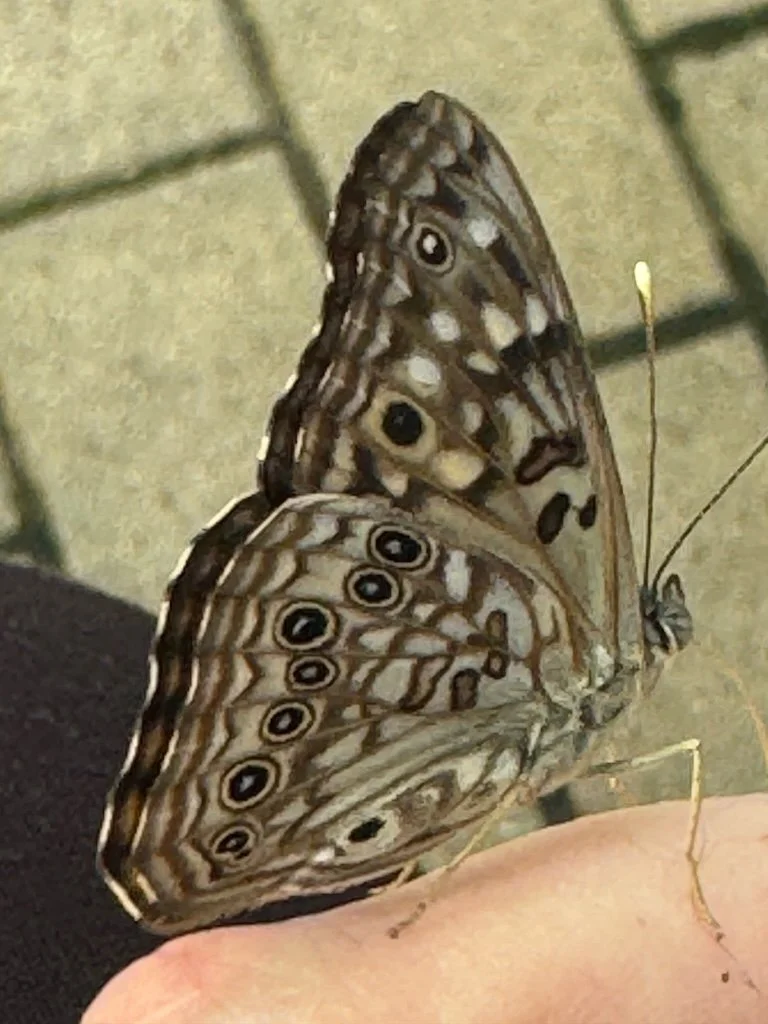
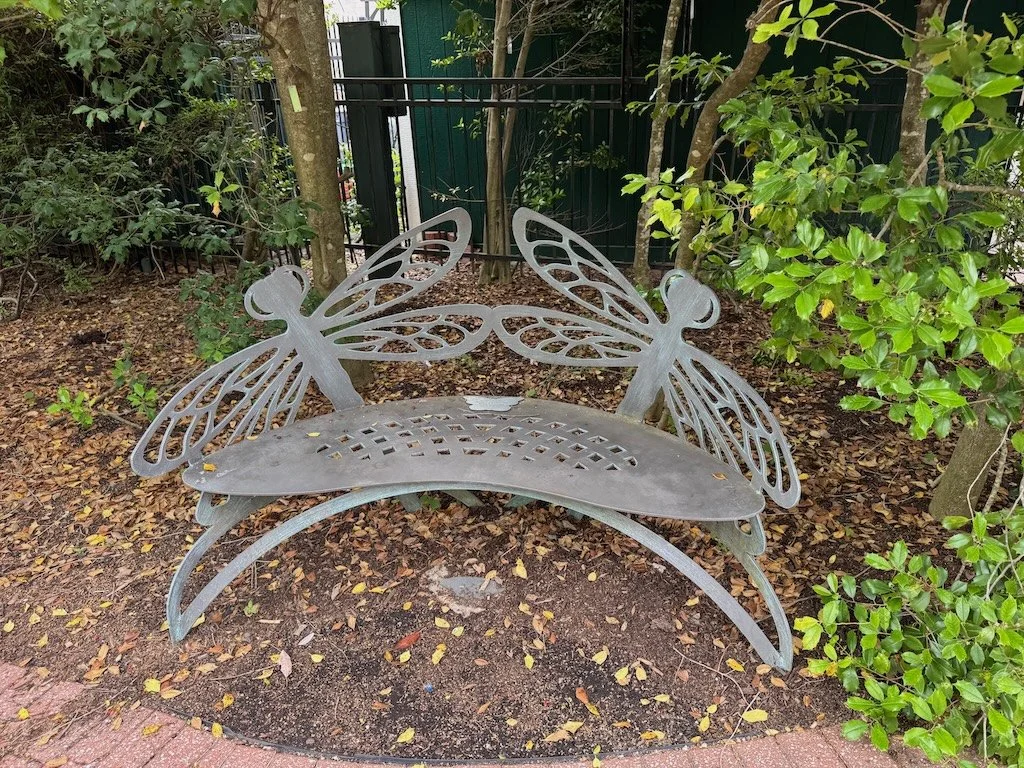
The conservatory was less crowded that my first visit over a year ago. It was warm enough that the butterflies were very active. Most of them are exotics (i.e. not native to North America) and I remembered most of them from visits to previous butterfly houses. Owls have one spot on their wing…blue morphs have lots of spots. The malachite is my favorite! I also liked seeing pitcher plants in the lush vegetation….and the insect themed benches.

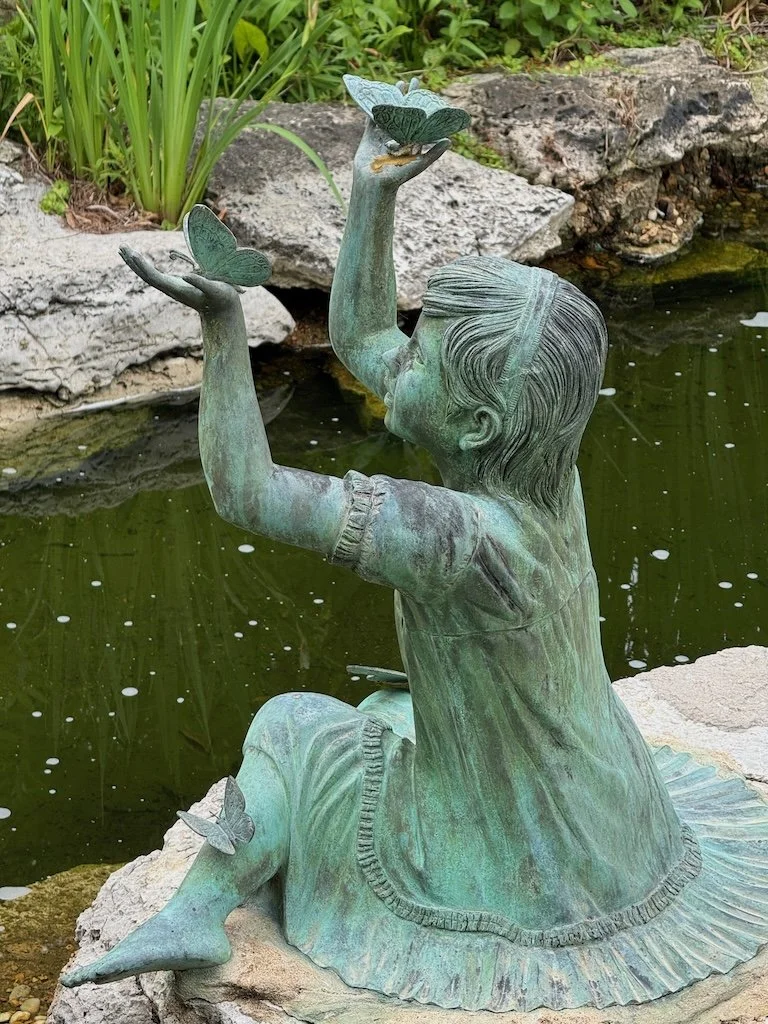
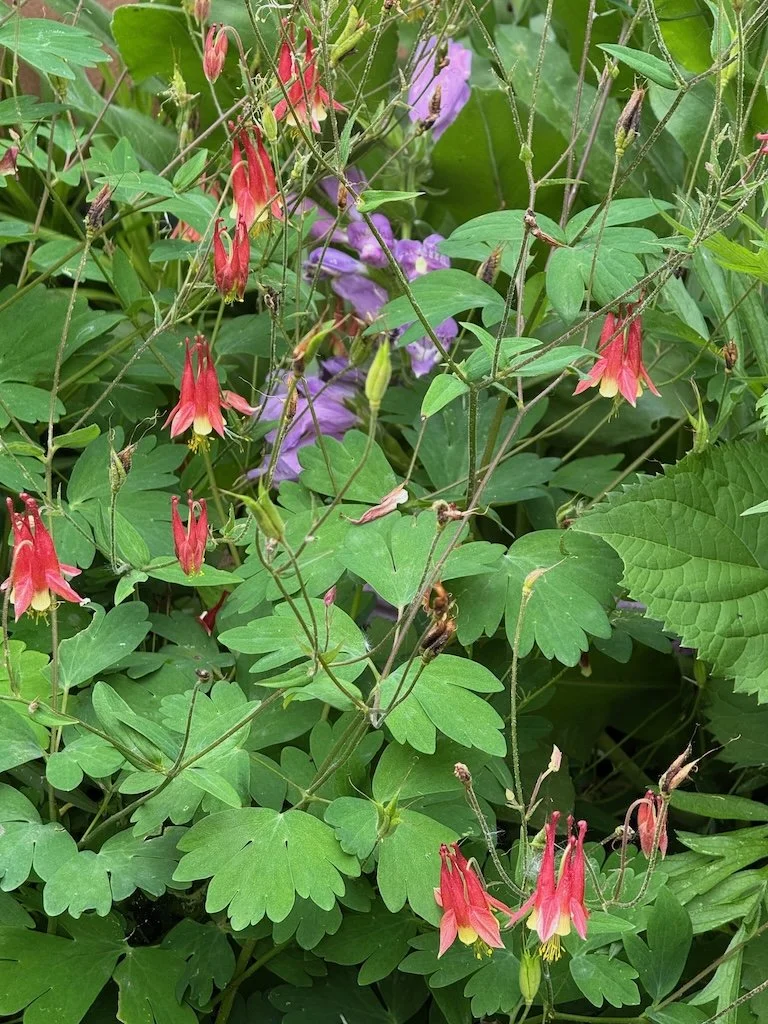
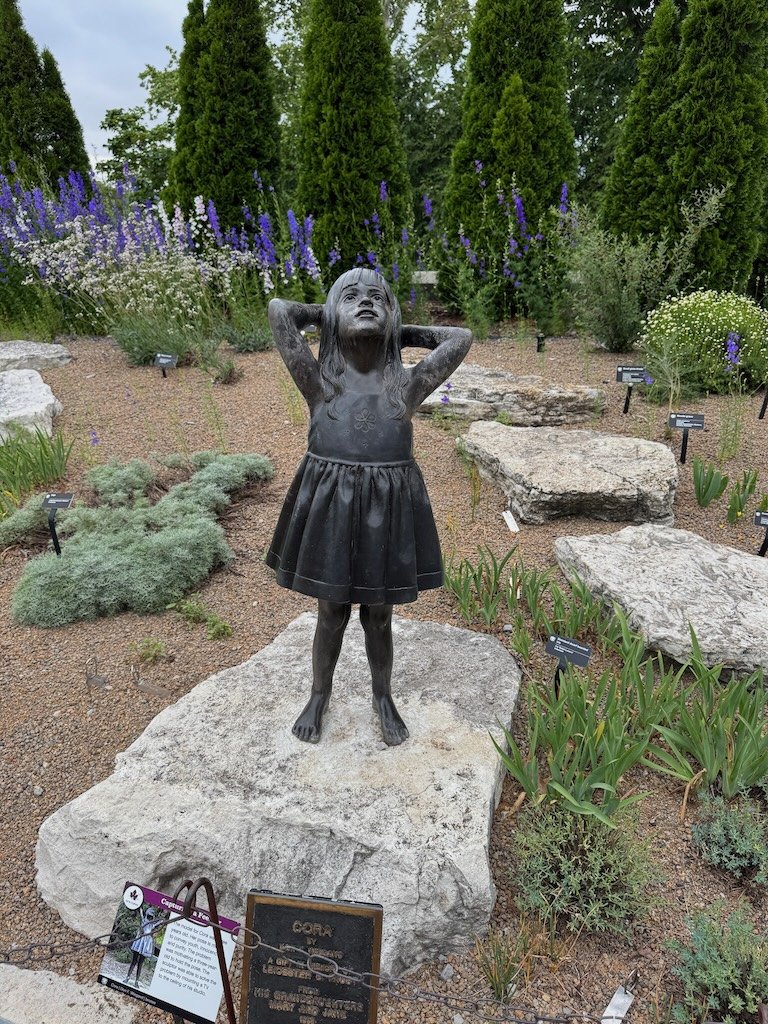
The enclosed garden just outside the butterfly house, features a statue of a young girl with butterflies and lots of native plants…including some larger pitcher plants….more insect themed benches.

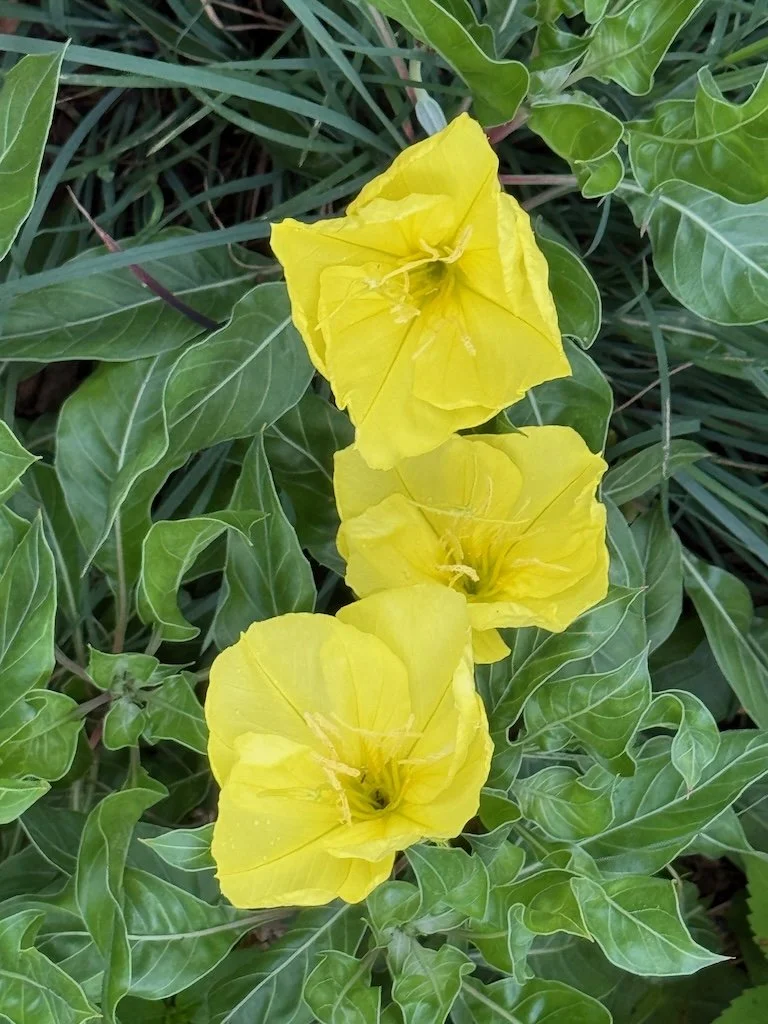
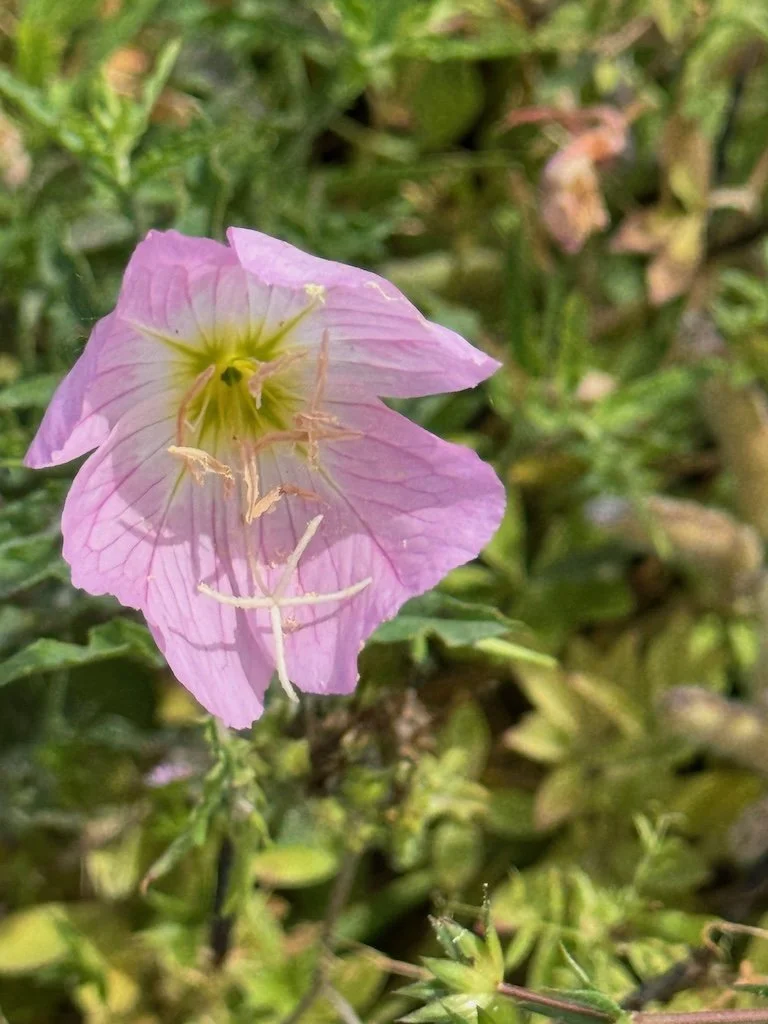
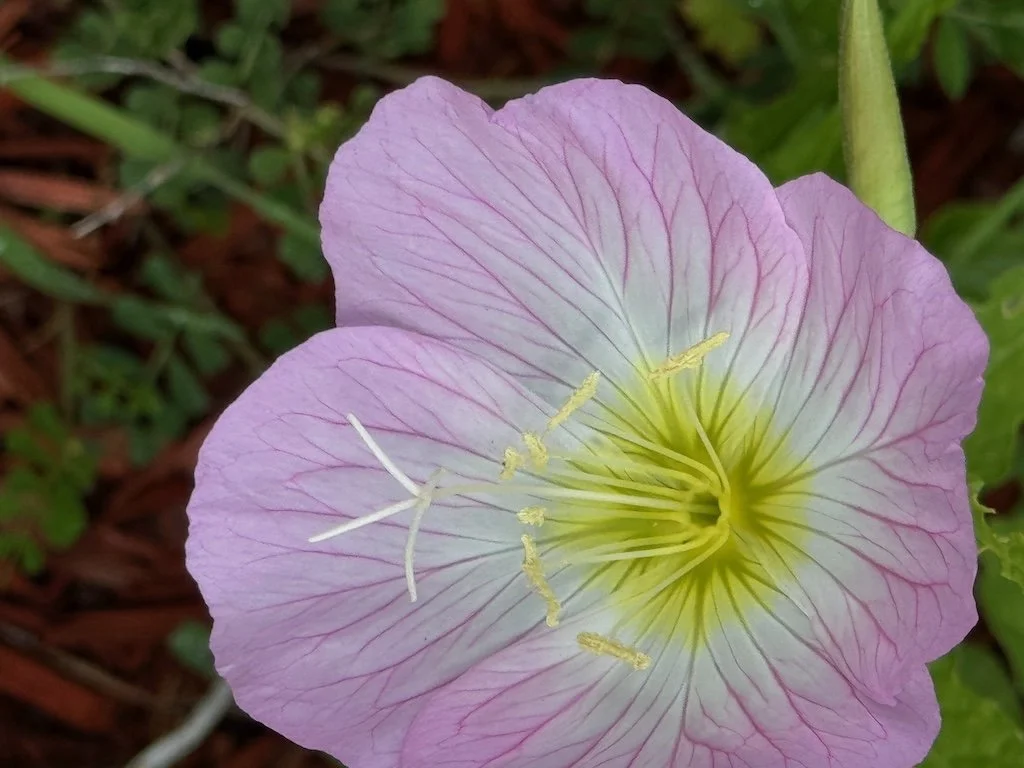
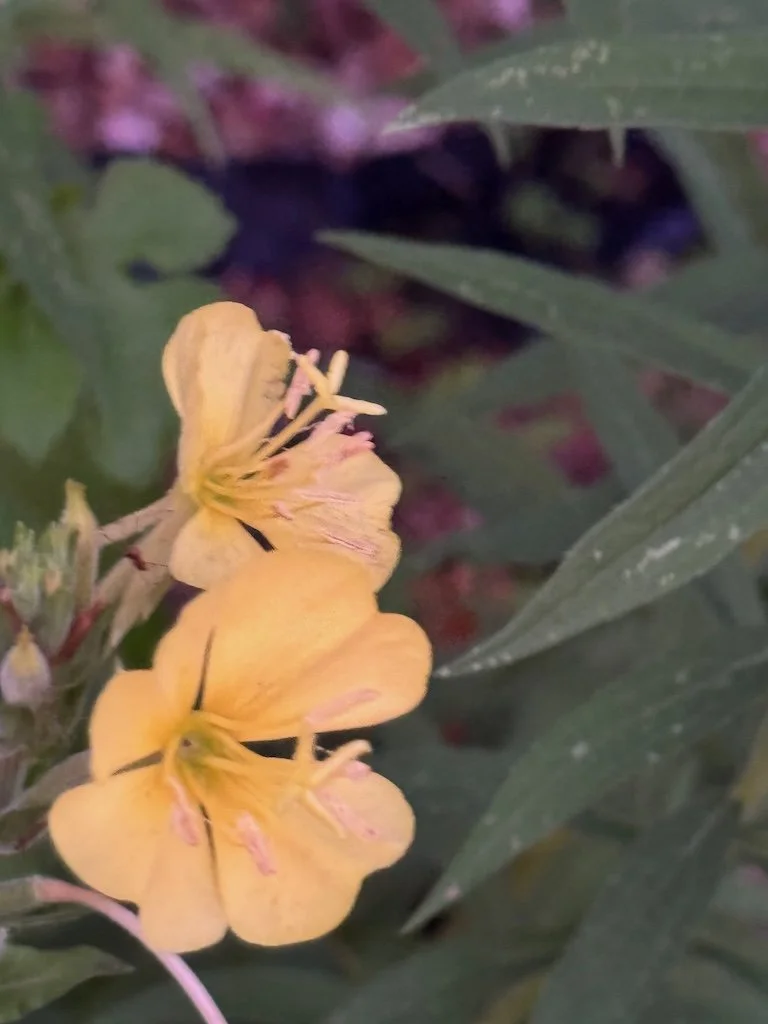
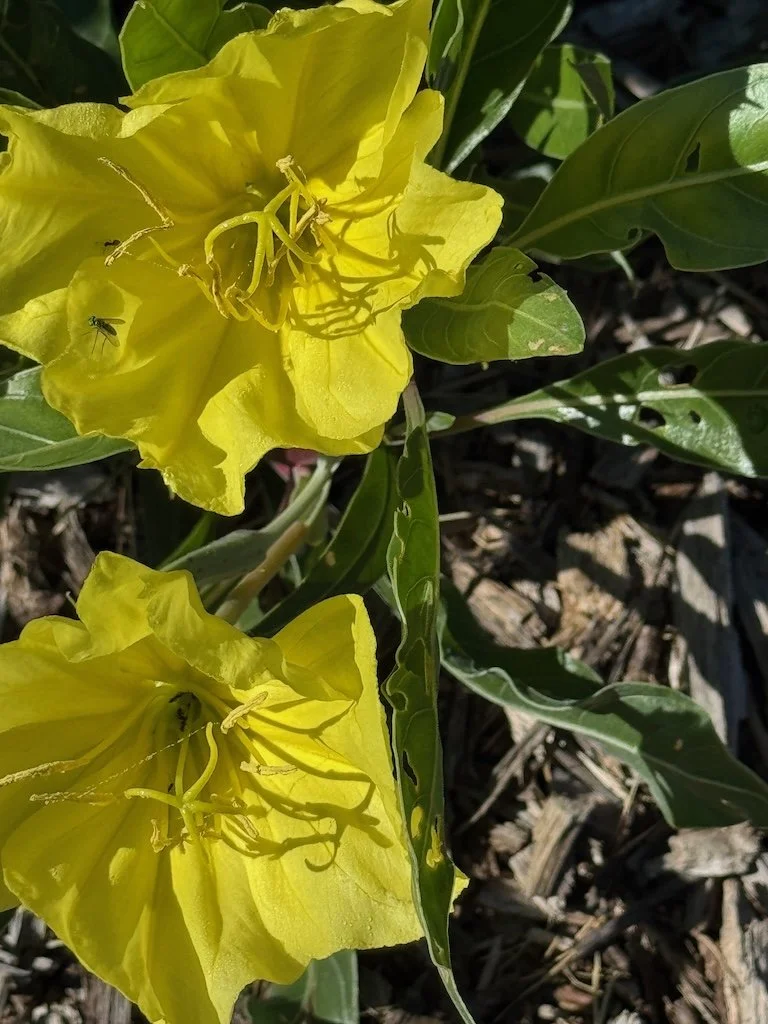
I recognized a plant in the garden that I have at home…and it had a sign: Virginia Sweetspire. My phone had identified it as Virginia Willow and I had thought it was wrong since it didn’t seem to be willow-like….but that is another common name for Virigina Sweetspire. I am thrilled that it is native to North American since I have two of them that came with my house! I also noticed stands of Missouri Evening Primrose – another great native in my gardens too.

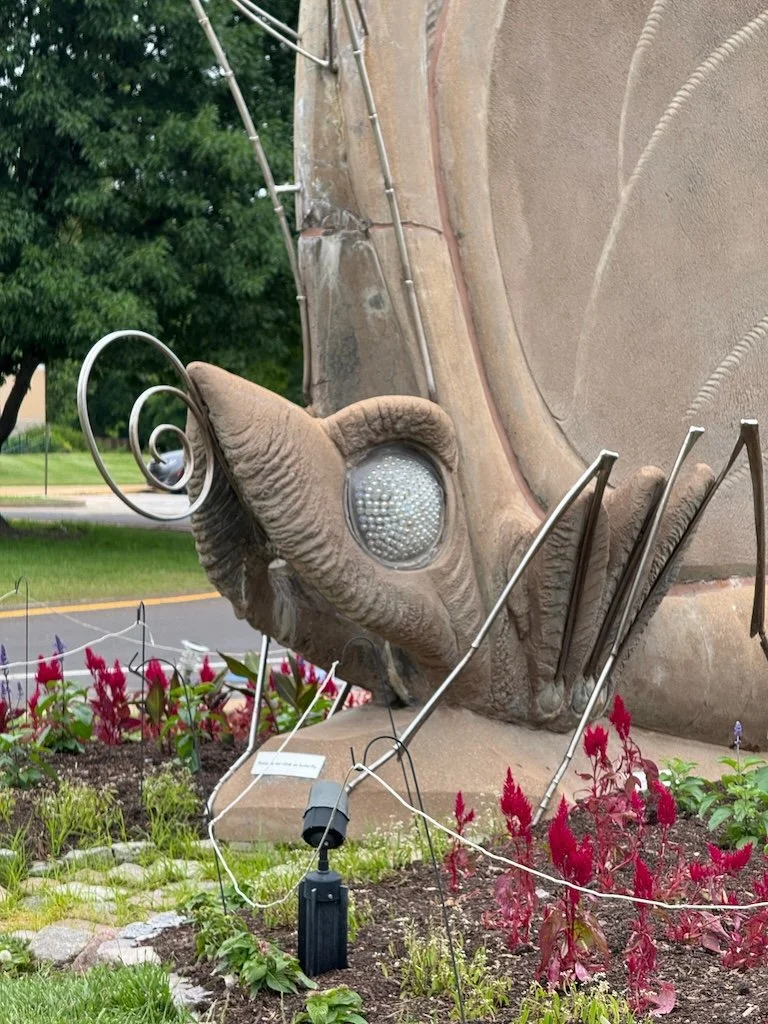
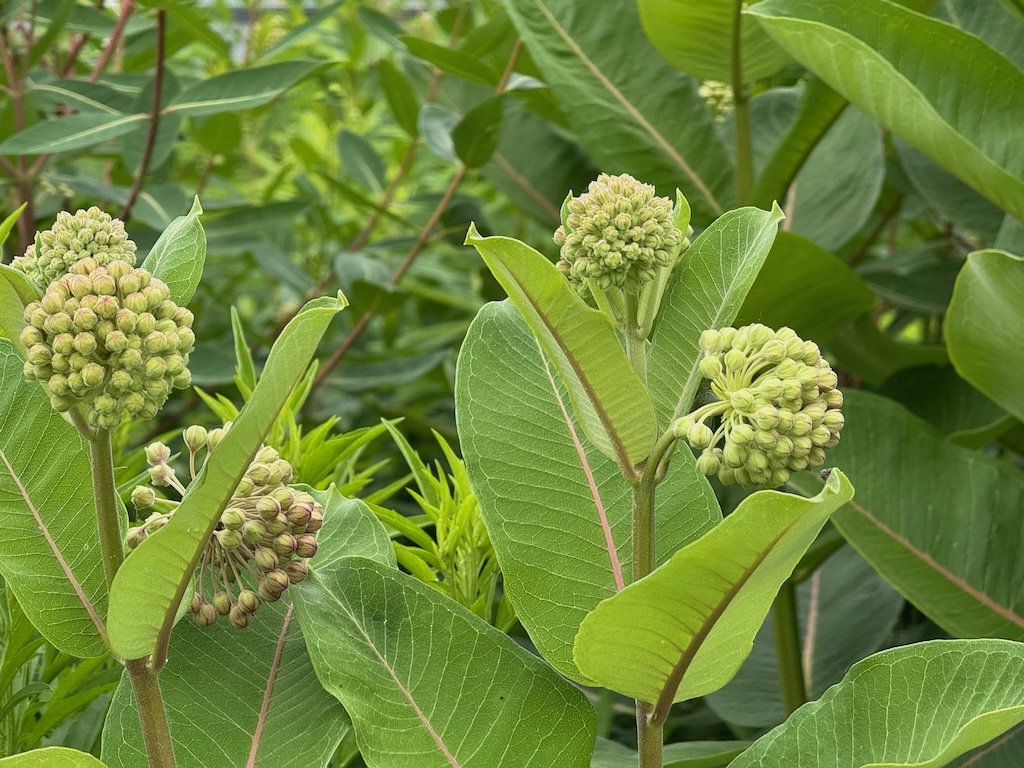
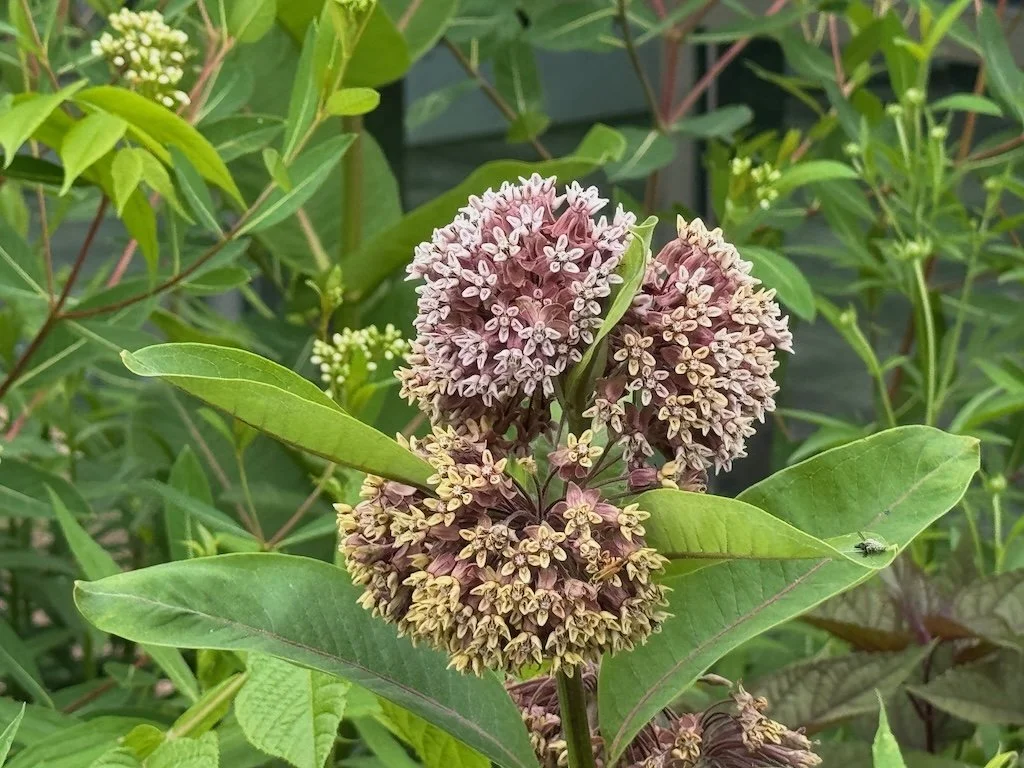
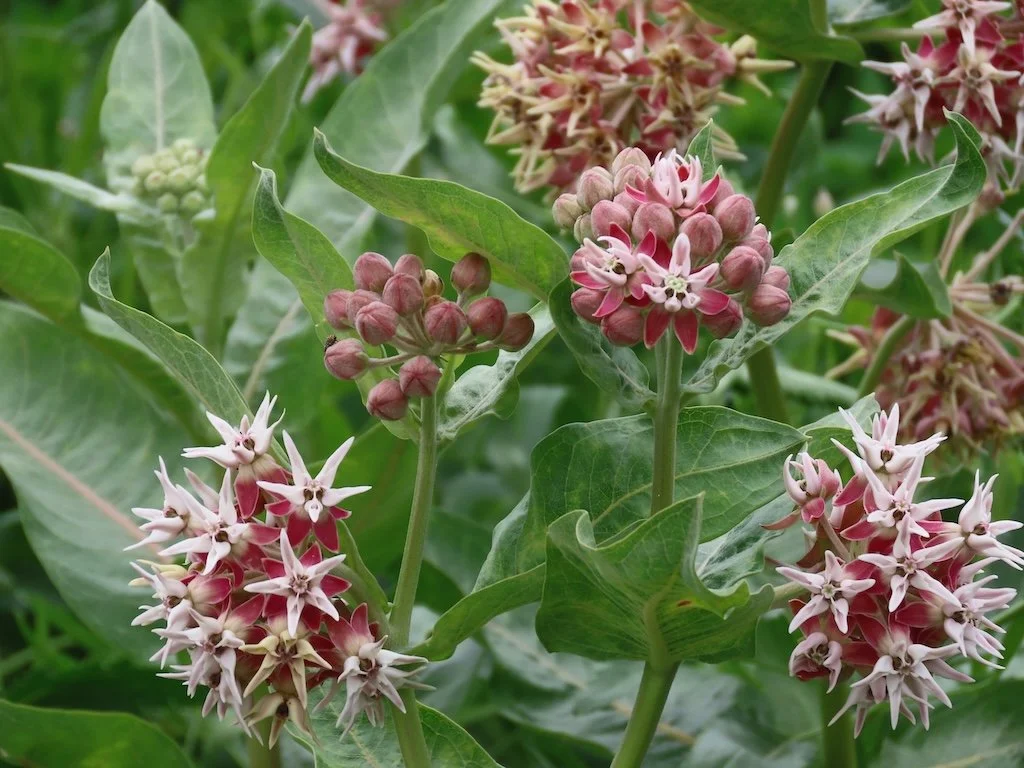
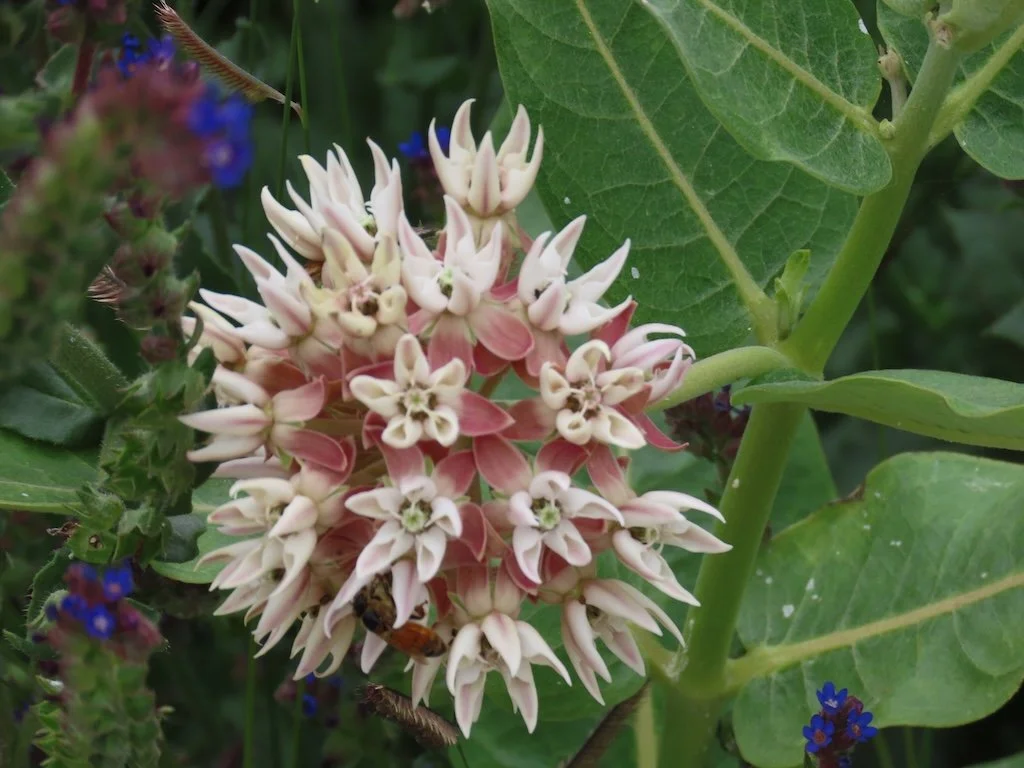
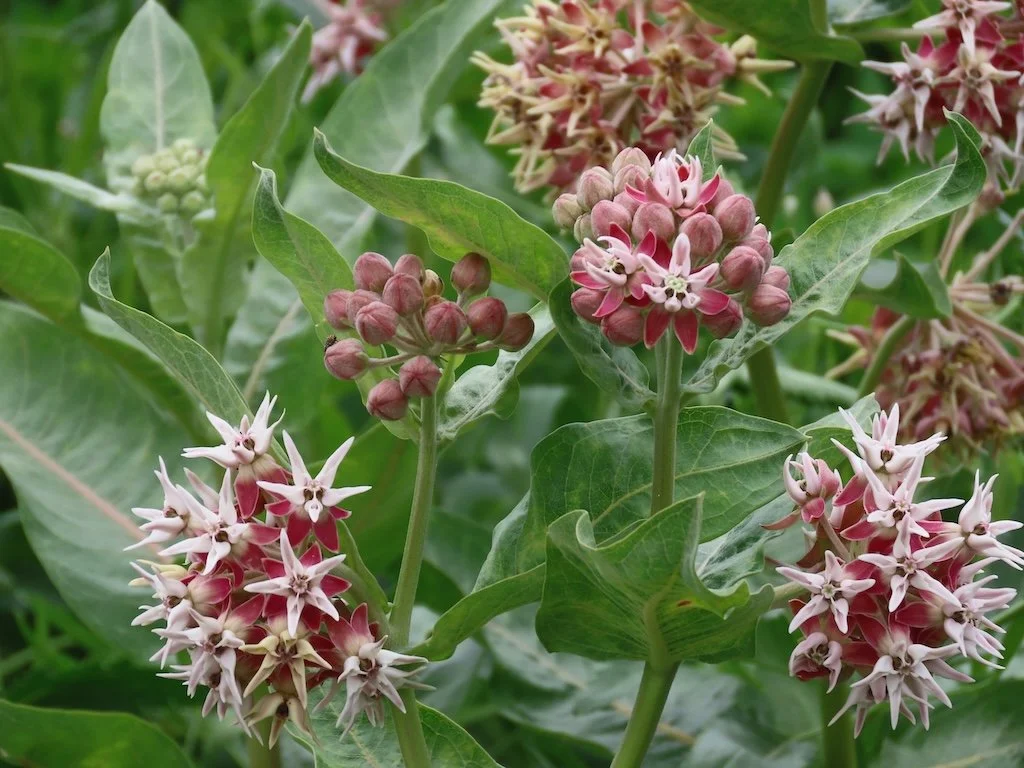
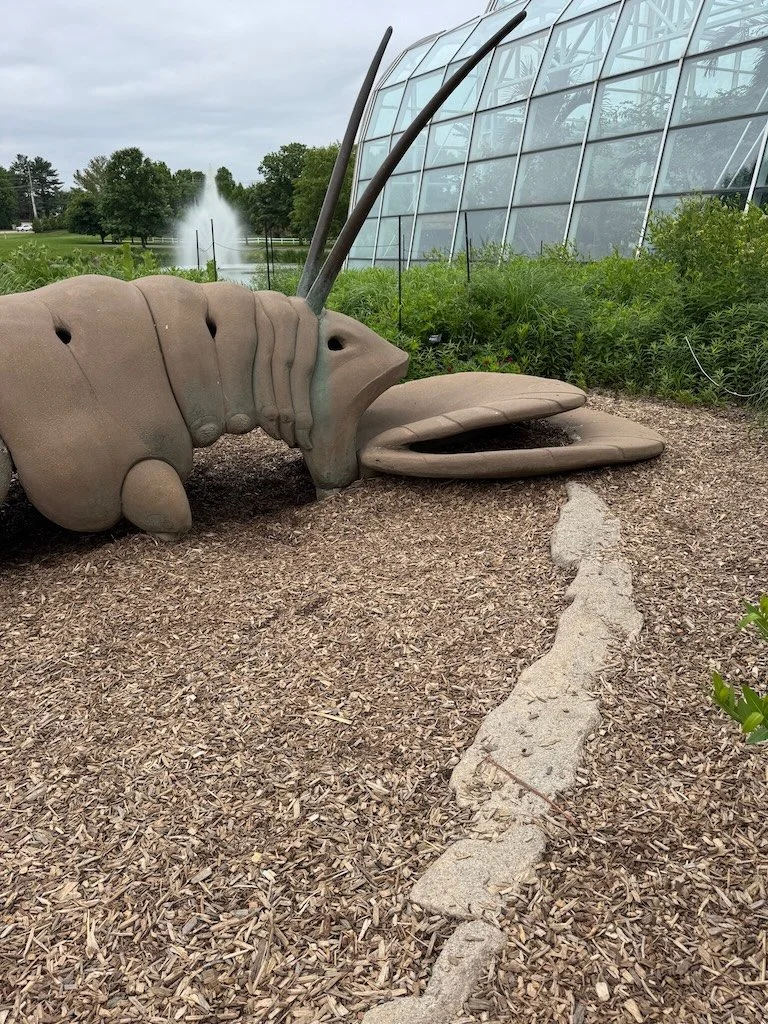
On the way back to the car, I took pictures of the giant caterpillar and butterfly sculptures…along with milkweed in various stages of blooming.

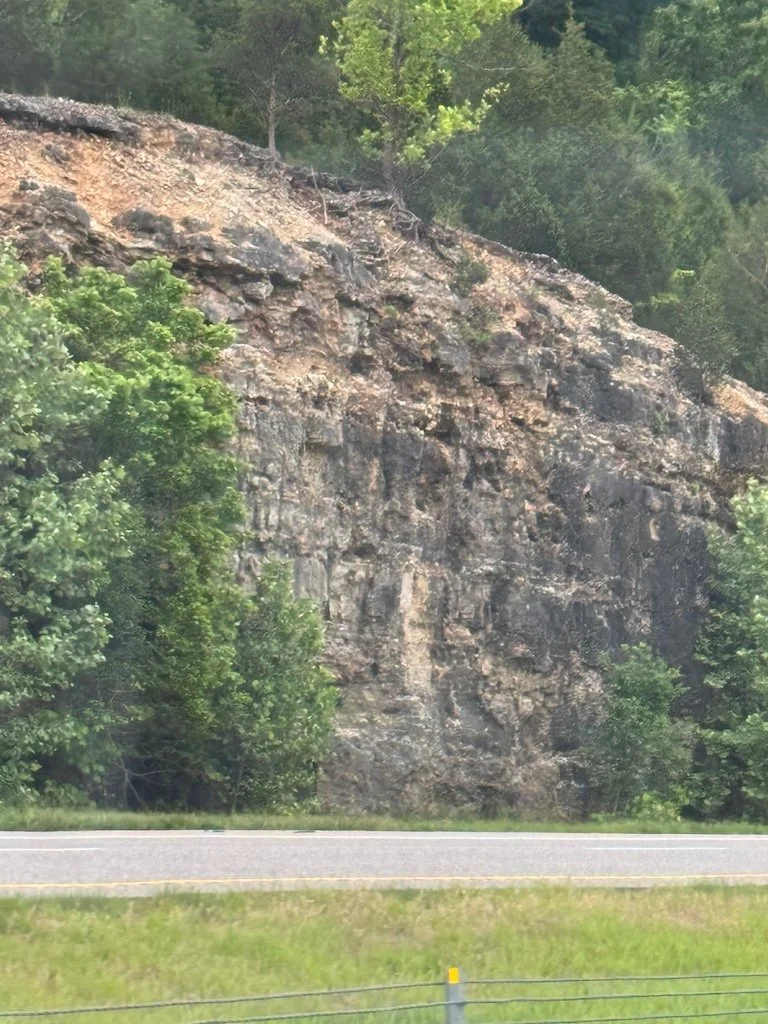
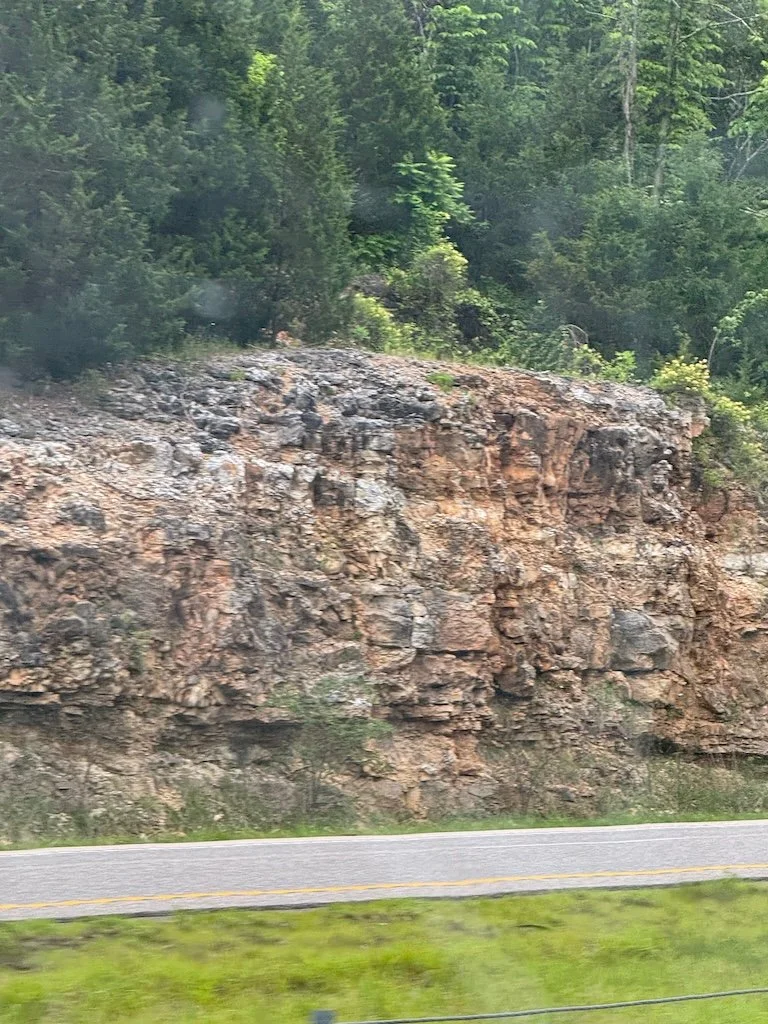
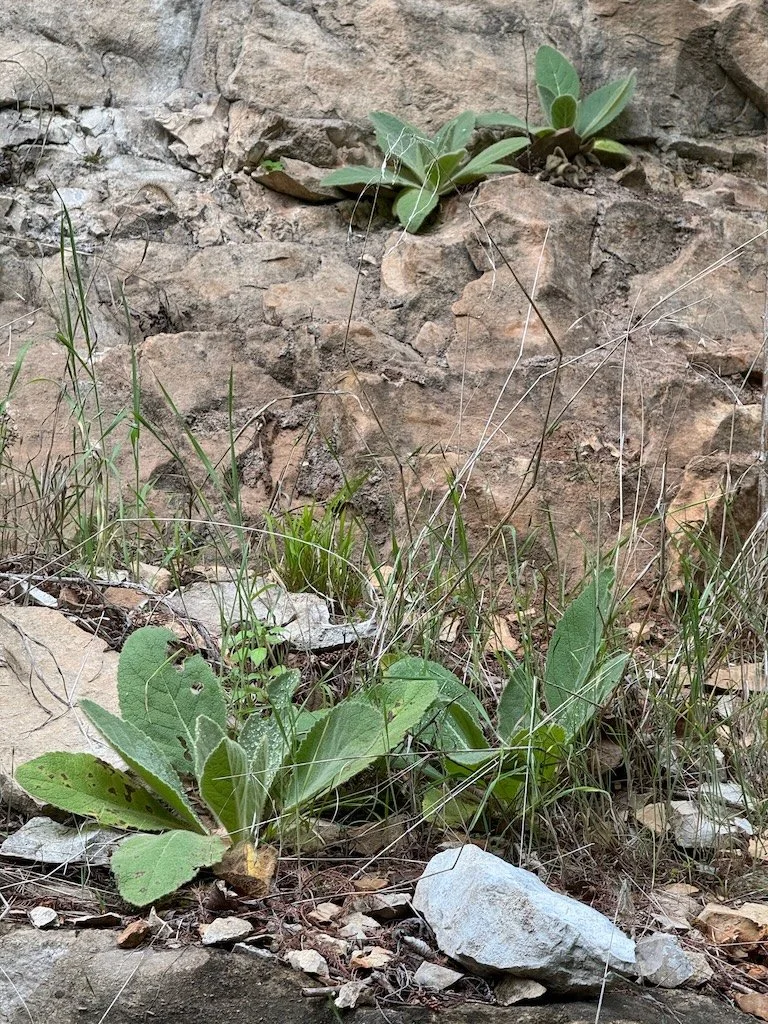
Since my husband was driving, I took a few roadcut pictures on the way home.

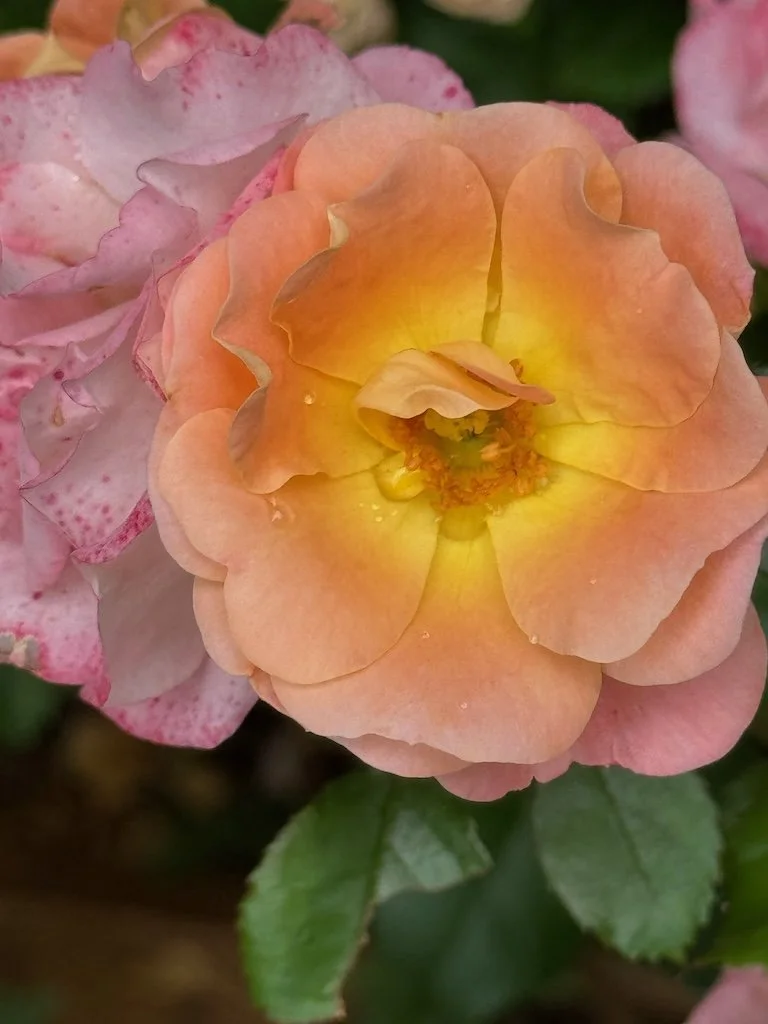
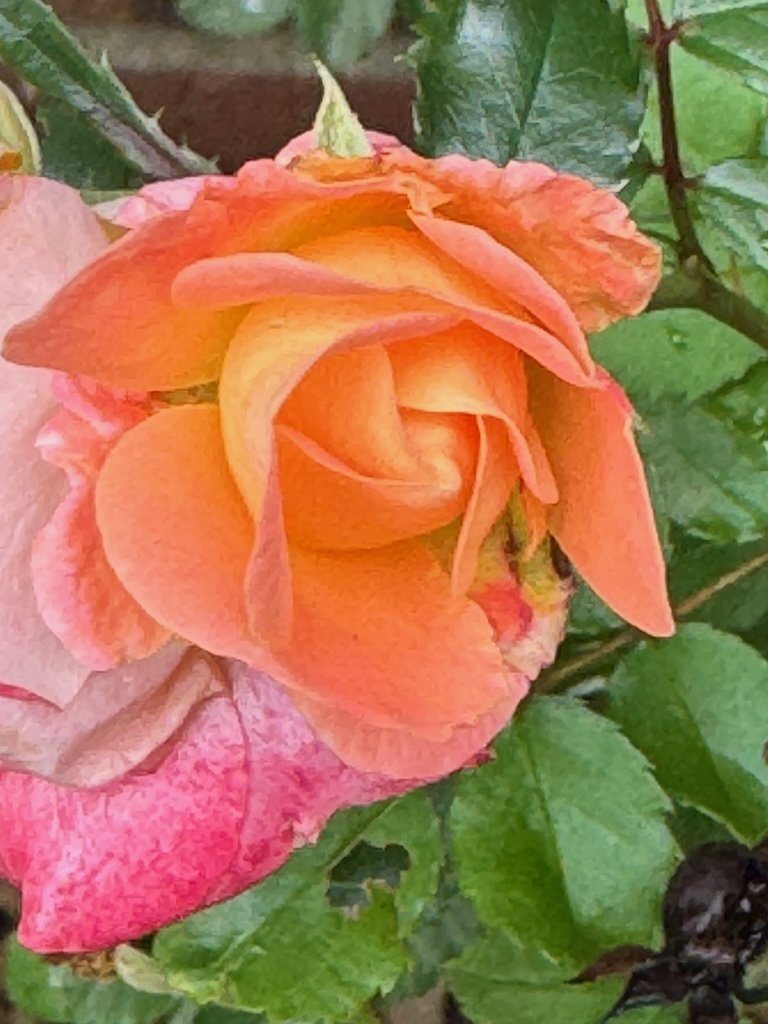
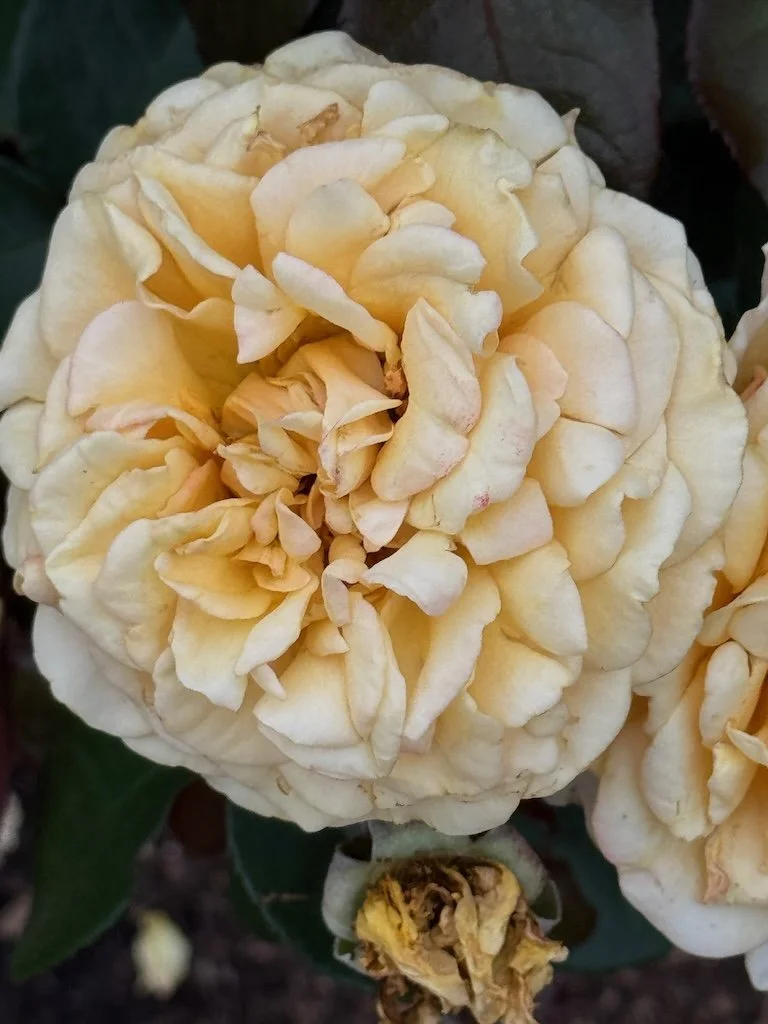
At my daughter’s house, I noticed that her miniature roses were blooming next to her driveway….an opportunity for some last photos…savoring the day.  

Ten Little Celebrations – May 2026

It seemed like a lot of my activities ramped up in May.

Volunteering

Roston Native Butterfly House. The butterfly house season started and I had 4 shifts….the first one on Mother’s Day. I celebrated that there were lots of butterflies….and people coming to see them!

Getting speakers for fall Missouri Master Naturalist core training. It was wonderful that virtually everyone I asked to speak or host a field trip said ‘yes.’ By the end of the month, I was celebrating that the plan for the training was looking more achievable.

Reconnoiter of a new field trip location. I celebrated a first visit to a new field trip location - rejoicing that is it such a rich place for Master Naturalist activities.

Soil field trip. The field trip to soil pits was one that I had arranged months ago. I celebrated that it finally happened….and how good it was.

My Yard

New native plant garden. Only one of the 30+ plants that I planted in my new bed looks like it won’t make it. I am celebrating that the rest are thriving and excited about how great the garden will begin to look as the warm weather continues. Next year it should look even better!

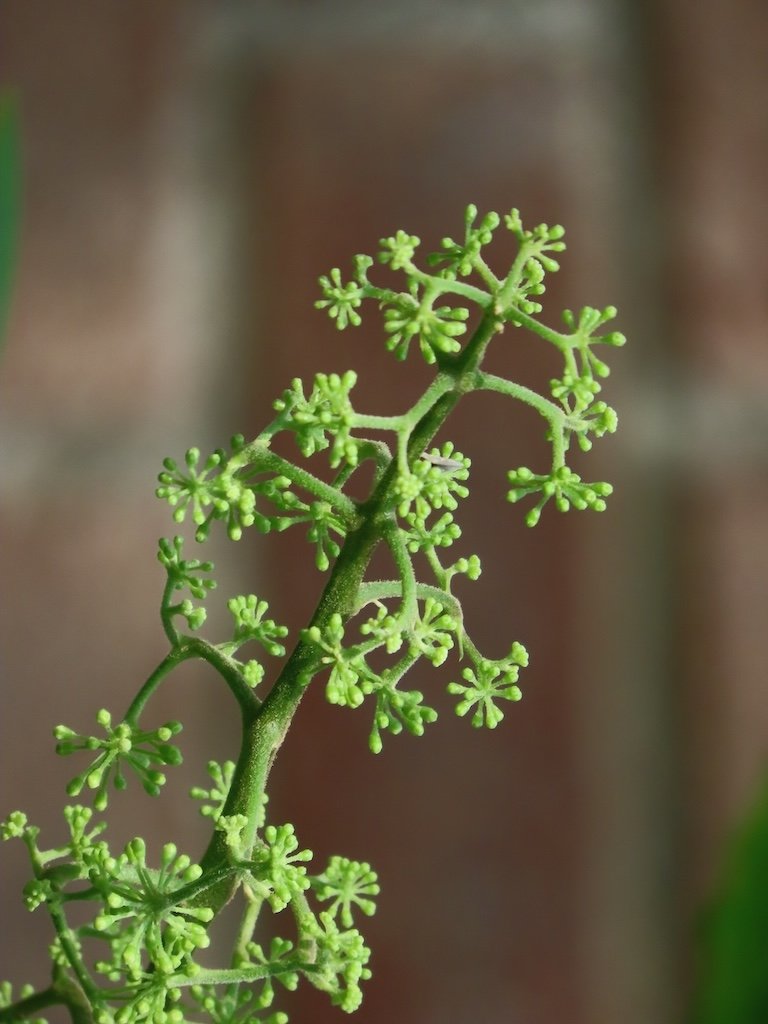
American Spikenard. Every time I look out my office window, I celebrate that one of the first native plants I bought and planted in my Missouri yard was an American Spikenard. The violets growing under it look great too!

Food

Salmon. I have discovered frozen salmon fillets and have been thrilled at how easy it is to thaw and then bake them at 325 degrees while I prepare the sides…..celebrating salmon at home rather than just in restaurants!

Chocolate cake. I stopped at a diner on the way back from my trip to Lewisville this month….and celebrated their version of chocolate cake!

Travel

Missouri Botanical Garden. It’s my favorite place in the St. Louis area. I like their art in the garden exhibits that have special lighting at night. This time I celebrated the garden with my husband and daughter.

Another butterfly house. We visited the Sophie M. Sachs Butterfly House on the morning after the Missouri Botanical Garden. It was only my second time to see it, and I celebrated being a visitor rather than a docent…and seeing some familiar exotic butterflies again.

Gleanings of the Week Ending May 30, 2026

The items below were ‘the cream’ of the articles and websites I found this past week. Click on the light green text to look at the article.

05/18/2026 Washington Post EPA wants to repeal limits on ‘forever chemicals’ in drinking water - The Environmental Protection Agency on Monday proposed repealing limits on four types of “forever chemicals” in drinking water, while delaying regulations on two others. Beyond the six compounds in question, there are hundreds of PFAS being used in manufacturing today that are also toxic and demand to be regulated together as a chemical class, an idea the EPA has so far resisted.

5/16/2026 Science Daily Scientists warn that the world’s rivers are running out of oxygen - Rivers around the world are quietly running out of oxygen — and climate change is emerging as the main culprit. A sweeping global analysis of more than 21,000 river systems found that nearly 80% have been steadily losing dissolved oxygen over the past four decades, threatening fish, biodiversity, and the overall health of freshwater ecosystems. Surprisingly, tropical rivers are being hit the hardest, even more than rivers in rapidly warming polar regions.

5/11/2026 Planetizen New Orleans sea level rise is at 'point of no return' - Since the 1930s, Louisiana has lost 2,000 sq miles of land to coastal erosion, equivalent to the size of Delaware, with a further 3,000 sq miles set to vanish over the next 50 years. The rate of land loss is so rapid that a football pitch-sized area is wiped out every 100 minutes.

5/4/2026 BBC Food labels have far-reaching effects on our health - Many leading experts say the food environment – such as the way food is produced, marketed and sold – itself is "obesogenic" (creating the conditions for weight gain) and this influences consumers to make unhealthy choices. To combat the growing levels of obesity, we need to change what we eat – and emerging research shows that behavioural interventions as well as policy change could make a meaningful difference.

5/14/2026 NPR The MAHA movement is coming to school cafeterias. Here's what that means for kids - Exactly how the government's new dietary guidelines will impact schools is unclear. The Department of Agriculture (USDA) said it is still working to update the nutrition standards it requires of institutions taking part in the National School Lunch Program, which fed 30 million children last year, and the School Breakfast Program.

5/13/2026 Modern Met Haunting and Hopeful Images Win the 2026 Environmental Photography Award - Selected from roughly 10,000 submissions, this year’s winning images span five categories—Changemakers, Forests, Humanity vs Nature, Ocean, and Polar Regions. Together, they document everything from wildlife trafficking and climate disasters to moments of breathtaking beauty in the natural world.

5/15/2026 Archaeology Magazine Mysterious Ancient Tunnel Discovered Beneath Jerusalem Streets – “Usually we have explanations for the discoveries we uncover, but sometimes, as in this case, we stand astonished and amazed.”

5/14/2026 Yale Environment 360 Restoring the Flow: A Milestone in the Revival of the Everglades - In Picayune Strand State Forest, the state and federal governments have been working for more than two decades to undo the damage wrought by that failed development. It’s been a huge undertaking across 55,000 acres. Recently, though, the state and the U.S. Army Corps of Engineers put the finishing touches on the most critical part of the work: restoring the natural flow of water across the land. How well this hydrological restoration leads to wider ecological recovery remains to be seen. But the transformation is already underway.

5/11/2026 NASA Color Off the Mid-Atlantic Coast - Starting in early April, NASA satellites began to detect a patch of brownish, blue-green water lingering off the coasts of New Jersey, Delaware, Maryland, and Virginia. The colors and patterns were most intense in the shallow coastal zone where the waters of Raritan Bay, Delaware Bay, and Chesapeake Bay merged with the Atlantic Ocean—an area known as the Mid-Atlantic Bight. 

5/14/2026 National Parks Traveler What to Expect on The Grand Canyon's North Rim This Summer -Visitors need to be self-sufficient as they encounter burned landscapes, limited services, no potable water, portable toilets and ongoing construction tied to rebuilding facilities, utilities and infrastructure destroyed by the wildfire that started last July 4 and exploded out of control under strong fanning winds. 

Missouri Botanical Garden – Part 2

We checked into the hotel and had a light dinner before returning to the garden. We arrived while it was still light and was easy to get a parking spot close to the Visitor Center. My daughter had bought our tickets and had had them on her phone for the garden staff to scan for our entry. We visited some close gardens and smaller conservatories that we hadn’t seen earlier in the day.

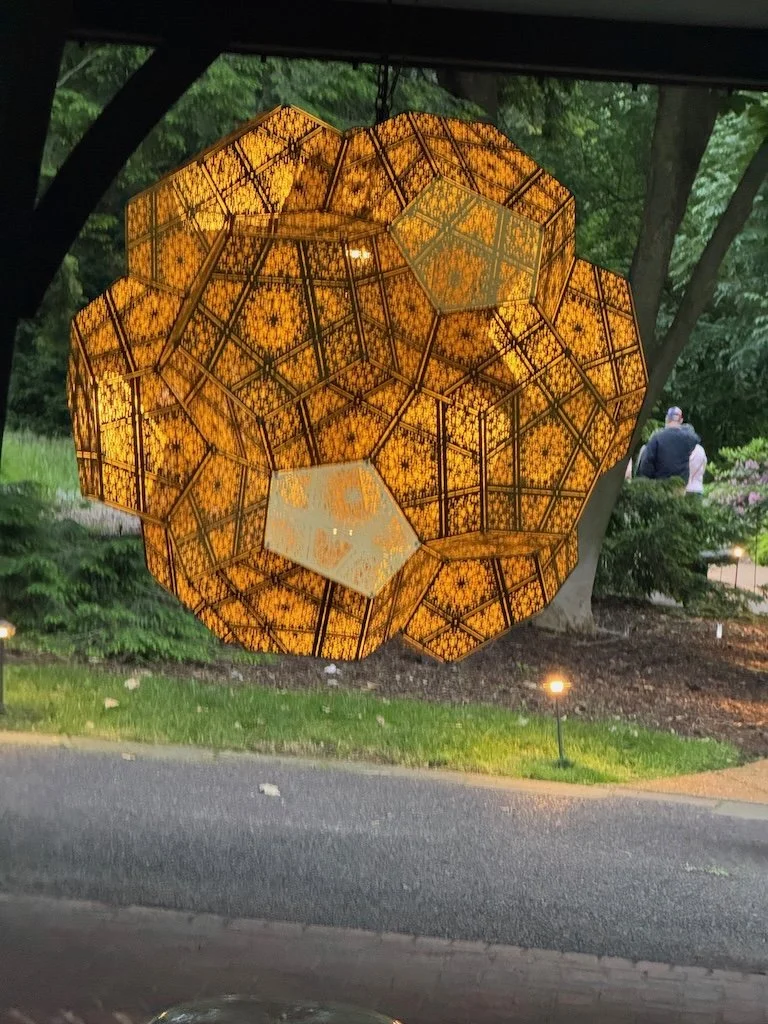
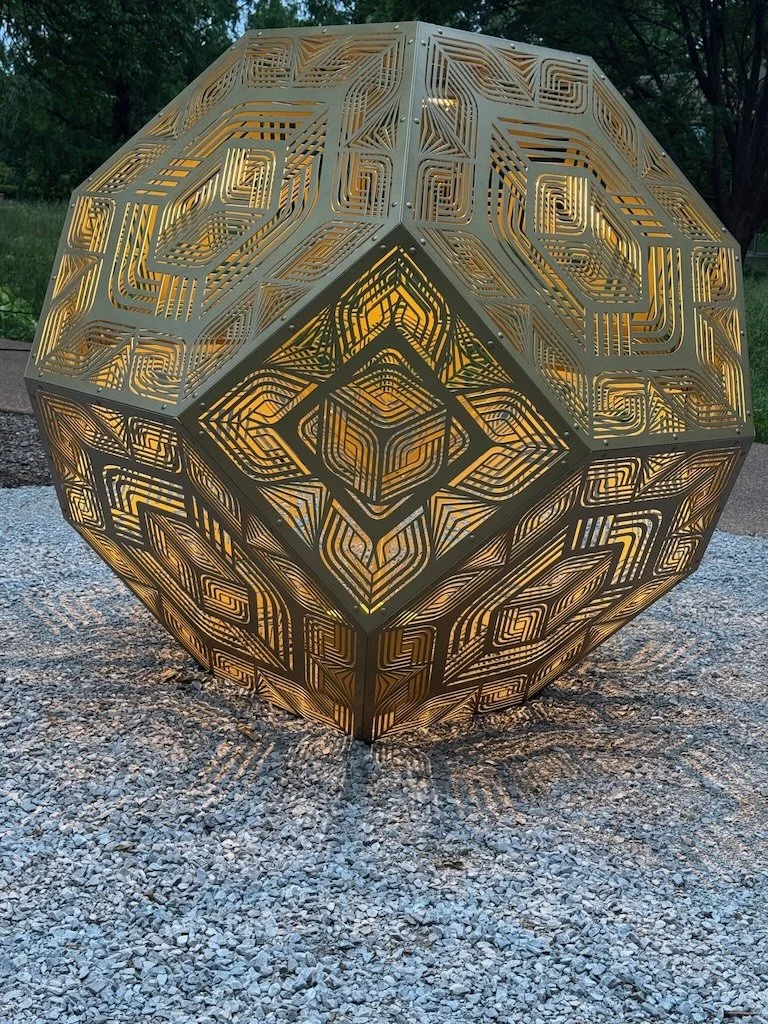
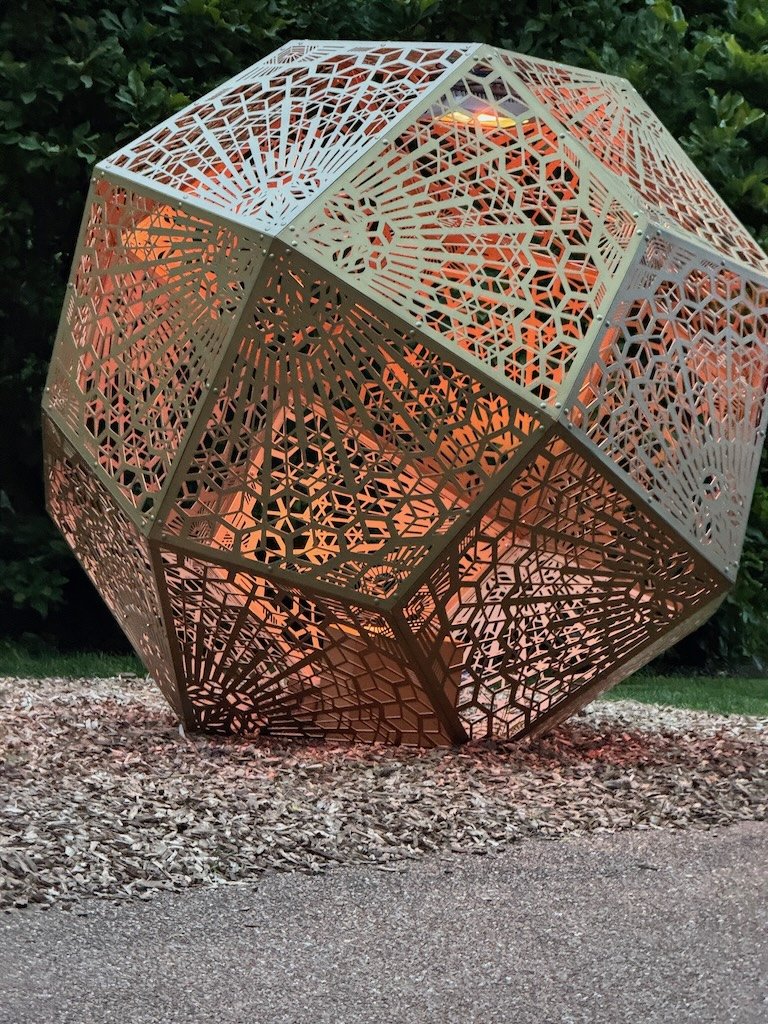
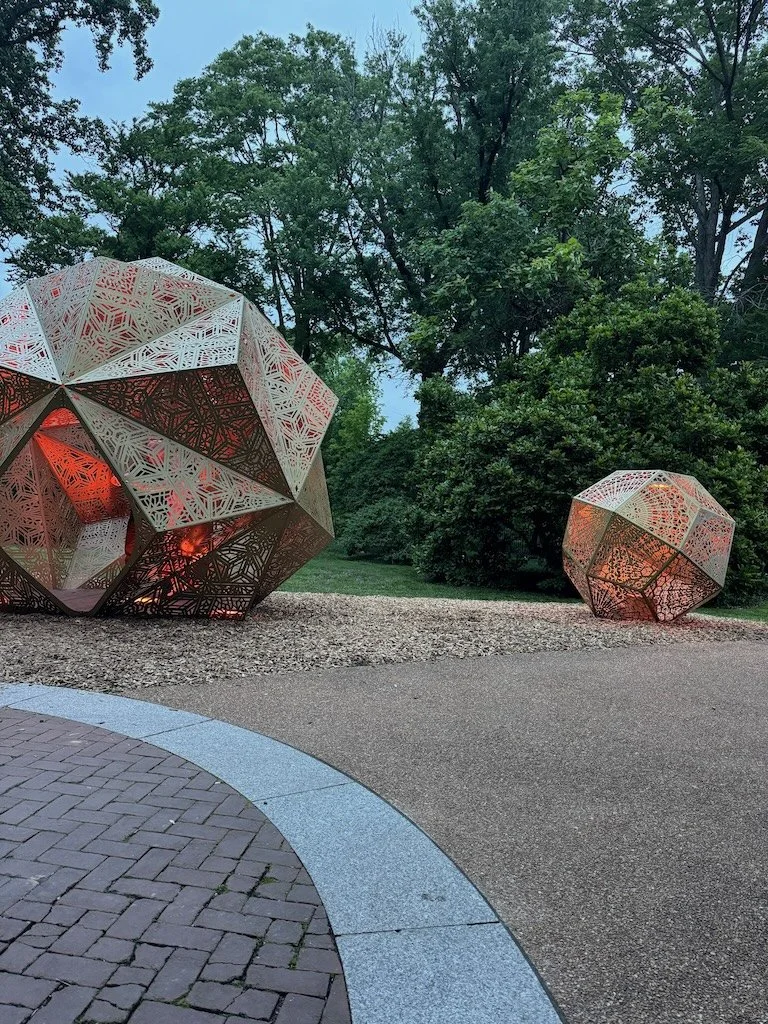
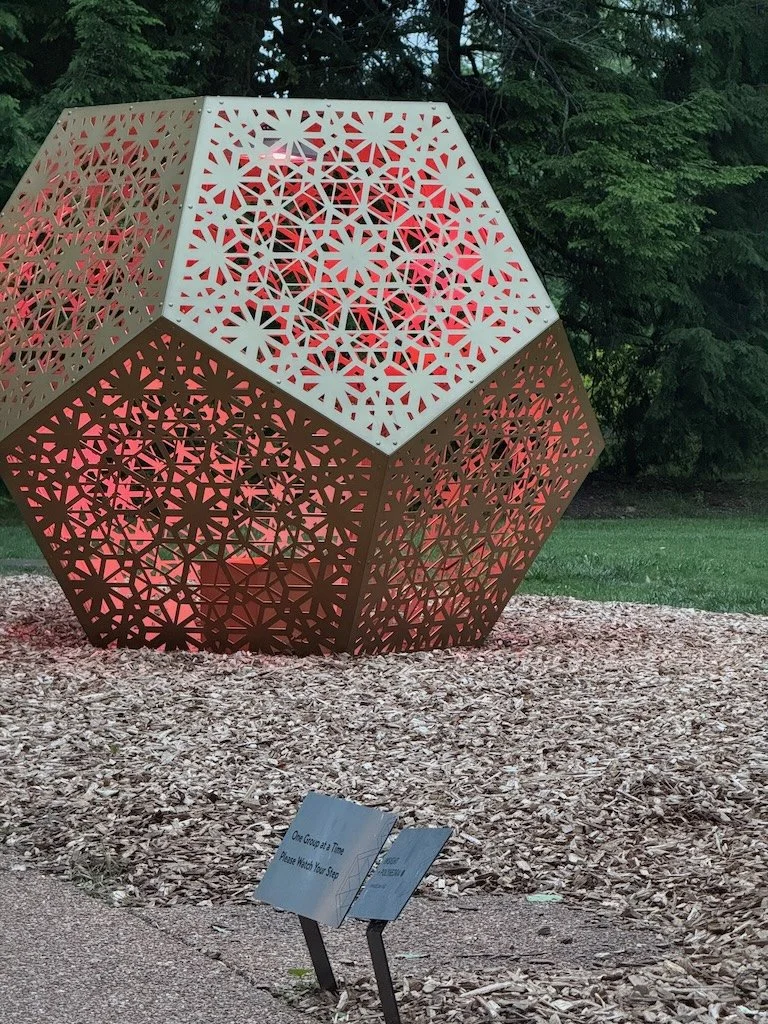
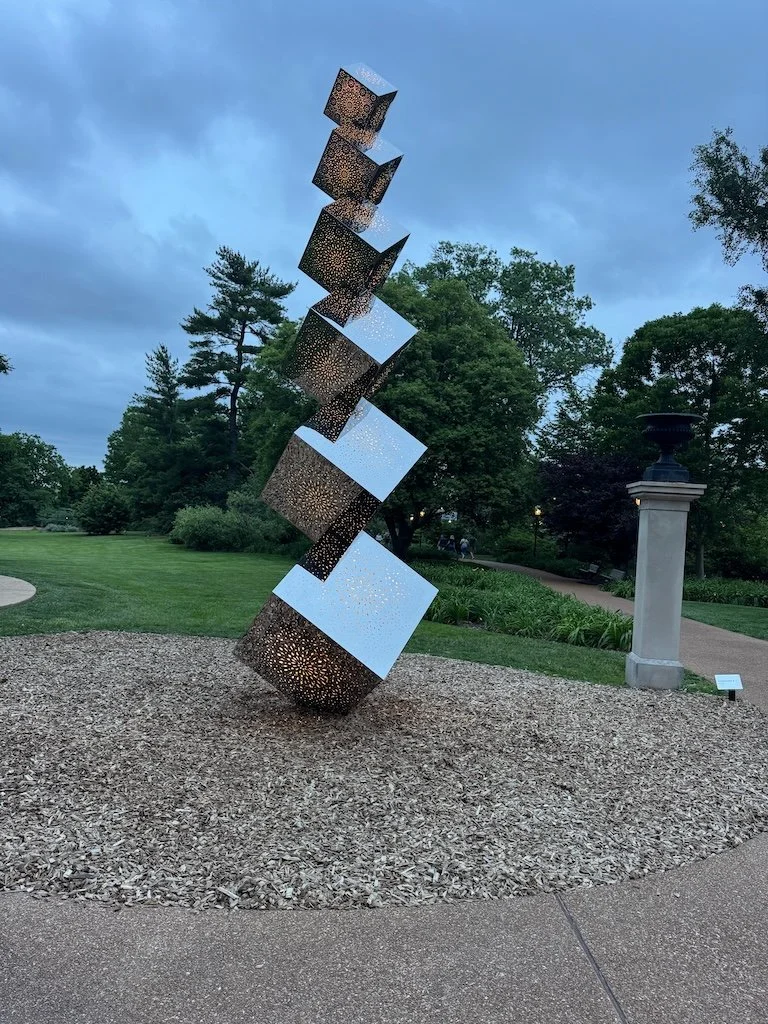
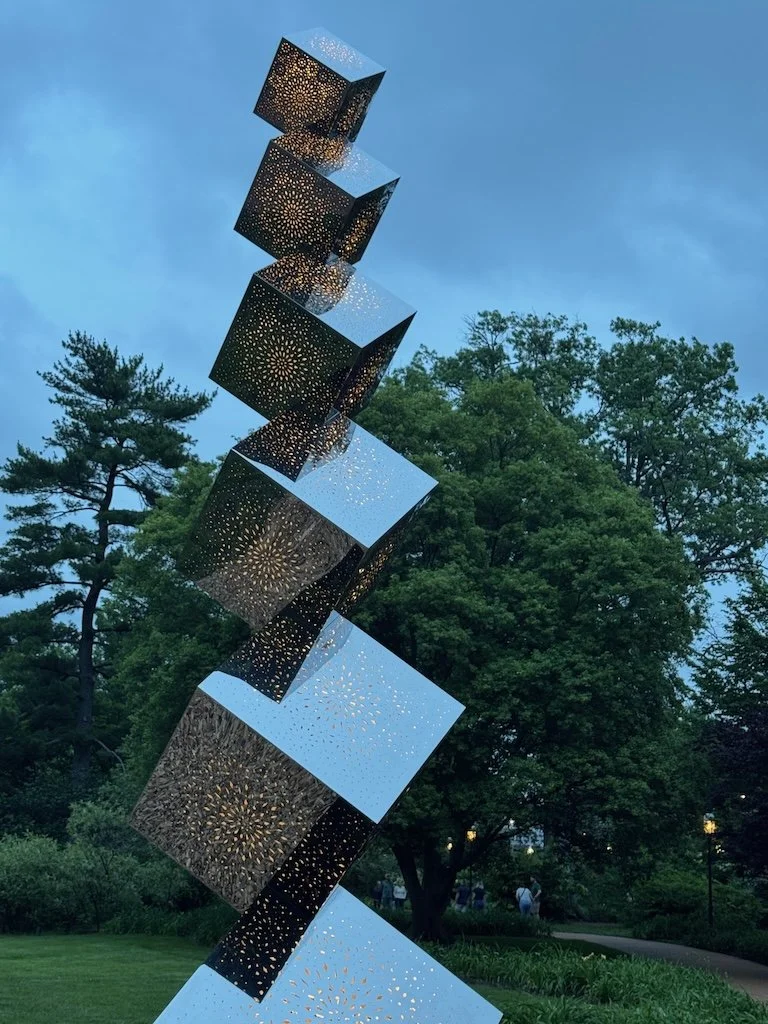
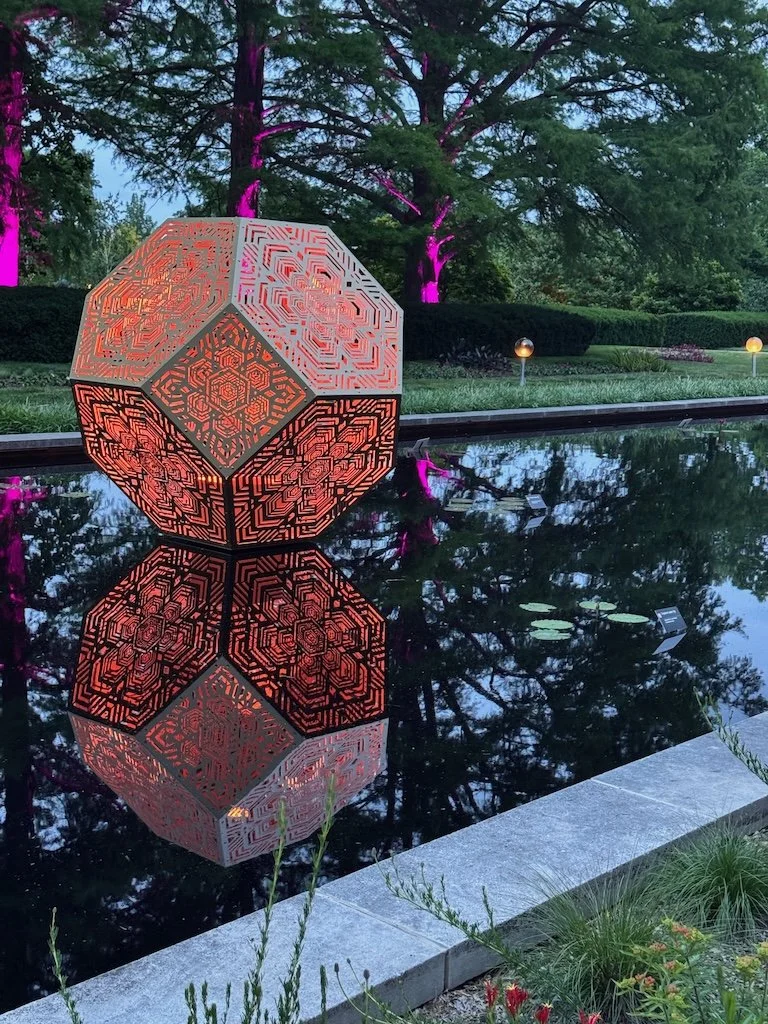
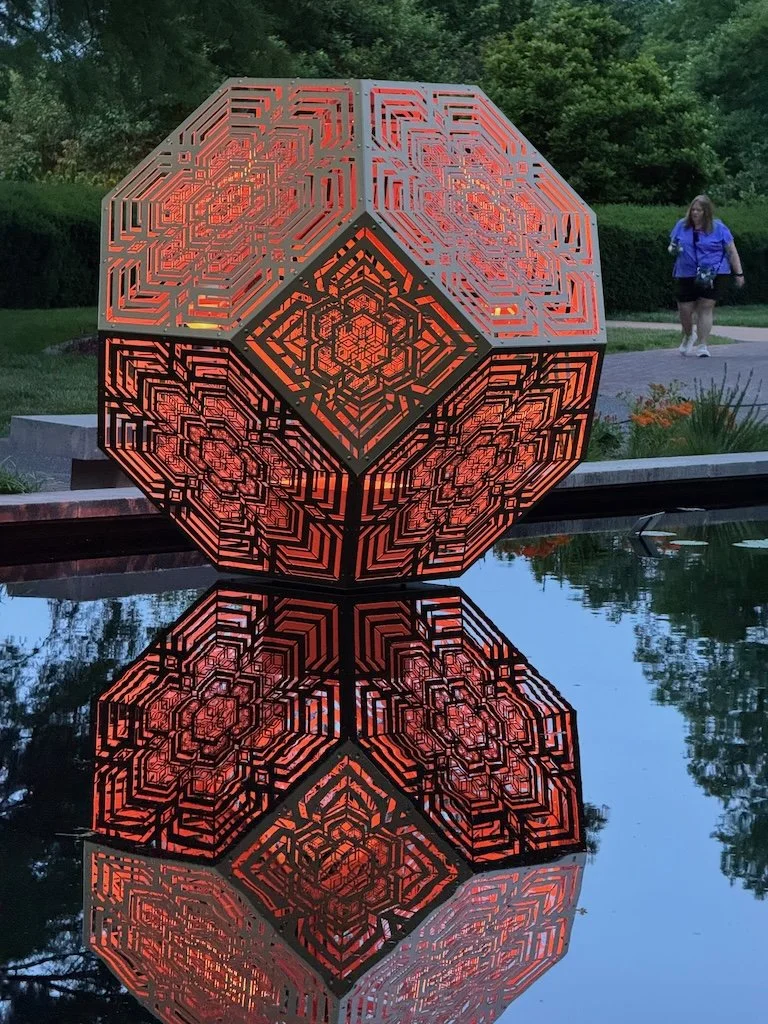
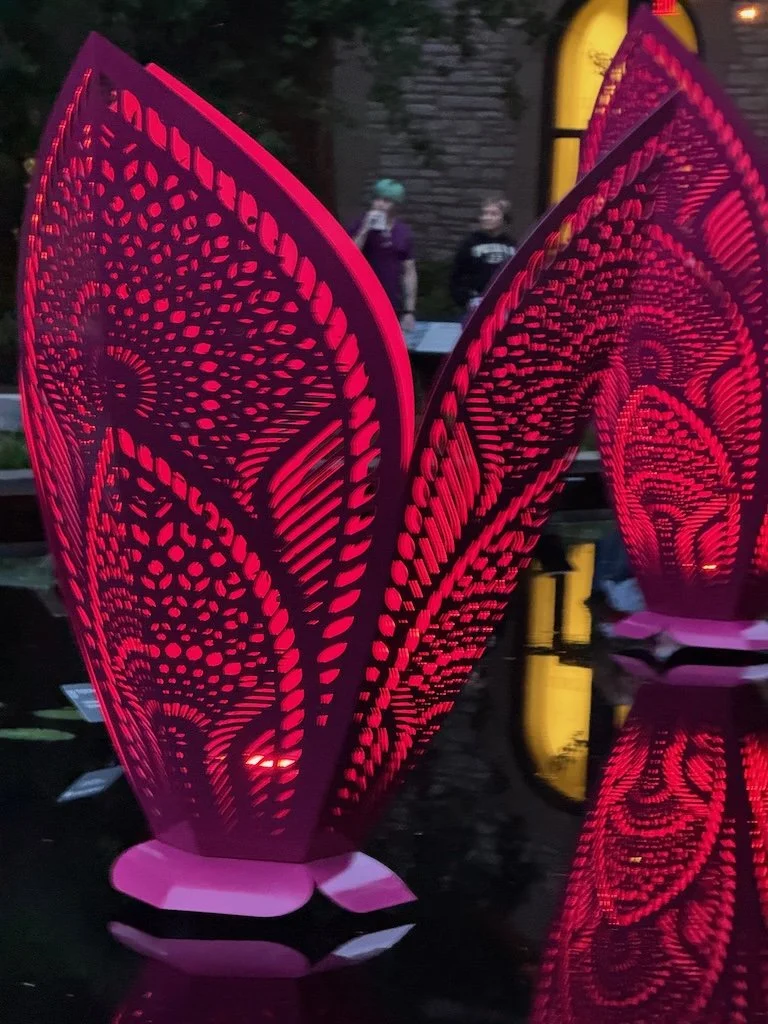
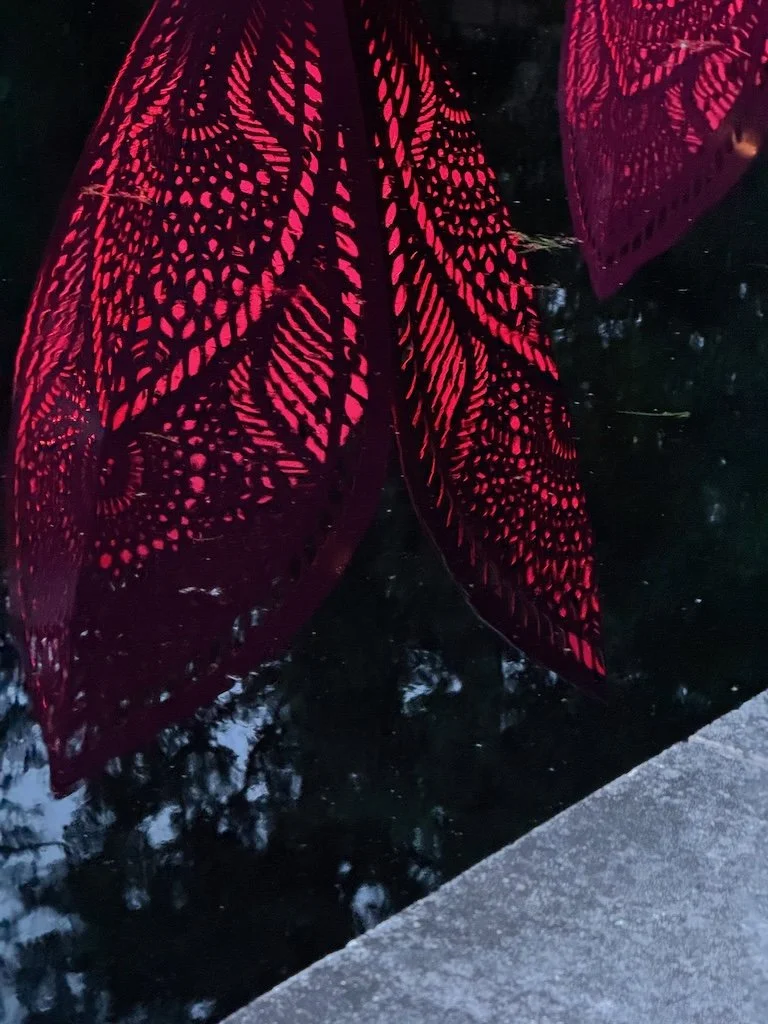
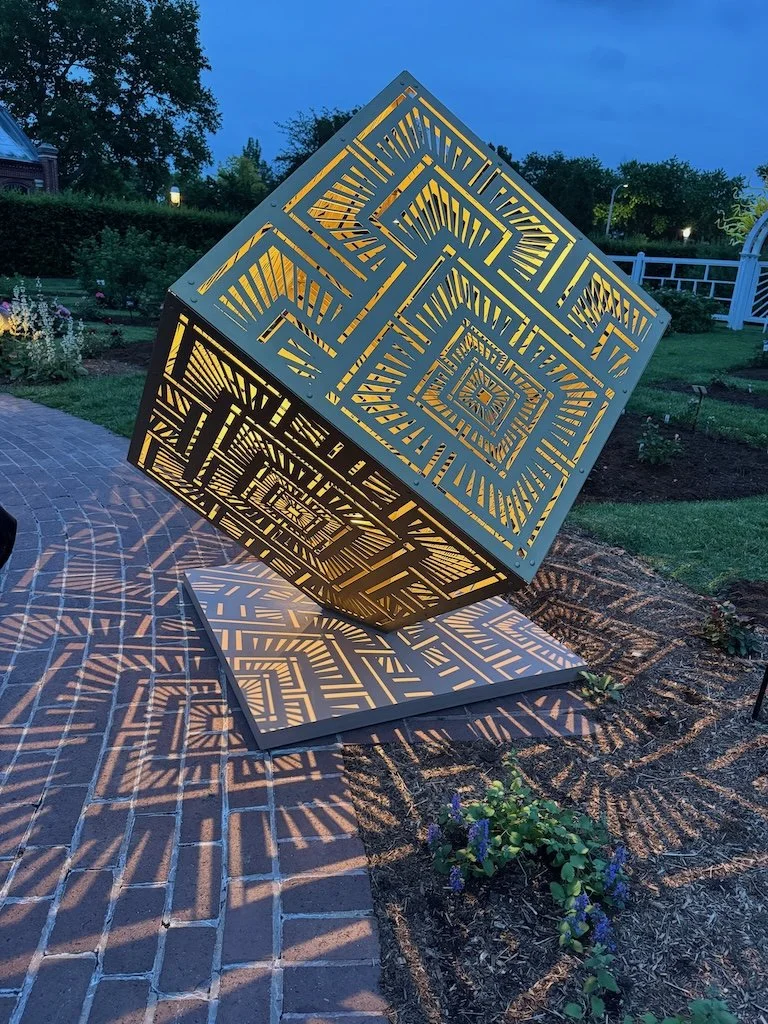
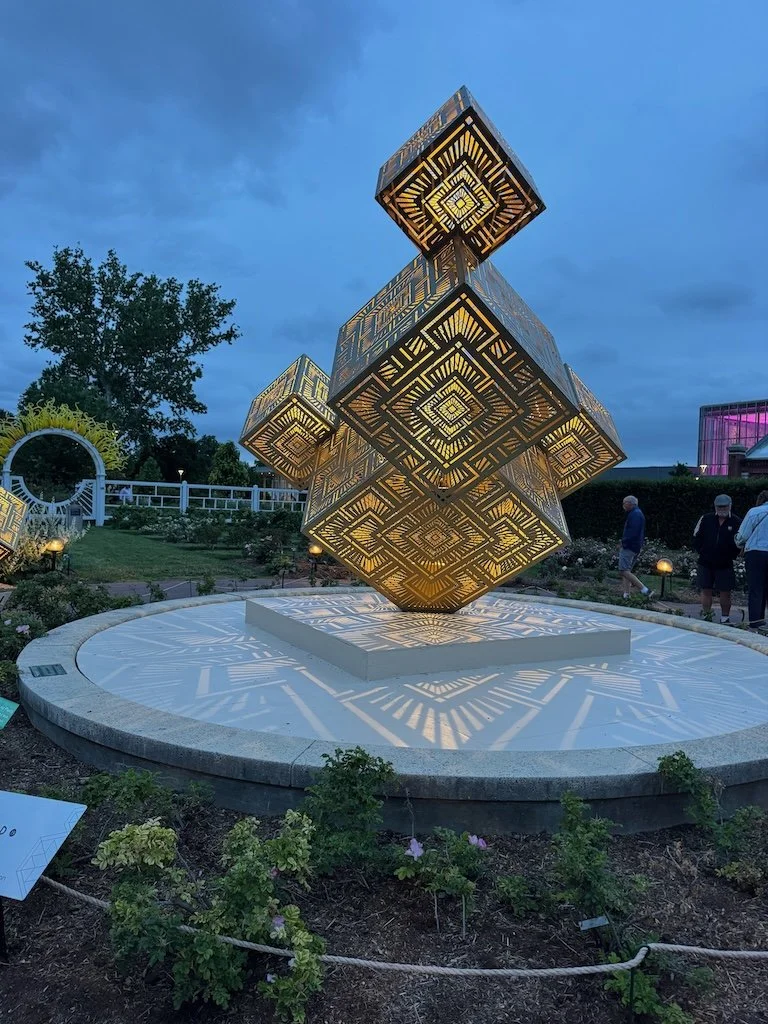
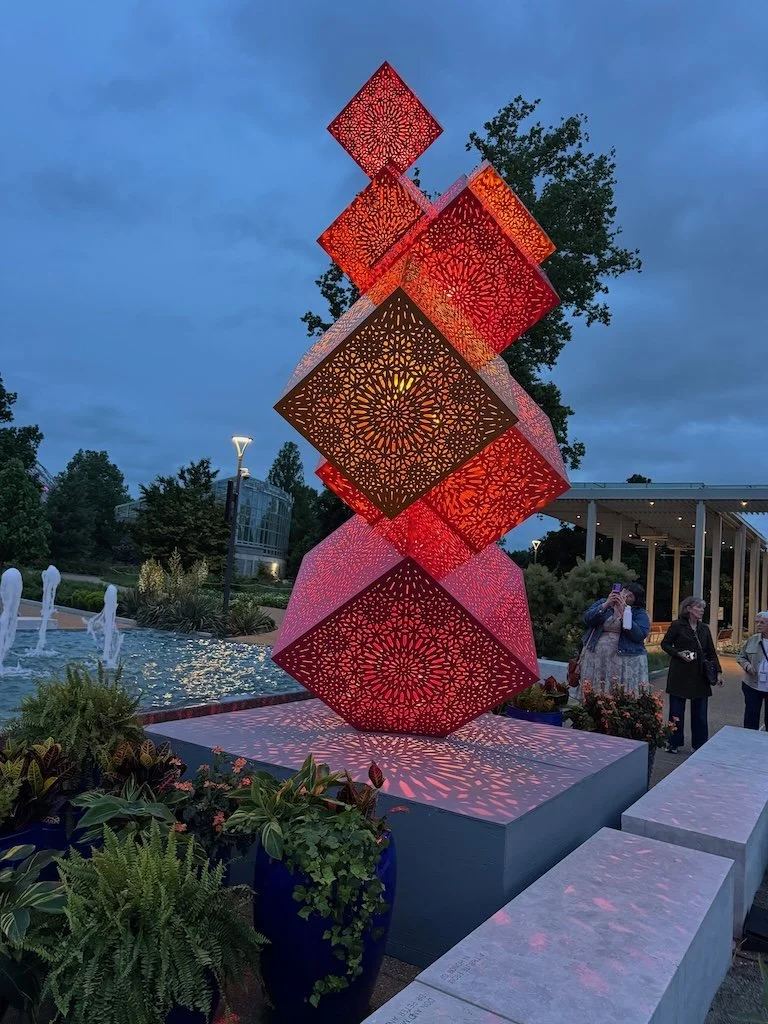
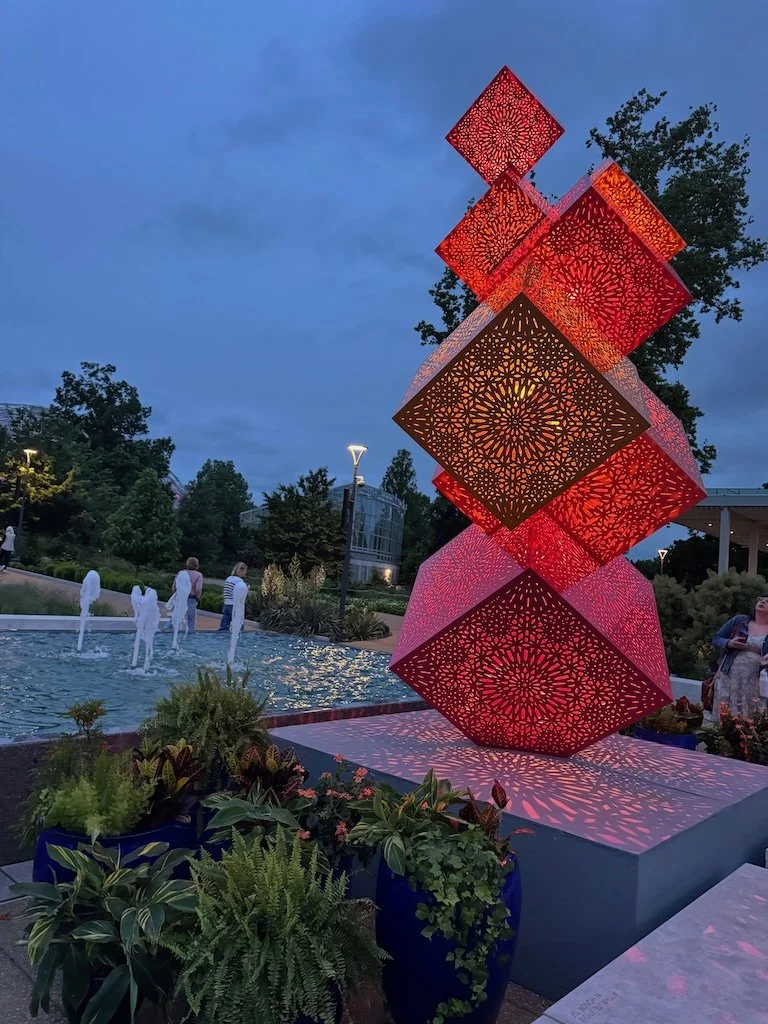
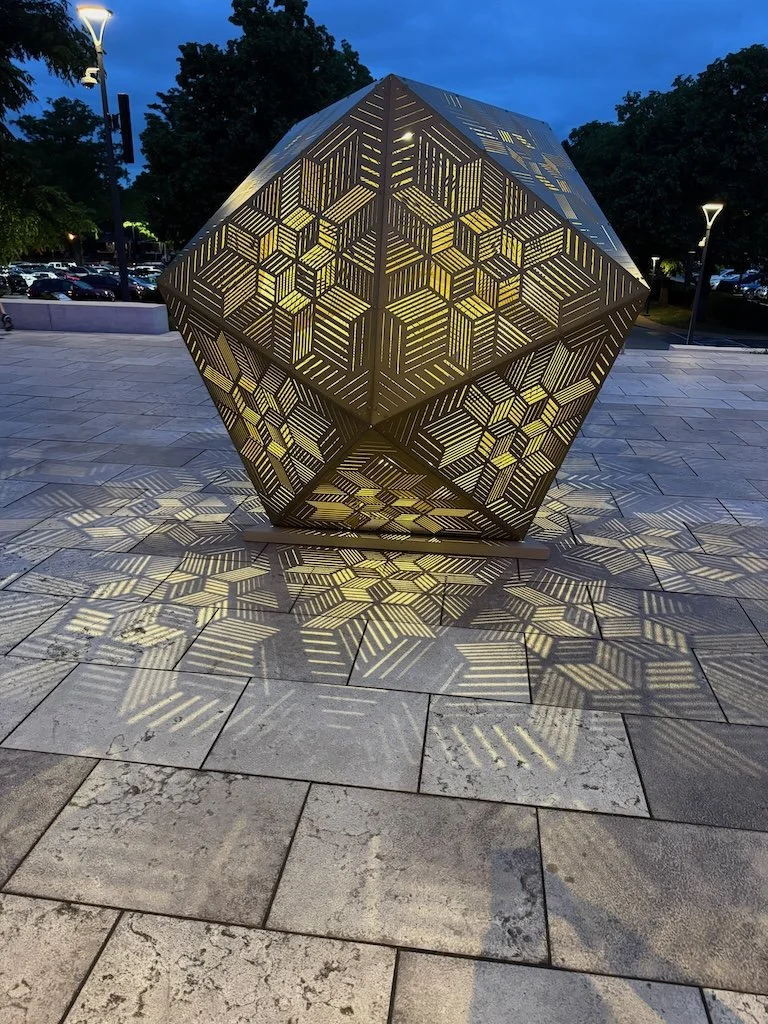
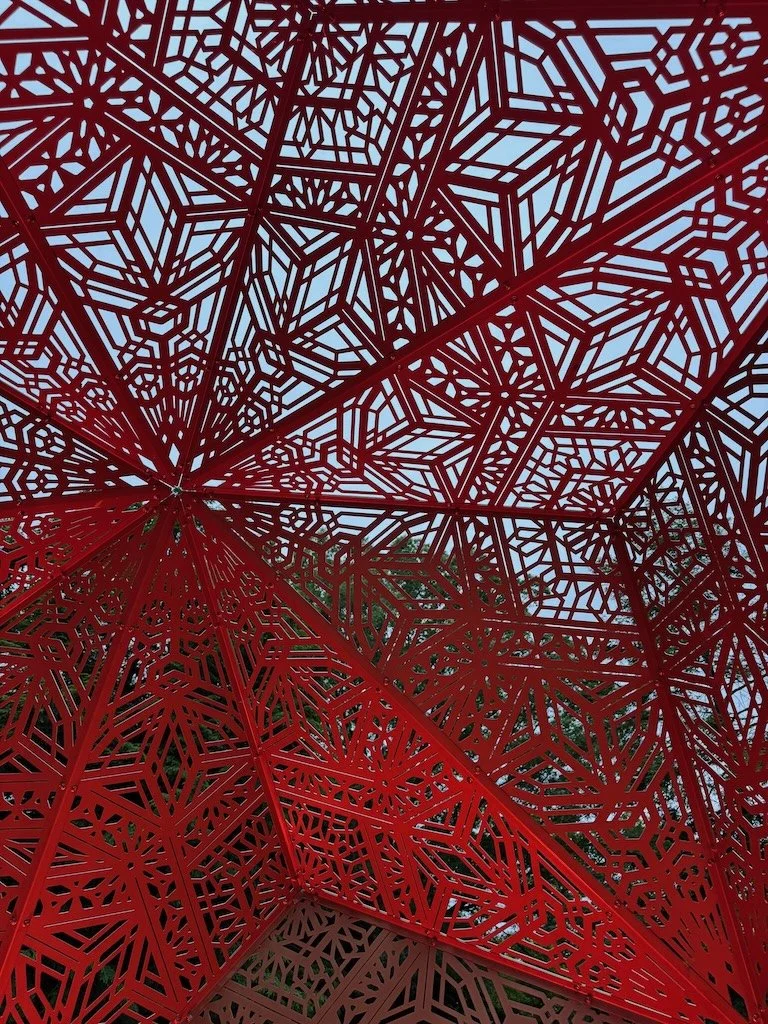
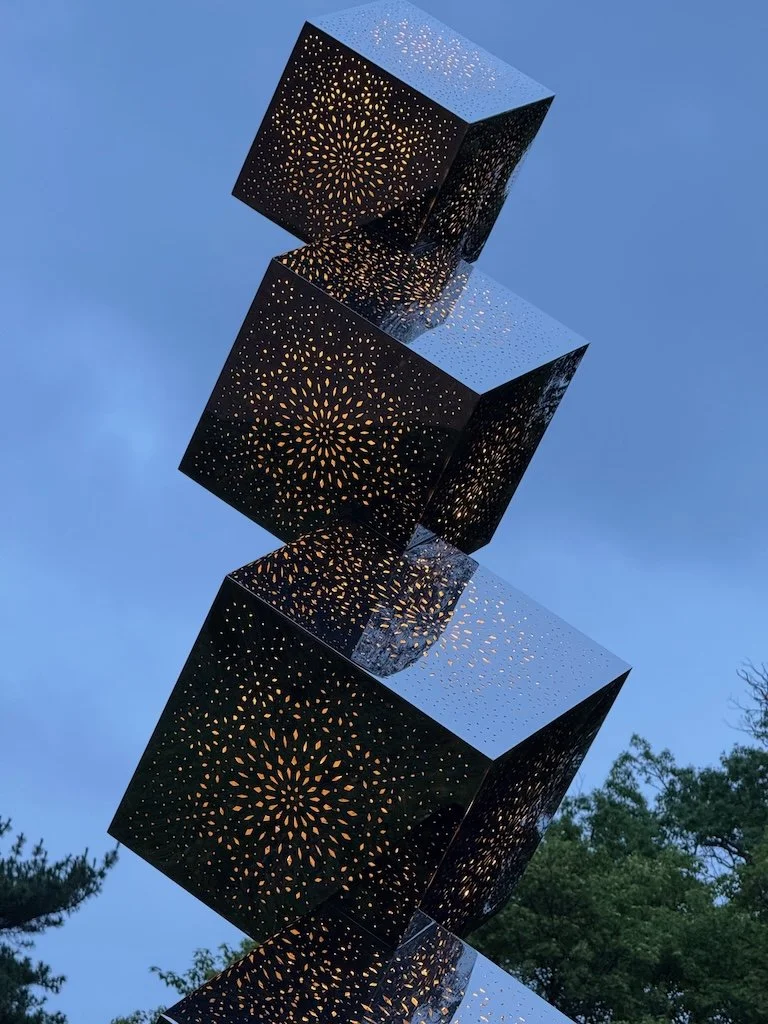
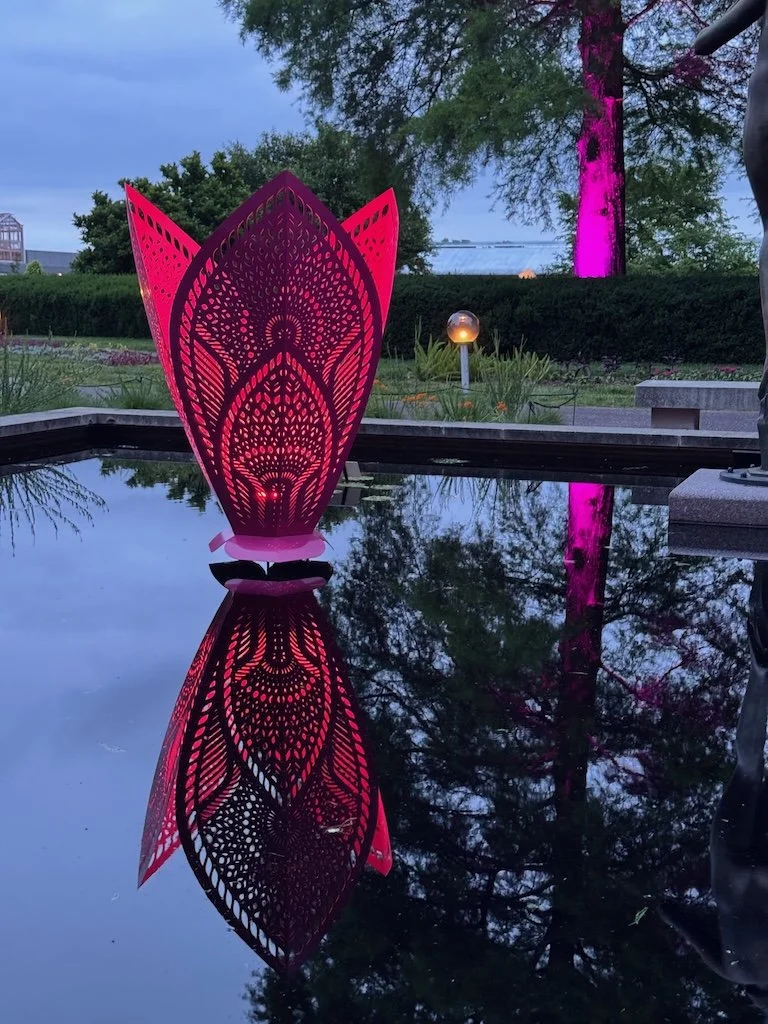
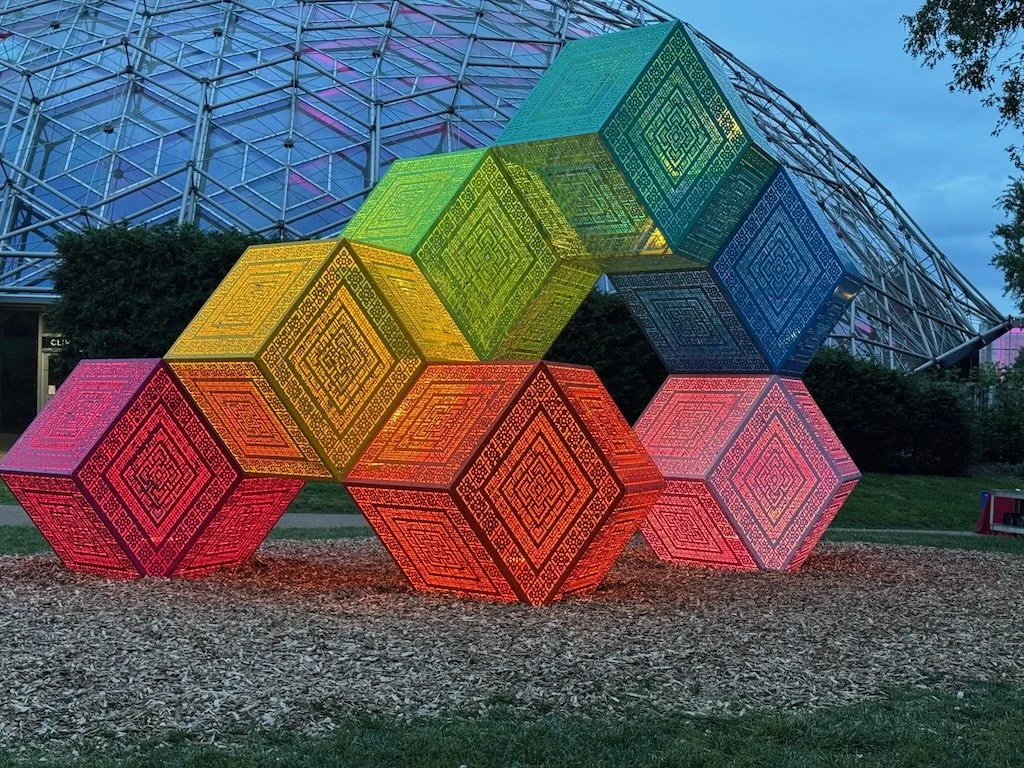
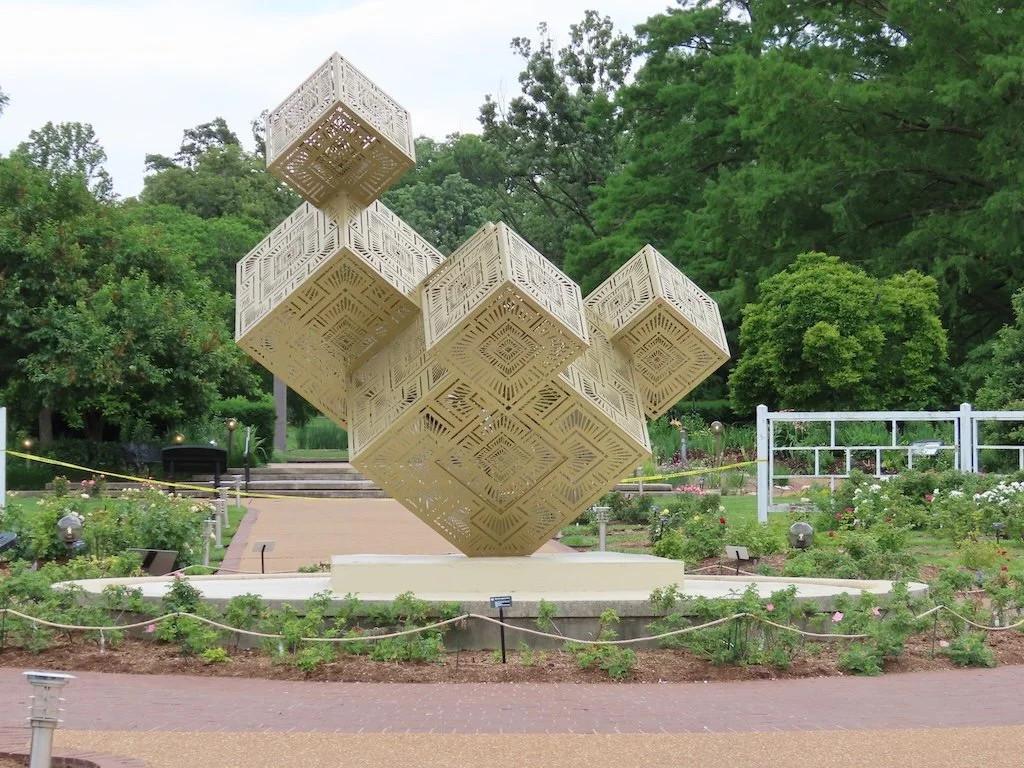
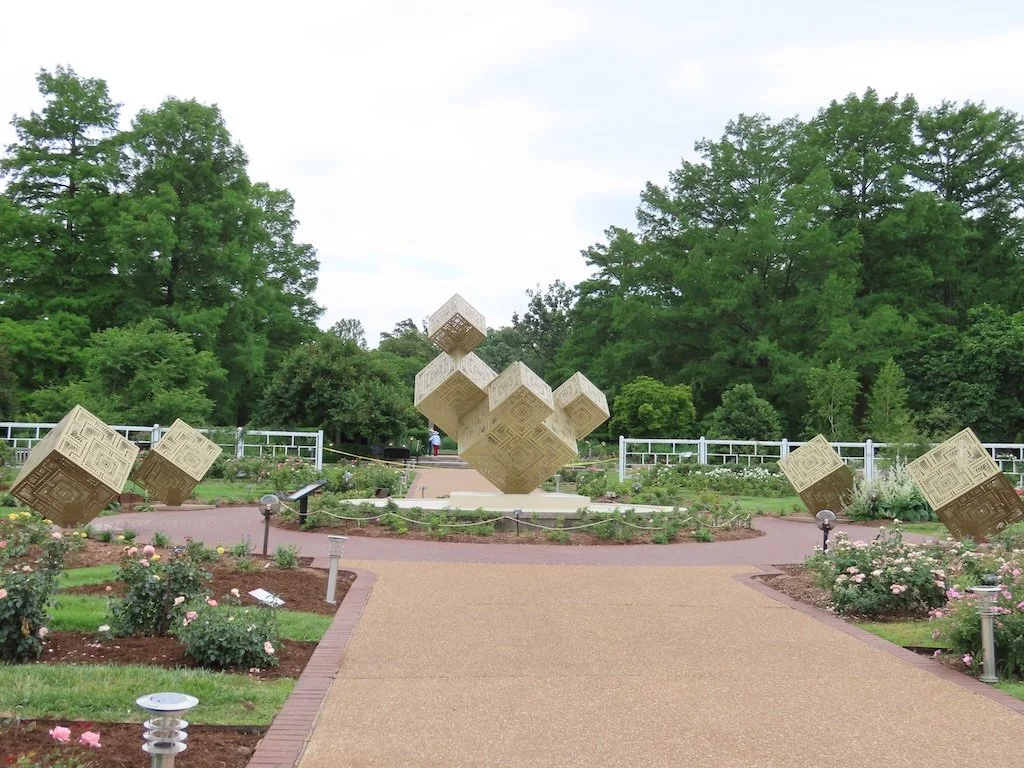
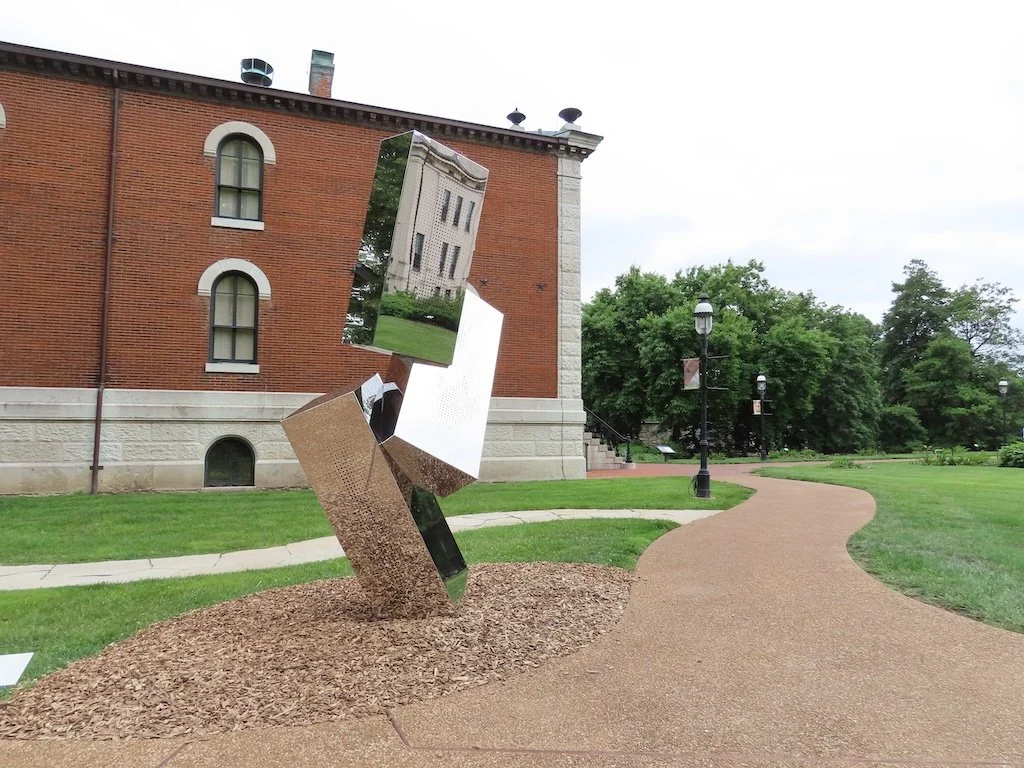
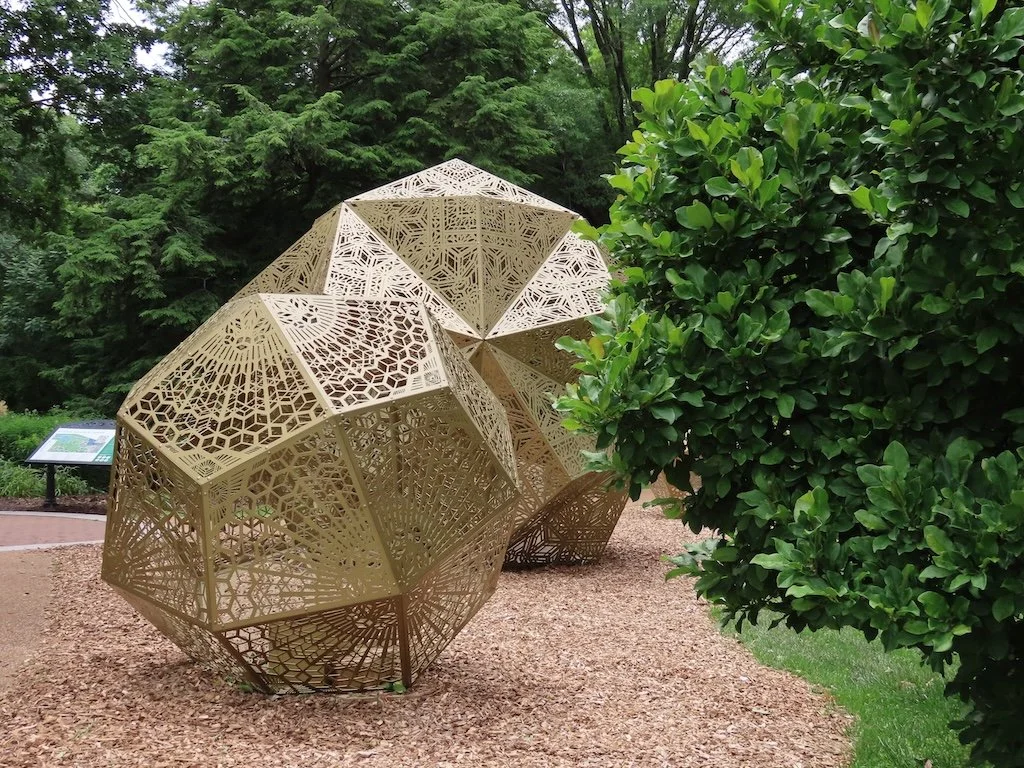
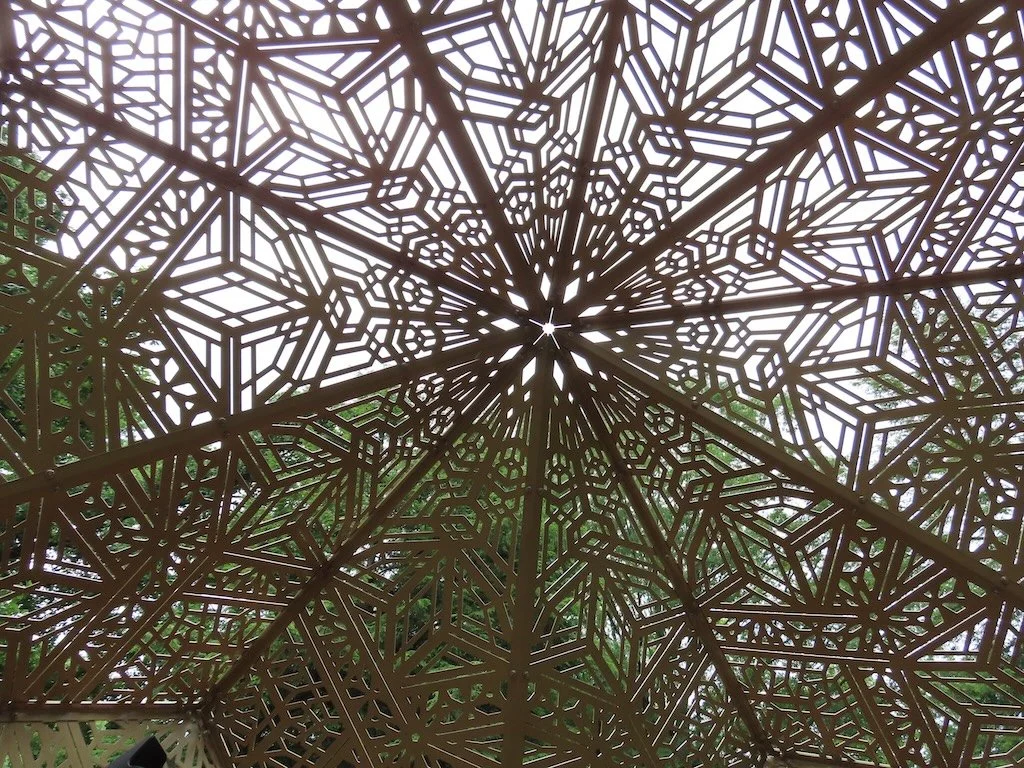
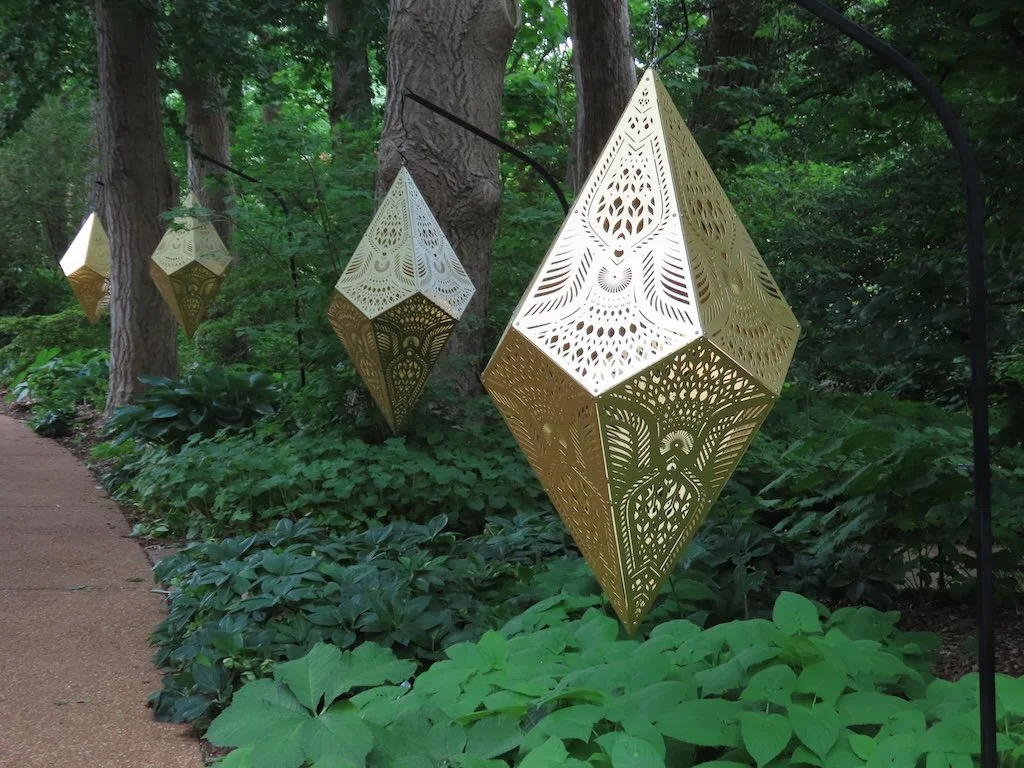
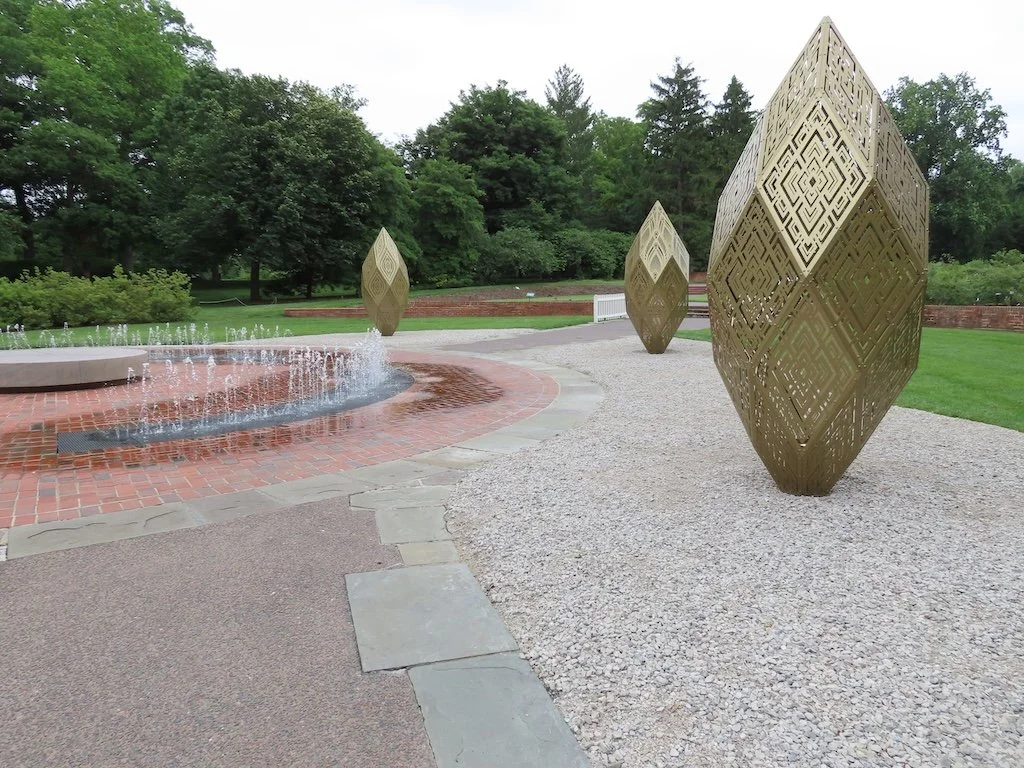
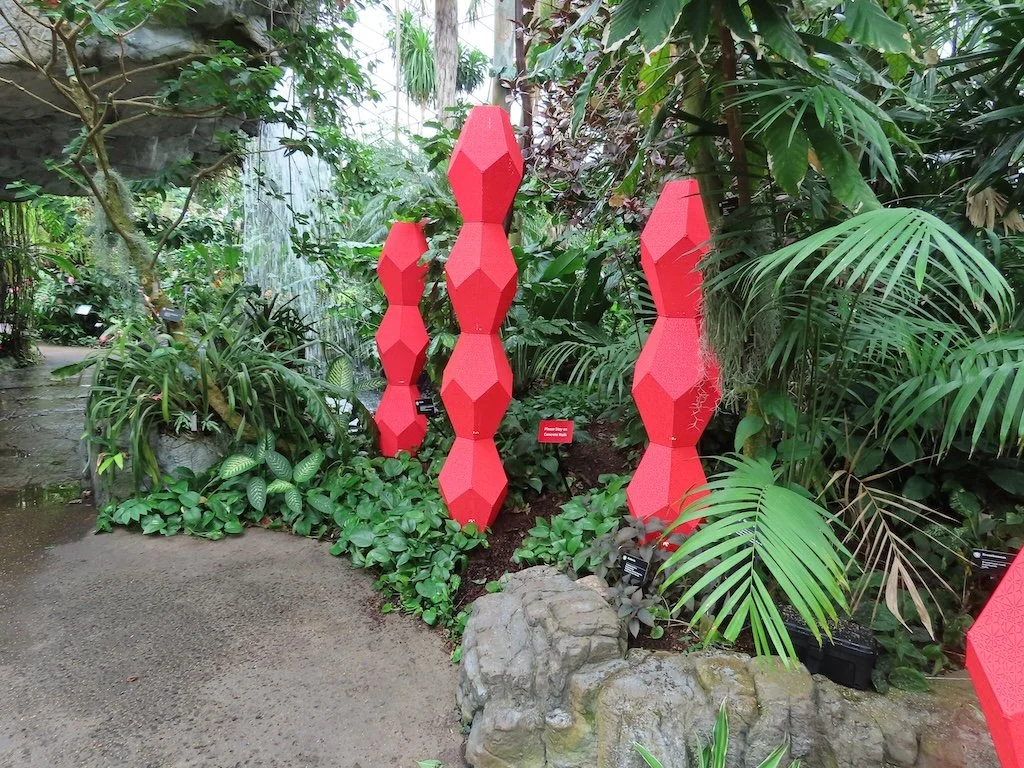
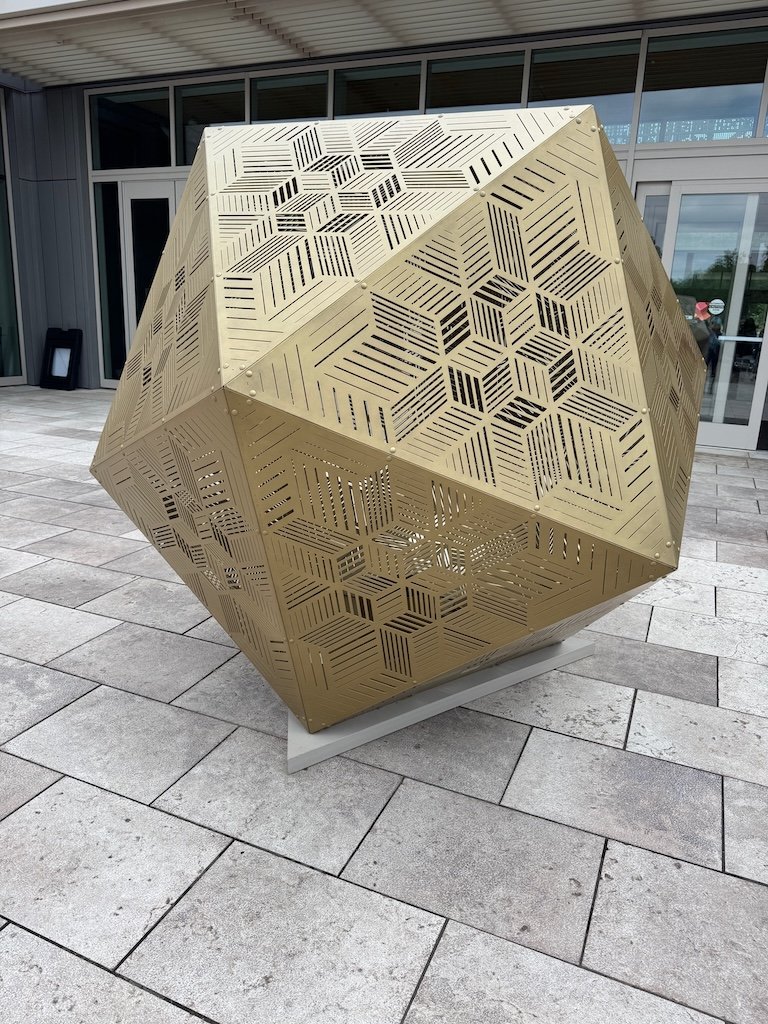
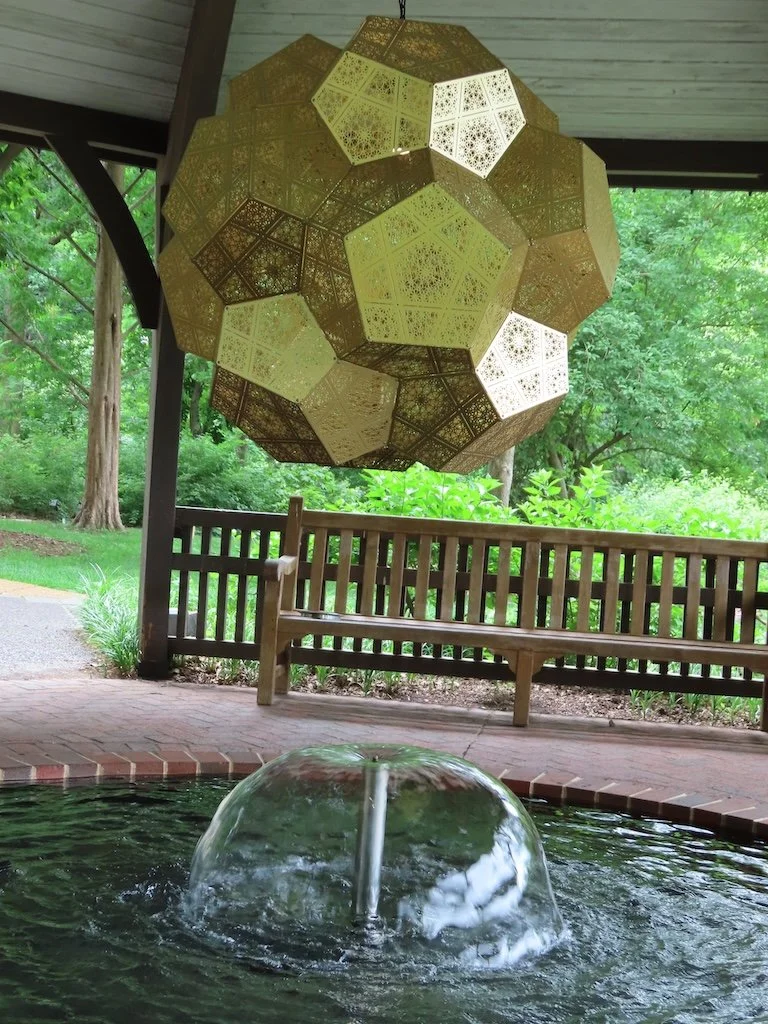
And then it got dark enough for the lights to give the geometric sculptures a different look…with light coming from within.

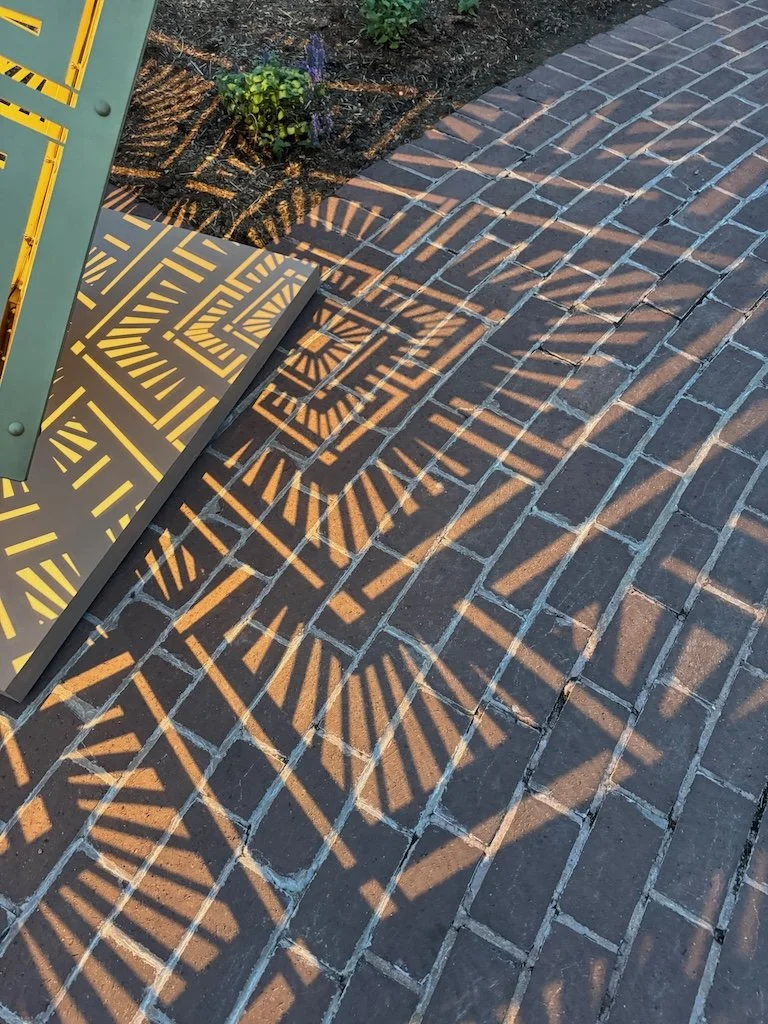
I experimented with different angles and zoomed images…also noticing the patterns of light and shadow (or reflection) at the base of the sculptures. These were my favorite images:

Missouri Botanical Garden – Part 1

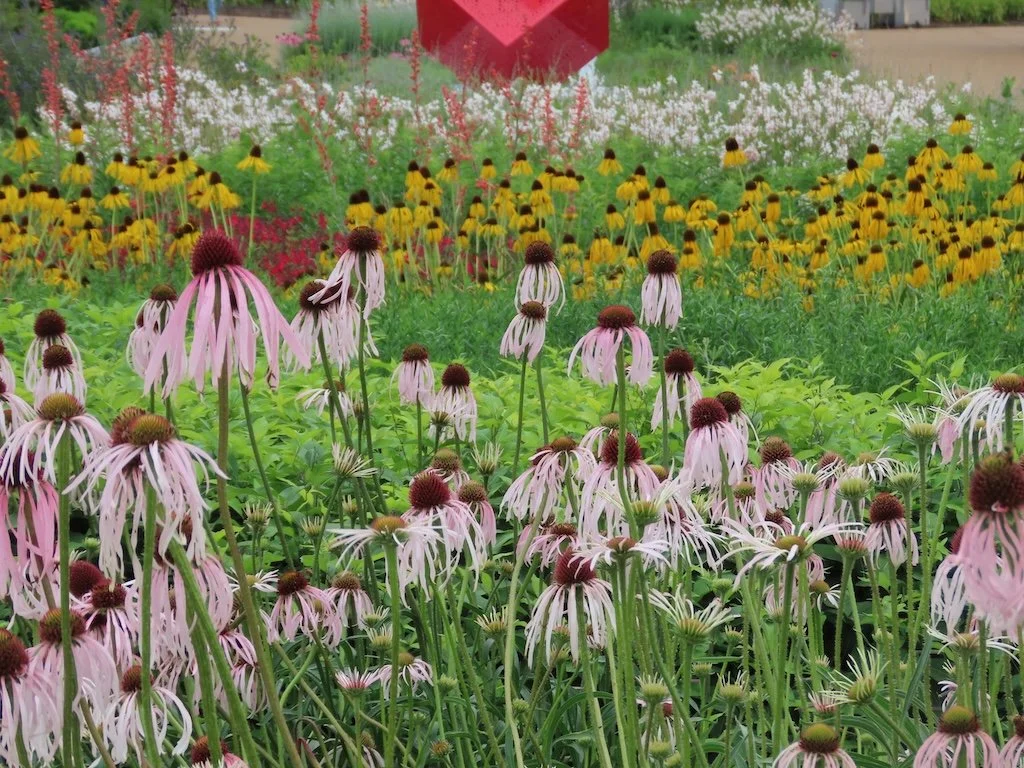
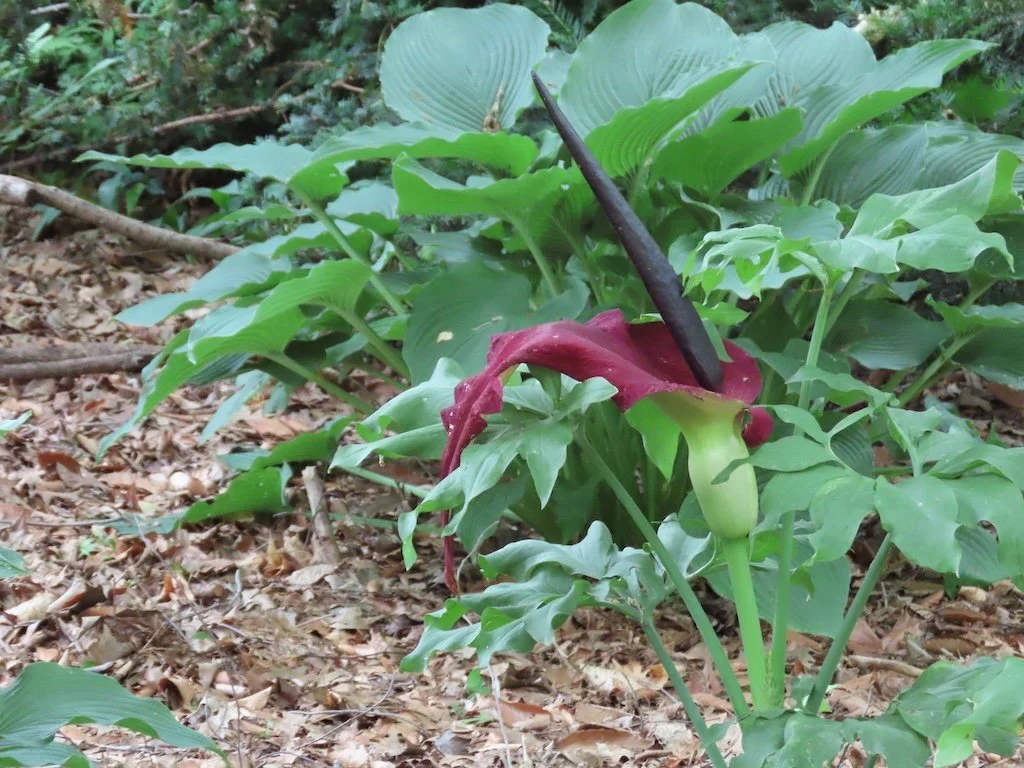
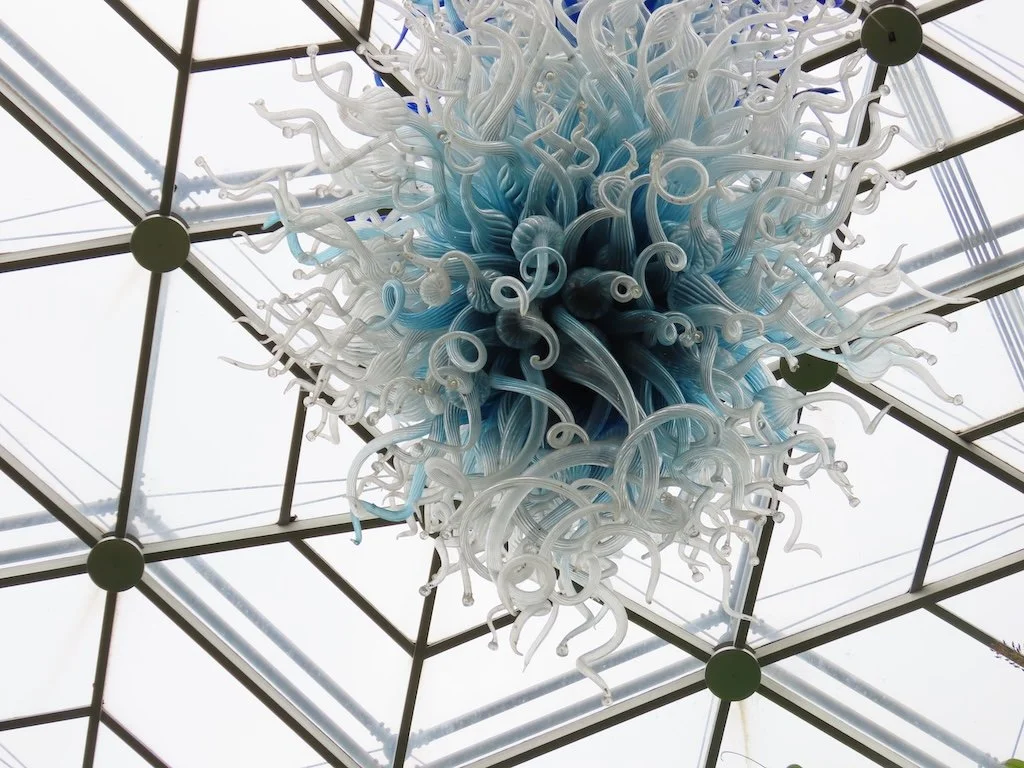
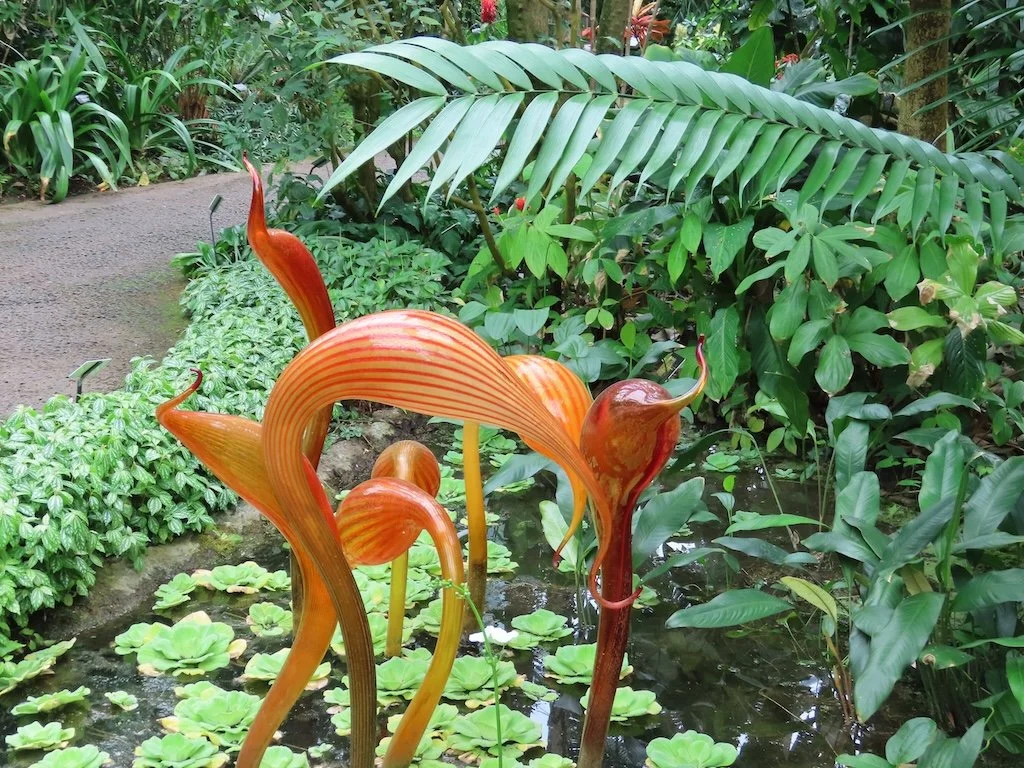
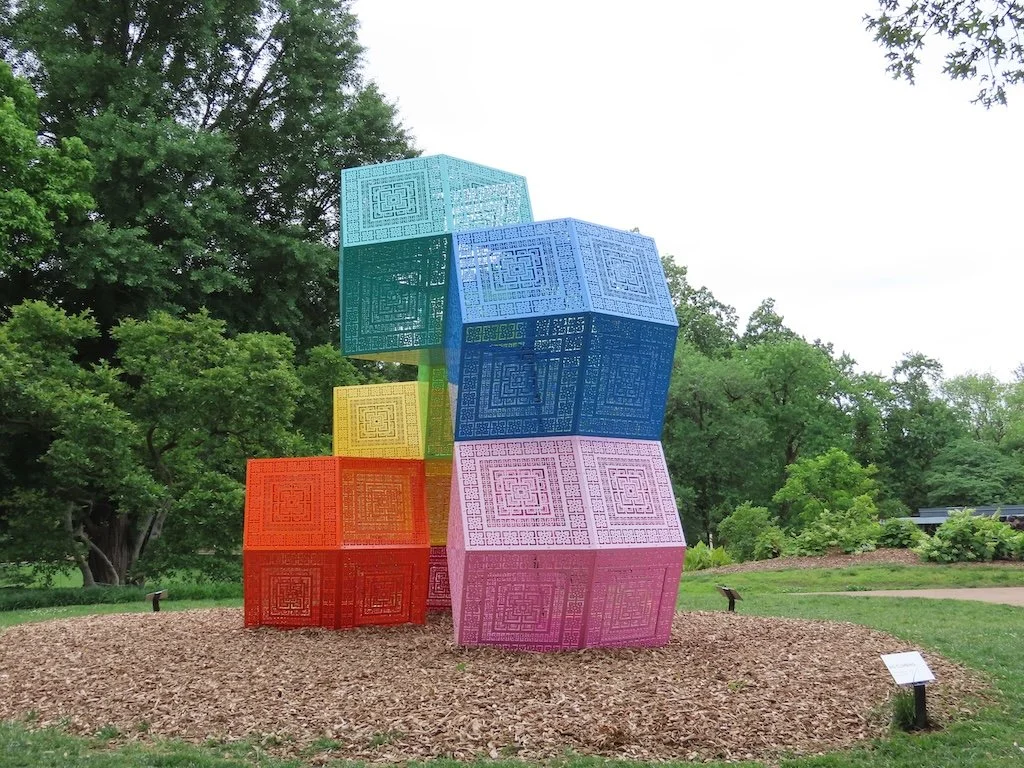
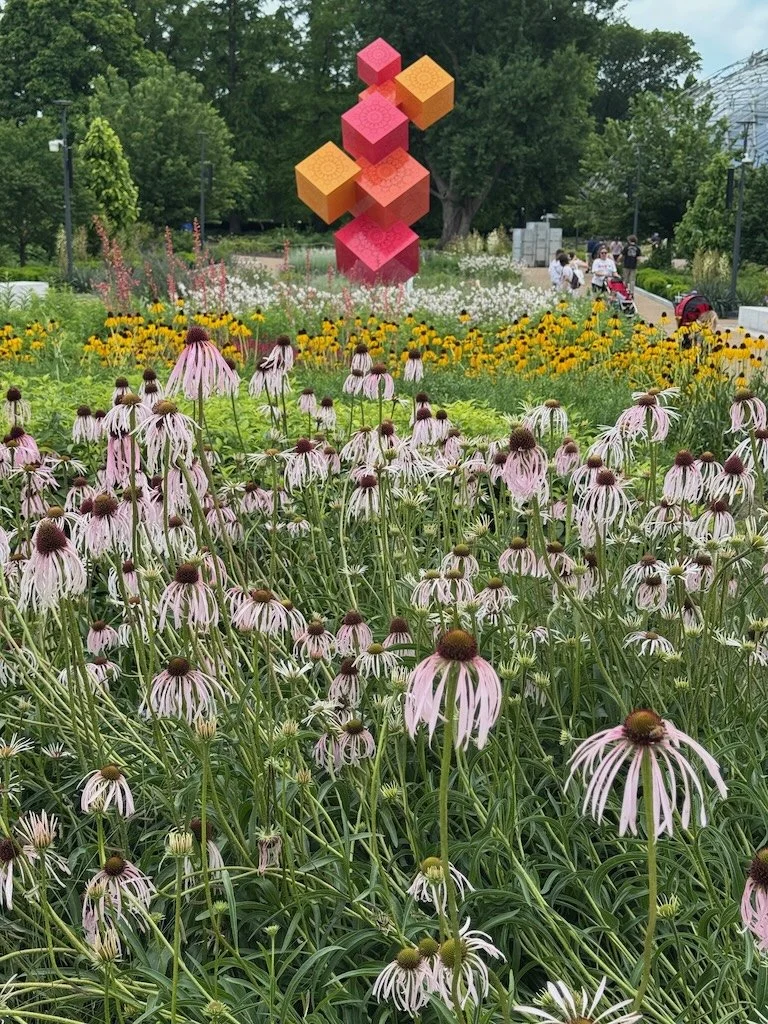
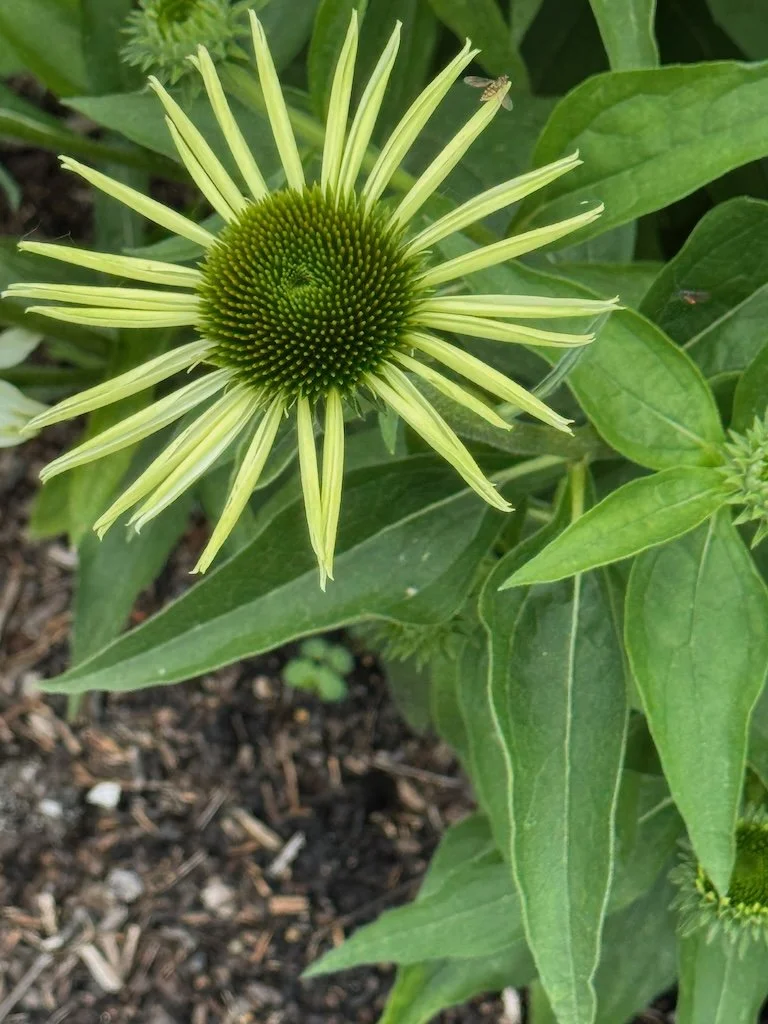
We made a road trip to the Missouri Botanical Garden in St. Louis to see the Patterns of Nature: Lightform exhibit….during an afternoon and then returned to see the forms at night. This post is about the daytime portion of our visit. The day was cloudy and stayed in the 60s. It was still bright enough for good photography. The first area we saw included a colorful sculpture and some native plants. We made our way around to see as many of the geometric shapes of the special exhibit as we could….even though I frequently was sidetracked by plants! I used my bridge camera (Canon Powershot SX70 HS) for the landscape pictures.

My phone (iPHone 15 Pro Max) does better with the close-up shots! I realized by the time we left to check into hotel that I would lighten my load for the evening and just bring my phone. It was good in the close confines of the conservatory for sure!

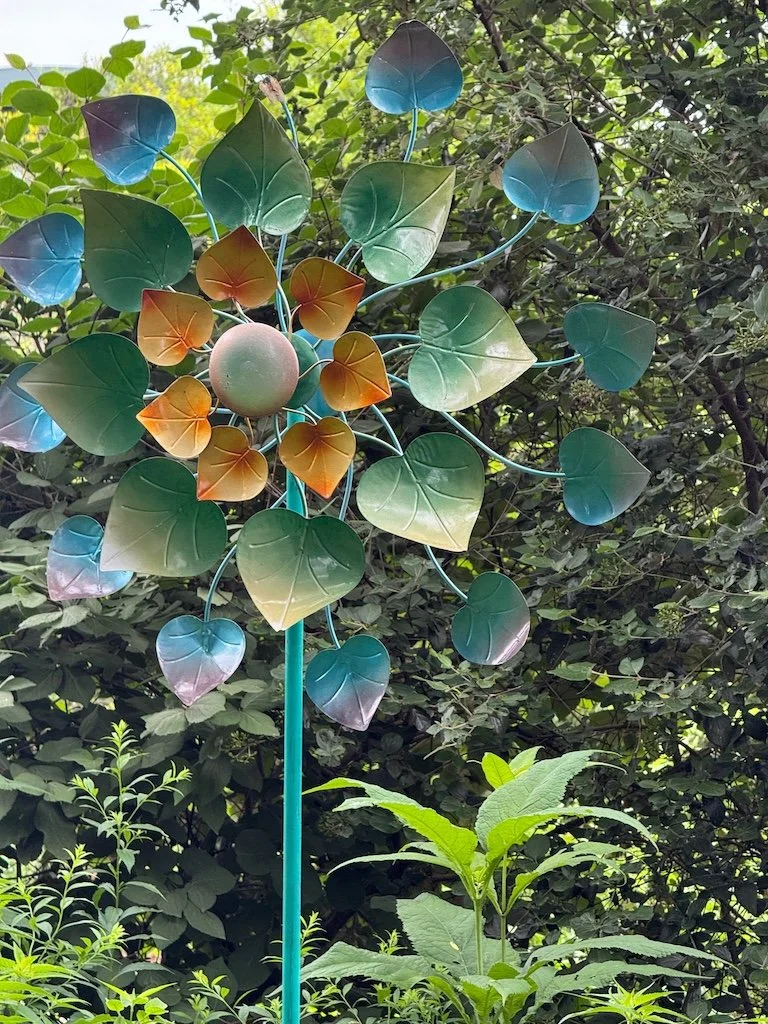
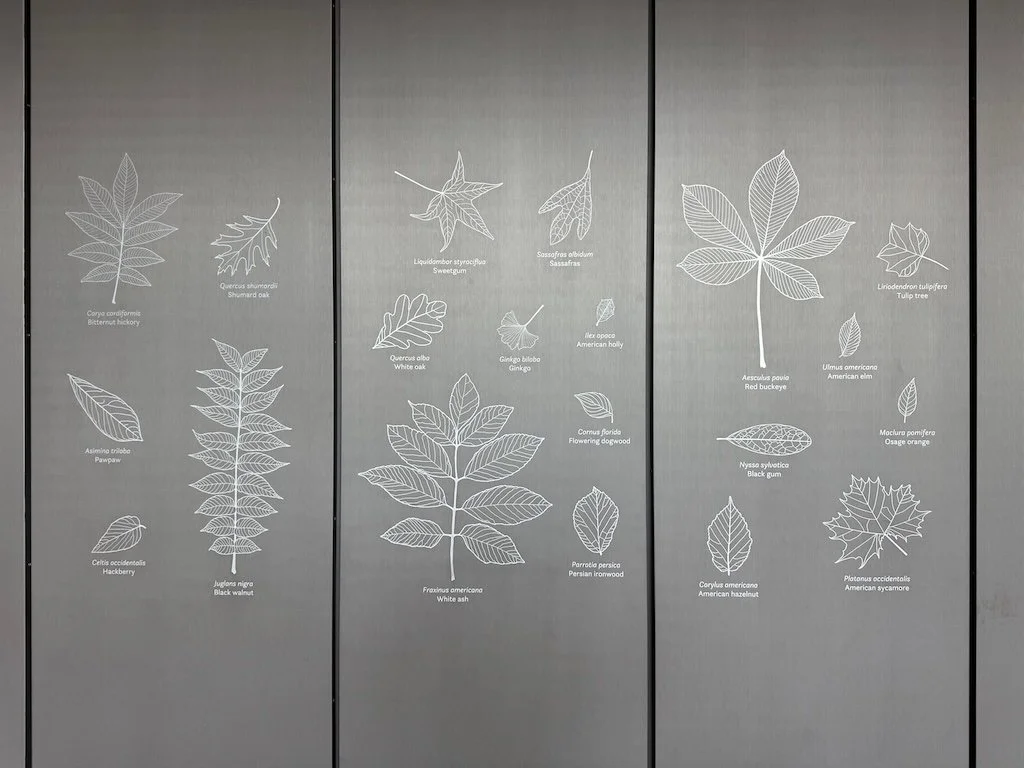
I took a picture of the wall in the visitor center that is a key for the leaf patterns in the flower of building. Most of them are natives!

Field Trip Reconnoiter

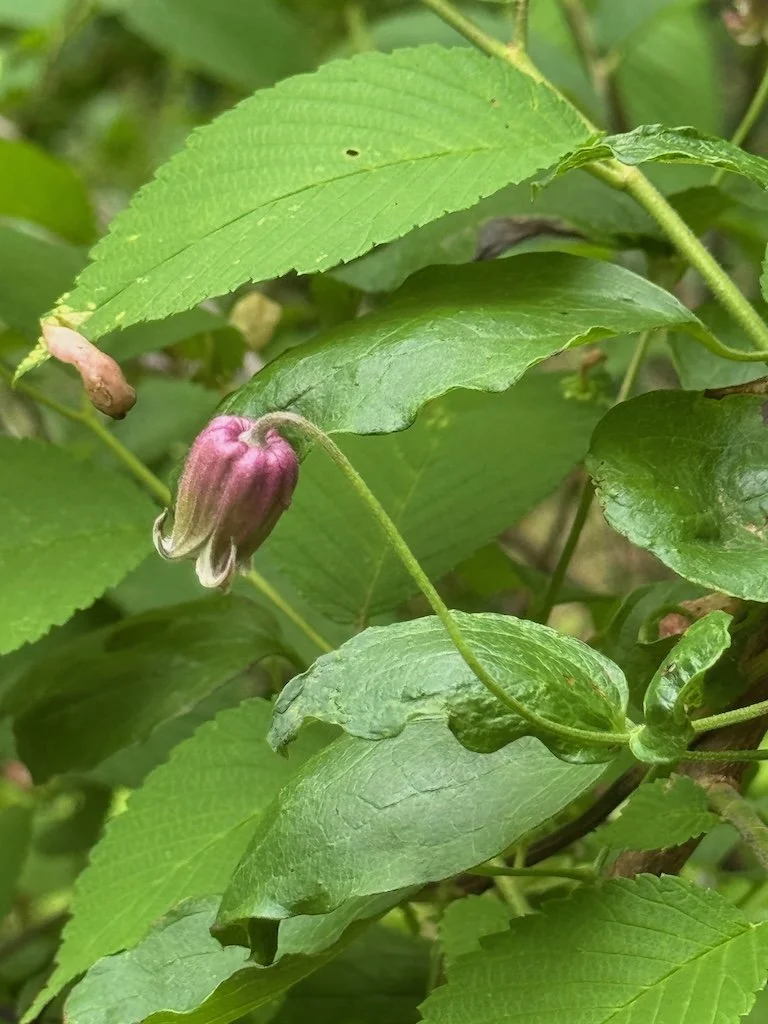
I’ve been busy working on the curriculum of the core training to be offered next fall by my local Missouri Master Naturalist chapter. One of the field trips we had added to the curriculum was unfamiliar to everyone….but had been one the places featured in a 2025 Ozark Public Television production called Wild Ozarks. Four of us participated in a reconnoiter trip to the place last week.

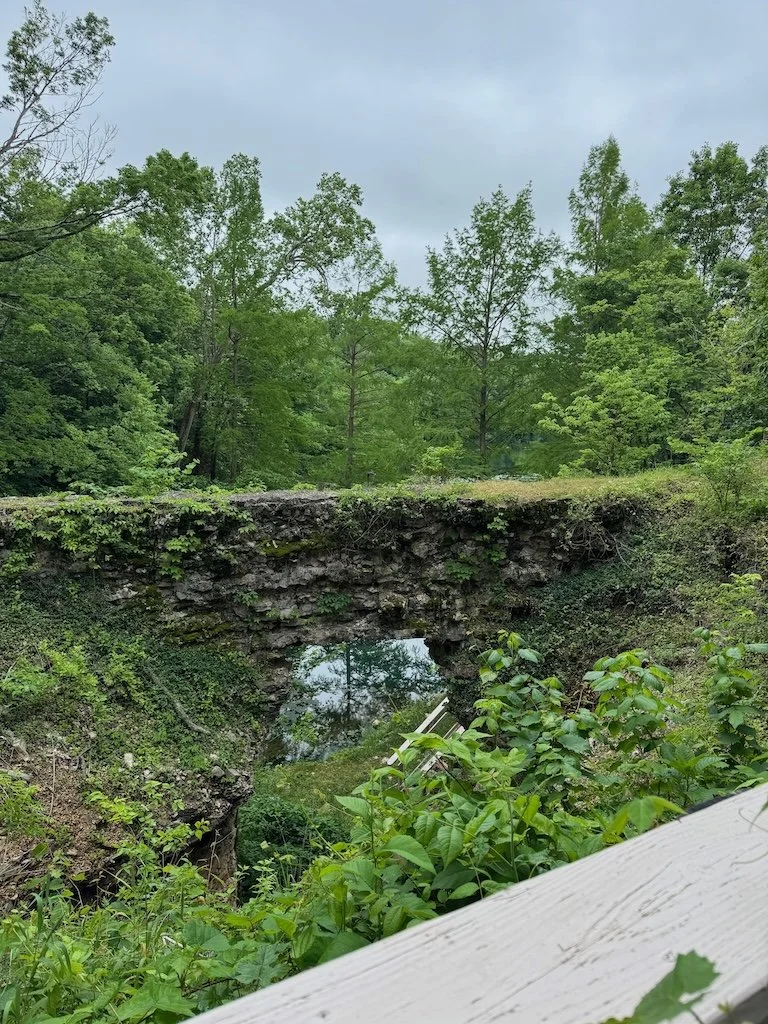
Wow! It is a great place for a field trip.

Easy to get to from Springfield

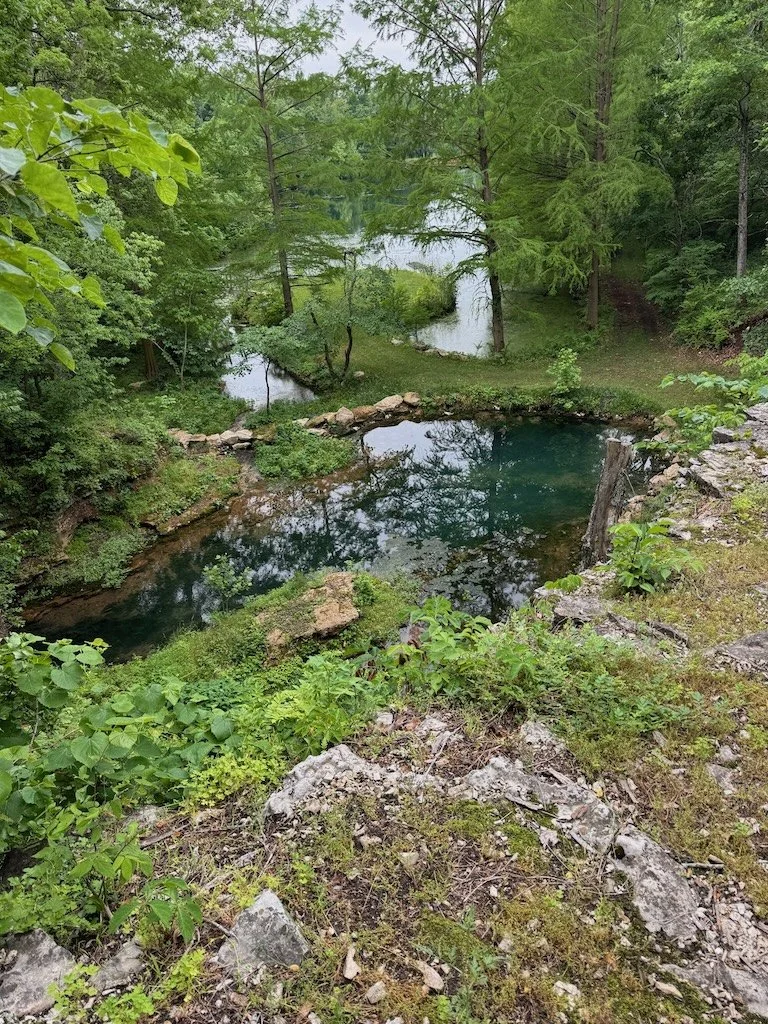
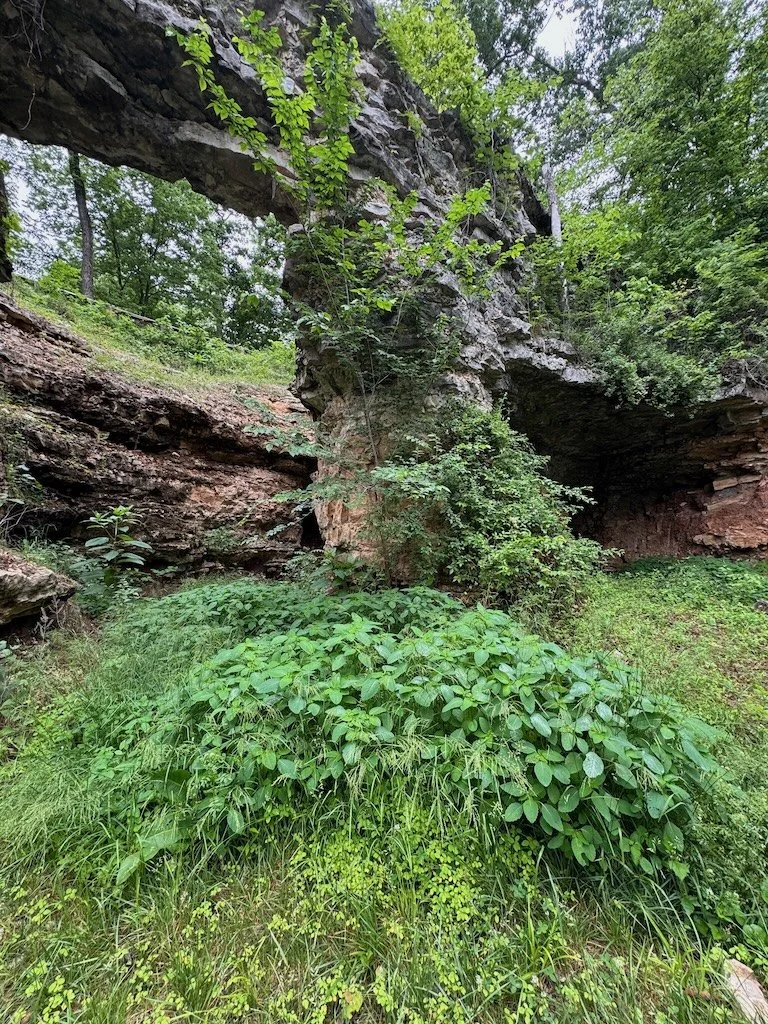
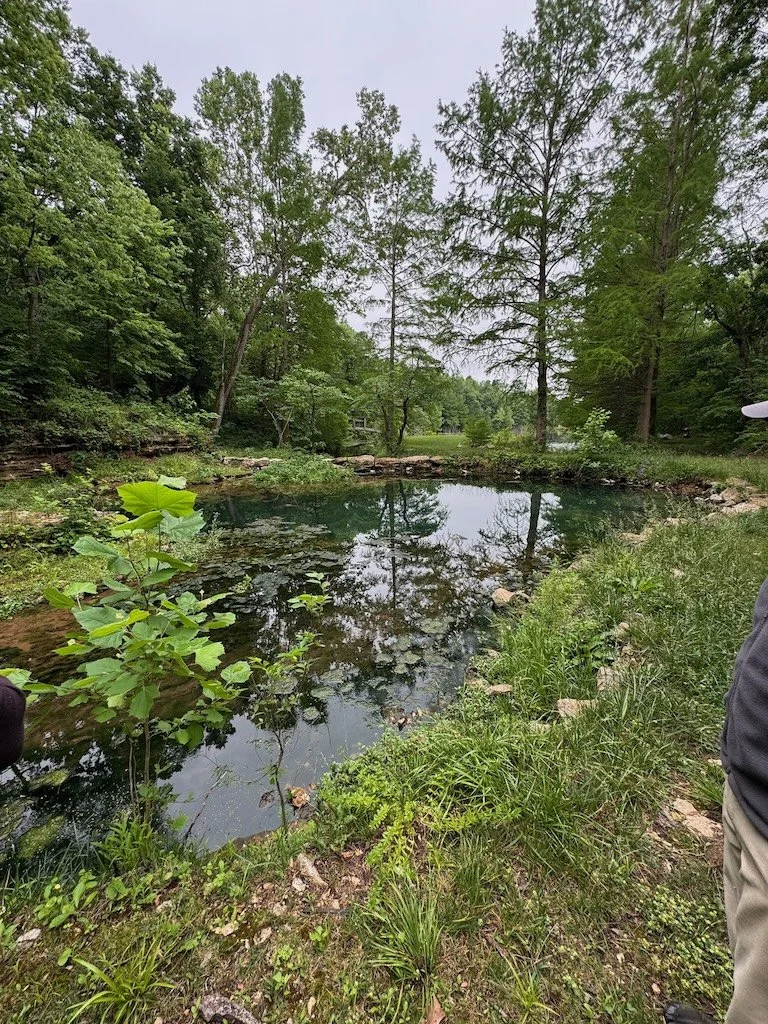
Springs and sinkholes

Remediated riverbank…and ash trees (dead or dying) replaced with other tree species

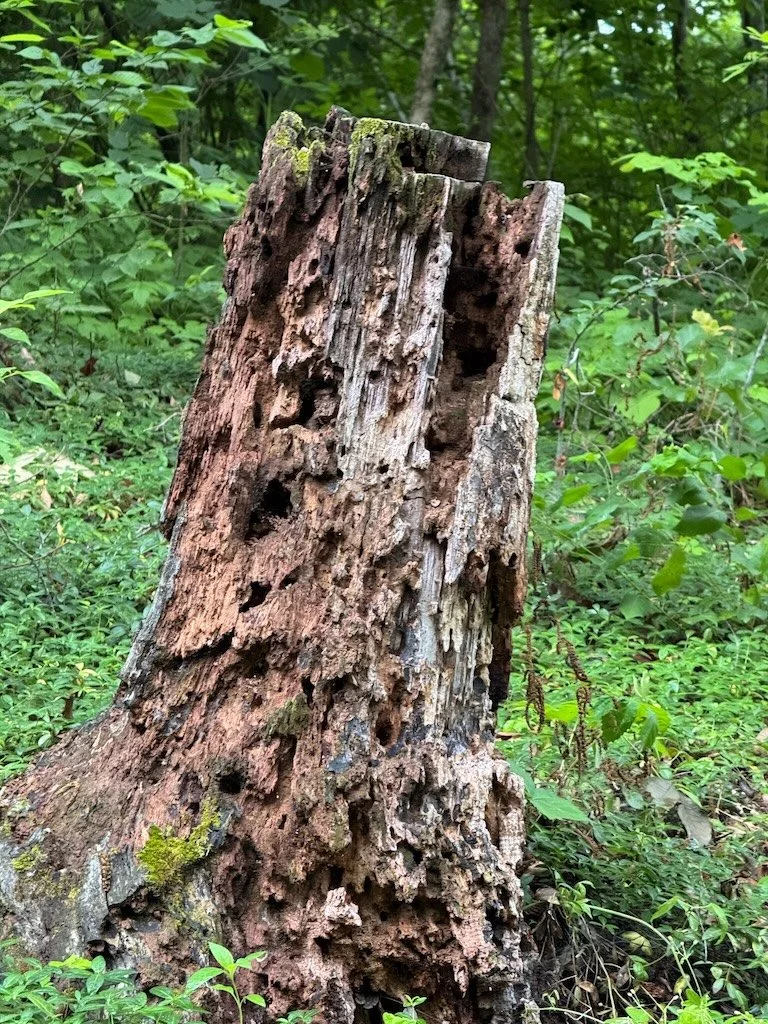
Tree cavities

Some invasives but not overwhelming

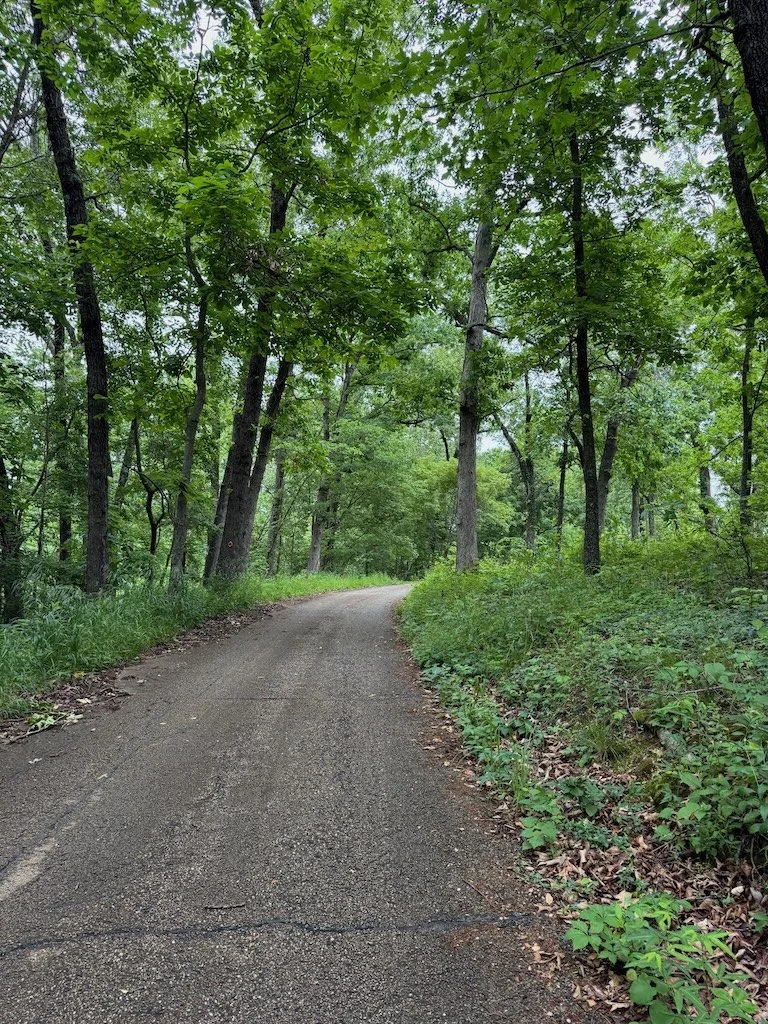
Road or mowed trail for hiking

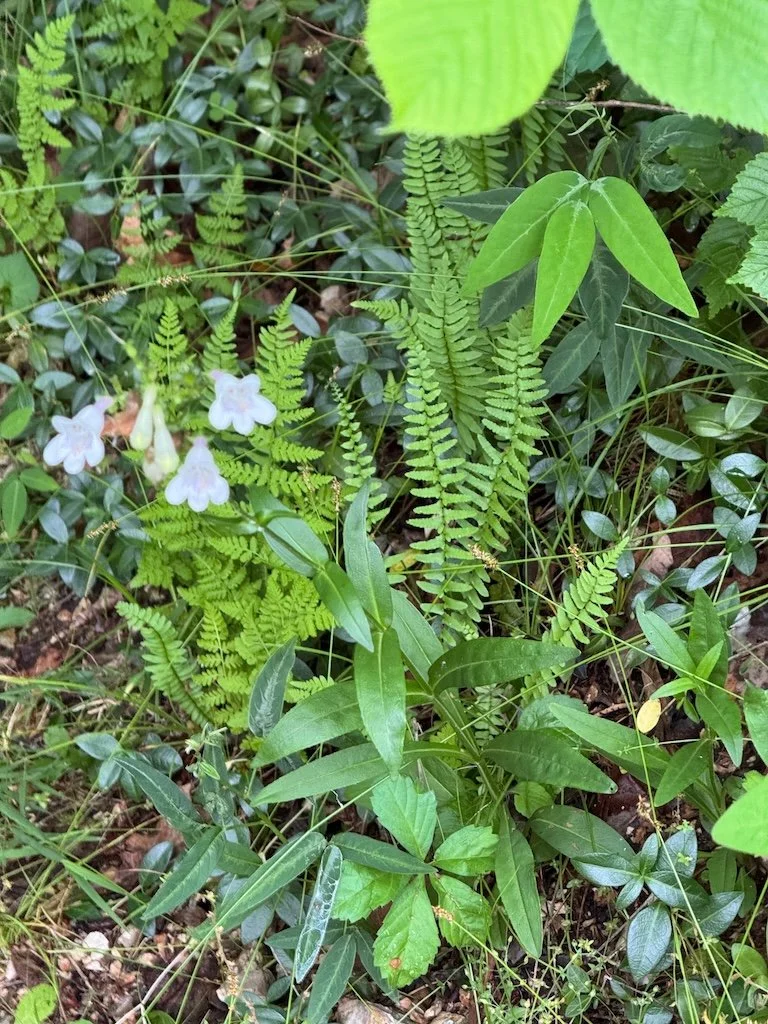
Pawpaw patch

And much more!

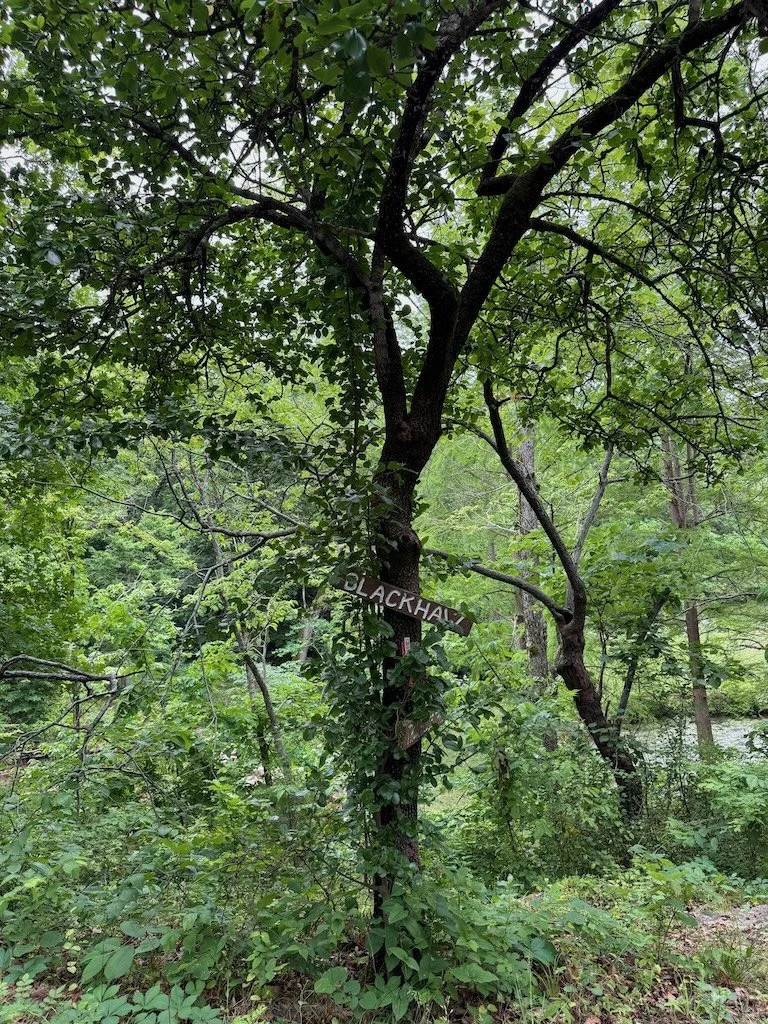
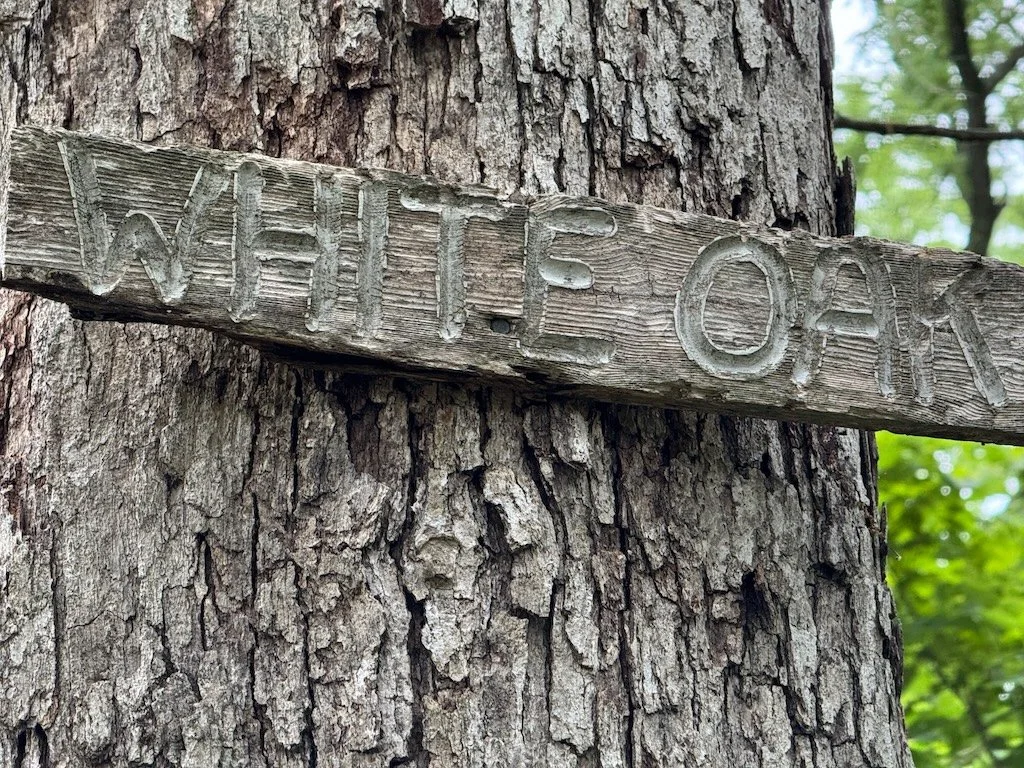
I loved the handmade tree signs!

We modified the plan to divide the students into 4 groups rather than 3 (so 6-7 students/group) and the topics will be: forest ecology, geology (karst), tree identification (using dichotomous key), and nature journaling/nature observation.

I am looking forward to seeing the place in the fall….and observing the students discovering this special place.

Gleanings of the Week Ending May 23, 2026

The items below were ‘the cream’ of the articles and websites I found this past week. Click on the light green text to look at the article.

05/10/26 Poets.org Forever Plastics – A poem by Ronald Carson. He says “In this poem, I wanted plastics to speak in the first-person plural, tracing the path from postwar convenience to biological saturation, where the environment is no longer outside us but lodged within us.”

04/22/2026 The New York Times You Paid to Have Old Clothes Recycled. Here’s What That Really Means. - Collection services offer convenience, but most garments are shredded into low-grade stuffing or sent abroad to an uncertain fate. The most important thing, experts and environmental activists say, is to buy less in the first place. It’s easier to deal with clothes responsibly if there are fewer of them to begin with.

05/7/2026 Super Age Life Expectancy Gains Are Slowing. Your Choices Are More Important Than Ever - The future of longevity will most likely be shaped less by sweeping public health revolutions and more by targeted, personalized strategies: slowing biological aging, optimizing midlife health, and extending the years we remain active, engaged, and independent.

05/12/2026 Planetizen 16% of roads that received federal funds remain in poor condition - State DOTs are spending most of that money on highway expansions instead of repair and maintenance work. And "Because increasingly lax reporting standards conceal broken roads from public view, and DOTs routinely mis-categorize expensive expansion projects as simple 'maintenance' or lump them into a mysterious 'other' category, Transportation for America suspects the national highway network is actually even more drastically overbuilt than it appears on paper."

05/11/2026 I’m Plastic Free How to Reduce Microplastics Exposure: The Ultimate Guide & Checklist - This guide breaks down exactly how microplastics enter your system, and provides a practical, but very thorough, science-backed checklist to reduce your exposure across your home, diet, and daily habits.

05/12/2026 BBC 'Fatbergs' are taking over city sewers - scientists are fighting back - Reeking coagulations of grease and debris are clotting sewers around the world on a colossal scale. Cities are deploying new technologies to control this modern menace. New York City – where 40% of sewer backups are due to grease – spends around $18.8m annually degreasing and removing blockages from the sewers beneath its streets. 

5/12/2026 National Parks Traveler Musings About the Parks | Things I Worry About – A list from Kurt Rapanshek. He ends the post this way: “Without question, there are many, many things that are uplifting about exploring the National Park System. But if the Park Service truly is going to preserve these places and their natural resources for future generations, it really needs a lot more help from Congress and presidential administrations.”

5/11/2026 Smithsonian Magazine See 15 Stunning Images That Won the German Society for Nature Photography’s Annual Contest – Beautiful and thought-provoking images.

05/06/2026 YaleEnvironment360 Airborne Microplastics May Be Warming the Planet - Tiny particles of plastic amassing in the atmosphere may be intensifying warming. Darker bits of plastic are absorbing heat. And even though lighter particles are reflecting sunlight, with a cooling influence, in the aggregate microplastics are having a warming effect. The warming impact is tiny, far less than the impact of carbon dioxide emissions, and only a fraction of the impact of soot. The microplastic emissions produced globally each year have roughly the same warming effect as running 200 coal power plants for that year….but more study is needed

05/04/2026 CNN The Great Pacific Garbage Patch is a plastic trash nightmare. It could also be part of a much bigger, hidden problem - The Great Pacific Garbage Patch is a significant source of airborne microplastics and nanoplastics, but there are many other places where tiny plastic particles can be whipped up into the skies, including from landfills, roadside litter and car tires. Colored plastics, especially red, yellow, blue and black, absorbed around 75 times more light than pristine, non-pigmented plastics.

05/10/2026 Science Daily Antarctica is melting from below and scientists say it’s worse than expected - Deep beneath floating ice shelves, long channels carved into the ice appear to trap warmer ocean water, dramatically speeding up melting from below. Even regions of East Antarctica once considered relatively stable may be far more vulnerable than scientists realized. Researchers warn that current climate models may be missing this dangerous process entirely, meaning future sea level rise could be underestimated.

Soil Field Trip

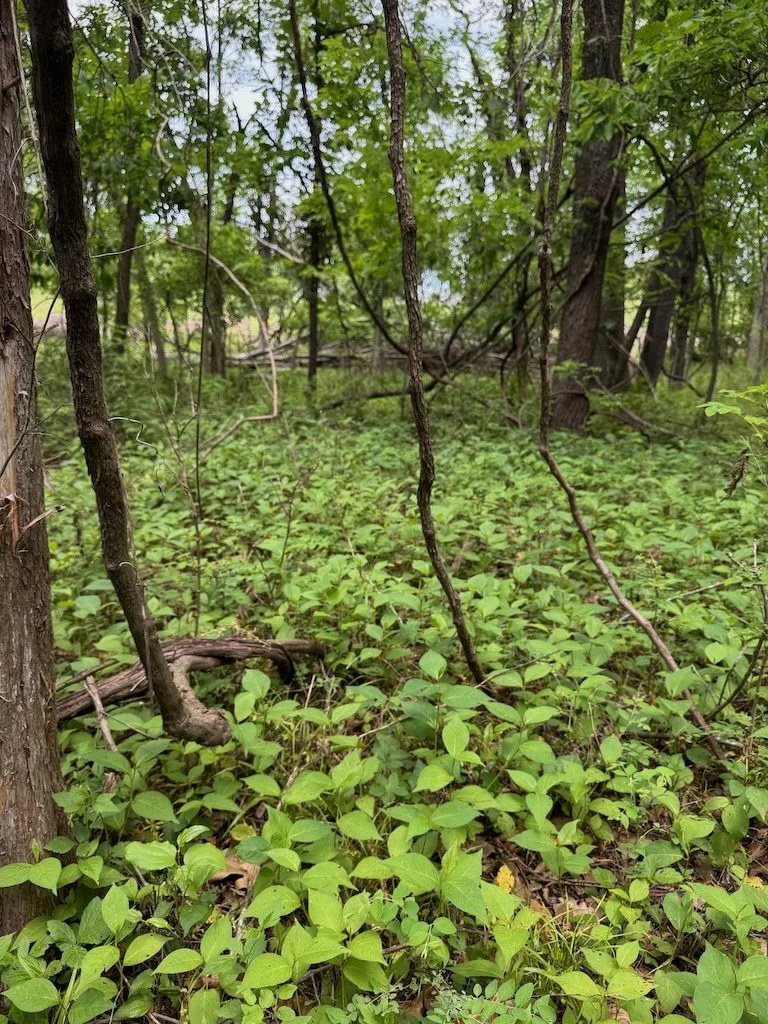
Last weekend, I participated in a Missouri Master Naturalist Field Trip to soil pits in a forested area maintained by a Springfield High School. A member of our chapter that is a soil scientist led the field trip.

We were concerned about ticks, so everyone was in protective clothing…and sprayed! The initial walk into the forest was full of low growing jumpseed.

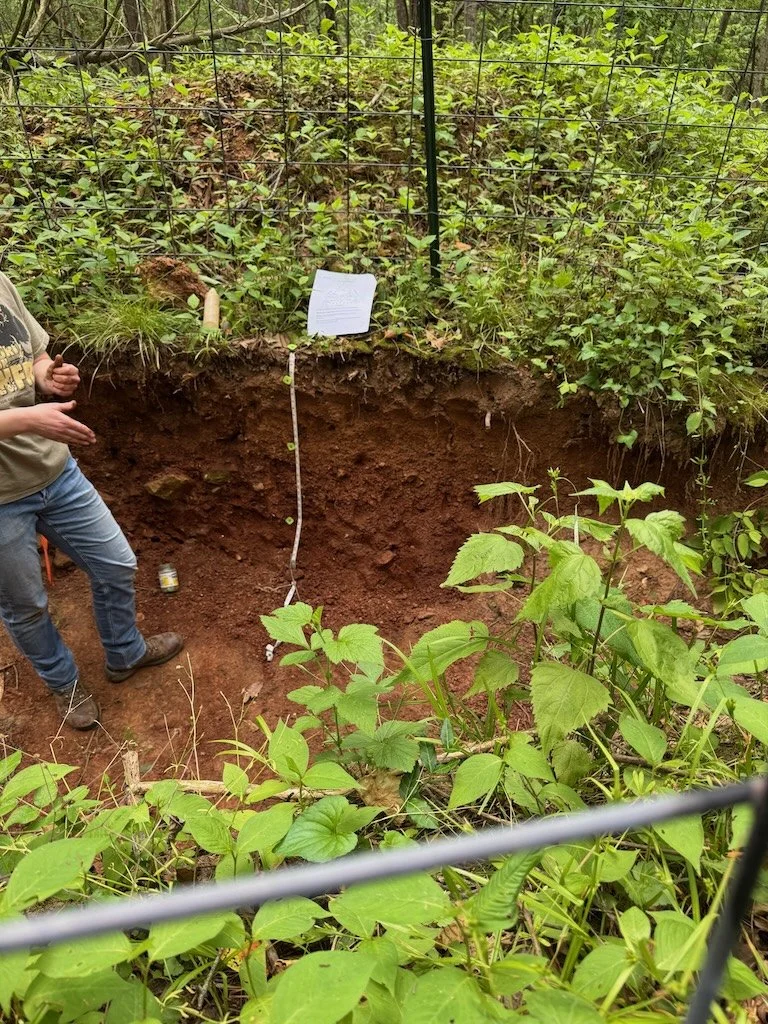
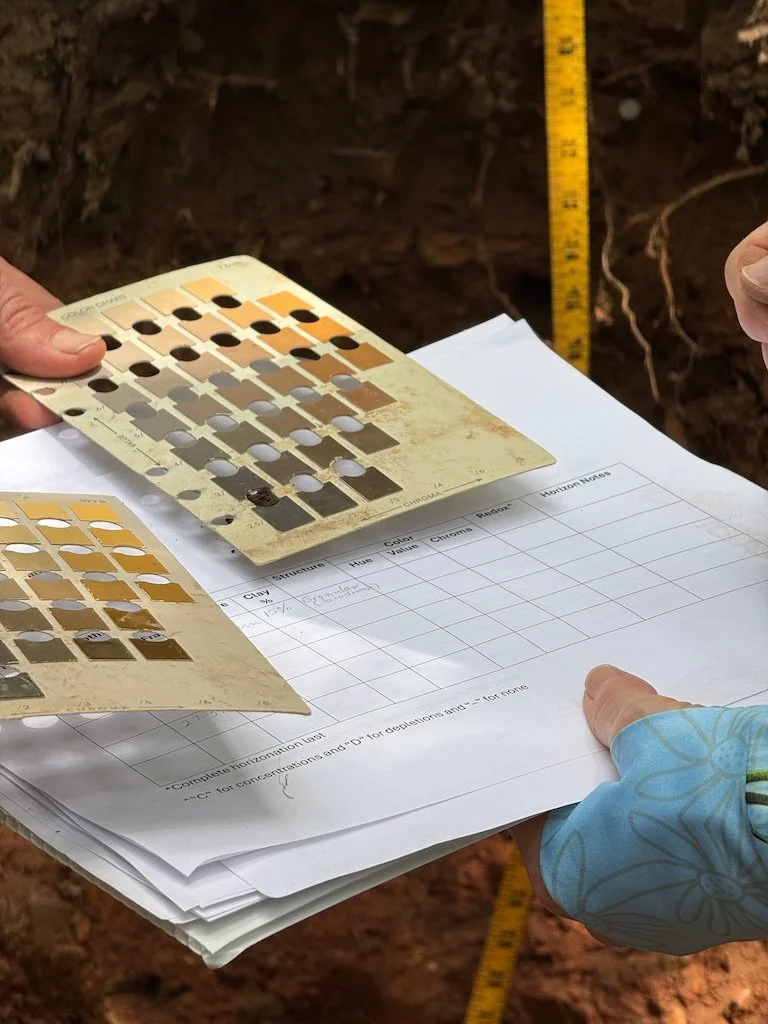
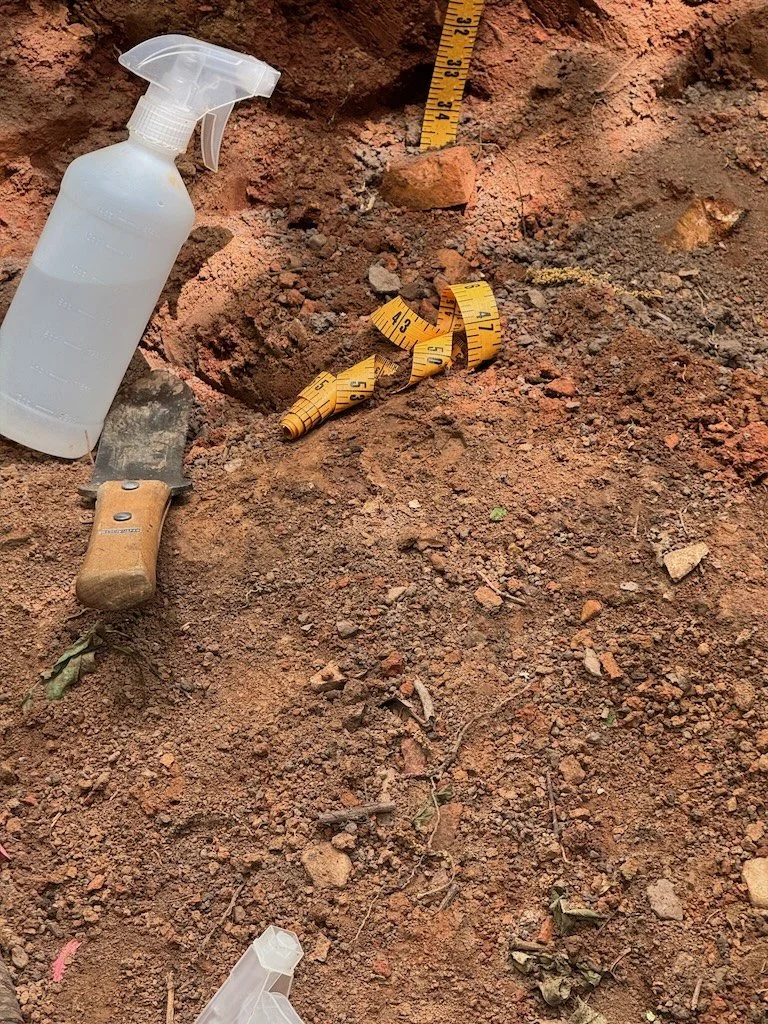
At the first soil pit (surrounded by a wire fence), we got a tutorial on soil analysis – textures, structure and color. We passed around lumps of damp soil, so everyone learned to judge soil texture. This was not a ‘clean hands’ field trip!

Our group was subdivided into groups of 3-4 and we went through the process on our own for another pit. Ours had 4 horizons.

After that adventure, we hiked to other pits to see differences in pits that were dug to show soil differences based on terrain and orientation. One had bedrock and another had a lot of sediment (it was in the floodplain of a stream).

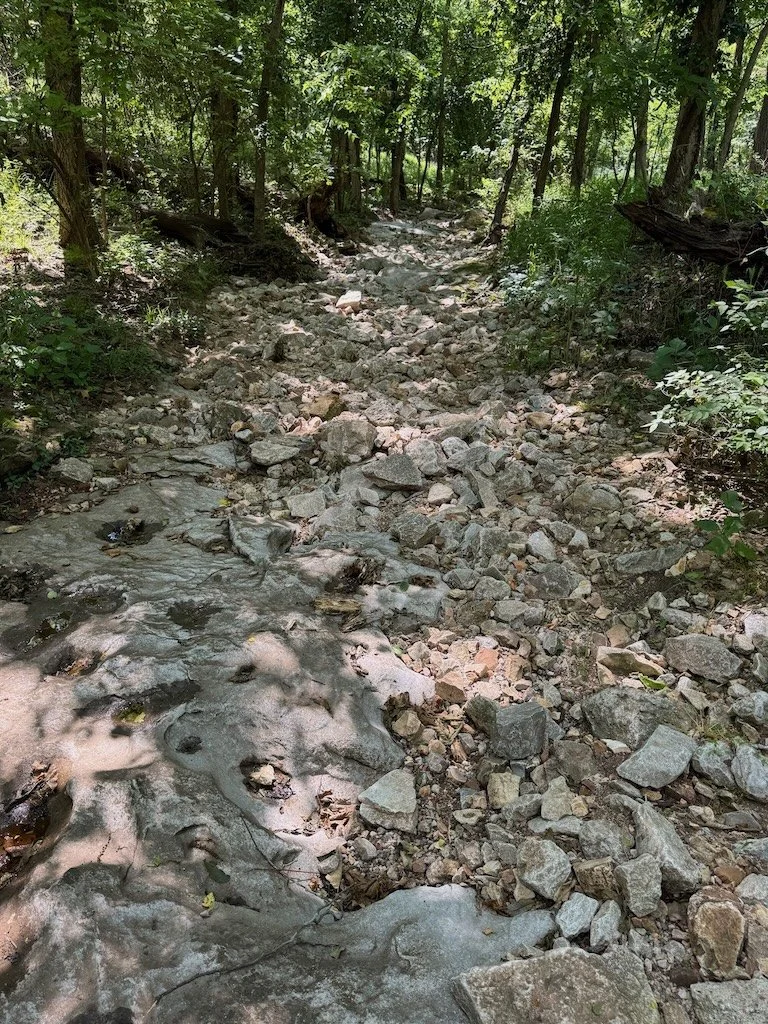
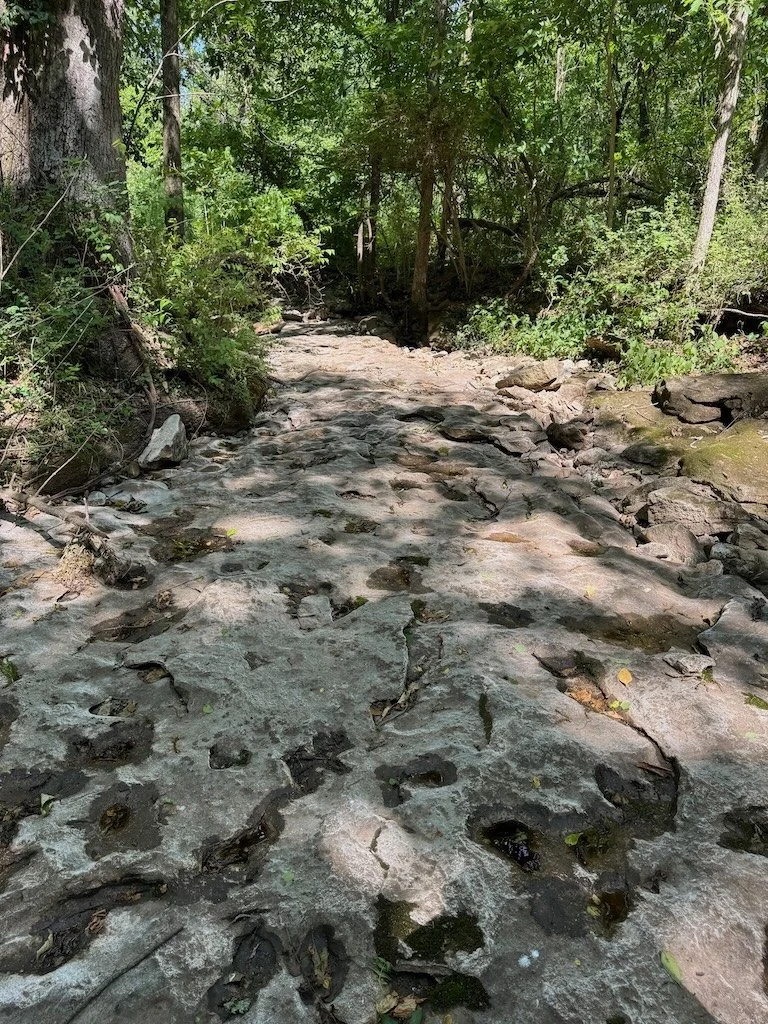
As we hiked, we crossed the dry stream; there was a lot of bedrock to see!

I was tired by the end of the field trip, but the adventure was worth it!

Plastics Crisis – Show-me Less Plastic in Rolla

The Show-me Less Plastic project held a workshop in Rolla. That’s close enough to where I live for me to be there and talk about how we formed a Beyond Plastics local group in Springfield.

The workshop was held on a Saturday in a conference room off the entry of the Phelps County Courthouse; it worked well on a Saturday since the building was otherwise closed.

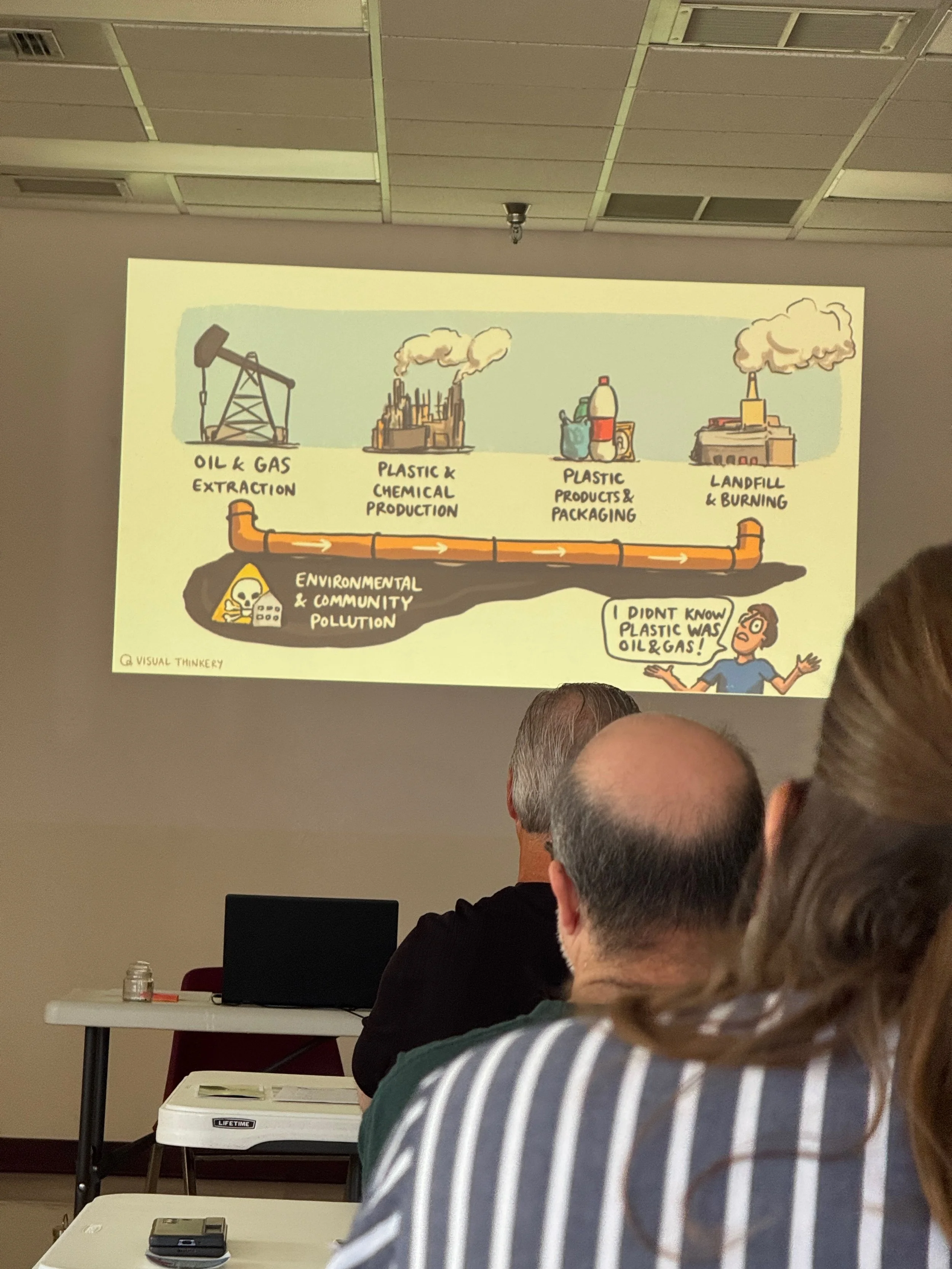
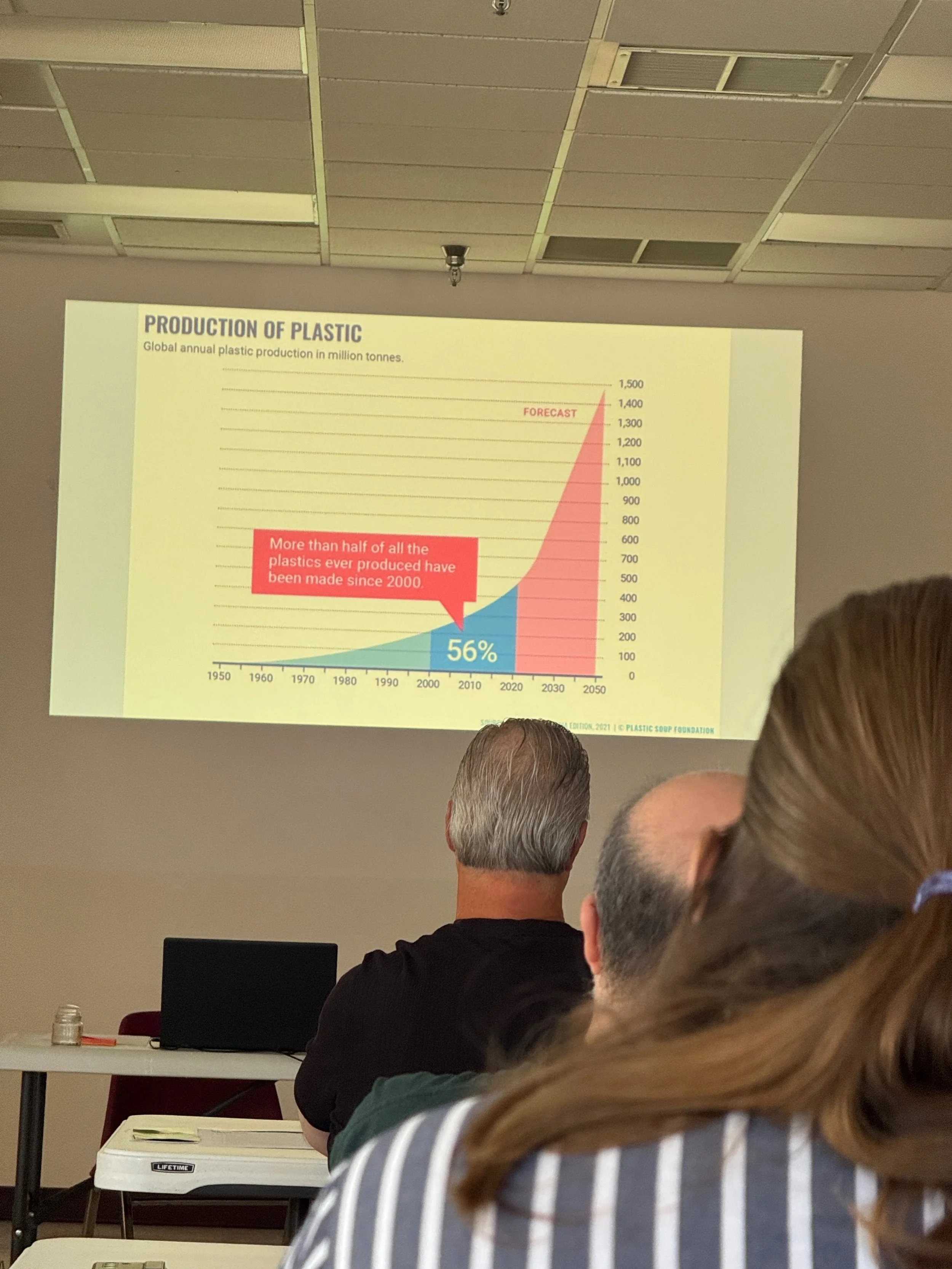
The workshop proceeded with a Plastics Overview – similar info as I remember from last August with updated graphics; I took a few pictures from my seat toward the back of the room.

Lunch was plastic free! Rolla has a caterer that does a great job…has stainless steel serving pieces (and great food too)! The lunch for the recent event in Springfield was not plastic free although the team reduced the plastic by providing stainless cutlery and plates.

After lunch we talked about forming a group to work on plastic reduction activities….and I contributed my 10 minutes about our adventure forming Beyond Plastics Ozarks. The rest of the agenda included activities about youth programming, examples of engagement and outreach (tabling, presentations, screenings) …then breakout sessions on getting started, a simulation exercise and then a discussion about next steps.

The audience was interested in the topic and included a councilmember…I am optimistic that there will be a Rolla group taking actions within their community to reduce plastics.

Sustaining Elder Care/Road Trip to Texas – May 2026

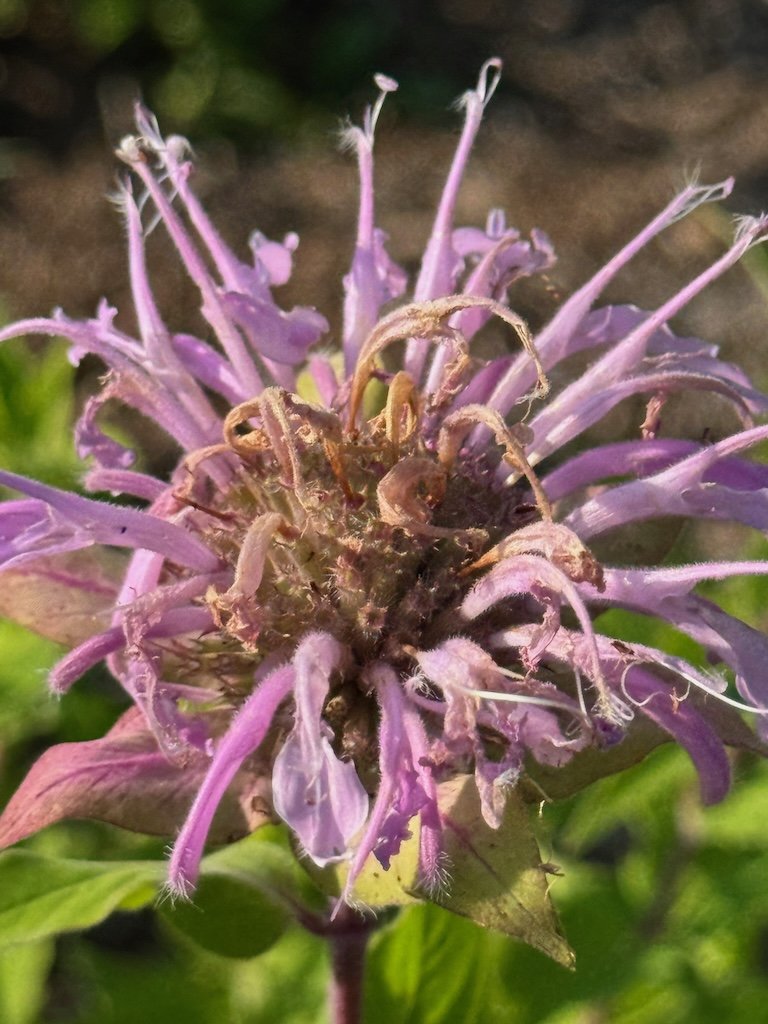
I made my monthly trek to Texas to see my dad last week. I made the usual stop at the Texas Welcome Center on US75 to eat my salad lunch and note the changes in the native plant garden near the building. The bluebonnets have lots of seed pods forming – with a few blooms remaining. The Texas Mountain Laurel was also producing pods.

An hour later…I found my dad in the activity room with a lot of other residents. It was ice cream sandwich day! He was soundly asleep! I decided that I would wake him up for the treat since ice cream has always been his favorite dessert. He enjoyed it --- but made no attempt to feed himself. Afterward we walked outside. I guided the walker since he can no longer see well enough to stay on the sidewalk. He moved very slowly but did make it around the courtyard and back to his room without stopping for a rest….and then he wanted to go back to sleep in his chair.
The next morning, I arrived after he ate breakfast. He was asleep in the chair! I noticed that he hadn’t taken his medications, so I woke him up for that. He managed to take them with a little assistance and then agreed to go for a walk. He had more difficulty getting up from the chair than he did in April. We walked indoors since the morning was wet and cool outside. He managed a normal walk, but when we got back to his room he wanted to go to sleep. He seemed to listen when he was awake but the only clear comments he made were about not being able to see.

My sisters are noticing his decline as well. We’re trying to keep him moving on his own (with his walker)…but we all are aware that it might not be possible for much longer.

Penn-Sylvania Prairie

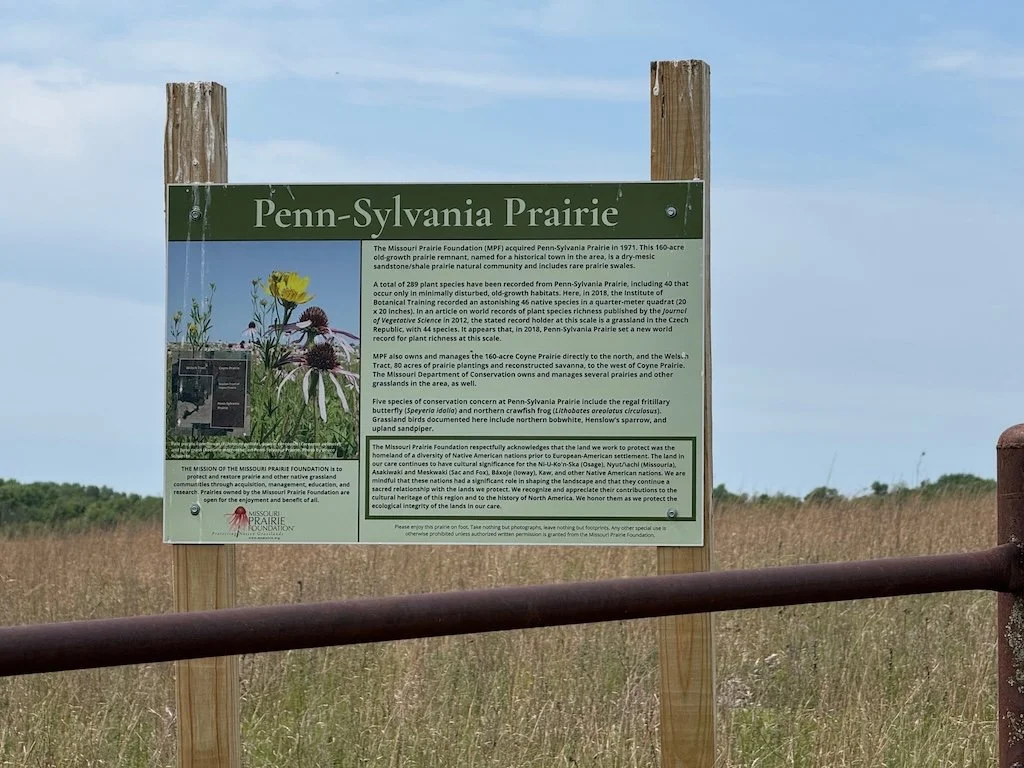
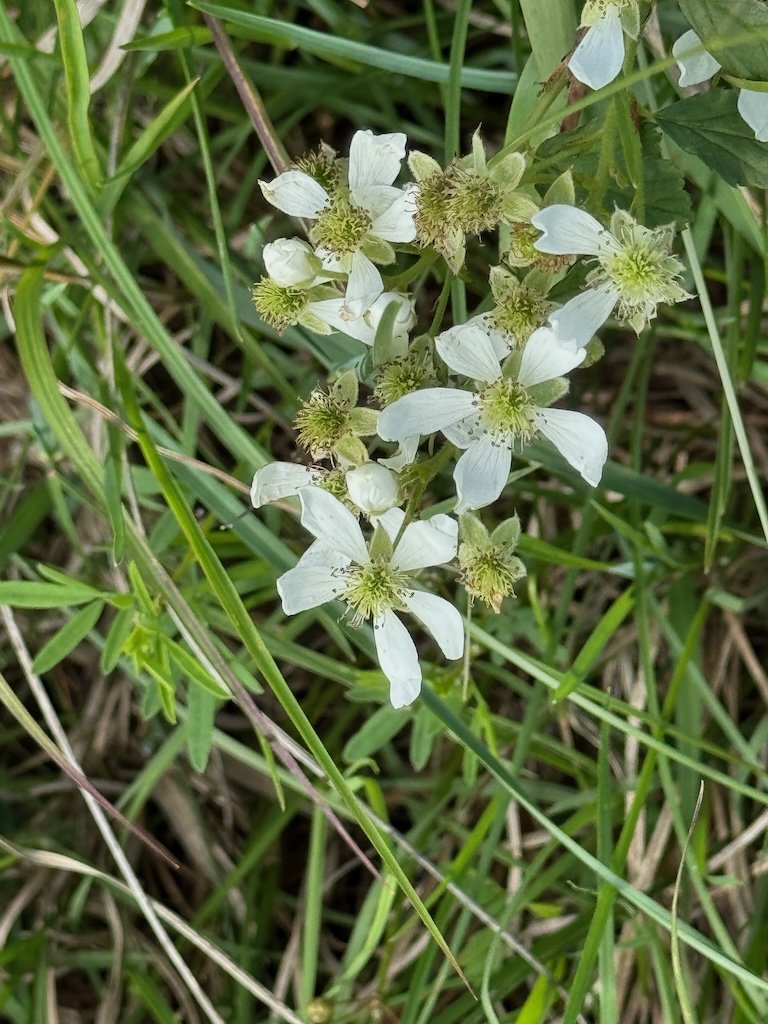
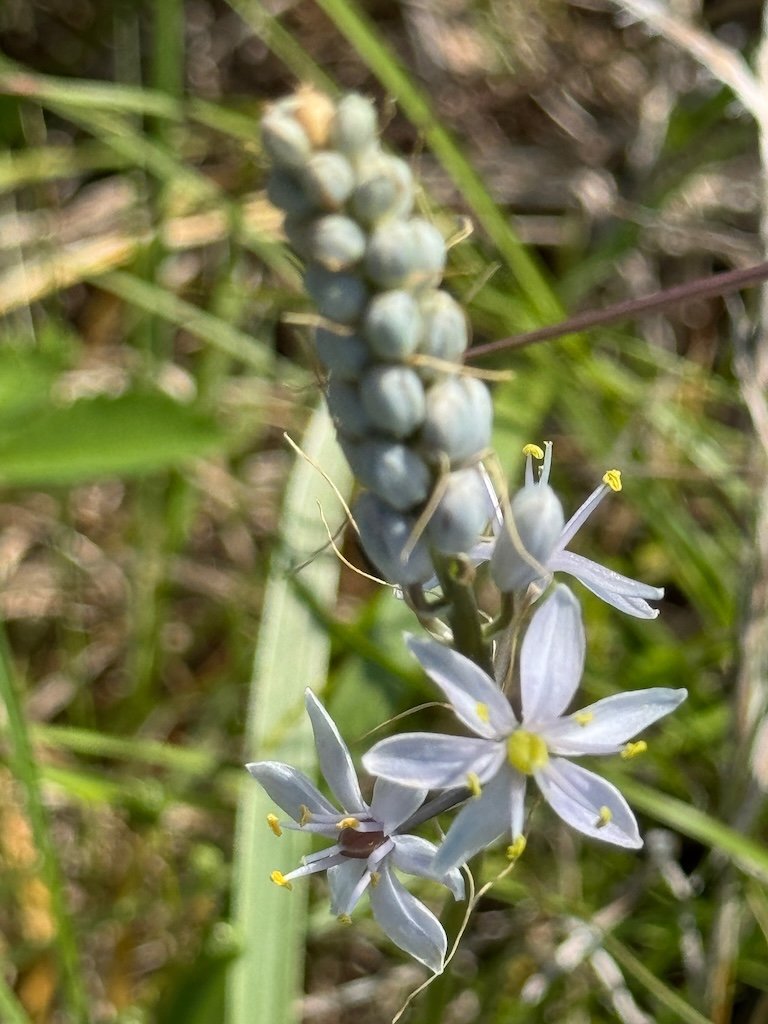
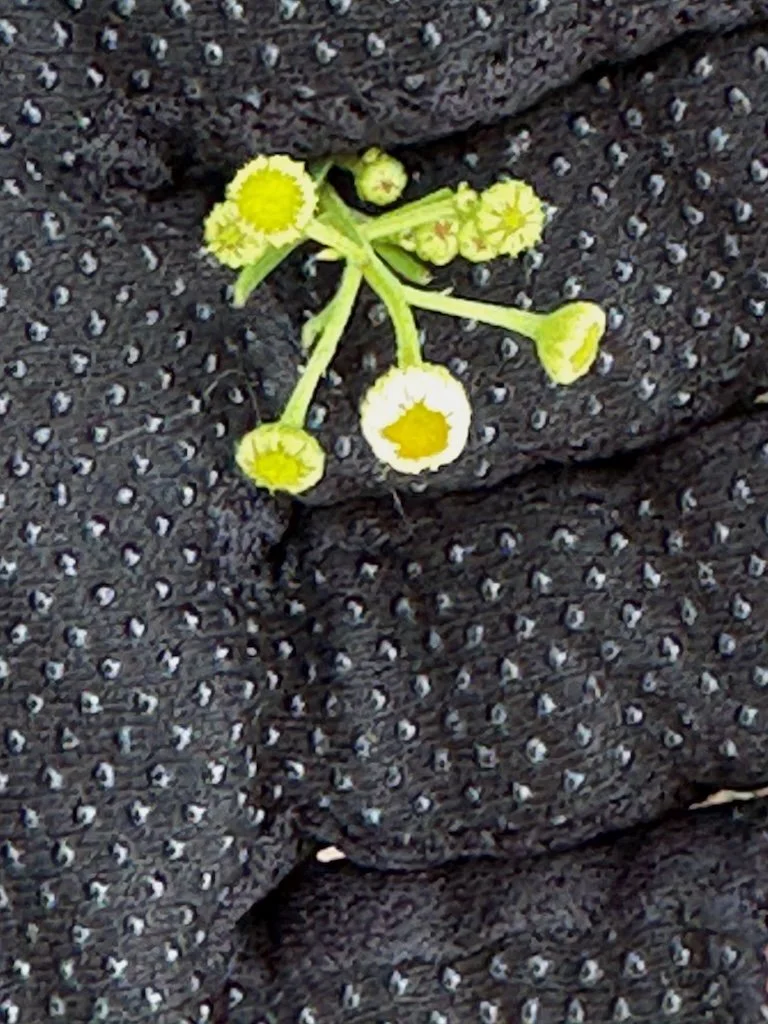
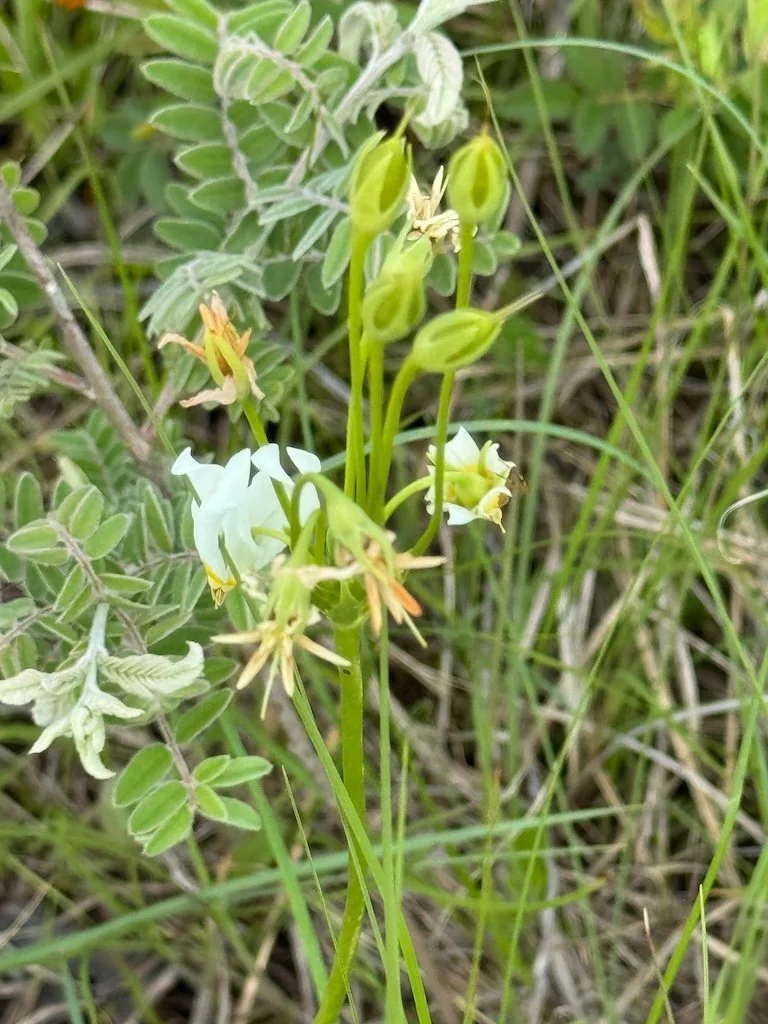
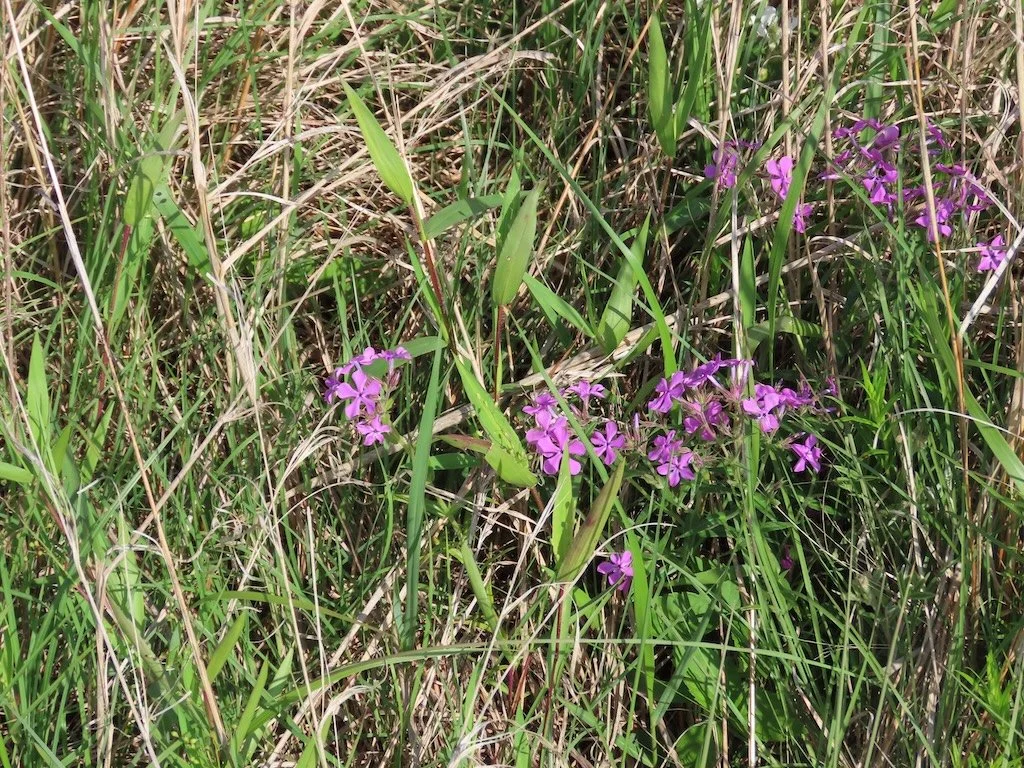
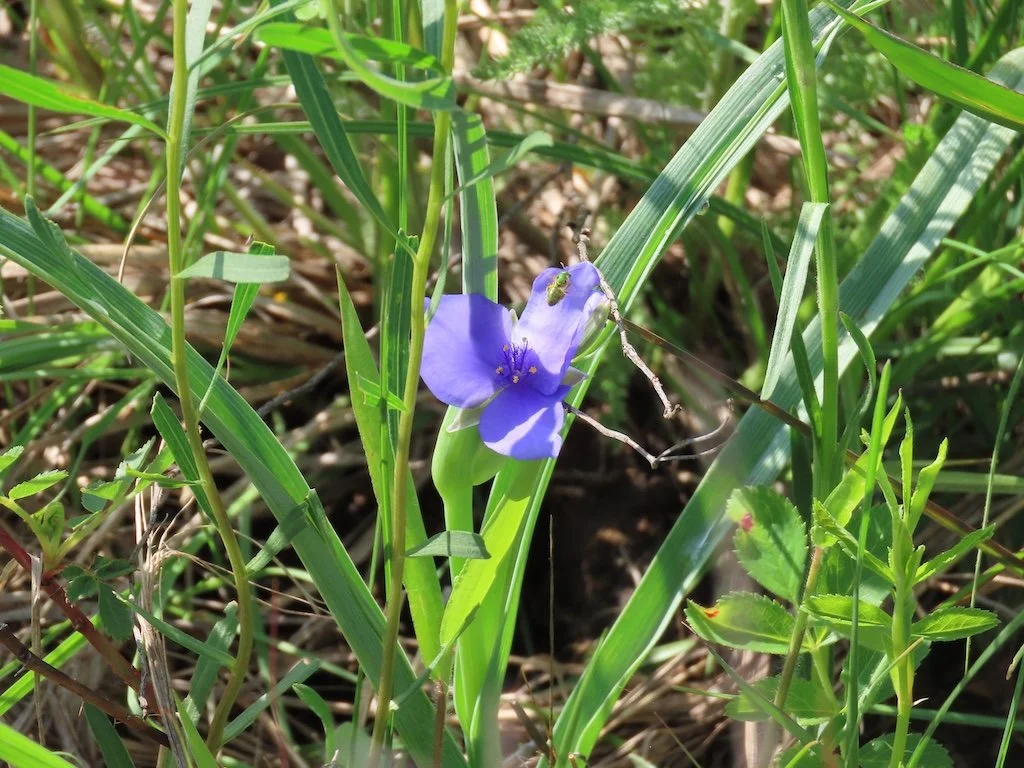
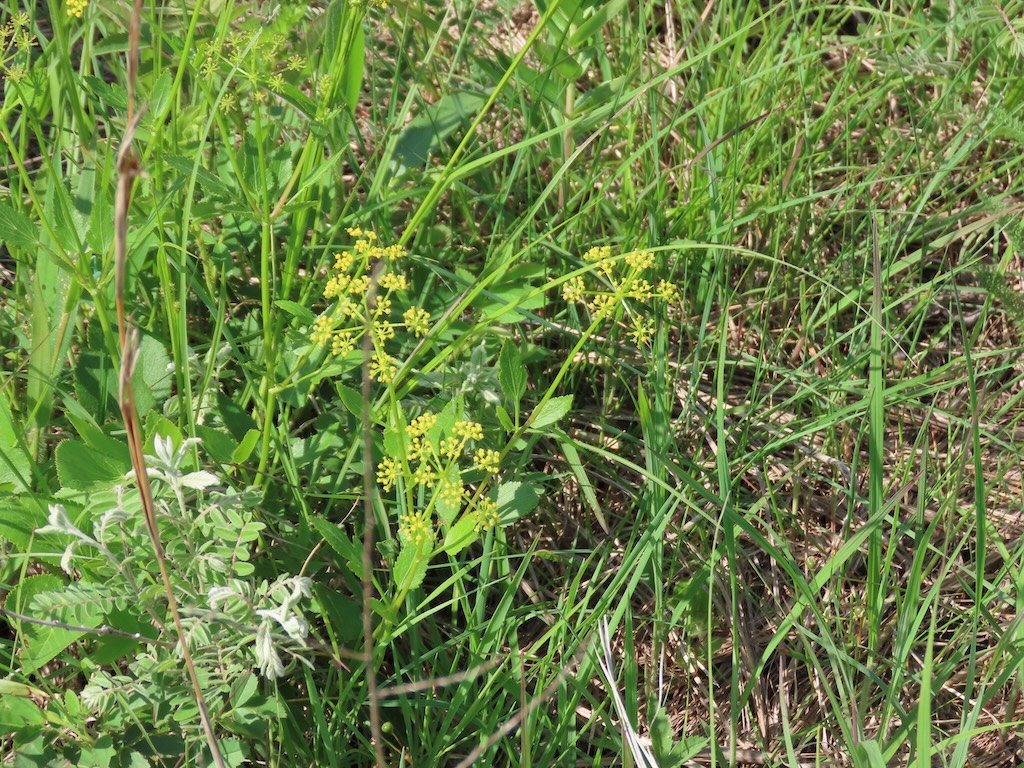
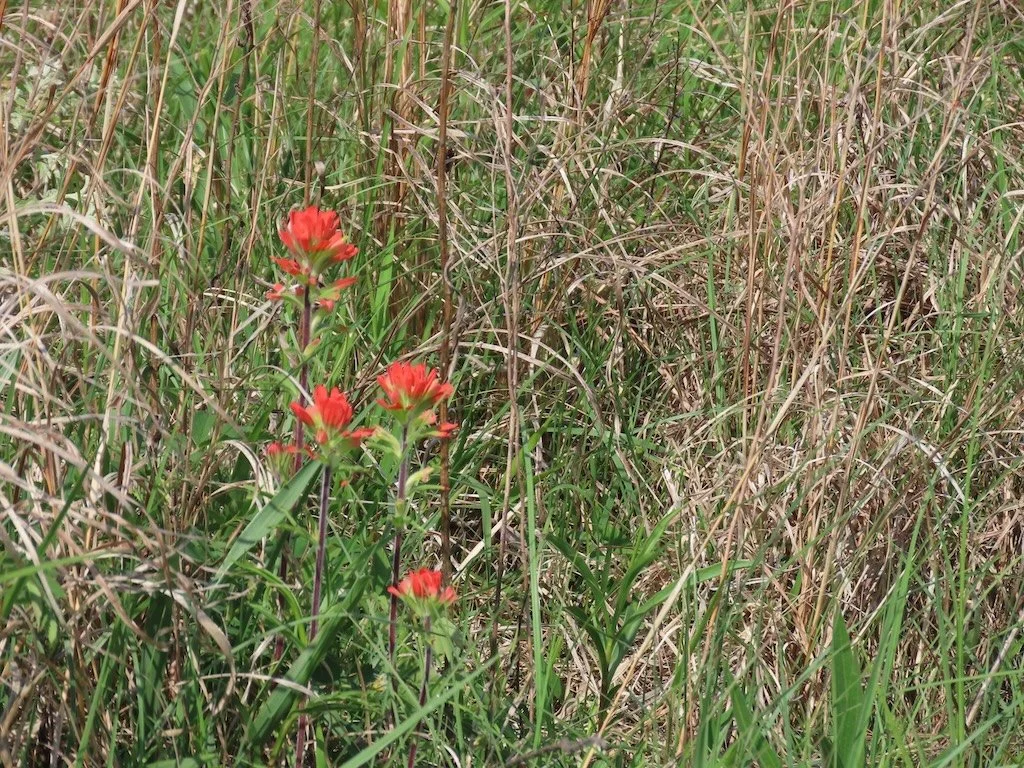
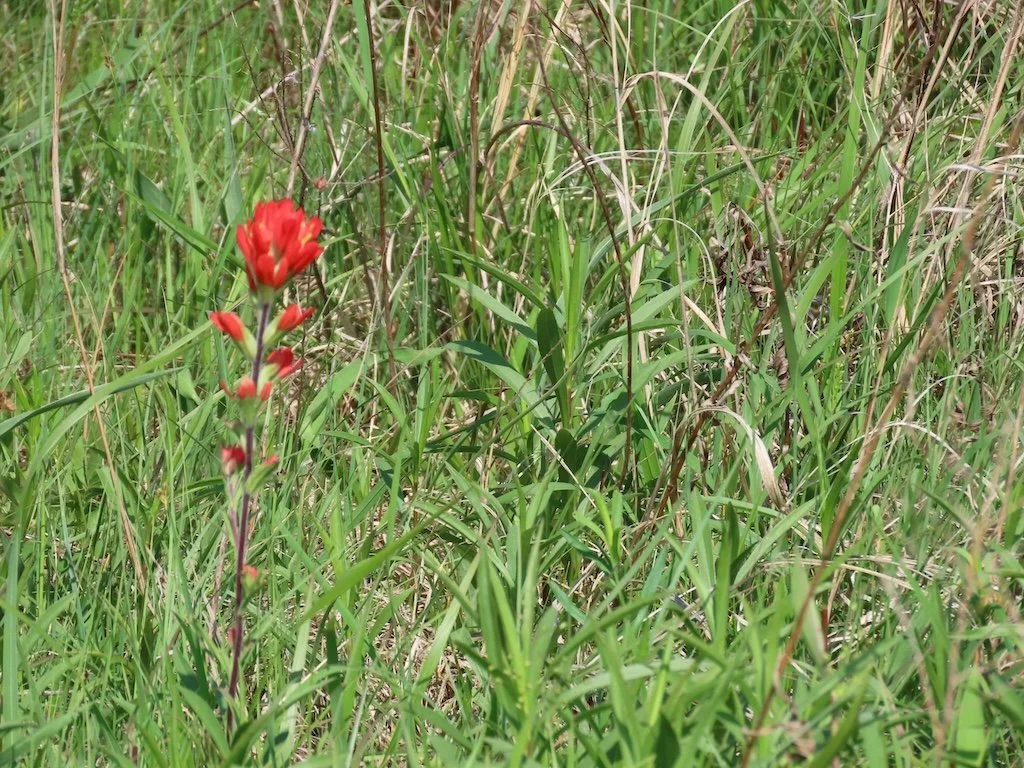
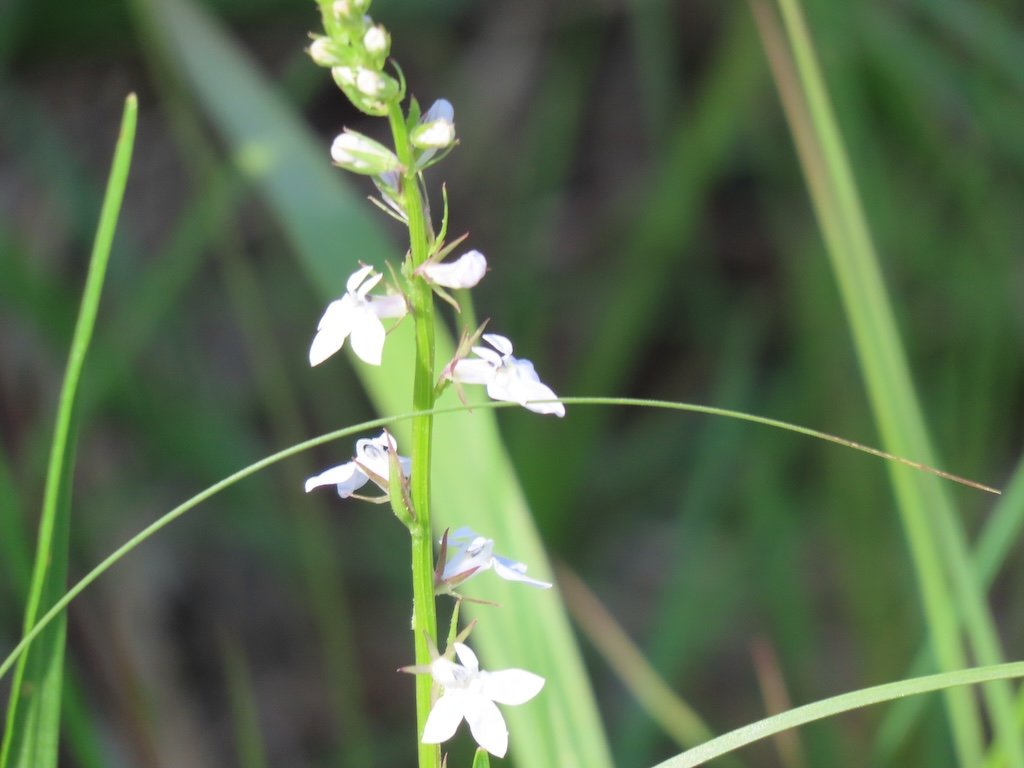
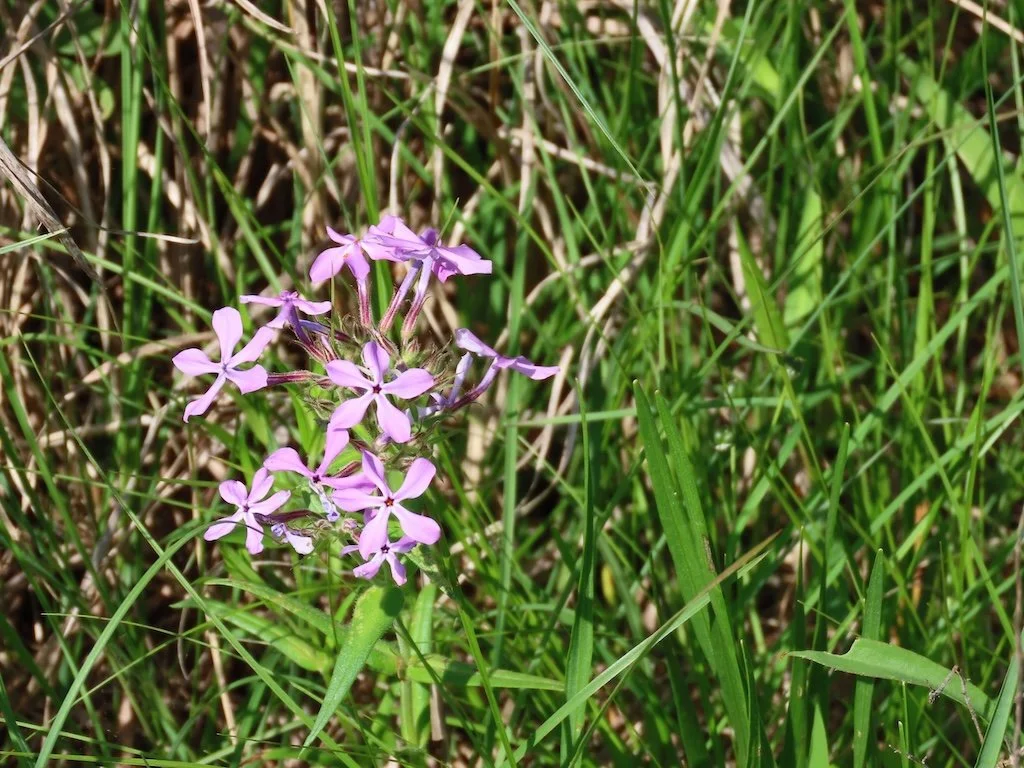
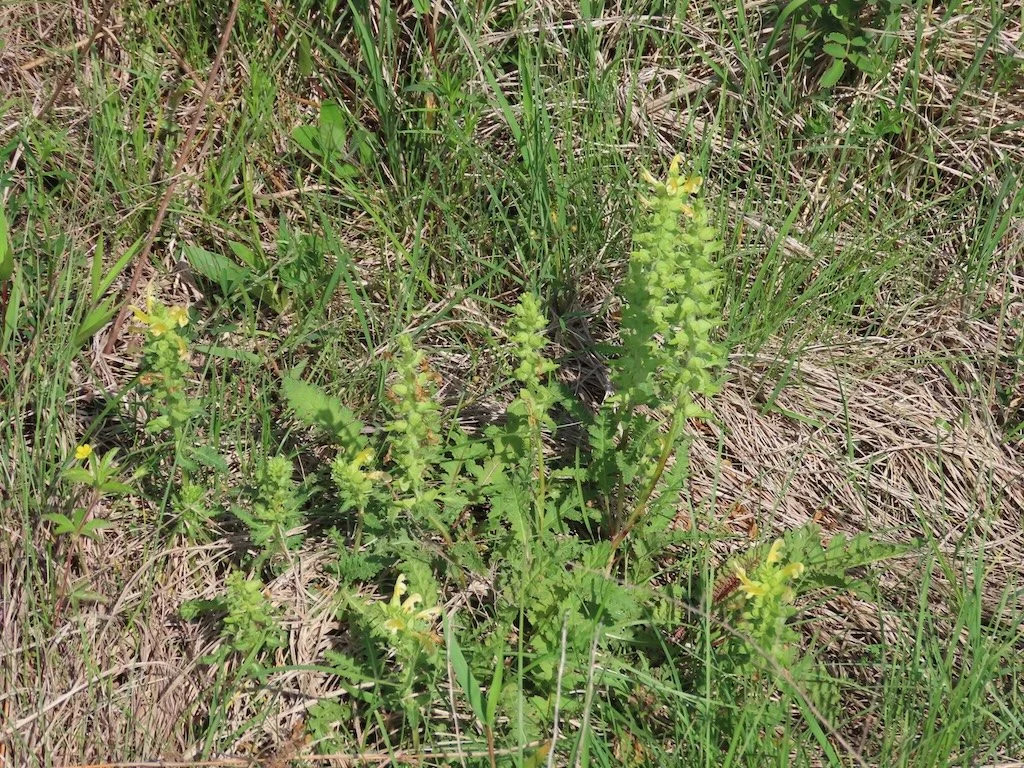
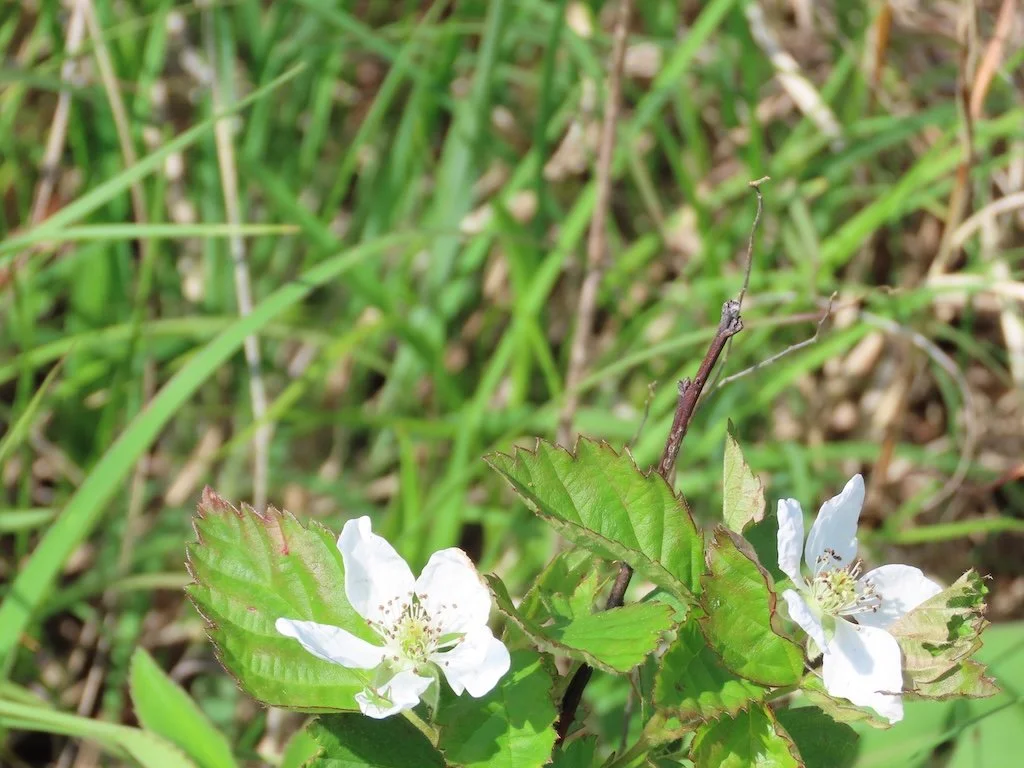
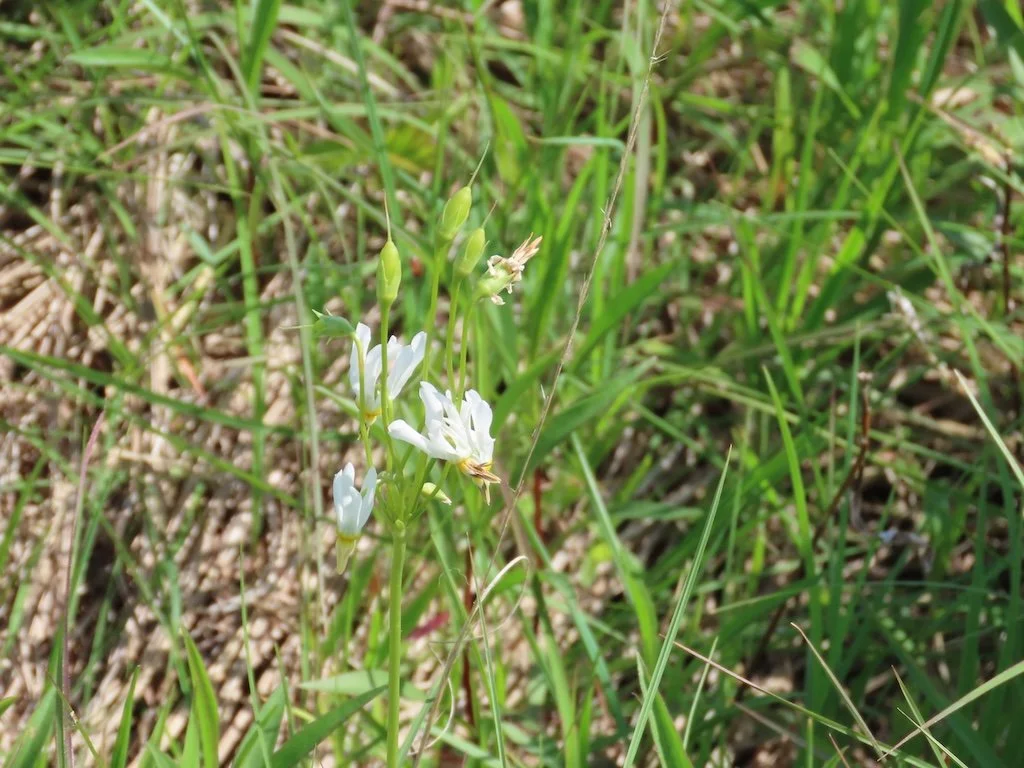
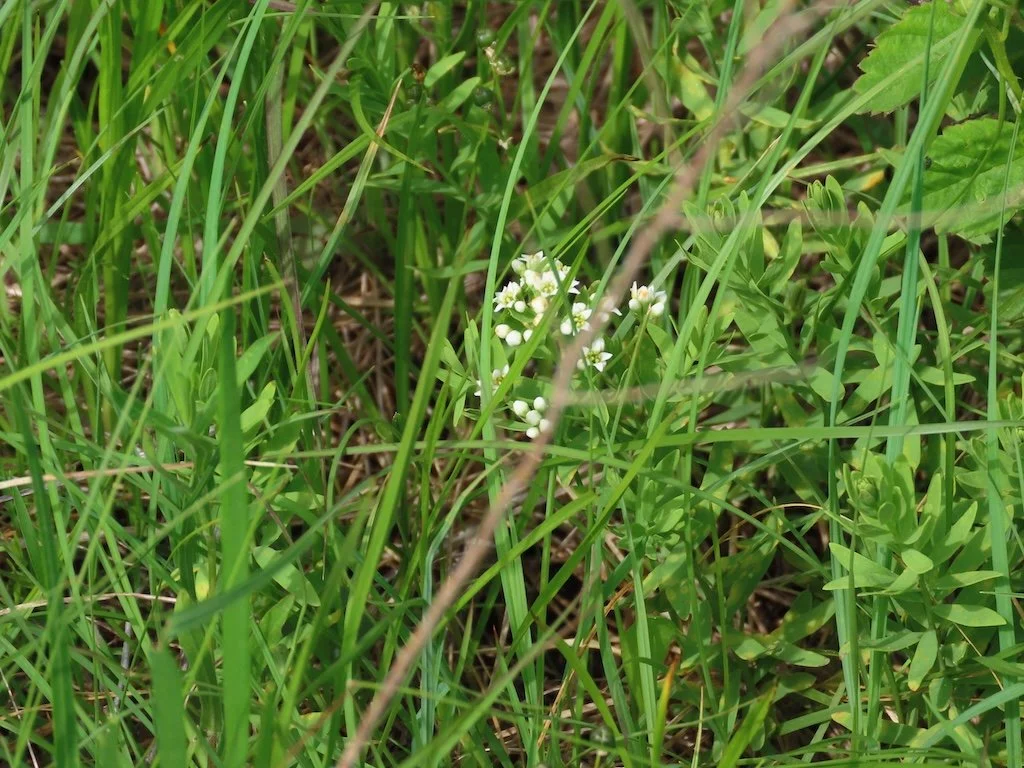
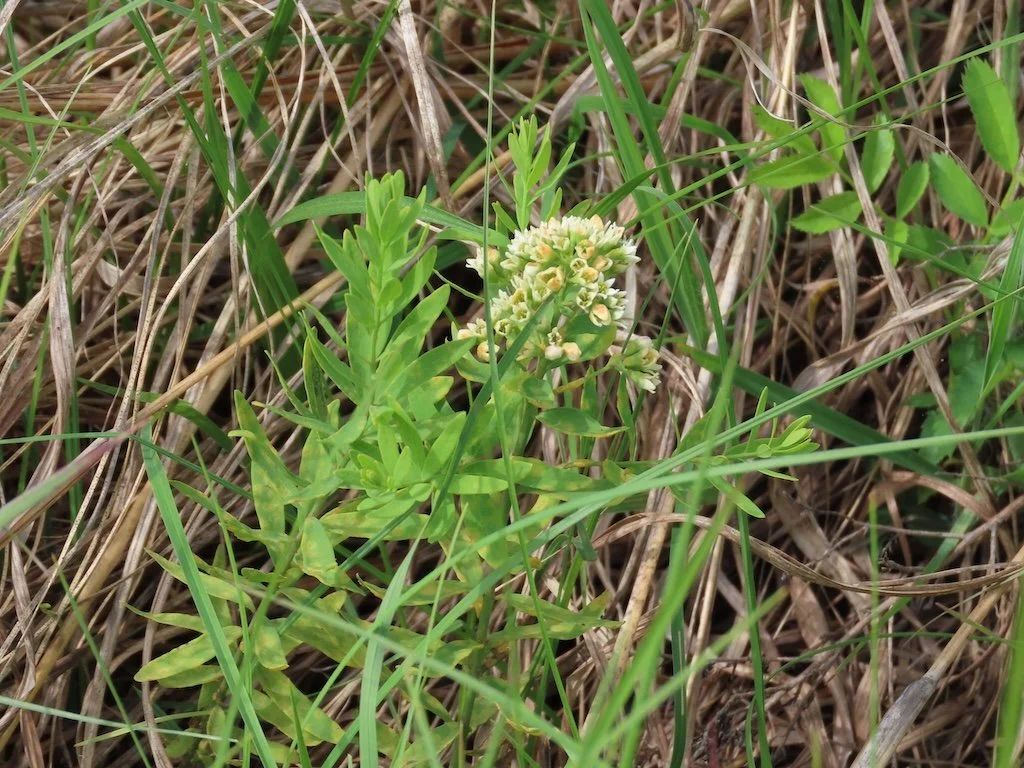
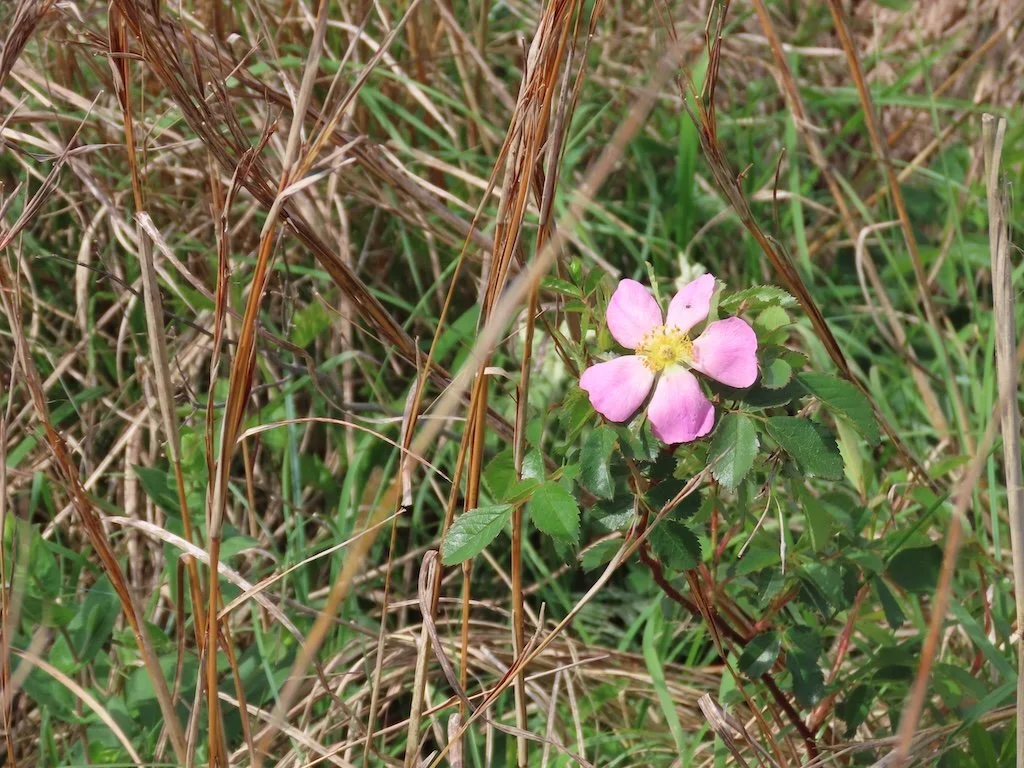
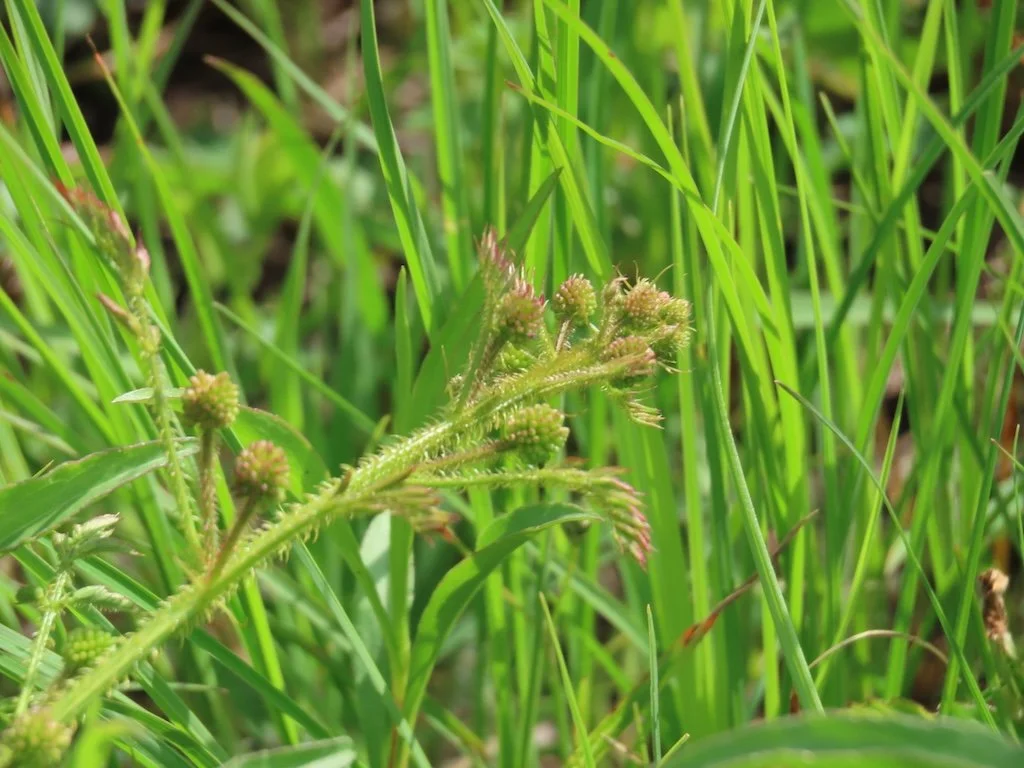
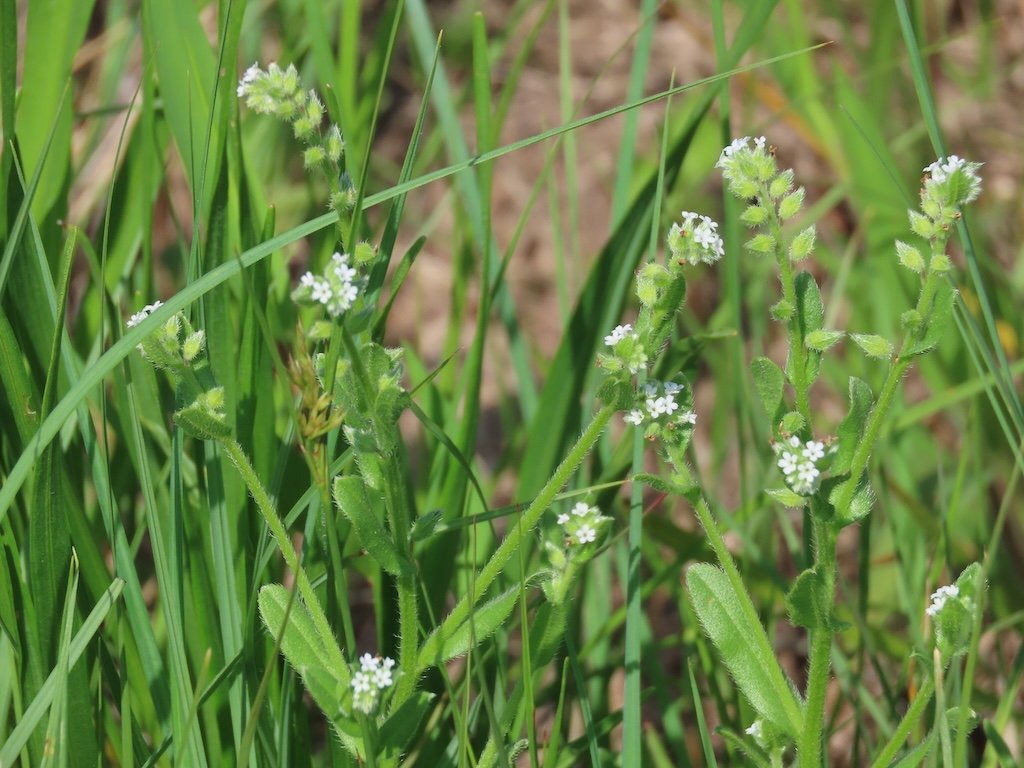
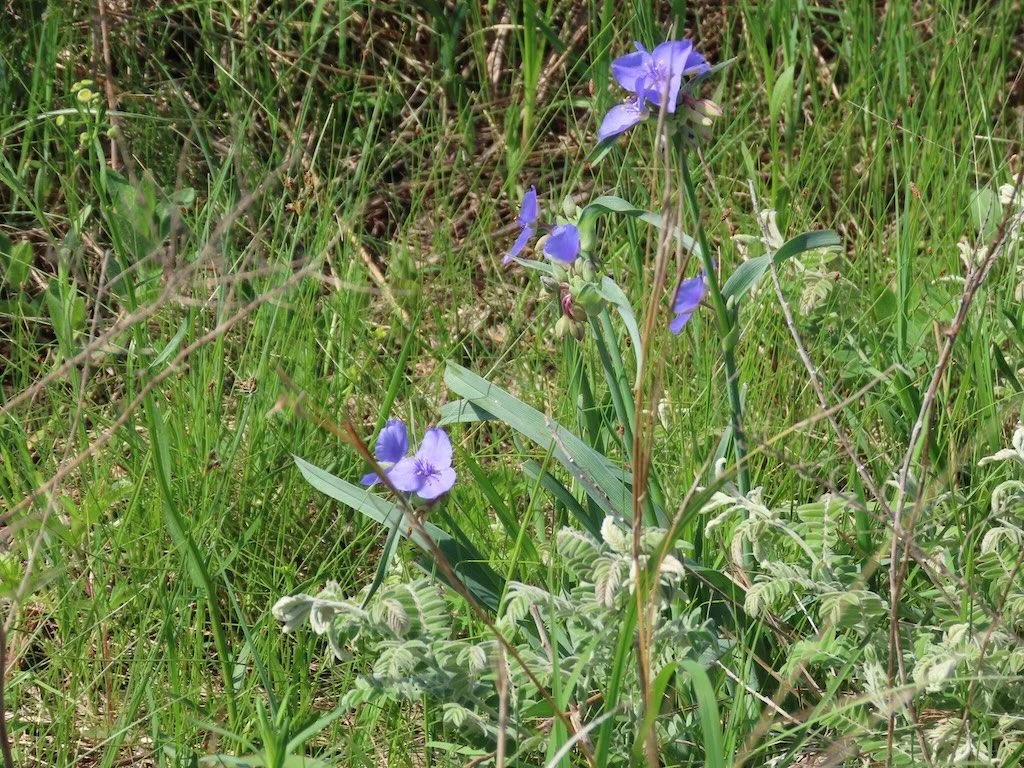
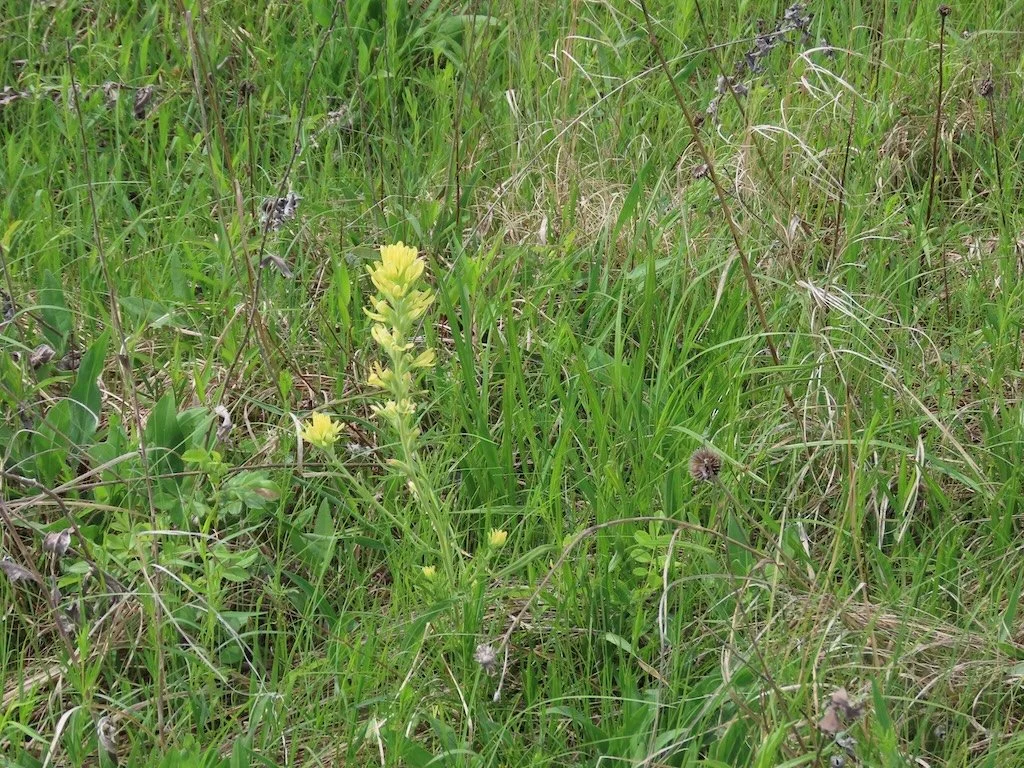
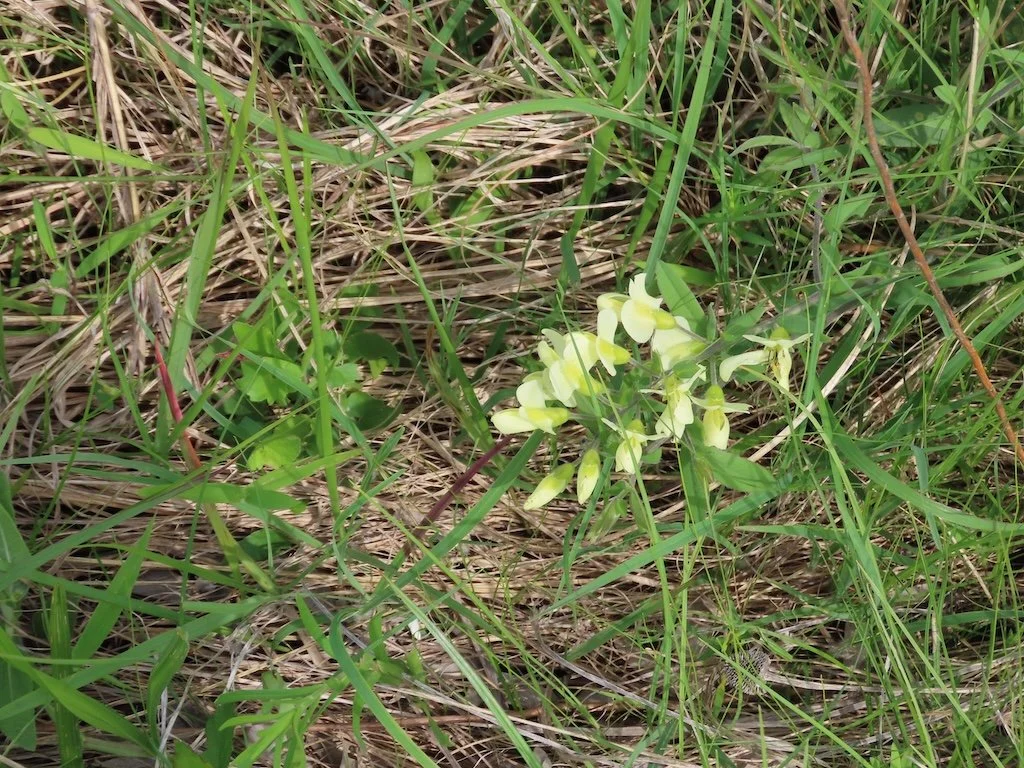
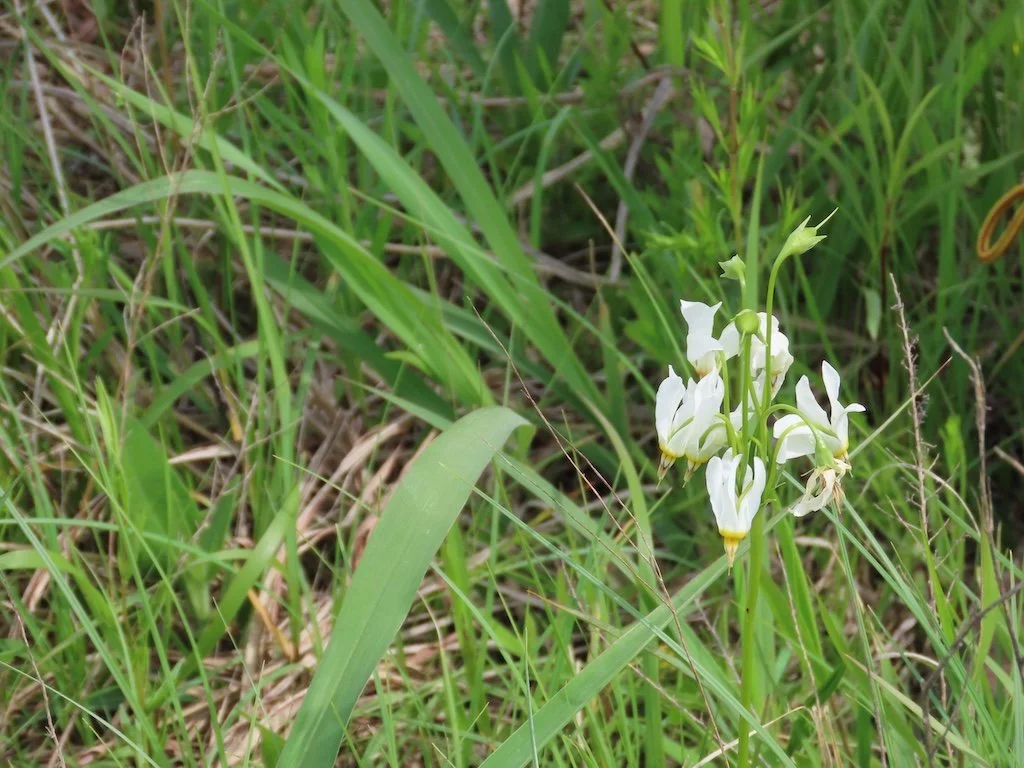
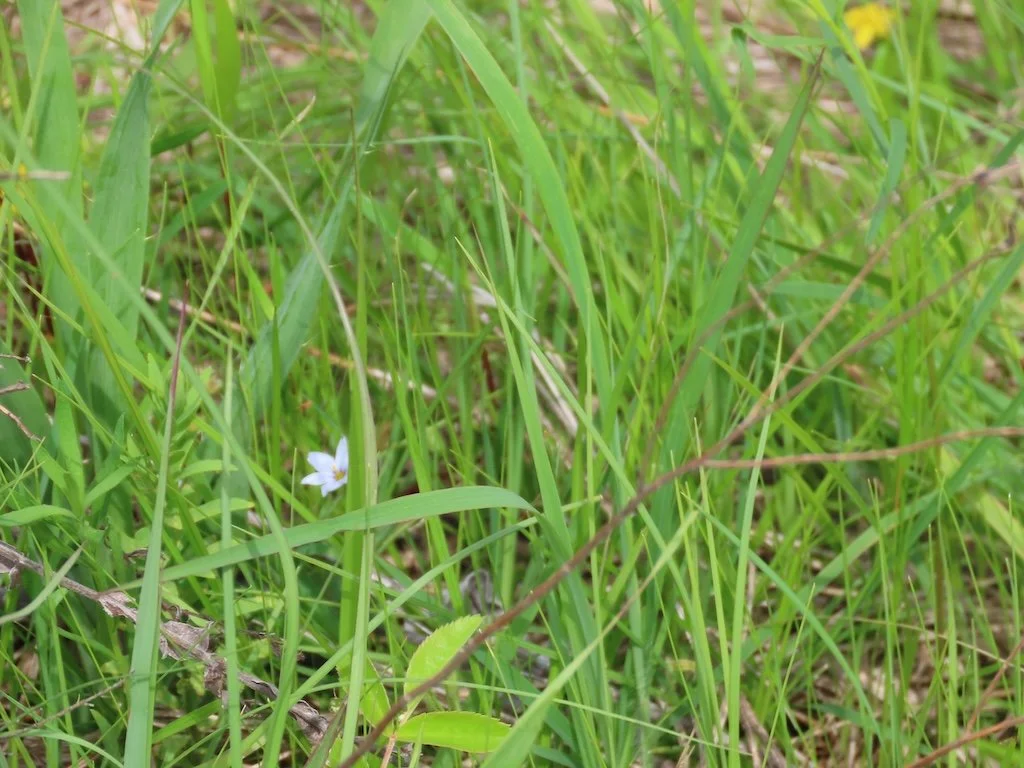
The last Sunday in April was a great day to visit Missouri Prairie Foundation’s Penn-Sylvania Prairie – the temperature was comfortable and wildflowers were blooming. A fellow Missouri Master Naturalist led the hike, another person used Seek to record what we were seeing, and my daughter did the driving…I simply enjoyed the hike and took pictures! Before we started our hike we all took precautions for ticks. I got one on me – when I took a picture of the sign! – but brushed it off quickly and didn’t find any more on subsequent tick checks.

The list for the day included:

  • Canadian Lousewort Pedicularis canadensis

  • Prairie Blue-eyed Grass Sisyrinchium campestre

  • Bastard Toadflax Comandra umbellata

  • Small skullcap Scutellaria parvula

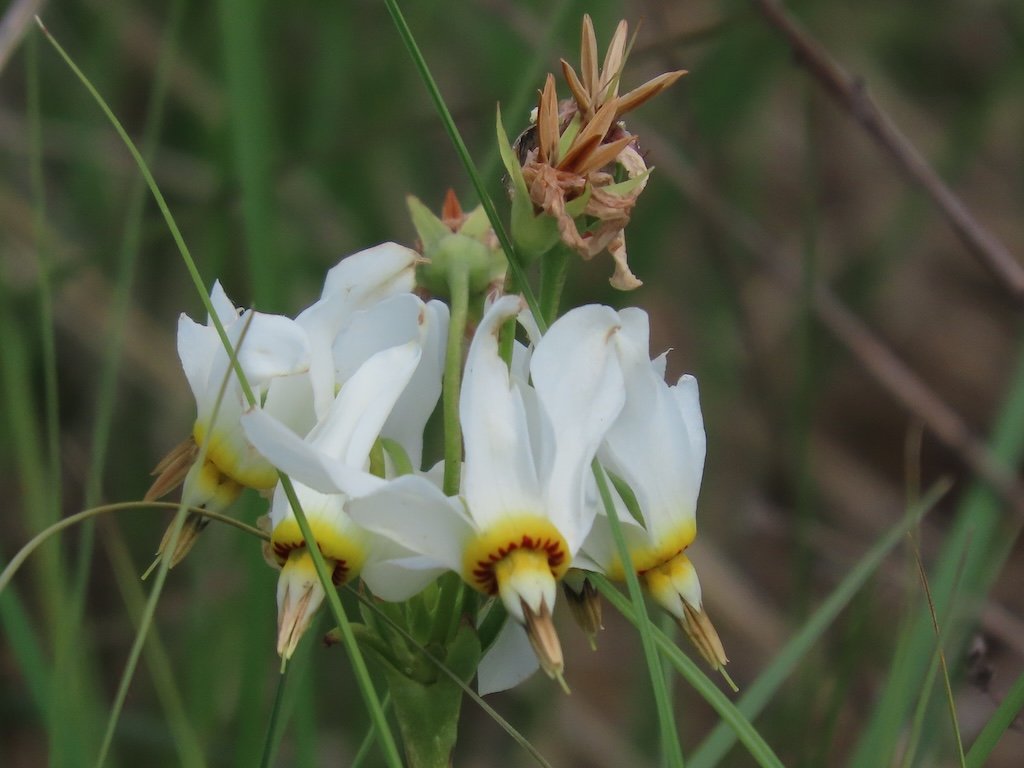
  • Eastern Shooting Star Primula meadia

  • Carolina Rose Rosa Carolina

  • Sampson’s Snakeroot Orbexilum pedunculatum

  • Ohio Spiderwort Tradescantia ohiesis

  • Cowpoison Nothoscordum bivalve

  • Mead’s Sedge Carex meadii

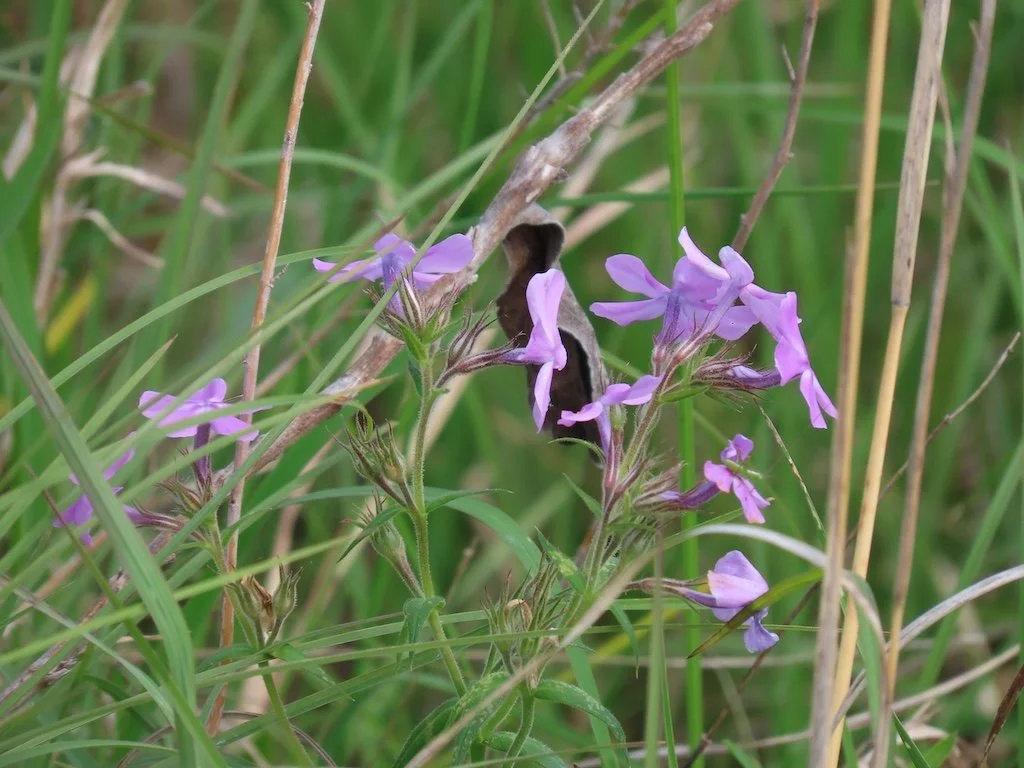
  • Prairie Phlox Plox pilosa

  • Pale-spiked lobelia Lobelia spicata

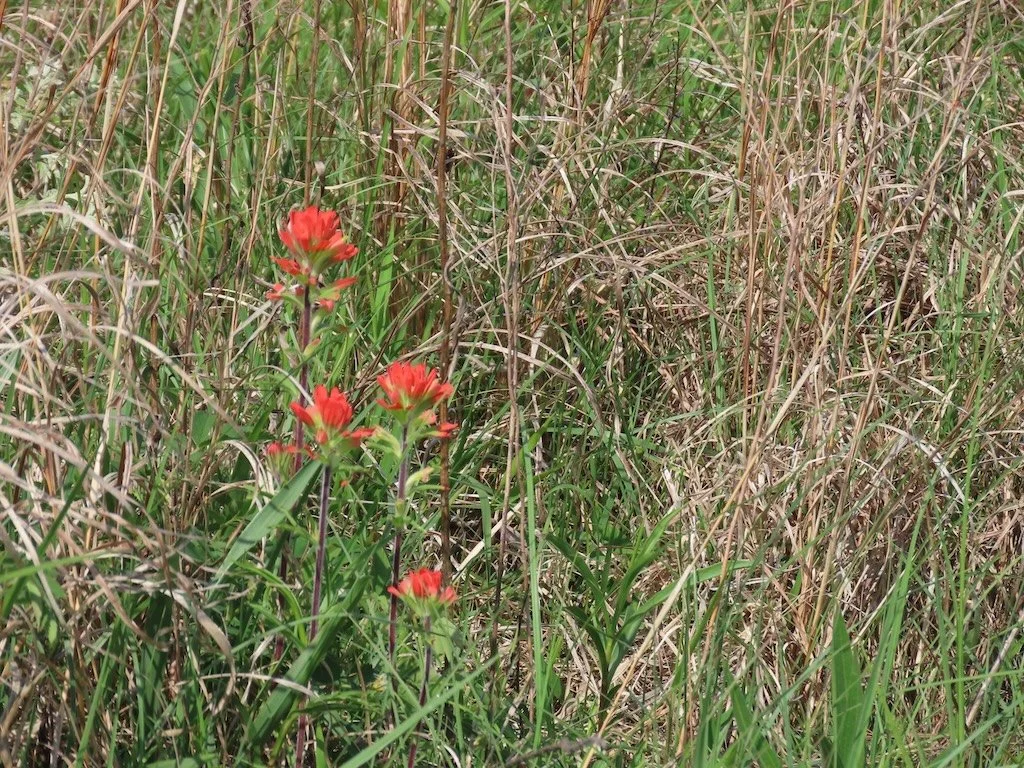
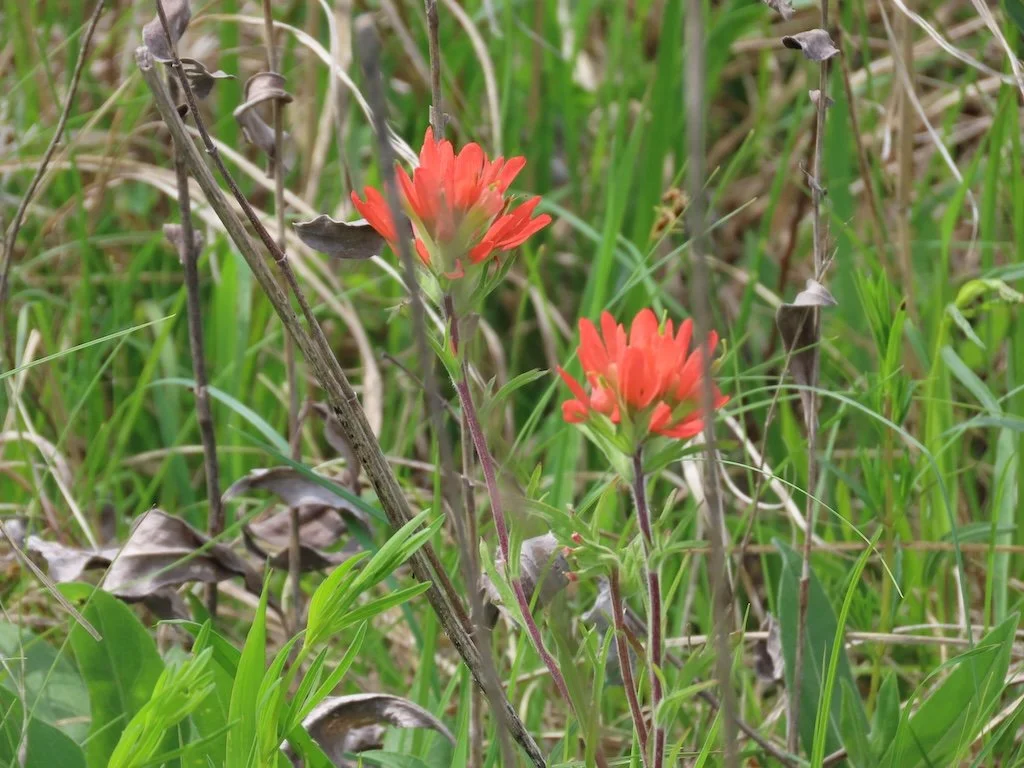
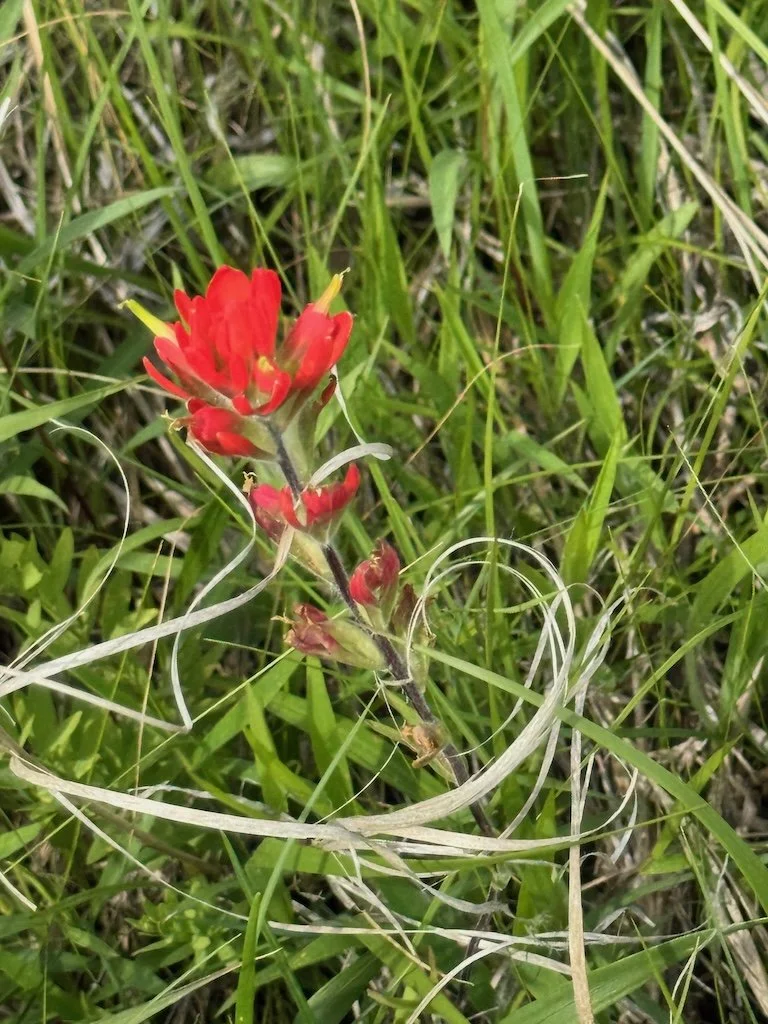
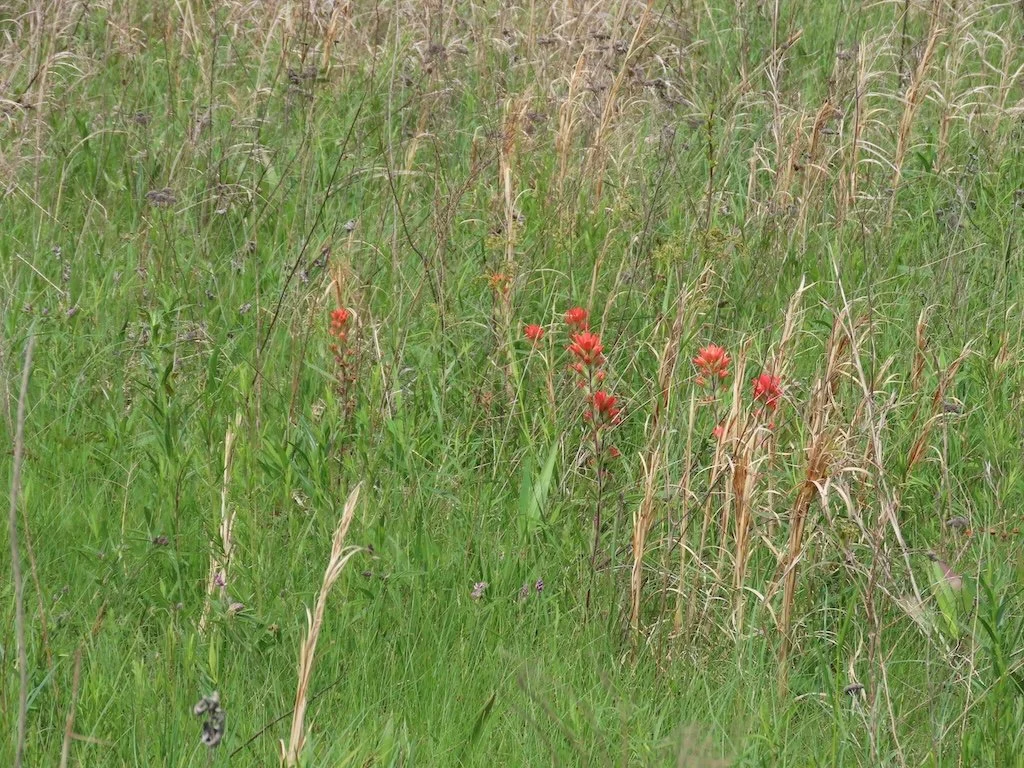
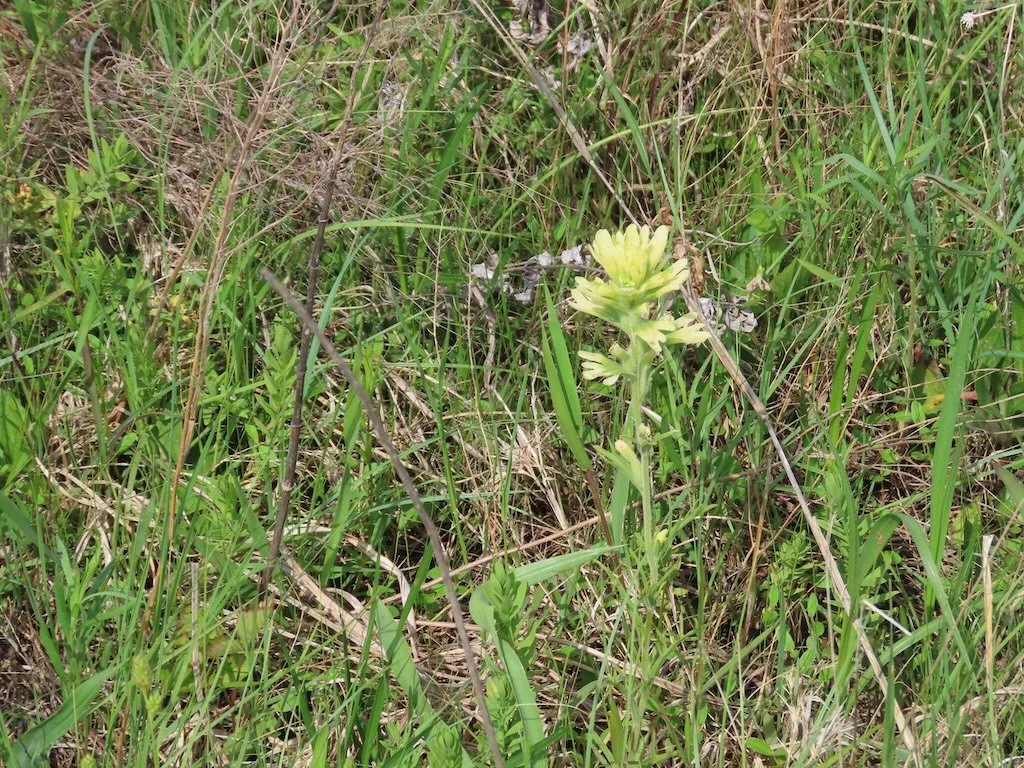
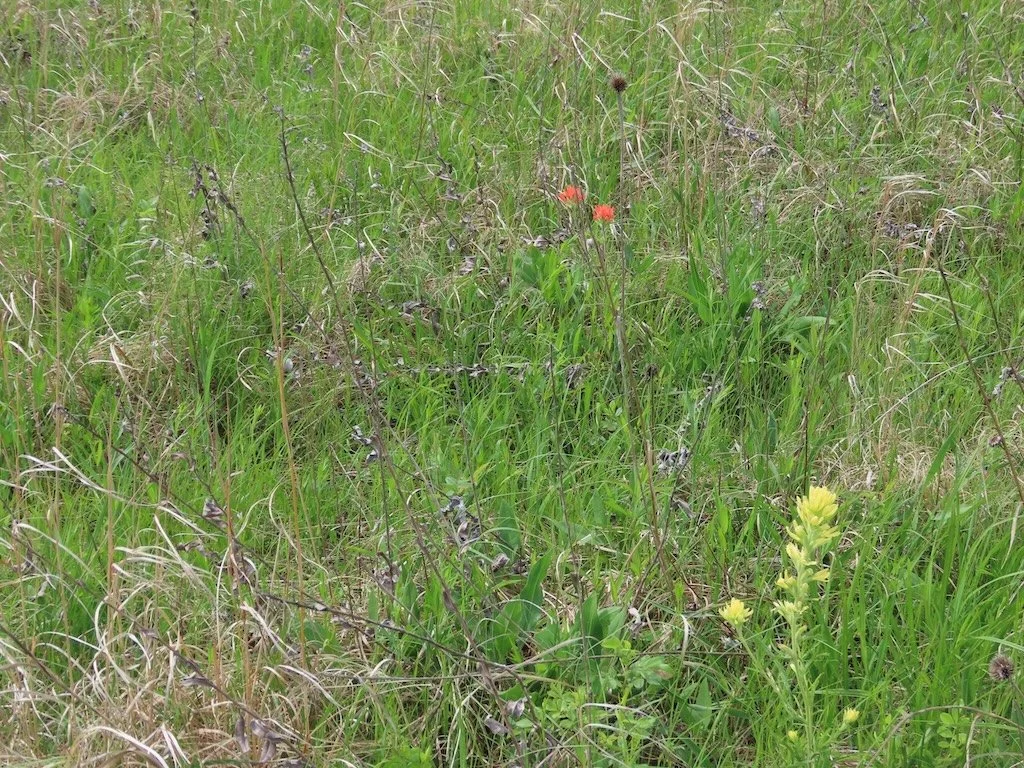
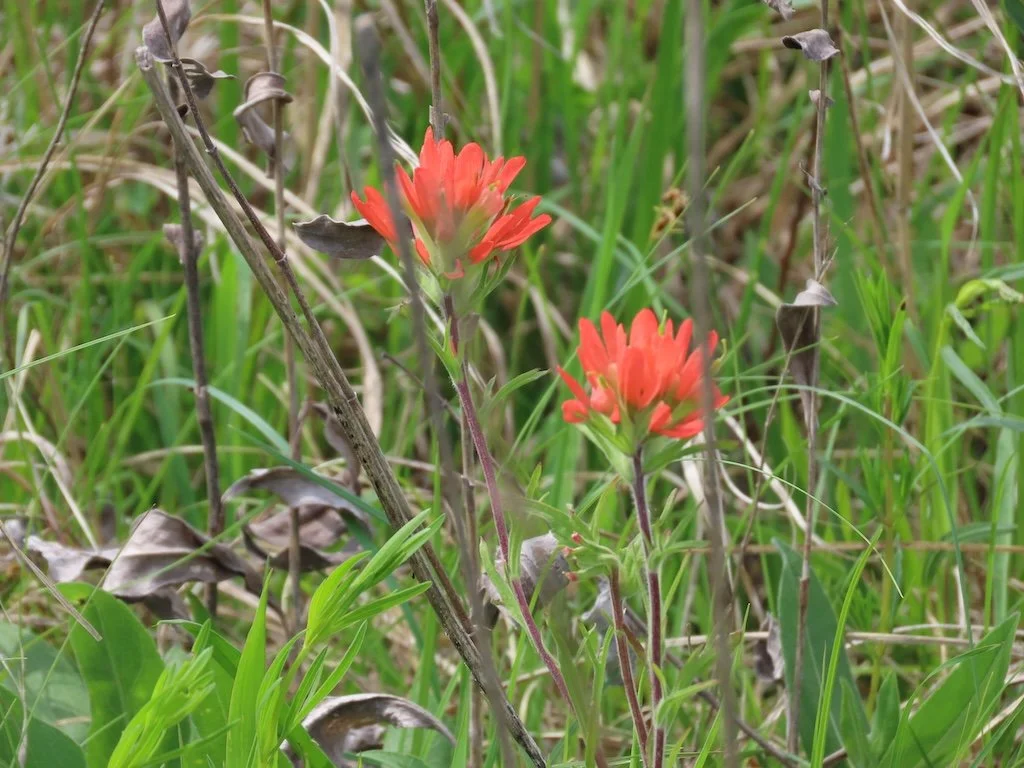
  • Painted-cup Paintbrush Castilleja coccinea

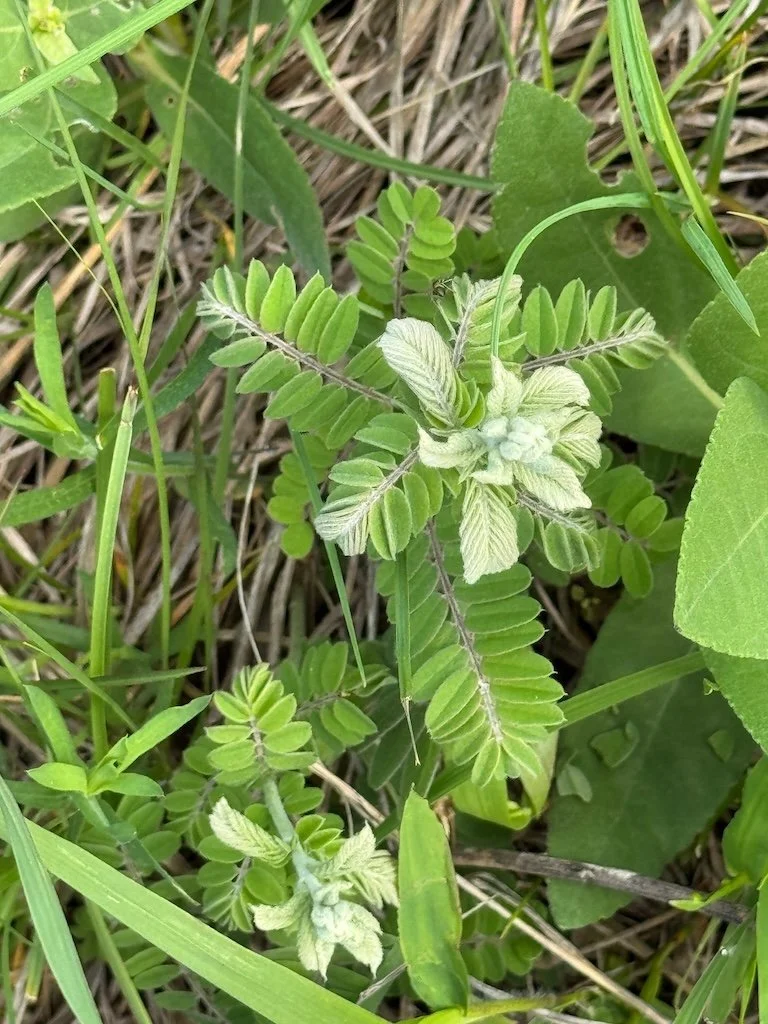
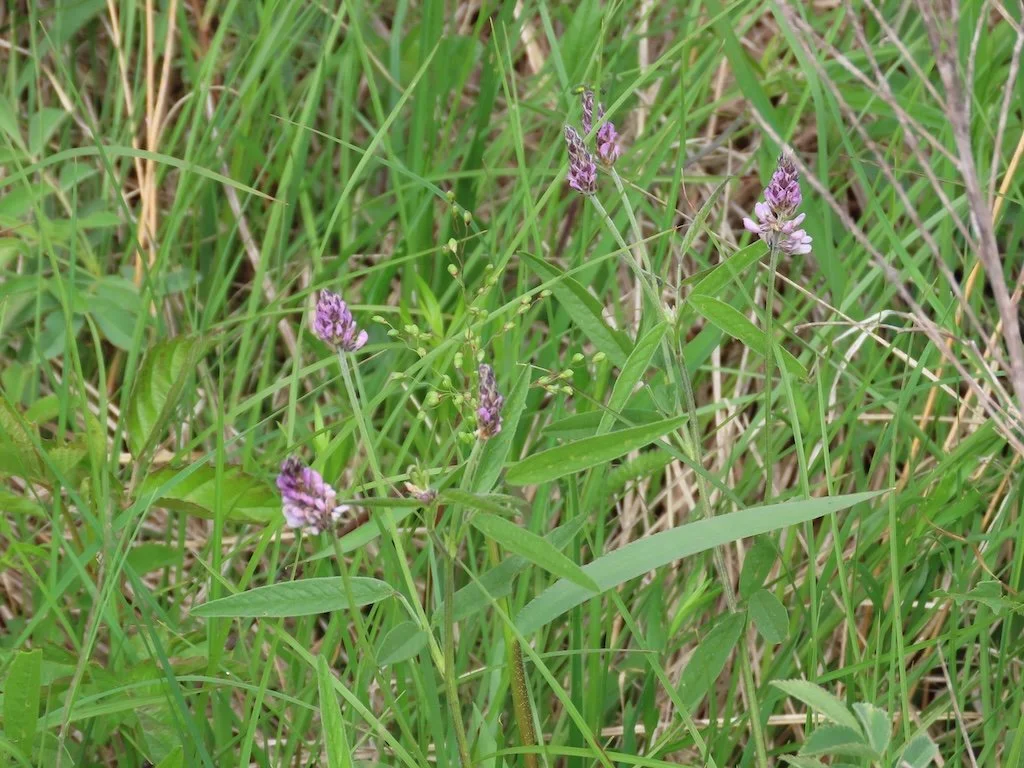
  • Goat’s Rue Tephrosia virginiana

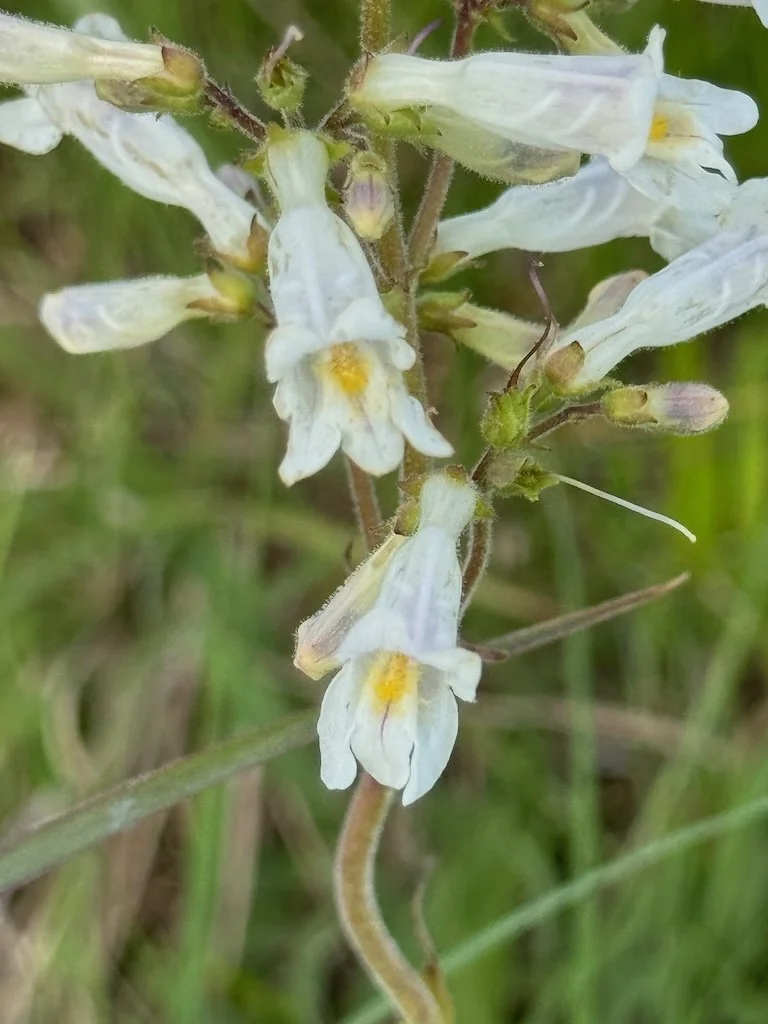
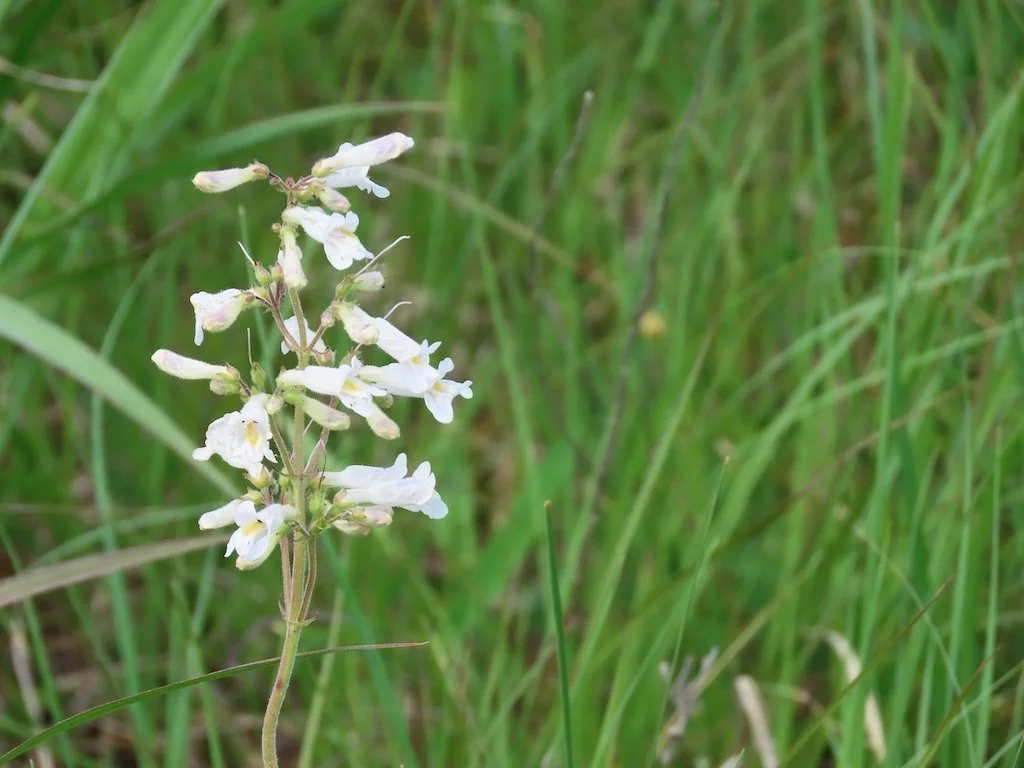
  • Pail Beardtongue Penstemon pallidus

  • Common Yarrow Achillea mallefolium

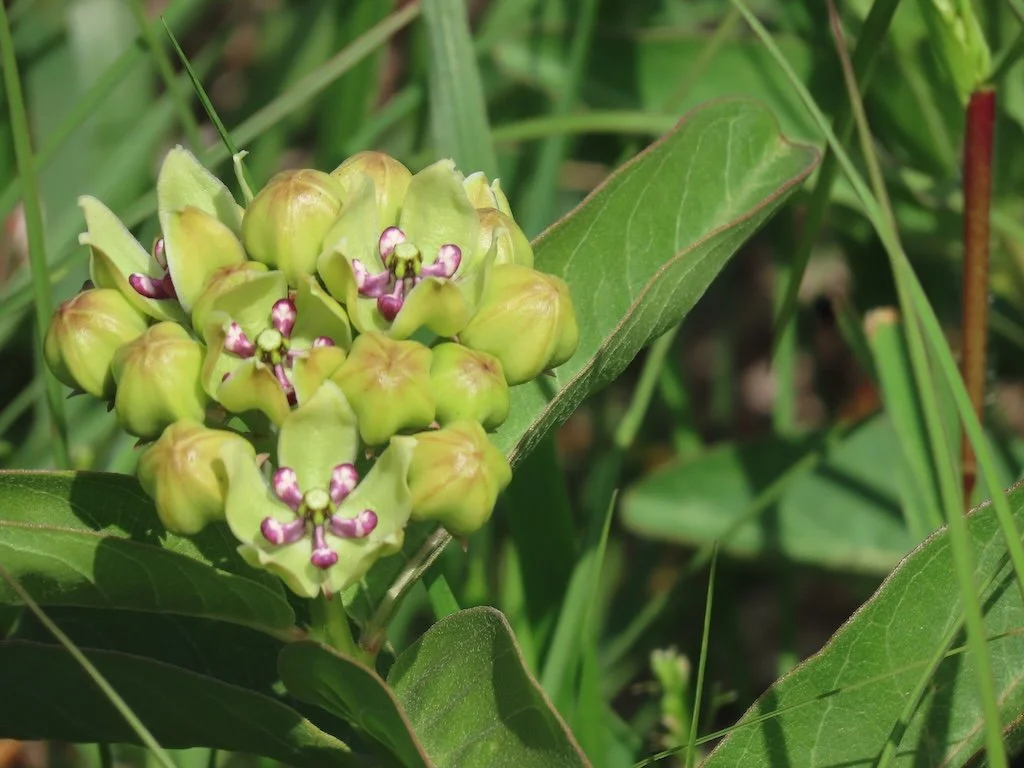
  • Green Antelopehorns Asclepias viridis

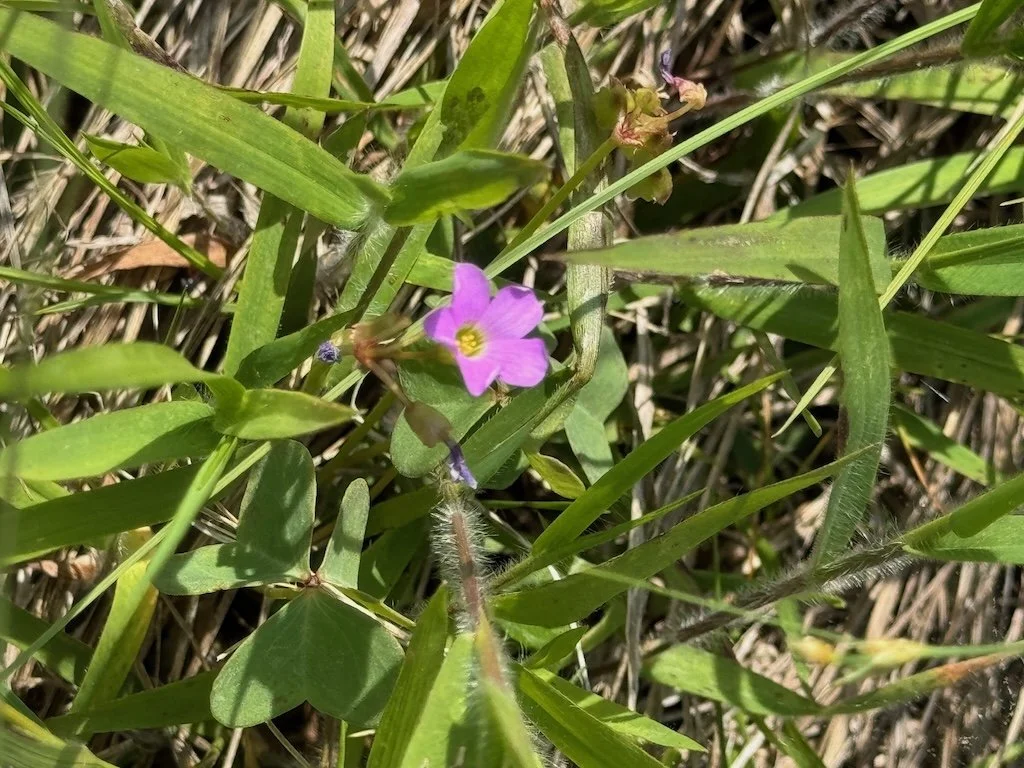
  • Violet Woodsorrel Oxalis violacea

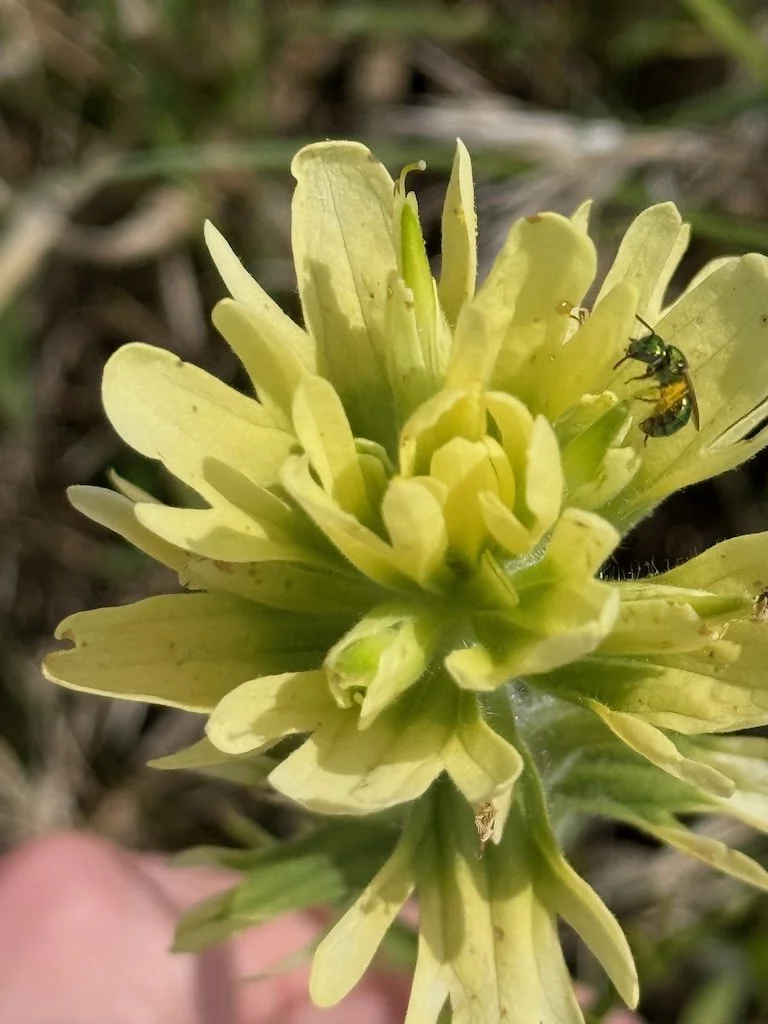
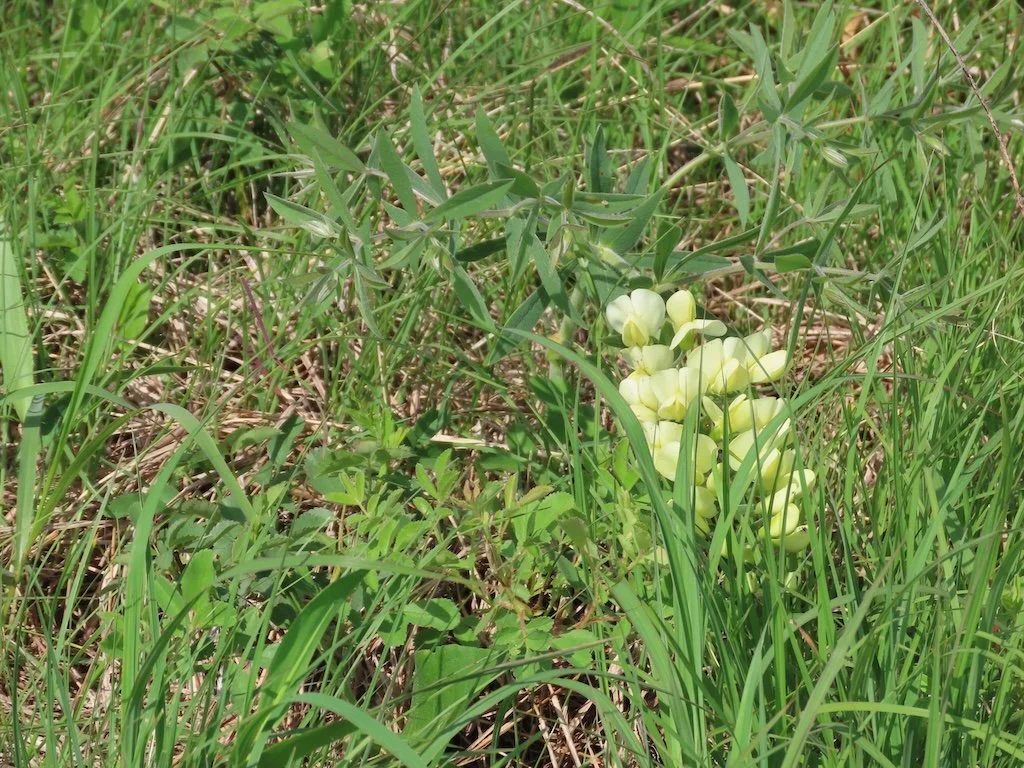
  • Cream wild indigo Baptista bracteate

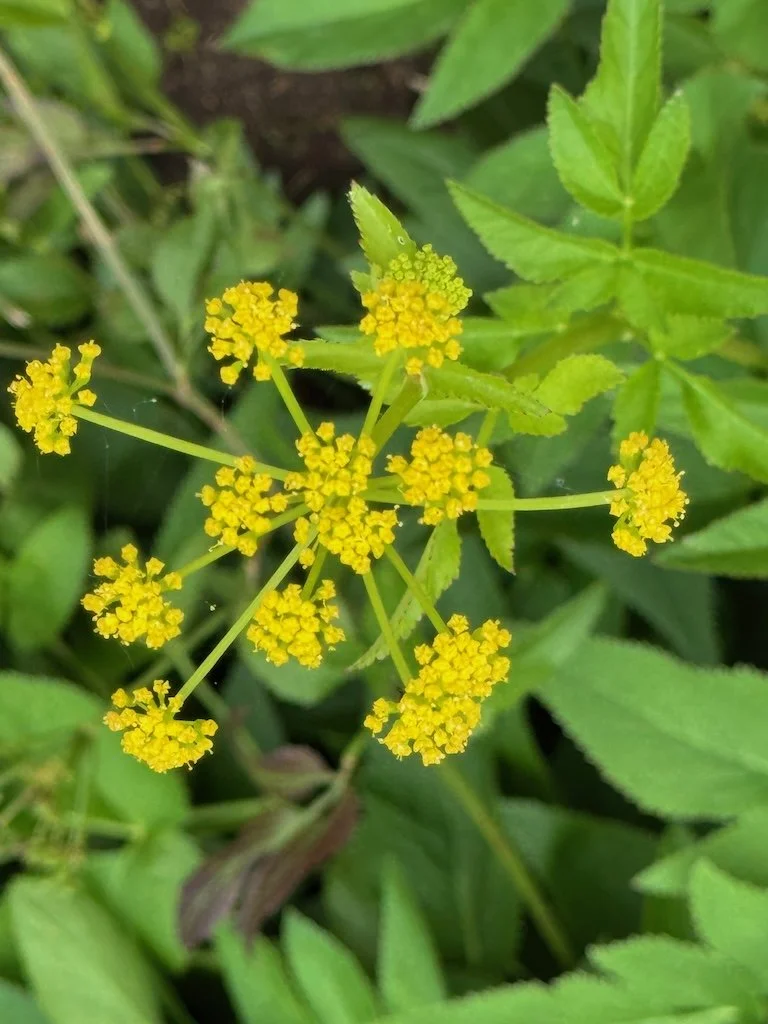
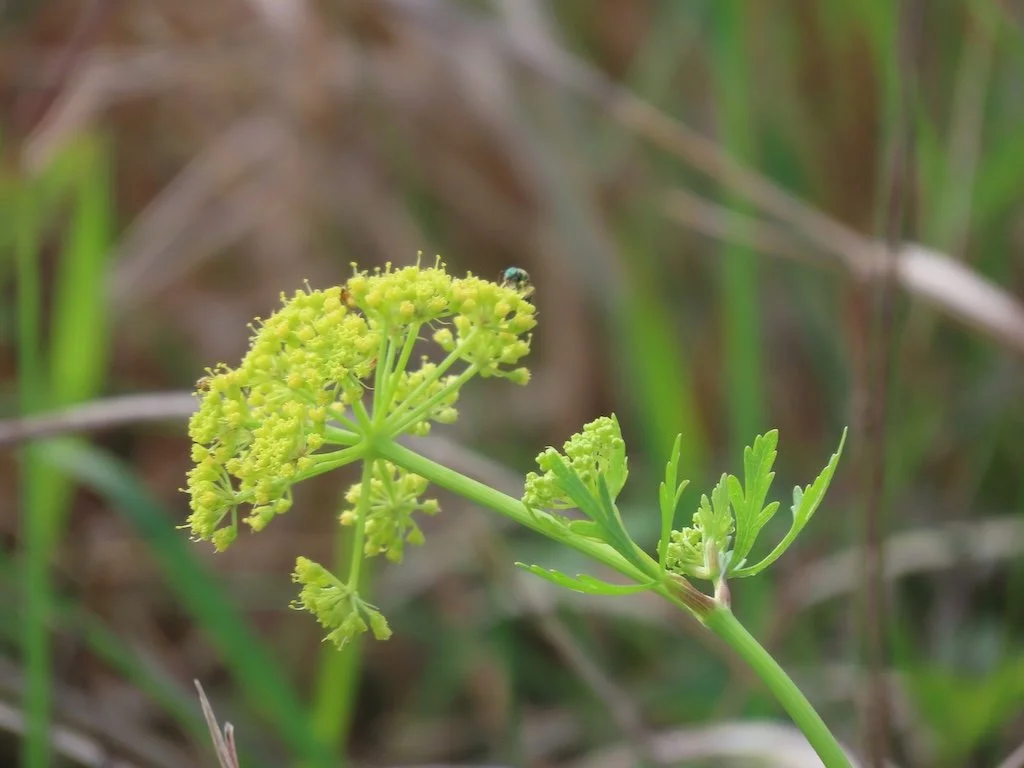
  • Golden Alexander Ziza aurea

  • Leadplant (not blooming yet) Amorpha canescens

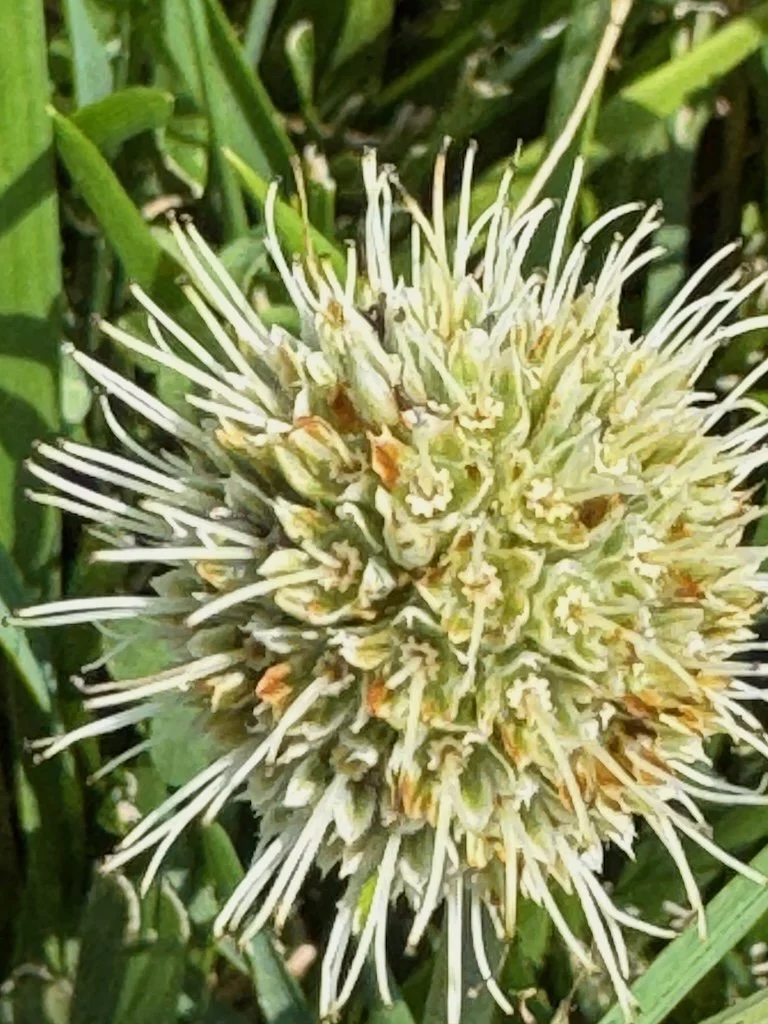
  • Rattlesnake master (not blooming yet) Eryngium yuccifolium

  • Smooth sumac (not blooming yet) Rhus glabra

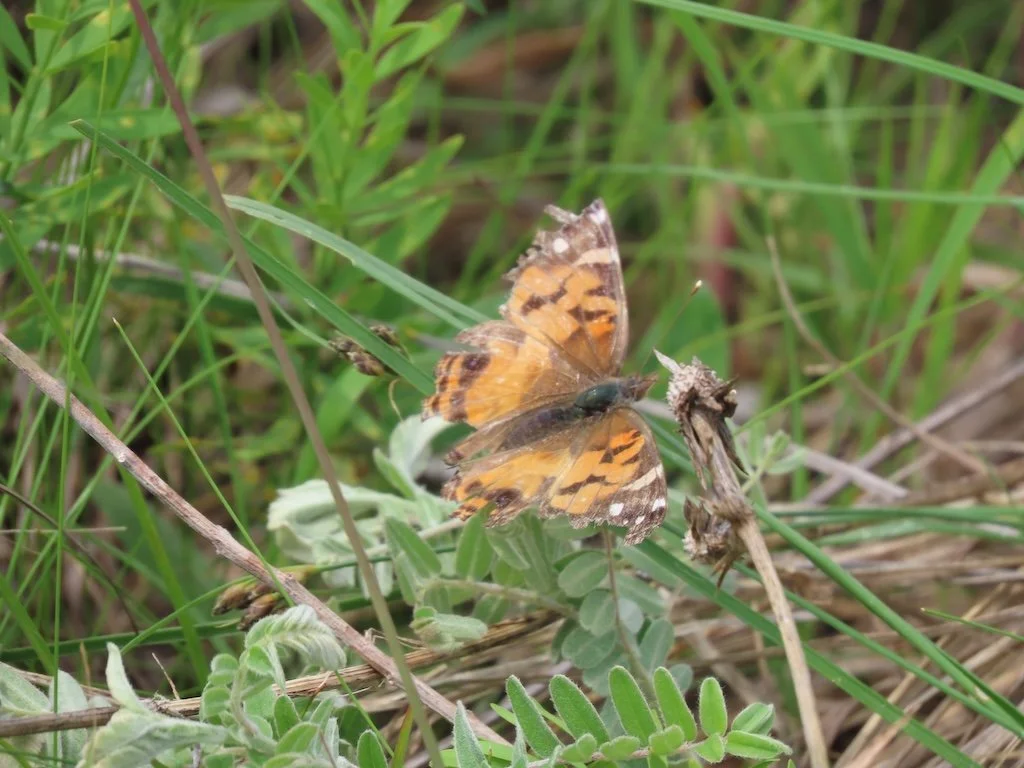
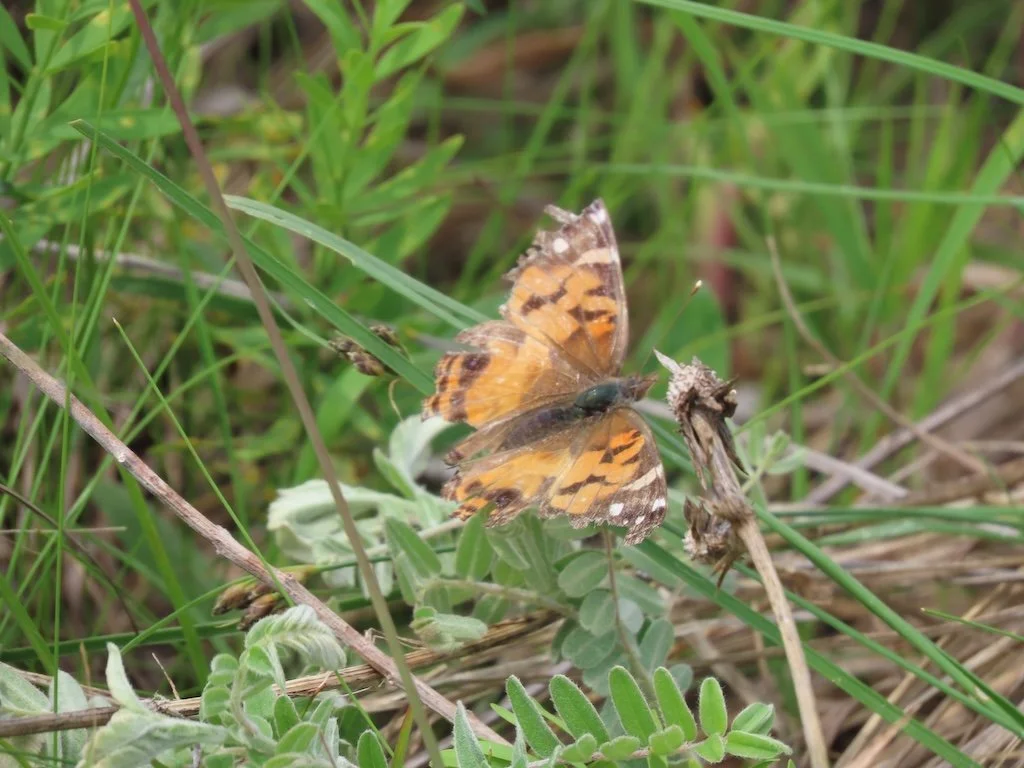
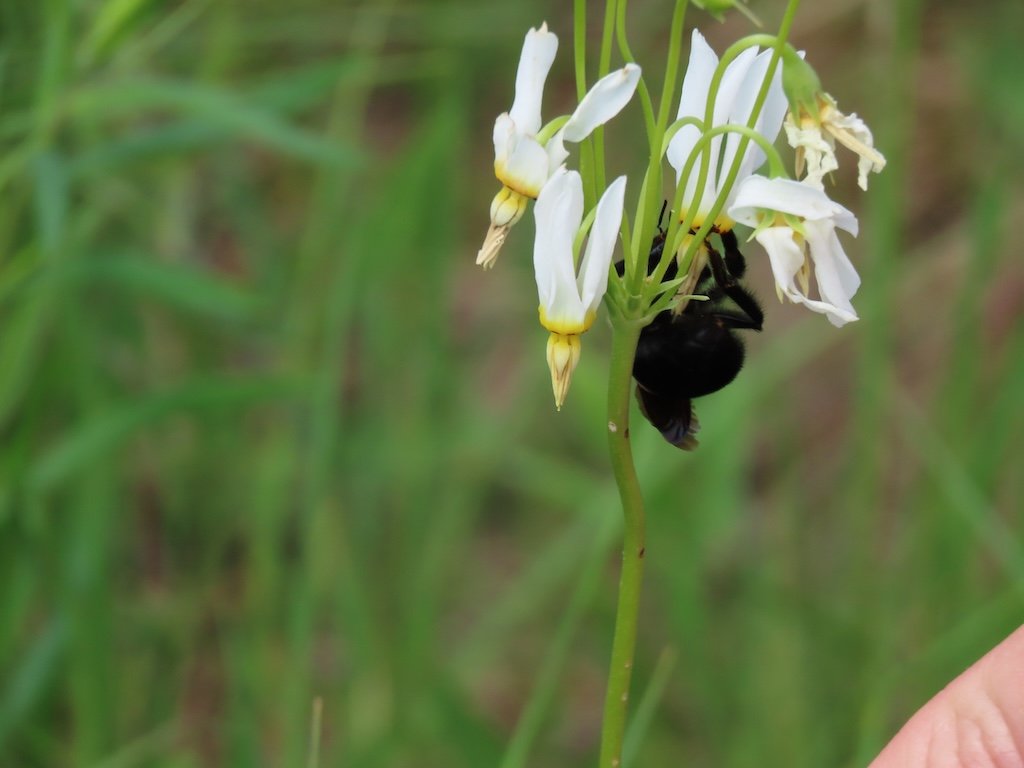
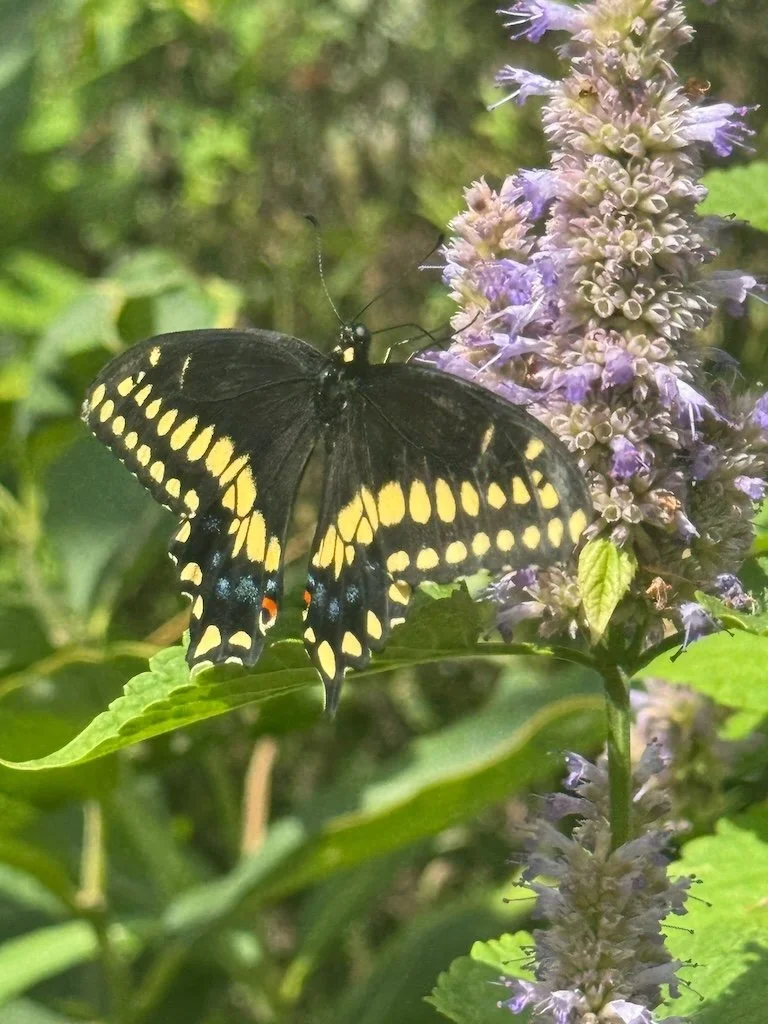
Most of the pictures were of plants…although I did manage one butterfly – probably an American Painted Lady. We saw larger bubble bees (maybe queens since it is the season for them to be flying) and some black swallowtails and grasshoppers. There were a few smaller bees/wasps that we photographed on plants.

I used two different cameras: 1) my phone (iPhone 15 Pro Max with Bluetooth shutter remote) for when I could easily get close to the plant. The flowers that were blooming were low so I frequently opted to use my other camera to avoid being brushed by vegetation (tick perches).   

2) my bridge camera (Canon Powershot SX 70 HS) has good zoom capabilities so I could stand up to photograph rather than being down in the vegetation.

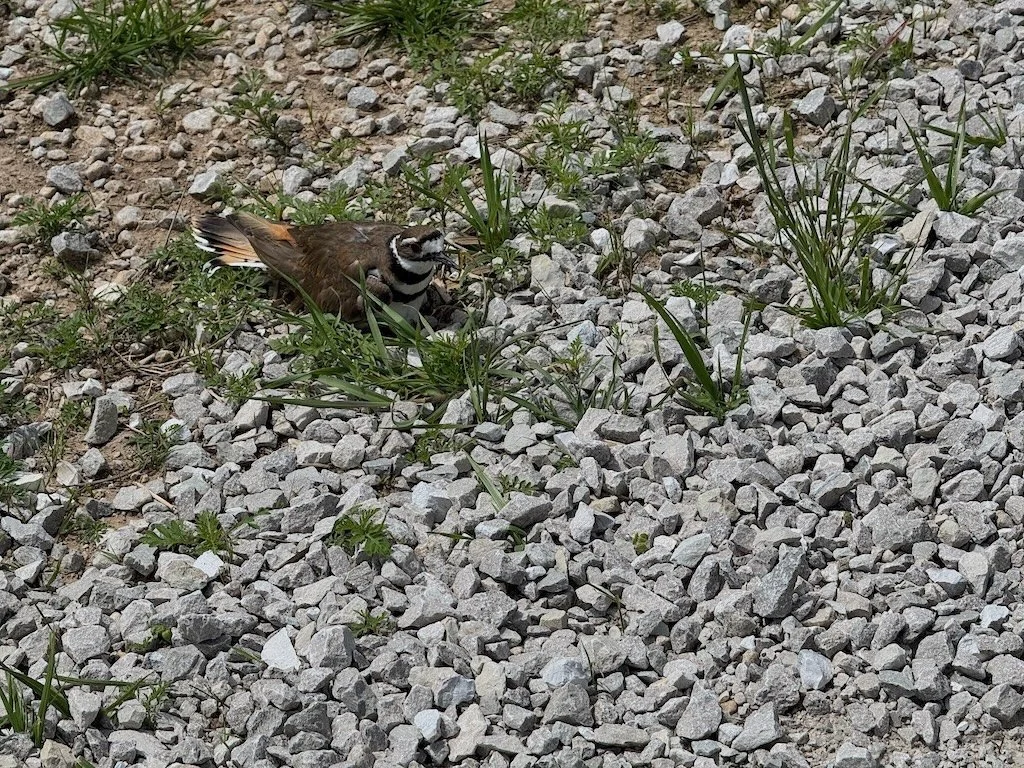
After we left the prairie, we continued along gravel roads to check on a Killdeer nest that had been seen at the edge of the road. It was still there and the bird stuck with her nest while we took some photos.

After lunch at the Hanger Kafe we headed home from our field trip.

Ten Little Celebrations – April 2026

April was full of springtime happenings worth celebrating.

Native plants for my garden. I celebrated finding all the plants on my list at a native plant sale….and when I got all 28 of them planted.

Angel’s Diner. Celebrating finding a great place to stop for lunch on my way home from my monthly trips to Dallas….in McAlester OK.

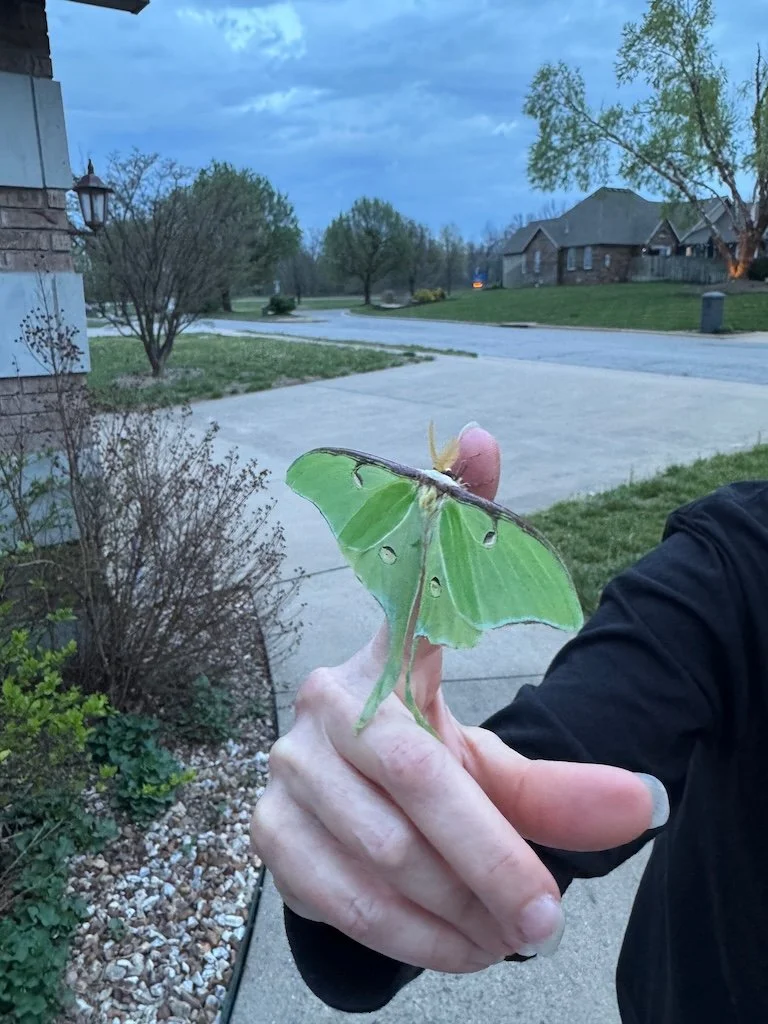
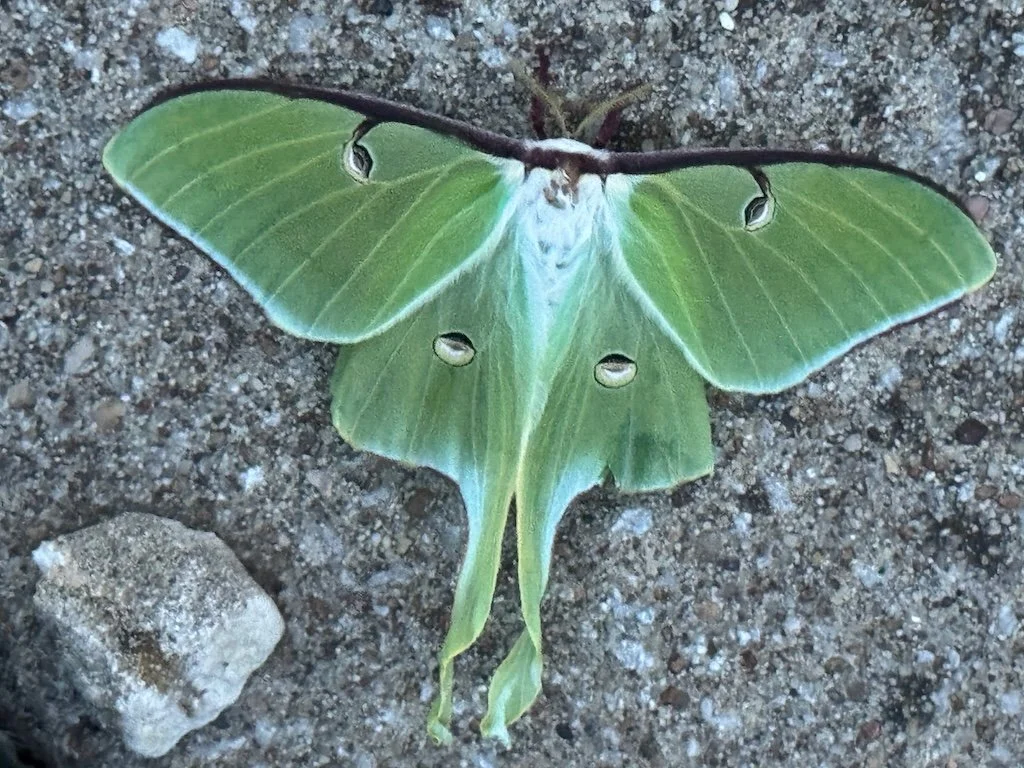
Luna moths. 10 luna moths emerged from cocoons that had overwintered in my John Deere room. I celebrated every time one took off into the wild.

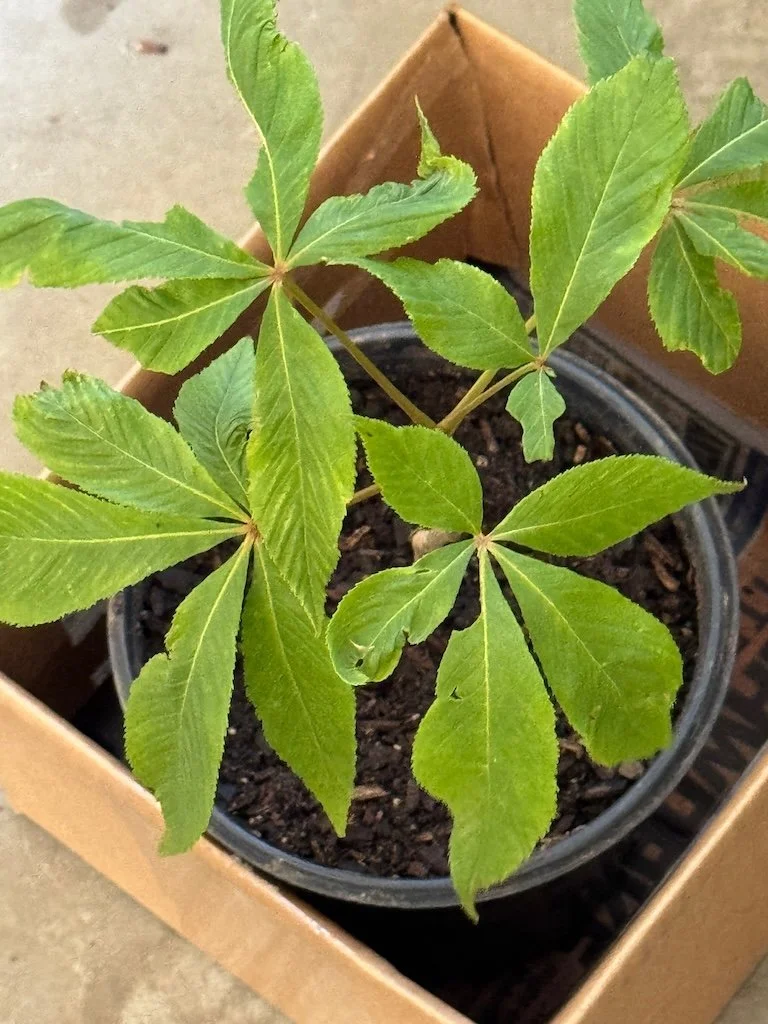
Another red buckeye. My young red buckeye that made it through the winter was killed by several frosts as its buds were popping…so it was a day to celebrate when a Master Naturalist friend dug up a seedling from her yard for me.

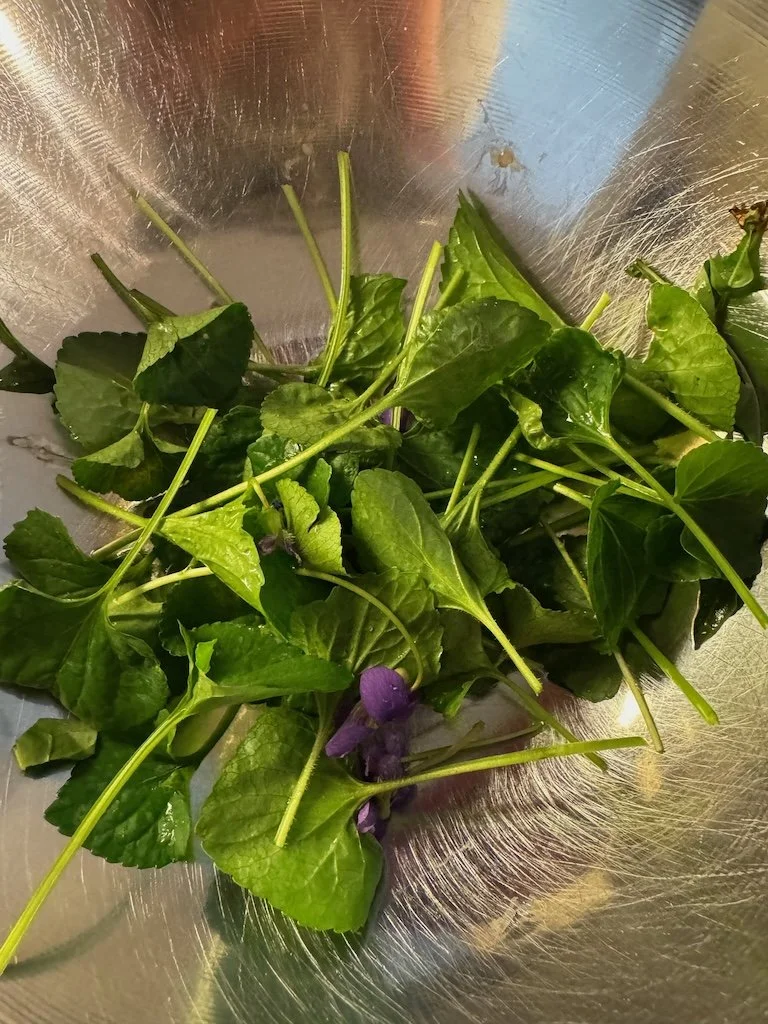
Dandelion and violet leaves in my salads. It’s that time of year when I don’t need to buy leafy greens…there are so many that are available in my yard. I’m celebrating the bounty.
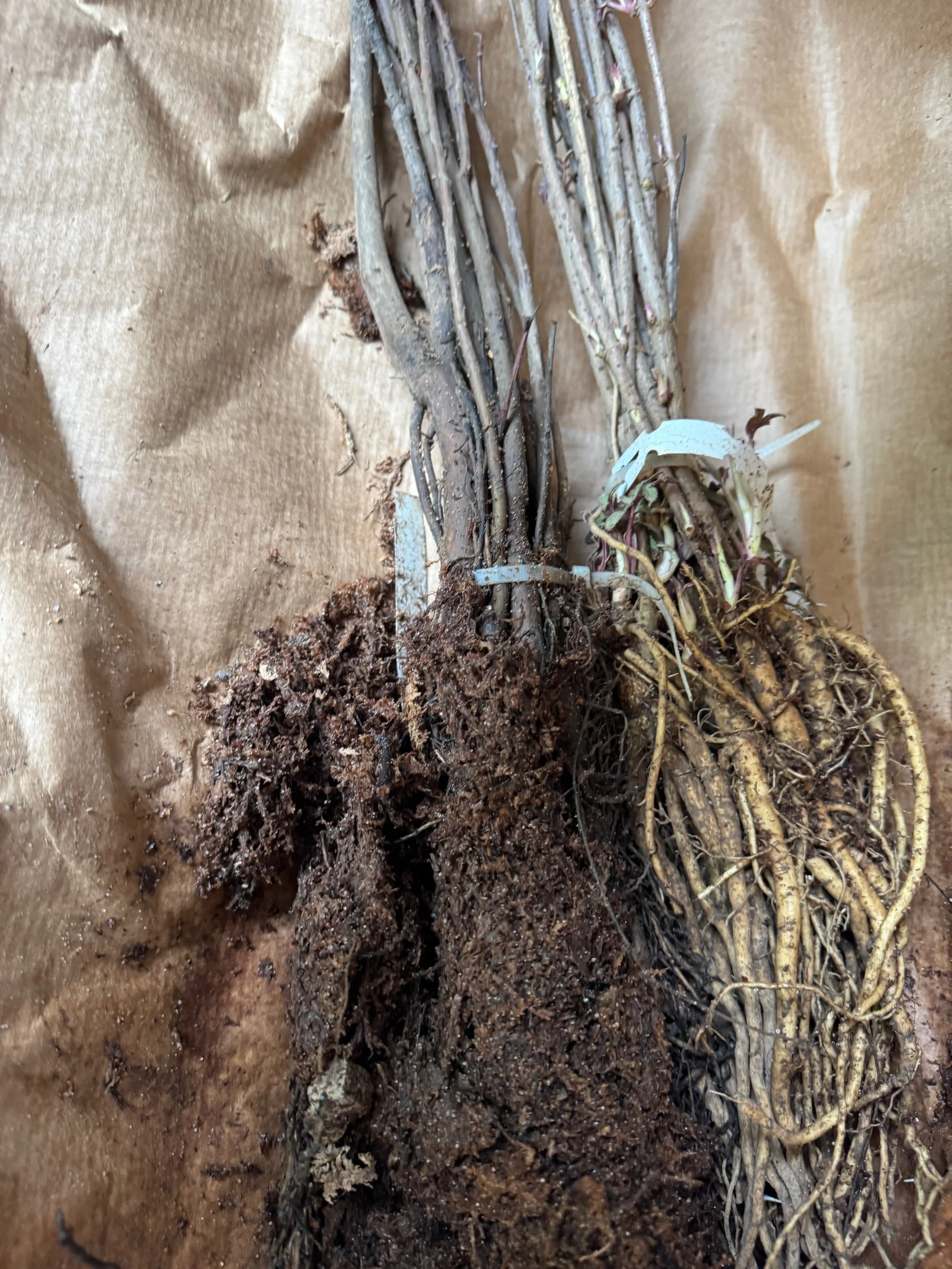
Pawpaw and elderberry seedlings. I hadn’t anticipated how hard digging 10 holes for seedlings was going to be….so the biggest celebration of the day was when it was done!
Earth Day. I celebrated having 2 (very different) tabling gigs for Earth Day this year.
Scissor-tailed Flycather. Celebrating that they are back…I saw one in Oklahoma on my trip to Lewisville/Dallas this month.

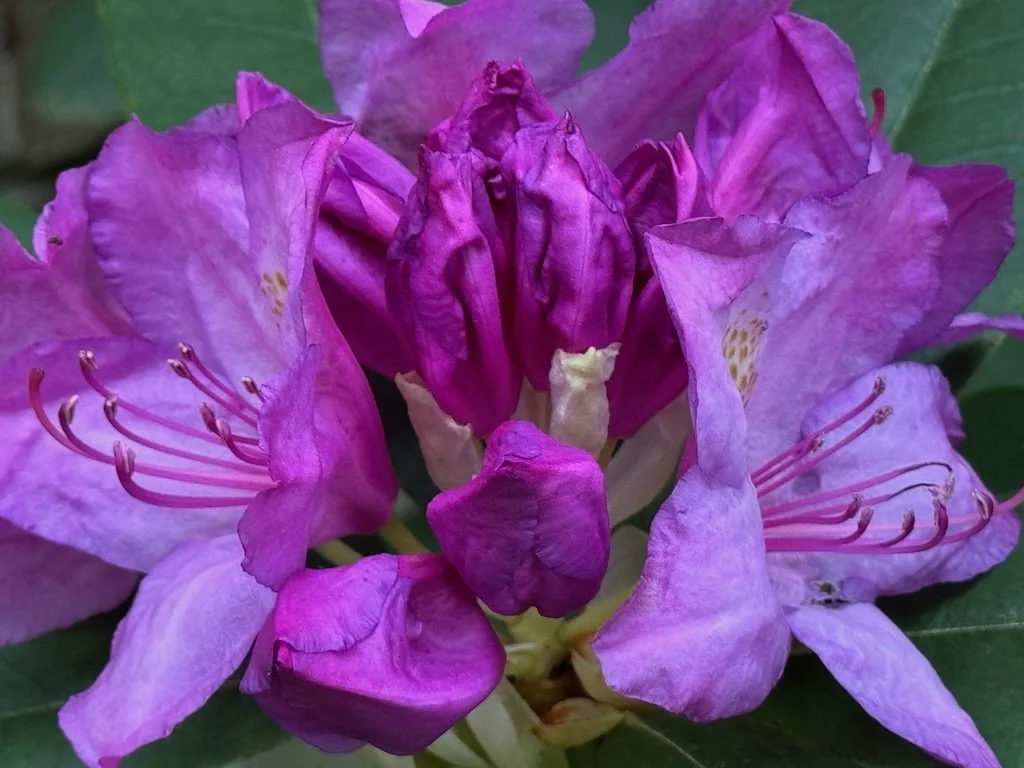
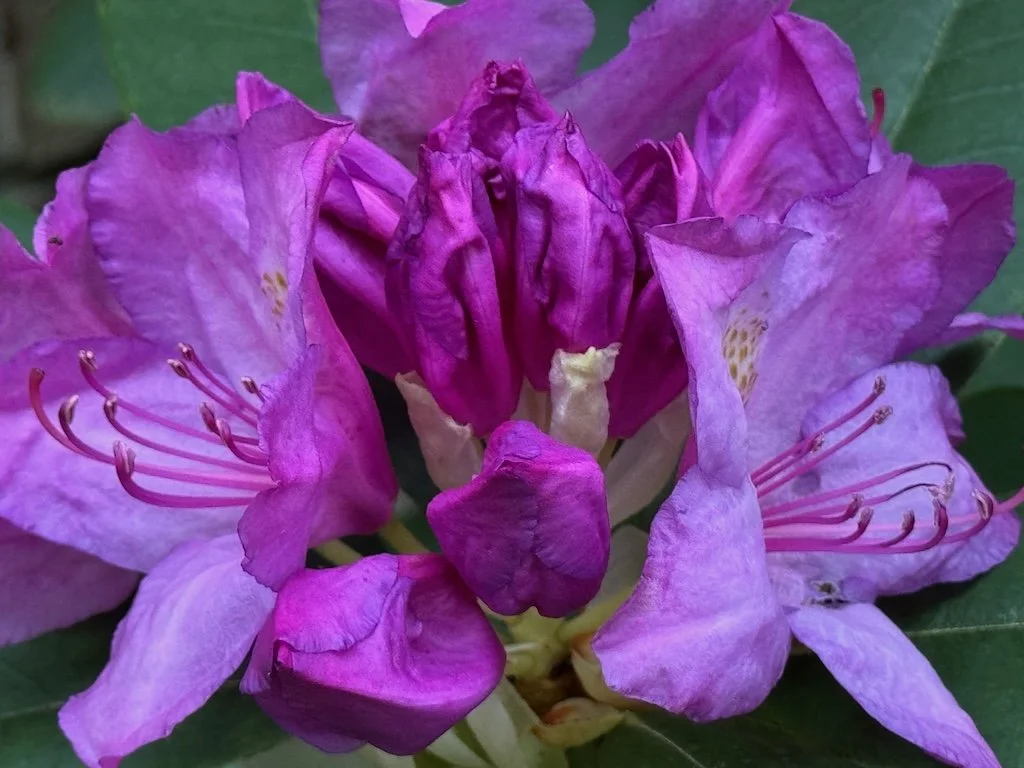
Rhododendron blooming. Celebrating the big clusters of flowers.

Show-me less plastic events. 2 successful events….good interactions and learning experiences. Celebrating baby steps toward plastic reduction.

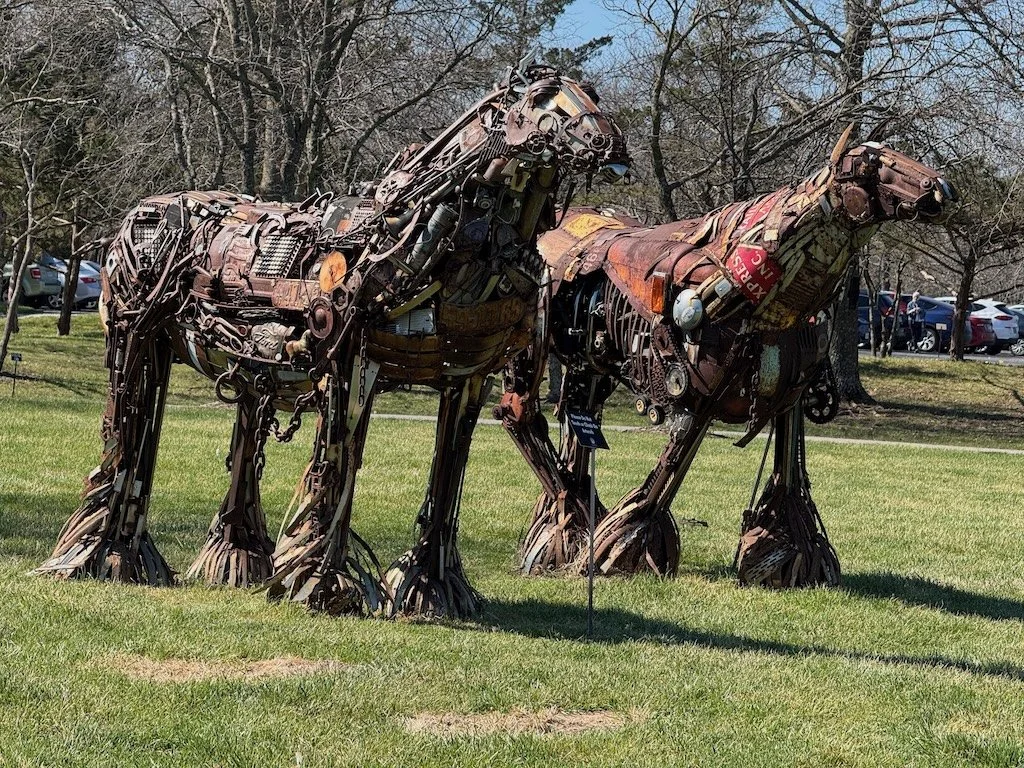
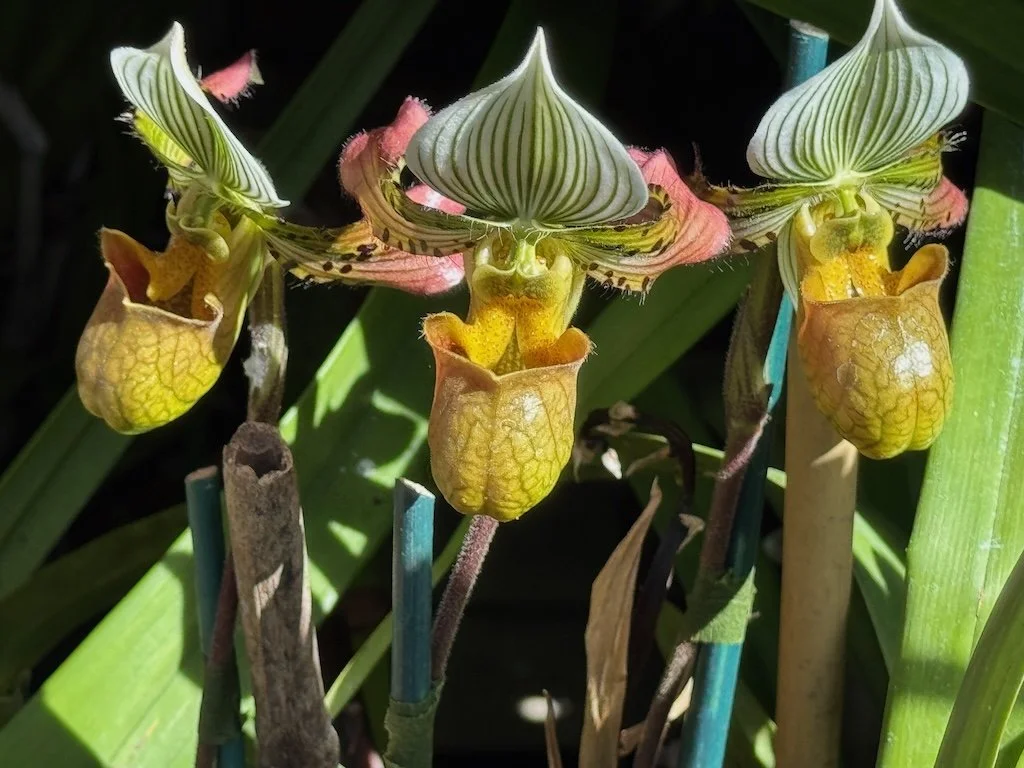
Zooming – April 2026

April was a mix of temperature extremes with some plants thriving – others not faring so well. By the end of the month, it was obvious that the majority were going to be OK. I enjoyed my yard in April as I planted almost 40 new native plants (the bulk in a new garden); I photographed older plants as I added the new ones. I released 10 luna moths that emerged from last summer’s cohort; the temperature swings might have been challenging for them but I opted to release them within 24-48 hours after they emerged since their adult life span is so short. There is one picture from my Texas trip…3 from a visit to Powell Gardens.