Benefits of Riparian Corridor
/My second lecture session at the Missouri Master Naturalist state conference was Brian Waldrop’s Benefits of Riparian Corridor. Most of the material was not new to me, but it was thought provoking.
There was a chart about different types of riparian corridors: forest, grassland, mixed, and wetland. I realized that the one I was most familiar with was forest (most of the time in an urban environment where the corridor was damaged by intermittent intrusion of heavy runoff that often undermined the trees. A stream in a tropical forest was shown with vegetation hanging well over the stream surface.
The wider the buffer, the greater the benefit - starting with bank stabilization and progressing to water quality, flood control, and wildlife habitat. In urban/suburban areas, we often think it is great if we can achieve bank stabilization!
It seemed logical that the type of plants found in riparian zones should be native, flood-tolerant, deep-rooted, and shade-providing. I realized that I don’t know these things about individual plant species. I tend to draw on memories of trees seen frequently along rivers in Maryland and in Missouri – like American sycamores!
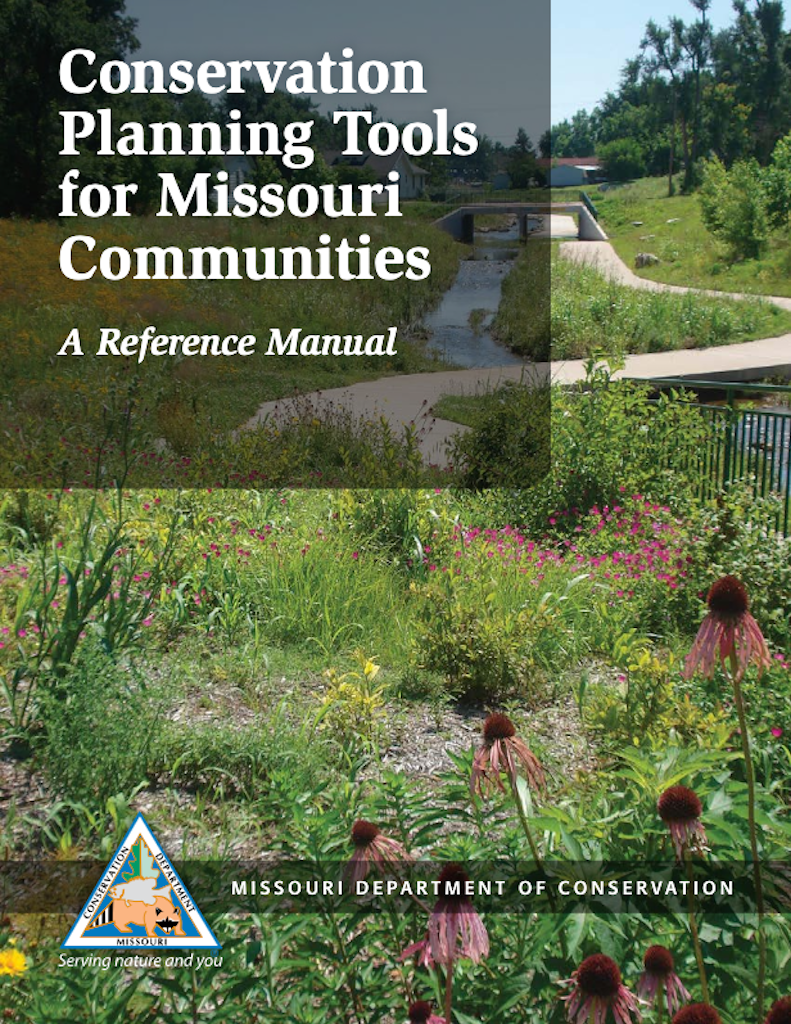
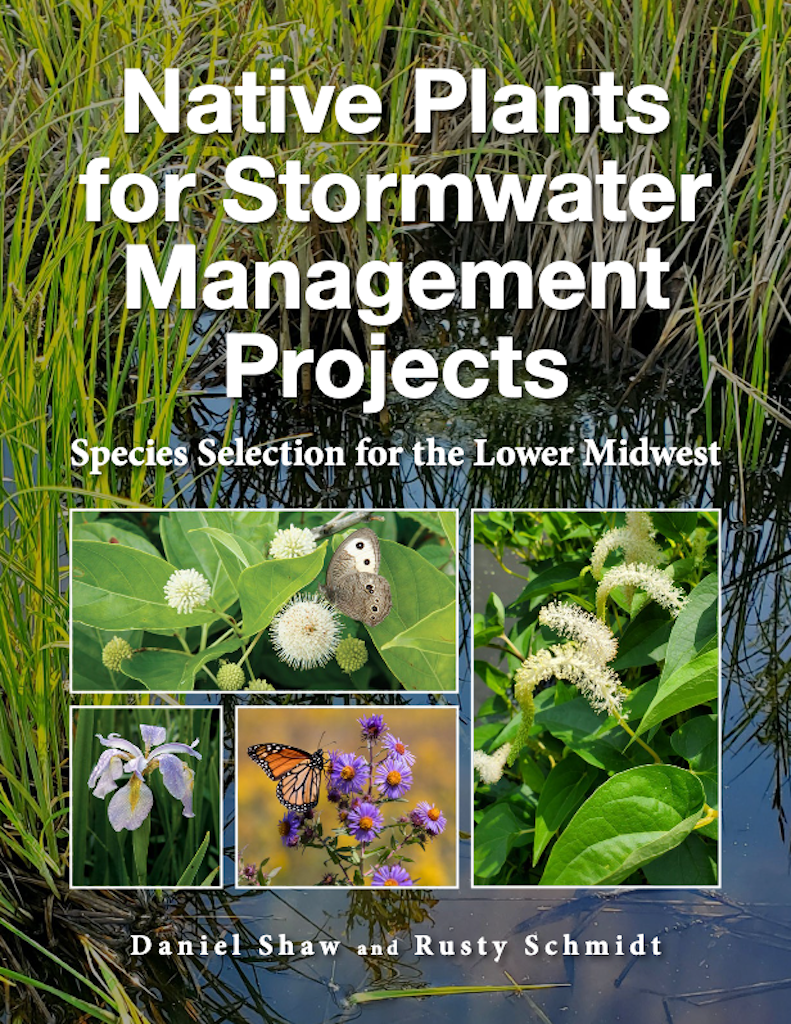
The talk ended with some charts about good reverences. I am putting them on my list of books to browse online!
Conservation Planning Tools for Missouri Communities: A Reference Manual (from MDC)
Native Plants for Stormwater Management Projects (from Grow Native!)
Stormwater Smart Outreach Tools (US EPA)