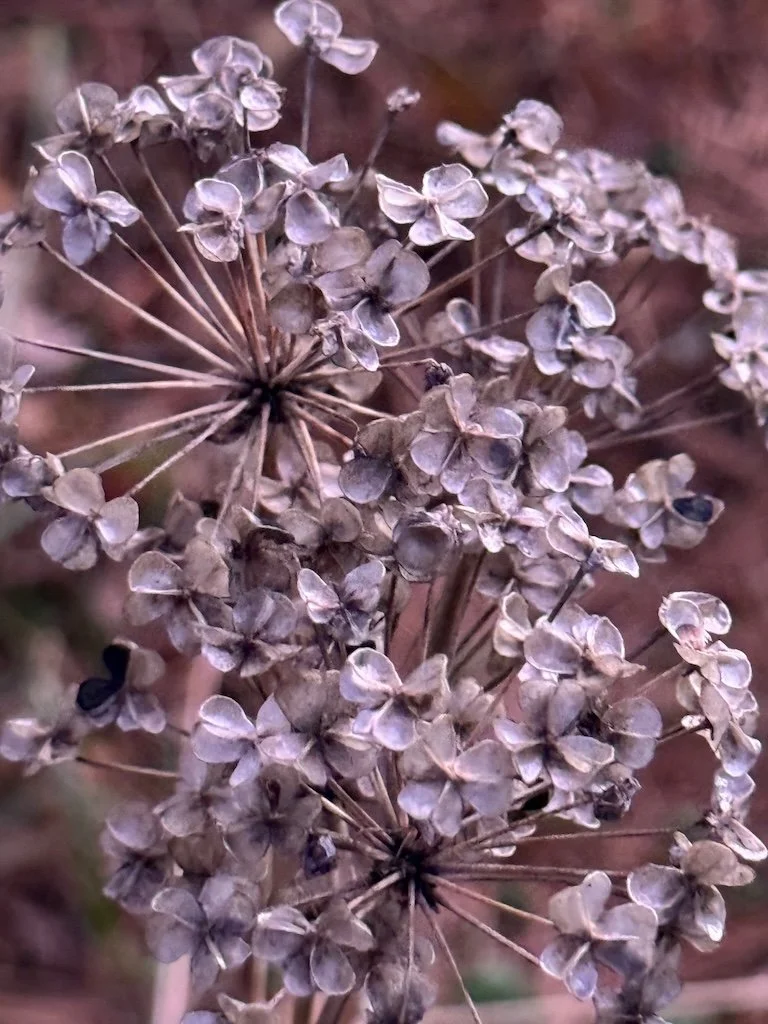
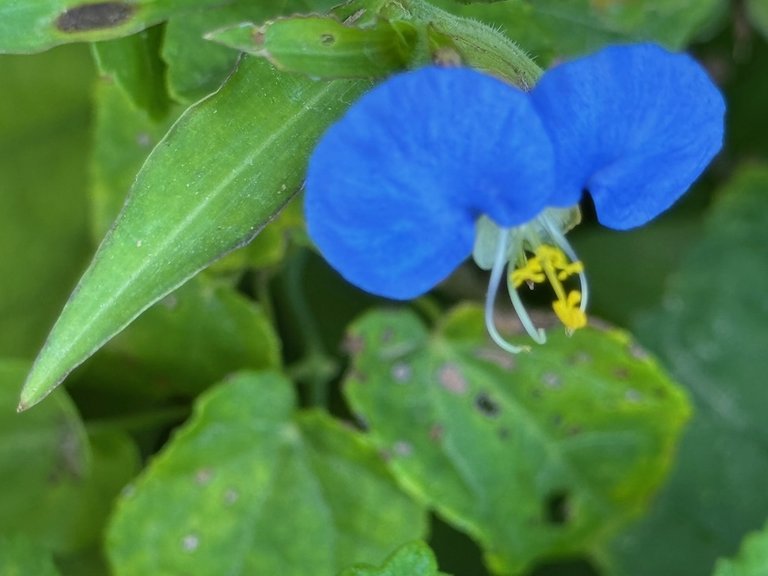
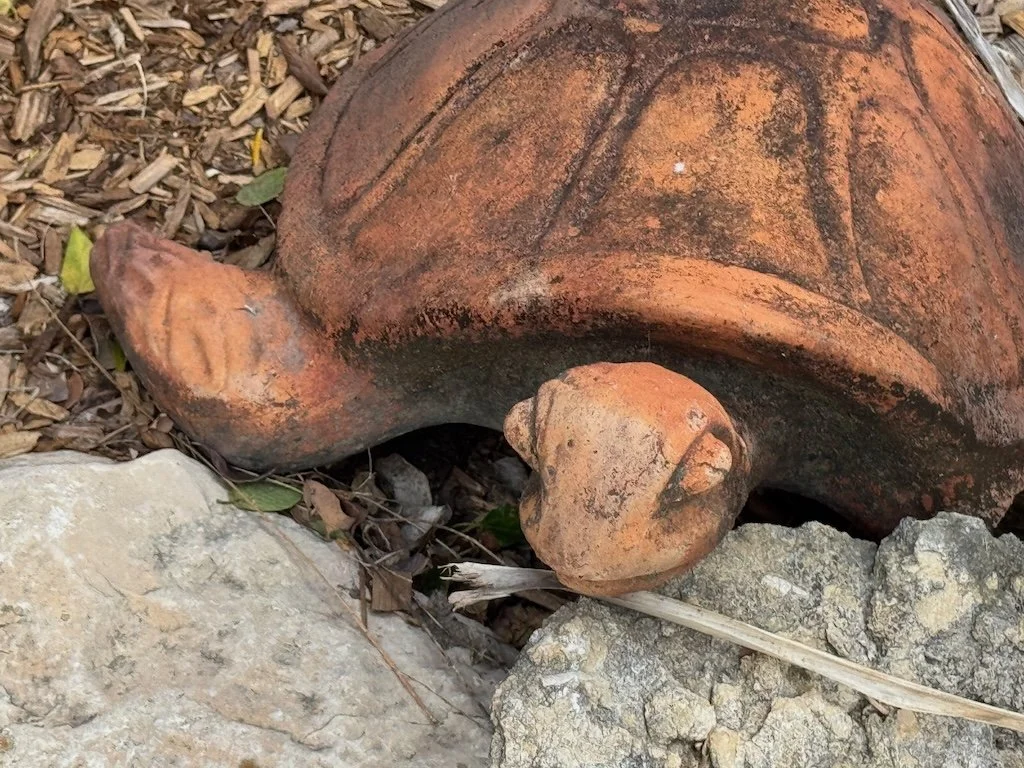
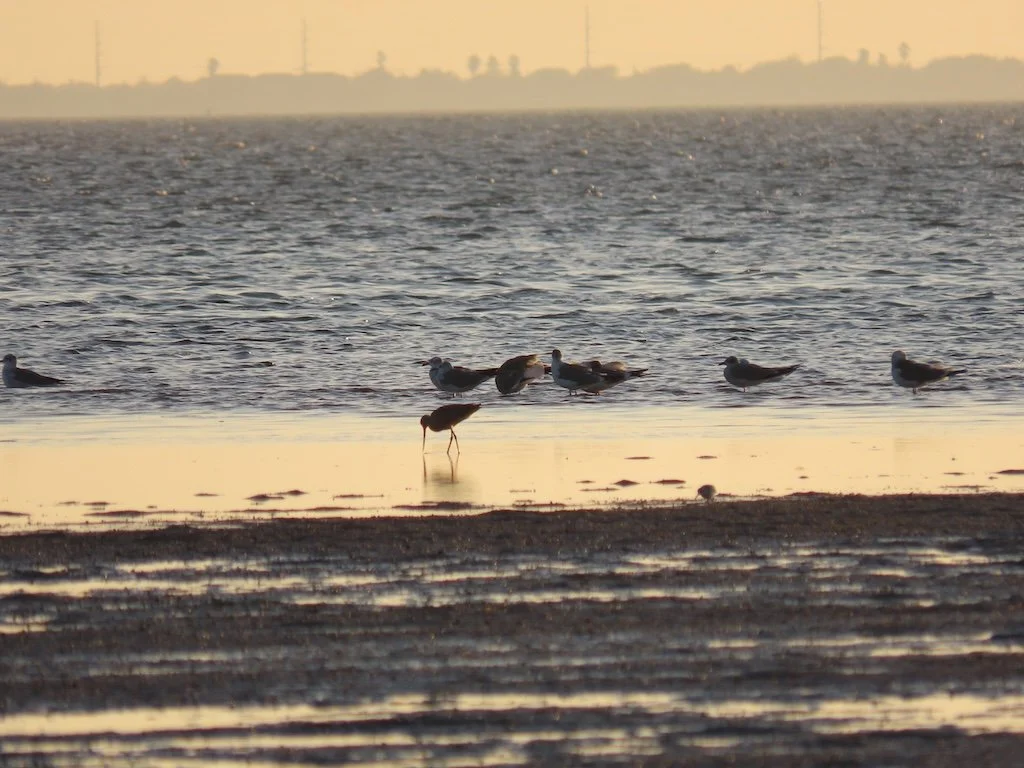
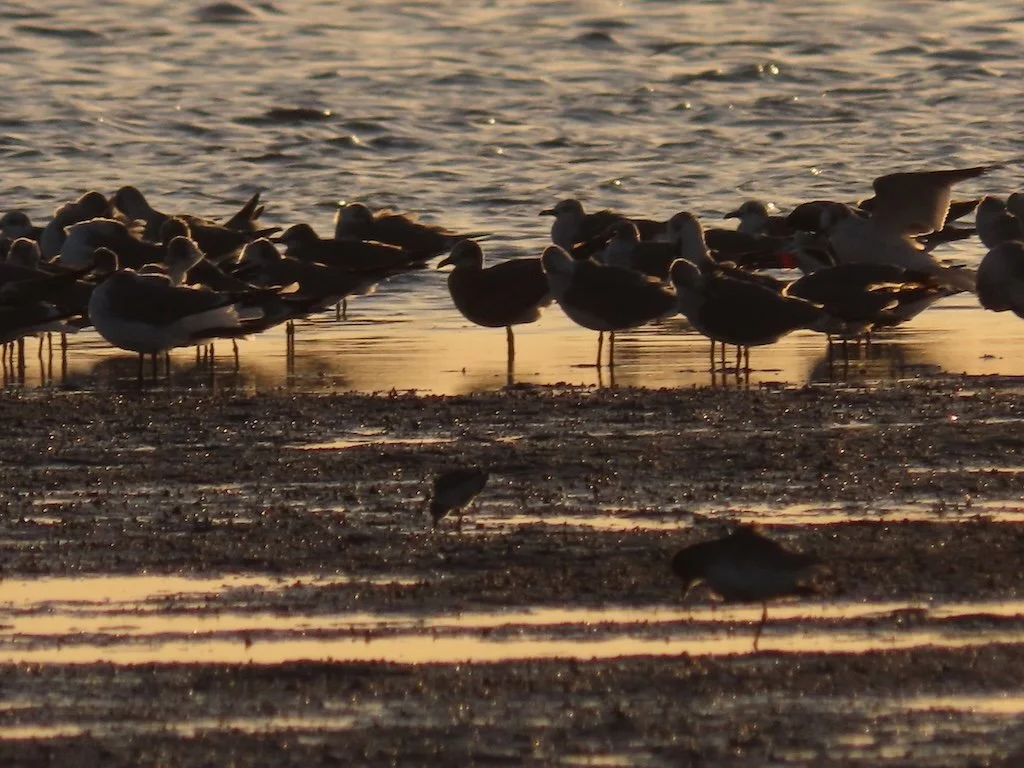
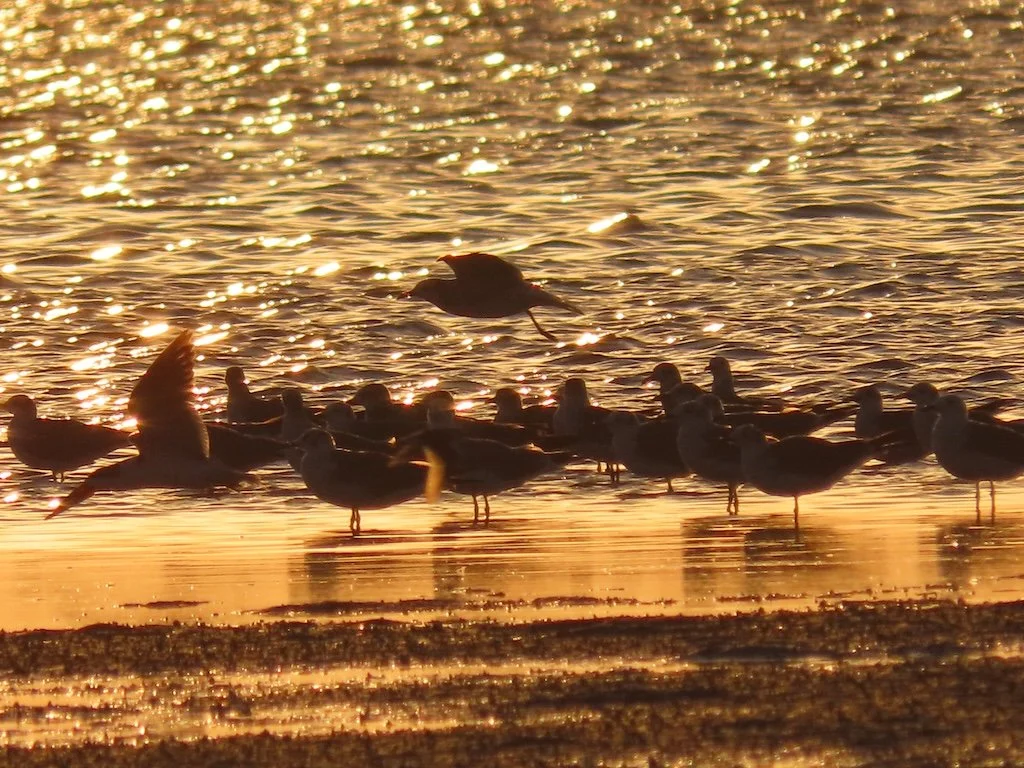
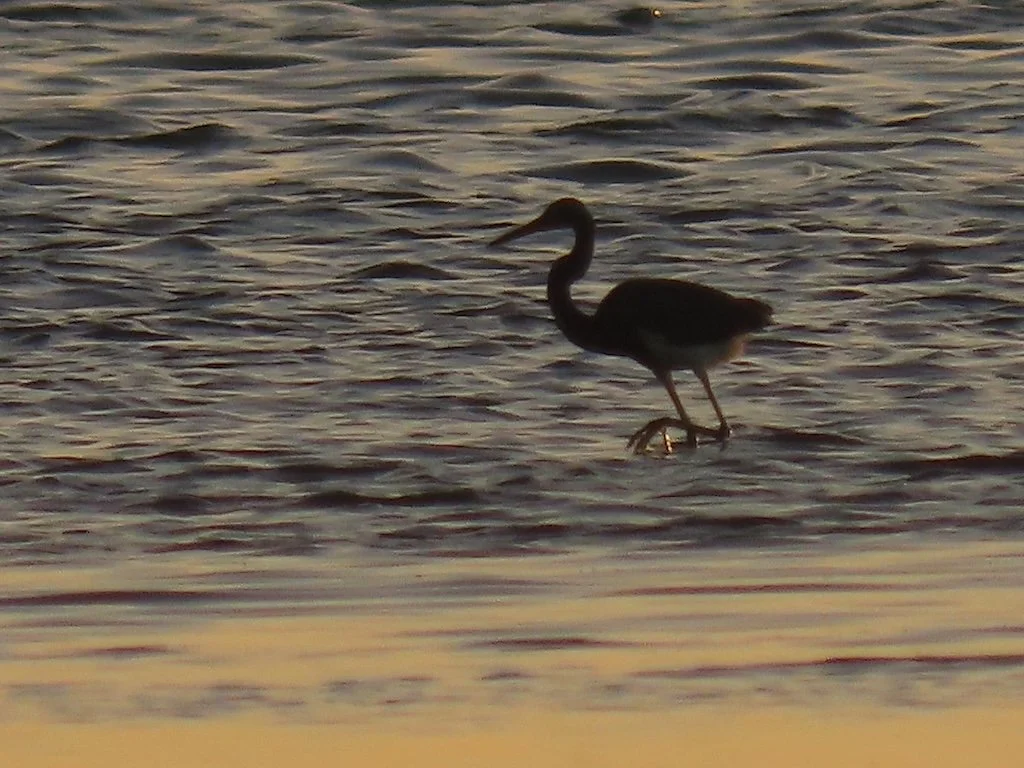
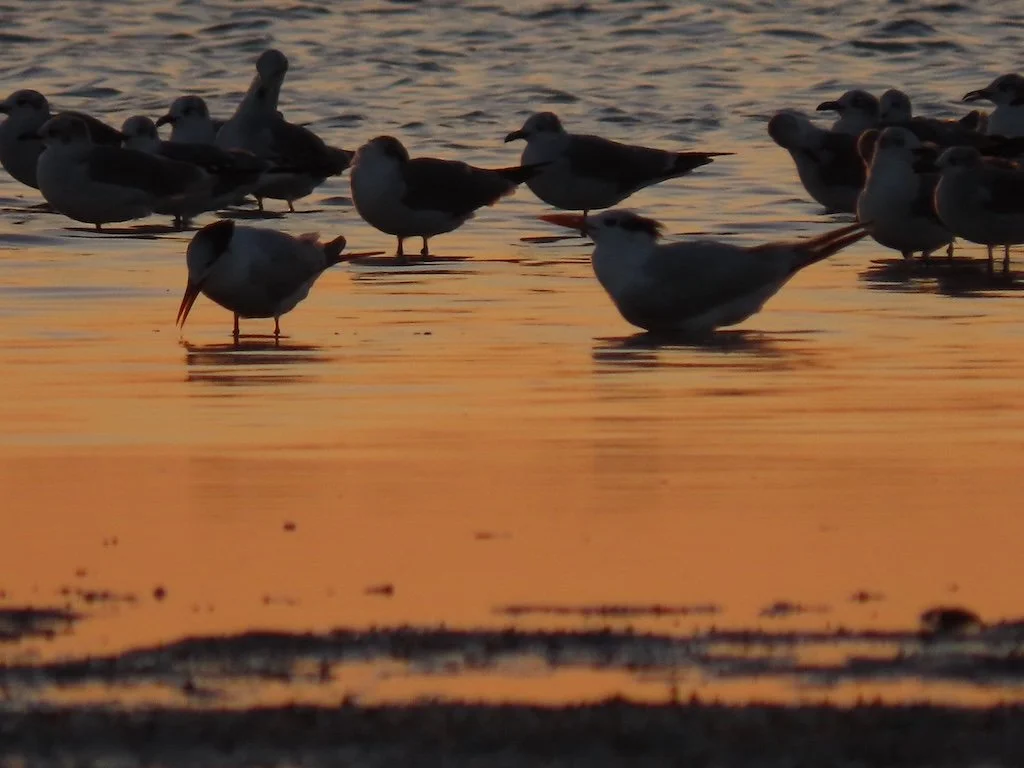
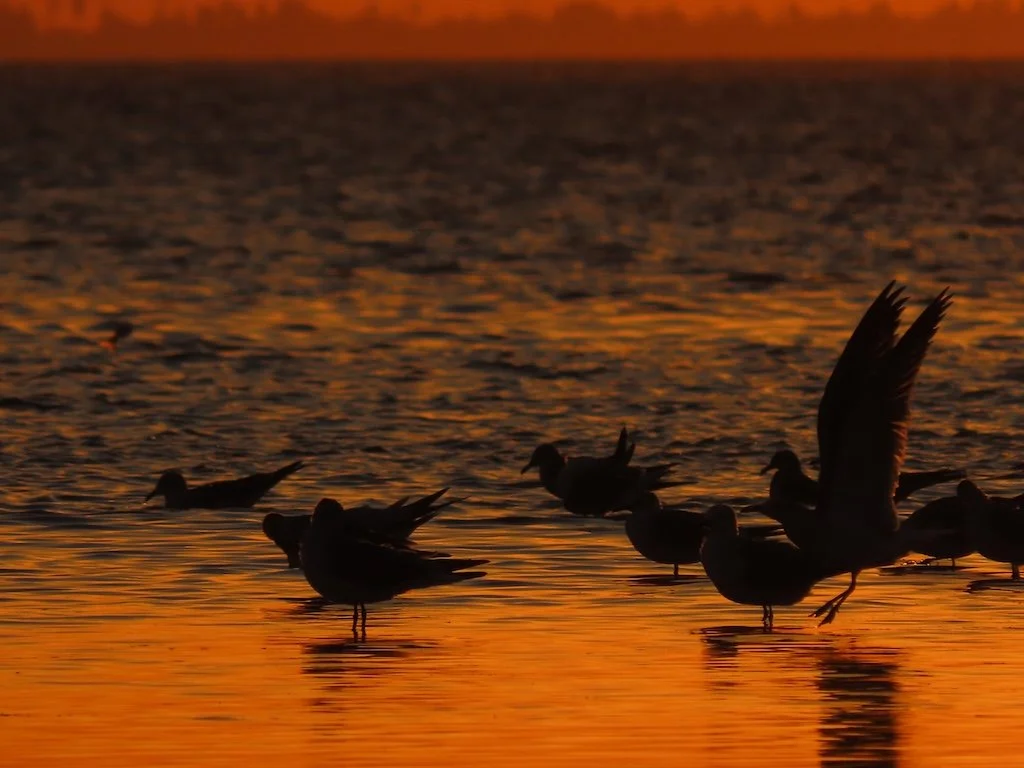
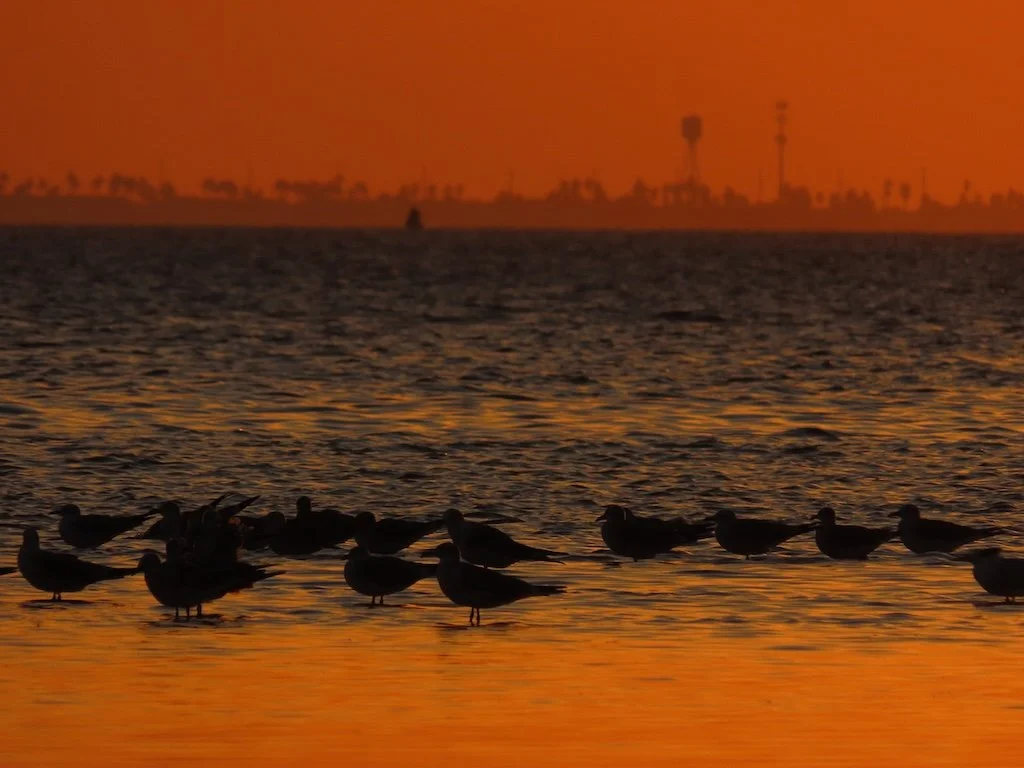
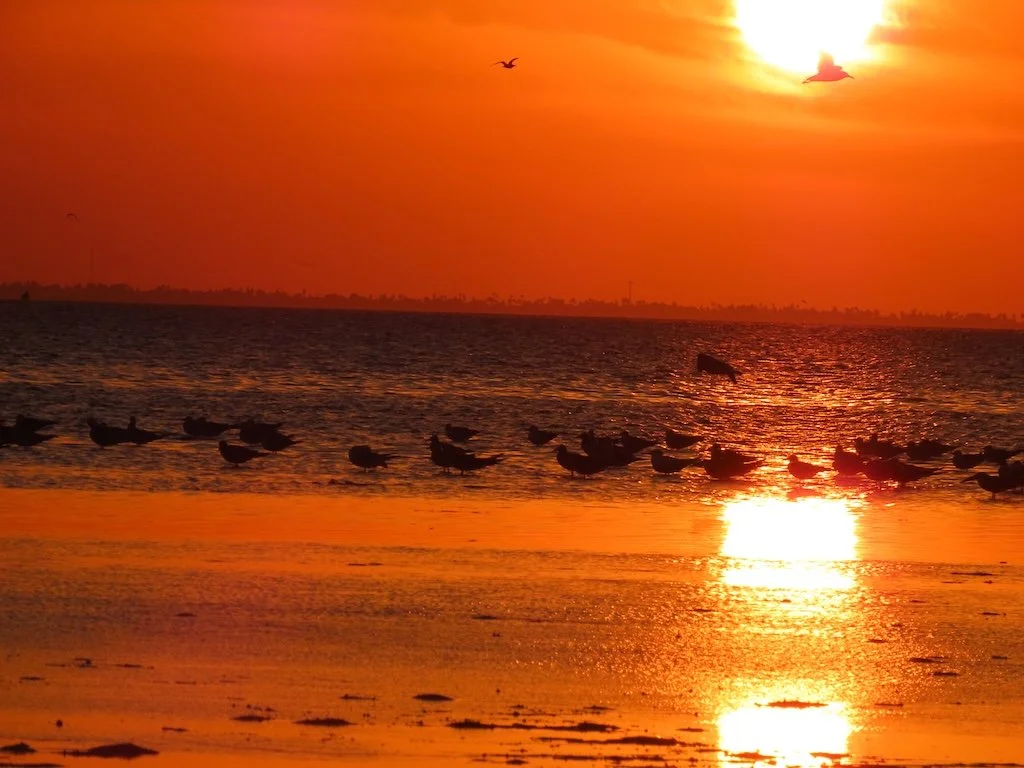
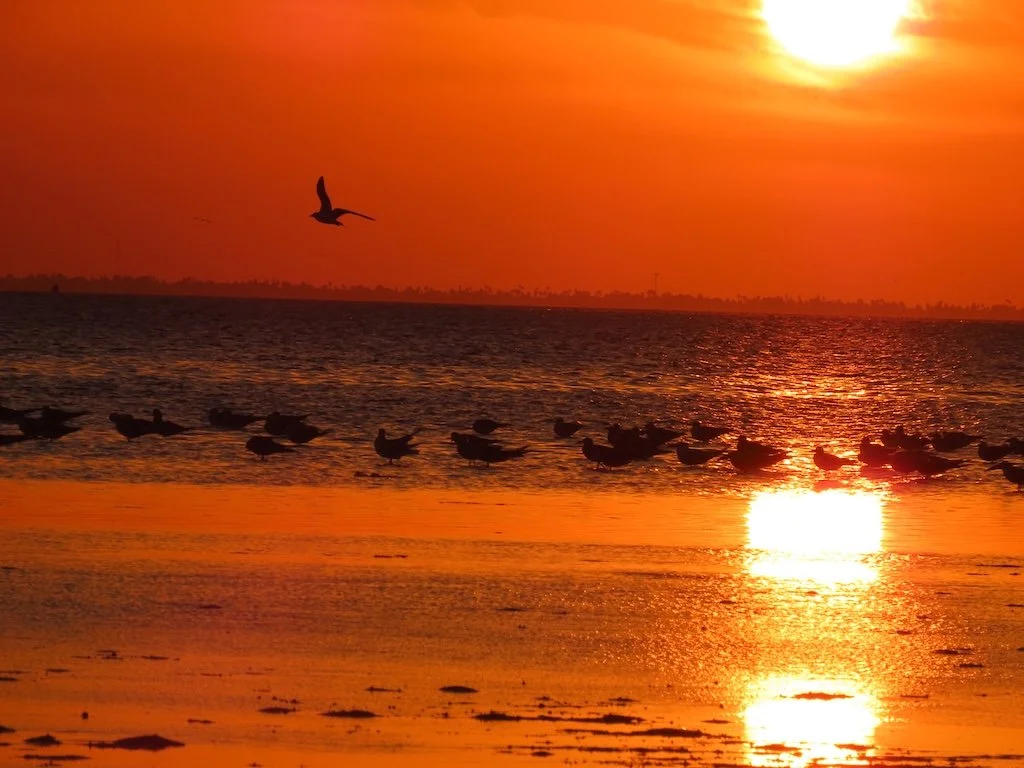
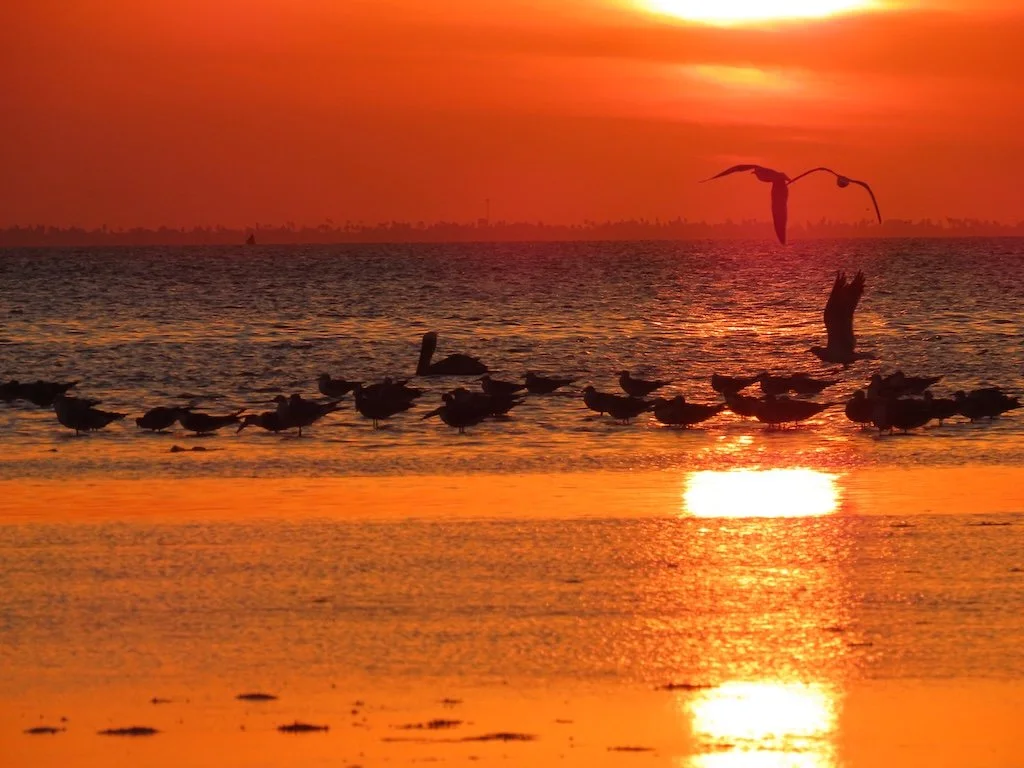
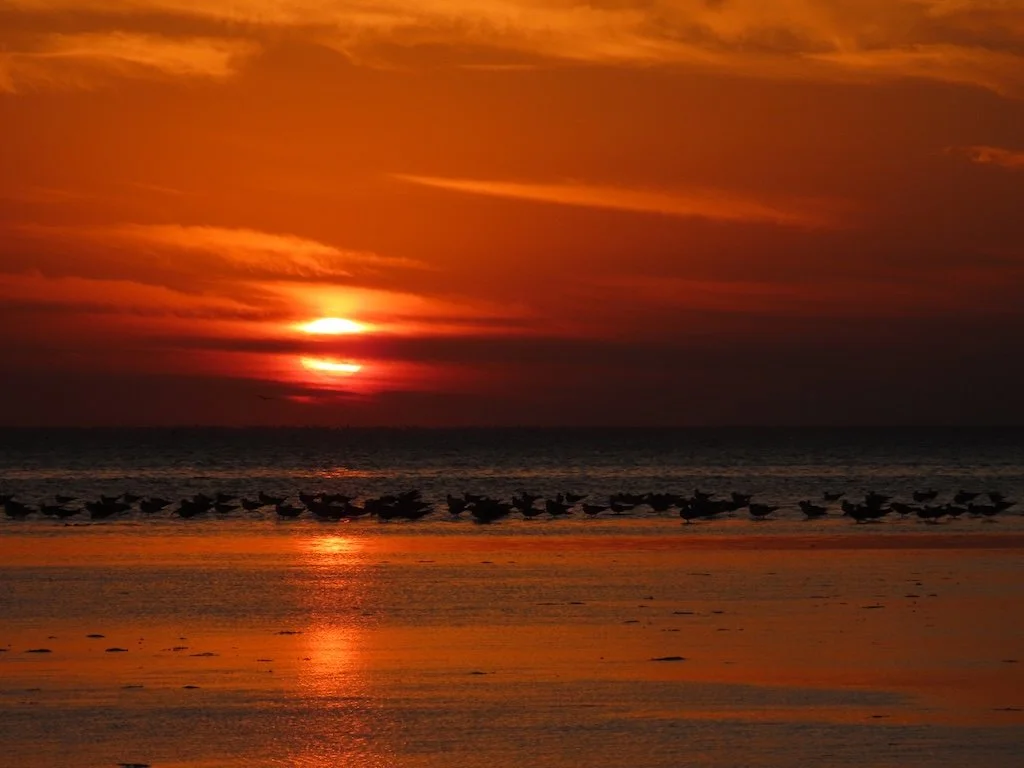
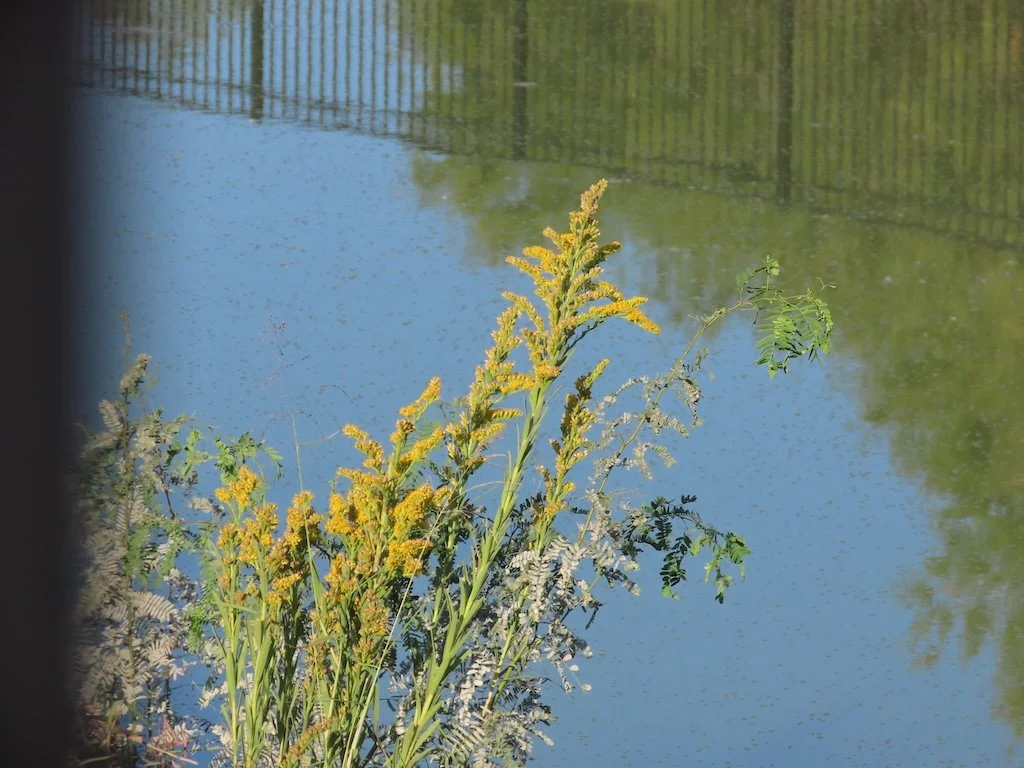
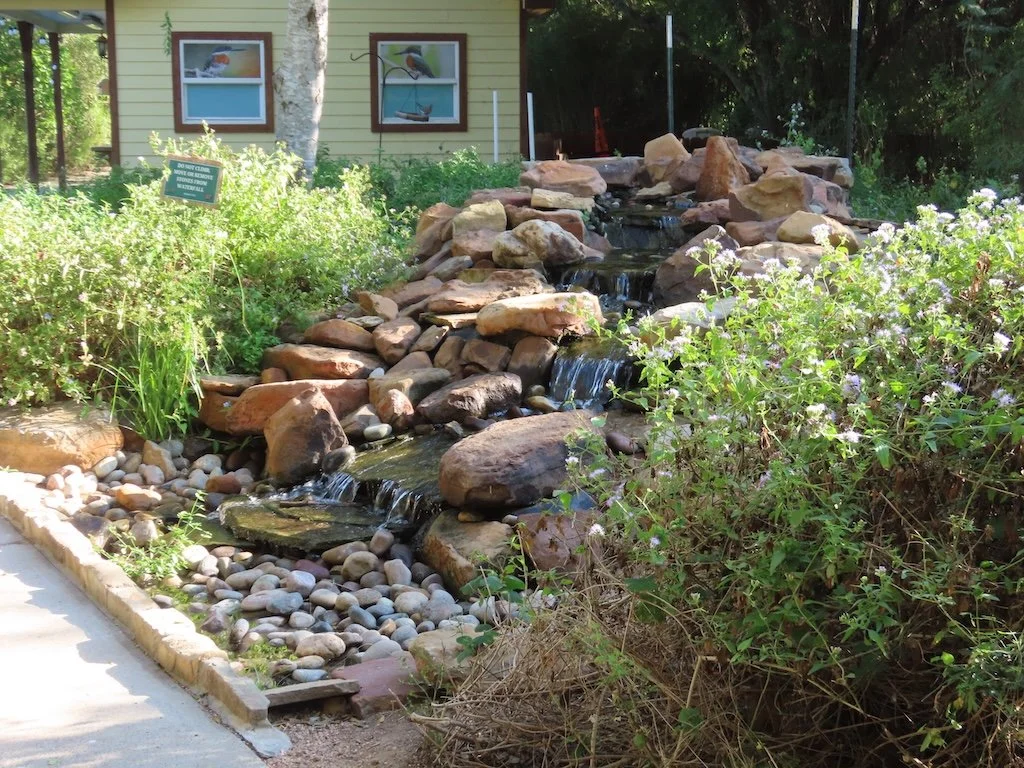
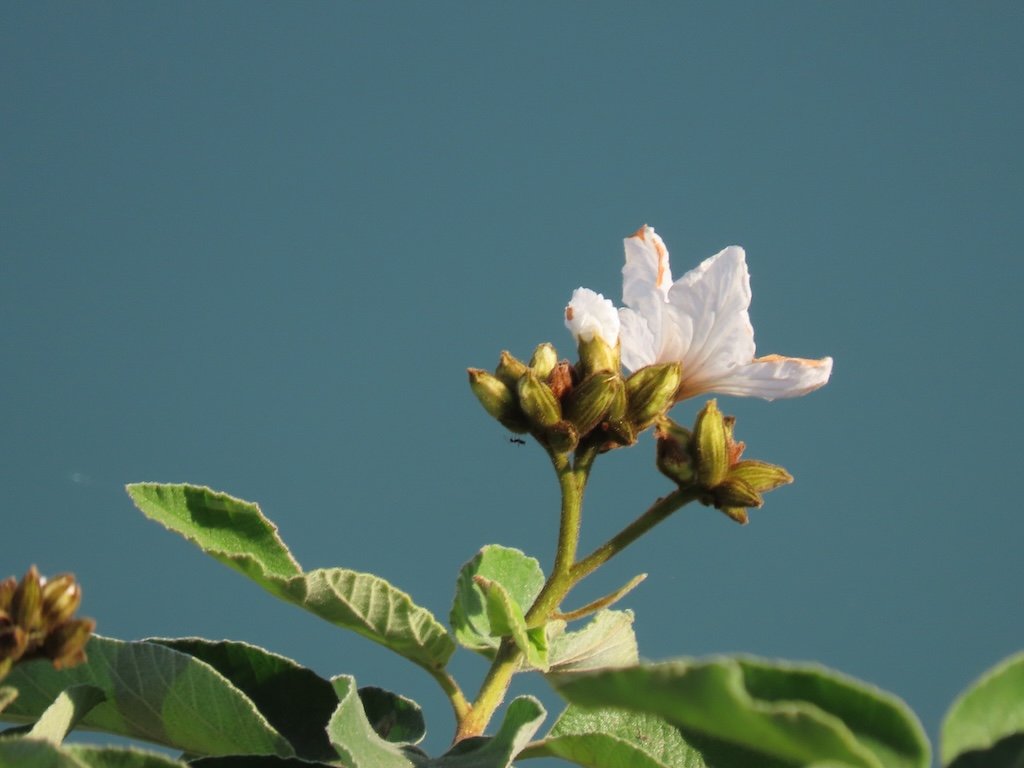
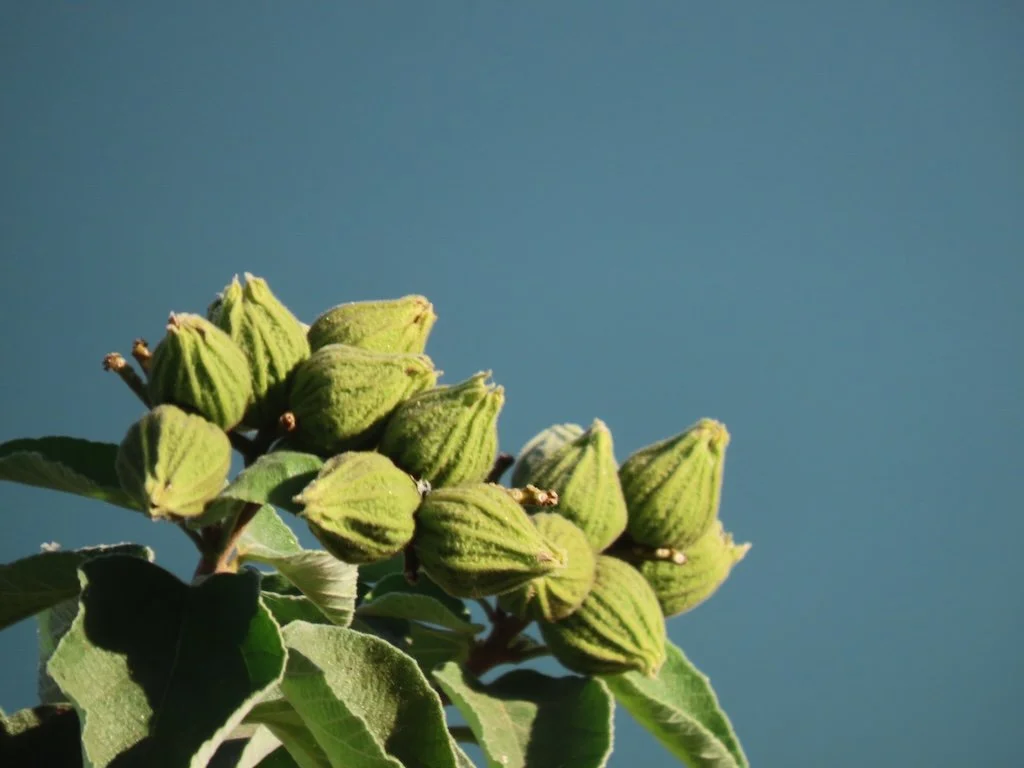
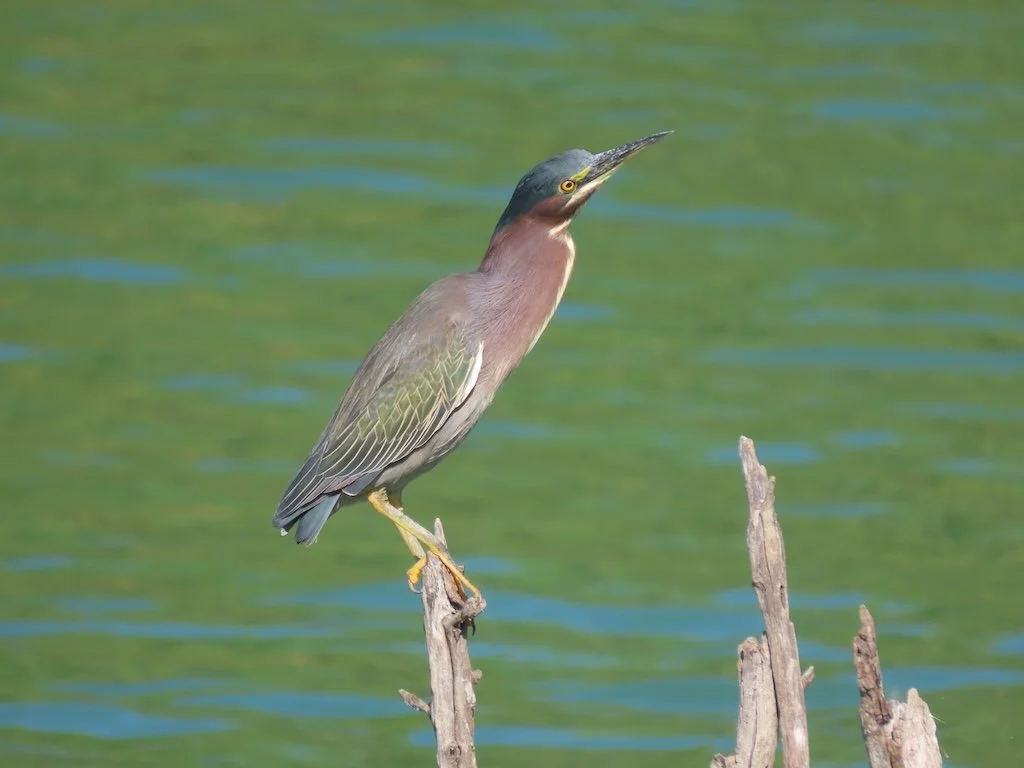
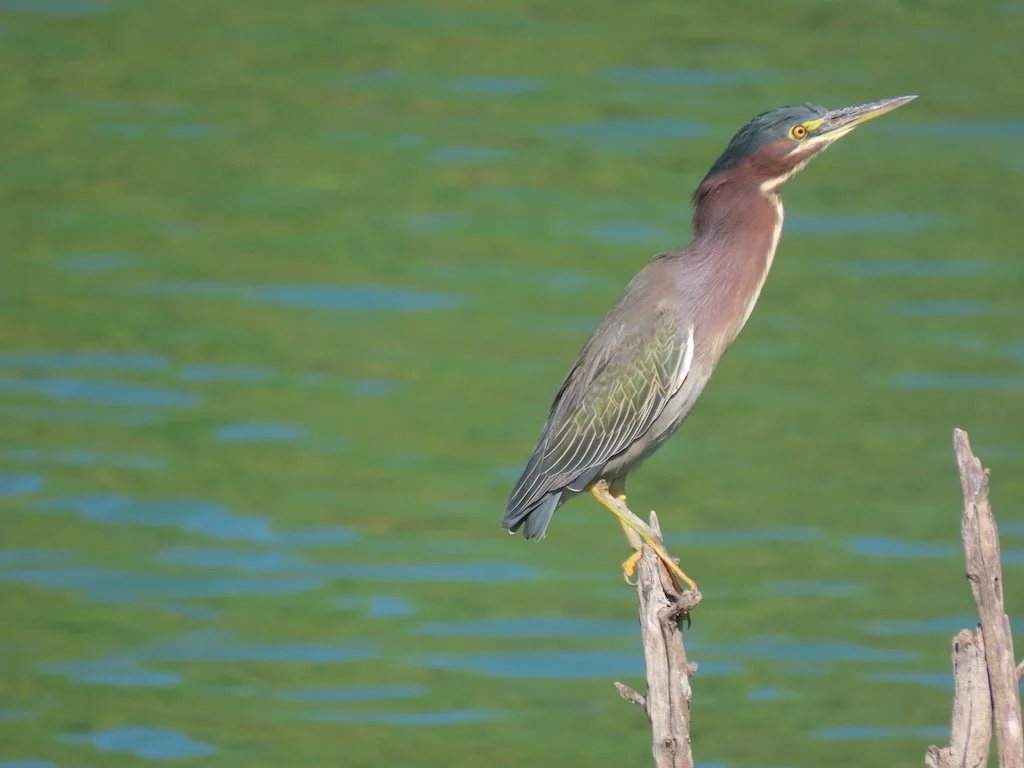
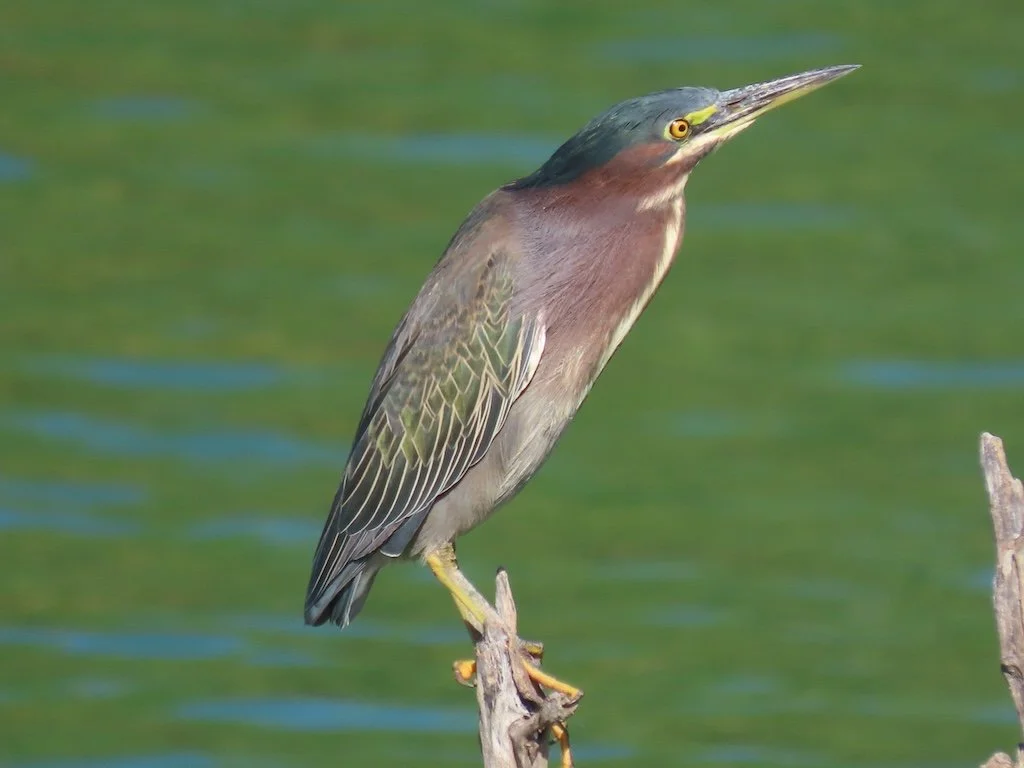
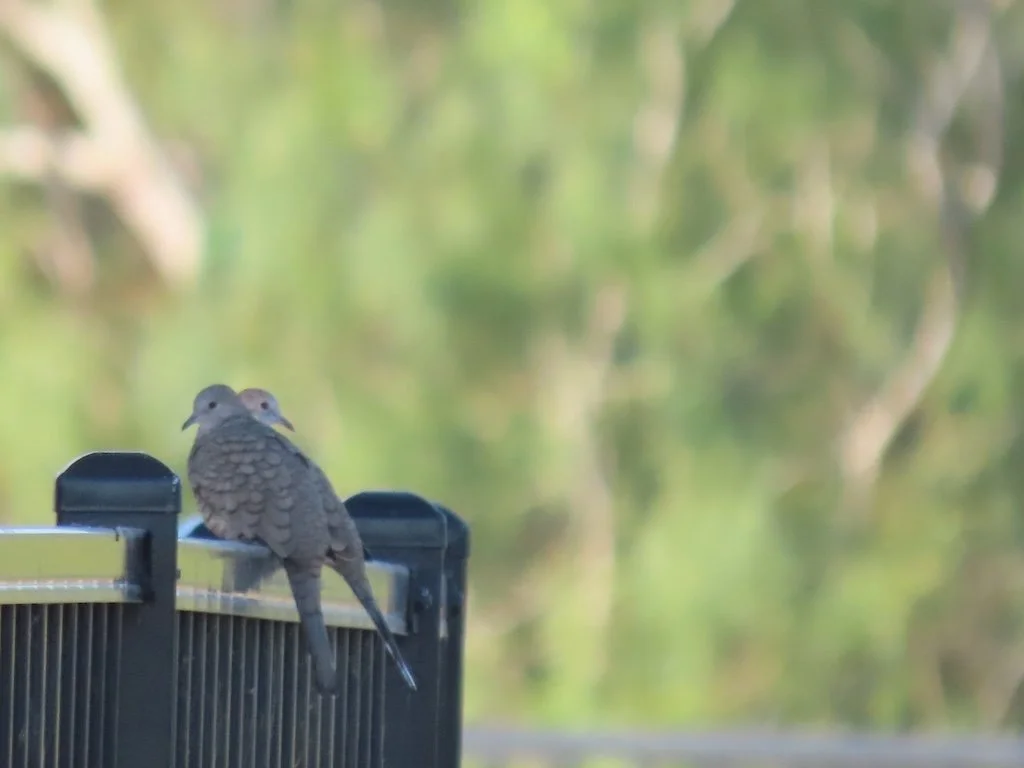
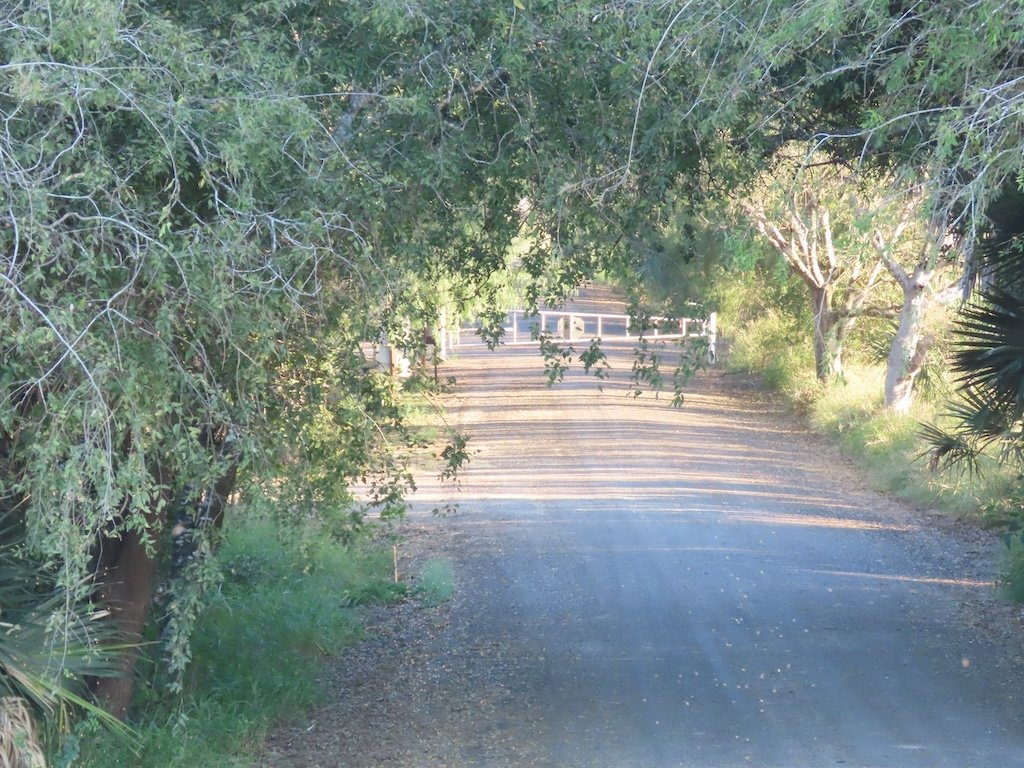
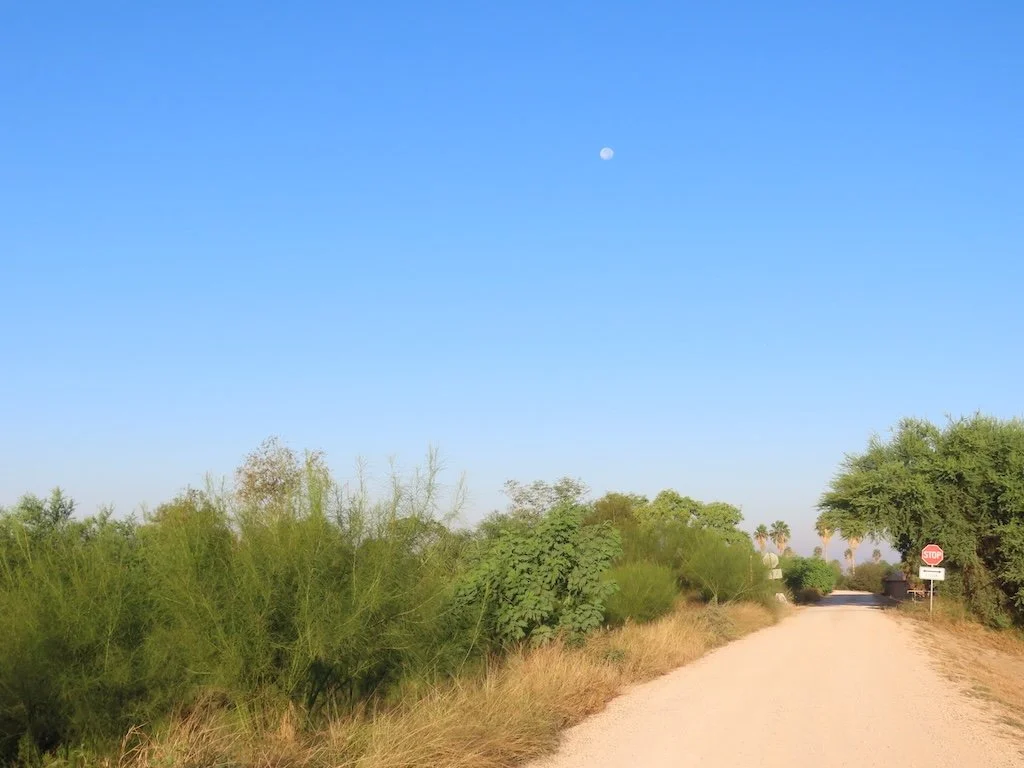
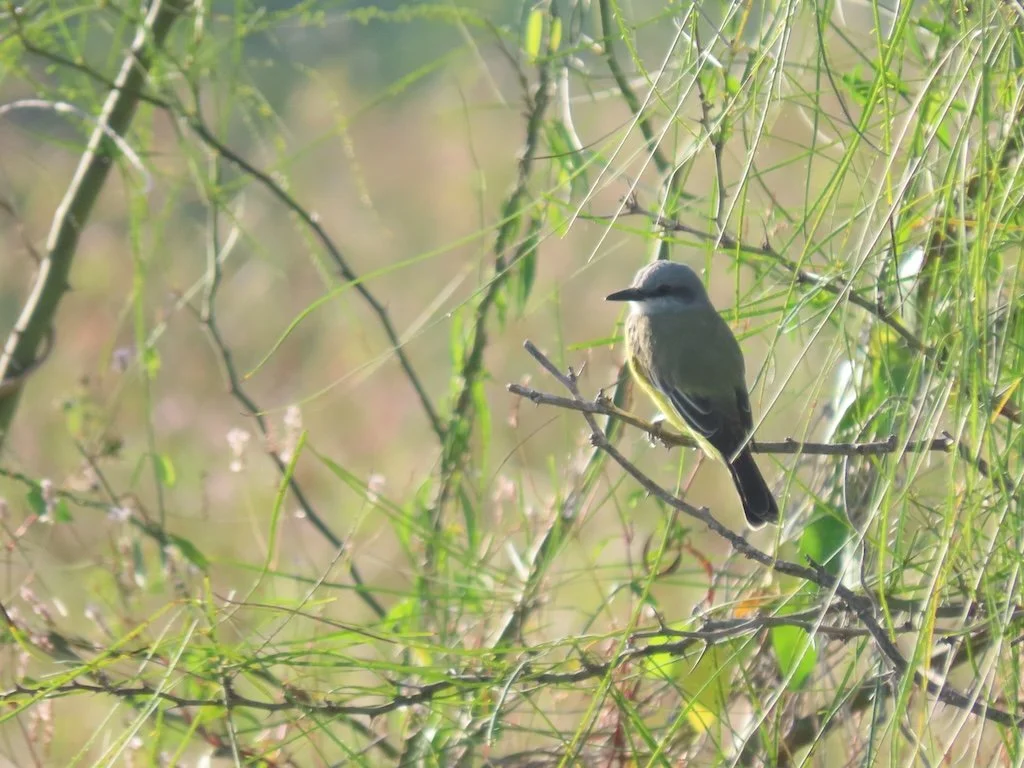
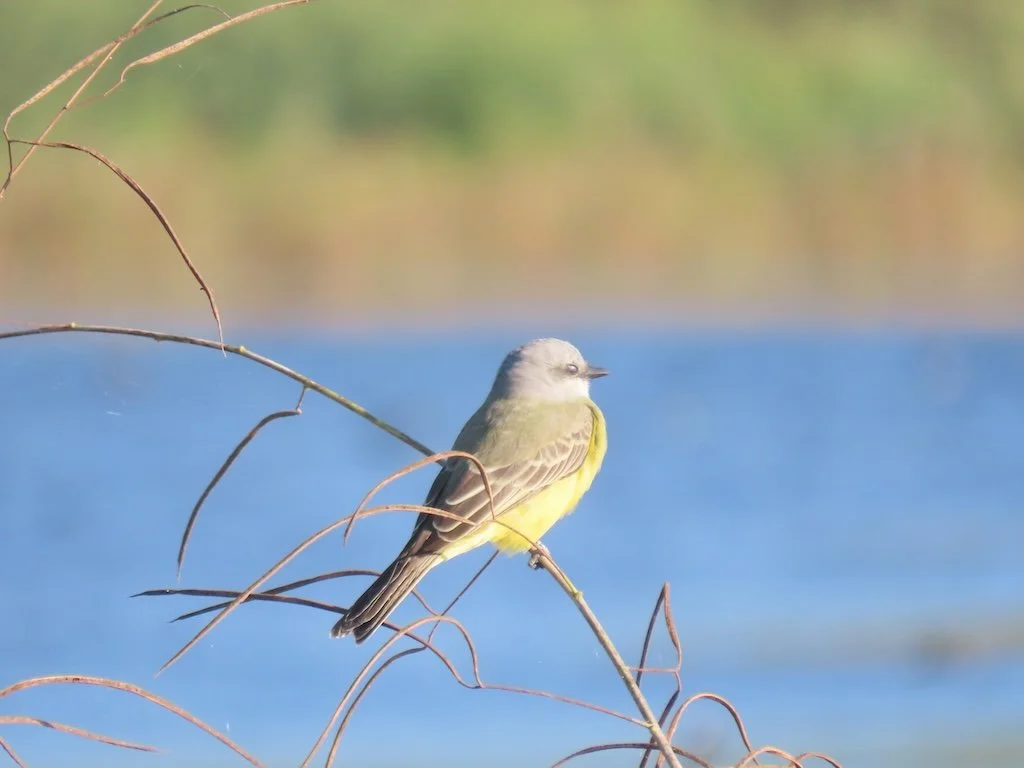
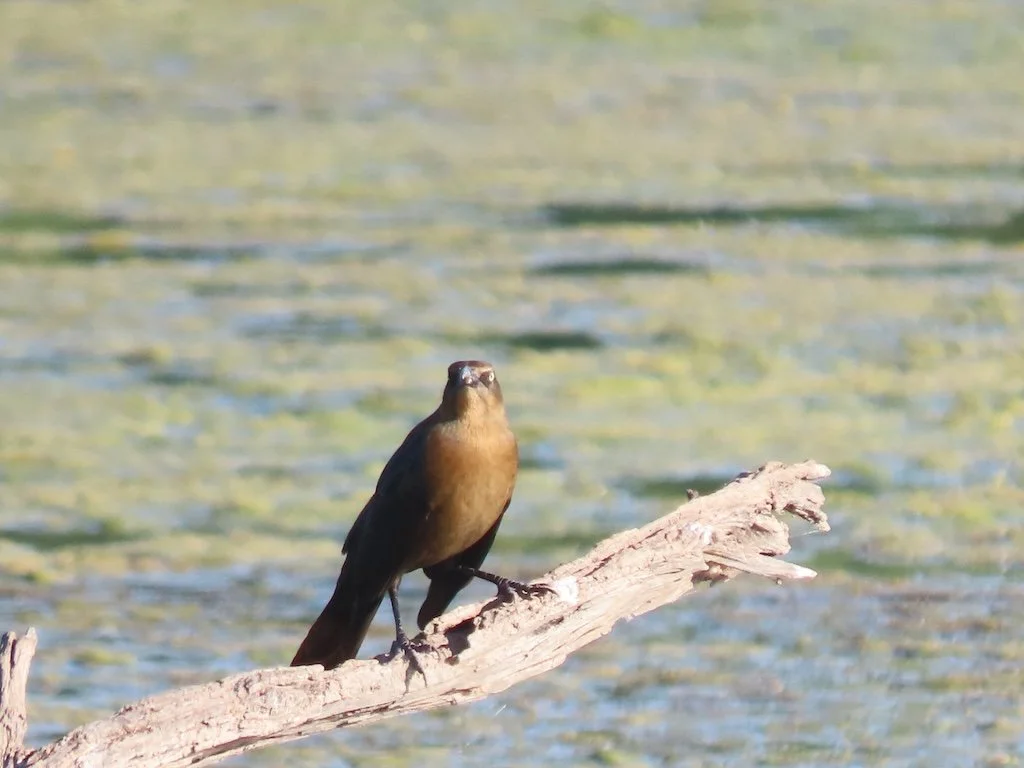
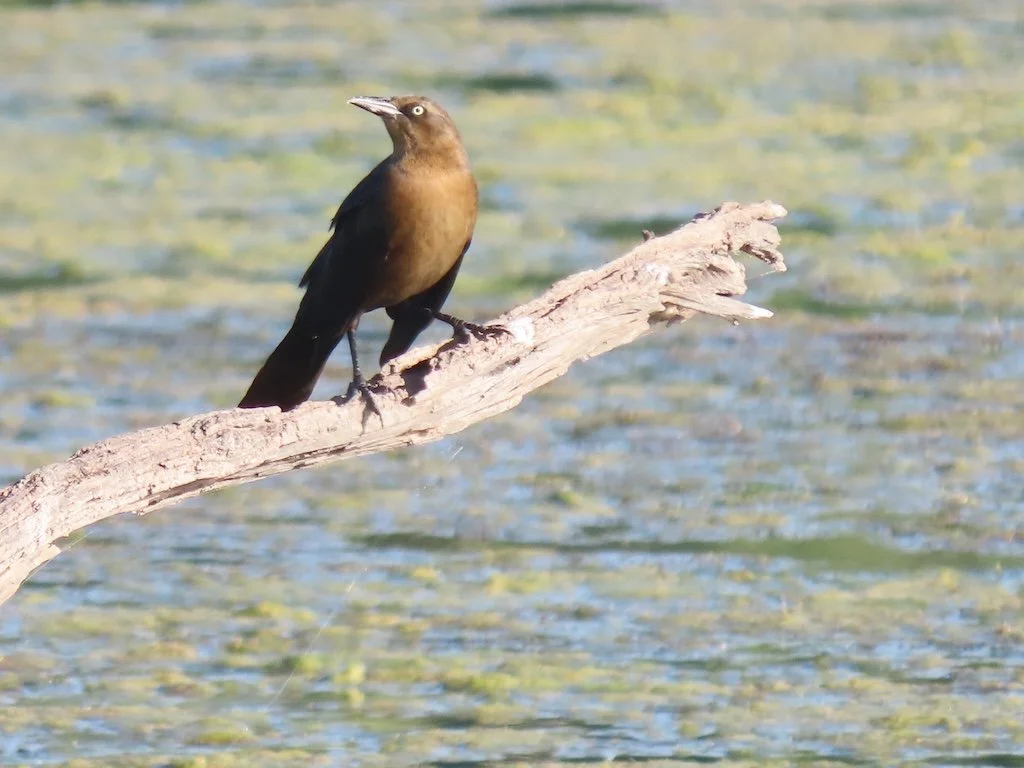
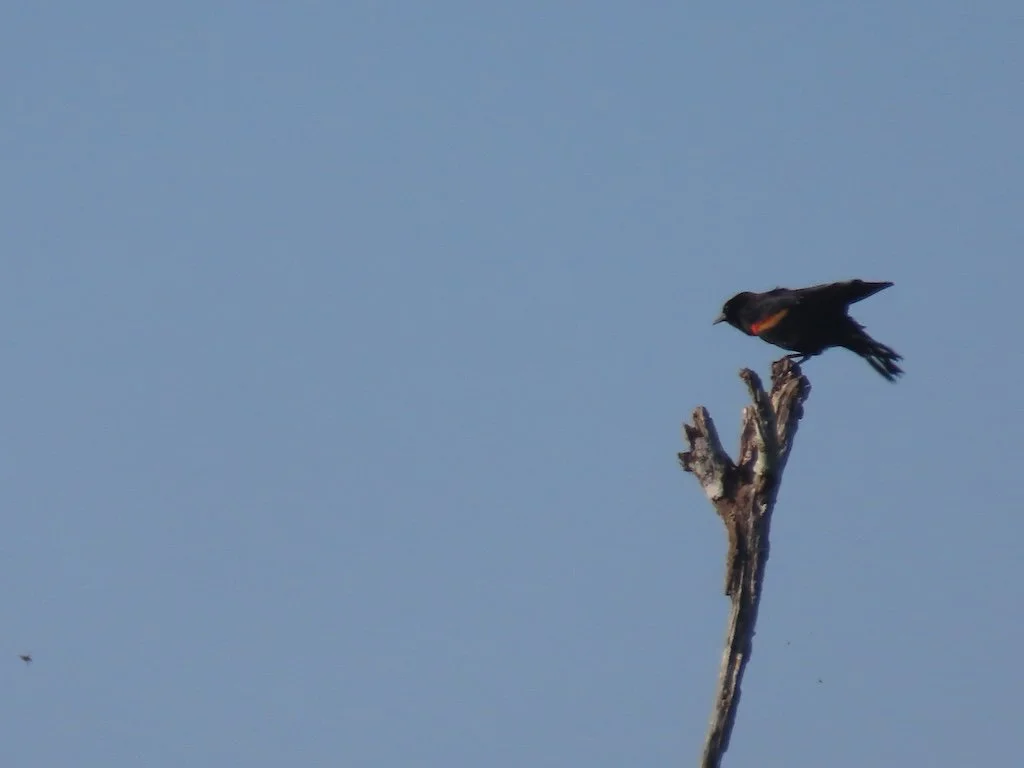
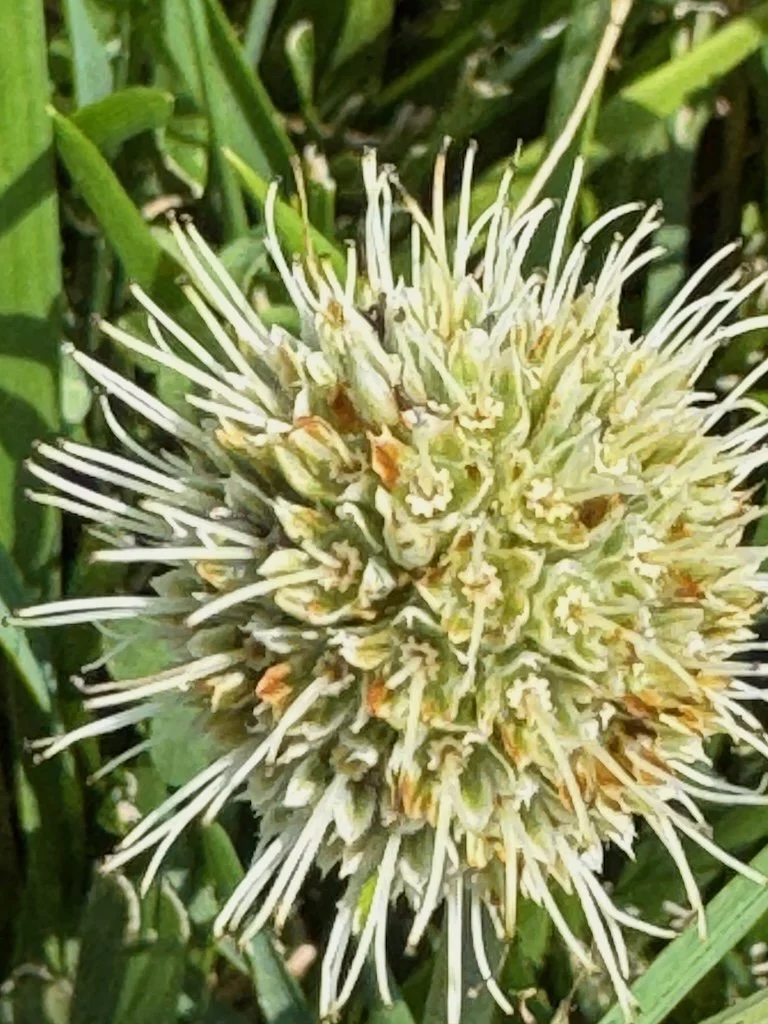
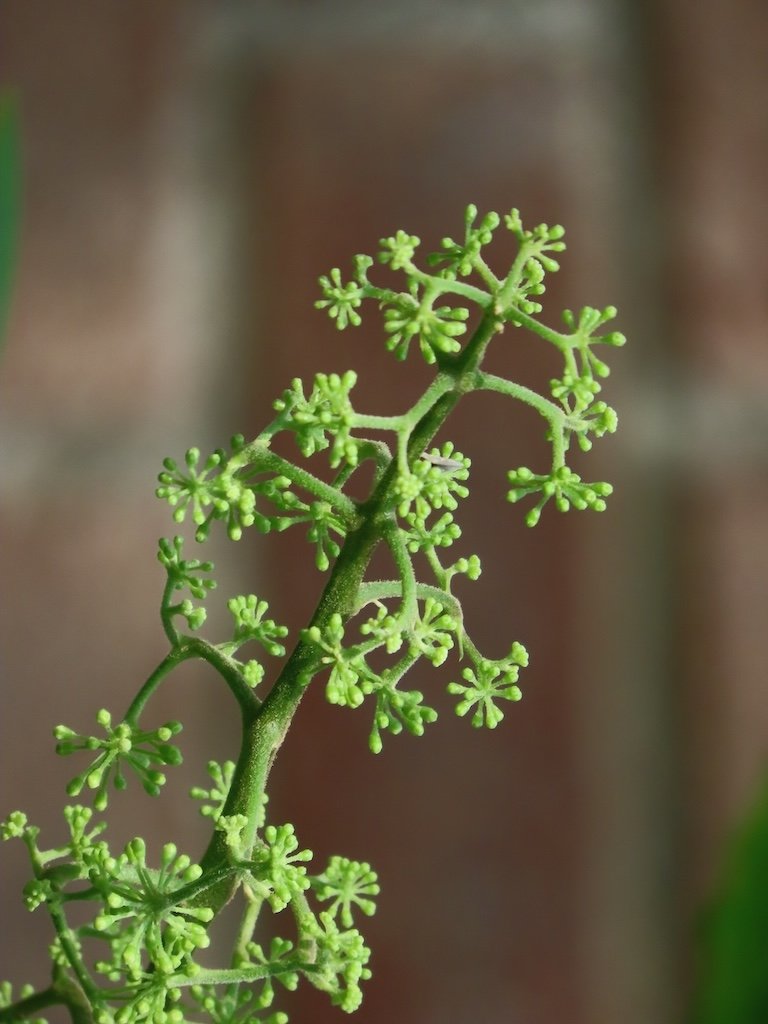
Happy New Year 2026

A new year – and the annual thoughts about beginnings – where do I go from here. I am trying to sustain my lifelong optimism, but it is hard with the continuing world turmoil particularly at the Federal level in the US. It is frustrating that our response to the biggest challenges of our time (climate change, plastic pollution) seems to be lost in the chaos, perhaps more in the US that elsewhere in the world.

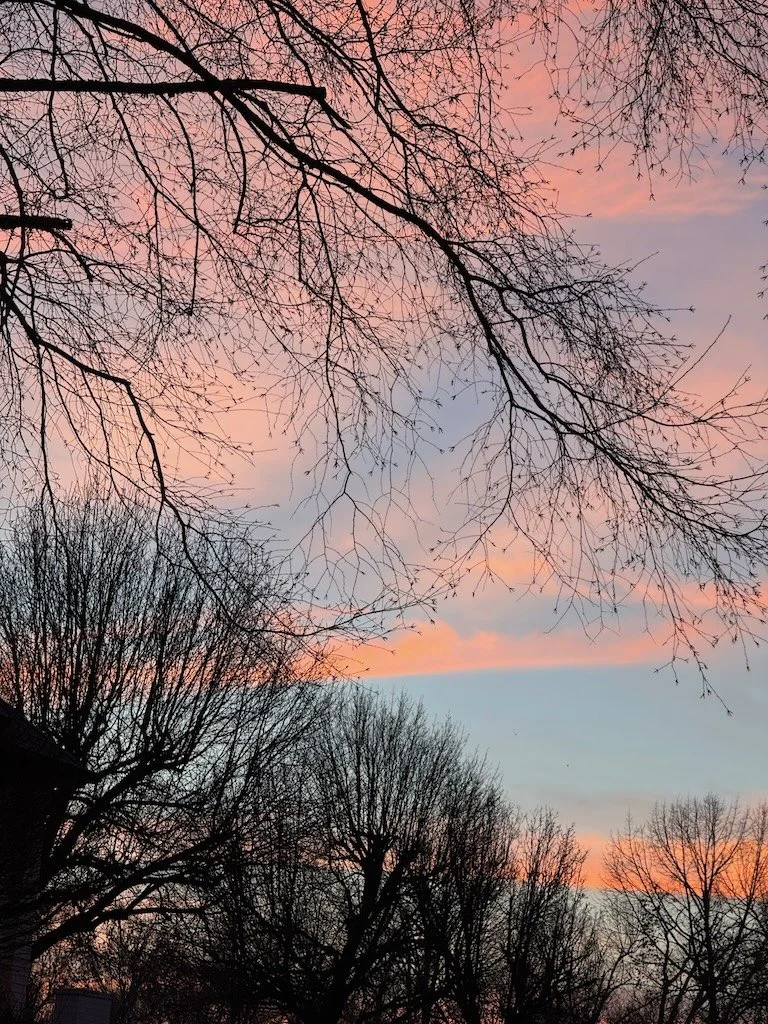
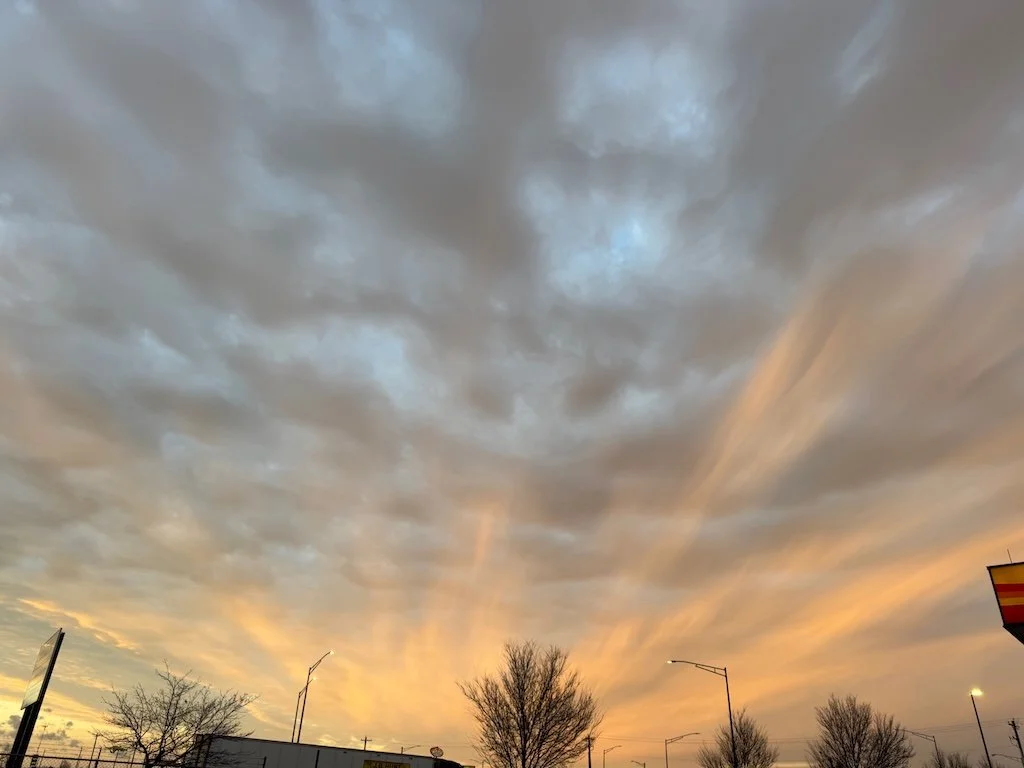
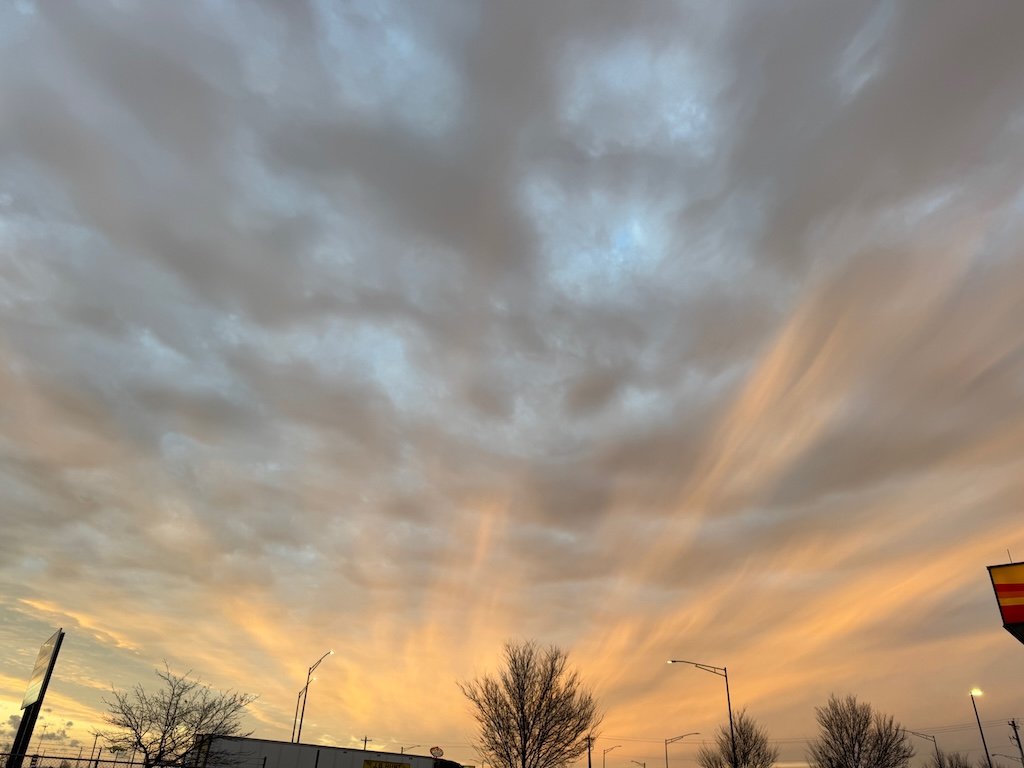
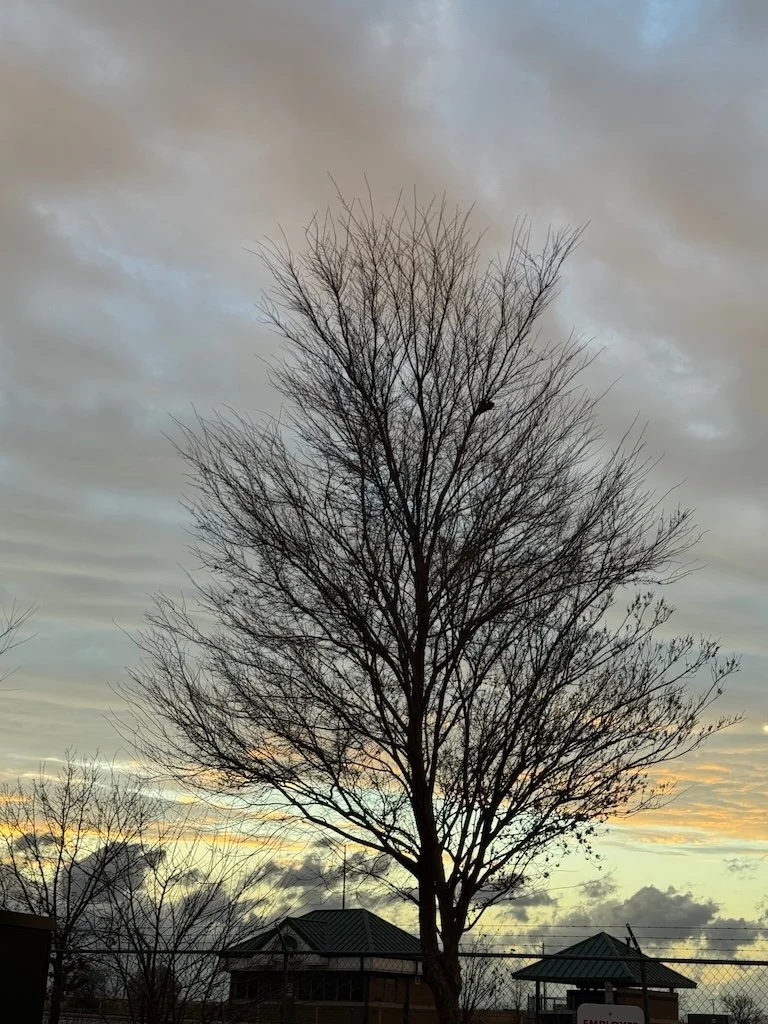
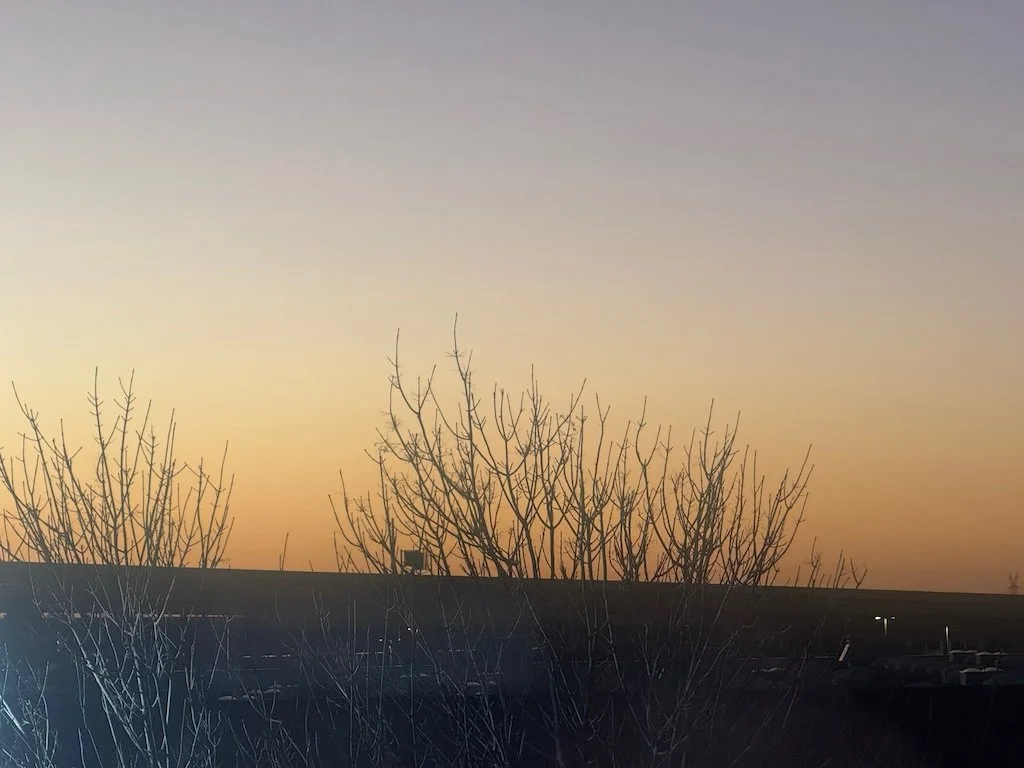
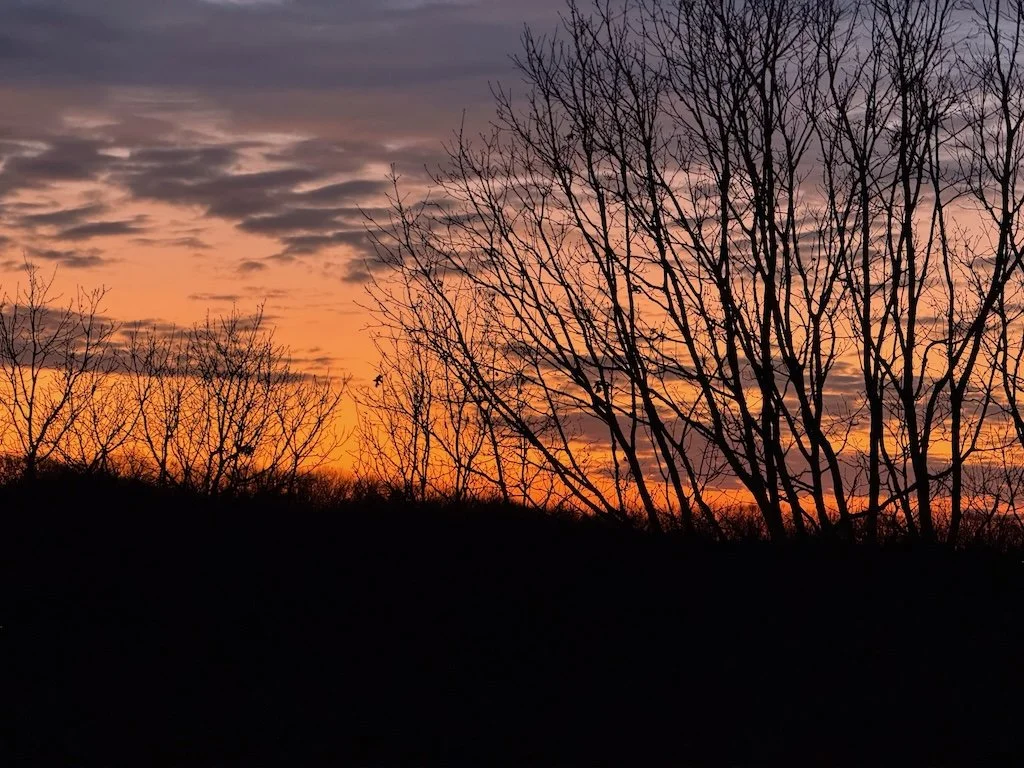
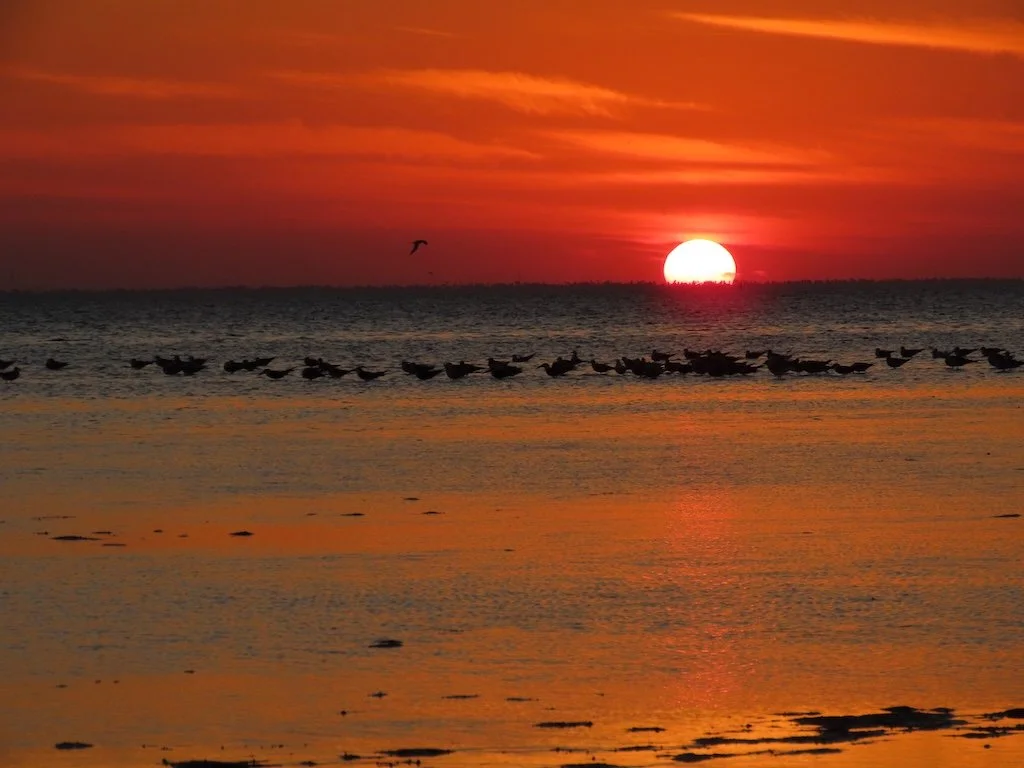
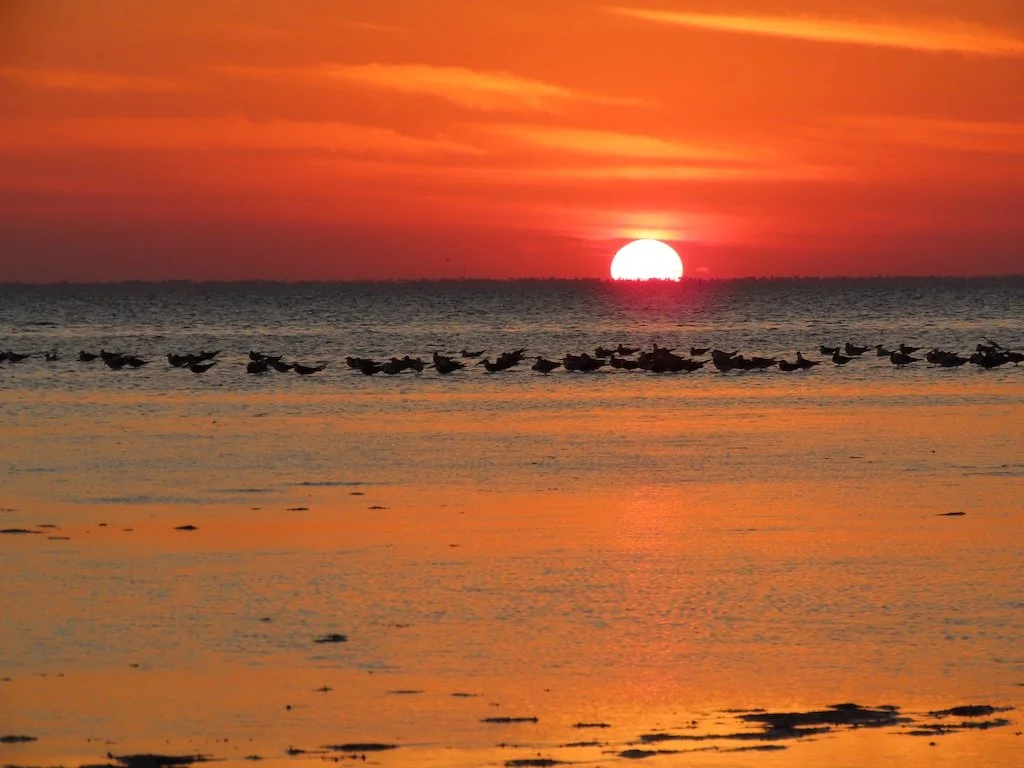
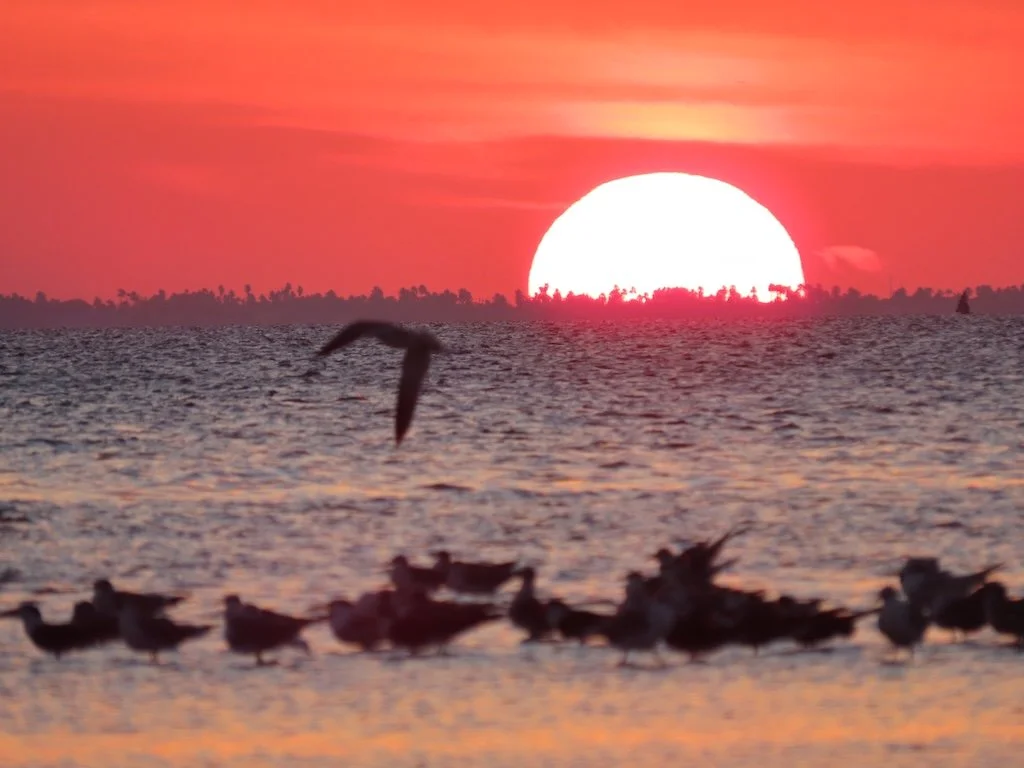
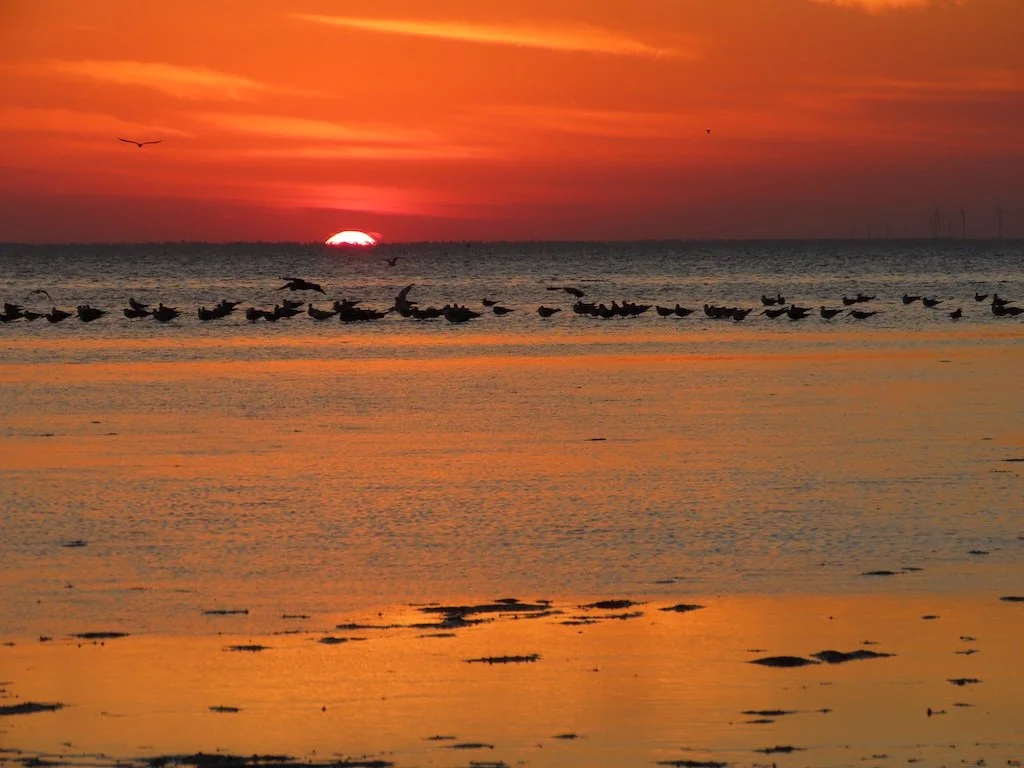
Sunrise is also a symbolic beginning of more than just the day. This time of year, it is very easy to be up in time to see it…and take a few moments to savor the beauty of it and the natural world….making an effort to imagine a positive path of the future of human endeavors and our home planet.  

Zooming – December 2025

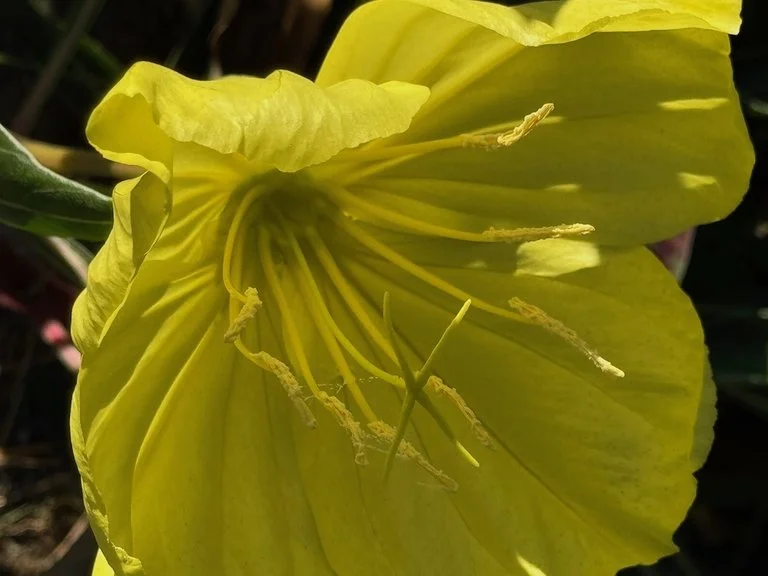
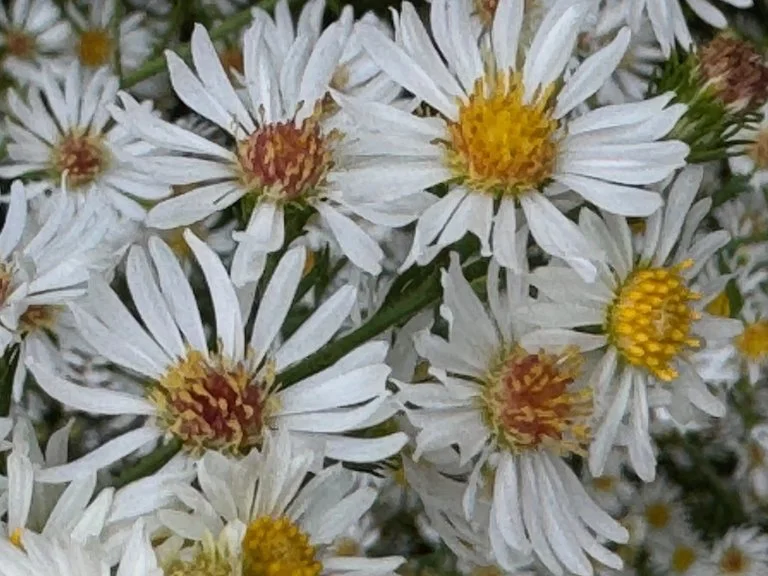
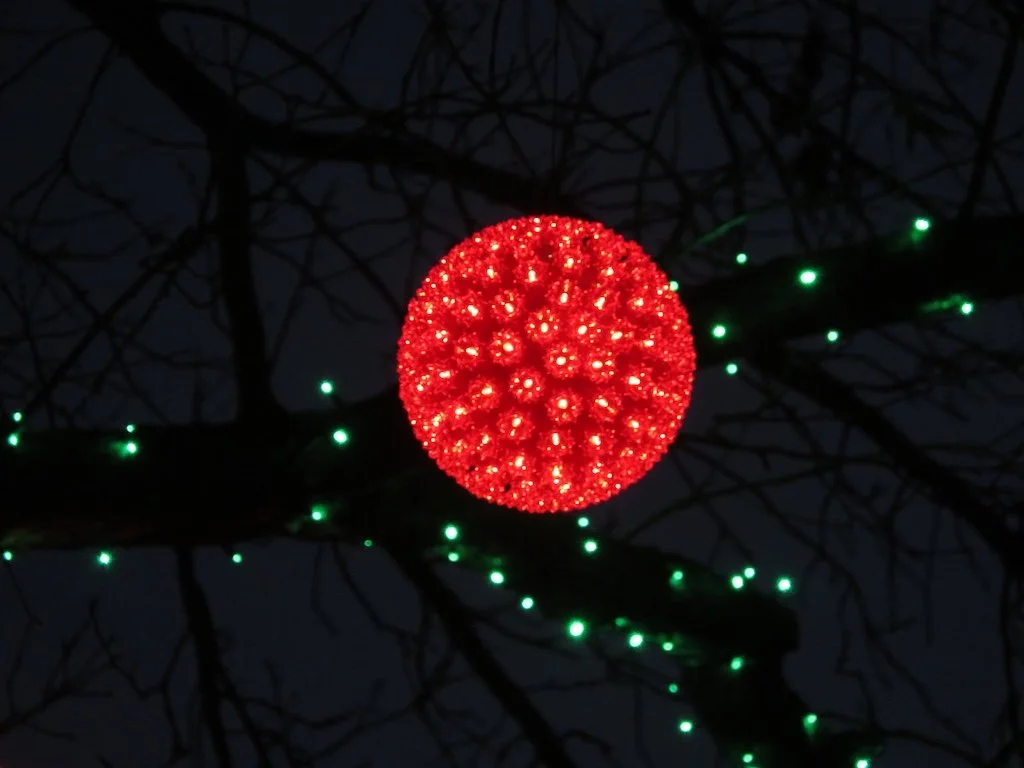
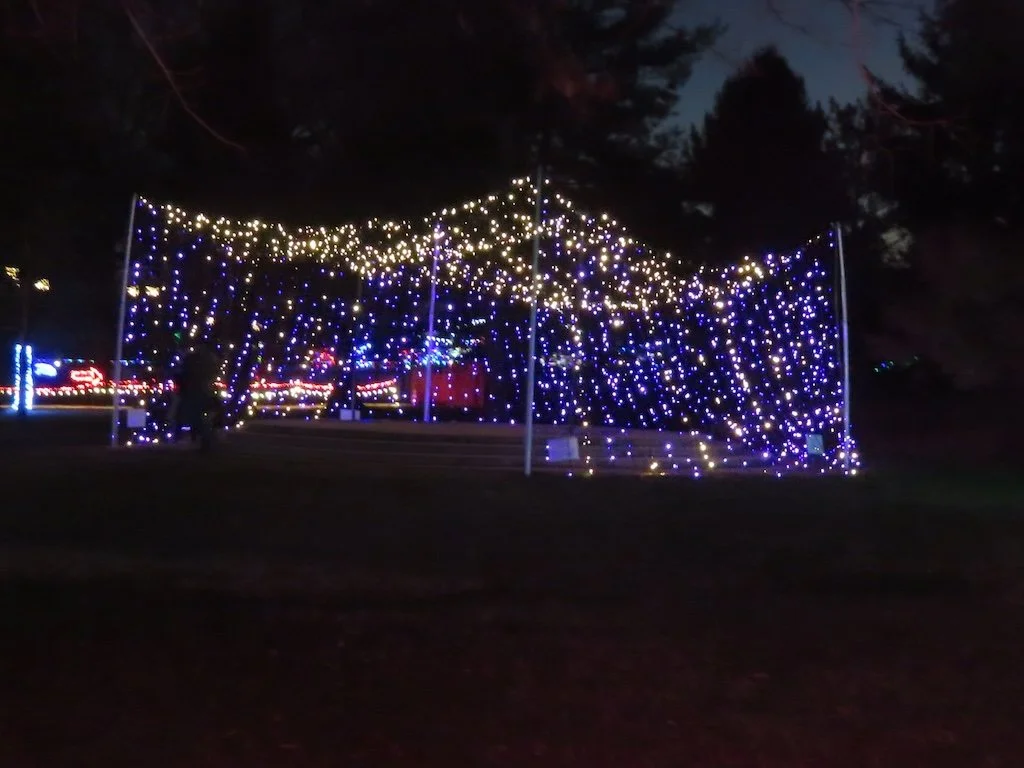
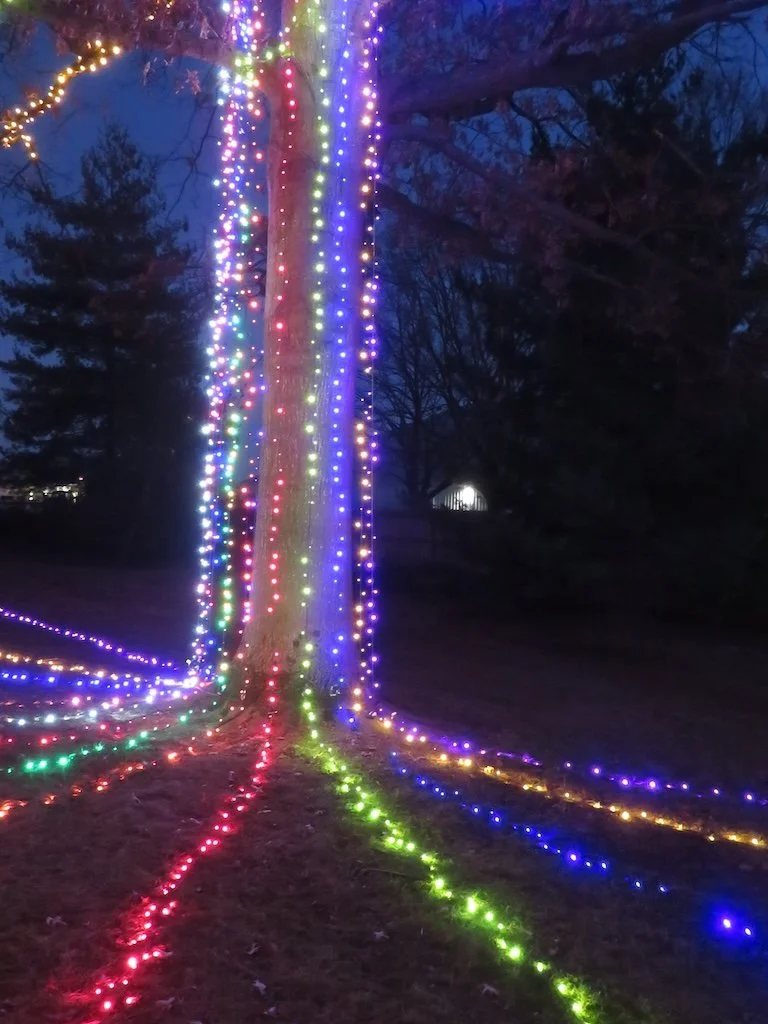
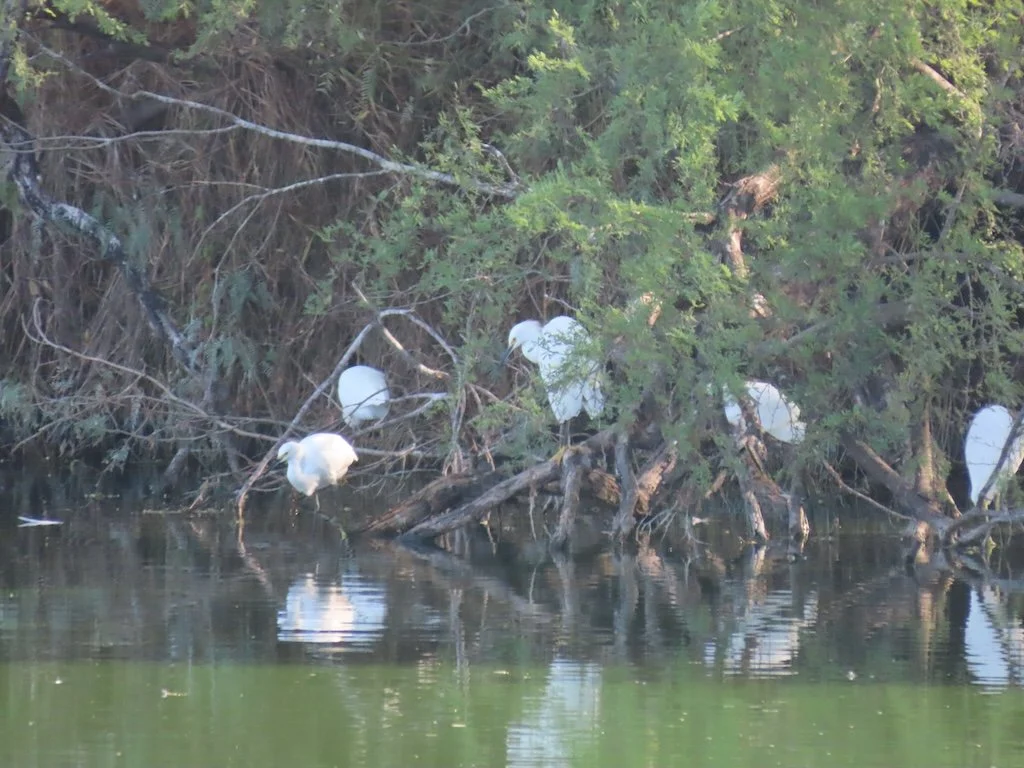
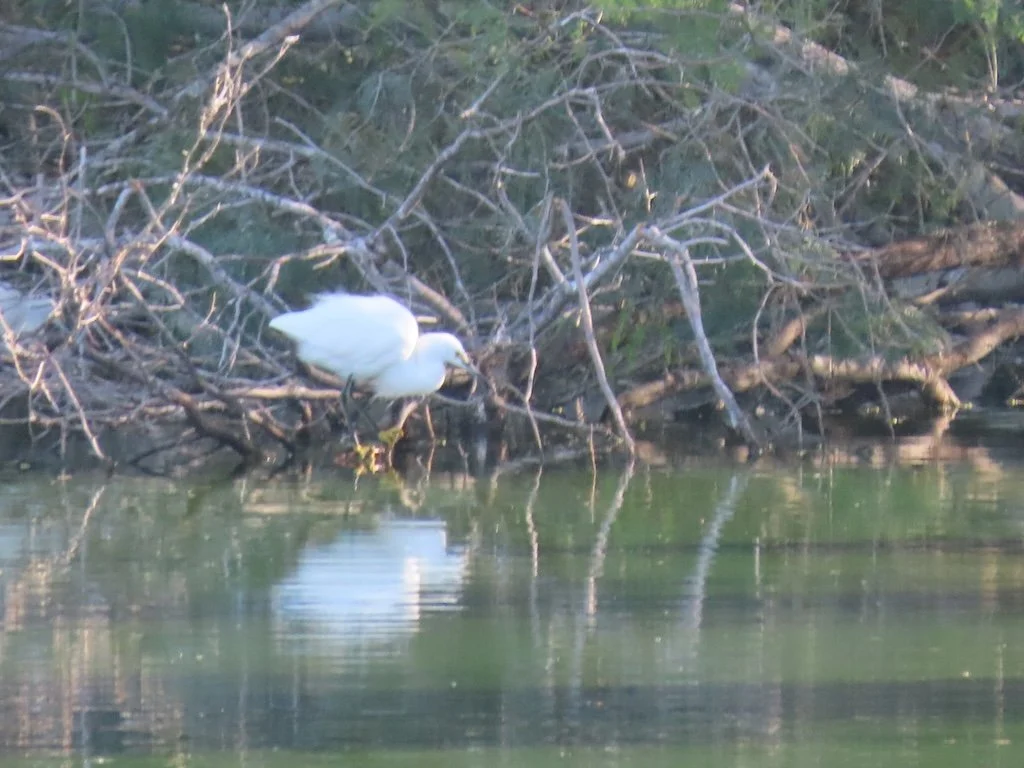
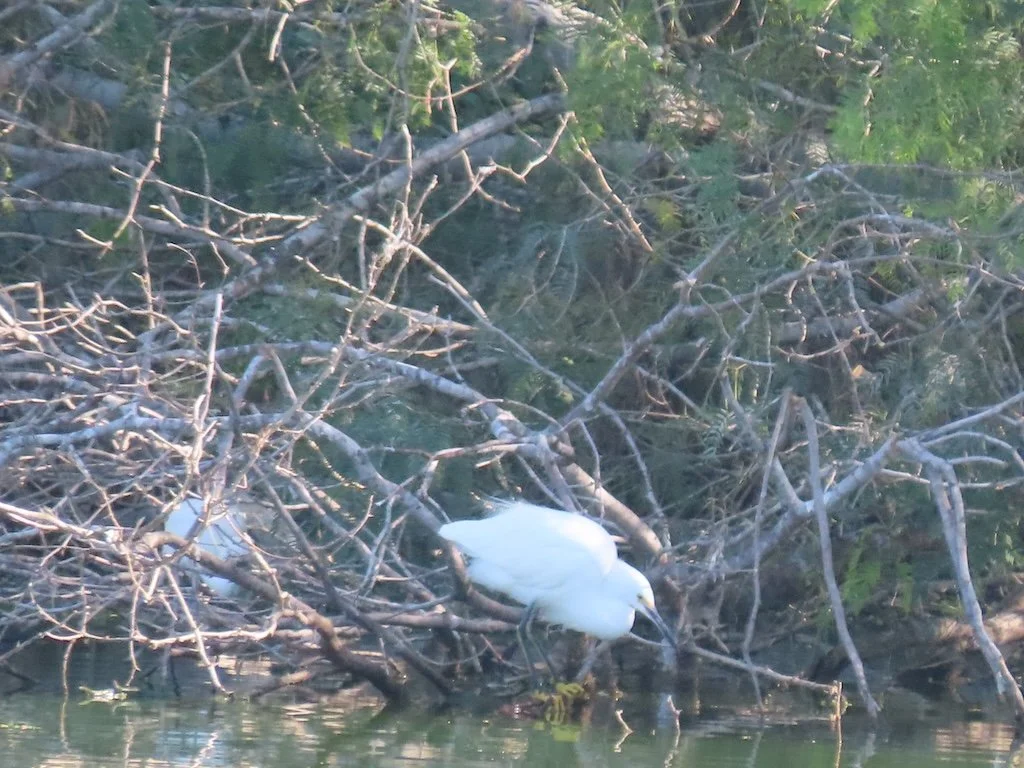
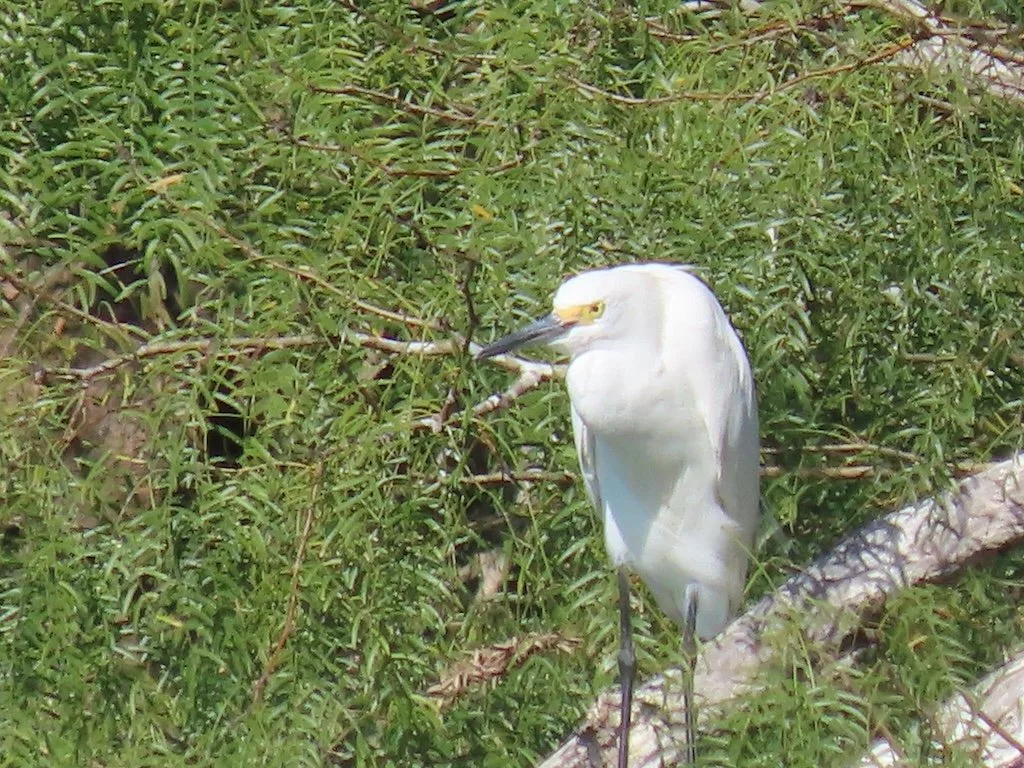
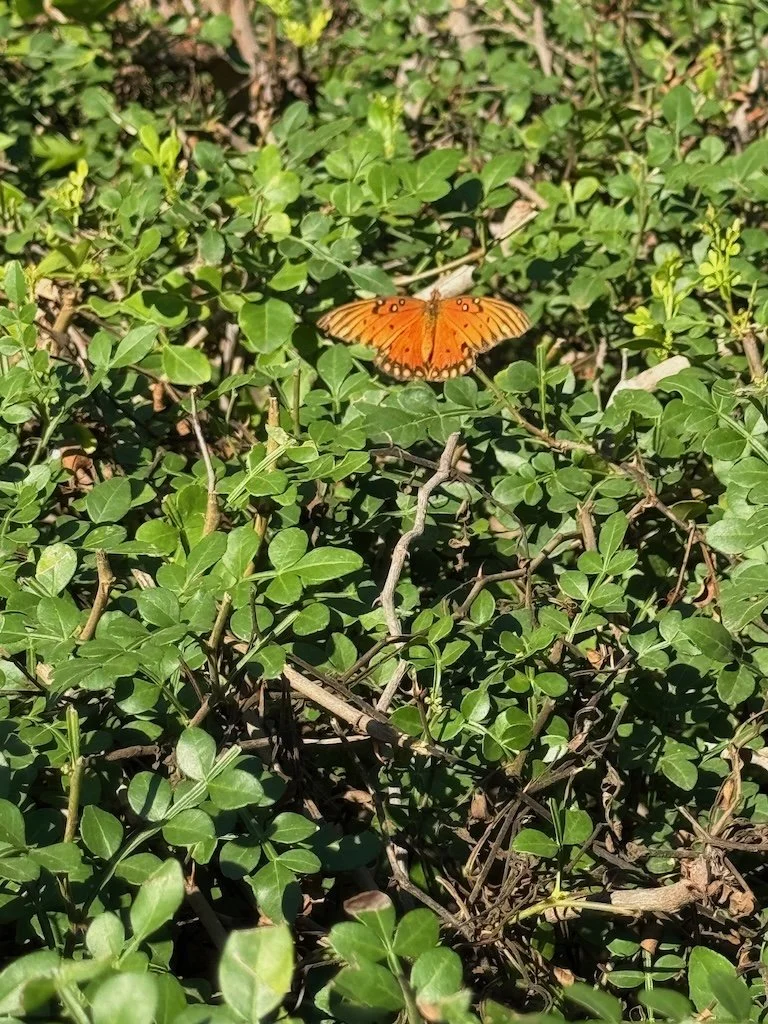
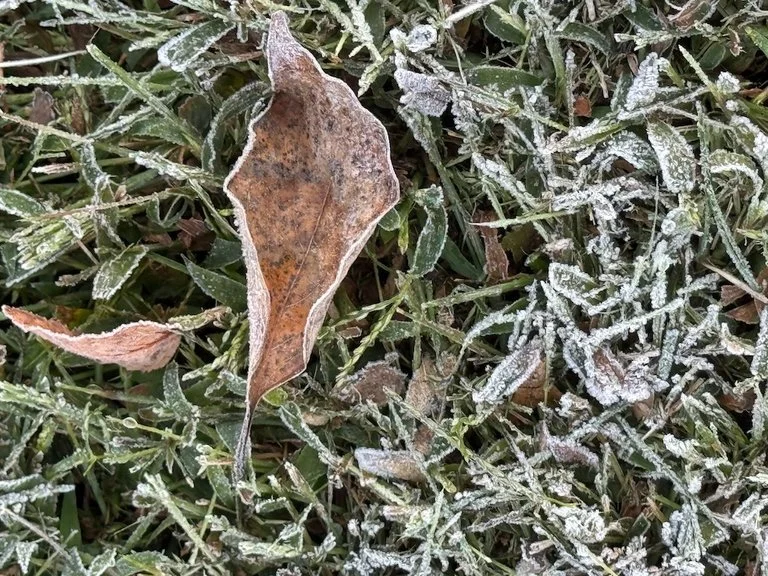
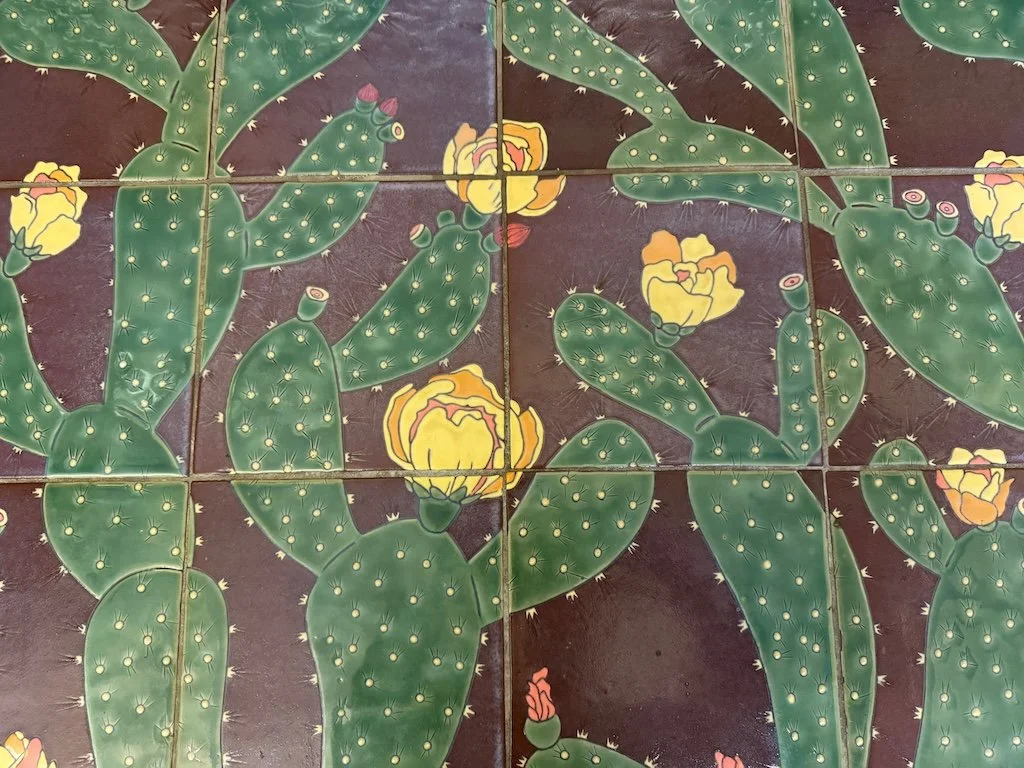
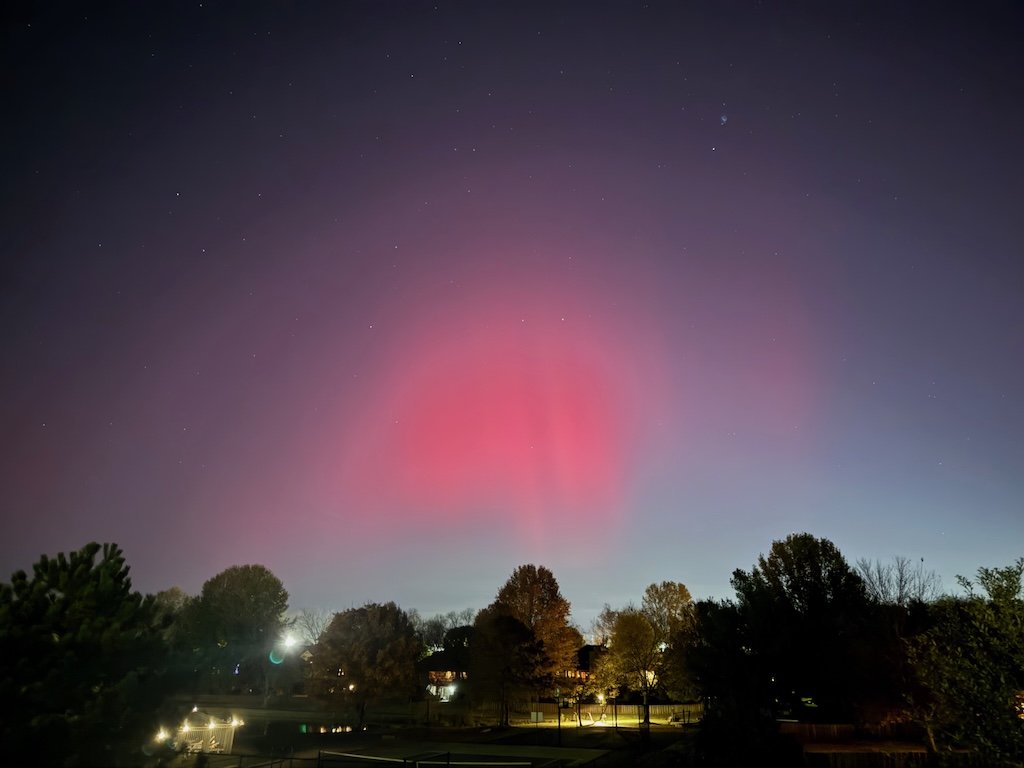
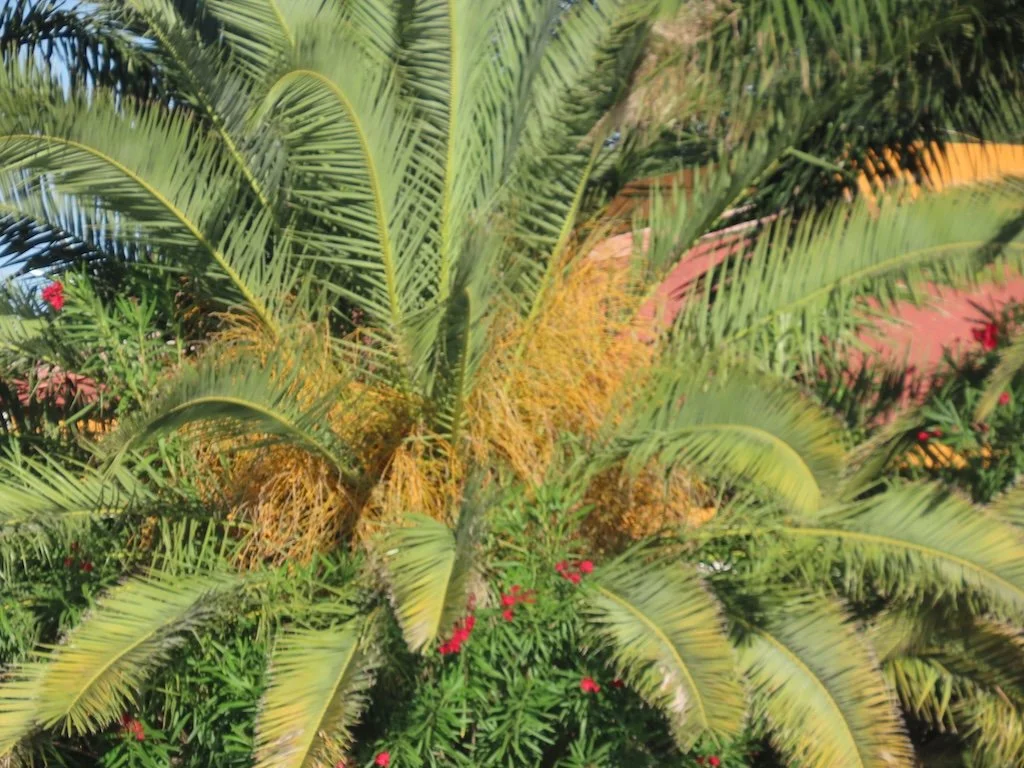
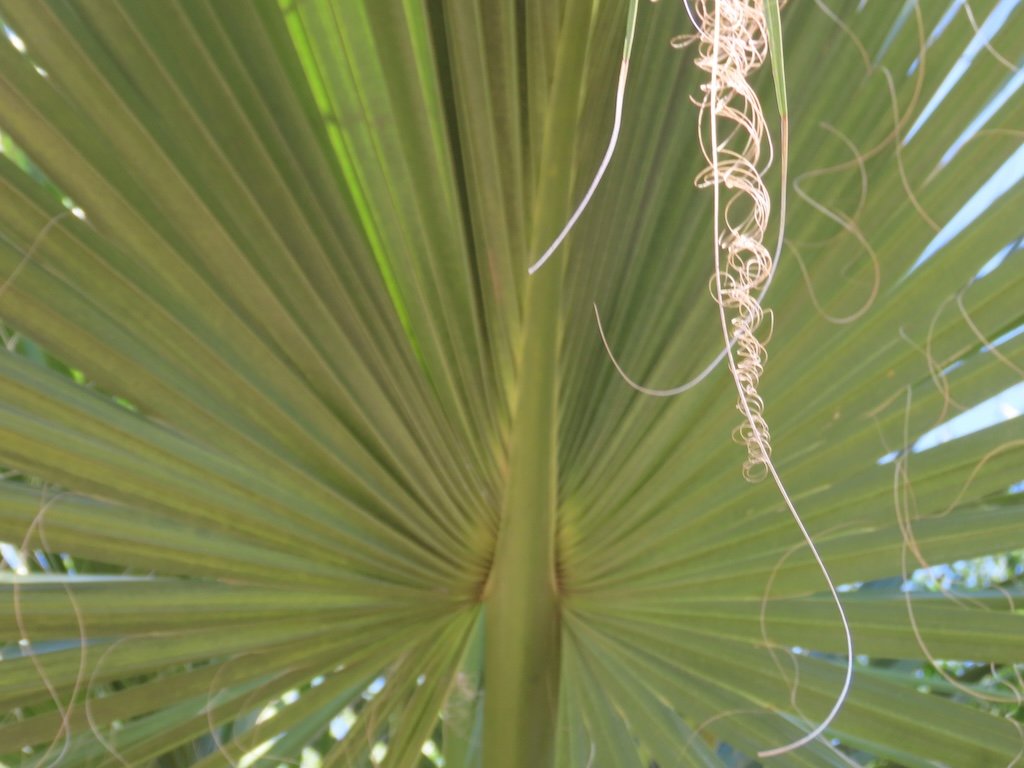
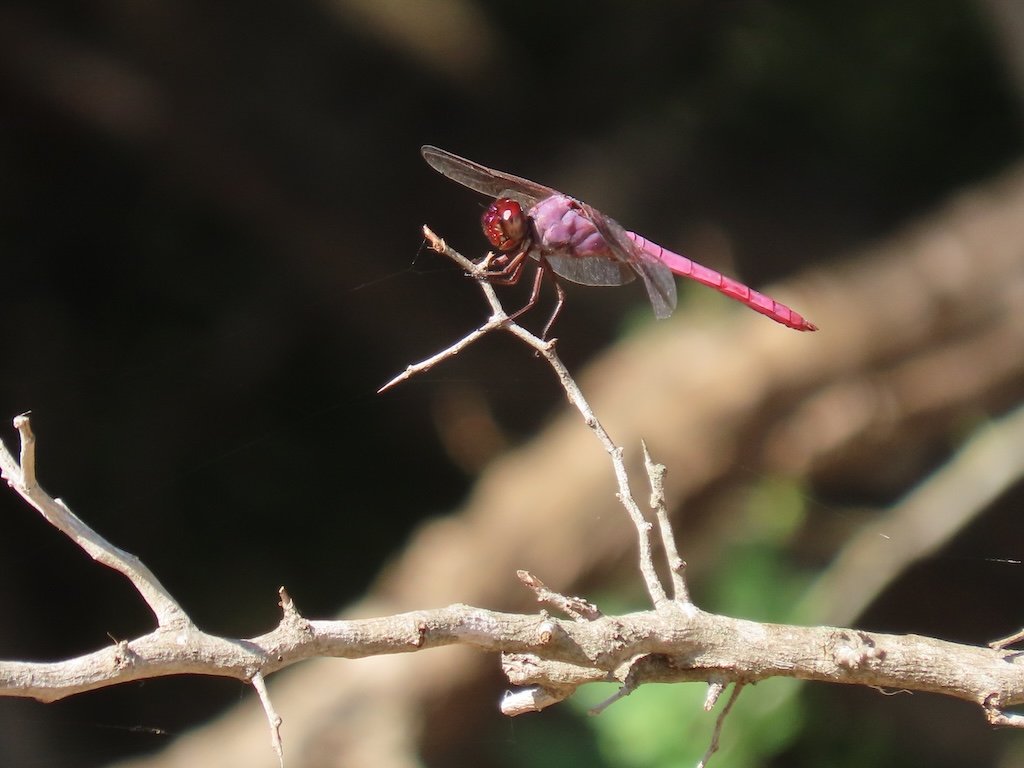
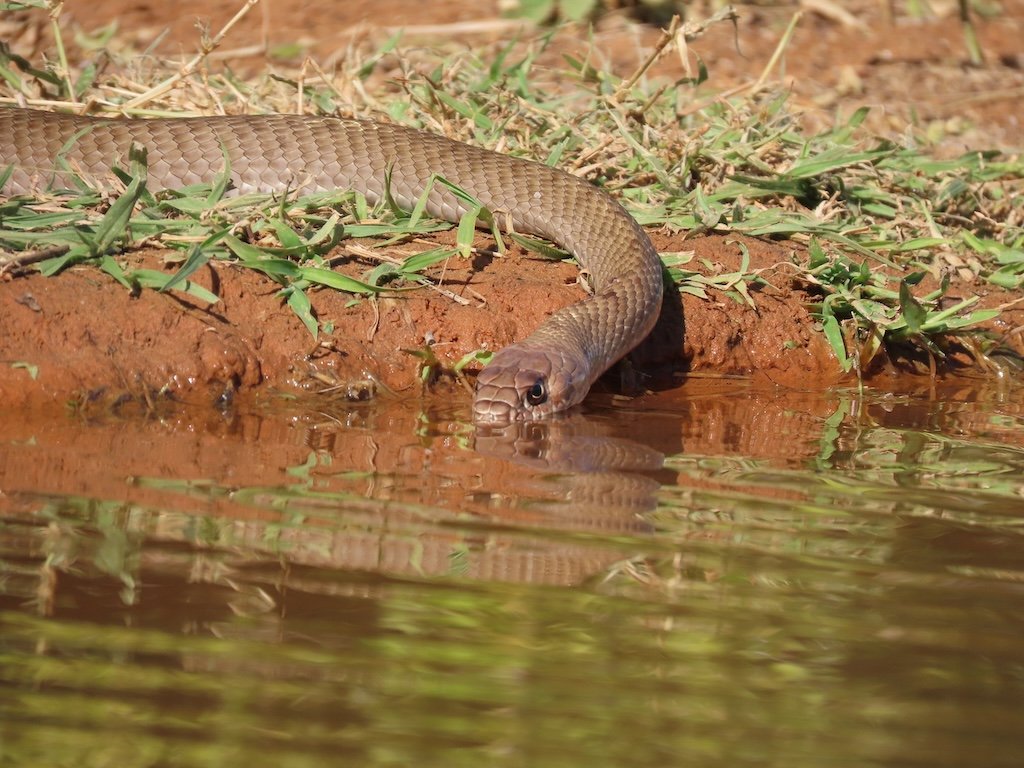
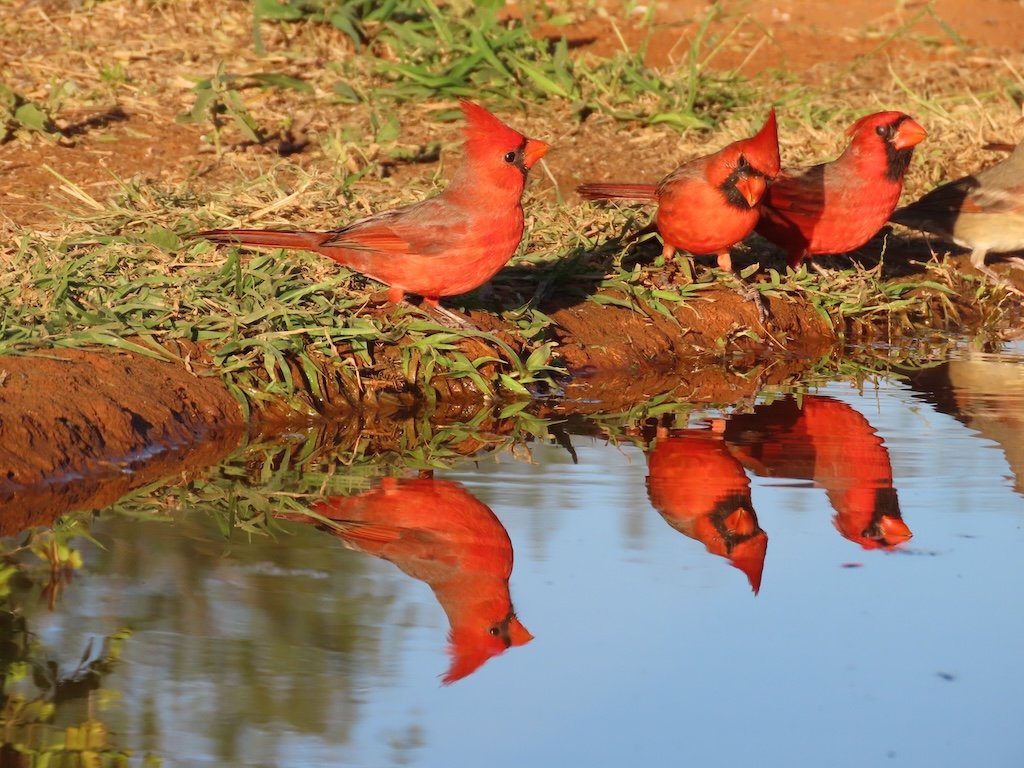
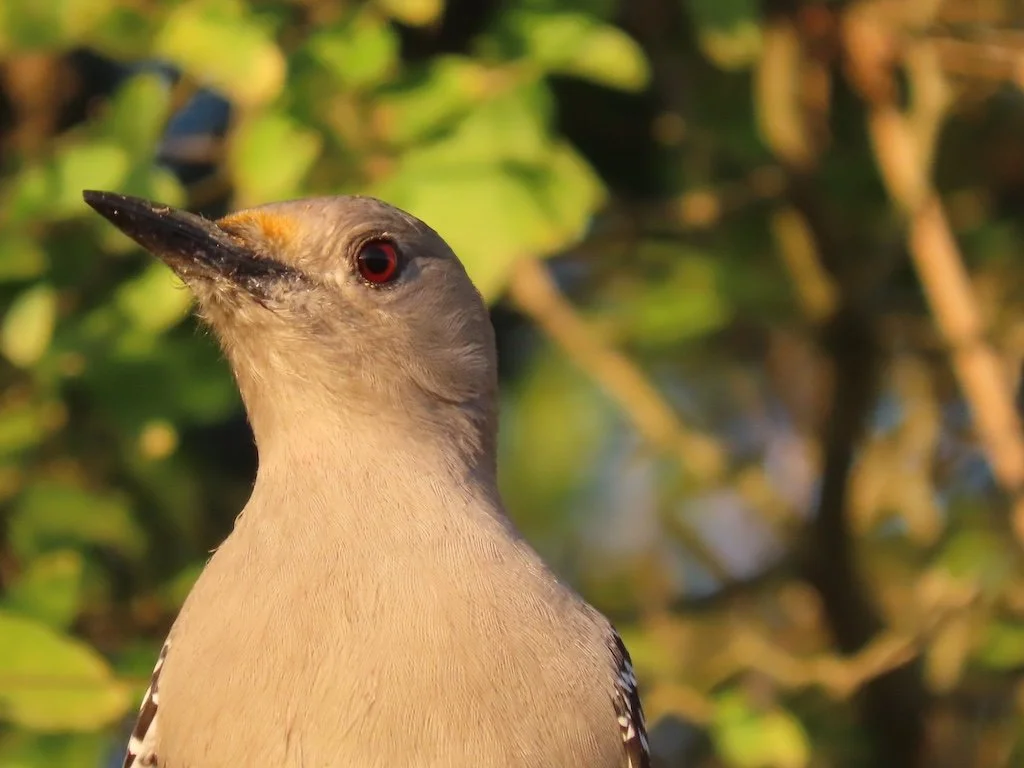
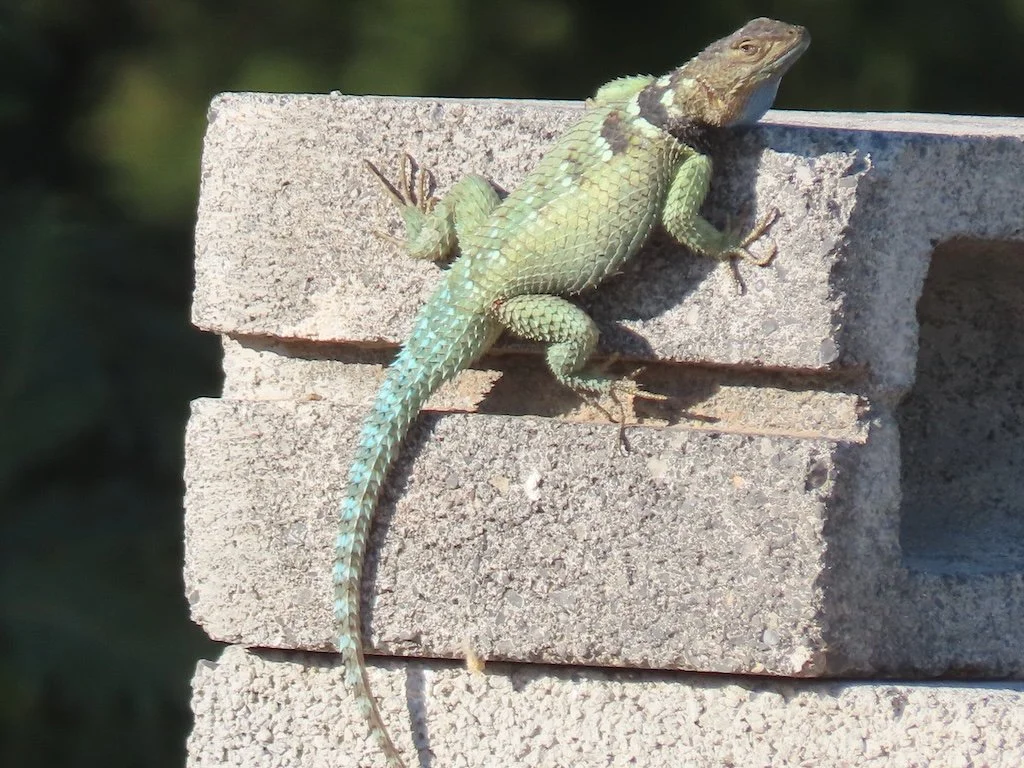
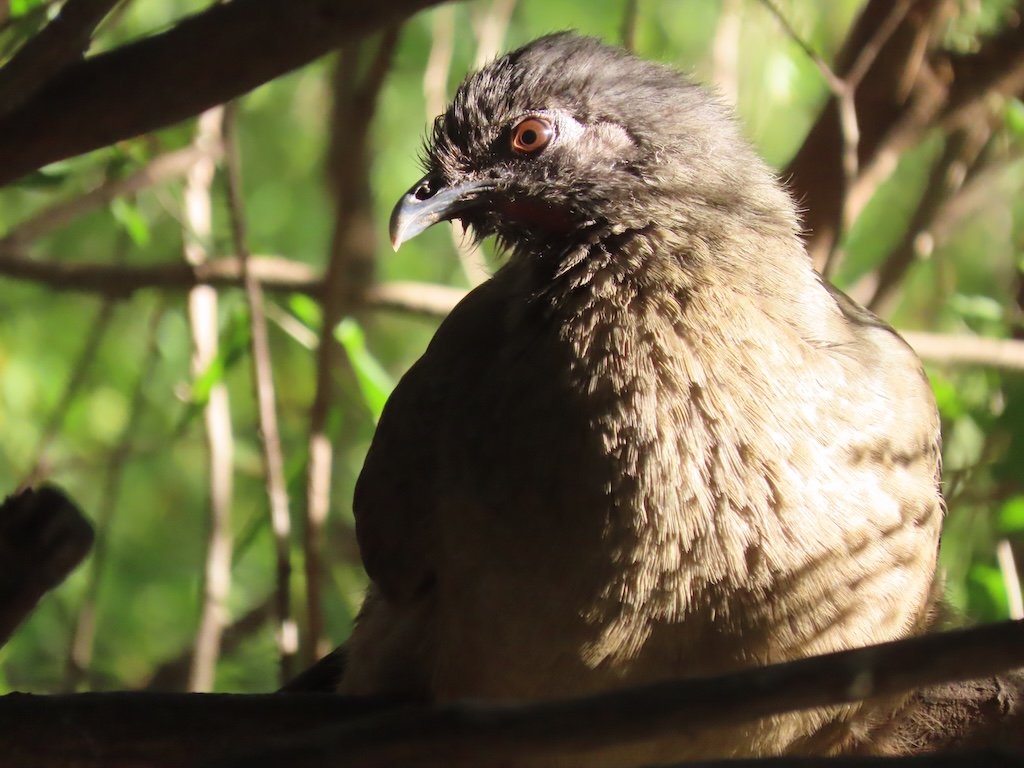
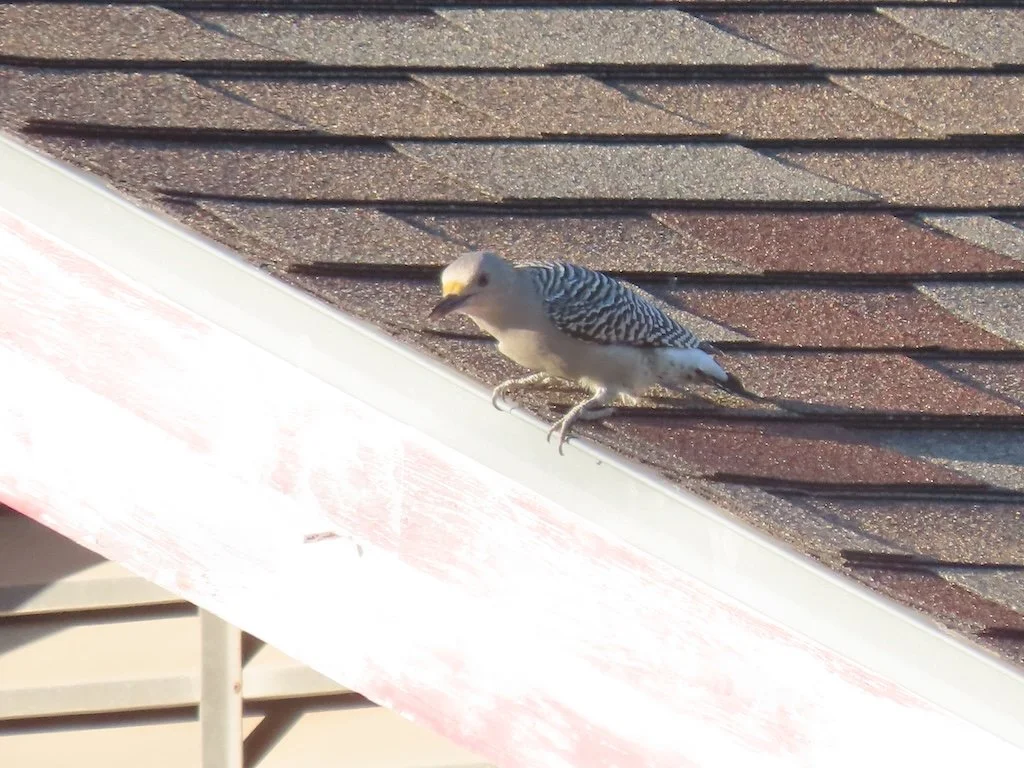
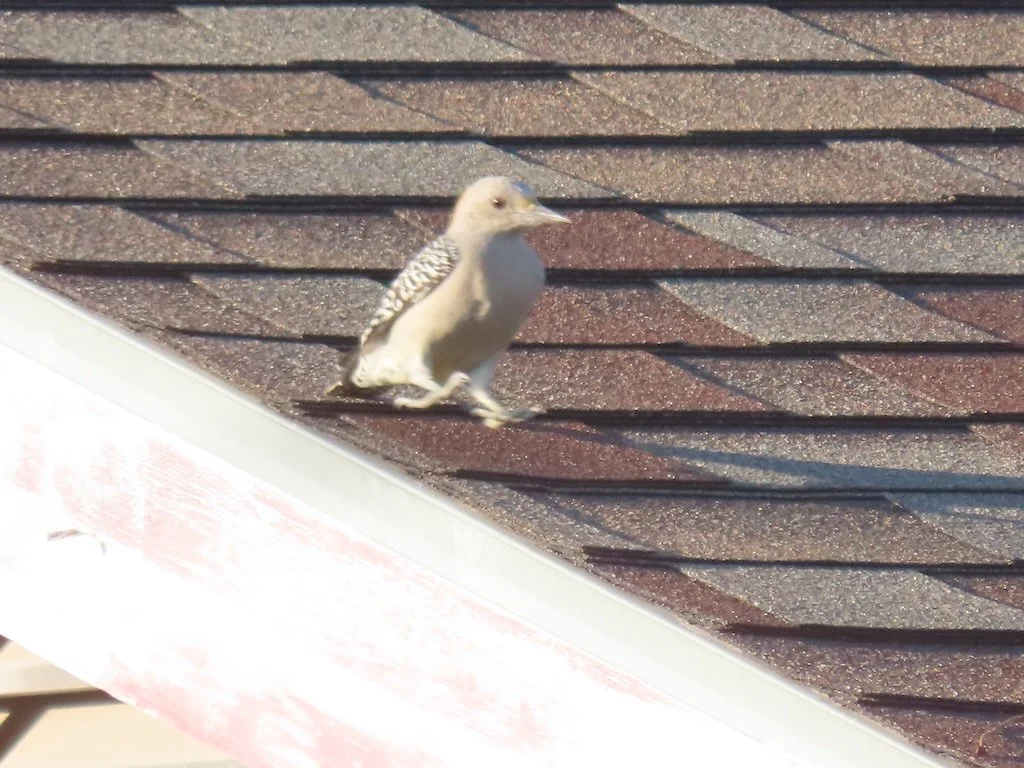
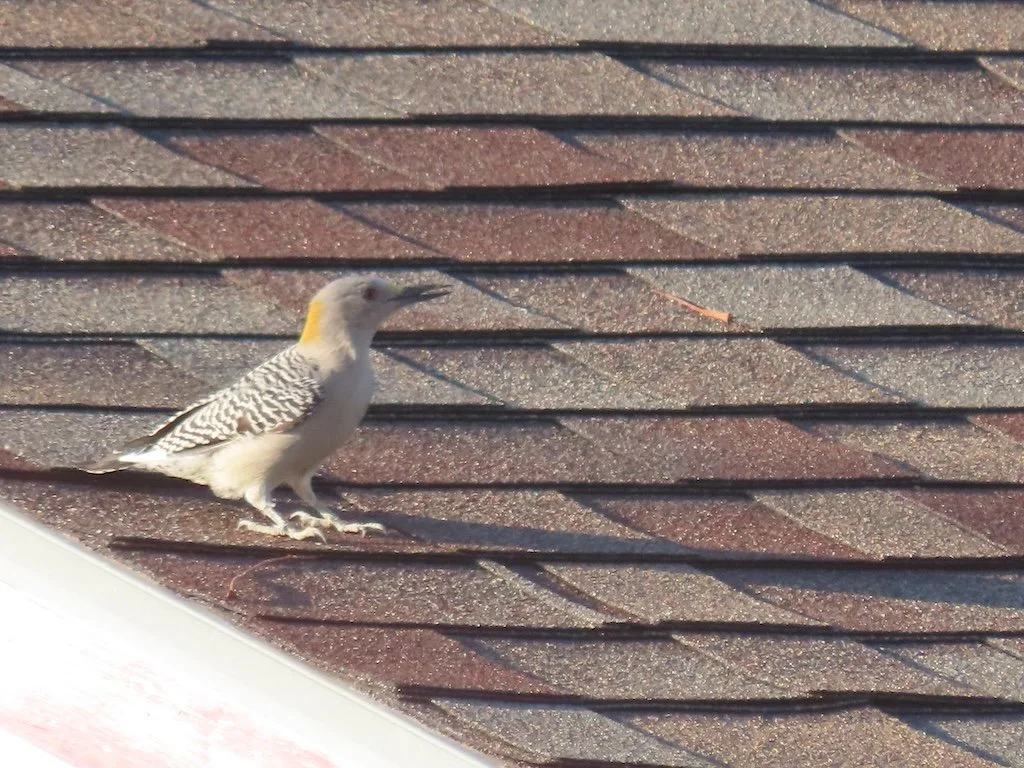
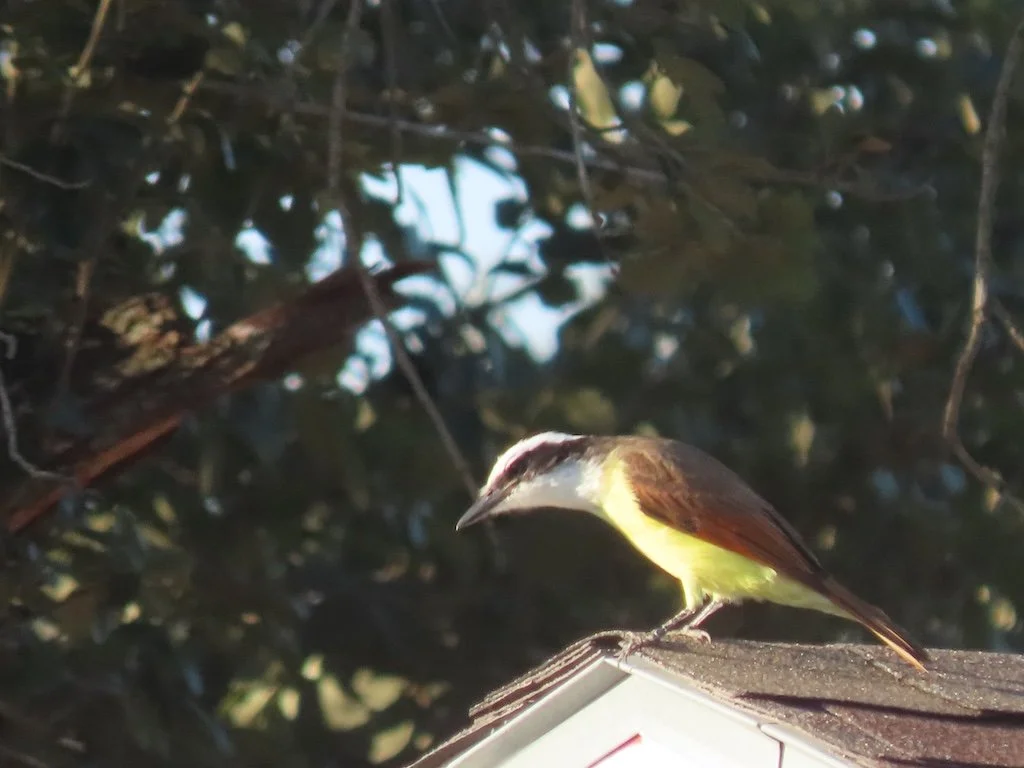
The slideshow for this month includes some pictures I took at the Rio Grande Birding Festival in November but didn’t get posted about until this month. There are a few pictures from my visit to Dallas and the holiday lights too. Enjoy the slideshow!

Ten Little Celebrations – December 2025

December is always a month with a lot of celebrations – Christmas…my birthday…the end of the semester for my daughter…a great time to travel.

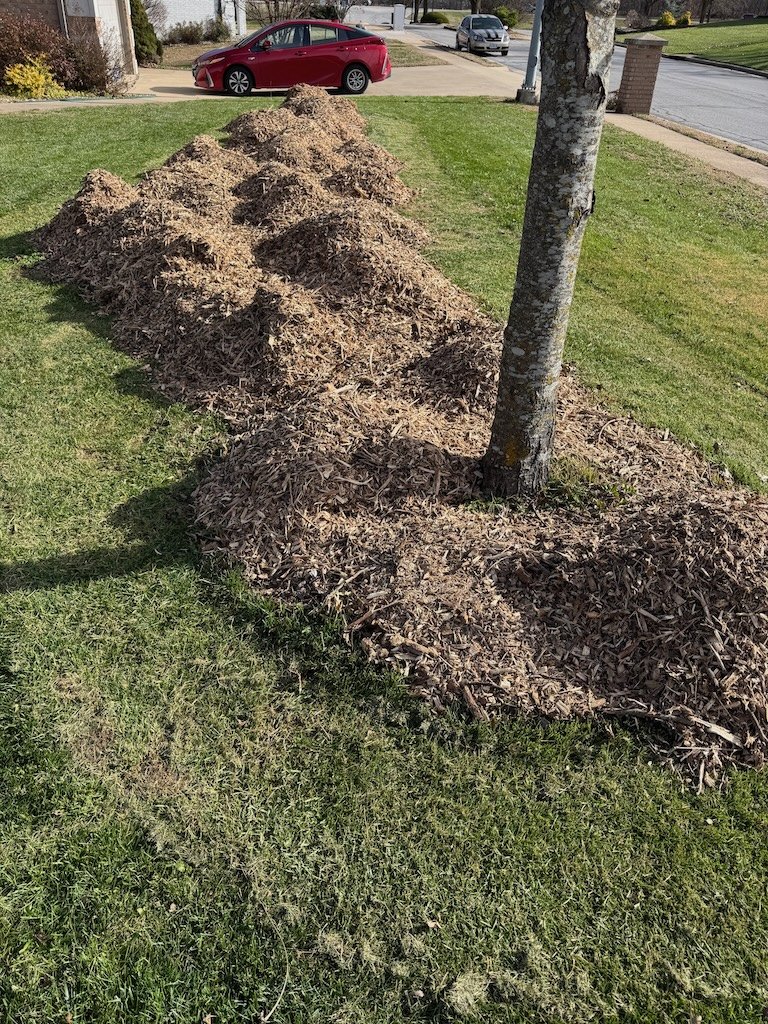
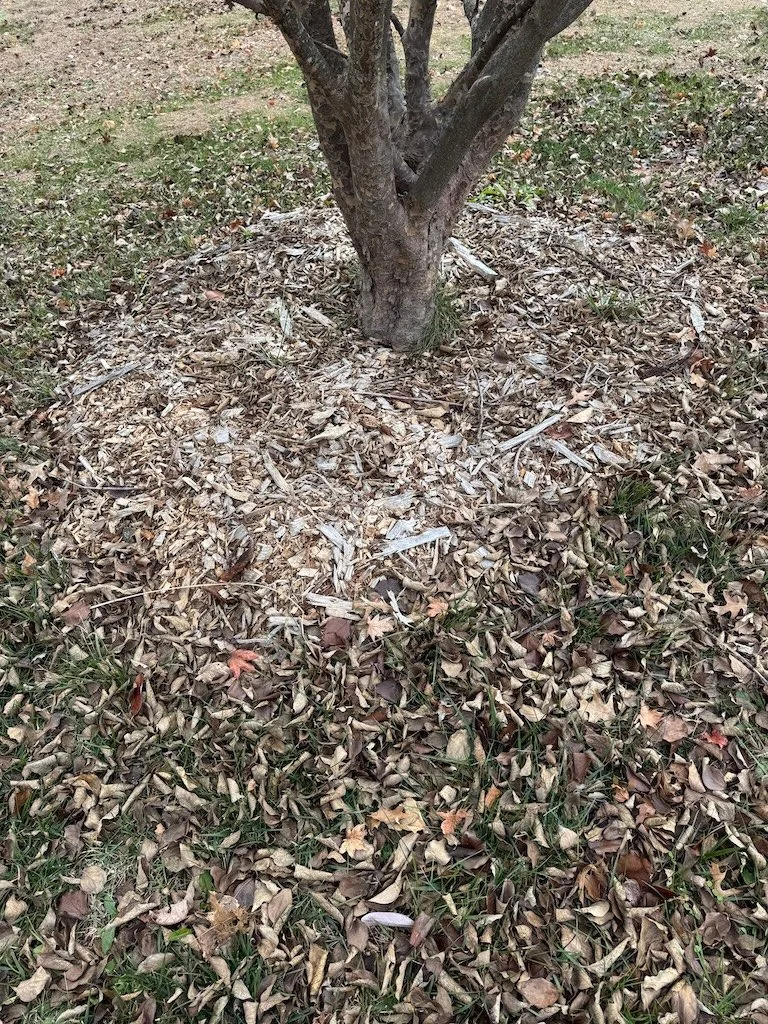
Oak wood chips to create a new native plant area. The branches trimmed from daughter’s oak (stabilizing an old tree) were chipped and I celebrated when I got the whole pile moved to my front yard – creating a great bed that I will plant with native plants in the spring.

Sweet potato soup. I celebrated a soup with of sweet potatoes, chicken, apple, fresh ginger, and a little lime…toast cubes on top. It was probably the best soup of the month!

New docking station. I had been having problems with my monitors becoming disconnected from my Mac…and an external drive not being available. There were work arounds that no longer worked consistently to fix the problem. I celebrated when my husband provided a new docking station….and the problems were resolved.

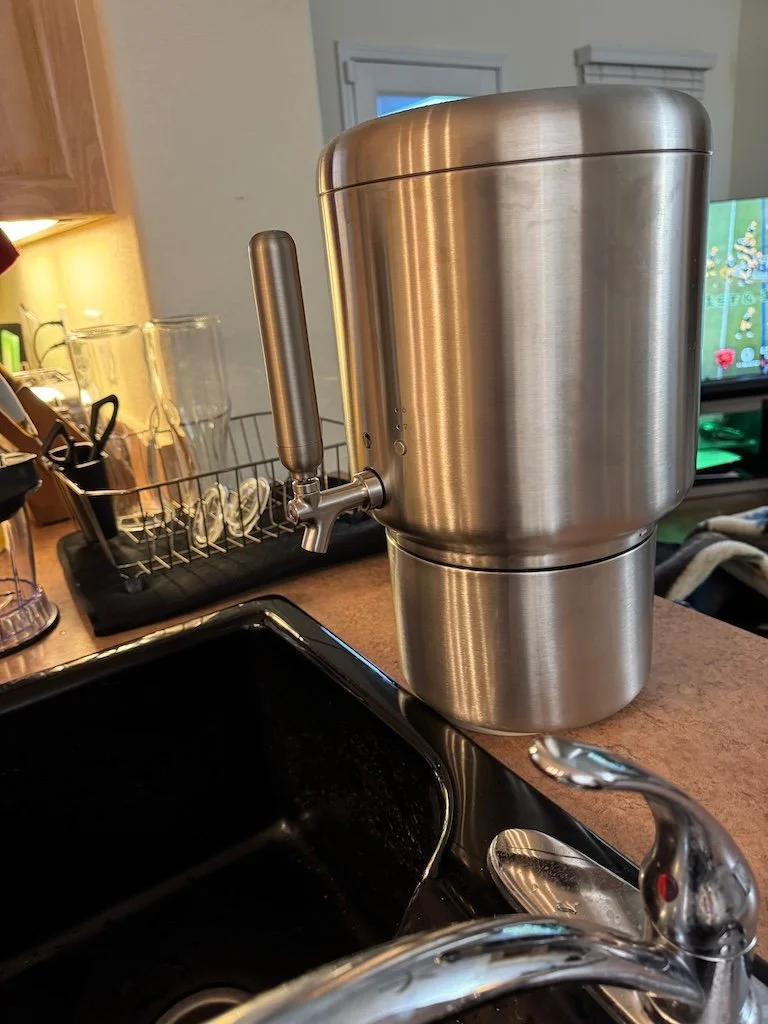
Rorra water filtration system. In my quest to reduce the microplastics in food, I bought the Rorra system and celebrated the step to reduce microplastics (and some other things) in our water. Now I can move on to other aspects of my kitchen/grocery shopping.

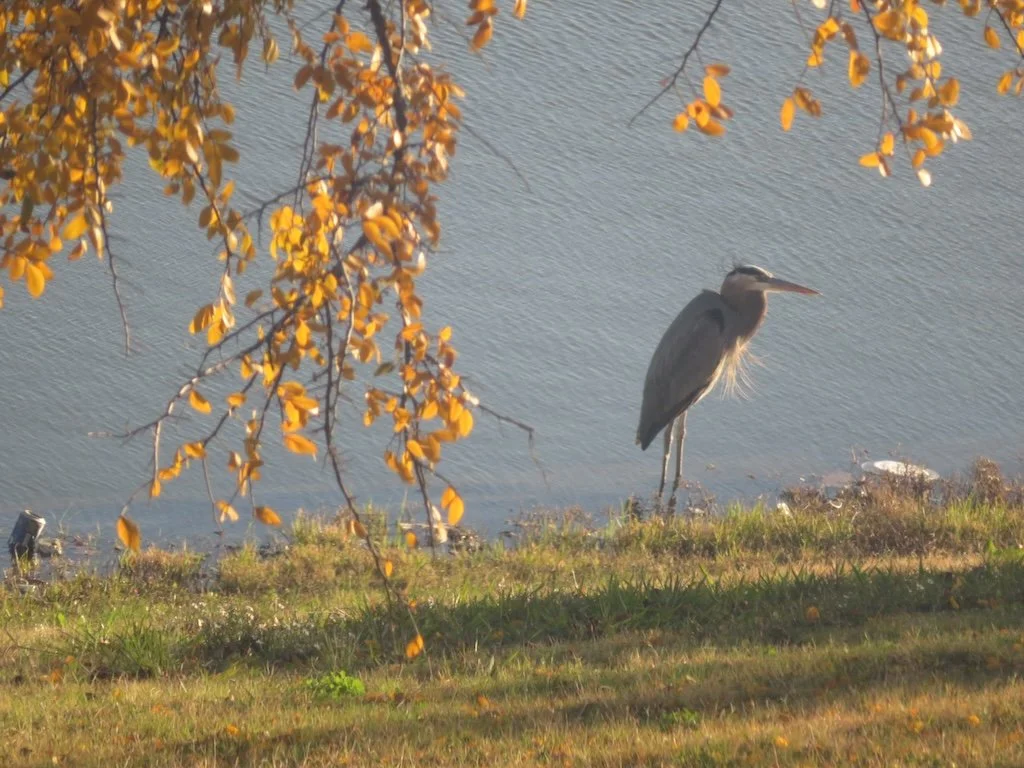
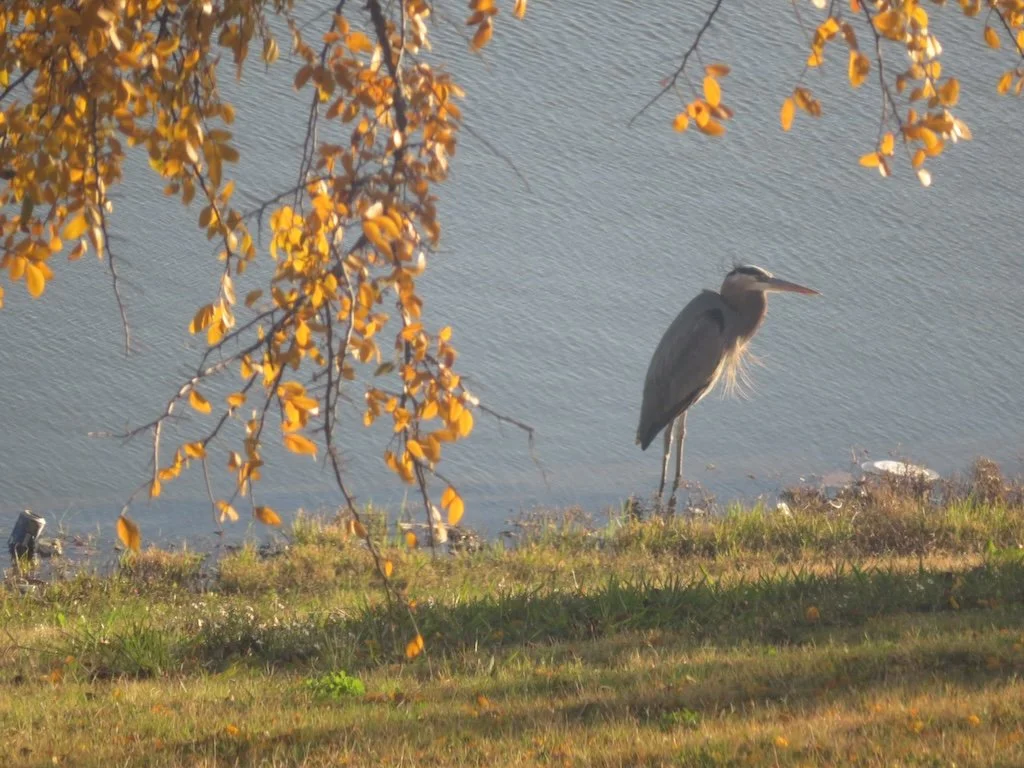
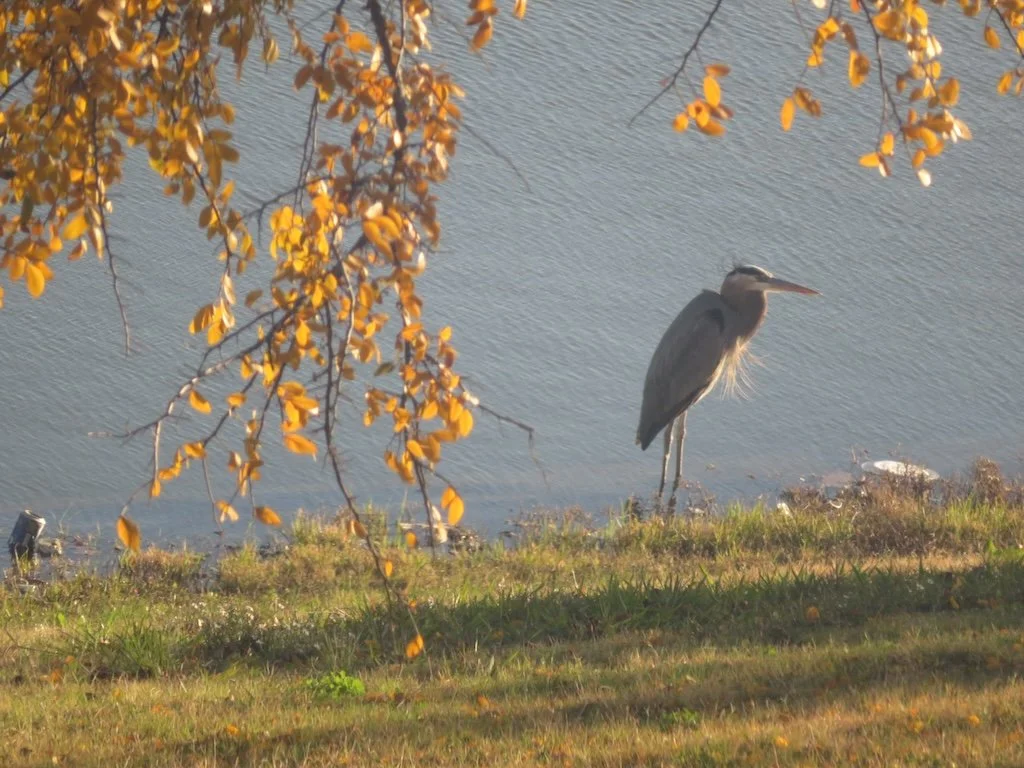
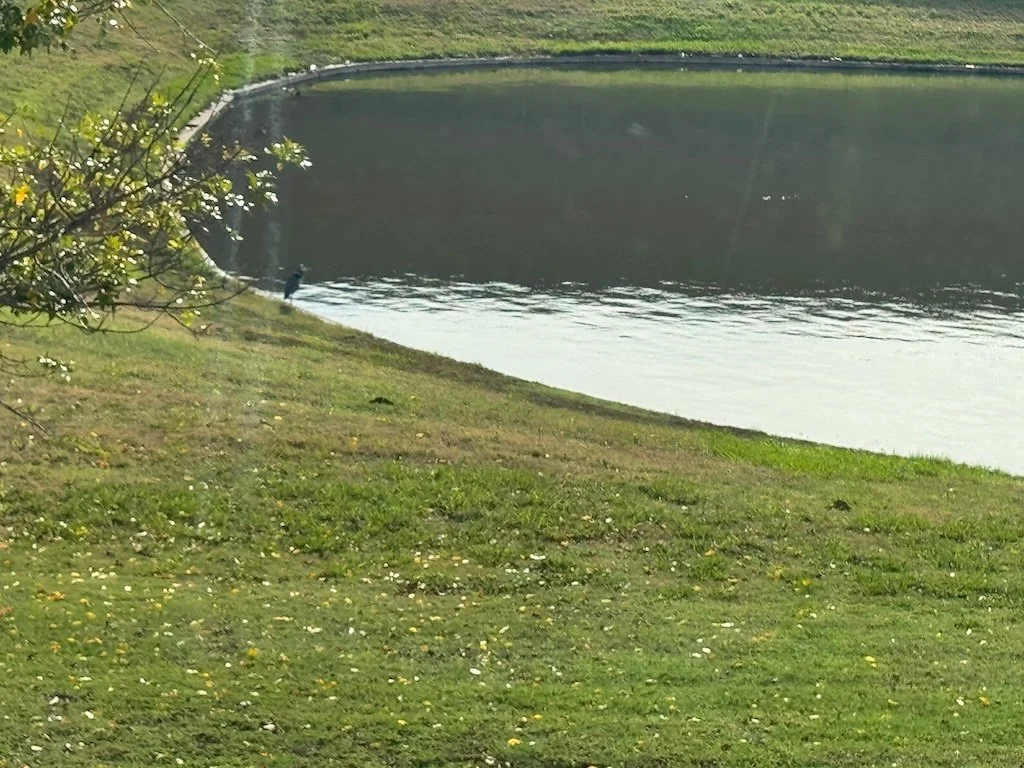
Great blue heron from my hotel window. I celebrated that the view from my hotel window in Lewisville included a great blue heron for a second month in a row.

Home before dark. I knew that December was the hardest month for me to get home before dark on my return from Texas…but I managed it…about 5 minutes before sunset.

Dickerson Park Zoo. There were some cold days in December but we took advantage of a day that the temperature reached into the 70s to visit the zoo. I always find something the celebrate there – either an animal seemingly poising for a photography or the different noises they are making (or not).

Daughter’s tenure. The major hurdles in the tenure process for my daughter happened in December. It won’t be formalized until the spring, but we are celebrating this milestone of her academic career.

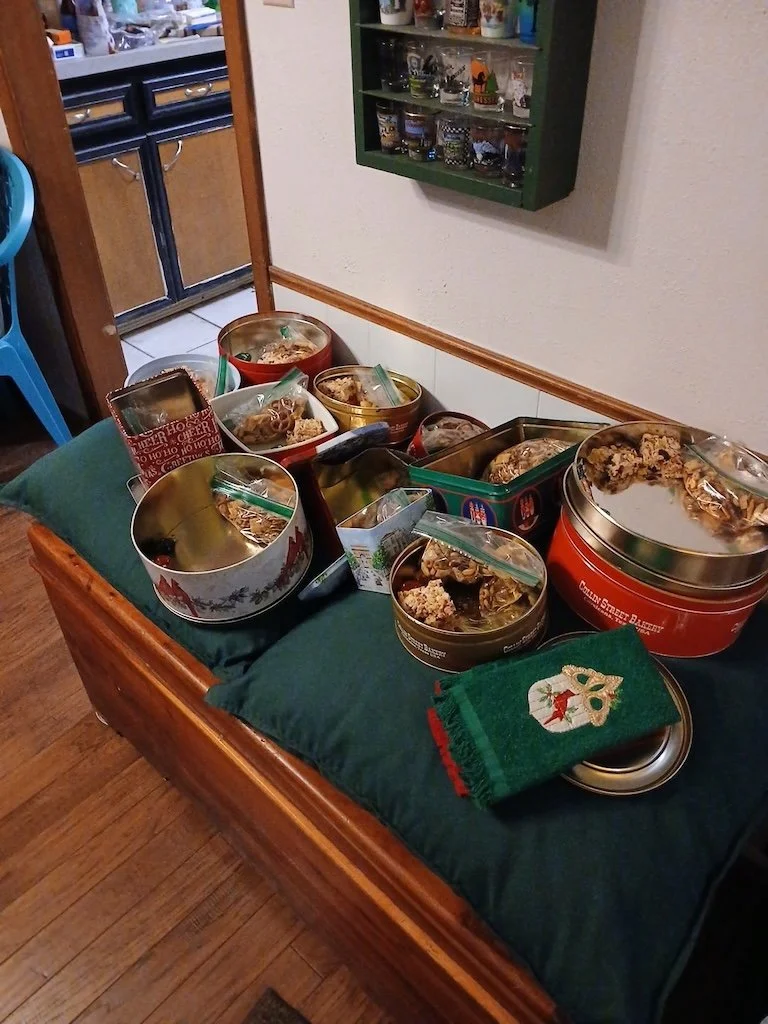
Christmas time goodies. December is not a diet month. I’ve celebrated with goodies I bought for myself and the ones my sister provided! January will be the diet month.

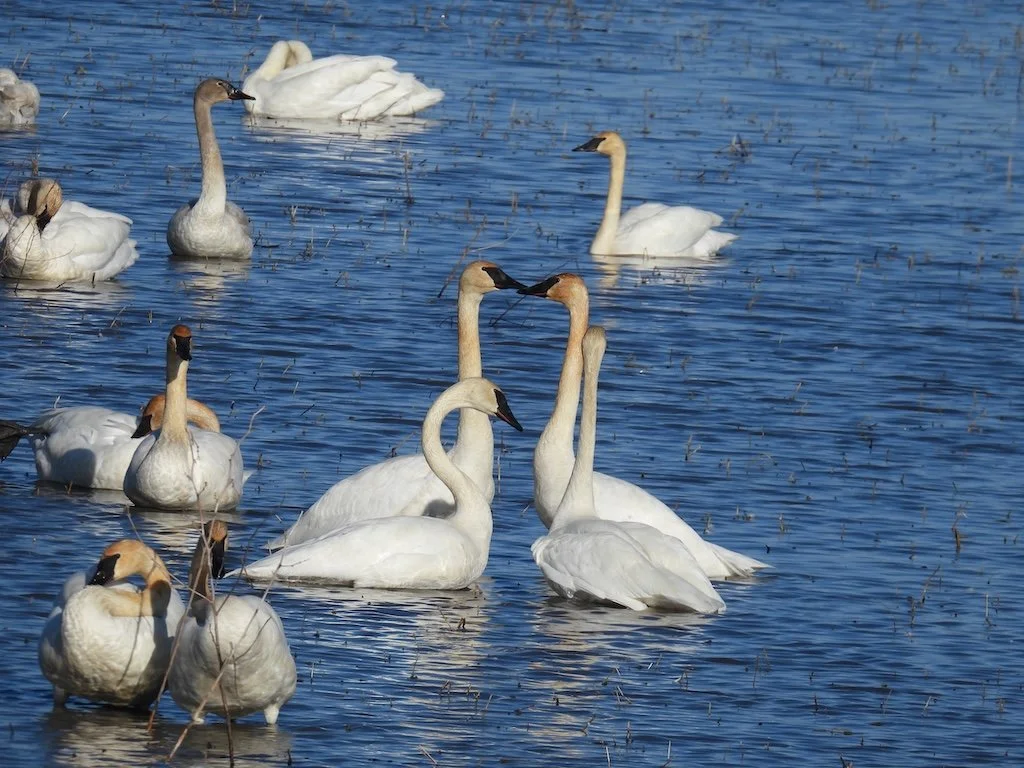
Another birthday. Celebrating another year…and the experiences that surrounded my birthday this year – several out-to-eat events, a trip to the zoo, a trip to a wildlife refuge. My present was an electric tea kettle made of glass and stainless steel – replacing a coffee maker that had a lot of plastic components.

Gleanings of the Week Ending December 27, 2025

The items below were ‘the cream’ of the articles and websites I found this past week. Click on the light green text to look at the article. (Note: I have changed the format to include the date and source of the article.)

12/4/2025 American College of Emergency Physicians Opinion: Physicians Must Reduce Plastic Waste - Waste audits in the emergency departments (EDs) of Kent Hospital in Warwick, Rhode Island, and Mass General Hospital in Boston found that four pounds of waste is generated per patient, per encounter, and about 60 percent of the waste is plastic…. If we consider our plastic footprint with everything we are doing, we can adjust our habits to give our patients and our world healthier care.

11/19/2025 Consumer Reports Consumer Reports announces winners of its Microplastics Detection Challenge - Contest challenged participants to develop simple and inexpensive at-home tests to enable people to detect microplastics in their food. 

12/12/2025 Yale Environment 360 Dozens of Countries See Their Economy Grow as Emissions Fall - Historically, more industry meant burning more fossil fuels. But renewable energy has made it possible to generate more wealth without producing more emissions. The U.S. and most of Europe, have completely decoupled growth from emissions over the last decade. Fortunes rose, while emissions fell. Together, these countries account for 46 percent of the global economy.

12/12/2025 Science Daily Scientists find dark chocolate ingredient that slows aging - Scientists have uncovered a surprising link between dark chocolate and slower aging. A natural cocoa compound called theobromine was found in higher levels among people who appeared biologically younger than their real age.

12/11/2025 Clean Technica Drones, Diesel, & Policy: Two Countries, Two Agricultural Futures - China’s rapid adoption of agricultural drones is one of the most interesting examples of technological divergence between two major food producers. The contrast is striking. Chinese pilots are now treating an amount of land with drones each year that is larger than the total farmland base, which means multiple drone passes on the same fields to handle weeds, pests, fertilizer and sometimes seeding. At the same time, the United States is advancing a policy coalition that targets DJI with composite national security concerns and proposes to ban the most widely used spray drones in the country. This fight matters because the ban would remove the only cost effective and widely deployed option for seeding and spraying. It would also shut down a path for lower diesel use and lower chemical demand in a sector that does not have many easy ways to cut operating costs.

12/11/2025 Smithsonian Magazine Gas Stoves Are Poisoning Americans by Releasing Toxic Fumes Associated with Asthma and Lung Cancer - A new study, published this month in the journal PNAS Nexus, suggests that gas stoves are the main source of indoor nitrogen dioxide pollution in the United States, responsible for more than half of some Americans’ total exposure to the gas. The gas can irritate airways and worsen or even contribute to the development of respiratory diseases like asthma. Children and older individuals are particularly susceptible to its effects.

12/7/2025 Cool Green Science Family, Survival and Change: The Secret Life of the Red-cockaded Woodpecker - In the heart of the longleaf pine forests of the southern United States, a quiet drama plays out each spring. Inside tiny nest cavities high into pines, red-cockaded woodpecker (RCW) parents work tirelessly to feed their chicks. They live in family groups where everyone, even older offspring, helps care for the young. That’s what makes them special; they’re cooperative breeders, families bound not just by instinct, but by teamwork. These woodpeckers remind us that recovery isn’t just about numbers. It’s about understanding the subtle, interconnected forces that make life possible in the first place. 

11/30/2025 The Conversation 56 million years ago, the Earth suddenly heated up – and many plants stopped working properly - Plants can help regulate the climate through a process known as carbon sequestration. However, abrupt global warming may temporarily impact this regulating function. What happened on Earth 56 million years ago highlights the need to understand biological systems’ capacity to keep pace with rapid climate changes and maintain efficient carbon sequestration.

12/8/2025 The Planetary Society The year in pictures 2025 - This collection of images, going as far back as late November 2024, captures some of the highlights of humanity’s exploration of space over the past year.

11/6/2025 The Scientist What Happens When a Fly Lands on Your Food? - How many microbes does a single fly typically carry? How many microbes does it take to get people sick?

Road Trip to Lewisville – December 2025

My road trip to Lewisville in December was just two days. When I left home at 5:30 AM it was dark, cold, windy, and wet. The sun wasn’t up until my second stop of the trip – at the  Big Cabin Loves off I-44. I took two pictures to celebrate the light and that the rain had cleared - even if the wind had not and was making for a more challenging drive.

I listened to Christmas music as I drove….and tried to notice birds (there seemed to be more gulls and crows than usual…not as many vultures as on previous drives…perhaps the wind caused the activity change). There was a truck with a big bale of hay wrapped in plastic (bits of plastic flying off…I’d rather have bits of hay than plastic!). As I drove over Lake Eufala, there were sycamore leaves blowing across the highway – big enough that I could easily to id them.

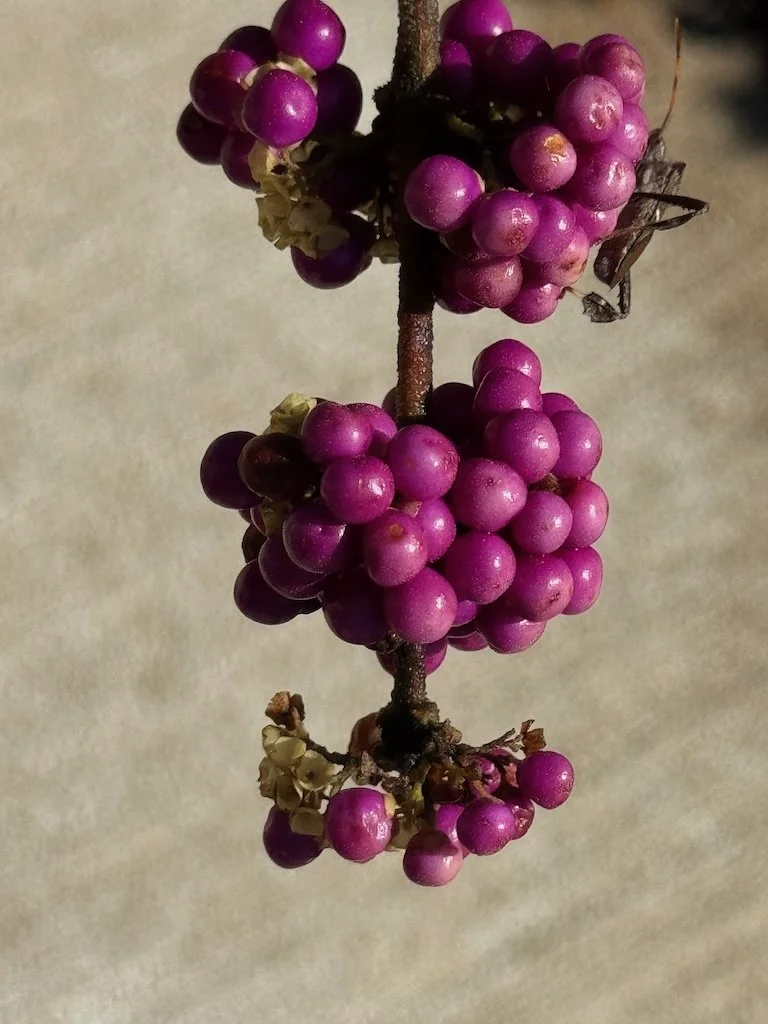
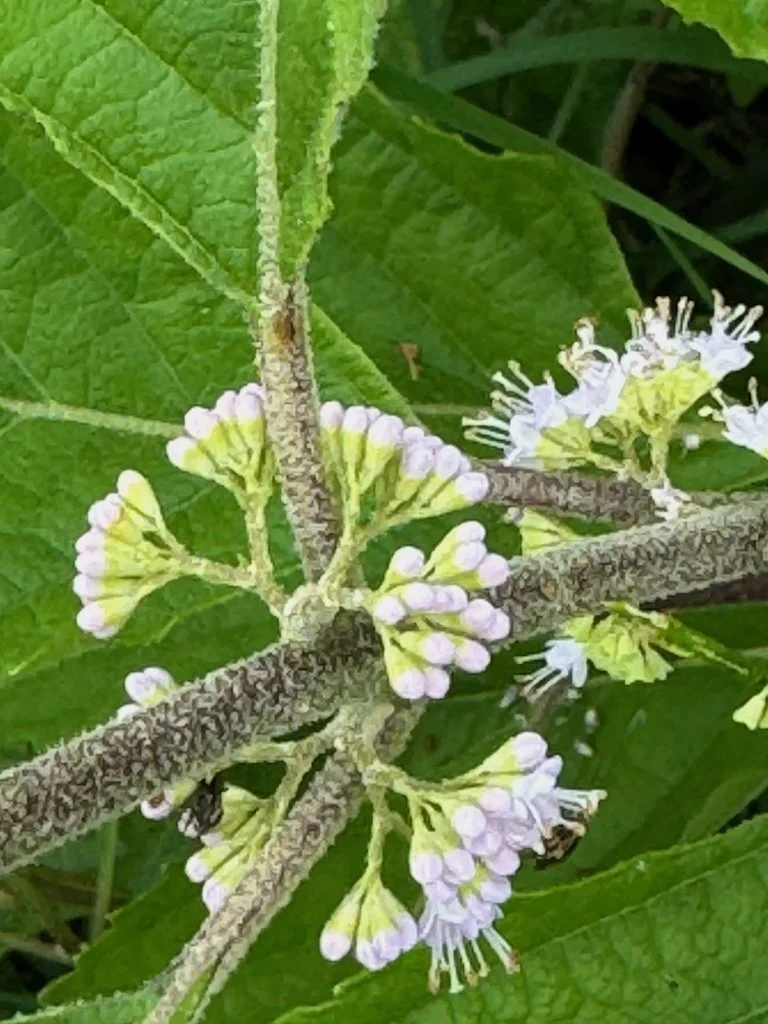
I made the longest stop at the Texas Welcome Center – eating a grilled chicken wrap that I bought at one of my previous stops. I checked the beautyberry and noticed that there were still a lot of leaves on the oaks, unlike where I live in Missouri where the trees are bare. I picked up another bur oak acorn…and realized most of that oak’s leaves were on the ground.

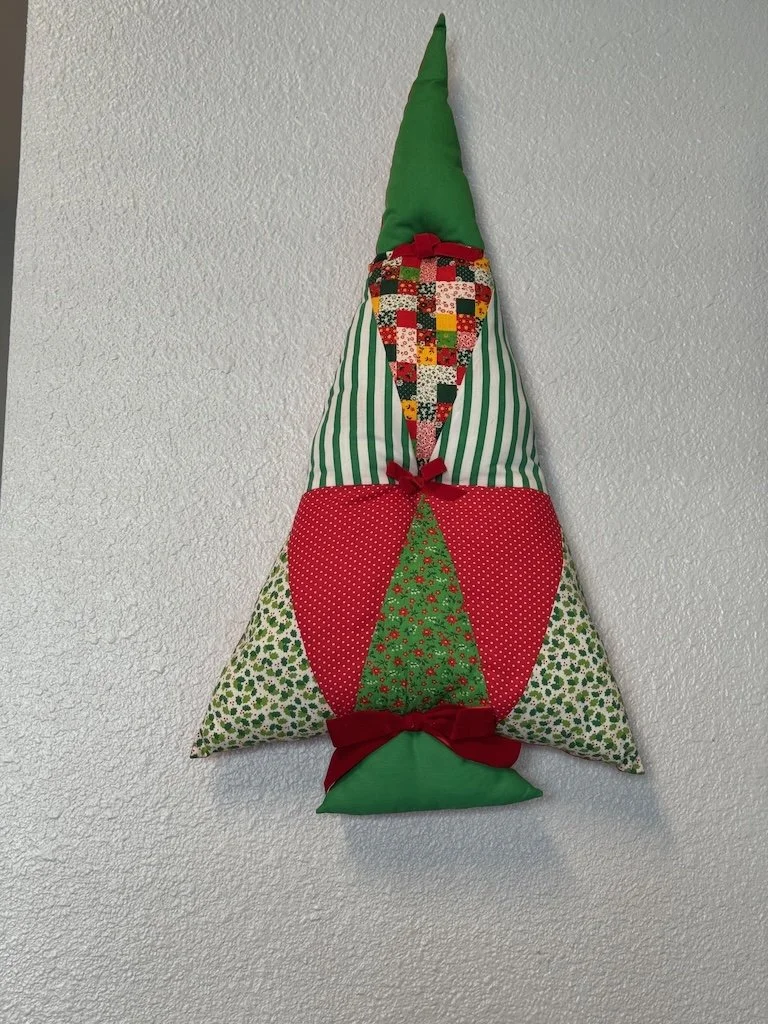
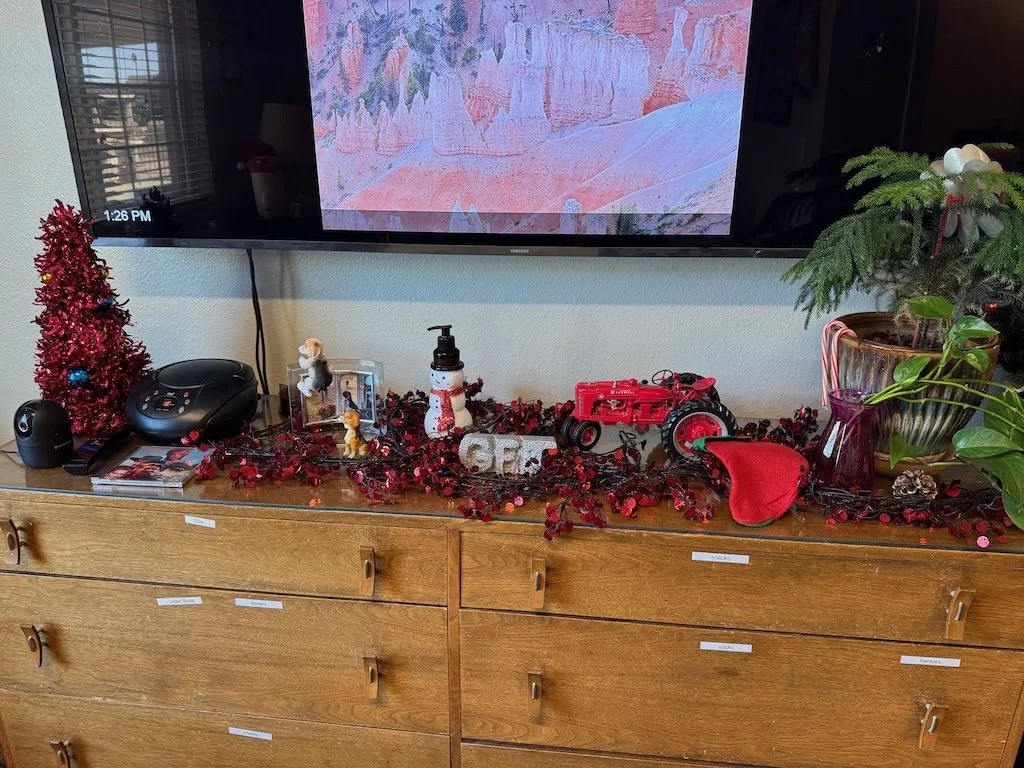
My sister had left some home baked goodies on the bookcase in my dad’s room. I left her a bag of special teabags (in paper/cardboard packaging) and enjoyed walking around the room noting the seasonal decorations my sisters had added. I remember the fabric tree from many years…and wondered what its history is; maybe one of my sisters knows.

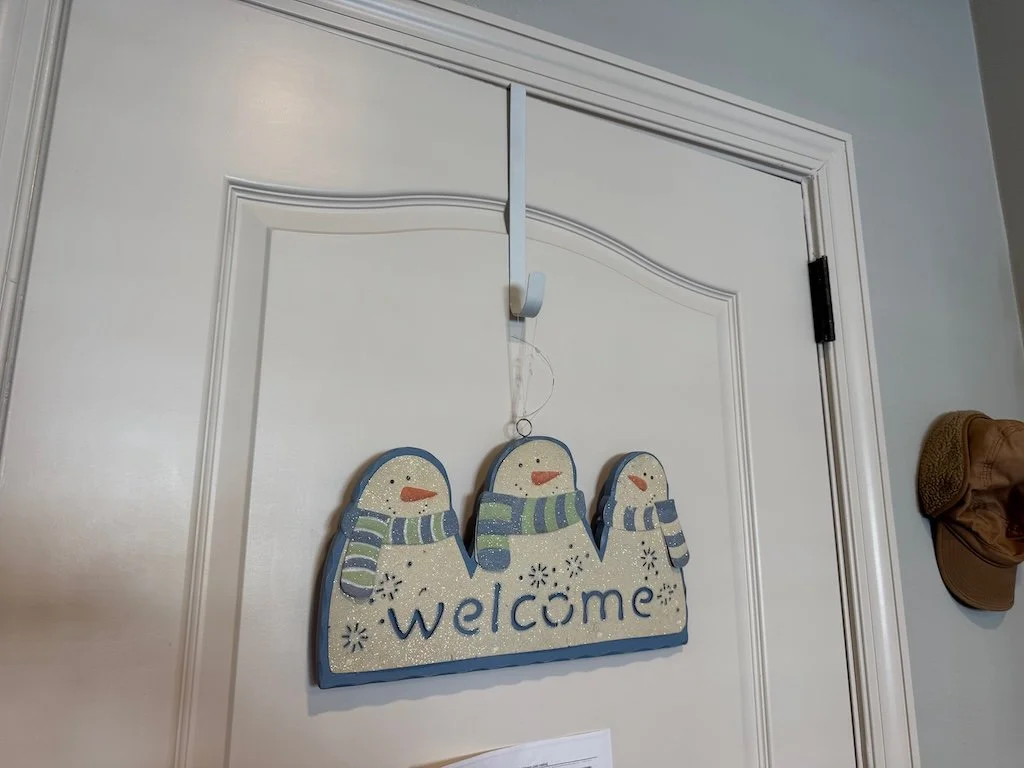
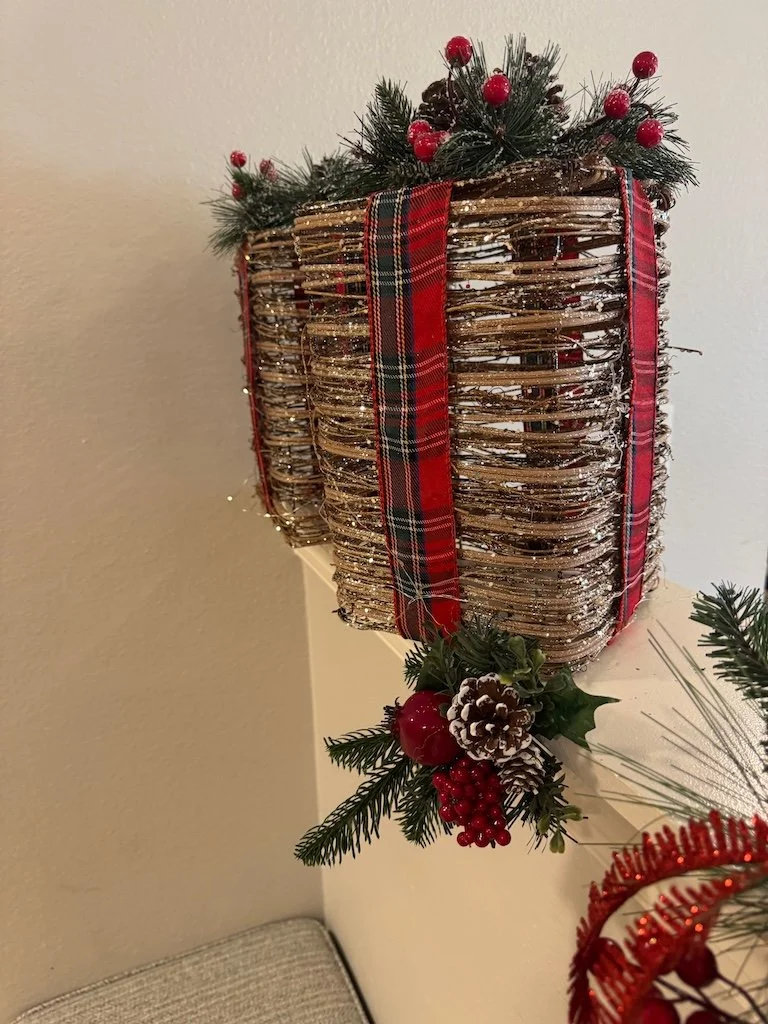
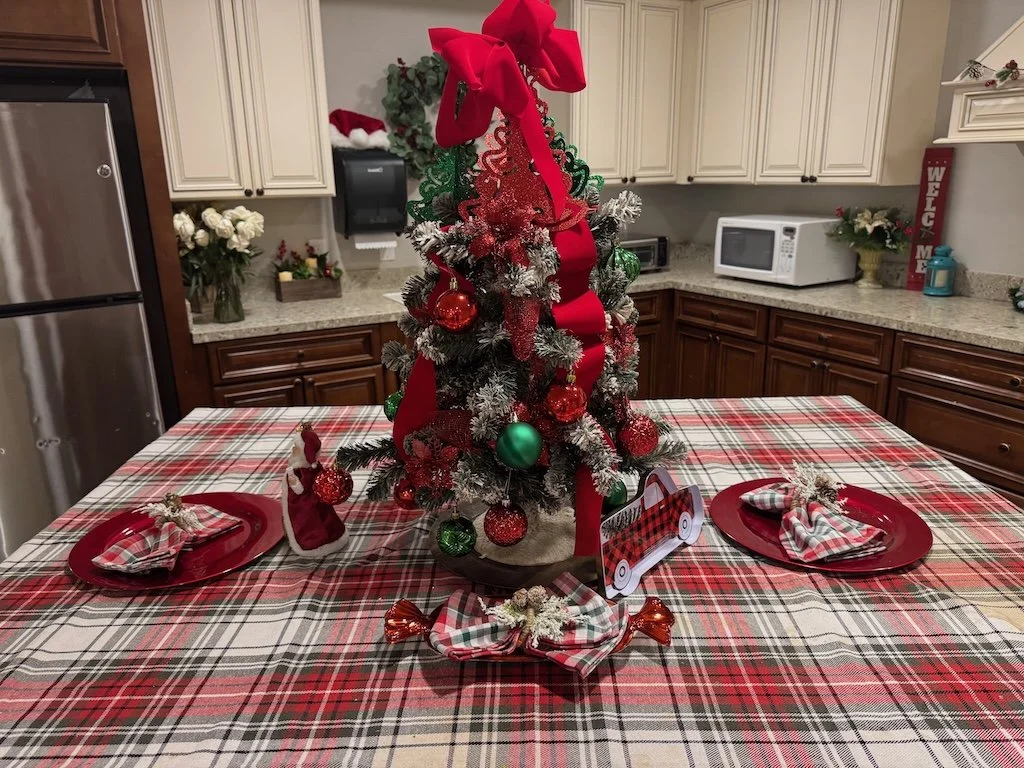
As I walked with my dad in the hallways, I took pictures of the decorations added in the shared areas of the facility.

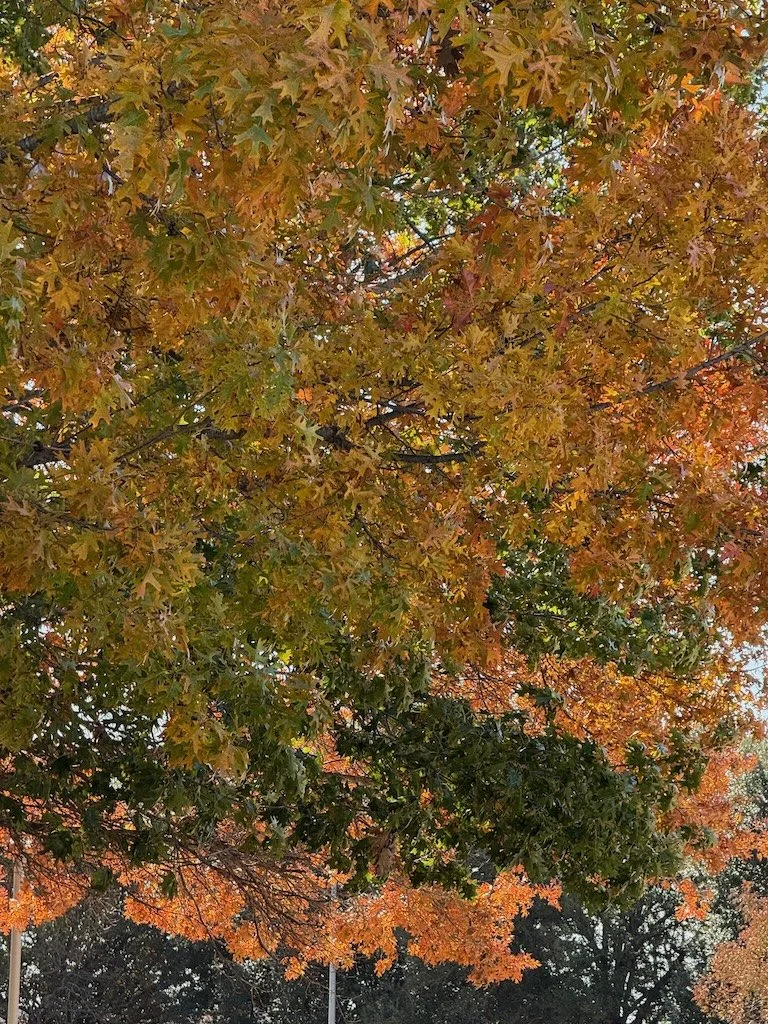
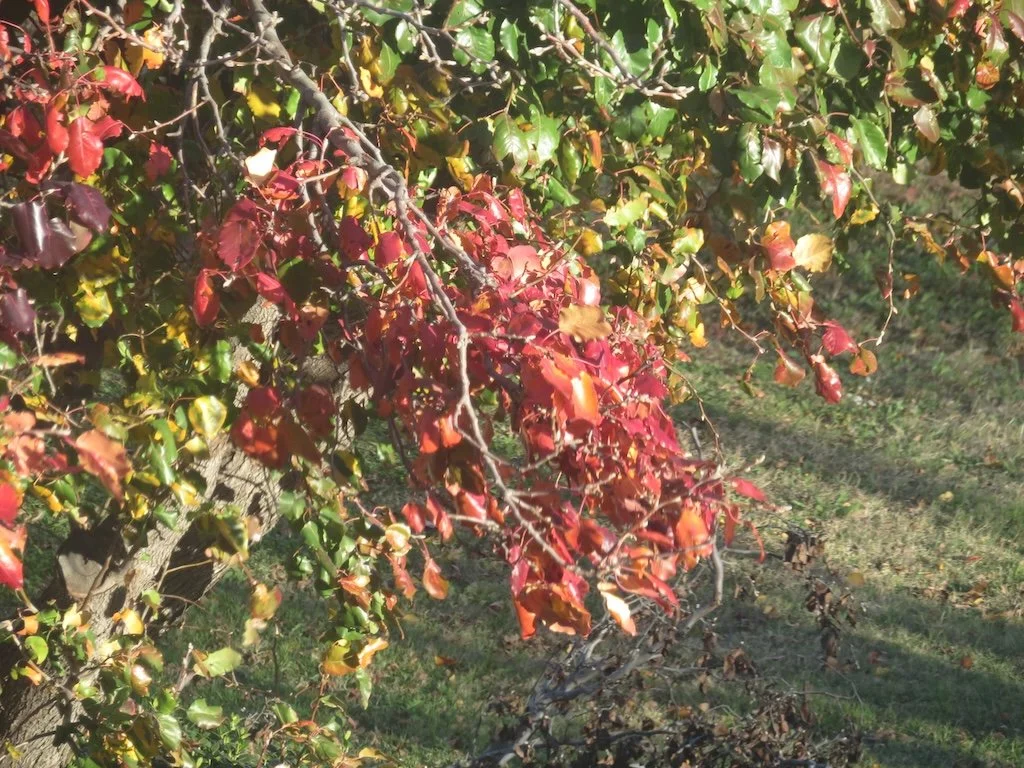
The hotel was a short drive away and I was on the 4th floor this time…on the side toward the water retention pond and the great blue heron was there again; I took a picture through the window.  I also noticed that the Bradford Pear trees were very colorful.

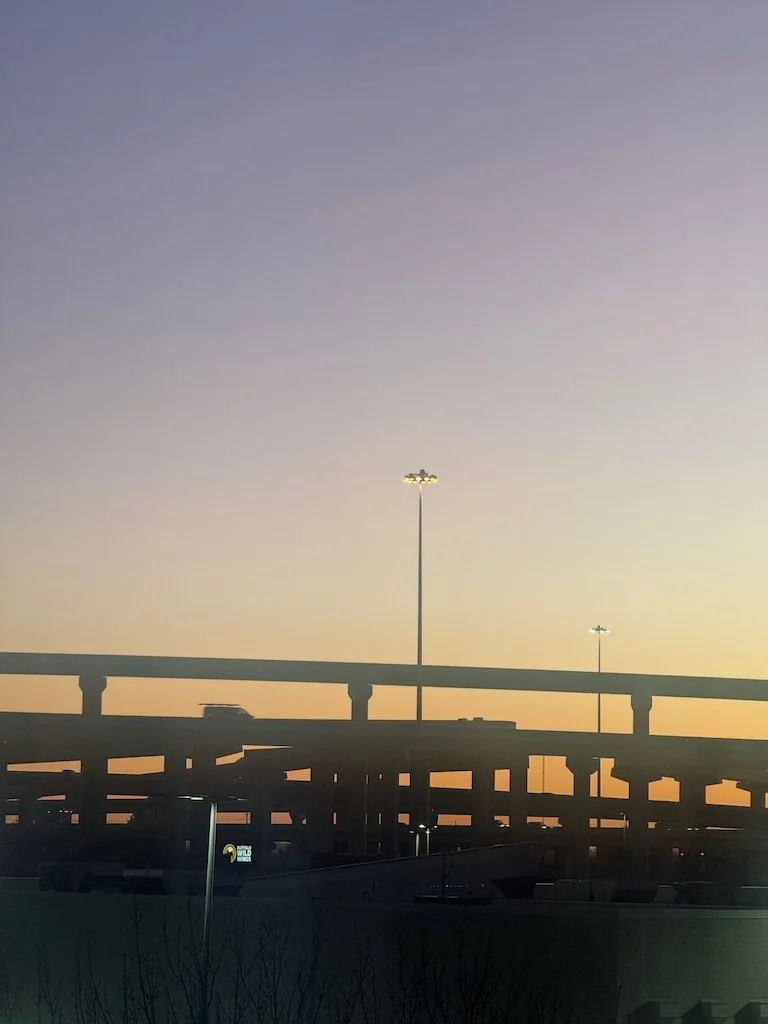
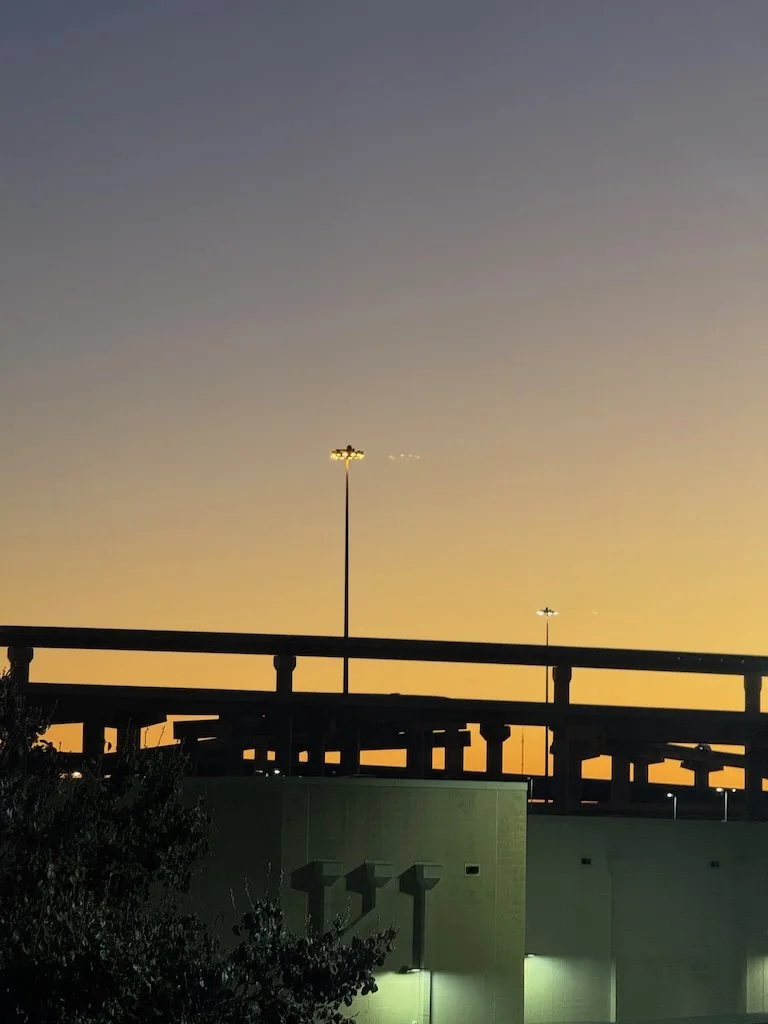
The next morning, I took some pictures of the sunrise over the highway.

My dad had some medical appointments later in the day, so I didn’t encourage him to exercise as I usually do. One of my sisters arrived just as I was leaving so I got to visit with her a little before I headed toward home.

I stopped in Prague OK for lunch – the town where one of my grandmother’s was born and grew up. She would not recognize it today! The café was excellent and I might stop there again….think about our family history.

I made it home just as the sunset – which was my goal. This is the hardest month to do that because the days are so short!

My Favorite Pictures from 2025

I forced myself to pick 2 pictures from each month to feature in this post. They were taken in my yard, at the Springfield Botanical Garden (and the butterfly house and Japanese Stroll Garden there), my daughter’s yard and during my travels for prairie walks in SW Missouri, to Loess Bluffs National Wildlife Refuge in NW Missouri, Chicago IL, Branson, and the Lower Rio Grande Valley in Texas. They are all taken outdoors! Enjoy the slideshow.

Cooper’s Hawk

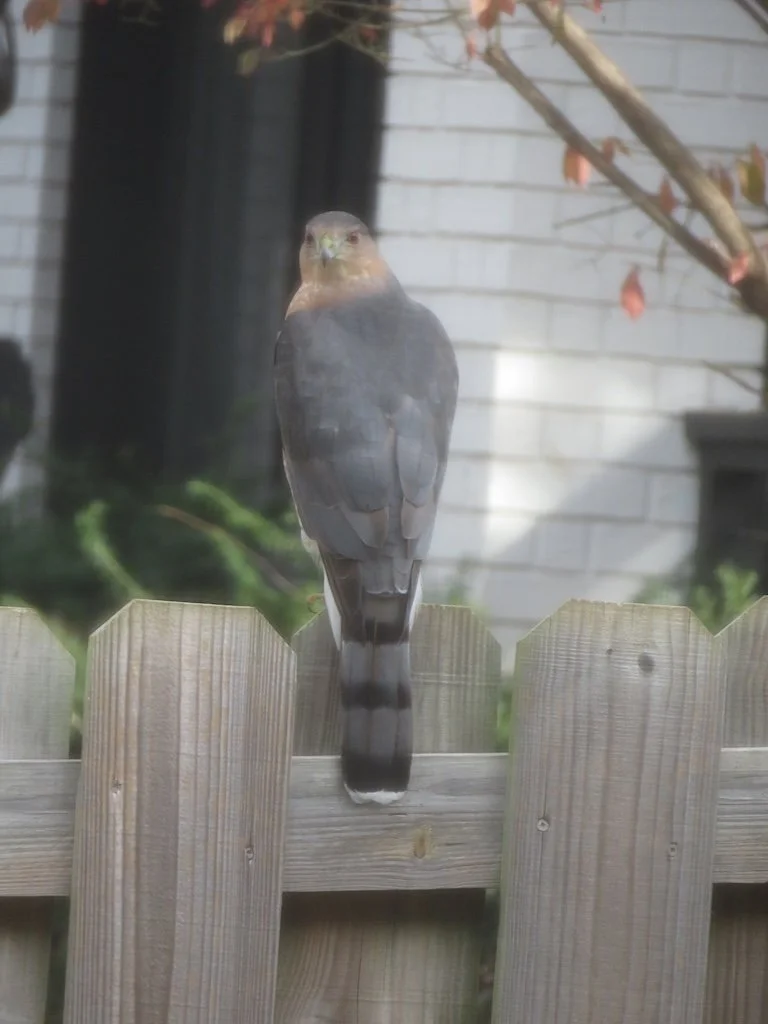
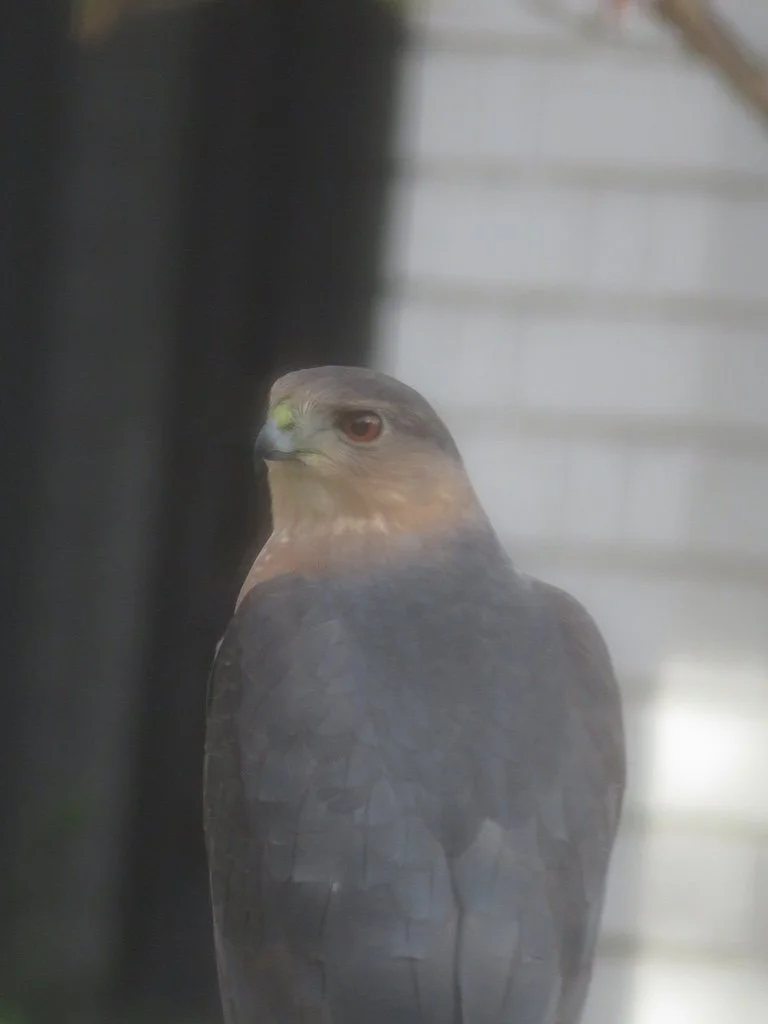
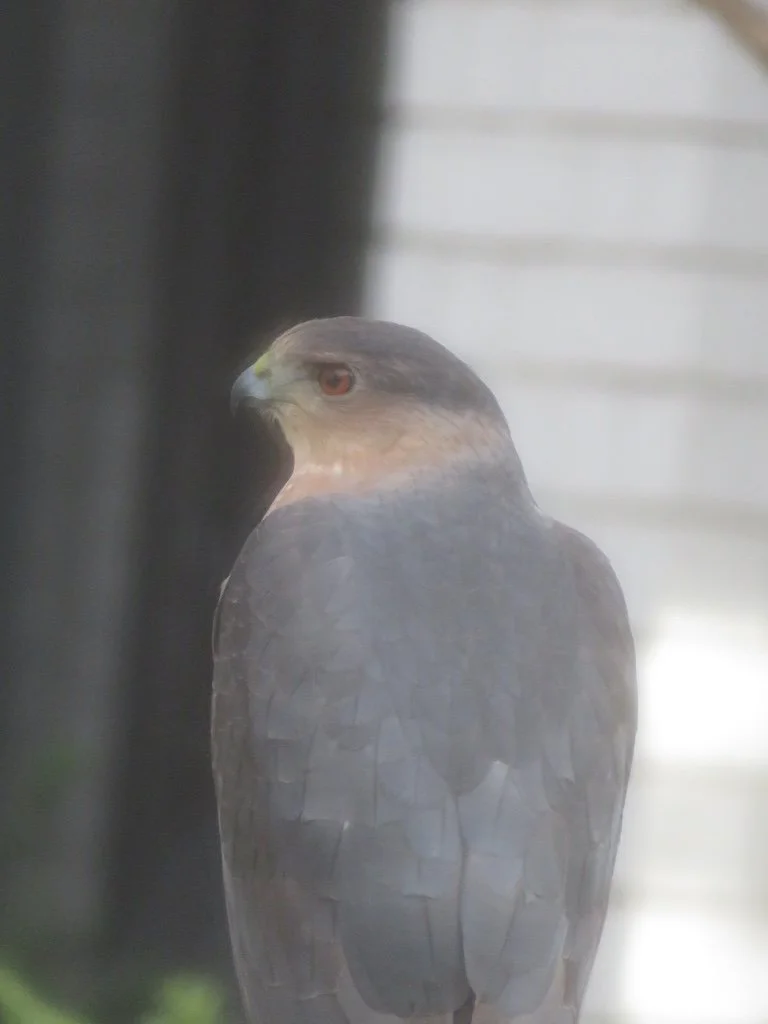
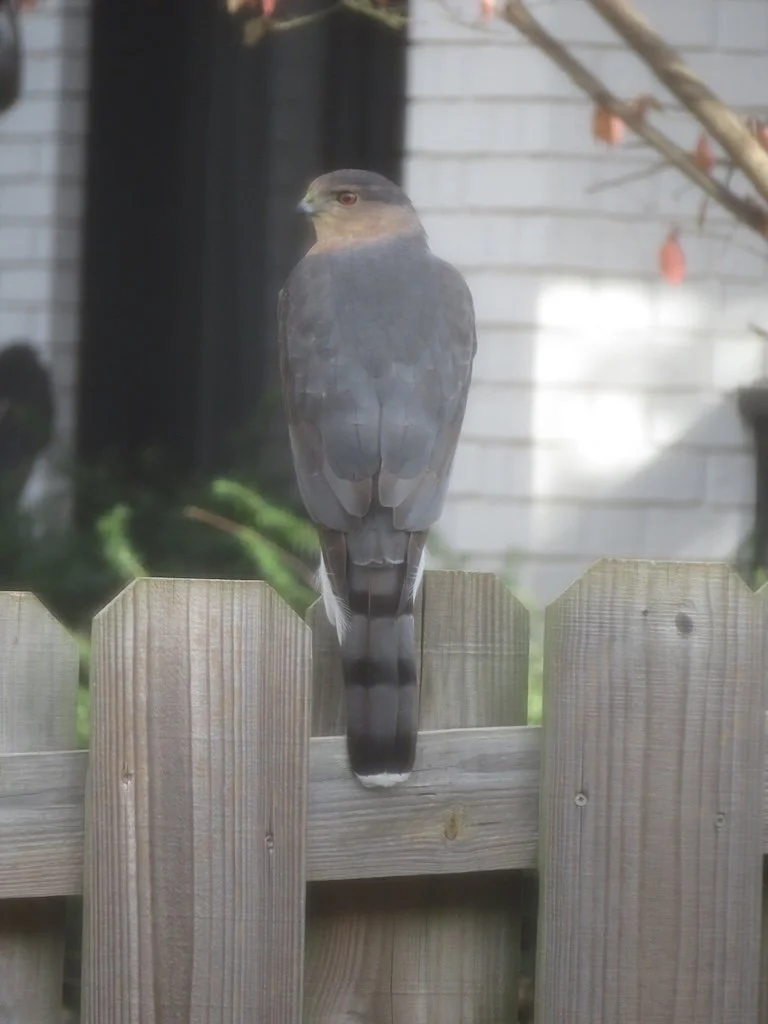
Most of the time our bird feeder area has a lot of birds…but sometimes there are no birds around at all. I suspect that a hawk is somewhere near when the feeders are empty and the area silent. Sometimes I even see the hawk. One recent afternoon, I looked out the window of my office just as a bigger-than-usual bird flew to perch on the fence. It was looking all around…and stayed in place long enough to be photographed through the screened window. I didn’t even leave my office chair!

A Cooper’s hawk – long rounded tail with wide terminal band, upright posture, red eye, dark cap with paler cheek.  

Our feeders have a lot of cover around them (trees and bushes, a brush pile, grasses). While I have seen the hawk several times – I’ve never seen it catch anything near our feeders. The alarm sounds from the small birds seem to precede its arrival. Hawks do not always catch their prey.

Gardens Aglow

The seasonal Gardens Aglow lights are a wonderful evening activity. They continue until December 28th (check the website for dates and times) at the Springfield Botanical Gardens’ Mizumoto Japanese Stroll Garden. Online tickets are $6 for adults and $4 for children…but admission is free to Friends of the Garden or Springfield Sisters Cities Association! My husband and I are Friends of the Garden so the passes for the show I got in the mail because of my volunteering at the garden were given to 2 of my daughter’s students.

Our first visit was last week (we’ll probably go again before the end of the season). It was a cold and cloudy day, and we opted to arrive shortly after they opened at 5; we were early enough to park in the parking lot rather than the grassy area parking which is opened for the event. It didn’t take long before it was fully dark. I opted to use my small Canon PowerShot SX730 HS in night scene mode (stacks images in the camera) rather than my phone because the camera is easier for me to hold for the duration of the longer shot and the mechanism to zoom is easier too. There seemed to be a higher density of lights than I remembered from previous years. It is always well done; I liked that they have added lights to direct people to stay on the paved walkways…less chance of people trampling plants in the dark.

I enjoyed getting shots of lights and their reflections in water. There were plenty of opportunities!

Our walk took a little under an hour. The temperature was in the low 40s, and I was comfortable in my winter gear. My daughter bought some spring rolls at one of the food trucks – which she enjoyed but her hands got cold without gloves; she bought some hot cider just before we left to warm up her hands and to drink on the way home. My husband said his coat was great, but his gloves and shoes were not quite warm enough. It was a good first test of our winter clothing selections.

Life Magazine in 1944

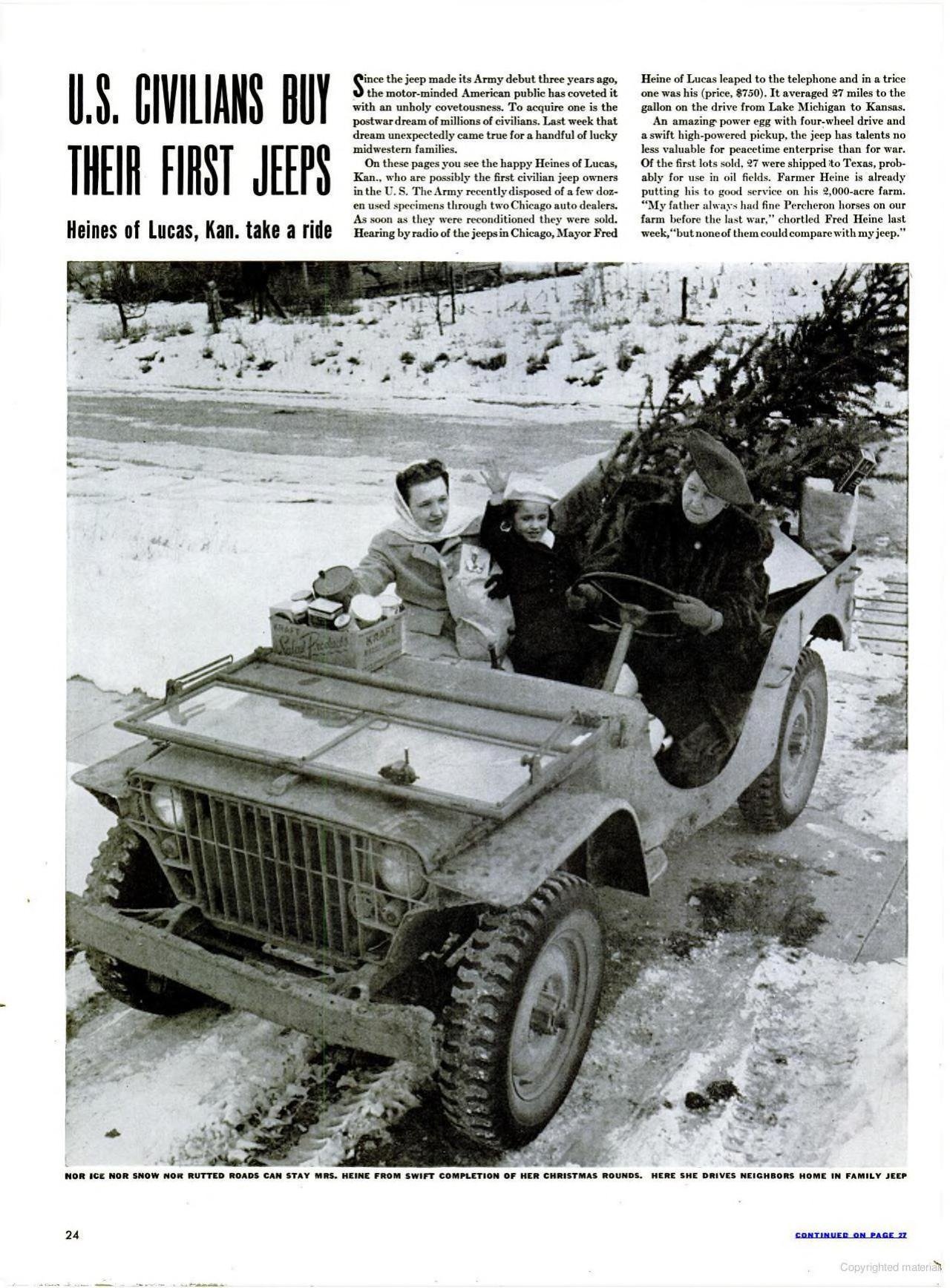
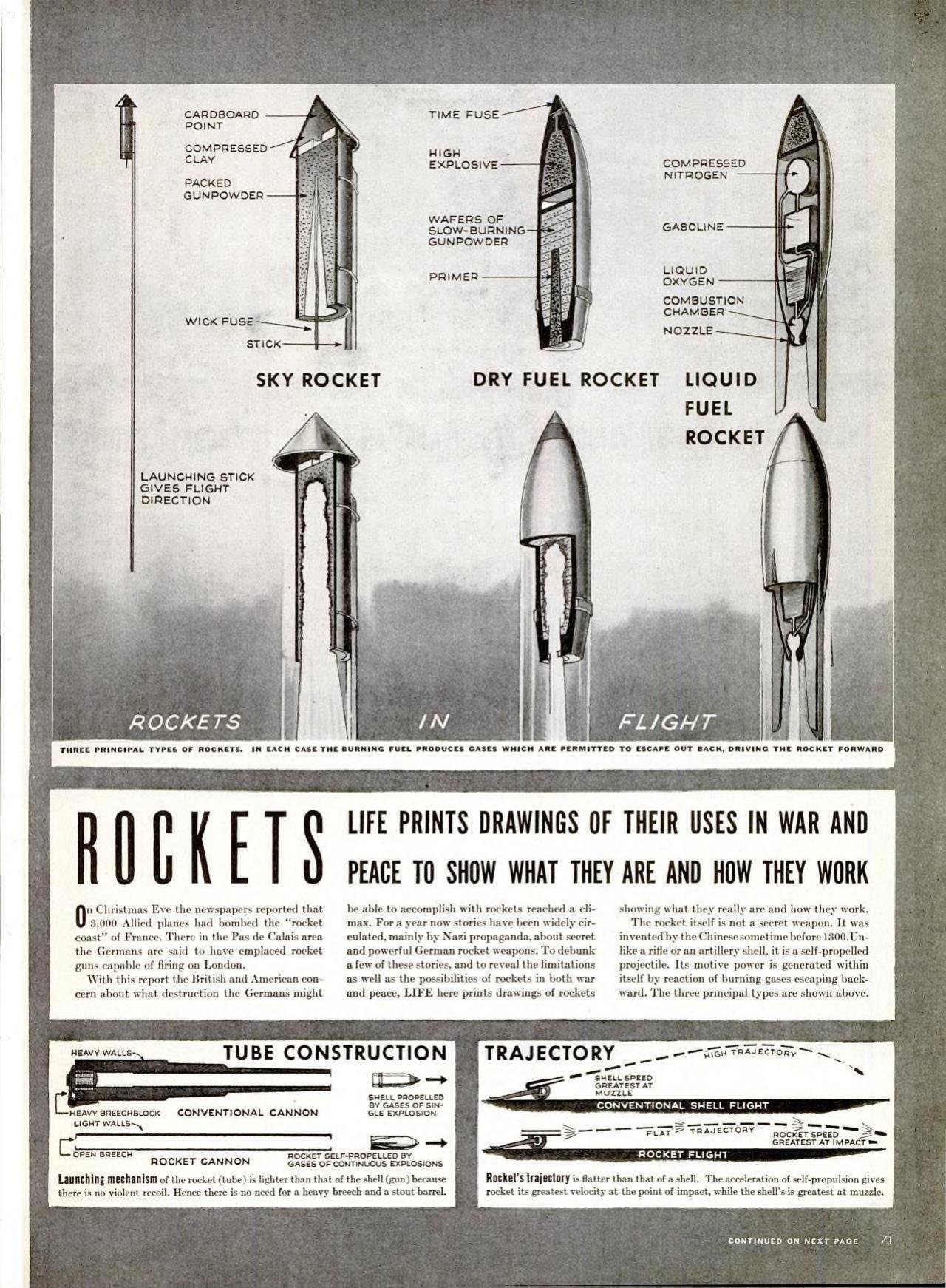
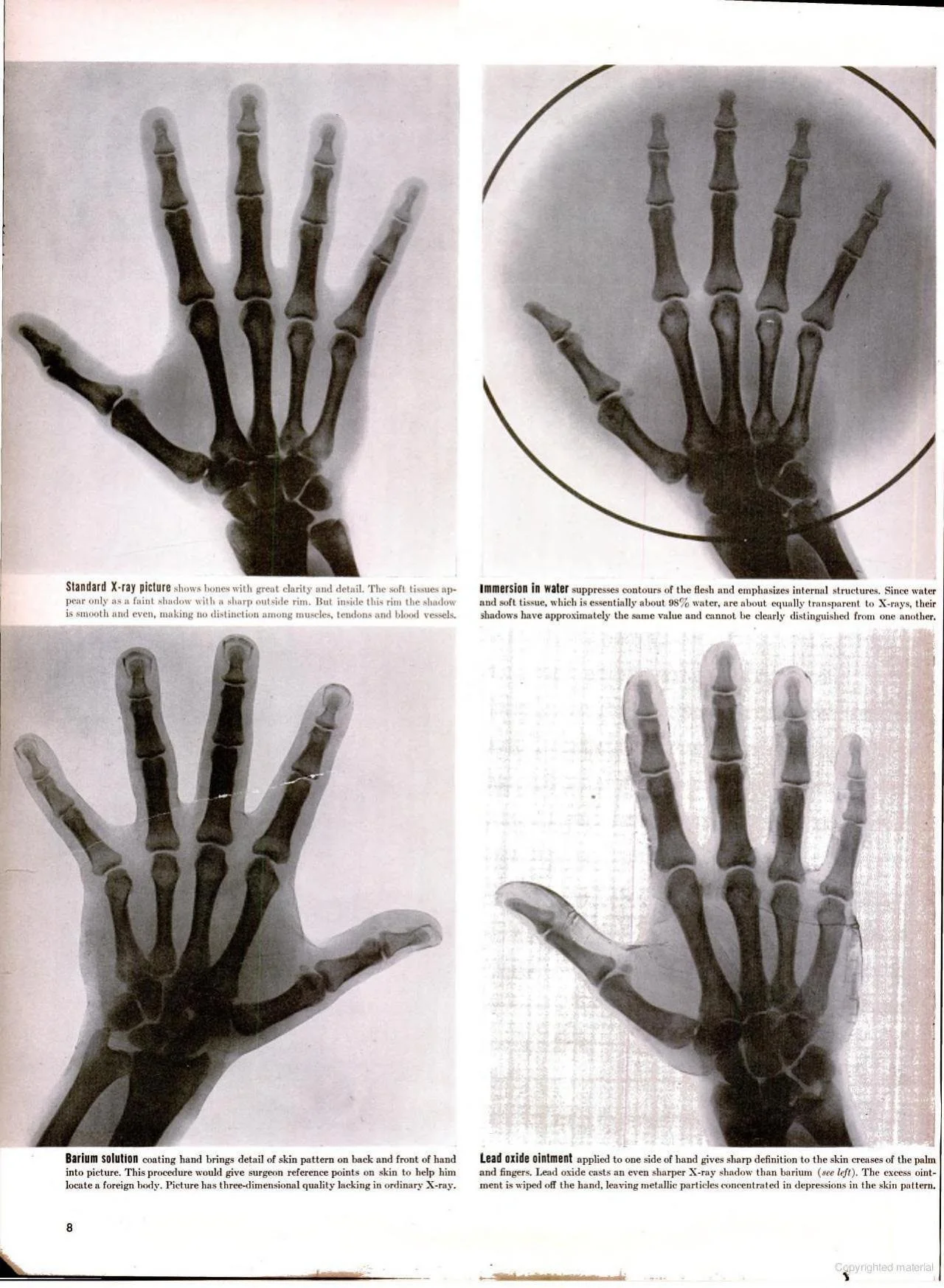
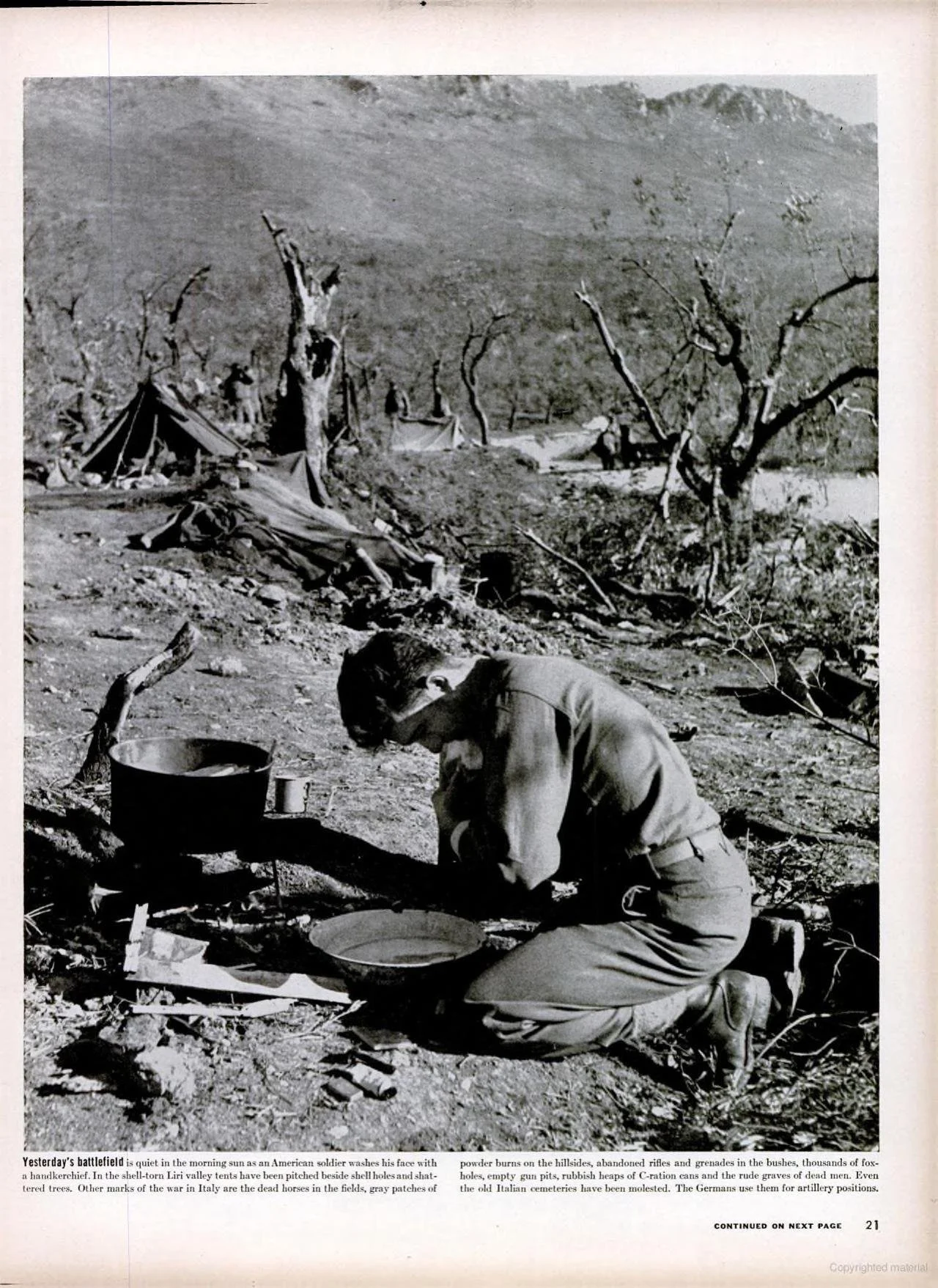
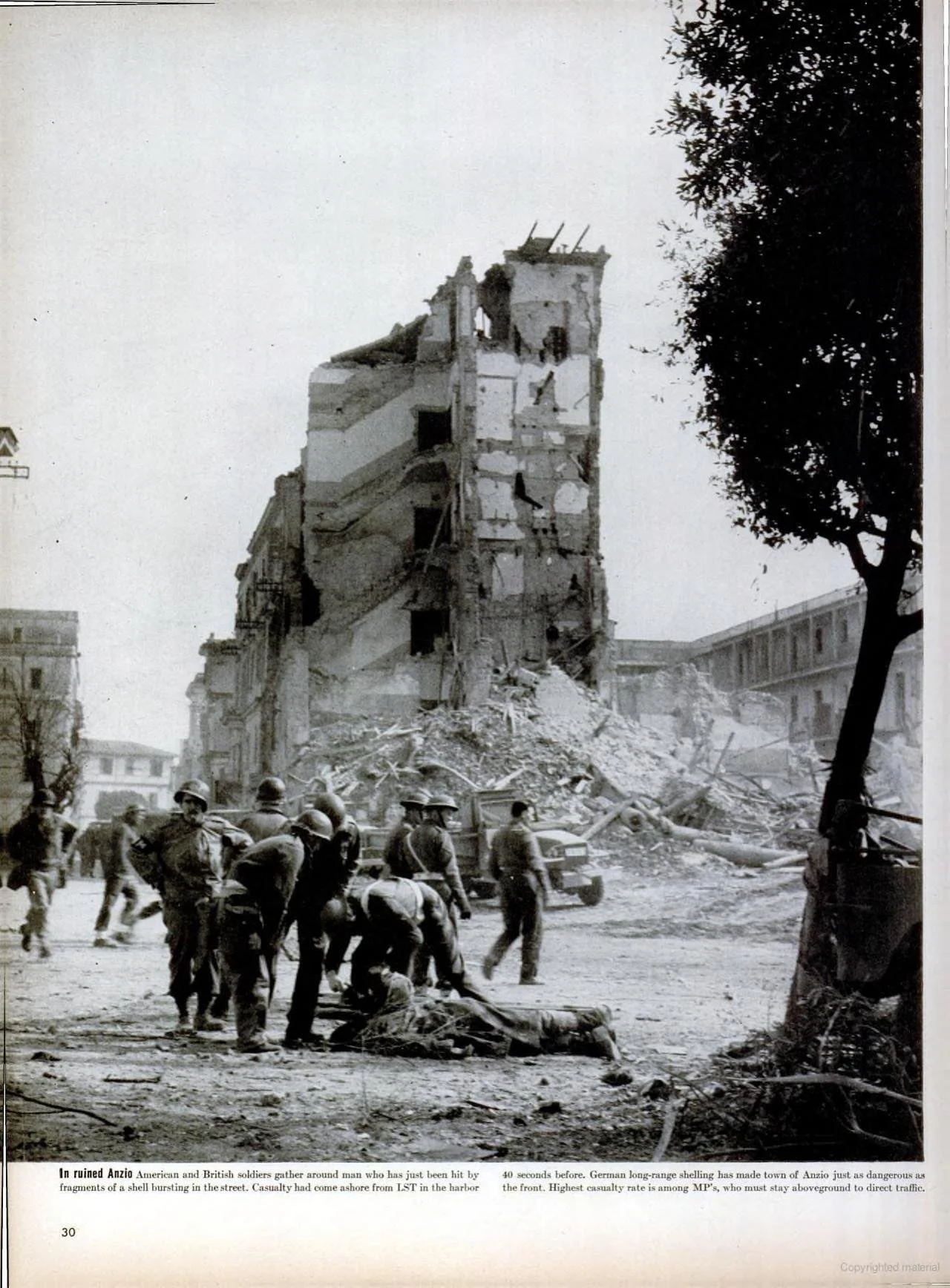
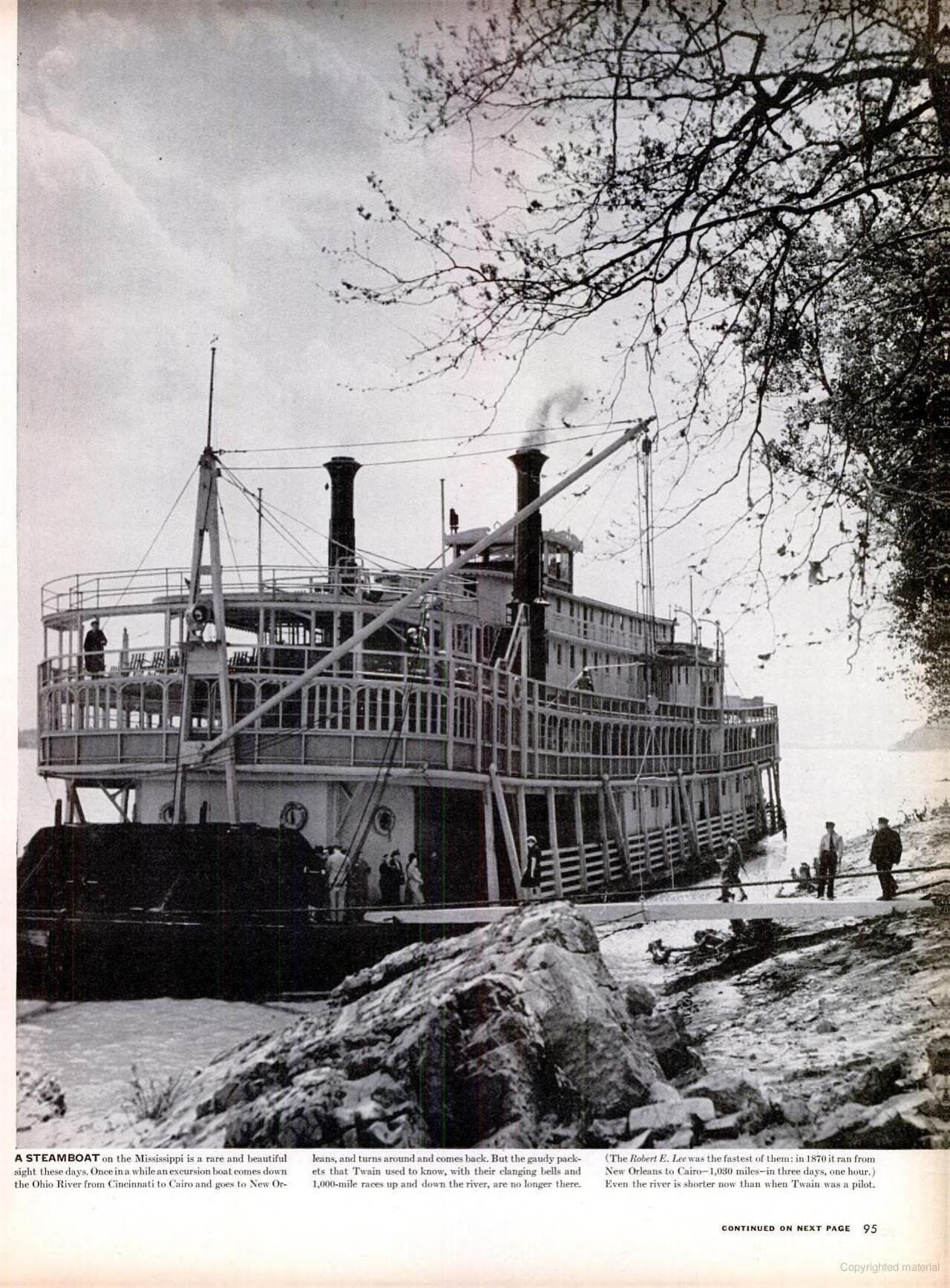
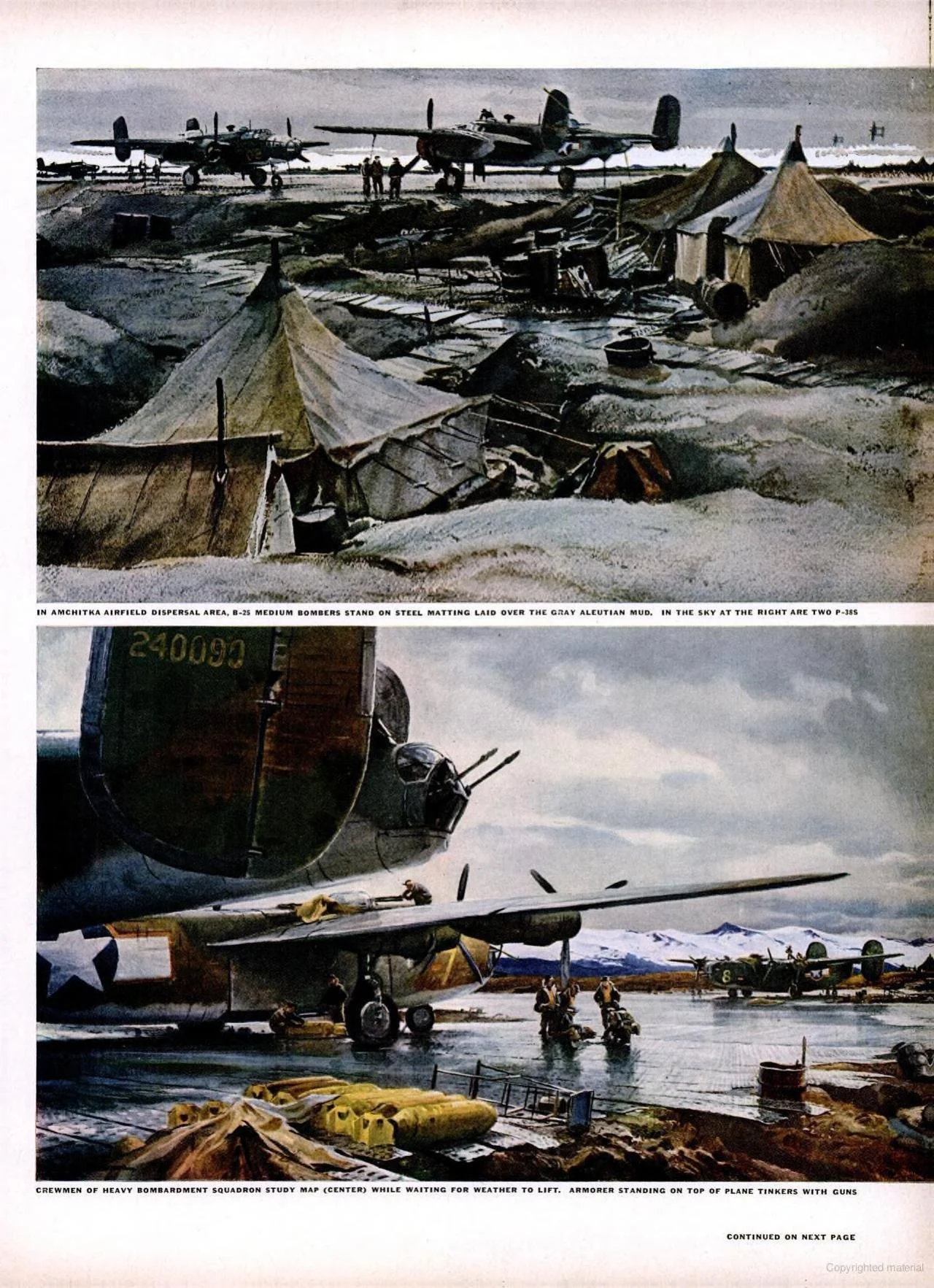
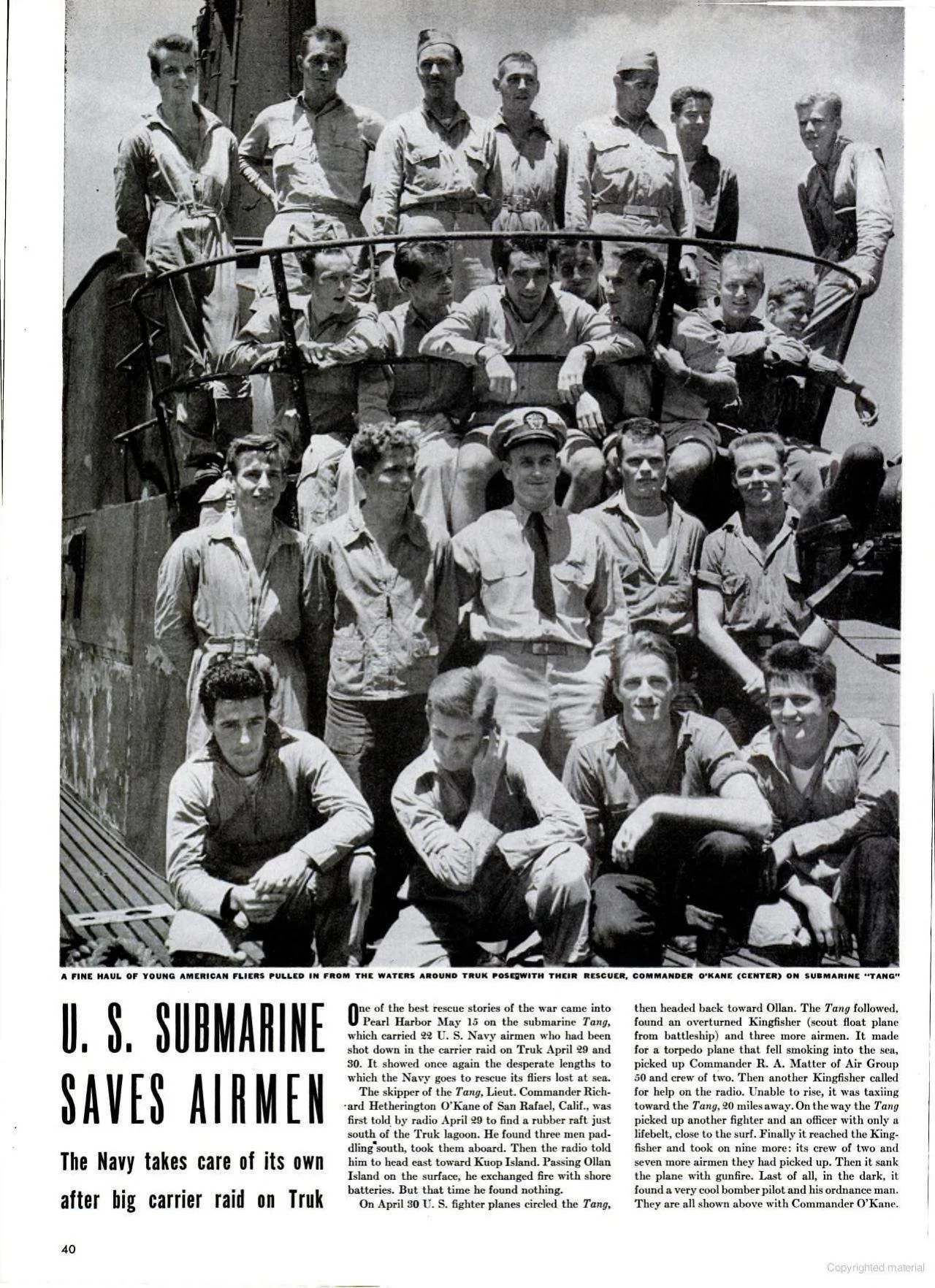
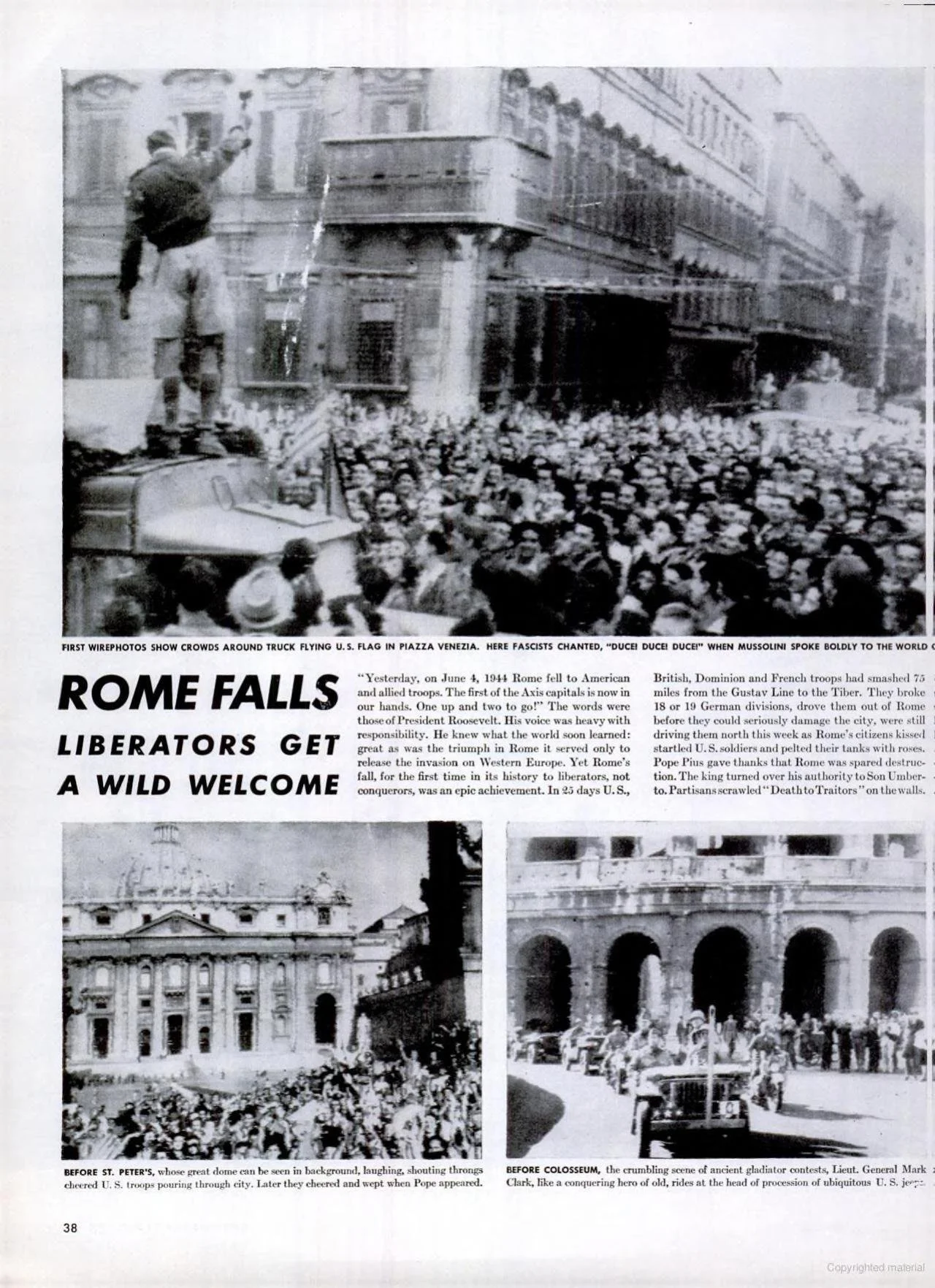
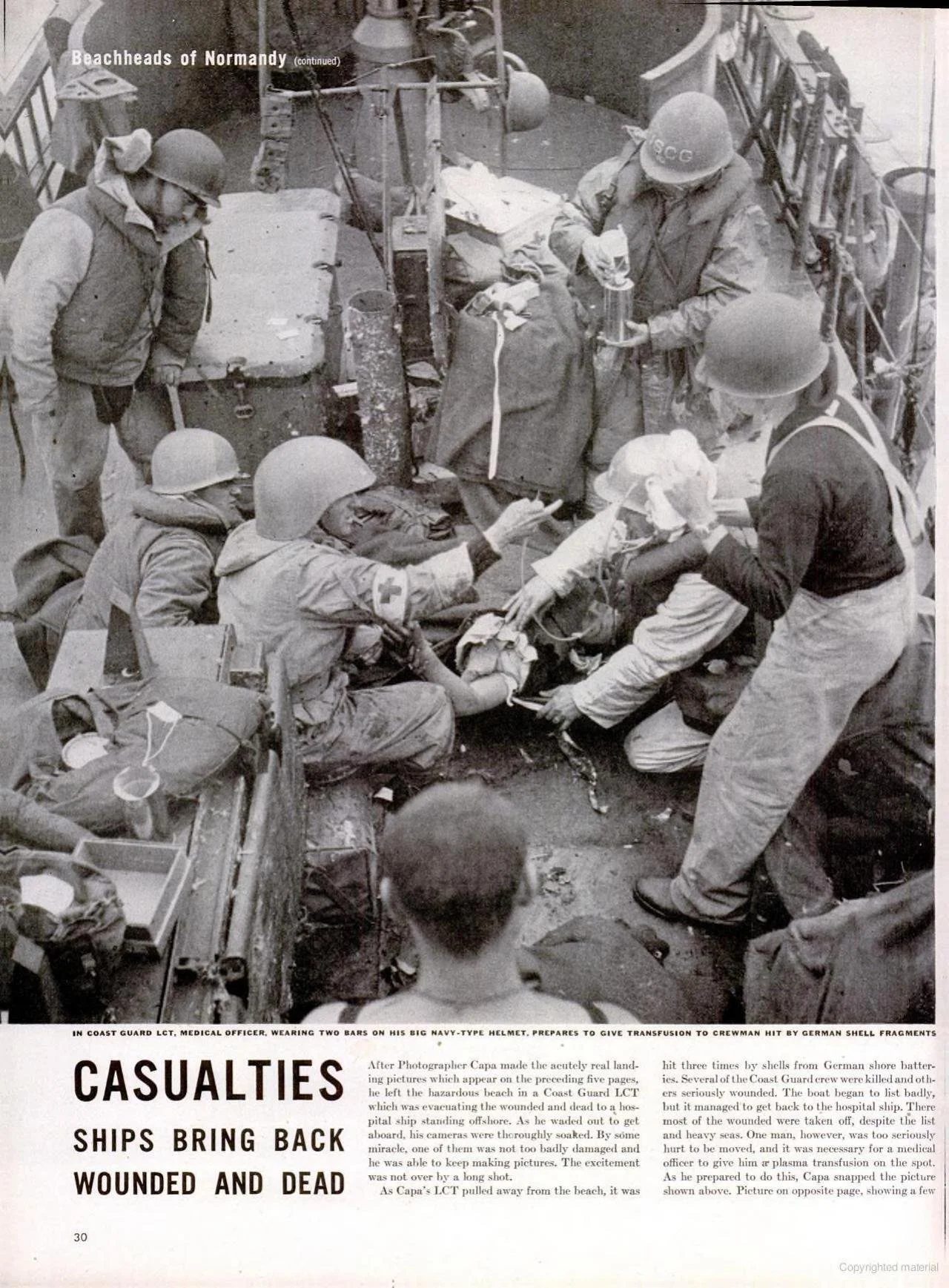
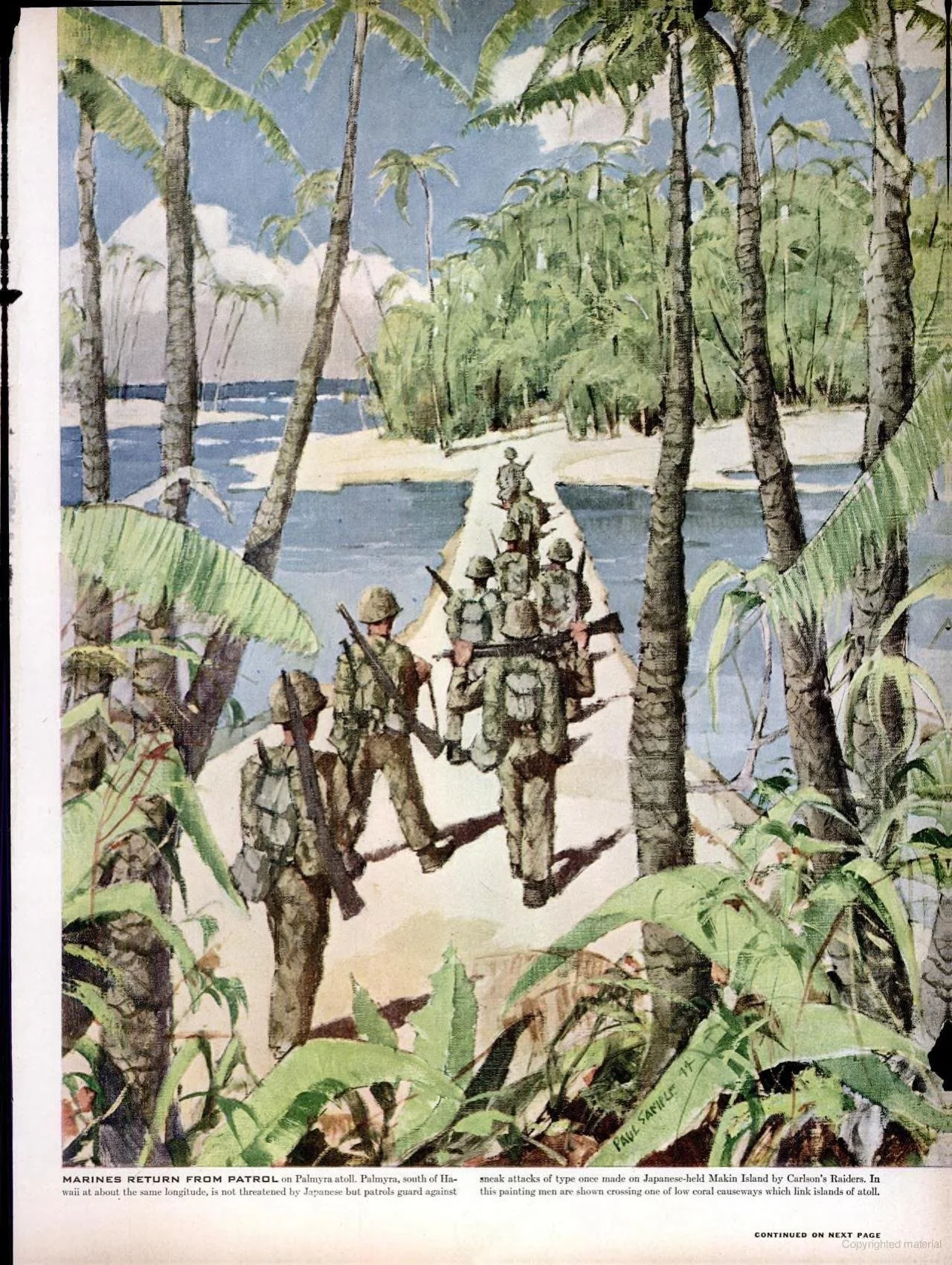
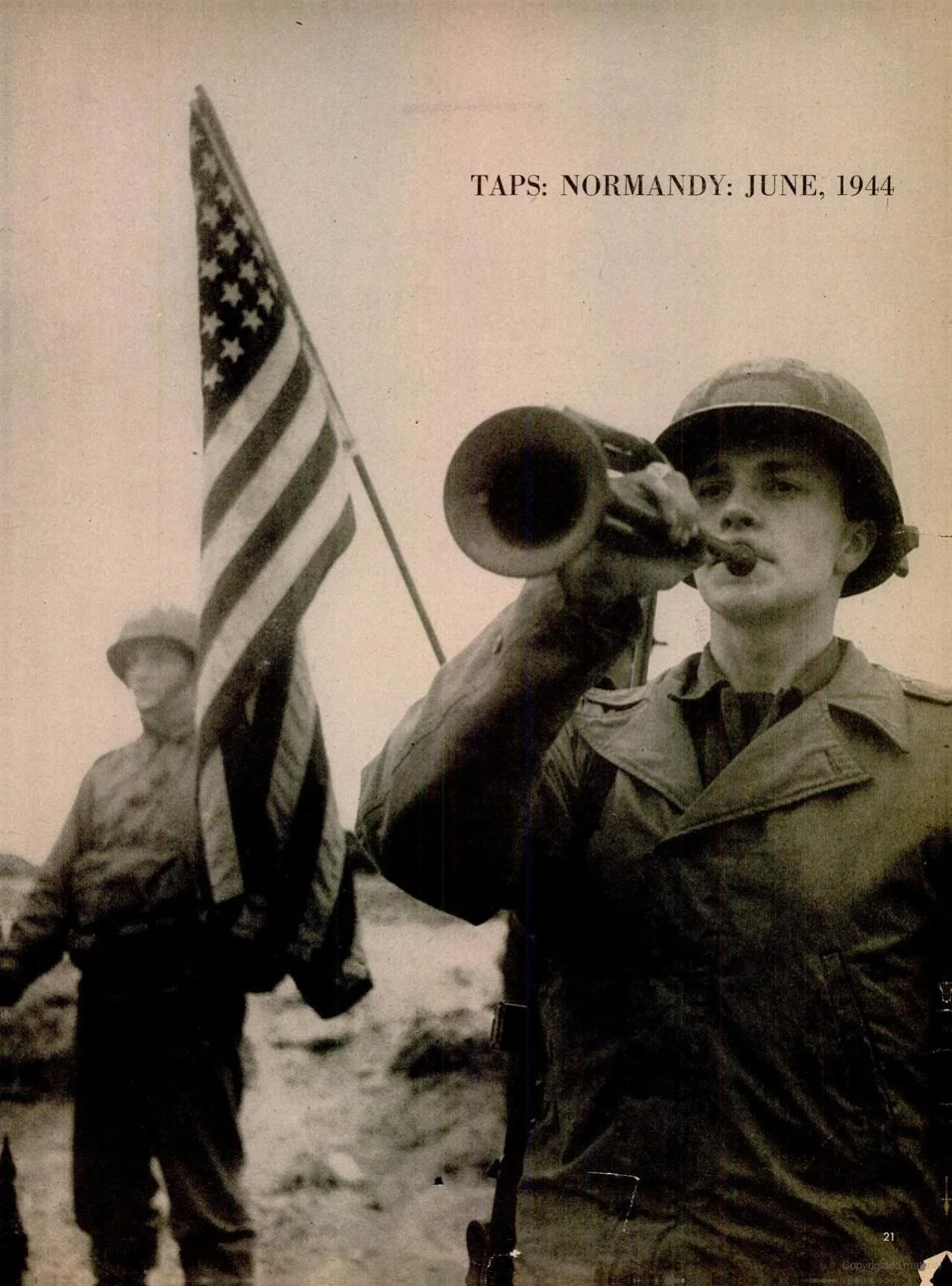
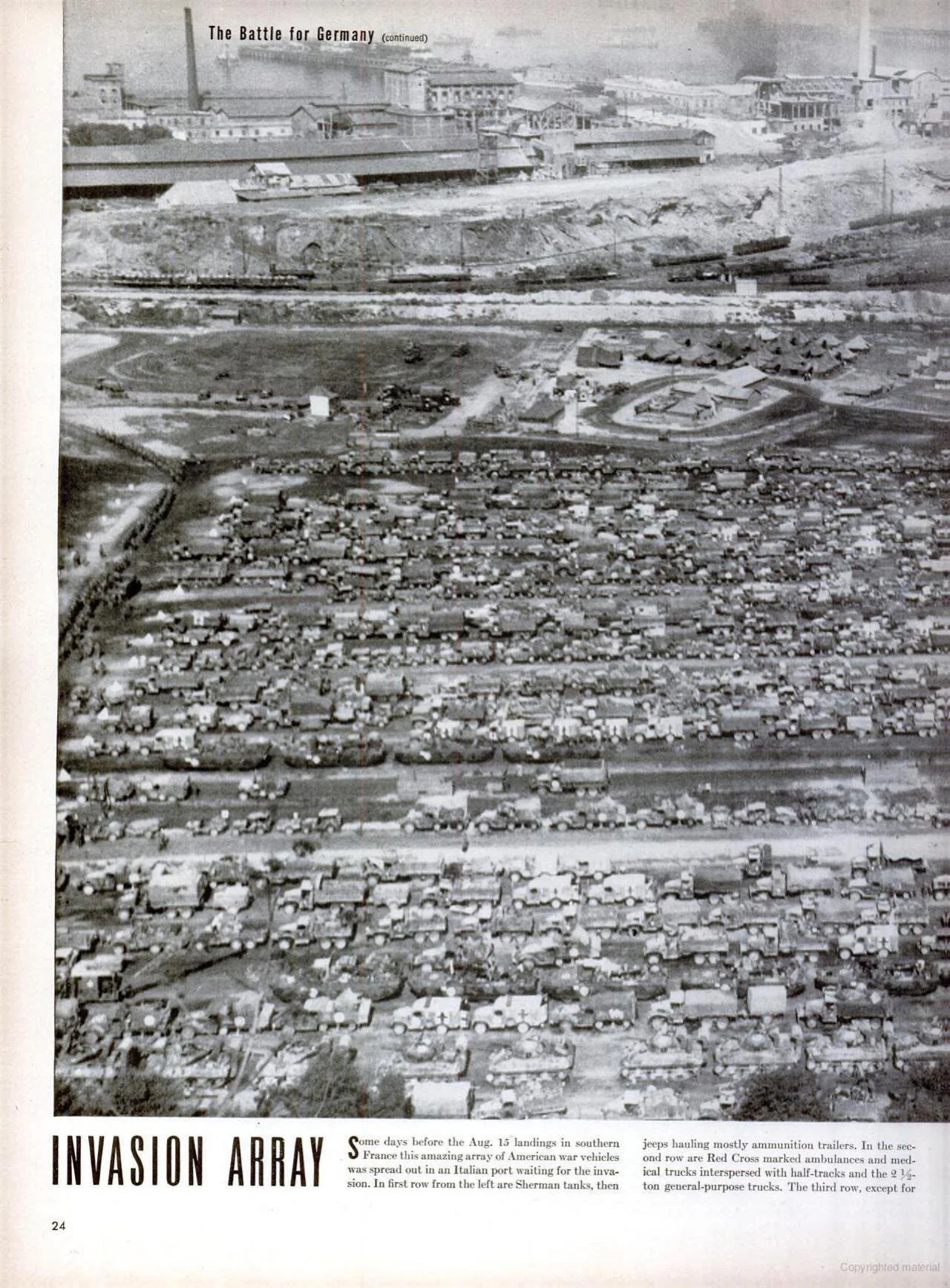
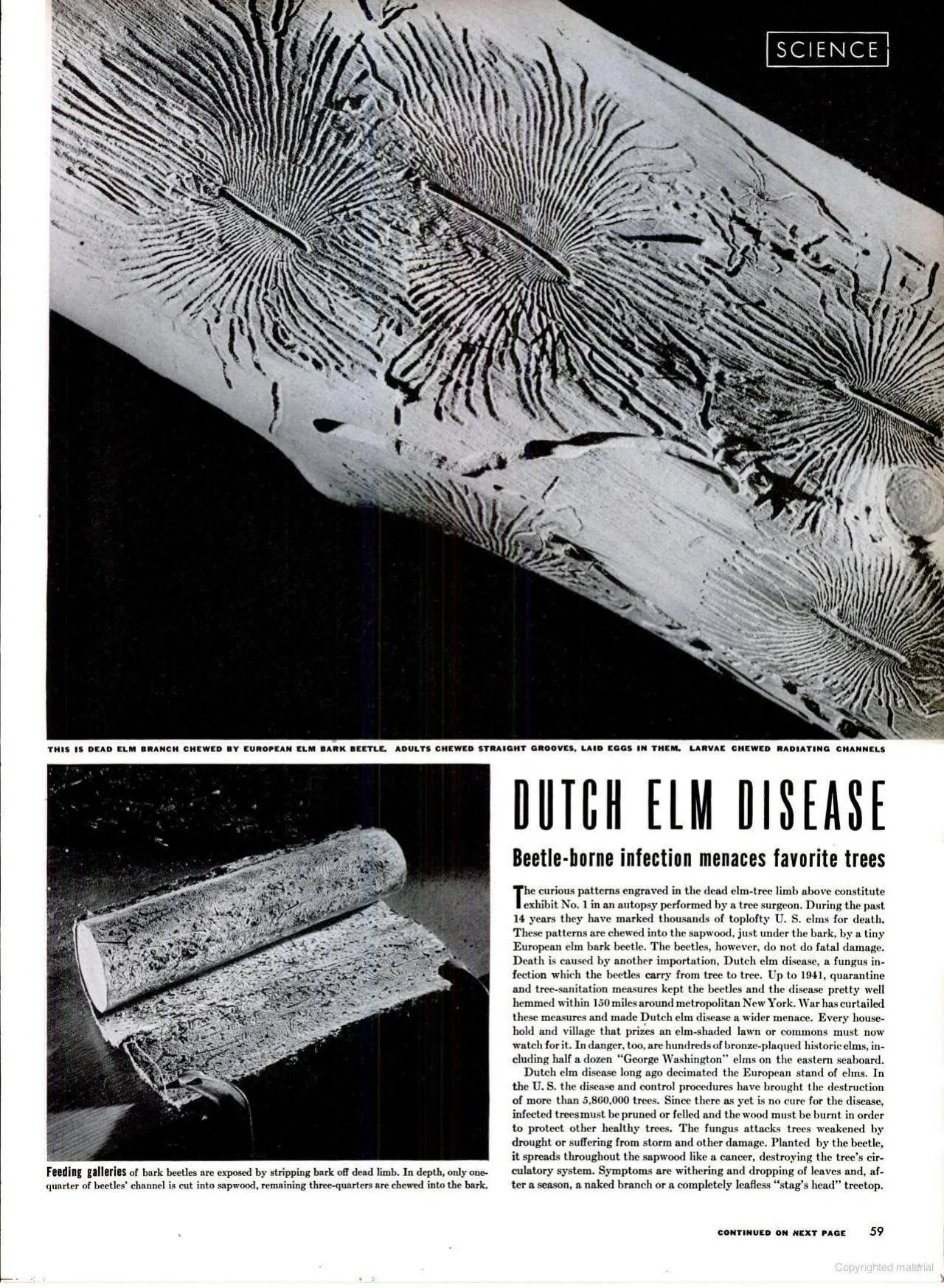
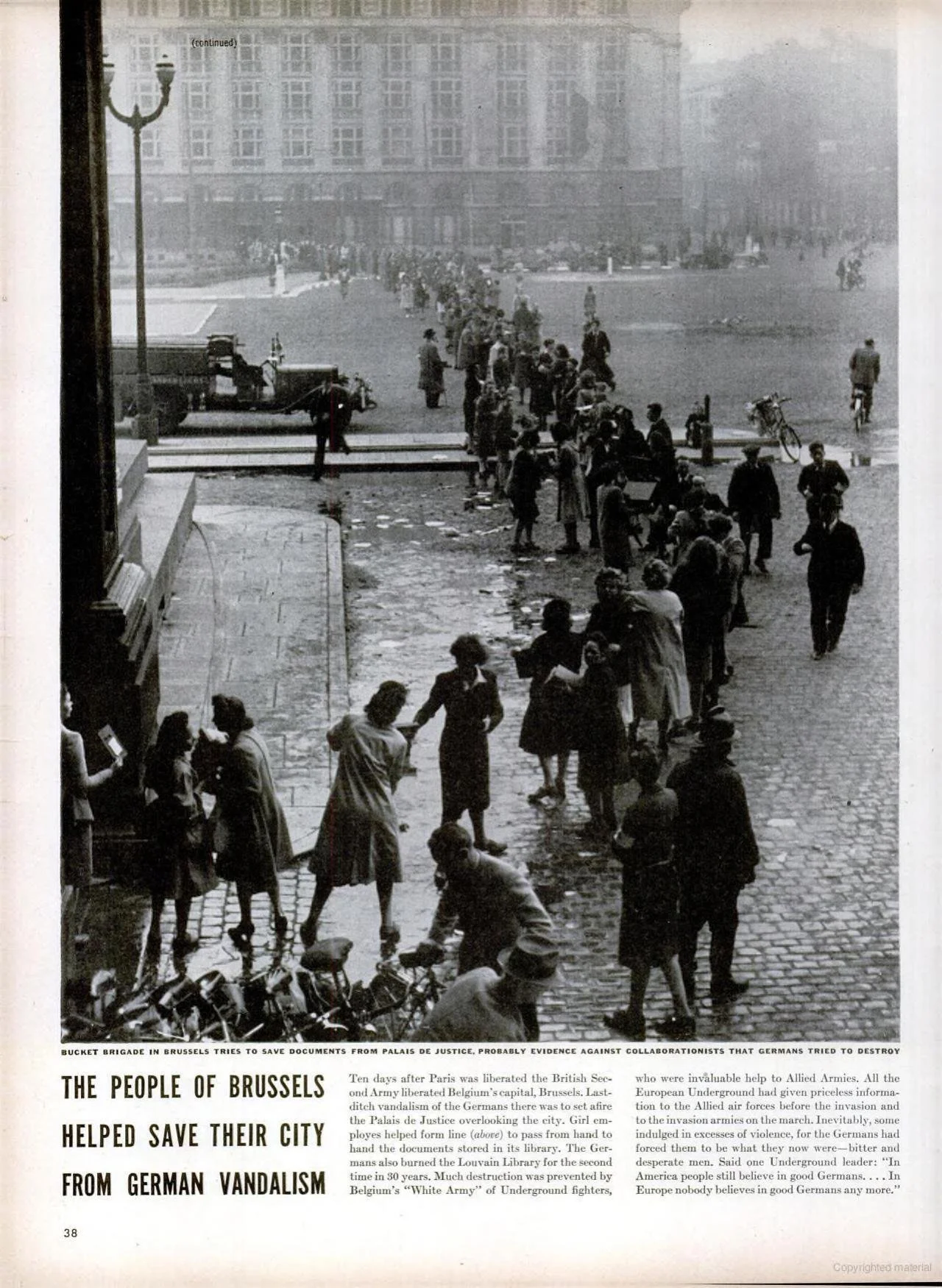
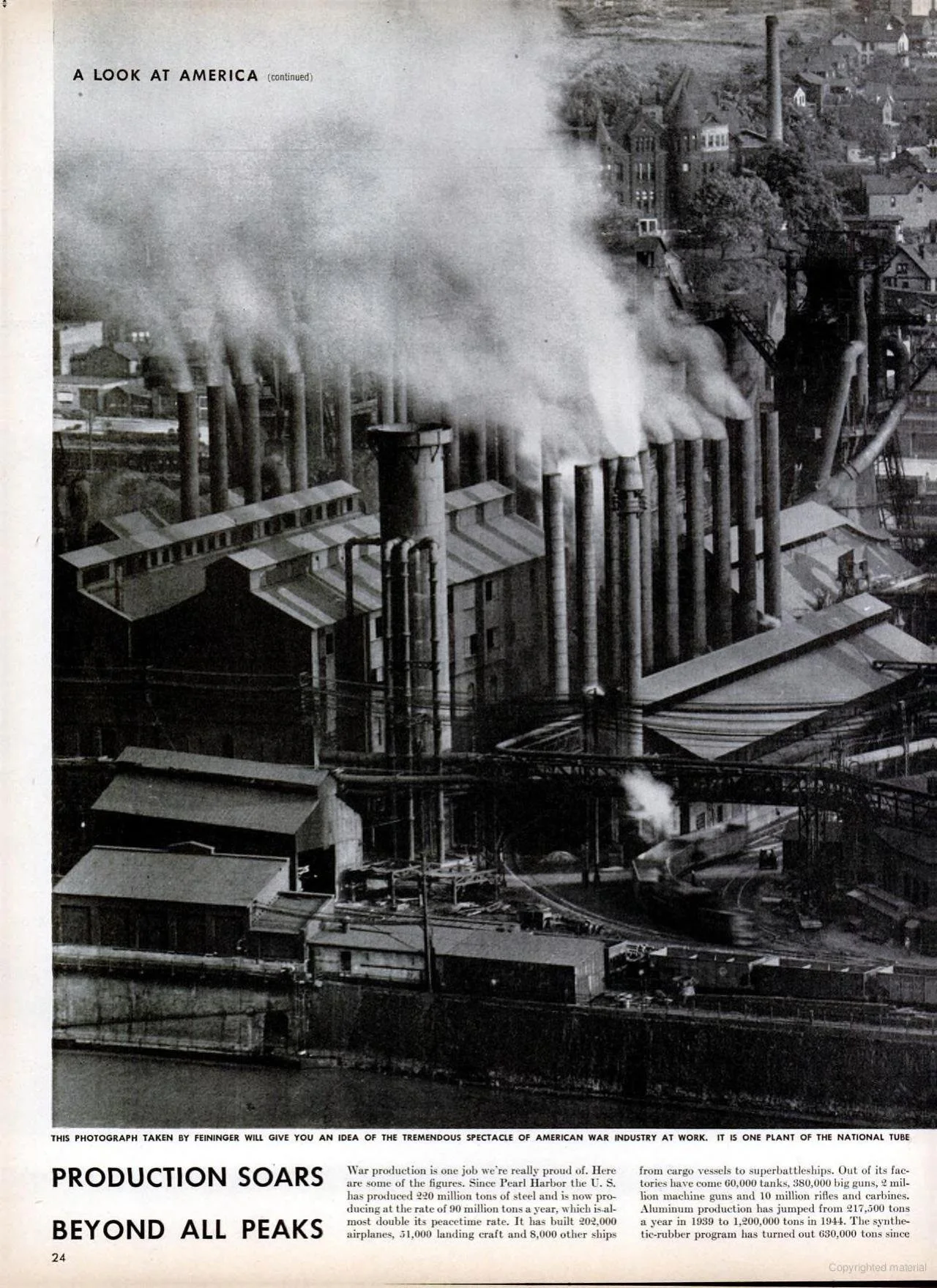
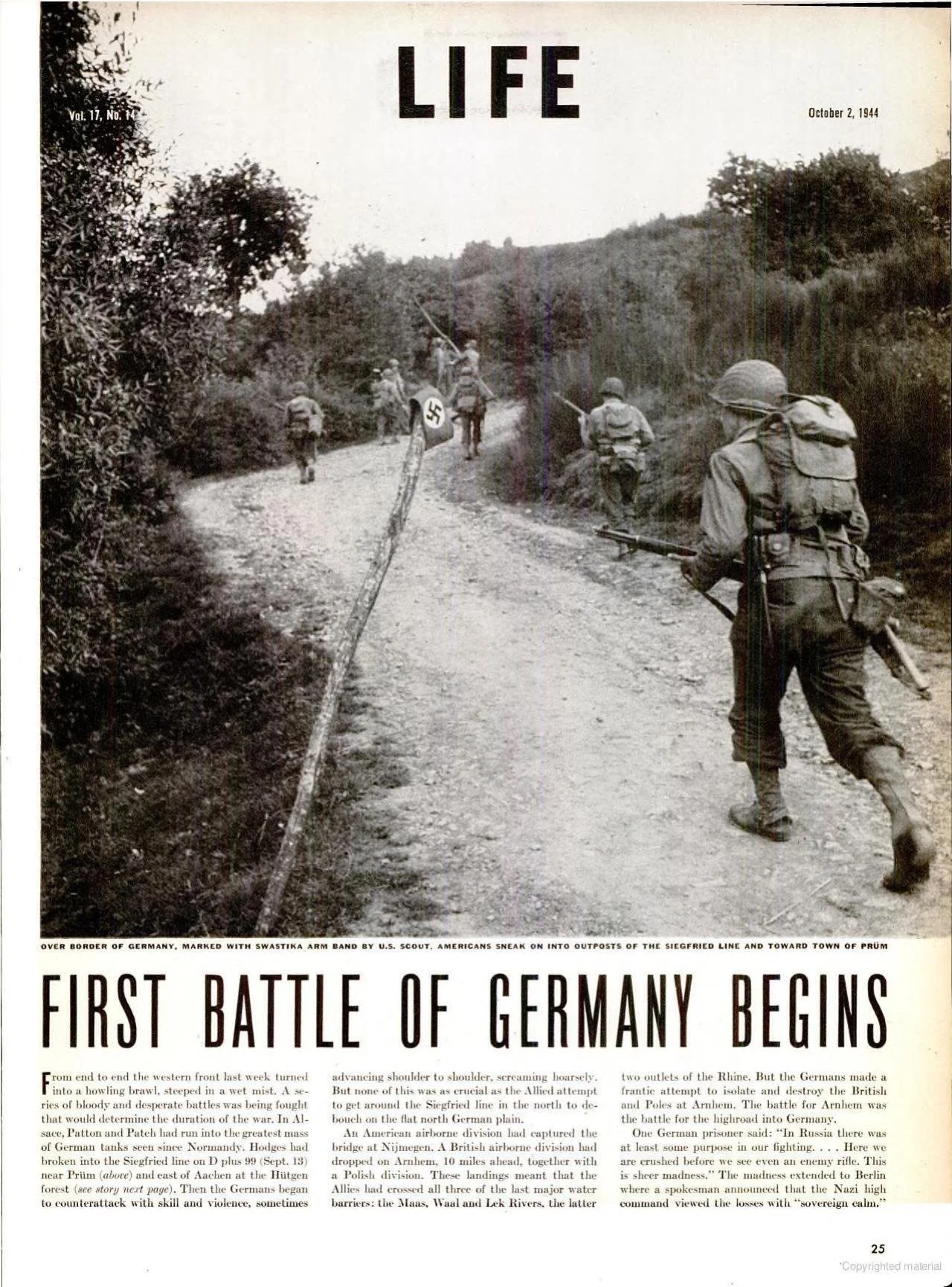
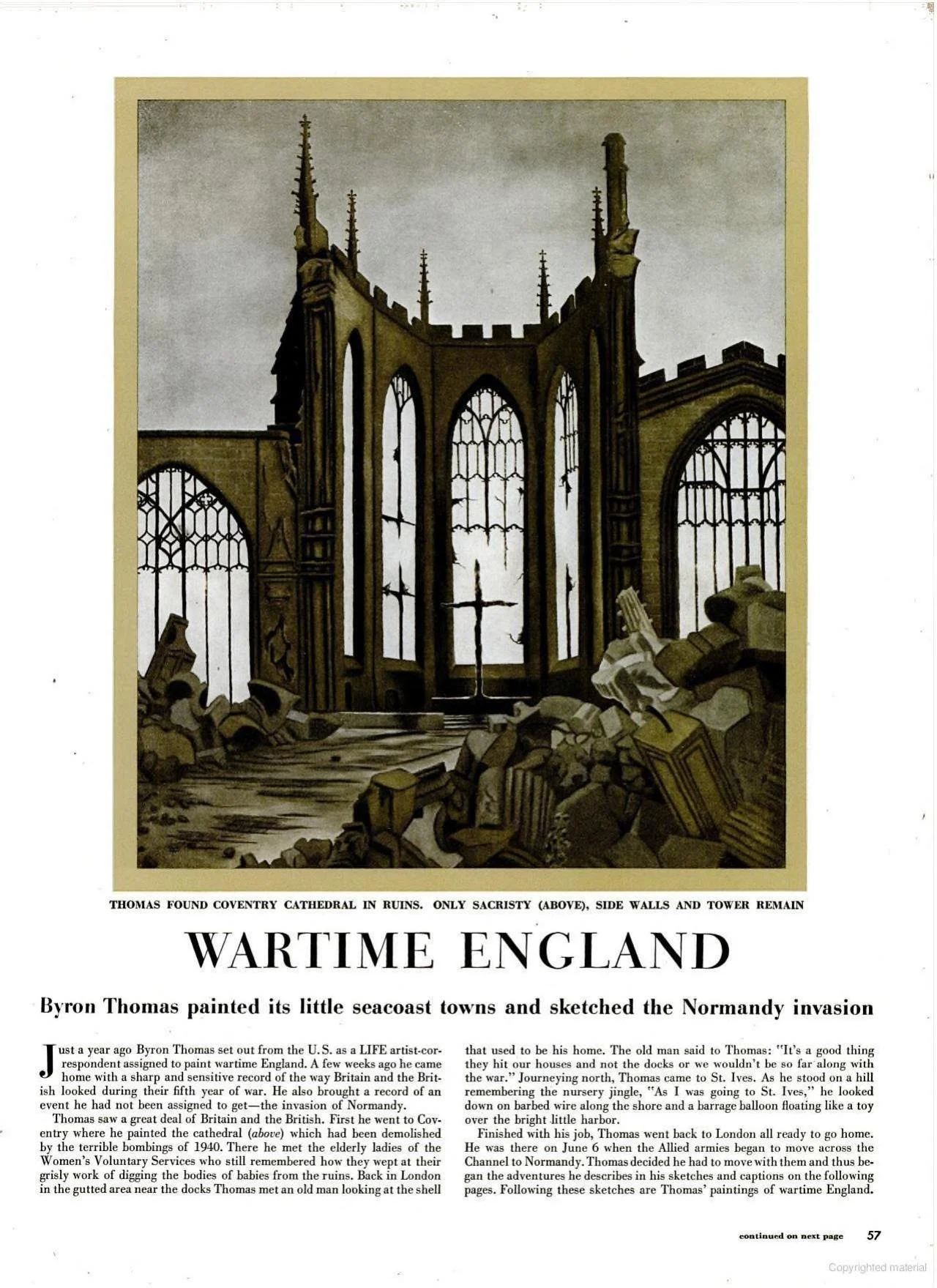
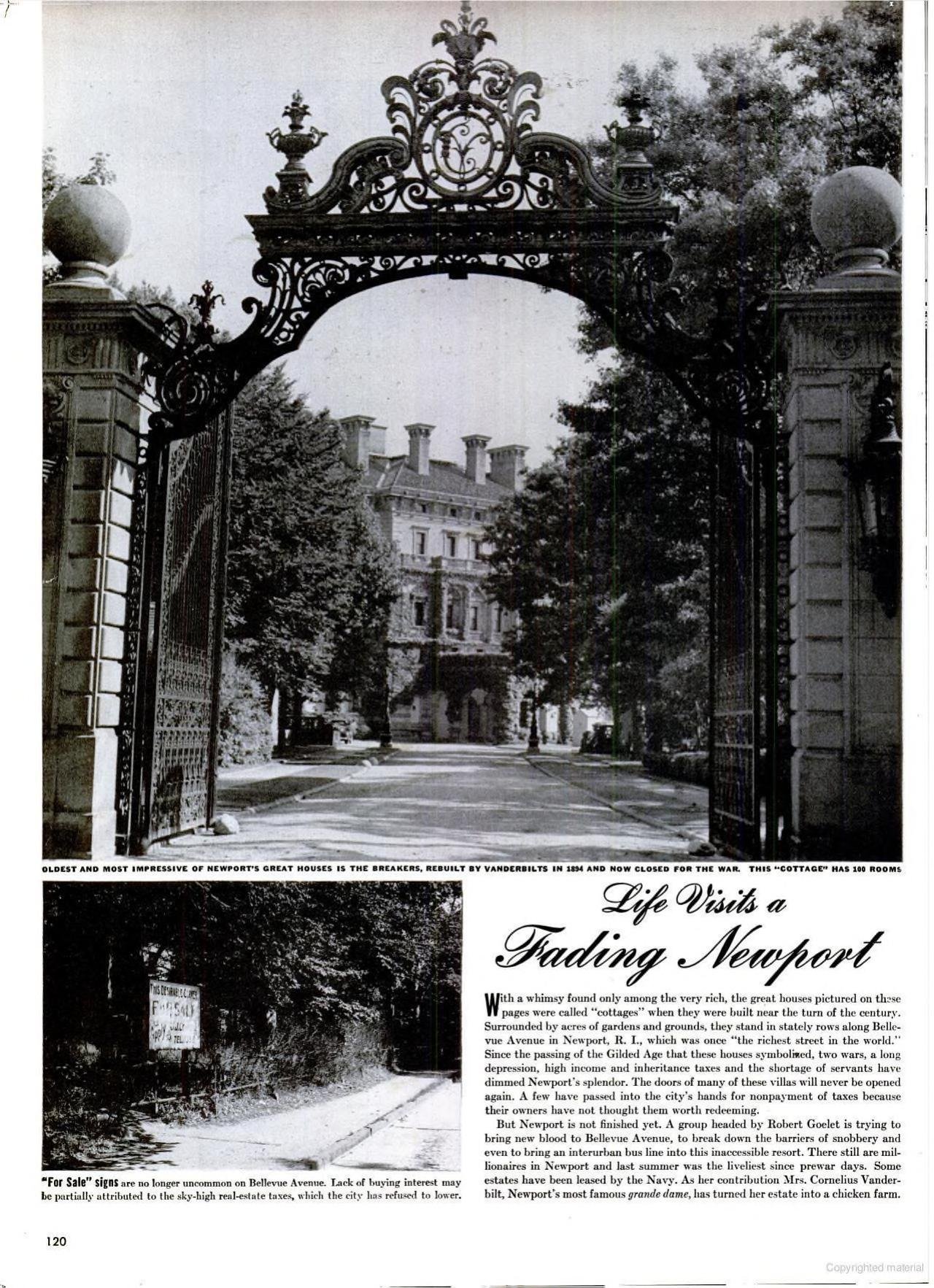
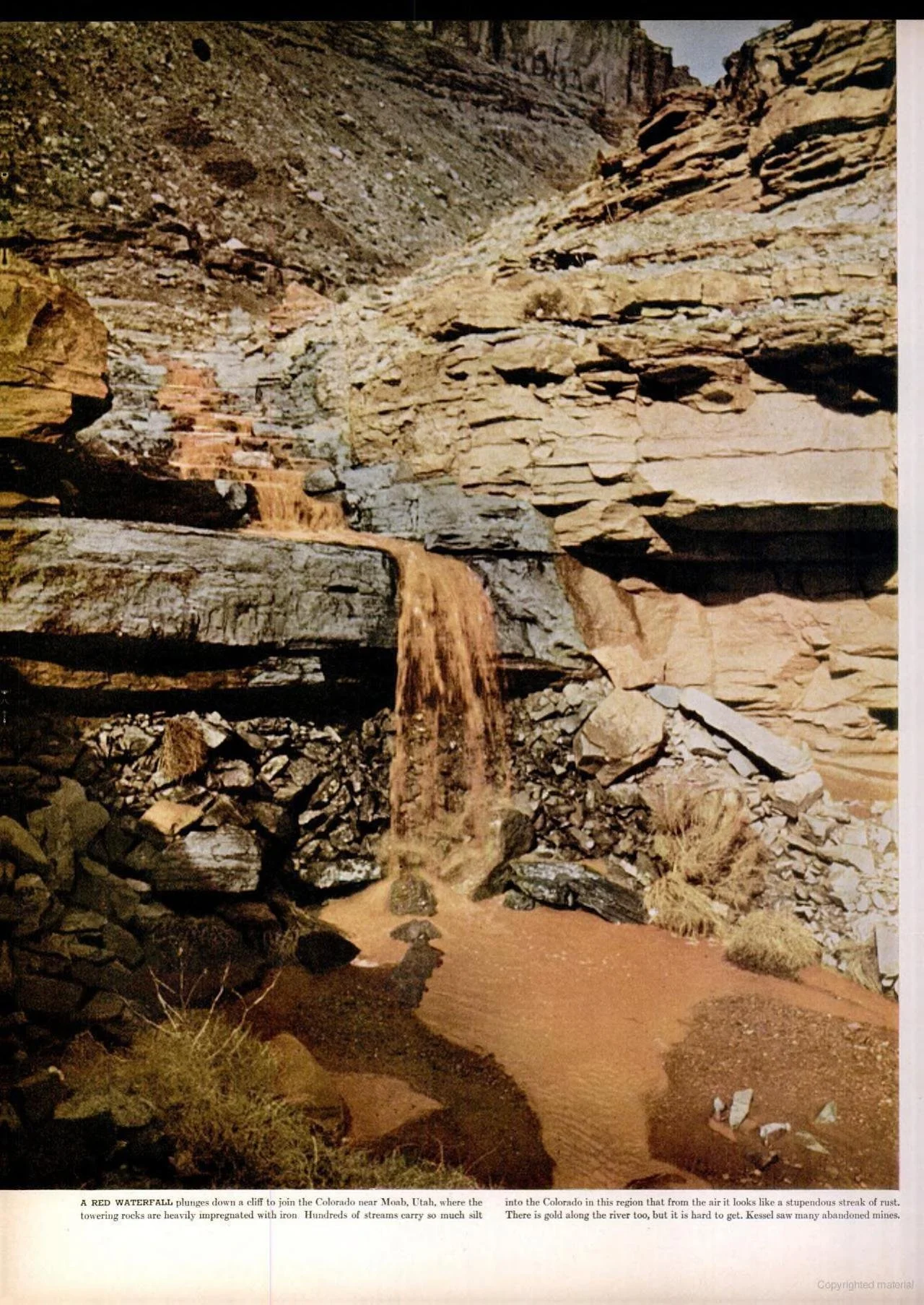
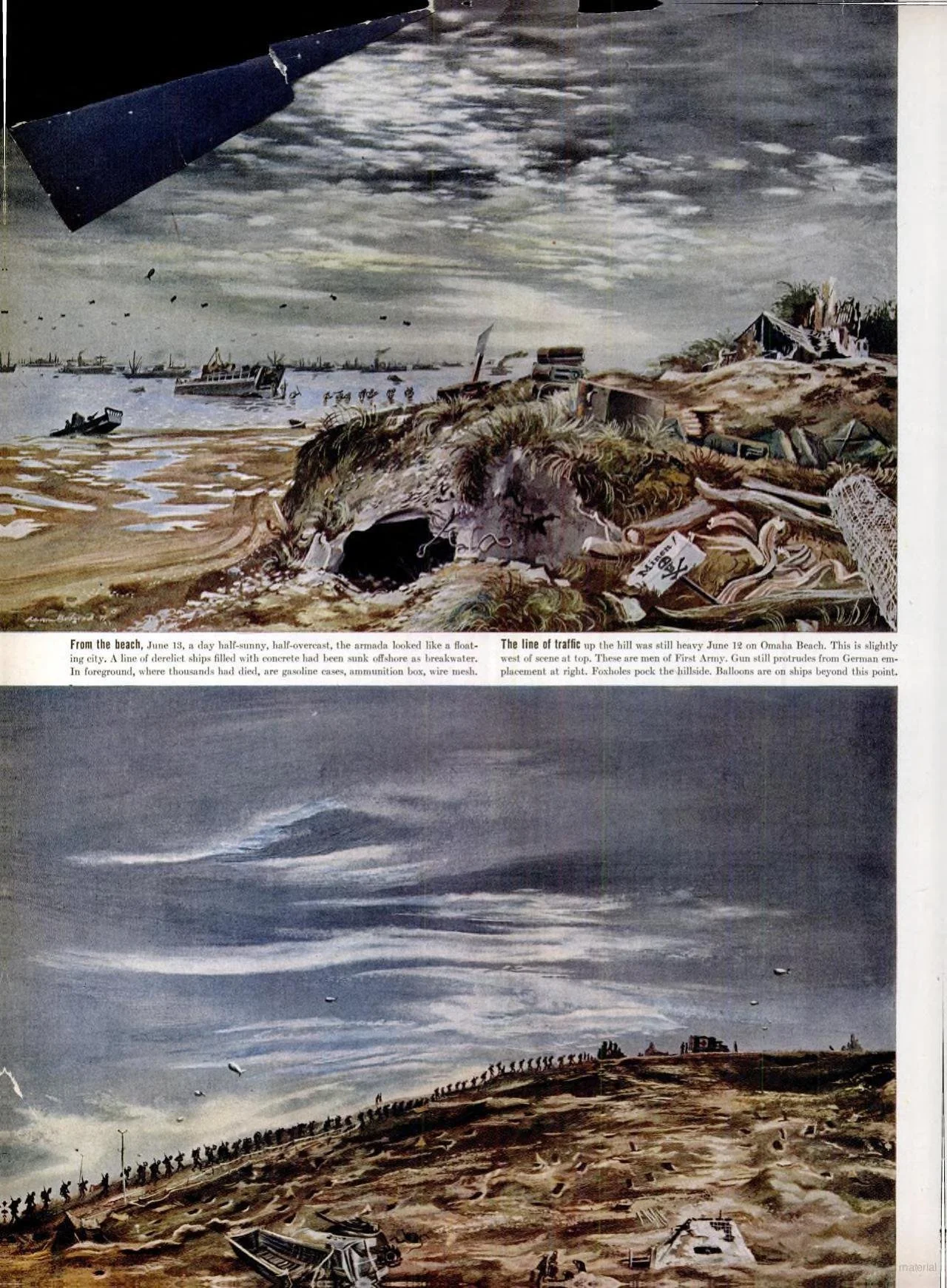
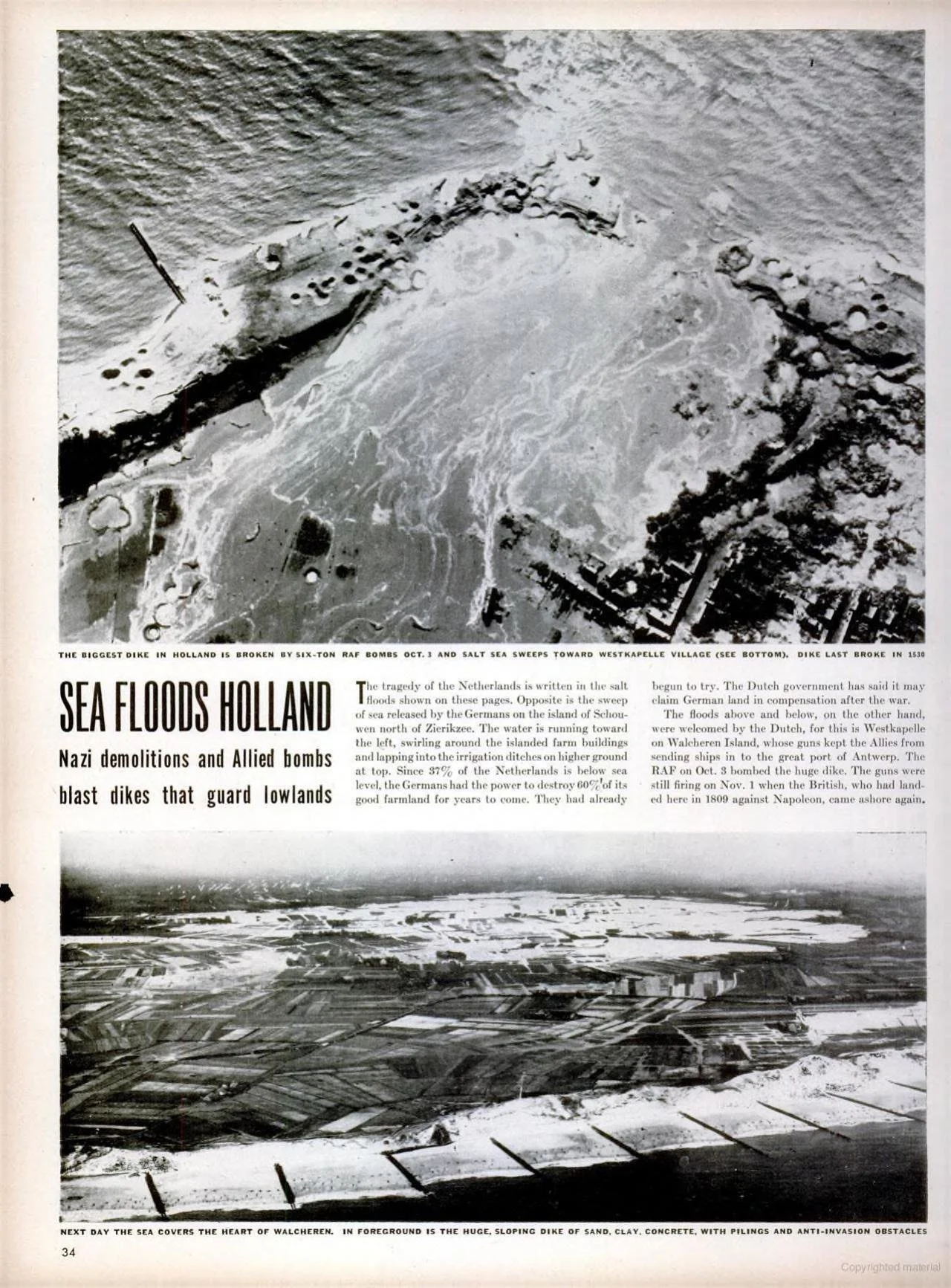
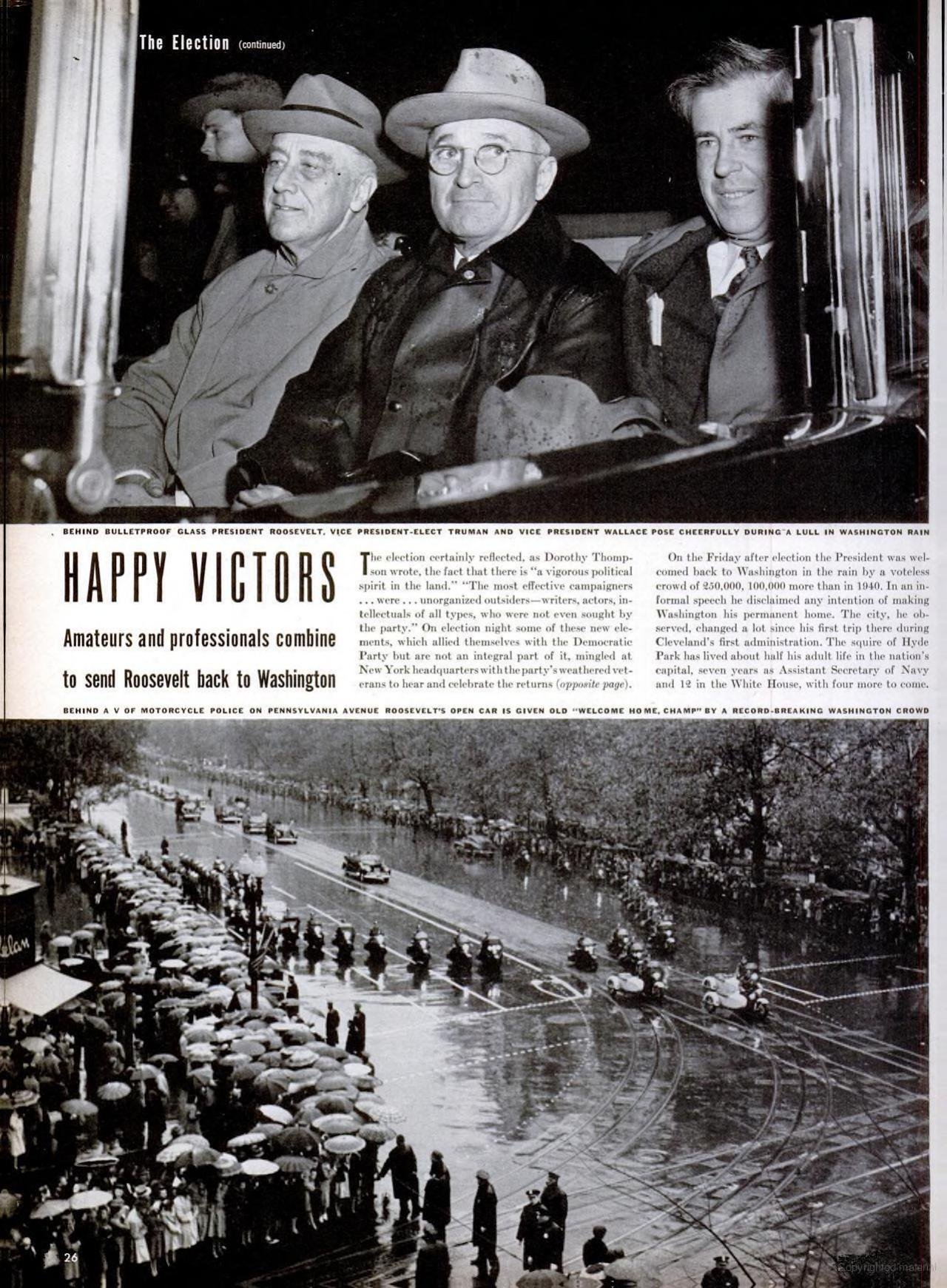
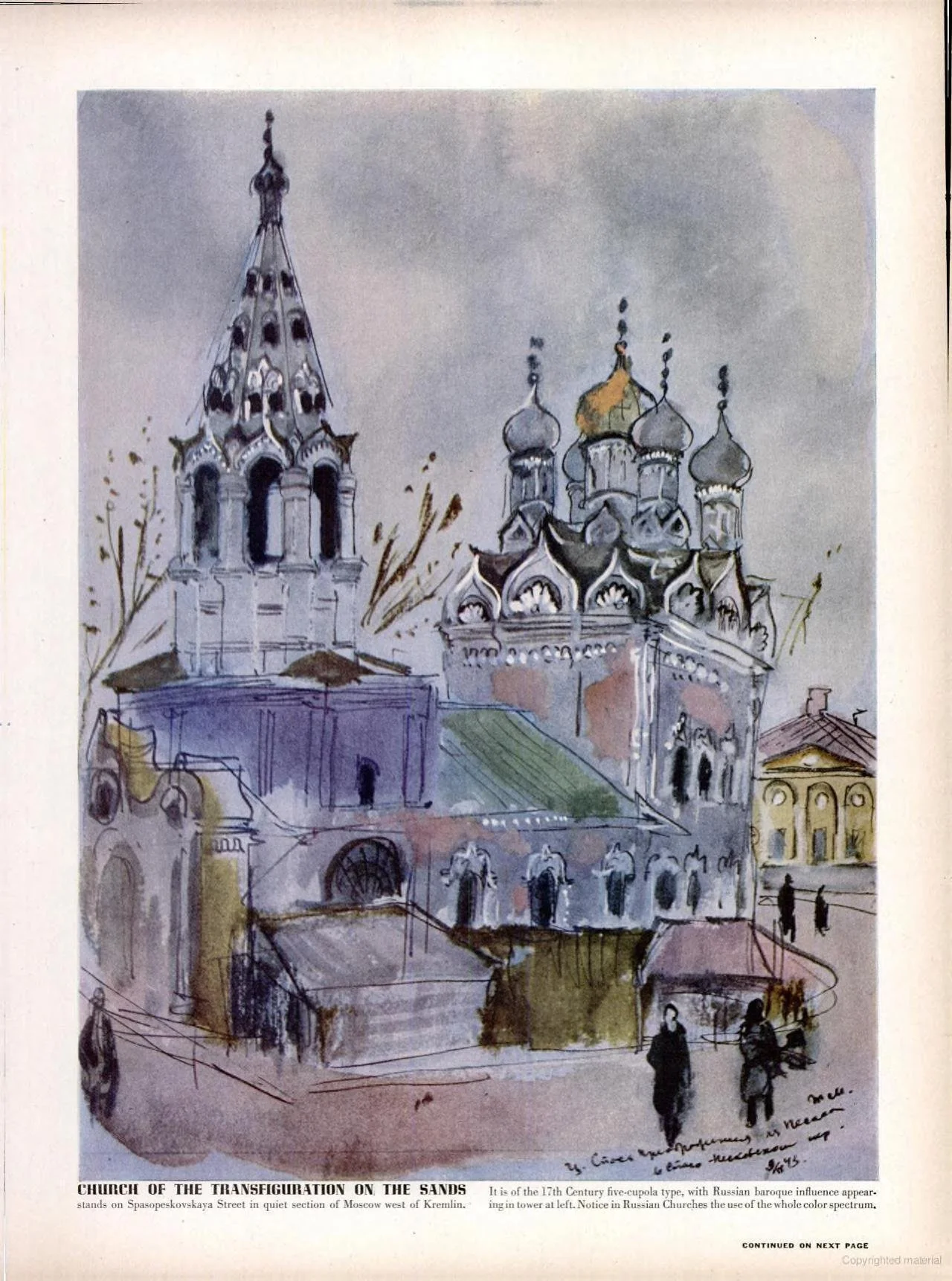
Internet Archive has digitized versions of many Life Magazines. I have been browsing through them – slowly since there was an issue for each week. As I looked at the issues from 1944, I thought about how the US was focused on the war and, while the war seemed to be moving in favor of the Allies, it was brutal. Casualties were mounting and at the end of the year the battle was still raging on. (Click on any of the sample images below to see a larger version and the links to see the whole magazine online.)

 Life Magazine 1944-01-03 - US civilians buy their first jeep

Life Magazine 1944-01-10 - Bob Hope

Life Magazine 1944-01-17 - Rockets

Life Magazine 1944-01-24 - X-rays

Life Magazine 1944-01-31 - Yesterday’s battlefield

Life Magazine 1944-02-07 - USS Missouri

Life Magazine 1944-02-14 - Kansas raises fine families

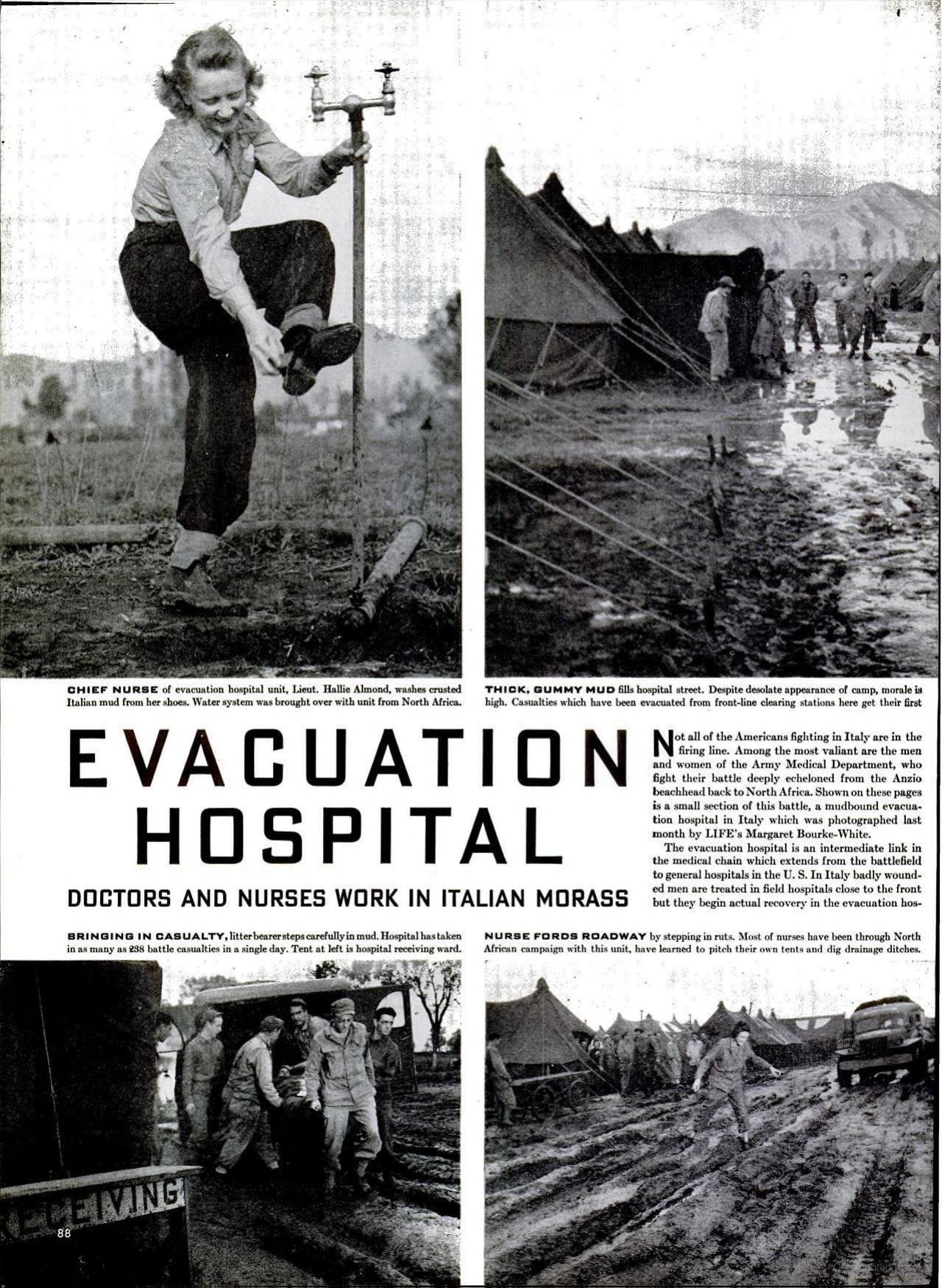
Life Magazine 1944-02-21 - Evacuation hospital

Life Magazine 1944-02-28 - Pullman ad

Life Magazine 1944-03-06 - Belmont Radio ad

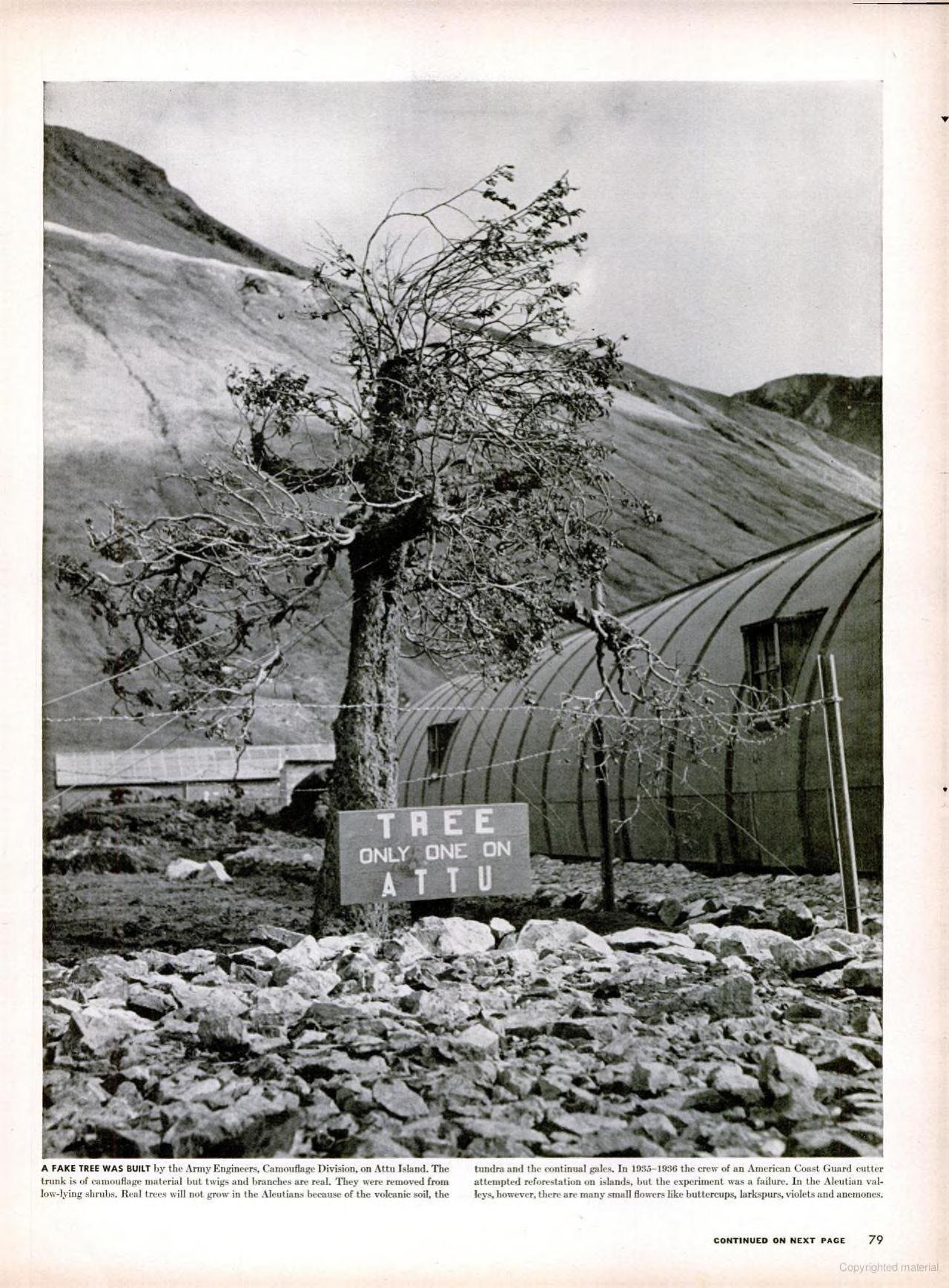
Life Magazine 1944-03-13 - Attu Island

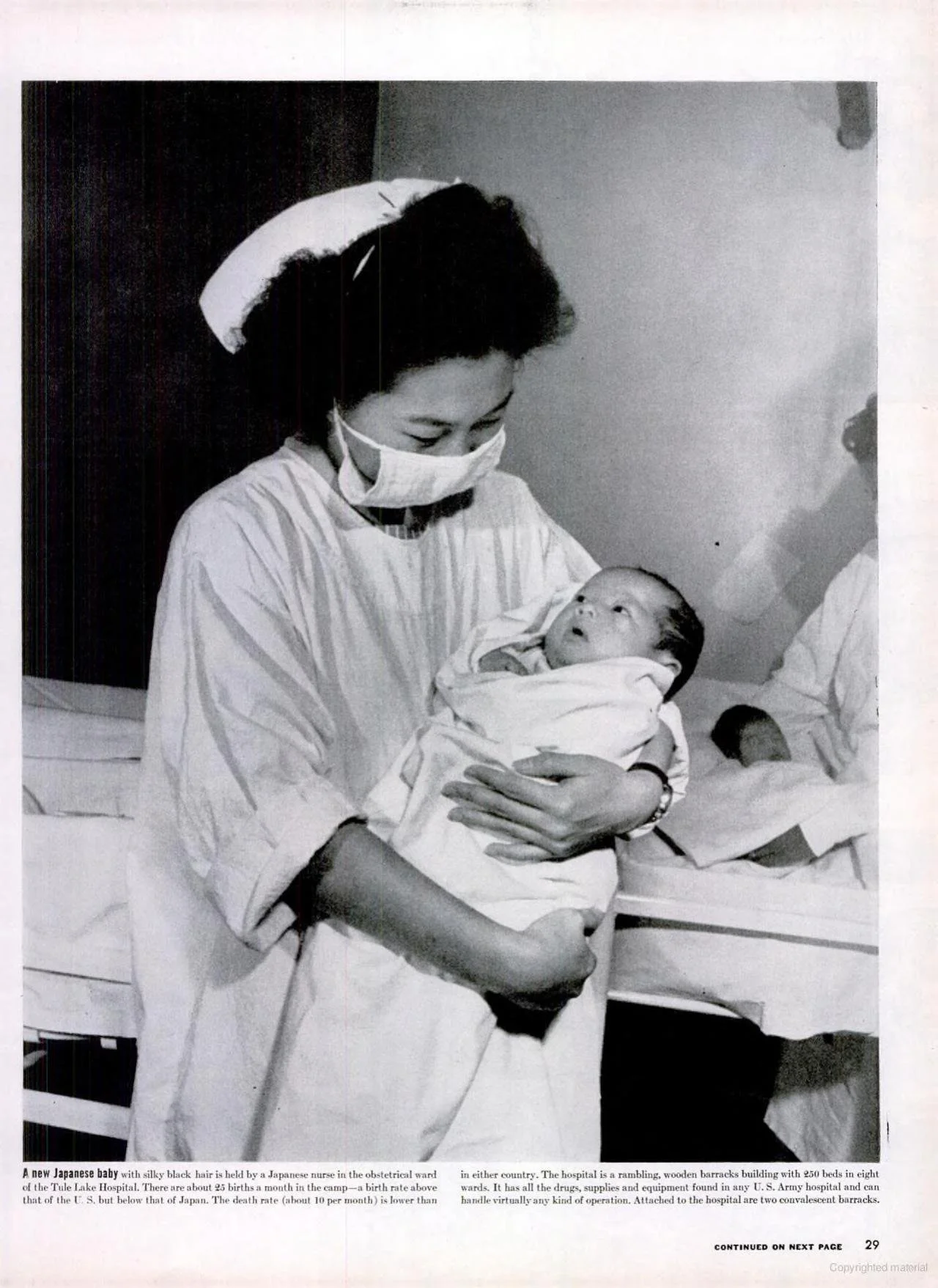
Life Magazine 1944-03-13 - Tule Lake Hospital (Japanese Interment)

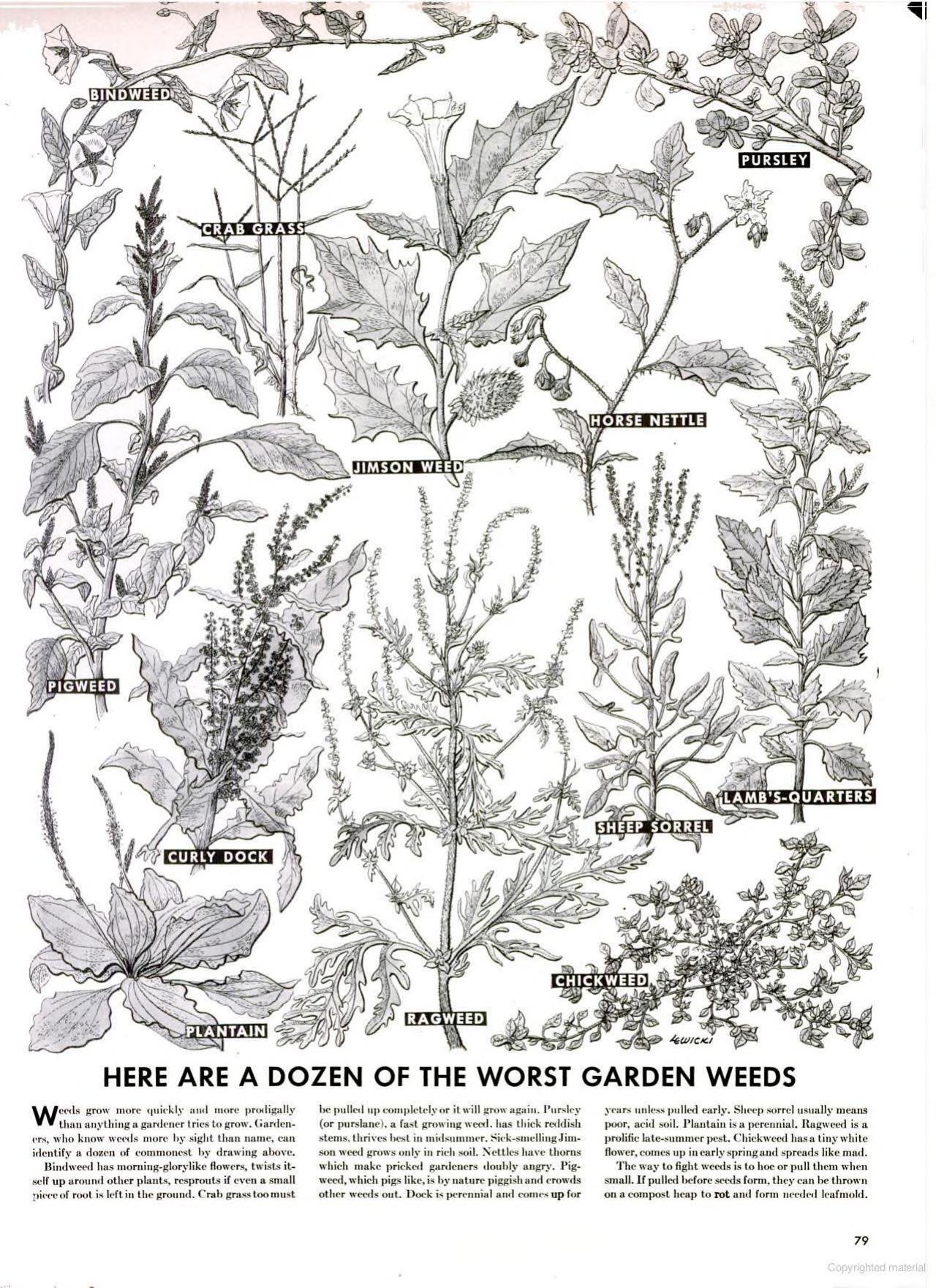
Life Magazine 1944-03-27 - Worst garden weeds

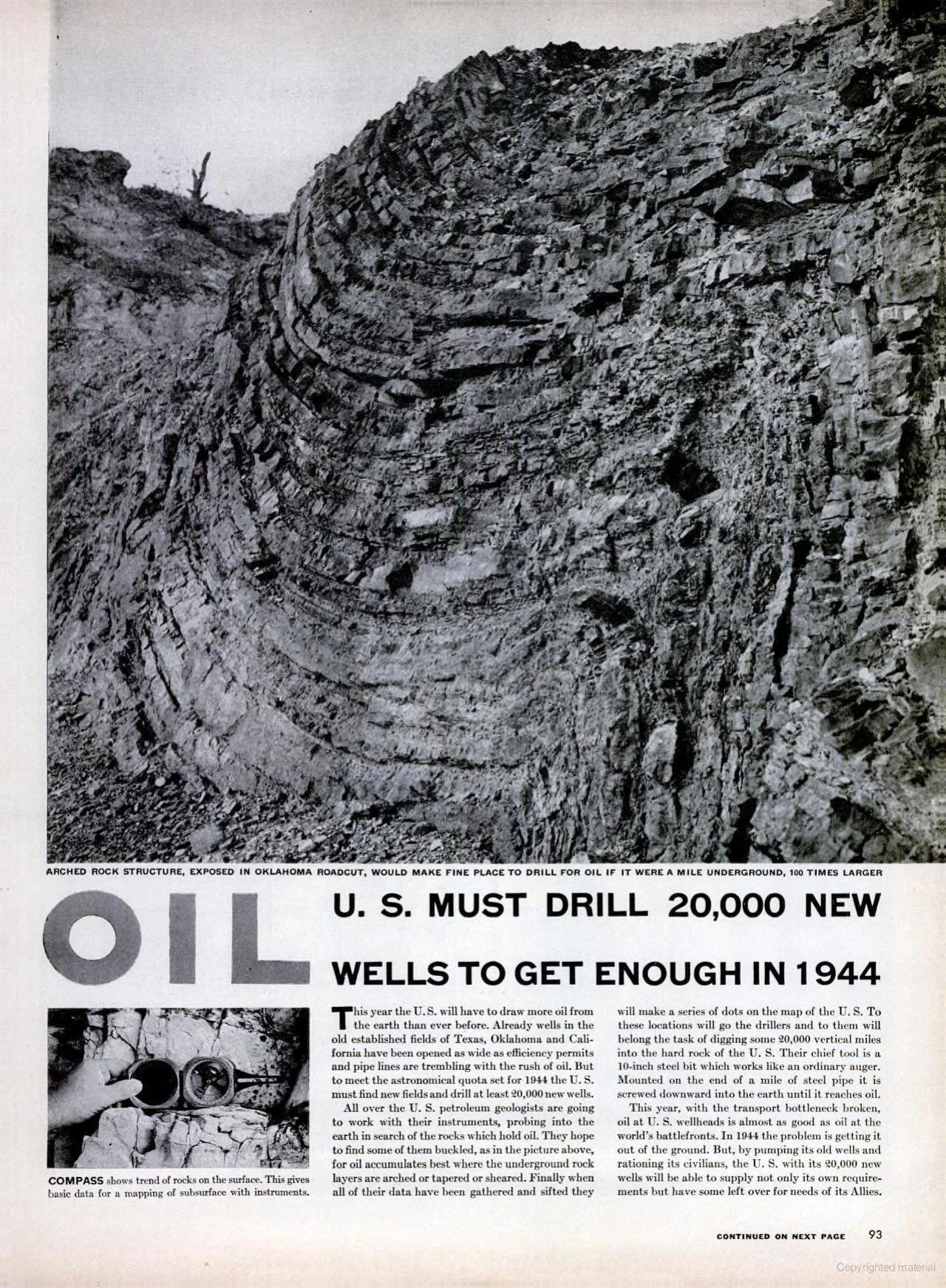
Life Magazine 1944-04-03 - Oil wells

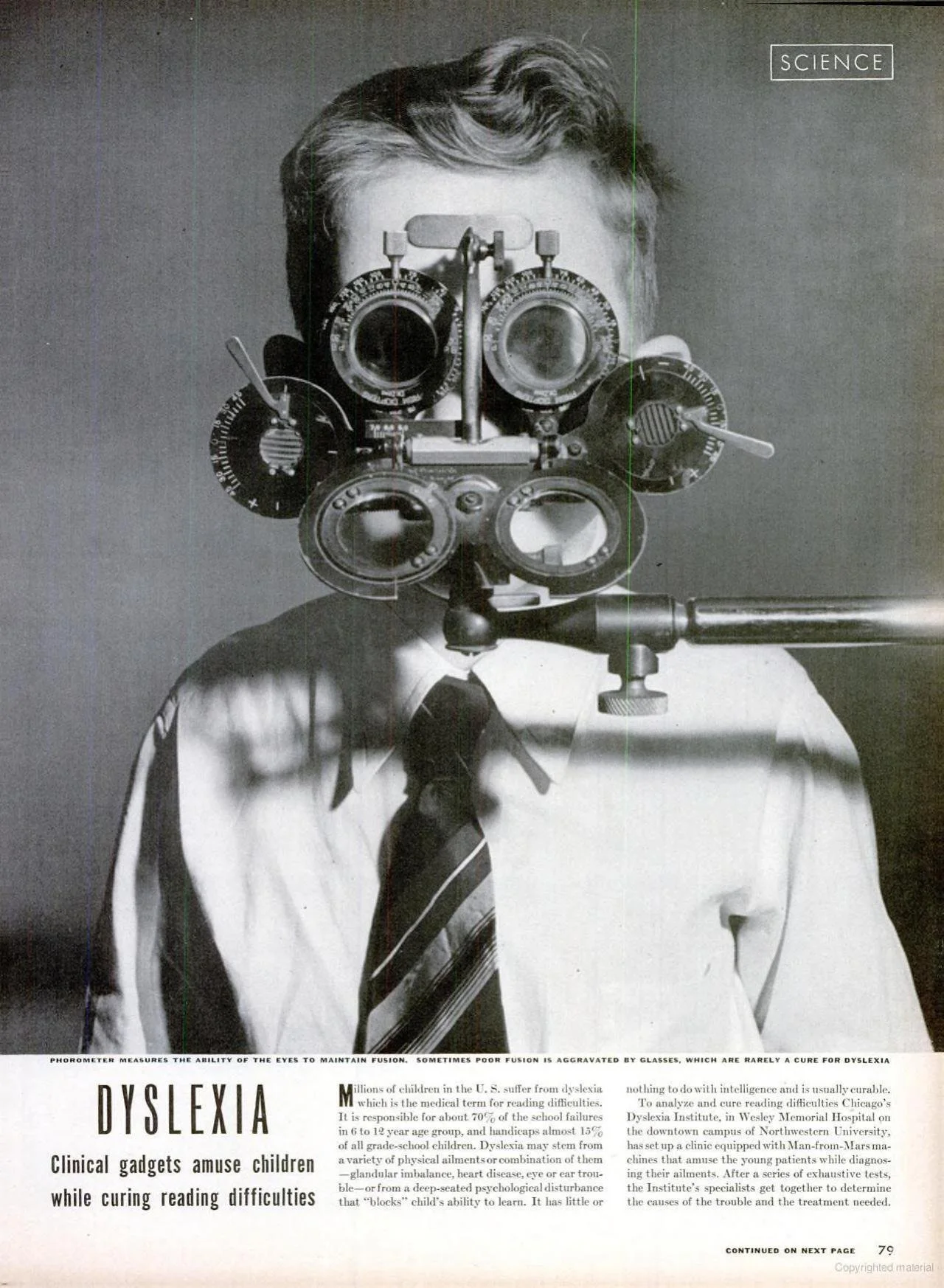
Life Magazine 1944-04-10 - Dyslexia

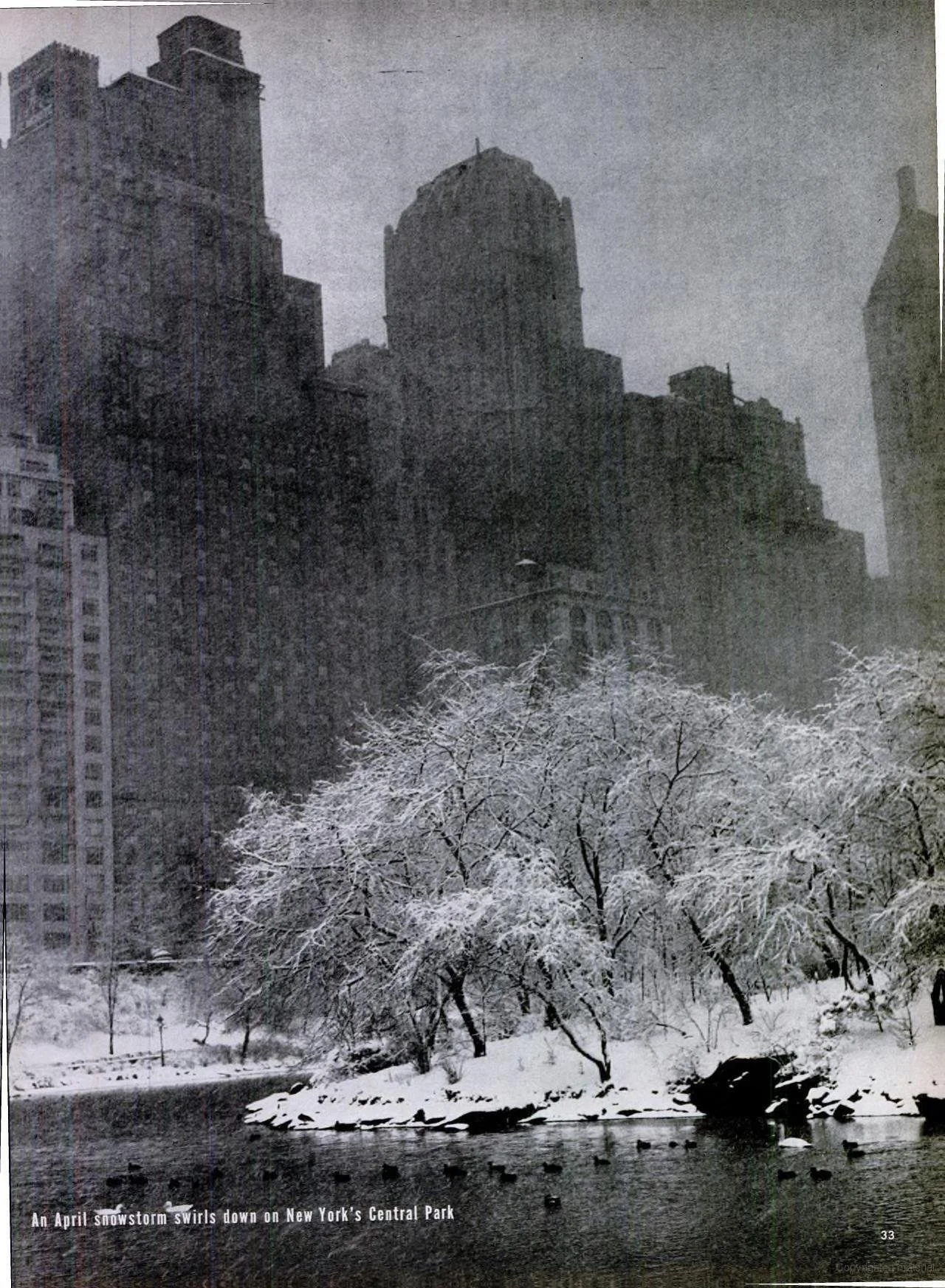
Life Magazine 1944-04-17 - April snow in New York City

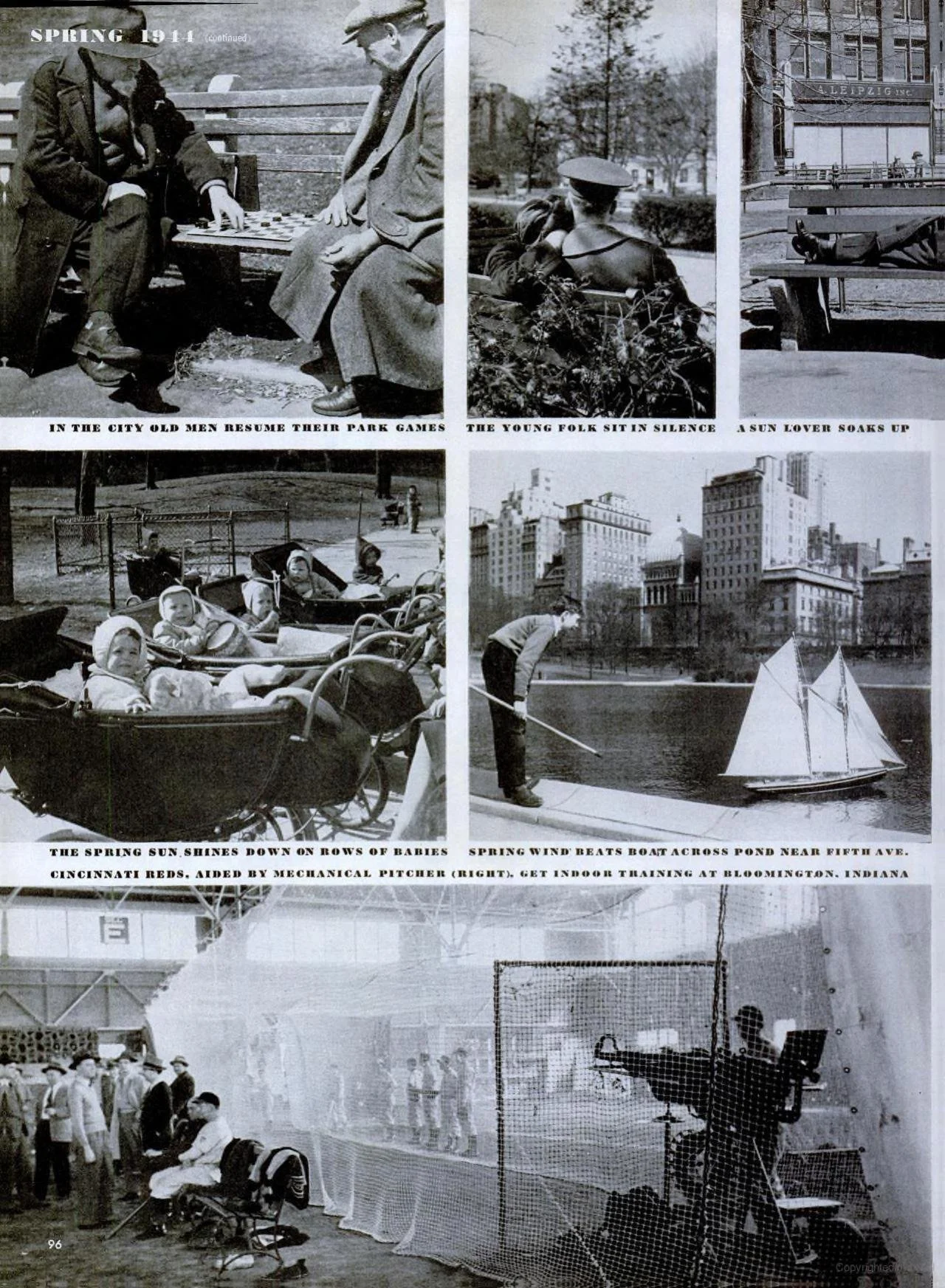
Life Magazine 1944-04-24 - Spring 1944

 Life Magazine 1944-05-01 - Ruined Anzio

Life Magazine 1944-05-08 - Steamboat on the Mississippi

Life Magazine 1944-05-15 - Troop train

Life Magazine 1944-05-22 - In the Aleutians

Life Magazine 1944-05-29 - US submarine saves airmen

Life Magazine 1944-06-05 - Woman in California shipbuilding

Life Magazine 1944-06-12 - Rome falls

Life Magazine 1944-06-19 - Ships bring back wounded and dead

Life Magazine 1944-06-26 - Palmyra atoll

 Life Magazine 1944-07-03 - Taps Normandy: June 1944

Life Magazine 1944-07-10 - B-29

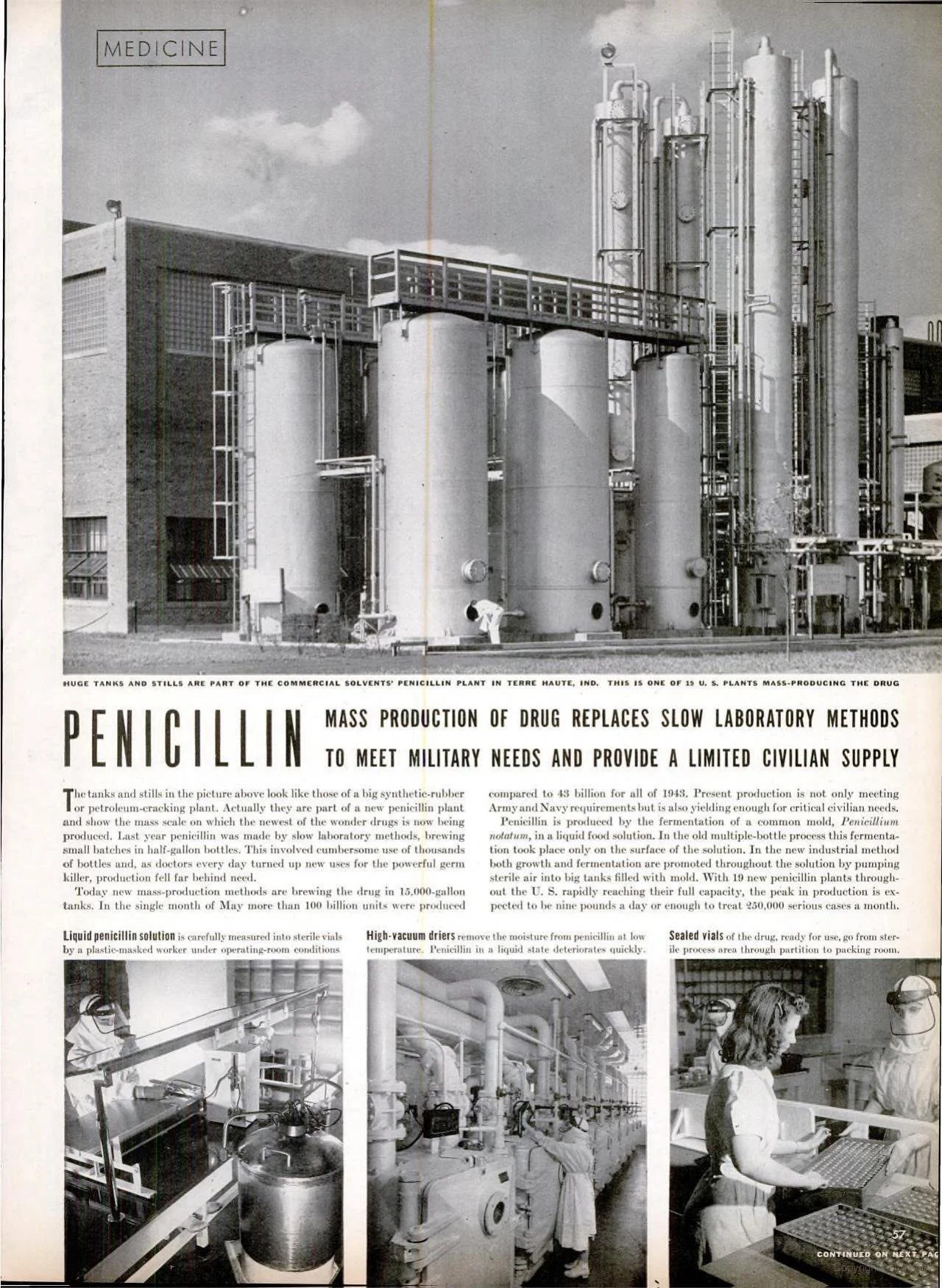
Life Magazine 1944-07-17 - Penicillin

Life Magazine 1944-07-24 - War ravages Italy’s art

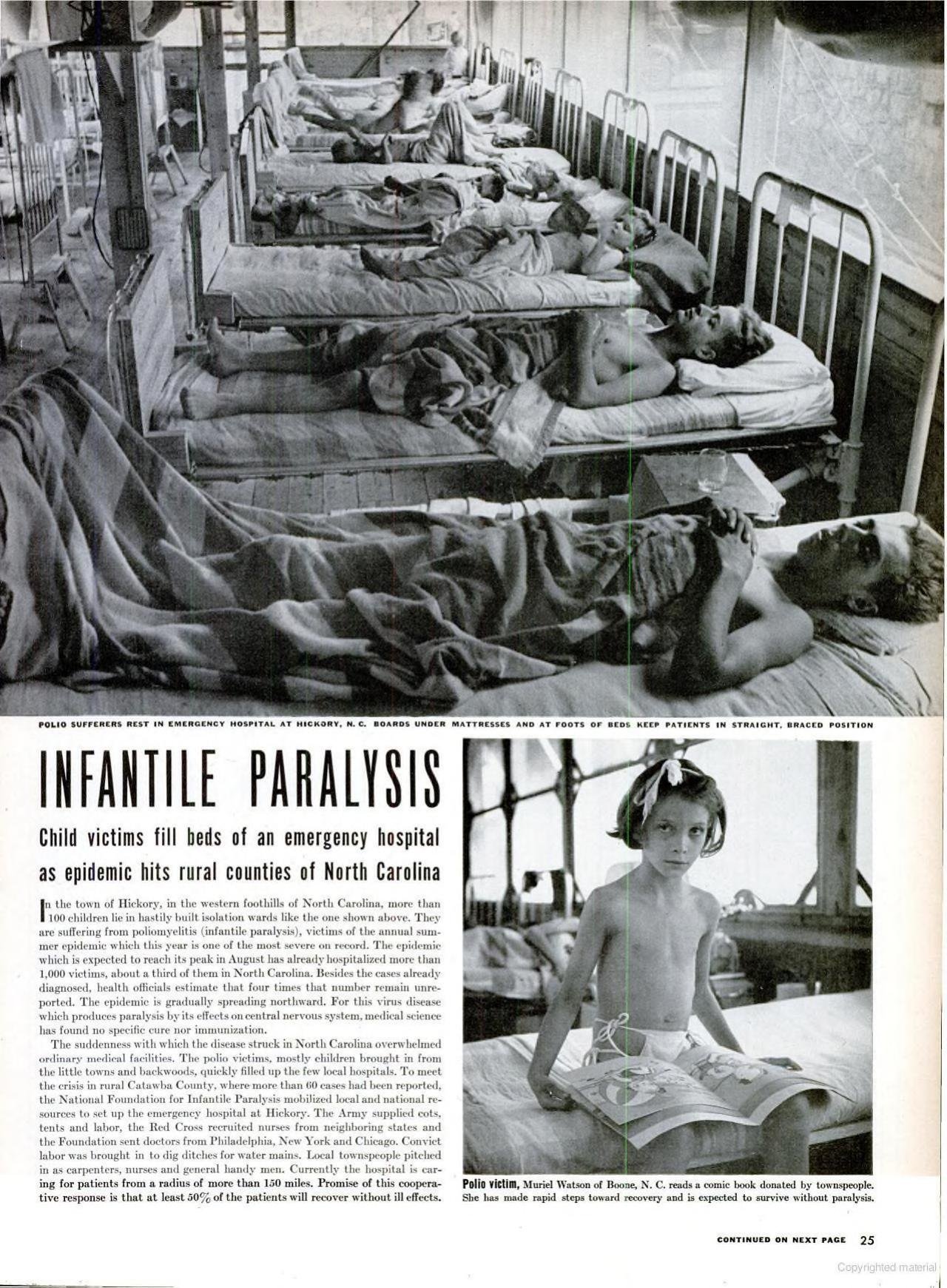
Life Magazine 1944-07-31 - Infantile paralysis (polio)

Life Magazine 1944-08-07 - Swedish glass

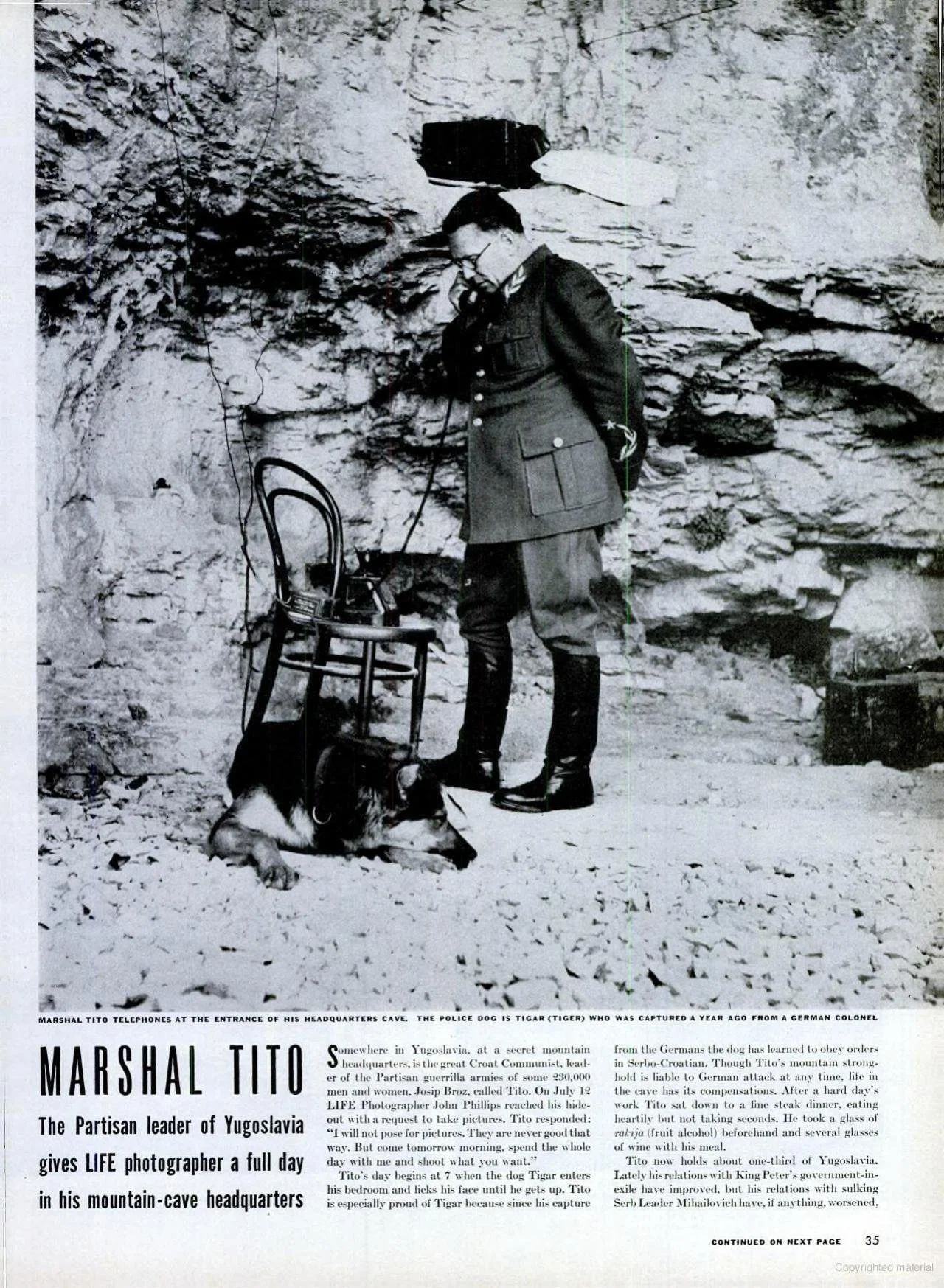
Life Magazine 1944-08-14 - Marshal Tito

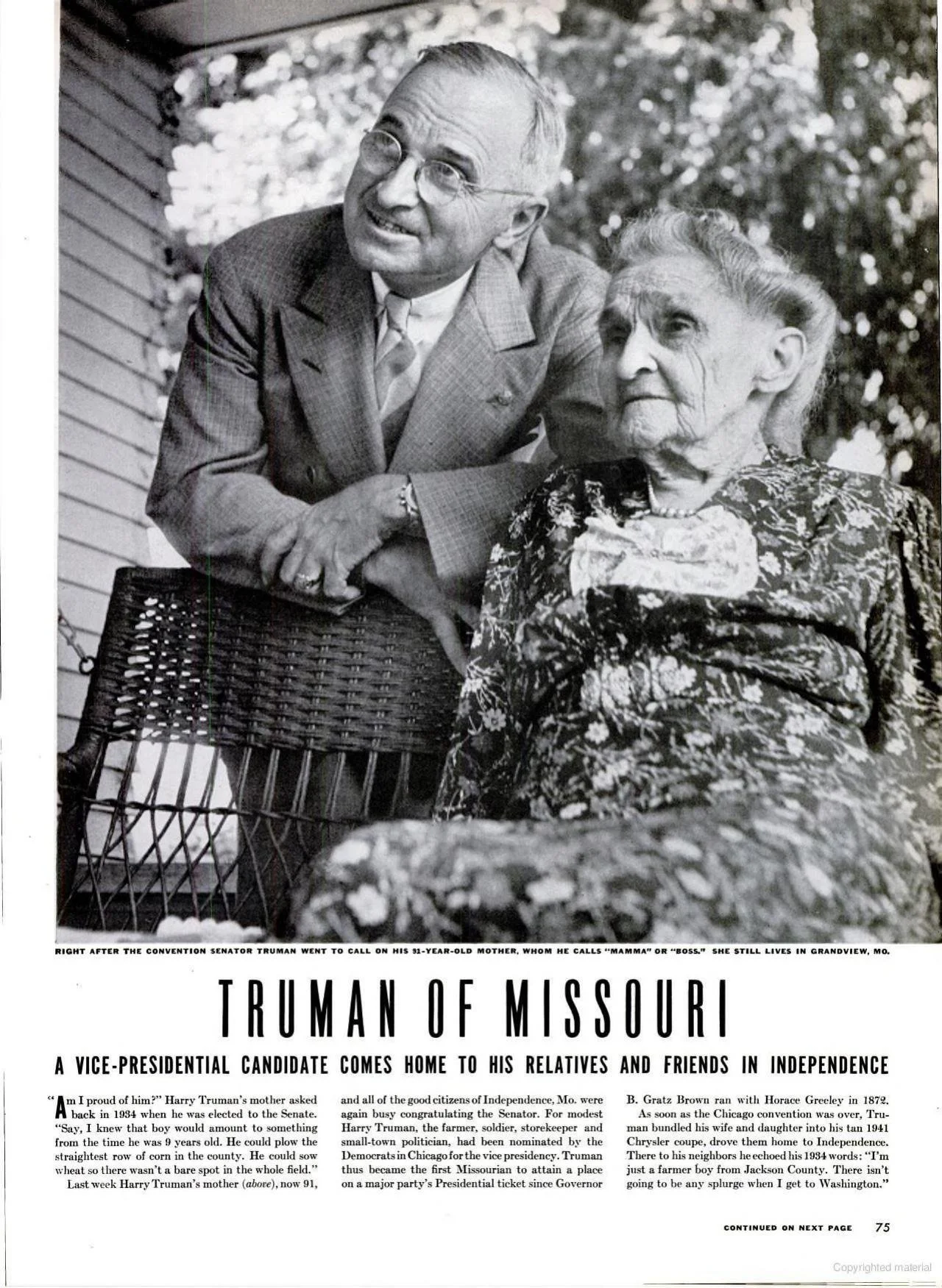
Life Magazine 1944-08-21 - Truman of Missouri

Life Magazine 1944-08-28 - Invasion array

 Life Magazine 1944-09-04 - Korea

Life Magazine 1944-09-11 - Dutch Elm Disease

Life Magazine 1944-09-18 - Brussels

Life Magazine 1944-09-25 - US production soars

Life Magazine 1944-10-02 - First battle of German begins

Life Magazine 1944-10-09 - Wartime England

Life Magazine 1944-10-16 - Fading Newport

Life Magazine 1944-10-23 - Colorado River

Life Magazine 1944-10-30 - Omaha Beach

 Life Magazine 1944-11-06 - Kitchen preview

Life Magazine 1944-11-13 - Sea floods Holland

Life Magazine 1944-11-20 - Roosevelt wins a 3rd term

Life Magazine 1944-11-27 - Moscow

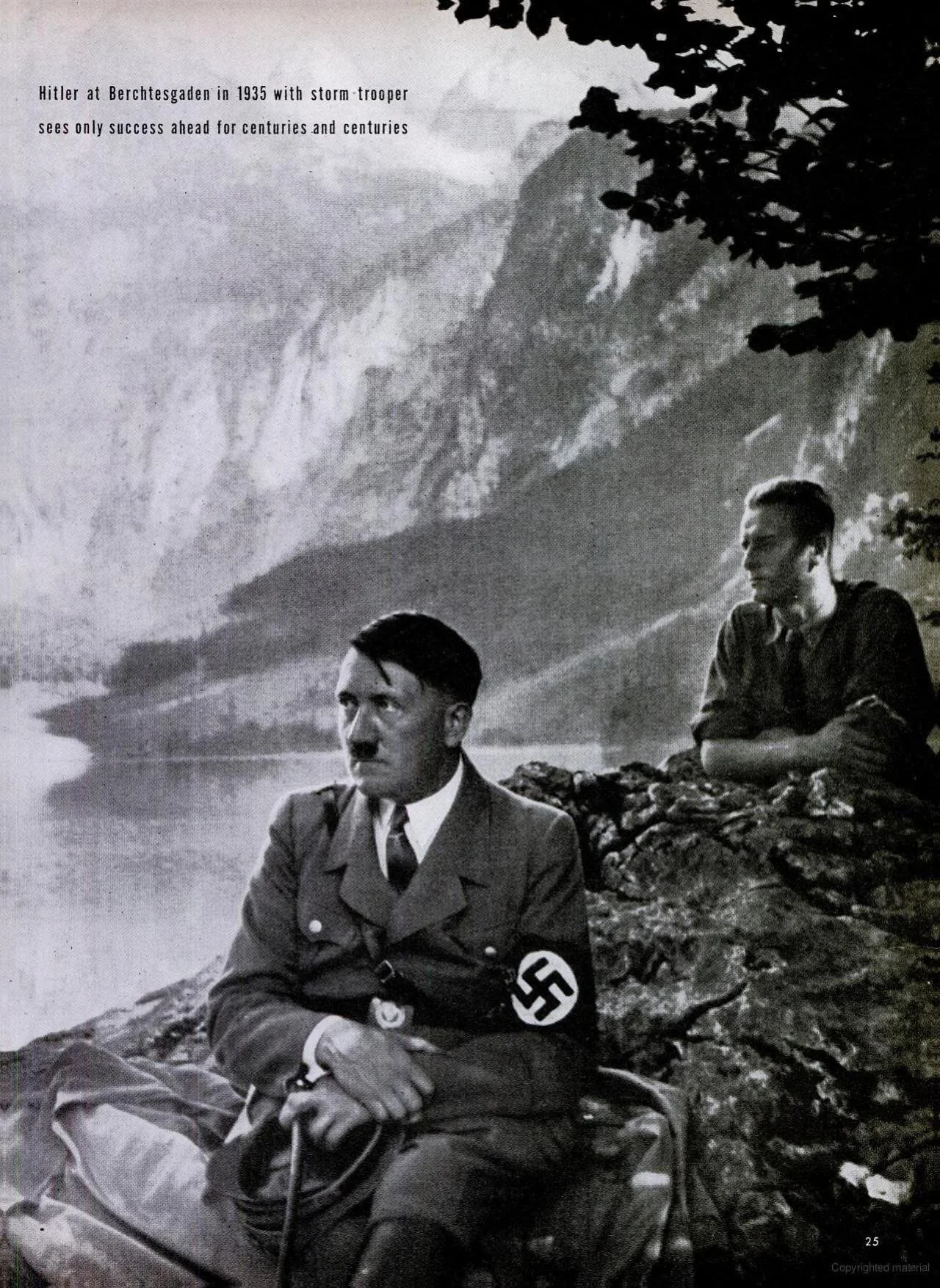
Life Magazine 1944-12-04 - Hitler

Life Magazine 1944-12-11 - List of US war causalities

Life Magazine 1944-12-18 - The battlefield of Germany

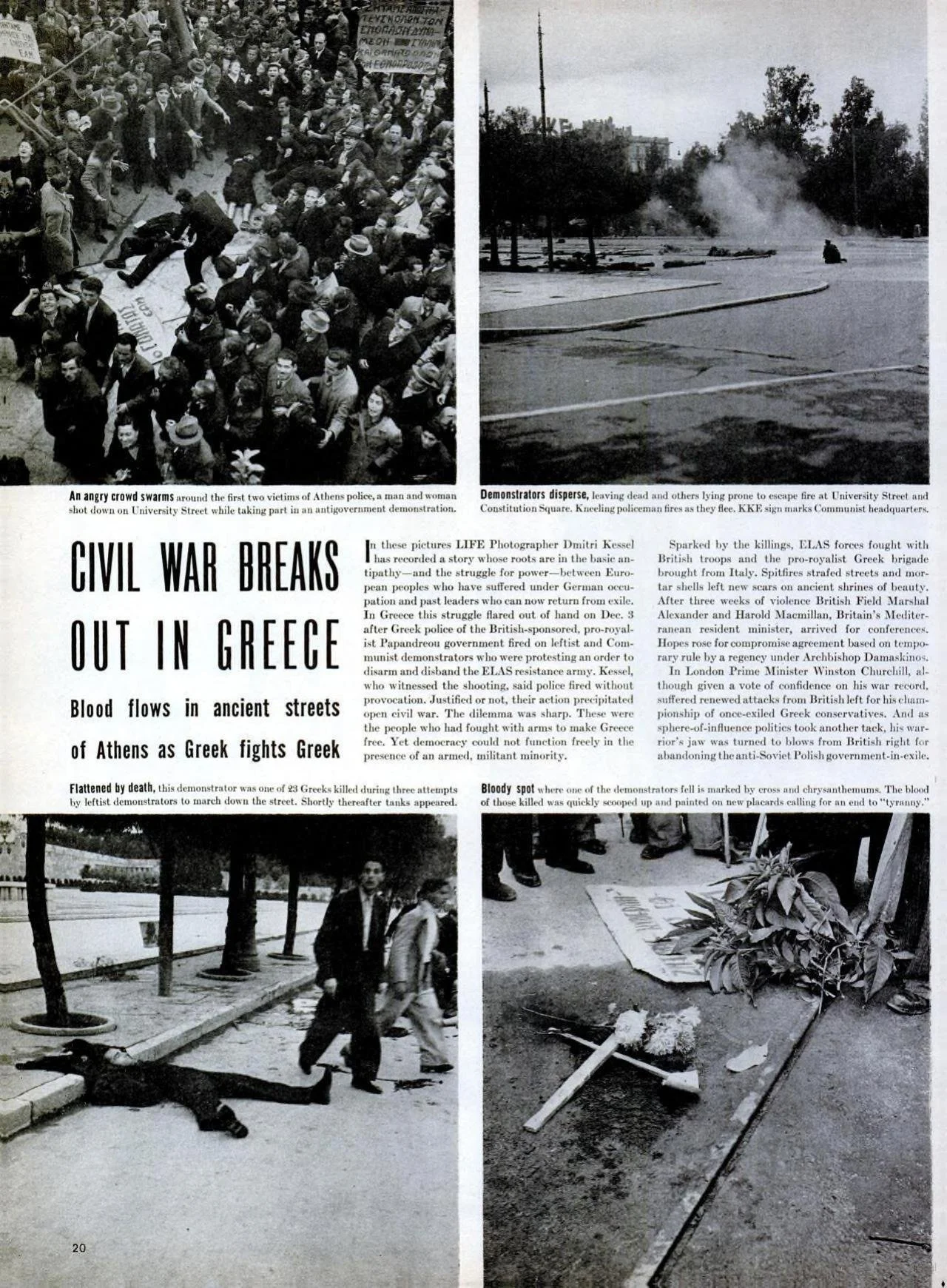
Life Magazine 1944-12-25 - Civil War breaks out in Greece

Our Missouri Yard – December 2025

December had started off with some very cold days with low temperatures in the 20s or teens at night and barely getting above 50 on 3 days (other days the high was in the 40s). Almost all the trees had lost their leaves abruptly in November when we had some very cold days. As I walked around the yard taking pictures for this post, I found myself searching for color and interesting textures.

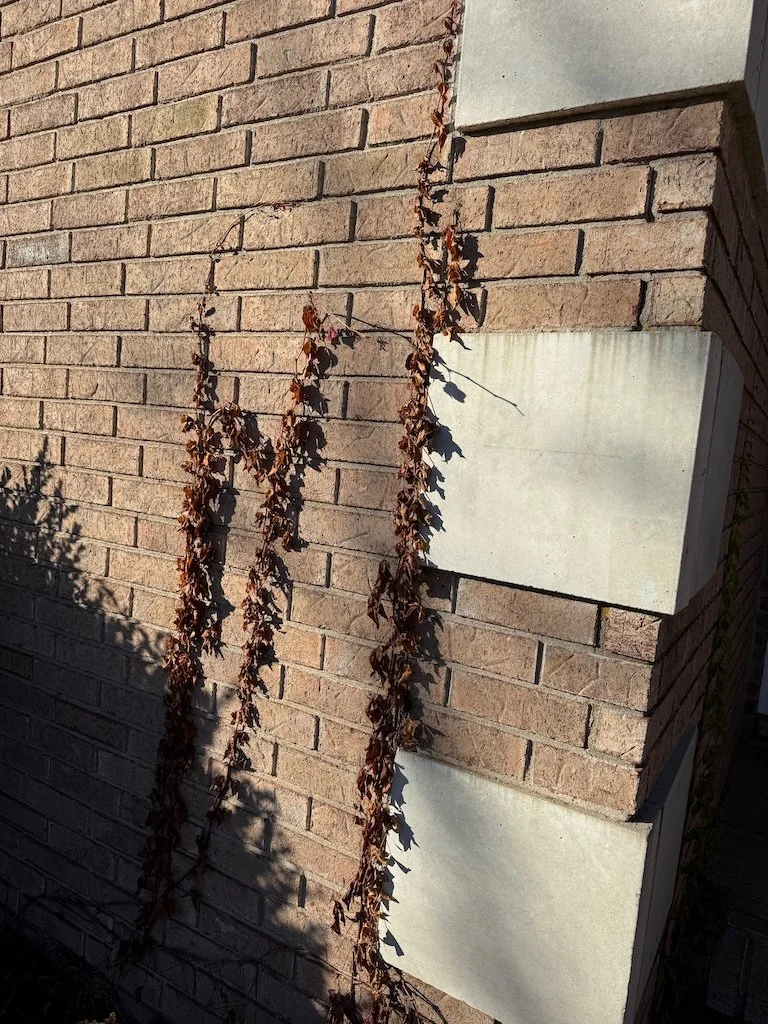
The Virginia Creeper that had been so beautiful in previous falls (red leaves) had either died back or retained the color for only a few days. Some of the vines retained their leaves – but they are brown rather than bright red.

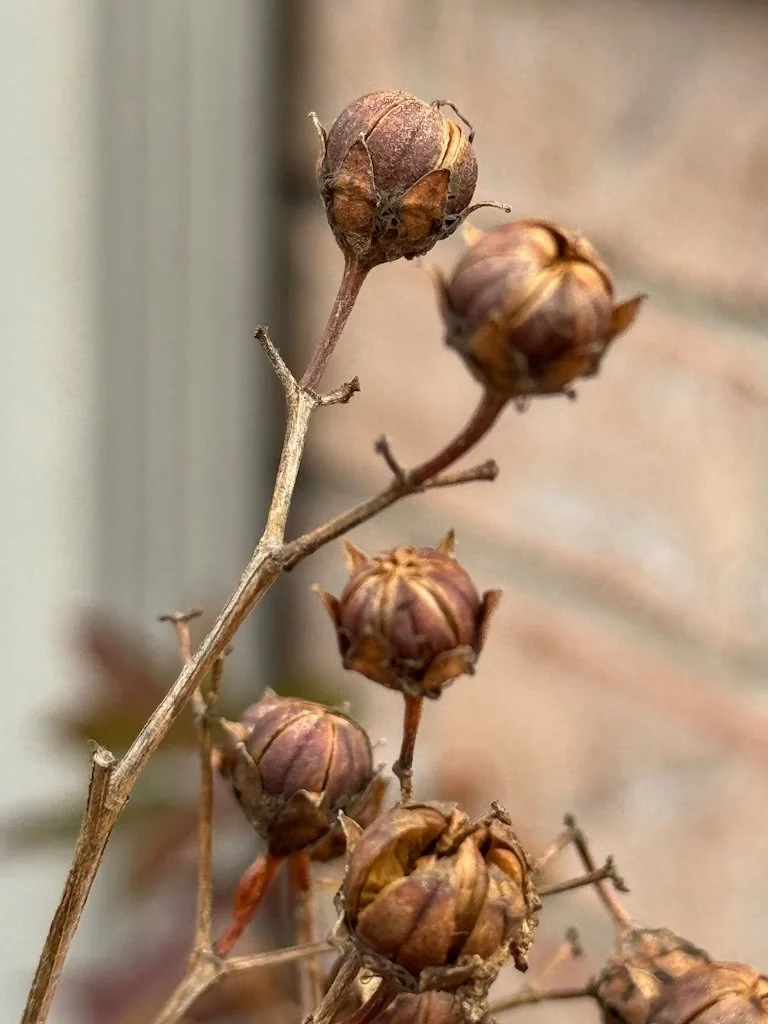
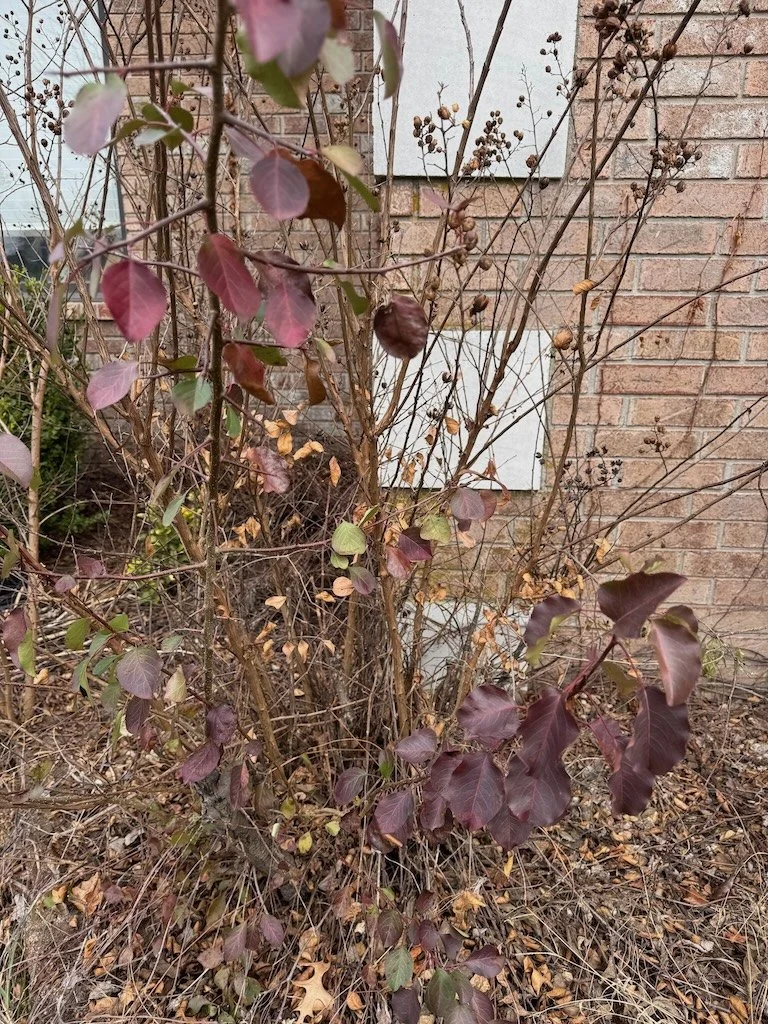
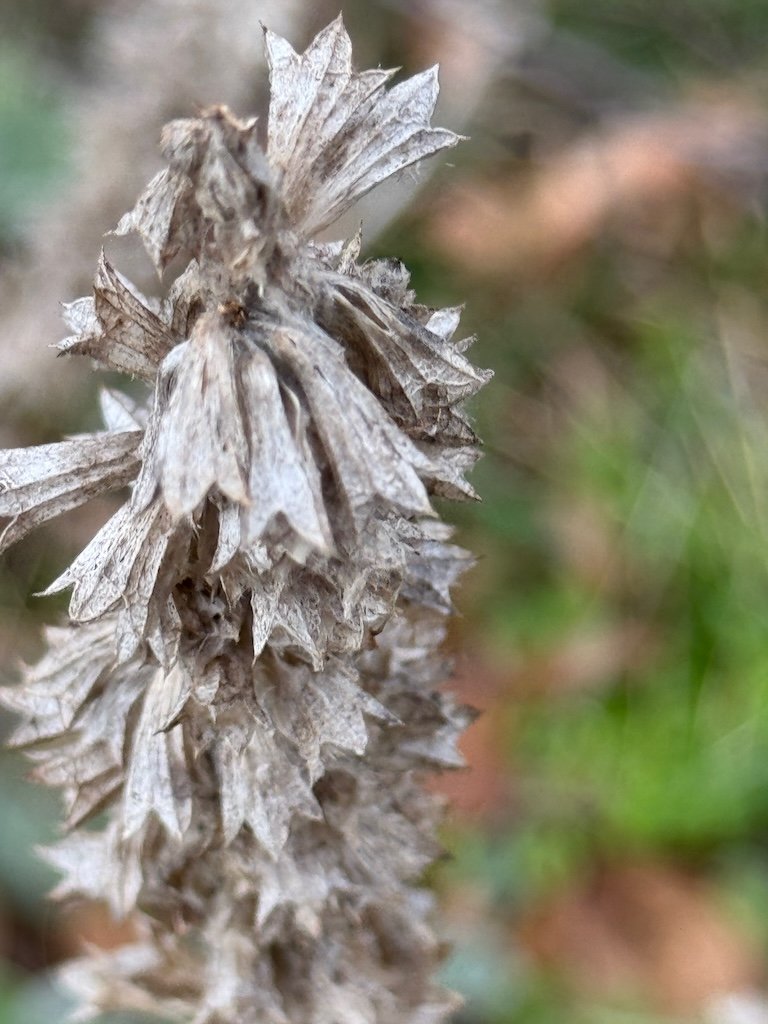
The crape myrtles have interesting seed pods. I am going to cut them all back when there is a day above 50….they will look better next year if I do. One of them is tall enough to brush against the eve of the house so that one is the priority to get cut. The other one to tackle is the one that has a Callery Pear (wild form of the Bradford Pear) growing with it. The red leaves are the pear so I can (hopefully) cut it very close to the ground.

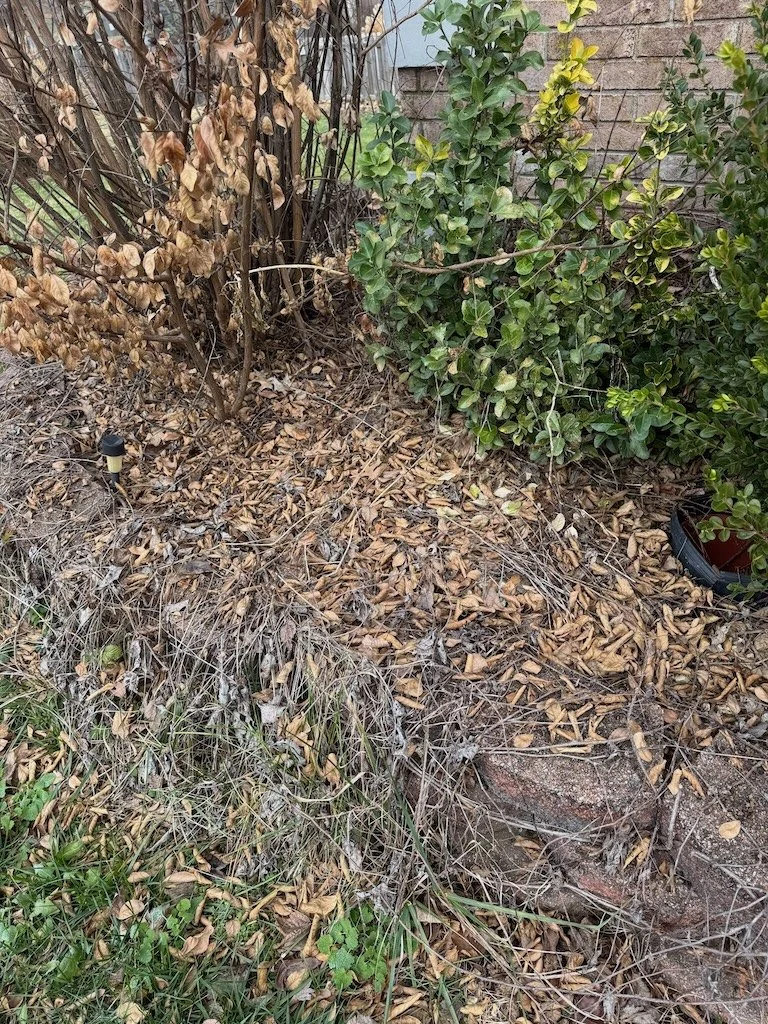
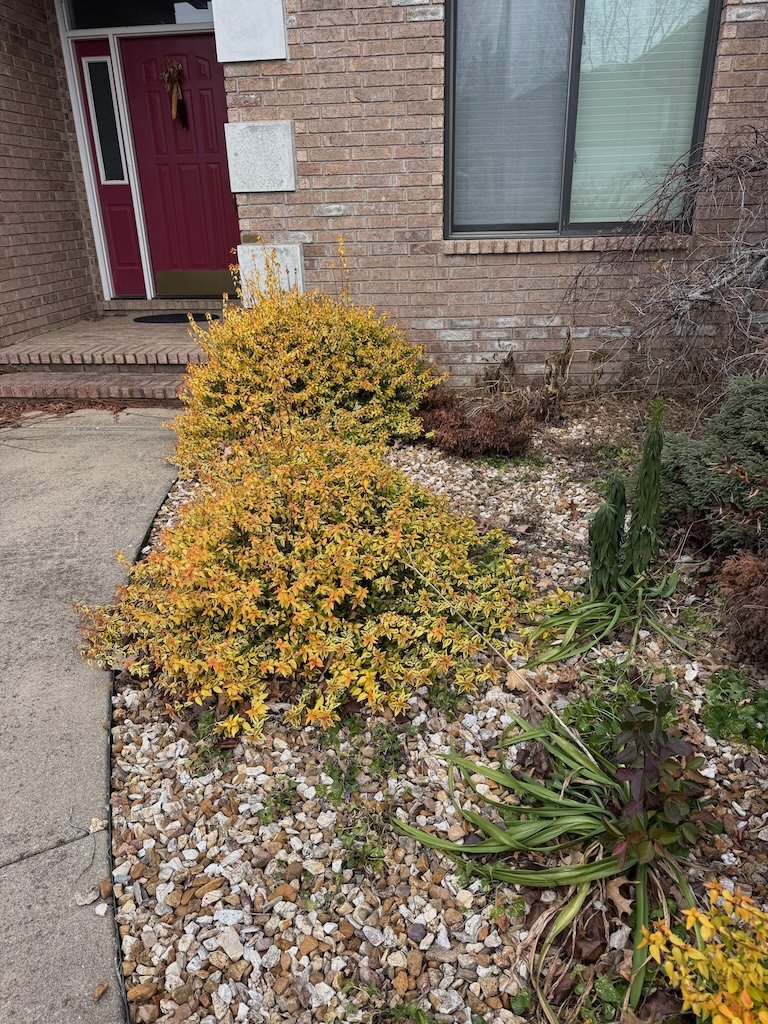
The bed near our front door has some color – bushes that are bright yellow (that need to be trimmed) and some plants that haven’t succumbed to cold temperatures yet because they are protected. The Japanese Maple in the corner has lost its leaves and may be dying; that corner has not worked well for that small tree.

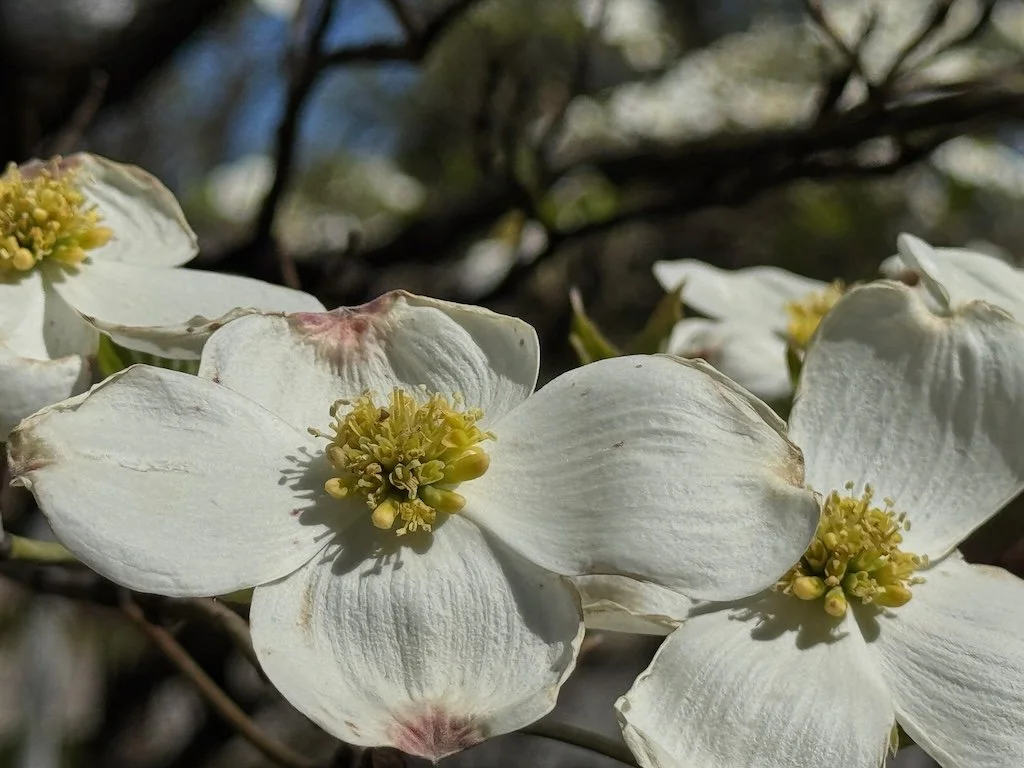
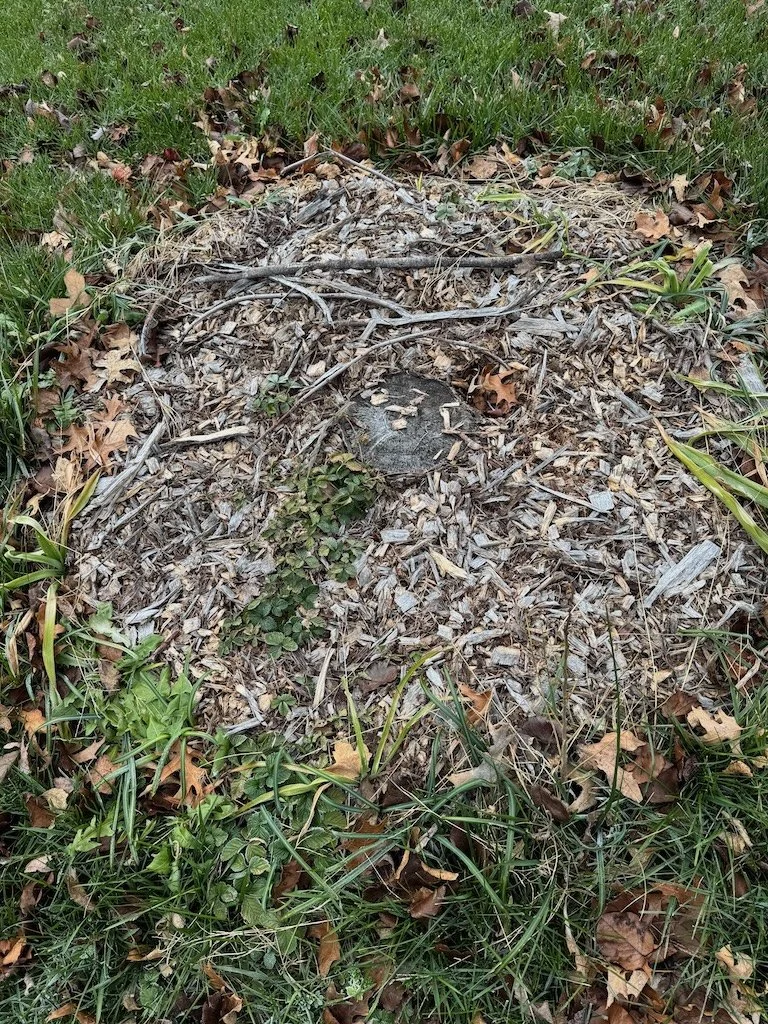
The places where I put the bark mulch from our last tree trimming are holding up well. I will pull weeds from them and plant new plants into some of them next spring. The one under the Kousa dogwood mulch needs some native ground cover planted there…and maybe some of the lower branches cut.

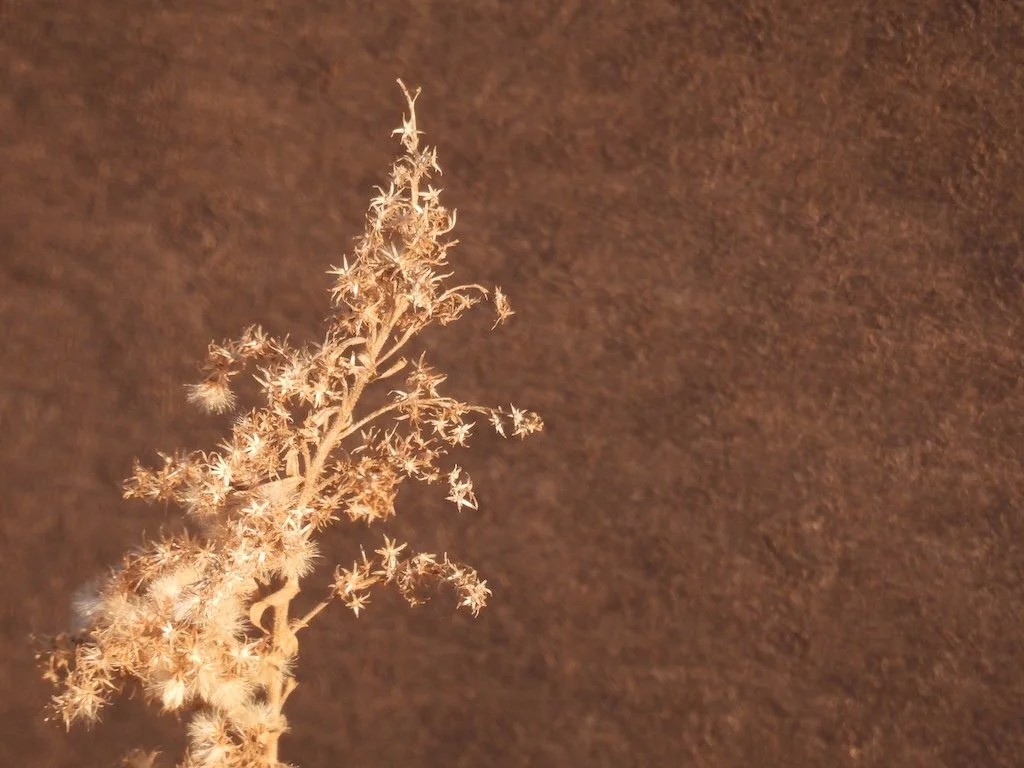
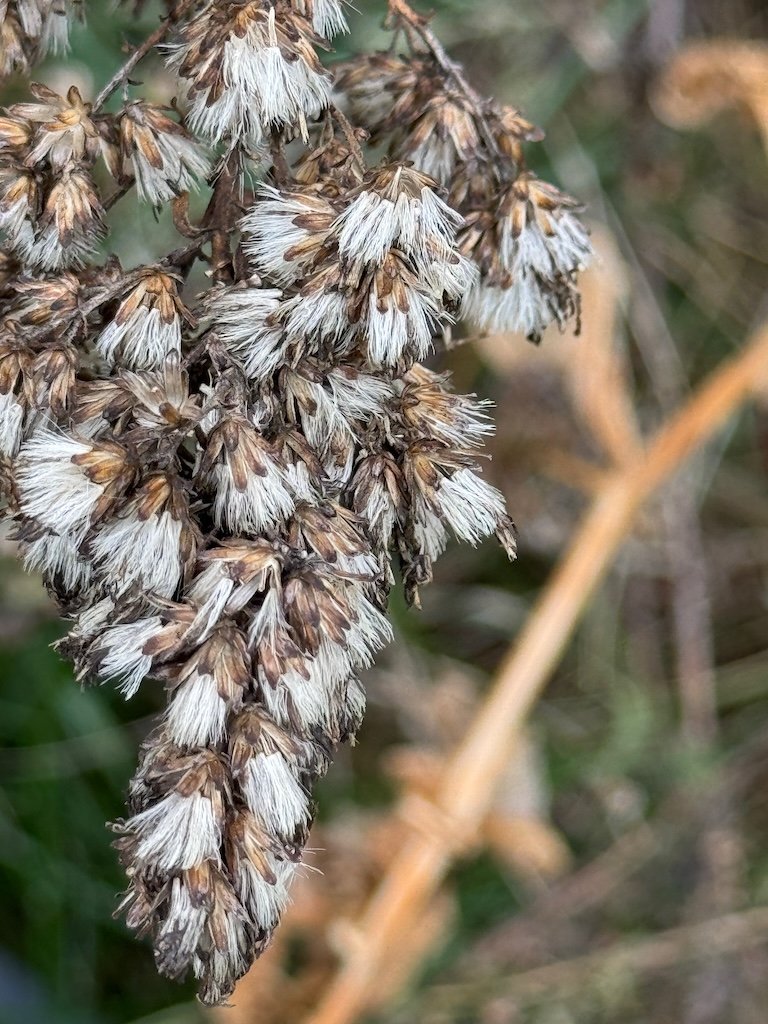
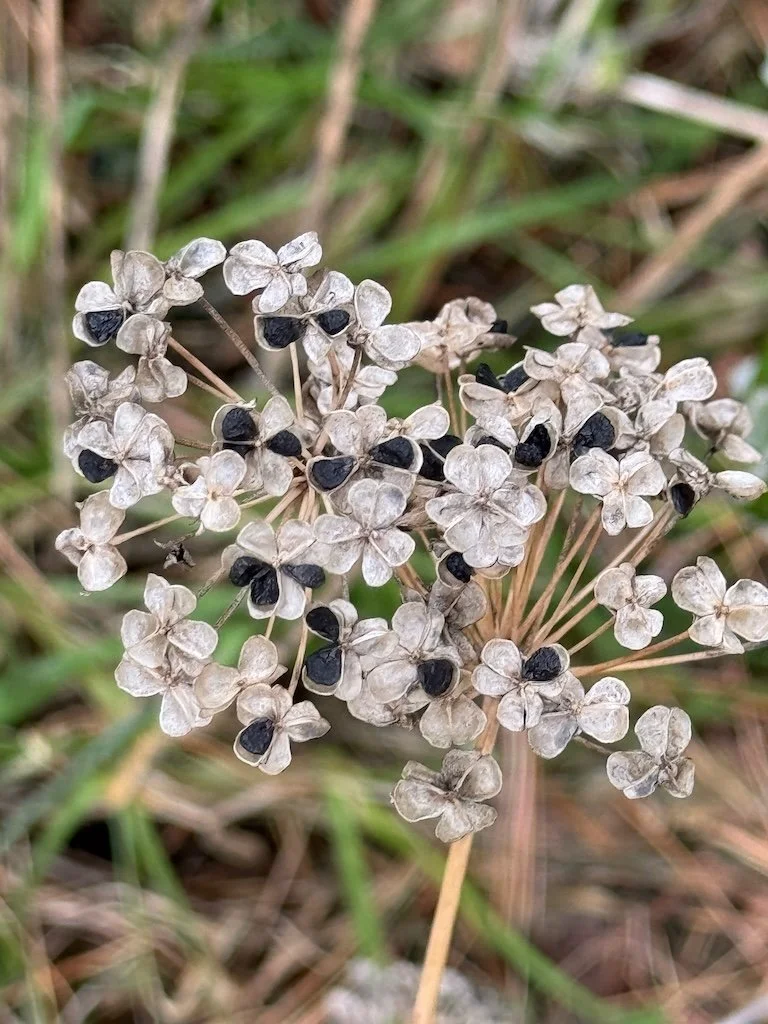
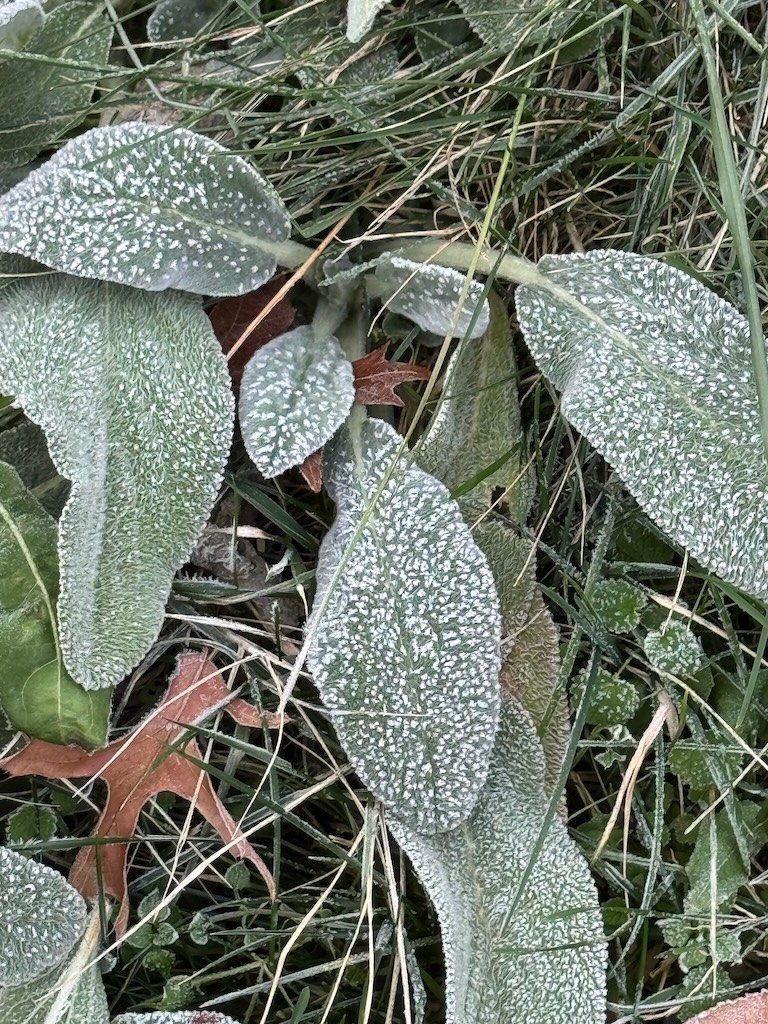
There are seed heads on the lambs ear and goldenrod and chives…hopefully I will have more of those plants next year.

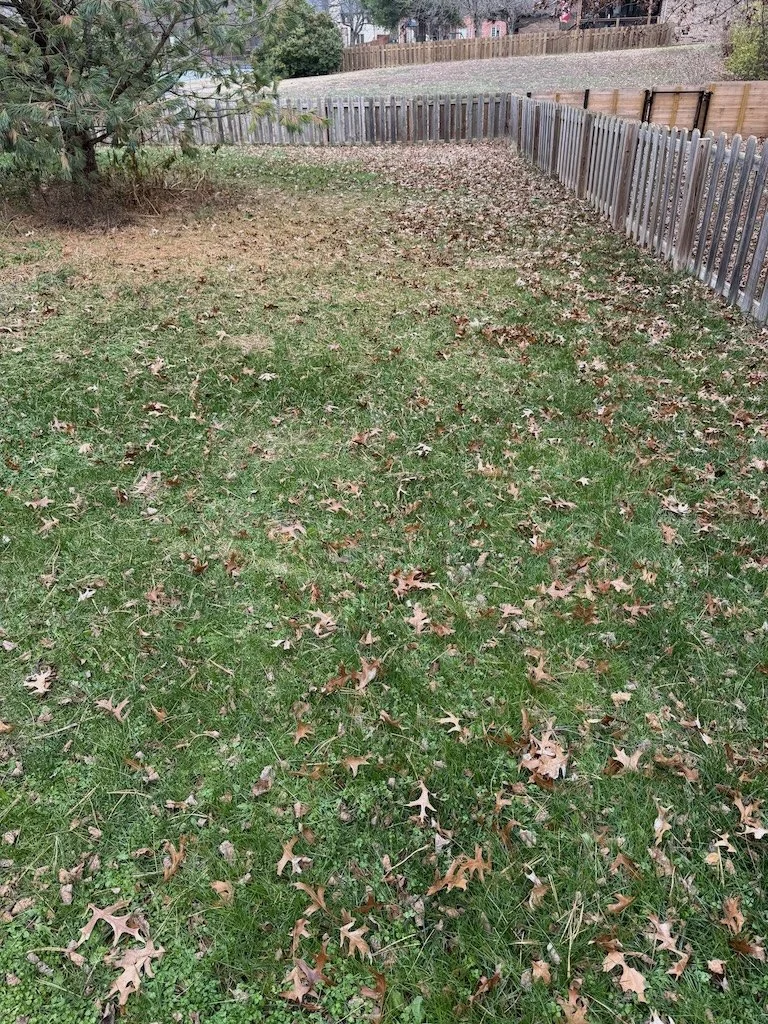
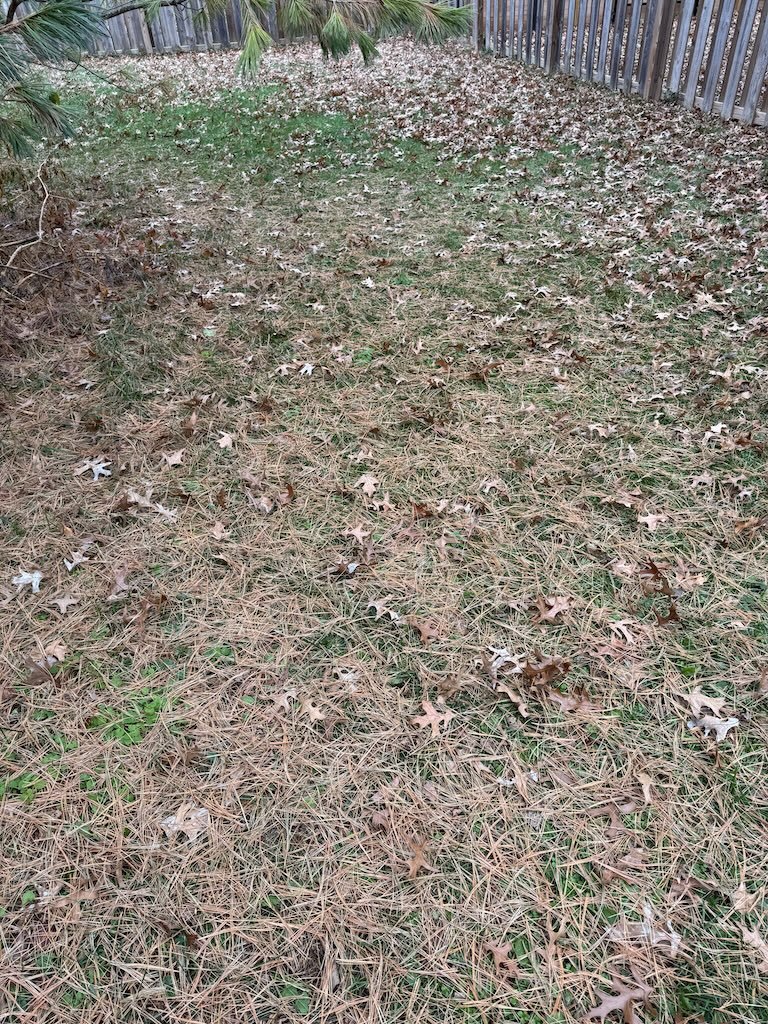
Our backyard is fenced and I am planting to not mow until early summer - leave the leaves. A lot of the leaves are from our neighbor’s oak and probably contain overwintering insects. The birds will appreciate the bounty – food for their chicks next spring. I am noticing that the circle where the pine needles are falling is enlarged than last year. I will be mowing less of the side yard next year! My long-term plan for the side yard a mowed path….not much grass at all…native plants filling in on both sides of the path (and maybe the path itself which might change from year to year.  

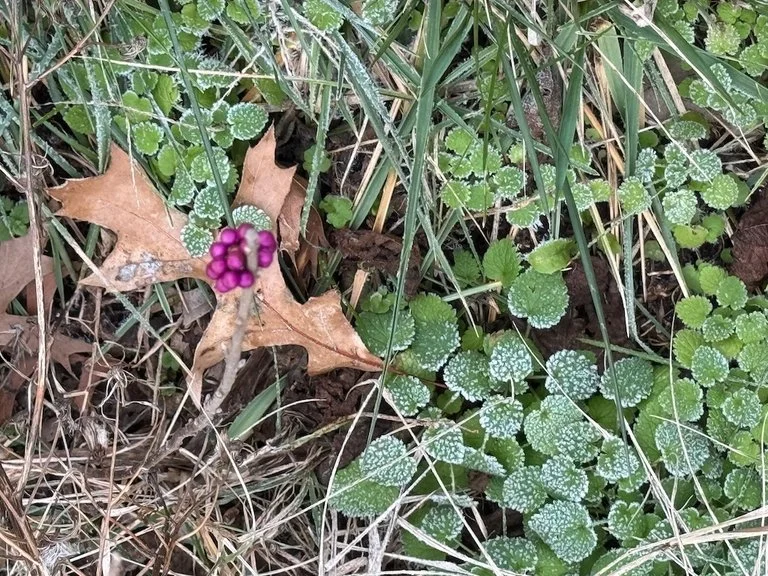
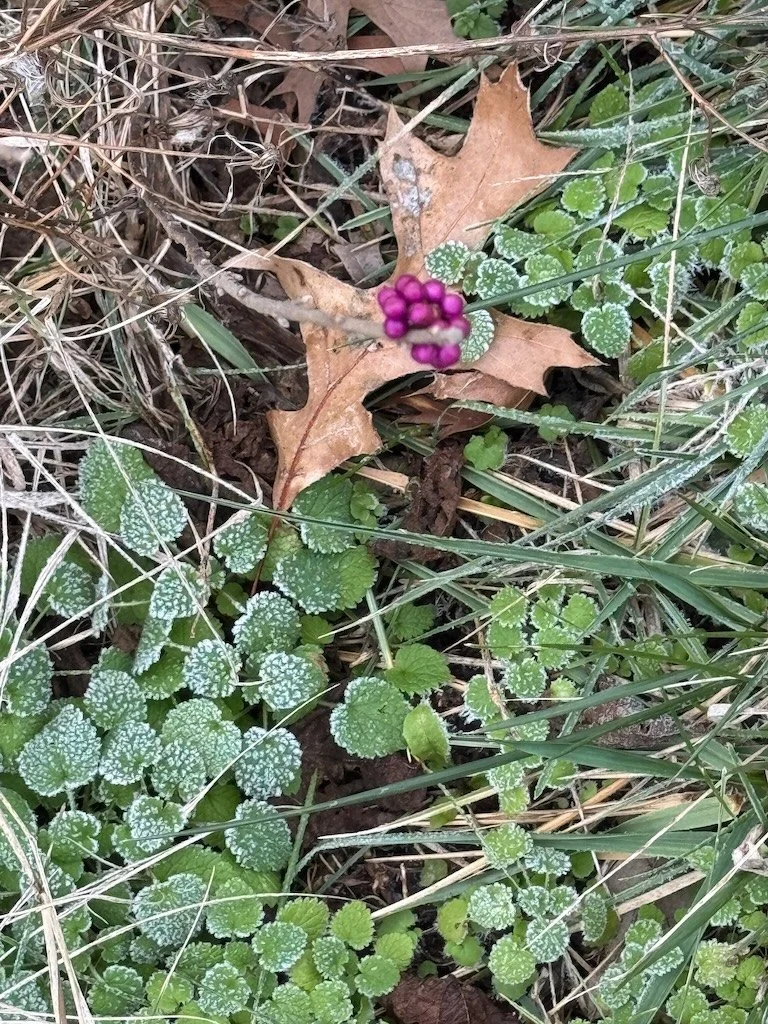
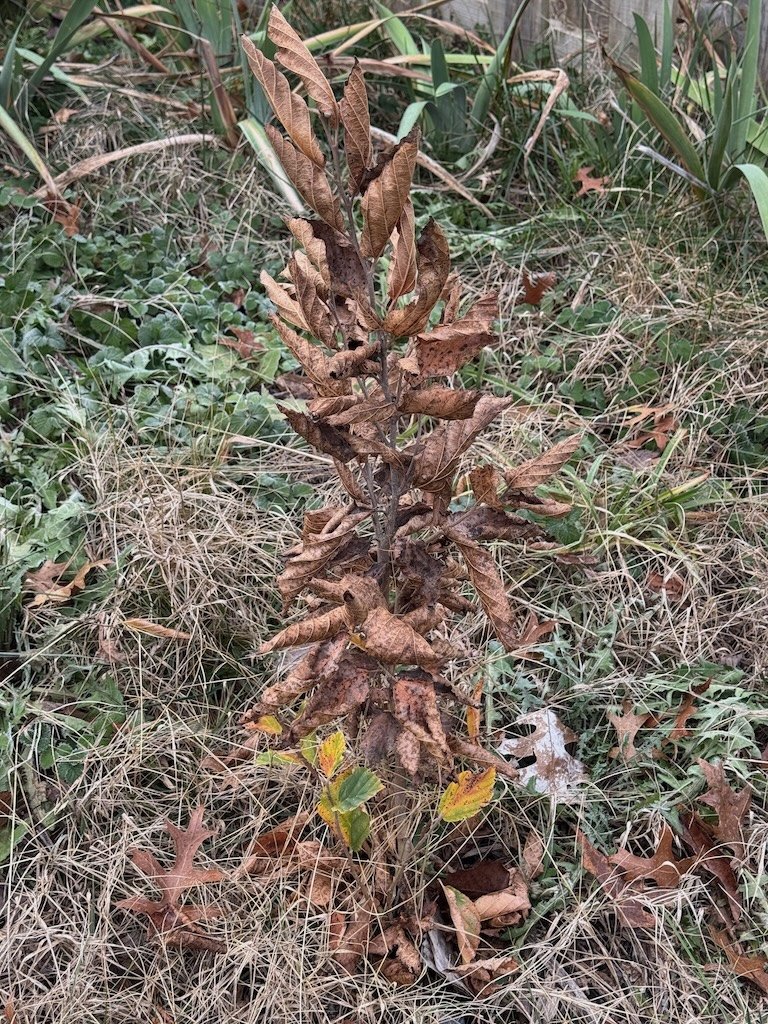
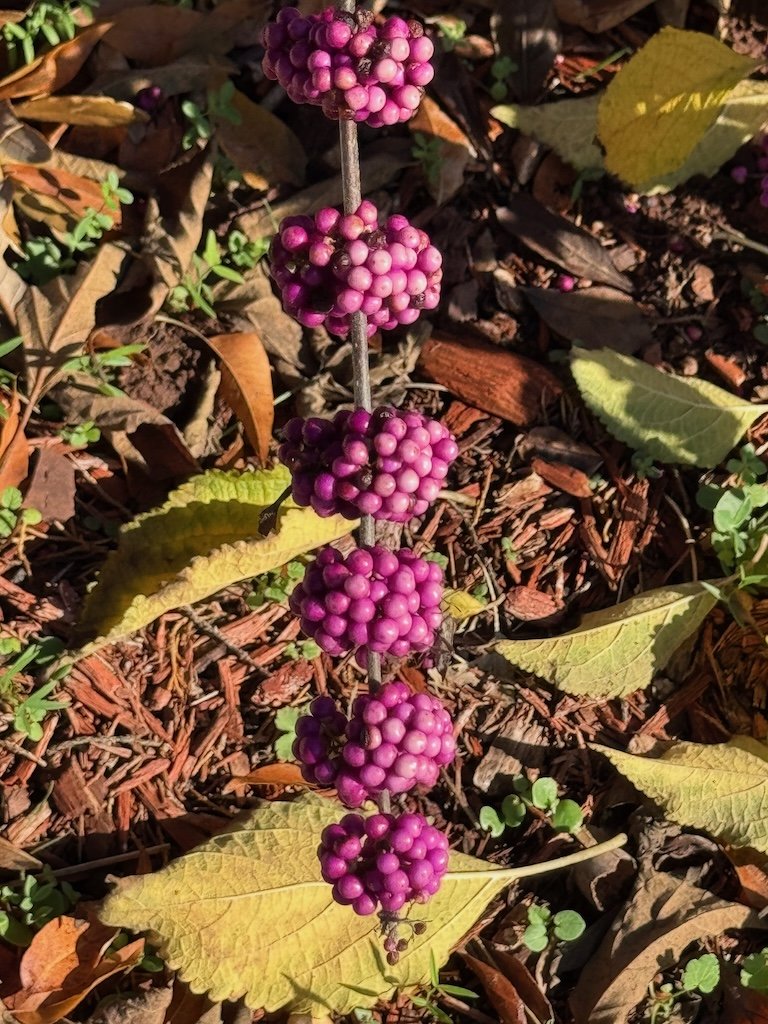
The bed where we removed a pine tree that fell over is more exposed that most of our beds. The plants there had frost. The small cluster of American beautyberry (Callicarpa americana) fruit is a pop of color. Hopefully next year the beautyberry will begin to grow more rapidly and become the dominate plant in the bed at some point. I will probably allow a native tree that comes up (bird or squirrel planted)…whichever one shows up first: oak, redbud, or hackberry.

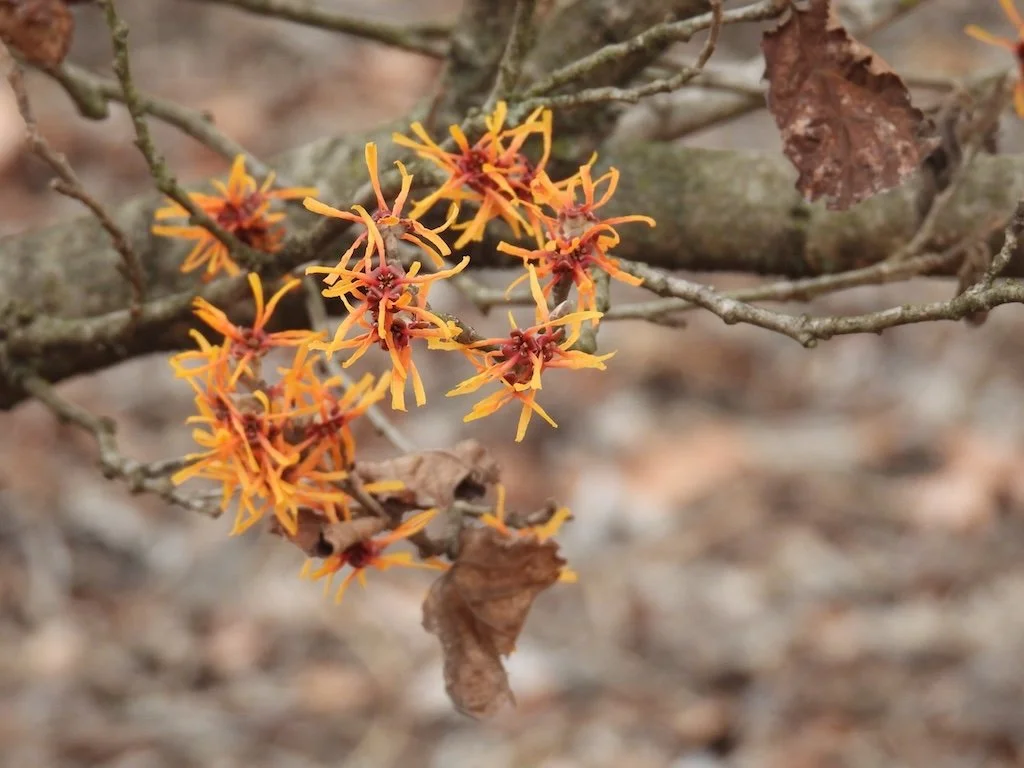
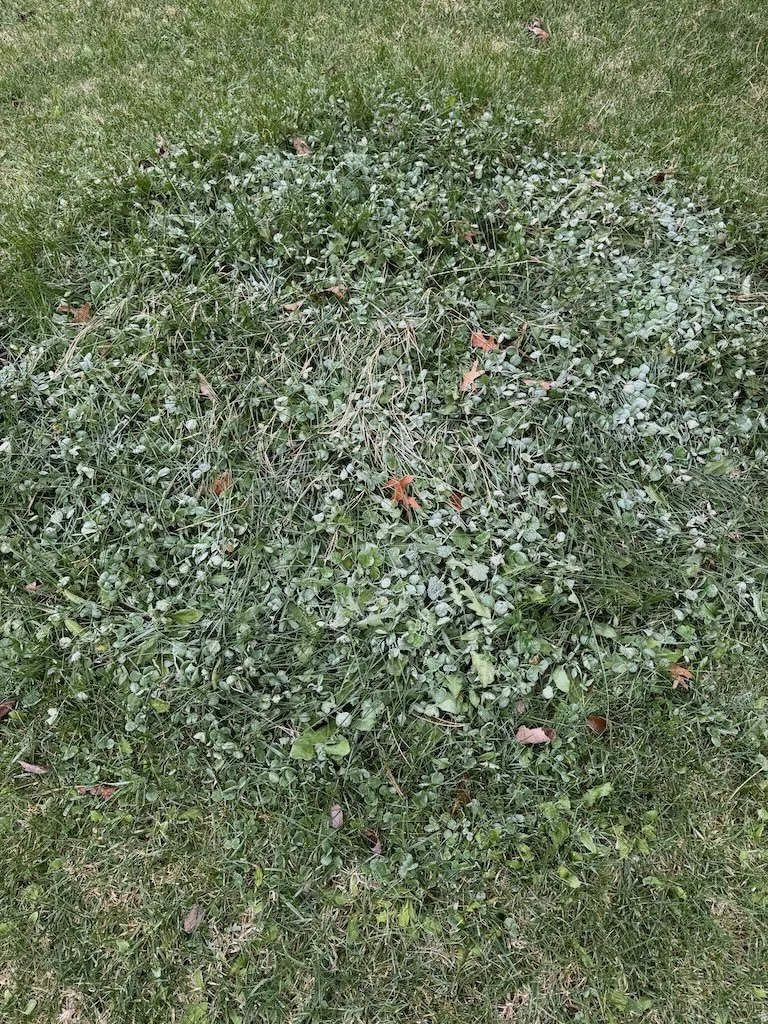
On the west side of the house there is a clover pillow that seems greener than the area around it. Maybe the grass growing there is greener with the extra nitrogen the clover provides in the soil! The witch hazel is still small but I am hopeful I might see a few blooms next year. It is a Missouri native – Ozark Witch Hazel (Hamamelis vernalis) which blooms in January/February.

I am watching the forecast for warmer day to get some cleanup done….and to put down a thick layer of mulch for my new bed that will be planting into next spring. My daughter will be getting more mulch when she has her oak trimmed.

Project FeederWatch – Another Season

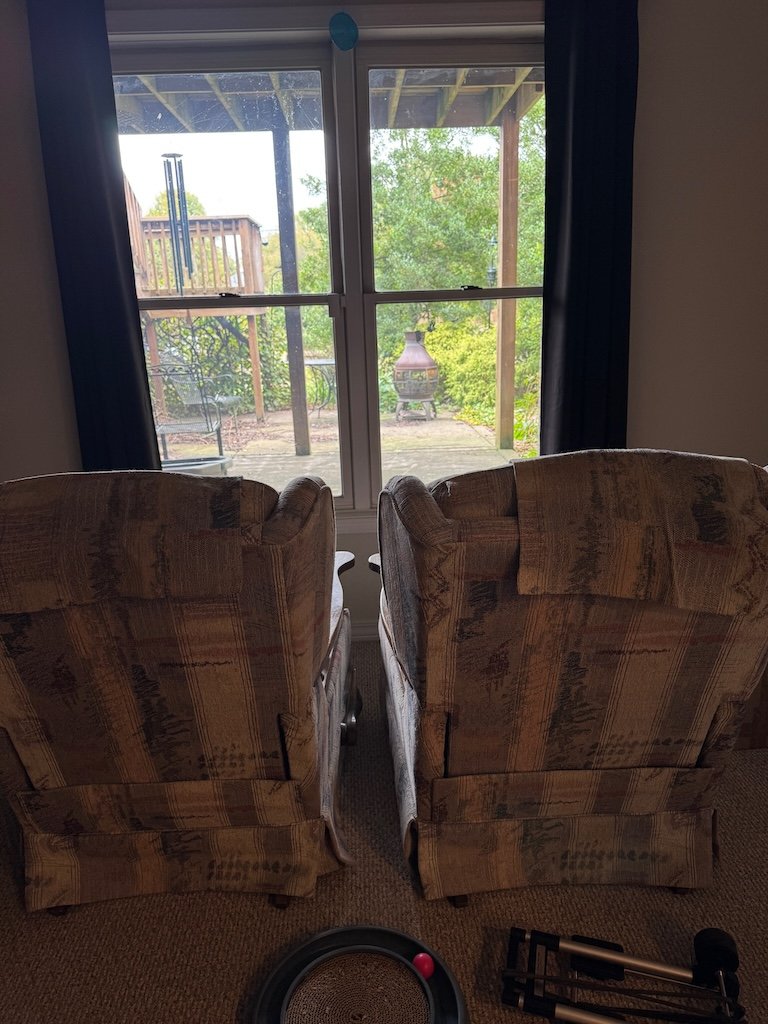
We started our second season recording observations of birds at our home feeders with Project FeederWatch. Our set up is the same as last year. We have two old rocker recliners in our basement that have a clear view of our feeders on the other side of the patio from our window that is under the deck.

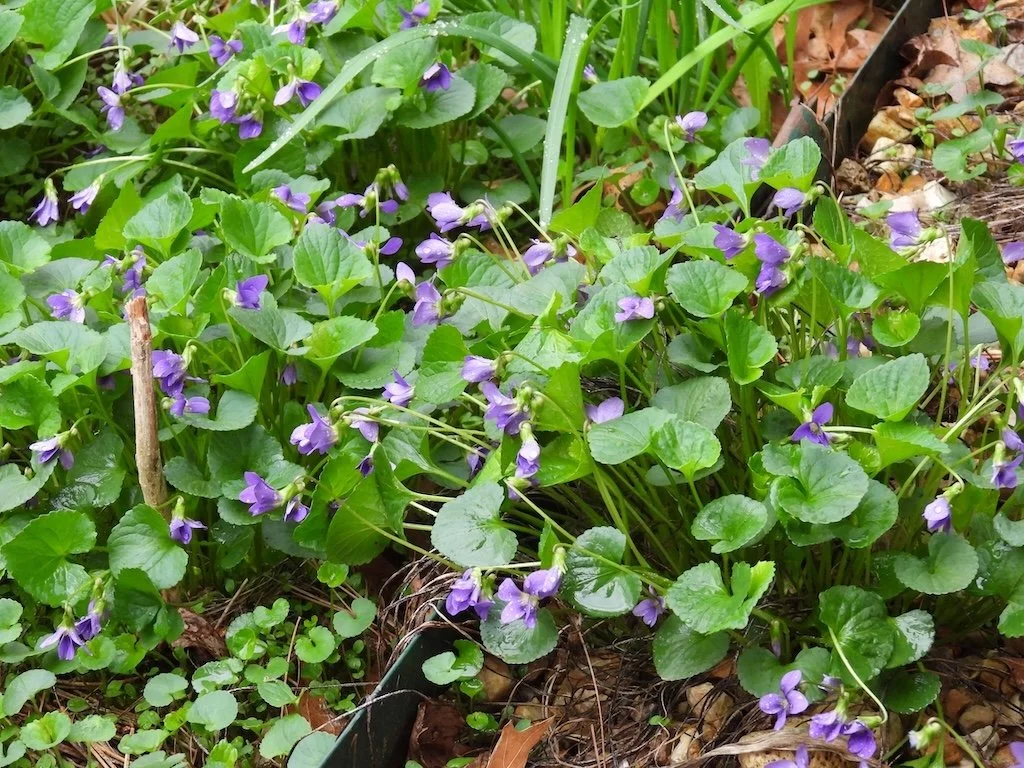
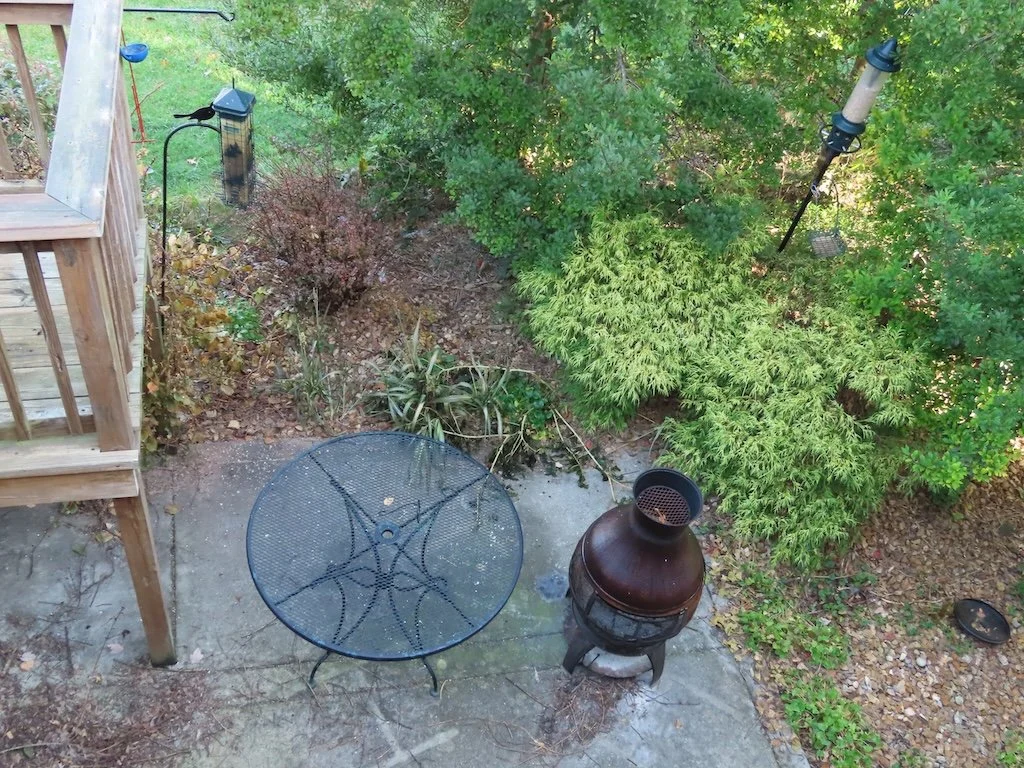
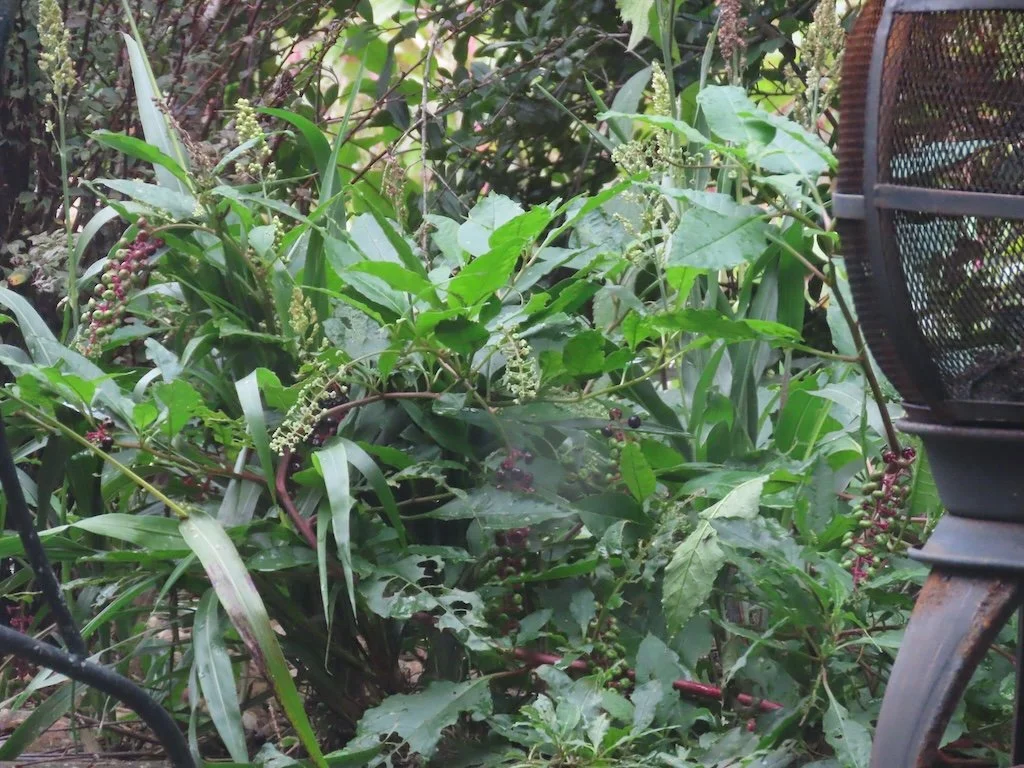
The Project FeederWatch season started on November 1 and there was still a lot of greenery. I cut back the Japanese Barberry (really want to take it out completely) but otherwise there is more vegetation than last year with the cedars, holly, and violets growing over the past year. The feeder nestled in the holly and cedars is a bit harder to reach. There is a brush pile in another part of the patio (in the lower left of the picture) that is my holding area for twigs I will burn in the chimenea eventually. The birds like that area too.

New this year is clump of vegetation at the edge of the patio between the two feeders: Pokeweed that seems to come up everywhere in our yard and grasses that had sprouted from birdseed from the feeders above. In general, the birds seem to like the extra vegetation and they eat the seeds from both plants occasionally.

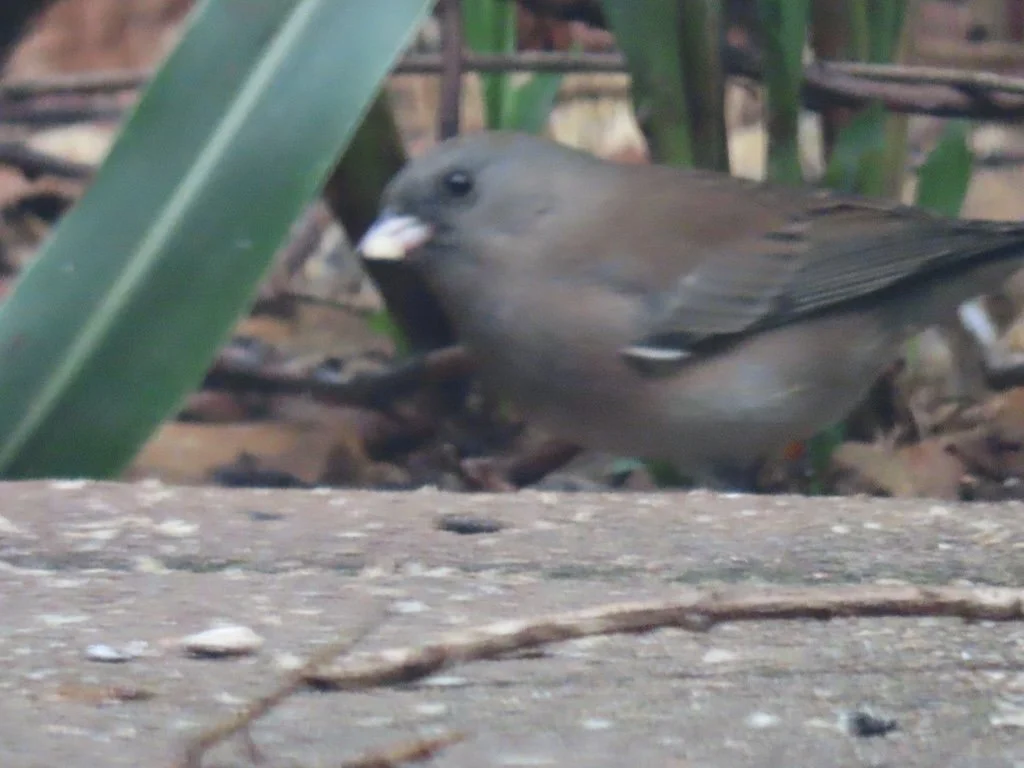
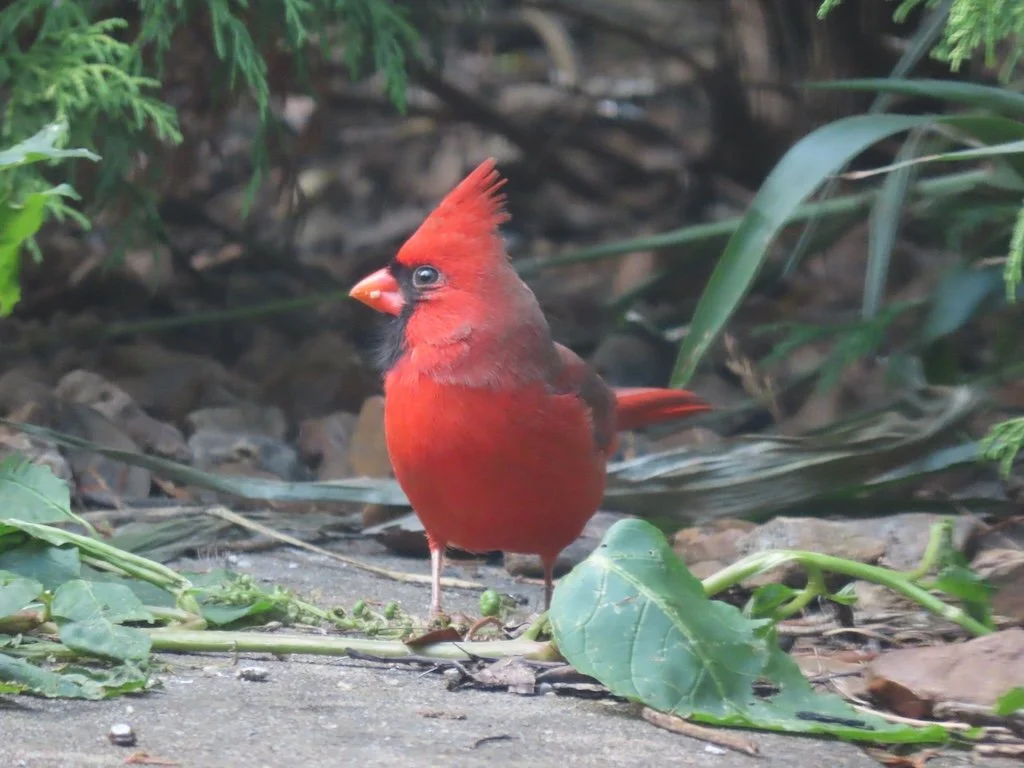
The window and the low light make photography more for id than art. Even at the being of the season we had dark-eyed junco (a winter bird for us), downy woodpeckers, and northern cardinals, tufted titmice, and at least 3 kinds of sparrows…to name few.

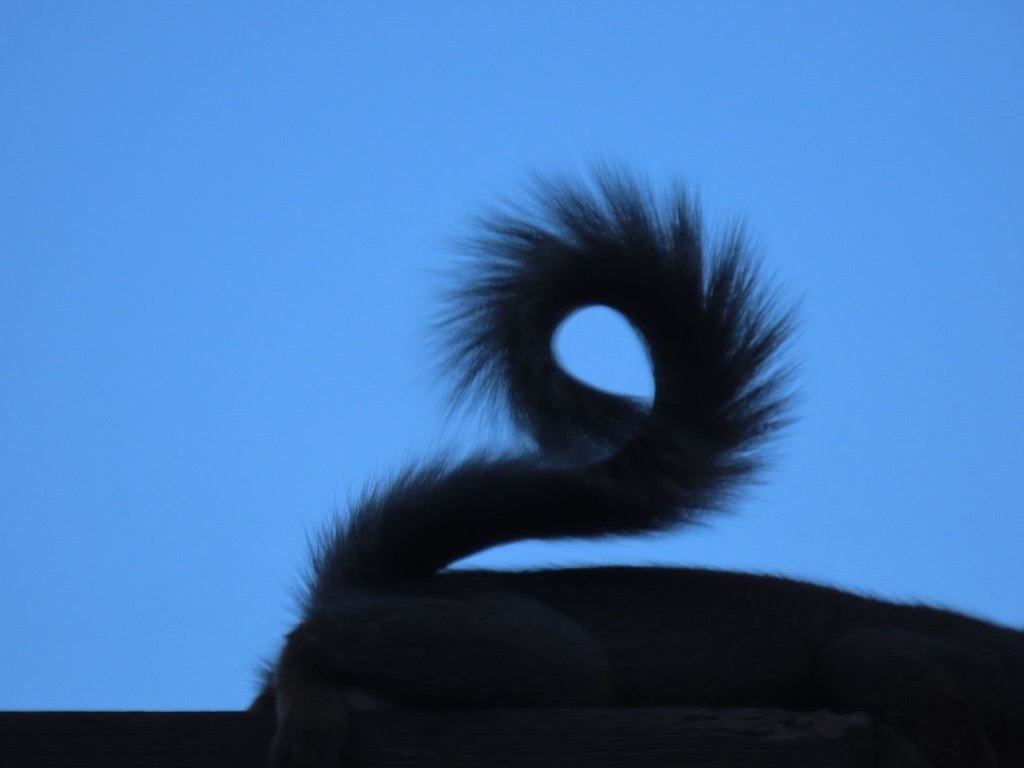
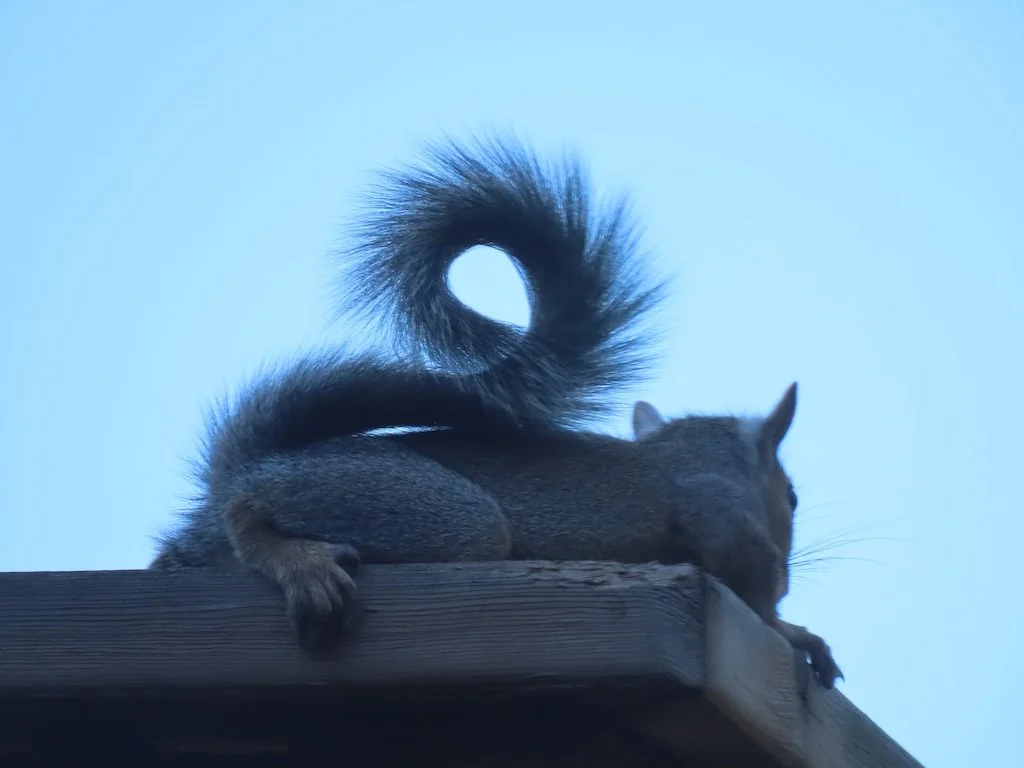
Of course we have squirrels that come through too. They sit on the deck railing and gaze longingly at the feeders – which have proved to be mostly squirrel-proof!

Road Trip to Lewisville – November 2025

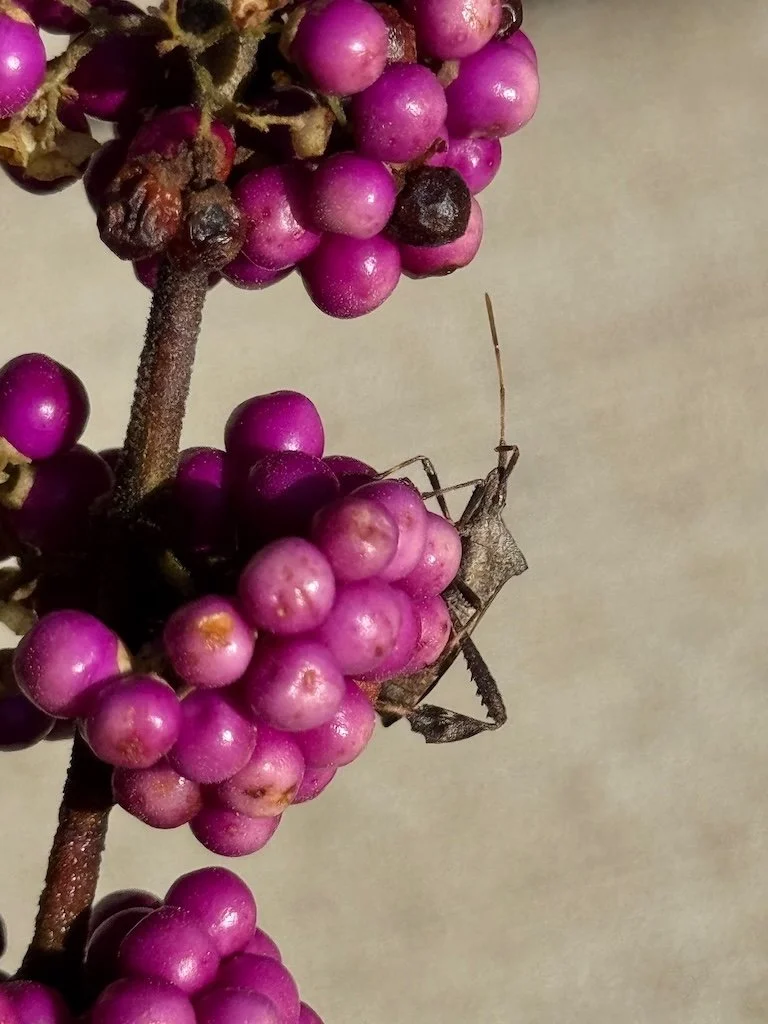
My dad moved from Dallas to Lewisville TX, so my monthly road trips have shifted to visit the him at his memory care place in Lewisville. I made my usual stop at the Texas Welcome Center pm US75 along the way – noticing that the leaves have fallen from the beautyberry. I noticed an insect on the berries; it was a cold day so the insect did not move….easy to photograph.

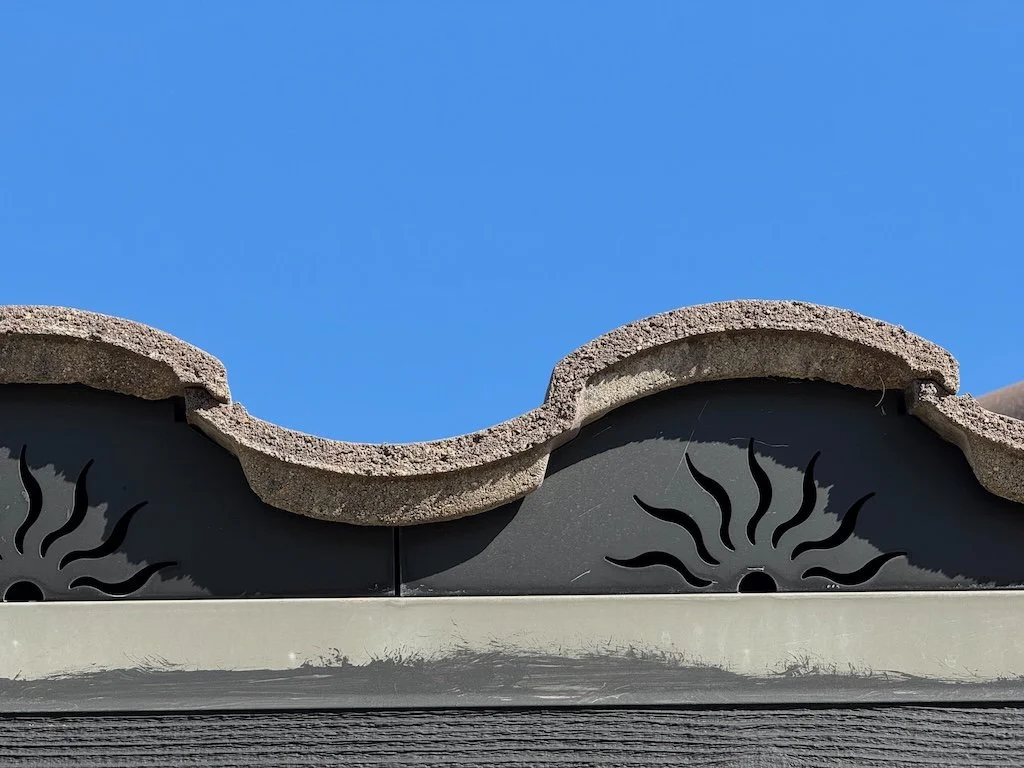
It was the first time for me to visit the memory care facility since my dad moved there. They were holding their Thanksgiving dinner that afternoon – the Friday before Thanksgiving. The day was warm enough that Dad and I walked outside in the enclosed courtyard beforehand. I noticed the decorative patterns on the roof of one of the pavilions.

The dinner itself was tasty, and Dad enjoyed it thoroughly because everything was cut up already – easy for him to eat; there was ice cream for dessert. A live band provided country music – a little loud for me but great for him and the other residents. He stayed for the whole show!

The next morning, I was up and looked out the window a little after sunrise. My hotel window overlooked a storm water pond; on the other side of the pond was a Costco…and then a cluster of overpasses – an intersection of big highways. I was just far enough away that the highway noise did not overwhelm the white noise of the heating/air conditioning fan. A great blue heron was at the edge of the pond. Next time I will bring a better camera and maybe walk around the pond.

I was with my dad for a second Thanksgiving meal on that Saturday – with the assisted living side of the facility. It was similar but my sister had to cut up his turkey and ham. The music was a little different and he wanted to leave before the end. The loudness of the music made it impossible to have a conversation with our 6-person family group…but I did enjoy the pecan pie at the end.

Afterwards I enjoyed several hours with my sister and her daughters/grandchildren. It was a treat to see them!

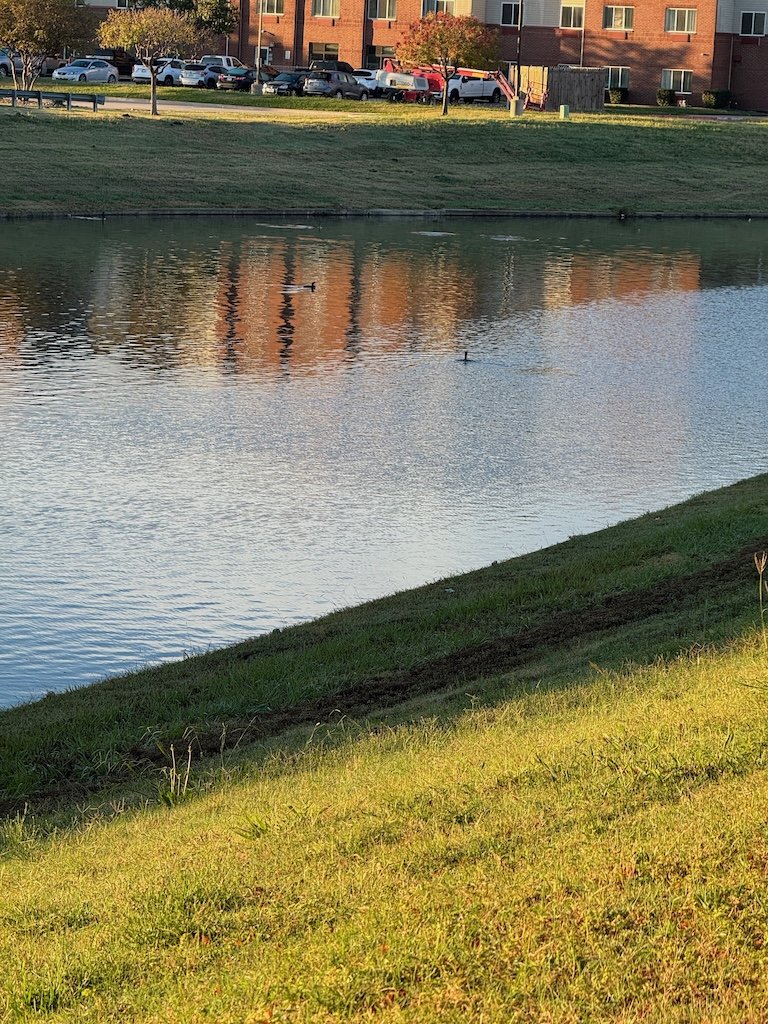
The next morning, I looked out the window a bit earlier – before sunrise. I left the hotel about 7:30 AM and drove around to the closest parking lot to the storm water pond. There were two cormorants there.

The memory care facility had decorated with a lot of pumpkins for the holiday. I photographed one of the displays on my way in to see my dad. At 8 AM he had finished his breakfast and was working on his cup of coffee! I’m glad I ate at the hotel rather than planning to eat with him!

I opted to go back via I35 going north. It was an adventure and about 15 minutes longer than the other route – but a lot less stressful. For the next few months, I am planning to continue that alternate route to get home. I already identified a café I want to try in Prague OK (along the route); my paternal grandmother grew up on a farm near Prague.

Gleanings of the Week Ending December 6, 2025

The items below were ‘the cream’ of the articles and websites I found this past week. Click on the light green text to look at the article.

Vitamin C Rejuvenates Aging Ovaries in Primates - A long-term primate study suggests vitamin C may slow ovarian aging by reactivating antioxidant defenses—though fertility effects remain untested. Oxidative damage contributes to aging not only in ovaries but also in the brain, heart, and kidneys—raising the possibility that similar interventions might benefit other organs.

Rings of Rock in the Sahara - In northeastern Africa, within the driest part of the Sahara, dark rocky outcrops rise above pale desert sands. They are thought to have formed as magma rose toward the surface and intruded into the surrounding rock. Repeated intrusion events produced a series of overlapping rings, their centers roughly aligned toward the southwest. The resulting ring complex—composed of igneous basalt and granite—is bordered to the north by a hat-shaped formation made of sandstone, limestone, and quartz layers. Photo taken from International Space Station.

How your hormones might be controlling your mind - Hormones are chemical messengers released by certain glands, organs, and tissues. They enter the bloodstream and travel around the body, before binding to receptors in a specific place. The binding acts as a kind of biological "handshake" which tells the body to do something. For example, the hormone insulin tells liver and muscle cells to suck up excess glucose from the blood and store it as glycogen. We still don't understand exactly why some people are so sensitive to hormonal fluctuations, while others aren't. We know that hormones impact mood and mental health, but we need to figure out how they do so before we can come up with the proper treatments.

Texas Voters Approve $1 Billion per Year for 'Critical' Water Infrastructure – Wise move by Texas voters; hopefully it will be enough to keep up with the state’s growing population and resulting demand for water. More details here.

How Does Sugar Affect Our Oral Microbiome and Teeth? - Less processed foods, especially those high in fiber, are often less sticky, which decreases bacteria’s ability to adhere and overgrow at a surface. Additionally, the fiber acts like miniature brushes. “These fibers constantly remove plaque from your tooth surfaces. The additional chewing of these types of foods also increases saliva production, which washes out the oral cavity, removing excess bacteria from the mouth surface to limit the formation of biofilms. Meanwhile, additional sugar from candy and other sweet products disrupts this whole community. Not only are these processed foods stickier, giving the bacteria a place to latch onto, but they also form biofilms.

How Satellite Imagery Reveals Plastic Pollution Hotspots in the Ocean - Plastic pollution isn’t just a sad environmental story we scroll past on the news anymore; it has become a personal health emergency. It is a genuinely scary reality that microplastics, those tiny, unseen fragments, have made their way into our lungs and bloodstreams. To grasp the sheer scale of this threat, researchers are turning to Sentinel satellite imagery, utilizing it as an essential “eye in the sky” to track exactly where these hazardous accumulation zones are growing. However, mapping is just the diagnostic tool; the ultimate cure lies in fixing land-based waste management.

The photos showing why pink dolphins are the Amazon's 'great thieves' - As fishermen cast their nets into the river, suddenly a sleek pink shape emerged from the depths, swimming toward the trapped fish. Moving quickly, the creature – an Amazonian pink river dolphin – poked holes in the net and stole a catfish. Known locally as boto in Portuguese and bufeo in Spanish, the pink river dolphin is a funny sight. With its melon-shaped head, rose-colored skin, and slender, hundred-toothed snout, it is the largest freshwater dolphin in the world, growing up to 2.5m (8.2ft) long and weighing as much as 200kg (440lbs). Four types of pink river dolphins live in the Amazon River basin. All of them are endangered, facing significant population declines in recent decades due to hunting, entanglement in fishing nets, pollution and droughts.

Half of heart attacks strike people told they’re low risk - A new study led by Mount Sinai researchers reports that commonly used cardiac screening methods fail to identify almost half of the people who are actually at risk of having a heart attack. People who appear healthy according to standard assessments may already have significant and silent atherosclerosis. Because of this, depending solely on symptoms and risk calculators can delay detection until meaningful prevention is no longer possible. Doctors should shift their focus from detecting symptomatic heart disease to detecting the plaque itself for earlier treatment, which could save lives.

Clogged Glymphatic System Linked to Dementia Risk - The brain’s built-in clearance system, called the glymphatic system, removes toxins from the brain through the flow of cerebrospinal fluid (CSF) via minuscule channels that trace blood vessels. Scientists have suspected that the glymphatic system may play a role in processes such as sleep and recovery from traumatic brain injury. MRI scans from nearly 40,000 people revealed biomarkers linked to defective toxin clearance in the brain predicted the susceptibility to dementia later in life.

Ansel Adams Photos Capture Daily Life Inside Japanese Internment Camps During WWII - The establishment of Japanese internment camps is arguably one of the darkest moments in American history. Between 1942 and 1946, about 120,000 people of Japanese descent were forcibly relocated into these concentration camps. This was done out of unfounded suspicions that Japanese Americans might act as saboteurs or spies following the attack on Pearl Harbor in 1941. In 1943, celebrated American photographer Ansel Adams visited the Manzanar War Relocation Center in California, creating a timeless document of the daily life on this site. The 244 photo collection can be browsed on the Library of Congress website.

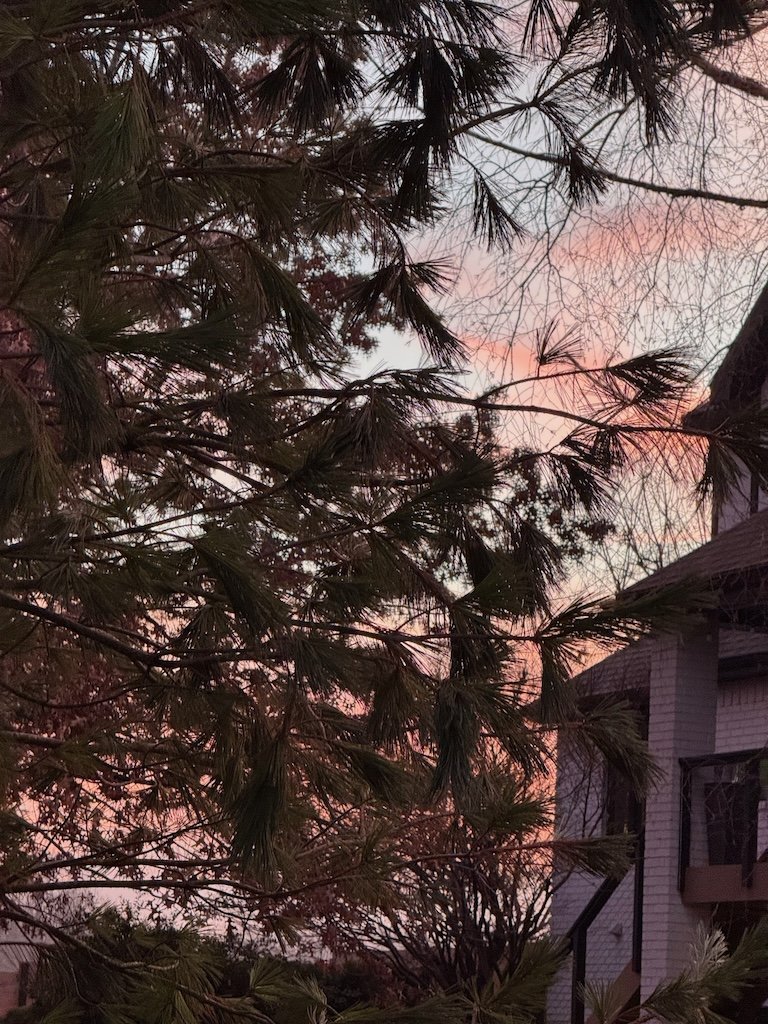
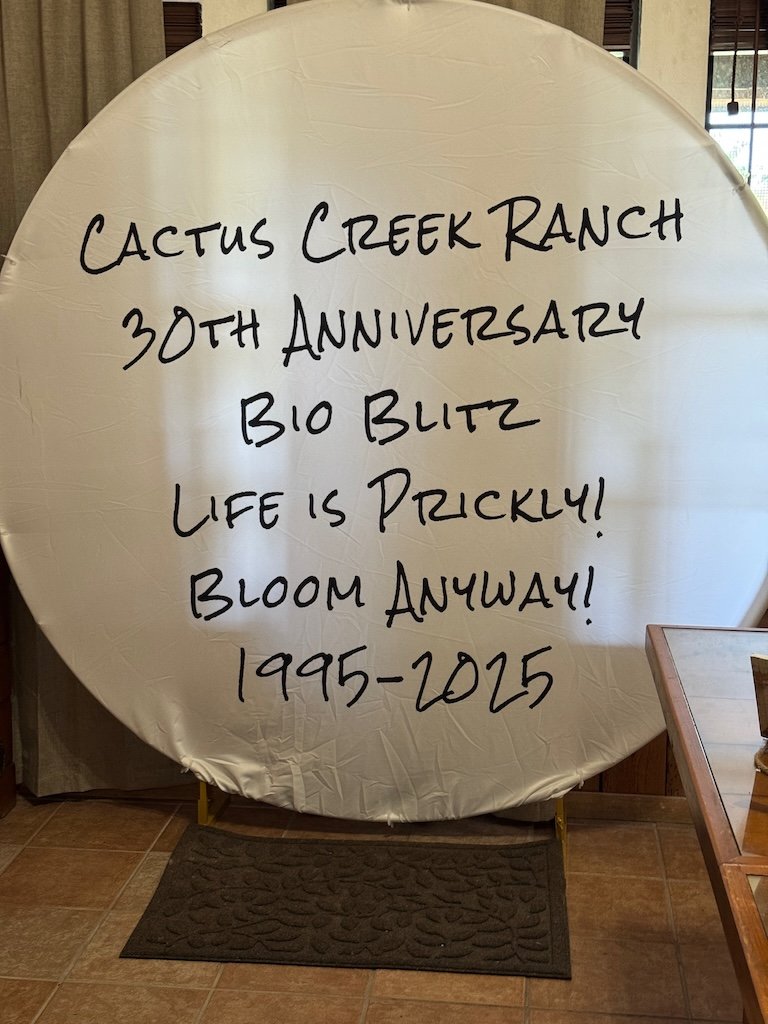
Cactus Creek Ranch

Our last field trip of the Rio Grande Valley Birding Festival was to Cactus Creek Ranch – thorn-scrub woodlands and coastal prairie.

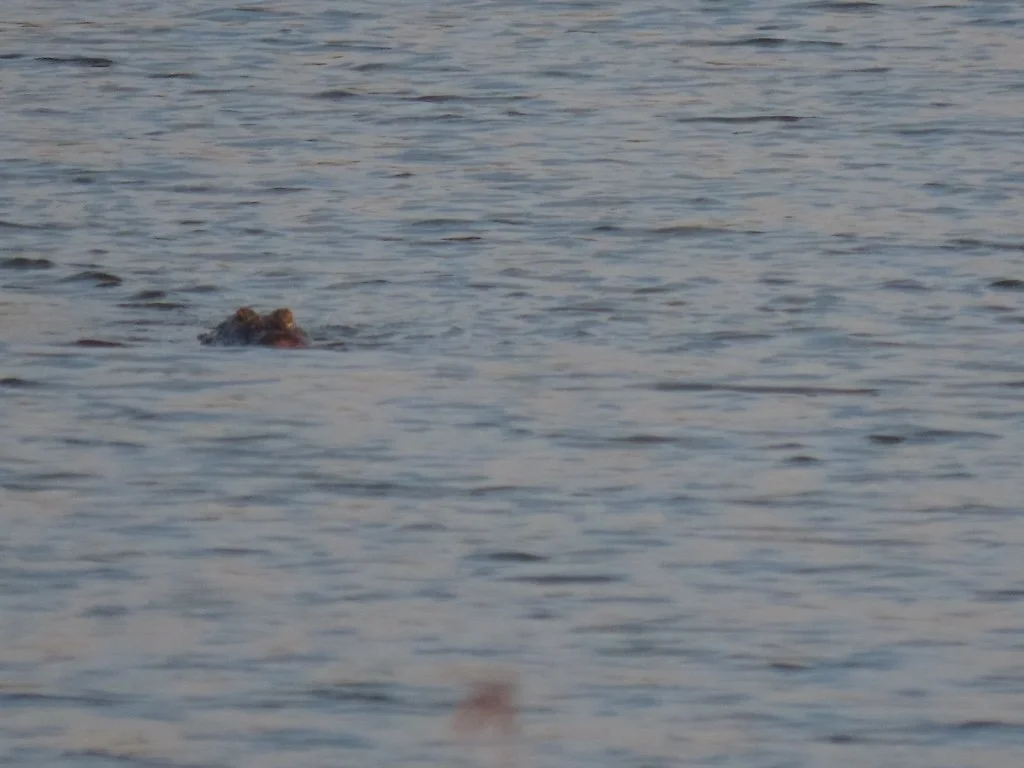
As we entered the ranch, there was a big pond to the left of the road…..and it had a resident alligator!

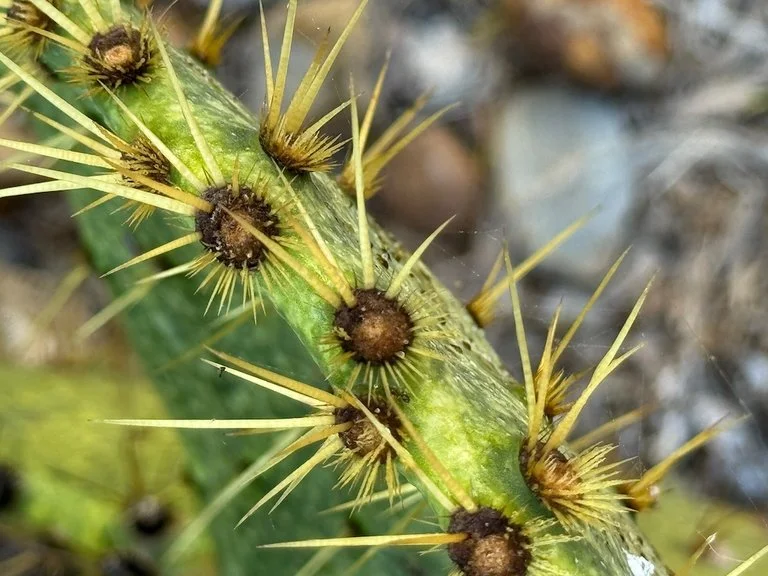
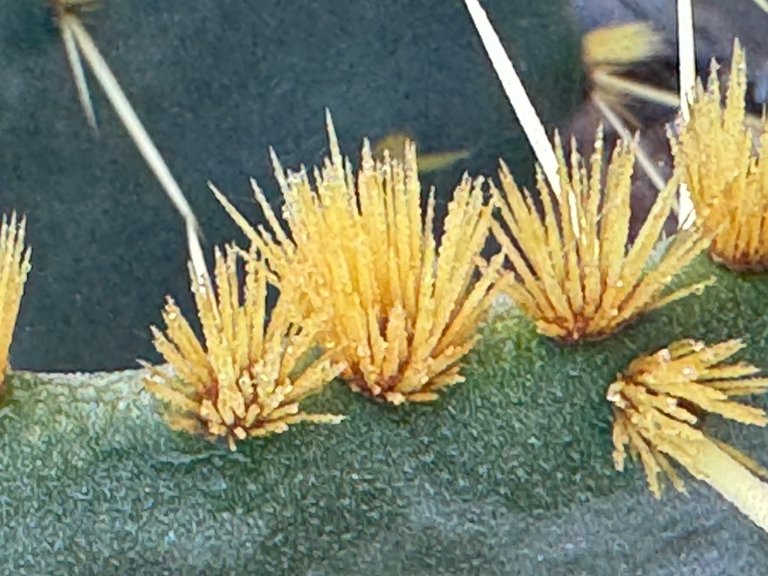
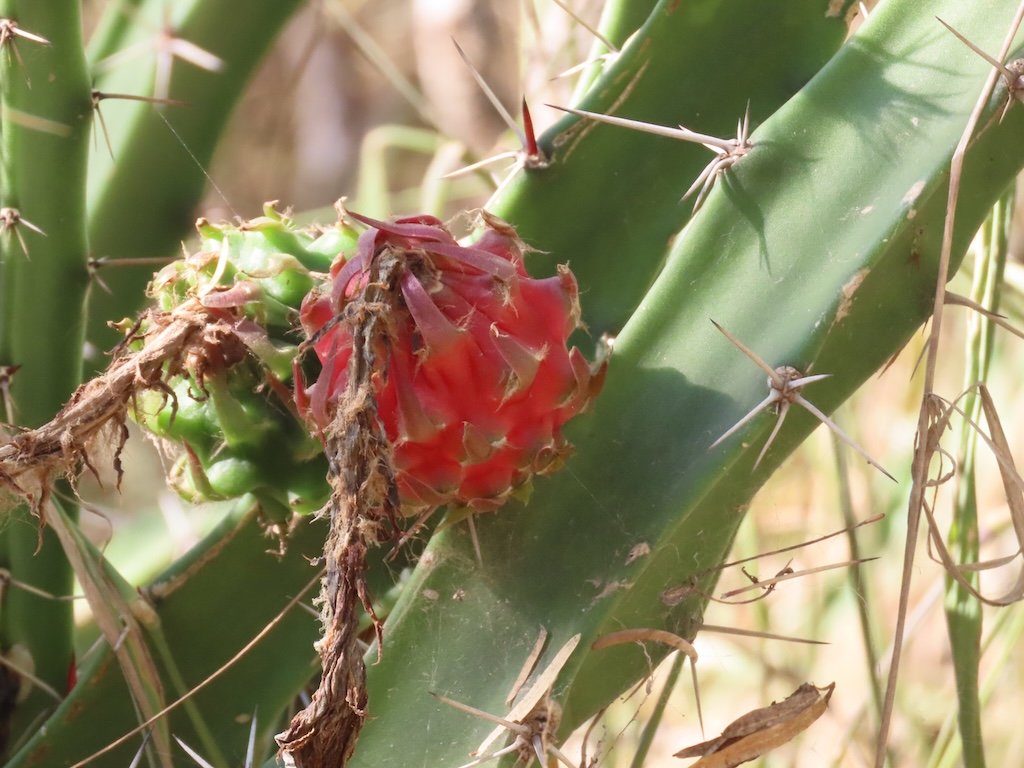
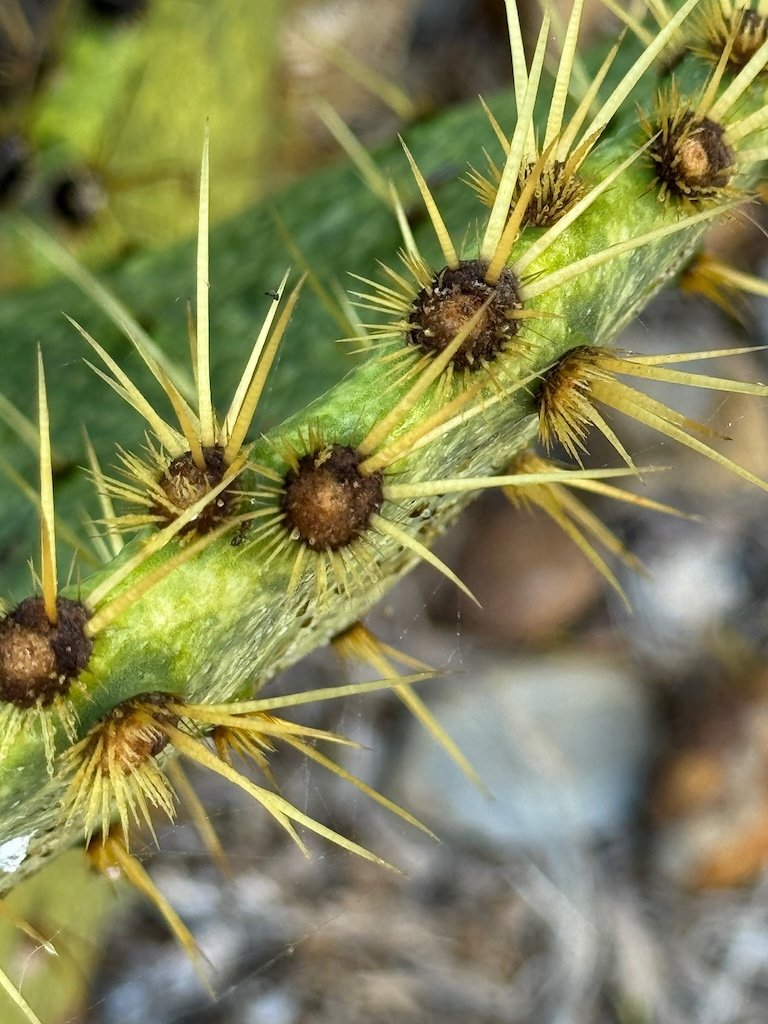
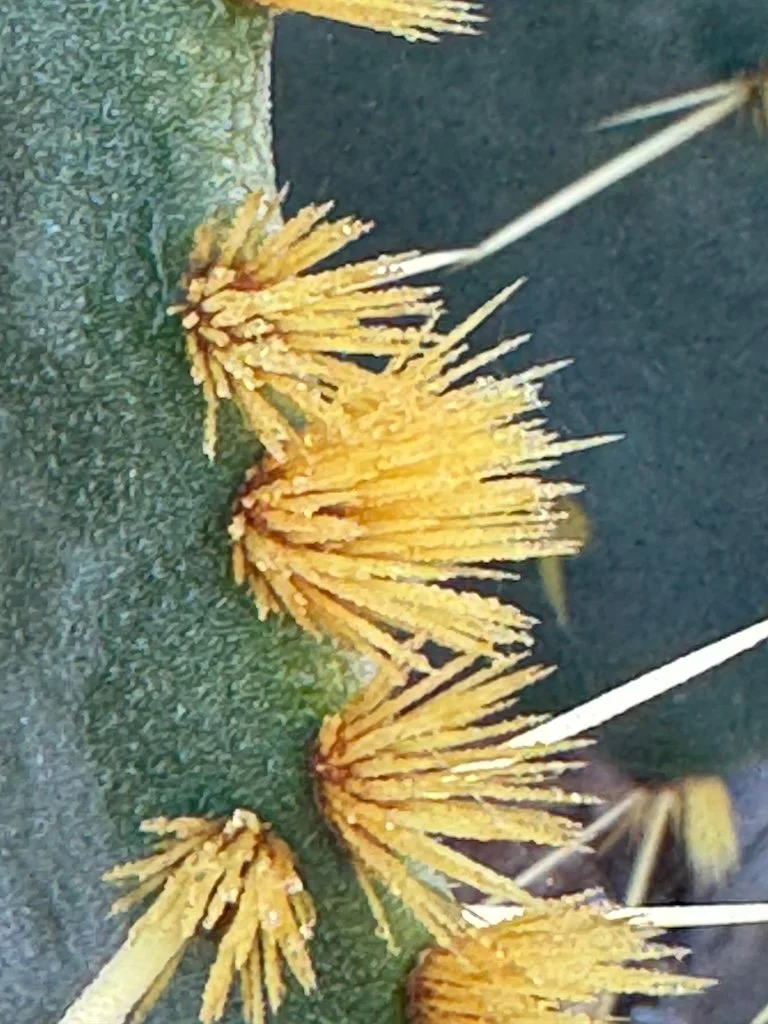
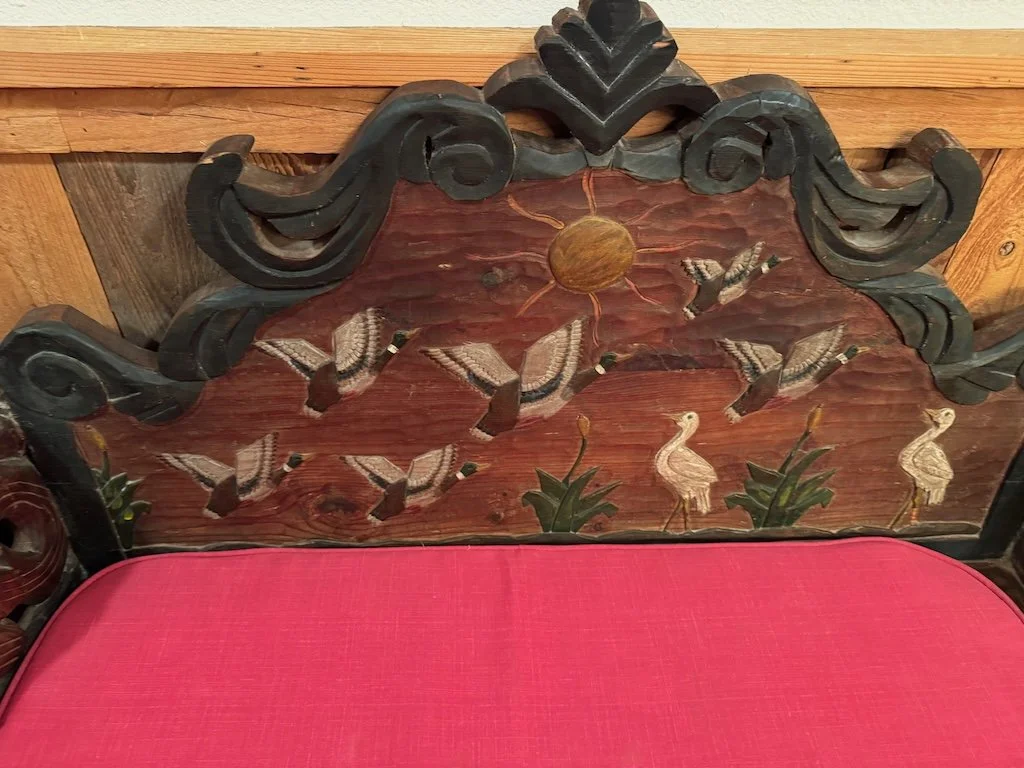
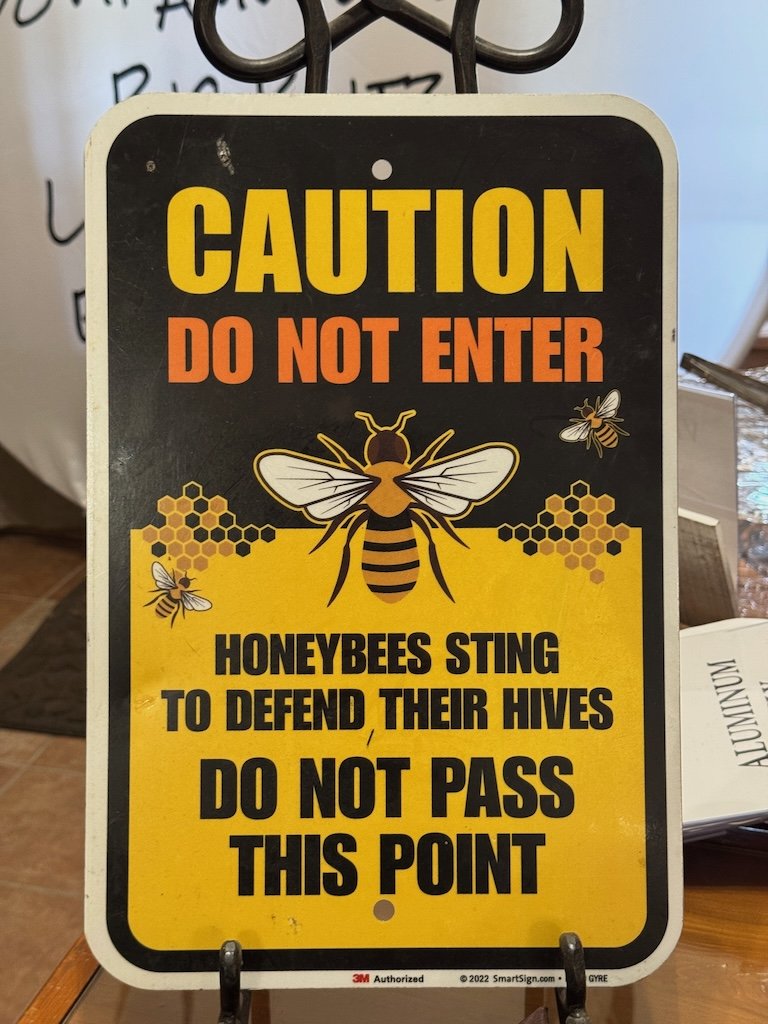
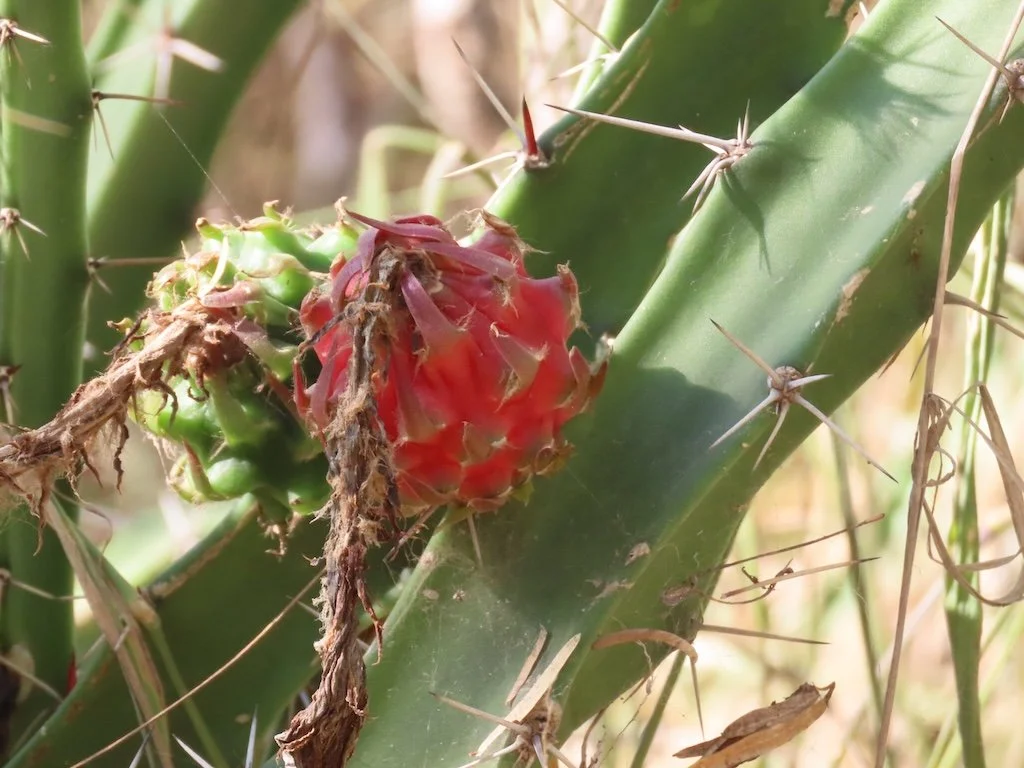
I took a few macro pictures of cactus as we got out of the vans near the house. The public rooms of the house are full of art and Cactus Creek Ranch conservation signs.

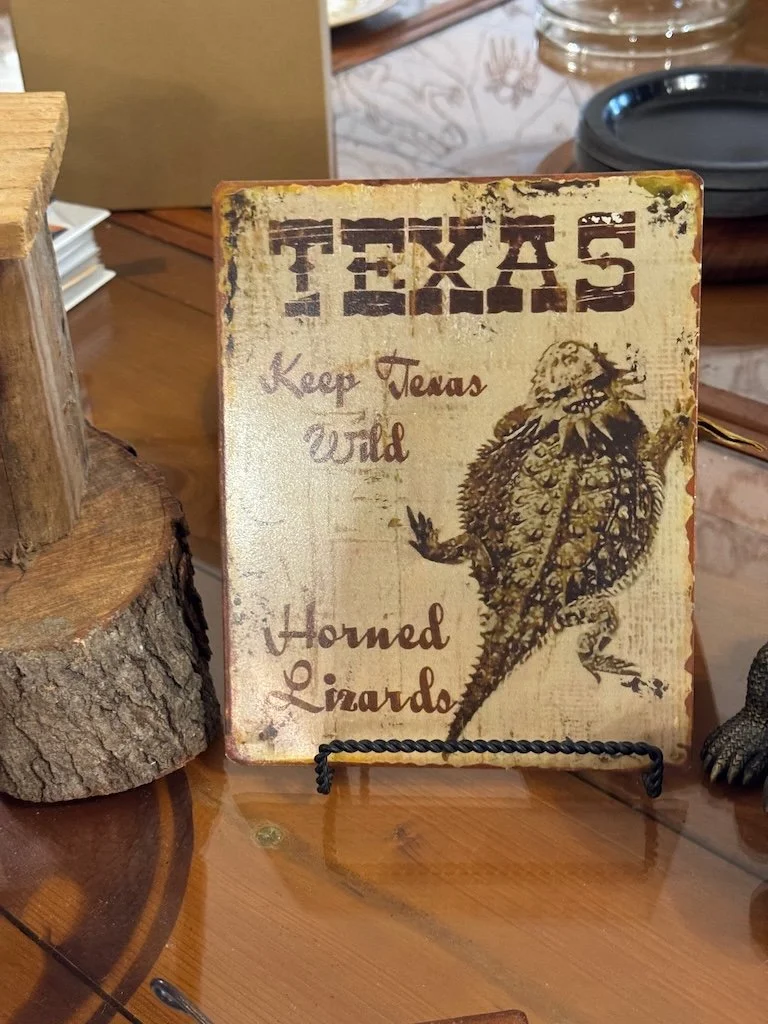
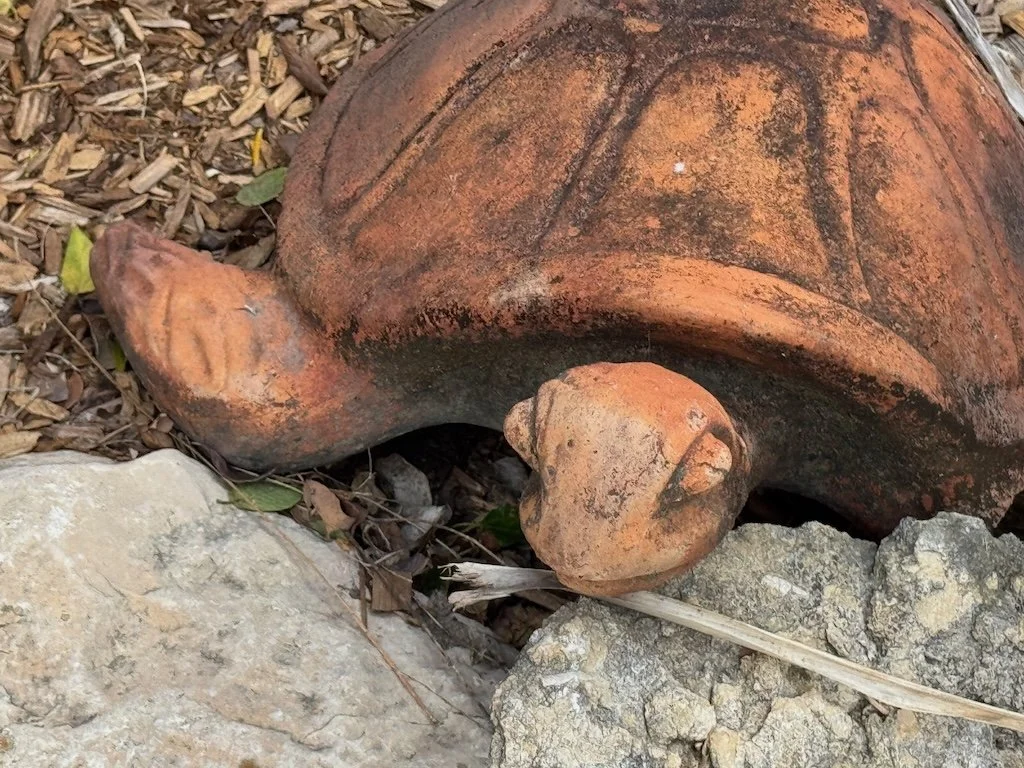
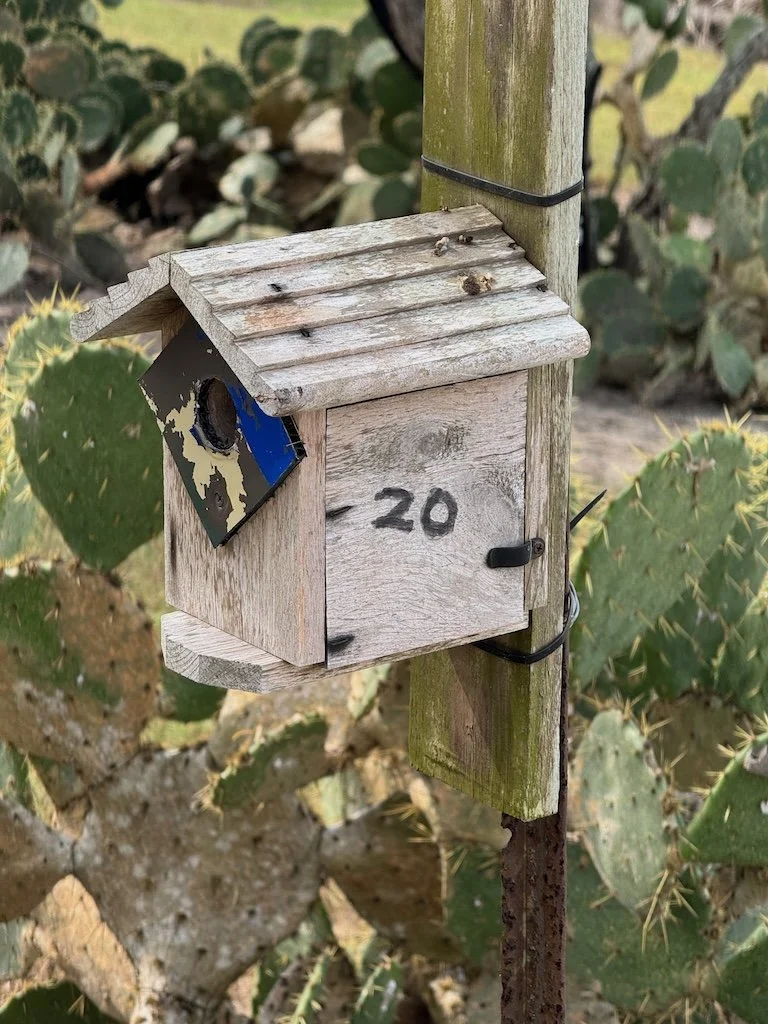
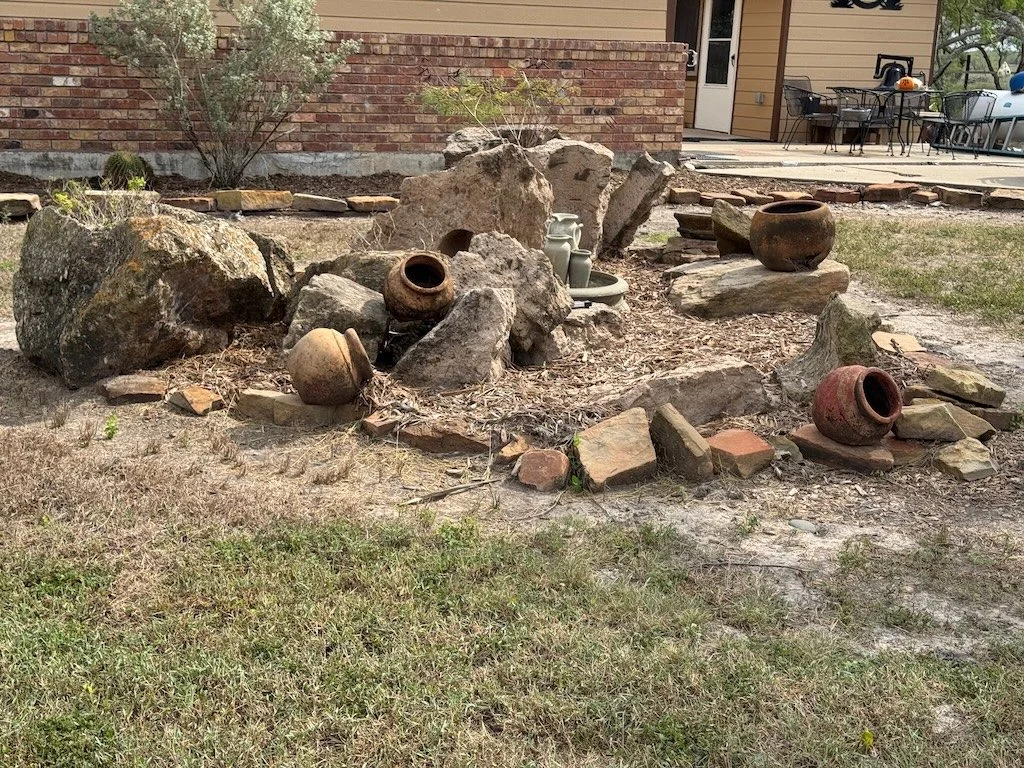
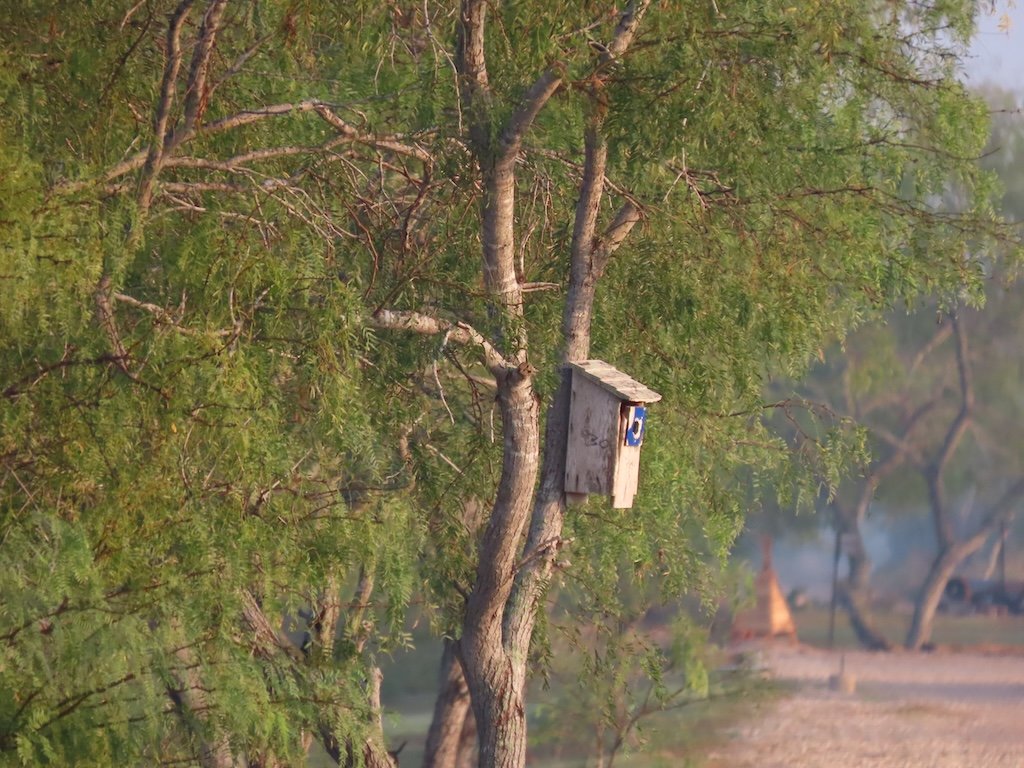
Around the house are bird houses and feeders…pots and sculptures…structures covering ant hills to protect the horned toads feeding on the ants!

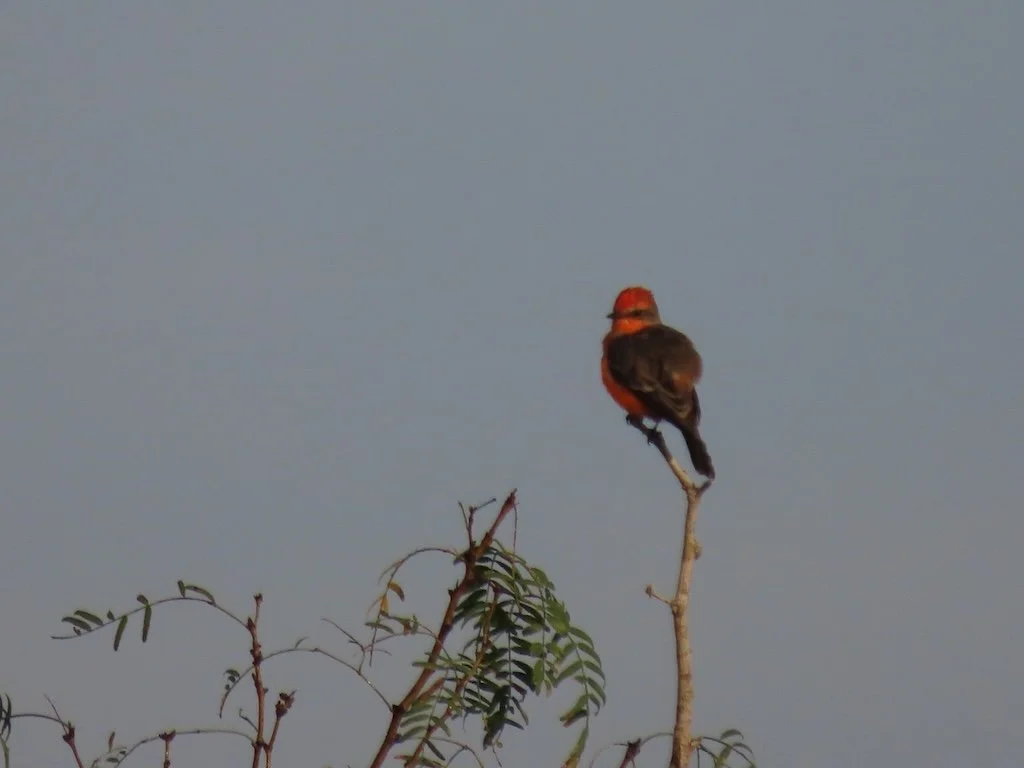
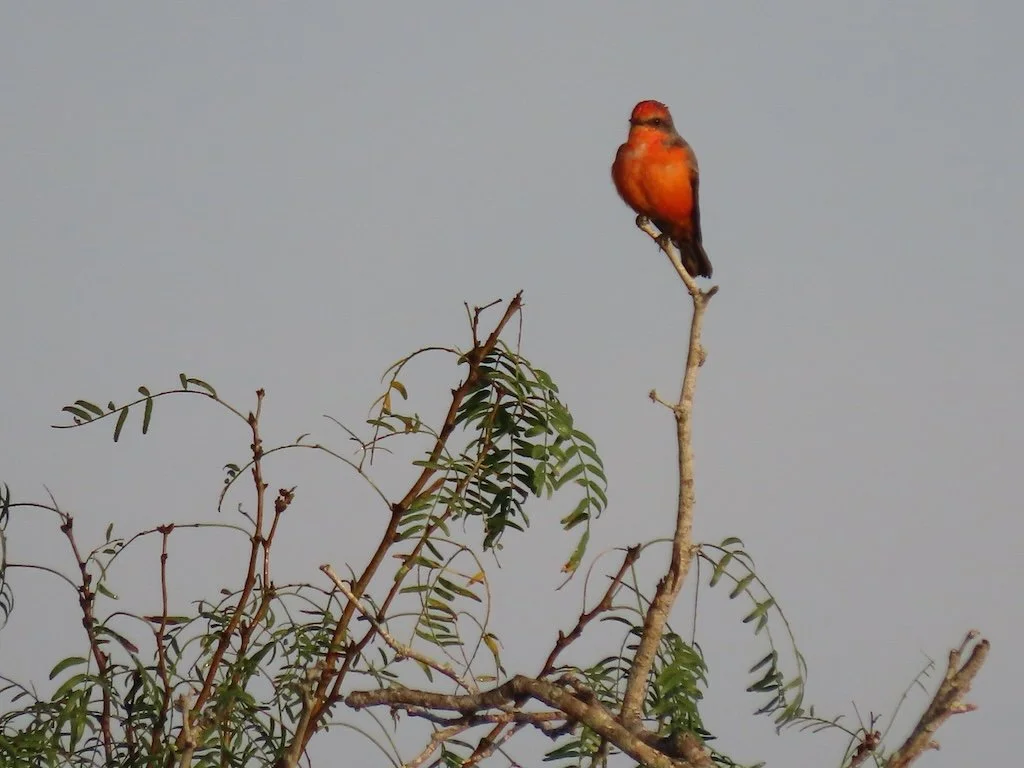
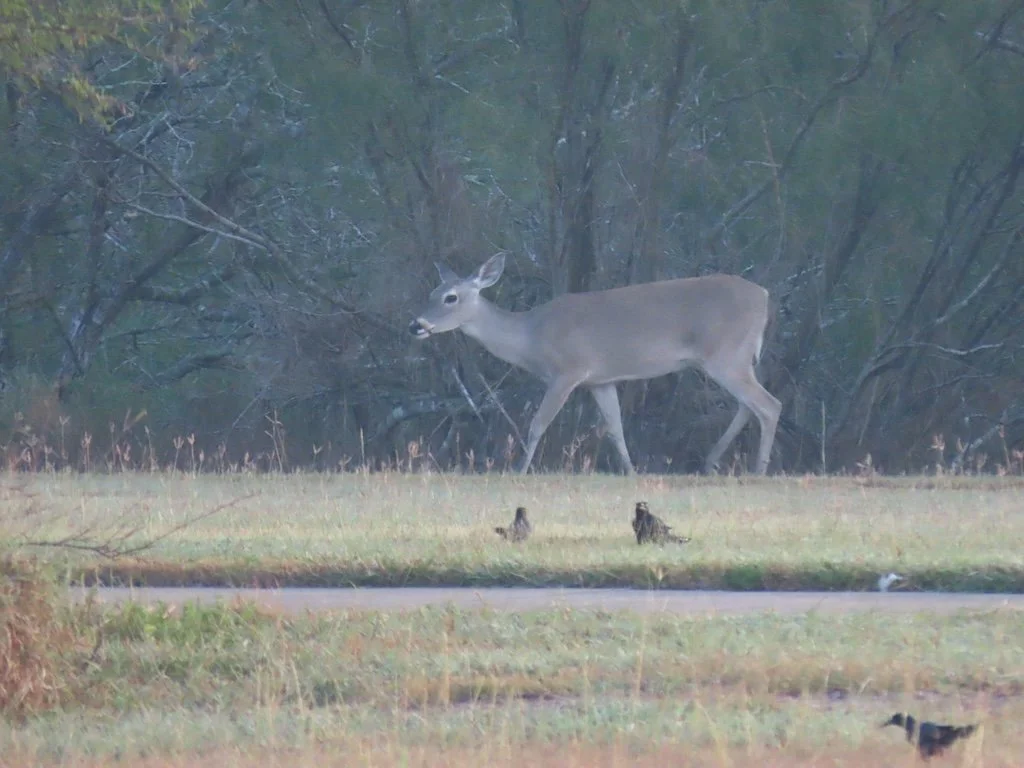
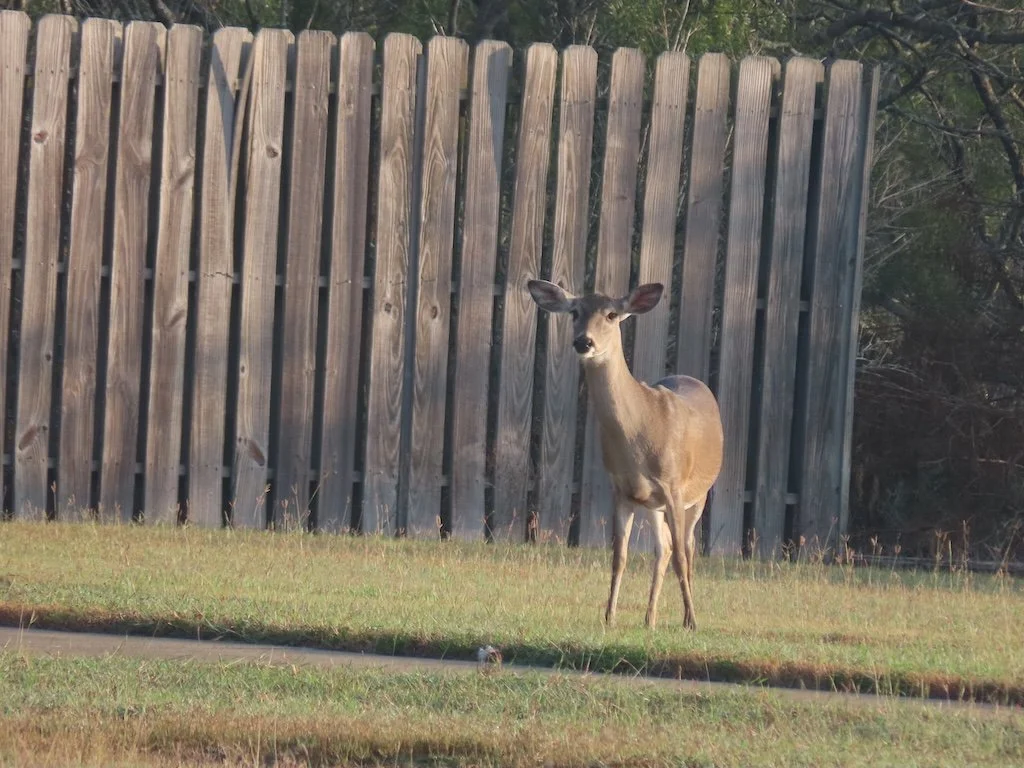
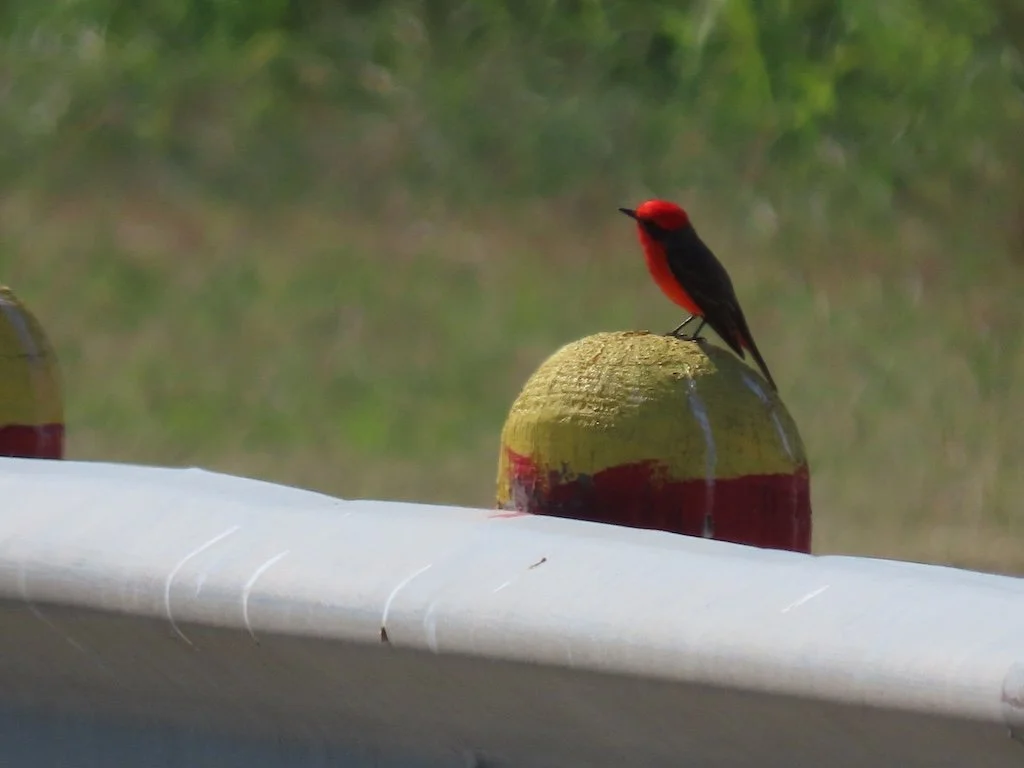
A little further away from the house – there was a Vermillion Flycatcher and deer.

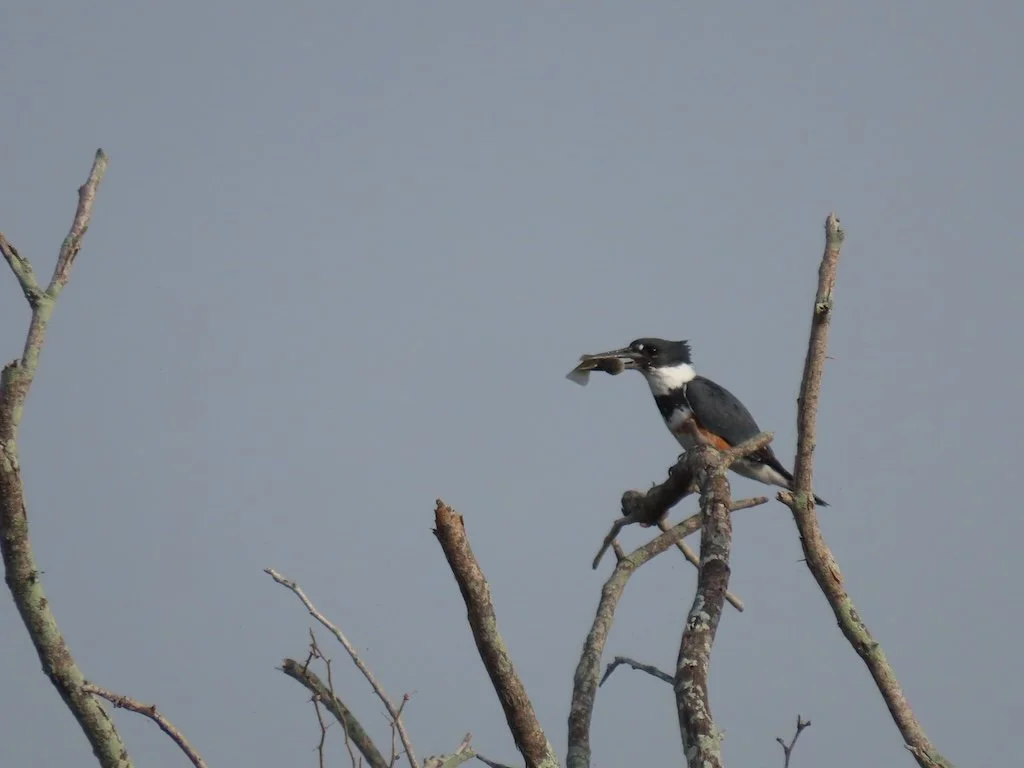
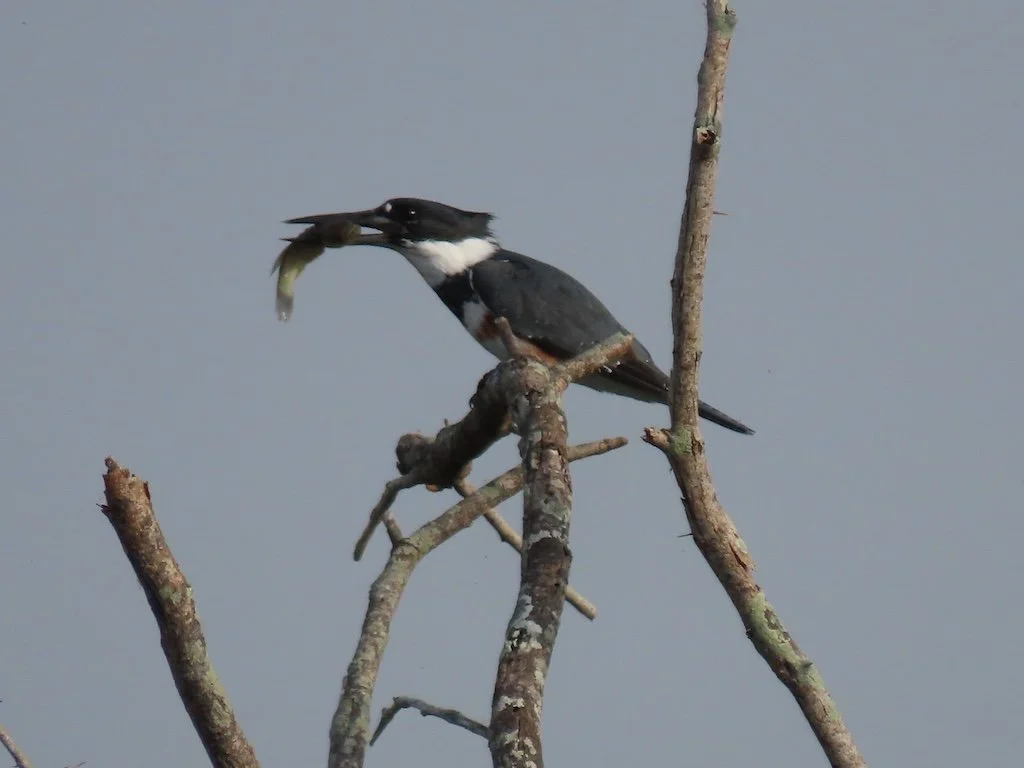
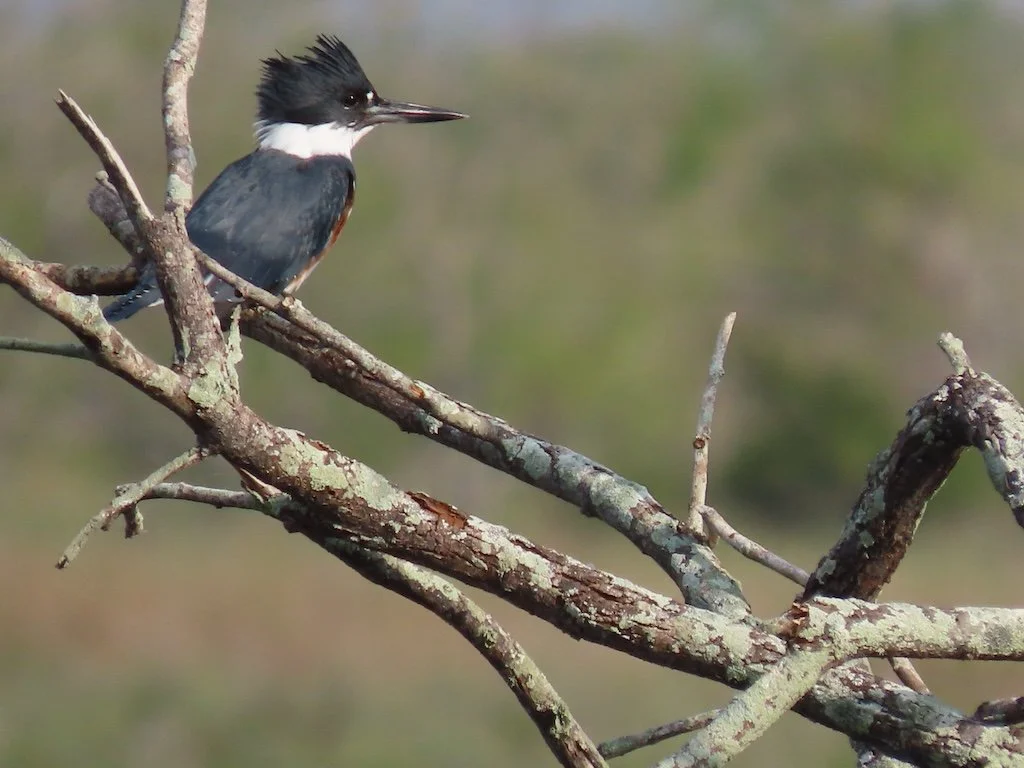
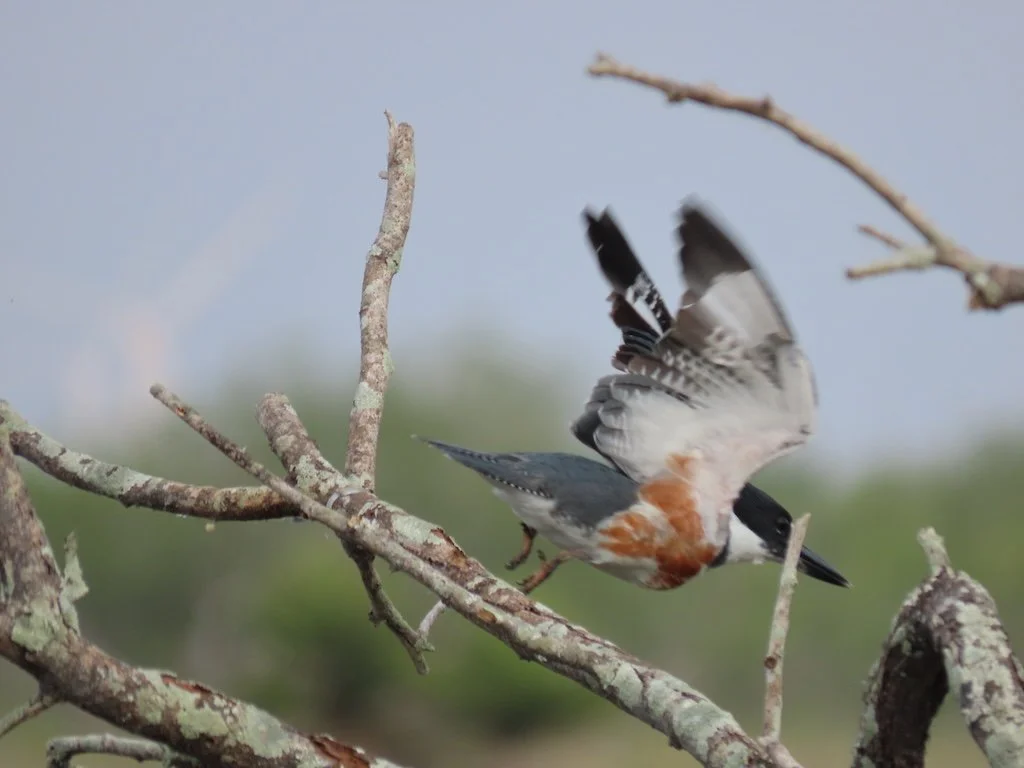
We drove around in the vans and the host’s golf cart. There were several good views of Belted Kingfishers.

I made a video of a female eating a small fish! It is handheld so not great – but it captures the 17 seconds of action!

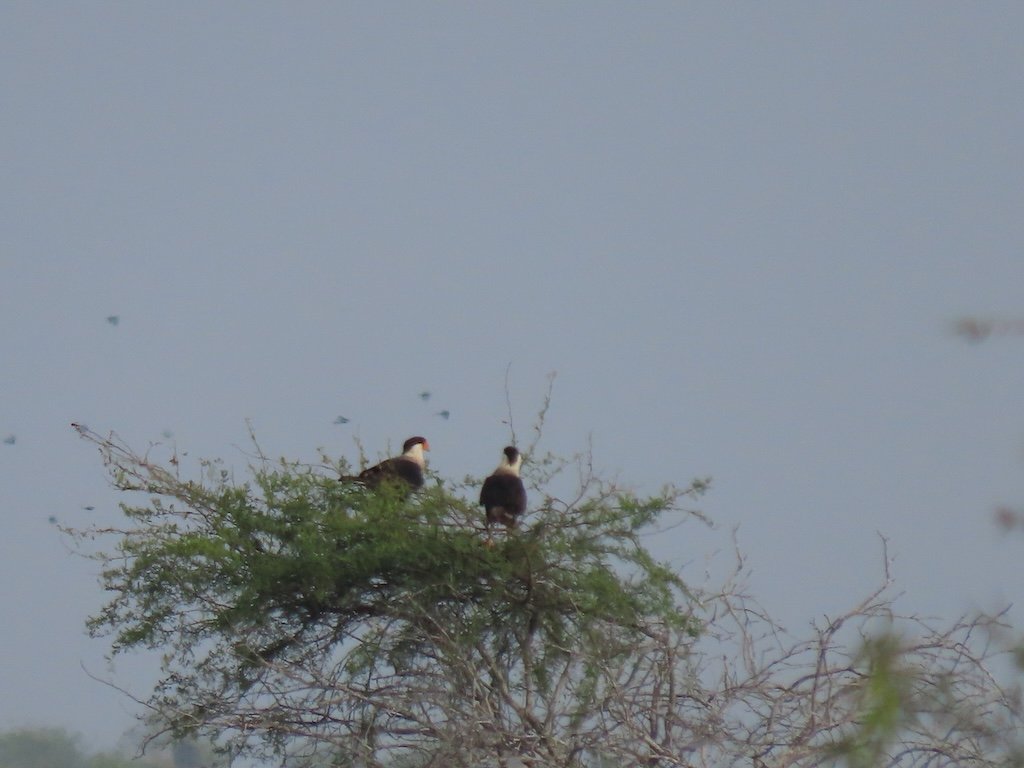
A pair of Crested Caracaras were in a treetop – turning their backs to us!

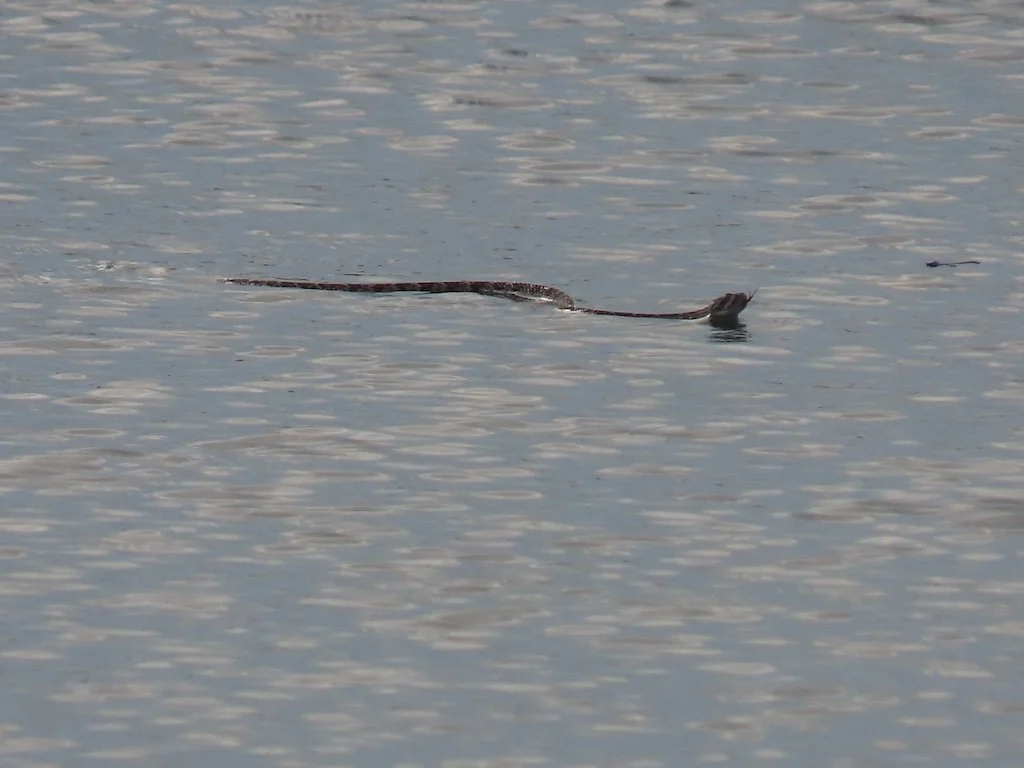
There was a snake in one of the ponds. My picture is not good enough to determine the type although others in the group saw rattles!

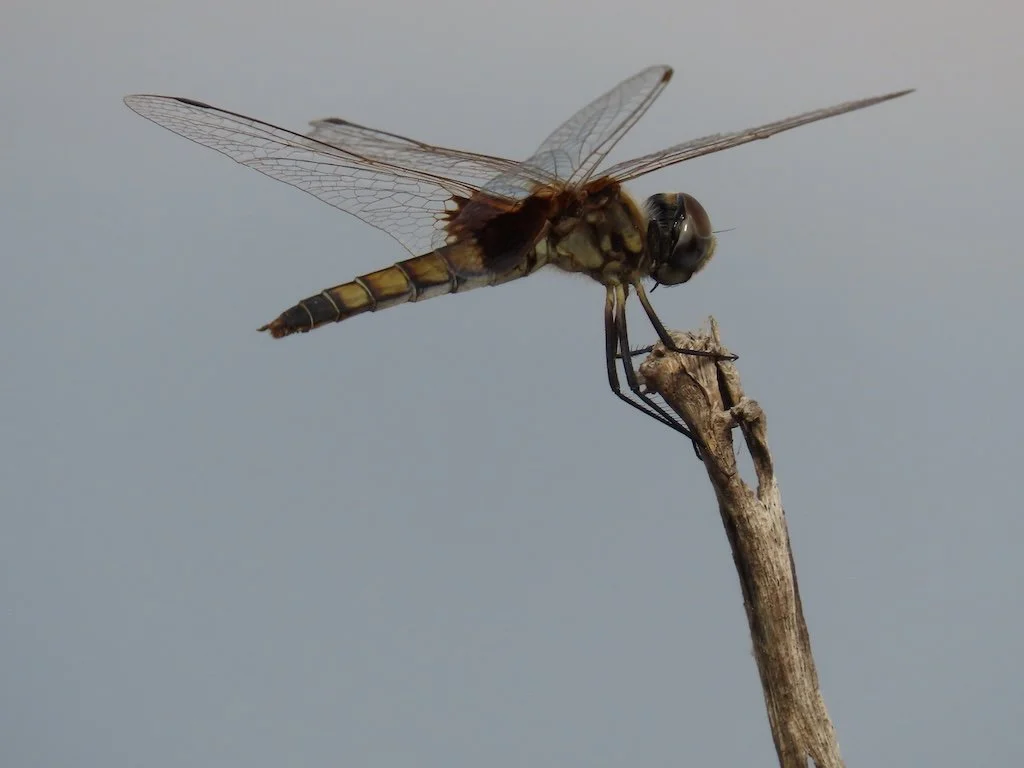
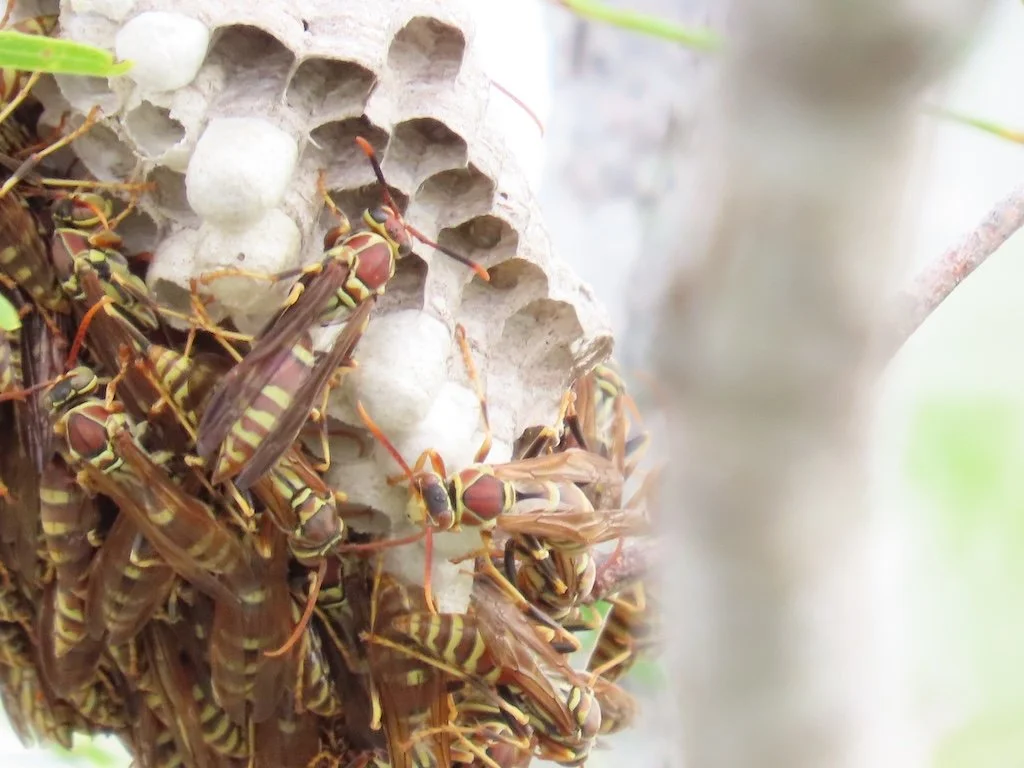
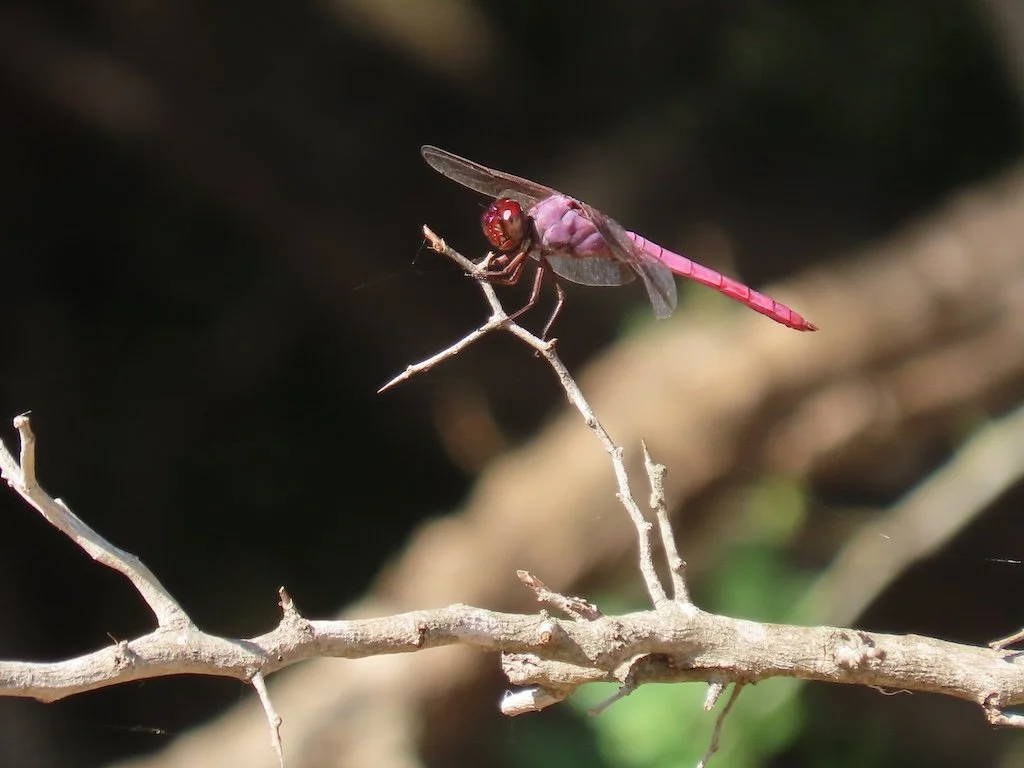
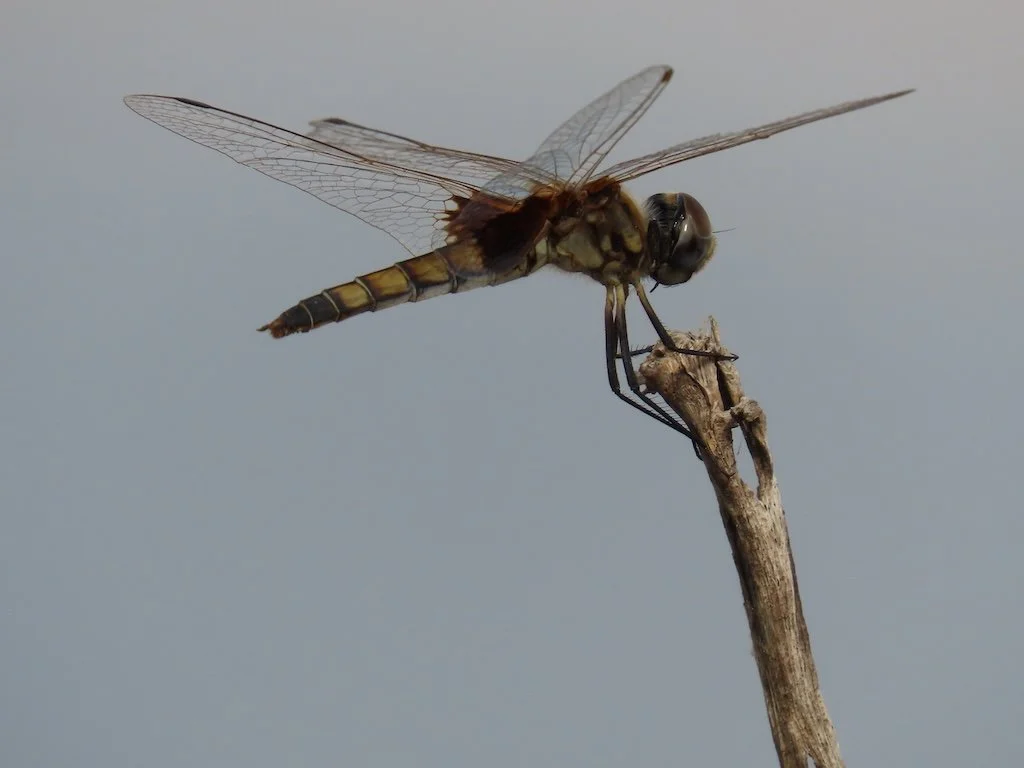
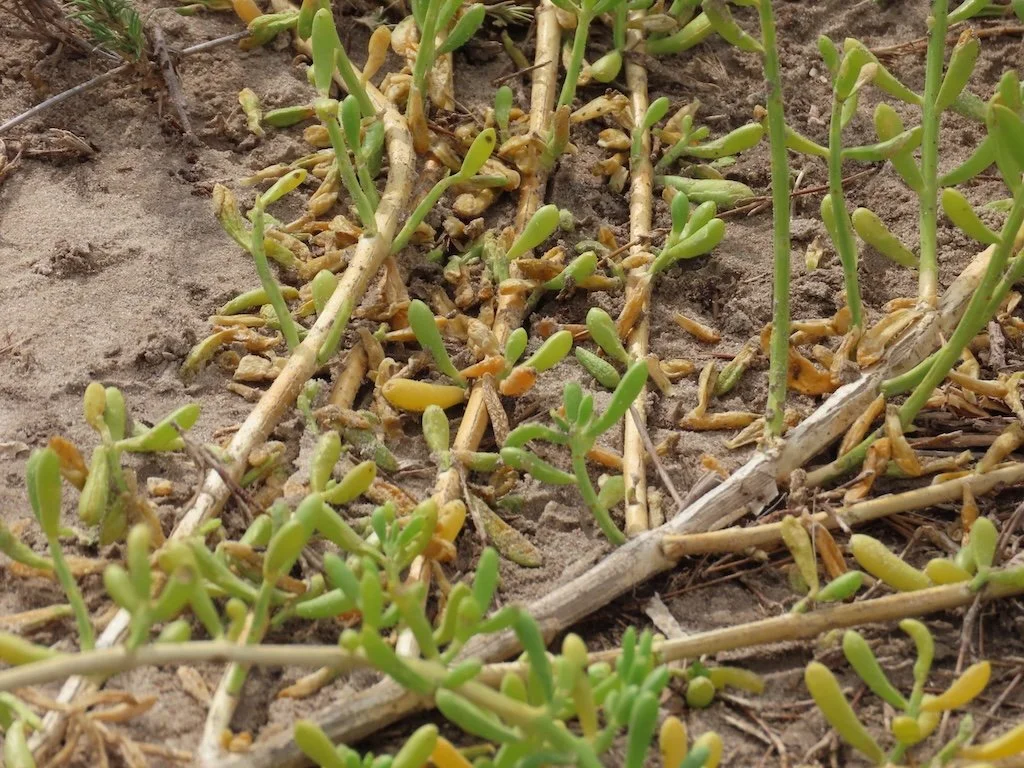
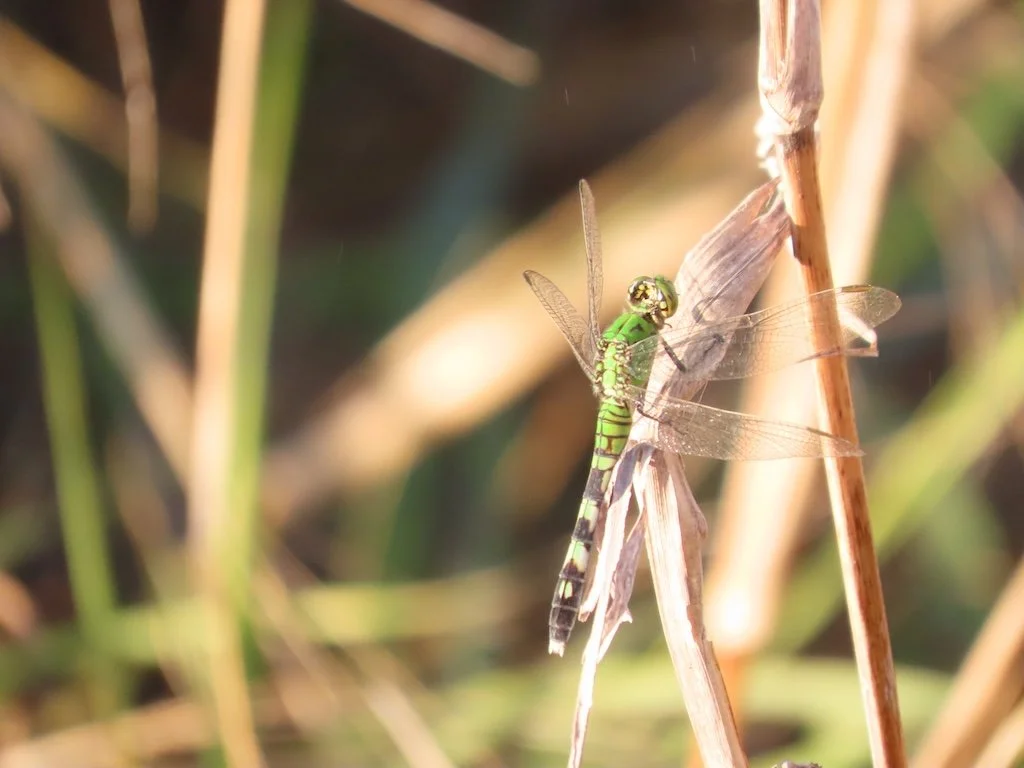
We stopped at another place and I did some macro photos of a dragonfly, a succulent, and a busy wasp nest.

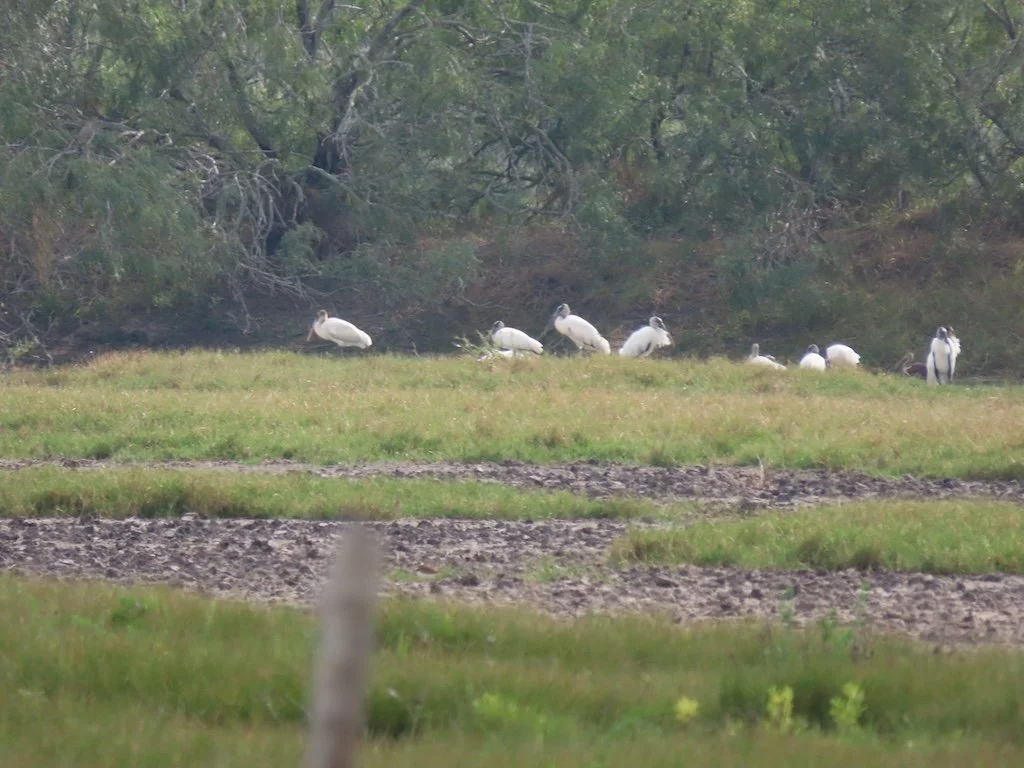
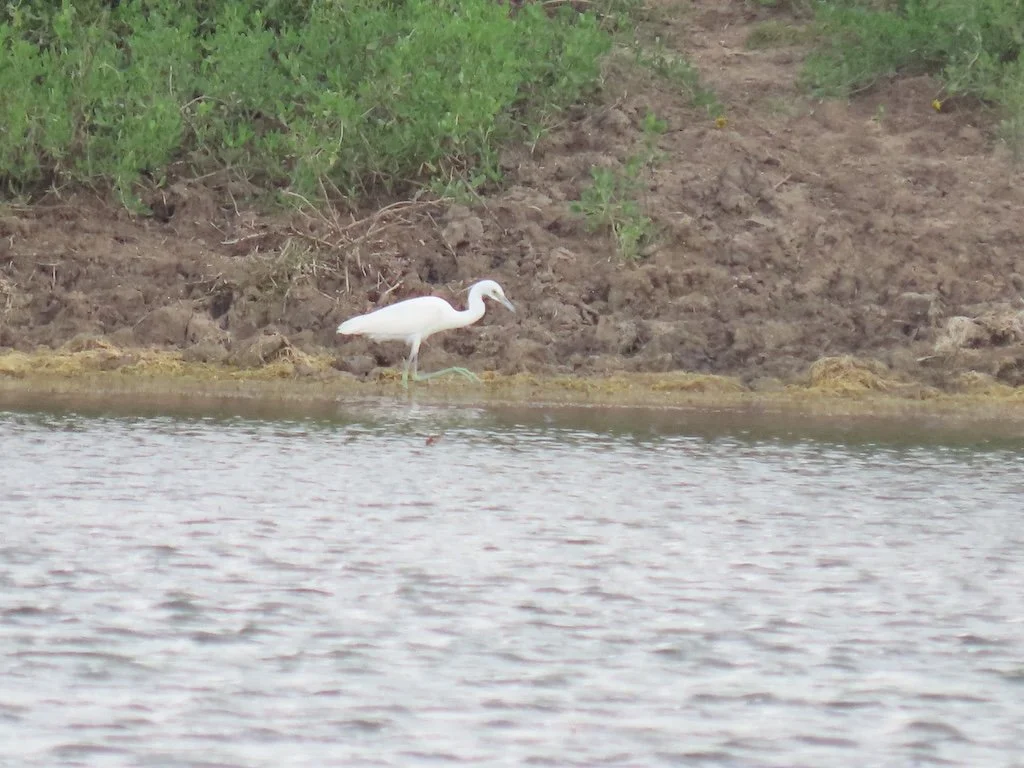
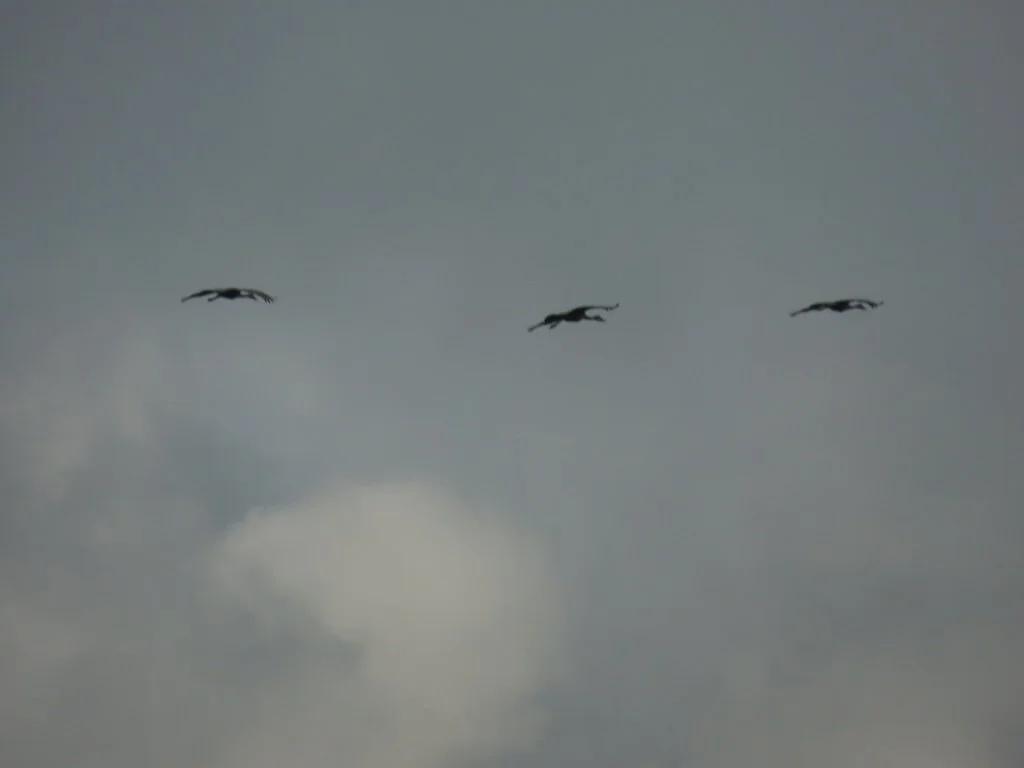
In the distance there were Wood Storks and an immature Little Blue Heron….3 sandhill cranes flew overhead.

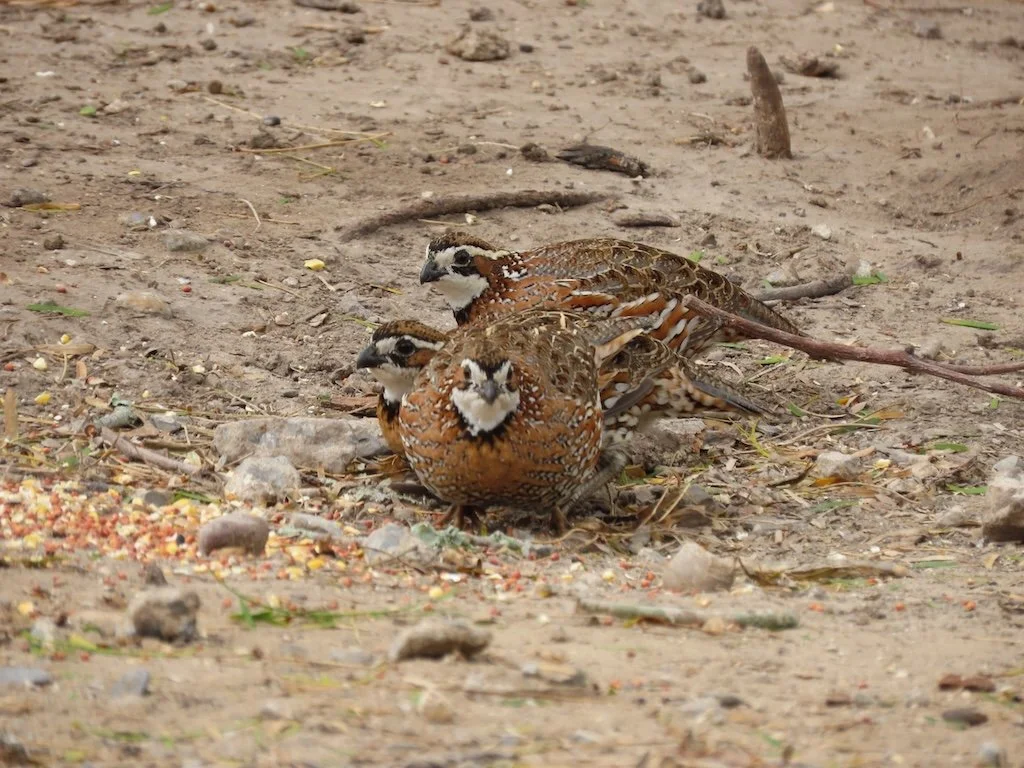
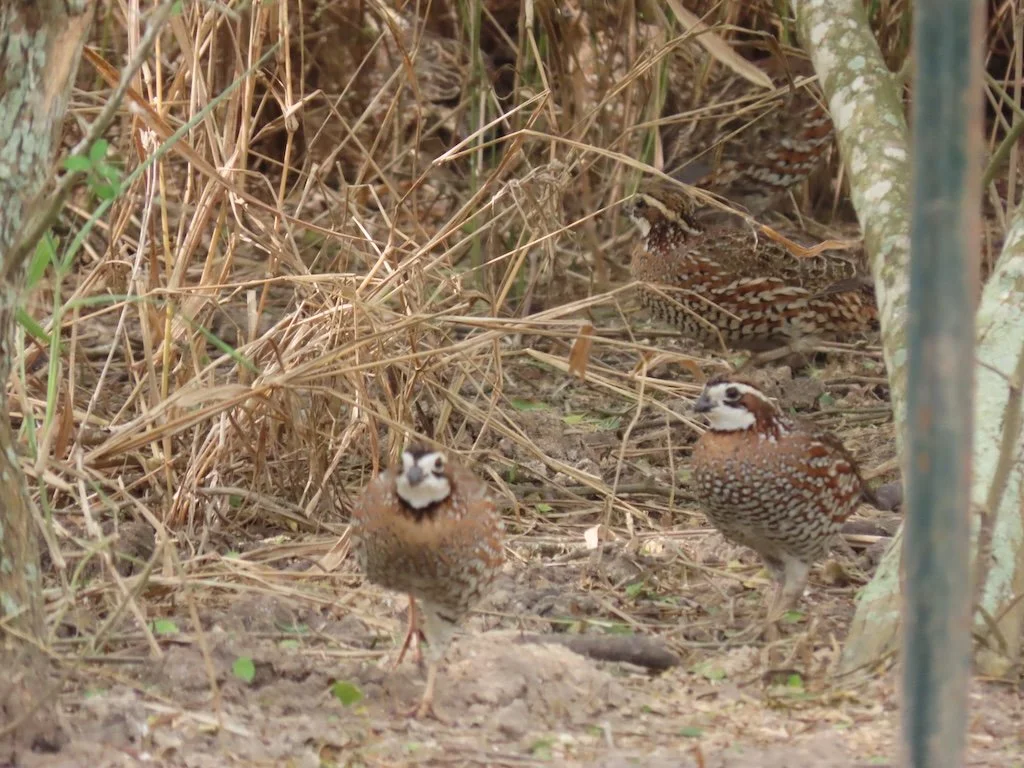
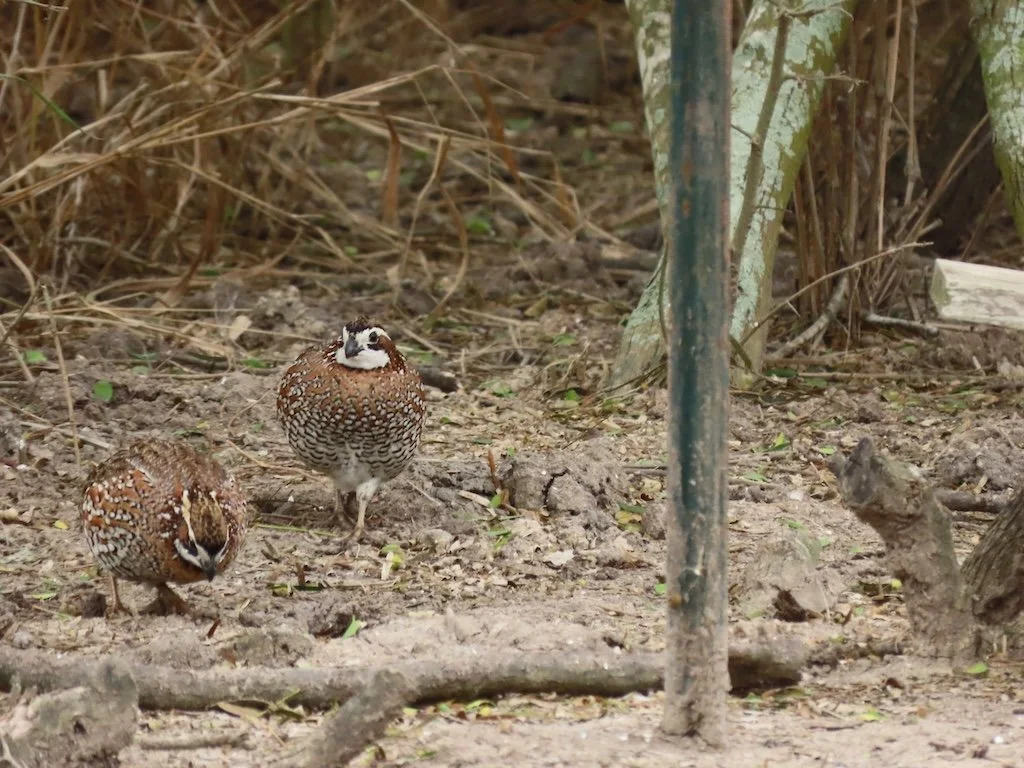
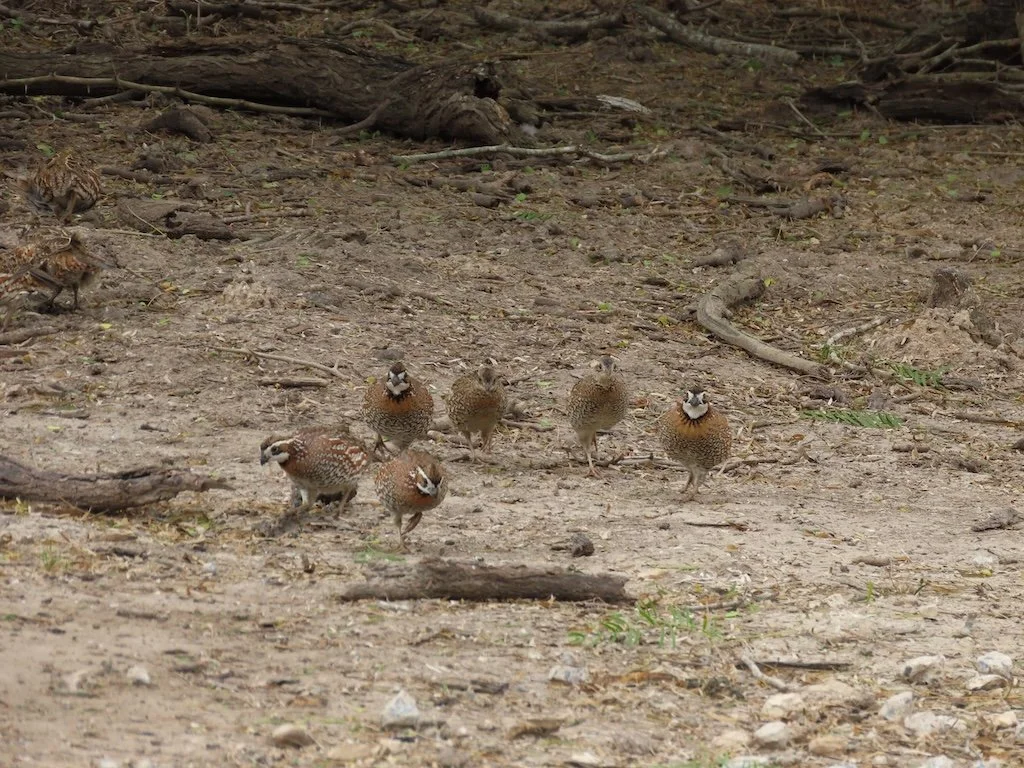
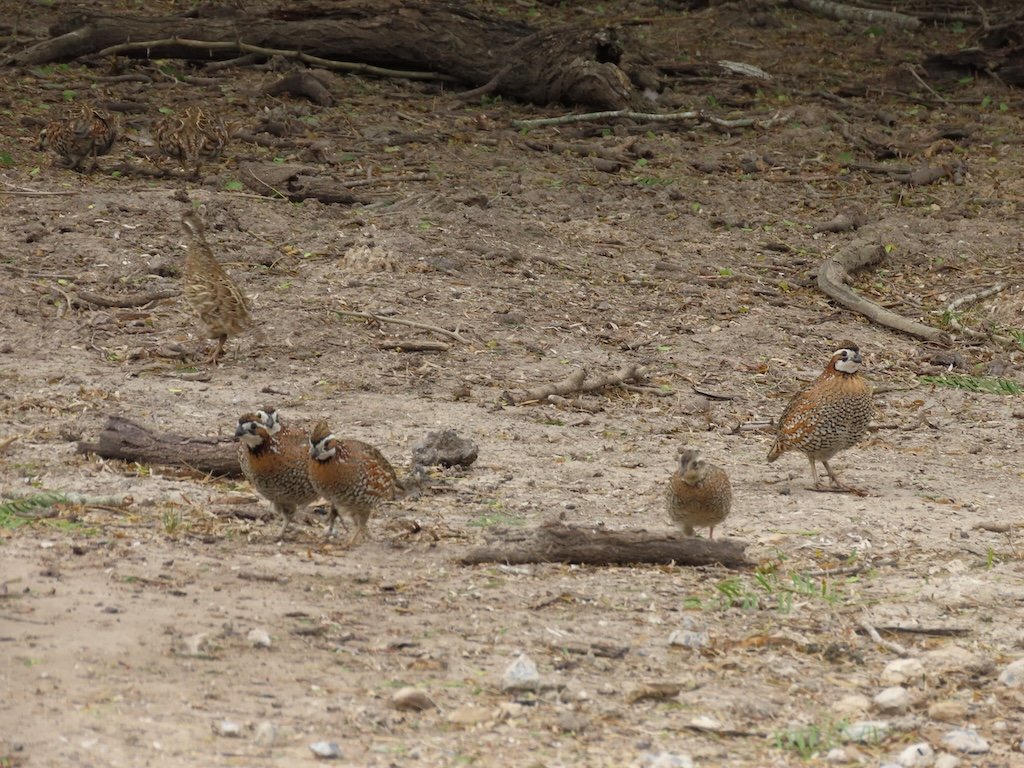
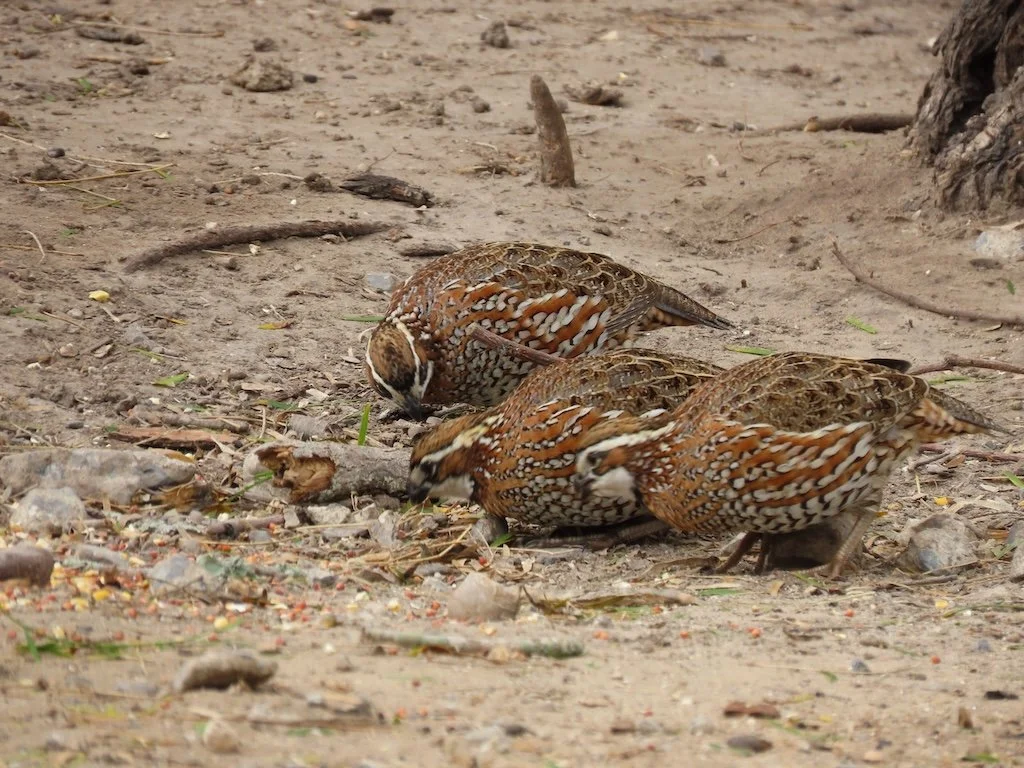
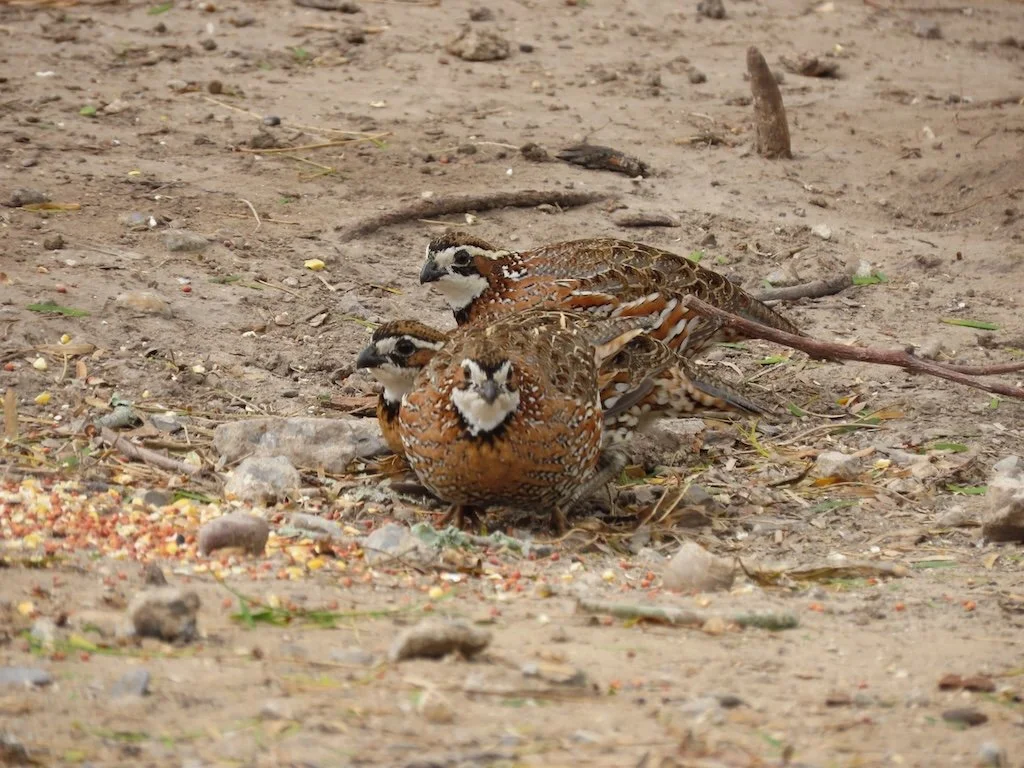
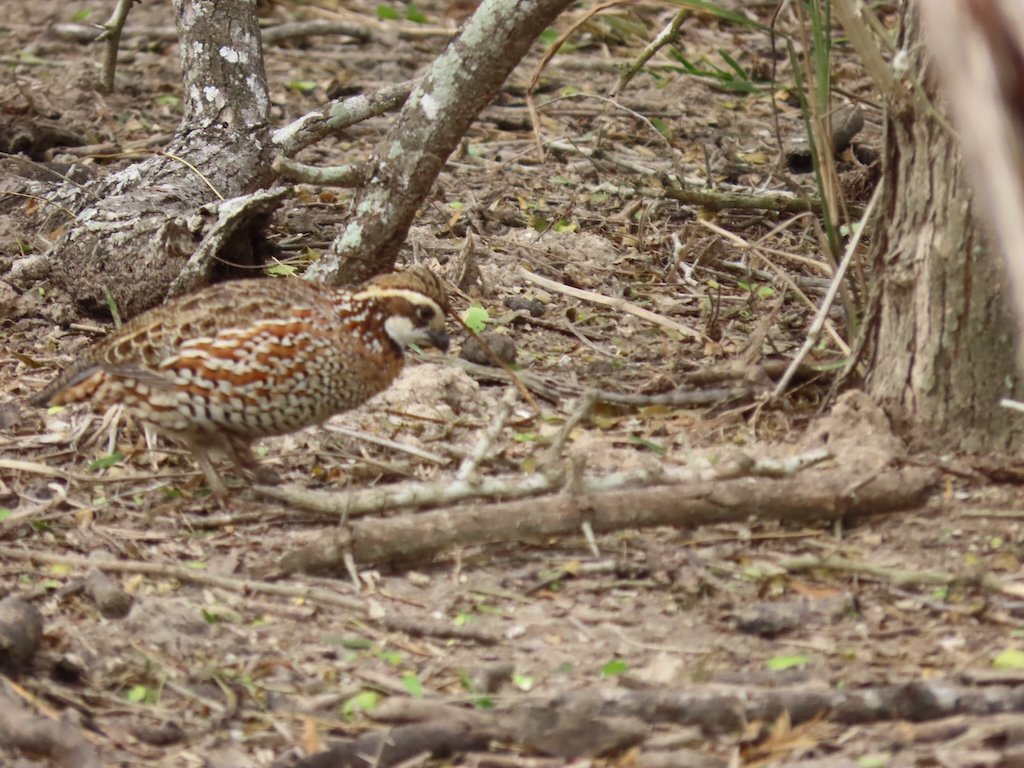
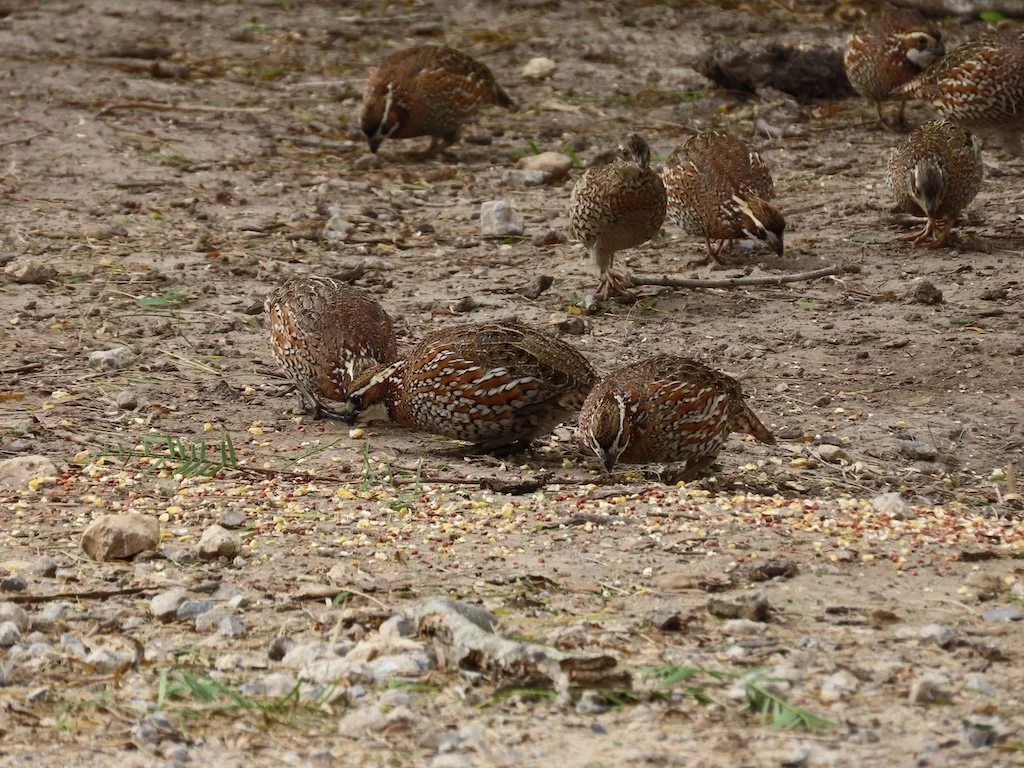
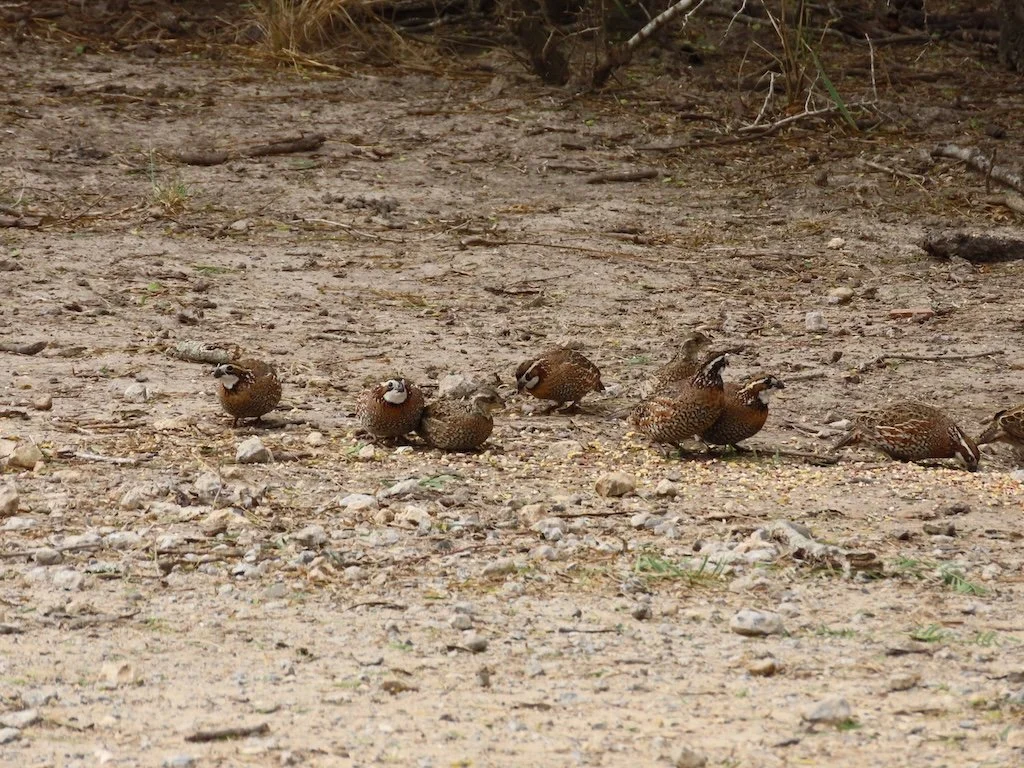
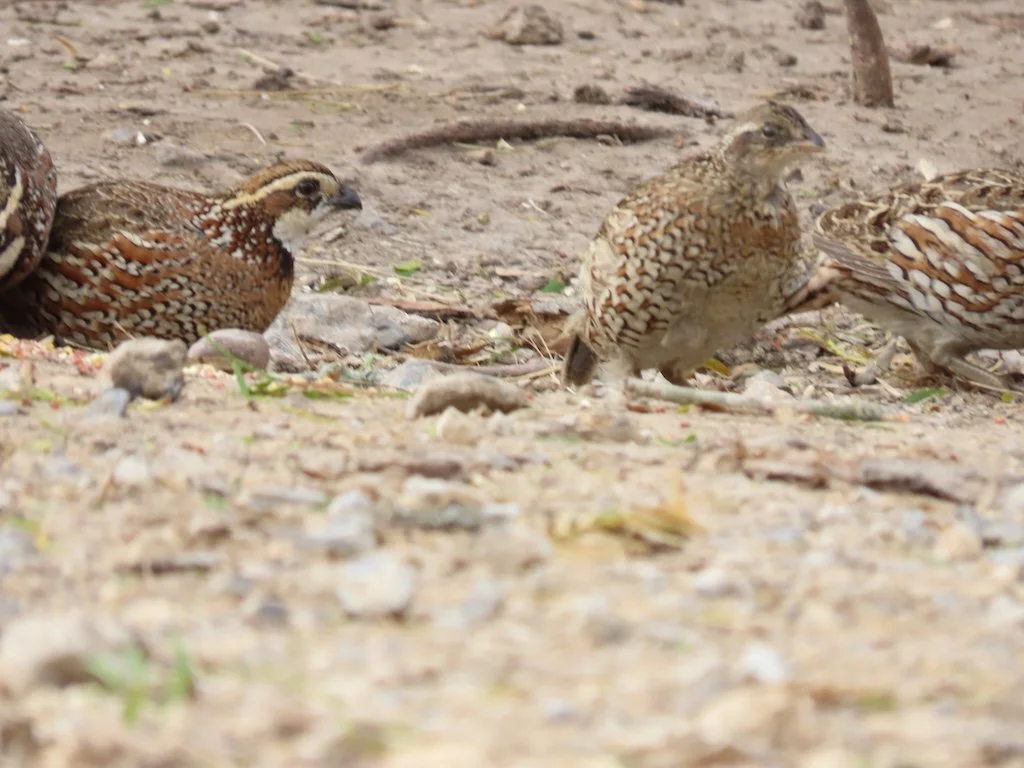
At another stop, our host spread some corn on the ground, and we stood back to watch the Bobwhite.
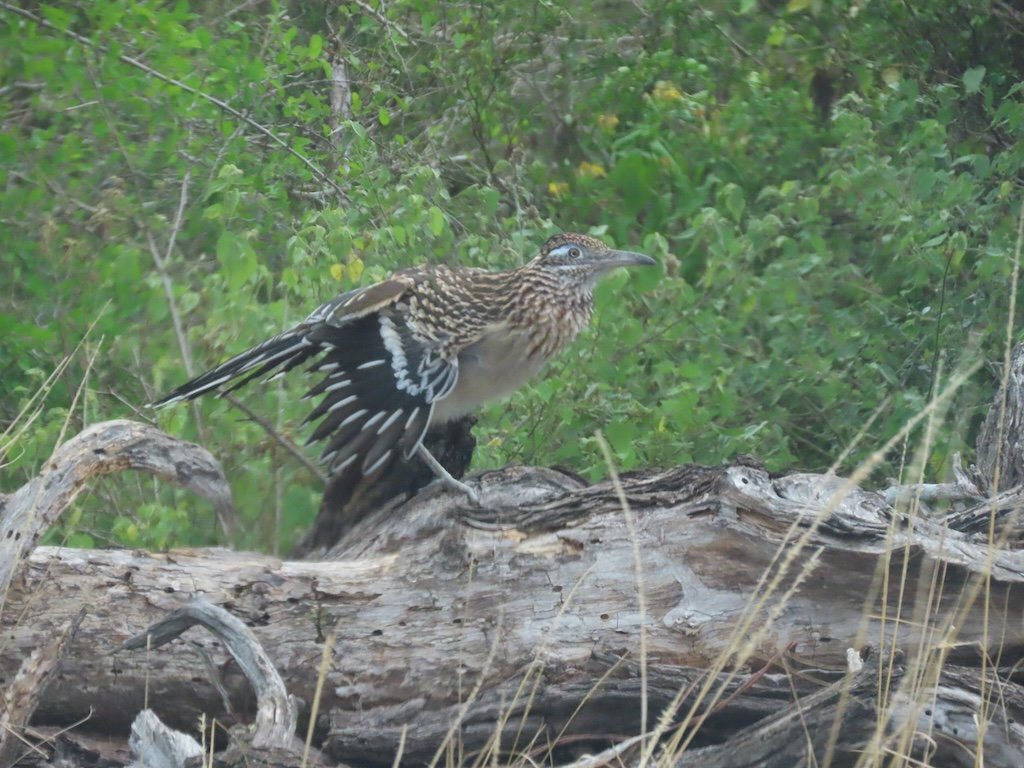
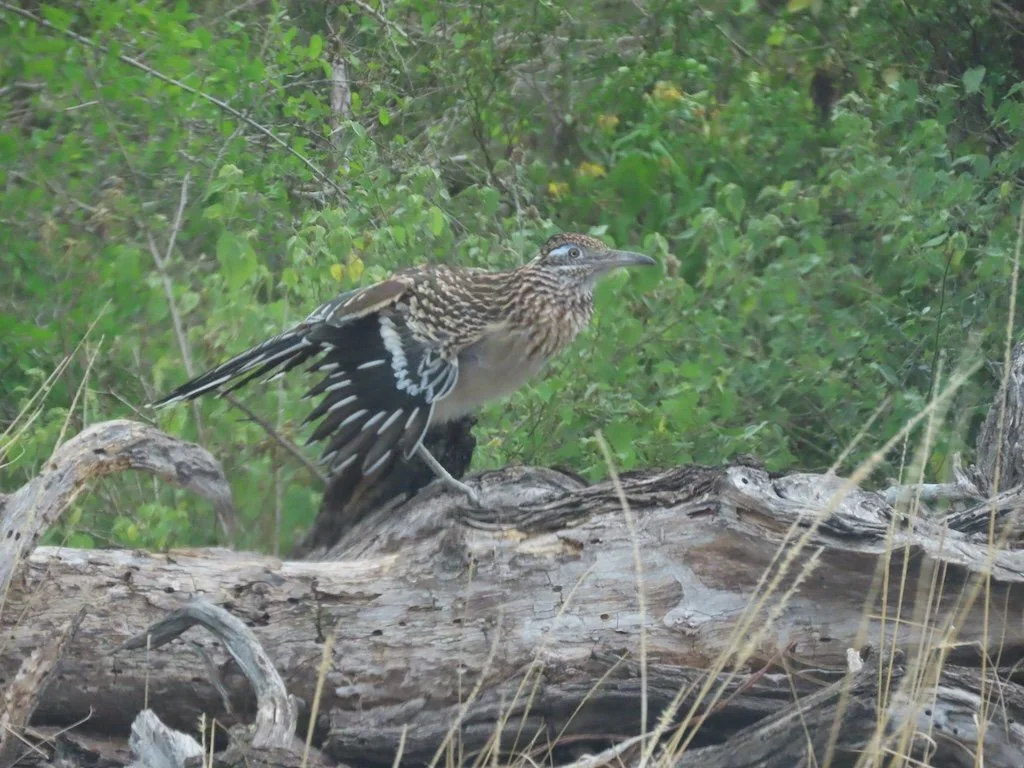
On the way back to the house, there was a road runner beside the road! It was the only one I managed to photograph this trip!

We enjoyed the barbeque at the end of the trip and headed back to the Harlingen Convention Center and headed out on the first leg of our drive home. We stopped in San Marcos TX before driving the rest of the way home the next day.  
Sunset at South Padre Island

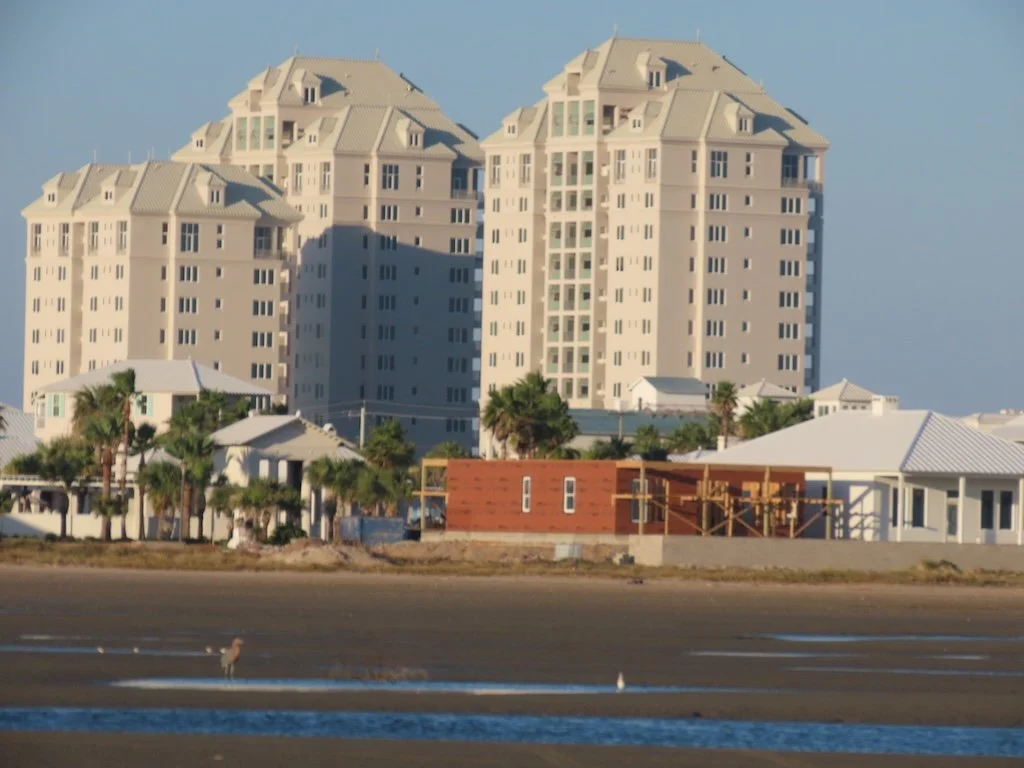
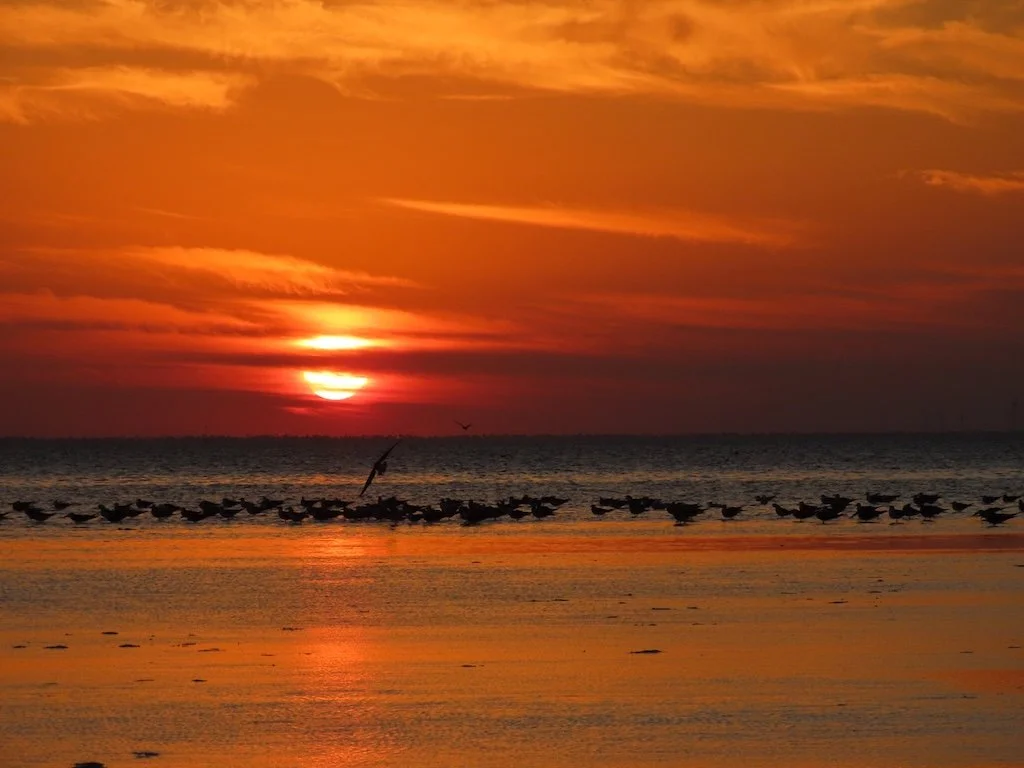
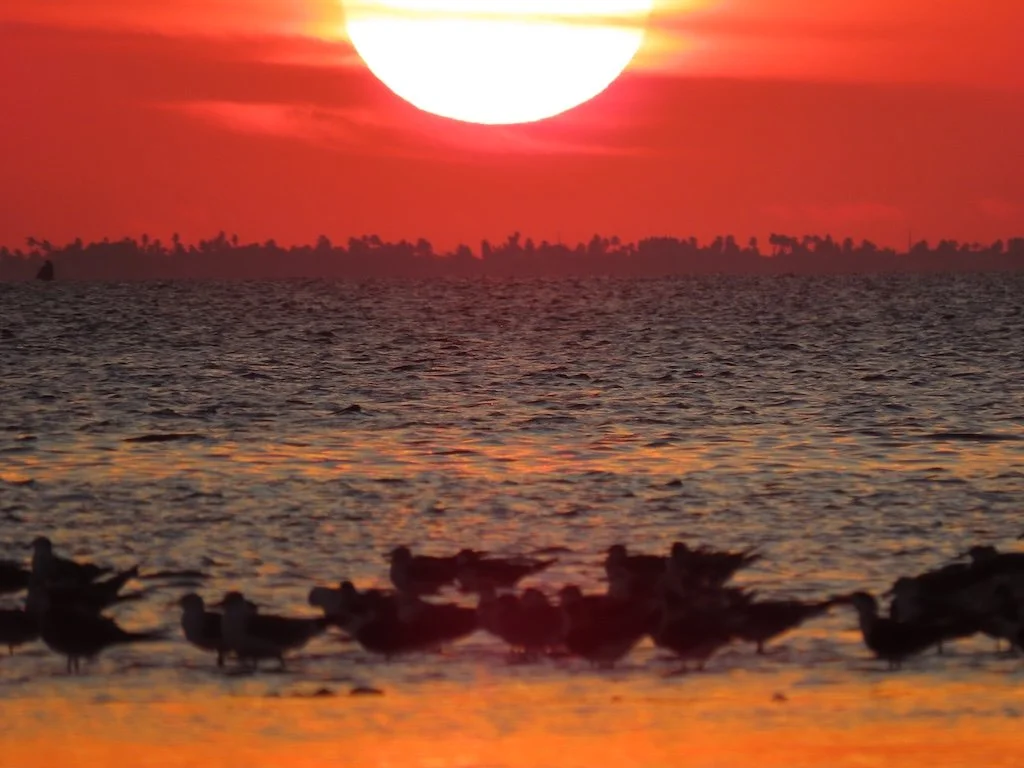
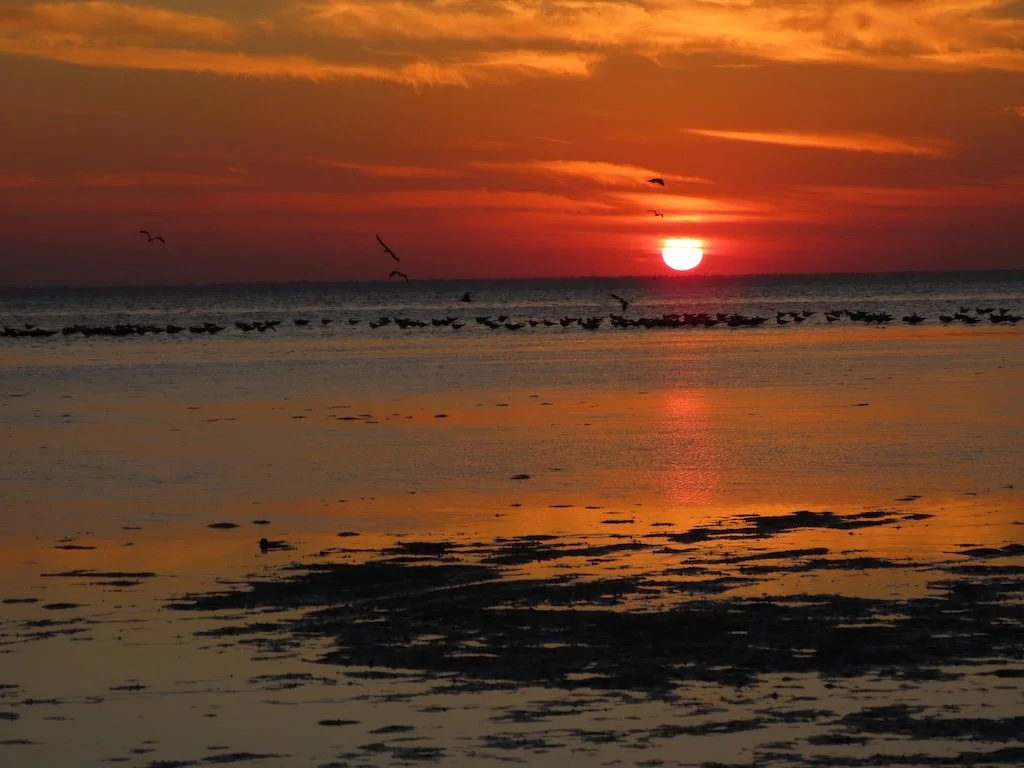
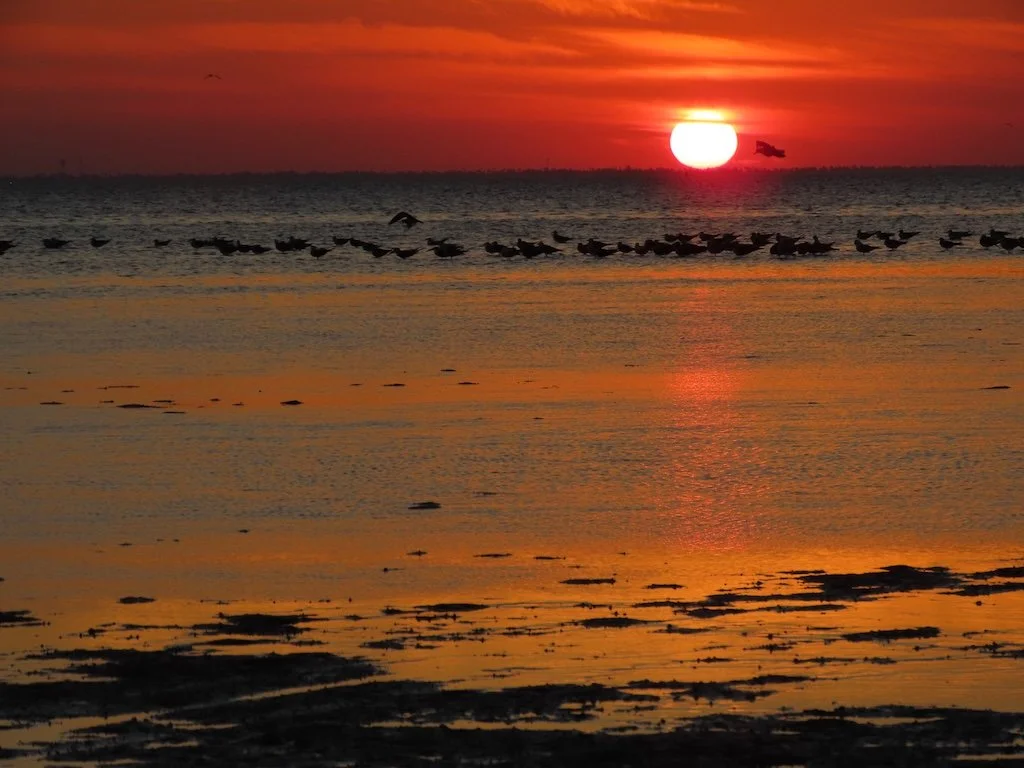
On the last evening of the Rio Grande Valley Birding Festival, we drove ourselves to the South Padre Island mudflat where we met our tour group for photographing the sunset. We drove out onto the mudflat – trying to avoid puddles.

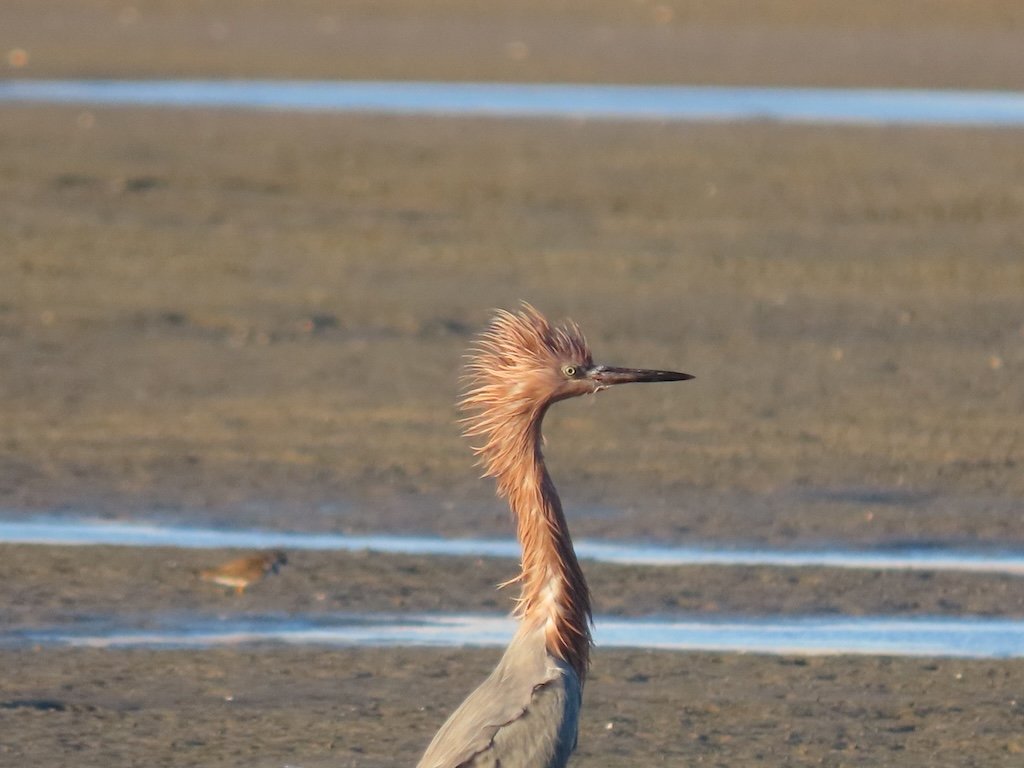
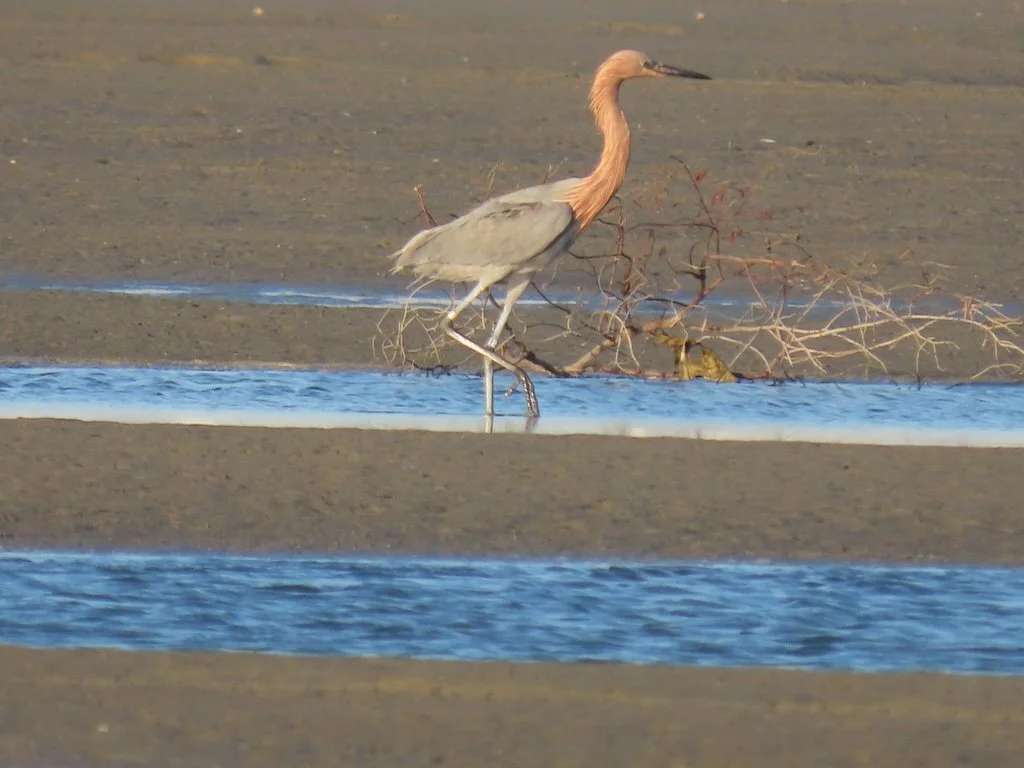
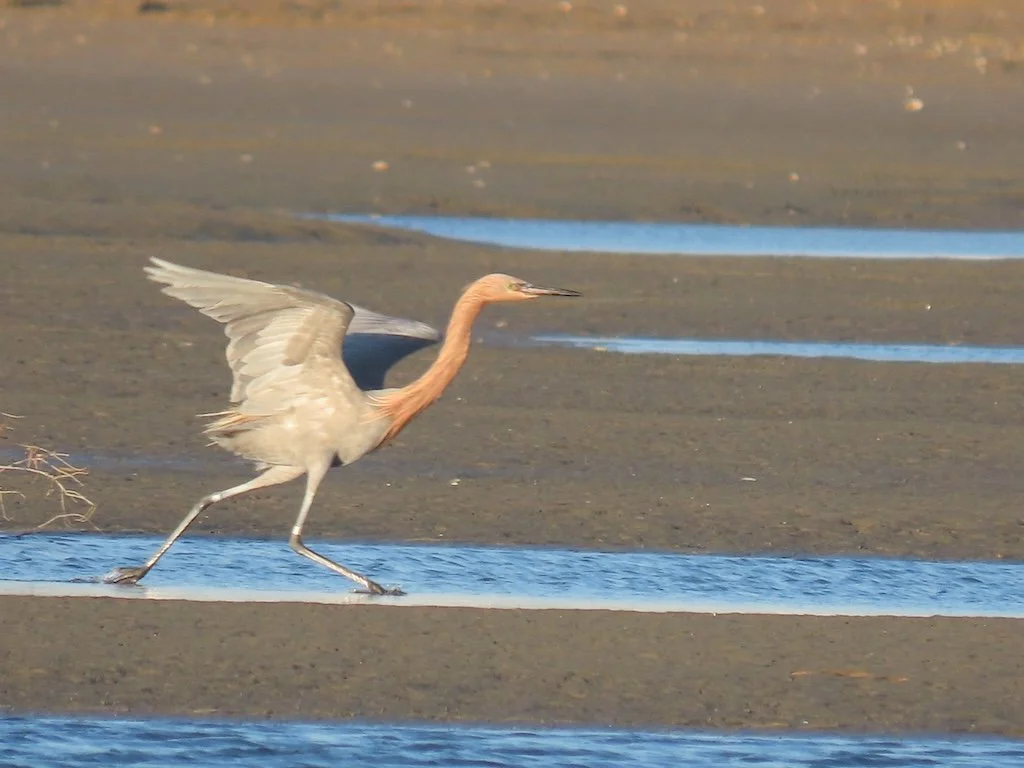
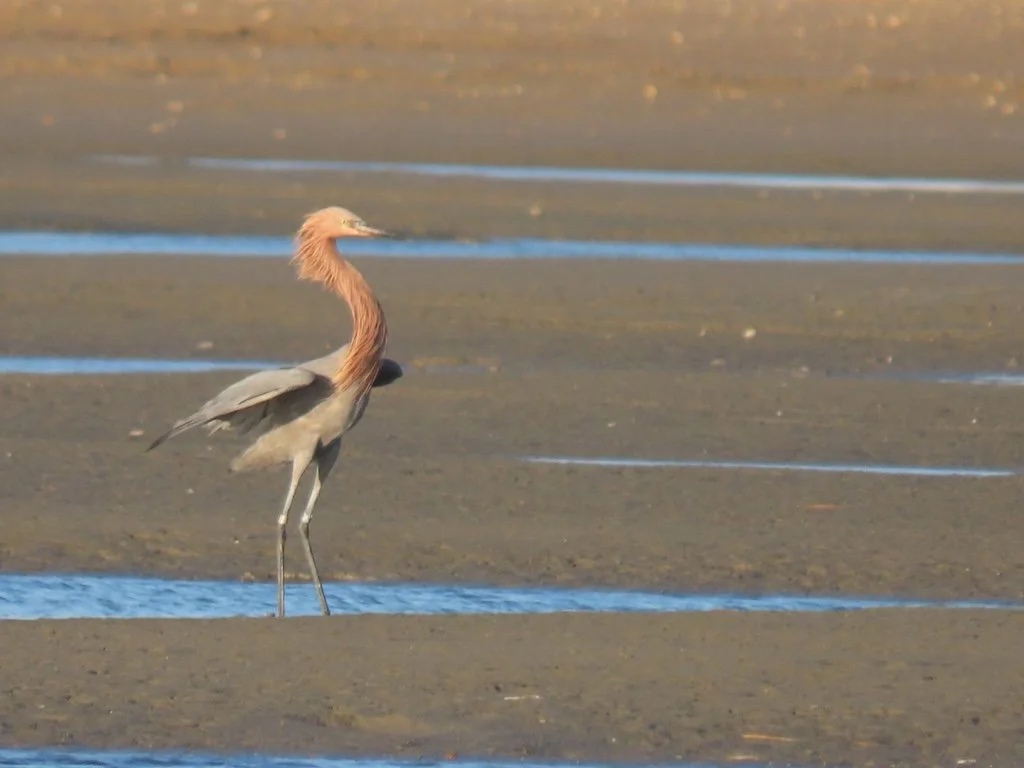
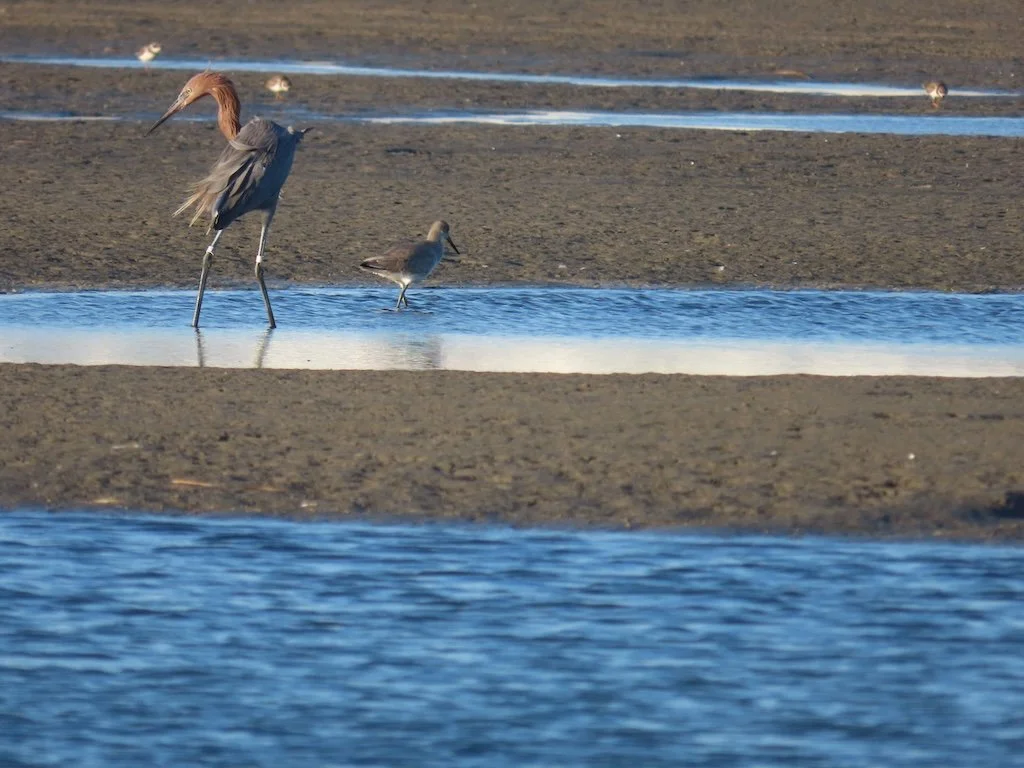
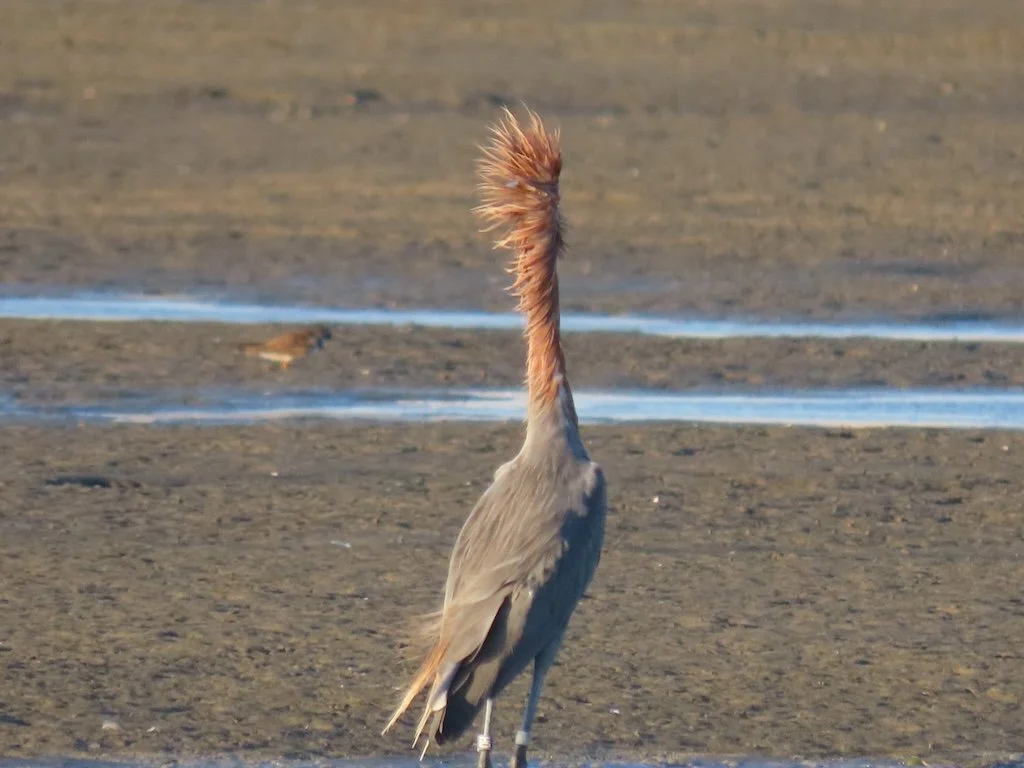
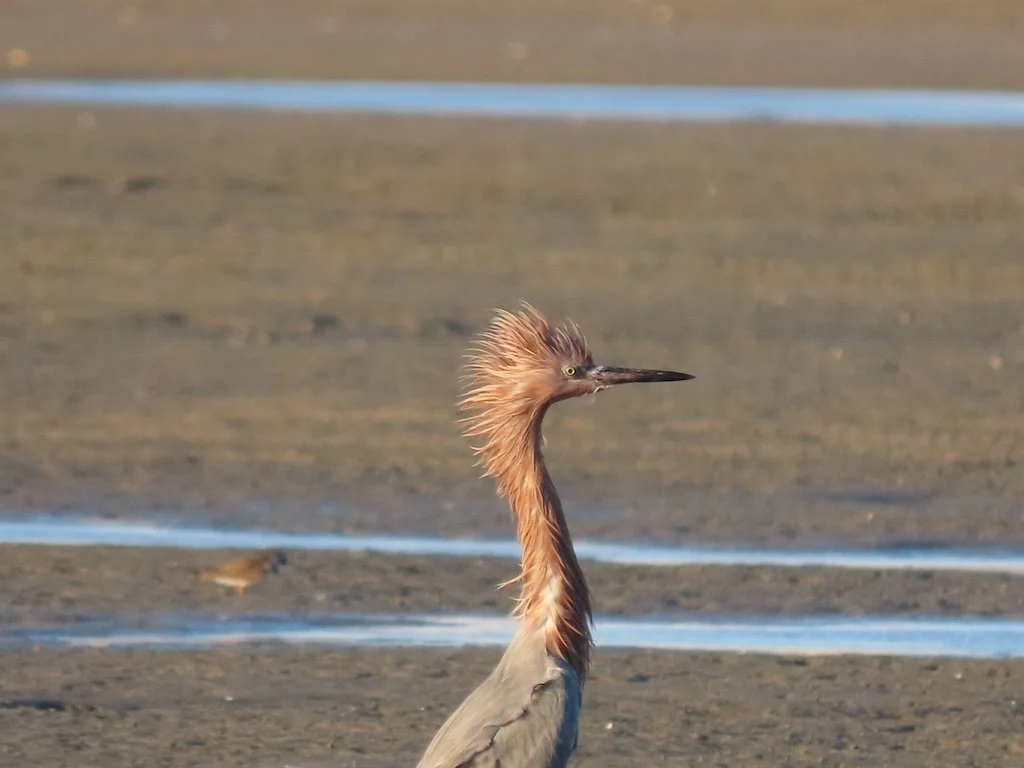
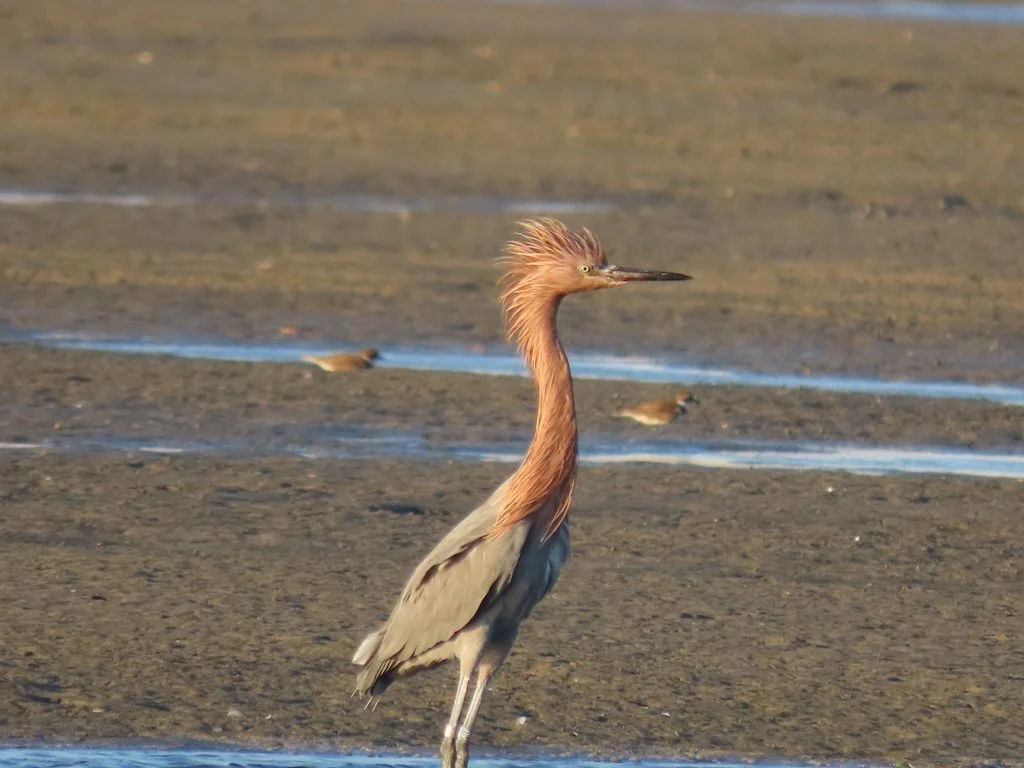
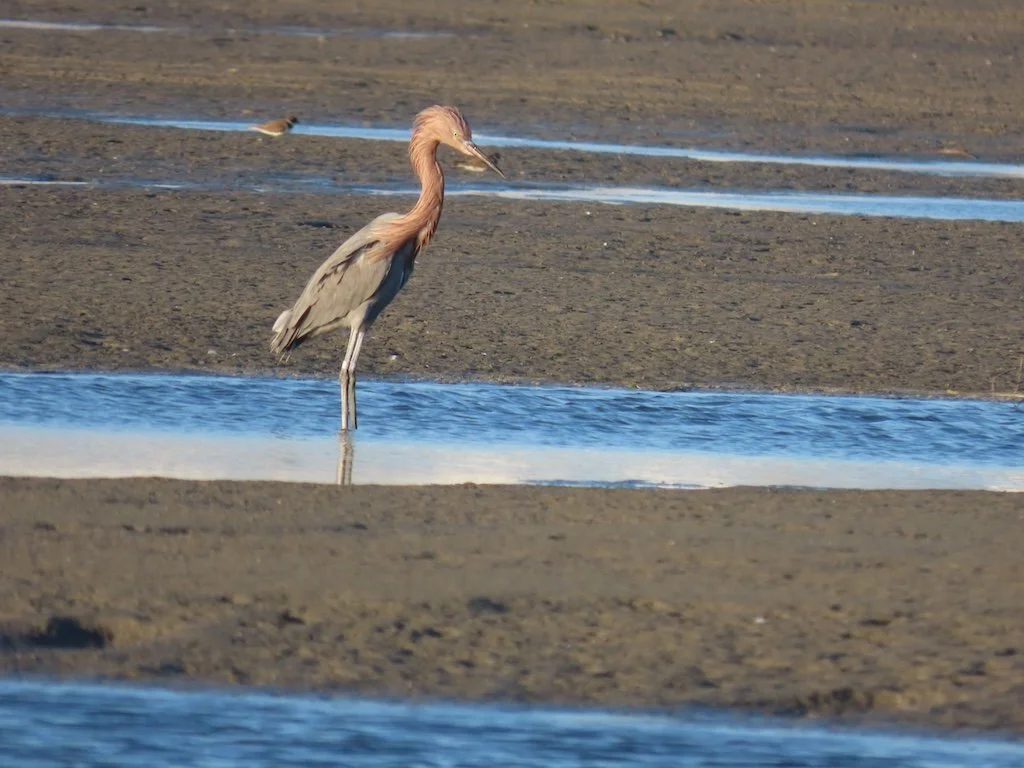
It was well before sunset, and I enjoyed the antics of a Reddish Egret in the late afternoon light. The bird seemed to be finding tidbits in the small pool. It was a windy afternoon which caused the head and neck feathers to move about.

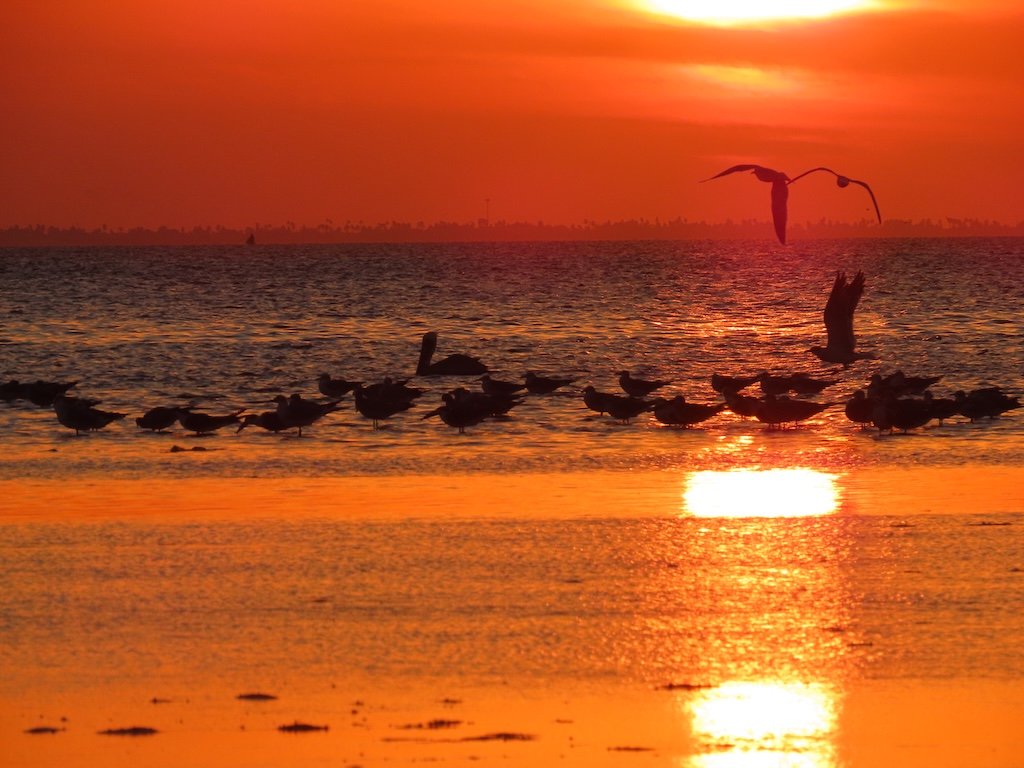
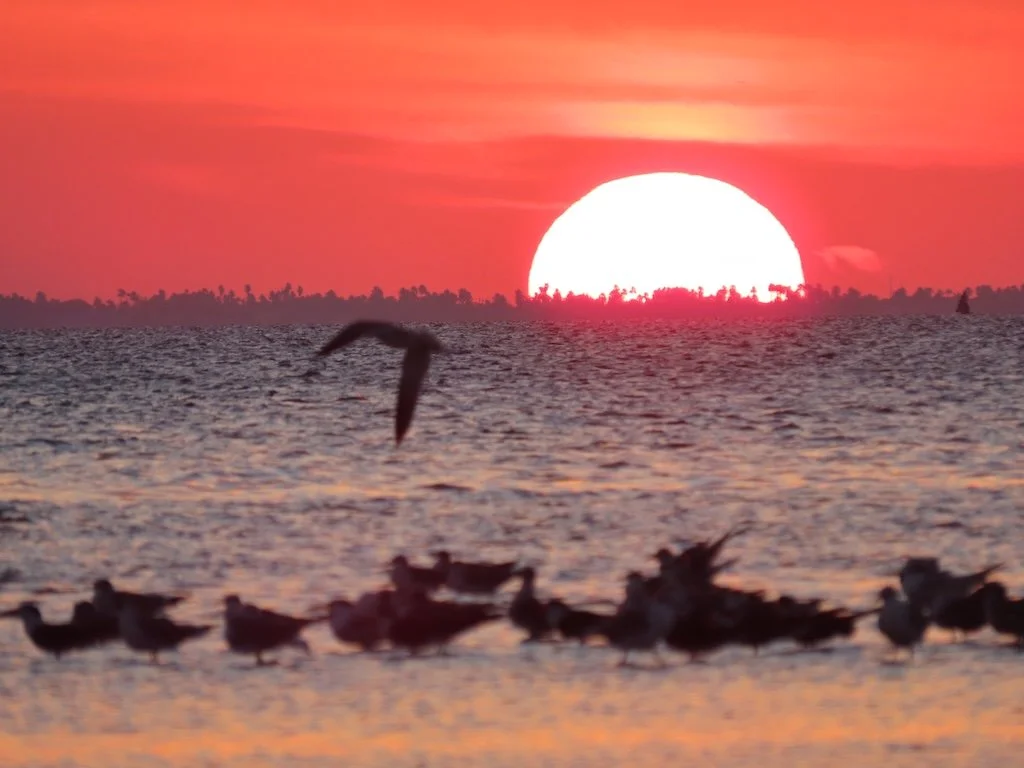
I was using my bridge camera (Canon Powershot SX70 HS) on a monopod (so I only had one thing to clean mud/sand from at the end of the evening). I kept trying to get a bird in flight flying across the sun…failed, but it was still fun trying.  I always like to see the color change and the sun gets lower. The mosaic below is in the order the images were taken; click on any of them to see a larger version.

I made a movie of the actual setting of the sun!

We headed back to our hotel afterward…wanting an early evening since we had a last early morning field trip before we started home the next day.

Edinburg Scenic Wetlands

Our fourth morning at the Rio Grande Valley Birding Festival required us to be at the Harlingen Convention Center by 7 AM for the bus; we were glad it wasn’t earlier! There was an odd cloud or smoke plume that obscured the sunrise; tt was moving rapidly and seemed to have an origination point so I think it might have been smoke.

We headed to the town of Edinburg TX and their wetlands oasis – the Edinburg Scenic Wetlands & Birding Center - about 40 minutes on the bus.

I often revert to taking botanical pictures…and there were a lot of interesting plants ranging from dessert plants to lush riparian type plants.  Click on the image in the mosaic below to see a larger image.

I even enjoyed some artsy pictures!

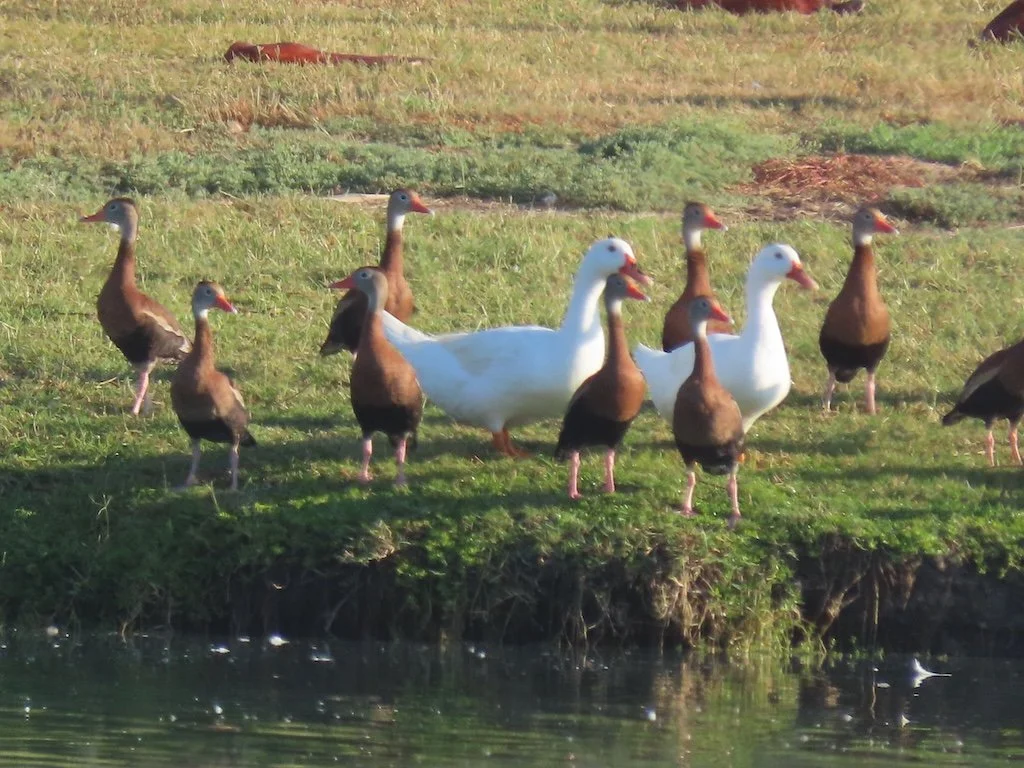
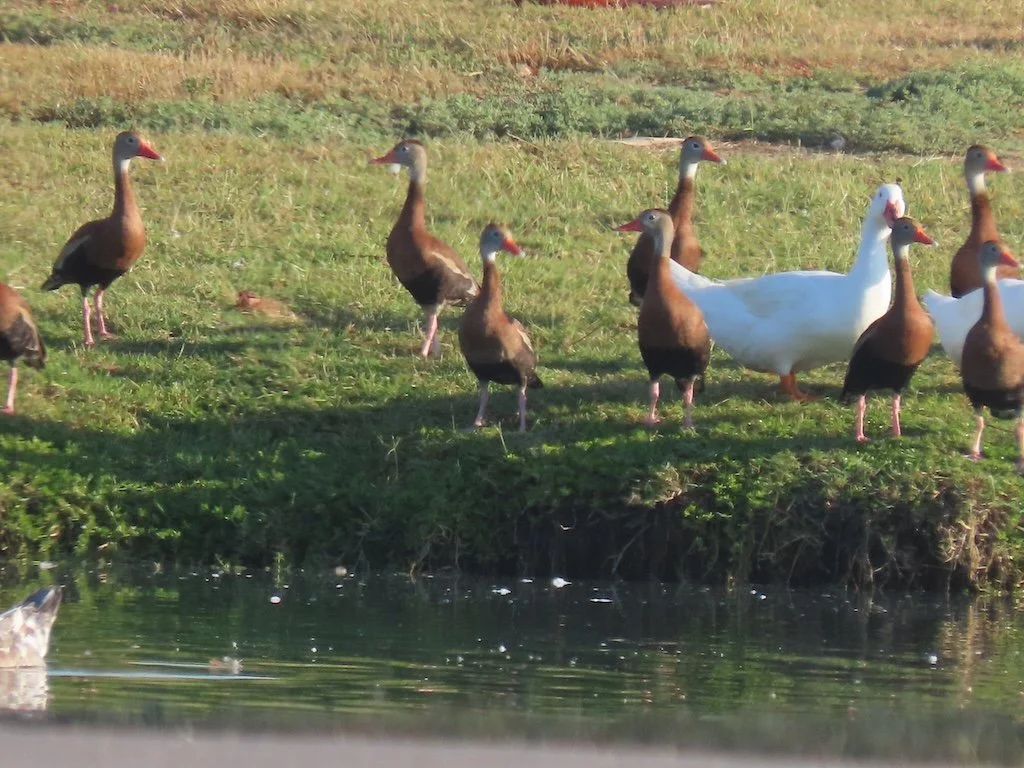
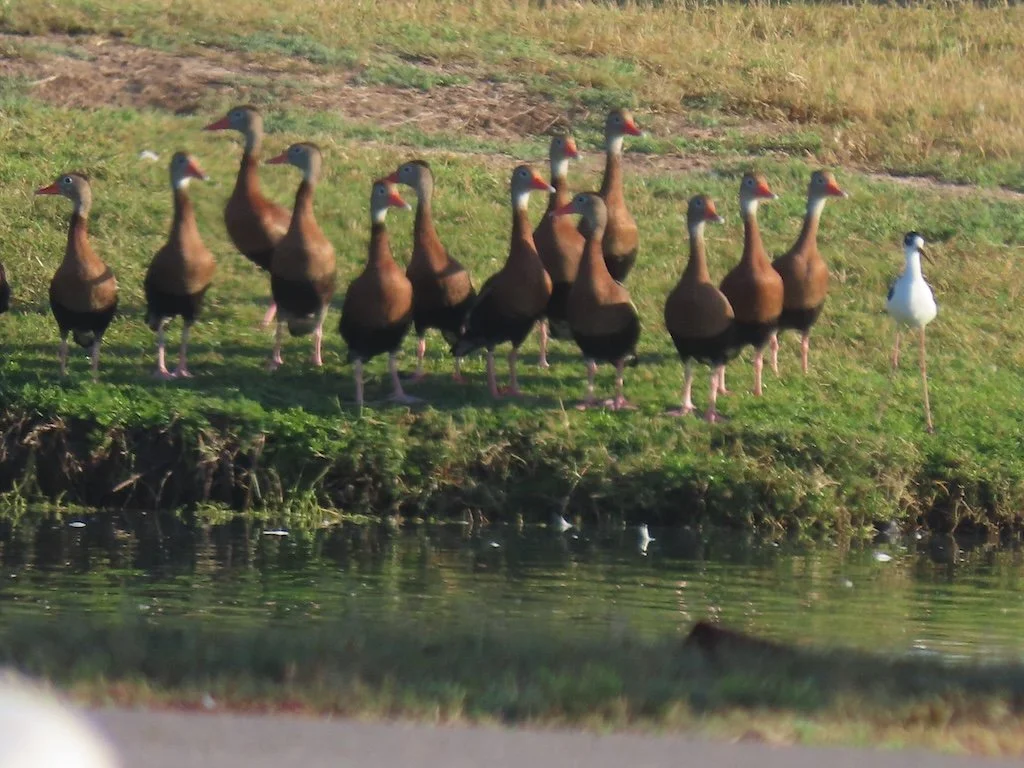
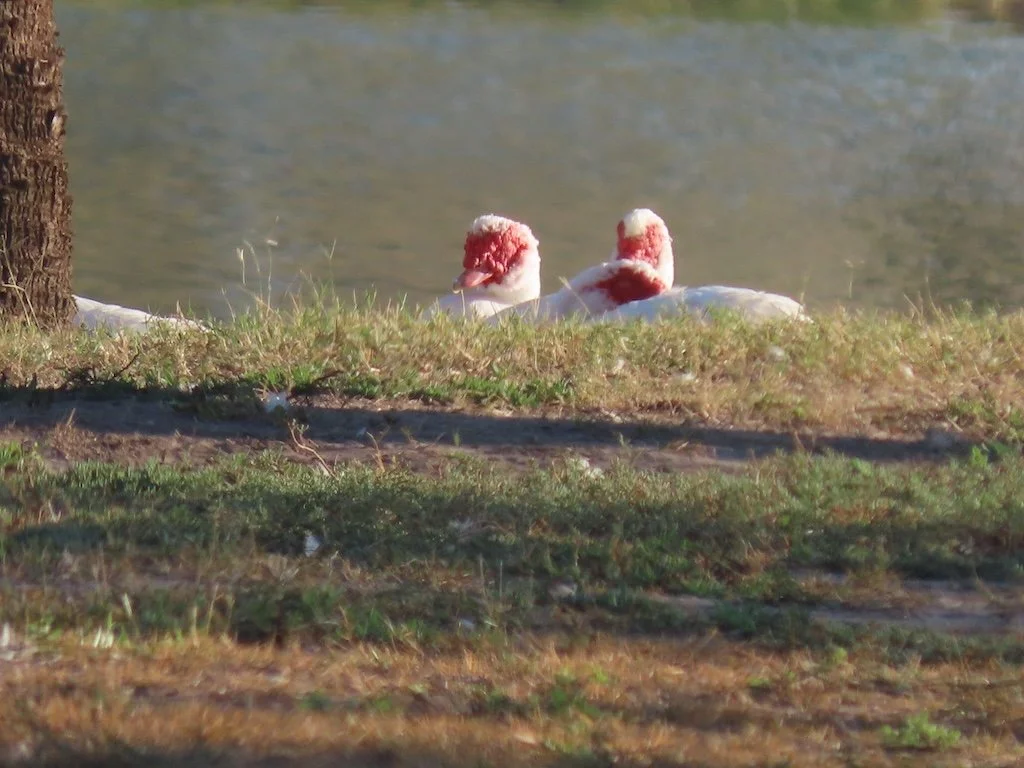
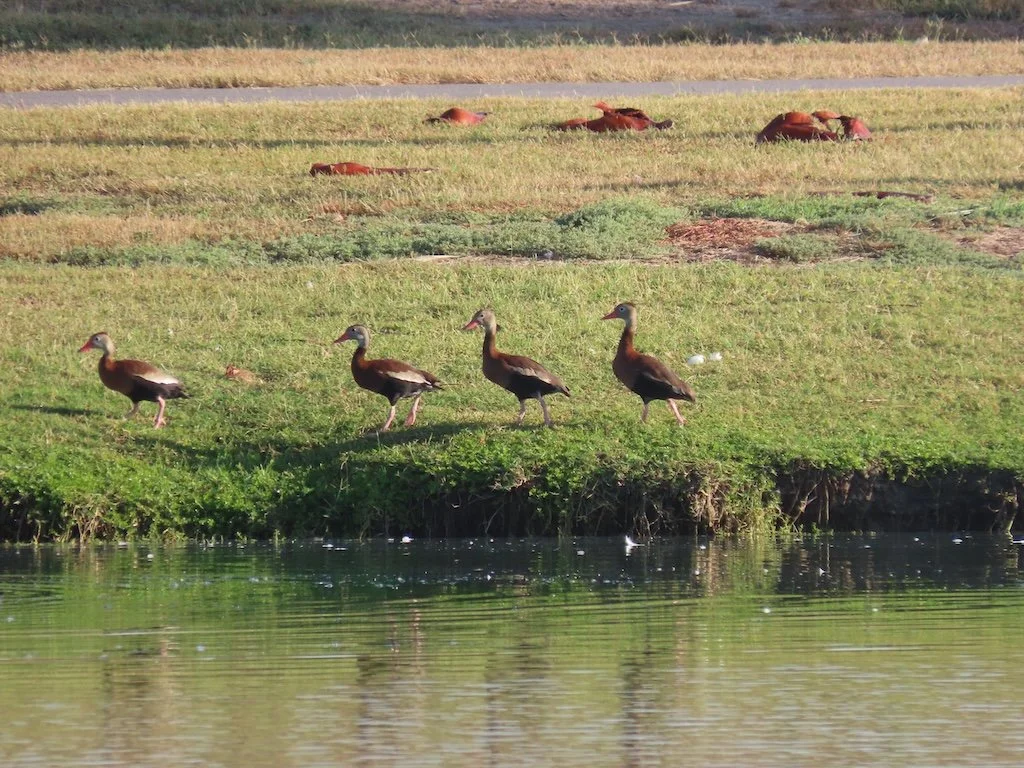
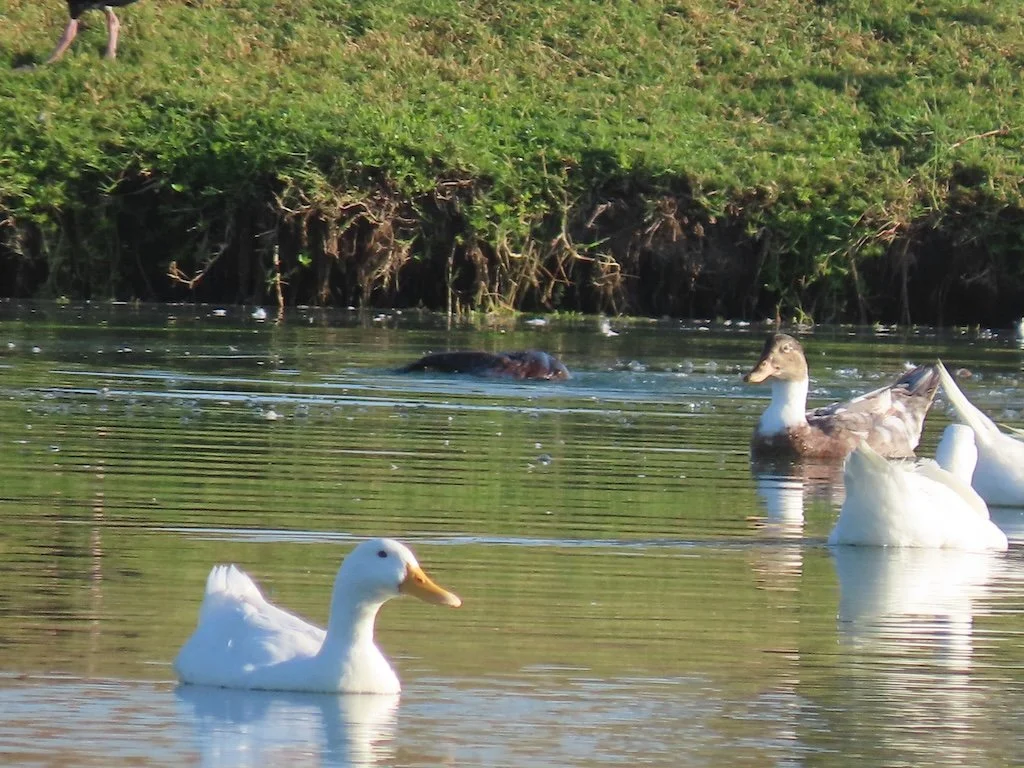
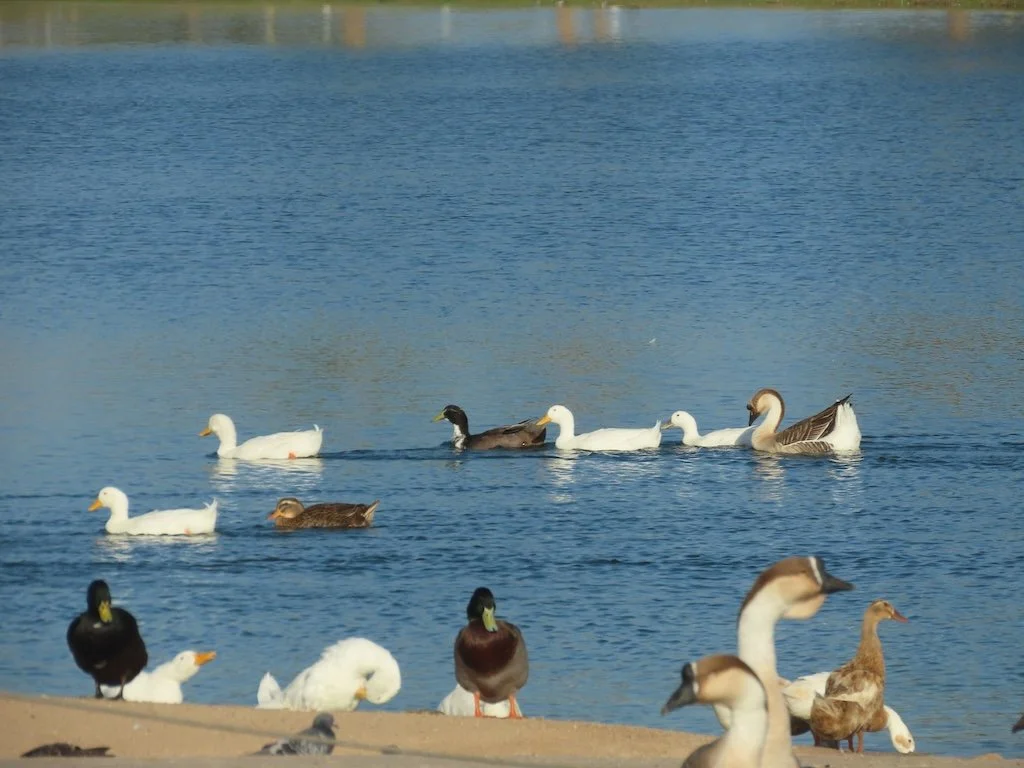
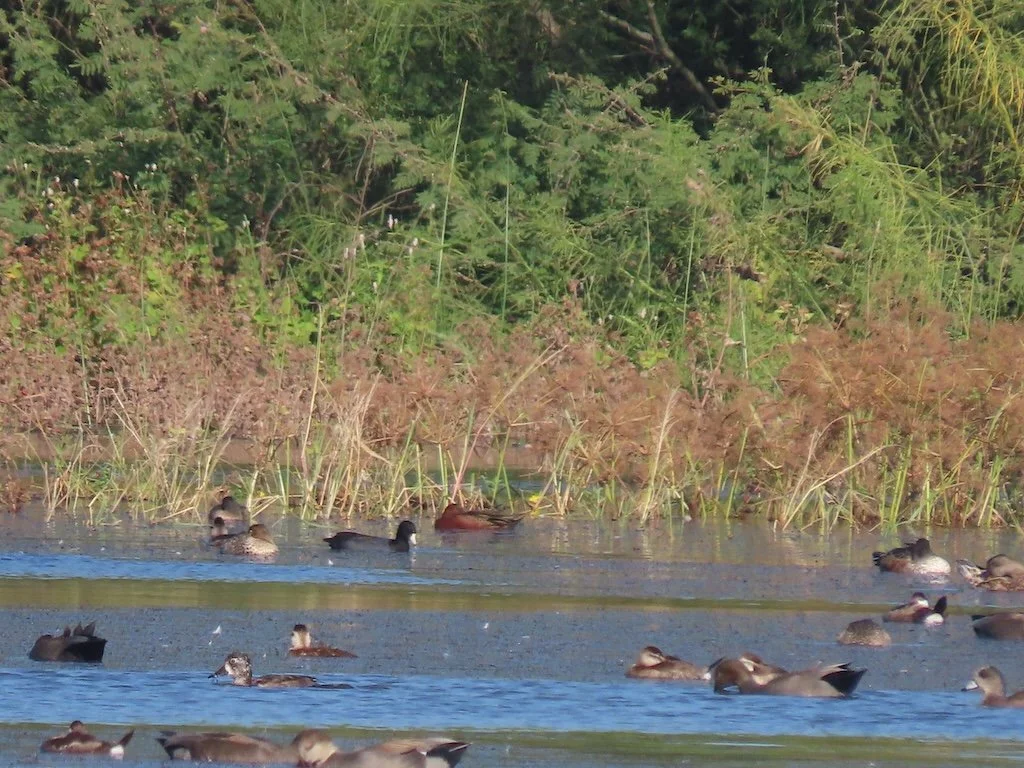
There were quite a few birds: Black-bellied Whistling ducks (and a mixture of hybrid domestic/wild ducks/geese)

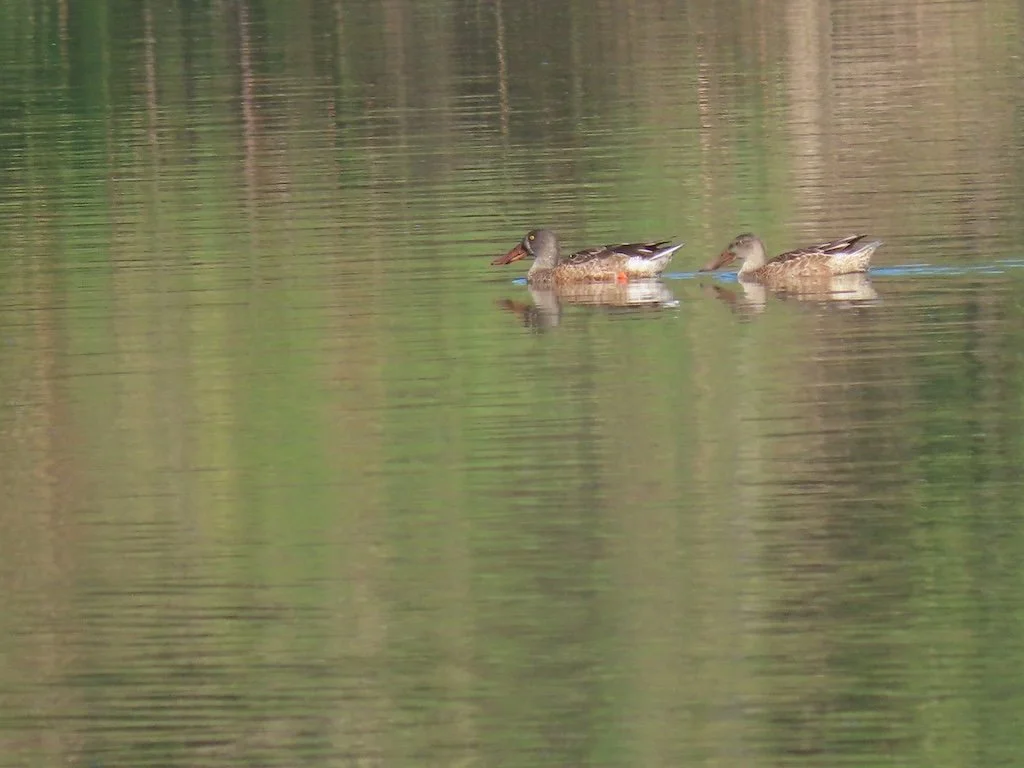
Northern Shoveler

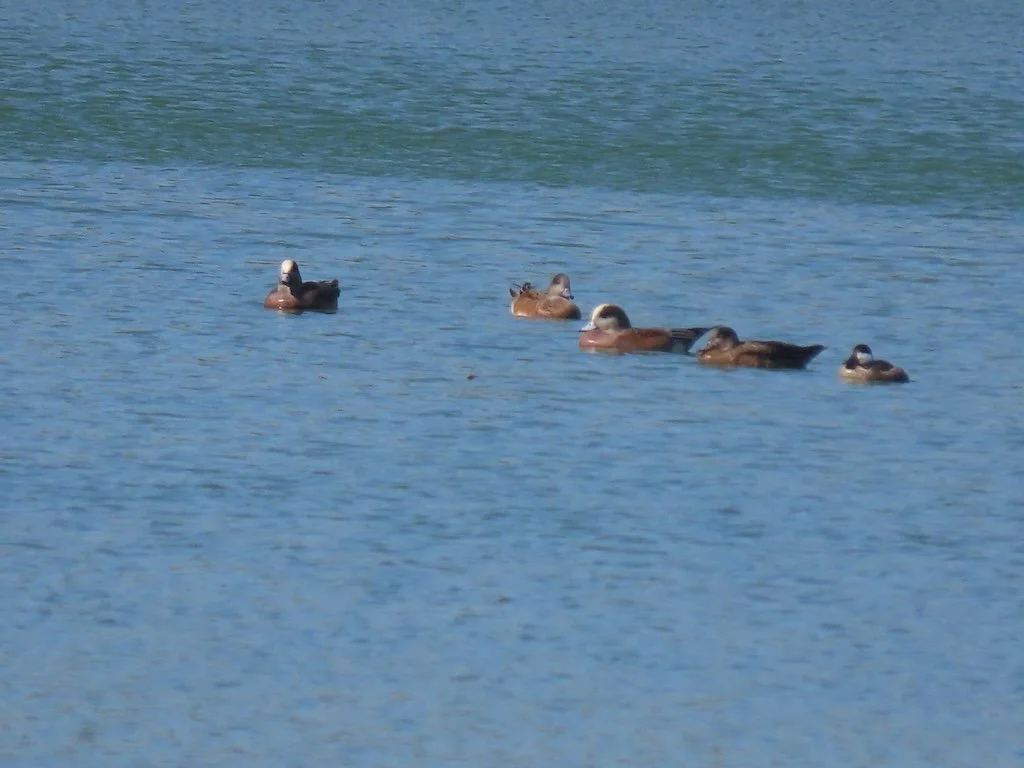
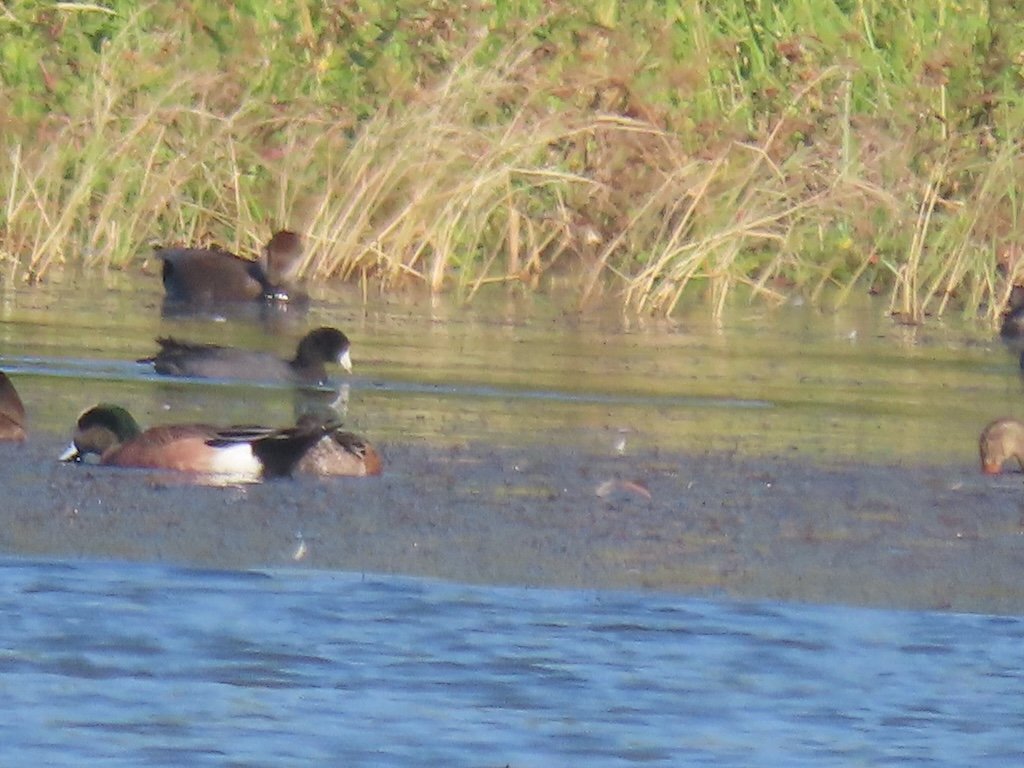
American Wigeon (and a Ruddy duck)

American Avocet

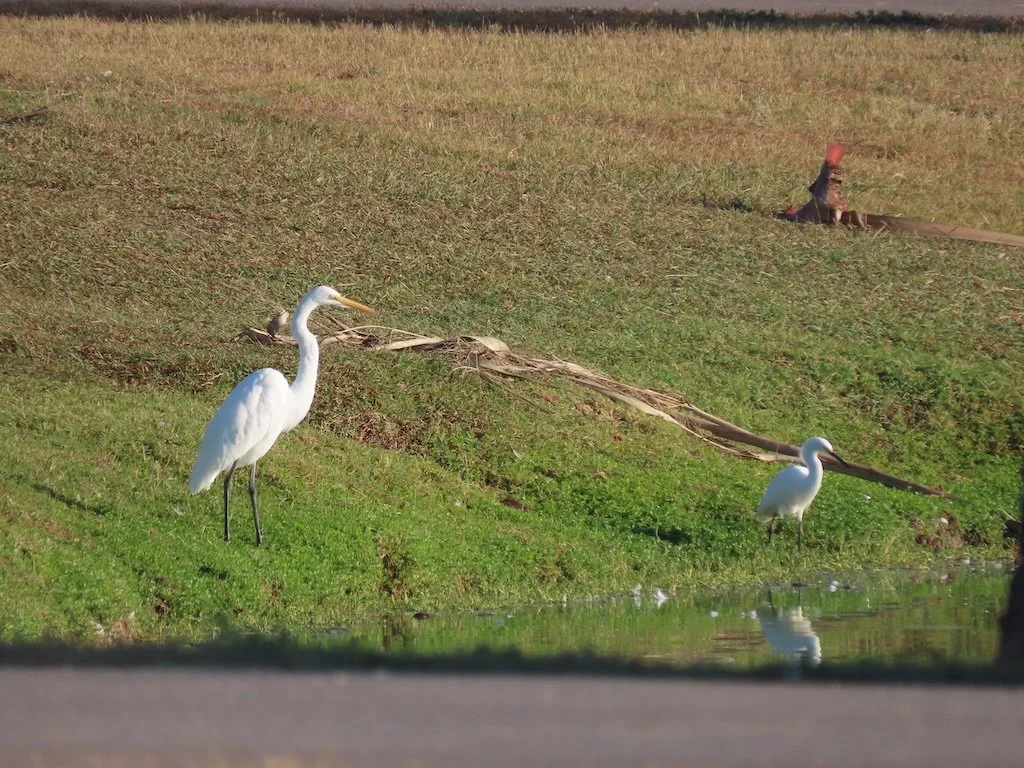
Herons: Great, Snowy, Green

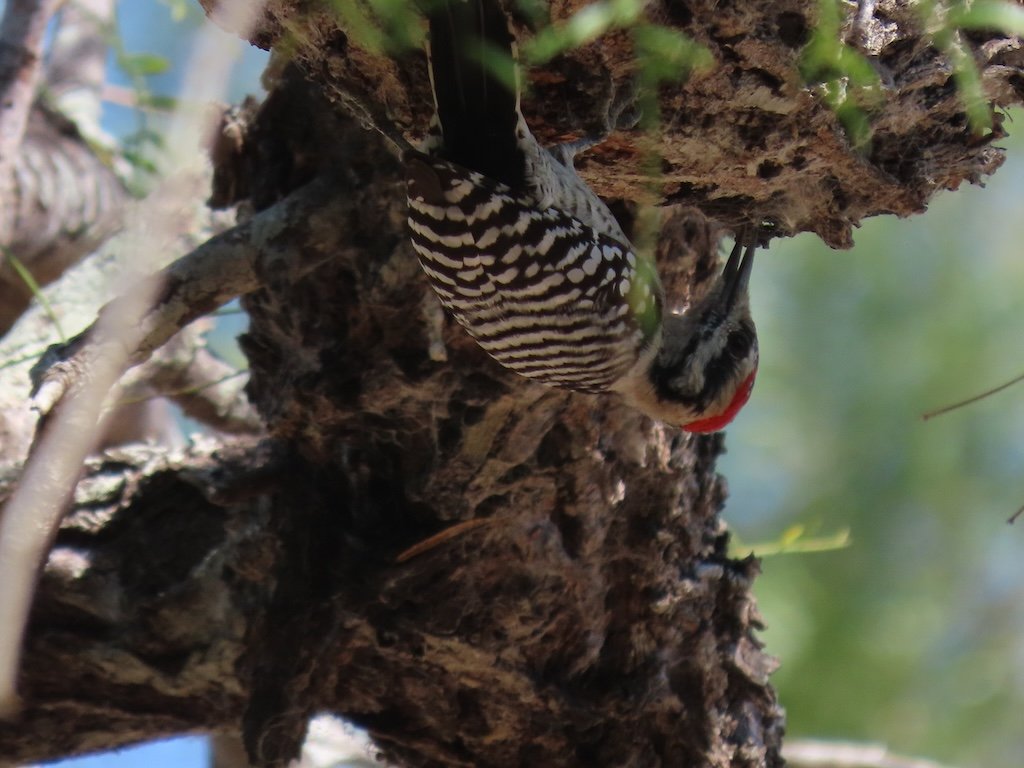
Ladder-backed Woodpecker and Inca Doves

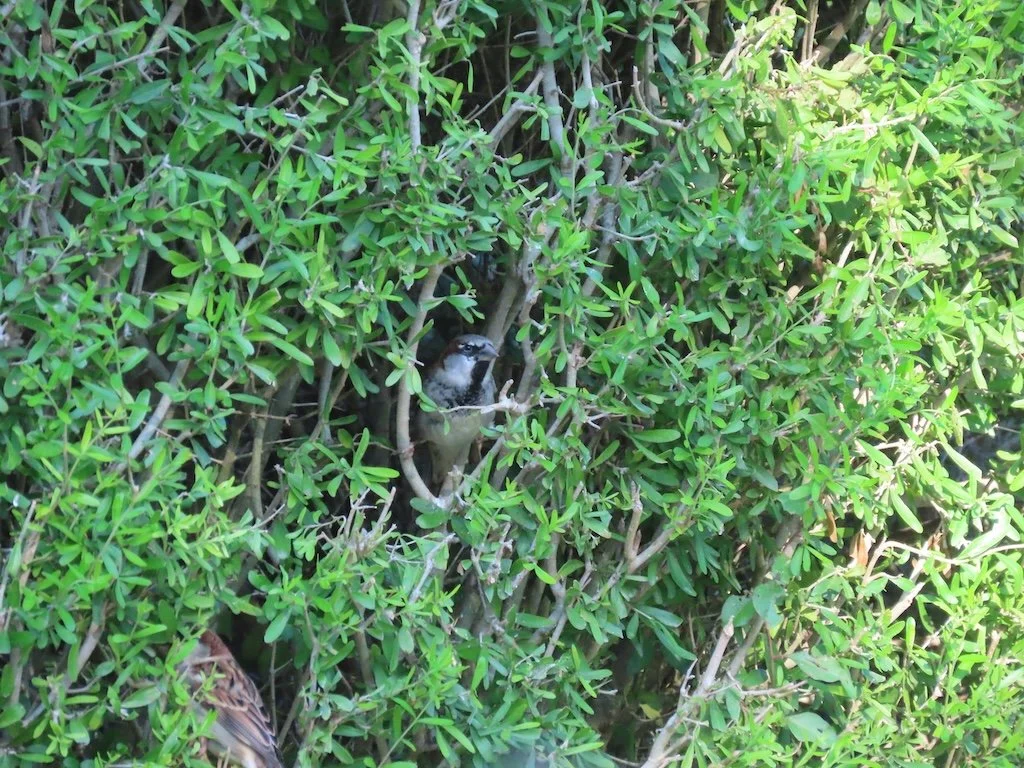
House Sparrow near the feeders

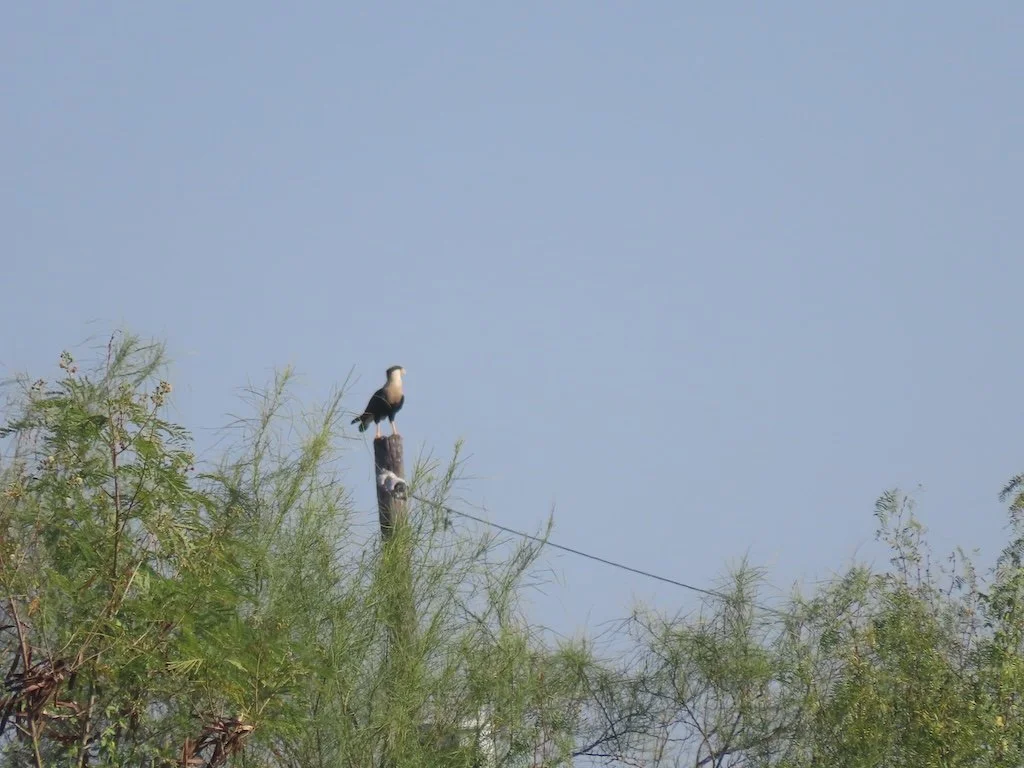
Crested Caracara

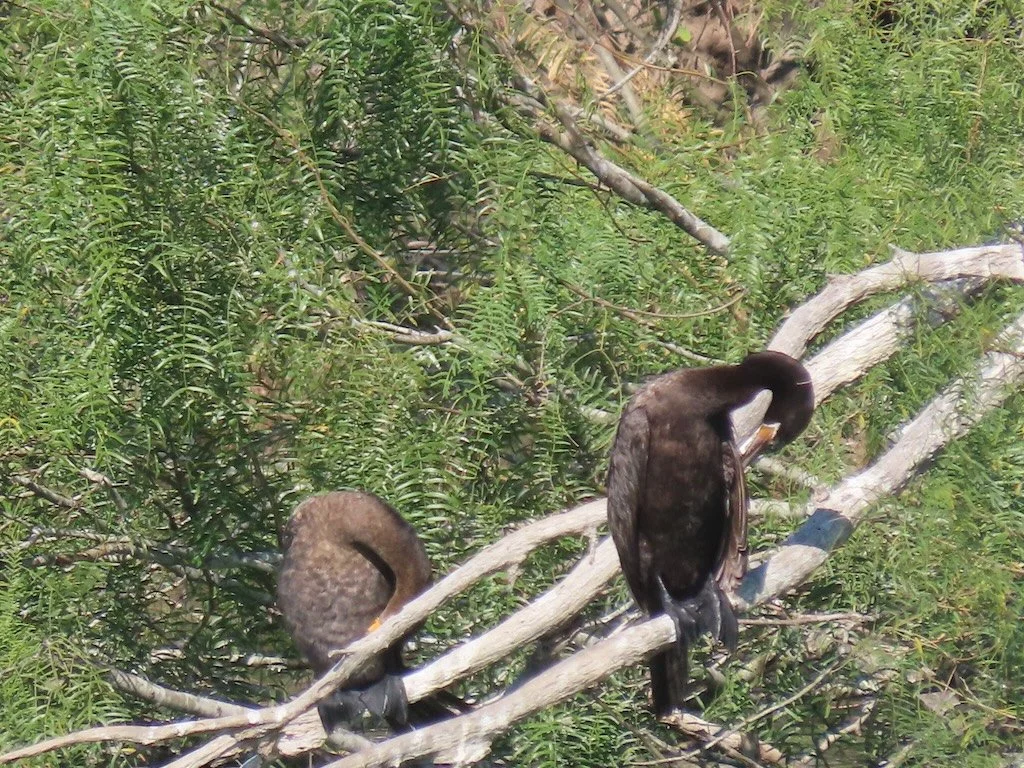
Neotropical cormorant

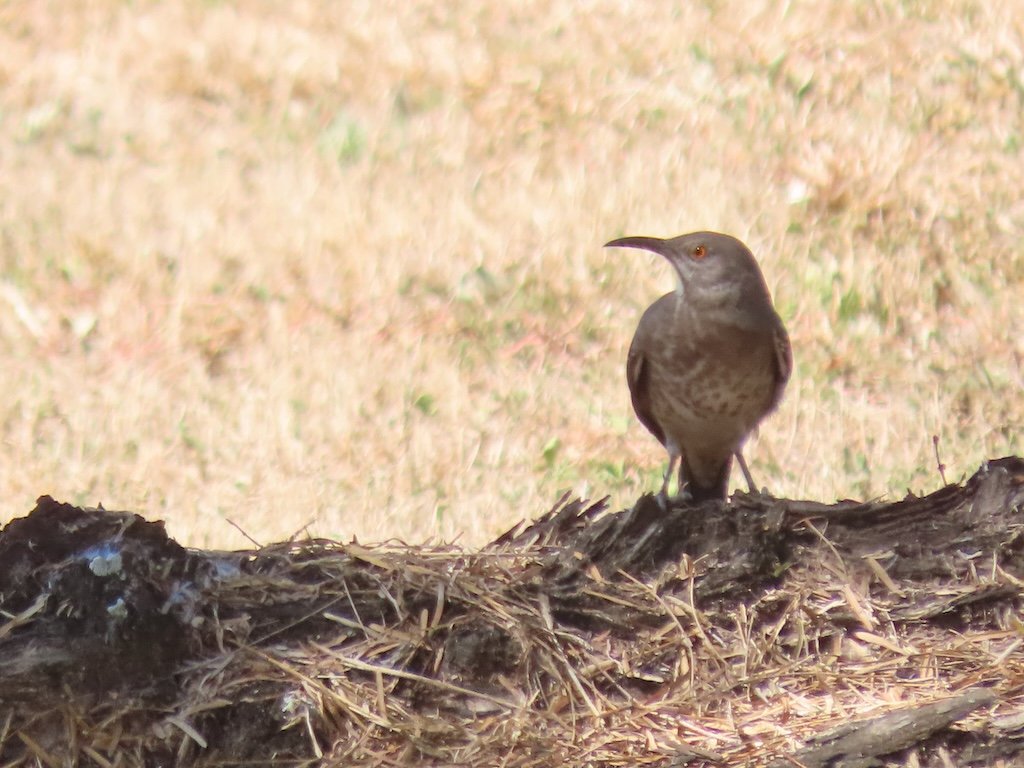
Curved-billed thrasher

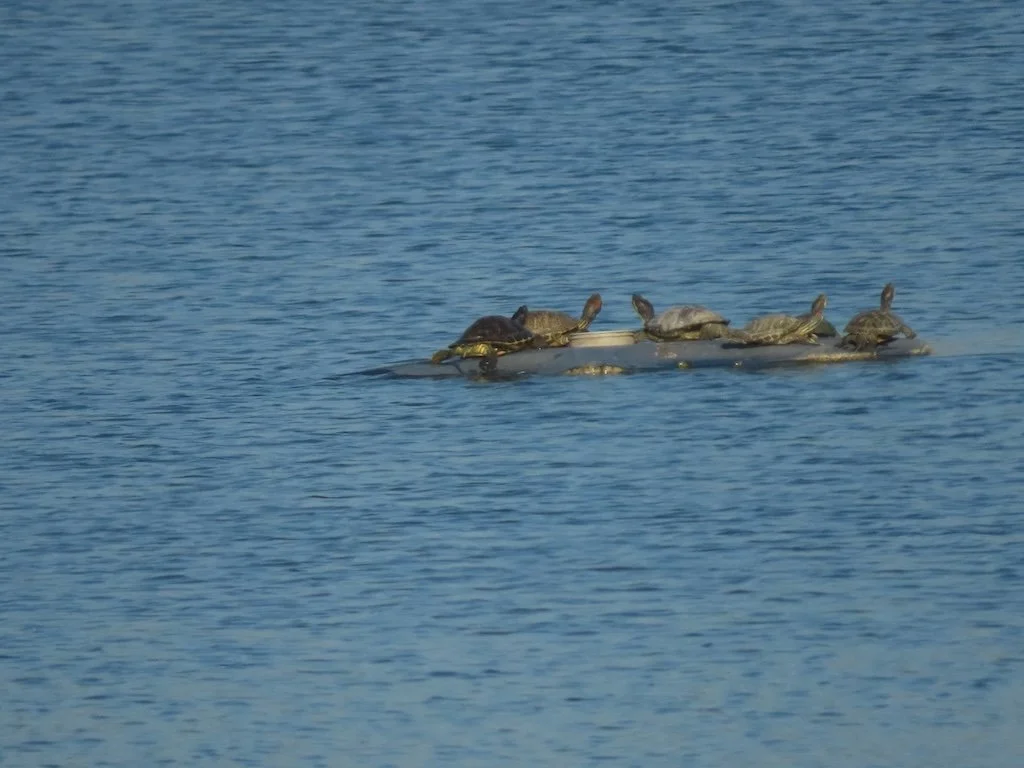
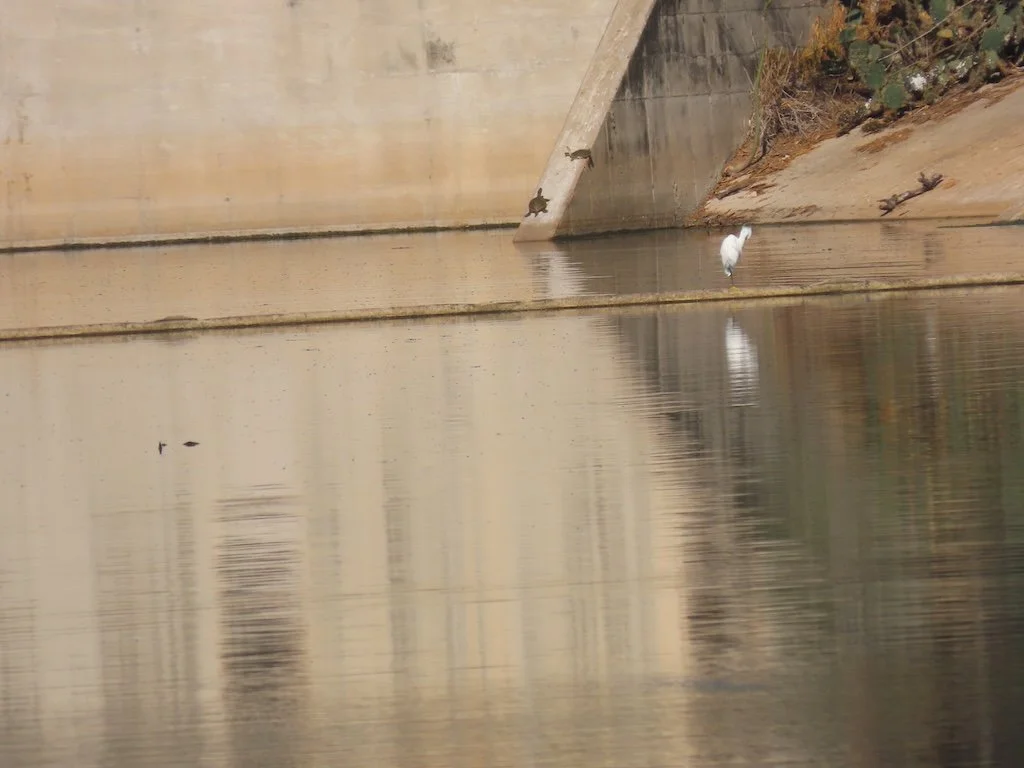
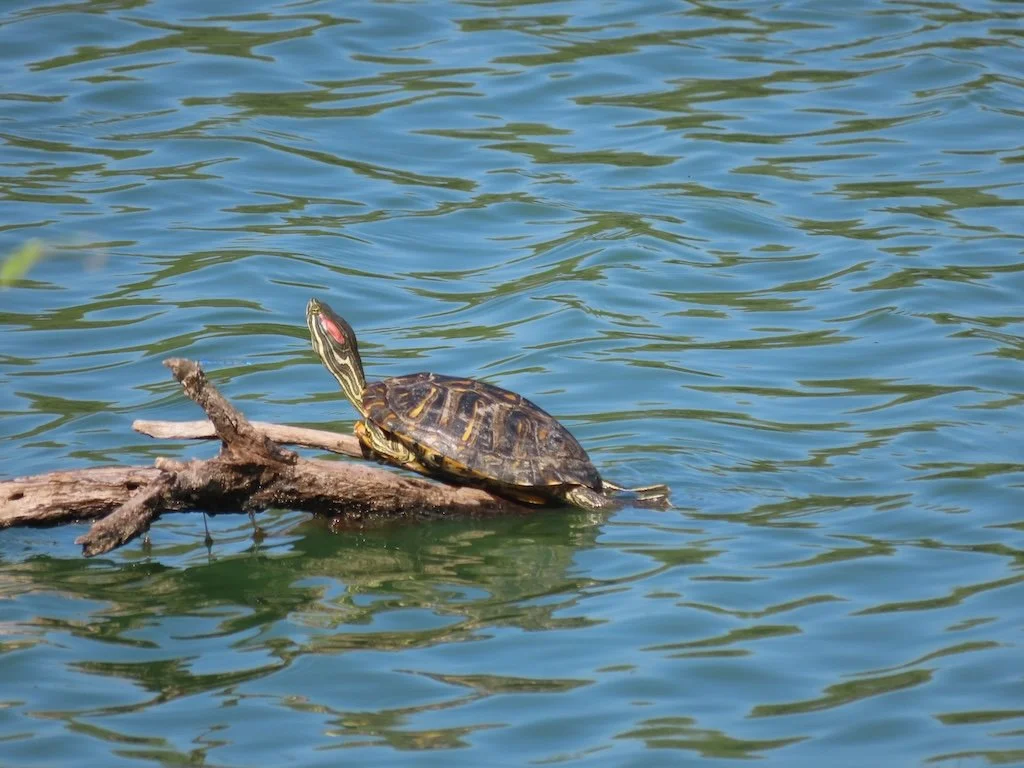
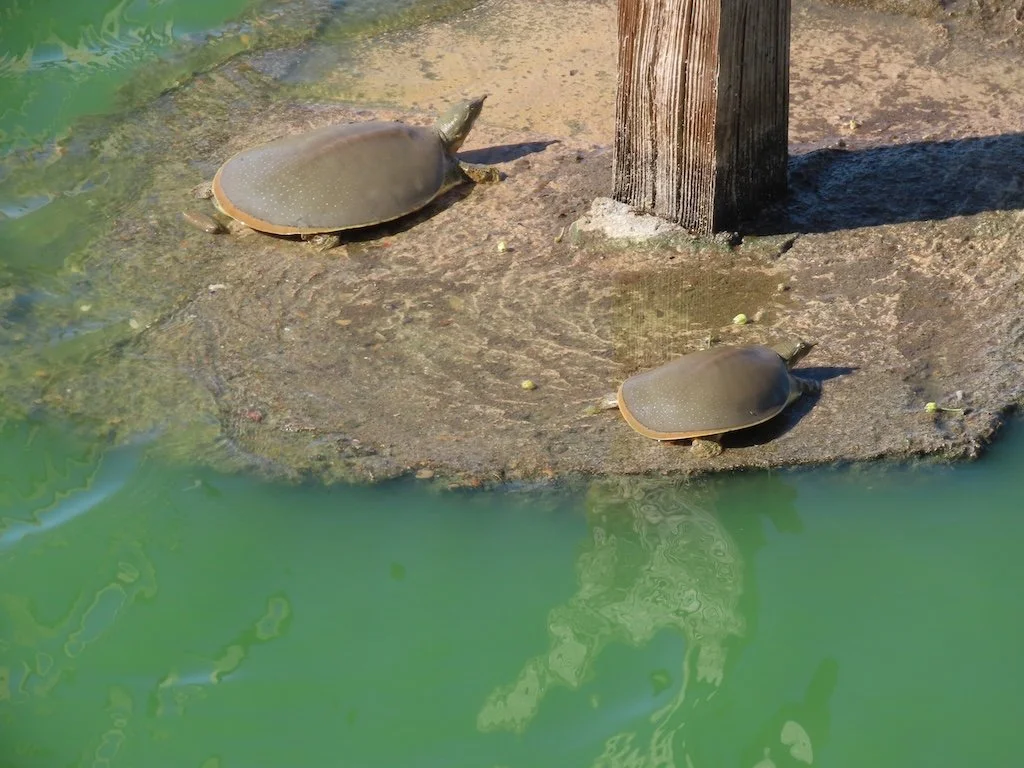
There were turtles in a lot of places too – even crawling up the dam abutment! There were Texas spiny softshell turtles on a concrete pad near the boardwalk.

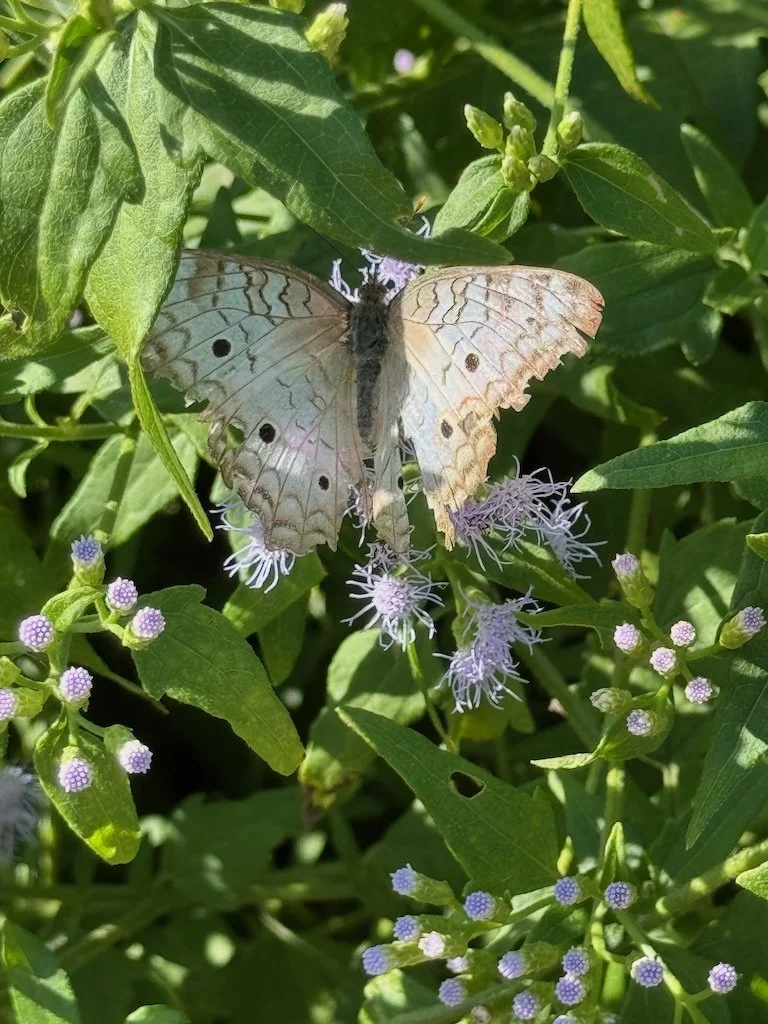
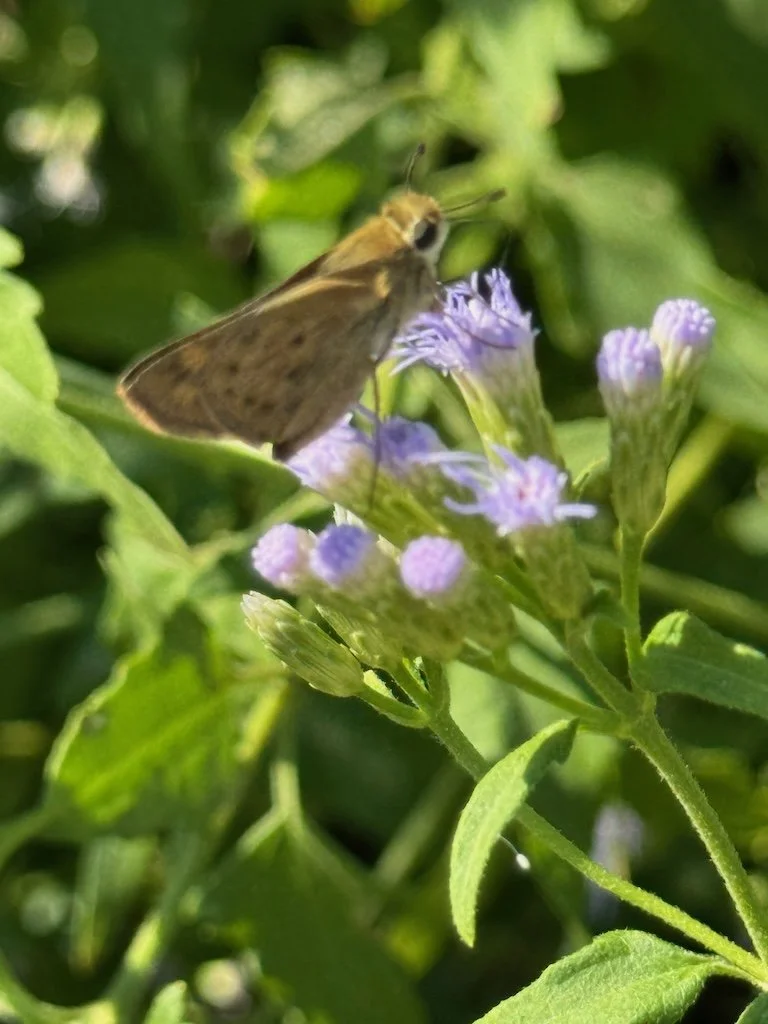
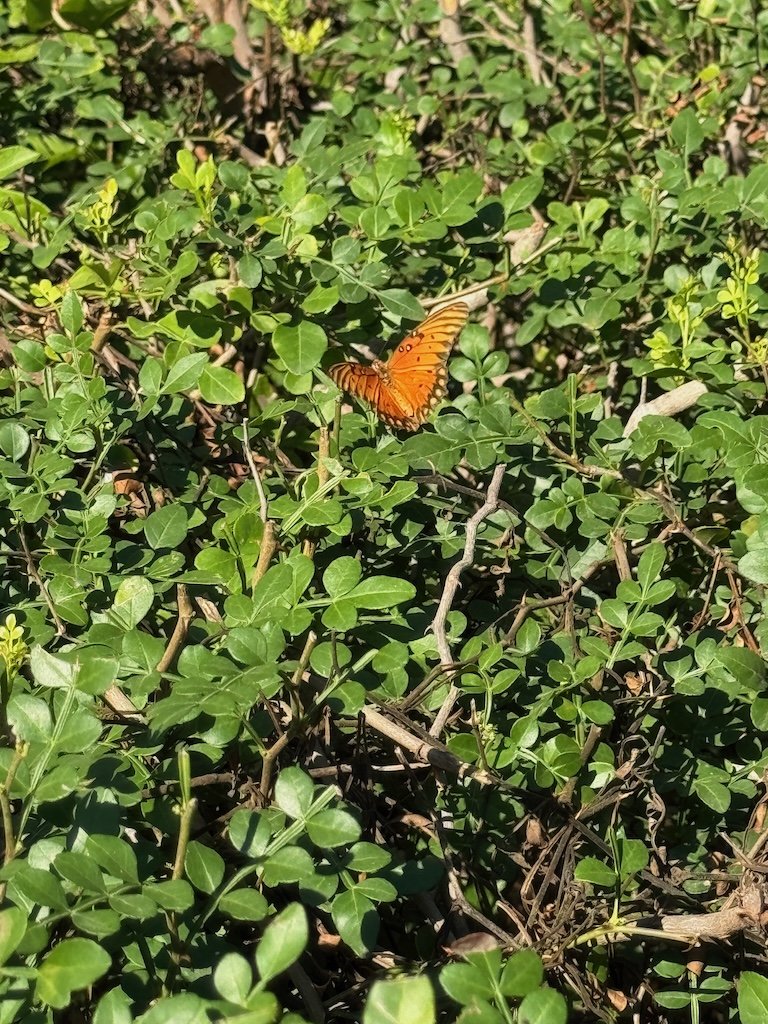
 We weren’t still long enough to do much butterfly photography – but I did manage three!

The trip had been advertised as a place to see Kingfishers, but the banks where they had frequented had been cleaned up (i.e. bushy vegetation removed) and the Kingfishers had moved elsewhere.

Zooming – November 2025

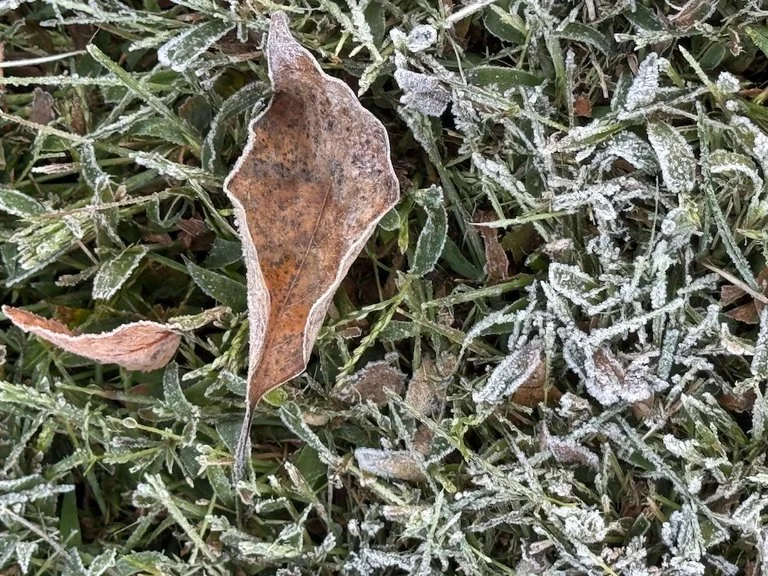
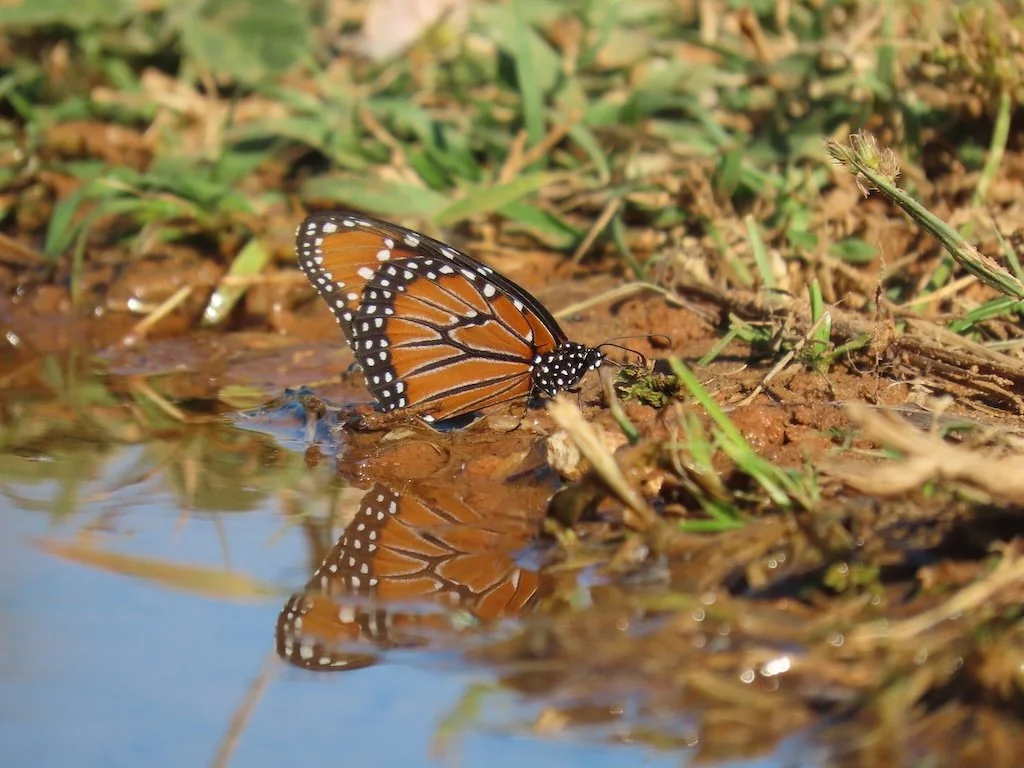
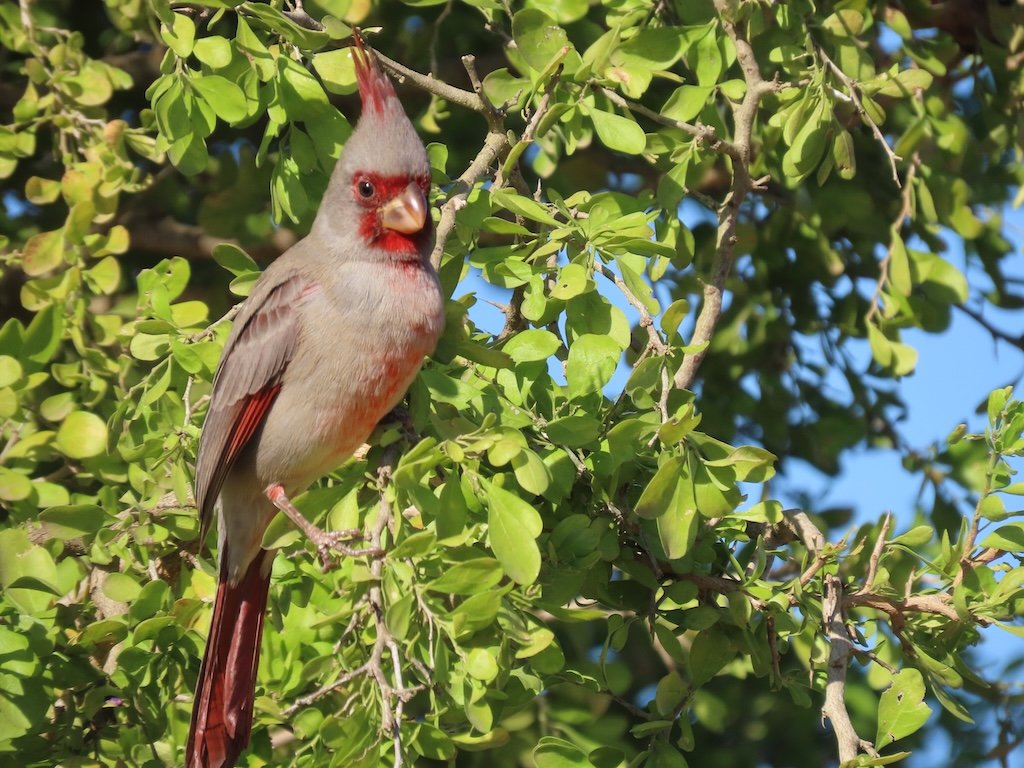
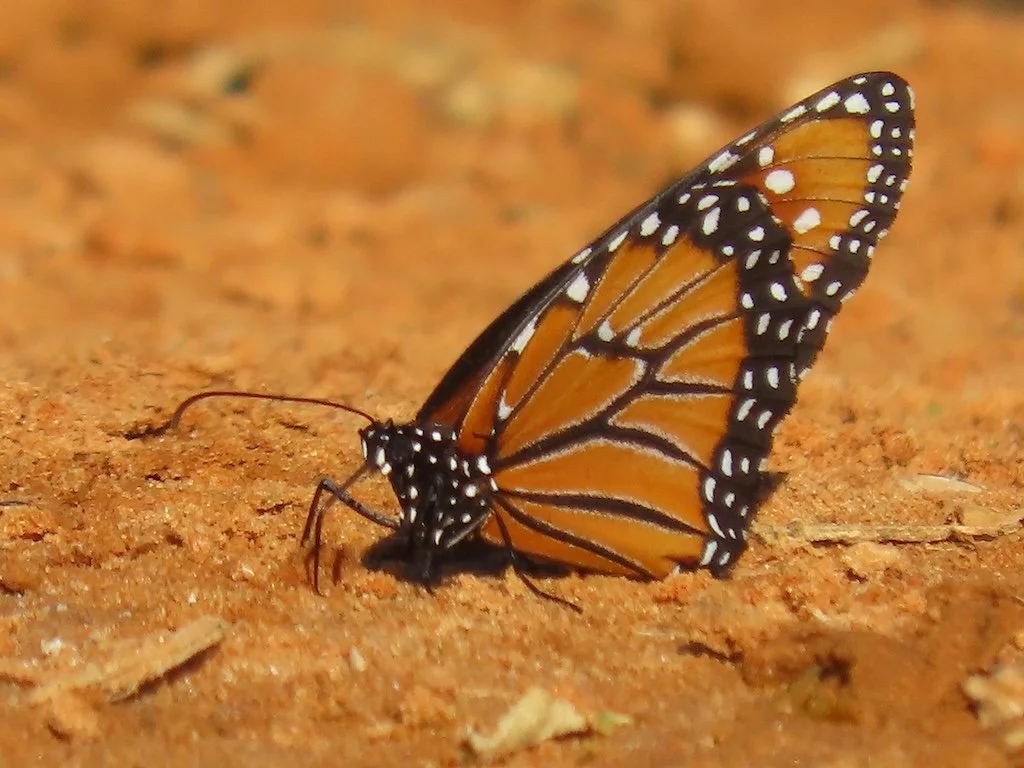
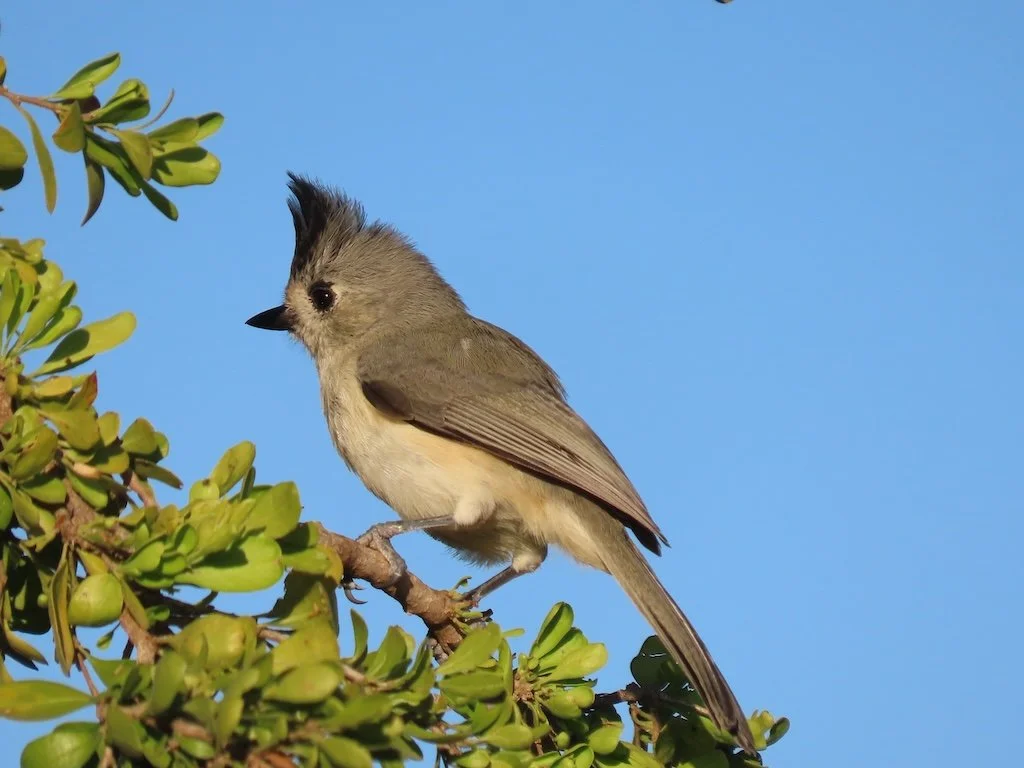
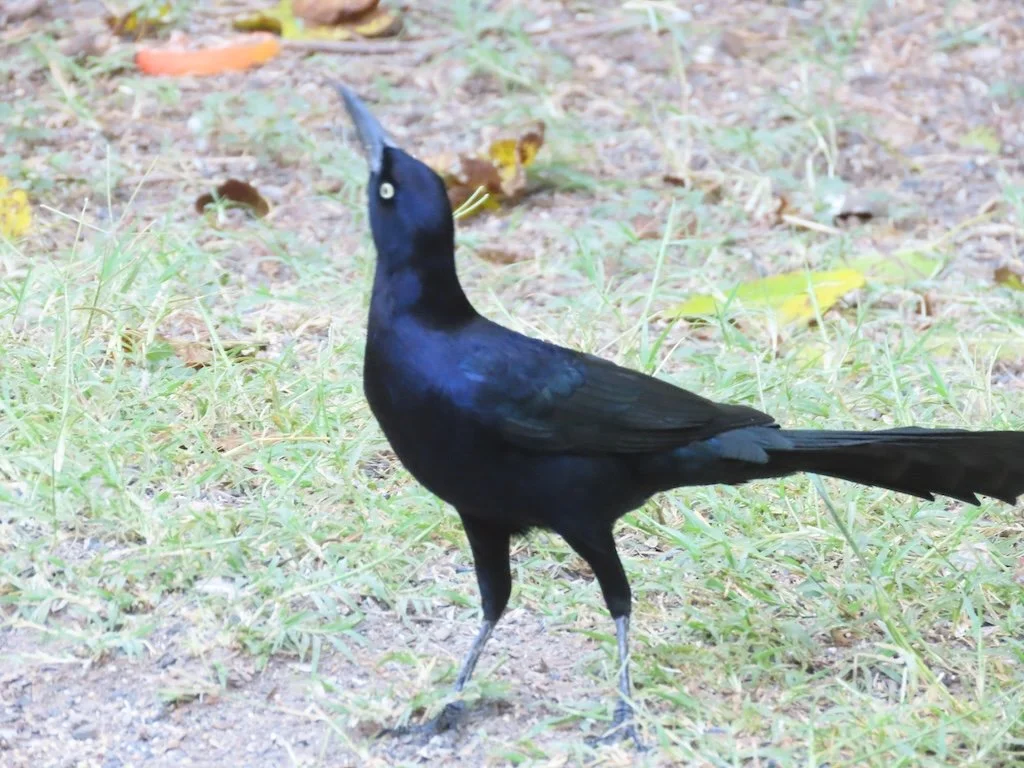
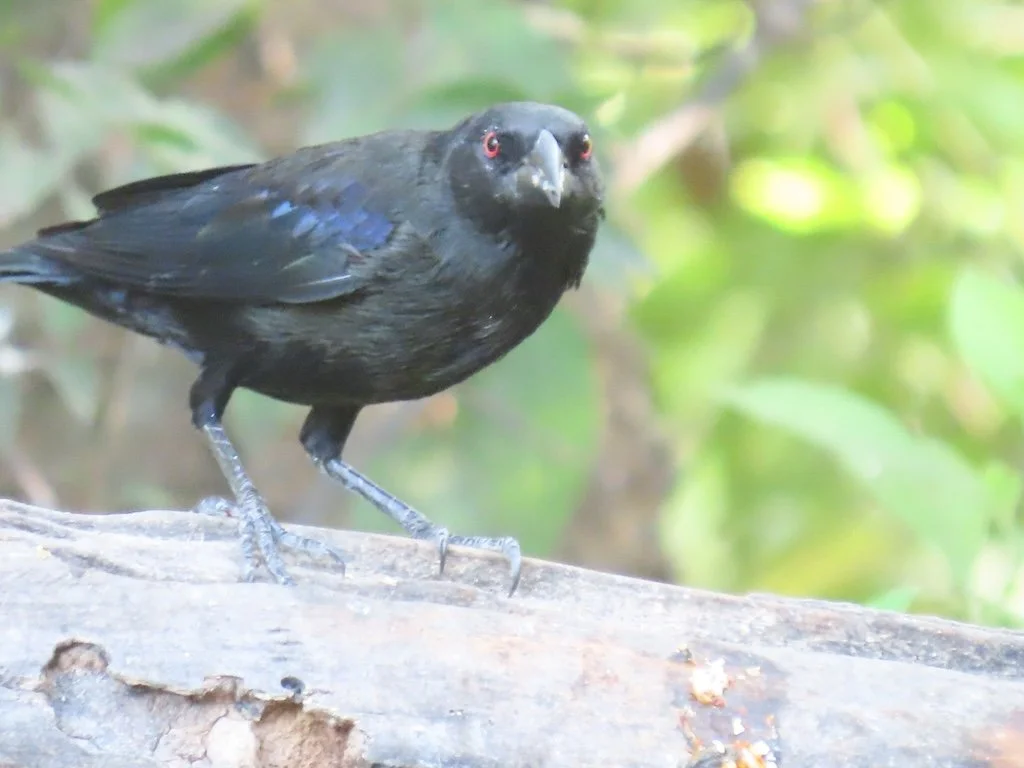
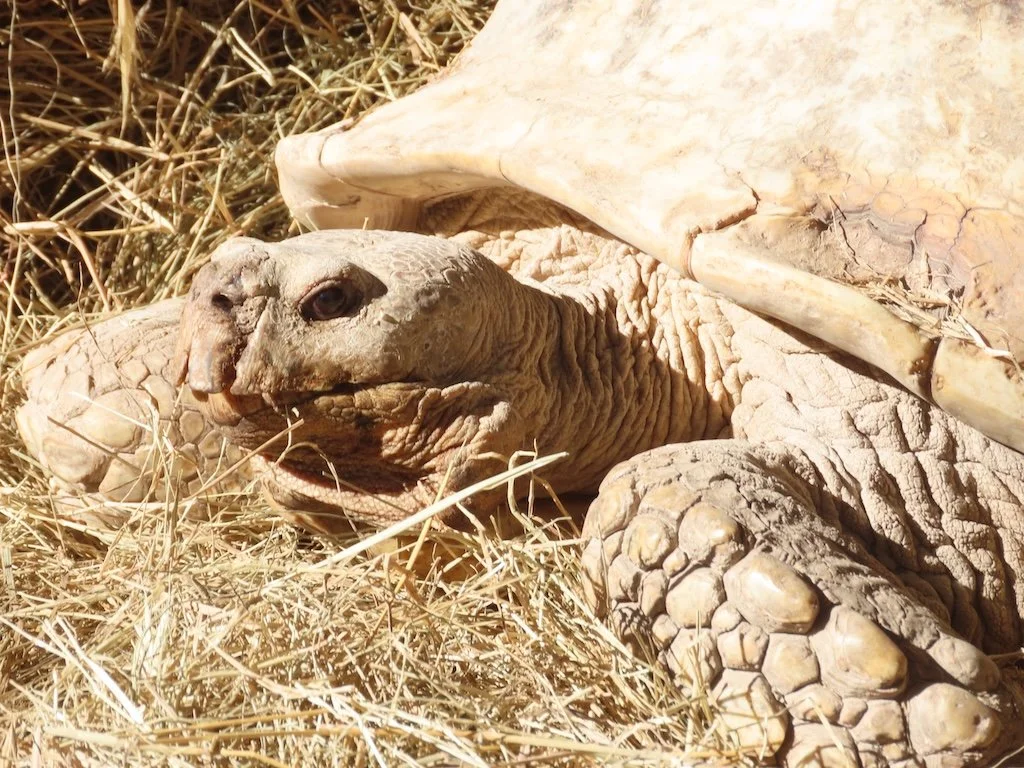
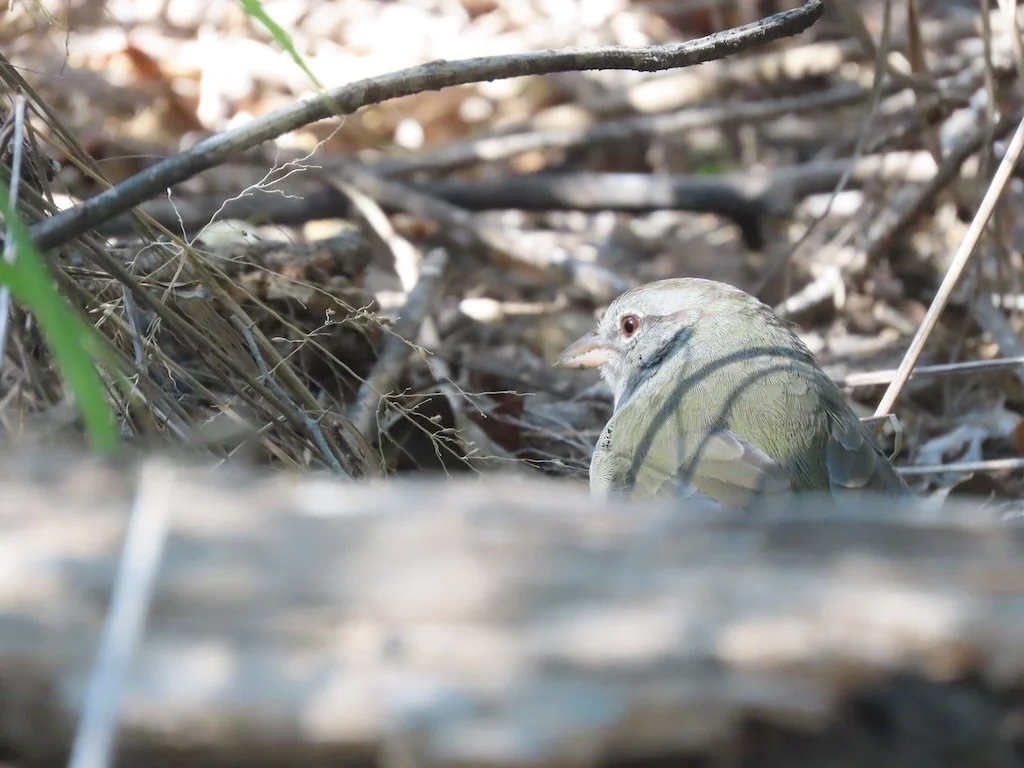
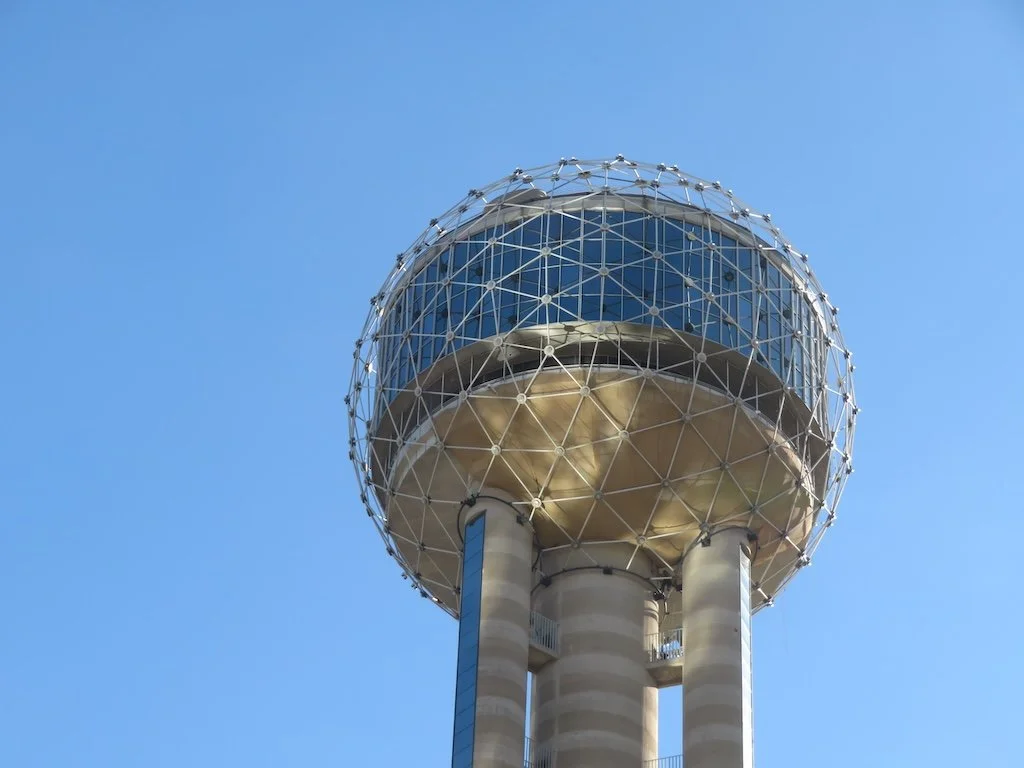
The week at the Rio Grande Valley Birding Festival was a big one for photography. It was hard to choose from almost 5000 images for the month. I finally managed to select 26 favorites…birds dominate but there are a couple of dragonflies and three reptiles (a lizard, a snake, and tortoise). I’ve included a picture of Reunion Tower in Dallas as my husband drove us through the city (I opened my window) and a tiled bench at one of the rest stops. We had our first frost at home.

Gleanings of the Week Ending November 29, 2025

The items below were ‘the cream’ of the articles and websites I found this past week. Click on the light green text to look at the article.

Everyday microplastics could be fueling heart disease - Microplastics—tiny particles now found in food, water, air, and even human tissues—may directly accelerate artery-clogging disease, and new research shows the danger may be far greater for males.

The Mystery of the Mast Year - Every few years, certain species of trees seem to go buck wild, dropping an extraordinary quantity of nuts, seeds, or fruits all at once. What’s more, this bumper crop tends to extend across vast geographical ranges, so that a white oak in Central Park is shedding buckets of acorns at the same time as a white oak in the Shenandoah Valley. Not all trees mast, but many species dominant in American forests do, such as oak, hickory, beech, and dogwood.

Ultra-processed foods quietly push young adults toward prediabetes - More than half of the calories people consume in the United States come from ultra-processed foods (UPFs), which include items such as fast food and packaged snacks that tend to contain large amounts of sodium, added sugars and unhealthy fats.

Why Should We Avoid Heating Plastic? - When plastic is heated, its molecules will move around more freely and the whole structure will become less rigid. This makes it easier for those additives to detach and migrate into nearby foods or liquids. To reduce your exposure, heat food in containers made of inert materials like ceramic or glass, avoid storing hot, fatty, or acidic food in plastic, and try to shorten the storage time of all food and beverages in plastic containers.

'They're just so much further ahead': How China won the world's EV battery race - In 2005, China only had two EV battery manufacturers. Twenty years later, it produces more than three-quarters of the world's lithium-ion cells. Today, China dominates the production at every stage of the battery supply chain, apart from the mining and processing of some raw minerals.

Obesity-Related Cancers Are Rising in Young and Old - Six of cancers—leukemia, thyroid, breast, colorectal, kidney, and endometrial—increased in prevalence in young adults in at least 75 percent of the examined countries. However, five of these six cancers also showed increased prevalence in older adults. Colorectal cancer was the exception. The cancer types with increased incidence in both younger and older adults were all linked to obesity.

Growth of Wind and Solar Keeping Fossil Power in Check - This year it is projected that new wind and solar power will more than meet growing demand for electricity globally, keeping fossil fuel consumption flat. However, while the world is beginning to keep emissions from power plants in check, overall emissions continue to tick up, rising by 1.1 percent this year.

Researchers Discover ‘Death Ball’ Sponge and Dozens of Other Bizarre Deep-Sea Creatures in the Southern Ocean - Researchers have discovered 30 previously unknown deep-sea species in the remote ocean surrounding Antarctica - an achievement highlighting just how little humanity knows about some of the deepest regions of the planet. Fewer than 30 percent of the expedition’s samples have been assessed thus far so there could be more discoveries to report soon.

Short-Chain PFAS Eclipse Their Longer Counterparts in Blood Serum - The conventional wisdom is that short-chain PFAS are of lesser concern because they don’t bioaccumulate, but what we’re seeing is that they can occur at high levels in people. A new study shows that young adults who ate more UPFs also showed signs of insulin resistance, a condition in which the body becomes less efficient at using insulin to manage blood sugar.

Get Up Close with Alabama’s Rivers – Mac Stone photographing Alabama’s waterways…places full of biodiversity. The post includes pictures: southern dusky salamander, pitcher plant blooms, alligator snapping turtles, swamp lily, brown pelican.

Bentsen- Rio Grande Valley State Park

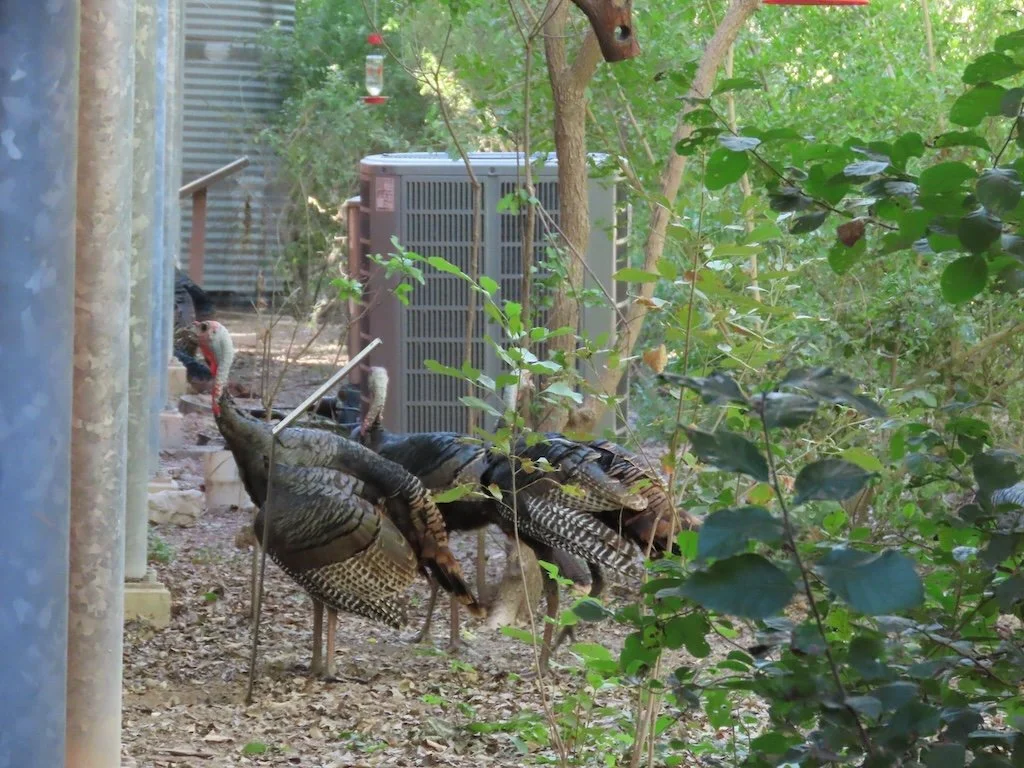
It was a very hot afternoon (after our visit to Santa Ana) when we arrived at Bentsen- Rio Grande Valley State Park – about 90 degrees. On the plus side – we saw turkeys before we got to the visitor center!

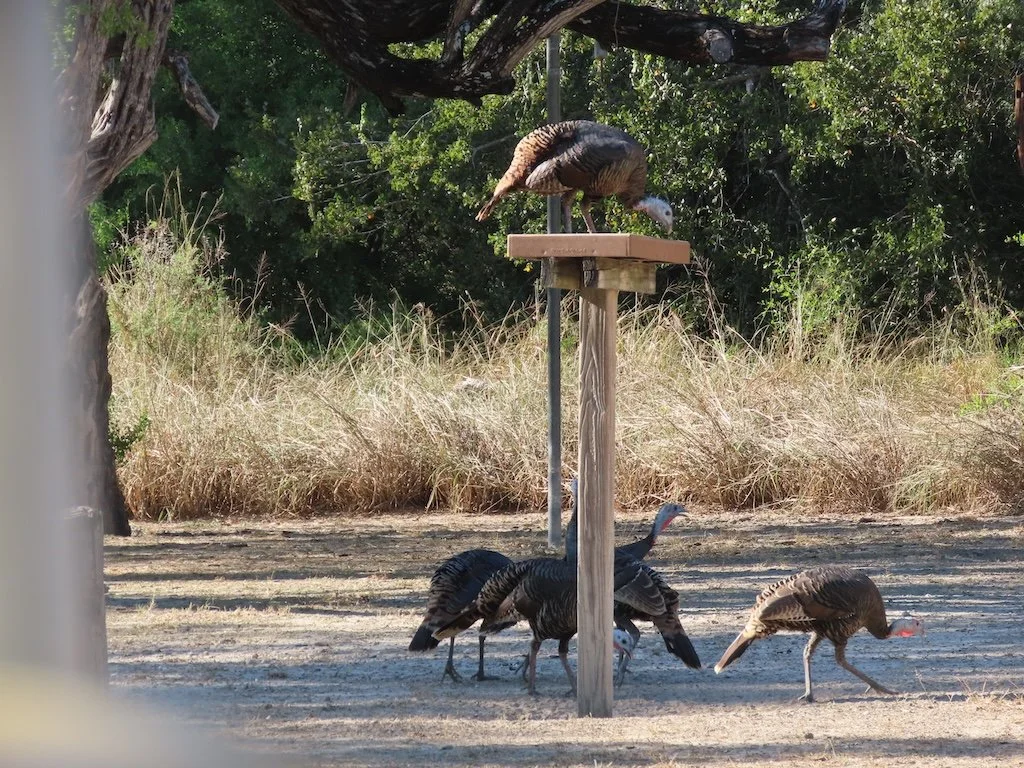
We opted to take the tram to get an overall view of the park and then get off at the bird feeding station closest to the visitor center. The tram stopped long enough for me to photograph a feeding station dominated by turkeys.

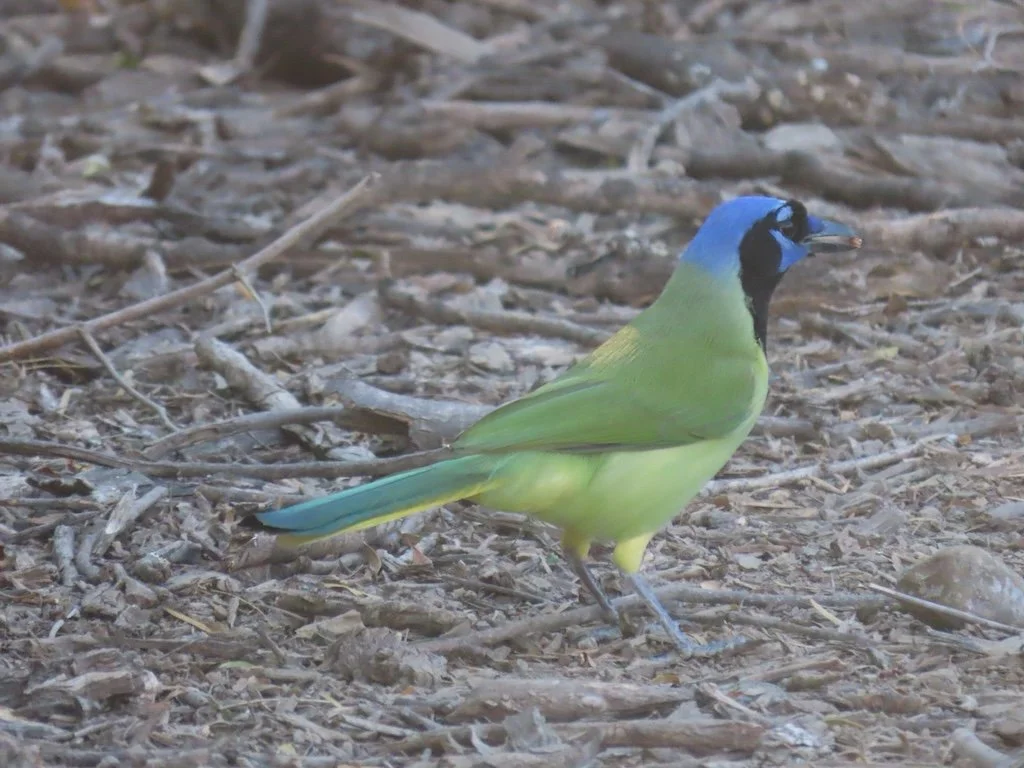
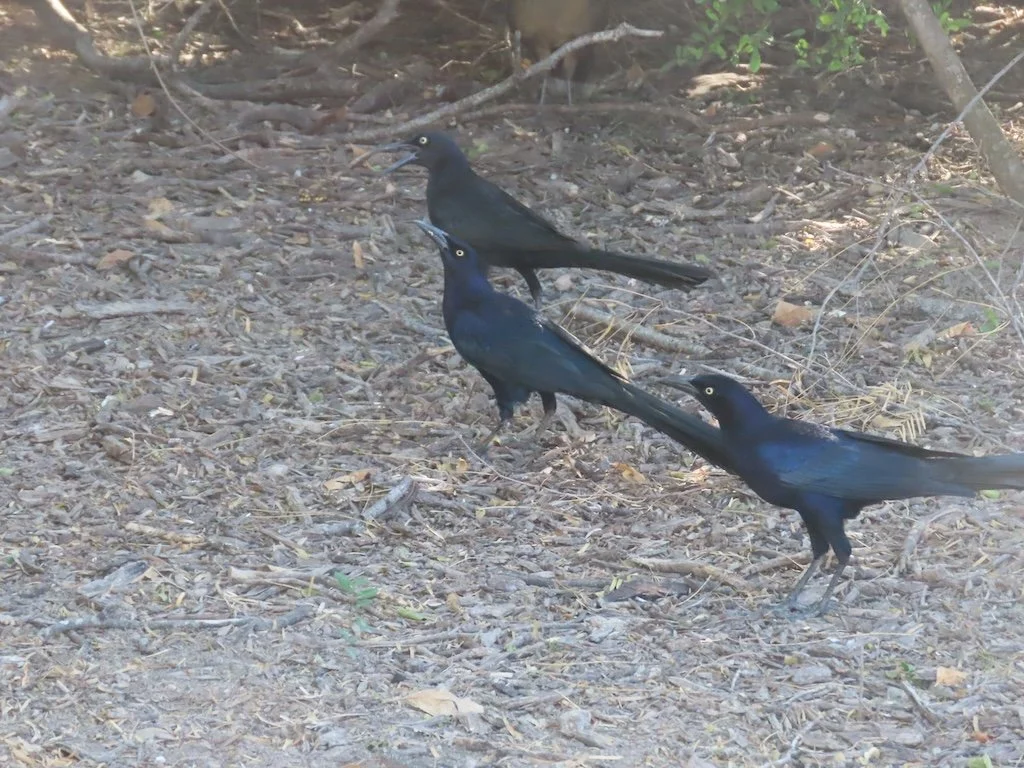
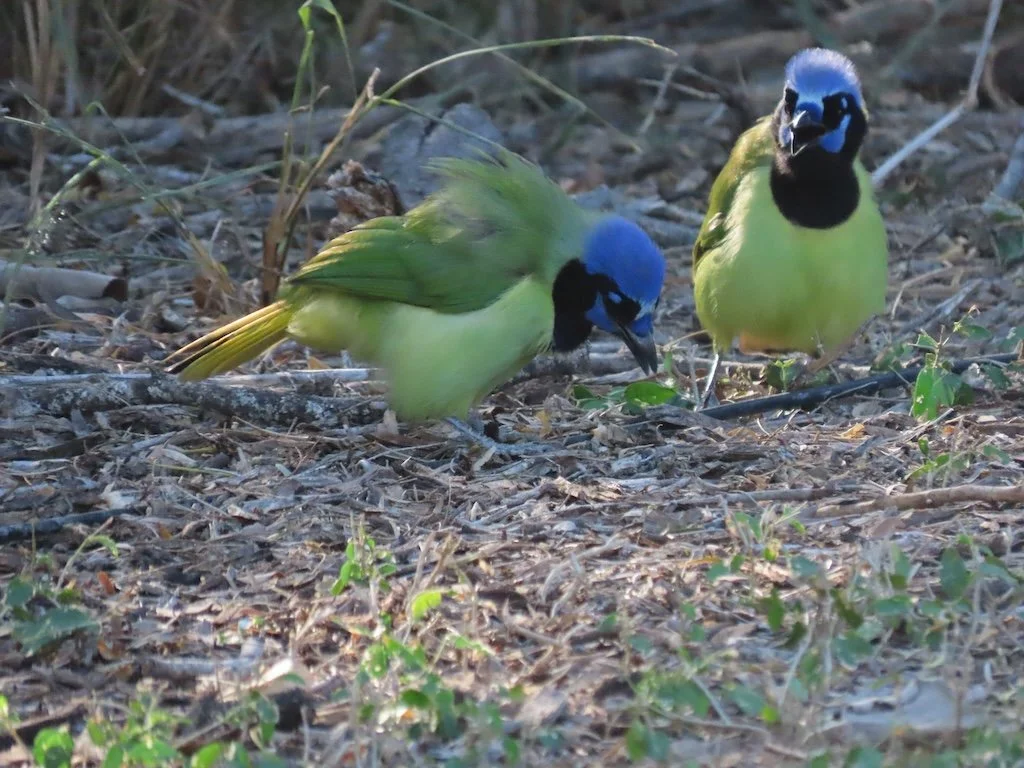
When we got off the tram, the green jays and great-tailed grackles were at the feeder.

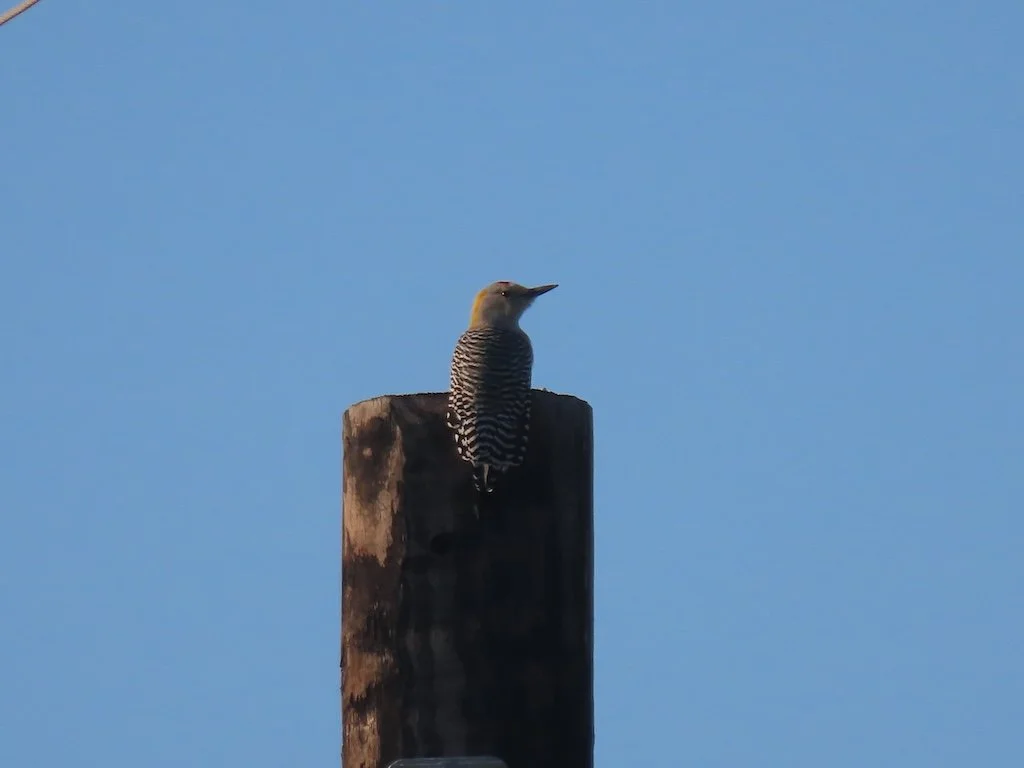
A golden-fronted woodpecker was on a post and then a roof.

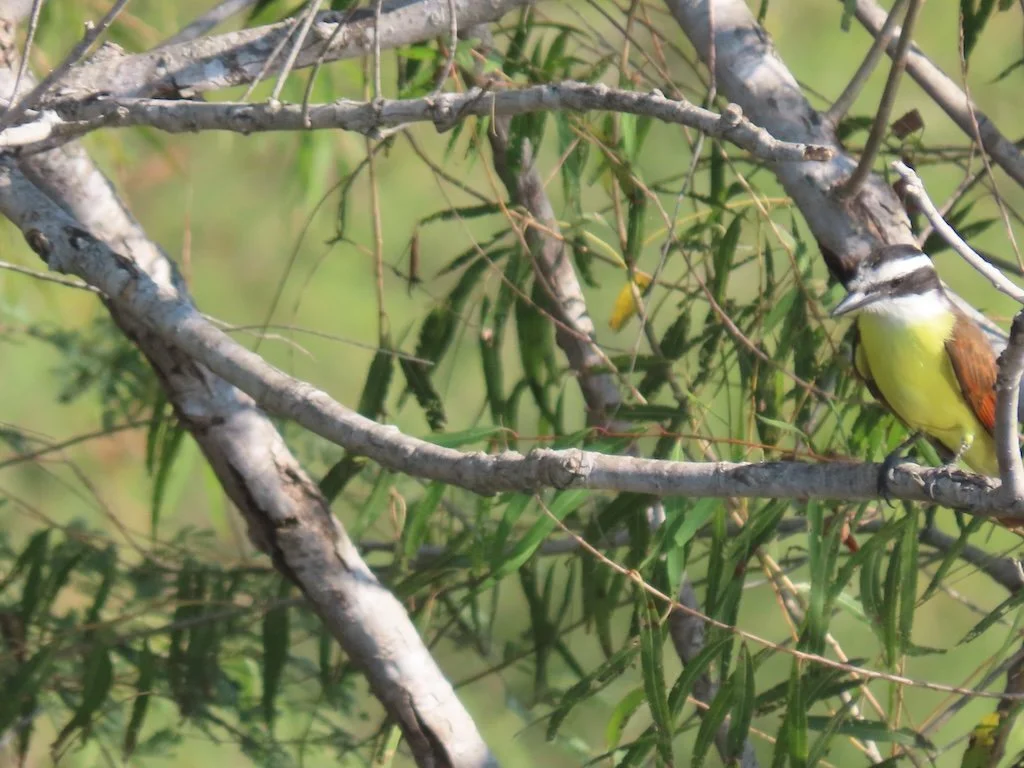
A great kiskadee was on the same roof striking a vulture-like pose.

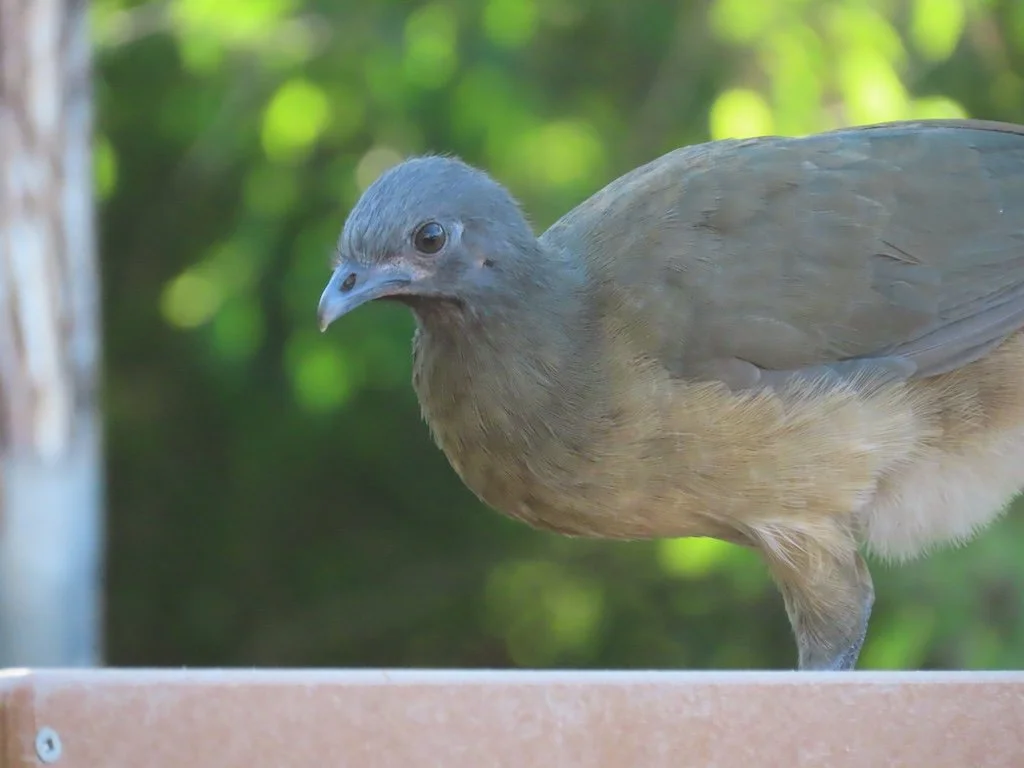
I was sitting in a swing and watching the plain chachalacas when I managed a short video which became the highpoint of my Bentsen visit. One of the birds started drinking from a puddle a few feet away from me. It was aware of calls from the other birds in its group….and showed its red bare skin patch!

We walked back toward the visitor center over the canal. Next time we visit, I’ll want to go in the morning!

Santa Ana National Wildlife Refuge

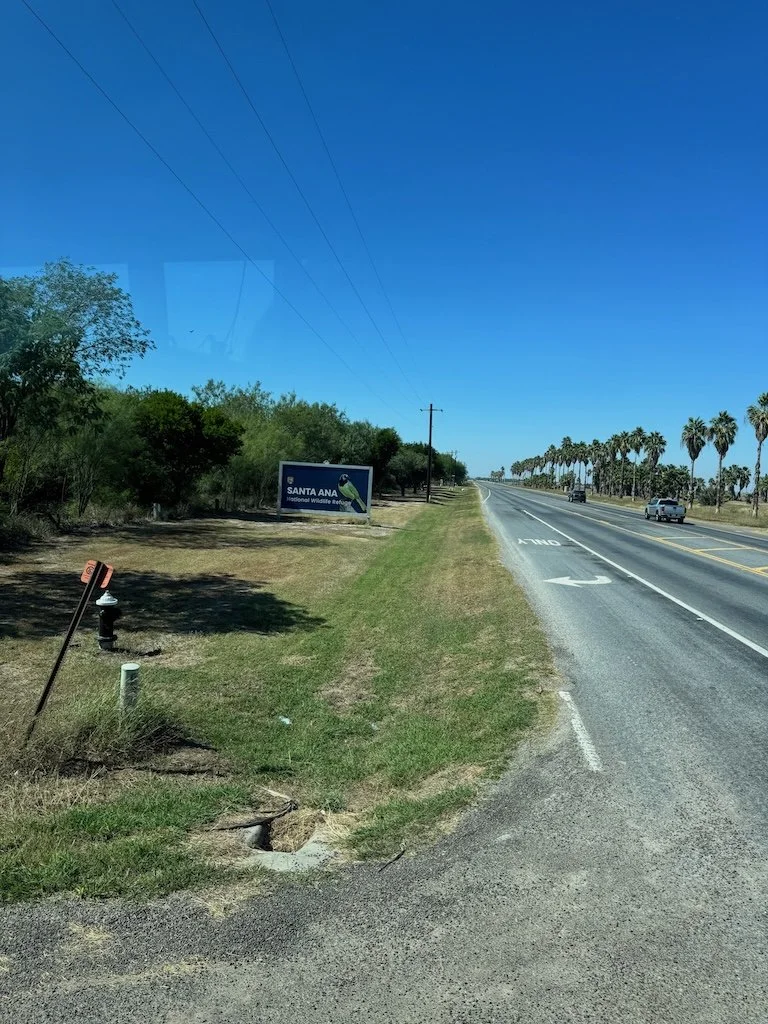
We visited the Santa Ana National Wildlife Refuge on the third morning of the Rio Grande Valley Birding Festival. The visitor center was not open (it was during the government shutdown), but the restrooms were. I knew the morning was going to include some hiking, so I brought along my trekking poles and they worked great – I got tired, but my back didn’t hurt!

There was a lot to see. The highlights in my photographs were:

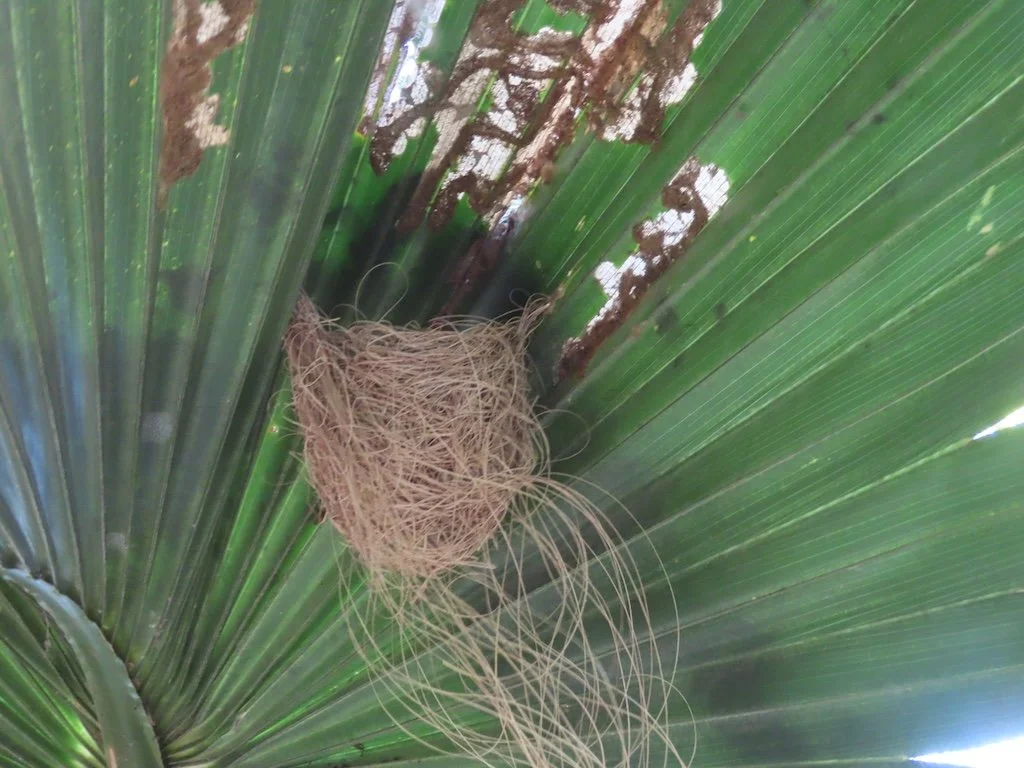
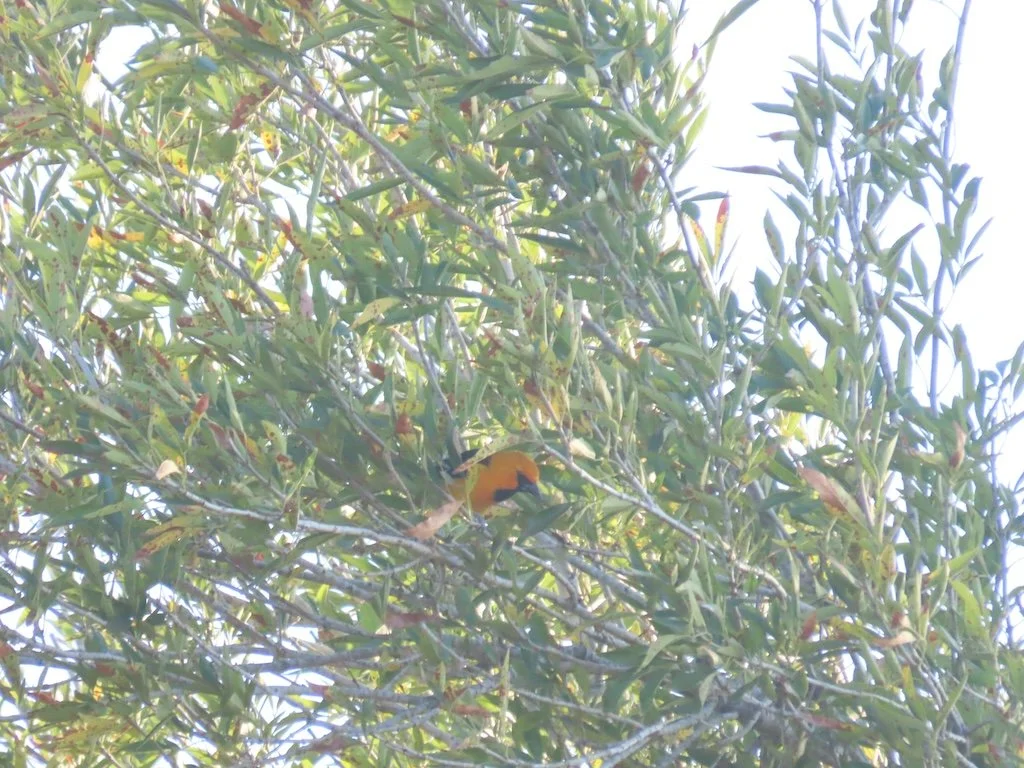
Altamira oriole and a nest created by the species

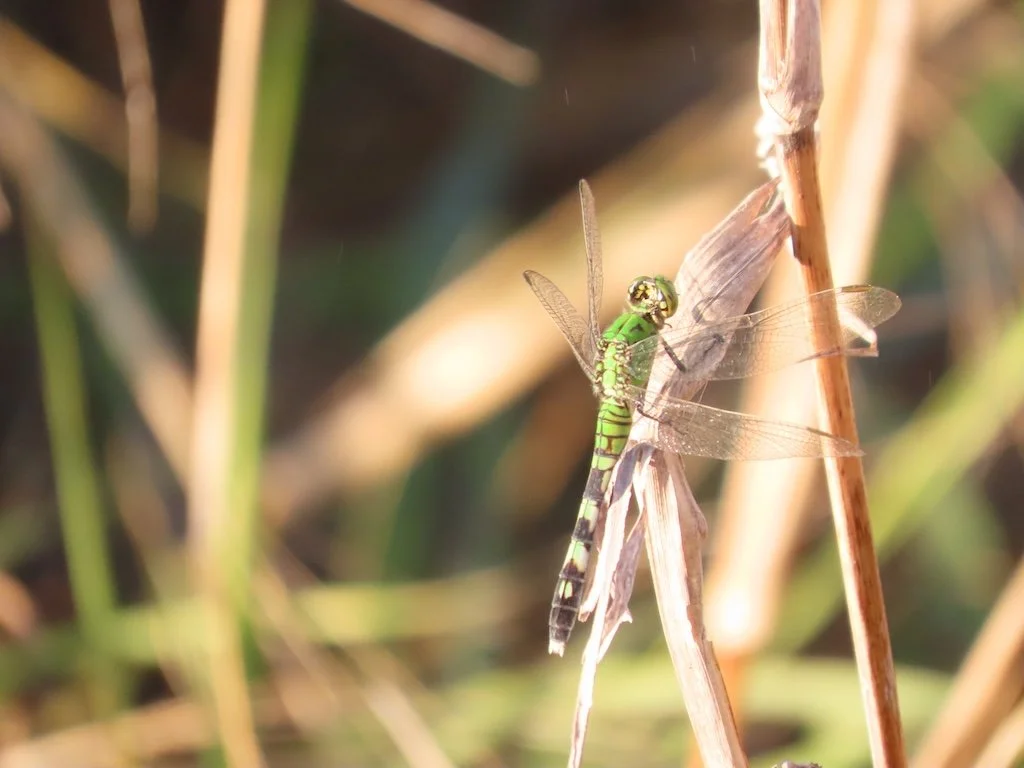
Eastern Pondhawk (dragonfly)

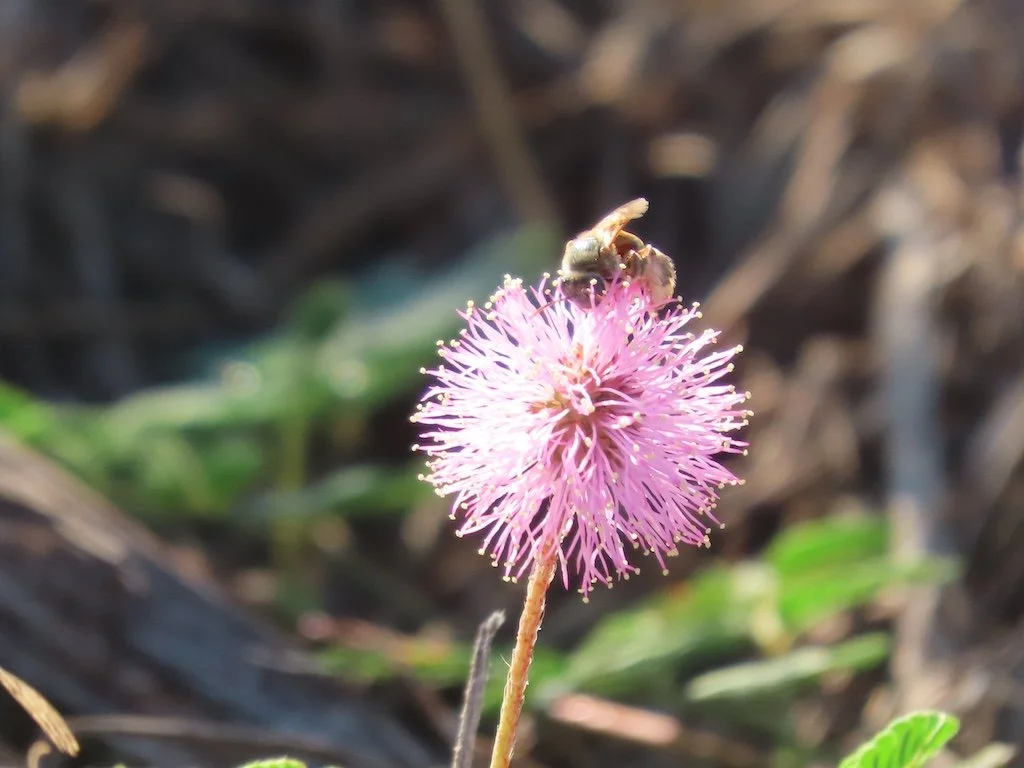
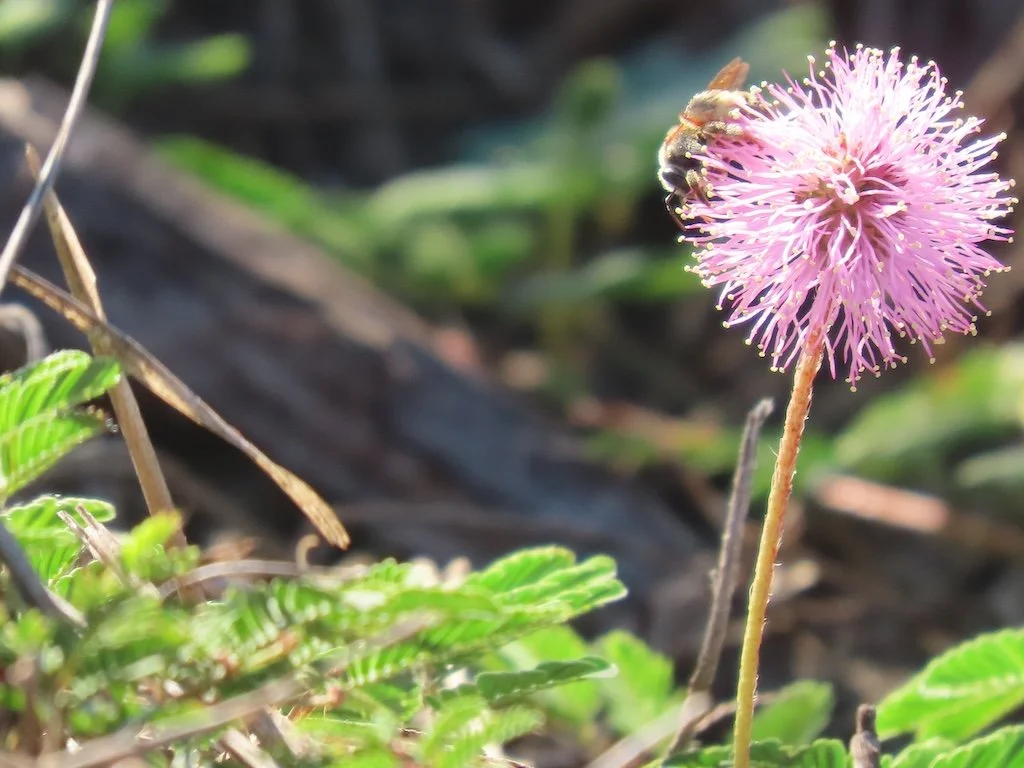
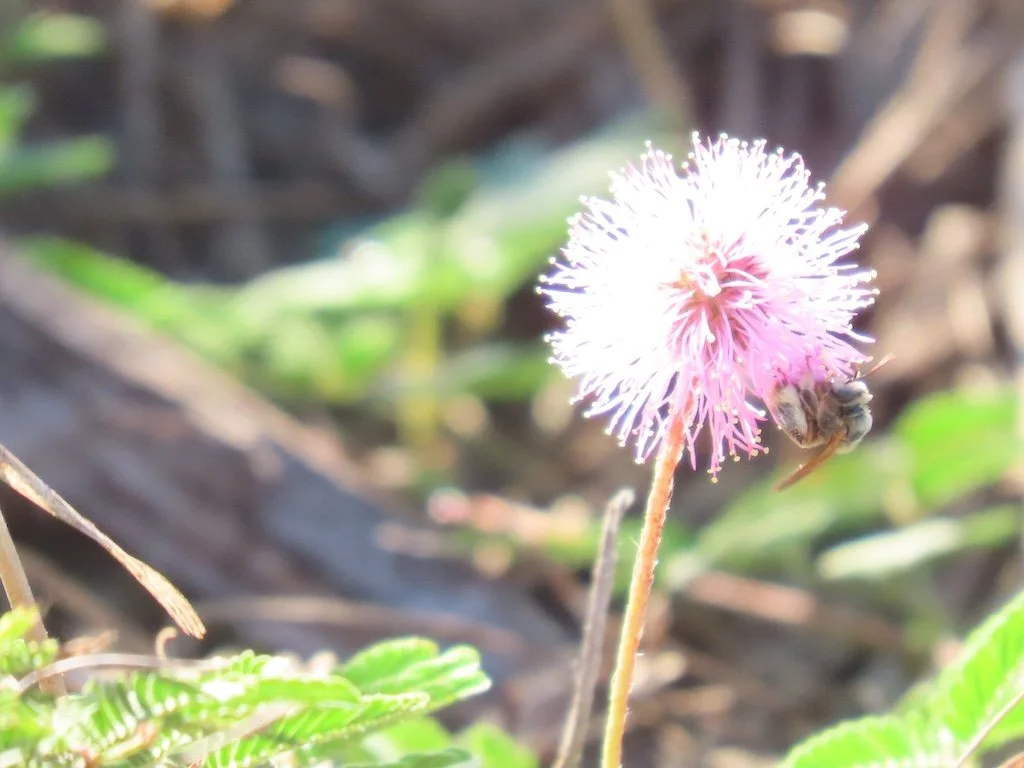
A bee on the ground mimosa - Powderpuff (Mimosa strigillosa)

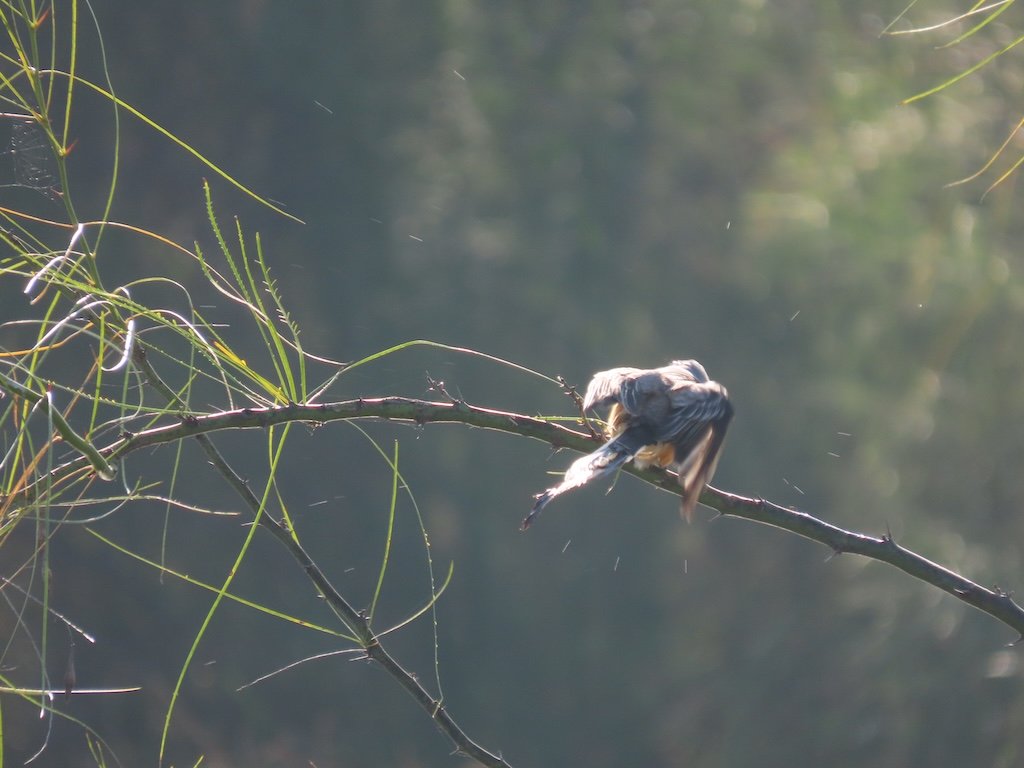
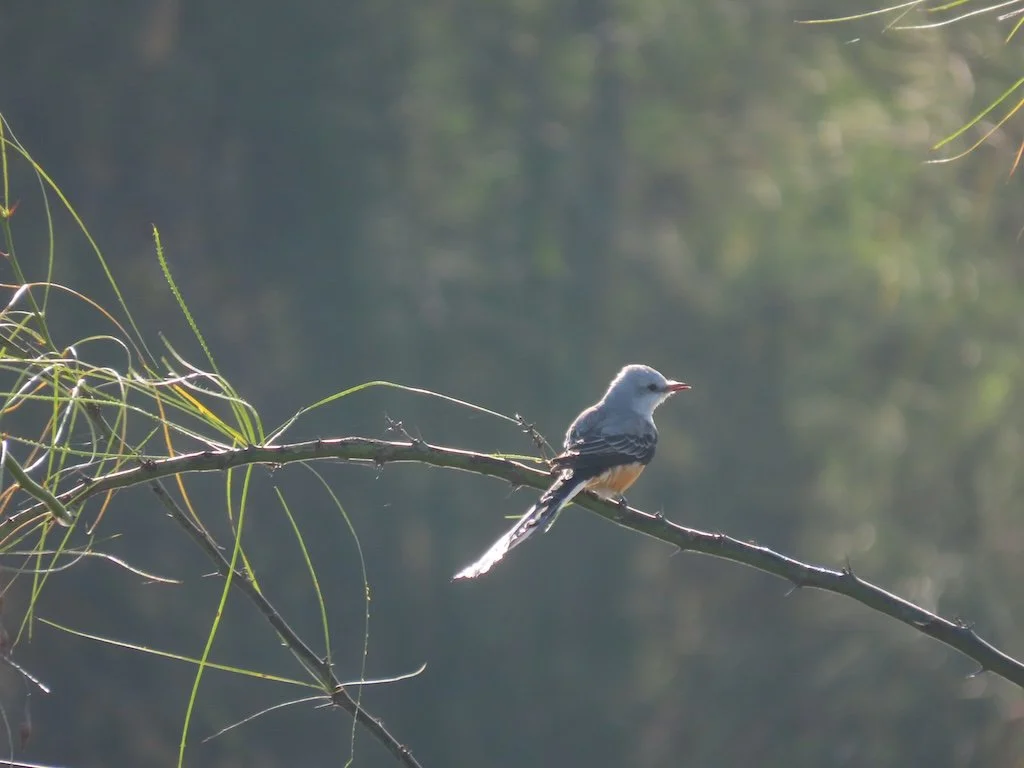
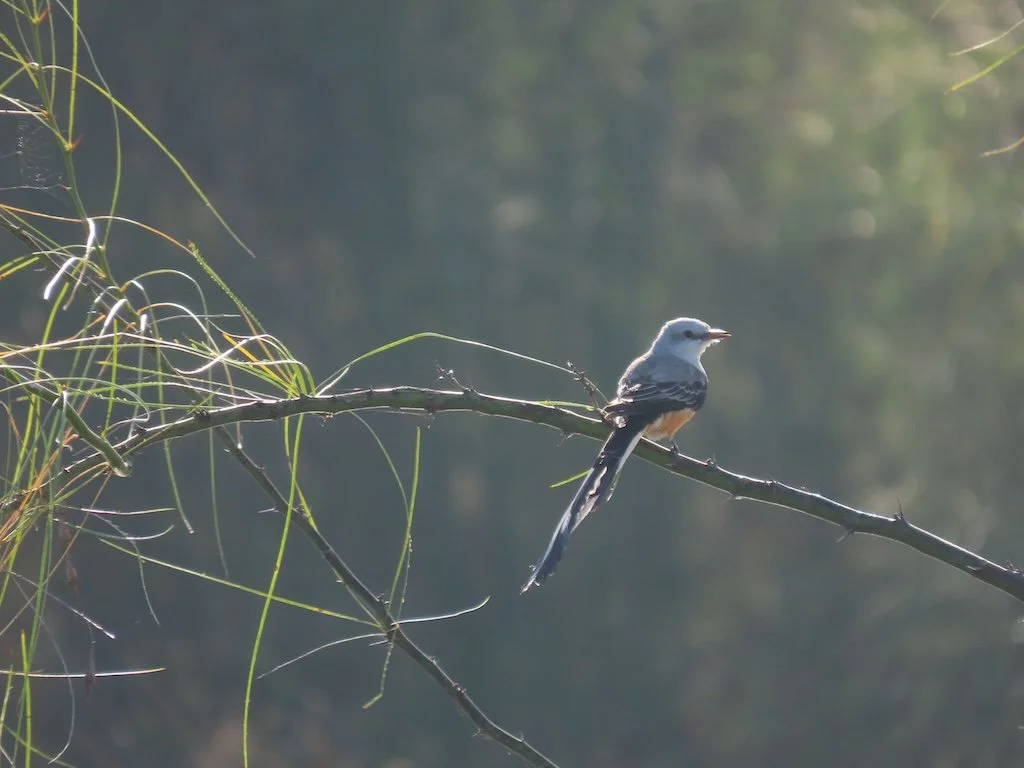
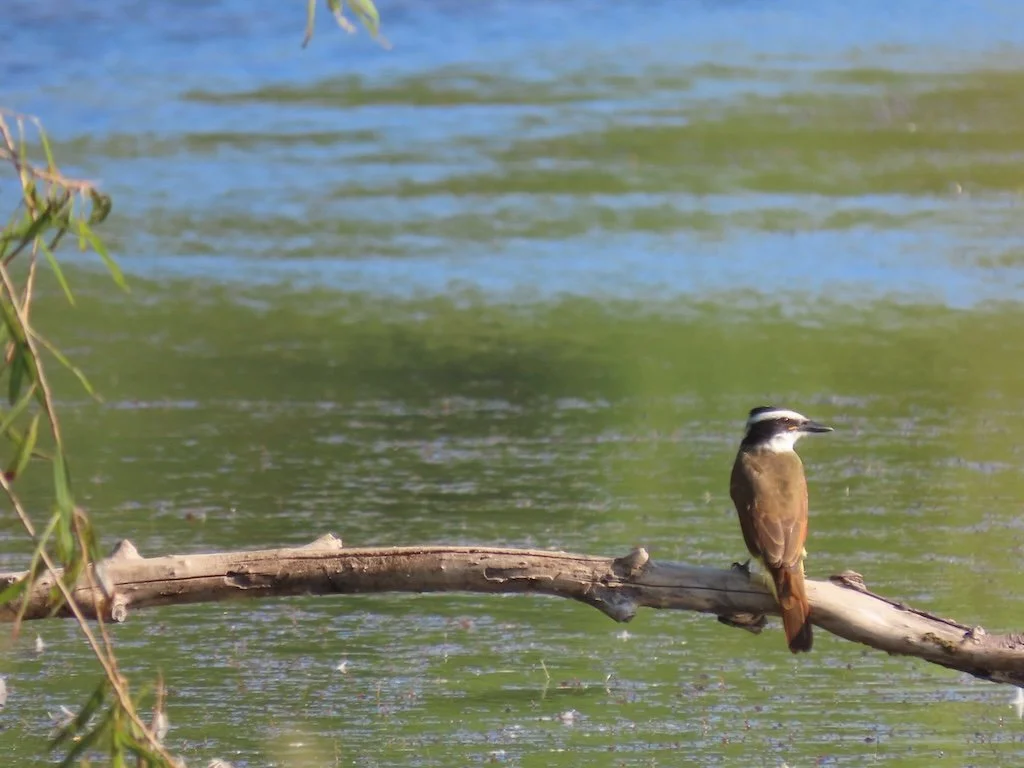
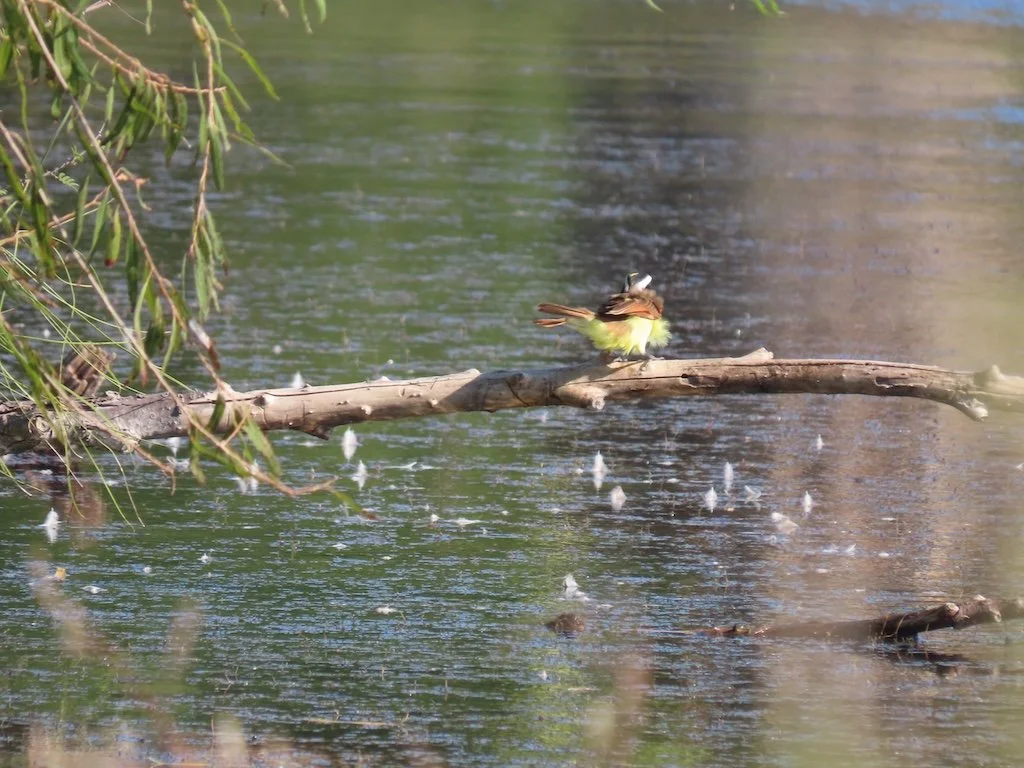
A preening Scissor-tailed Flycatcher and a preening Great Kiskadee

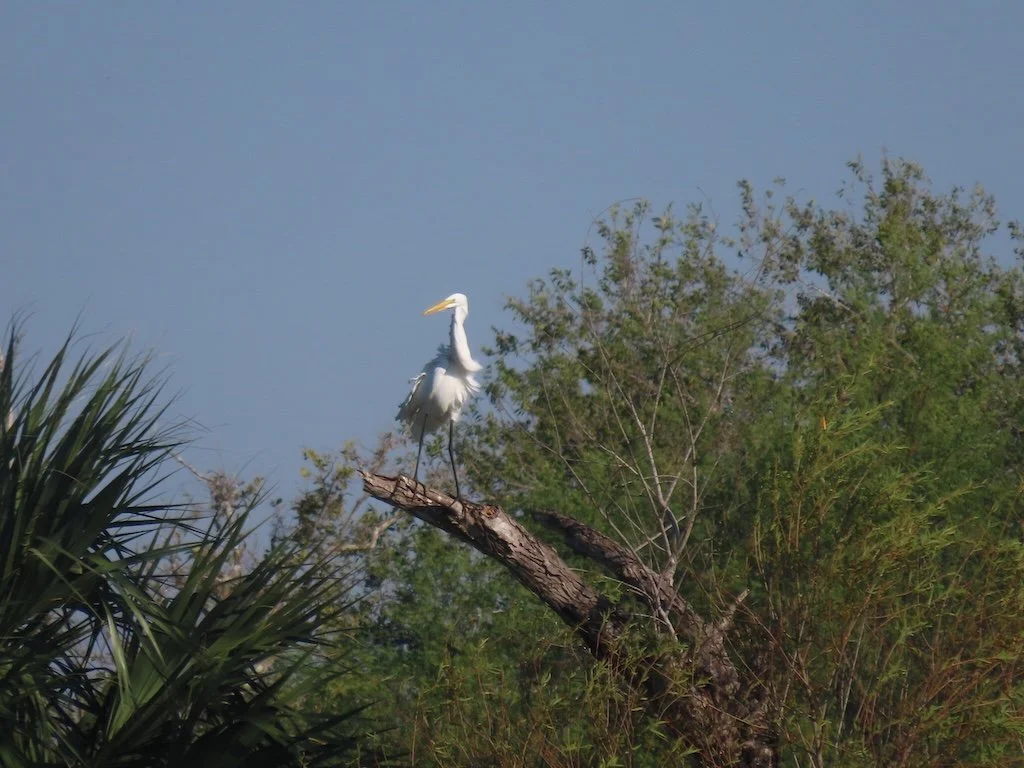
A Great Egret in the wind

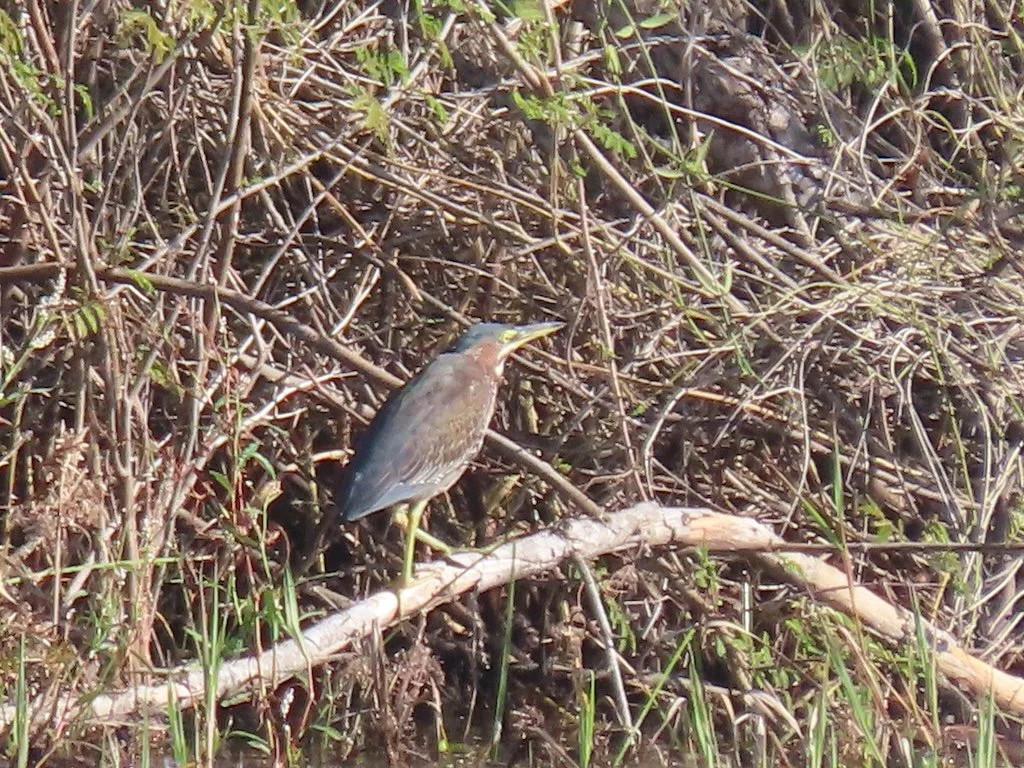
 A Green Heron – very hard to find among the plants

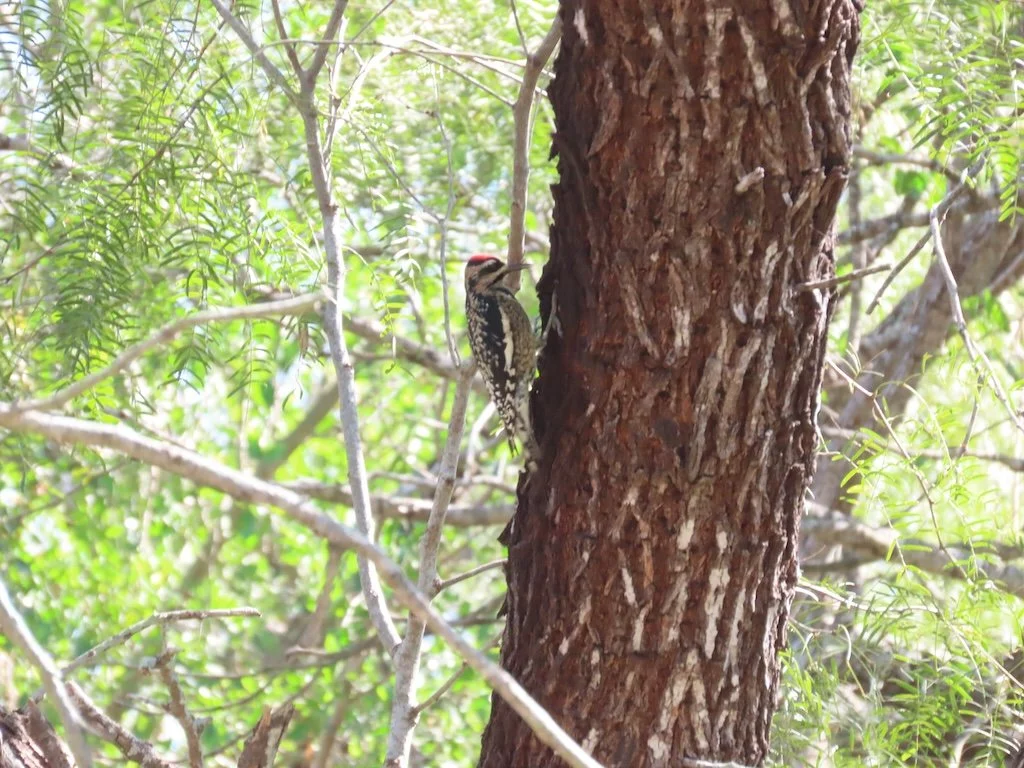
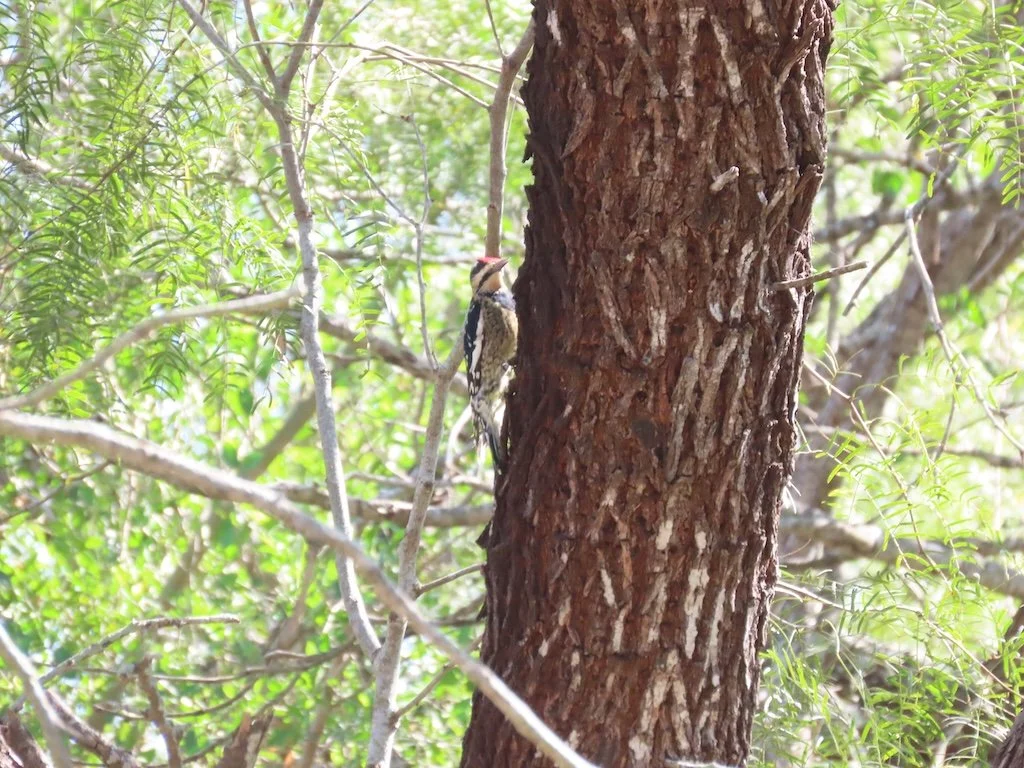
A Ladder-backed Woodpecker

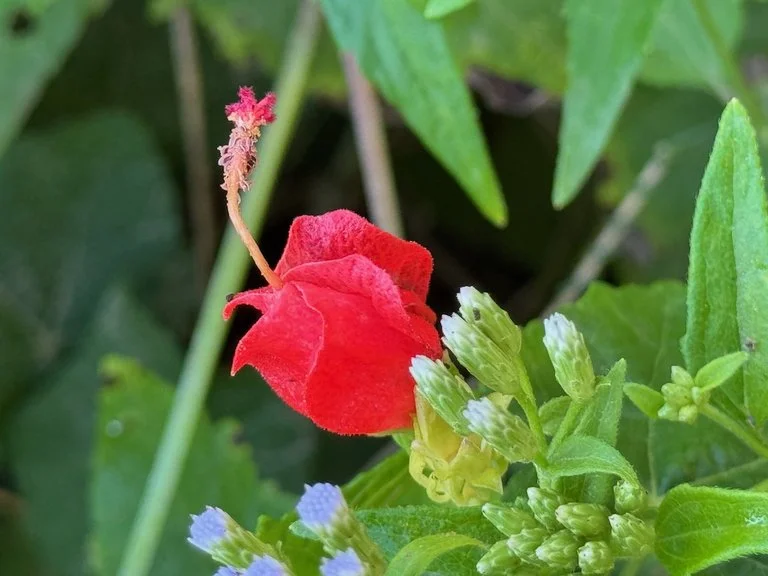
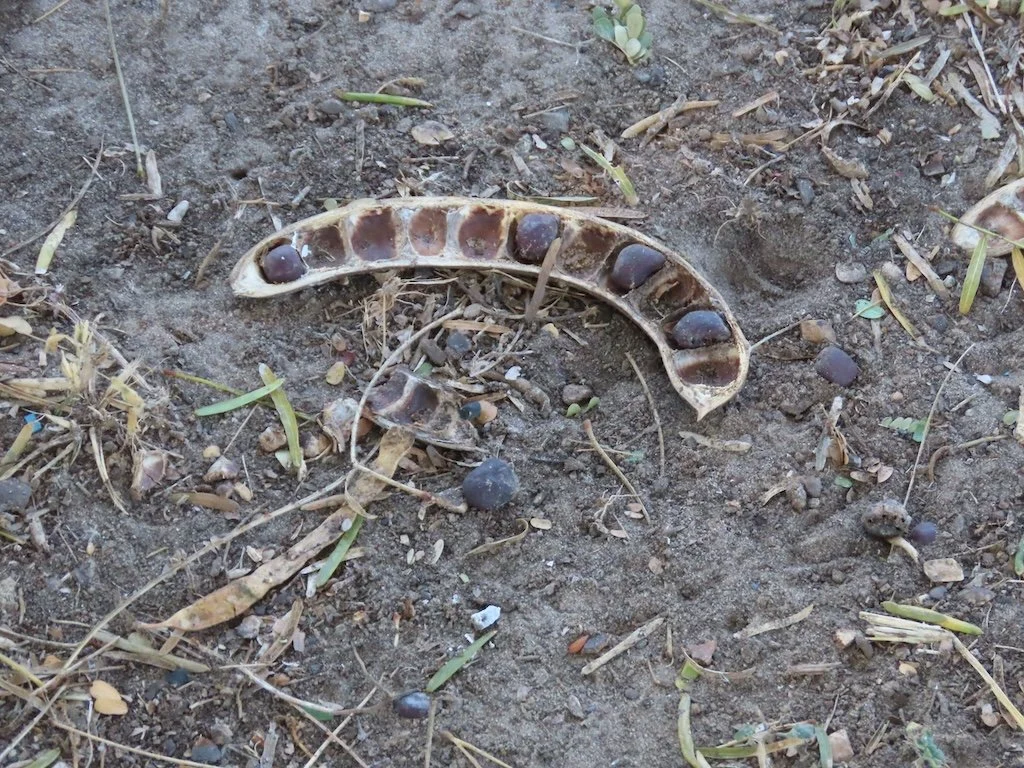
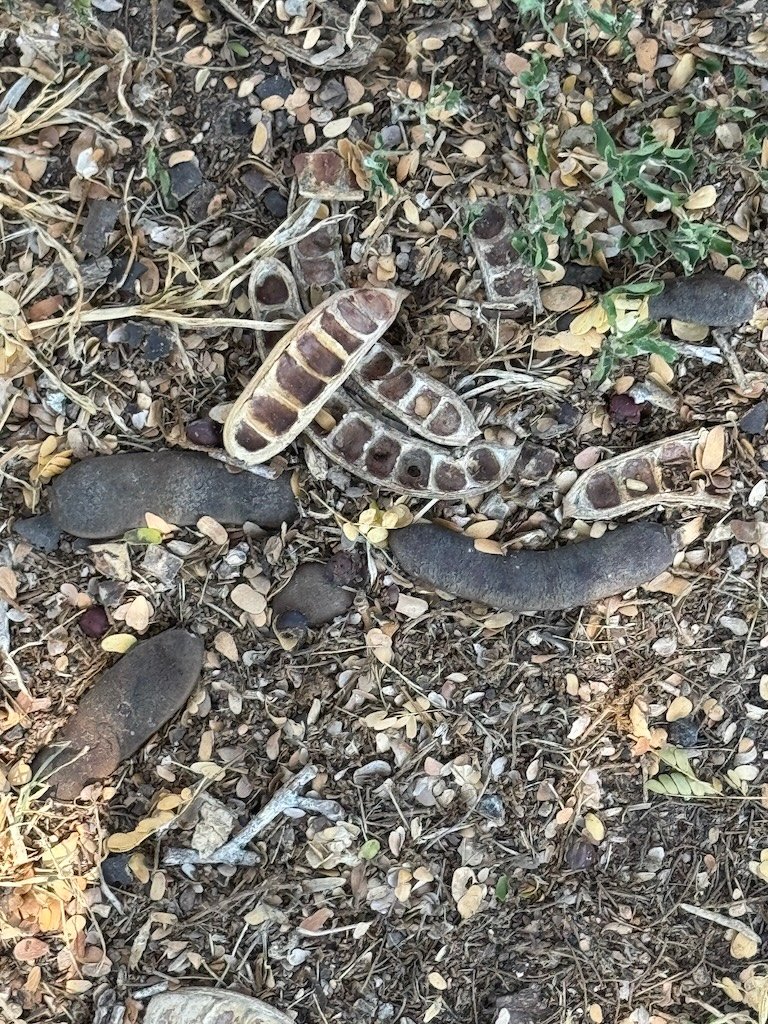
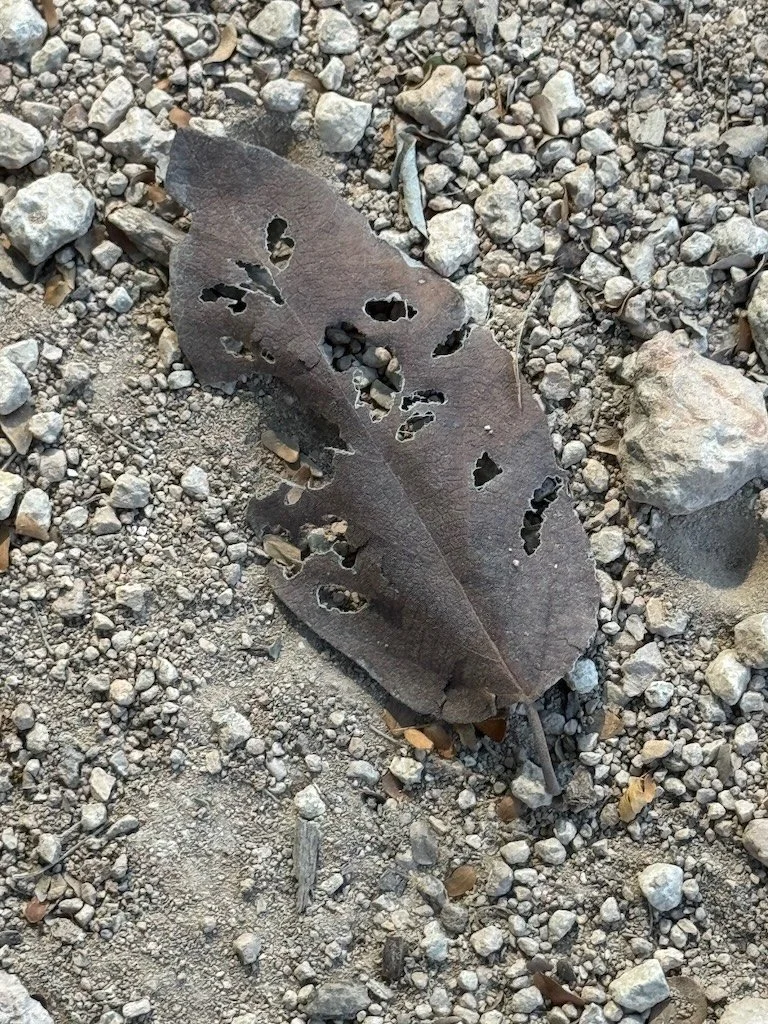
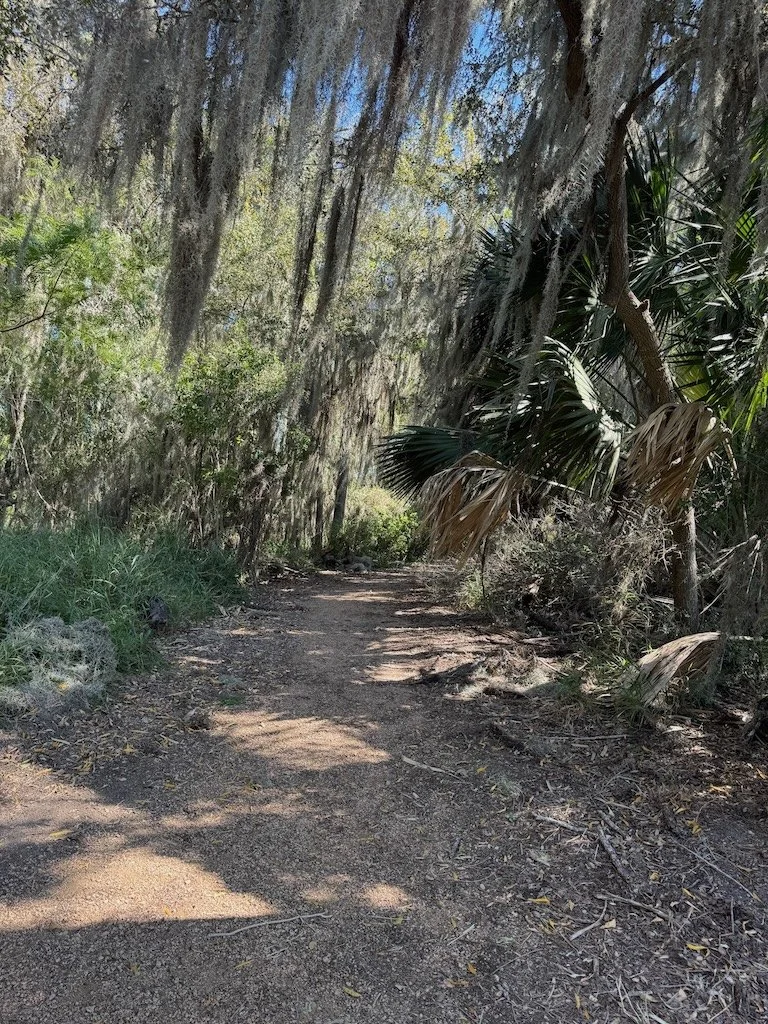
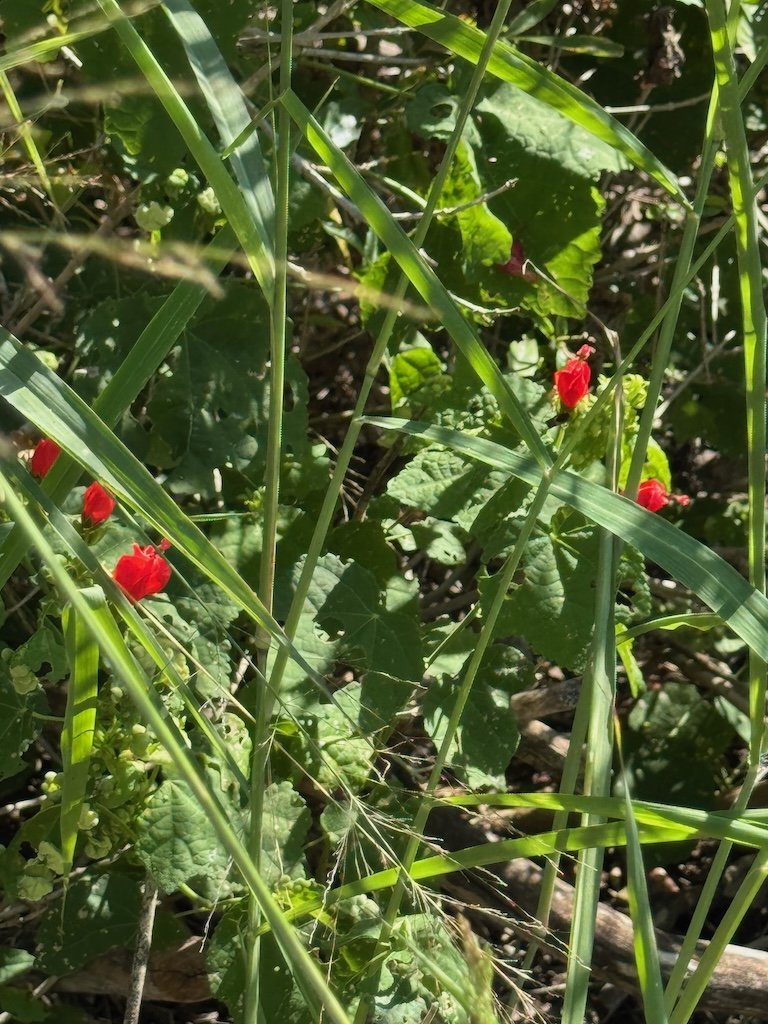
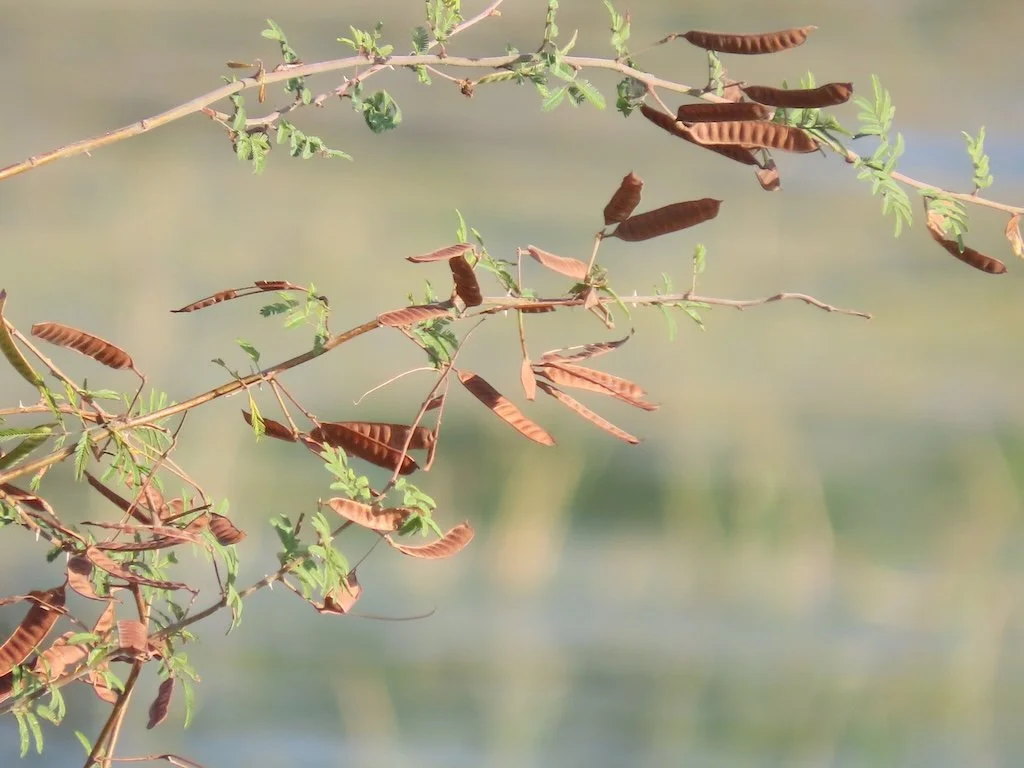
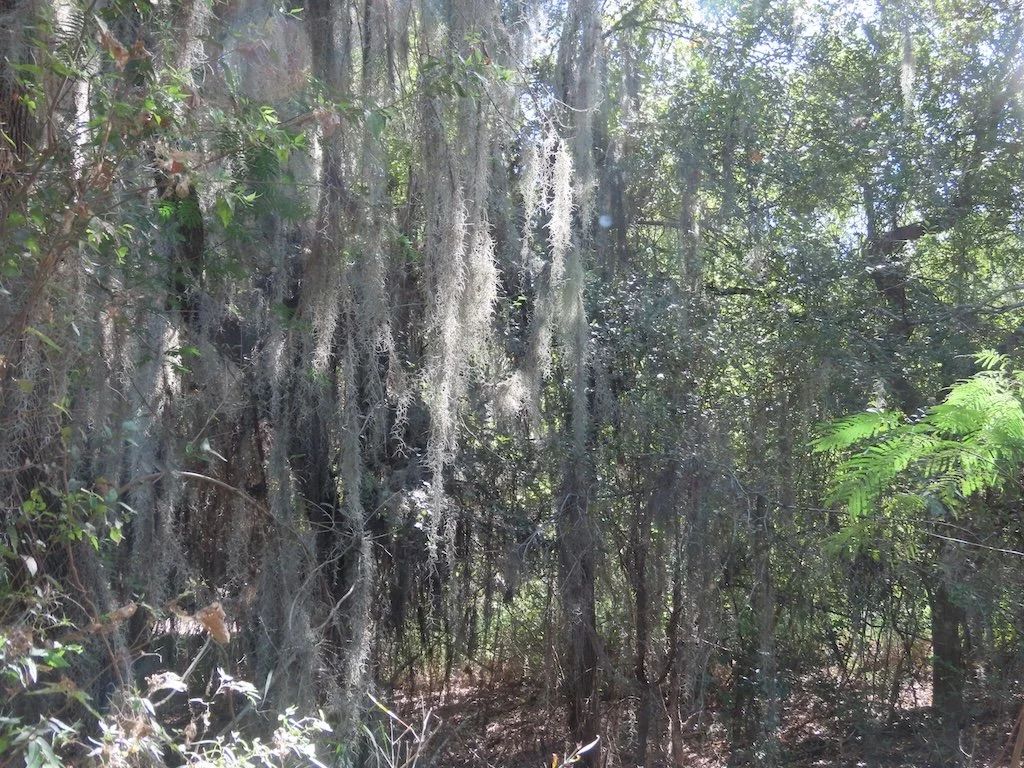
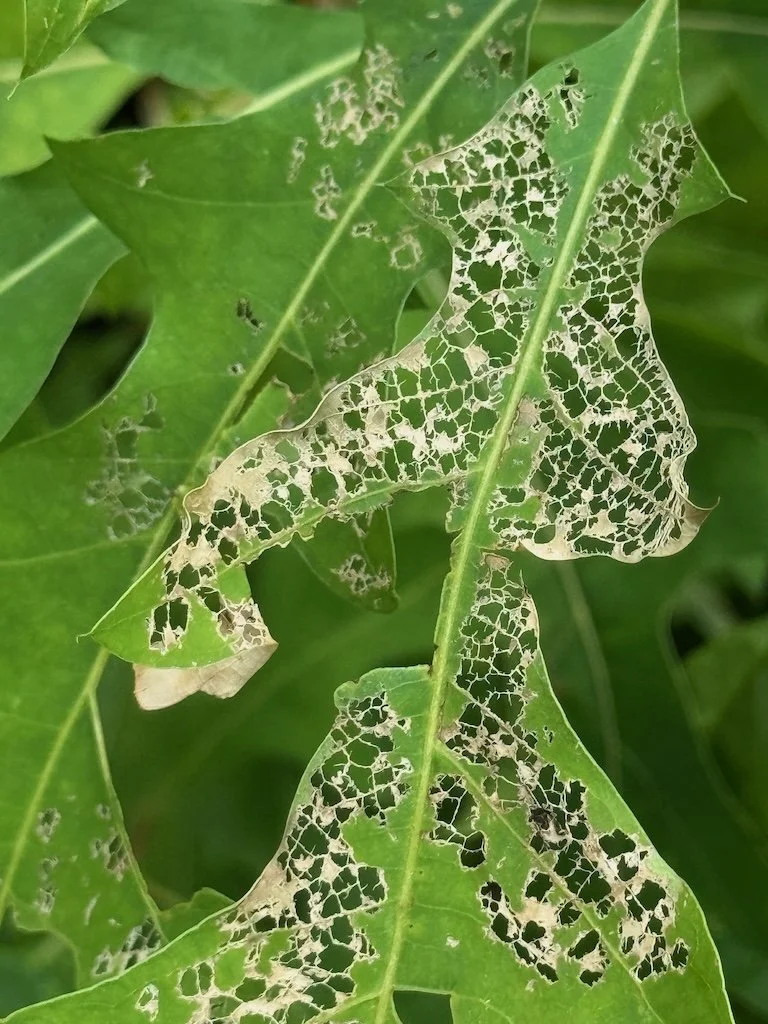
Of course there were lots of plants/landscapes to note as well. Somehow a leaf on the ground full of holes looked interesting to me as I rested midway through the hike. Turks cap grows wild at the refuge. There are a lot of legumes in the area…many with thorns! And there is enough moisture for Spanish moss to thrive.

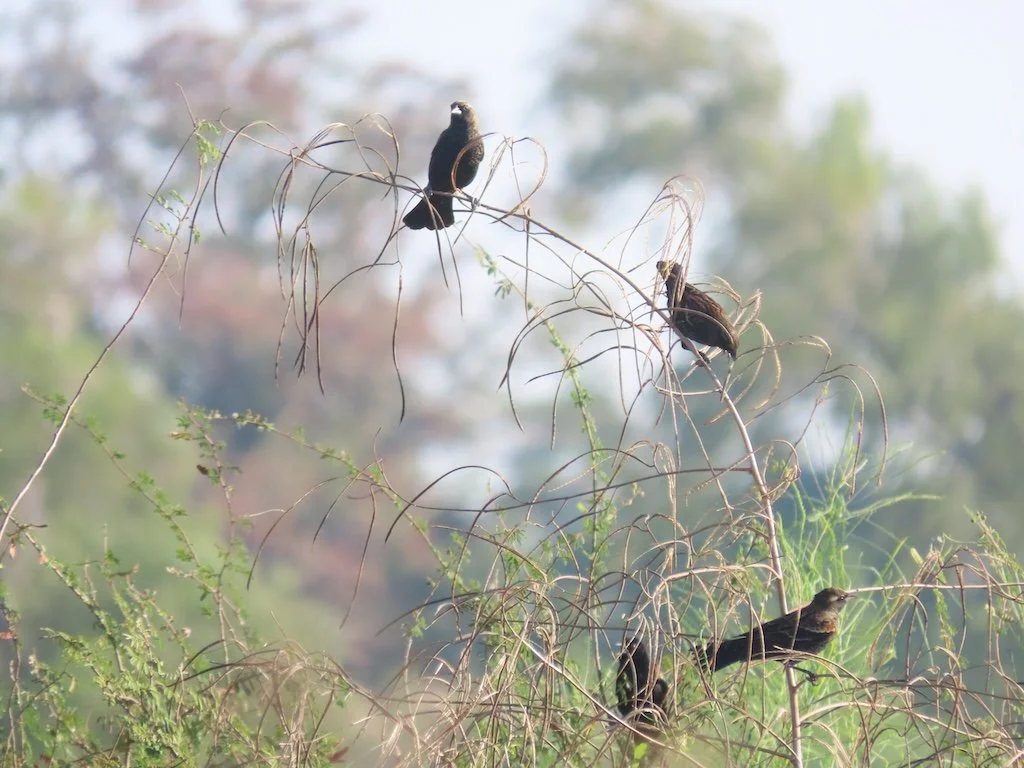
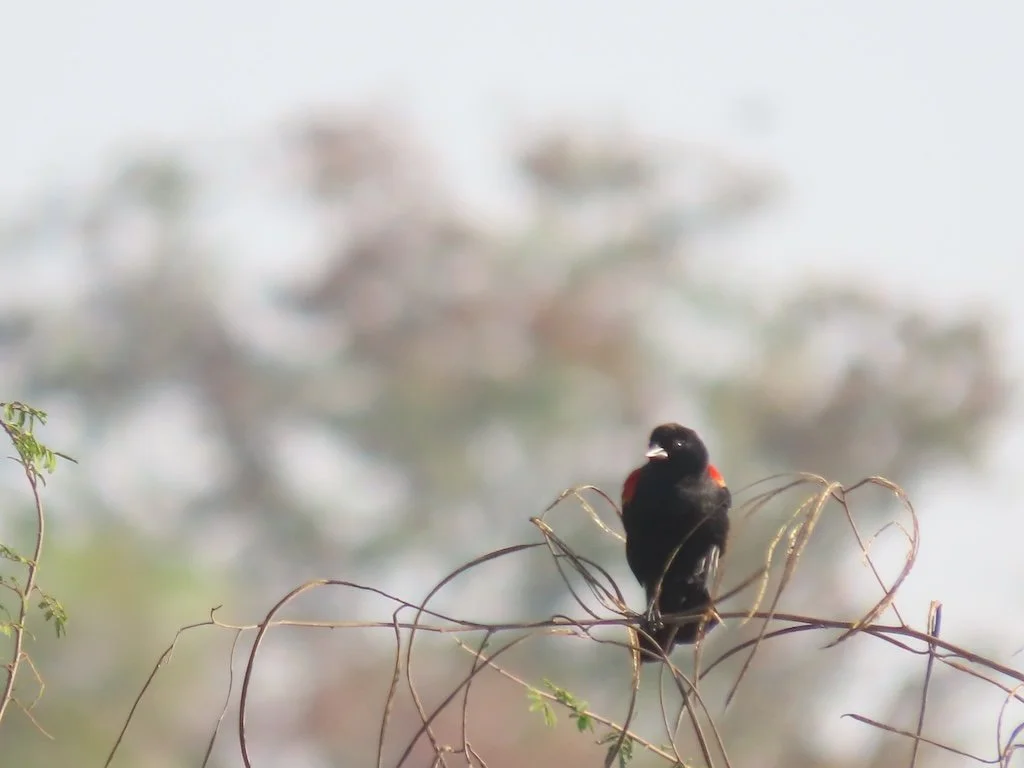
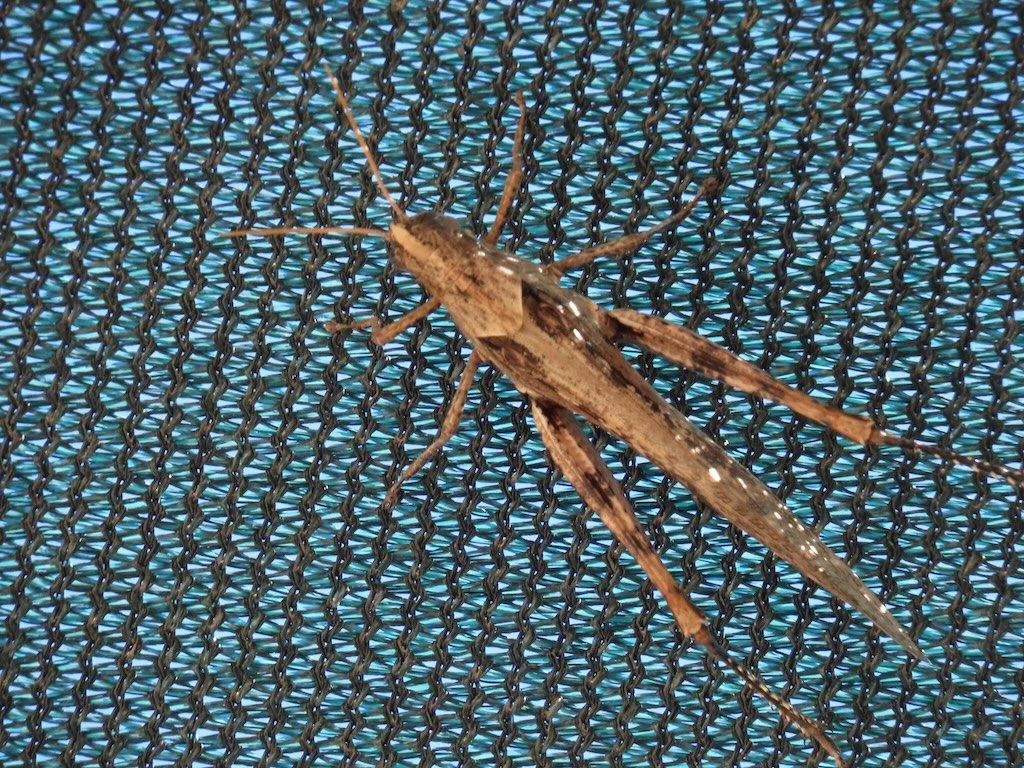
And now for the rest…mostly bird pictures that are mainly for identification…many of the waterbirds were almost out of the range of my camera or there was vegetation between me and the birds. The largest insect was on an awning near the tower.

I used the Deet spray on my lower legs but got bites (mosquito) through my leggings above my knees and on my arms through my sunblock shirt sleeves! Fortunately, they did not itch too much (after I put baking soda water on them); so far, I am not feeling any ill-effects; next time I will be more careful and spray myself more thoroughly.