Gleanings of the Week Ending December 27, 2025
/The items below were ‘the cream’ of the articles and websites I found this past week. Click on the light green text to look at the article. (Note: I have changed the format to include the date and source of the article.)
12/4/2025 American College of Emergency Physicians Opinion: Physicians Must Reduce Plastic Waste - Waste audits in the emergency departments (EDs) of Kent Hospital in Warwick, Rhode Island, and Mass General Hospital in Boston found that four pounds of waste is generated per patient, per encounter, and about 60 percent of the waste is plastic…. If we consider our plastic footprint with everything we are doing, we can adjust our habits to give our patients and our world healthier care.
11/19/2025 Consumer Reports Consumer Reports announces winners of its Microplastics Detection Challenge - Contest challenged participants to develop simple and inexpensive at-home tests to enable people to detect microplastics in their food.
12/12/2025 Yale Environment 360 Dozens of Countries See Their Economy Grow as Emissions Fall - Historically, more industry meant burning more fossil fuels. But renewable energy has made it possible to generate more wealth without producing more emissions. The U.S. and most of Europe, have completely decoupled growth from emissions over the last decade. Fortunes rose, while emissions fell. Together, these countries account for 46 percent of the global economy.
12/12/2025 Science Daily Scientists find dark chocolate ingredient that slows aging - Scientists have uncovered a surprising link between dark chocolate and slower aging. A natural cocoa compound called theobromine was found in higher levels among people who appeared biologically younger than their real age.
12/11/2025 Clean Technica Drones, Diesel, & Policy: Two Countries, Two Agricultural Futures - China’s rapid adoption of agricultural drones is one of the most interesting examples of technological divergence between two major food producers. The contrast is striking. Chinese pilots are now treating an amount of land with drones each year that is larger than the total farmland base, which means multiple drone passes on the same fields to handle weeds, pests, fertilizer and sometimes seeding. At the same time, the United States is advancing a policy coalition that targets DJI with composite national security concerns and proposes to ban the most widely used spray drones in the country. This fight matters because the ban would remove the only cost effective and widely deployed option for seeding and spraying. It would also shut down a path for lower diesel use and lower chemical demand in a sector that does not have many easy ways to cut operating costs.
12/11/2025 Smithsonian Magazine Gas Stoves Are Poisoning Americans by Releasing Toxic Fumes Associated with Asthma and Lung Cancer - A new study, published this month in the journal PNAS Nexus, suggests that gas stoves are the main source of indoor nitrogen dioxide pollution in the United States, responsible for more than half of some Americans’ total exposure to the gas. The gas can irritate airways and worsen or even contribute to the development of respiratory diseases like asthma. Children and older individuals are particularly susceptible to its effects.
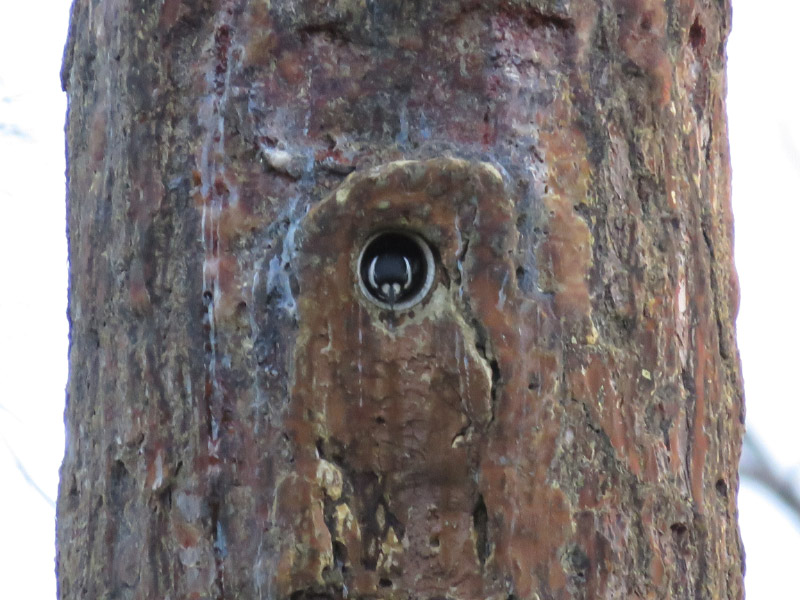
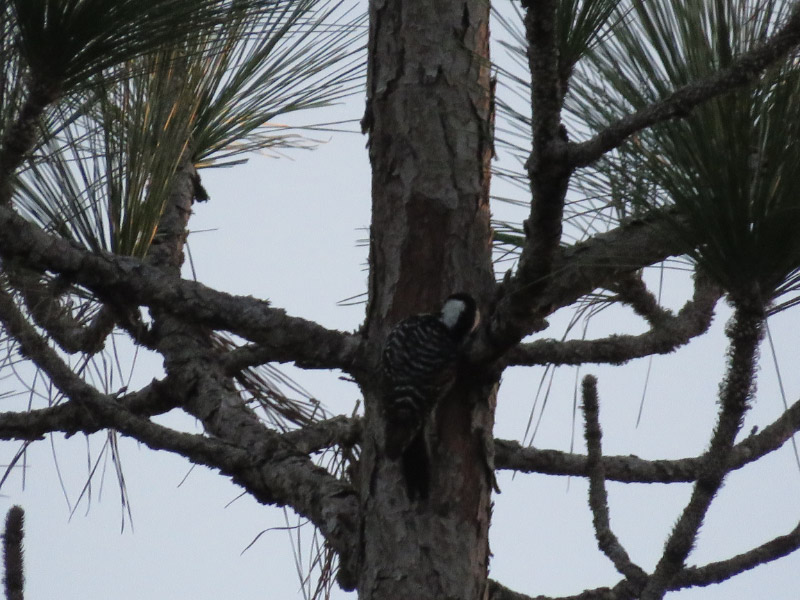
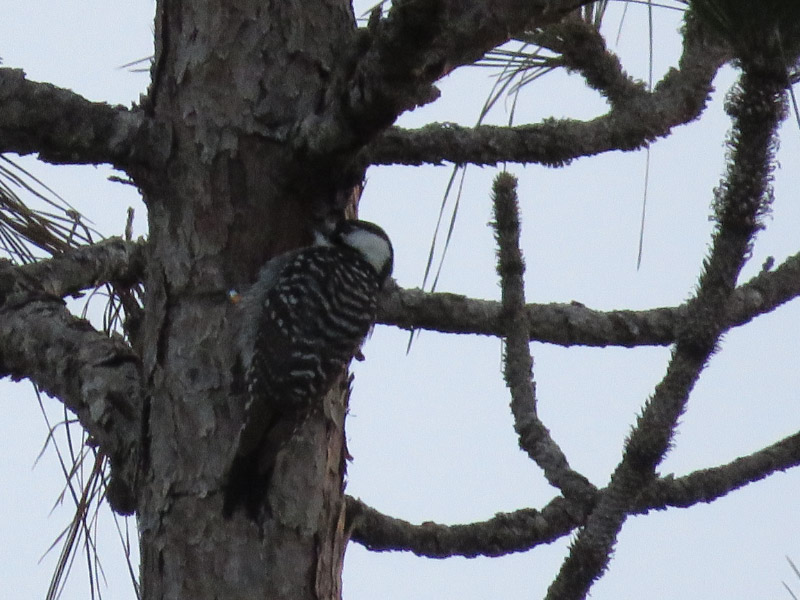
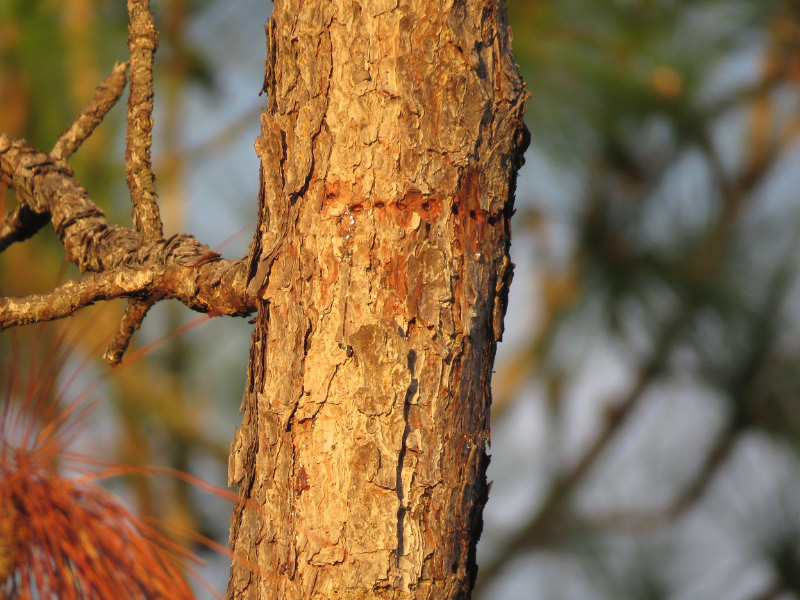
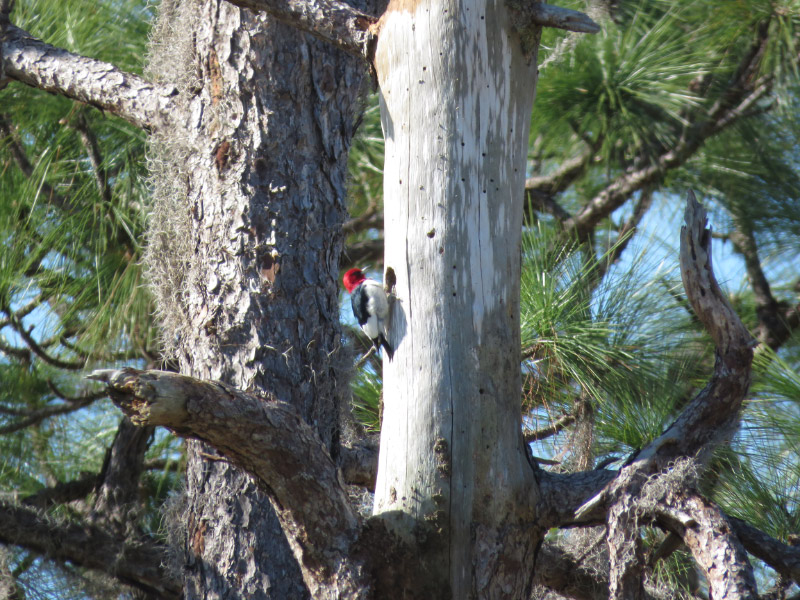
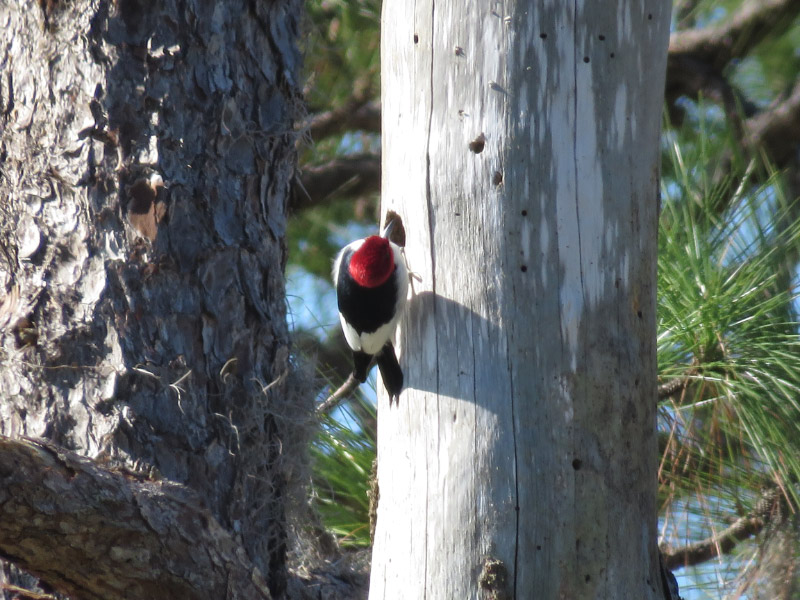
12/7/2025 Cool Green Science Family, Survival and Change: The Secret Life of the Red-cockaded Woodpecker - In the heart of the longleaf pine forests of the southern United States, a quiet drama plays out each spring. Inside tiny nest cavities high into pines, red-cockaded woodpecker (RCW) parents work tirelessly to feed their chicks. They live in family groups where everyone, even older offspring, helps care for the young. That’s what makes them special; they’re cooperative breeders, families bound not just by instinct, but by teamwork. These woodpeckers remind us that recovery isn’t just about numbers. It’s about understanding the subtle, interconnected forces that make life possible in the first place.
11/30/2025 The Conversation 56 million years ago, the Earth suddenly heated up – and many plants stopped working properly - Plants can help regulate the climate through a process known as carbon sequestration. However, abrupt global warming may temporarily impact this regulating function. What happened on Earth 56 million years ago highlights the need to understand biological systems’ capacity to keep pace with rapid climate changes and maintain efficient carbon sequestration.
12/8/2025 The Planetary Society The year in pictures 2025 - This collection of images, going as far back as late November 2024, captures some of the highlights of humanity’s exploration of space over the past year.
11/6/2025 The Scientist What Happens When a Fly Lands on Your Food? - How many microbes does a single fly typically carry? How many microbes does it take to get people sick?