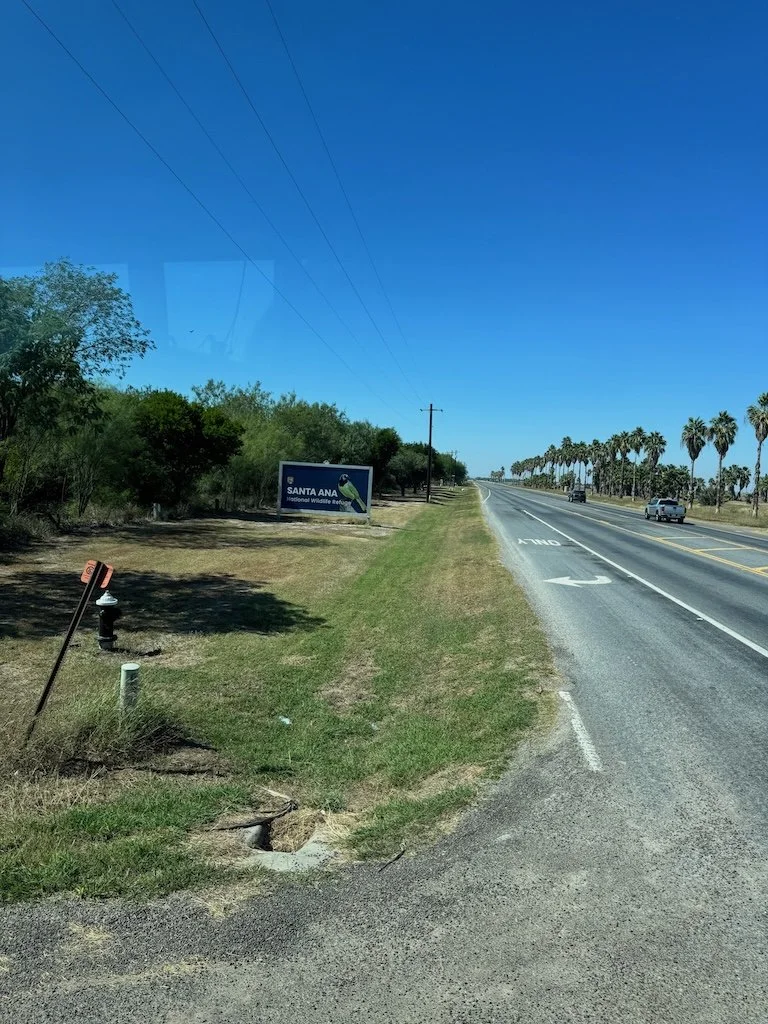
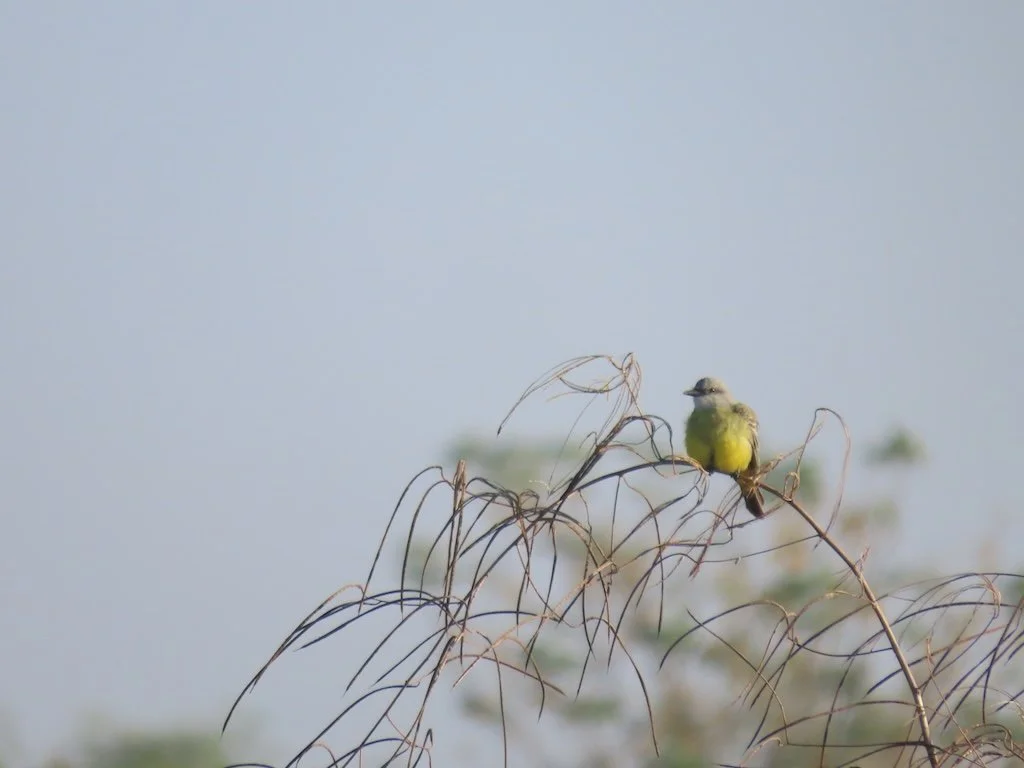
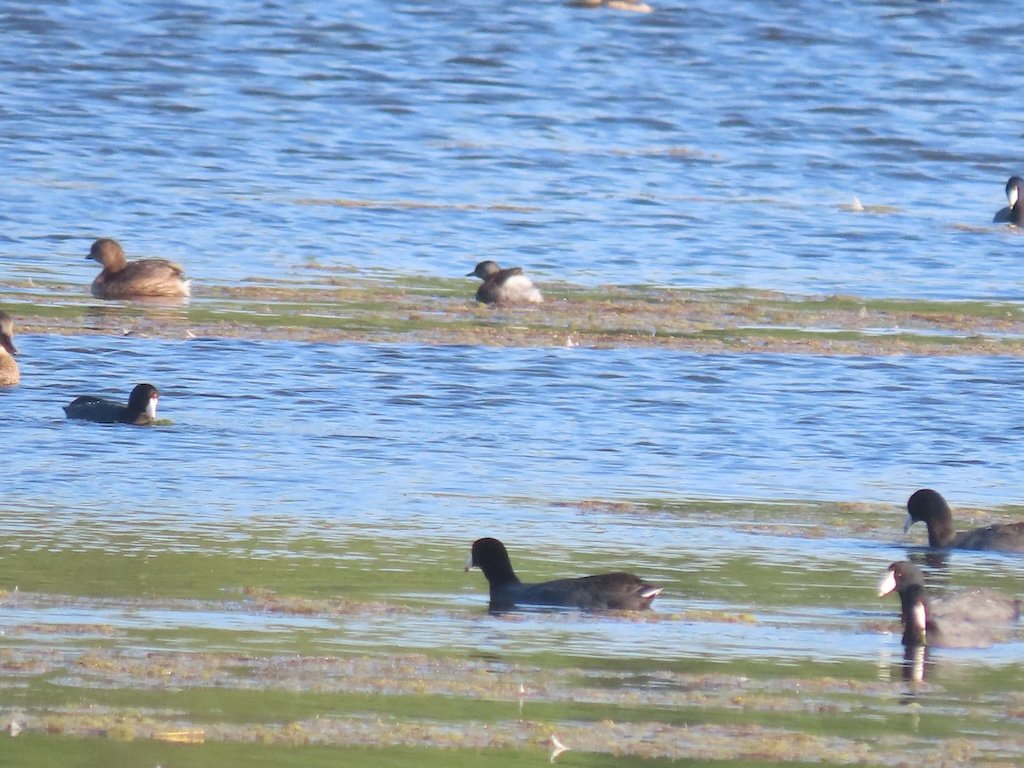
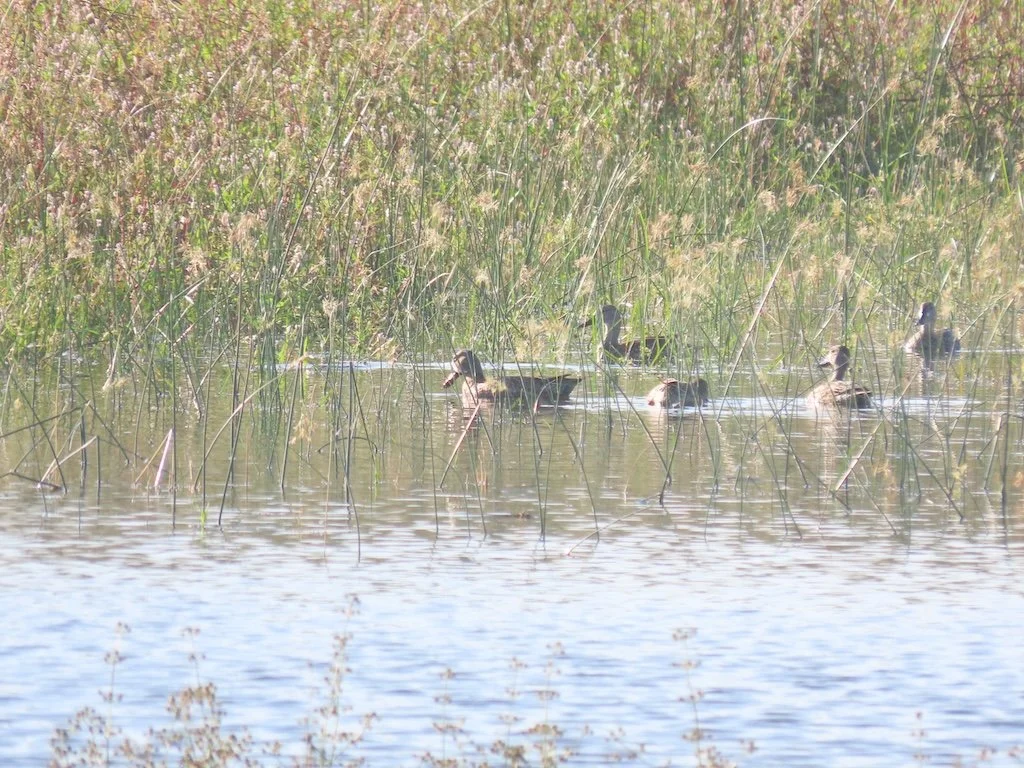
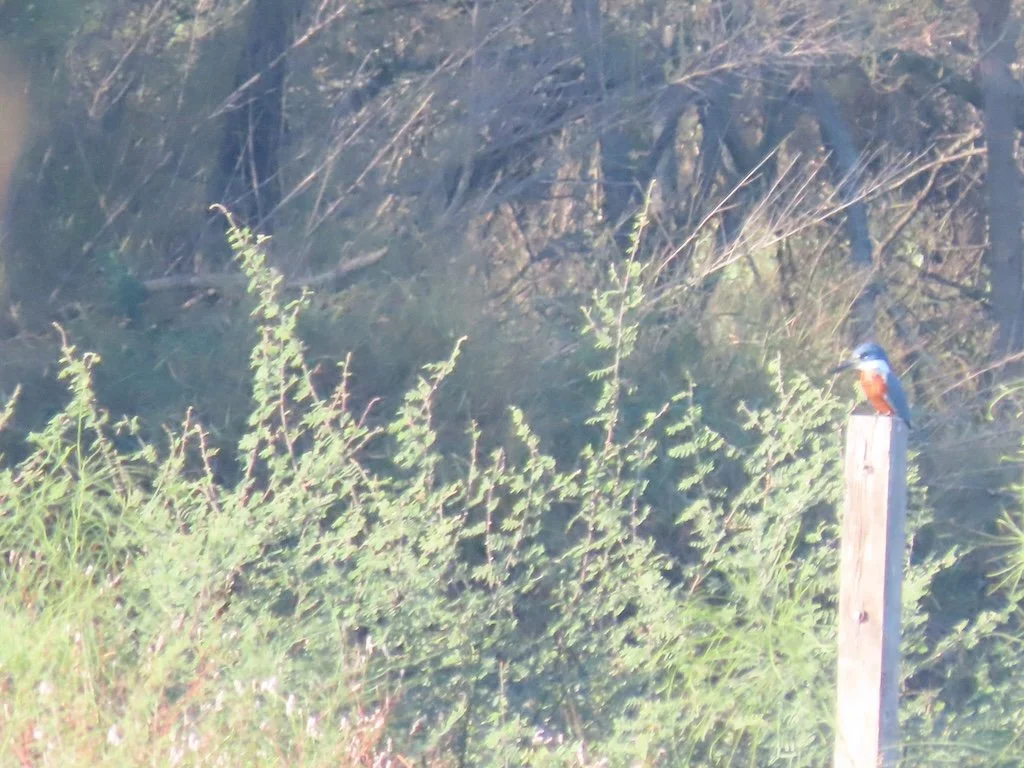
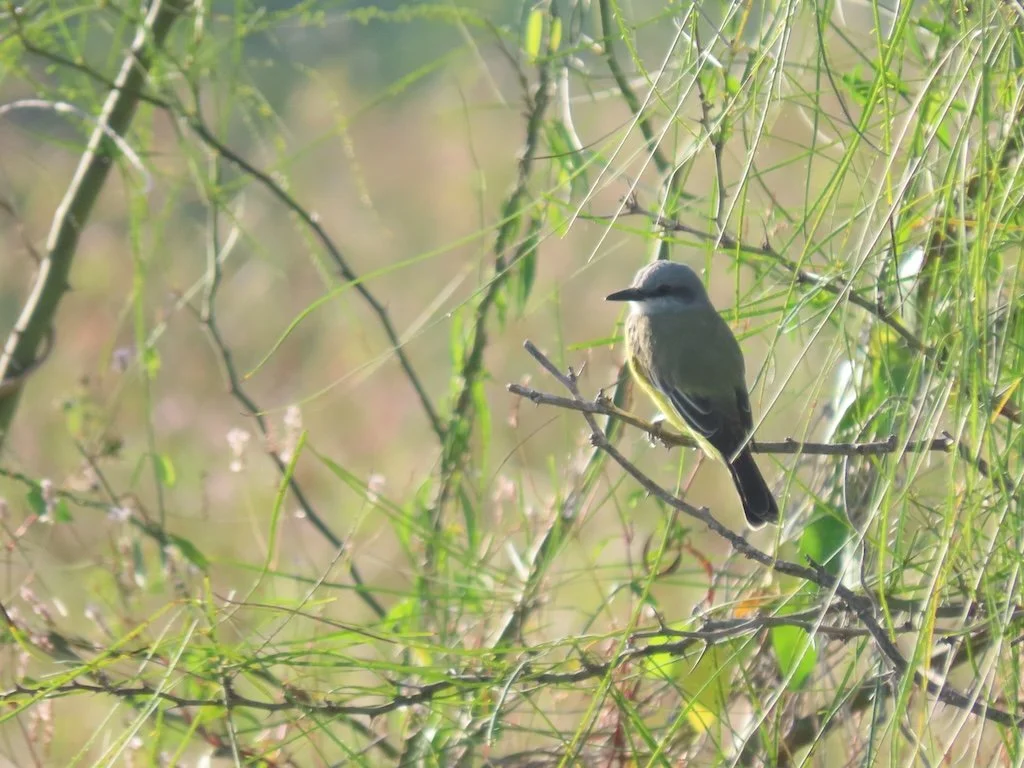
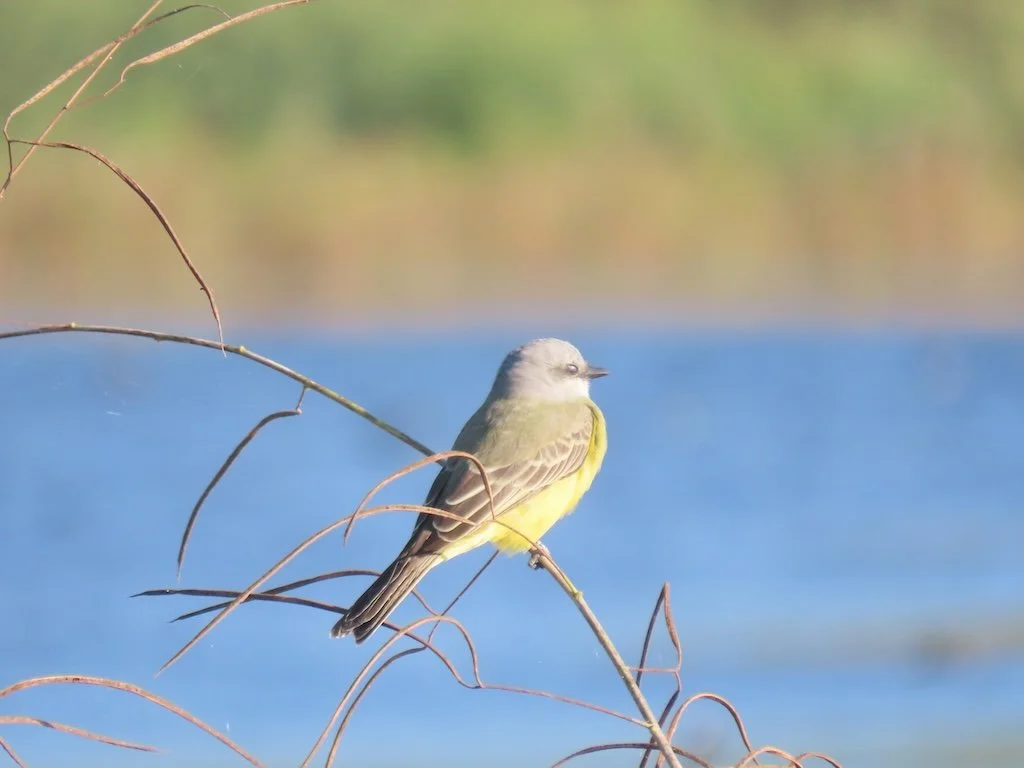
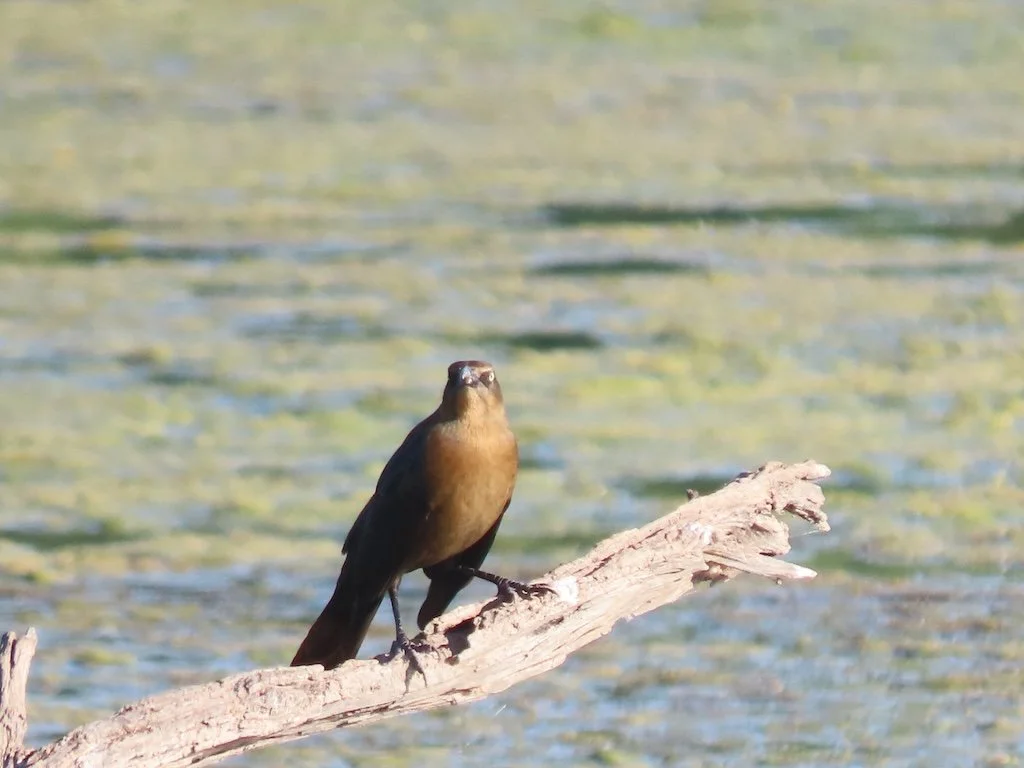
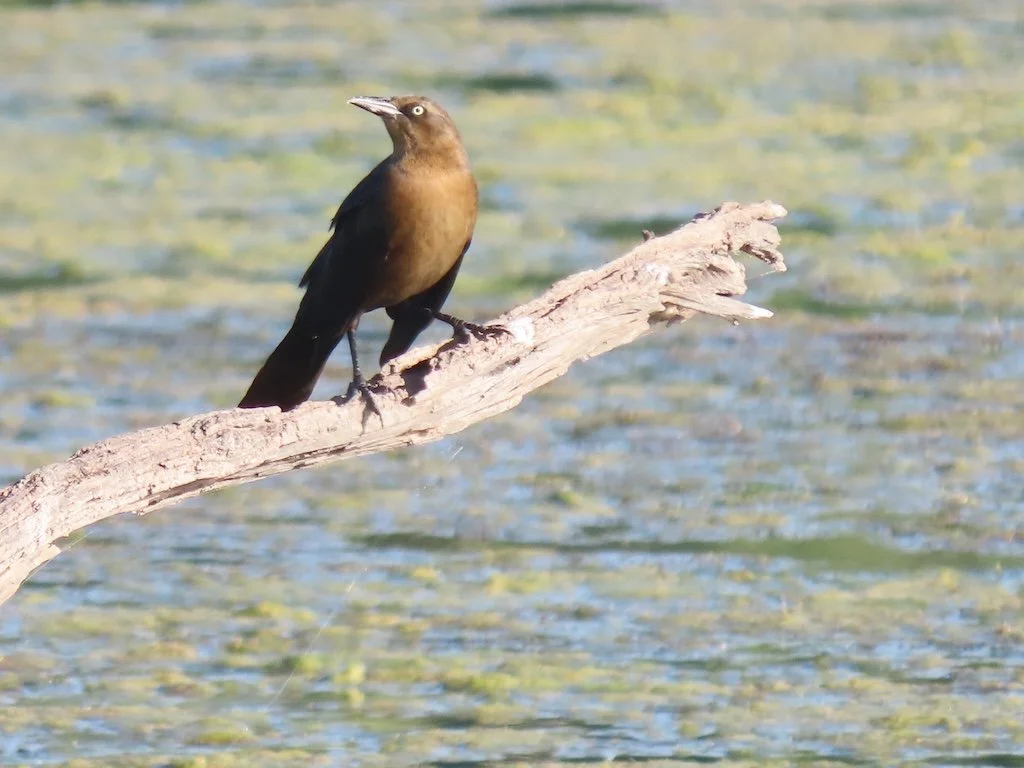
Santa Ana National Wildlife Refuge

We visited the Santa Ana National Wildlife Refuge on the third morning of the Rio Grande Valley Birding Festival. The visitor center was not open (it was during the government shutdown), but the restrooms were. I knew the morning was going to include some hiking, so I brought along my trekking poles and they worked great – I got tired, but my back didn’t hurt!

There was a lot to see. The highlights in my photographs were:

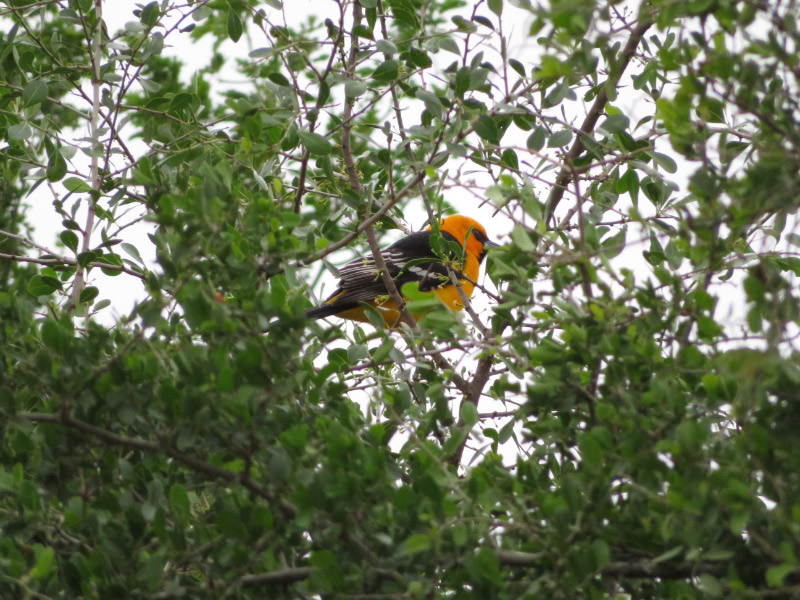
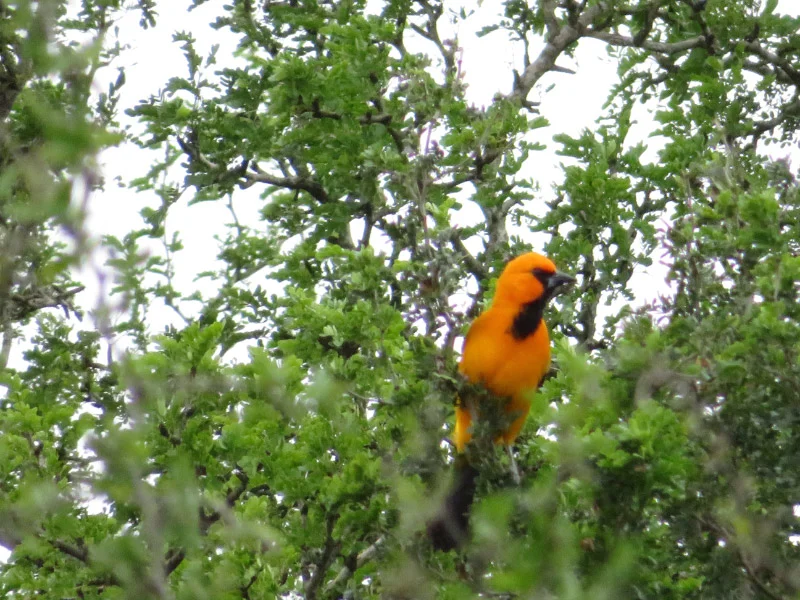
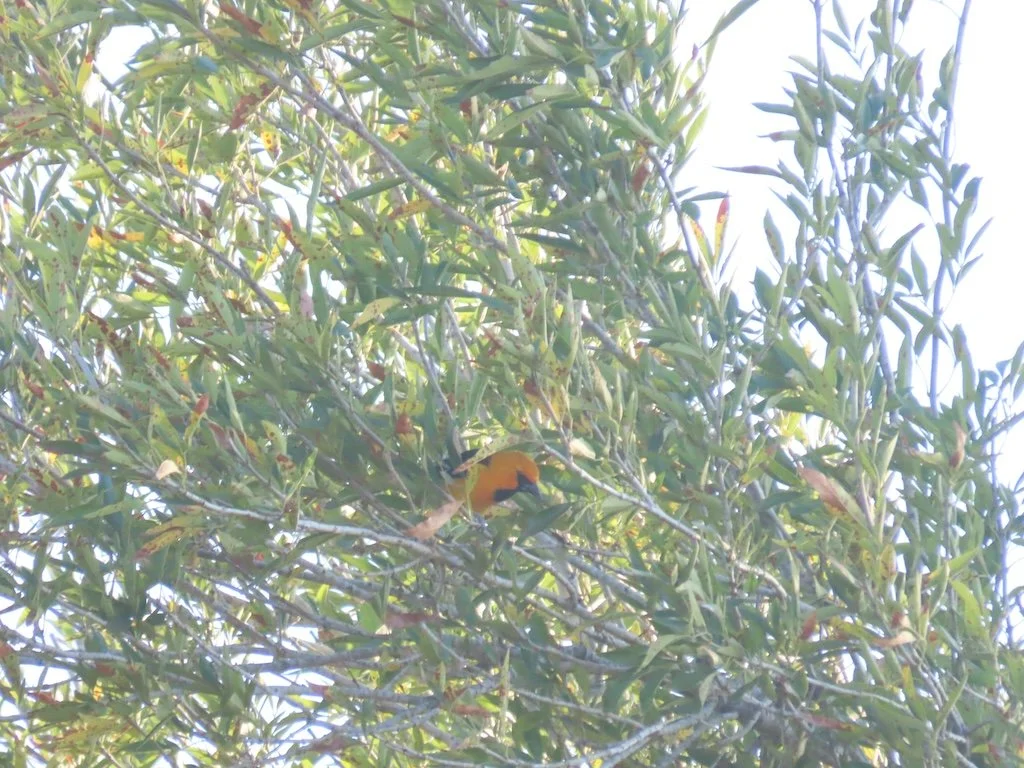
Altamira oriole and a nest created by the species
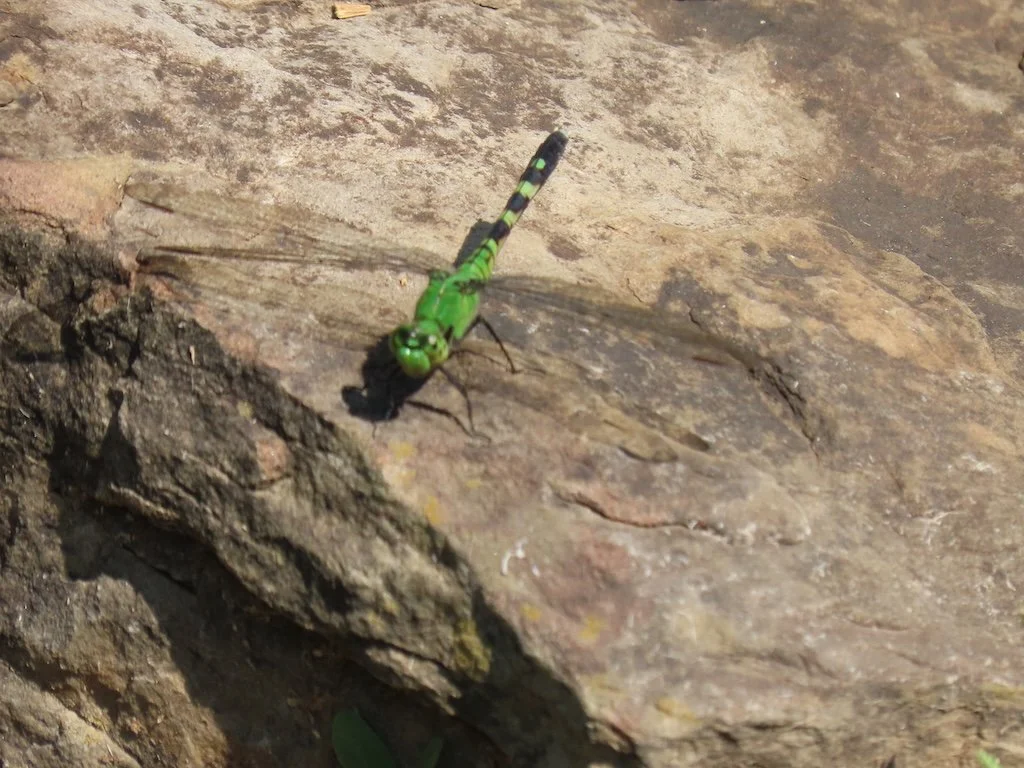
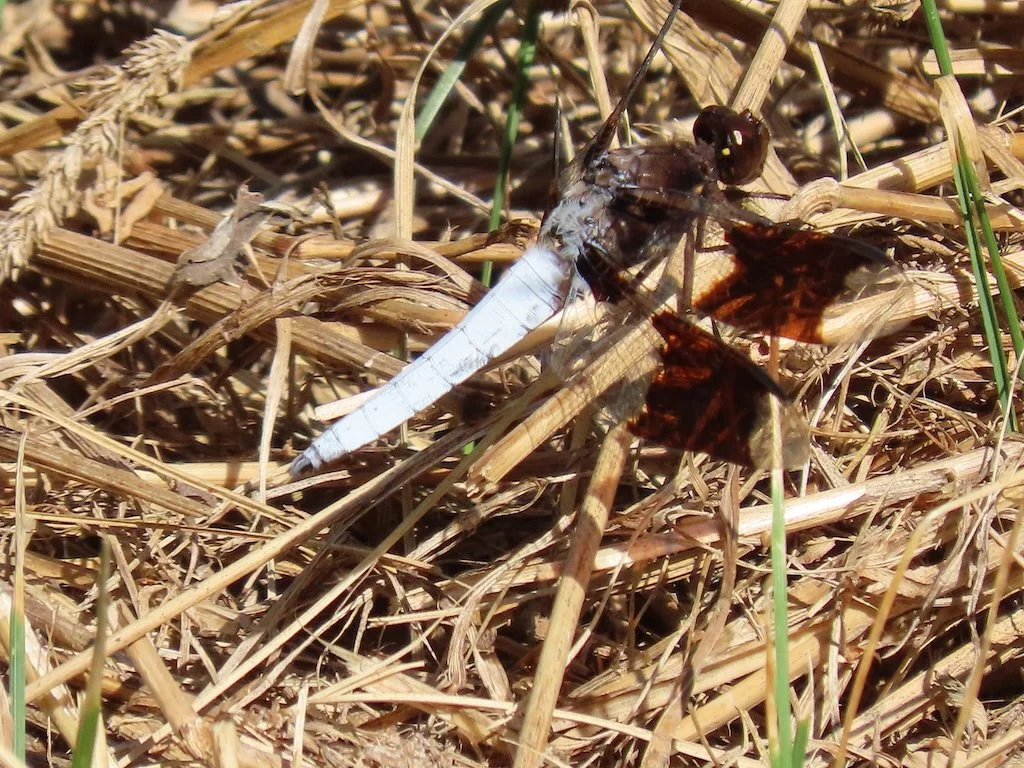
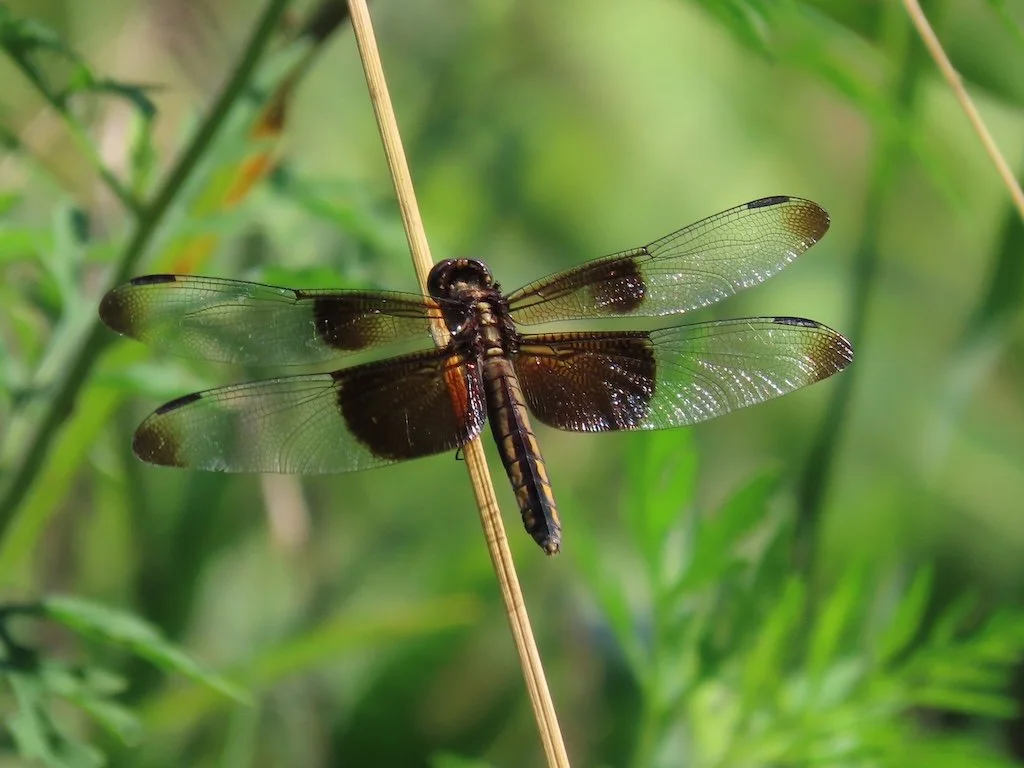
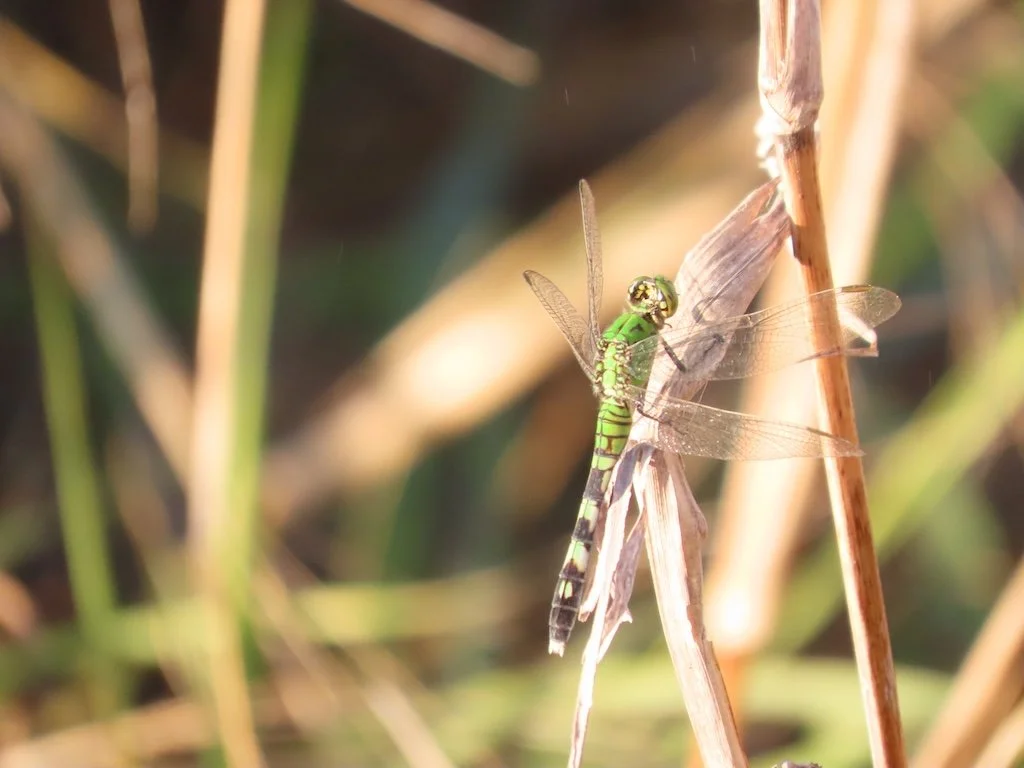
Eastern Pondhawk (dragonfly)
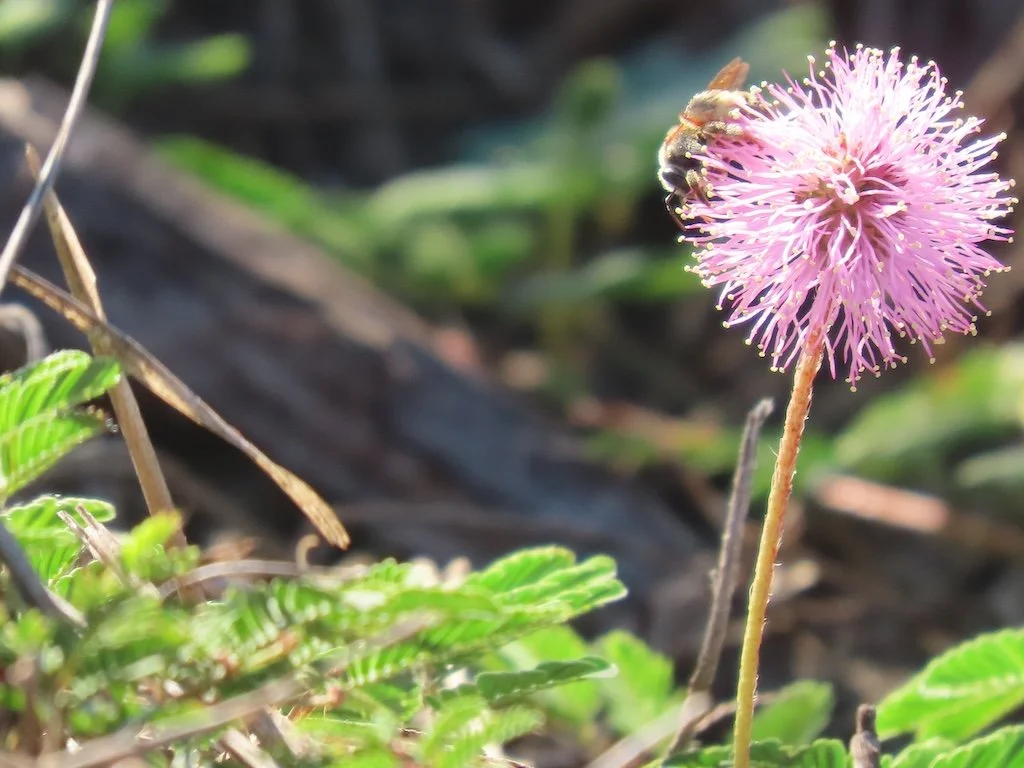
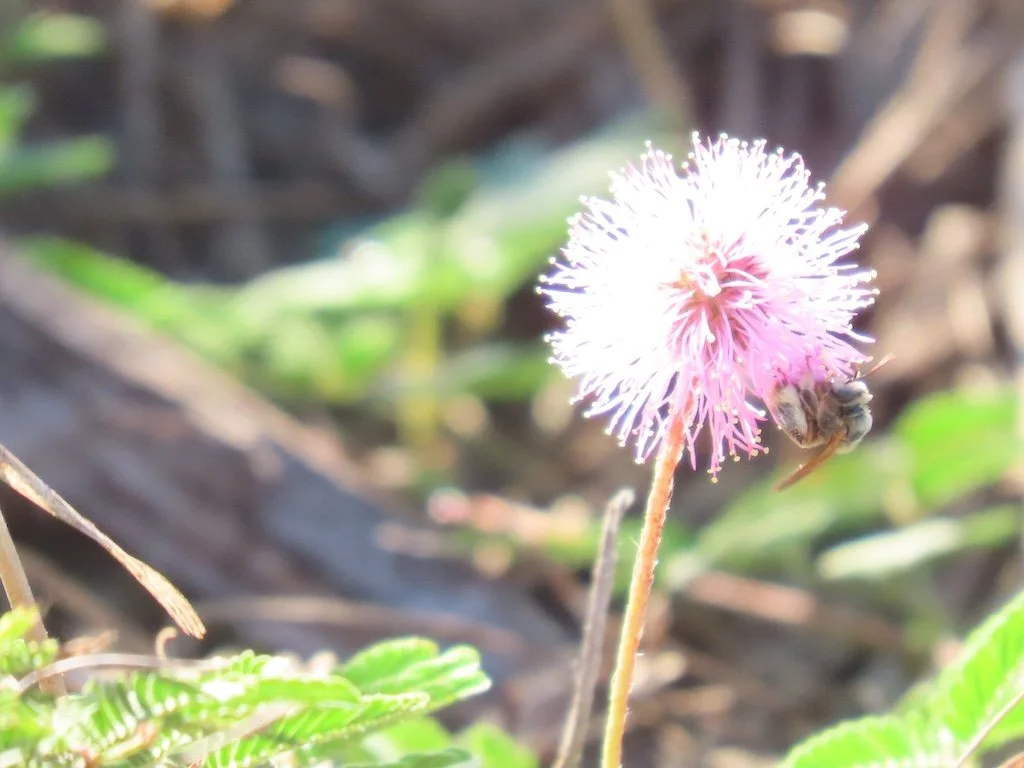
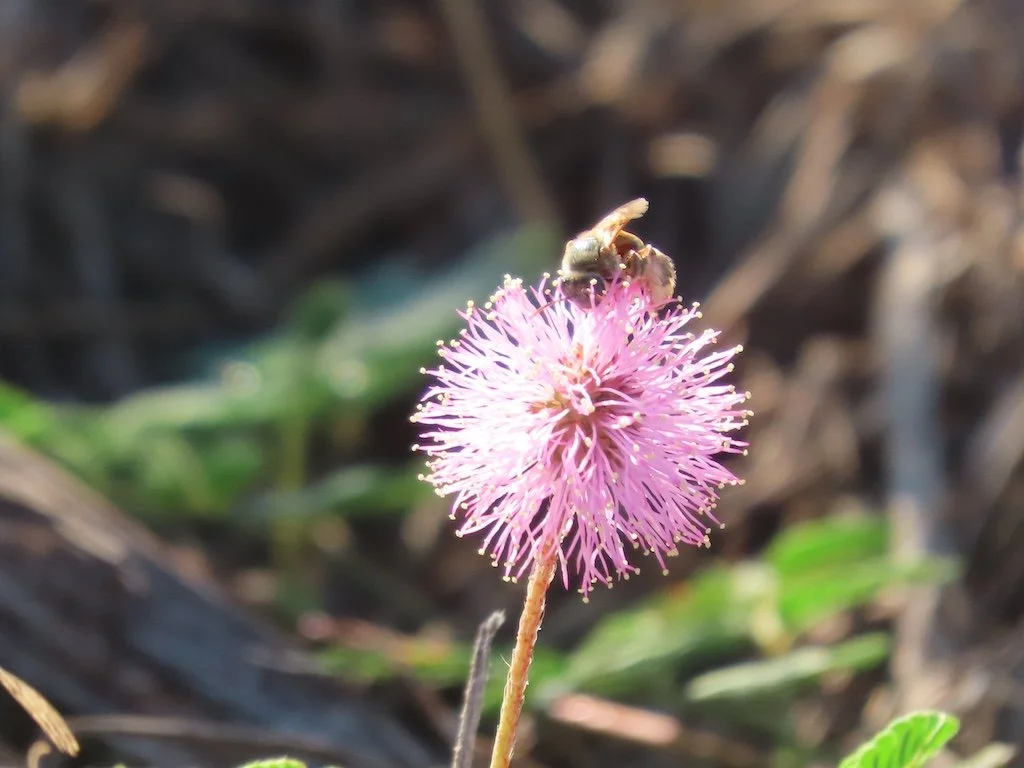
A bee on the ground mimosa - Powderpuff (Mimosa strigillosa)
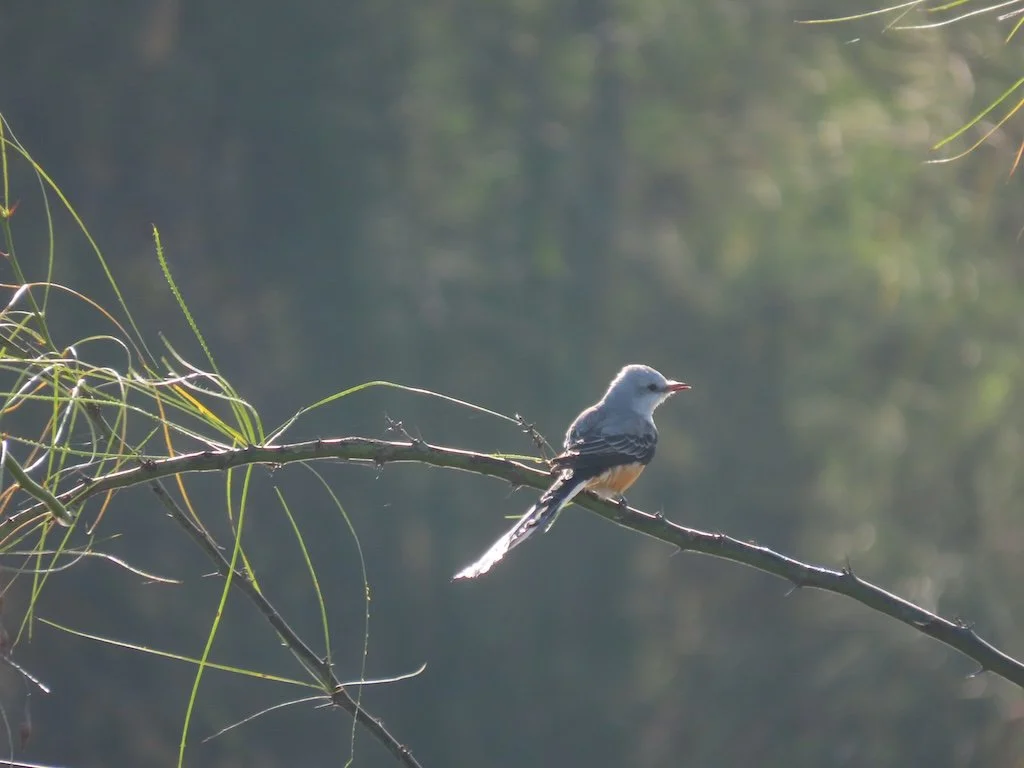
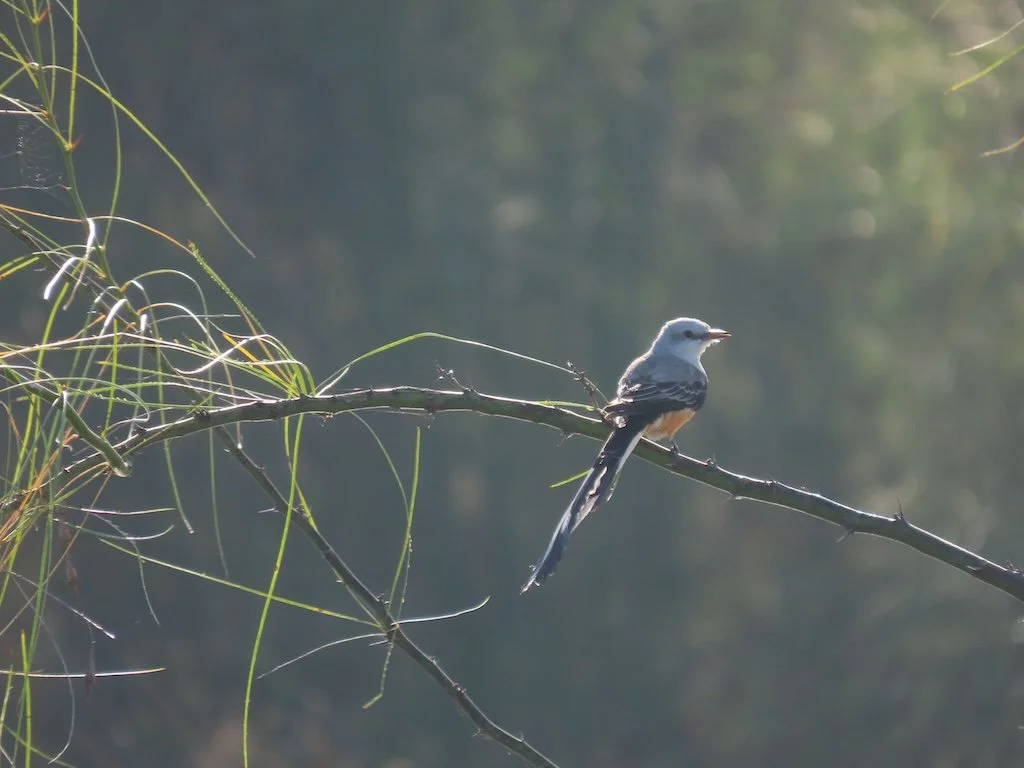
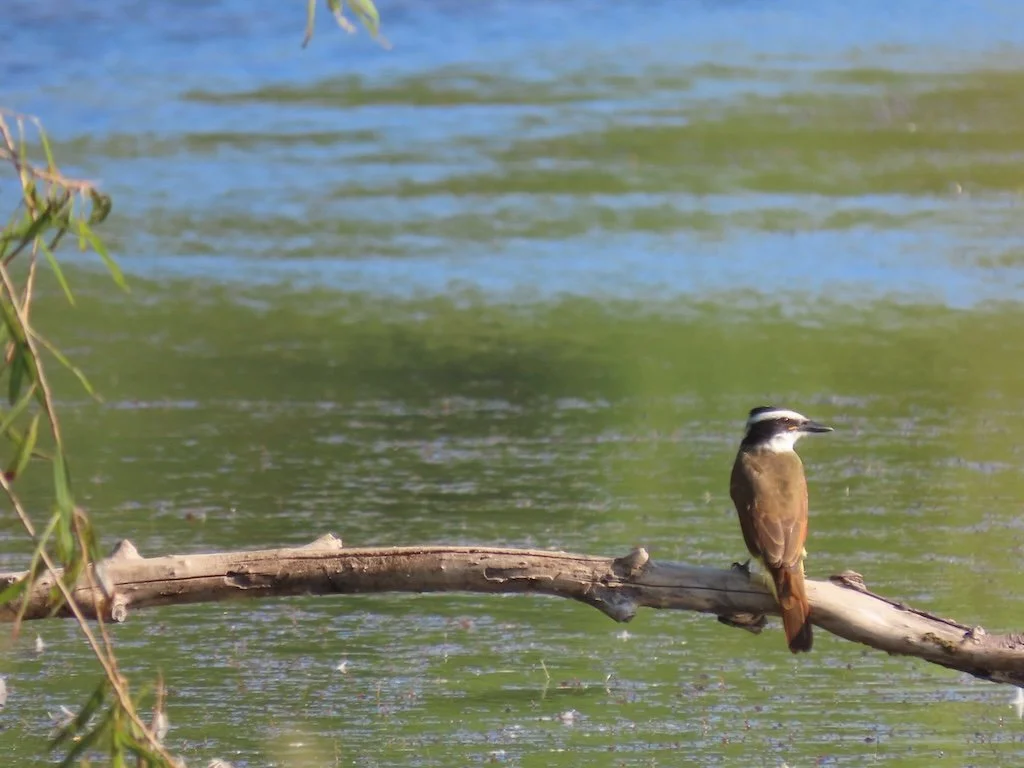
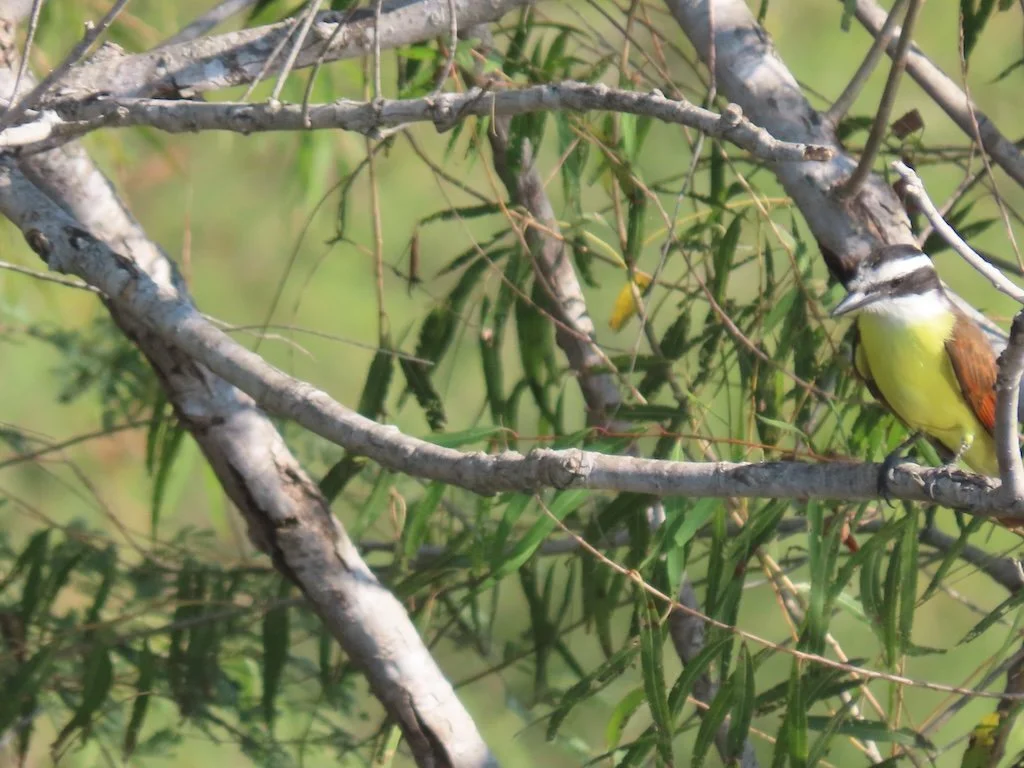
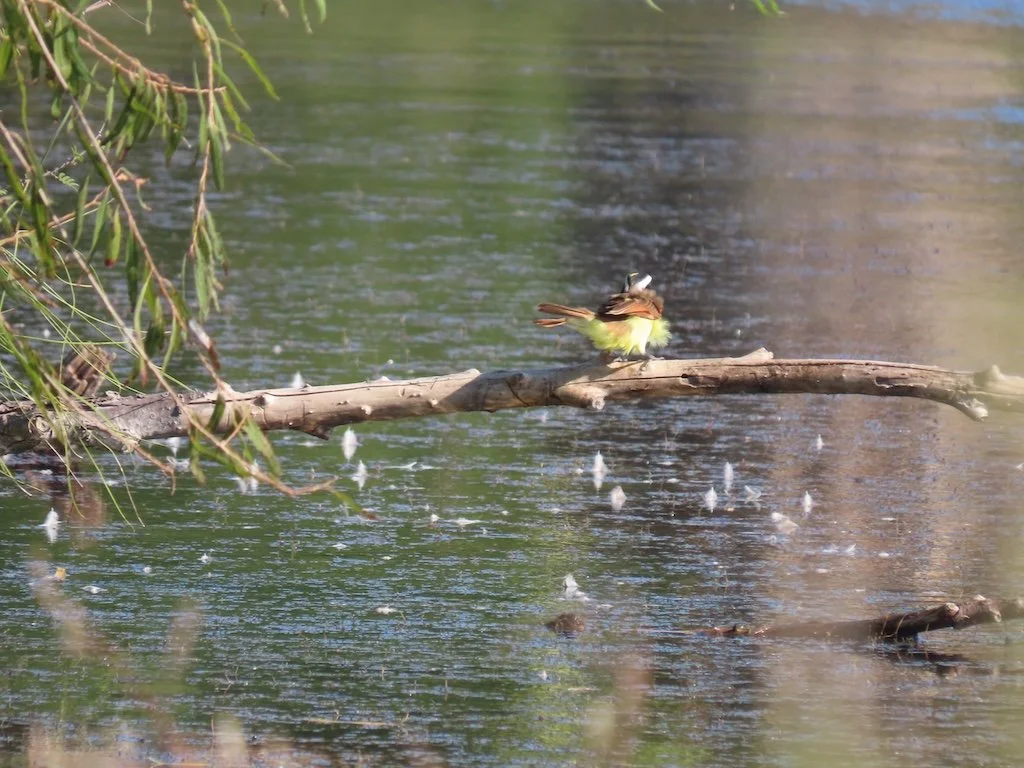
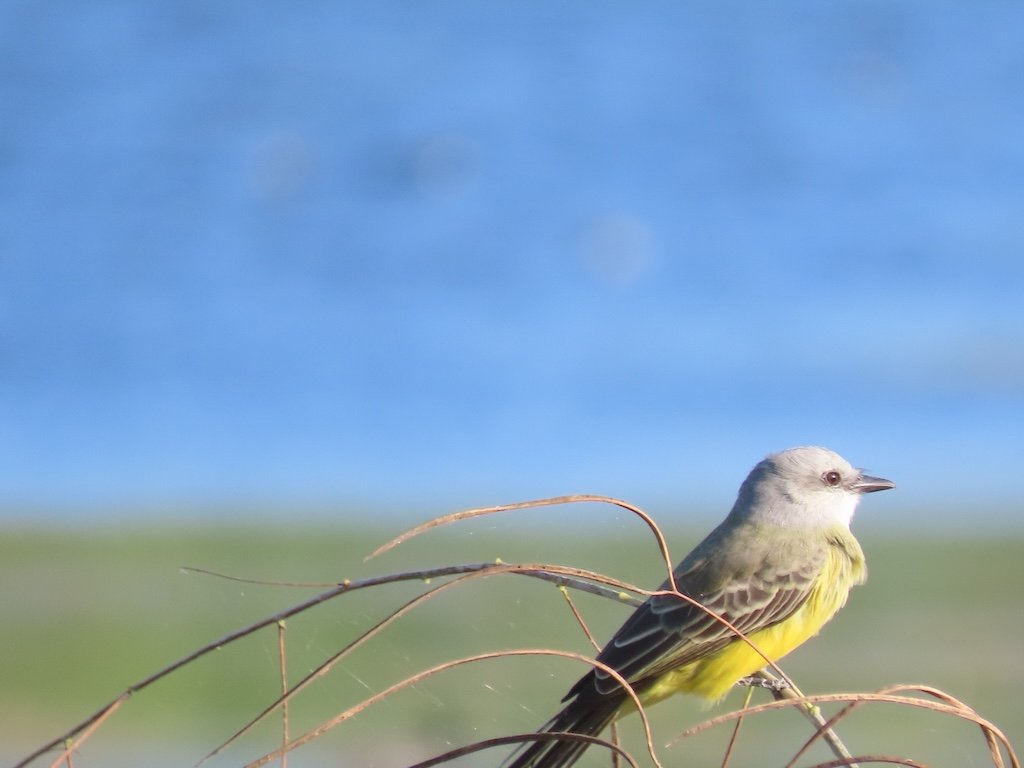
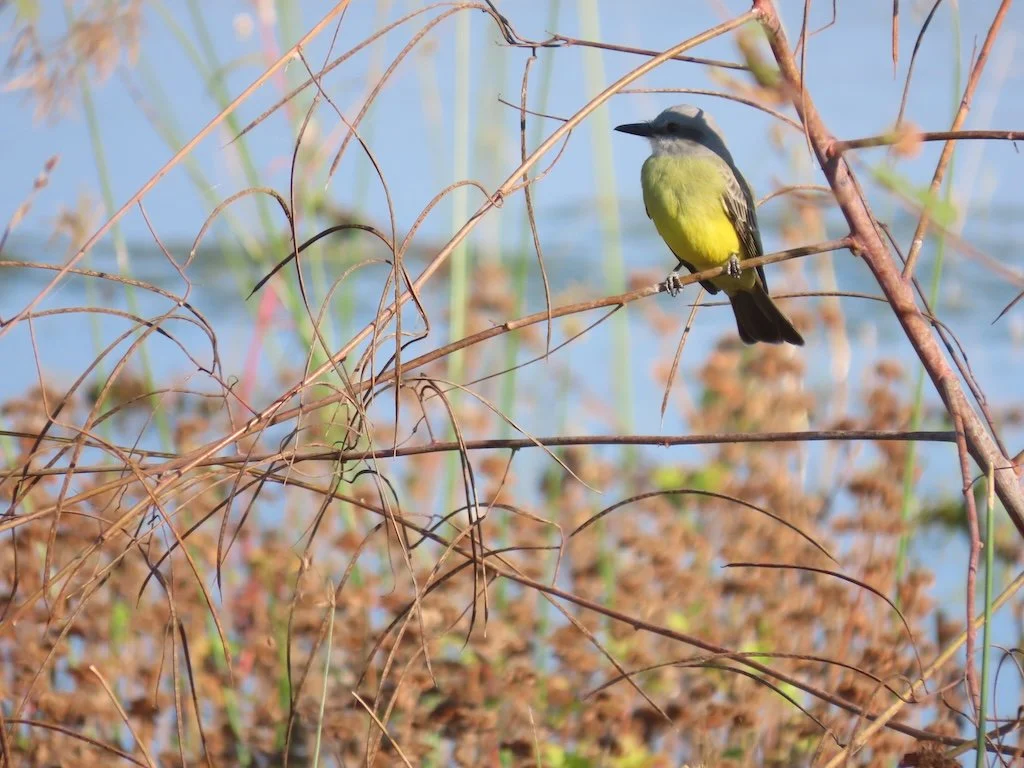
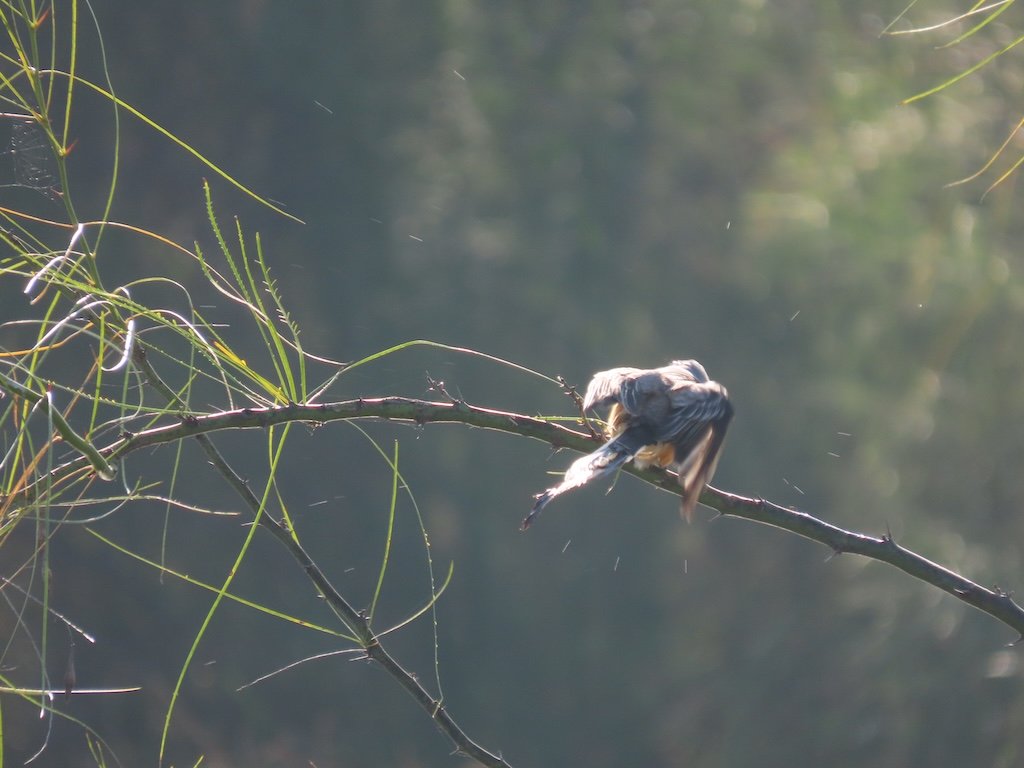
A preening Scissor-tailed Flycatcher and a preening Great Kiskadee
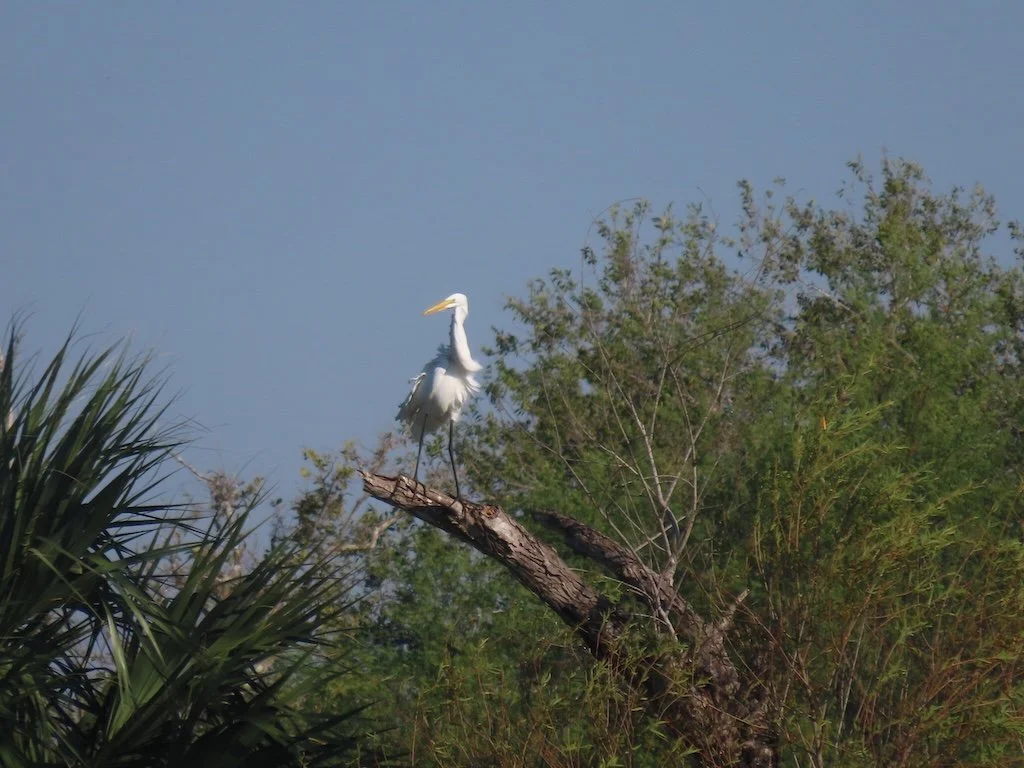
A Great Egret in the wind
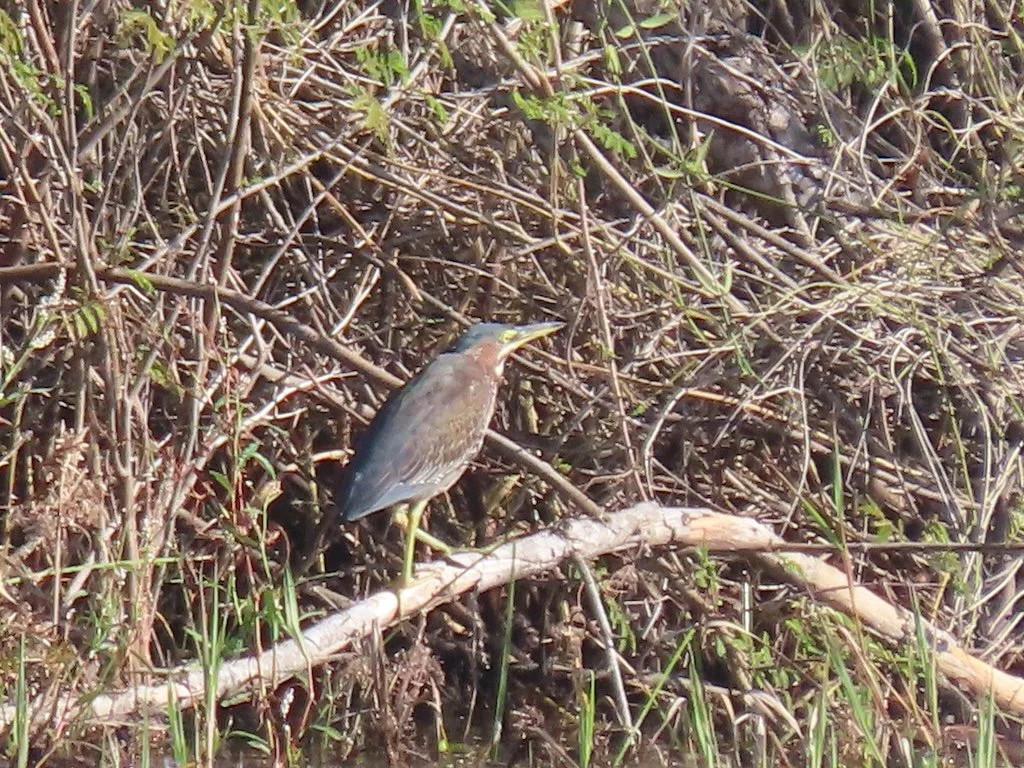
 A Green Heron – very hard to find among the plants
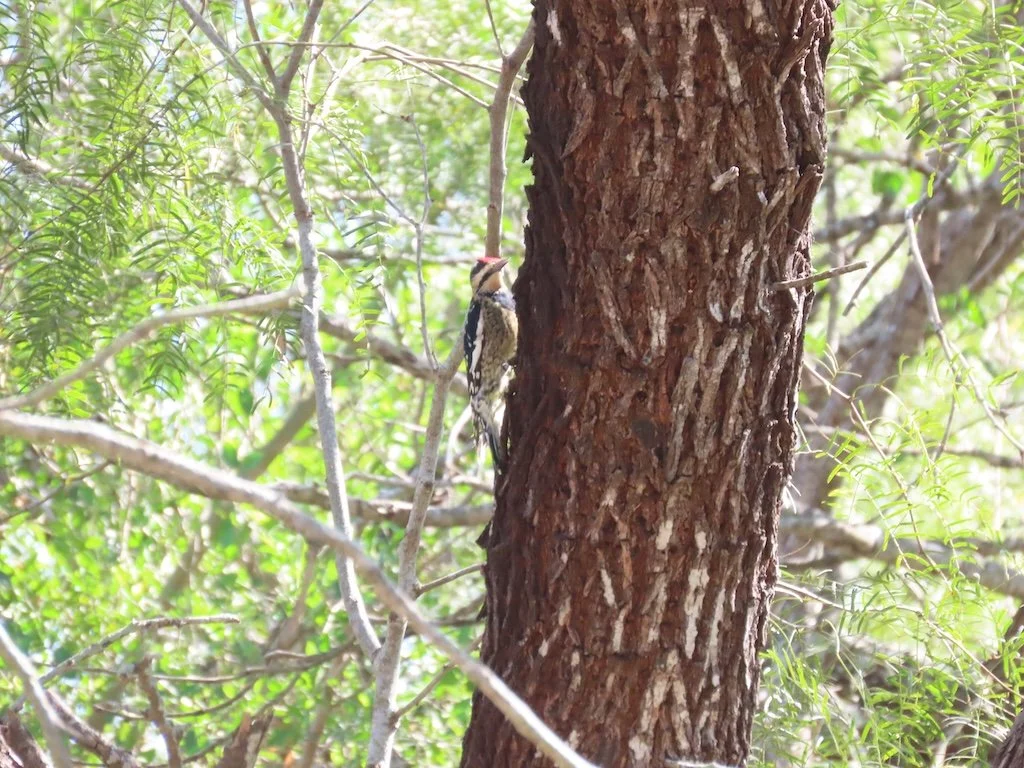
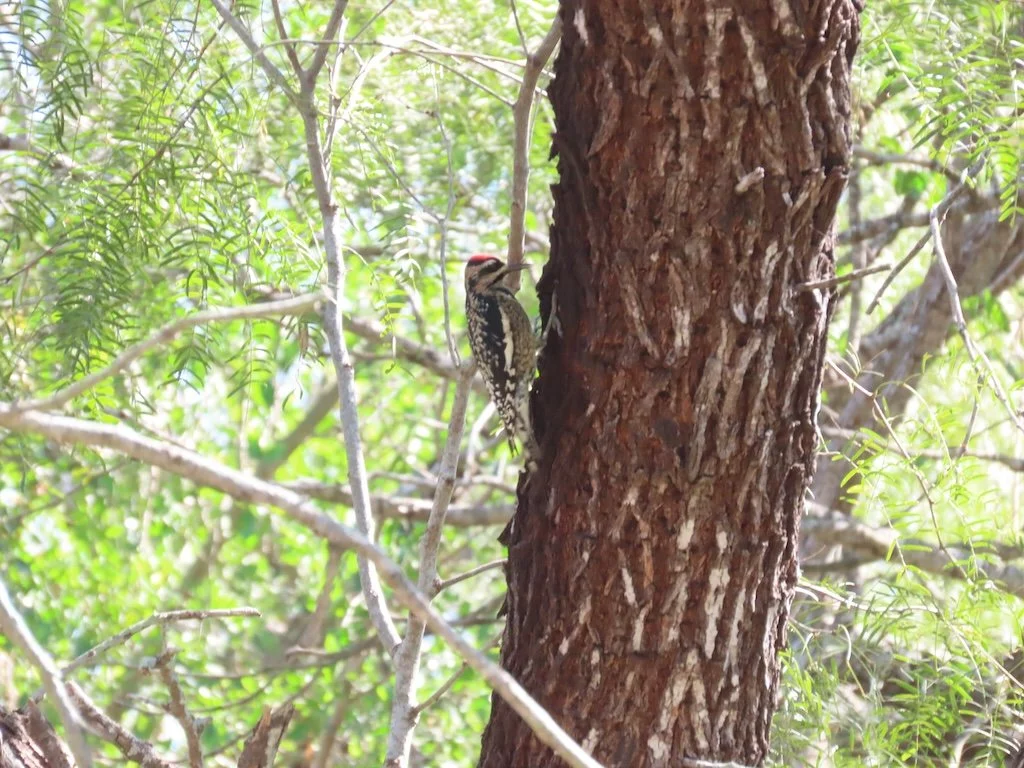
A Ladder-backed Woodpecker
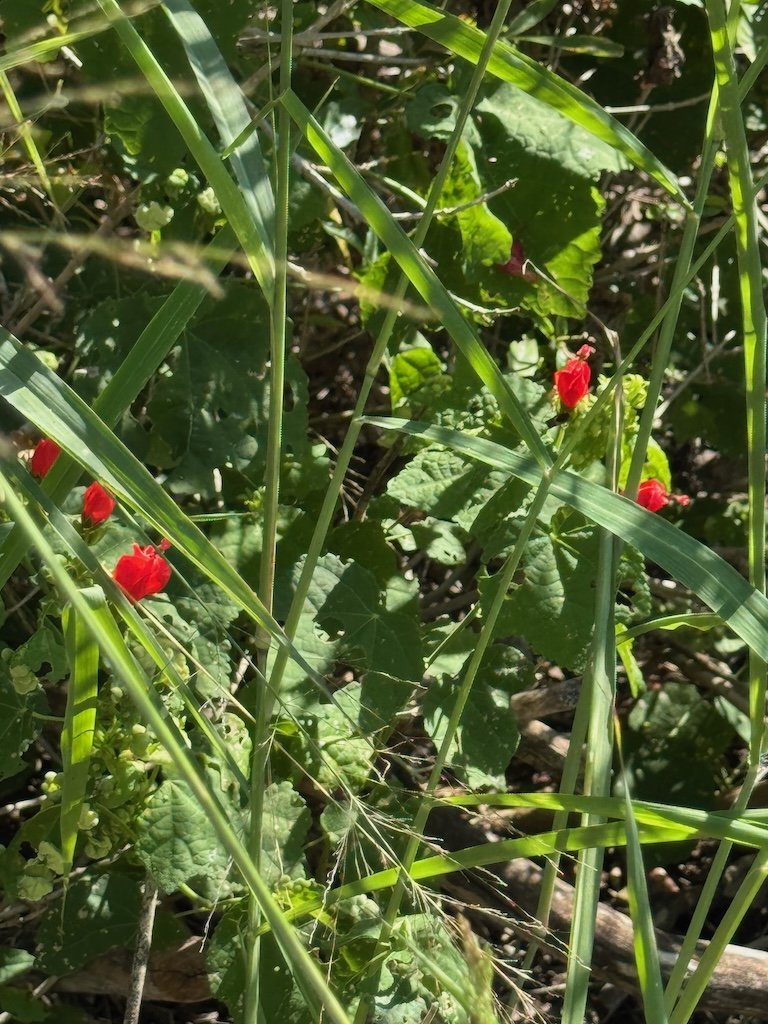
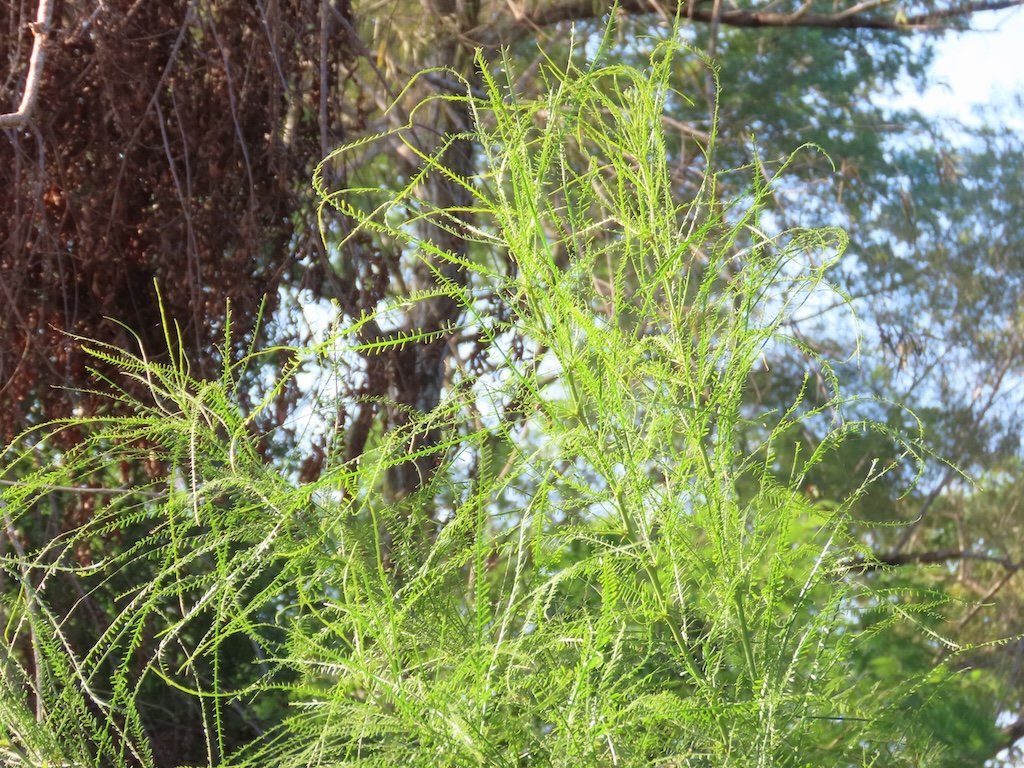
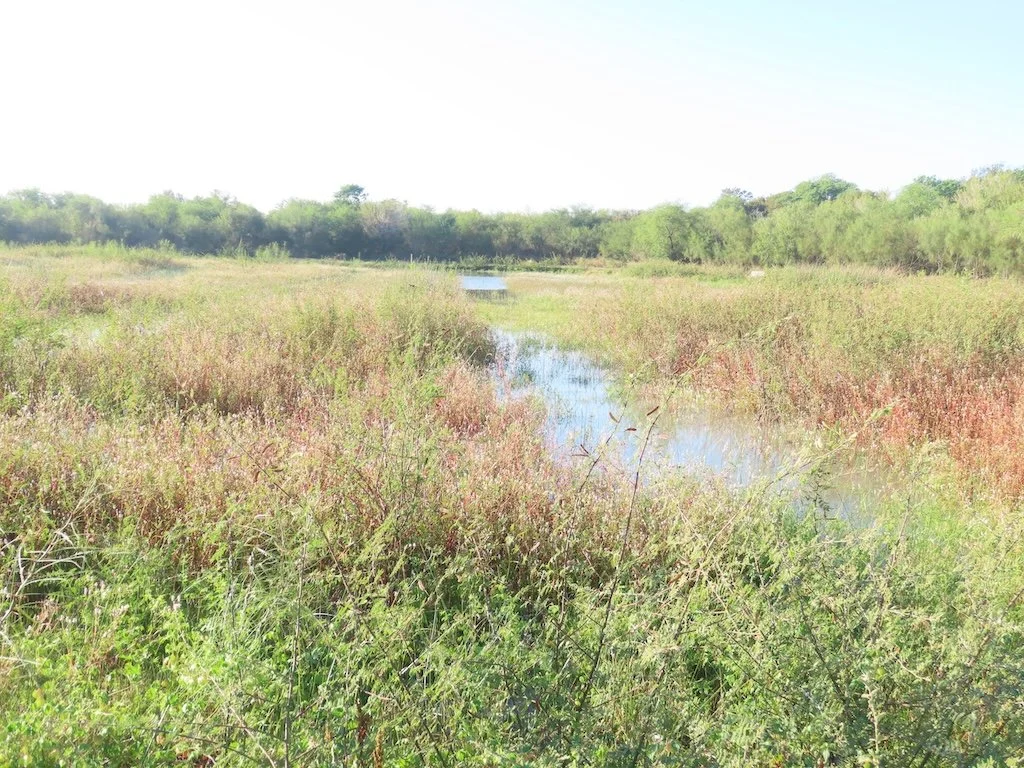
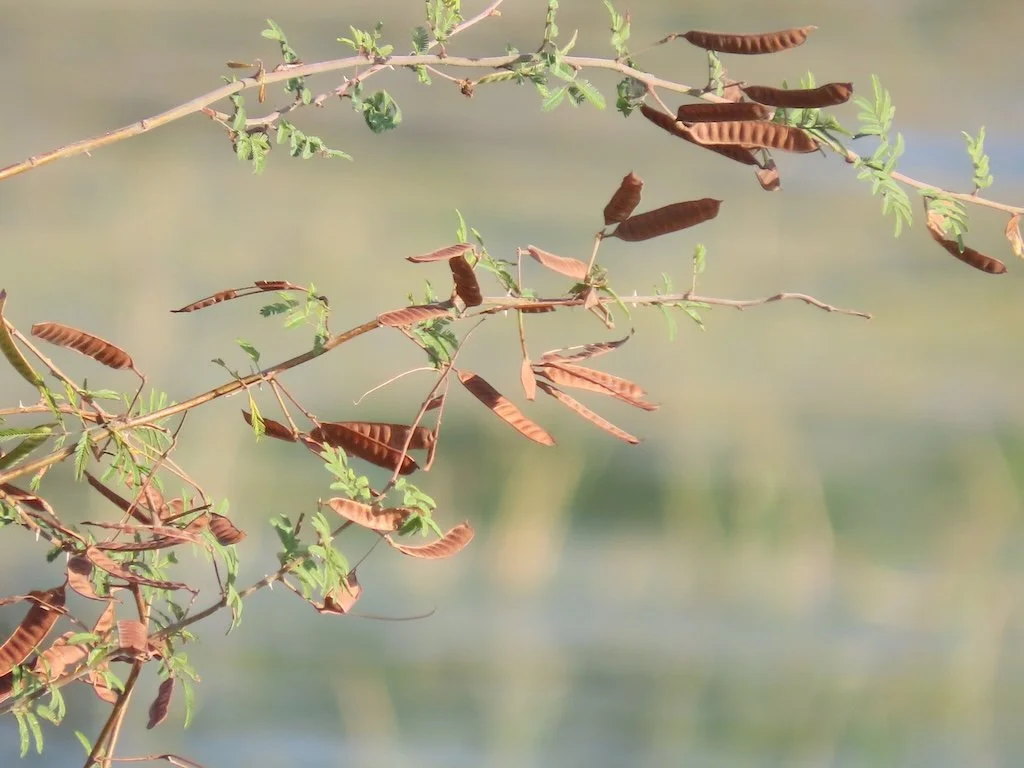
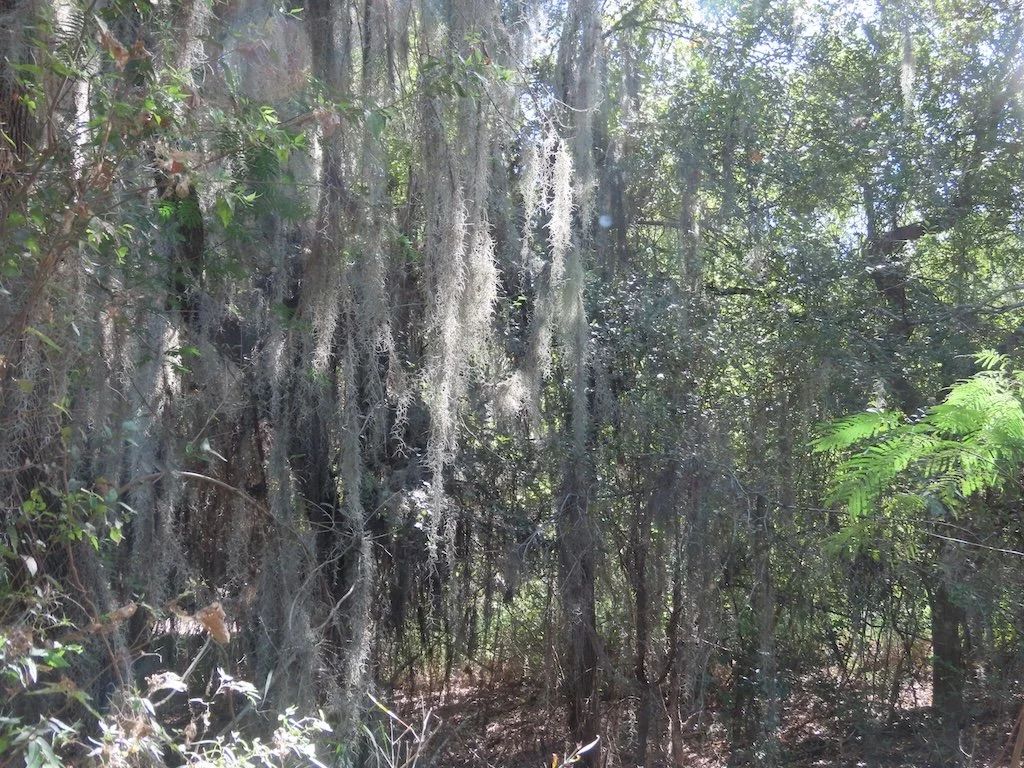
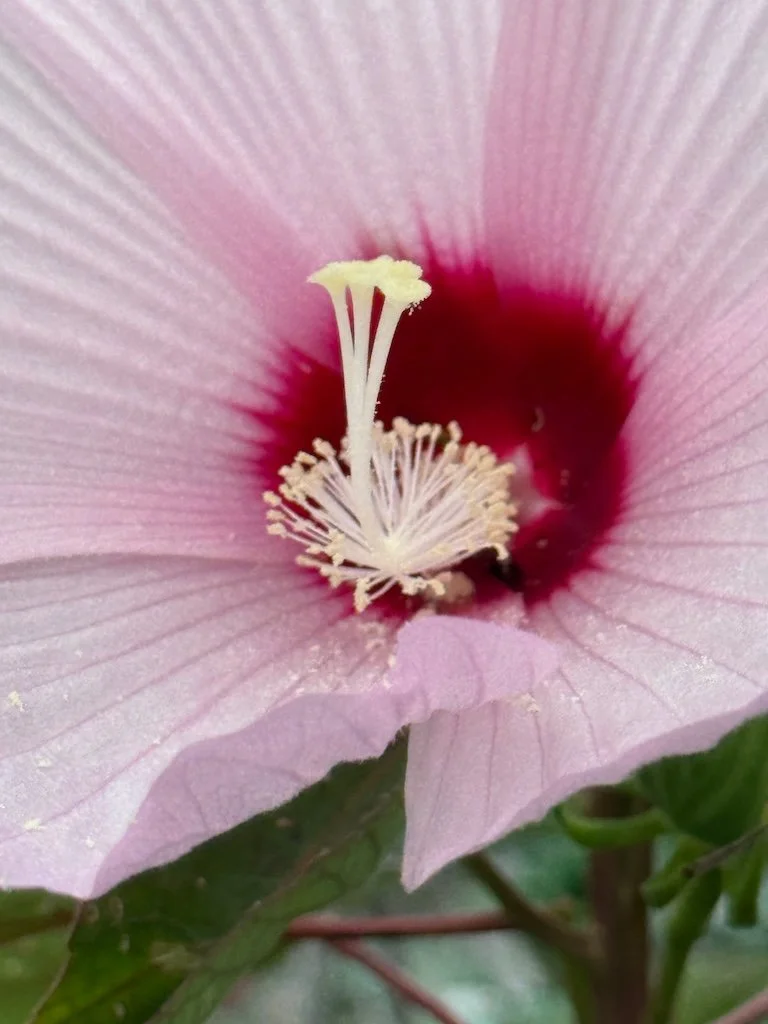
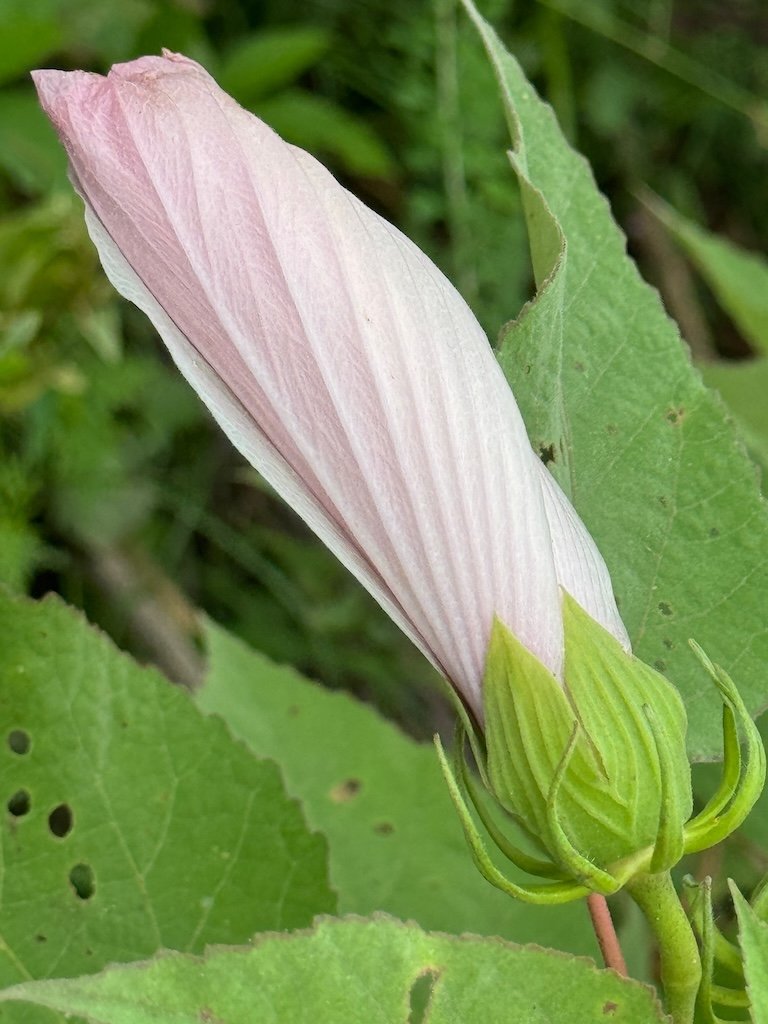
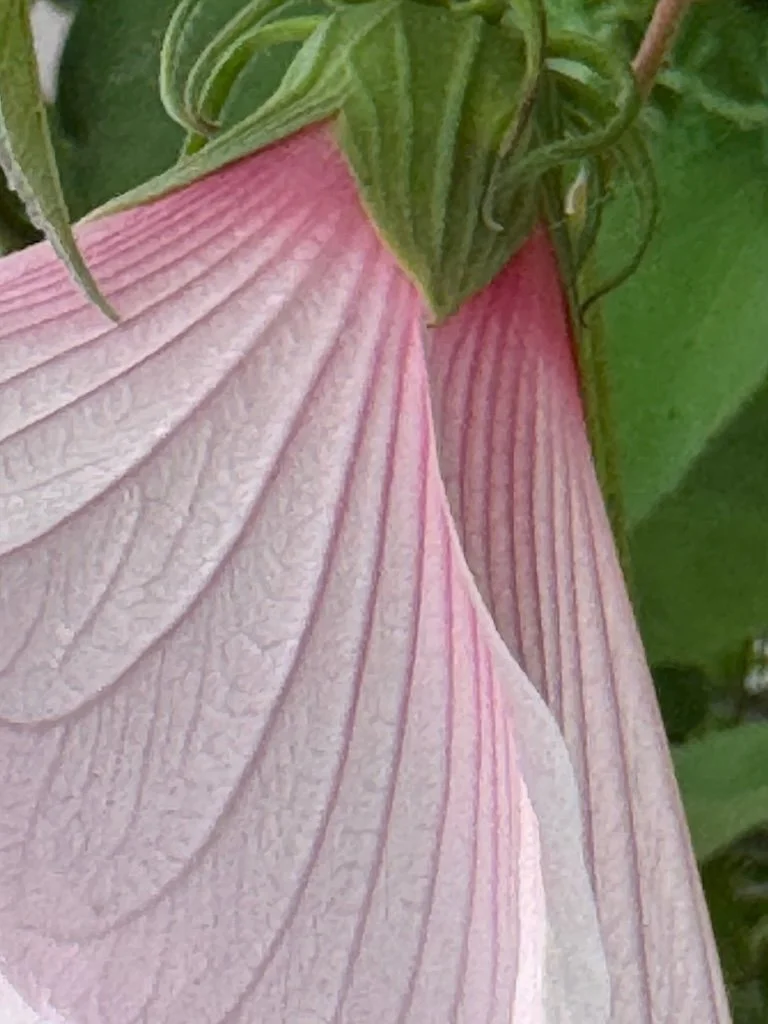
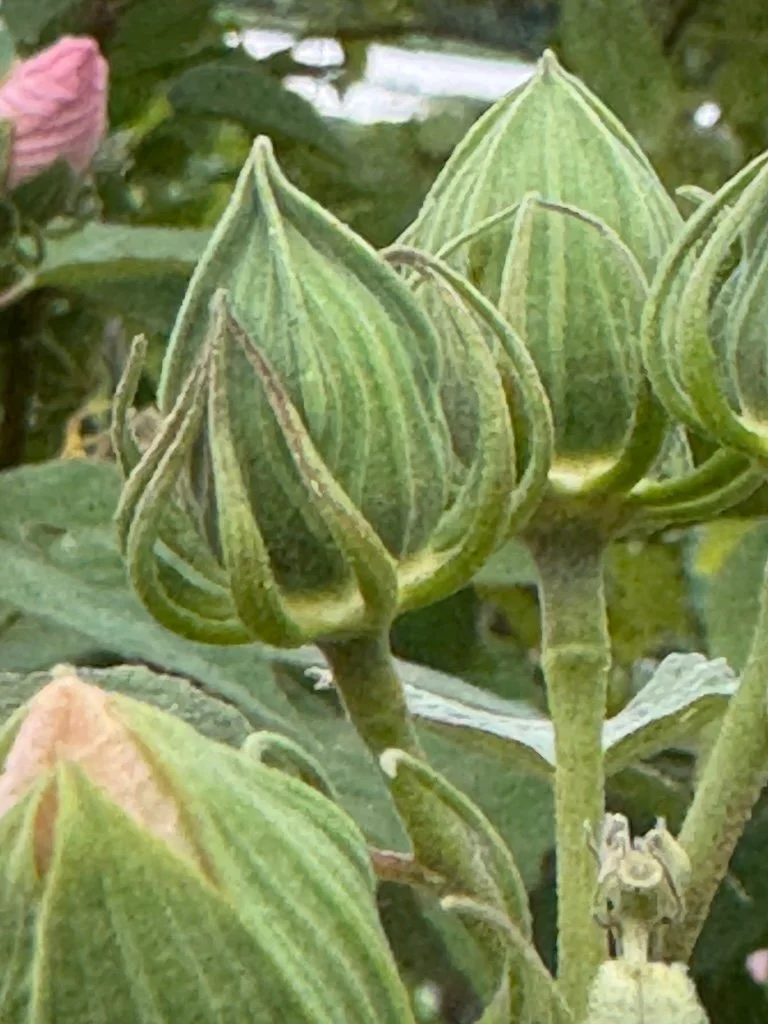
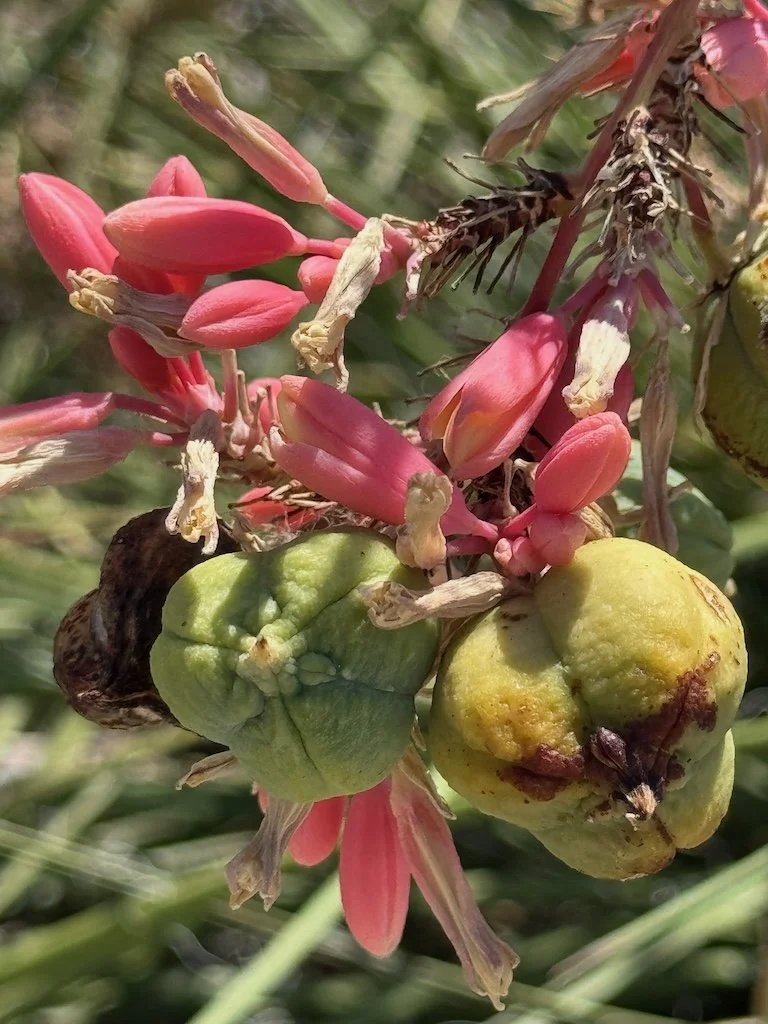
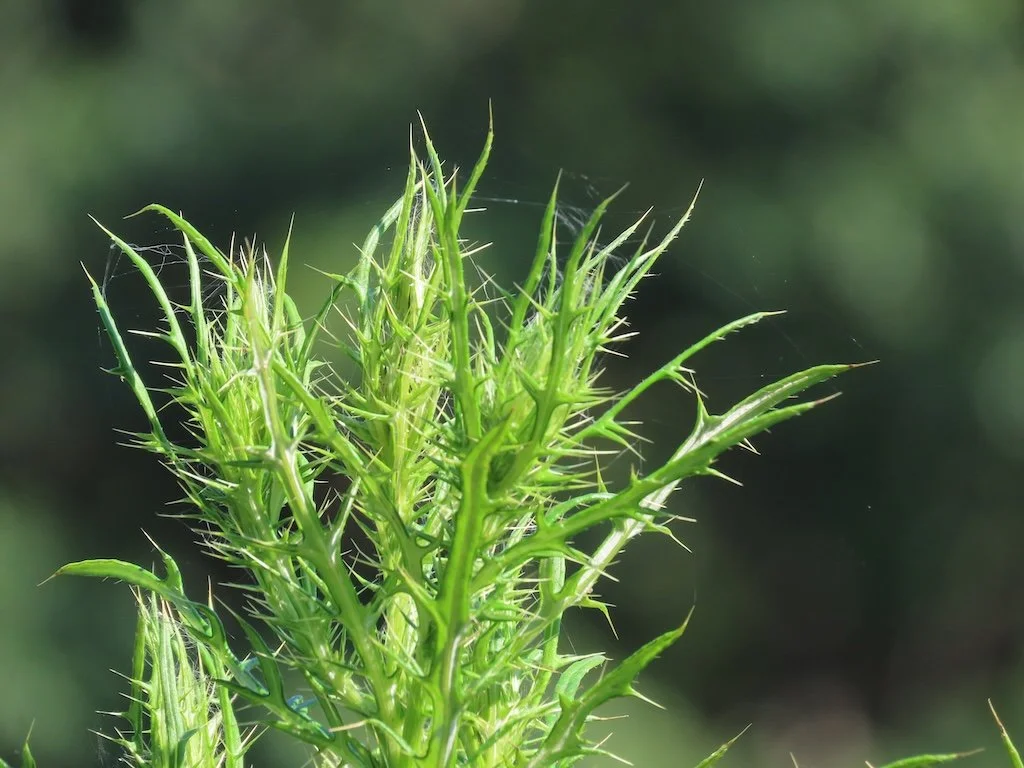
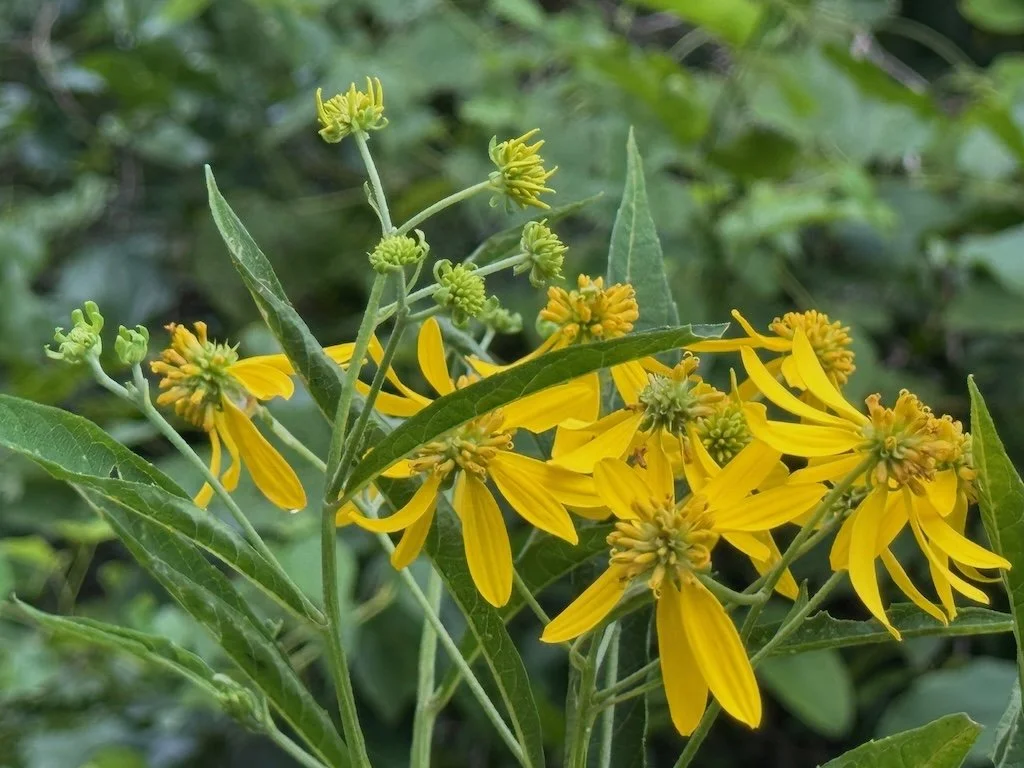
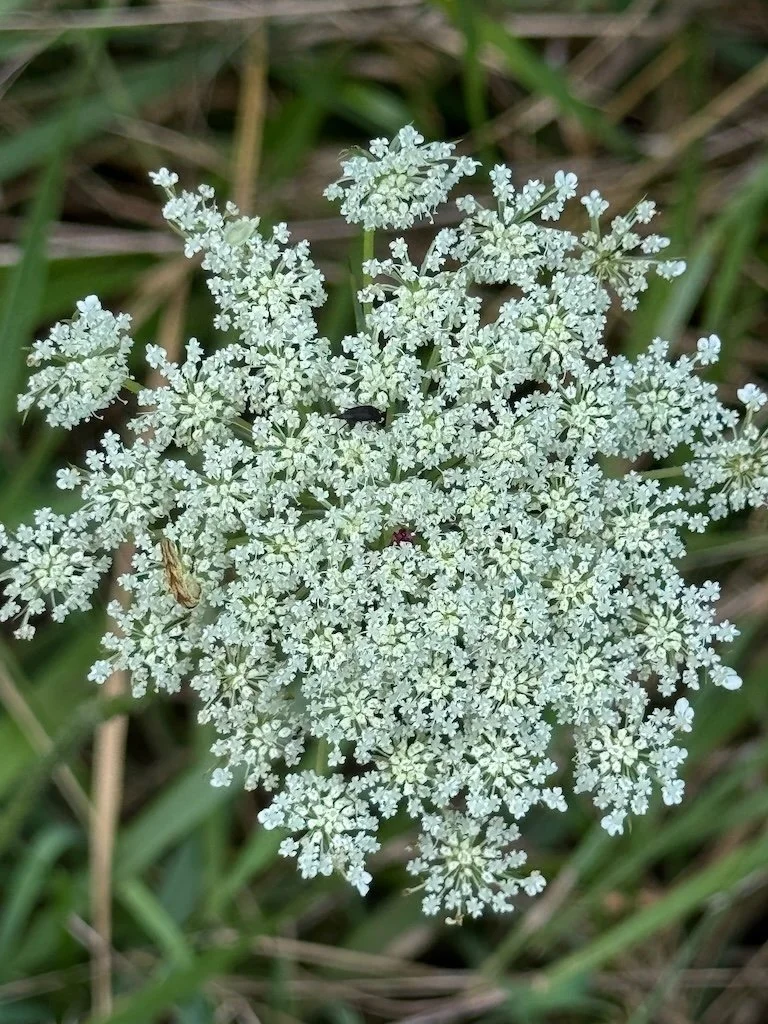
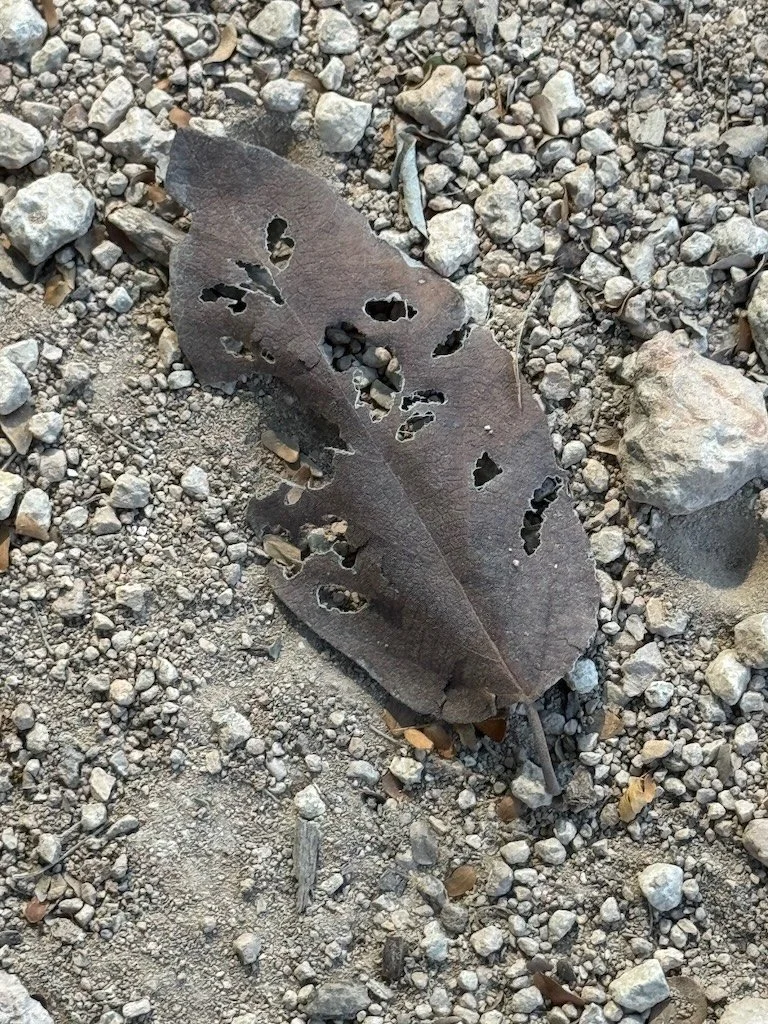
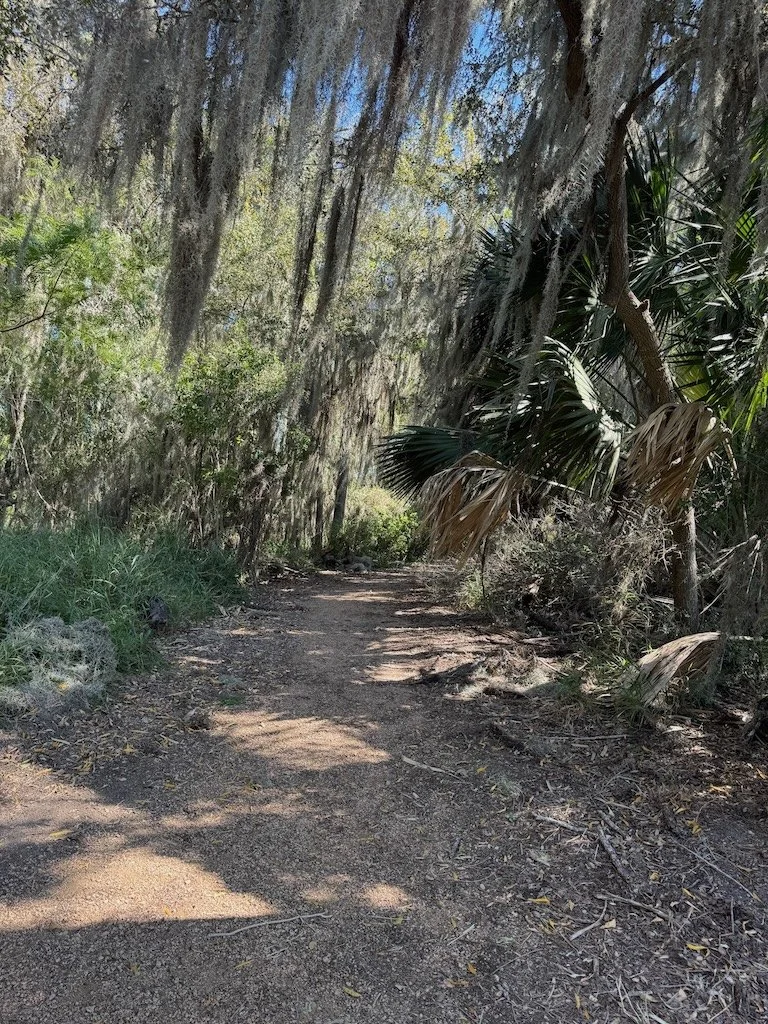
Of course there were lots of plants/landscapes to note as well. Somehow a leaf on the ground full of holes looked interesting to me as I rested midway through the hike. Turks cap grows wild at the refuge. There are a lot of legumes in the area…many with thorns! And there is enough moisture for Spanish moss to thrive.
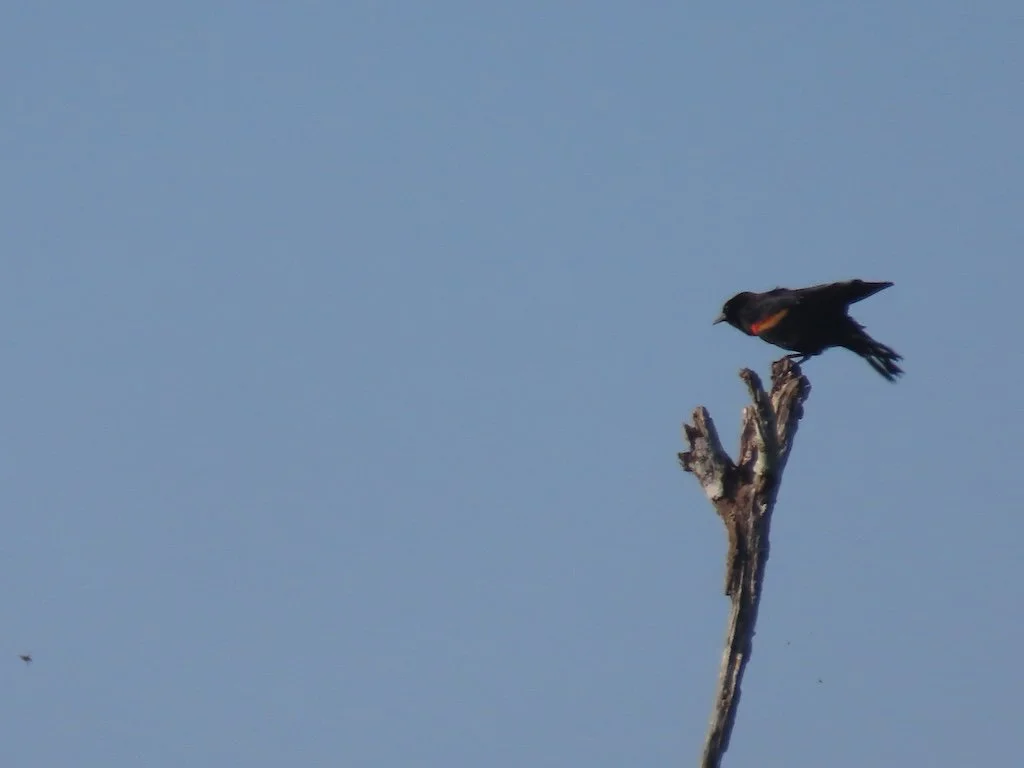
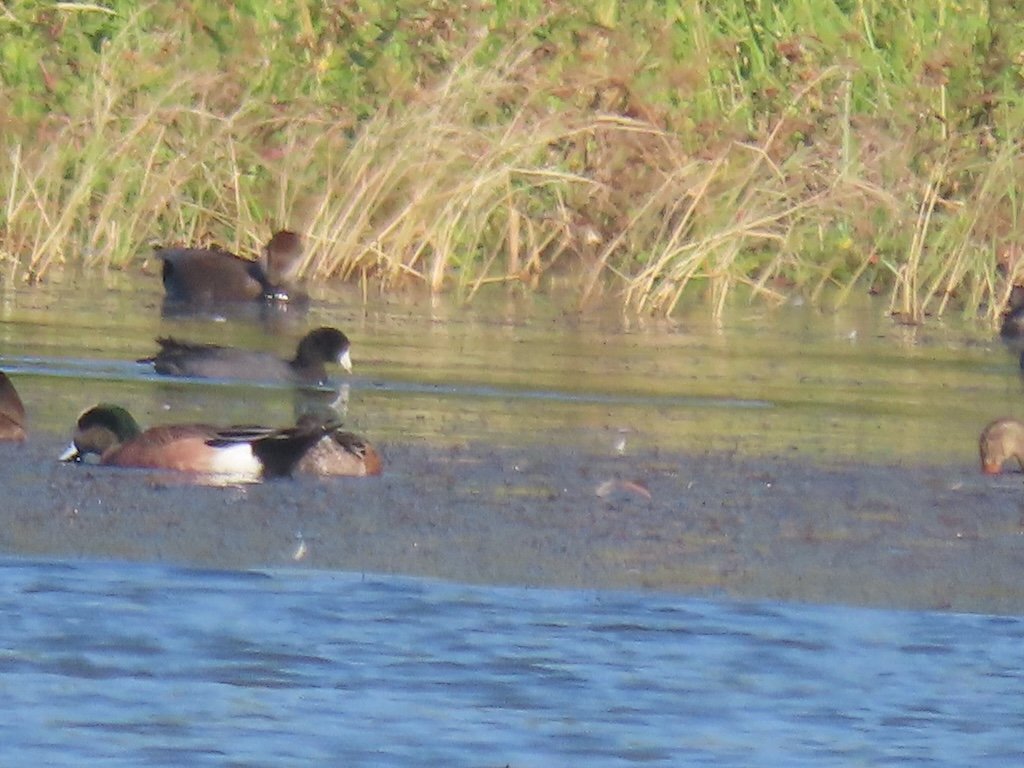
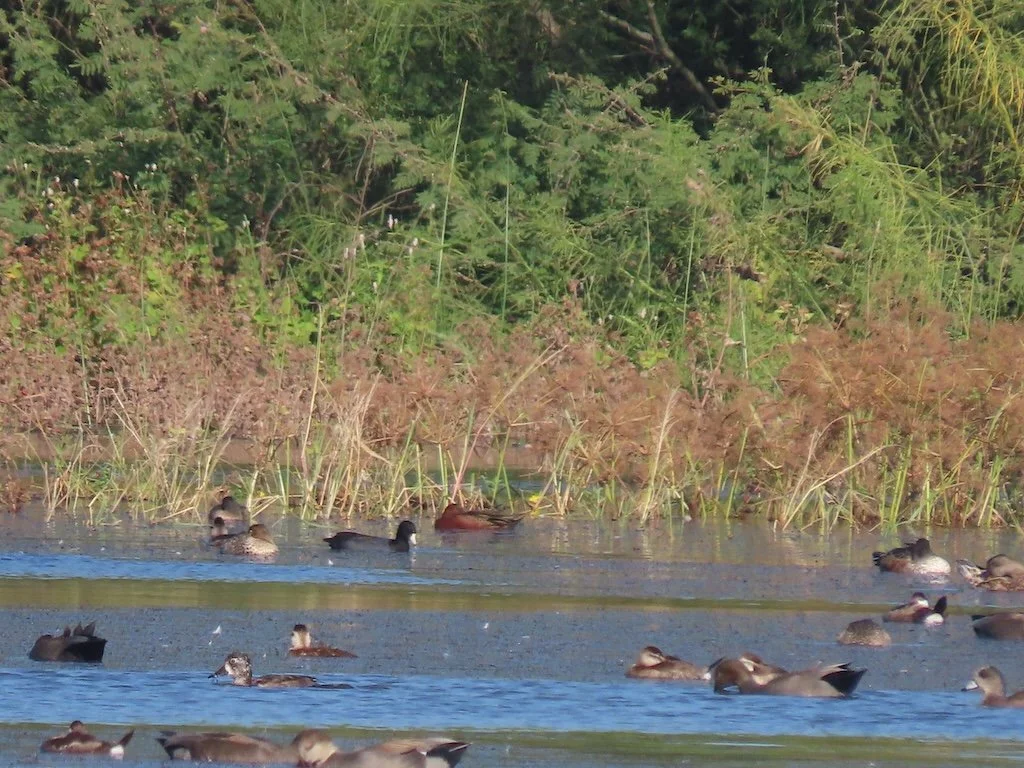
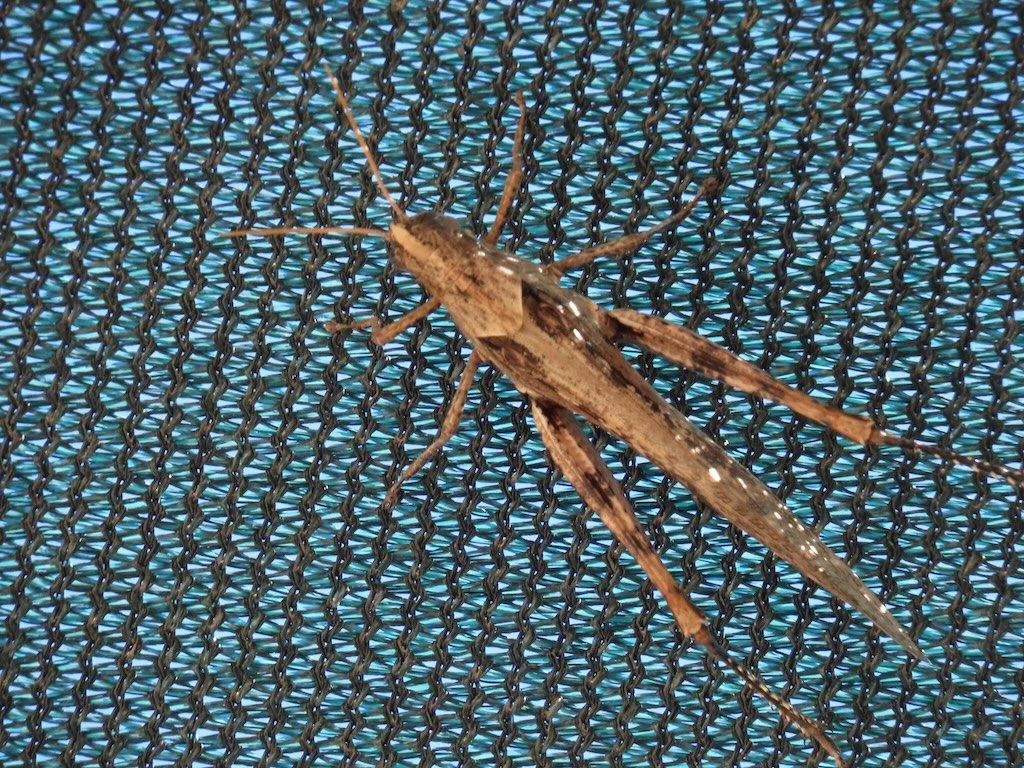
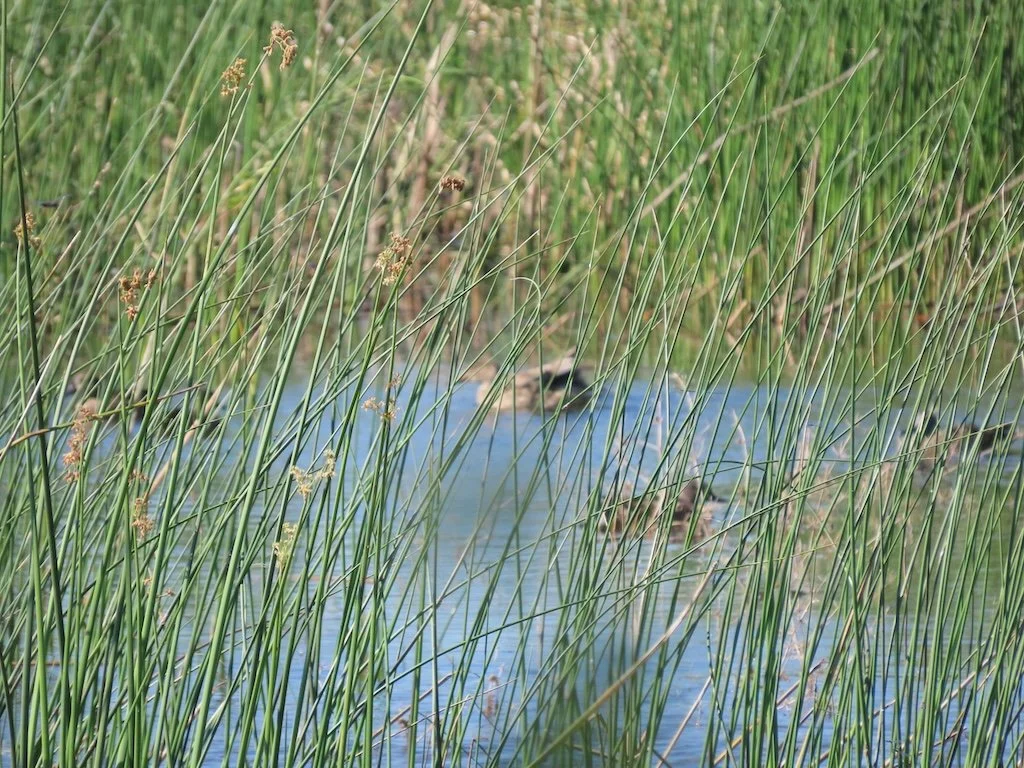
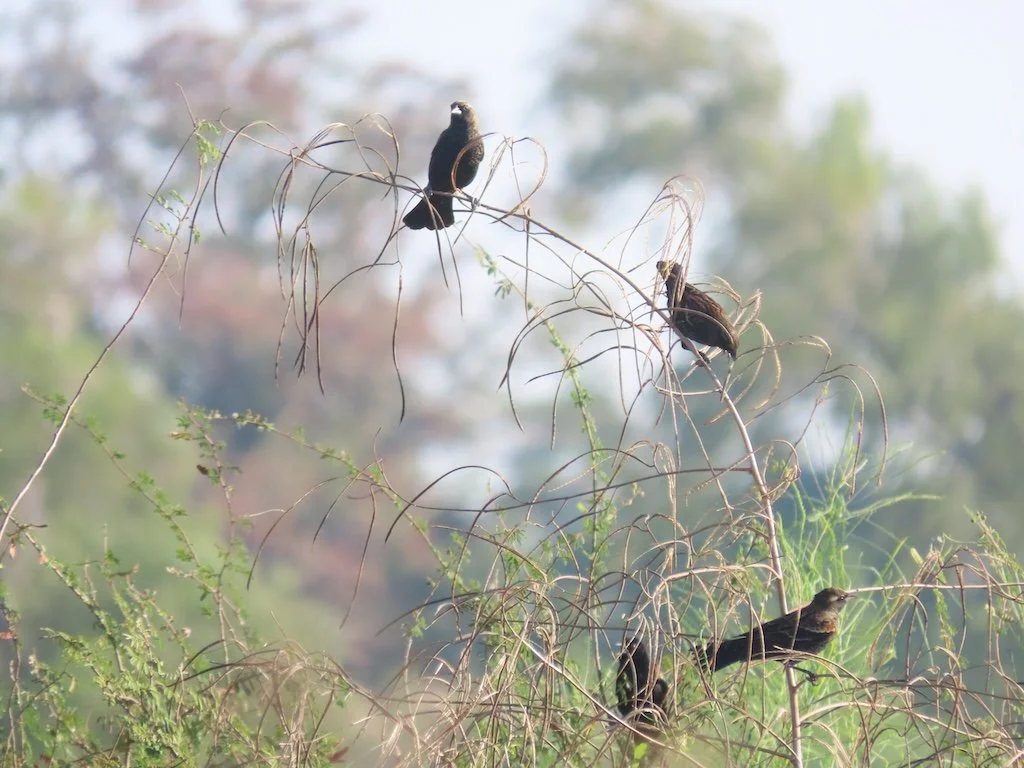
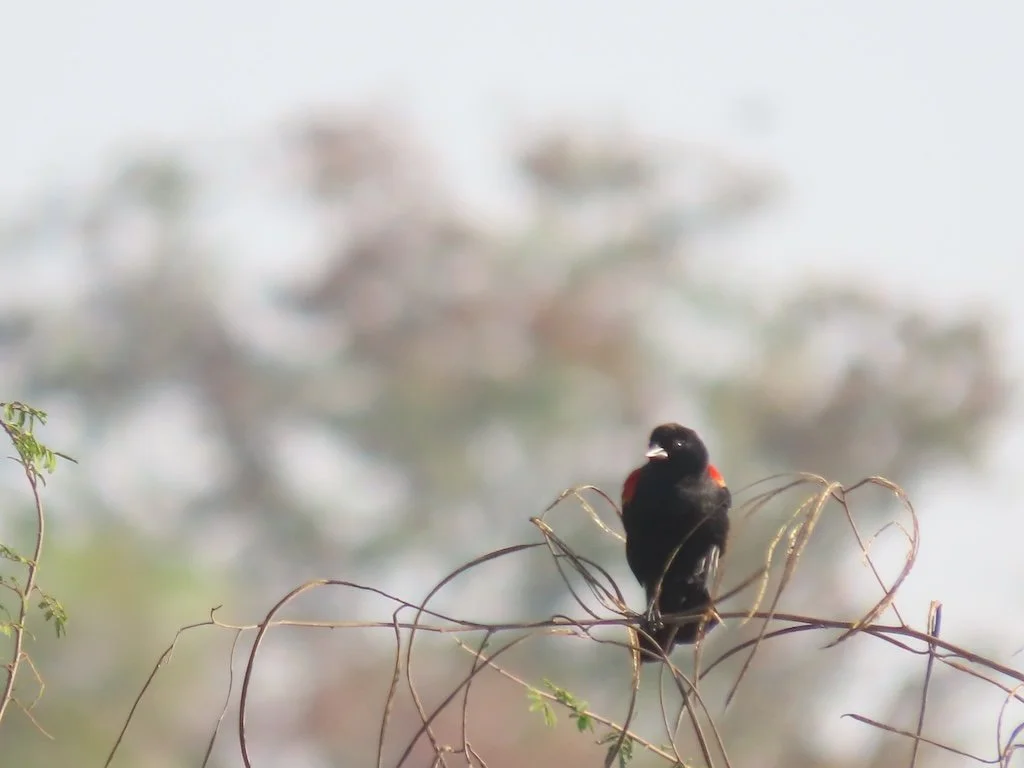
And now for the rest…mostly bird pictures that are mainly for identification…many of the waterbirds were almost out of the range of my camera or there was vegetation between me and the birds. The largest insect was on an awning near the tower.
I used the Deet spray on my lower legs but got bites (mosquito) through my leggings above my knees and on my arms through my sunblock shirt sleeves! Fortunately, they did not itch too much (after I put baking soda water on them); so far, I am not feeling any ill-effects; next time I will be more careful and spray myself more thoroughly.
Birding Near Titusville

After the long field trip to Central Florida, the next day we had a shorter one to hot spots around Titusville. It felt a lot easier getting to a 6:30 AM bus than the 5 AM bus the previous day. The first stop was Hatbill Park…just as the sun was coming up.

2019 01 IMG_3552.jpg

The Grackles were the first birds we noticed…because they were noisily welcoming the day.

2019 01 IMG_3549.jpg

As the light got better there were other birds to notice: a Little Blue Heron fishing in the shallows.

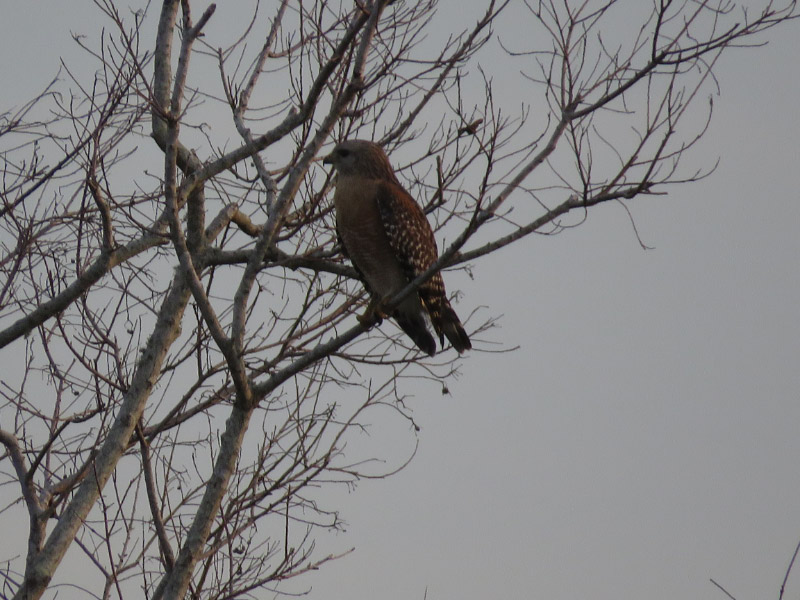
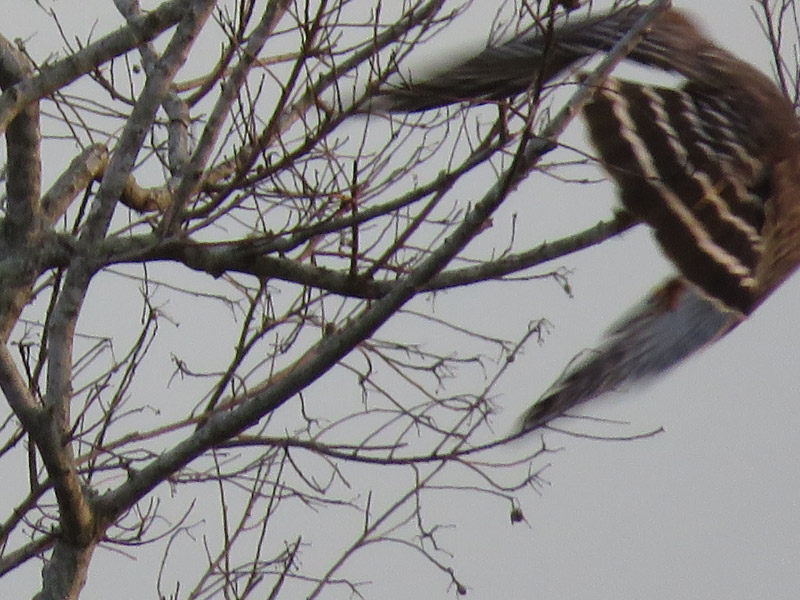
A Red-shouldered Hawk almost too far away to photograph but showing its very distinctive tail as it flew away.

There was an Eastern Phoebe and

2019 01 IMG_3685.jpg

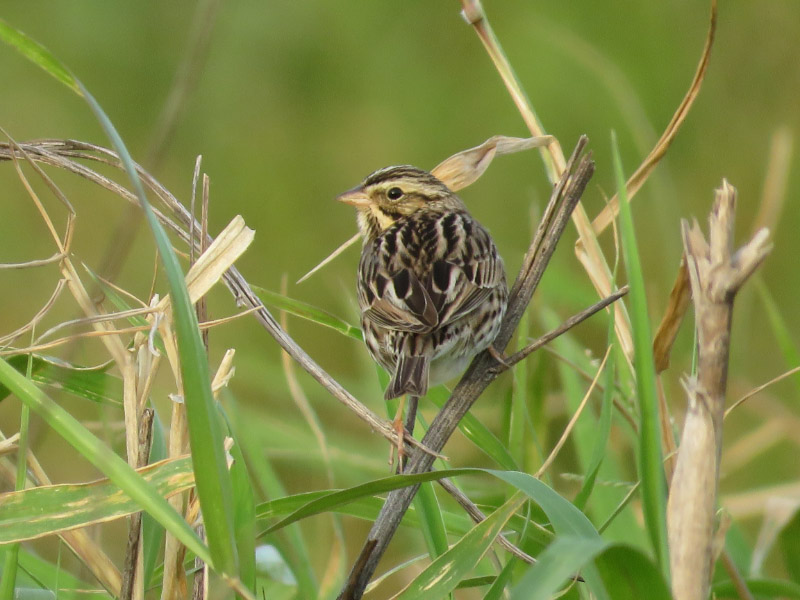
Savannah Sparrow to represent smaller birds.

Some Brown Pelicans flew over the lake.

2019 01 IMG_3702.jpg

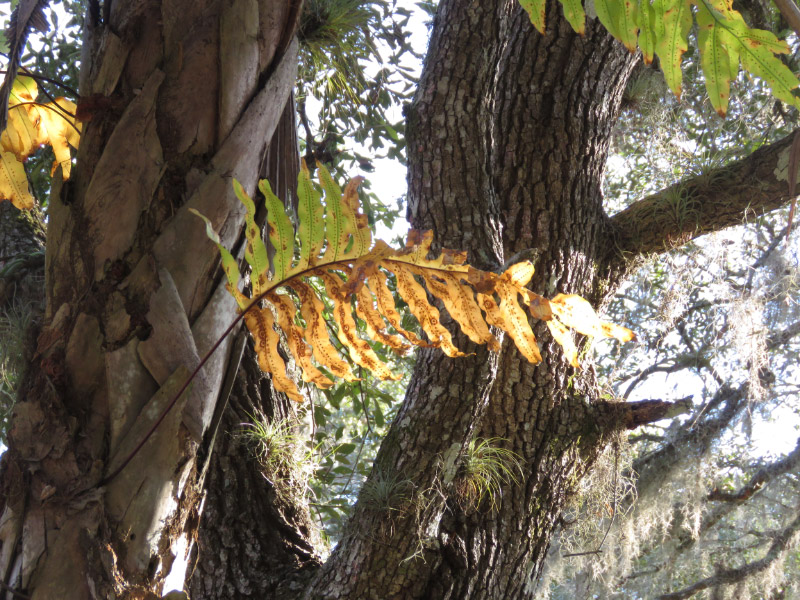
We headed off to or next stop – a walk back into the woods. There were very large Live Oaks with Spanish moss, resurrection fern, and ghost orchids and

Quite a few American Robins. Some robins stick around in Maryland but some push southward and accumulate in Florida.

2019 01 IMG_3749.jpg

There was a Red-Bellied Woodpecker that showed himself at just about every angle. They do have a little red on their bellies!

Florida has red maples just as we do in Maryland although the ones in Florida had formed their samaras months in advance of our trees.

2019 01 IMG_3776.jpg

Ball Moss – a relative of Spanish moss (both Bromeliads rather than mosses) – was growing in some of the trees. It looks tidy rather than raggedy like the Spanish Moss.

2019 01 IMG_3778.jpg

The Sabal Palmettos had ferns growing in their boots (the stubs of branches along the trunk). One of the other field trip participants identified it as a gold foot fern.

An Eastern Phoebe sat around long enough to be photographed here too.

2019 01 IMG_3805.jpg

One stop was a neighborhood pond that has a population of resident Black-Bellied Whistling Ducks. They were noisy. Hopefully they quiet down at dusk.

2019 01 IMG_3813.jpg
2019 01 IMG_3818.jpg

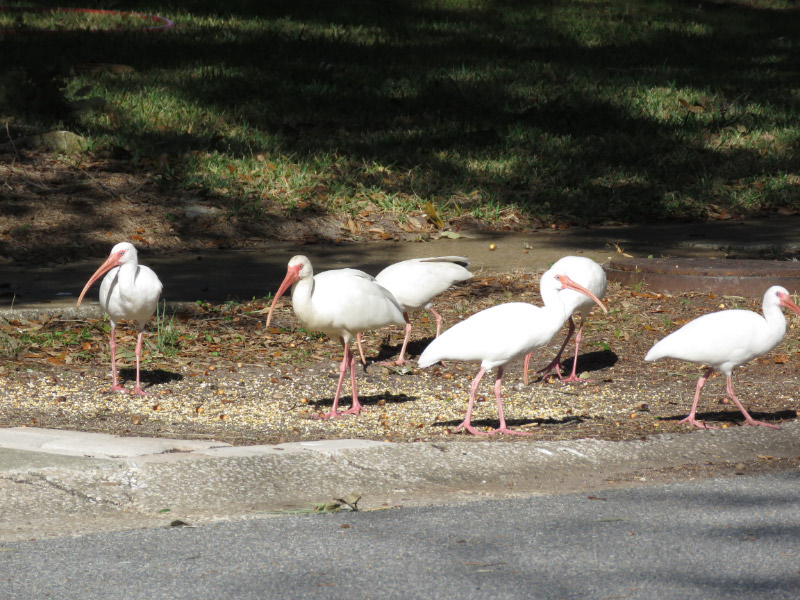
There were White Ibis in the pond as well. They seemed even more acclimated to people.

The next stop was a neighborhood park where there was a resident pair of Sandhill Cranes.

20190126_123310.jpg

Then we headed off to Dixie Crossroads (restaurant) for lunch. I took a picture of the mural as I came out of the restaurant – it featured a lot of the birds we had been seeing.

The post tomorrow will be about what we saw after lunch.

Santa Ana National Wildlife Refuge

The second day of the Rio Grande Valley Birding Festival, we did not have any formal field trips scheduled. It was cool and cloudy – not a good day for butterflies, so we shifted our plans back to a focus on birds and headed for the Santa Ana National Wildlife Refuge.Some of the first things we saw on our hike was insects – still with the cold: two dragonflies

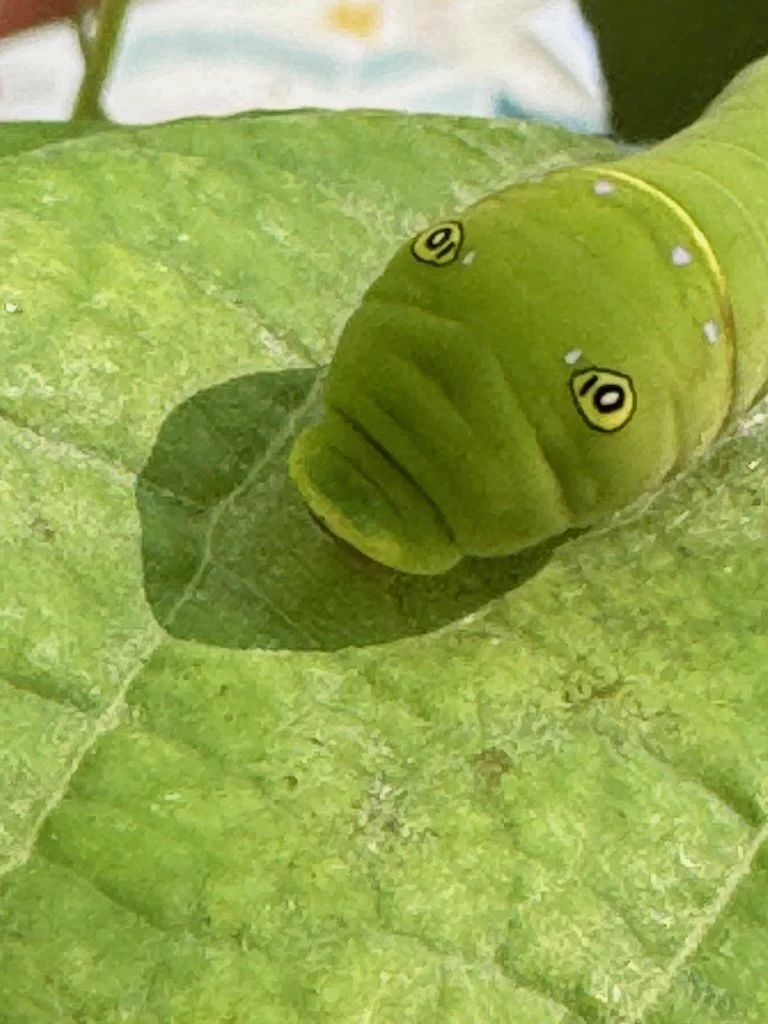
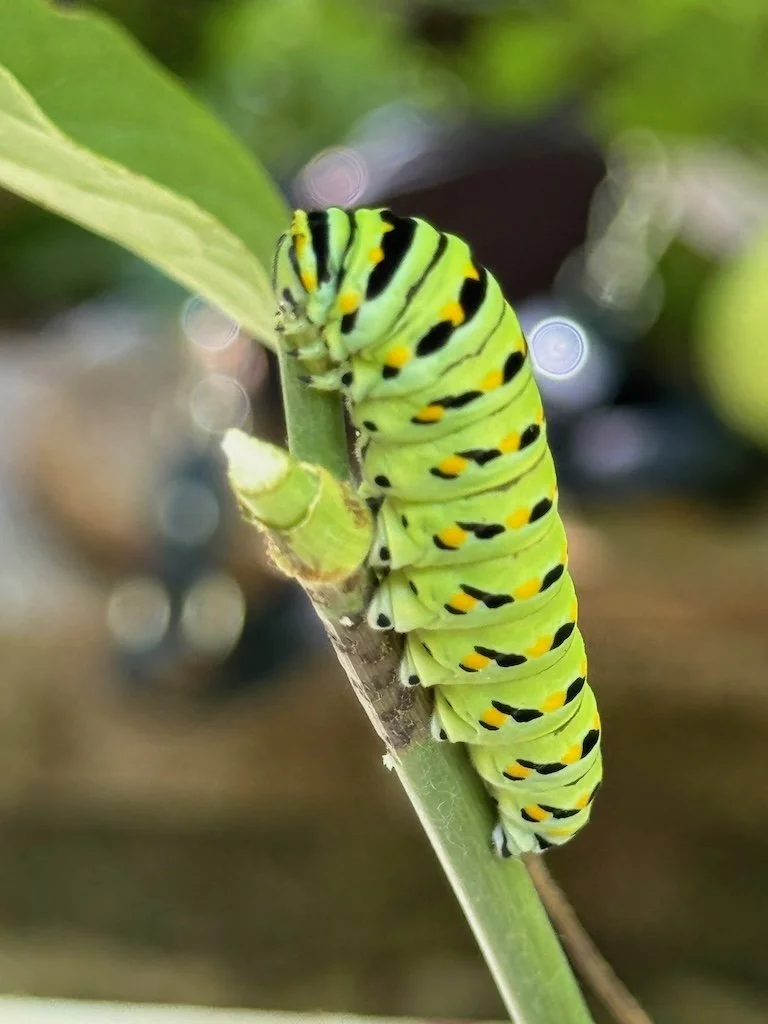
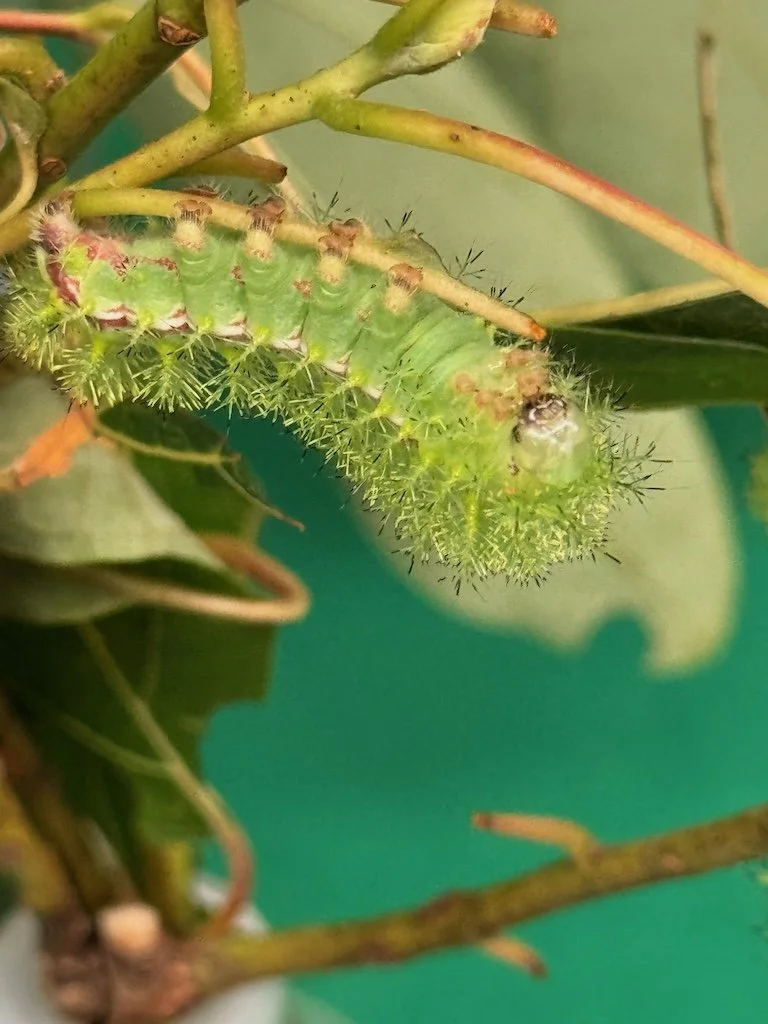
Two caterpillars, and

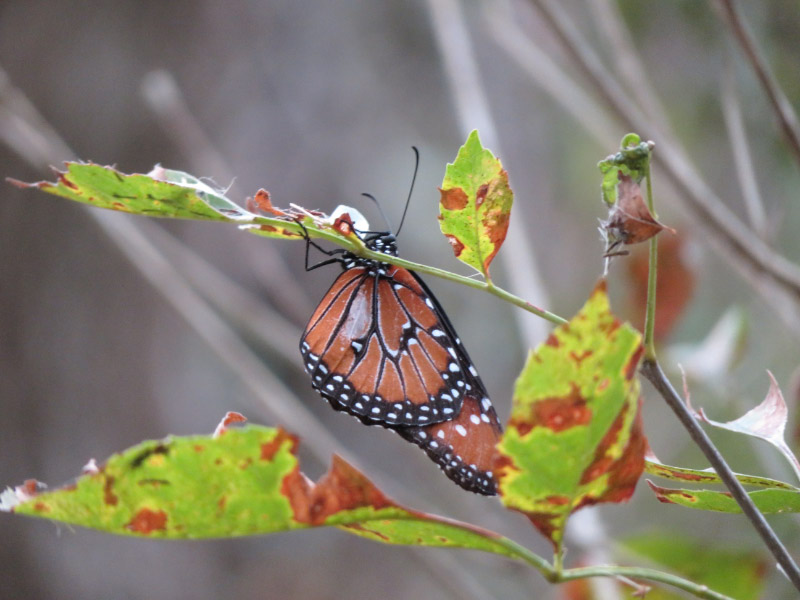
A queen butterfly…not fluttering about.

2017 11 IMG_5455.jpg
2017 11 IMG_5383.jpg

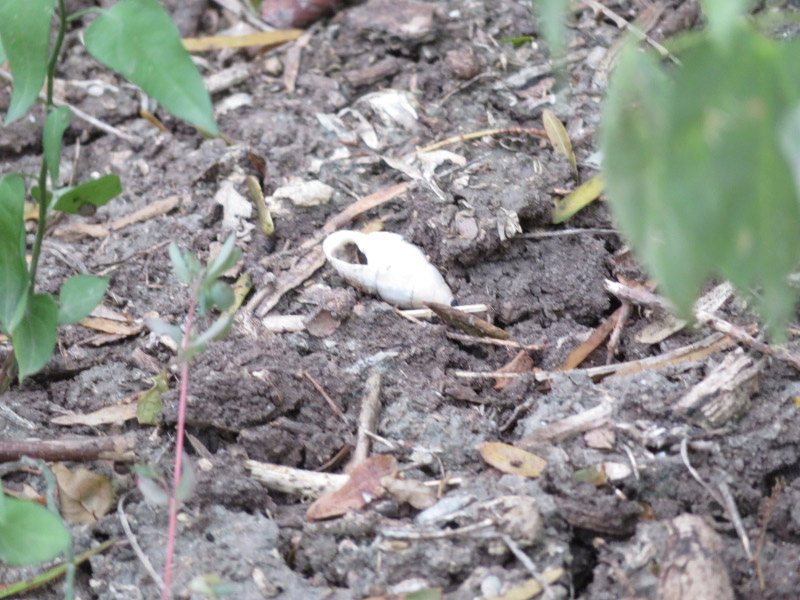
I was pleased to see a land snail on one of the small trees. We’d seen a lot of shells on the ground (i.e. dead) at both Las Estrellas and Rancho Lomitas. We were told that sometimes roadrunners get hungry enough to crack the shells against a rock to get to the tasty morsel inside.

2017 11 IMG_5393.jpg

Ball Moss is something I had never seen. It is like Spanish Moss – also abundant on trees in the refuge.

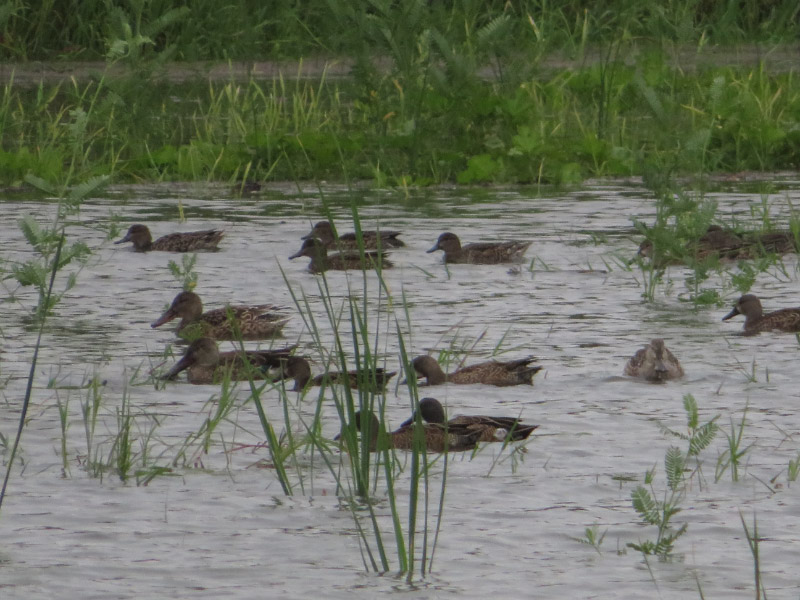
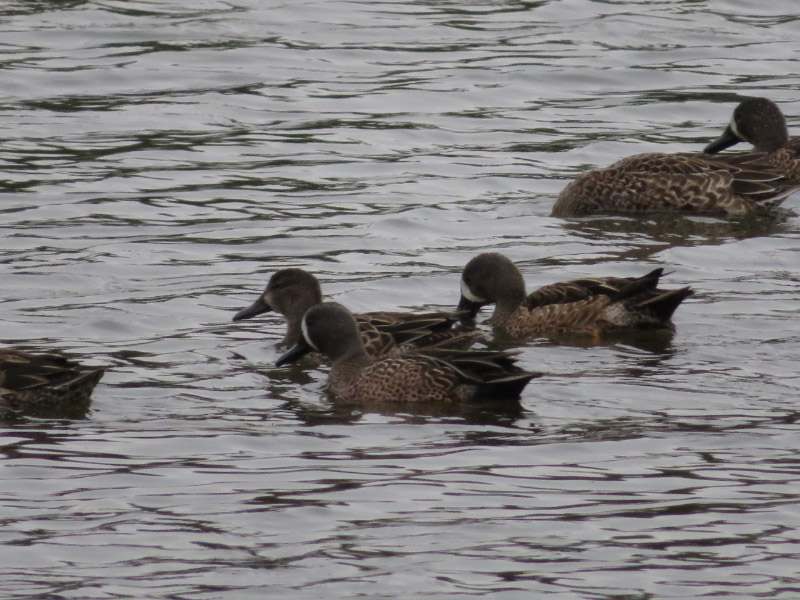
Then we saw some duck: Northern Shovelers and Blue winged teal.

2017 11 IMG_5443.jpg

A group of chachalaca were in the trees beside the trail. It was hard to get pictures through the foliage and branches…we’d get better pictures on another day.

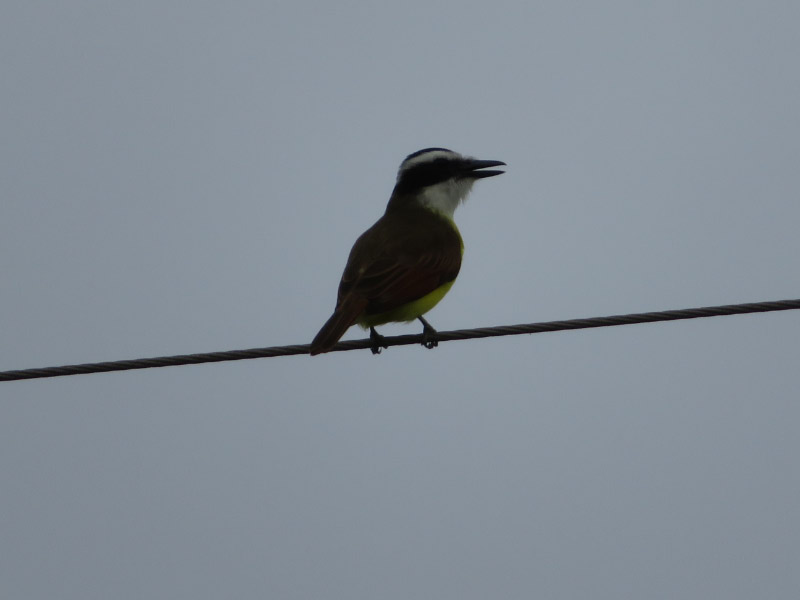
As we walked across an empty parking lot, we spotted a kiskadee on an electrical line

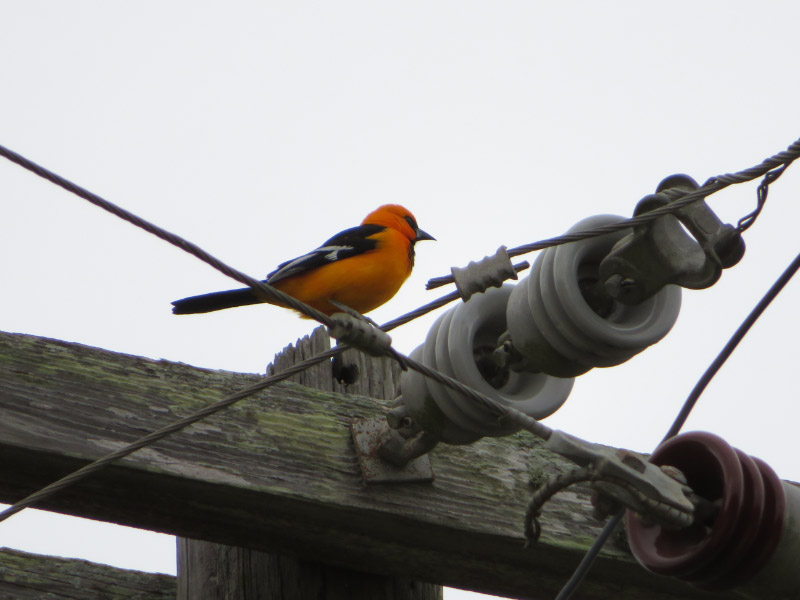
And then a flash of orange in the trees – an Altamira Oriole was on the move. It eventually made it way to the electrical pole as well.

2017 11 IMG_5479.jpg

The refuge has a swinging bridge through tree tops. On the day we were there, the birds were hunkered down but it was still work the climb and the look down into foliage.

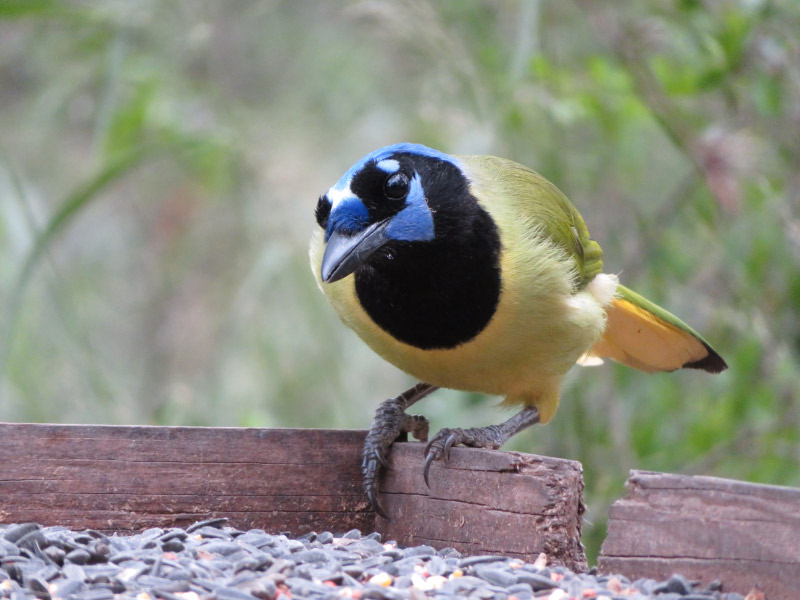
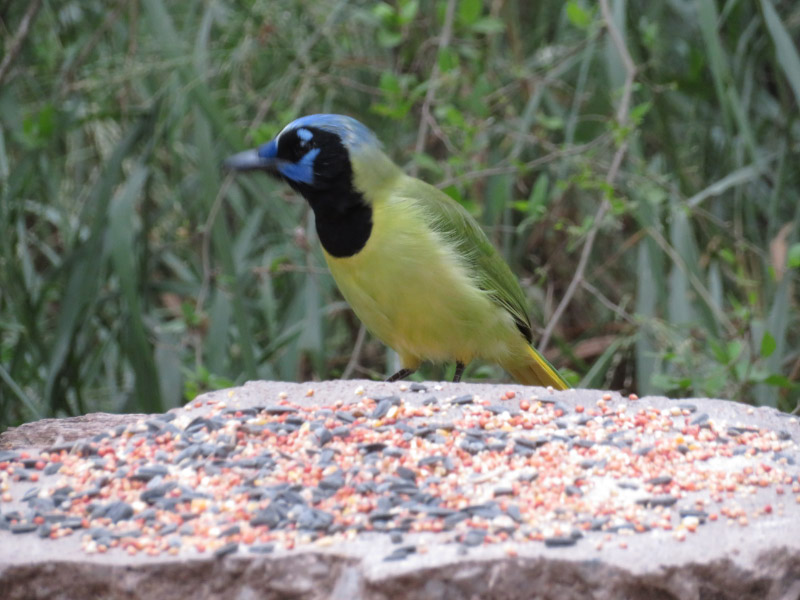
At a bird blind, I finally got some good pictures of the green jay.

We made our way back to the visitor center and had a snack on our way to nearby Estero Llano State Park (topic of tomorrow's post). In this area of Texas there are a series of state and federal lands that make a wild life corridor…more meaningful than each standalone park or refuge.