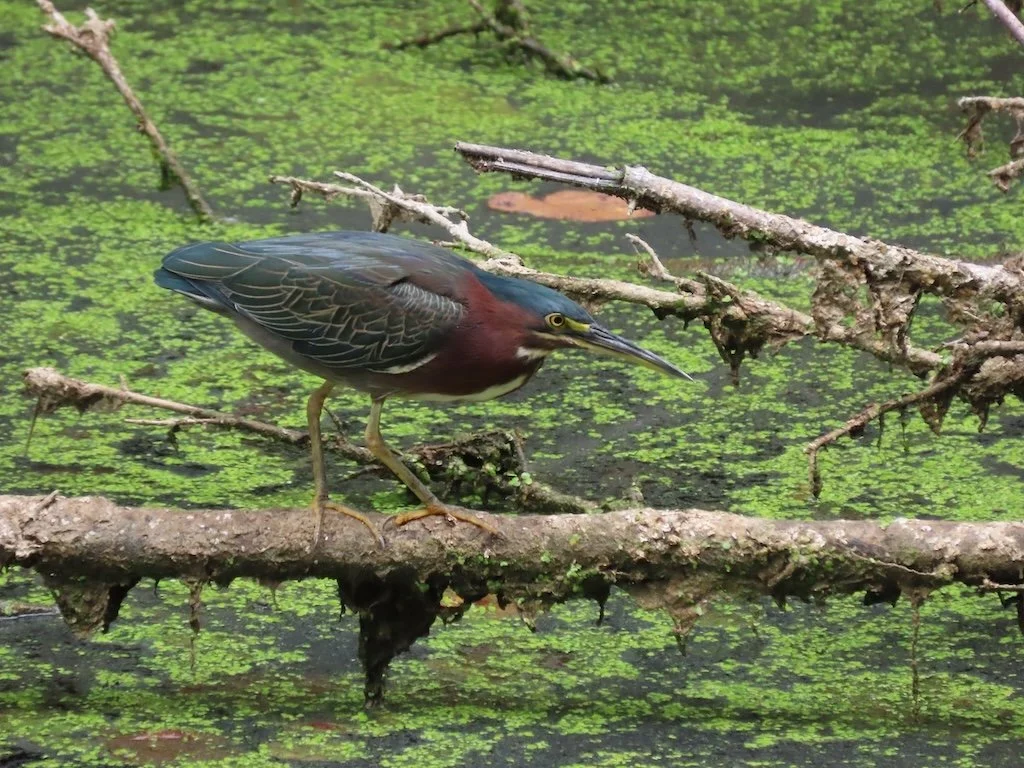
Gleanings of the Week Ending September 19, 2026

The items below were ‘the cream’ of the articles and websites I found this past week. Click on the light green text to look at the article.

09/09/2026 Leaf & Limb Right Tree, Right Place: What to Plant and Where to Plant it – The top 4 questions to ask when selecting a tree: what is the goal of the tree; what are the planting area’s soil and light conditions; how big will the tree be at maturity; what are the secondary benefits of a tree.

08/06/2026 Plastic Pollution Coalition Recent Recalls on Plastic Toys—and How to Choose Safer Toys - About 90% of toys on the global market are made primarily from plastic. Plastic toys are also especially dangerous for kids because they are made with hazardous chemical additives and become more brittle over time—breaking into small pieces that pose choking hazards and shedding microplastics. Interactive plastic toys are also often made to hold tiny button batteries, which, if not properly secured, can be swallowed to cause extreme and permanent harm. 

09/09/2026 The New York Times Toxic ‘Forever Chemical’ Cleanups at Military Sites Face Years of Delay -PFAS cleanups at nearly 243 military sites had been pushed back by an average of 5 years, and some as long as 19 years. At many sites, PFAS has contaminated local drinking water sources, prompting the Pentagon to provide bottled water to service members as well as nearby residents. The inspector general also found that the Defense Department’s list of contaminated sites might be incomplete, and that the Pentagon could provide no documentation proving that officials had ever analyzed whether PFAS chemicals were used or released at more than 80 installations.

09/09/2026 Clean Technica Denmark Can Produce 140% Of Its Electricity Demand from Wind Power - The Danish Energy Agency is spearheading an ambitious plan to produce even more wind power for both export and domestic use. The plan is to construct two new “energy islands” in the North and Baltic seas that will serve as wind power hubs, transmitting some electricity directly to coastal grids while reserving the rest for offshore activities including green hydrogen production.

09/09/2026 Yale Environment 360 Chinese Industry Is Starting to Wean Off Fossil Fuels - New clean power more than met the growth in demand across China last year, leading to a small decline in coal output. Analysts identified eight provinces where coal generation is now seeing declines, including industrial centers such as Hunan and Shandong, and it named another nine provinces where the growth of coal generation has slowed substantially….you can see fossil fuel use flattening out, sector by sector and province by province.

09/08/2026 Science Daily Caffeine may flip an ancient cellular switch linked to slower aging - Scientists found that caffeine activates an ancient cellular energy system involved in stress resistance, DNA repair, and growth. The discovery could help explain caffeine’s links to healthier aging and may point toward new ways to target the same pathway.

09/09/2026 Planetizen 15 million people rely on the Rio Grande — in 2 years, it may run dry - The Rio Grande is one of the most threatened rivers in the country — even more so than the Colorado River. The river fuels billions of dollars in agricultural production, and roughly 15 million people depend on it for drinking water. In Mexico, taps could run dry within a year. In two years, the river may be completely depleted, resulting in millions of Texans losing their source of fresh water. The only thing that can help now is reducing agricultural water use.

09/07/2026 The Conversation Farmers can now produce more of their own energy than ever – but will they? - We’re unlikely to see the farm diesel tank disappear any time soon. But we are likely to see many more shed rooftops covered in panels – and new ways to make use of clean, cheap power from the sun.

09/06/26 Cool Green Science A Nature Conservancy Volunteer’s Hunt for Champion Trees – Gary Williamson, age 82, has devoted his career and free time to conservation and natural history. He has been a Nature Conservancy volunteer for more than 40 years, contributing to the organization in many ways. He’s a herpetologist, park ranger, author and canoeist. And he’s always on the lookout for big trees.

09/08/26 The New York Times California’s Ambitious Plan for Textile Waste - California is trying to become the first state to make fashion brands, manufacturers and retailers pick up the tab for textile waste, and the details of the plan are taking shape now. California residents discarded nearly 1.2 million tons of textiles in 2021 alone. The vast majority of textile waste is landfilled. In the new system - fees will be lower for clothes designed to be easily repaired and for clothes made from recycled materials. Fees will be higher for clothes that are difficult to recycle, like those made of blended fibers or that contain toxic chemicals.
Bentsen- Rio Grande Valley State Park

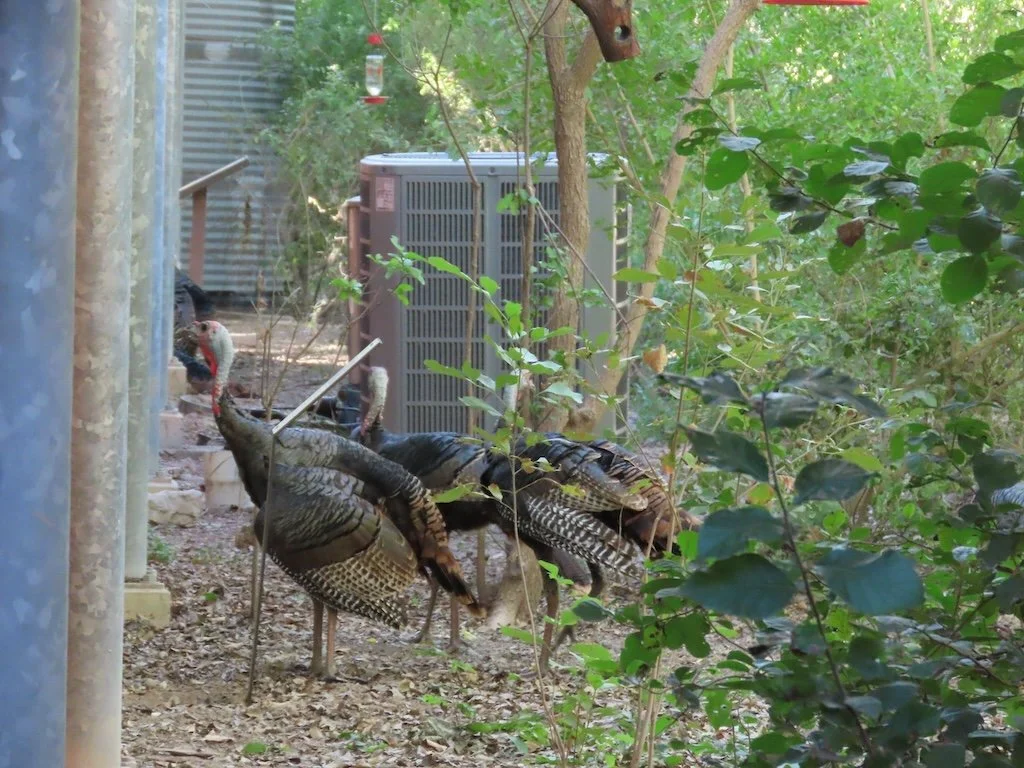
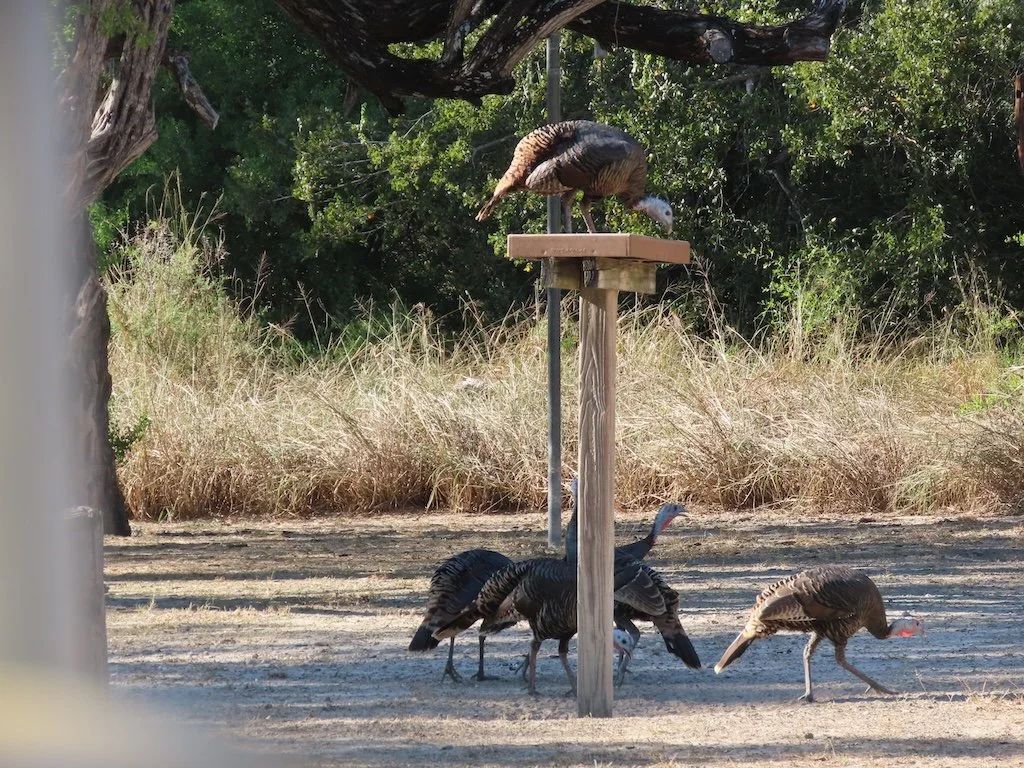
It was a very hot afternoon (after our visit to Santa Ana) when we arrived at Bentsen- Rio Grande Valley State Park – about 90 degrees. On the plus side – we saw turkeys before we got to the visitor center!

We opted to take the tram to get an overall view of the park and then get off at the bird feeding station closest to the visitor center. The tram stopped long enough for me to photograph a feeding station dominated by turkeys.

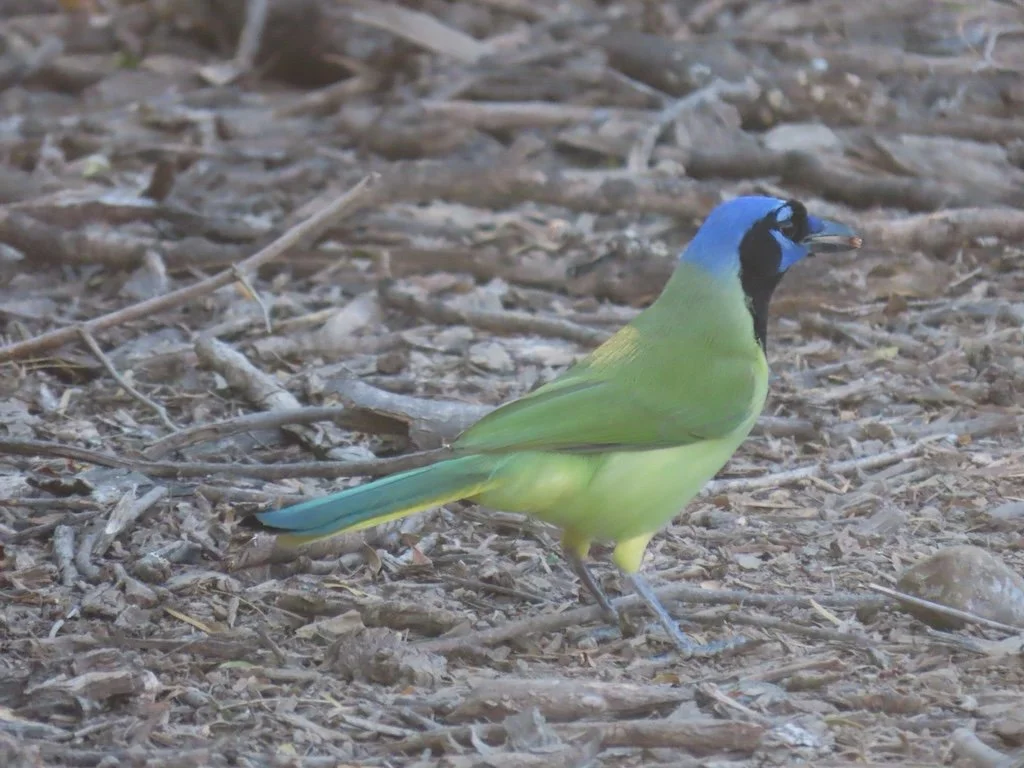
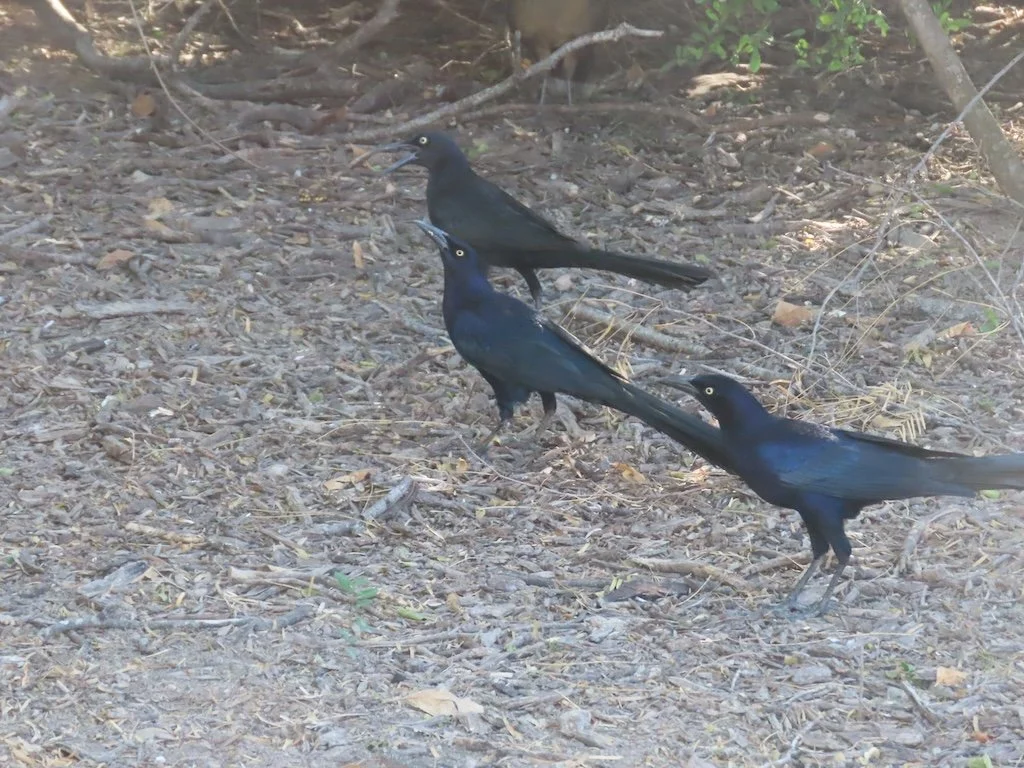
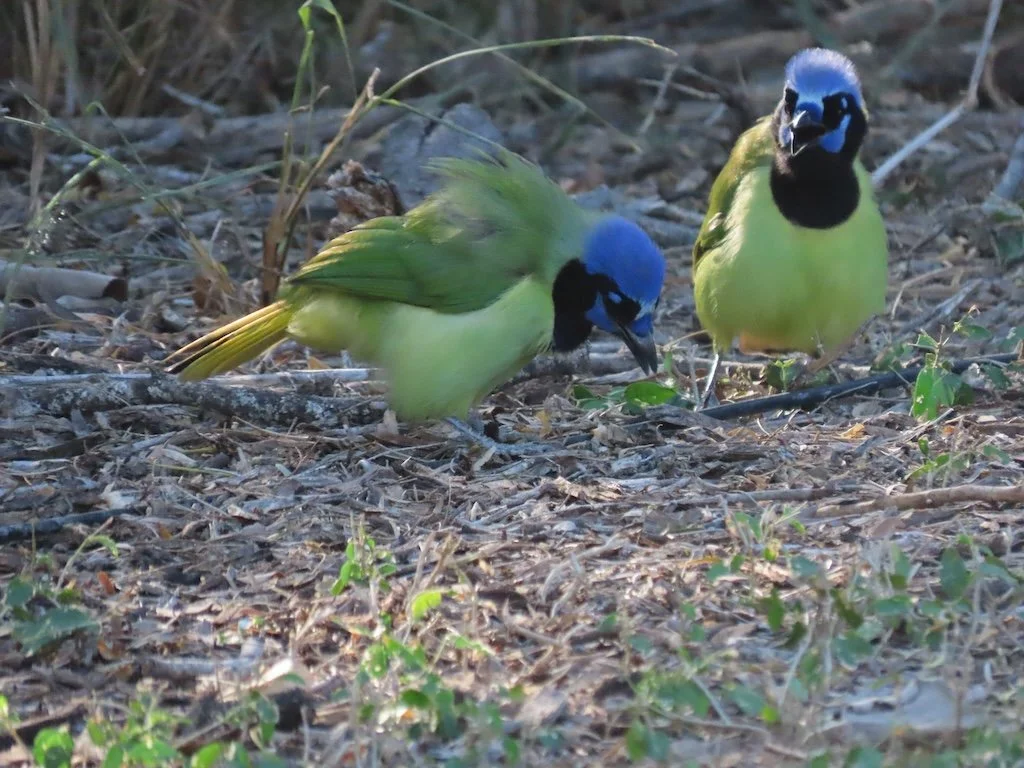
When we got off the tram, the green jays and great-tailed grackles were at the feeder.

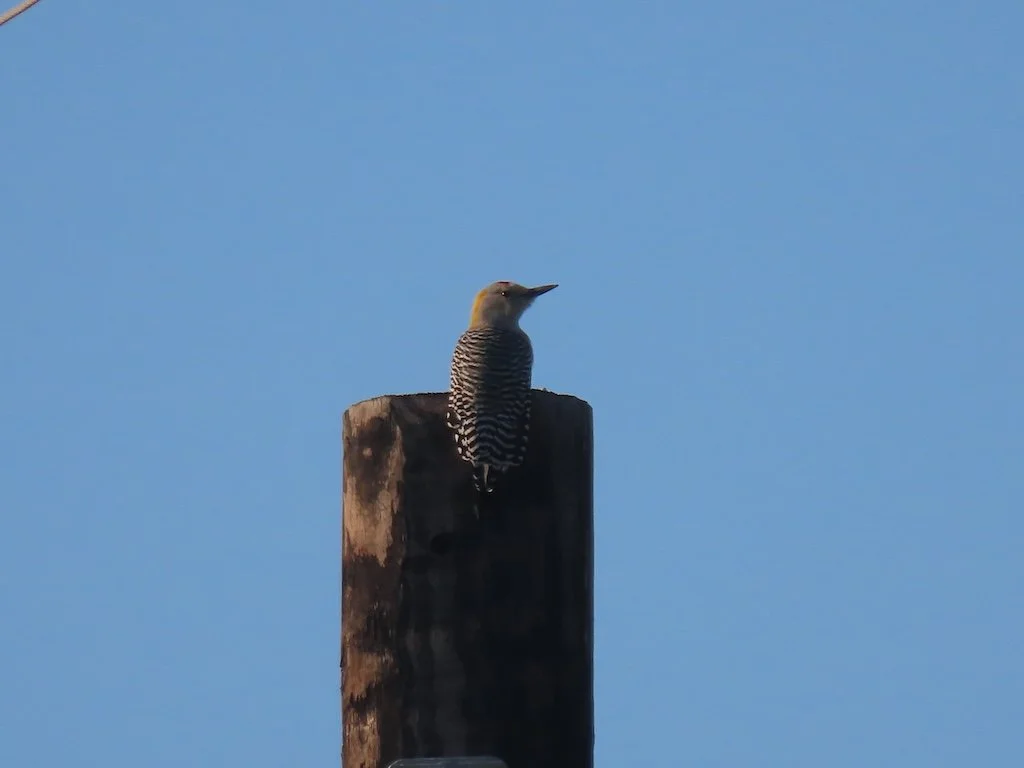
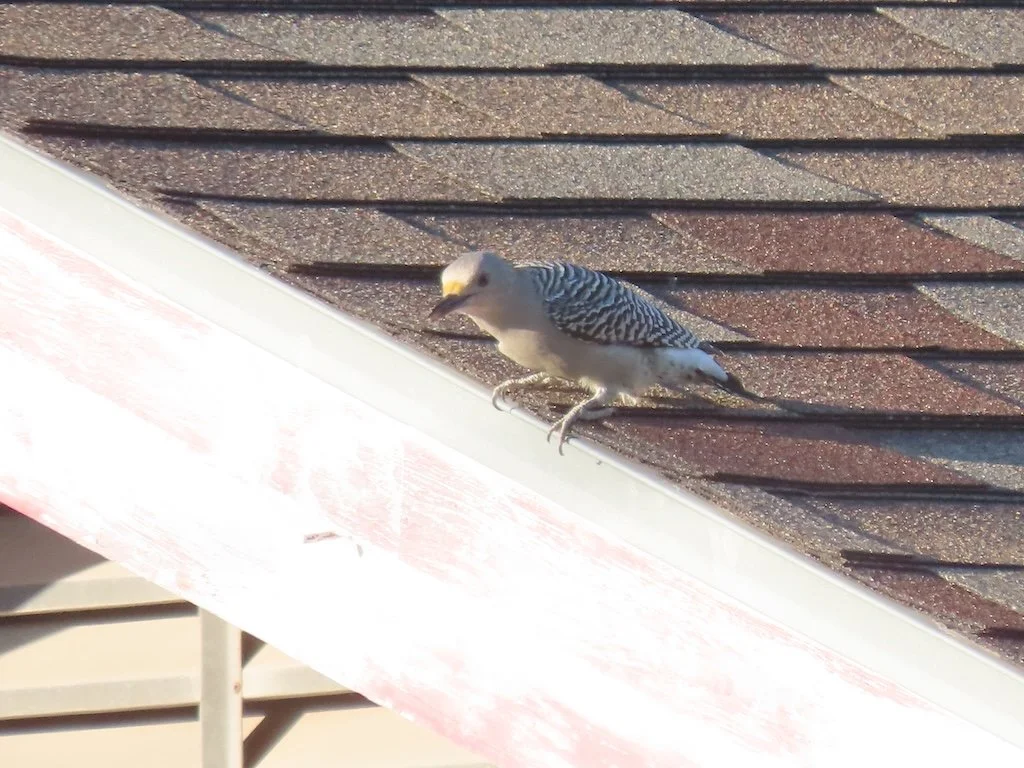
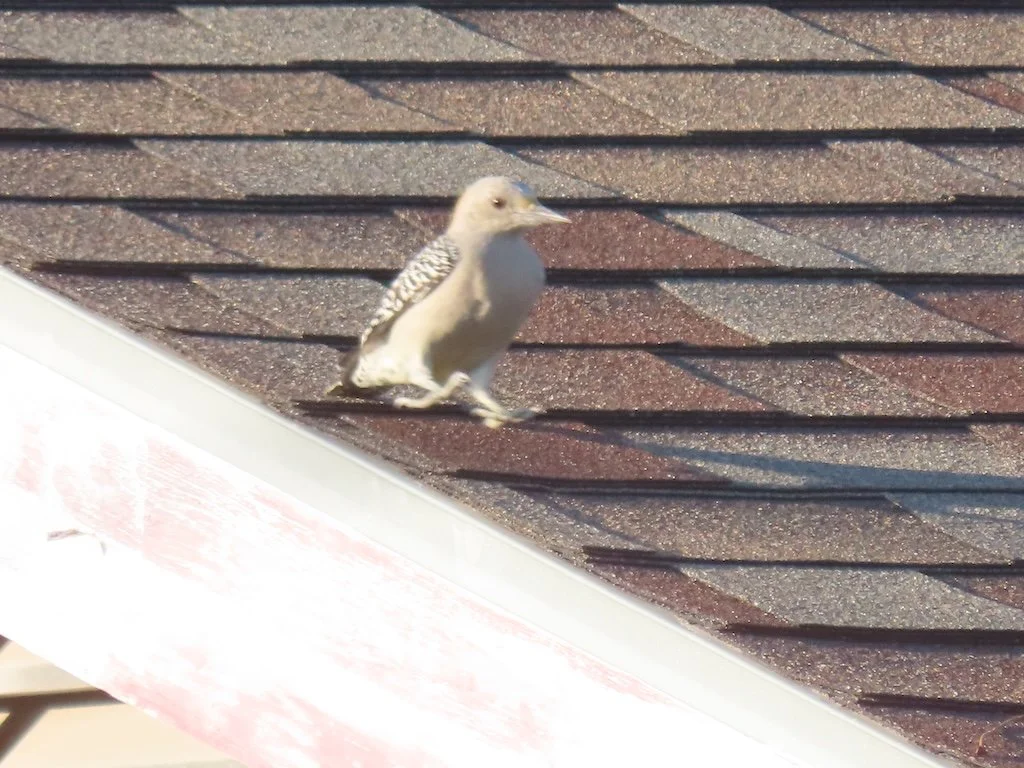
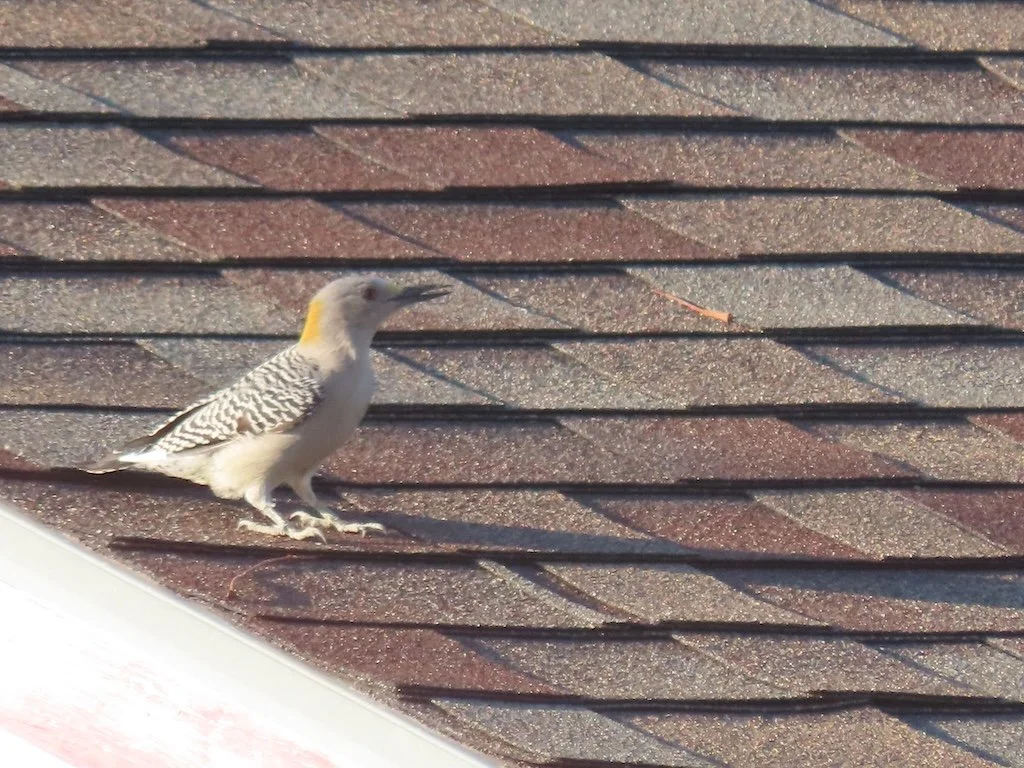
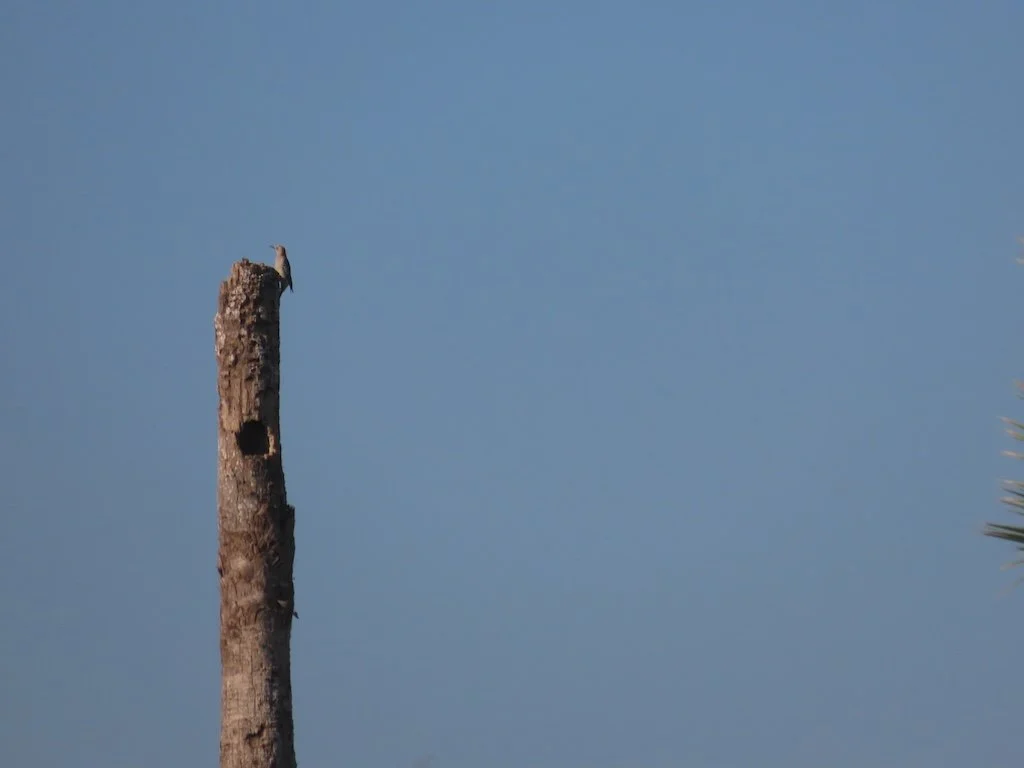
A golden-fronted woodpecker was on a post and then a roof.

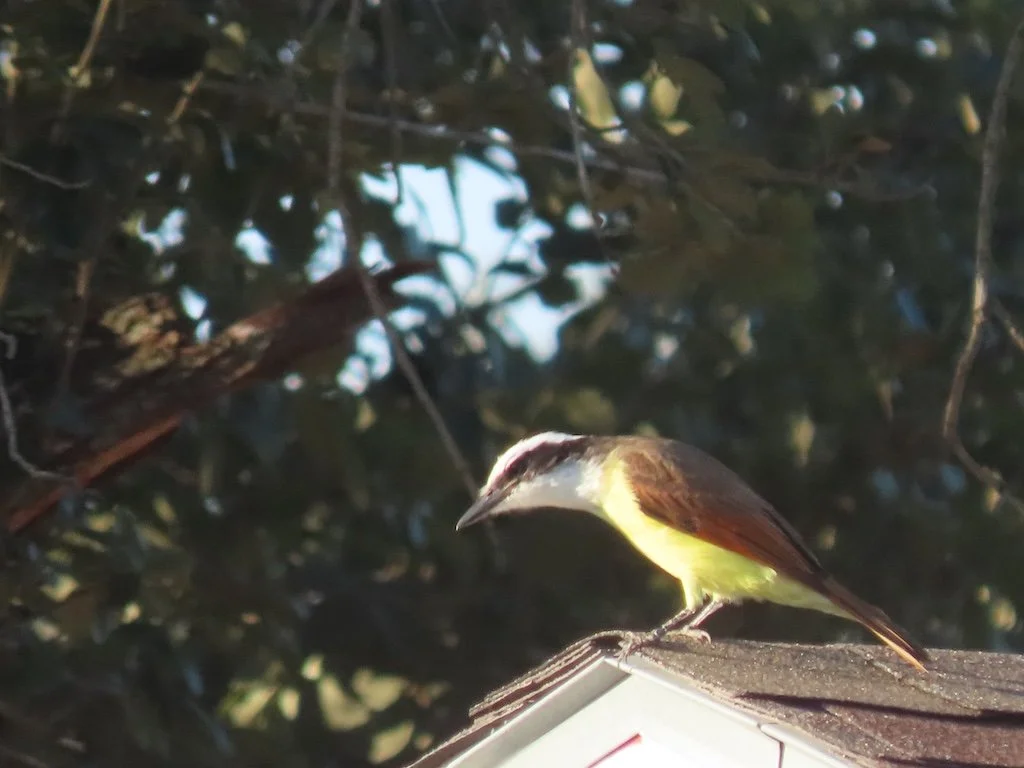
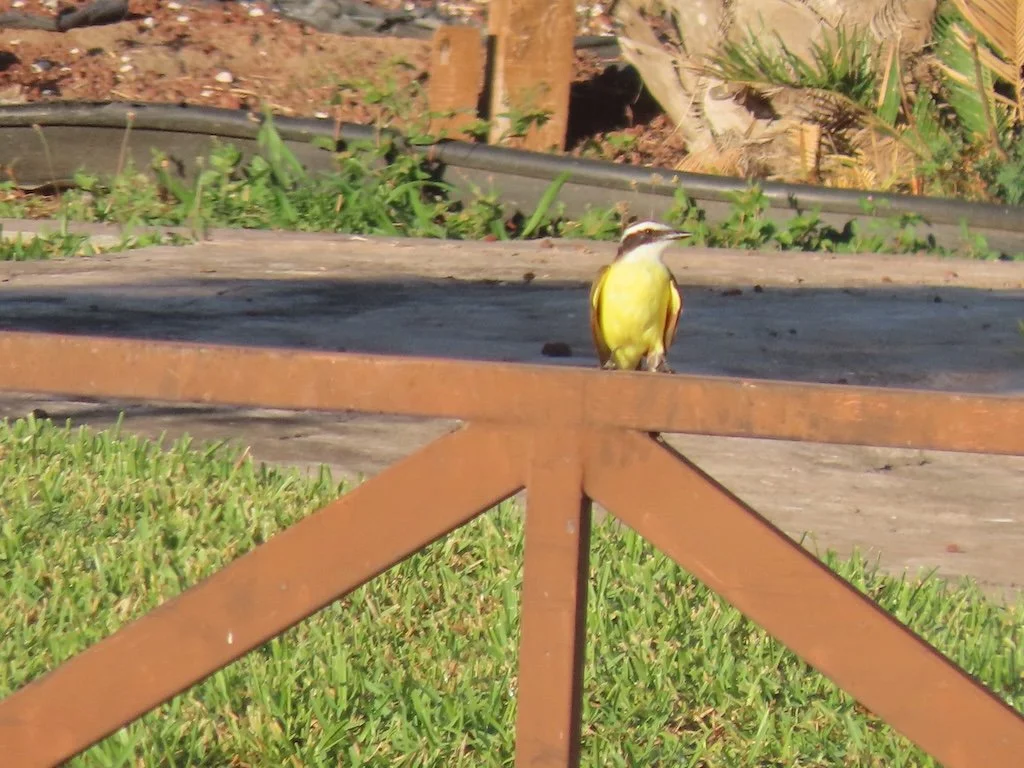
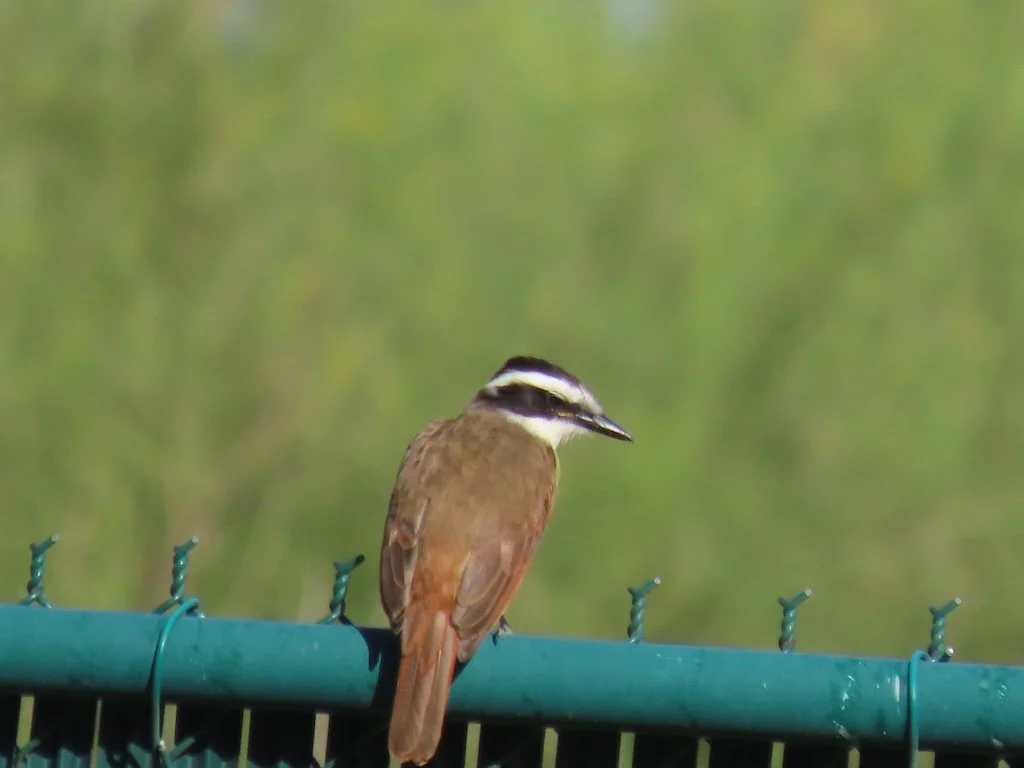
A great kiskadee was on the same roof striking a vulture-like pose.

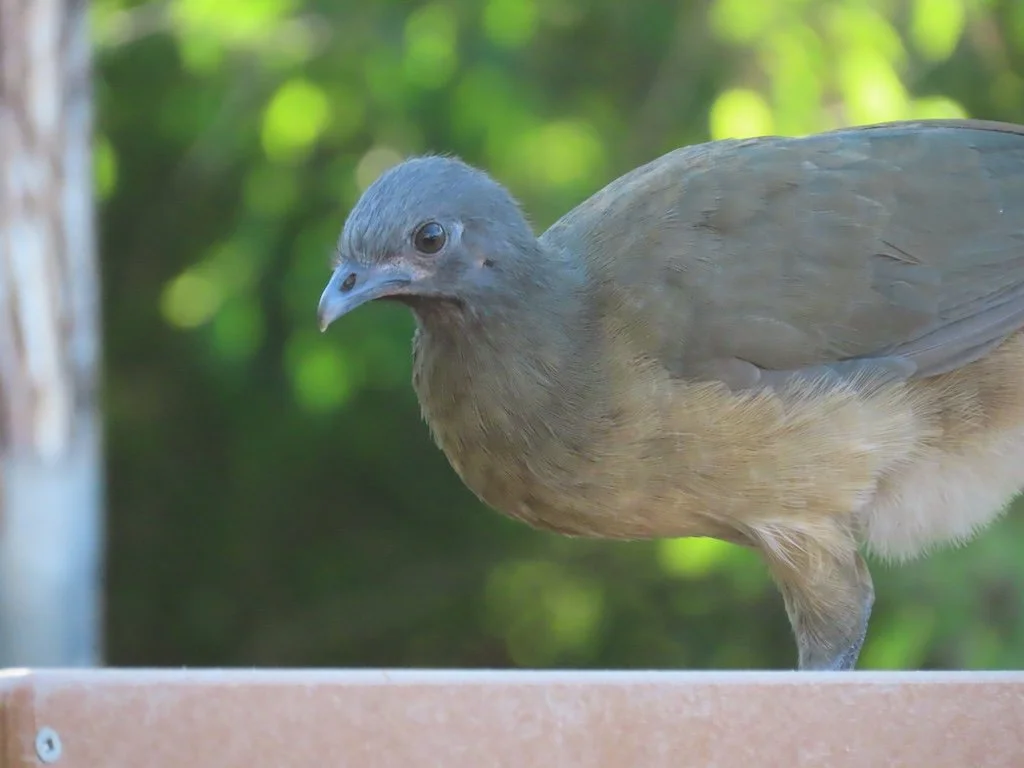
I was sitting in a swing and watching the plain chachalacas when I managed a short video which became the highpoint of my Bentsen visit. One of the birds started drinking from a puddle a few feet away from me. It was aware of calls from the other birds in its group….and showed its red bare skin patch!

We walked back toward the visitor center over the canal. Next time we visit, I’ll want to go in the morning!

Rio Grande Pontoon

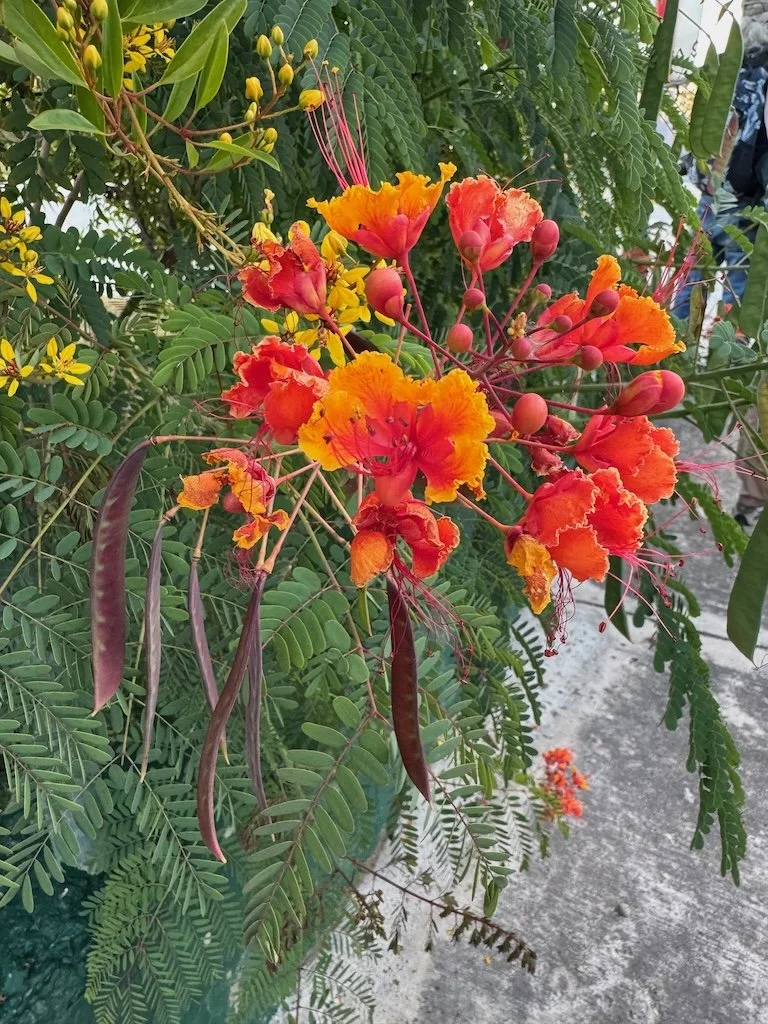
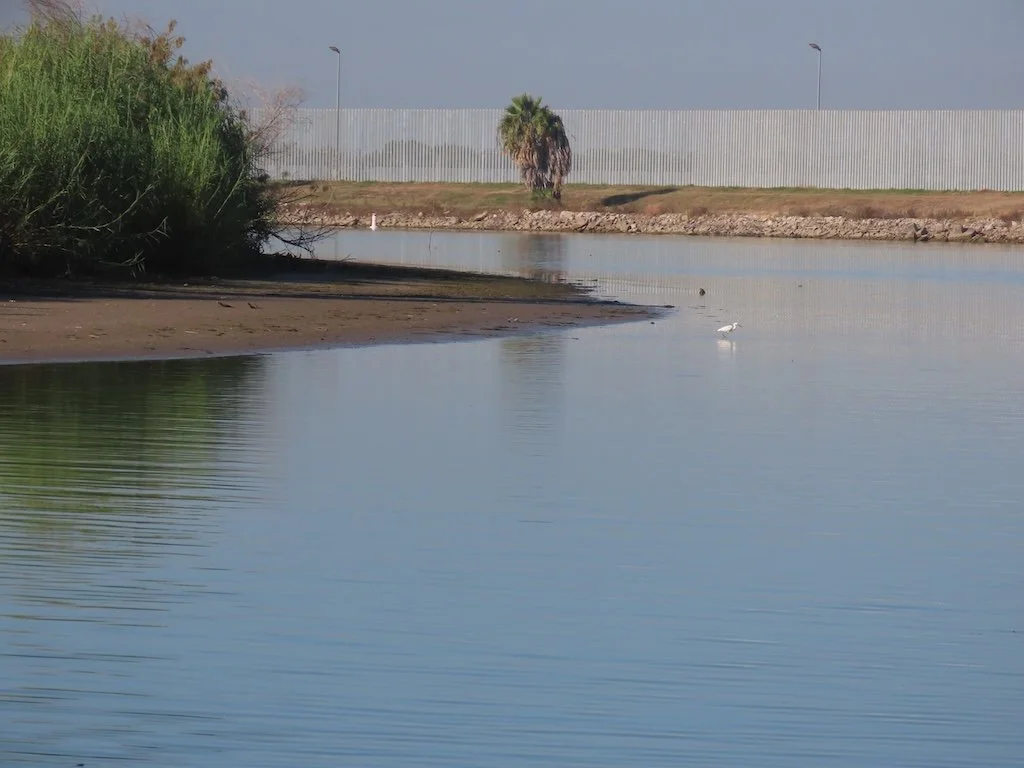
The first morning of the festival was an early one; we were at the Harlingen Convention Center by 6 AM to board the bus that would take us through the border fencing to the dock where we would board a pontoon boat. I took a few pictures of the plants growing at the edge of the parking lot as the guides talked about the trip and what we would likely see.

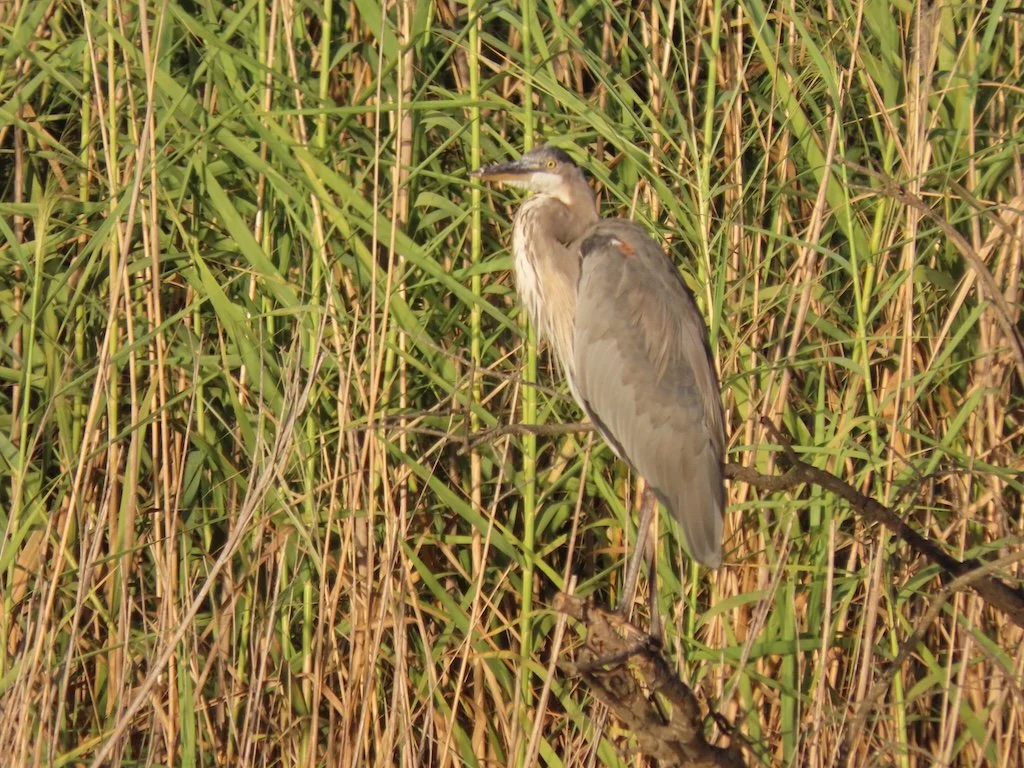
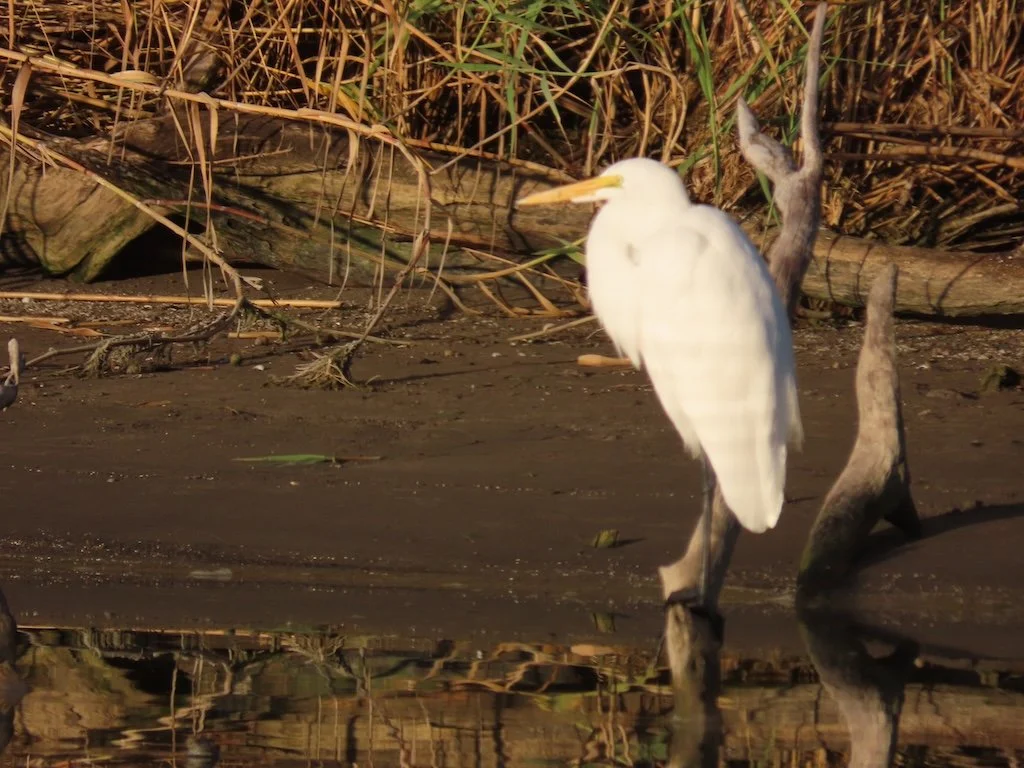
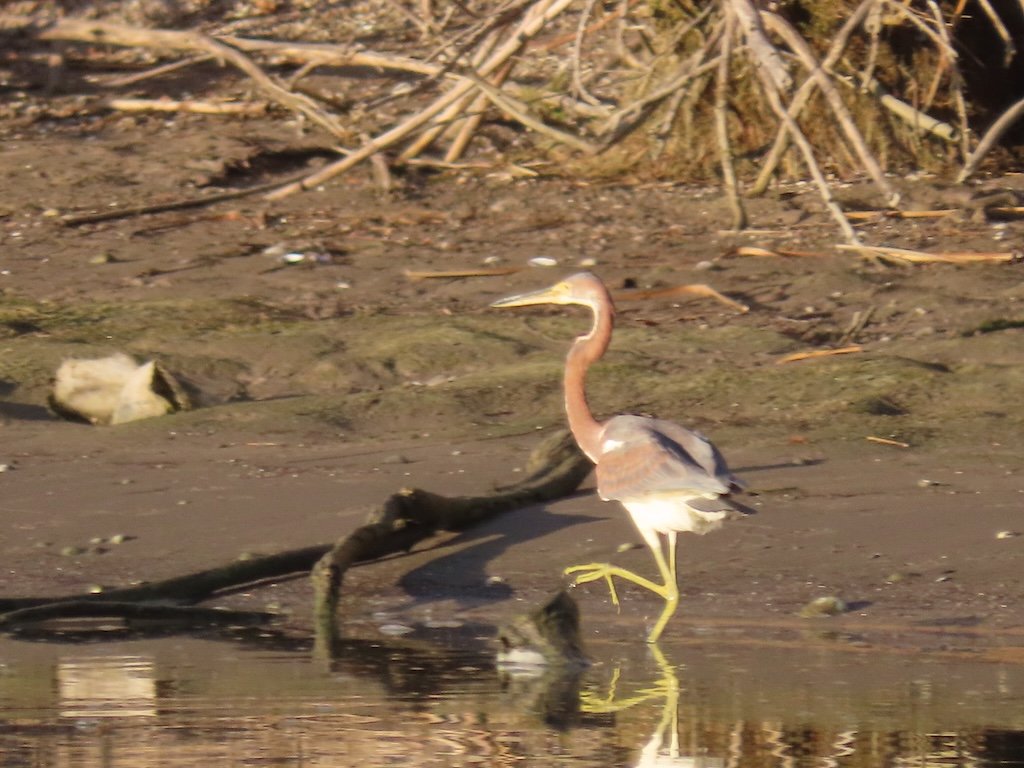
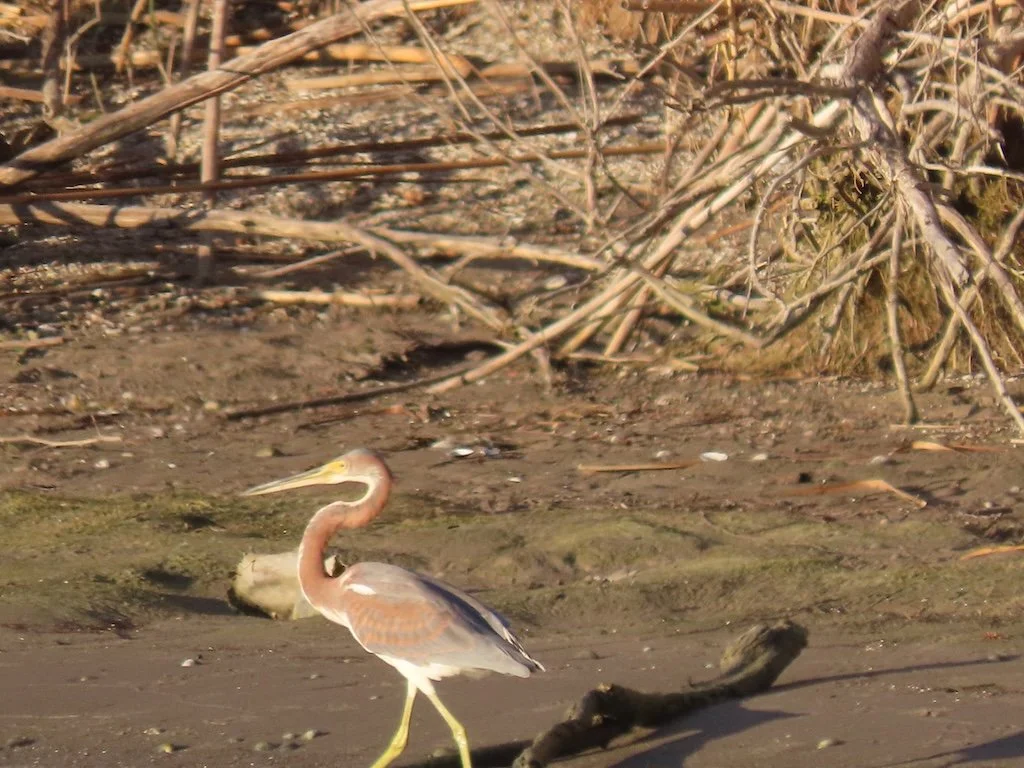
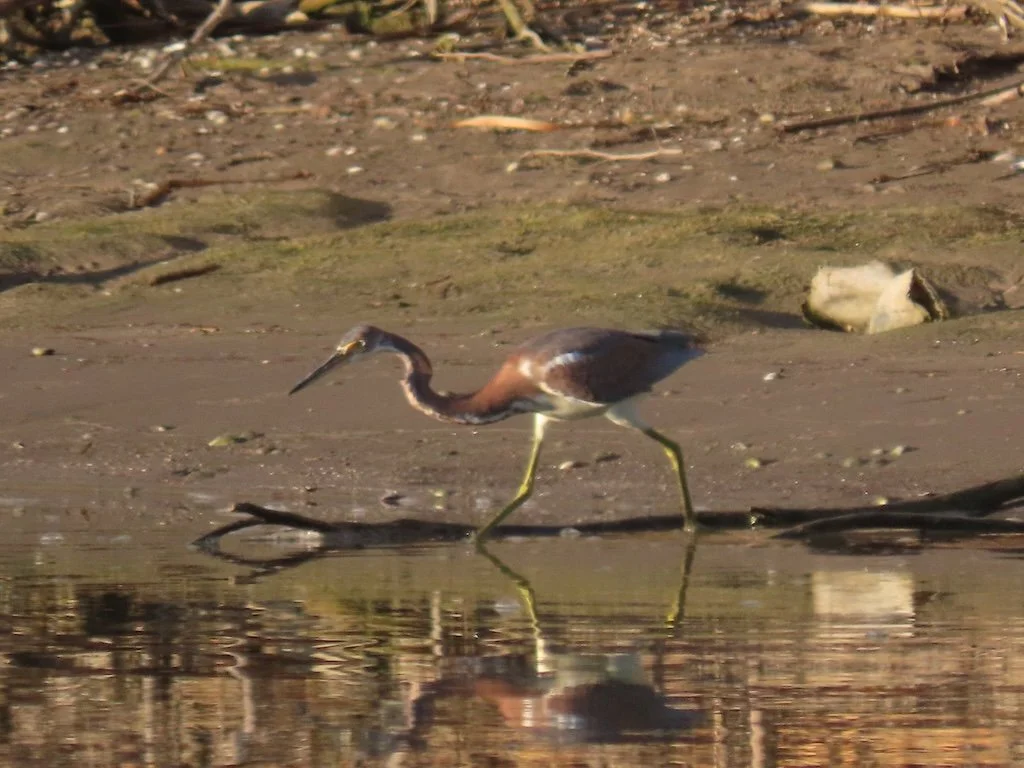
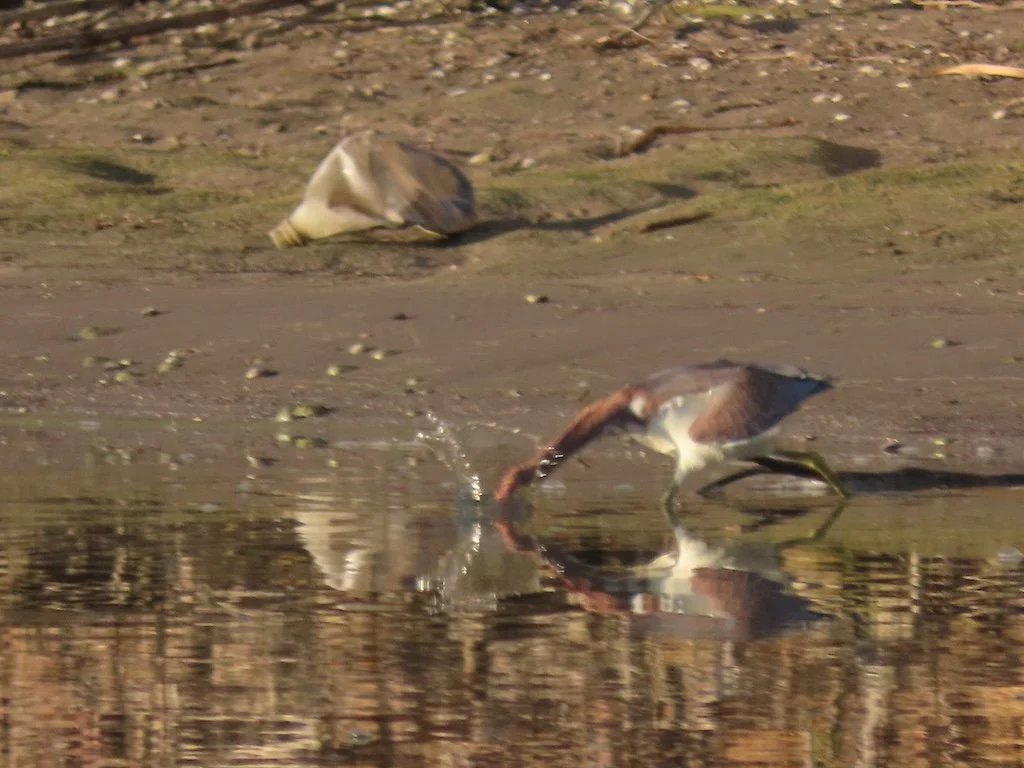
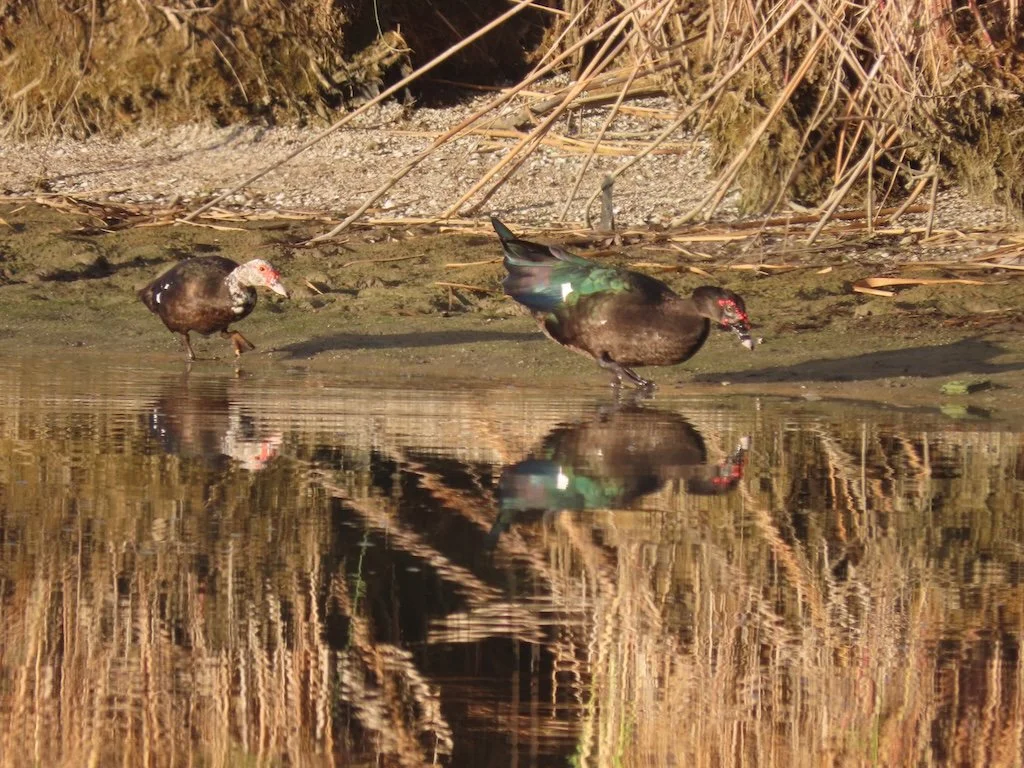
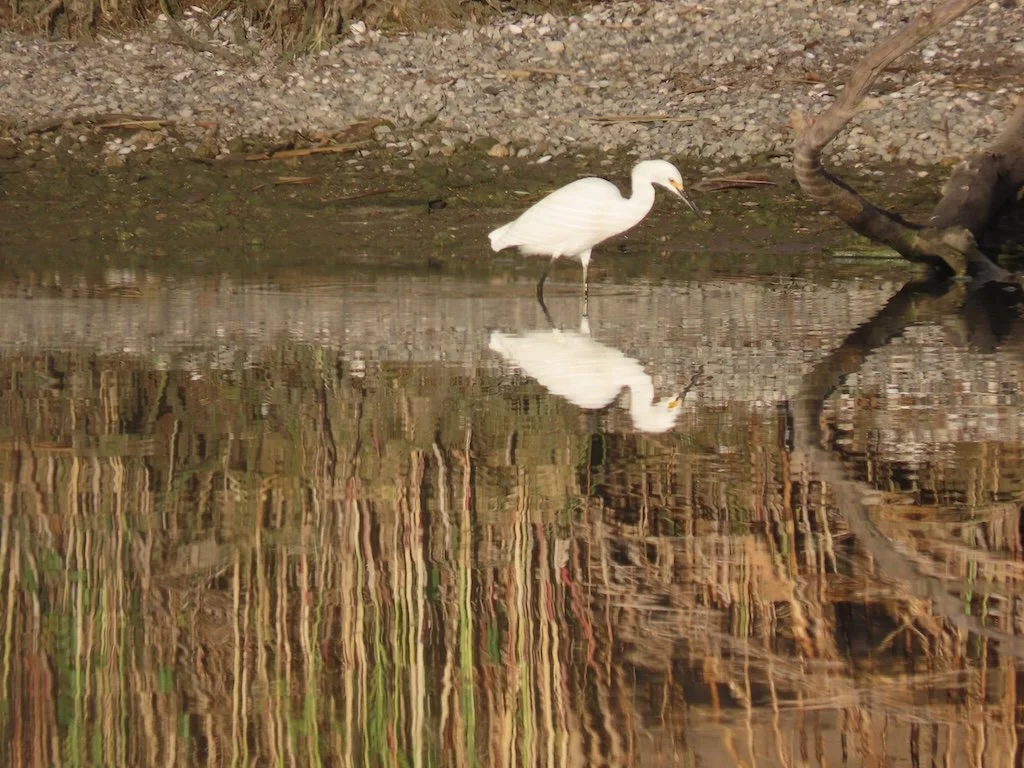
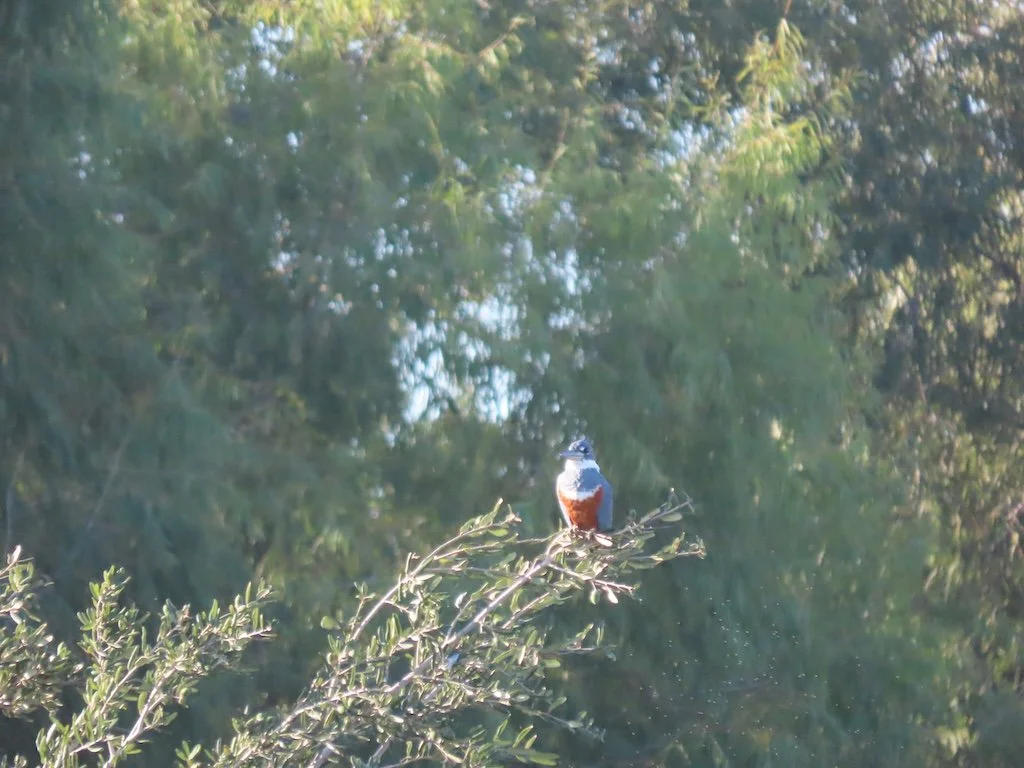
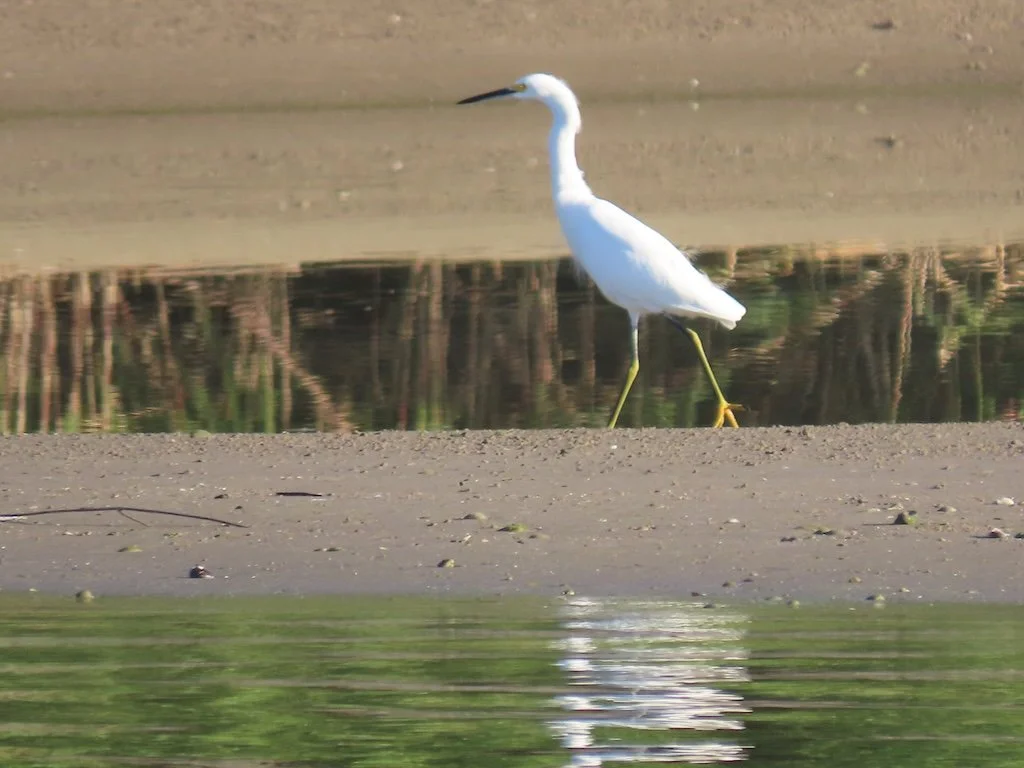
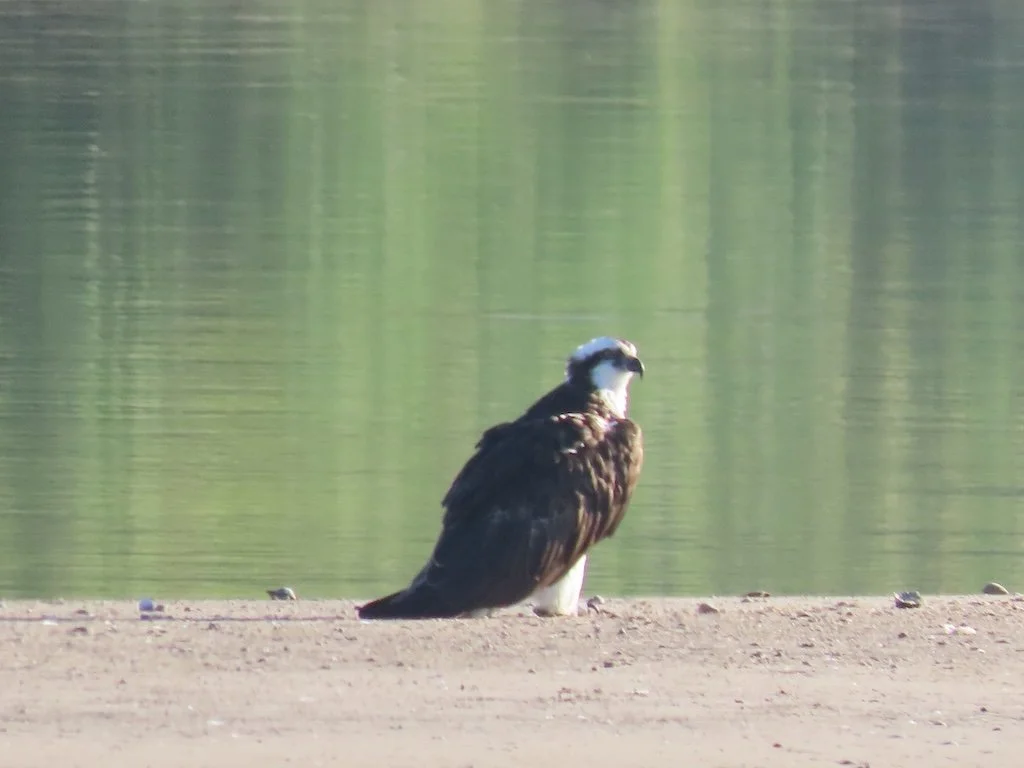
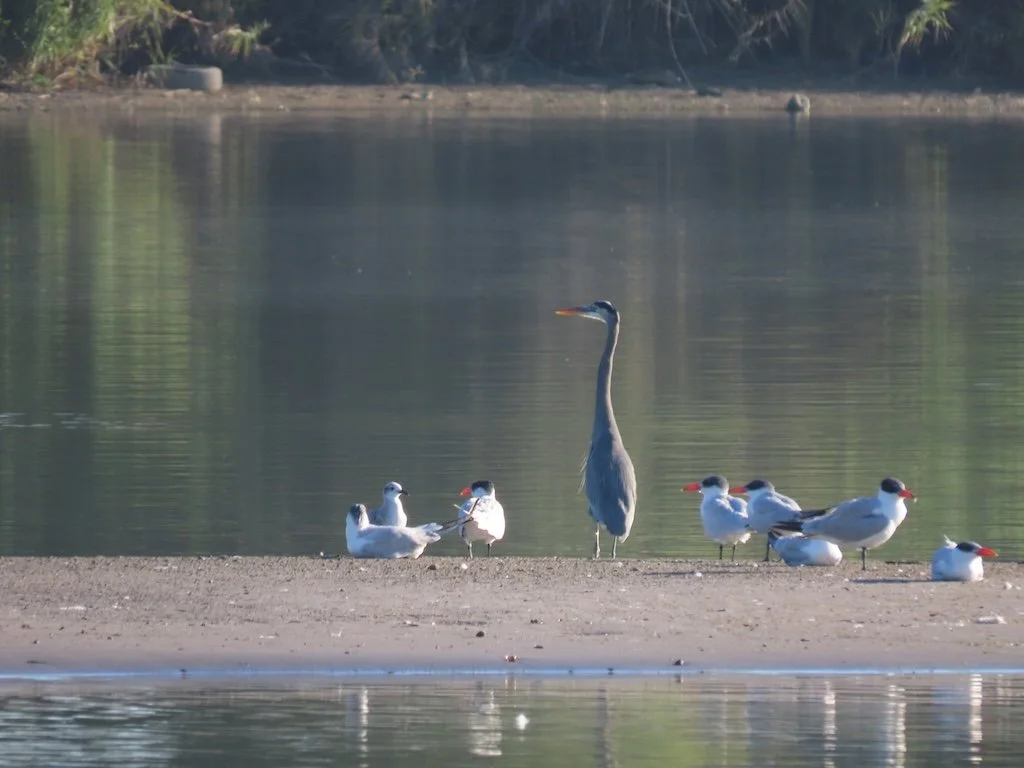
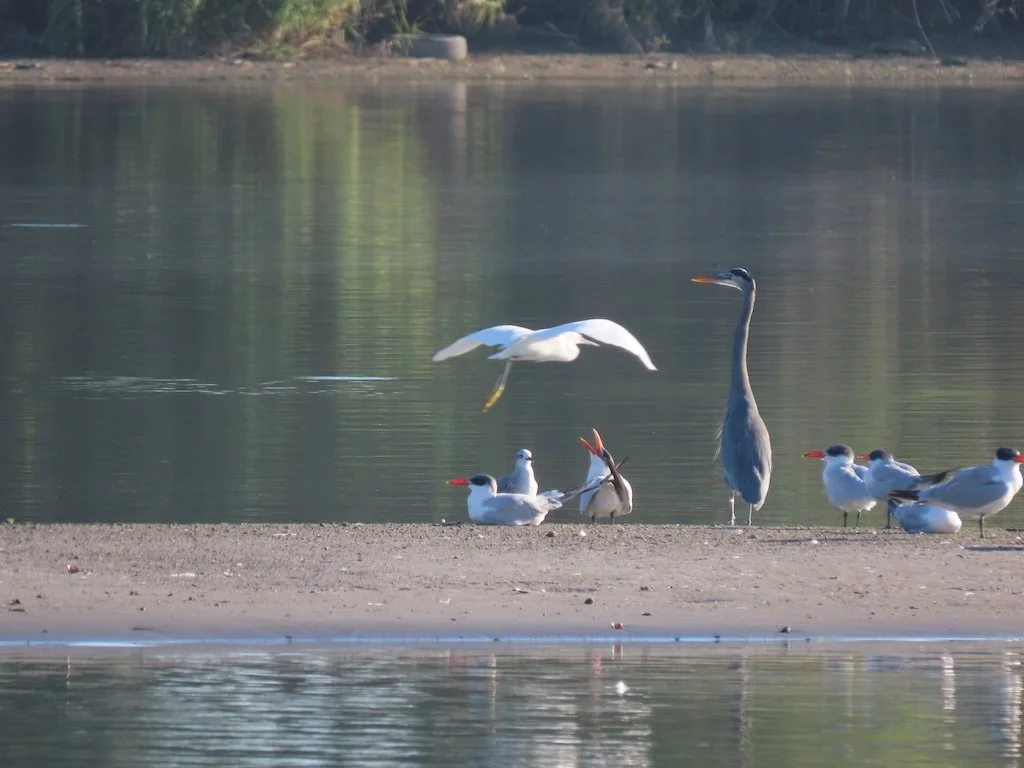
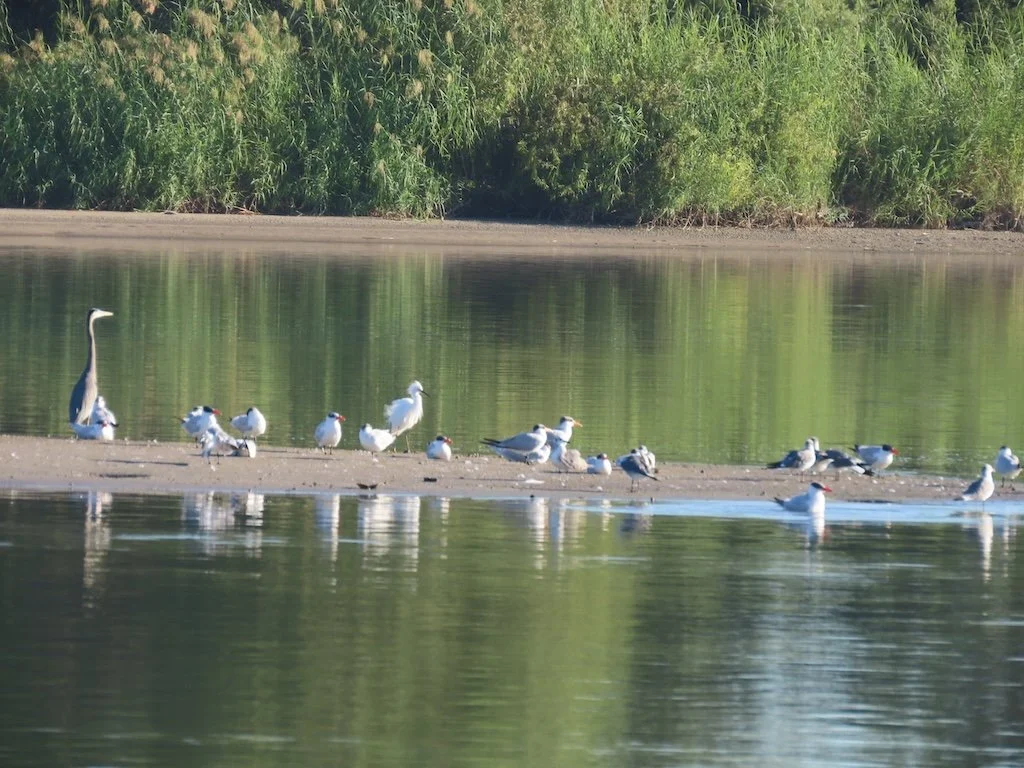
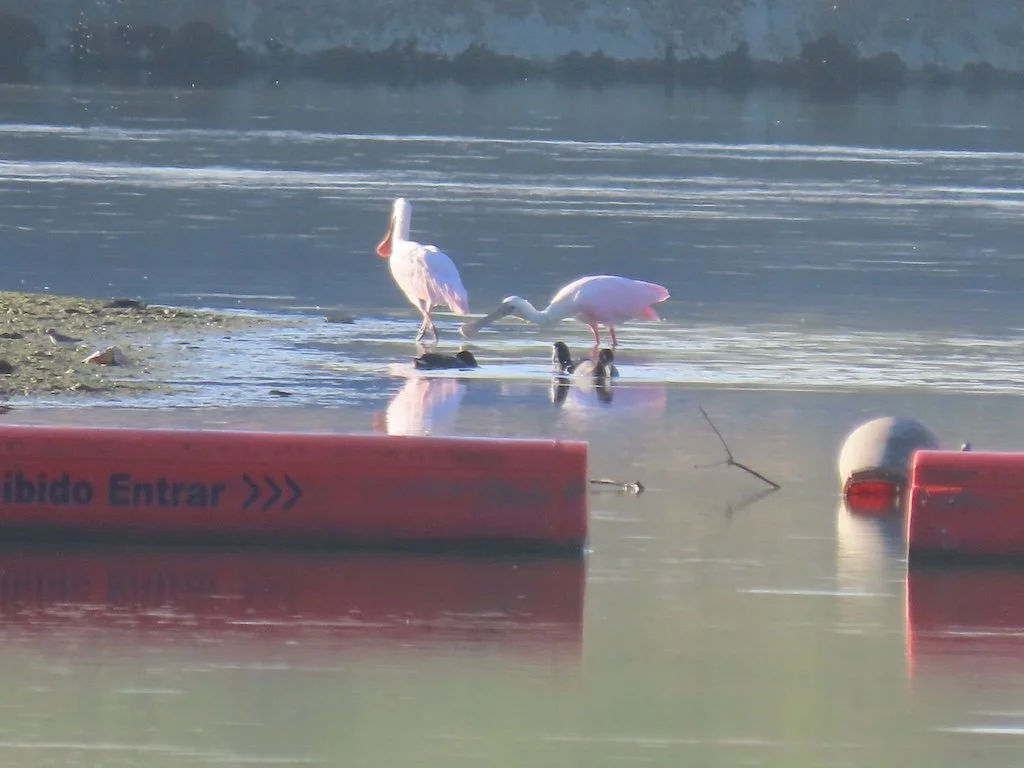
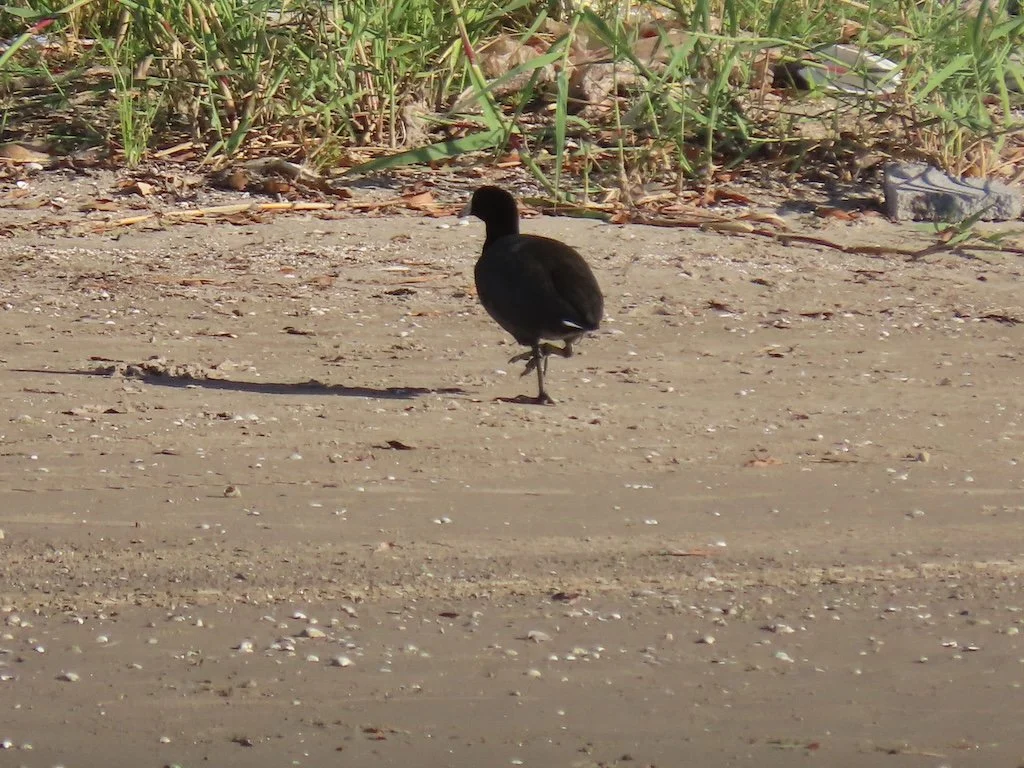
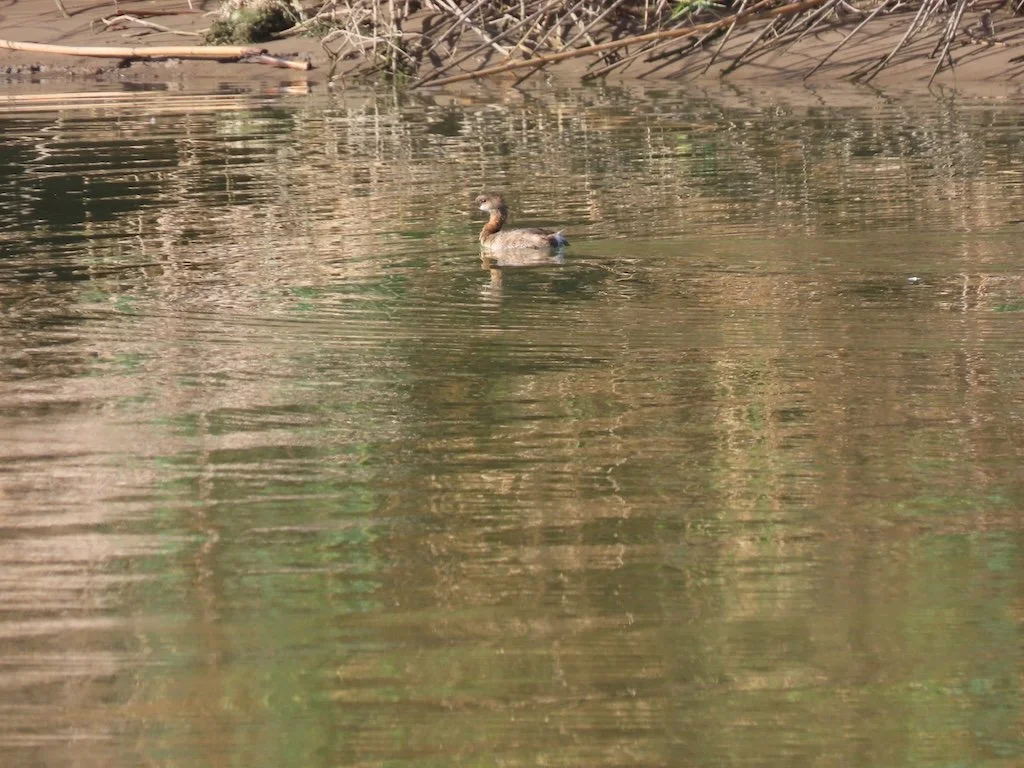
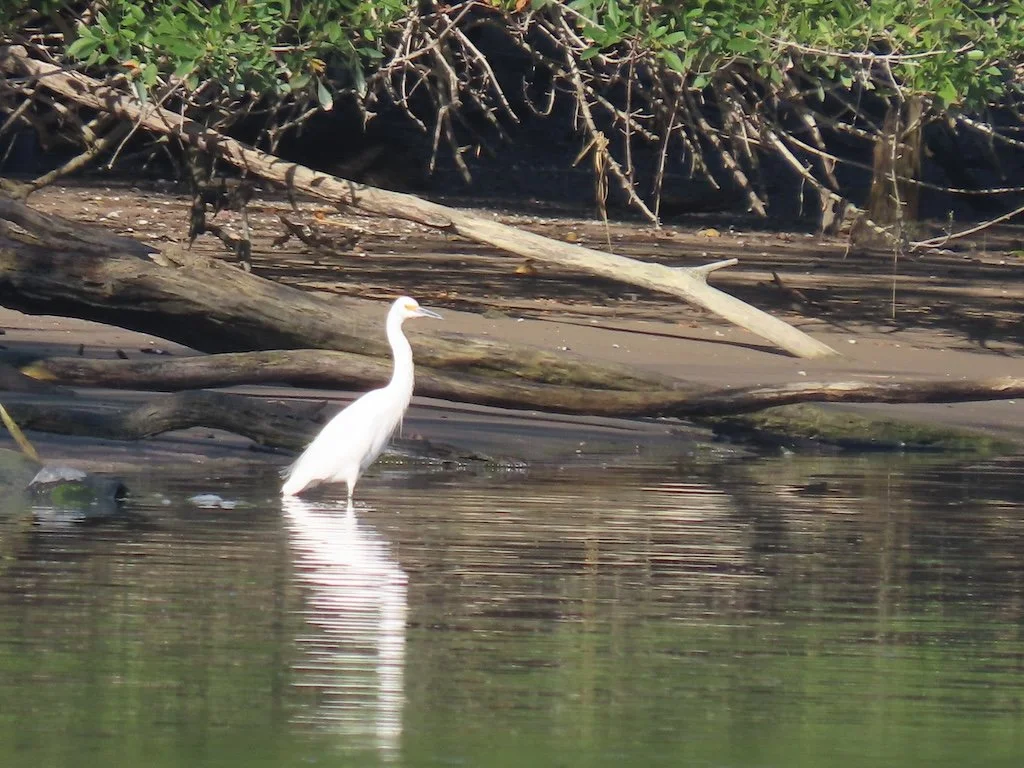
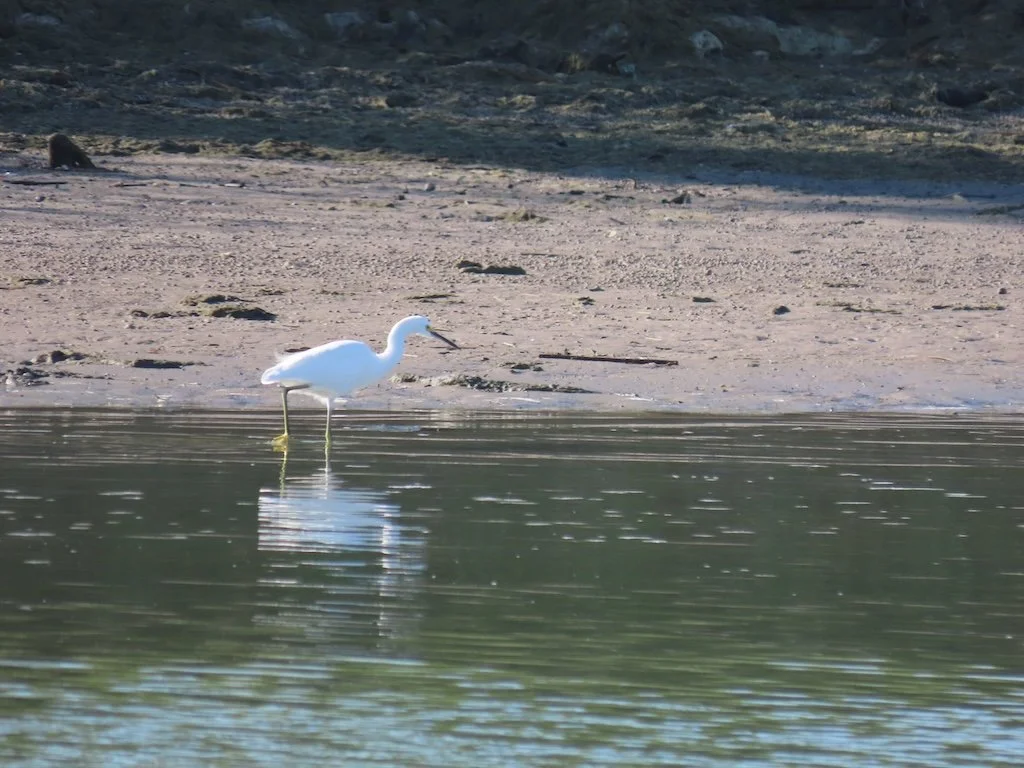
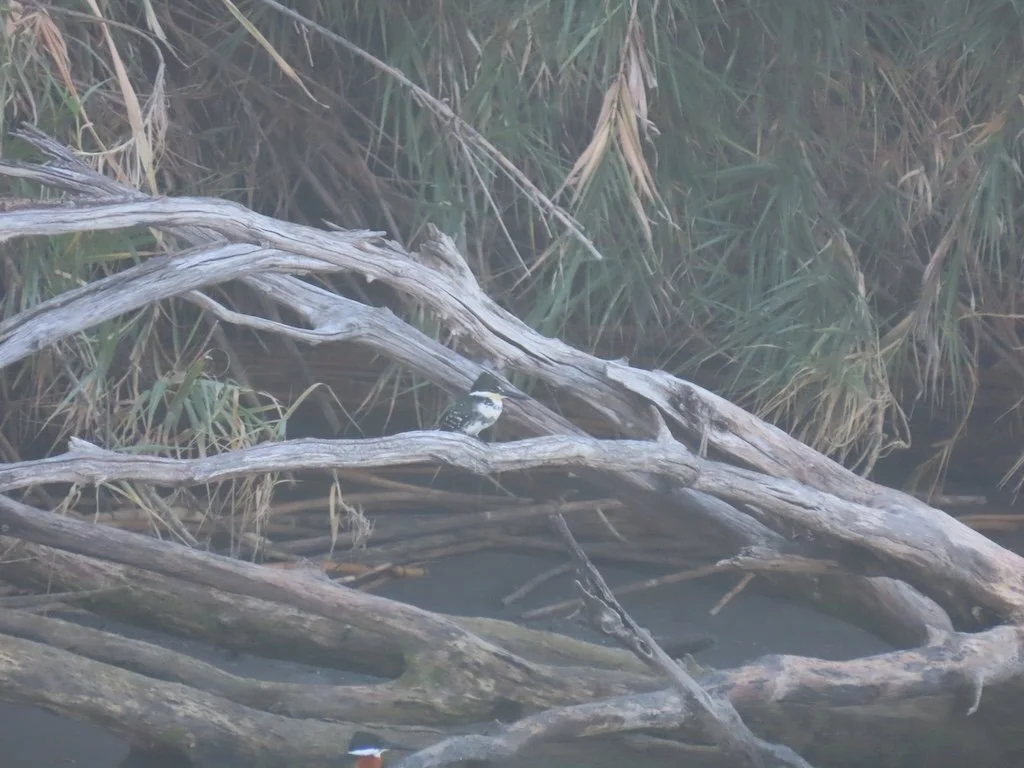
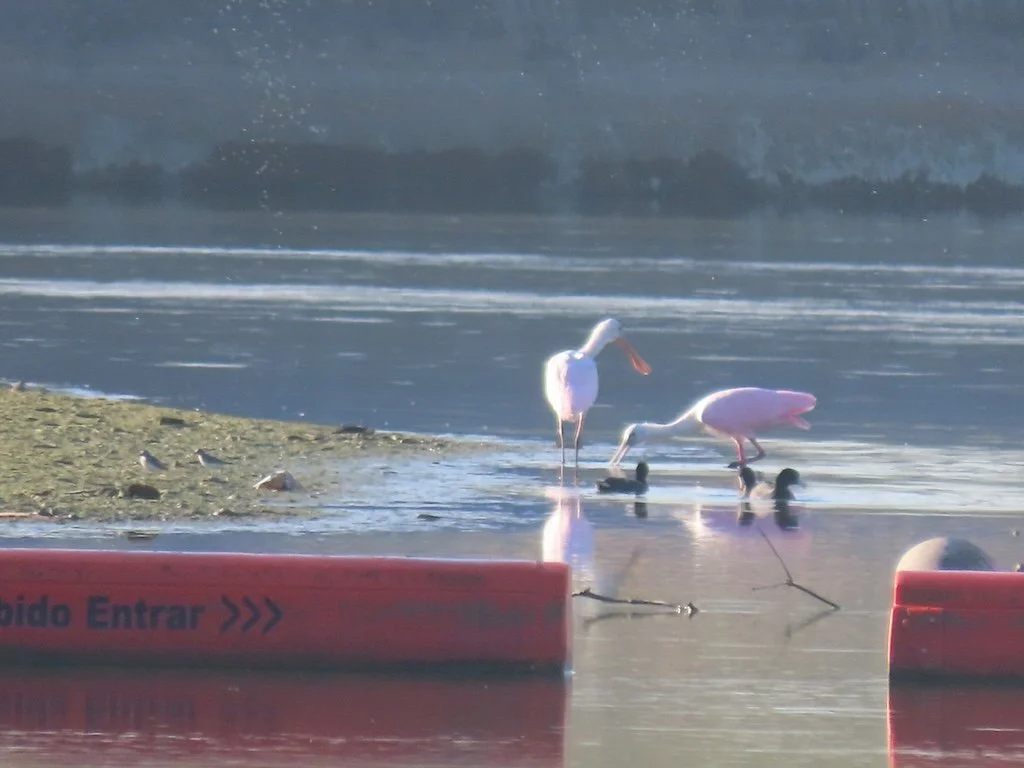
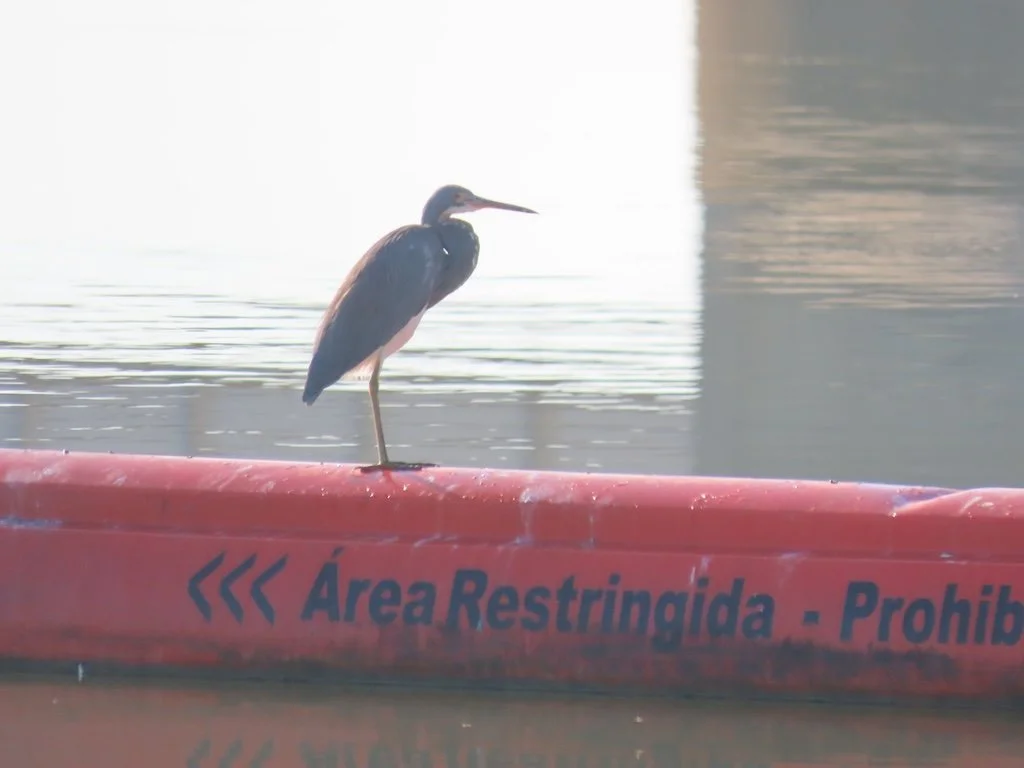
The boat was large enough to provide space for everyone plus our gear. There was a lot to see during the whole trip. The birds that I managed to photograph and that are in the slideshow below are:

  • American Coot

  • Caspian tern

  • Ducks (hybrids)

  • Egrets: Snowy, Reddish, Great

  • Golden-Fronted Woodpecker

  • Great Kiskadee

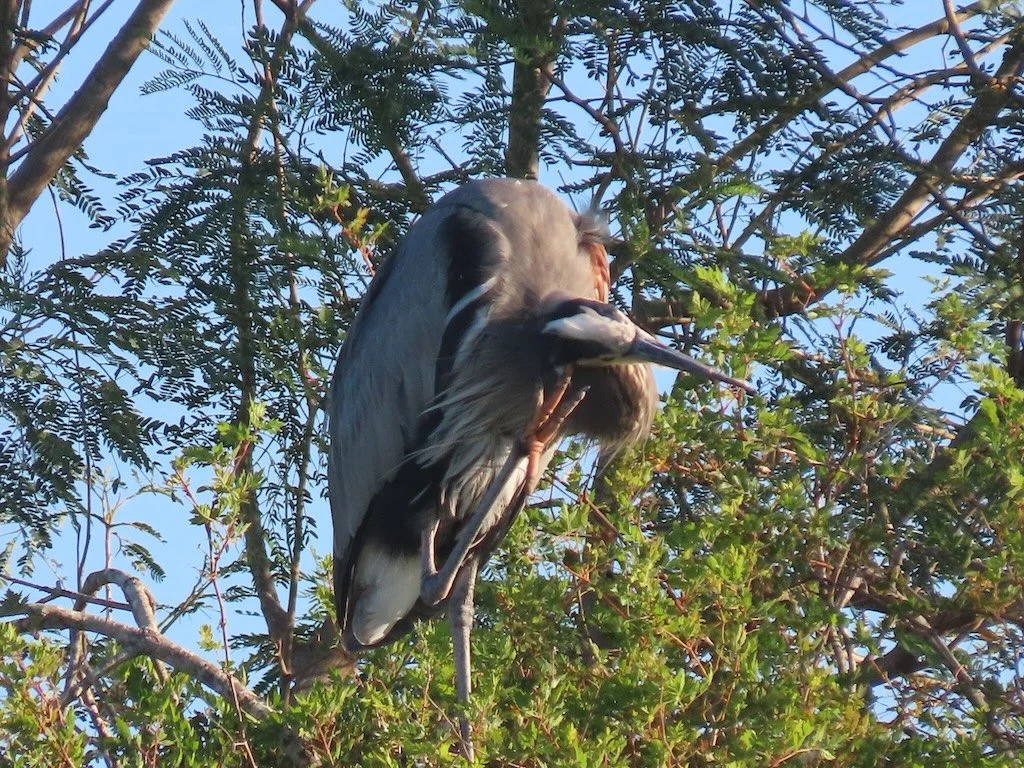
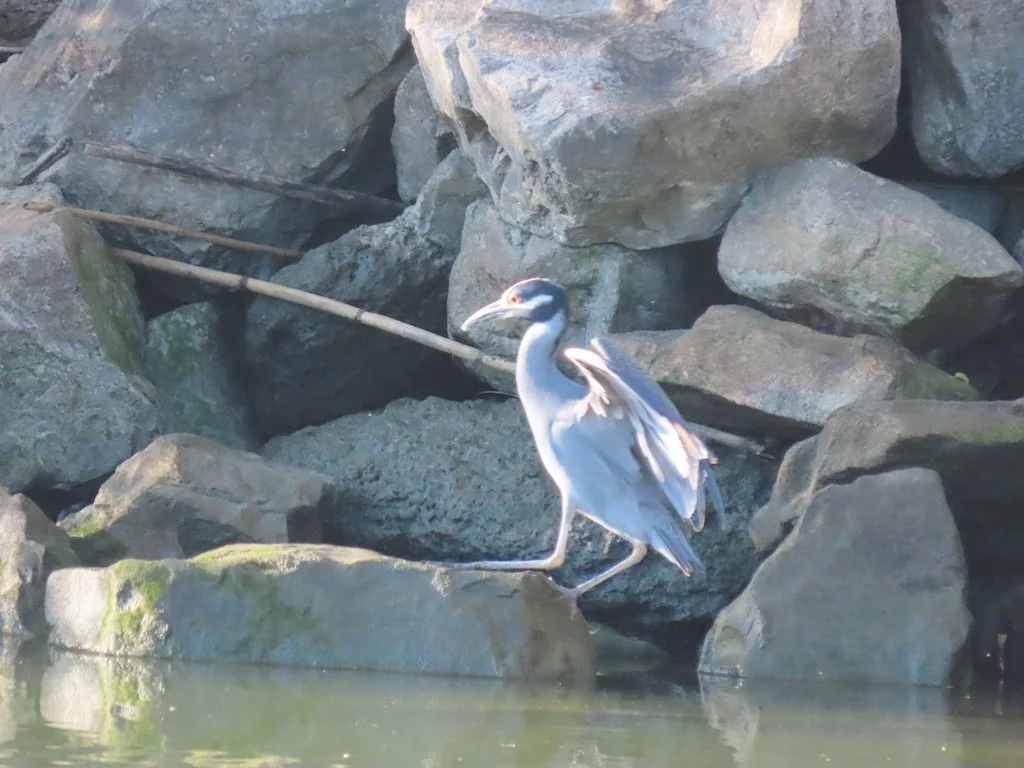
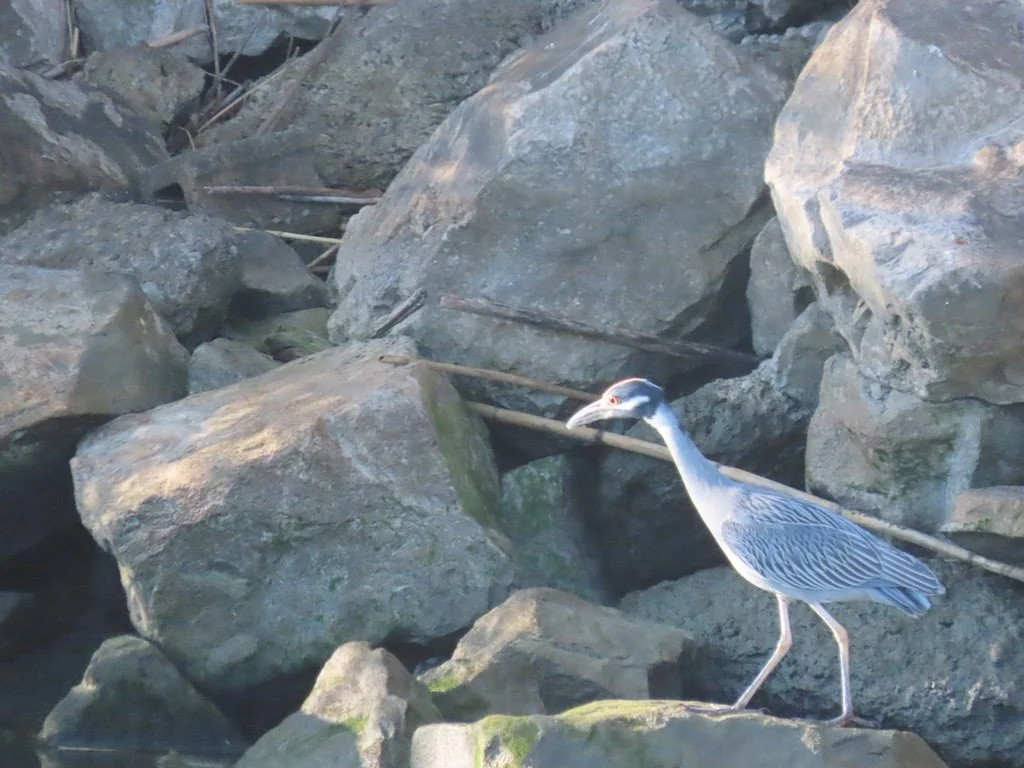
  • Herons: Great Blue, Tricolored, Yellow-crowned Night

  • Kingfishers: Green, Ringed

  • Osprey

  • Pied-billed grebe

  • Roseate Spoonbill

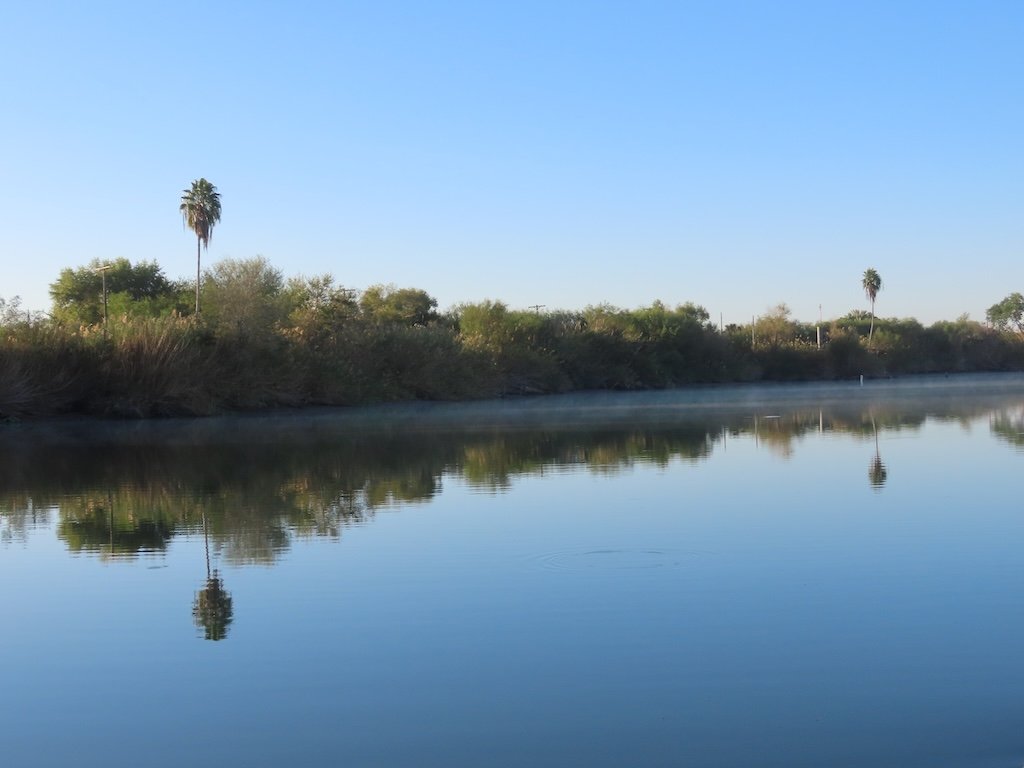
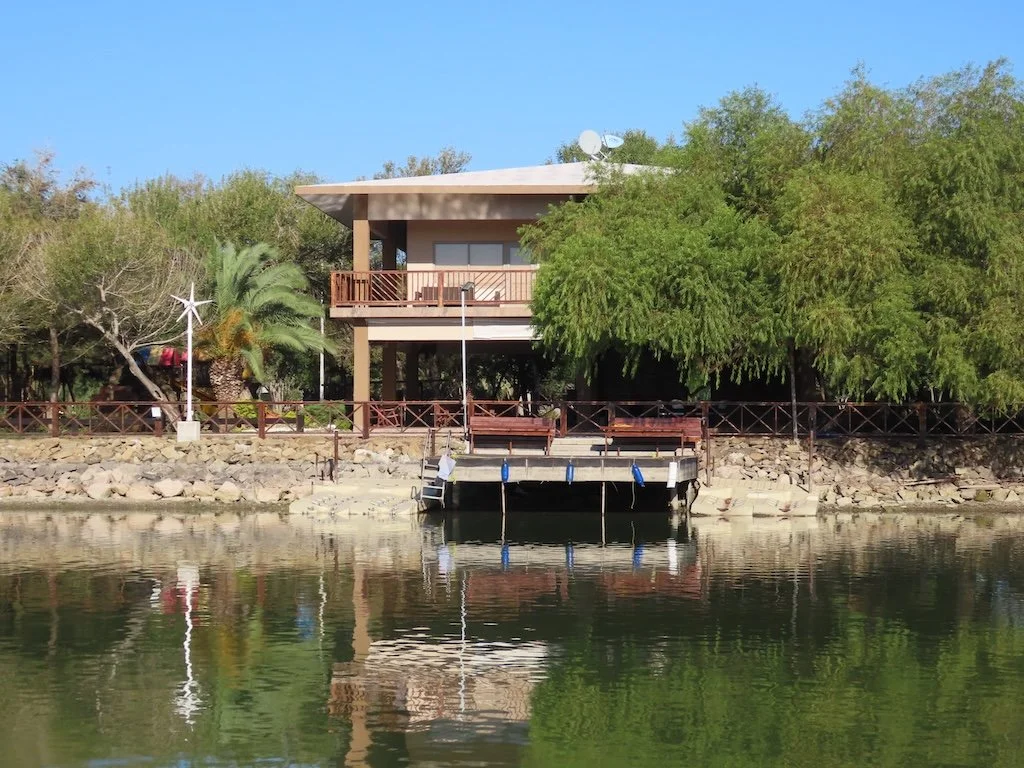
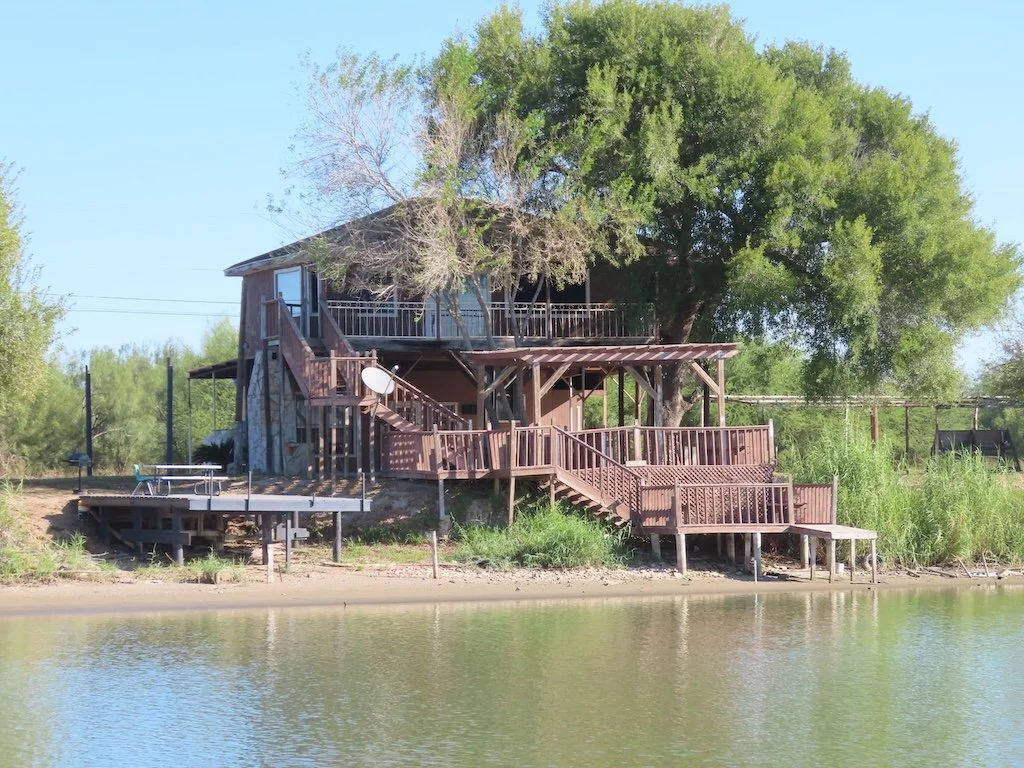
The river was clean – almost no trash. There were some houses on both sides and parks. A small group of people were picking up trash along the river in a park on the Mexican side; they must do it frequently enough that there isn’t a lot of trash to pick up. Border control was evident on the US side. It was a quite weekday morning on the river…great for birding.

Gleanings of the Week Ending November 18, 2023

The items below were ‘the cream’ of the articles and websites I found this past week. Click on the light green text to look at the article.

Are pumpkins a future superfood? – Maybe. The plants are high heat and drought tolerant….. and tolerate salinity. Nutritionally they have essential vitamins, minerals, and fats.

Do or dye: Synthetic colors in wastewater pose a threat to food chains worldwide - Dyes create several problems when they reach water systems, from stopping light reaching the microorganisms that are the bedrock of our food chains, preventing their reproduction and growth, to more direct consequences like the toxic effects on plants, soils, animals and humans. Remediation technologies for dye-containing wastewater, including chemical, biological, physical and emerging advanced membrane-based techniques.

Billions Of Snow Crabs Have Died in Alaska. Will Billions of People Be Next? – Starvation….but linked to marine heatwaves that affected snow crab metabolism.

Even treated wood prevents bacterial transmission by hand – Maybe we should be using wood more frequently for surfaces where keeping bacteria at bay is important (countertops, for example).

Staring at the Sun — close-up images from space rewrite solar science – Results from Parker Solar Probe and Solar Orbiter…and the ground-based Daniel K. Inouye Solar Telescope.

Higher levels of triglycerides linked to lower risk of dementia – A correlation…not necessarily a causal relationship.

Jupiter's volcanic moon Io looks stunning in new Juno probe photos – From an October 15th flyby.

The Rio Grande isn’t just a border – it’s a river in crisis – So many rivers are in trouble. The Rio Grande drought story is complicated by international treaty…and contentious relations at the border.

These Rare Daguerreotypes Are the Earliest Surviving Photos of Iran in the 1850s – It would be interesting to see what these same places look like today.

Why are bed bugs so difficult to deal with? – They are increasingly resistant to pesticides that previously were effective. Creating policies that require reporting and resident notification by landlords…and requiring the landlords to treat infestations within 30 days has been effective in New York. Infestations can be managed, but probably not eliminated.

Gleanings of the Week Ending October 15, 2022

The items below were ‘the cream’ of the articles and websites I found this past week. Click on the light green text to look at the article.

Previously deployed military personnel show retained dust in lungs – The lingering impact of deployments in Afghanistan and Iraq.

As Rio Grande shrinks, El Paso plans for uncertain water future – Preparing for a year when there is no river water. Elephant Butte Reservoir that stores water for Las Cruces NM and El Paso TX, where I went on a birding field trip in November 2016, is currently at 5.6% of its capacity. So far – nothing has resolved the water insecurity of the region into the future.

Watercolor seas in the wake of Hurricane Ian – The impact of water surging and running off…natural-color imagery from NASA’s Terra satellite. There is also an image from the European Space Agency’s Sentinel-2 satellite detailing the coastline near Fort Myers.

Solar Community Slammed by Hurricane Ian: “Our Lights Stayed On” – And another Hurricane story…this one from the ground – Babcock Ranch, about 2 miles from Fort Myers.

Pre-Hispanic images revealed on early convent walls in Mexico – Hmmm….the building was not always a Christian convent?

Has the pandemic changed your personality? – Declines in extroversion, openness, agreeableness, and conscientiousness among adults were measured…particularly in young adults (ages 18-25). I found myself wondering whether the political upheaval that was happening at the same time contributed to the finding; the collective stress levels were probably heightened by more than the pandemic.

A field guide to Jackrabbits – An animal to look for in the west….next time I travel there.

Multiple health benefits of b-type procyanidin-rich foods like chocolate and apples consumed in right amounts – The study showed that peak benefits are achieved at mid-range doses rather than high or low doses. But it is not clear how to get the mid-range dose through diet…which made this article interesting but not actionable.

How did Vikings make glass beads? – Evidently by salvaging Roman and Byzantine mosaics as their raw material!

Scientists are finding fungi in cancerous tumors – A surprise…and lots of research still to be done to understand if the fungi are a correlation or contributor to the tumor.

Ten Little Celebrations – February 2020

So many things to celebrate in February…I’ve picked my top 10 that are in roughly chronological order during the month.

I started out the month in Carrollton, Texas.

2020 02 IMG_7856 (10).jpg

Red Yucca. The seed pods always look interesting to me. I like their curves and points. The warm brown and burnt black colors.

Fried catfish and okra. Sometimes a high-fat splurge is OK….delicious.

A sunny and warm day. In February, the days are often gray and cold….so when the weather bucks the trend…it’s time to get outdoors to celebrate.

The Laredo Birding Festival was not that long…but there was something to celebrate every day.

2020 02 IMG_7905 (3).jpg

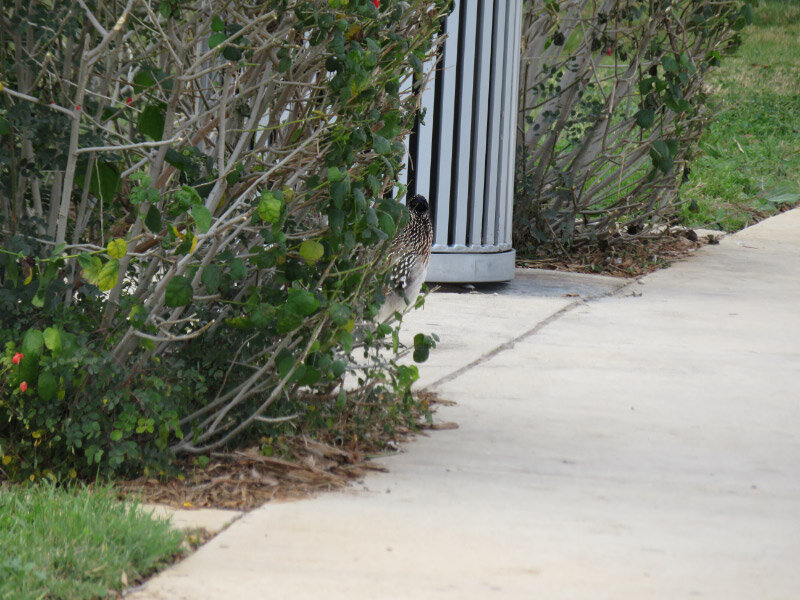
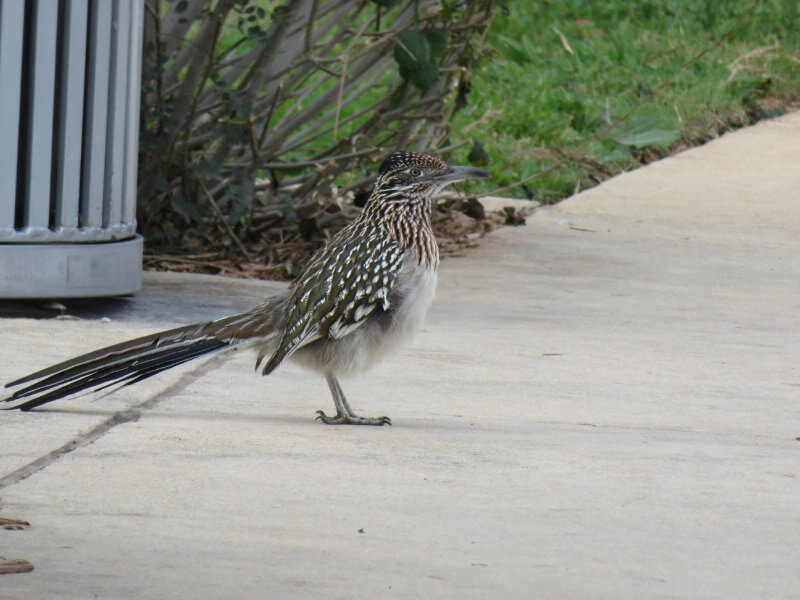
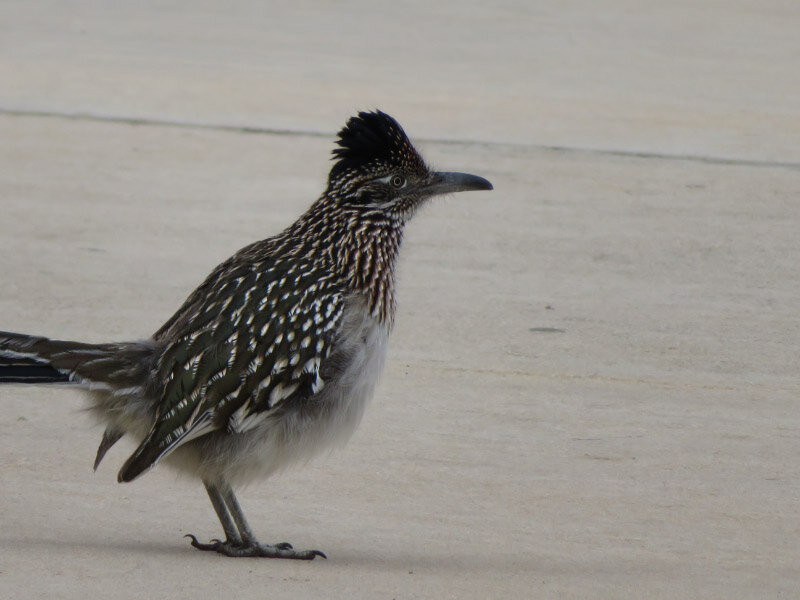
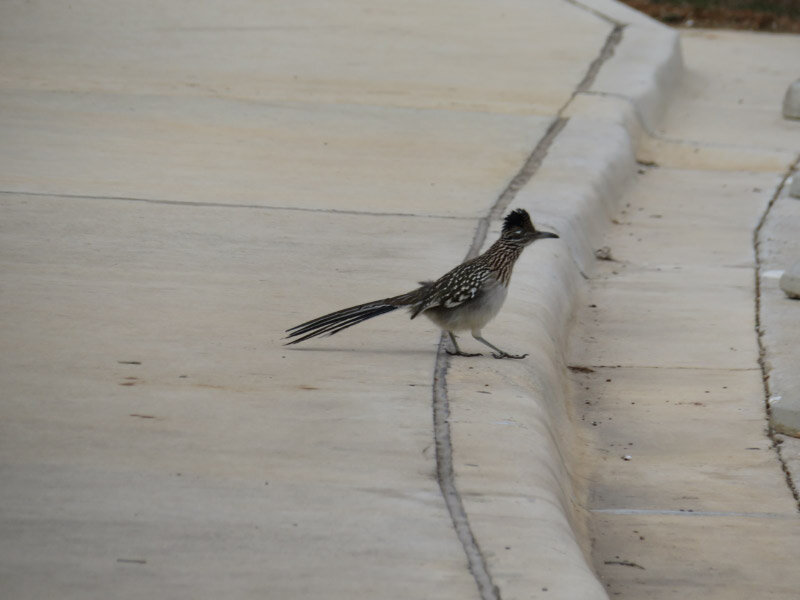
Roadrunner. What a way to start a birding trip…seeing an iconic bird of the area at a rest stop before we even got to Laredo!

2020 02 IMG_4880 (2).jpg

Great Horned Owls. We saw these owls on two days! What a thrill.
Sunrise on the Rio Grande. Celebrating the start of another day….the beauty of a river that draws life to a dry area.

2020 02 IMG_4174 (6).jpg
2020 02 IMG_3928 (5).jpg

American White Pelicans ballet. I had never witnessed pelicans feeding together in a coordinated way. They were synchronized and graceful…the joy of watching the natural world in action.

Audubon’s Oriole. Celebrating a colorful bird that just appeared while we were relaxing on a veranda after lunch.

2020 02 IMG_4174 (36).jpg

And then we were home again.

A Day at home. I always celebrate being at home after I’ve been away. The view from my office window…fixing my own favorite foods…relaxing.

NISE Training. Robinson Nature Center provided a class on some kits they’ve purchased from the National Informal STEM Education Network. I enjoyed the gravity well (Exploring Universe Orbiting Objects) activity and hope there are opportunities to share it with visitors to the nature center. I also passed the information (here) along to my daughter since it had potential for physics related outreach activities her university does. So multiple reasons to celebrate this training!
Laredo Birding Festival – Day 1

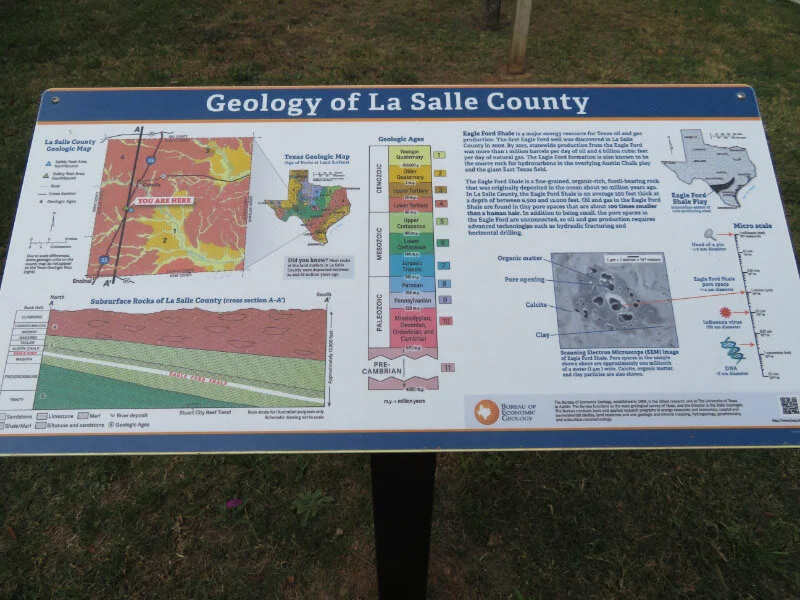
My husband and I flew to San Antonio (me from Dallas, he from Baltimore) and drove down to the Laredo Birding Festival from there. We made a rest stop at the Lasalle County Rest Stop (southbound) and

2020 02 IMG_7905 (6).jpg

Immediately saw our first stunning bird of the trip: A Greater Roadrunner. It was in the picnic area of the rest stop and then moved out into the parking area. It was a cold day, so the feathers were fluffed making it look plumper than usual.

The rest stop had well maintained plantings – some were blooming in the cold.

2020 02 IMG_7905 (10).jpg

The signage and windmill outside the building started the historical story of the county.

2020 02 IMG_7905 (8).jpg

Inside the building were displays about the county: ranching, railroad, mining and farming. On the back of the hanging signs were metal sculptures that I enjoyed.

As I got ready to write this blog post, I checked Google maps for the rest stop and discovered that there is a short hiking trail to the south of the rest stop. I’ll walk around it next time I am make that stop (maybe next year).

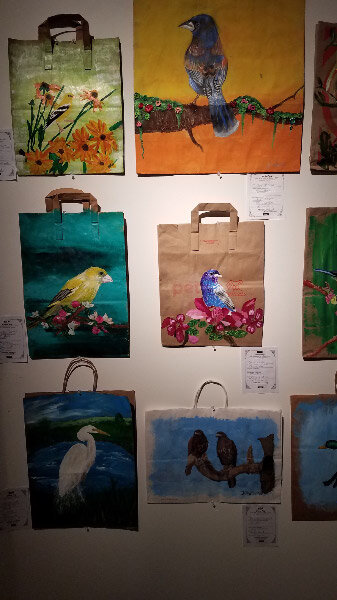
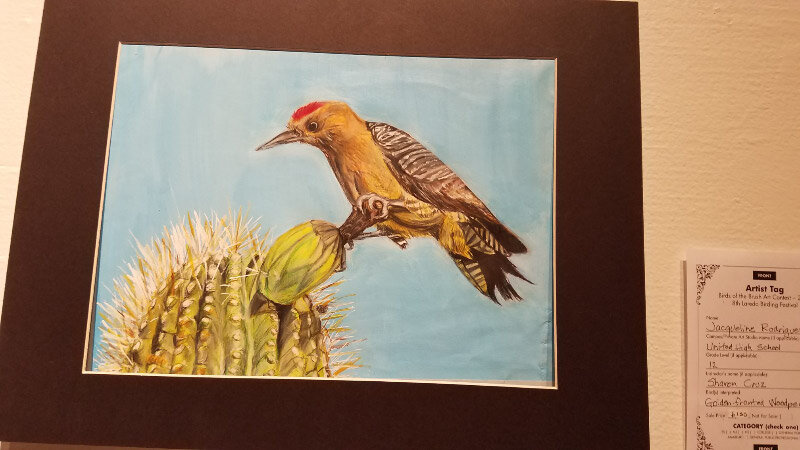
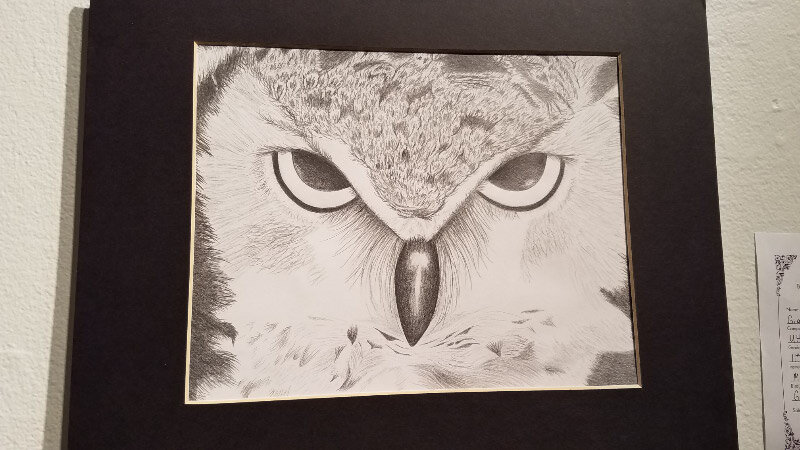
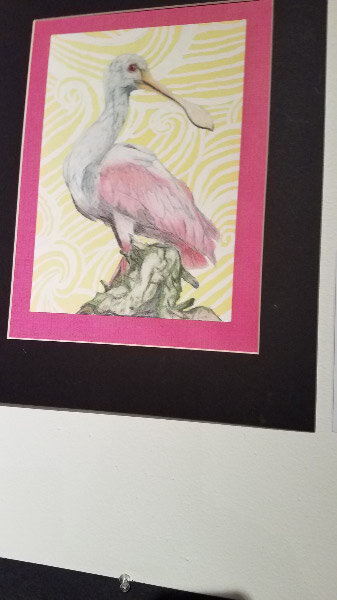
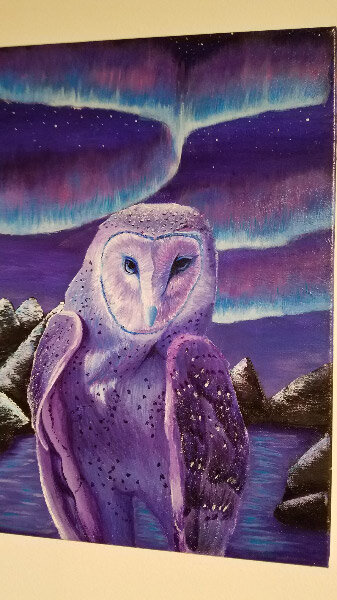
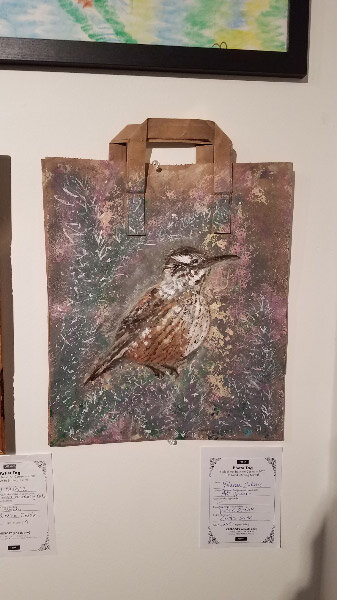
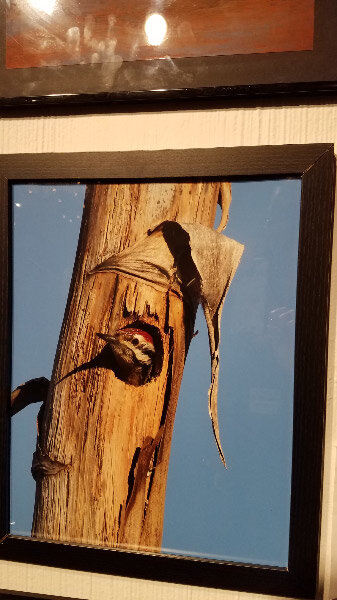
We got to Laredo and checked into the La Posada Hotel which would be the hub for departures on the trips for the festival. It’s very close to the Rio Grande….in the older part of Laredo. A hour or so later we walked to the Laredo Center of the Arts for the 2020 Birds of the Brush exhibit – bird themed art from local schools. I liked the paintings on paper shopping bags and birds I recognized. The backgrounds were often what made the work memorable beyond the bird itself.
20200205_181642.jpg

We made a light supper on the luscious appetizers upstairs…getting a view of exhibit from the glass fronted elevator as we went up from the exhibit floor.

Overall – a great start for the Laredo Birding Festival!