Gleanings of the Week Ending December 27, 2025

The items below were ‘the cream’ of the articles and websites I found this past week. Click on the light green text to look at the article. (Note: I have changed the format to include the date and source of the article.)

12/4/2025 American College of Emergency Physicians Opinion: Physicians Must Reduce Plastic Waste - Waste audits in the emergency departments (EDs) of Kent Hospital in Warwick, Rhode Island, and Mass General Hospital in Boston found that four pounds of waste is generated per patient, per encounter, and about 60 percent of the waste is plastic…. If we consider our plastic footprint with everything we are doing, we can adjust our habits to give our patients and our world healthier care.

11/19/2025 Consumer Reports Consumer Reports announces winners of its Microplastics Detection Challenge - Contest challenged participants to develop simple and inexpensive at-home tests to enable people to detect microplastics in their food. 

12/12/2025 Yale Environment 360 Dozens of Countries See Their Economy Grow as Emissions Fall - Historically, more industry meant burning more fossil fuels. But renewable energy has made it possible to generate more wealth without producing more emissions. The U.S. and most of Europe, have completely decoupled growth from emissions over the last decade. Fortunes rose, while emissions fell. Together, these countries account for 46 percent of the global economy.

12/12/2025 Science Daily Scientists find dark chocolate ingredient that slows aging - Scientists have uncovered a surprising link between dark chocolate and slower aging. A natural cocoa compound called theobromine was found in higher levels among people who appeared biologically younger than their real age.

12/11/2025 Clean Technica Drones, Diesel, & Policy: Two Countries, Two Agricultural Futures - China’s rapid adoption of agricultural drones is one of the most interesting examples of technological divergence between two major food producers. The contrast is striking. Chinese pilots are now treating an amount of land with drones each year that is larger than the total farmland base, which means multiple drone passes on the same fields to handle weeds, pests, fertilizer and sometimes seeding. At the same time, the United States is advancing a policy coalition that targets DJI with composite national security concerns and proposes to ban the most widely used spray drones in the country. This fight matters because the ban would remove the only cost effective and widely deployed option for seeding and spraying. It would also shut down a path for lower diesel use and lower chemical demand in a sector that does not have many easy ways to cut operating costs.

12/11/2025 Smithsonian Magazine Gas Stoves Are Poisoning Americans by Releasing Toxic Fumes Associated with Asthma and Lung Cancer - A new study, published this month in the journal PNAS Nexus, suggests that gas stoves are the main source of indoor nitrogen dioxide pollution in the United States, responsible for more than half of some Americans’ total exposure to the gas. The gas can irritate airways and worsen or even contribute to the development of respiratory diseases like asthma. Children and older individuals are particularly susceptible to its effects.

12/7/2025 Cool Green Science Family, Survival and Change: The Secret Life of the Red-cockaded Woodpecker - In the heart of the longleaf pine forests of the southern United States, a quiet drama plays out each spring. Inside tiny nest cavities high into pines, red-cockaded woodpecker (RCW) parents work tirelessly to feed their chicks. They live in family groups where everyone, even older offspring, helps care for the young. That’s what makes them special; they’re cooperative breeders, families bound not just by instinct, but by teamwork. These woodpeckers remind us that recovery isn’t just about numbers. It’s about understanding the subtle, interconnected forces that make life possible in the first place. 

11/30/2025 The Conversation 56 million years ago, the Earth suddenly heated up – and many plants stopped working properly - Plants can help regulate the climate through a process known as carbon sequestration. However, abrupt global warming may temporarily impact this regulating function. What happened on Earth 56 million years ago highlights the need to understand biological systems’ capacity to keep pace with rapid climate changes and maintain efficient carbon sequestration.

12/8/2025 The Planetary Society The year in pictures 2025 - This collection of images, going as far back as late November 2024, captures some of the highlights of humanity’s exploration of space over the past year.

11/6/2025 The Scientist What Happens When a Fly Lands on Your Food? - How many microbes does a single fly typically carry? How many microbes does it take to get people sick?

A Picture Book of Insects

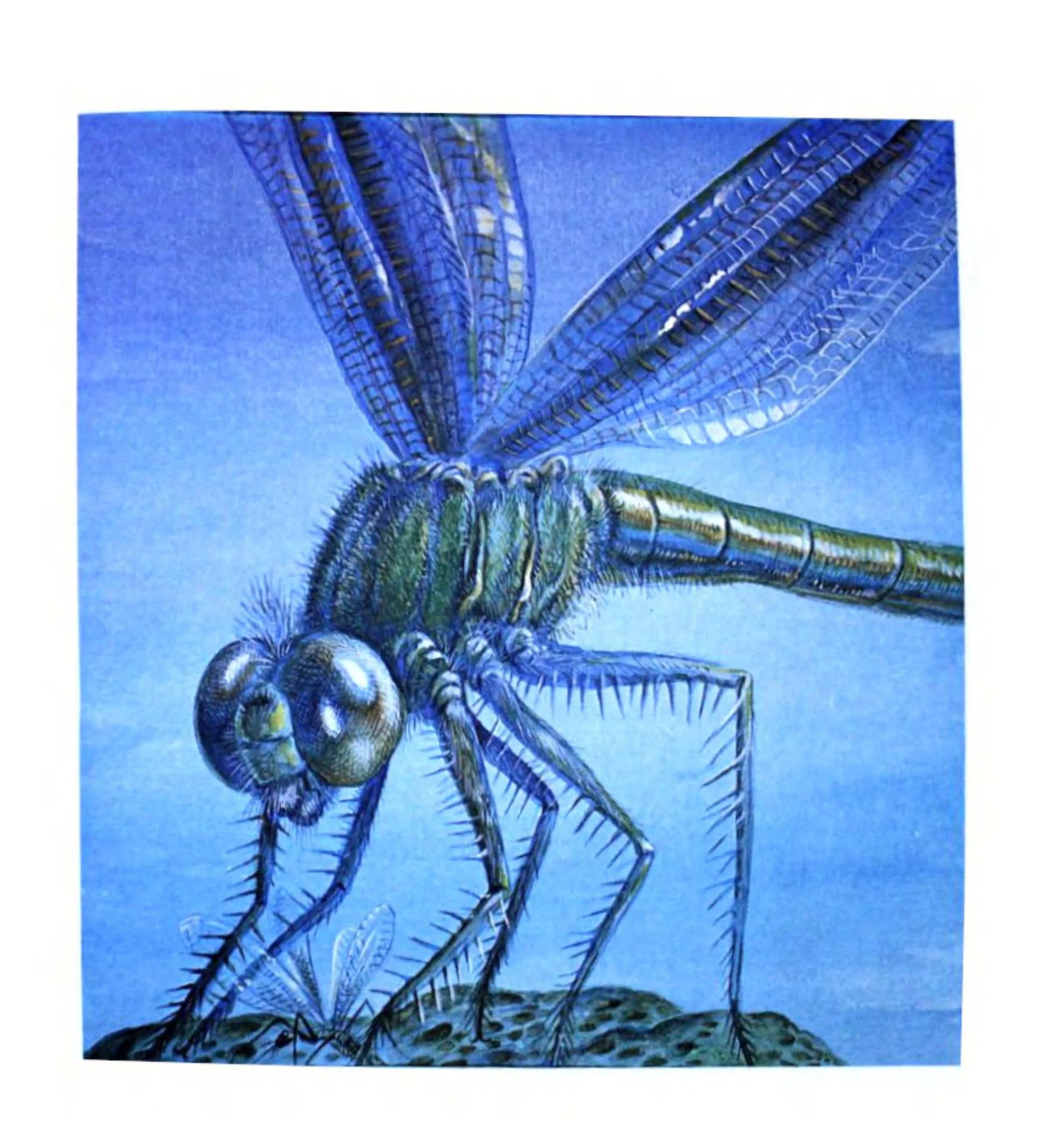
My ‘book of the week’ is one published in the waning days of the Soviet Union in 1989: A Picture Book of Insects by Vitaly Tanasyichuk with drawings by Ruben Varshamov. Like many Raduga Publishers books that came out in the 1980s, it is not now available on Internet Archive.

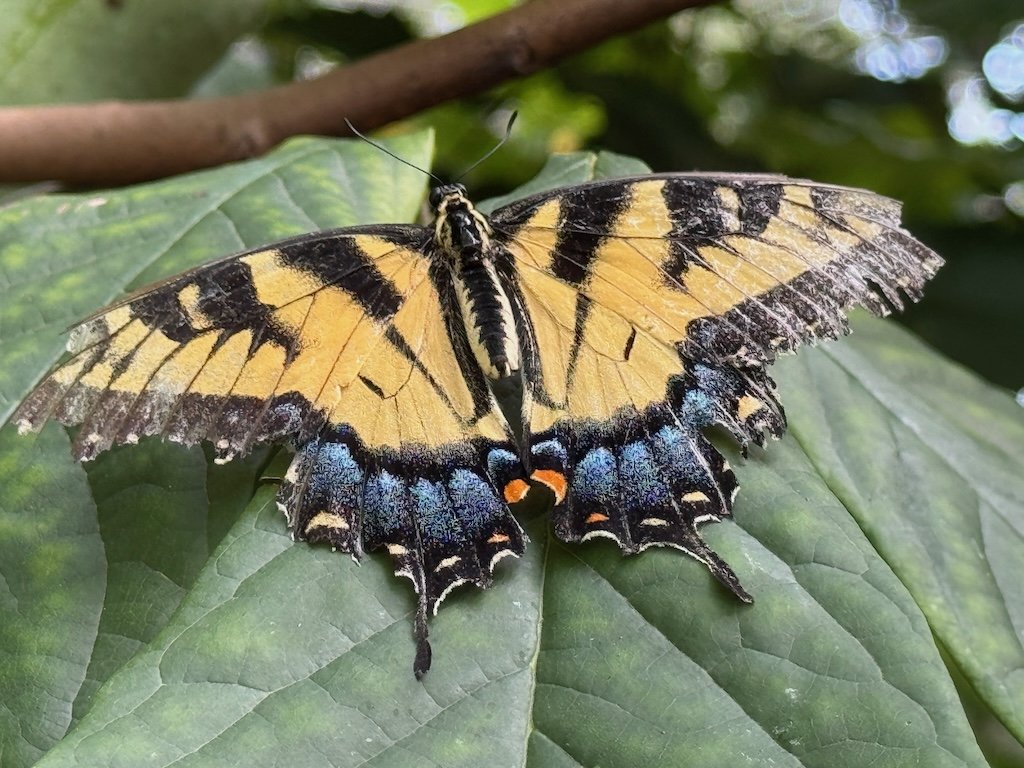
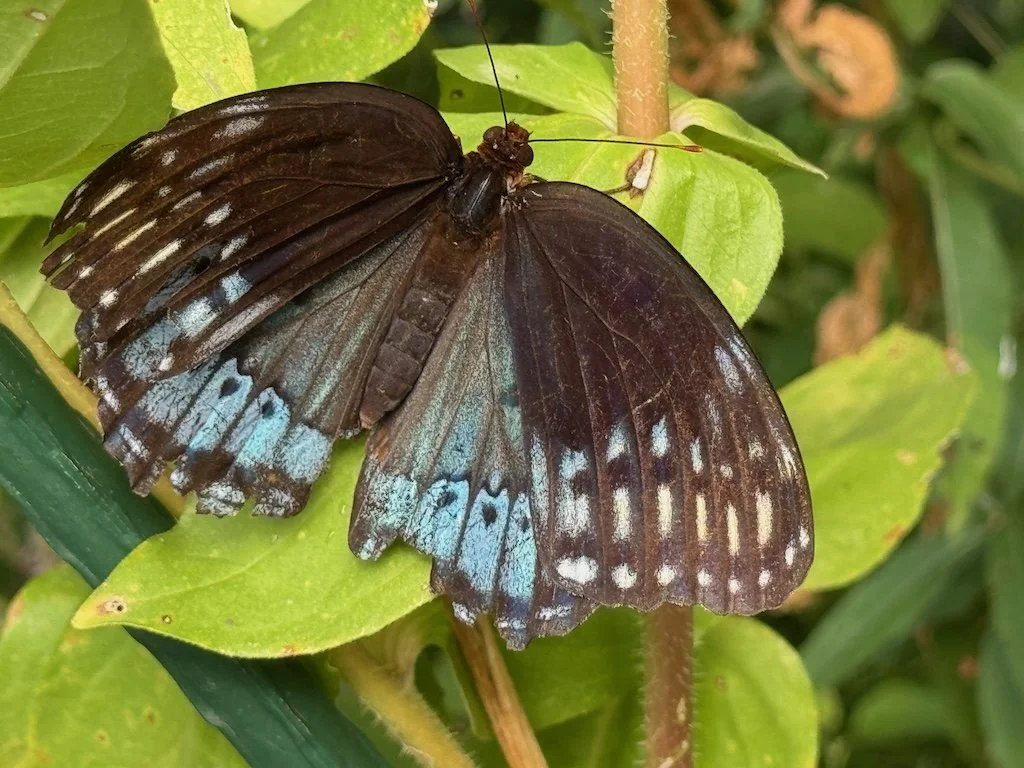
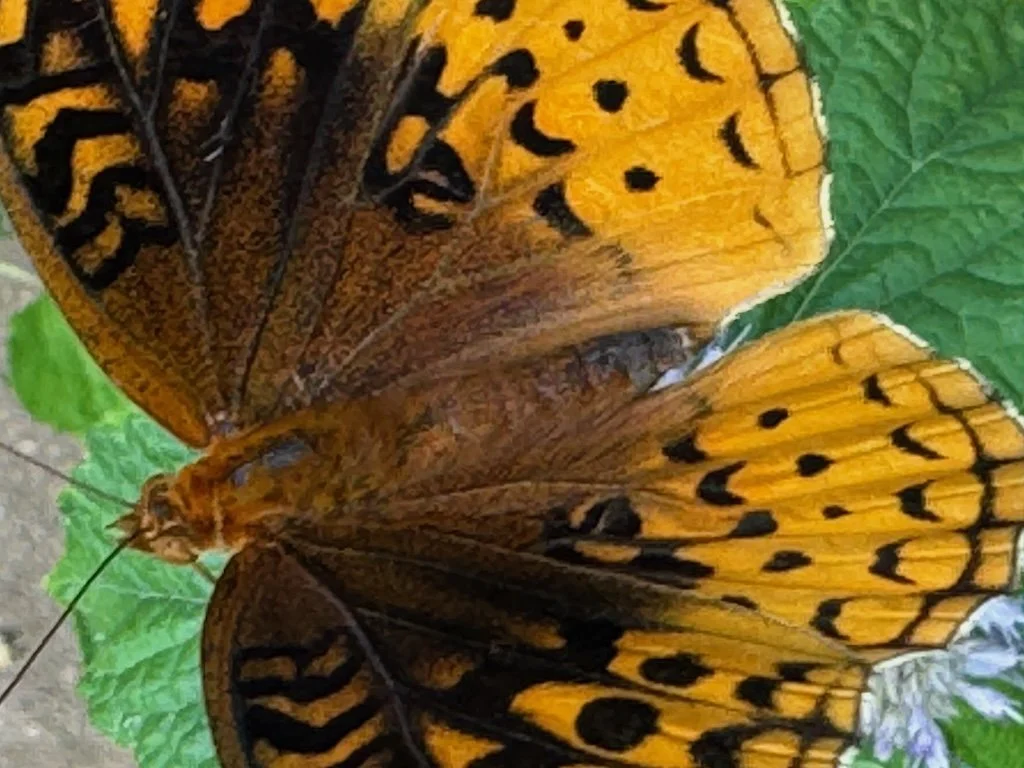
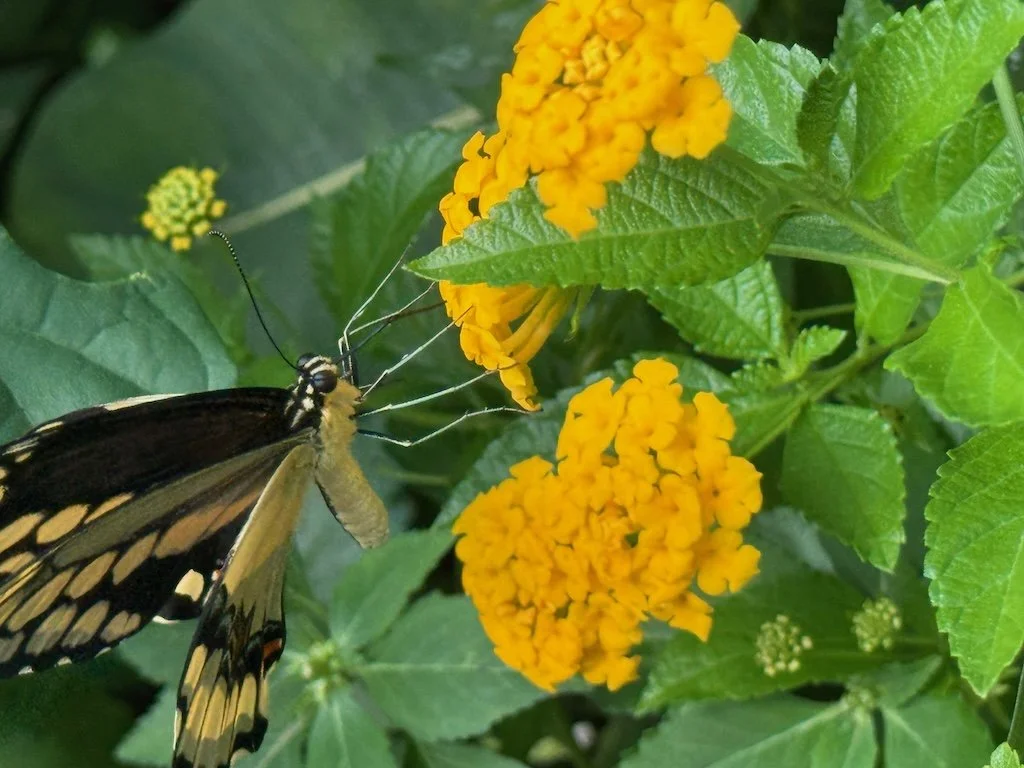
The illustrations (4 samples below) are the motivation to browse the book!

A Picture Book of Insects

Zooming – August 2021

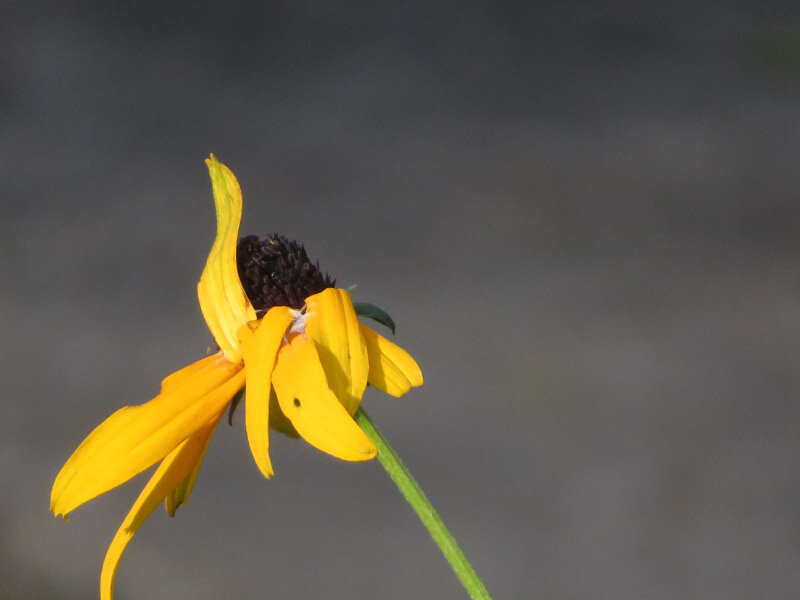
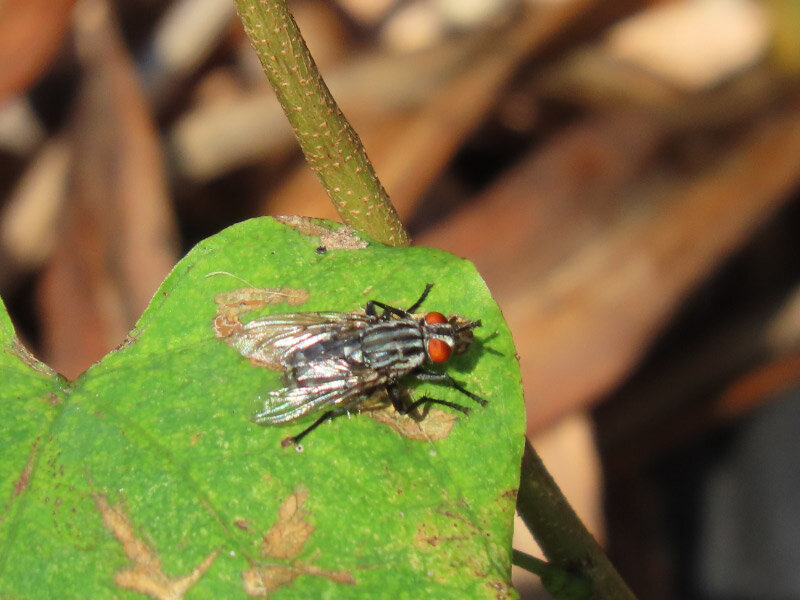
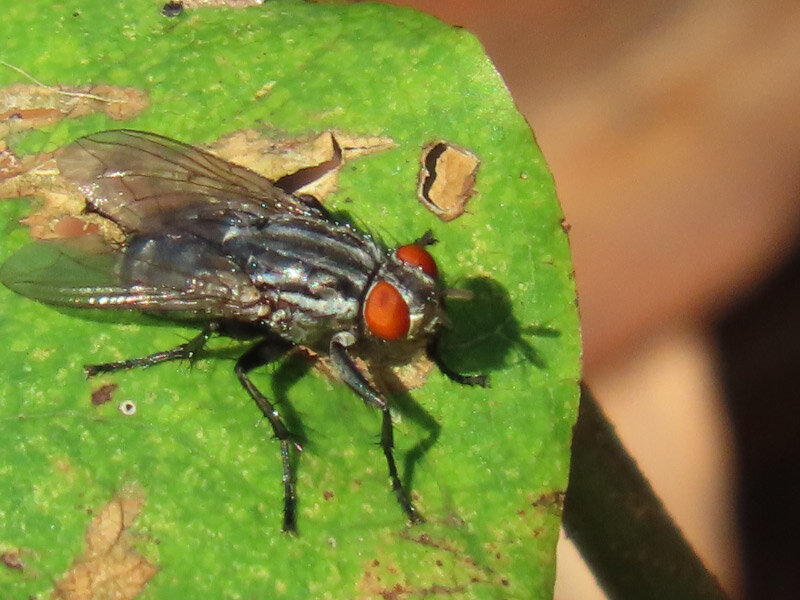
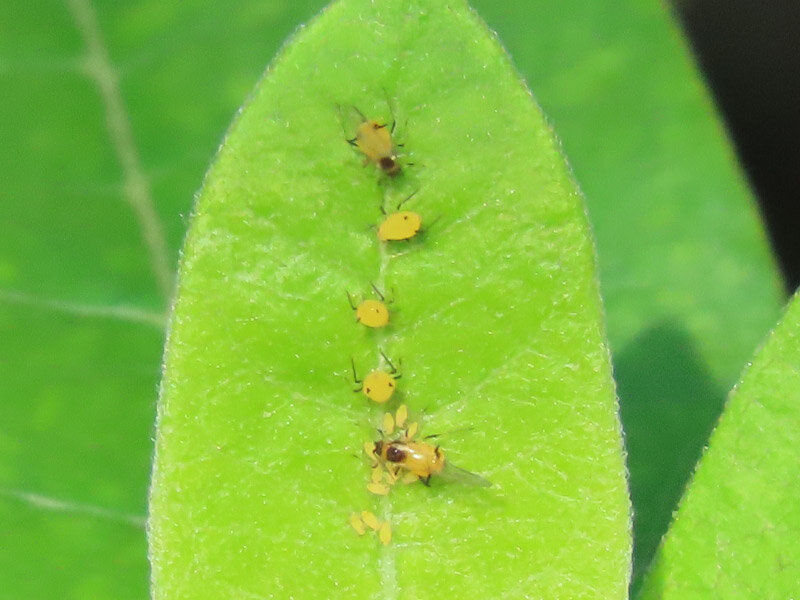
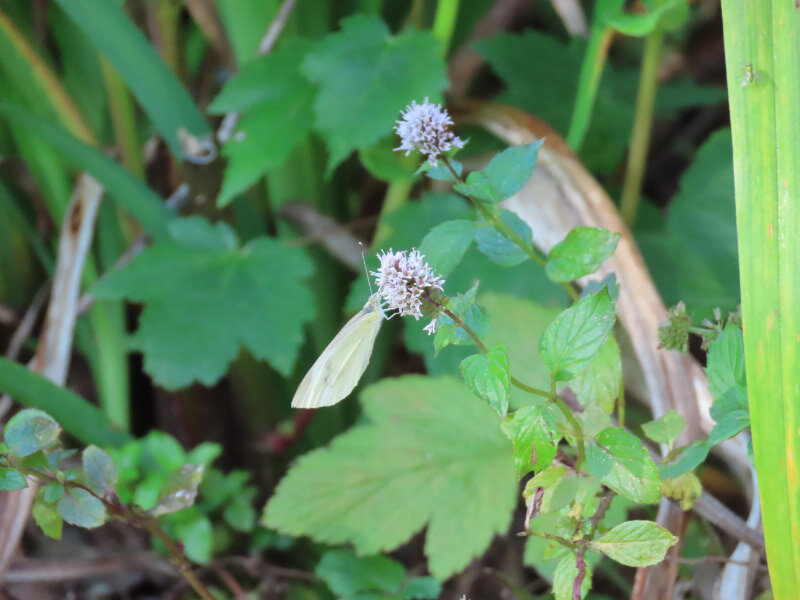
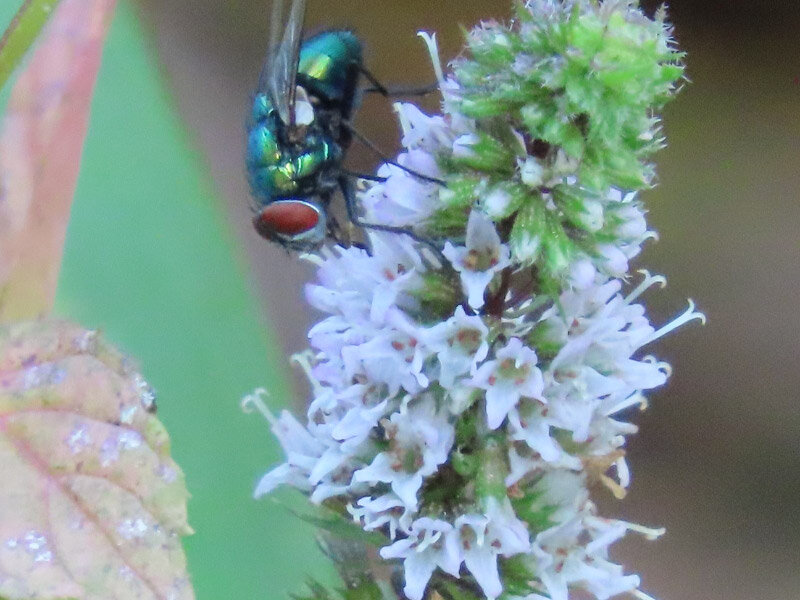
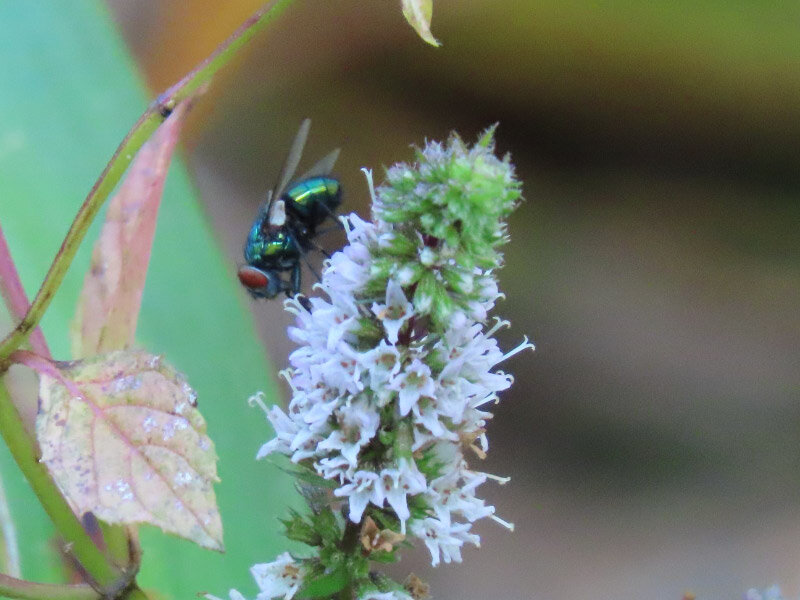
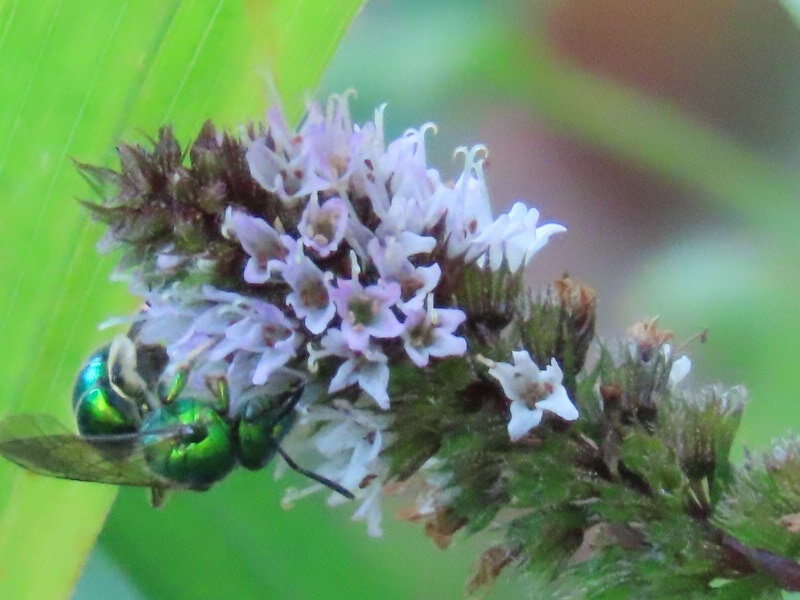
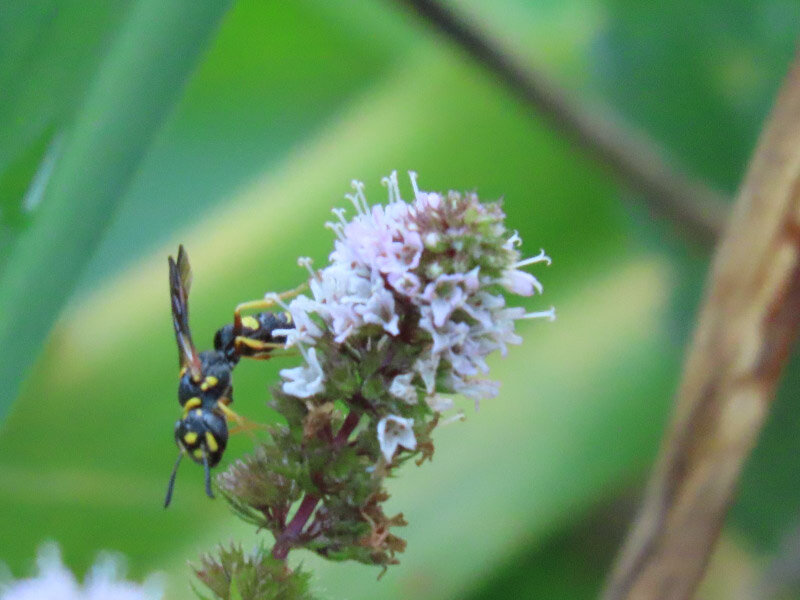
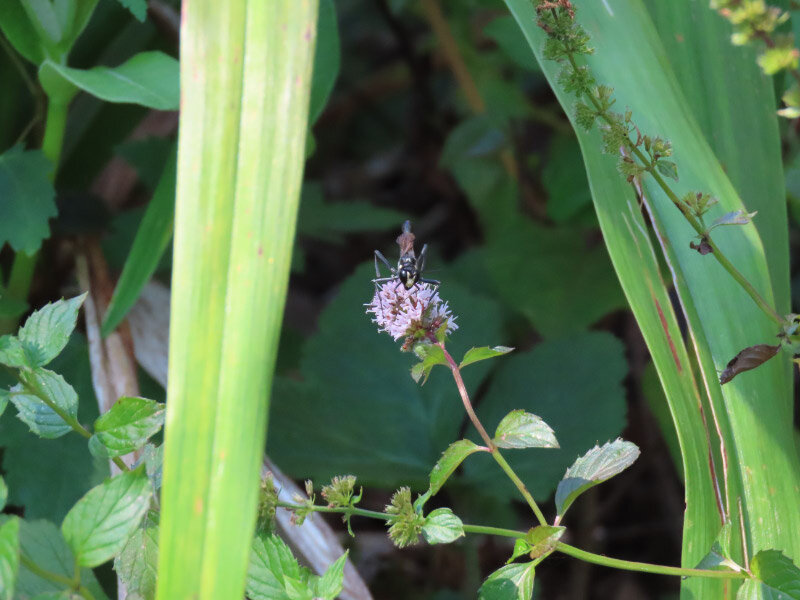
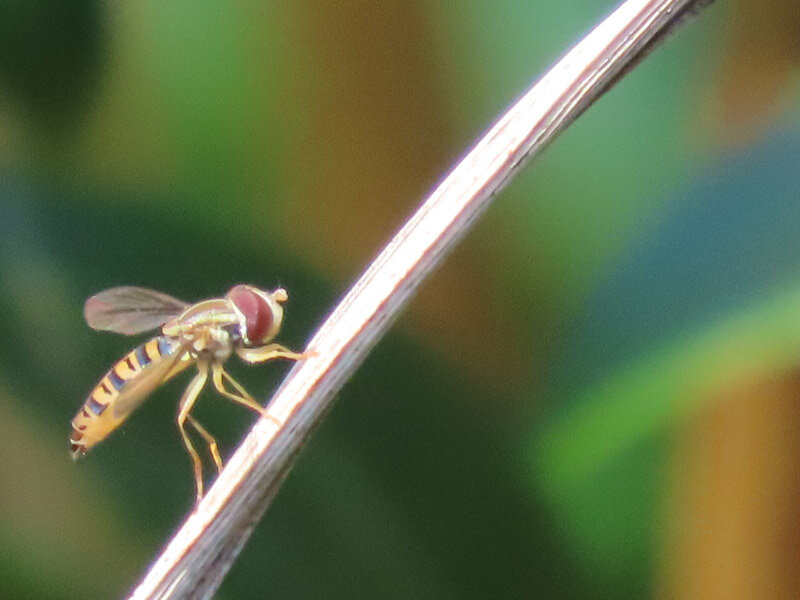
While I was out waiting for the Monarch butterfly to emerge, I took pictures of other insects and plants…using the zoom on my camera while I sat comfortably on a gardening stool on the front walk that borders the flowerbed. There was a black eyed susan with petals in disarray, flies, aphids on a milkweed leaf, and various insects on the mint flowers. It was a good way to fill in the time. Enjoy the slideshow!

These days – I appreciate seeing insects more than ever before. Many times when I expect to see them, there don’t seem to be as many around…or any at all; the stories about the crash of insect populations is observable in the field! It’s one of the manifestations of how humankind is warping the planet. With insects, the impact is direct with the use of pesticides and the herbicides on food/host plants for insects and indirectly through the cumulative effect of more and more greenhouse gases in the atmosphere that impacts the climate overall.

July Yard

Our yard is entering its summer exuberance. We’re still getting enough rain to enable rapid growth of grass and bushes. Even the shade loving plants are lush at this time of year. I take a round of pictures every time we mow the lawn. My husband always starts the mowing, so I have time to take pictures and complete a few other chores before it is my turn.

2020 07 04 093848.jpg

I took the kitchen scraps that had accumulated in the garage container back to the compost bin and took a picture of a fly on a leaf of the nine bark bush before I shaped it with the pruners (and then carried the clippings back to the compost bin).

20200704_095018.jpg

There were small mushrooms growing in the grass that I noticed on my way back from the compost bin. I was glad I noticed them then since they probably didn’t survive the mowing.

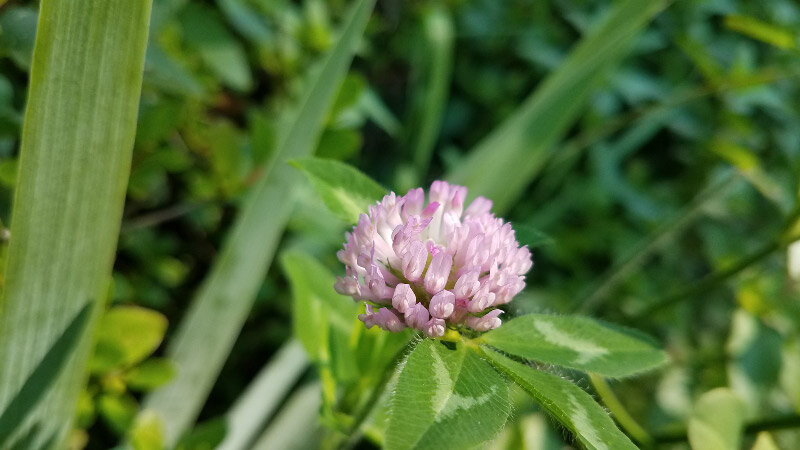
There were black-eyed Susan buds and clover in the front flowerbed (along with the day lilies). The black-eyed Susans will provide some color once the day lilies are done for the year although I did notice that there are several plants that have already had their buds eaten by deer.

The small holly that I trimmed a few weeks ago is growing a lot of new leaves right now. They’ll get a darker green as they mature. The prickles on the leaves keep the deer away.

20200704_095154.jpg

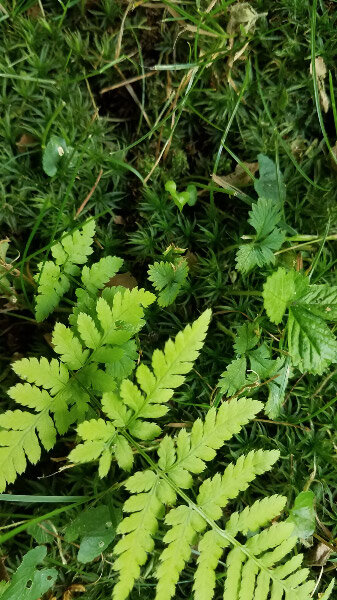
And then there were a lot of small plants thriving in the deep shade under the deck: ferns and mosses primarily.

20200704_095557.jpg

There is a Virginia Creeper on the sycamore trunk. It looks good against the peeling bark.

Grapevine Wreath

20200612_072333.jpg

When I was working in the front flower bed, I found a wild grapevine growing up through one of the bushes. It’s native but not growing in a place I could let it continue. I pulled it out but instead of carrying it back to the brush pile with the blackberry vines and grass and weeds….I kept it…thinking I would make a small wreath. I’d learned how in some class I had taken over 30 years ago; simply coil the vine and then twist until it holds the coil.

20200614_IMG_0208 (1).jpg

I got busy with other things and didn’t remember my plan until the next day. It occurred to me that it would be its most flexible before it dried. When I examined it more closely, I realized that it had some small branches of the bush I had pulled it from; its tendrils were stronger than the twigs’ attachment to the bush. I untangled the twigs and then began the wreath making. I opted to make the wreath with the leaves intact – knowing they would dry up and be easily crumbled off before I would add a red bow or a sprig of holly next December. Of course – I might decide to put a red, white, and blue bow on it for the 4th of July.


Unique activities for yesterday:

20200615x085442 clip.jpg

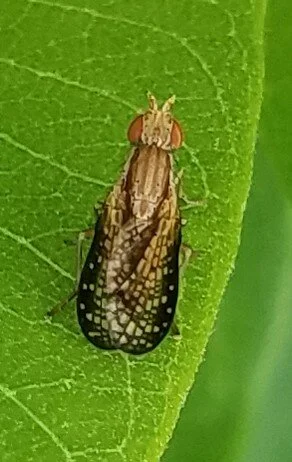
Pretty fly. It seems like every time I take a quick look at the front flower bed there are different bugs to photograph. This one was on the milkweed. I only got one picture before it flew away. The black lattice of the wings and the red of the eyes are quite striking. I used my usual technique: taking the picture with my cell phone as close as I could focus then clipping the part of the image I wanted to show with more magnification.

Fallen day lily. Sometimes the color deepens as the flower ages. The day lilies I brought inside are on the second round of flowers. The flowers start out a robust yellow and then are almost orange when they are ‘spent.’ This dried one is from the first round. It detached itself as the second round started.

2020 06 IMG_0208 (3).jpg

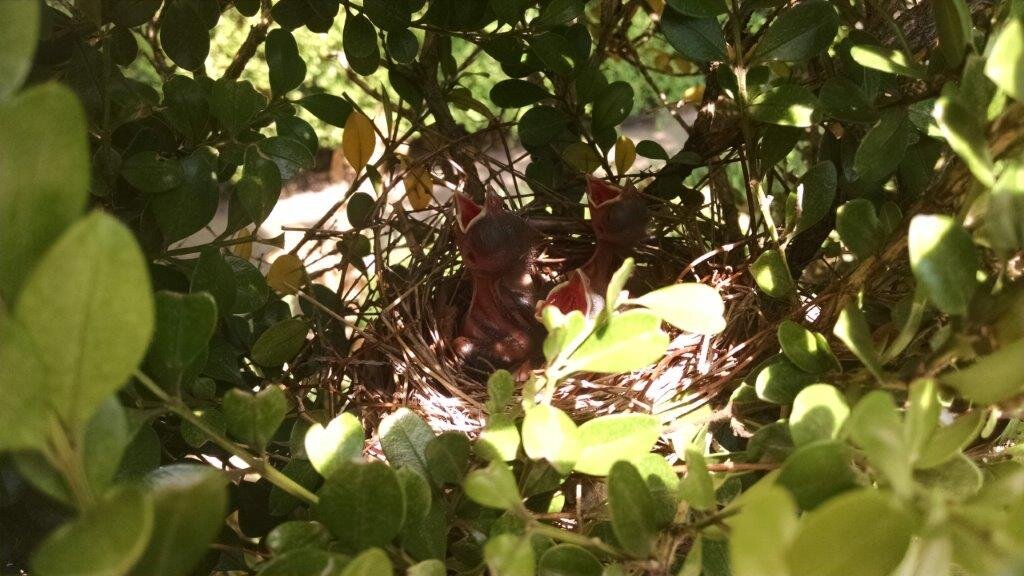
Cardinal nestlings. My sister sent me a picture from her house in Texas. The nest is in a boxwood by her front door! Now that we are all at home more, we have time to savor these natural events.

Glee 2020 baby cardinals.jpg

Magnolia blooming. I love to photograph the big white magnolia flowers, but we don’t have a tree in our yard. My sister in Texas has one…and took a picture!

tresa_104202821_10223724792246921_9098036963062871152_n.jpg

Flowerbeds in the Morning – Part 2

One of the advantages of cool mornings is that the small critters move a little more slowly – making them easier to photograph. It was in the mid-60s on the morning I went out to work in the front flower beds – and took a few minutes for some photography. The first insect I noticed was a small damselfly flying around and then landing on a day lily leaf. I sat there in the sun long enough for me to get a picture with my phone. I clipped the best part of the image.

20200612_064922 clip.jpg

I used the same technique with the bee on the clover. The bee was working its way to all the tiny flowers.

The oak had a lacewing larva several years ago, so I always check the lichen for another; I didn’t fine one this time…. But there was a slug moving over a lichen patch.

20200612_071838 clip.jpg

Later – after I finished most of my work, I noticed a fly on a milkweed leaf. It too was a little sluggish because of the temperature.

Overall – I was pleased with the photographic results – concentrating on taking focused pictures without using the digital zoom on the phone – then clipping the portion I wanted for macro viewing.

Unique activities for yesterday:

First Fawn. When I first went into my office about 6 AM – I saw a doe and fawn in our backyard….headed toward the forest. By the time I got the camera turned on and zoomed, they were at the forest edge. This was my first fawn sighting of the year. Last year we had a doe with 2 fawn that came through the yard frequently all through the summer. There don’t seem to be as many deer this year; the path into the forest is growing over with vegetation and my day lilies have not been eaten. It would be good if the deer population were trending lower – although I enjoy seeing them in the forest.

2020 06 IMG_0184.jpg

New low weight for the year. I’m 7 pounds lower than my max weight for the year! I celebrated with dark chocolate for breakfast – of course.