Gleanings of the Week Ending December 27, 2025

The items below were ‘the cream’ of the articles and websites I found this past week. Click on the light green text to look at the article. (Note: I have changed the format to include the date and source of the article.)

12/4/2025 American College of Emergency Physicians Opinion: Physicians Must Reduce Plastic Waste - Waste audits in the emergency departments (EDs) of Kent Hospital in Warwick, Rhode Island, and Mass General Hospital in Boston found that four pounds of waste is generated per patient, per encounter, and about 60 percent of the waste is plastic…. If we consider our plastic footprint with everything we are doing, we can adjust our habits to give our patients and our world healthier care.

11/19/2025 Consumer Reports Consumer Reports announces winners of its Microplastics Detection Challenge - Contest challenged participants to develop simple and inexpensive at-home tests to enable people to detect microplastics in their food. 

12/12/2025 Yale Environment 360 Dozens of Countries See Their Economy Grow as Emissions Fall - Historically, more industry meant burning more fossil fuels. But renewable energy has made it possible to generate more wealth without producing more emissions. The U.S. and most of Europe, have completely decoupled growth from emissions over the last decade. Fortunes rose, while emissions fell. Together, these countries account for 46 percent of the global economy.

12/12/2025 Science Daily Scientists find dark chocolate ingredient that slows aging - Scientists have uncovered a surprising link between dark chocolate and slower aging. A natural cocoa compound called theobromine was found in higher levels among people who appeared biologically younger than their real age.

12/11/2025 Clean Technica Drones, Diesel, & Policy: Two Countries, Two Agricultural Futures - China’s rapid adoption of agricultural drones is one of the most interesting examples of technological divergence between two major food producers. The contrast is striking. Chinese pilots are now treating an amount of land with drones each year that is larger than the total farmland base, which means multiple drone passes on the same fields to handle weeds, pests, fertilizer and sometimes seeding. At the same time, the United States is advancing a policy coalition that targets DJI with composite national security concerns and proposes to ban the most widely used spray drones in the country. This fight matters because the ban would remove the only cost effective and widely deployed option for seeding and spraying. It would also shut down a path for lower diesel use and lower chemical demand in a sector that does not have many easy ways to cut operating costs.

12/11/2025 Smithsonian Magazine Gas Stoves Are Poisoning Americans by Releasing Toxic Fumes Associated with Asthma and Lung Cancer - A new study, published this month in the journal PNAS Nexus, suggests that gas stoves are the main source of indoor nitrogen dioxide pollution in the United States, responsible for more than half of some Americans’ total exposure to the gas. The gas can irritate airways and worsen or even contribute to the development of respiratory diseases like asthma. Children and older individuals are particularly susceptible to its effects.

12/7/2025 Cool Green Science Family, Survival and Change: The Secret Life of the Red-cockaded Woodpecker - In the heart of the longleaf pine forests of the southern United States, a quiet drama plays out each spring. Inside tiny nest cavities high into pines, red-cockaded woodpecker (RCW) parents work tirelessly to feed their chicks. They live in family groups where everyone, even older offspring, helps care for the young. That’s what makes them special; they’re cooperative breeders, families bound not just by instinct, but by teamwork. These woodpeckers remind us that recovery isn’t just about numbers. It’s about understanding the subtle, interconnected forces that make life possible in the first place. 

11/30/2025 The Conversation 56 million years ago, the Earth suddenly heated up – and many plants stopped working properly - Plants can help regulate the climate through a process known as carbon sequestration. However, abrupt global warming may temporarily impact this regulating function. What happened on Earth 56 million years ago highlights the need to understand biological systems’ capacity to keep pace with rapid climate changes and maintain efficient carbon sequestration.

12/8/2025 The Planetary Society The year in pictures 2025 - This collection of images, going as far back as late November 2024, captures some of the highlights of humanity’s exploration of space over the past year.

11/6/2025 The Scientist What Happens When a Fly Lands on Your Food? - How many microbes does a single fly typically carry? How many microbes does it take to get people sick?

Peggy Notebaert Nature Museum and Lincoln Park Zoo

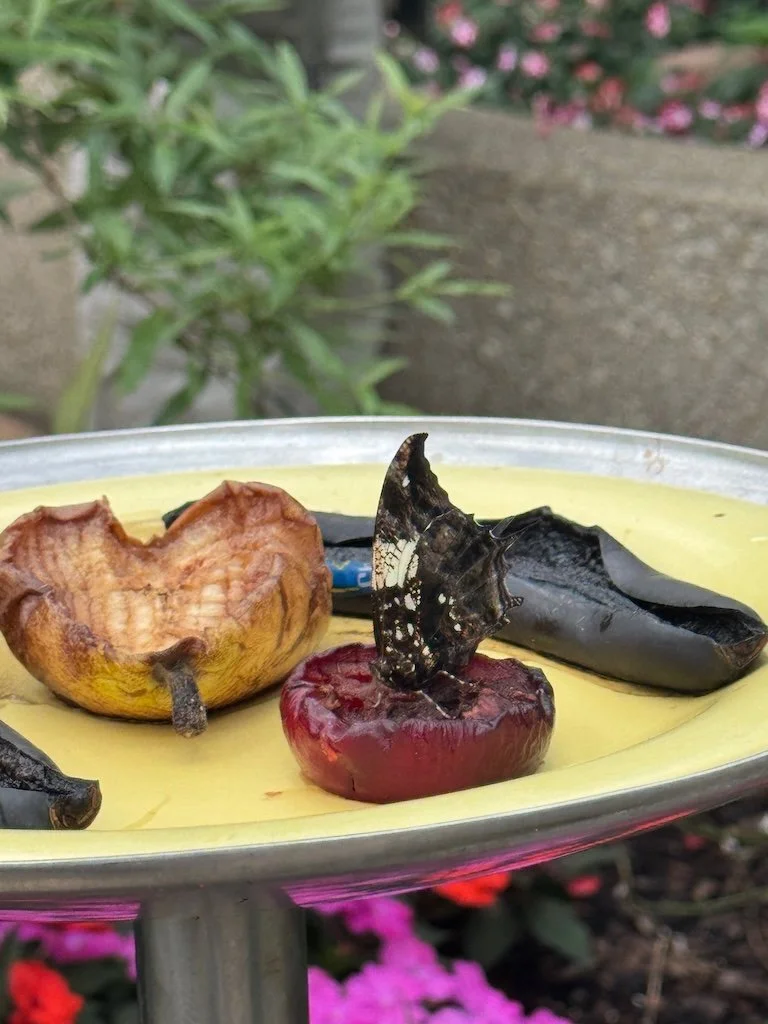
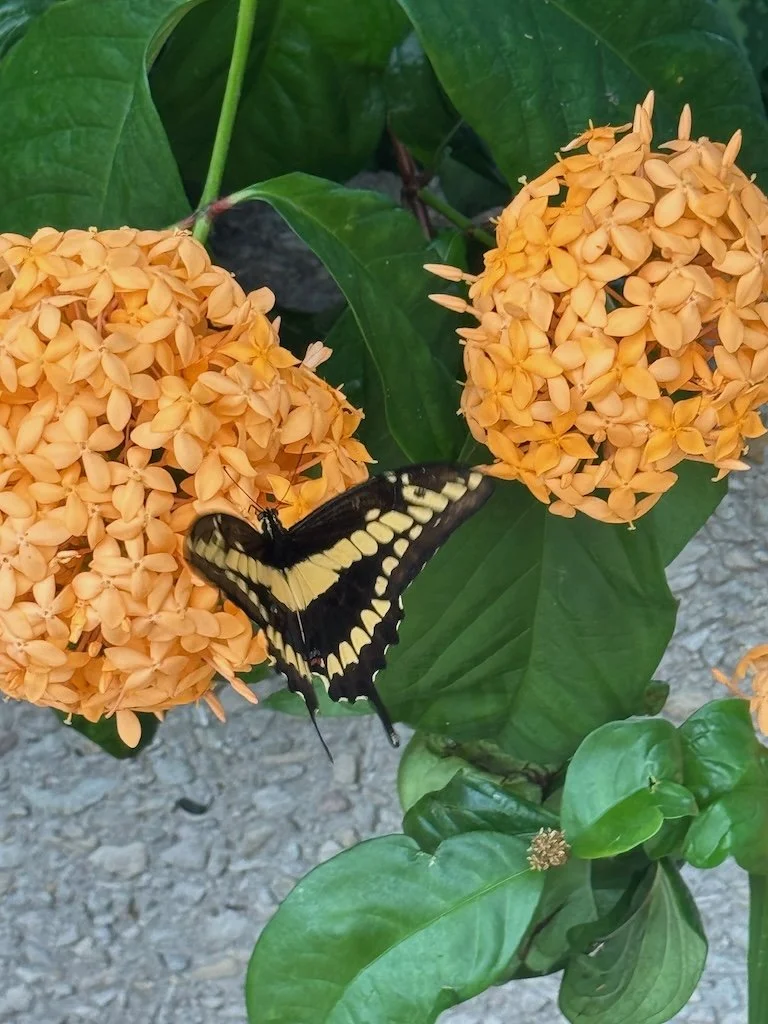
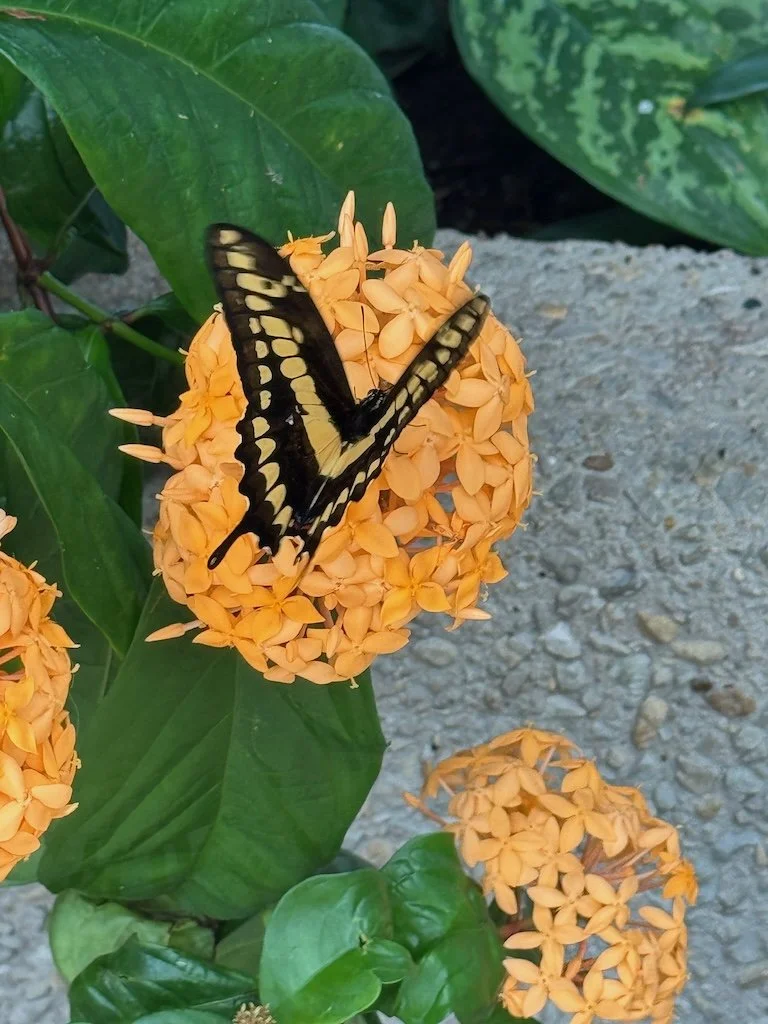
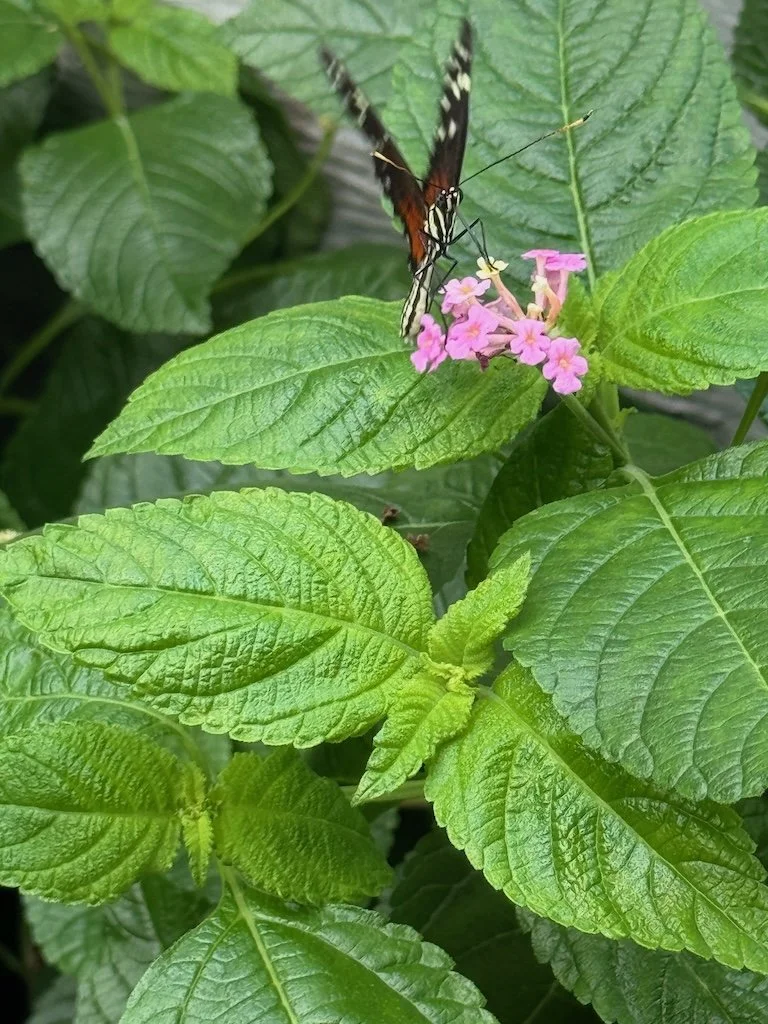
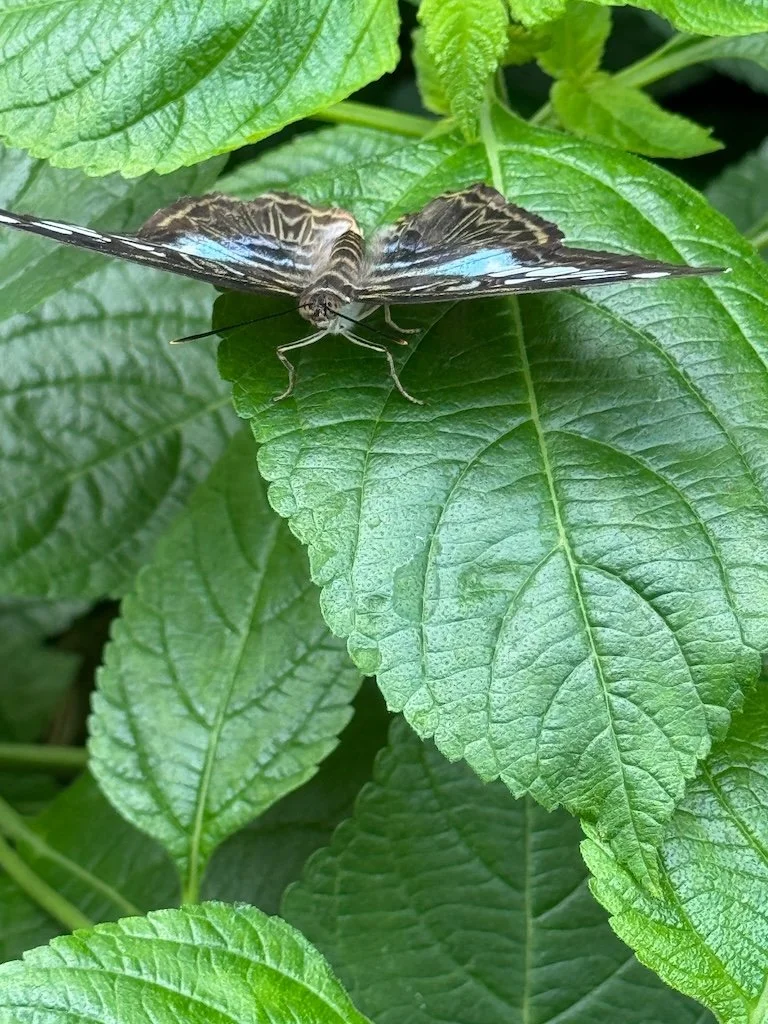
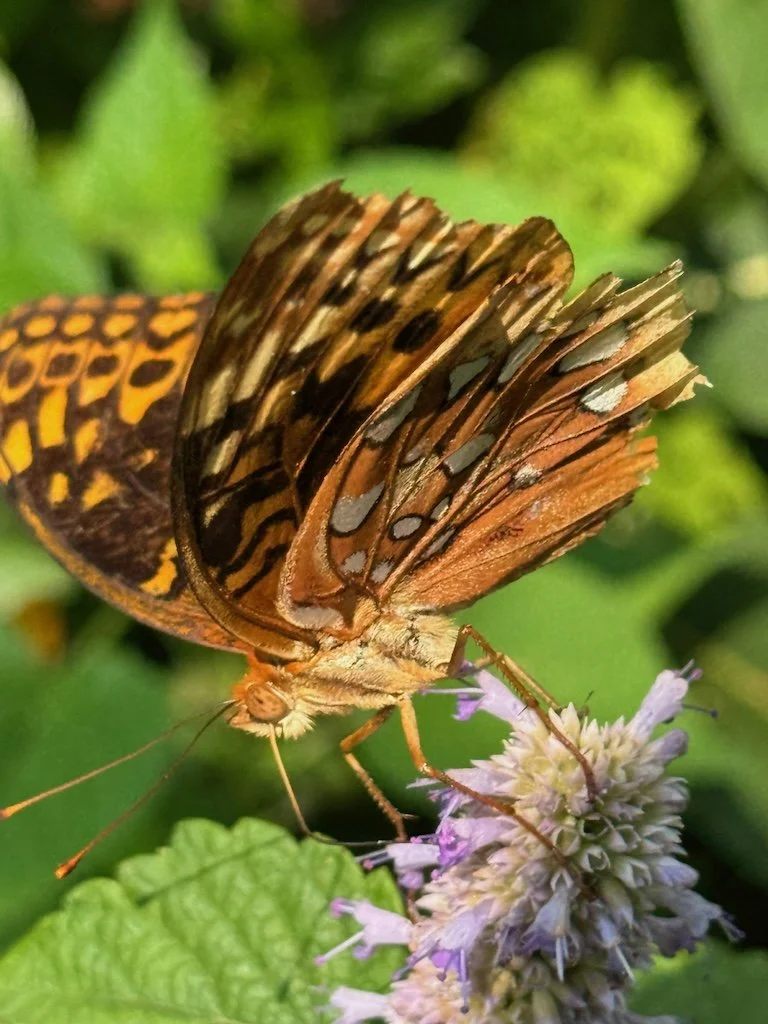
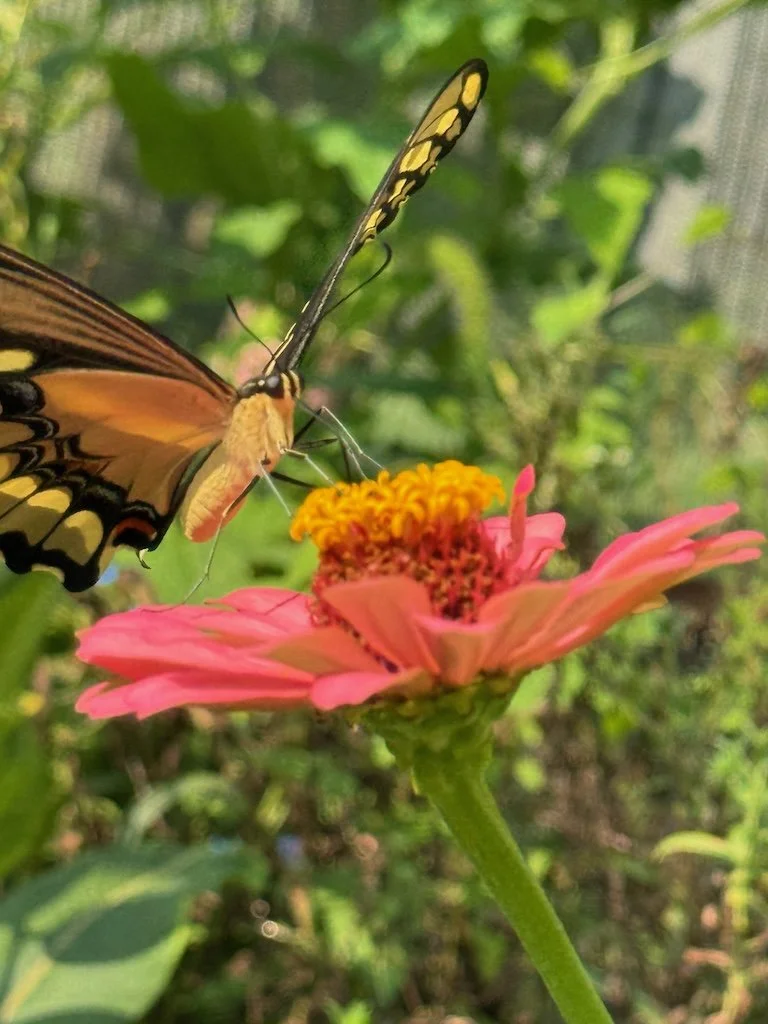
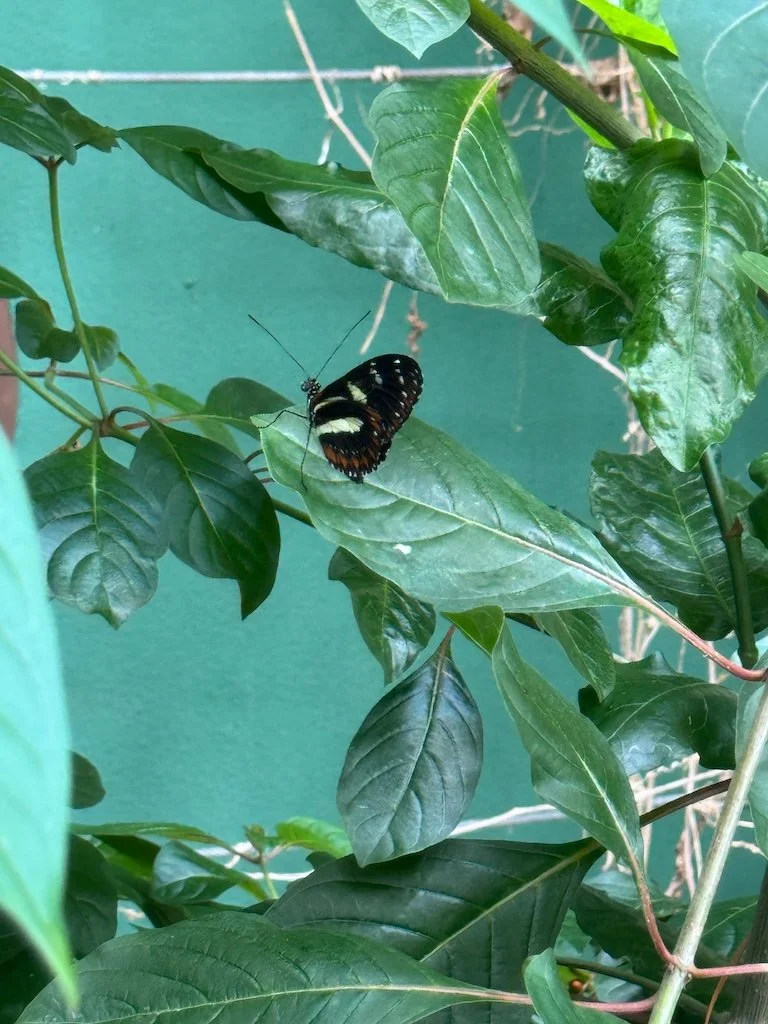
The headquarters and registration for the Urban Birding Festival in Chicago was at the Peggy Notebaert Nature Museum. We were in and out of the building during all three days of the festival. They have a small butterfly house with some exotics…some natives.

I managed to make a short video of a butterfly feeding.

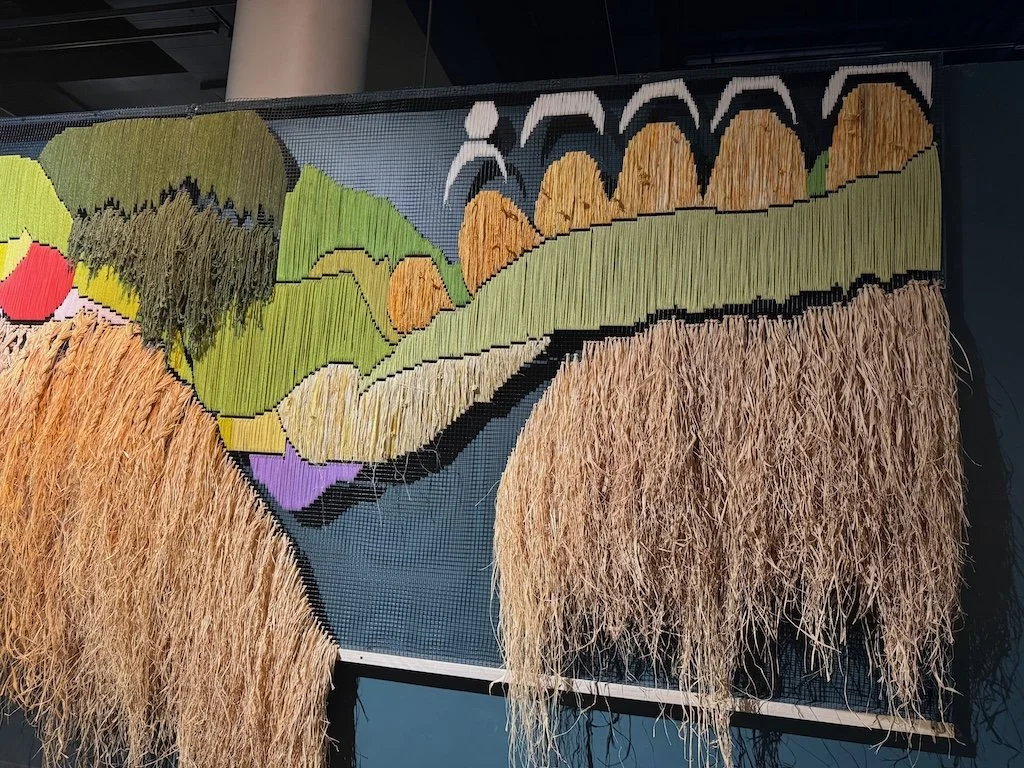
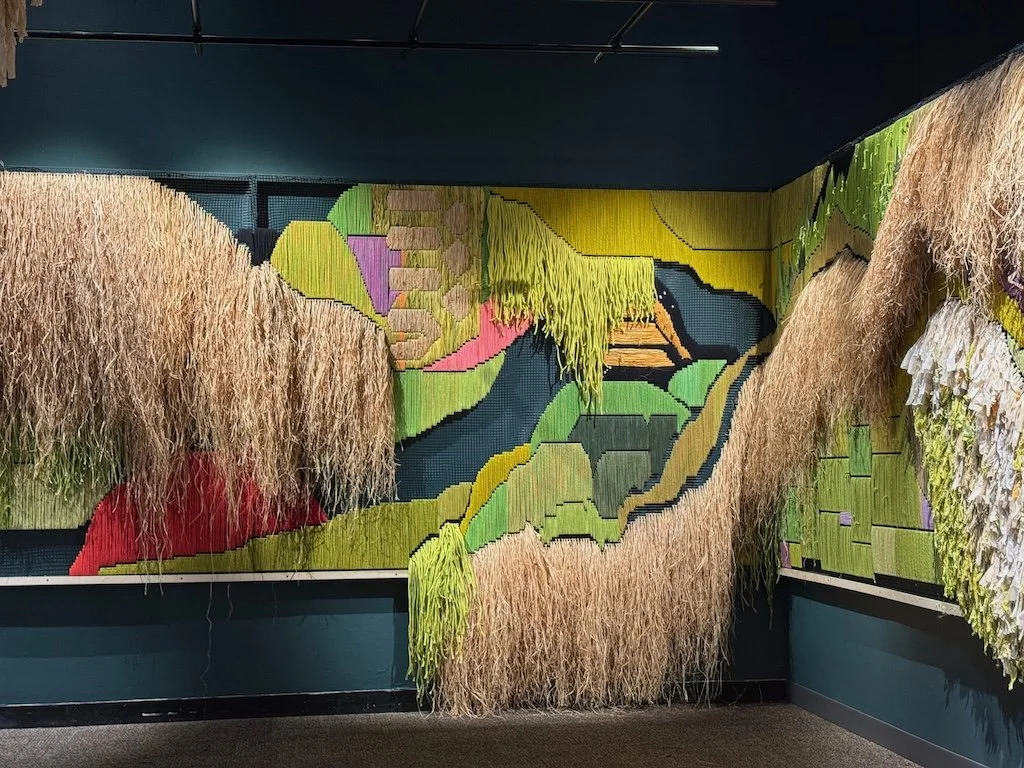
There were lots of activities for young children. It was fun watching them explore. A fiber mural appealed to me too.

We signed up for a walk at Lincoln Park Zoo – birds and botany – skewed toward botany.

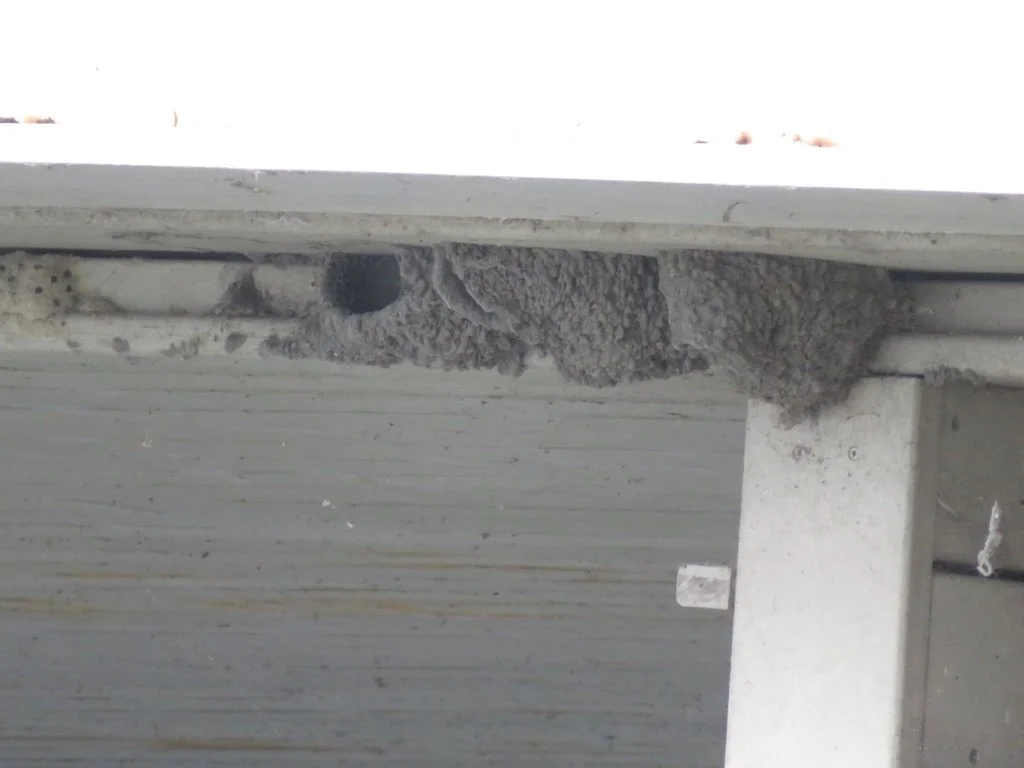
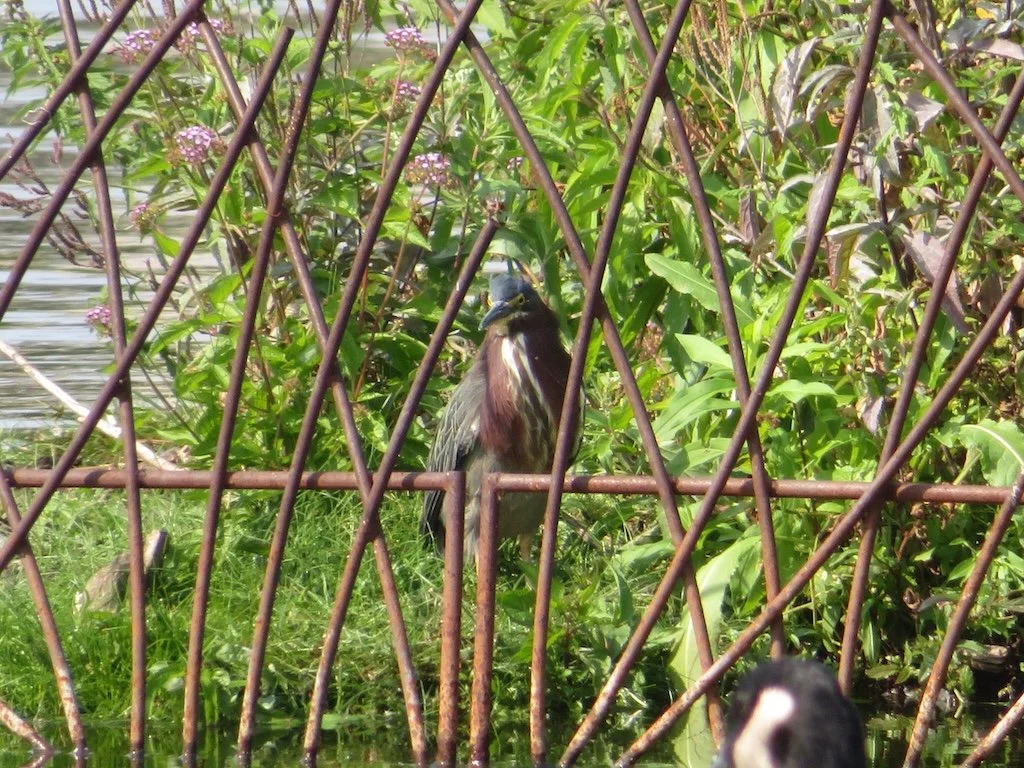
The two birds that I photographed were in a wilder area of the zoo…where wild birds sometimes drop in…sometimes decide to stay. The wood duck was relatively close and preening. The green heron was further way and harder to see through the vegetation. On the underside of a bridge were some barn swallow nests; the birds had already left for the season.

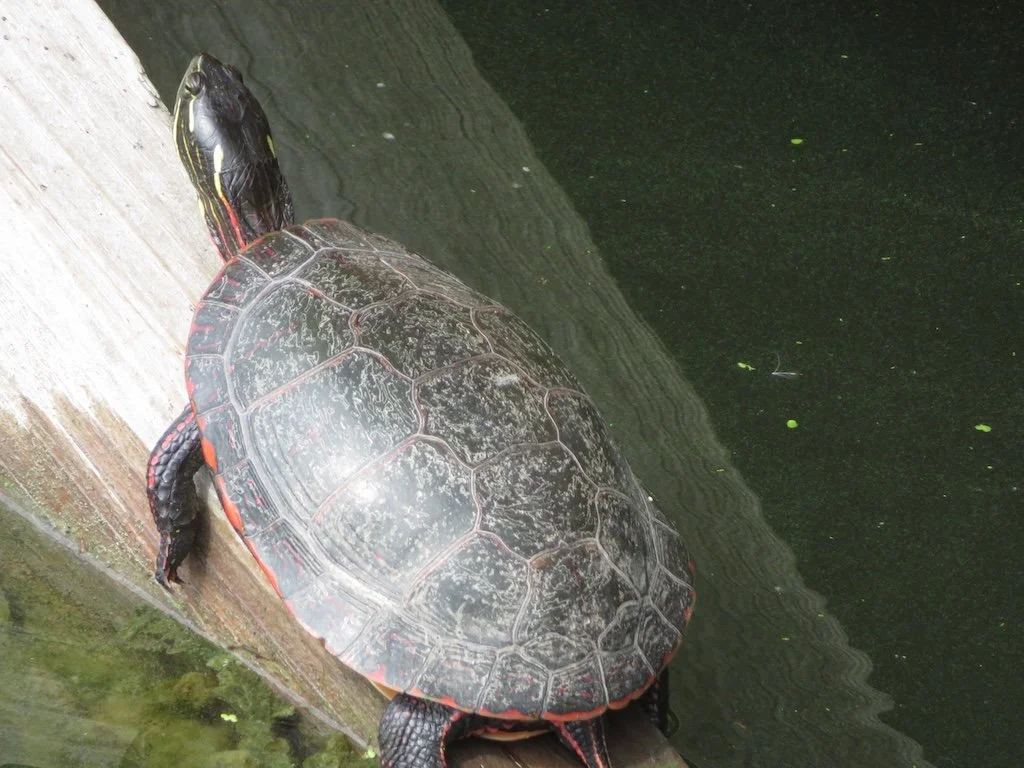
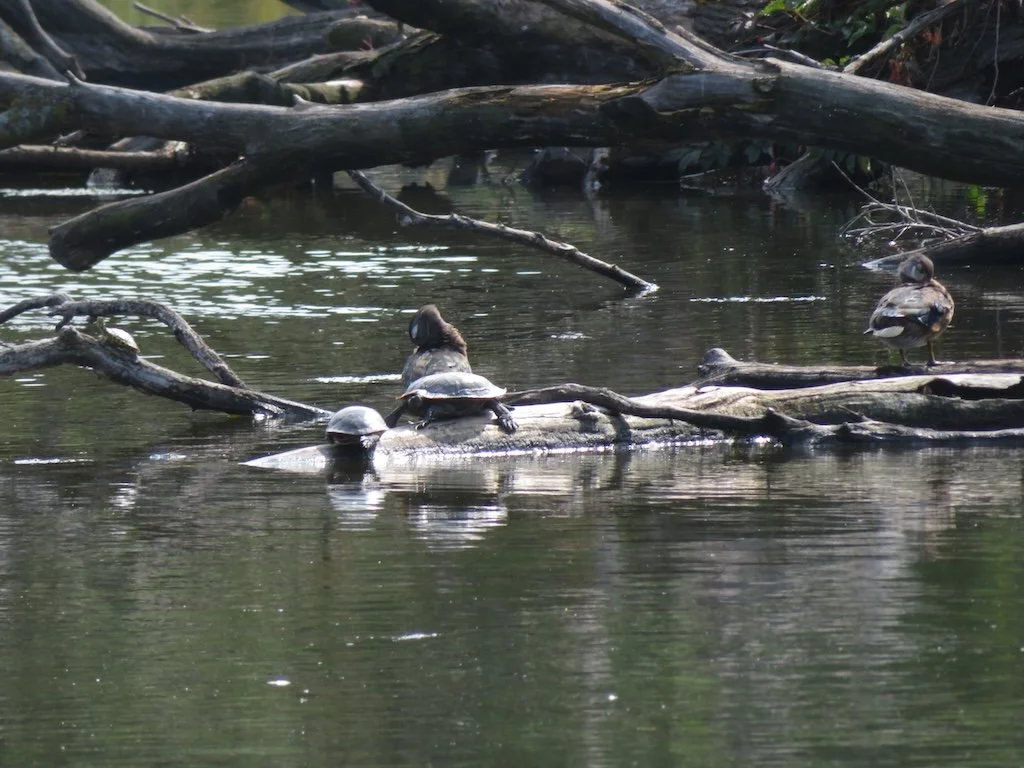
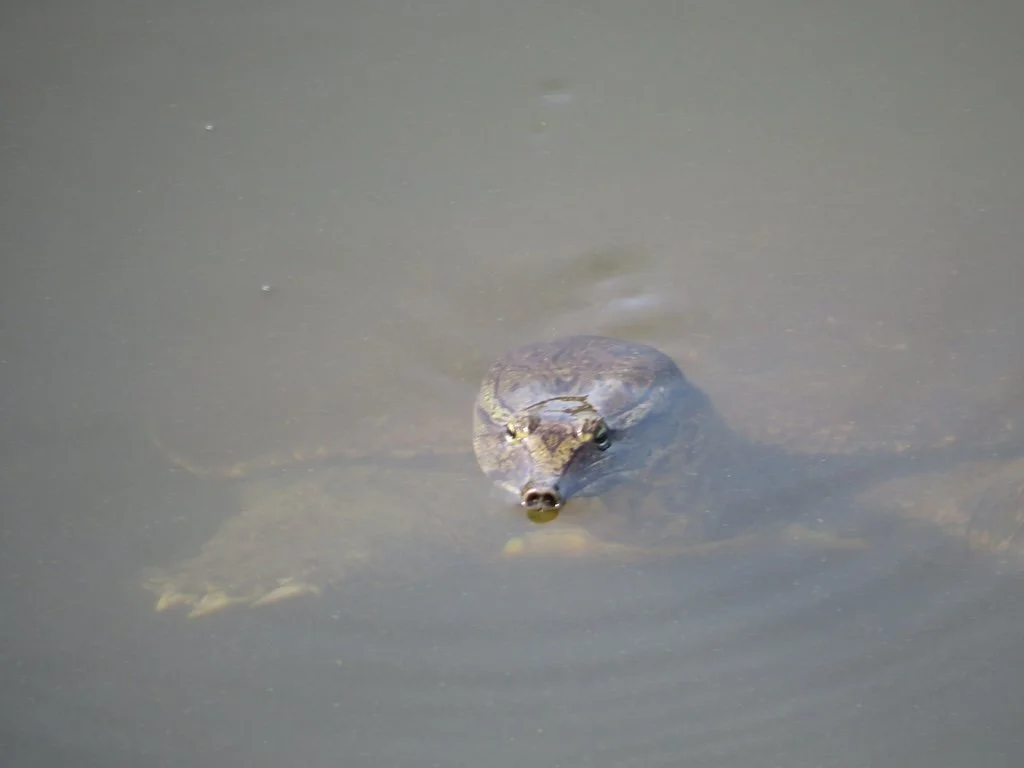
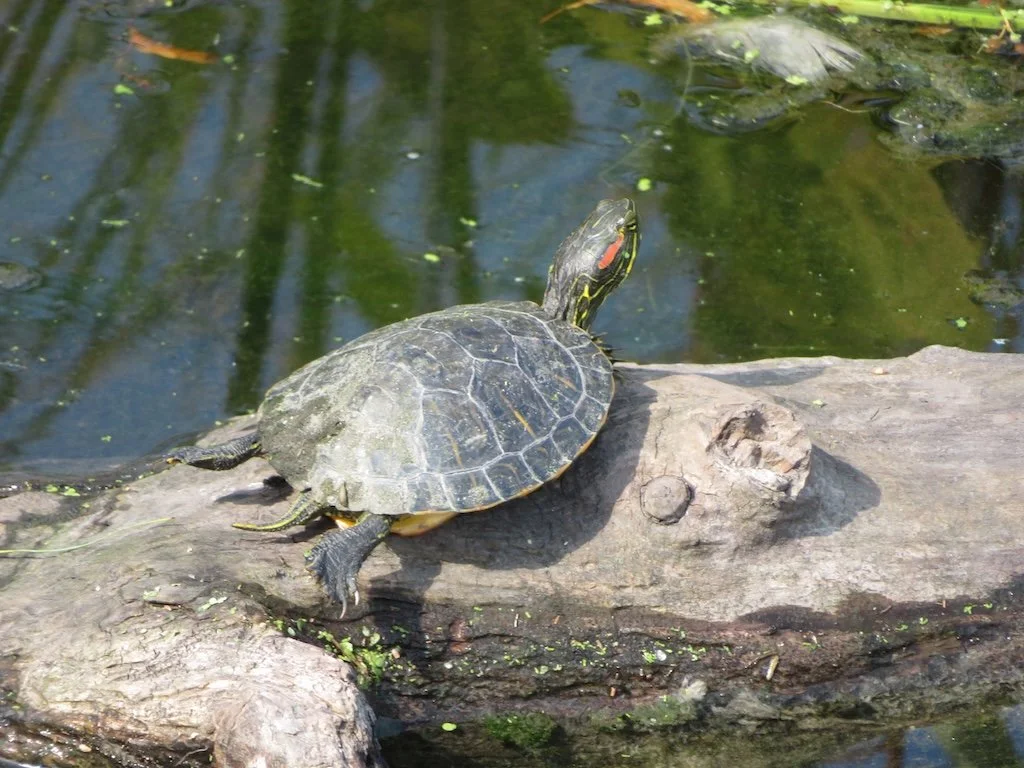
There were turtles out and about – including a soft shelled one.

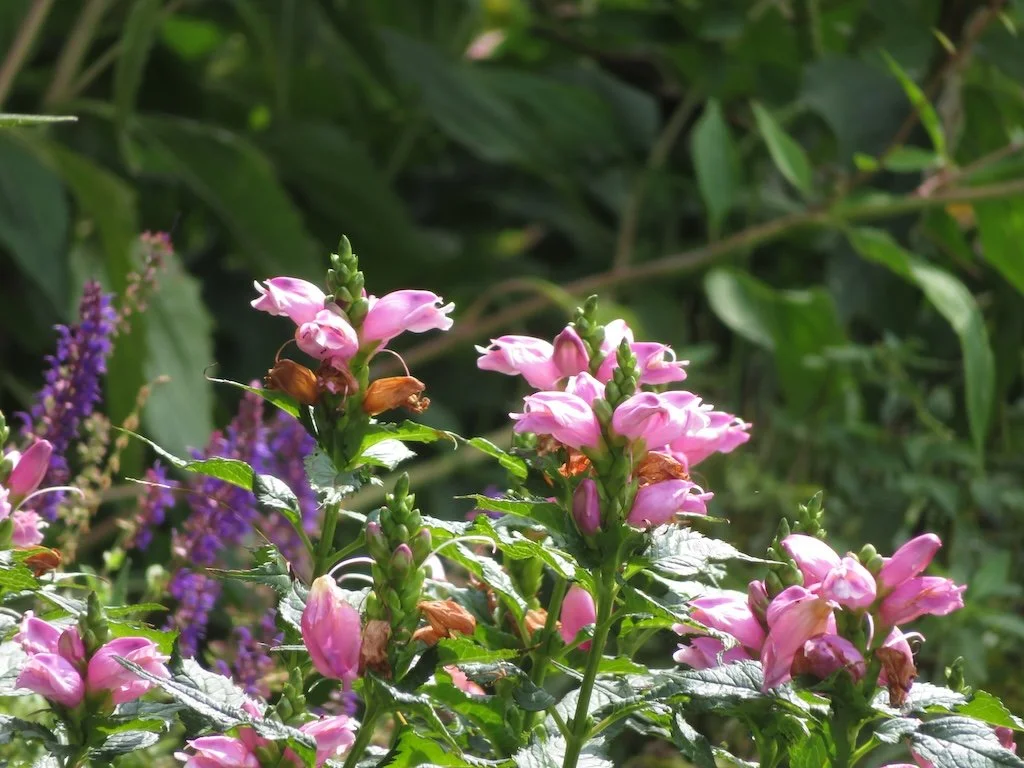
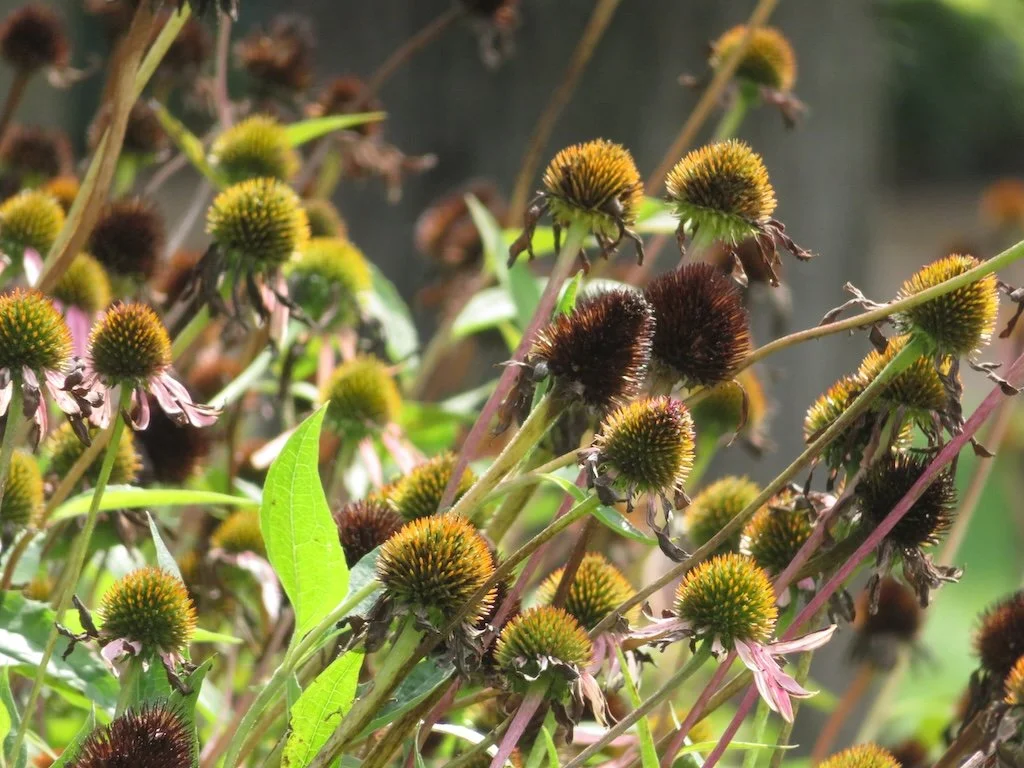
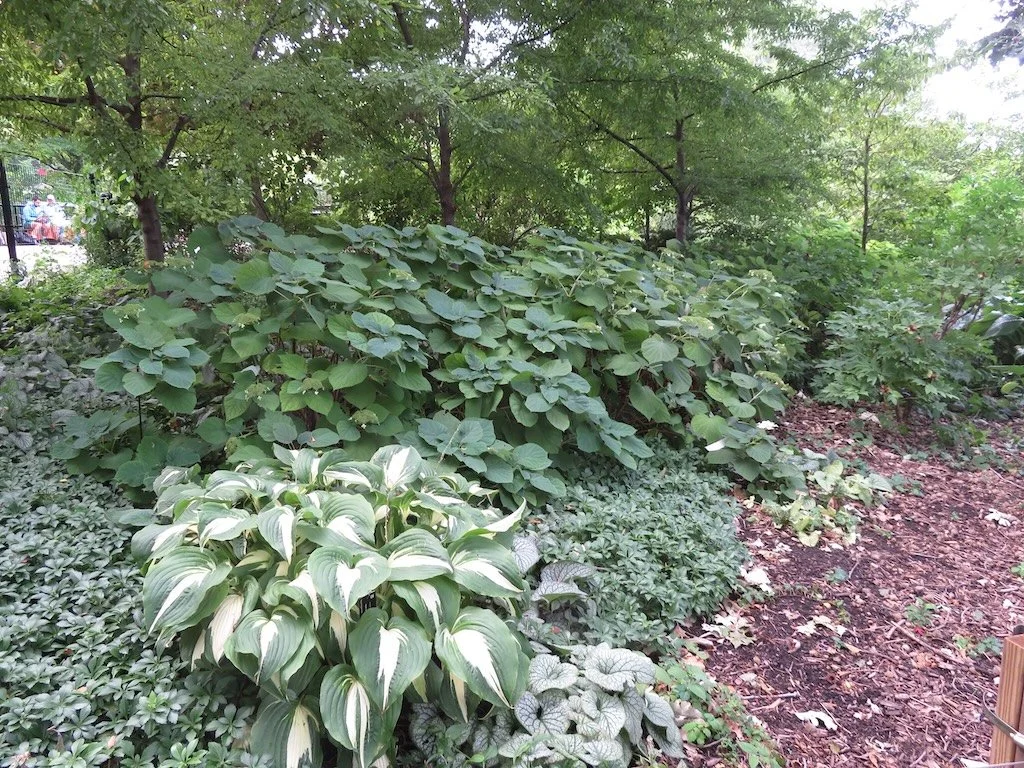
The plantings in the main part of the zoo are a mix of formal landscaping plants (non-natives) with some natives like coneflowers and turtlehead and sunflowers mixed in.

The zoo has a very old elm that is treated to keep it from succumbing to Dutch Elm Disease. They have started planting elms resistant to the disease.

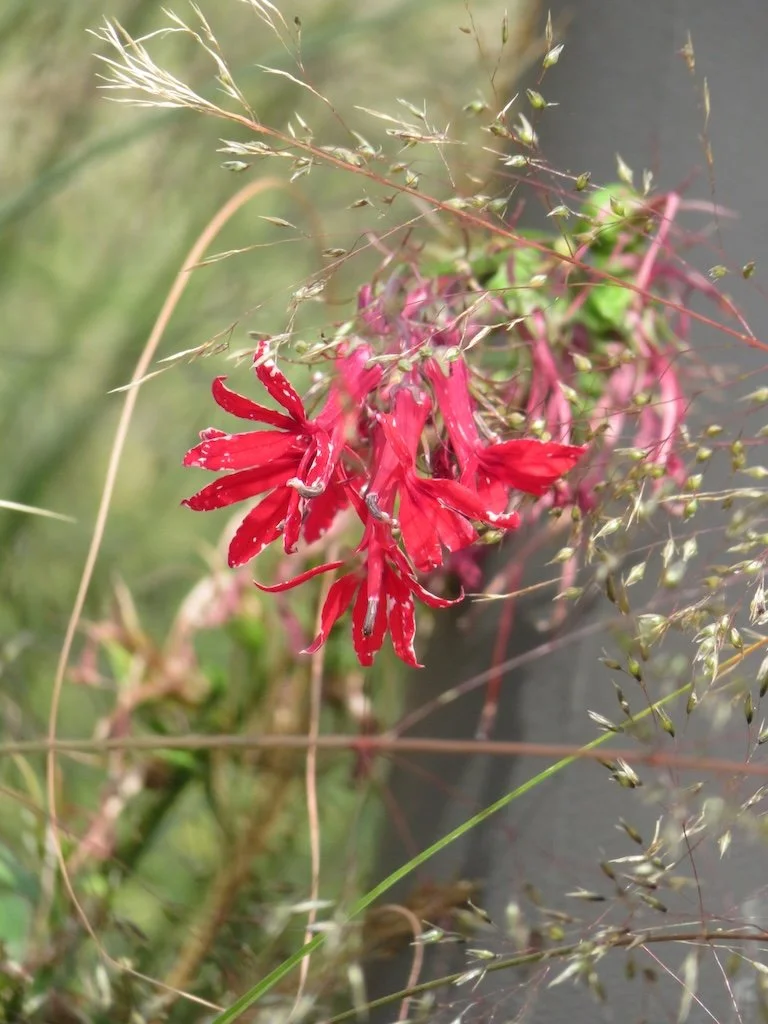
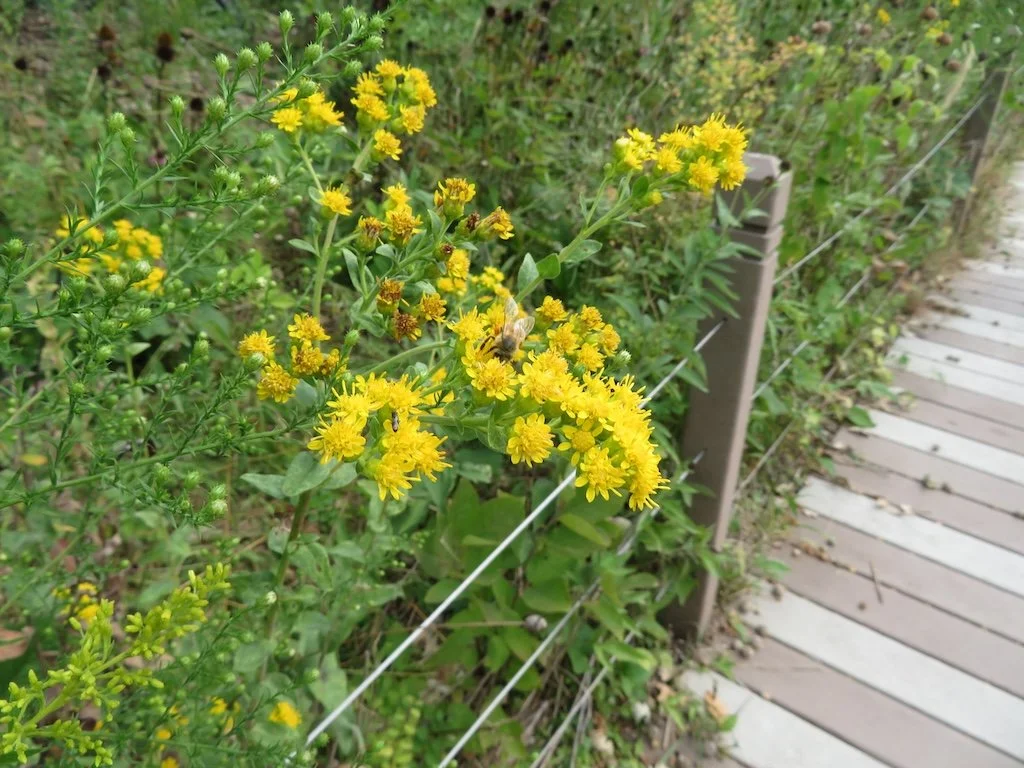
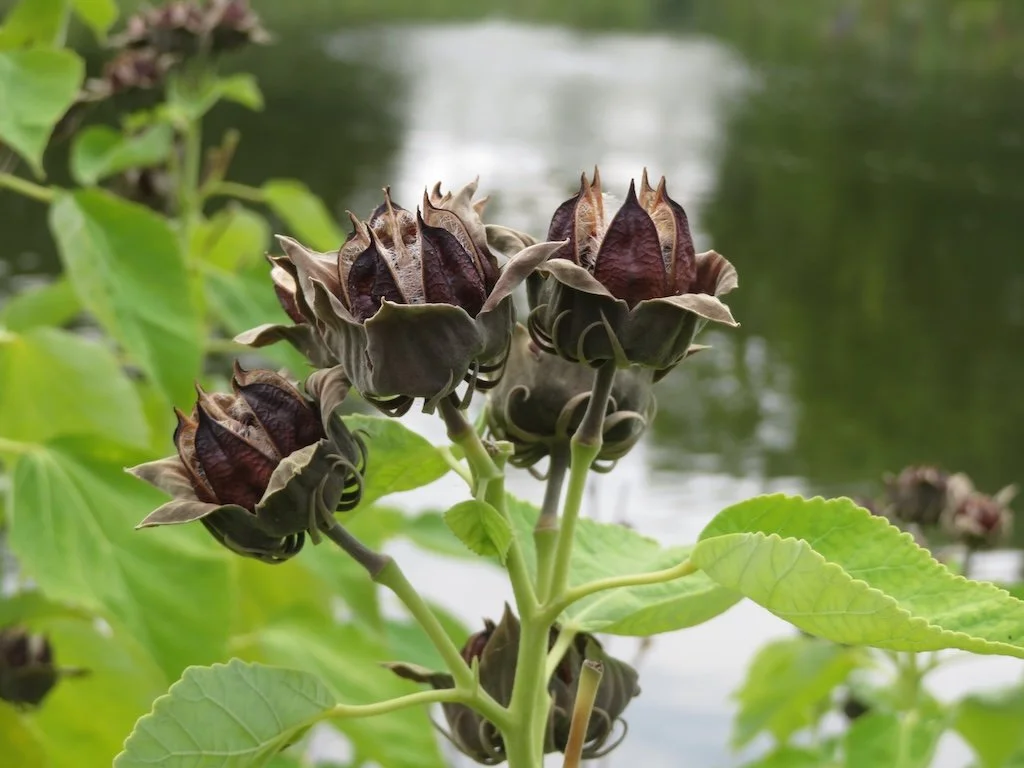
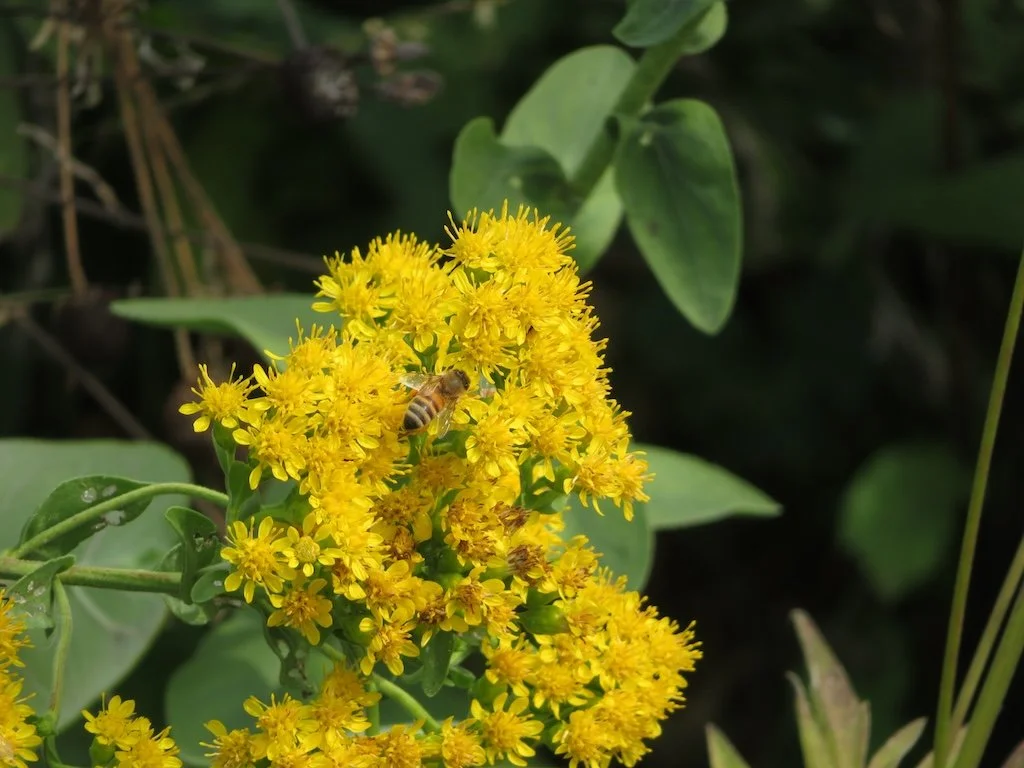
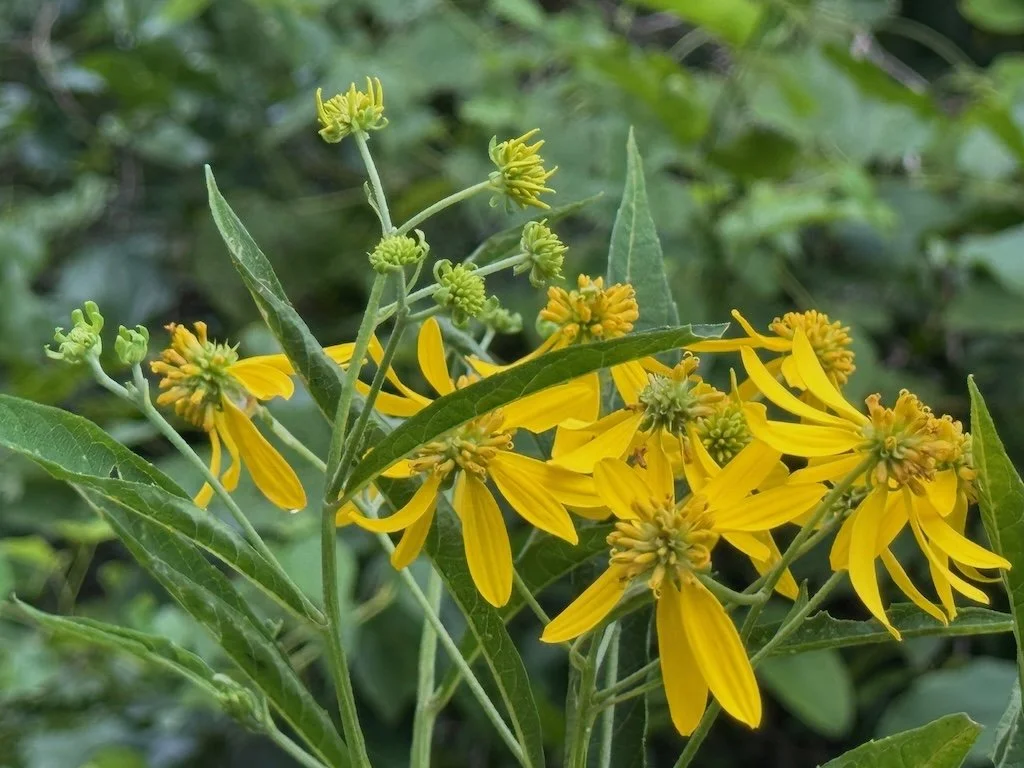
The walk around South Pond is landscaped with all natives….as close as the horticulturalist can to get prairie…with a few woody plants mixed in on the outer edges. I was surprised at how many plants I recognized! There were lots of yellows and seed pods this time of year!

We made the mistake of using Google Maps to show us the shortest route back to our car; it had exits from the zoo that didn’t exist! We circled back to find an exit….had a much longer walk than we would have had without technology!

Science of Terra Nova British Antarctic Expedition

The Terra Nove expedition took place between 1910 and 1913. It was led by Captain Robert Falcon Scott who died after making a last entry in his diary on March 29, 1912; his death along with the men in his party, overshadowed the scientific contributions at first.

The 12 scientists who participated—the largest Antarctic scientific team of its time—made important discoveries in zoology, botany, geology, glaciology, and meteorology. Volumes 4-8 of the Natural History Reports from the expedition were published between 1917 and 1924; they are my free eBooks selections for this week…freely available on Internet Archive.

 Natural History Reports / British Antarctic ("Terra Nova") Expedition, 1910-13 V4

Natural History Reports / British Antarctic ("Terra Nova") Expedition, 1910-13 V5

Natural History Reports / British Antarctic ("Terra Nova") Expedition, 1910-13 V6

Natural History Reports / British Antarctic ("Terra Nova") Expedition, 1910-13 V7

Natural History Reports / British Antarctic ("Terra Nova") Expedition, 1910-13 V8

Gleanings of the Week Ending January 4, 2025

The items below were ‘the cream’ of the articles and websites I found this past week. Click on the light green text to look at the article.

Uplift Underway in Finland’s Kvarken Archipelago - Some 20,000 years ago, during the Last Glacial Maximum, the Baltic Sea sat under a sheet of ice as thick as 10,000 feet. Since the glaciers receded and the weight was lifted, the land has been bouncing back. The rates of uplift, known as glacial isostatic adjustment or isostatic rebound, in this region are among the highest on Earth. By one estimate, land about twice the size of Central Park in New York City rises from the sea each year along the coast of the Gulf of Bothnia, the Baltic Sea’s northern arm.

Silent Threat: America’s Abandoned Oil Wells and the Danger Beneath - Abandoned oil and gas wells across the U.S. pose significant environmental, health, and safety risks, with many leaking hazardous gases and chemicals, highlighting regulatory failures and the immense financial burden of remediation.

Lymphoedema: The 'hidden' cancer side-effect no one talks about - Lymphoedema is a chronic, incurable condition that causes excessive swelling due to a damaged lymphatic system, a network in the body responsible for maintaining fluid balance in tissues. It occurs when lymph fluid is unable to properly drain from the body, due to a dysfunction or injury to the lymphatic system. The condition is a common consequence of certain cancers and the treatments for them. It can also be a genetic condition, which people are born with, or it can be the result of injury, obesity, or infection. There are some clinicians who regard lymphoedema as an overlooked pandemic due to the significant chronic public health problem it poses globally.

Hazelnut DNA Study Challenges Misconceptions About Indigenous Land Use in British Columbia - Starting some 7,000 years ago, Indigenous people actively cultivated hazelnuts across the continent, disproving the settler-colonial notion that Indigenous peoples were simply hunter-gatherers. People were actively transplanting and cultivating hazelnuts hundreds of kilometers from their place of origin. People were moving hazelnut around and selectively managing it to the point that it increased genetic diversity.

Extreme Heat May Cause People to Age Faster - Researchers looked at such aging markers in 3,800 Americans over the age of 55, comparing the data with local weather records. They found that people living in places with more hot days tended to have more genetic markers of age.

An inexpensive fix for California's struggling wildflowers - California's native wildflowers are being smothered by layers of dead, invasive grasses. Simply raking these layers can boost biodiversity and reduce fire danger.

The Ten Most Significant Science Stories of 2024 – From Smithsonian Magazine.

Fluorinated “forever chemicals” and where to find them – Infographic and text. Studies have linked PFOA to some health conditions including cancers and hormone disruption. There’s also still plenty we don’t know about their potential effects. PFOAs are human-made compounds which do not occur naturally, so we’re only seeing the effects of their accumulation in the past decades.

Brighten Your Day with These 15 Photos of Beautiful Balloons from Around the World – Mexico, India, Myanmar, Bangladesh, Turkey, Spain, and the US (Nevada, New Mexico, New Jersey, and Wyoming).

How an Extreme Combination of Fog and Air Pollution Brought London to a Standstill and Resulted in Thousands of Fatalities - On December 5, 1952 (a little more than a year before I was born) as cold weather in London prompted residents to burn more cheap coal, a high-pressure wind system known as an anticyclone settled over the city, trapping cold air beneath warm air. Pollution from coal fires, diesel buses and factories could not travel up in the atmosphere, instead hovering in a deadly, stagnant smog. When the Great Smog of 1952 finally lifted on December 9, 4,000 people were dead from the effects of the extreme pollution. Retrospective assessments estimate that the number of fatalities could be almost triple that. While the government’s response was sluggish at first, the Clean Air Act of 1956, passed in response to the Great Smog, heavily regulated the burning of coal and established smoke-free urban areas throughout England. In the years that followed, a host of other industrial nations were inspired to follow suit.

eBontanical Prints – April 2024

Twenty more books were added to the botanical print collection in April - available for browsing on Internet Archive. The whole list of 2,862 botanical eBooks can be accessed here. Click on any sample images to get an enlarged version…and the title hyperlink to view the entire volume on Internet Archive. Enjoy the April 2024 eBotanical Prints!

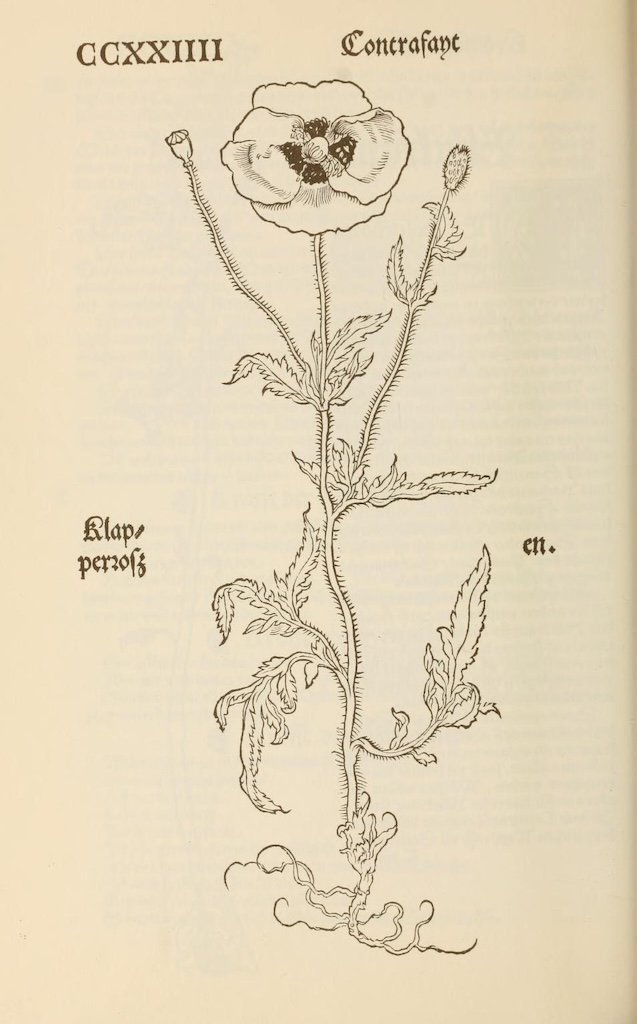
There are two books from the 1500s written by Otto Brunfels – one of the ‘fathers of botany.’ He relied more on his own observations than ancient authors and the woodcuts in his books (done by Hans Weiditz) were also done from life.

Contrafayt Kreèuterbuch * Brunfels, Otto * sample image * 1532

Herbarum vivae eicones * Brunfels, Otto * sample image * 1532

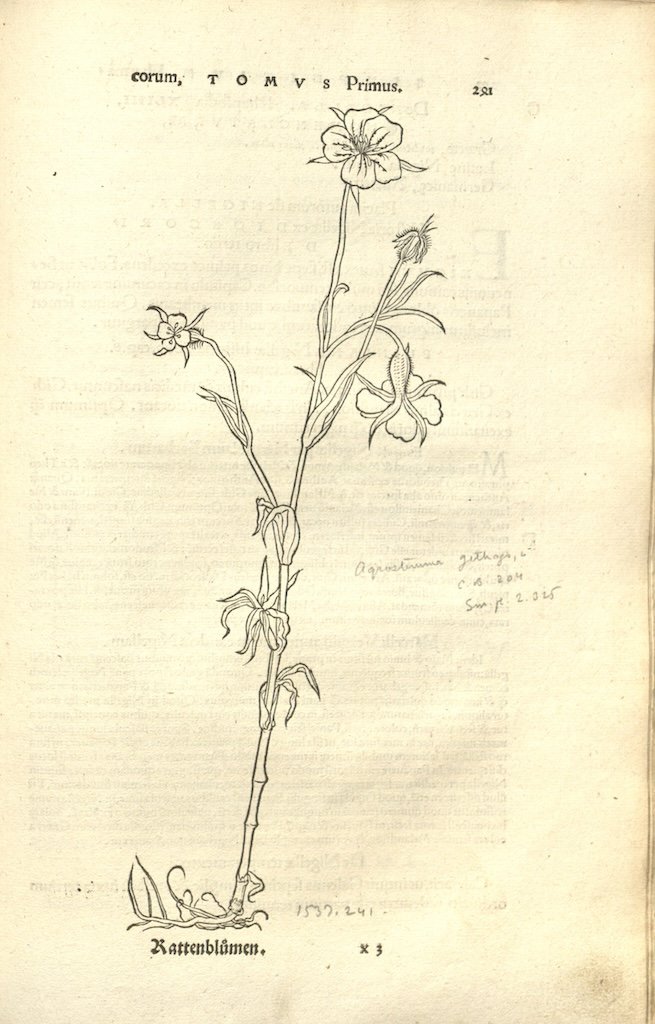
Rembert Dodoens’s Historia frumentorum, leguminum, palustrium et aquatilium herbarum acceorum, quae eo pertinent is also from the 1500s…and he is another ‘father of botany.’

Historia frumentorum, leguminum, palustrium et aquatilium herbarum acceorum, quae eo pertinent * Dodoens, Rembert * sample image * 1566

This month continues the Hortus Malabaricus volumes published in the 1600s that document the varieties and medicinal properties of the flora of the Malabar coast. Note the different scripts/languages that label the plants; they are Latin, Malayalam, Konkani, Arabic, and English.

Hortus Indicus Malabaricus V2 * Reede tot Drakestein, Hendrik van * sample image * 1679

Hortus Indicus Malabaricus V3 * Reede tot Drakestein, Hendrik van * sample image * 1683

Hortus Indicus Malabaricus V4 * Reede tot Drakestein, Hendrik van * sample image * 1683

Hortus Indicus Malabaricus V5 * Reede tot Drakestein, Hendrik van * sample image * 1685

Hortus Indicus Malabaricus V6 * Reede tot Drakestein, Hendrik van * sample image * 1686

Hortus Indicus Malabaricus V7 * Reede tot Drakestein, Hendrik van * sample image * 1688

Hortus Indicus Malabaricus V8 * Reede tot Drakestein, Hendrik van * sample image * 1688

Hortus Indicus Malabaricus V9 * Reede tot Drakestein, Hendrik van * sample image * 1689

Hortus Indicus Malabaricus V10 * Reede tot Drakestein, Hendrik van * sample image * 1690

Hortus Indicus Malabaricus V11 * Reede tot Drakestein, Hendrik van * sample image * 1692

Hortus Indicus Malabaricus V12 * Reede tot Drakestein, Hendrik van * sample image * 1703

2 books were from the 1700s that documented plants from Peru and India respectively.

Hortus Peruvanius medicinalis * Petiver, James * sample image * 1715

Icones plantarum incognitarum quas in India Occidentali * Swartz, Olof * sample image * 1794

I found 4 more volumes of Gartenflora that I hadn’t seen before – from 1878 to 1915.

Gartenflora - 1909 (BD 58) * Regel, Eduard (editor) * sample image * 1909

Gartenflora - 1915 (BD 64) * Regel, Eduard (editor) * sample image * 1915

Gartenflora - 1912 (BD 61) * Regel, Eduard (editor) * sample image * 1912

Gartenflora - 1878 (BD 27) * Regel, Eduard (editor) * sample image * 1878

Gleanings of the Week Ending August 19, 2023

The items below were ‘the cream’ of the articles and websites I found this past week. Click on the light green text to look at the article.

Risk of fatal heart attack may double in heat wave and high fine particulate pollution days – A study from China that included 202,000 heart attach deaths.

July Was Likely Earth’s Hottest Month on Record – The last sentence of the article: ‘Well, this is probably one of the coolest summers you’ll ever see in your life.’ ... It is quite scary to put it this way.

Climate Change Temperatures Killing Death Valley's Bristlecones – 70% mortality rate over the past decade.

The Australian town where people live underground – Coober Pedy…where most of the people live underground in abandoned opal mines or intentionally excavated spaces!

Looking Down on the Andes – Pacific Ocean, Atacama Desert, Andes…Chile, Argentina, and Bolivia. Image taken from the International Space Station.

Supermarkets to the Rescue — Coles Joins Virtual Power Plant – A grocery chain in Australia. Maybe some supermarkets (and other big box stores) in the US will do similar things.

In a Chilean Forest Reserve, the Remarkable Darwin’s Frog Endures – The endangered frog is a smallish leaf mimic with a pointy nose. Males whistle to attract mates. After females lay their eggs on the ground, males swallow them, holding them in their vocal sac as the young metamorphose. Six to eight weeks after hatching, small adults make their exit through the males’ mouths!

Moths With 11-Inch Tongues? - More than 150,000 recognized moth species, though likely another 150,000 or so, give or take, remain undescribed. Many of these species feed birds and bats like some form of “aerial plankton.” Out of the hundreds of caterpillars one moth might produce, few survive to metamorphose into moths. But those that do provide a critical service both as food for nighttime predators and as pollinators, often evolving to be the only ones that can get the job done. Every species of yucca in North America, including the famous Joshua Tree, requires pollination exclusively from yucca moths.

Spooky, stealthy night hunters: revealing the wonderful otherworld of owls - Owls occur across all continents other than Antarctica, spanning an environmental gradient from the freezing Arctic (home of the stunningly beautiful snowy owl, of Harry Potter fame) to the hottest deserts (home of elf owls).

What to know about beech leaf disease, the 'heartbreaking' threat to forests along the East Coast – I remember this entering into Master Naturalist conversations in Maryland before the COVID-19 pandemic…but the cause was a total mystery at that point. It was interesting to get an update. There is still no known way to control or manage disease, but progress has been made; large numbers of foliar nematodes cause the disease (the interfere with chlorophyll production and the trees starve). It hasn’t been that long ago that the Emerald Ash Borer killed almost all the ash trees…before that wooly adelgid killed the Eastern Hemlocks….and earlier, in the mid-1900s, the American Chestnut succumbed to blight. The eastern US forests are very different than they were 100 years ago and the pace of diseases seem to be increasing.

Mesozoic Plants

The 3 volume Catalogue of the Mesozoic plants in the Department of Geology, British Museum was published between 1894 and 1900…authored by Albert Charles Seward early in his career and earned him membership in the Royal Society at the youthful age of 35. The specimens are from the Wealden beds; the most important finds came from near Hastings. The beds accumulated in a freshwater estuary or lake and include representatives of many plants. The volumes are available on Internet Archive: Vol 1, Vol 2, Vol 3. Seward devoted years to create the catalog: sifting through the fossils…organizing the material…creating images. It was a worthy endeavor and set the trajectory for the rest of his life.

As I browsed these books, I made a game of looking for plants I recognized in the fossils…ferns, conifers, ginkgo-like leaves.