Bentsen- Rio Grande Valley State Park

It was a very hot afternoon (after our visit to Santa Ana) when we arrived at Bentsen- Rio Grande Valley State Park – about 90 degrees. On the plus side – we saw turkeys before we got to the visitor center!
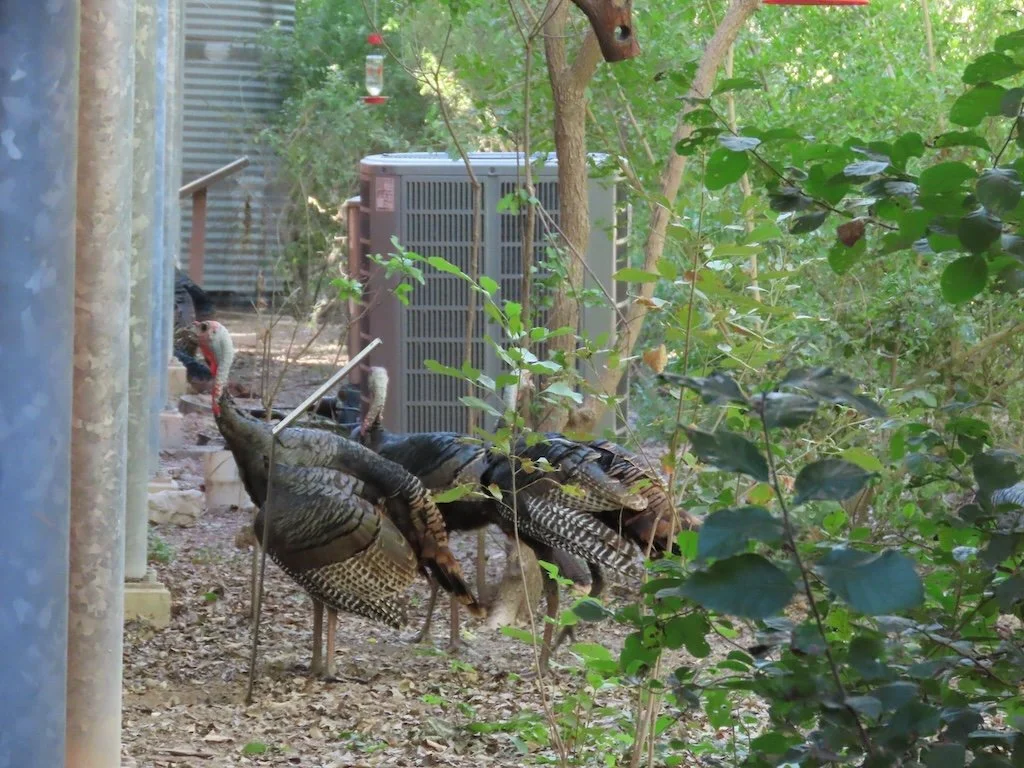
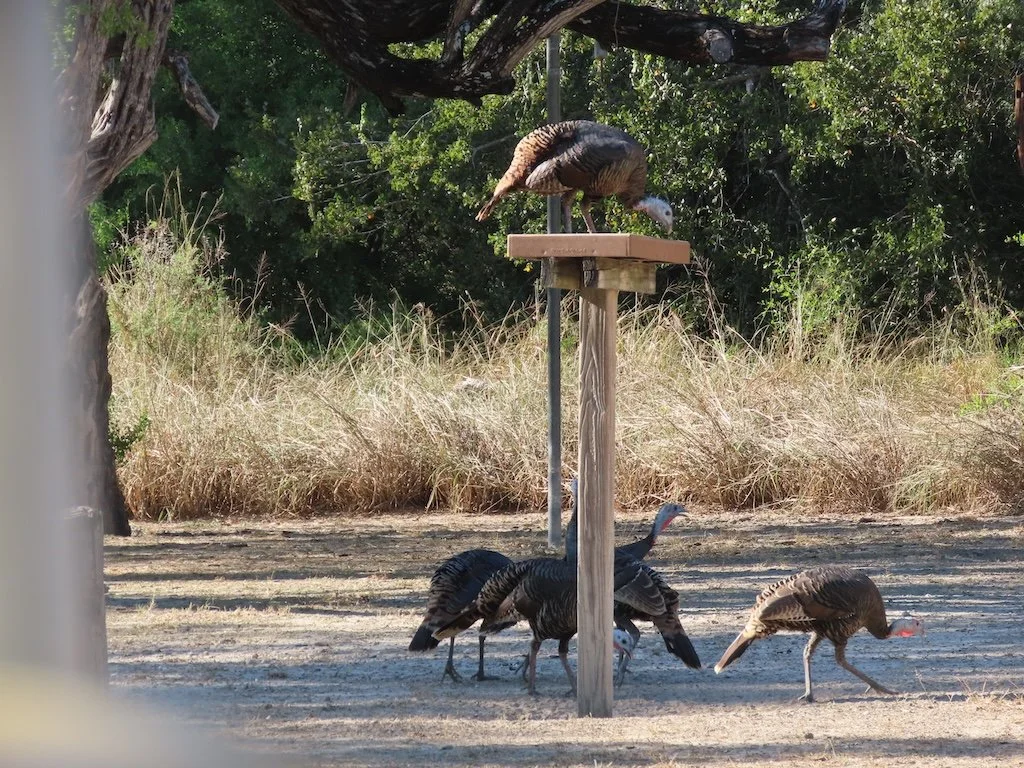
We opted to take the tram to get an overall view of the park and then get off at the bird feeding station closest to the visitor center. The tram stopped long enough for me to photograph a feeding station dominated by turkeys.

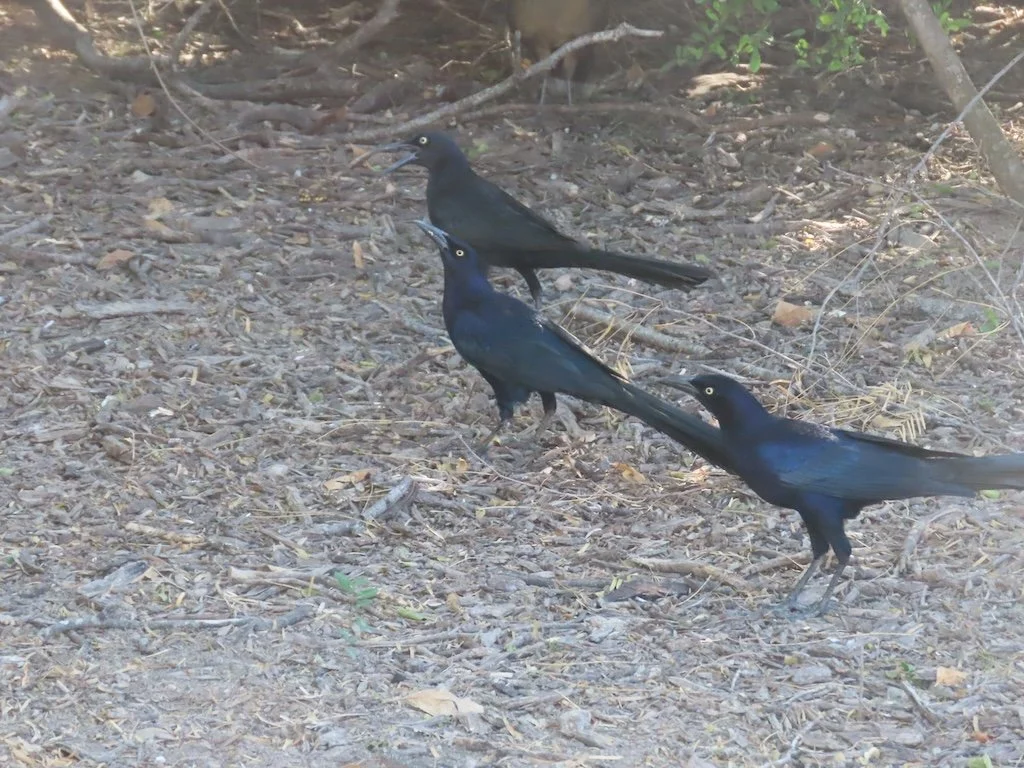
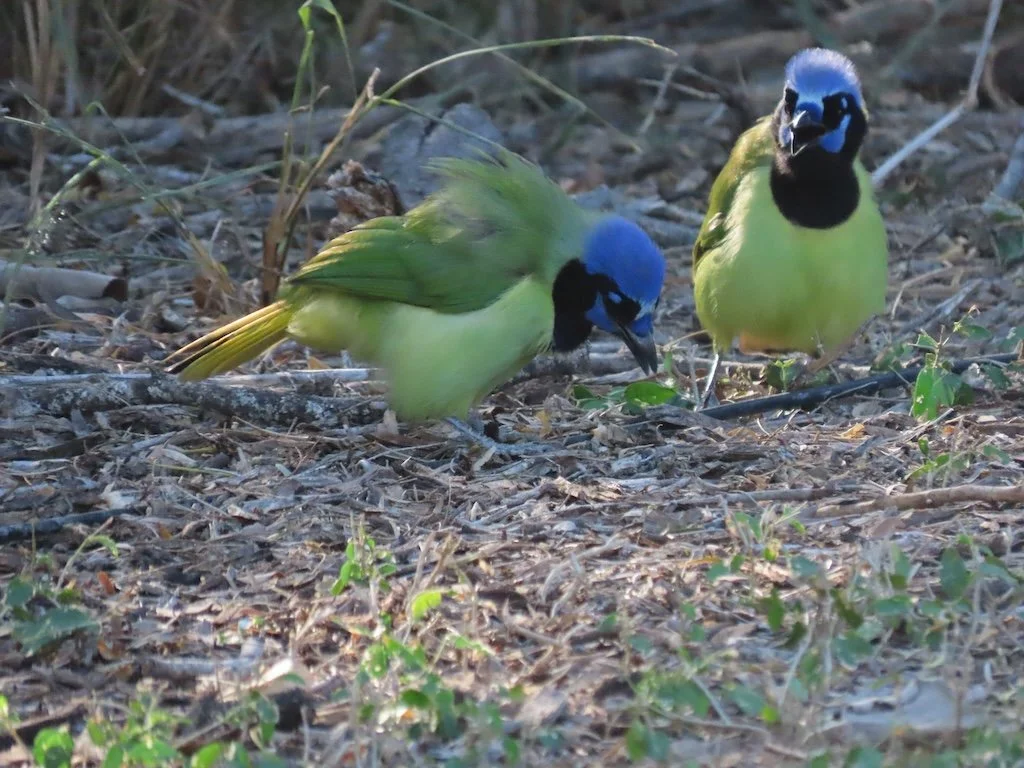
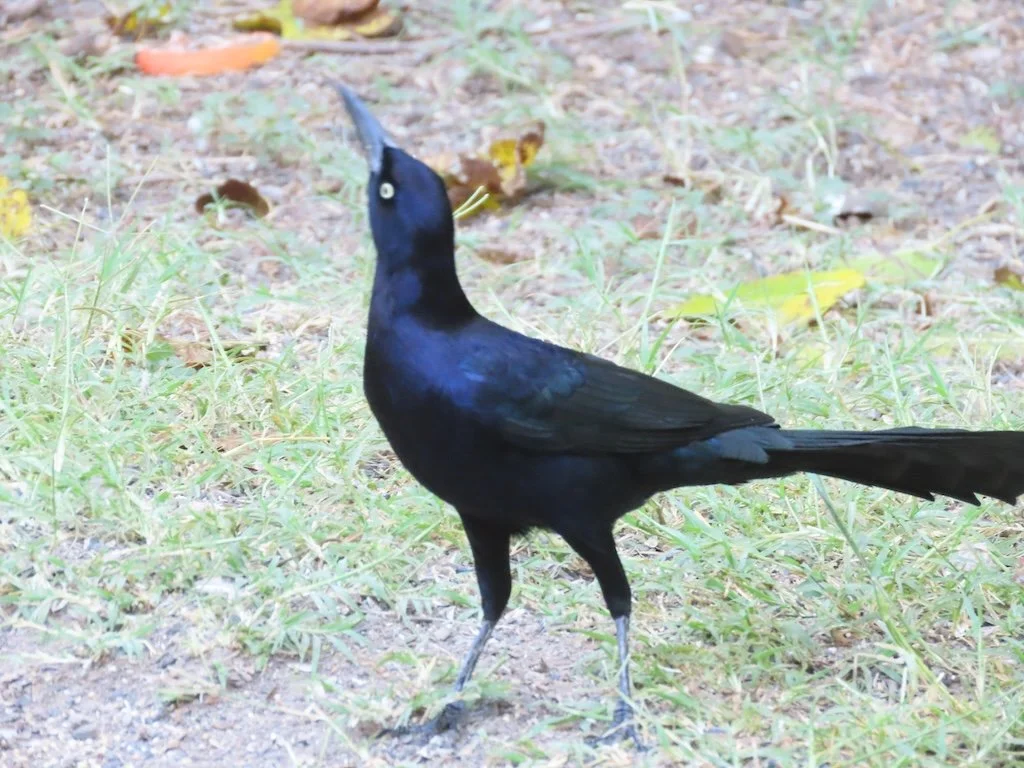
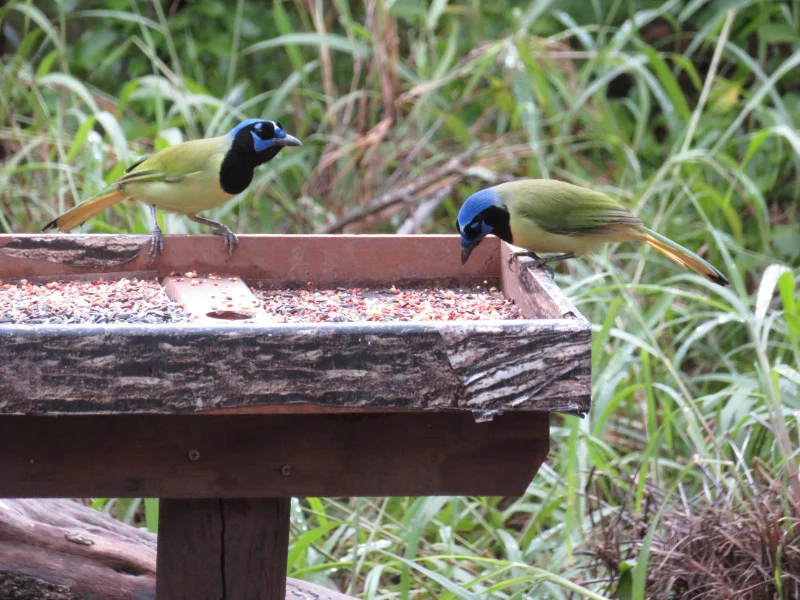
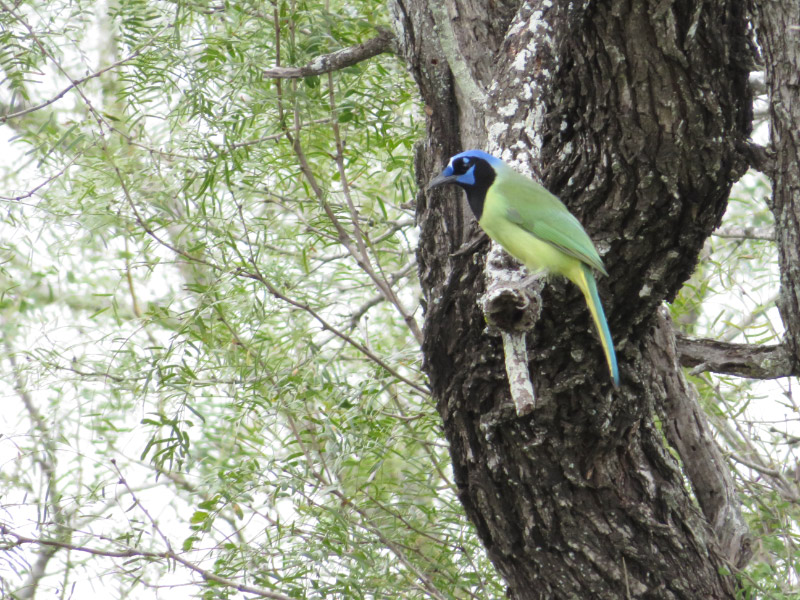
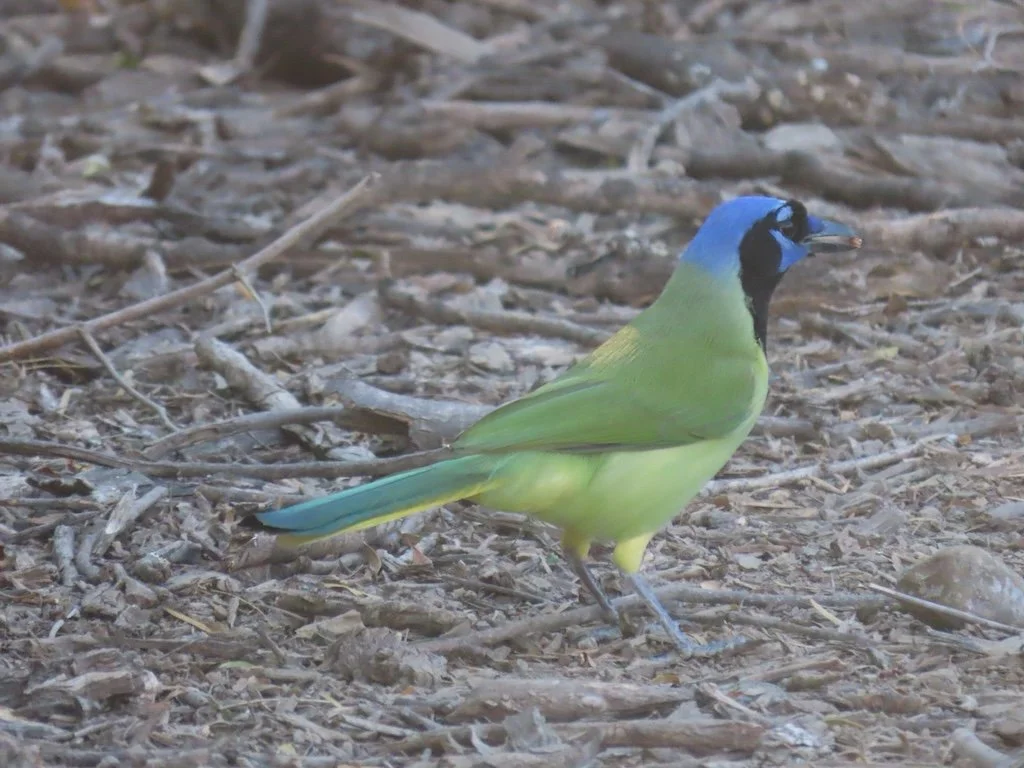
When we got off the tram, the green jays and great-tailed grackles were at the feeder.
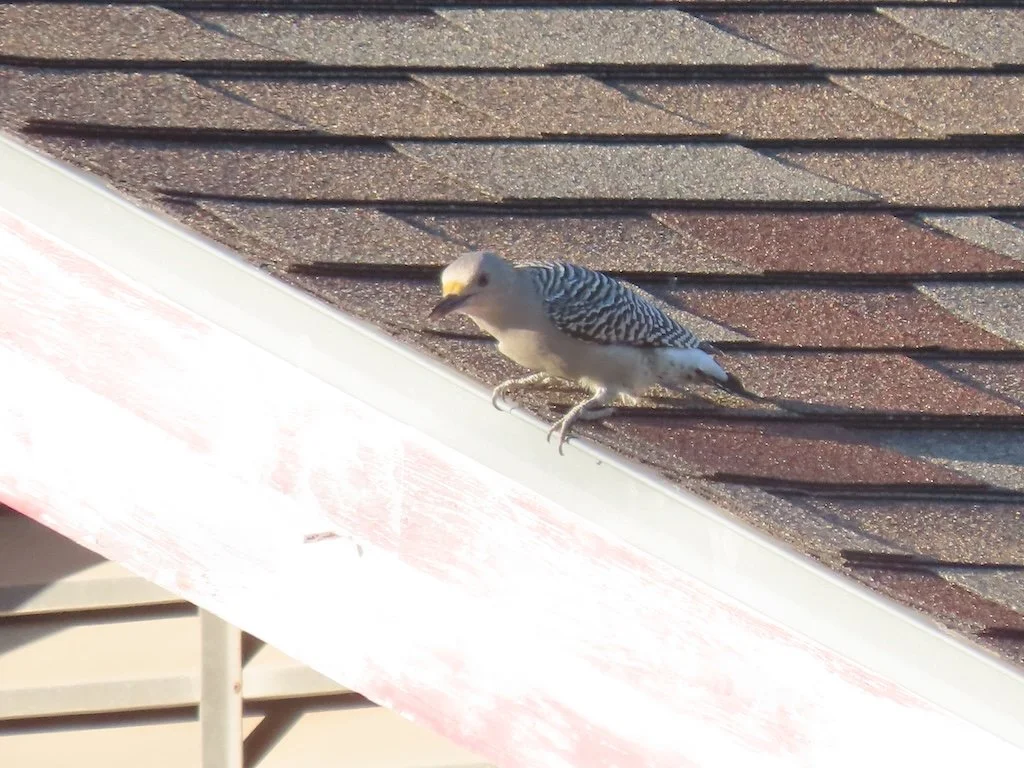
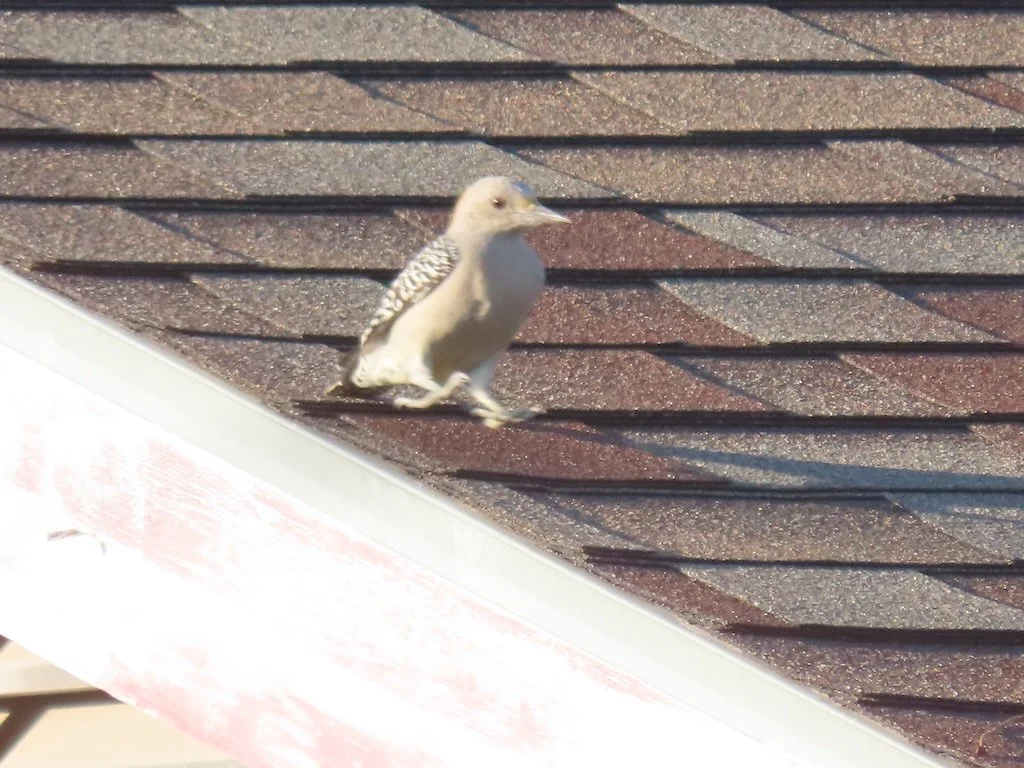
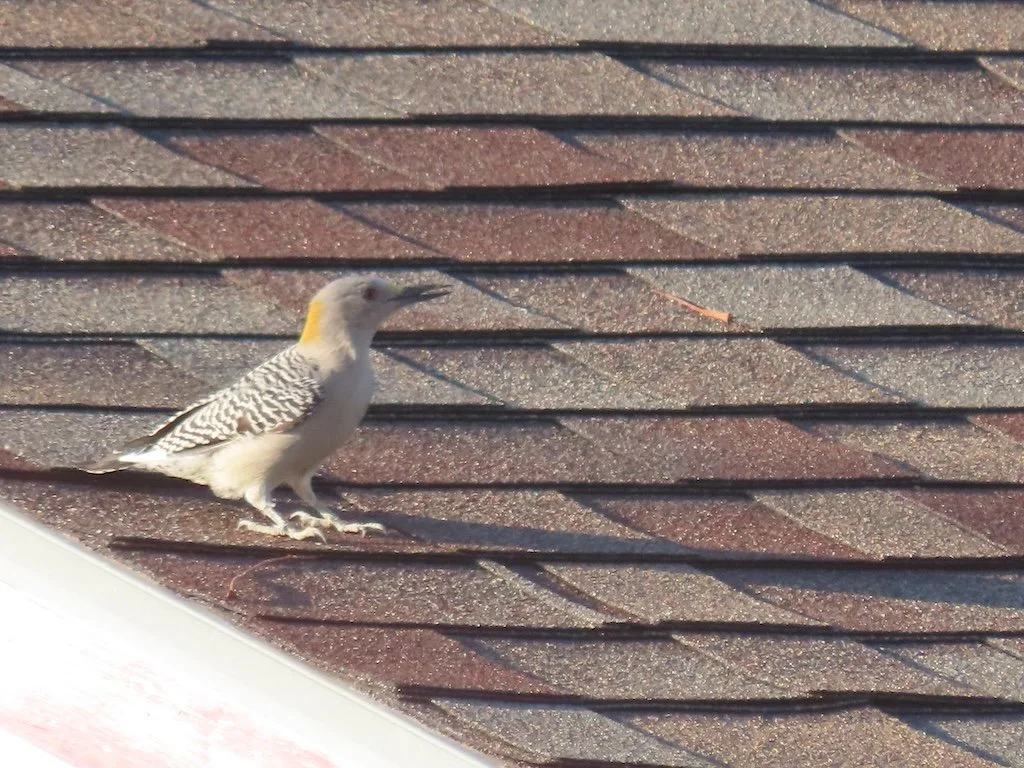
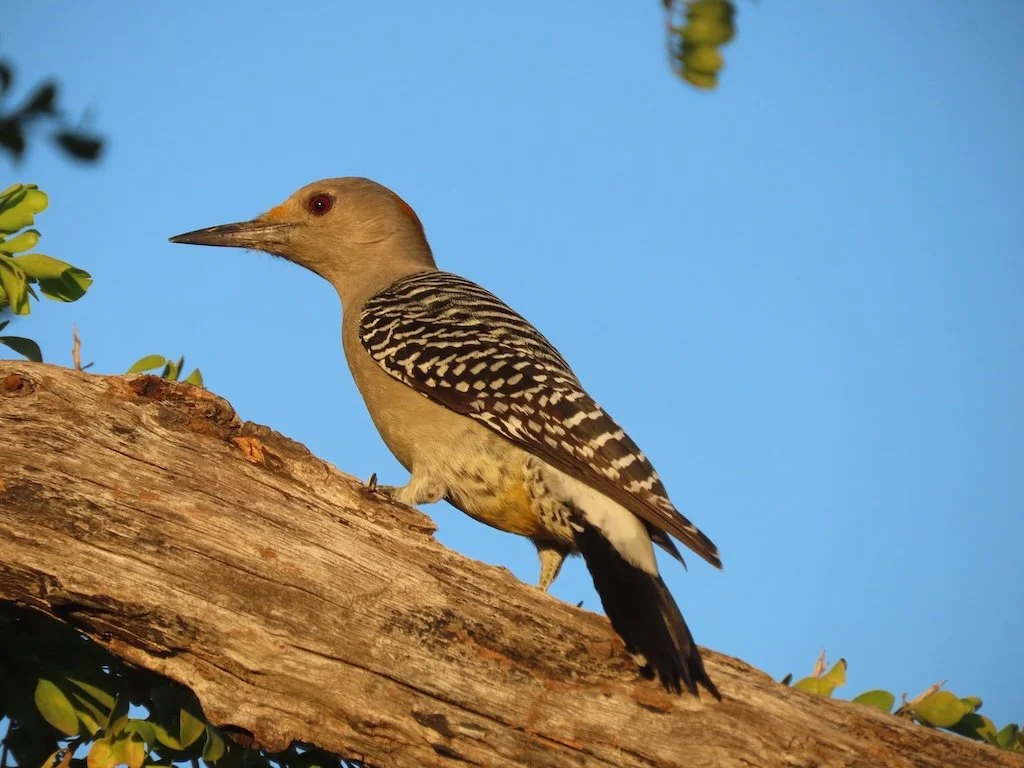
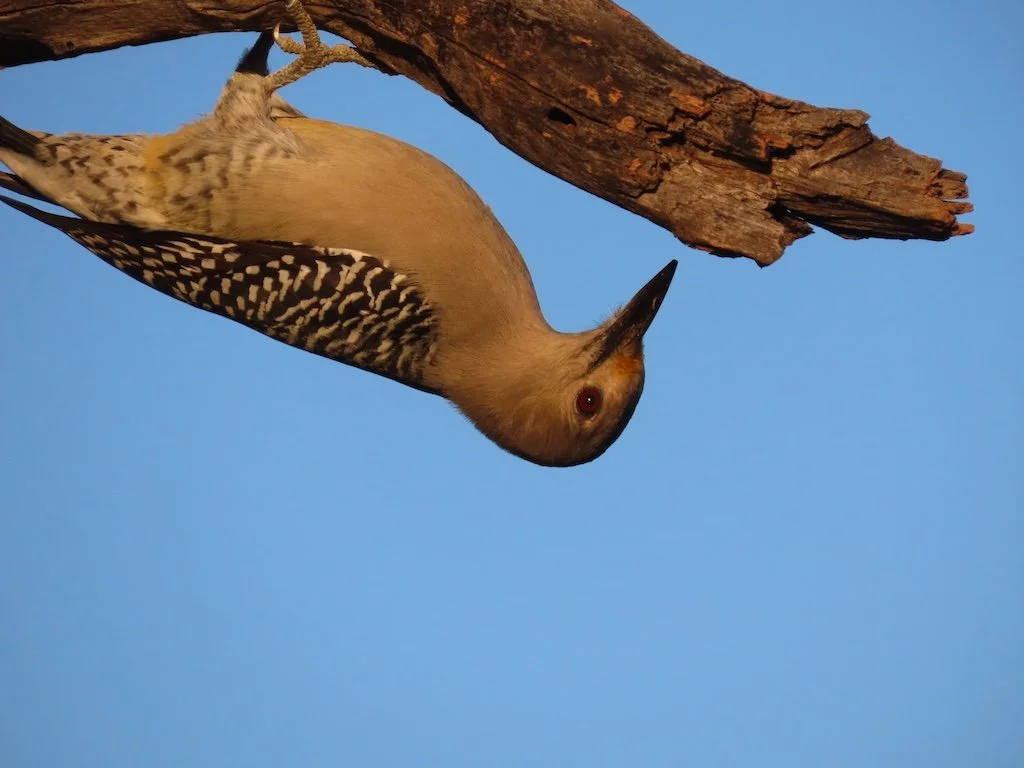
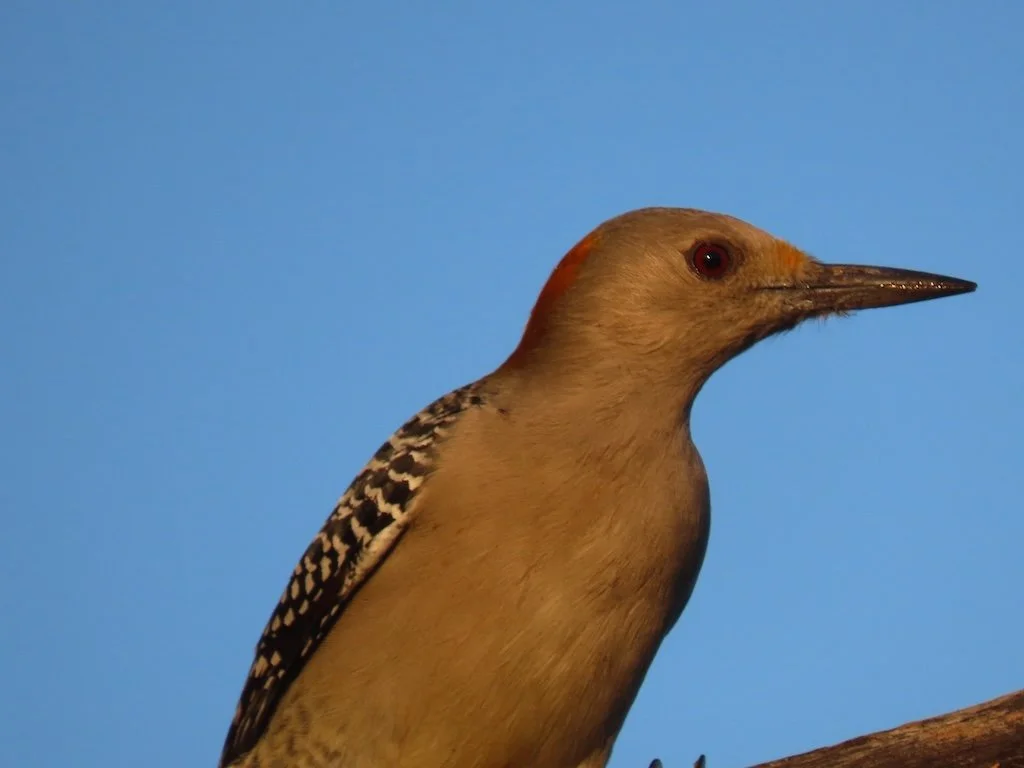
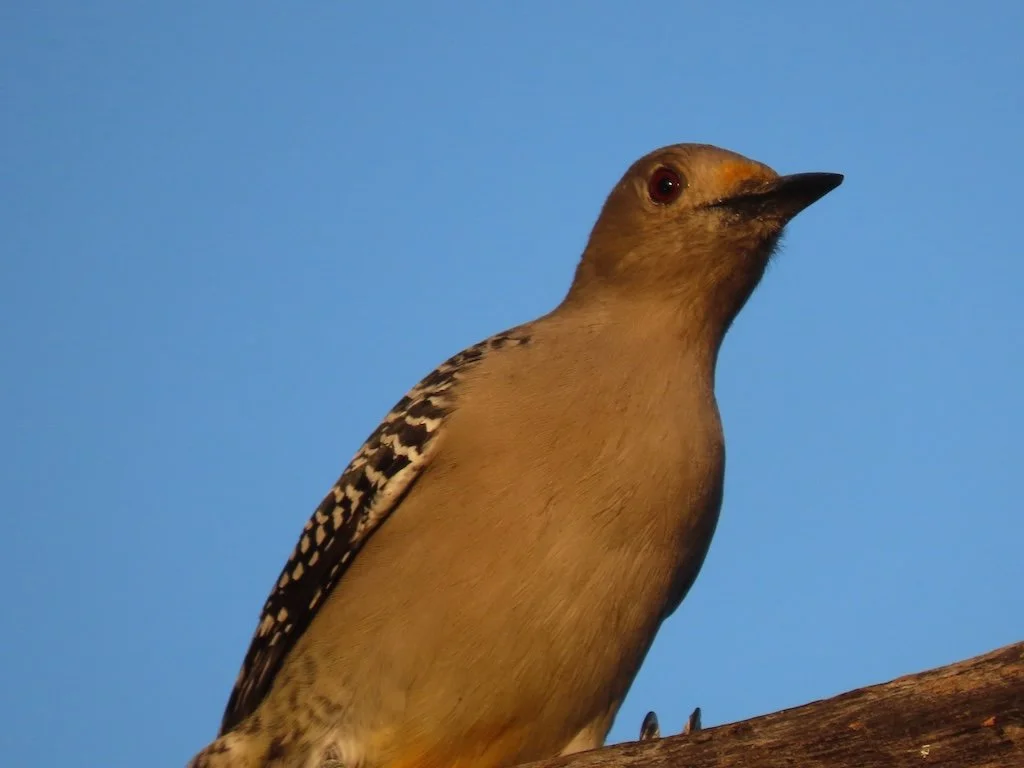
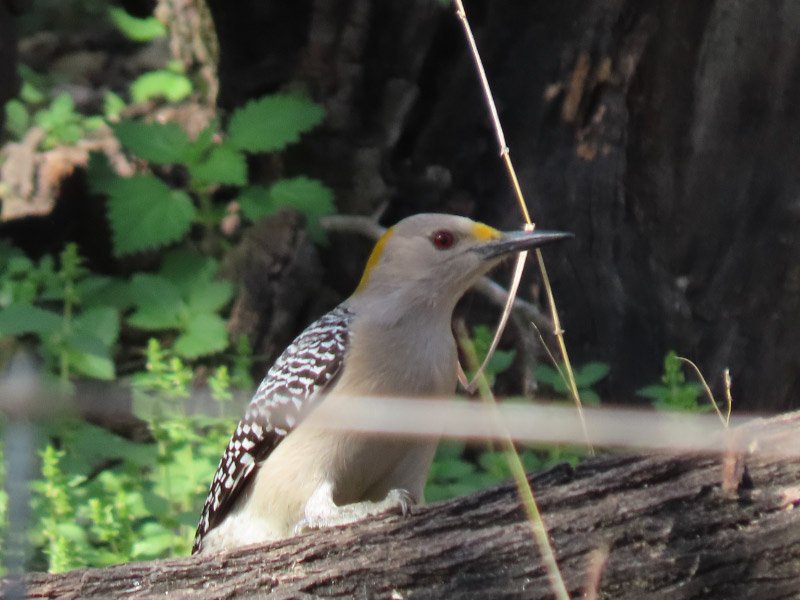
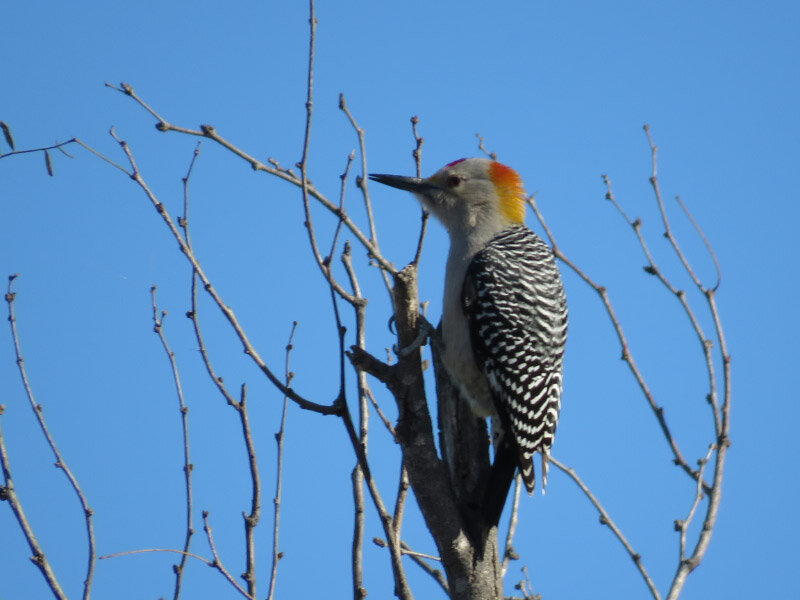
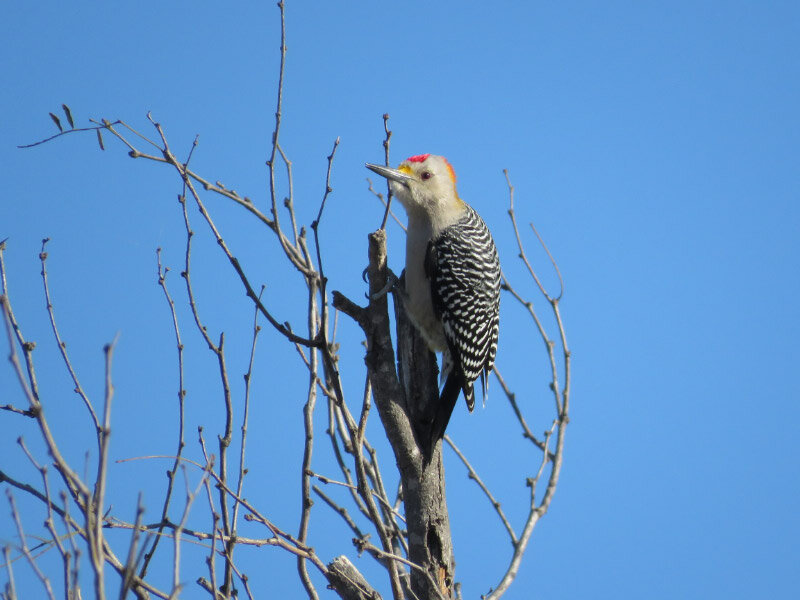
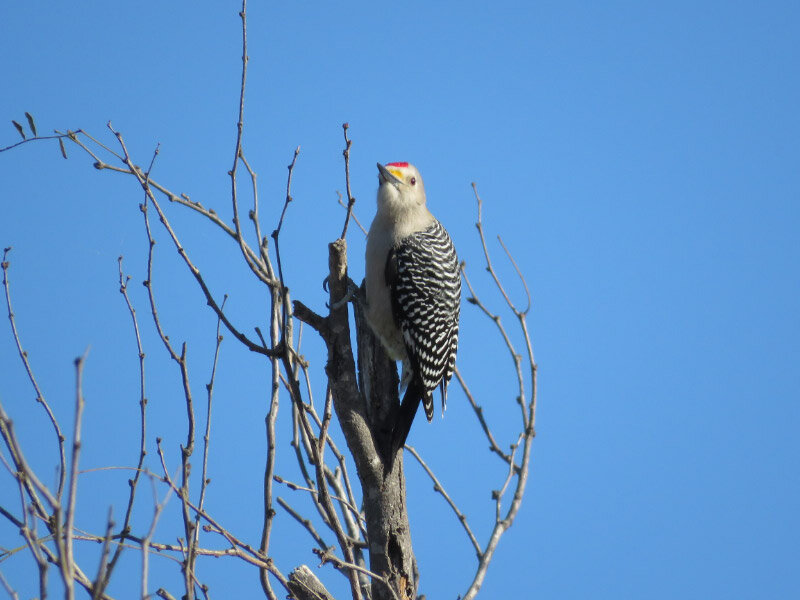
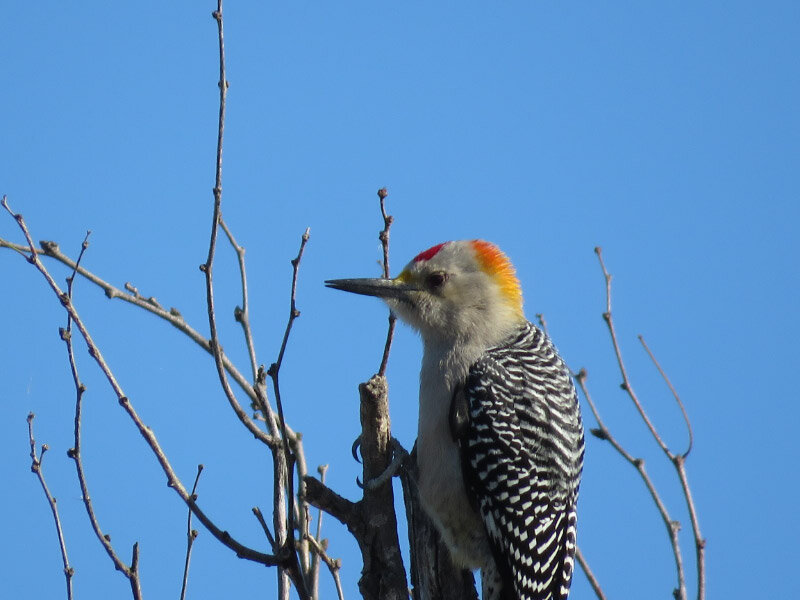
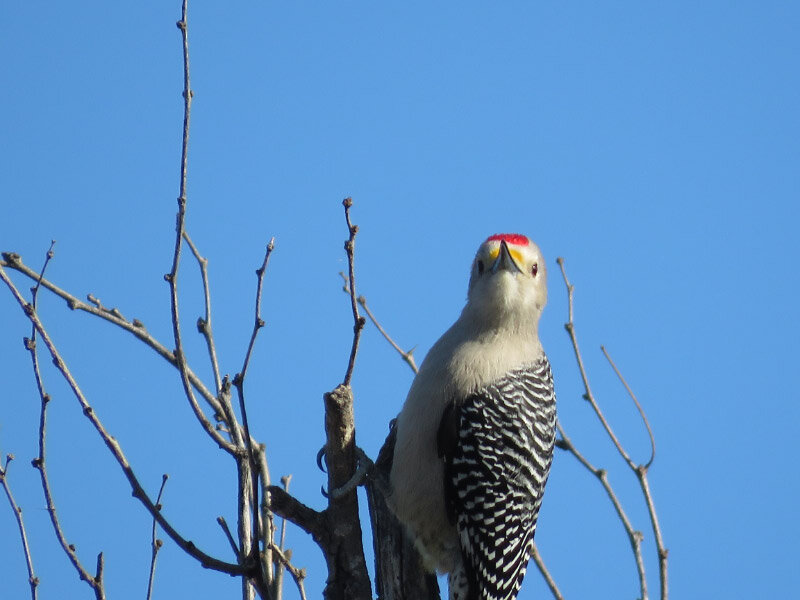
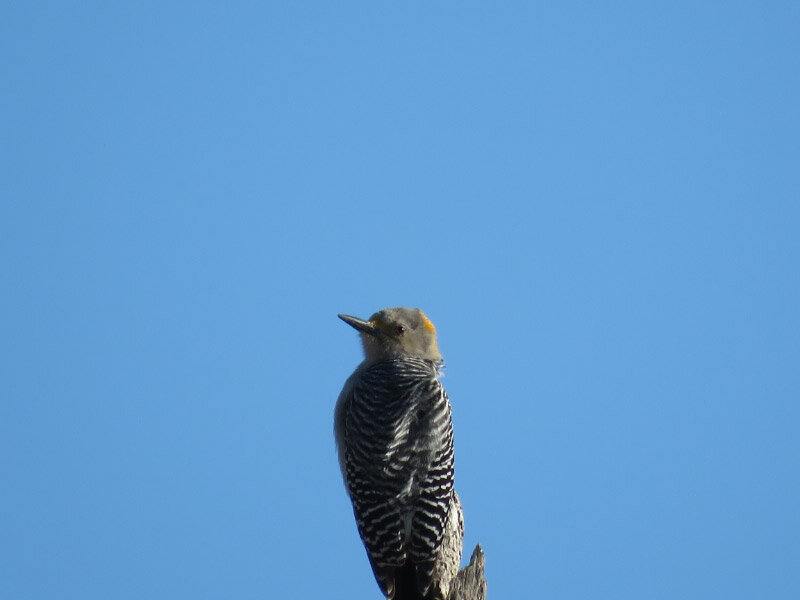
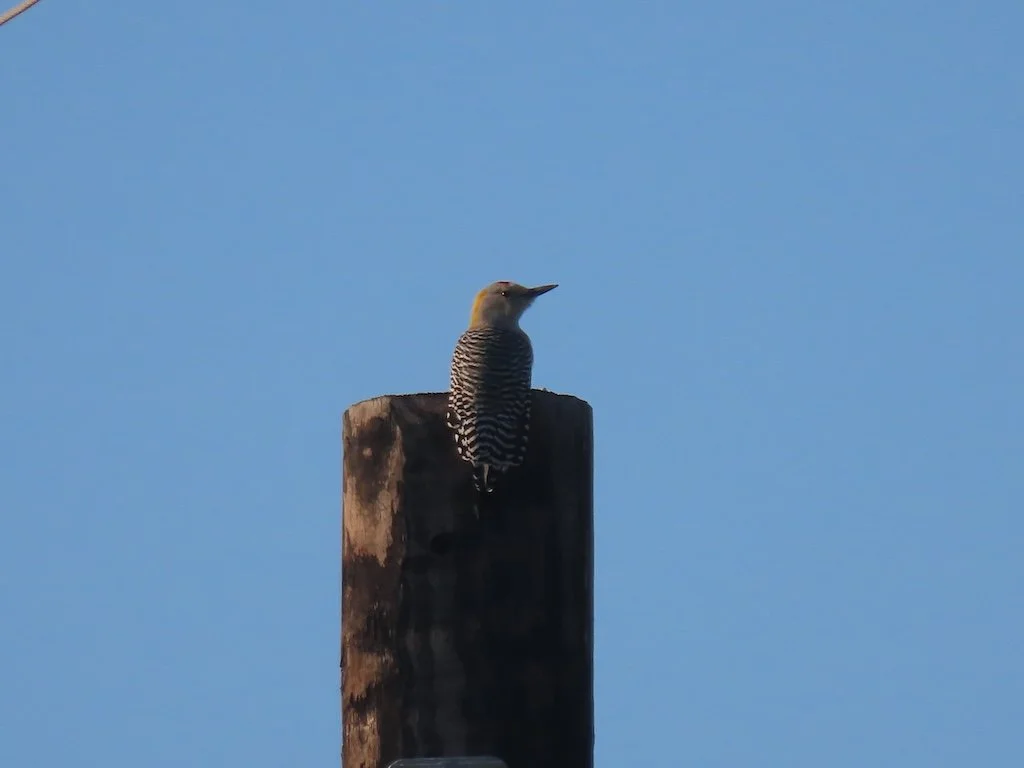
A golden-fronted woodpecker was on a post and then a roof.
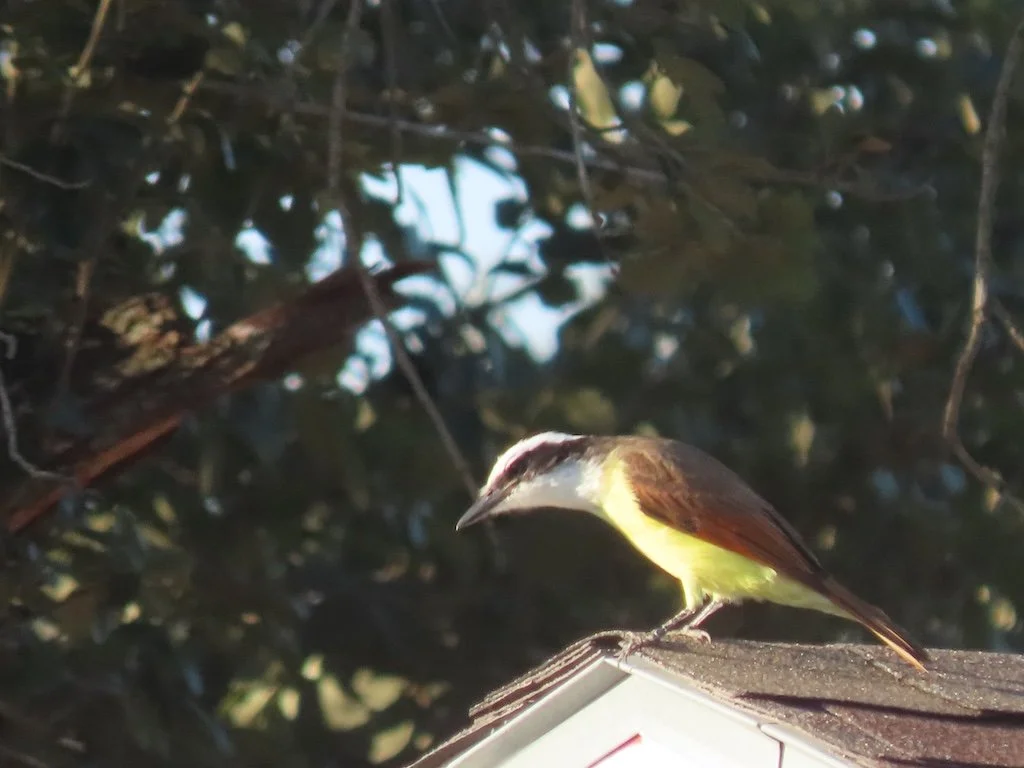
A great kiskadee was on the same roof striking a vulture-like pose.
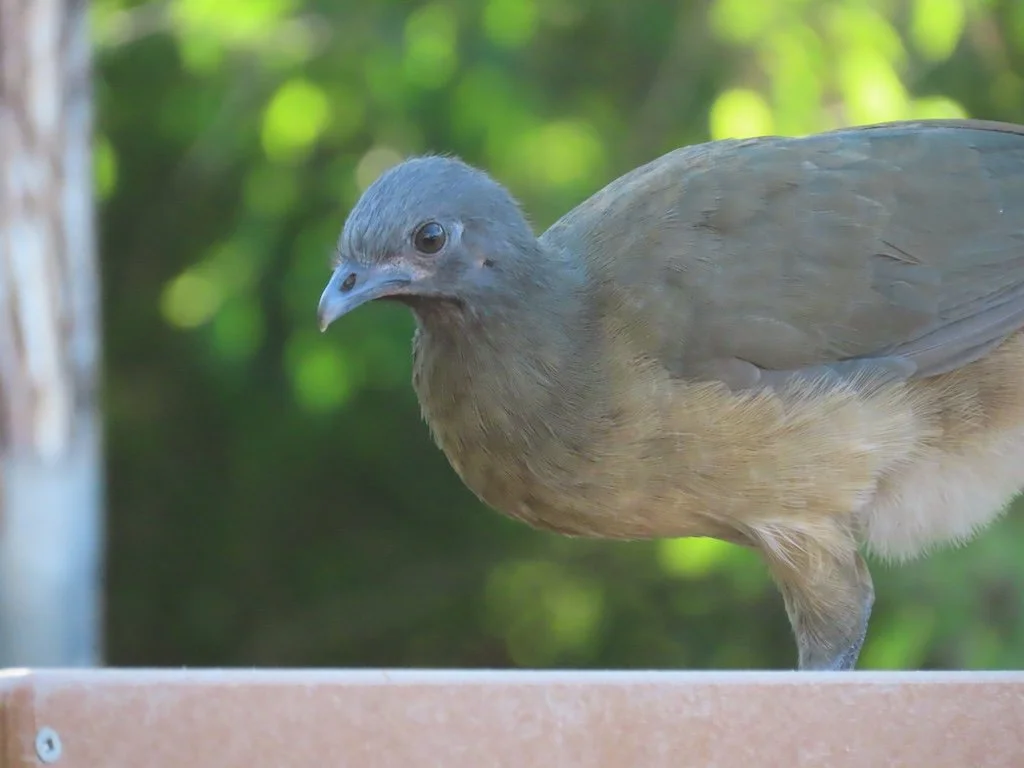
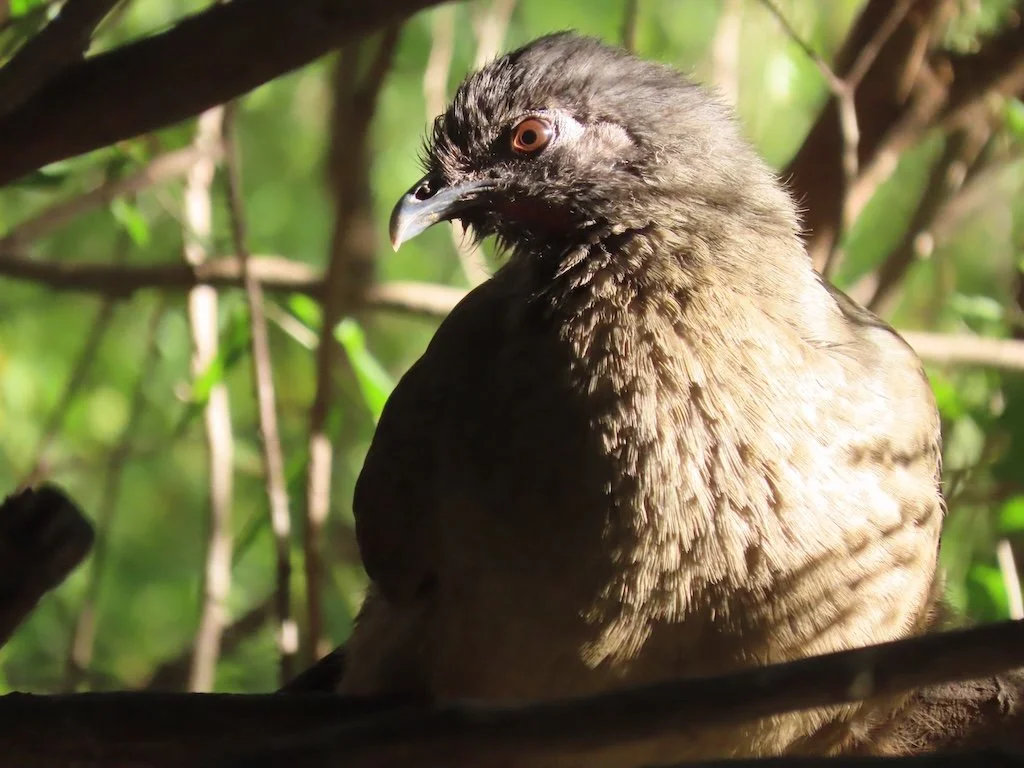
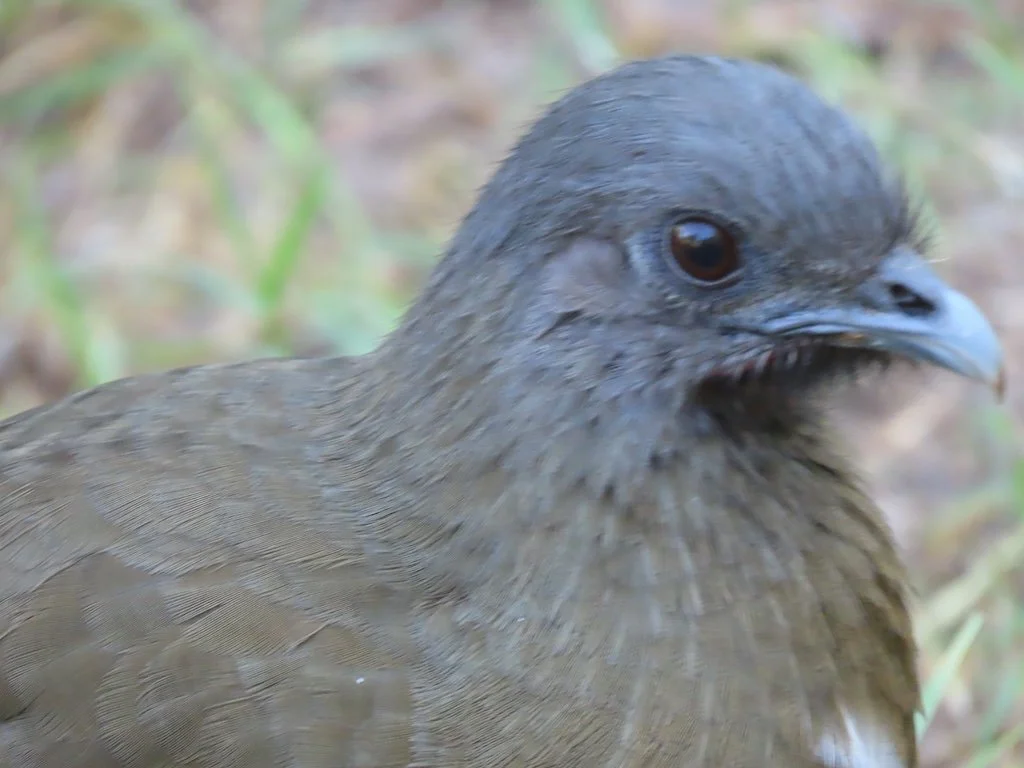
I was sitting in a swing and watching the plain chachalacas when I managed a short video which became the highpoint of my Bentsen visit. One of the birds started drinking from a puddle a few feet away from me. It was aware of calls from the other birds in its group….and showed its red bare skin patch!

We walked back toward the visitor center over the canal. Next time we visit, I’ll want to go in the morning!
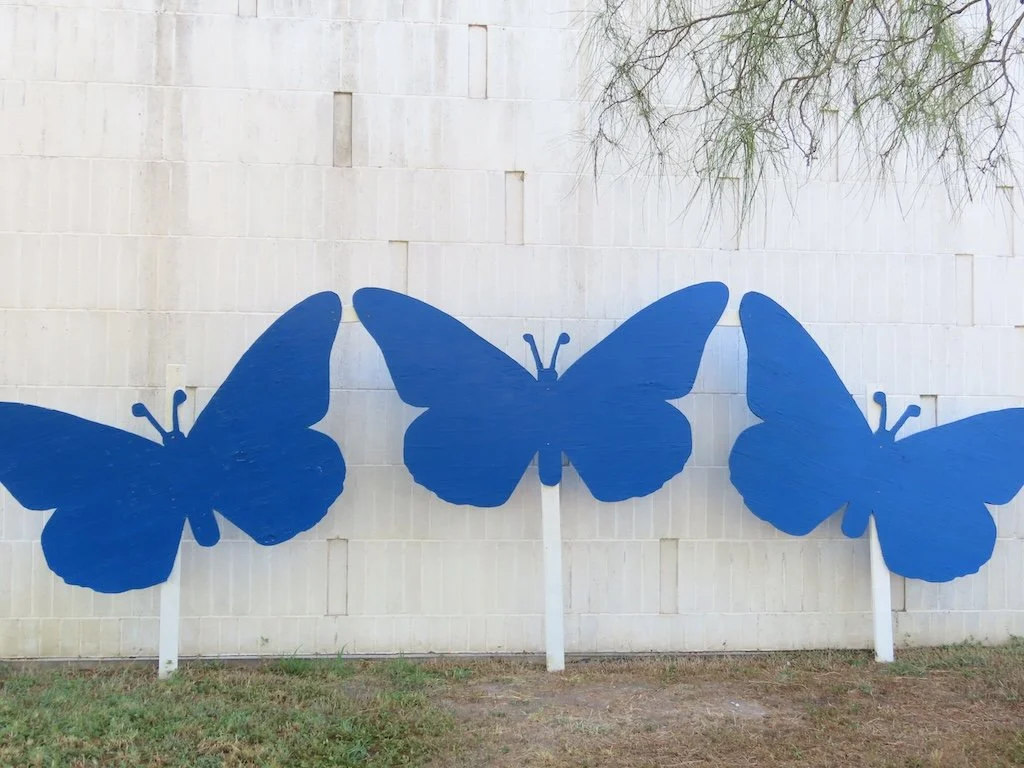
National Butterfly Center

Our second morning at the Rio Grand Valley Birding Festival started with a walk around the National Butterfly Center in Mission TX. It was a pleasant morning for a walk round the place. My husband and I stopped by the last time we went to festival in 2017, but it was a rainy and cold day….so we didn’t go past the visitor center! This time it was a beautiful sunny day, and we enjoyed walking around the space behind the visitor center with our guides. At one time there was a lot of anxiety that the border wall would cut through the center…but evidently the land for the center was preserved and there is still a lot to see there.
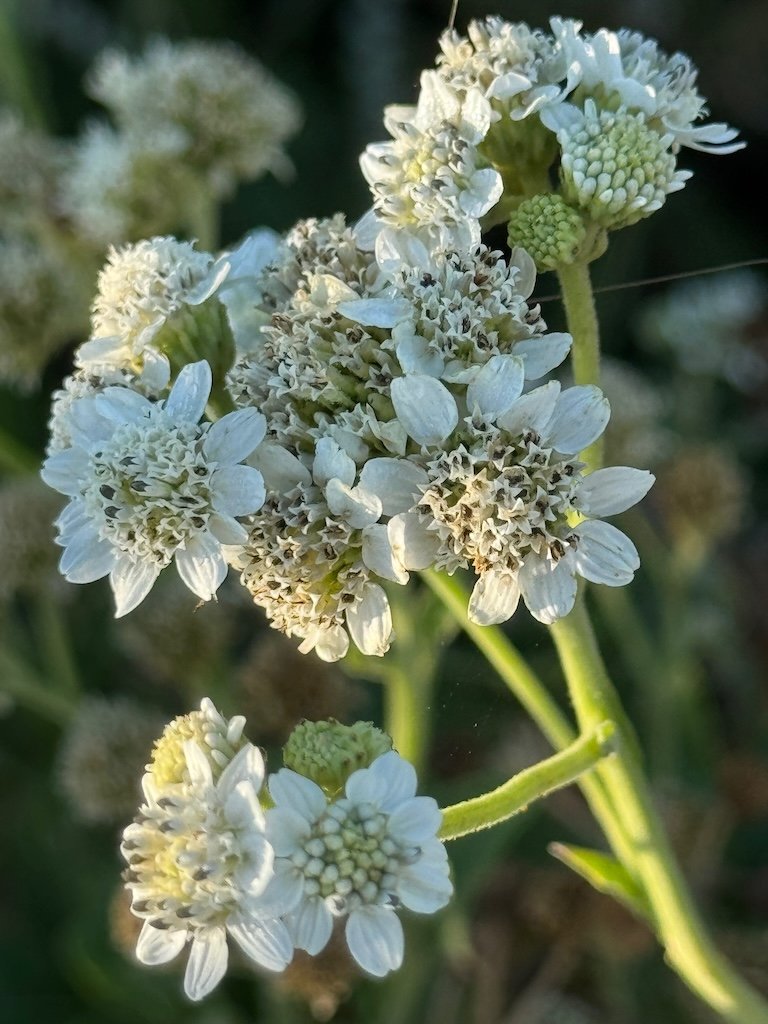
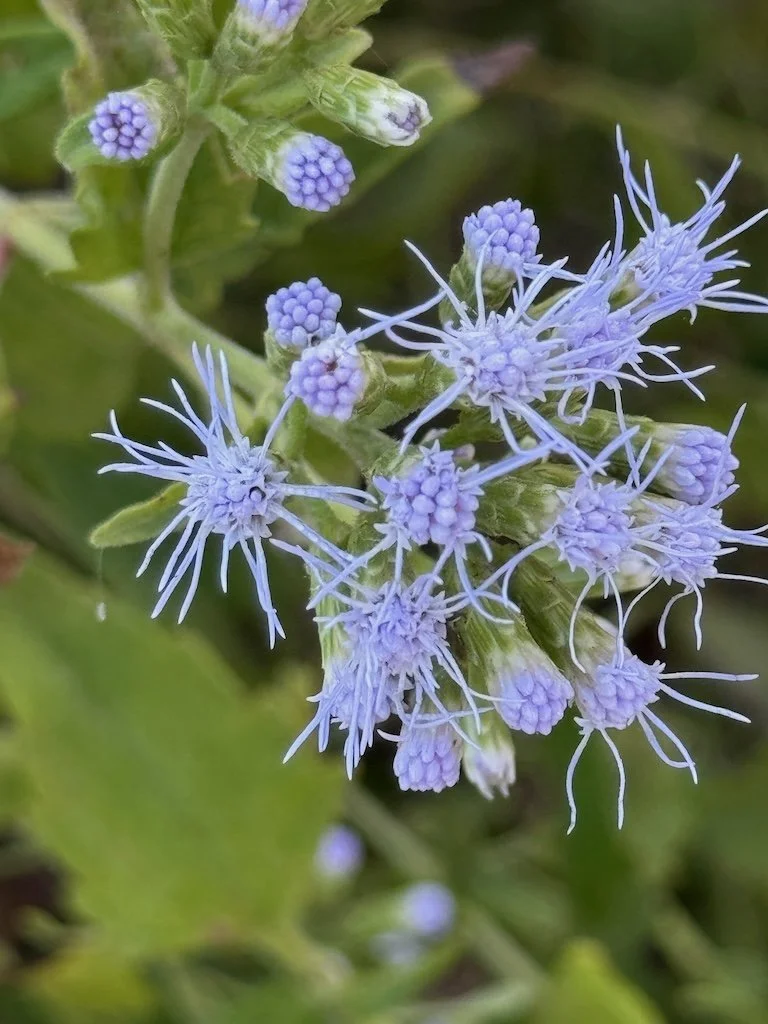
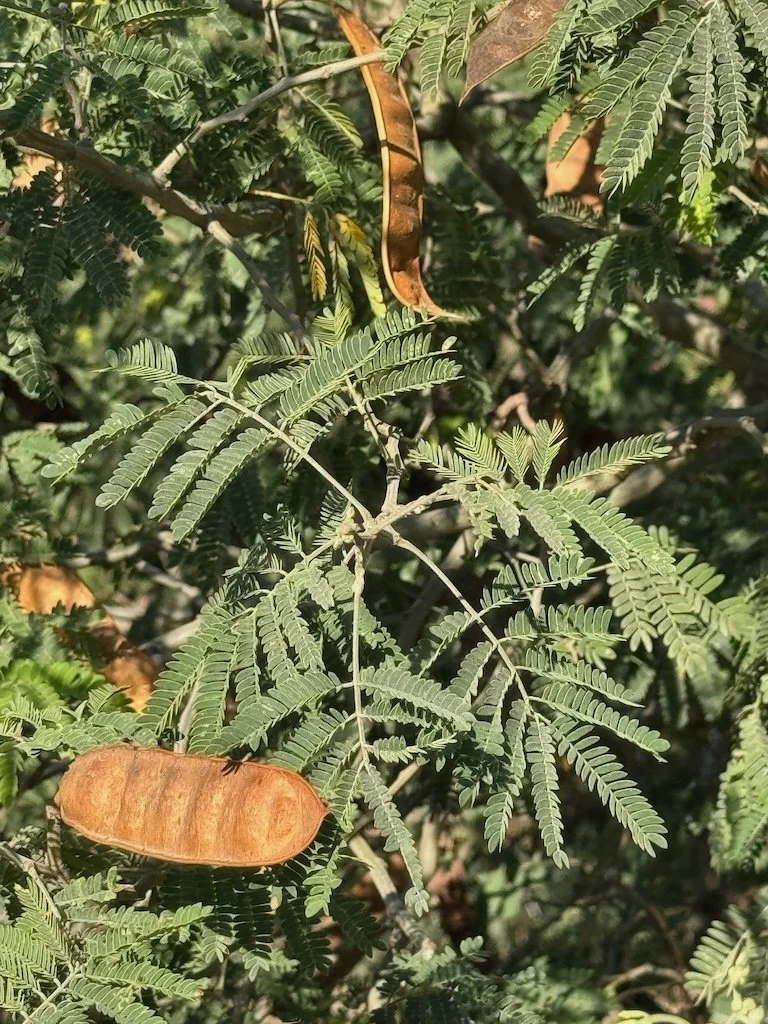
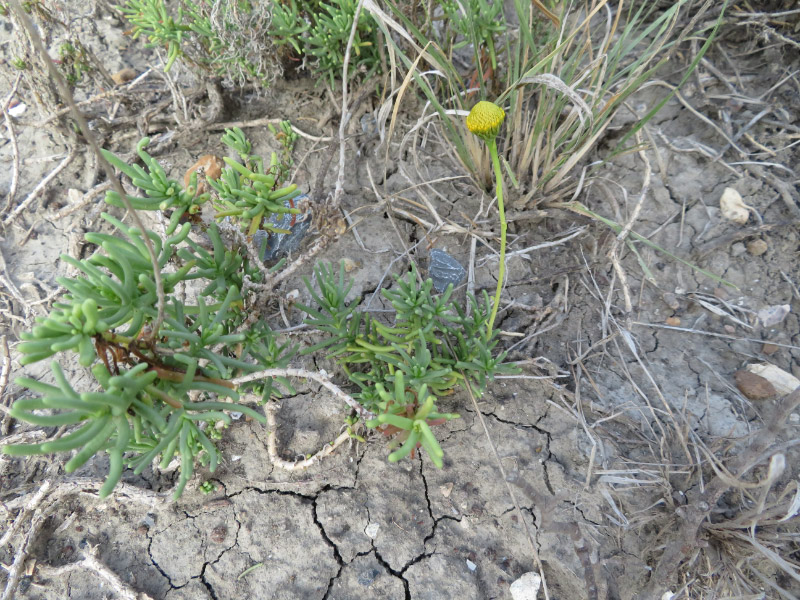
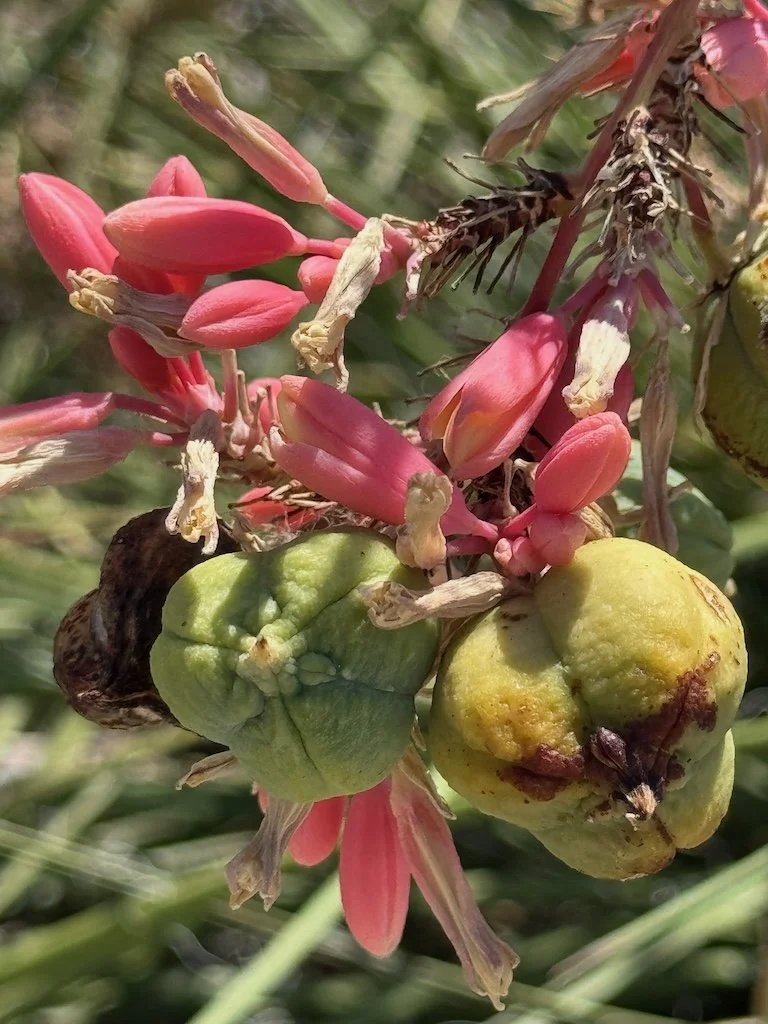
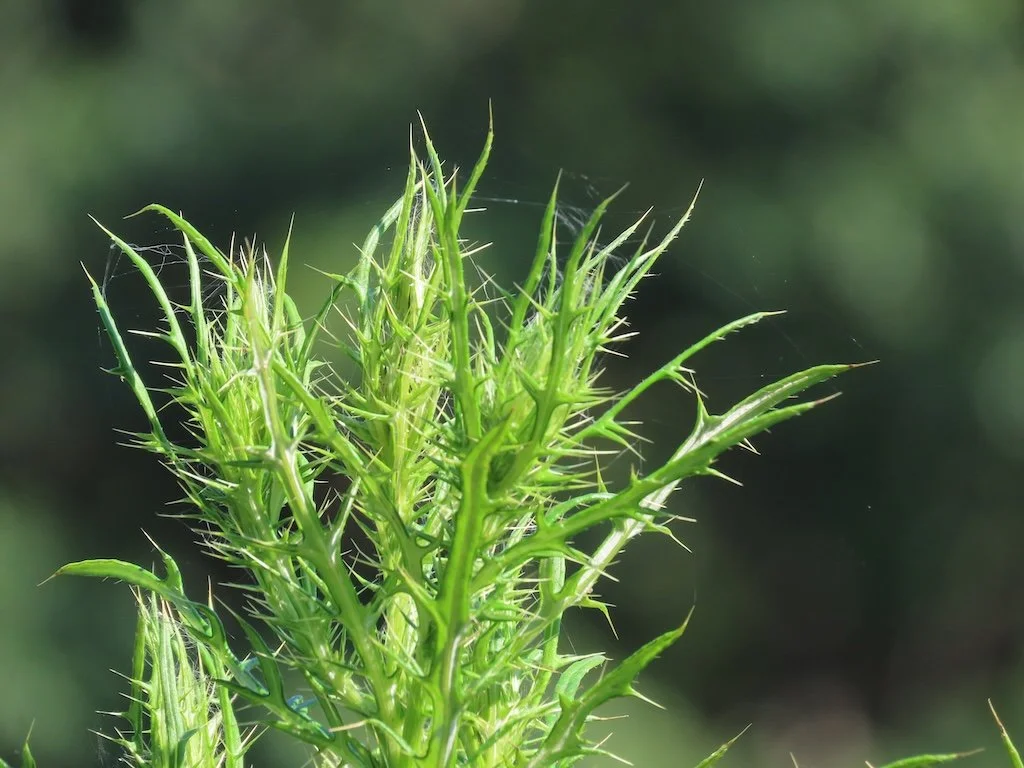
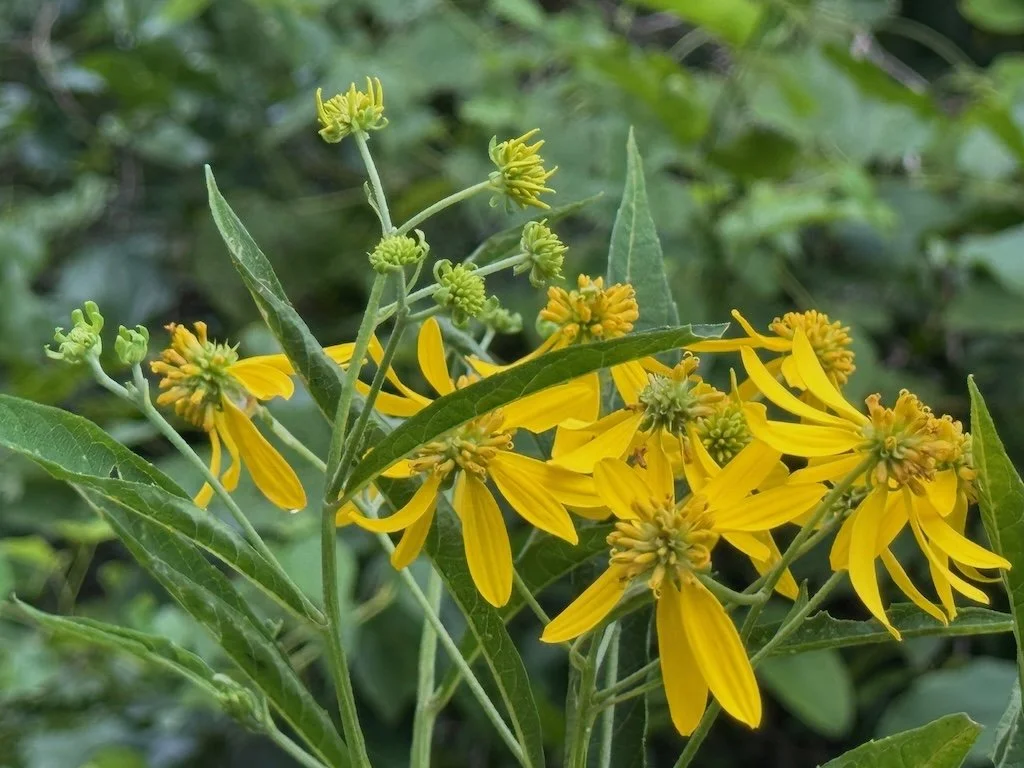
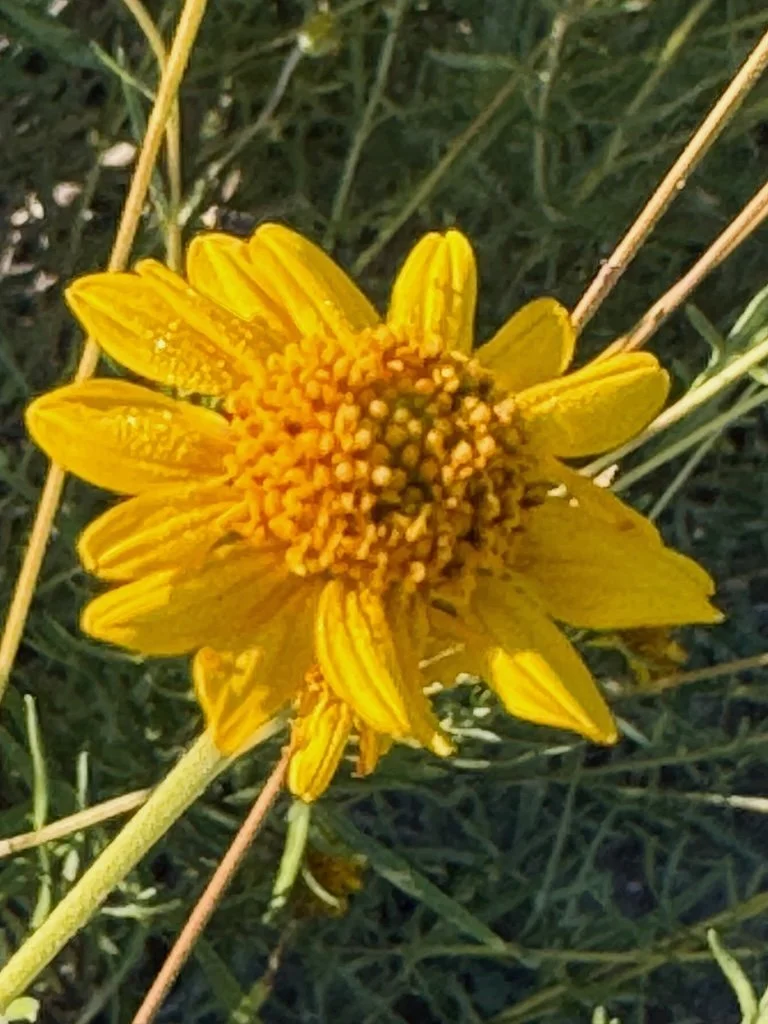
I saw a lot more than I was able to photograph! It was an interesting walk. I started with some plants near the entrance.
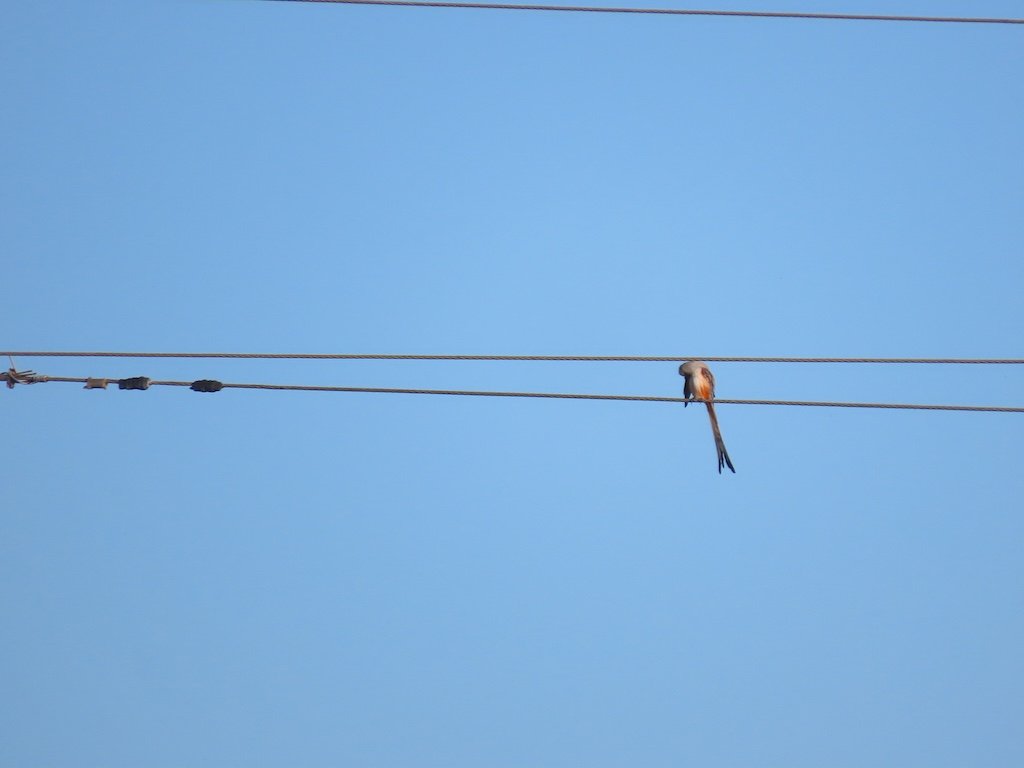
Scissor-tailed Flycatcher

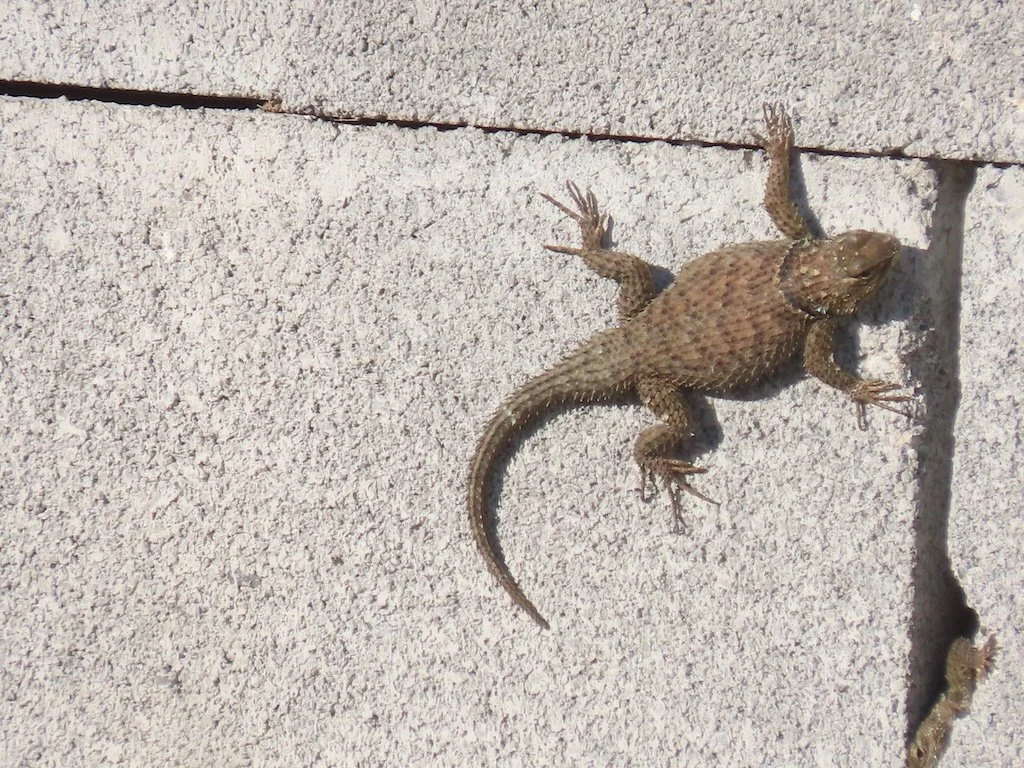
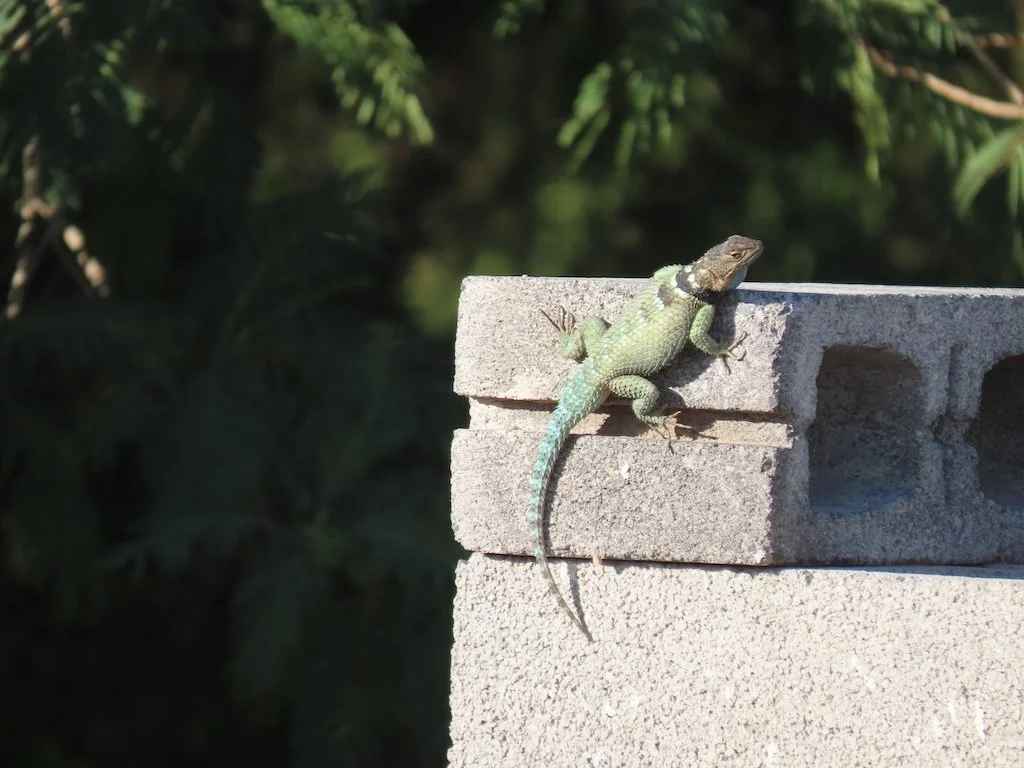
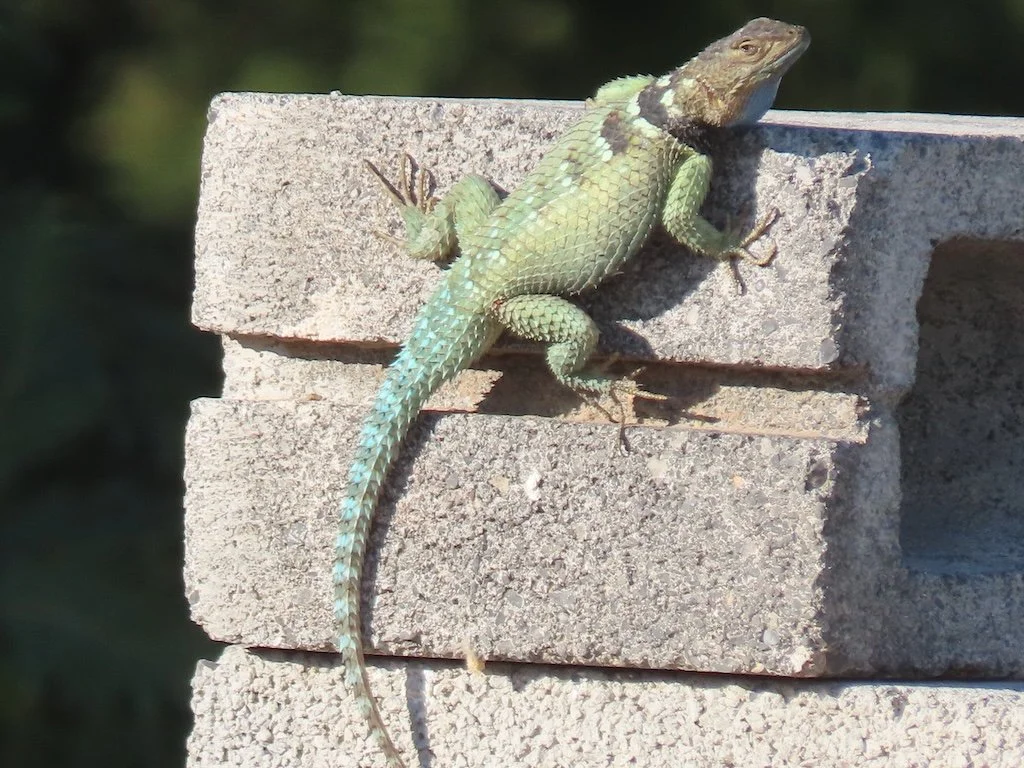
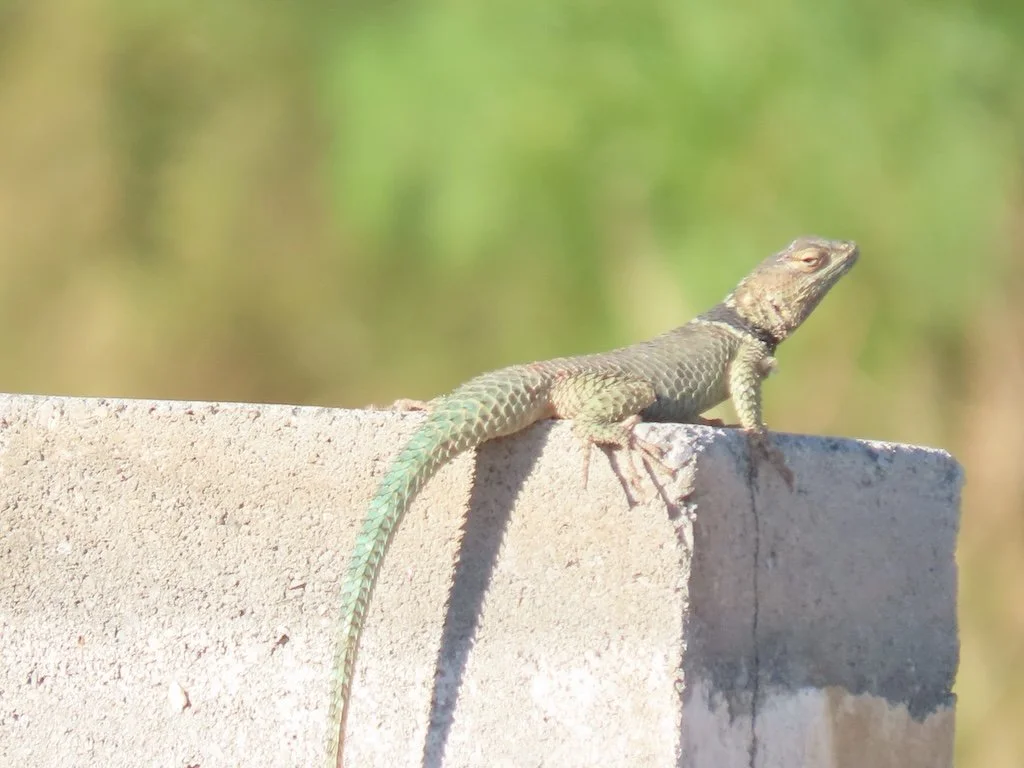
Spiny lizards

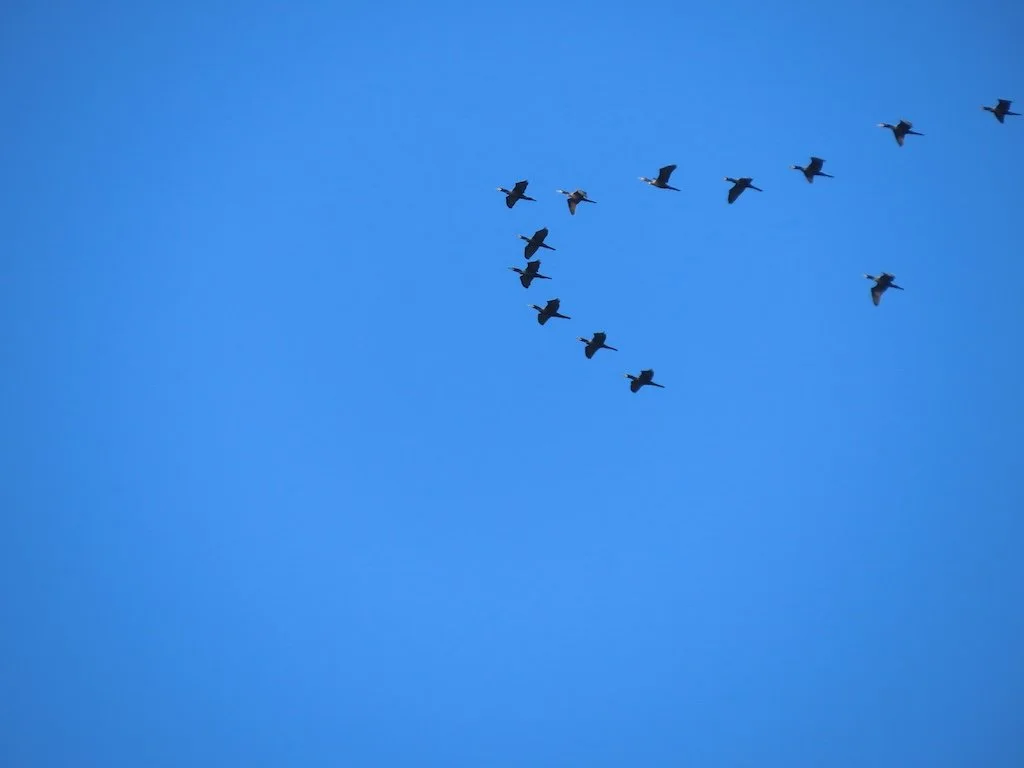
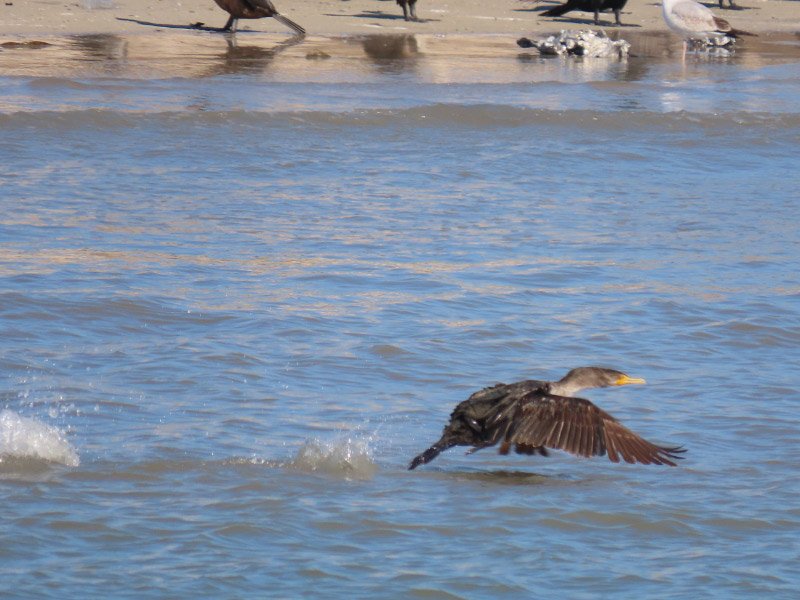
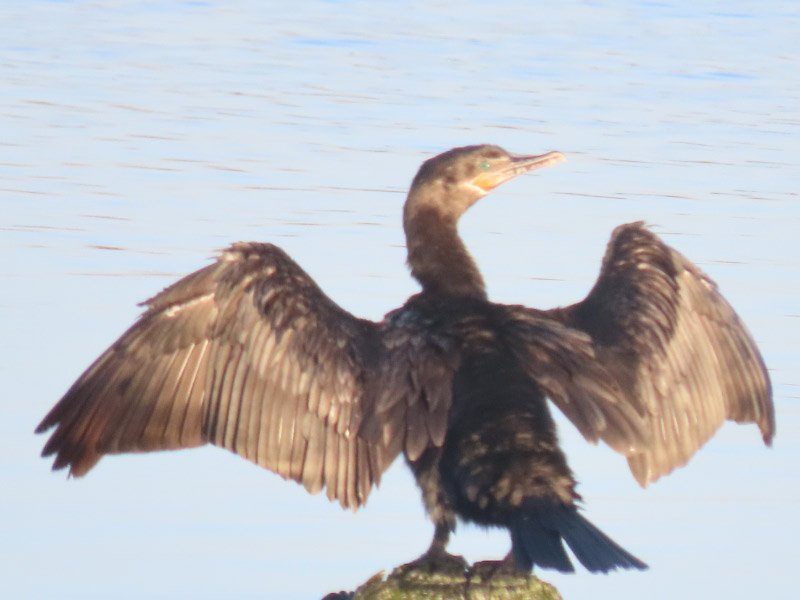
Neotropic Cormorants in flight

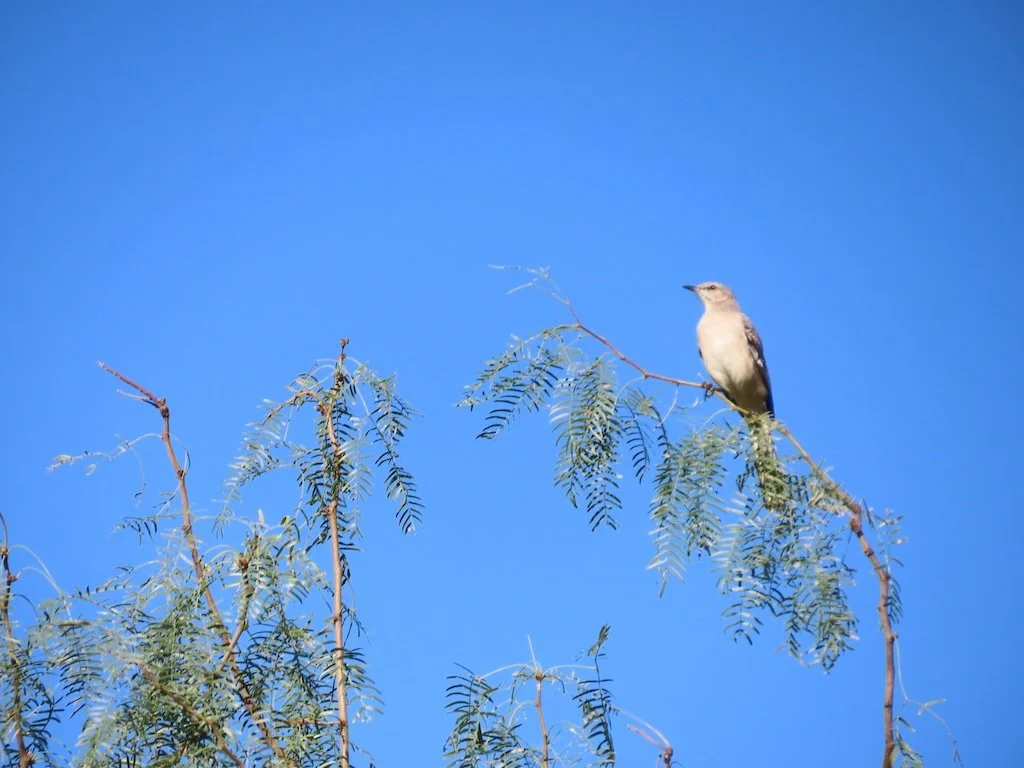
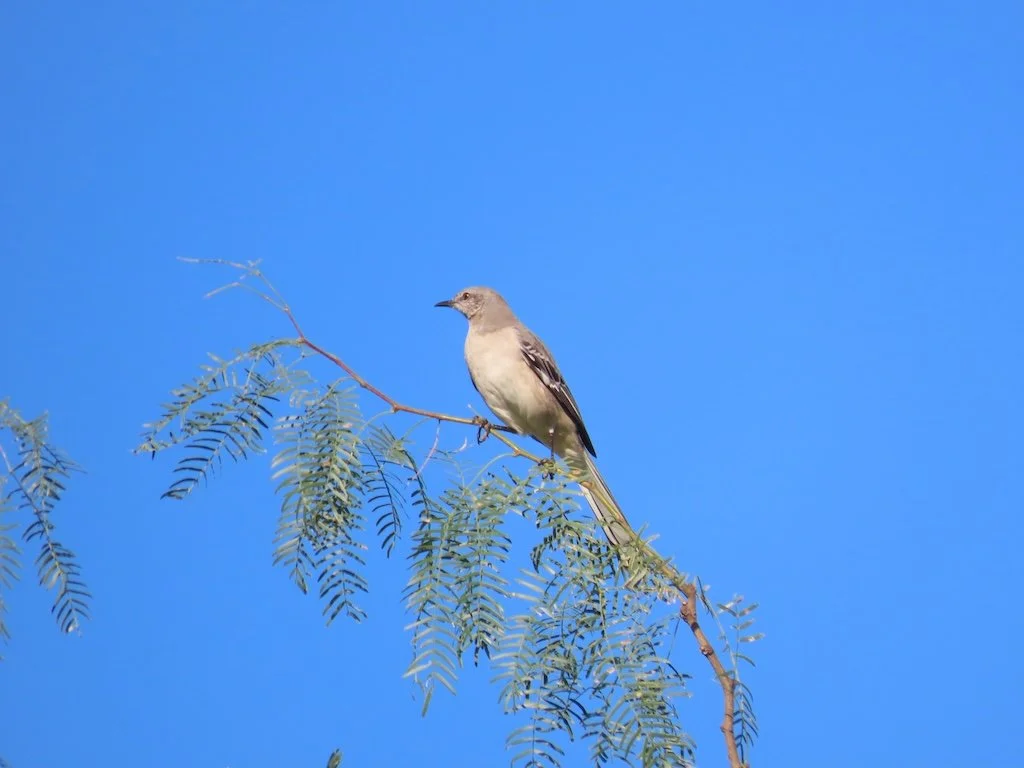
Northern Mockingbird

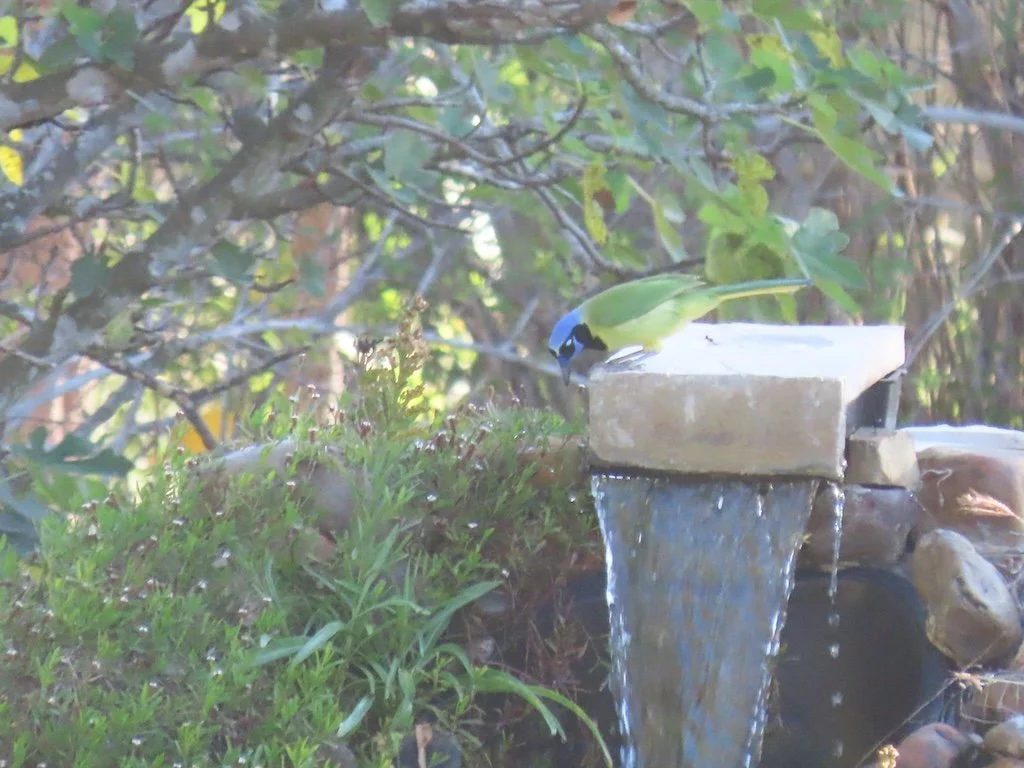
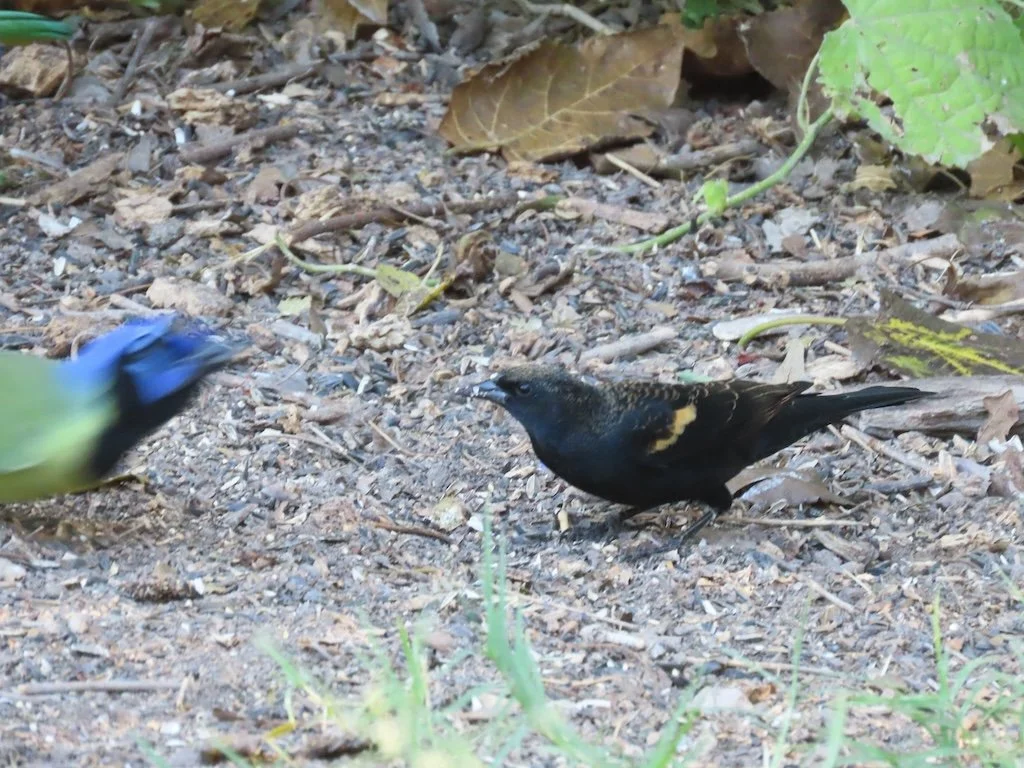
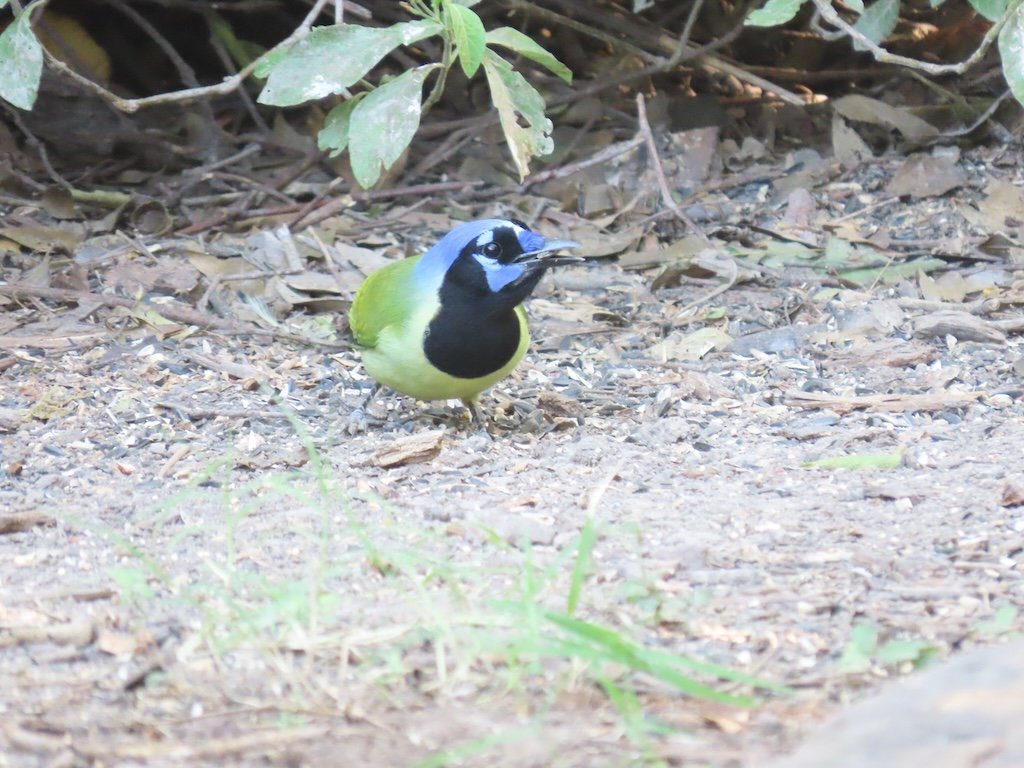
Green Jay (including an interaction with red-winged blackbird)

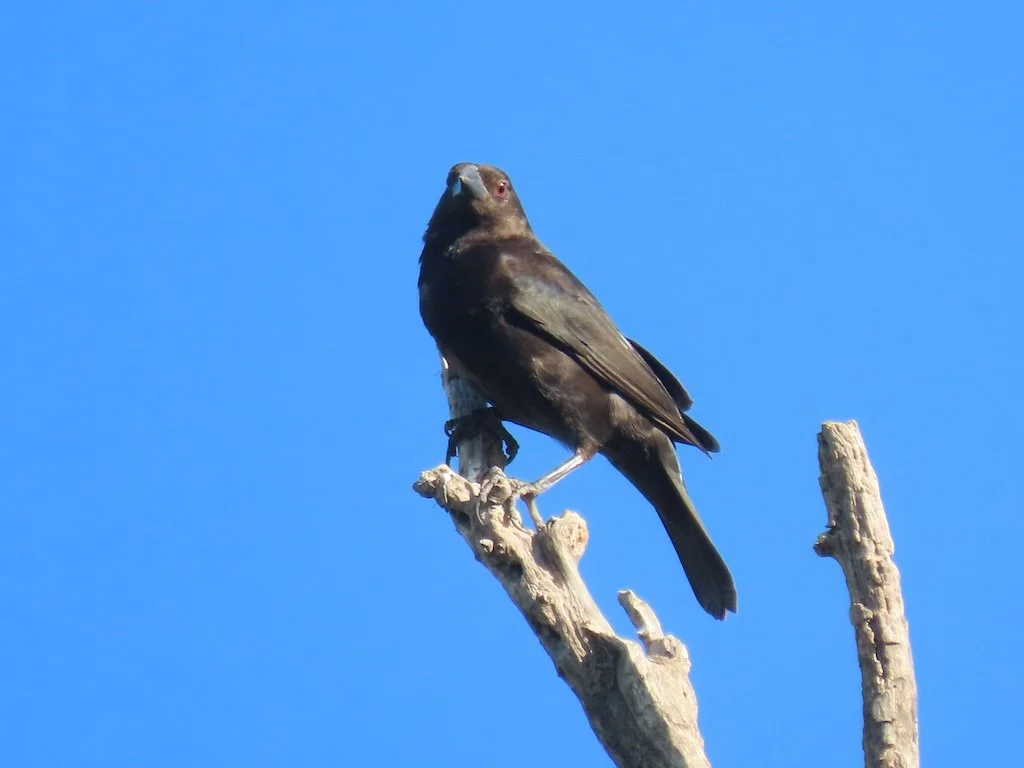
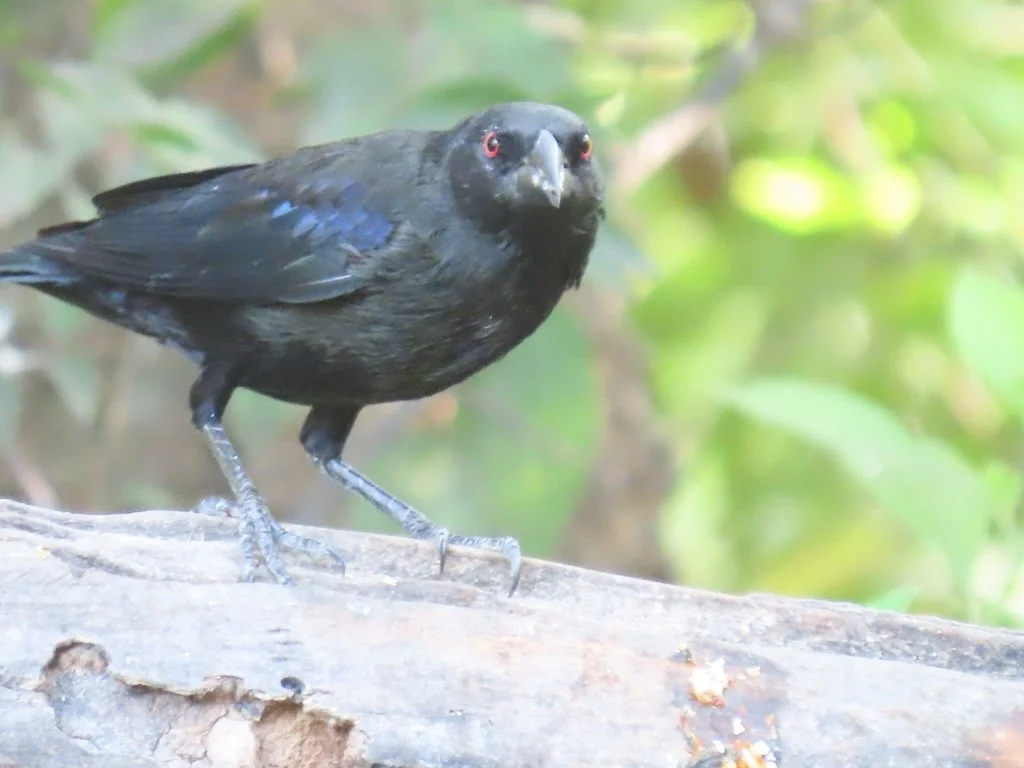
Bronzed Cowbird

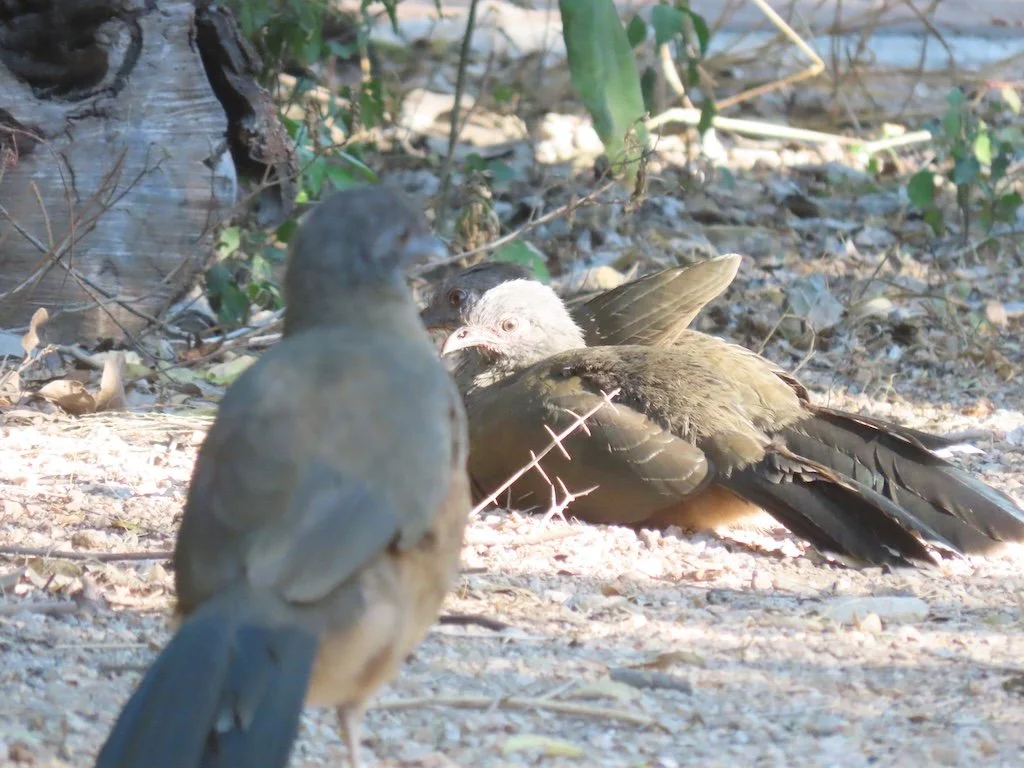
Plain Chachalaca

Great-tailed grackle (including a picture that makes it easy to see the size difference between the grackle and the chachalaca)

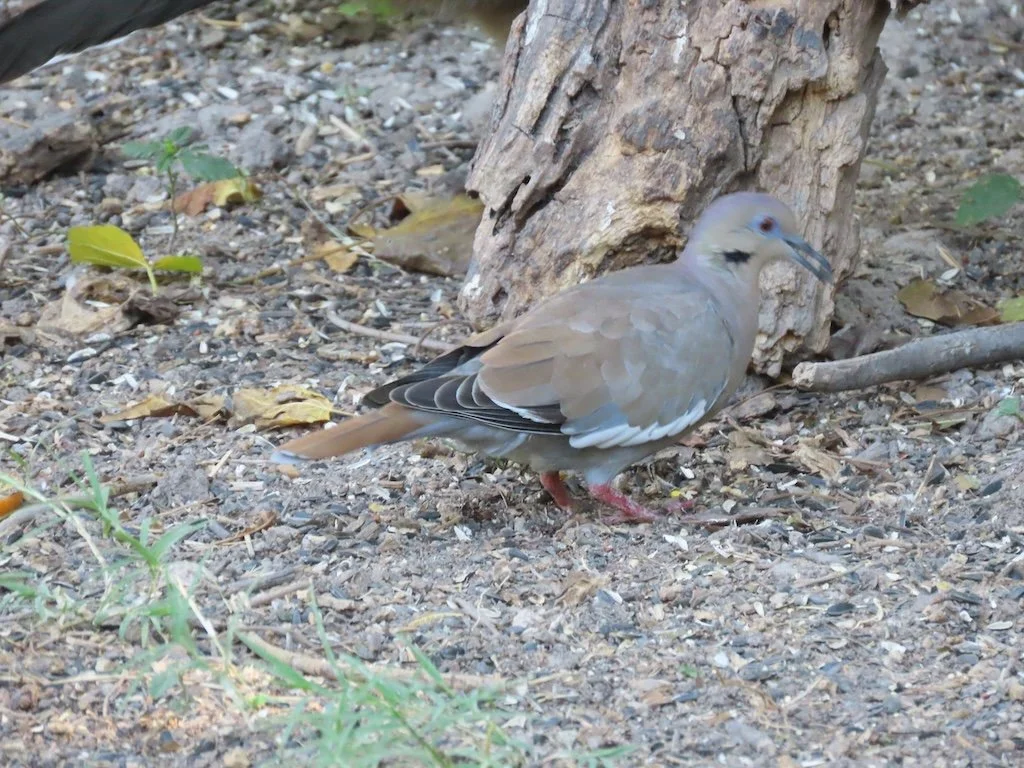
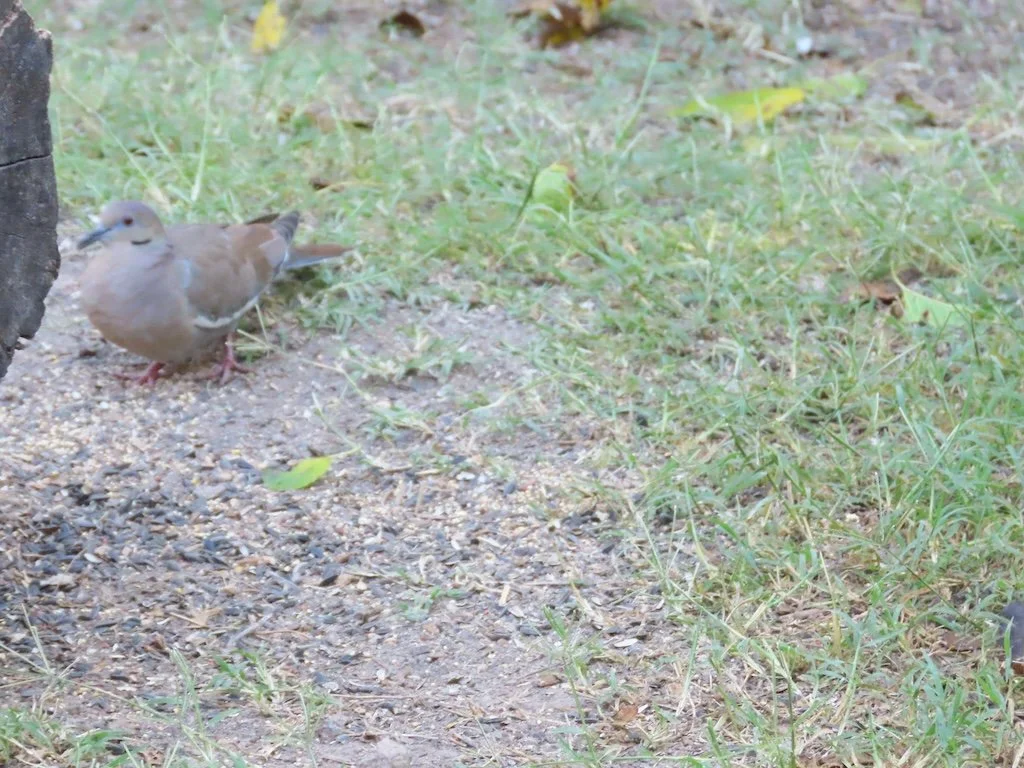
White-winged Dove

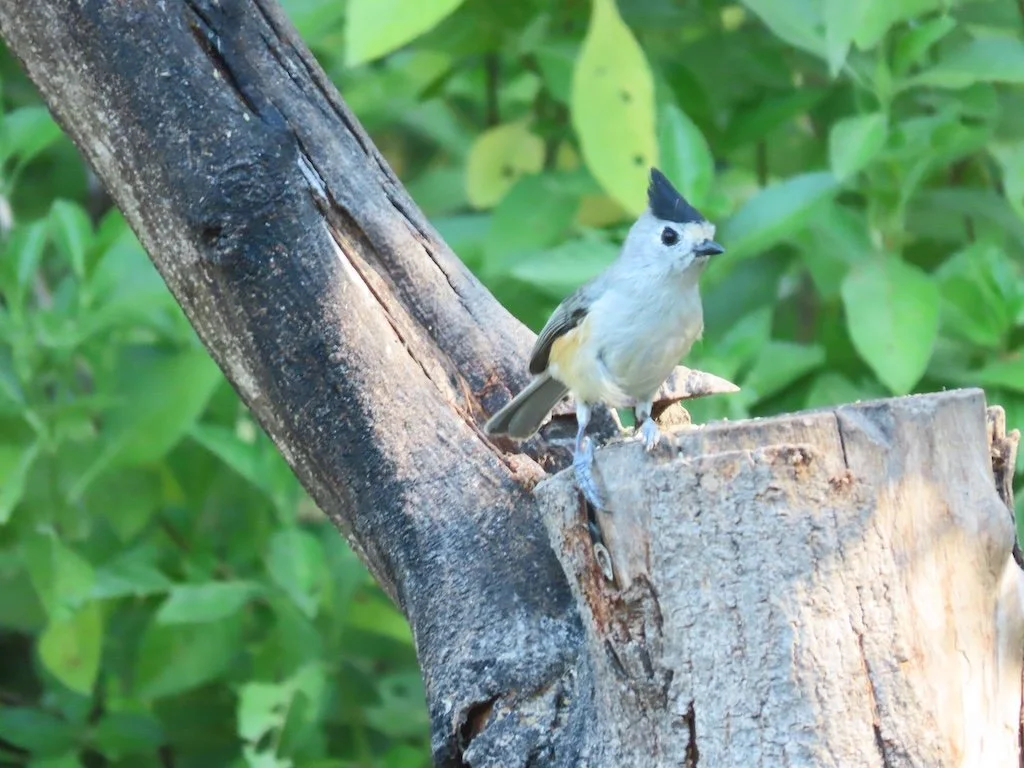
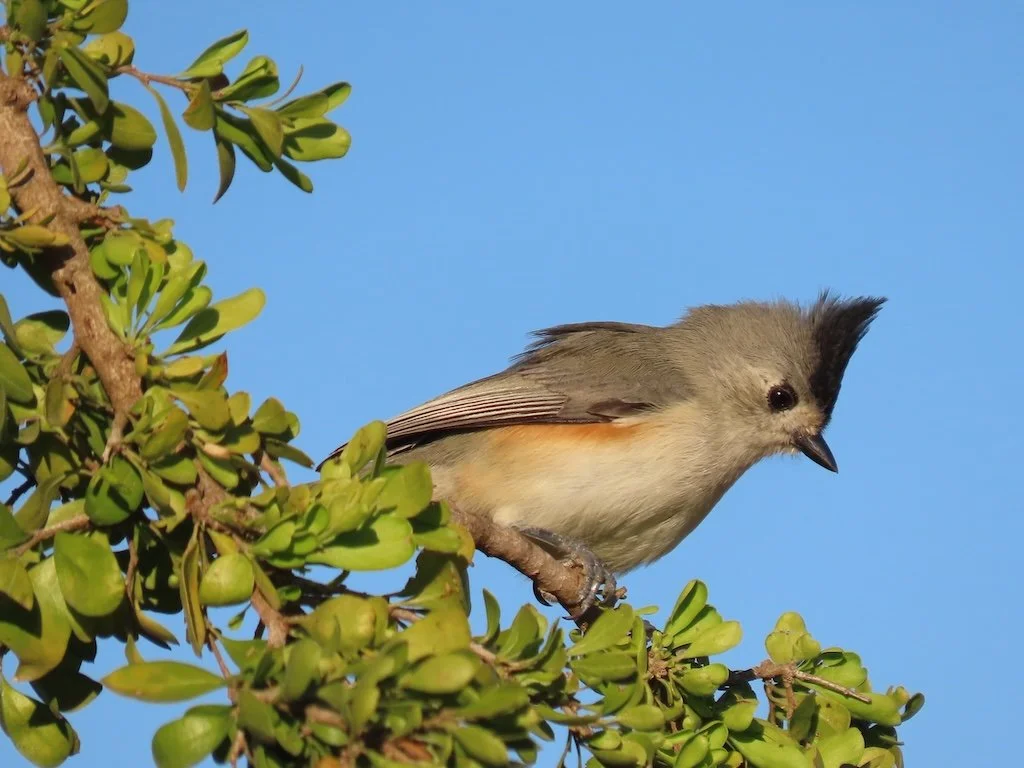
Black-crested Titmouse

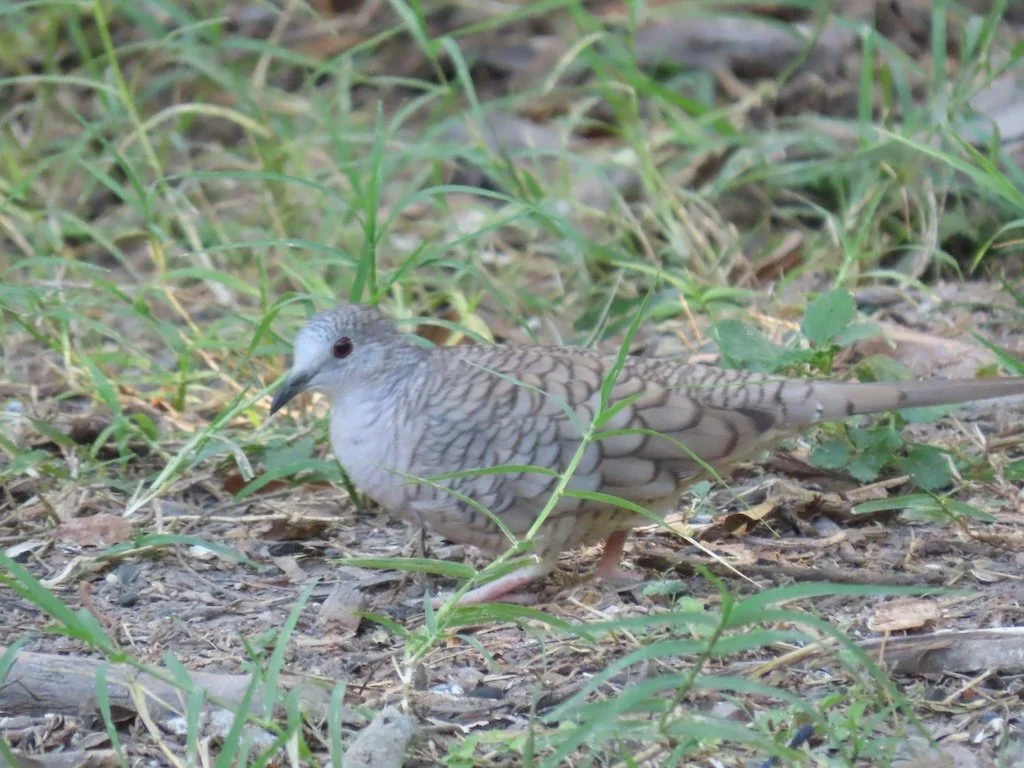
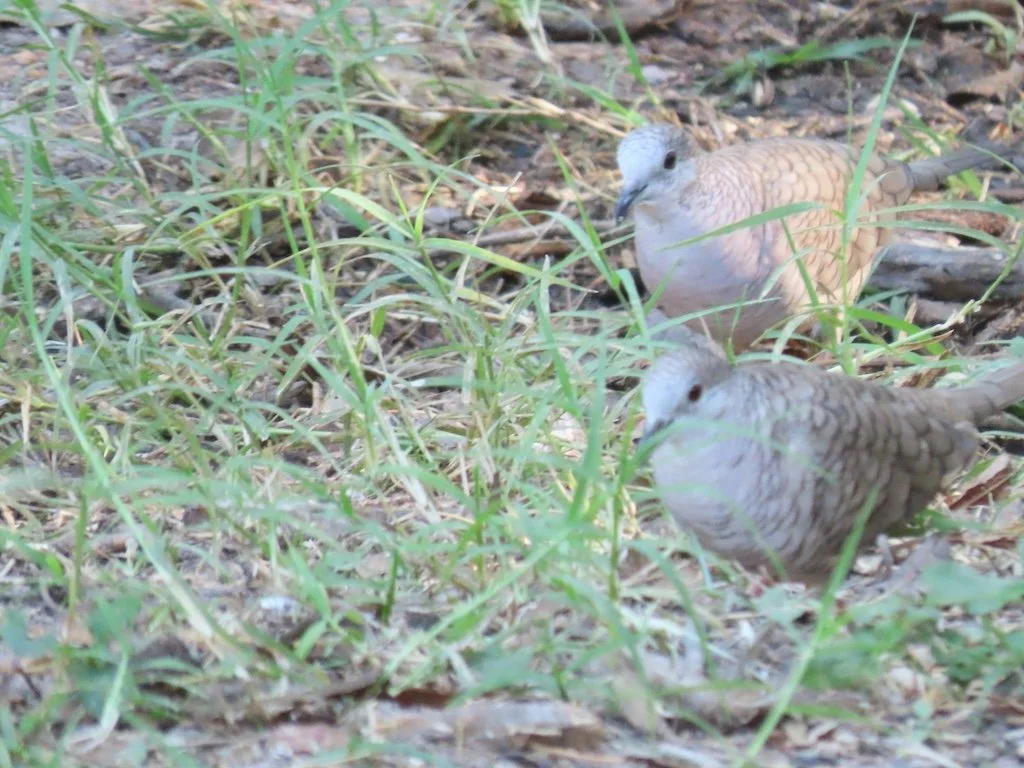
Inca Dove

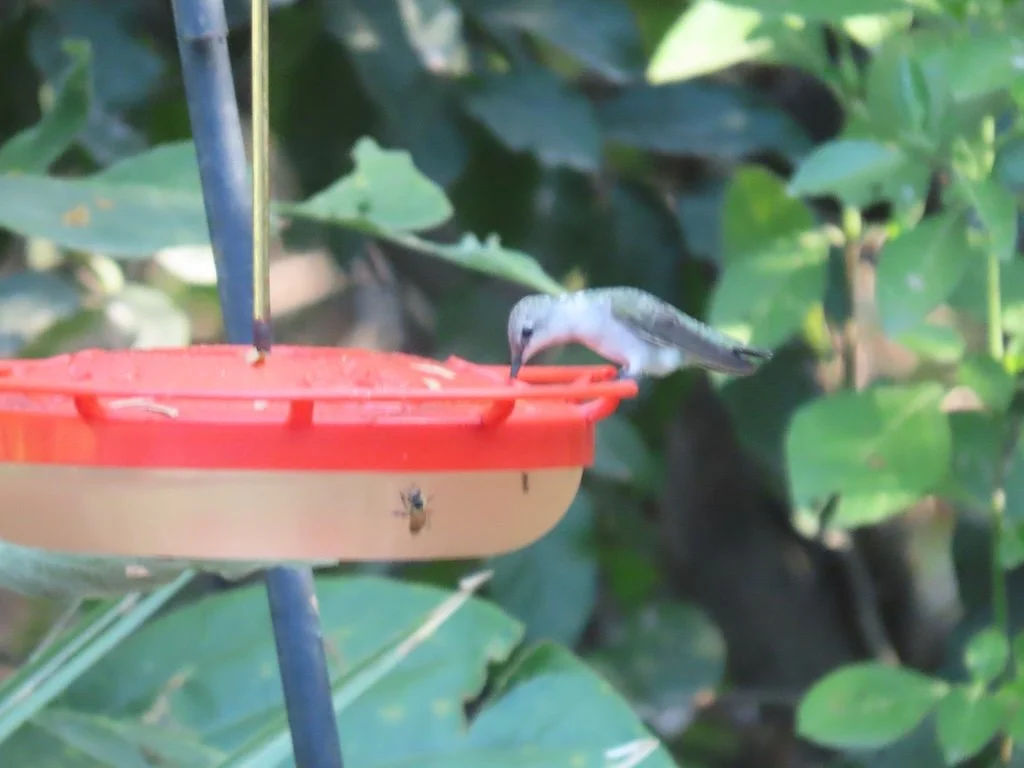
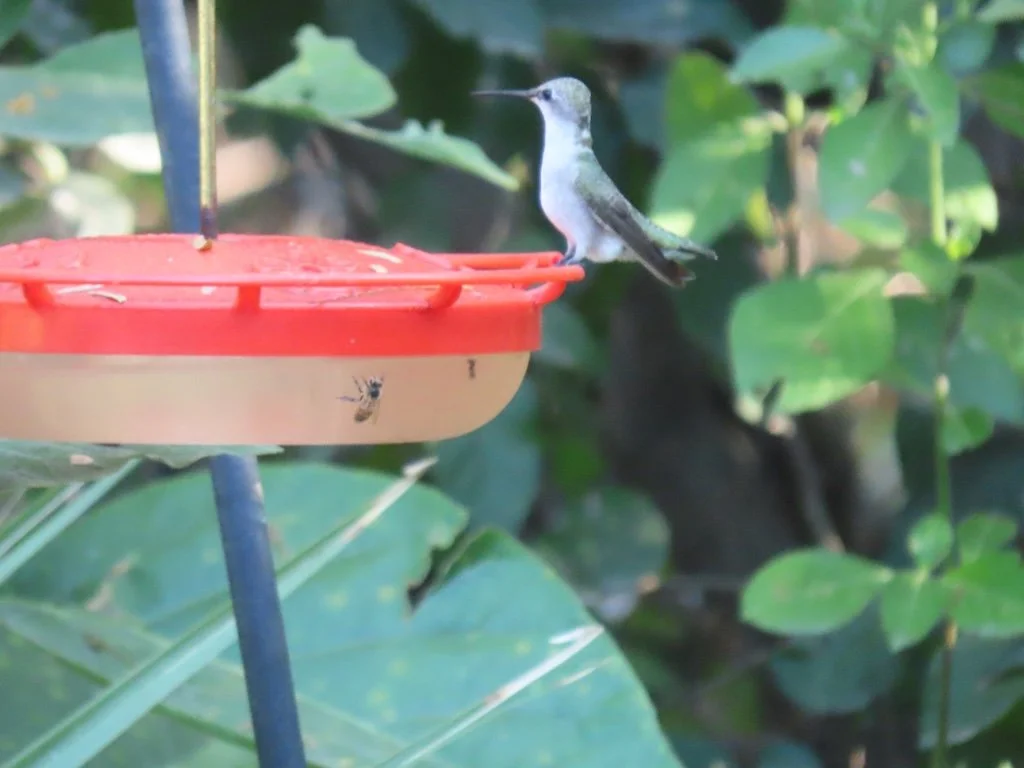
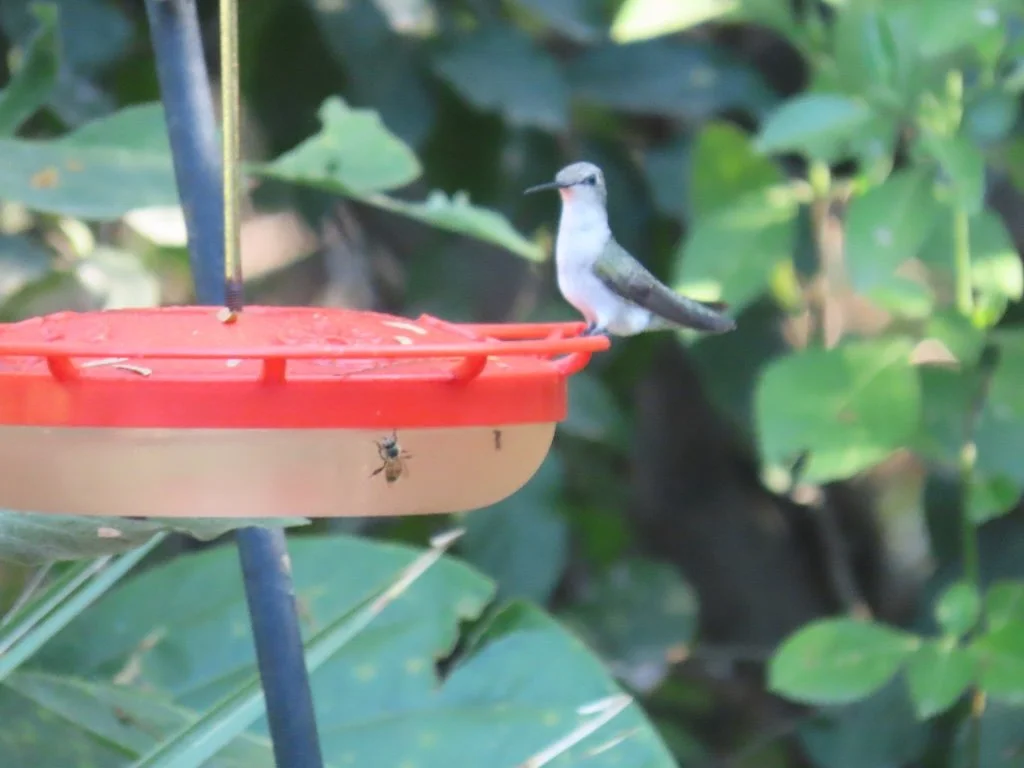
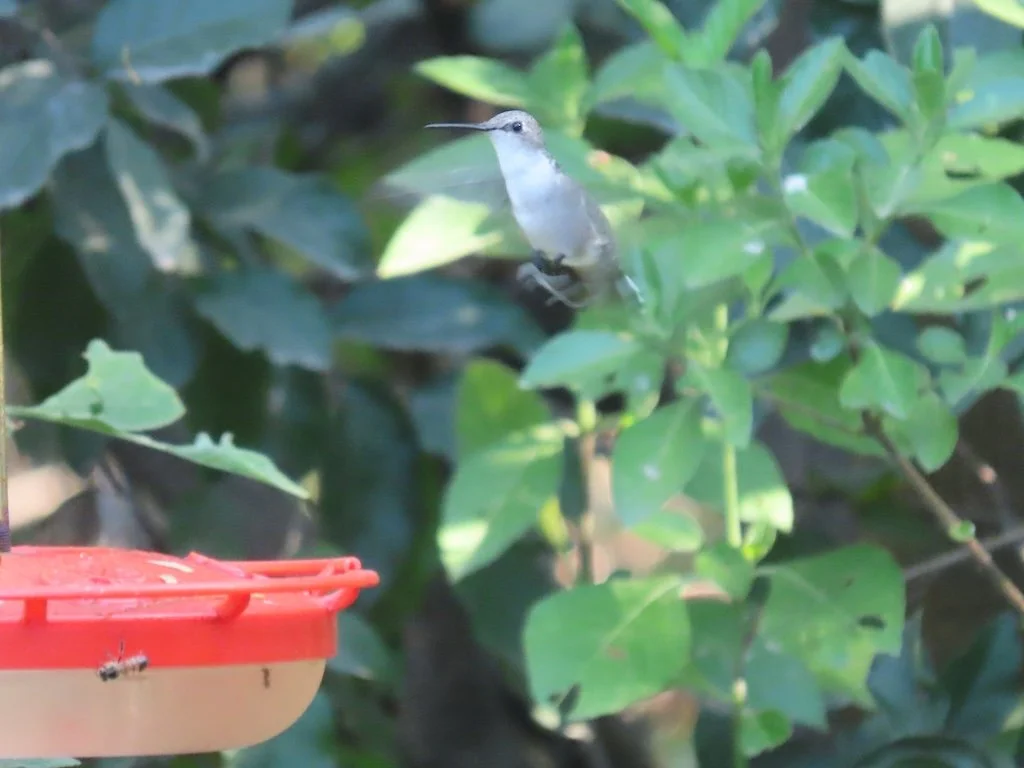
Hummingbird

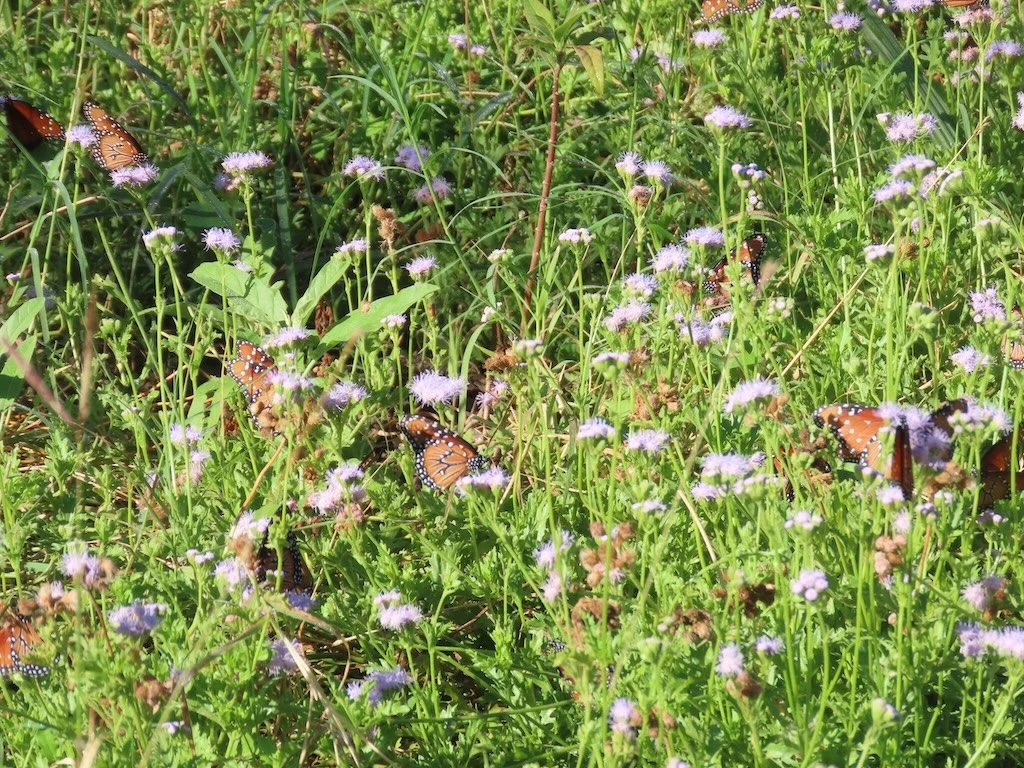
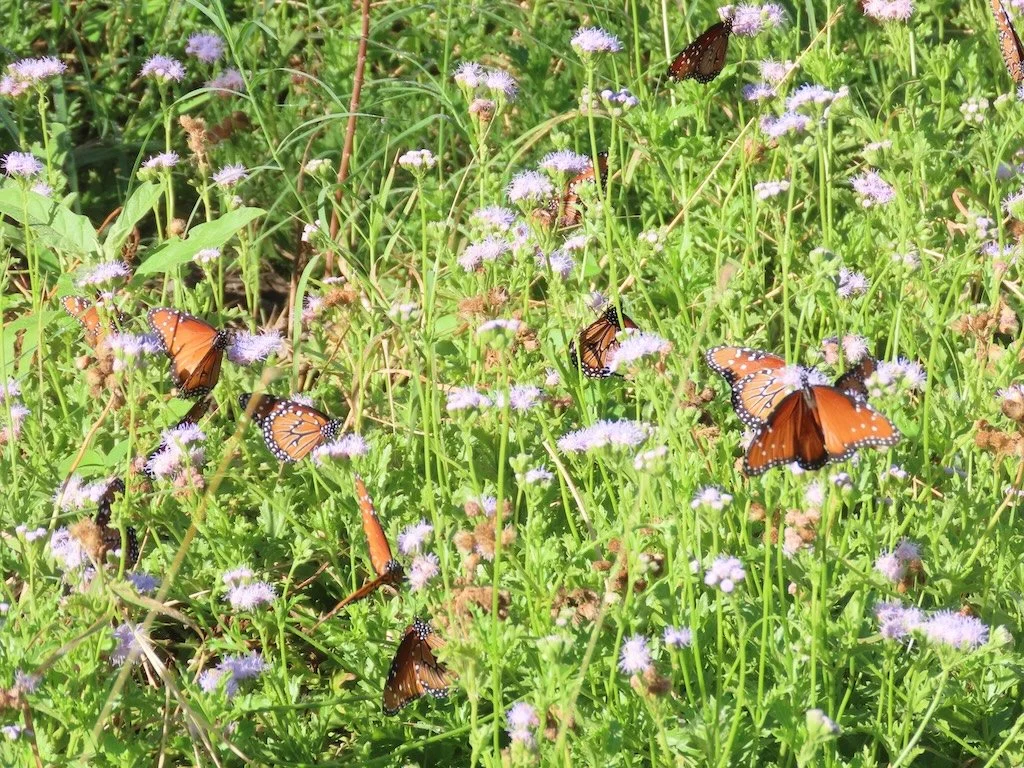
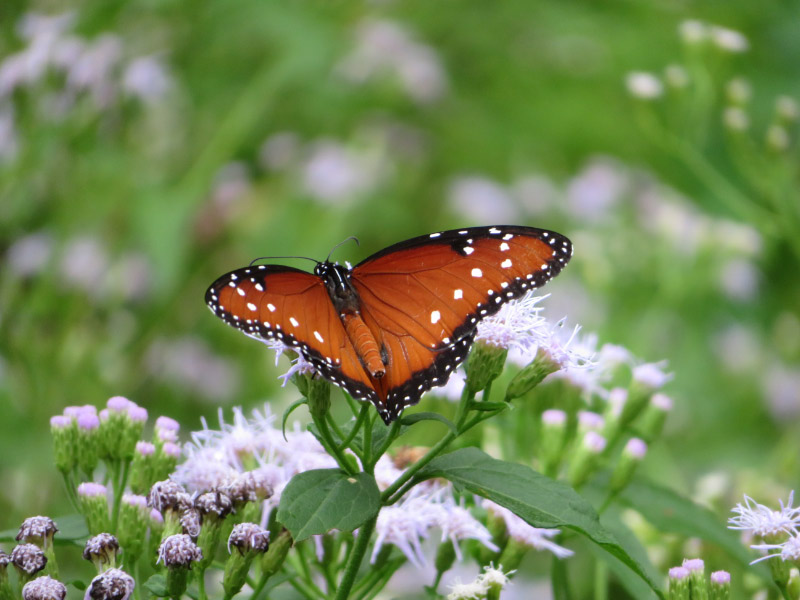
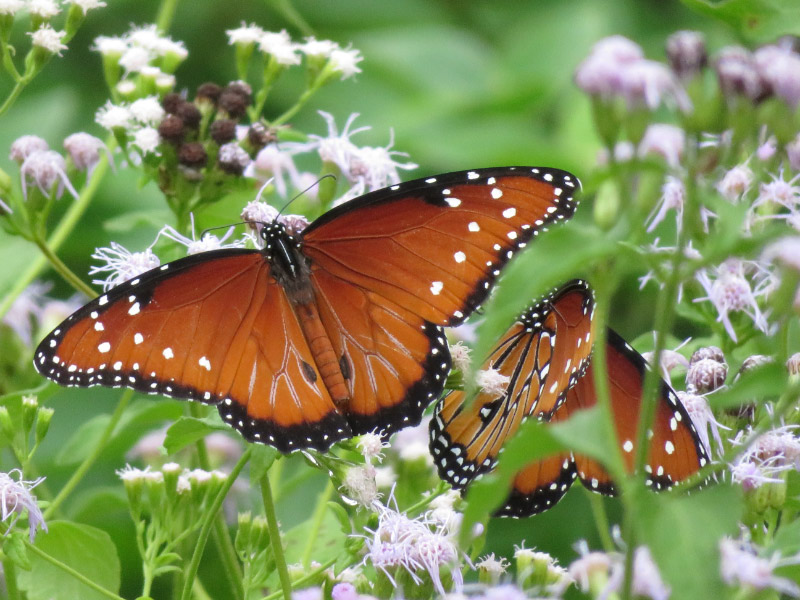
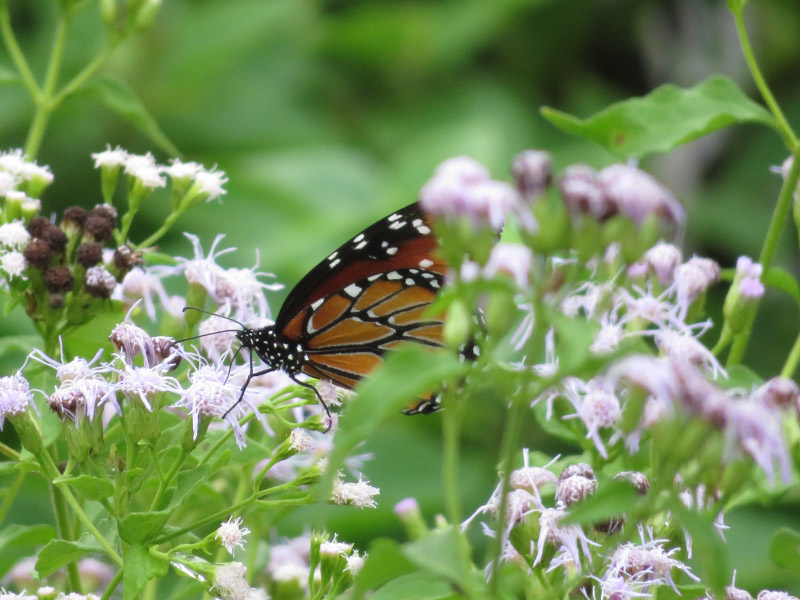
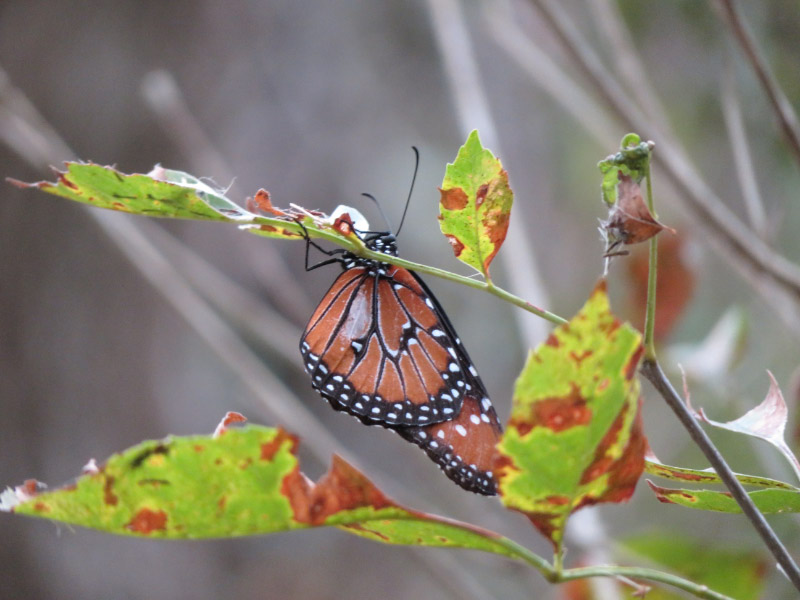
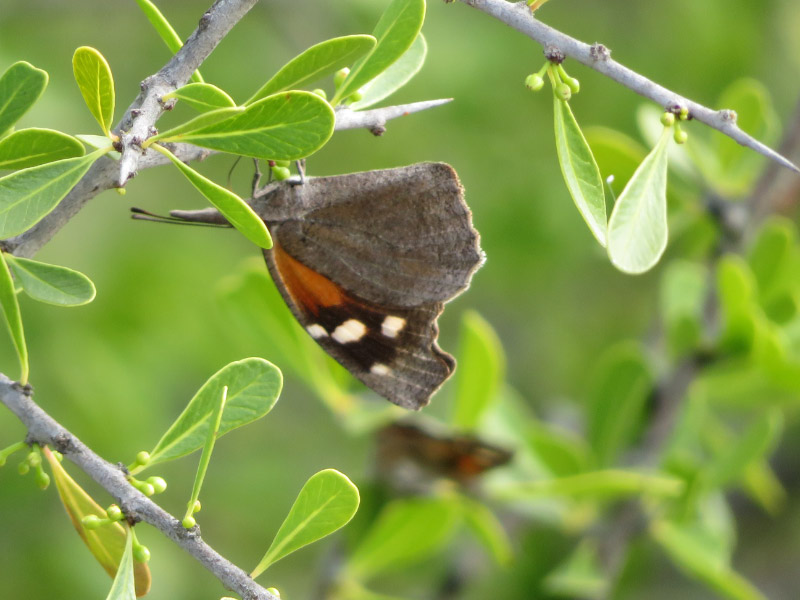
Queen butterflies

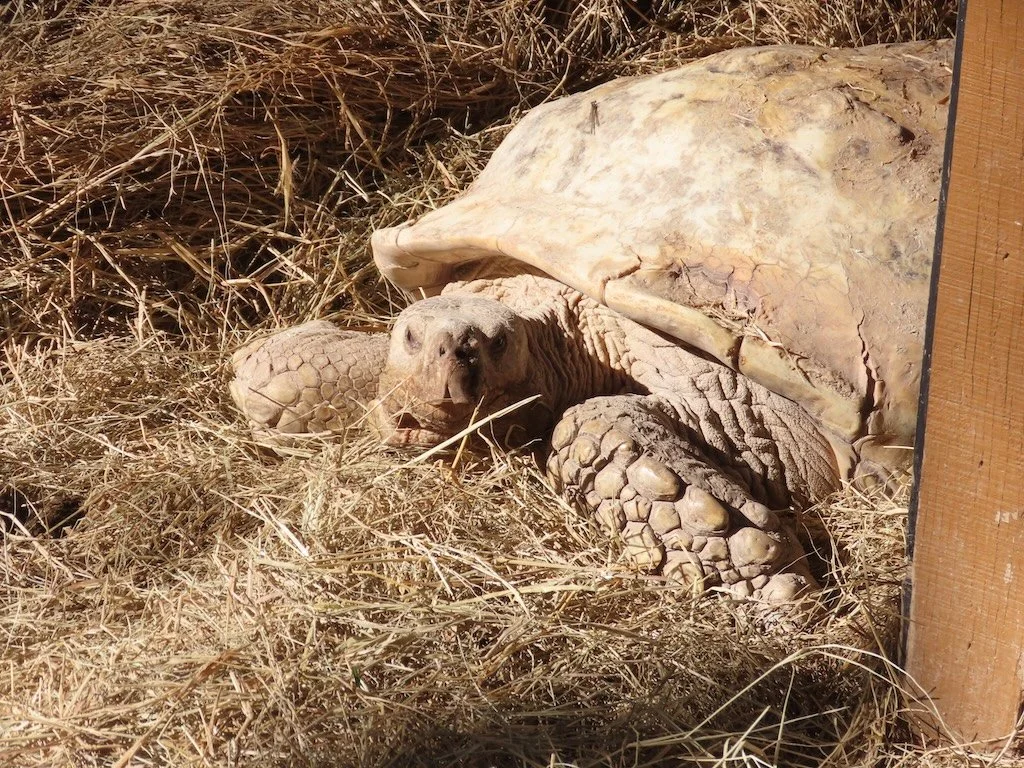
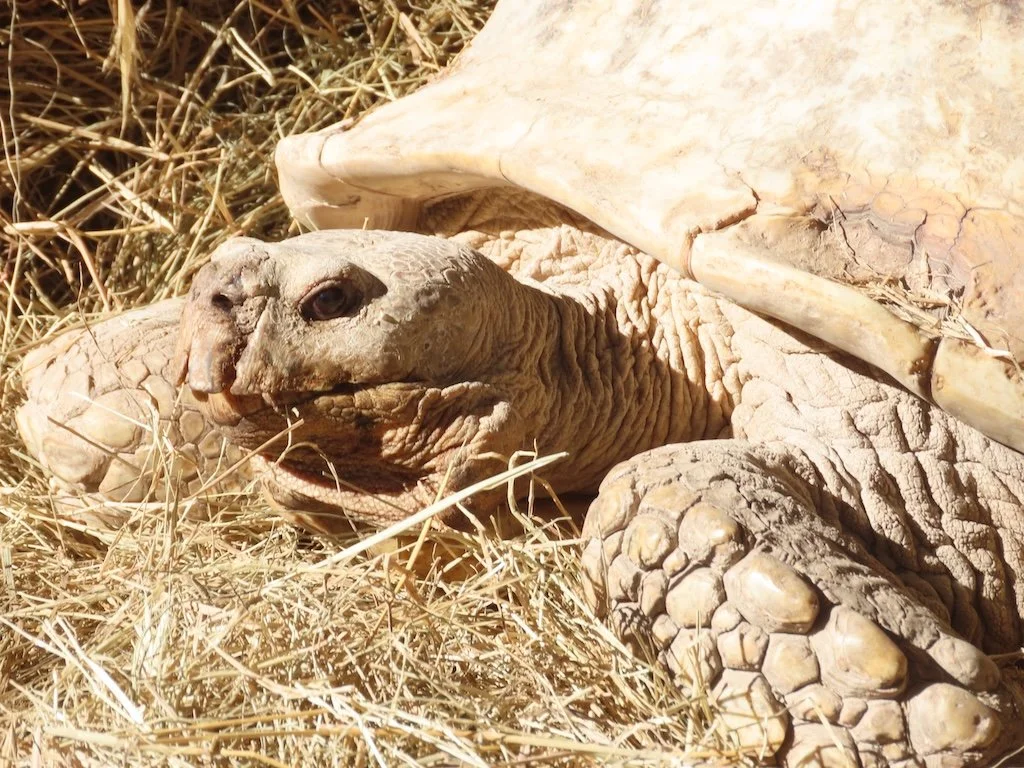
A rescued tortoise (not native…shell damaged by a fire)

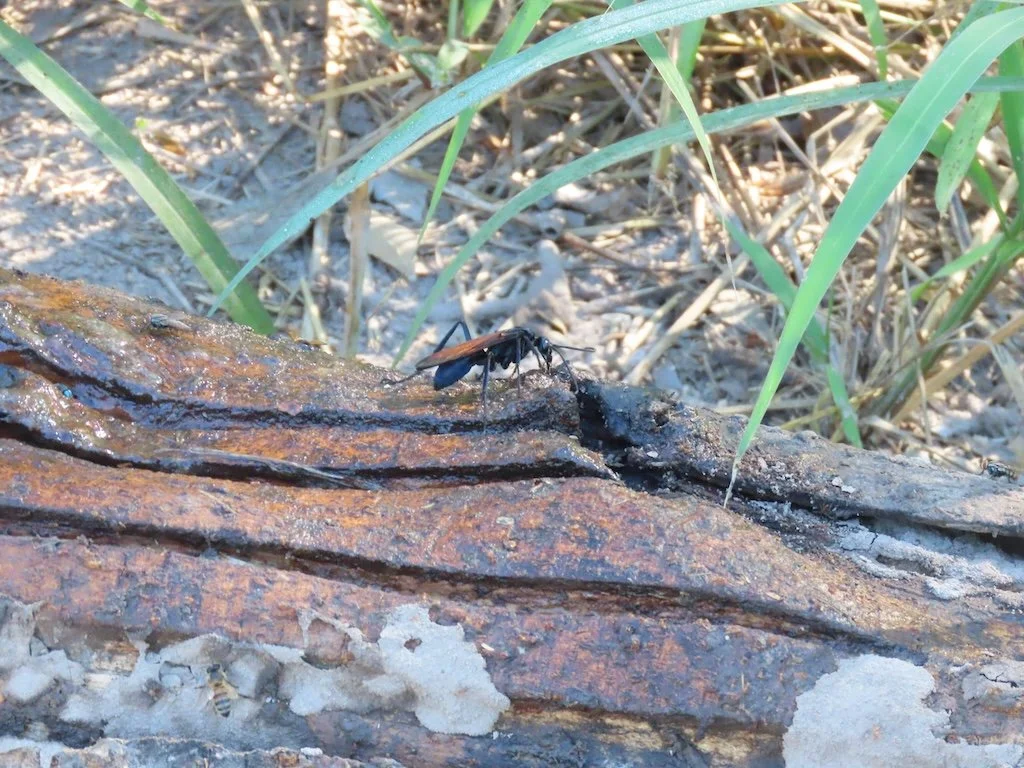
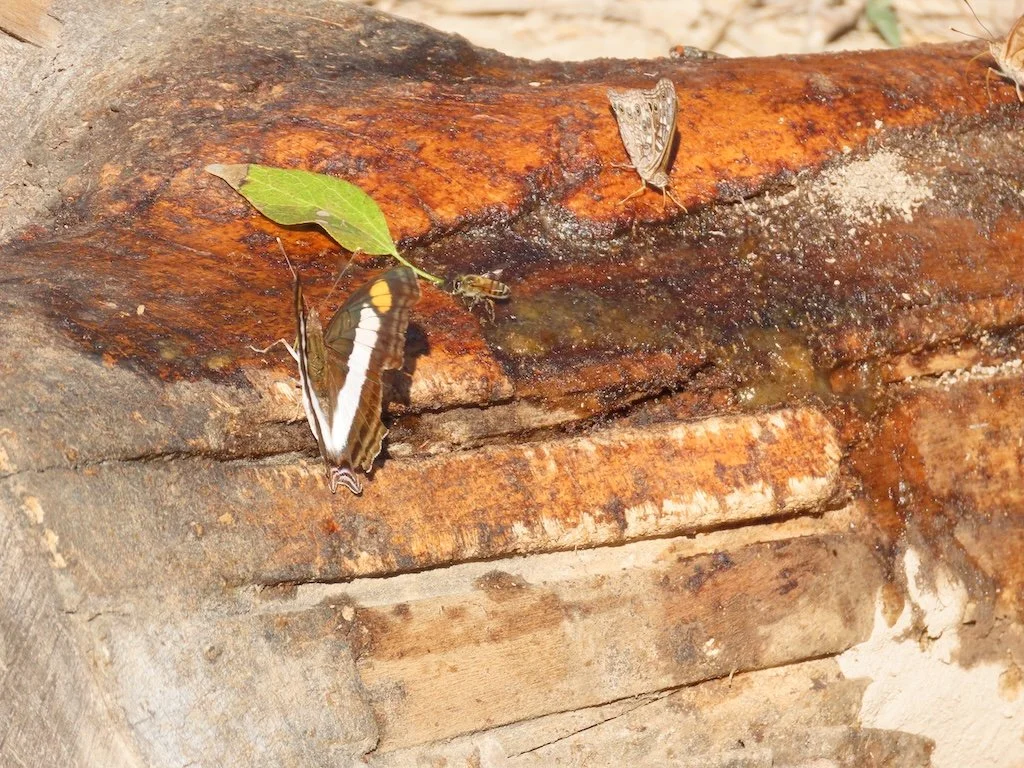
Logs with beer, banana, brown sugar mix painted on daily) that attract insects

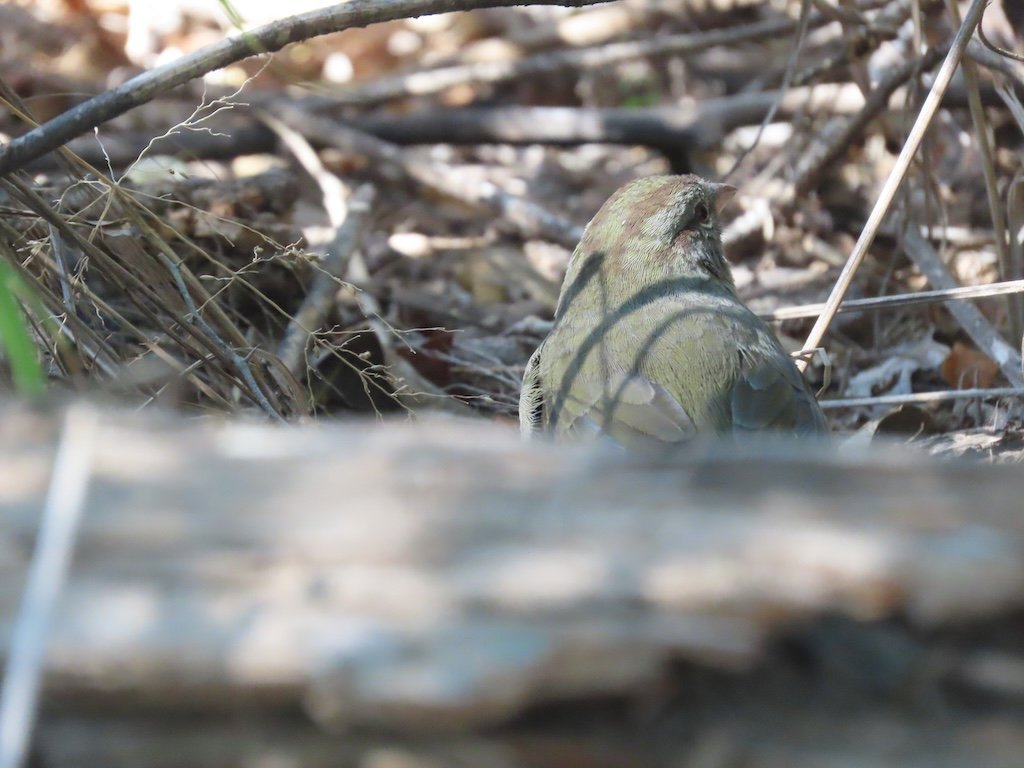
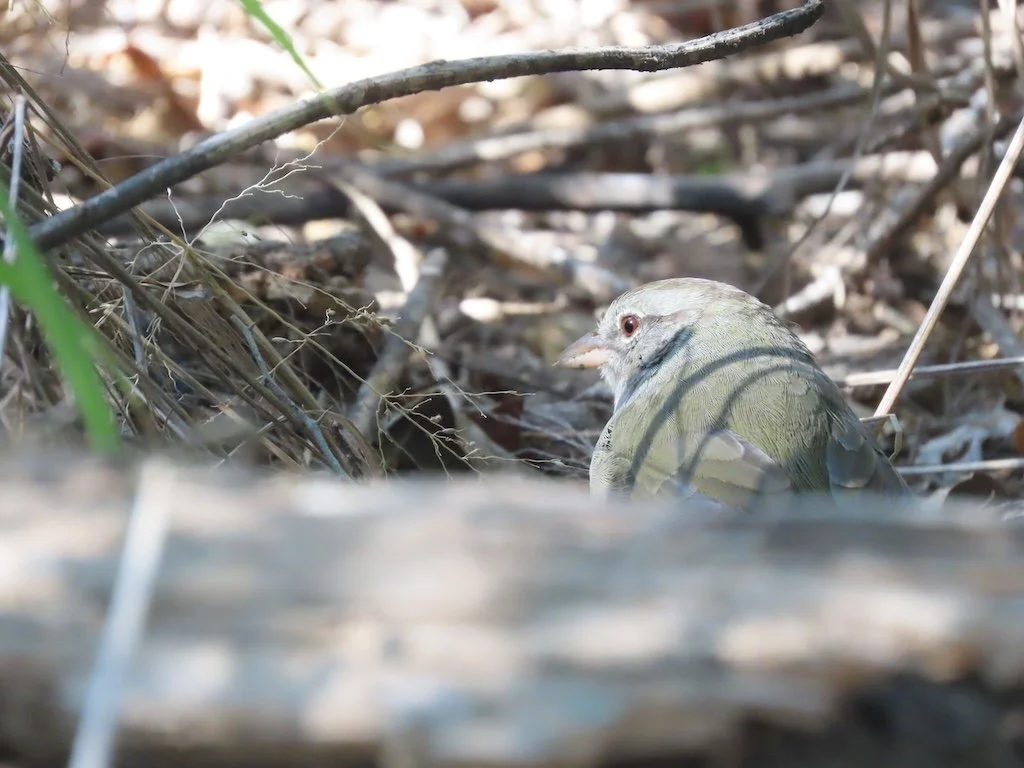
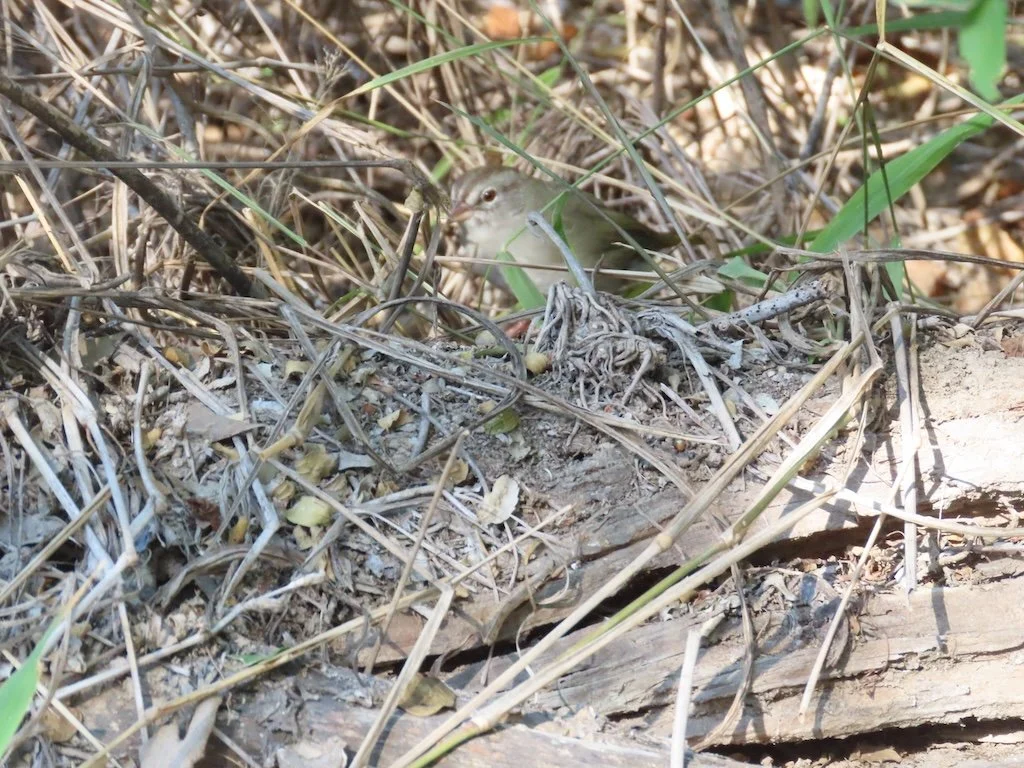
Olive sparrow (I saw several during the festival but these were the only photos!)

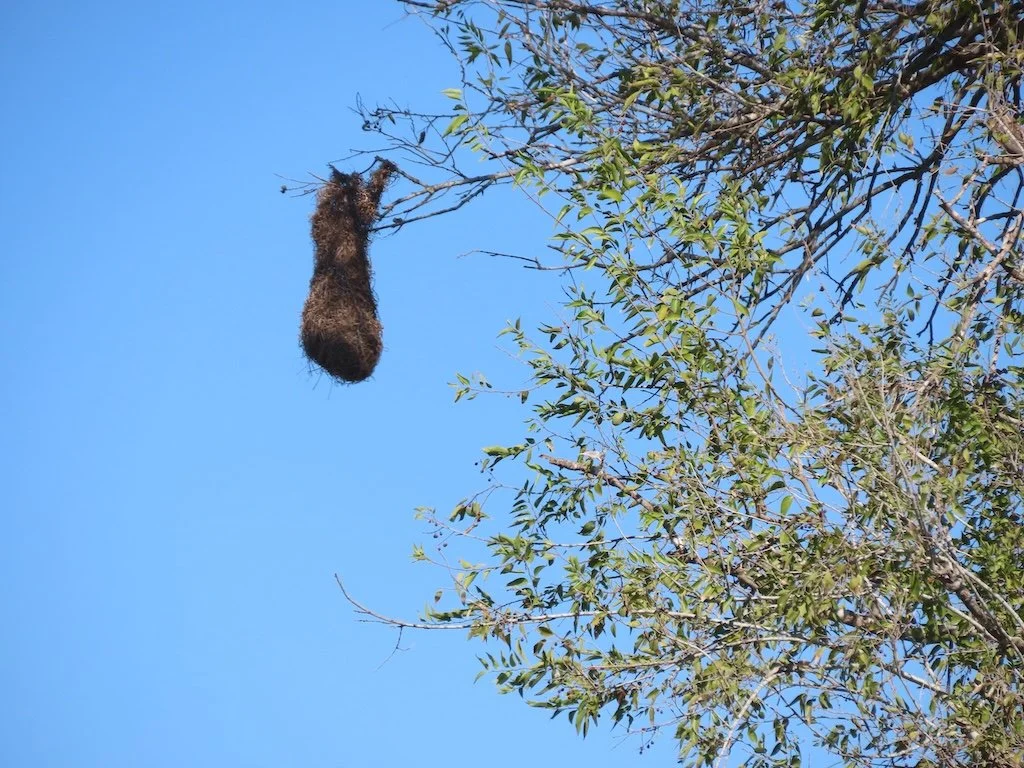
Nest of an Altamira/Audubon oriole hybrid

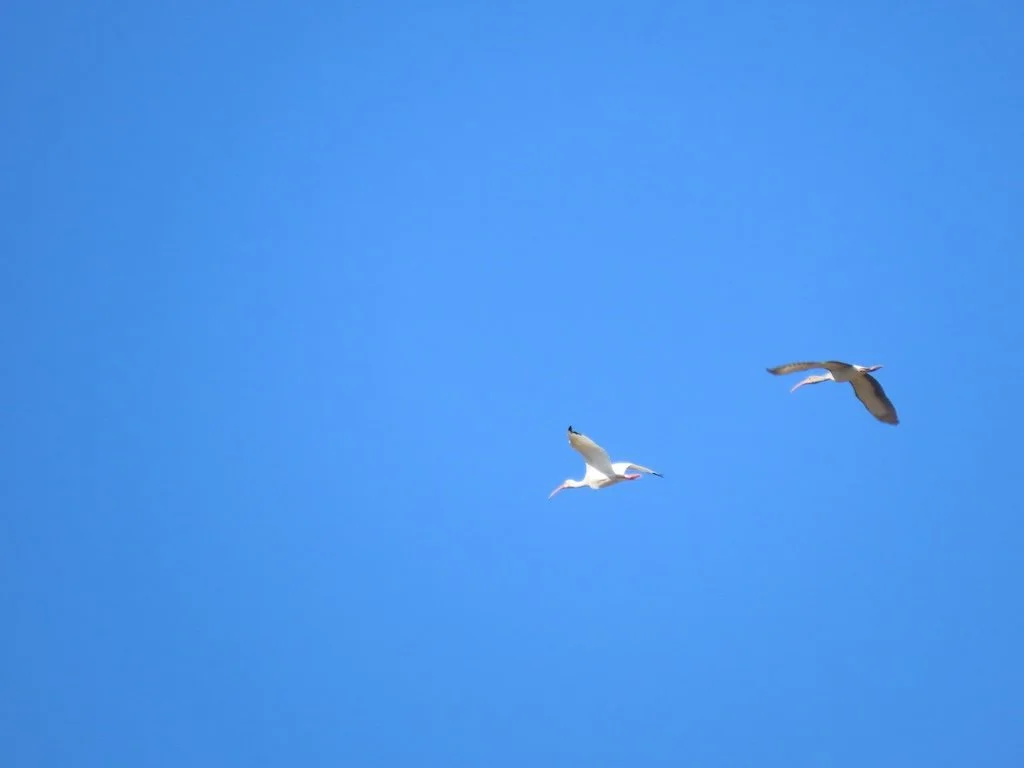
An adult and juvenile white ibis flying

By the end of the walk, I was ready for a rest on the bus while we headed to another birding hotspot.

Laguna Seca Ranch

Our first afternoon at the Rio Grande Valley Birding Festival was spent at the Laguna Seca Ranch doing songbird photography from a blind. We met our guide at a Love’s near the ranch and caravaned on better roads to get there and through the gate. We stopped at an area for facilities and to sign in…then went to the area where a blind was set up. There were folding chairs and we all had a space to look through the curtains at a small pool with enhancements to make more interesting photographs: logs, freshly cut branches with green leaves, a tree near the pool, a branch rigged to drip water into the pool from a few feet above the surface. The guide spread nut butter on the logs (out of direct line of sight). I used my Canon Powershot SX70-HS (bridge) and my monopod.

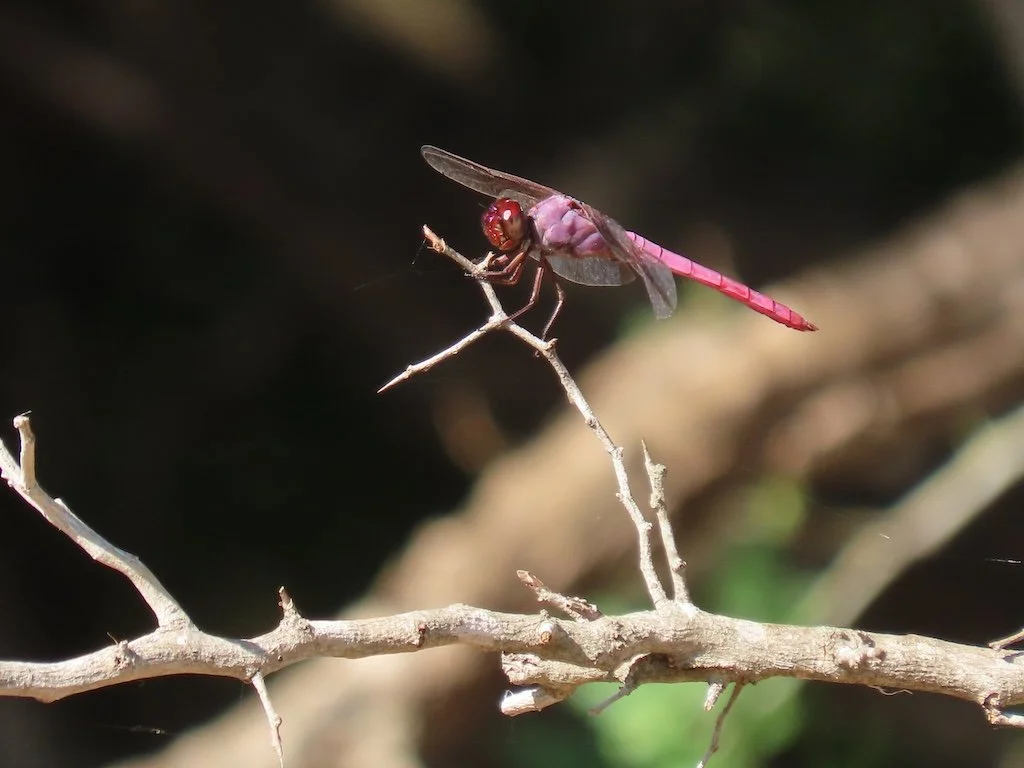
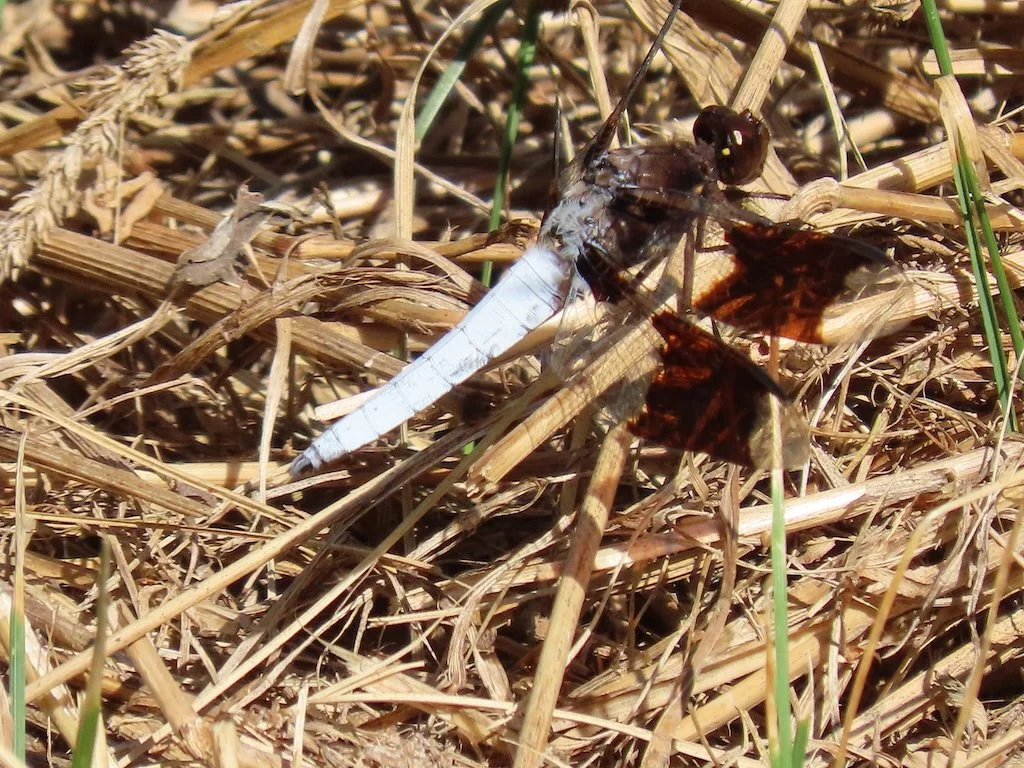
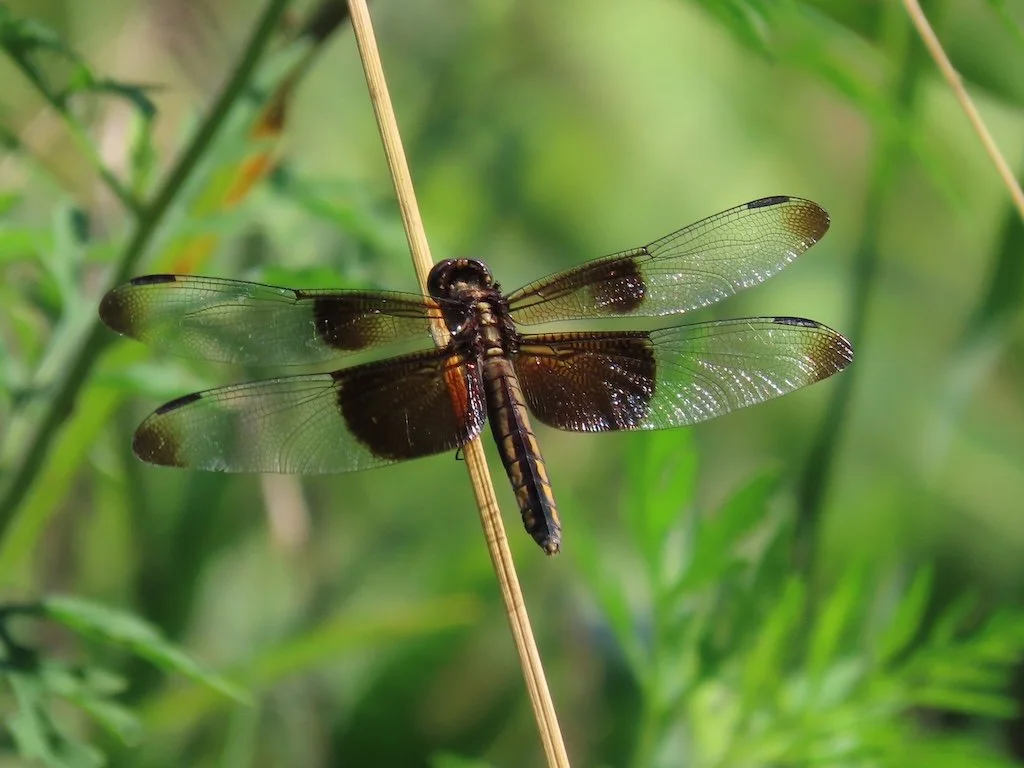
The first picture I took was while the guide was putting out the nut butter – a dragonfly on a nearby branch. It was pink! I think it was a Roseate Skimmer.

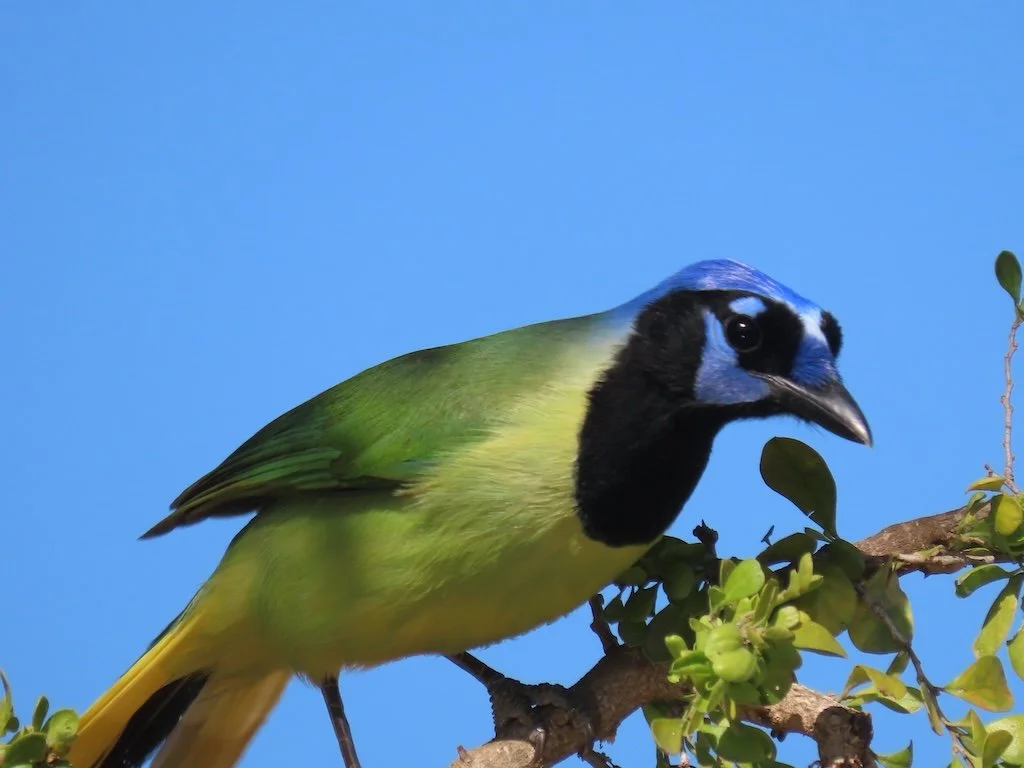
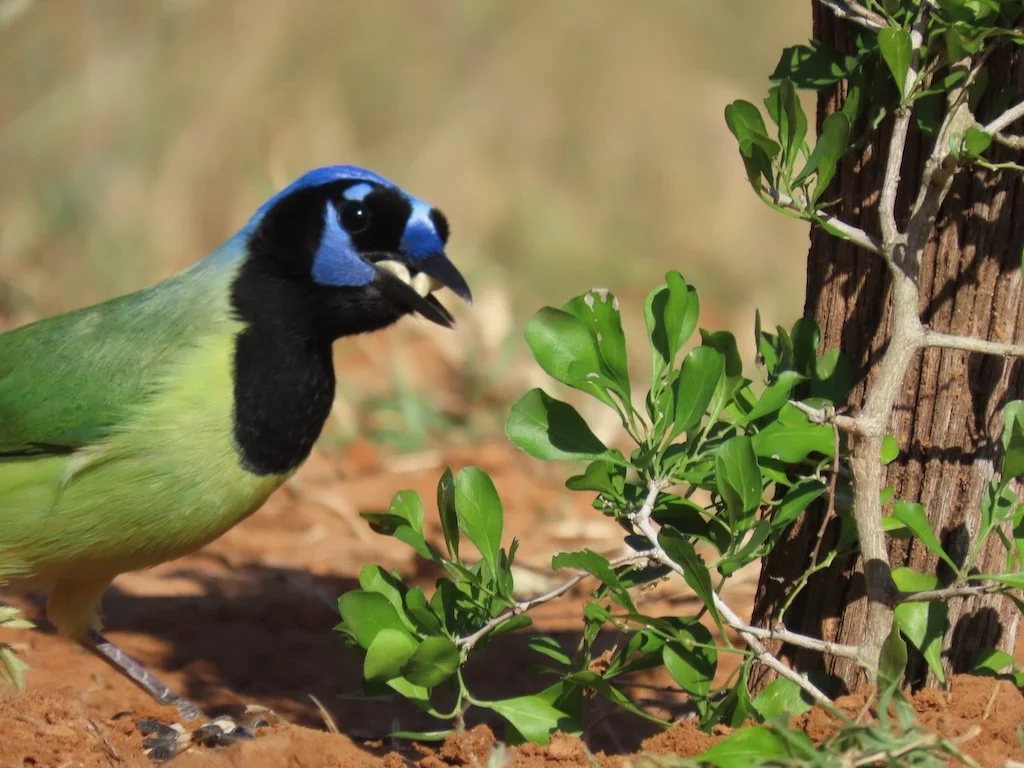
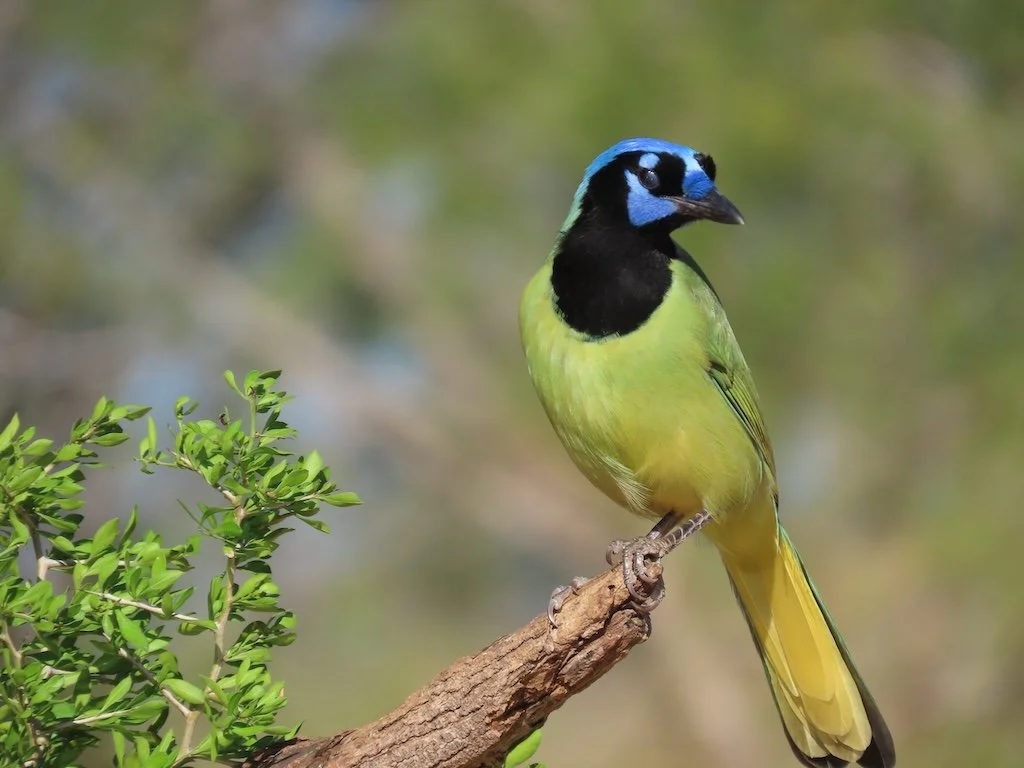
A green jay made an appearance.

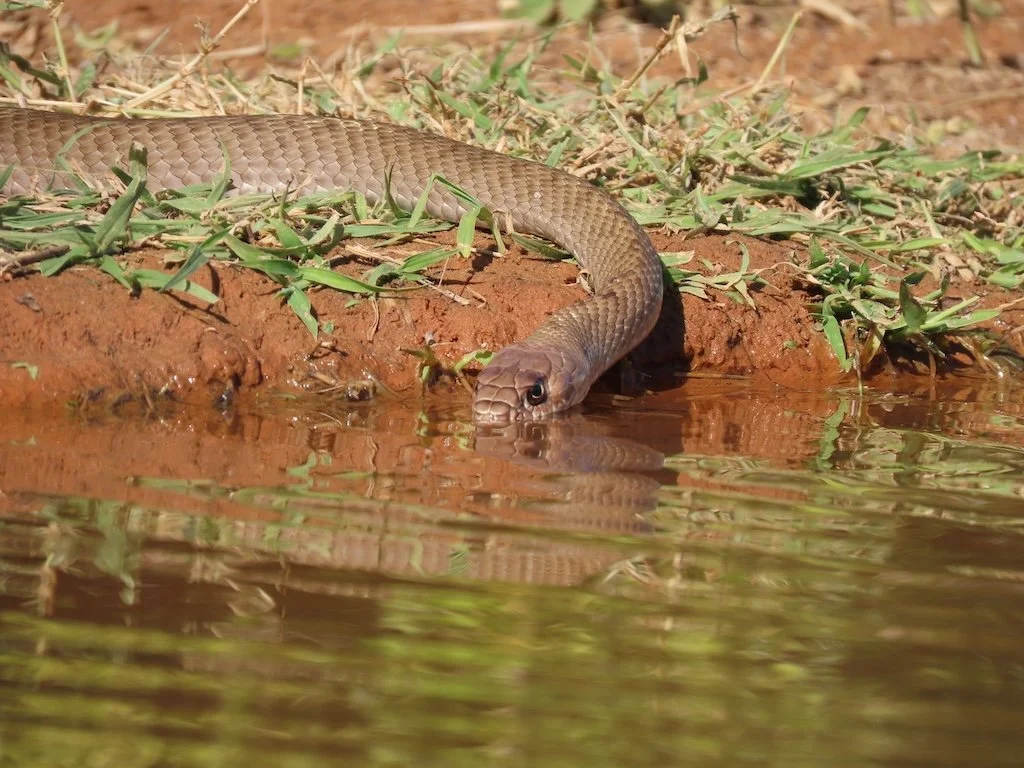
And then there was a coach whip snake that came for a drink. I made a short video.

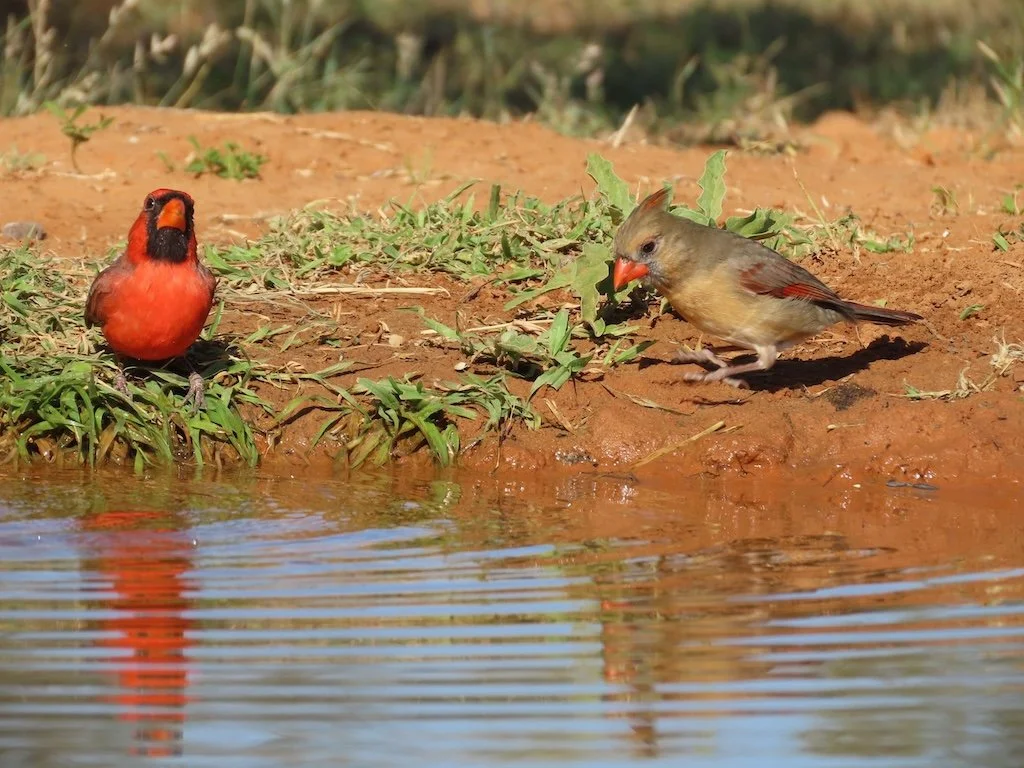
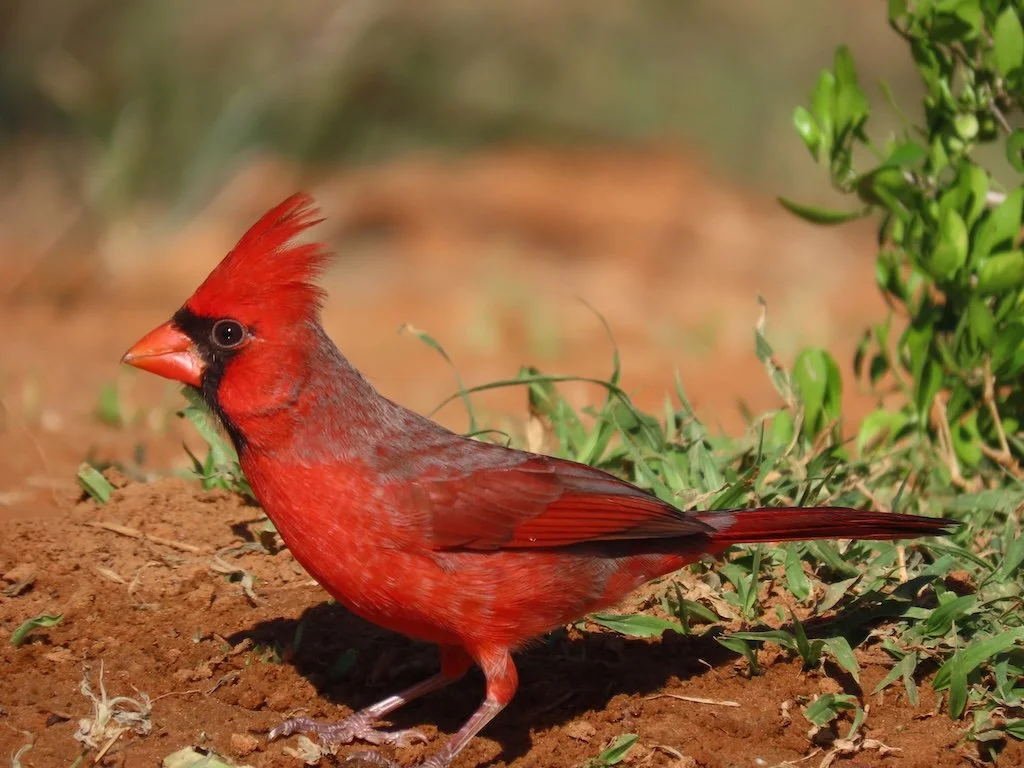
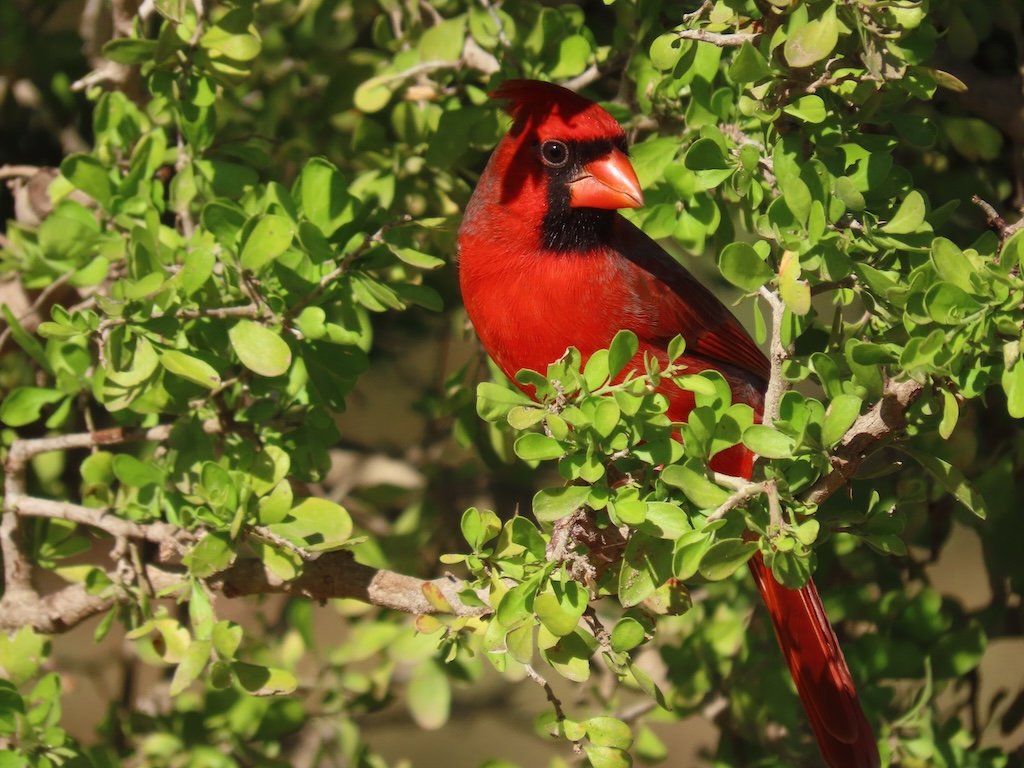
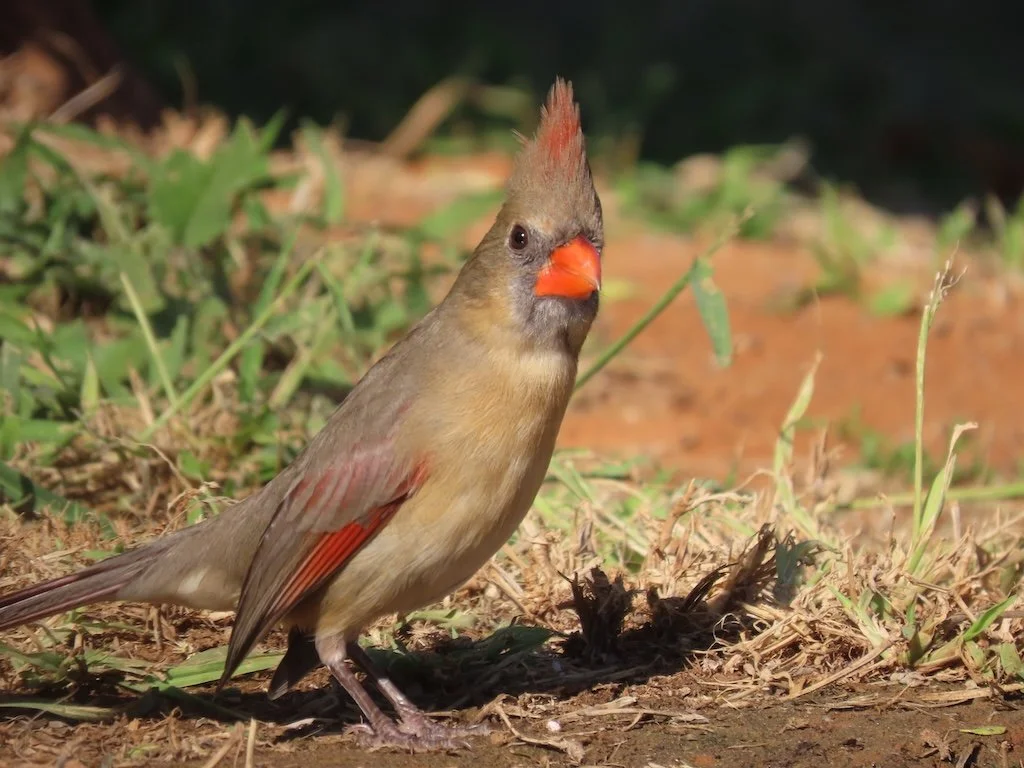
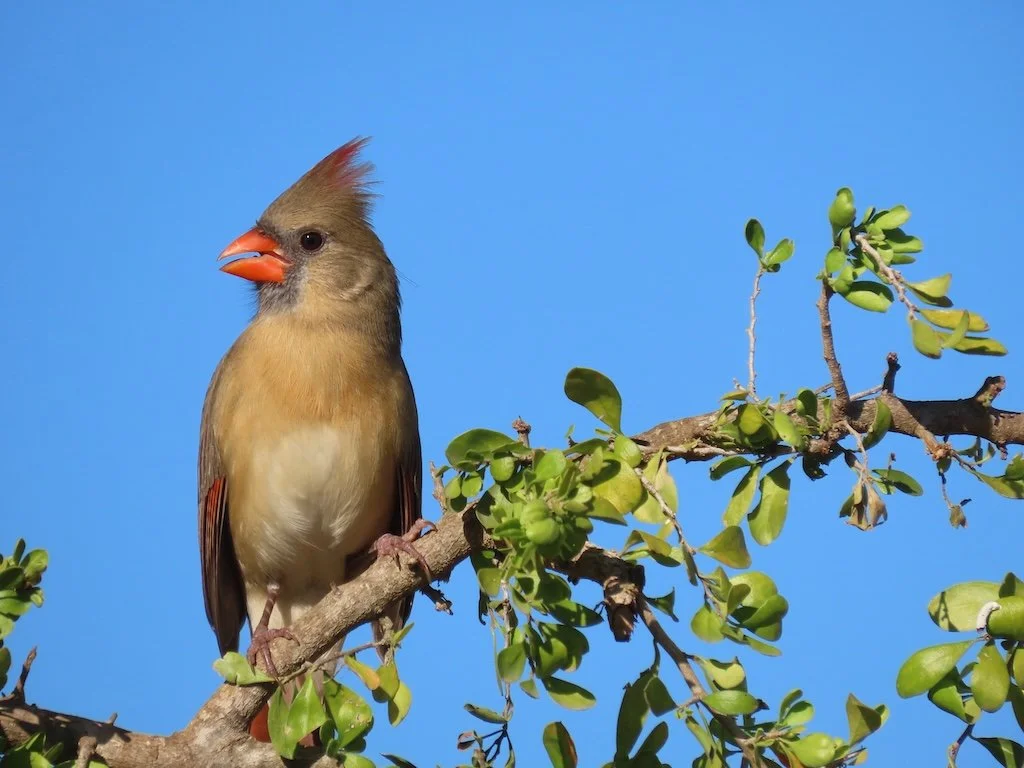
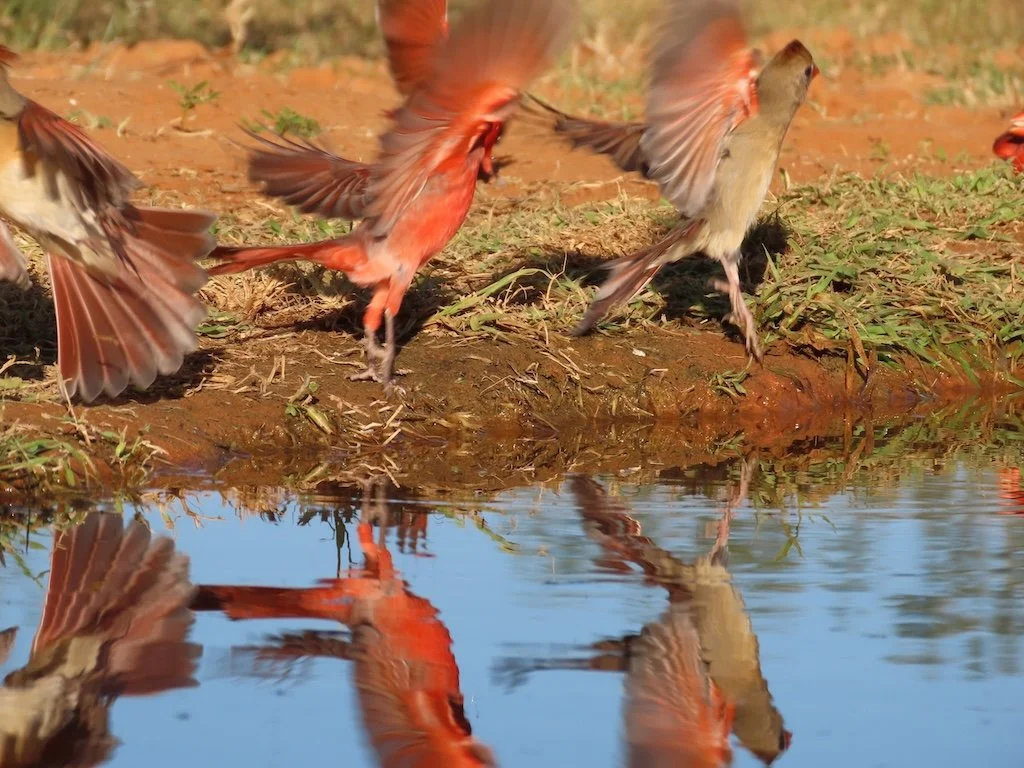
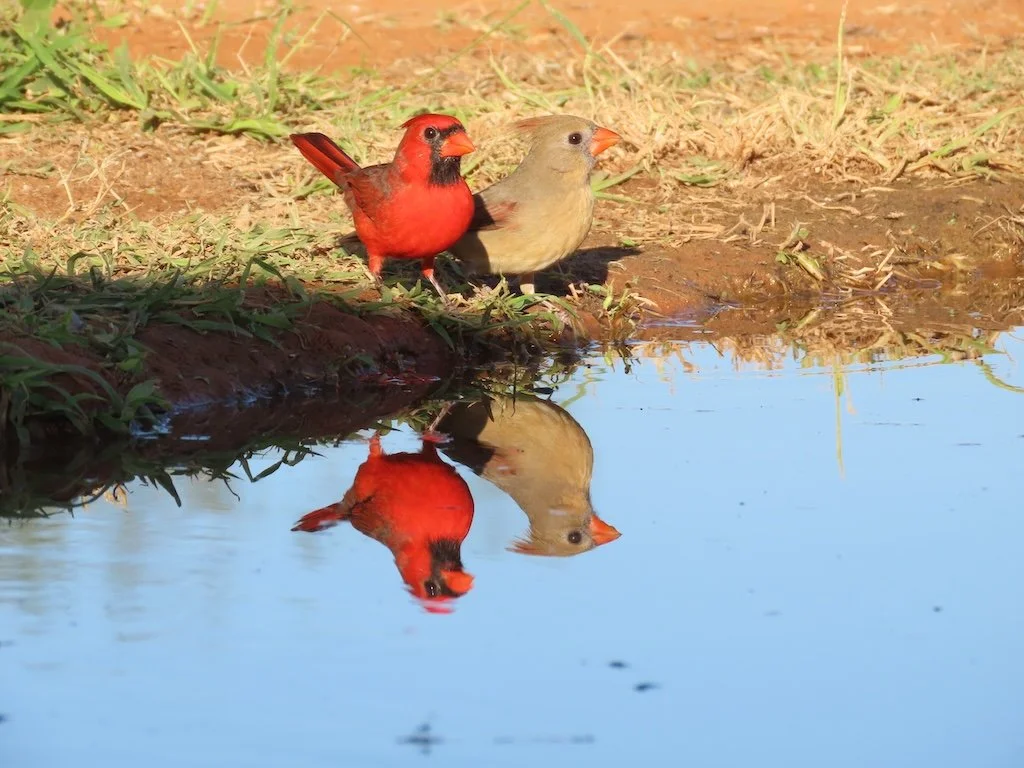
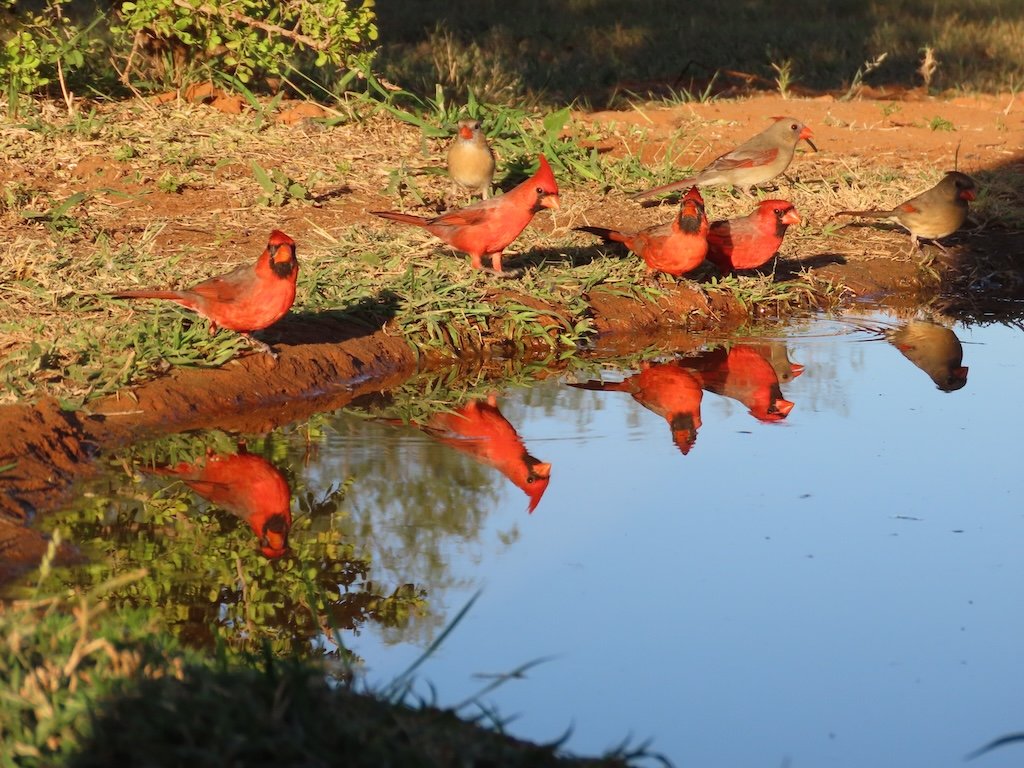
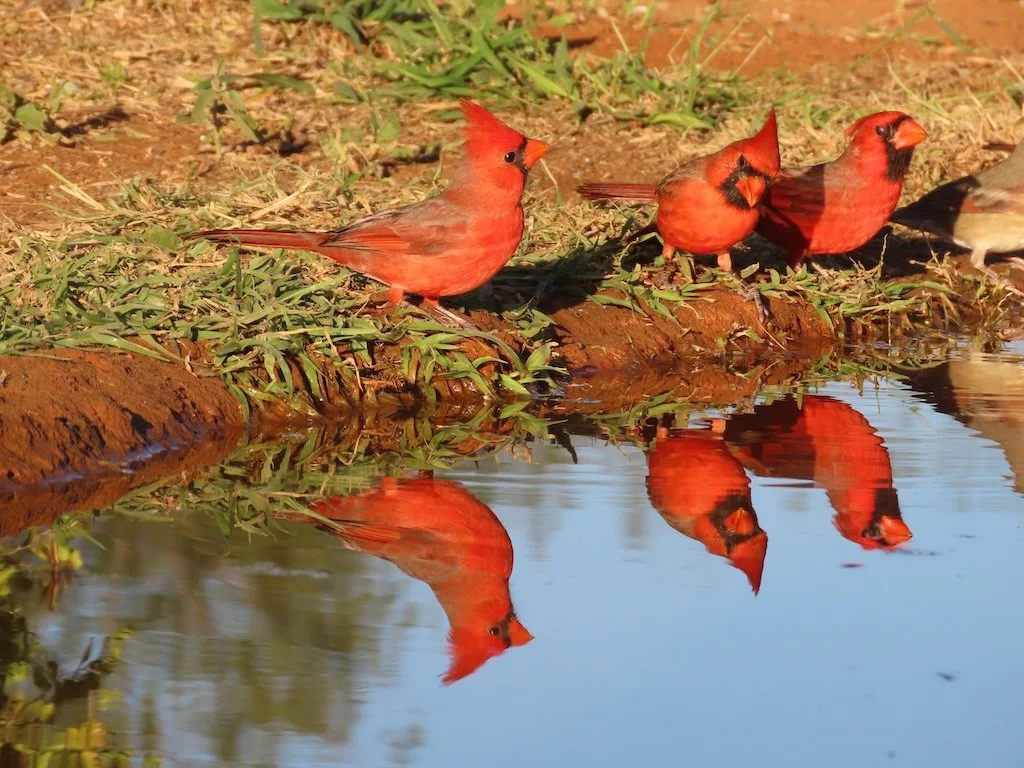
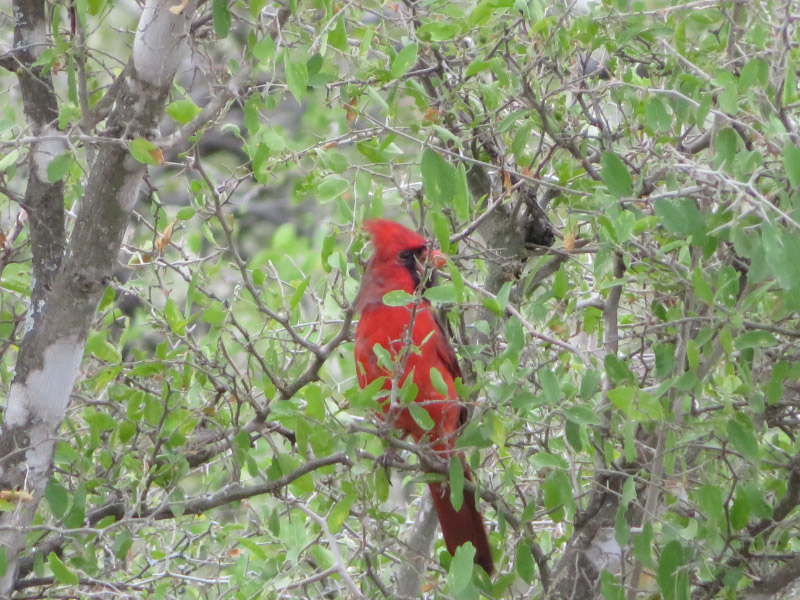
Over the course of the next few hours, I took a lot of northern cardinal pictures.

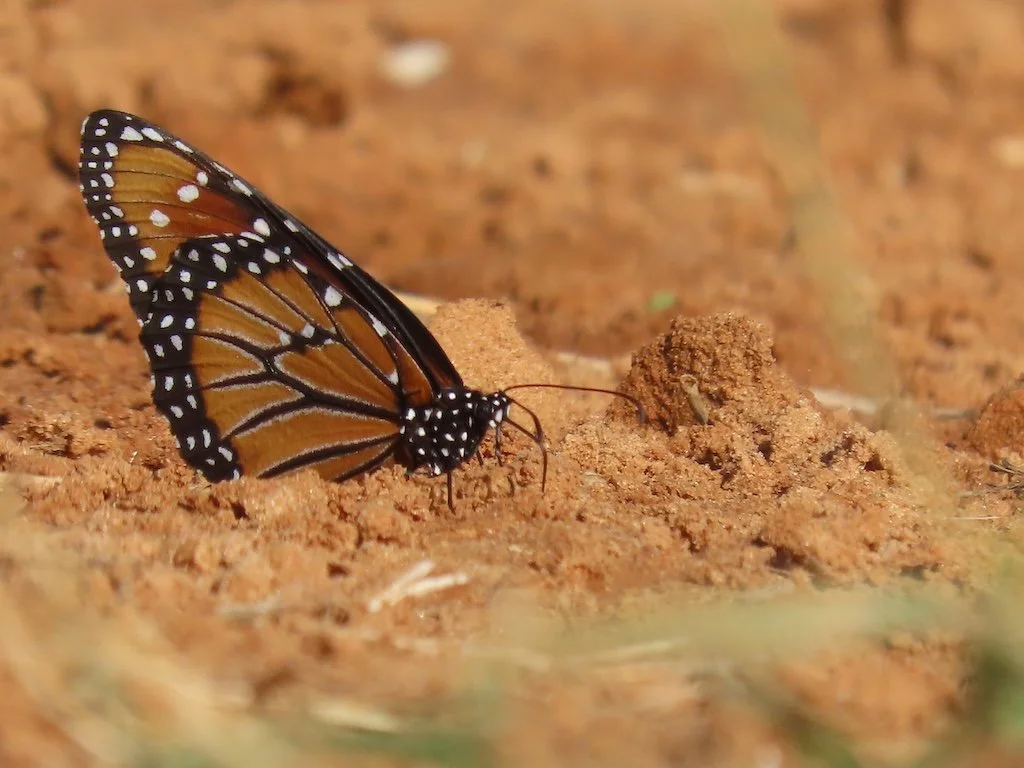
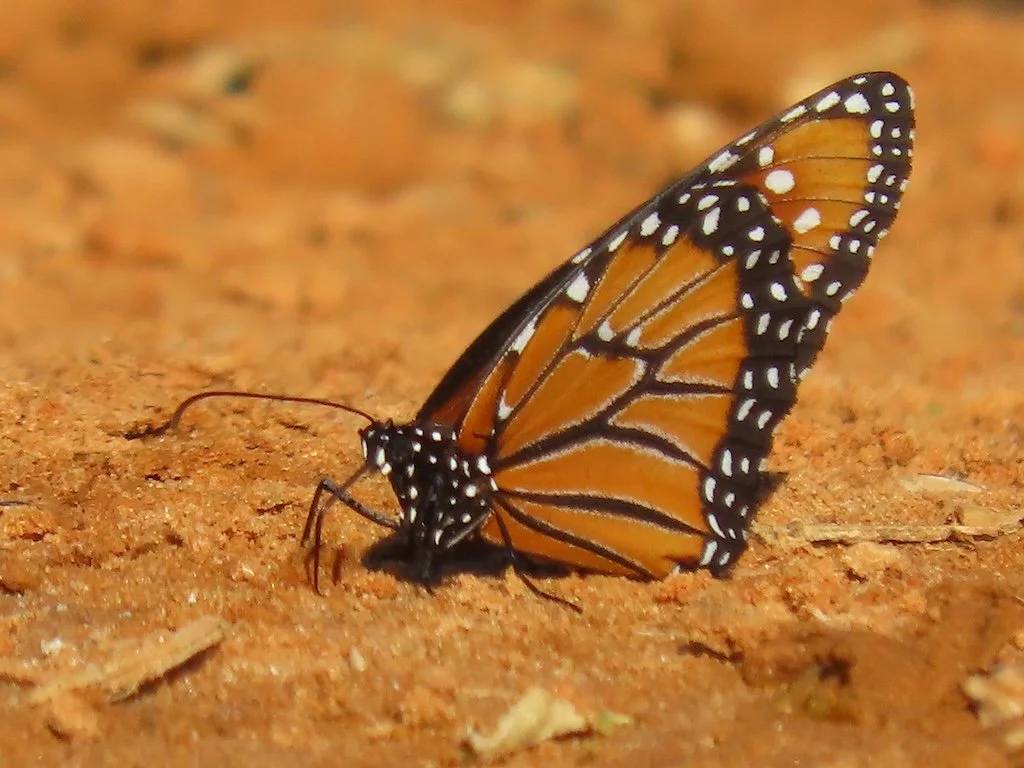
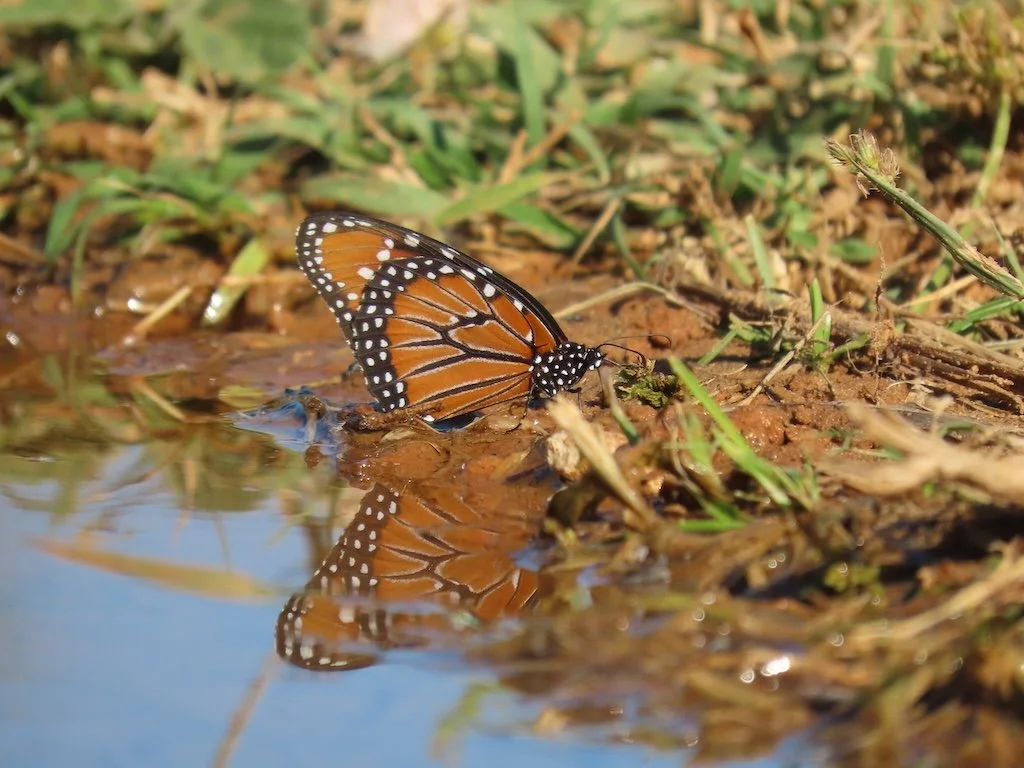
The queen butterflies frequently enjoyed the mud at the edge of the pool.  

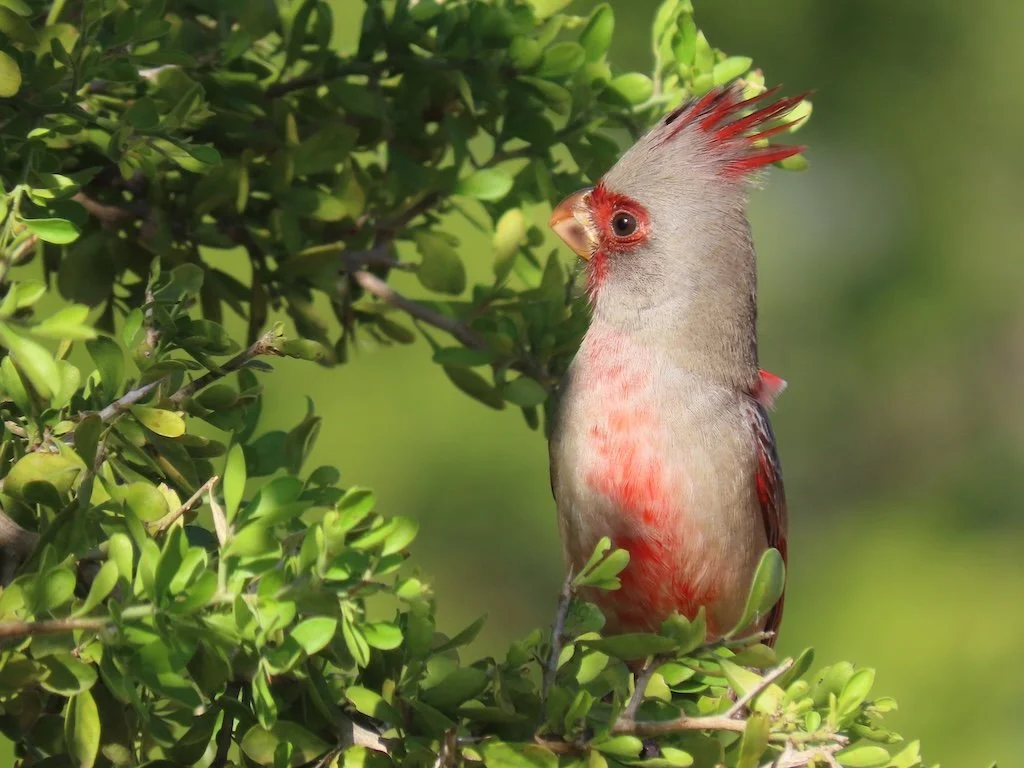
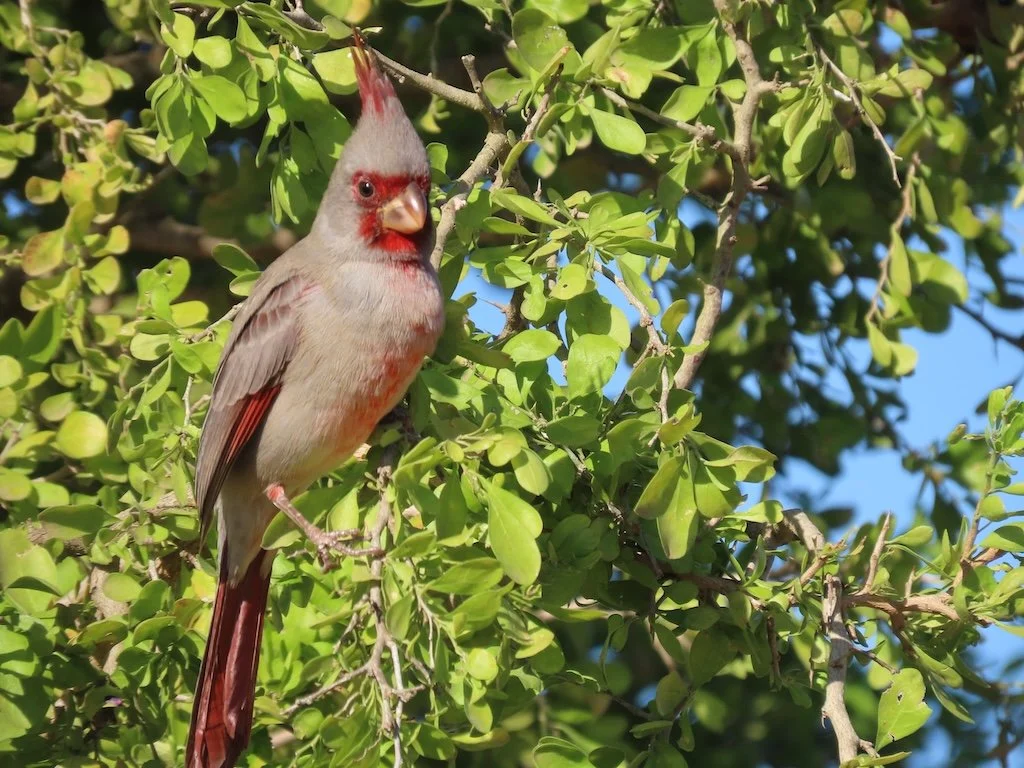
The pyrrhuloxia were around as well but not as numerous as the cardinals.

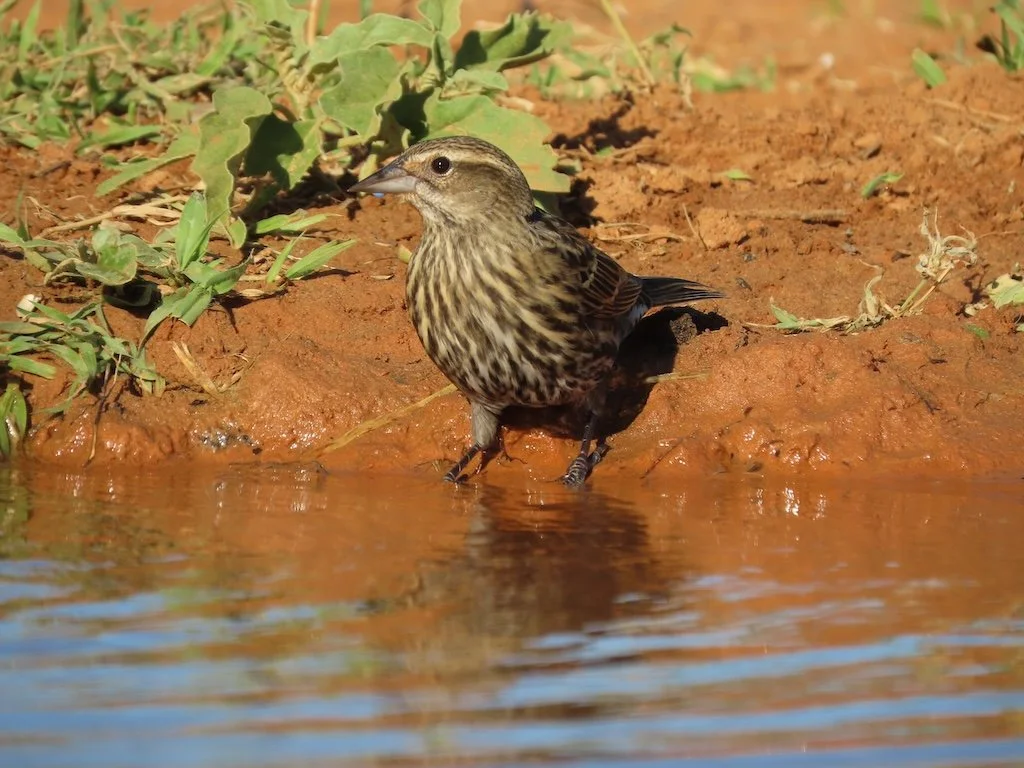
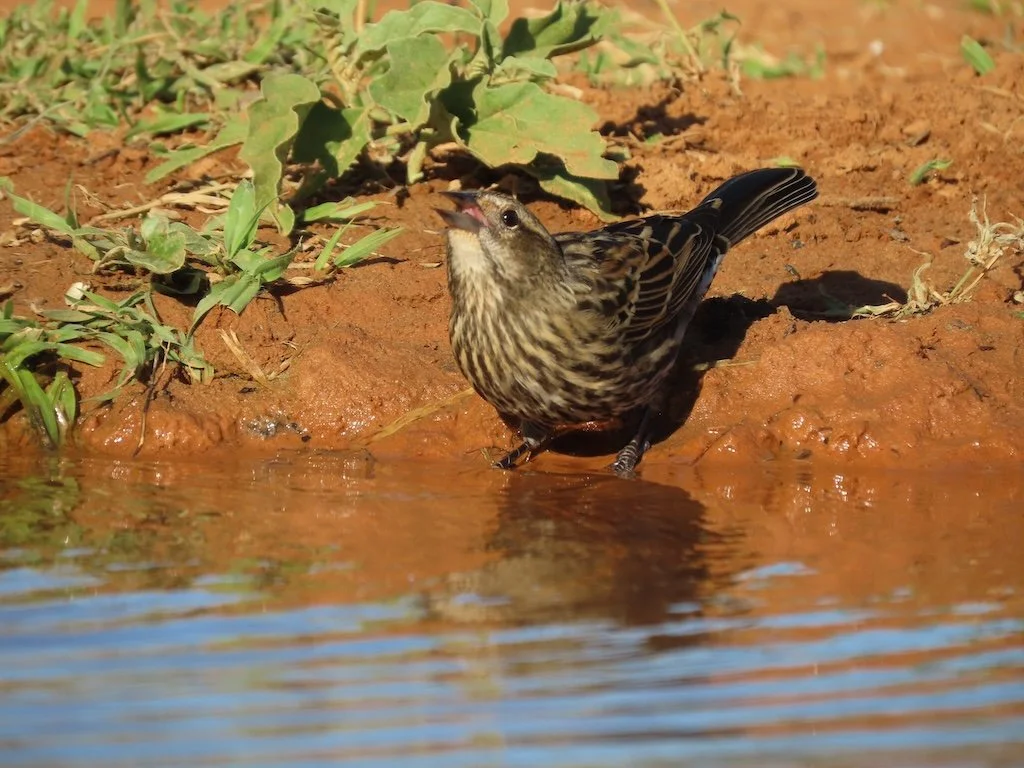
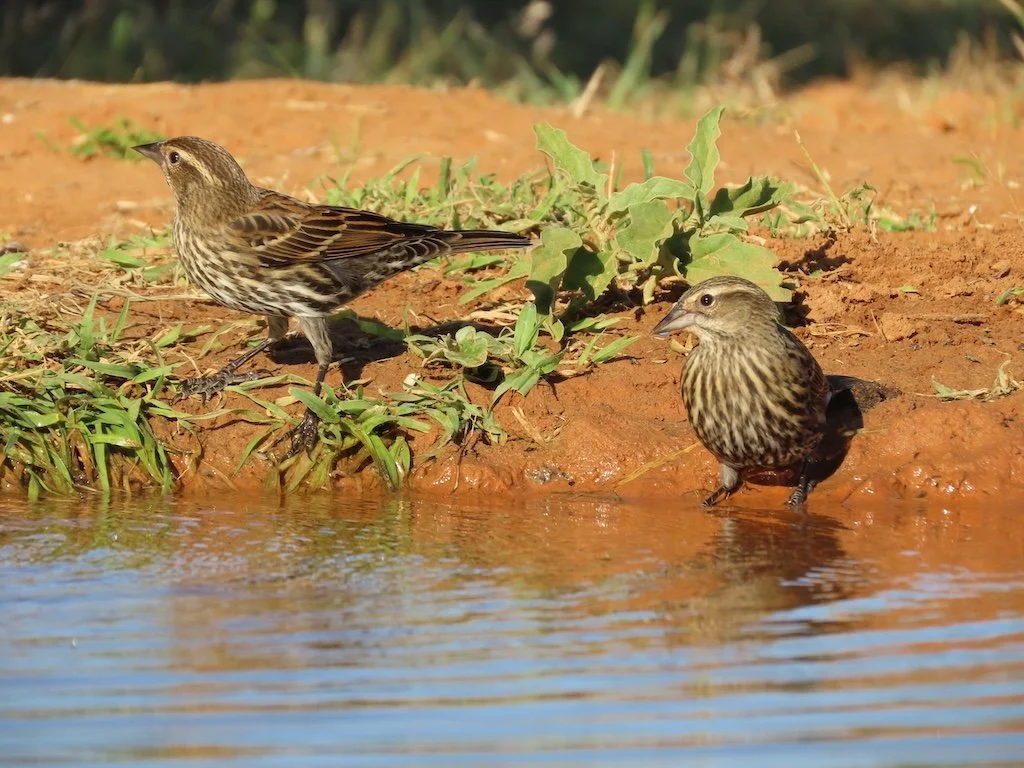
A couple of female red winged blackbirds stopped for a drink.

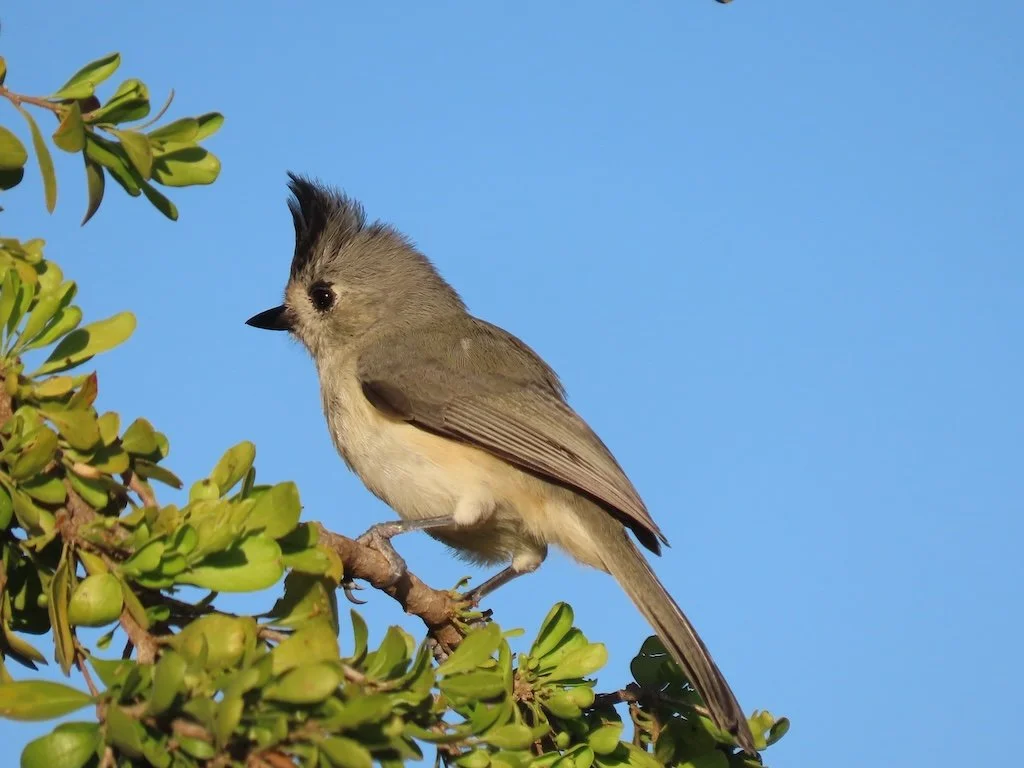
The black-crested titmouse was a new bird for me. They are only found in far south Texas. Hybrids of this bird and the tufted titmouse (the one I see in Missouri) are found in the San Antonio area.

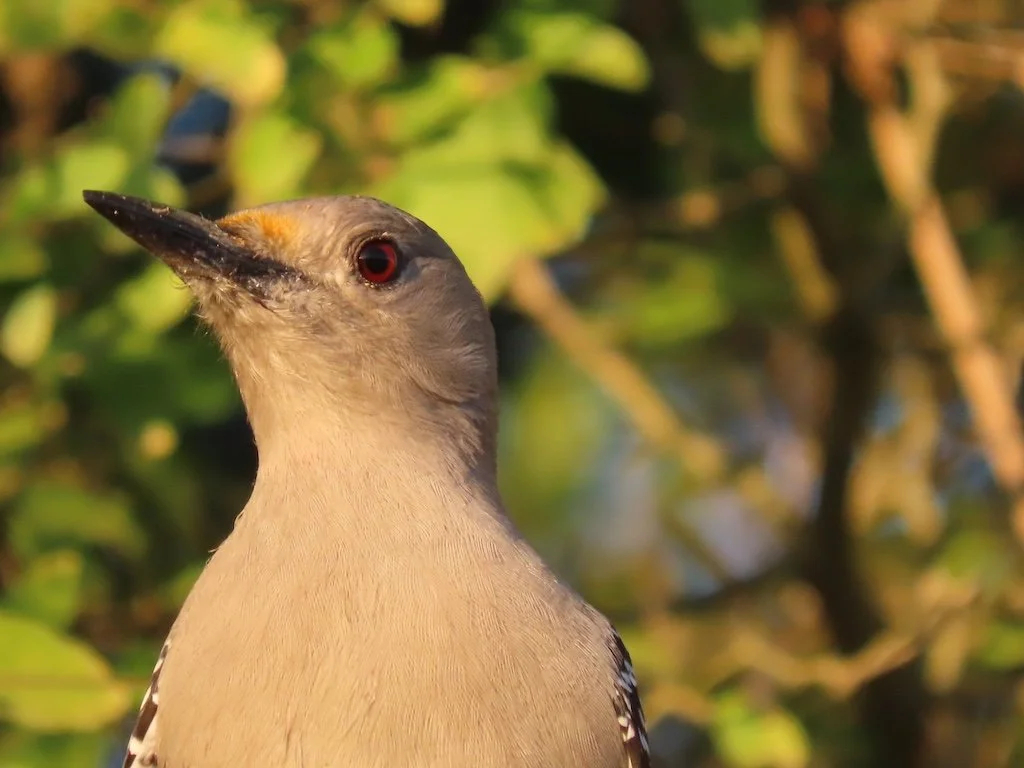
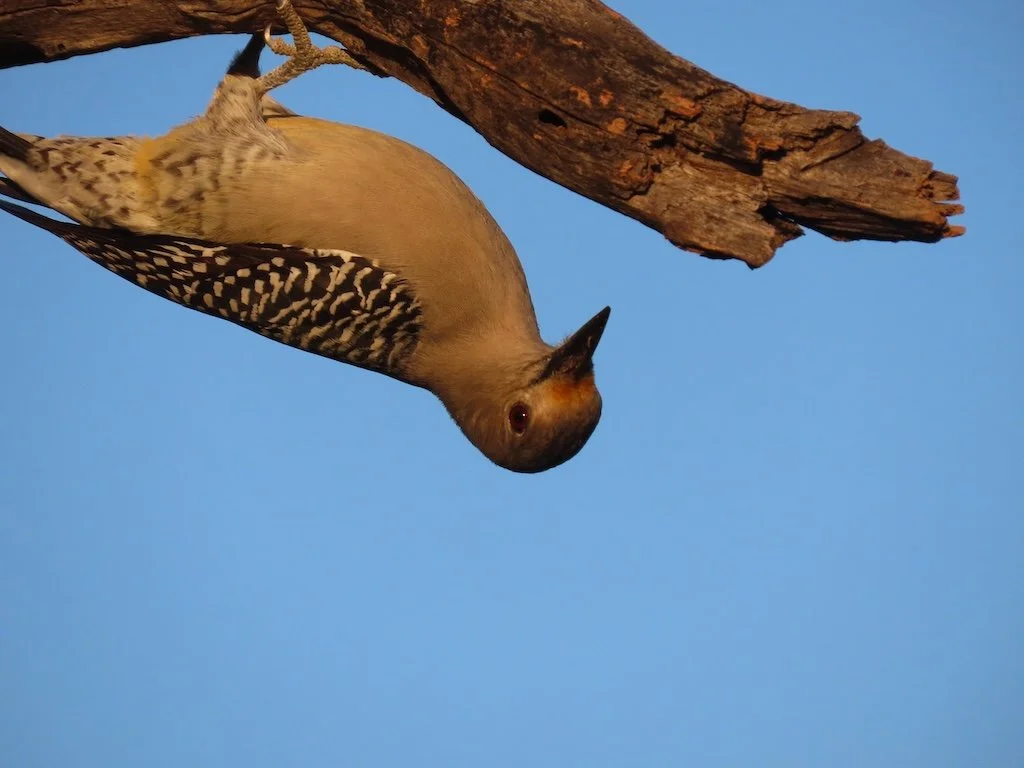
The golden-fronted woodpecker thoroughly inspected the branch that was rigged to drop water into the pool!

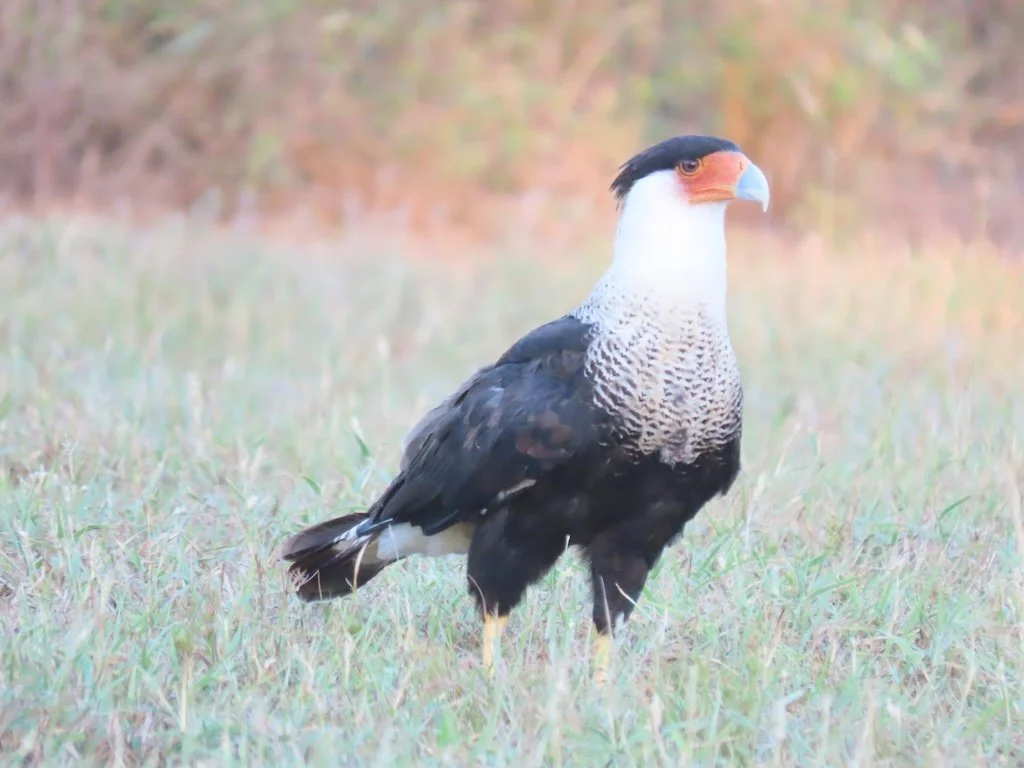
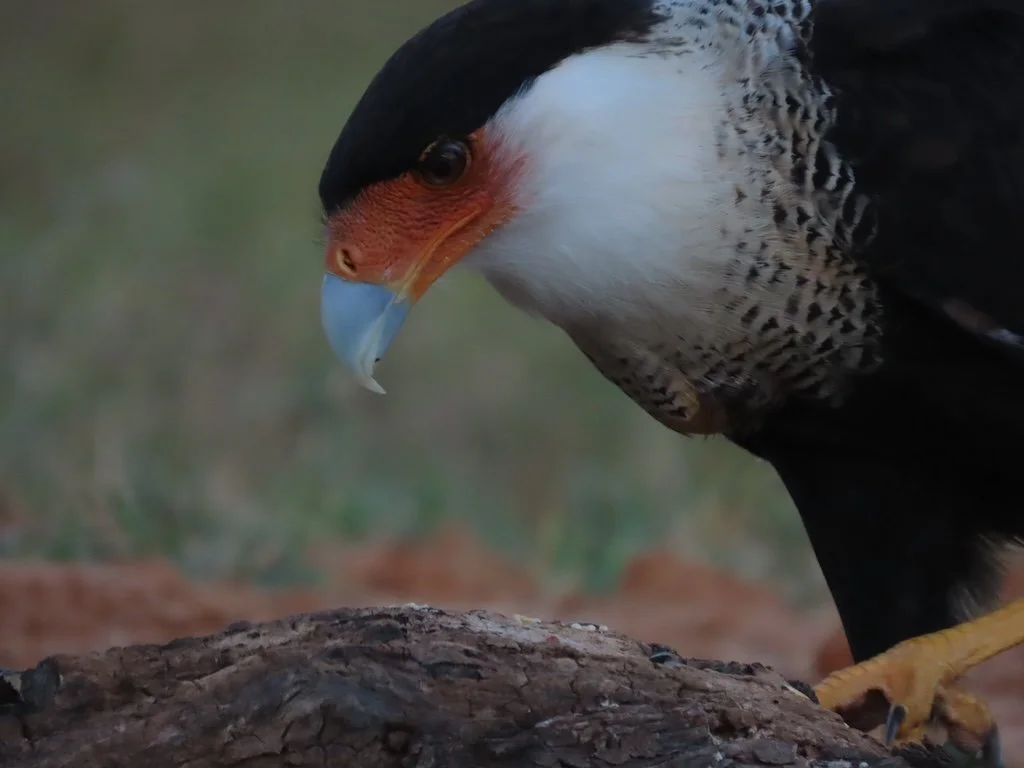
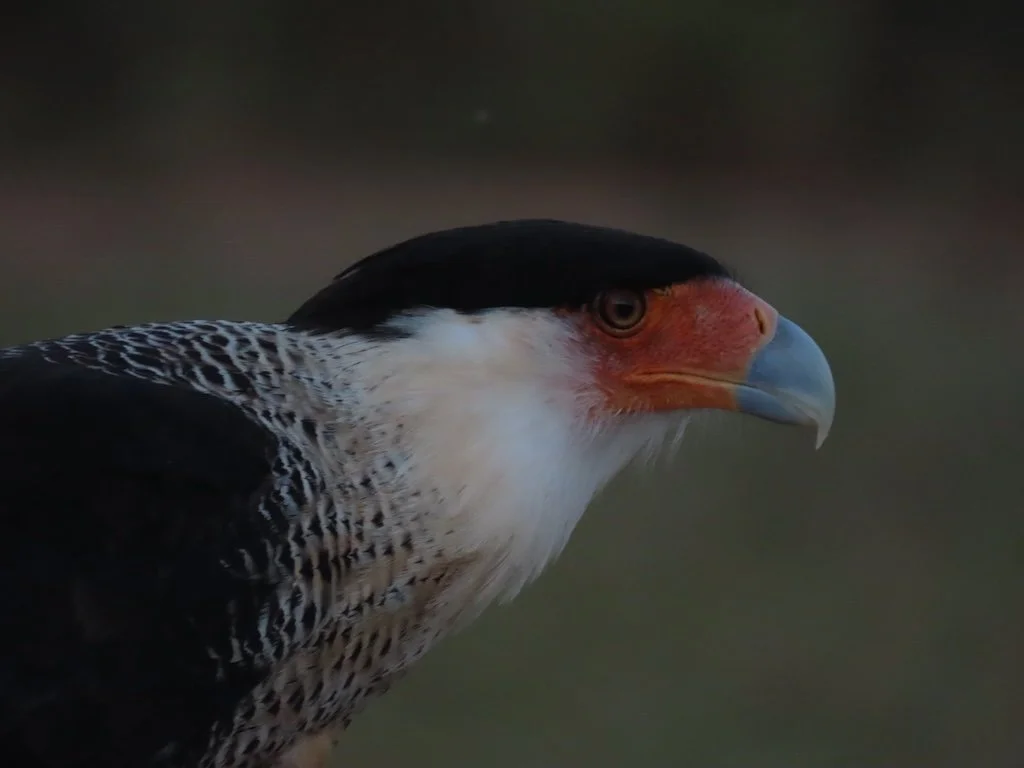
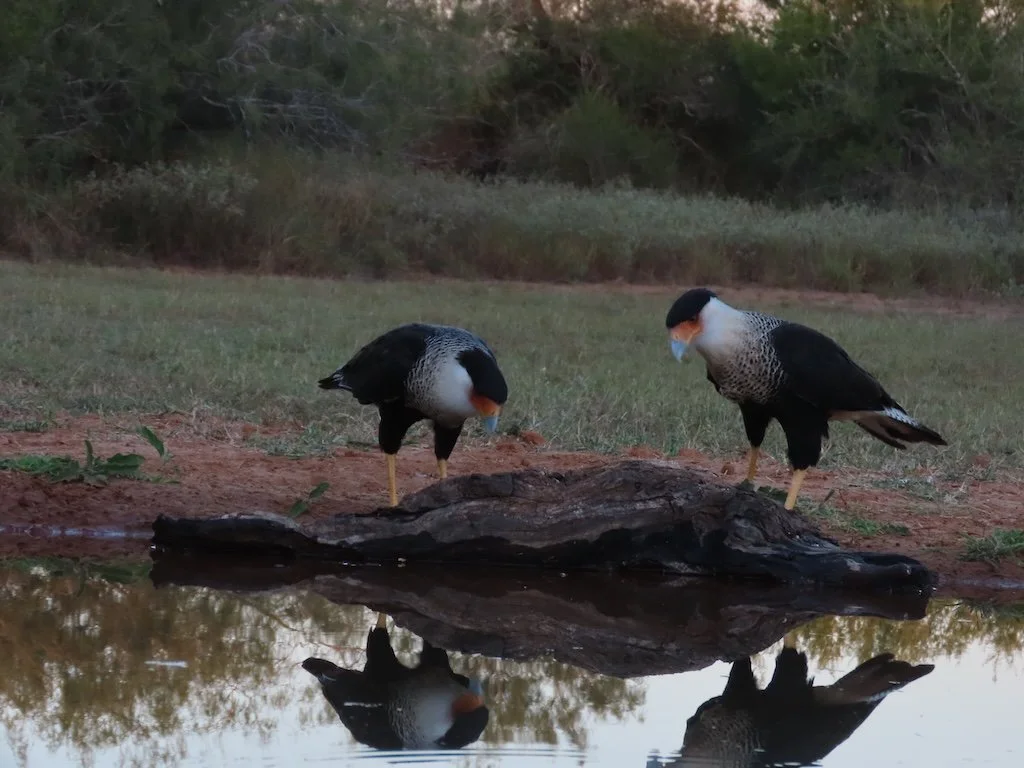
Just as we were losing the good light on the pool, a couple of crested caracaras arrived. It was a good finale for our time at Laguna Seca.  

Zooming – March 2024

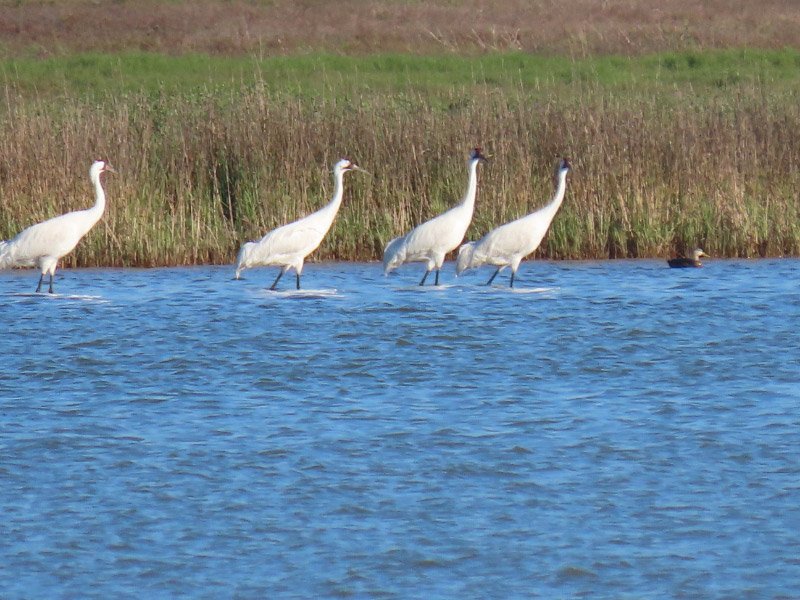
Lots of birds in the Zooming slide show this month – from the Whooping Crane Festival in south Texas as well as Josey Ranch (Carrollton TX), the Springfield Botanical Gardens (Springfield MO) and Hagerman National Wildlife Refuge (near Sherman TX). I find myself picking images that show bird behavior rather than portraits.

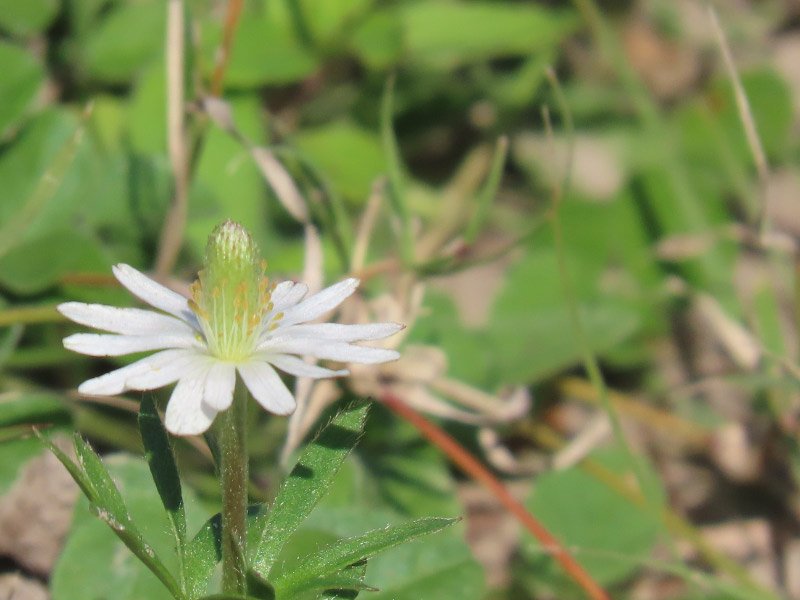
There are spring flowers in this collection as well…more of those coming in April!

Enjoy the March 2024 slide show!

King Ranch

The second day of the Whooping Crane Festival started early; we got on a bus to head to the King Ranch at 6 AM! The King Ranch Visitor Center was a little over an hour from Port Aransas (and we did not take the ferry). By the time we got there the sun was up.

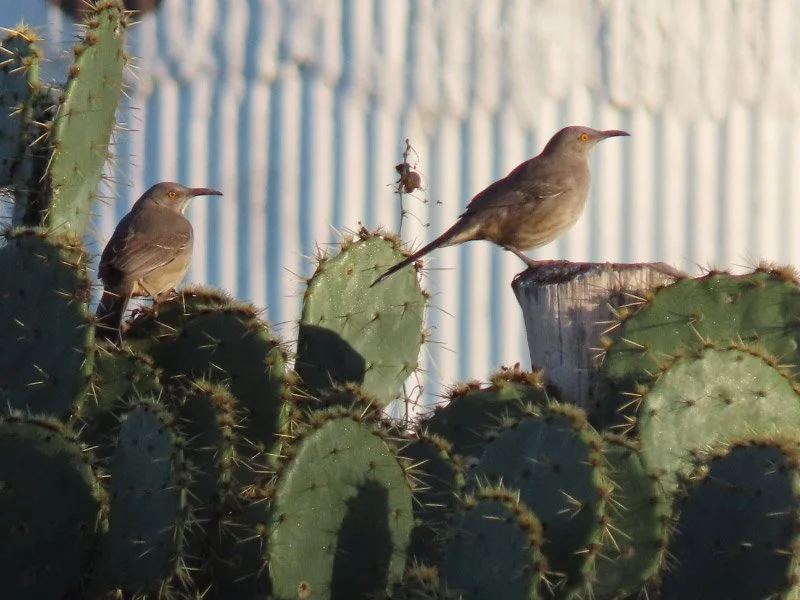
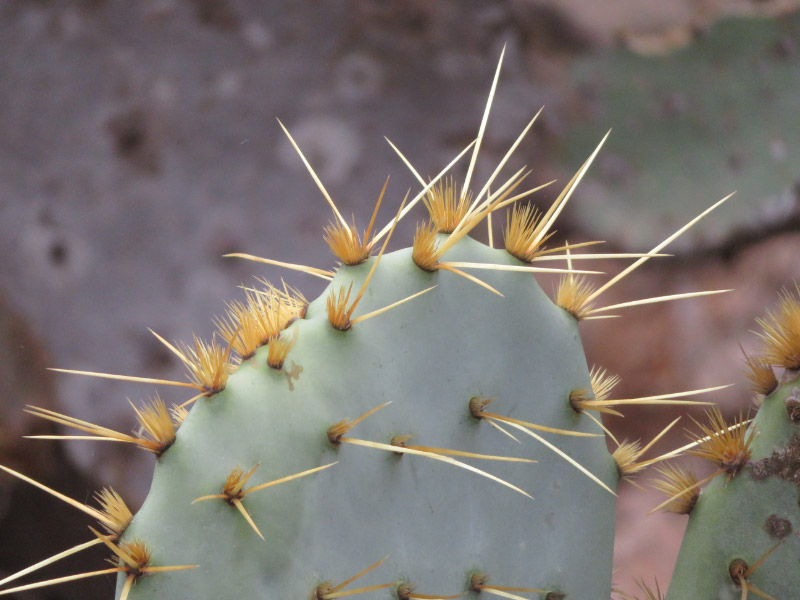
We had a ‘rest stop’ at the visitor center…plenty of time to look around for birds. There were curve-billed thrashers on some prickly pear cactus.

A rufous hummingbird was not bothered by the sudden influx of people. It stayed in place long enough for everyone to get a good look.

Mockingbirds were around too….they are the state bird of Texas.

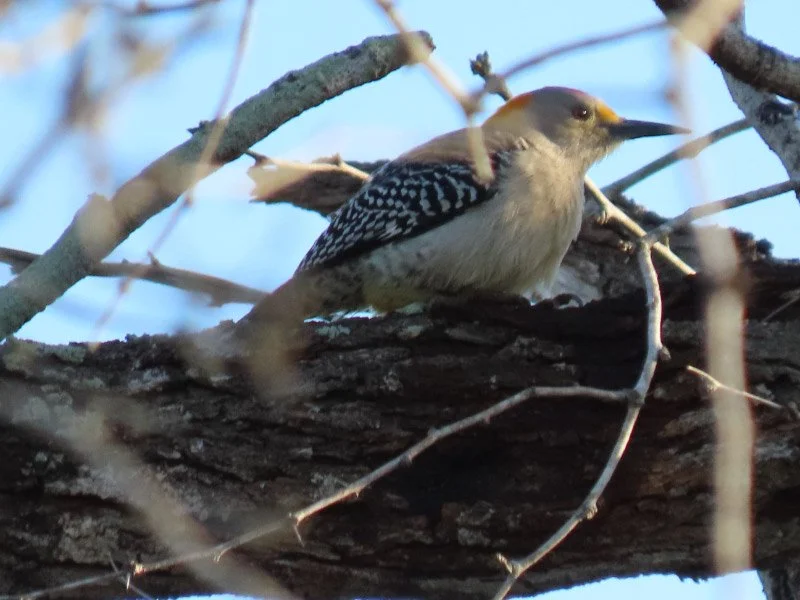
A golden-fronted woodpecker was spotted. It moved around a lot but there always seemed to be twigs between me and the bird!

Then we did most of our viewing from the bus for a bit since the ranch is so big…and the trip has a limited amount of time. I managed some OK pictures through the windows: a roadrunner and crested caracara….

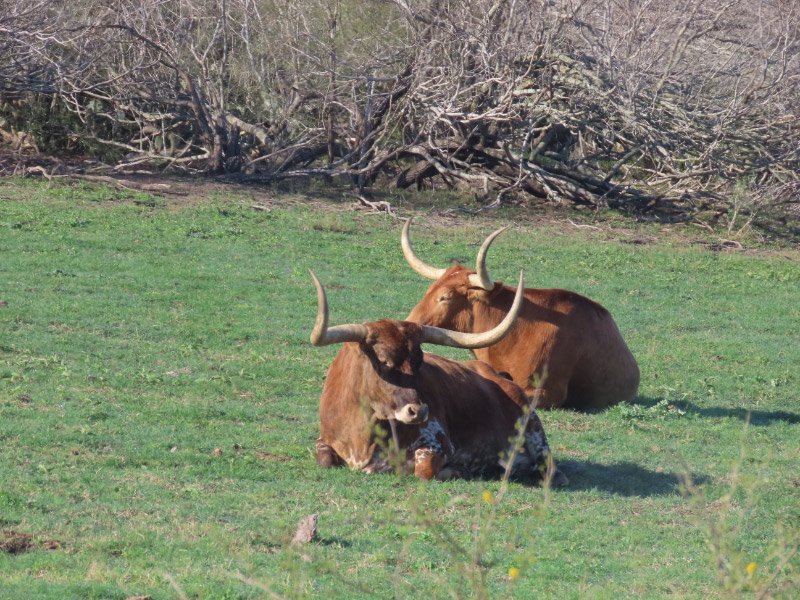
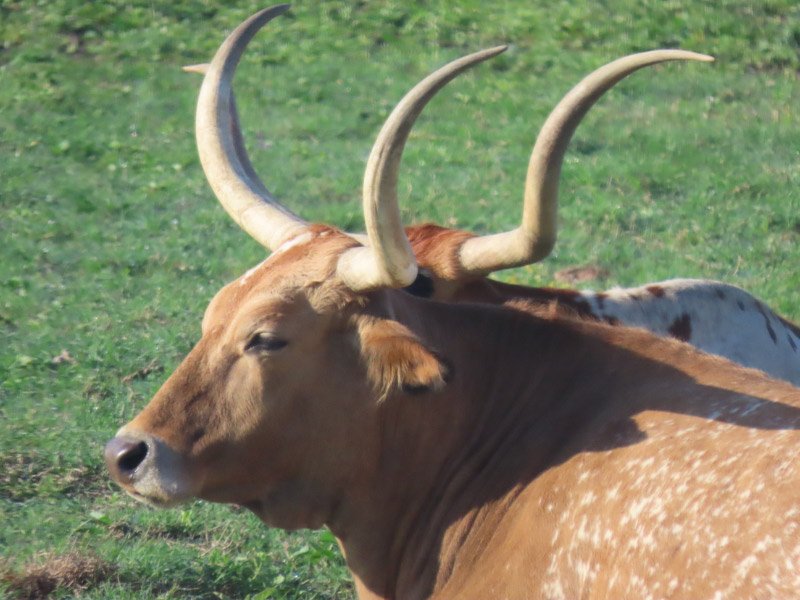
Longhorn cattle.

We made a stop and saw a group of sandhill cranes in the distance.

Back on the bus…we had been seeing American kestrels all  morning and I eventually managed to get an image of one through the bus window…good enough for id but focus not sharp enough.

A group of female wild turkeys moved away as our bus got closer. Later we would see a group of male turkeys.

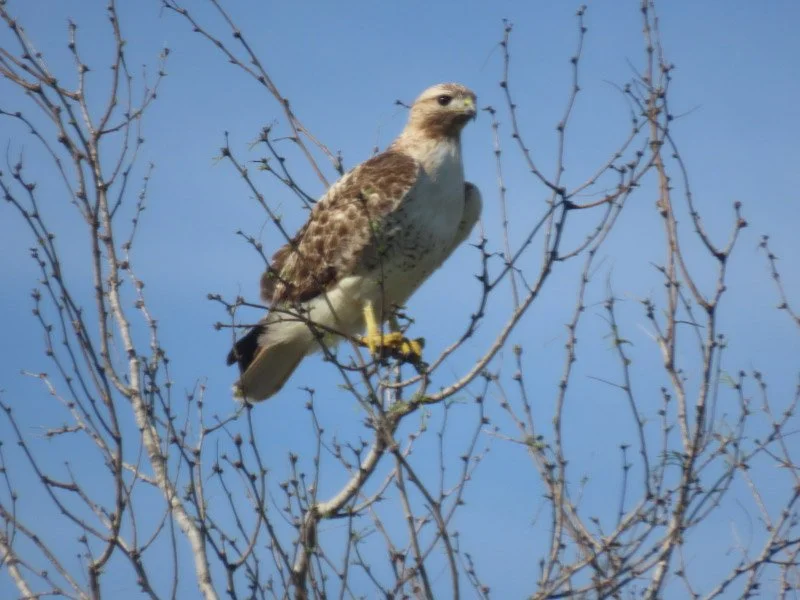
Another raptor through the bus window…a red-shouldered hawk.

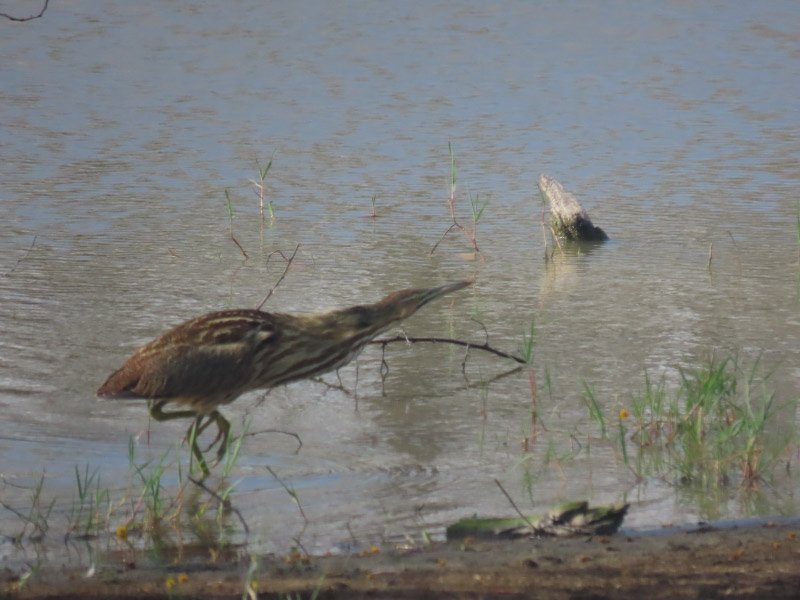
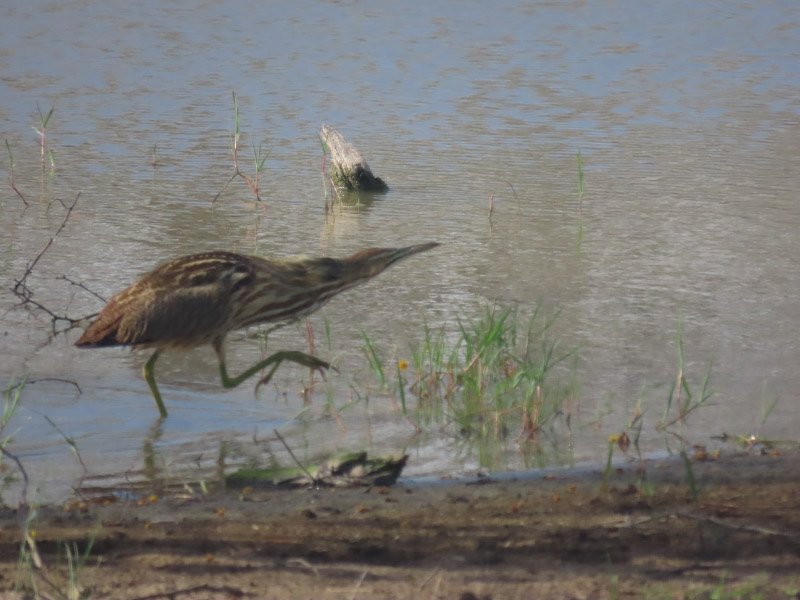
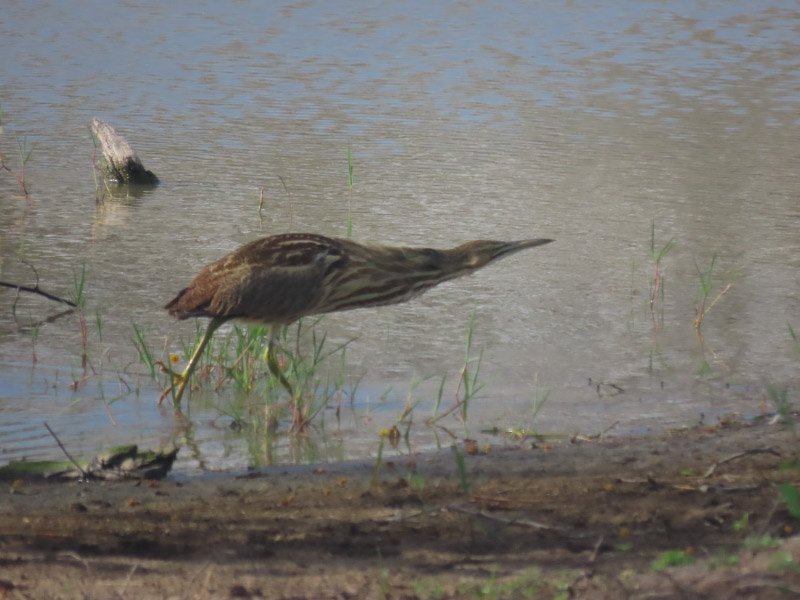
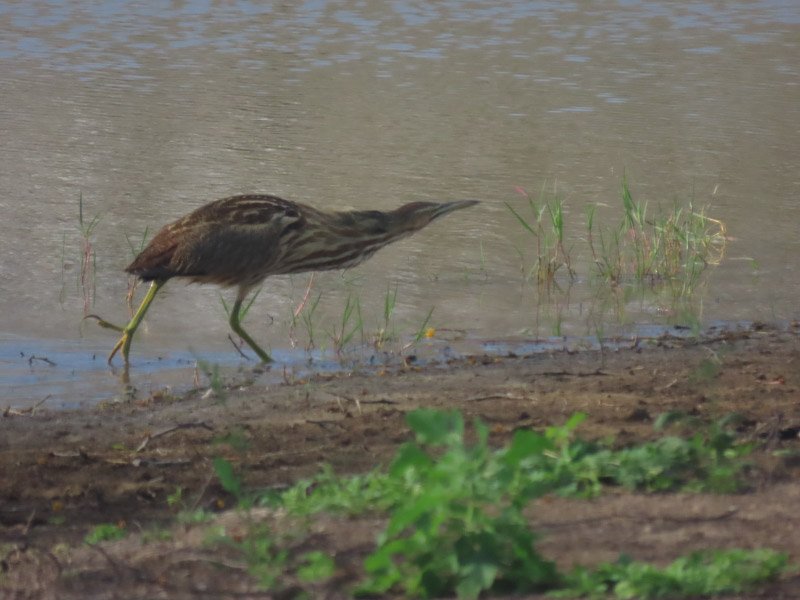
The bus stopped at a water impoundment…and we all got an excellent view of an American Bittern.

There was a feeding station for birds at the next stop. We got good looks at red-winged blackbirds and gold-fronted woodpeckers…

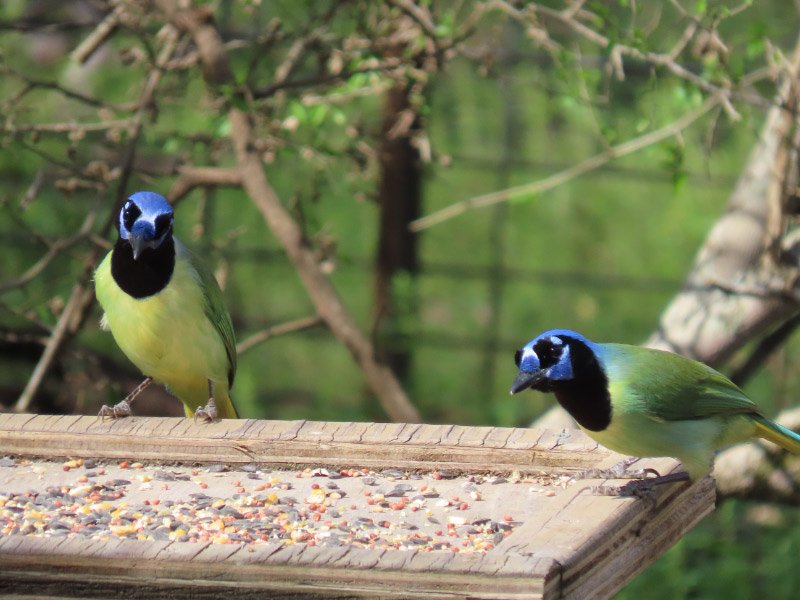
And green jays!

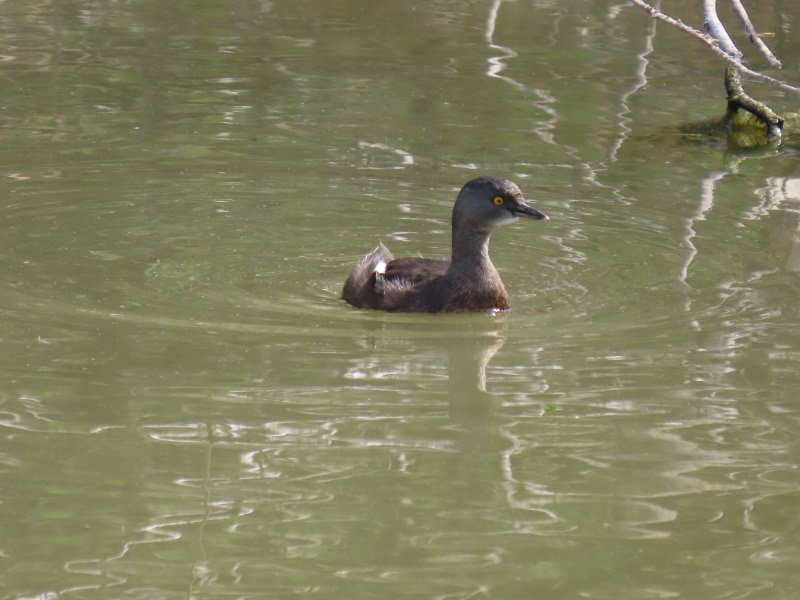
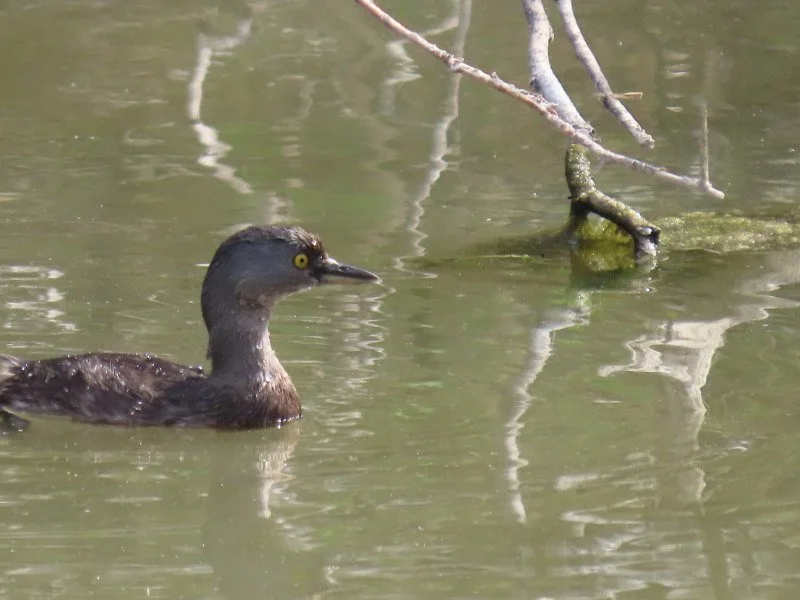
There was a least grebe in the water a little ways down the road.

A snowy egret had caught breakfast.

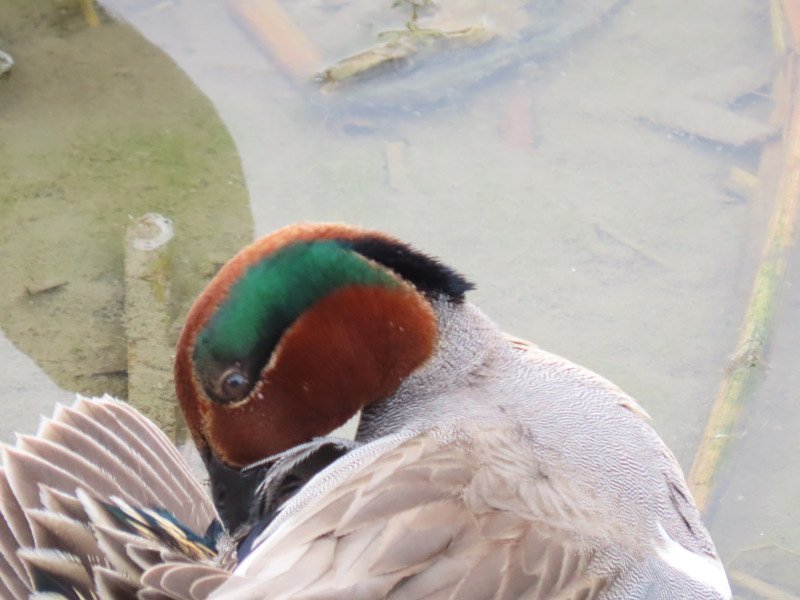
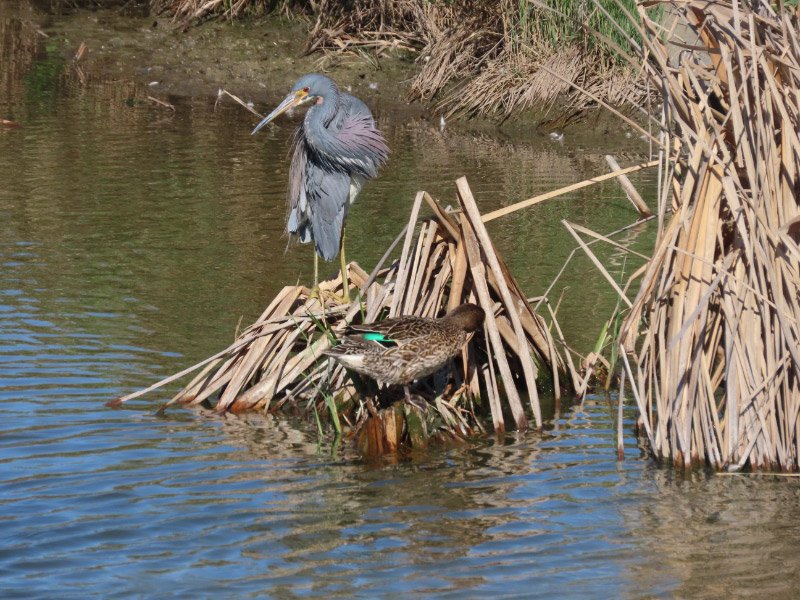
Green-winged teal, pyrrhuloxia, and American Coots were also enjoying the water.

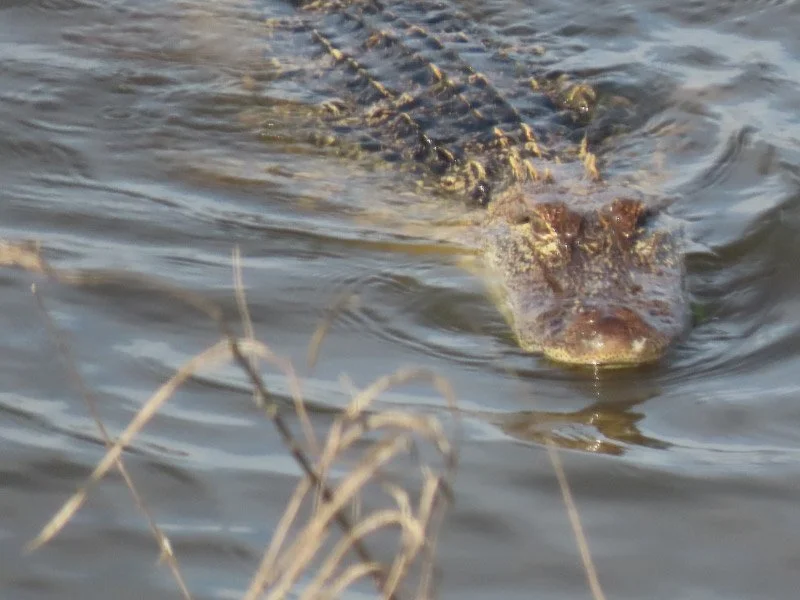
Alligator!

A Great Egret took off as the alligator headed toward it.

In the distance….Cinnamon teal with blue winged teal and a black necked stilt.

A great kiskadee made an appearance.

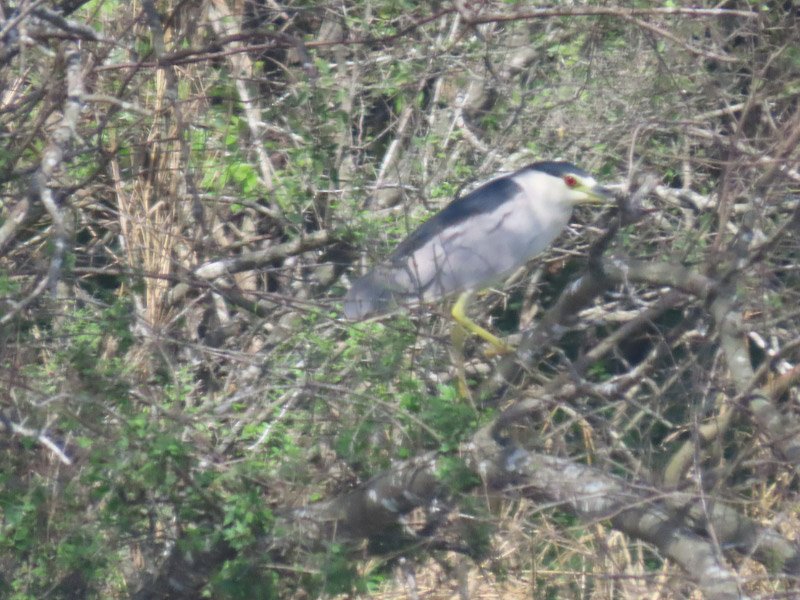
A black-crowned night heron is often hard to see in heavy vegetation. I always feel lucky when I finally see it and luckier still to get a photograph.

And the male turkeys were the last birds we saw as we headed back to the visitor center.

My husband and I both enjoyed this field trip…saw a lot of birds that we didn’t see during any of other field trips. It was interesting to learn a little history of the King Ranch as well. We had enough time for a quick lunch before showing up for trip out on a boat in the afternoon.

Laredo Birding Festival – Day 3

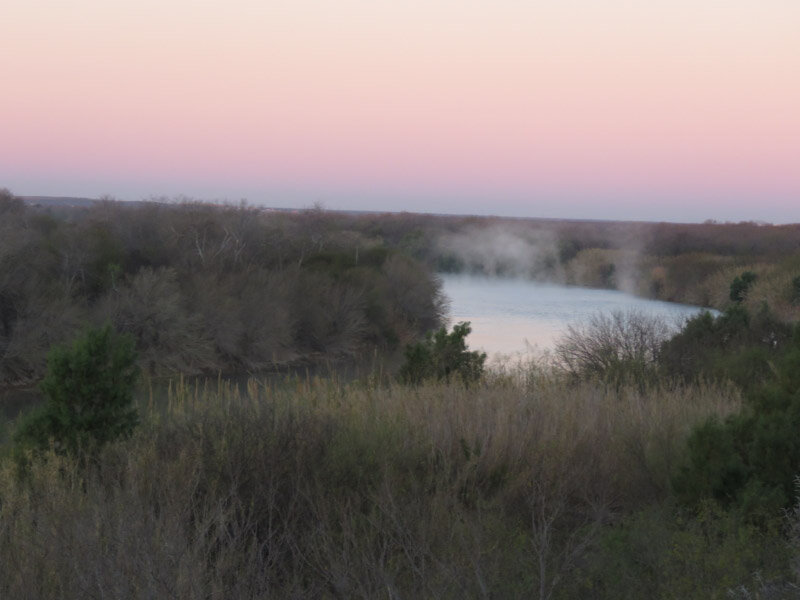
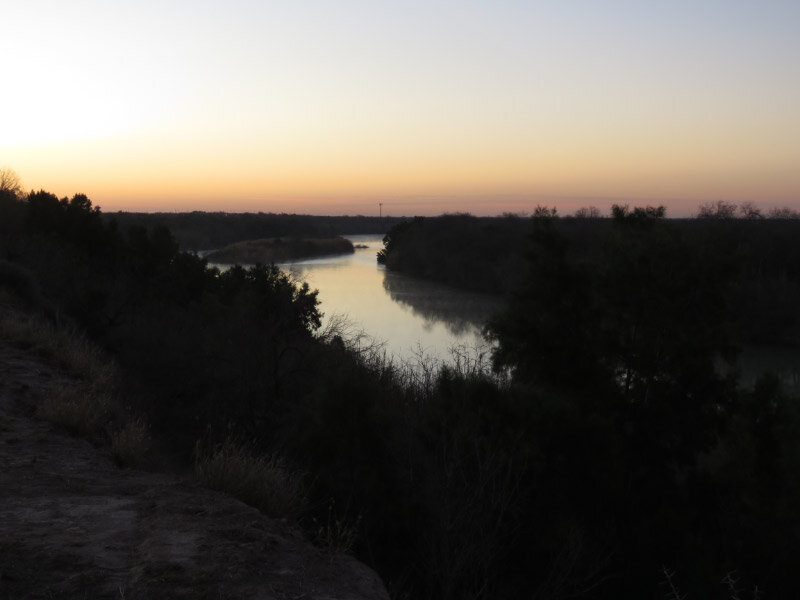
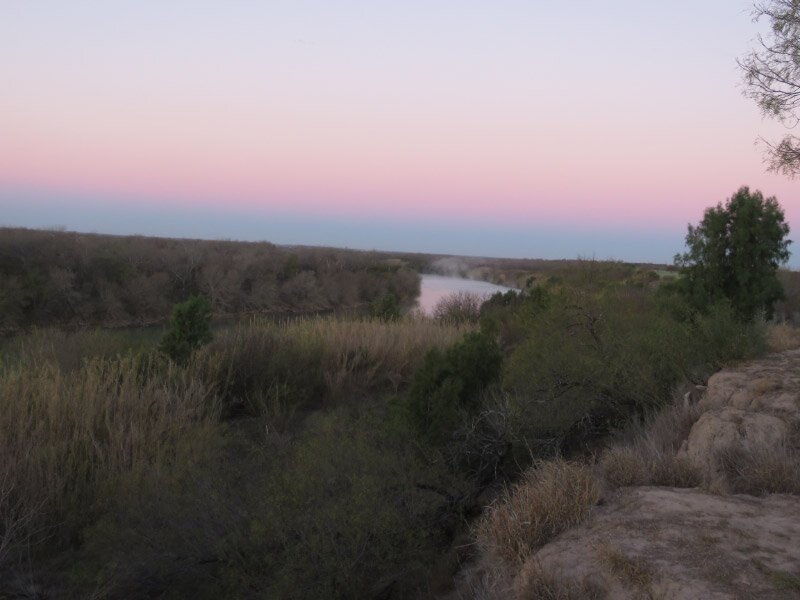
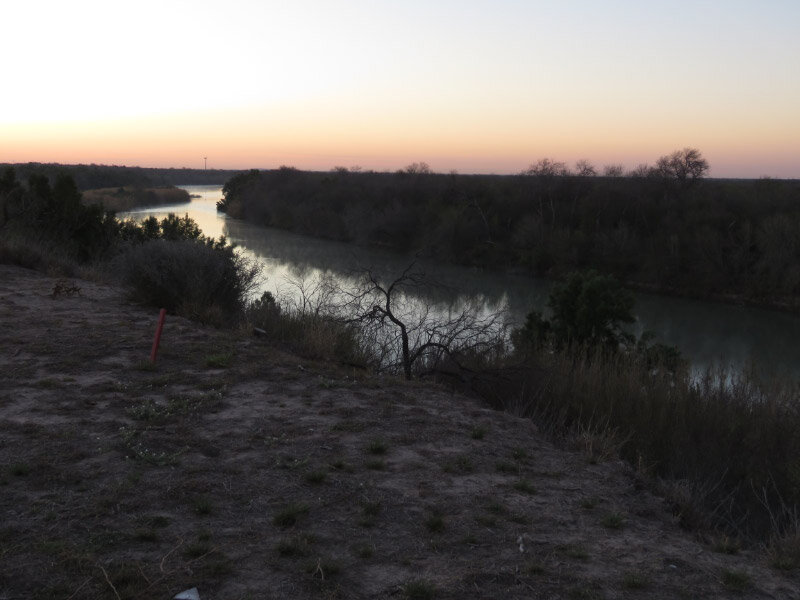
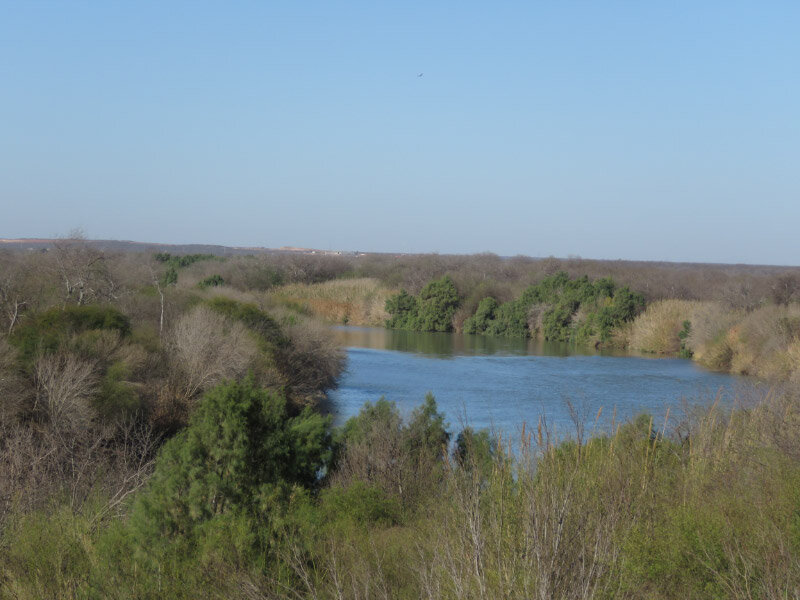
Our next day at the Laredo Birding Festival had us boarding the van at 6:40 AM for the Max Mandel Municipal Golf Course for its stunning views of the Rio Grande River waterfront with over 270 acres of old growth mesquite tree and vast arroyos. We road around in golf carts (part of the adventure) staying out of the way of a morning tournament between two schools. The golf course structures were newish, but the course had been laid out to maintain much of the native vegetation along the river. We were there just after the sun came up. The morning was cold, and strands of moisture rose from the river. We had good river views all through the morning.

My first bird picture for the day was a Pyrrhuloxia. There is just barely enough light to distinguish the coloring…definitely not a cardinal.

2020 02 IMG_4174 (5).jpg

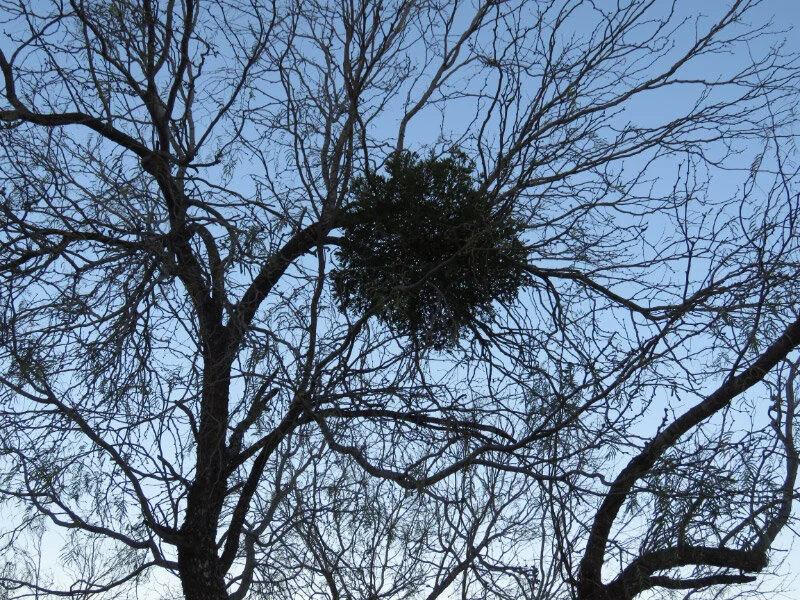
As we headed over to where the golf carts were parked, I photographed some mistletoe….I liked its shape and density compared with the branches of the winter tree.

2020 02 IMG_4174 (7).jpg

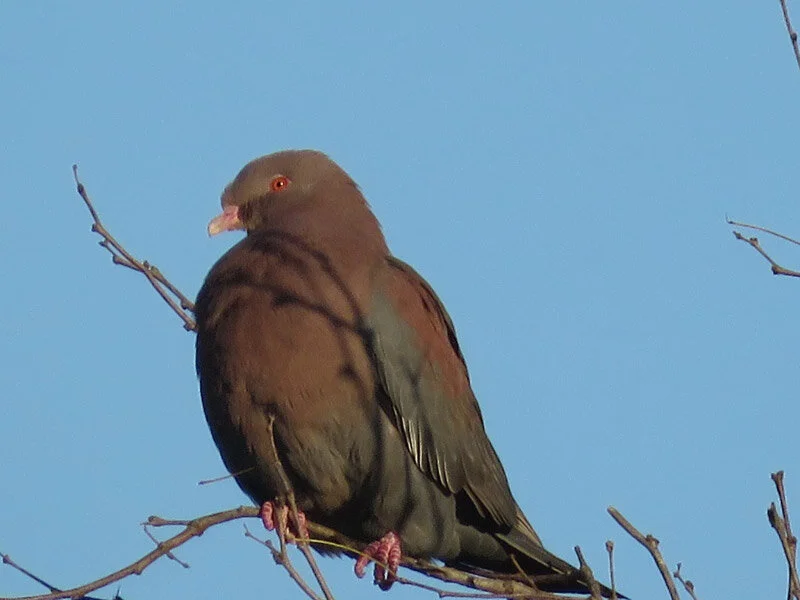
We paired up for the golf carts; I let my husband drive; it was a new experience for both of us since we are not golfers. The Red-billed Pigeon is just barely a US bird….and the golf course is known in the area as a good place to spot them.

The Eurasian Collared Dove was also around. The birds were introduced in the Bahamas in the 1970s…were in Florida by the 1990s…and rapidly colonized most of North America.

2020 02 IMG_4174 (13).jpg

We saw Great Kiskadees across the river…and finally saw one on the US side so we could include it in our count of birds seen at the golf course.

2020 02 IMG_4174 (14).jpg

The couple in the golf cart in front us spotted some American Pipit foraging in a grassy area. I was glad we were directly behind them and stopped to get some pictures.

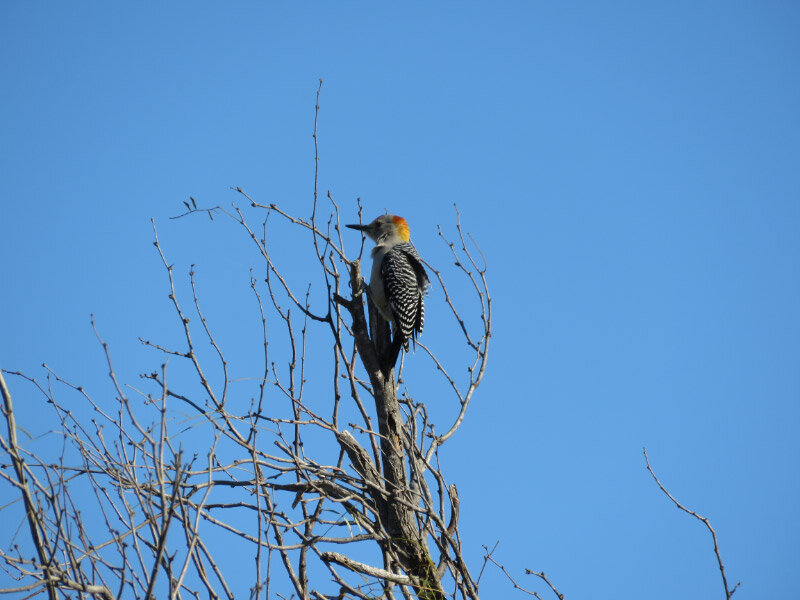
The Yellow-fronted Woodpecker is not one that we see in Maryland. We saw several at the golf course and the sunny day made them easy to photograph.

We had lunch and a walk at the 180 Ranch – a little ways from the golf course along the Rio Grande. We did see some cows near a pond we stopped at on our way into the property.  

2020 02 IMG_4174 (29).jpg

Lunch was at the hunting lodge; they had left some snacks for us; I enjoyed the only banana for the trip (they didn’t have any in the breakfast buffet which is my usual source of fresh fruit when I’m traveling). After the hike, we sat in the shade around the hunting large and observed birds coming to feeder and the brush surrounding a very lush (obviously watered) patch of grass. There were small flocks of Northern Cardinals foraging…similar to what we had seen the previous day.

A Black Vulture posed for a portrait before taking off again to soar. The area also has Turkey Vultures as we do in Maryland.

2020 02 IMG_4174 (37).jpg

There were several Pyrrhuloxia around as well. They were more cautious than the Cardinals.

The Green Jays can be raucous. They are a challenge to photograph because their eyes disappear in to the black around their eyes.  

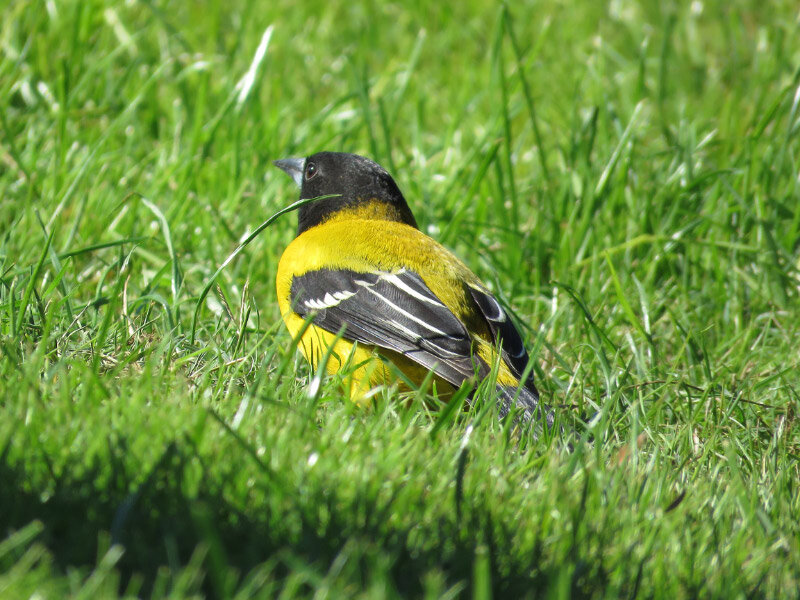
The Audubon’s Oriole flew in as our group lounged in our comfortable chairs. Getting a photograph of it was the high point of the day!

Bentsen-Rio Grande Valley State Park

The day after the Rio Grande Valley Birding Festival ended and before we headed back to San Antonio for our flight home, we visited the Bentsen Rio Grande Valley State Park. Our original plan had been to spend the morning at the National Butterfly Center in Mission, Texas but the morning was cold and wet…not conducive to butterfly activity. So we changed our plans. It was still cold and wet but some birds in the park didn’t care. This Northern Mockingbird called attention to itself with is song(s).

IMG_6410.jpg

There was an area near the nature center with paved walkways – some of them intermittently covered. We walked around the area – everything was very wet.

IMG_6418.jpg

We took the tram into the park and got off at the first stop. There was a small butterfly garden near the bird blind (where there was no action) and the rain held off for long enough for there to be a little activity. I spotted a Painted Lady,

IMG_6423.jpg

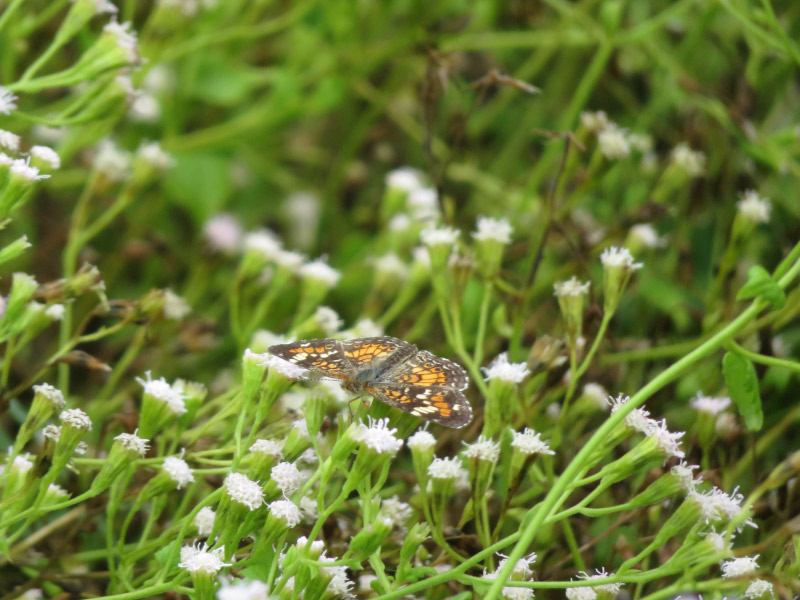
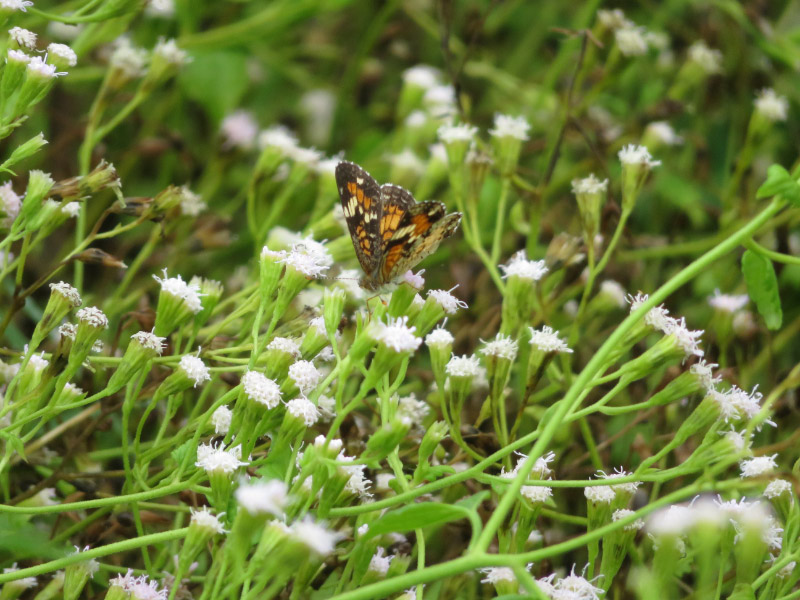
A Skipper (not sure what kind),

IMG_6426.jpg

Queens in abundance, and

We hiked a little further and came to another bird blind…and there was plenty going on there. A Golden Fronted Woodpecker enjoyed the suet.

The Plain Chachalacas were also coming in to the feeders for a snack.

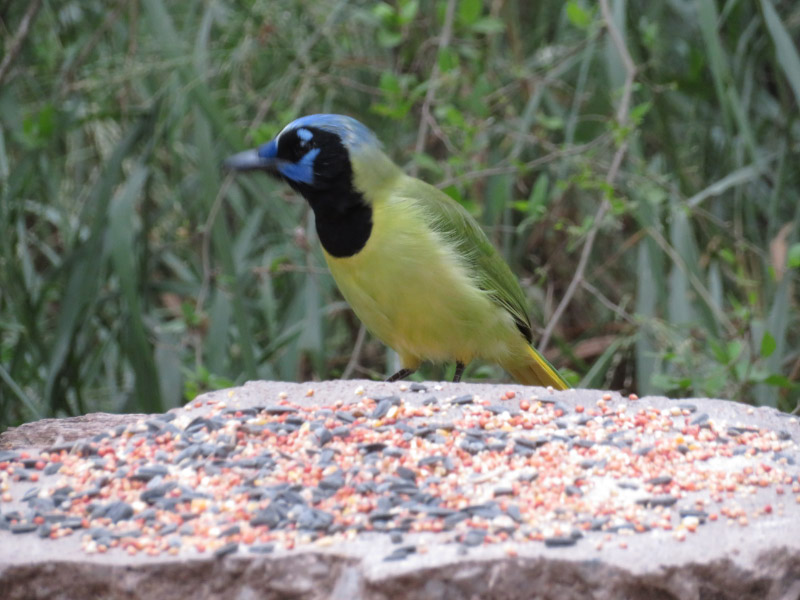
Green Jays were around as well.

It started raining harder do we found a dry place to stand until the tram came bay again. There were more people on the tram for the return visit, so we got the seat on the back of tram…riding backwards. It was a good way to end our visit. I want to go back again on a day when the weather is better!

IMG_6492.jpg

Santa Ana National Wildlife Refuge

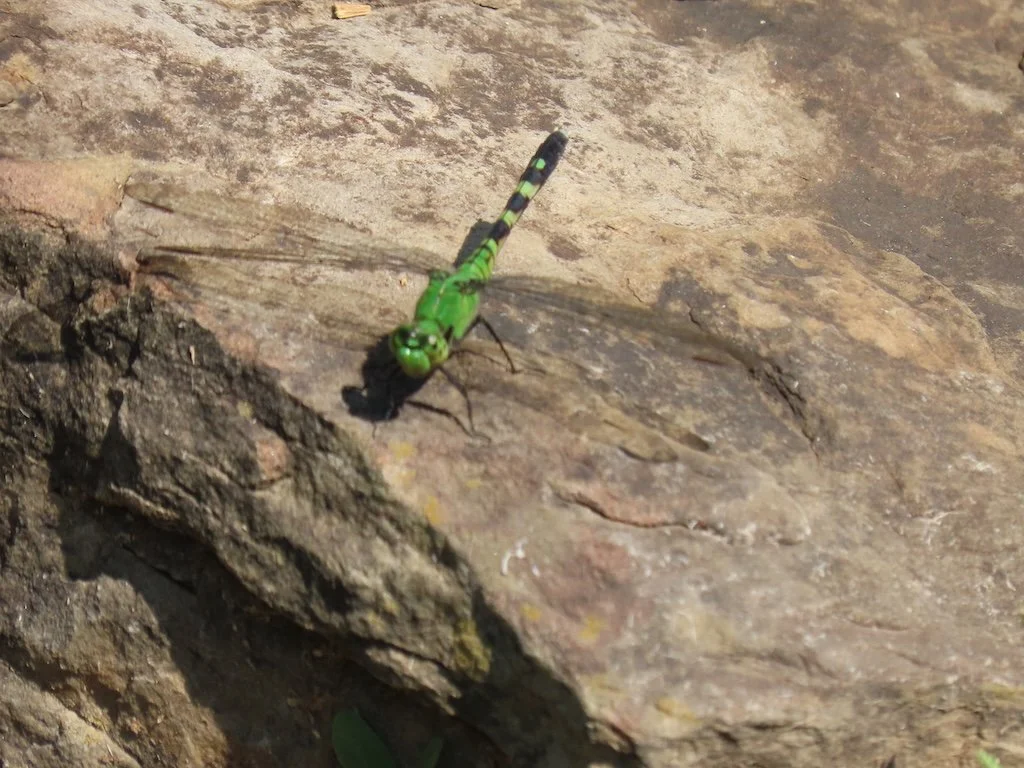
The second day of the Rio Grande Valley Birding Festival, we did not have any formal field trips scheduled. It was cool and cloudy – not a good day for butterflies, so we shifted our plans back to a focus on birds and headed for the Santa Ana National Wildlife Refuge.Some of the first things we saw on our hike was insects – still with the cold: two dragonflies

Two caterpillars, and

A queen butterfly…not fluttering about.

2017 11 IMG_5455.jpg
2017 11 IMG_5383.jpg

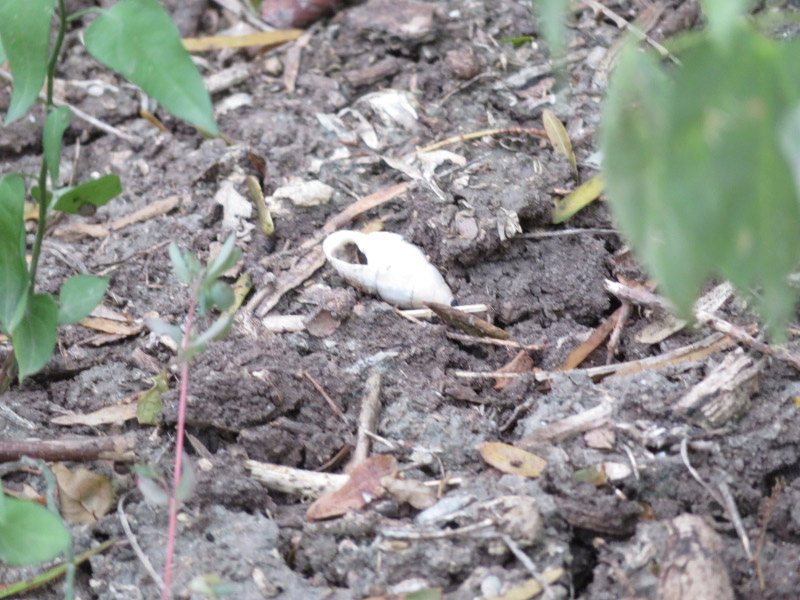
I was pleased to see a land snail on one of the small trees. We’d seen a lot of shells on the ground (i.e. dead) at both Las Estrellas and Rancho Lomitas. We were told that sometimes roadrunners get hungry enough to crack the shells against a rock to get to the tasty morsel inside.

2017 11 IMG_5393.jpg

Ball Moss is something I had never seen. It is like Spanish Moss – also abundant on trees in the refuge.

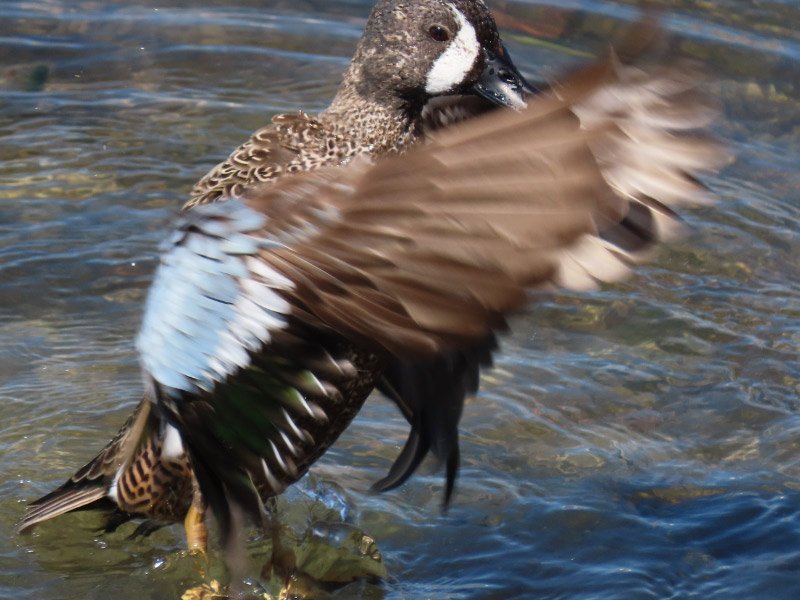
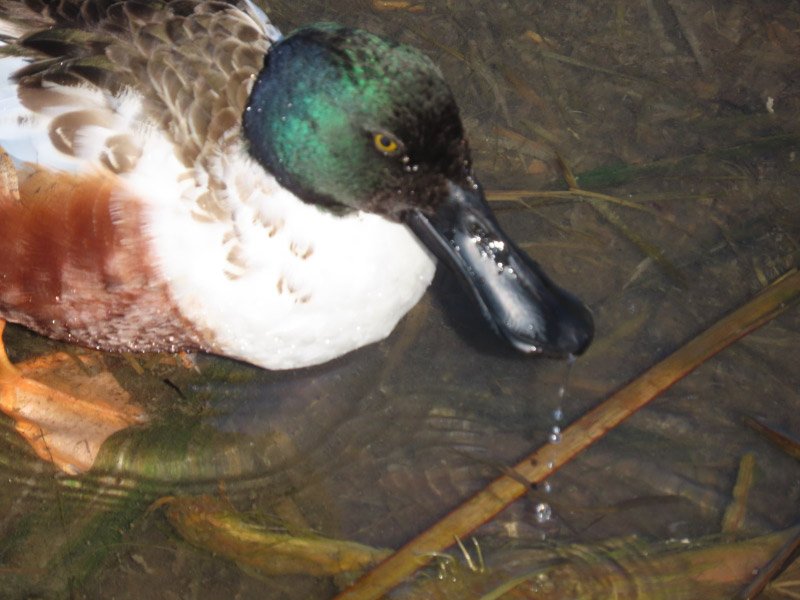
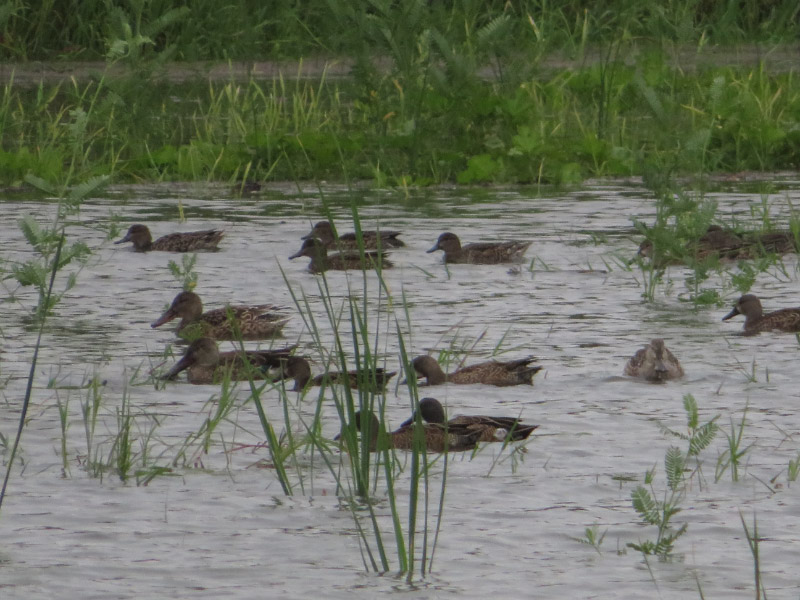
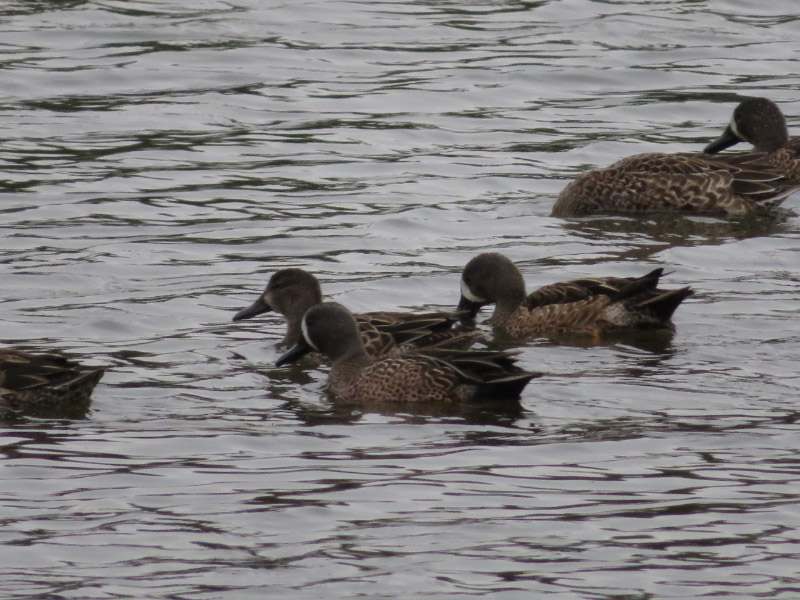
Then we saw some duck: Northern Shovelers and Blue winged teal.

2017 11 IMG_5443.jpg

A group of chachalaca were in the trees beside the trail. It was hard to get pictures through the foliage and branches…we’d get better pictures on another day.

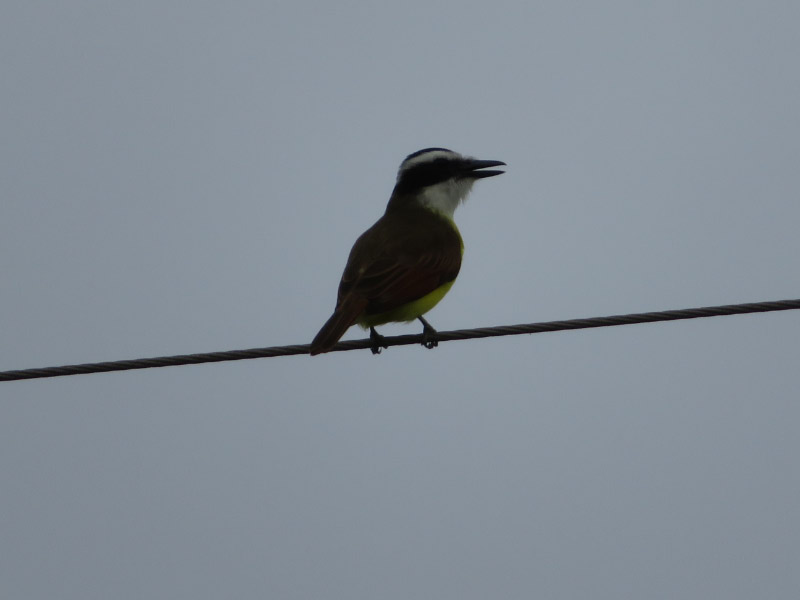
As we walked across an empty parking lot, we spotted a kiskadee on an electrical line

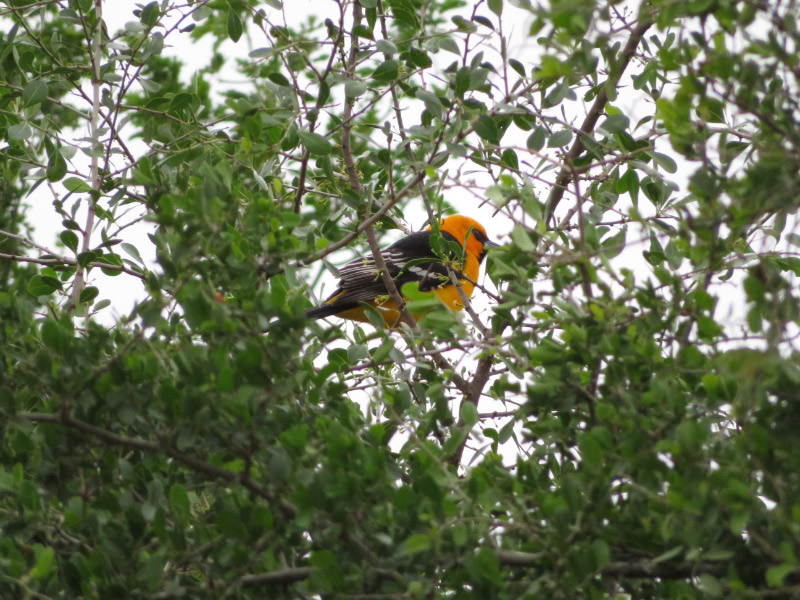
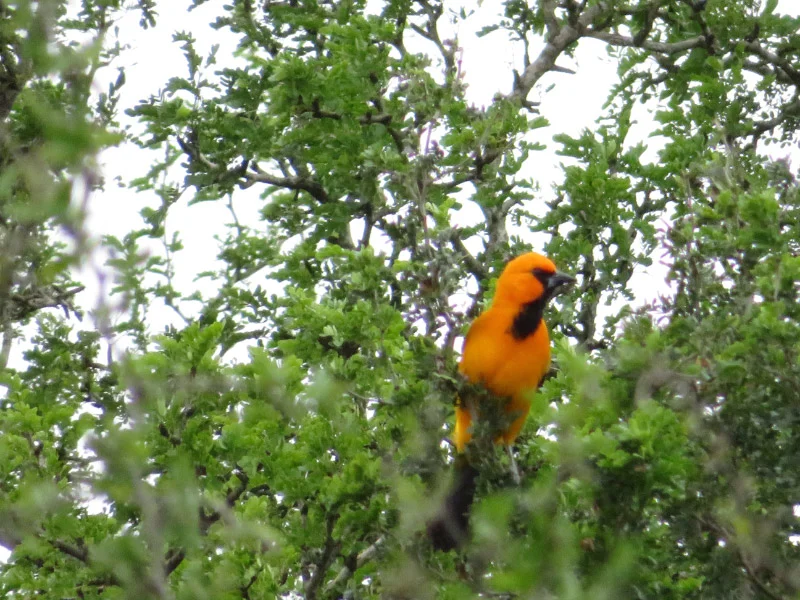
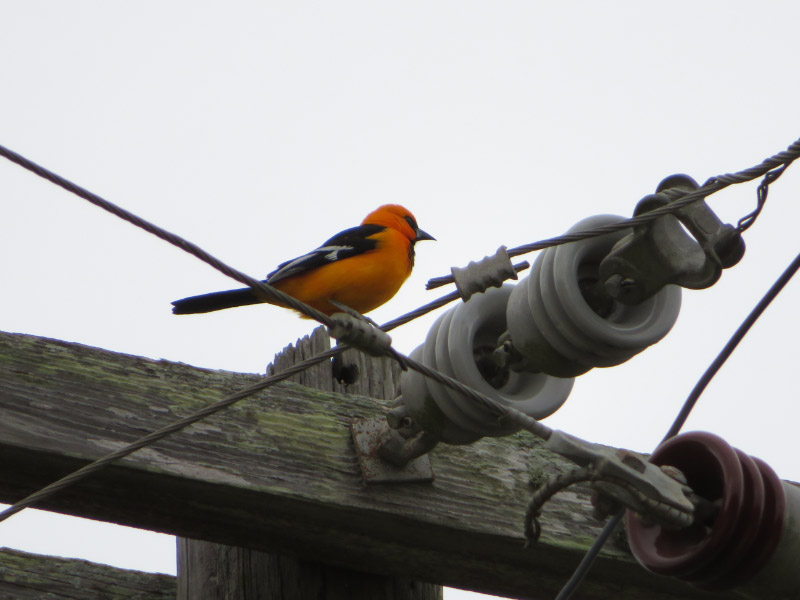
And then a flash of orange in the trees – an Altamira Oriole was on the move. It eventually made it way to the electrical pole as well.

2017 11 IMG_5479.jpg

The refuge has a swinging bridge through tree tops. On the day we were there, the birds were hunkered down but it was still work the climb and the look down into foliage.

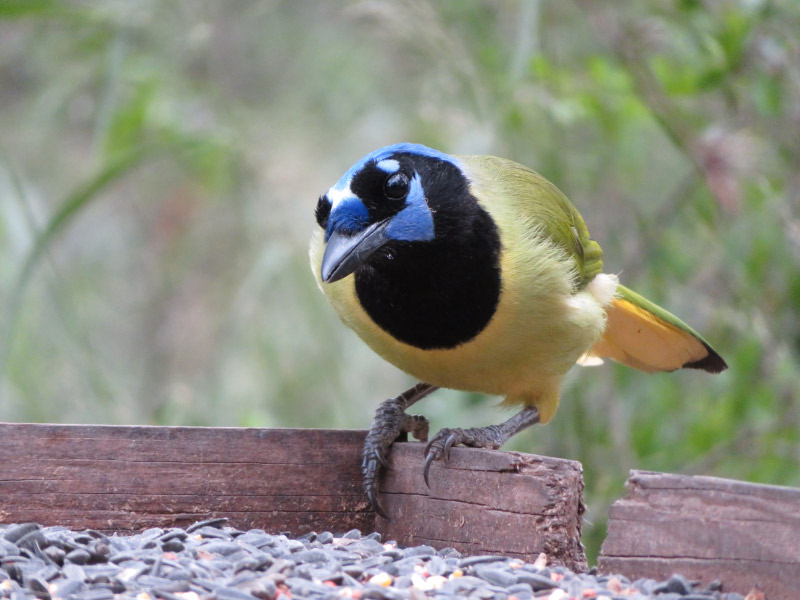
At a bird blind, I finally got some good pictures of the green jay.

We made our way back to the visitor center and had a snack on our way to nearby Estero Llano State Park (topic of tomorrow's post). In this area of Texas there are a series of state and federal lands that make a wild life corridor…more meaningful than each standalone park or refuge.

Las Estrellas

Our first field trip of the Rio Grande Valley Birding Festival was to Las Estellas – a Nature Conservancy preserve near Rio Grande City. The vans left at 5:30 AM…normal for birding festivals. The day was cool and gray…thankfully not wet. We had a rest stop along the way and spotted a Cooper’s Hawk on a light fixture in the parking lot. Not a bad way to start a birding week!

2017 11 IMG_5167.jpg
2017 11 IMG_5229.jpg

The preserve is not one that is open to the public. It protects some endangers Star Cactus. The previous weeks had been dry, so they were hard to spot – flush with the ground and blending in with the pebbles and sand. Once we spotted one, our eyes became more trained and more were spotted.

This will tree was in an area that is sometimes full of water. There was still a little water in the lowest part of the area – often enough to keep other plants from growing.

2017 11 IMG_5182.jpg
2017 11 IMG_5220.jpg

Walking around the preserve gave us a preview of many of the south Texas plants.

We could see the wind turbines through the mists. South Texas is evidently as much a part of wind energy in Texas as West Texas.

2017 11 IMG_5223.jpg

There were migrating butterflies that we saw in the air – but they weren’t settling anywhere (no photos). There two types of small butterflies that I managed to photograph: Reakirt’s Blue

2017 11 IMG_5216.jpg

And American Snouts – with very unusual mouthparts!

We didn’t see a lot of birds; the weather was cool and damp so they were not very active. A Northern Cardinal and a Green Jay were about all we saw; at least they were colorful.

On the way to our next destination, we saw a Harris’s Hawk. I managed to get a blurry picture through the van window…but it is good enough to identify it!

2017 11 IMG_5266.jpg

Next stop was Rancho Lomitas. I’ll post about our experience there on Sunday.