Gleanings of the Week Ending September 19, 2026

The items below were ‘the cream’ of the articles and websites I found this past week. Click on the light green text to look at the article.

09/09/2026 Leaf & Limb Right Tree, Right Place: What to Plant and Where to Plant it – The top 4 questions to ask when selecting a tree: what is the goal of the tree; what are the planting area’s soil and light conditions; how big will the tree be at maturity; what are the secondary benefits of a tree.

08/06/2026 Plastic Pollution Coalition Recent Recalls on Plastic Toys—and How to Choose Safer Toys - About 90% of toys on the global market are made primarily from plastic. Plastic toys are also especially dangerous for kids because they are made with hazardous chemical additives and become more brittle over time—breaking into small pieces that pose choking hazards and shedding microplastics. Interactive plastic toys are also often made to hold tiny button batteries, which, if not properly secured, can be swallowed to cause extreme and permanent harm. 

09/09/2026 The New York Times Toxic ‘Forever Chemical’ Cleanups at Military Sites Face Years of Delay -PFAS cleanups at nearly 243 military sites had been pushed back by an average of 5 years, and some as long as 19 years. At many sites, PFAS has contaminated local drinking water sources, prompting the Pentagon to provide bottled water to service members as well as nearby residents. The inspector general also found that the Defense Department’s list of contaminated sites might be incomplete, and that the Pentagon could provide no documentation proving that officials had ever analyzed whether PFAS chemicals were used or released at more than 80 installations.

09/09/2026 Clean Technica Denmark Can Produce 140% Of Its Electricity Demand from Wind Power - The Danish Energy Agency is spearheading an ambitious plan to produce even more wind power for both export and domestic use. The plan is to construct two new “energy islands” in the North and Baltic seas that will serve as wind power hubs, transmitting some electricity directly to coastal grids while reserving the rest for offshore activities including green hydrogen production.

09/09/2026 Yale Environment 360 Chinese Industry Is Starting to Wean Off Fossil Fuels - New clean power more than met the growth in demand across China last year, leading to a small decline in coal output. Analysts identified eight provinces where coal generation is now seeing declines, including industrial centers such as Hunan and Shandong, and it named another nine provinces where the growth of coal generation has slowed substantially….you can see fossil fuel use flattening out, sector by sector and province by province.

09/08/2026 Science Daily Caffeine may flip an ancient cellular switch linked to slower aging - Scientists found that caffeine activates an ancient cellular energy system involved in stress resistance, DNA repair, and growth. The discovery could help explain caffeine’s links to healthier aging and may point toward new ways to target the same pathway.

09/09/2026 Planetizen 15 million people rely on the Rio Grande — in 2 years, it may run dry - The Rio Grande is one of the most threatened rivers in the country — even more so than the Colorado River. The river fuels billions of dollars in agricultural production, and roughly 15 million people depend on it for drinking water. In Mexico, taps could run dry within a year. In two years, the river may be completely depleted, resulting in millions of Texans losing their source of fresh water. The only thing that can help now is reducing agricultural water use.

09/07/2026 The Conversation Farmers can now produce more of their own energy than ever – but will they? - We’re unlikely to see the farm diesel tank disappear any time soon. But we are likely to see many more shed rooftops covered in panels – and new ways to make use of clean, cheap power from the sun.

09/06/26 Cool Green Science A Nature Conservancy Volunteer’s Hunt for Champion Trees – Gary Williamson, age 82, has devoted his career and free time to conservation and natural history. He has been a Nature Conservancy volunteer for more than 40 years, contributing to the organization in many ways. He’s a herpetologist, park ranger, author and canoeist. And he’s always on the lookout for big trees.

09/08/26 The New York Times California’s Ambitious Plan for Textile Waste - California is trying to become the first state to make fashion brands, manufacturers and retailers pick up the tab for textile waste, and the details of the plan are taking shape now. California residents discarded nearly 1.2 million tons of textiles in 2021 alone. The vast majority of textile waste is landfilled. In the new system - fees will be lower for clothes designed to be easily repaired and for clothes made from recycled materials. Fees will be higher for clothes that are difficult to recycle, like those made of blended fibers or that contain toxic chemicals.
Plastics Crisis – Dryer Lint

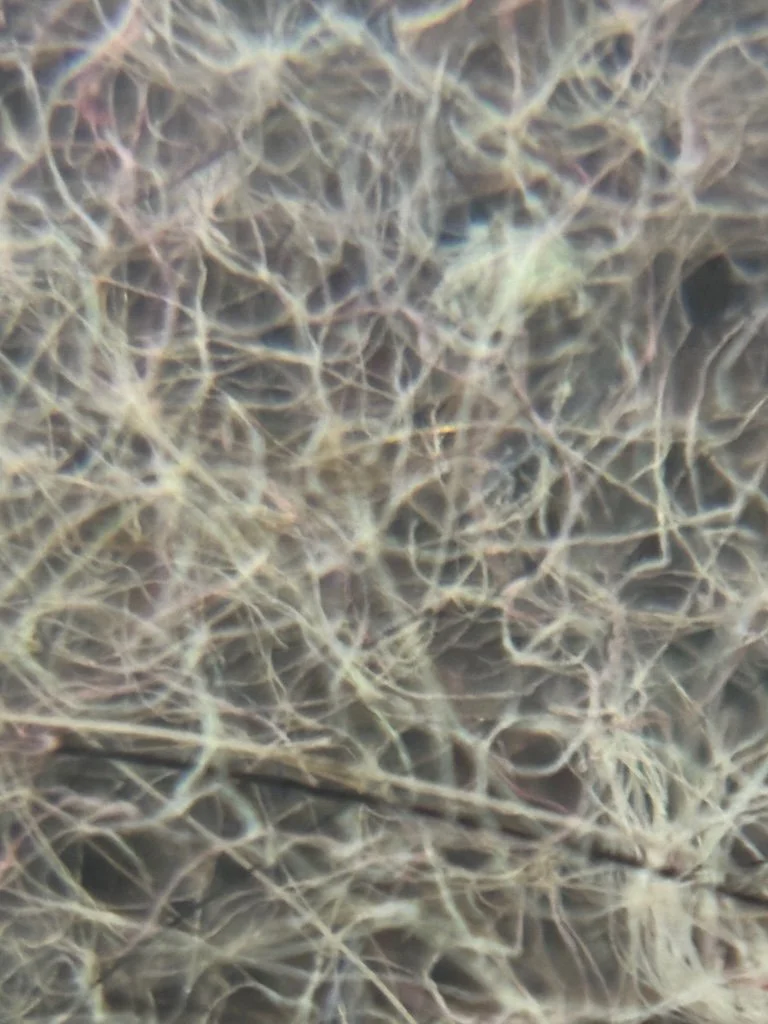
A few weeks ago, I laundered the polyester table clothes that were used for our tables at the Butterfly Festival. I don’t usually put synthetic fabrics in the dryer (heat causes them to wear faster) but the table clothes were too big to hang dry without a long clothesline – which I don’t have. It was an opportunity to look at the lint from synthetic fabric.

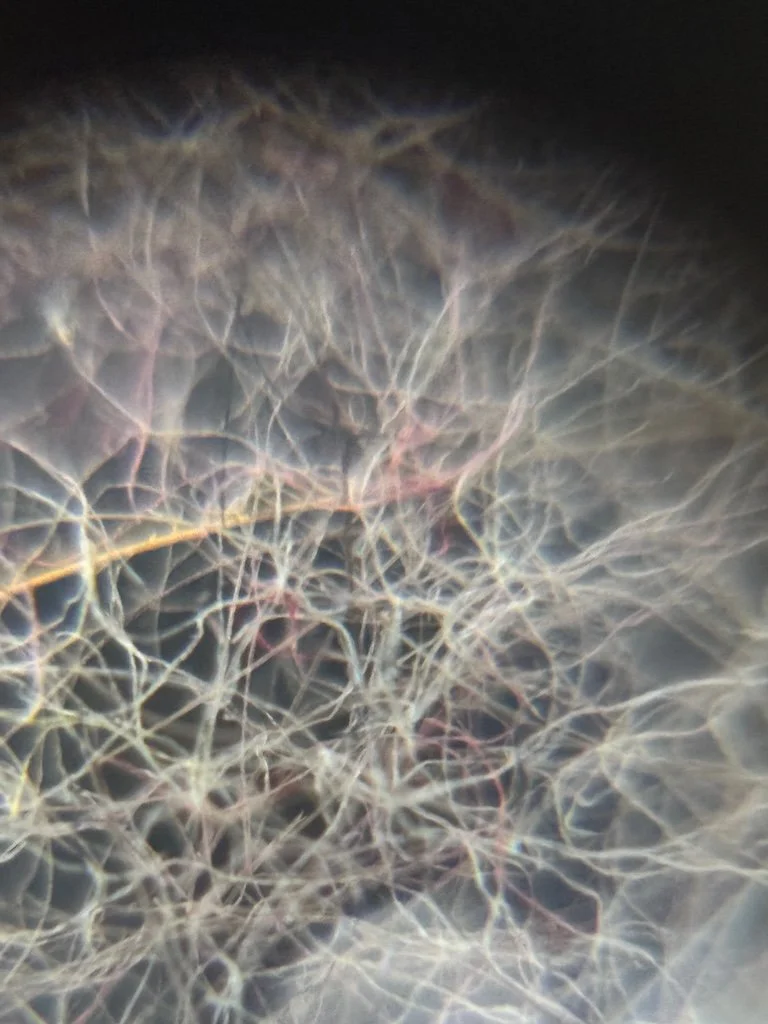
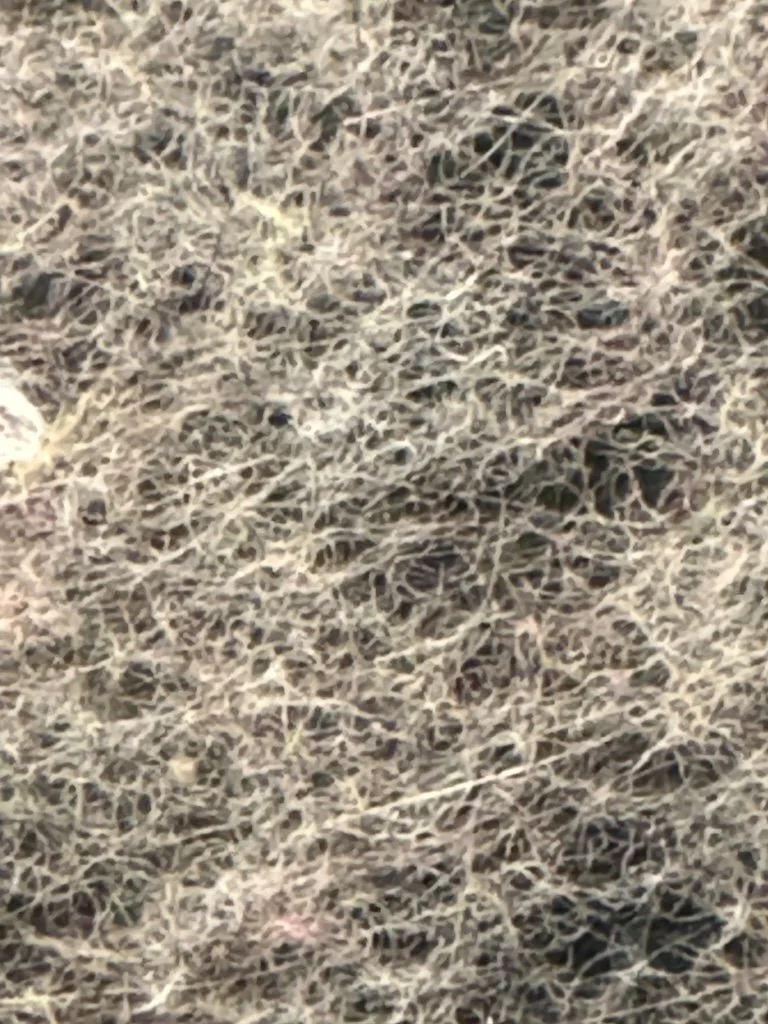
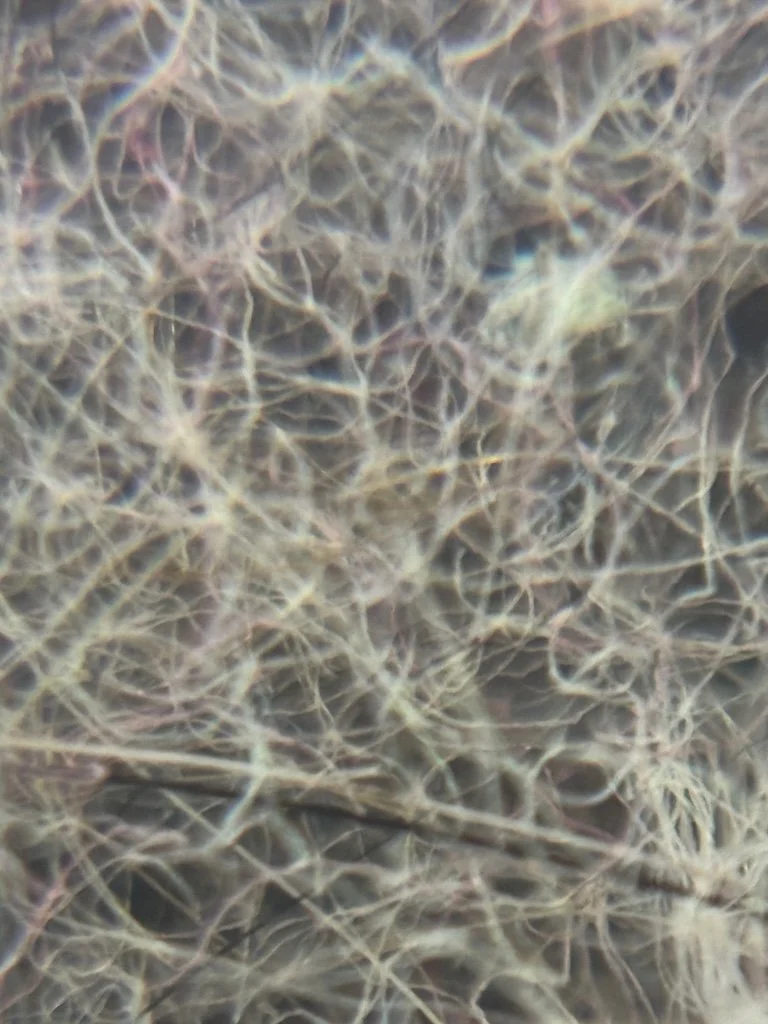
I used my phone and a hand lens too look at the tangle of thin fibers. It is easy to imagine them breaking up into small segments. They are already microscopic in diameter. This is fabric that does not look fuzzy at all – but is still shedding fibers. It also provides an inkling of what is shed during washing as well (and is mostly leaving in the water).
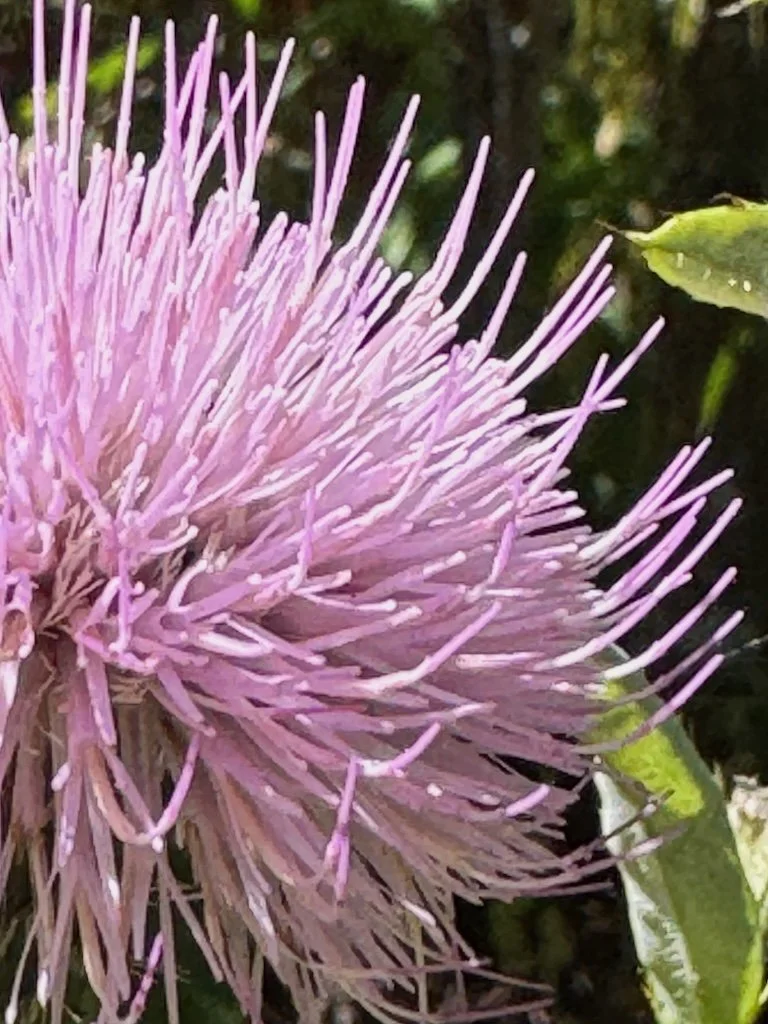
Years ago, there was a suggestion to put dryer lint out for birds to use as nest material. DON’T DO THAT unless you are sure that what was dried is 100% natural fibers – which is very rare these days.

Gleanings of the Week Ending February 7, 2026

The items below were ‘the cream’ of the articles and websites I found this past week. Click on the light green text to look at the article.

1/22/2026 I’m Plastic Free How Geography Impacts Plastic-Free Living - Many people want to reduce plastic, but simply don’t have the tools nearby. In larger cities, it’s often easier to find refill stores, farmers’ markets, and shops that sell loose produce, but the access varies widely between wealthier and lower-income city areas. Living in a city doesn’t guarantee sustainable options. here are a variety of factors that determine the amount of plastic used by consumers. These usually include their location, the system of commerce, and the accessibility of plastic products. Understanding how an area shapes shopping decisions will lead to people advocating for a change where it matters the most.

1/22/2026 Yale Environment 360 In Europe, Wind and Solar Power Overtakes Fossil Fuels - Last year, for the first time, wind and solar supplied more power than fossil fuels to the E.U. In parts of Europe, there are signs that increasingly cheap batteries are beginning to displace natural gas in the early evening, when power demand is high, but solar output is waning.

1/23/2025 Smithsonian Magazine United Nations Declares That the World Has Entered an Era of ‘Global Water Bankruptcy’ - Life around the world has been feeling the effects of climate change, land degradation, deforestation, pollution and the overuse of water. Ultimately, most regions are using too much of their renewable “income” of water from rivers and snowmelt and have emptied their “savings” in groundwater and other reservoirs, ushering in an era of “global water bankruptcy.” We cannot rebuild vanished glaciers or reinflate acutely compacted aquifers. But we can prevent further losses and redesign institutions to live within new hydrological limits.

1/21/2026 BBC Future How the nutritional benefits of foods change as you age - The two main nutrients we should focus on in old age are calcium and vitamin D. Eating enough quality protein is also really important as we age.

1/20/2026 ScienceDaily Stanford scientists found a way to regrow cartilage and stop arthritis - Scientists at Stanford Medicine have discovered a treatment that can reverse cartilage loss in aging joints and even prevent arthritis after knee injuries. By blocking a protein linked to aging, the therapy restored healthy, shock-absorbing cartilage in old mice and injured joints, dramatically improving movement and joint function. Human cartilage samples from knee replacement surgeries also began regenerating when exposed to the treatment. Human trials will be launched soon.

1/12/2026 The Daily Show Vitamin Plastic Water: Don’t Just Consume Microplastics, Enjoy Them! – Humor in a plastic world.

1/20/2026 NASA Explore North America’s Greenhouse Hub - In the Leamington (Ontario) area, growers cultivate vegetables and other crops within millions of square feet of greenhouse space. Commercial greenhouse operations began to gain a foothold in this area in the 1960s and 1970s as technology advanced and regional demand for fresh vegetables increased. Since then, the industry has continued to grow, securing Leamington’s reputation as the “greenhouse capital of North America.”

1/20/2026 NPR Polyester clothing has been causing a stir online. But how valid are the concerns? - Though polyester has been around for a while, in many cases, manufacturers have begun using polyester for items that natural fibers would be better suited for. For example, polyester is often found in summer clothes, even though the material traps heat. And people eventually dump clothes that are uncomfortable. Mounds of abandoned clothing are showing up on coastlines in countries like Ghana, India and Chile, Palladino said. Ghana, for example, has a large market for upcycling clothes. But many of the clothes it receives from the U.S. are of increasingly lower quality, so some purchasers dump them in lagoons and landfills, which end up in the oceans. Natural fibers clothing have cost you a little more, but you're going to have it longer.

1/19/2026 ArtNet The Forgotten Designer Who Created America’s First National Parks Posters - Dorothy Waugh was a pioneering Modernist designer who created the U.S. government’s first in-house National Parks poster campaign during the Great Depression, is the subject of her first-ever solo exhibition. After leaving the NPS, Waugh got a job at Knopf, founding and leading the publishing house’s Books for Young Adults Division. She also worked for 25 years as the head of public relations at the Montclair Public Library in New Jersey. In addition, Waugh was an educator, offering the first-ever course in typography at the New York School of Fine and Applied Art, now the Parsons School of Design. On top of all that, she moonlighted as journalist and poet, and even as a radio personality, with her own regional radio program. She also wrote and illustrated many books for children, as well as two scholarly tomes on the poet Emily Dickinson. The last of those was published when Waugh, who lived to be 99, was 94.

1/18/2026 Our World in Data How have crime rates in the United States changed over the last 50 years? - Several crimes fall within the category of violent crimes. In US statistics, this includes homicide (murder and non-negligent manslaughter), rape, robbery, and aggravated assault. Violent crime rates increased during the 1980s, reaching a peak in the early 1990s at around 750 offenses per 100,000. Since then, rates have more than halved. Over the past three decades, rates have fluctuated slightly from year to year, but the overall trend has been downward.

Filling a Day of Social Distance – 4/21/2020 - Macro Fabrics

Continuing the blog post series prompted by COVID-19….

Here are the unique activities for yesterday:

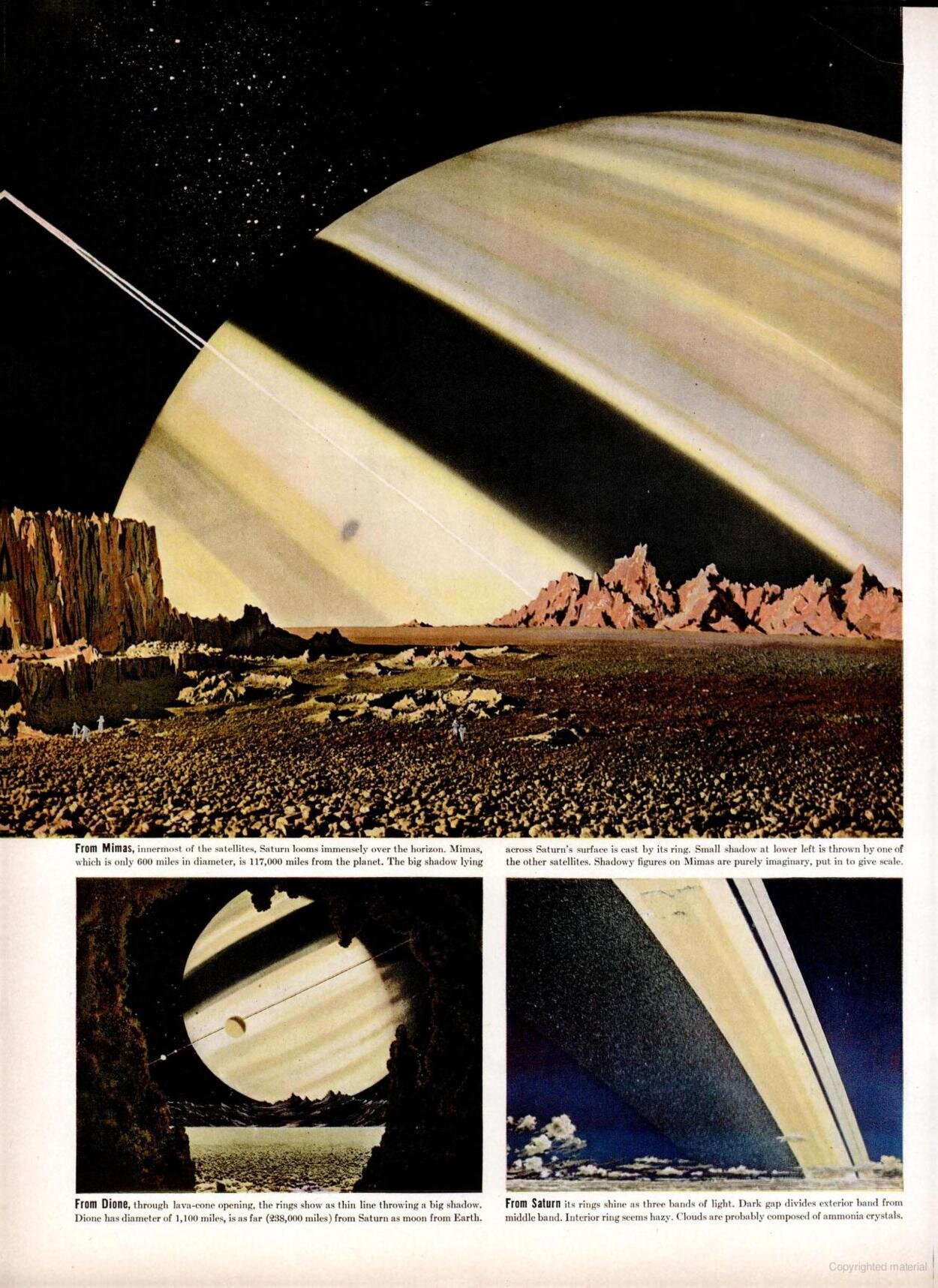
Looking at Life Magazine for May 1944 – I found some early work of Chesley Bonestell that launched his space art career…mixed in with the coverage of World War II.

Finished reading Bruntsfield Brook by Charles Cockell. I bought the Kindle version after hearing about it in one of the Life in the Universe Pandemic Series videos. It was a fun way to learn about microbial mats…wound into a story with lots of drama impacting the different kinds of microbes: phages, ice, pollution, and drought.

Links to my previous “filling a day of social distance” posts  here.

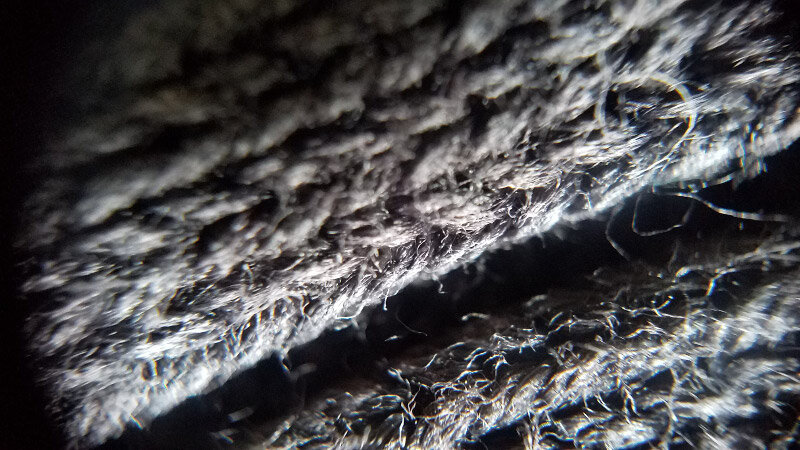
And now for a little project prompted by learning (from Charles Cockell in his Life in the Universe Pandemic Series) that Antonie van Leeuvenhoek first used macro lenses to assess the quality of fabric…then turned the lenses onto other things and became known as ‘the father of microbiology.’ For some reason I had never thought about what prompted him to be using glass lenses originally. So – I did a little project to look at different fabrics with the jeweler’s loupe…taking pictures with my phone through the loupe.

I started with the upholstery fabric on a couch. The colors are more vivid when they are magnified! I don’t know what the fiber content is…but it’s shiny…. that probably means it’s synthetic.

Clothes that I had that were labelled 100% cotton were all tops. 2 t-shirts (normal weight and thin) and a waffle shirt

I also had an older 100% cotton denim shirt. It is old enough to have some worn areas.

Then there were the cotton and polyester blends. The bandana didn’t have a label, but I lumped it with the blends because it was shiny. A pair of jeans and a t-shirt looked like cotton so I assume that the polyester part might be wrapped in cotton.

A quilted jacked had a looser weave and was shiny. A man’s shirt and my photovest were both a tight weave cotton/polyester.

I have a linen-look button front tunic that I have enjoyed wearing for years. I didn’t realize it was 100% polyester until I looked at the label. And it looks very much like plastic when magnified! I’d never thought of it as ‘shiny’ before.

20200419_135659.jpg

I had two silk scarves which I included in my pile to photograph.

And then there was acrylic blended with polyester (for a cardigan), with cotton (for a ribbed turtleneck) and nylon for a lightweight unlined sweater jacket. The last one looks like the 100% polyester tunic – although the fiber in the tunic is woven and the sweater jacket is a knit.

Overall – it was an interesting project. I am always keen to apply what I am learning, and this project blended the astrobiology lectures and the Fashion as Design class!