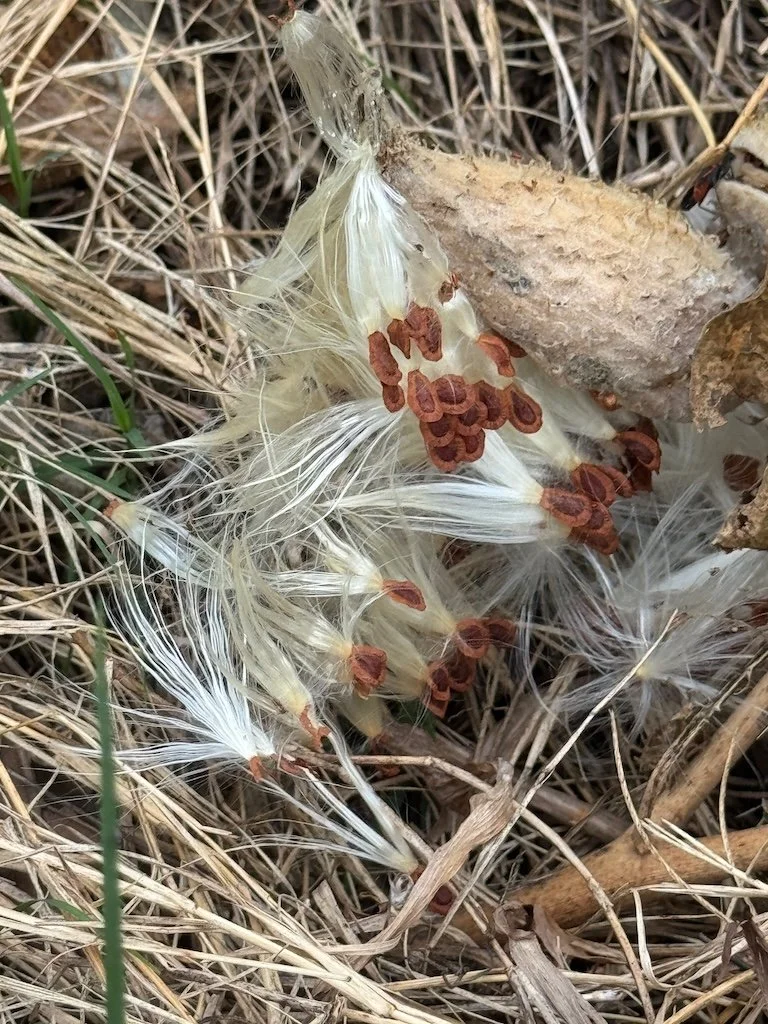
Oak Mulch

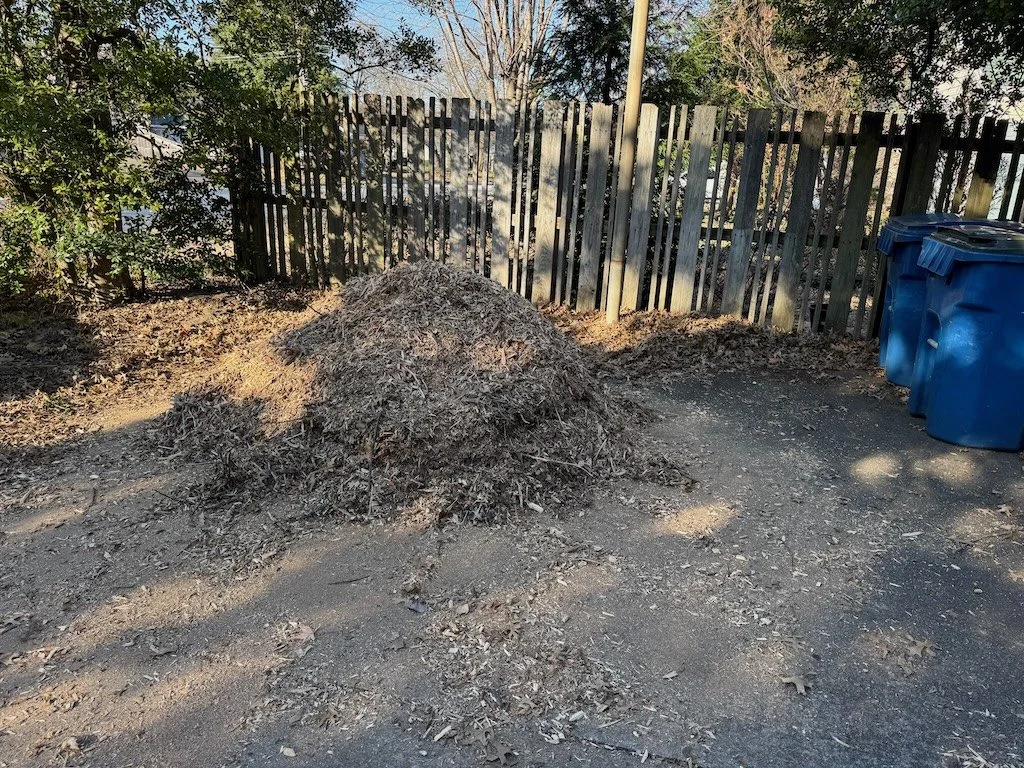
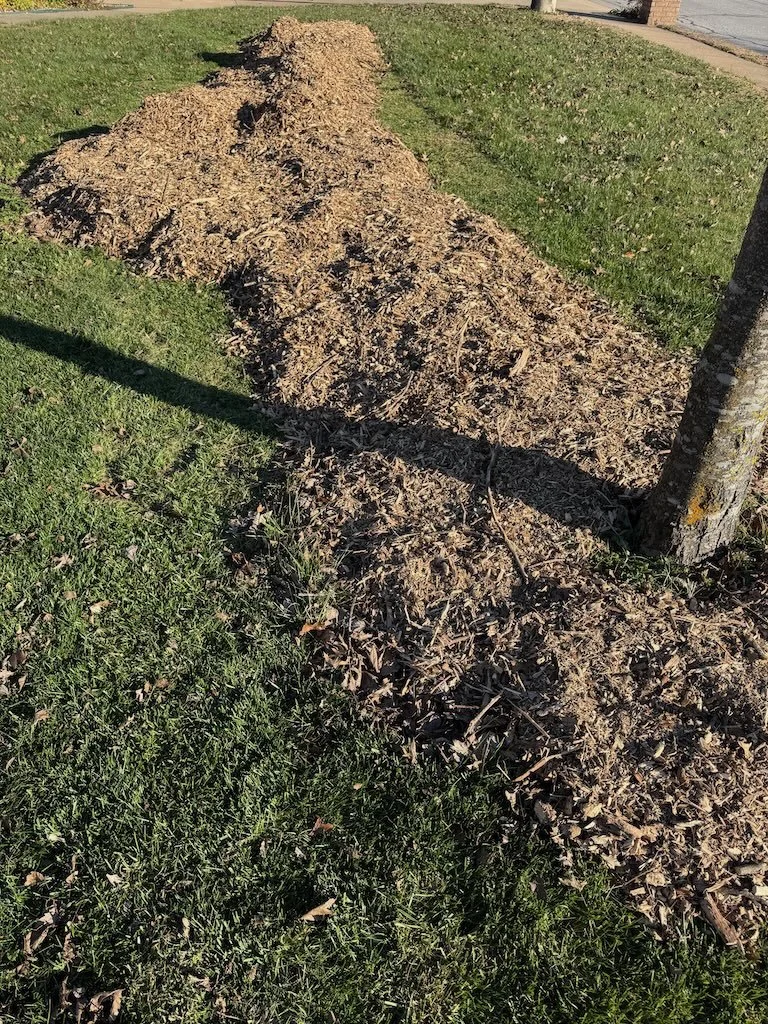
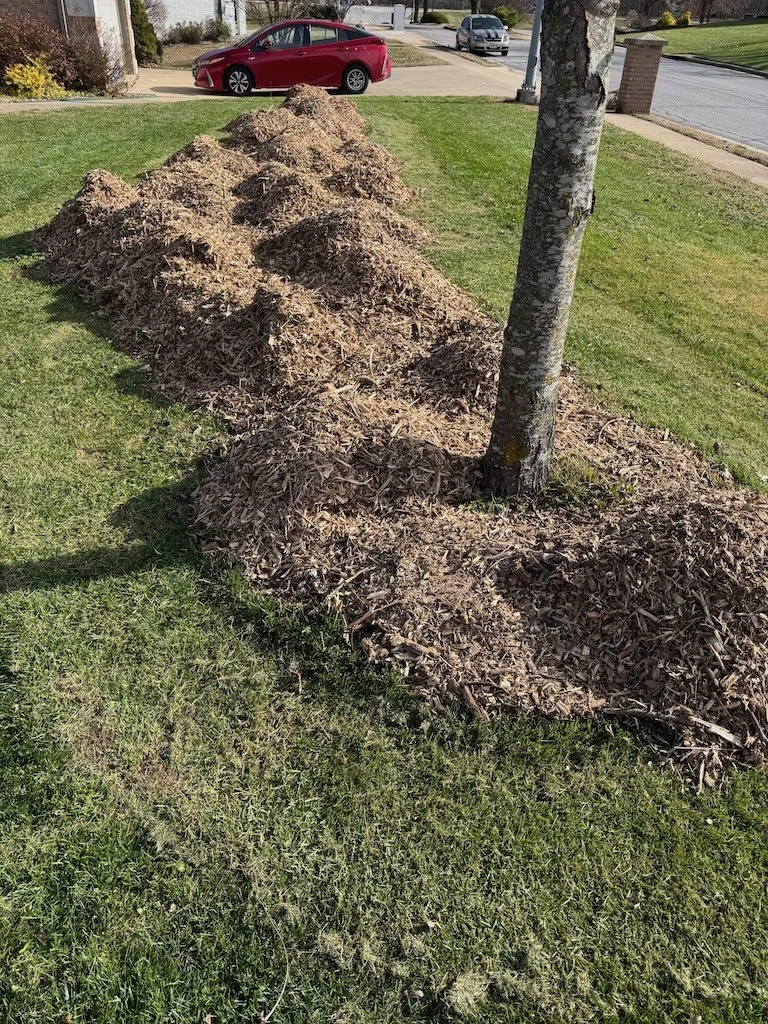
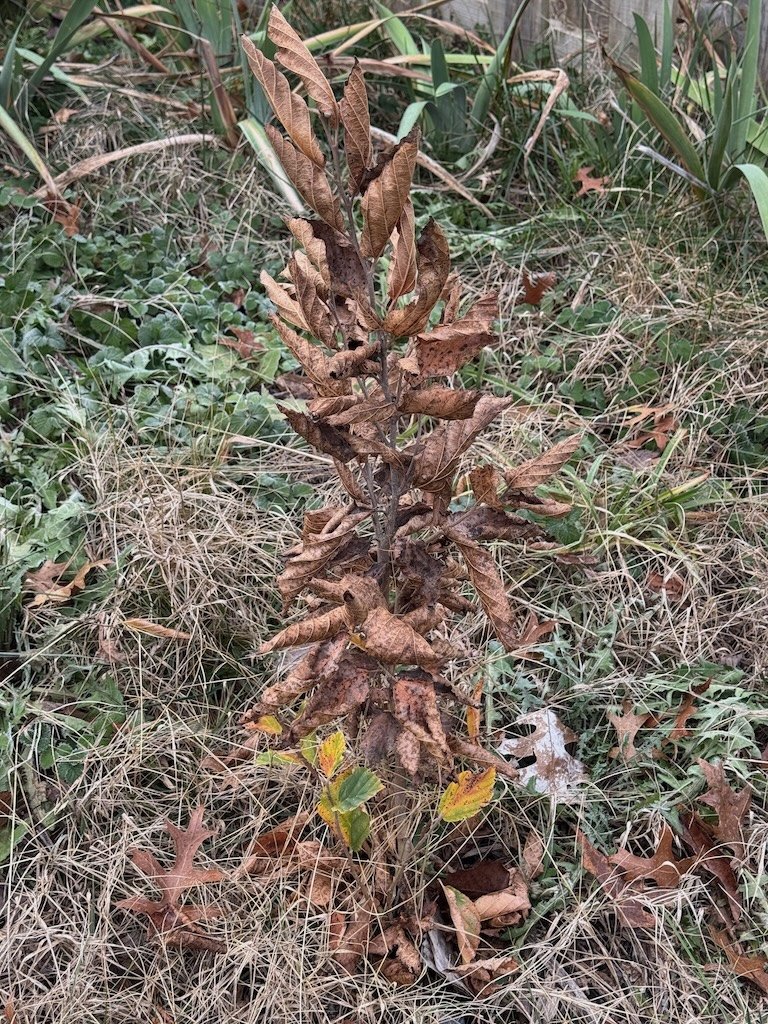
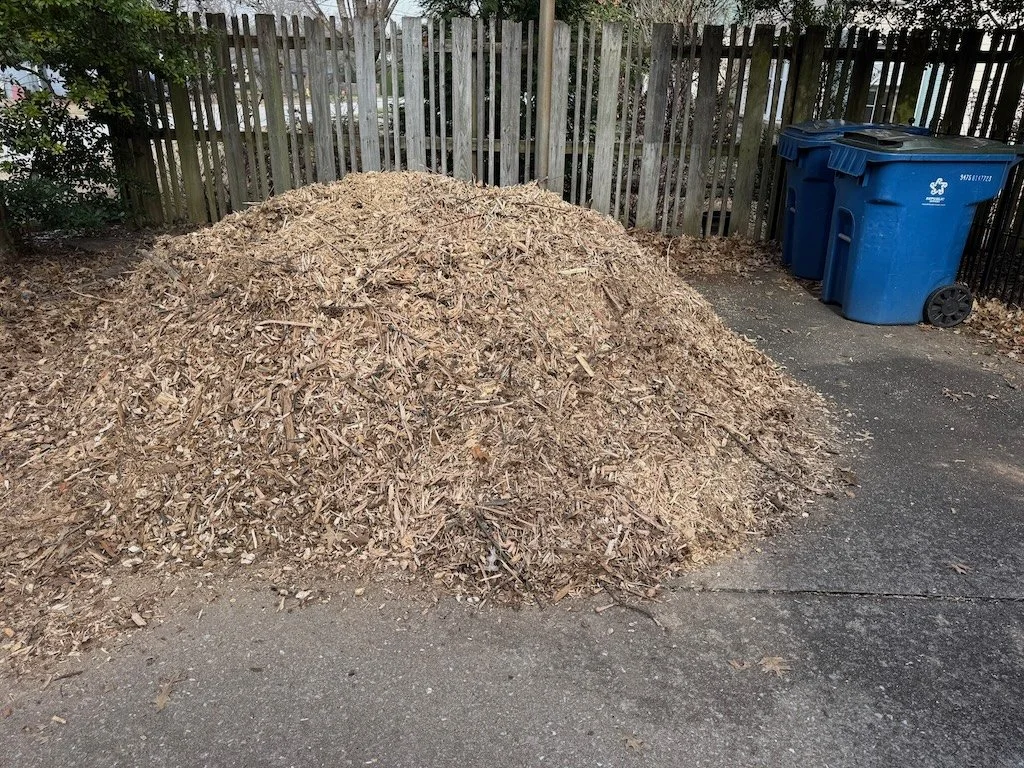
The tree service finally came to trim my daughter’s oak and to handle a larger branch that fell from her Amur Maple…and they left a substantial pile of (mostly) oak mulch as we requested.

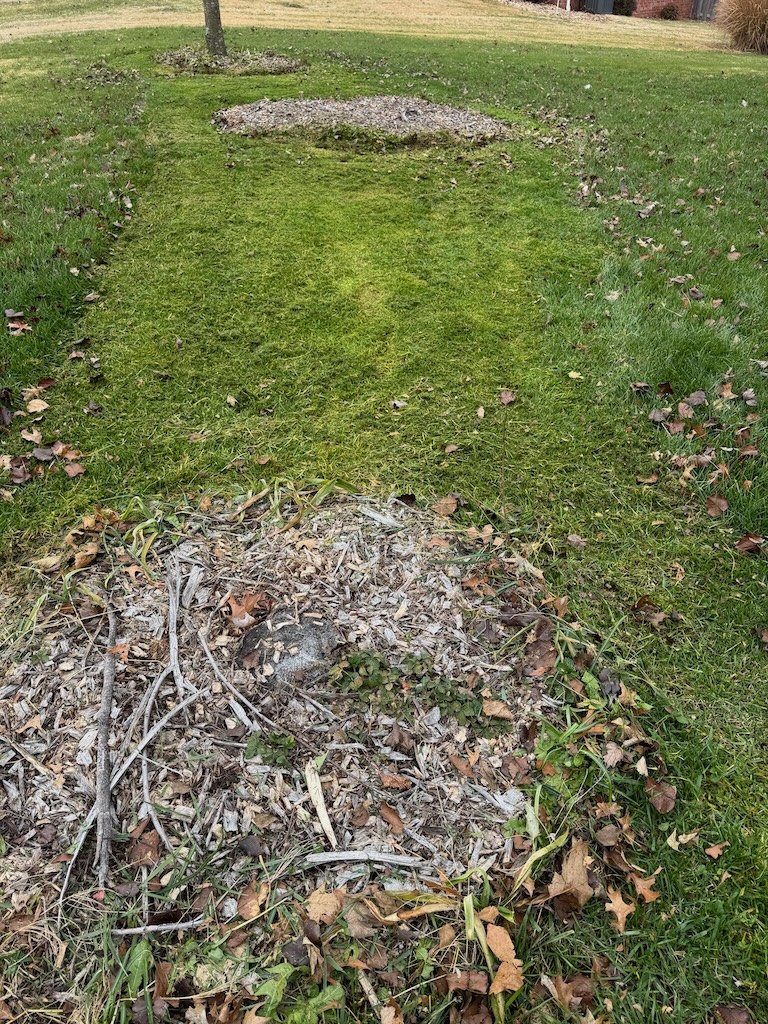
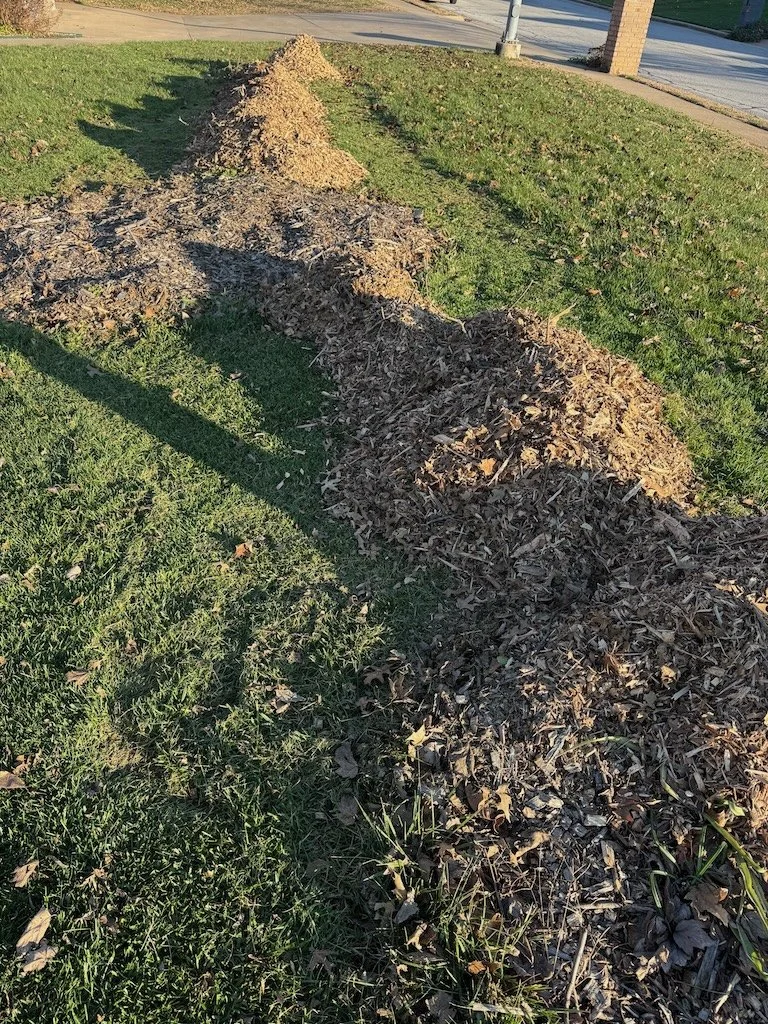
I have big plans for that mulch as part of my plan for transform my front yard with a native plant garden. I had used mulch from a maple there that had to be removed last summer to create three areas in my front yard and with the additional mulch I could make a much more substantial area for planting next spring.

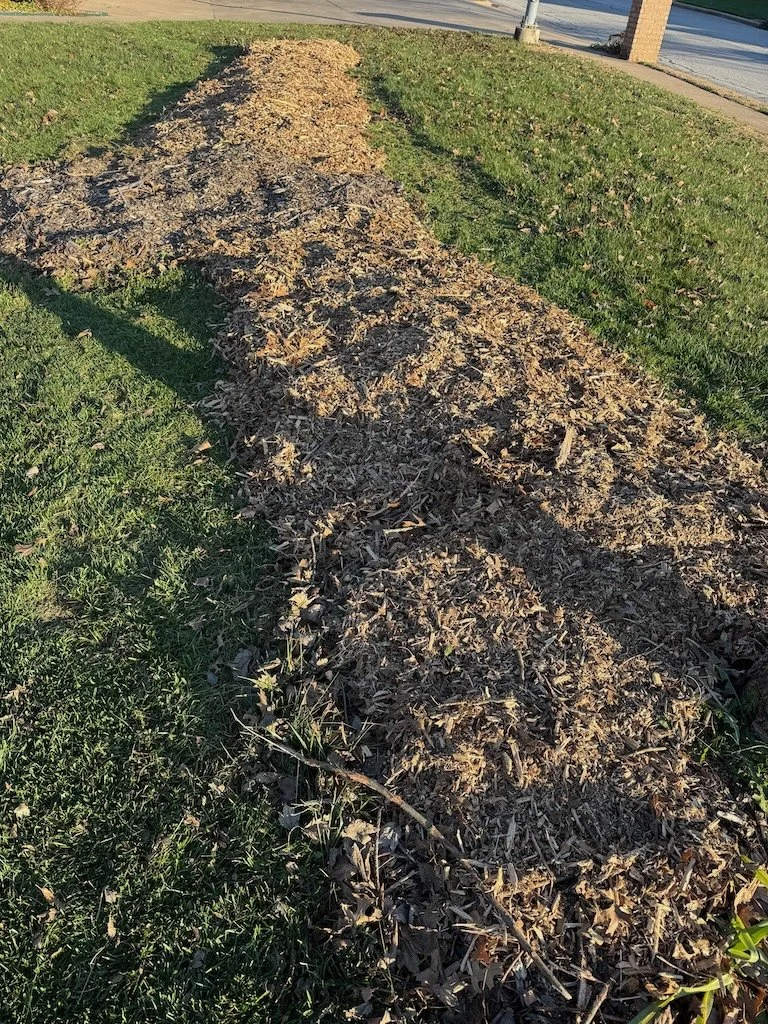
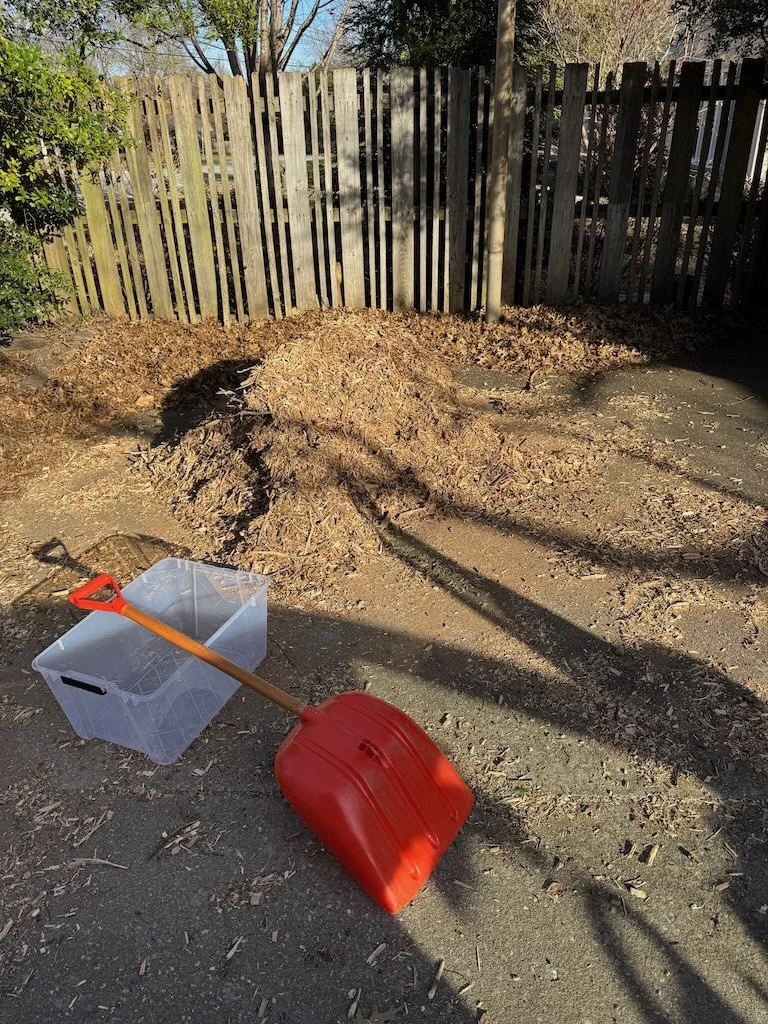
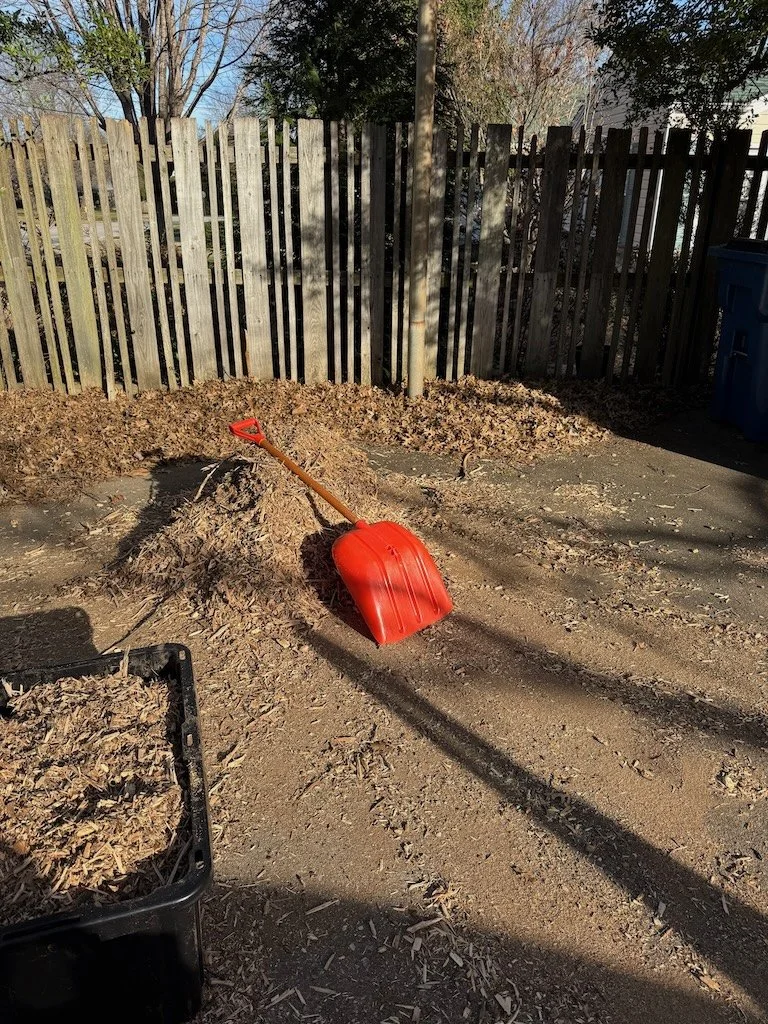
We loaded bins and moved the pile one carload at a time. Even after the first 4 loads the new bed was looking bigger.

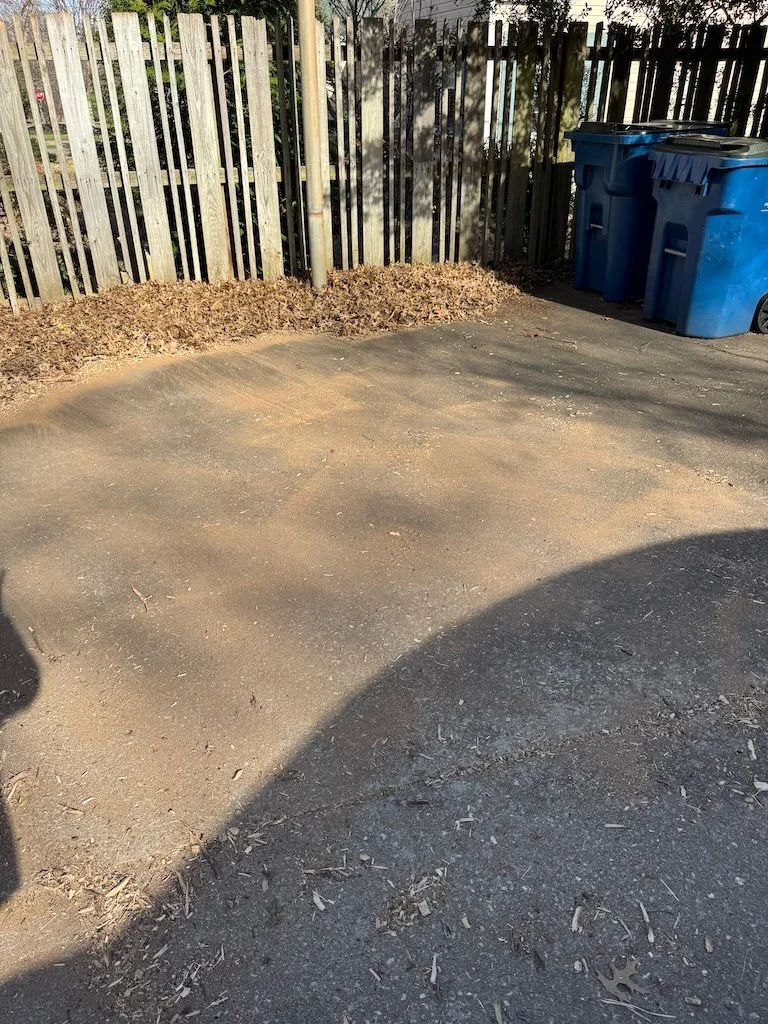
After the first big day, I only managed 2 carloads per day. It took 5 days in all (a total of 12 carloads…about 1.5-2 hours per load depending on traffic). On the last day, I was celebrating that my daughter’s driveway was back to normal….even though I still needed to spread the mulch and define the finally shape for the new bed!

I can hardly wait for the native plant sales to begin next spring. I’m going to review my plant list until then to be ready to shop and then plant my new garden in the oak mulch.

Gleanings of the Week Ending December 13, 2025

The items below were ‘the cream’ of the articles and websites I found this past week. Click on the light green text to look at the article.

How extreme weather is making plastic pollution more mobile, more persistent and more hazardous - Rising temperatures, humidity and sunlight break plastic down, making it brittle and cracked, accelerating its disintegration into tiny fragments. A 10-degree Celsius (18 Fahrenheit) rise in temperature during an extreme heat wave could double the rate at which plastic degrades. Extreme storms, flooding and wind also hasten the breakdown of plastic, mobilize it and spread it more widely. Flooding can also help forge “plastic rocks,” created when rocks and plastics form a chemical bond and merge together. These become hotspots for microplastic generation. Wildfires release microplastics and highly toxic compounds into the atmosphere. Global annual production of plastic increased 200-fold between 1950 and 2023 and is predicted to keep increasing as the world moves toward clean energy and oil companies shift investments to plastics.

YMCA: The Swan Song of SROs and the Birth of Modern Homelessness - Single room occupancy hotels played a central role in America’s affordable housing ecosystem for decades, providing cheap, flexible accommodations without government subsidy. They are effectively large-scale boarding houses, offering small private rooms or dorm-style quarters with shared bathrooms and minimal kitchen facilities. The YMCA was the nation’s largest SRO provider, with more than 100,000 units nationwide at its peak. SROs were far from ideal, but without this form of housing or any other low-cost option, homelessness was the inevitable result. It was just as Edith Elmer Wood feared back in 1919: Housing reform had created a housing famine.

Recycling Lead-Acid Batteries Has Significant Health Risks - What happens to the old ones when they are no longer serviceable? They get melted down to recover the lead in them, which can then be used to make new batteries. In the US, that work often gets outsourced to other countries. It’s a patchwork of shoddy factories in places like Ghana, Nigeria and Tanzania providing more lead for new car batteries….and where people die from lead poisoning. Car companies look the other way.

More Than 1,200 Marine Animal Species Eat Plastic. Ingesting Even a Tiny Amount Can Kill Them - Data from more than 10,000 marine animal autopsies. About half of the examined sea turtles, one-third of seabirds and one in eight marine mammals had plastics in their stomachs. The study didn’t examine other ways plastics can hurt wildlife, such as strangulation, malnutrition or toxic effects. It also didn’t look at the harms of tinier pieces of plastics—microplastics—which have been found in the deep ocean and can also affect marine life. Researchers say the best way to protect wildlife from plastic is to reduce the amount of it that enters the ocean, namely through local and national policy.

The Forgotten Roman Ruins of the ‘Pompeii of the Middle East’ – Jerash – ruins near Amman, the capital of Jordan and the country’s second most popular tourist destination after Petra. After spending more than a millennium covered by sand, Jerash has reclaimed its place as a cornerstone of both Western and Middle Eastern civilization.

Just ten species make up almost half the weight of all wild mammals on Earth – Deer and boars account for almost half the biomass of wild land animals.

New research reveals what’s really hiding in bottled water - Each sip may contain invisible microplastics that can slip through the body’s defenses and lodge in vital organs. These tiny pollutants are linked to inflammation, hormonal disruption, and even neurological damage, yet remain dangerously understudied. “People need to understand that the issue is not acute toxicity -- it is chronic toxicity.”

Beavers are Dam Good for Biodiversity, Bringing Bats, Butterflies and Other Critters to Their Neighborhoods - Beavers are famous for being ecosystem engineers, capable of transforming once-dry landscapes into lush, green wetlands that support many other land- and water-dwelling species. Now, two new studies suggest these benefits also extend to creatures who spend much of their time in the air like bats and pollinator insects.

This tiny pill could change how we diagnose gut health - Tiny ingestible spheres filled with engineered bacteria can detect intestinal bleeding by glowing when they encounter heme. Early tests in mice suggest they could become a quick, noninvasive way to monitor gut disease. The work was done by the NSF of China and other sources in China. Will China now dominate this type of research with the funding cuts in the US?

Meet the 7 Swans a-Swimming – There are 7 swan species in the world…which fits very well with The Twelve Days of Christmas.

Our Missouri Yard – December 2025

December had started off with some very cold days with low temperatures in the 20s or teens at night and barely getting above 50 on 3 days (other days the high was in the 40s). Almost all the trees had lost their leaves abruptly in November when we had some very cold days. As I walked around the yard taking pictures for this post, I found myself searching for color and interesting textures.

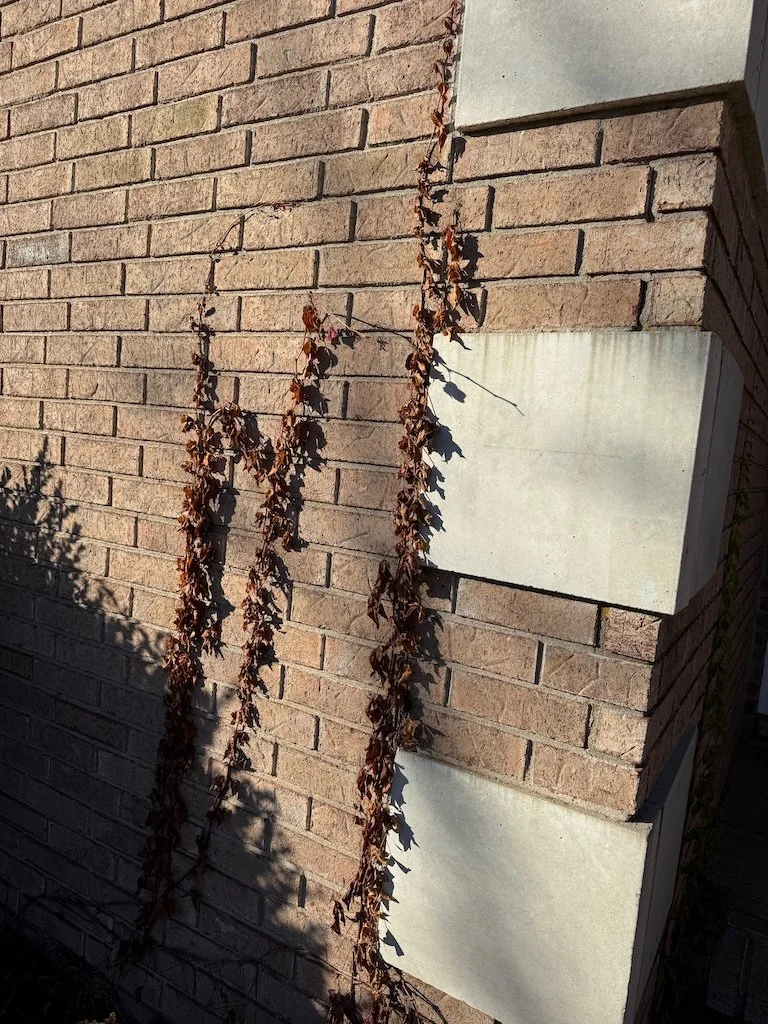
The Virginia Creeper that had been so beautiful in previous falls (red leaves) had either died back or retained the color for only a few days. Some of the vines retained their leaves – but they are brown rather than bright red.

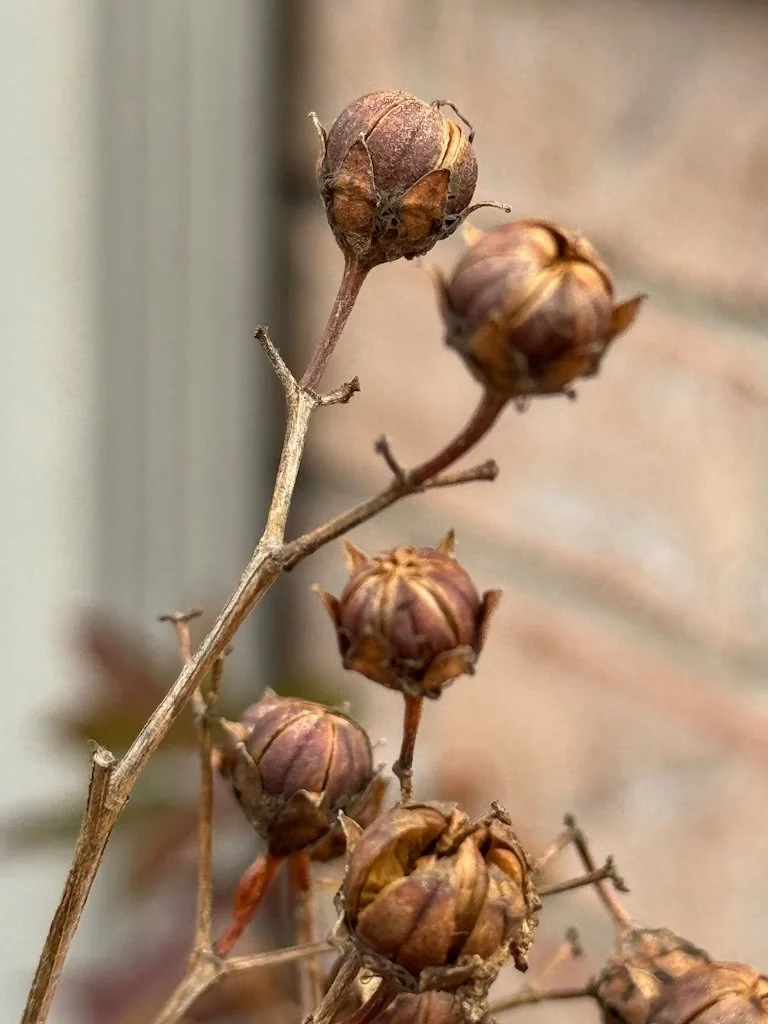
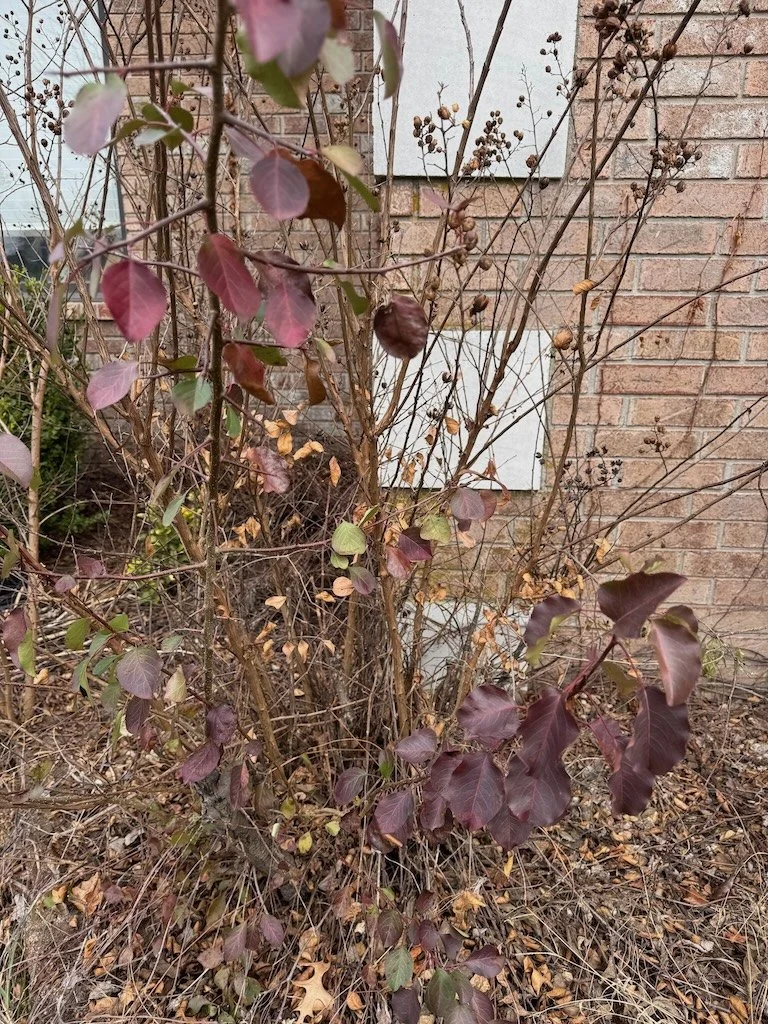
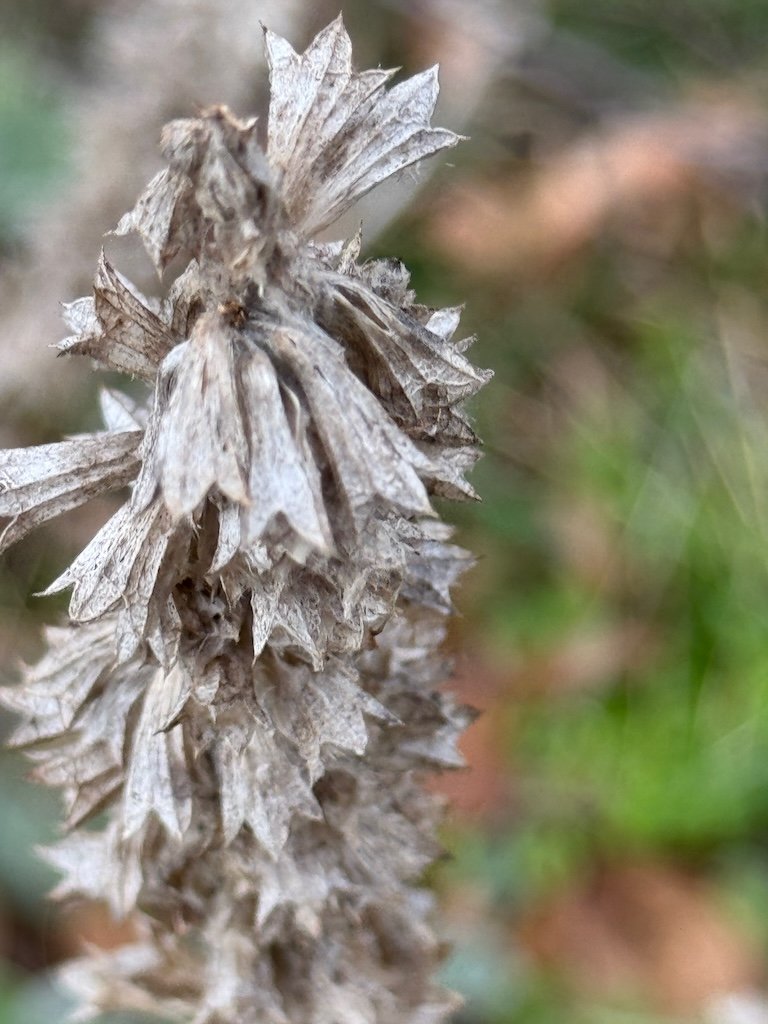
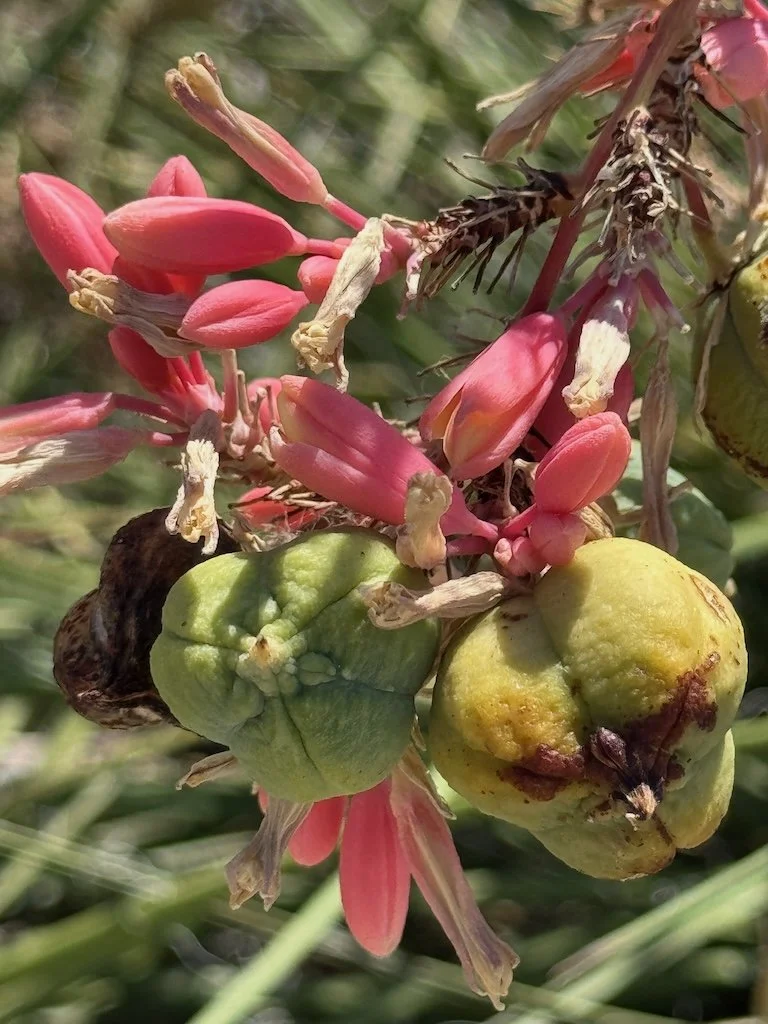
The crape myrtles have interesting seed pods. I am going to cut them all back when there is a day above 50….they will look better next year if I do. One of them is tall enough to brush against the eve of the house so that one is the priority to get cut. The other one to tackle is the one that has a Callery Pear (wild form of the Bradford Pear) growing with it. The red leaves are the pear so I can (hopefully) cut it very close to the ground.

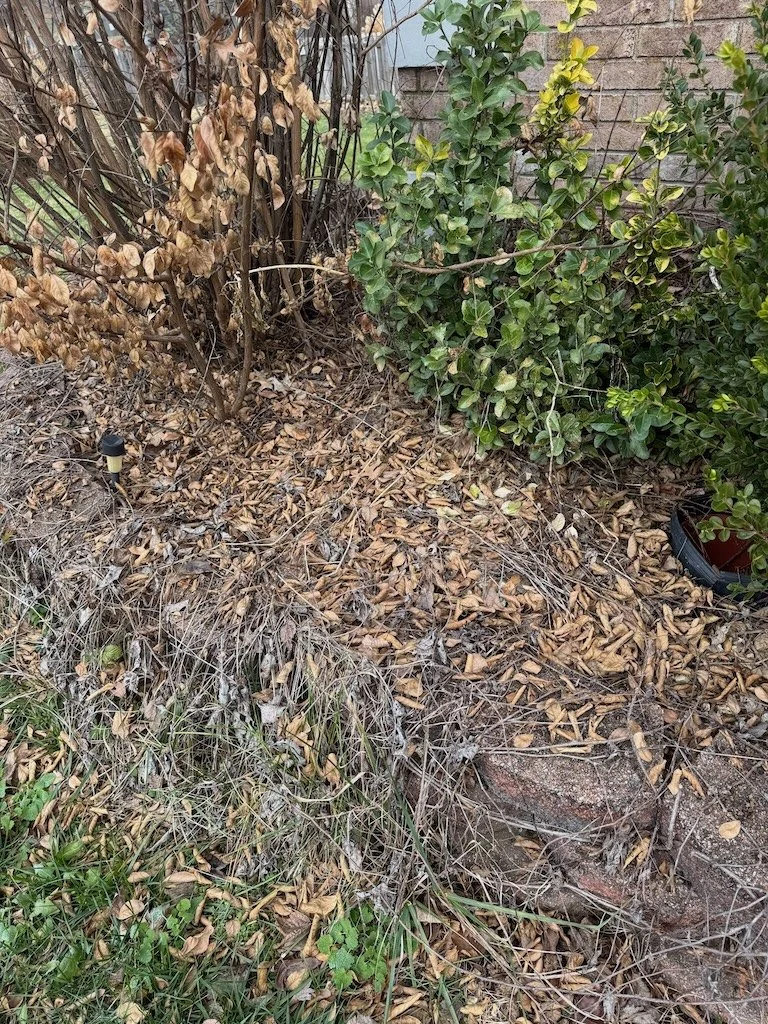
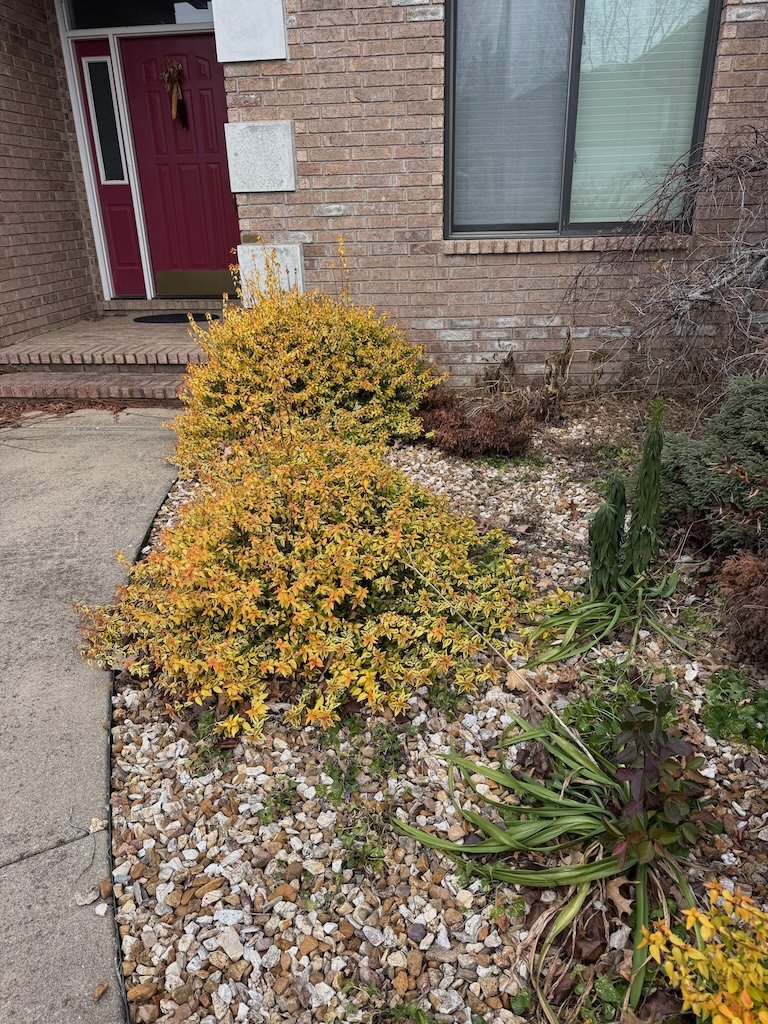
The bed near our front door has some color – bushes that are bright yellow (that need to be trimmed) and some plants that haven’t succumbed to cold temperatures yet because they are protected. The Japanese Maple in the corner has lost its leaves and may be dying; that corner has not worked well for that small tree.

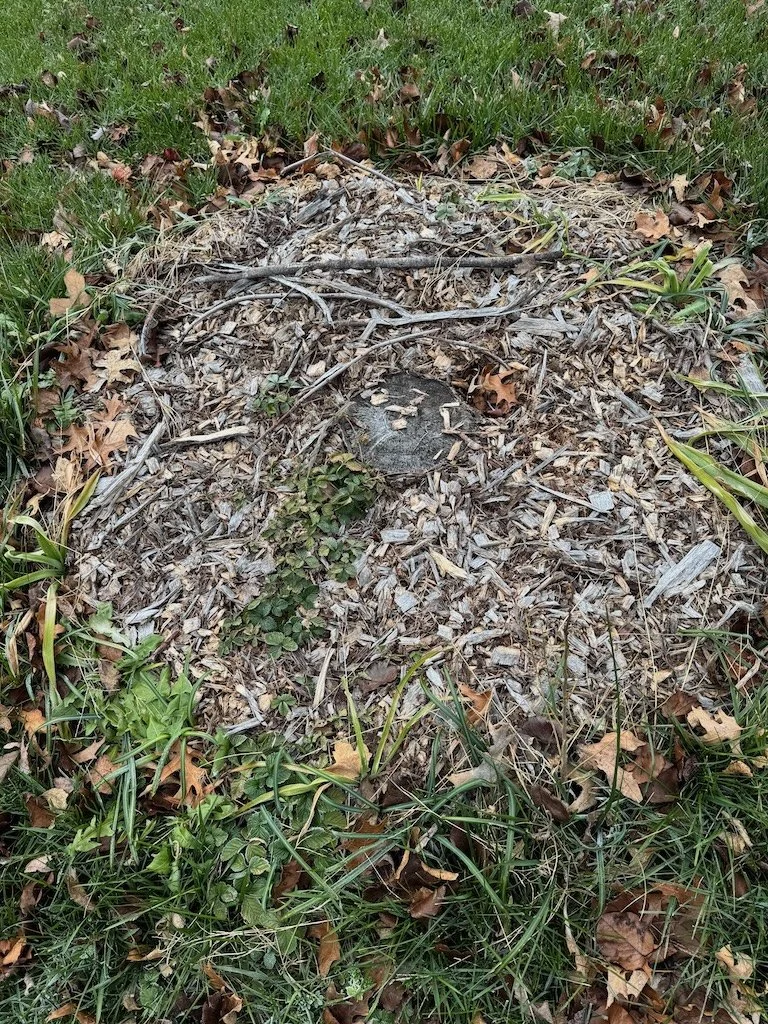
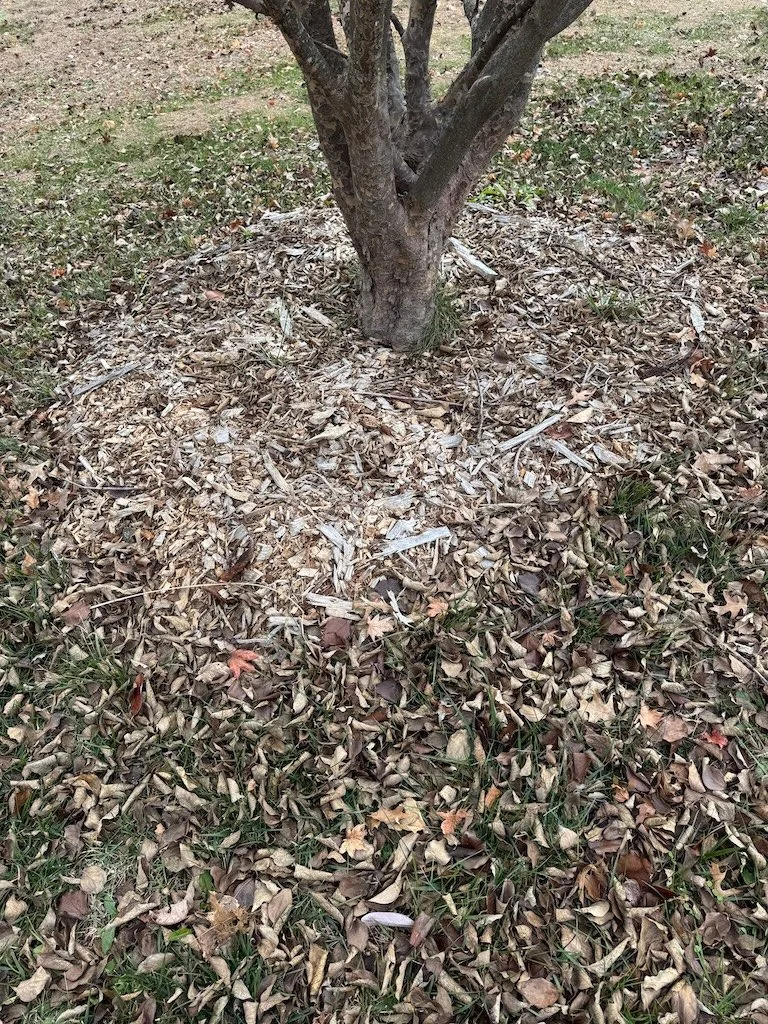
The places where I put the bark mulch from our last tree trimming are holding up well. I will pull weeds from them and plant new plants into some of them next spring. The one under the Kousa dogwood mulch needs some native ground cover planted there…and maybe some of the lower branches cut.

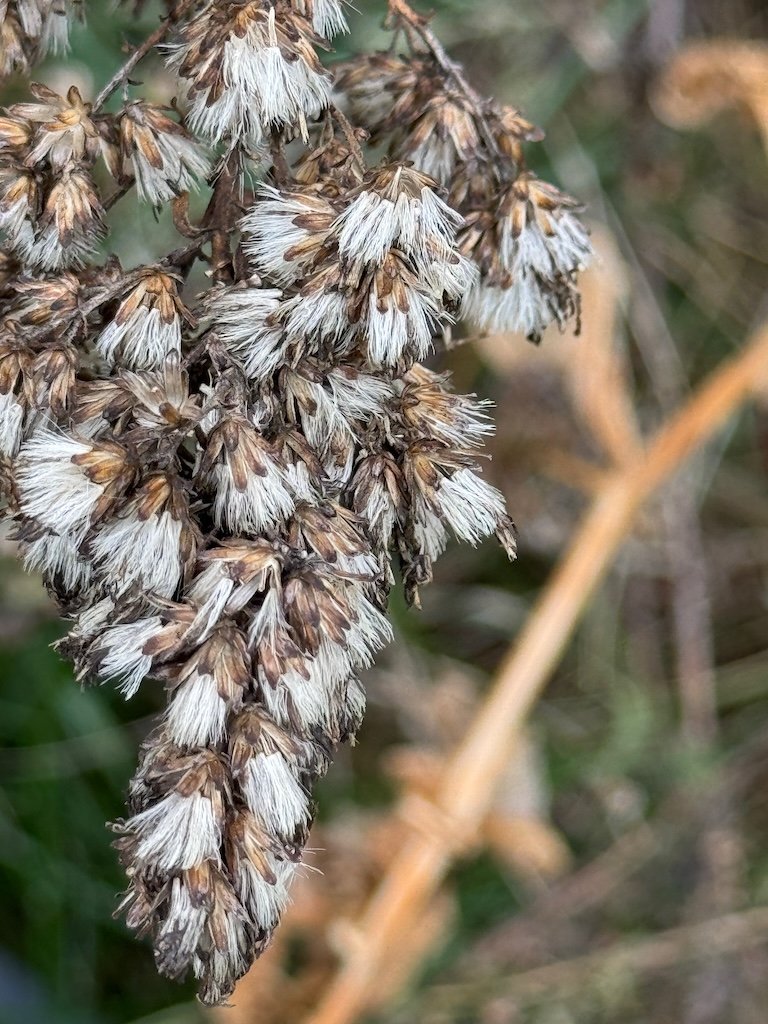
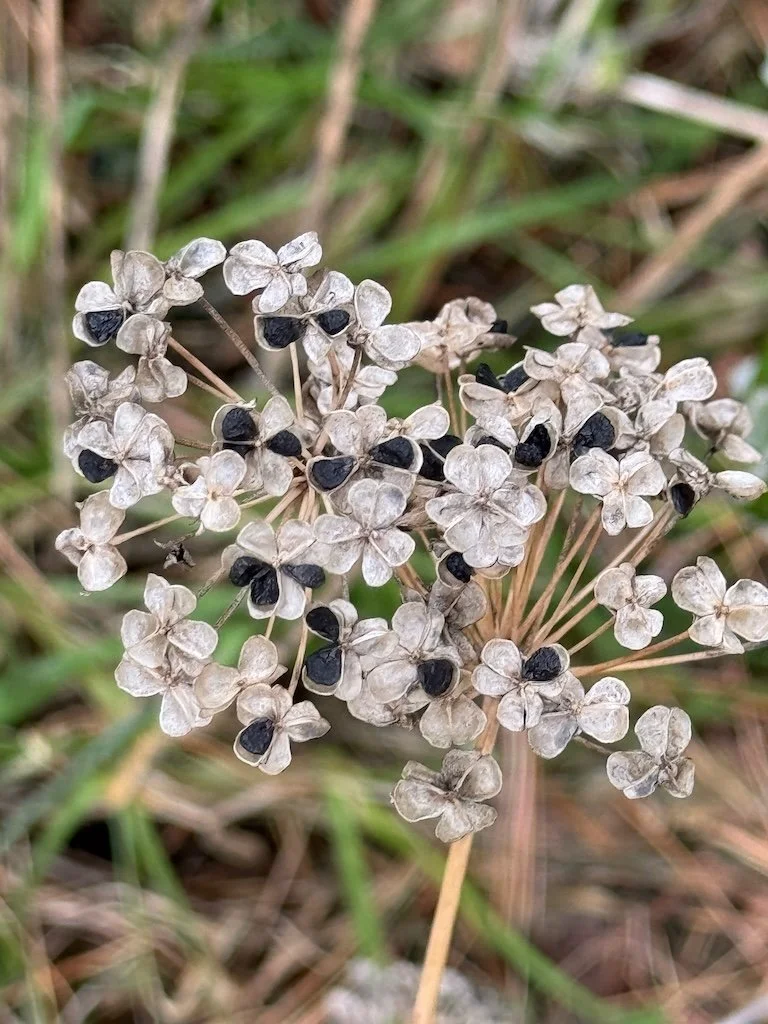
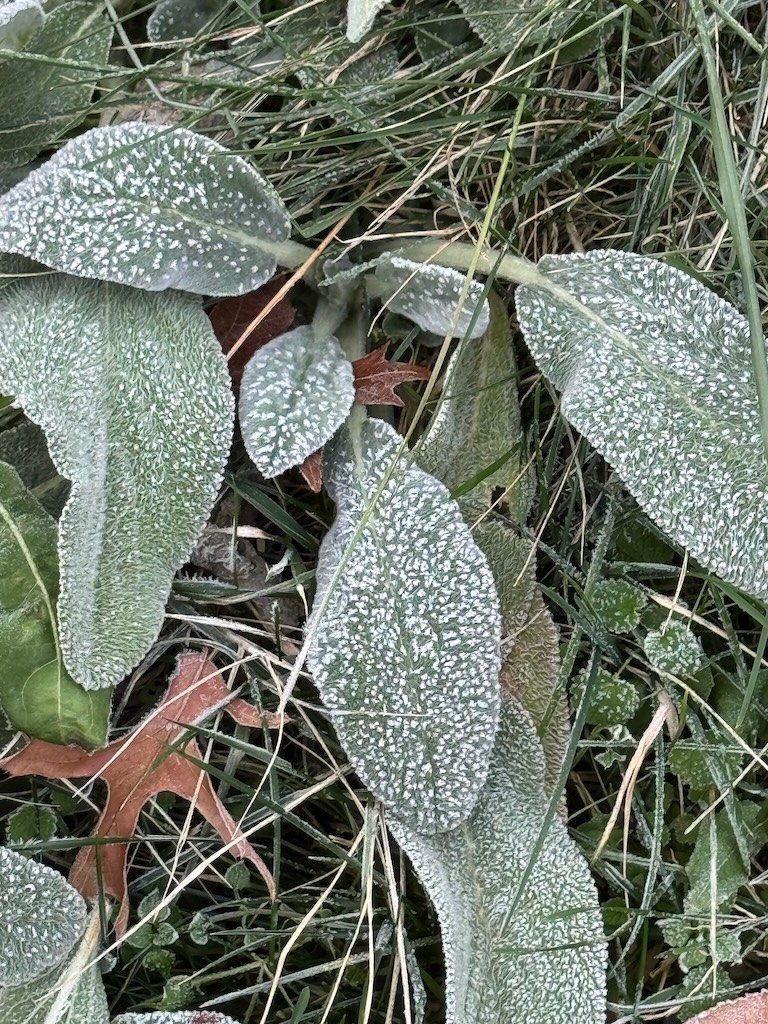
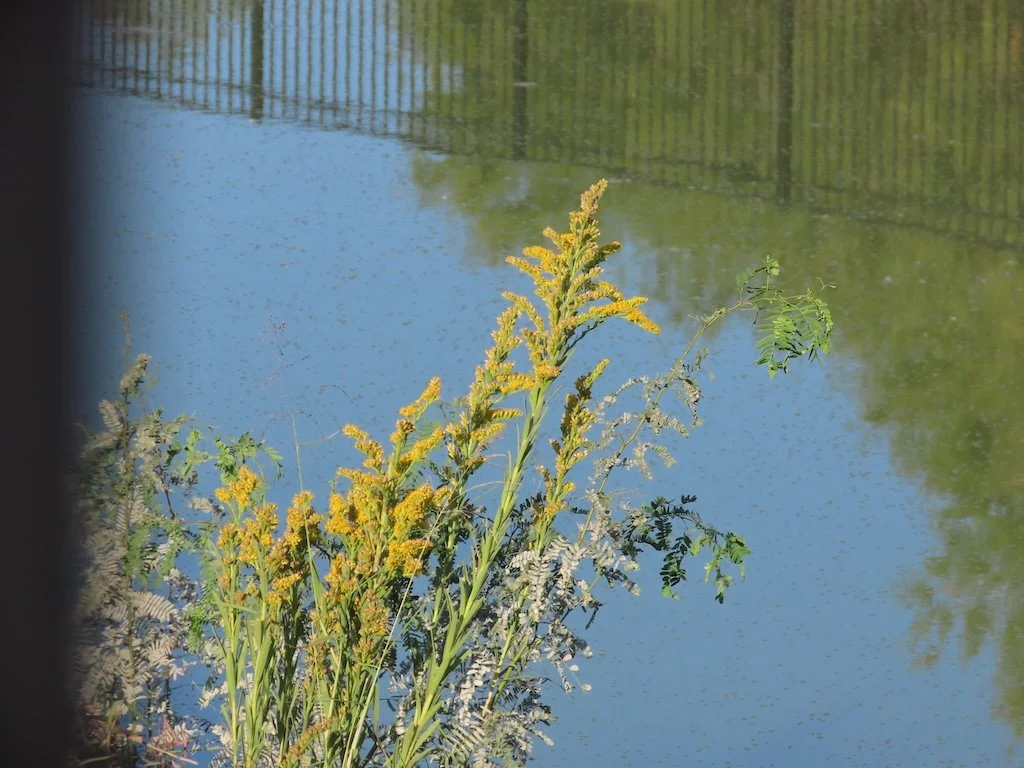
There are seed heads on the lambs ear and goldenrod and chives…hopefully I will have more of those plants next year.

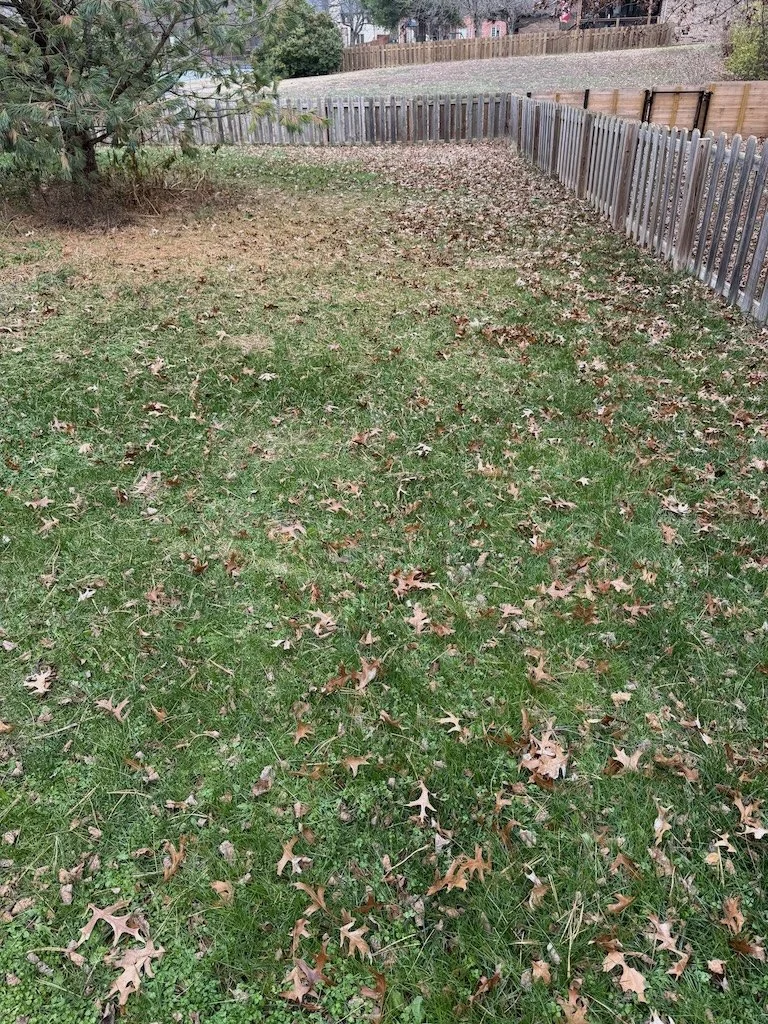
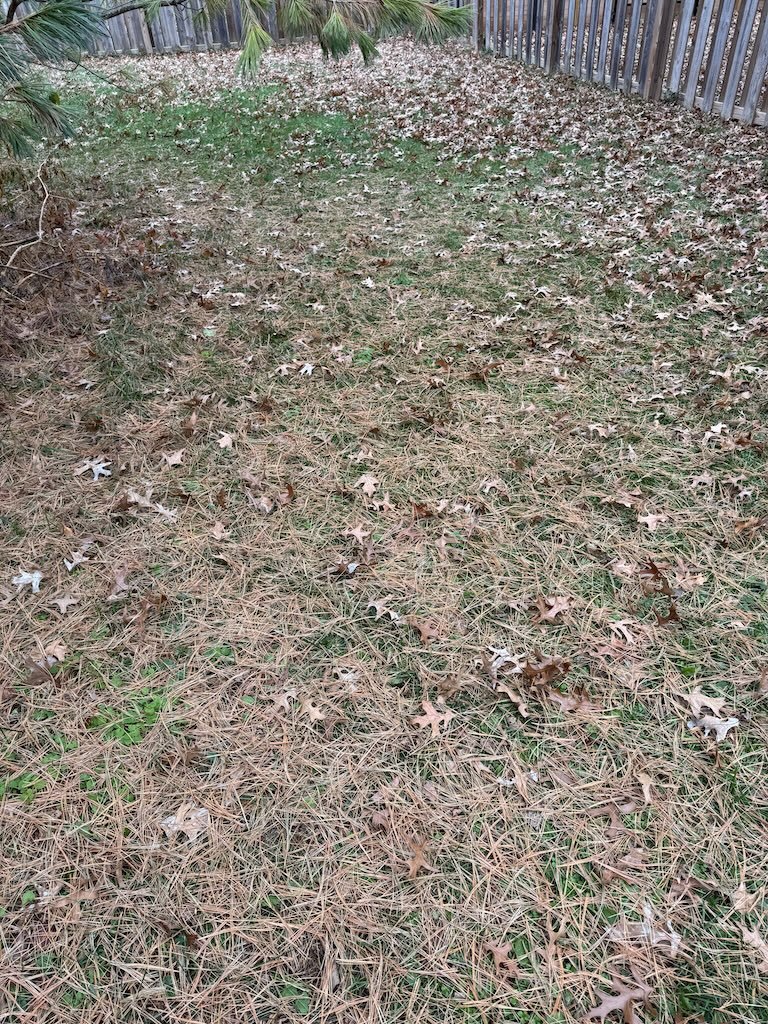
Our backyard is fenced and I am planting to not mow until early summer - leave the leaves. A lot of the leaves are from our neighbor’s oak and probably contain overwintering insects. The birds will appreciate the bounty – food for their chicks next spring. I am noticing that the circle where the pine needles are falling is enlarged than last year. I will be mowing less of the side yard next year! My long-term plan for the side yard a mowed path….not much grass at all…native plants filling in on both sides of the path (and maybe the path itself which might change from year to year.  

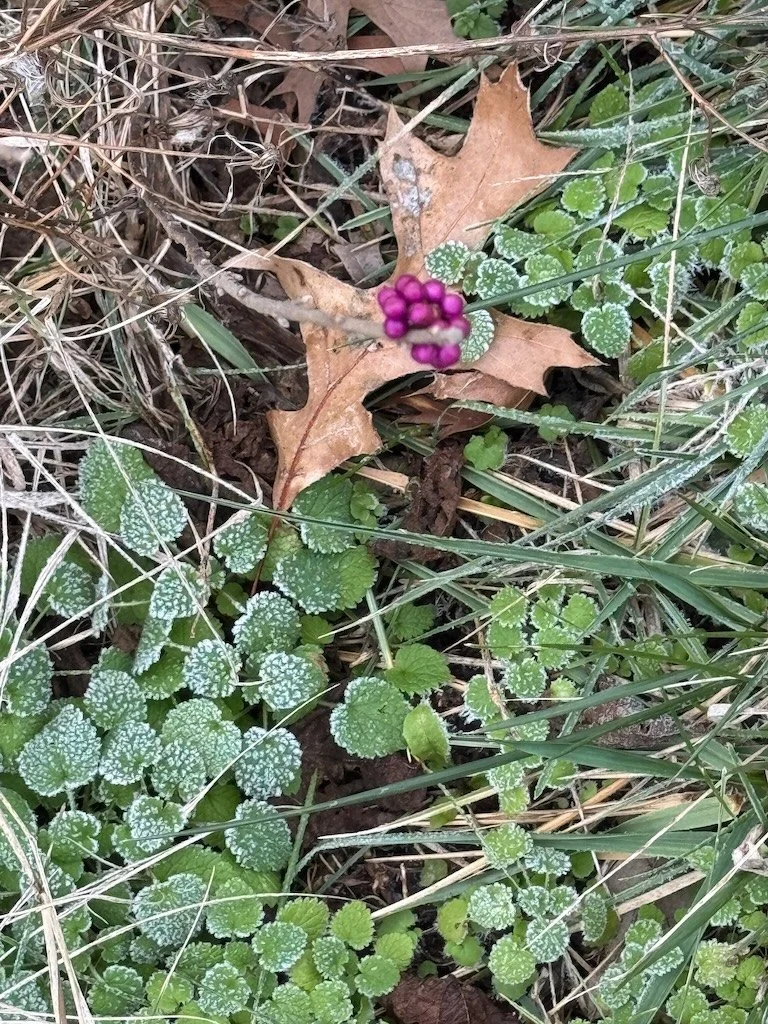
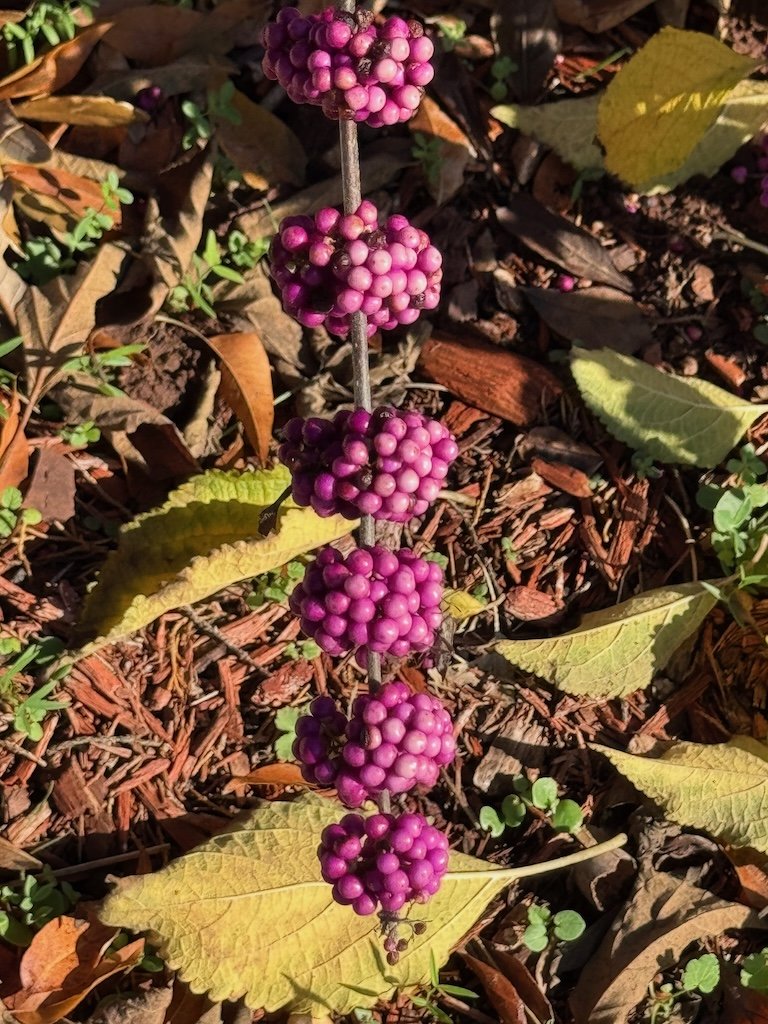
The bed where we removed a pine tree that fell over is more exposed that most of our beds. The plants there had frost. The small cluster of American beautyberry (Callicarpa americana) fruit is a pop of color. Hopefully next year the beautyberry will begin to grow more rapidly and become the dominate plant in the bed at some point. I will probably allow a native tree that comes up (bird or squirrel planted)…whichever one shows up first: oak, redbud, or hackberry.

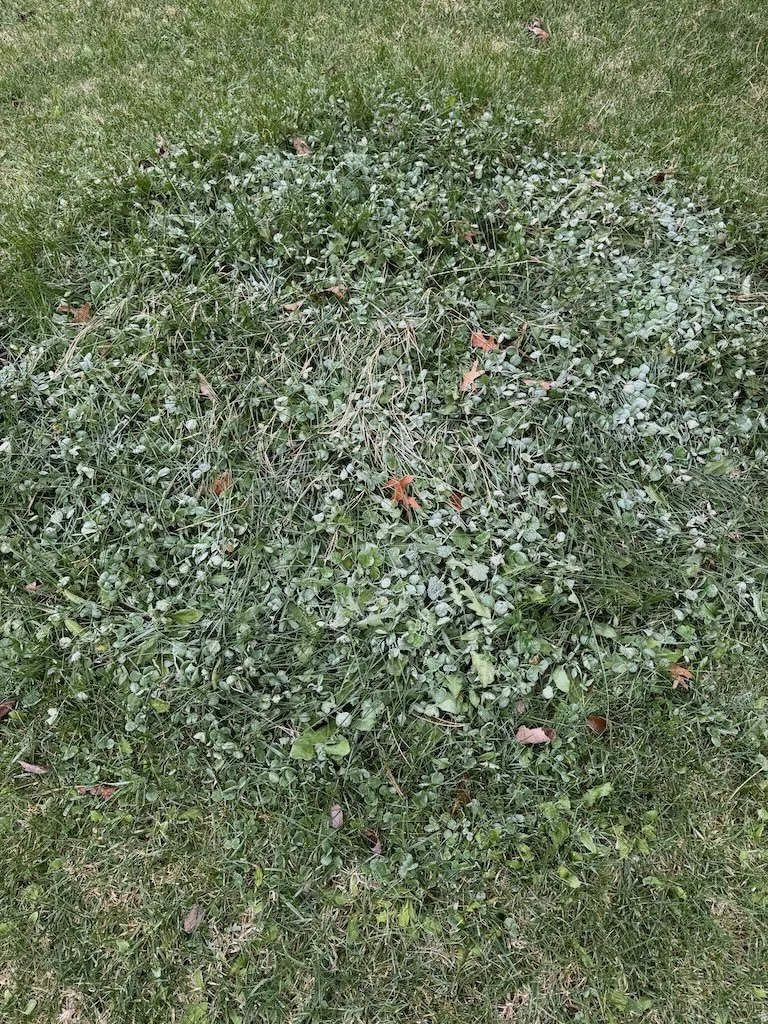
On the west side of the house there is a clover pillow that seems greener than the area around it. Maybe the grass growing there is greener with the extra nitrogen the clover provides in the soil! The witch hazel is still small but I am hopeful I might see a few blooms next year. It is a Missouri native – Ozark Witch Hazel (Hamamelis vernalis) which blooms in January/February.

I am watching the forecast for warmer day to get some cleanup done….and to put down a thick layer of mulch for my new bed that will be planting into next spring. My daughter will be getting more mulch when she has her oak trimmed.

Project FeederWatch – Another Season

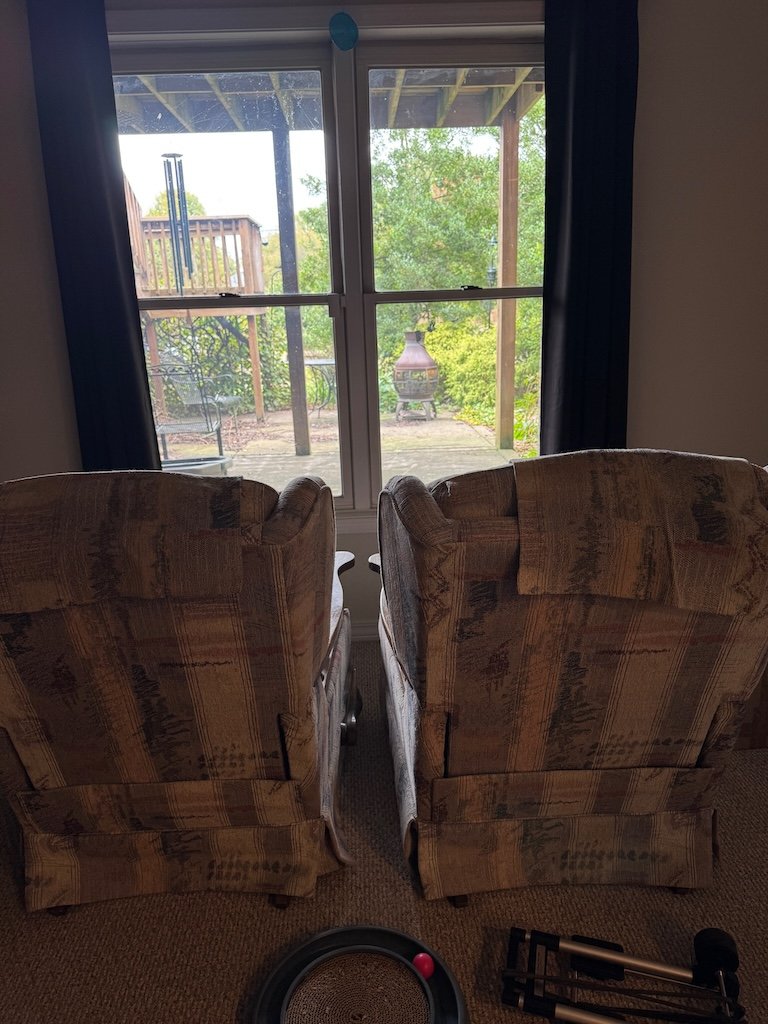
We started our second season recording observations of birds at our home feeders with Project FeederWatch. Our set up is the same as last year. We have two old rocker recliners in our basement that have a clear view of our feeders on the other side of the patio from our window that is under the deck.

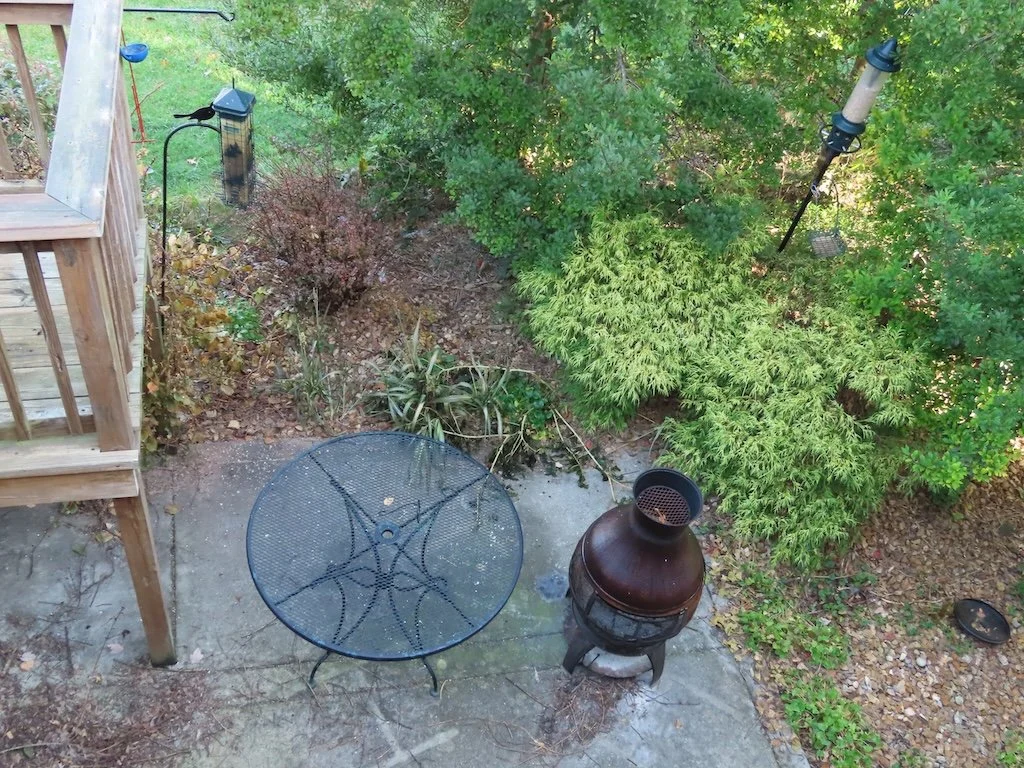
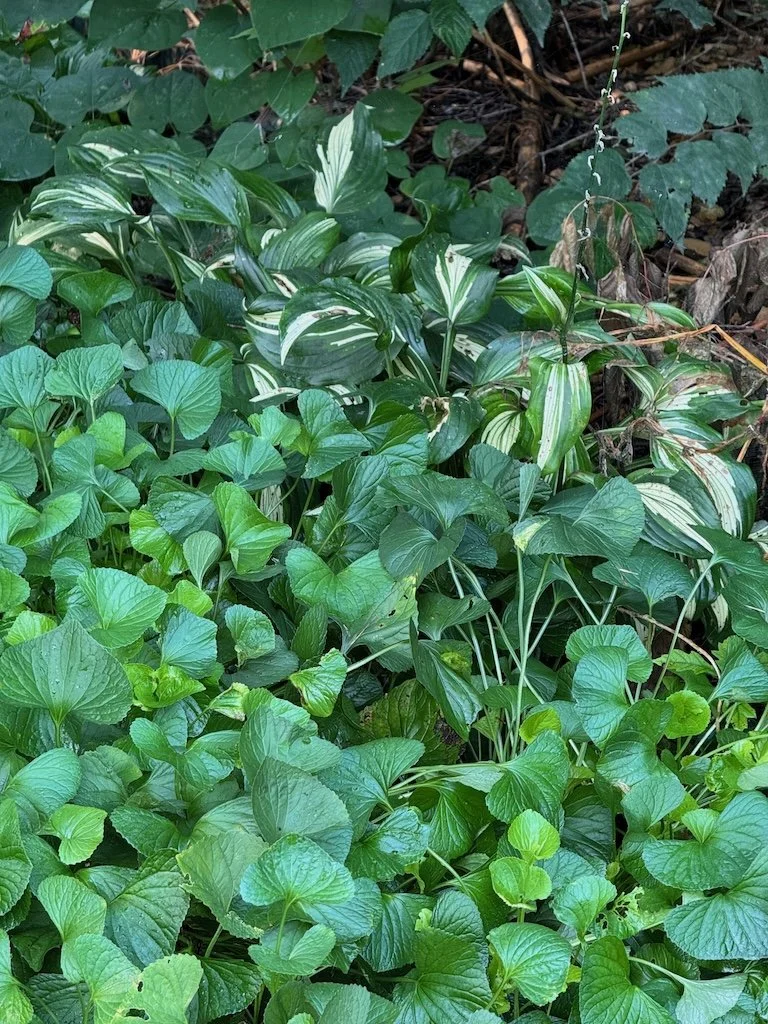
The Project FeederWatch season started on November 1 and there was still a lot of greenery. I cut back the Japanese Barberry (really want to take it out completely) but otherwise there is more vegetation than last year with the cedars, holly, and violets growing over the past year. The feeder nestled in the holly and cedars is a bit harder to reach. There is a brush pile in another part of the patio (in the lower left of the picture) that is my holding area for twigs I will burn in the chimenea eventually. The birds like that area too.

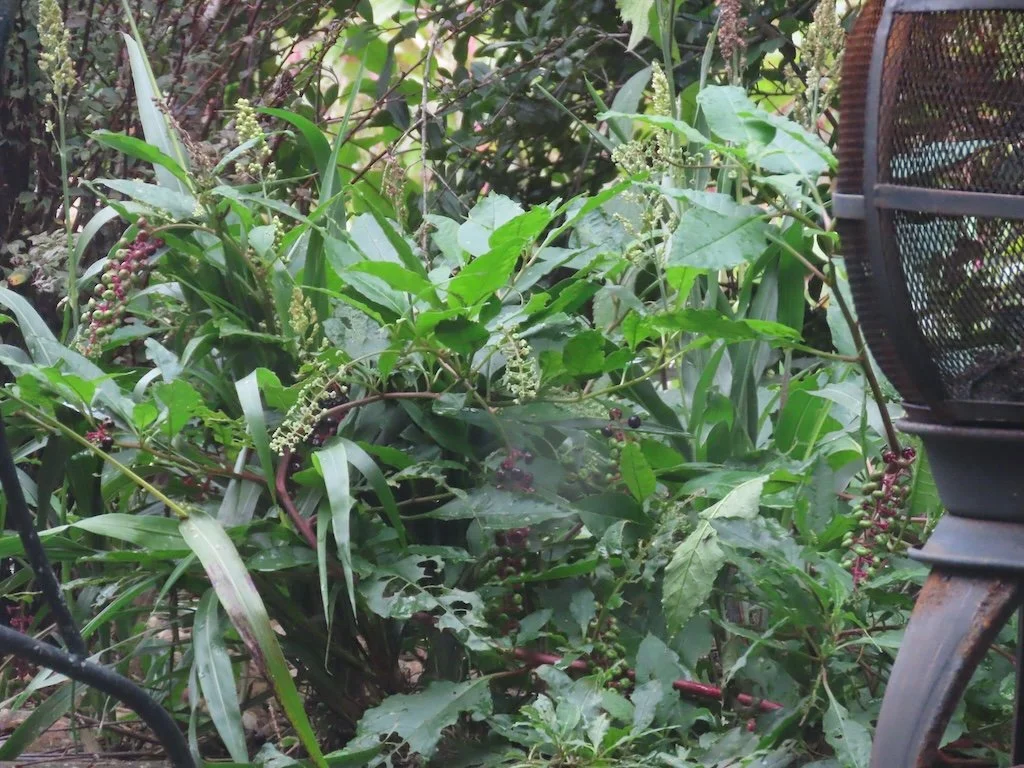
New this year is clump of vegetation at the edge of the patio between the two feeders: Pokeweed that seems to come up everywhere in our yard and grasses that had sprouted from birdseed from the feeders above. In general, the birds seem to like the extra vegetation and they eat the seeds from both plants occasionally.

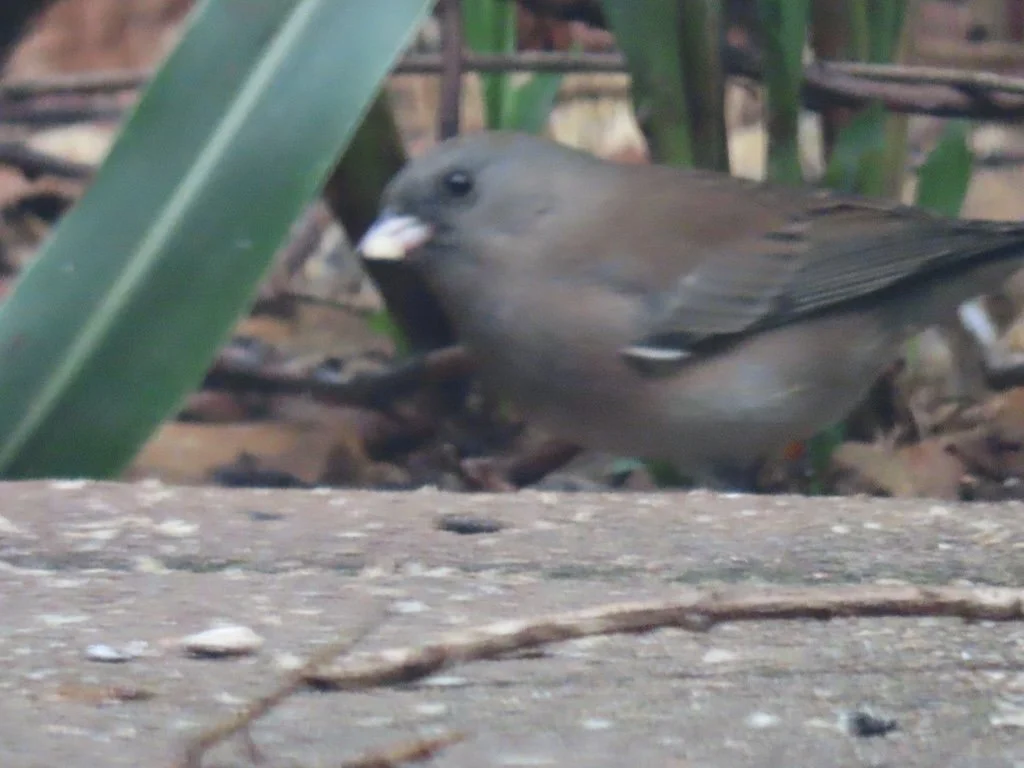
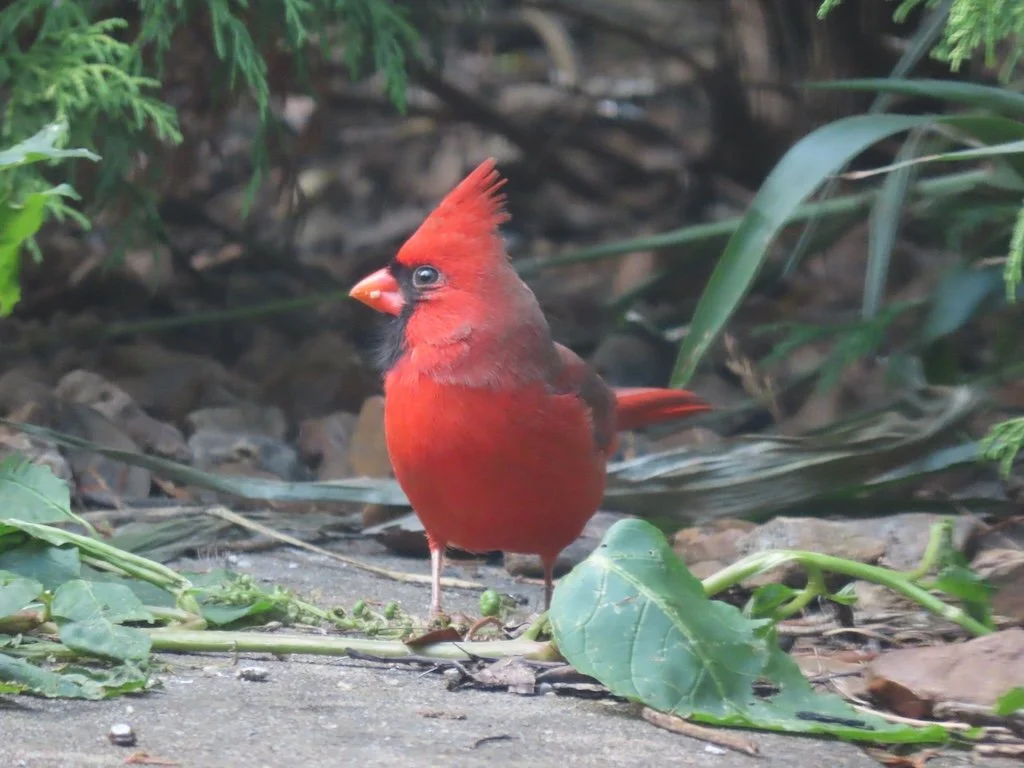
The window and the low light make photography more for id than art. Even at the being of the season we had dark-eyed junco (a winter bird for us), downy woodpeckers, and northern cardinals, tufted titmice, and at least 3 kinds of sparrows…to name few.

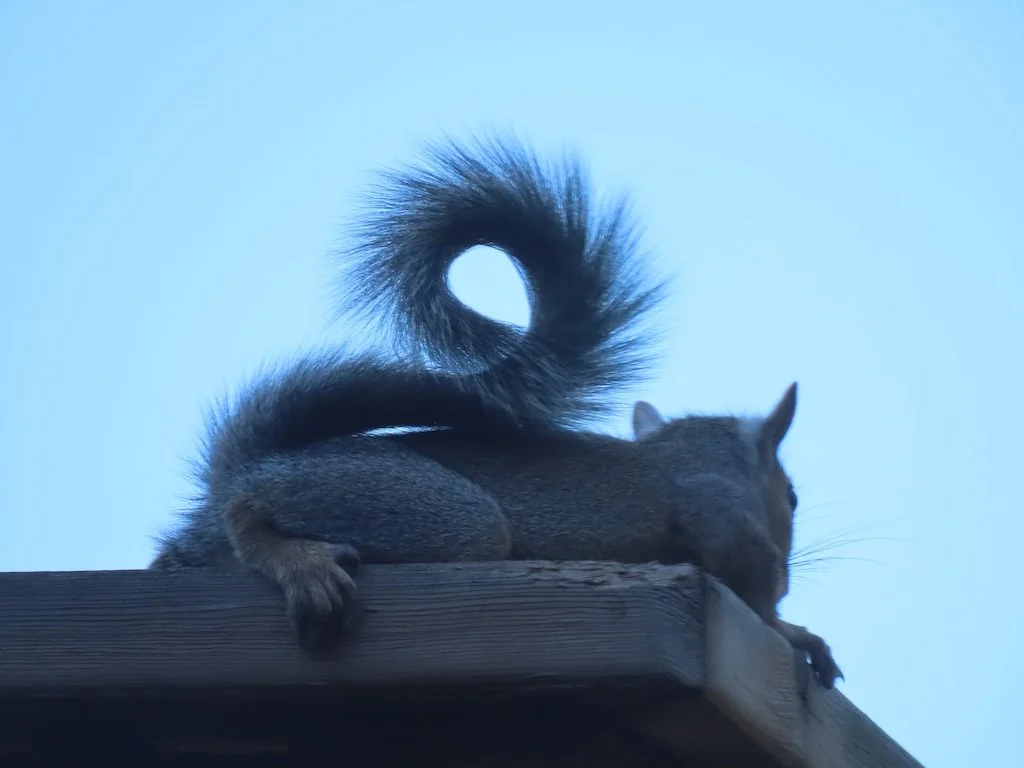
Of course we have squirrels that come through too. They sit on the deck railing and gaze longingly at the feeders – which have proved to be mostly squirrel-proof!

Road Trip to Lewisville – November 2025

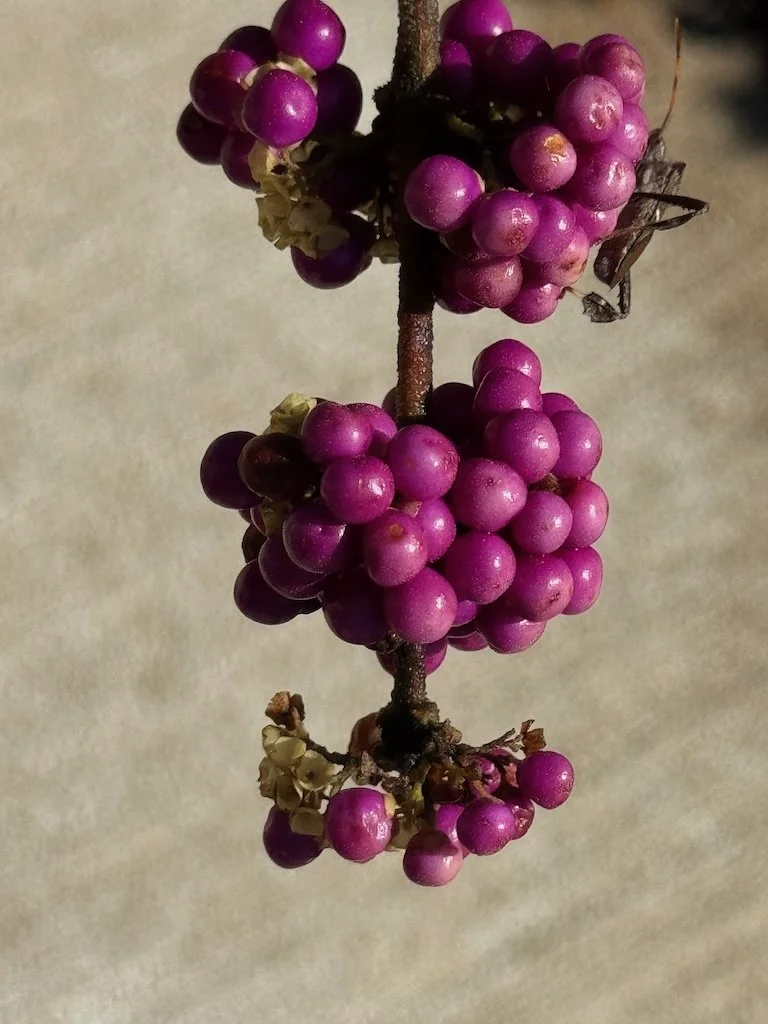
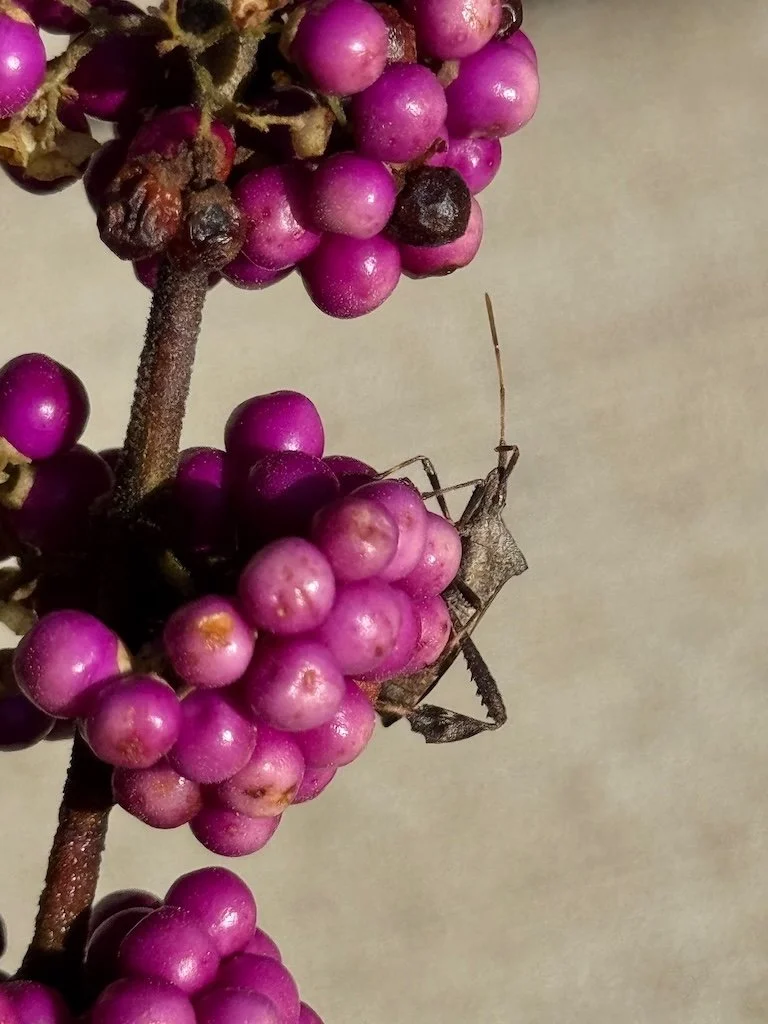
My dad moved from Dallas to Lewisville TX, so my monthly road trips have shifted to visit the him at his memory care place in Lewisville. I made my usual stop at the Texas Welcome Center pm US75 along the way – noticing that the leaves have fallen from the beautyberry. I noticed an insect on the berries; it was a cold day so the insect did not move….easy to photograph.

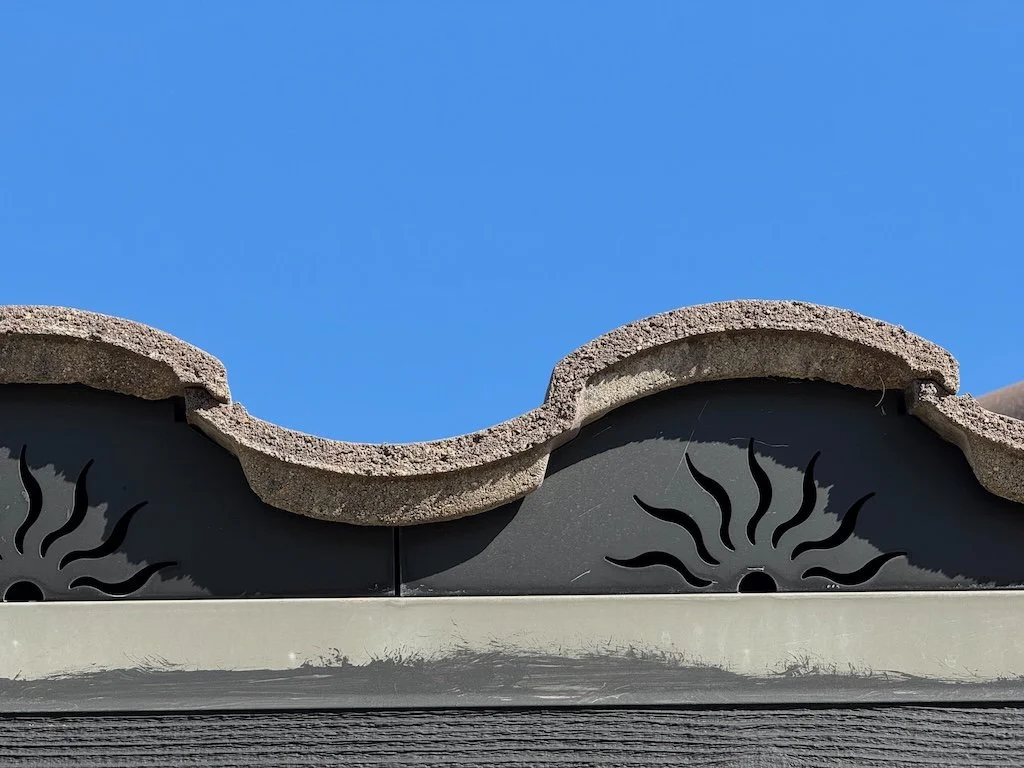
It was the first time for me to visit the memory care facility since my dad moved there. They were holding their Thanksgiving dinner that afternoon – the Friday before Thanksgiving. The day was warm enough that Dad and I walked outside in the enclosed courtyard beforehand. I noticed the decorative patterns on the roof of one of the pavilions.

The dinner itself was tasty, and Dad enjoyed it thoroughly because everything was cut up already – easy for him to eat; there was ice cream for dessert. A live band provided country music – a little loud for me but great for him and the other residents. He stayed for the whole show!

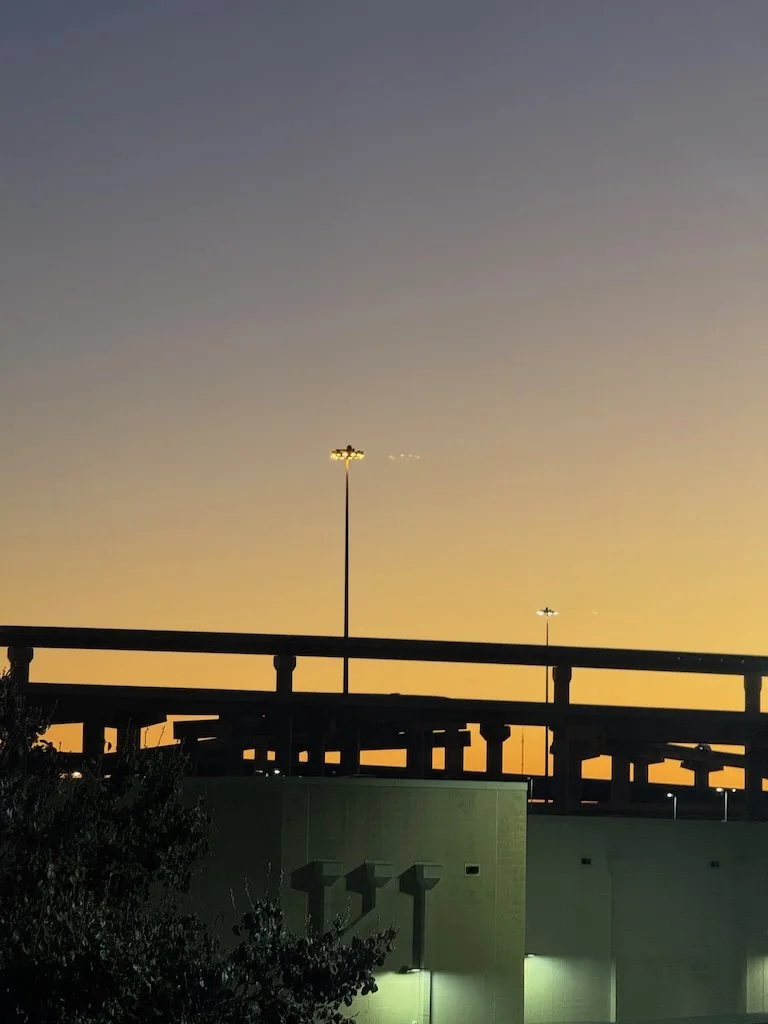
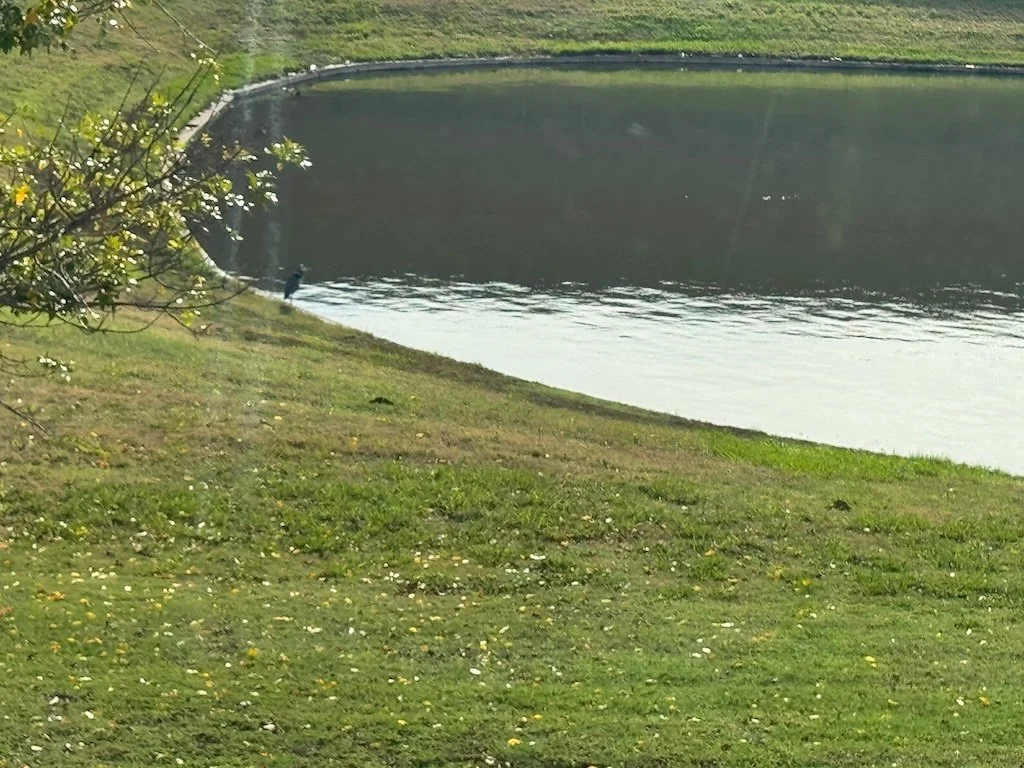
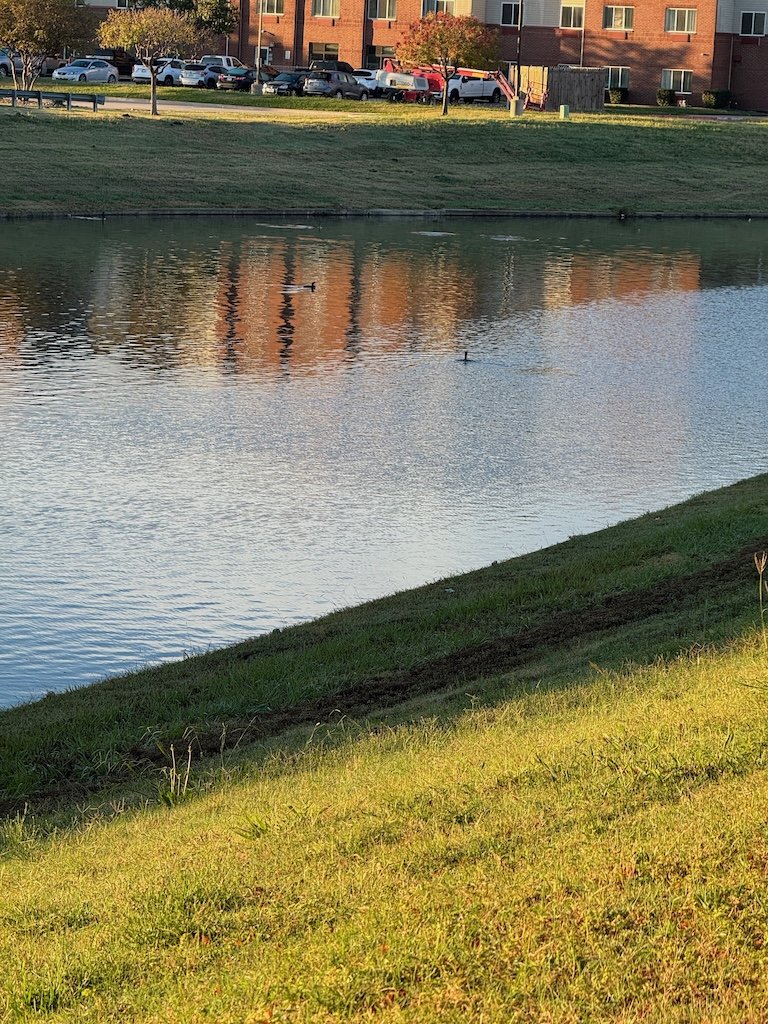
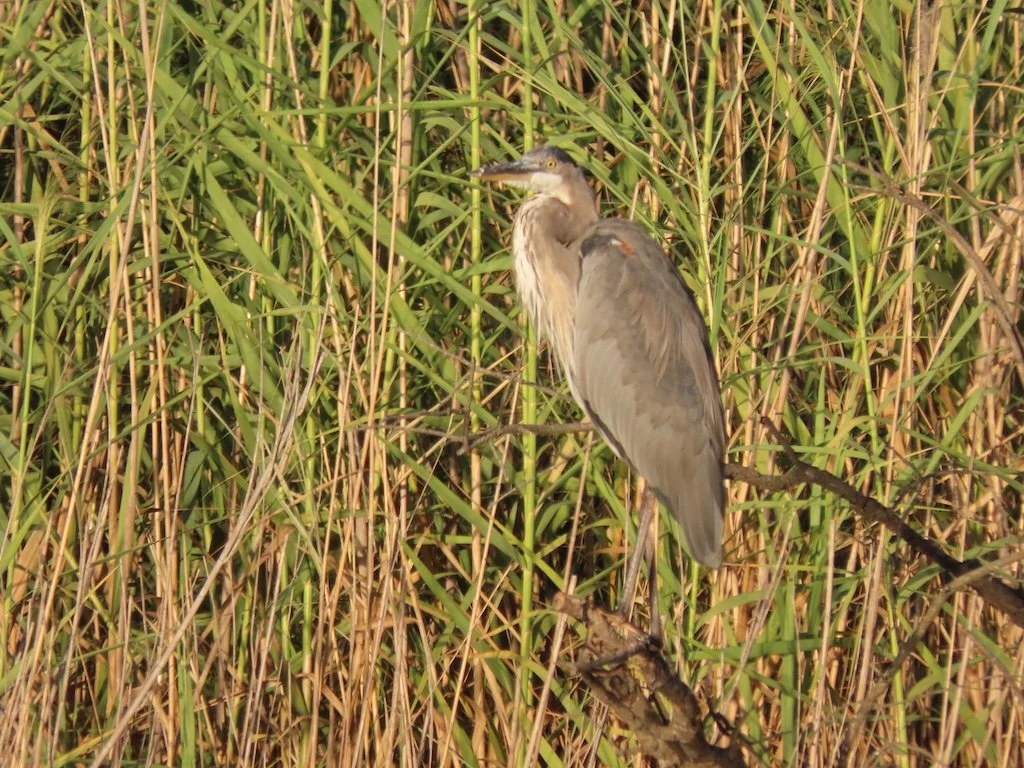
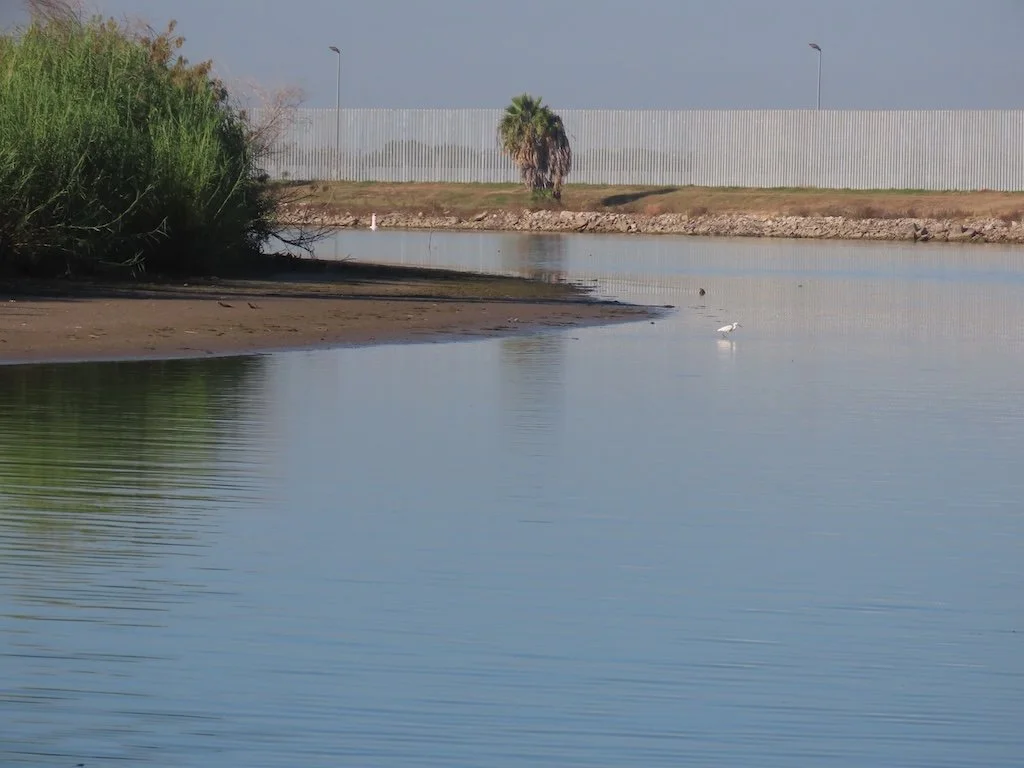
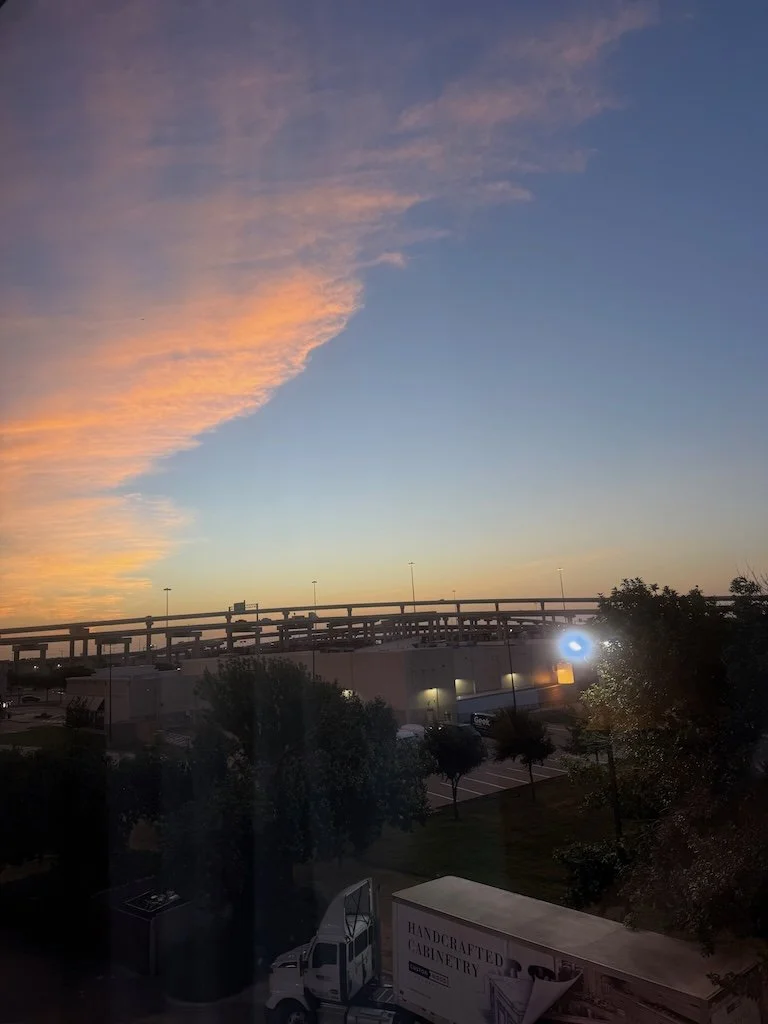
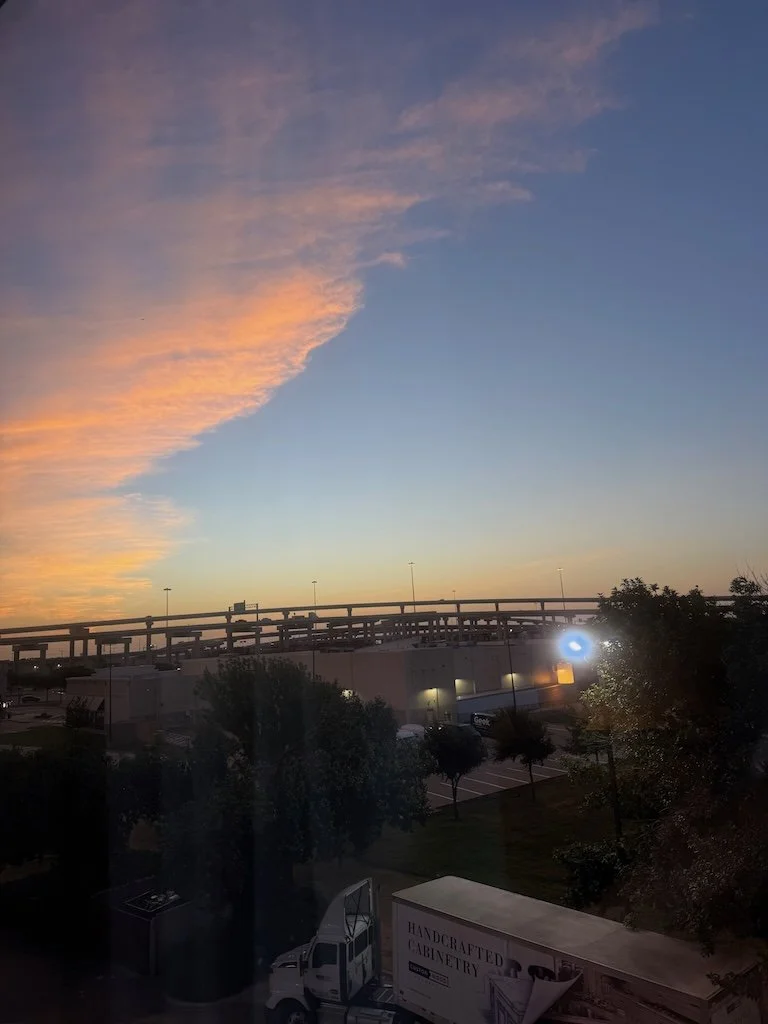
The next morning, I was up and looked out the window a little after sunrise. My hotel window overlooked a storm water pond; on the other side of the pond was a Costco…and then a cluster of overpasses – an intersection of big highways. I was just far enough away that the highway noise did not overwhelm the white noise of the heating/air conditioning fan. A great blue heron was at the edge of the pond. Next time I will bring a better camera and maybe walk around the pond.

I was with my dad for a second Thanksgiving meal on that Saturday – with the assisted living side of the facility. It was similar but my sister had to cut up his turkey and ham. The music was a little different and he wanted to leave before the end. The loudness of the music made it impossible to have a conversation with our 6-person family group…but I did enjoy the pecan pie at the end.

Afterwards I enjoyed several hours with my sister and her daughters/grandchildren. It was a treat to see them!

The next morning, I looked out the window a bit earlier – before sunrise. I left the hotel about 7:30 AM and drove around to the closest parking lot to the storm water pond. There were two cormorants there.

The memory care facility had decorated with a lot of pumpkins for the holiday. I photographed one of the displays on my way in to see my dad. At 8 AM he had finished his breakfast and was working on his cup of coffee! I’m glad I ate at the hotel rather than planning to eat with him!

I opted to go back via I35 going north. It was an adventure and about 15 minutes longer than the other route – but a lot less stressful. For the next few months, I am planning to continue that alternate route to get home. I already identified a café I want to try in Prague OK (along the route); my paternal grandmother grew up on a farm near Prague.

eBotanical Prints – November 2025

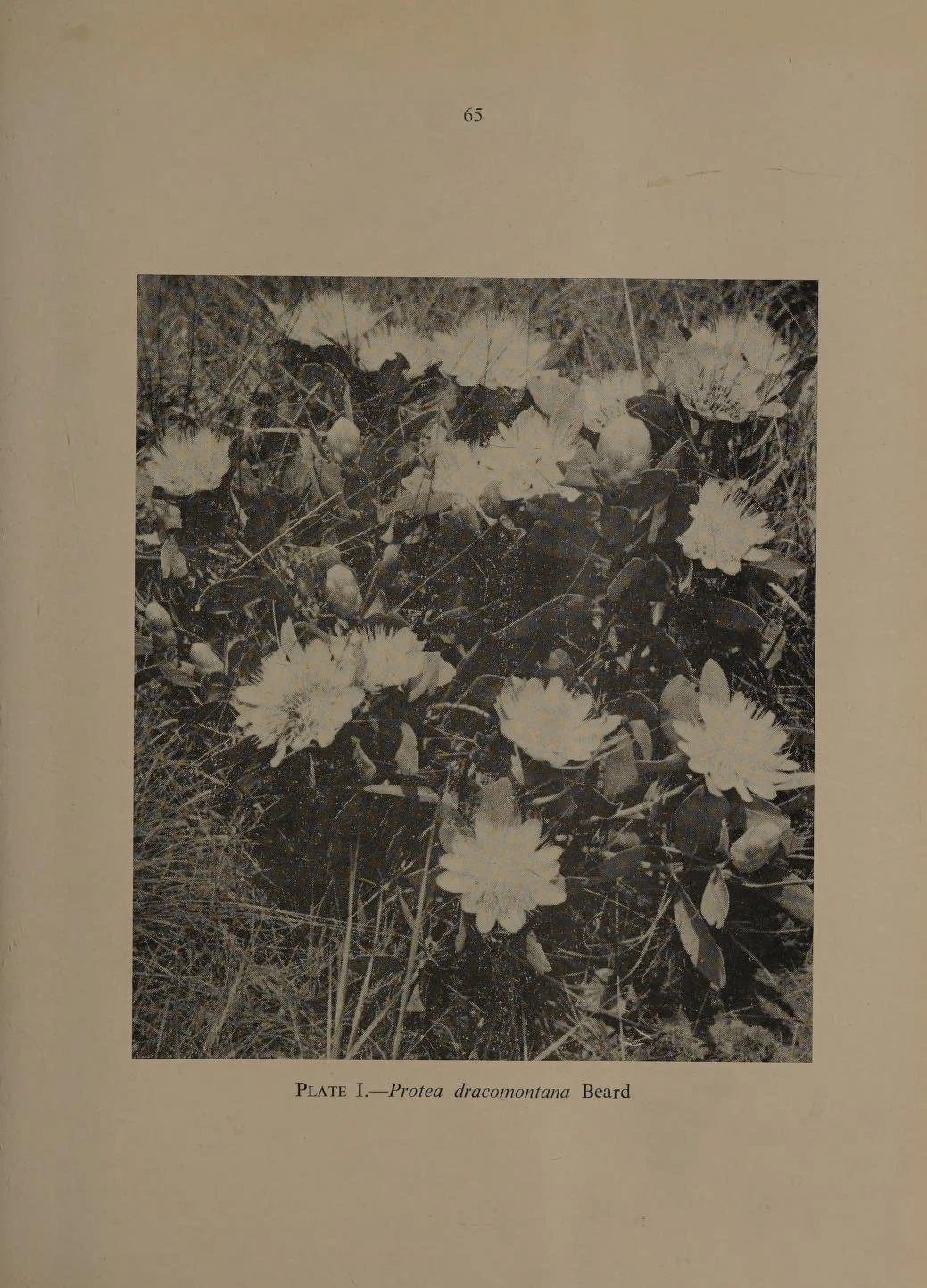
Twenty more books were added to my botanical print eBook collection in November – all are available for browsing on Internet Archive.   The publication dates span 360 years (1600 to 1960) for these 20 volumes.

There are two series this month:

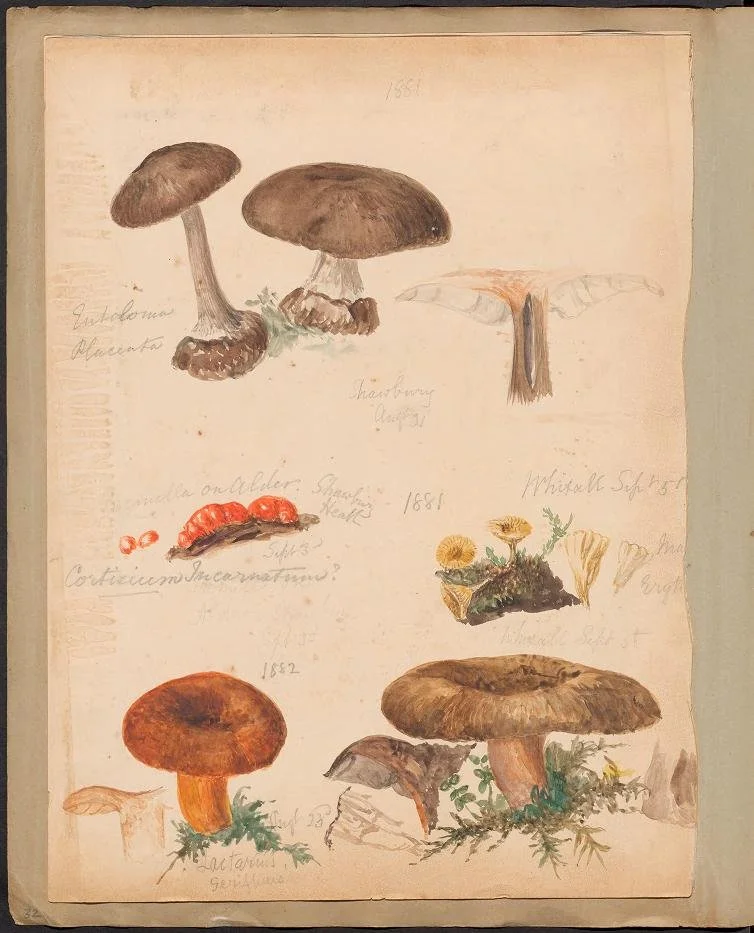
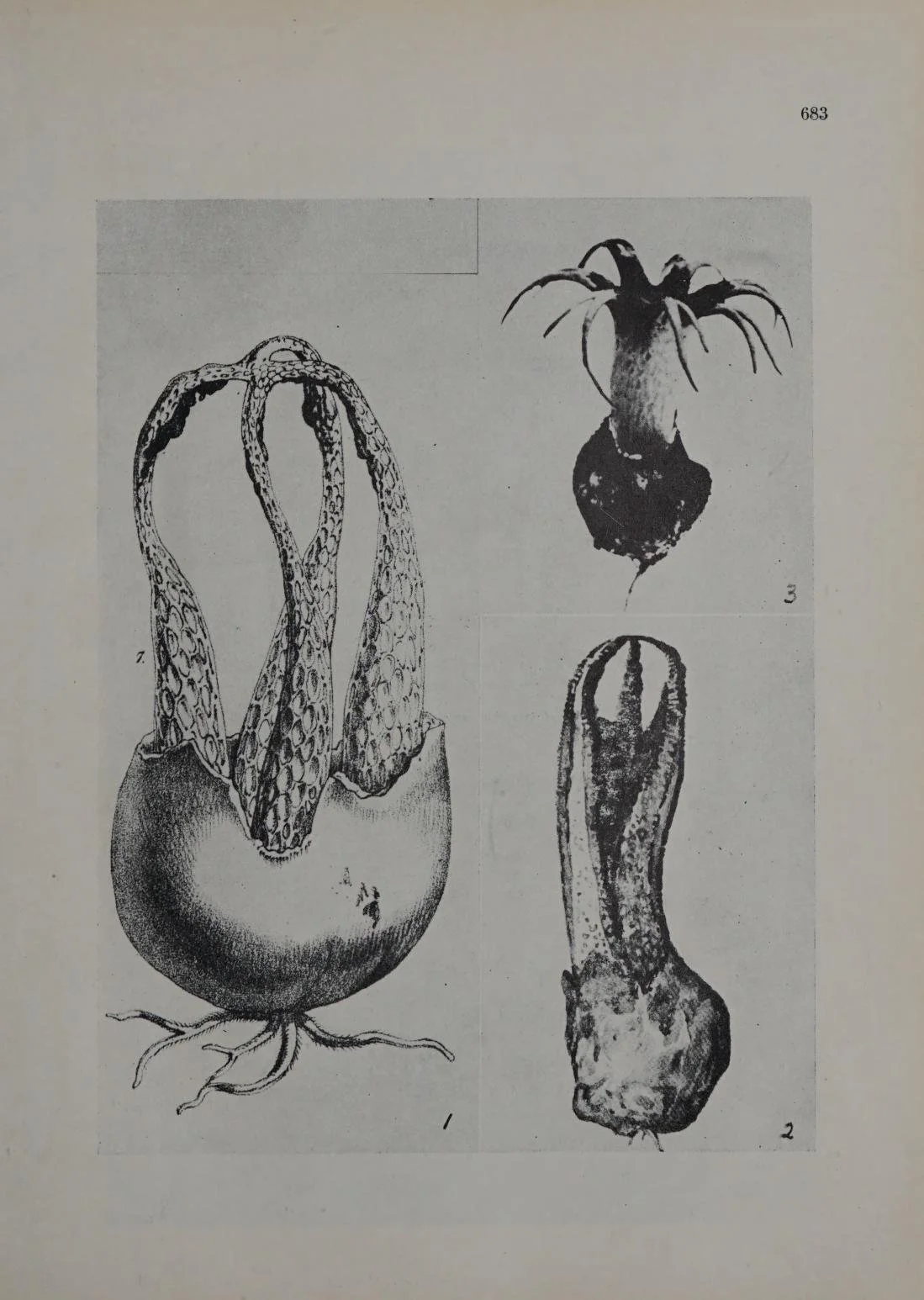
  • 3 volumes of Fungi by M.F. Lewis (The Internet Archive abstract: Relatively little is known of Miss Lewis, but the quality of drawings, spanning over 40 years, shows her to have been an extremely skilled artist and mycologist)

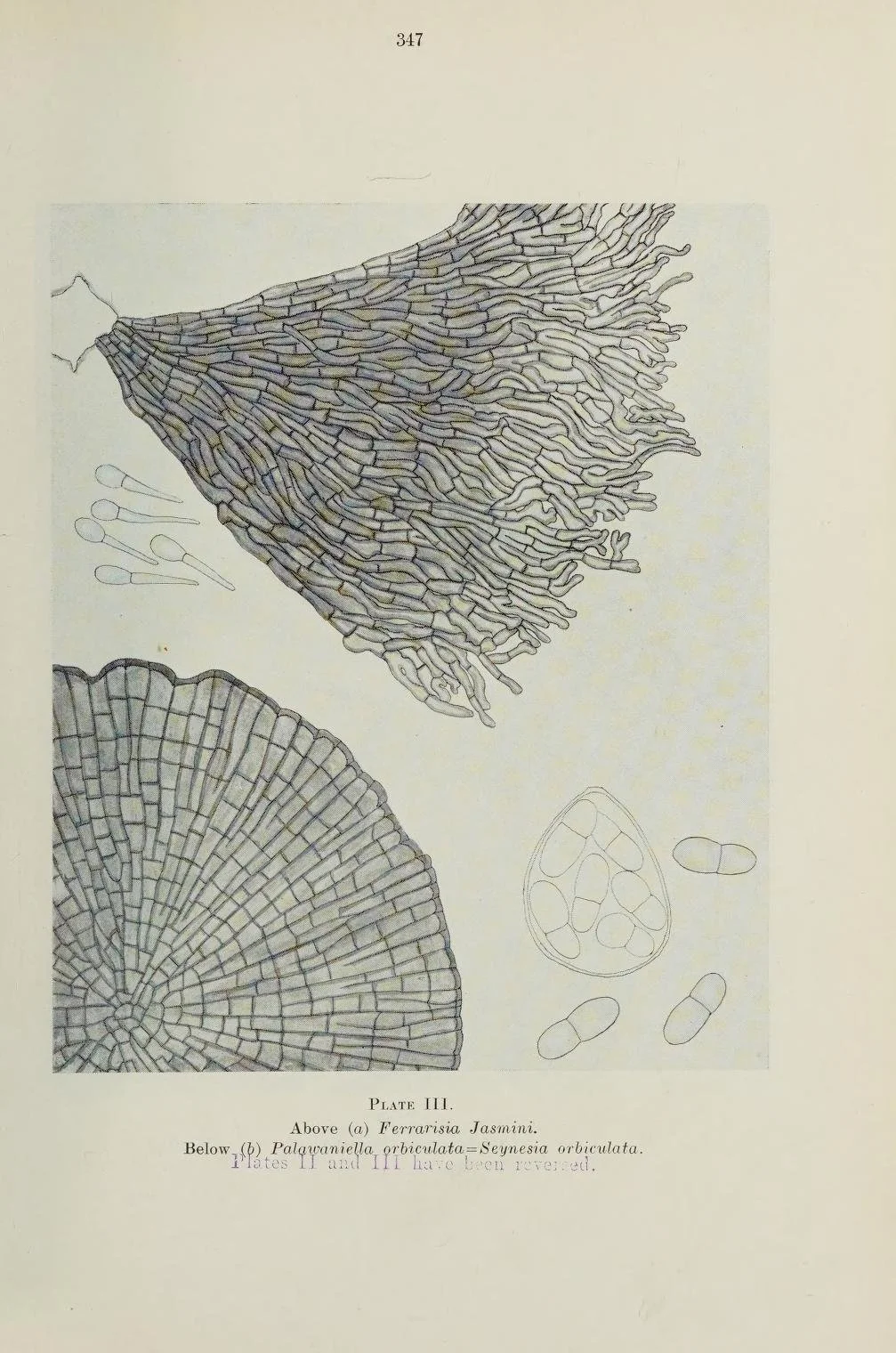
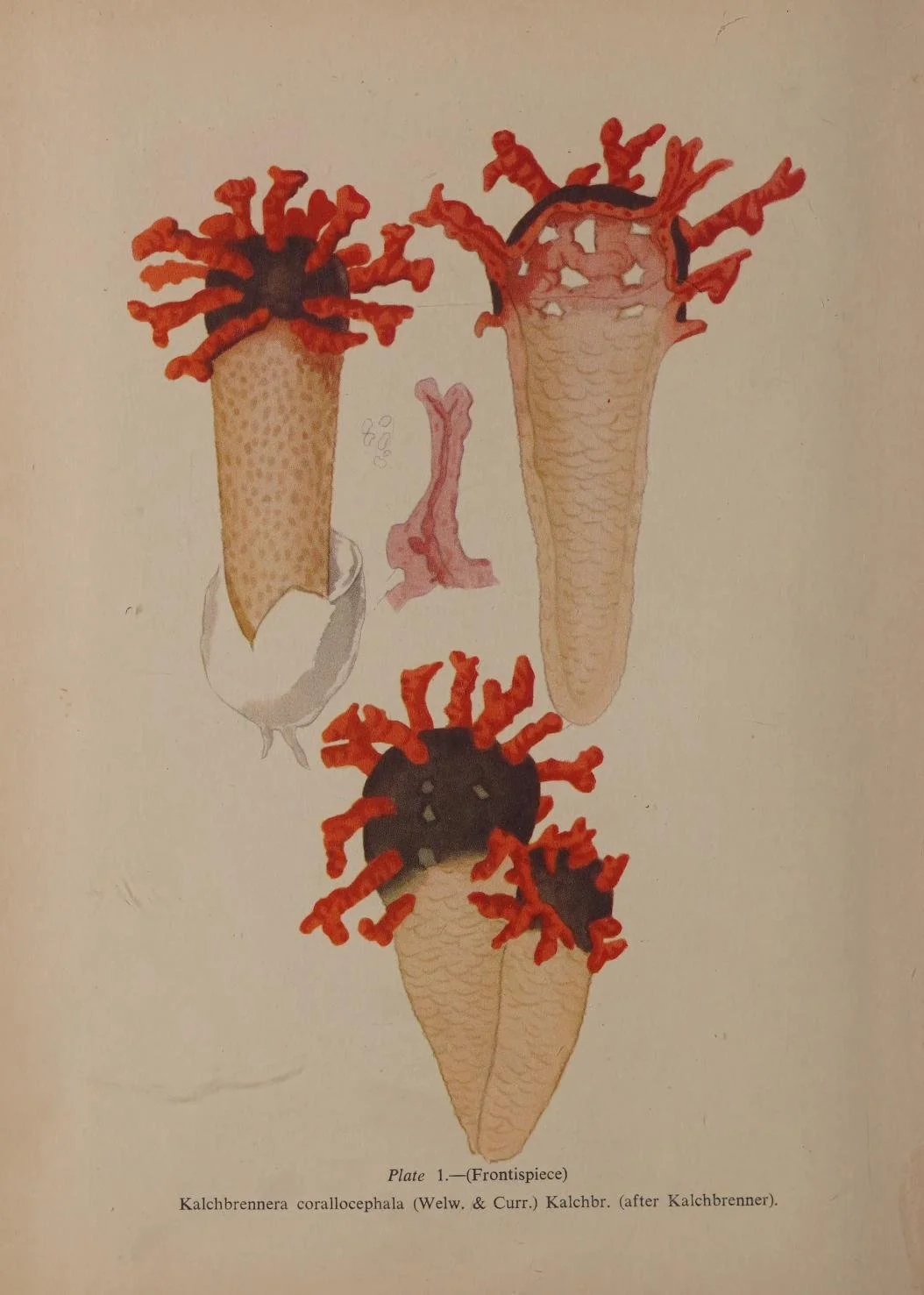
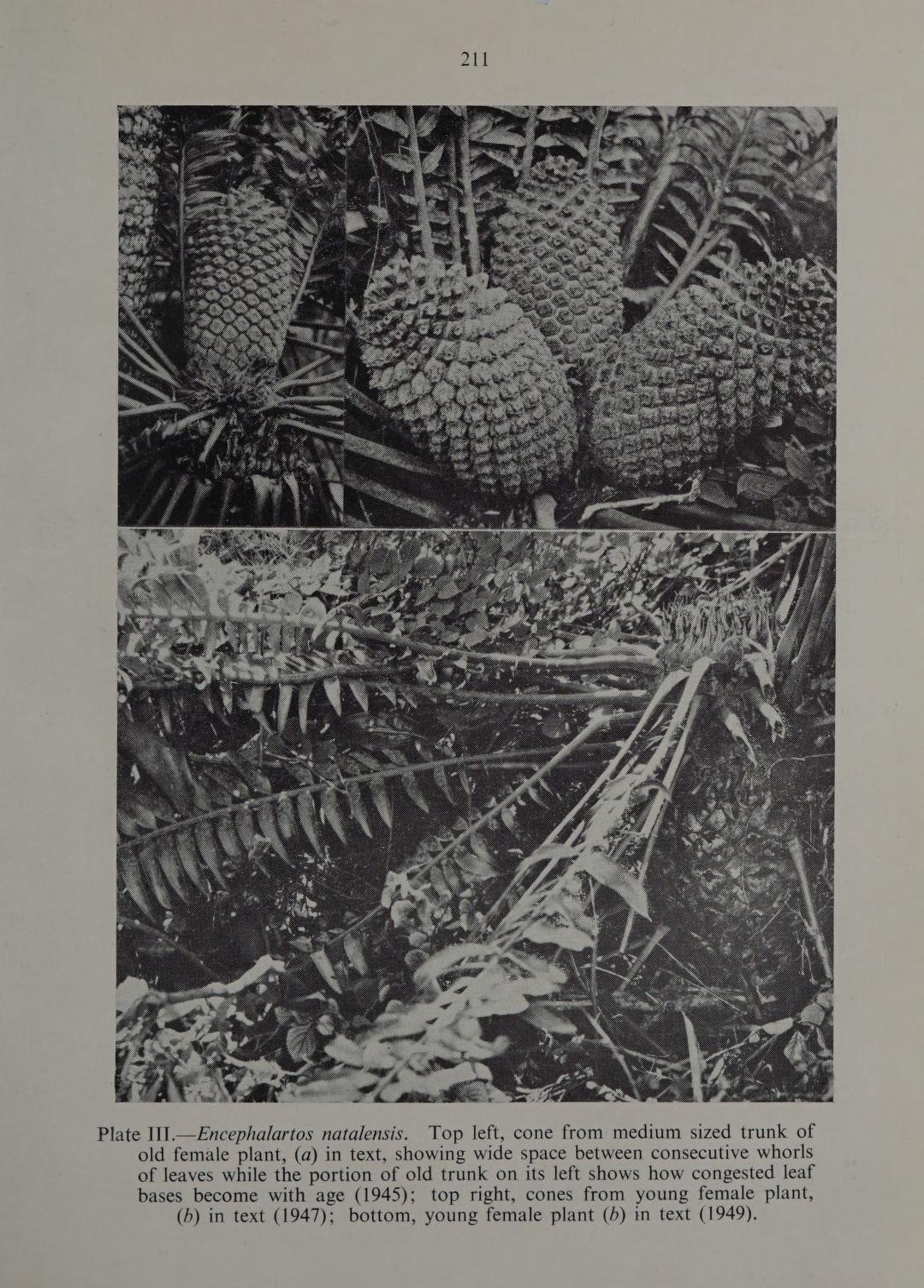
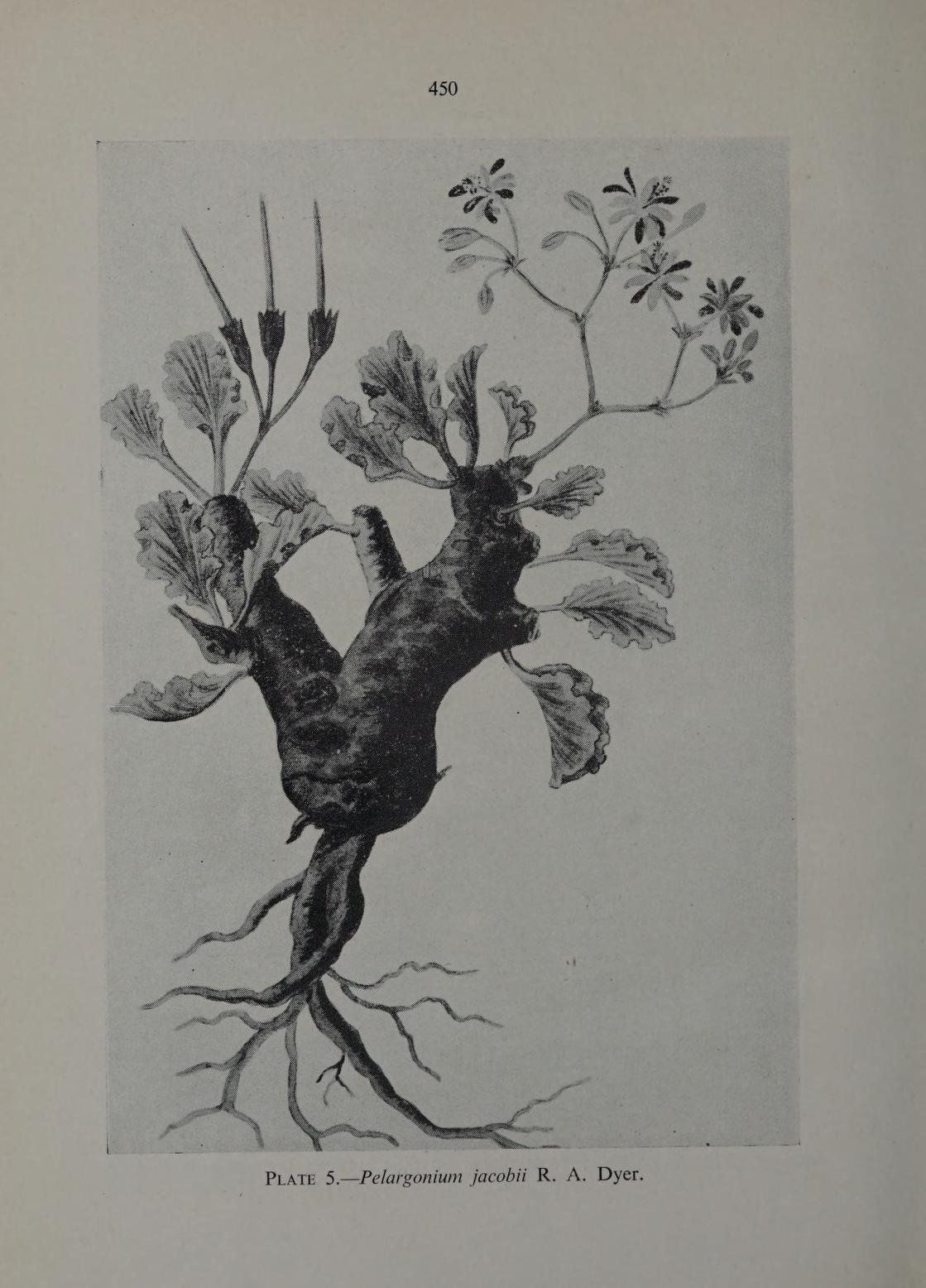
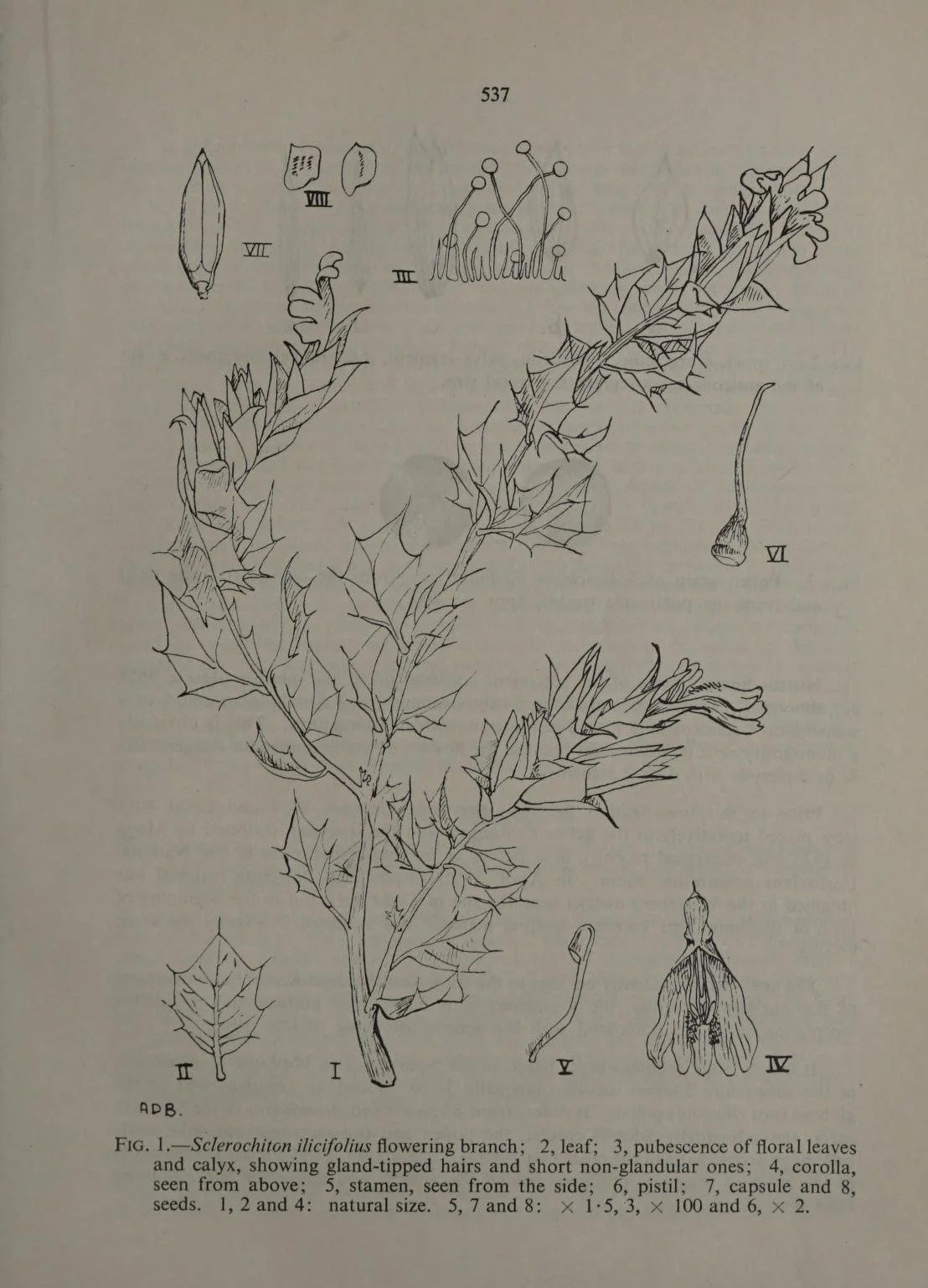
  • 8 volumes of Bothalia, a scientific journal from the National Herbarium at the University of South Africa

My list of eBotanical Prints books now totals 3,243 eBooks I’ve browsed over the years. The whole list can be accessed here.

Click on any sample image from November’s 20 books below to get an enlarged version…and the title hyperlink in the list below the image mosaic to view the entire volume where there are a lot more botanical illustrations to browse.

Enjoy the November 2025 eBotanical Prints!

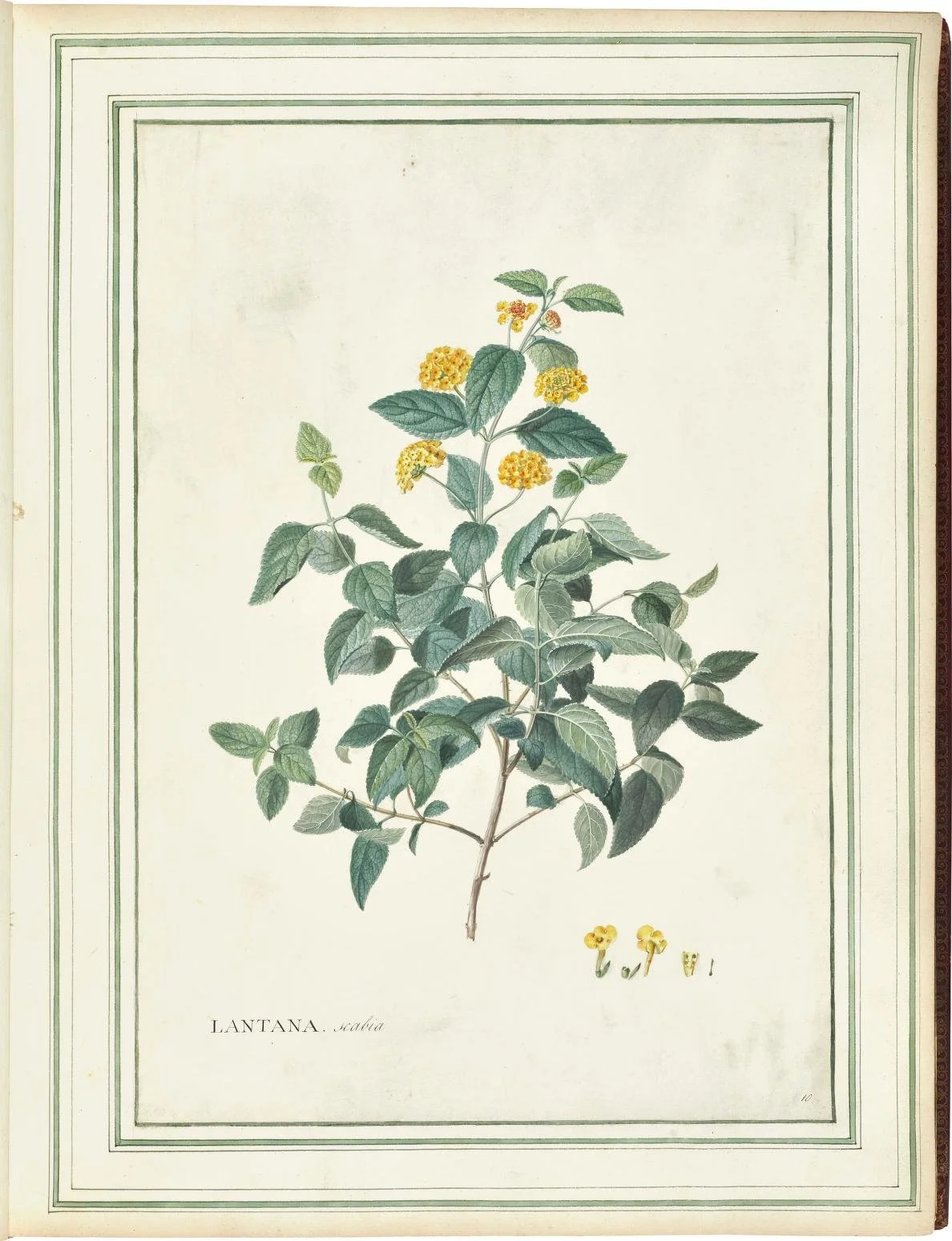
Flowering plants from the gardens of Lord Bute at Luton Hoo * Taylor, Simon * sample image * 1770

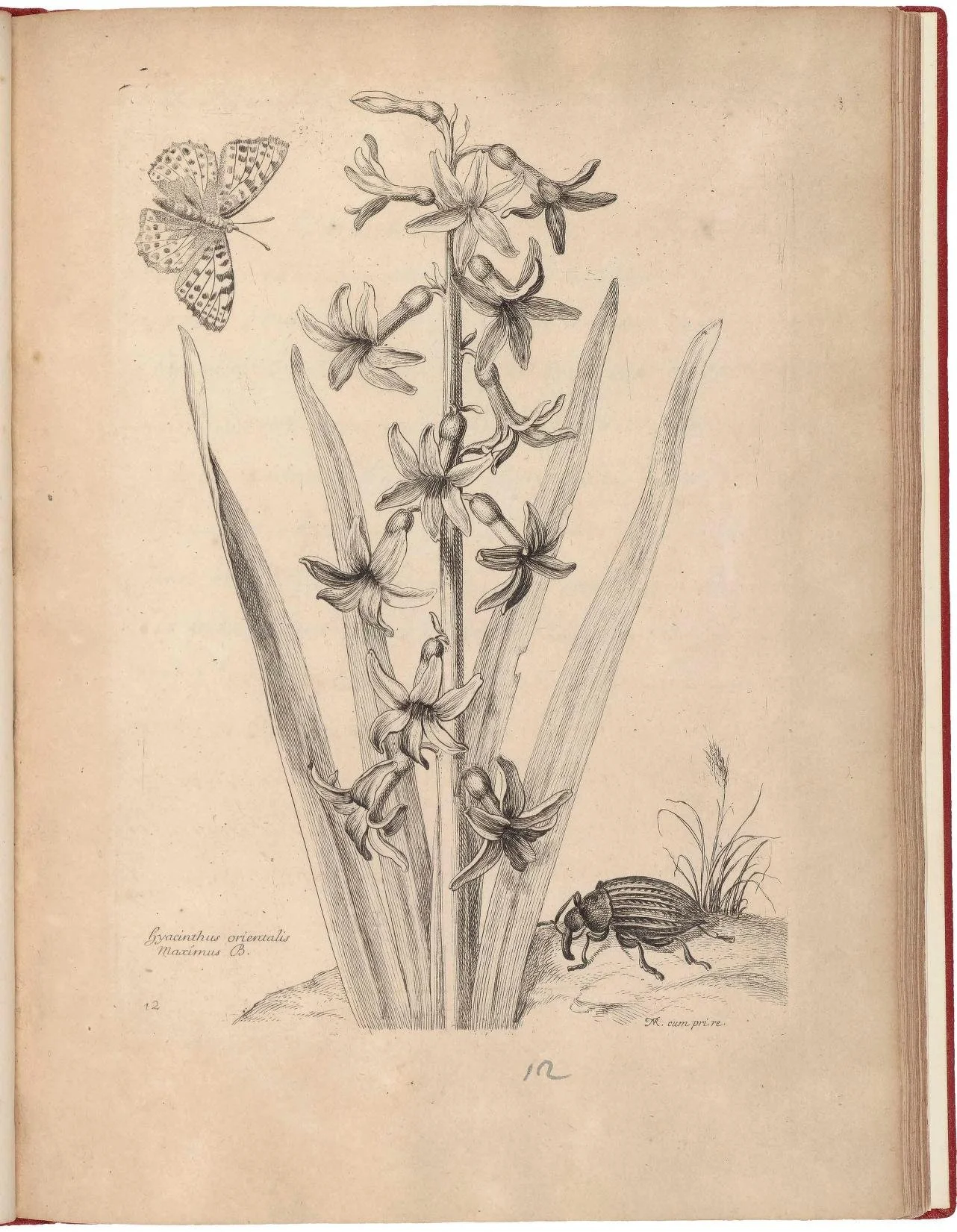
A collection of engraved and etched flower plates * Monnoyer, Jean Baptiste * sample image * 1680

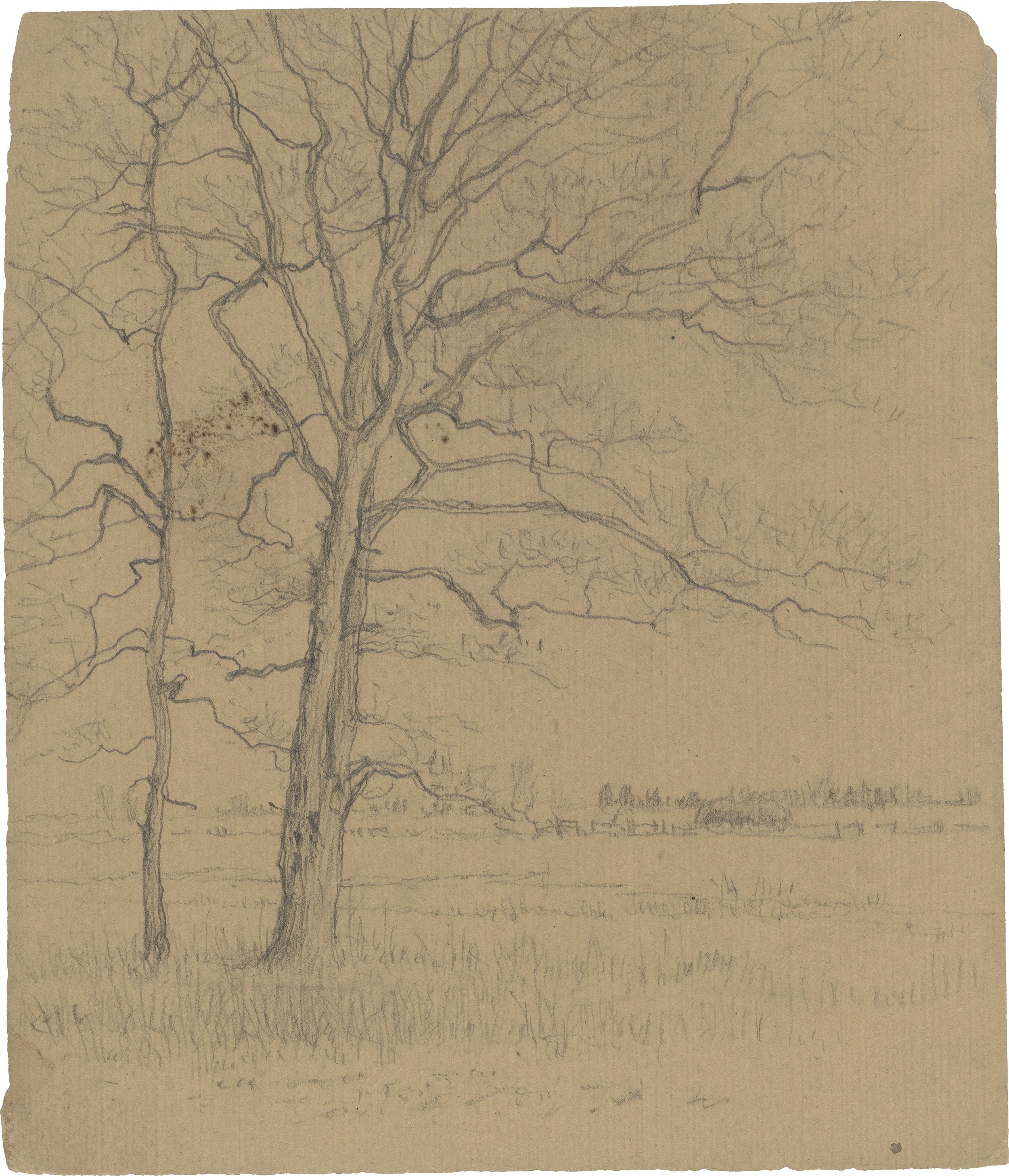
Three studies of trees * Farrer, Henry * sample image * 1900

Variae ac multiformes florum species appressae ad vivum et aeneis tabulis incisae * Robert, Nicolas * sample image * 1600

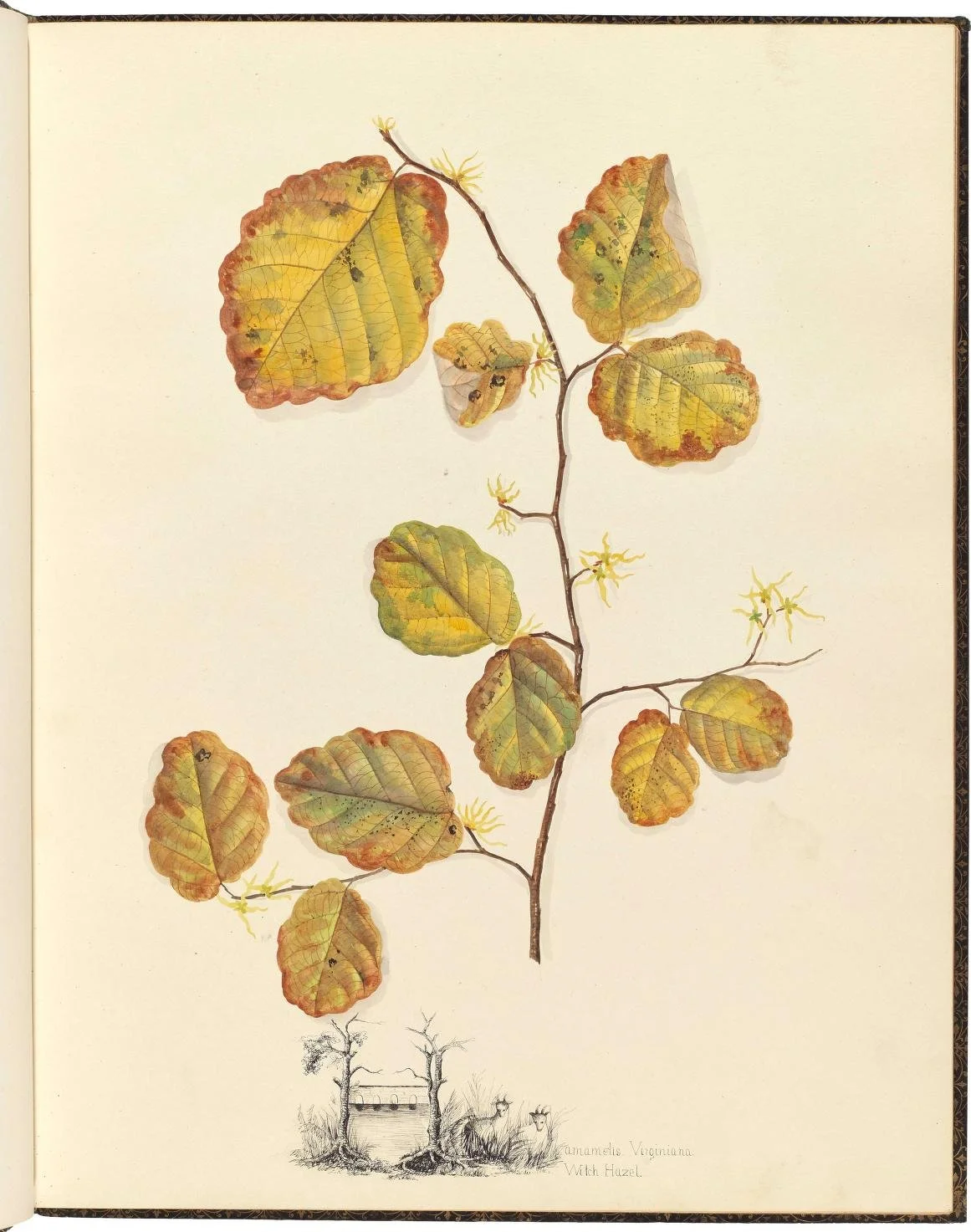
Autumn leaves of America. Coloured from nature  * Robbins, Ellen * sample image * 1870

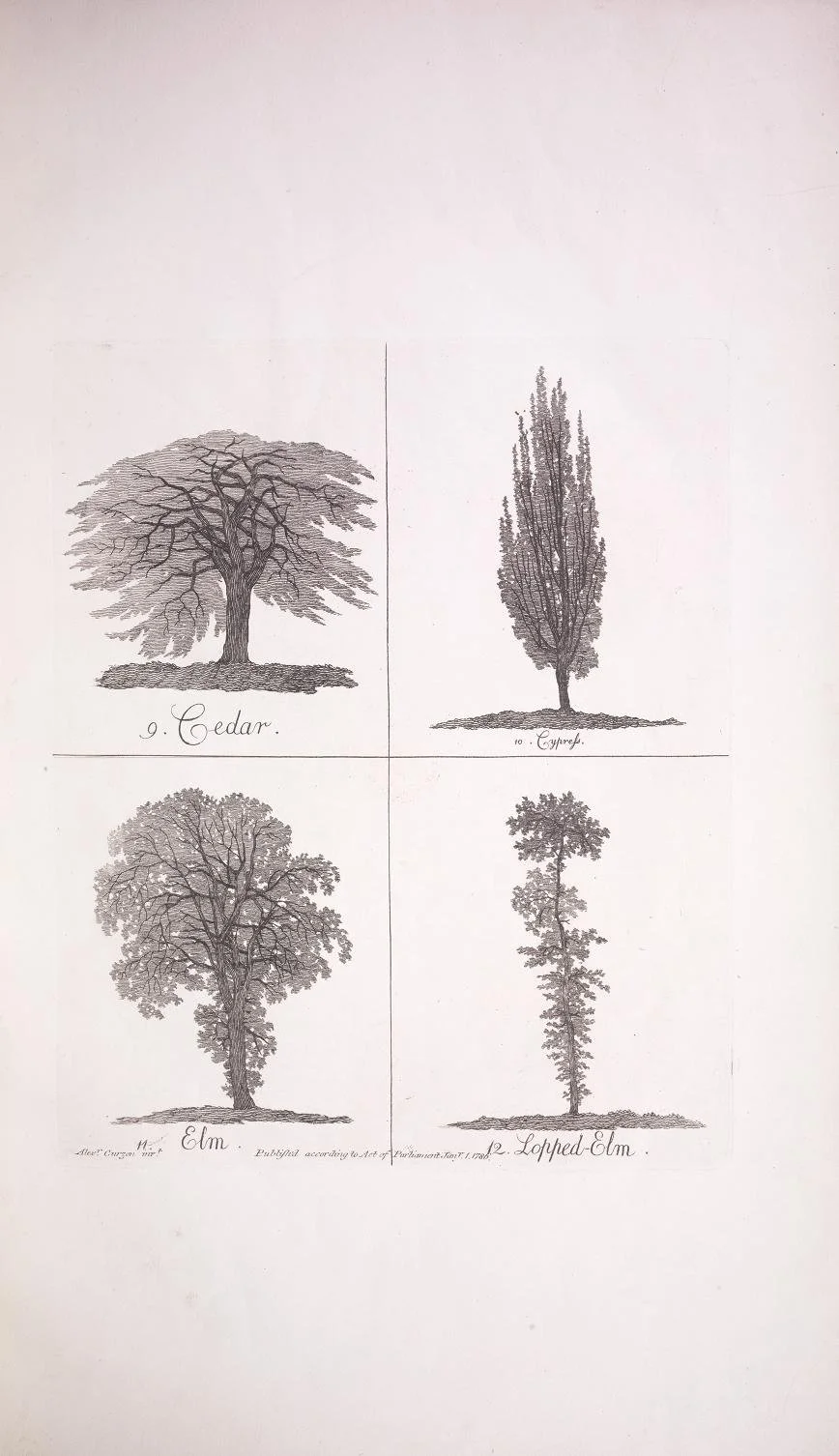
The shape, skeleton and foliage of 32 species of Trees * Cozens, Alexander * sample image * 1786

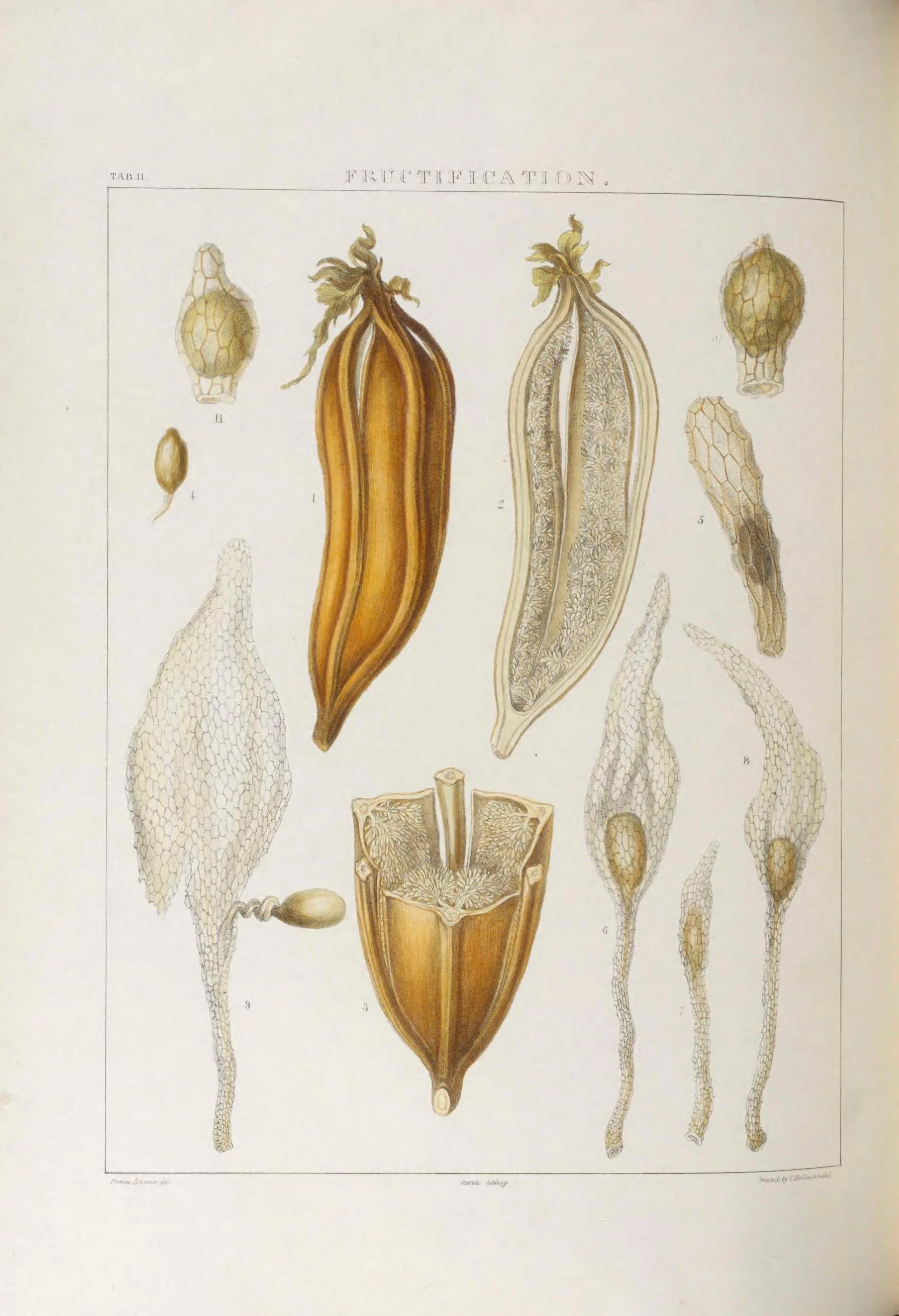
Illustrations of orchidaceous plants * Bauer, Franz Andreas * sample image * 1830

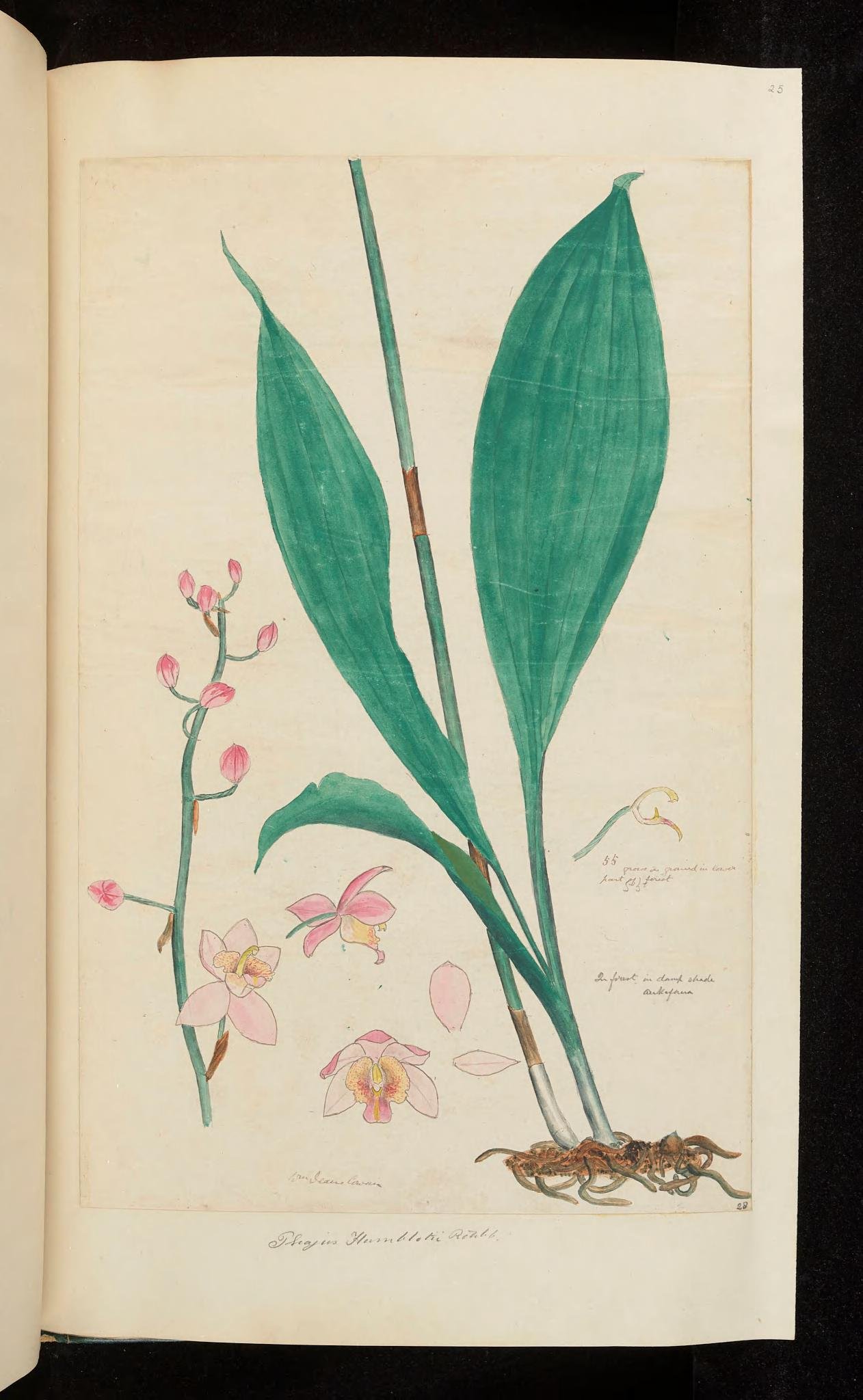
Collection of 52 watercolour drawings of Madagascar orchids * Cowan, William Deans * sample image * 1880

Fungii Vol 1 * Lewis, M.F.  * sample image * 1902

Fungii Vol 2 * Lewis, M.F.  * sample image * 1902

Fungii Vol 3 * Lewis, M.F.  * sample image * 1902

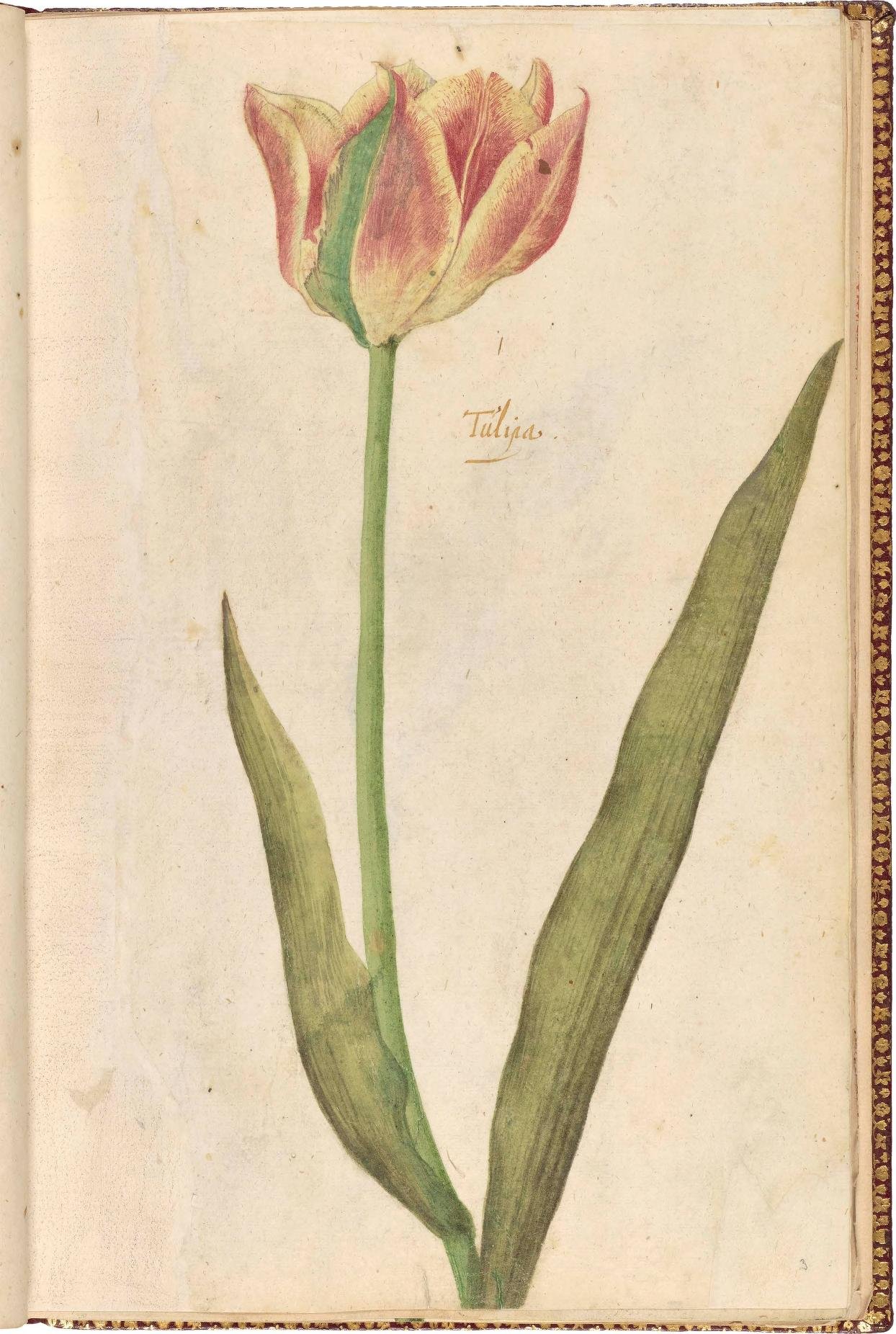
An Album of Flowers * German School * sample image * 1630

Bothalia - V4 Part 2 * National Herbarium, University of South Africa, Pretoria * sample image * 1941

Bothalia - V5 * National Herbarium, University of South Africa, Pretoria * sample image * 1950

Bothalia - V4 Part 3 * National Herbarium, University of South Africa, Pretoria * sample image * 1948

Bothalia - V6 Part 1 * National Herbarium, University of South Africa, Pretoria * sample image * 1951

Bothalia - V6 Part 2 * National Herbarium, University of South Africa, Pretoria * sample image * 1954

Bothalia - V6 Part 2 * National Herbarium, University of South Africa, Pretoria * sample image * 1956

Bothalia - V7 Part 1 * National Herbarium, University of South Africa, Pretoria * sample image * 1958

Bothalia - V7 Part 2 * National Herbarium, University of South Africa, Pretoria * sample image * 1960

Cactus Creek Ranch

Our last field trip of the Rio Grande Valley Birding Festival was to Cactus Creek Ranch – thorn-scrub woodlands and coastal prairie.

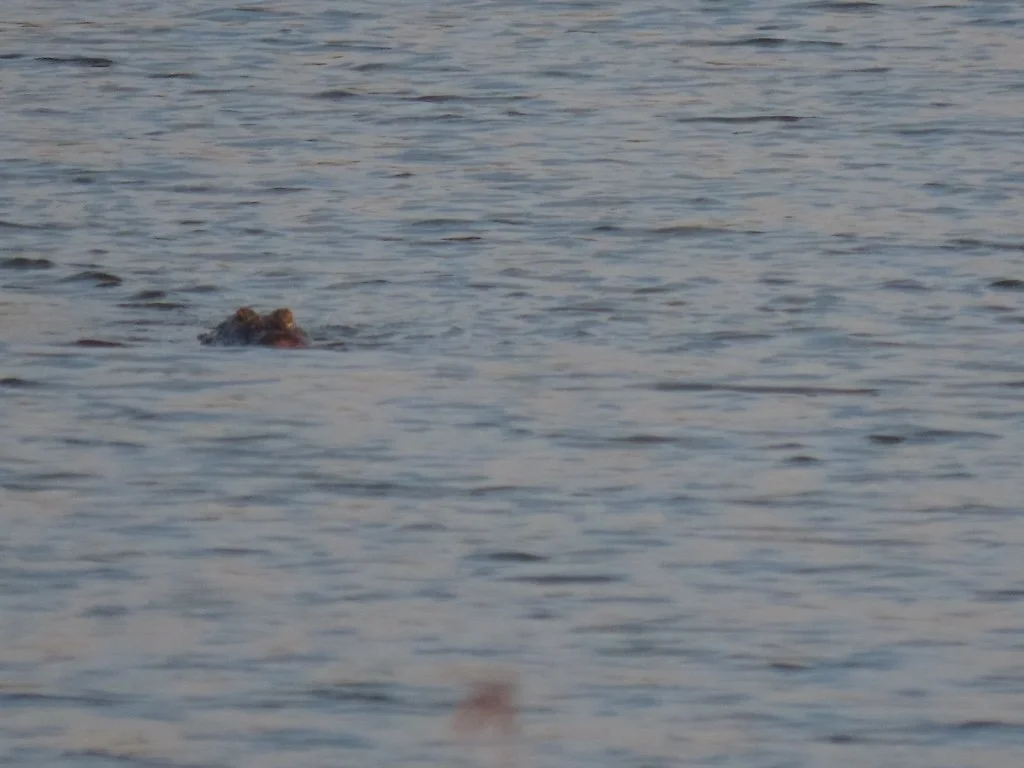
As we entered the ranch, there was a big pond to the left of the road…..and it had a resident alligator!

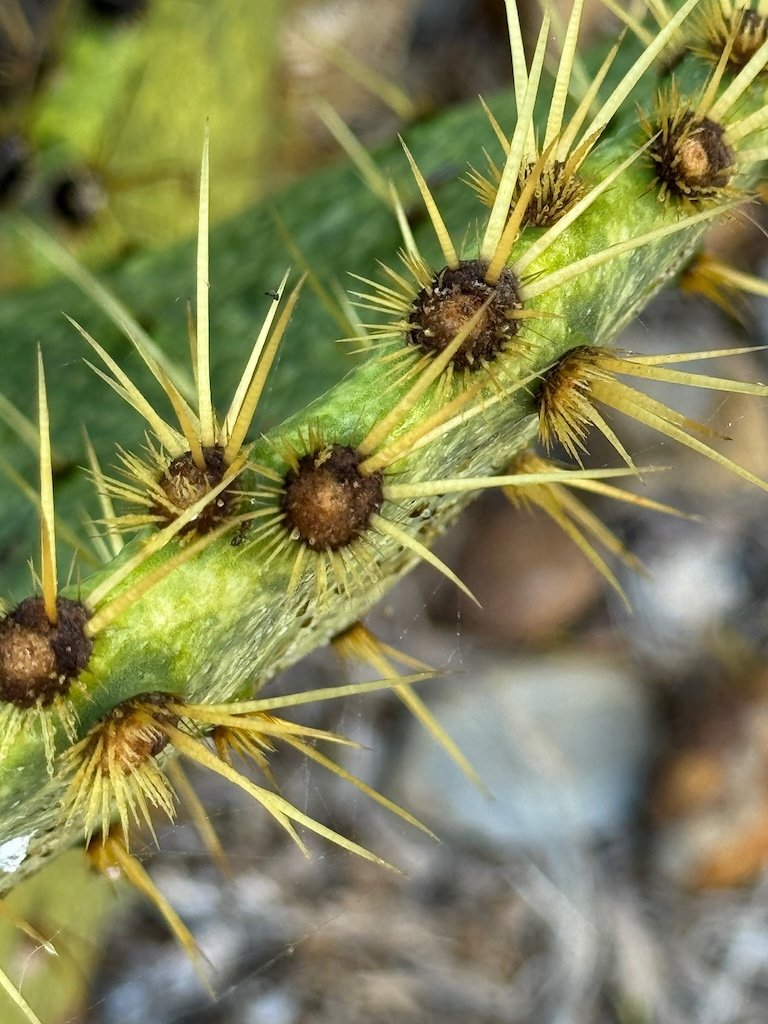
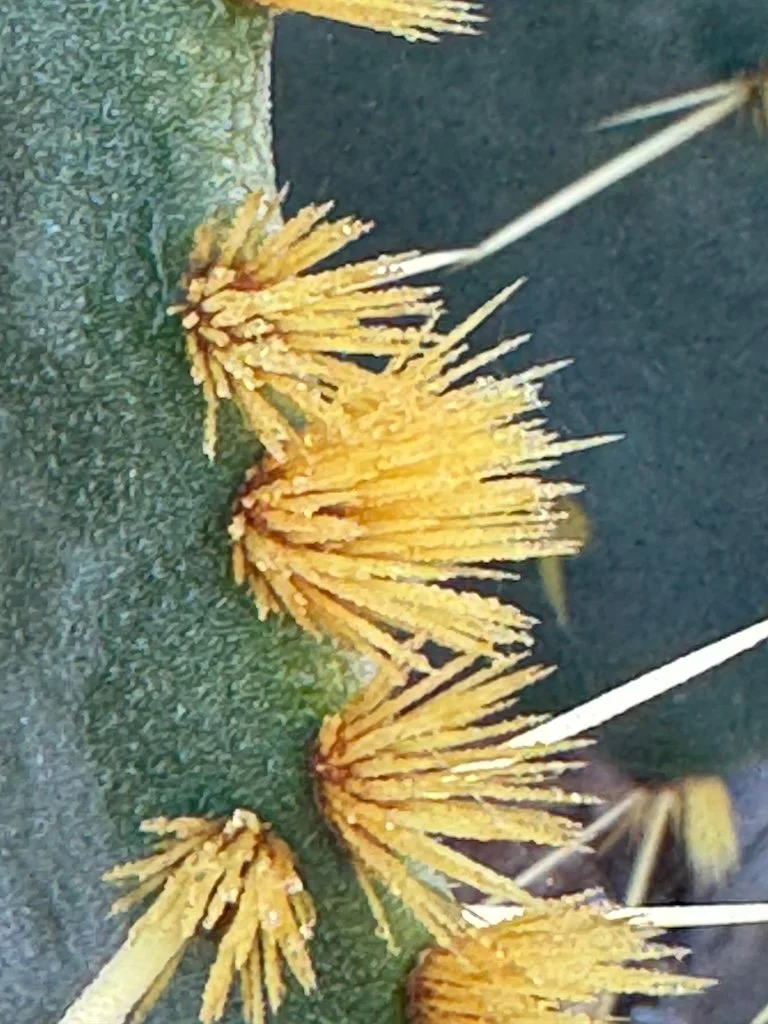
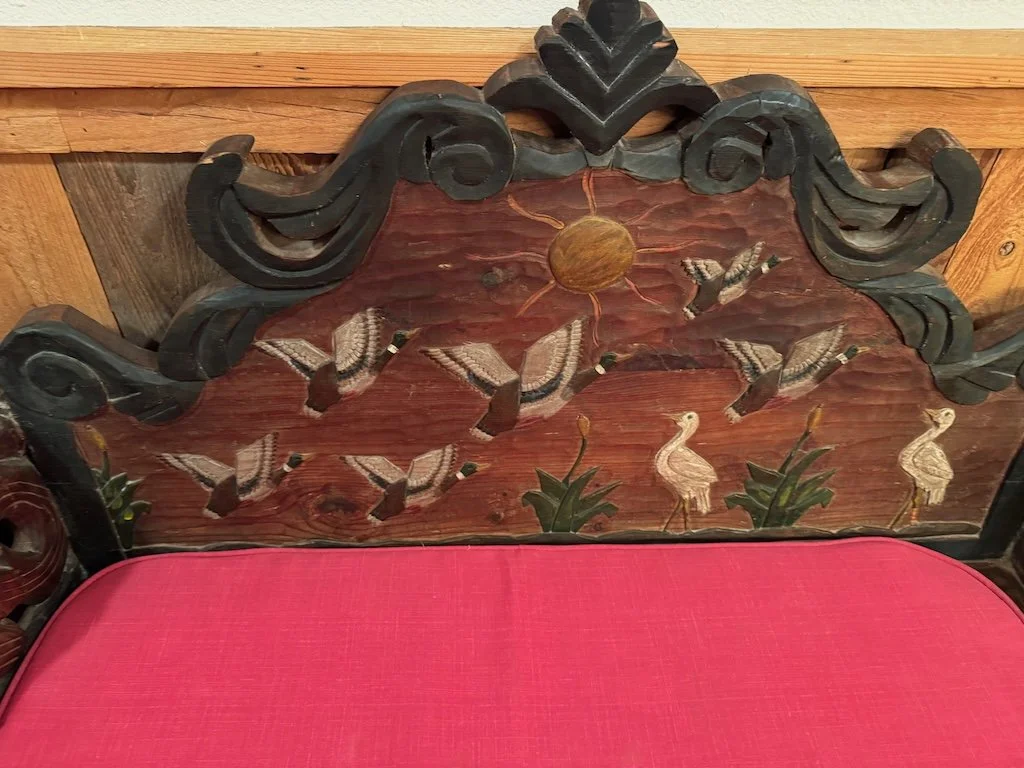
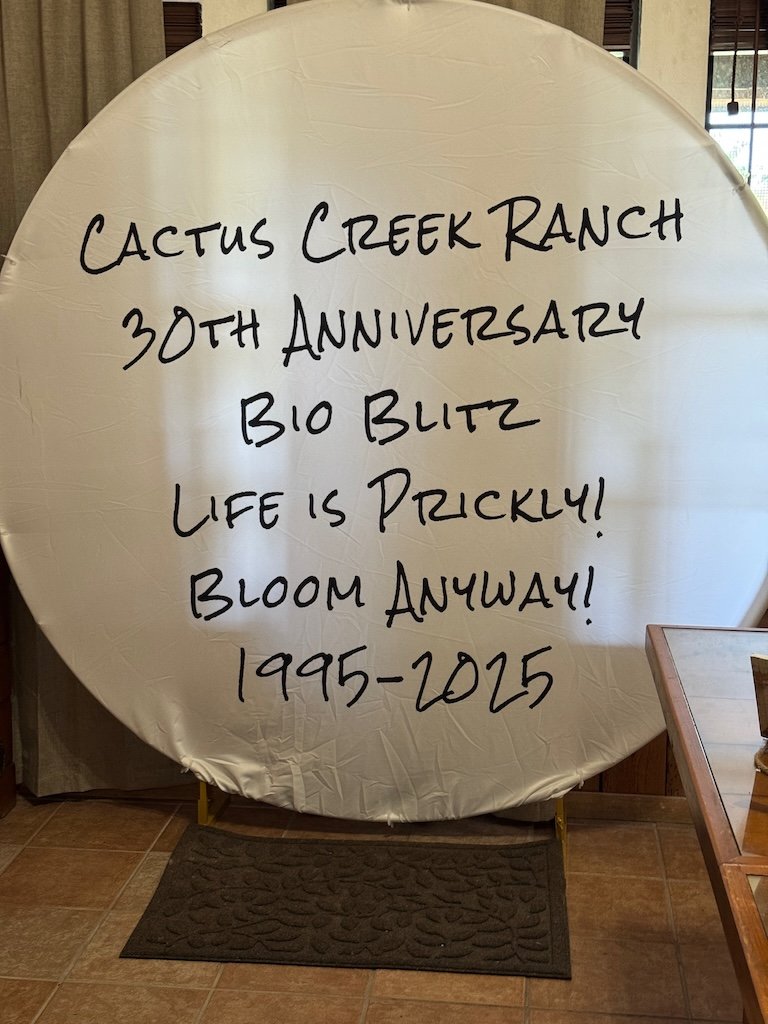
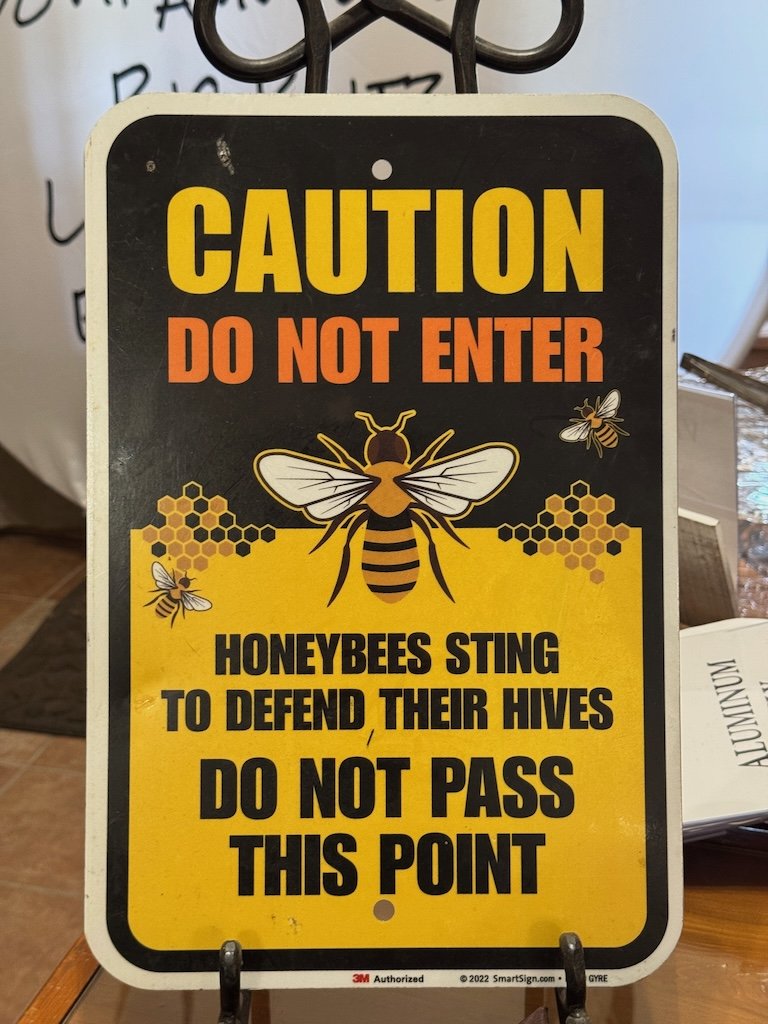
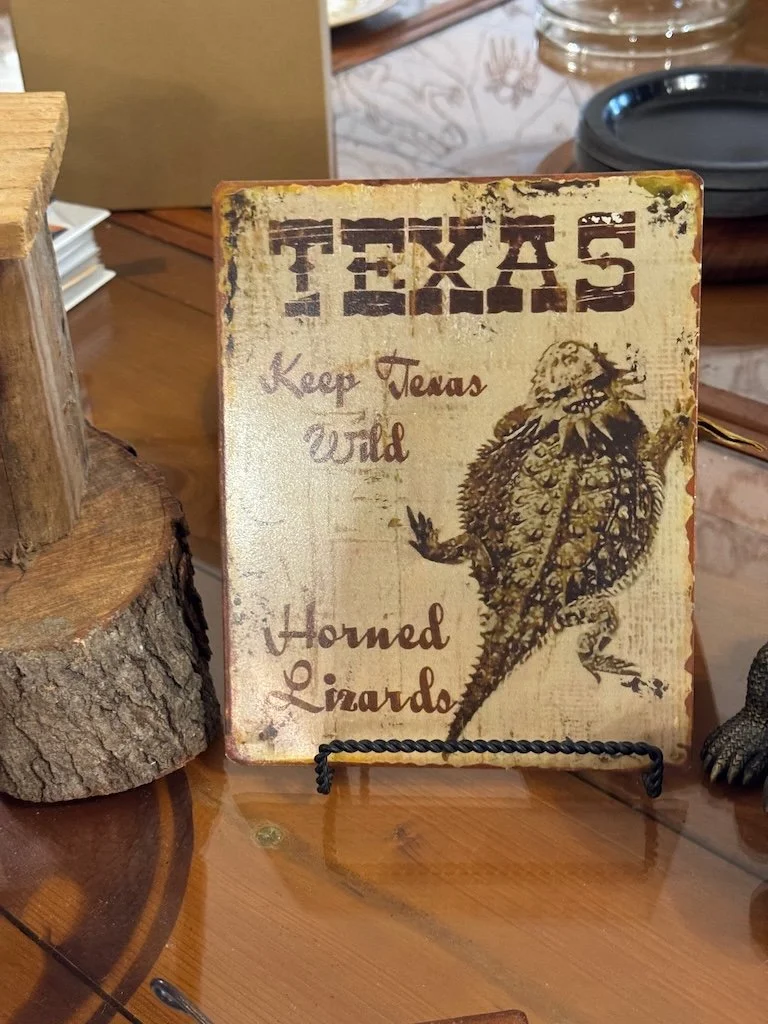
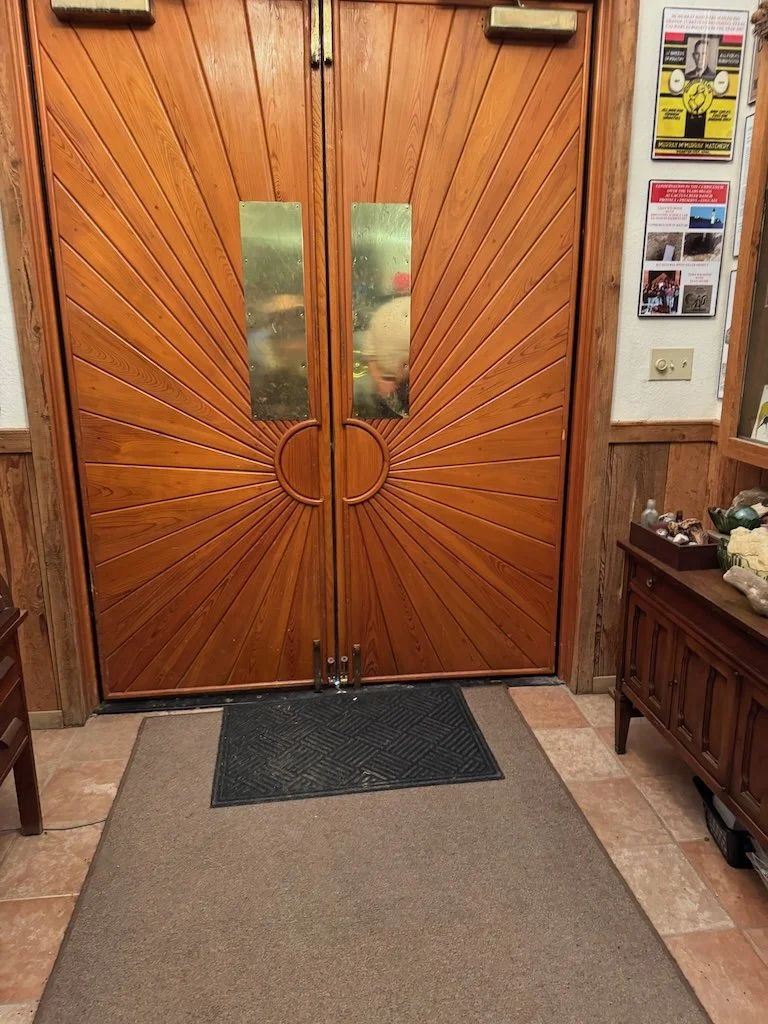
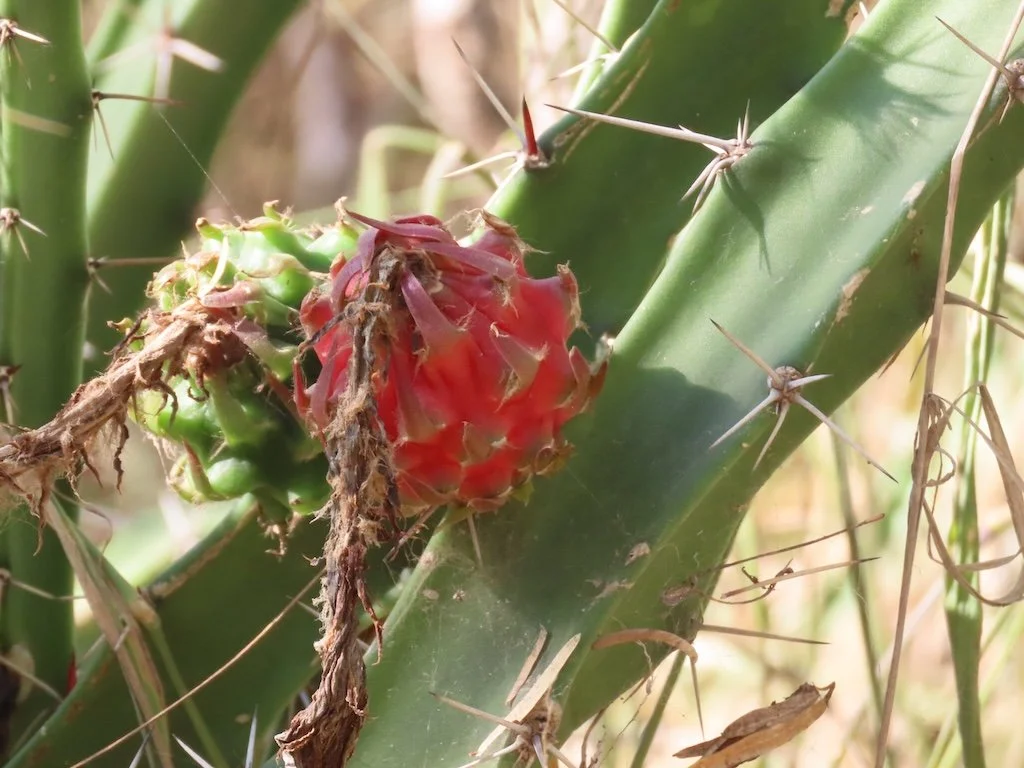
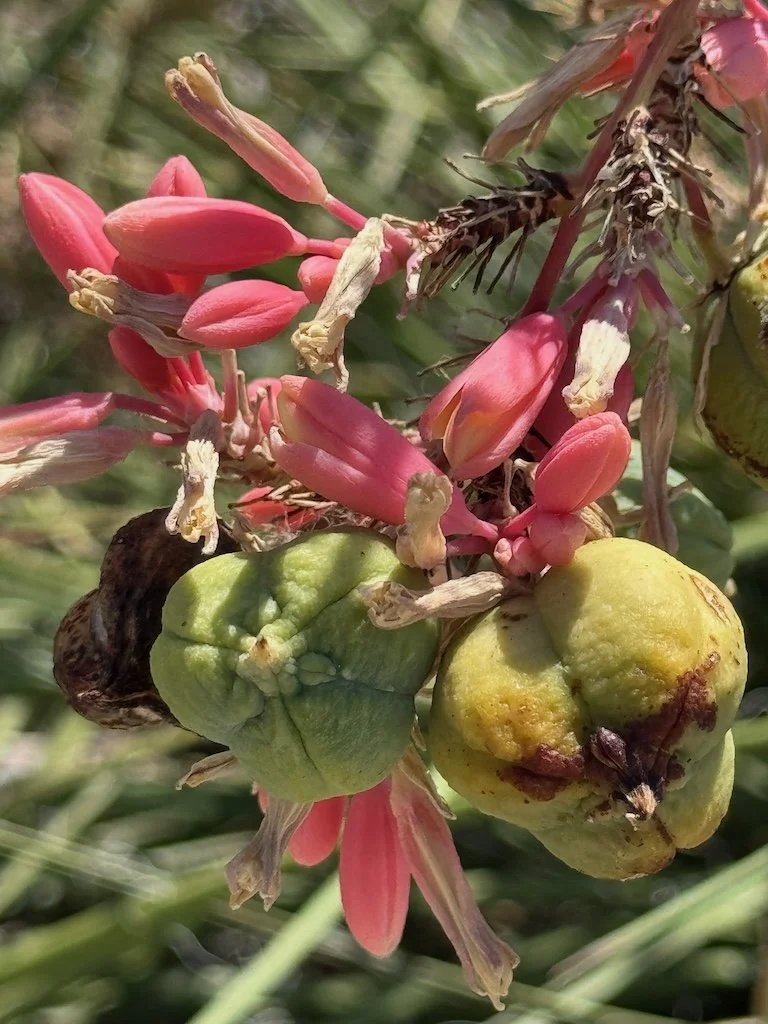
I took a few macro pictures of cactus as we got out of the vans near the house. The public rooms of the house are full of art and Cactus Creek Ranch conservation signs.

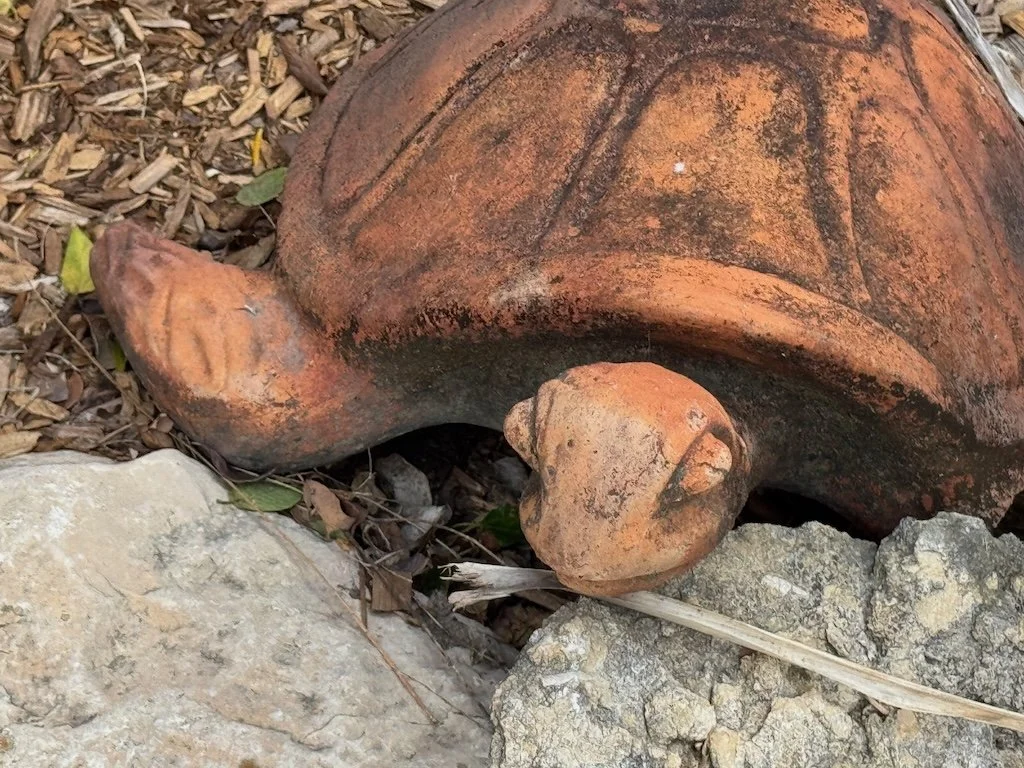
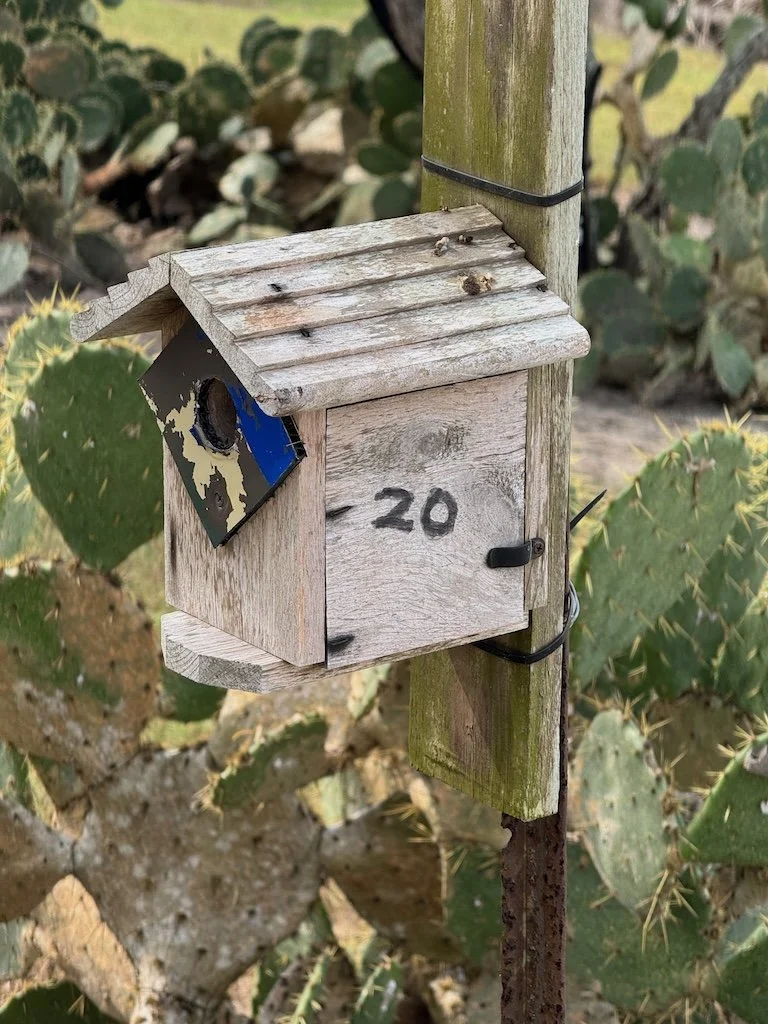
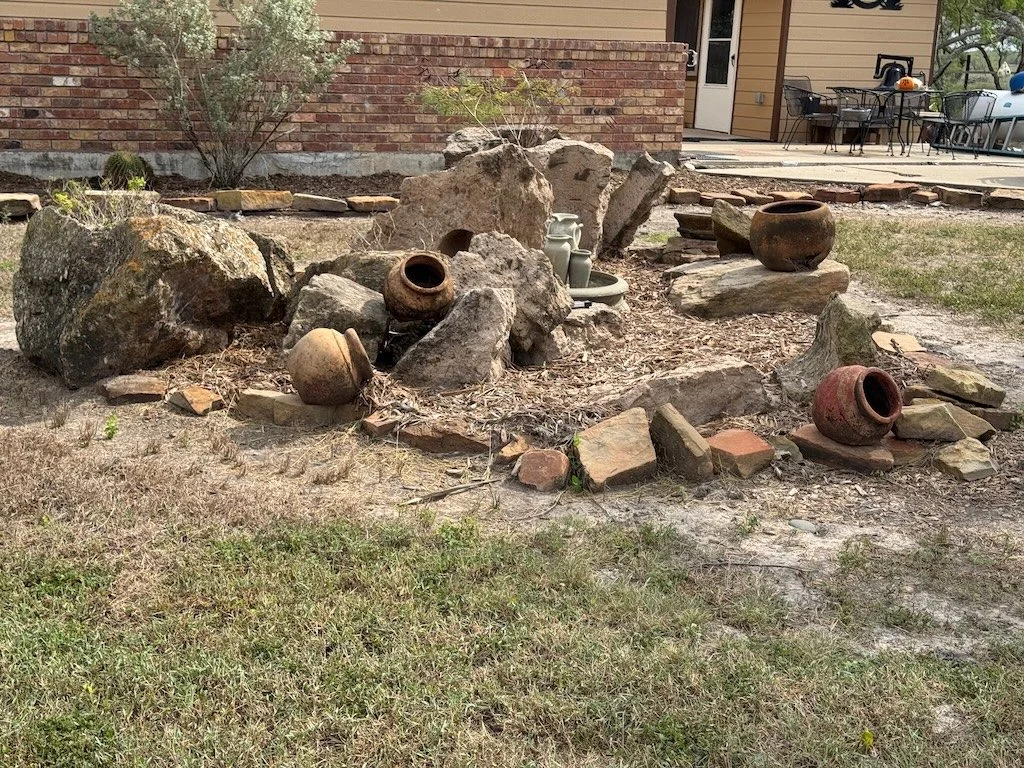
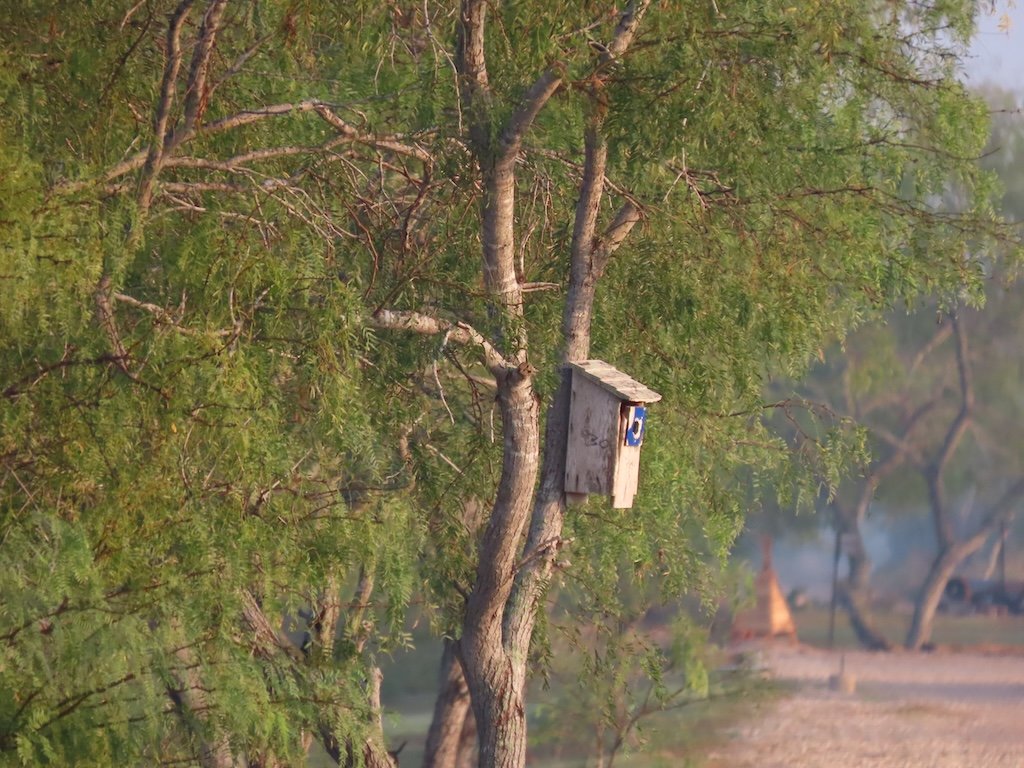
Around the house are bird houses and feeders…pots and sculptures…structures covering ant hills to protect the horned toads feeding on the ants!

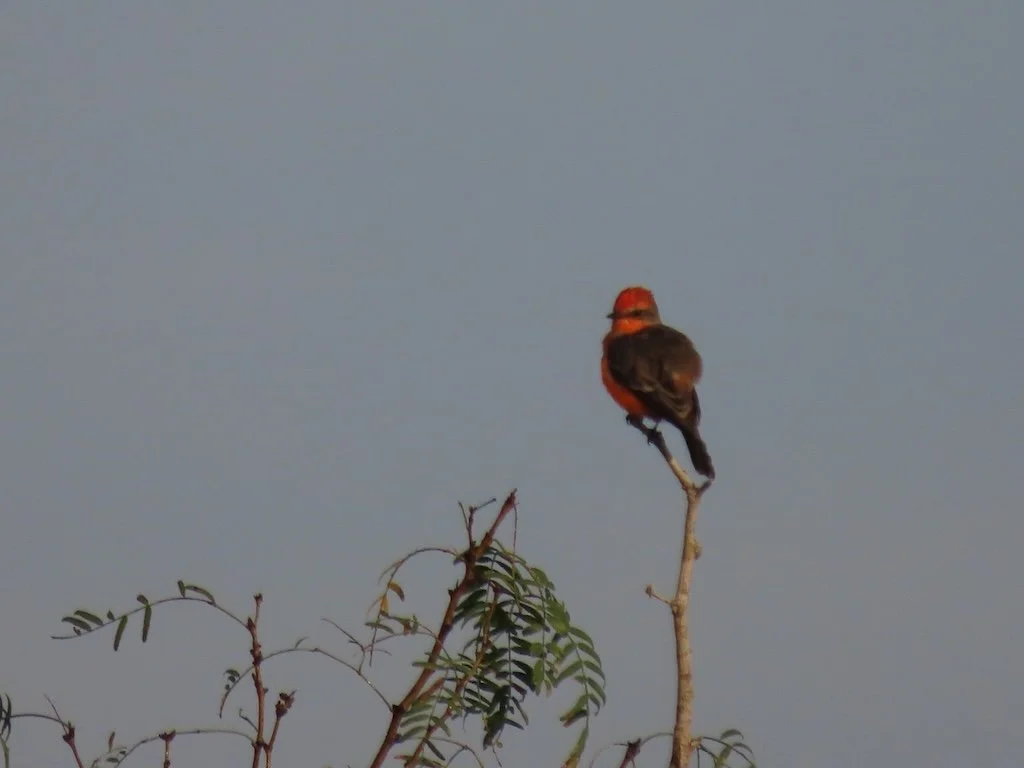
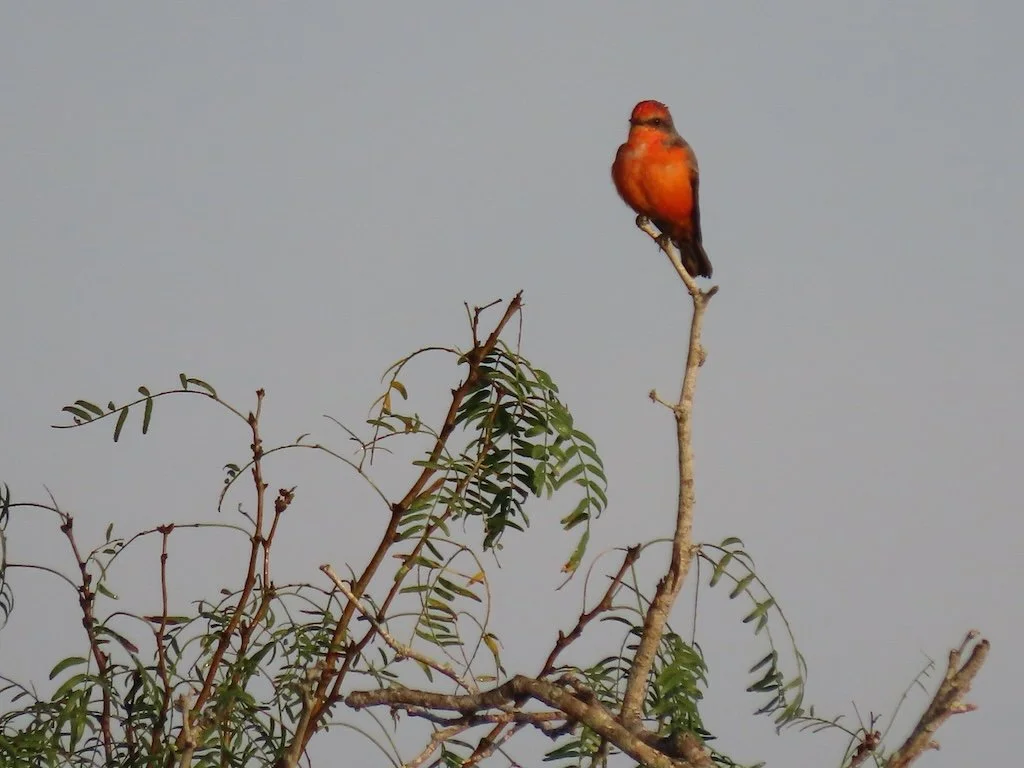
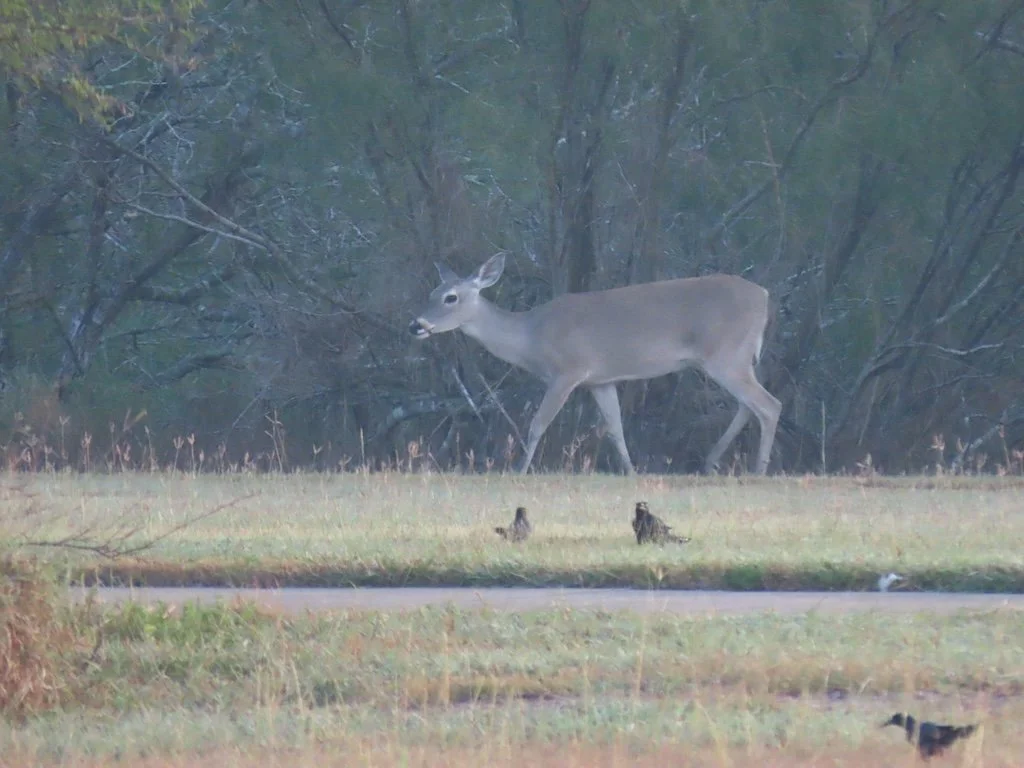
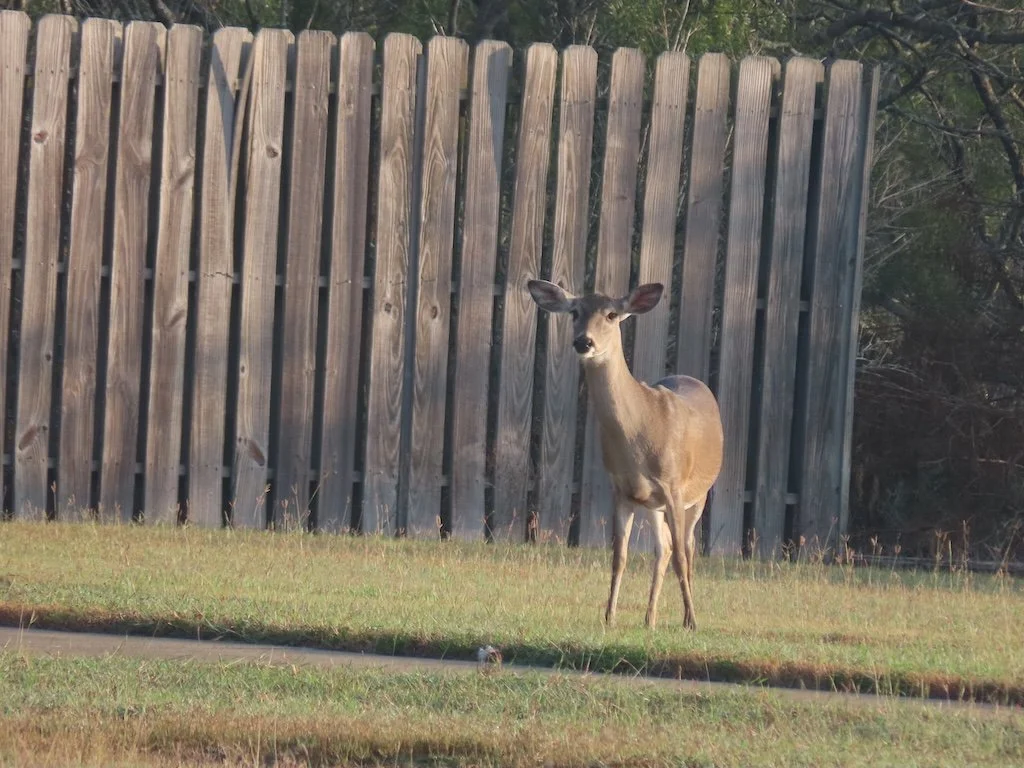
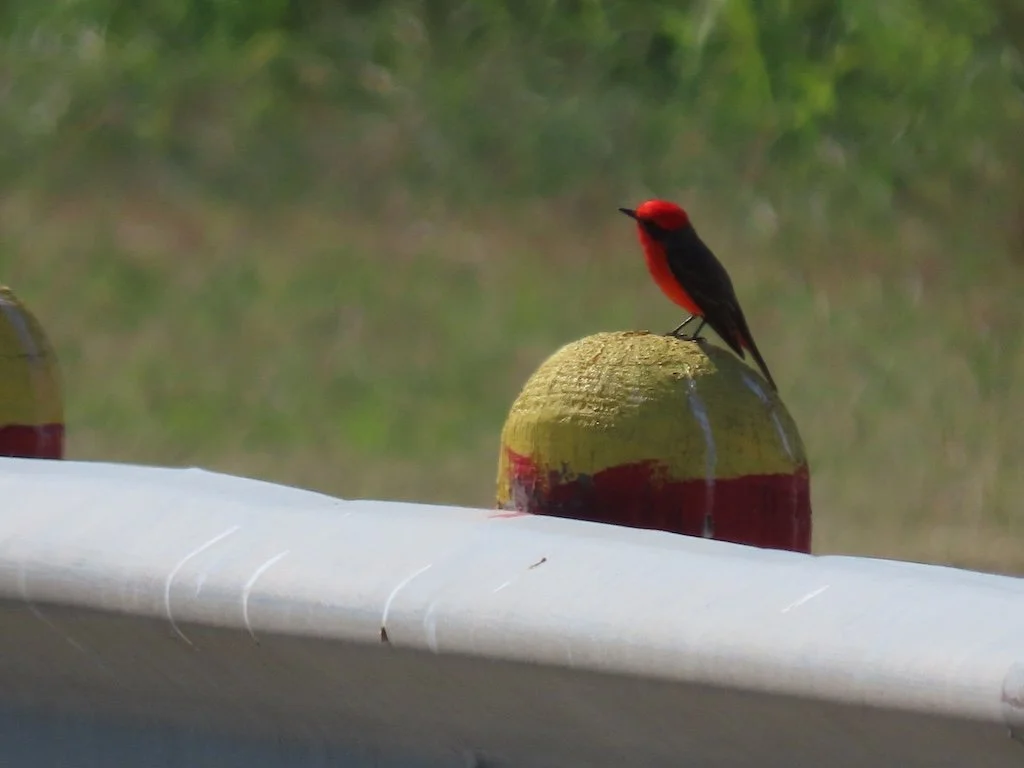
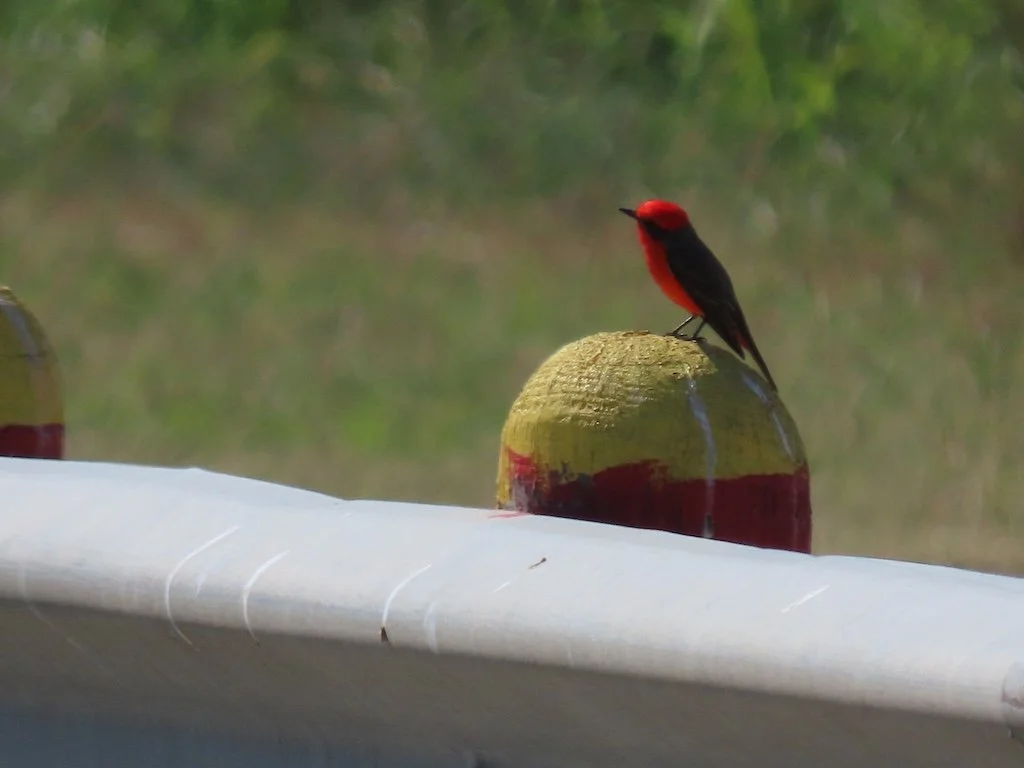
A little further away from the house – there was a Vermillion Flycatcher and deer.

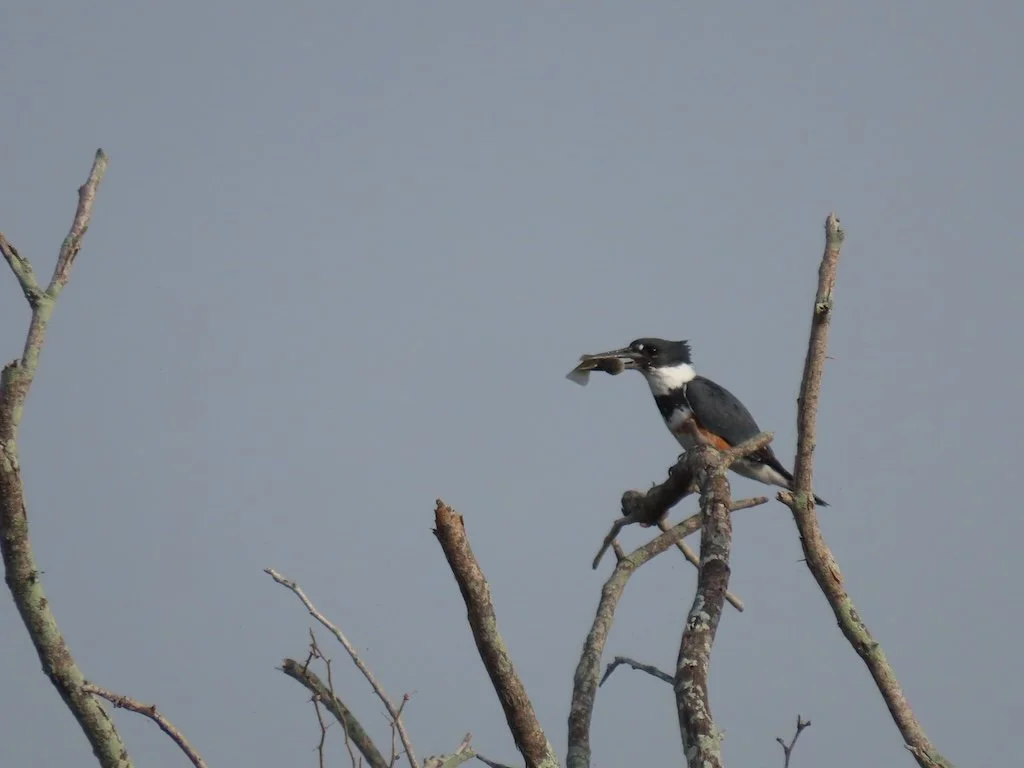
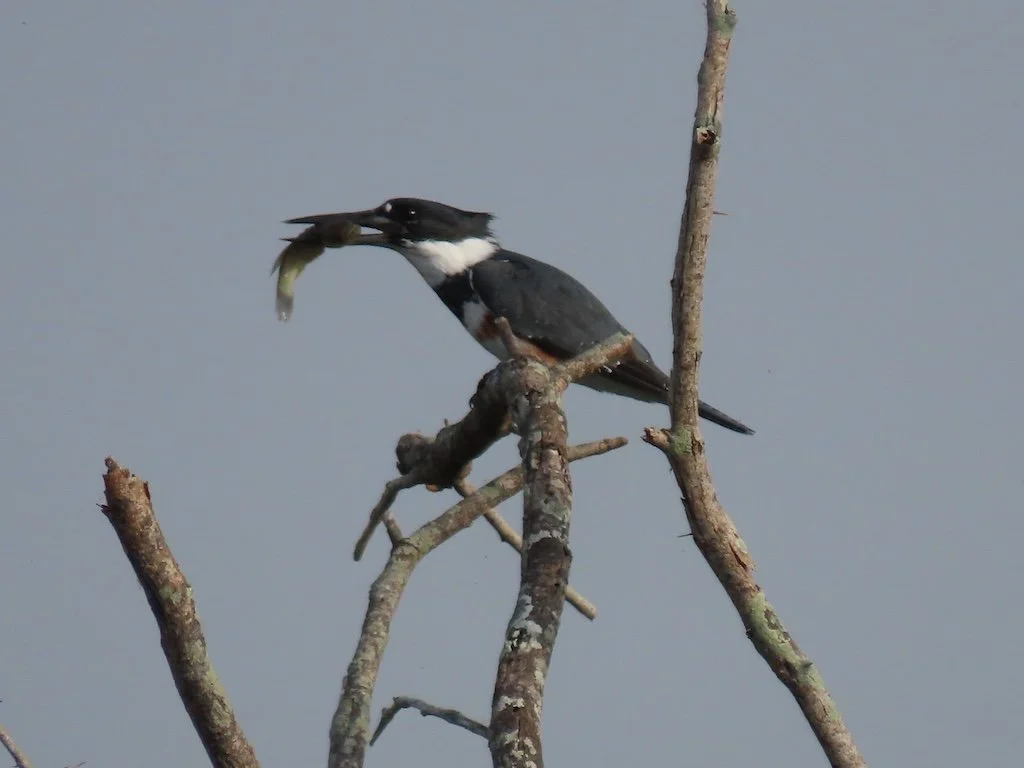
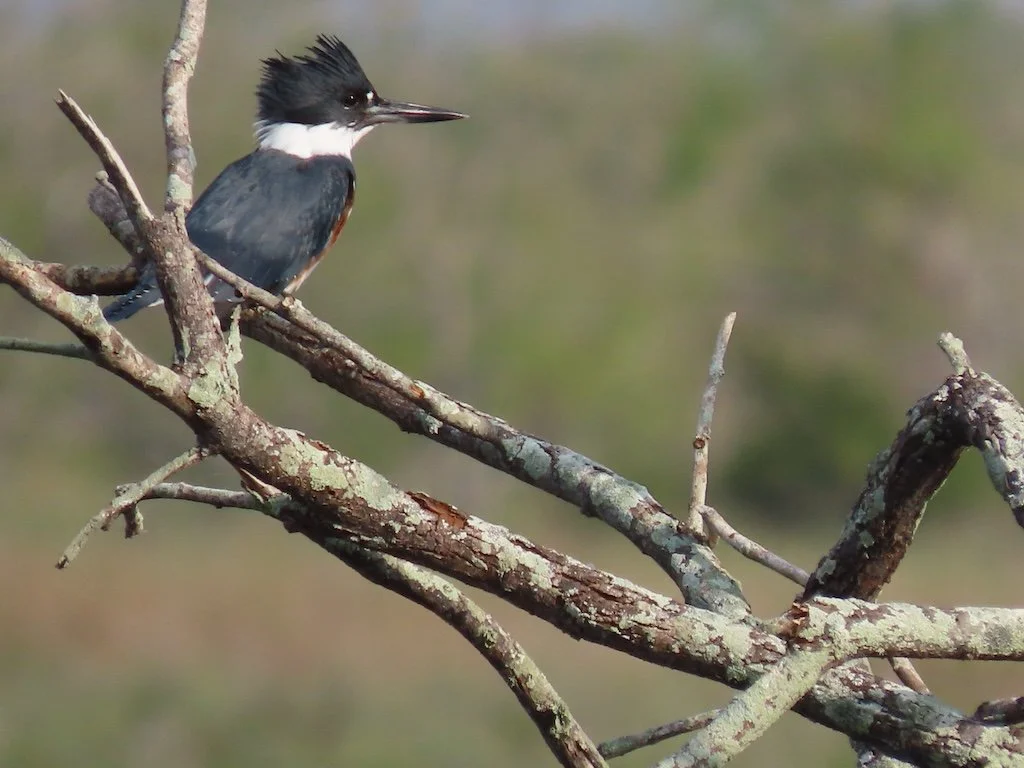
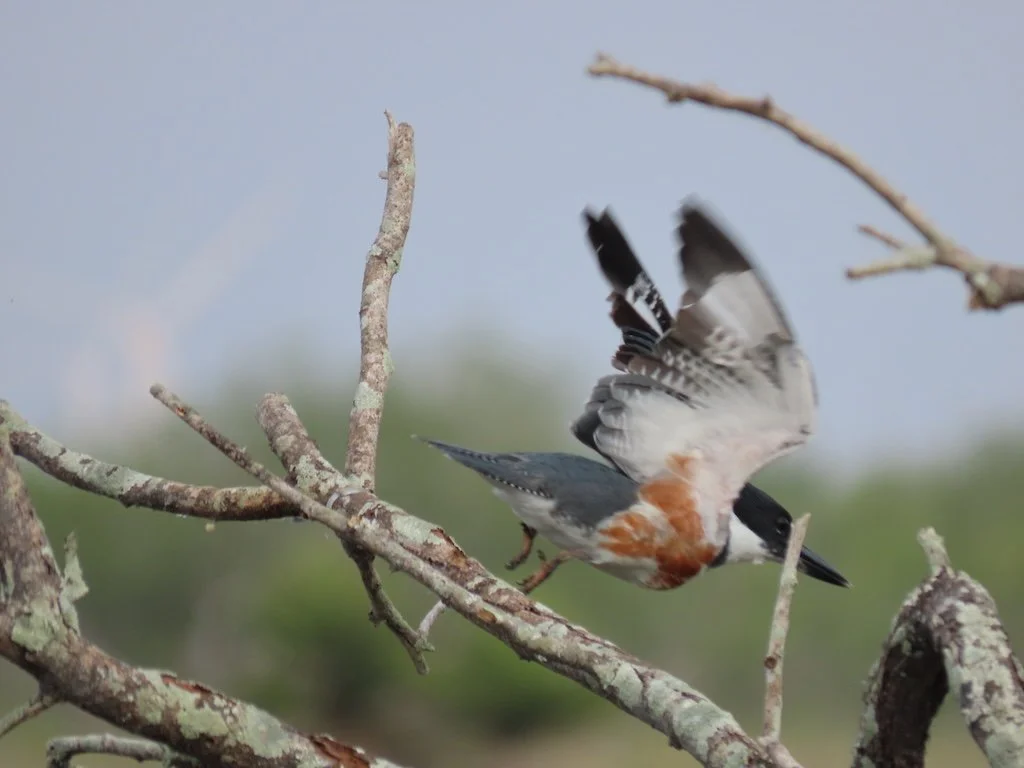
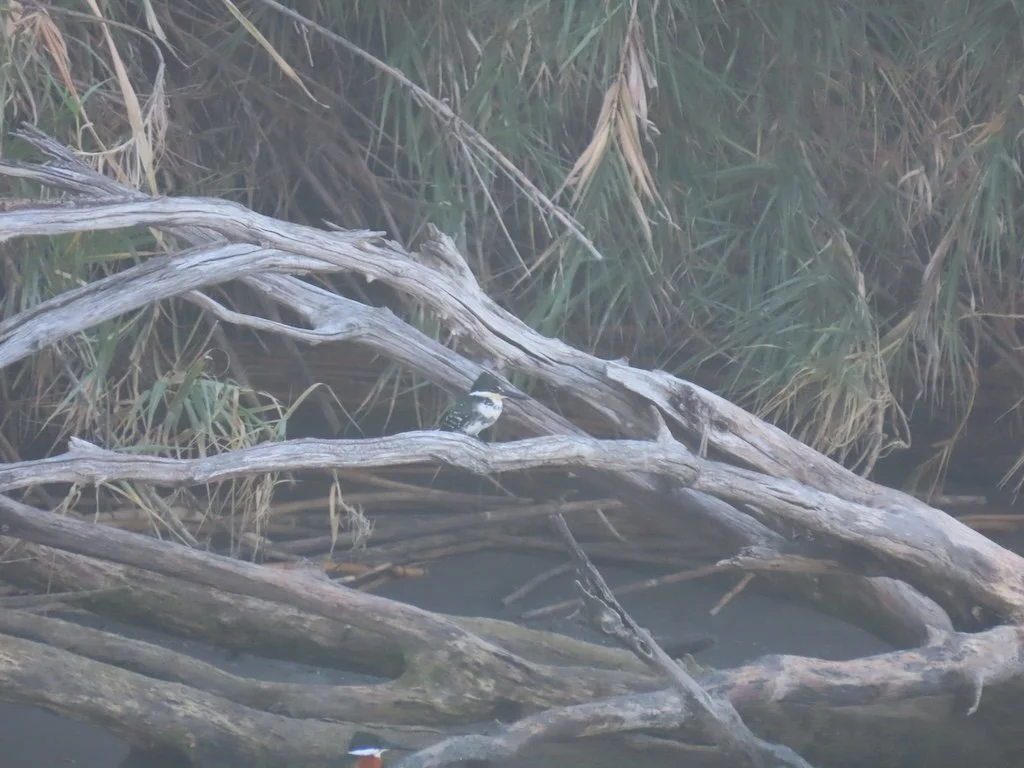
We drove around in the vans and the host’s golf cart. There were several good views of Belted Kingfishers.

I made a video of a female eating a small fish! It is handheld so not great – but it captures the 17 seconds of action!

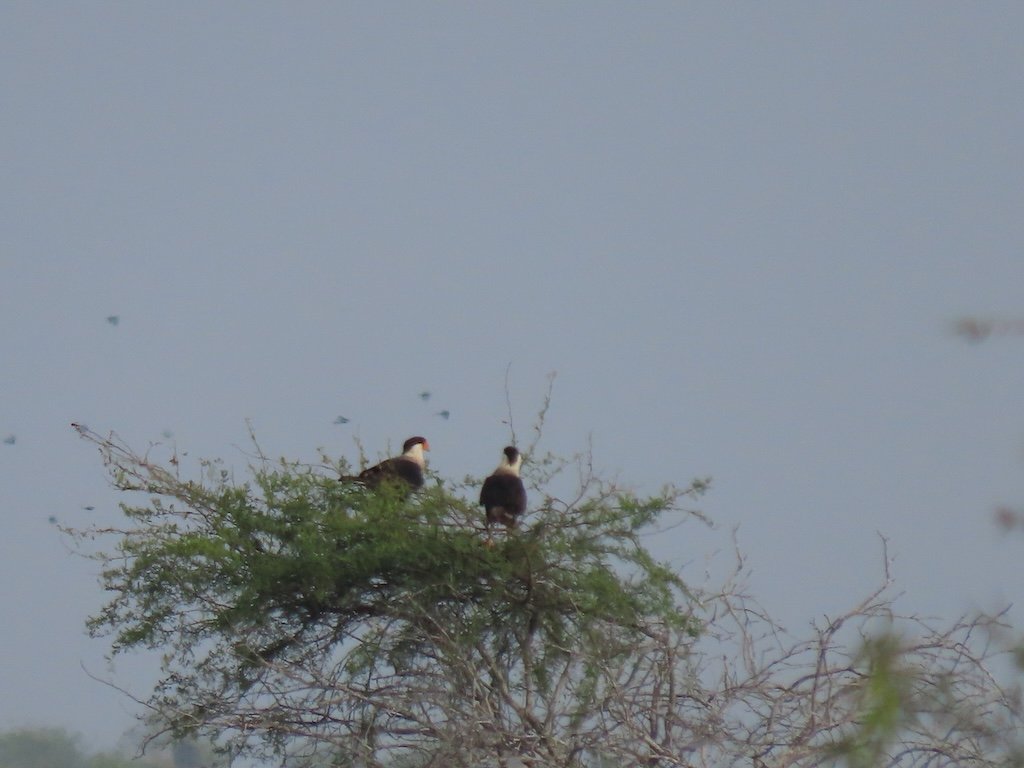
A pair of Crested Caracaras were in a treetop – turning their backs to us!

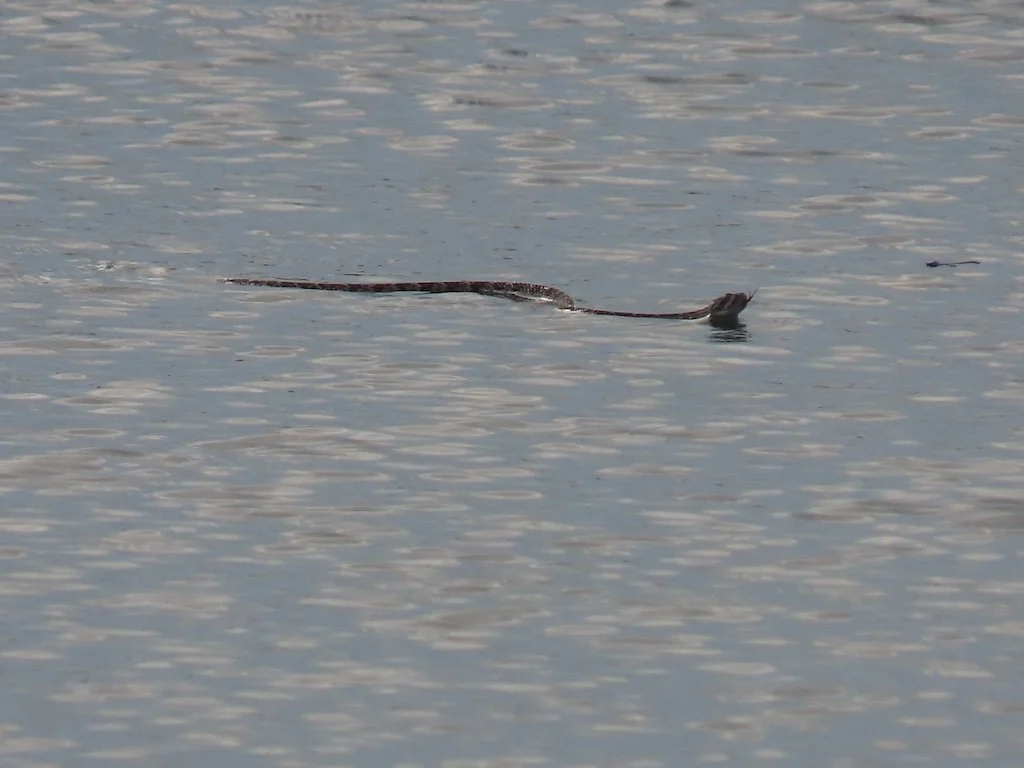
There was a snake in one of the ponds. My picture is not good enough to determine the type although others in the group saw rattles!

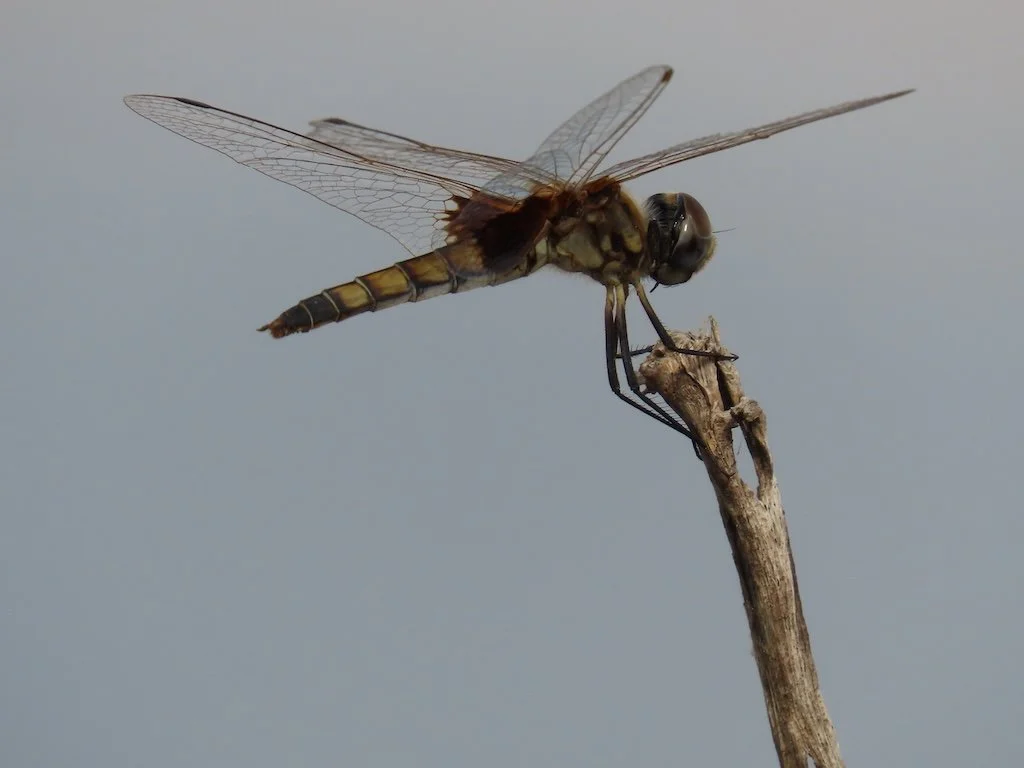
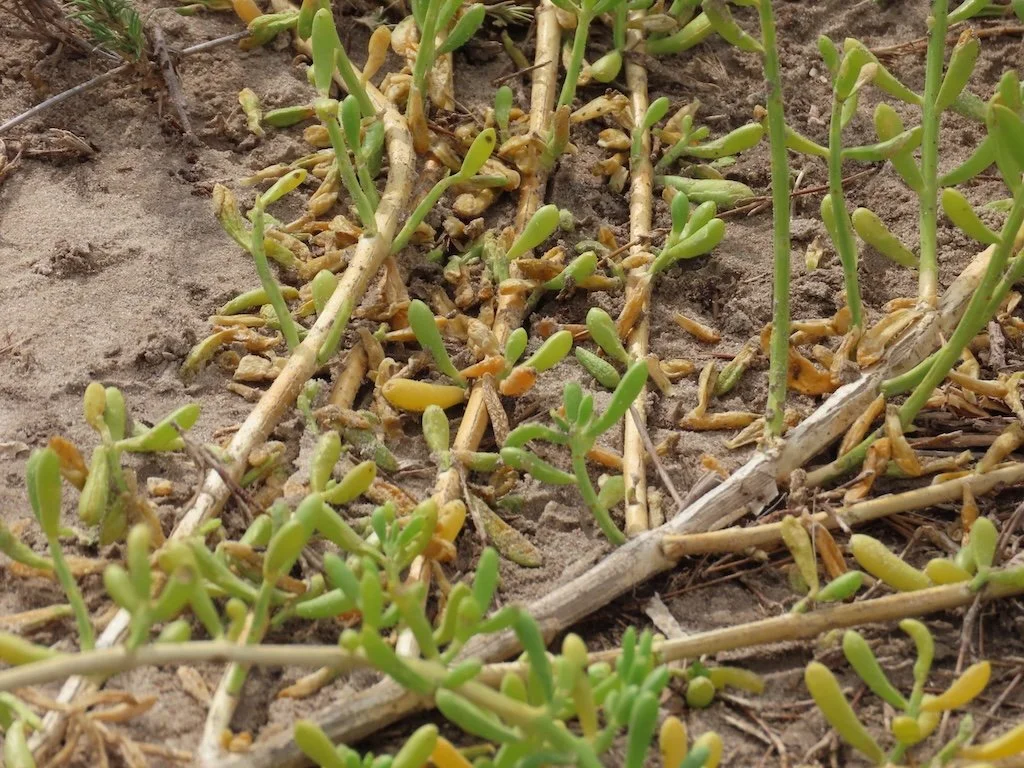
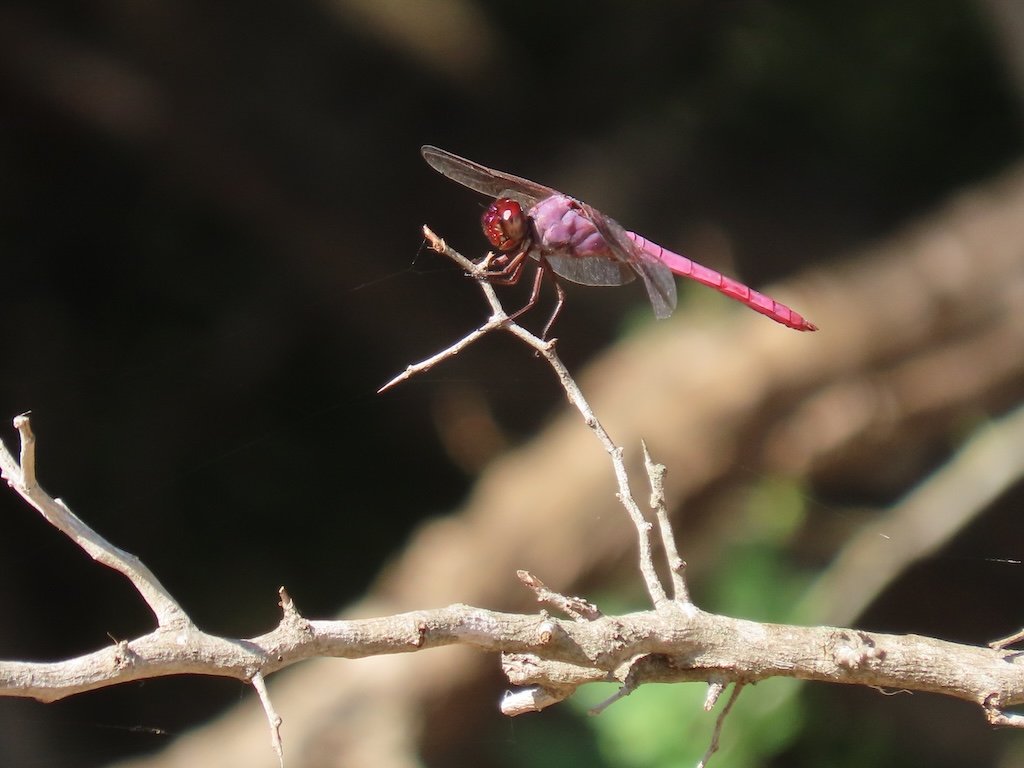
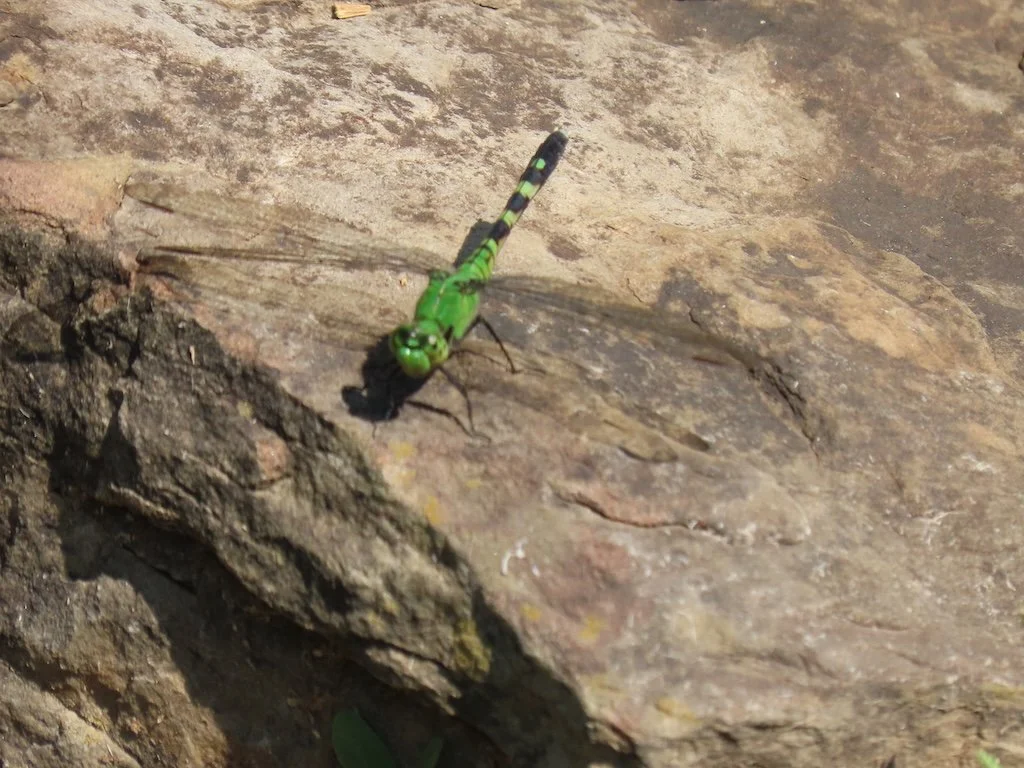
We stopped at another place and I did some macro photos of a dragonfly, a succulent, and a busy wasp nest.

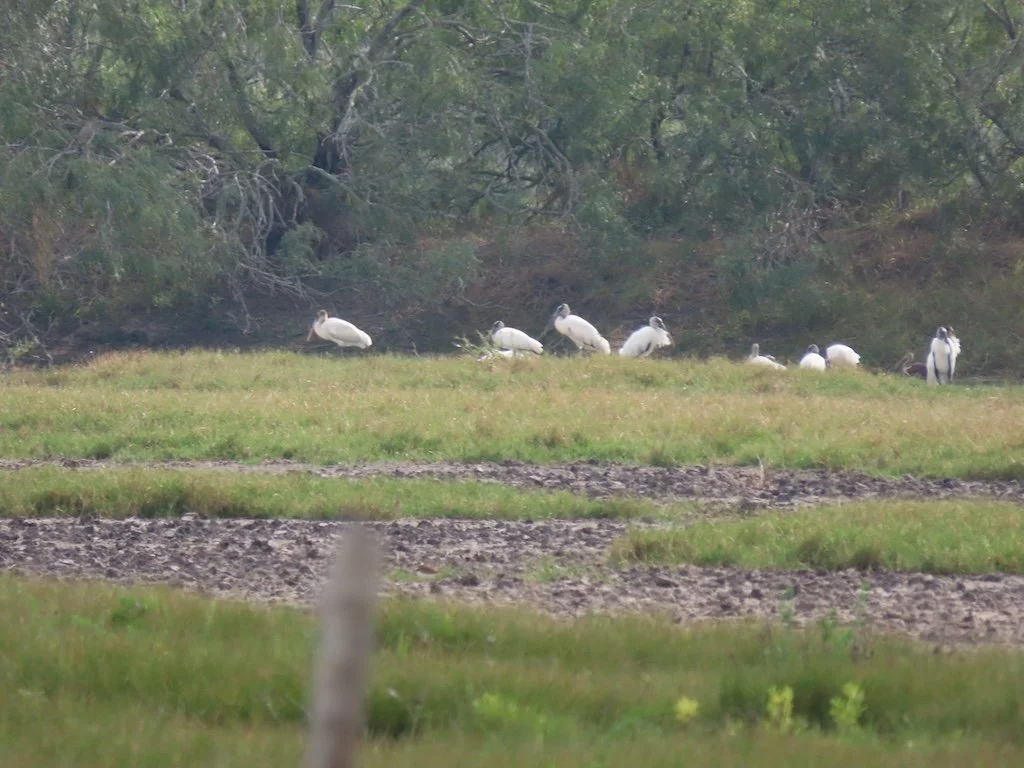
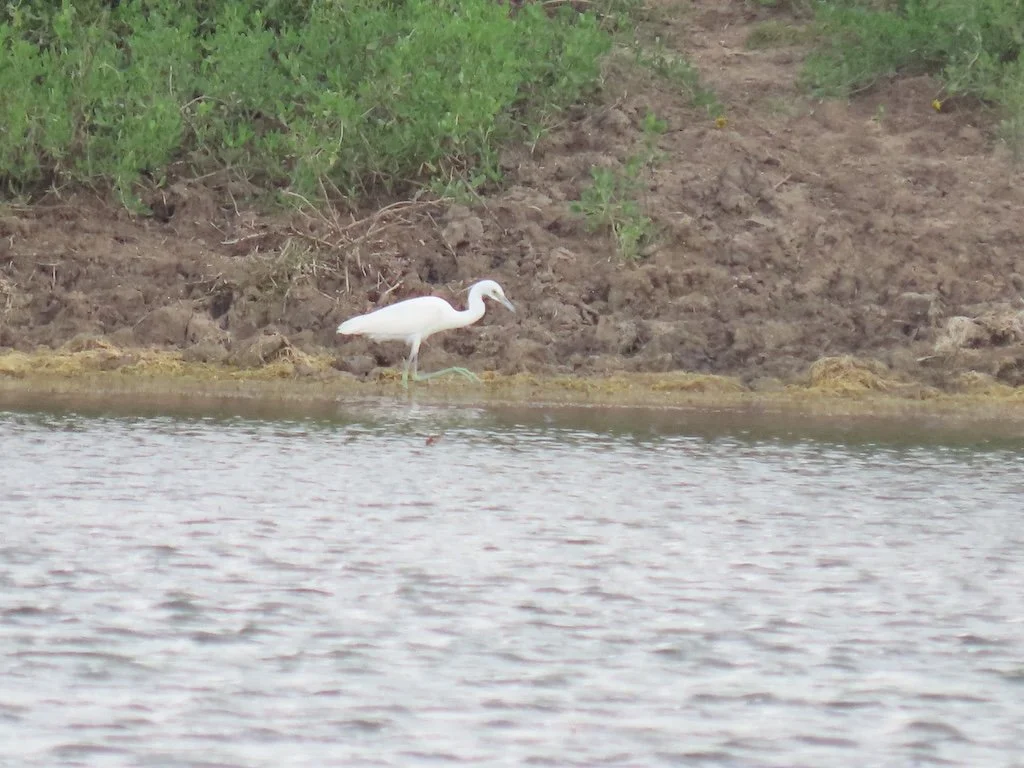
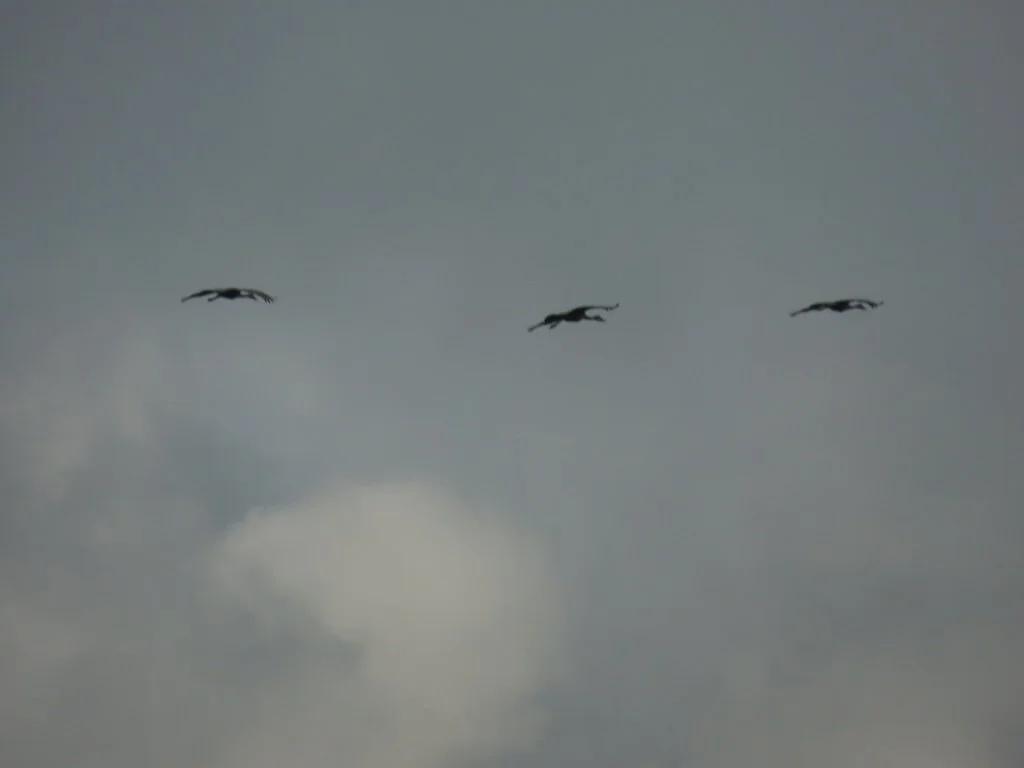
In the distance there were Wood Storks and an immature Little Blue Heron….3 sandhill cranes flew overhead.

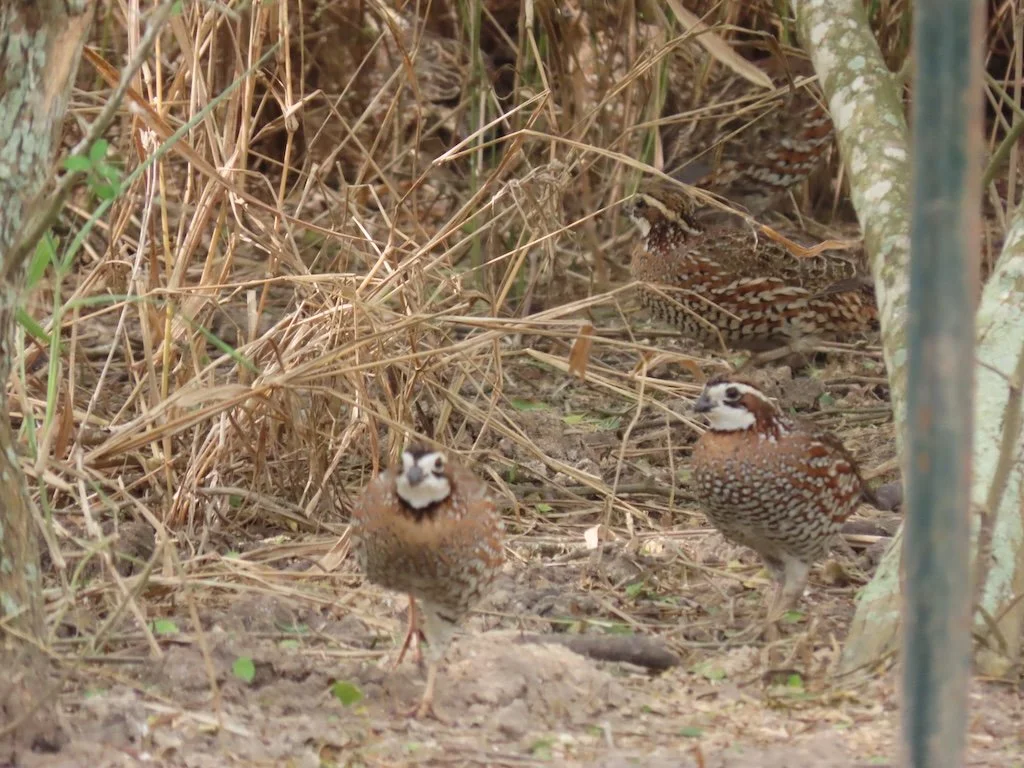
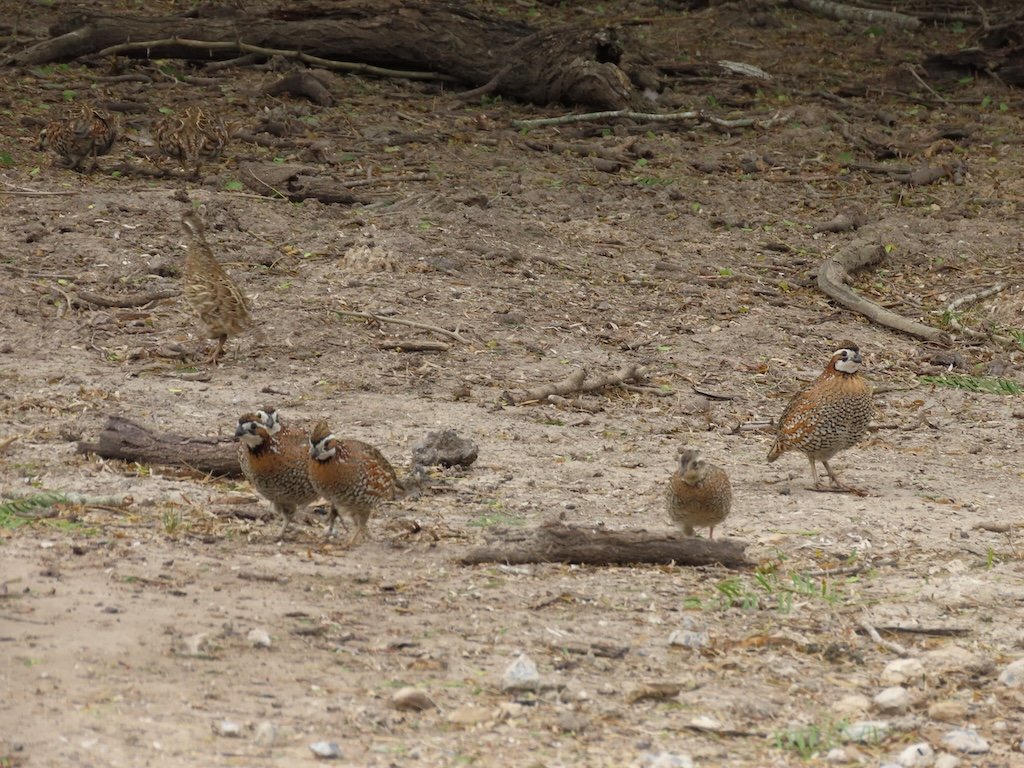
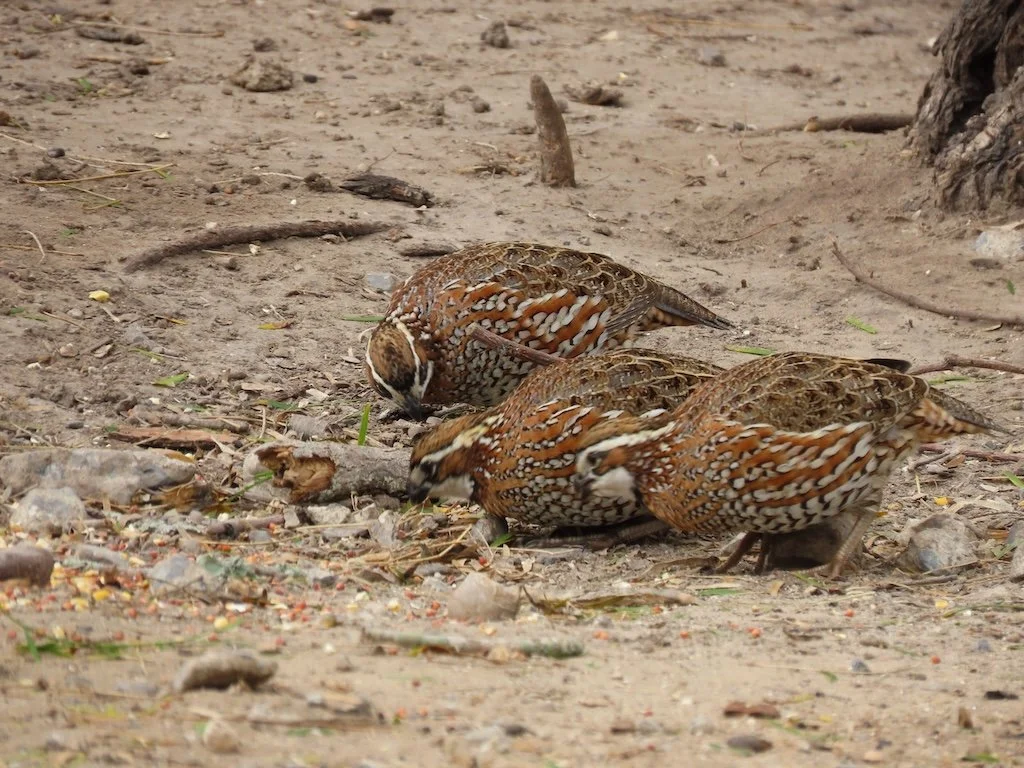
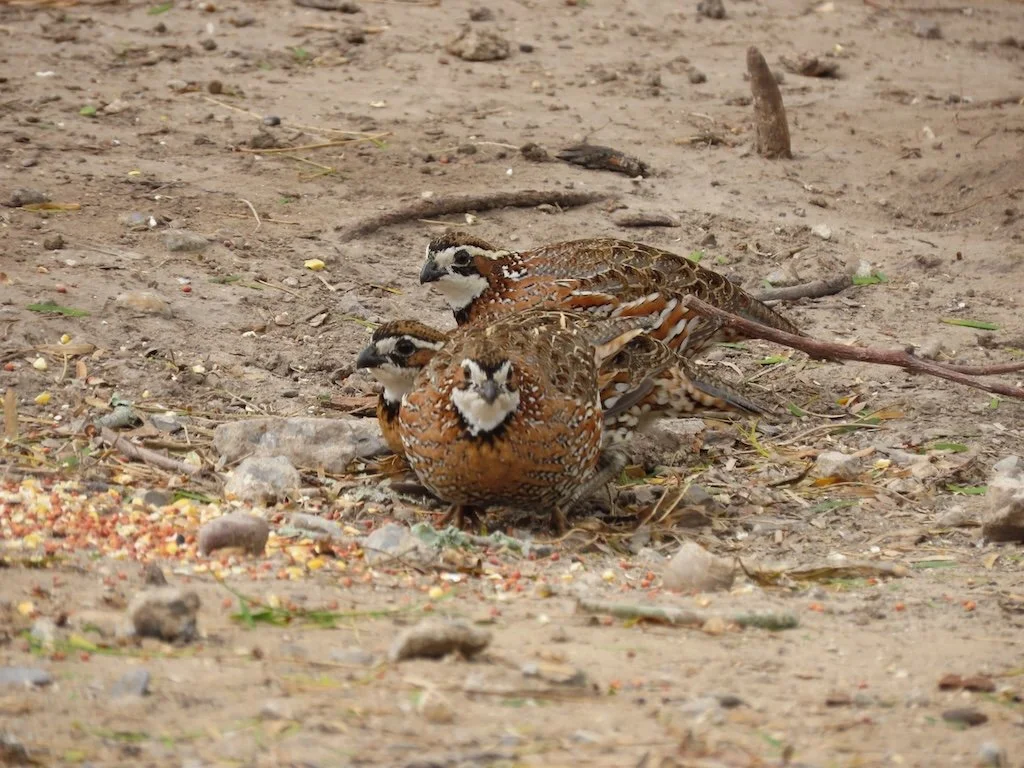
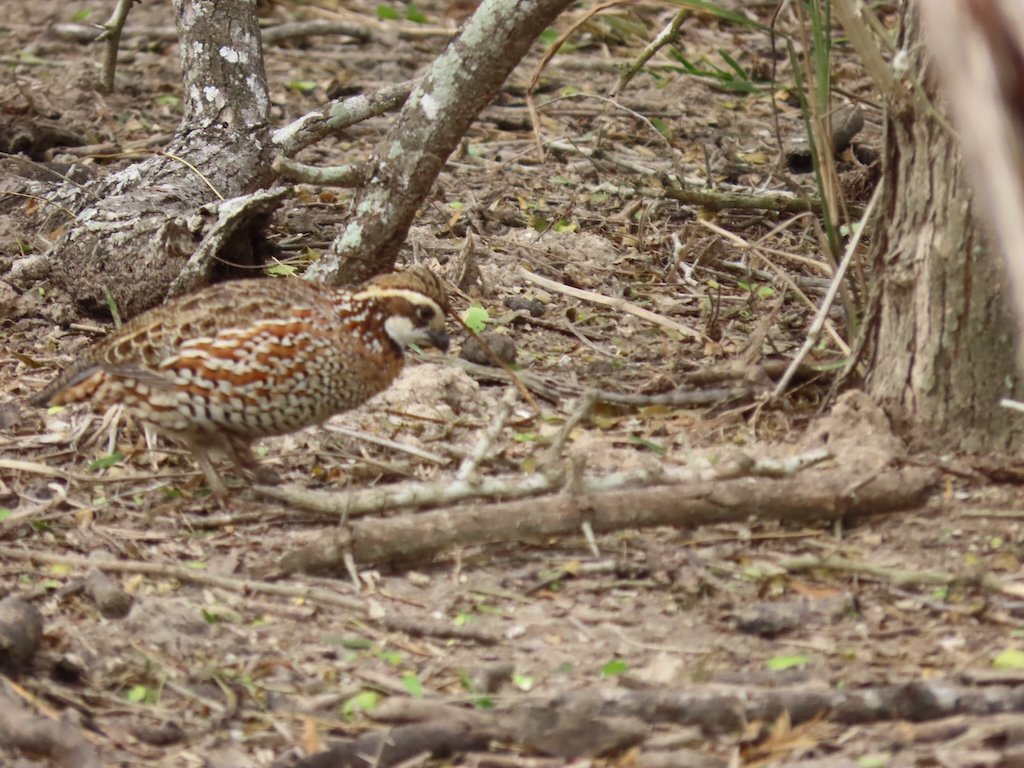
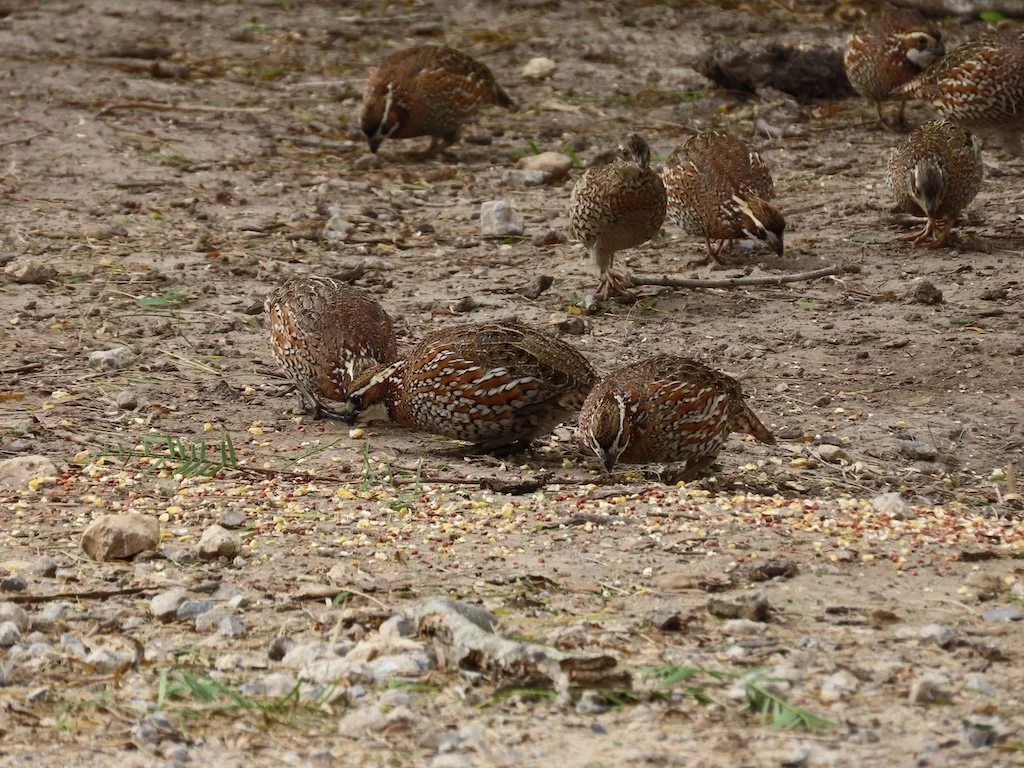
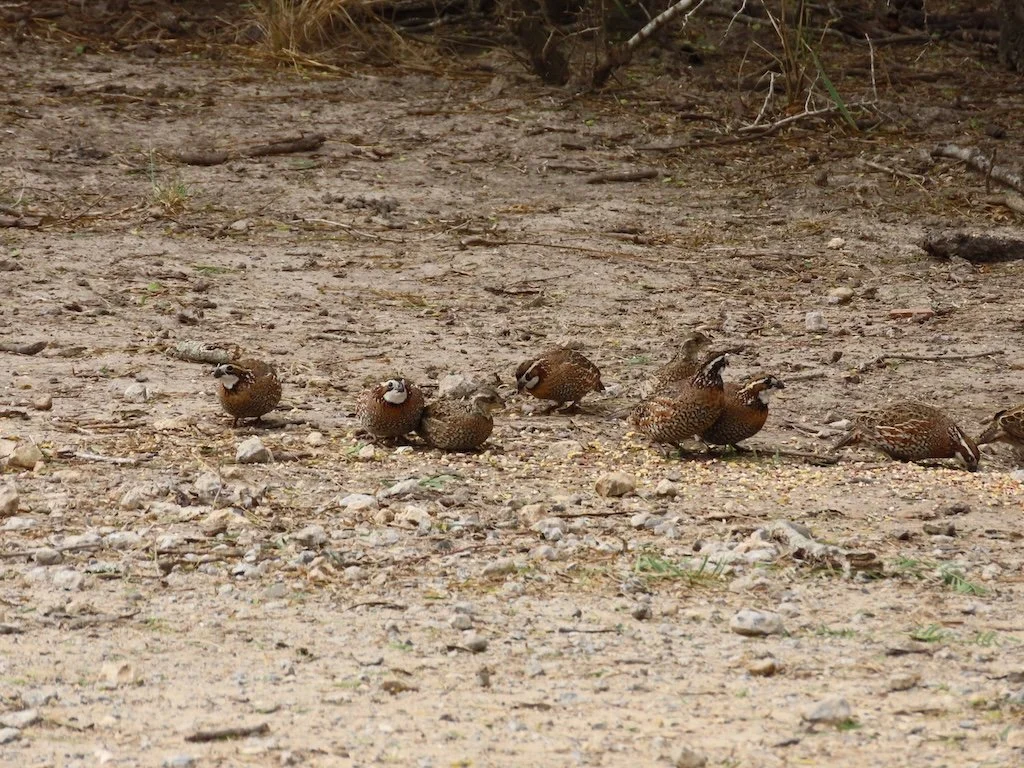
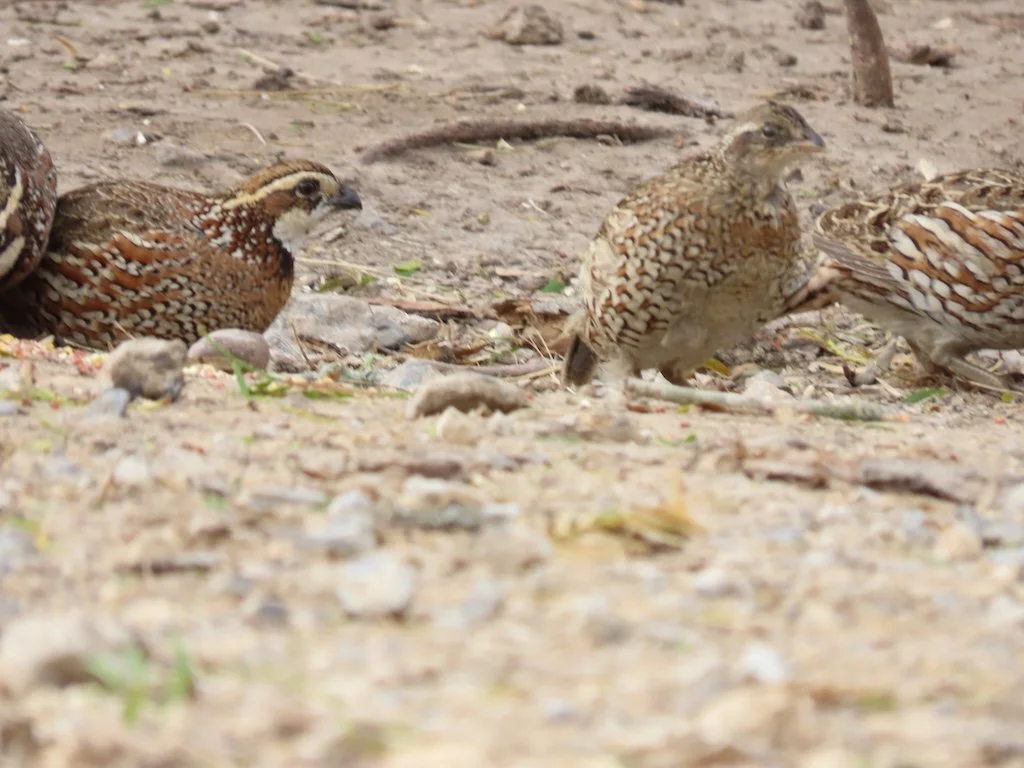
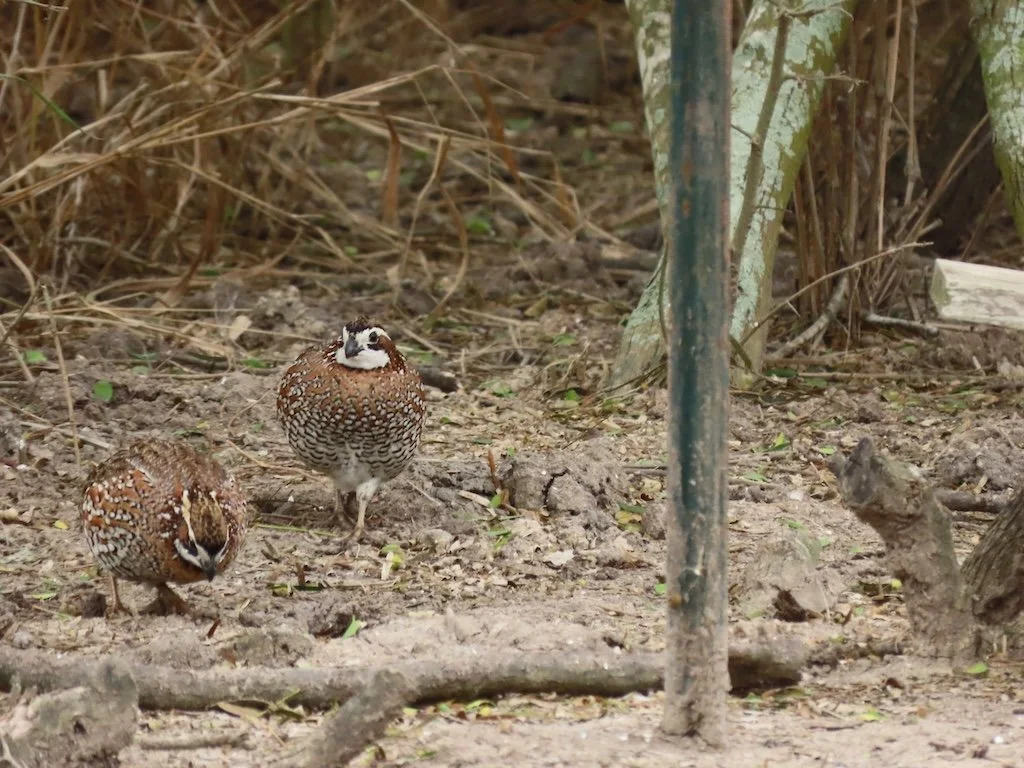
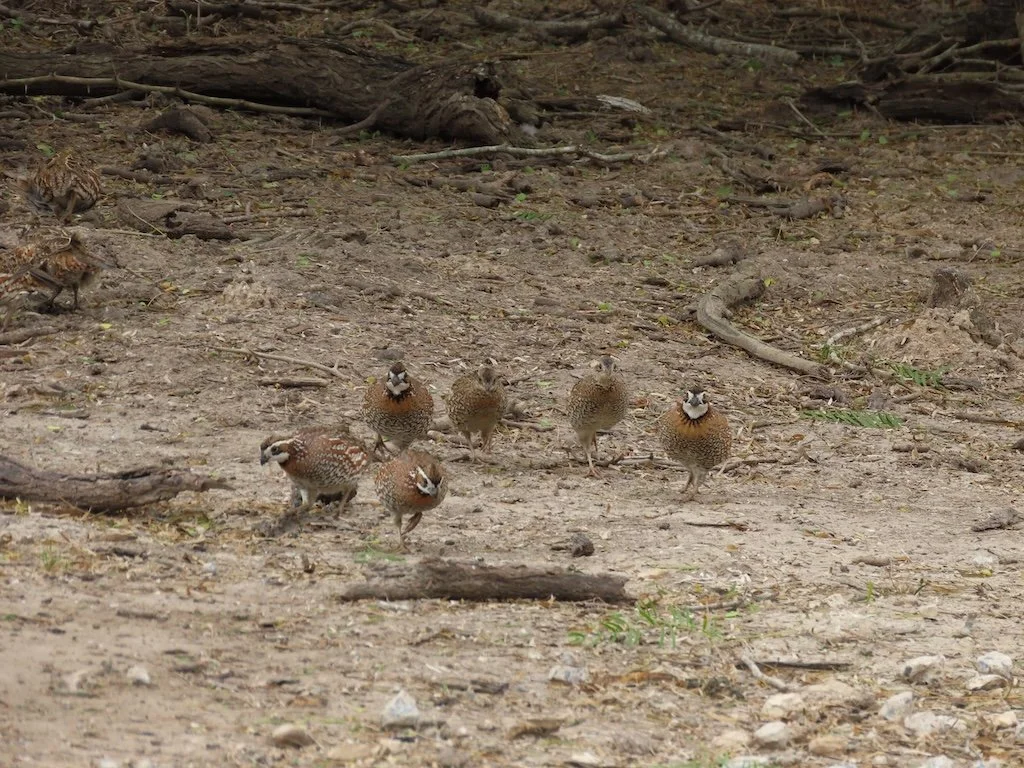
At another stop, our host spread some corn on the ground, and we stood back to watch the Bobwhite.

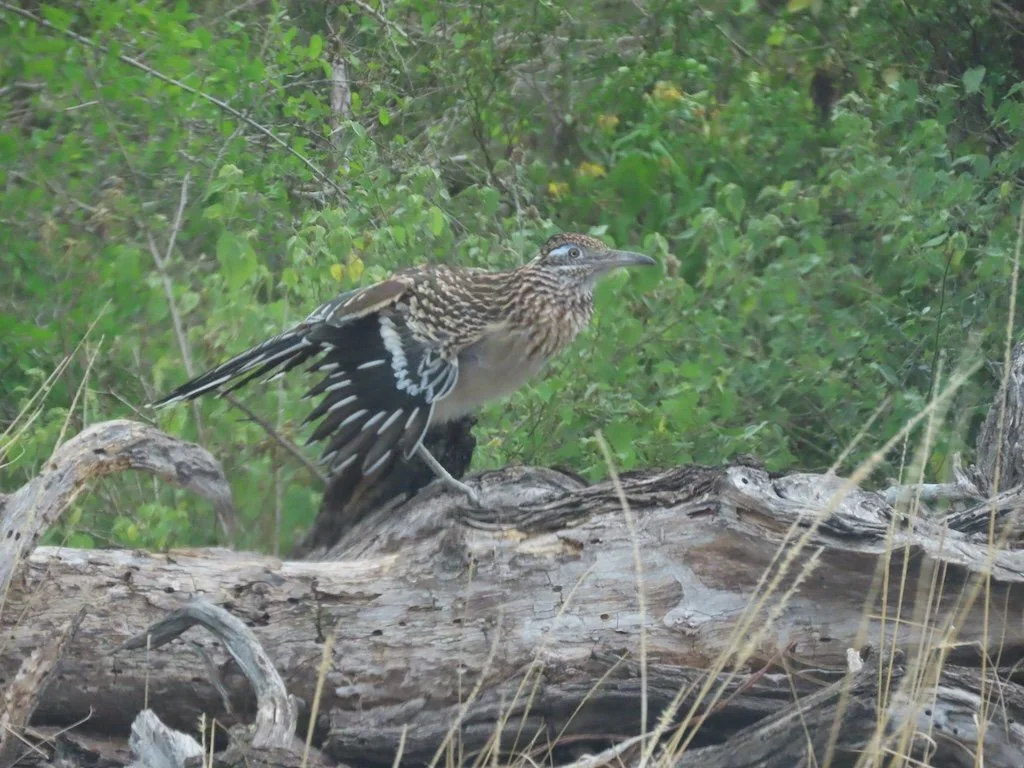
On the way back to the house, there was a road runner beside the road! It was the only one I managed to photograph this trip!

We enjoyed the barbeque at the end of the trip and headed back to the Harlingen Convention Center and headed out on the first leg of our drive home. We stopped in San Marcos TX before driving the rest of the way home the next day.  

Edinburg Scenic Wetlands

Our fourth morning at the Rio Grande Valley Birding Festival required us to be at the Harlingen Convention Center by 7 AM for the bus; we were glad it wasn’t earlier! There was an odd cloud or smoke plume that obscured the sunrise; tt was moving rapidly and seemed to have an origination point so I think it might have been smoke.

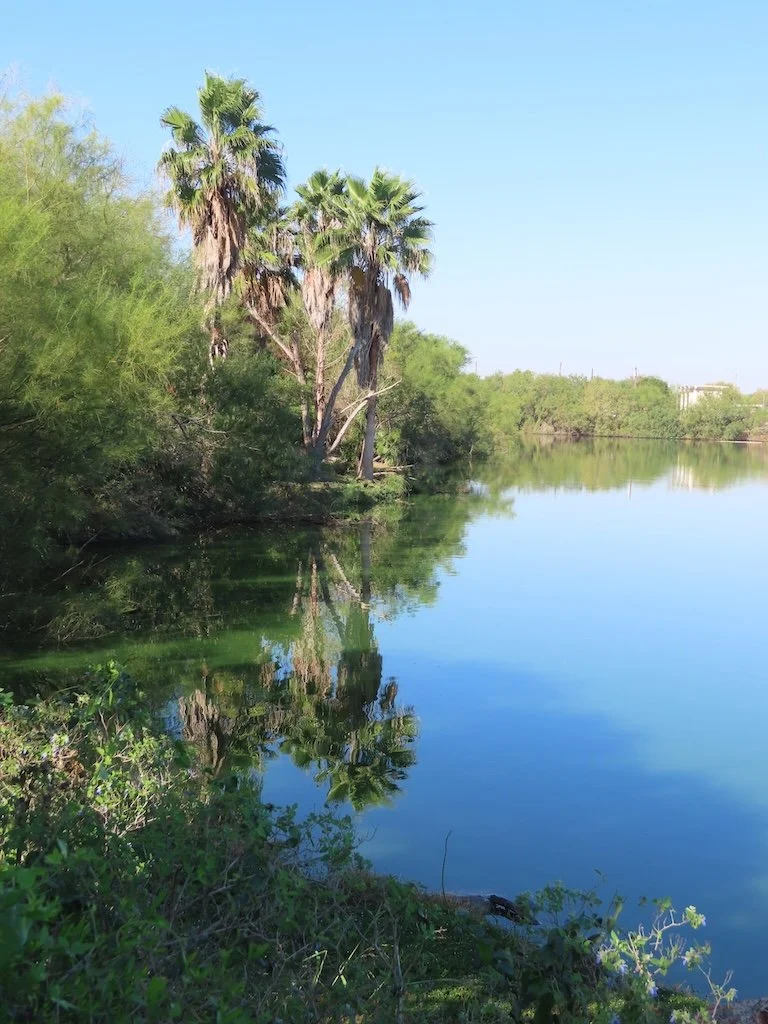
We headed to the town of Edinburg TX and their wetlands oasis – the Edinburg Scenic Wetlands & Birding Center - about 40 minutes on the bus.

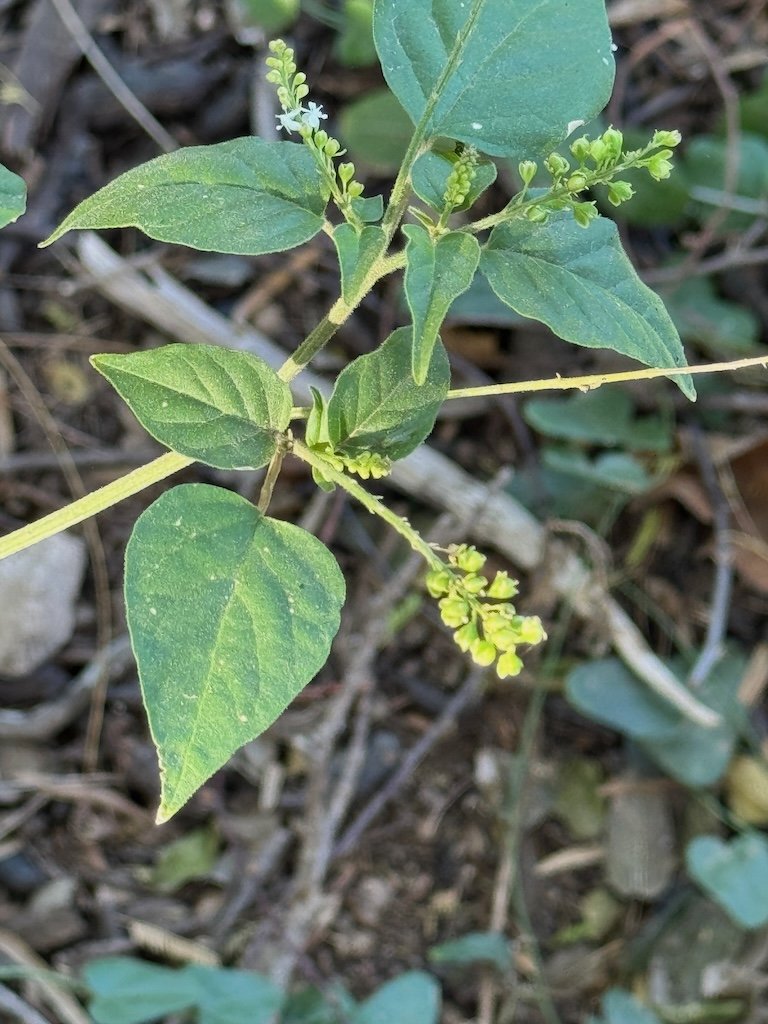
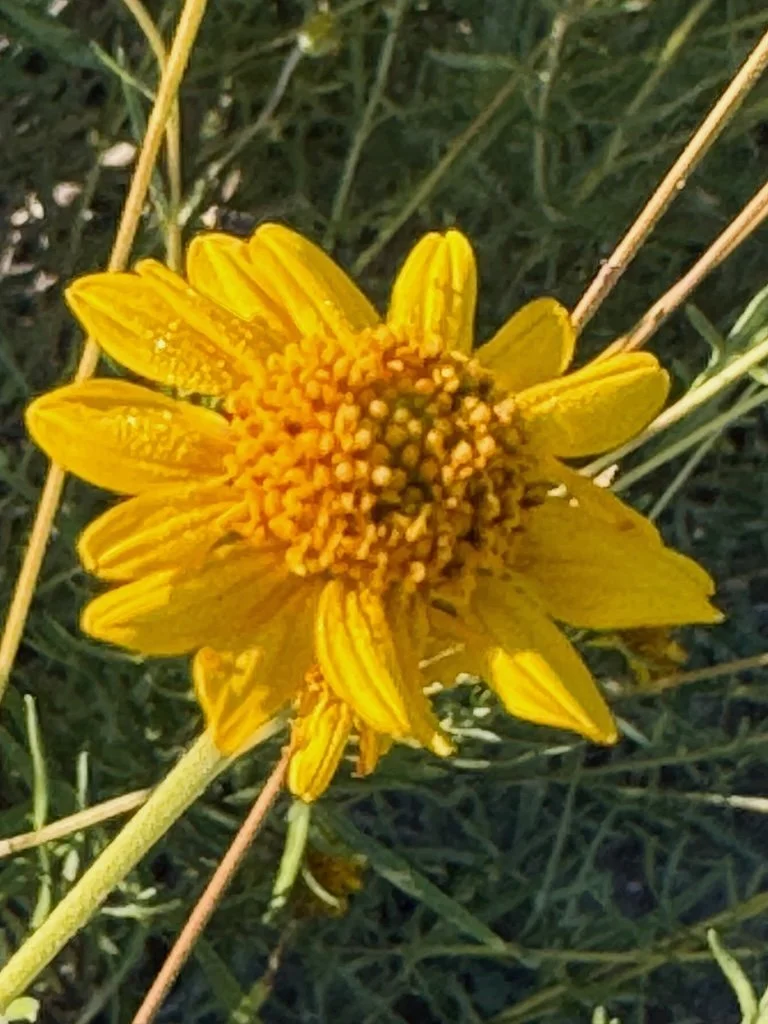
I often revert to taking botanical pictures…and there were a lot of interesting plants ranging from dessert plants to lush riparian type plants.  Click on the image in the mosaic below to see a larger image.

I even enjoyed some artsy pictures!

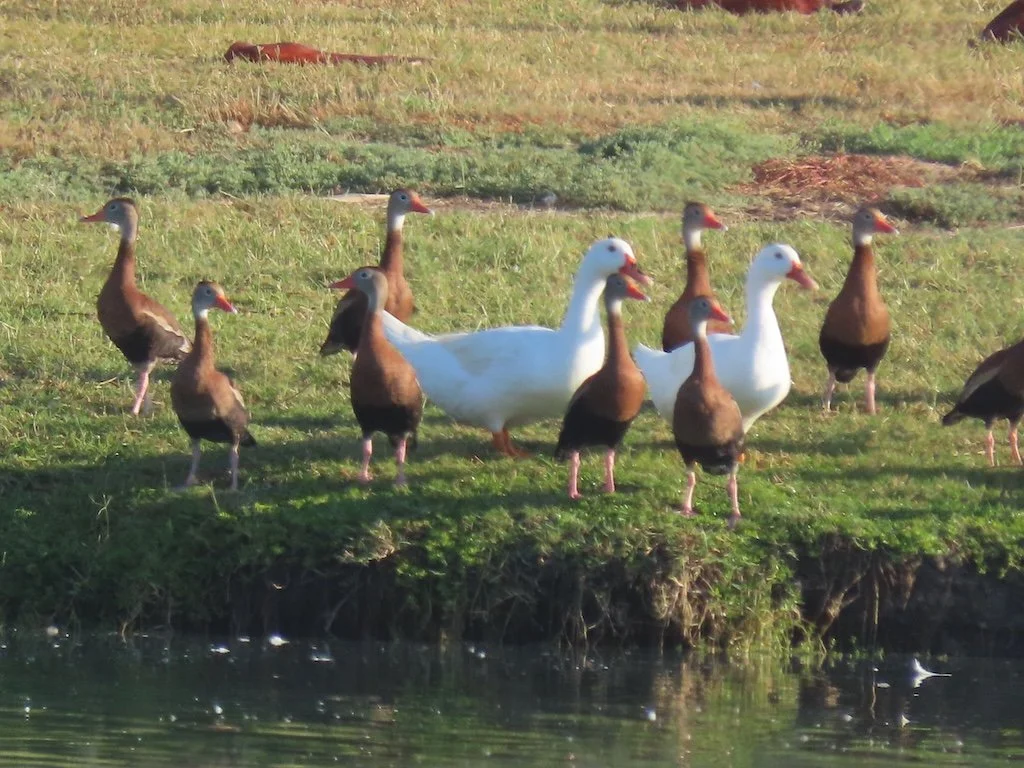
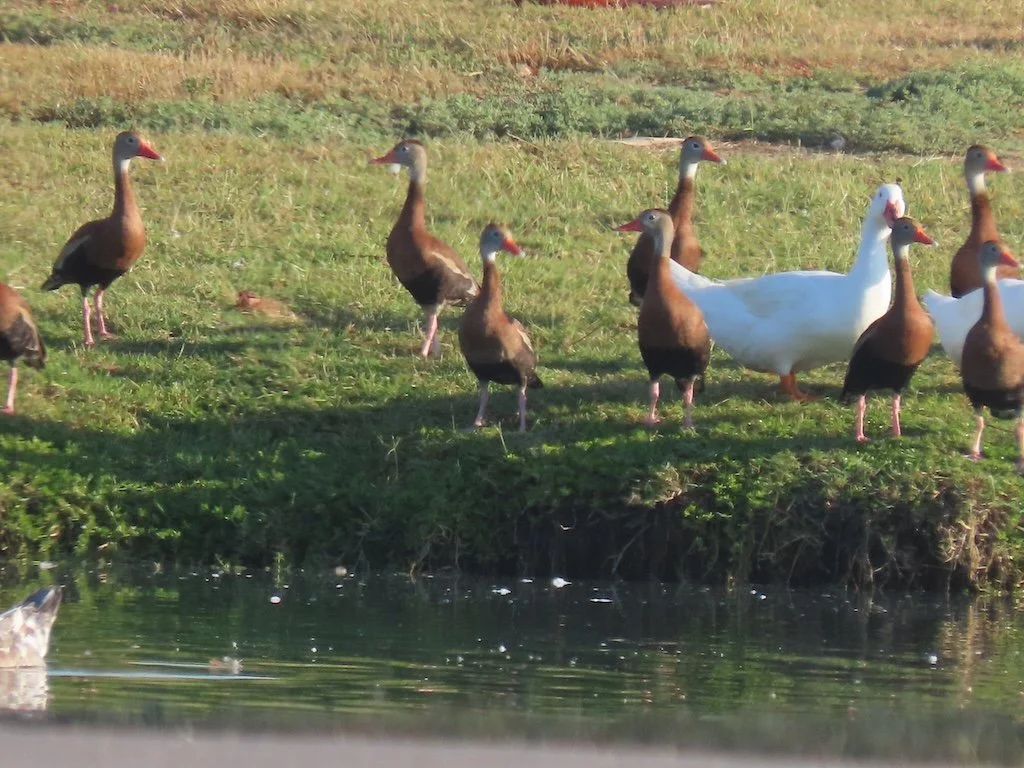
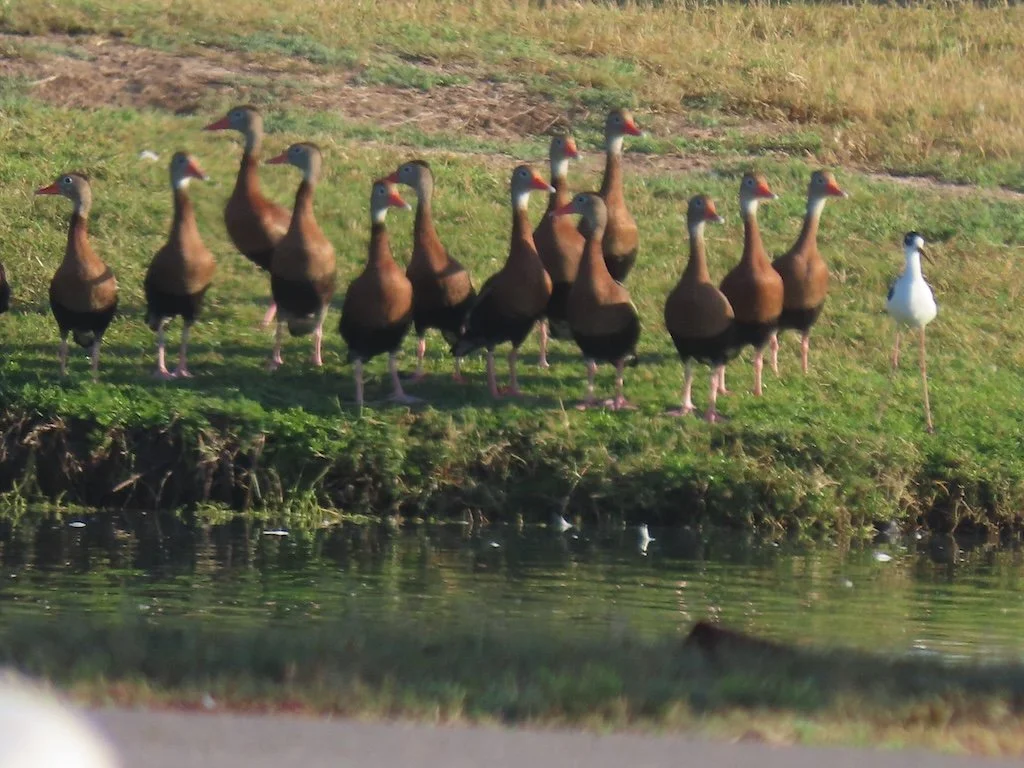
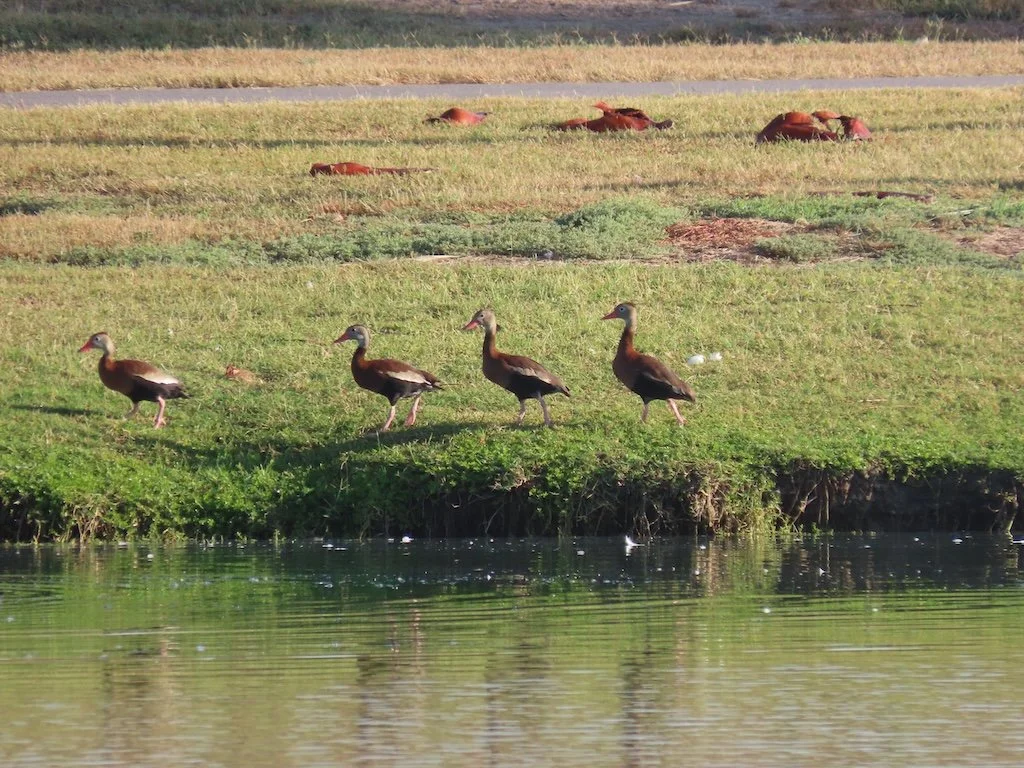
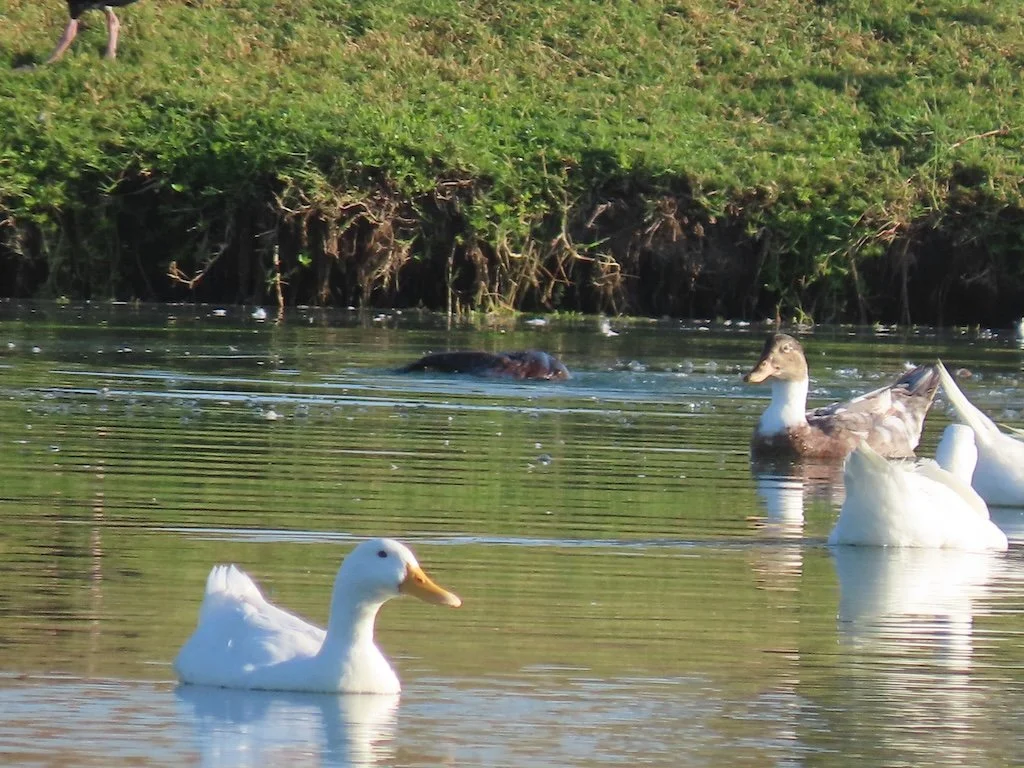
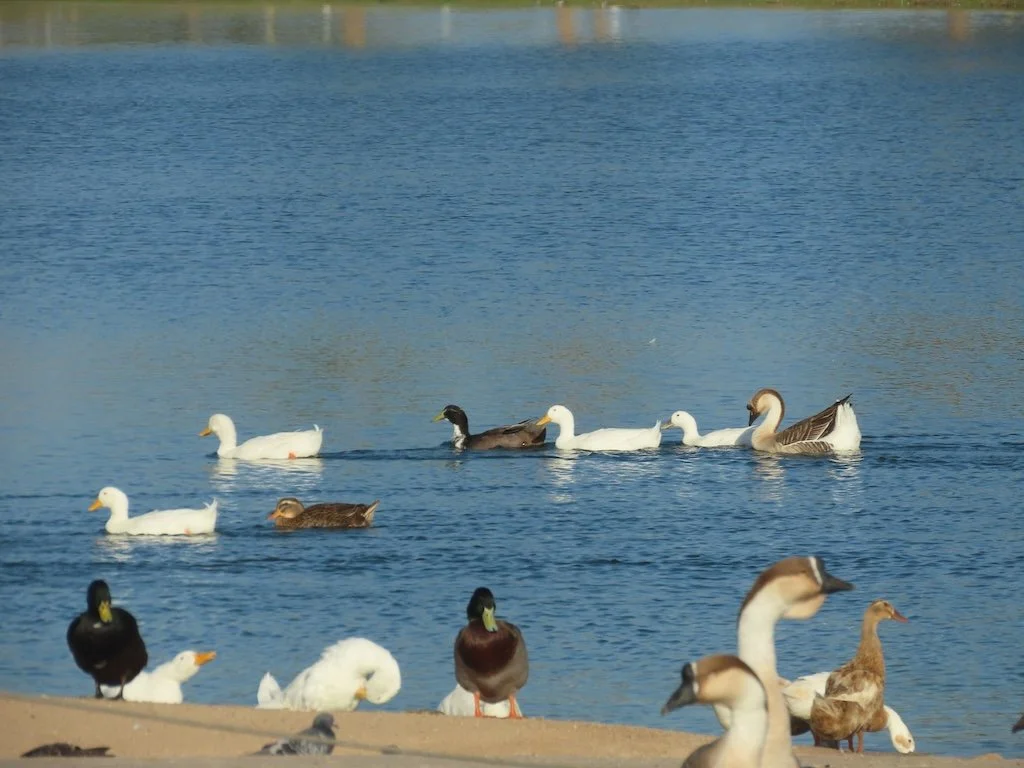
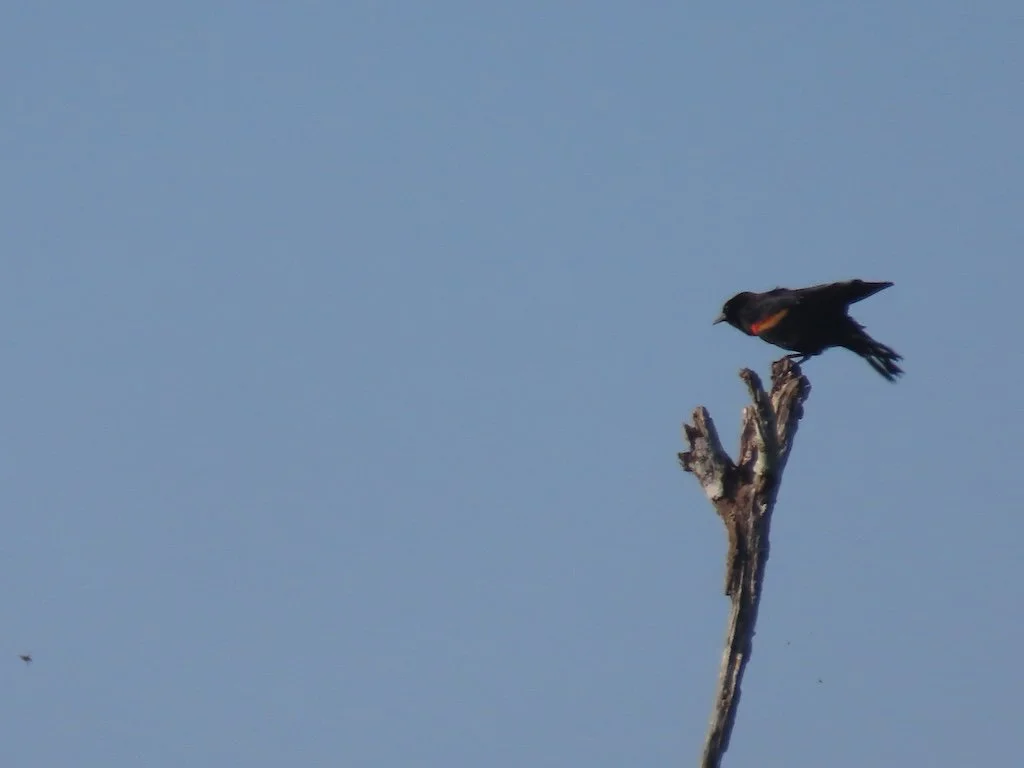
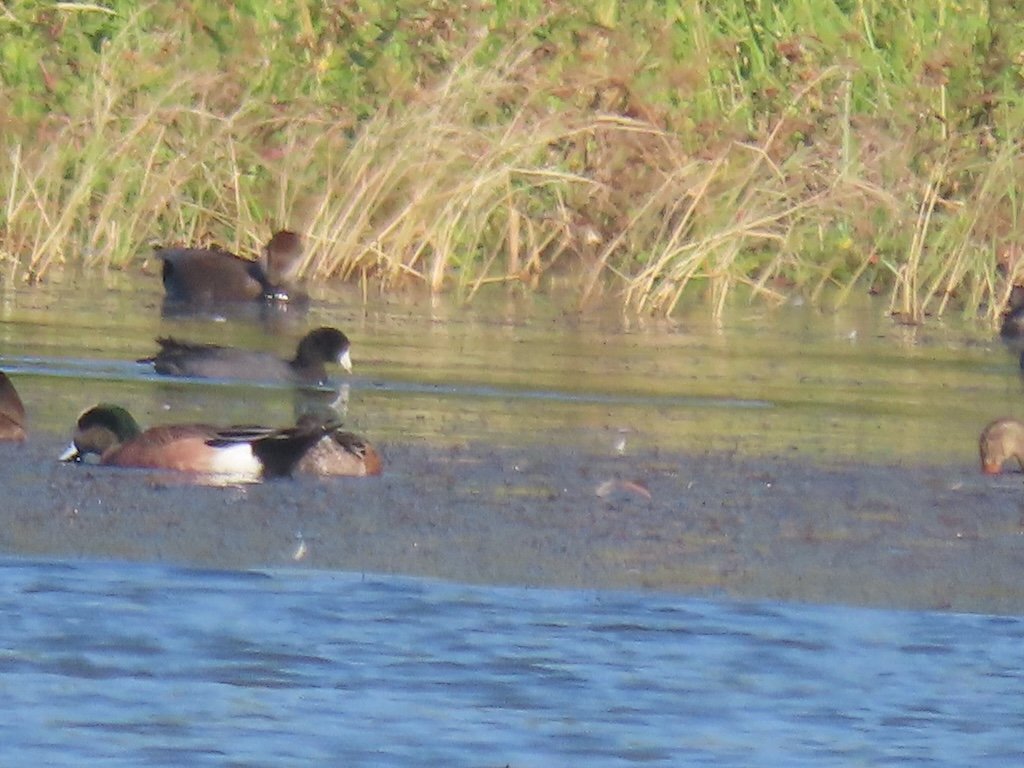
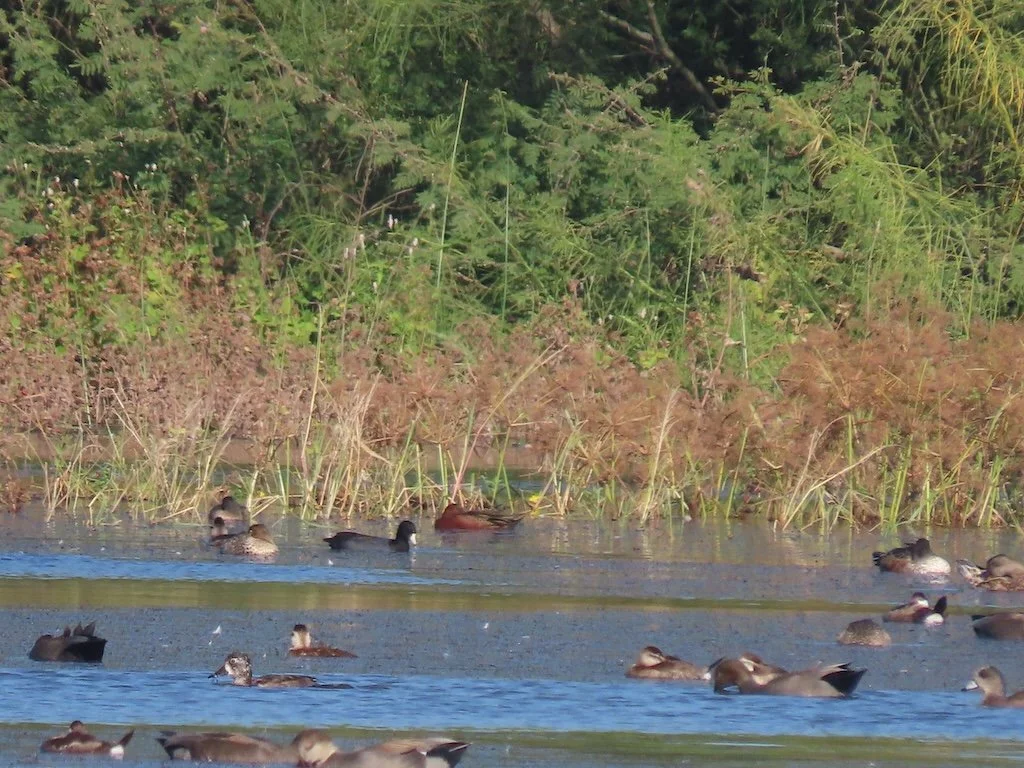
There were quite a few birds: Black-bellied Whistling ducks (and a mixture of hybrid domestic/wild ducks/geese)

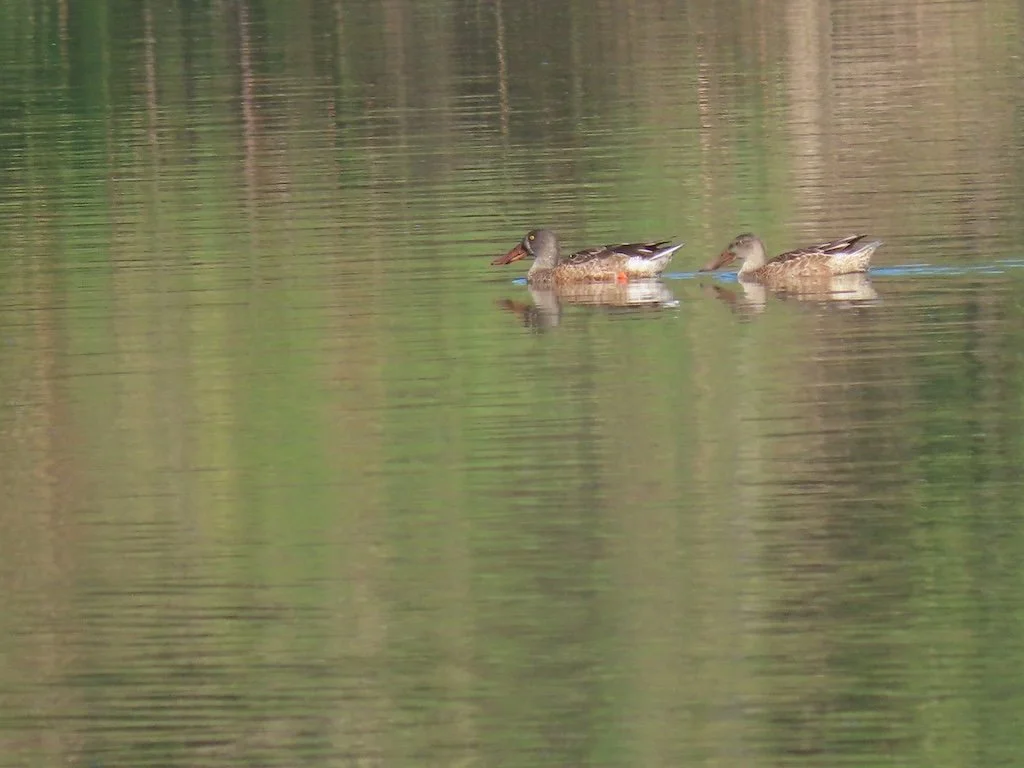
Northern Shoveler

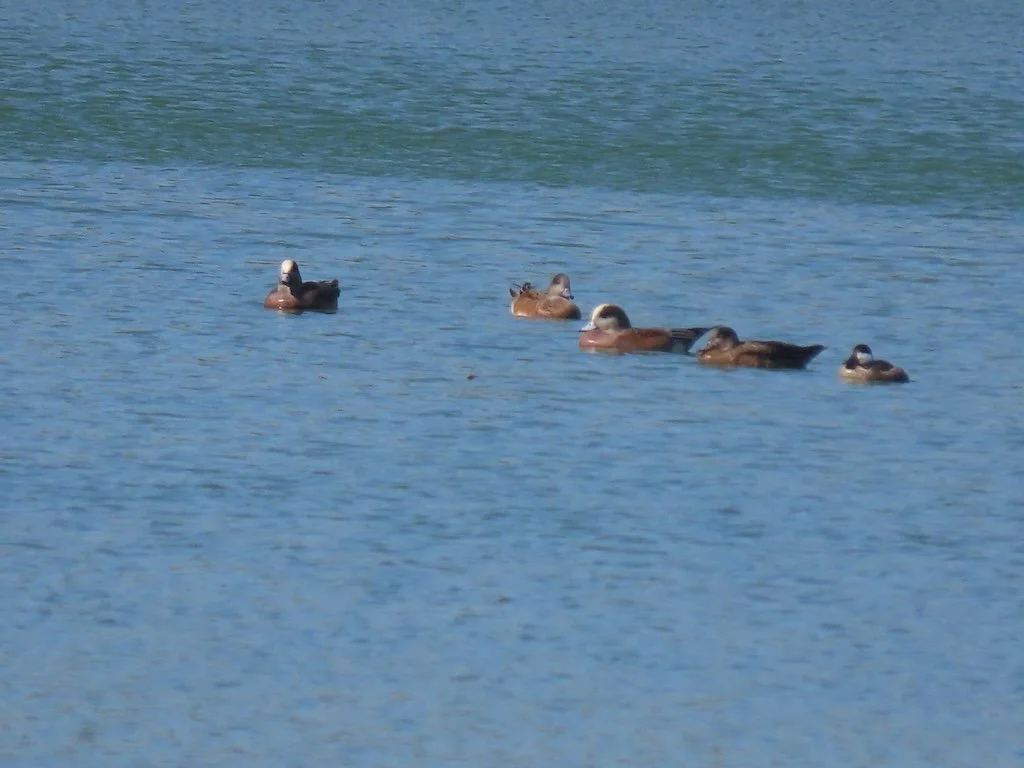
American Wigeon (and a Ruddy duck)

American Avocet

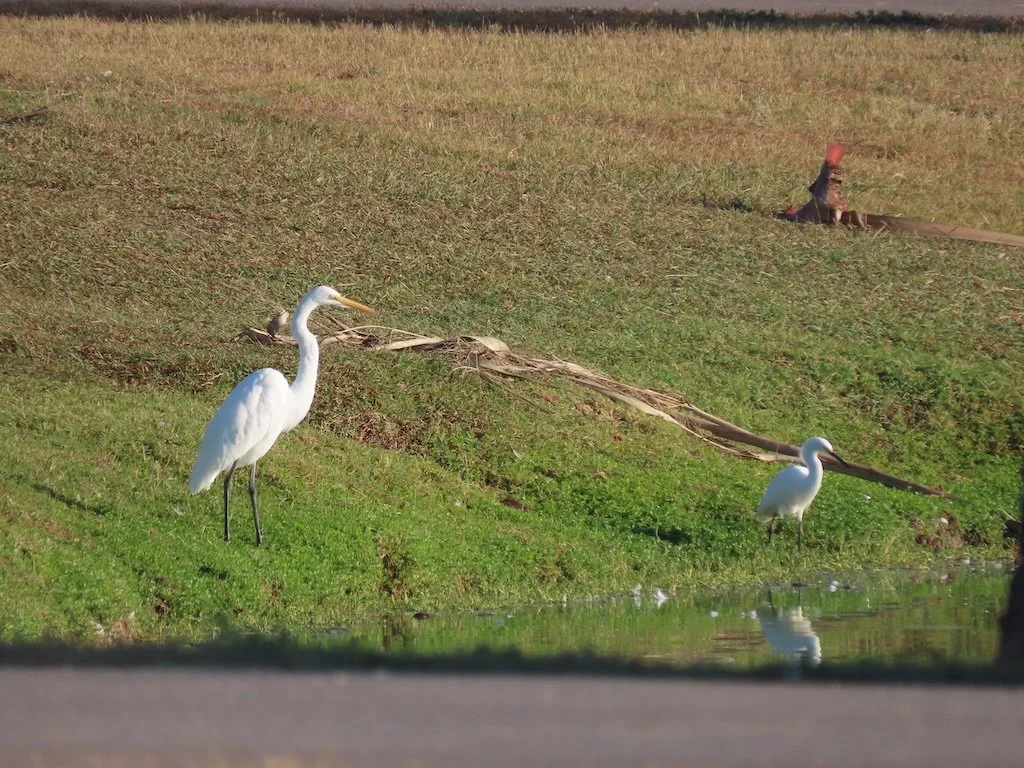
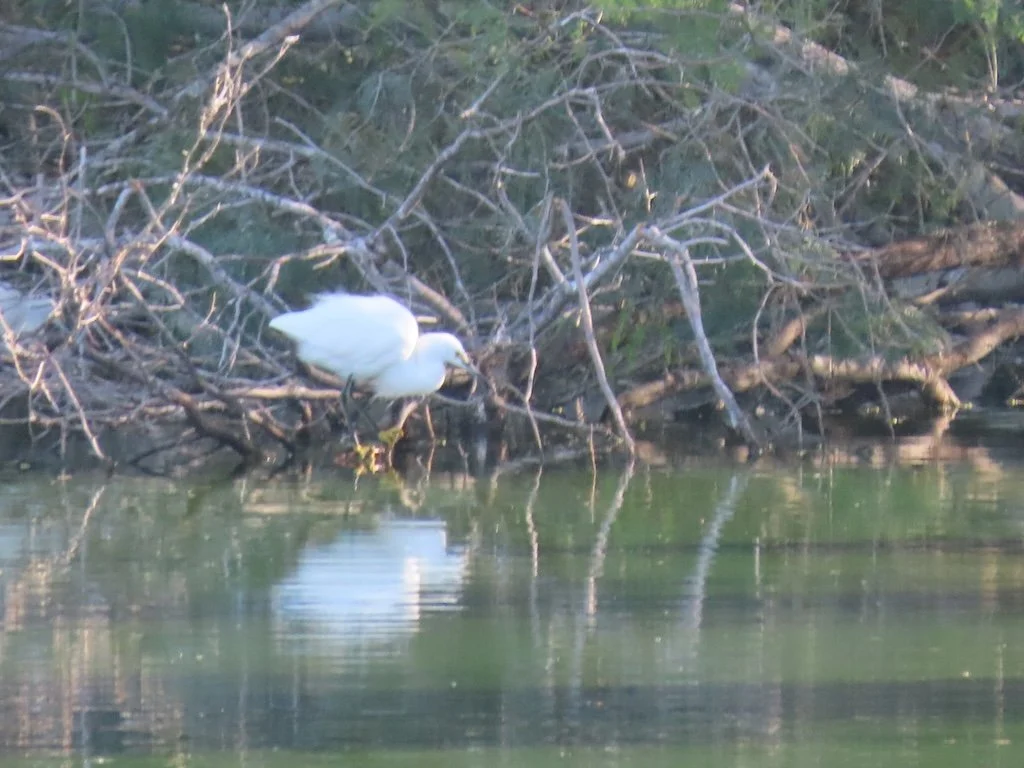
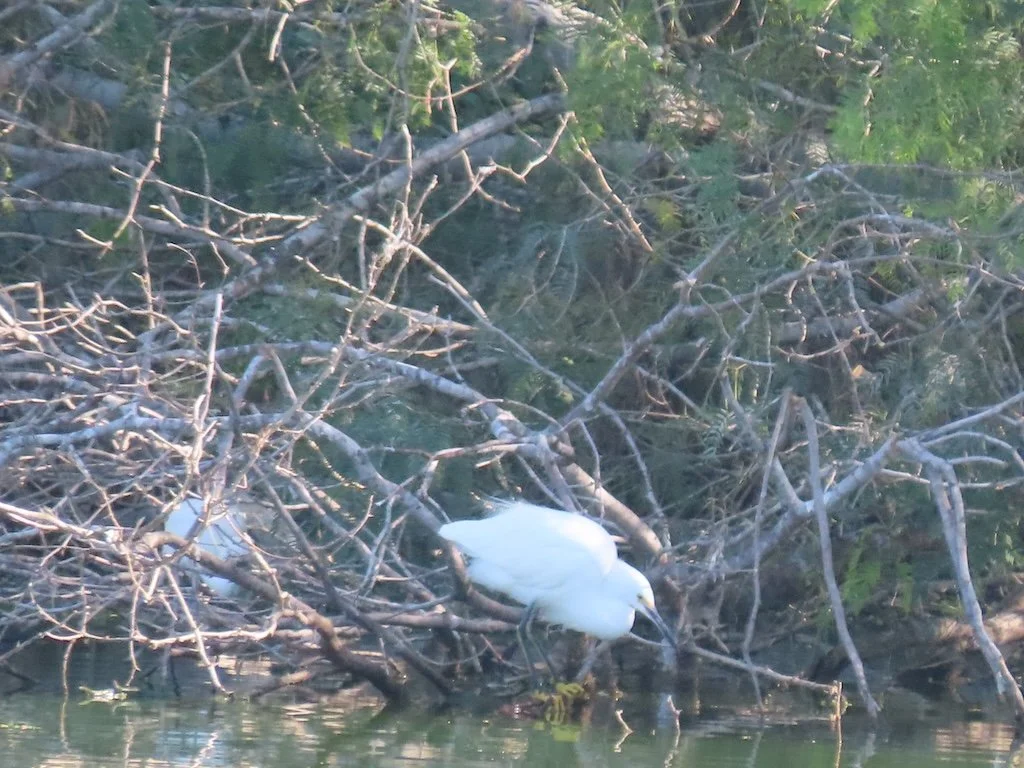
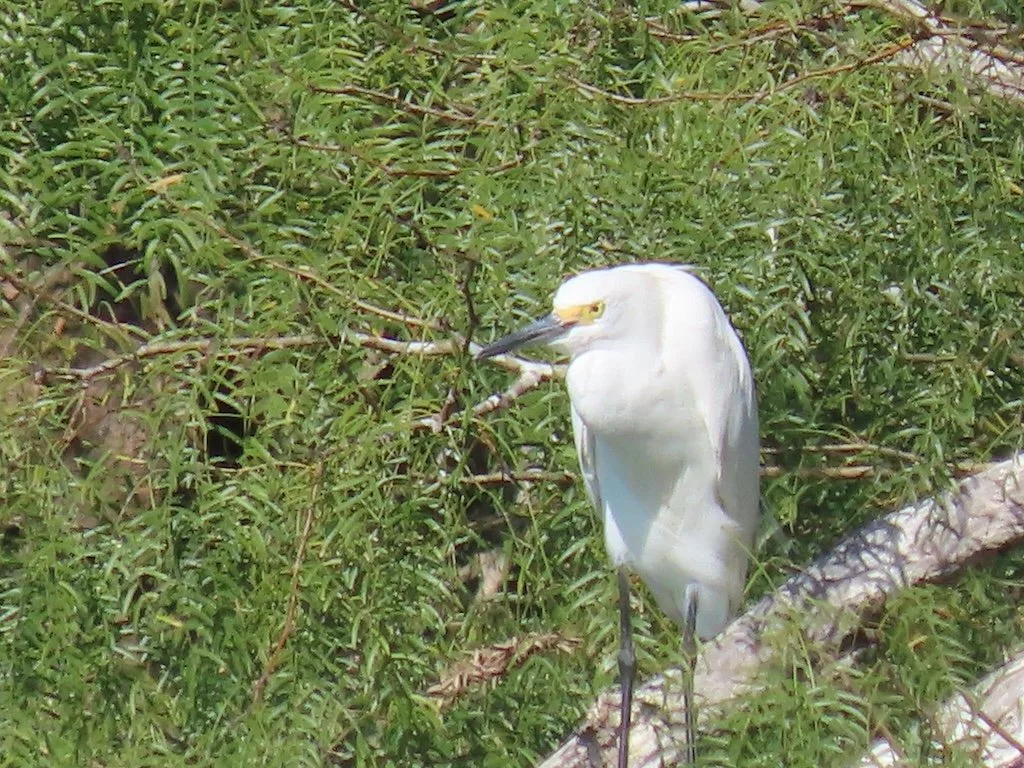
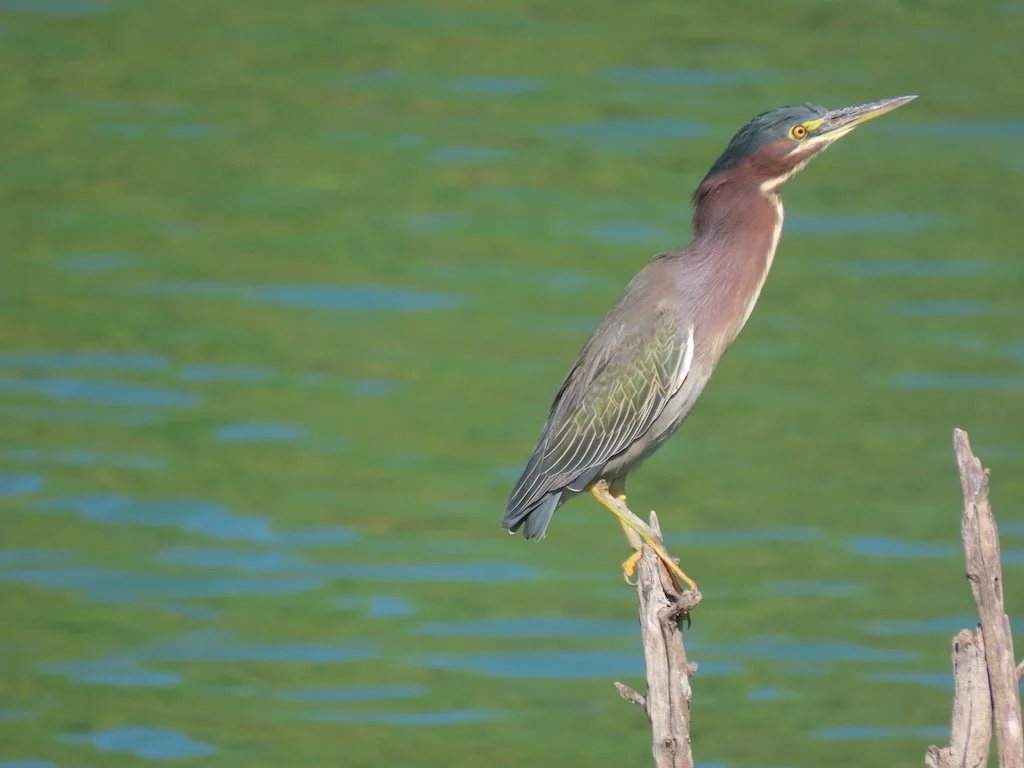
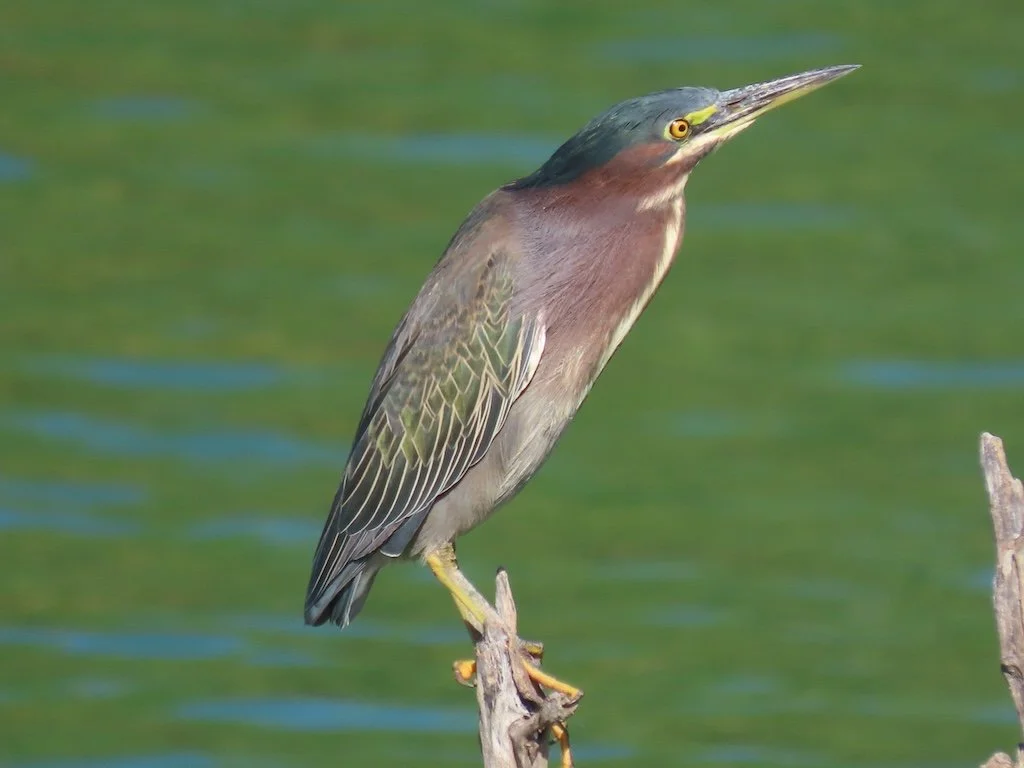
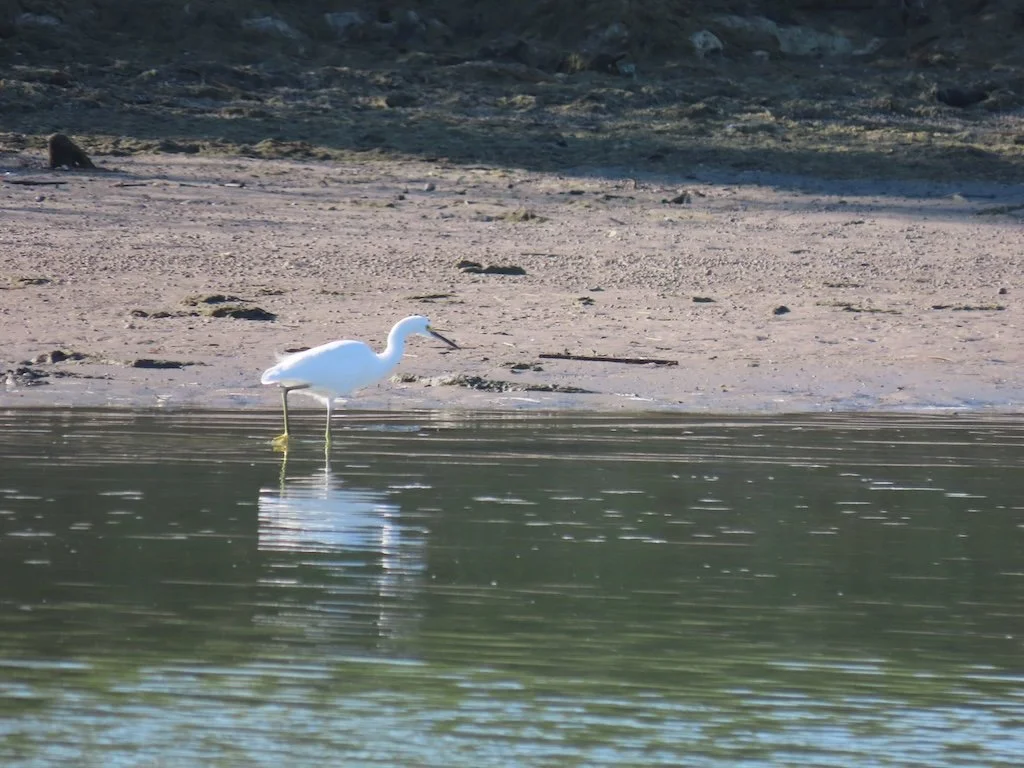
Herons: Great, Snowy, Green

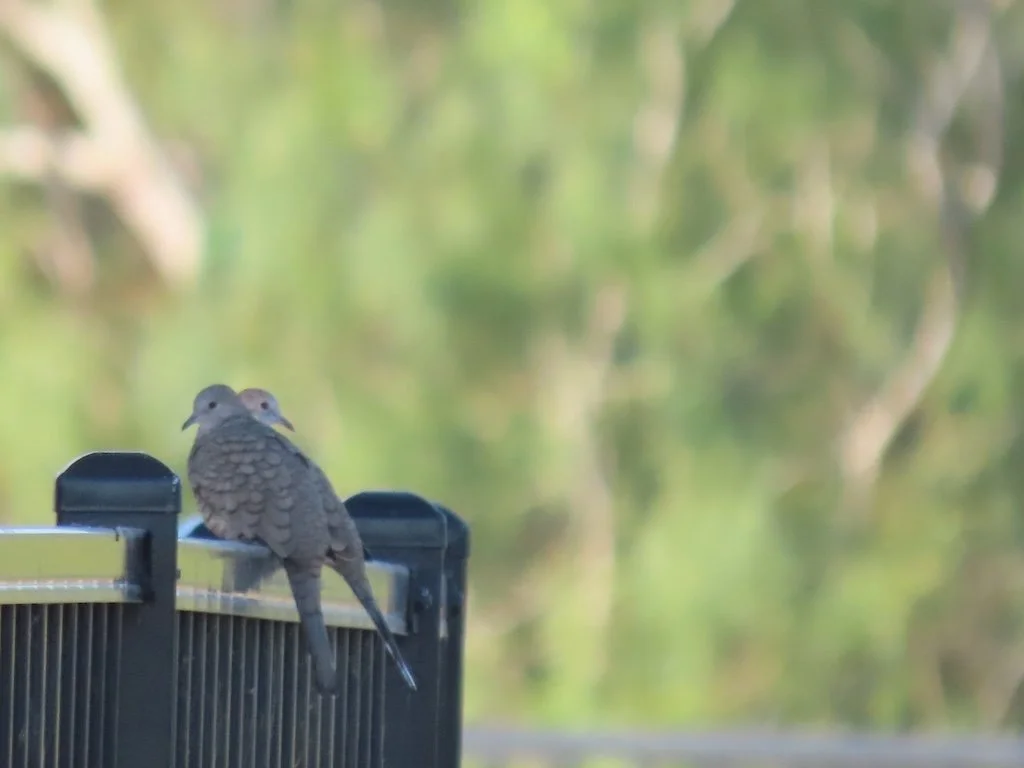
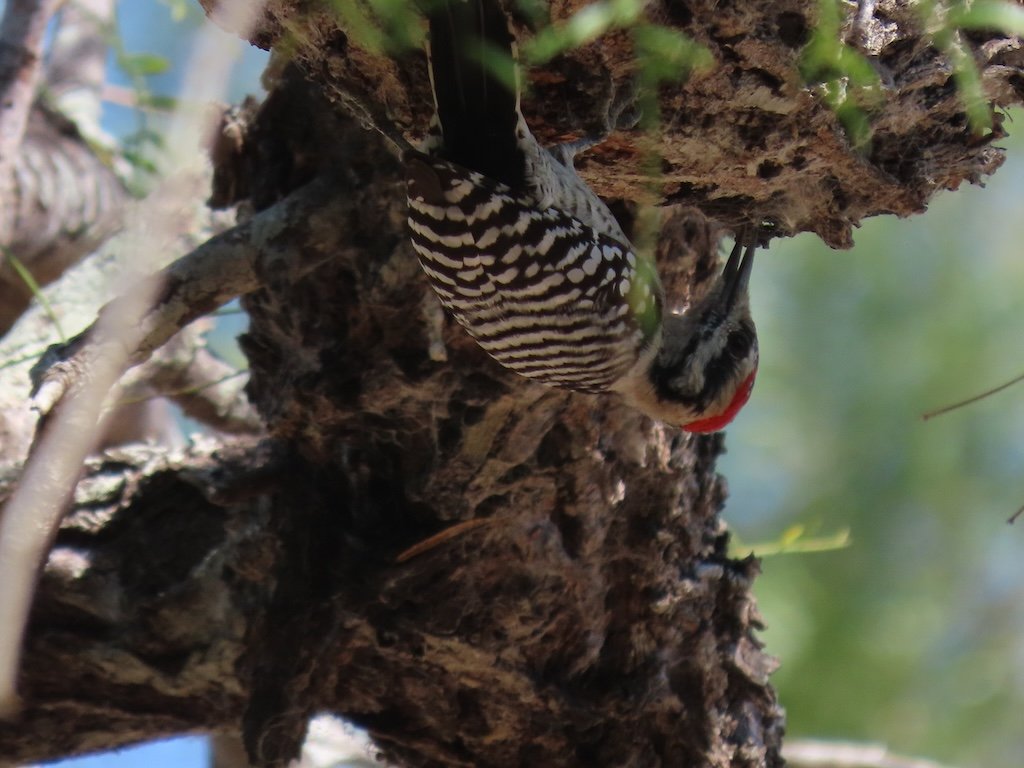
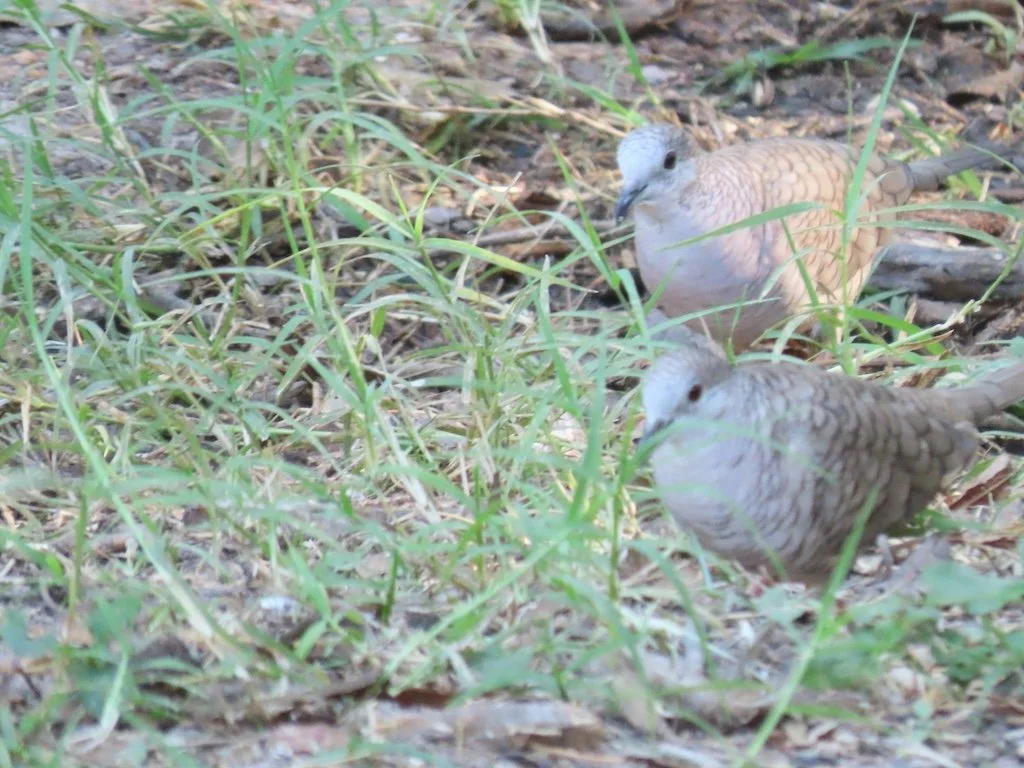
Ladder-backed Woodpecker and Inca Doves

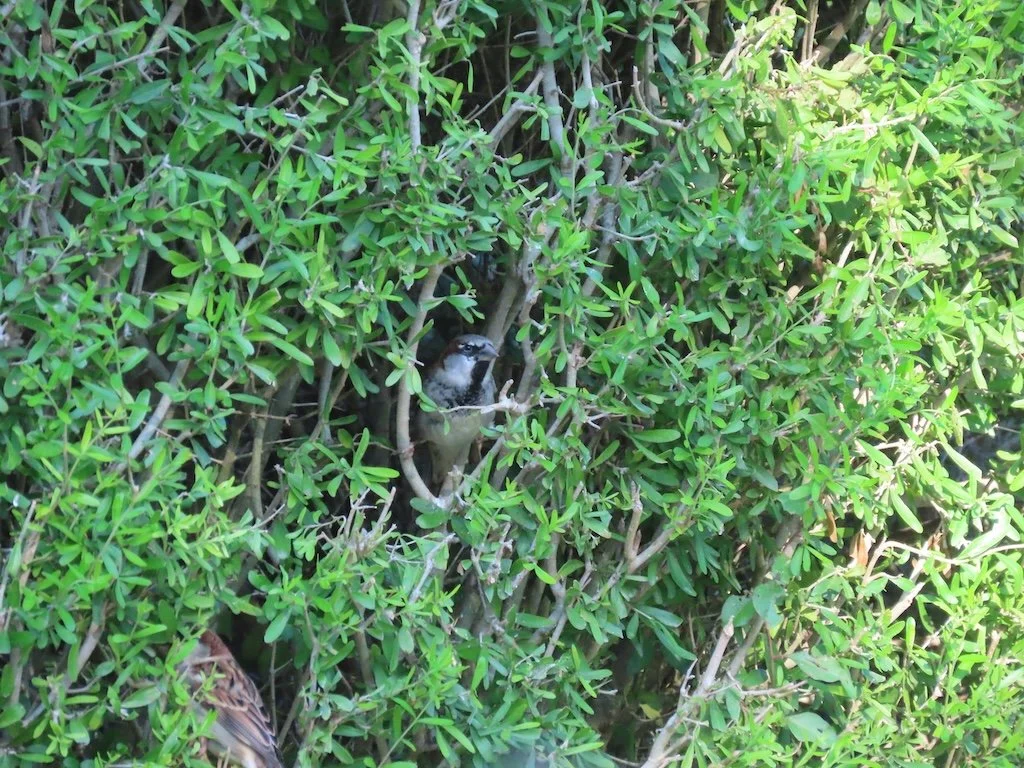
House Sparrow near the feeders

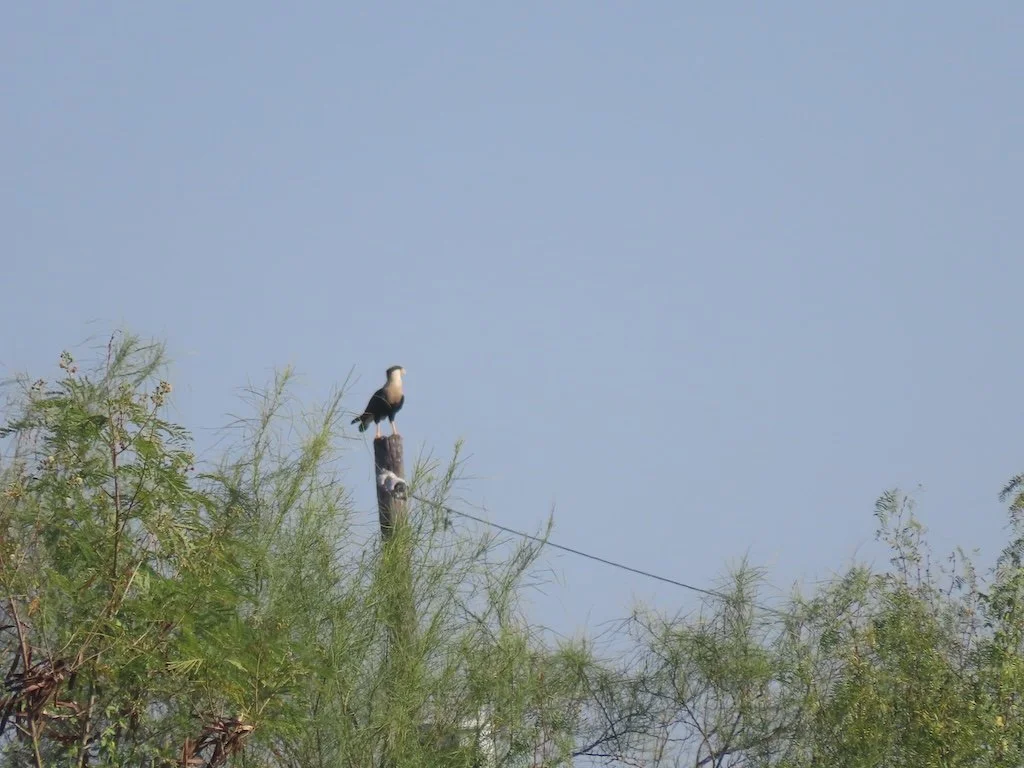
Crested Caracara

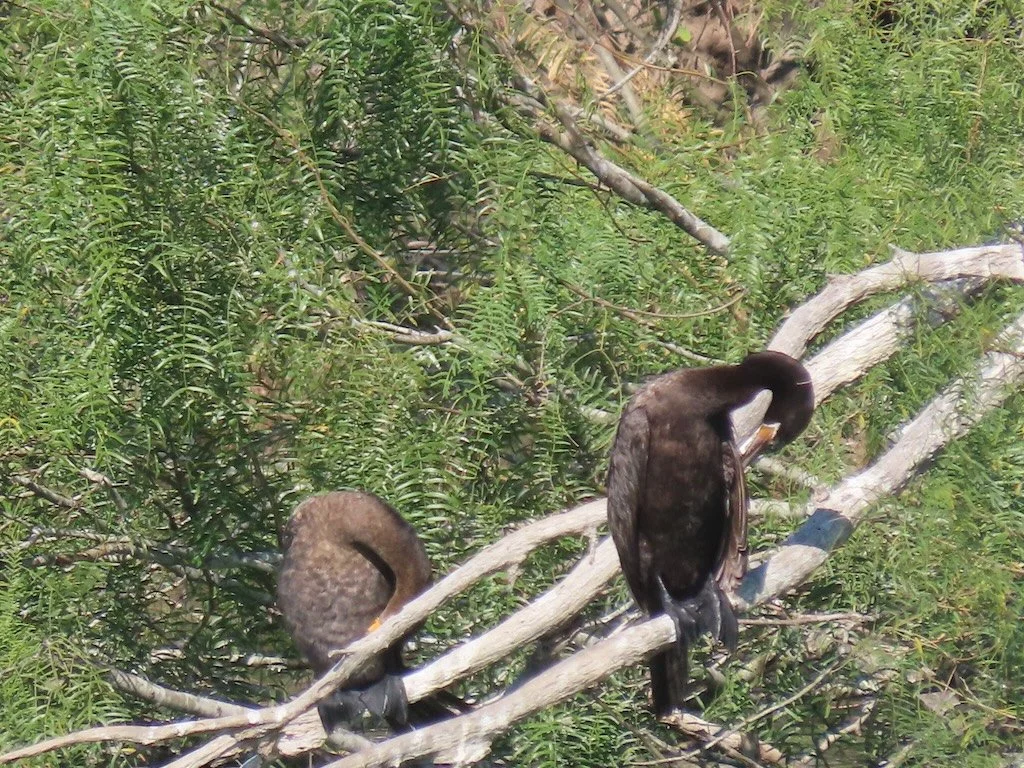
Neotropical cormorant

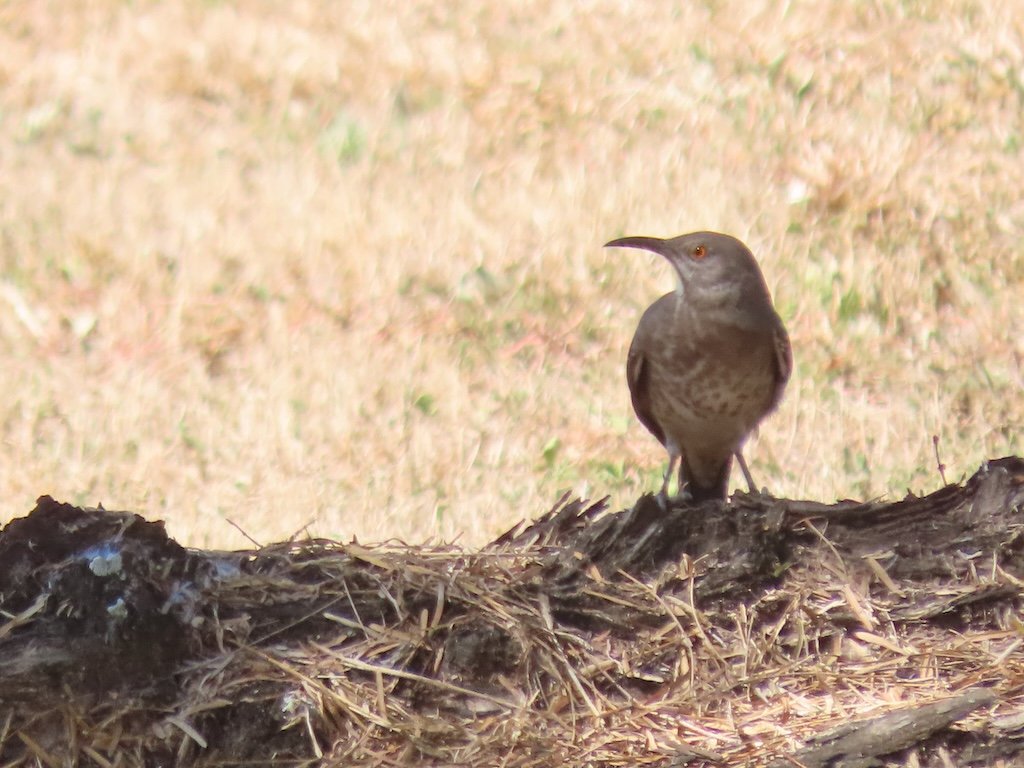
Curved-billed thrasher

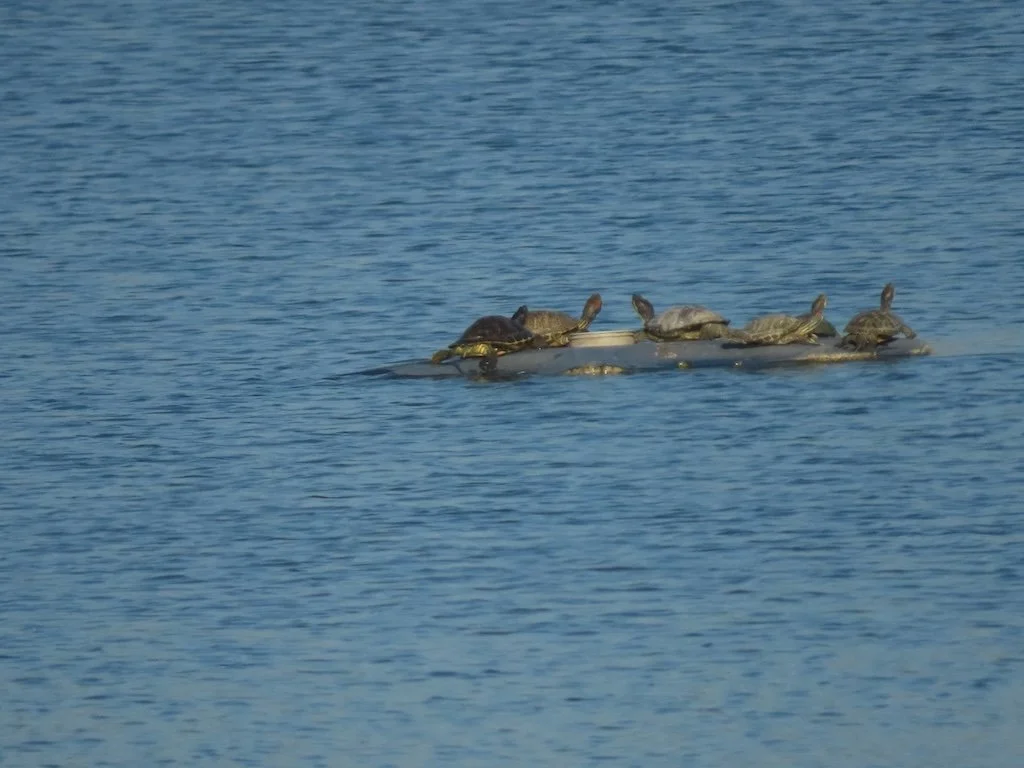
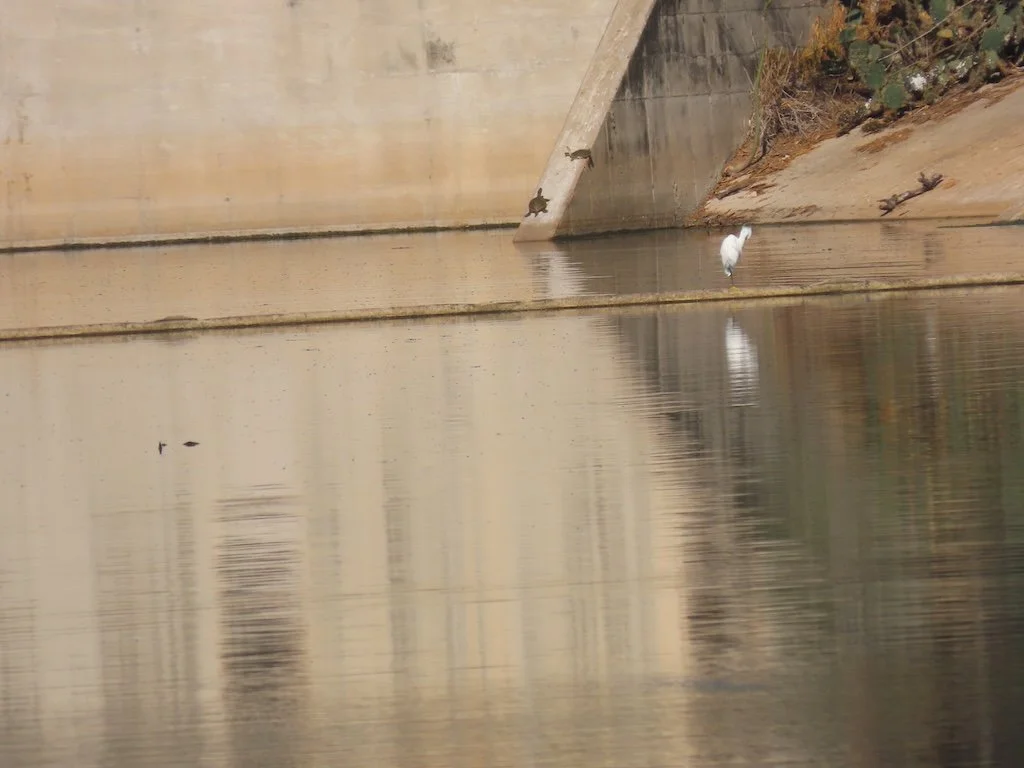
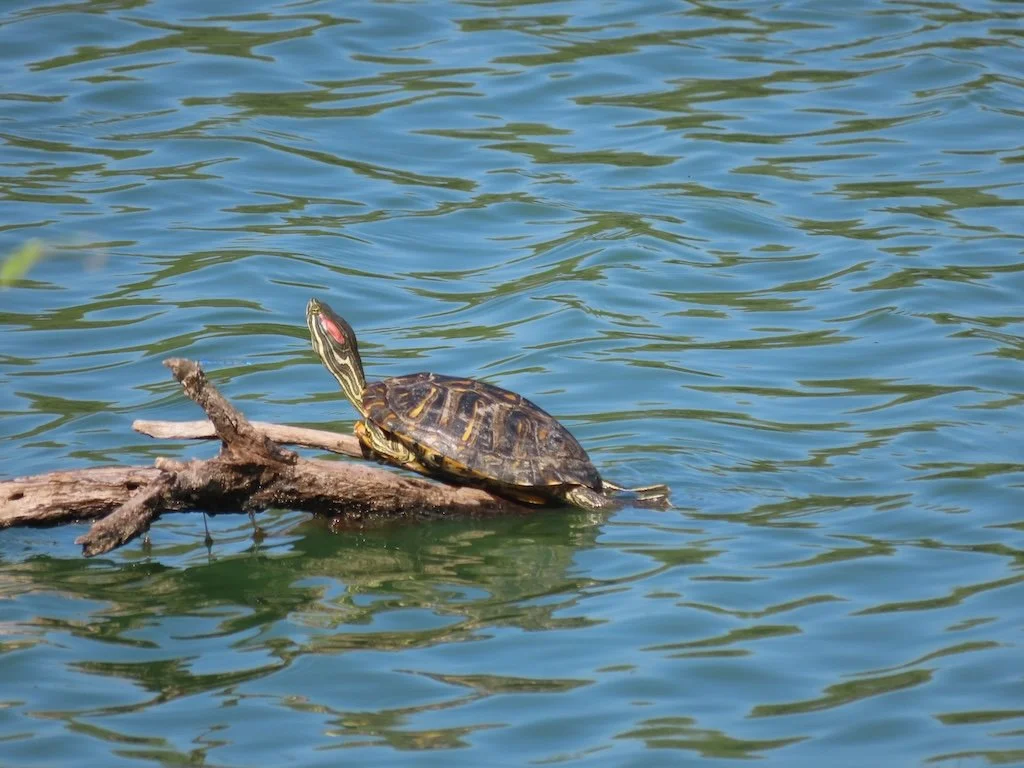
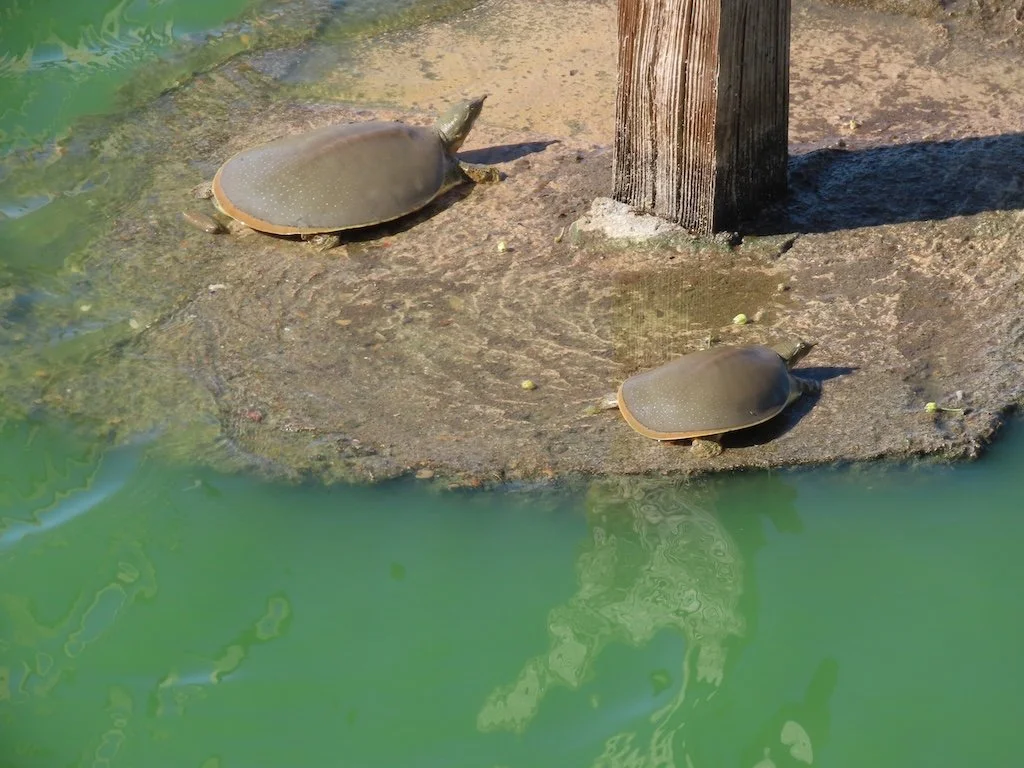
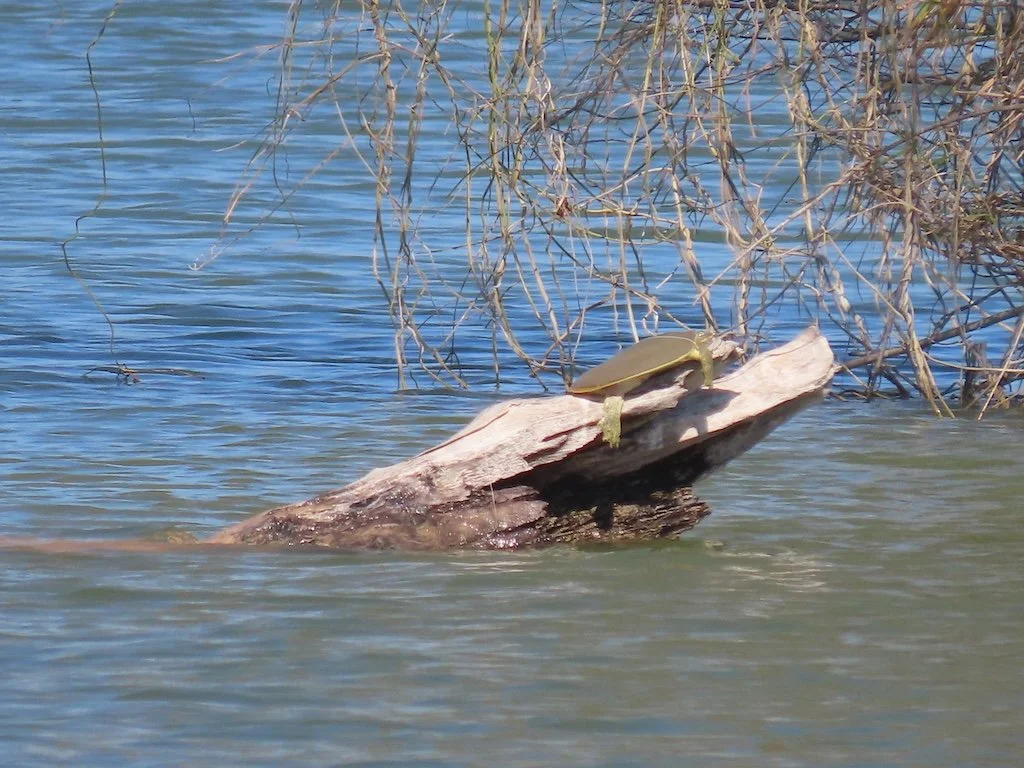
There were turtles in a lot of places too – even crawling up the dam abutment! There were Texas spiny softshell turtles on a concrete pad near the boardwalk.

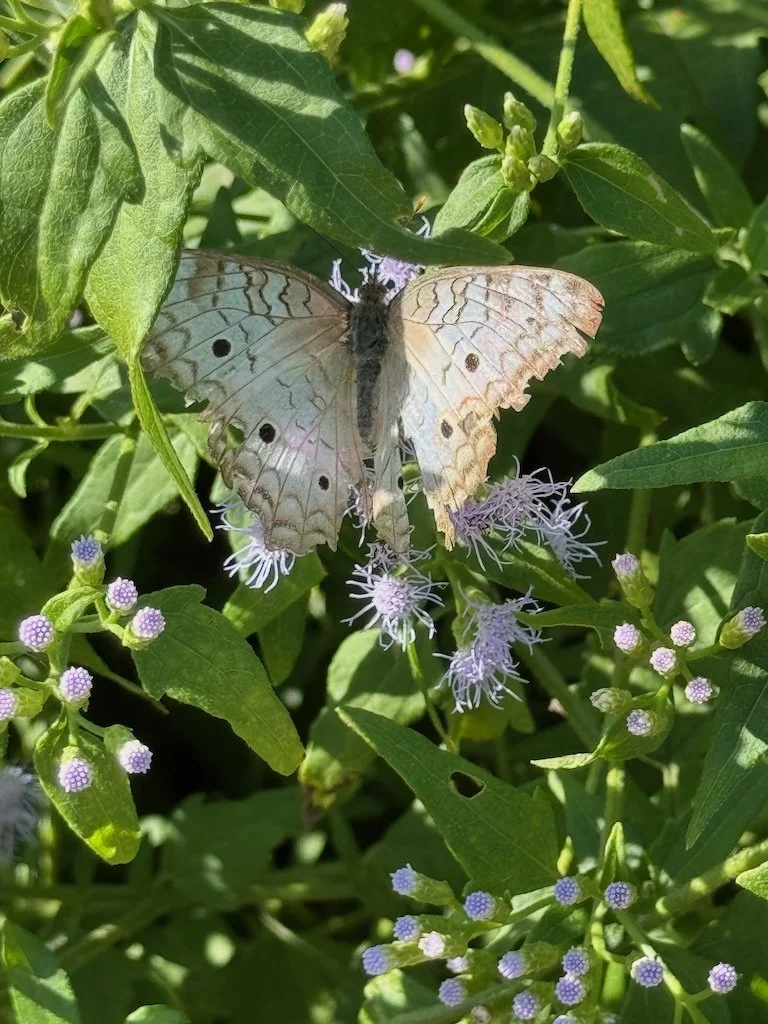
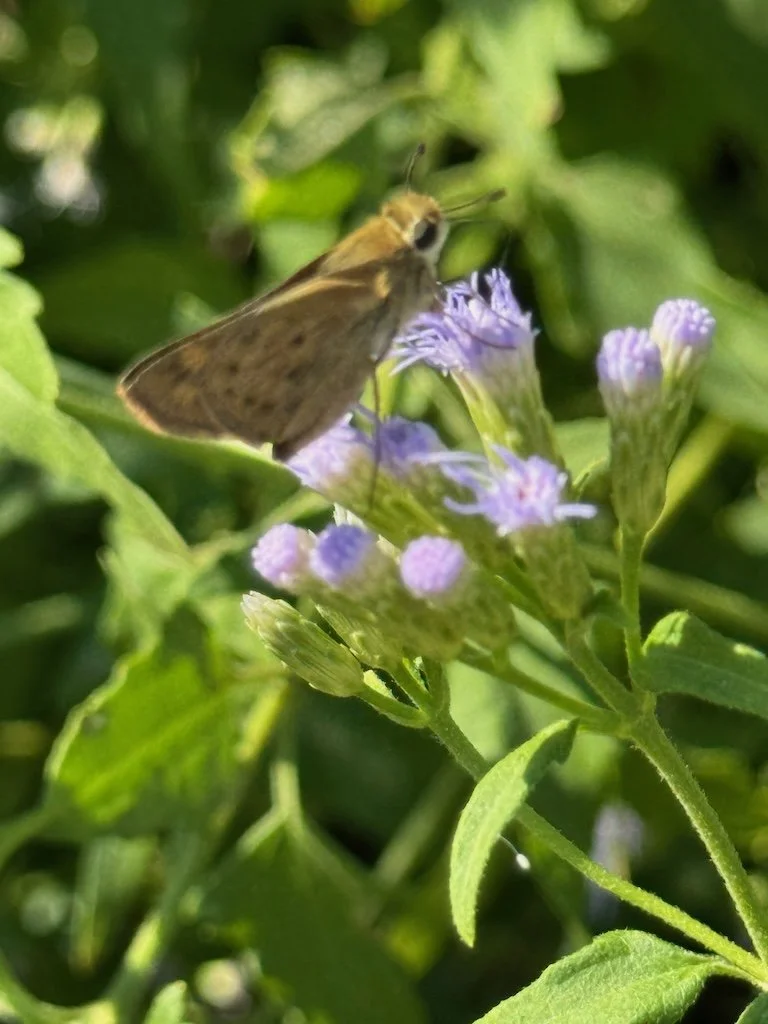
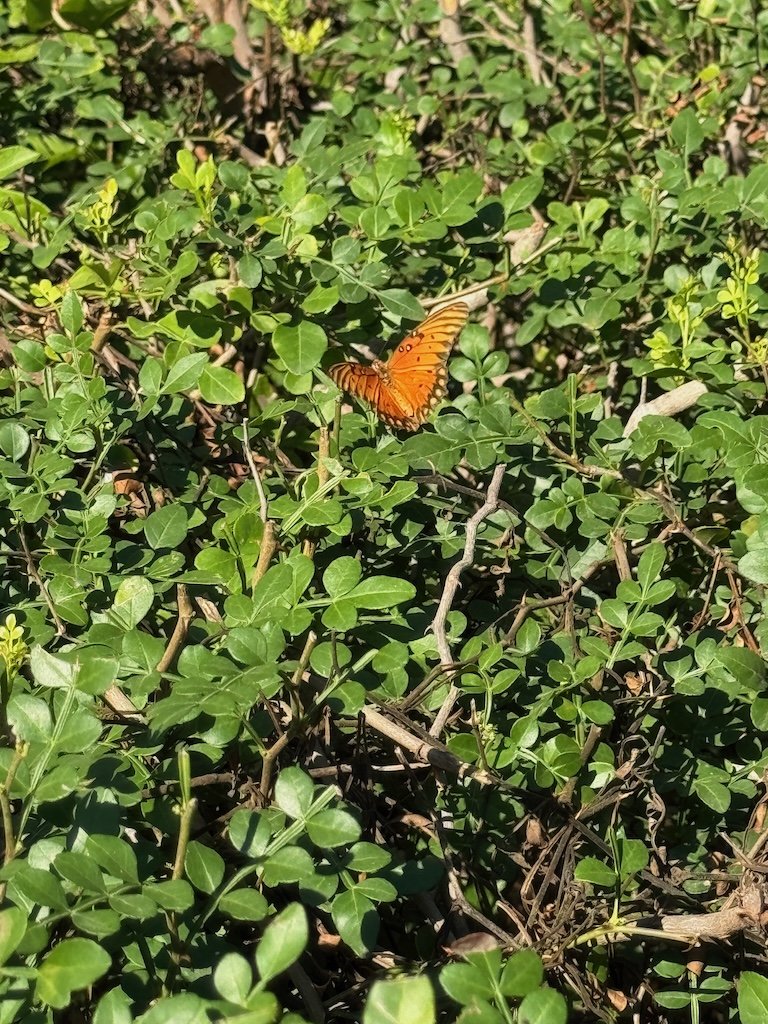
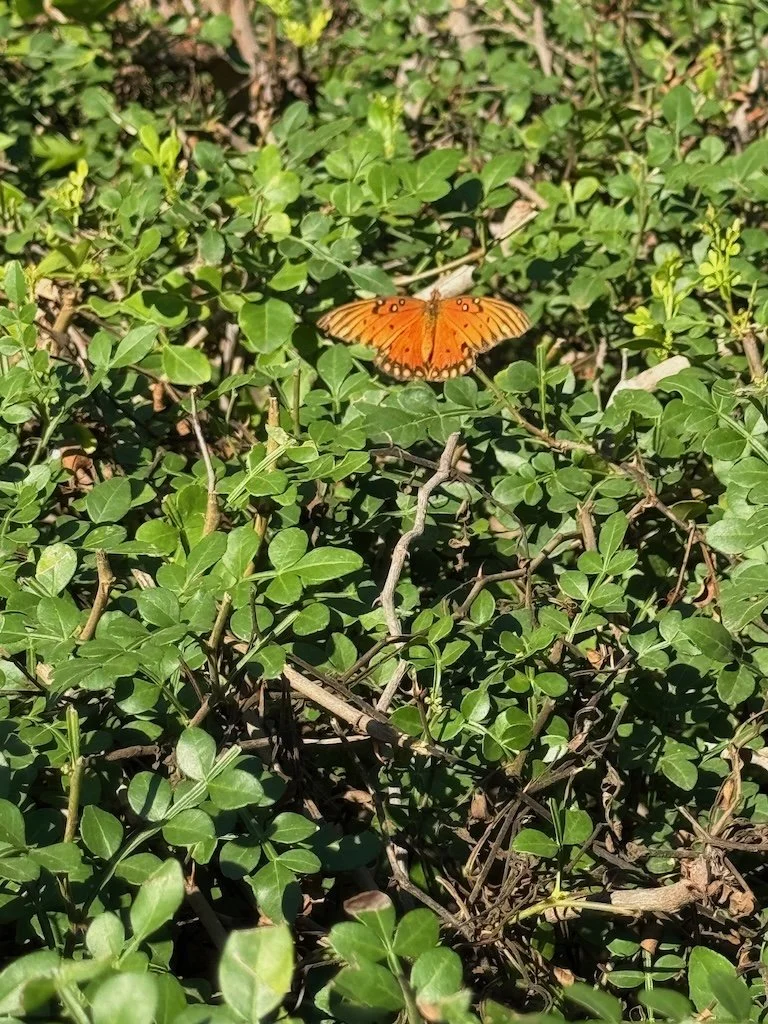
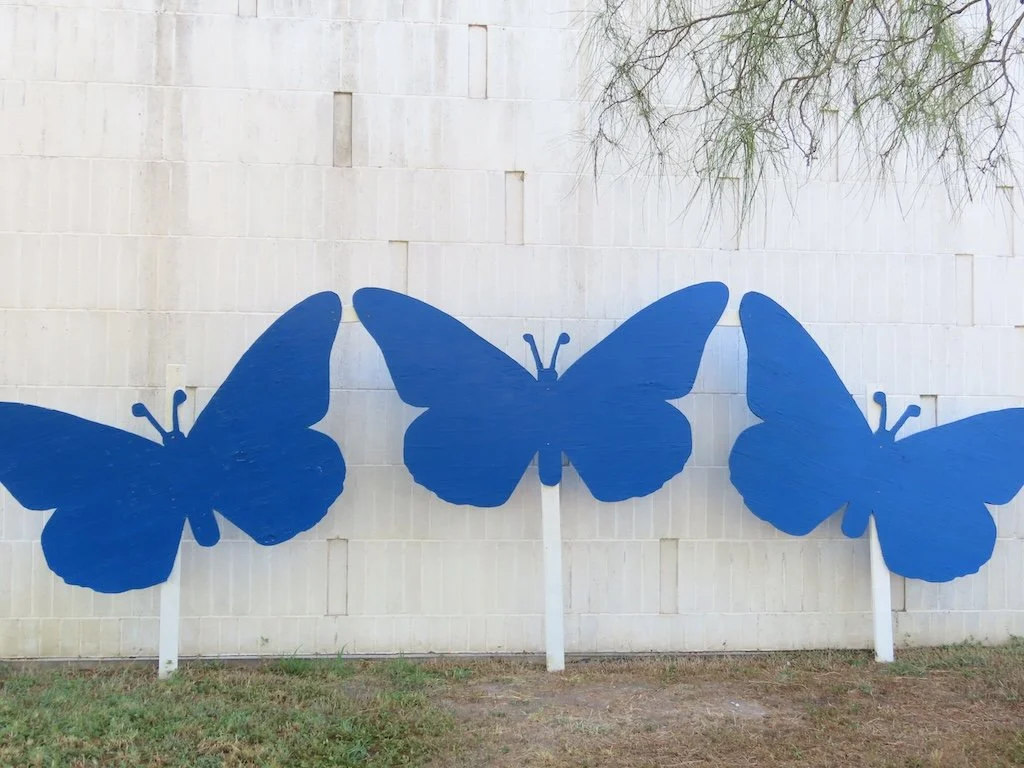
 We weren’t still long enough to do much butterfly photography – but I did manage three!

The trip had been advertised as a place to see Kingfishers, but the banks where they had frequented had been cleaned up (i.e. bushy vegetation removed) and the Kingfishers had moved elsewhere.

Zooming – November 2025

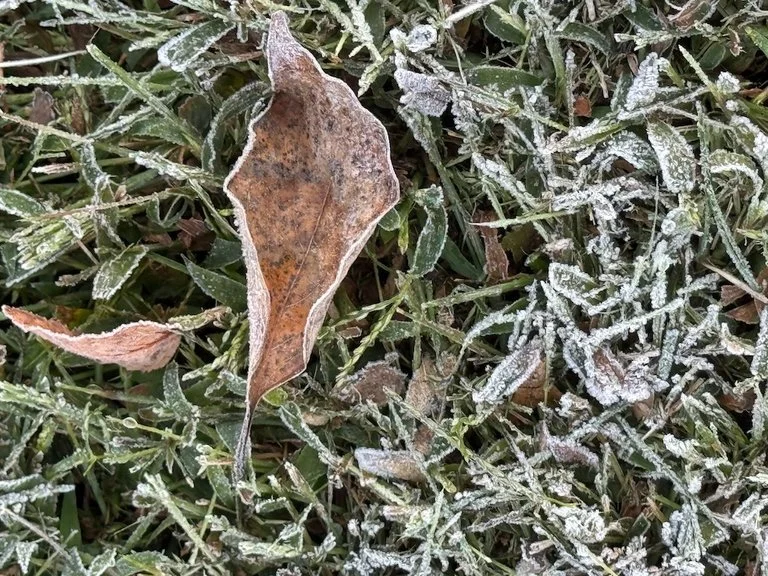
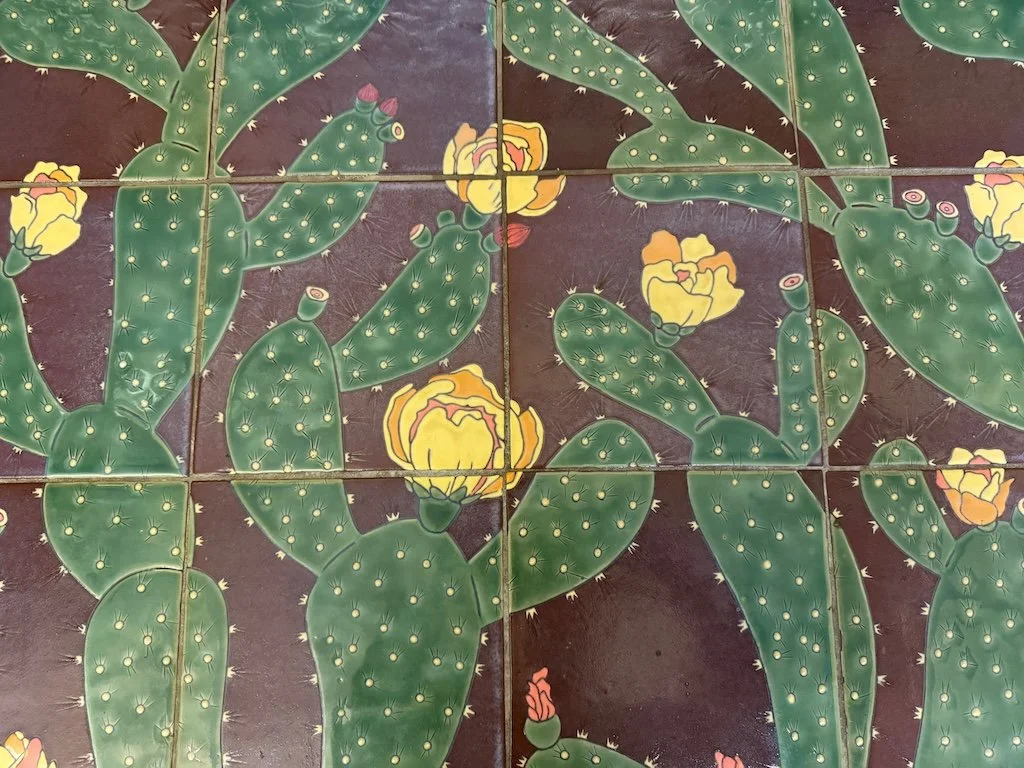
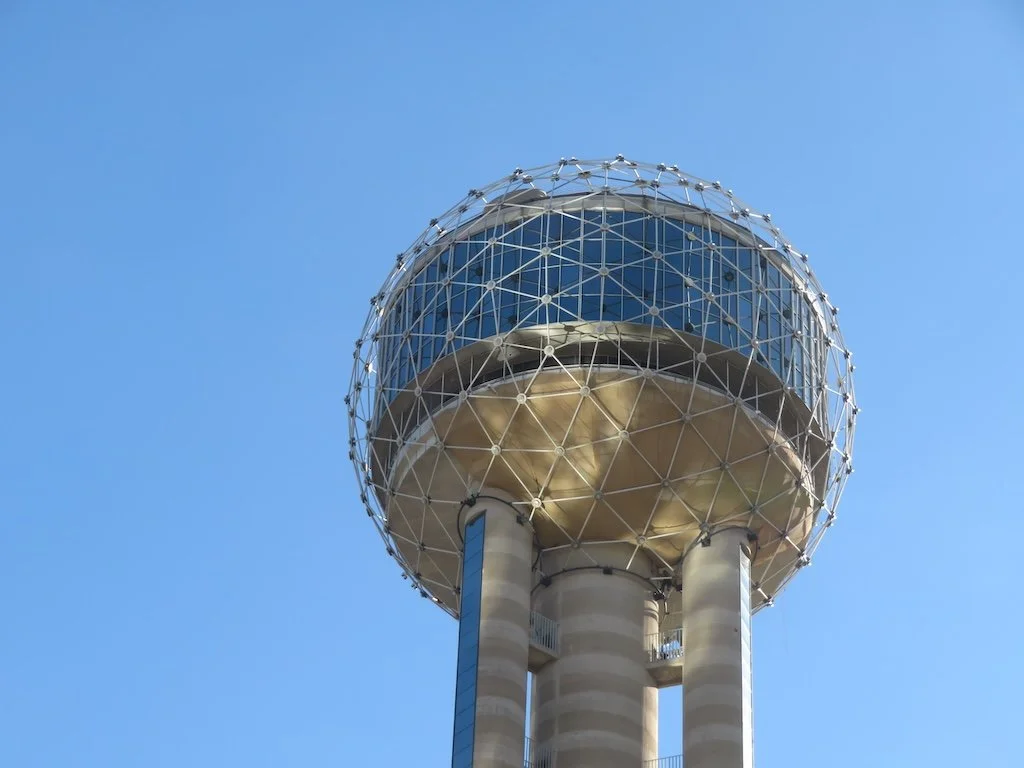
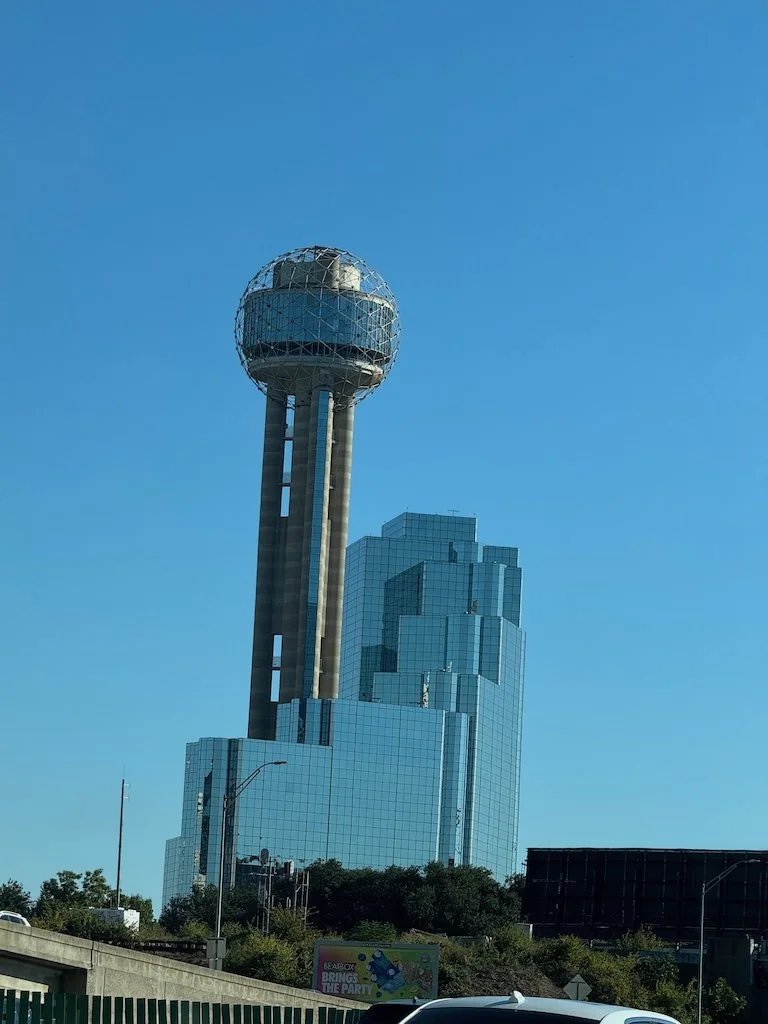
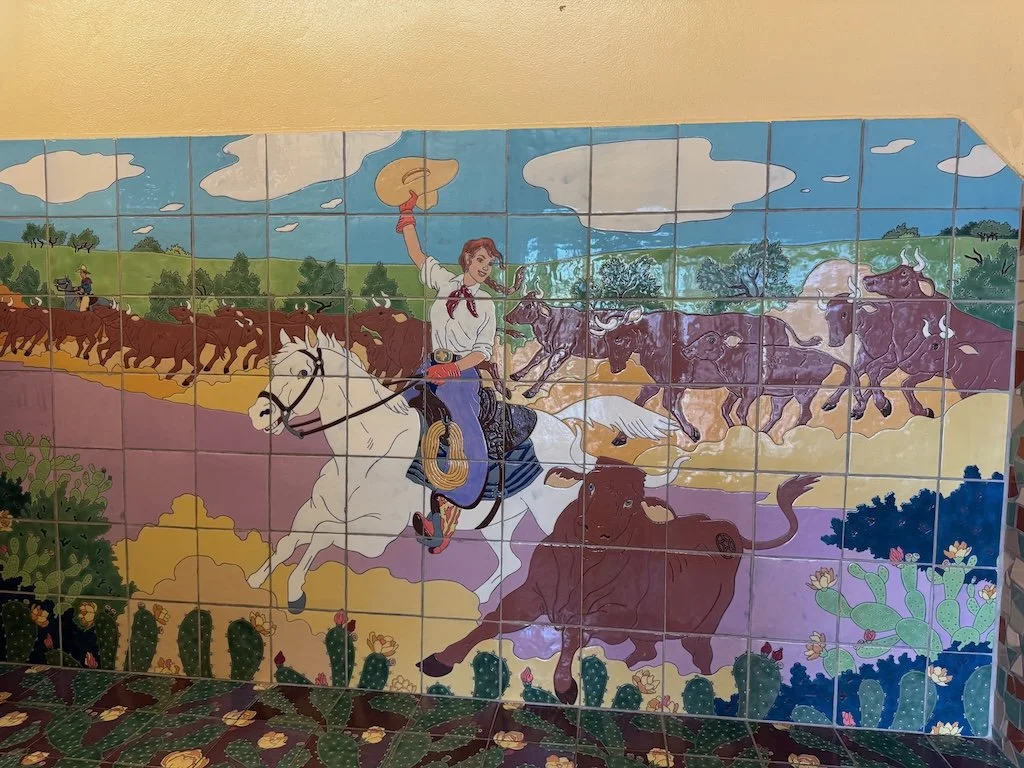
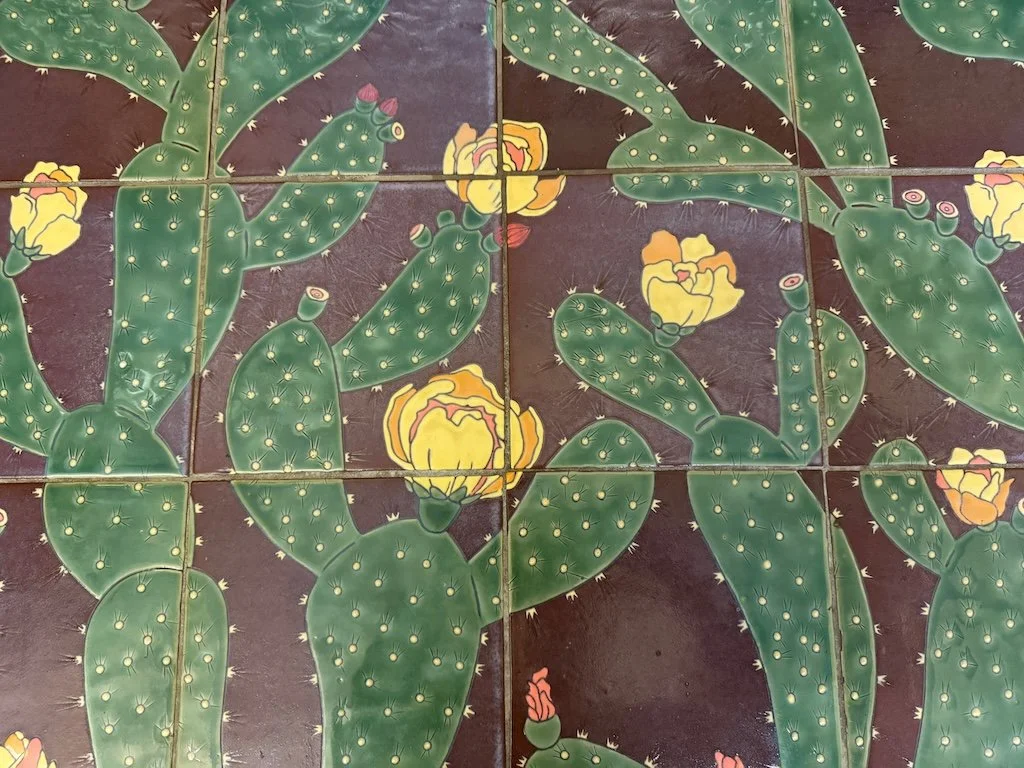
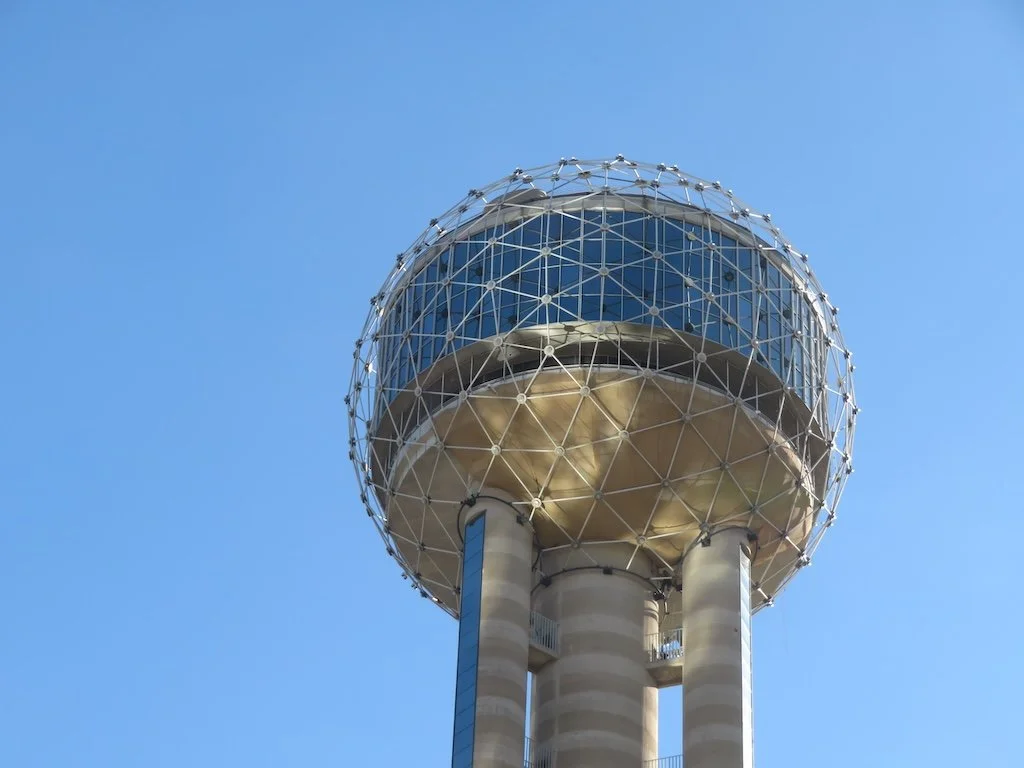
The week at the Rio Grande Valley Birding Festival was a big one for photography. It was hard to choose from almost 5000 images for the month. I finally managed to select 26 favorites…birds dominate but there are a couple of dragonflies and three reptiles (a lizard, a snake, and tortoise). I’ve included a picture of Reunion Tower in Dallas as my husband drove us through the city (I opened my window) and a tiled bench at one of the rest stops. We had our first frost at home.

Gleanings of the Week Ending November 29, 2025

The items below were ‘the cream’ of the articles and websites I found this past week. Click on the light green text to look at the article.

Everyday microplastics could be fueling heart disease - Microplastics—tiny particles now found in food, water, air, and even human tissues—may directly accelerate artery-clogging disease, and new research shows the danger may be far greater for males.

The Mystery of the Mast Year - Every few years, certain species of trees seem to go buck wild, dropping an extraordinary quantity of nuts, seeds, or fruits all at once. What’s more, this bumper crop tends to extend across vast geographical ranges, so that a white oak in Central Park is shedding buckets of acorns at the same time as a white oak in the Shenandoah Valley. Not all trees mast, but many species dominant in American forests do, such as oak, hickory, beech, and dogwood.

Ultra-processed foods quietly push young adults toward prediabetes - More than half of the calories people consume in the United States come from ultra-processed foods (UPFs), which include items such as fast food and packaged snacks that tend to contain large amounts of sodium, added sugars and unhealthy fats.

Why Should We Avoid Heating Plastic? - When plastic is heated, its molecules will move around more freely and the whole structure will become less rigid. This makes it easier for those additives to detach and migrate into nearby foods or liquids. To reduce your exposure, heat food in containers made of inert materials like ceramic or glass, avoid storing hot, fatty, or acidic food in plastic, and try to shorten the storage time of all food and beverages in plastic containers.

'They're just so much further ahead': How China won the world's EV battery race - In 2005, China only had two EV battery manufacturers. Twenty years later, it produces more than three-quarters of the world's lithium-ion cells. Today, China dominates the production at every stage of the battery supply chain, apart from the mining and processing of some raw minerals.

Obesity-Related Cancers Are Rising in Young and Old - Six of cancers—leukemia, thyroid, breast, colorectal, kidney, and endometrial—increased in prevalence in young adults in at least 75 percent of the examined countries. However, five of these six cancers also showed increased prevalence in older adults. Colorectal cancer was the exception. The cancer types with increased incidence in both younger and older adults were all linked to obesity.

Growth of Wind and Solar Keeping Fossil Power in Check - This year it is projected that new wind and solar power will more than meet growing demand for electricity globally, keeping fossil fuel consumption flat. However, while the world is beginning to keep emissions from power plants in check, overall emissions continue to tick up, rising by 1.1 percent this year.

Researchers Discover ‘Death Ball’ Sponge and Dozens of Other Bizarre Deep-Sea Creatures in the Southern Ocean - Researchers have discovered 30 previously unknown deep-sea species in the remote ocean surrounding Antarctica - an achievement highlighting just how little humanity knows about some of the deepest regions of the planet. Fewer than 30 percent of the expedition’s samples have been assessed thus far so there could be more discoveries to report soon.

Short-Chain PFAS Eclipse Their Longer Counterparts in Blood Serum - The conventional wisdom is that short-chain PFAS are of lesser concern because they don’t bioaccumulate, but what we’re seeing is that they can occur at high levels in people. A new study shows that young adults who ate more UPFs also showed signs of insulin resistance, a condition in which the body becomes less efficient at using insulin to manage blood sugar.

Get Up Close with Alabama’s Rivers – Mac Stone photographing Alabama’s waterways…places full of biodiversity. The post includes pictures: southern dusky salamander, pitcher plant blooms, alligator snapping turtles, swamp lily, brown pelican.

Ten Little Celebrations – November 2025

A lot happened in November…a birding festival and my first visit to my dad’s new memory care place…and then Thanksgiving…so many little celebrations! Here are my top ten for the month:

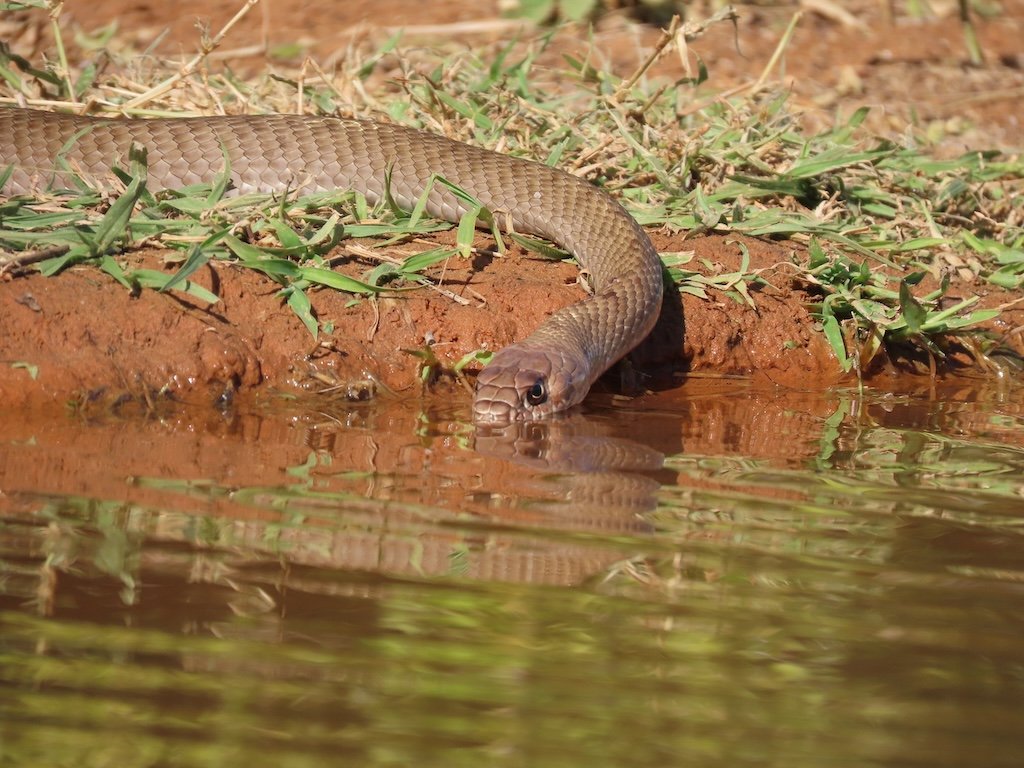
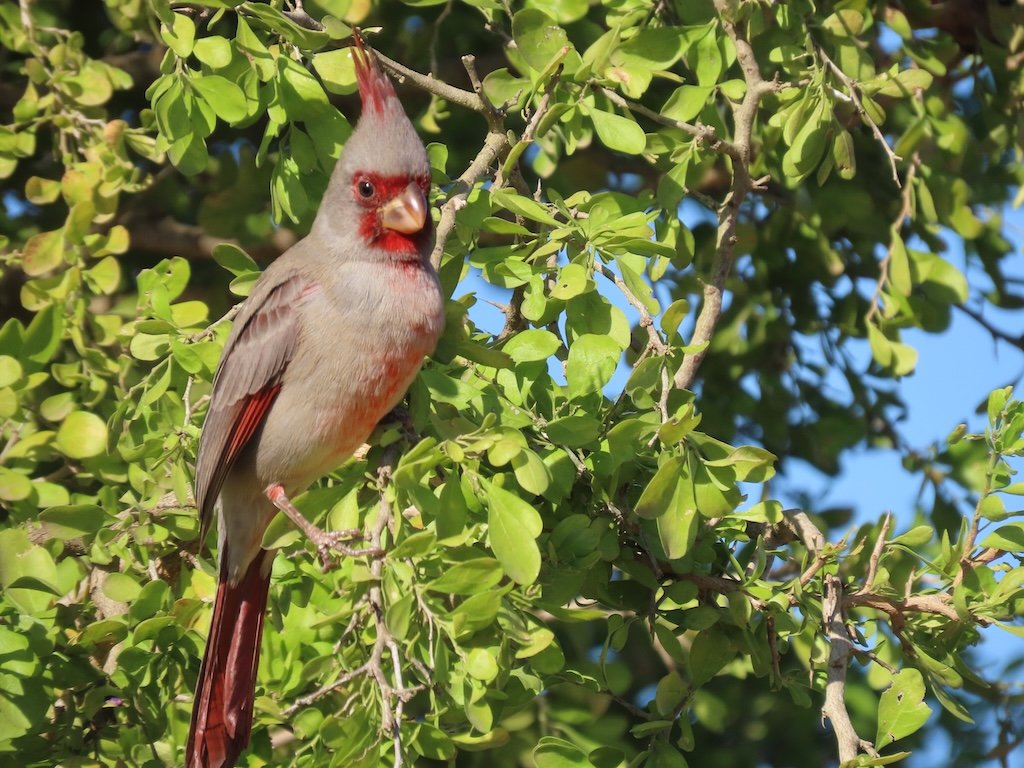
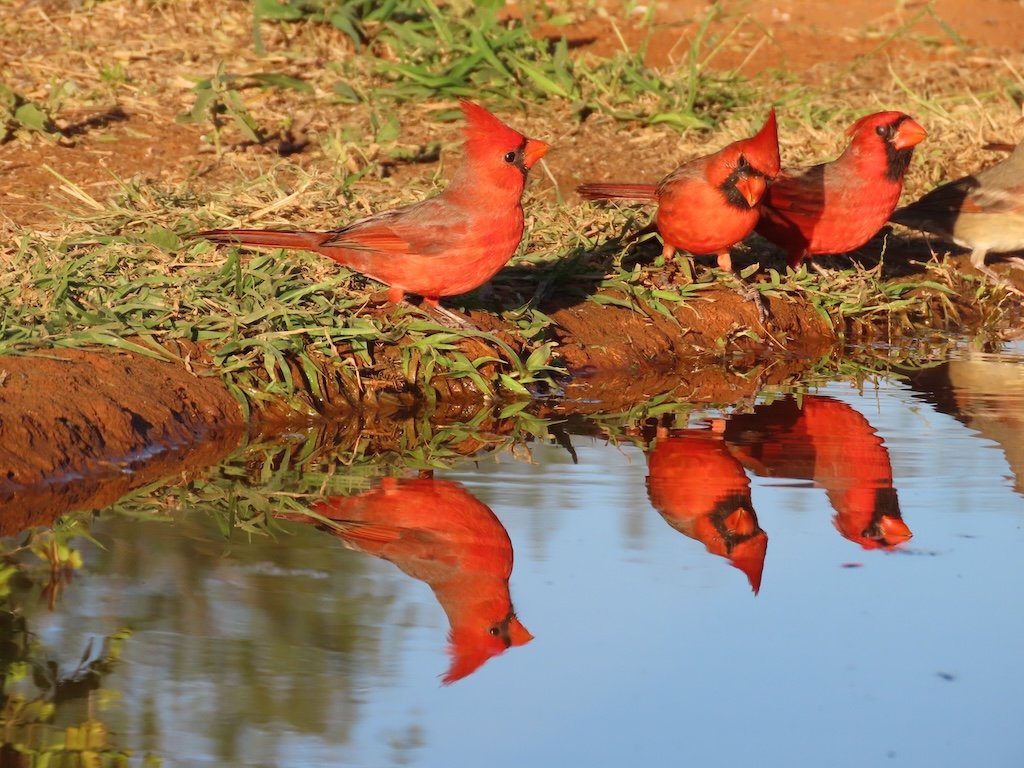
Laguna Seca. My husband insisted on a photography-oriented field trip and I acquiesced. It was great. I celebrated seeing a coachwhip snake….and lots of cardinals…at close range with great background.

Trekking poles.  Hurray for trekking poles! They help me avoid back pain while I am hiking. 

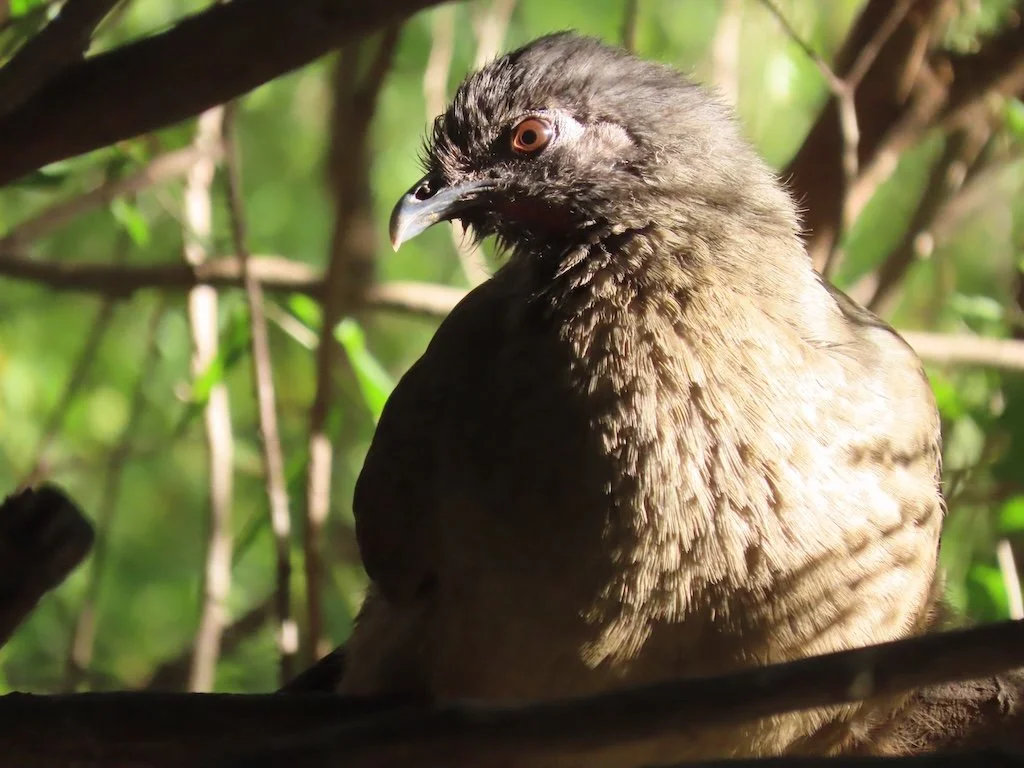
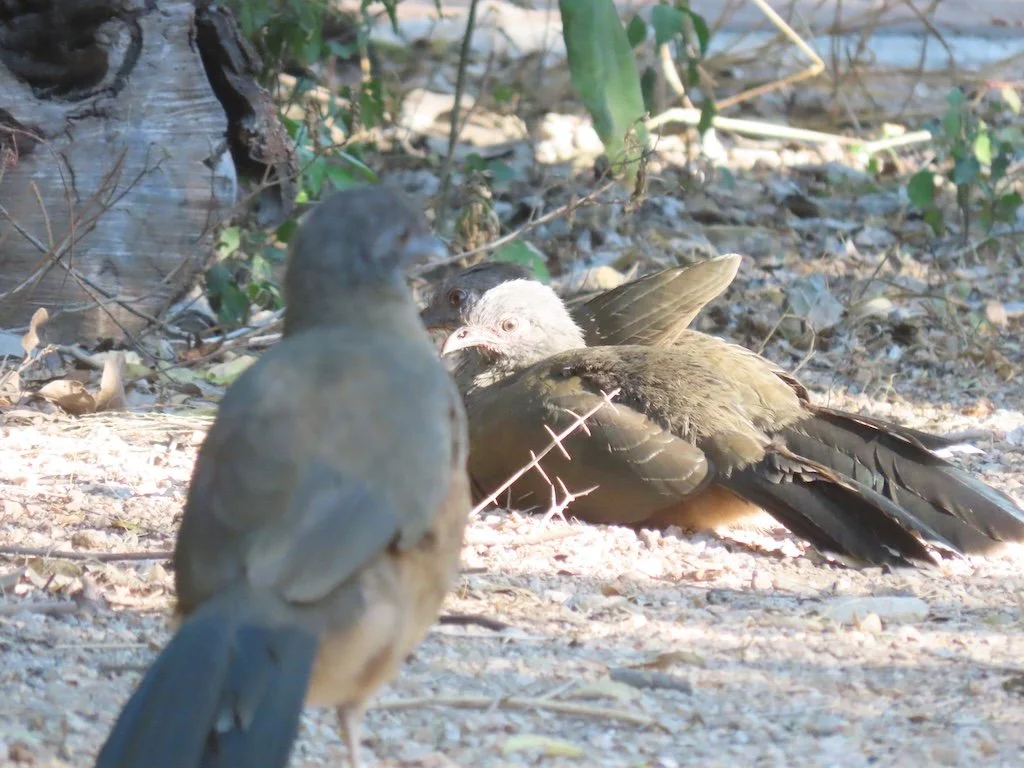
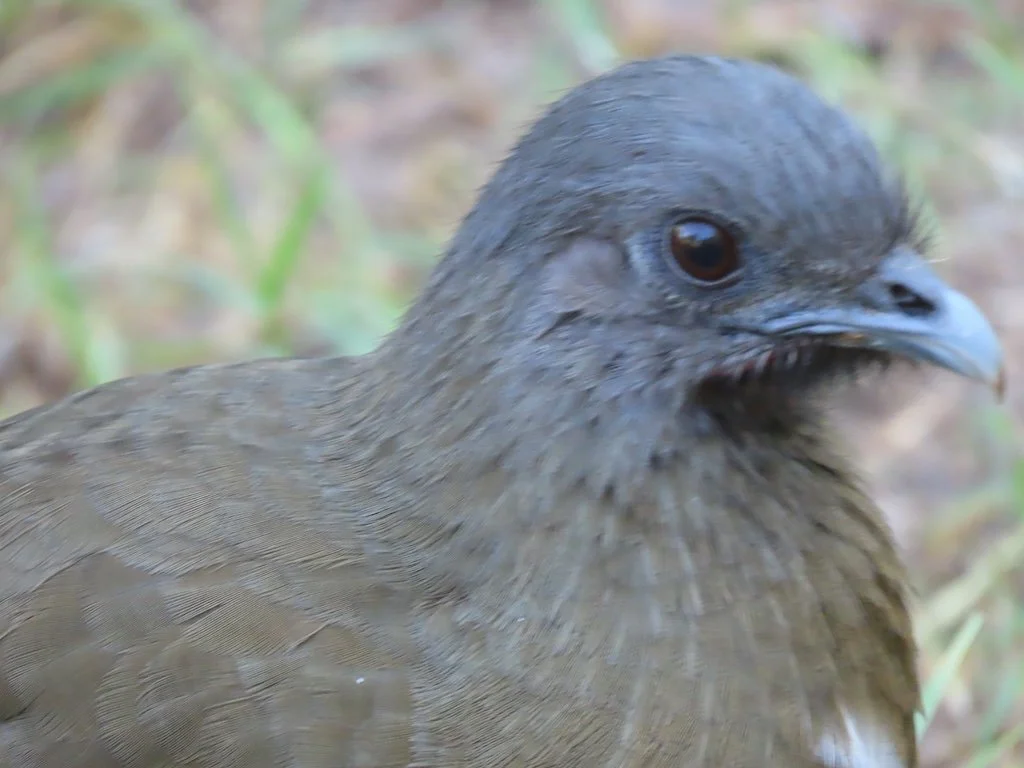
Chachalaca. I celebrated seeing the pink neck/check pouch come/go in the one video I took of chachalaca drinking from a water puddle…and listening to the flock for warnings.

Sunset on the mudflat. The last evening of the birding festival we were on a South Padre Island mudflat photographing the sunset. It was a great way to celebrate the winding down of the festival. I will post about it soon.
Bobwhites. We had been expecting to see bobwhites on several of our field trips in the Rio Grande Valley….celebrated when we finally saw them when we were on the last field trip!
Dark chocolate. I am celebrating the season with specialty dark chocolate first thing in the morning!

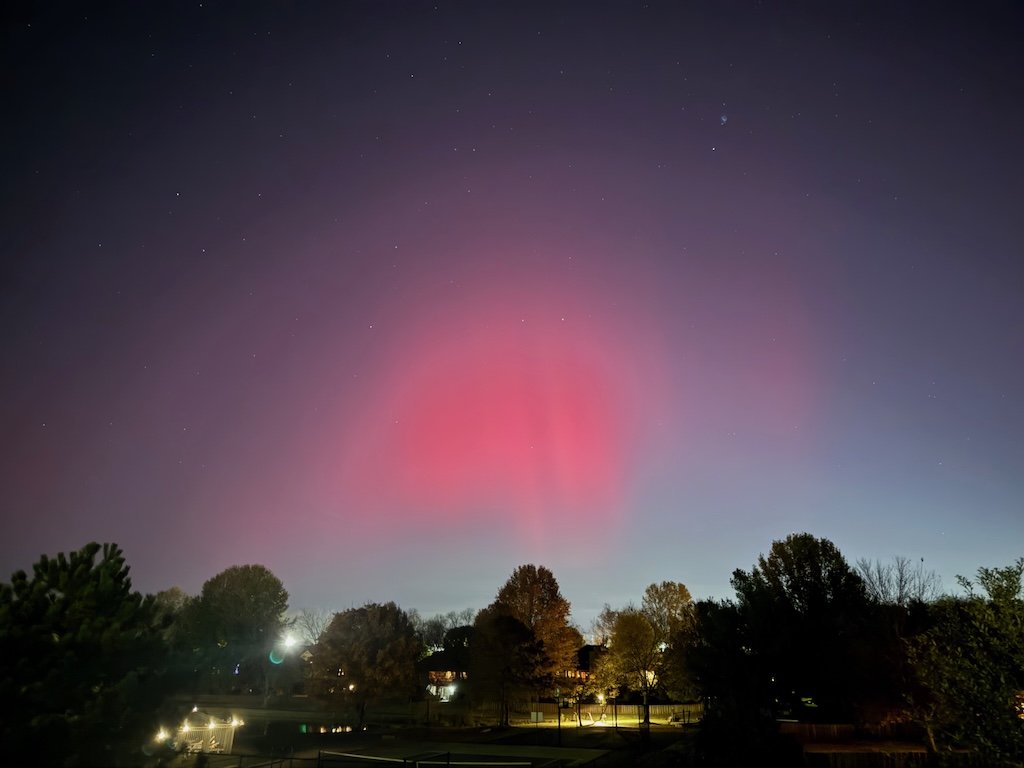
Aurora. I celebrated my small collection of pictures of the Aurora as seen from the Springfield MO area.

Cooking a big pumpkin. There was one pumpkin left from son-in-law’s pumpkin carving event and I celebrated it multiple times: that the flat side made it an easy fit in my oven to cook whole, that the seeds were large (great for roasting and then used to top salad and soups), and that there was a lot of pulp and I made custard, a cake and a frittata!
Seeing a great blue heron from my hotel window. I celebrated seeing a great blue heron on the pond below my hotel room window when I first opened the drapes on my second day in Dallas. What a great way to start the day!
Thanksgiving at memory care. The memory care facility held a special meal for the residents the Friday before Thanksgiving. My sister and I enjoyed it with my father. He cleaned his plate and enjoyed the live music. It was wonderful to celebrate with him.

Santa Ana National Wildlife Refuge

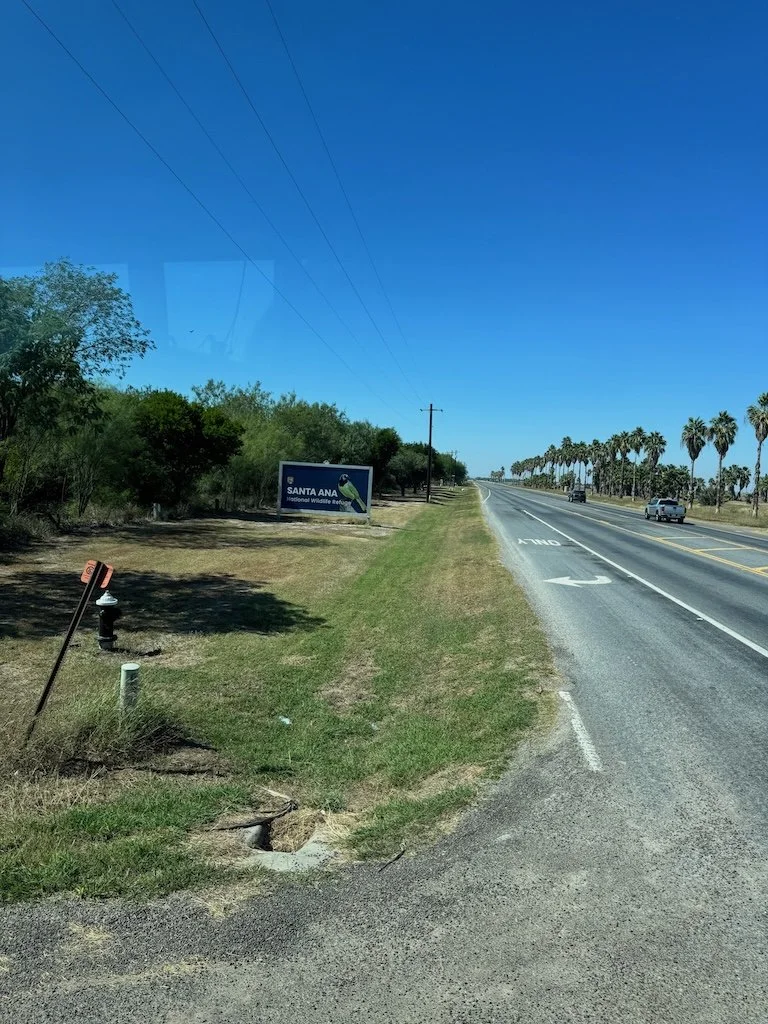
We visited the Santa Ana National Wildlife Refuge on the third morning of the Rio Grande Valley Birding Festival. The visitor center was not open (it was during the government shutdown), but the restrooms were. I knew the morning was going to include some hiking, so I brought along my trekking poles and they worked great – I got tired, but my back didn’t hurt!

There was a lot to see. The highlights in my photographs were:

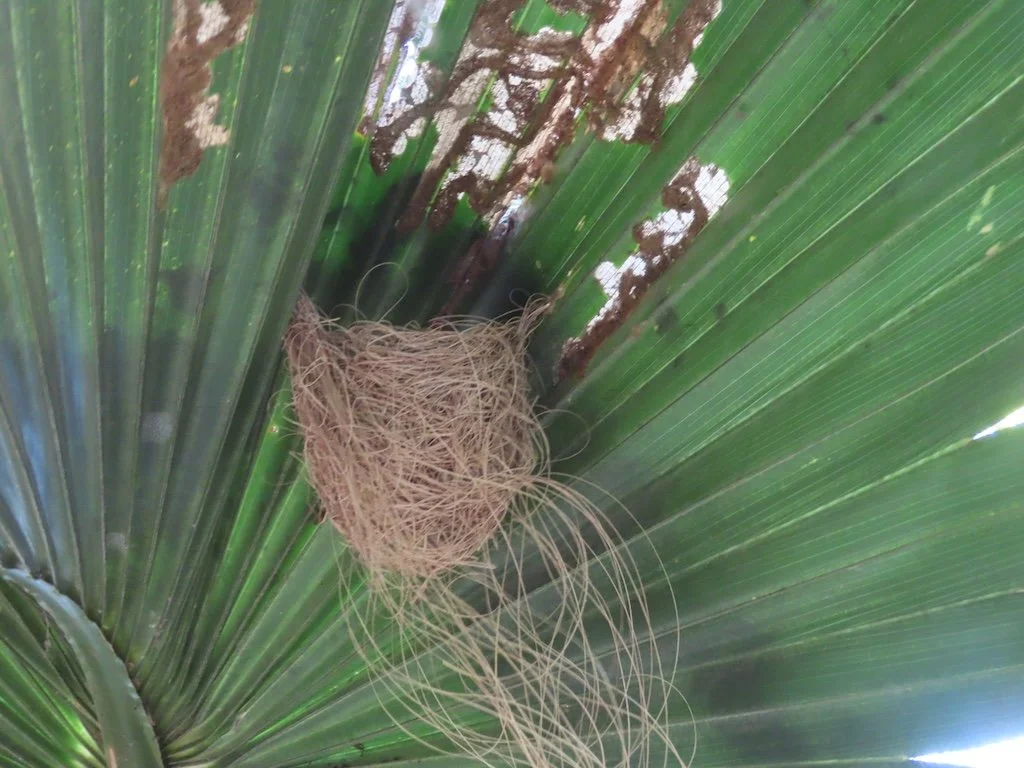
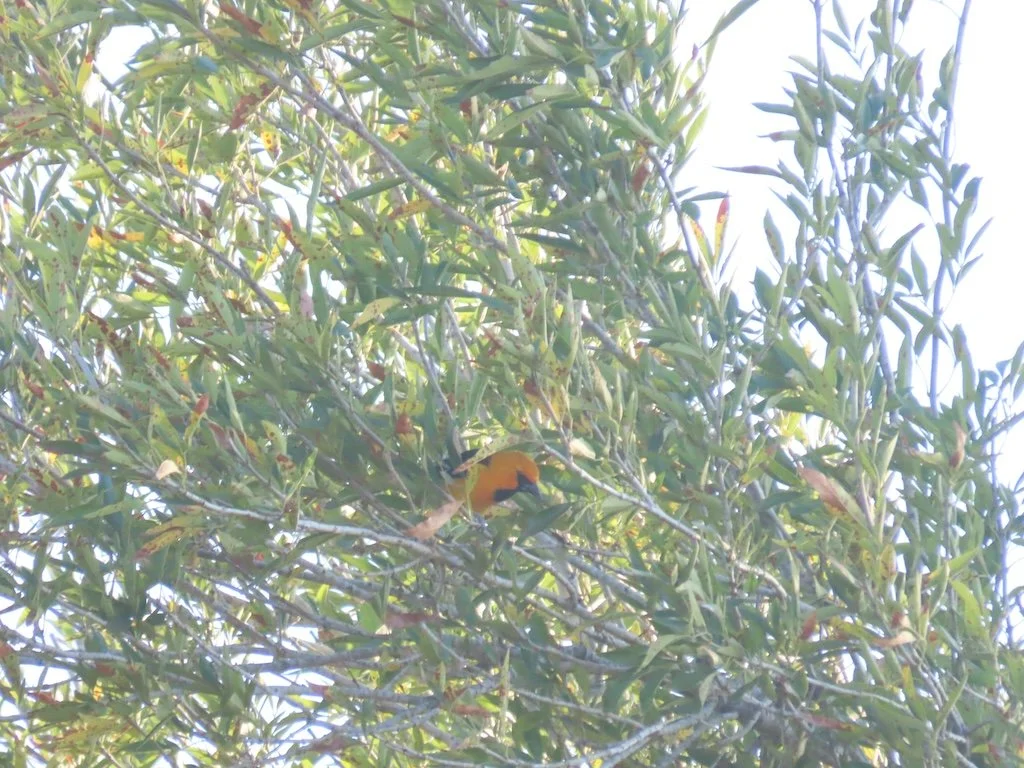
Altamira oriole and a nest created by the species

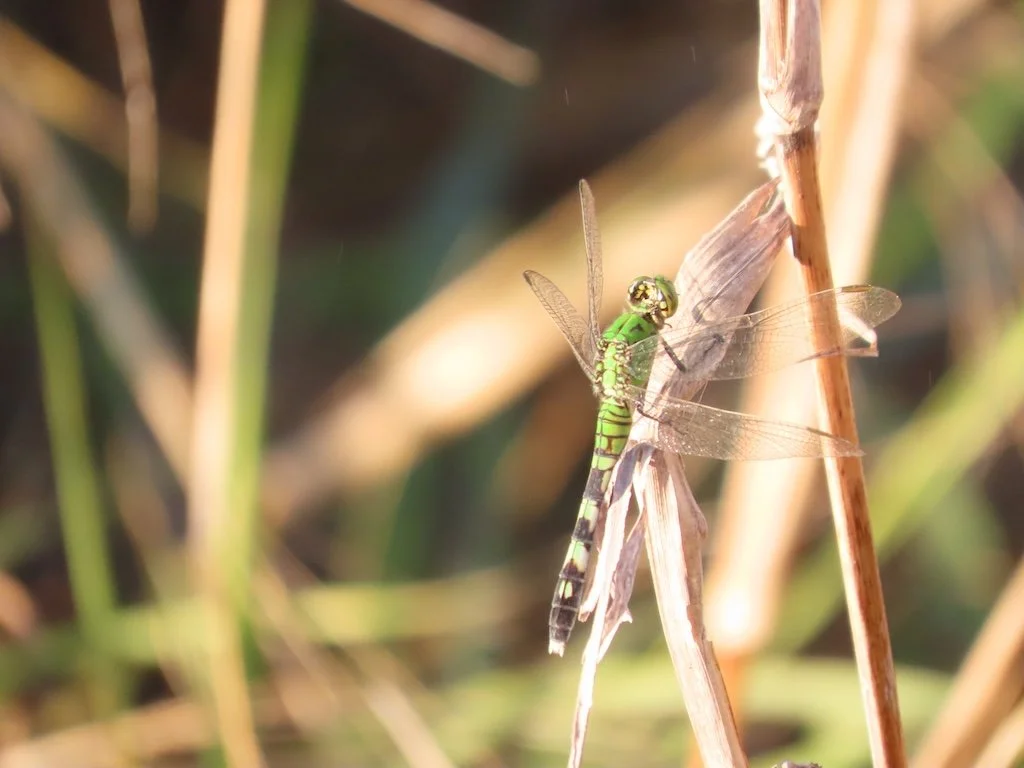
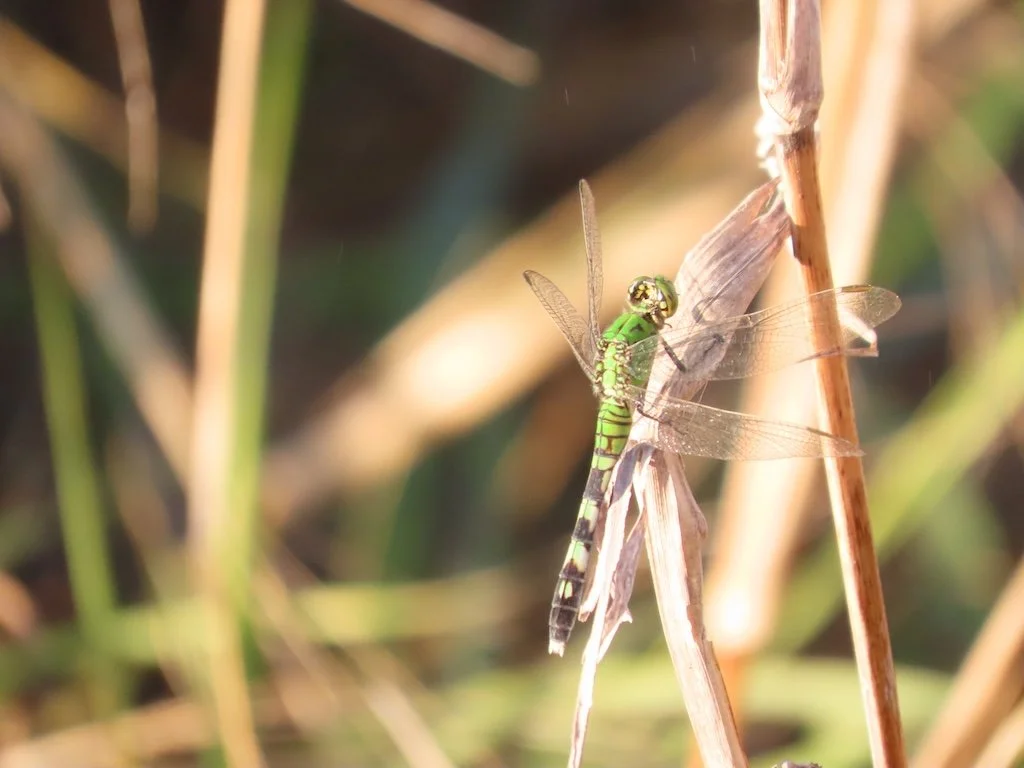
Eastern Pondhawk (dragonfly)

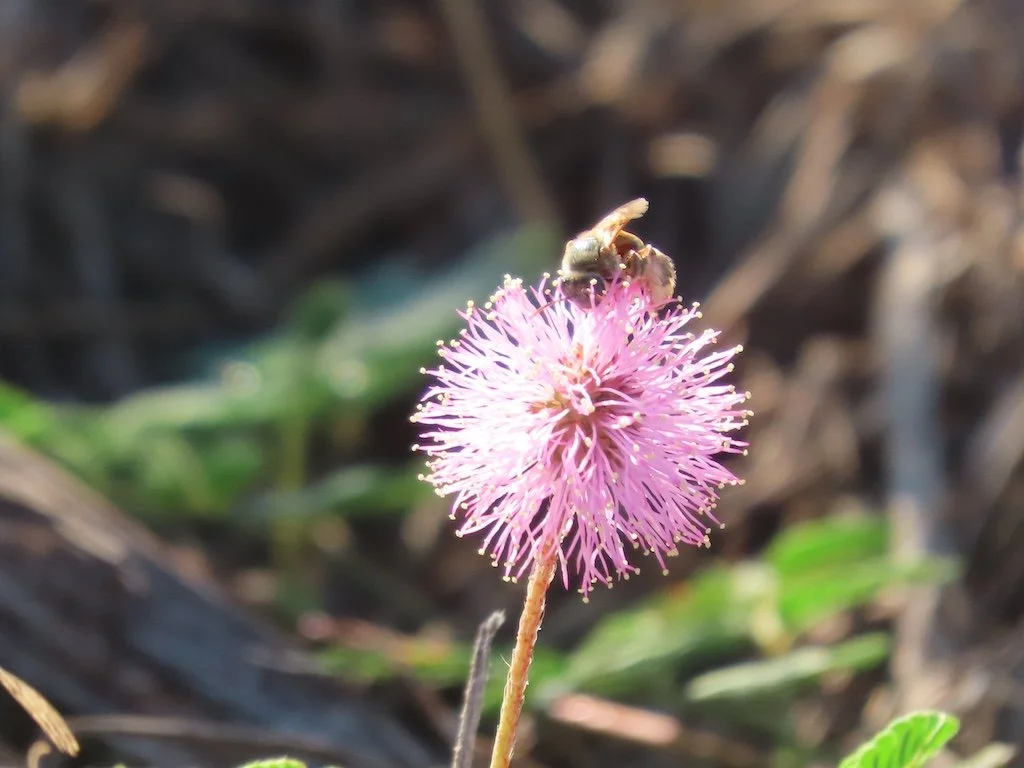
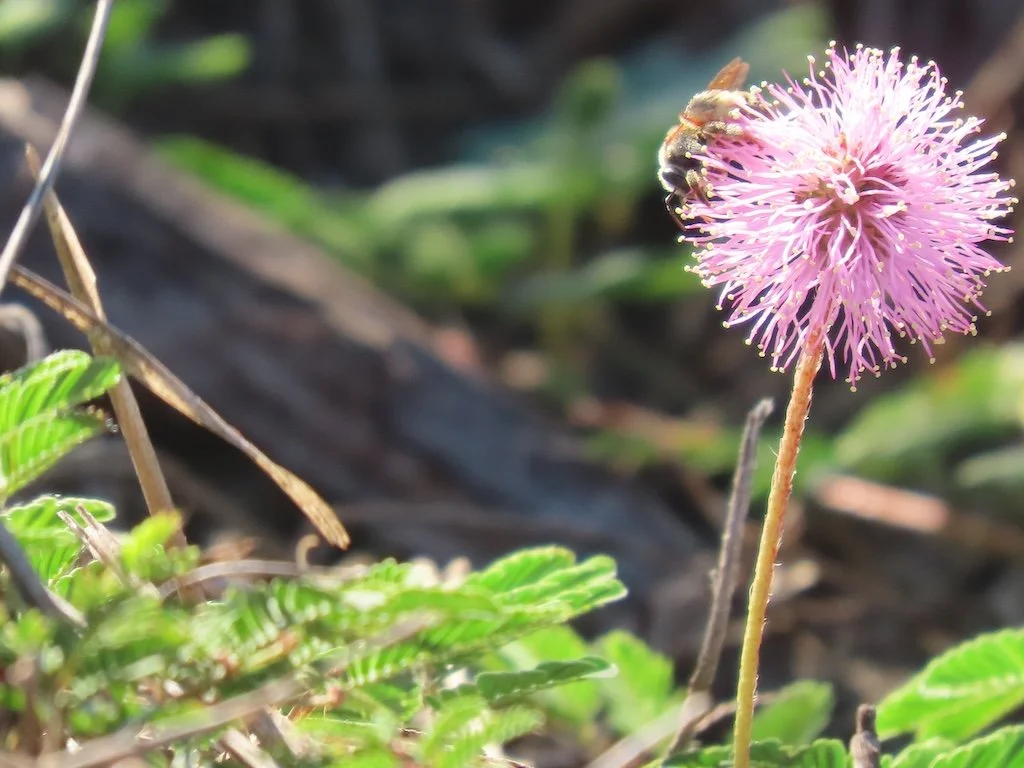
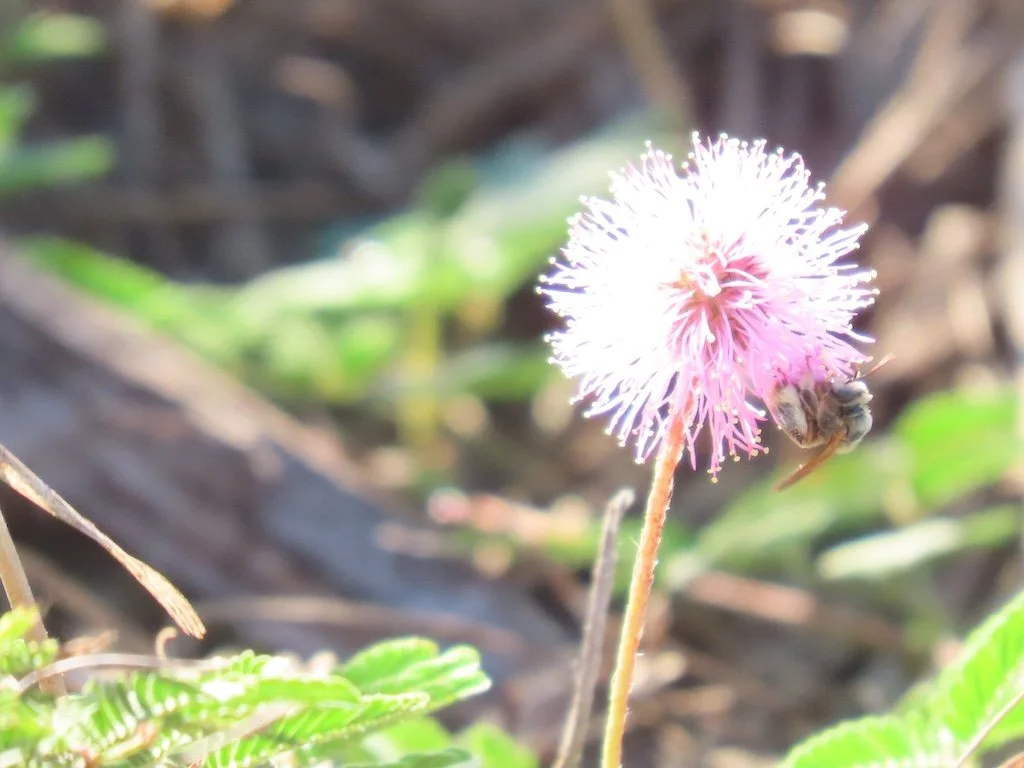
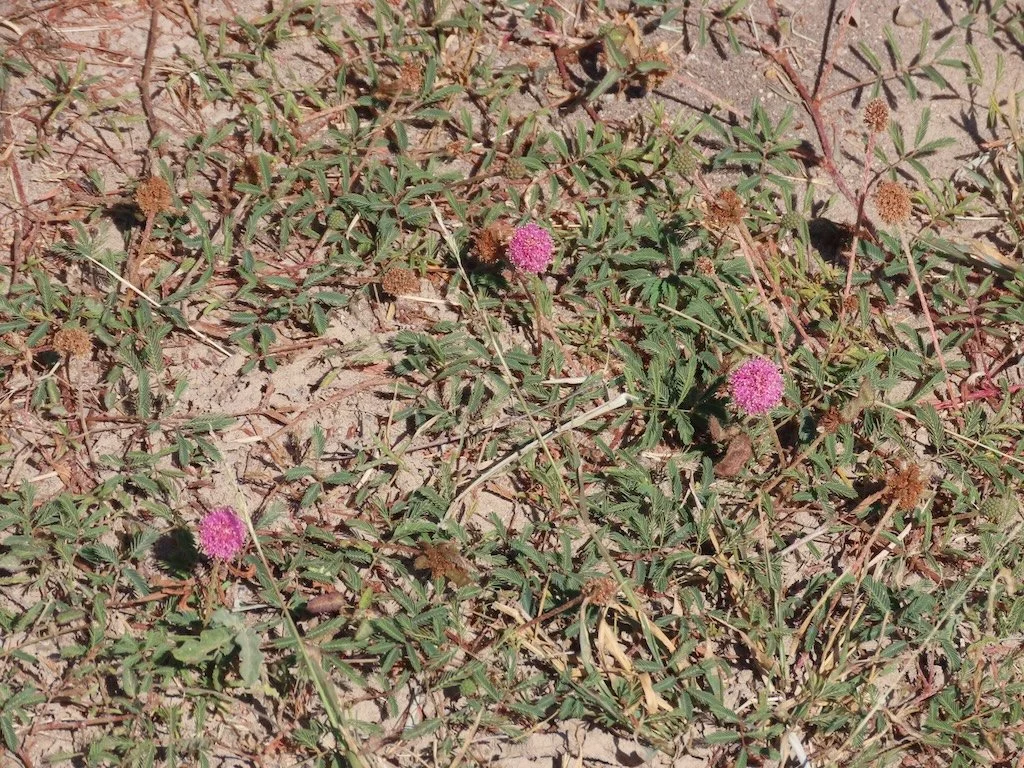
A bee on the ground mimosa - Powderpuff (Mimosa strigillosa)

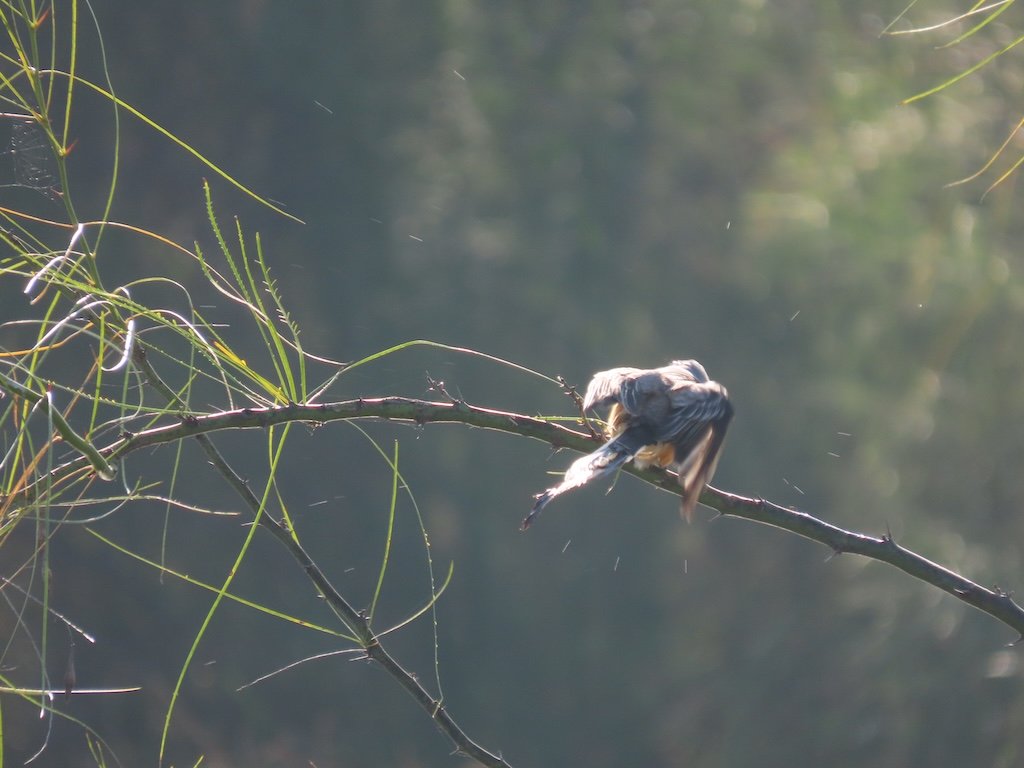
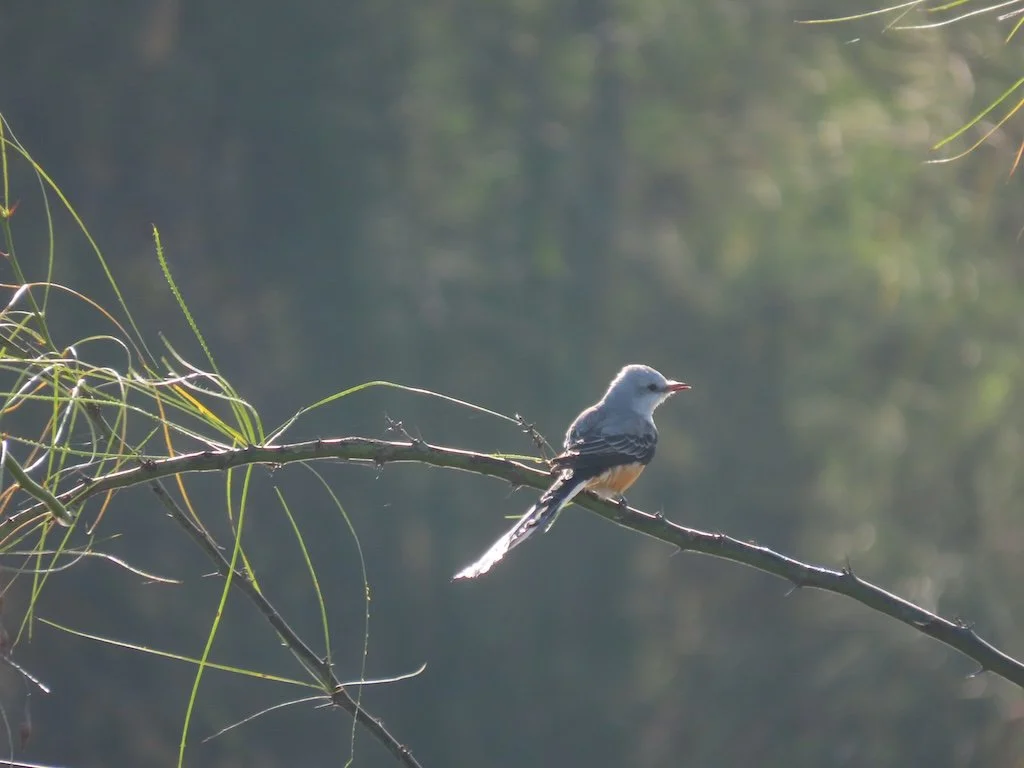
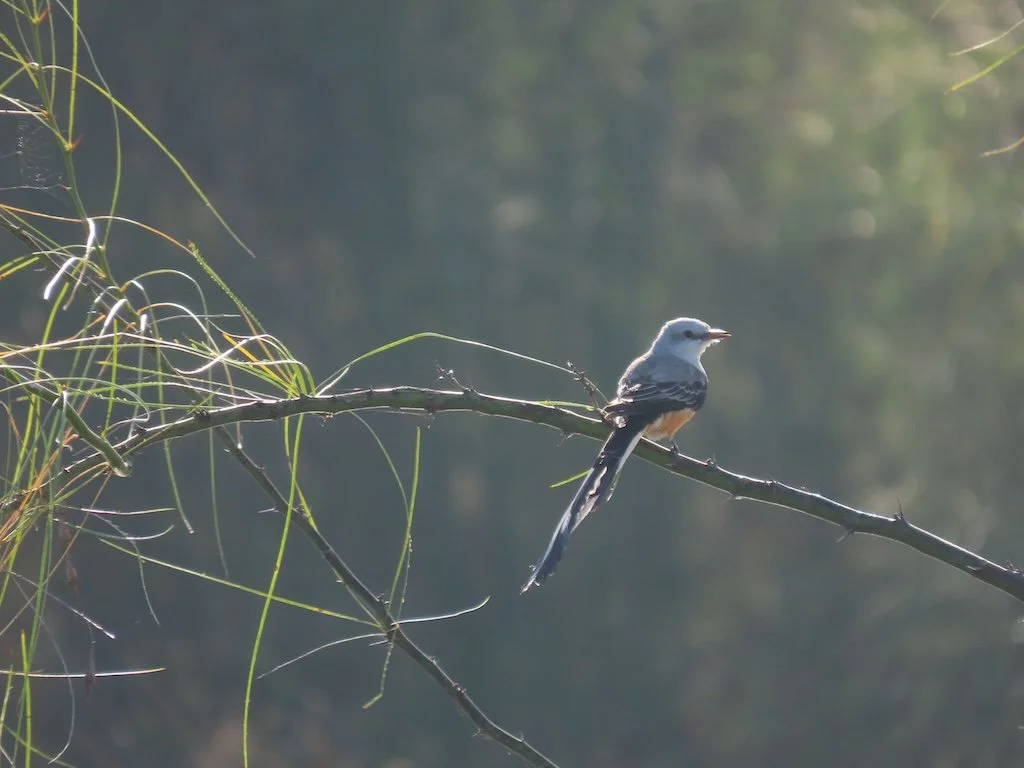
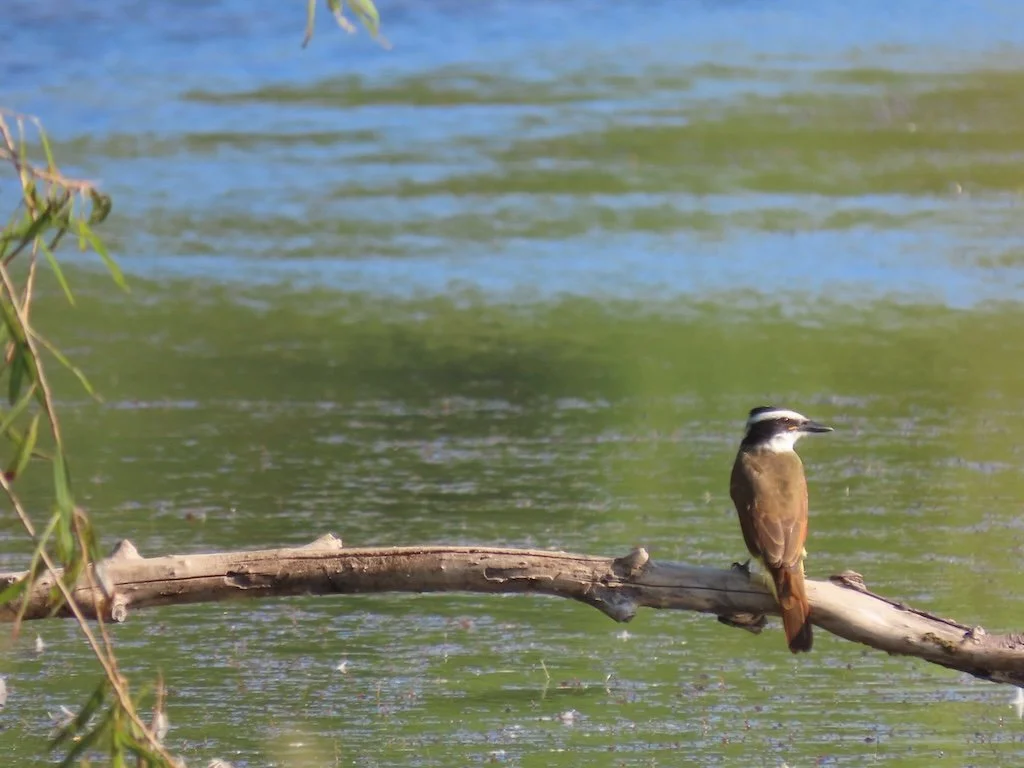
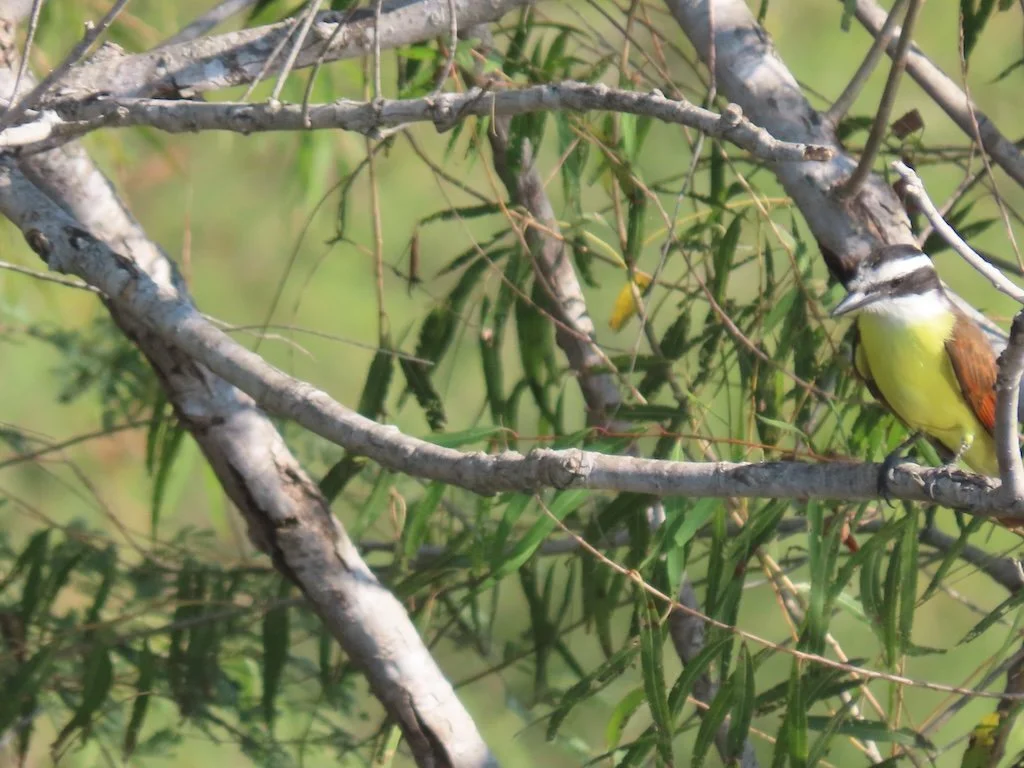
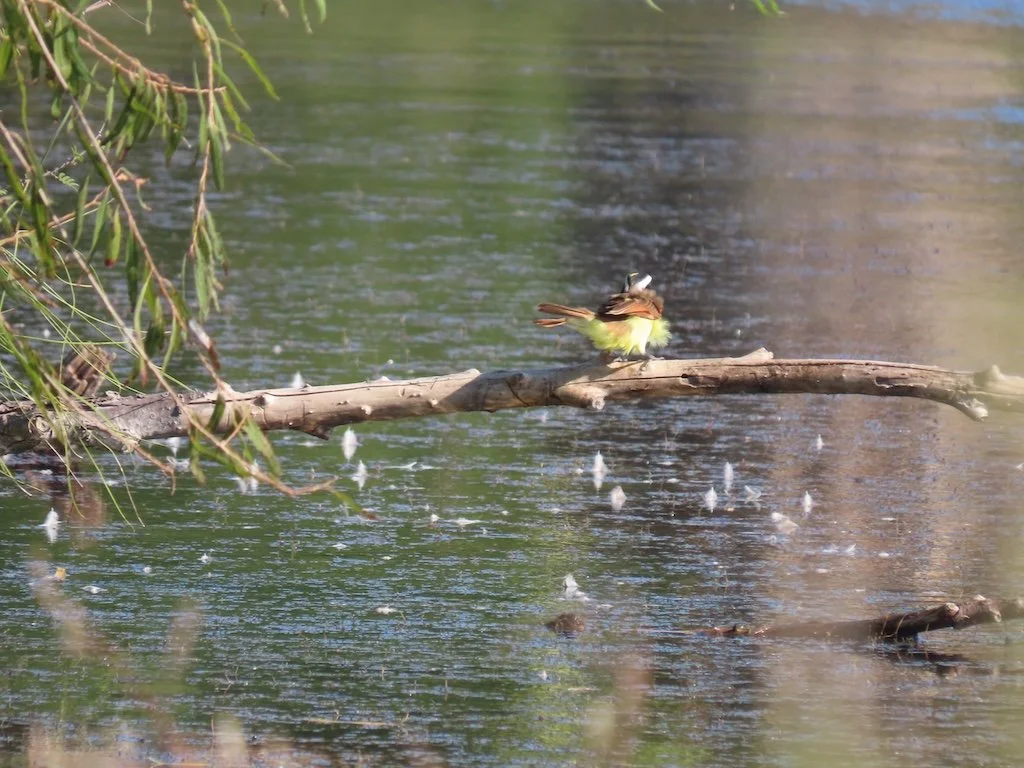
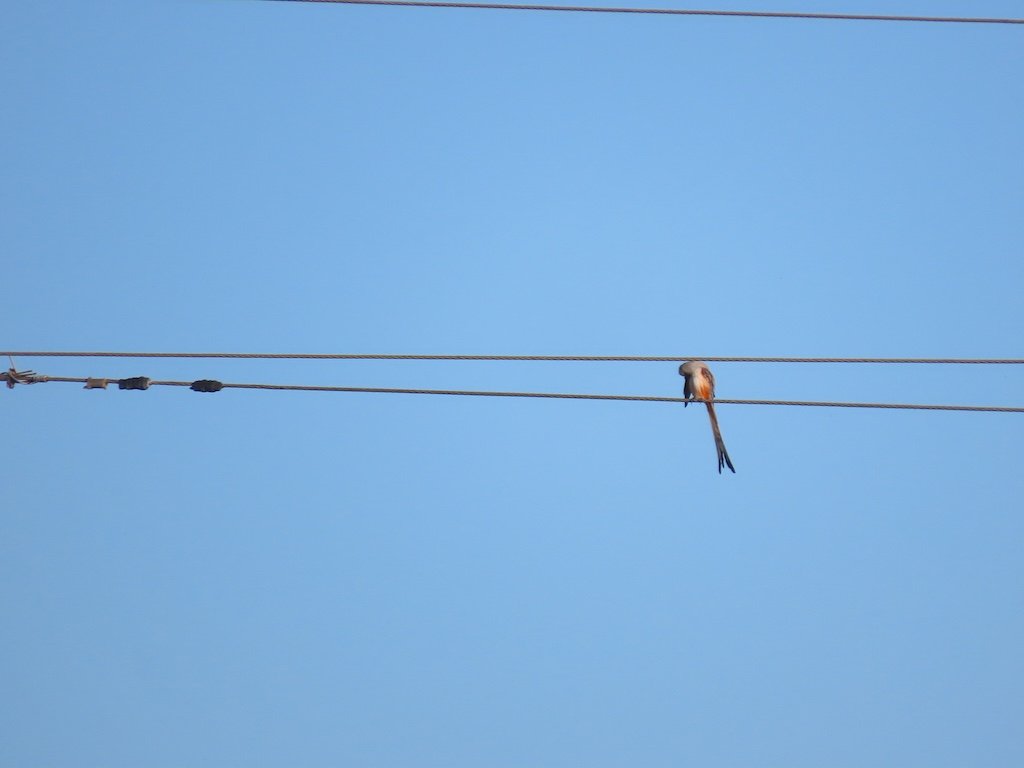
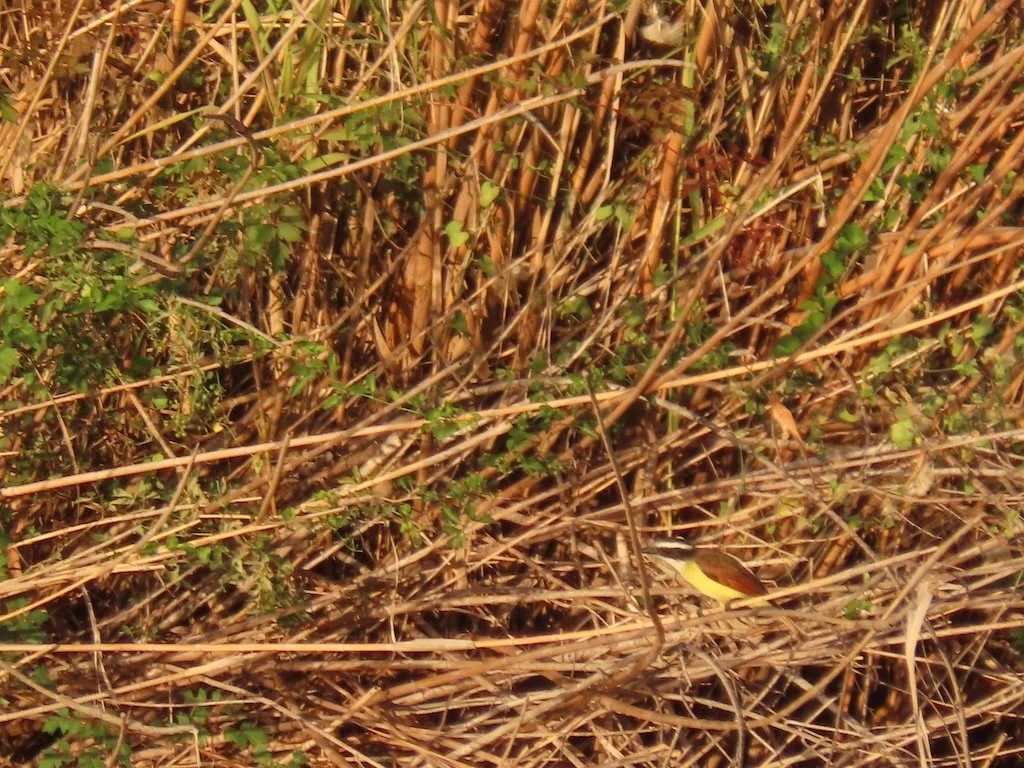
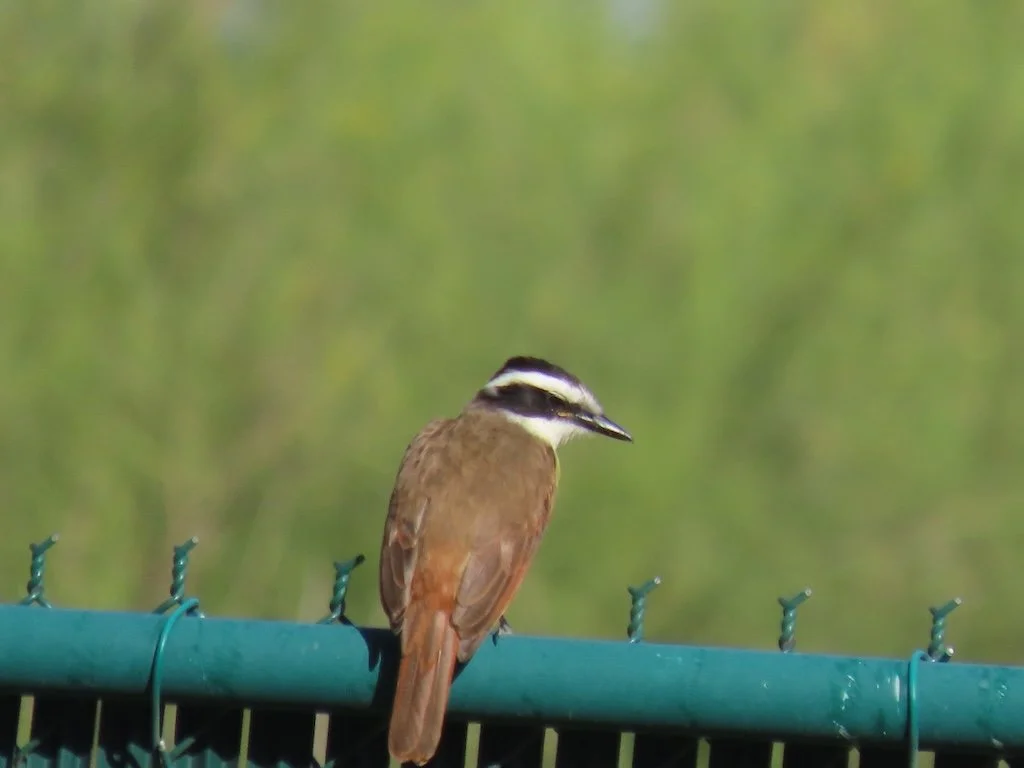
A preening Scissor-tailed Flycatcher and a preening Great Kiskadee

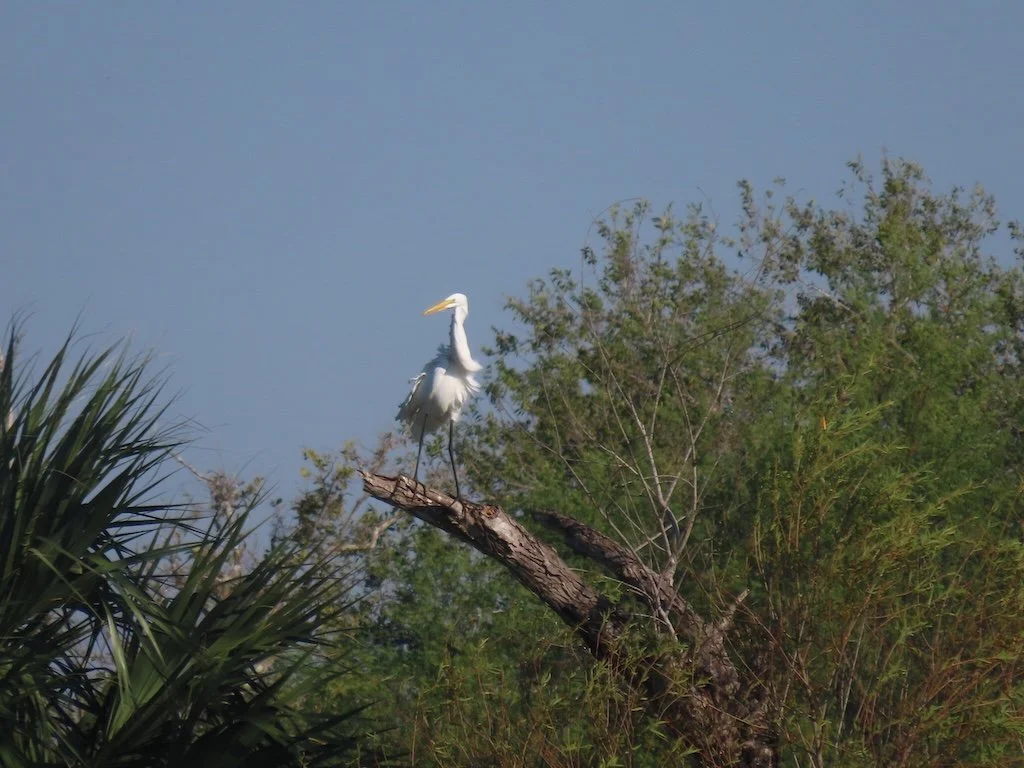
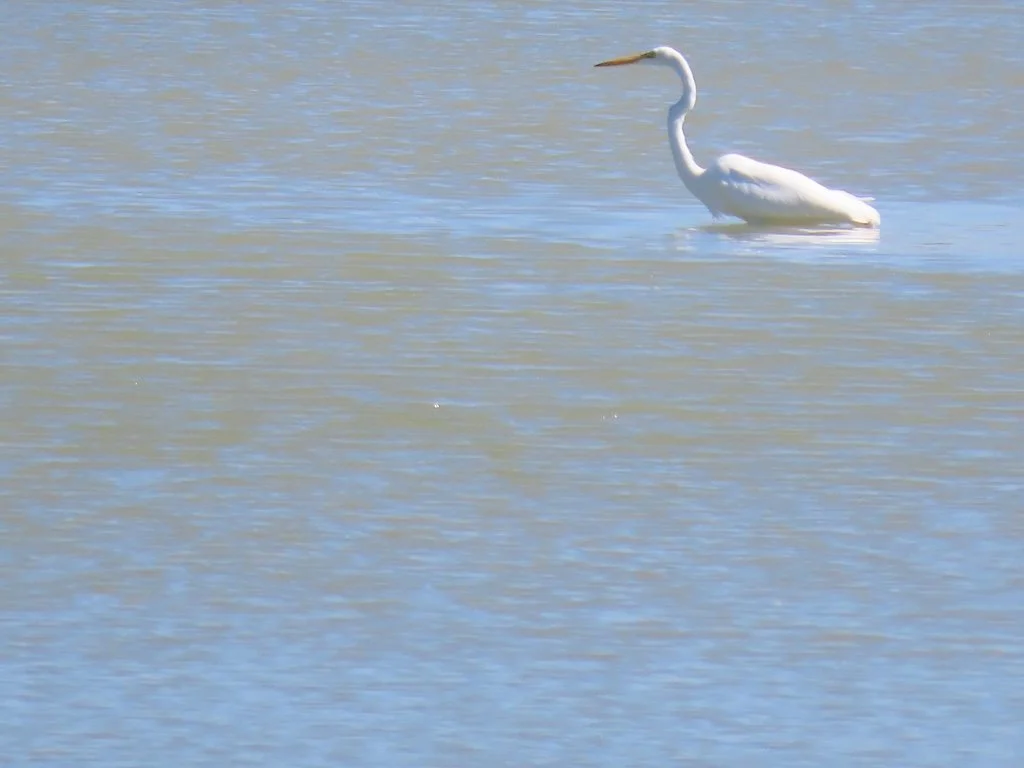
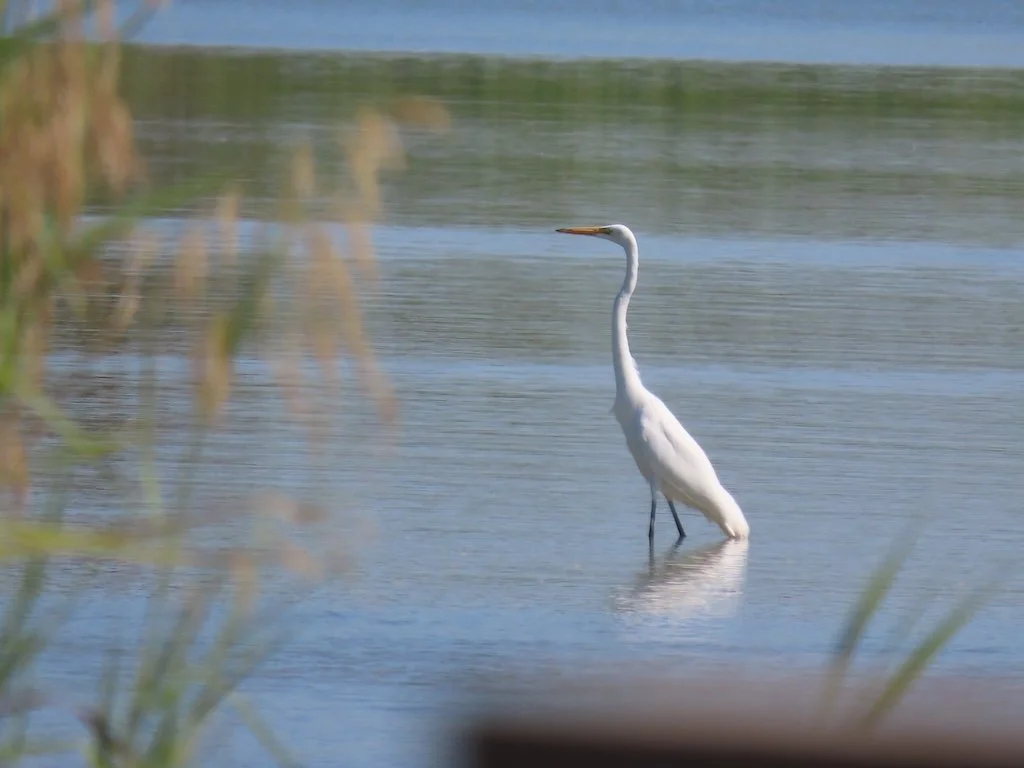
A Great Egret in the wind

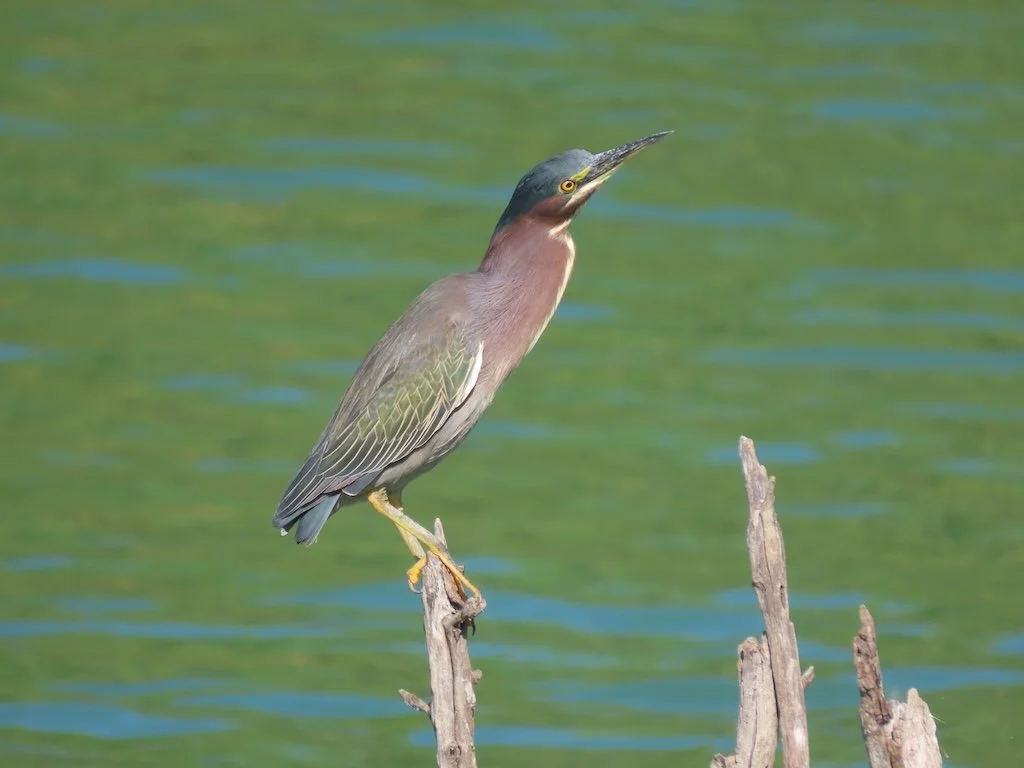
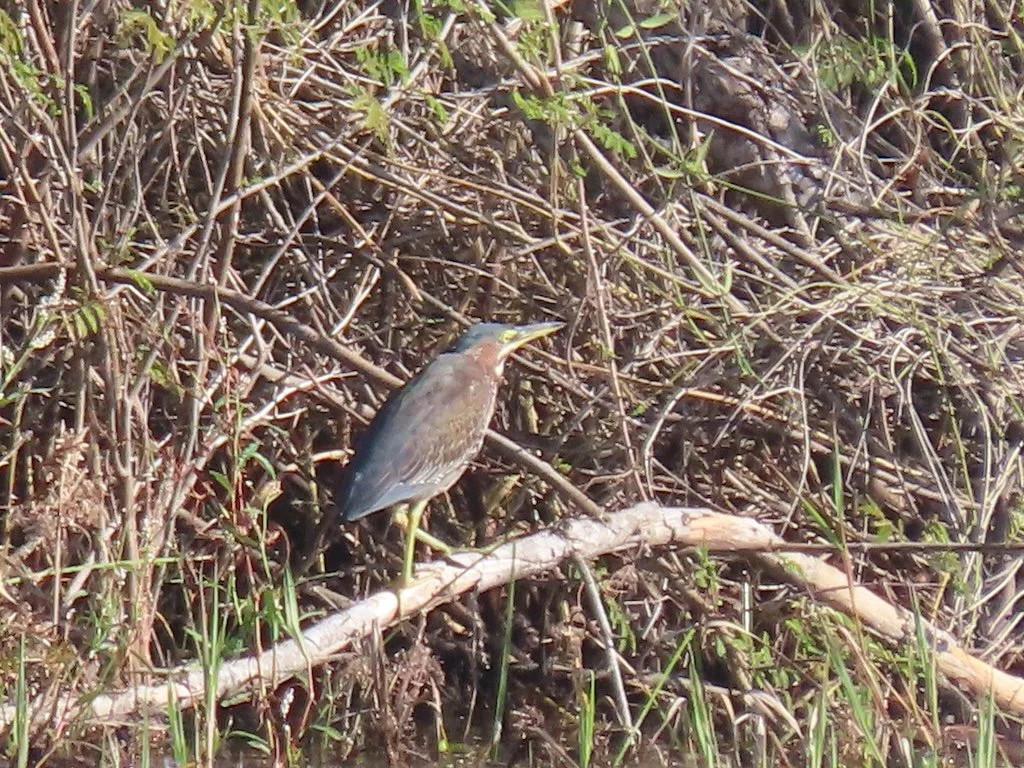
 A Green Heron – very hard to find among the plants

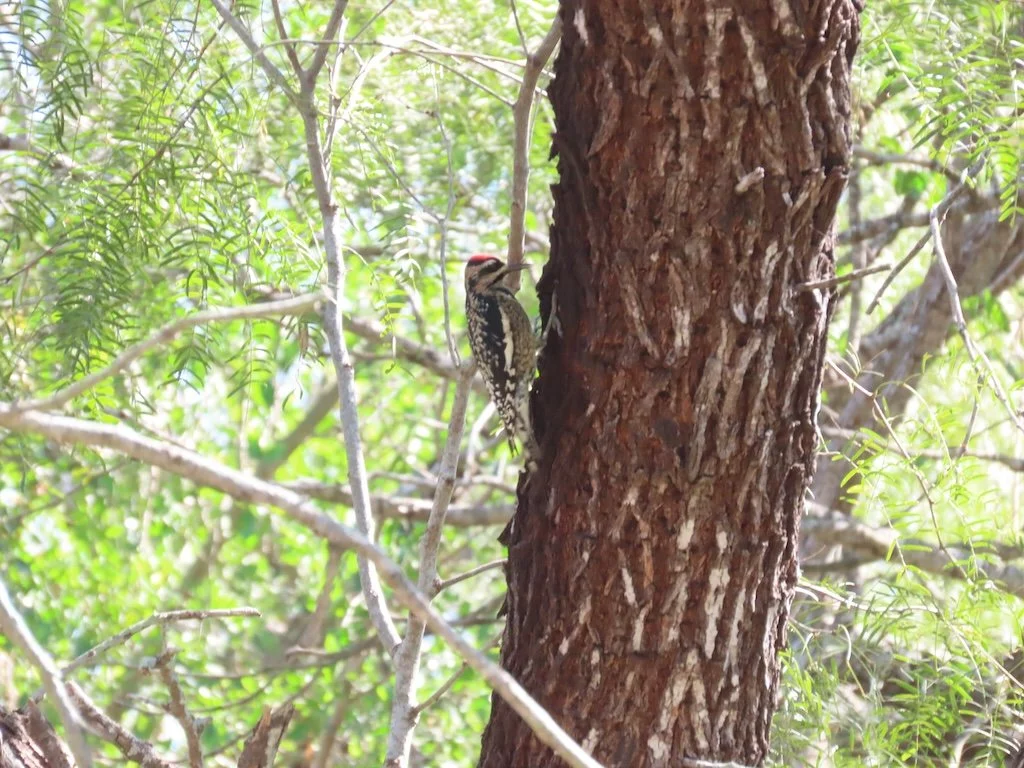
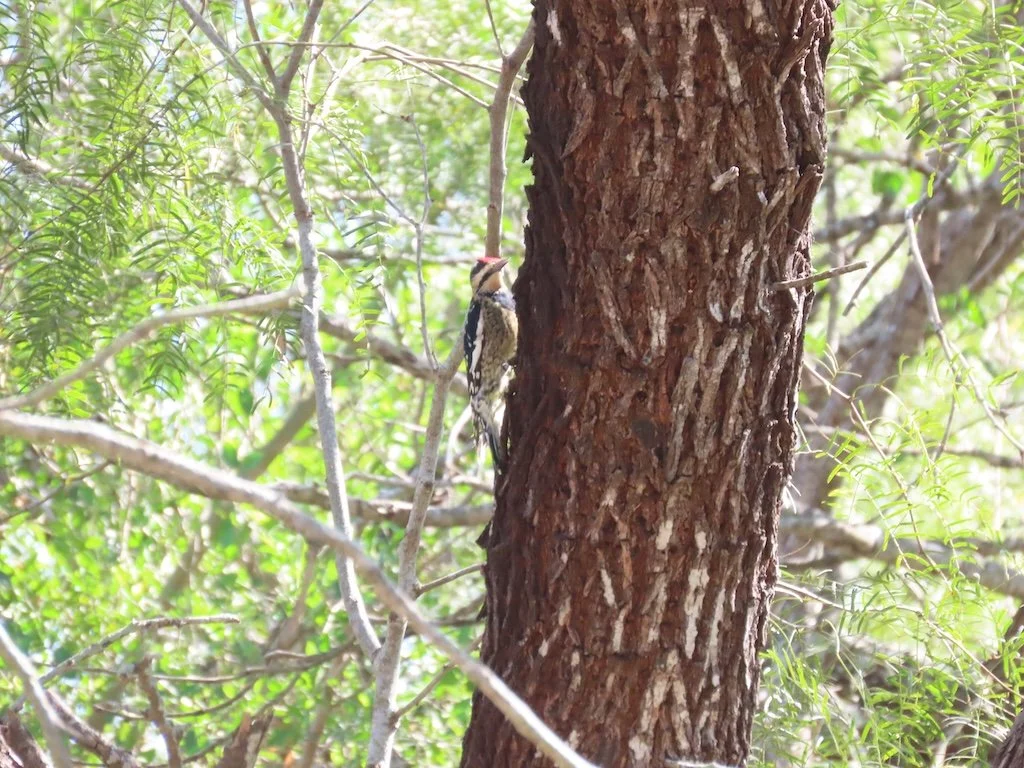
A Ladder-backed Woodpecker

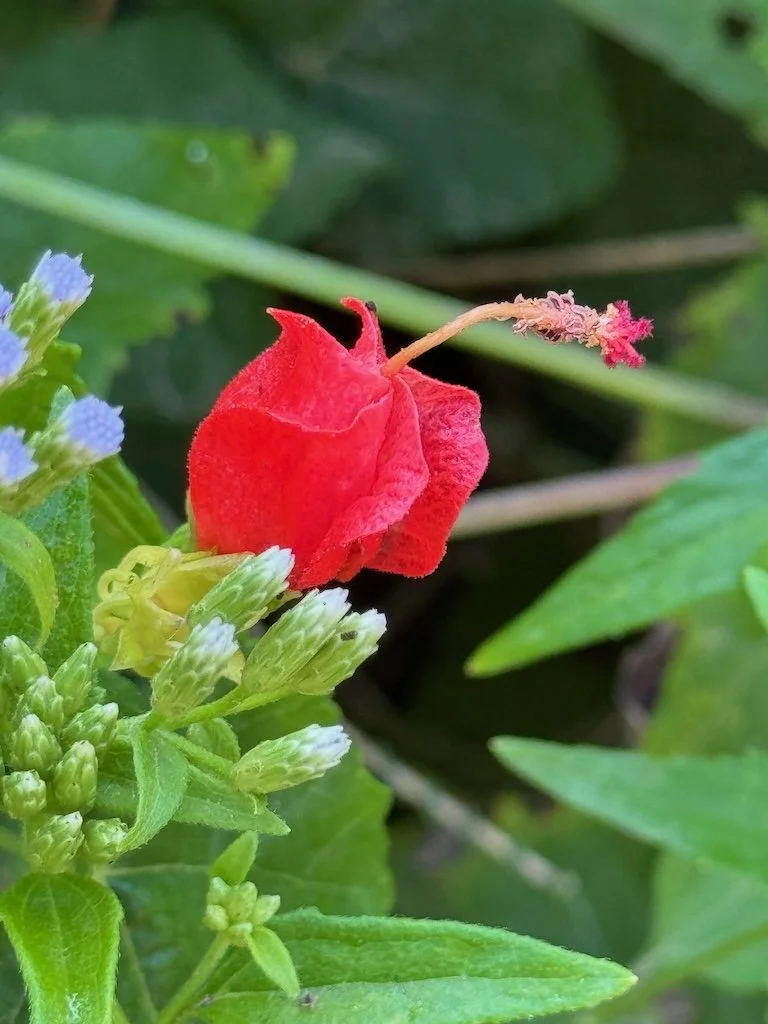
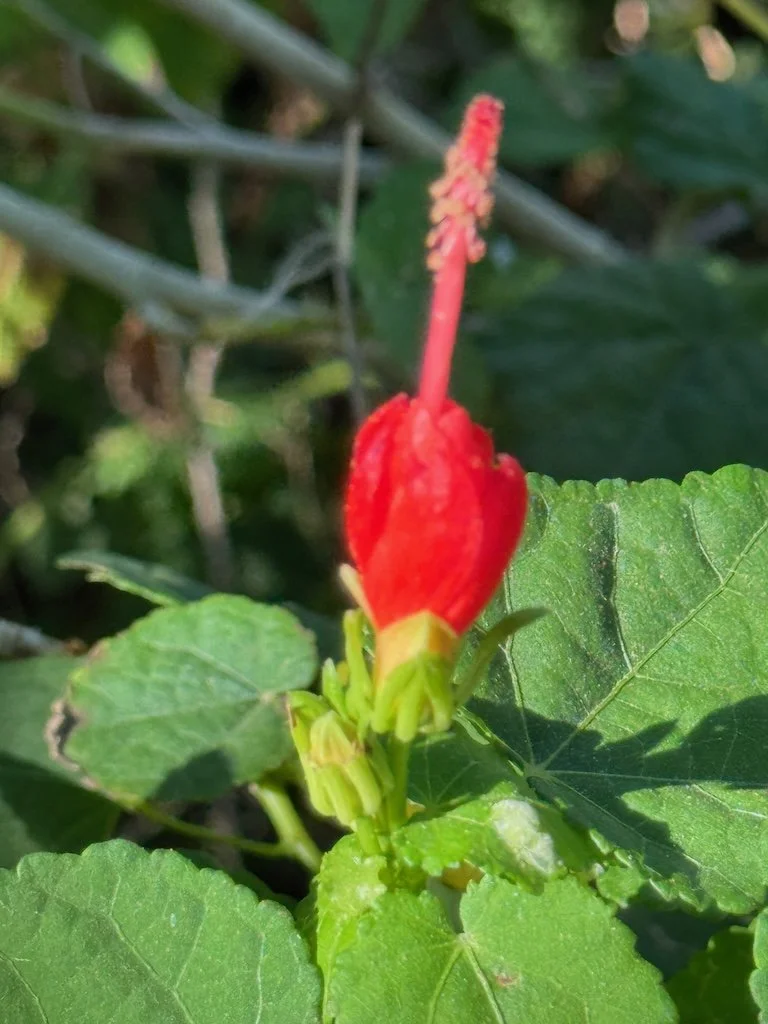
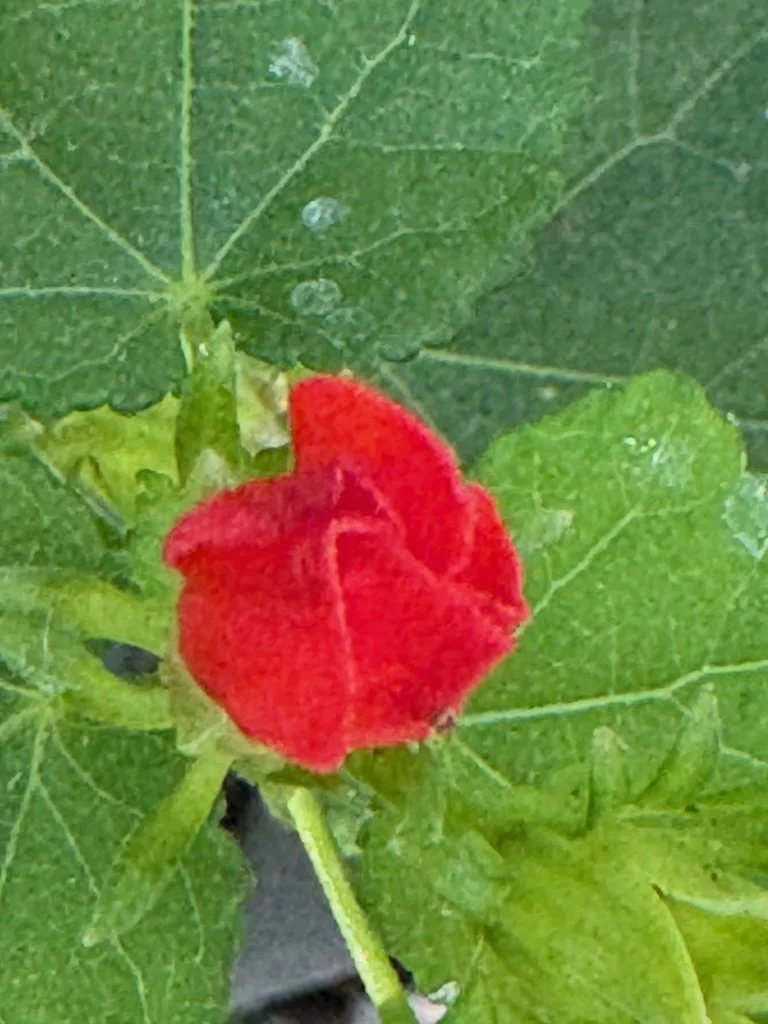
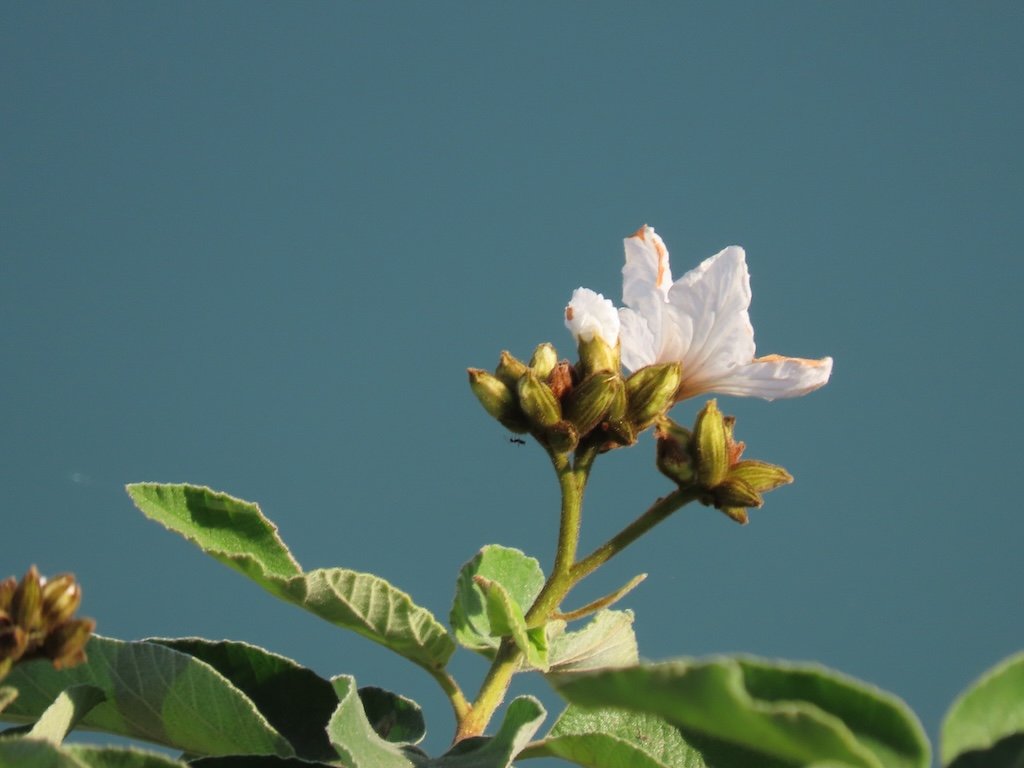
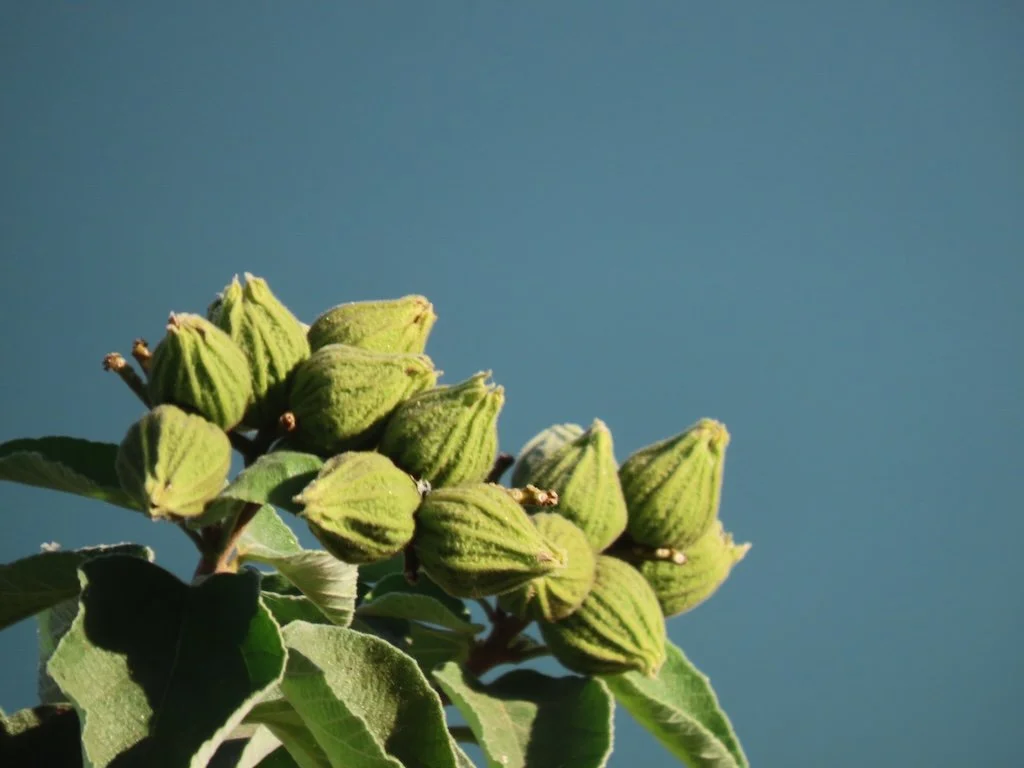
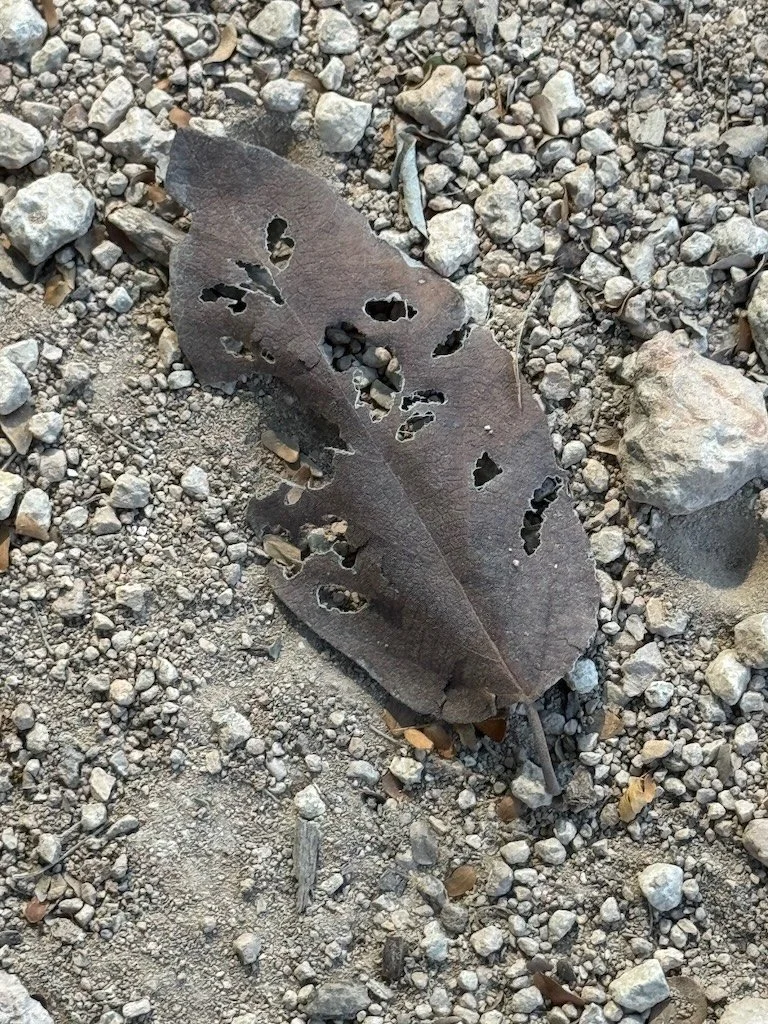
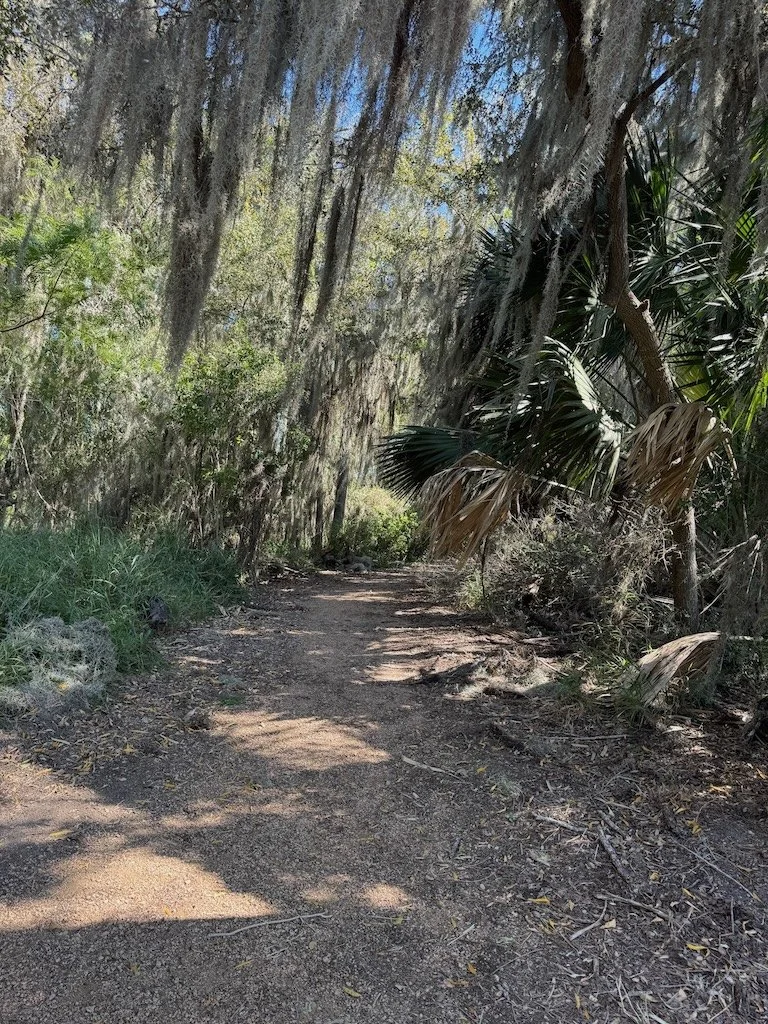
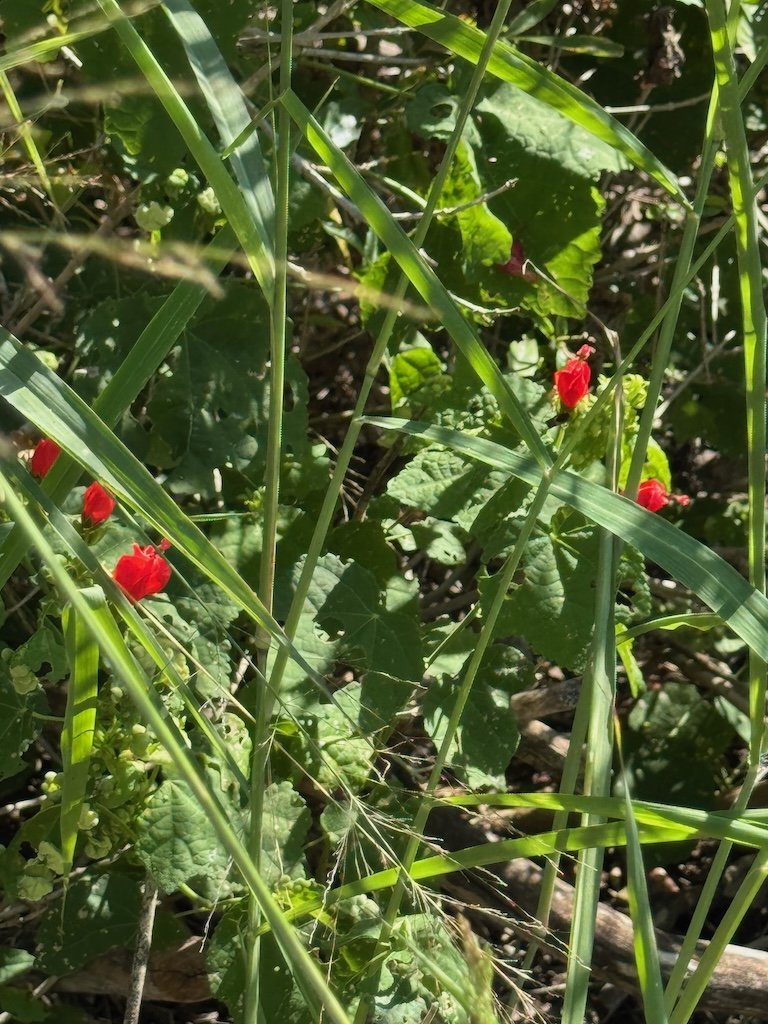
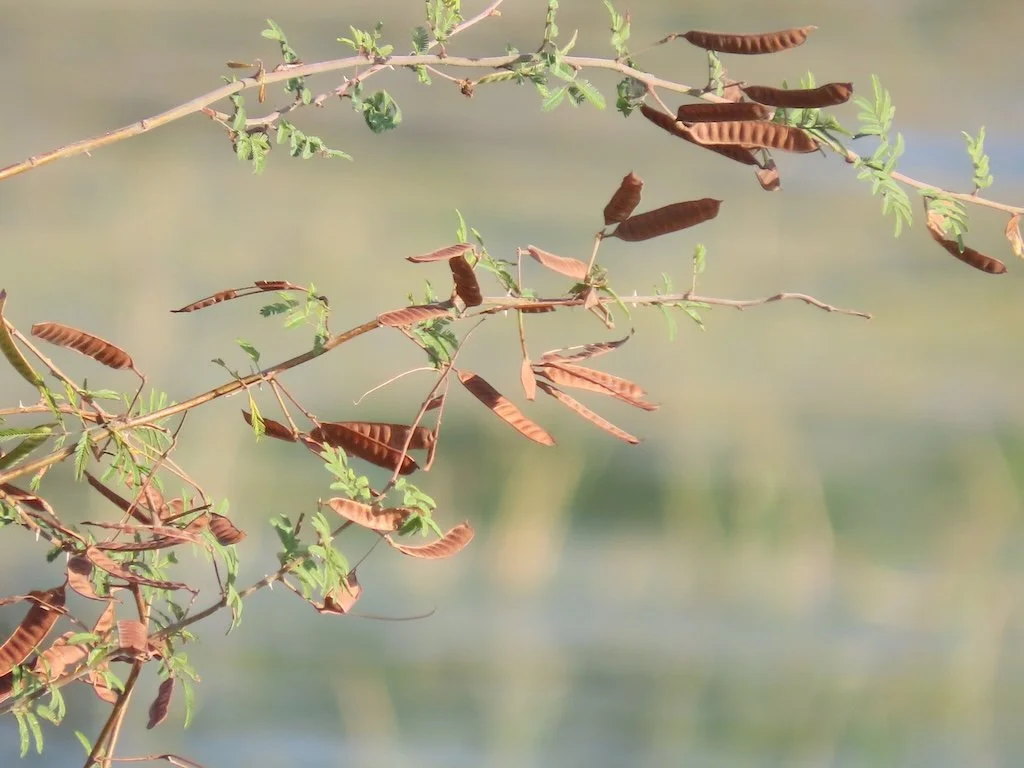
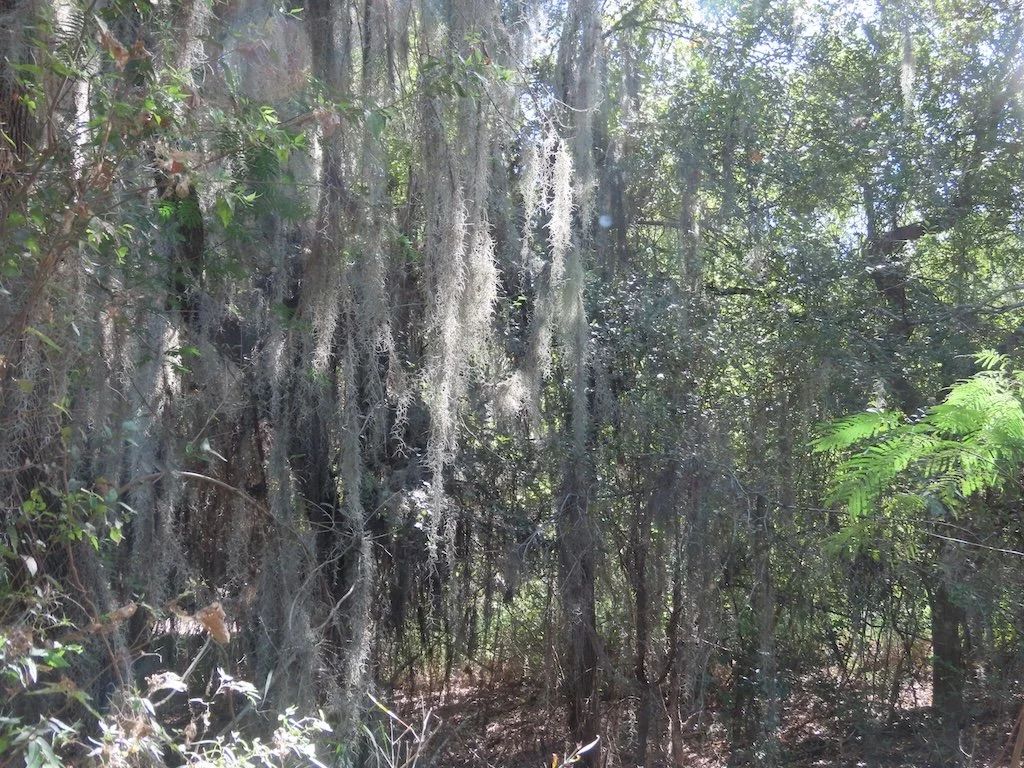
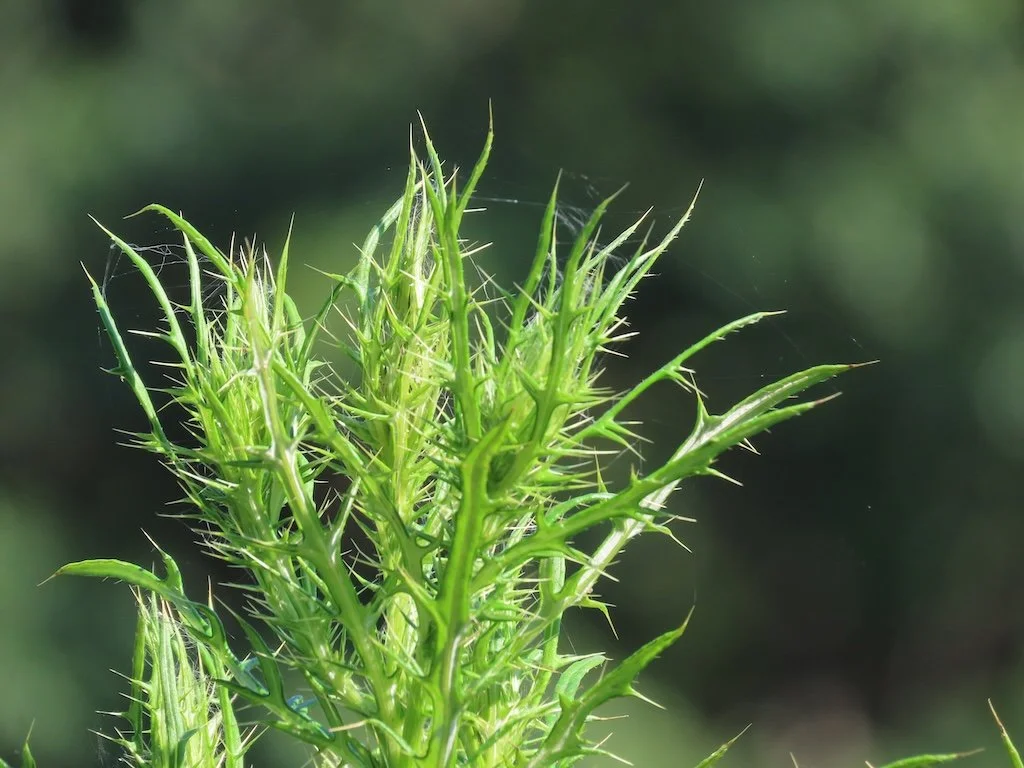
Of course there were lots of plants/landscapes to note as well. Somehow a leaf on the ground full of holes looked interesting to me as I rested midway through the hike. Turks cap grows wild at the refuge. There are a lot of legumes in the area…many with thorns! And there is enough moisture for Spanish moss to thrive.

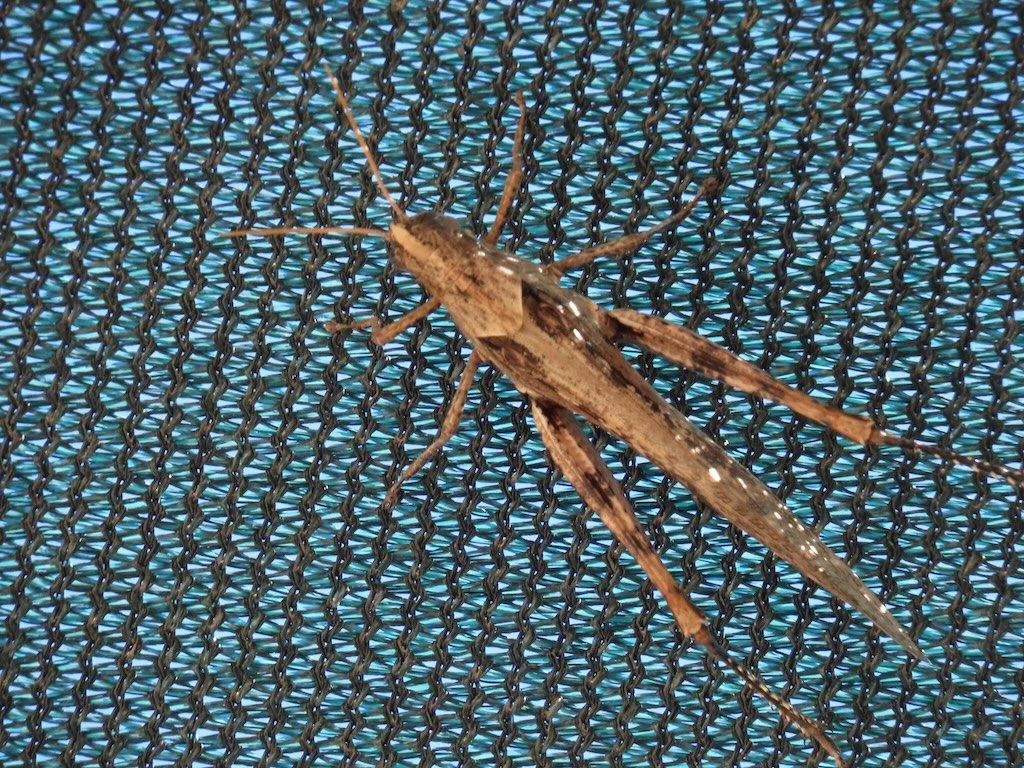
And now for the rest…mostly bird pictures that are mainly for identification…many of the waterbirds were almost out of the range of my camera or there was vegetation between me and the birds. The largest insect was on an awning near the tower.

I used the Deet spray on my lower legs but got bites (mosquito) through my leggings above my knees and on my arms through my sunblock shirt sleeves! Fortunately, they did not itch too much (after I put baking soda water on them); so far, I am not feeling any ill-effects; next time I will be more careful and spray myself more thoroughly.

Anzaldus Park on the Rio

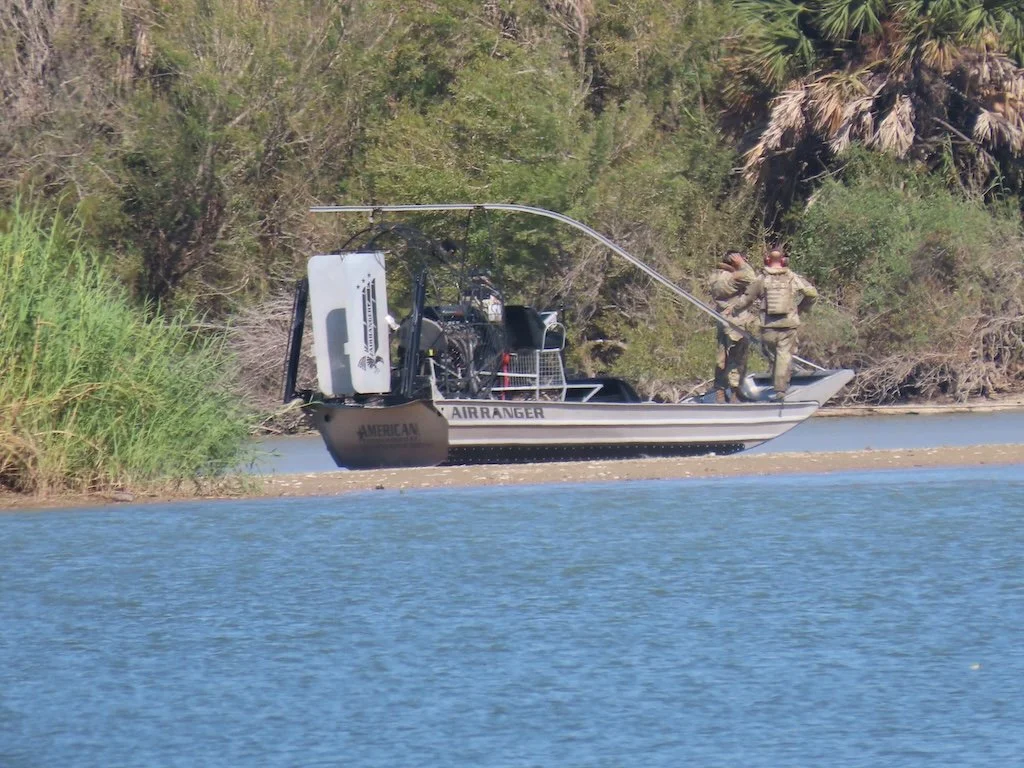
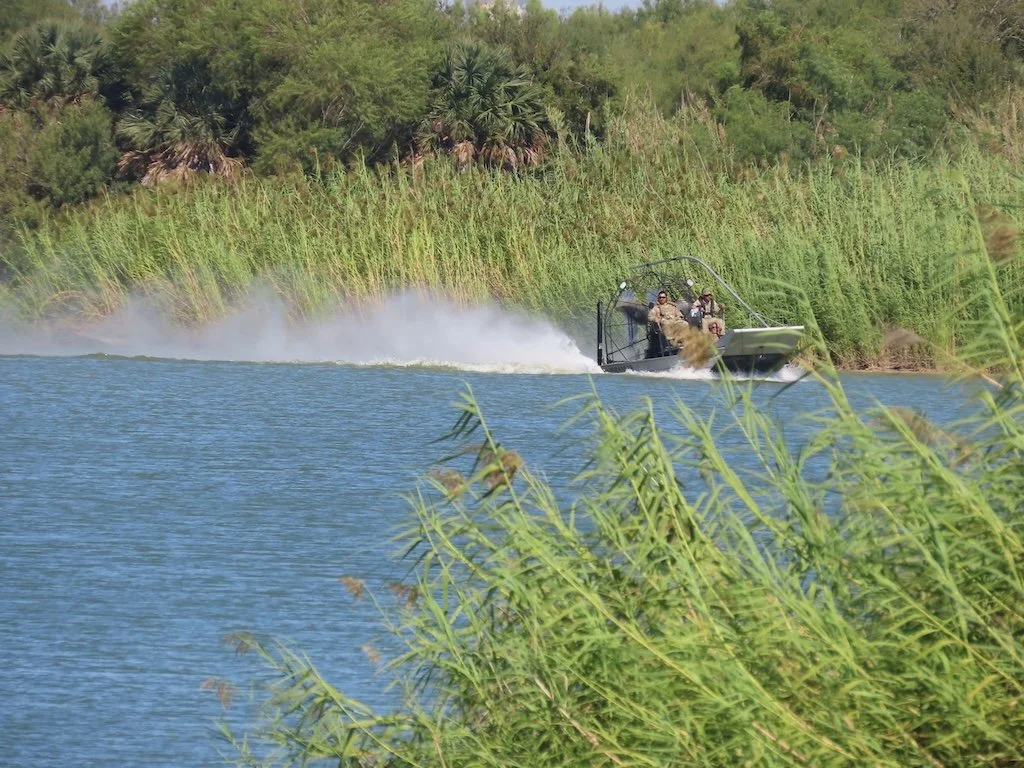
Anzaldus Park is not far from the National Butterfly Center in Mission TX. It was used as a COVID quarantine area and is sometimes closed by ICE, but when we were at the Rio Grande Valley Birding Festival it was open and we walked around looking for birds. Our guides that had been there over the years reported that there were not as many bird as before the quarantine/ICE usage years. There was considerable noise from an airboat stuck on a sandbar (trying to get back in the water) and then the boat roaring around in the water after the finally managing to get free); it wasn’t clear if the boat belonged to Border Control or ICE…they appeared to be unfamiliar with their equipment and the area….just out for fun on an air boat.

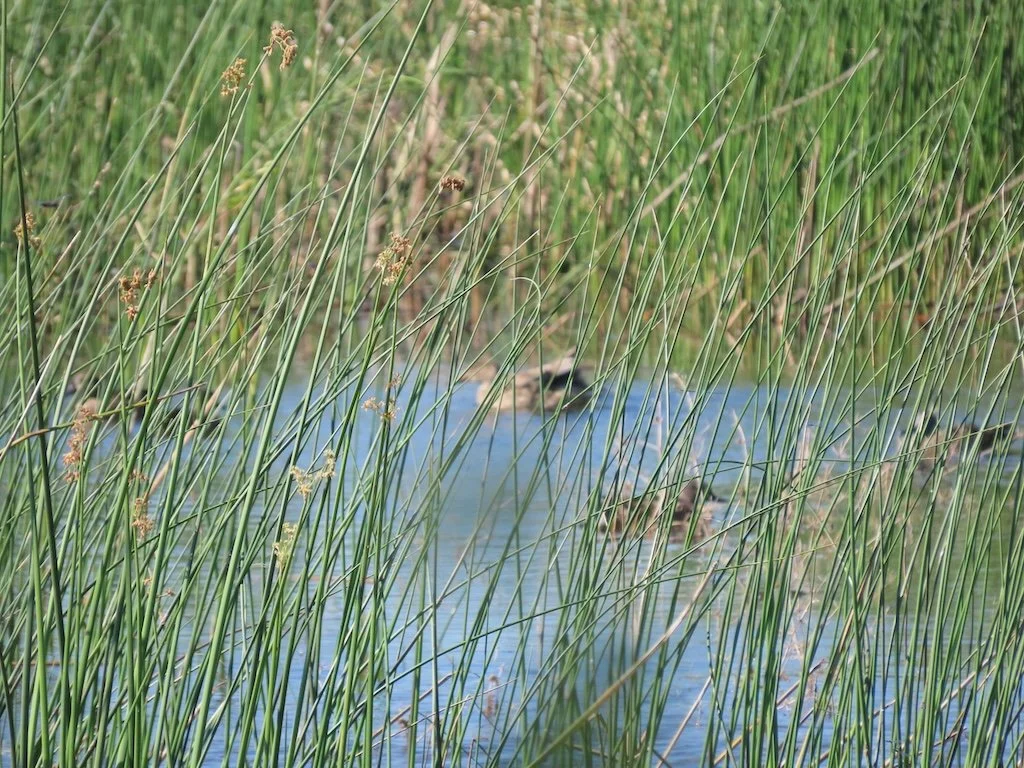
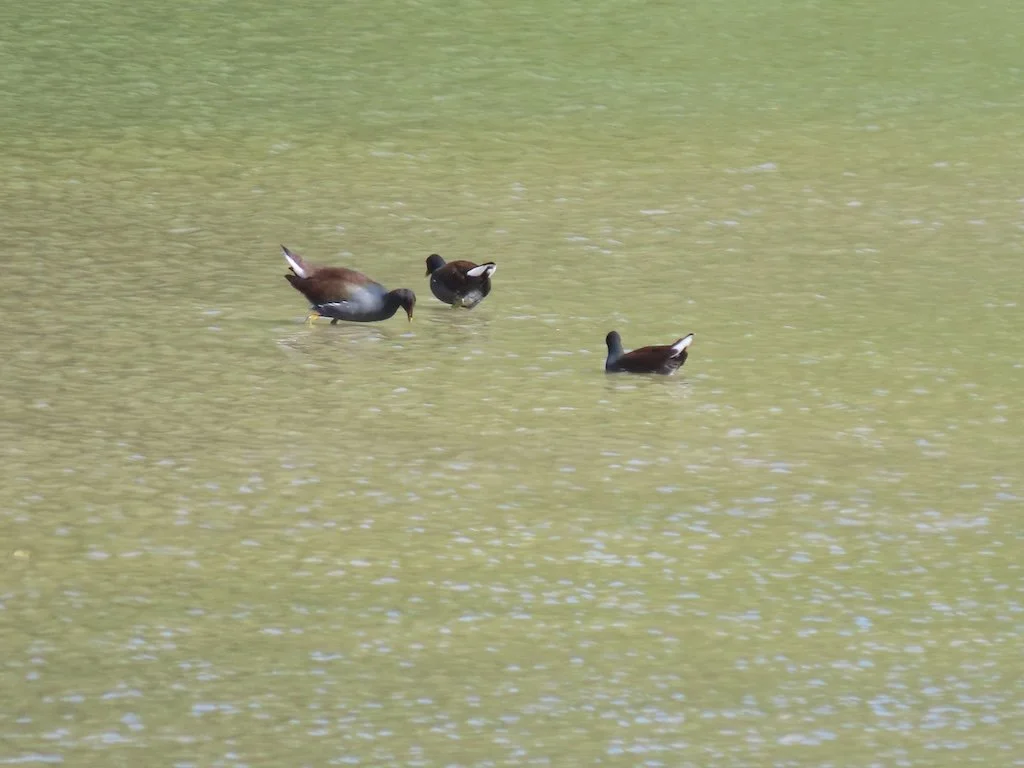
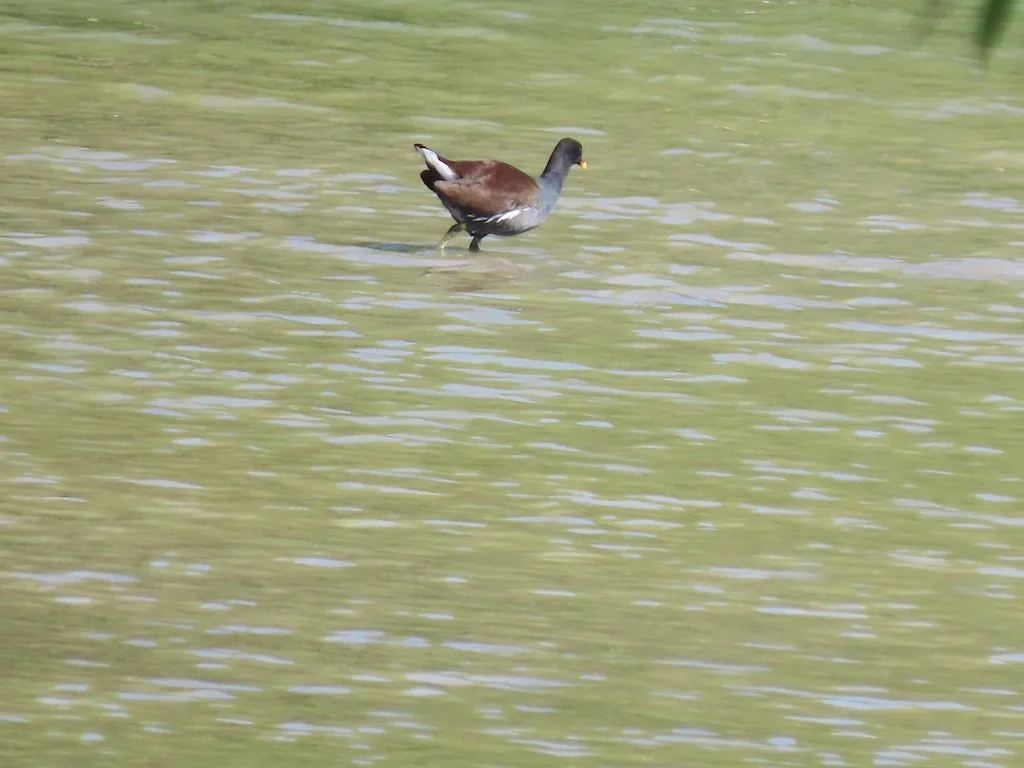
Common Gallinule

Great Egret

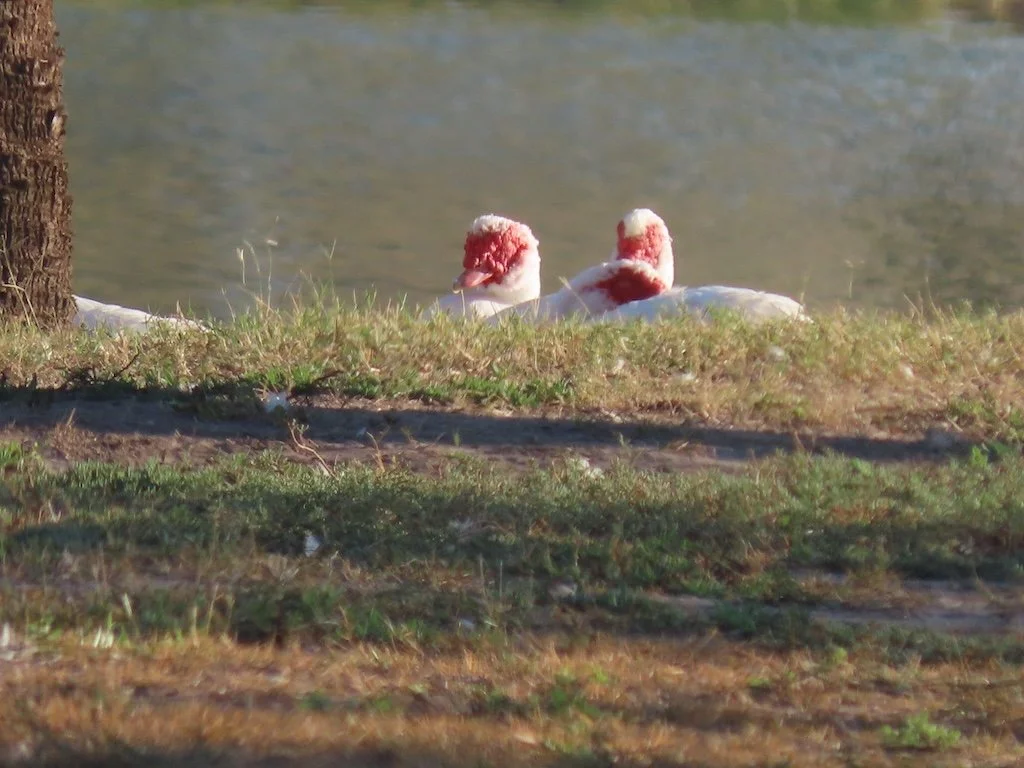
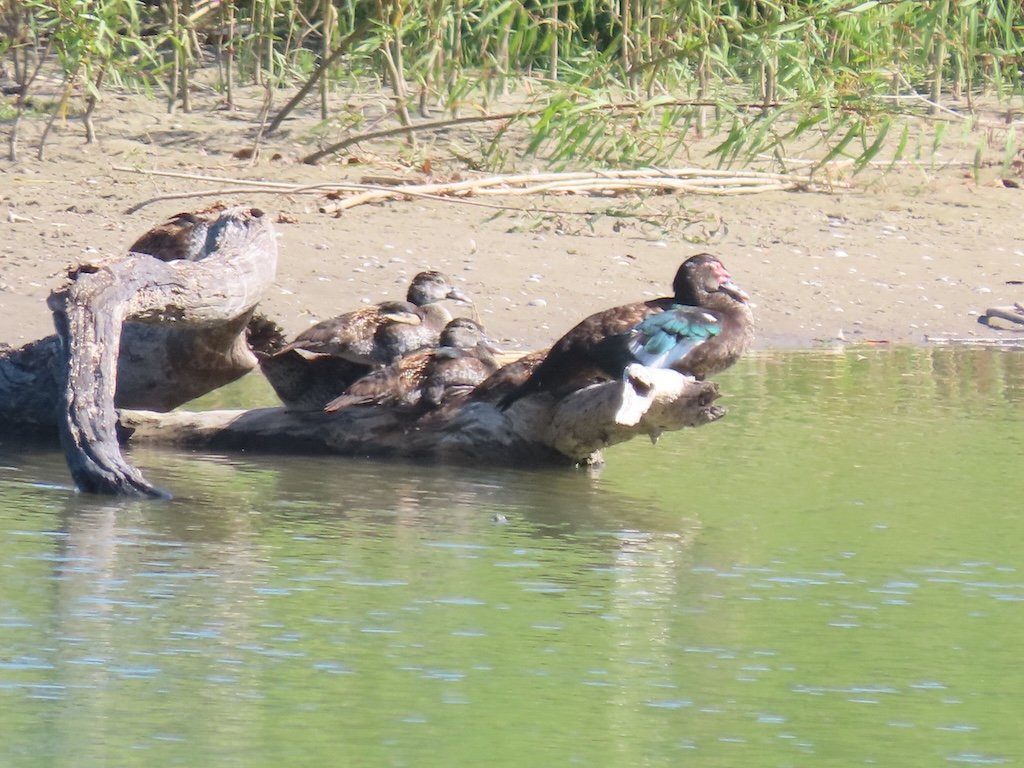
Hybrid Muscovy ducks

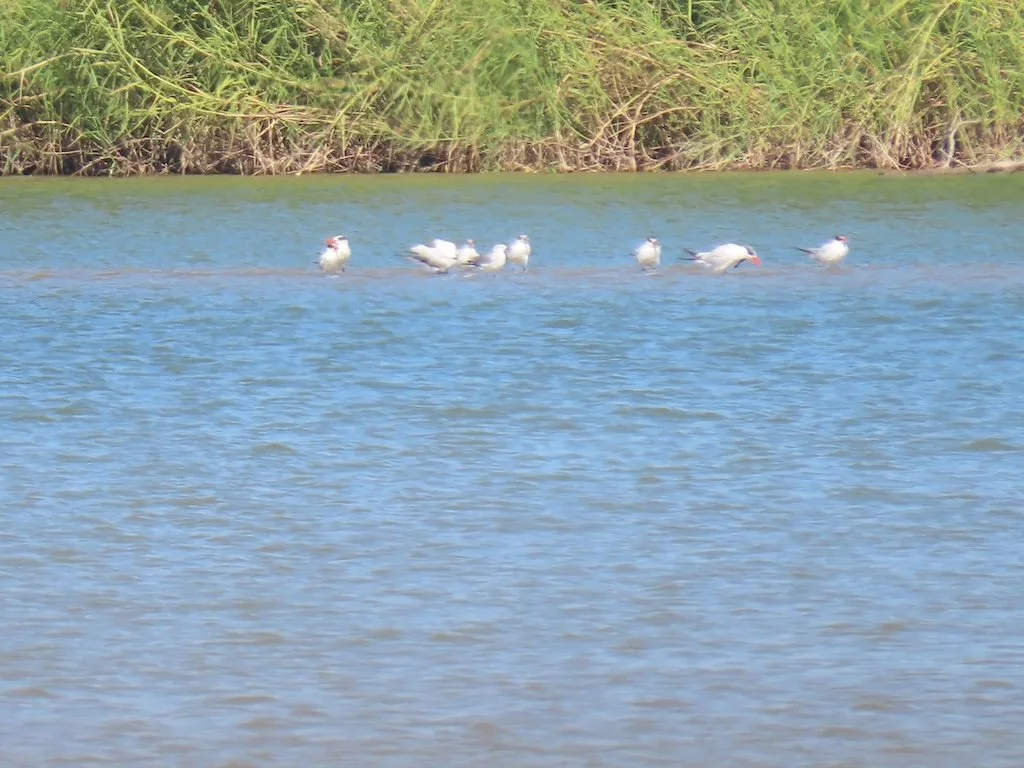
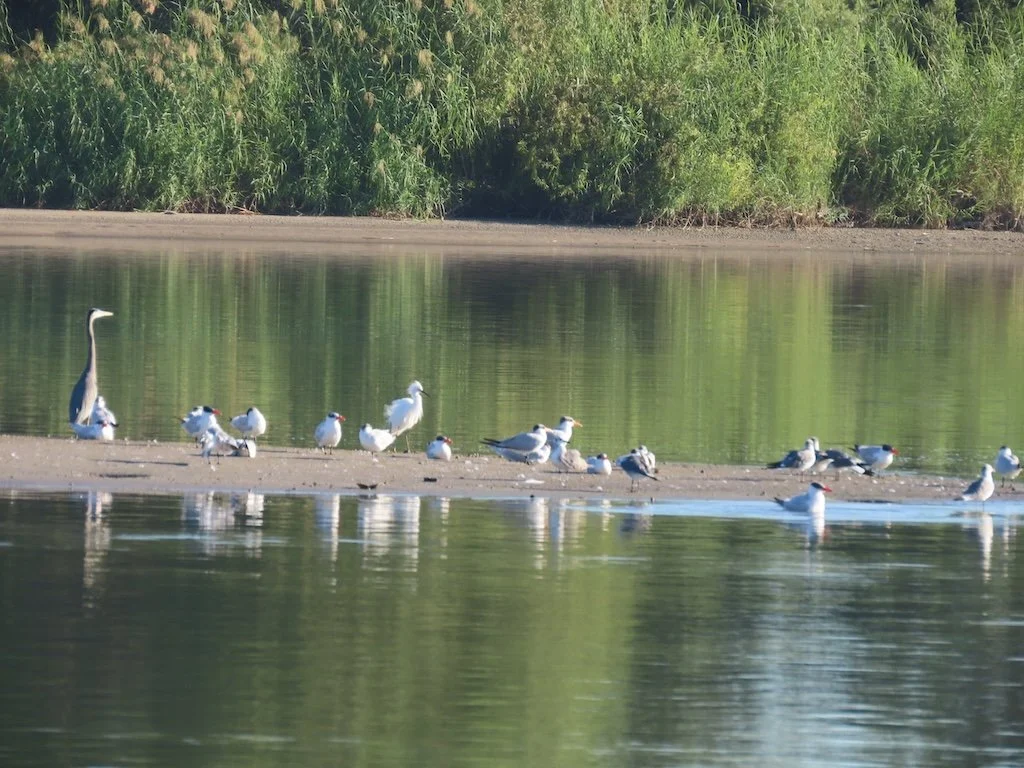
Terns (probably Caspian)

Scarlet Tanager

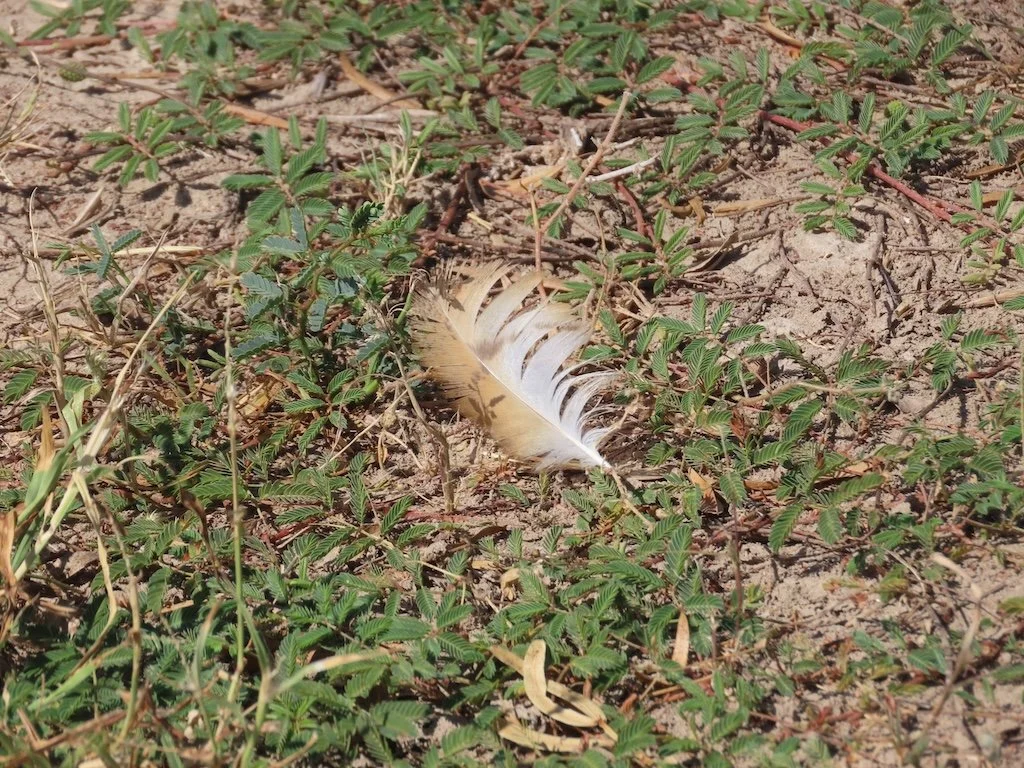
I couldn’t resist a feather photo. I wondered if the feather might have been from a cattle egret.

Soft Shelled turtle

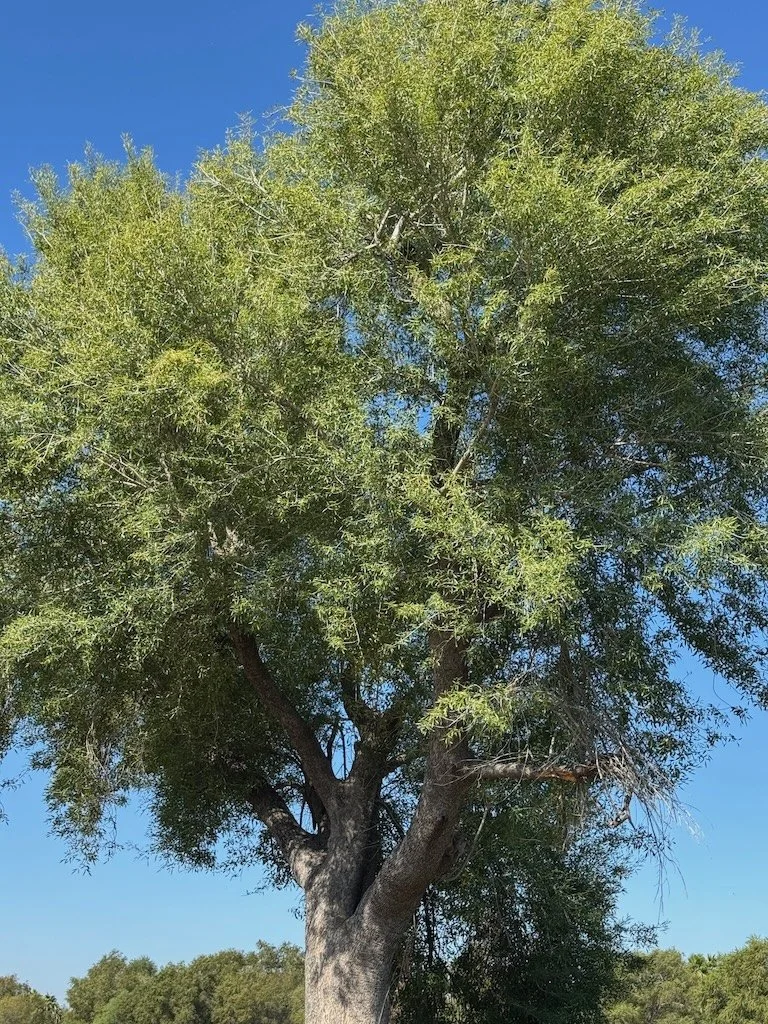
Powderpuff (Mimosa strigillosa) and Mexican Ash (Fraxinus berlandieriana) So far, the Emerald Ash Borer has not attached this species…but it may only be a matter of time.

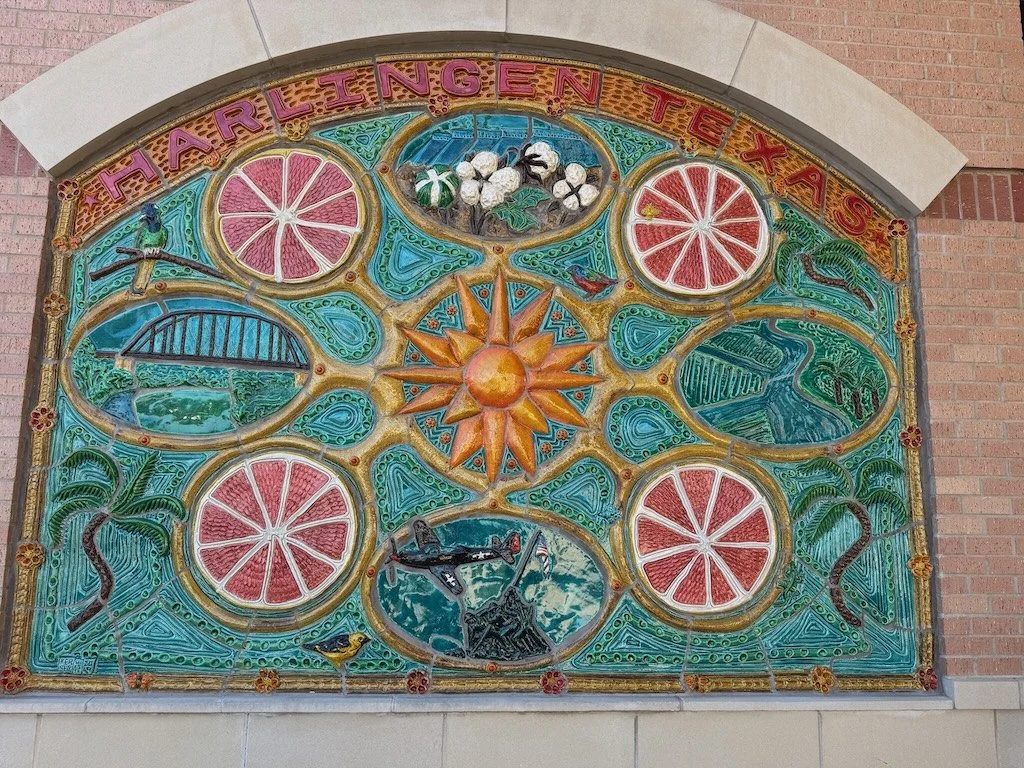
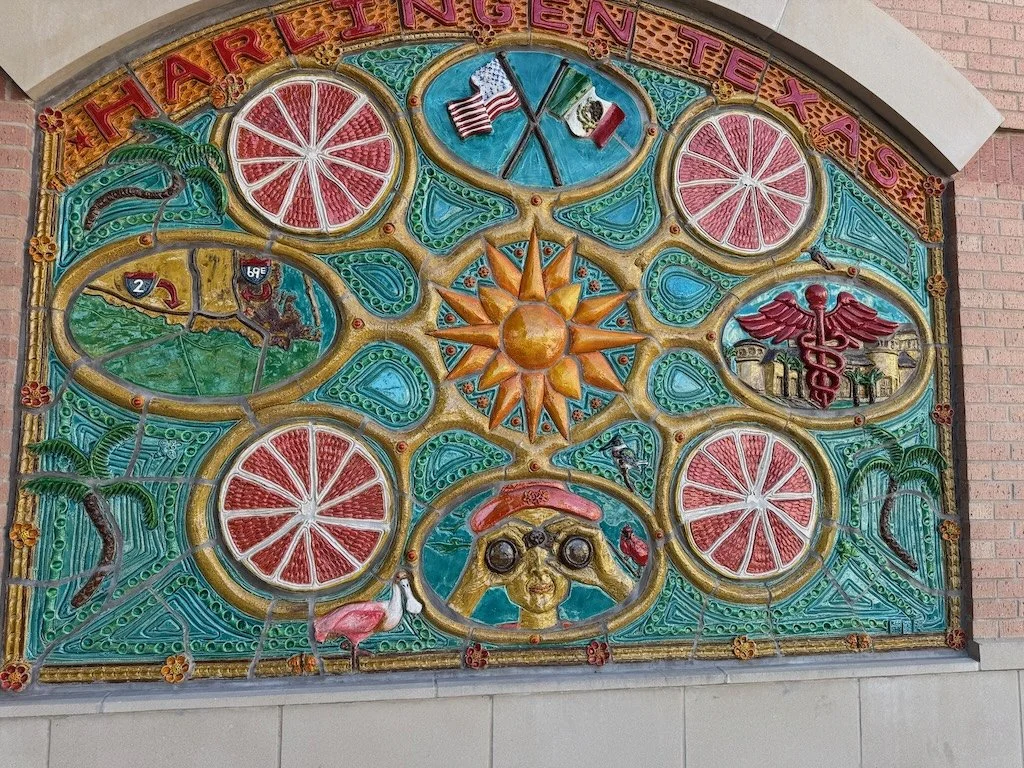
We got back from the morning field trips in time of a late lunch. I remembered to take pictures of two murals on the façade of the Harlingen Convention Center near where we exited the van!

Gleanings of the Week Ending November 22, 2025

The items below were ‘the cream’ of the articles and websites I found this past week. Click on the light green text to look at the article.

Spotted Lanternfly Biology and Lifecycle – Missouri is trying to stop them from gaining a foothold in the state….but it will take a lot of vigilance. The invasive insects are already in Illinois and could move into Missouri very easily – particularly as egg masses on vehicles. In the current infestations, spotted lanternfly has shown to have one generation per year consisting of four nymphal stages, an adult stage, and overwintering as egg masses.

Could Non-Invasive Colon Cancer Screening Replace Colonoscopies? – It would be great if these could work….colonoscopies are invasive tests….but, for now, they are the only choice for a reliable screening for colon cancer.

13 Non-Toxic, Plastic Free Electric Kettles for a Healthy Cup – A plastic free electric kettle is on my wish list for this year. It will be used a lot in my office.

Reindeer Hunting Artifacts Emerge from Melting Ice in Norway - Melting ice in Norway has revealed a 1,500-year-old reindeer trap, preserved beneath centuries of snow and ice layers. Archaeologists uncovered wooden mass-capture fences, marked antlers, weapons, and a unique decorated oar from the site this year.

Why are thyroid cancer cases increasing across the world? - We're likely observing a multifactorial phenomenon that includes environmental, metabolic, dietary and hormonal influences, possibly interacting with underlying genetic susceptibility.

A Bird in Mourning Wins the 2025 European Wildlife Photographer of the Year Contest – Great photos!

Anxiety is one of the world’s most common health issues. How have treatments evolved over the last 70 years? – I was surprised that no new drugs have been approved since 2004. While existing treatments can be very effective for some people — in fact, life-changing for some — we still have some way to go to develop effective treatments for everyone who struggles with an anxiety disorder, and ensure these treatments are available to them.

What a baby's first poo can tell you about their future health - T he Baby Biome study, which aims to understand how a baby's gut microbiome – the trillions of microbes living in their digestive tract – affect their future health. Babies born vaginally seem to inherit most of their bacteria from their mother's digestive tract; babies born via C-section had more bacteria associated with hospital environments.

From Ruins to Reuse: How Ukrainians Are Repurposing War Waste - Russian bombardments have generated more than a billion tons of debris across Ukraine since 2022. Now, local and international efforts are meticulously sorting the bricks, concrete, metal, and wood, preparing these materials for a second life in new buildings and roads. 

Our Plan to Restore the Gulf Coast for People and Wildlife - America’s Gulf Coast stretches over 1,700 miles and is home to 15,000 species of fish and wildlife, making it one of the most biodiverse areas in the country. It’s also one of the fastest-growing—the counties that border the Gulf are home to approximately 65 million people. Despite the challenges, including federal funding cuts to states, shifting political priorities and increasingly destructive storms and flooding, the National Wildlife Federation remains optimistic about what we can achieve in the next five years and the decades to come.

National Butterfly Center

Our second morning at the Rio Grand Valley Birding Festival started with a walk around the National Butterfly Center in Mission TX. It was a pleasant morning for a walk round the place. My husband and I stopped by the last time we went to festival in 2017, but it was a rainy and cold day….so we didn’t go past the visitor center! This time it was a beautiful sunny day, and we enjoyed walking around the space behind the visitor center with our guides. At one time there was a lot of anxiety that the border wall would cut through the center…but evidently the land for the center was preserved and there is still a lot to see there.

I saw a lot more than I was able to photograph! It was an interesting walk. I started with some plants near the entrance.

Scissor-tailed Flycatcher

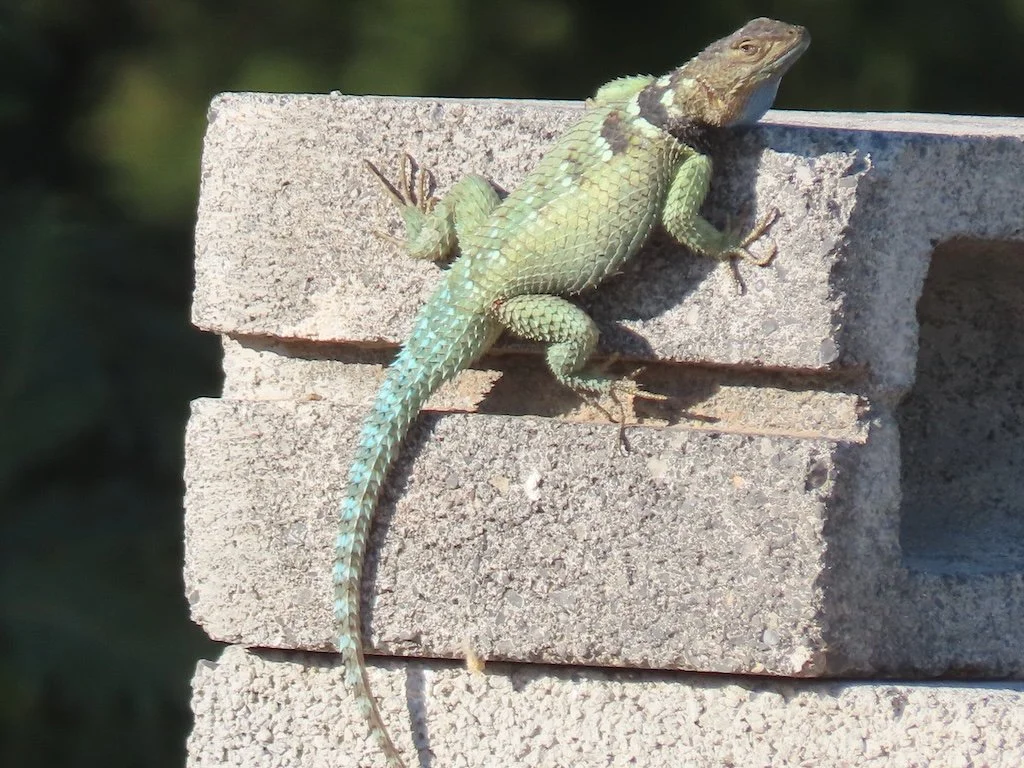
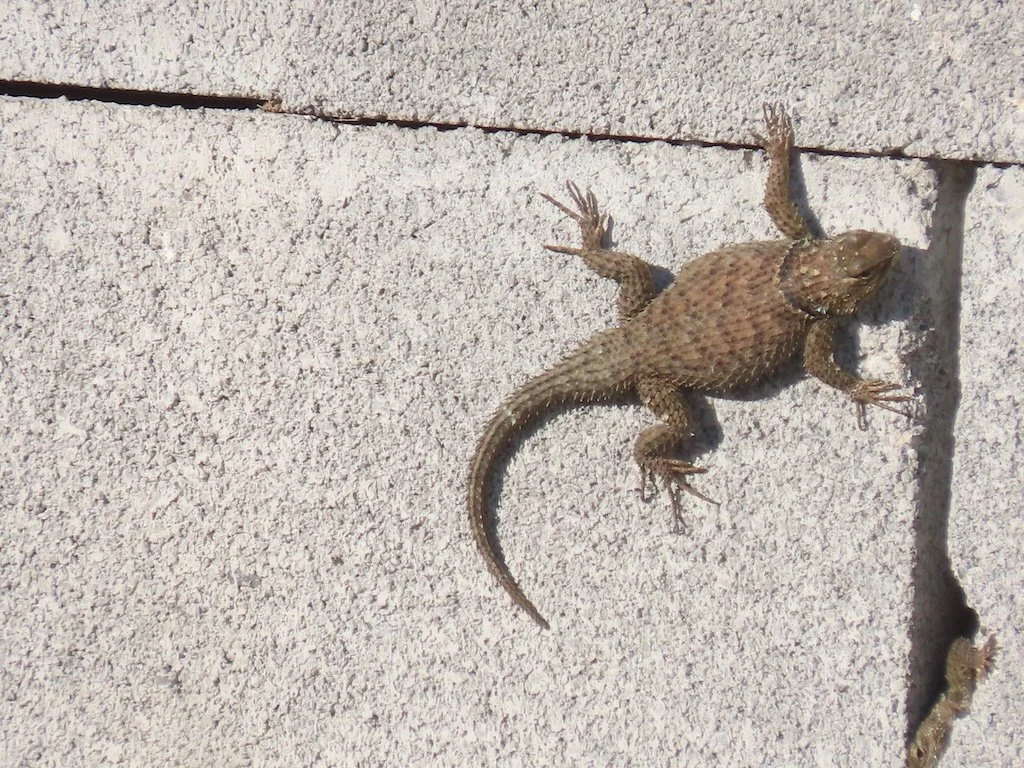
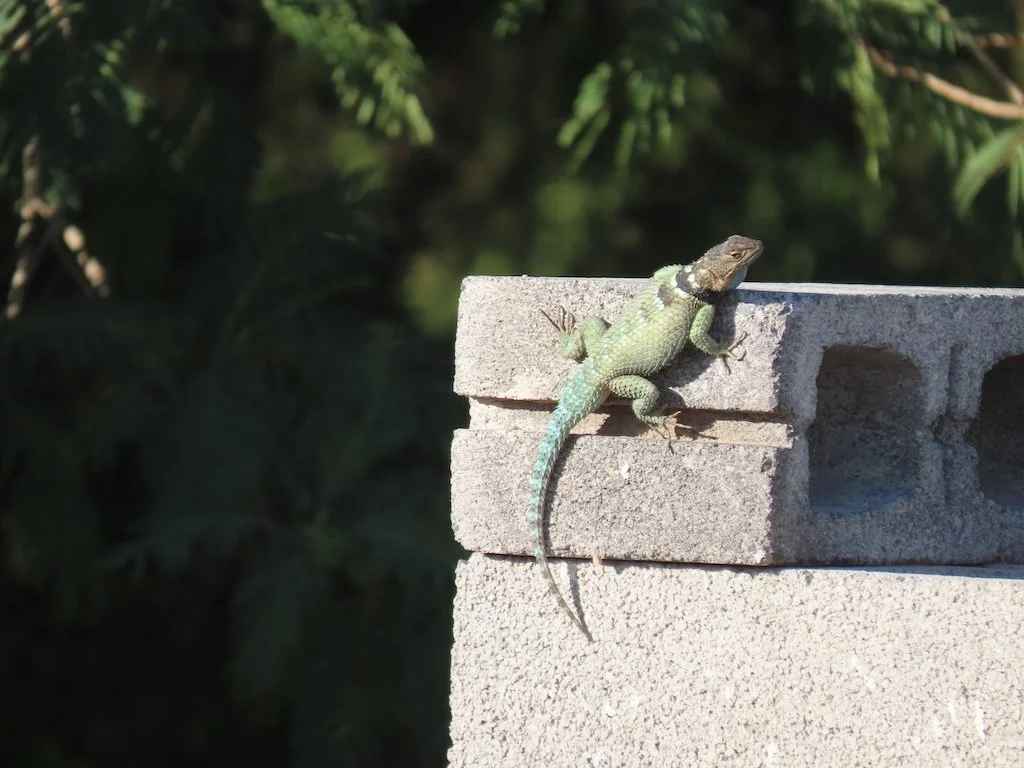
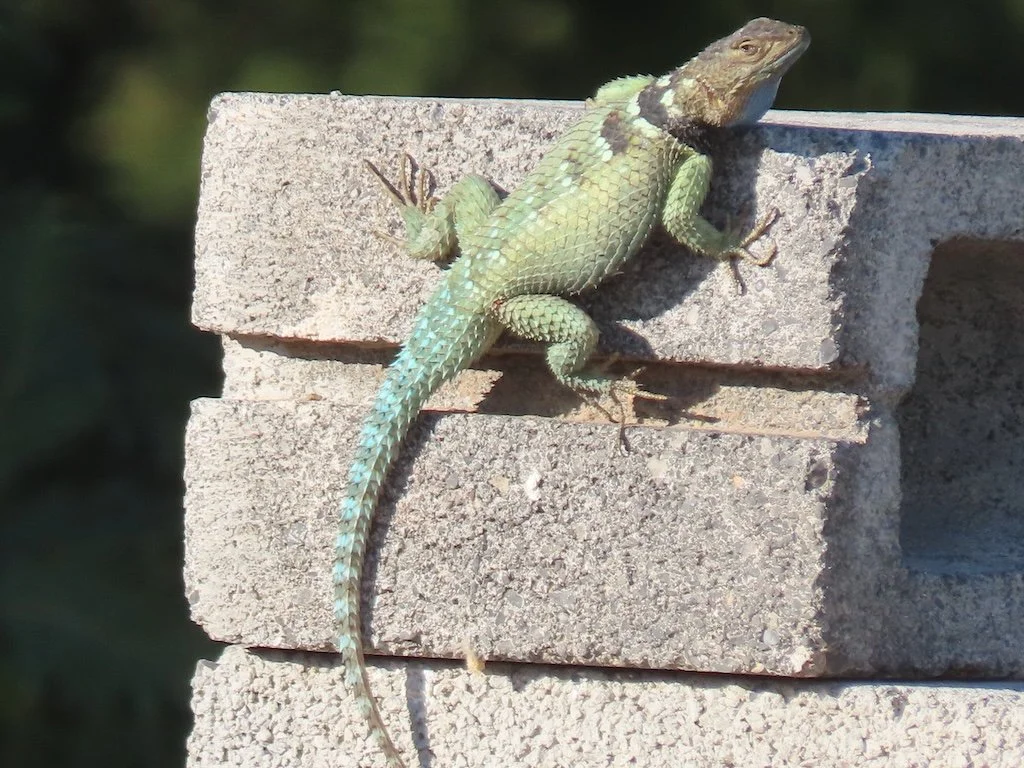
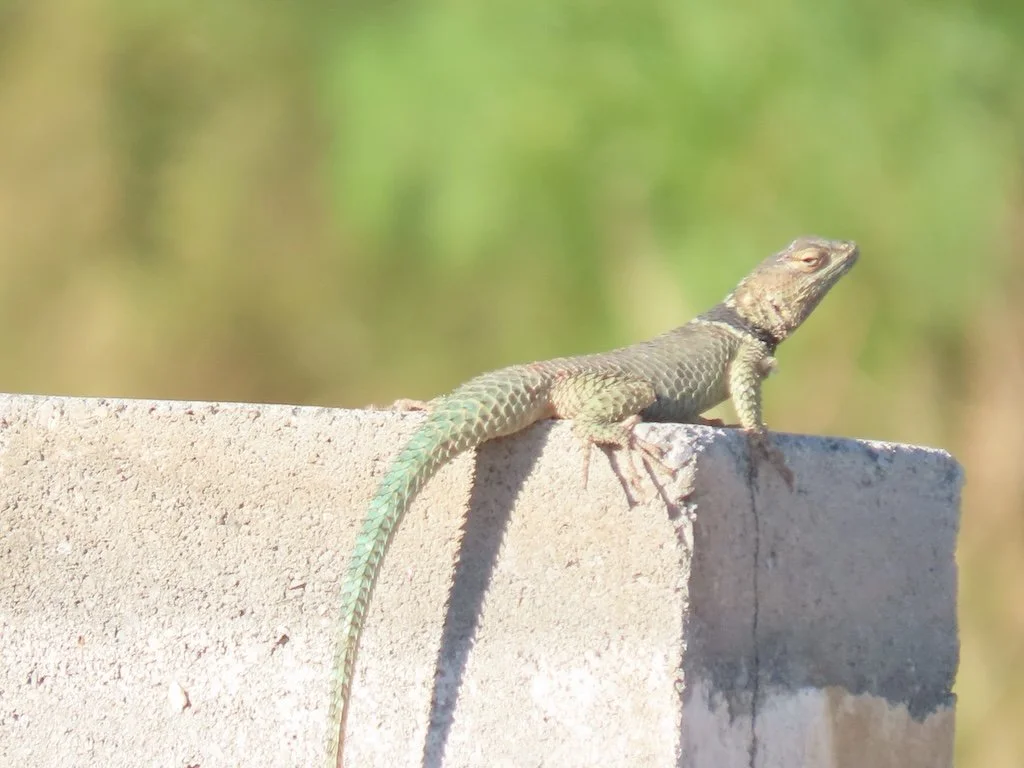
Spiny lizards

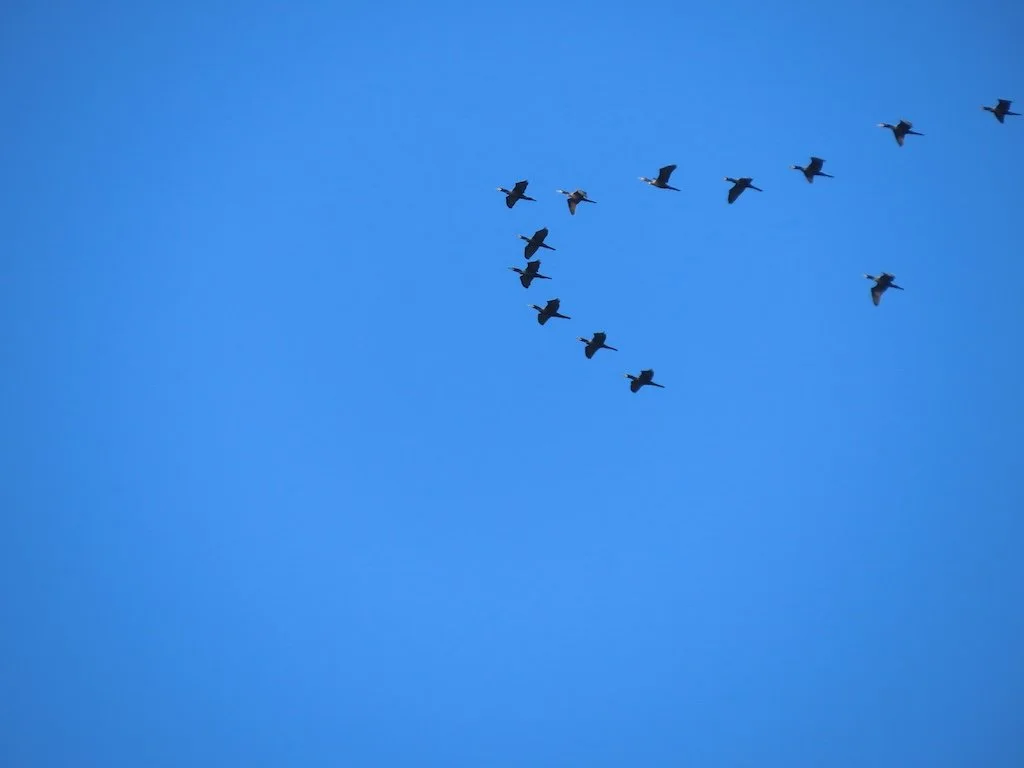
Neotropic Cormorants in flight

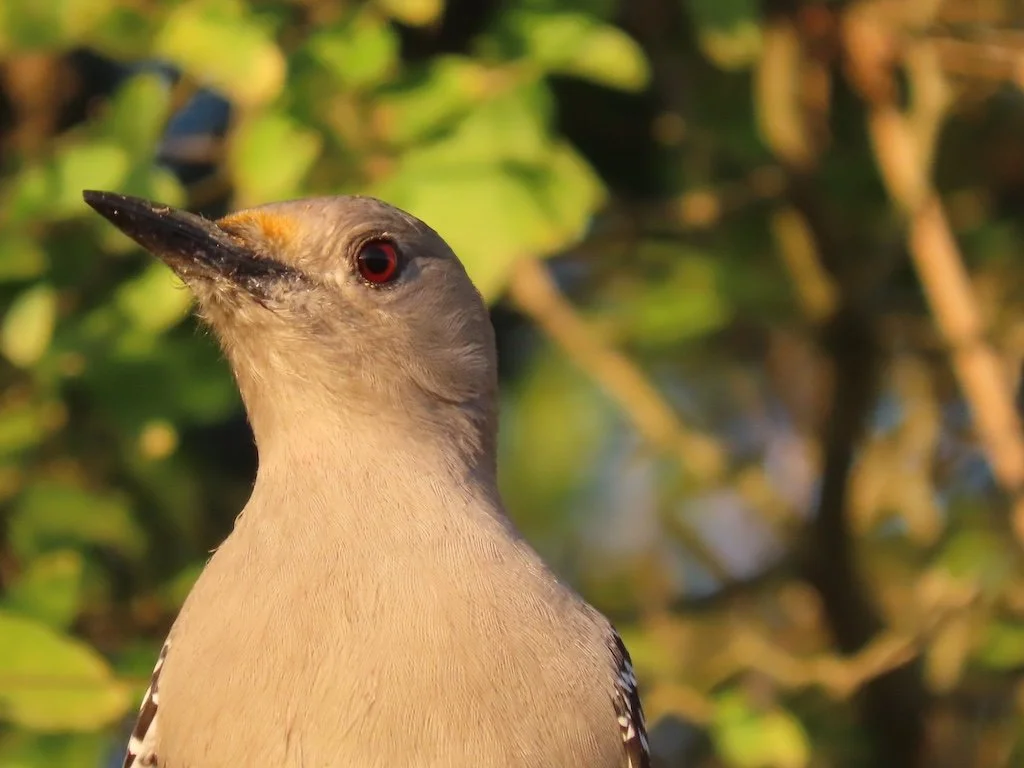
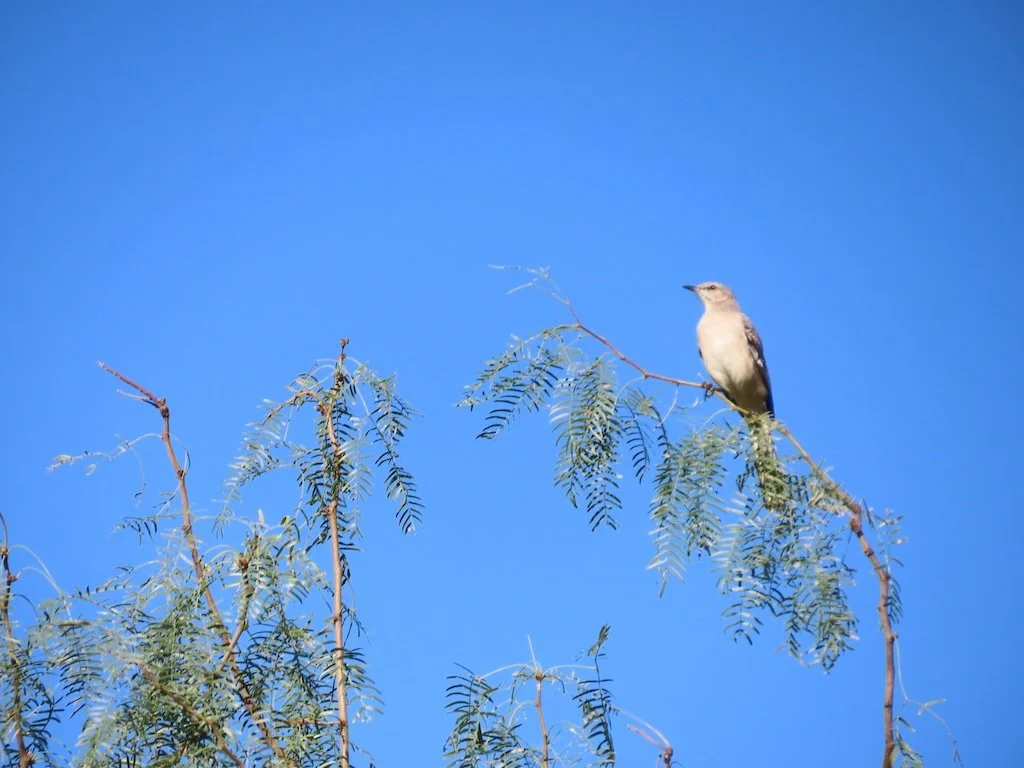
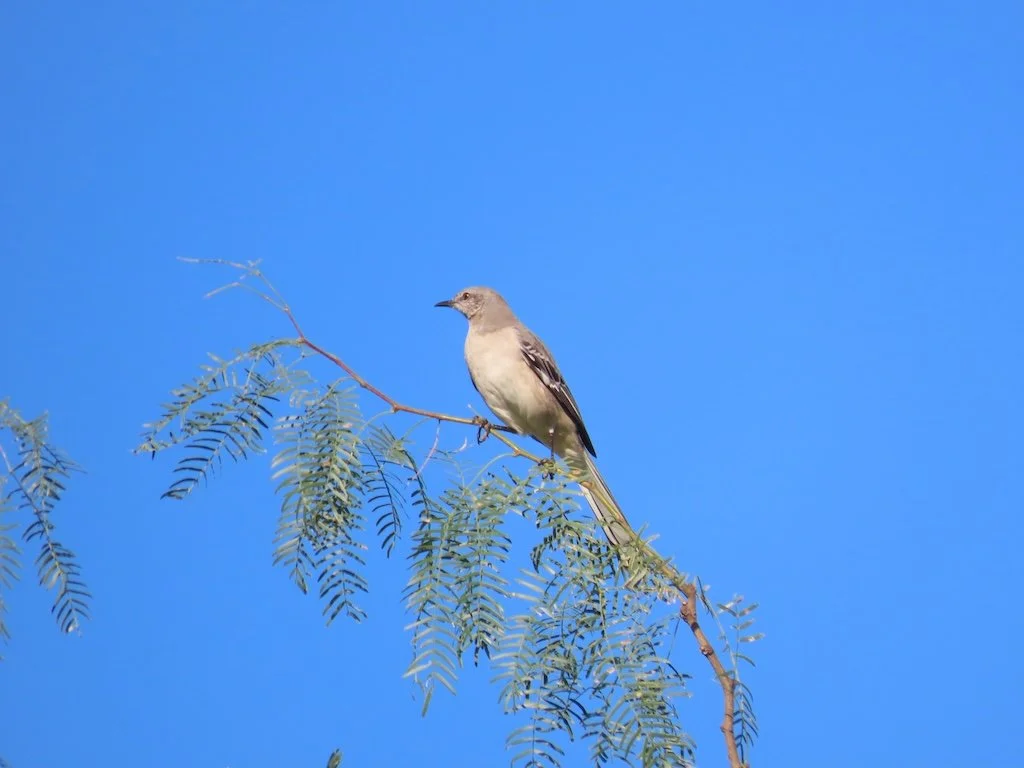
Northern Mockingbird

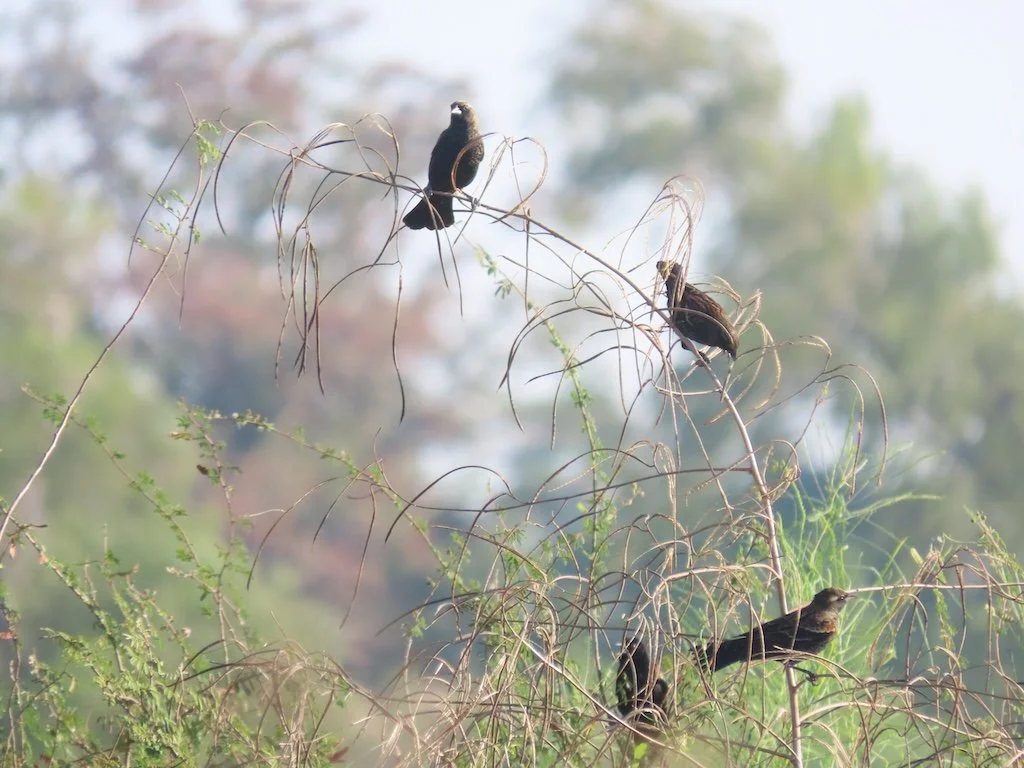
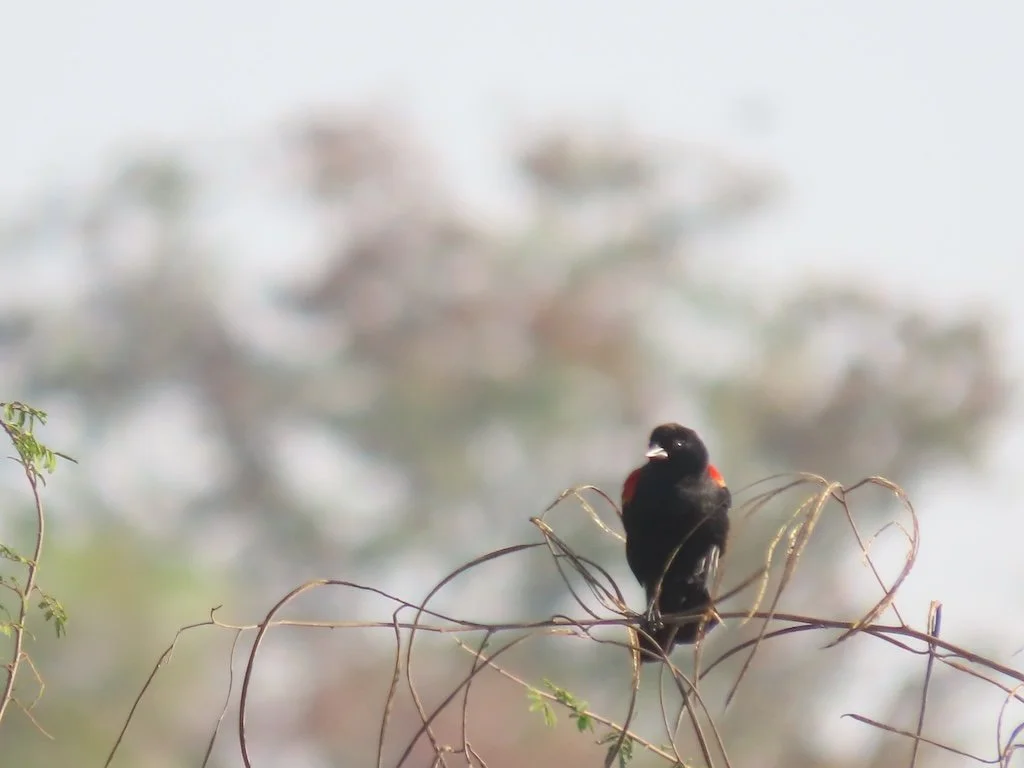
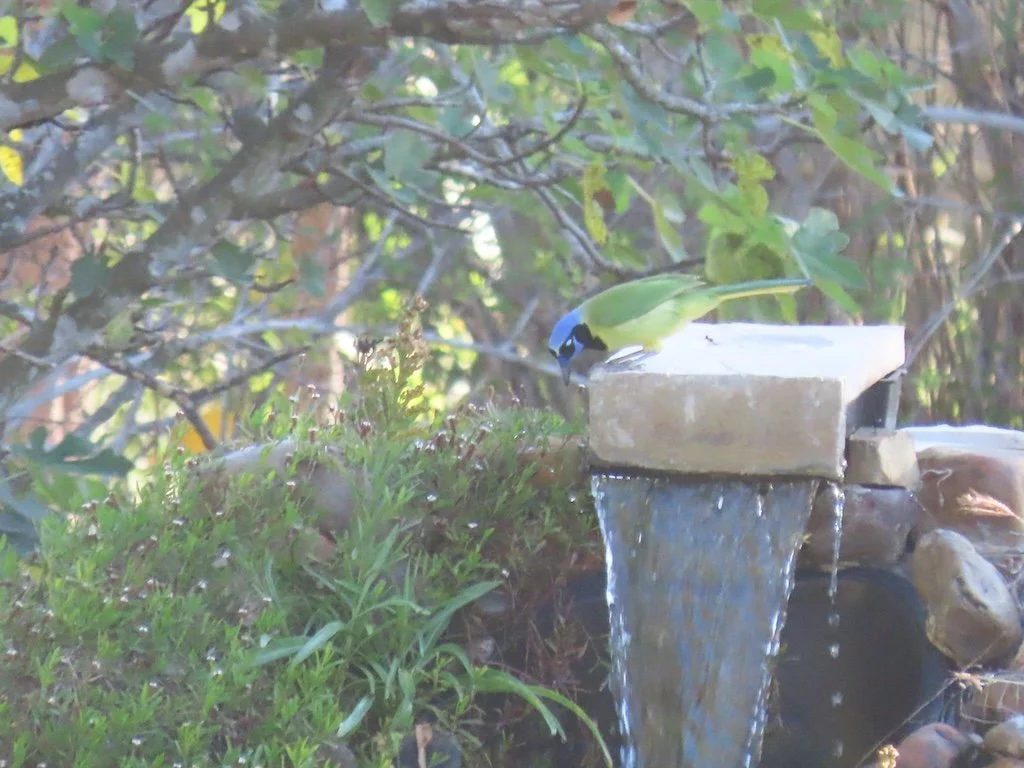
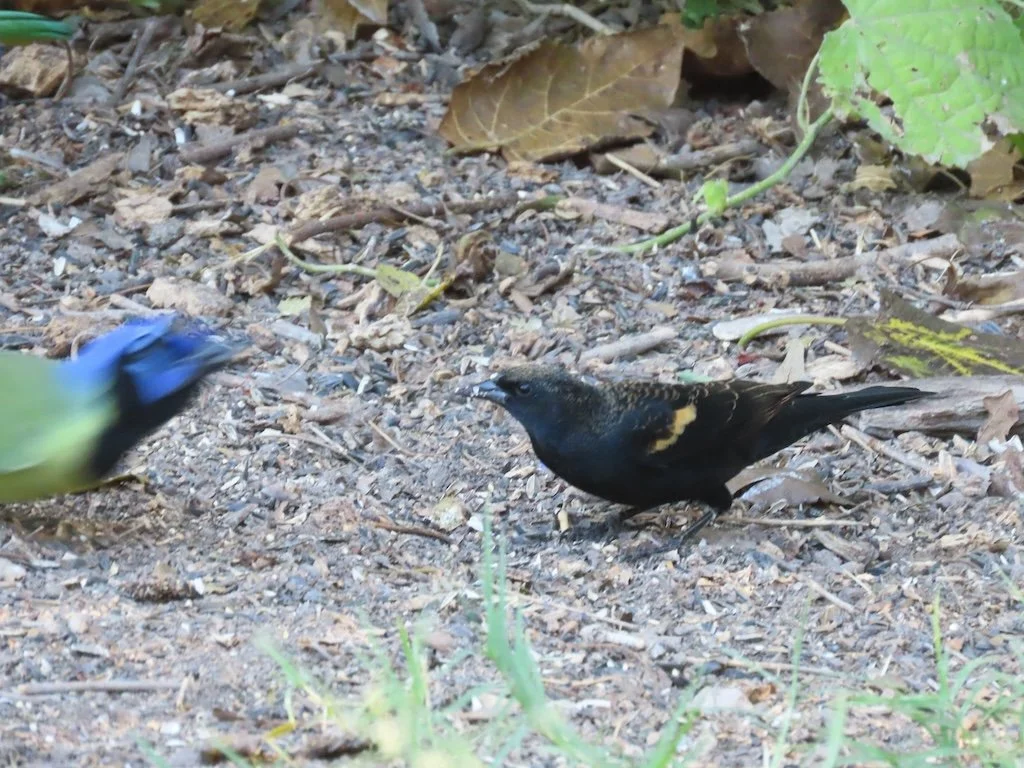
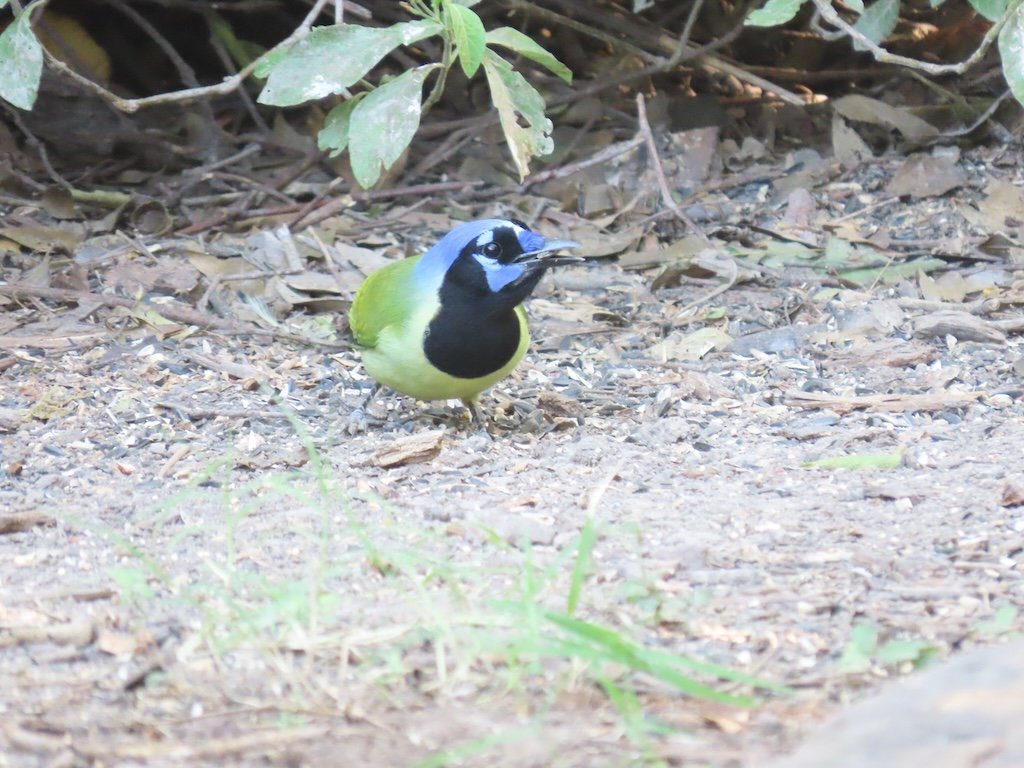
Green Jay (including an interaction with red-winged blackbird)

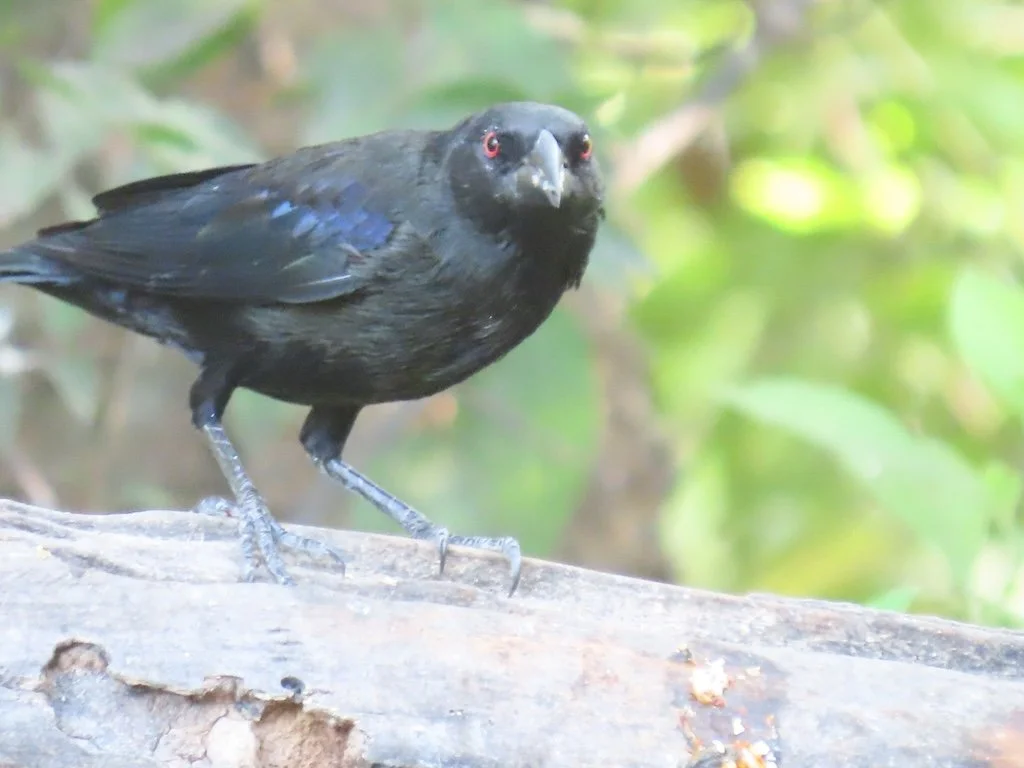
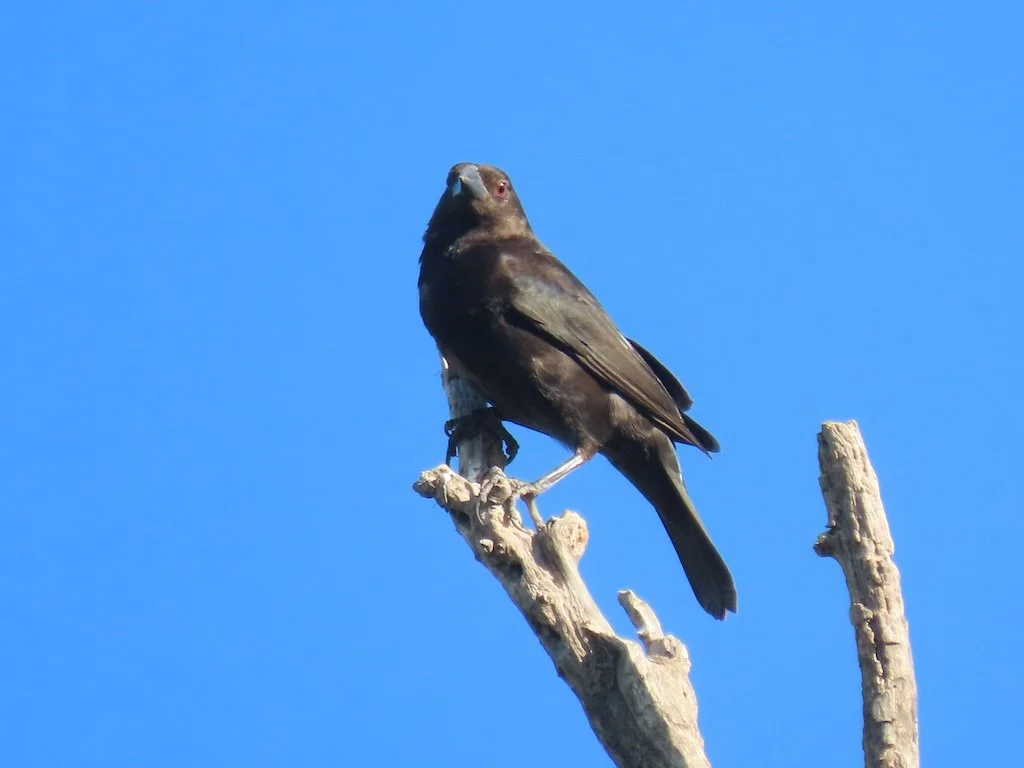
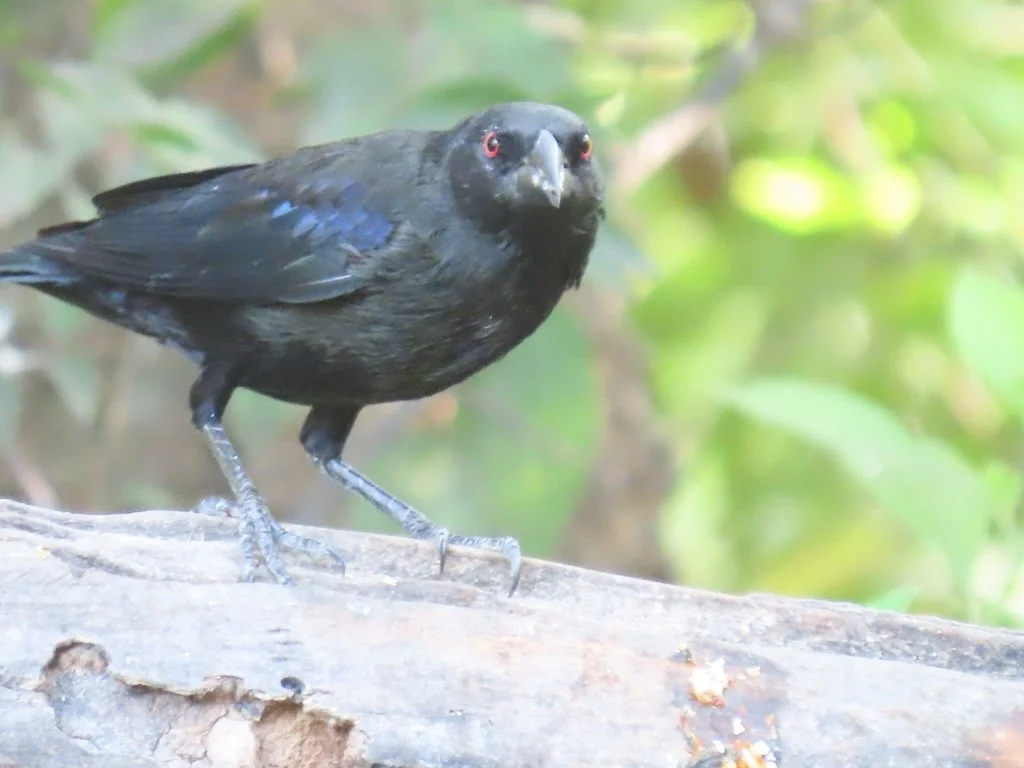
Bronzed Cowbird

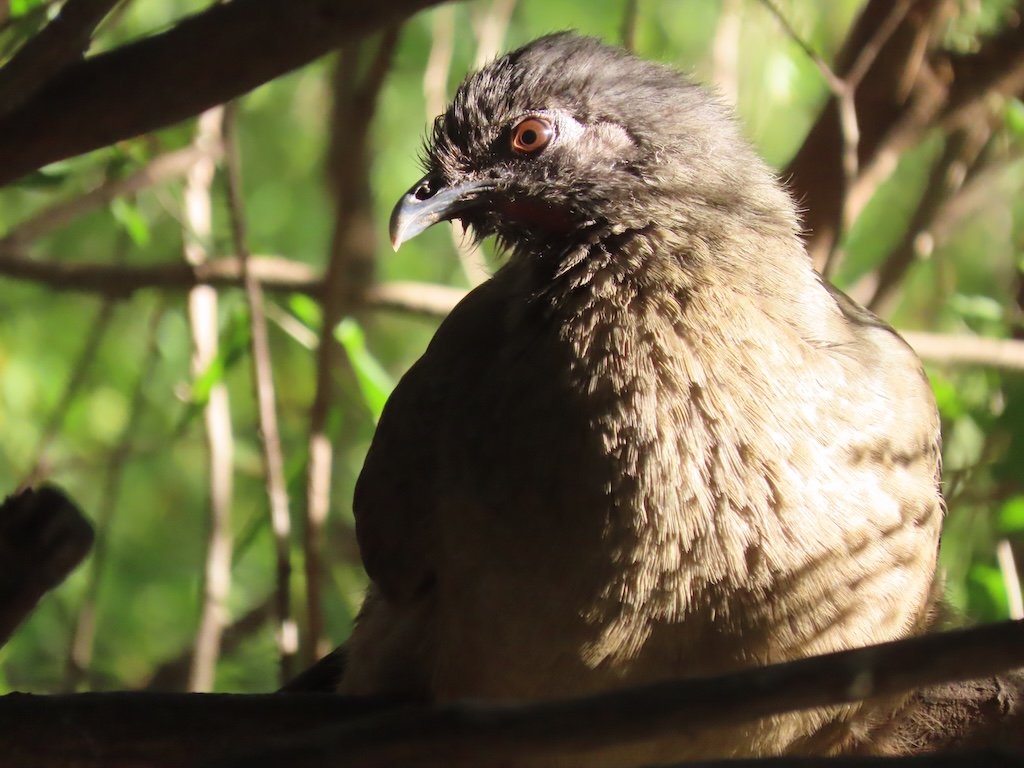
Plain Chachalaca

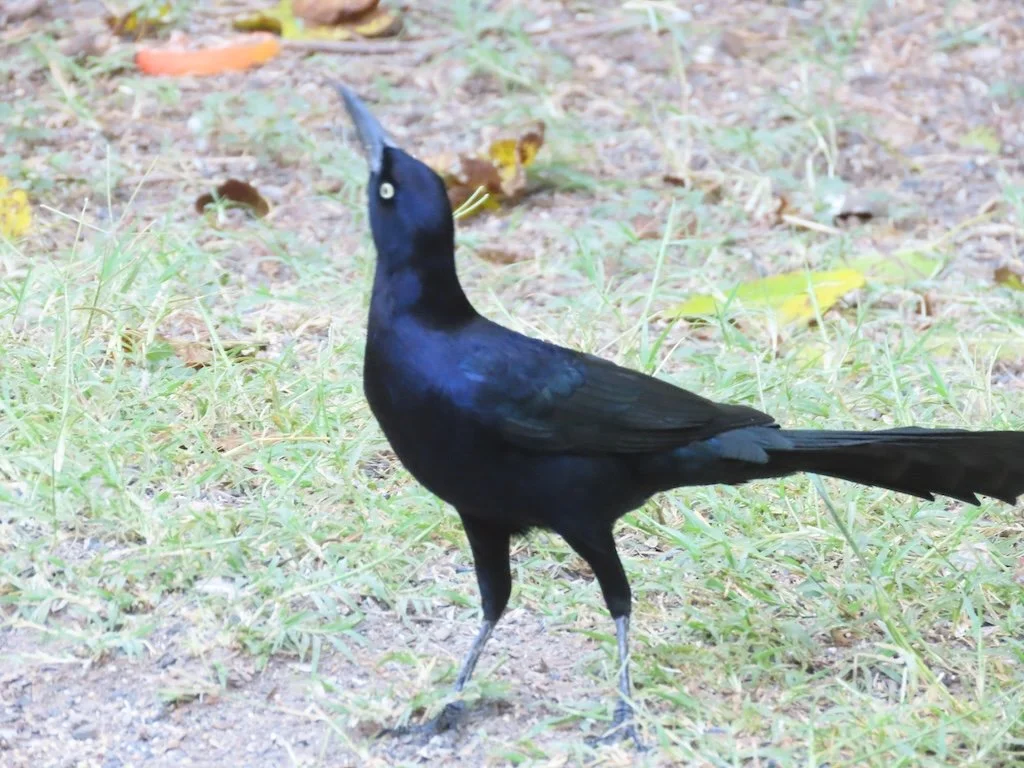
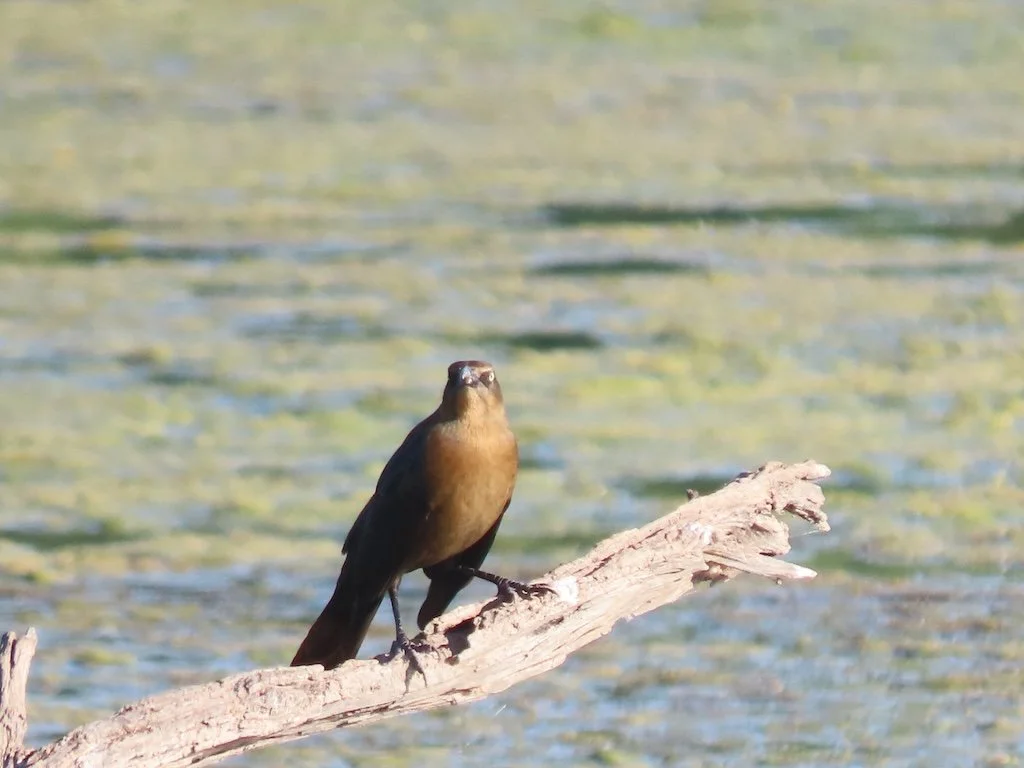
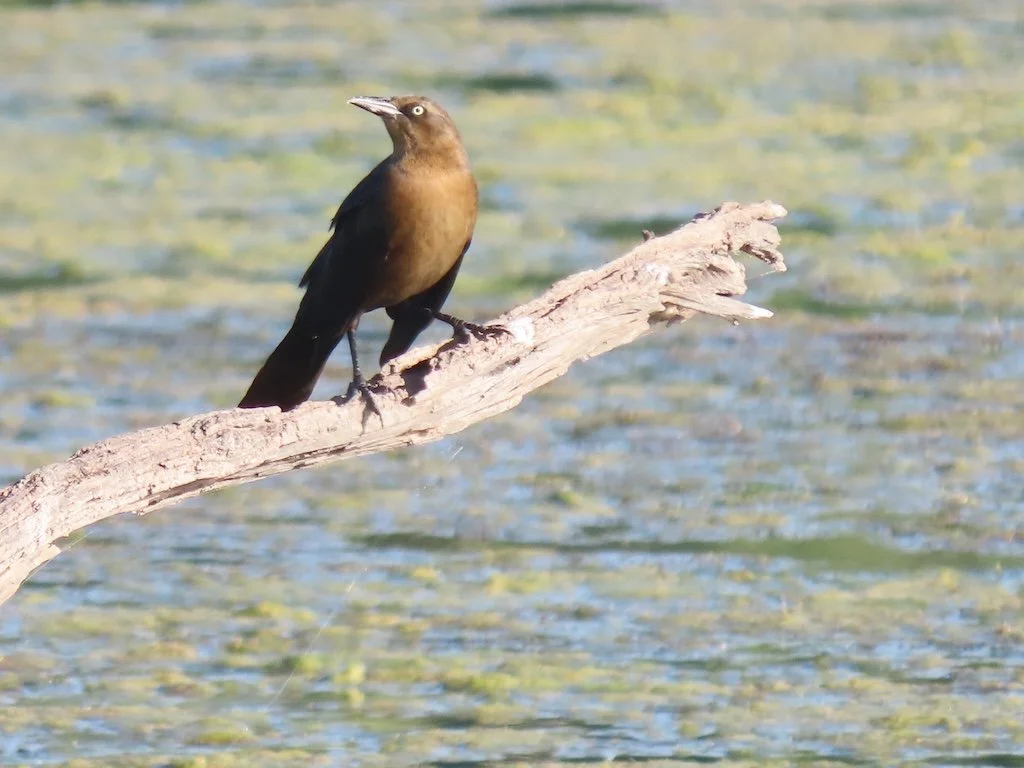
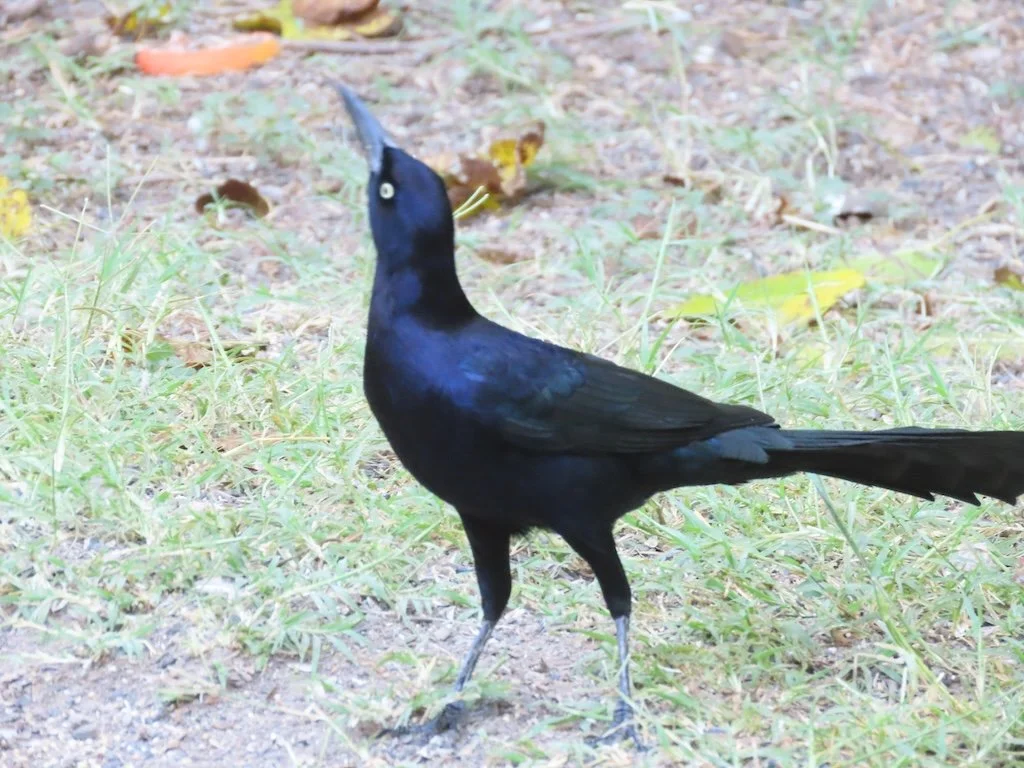
Great-tailed grackle (including a picture that makes it easy to see the size difference between the grackle and the chachalaca)

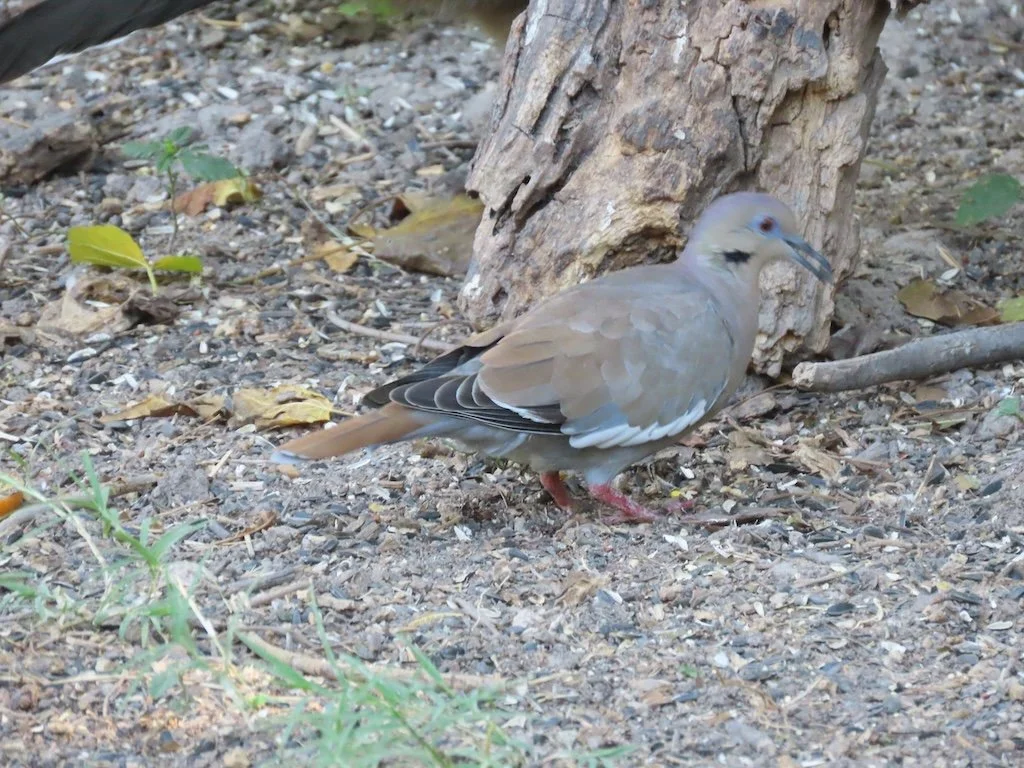
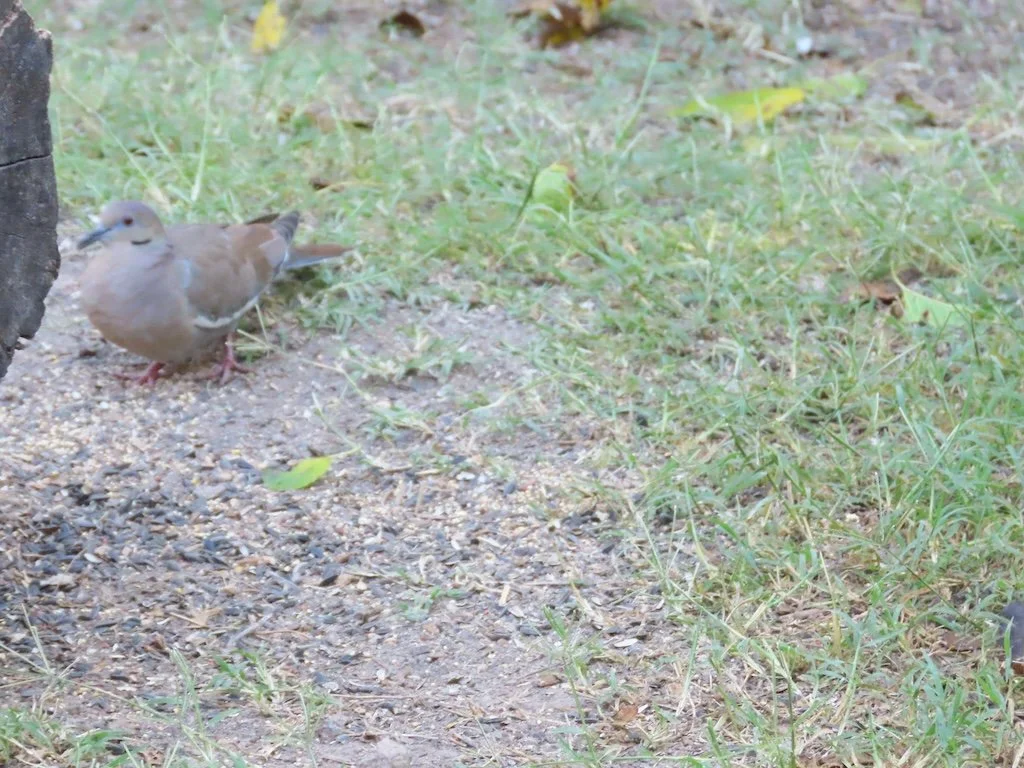
White-winged Dove

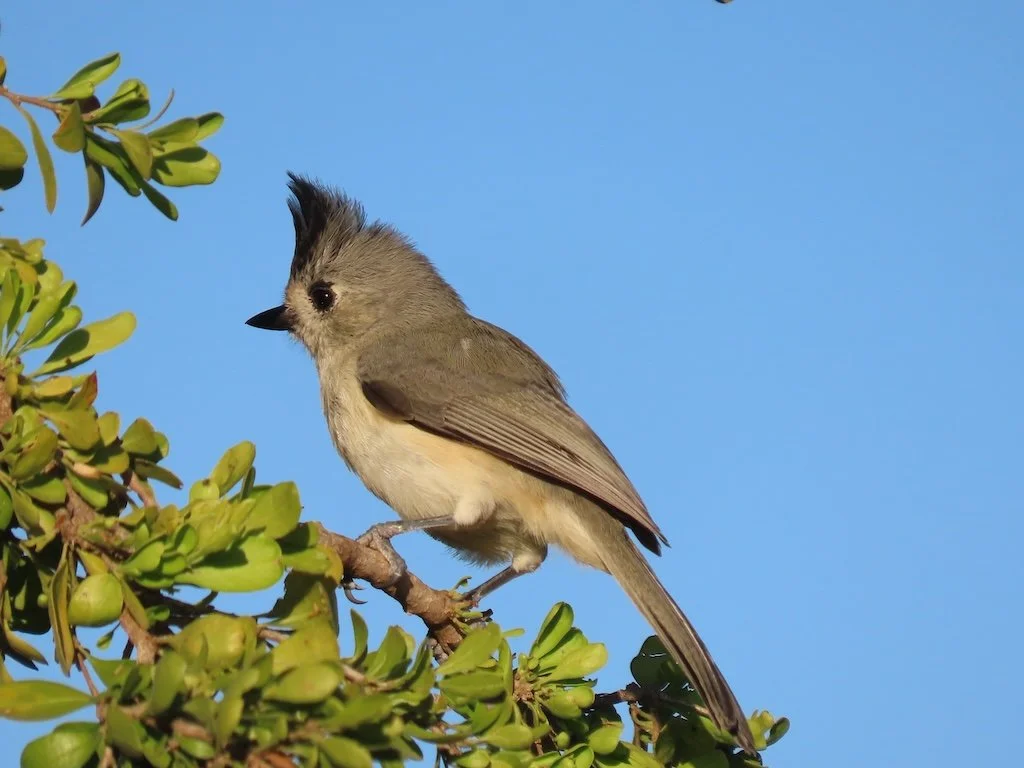
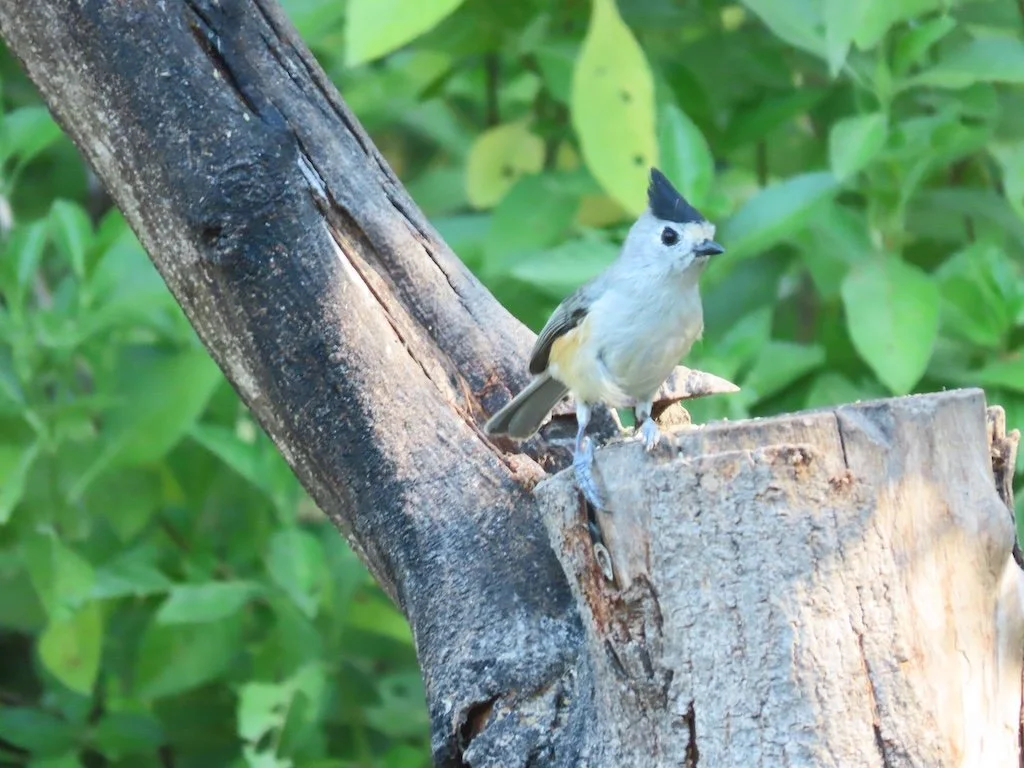
Black-crested Titmouse

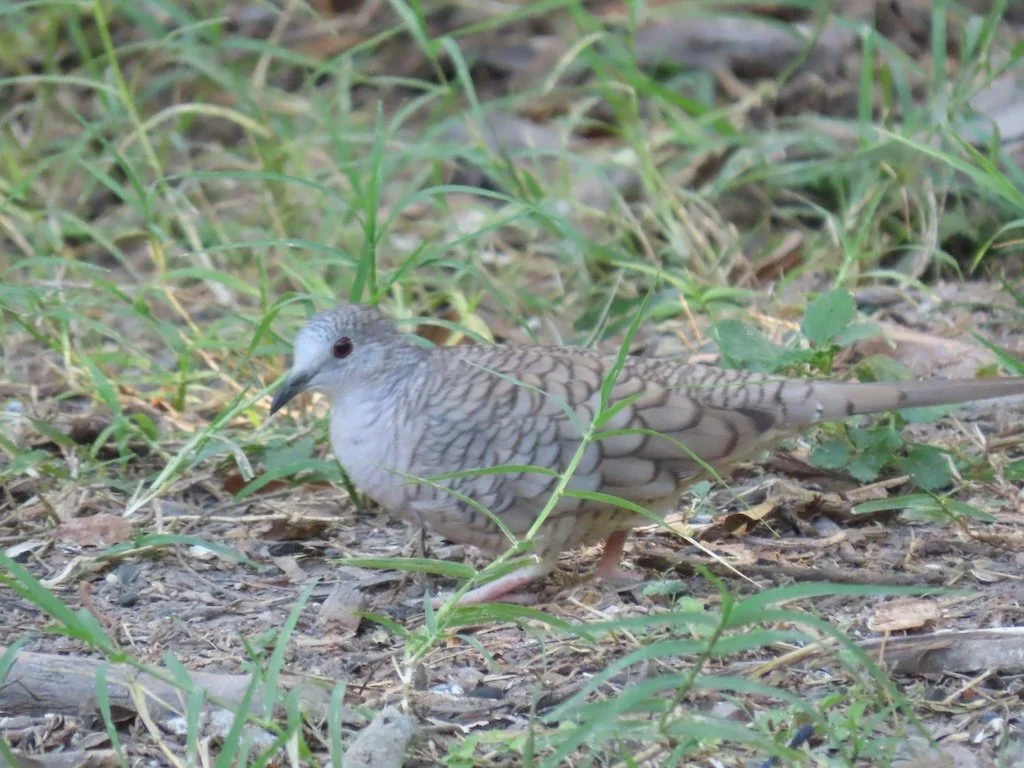
Inca Dove

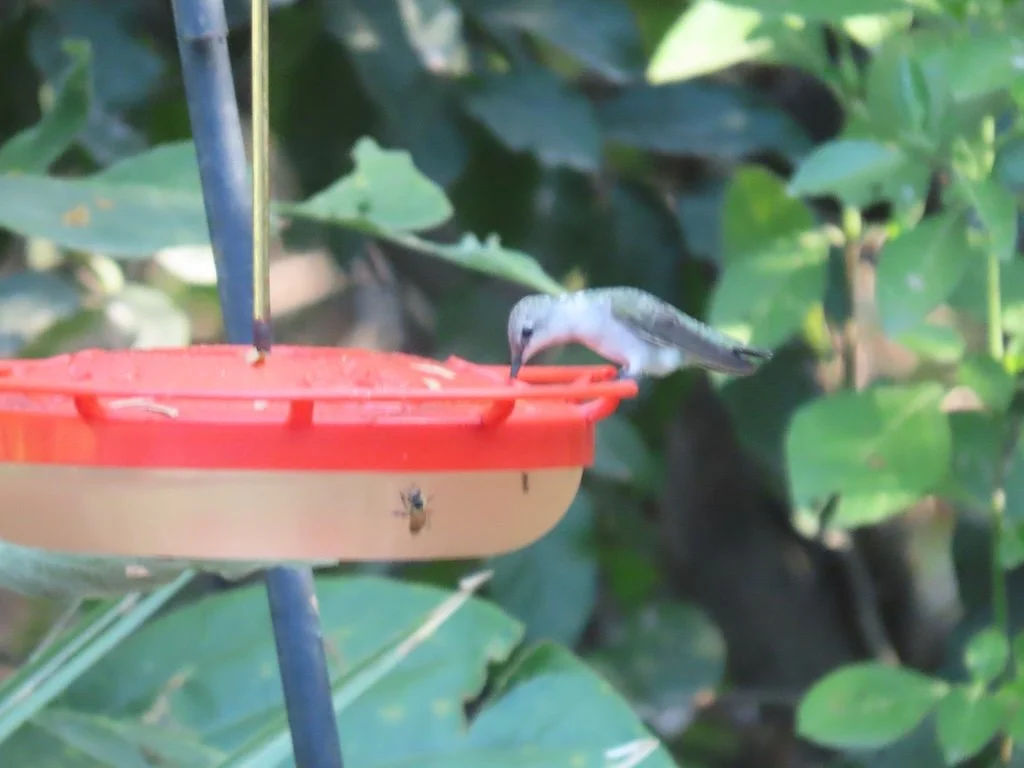
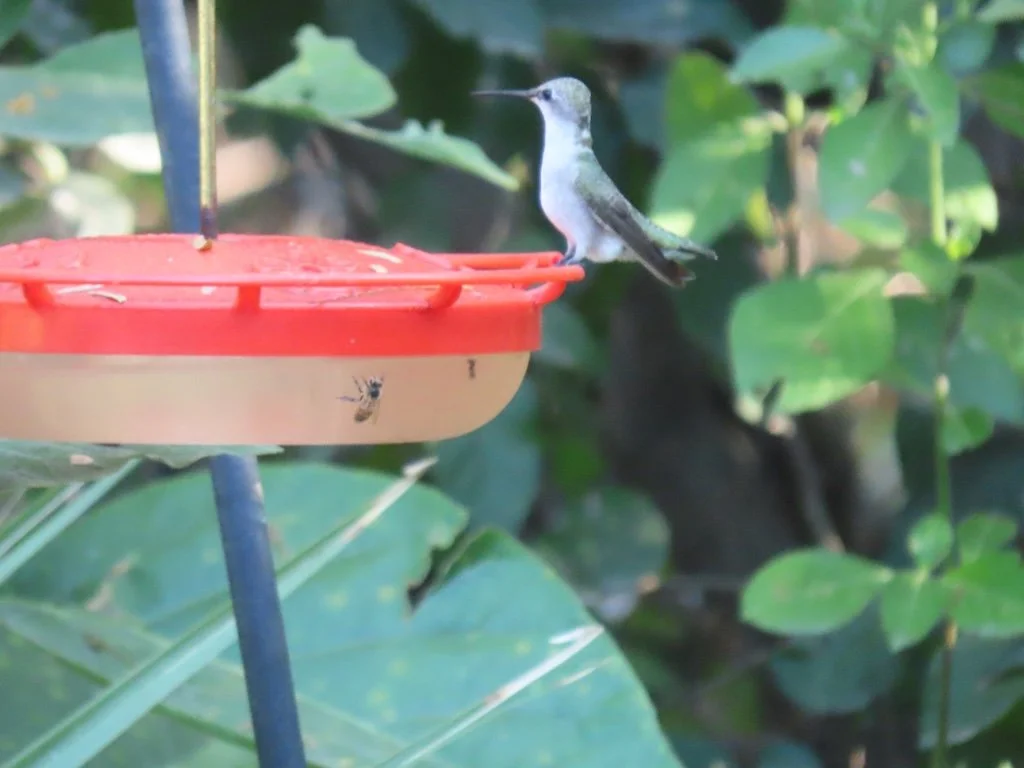
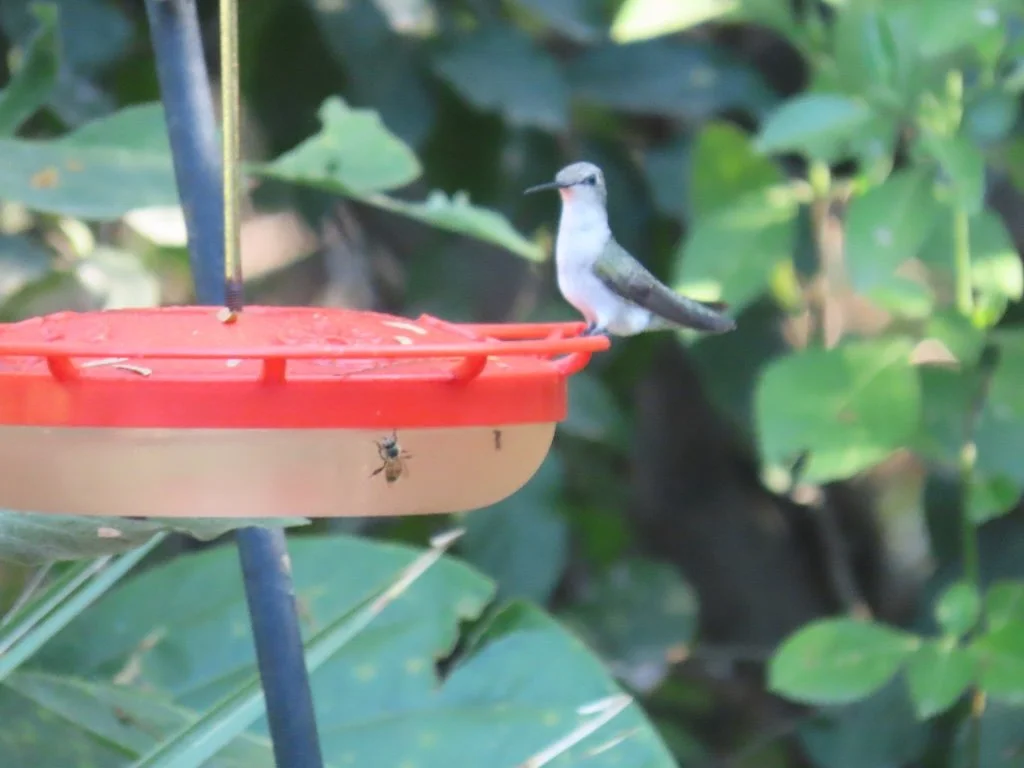
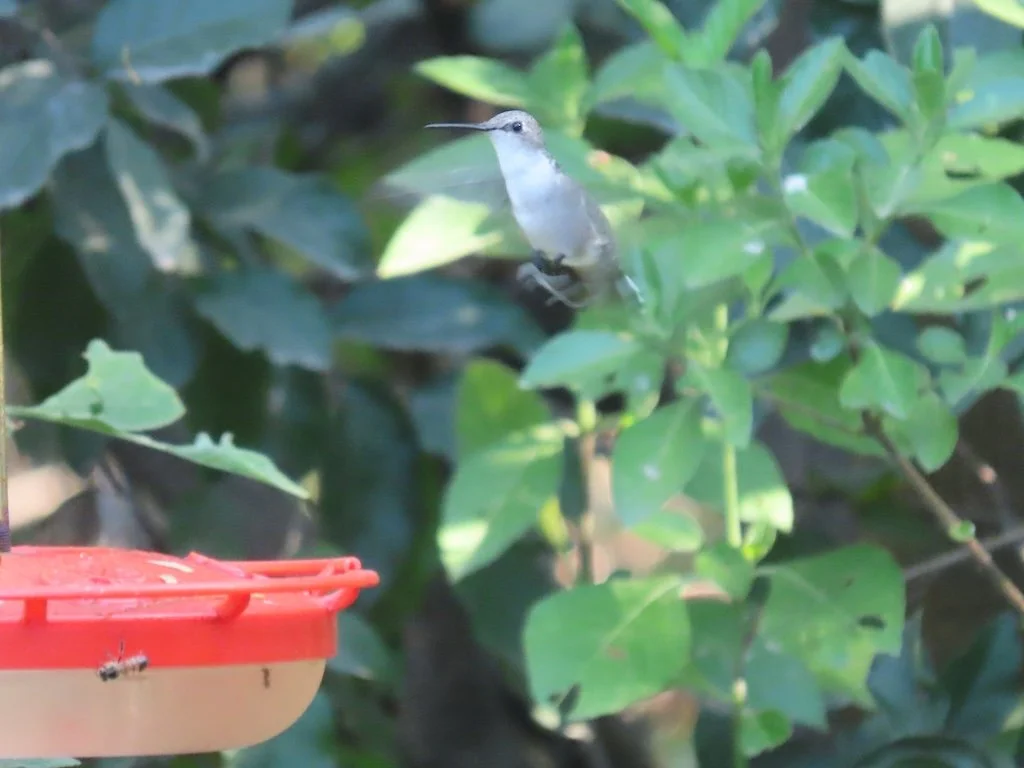
Hummingbird

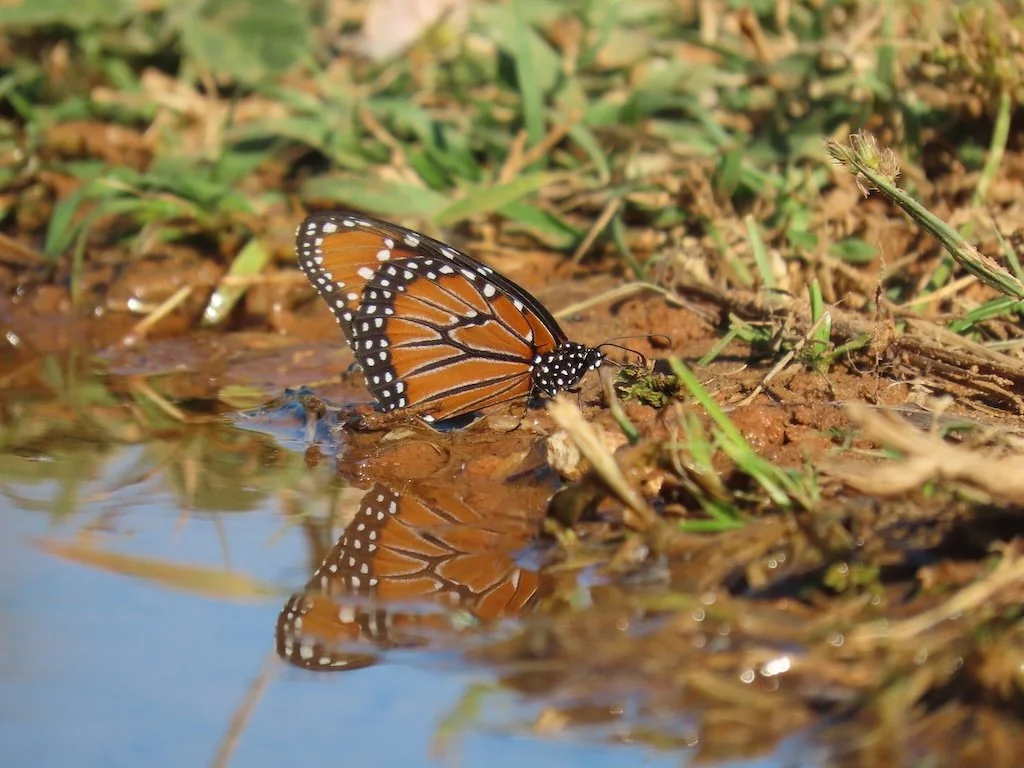
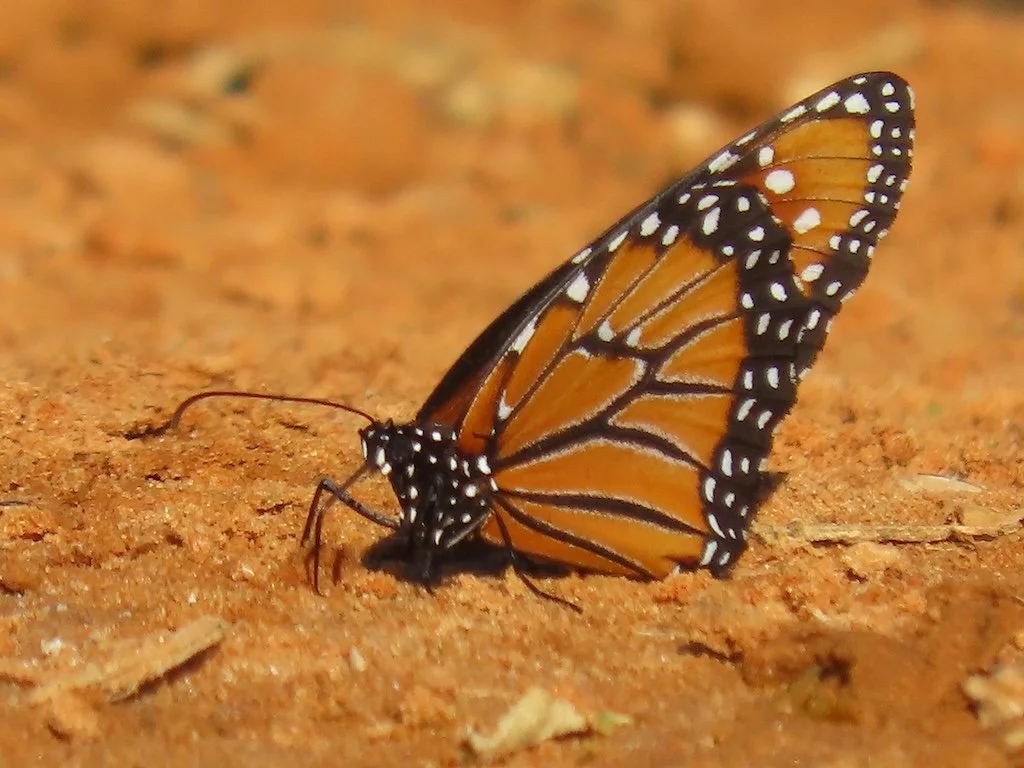
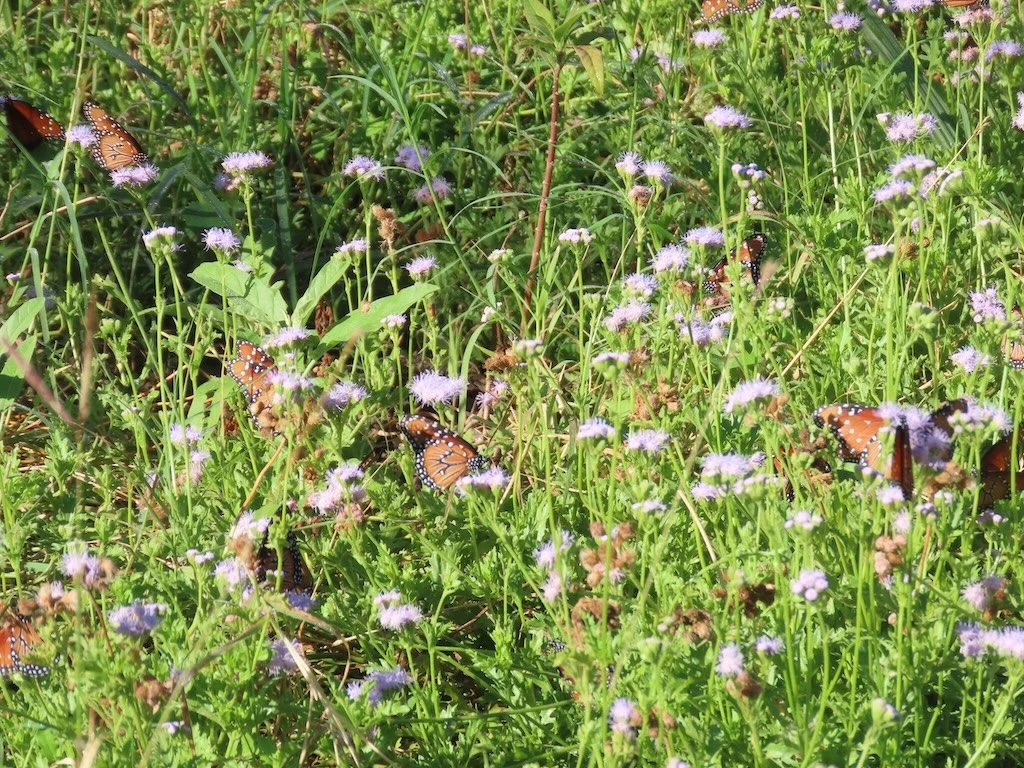
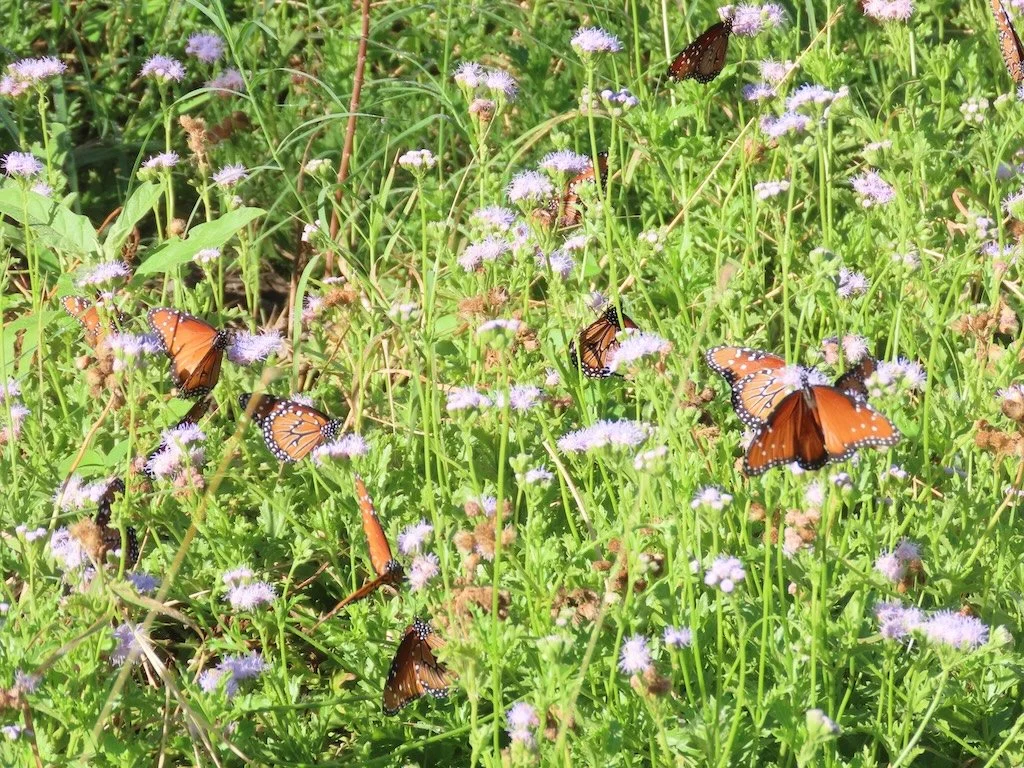
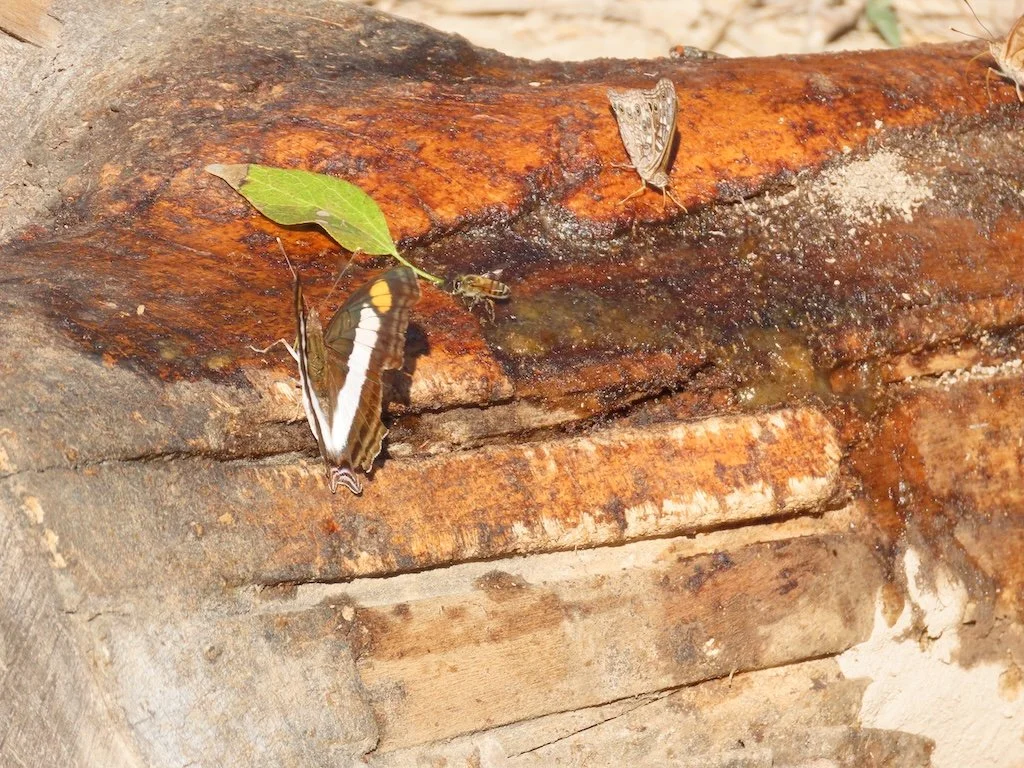
Queen butterflies

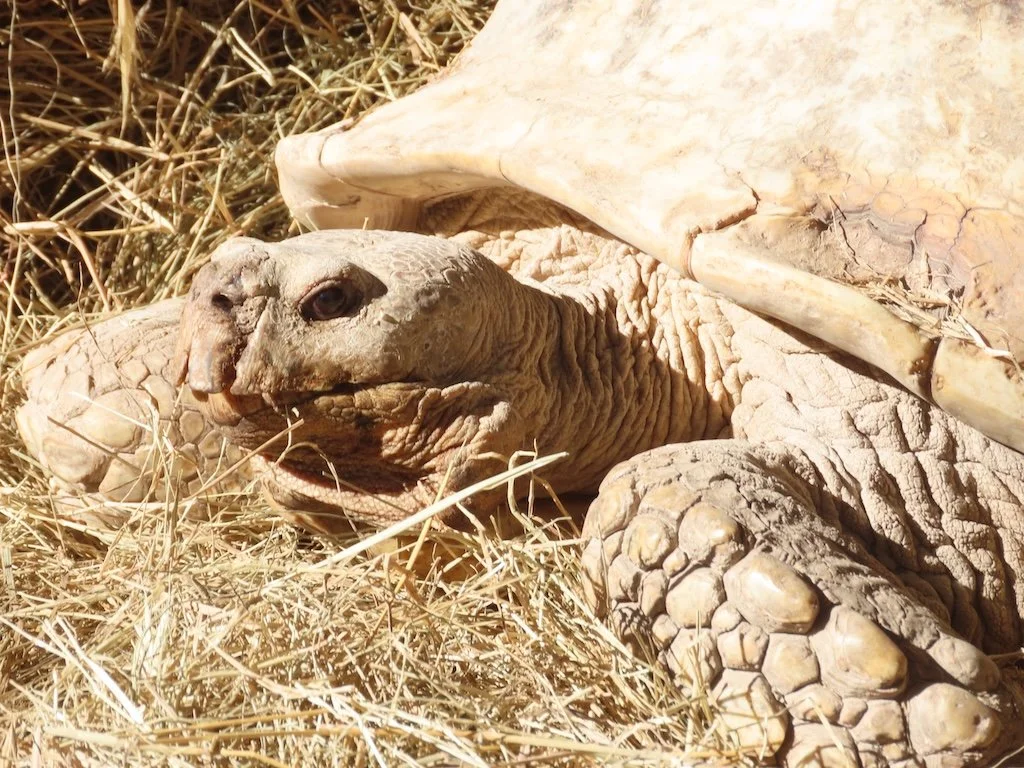
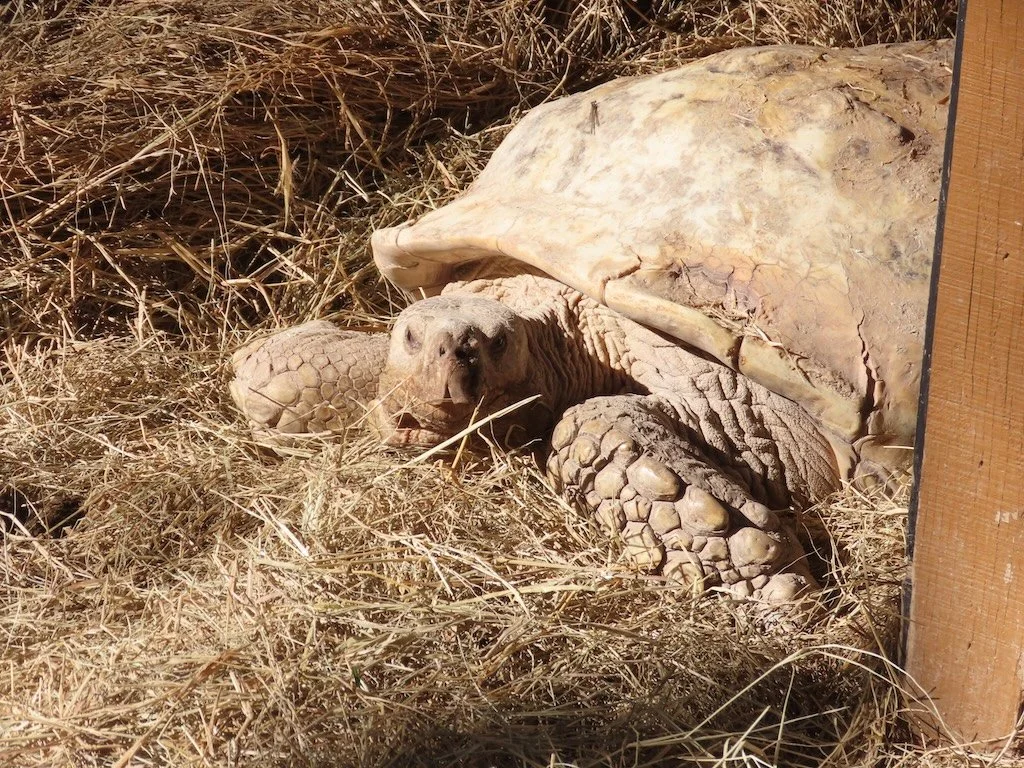
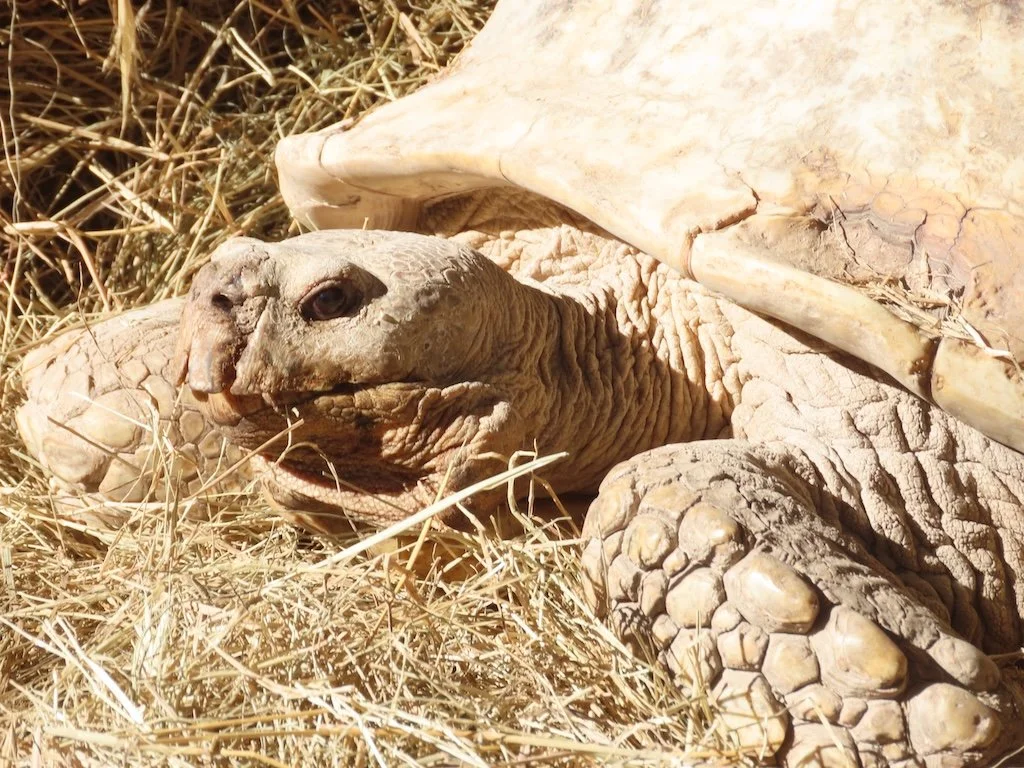
A rescued tortoise (not native…shell damaged by a fire)

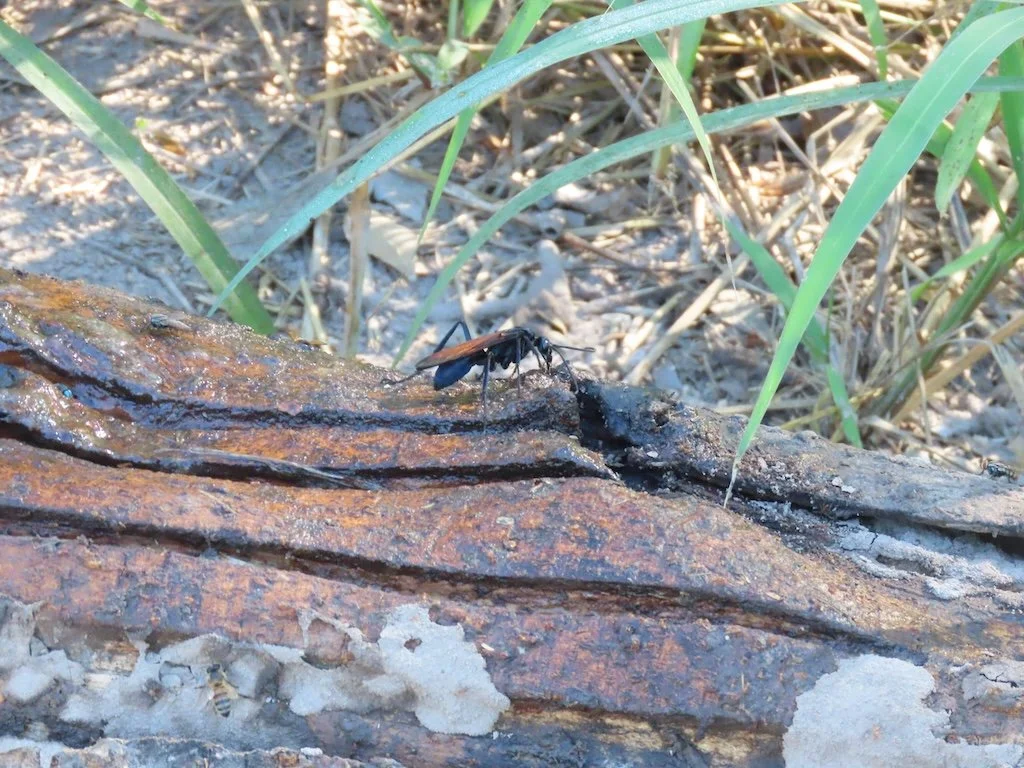
Logs with beer, banana, brown sugar mix painted on daily) that attract insects

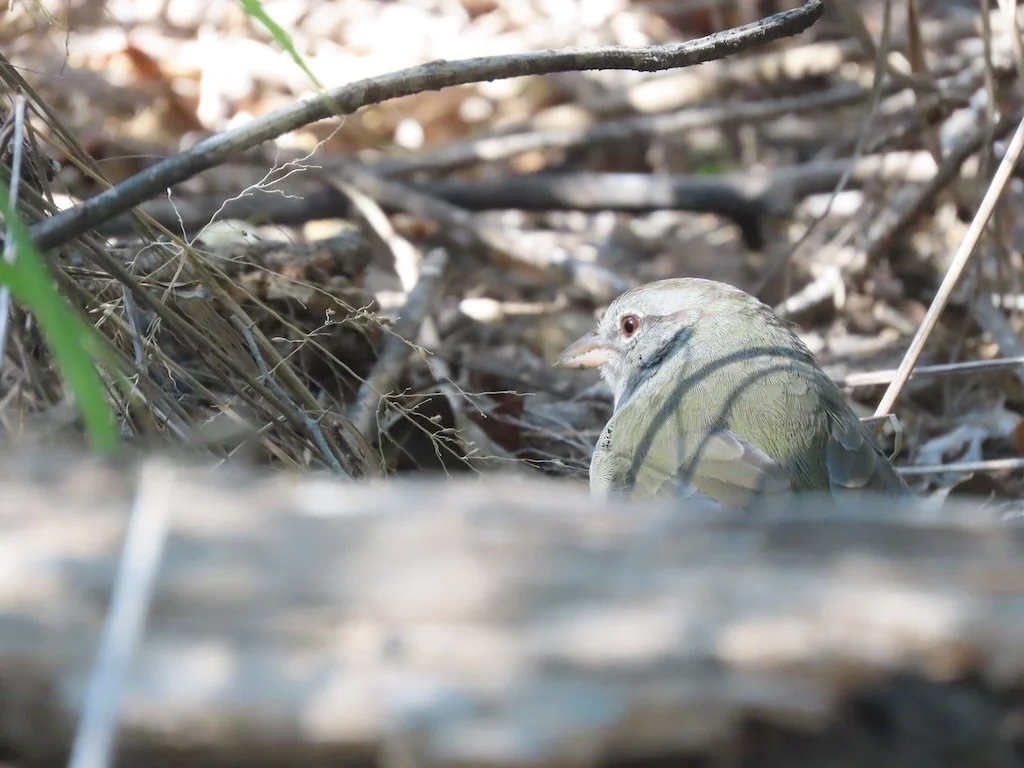
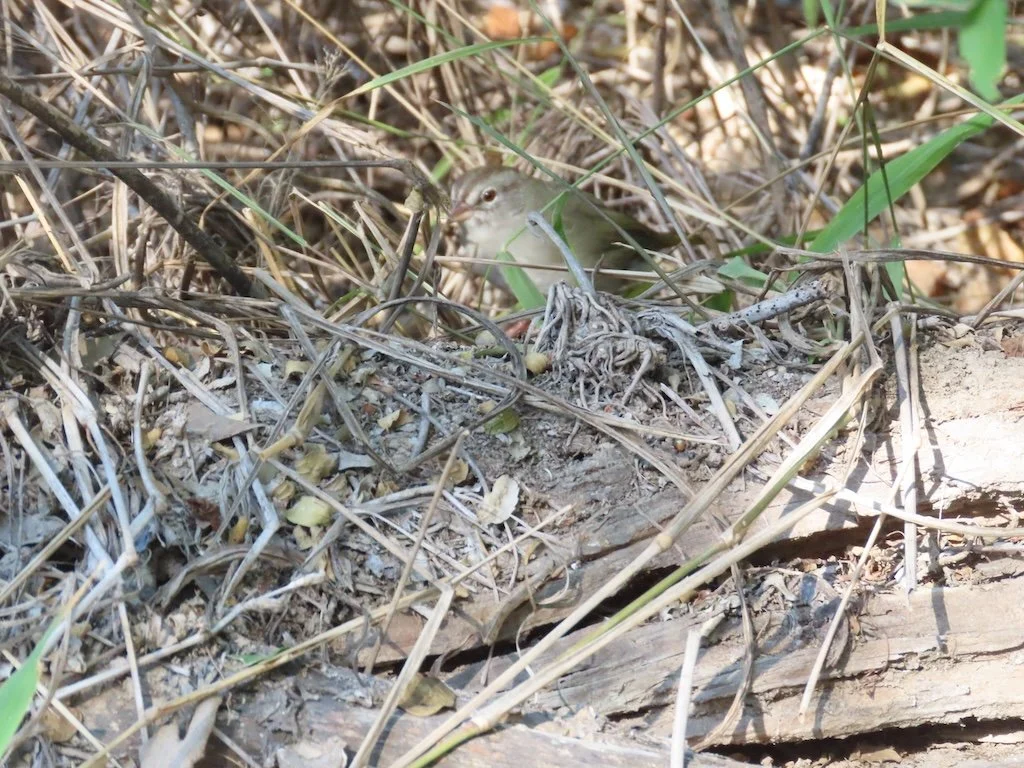
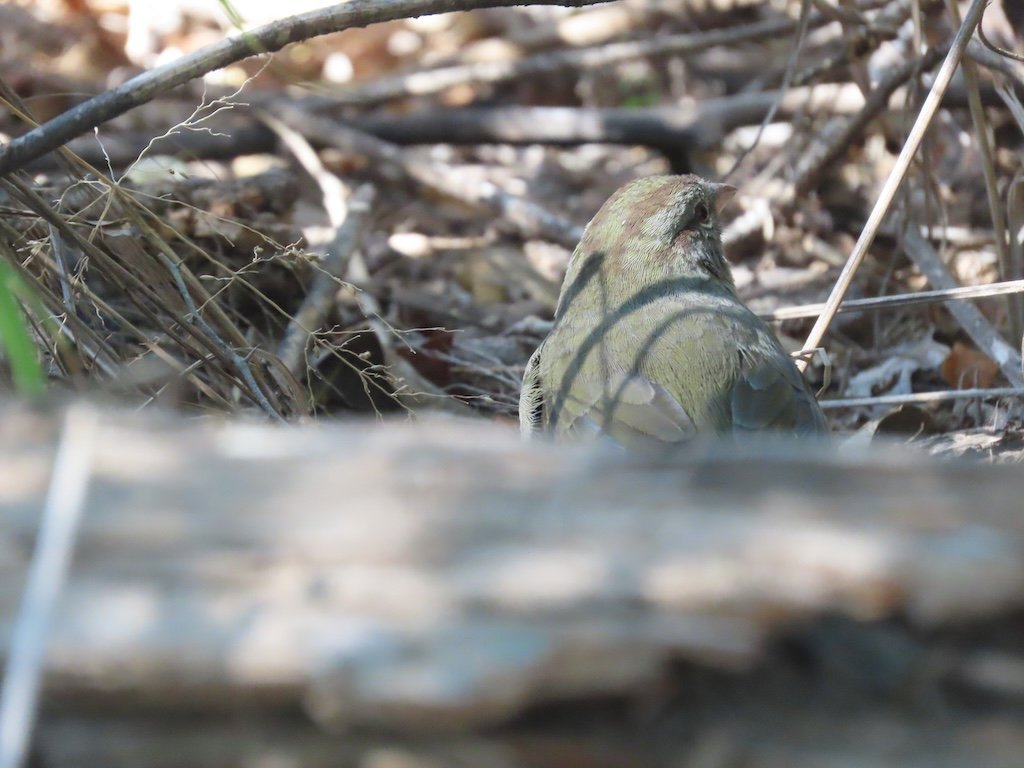
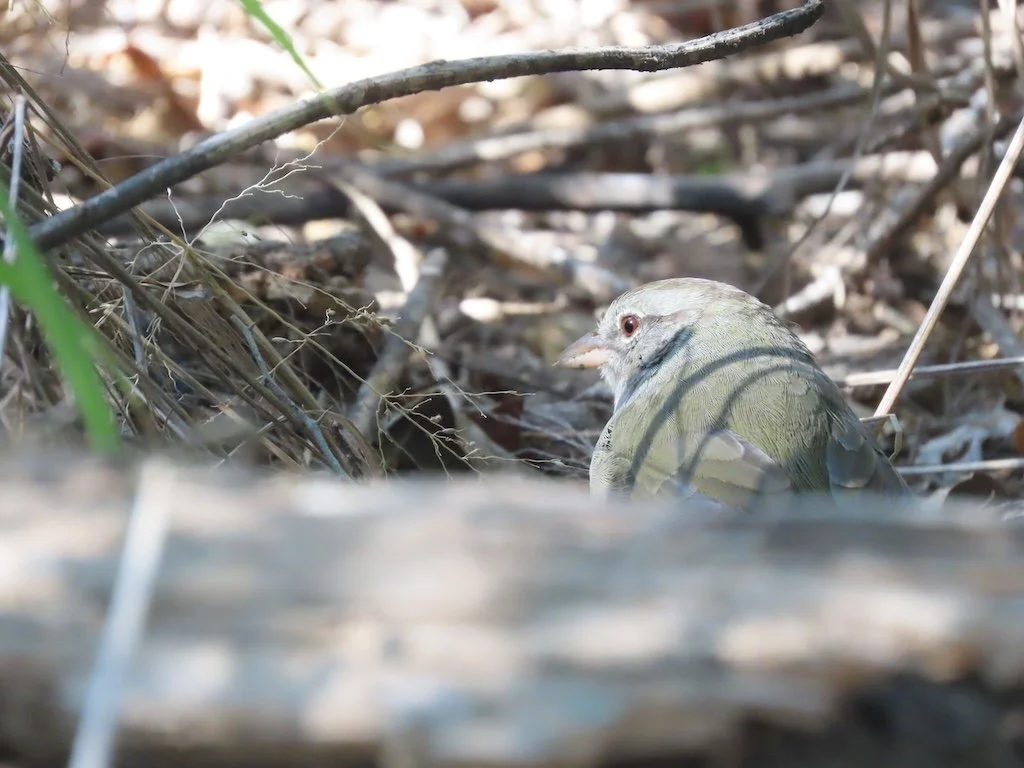
Olive sparrow (I saw several during the festival but these were the only photos!)

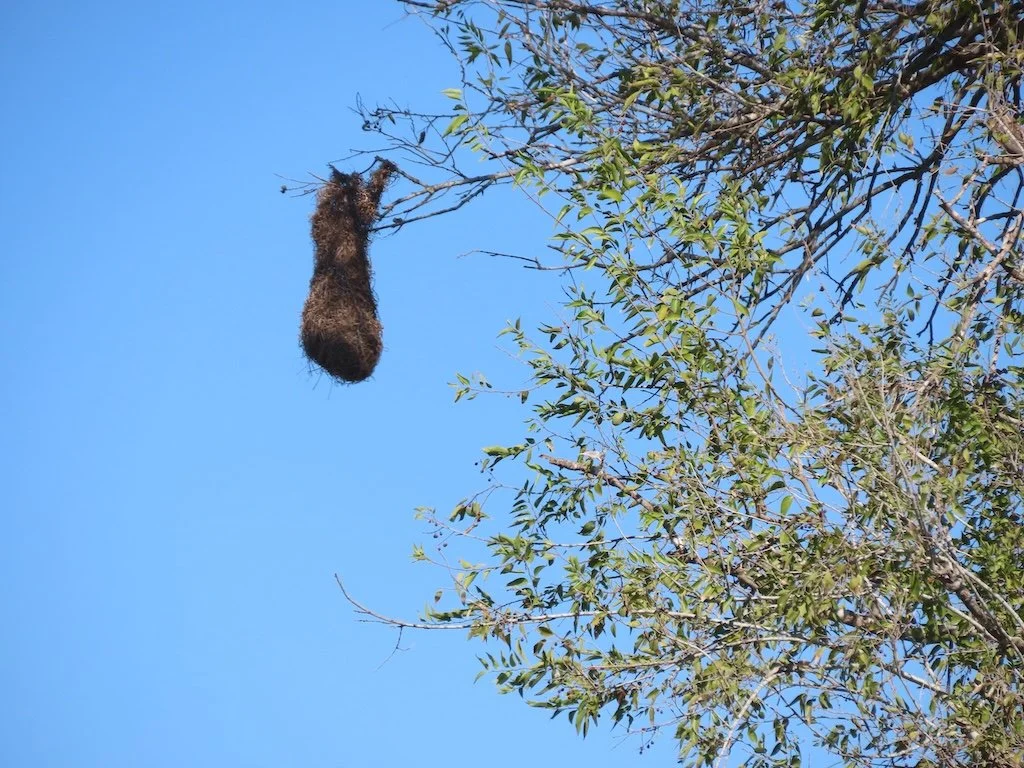
Nest of an Altamira/Audubon oriole hybrid

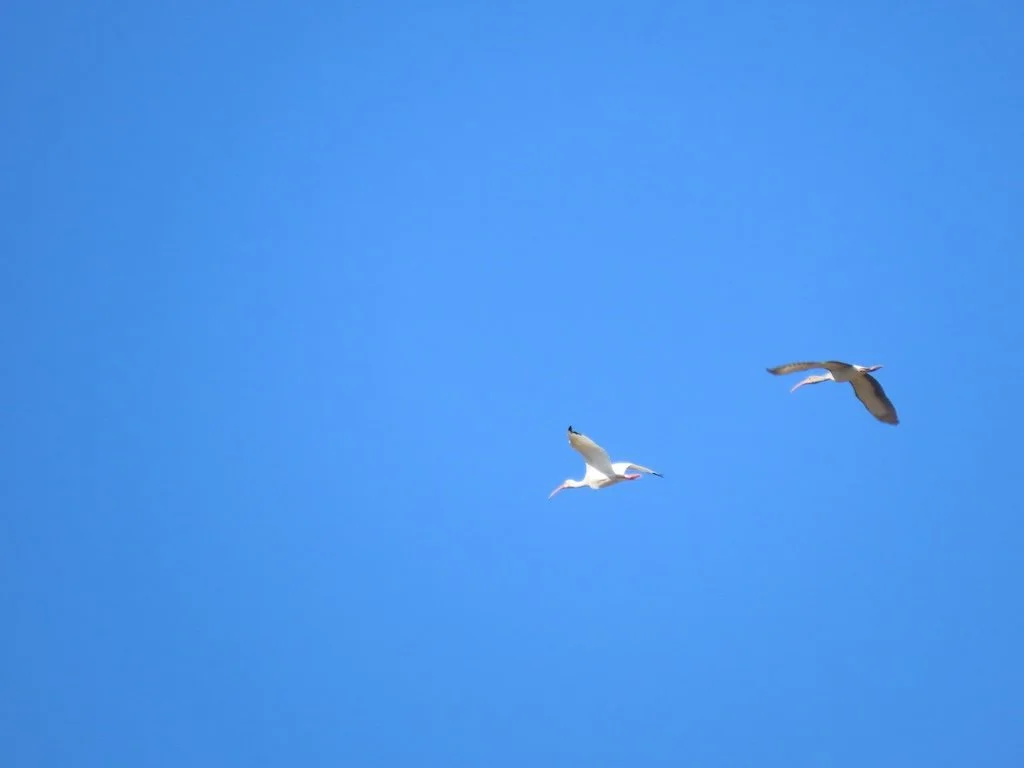
An adult and juvenile white ibis flying

By the end of the walk, I was ready for a rest on the bus while we headed to another birding hotspot.

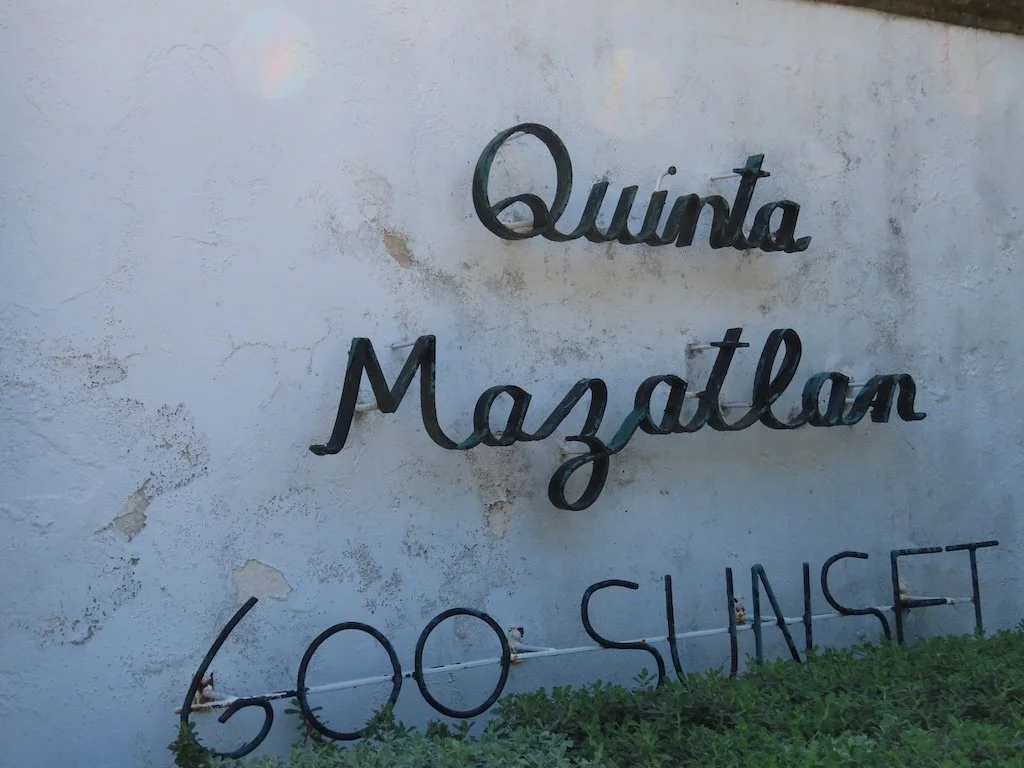
Quinta Mazatlan in McAllen

After our Rio Grande Pontoon adventure, we boarded our bus to head toward Quinta Mazatlán, a park that is a birding hotspot in McAllen TX. The park is expanding and there is construction associated with that; a car had to be moved to allow our bus to pass through the reduced parking lot!

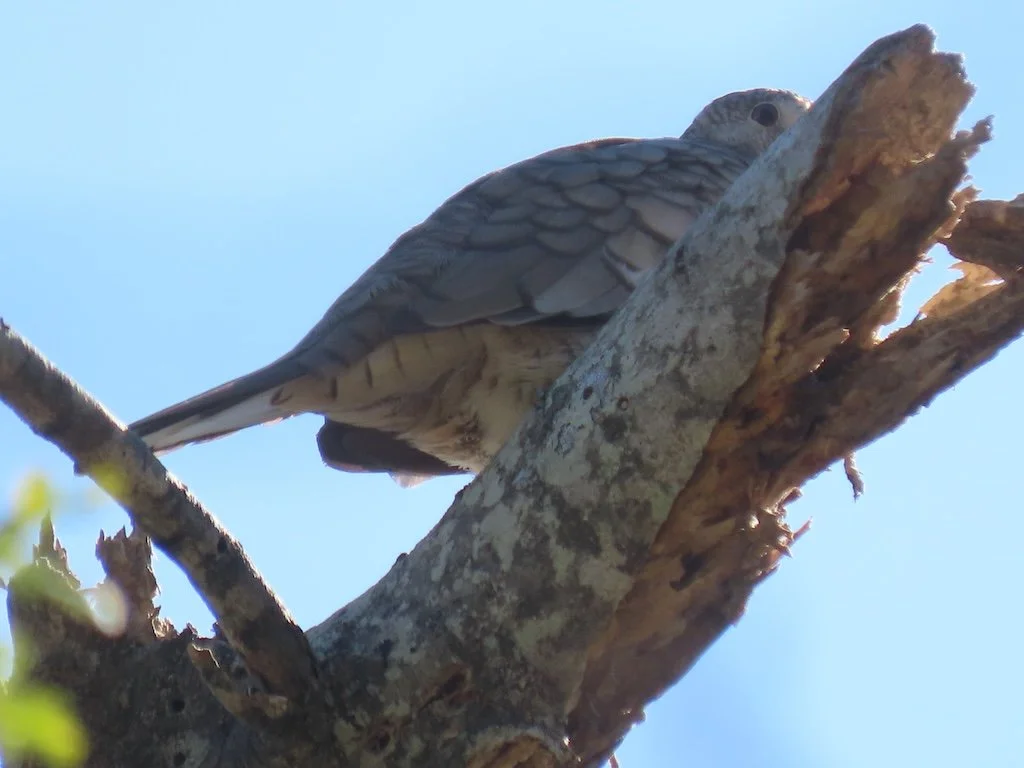
The only bird photograph I took was an Inca Dove high in a tree!

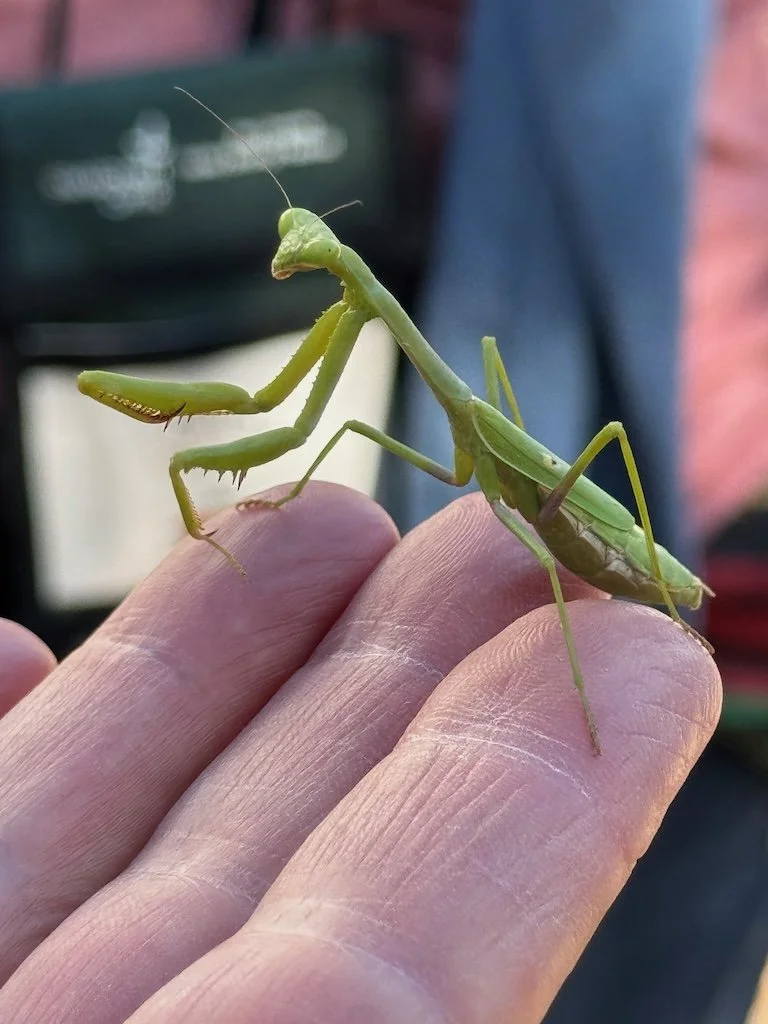
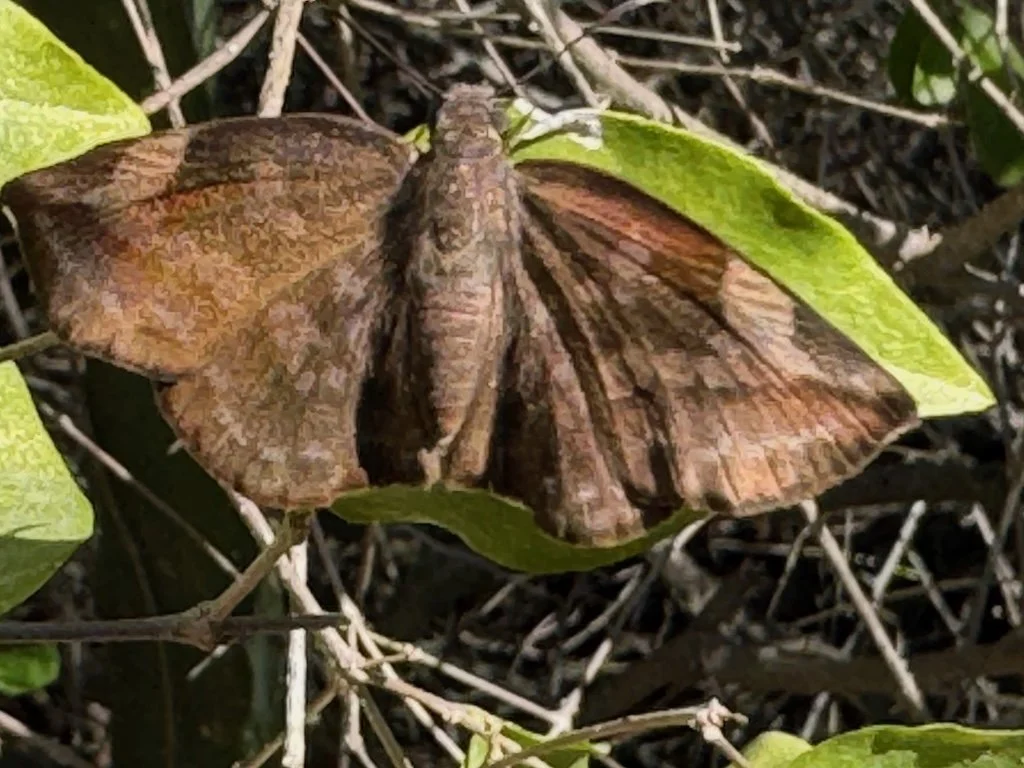
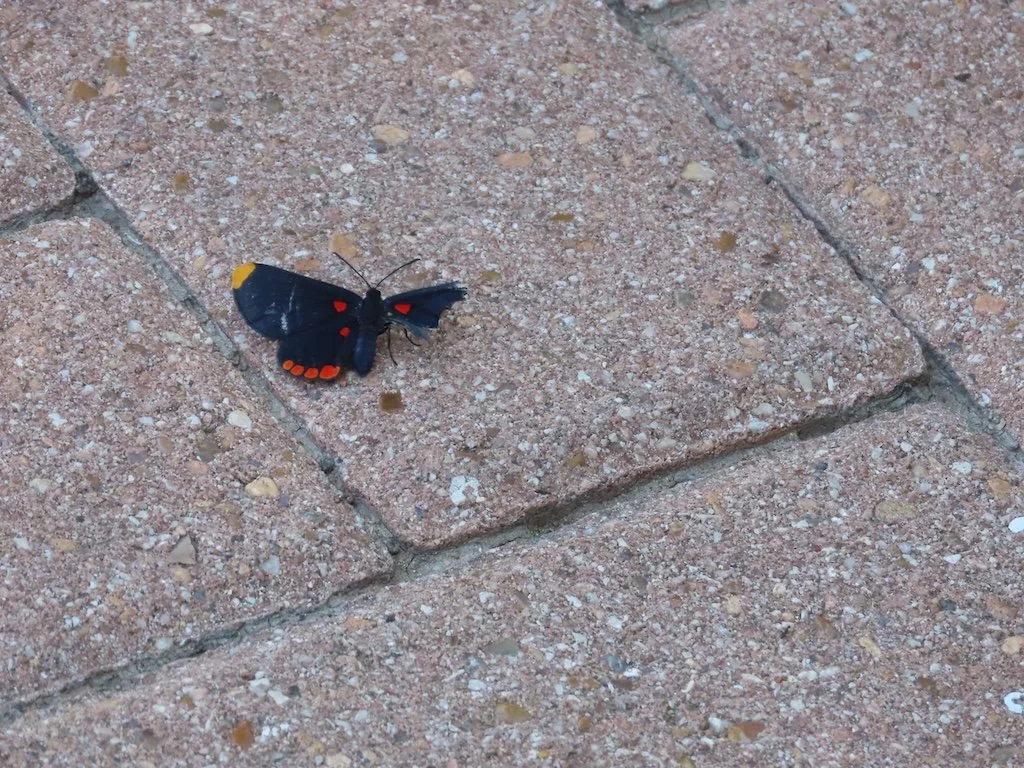
There were insects – a praying mantis, a moth, a butterfly.

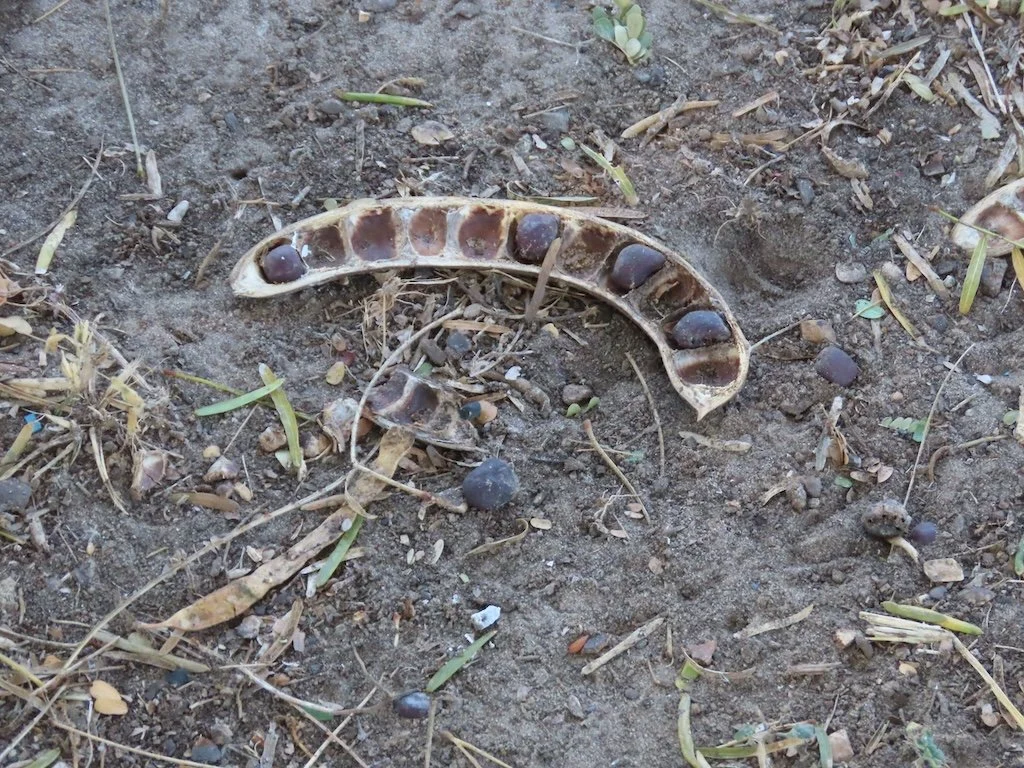
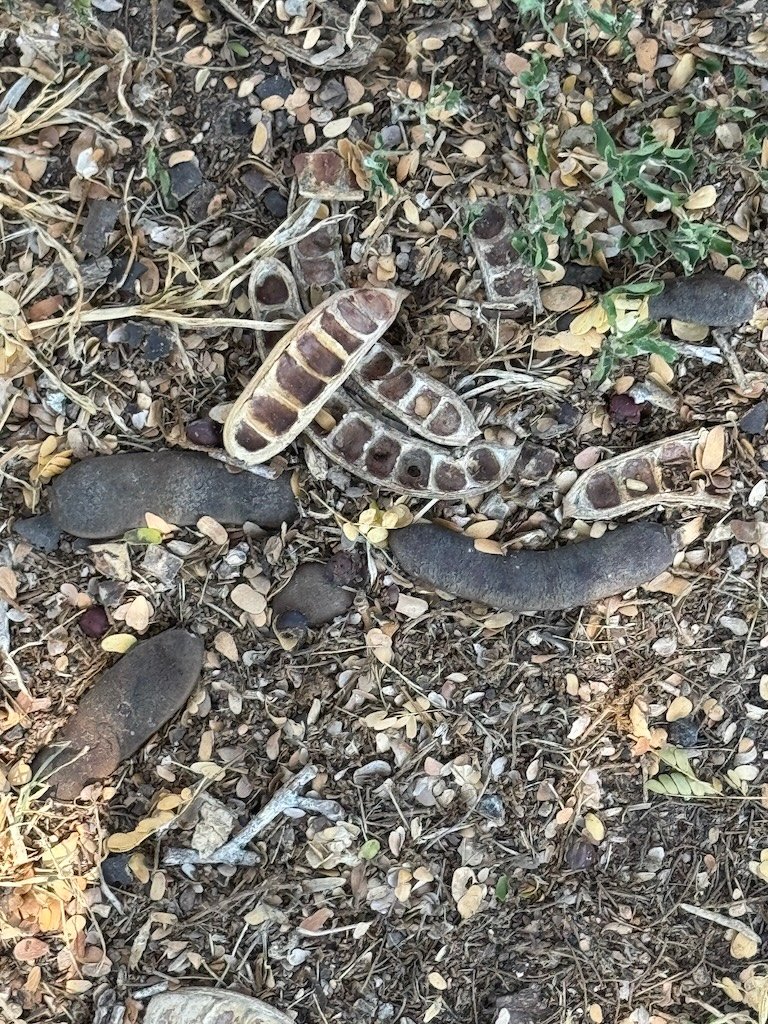
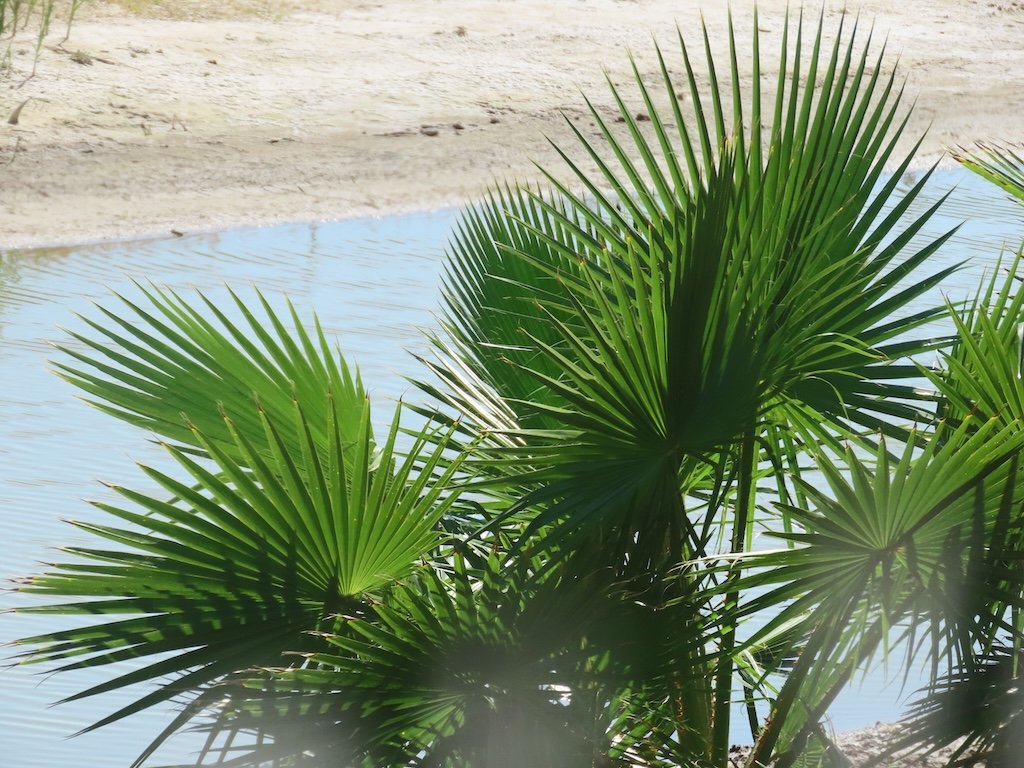
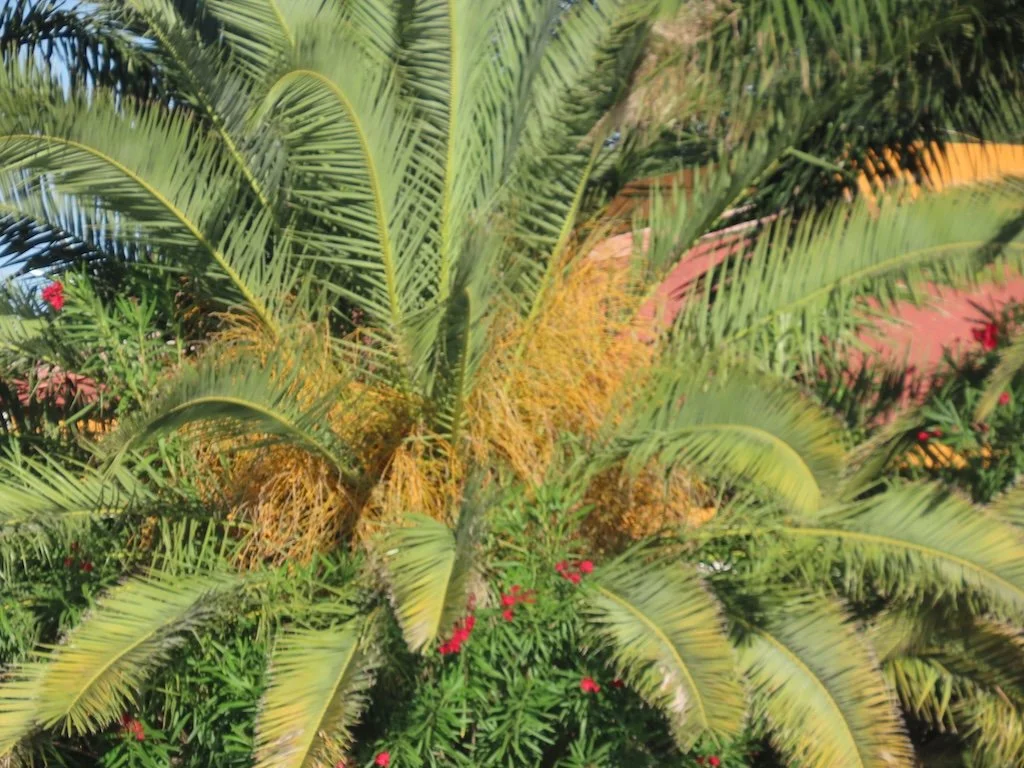
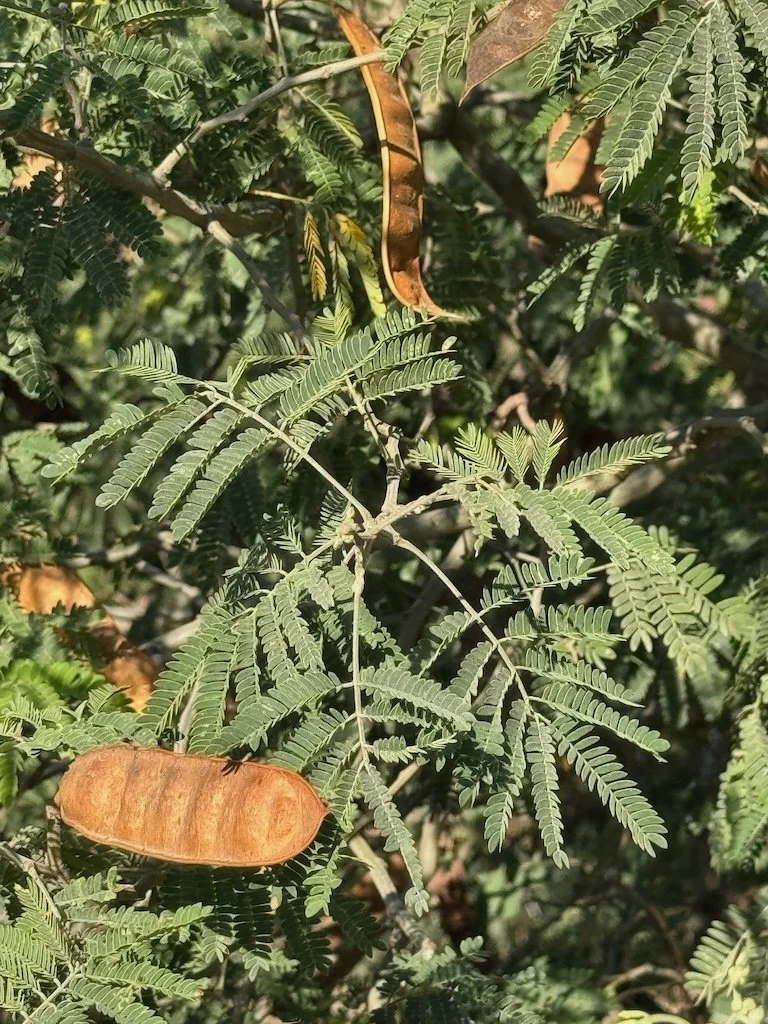
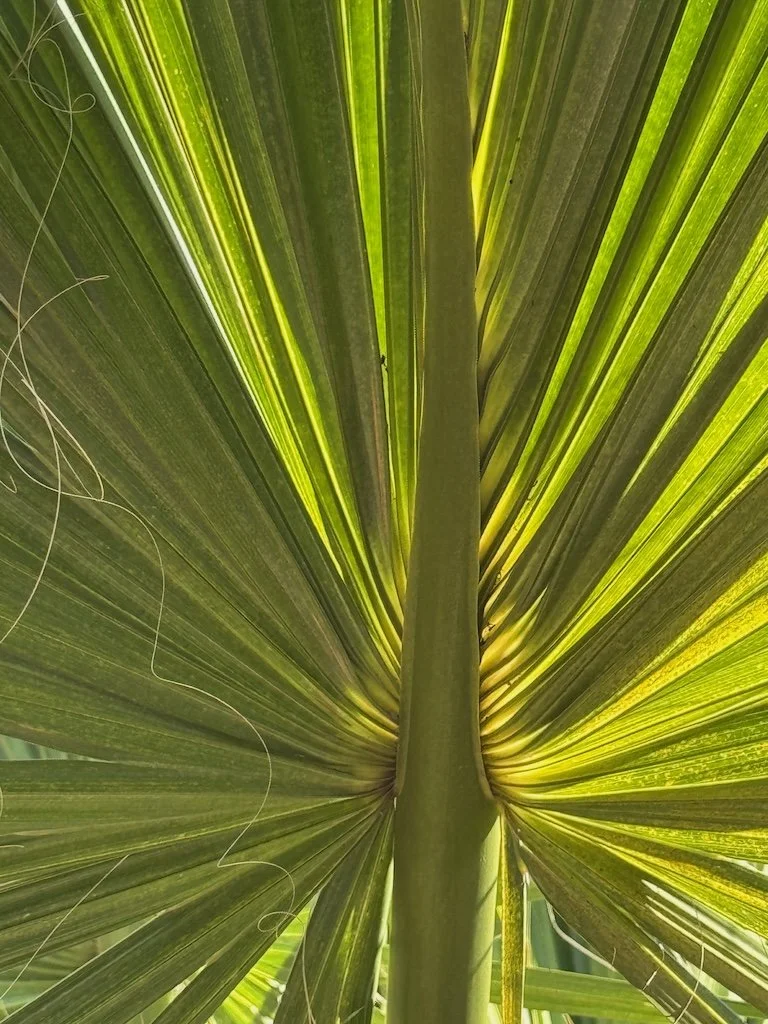
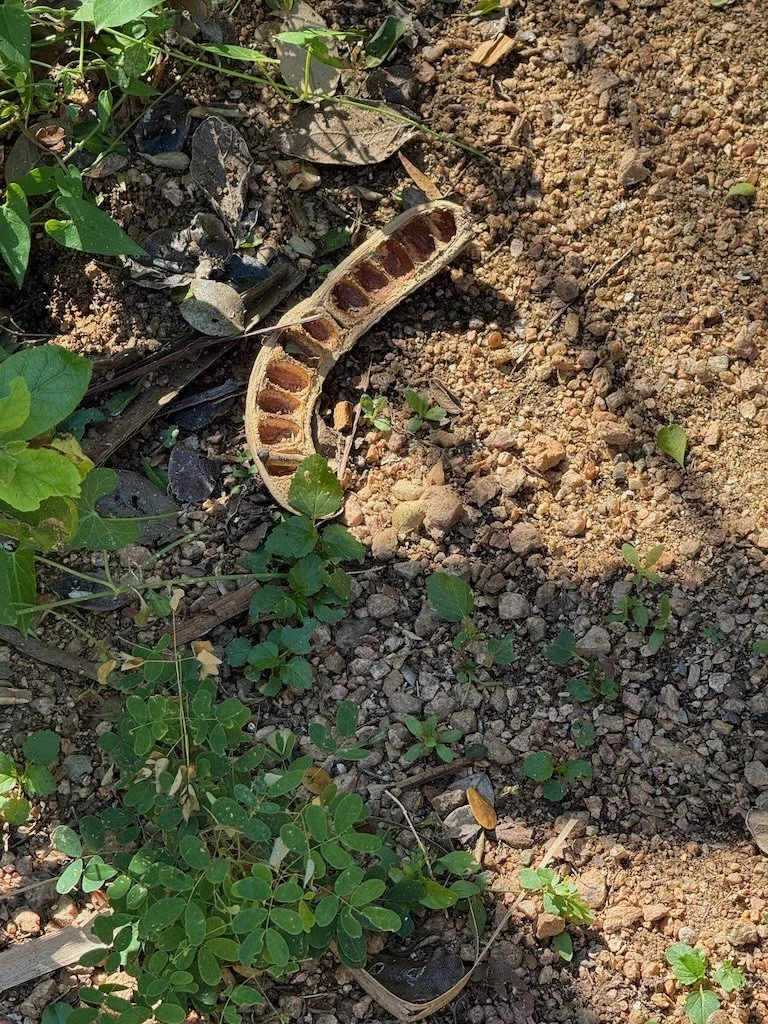
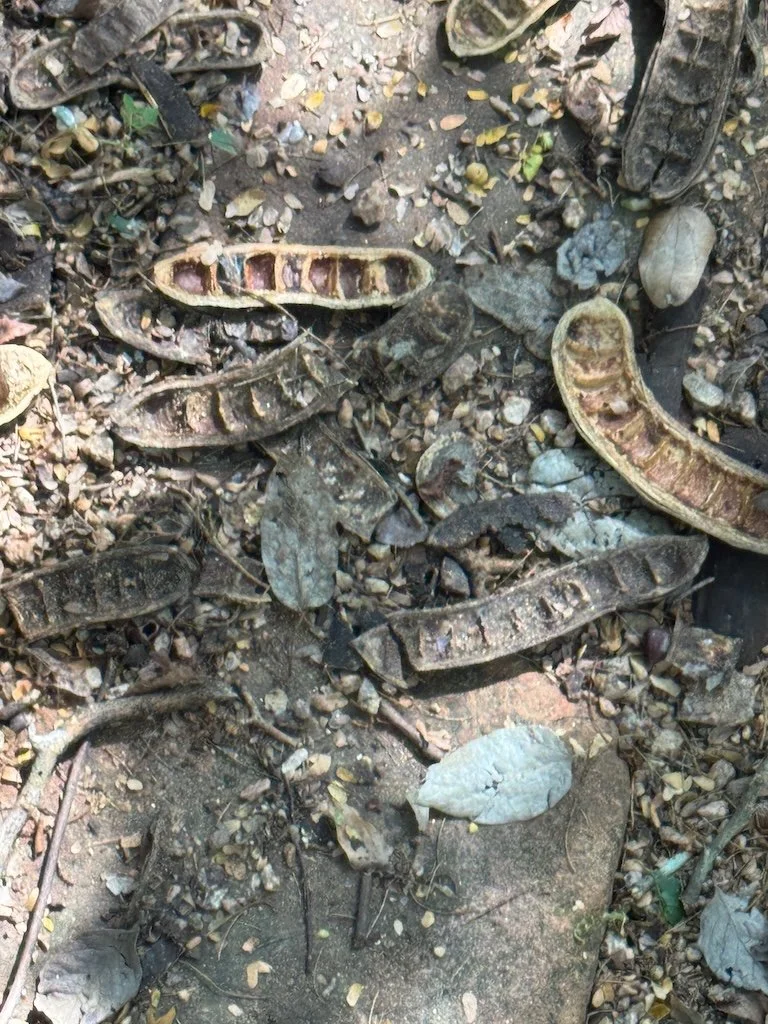
The pods of Texas Ebony…palm fans…trees blooming in November – looking at plants we don’t have in Missouri.

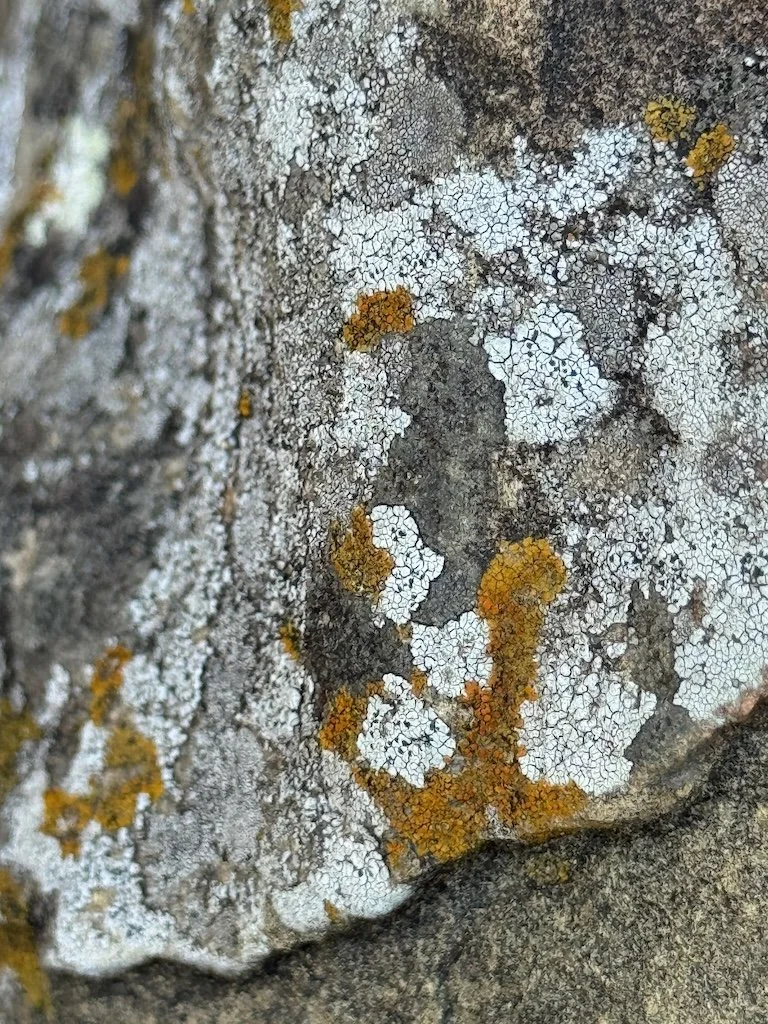
Lichen looks about the same everywhere!

Looking back at my pictures – or lack of pictures – I realized I must have been tired and just focusing on keeping up with the group!

Next time we are in the area, Quinta Mazatlán might be I place I would like to go on our own…taking our time to see things and looking at the restored adobe hacienda that is there. The expansion should be finished by then!

Rio Grande Pontoon

The first morning of the festival was an early one; we were at the Harlingen Convention Center by 6 AM to board the bus that would take us through the border fencing to the dock where we would board a pontoon boat. I took a few pictures of the plants growing at the edge of the parking lot as the guides talked about the trip and what we would likely see.

The boat was large enough to provide space for everyone plus our gear. There was a lot to see during the whole trip. The birds that I managed to photograph and that are in the slideshow below are:

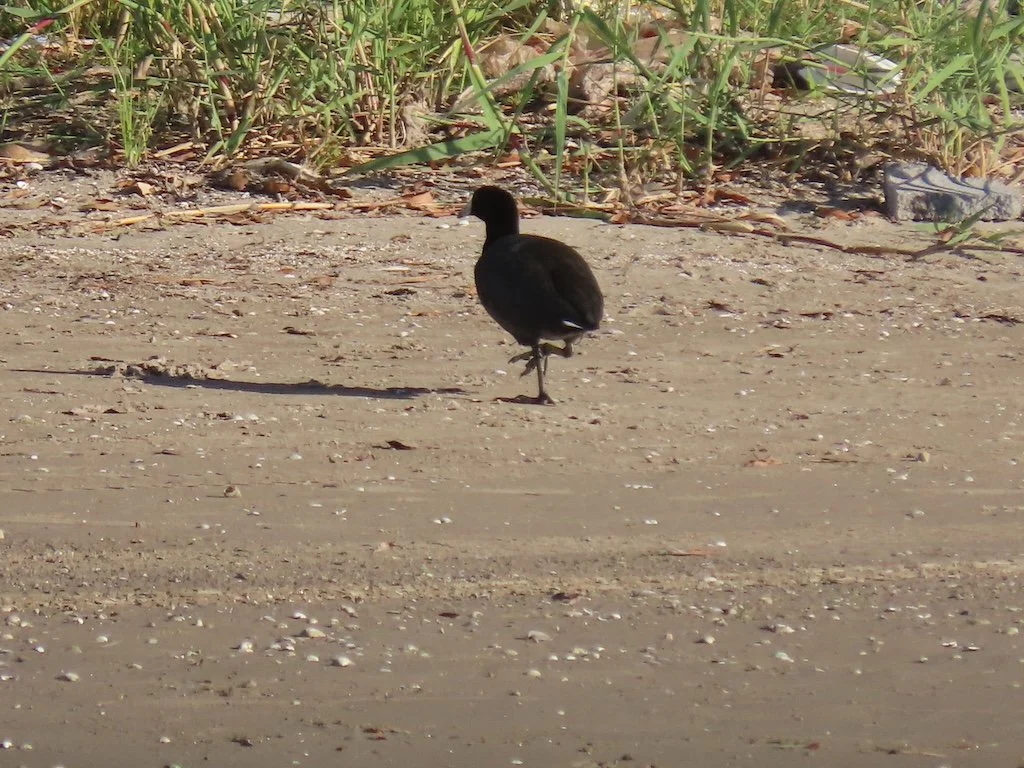
  • American Coot

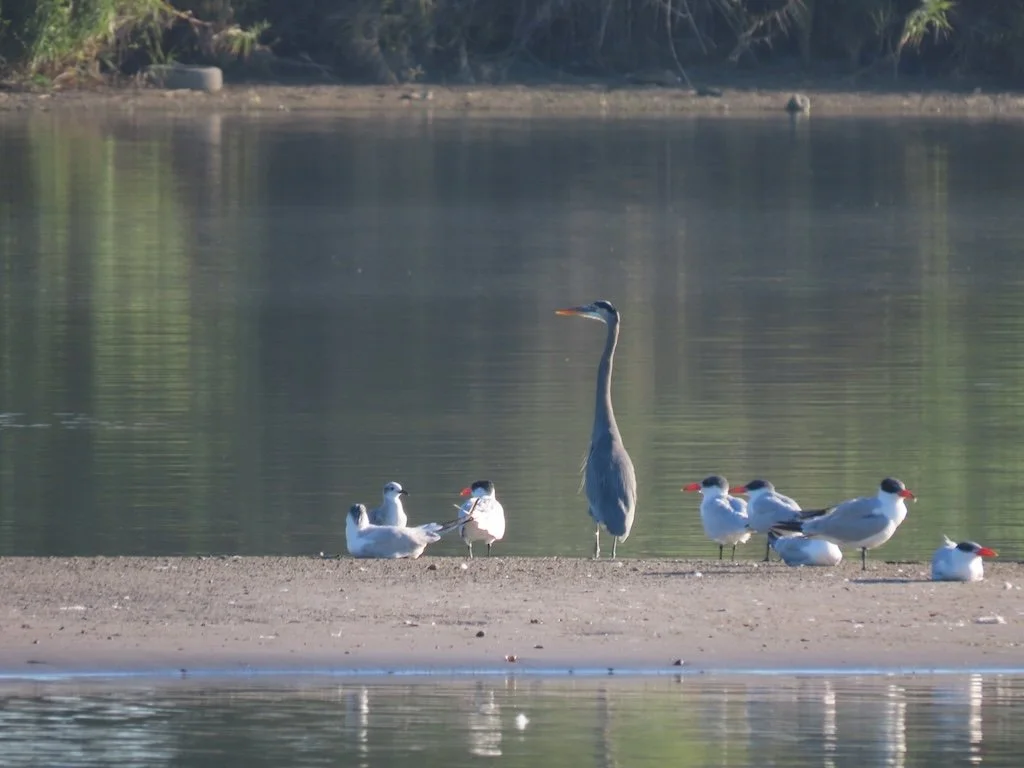
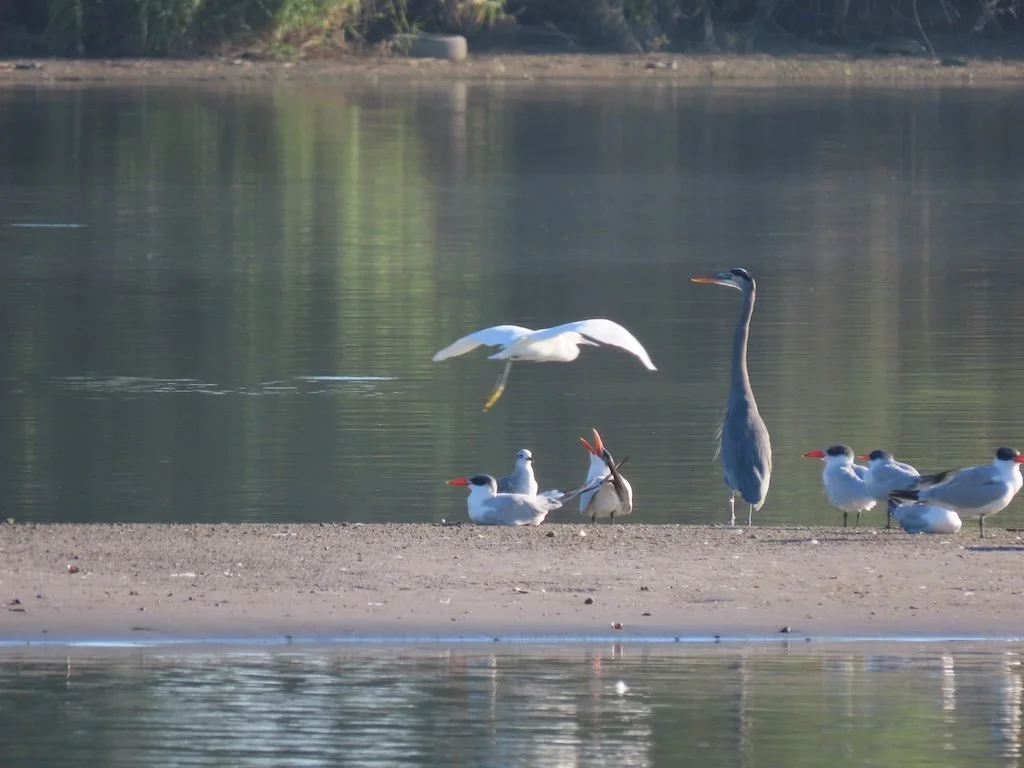
  • Caspian tern

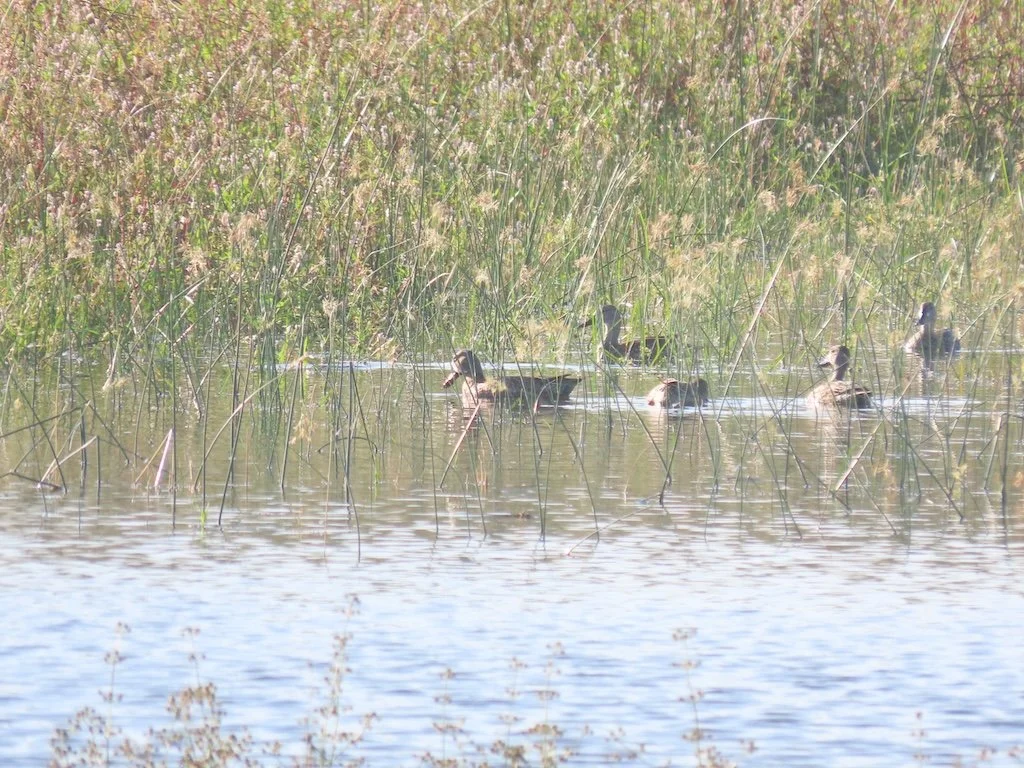
  • Ducks (hybrids)

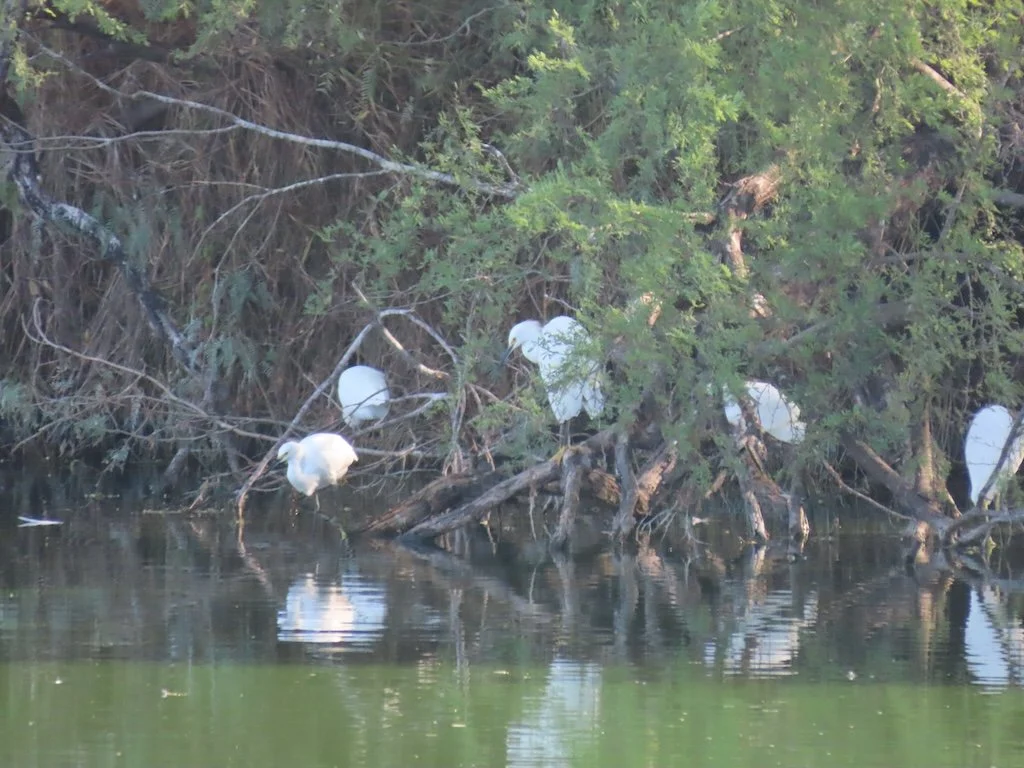
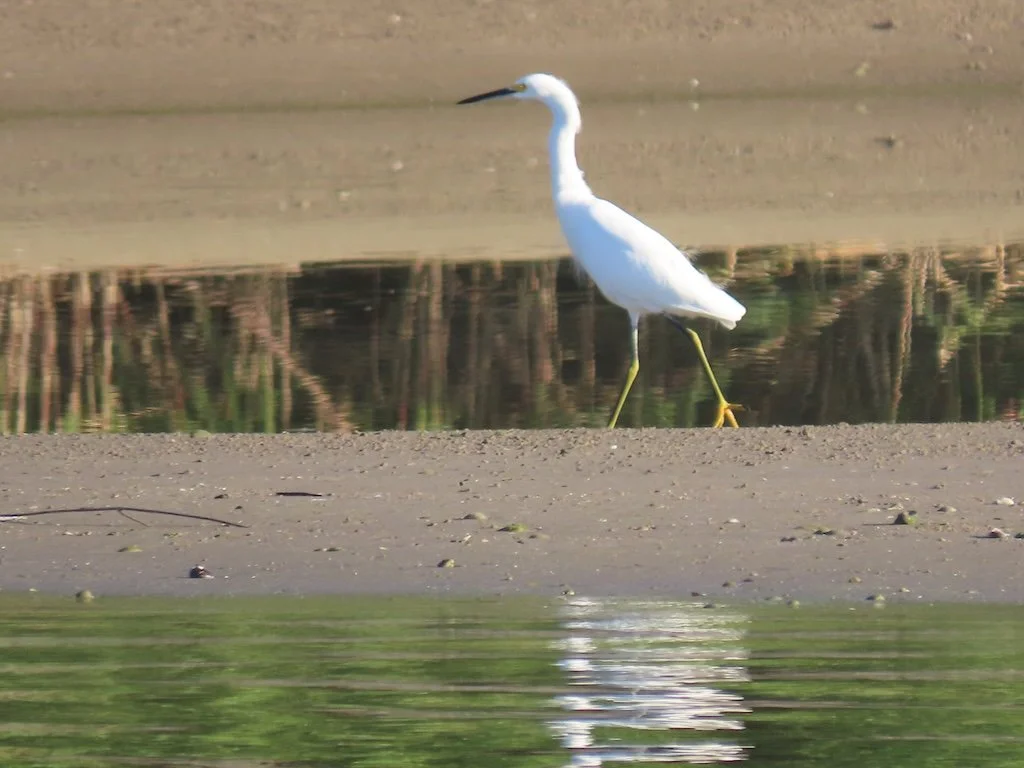
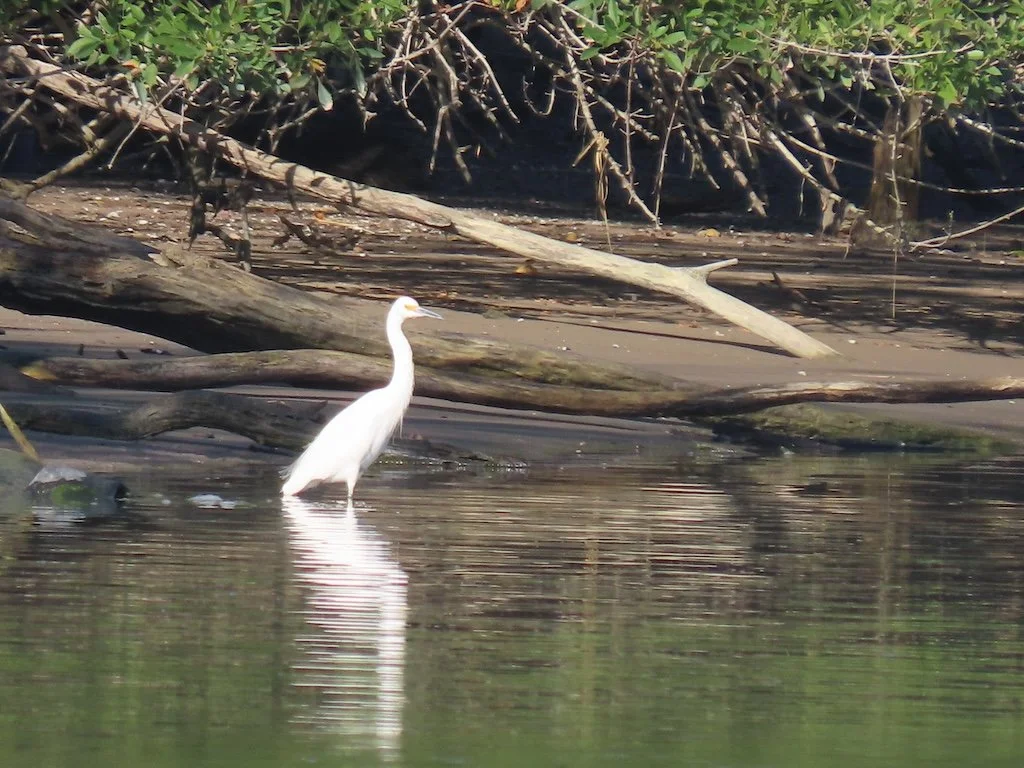
  • Egrets: Snowy, Reddish, Great

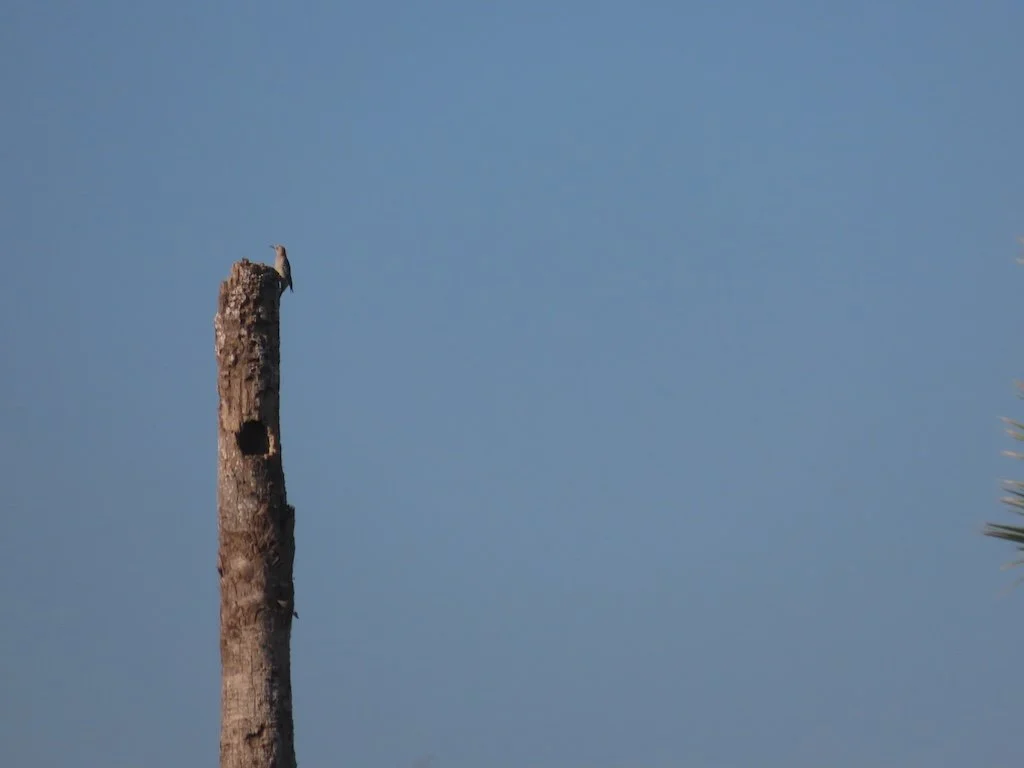
  • Golden-Fronted Woodpecker

  • Great Kiskadee

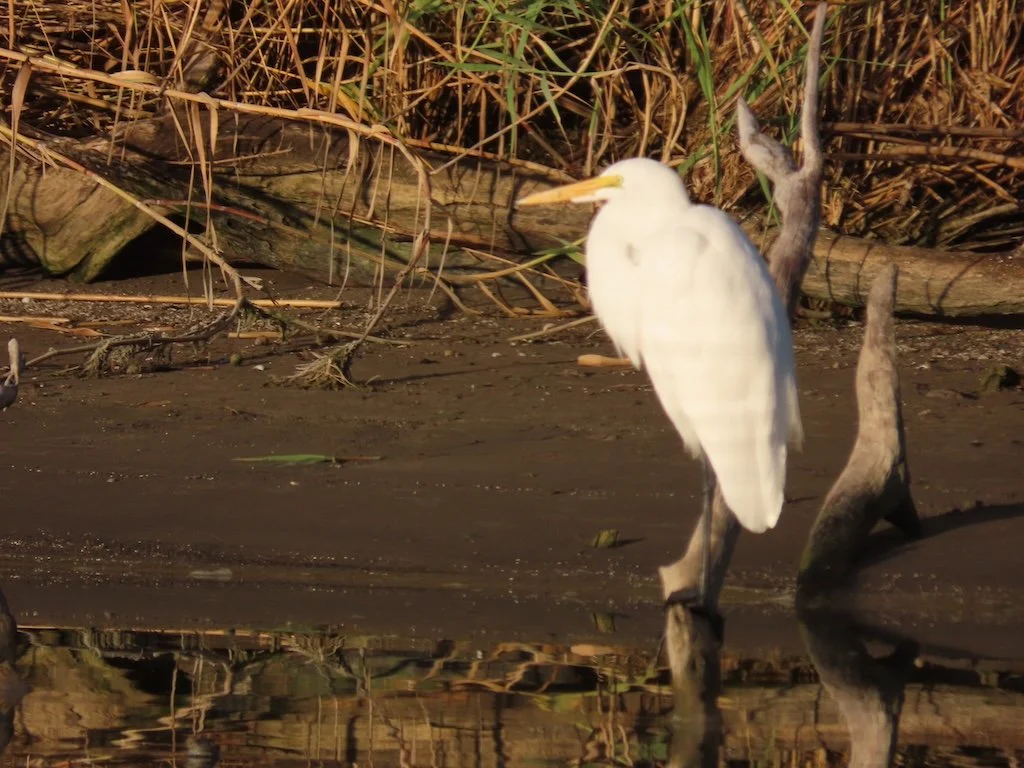
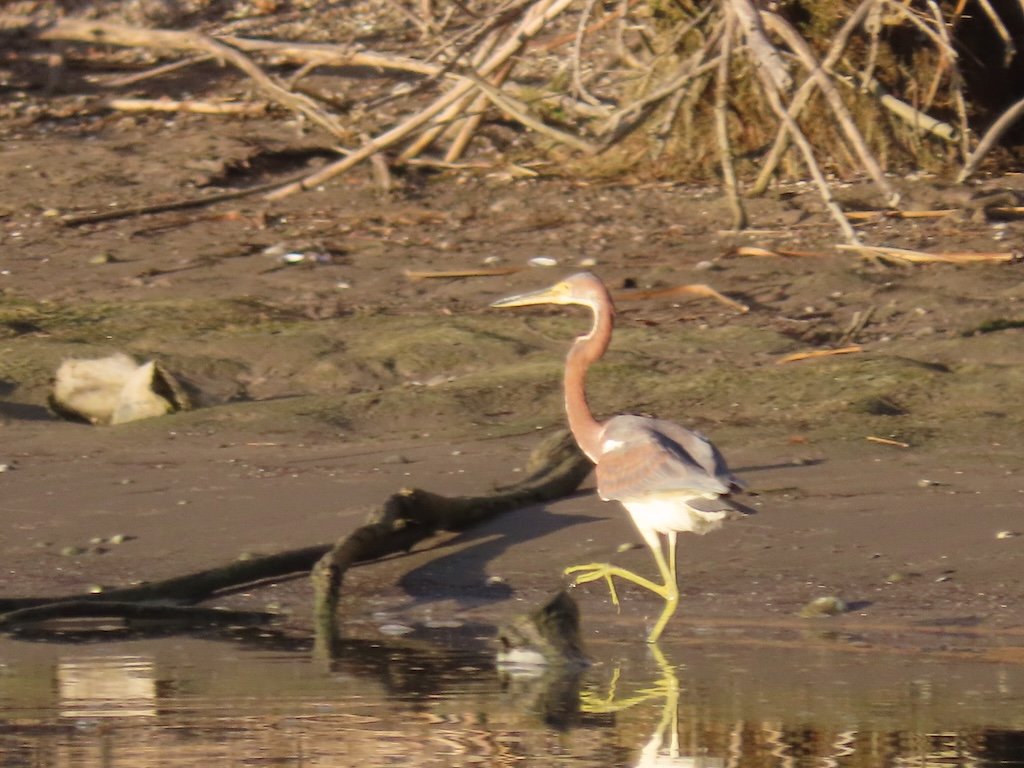
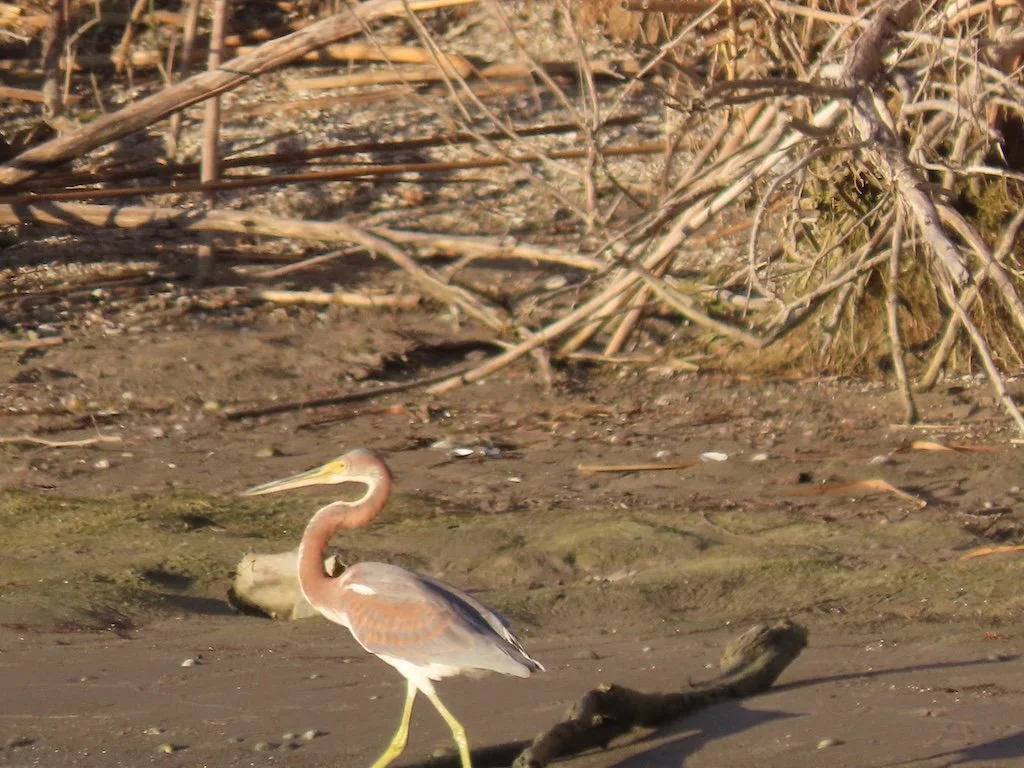
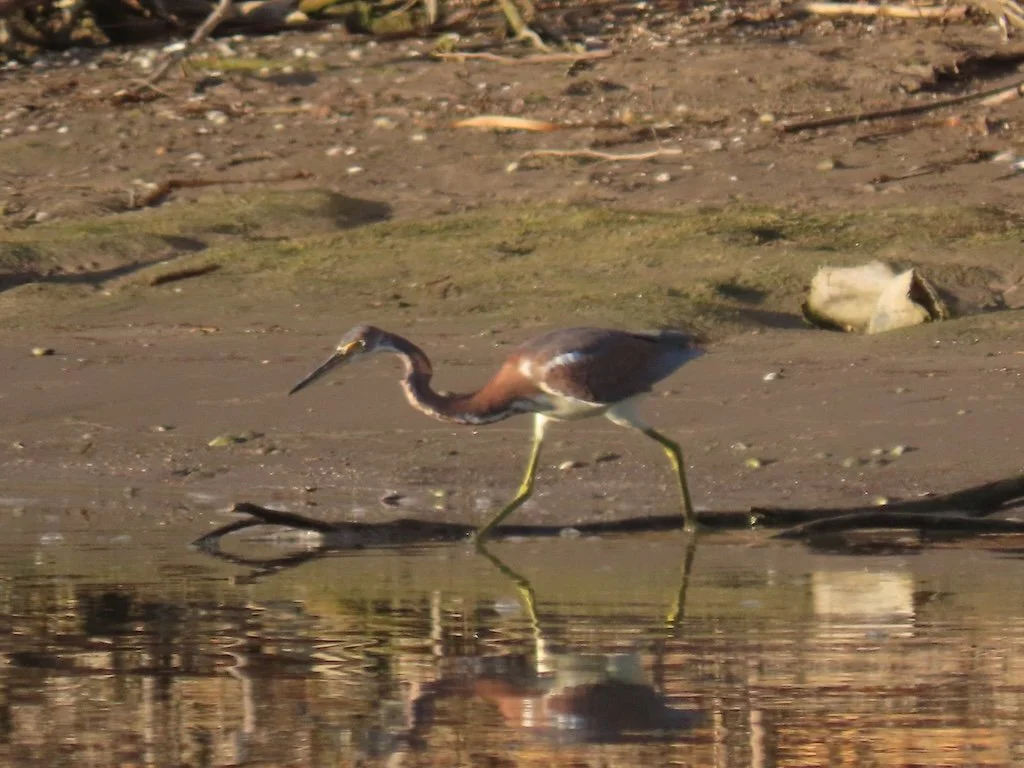
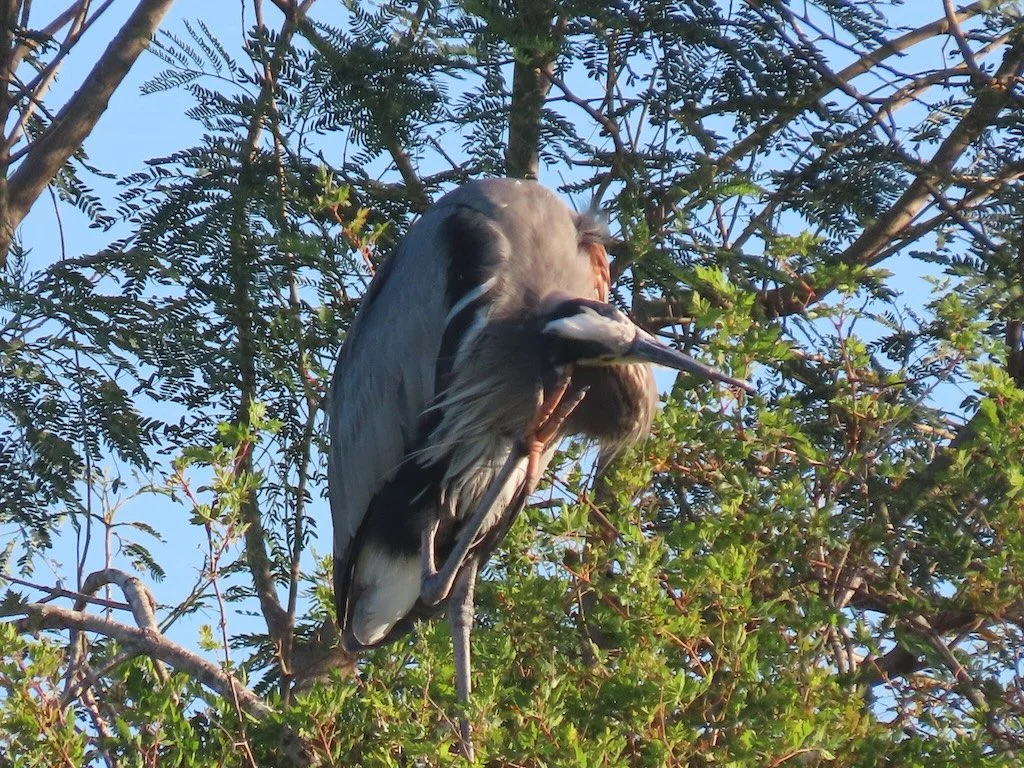
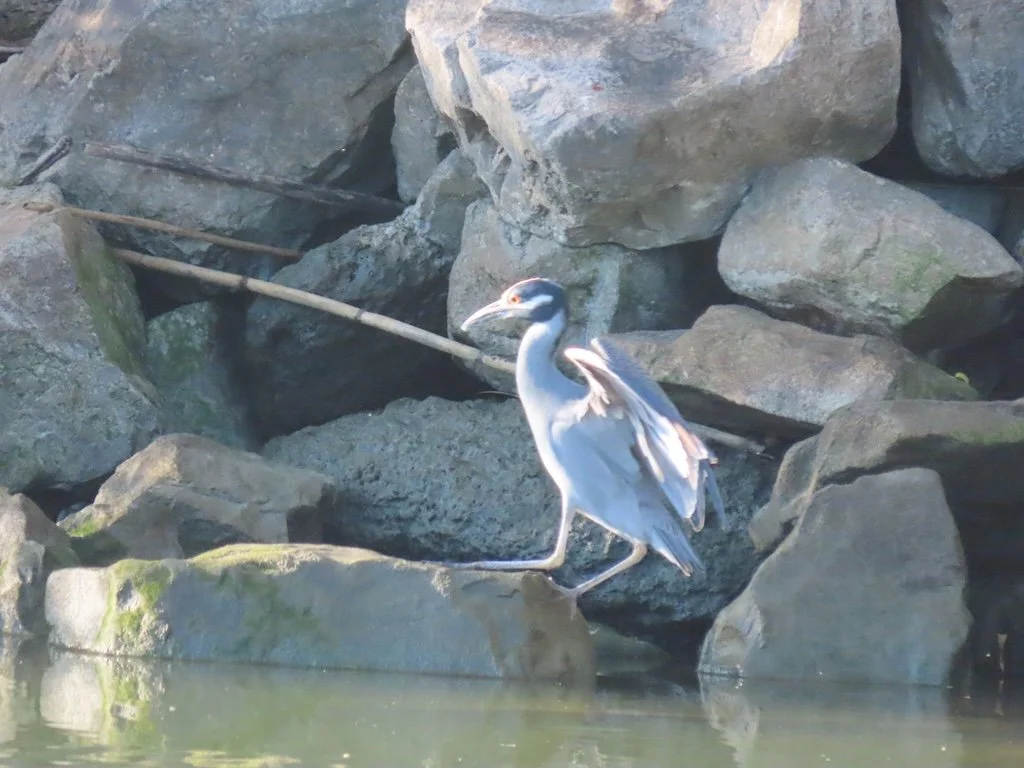
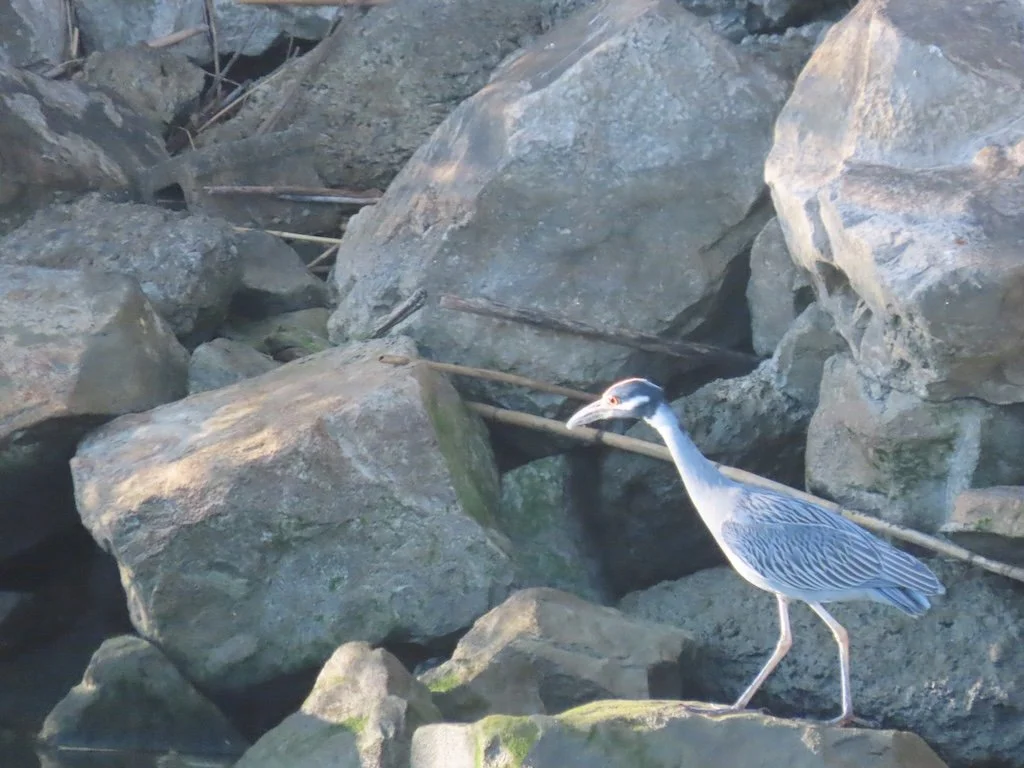
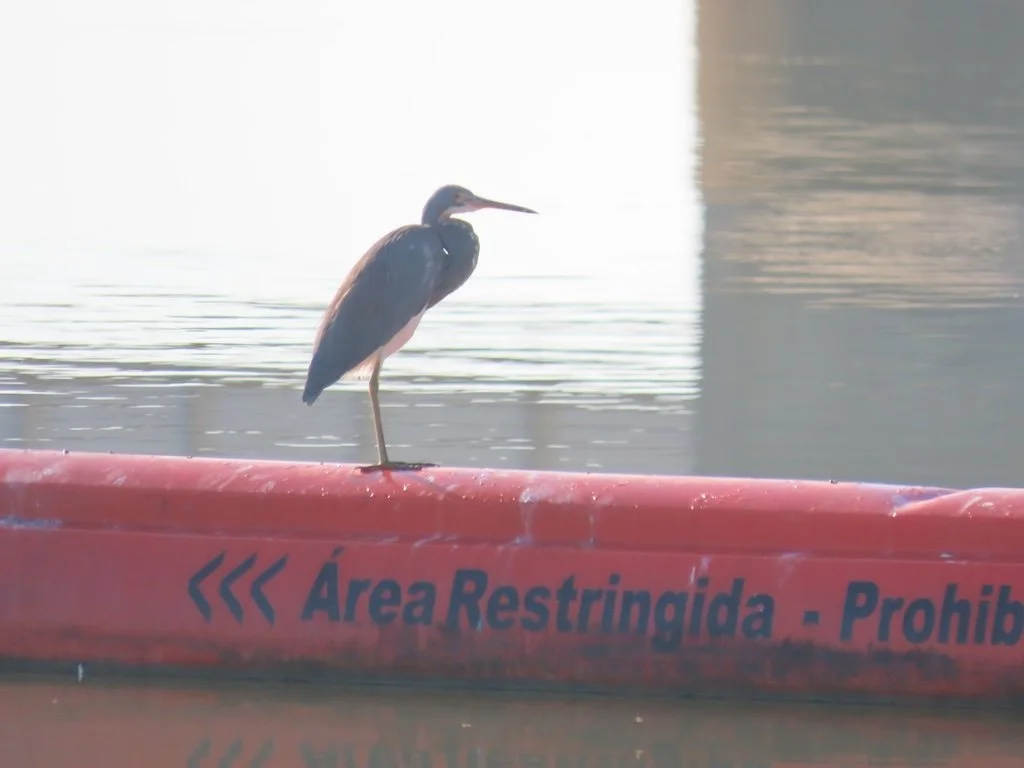
  • Herons: Great Blue, Tricolored, Yellow-crowned Night

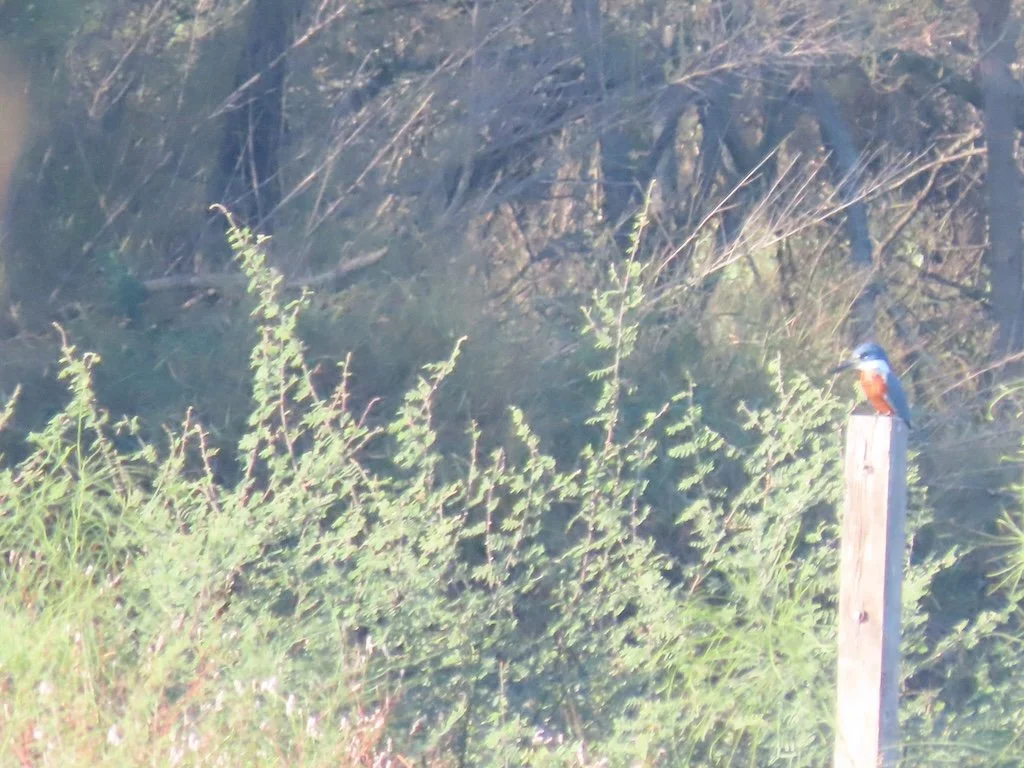
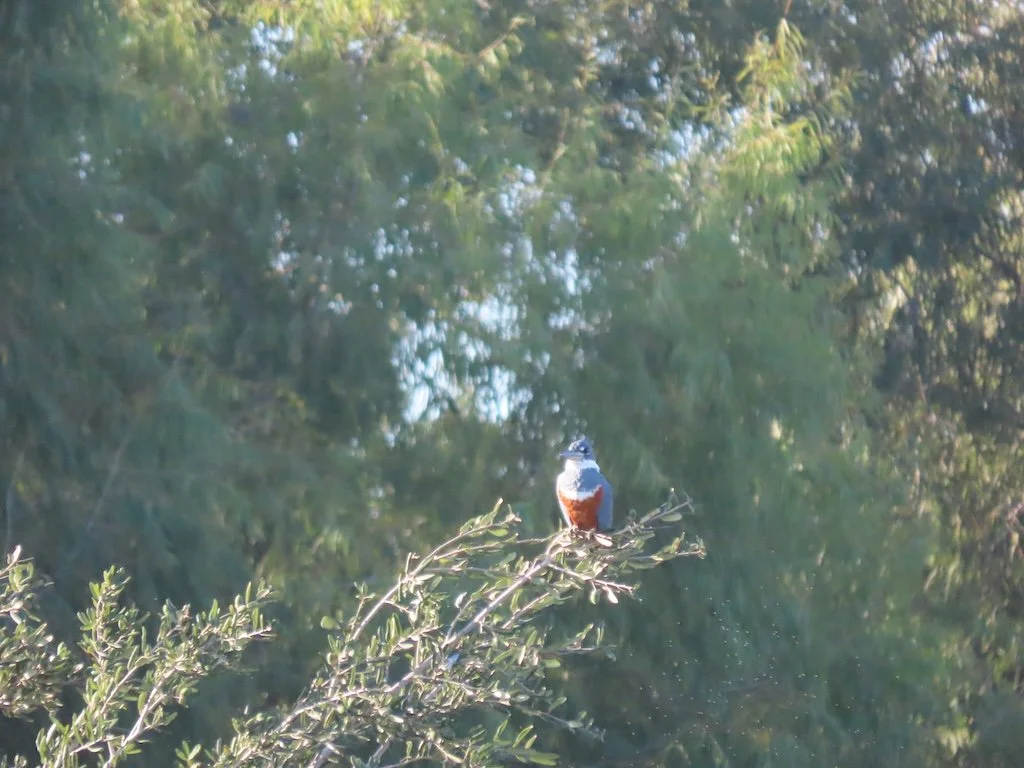
  • Kingfishers: Green, Ringed

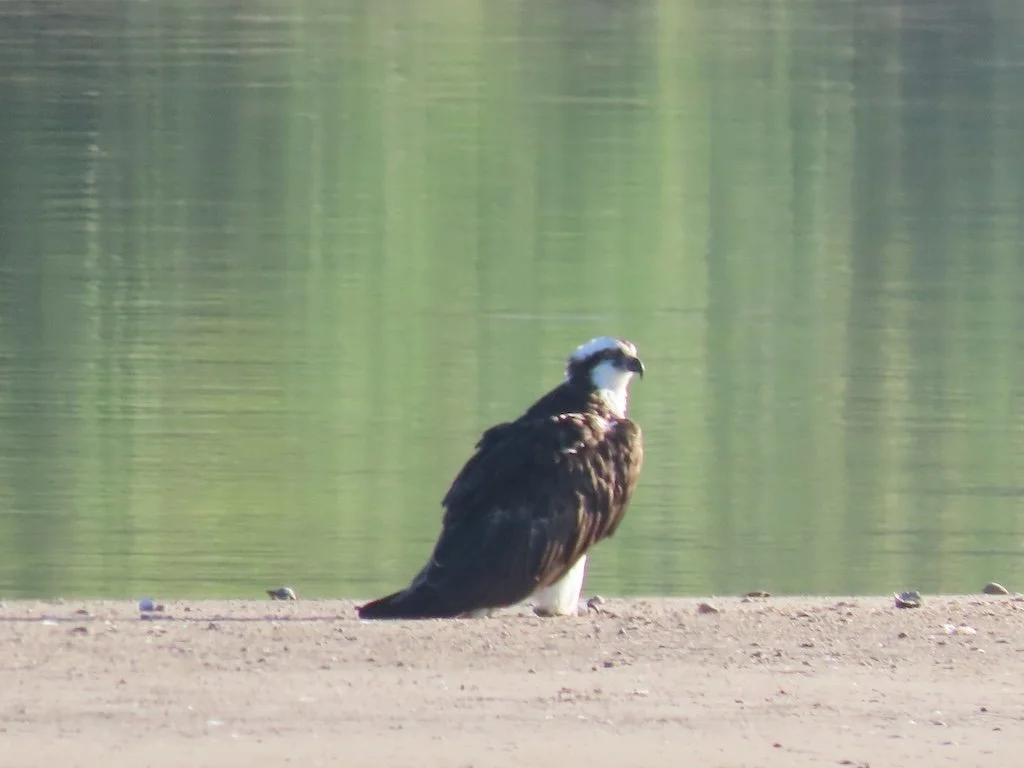
  • Osprey

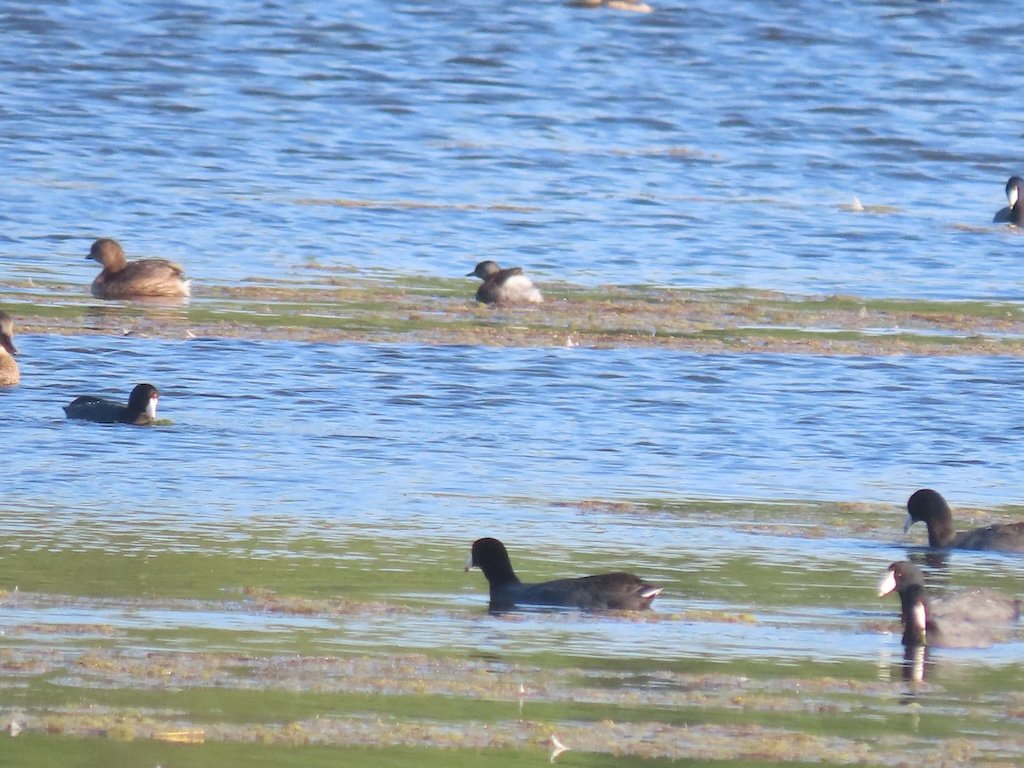
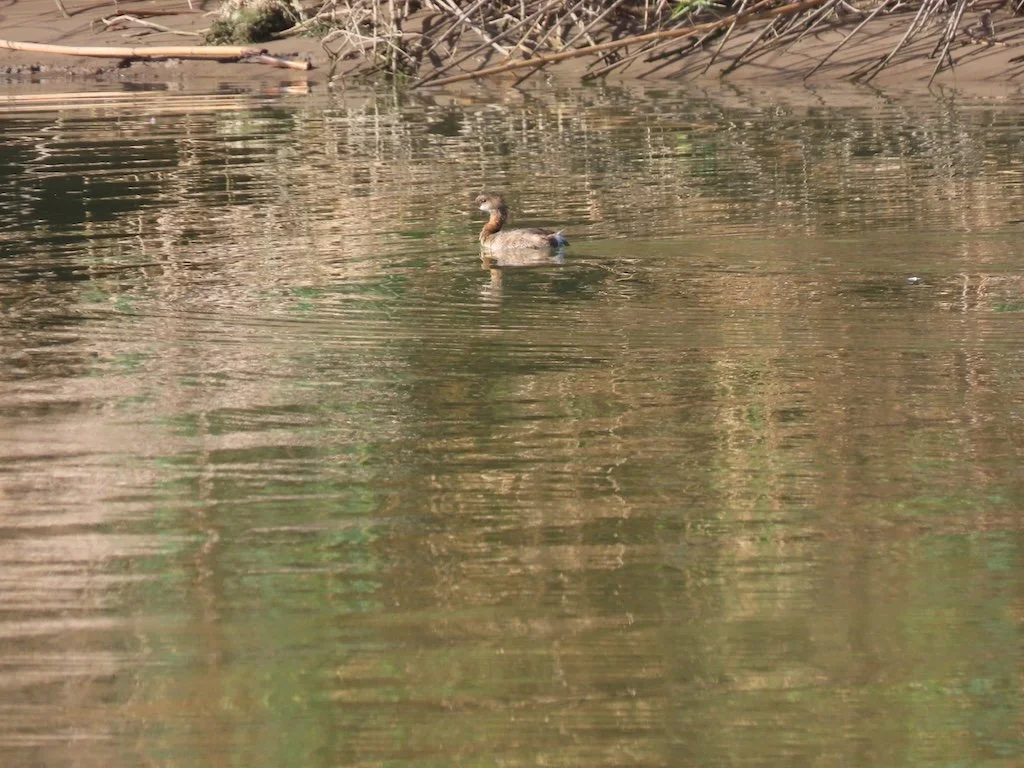
  • Pied-billed grebe

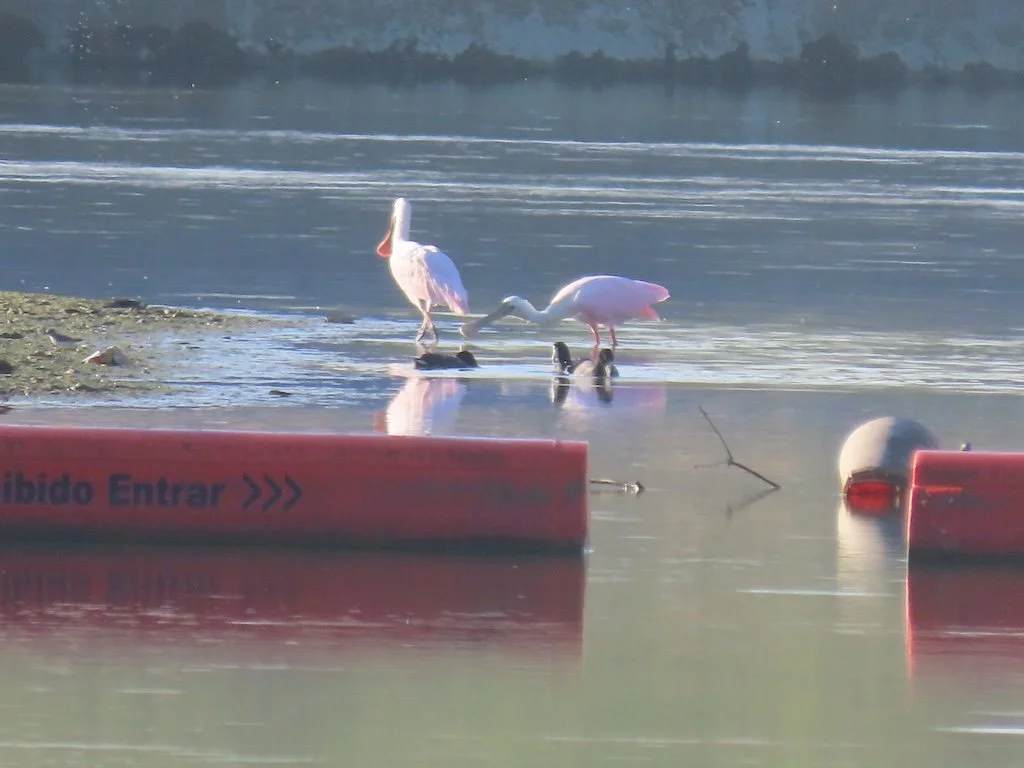
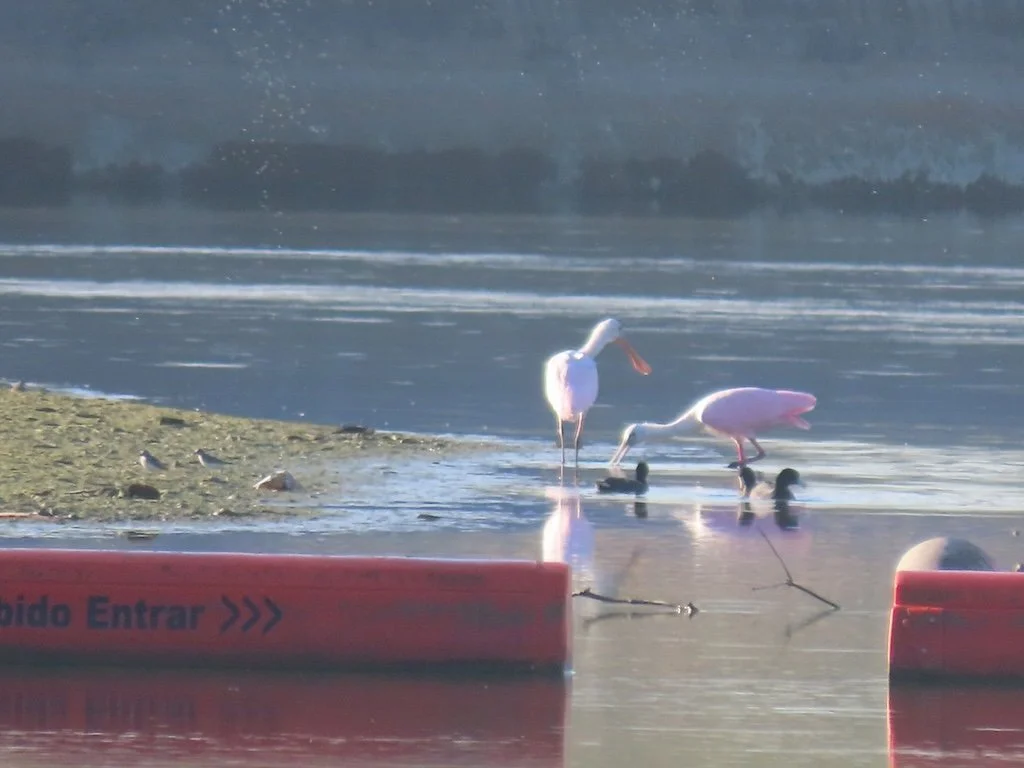
  • Roseate Spoonbill

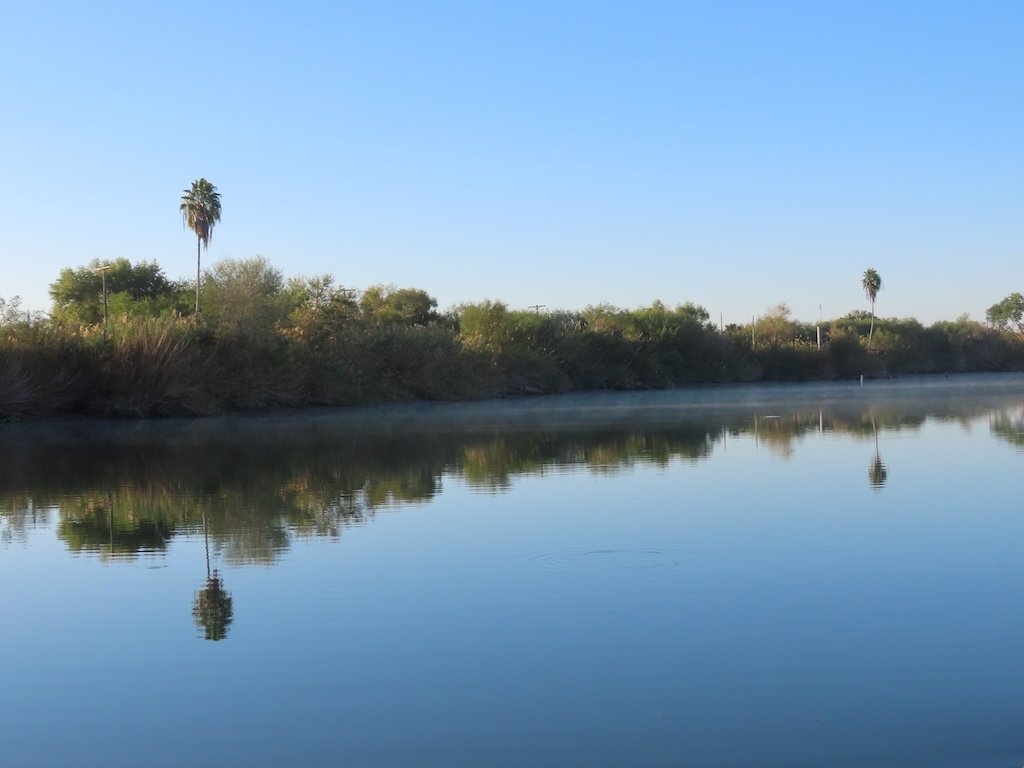
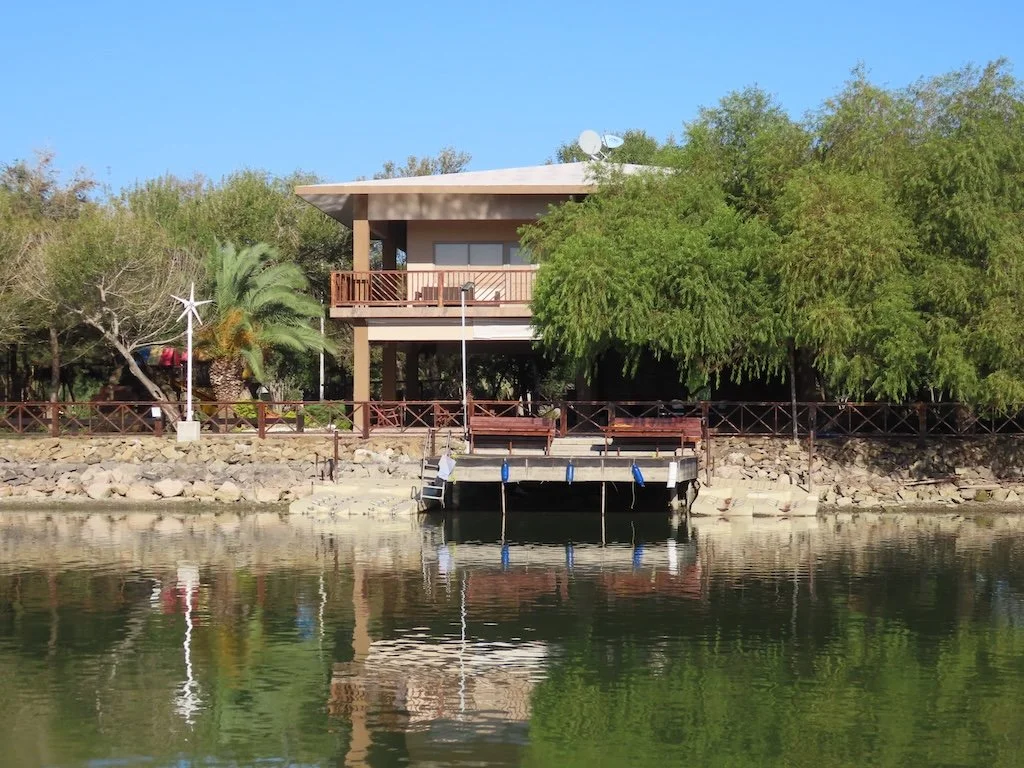
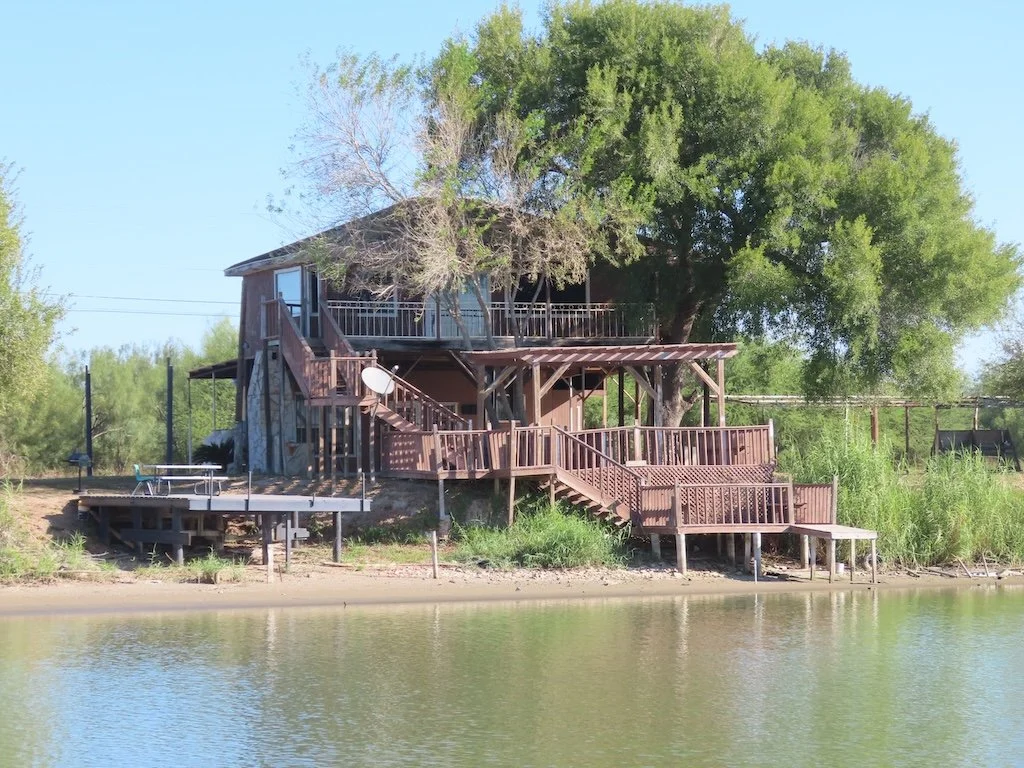
The river was clean – almost no trash. There were some houses on both sides and parks. A small group of people were picking up trash along the river in a park on the Mexican side; they must do it frequently enough that there isn’t a lot of trash to pick up. Border control was evident on the US side. It was a quite weekday morning on the river…great for birding.

Rio Grande Valley Birding Festival

We spent the first week of November at the Rio Grande Valley Birding Festival headquartered at the Harlingen (Texas) Convention Center. We had enjoyed the festival back in 2017; in the intervening years we moved from Maryland to Missouri and opted to drive rather than fly this year. My husband did the driving.

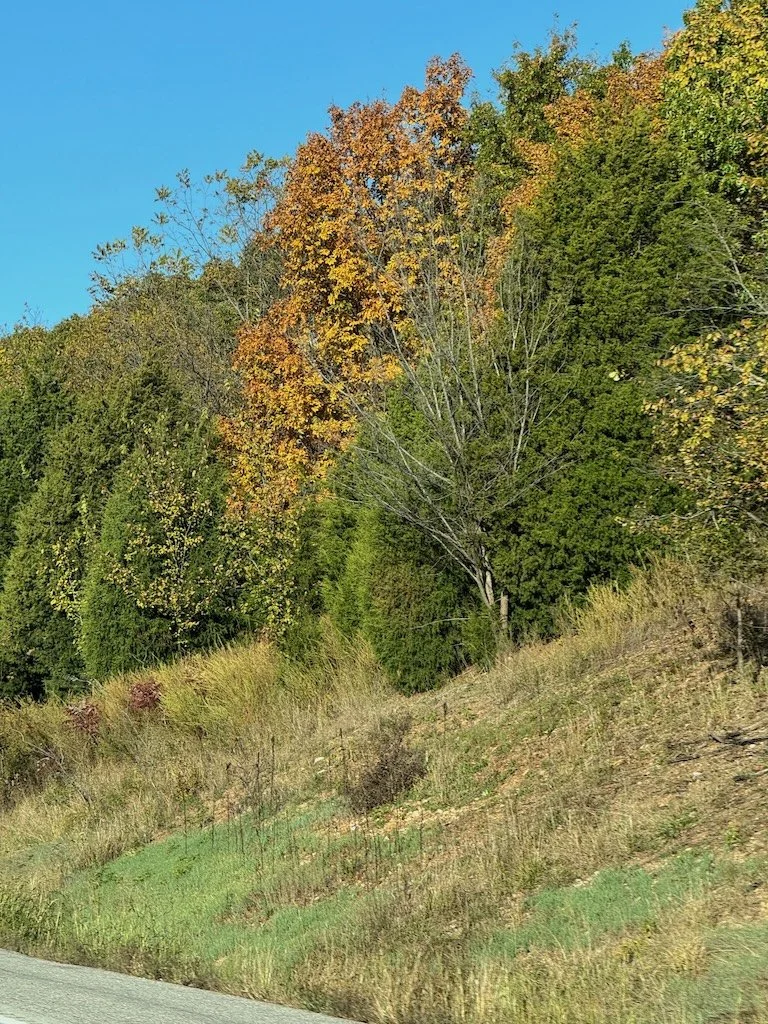
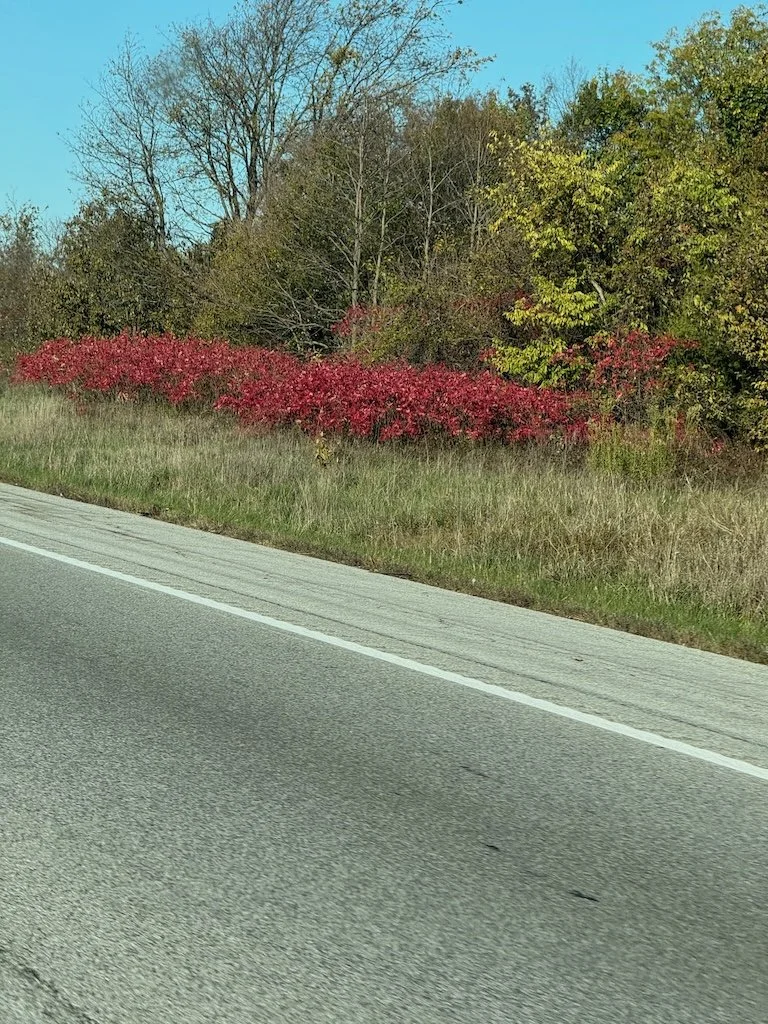
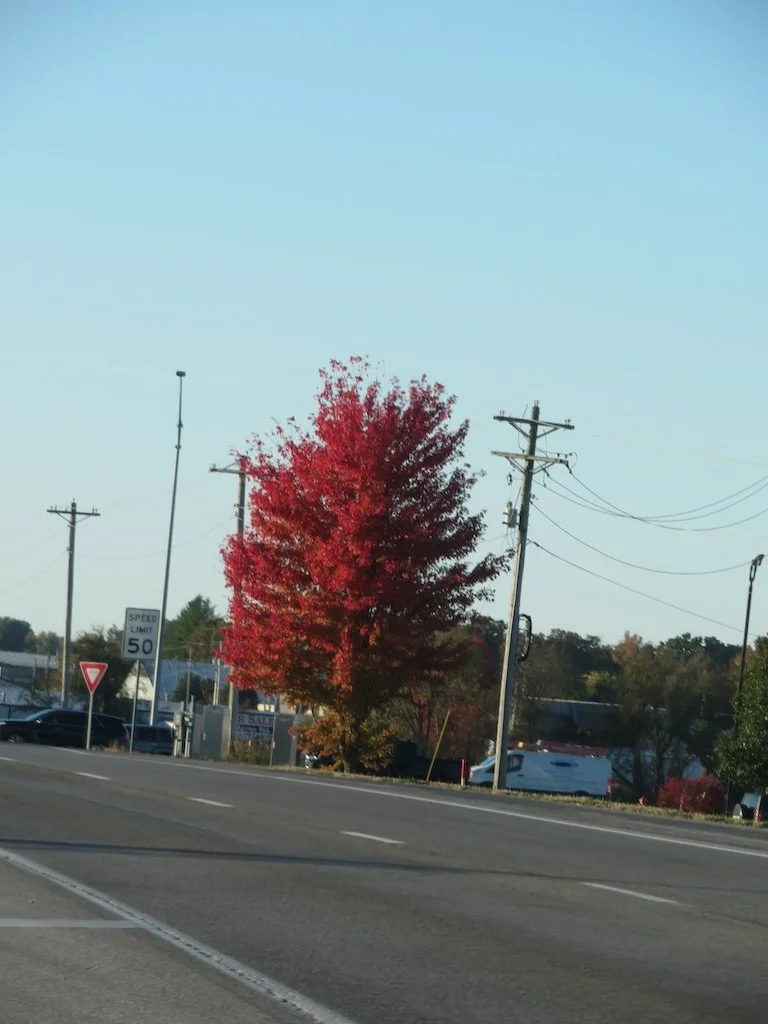
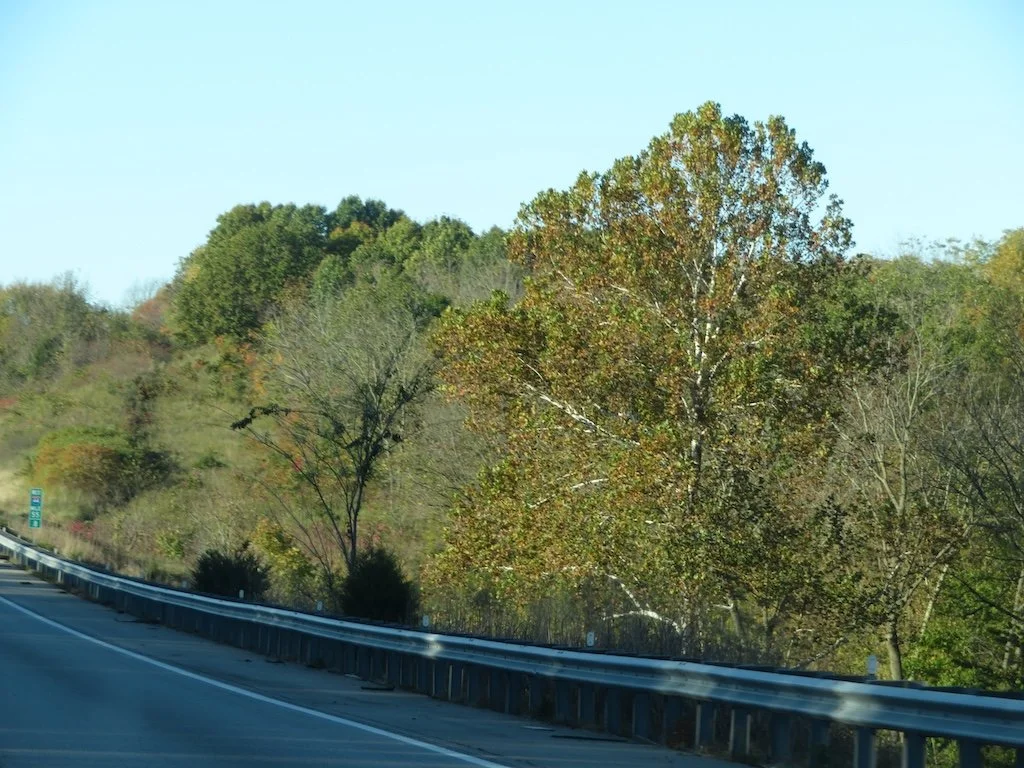
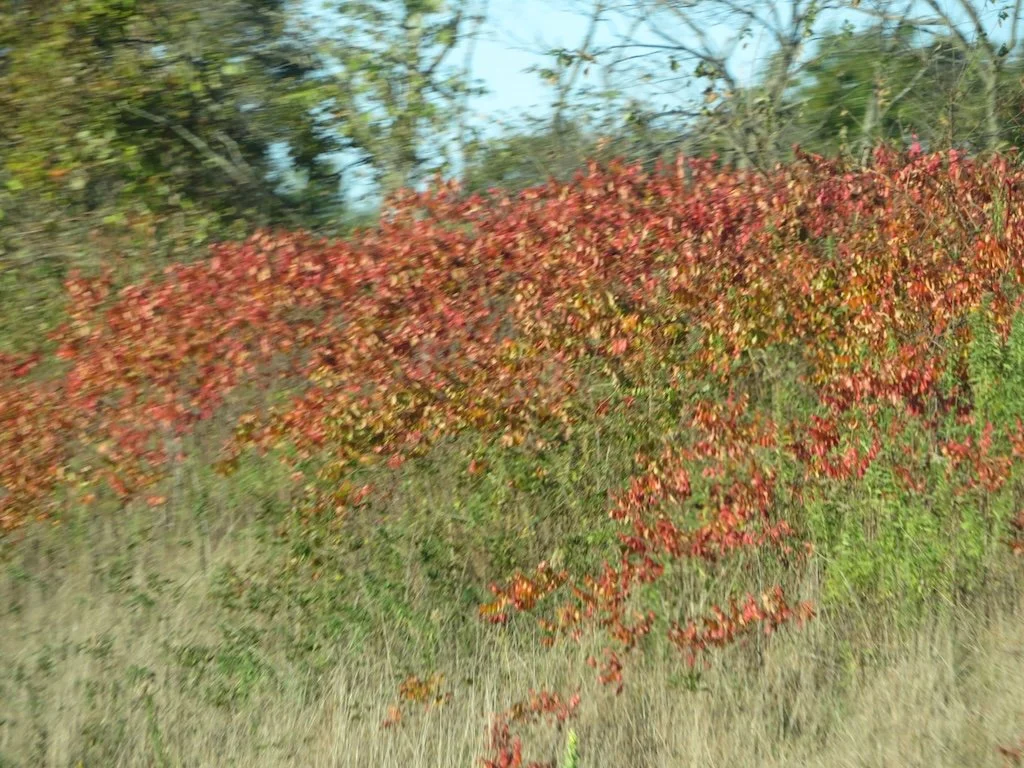
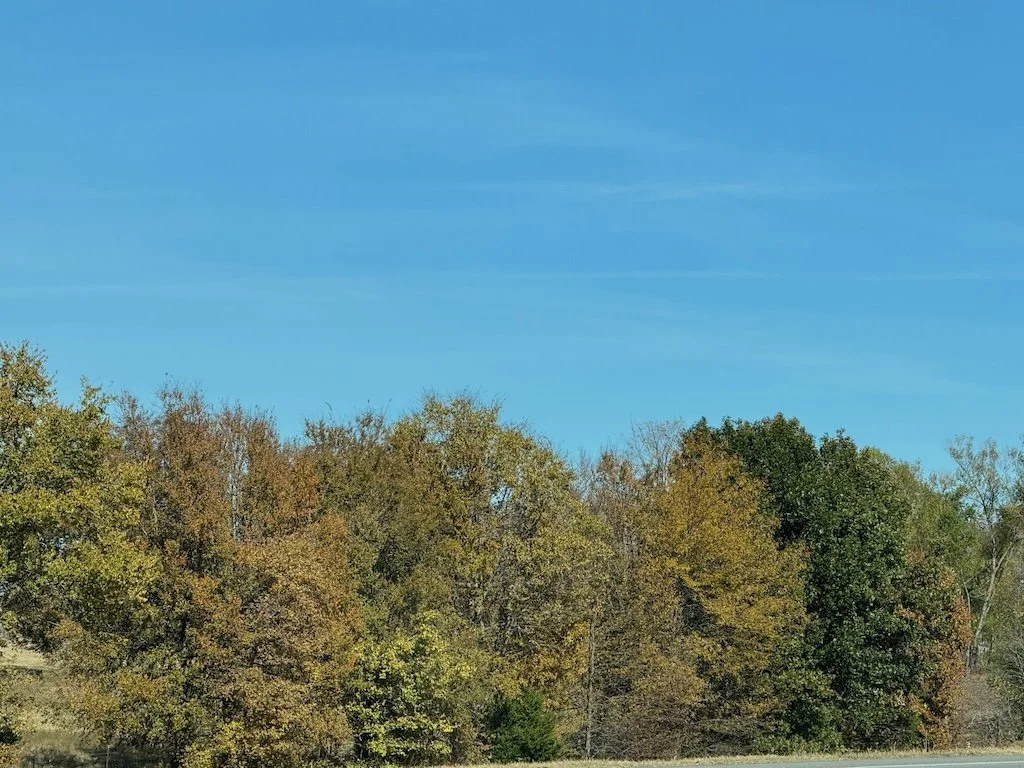
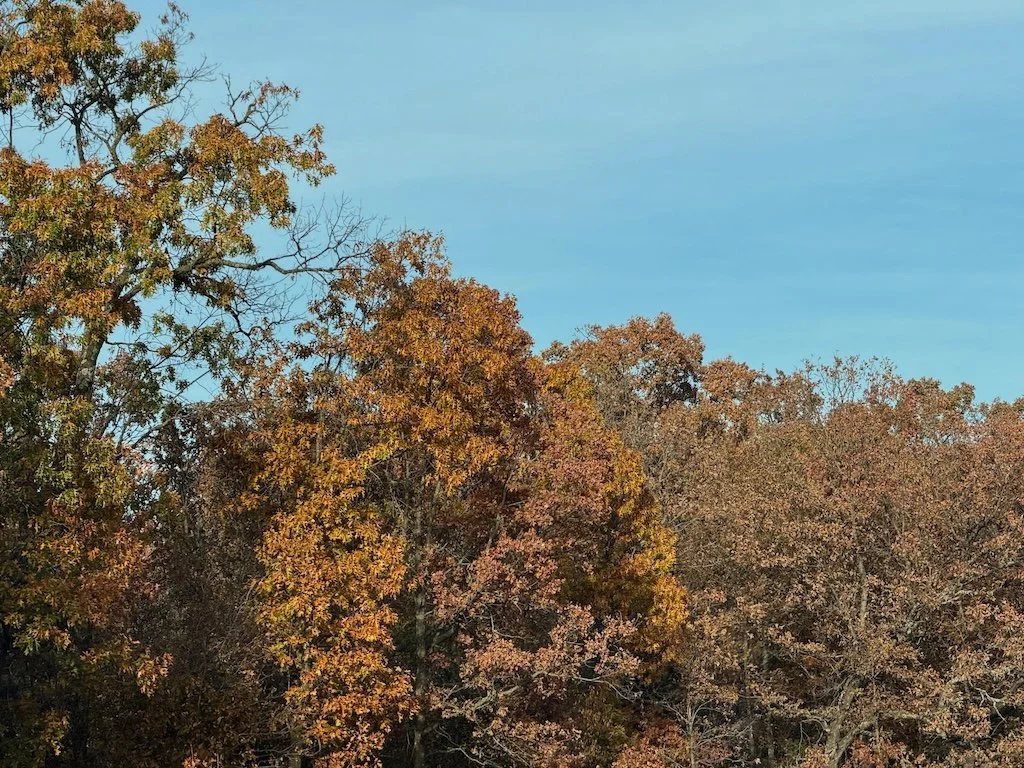
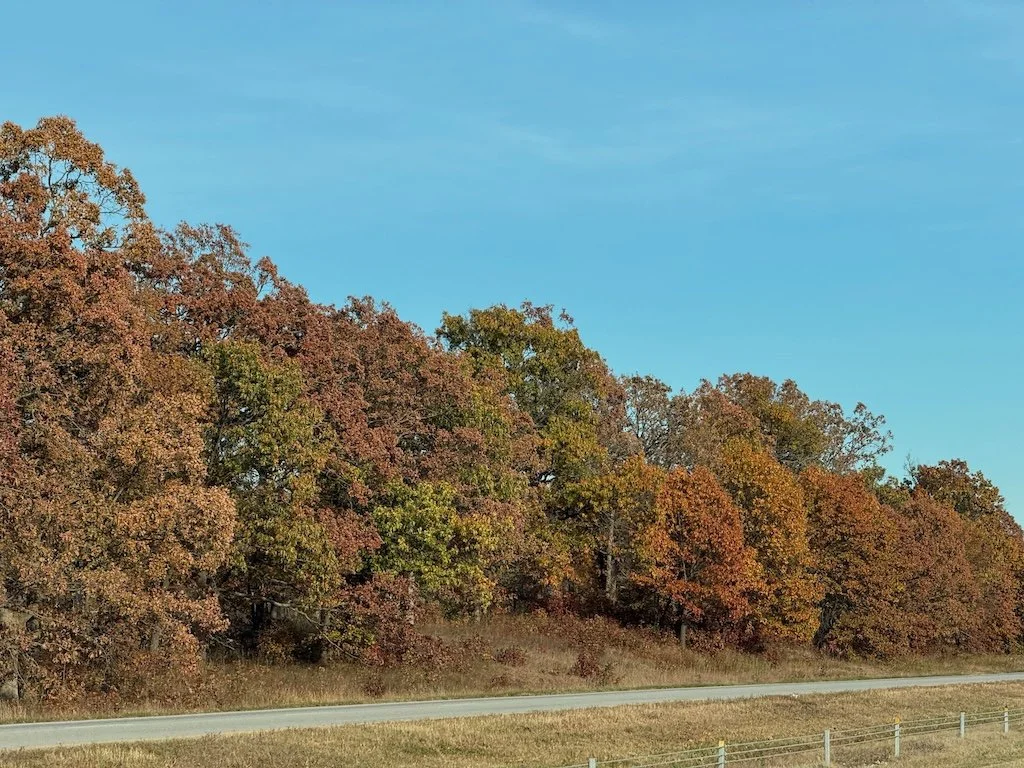
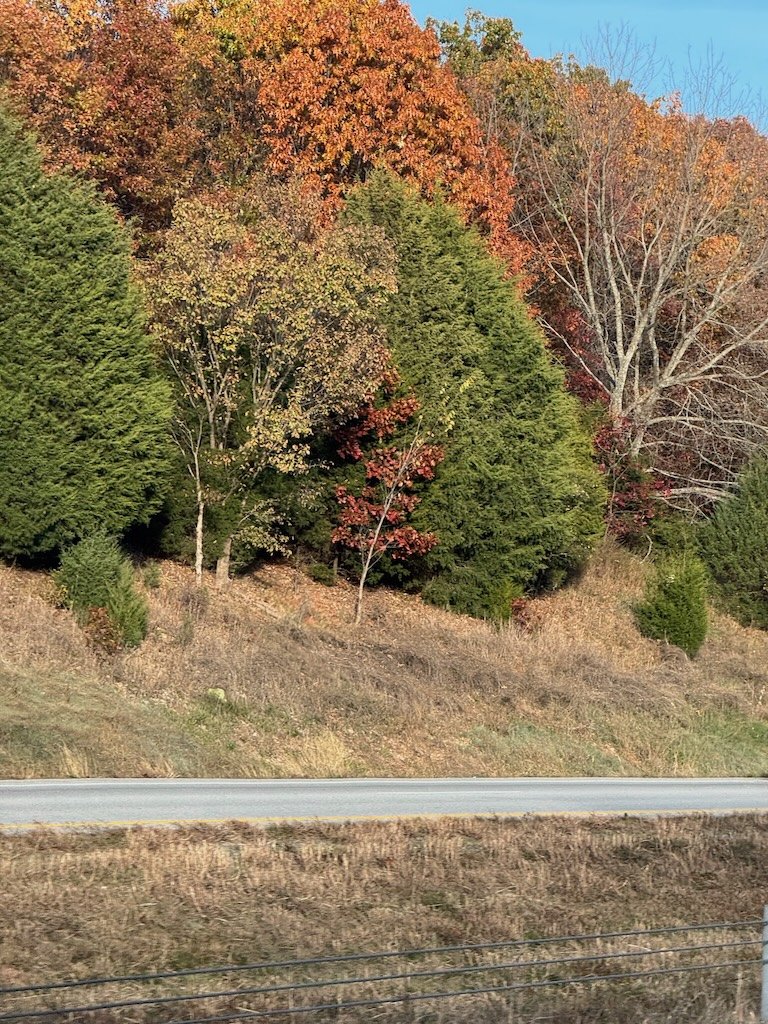
The fall foliage as we started out was at its peak…but muted because of our dry summer.

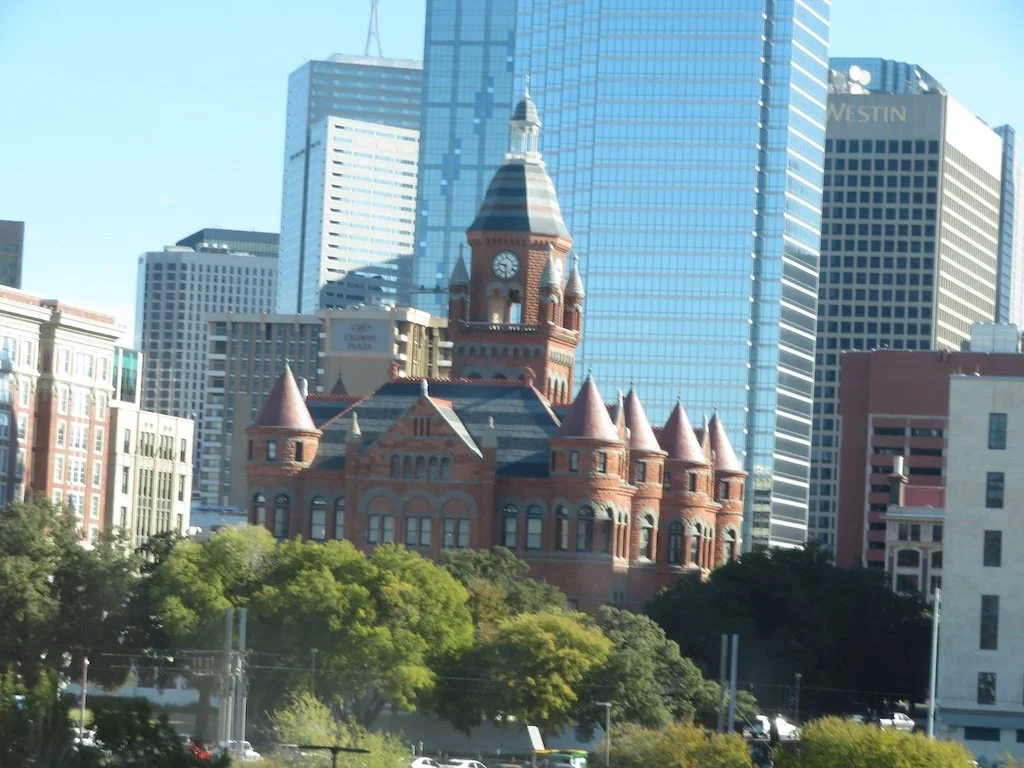
The segment of our trip through Dallas was, as anticipated, the worst part of the drive. We were going through in the early afternoon on the way down.

On the way back, there was a decorative mosaic in one rest stop south of San Antonio

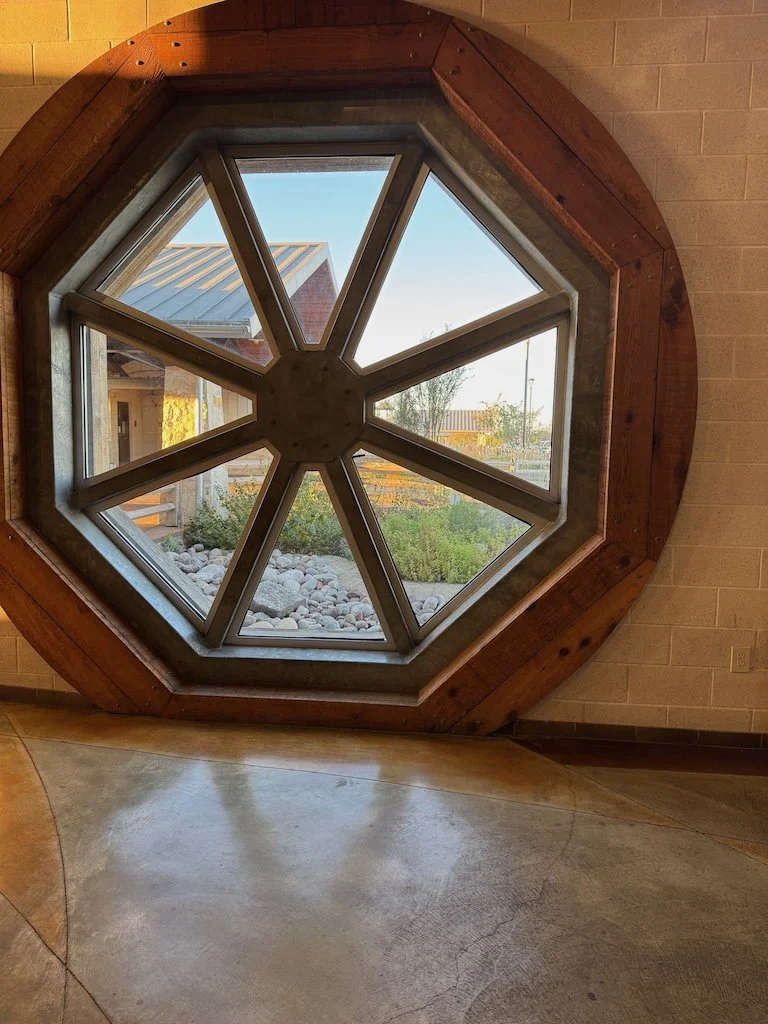
And a window reminiscent of a water wheel in another.

We drove through Dallas about 9:30 AM. The traffic is never ‘good’ going through Dallas.

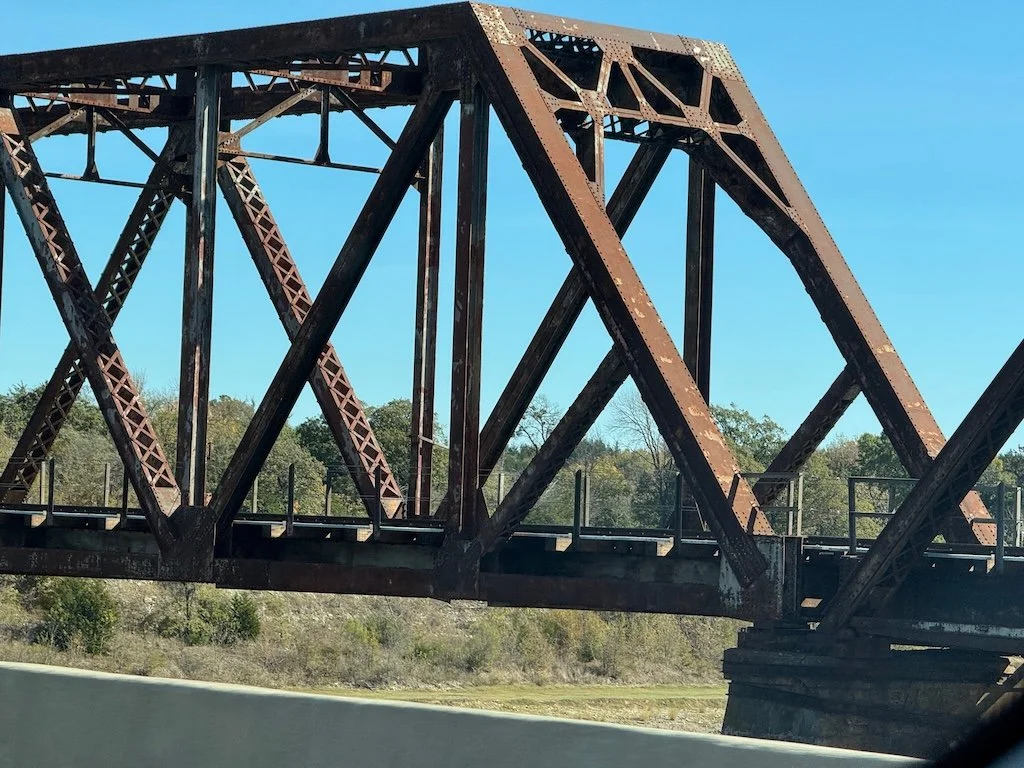
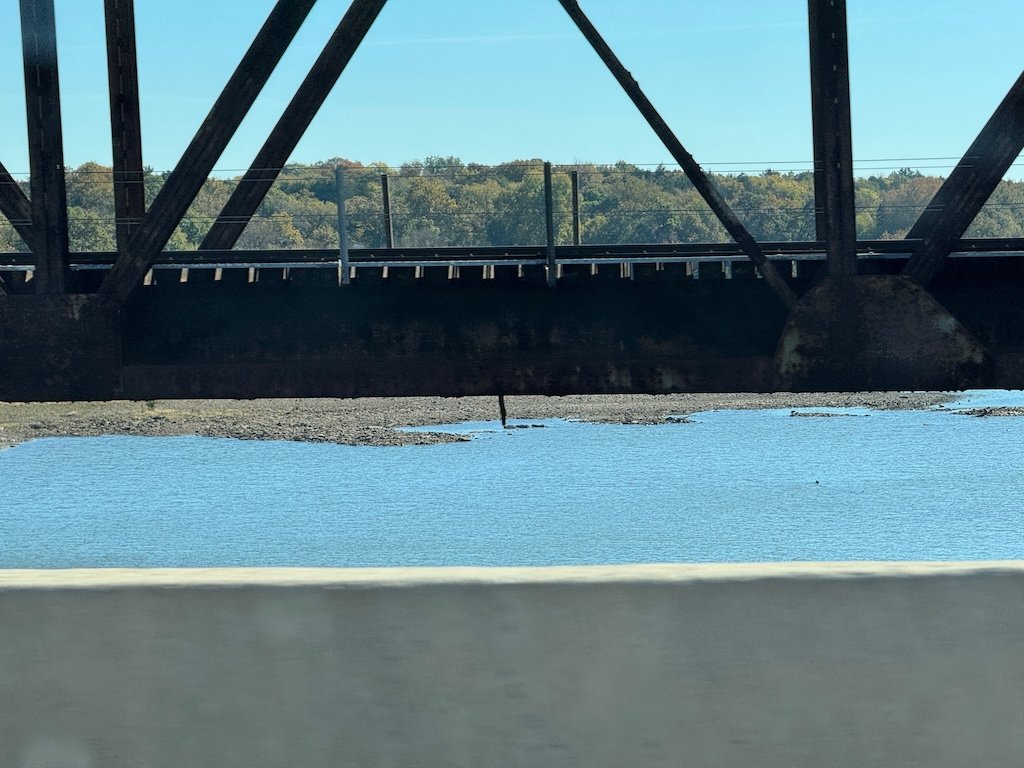
The railroad bridge over the Red River and the Jersey wall makes it hard to see much of the river from the bridge. It didn’t look as ‘red’ as usual – or maybe it was just the light.

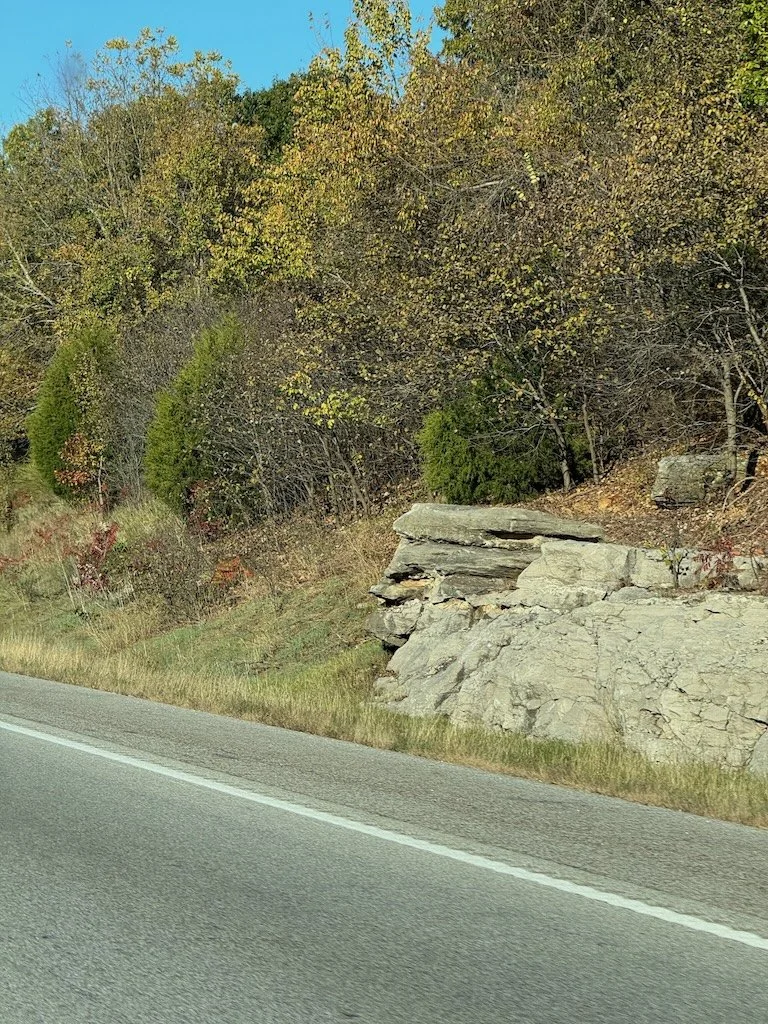
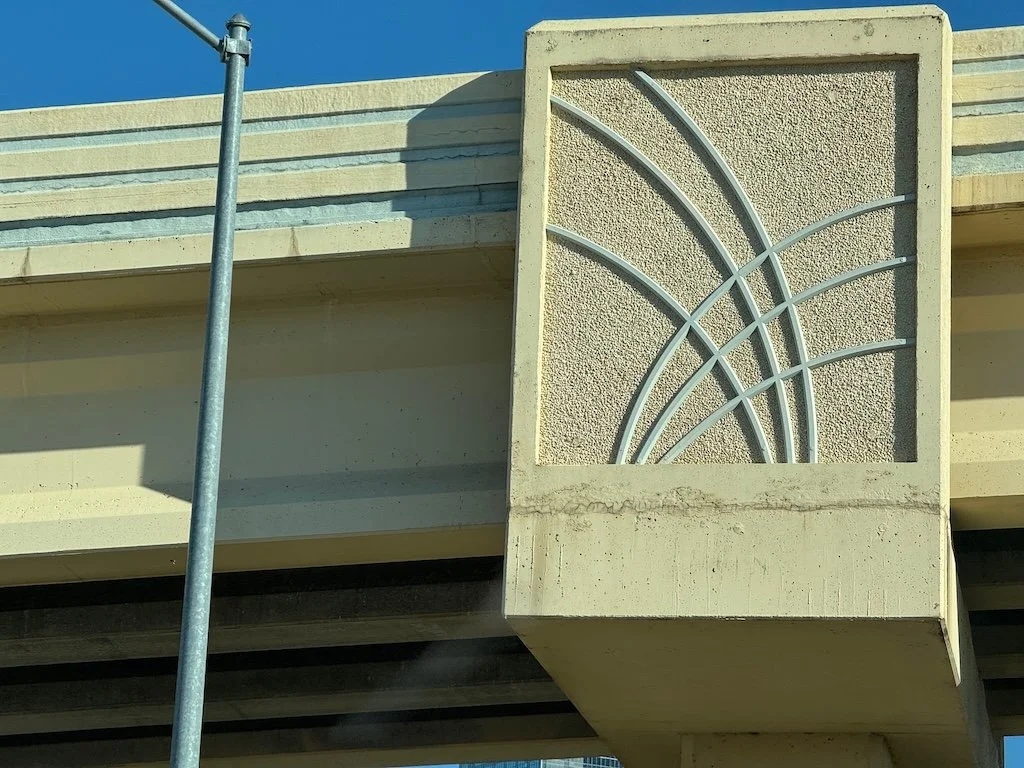
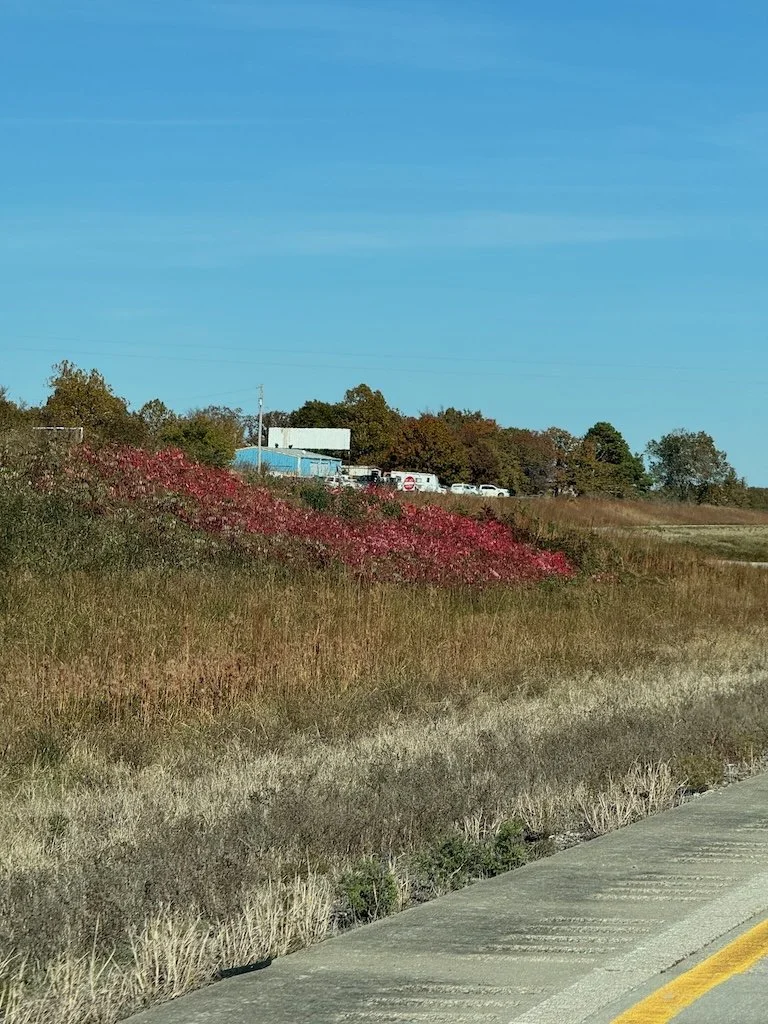
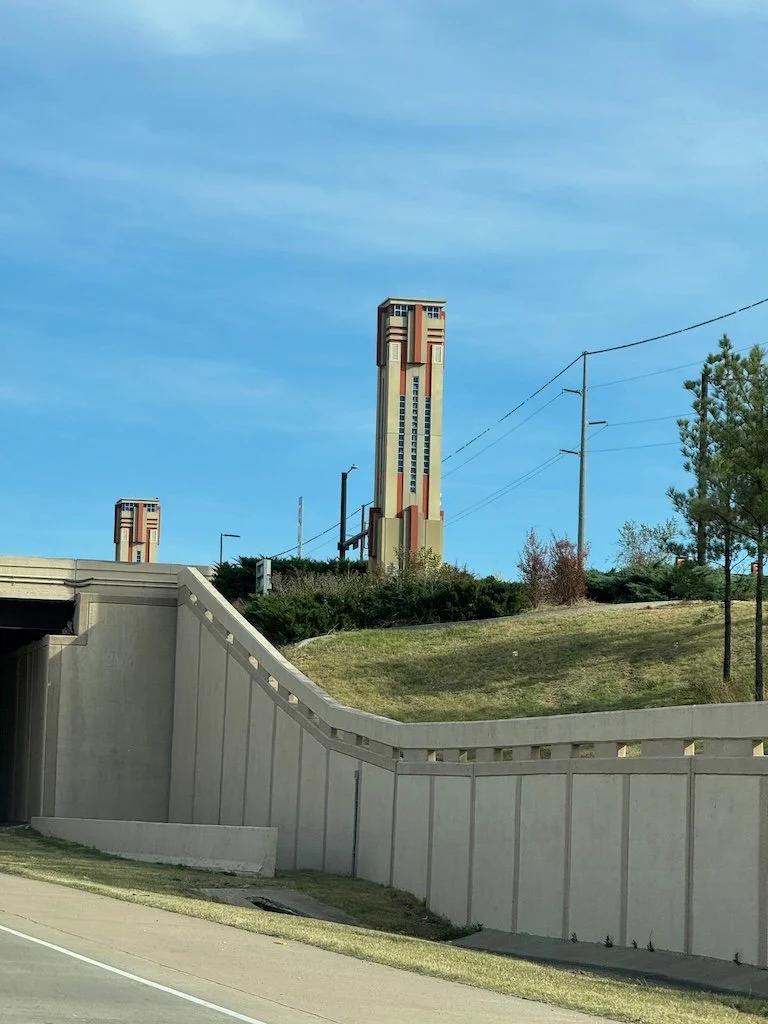
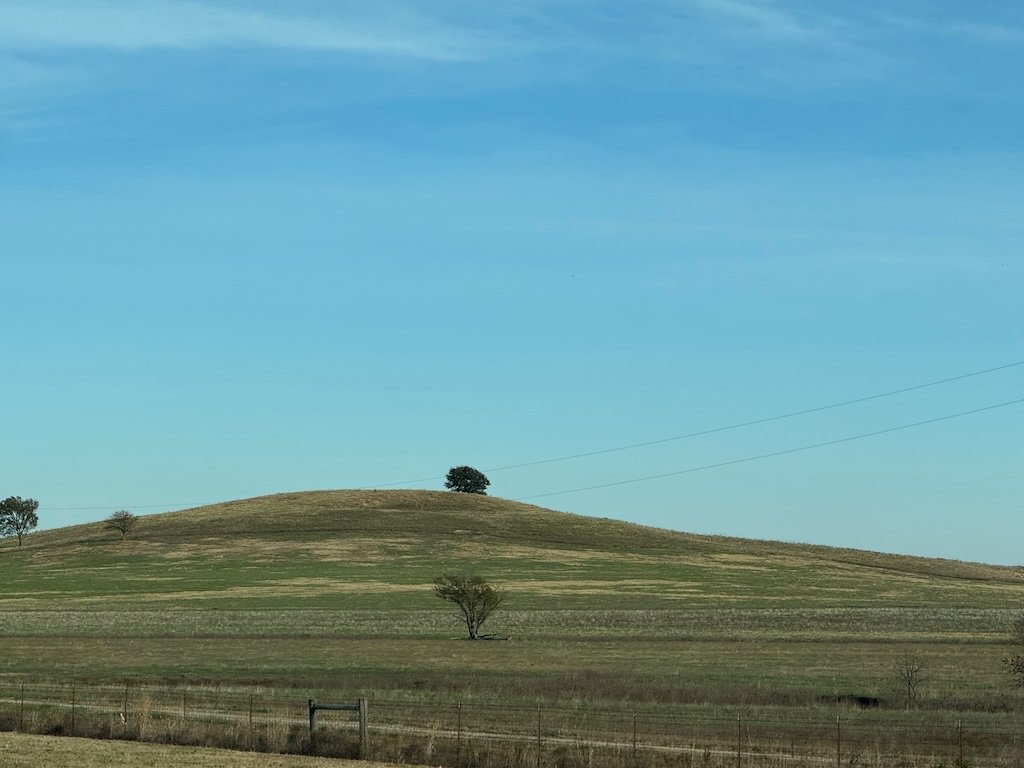
In Oklahoma, there was a little fall color, and I managed to take a picture of the art along Interstate 44 in Tulsa. The hill with sparse trees along the turnpike not far from the border with Missouri always draws my attention; it is a natural hill or something that was constructed?

Most of the fall color was past peak in Missouri – too late to collect any new leaves to preserve for my tree presentations.

More posts about the Rio Grande Valley Birding Festival in upcoming days…

Gleanings of the Week Ending November 15, 2025

The items below were ‘the cream’ of the articles and websites I found this past week. Click on the light green text to look at the article.

Inflammation Starts Long Before the Pain in Rheumatoid Arthritis - Millions of people around the world suffer from rheumatoid arthritis, an autoimmune disorder that causes debilitating joint swelling and pain. New research reveals more early biomarkers for rheumatoid arthritis which may lead to ways to prevent, rather than treat, the disease.

Bottled Water is a Major Source of Microplastics - Nano- and microplastics have been linked in studies to inflammation, immune dysregulation, cardiac events, and metabolic disruptions. Though human data are still emerging, evidence also suggests a connection to respiratory disease, reproductive issues, and even neurotoxicity. 

Traces of Opium Detected on Egyptian Alabastron - Traces of opium have been detected in an ancient Egyptian alabaster vase held in Yale University’s Peabody Museum. It had been previously suggested that such vases held perfumes or cosmetics for royal elites.

Gum disease may quietly damage the brain - Researchers observed that participants with gum disease had significantly more white matter hyperintensities, even after accounting for other risk factors. The findings hint that chronic oral inflammation could subtly impact the brain, especially in older adults.

6 Best Non-Toxic Lunch Boxes That Don’t Shed Microplastics – I am using my glass left-over containers….but I don’t need to carry my lunch every day!

How Air Pollution is Aging People Faster - Long considered mainly a threat to the lungs and heart, air pollution is now emerging as a driver of biological aging at the molecular level. With air pollution’s role in accelerating aging, researchers are exploring interventions ranging from reducing emissions to using protective measures. Alongside identifying the effects of different pollutants, scientists are now investigating the biological mechanisms through which air pollution accelerates aging.

Domestic Solar Manufacturing Booms During Trump Administration with Entire Solar Supply Chain Reshored - New data from the Solar Energy Industries Association (SEIA) shows that the entire solar supply chain has been reshored and U.S. manufacturing capacity has grown across every segment of the solar and storage supply chain. With the news of Hemlock’s new ingot and wafer facility coming online in Q3, the United States now has the capacity to produce every major component of the solar supply chain.

Covid 2020: Where cruise ships went to die - Aliağa Ship Breaking Yard in Turkey is the fourth-largest facility in the world for breaking down large ships, and as the effect of cancelled cruises began to bite, it's where many of the cruise companies sent their huge ships to die.

China Has Added Forest the Size of Texas Since 1990 - In many wealthy nations — the U.S., Canada, Russia, and much of Europe — forests are making a comeback, according to the U.N. assessment. As India and China become more developed, they too are seeing forests return. Even as fires and drought destroy some forest, on balance, these countries are adding trees. Over the last three and a half decades China has planted roughly 120 million acres of forest, according to U.N. figures, much of it added to contain the spread of deserts.

How Do Cadaver Dogs Recognize Human Remains? - Someday scientists will understand how cadaver-associated molecules bind to receptors in dog noses and how this binding, in turn, affects the molecules’ structure and chemistry. Knowing the exact stimuli that cadaver dogs pick up may also advance researchers’ efforts in building “electronic noses.” These chemical sensors are not meant to replace cadaver dogs but rather as stand-ins that could go to places that are inaccessible or too dangerous for dogs.

14th Anniversary of my Blog

This is the 14th anniversary of this blog. It all started in 2011 when I made the firm decision to retire and started a daily blog…a few months before my computer/engineering career formally ended. It was a way for me to guarantee a little bit of structure for a time of my life without many external requirements on my time.

There are some other activities that have emerged over these 14 years that also structure my days – weeks – years:

  • Volunteering in my community – specifically as a Maryland Master Naturalist for a decade and now as a Missouri Master Naturalist.

  • Reading a lot of books - almost exclusively electronic (primarily from Internet Archive).

  • Creating Zentangle tiles almost every day.

  • Participating in the care of my parents and now my dad – monthly trips to the Dallas area for in-person visits.

  • Traveling for birding festivals.

  • Exercising.

The blog has documented my technology migration

  • from Intel based PCs/Laptops to a Mac

  • from a Kindle Fire to a Nivida Shield to an iPad tablet

  • from a Canon point and shoot to a Canon bridge camera

  • from Samsung Android based phones to an iPhone

  • from an Acura TL to a Prius Prime (plug in hybrid).

The blog has offered opportunities to showcase my growing photographic skills and my increasing knowledge of native plants…particularly trees. Recently plastics have become a big concern, and I anticipate that there will be a lot more posts on that topic over the coming year.

Previous anniversary posts: 13th anniversary, 12th anniversary, 11th anniversary, 10th anniversary, 9th anniversary