Plastics Crisis – Travel and Plastics

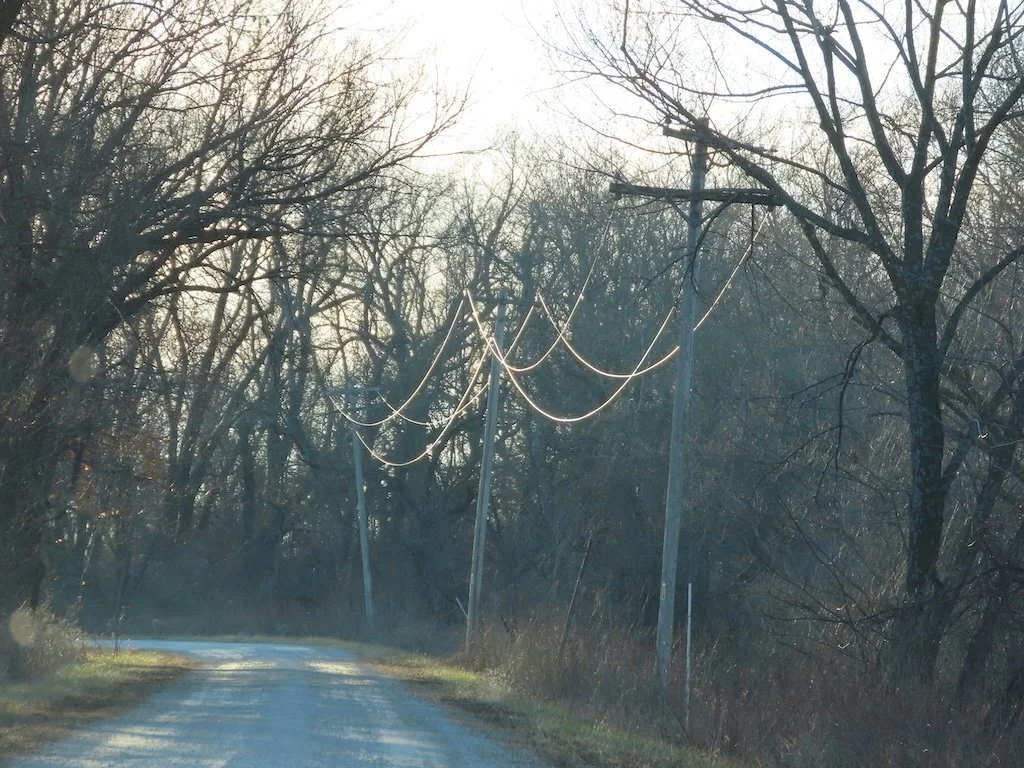
I thought about plastics as I made my monthly drive from Missouri down to Lewisville TX and back. It might have been the noticeable plastic trash along the road – perhaps there was more of it because of recent winds.

The other reason I was thinking about it more was the breakfast set up. The same hotel chain we had stayed in when we went to St. Joseph MO late last month had used ceramic plates and stainless utensils – so it felt like a step backwards to have foam plates and plasticware. Both places had Keurig coffee makers in the room and plastic single used glasses. When I got the request for feedback to the hotel – I filled in several responses about the plastic in their hotel and pointed out that the bottle of water ‘gift’ is not as appreciated any more.

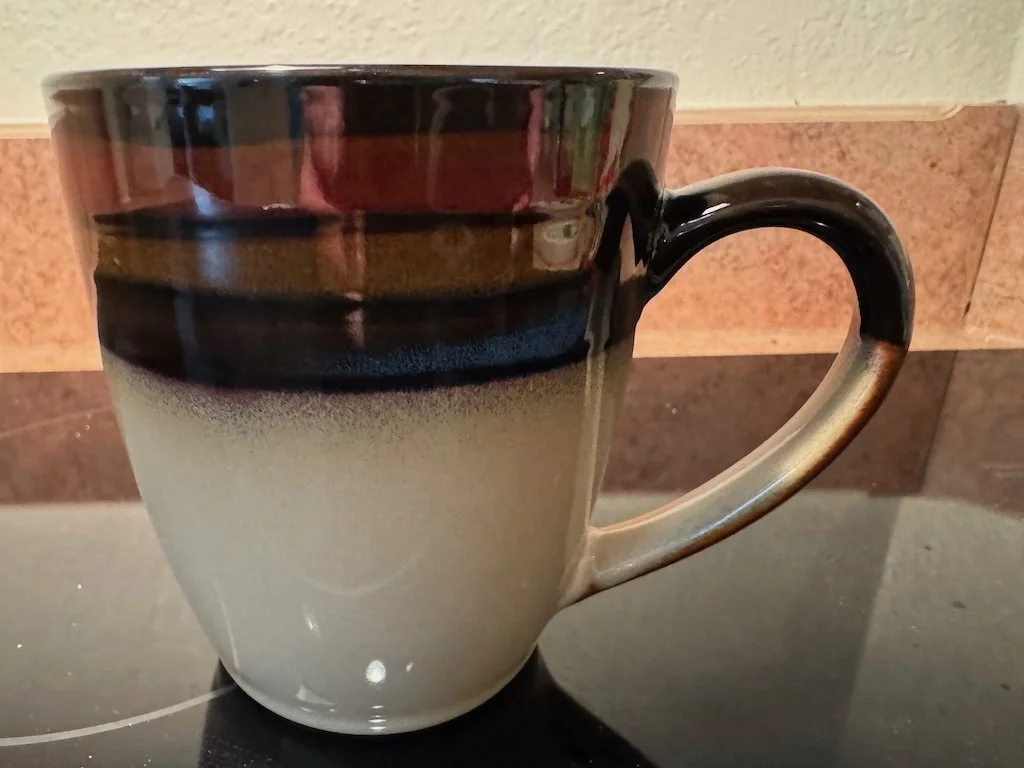
I have started carrying a ceramic mug in my suitcase…to make tea – avoid the Keurig completely and the cups they provide. I also carry a small water filtration pitcher to replenish my reusable water bottle and to make tea.

My eyes were itchy the whole time I was in Lewisville; when I checked, the air quality was yellow…and the hotel HVAC filter did not seem to help. The dominate pollutant type causing the ‘yellow’ level was PM2.5 which includes microplastics and products of fossil fuel combustion. I am considering whether I should travel with an air purifier like I did on road trips after COVID – when vaccines were still quite new.

The drive home was very windy with a front coming through (bringing ice and snow for the weekend) and there were several places where plastics were blowing in the wind. Not long after I got to I44 and was less than 2 hours from home, there was grass fire along the shoulder that seemed to go for at least ¼ mile…and the smoke was blowing across the road.  Another hit to air quality!

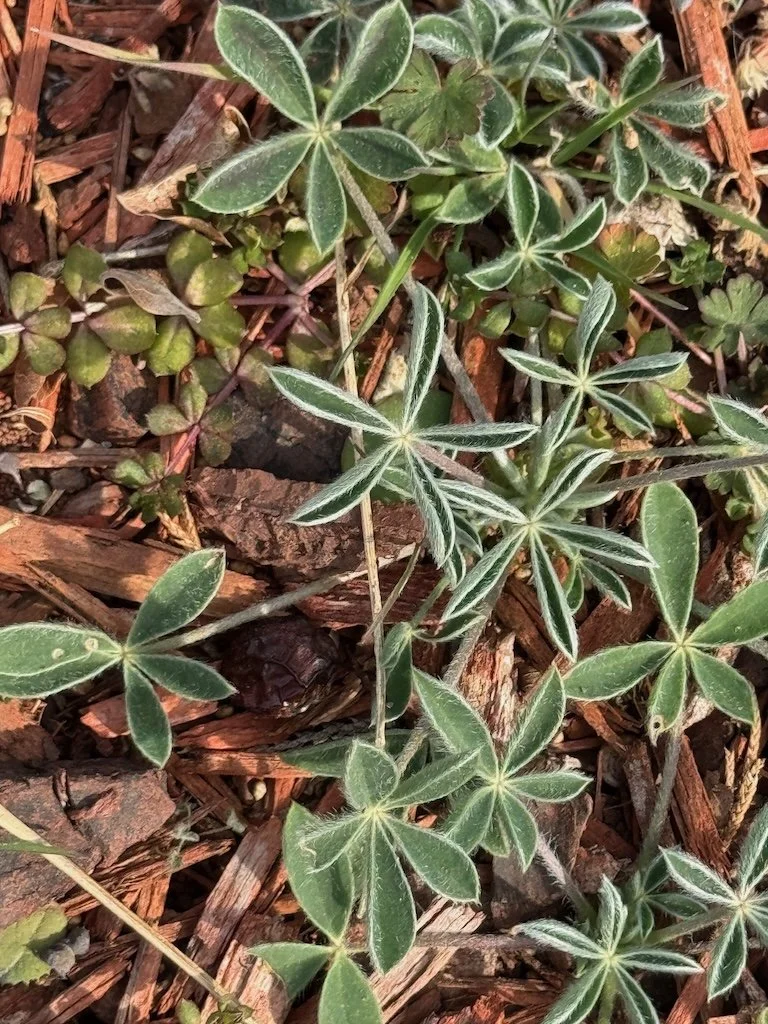
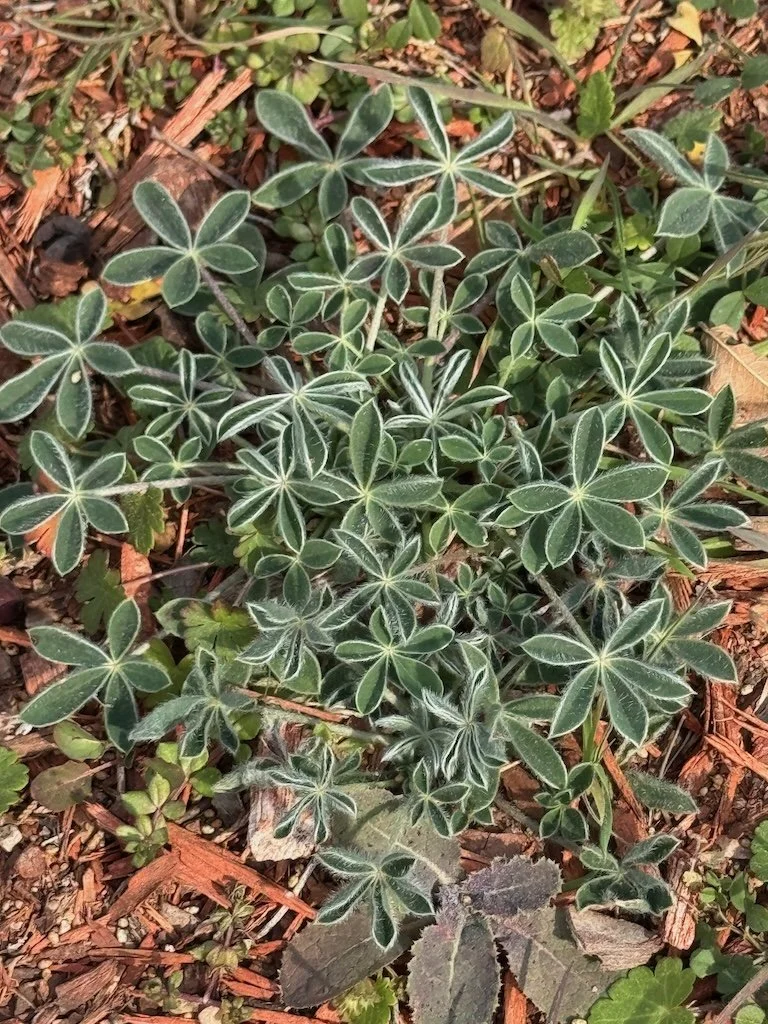
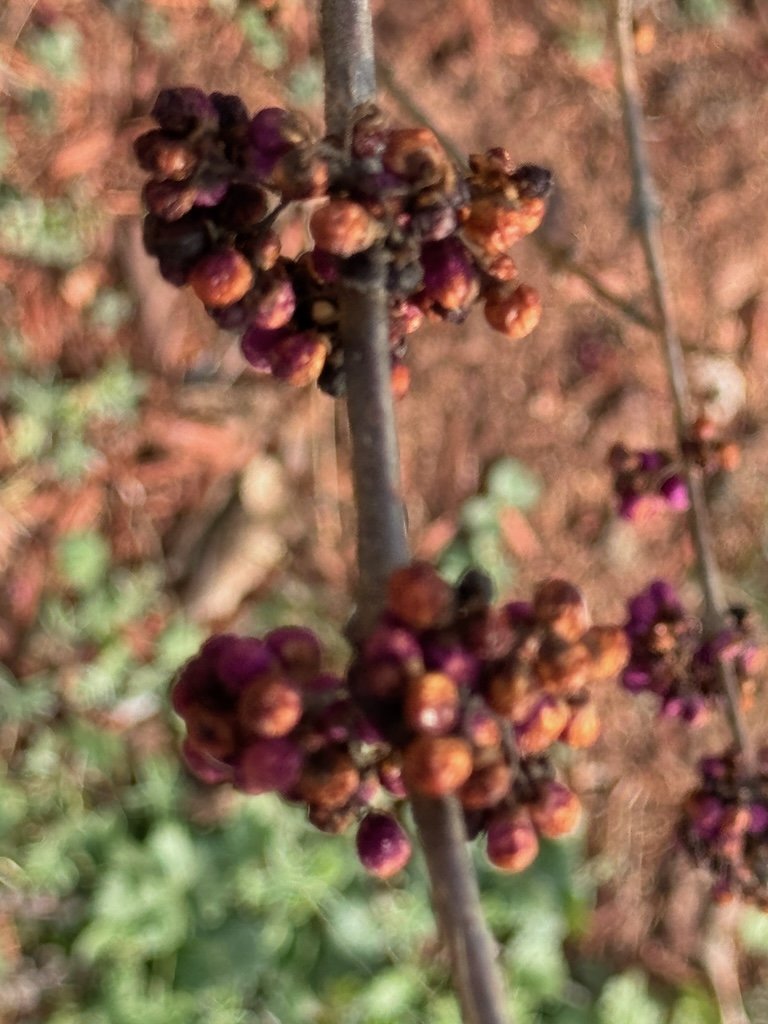
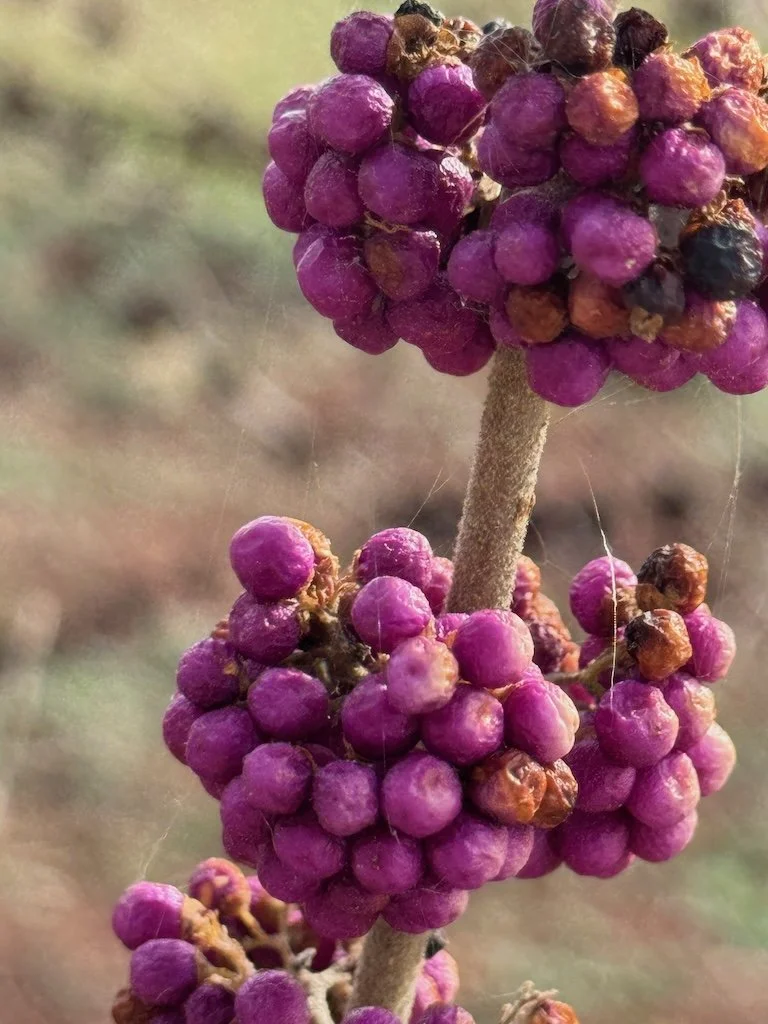
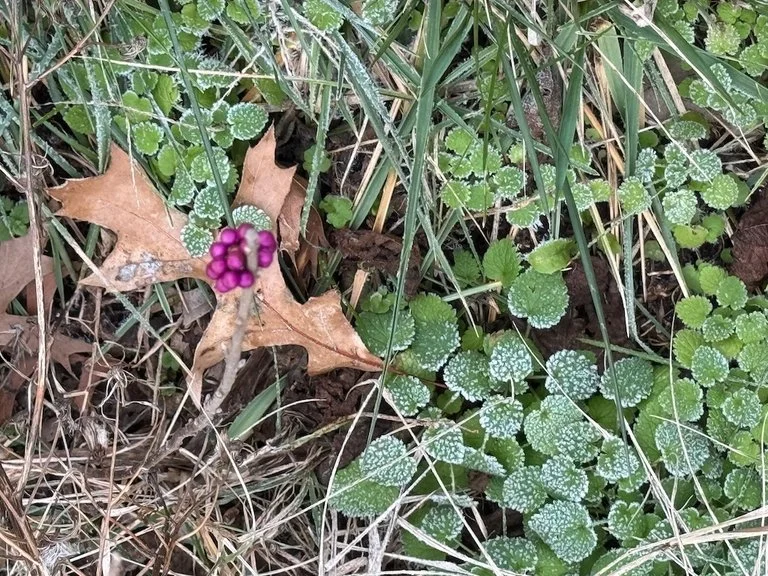
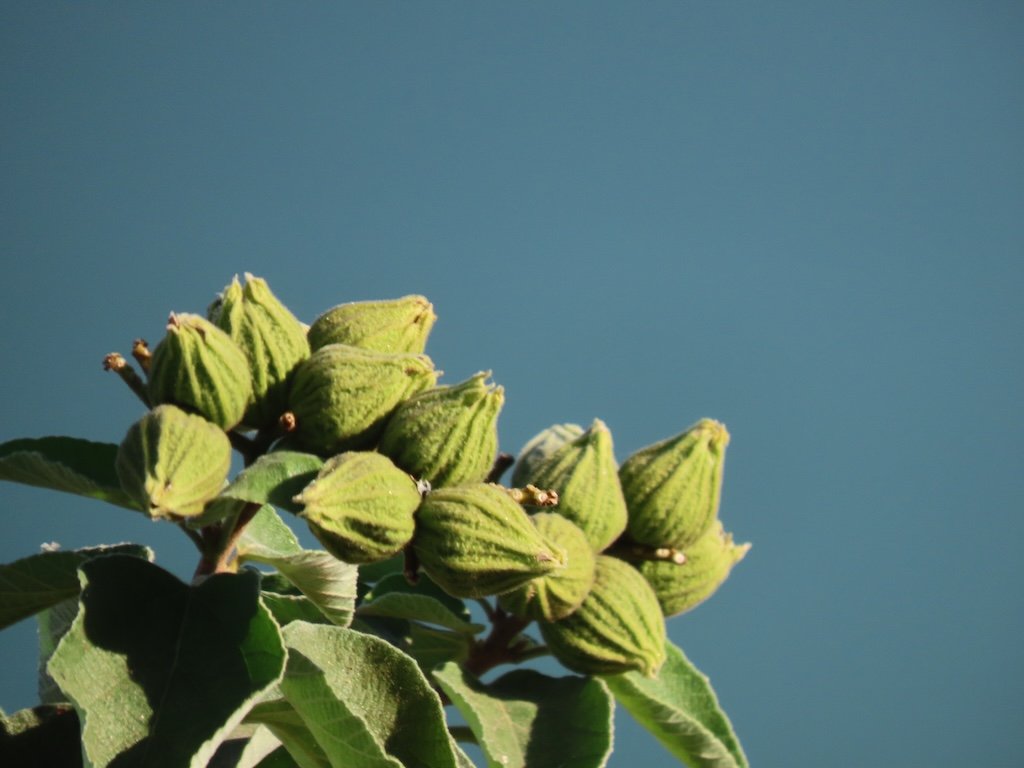
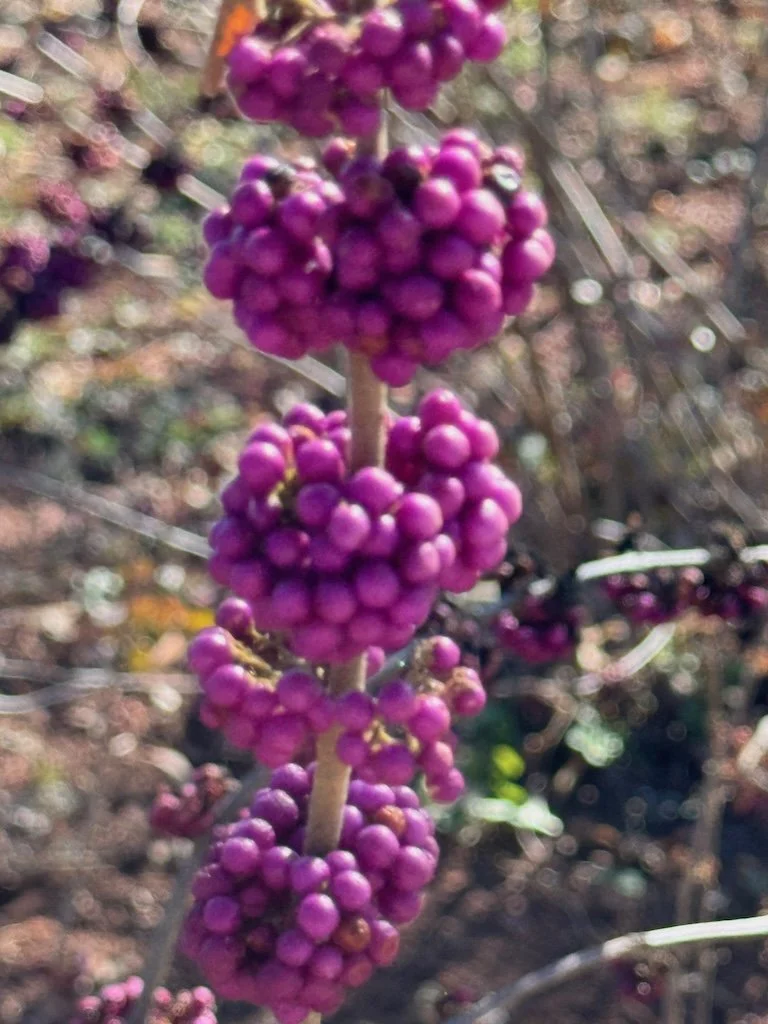
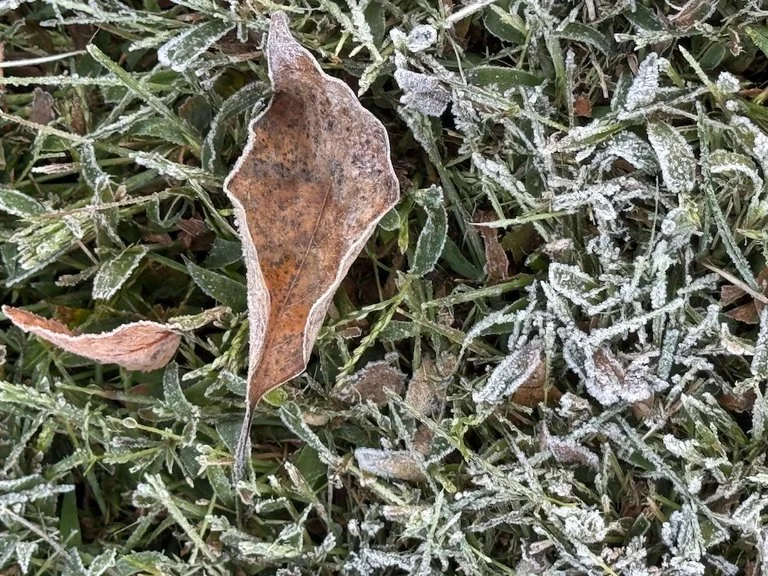
There was a bit of nature at the Texas Welcome Center where I stopped on the way down that I’ll use as a positive ending for this post even though it has nothing to do with plastics or air quality: the bluebonnet plants are above ground and the beautyberry still has a bit of color!

Sustaining Elder Care – January 2026

We moved my father to a new memory care place in early November, and we are just now getting his medical care transitioned to a new provider (since the new place is out of range from the previous one). It has been harder than we expected and there could be other challenges we just haven’t uncovered yet.

He is still having some difficulty finding his way around in the new place without assistance. The size of the place, his worsening eyesight, and cognitive ups/downs are all contributing to our observations and reports from staff of almost daily incidents – him thinking someone else’s apartment is his, him losing the key fob to get into his room, and him saying that he can’t find his room.

One of my sisters noticed that he couldn’t get his belt buckle open…and closed again. Maybe it was threaded around his jeans the wrong way? I hope that was the explanation since, if it is not – we may be approaching a time when he will need assistance in the bathroom. A year or so ago one of my sisters bought him some pull-on pants that did not require a belt – but he didn’t like them at all. He likes his jeans with a belt and a button front shirt (short sleeves for summer and long sleeves for winter)!

His decline – mental and physical – is obvious…but not predictable. There are times that he seems to remember more but those times are happening less often. The decline of his eyesight is related. If he could see better, perhaps he would not get lost so easily even though his short-term memory has not been reliable for quite some time so the move to a new environment has been hard for him.

It is taking more effort for me to stick with my strategy of accepting him as he is in the moments when I am with him….try to encourage him to move about and talk. In the back of my mind when I plan my monthly road trips to visit him, I always think about making the best of the visit because it might be the last one.

Gleanings of the Week Ending January 24, 2026

The items below were ‘the cream’ of the articles and websites I found this past week. Click on the light green text to look at the article.

1/3/2026 The Scientist Polio Vaccine History: The Shot That Saved Millions - On April 12, 1955, when the Salk polio vaccine was declared “safe and effective,” church bells rang out, kids were let out of school, and headlines around the world celebrated the victory over polio. When asked whether he was going to patent the vaccine, Salk told journalist Edward R. Murrow it belonged to the people and would be like “patenting the sun.”

1/8/2026 Smithsonian Magazine Hundreds of Flowering Species Bloomed Across Britain and Ireland Last Winter - Citizen scientists in the British Isles documented more than 300 native plant species blooming in early 2025, a phenomenon likely caused by climate change. While it’s lovely to see so many wildflowers in bloom … it’s also a sad reflection of the way our climate is changing and the knock-on effects this might have for all the wildlife—bees and other pollinators, butterflies and all the larger creatures further up the food chain—that depend on plants. If flowering times are increasingly out of sync with insect hatching times, the consequences could be very serious.

1/8/206 People in Brazil are living past 110 and scientists want to know why – Brazil’s highly diverse population harbors millions of genetic variants missing from standard datasets, including rare changes linked to immune strength and cellular maintenance. Brazilian supercentenarians often remain mentally sharp, survive serious infections, and come from families where multiple members live past 100. Together, they reveal aging not as inevitable decline, but as a form of biological resilience.

1/7/2026 The Conversation Surprising number of foods contain microplastics. Here’s how to reduce the amount you consume - While eliminating plastics entirely from our diets may be impossible, making these swaps should help to reduce your exposure.

1/6/2026 Nature Defossilize our chemical world - Achieving net zero means eliminating fossil fuels, not carbon — the chemical element has a crucial part to play in powering the modern world. Defossilization means finding sustainable ways to make carbon-based chemicals. Alternative sources of carbon include the atmosphere and plants, as well as carbon in existing biological or industrial waste, such as used plastics or agricultural residue. In some cases, these chemicals will eventually return carbon dioxide to the atmosphere through burning or biodegradation. In principle, this will occur as part of a circular process, rather than one that has added greenhouse gases.

1/5/2026 Planetizen The Child Population in These Cities is Dropping Fast - The proportion of young children in western U.S. metros is falling faster than in other parts of the country. Lower birth rates can sometimes ease immediate pressure on housing and schools but also lead to challenges in supporting economic growth and elder care, as the ratio of working adults to retirees declines.

1/4/2026 Washington Post What we learned about microplastics in 2025 - For many scientists, 2025 was the year of microplastics. It’s only in the past year or so that we have begun to understand that the tiny plastics — including some that are impossible to see with the naked eye — are in our bodies and food as well.

1/9/2026 Science Alert Study Finds Microplastics Are Widespread in Popular Seafoods - In the Pacific Northwest – a region of North America renowned for its seafood – researchers have found particles from our waste and pollution swimming in the edible tissue of just about every fish and shellfish they collected.

12/18/2025 Yale Environment 360 After Ruining a Treasured Water Resource, Iran Is Drying Up - Iran is looking to relocate the nation’s capital because of severe water shortages that make Tehran unsustainable. Experts say the crisis was caused by years of ill-conceived dam projects and overpumping that destroyed a centuries-old system for tapping underground reserves. 

1/8/2026 BBC The animals saved in Greece's ancient accidental 'arks' - Shielded from development and agriculture, many archaeological sites have now become inadvertent safe harbors for plants and animals. In Italy, rare orchids flower around an Etruscan necropolis. In the ancient Greek religious centre of Delphi, researchers found what they believe is a new species of snail – just 2mm (0.08in) long – suspected to live only in that area. In recent years, two new species of lizard were identified in Machu Picchu that may have once had a wider range and today enjoy the relatively undisturbed conditions of the ancient sanctuary. To better understand the connection between historical sites and nature, in 2022 the Greek government launched the Biodiversity in Archaeological Sites research project. Over two years, 49 specialists in all kinds of plants and animals surveyed 20 archaeological sites that spanned Greek history. 

Project Feeder Watch – January 2026

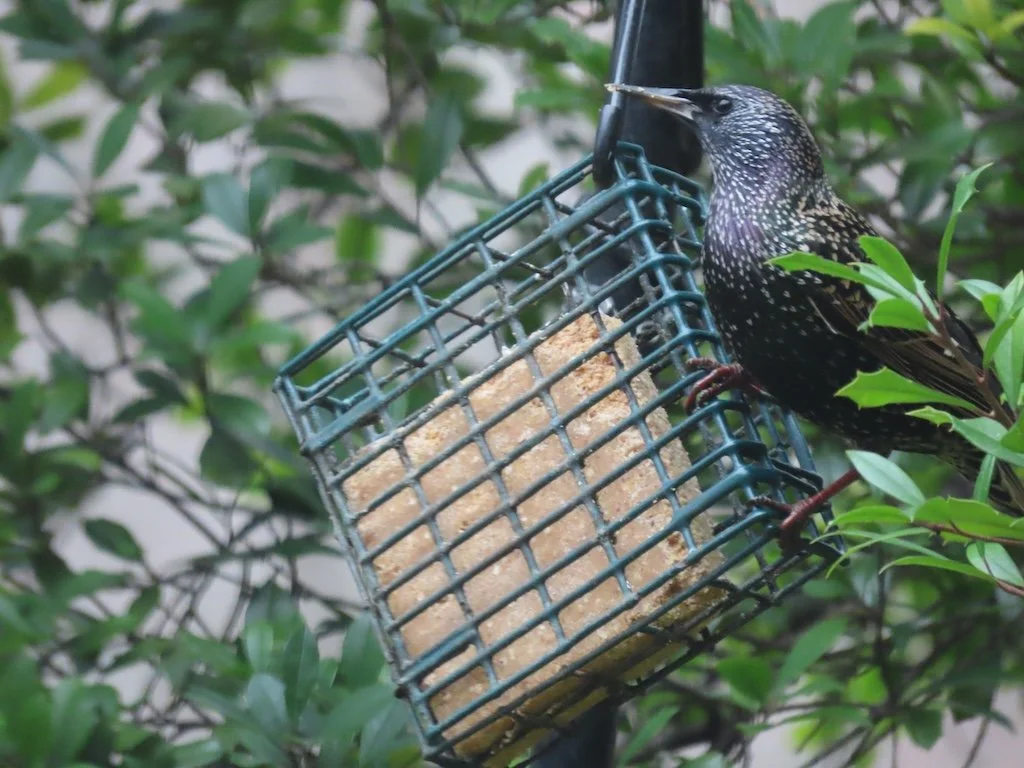
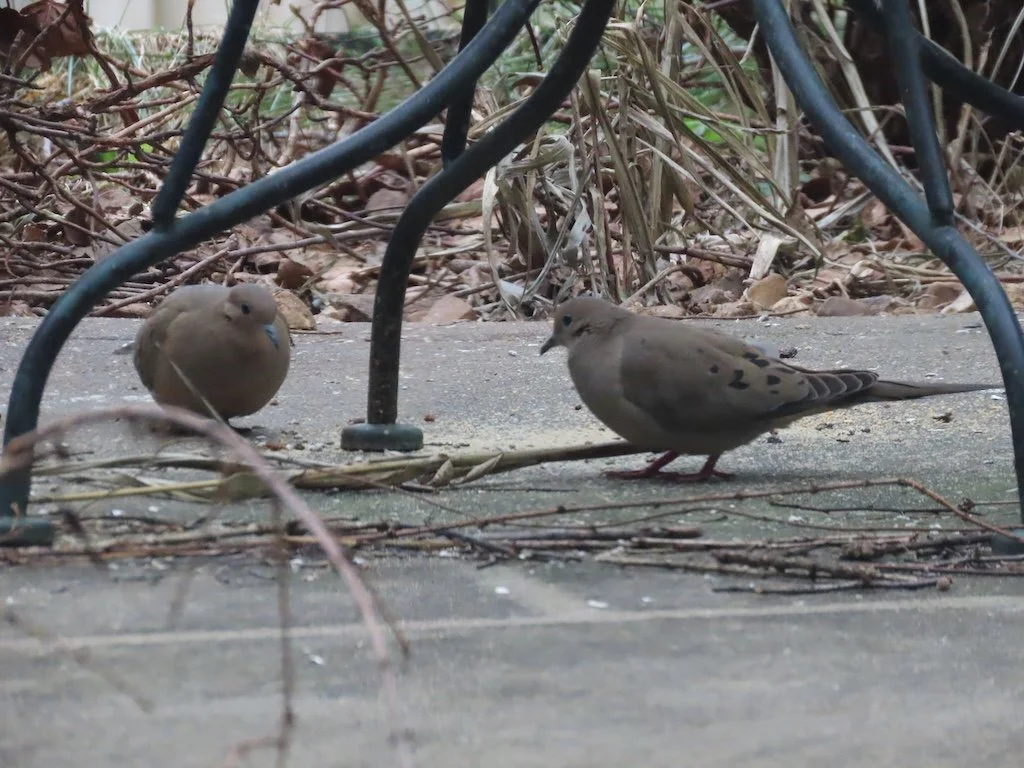
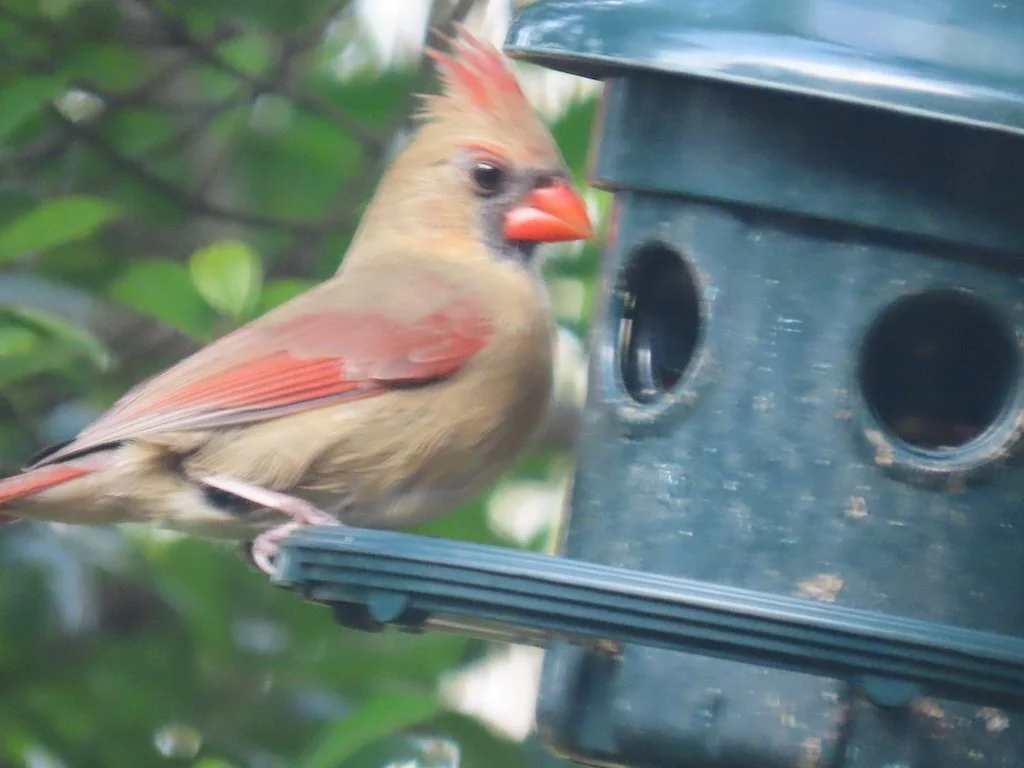
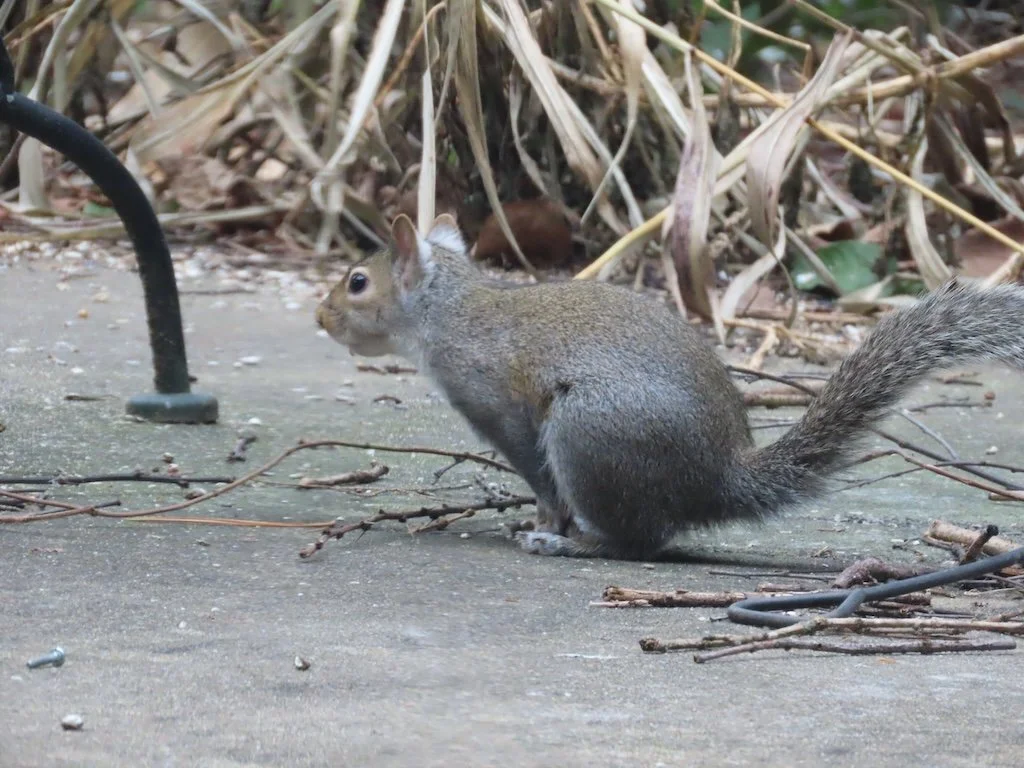
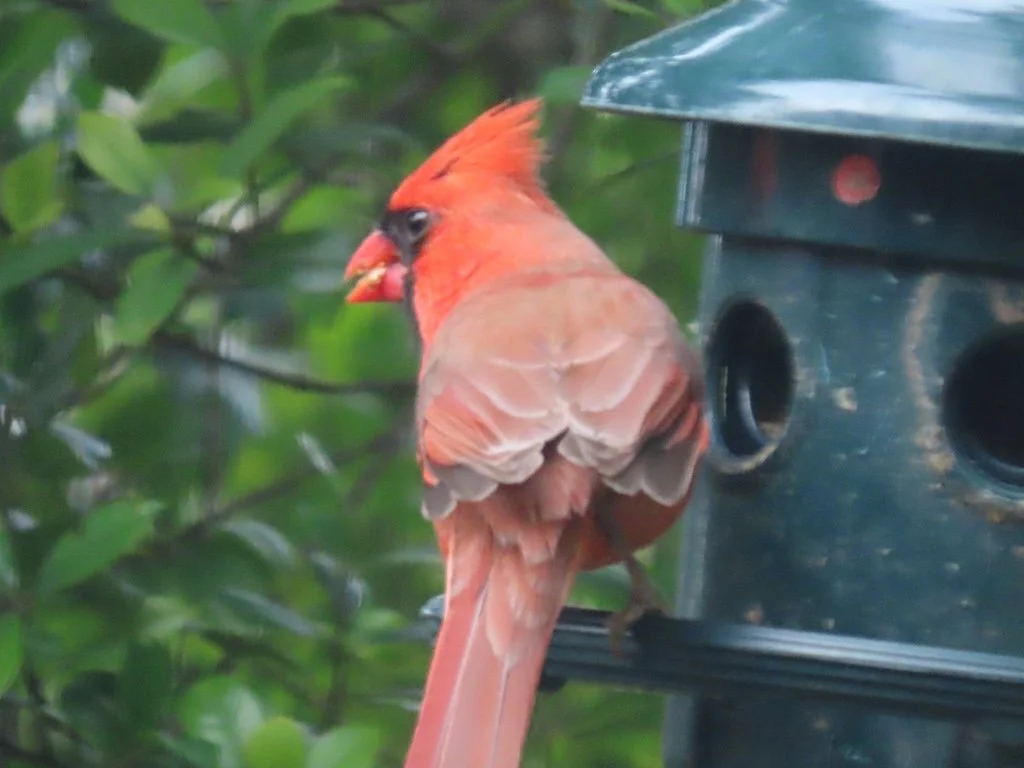
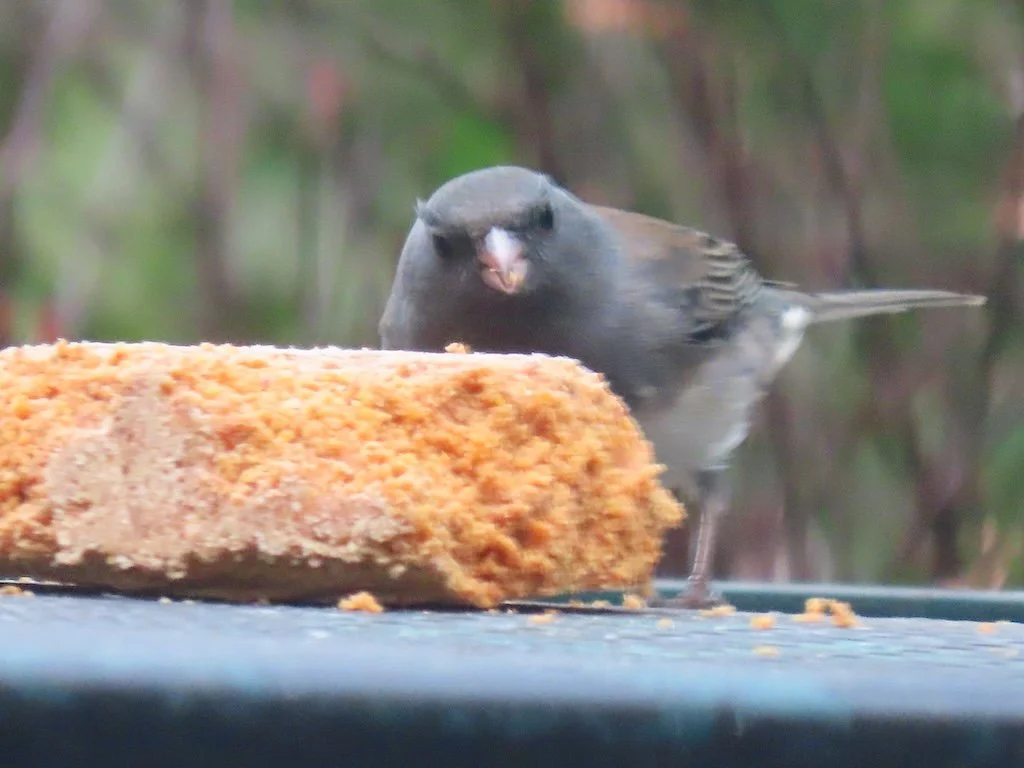
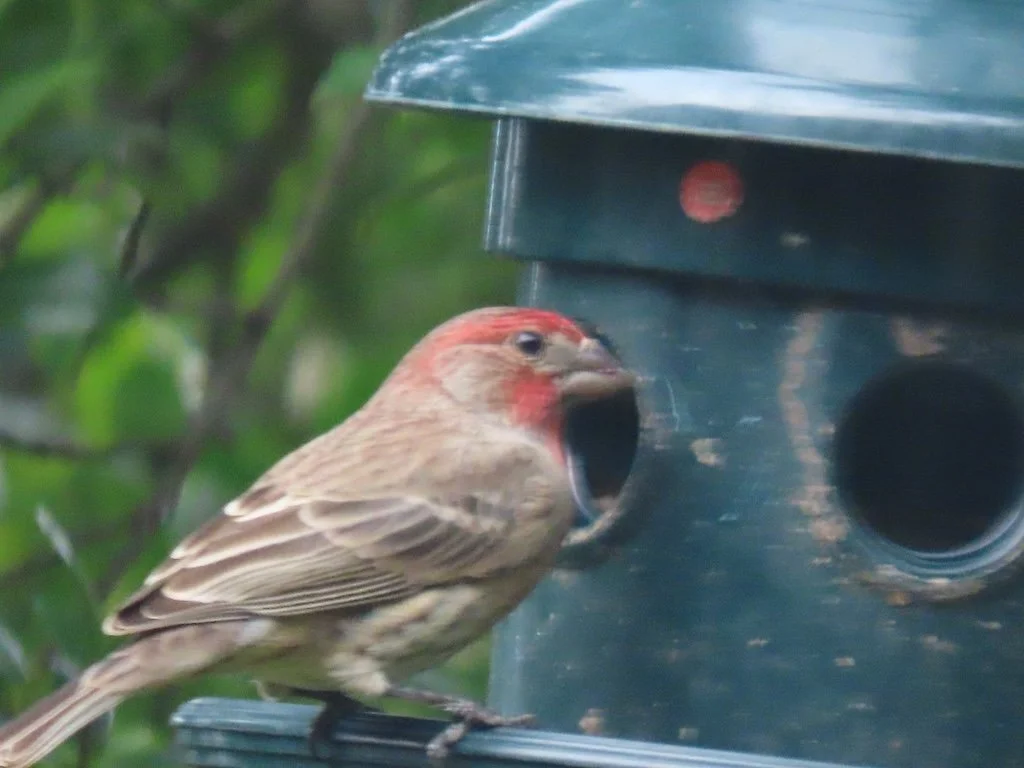
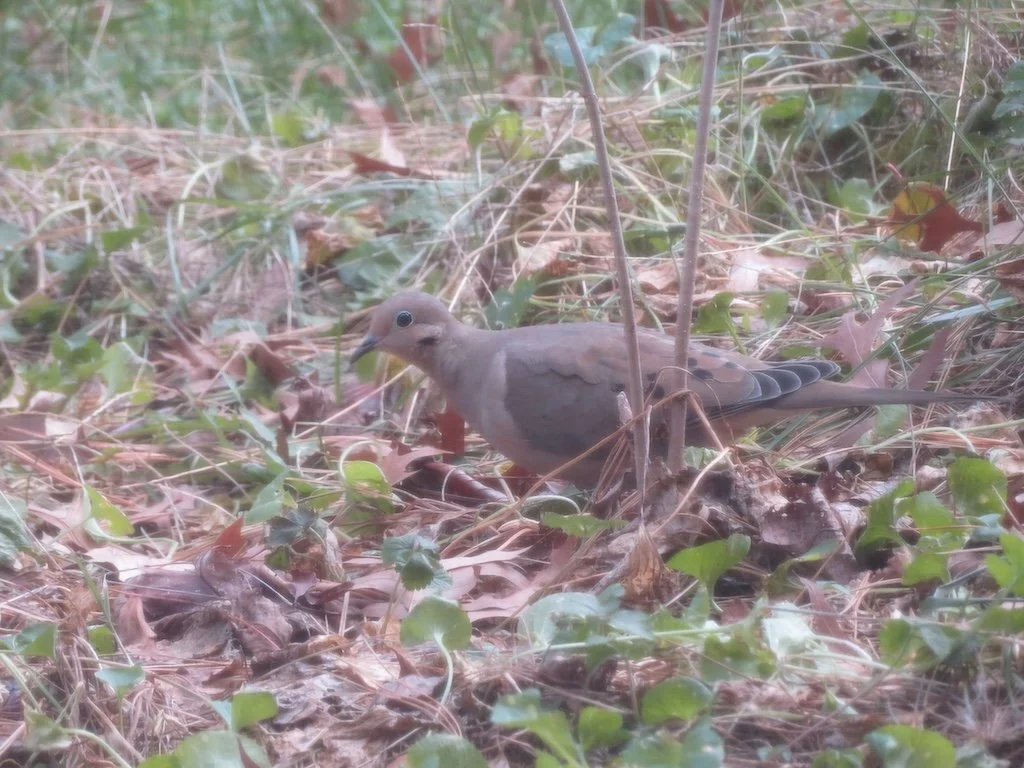
My husband and I enjoy our time watching birds at our home feeders for 4 30-minute segments each week as part of Project FeederWatch. Something interesting always seems to happen – varying numbers and kinds of birds, relaxed feeding and then a round of bird frenzy,  the regulars and then silent/empty feeders (our theory when this happens is that our neighborhood Cooper’s Hawk is somewhere nearby). Our feeders are not situated for optimal photography…but I still take a few pictures.

We often develop profiles of the different birds; for example, the Carolina chickadee and Titmouse are the quick grab and go experts….the starlings come in mobs and bully everyone else!

Snack in Blue Tulip Glassware

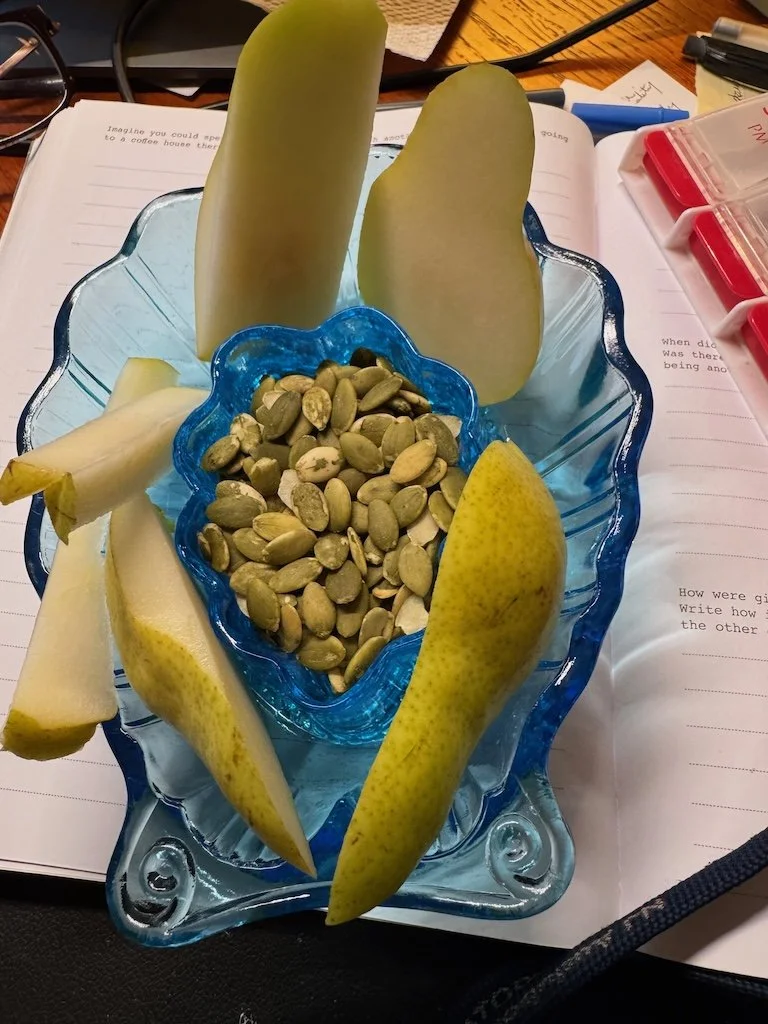
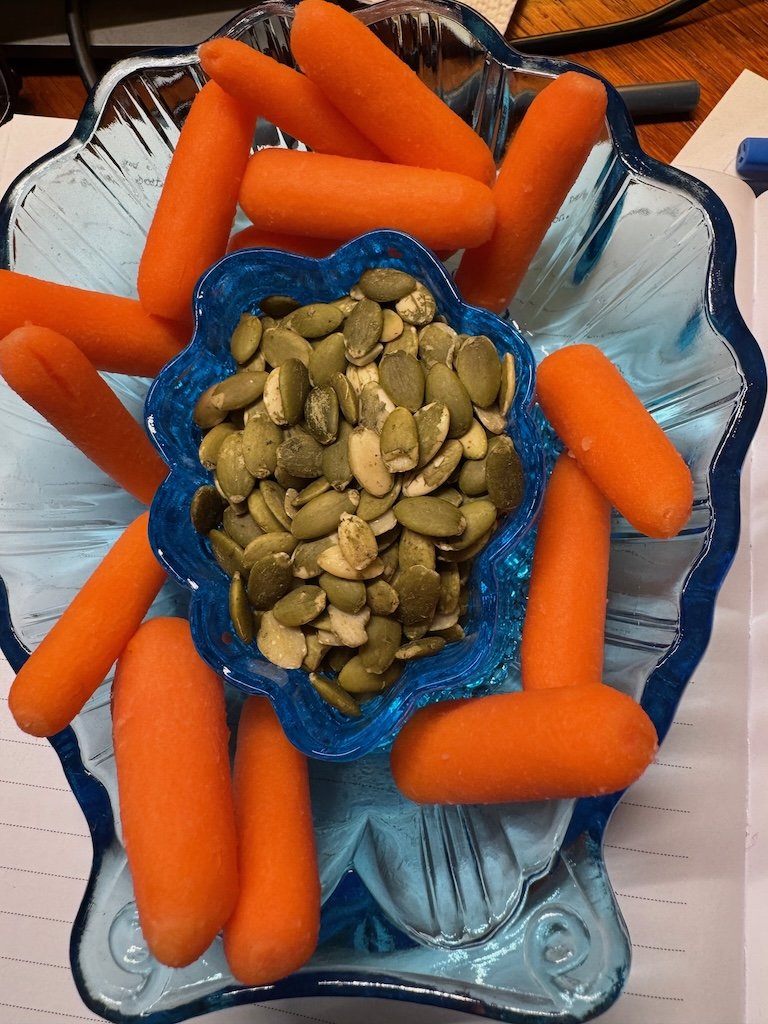
I’ve had my set of Blue Tulip depression glassware for over a decade now. It is special because of how I got it – from some friends of my parents (from college onward) that collected it when they retired and sold it to me when they downsized from their last house. Although I don’t use the dinner plates very often – I do enjoy the small pieces frequently because they encourage smaller portions. One piece that I have only started using recently is in the shape of a shell with a center area for dip/sauce; I like pumpkin seeds in the center and fruit/veggies around the edge. It is just the right size of a hefty snack (when I am not hungry enough for a full evening meal).

The memories are a bonus – summertime visits with their family which included a daughter my age…observing a career dietician for small hospitals in action and the field work of a soil conservation professional in the 1960s. I remember outings with them to amusement parks and overnight visits to state parks in Oklahoma….digging up salt crystals at the lake near Cherokee, Oklahoma. The friends of my parents and their daughter are gone now – the last one going before my mother; my dad doesn’t remember them. I remember…and the Blue Tulip glassware is a wonderful reminder.

Fifty-third Wedding Anniversary

Still together after 53 years….

Our anniversary is not a big celebration in January; we don’t buy gifts; usually we just go out for a nice meal. This year my only requirement was that it be a place with interesting desserts. We chose The Village Inn in Springfield. He got pancakes and I got key lime pie.

I’m thinking about how we are accommodating each other more as we age.

  • Right now, he has a wrist bothering him, so I am doing more household chores that require two hands.

  • He keeps a pillow in his car for me because I haven’t been able to adjust the front passenger seat to avoid my back hurting on road trips.

  • Over the past year we have both sat in medical waiting rooms – doing the driving to and from an outpatient procedure.

  • When we travel, we both like to stop about once an hour; neither one of us likes to sit for a long time.

  • I do the grocery shopping, and he does the shopping at Home Depot/Loews and Wild Birds Unlimited (although I am loading the bird feeders with seed and putting the groceries away right now because those are two-hand jobs). In years past we shopped together but now we both enjoy the independence.

  • He has allergies to a lot of household products which we have been working with for a few years. That is dovetailing with my efforts to reduce plastics/microplastics in our household.

  • When one of us is on a solo road trip, the other is tracking progress with the Find My app. This is the one item on the list that we might have done earlier if the technology had been available.

  • When we travel, I always make the hotel reservations and pack the ice chest (mostly things for him these days). He always makes sure the car is ready to go and does all the driving; I keep volunteering to trade off driving, but road trips are generally more restful for me since he still wants to do it all.

As we get older, there will be plenty more accommodations we’ll develop for ourselves and each other. We’re already a lengthy marriage…have no plans of cutting it short!

Gleanings of the Week Ending January 17, 2026

The items below were ‘the cream’ of the articles and websites I found this past week. Click on the light green text to look at the article.

12/28/2025 SciTechDaily Microplastics Burrow into Blood Vessels and Fuel Heart Disease - New research led by biomedical scientists at the University of California, Riverside suggests that routine contact with microplastics — tiny particles released from packaging, clothing, and many plastic products — may speed up atherosclerosis, a condition in which arteries become clogged and can lead to heart attacks and strokes. The team studied LDLR-deficient mice, which are genetically prone to developing atherosclerosis. Both male and female mice were fed a low-fat, low-cholesterol diet comparable to what a lean and healthy person might consume. Over a nine-week period, the mice received daily doses of microplastics (10 milligrams per kilogram of body weight). These exposure levels were chosen to reflect amounts considered environmentally relevant and similar to what humans could encounter through contaminated food and water.

1/1/2026 ScienceDaily This 100-year-old teaching method is beating modern preschools - Public Montessori preschool students enter kindergarten with stronger reading, memory, and executive function skills than their peers. These gains don’t fade — they grow over time, bucking a long-standing trend in early education research. Even better, Montessori programs cost about $13,000 less per child than traditional preschool. (My daughter went to a private Montessori school for preschool-kindergarten…she enjoyed it and did very well in her subsequent education/career so I am not surprised by the results of this national trial.)

12/31/2025 Archaeology Magazine Bones of Chaco Canyon’s Imported Parrots Reexamined – A reexamination of more than 2,400 parrot bones unearthed at Chaco Canyon suggests that most of the macaws and parrots that were kept by ancient Puebloans were likely restricted to the large, multistory buildings known as great houses, where they lived in heated rooms with plastered walls.

12/31/2025 ScienceDaily Microplastics are leaking invisible chemical clouds into water - Microplastics in rivers, lakes, and oceans aren’t just drifting debris—they’re constantly leaking invisible clouds of chemicals into the water. New research shows that sunlight drives this process, causing different plastics to release distinct and evolving mixtures of dissolved organic compounds as they weather. These chemical plumes are surprisingly complex, often richer and more biologically active than natural organic matter, and include additives, broken polymer fragments, and oxidized molecules. Understanding how these chemicals evolve across different stages of plastic breakdown will be essential for assessing their long-term environmental impact.

1/2/2026 National Parks Traveler A Day in the Park: Assateague Island National Seashore – This was a great get away from where we lived in Maryland until recently. We’d cross the Bay Bridge, visit Blackwater National Wildlife Refuge and then be at Chincoteague and Assateague Island National Seashore after that.

1/2/2026 The New York Times A Study Is Retracted, Renewing Concerns About the Weedkiller Roundup - In 2000, a landmark study claimed to set the record straight on glyphosate, a contentious weedkiller used on hundreds of millions of acres of farmland. The paper found that the chemical, the active ingredient in Roundup, wasn’t a human health risk despite evidence of a cancer link. Last month, the study was retracted by the scientific journal that published it a quarter century ago, setting off a crisis of confidence in the science behind a weedkiller that has become the backbone of American food production.

1/2/2026 Smithsonian Magazine When the Bayeaux Tapestry Makes its Historic Return to England - Created in the 11th century, the delicate, 230-foot-long embroidered textile has been in France since 1077.

12/30/2025 YaleEnvironment360 2025 Was Another Exceptionally Hot Year - 2025 was the second hottest on record, surpassed only by 2024. It continues a recent trend of exceptional, unexplained warming. The last three years have been, by a wide margin, the hottest ever recorded. The recent jump in warming, which exceeded the predictions of climate models.

12/21/2025 My Modern Met Photographer Explores the Rich Complexity of Africa’s Great Rift – Photography of a place --- and an interview with the photographer.

12/17/2025 Washington Post These kitchen items may be contaminating your food with chemicals - Plastic ushered in a new era of convenience and filled homes with cheap, disposable goods. But it also has exposed ordinary people to tens of thousands of chemicals that slip out of those items into household dust, food, water — and from there, into bodies. Some of these chemicals are known to disrupt pregnancies, triggering birth defects and fertility problems later in life; others have been linked to cancer and developmental problems. “The problem is, none of the plastics that we have right now are safe,” said Wagner, of Norwegian University of Science and Technology. “That’s not a very nice thing to hear, but that’s what the data tell us.”

12/15/2025 Nature The best science images of 2025 — Nature’s picks – Educational and beautiful at the same time.

Phoenix Vicariously

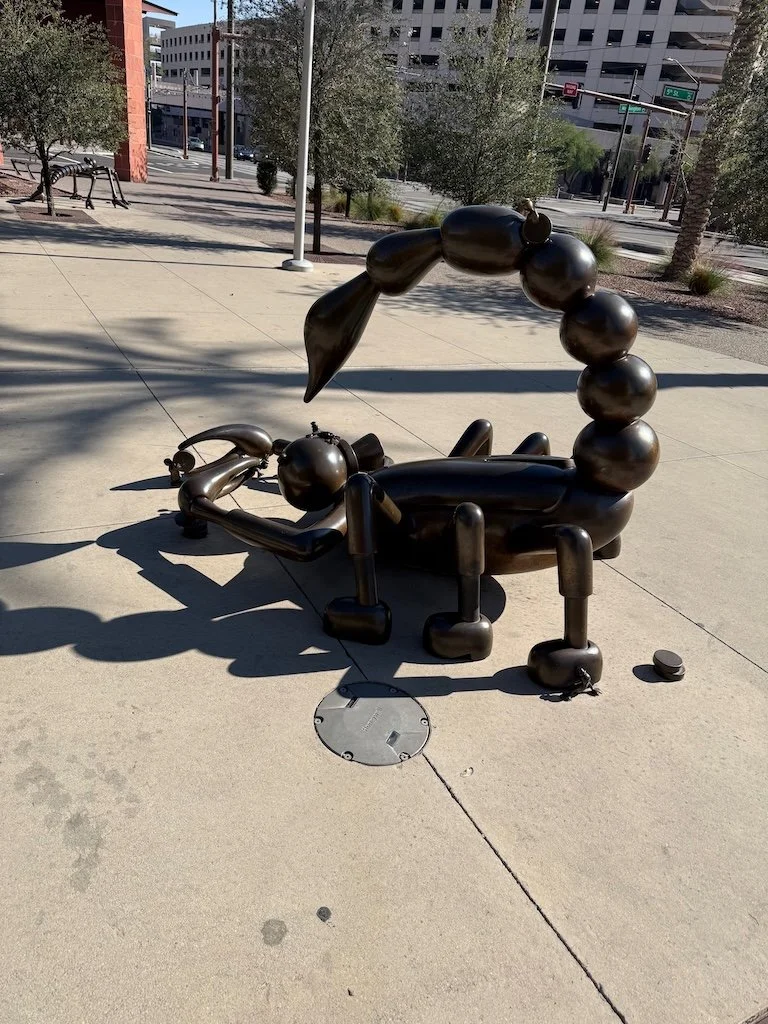
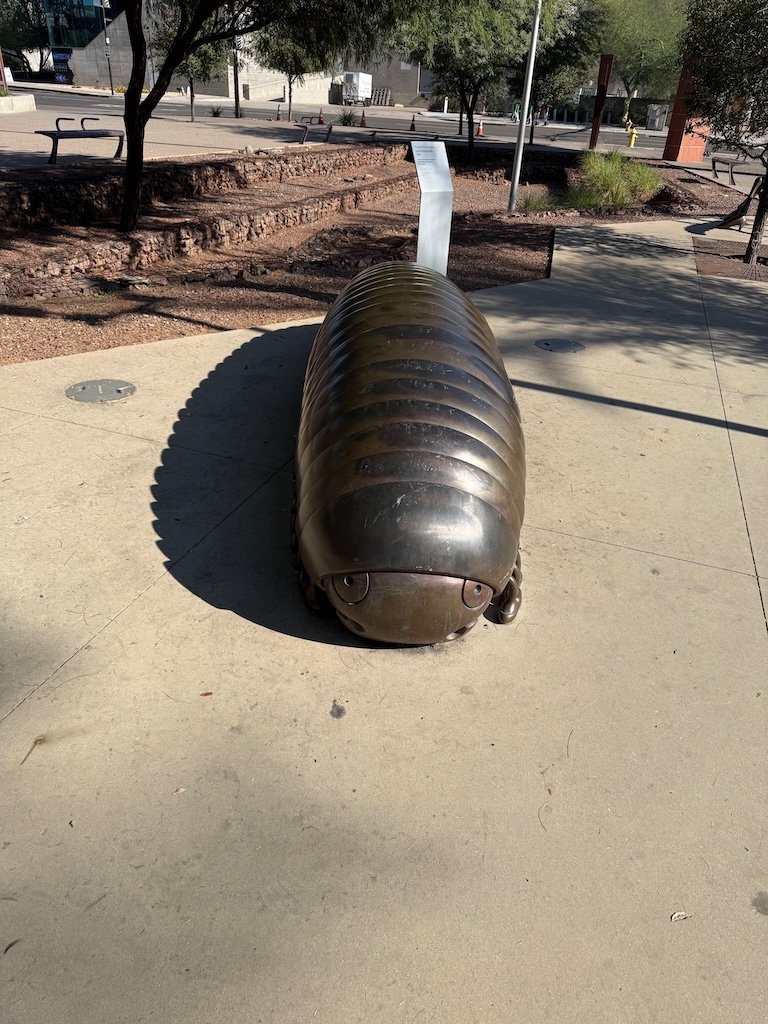
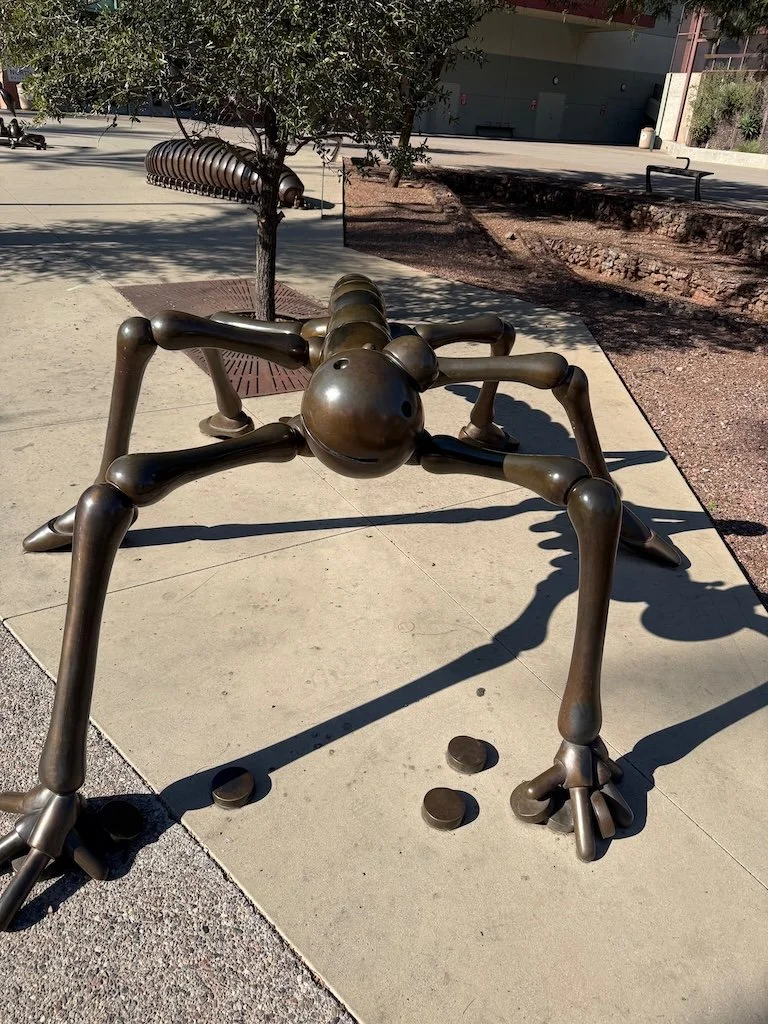
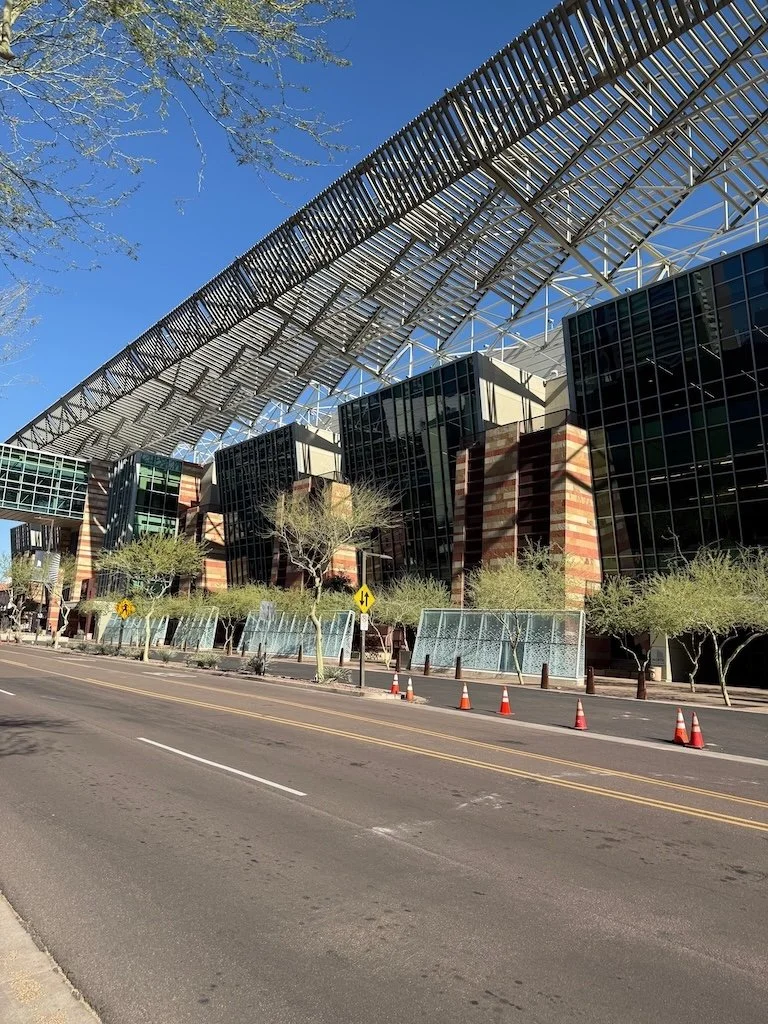
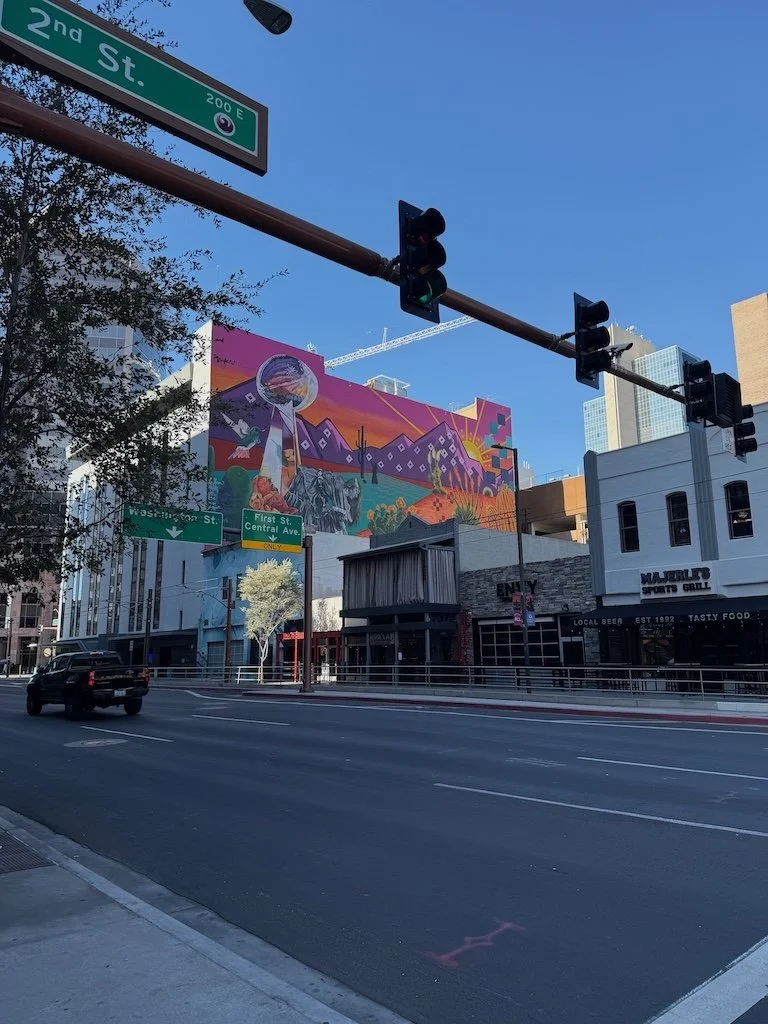
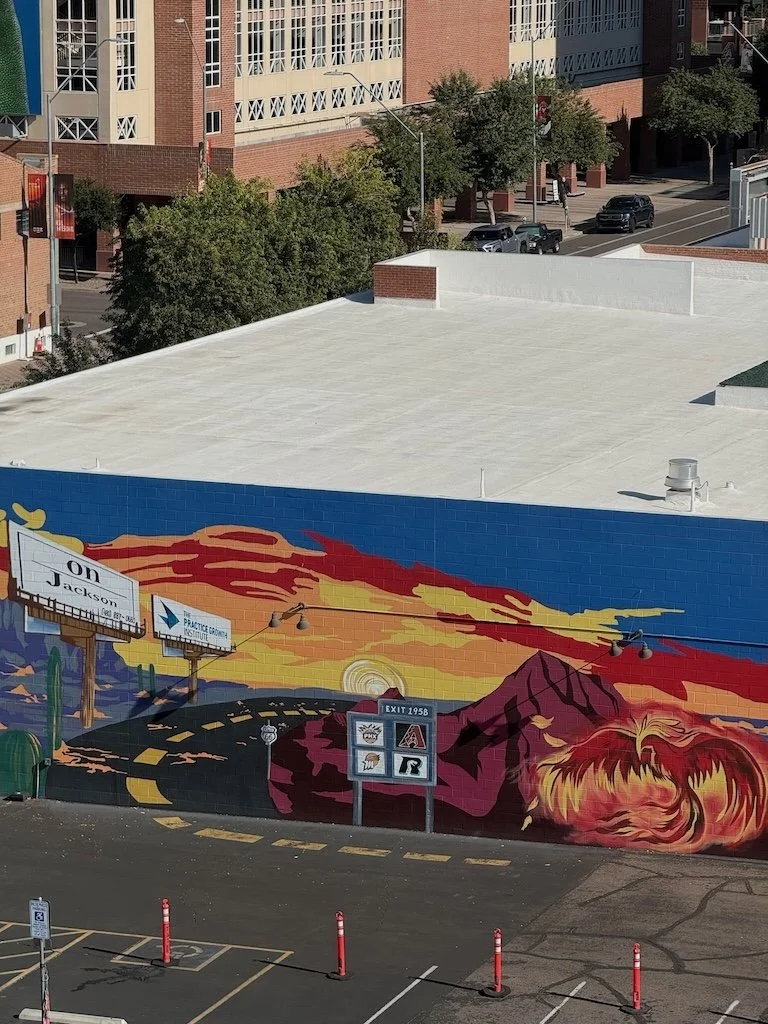
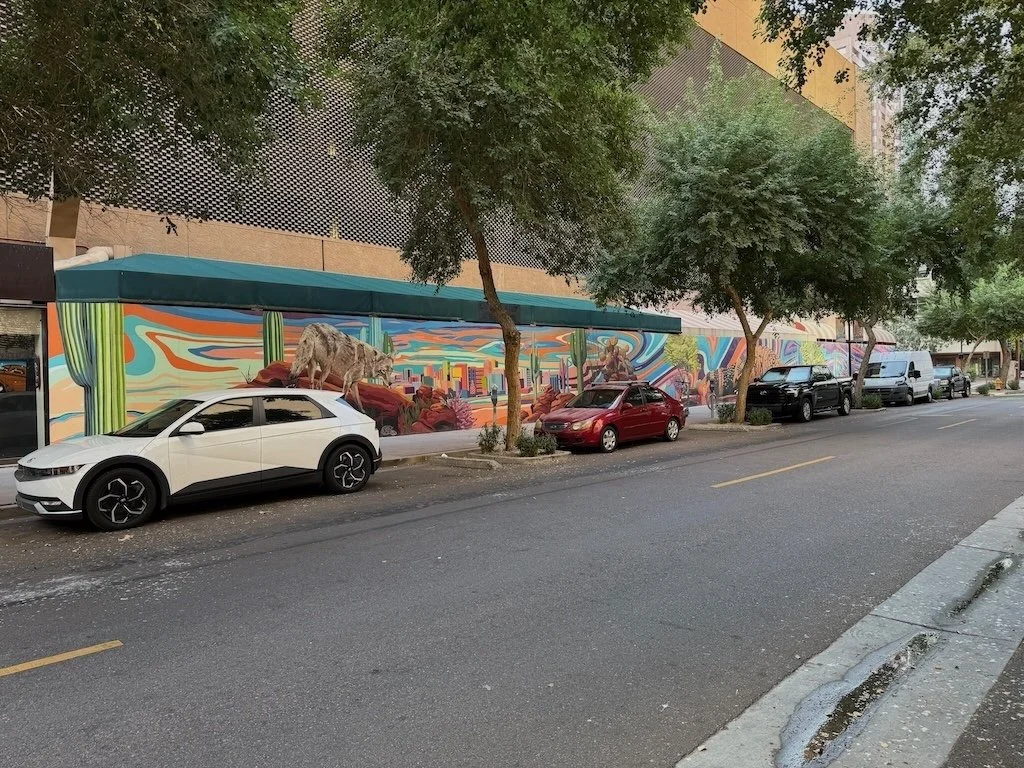
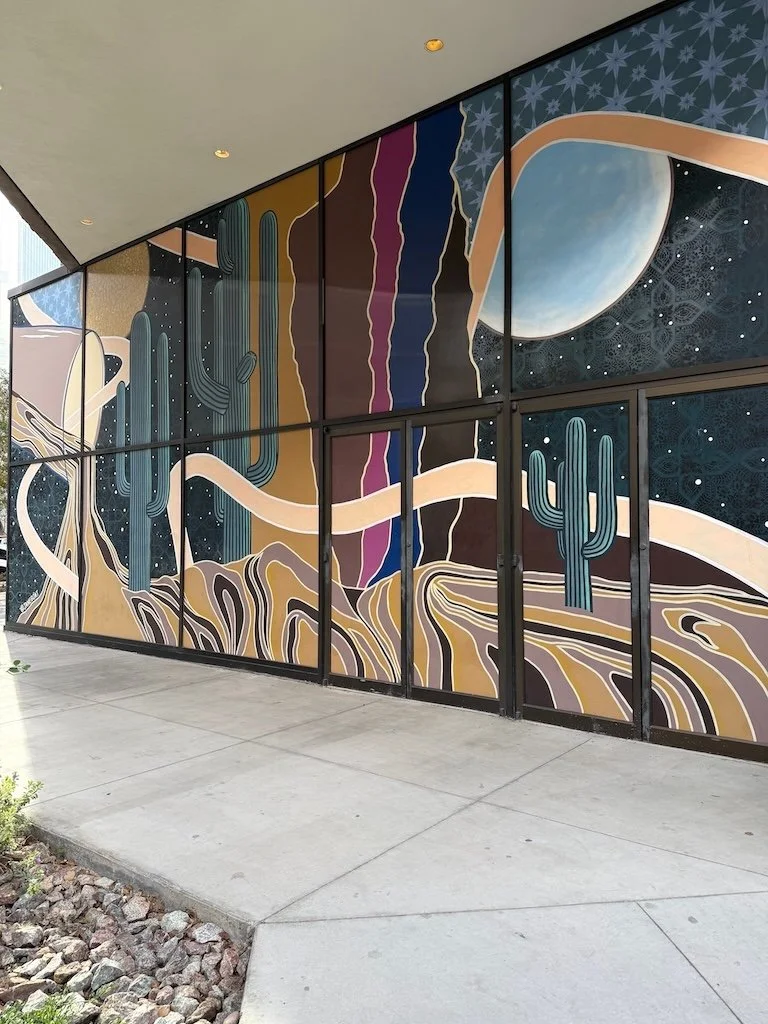
My daughter was at a conference in Phoenix last week and I enjoyed seeing her pictures of the area near the convention center. She went early for a workshop and managed to see a basketball game in the arena that evening!

She sent pictures of desert creature sculptures

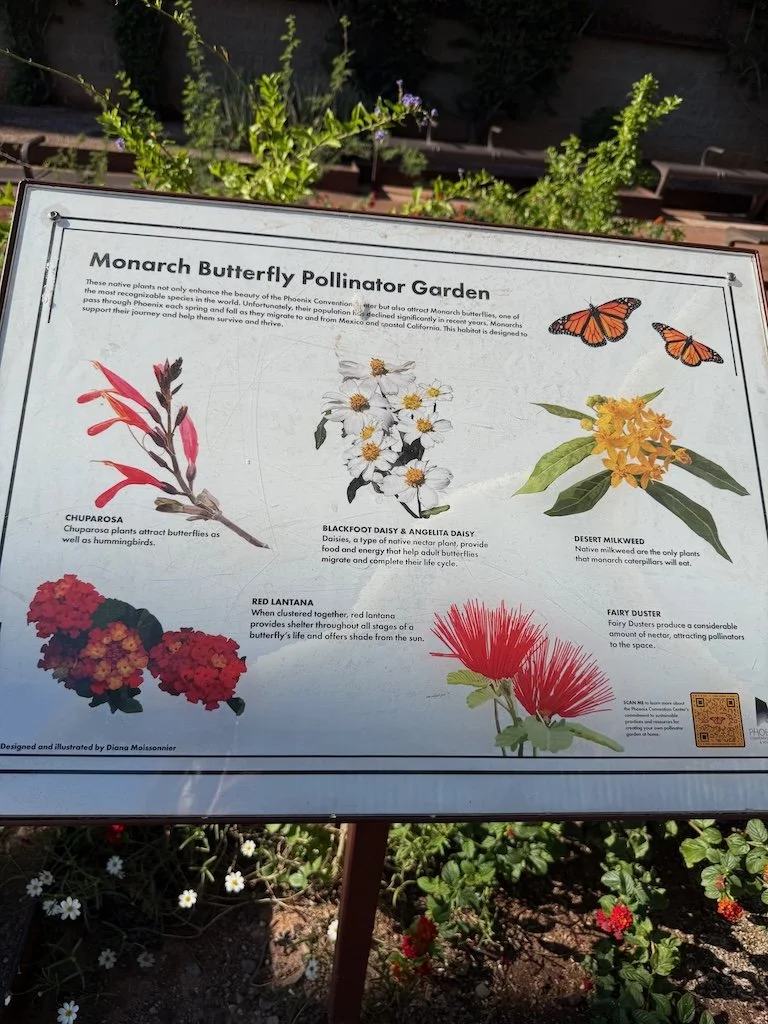
And the sign for a pollinator garden – that obviously still has some plants blooming (daisies and lantana) – an urban garden.

My favorites were the images of architecture and murals. The one showing the white roof (along with a mural) was taken from her hotel window. I wondered how often the white needed to be refreshed to maintain its ability to reflect heat.

It’s been over a decade since I was in Phoenix and then I did more in the outskirts rather than the downtown area. Winter would be the time I’d pick to visit again!

Gleanings of the Week Ending January 10, 2026

The items below were ‘the cream’ of the articles and websites I found this past week. Click on the light green text to look at the article. (Note: I have changed the format to include the date and source of the article.)

11/9/2025 BBC Seated salsa - the miracle movement to help ease back pain – Wow – easy to do and very effective. I might even be able to do it on road trips….increase the likelihood of no back pain when getting out of the car!

12/30/2025 Clean Technica Maryland’s Largest Solar Project Launches, On Old Coal Mine – In Garret County MD – “helping to preserve our region’s natural beauty while creating new economic value for our residents. It’s a win-win for us and the environment.” Goo for them!

12/29/2025 Yale Environment 360 Sea Ice Hits New Low in Hottest Year on Record for the Arctic - The Arctic endured a year of record heat and shrunken sea ice as the world’s northern latitudes continue a rapid shift to becoming rainier and less ice-bound due to the climate crisis. The Arctic is heating up as much as four times as quickly as the global average, due to the burning of fossil fuels, and this extra heat is warping the world’s refrigerator. We can point to the Arctic as a faraway place but the changes there affect the rest of the world.

12/30/2025 Science Daily Why your vitamin D supplements might not be working - Magnesium may be the missing key to keeping vitamin D levels in balance. The study found that magnesium raised vitamin D in people who were deficient while dialing it down in those with overly high levels—suggesting a powerful regulating effect. This could help explain why vitamin D supplements don’t work the same way for everyone and why past studies linking vitamin D to cancer and heart disease have produced mixed results. (I also learned that dark chocolate is a good source of magnesium from this post!)

12/26/2025 National Parks Traveler Visual Guide Reveals Stunning Fossil Discovery at Lake Powell – A visual guide published this year and compiled by paleontology experts within the National Park System offers a fresh look at paleontological resources across the 13 park units in the State of Utah. It is available online here.

12/19/2025 Smithsonian Magazine Flesh-Eating Screwworms Are Creeping Closer to a Comeback in the United States - Roughly 60 years ago, the United States eradicated the New World screwworm, an insect that feeds on living tissue. A concerted effort led by USDA wiped them out by 1966 by releasing sterile male flies and, since female flies only mate once, this strategy helped diminish their numbers until the population collapsed. The agency estimates the eradication of screwworms saves ranchers $900 million per year in lost livestock. But now, the flesh-eating creature appears to be creeping closer to a comeback. Efforts are ramping up to monitor for screwworms and prepare to fight it back again.

12/17/2025 Archaeology Magazine How did the Roman invasion of Britain impact health? - The health of the women and children declined overall during the Roman period, but mainly among those who lived in urban areas. The decline in health in urban areas can be attributed to overcrowding, pollution, limited access to resources, and devastating exposure to lead in Roman infrastructure.

12/17/2926 The Conversation The US already faces a health care workforce shortage – immigration policy could make it worse - America’s health care system is entering an unprecedented period of strain. An aging population, coupled with rising rates of chronic conditions, is driving demand for care to new heights. The workforce isn’t growing fast enough to meet those needs. For decades, immigrant health care workers have filled gaps where U.S.-born workers are limited. Nationally, immigrants make up about 18% of the health care workforce, and they’re even more concentrated in critical roles. Roughly 1 in 4 physicians, 1 in 5 registered nurses and 1 in 3 home health aides are foreign-born.

12/15/2025 Nature Tracing pollution in the lives of Arctic seabirds – Scientists on Svalbard — the largest island of the Norwegian polar archipelago: there used to be sea ice in the fjord in May when we arrived for the start of the season, but we haven’t seen any sea ice since 2009. They are monitoring the presence of polyfluoroalkyl substances (PFASs) in the birds. The years long research has shown that some contaminants transfer to the yolks of the birds’ eggs. High levels of PFASs have been found to lower hatching rates and reduce overall survival rates. In particular, PFASs disrupt hormones and lower fertility rates in male birds.

12/14/2025 The Marginalian A Decalogue for the Dignity of Growing Old: Eva Perón’s Revolutionary Rights of the Elderly – Eva Peron identified 10 rights of elderly people in 1948 to be included in Argentina’s Constitutional Reform the following year; the right to assistance, housing, nourishment, clothing, physical health care, moral health care, recreation, tranquility, and respect.

Loess Bluff National Wildlife Refuge

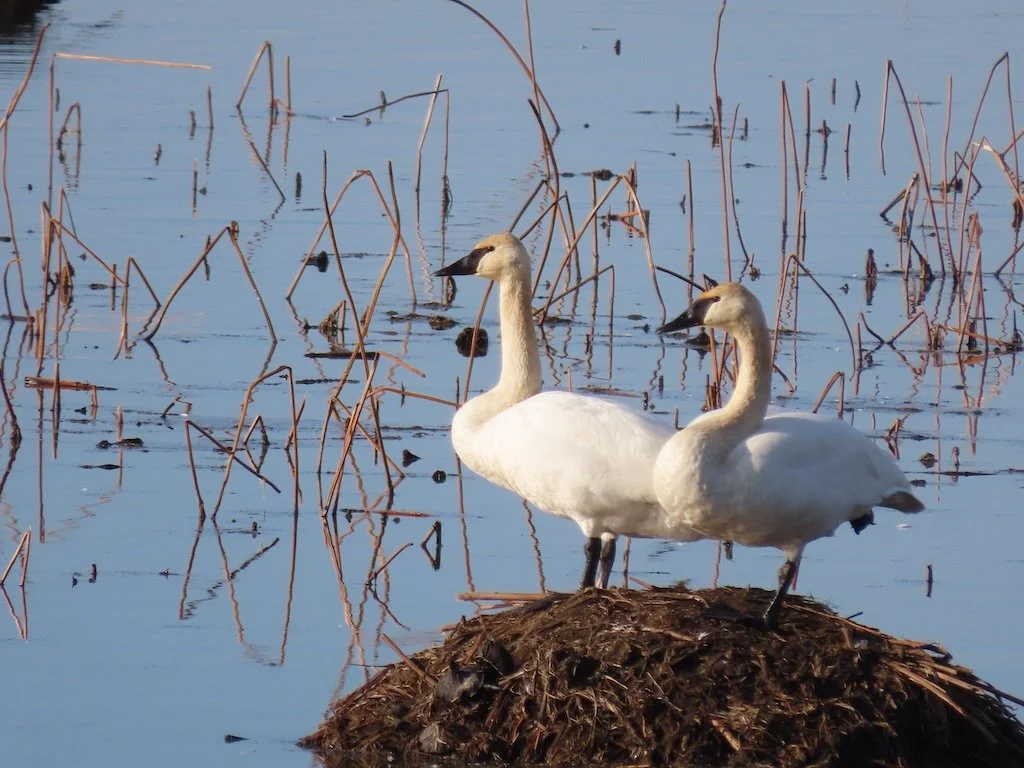
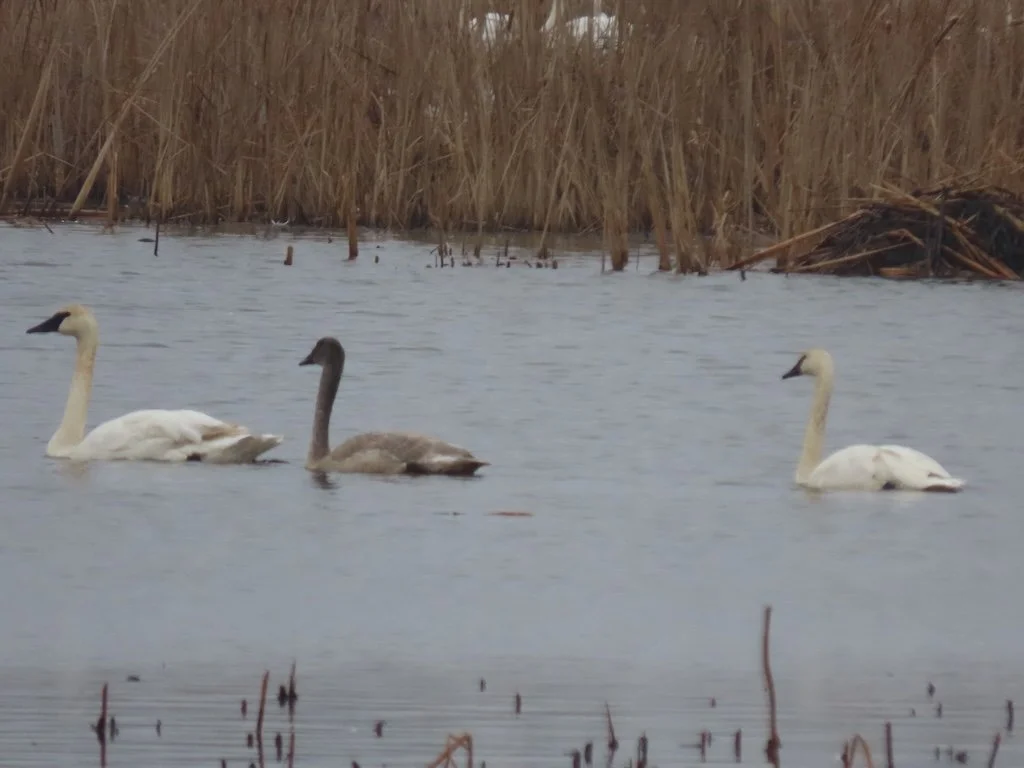
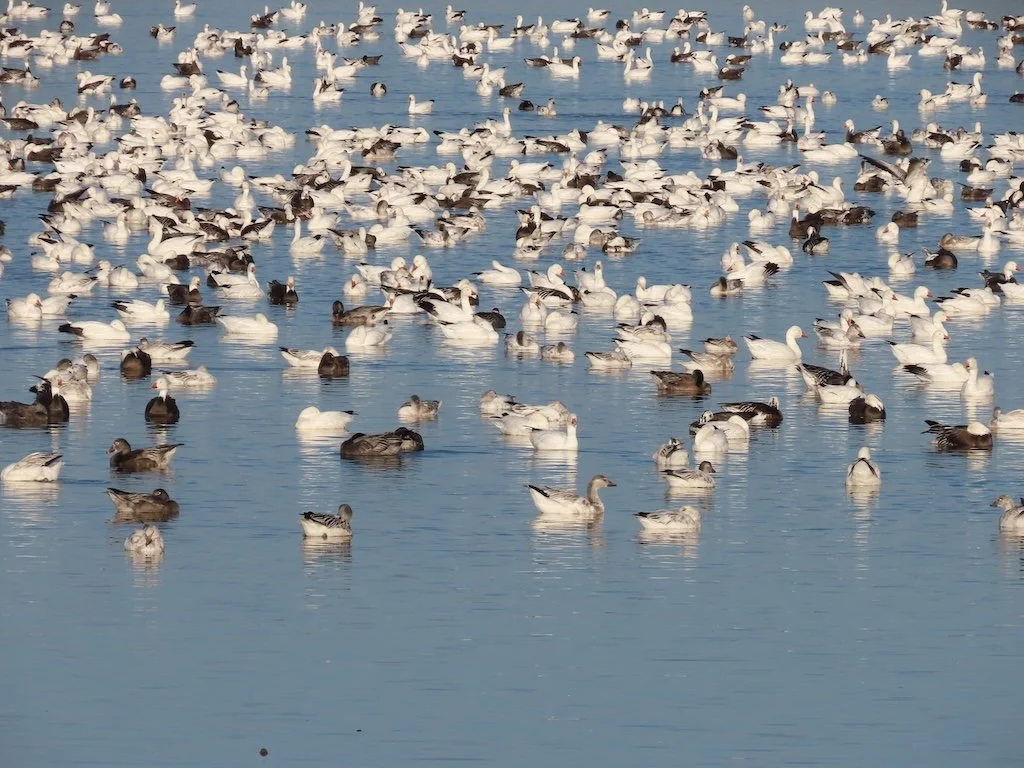
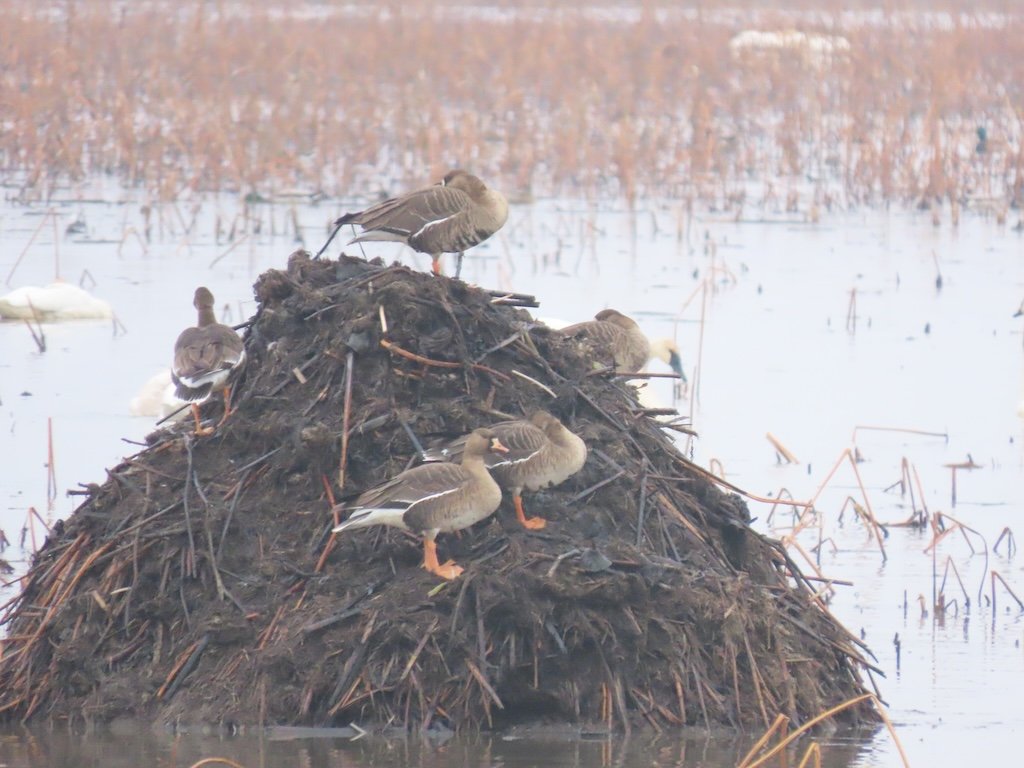
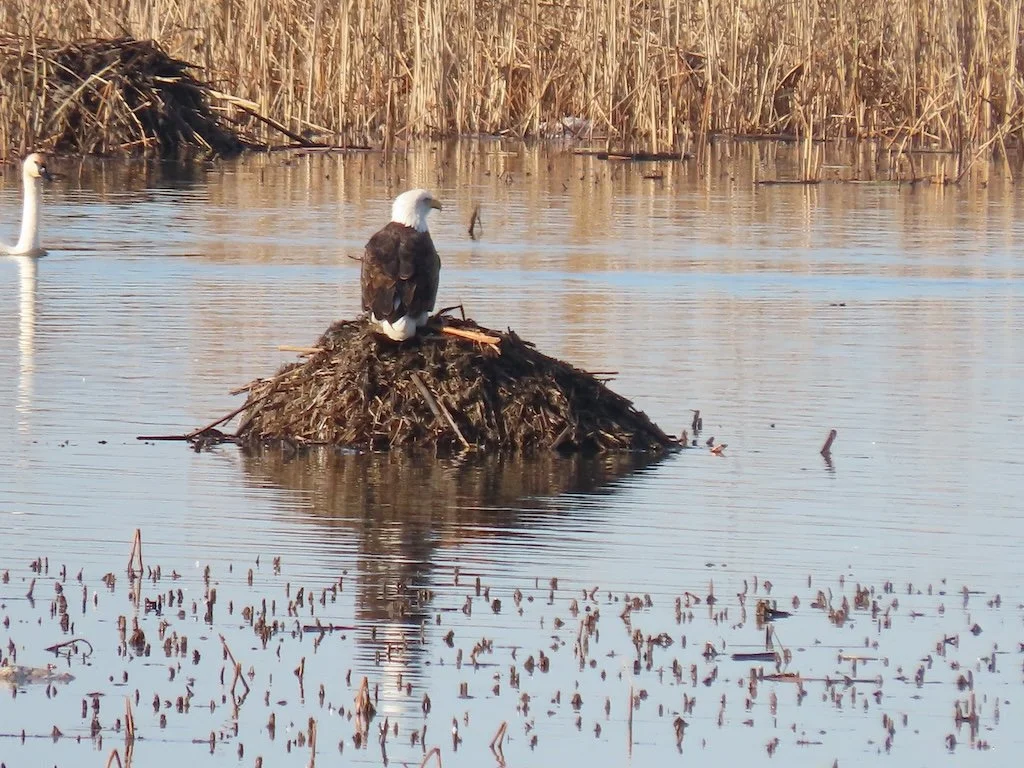
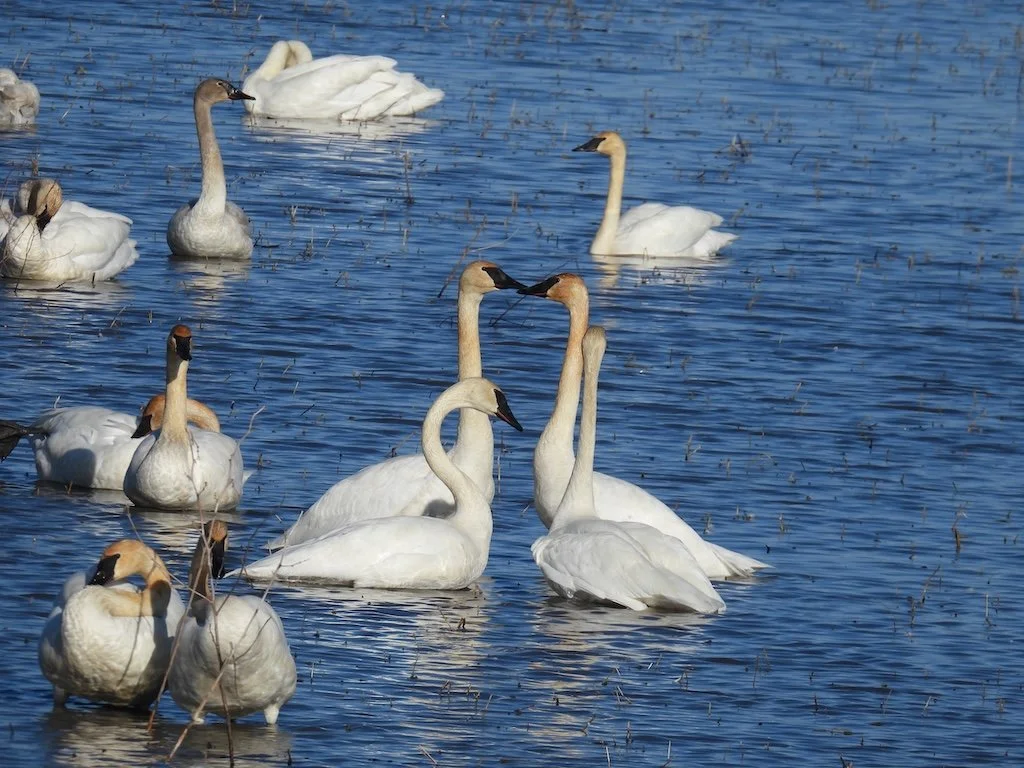
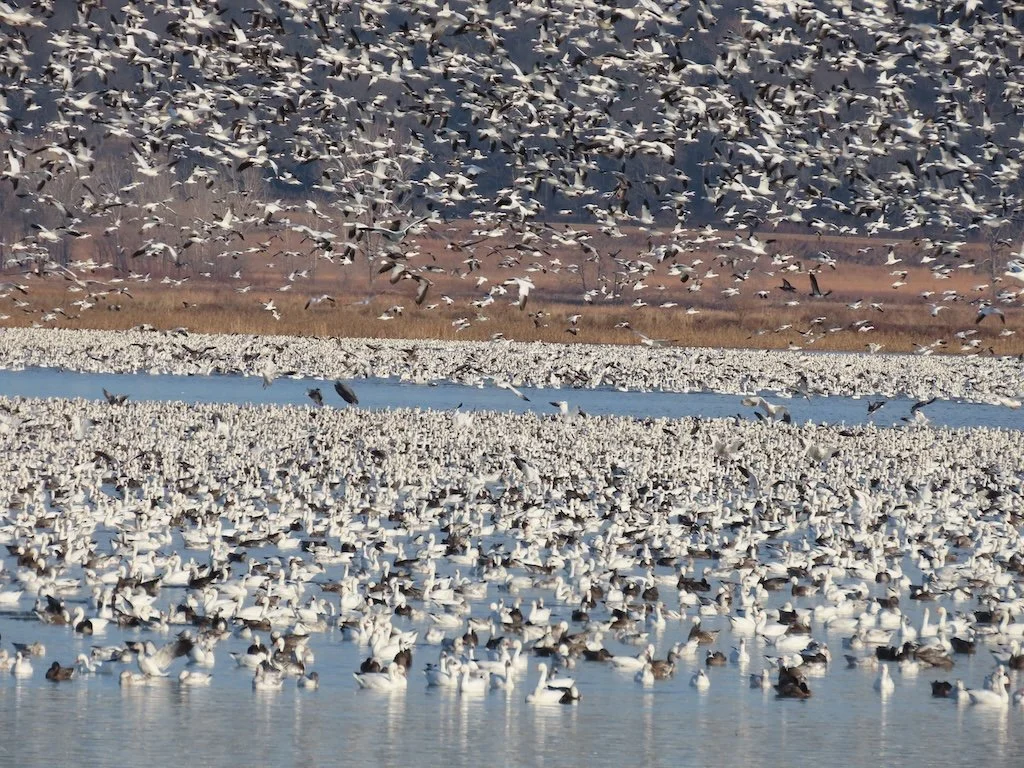
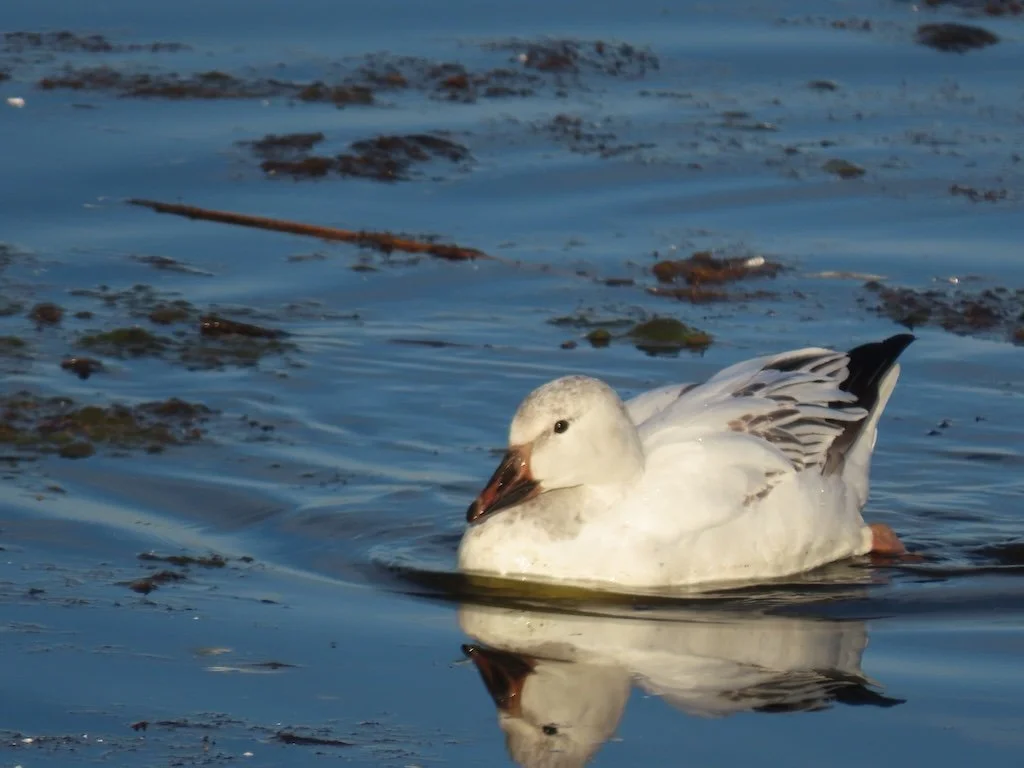
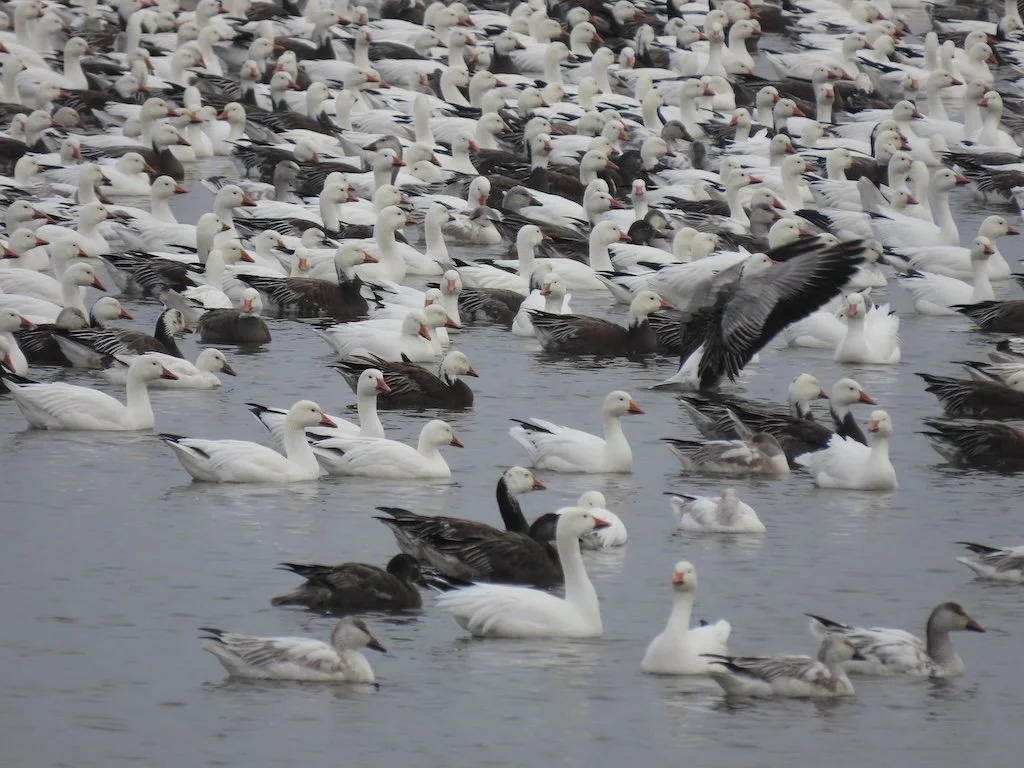
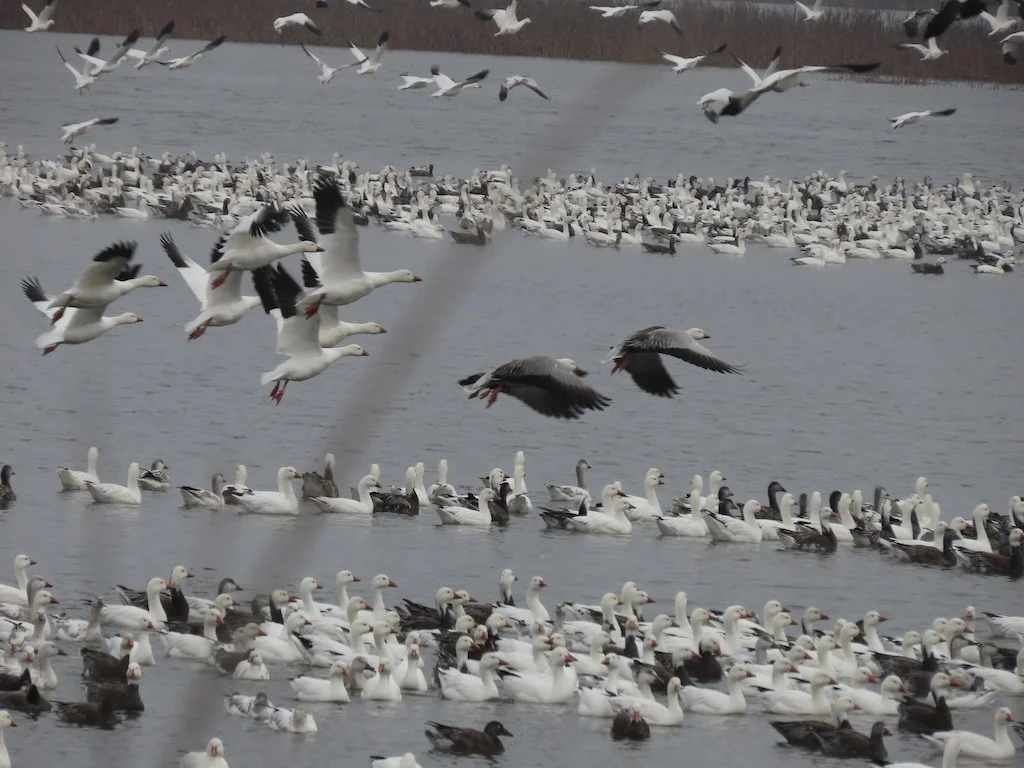
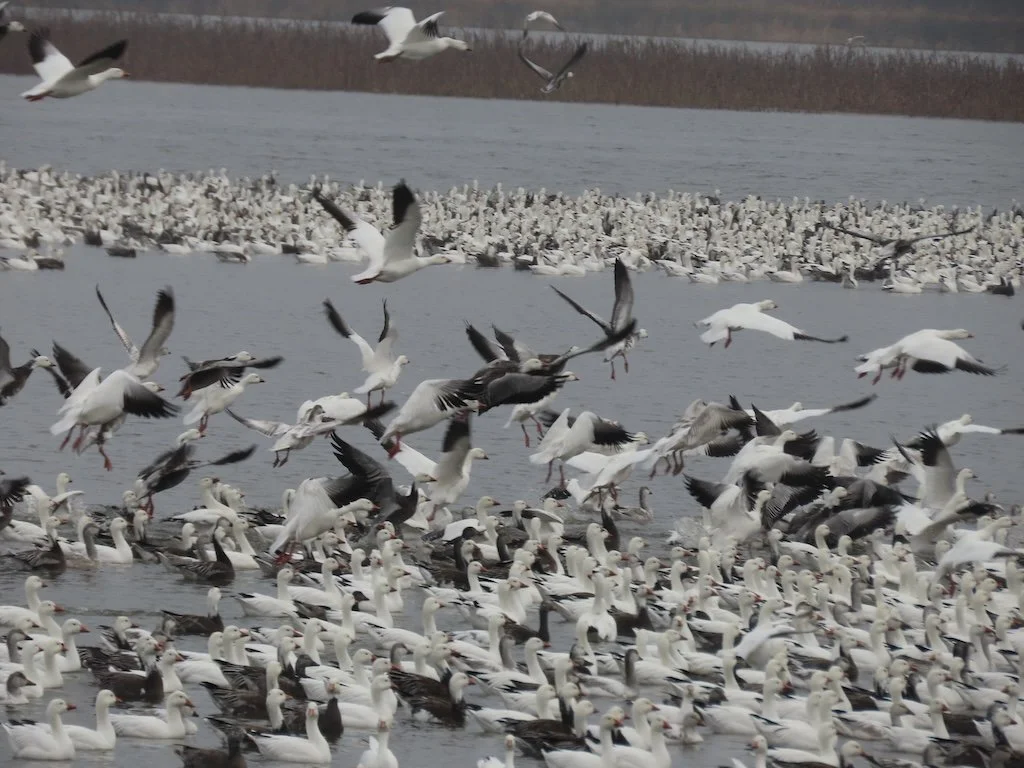
We got to Loess Bluffs National Wildlife Refuge in the early afternoon on the day after Christmas. It was sunny and relatively warm – no coat required. We made a slow drive around the loop and side road. The next morning, we drove the wildlife loop again in the fog before heading home.

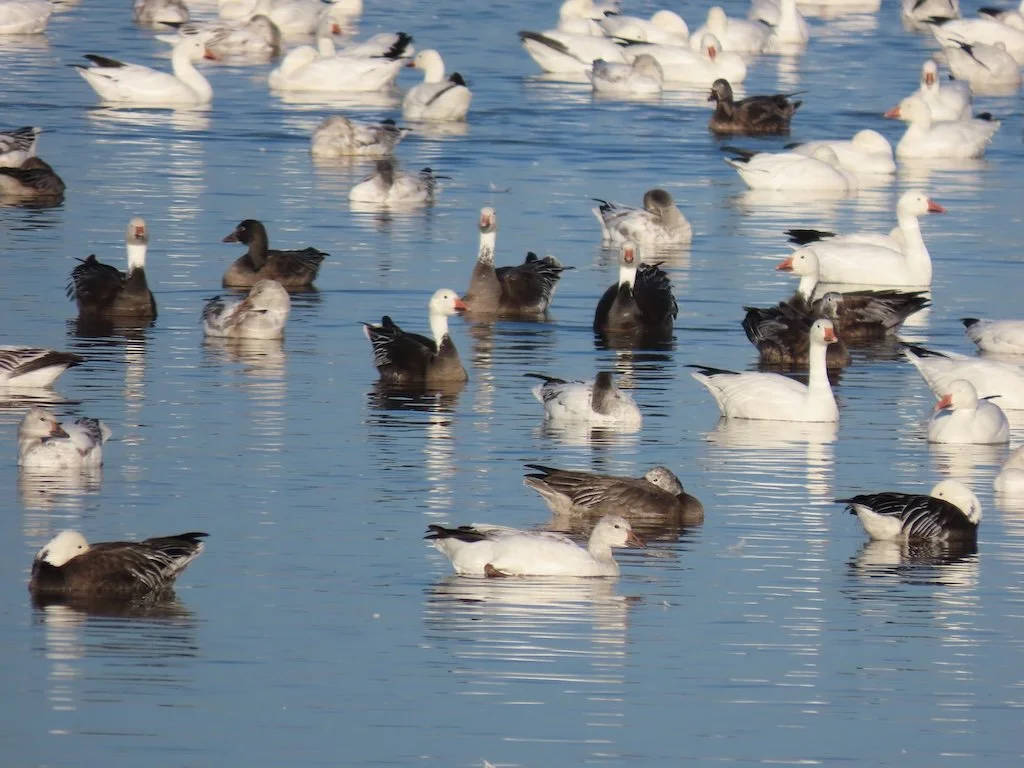
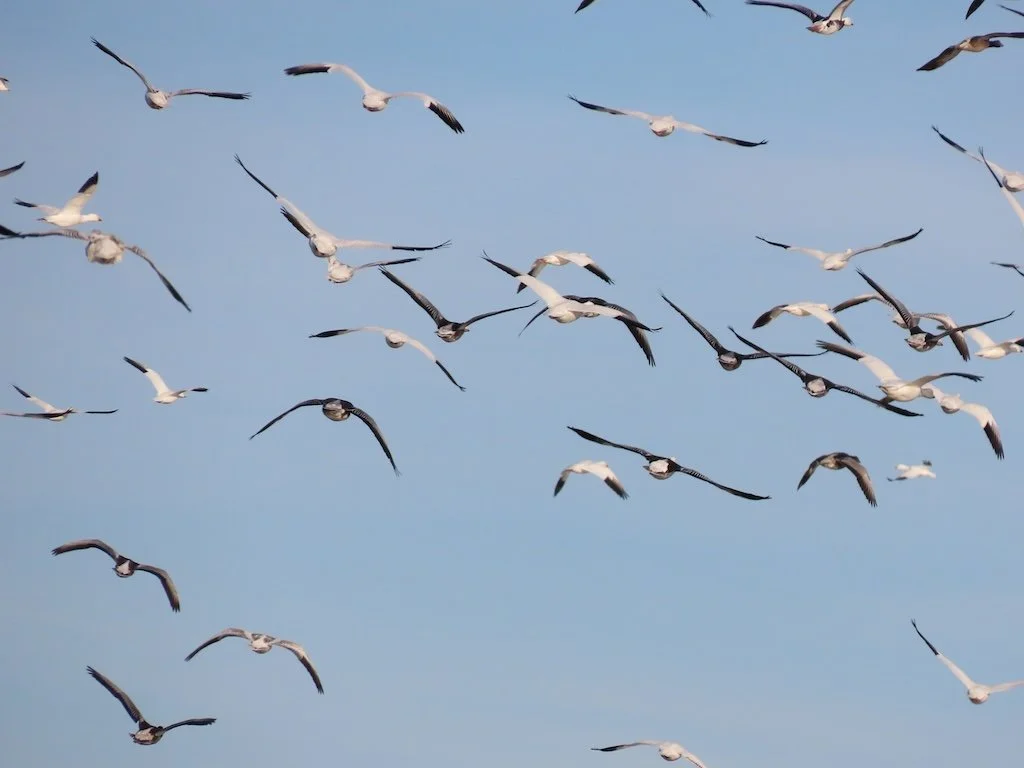
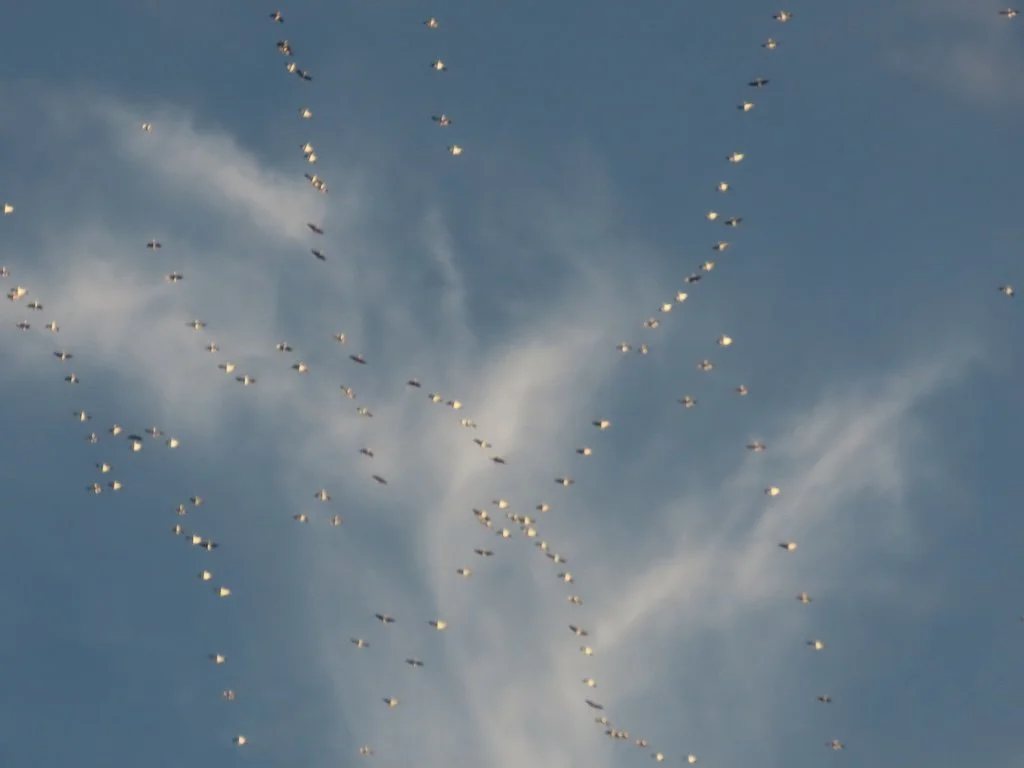
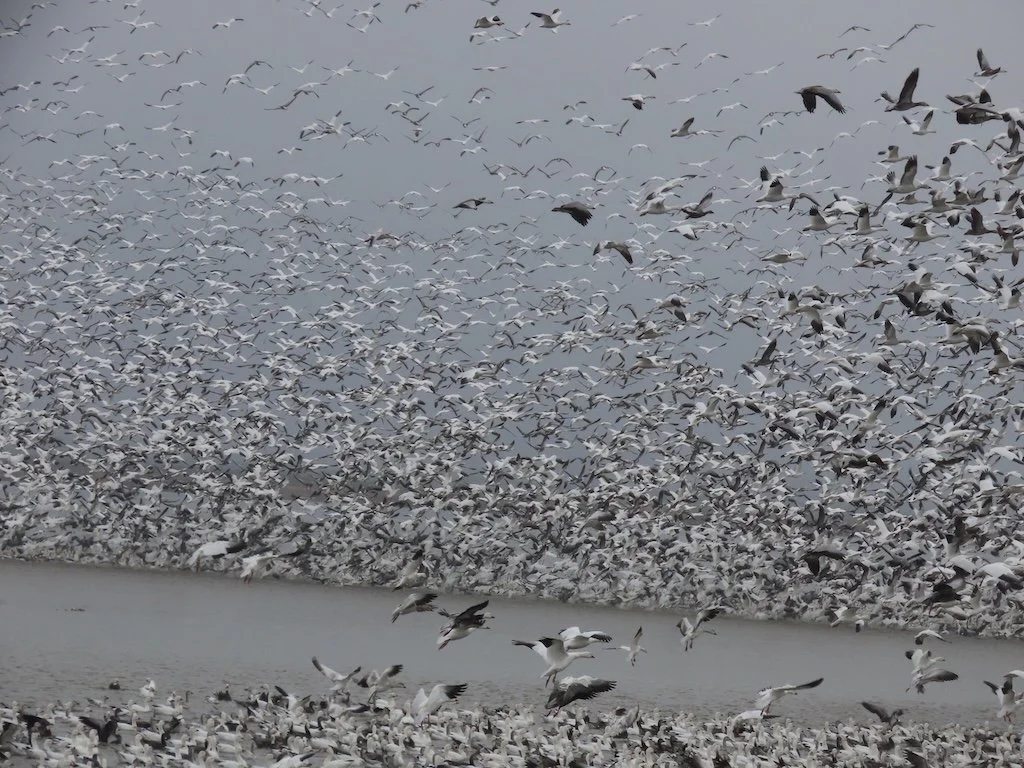
There were lots of birds to see and hear!

Trumpeter Swans

Snow Geese

White fronted Geese

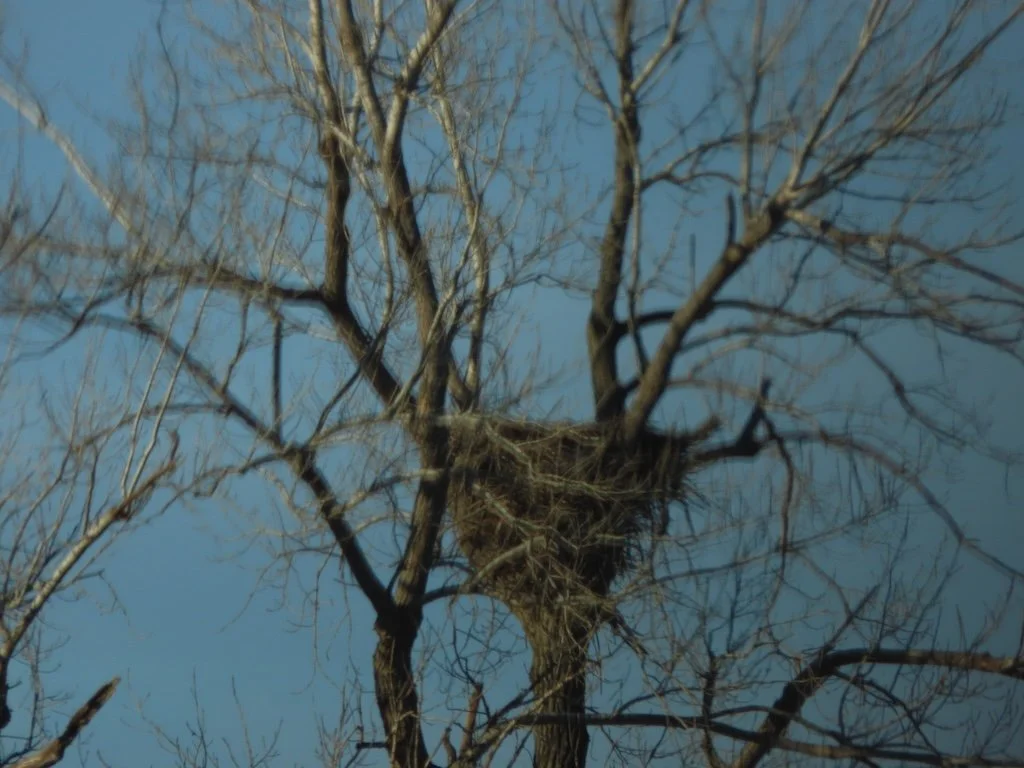
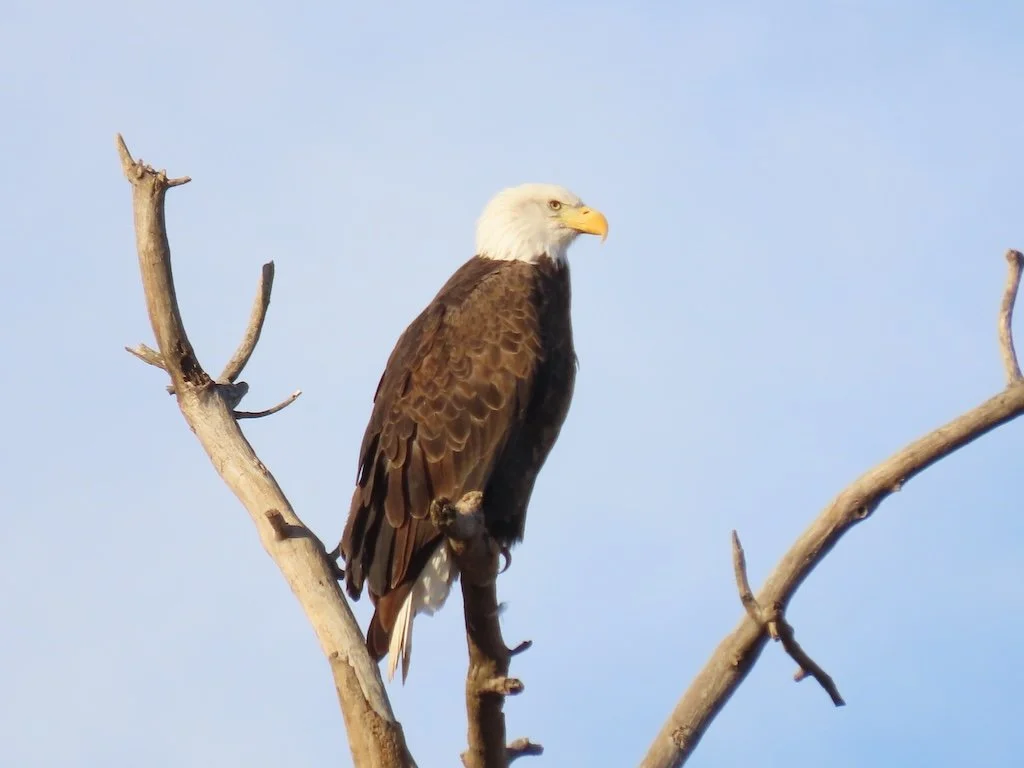
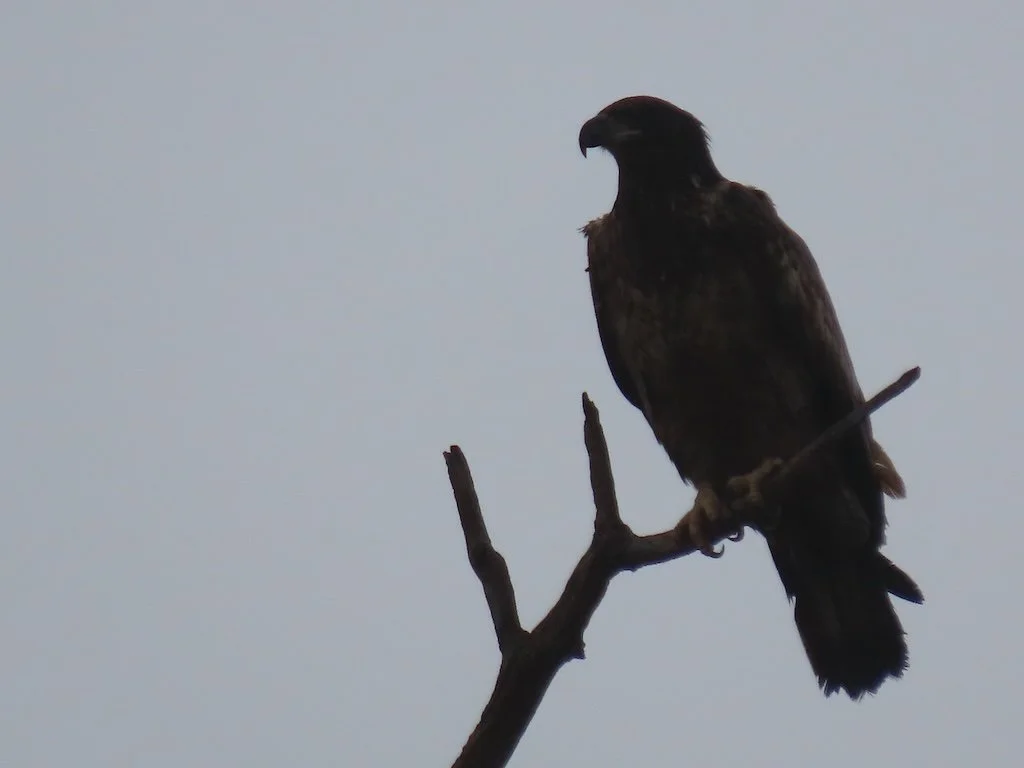
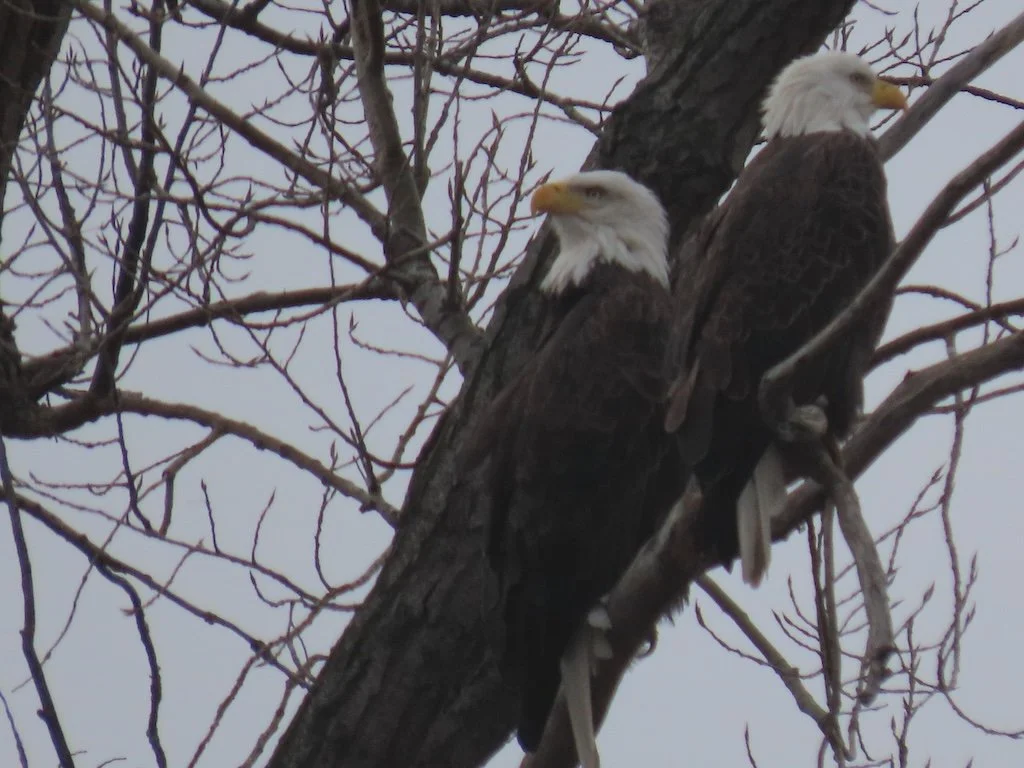
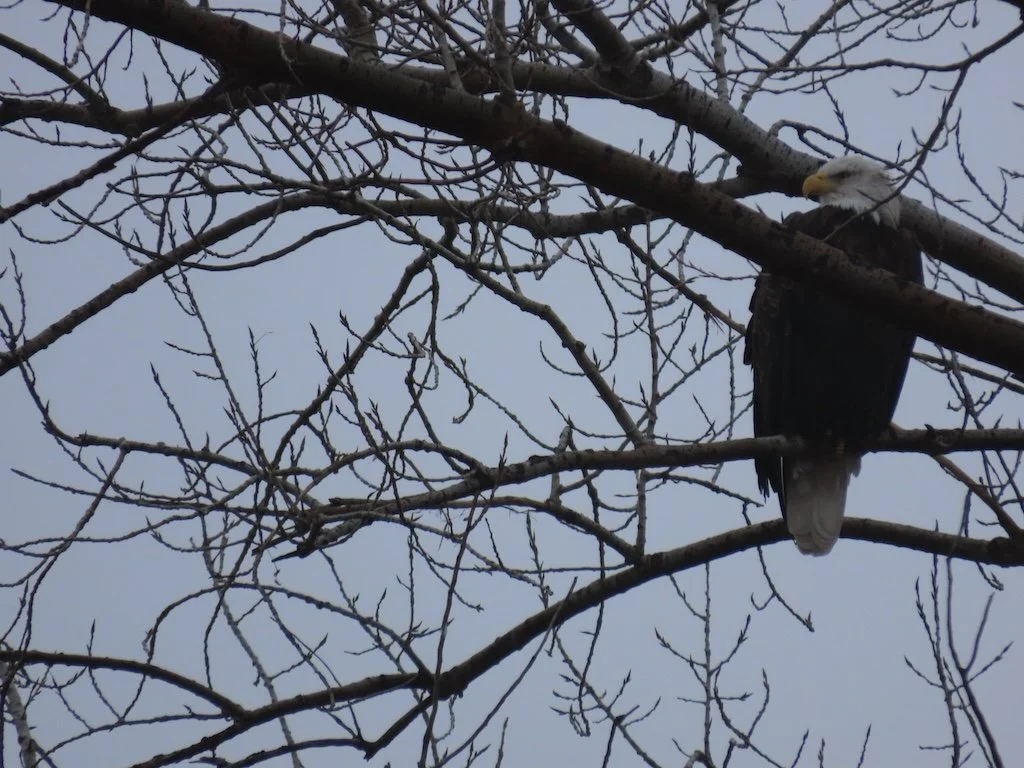
And Bald Eagles

There were more eagles than when we had visited Loess Bluffs last March…but similar numbers of snow geese and trumpeter swans. The muskrats were not active outside their mounds, so we didn’t see any this time.

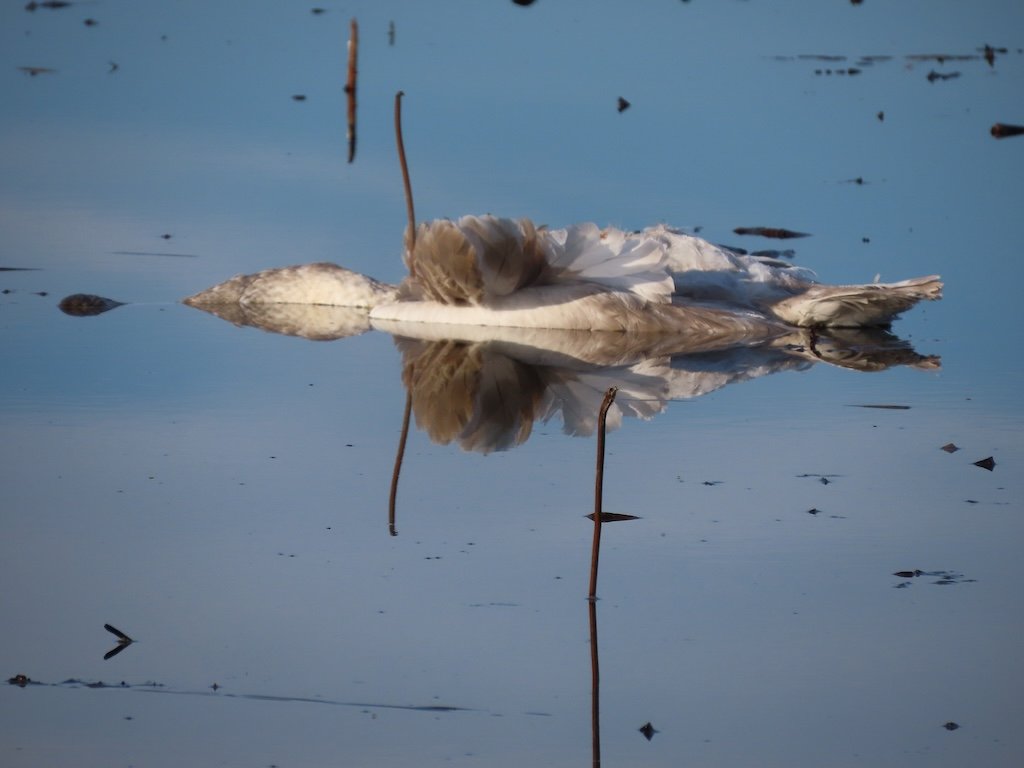
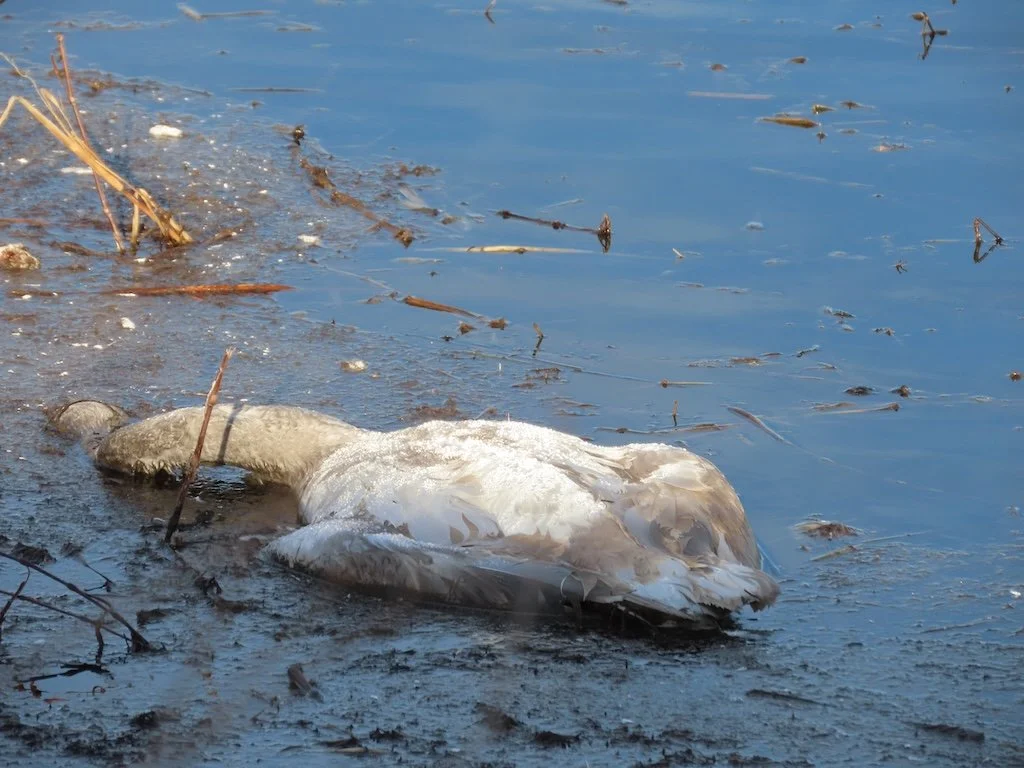
Unfortunately, another difference we noted were dead birds in the water; I recognized snow geese and trumpeter swans. Some looked like they had been dead for some time. Pre-Covid, the carcasses of dead birds were collected as one refuge we visited (to determine why the birds were dying and to minimize the contagion in the water); perhaps they no long do that because it isn’t effective, they know it is bird flu, or there are not staff to do the work. The area where most of the dead birds were located was not near where the bulk of living birds were; maybe water movement acted to collect the birds in the shallows along the shore (mostly) away from flocks.
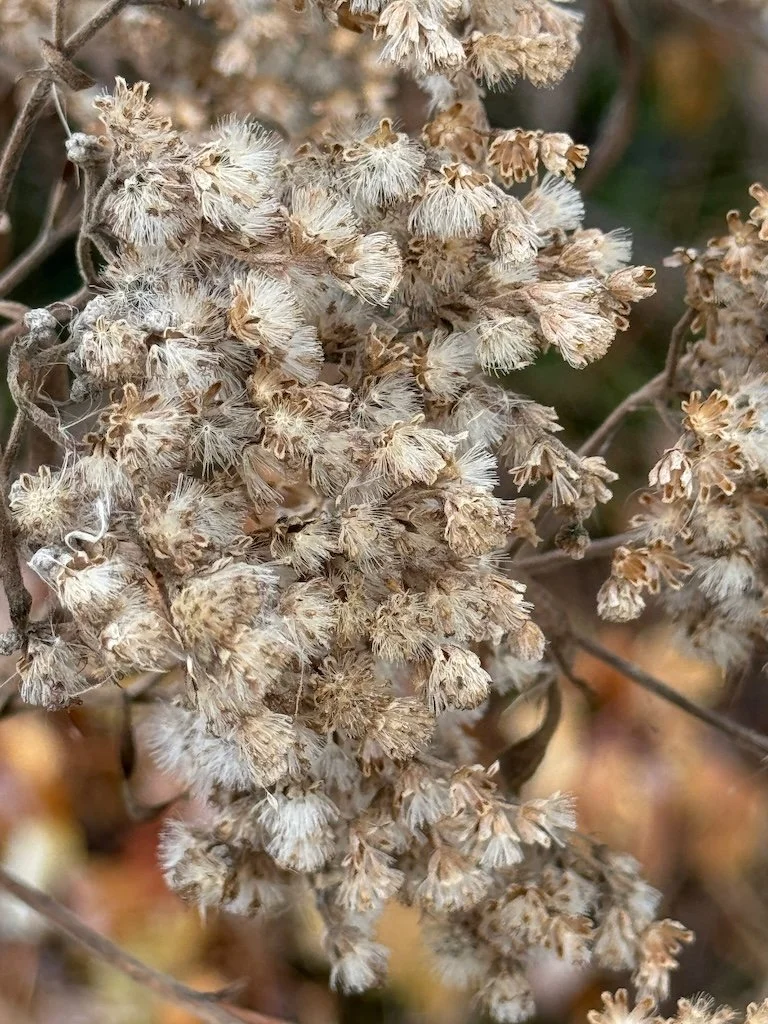
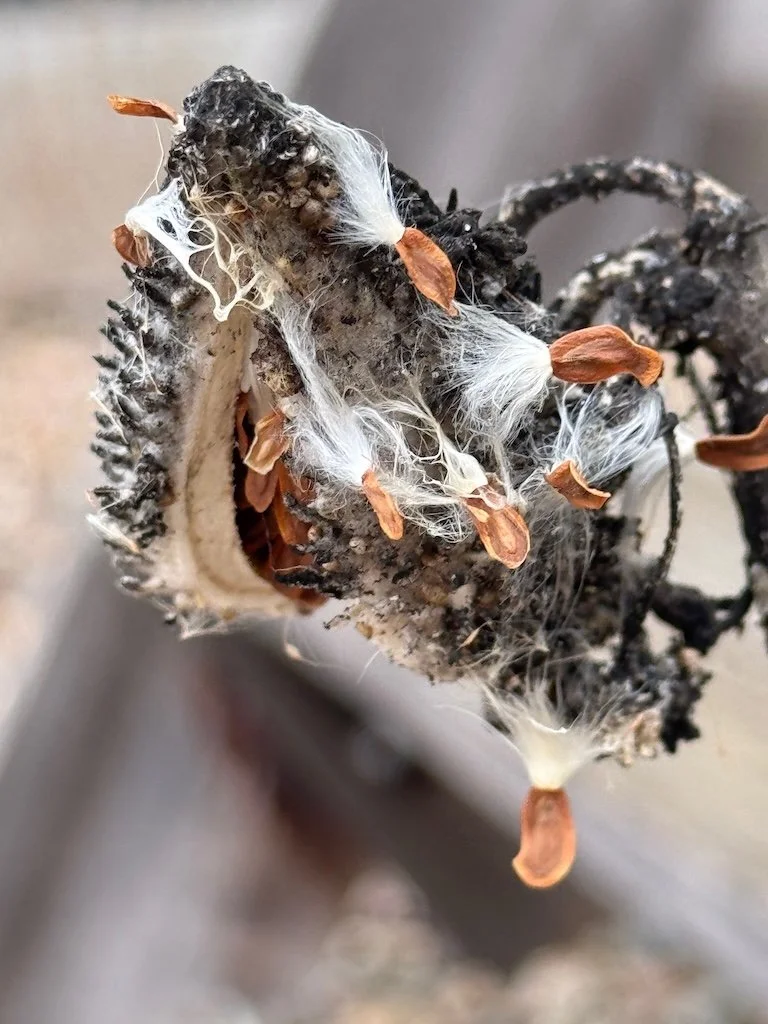
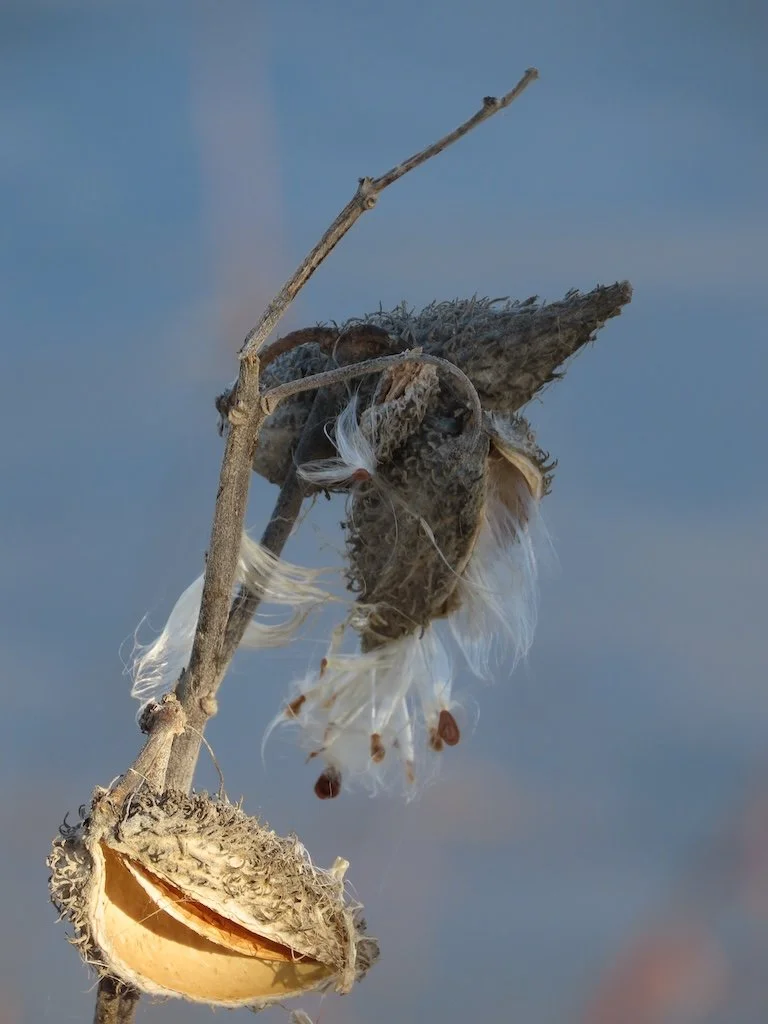
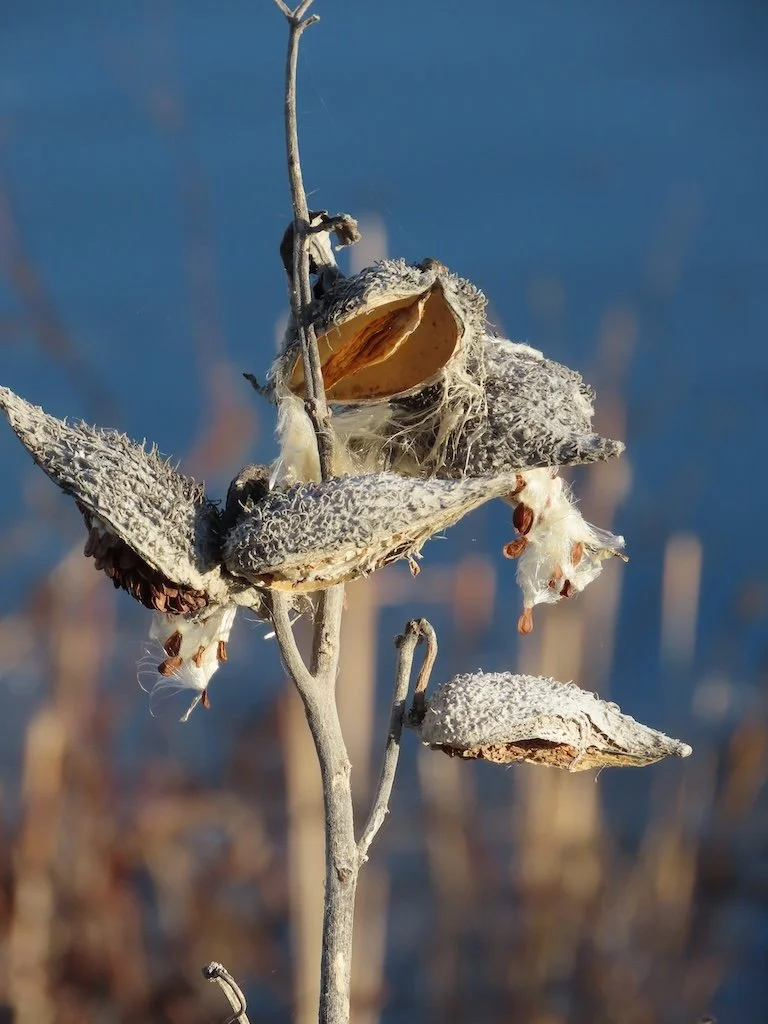
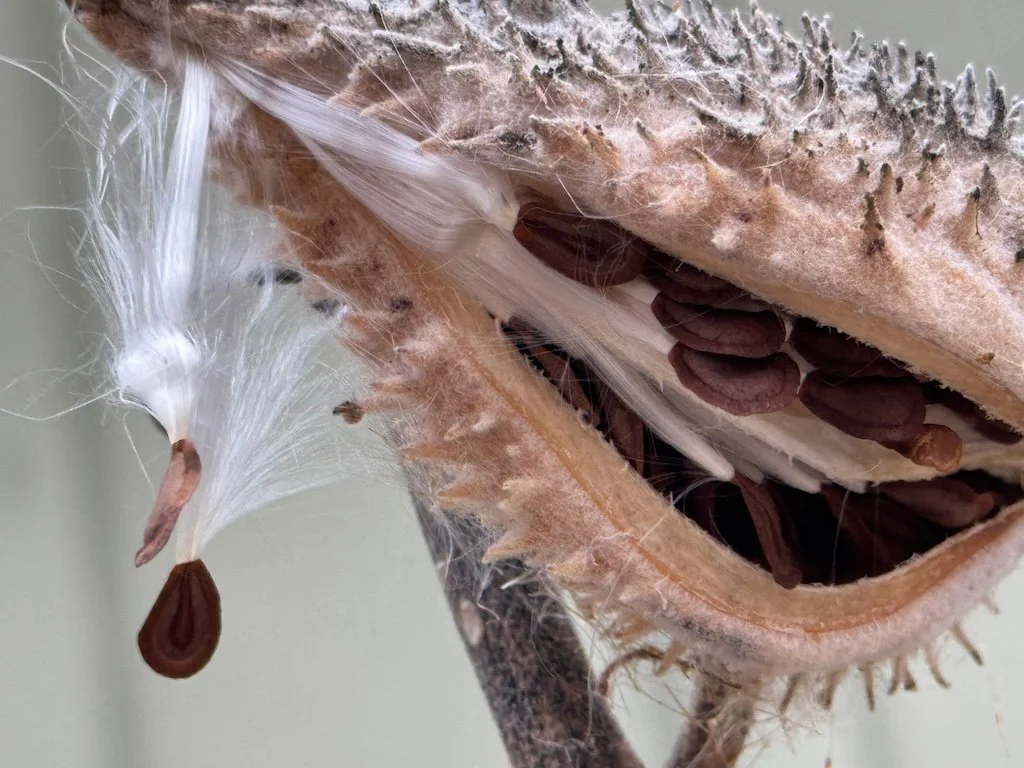
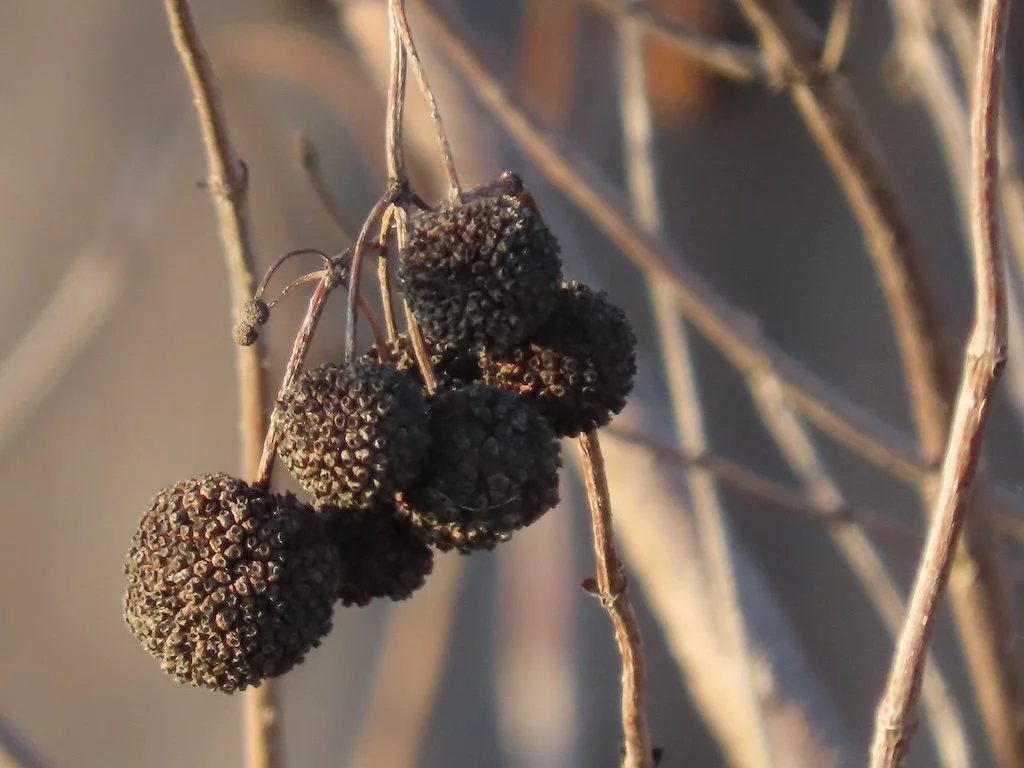
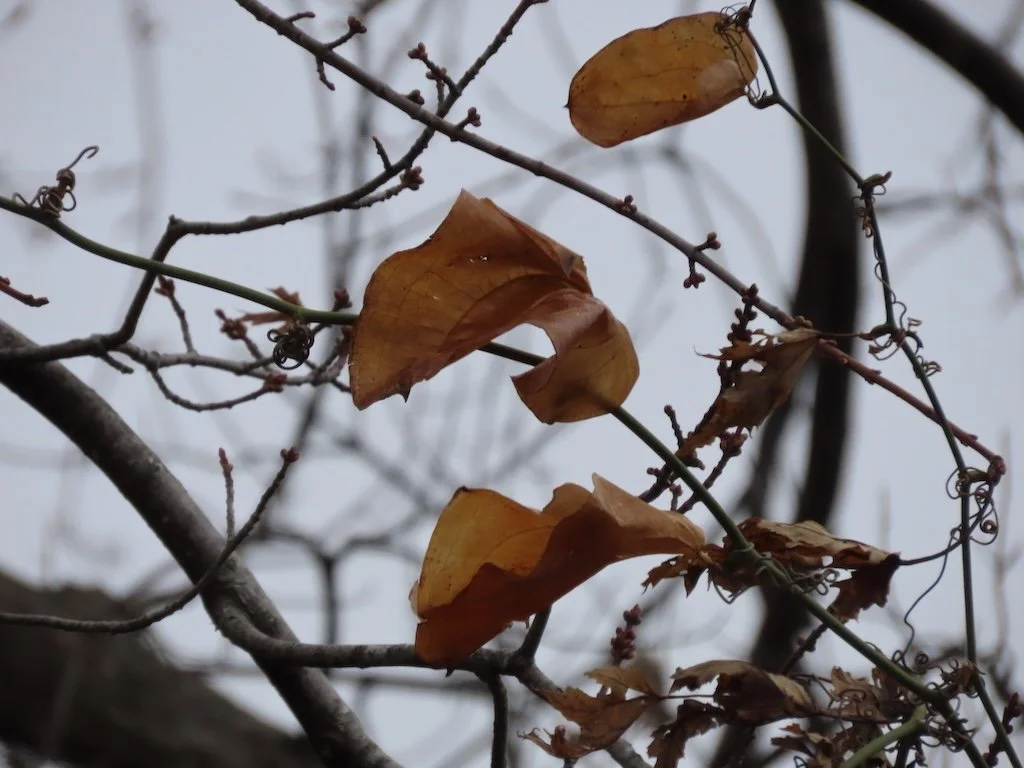
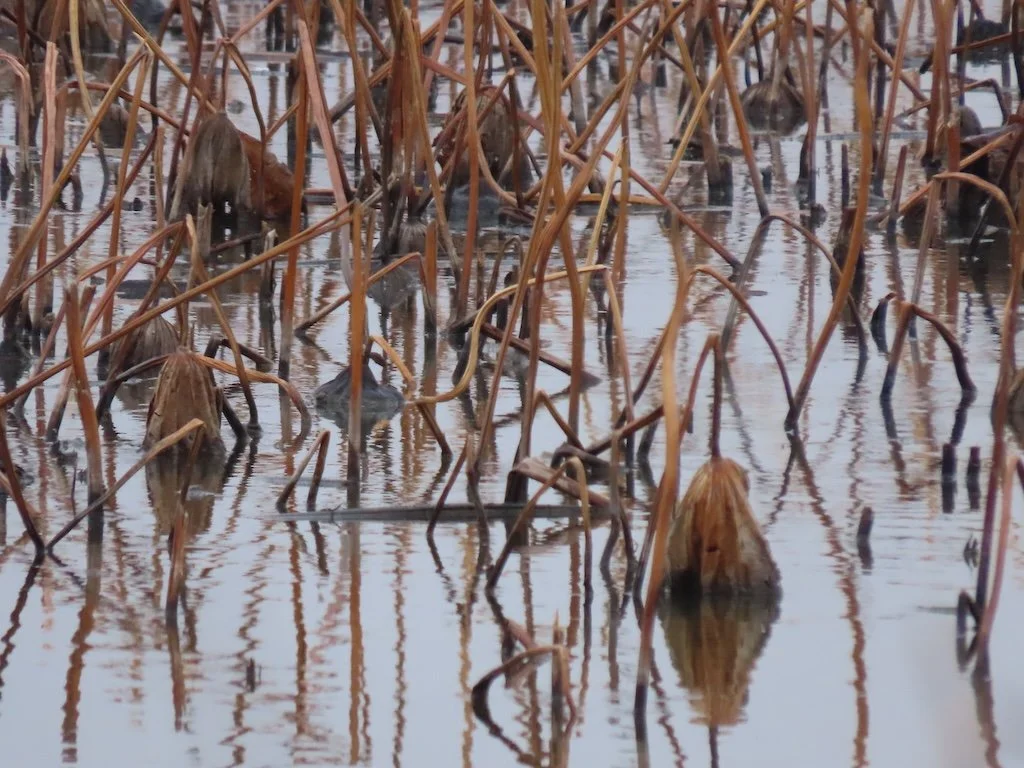
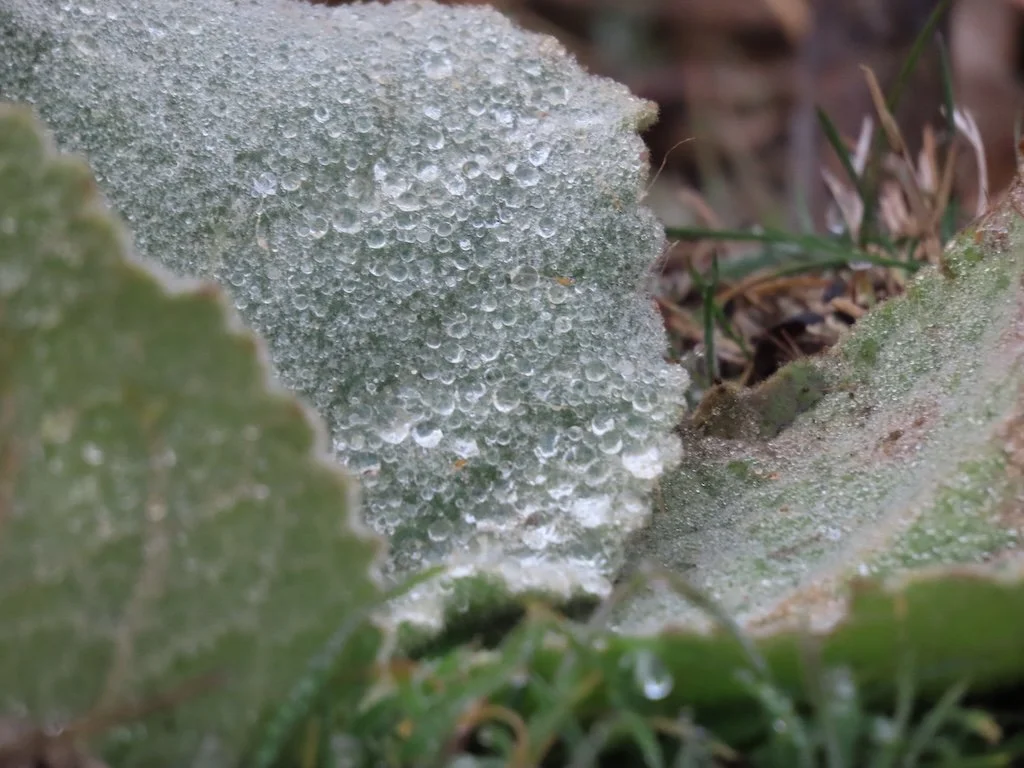
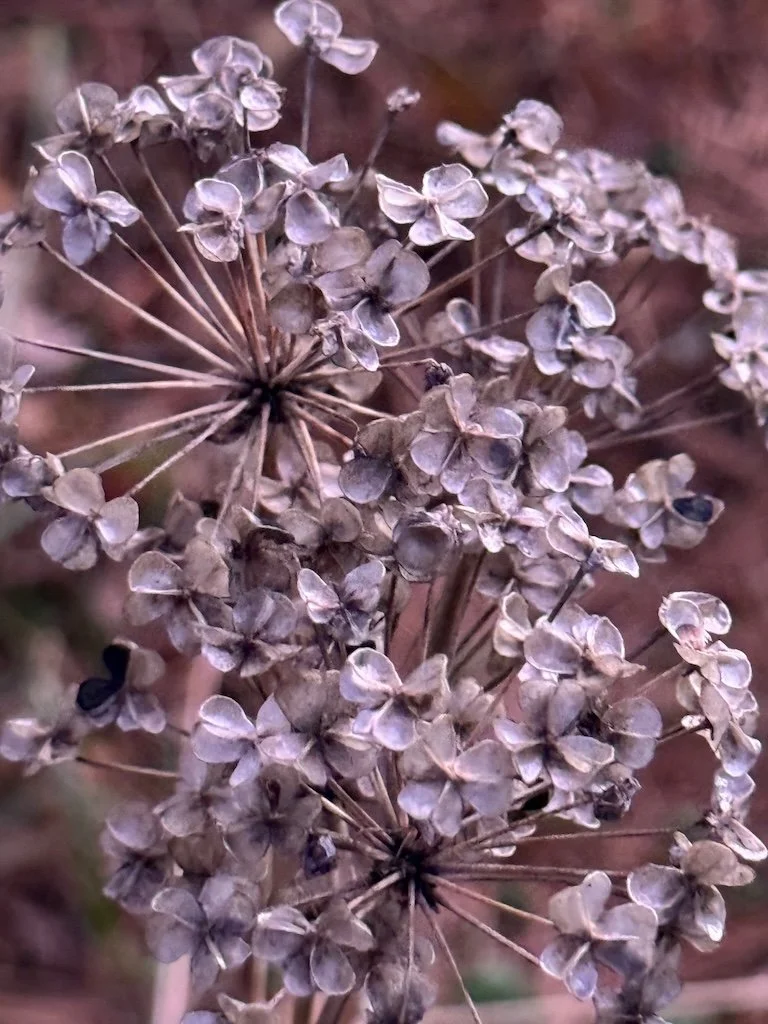
I’ll end this post on a positive note with the botanical pictures! Seeds and pods and brown foliage dominate…but there was one green plant that had a lot of water droplets.

The wildlife refuge is a great place to see bald eagles in the winter….and other things too!

Dickerson Park Zoo

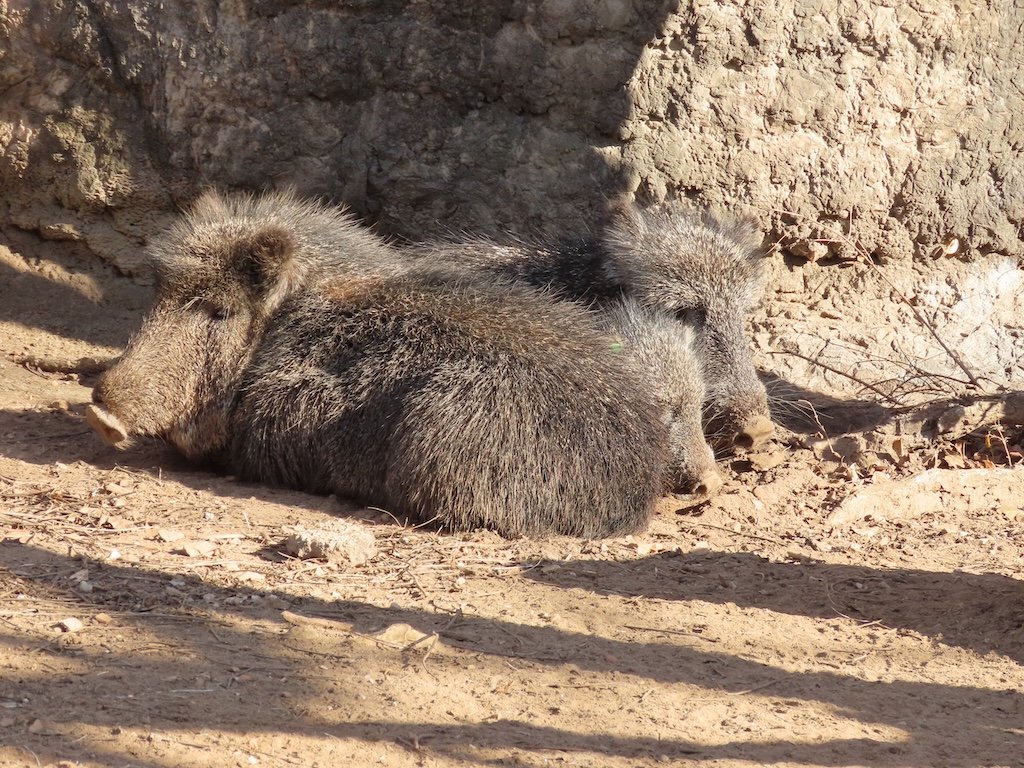
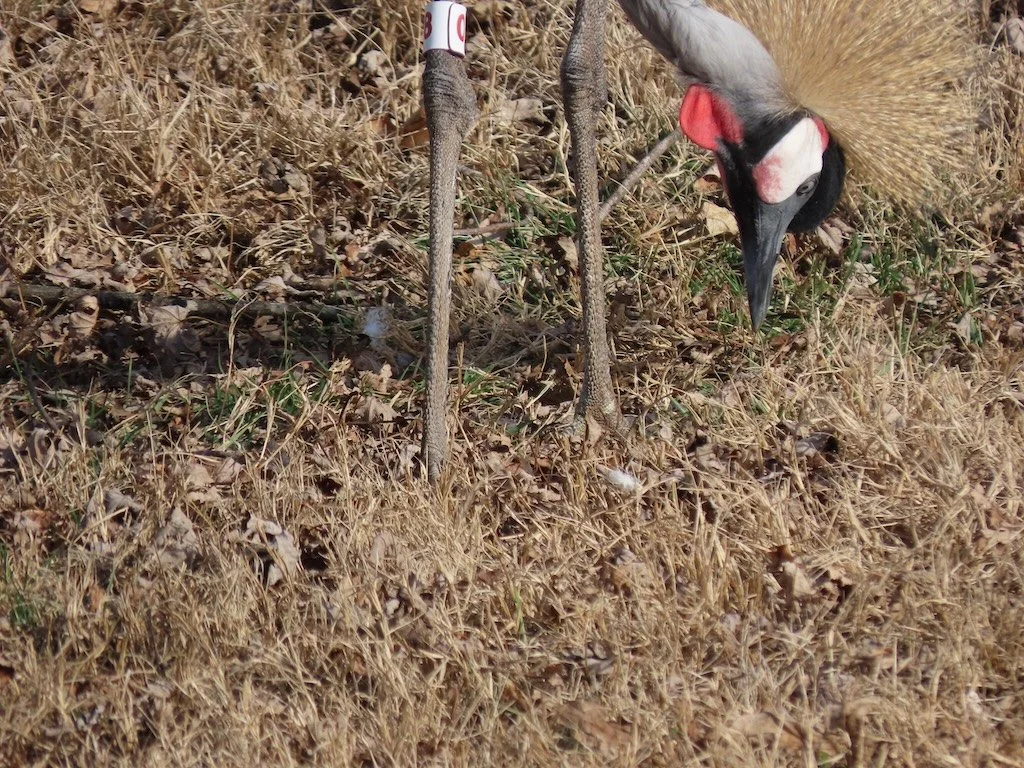
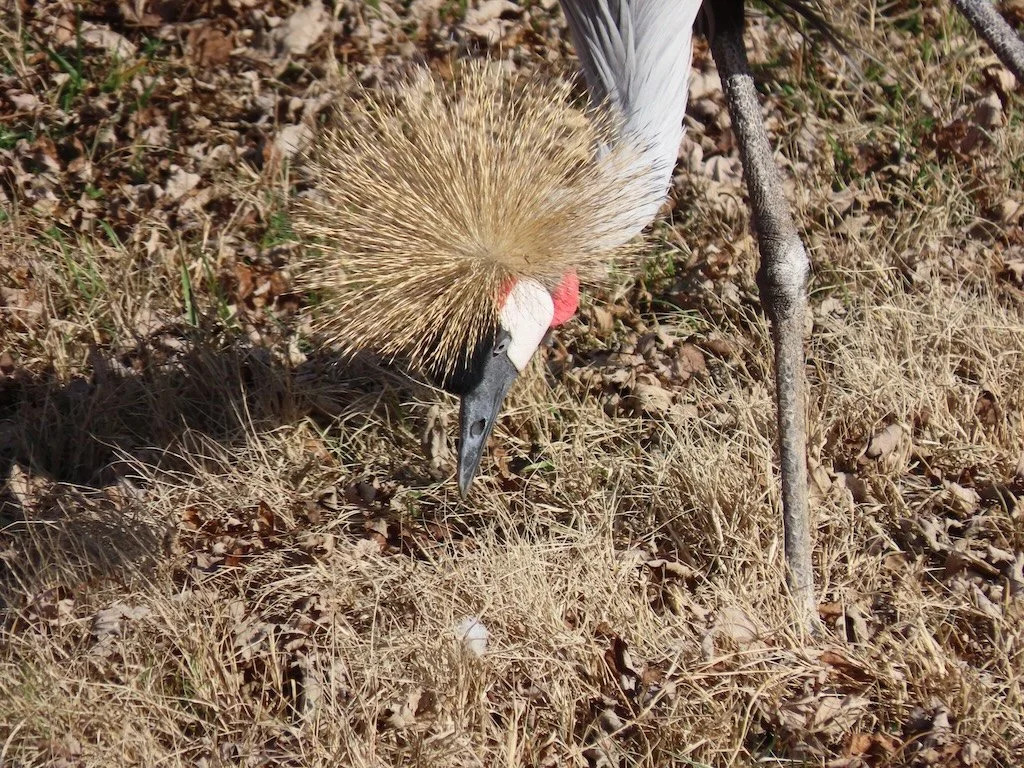
Christmas Eve was unseasonably warm in our area of Missouri; we enjoyed a walk around Dickerson Park Zoo before lunch. The last time we were at the zoo – there were young javelinas; this time we saw one of them (bigger) but the parents were still cuddled on both sides so it was hard to see!

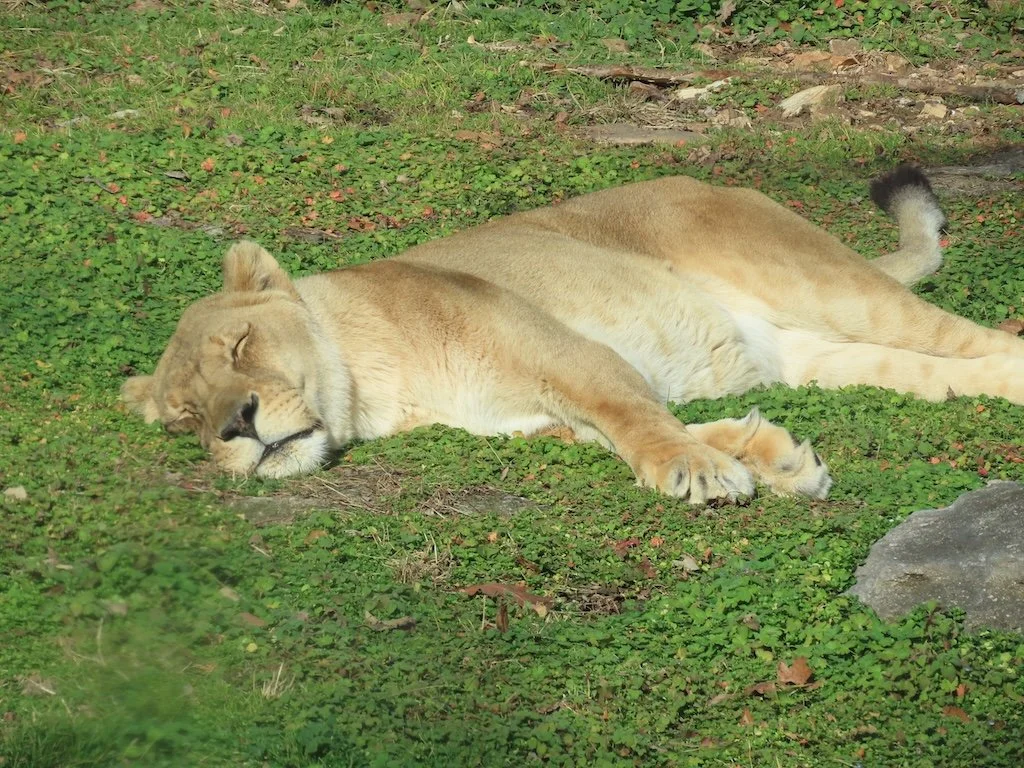
The lion was out but seemed to be yearning for cooler weather; it was breathing through its mouth.

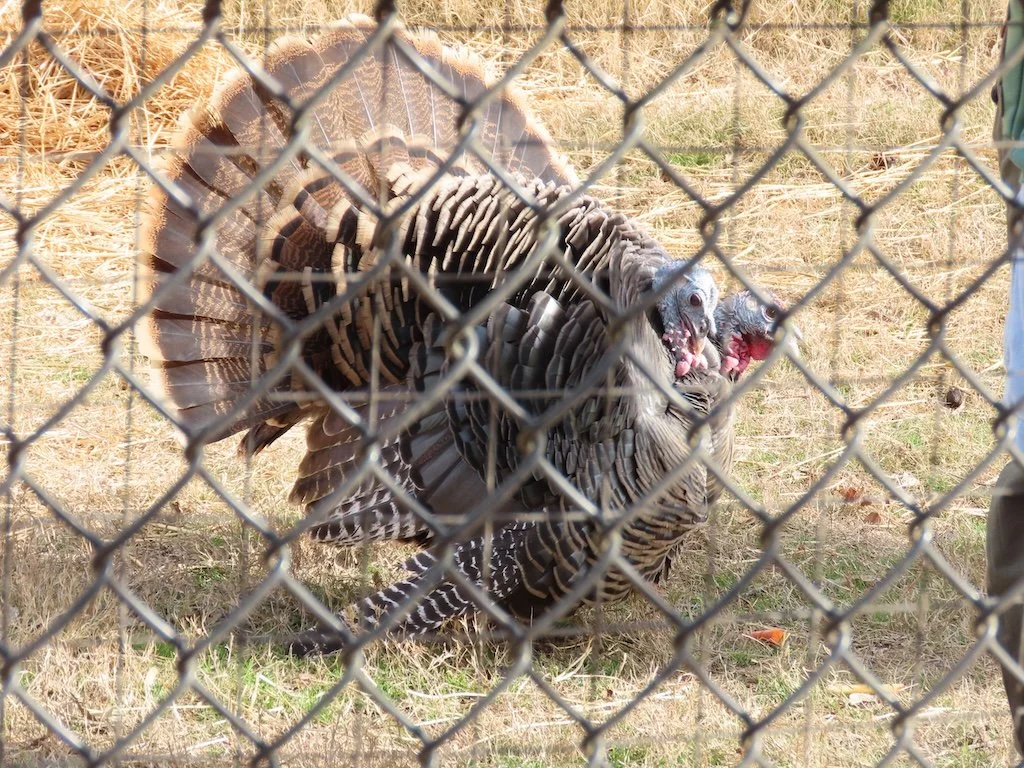
There were a pair of turkeys that were bring feed.

The crowned cranes are always photogenic.

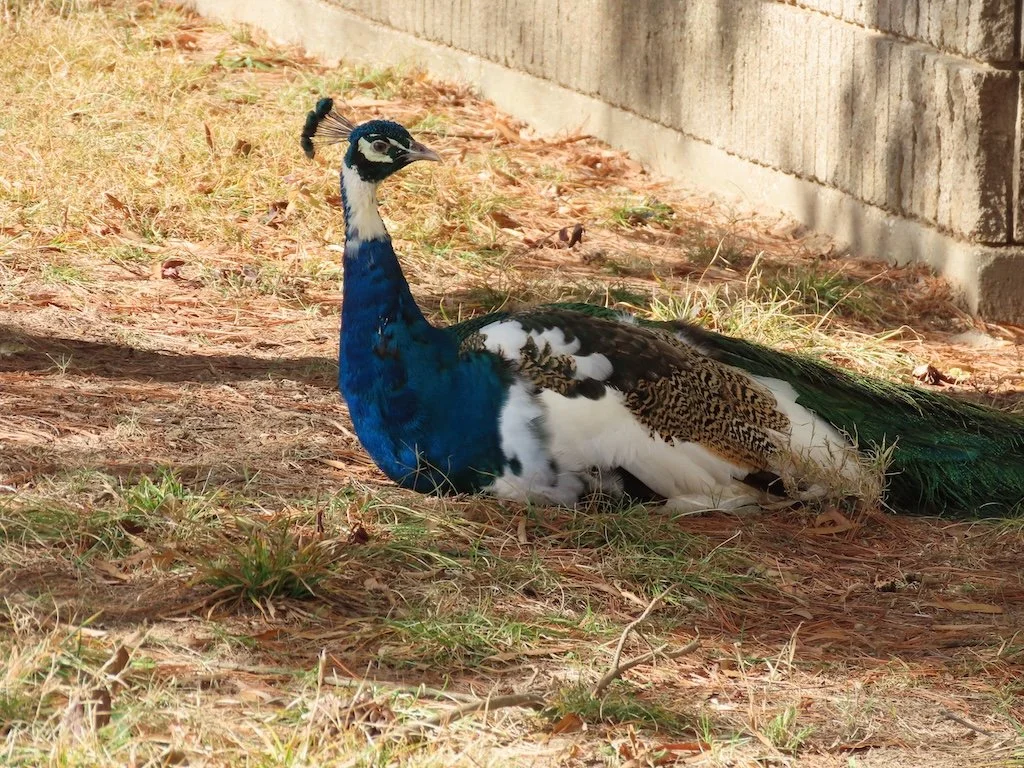
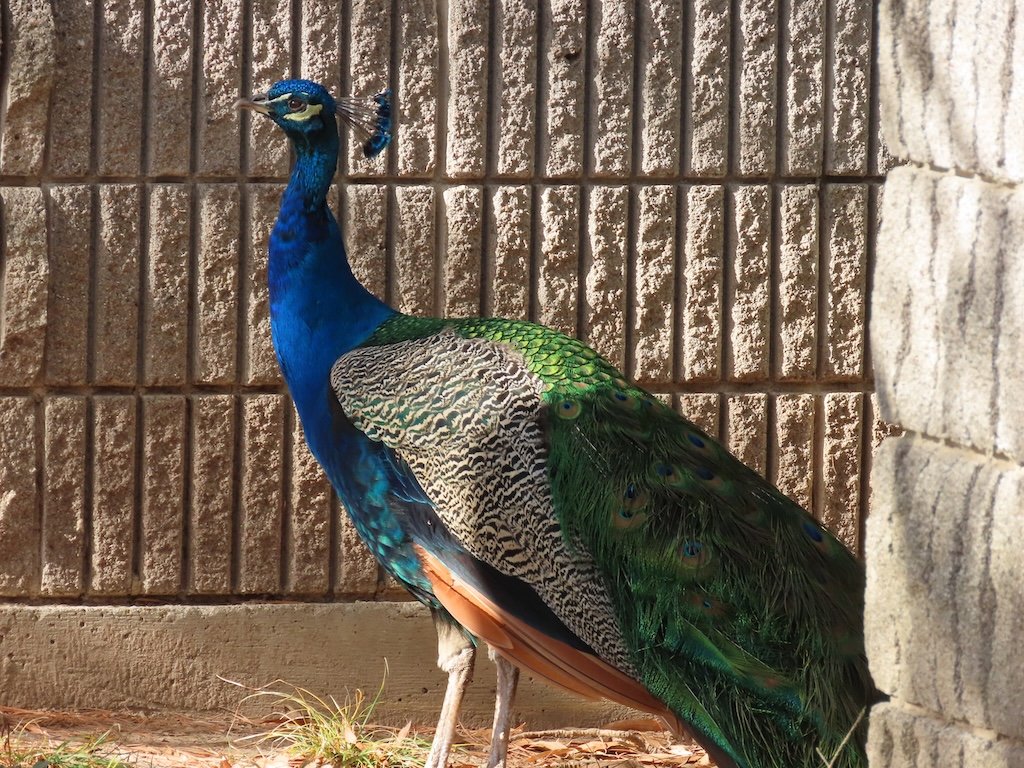
The peacocks are beginning to regrow their tail feathers. I saw the mottled color one again (more white feathers that the usual peacock).

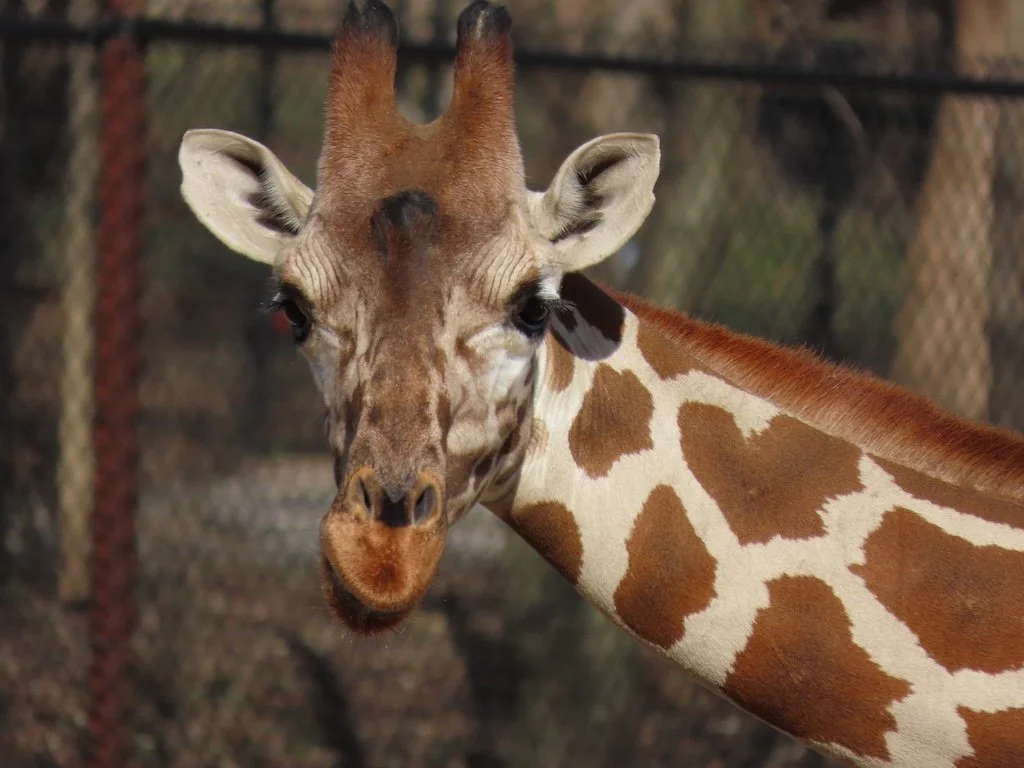
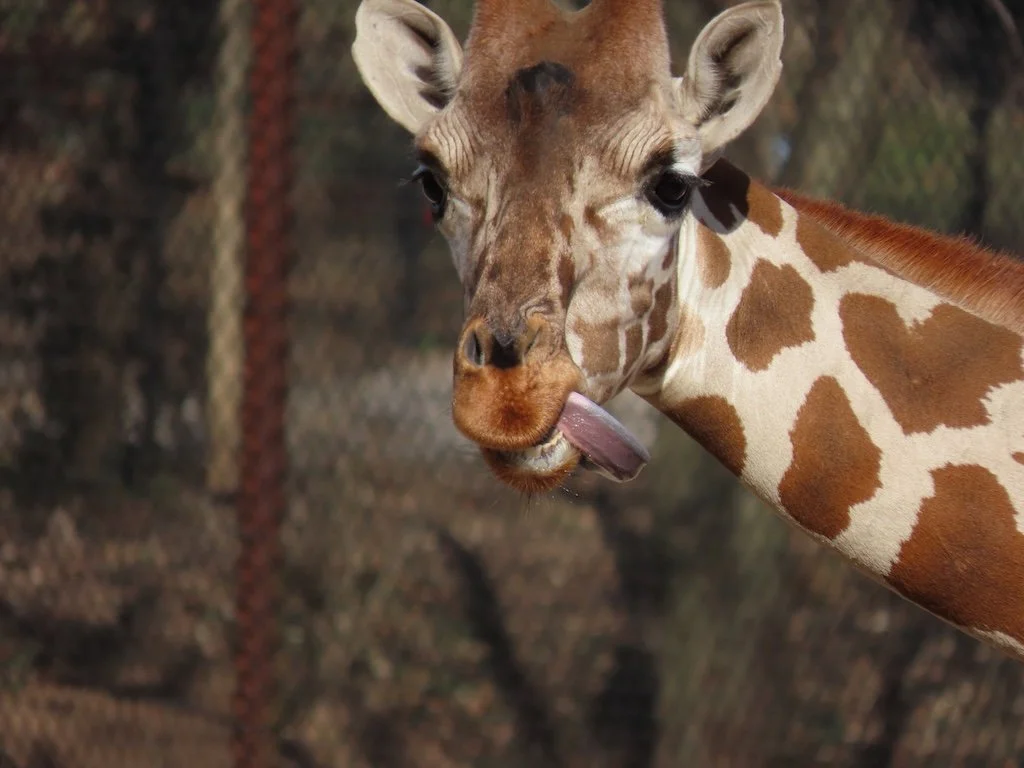
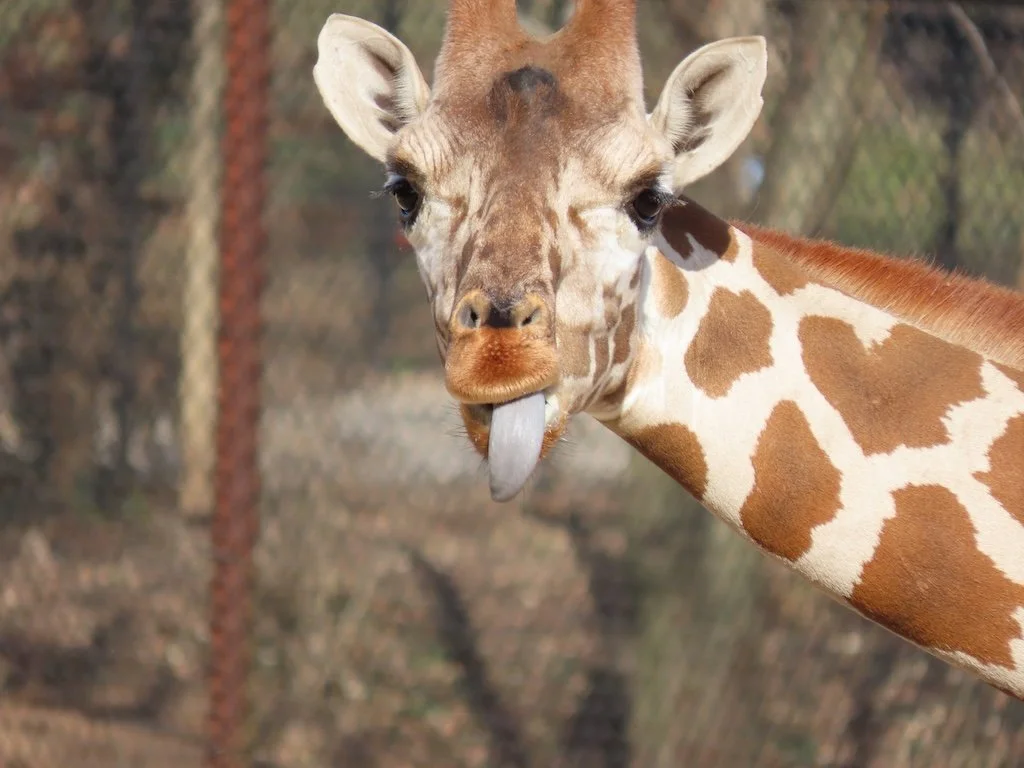
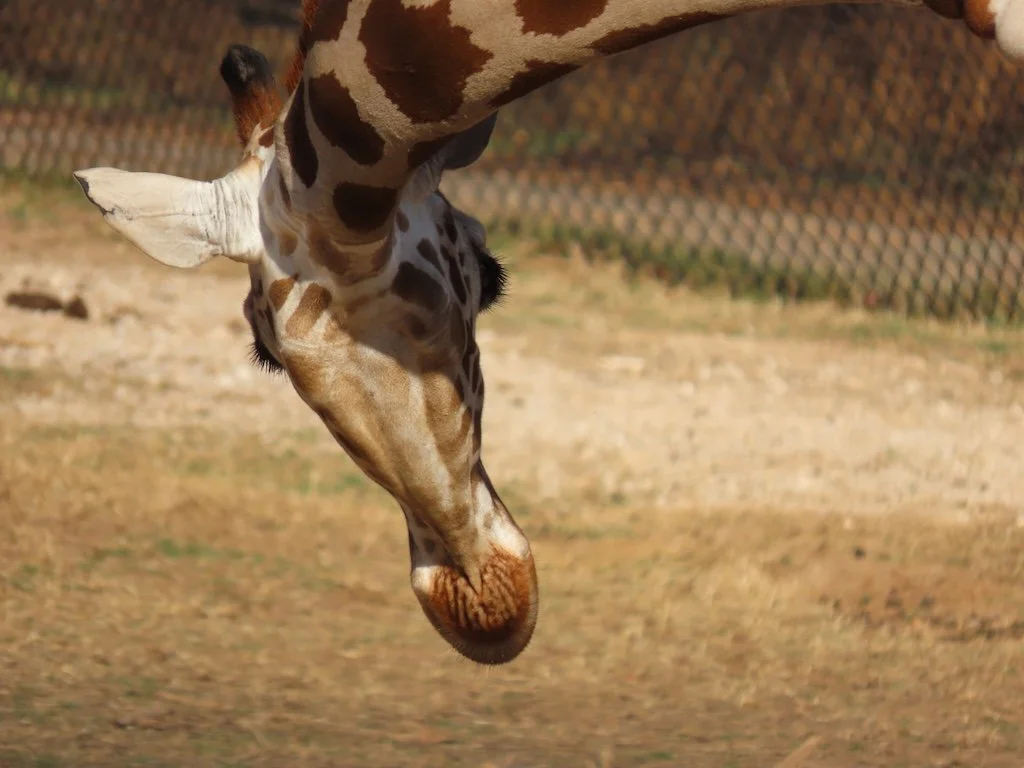
The high point this time was a giraffe that was using its tongue to clean its face. The long eyelashes are visible too.

The old lioness looked comfortable – taking a nap in the warm sunshine. The male died a few months ago and the zookeepers are not introducing a new lion to the elderly lioness.

My annual membership to the zoo was up for renewal and I have been often enough this past year to make it worthwhile to renew – and continue to visit the zoo next year.

Gleanings of the Week Ending January 03, 2026

The items below were ‘the cream’ of the articles and websites I found this past week. Click on the light green text to look at the article. (Note: I have changed the format to include the date and source of the article.)

9/15/2025 NIH National Library of Medicine Microplastics in Drinking Water: A Review of Sources, Removal, Detection, Occurrence, and Potential Risks - Microplastics in drinking water systems exhibit multi-source input characteristics, originating from environmental infiltration into water sources; leaching from materials in water distribution systems; migration from bottled water packaging interfaces; and re-release during water treatment processes. The potential hazards of MPs remain a critical concern. Future work needs to integrate research from environmental science, toxicology, and public health to clarify the dose–effect relationships of MPs, improve risk assessment systems, and promote technological innovation and policy regulation to effectively ensure drinking water safety and public health.

12/21/2025 Plantizen Winter Road Salt is Making Waterways Toxic to Wildlife - Salt used to keep roadways free of ice and snow is accumulating in waterways, causing dangerously high salinity levels in water bodies in Pennsylvania, New Jersey, and Delaware - well above the healthy accepted drinking water standard for people on a low-salt diet.

12/22/2025 ScienceDaily This fish-inspired filter removes over 99% of microplastics - Washing machines release massive amounts of microplastics into the environment, mostly from worn clothing fibers. Researchers have developed a new, fish-inspired filter that removes over 99% of these particles without clogging. The design mimics the funnel-shaped gill system used by filter-feeding fish, allowing fibers to roll away instead of blocking the filter. The low-cost, patent-pending solution could soon be built directly into future washing machines.

12/24/2025 The Prairie Ecologist Photos of the Year – From Chris Helzer: “Well, we’ve almost made it through 2025. To say it has been an eventful year seems like a massive understatement. As I’m sure is true for many of you, I tried to manage stress and anxiety by spending time in nature – exploring with curiosity and wonder and giving myself a break from the rest of the world for a little while. It helped.”

12/24/2025 ScienceDaily Scientists reverse Alzheimer’s in mice and restore memory - The damaged brain can, under some conditions, repair itself and regain function. )ne drug-based way to accomplish this in animal models in the study, and also identified candidate proteins in the human AD brain that may relate to the ability to reverse AD and opens the door to additional studies and eventual testing in people. The technology is currently being commercialized by Glengary Brain Health, a Cleveland-based company.

12/22/2025 The Conversation Everyday chemicals, global consequences: How disinfectants contribute to antimicrobial resistance - During the COVID-19 pandemic, disinfectants became our shield. Hand sanitizers, disinfectant wipes and antimicrobial sprays became part of daily life. They made us feel safe. Today, they are still everywhere: in homes, hospitals and public spaces. But….The chemicals we trust to protect us may also inadvertently help microbes evolve resistance and protect themselves against antibiotics.

10/14/2025 All about Vision How microplastics affect your eyes, and what you can do - Microplastics don't go away. They just get smaller and smaller over time. They can come from everyday things like bottles, tires, fabrics and personal care products. Studies have found microplastics on and even inside people's eyes.
12/25/2025 BBC The best nature photography of 2025 - From the depths of the oceans to deserts, mountains and the remote Amazon, this year's most extraordinary nature photography brings us glimpses of the diversity and awe of the natural world. This year we meet acrobatic gorillas, maritime lions and grinning bears. 

12/22/2025 Smithsonian Magazine This Mama Polar Bear Adopted a Young Cub - The bears need all the help they can get these days with climate change. If females have the opportunity to pick up another cub and care for it and successfully wean it, it’s a good thing for bears in Churchill.

12/19/2026 Artnet Inside the 6,000-Year-Old Underground Temple Where the Walls Literally Sing - Ħal Saflieni Hypogeum, an ancient, underground burial complex on the Mediterranean island of Malta. Built around 4,000 B.C.E. this subterranean burial ground amplifies sound at a soothing frequency.

Happy New Year 2026

A new year – and the annual thoughts about beginnings – where do I go from here. I am trying to sustain my lifelong optimism, but it is hard with the continuing world turmoil particularly at the Federal level in the US. It is frustrating that our response to the biggest challenges of our time (climate change, plastic pollution) seems to be lost in the chaos, perhaps more in the US that elsewhere in the world.

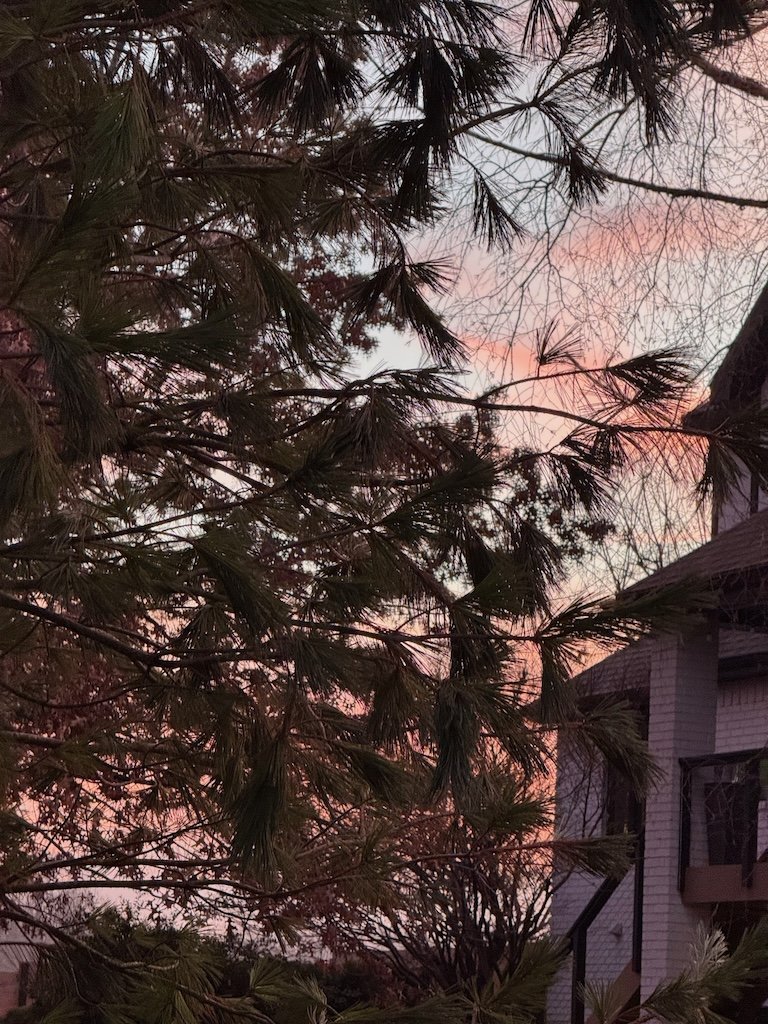
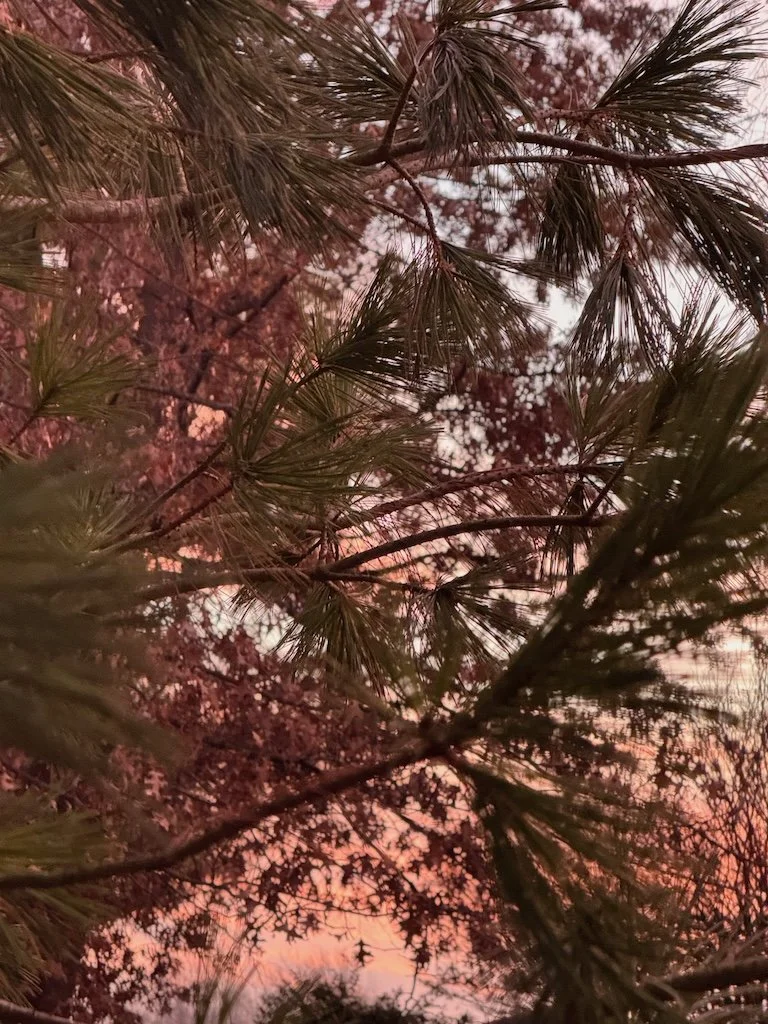
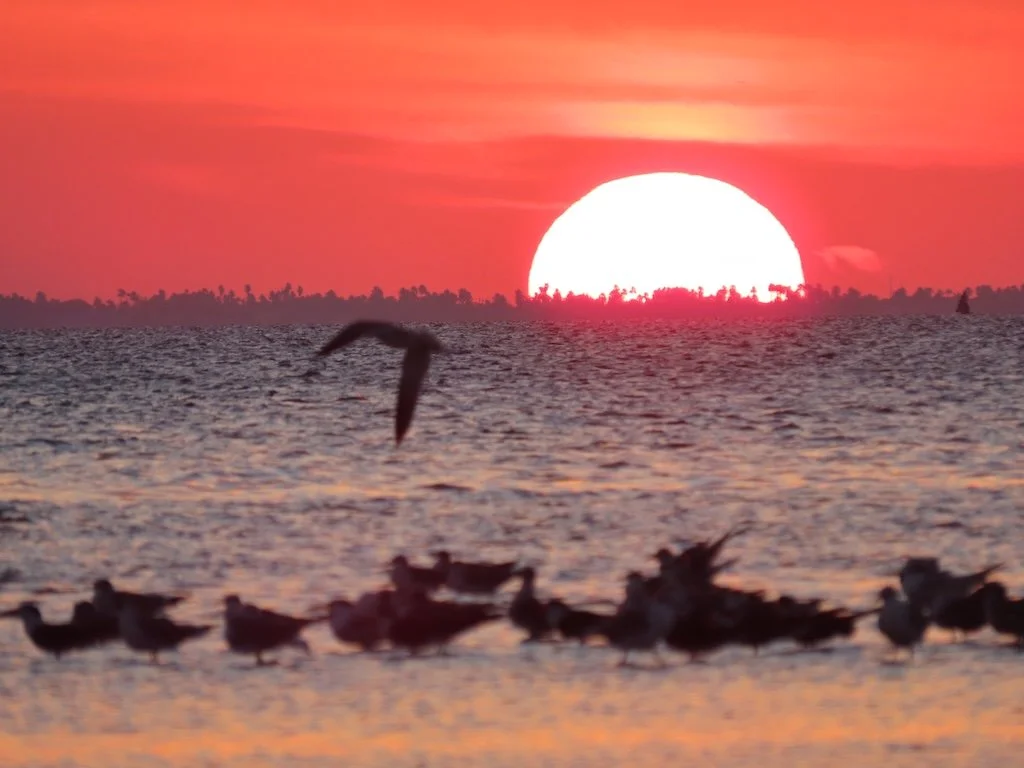
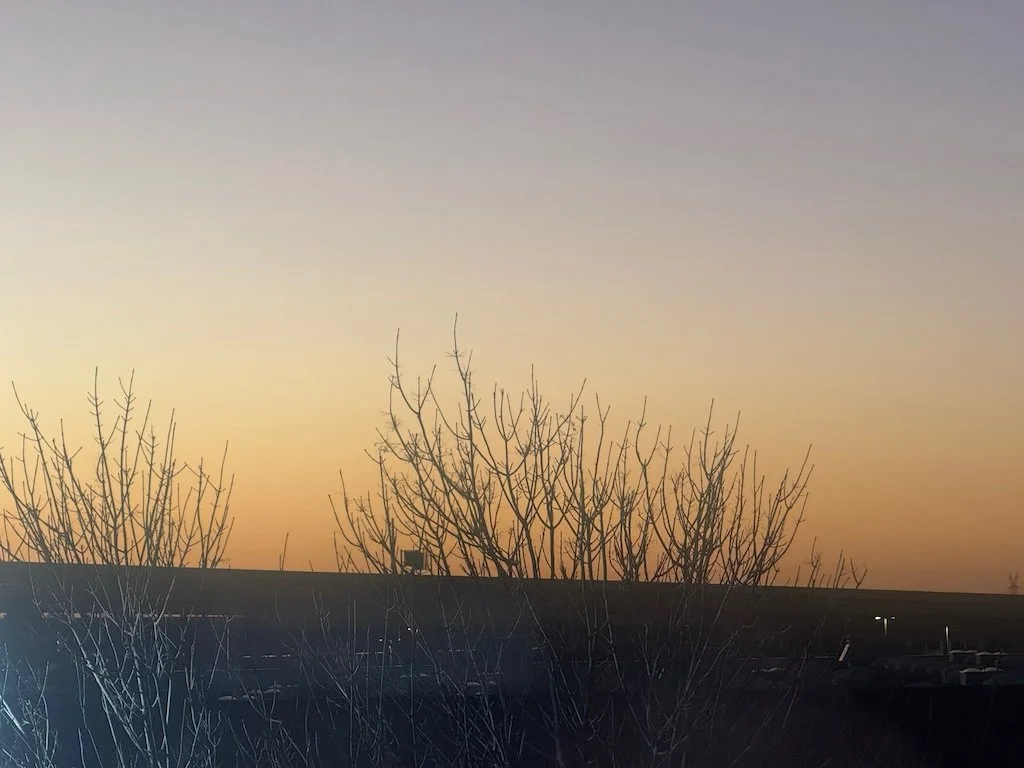
Sunrise is also a symbolic beginning of more than just the day. This time of year, it is very easy to be up in time to see it…and take a few moments to savor the beauty of it and the natural world….making an effort to imagine a positive path of the future of human endeavors and our home planet.  

Zooming – December 2025

The slideshow for this month includes some pictures I took at the Rio Grande Birding Festival in November but didn’t get posted about until this month. There are a few pictures from my visit to Dallas and the holiday lights too. Enjoy the slideshow!

Ten Little Celebrations – December 2025

December is always a month with a lot of celebrations – Christmas…my birthday…the end of the semester for my daughter…a great time to travel.

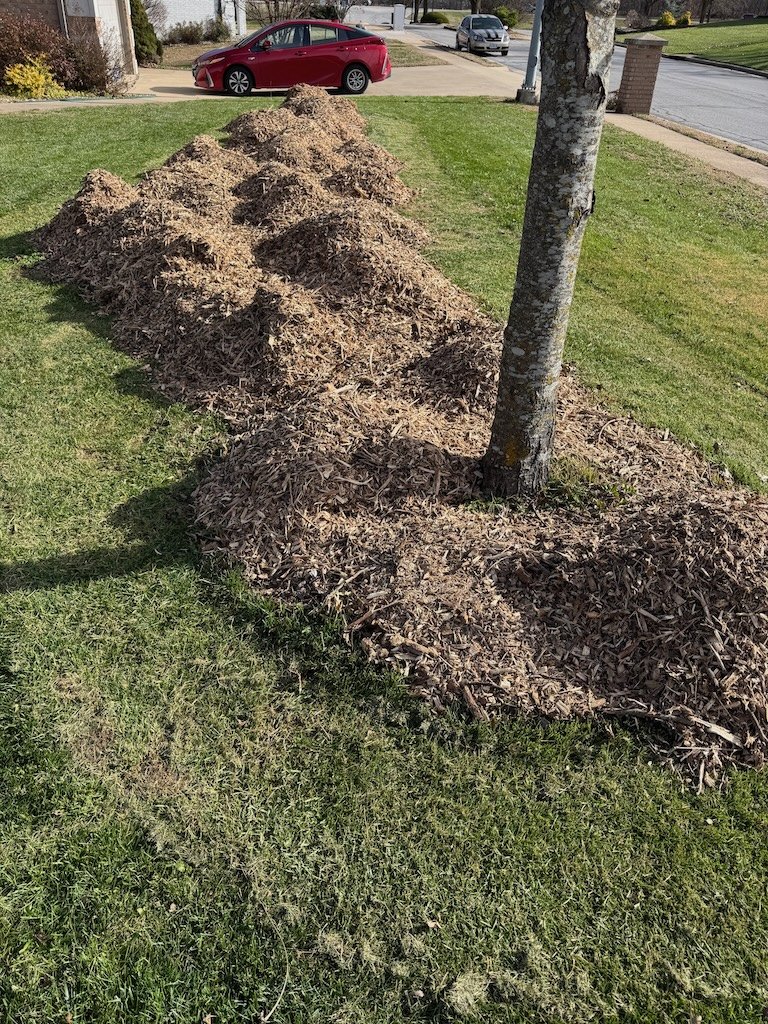
Oak wood chips to create a new native plant area. The branches trimmed from daughter’s oak (stabilizing an old tree) were chipped and I celebrated when I got the whole pile moved to my front yard – creating a great bed that I will plant with native plants in the spring.

Sweet potato soup. I celebrated a soup with of sweet potatoes, chicken, apple, fresh ginger, and a little lime…toast cubes on top. It was probably the best soup of the month!

New docking station. I had been having problems with my monitors becoming disconnected from my Mac…and an external drive not being available. There were work arounds that no longer worked consistently to fix the problem. I celebrated when my husband provided a new docking station….and the problems were resolved.

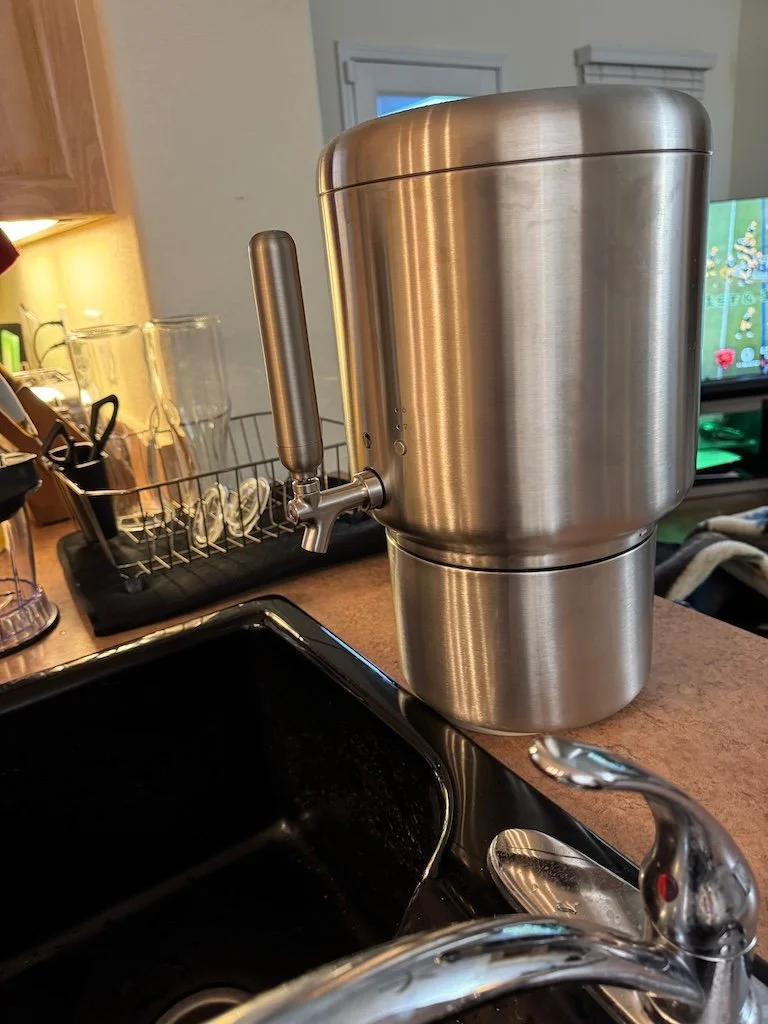
Rorra water filtration system. In my quest to reduce the microplastics in food, I bought the Rorra system and celebrated the step to reduce microplastics (and some other things) in our water. Now I can move on to other aspects of my kitchen/grocery shopping.

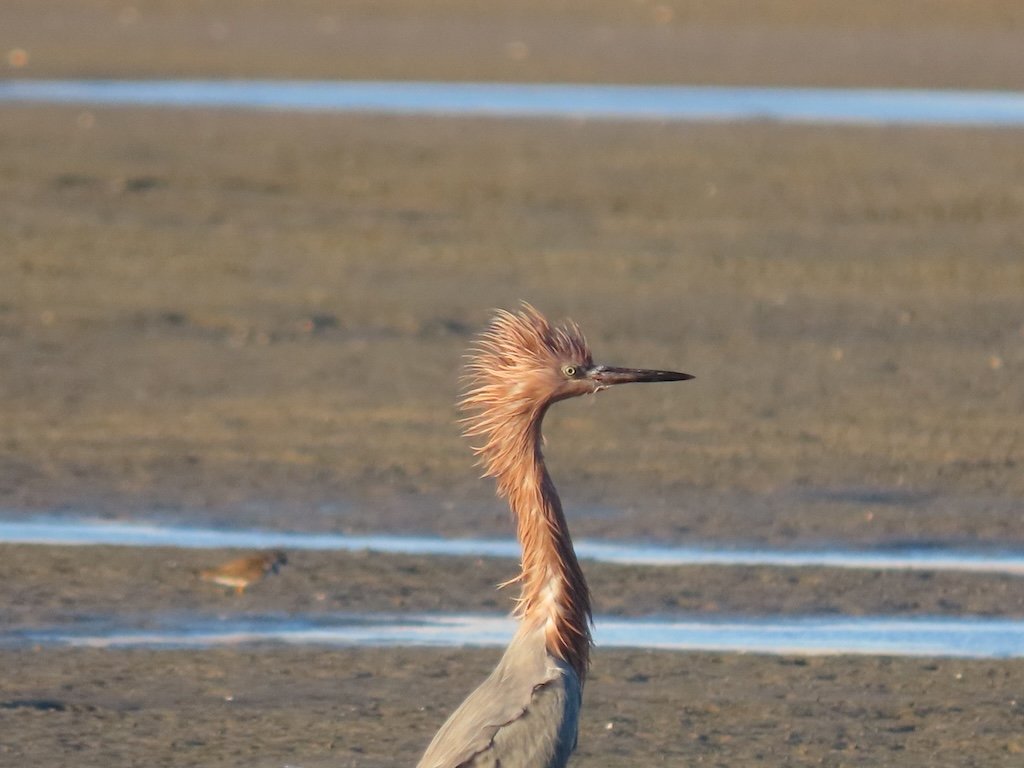
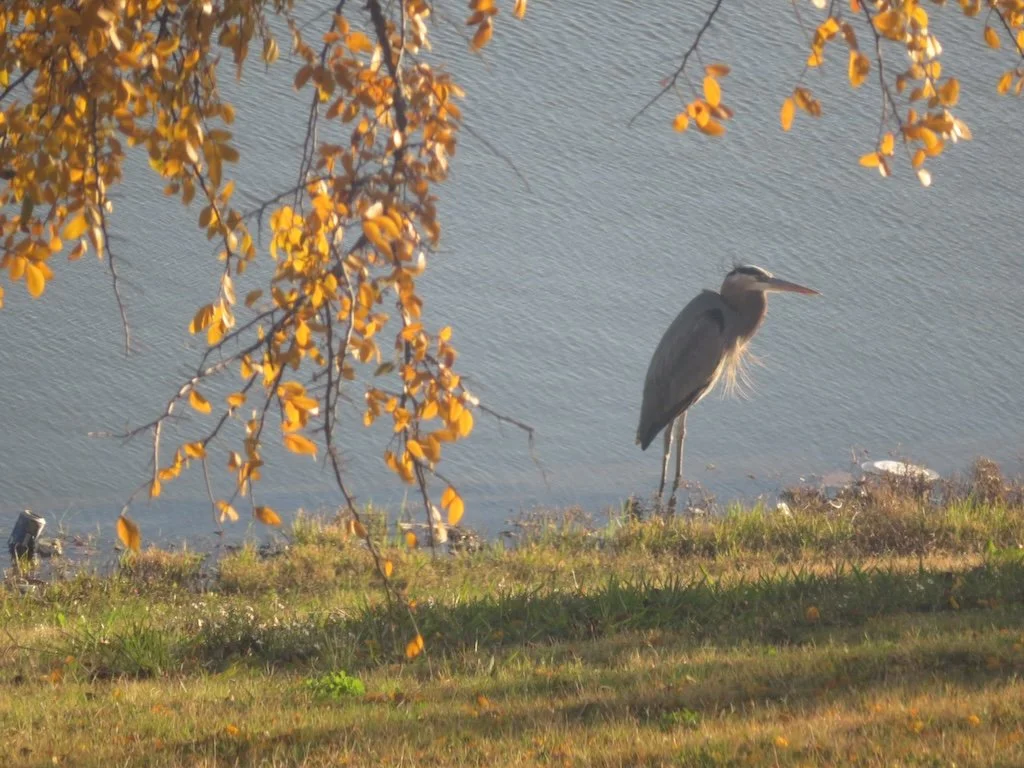
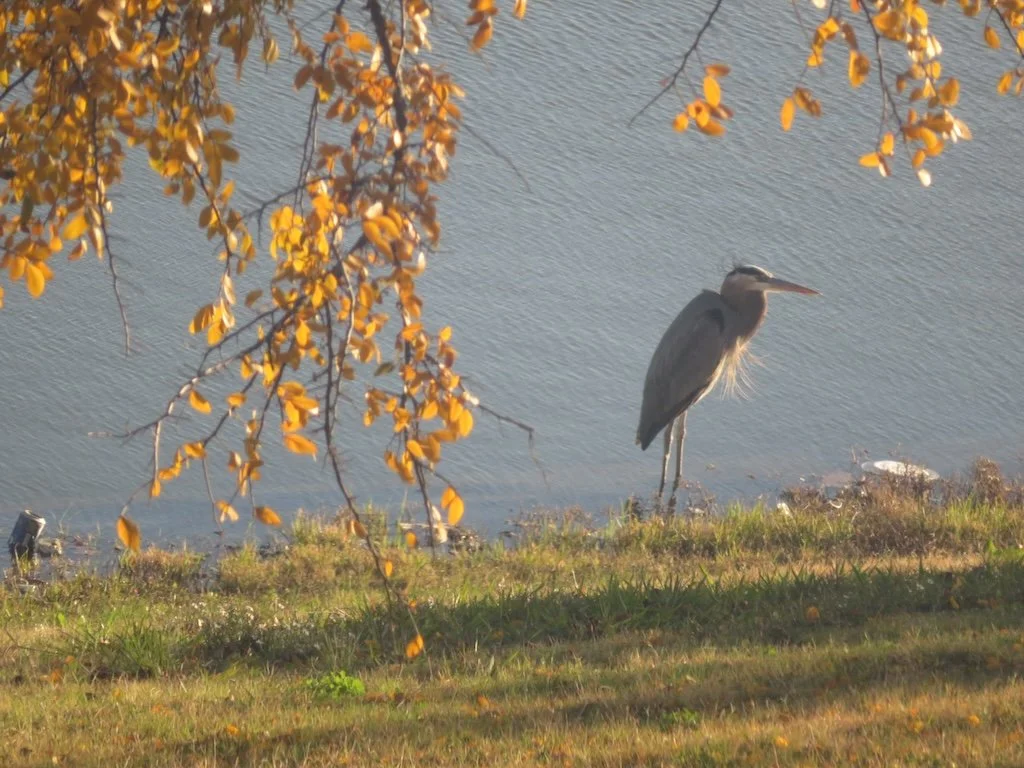
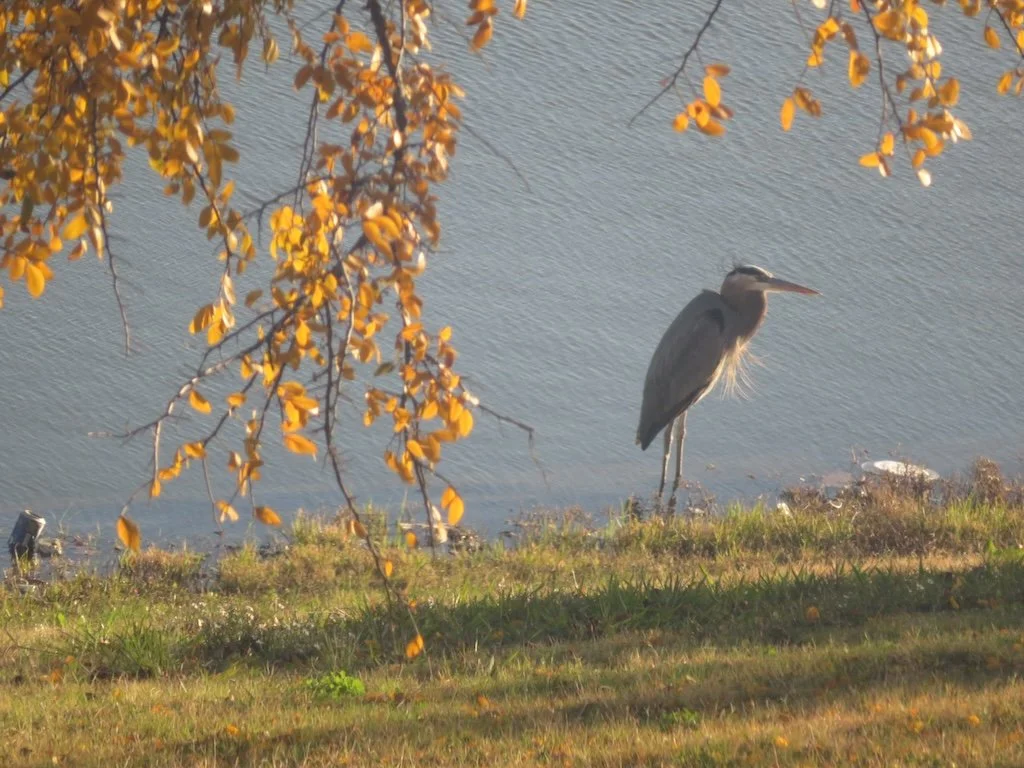
Great blue heron from my hotel window. I celebrated that the view from my hotel window in Lewisville included a great blue heron for a second month in a row.

Home before dark. I knew that December was the hardest month for me to get home before dark on my return from Texas…but I managed it…about 5 minutes before sunset.

Dickerson Park Zoo. There were some cold days in December but we took advantage of a day that the temperature reached into the 70s to visit the zoo. I always find something the celebrate there – either an animal seemingly poising for a photography or the different noises they are making (or not).

Daughter’s tenure. The major hurdles in the tenure process for my daughter happened in December. It won’t be formalized until the spring, but we are celebrating this milestone of her academic career.

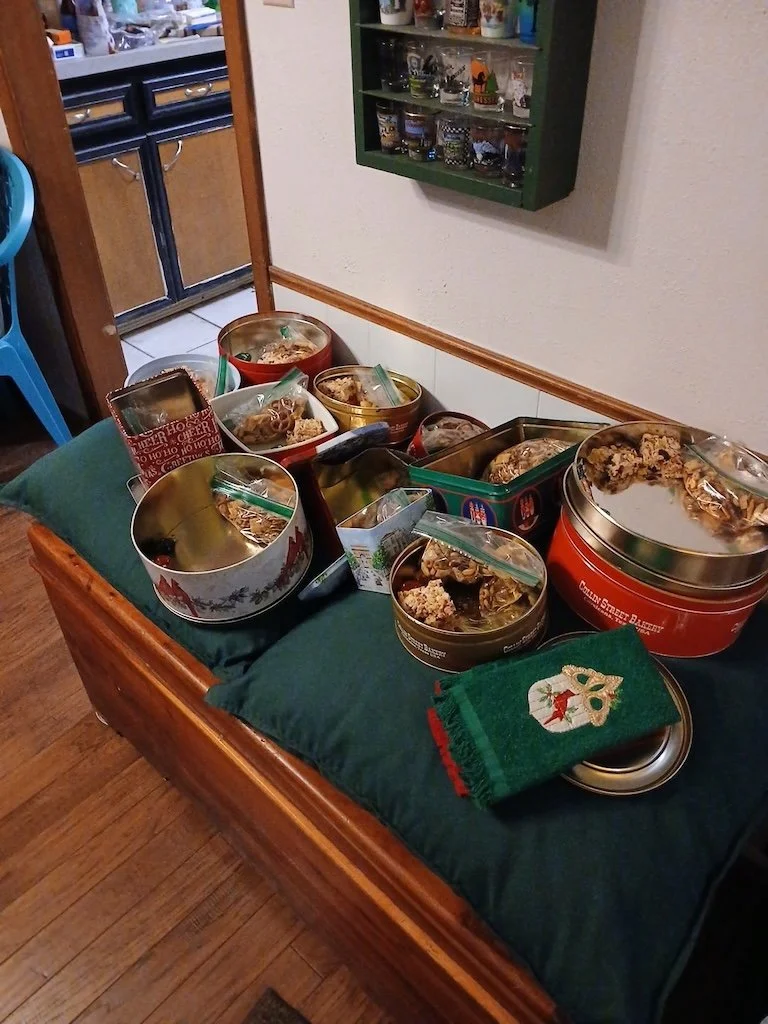
Christmas time goodies. December is not a diet month. I’ve celebrated with goodies I bought for myself and the ones my sister provided! January will be the diet month.

Another birthday. Celebrating another year…and the experiences that surrounded my birthday this year – several out-to-eat events, a trip to the zoo, a trip to a wildlife refuge. My present was an electric tea kettle made of glass and stainless steel – replacing a coffee maker that had a lot of plastic components.

Gleanings of the Week Ending December 27, 2025

The items below were ‘the cream’ of the articles and websites I found this past week. Click on the light green text to look at the article. (Note: I have changed the format to include the date and source of the article.)

12/4/2025 American College of Emergency Physicians Opinion: Physicians Must Reduce Plastic Waste - Waste audits in the emergency departments (EDs) of Kent Hospital in Warwick, Rhode Island, and Mass General Hospital in Boston found that four pounds of waste is generated per patient, per encounter, and about 60 percent of the waste is plastic…. If we consider our plastic footprint with everything we are doing, we can adjust our habits to give our patients and our world healthier care.

11/19/2025 Consumer Reports Consumer Reports announces winners of its Microplastics Detection Challenge - Contest challenged participants to develop simple and inexpensive at-home tests to enable people to detect microplastics in their food. 

12/12/2025 Yale Environment 360 Dozens of Countries See Their Economy Grow as Emissions Fall - Historically, more industry meant burning more fossil fuels. But renewable energy has made it possible to generate more wealth without producing more emissions. The U.S. and most of Europe, have completely decoupled growth from emissions over the last decade. Fortunes rose, while emissions fell. Together, these countries account for 46 percent of the global economy.

12/12/2025 Science Daily Scientists find dark chocolate ingredient that slows aging - Scientists have uncovered a surprising link between dark chocolate and slower aging. A natural cocoa compound called theobromine was found in higher levels among people who appeared biologically younger than their real age.

12/11/2025 Clean Technica Drones, Diesel, & Policy: Two Countries, Two Agricultural Futures - China’s rapid adoption of agricultural drones is one of the most interesting examples of technological divergence between two major food producers. The contrast is striking. Chinese pilots are now treating an amount of land with drones each year that is larger than the total farmland base, which means multiple drone passes on the same fields to handle weeds, pests, fertilizer and sometimes seeding. At the same time, the United States is advancing a policy coalition that targets DJI with composite national security concerns and proposes to ban the most widely used spray drones in the country. This fight matters because the ban would remove the only cost effective and widely deployed option for seeding and spraying. It would also shut down a path for lower diesel use and lower chemical demand in a sector that does not have many easy ways to cut operating costs.

12/11/2025 Smithsonian Magazine Gas Stoves Are Poisoning Americans by Releasing Toxic Fumes Associated with Asthma and Lung Cancer - A new study, published this month in the journal PNAS Nexus, suggests that gas stoves are the main source of indoor nitrogen dioxide pollution in the United States, responsible for more than half of some Americans’ total exposure to the gas. The gas can irritate airways and worsen or even contribute to the development of respiratory diseases like asthma. Children and older individuals are particularly susceptible to its effects.

12/7/2025 Cool Green Science Family, Survival and Change: The Secret Life of the Red-cockaded Woodpecker - In the heart of the longleaf pine forests of the southern United States, a quiet drama plays out each spring. Inside tiny nest cavities high into pines, red-cockaded woodpecker (RCW) parents work tirelessly to feed their chicks. They live in family groups where everyone, even older offspring, helps care for the young. That’s what makes them special; they’re cooperative breeders, families bound not just by instinct, but by teamwork. These woodpeckers remind us that recovery isn’t just about numbers. It’s about understanding the subtle, interconnected forces that make life possible in the first place. 

11/30/2025 The Conversation 56 million years ago, the Earth suddenly heated up – and many plants stopped working properly - Plants can help regulate the climate through a process known as carbon sequestration. However, abrupt global warming may temporarily impact this regulating function. What happened on Earth 56 million years ago highlights the need to understand biological systems’ capacity to keep pace with rapid climate changes and maintain efficient carbon sequestration.

12/8/2025 The Planetary Society The year in pictures 2025 - This collection of images, going as far back as late November 2024, captures some of the highlights of humanity’s exploration of space over the past year.

11/6/2025 The Scientist What Happens When a Fly Lands on Your Food? - How many microbes does a single fly typically carry? How many microbes does it take to get people sick?

Road Trip to Lewisville – December 2025

My road trip to Lewisville in December was just two days. When I left home at 5:30 AM it was dark, cold, windy, and wet. The sun wasn’t up until my second stop of the trip – at the  Big Cabin Loves off I-44. I took two pictures to celebrate the light and that the rain had cleared - even if the wind had not and was making for a more challenging drive.

I listened to Christmas music as I drove….and tried to notice birds (there seemed to be more gulls and crows than usual…not as many vultures as on previous drives…perhaps the wind caused the activity change). There was a truck with a big bale of hay wrapped in plastic (bits of plastic flying off…I’d rather have bits of hay than plastic!). As I drove over Lake Eufala, there were sycamore leaves blowing across the highway – big enough that I could easily to id them.

I made the longest stop at the Texas Welcome Center – eating a grilled chicken wrap that I bought at one of my previous stops. I checked the beautyberry and noticed that there were still a lot of leaves on the oaks, unlike where I live in Missouri where the trees are bare. I picked up another bur oak acorn…and realized most of that oak’s leaves were on the ground.

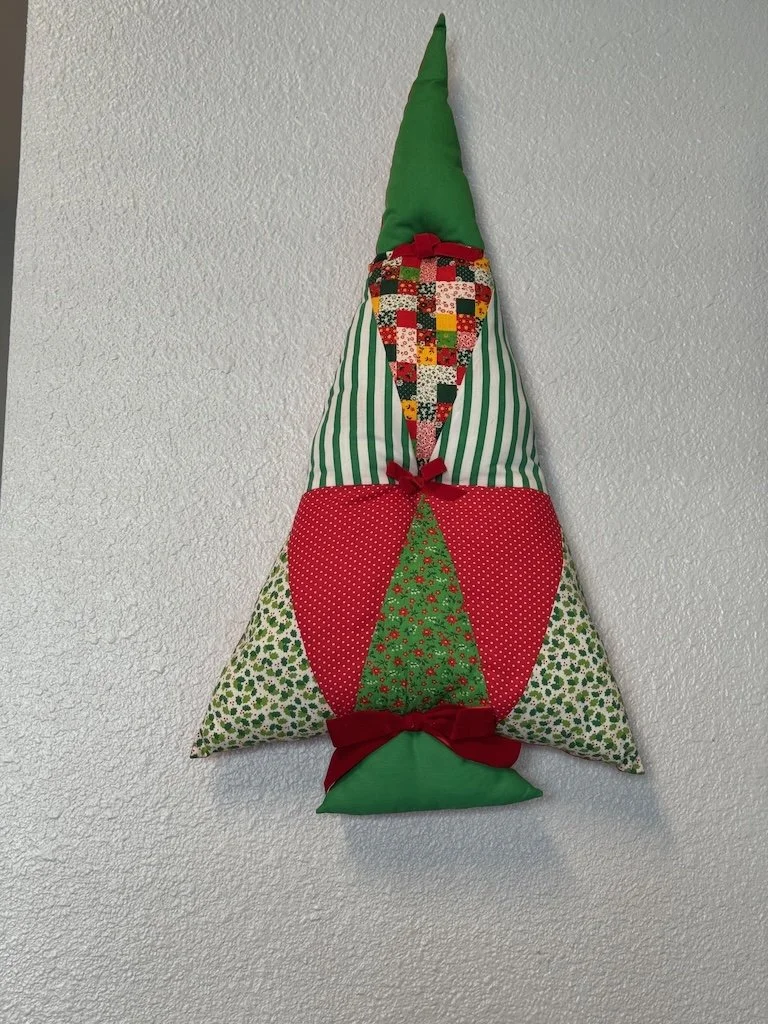
My sister had left some home baked goodies on the bookcase in my dad’s room. I left her a bag of special teabags (in paper/cardboard packaging) and enjoyed walking around the room noting the seasonal decorations my sisters had added. I remember the fabric tree from many years…and wondered what its history is; maybe one of my sisters knows.

As I walked with my dad in the hallways, I took pictures of the decorations added in the shared areas of the facility.

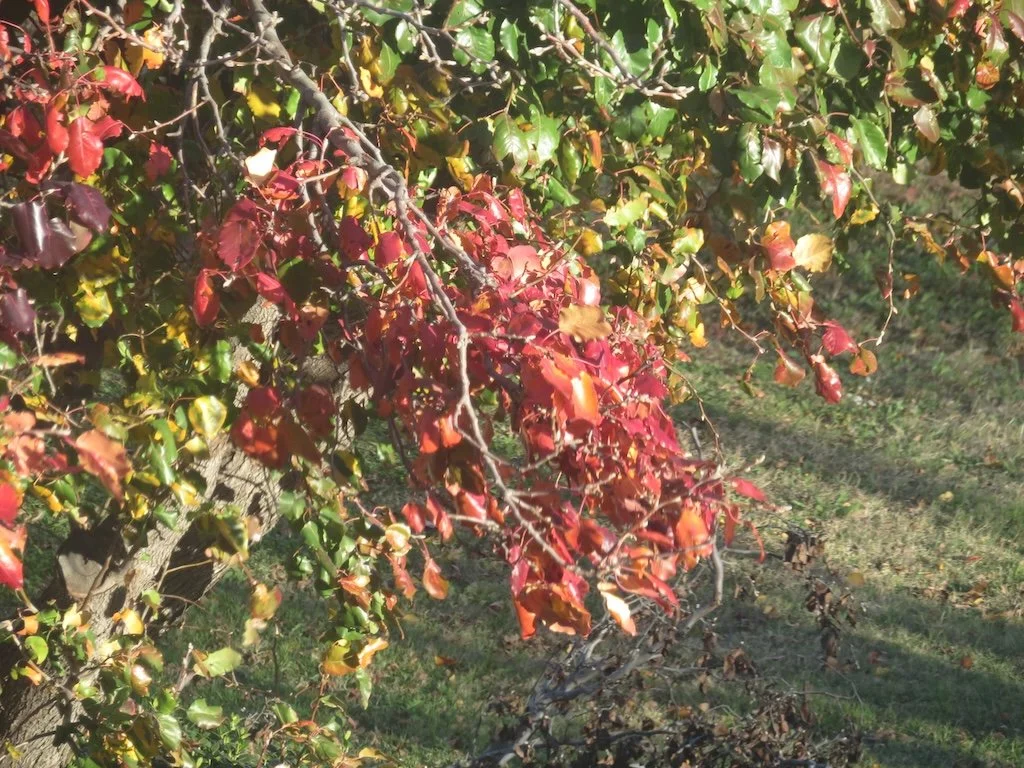
The hotel was a short drive away and I was on the 4th floor this time…on the side toward the water retention pond and the great blue heron was there again; I took a picture through the window.  I also noticed that the Bradford Pear trees were very colorful.

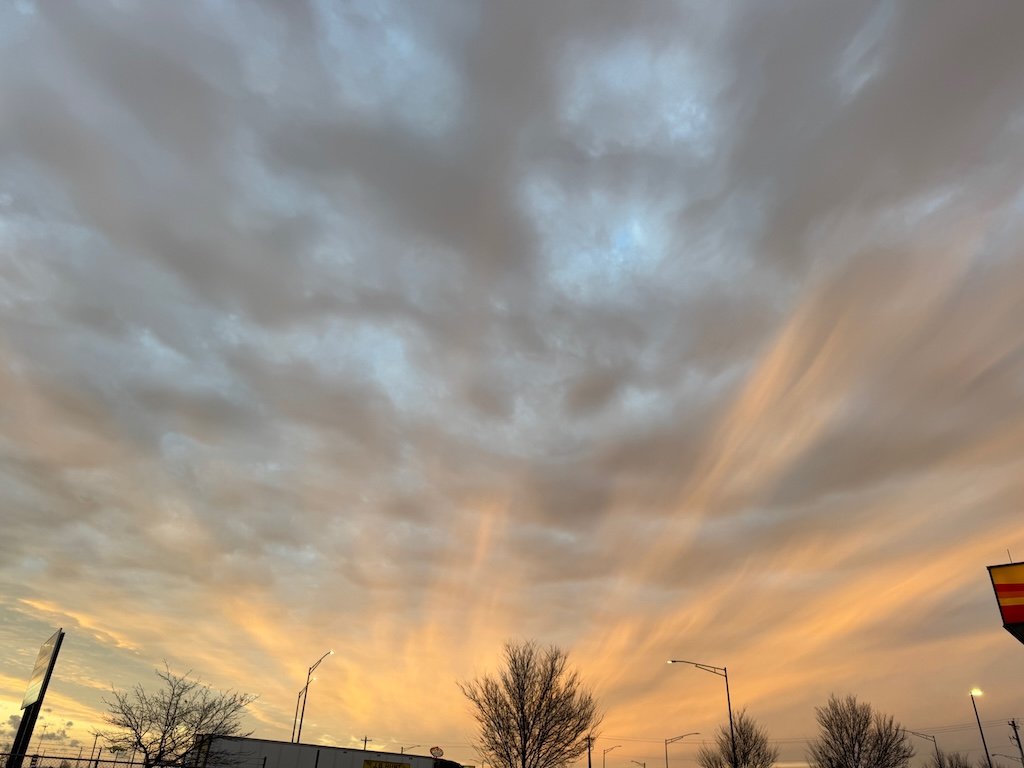
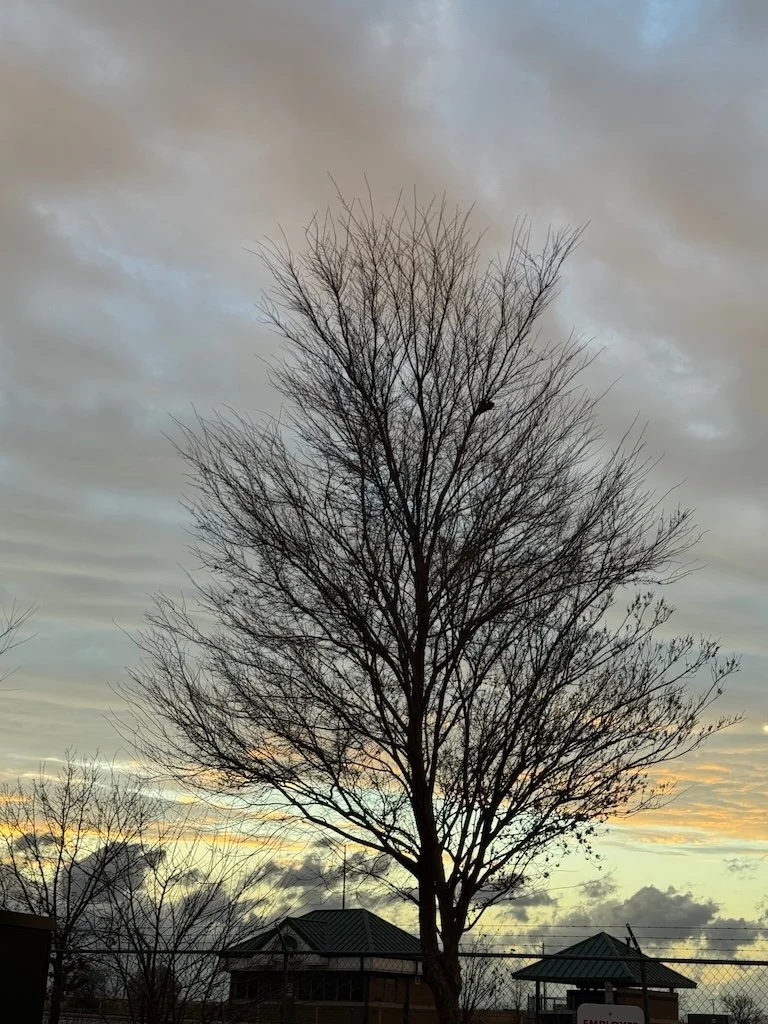
The next morning, I took some pictures of the sunrise over the highway.

My dad had some medical appointments later in the day, so I didn’t encourage him to exercise as I usually do. One of my sisters arrived just as I was leaving so I got to visit with her a little before I headed toward home.
I stopped in Prague OK for lunch – the town where one of my grandmother’s was born and grew up. She would not recognize it today! The café was excellent and I might stop there again….think about our family history.

I made it home just as the sunset – which was my goal. This is the hardest month to do that because the days are so short!

My Favorite Pictures from 2025

I forced myself to pick 2 pictures from each month to feature in this post. They were taken in my yard, at the Springfield Botanical Garden (and the butterfly house and Japanese Stroll Garden there), my daughter’s yard and during my travels for prairie walks in SW Missouri, to Loess Bluffs National Wildlife Refuge in NW Missouri, Chicago IL, Branson, and the Lower Rio Grande Valley in Texas. They are all taken outdoors! Enjoy the slideshow.

Plastics Crisis – Rorra Countertop Water Filtration System

After reading a lot about municipal water quality, I realized that the water filtration I have been using the past few years (Brita Elite) was not good enough. Yes, the filters claimed to remove some microplastics (I guess they would be considered ‘Particulates (Class 1)’, but I was unclear what testing had been done on the filter). Then there were the issues of the filter housing (plastic) and the pitcher it was installed in (plastic). I started looking for possible upgrades.

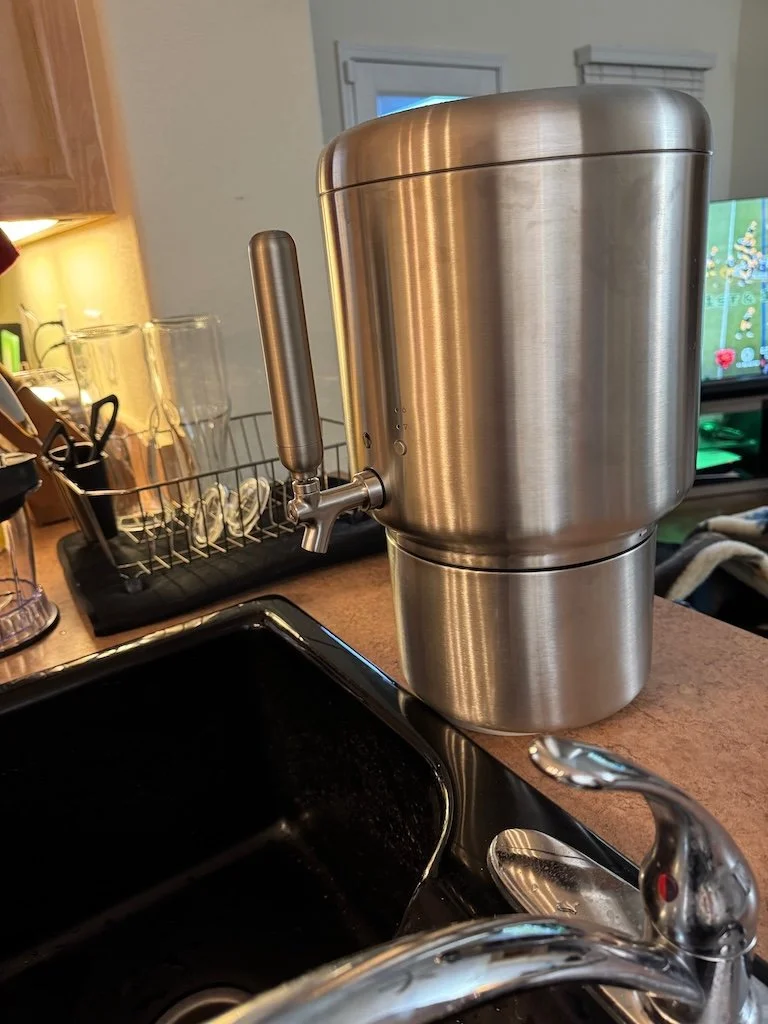
I opted to replace my Brita pitchers with a Rorra Countertop Water Filtration System. It is a 2.5-gallon countertop unit that has stainless-steel parts. I bought the unit along with a filter subscription since it will probably need a new filter every 90 days. The company has results from NSF and NSF/ANSI accredited testing showing that system reduces over 50+ contaminants including Total PFAS, Lead, Microplastics, and Estrone. It is engineered and manufactured in the US.
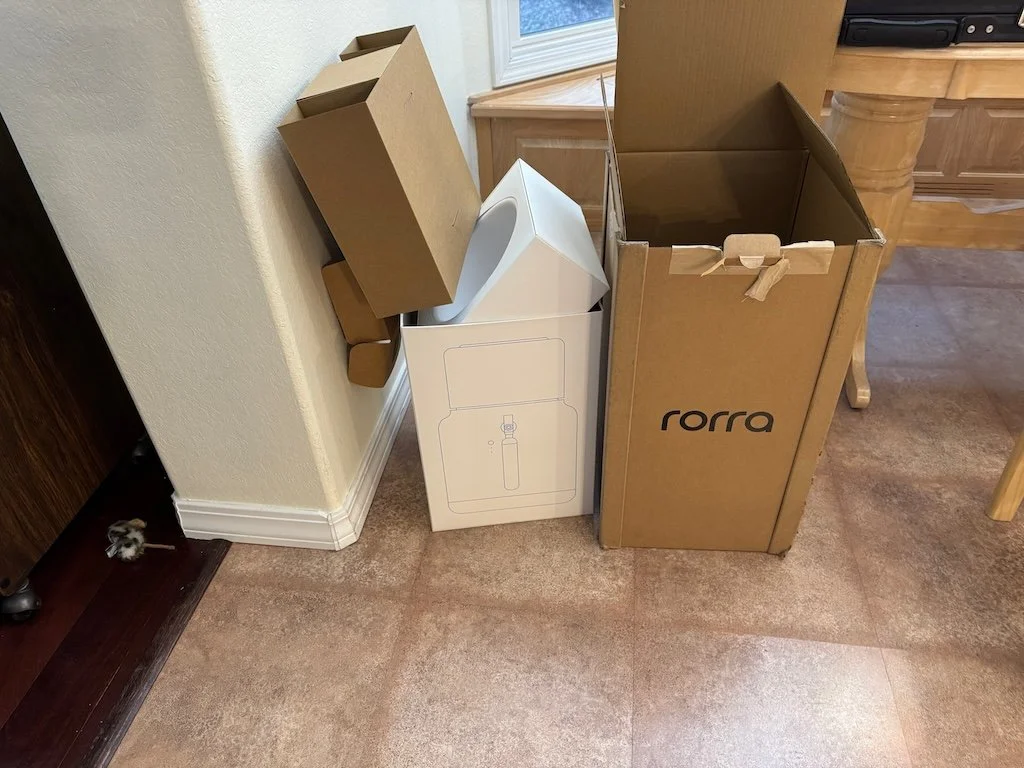
The set up was relatively easy once I got it out of the box! There were an outer box and several inner boxes. I am still working to segregate the recyclable parts from the (relatively small) amount that is not cardboard. They recommended washing all the parts with soapy water which was a little daunting because of the size (like a large mixing bowl). I had to watch the video a couple of times about how to get the filter in properly but – in the end – it was easy.

I have enjoyed the Rorra so far although I am thinking about moving it to another location around the sink, so I don’t have to reach all the way over the sink to fill it from the top. I have carafes that I am using to put water in the refrigerator and to carry downstairs for use for tea in my office. I also use the carafes to fill the reservoir as needed. The spigot is very convenient!

Looking back, I am glad I started filtering our drinking water several years ago. The water supply to our house is from our municipality and it is hard to address the potential of plastic water pipes in our city, community, and house (they probably would shed more microplastics they older they are)…or the microplastics that come from the source of water to our city (wells). Now – with the Rorra – we are upgrading that filtering. It is an investment for our long-term health – not eliminating microplastics (since there are so many other sources of microplastics in our environment) but a dramatic reduction in this one source is a good thing.

Gleanings of the Week Ending December 20, 2025

The items below were ‘the cream’ of the articles and websites I found this past week. Click on the light green text to look at the article. (Note: I have changed the format to include the date and source of the article.)

11/30/2025 NPR  More cities are seeing PFAS pollution in drinking water. Here's what Louisville found - What we do is manage risk, and we start that at the river. It sounds weird, but source water protection – keeping the stuff out of the river – is a big deal.

11/25/2025 Artnet Radiant Tiffany Landscape Window Leads Major Auction of the Studio’s Masterpieces – Beautiful glass…there are some coming to auction in December. I enjoyed the pictures in the article.

12/2/2025 Washington Post ‘Everywhere chemicals’ are in our food, decades after scientists recognized dangers - A large body of science has linked phthalates to a variety of serious health conditions, including premature birth and infertility. The costs to society are huge. A 2024 NYU-led study that catalogued health effects from phthalates exposure in the United States — including contributions to diabetes levels and infertility — estimated that dealing with phthalate-related diseases cost $66.7 billion in a single year. Previous Washington Post article on phthalates from last September: The health risks from plastics almost nobody knows about.

12/2/2025 Science Daily Is your gut being poisoned? Scientists reveal the hidden impact of everyday chemicals - Many chemicals designed to act only on one type of target, say insects or fungi, also affect gut bacteria. Some of these chemicals had strong effects. For example, many industrial chemicals like flame retardants and plasticizers -- that we are regularly in contact with -- weren't thought to affect living organisms at all, but they do.

12/7/2025 Clean Technica Your Single-Use Plastic Bottles Are Killing Endangered Sea Turtles - A recent study published in Proceedings of the National Academy of Sciences concludes that plastic ingestion has been documented in nearly 1,300 marine species, including every seabird family, marine mammal family, and sea turtle species. Researchers analyzed data from more than 10,000 autopsies from marine creatures killed by ingesting plastic; they calculated amounts consistent with a 90% likelihood of death:

  • 23 pieces (0.098 cm3/cm) in seabirds;

  • 29 pieces (39.89 cm3/cm) in marine mammals: and,

  • 405 pieces (5.52 cm3/cm) in sea turtles (377 for juveniles).

12/2025 Greenpeace Plastic Merchants of Myth: Circular Claims Fall - After decades of meager investments accompanied by misleading claims and a very well-funded industry public relations campaign aimed at persuading people that recycling can make plastic use sustainable, plastic recycling remains a failed enterprise that is economically and technically unviable and environmentally unjustifiable. (Press release for the document)

12/8/2025 The Conversation PFAS in pregnant women’s drinking water puts their babies at higher risk – Data on all births in New Hampshire from 2010-2019 were analyzed. The 11.5 thousand births that occurred within 3.1 miles of a site known to be contaminated with PFAS and where mothers were served by public water system (well based) were selected for further analysis. PFAS was greater in the water system wells downstream from the site. Births in the area served by wells downstream were 43% more likely to be low-weigh (under 5.5 pounds), 20% greater chance of preterm birth, and 191% greater chance of the infant not surviving its first year. Research was done at University of Arizona.

12/8/2025 Science Daily Humans are built for nature not modern life - Human biology evolved for a world of movement, nature, and short bursts of stress—not the constant pressure of modern life. Industrial environments overstimulate our stress systems and erode both health and reproduction. Evidence ranging from global fertility declines to chronic inflammatory diseases shows the toll of this mismatch.

12/7/2025 Clean Technica The Floating Solar Revolution - Despite this year’s sharp U-turn in federal energy policy, the renewable energy transition continues to branch out in new directions. One emerging factor is the relatively new area of floating solar. The field has already begun to scale up in some regions around the world, and innovative solar firms are carving out new opportunities here in the US as well.

12/7/2025 Science Daily New moonquake discovery could change NASA’s Moon plan - Scientists have discovered that moonquakes, not meteoroids, are responsible for shifting terrain near the Apollo 17 landing site. Their analysis points to a still-active fault that has been generating quakes for millions of years. While the danger to short missions is low, long-term lunar bases could face increasing risk. The findings urge future planners to avoid building near scarps and to prioritize new seismic instruments.