Gleanings of the Week Ending November 14, 2026

The items below were ‘the cream’ of the articles and websites I found this past week. Click on the light green text to look at the article.

10/14/2026 Plastic Pollution Coalition Unwrapped: How to Get Plastic off Our Food – A webinar exploring the risks of plastic food packaging and how to unwrap our food systems. Getting plastic off our tables shouldn’t be a personal choice problem: it’s a policy problem. And it’s one we can solve.

10/27/2026 Plastic Pollution Coalition Microplastics in Me: Finding Plastics in Human Blood - Eight common types of plastic were found across the samples from 28 people, including acrylonitrile butadiene styrene, nylon 6, nylon 6,6, polyethylene, polyethylene terephthalate, polystyrene, polyvinyl chloride, and styrene-butadiene rubber. The results of this analysis adds to a growing body of evidence that plastic contamination of human bloodstreams is widespread. This underscores the urgent need for increased research and regulatory focus on plastics as a human health concern. A video of the launch event for the document can be found here.

11/3/2026 Clean Technica As Diesel Costs Surge for Farmers & Rural Businesses, Solar Offers a Lifeline - Moving from energy crisis to energy security is ultimately about knowing where clean energy truly changes livelihoods. For many of the world’s rural farmers, processors, and small businesses, that starts with swapping diesel for solar.

11/2/2026 Yale Environment 360 Snowstorms Are Dropping Microplastics on Remote Parts of the Sierra Nevadas - Researchers have found that snowstorms are delivering vast numbers of tiny plastic particles to remote reaches of California’s Sierra Nevada mountains. Snowmelt is a major source of fresh water for the state. The found that snowfall delivered as many as 3,200 plastic particles per square meter per day. Still, the total amount of plastic is tiny — less than a tenth of an ounce per acre per day. The most common types of plastic found in the snow were polyethylene and polypropylene, which are used in packaging, and polyester, which is used in clothing.

10/31/2026 NPR Drone photo award winners: Far-out landscapes. Ship recycling. Rugs, rugs, rugs! - Each year, the Siena Drone Photo Awards highlight bird's-eye views of our planet, revealing landscapes, livelihoods and human stories often invisible from the ground. This post is some of this year's winning and highly commended photographs, focusing on the countries of the Global South.

11/04/2026 Smithsonian Magazine Faded Over Millennia, the Intricately Carved Sandstone Walls of This Ancient Egyptian Shrine Will See Color Once Again - Digital projections at Oxford’s Ashmolean Museum will restore the sight of Egyptian blue, the world’s oldest synthetic pigment, and other colors that once adorned the 2,700-year-old Shrine of Taharqa.

11/02/2026 Science Daily Scientists reverse liver cell aging and cut Alzheimer’s-linked protein in half - Researchers found that an experimental drug restored aging liver cells in rats, cutting levels of an Alzheimer’s-linked protein in half and bringing bad cholesterol down to youthful levels. The treatment also revived a previously unknown communication system that helps liver cells remove harmful substances from the bloodstream.

11/03/2026 The Conversation US wildfire damage is on pace to triple by mid‑century, but there are affordable ways to lower the risk - Homes can be made less likely to ignite with Class A fire-resistant roofs and ember-resistant vents that reduce the potential for burning particles to enter homes. Removing flammable debris, mulch, firewood and vegetation from around buildings also reduces the risk of fire spreading to the home.

10/31/2026 Clean Technica It’s Not Enough to Electrify More. We Must Electrify Better.  - Electrification is not simply about replacing one fuel with another, or adding ever-more demand to the grid. It is about moving from an energy system built around inefficient, polluting combustion to one built around clean electricity, efficient technologies and demand that can respond intelligently to the system around it.

11/04/2026 Archaeology Magazine Rare Strain of Leprosy Identified in Boat Burial – In a burial near Germany’s North Sea Coast…the boat included a chair carved from the trunk of an alder tree and a late Roman military belt, suggesting that the man had come from a far-flung location. DNA confirmed the man buried their originated in the Danube region with ties to southeastern Europe in the Mediterranean. He was also infected with a very rare leprosy pathogen. He is the first individual from the group to have been identified in Europe. This form of leprosy is known to have been present in Egypt between the fourth and second centuries B.C., but it had not yet been detected in Central or Northern Europe.
Gleanings of the Week Ending January 03, 2026

The items below were ‘the cream’ of the articles and websites I found this past week. Click on the light green text to look at the article. (Note: I have changed the format to include the date and source of the article.)

9/15/2025 NIH National Library of Medicine Microplastics in Drinking Water: A Review of Sources, Removal, Detection, Occurrence, and Potential Risks - Microplastics in drinking water systems exhibit multi-source input characteristics, originating from environmental infiltration into water sources; leaching from materials in water distribution systems; migration from bottled water packaging interfaces; and re-release during water treatment processes. The potential hazards of MPs remain a critical concern. Future work needs to integrate research from environmental science, toxicology, and public health to clarify the dose–effect relationships of MPs, improve risk assessment systems, and promote technological innovation and policy regulation to effectively ensure drinking water safety and public health.

12/21/2025 Plantizen Winter Road Salt is Making Waterways Toxic to Wildlife - Salt used to keep roadways free of ice and snow is accumulating in waterways, causing dangerously high salinity levels in water bodies in Pennsylvania, New Jersey, and Delaware - well above the healthy accepted drinking water standard for people on a low-salt diet.

12/22/2025 ScienceDaily This fish-inspired filter removes over 99% of microplastics - Washing machines release massive amounts of microplastics into the environment, mostly from worn clothing fibers. Researchers have developed a new, fish-inspired filter that removes over 99% of these particles without clogging. The design mimics the funnel-shaped gill system used by filter-feeding fish, allowing fibers to roll away instead of blocking the filter. The low-cost, patent-pending solution could soon be built directly into future washing machines.

12/24/2025 The Prairie Ecologist Photos of the Year – From Chris Helzer: “Well, we’ve almost made it through 2025. To say it has been an eventful year seems like a massive understatement. As I’m sure is true for many of you, I tried to manage stress and anxiety by spending time in nature – exploring with curiosity and wonder and giving myself a break from the rest of the world for a little while. It helped.”

12/24/2025 ScienceDaily Scientists reverse Alzheimer’s in mice and restore memory - The damaged brain can, under some conditions, repair itself and regain function. )ne drug-based way to accomplish this in animal models in the study, and also identified candidate proteins in the human AD brain that may relate to the ability to reverse AD and opens the door to additional studies and eventual testing in people. The technology is currently being commercialized by Glengary Brain Health, a Cleveland-based company.

12/22/2025 The Conversation Everyday chemicals, global consequences: How disinfectants contribute to antimicrobial resistance - During the COVID-19 pandemic, disinfectants became our shield. Hand sanitizers, disinfectant wipes and antimicrobial sprays became part of daily life. They made us feel safe. Today, they are still everywhere: in homes, hospitals and public spaces. But….The chemicals we trust to protect us may also inadvertently help microbes evolve resistance and protect themselves against antibiotics.

10/14/2025 All about Vision How microplastics affect your eyes, and what you can do - Microplastics don't go away. They just get smaller and smaller over time. They can come from everyday things like bottles, tires, fabrics and personal care products. Studies have found microplastics on and even inside people's eyes.

12/25/2025 BBC The best nature photography of 2025 - From the depths of the oceans to deserts, mountains and the remote Amazon, this year's most extraordinary nature photography brings us glimpses of the diversity and awe of the natural world. This year we meet acrobatic gorillas, maritime lions and grinning bears. 

12/22/2025 Smithsonian Magazine This Mama Polar Bear Adopted a Young Cub - The bears need all the help they can get these days with climate change. If females have the opportunity to pick up another cub and care for it and successfully wean it, it’s a good thing for bears in Churchill.

12/19/2026 Artnet Inside the 6,000-Year-Old Underground Temple Where the Walls Literally Sing - Ħal Saflieni Hypogeum, an ancient, underground burial complex on the Mediterranean island of Malta. Built around 4,000 B.C.E. this subterranean burial ground amplifies sound at a soothing frequency.

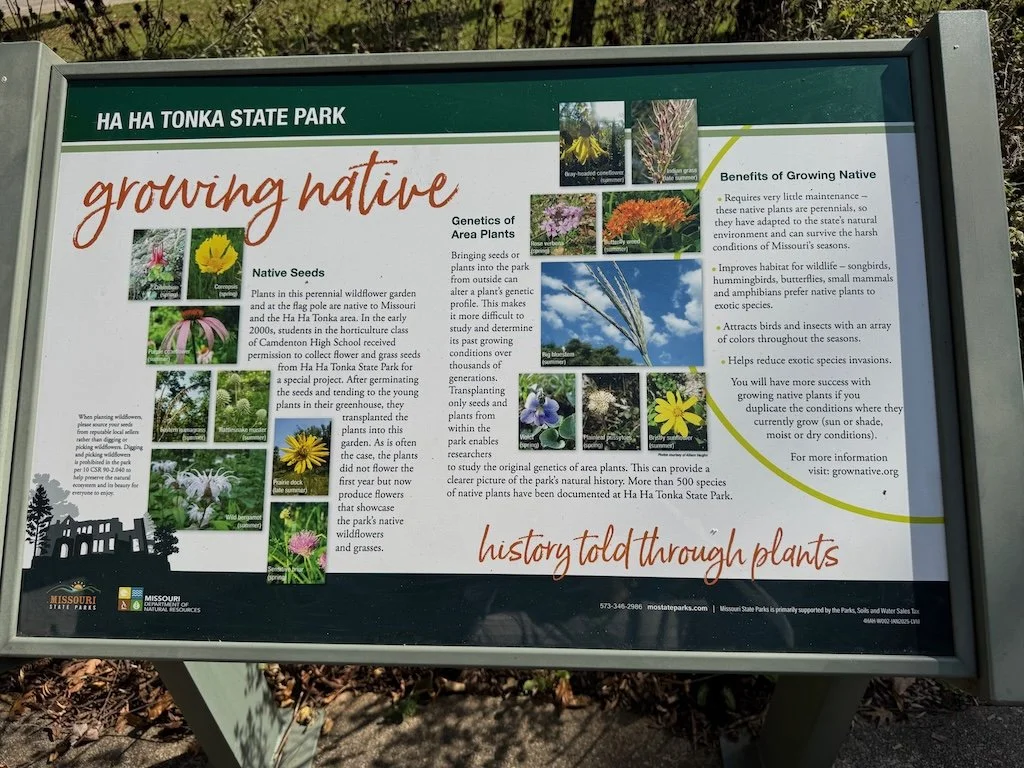
Ha Ha Tonka State Park (1)

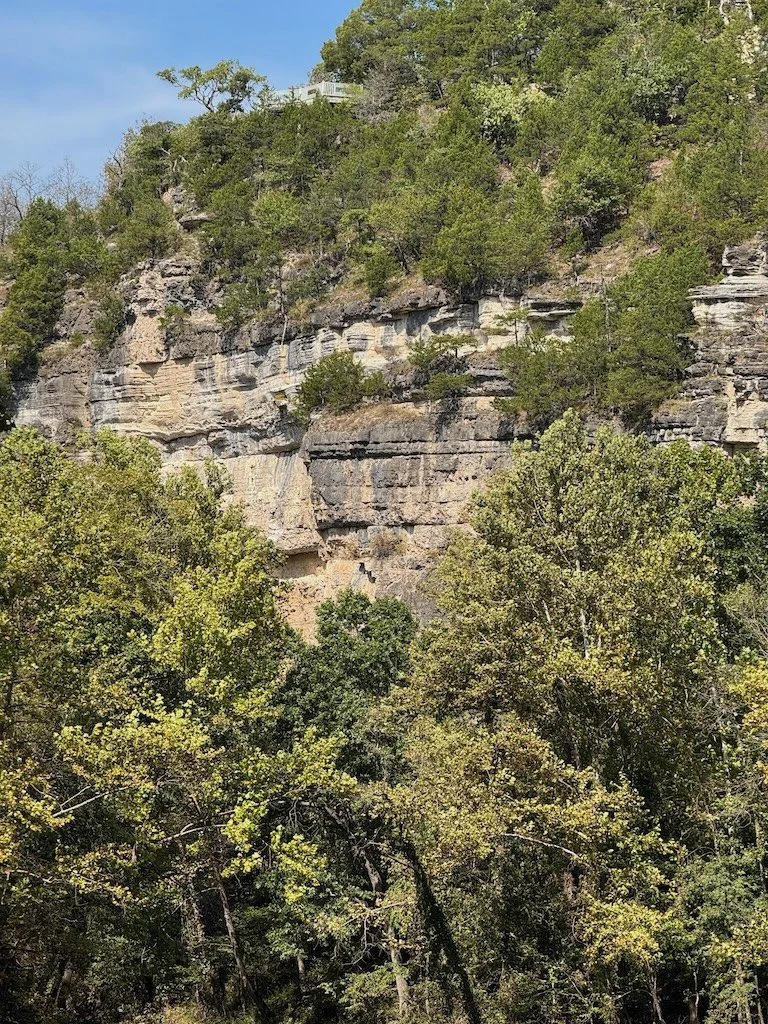
I made my first visit to Ha Ha Tonka State Park last week – on my way to and from the Missouri Department of Conservation Partners Roundtable. Today I am posting about my short Spring Trail hike on my way to Jefferson City.

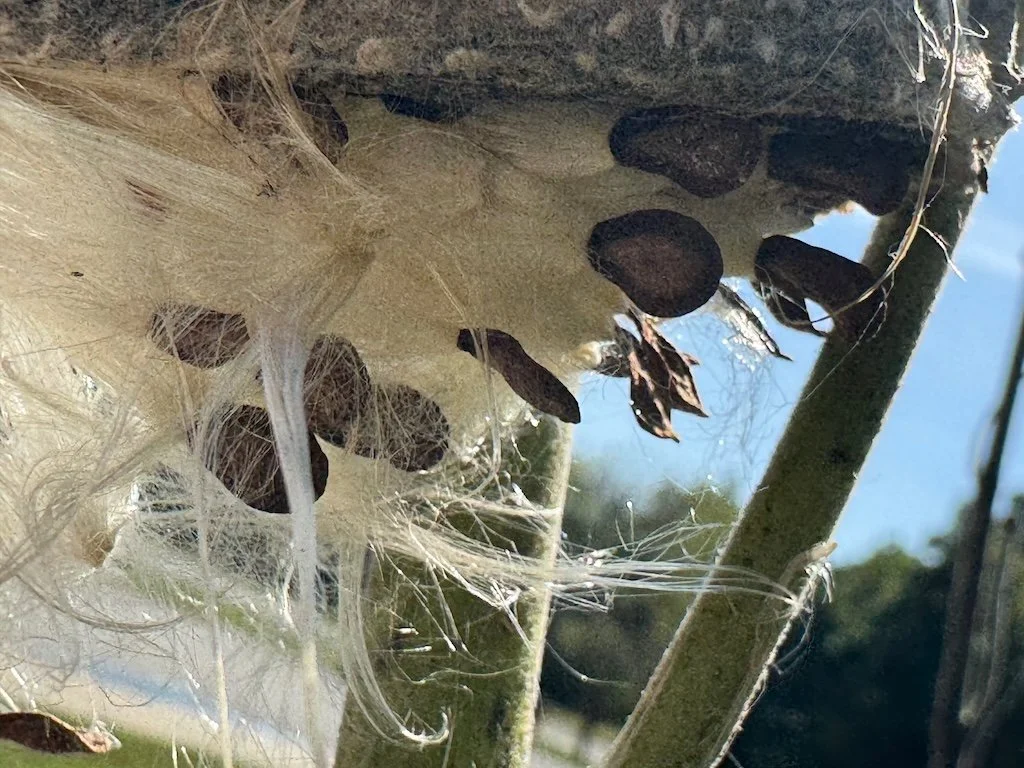
I stopped at the visitor center first…noting the milkweed seed spilling out of a pod in the native plant garden there…and picking up a printed map.

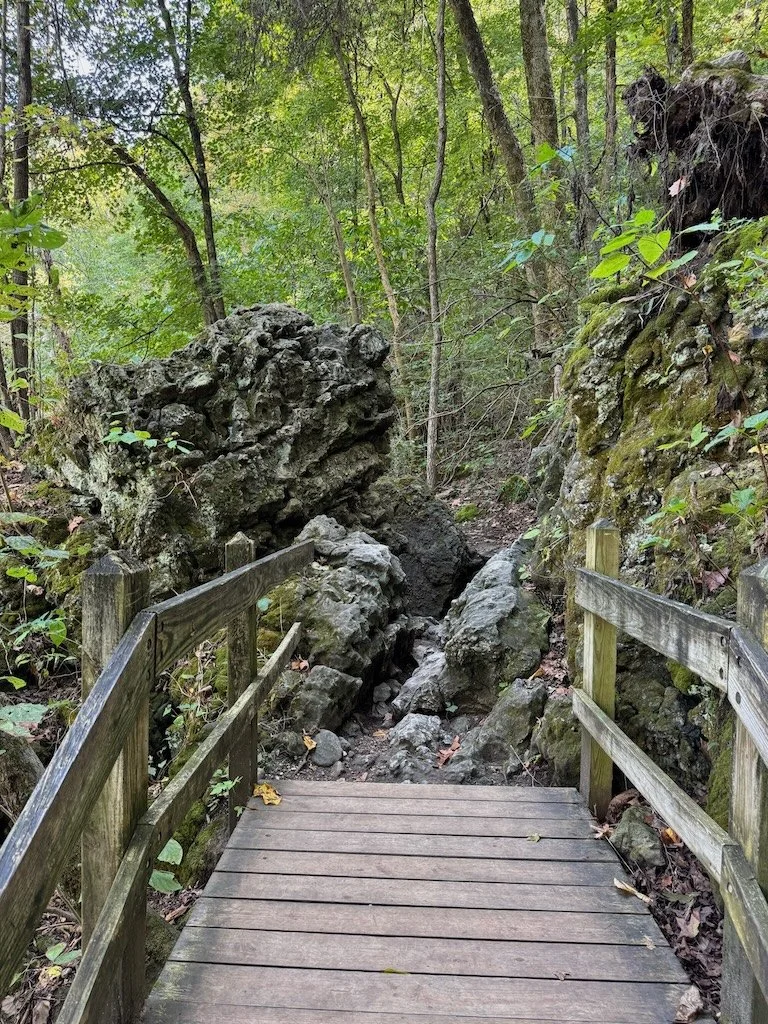
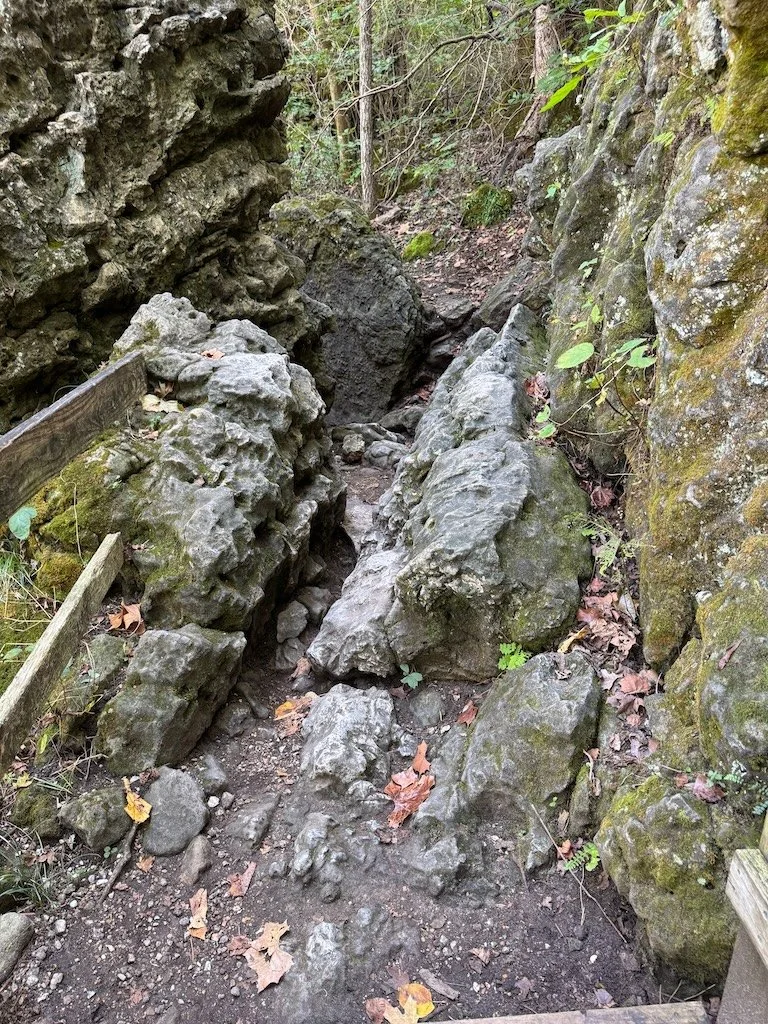
The day was getting warm, so I opted to take the easy Spring Trail. It was a paved or boardwalk for most of the way…with one narrow passage through some rocks!

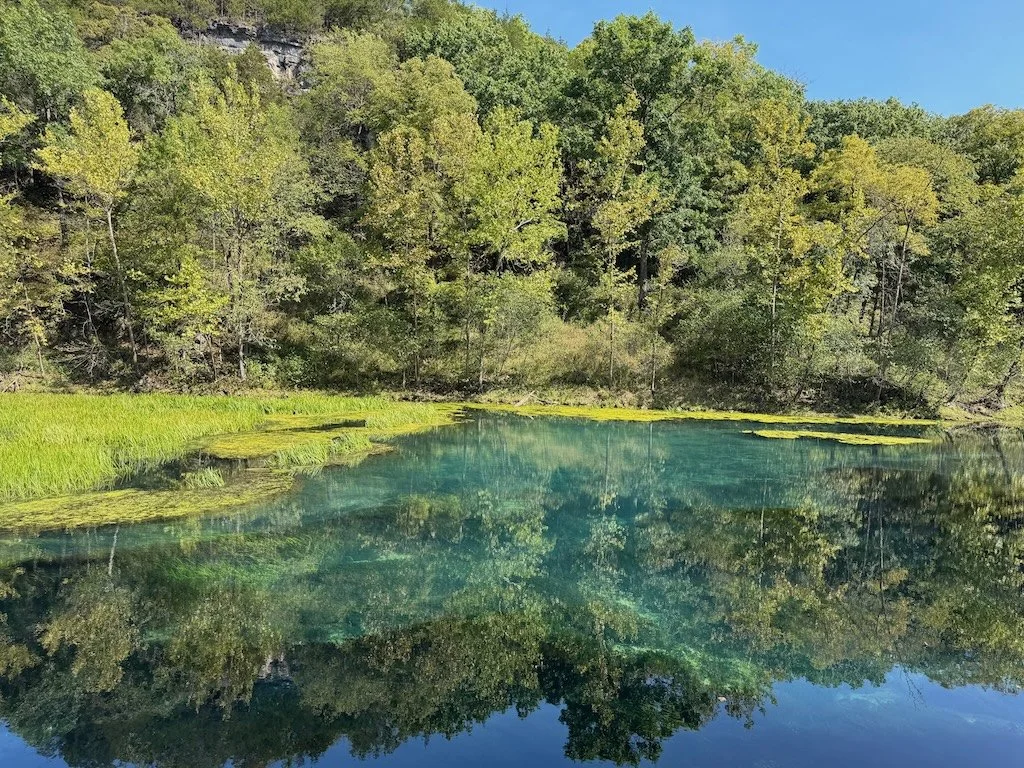
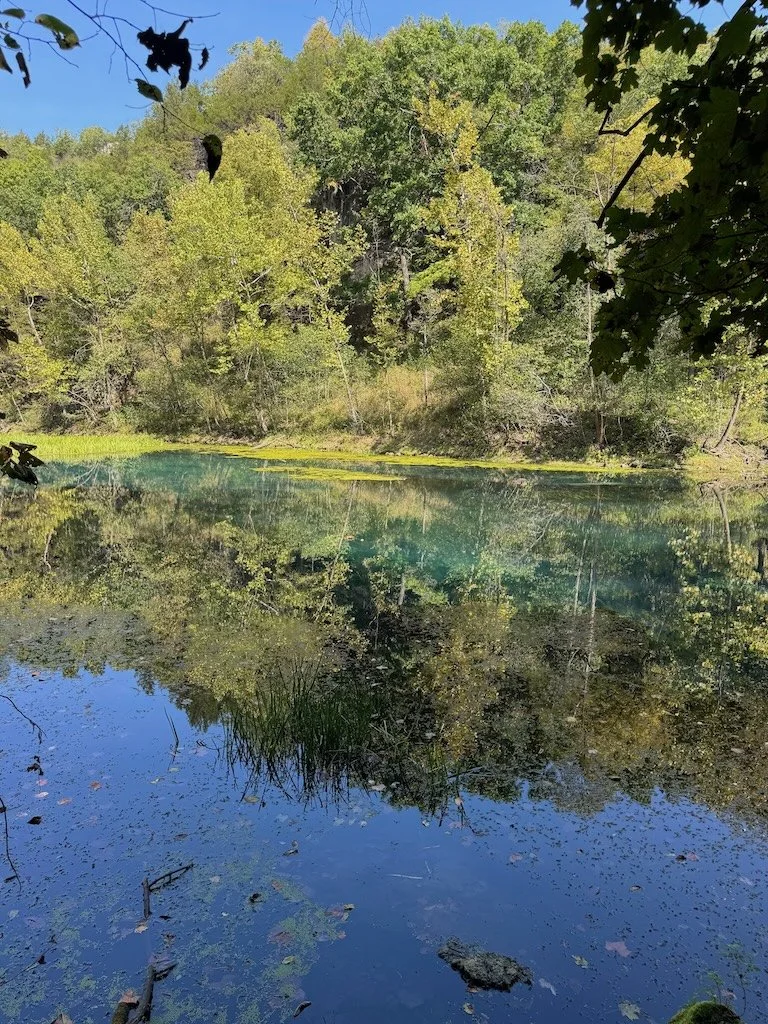
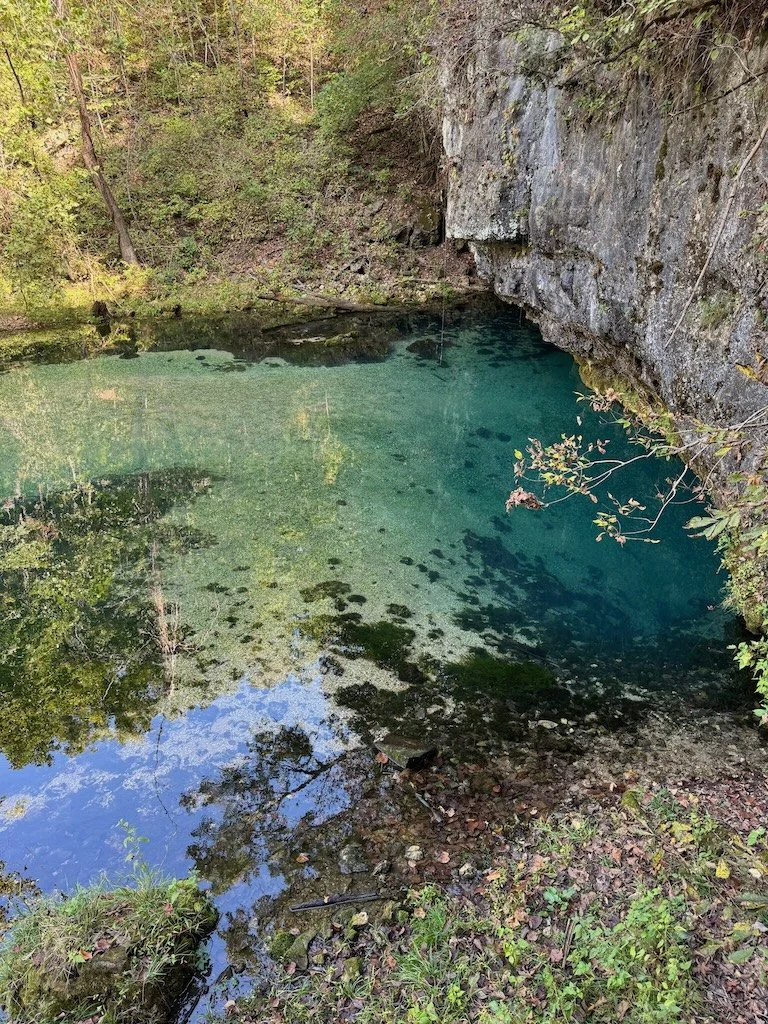
I appreciated the vistas along the way….water reflecting rock and vegetation.

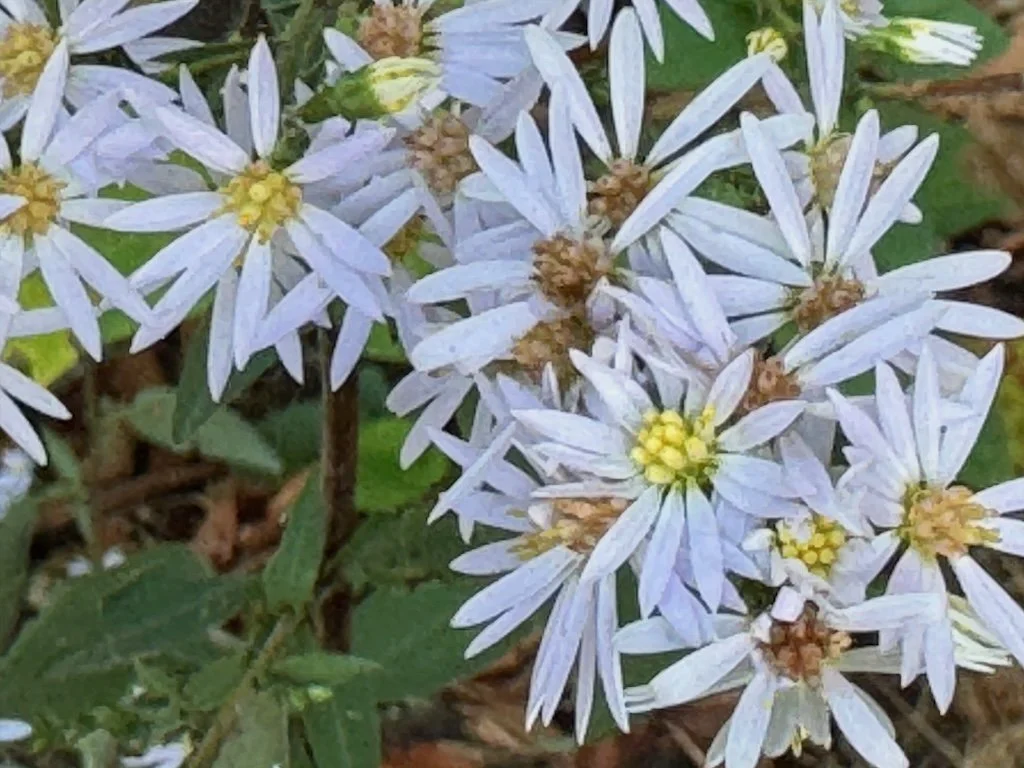
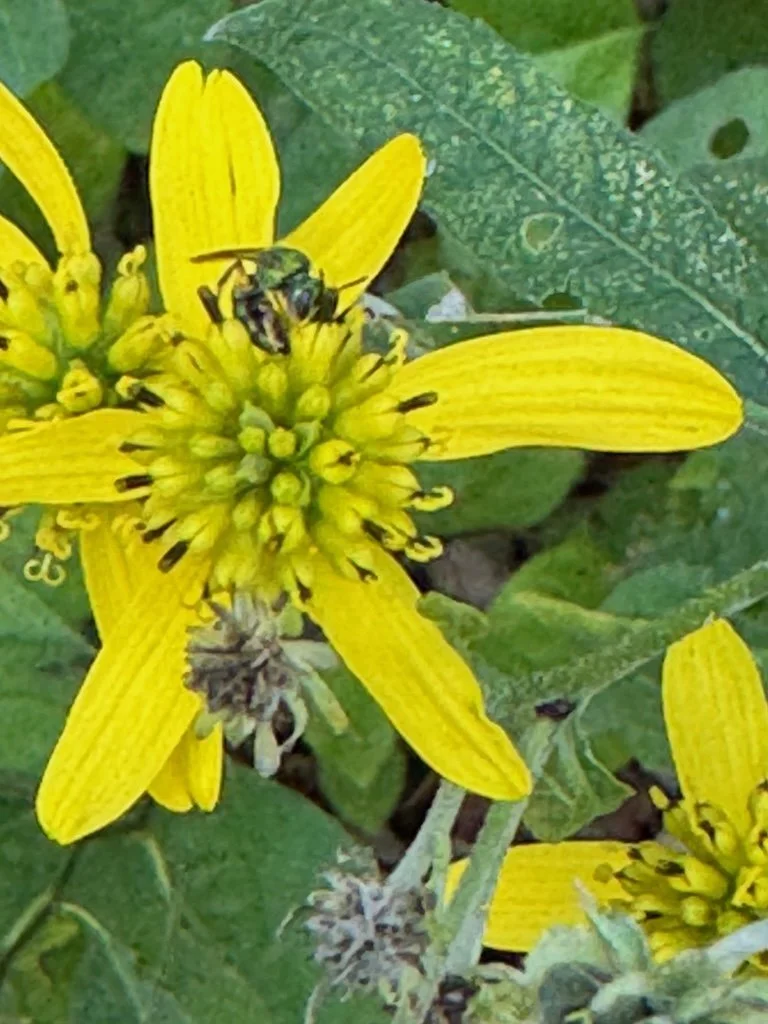
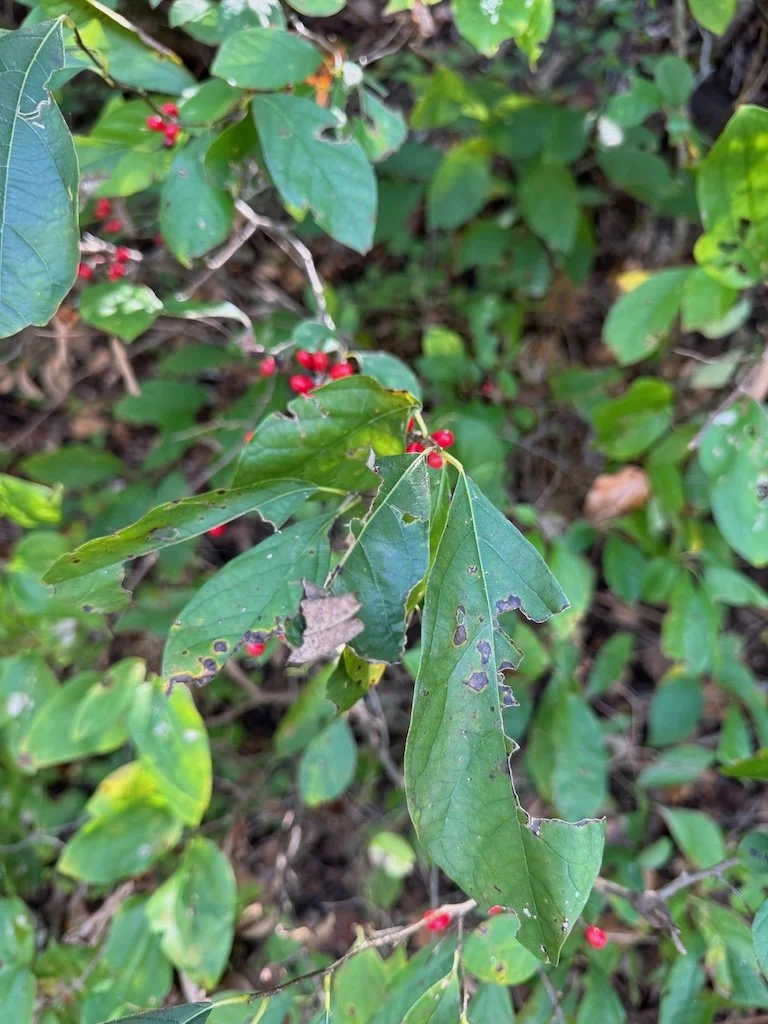
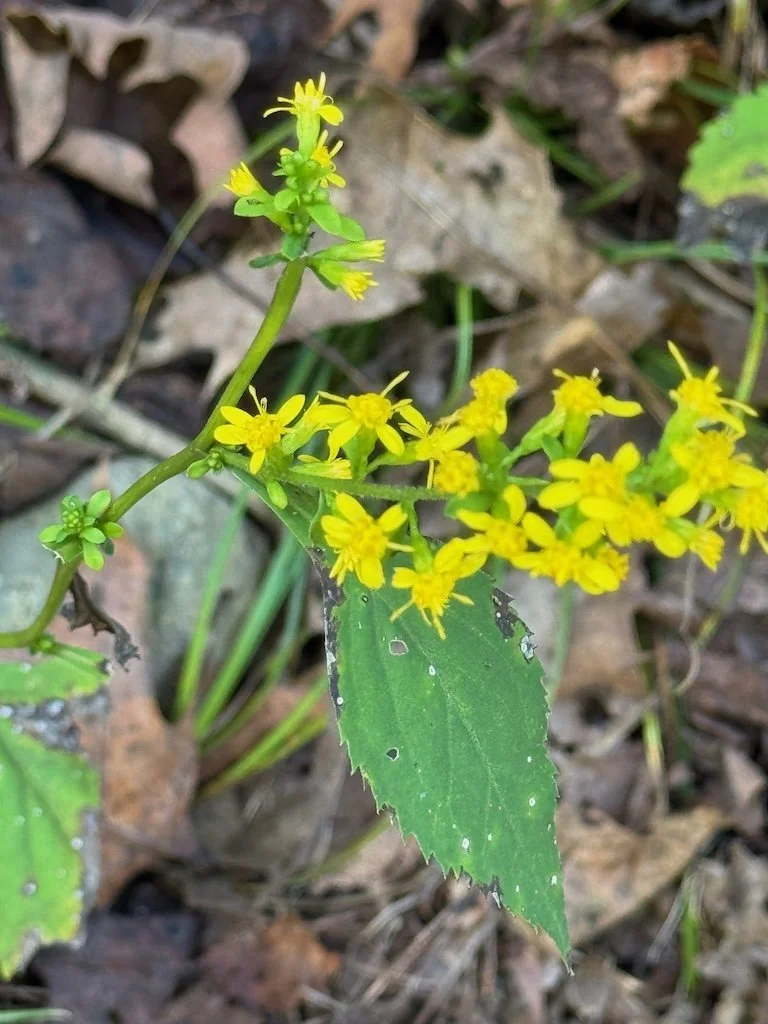
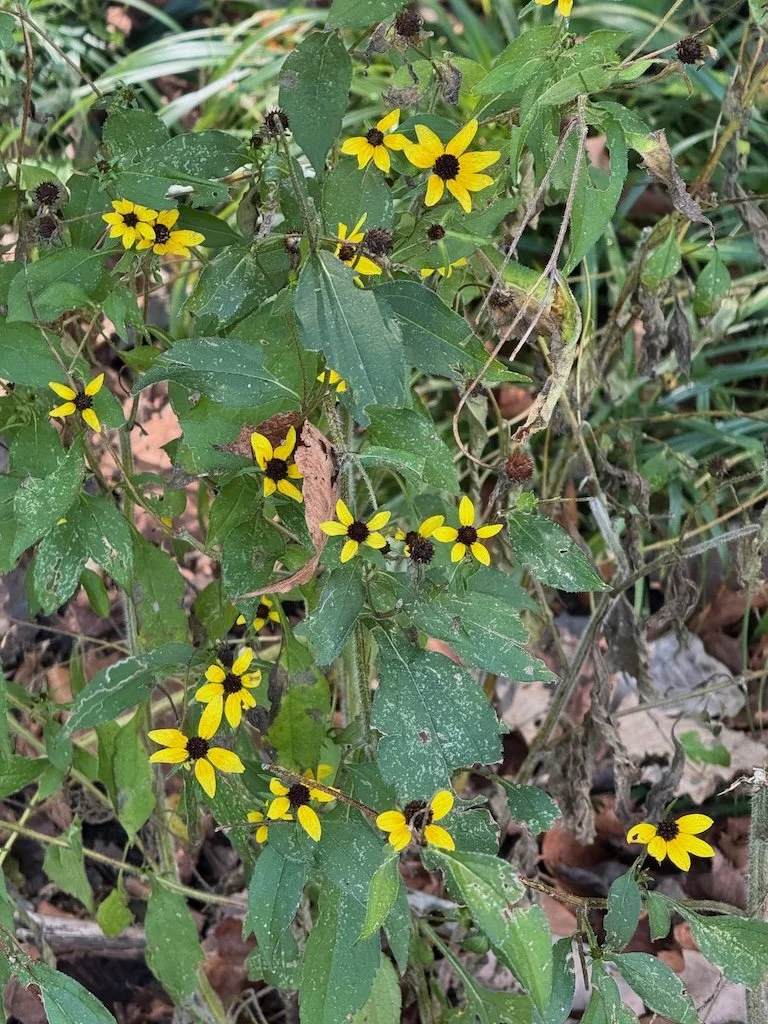
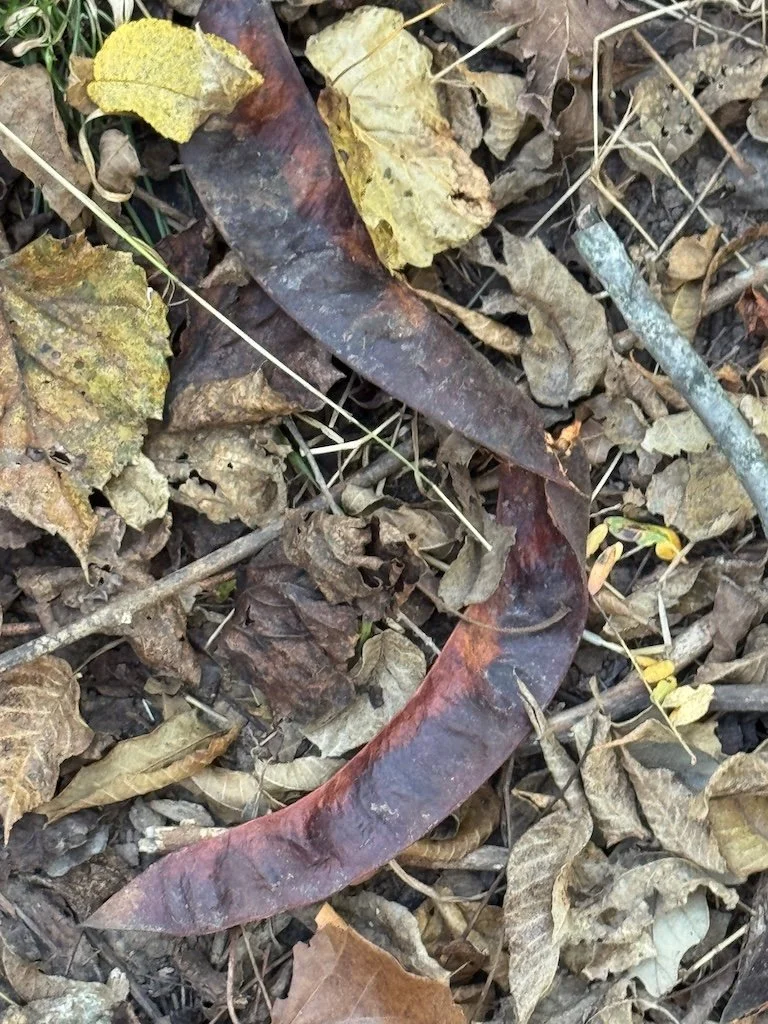
There were fall wildflowers and seeds

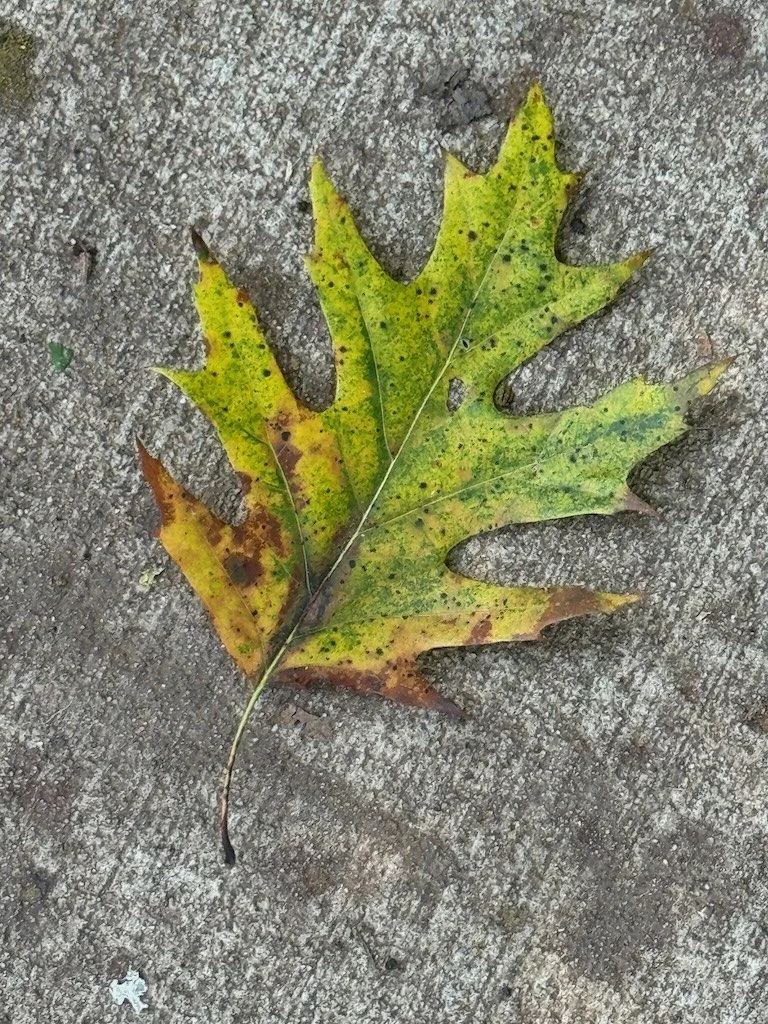
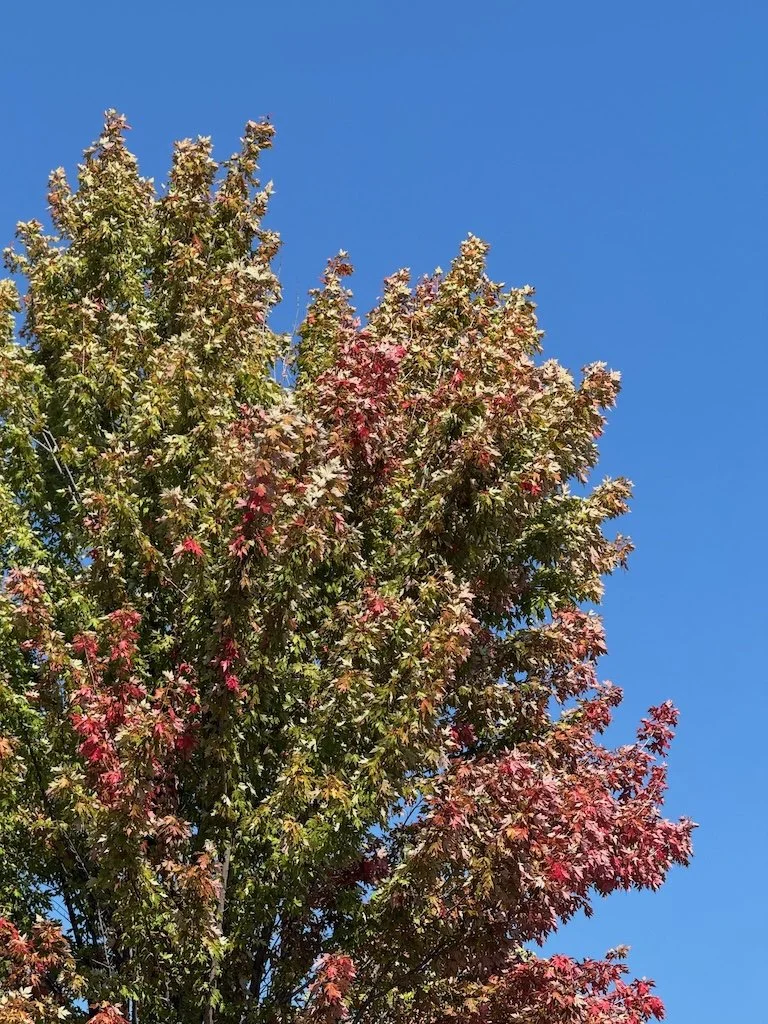
And leaves beginning to fall.

There was an island where the old mill had been. I didn’t hike it…but did note the millstone.

I enjoyed the walk….and made my plan to stop again on my way home….and probably plan a trip with my husband/daughter when I would do more extensive hiking.