Life Magazine in 1951
/Continuing my look at Life Magazines on Internet Archive….
As I looked at the issues from 1951, advertisements reflected products like Coca-Cola, Mounds candy bars, Bell telephone, airline flights, Life Savers candy, Alice in Wonderland movie, cat food, Avon cosmetics, penicillin by Merck, and Chrismas ads for eggnog and 7Up. There were pictures of construction, the beginning of an avalanche, Yellowstone in winter, the Dalai Lama traveling before he left Tibet to live in India, Korean war, Peary in the Arctic, and A-Bomb tests. They were all part of what the publisher thought was newsworthy in 1951!
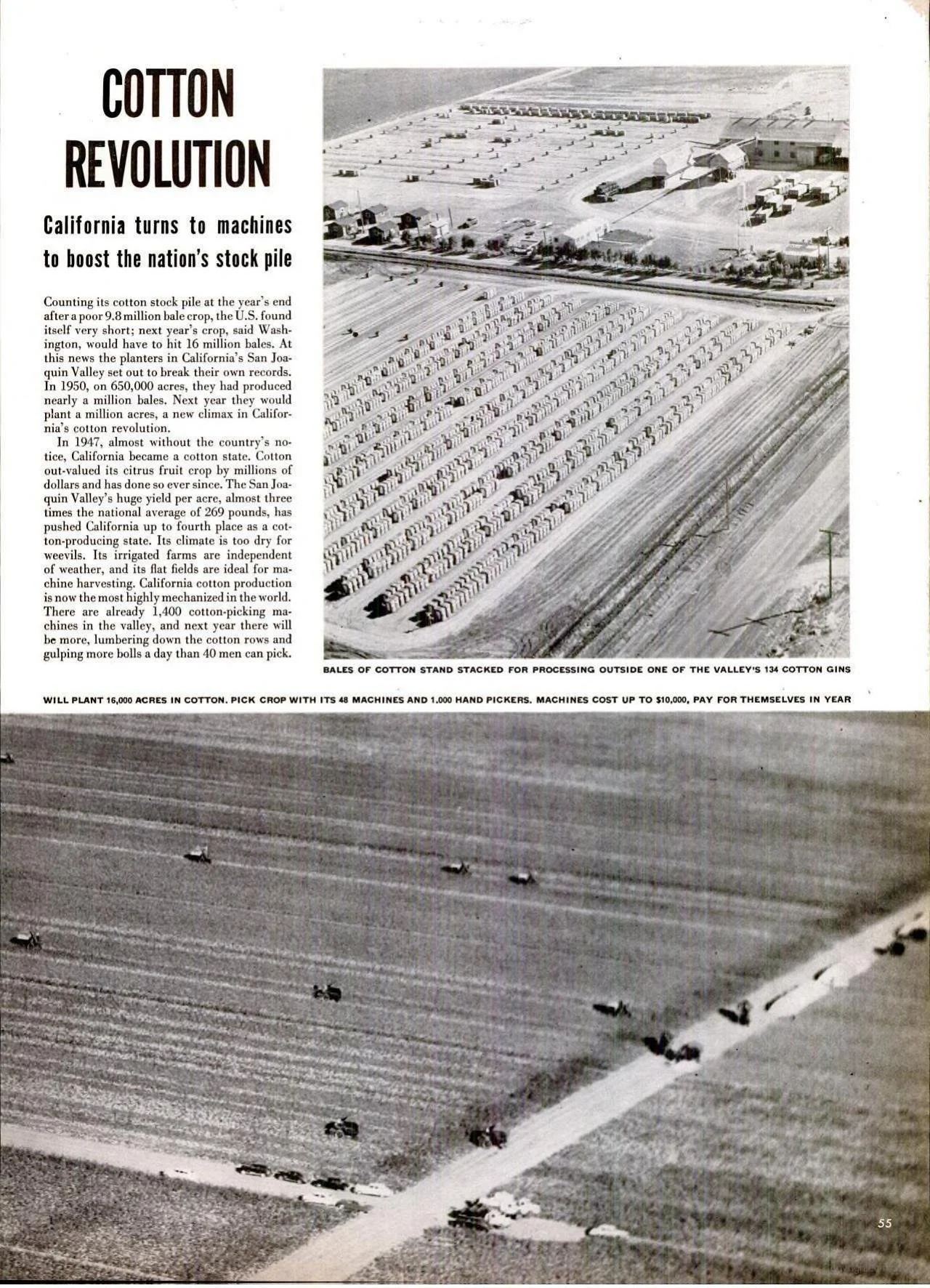
Life Magazine 1951-01-01 - Cotton stockpile
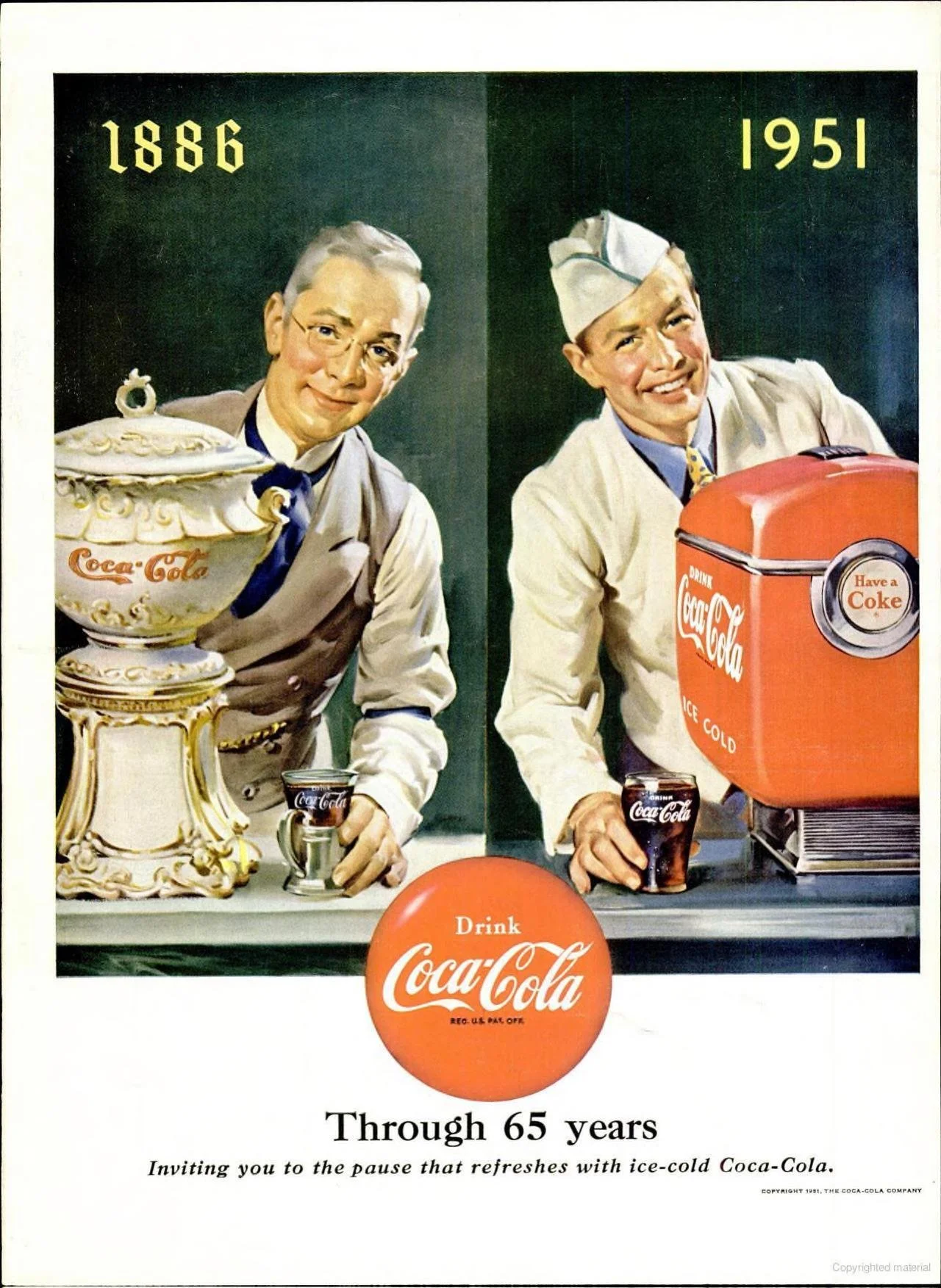
Life Magazine 1951-01-08 - Coca-Cola through 65 years (advertisement)
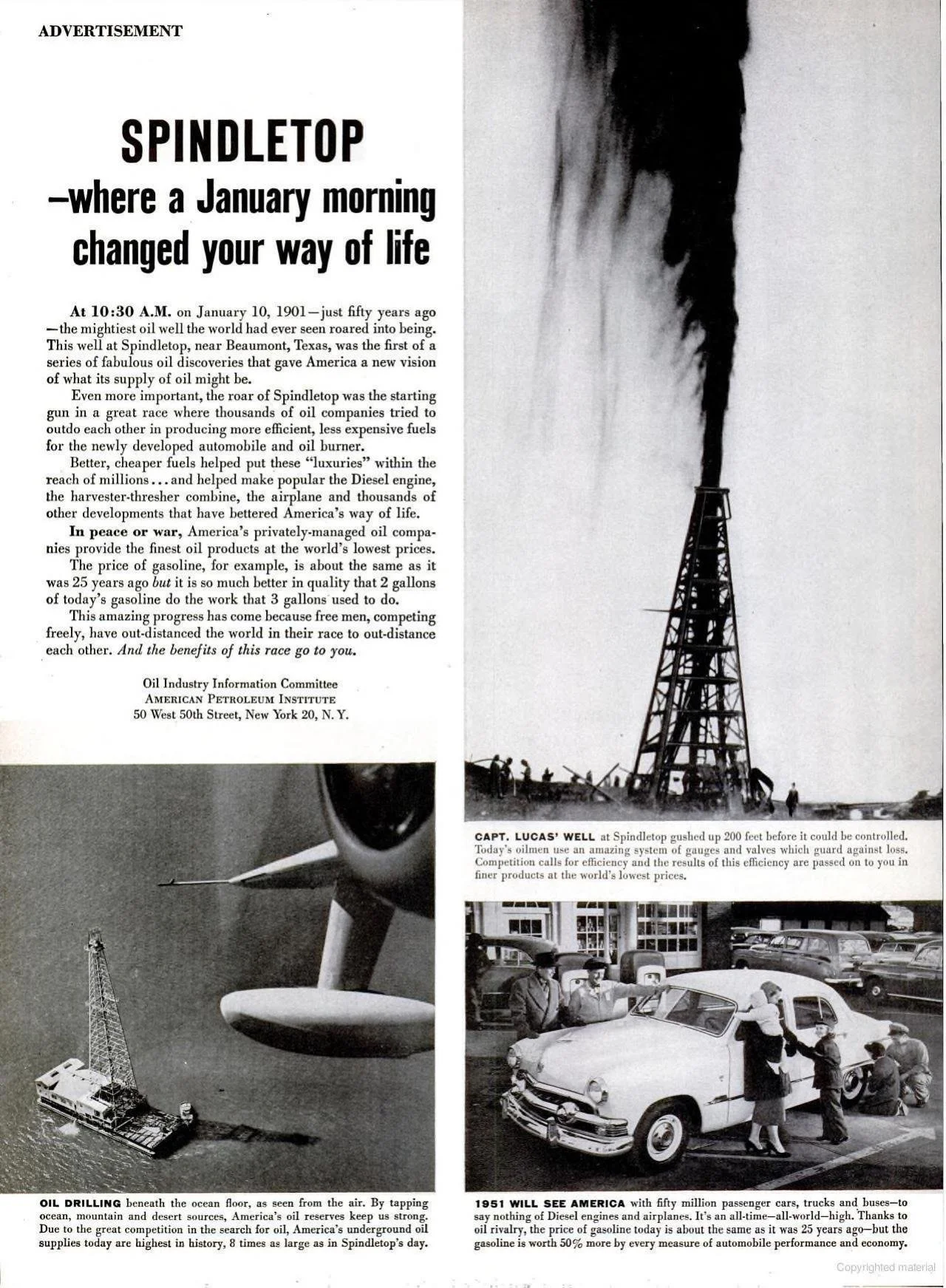
Life Magazine 1951-01-15 - 50 year ago – Spindletop in Beaumont, TX
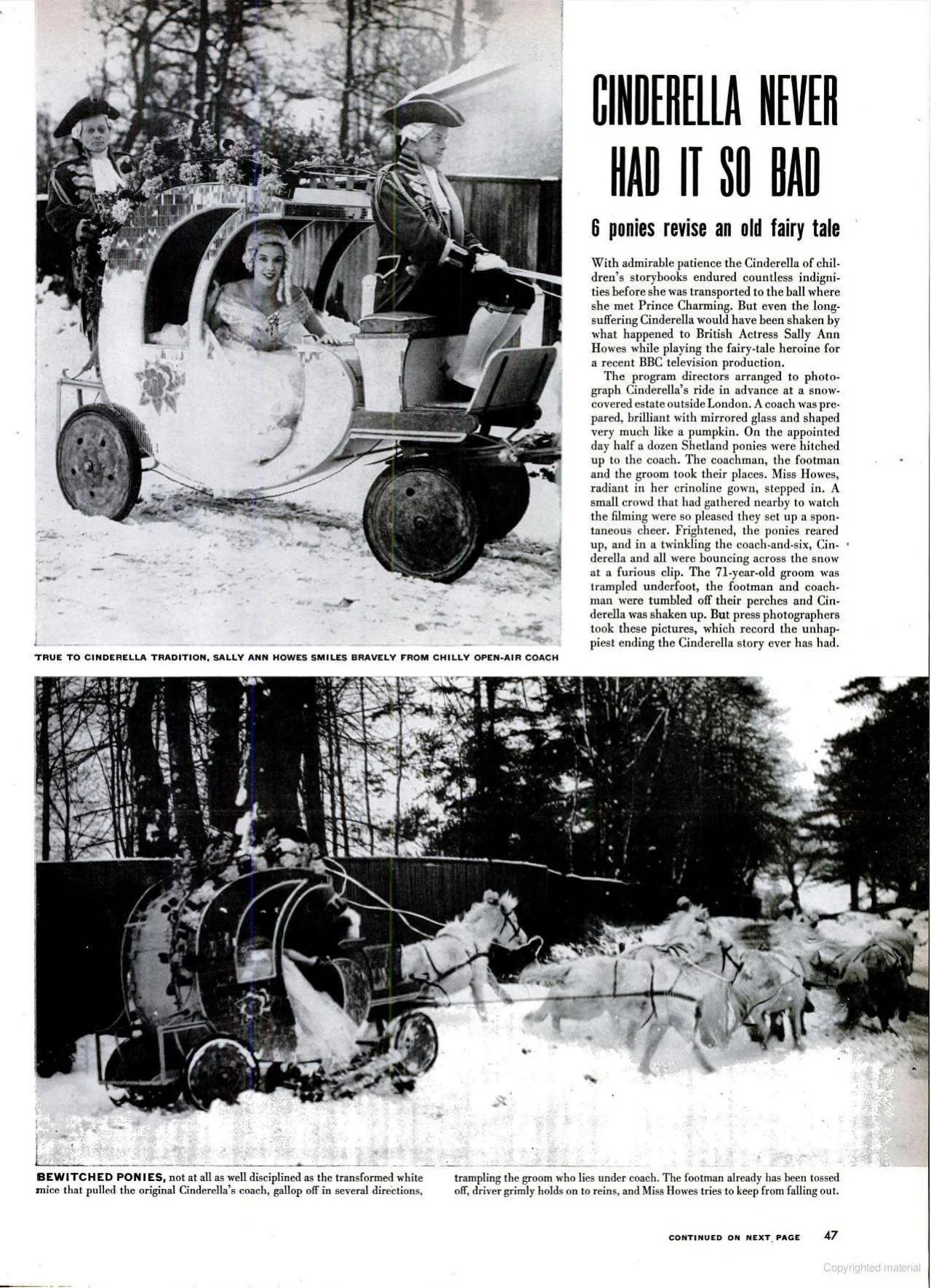
Life Magazine 1951-01-22 - Cinderella never had it so bad (outside London)
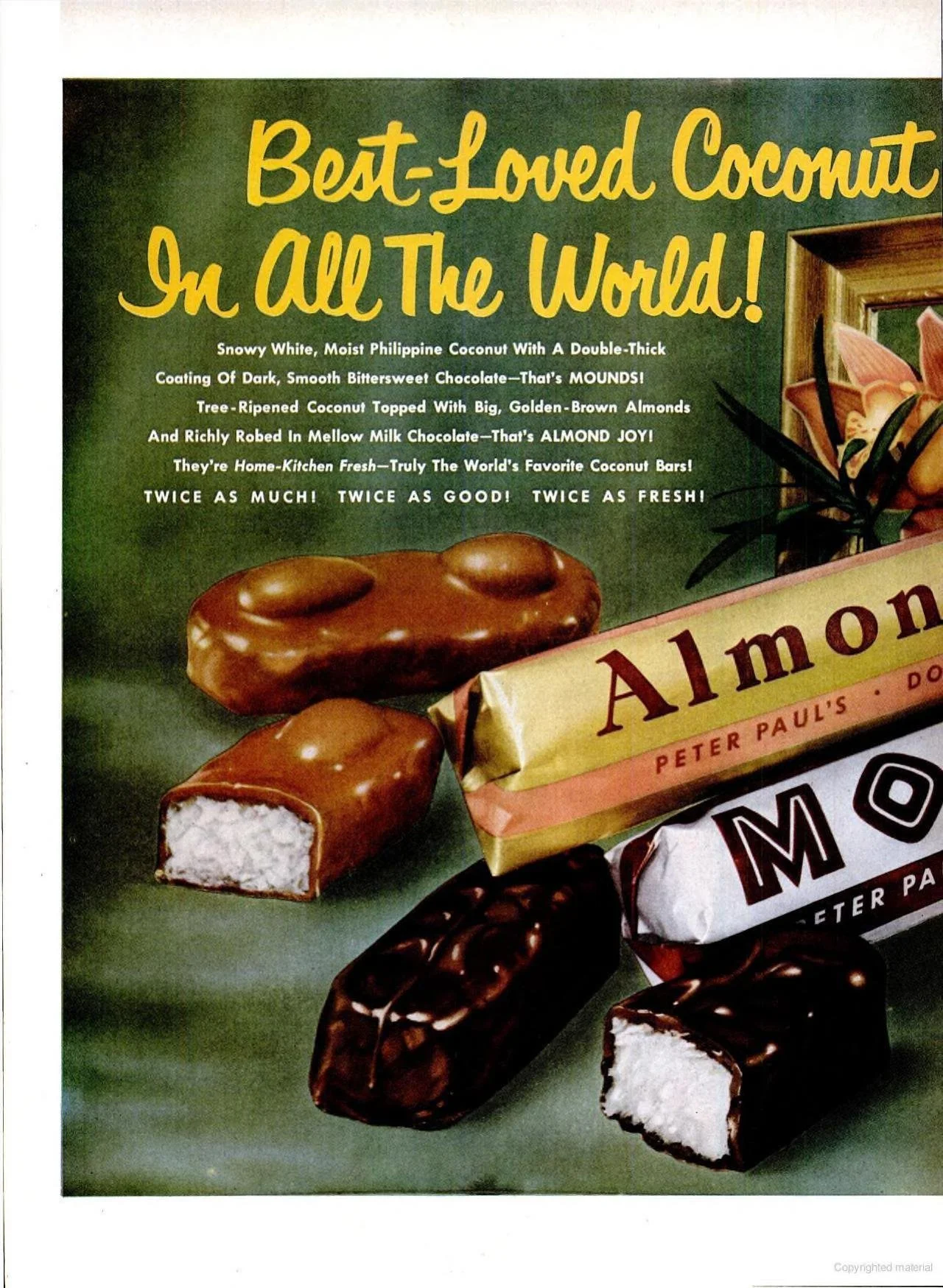
Life Magazine 1951-01-29 - Mounds Coconut (advertisement)
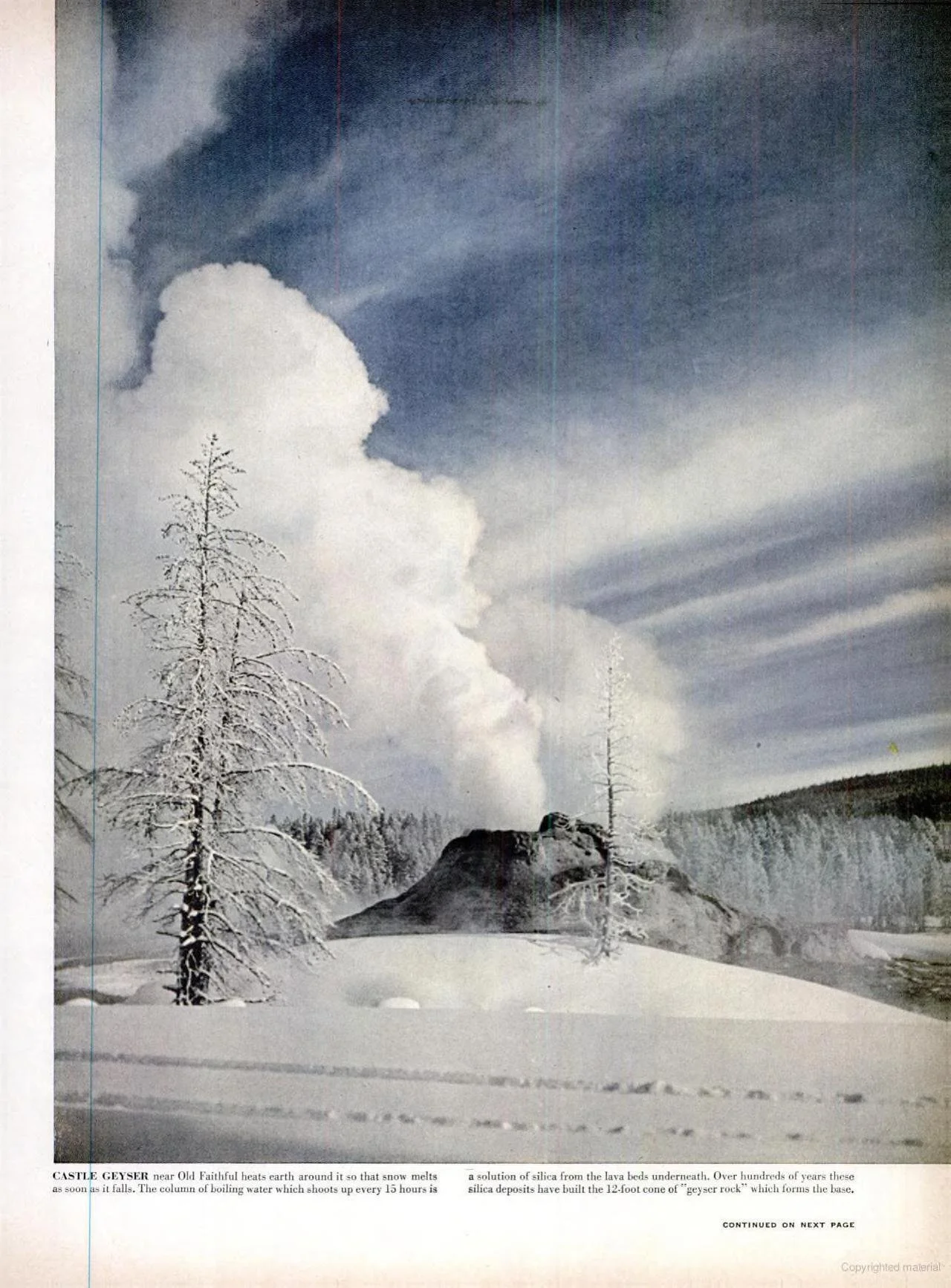
Life Magazine 1951-02-05 - Castle Geyser new Old Faithful at Yellowstone National Park
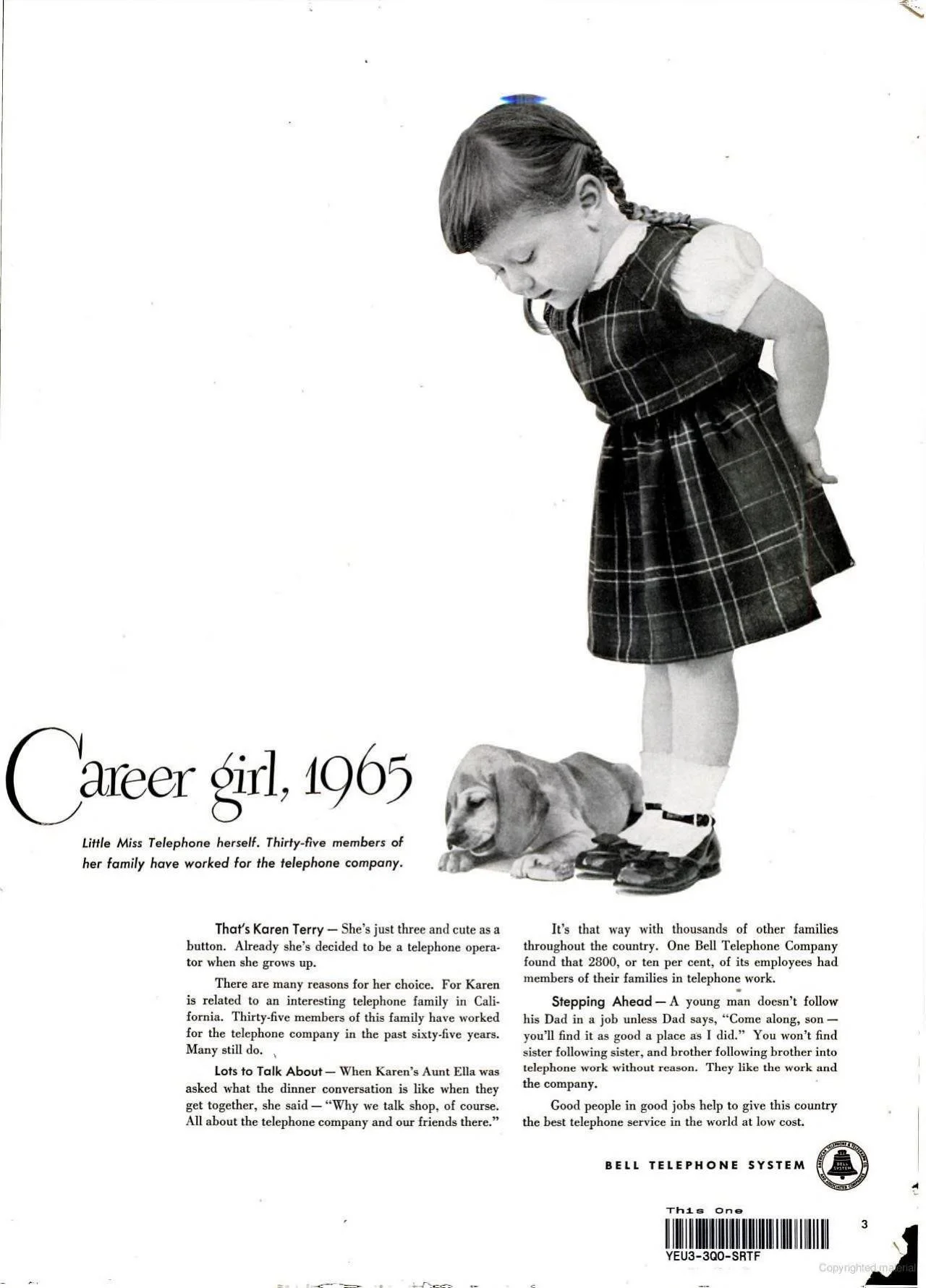
Life Magazine 1951-02-12 - Career girl, 1965 (Bell Telephone advertisement)
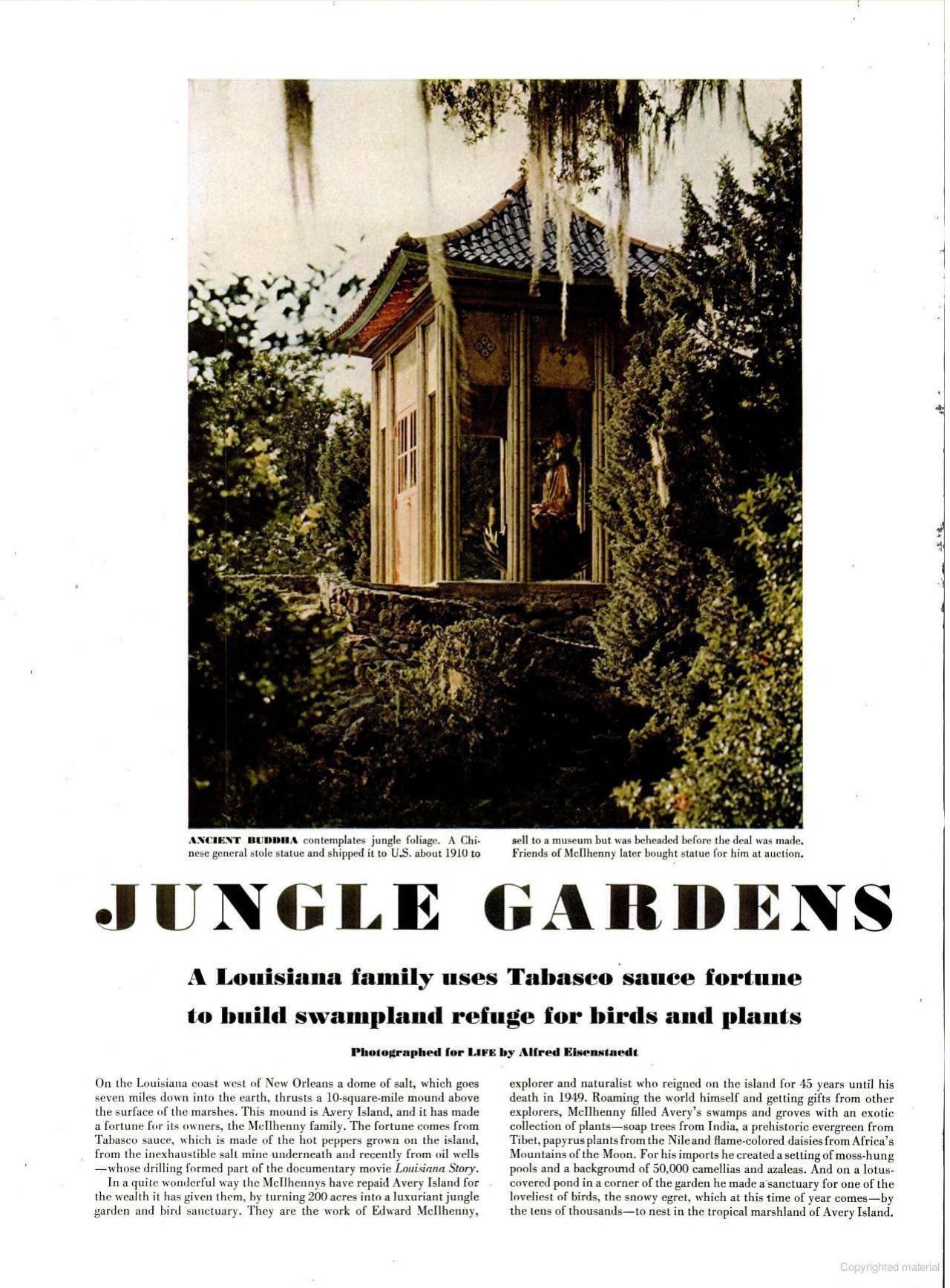
Life Magazine 1951-02-19 - Jungle Gardens in Louisiana (swampland refuge)
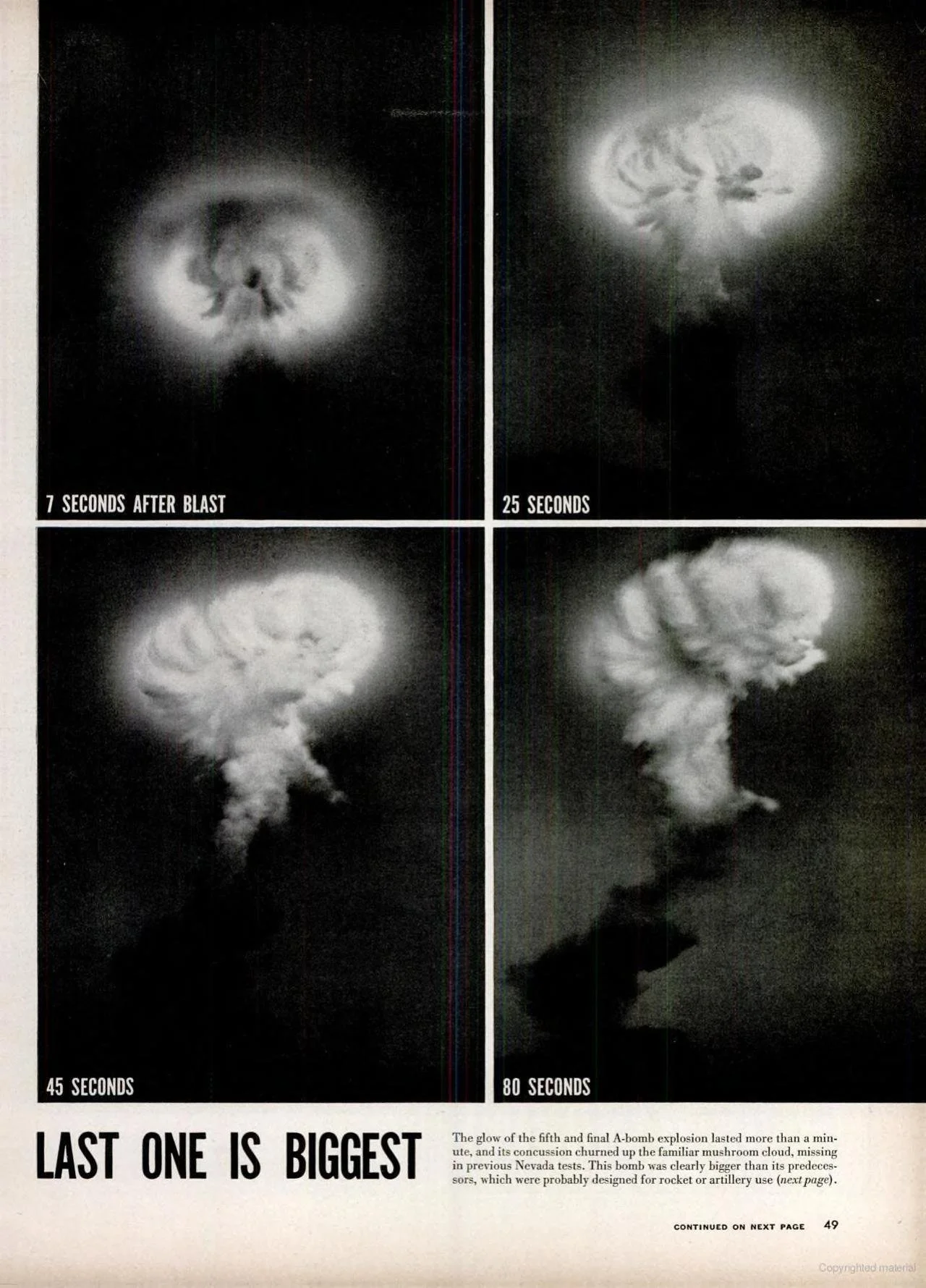
Life Magazine 1951-02-26 - Glow of A-bomb explosion
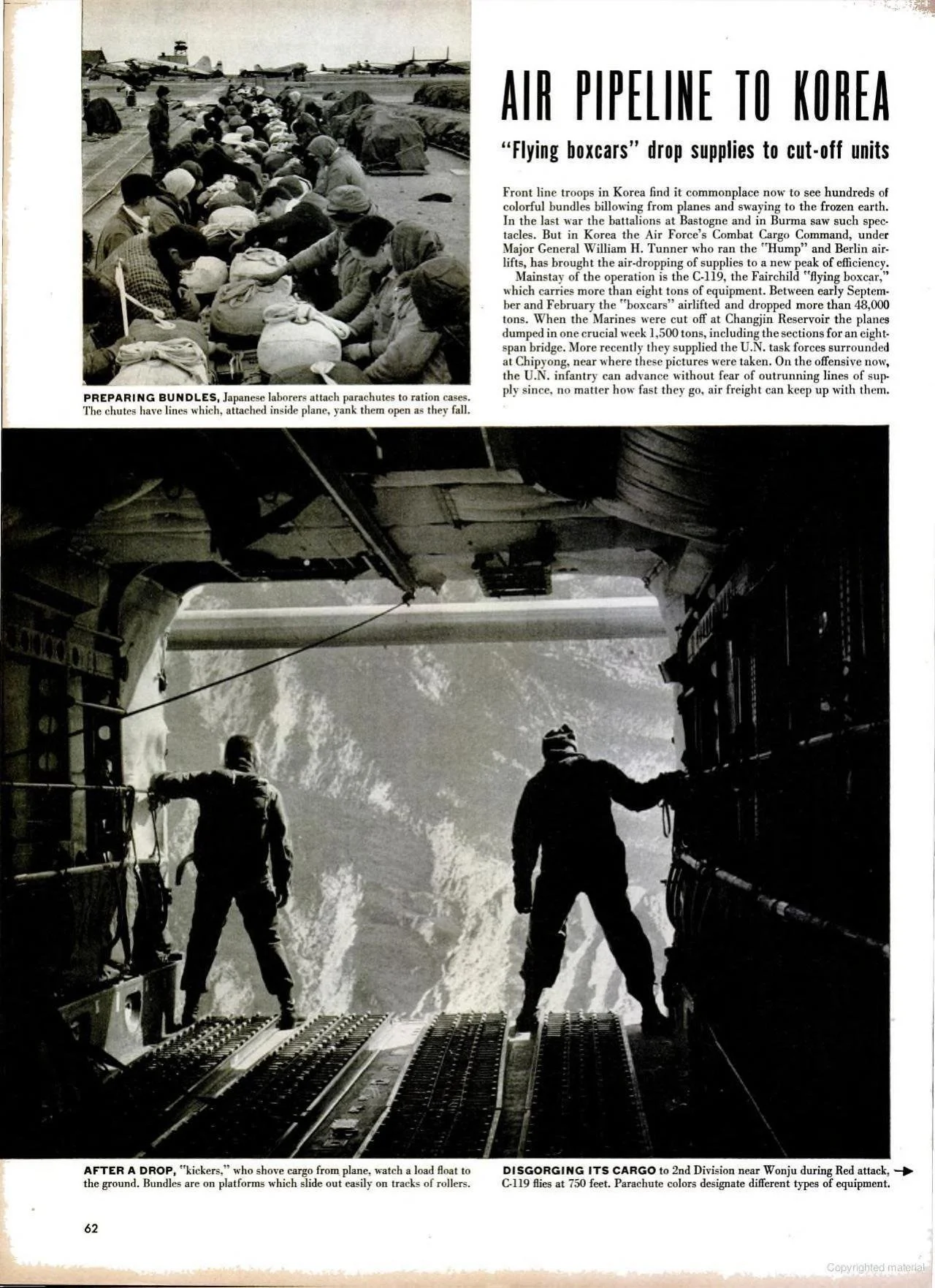
Life Magazine 1951-03-05 - Air pipeline to Korea
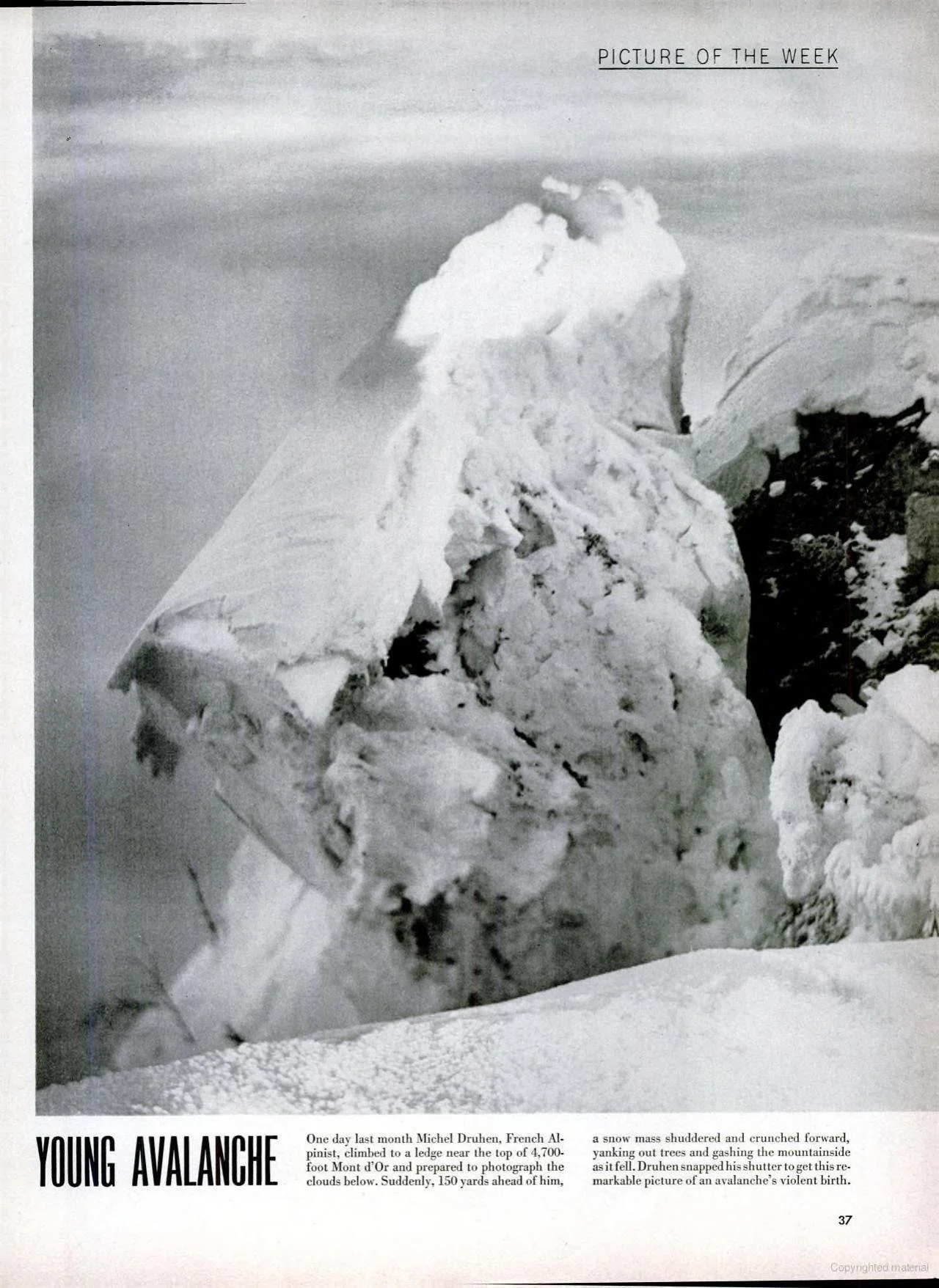
Life Magazine 1951-03-12 - Young avalanche in the French Alps
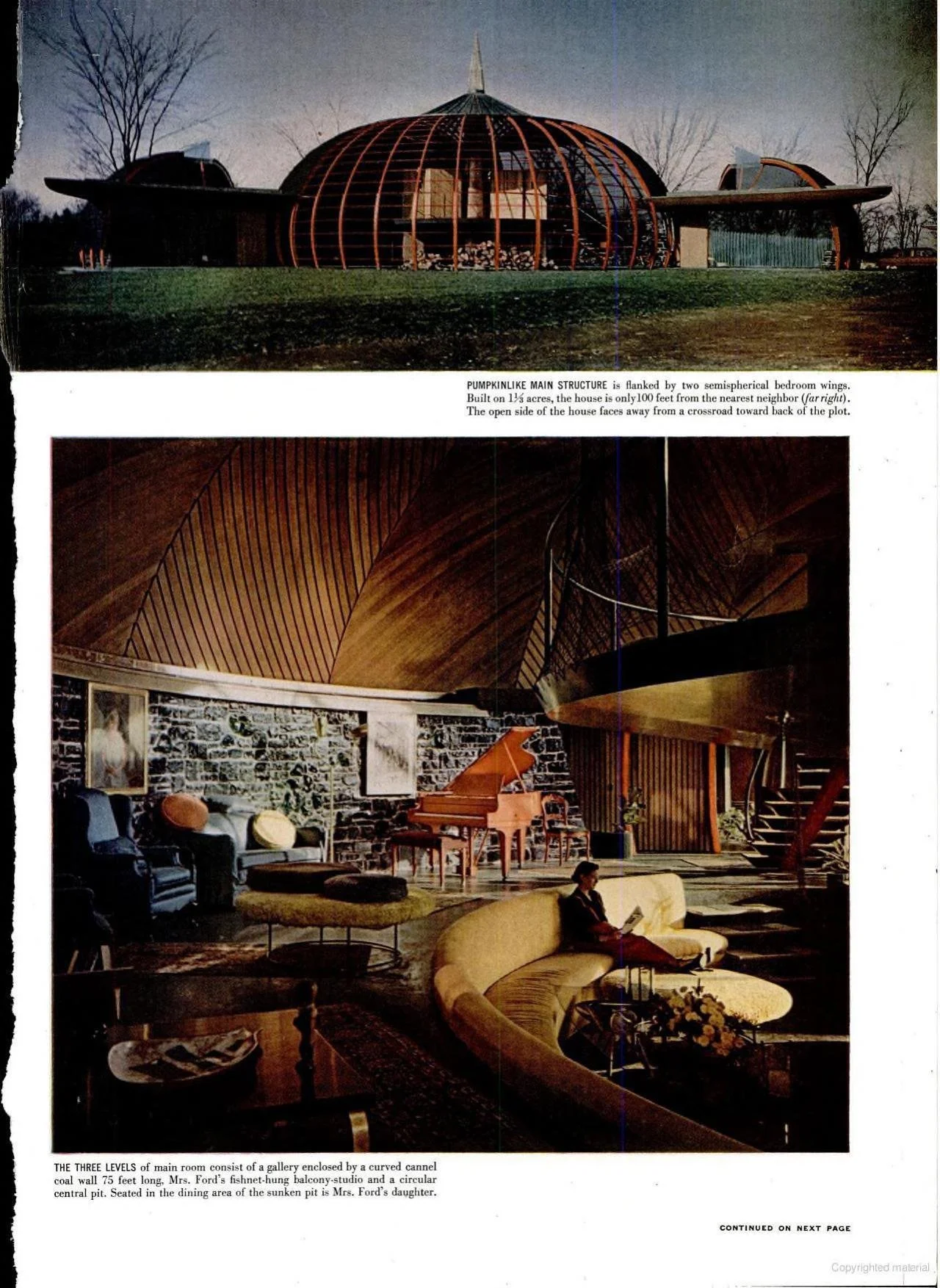
Life Magazine 1951-03-19 - Pumpkin-like house
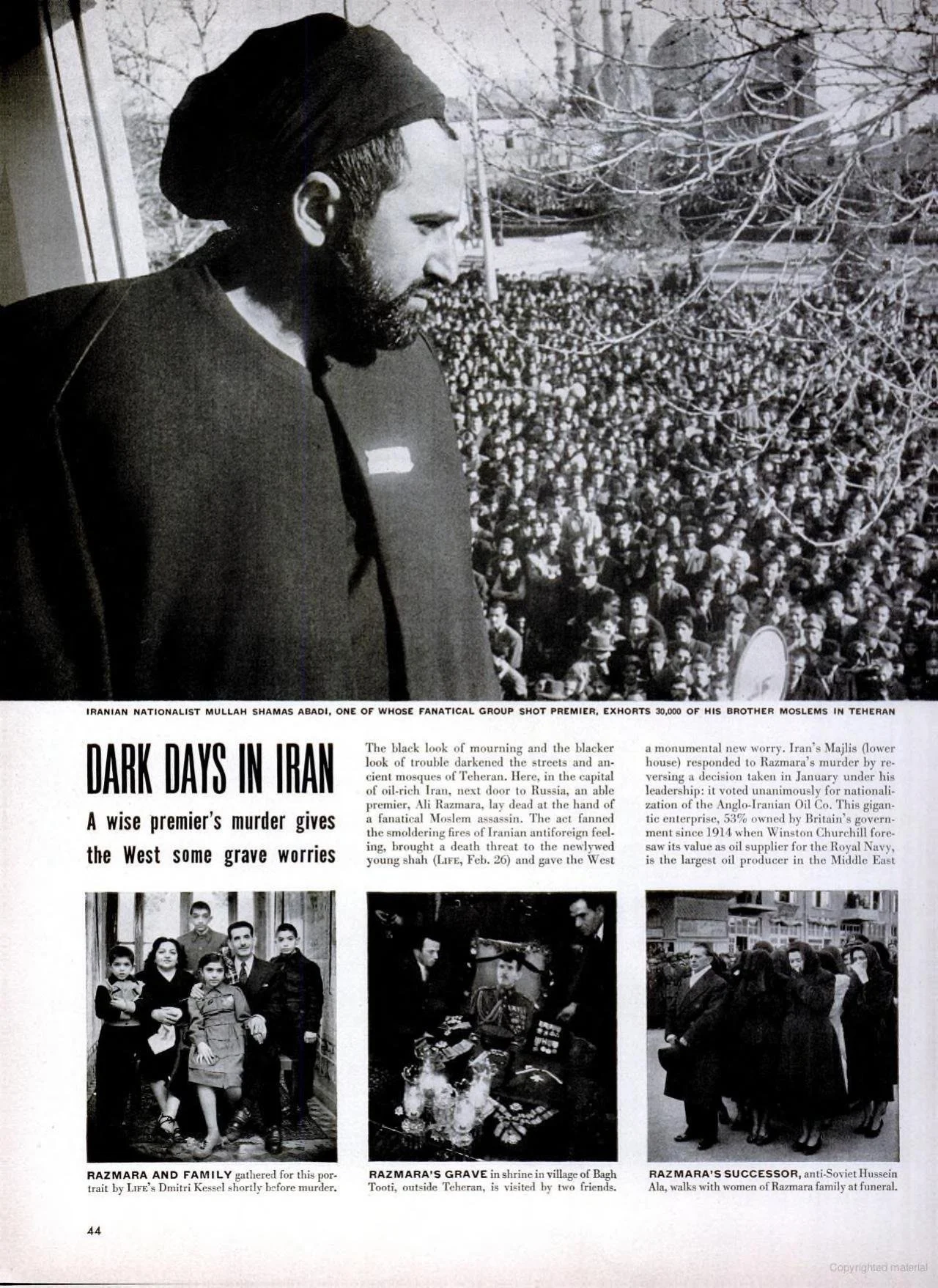
Life Magazine 1951-03-26 - Dark days in Iran after premier’s murder
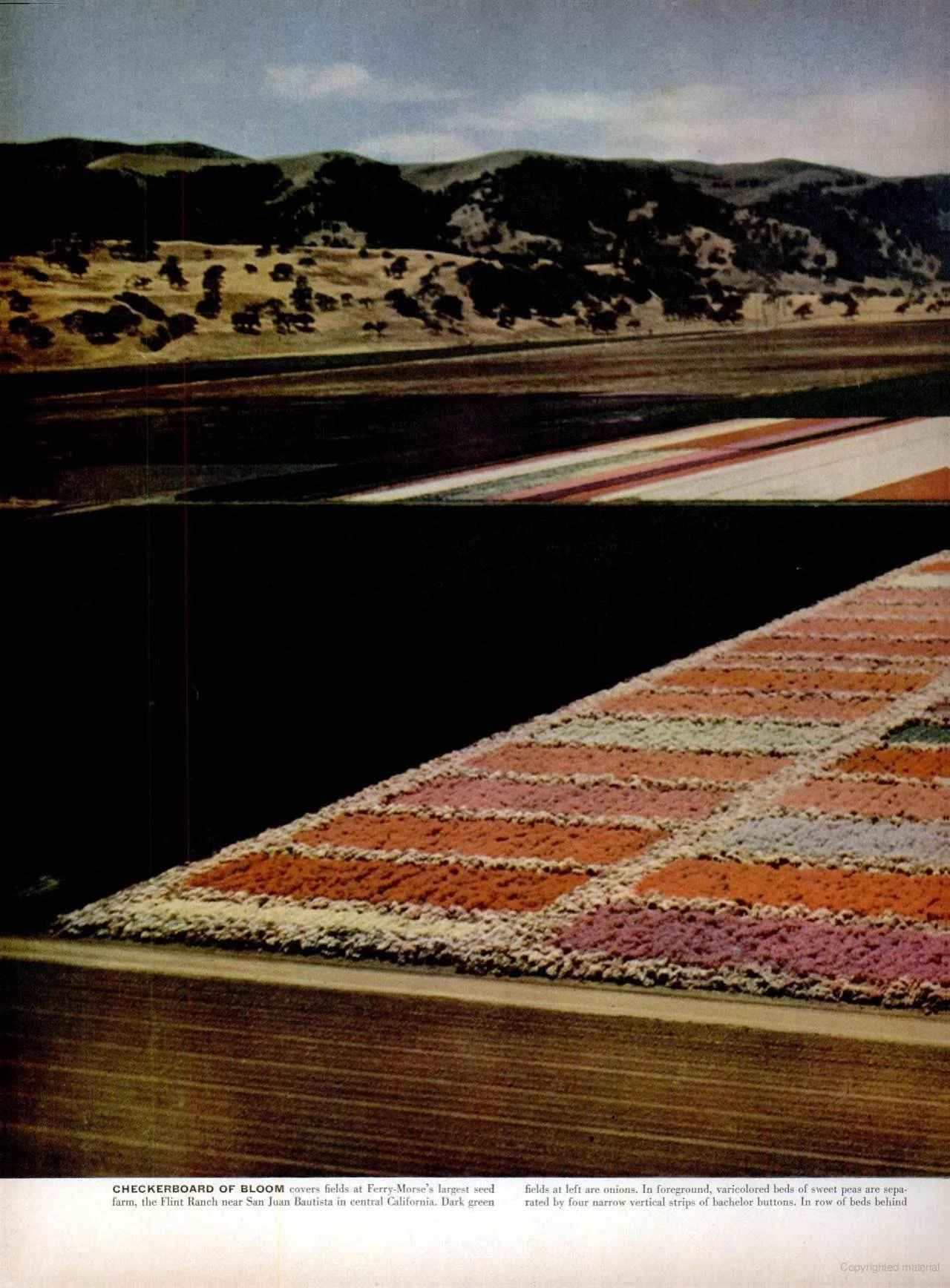
Life Magazine 1951-04-02 - Blooms in central California
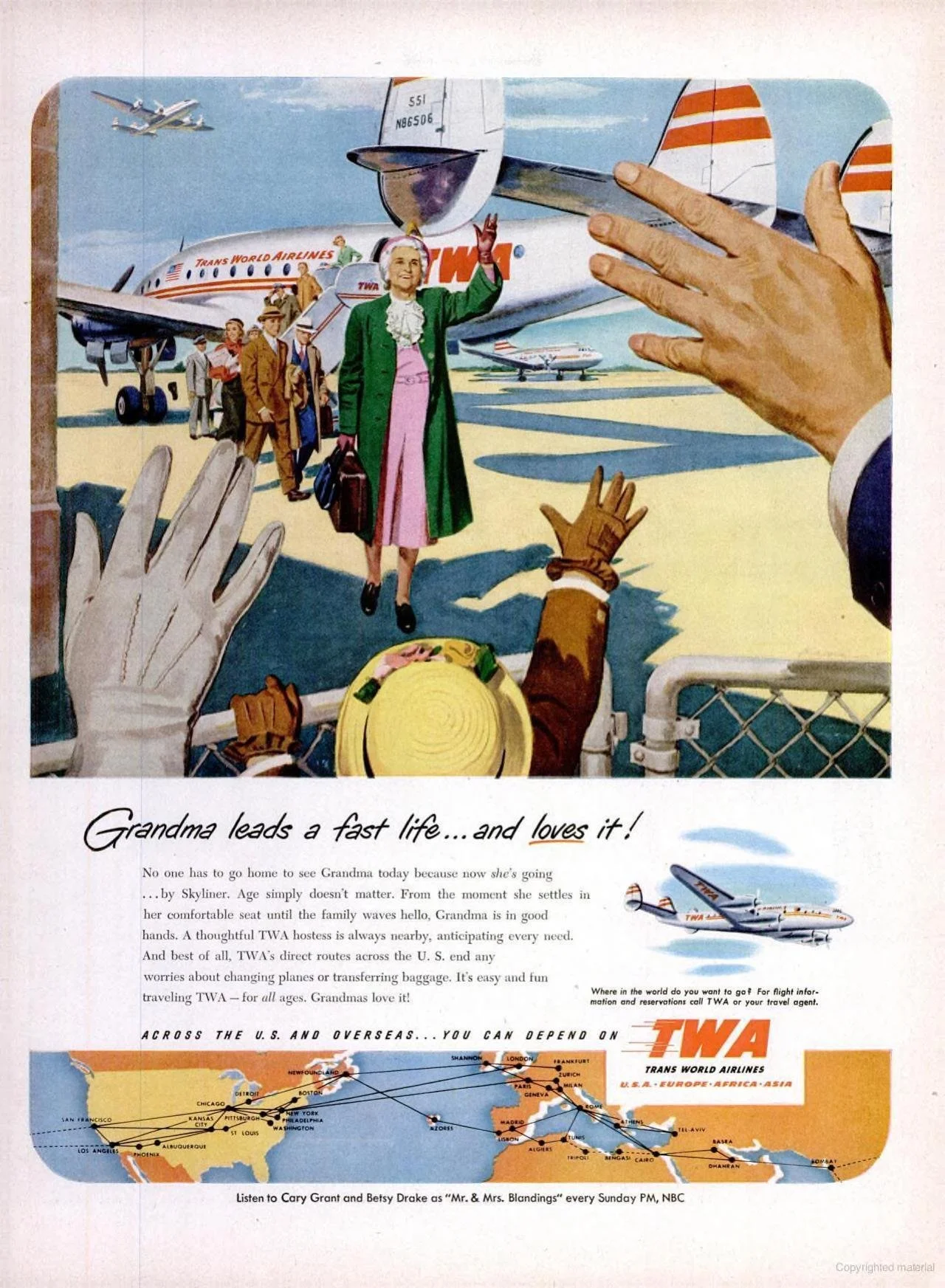
Life Magazine 1951-04-09 - Grandma flying (TWA advertisement)
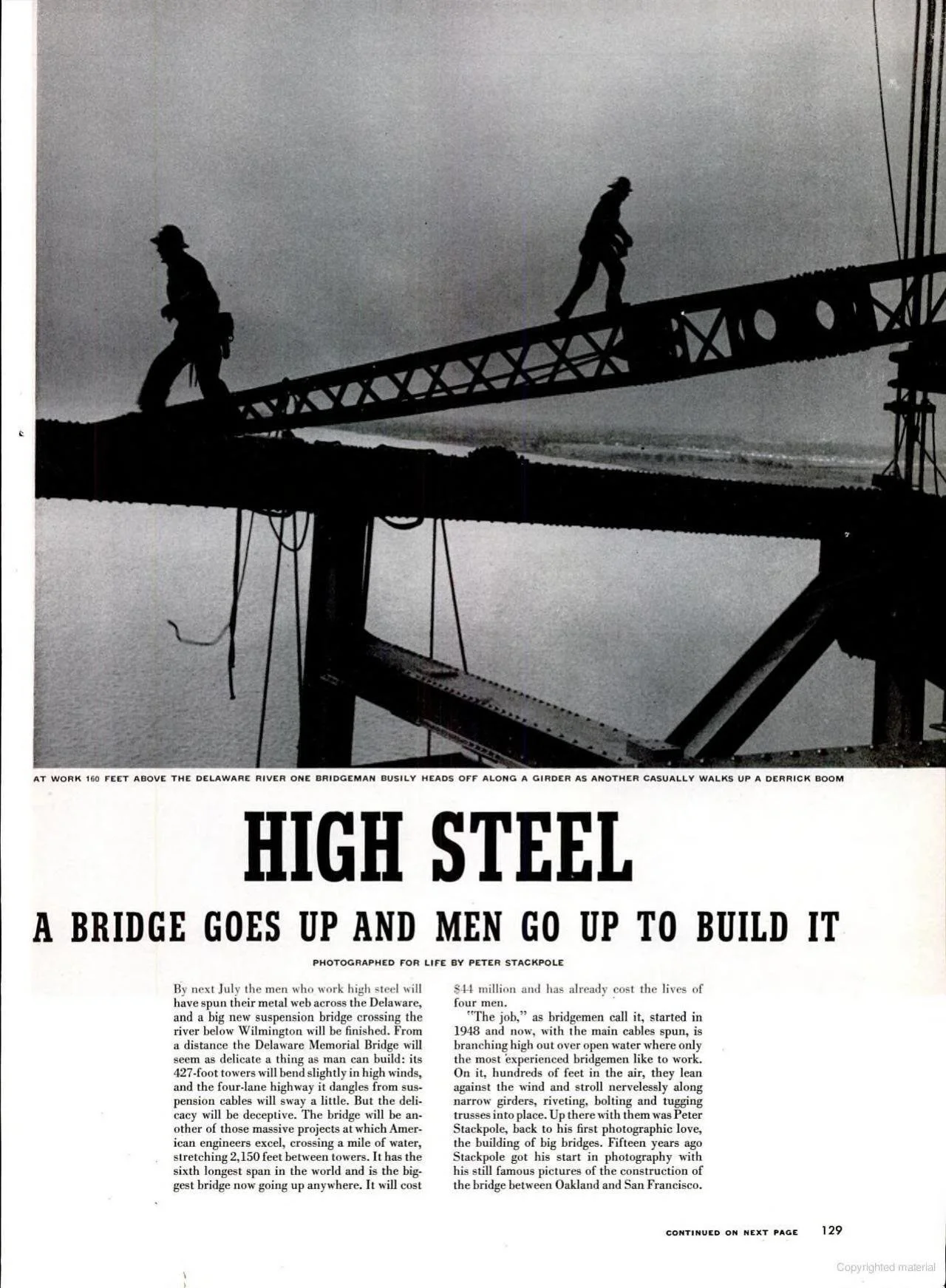
Life Magazine 1951-04-16 - Delaware Memorial Bridge construction
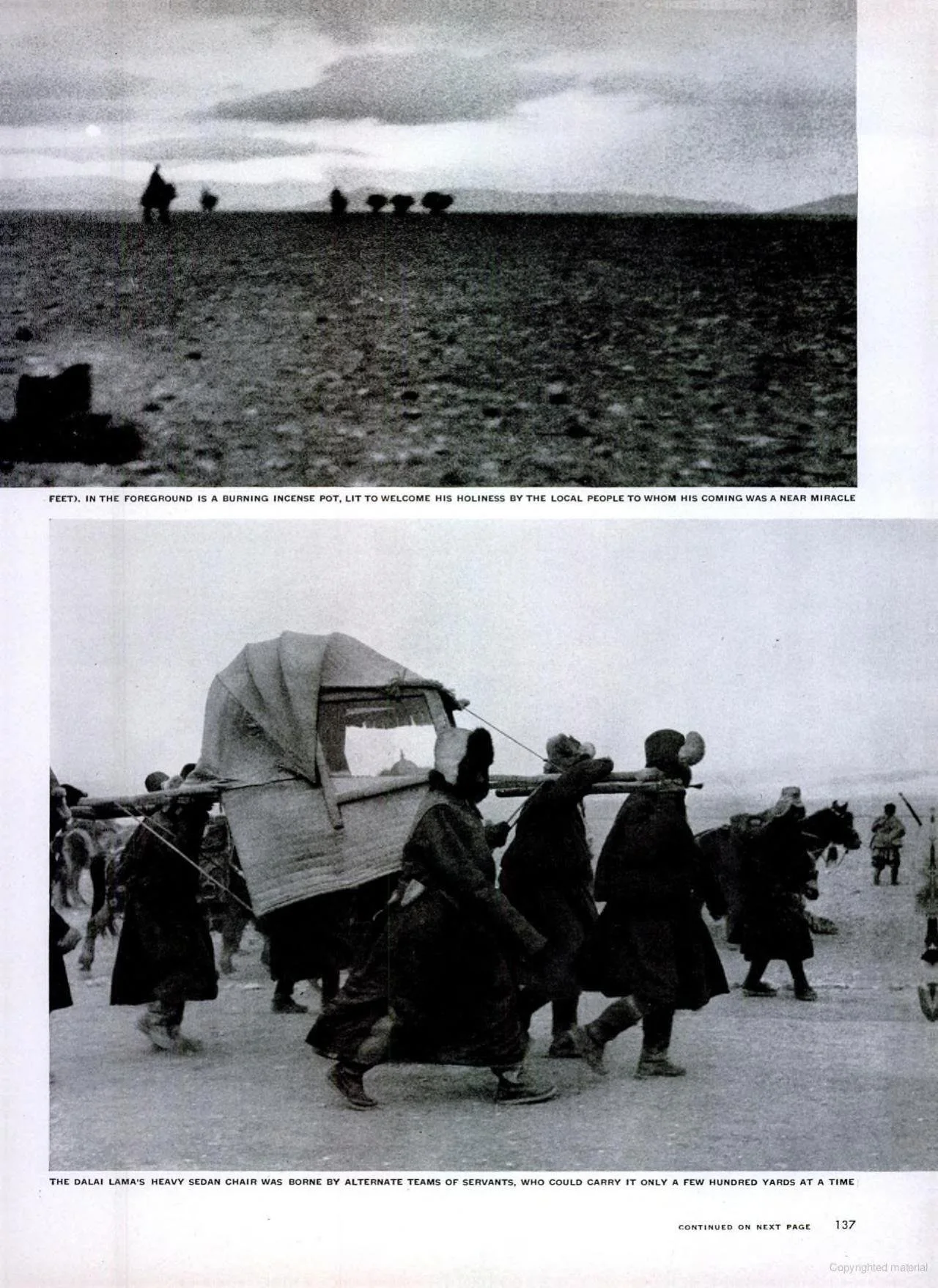
Life Magazine 1951-04-23 - Dalai Lama traveling
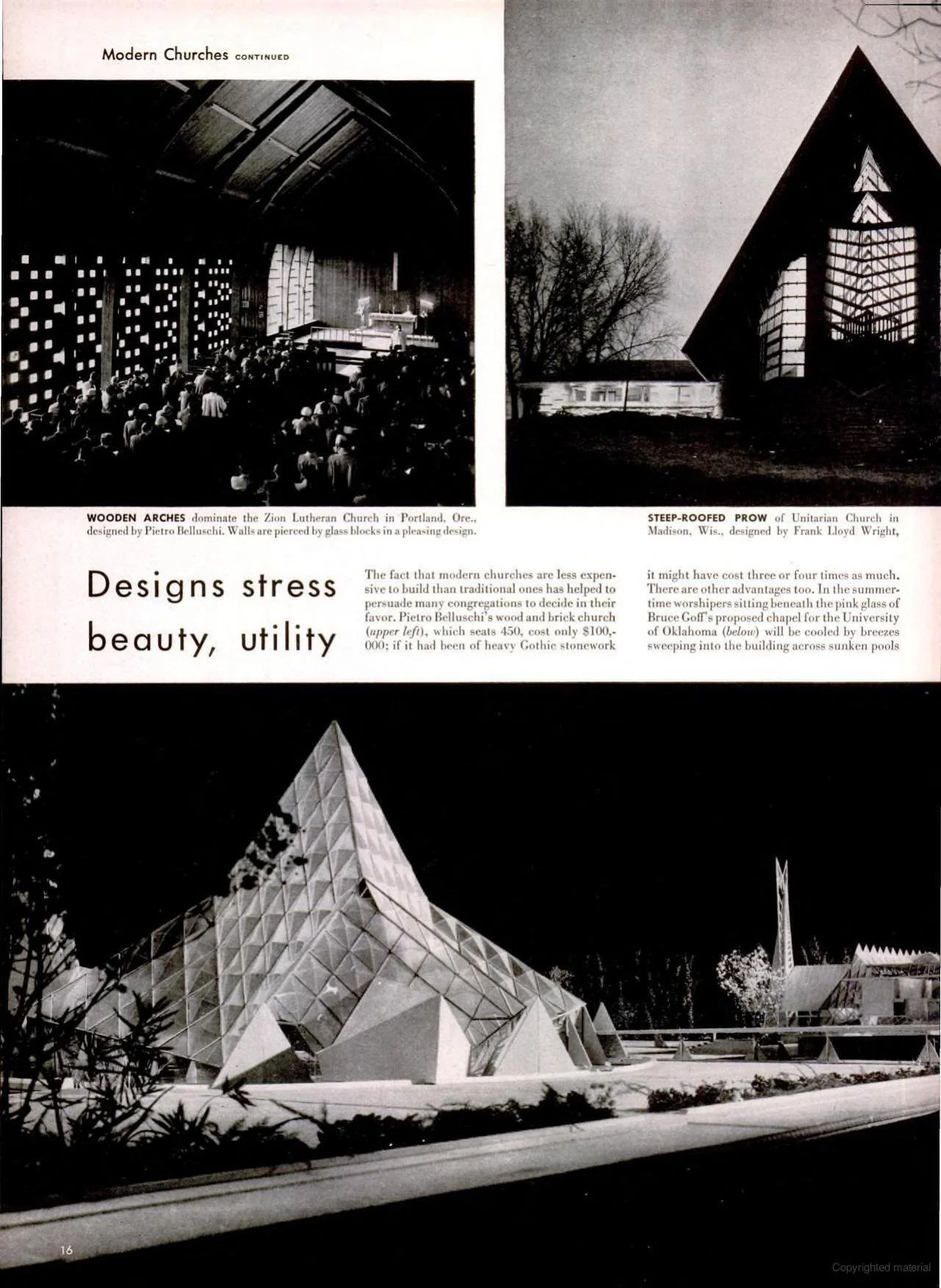
Life Magazine 1951-04-30 - Modern church design
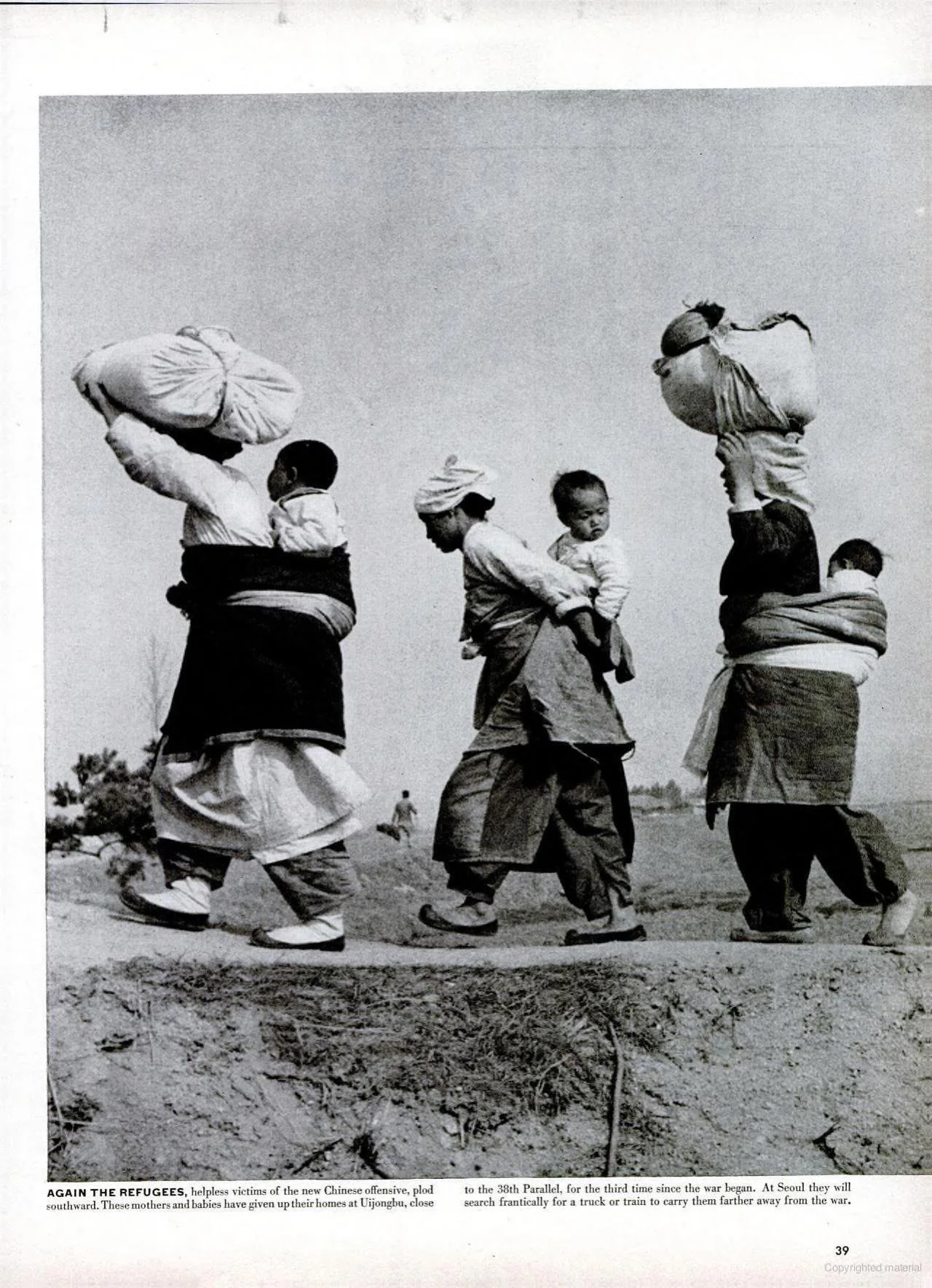
Life Magazine 1951-05-07 - Refugees in China
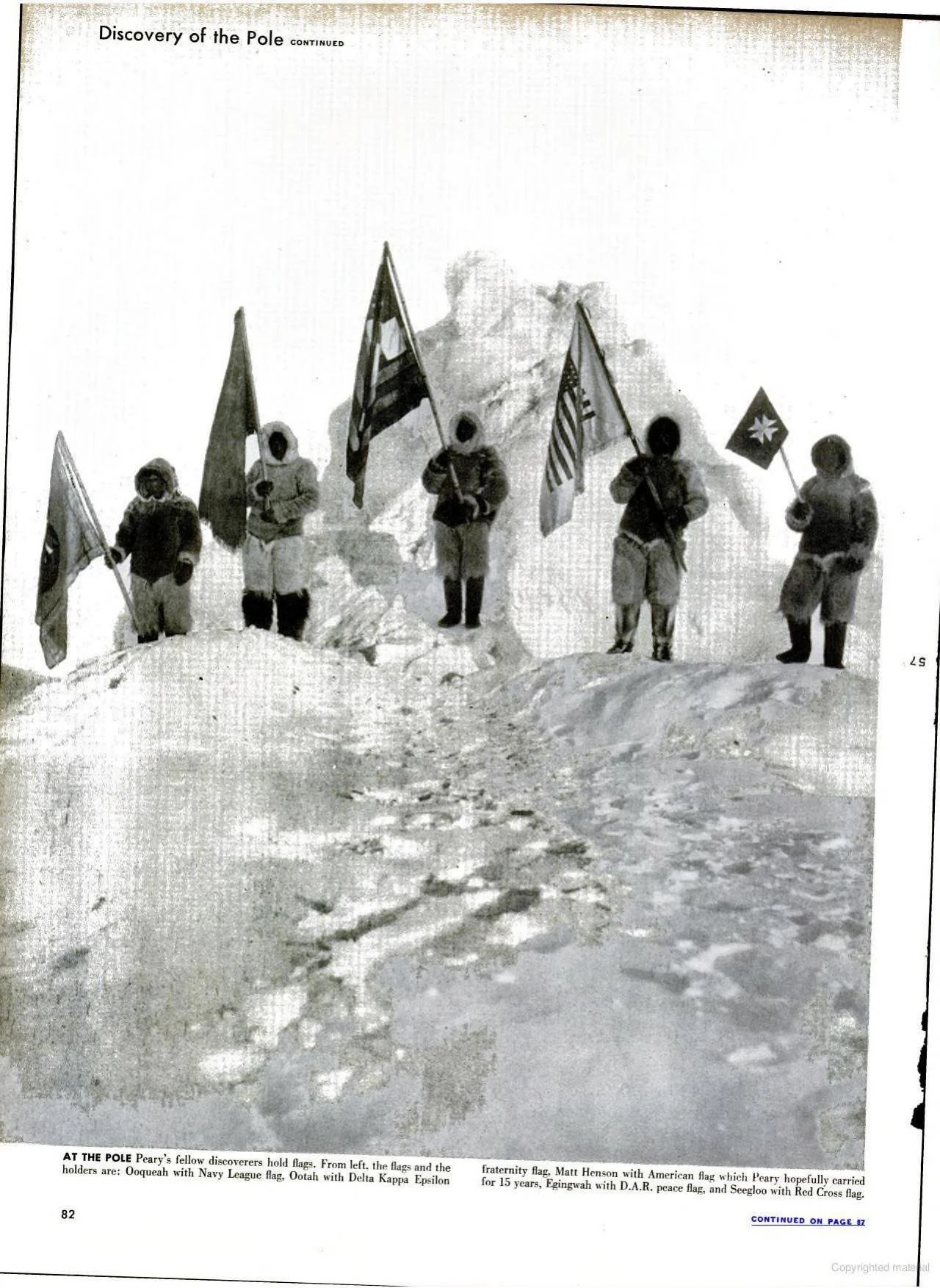
Life Magazine 1951-05-14 - Peary’s fellow discoverers at the North Pole
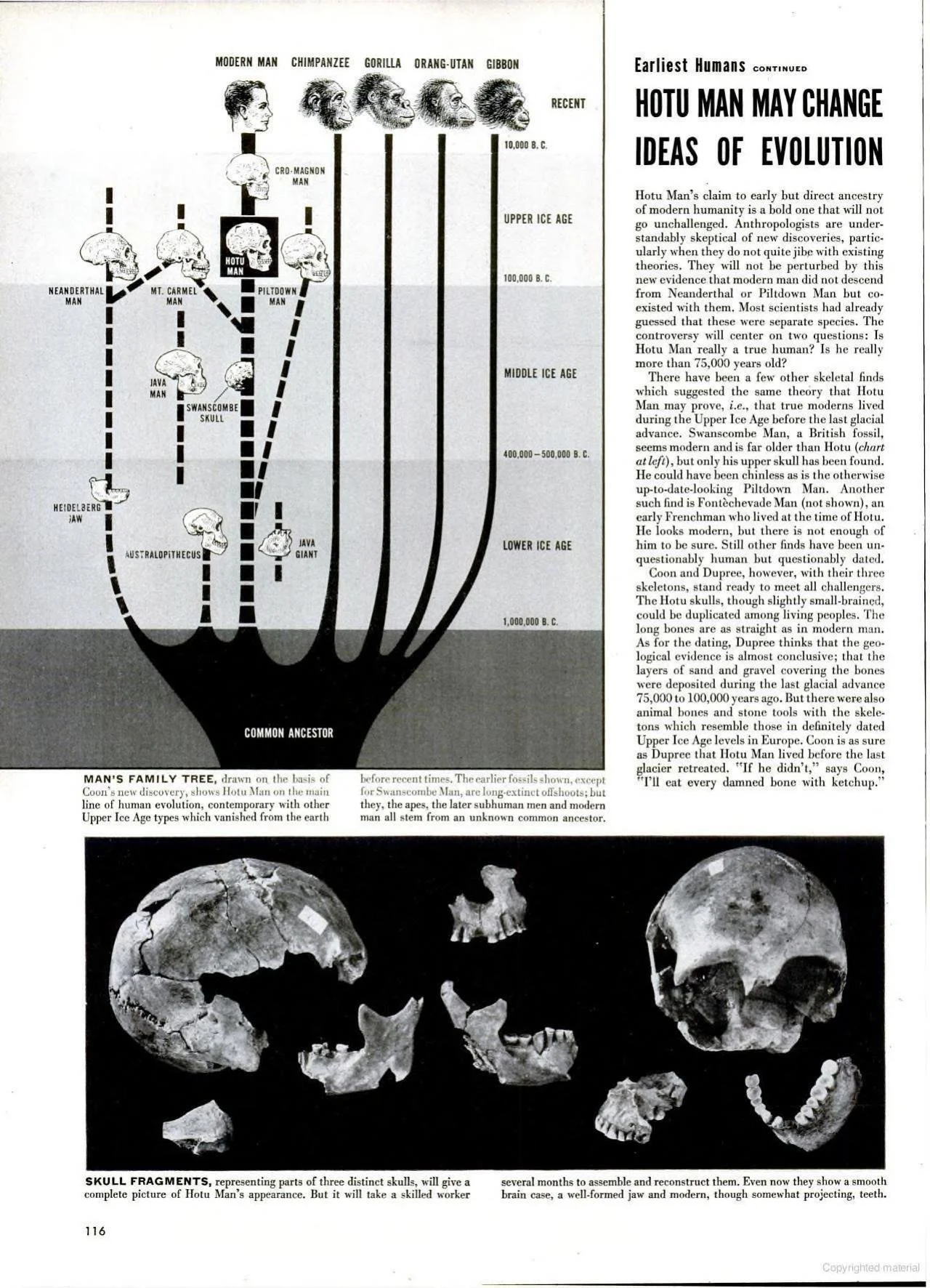
Life Magazine 1951-05-21 - Earliest humans
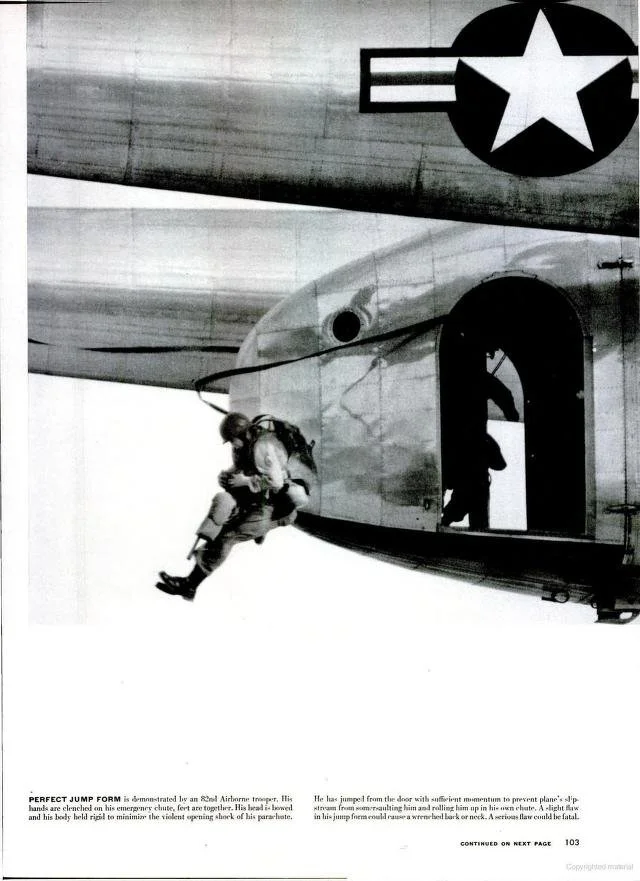
Life Magazine 1951-05-28 - Paratrooper
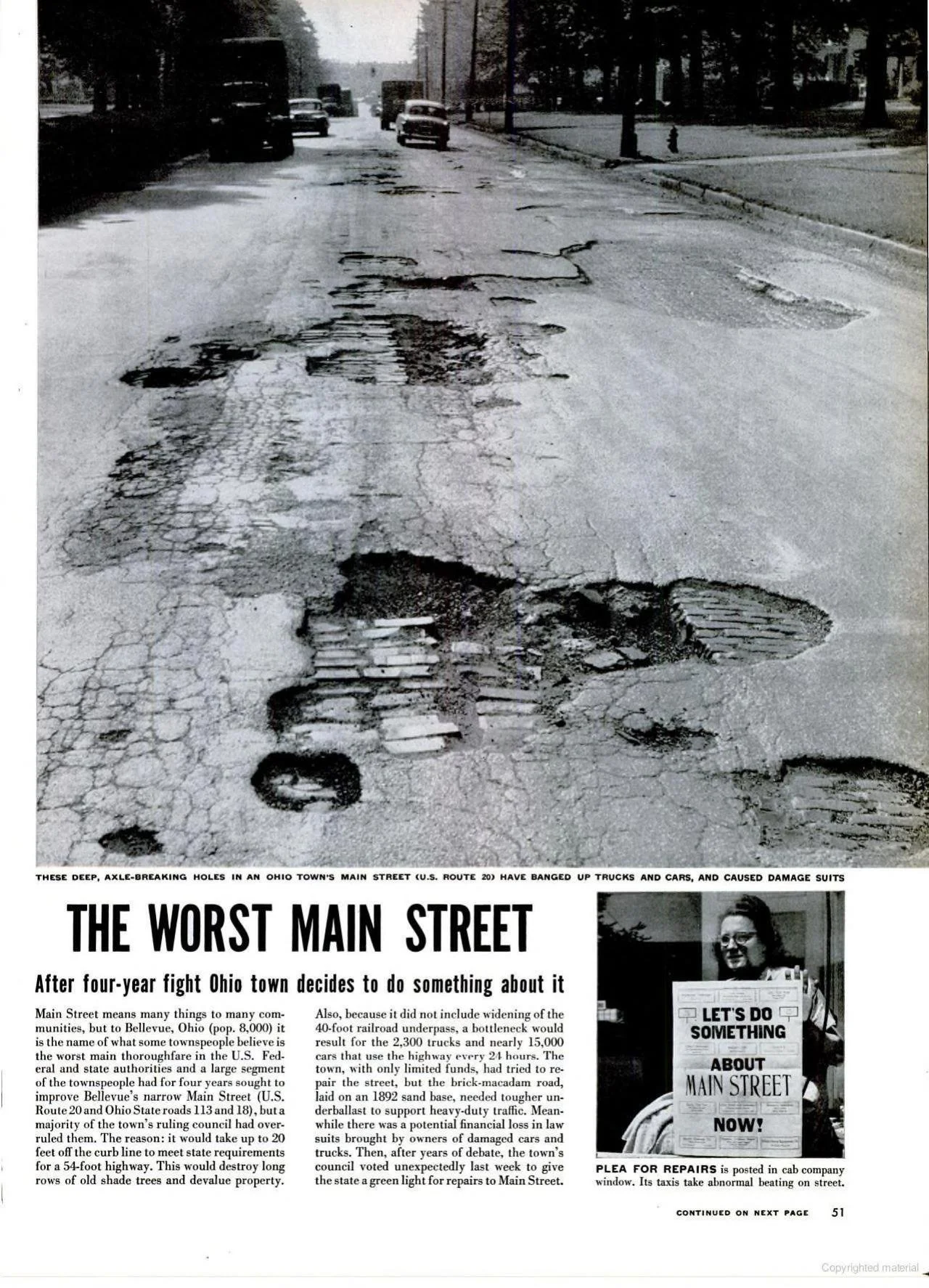
Life Magazine 1951-06-04 - Worse main street (in Bellevue, OH)
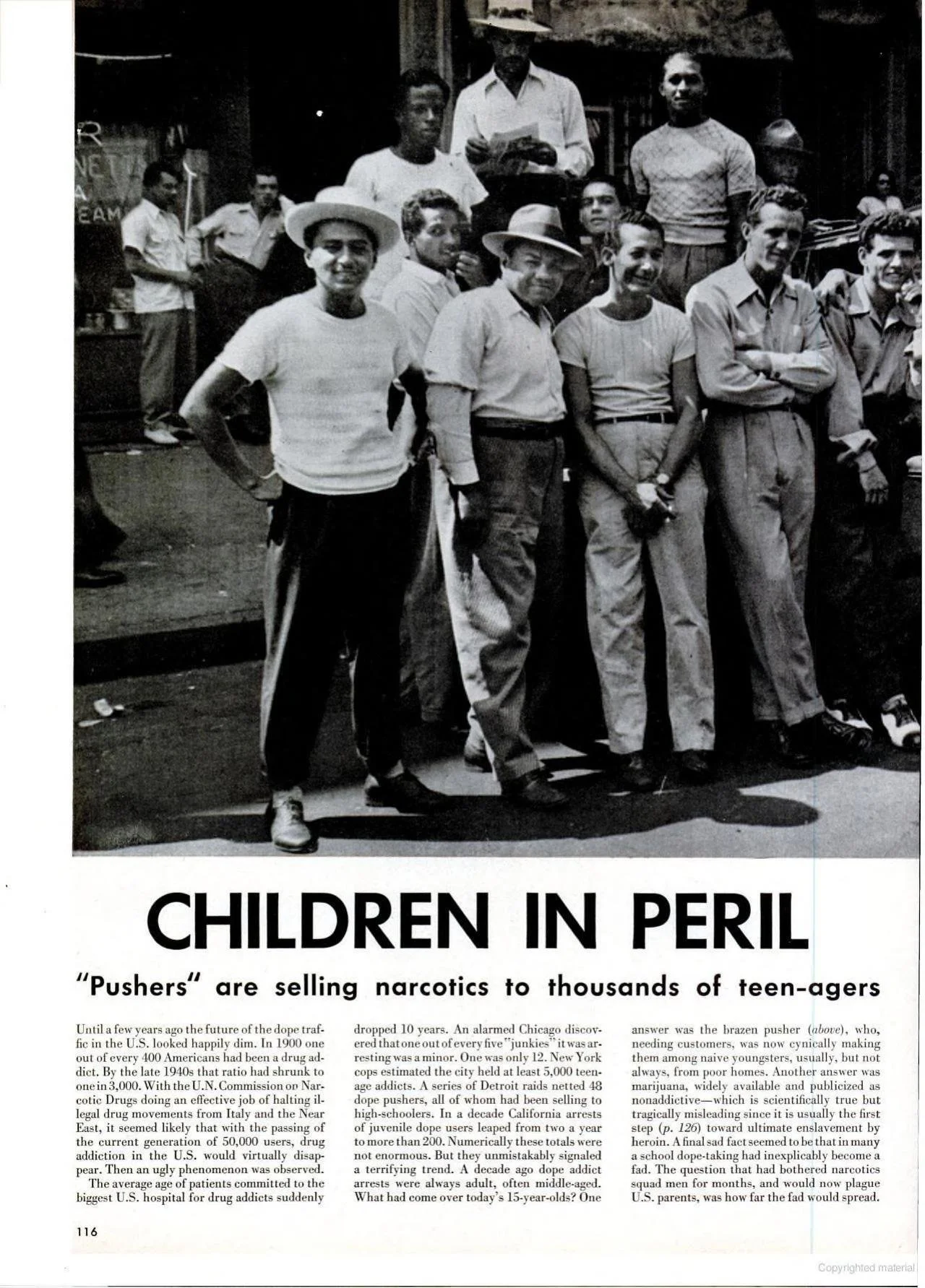
Life Magazine 1951-06-11 - Children in peril (from narcotics)
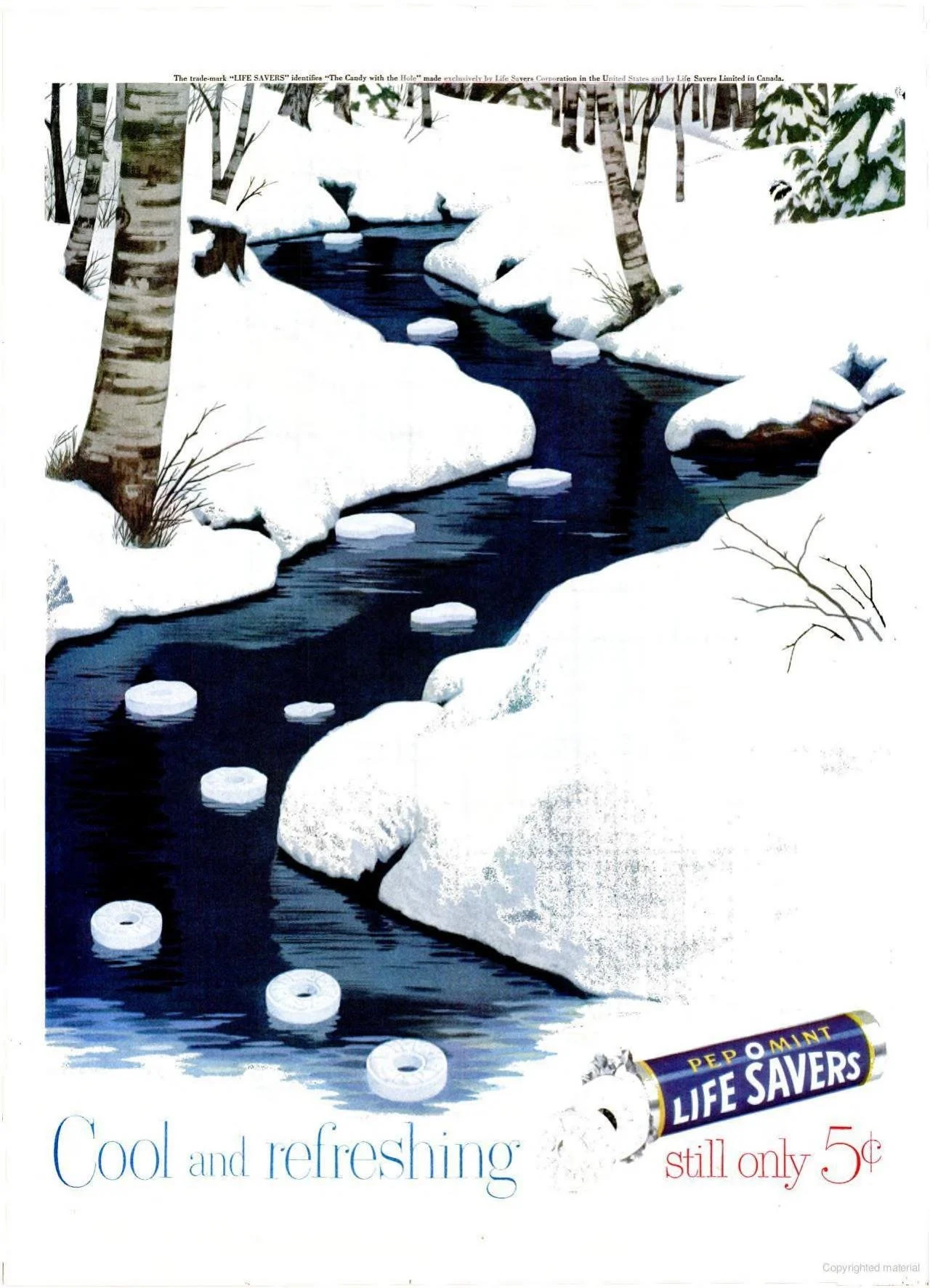
Life Magazine 1951-06-18 - Pep-o-mint Life Savers (advertisement)
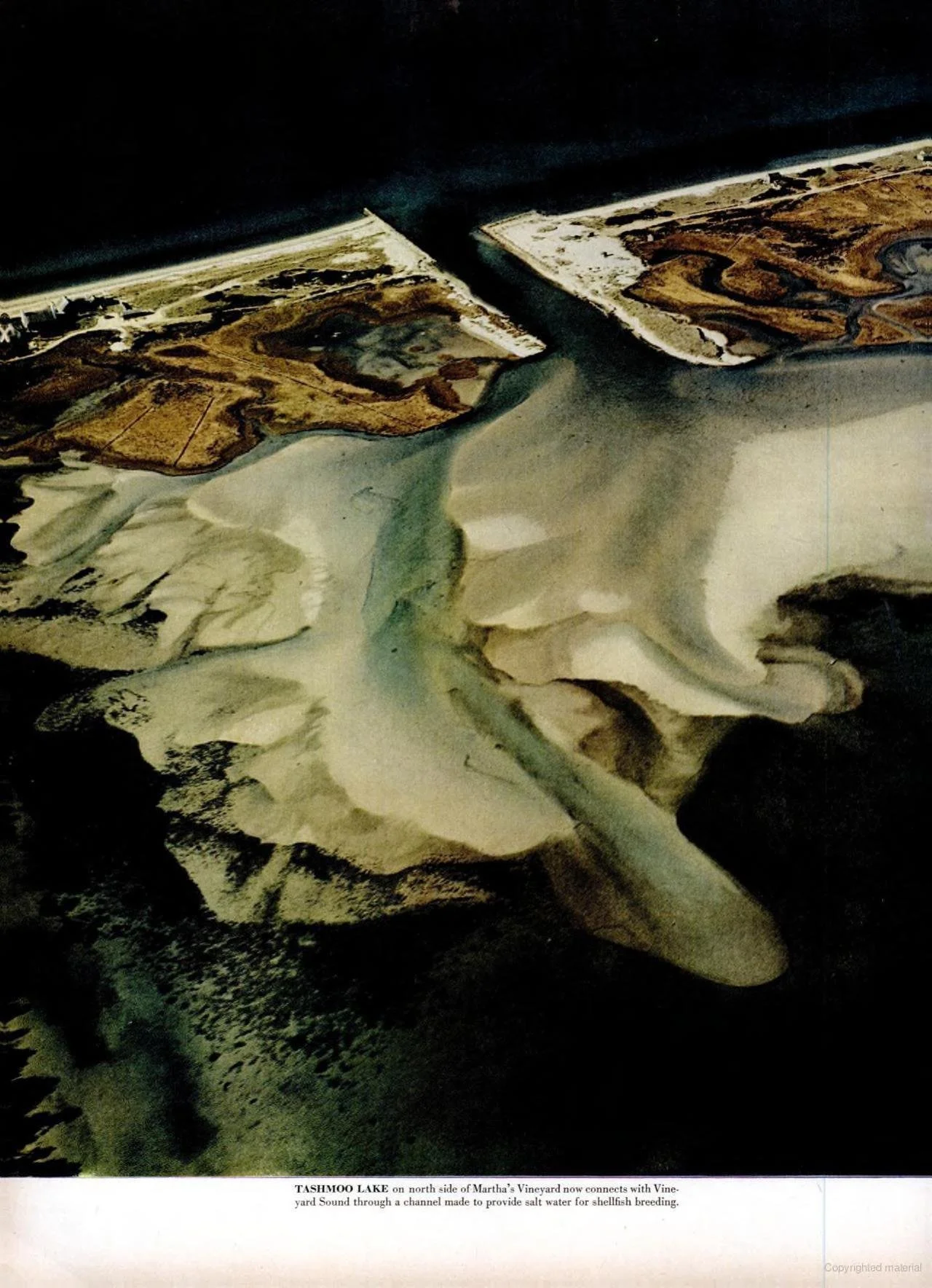
Life Magazine 1951-06-25 - Martha’s Vineyard from above
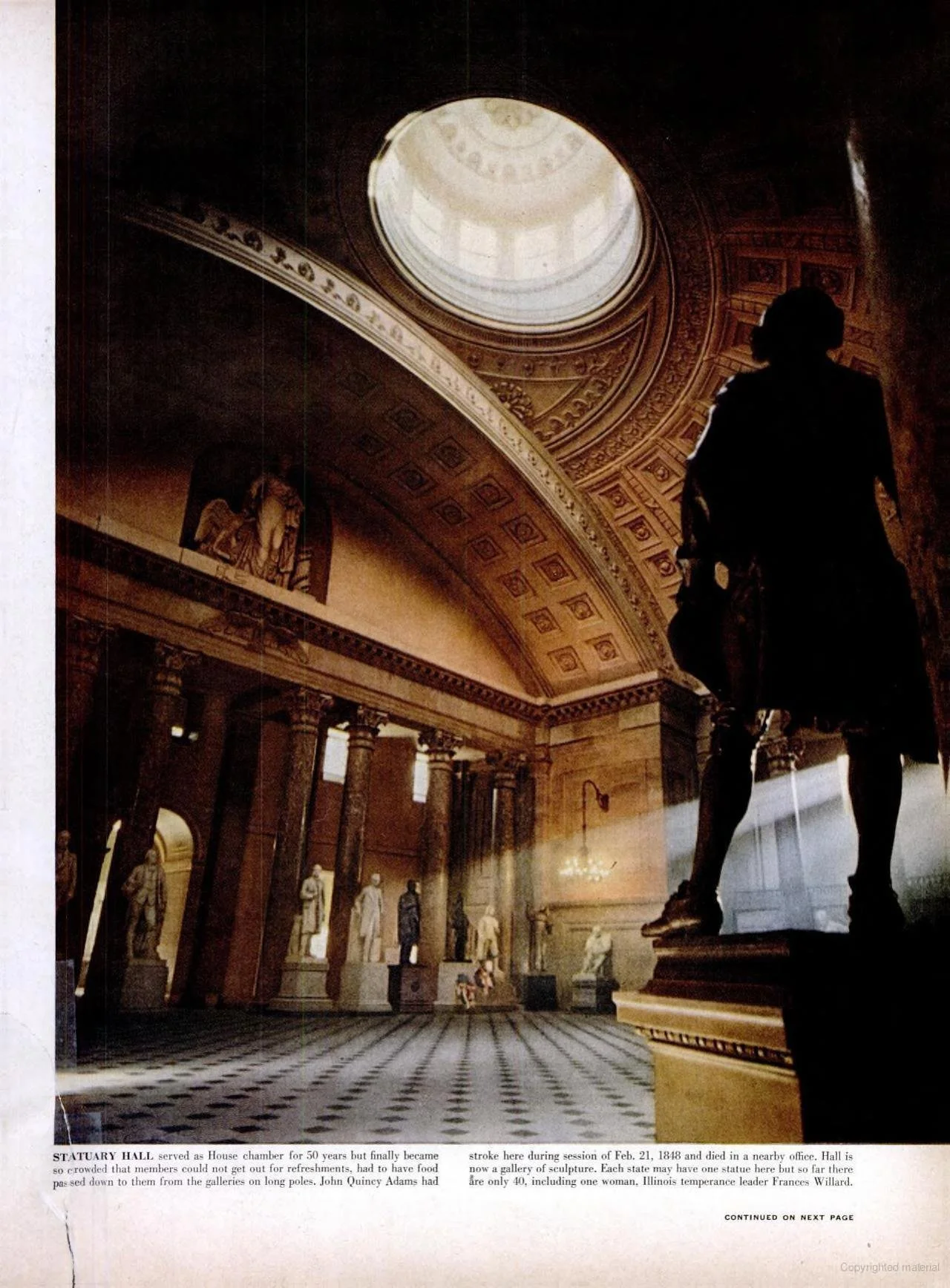
Life Magazine 1951-07-02 - US House Statuary Hall
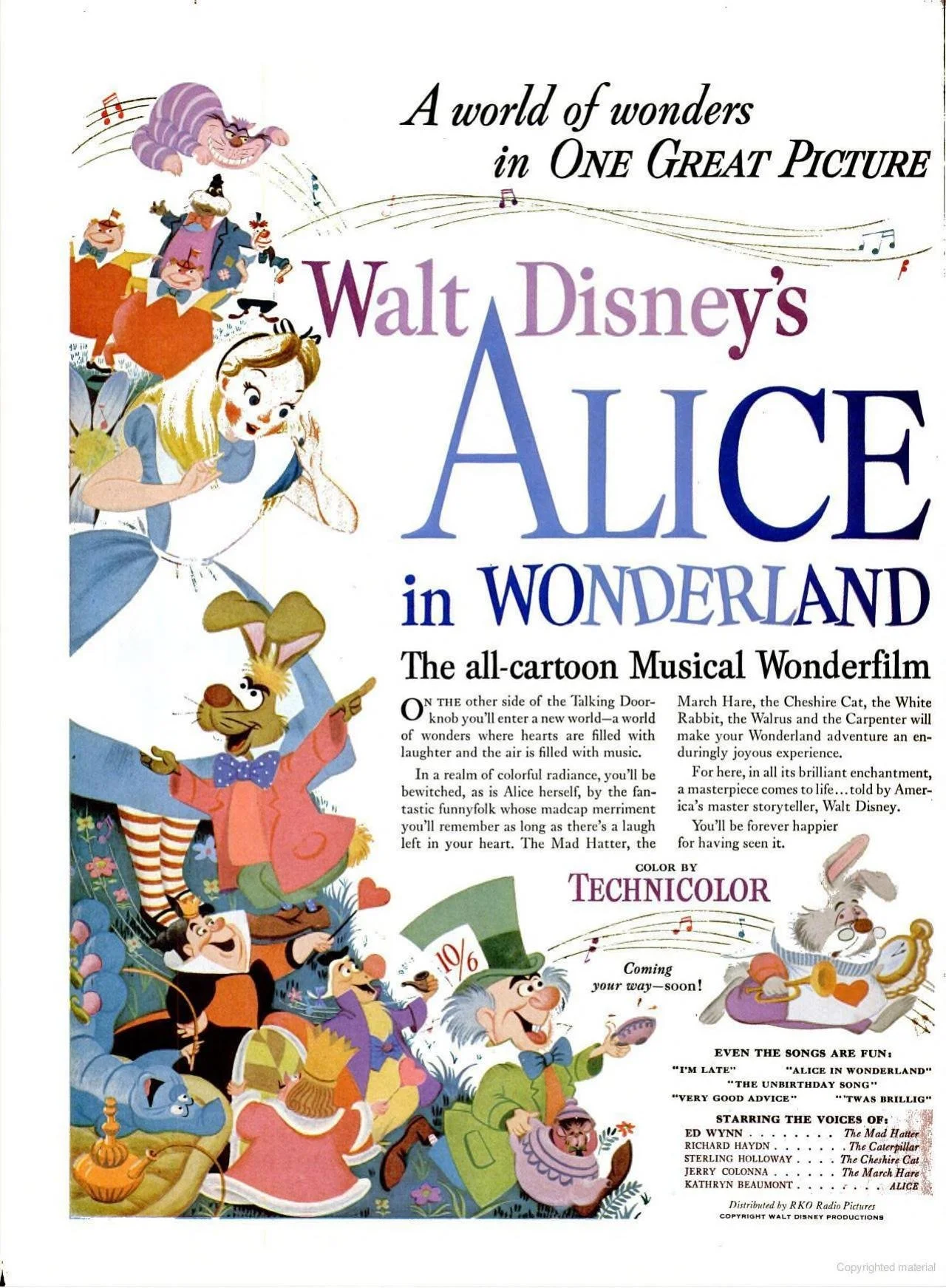
Life Magazine 1951-07-09 - Walt Disney’s Alice in Wonderland (advertisement)
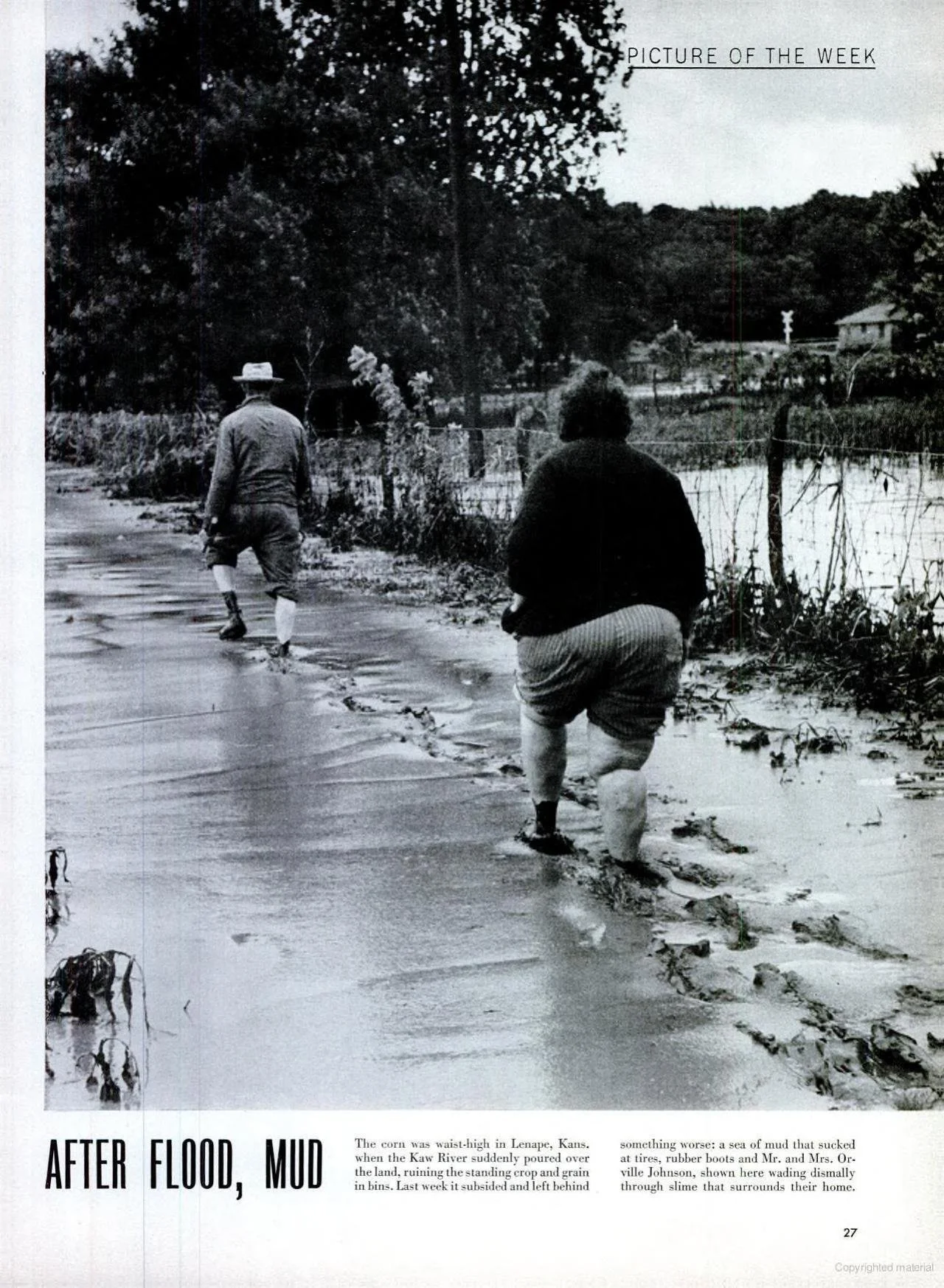
Life Magazine 1951-07-16 - After flood, mud (in Kansas)
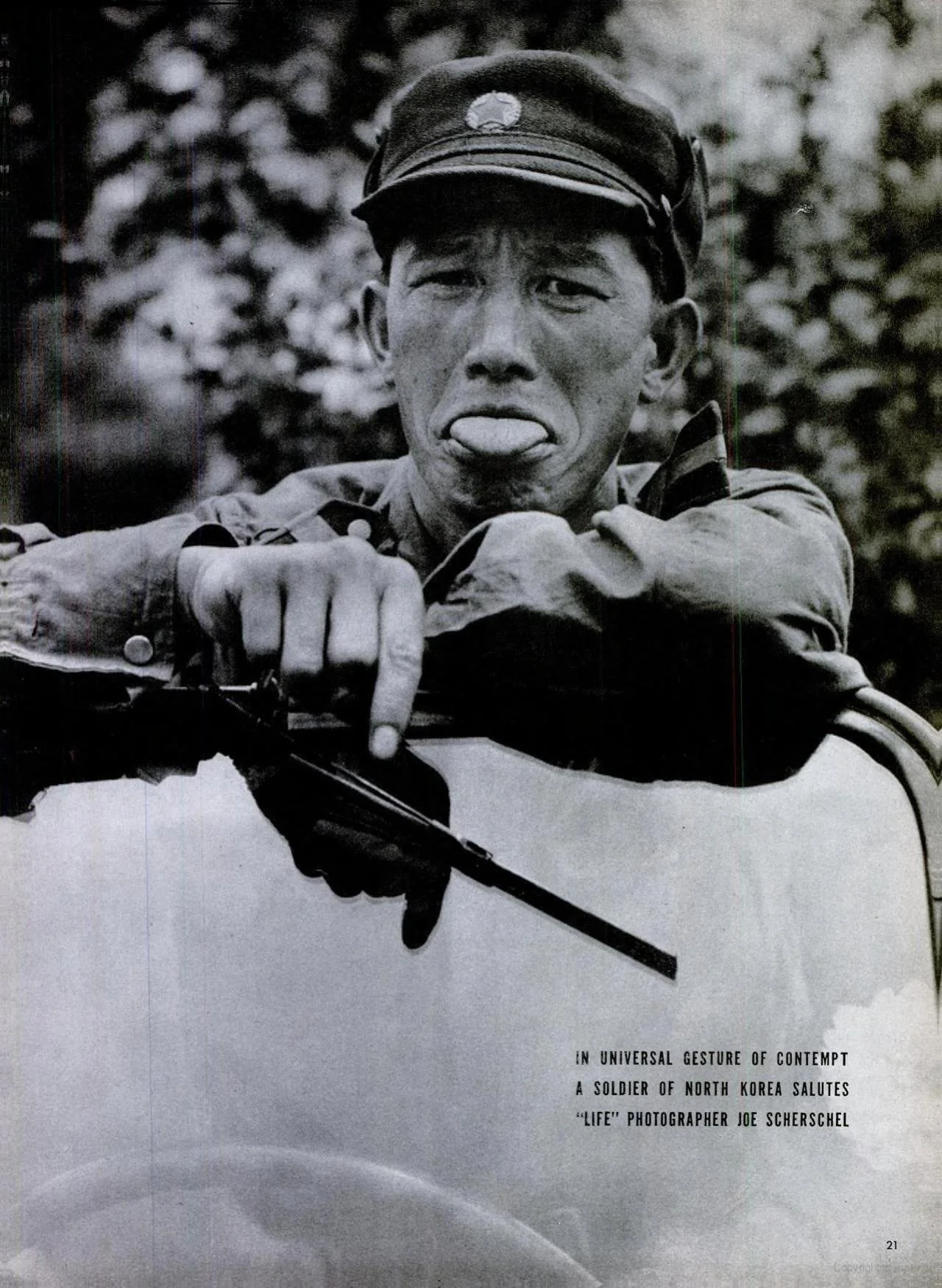
Life Magazine 1951-07-23 - North Korean soldier reaction to photographer
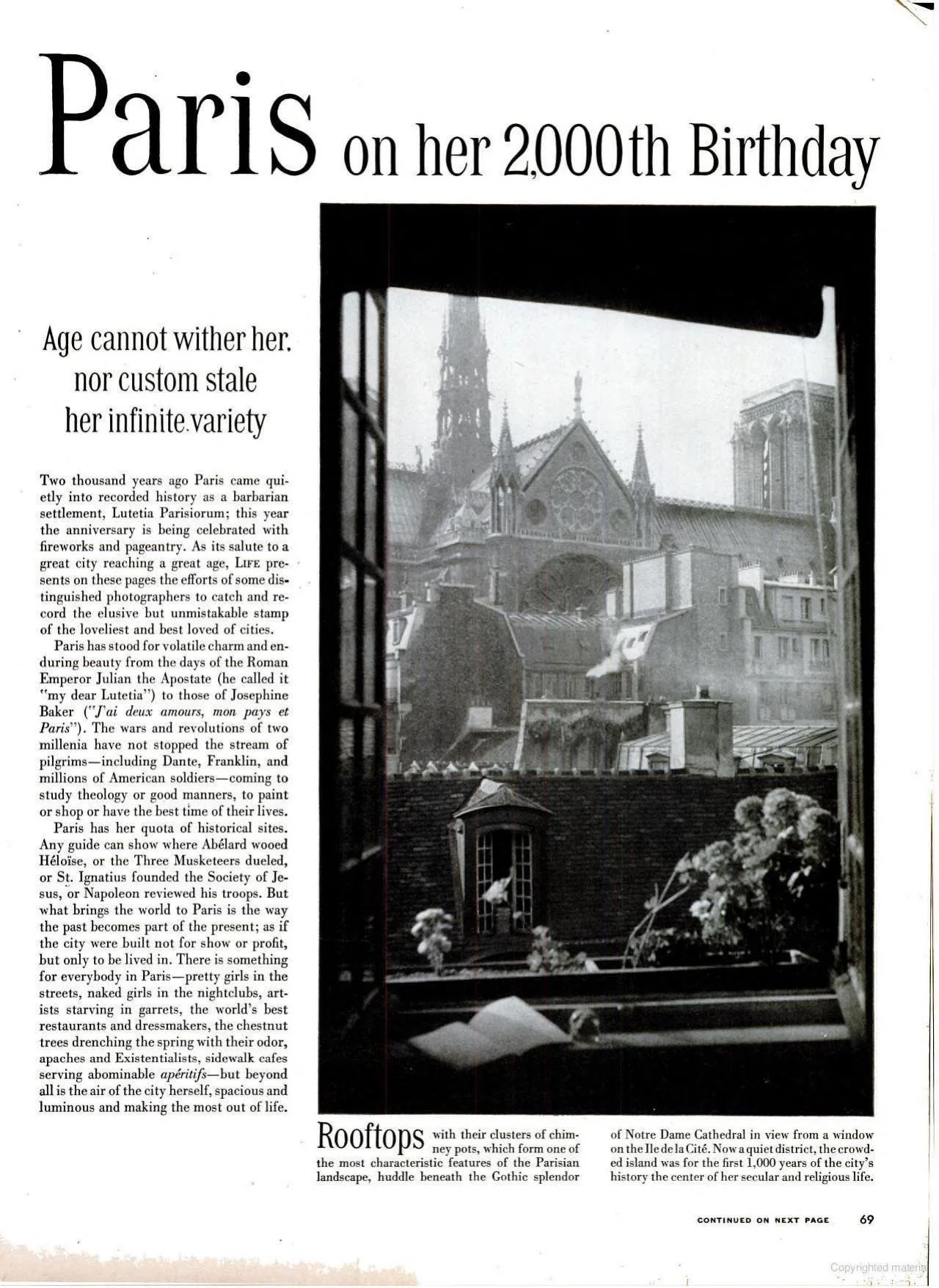
Life Magazine 1951-07-30 - Paris on her 2,000 birthday
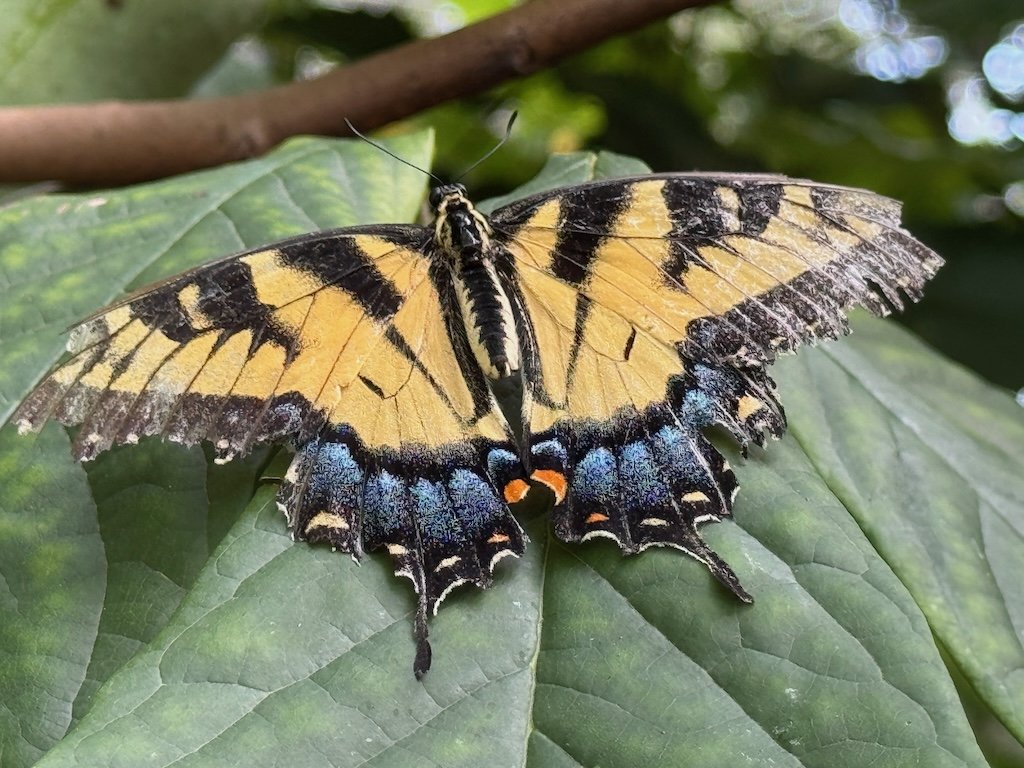
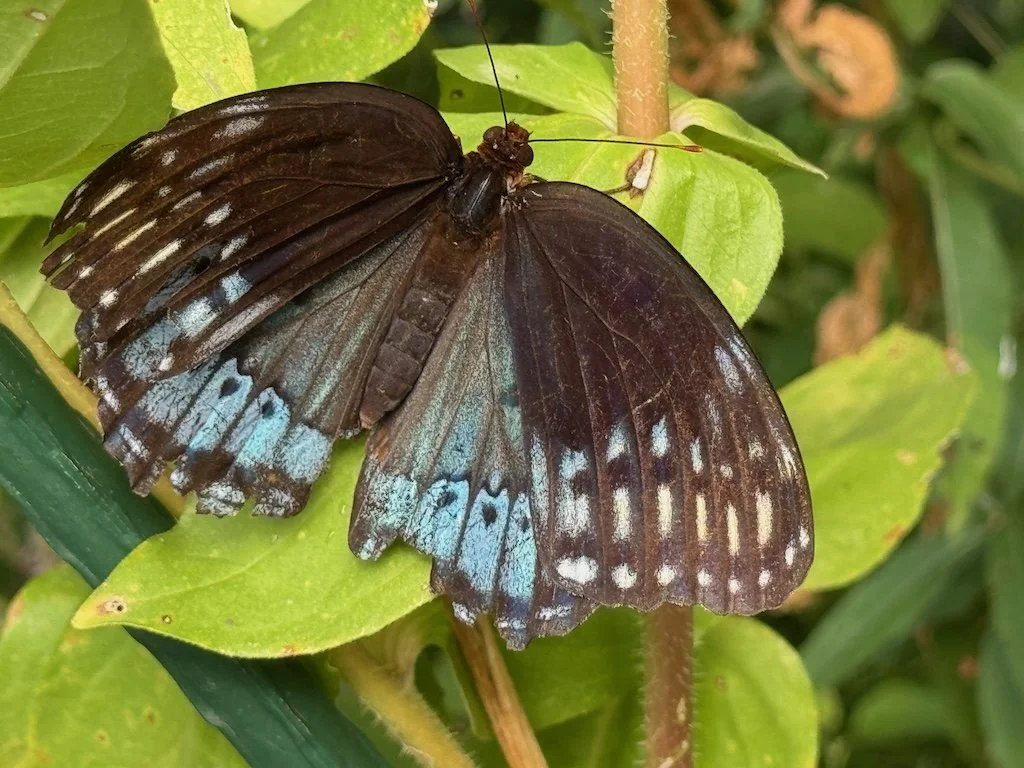
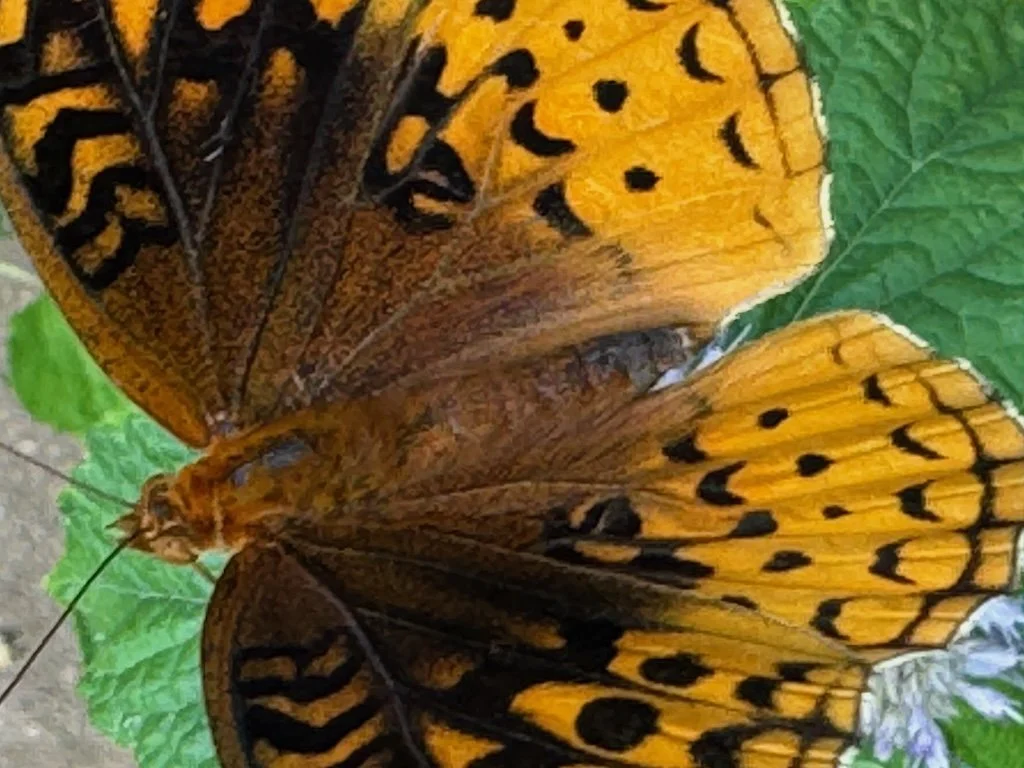
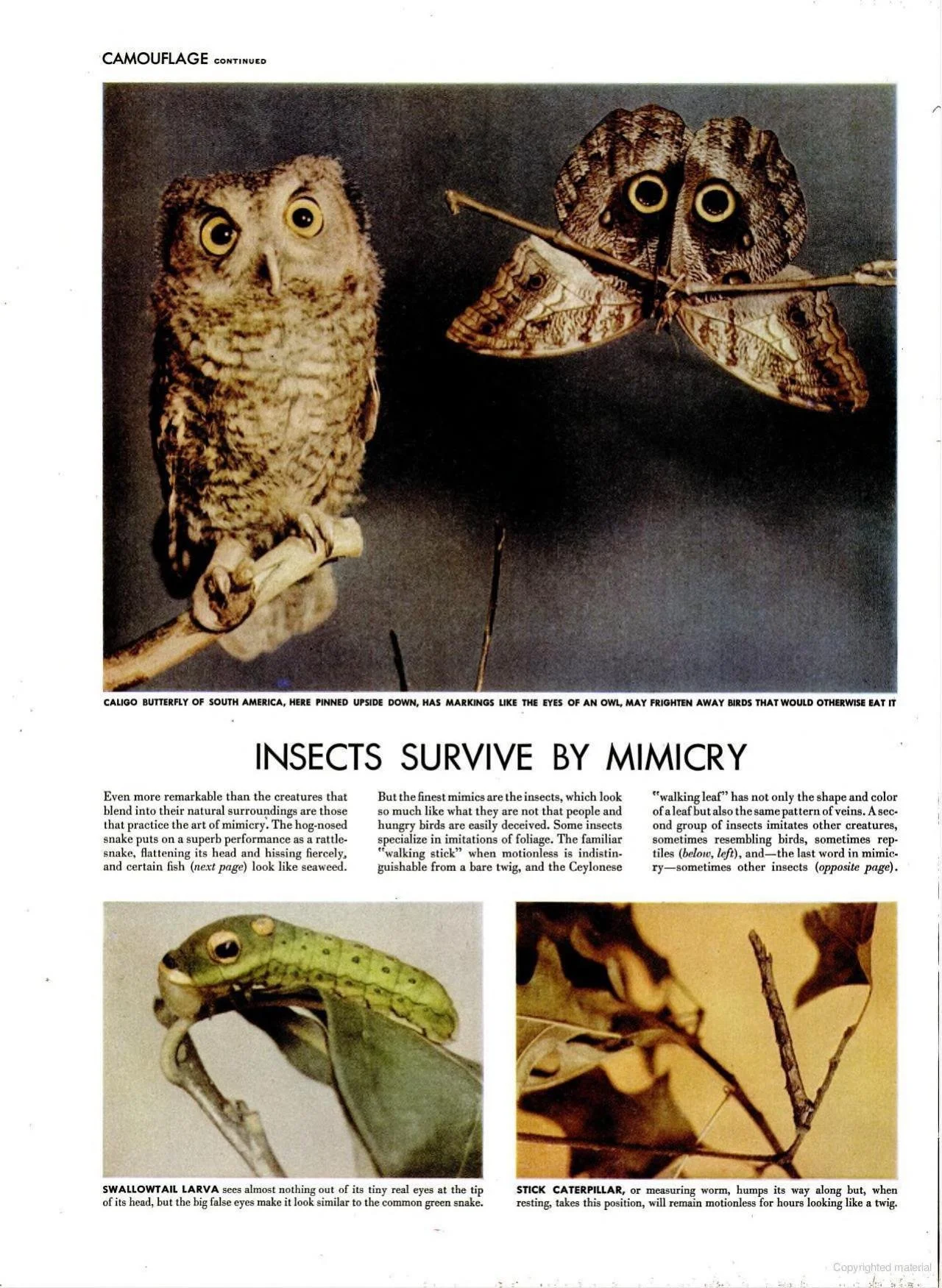
Life Magazine 1951-08-06 - Insects survive by mimicry
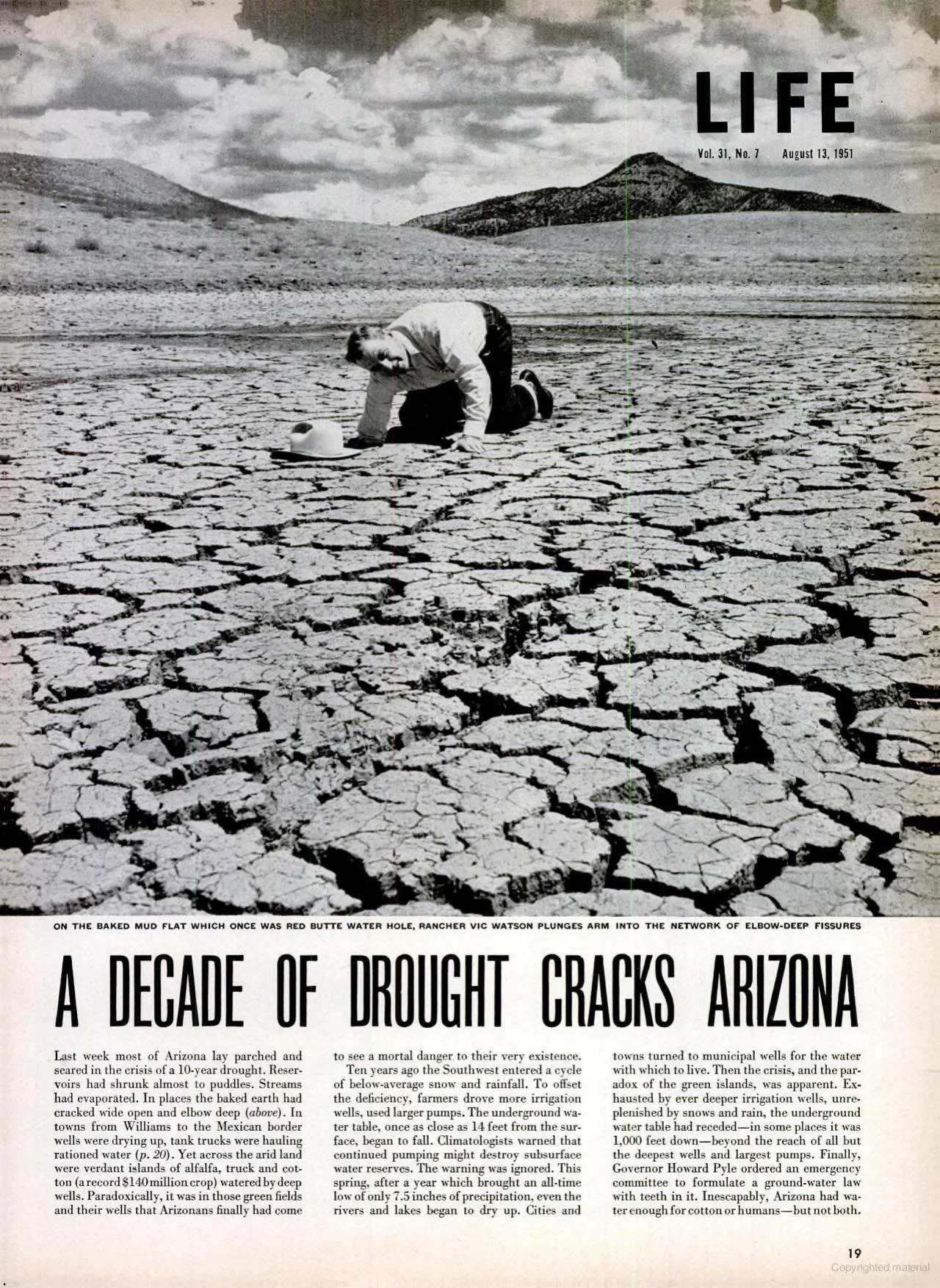
Life Magazine 1951-08-13 - Drought cracks Arizona
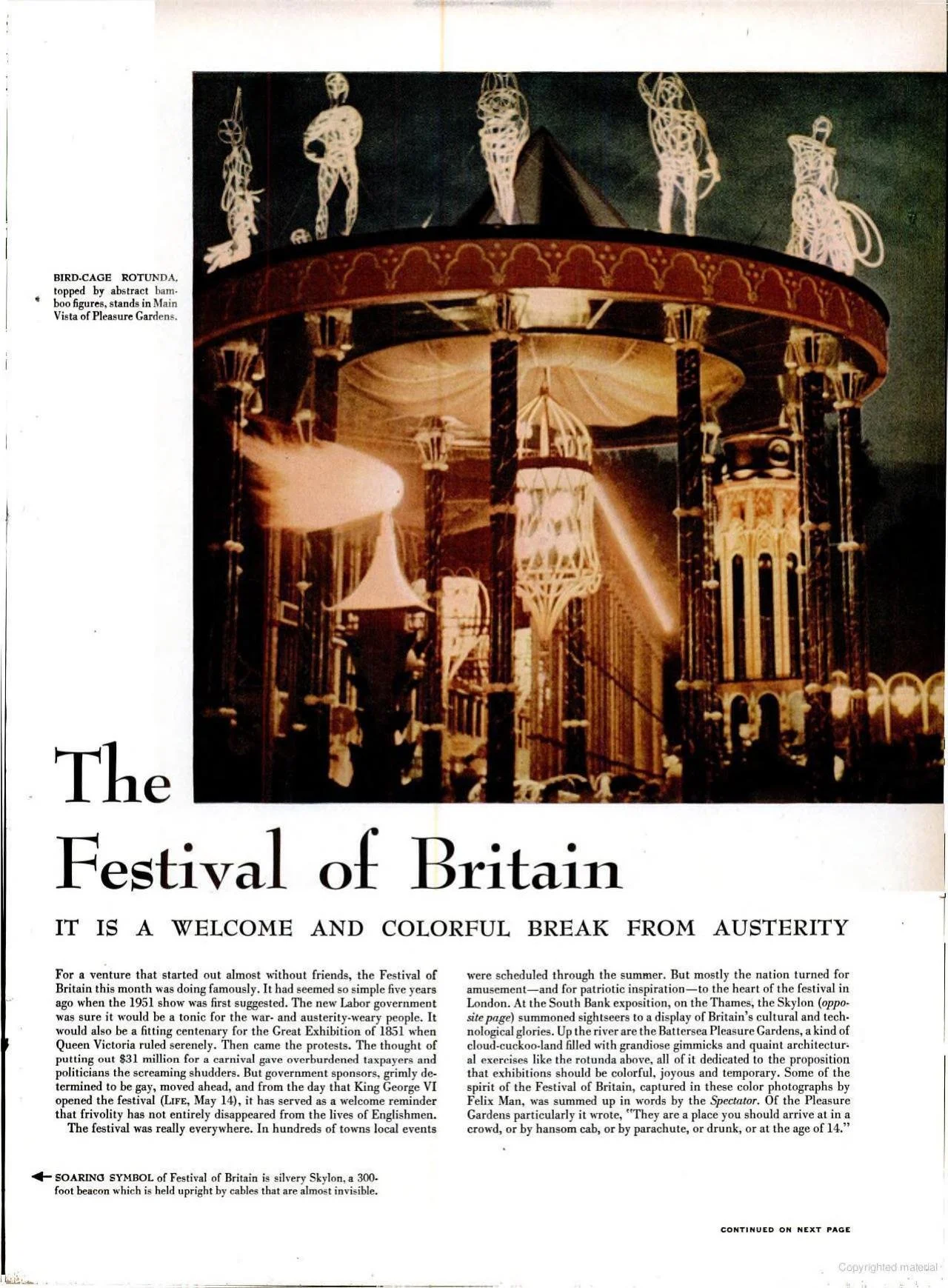
Life Magazine 1951-08-20 - Festival of Britain
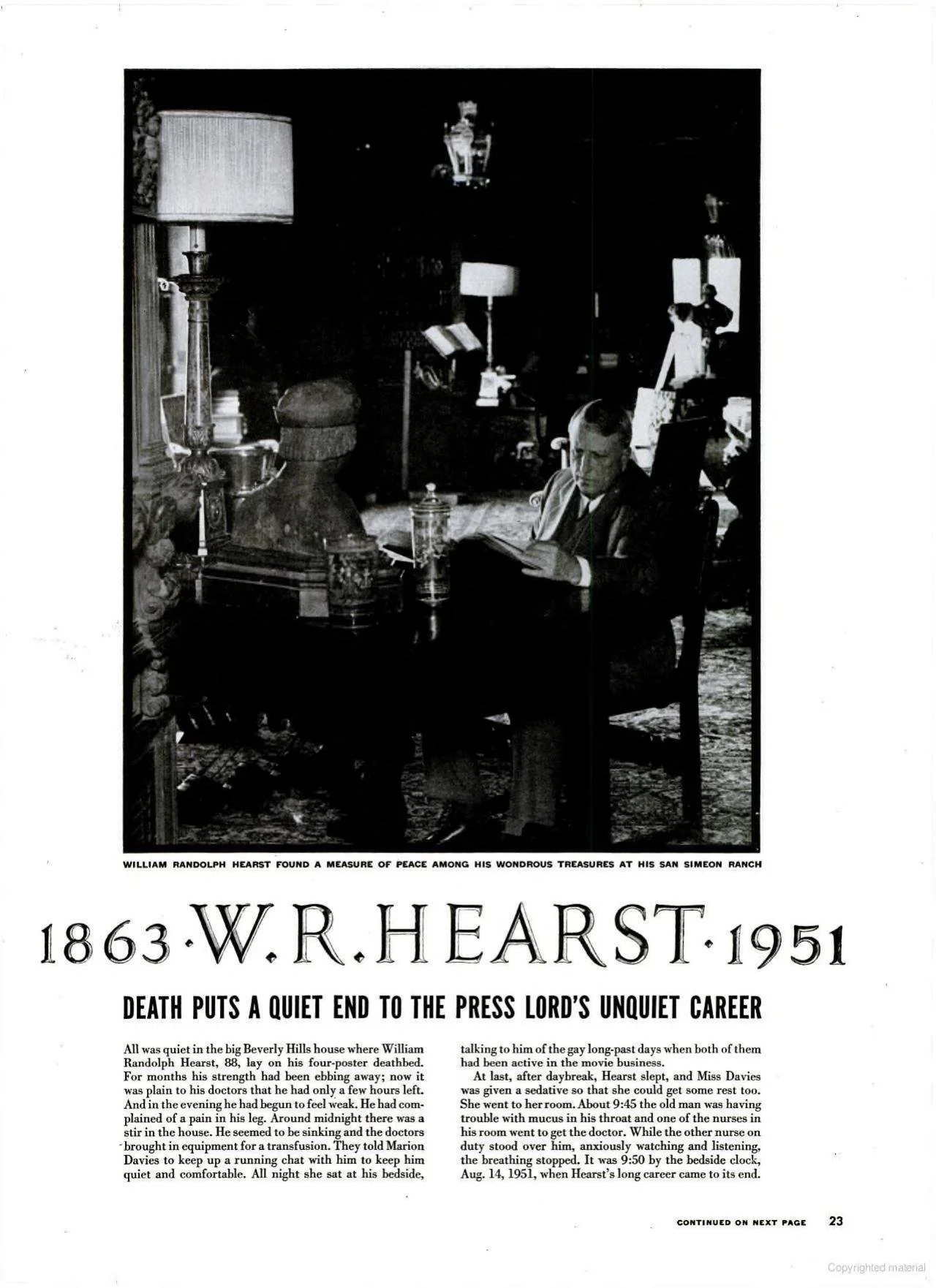
Life Magazine 1951-08-27 - W.R. Hearst – a quiet end
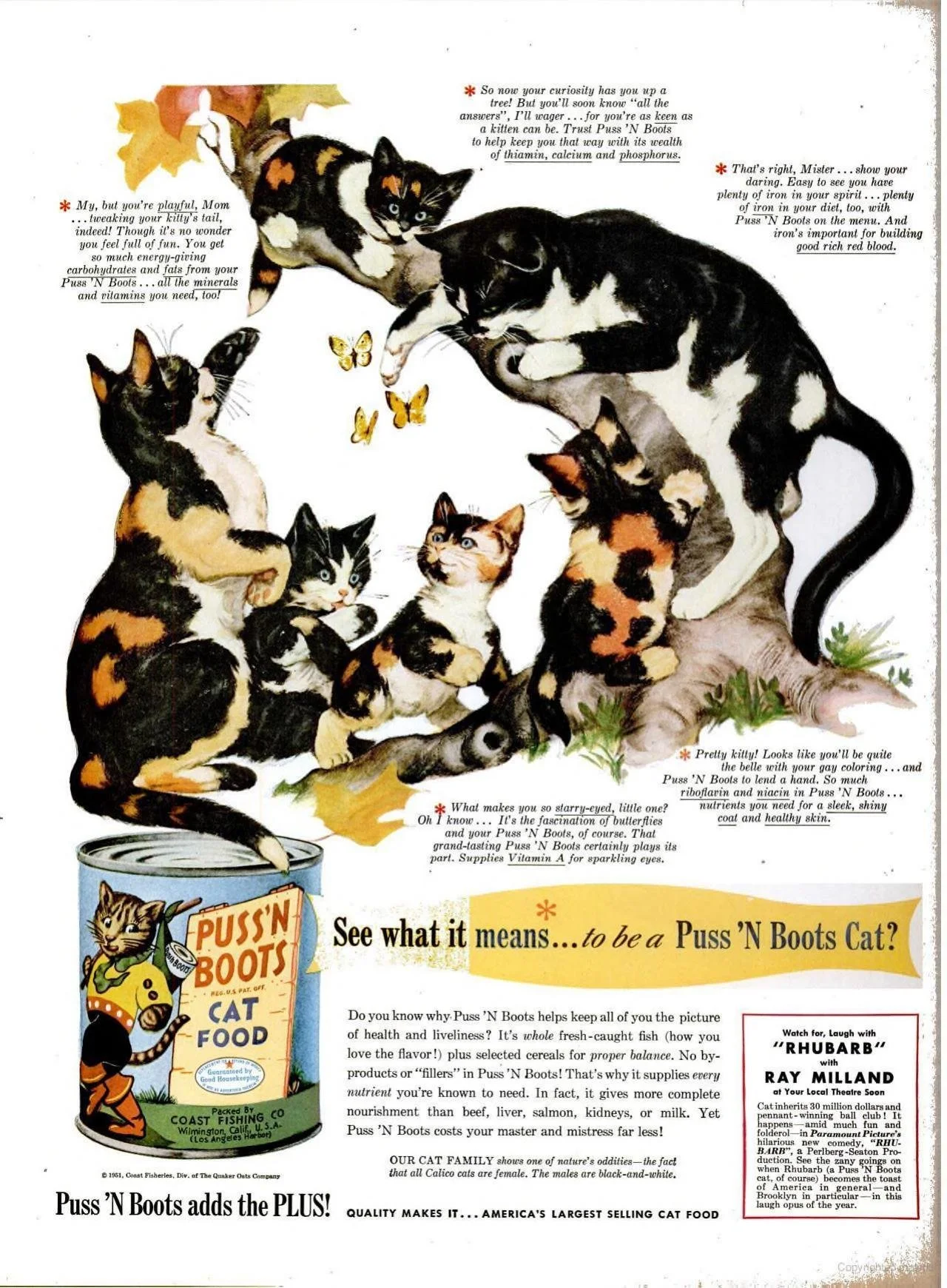
Life Magazine 1951-09-03 - Puss’n’Boots Cat food (advertisement)
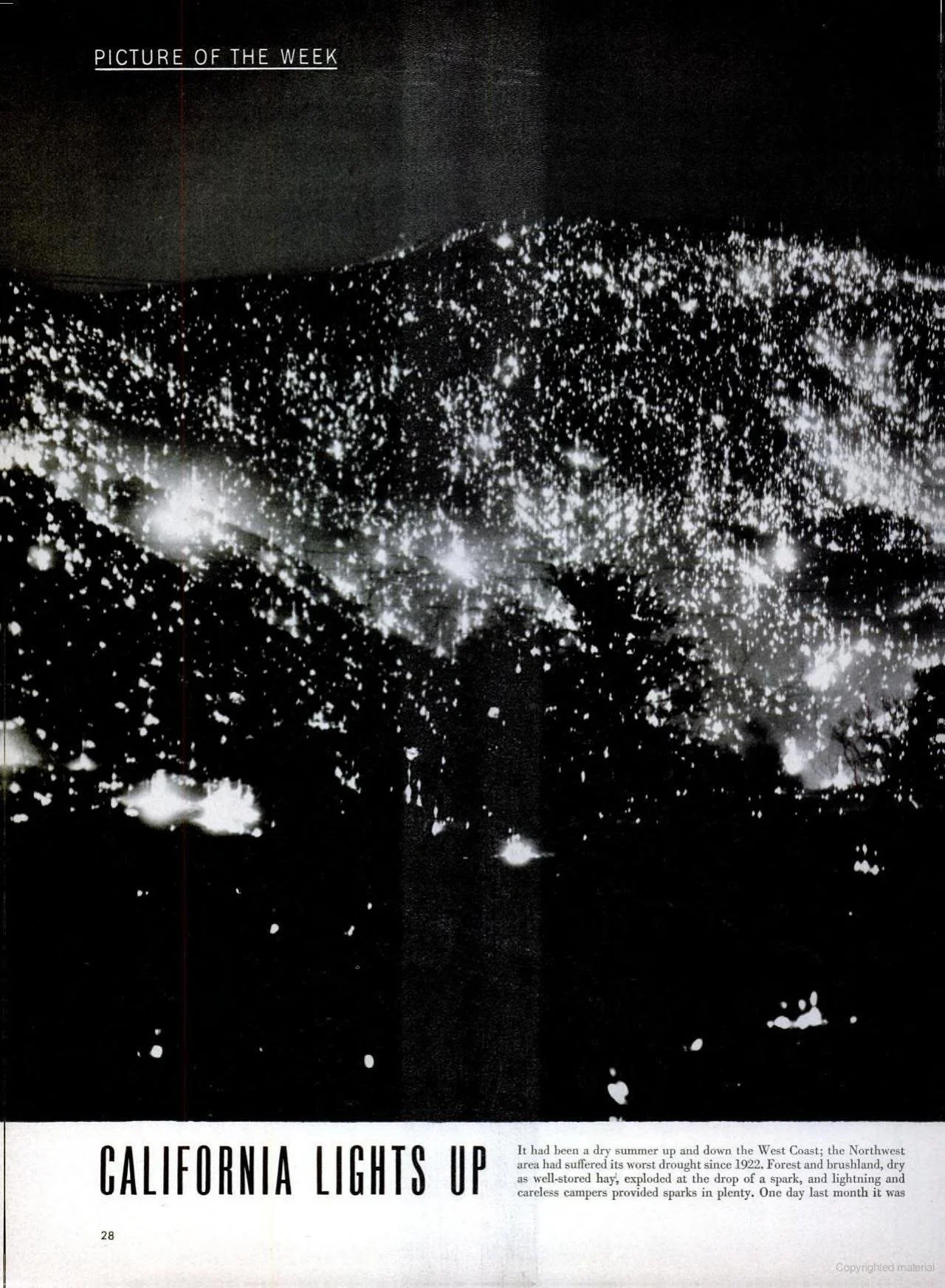
Life Magazine 1951-09-10 - California lights
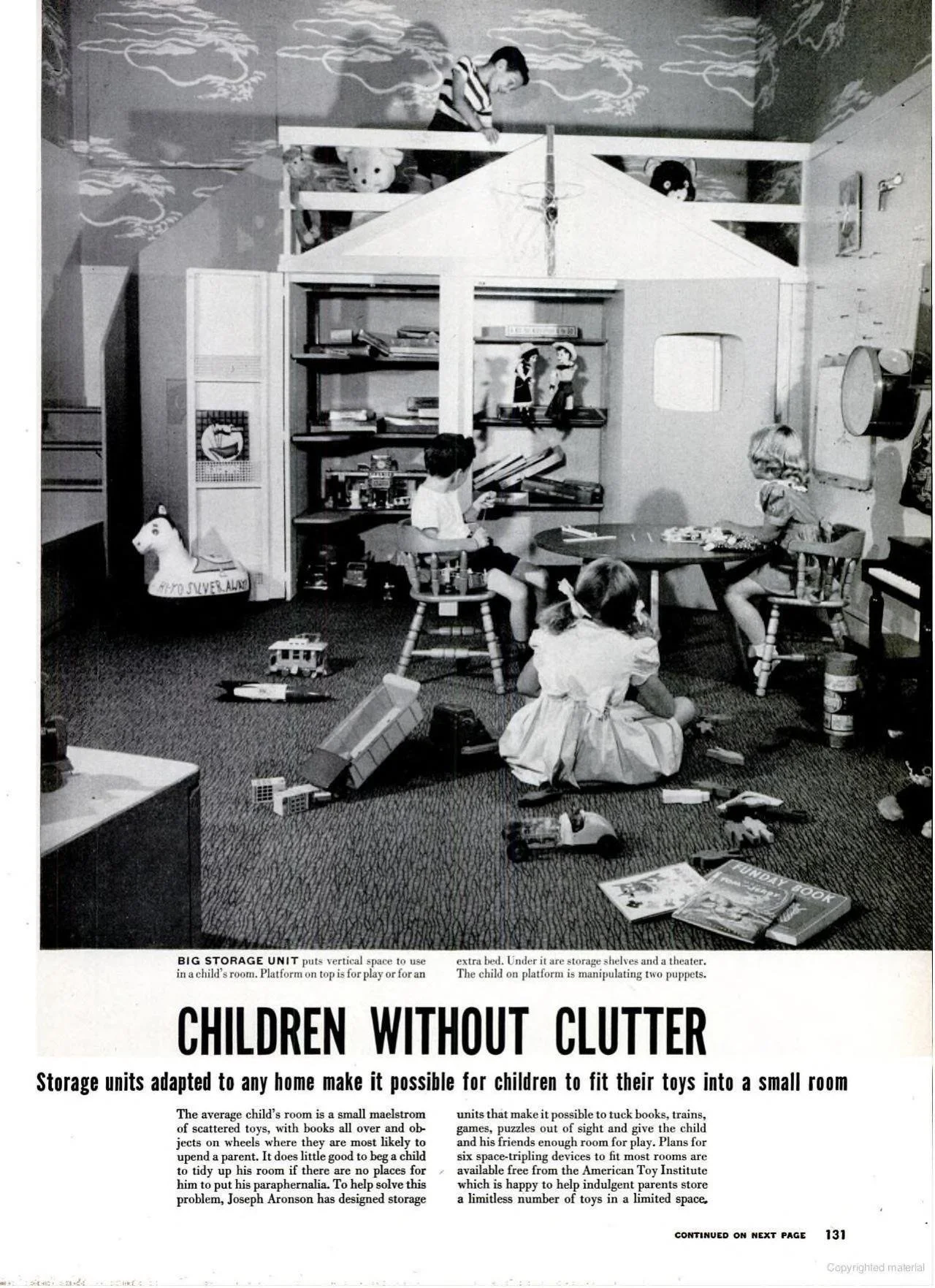
Life Magazine 1951-09-17 - Children without clutter
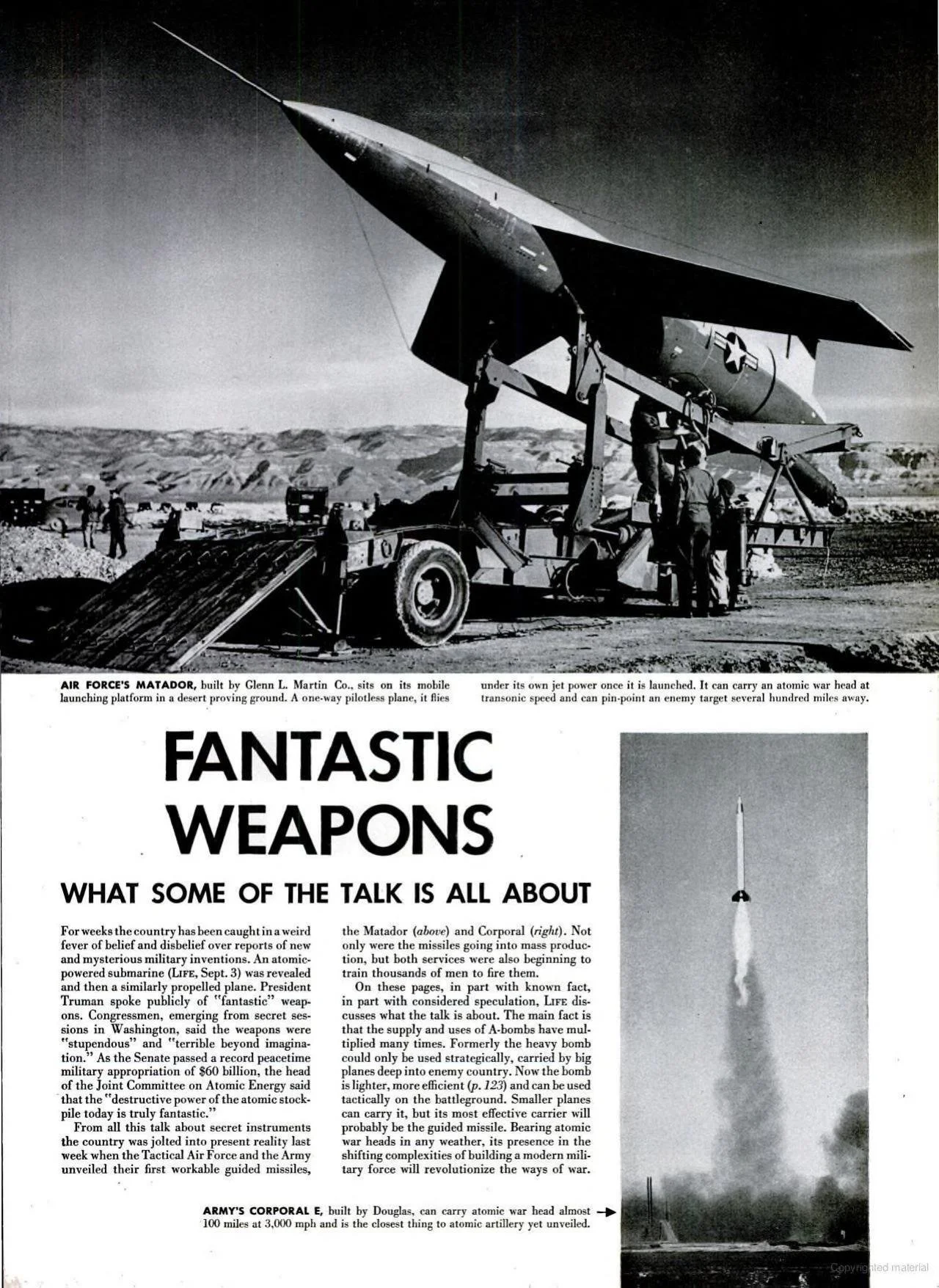
Life Magazine 1951-09-24 - Fantastic weapons
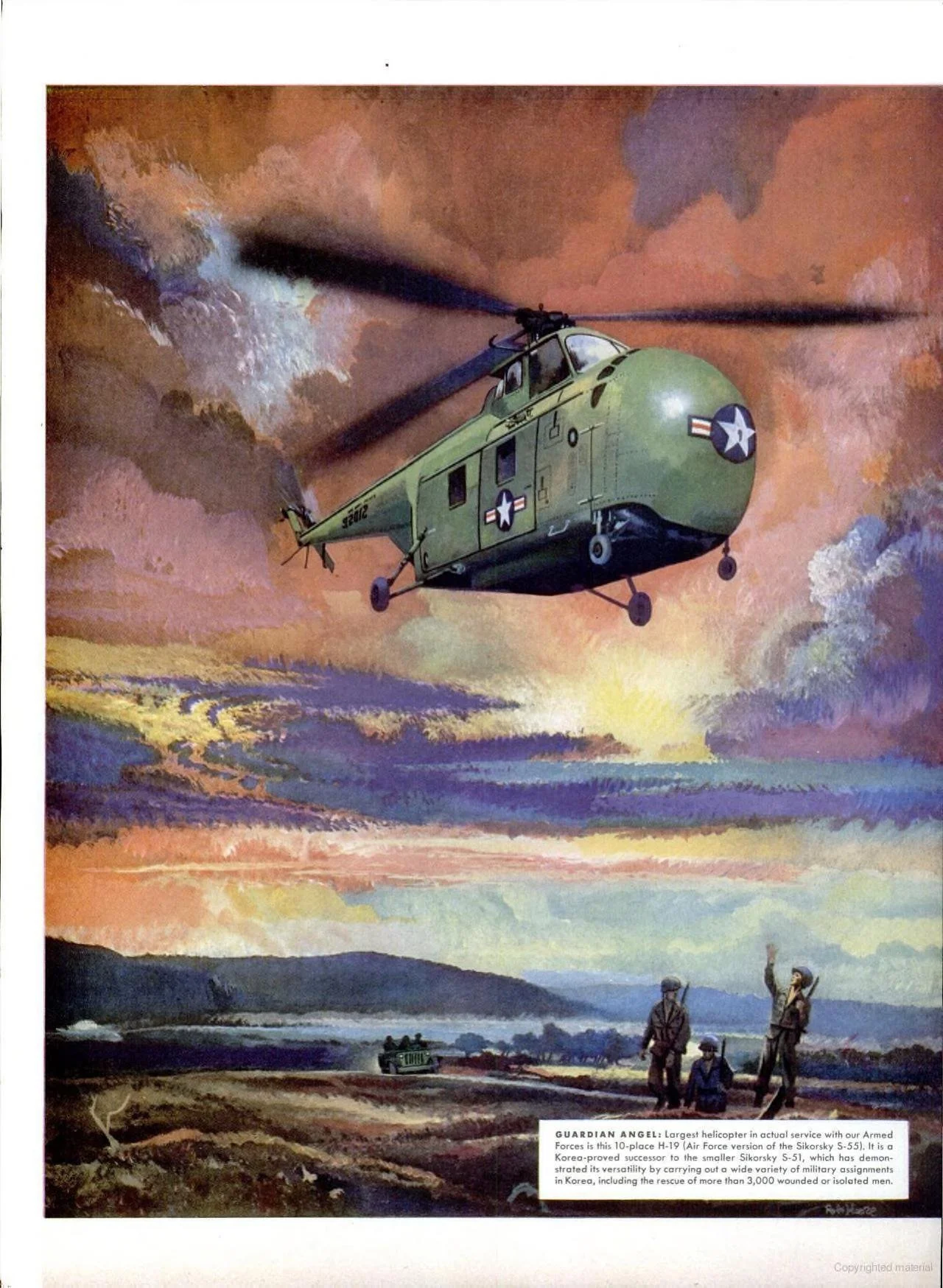
Life Magazine 1951-10-01 - Largest helicopter
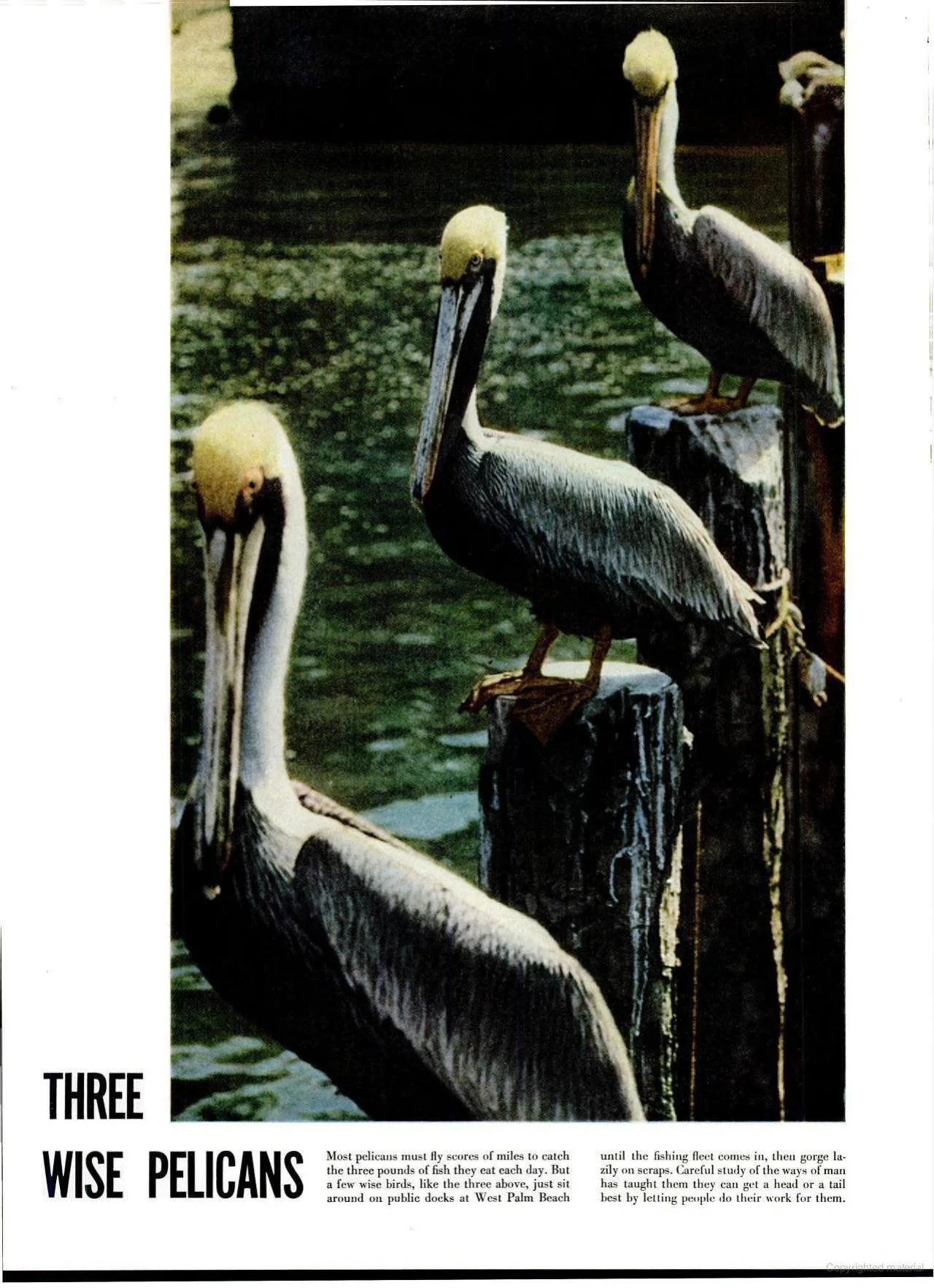
Life Magazine 1951-10-08 - Pelicans at West Palm Beach
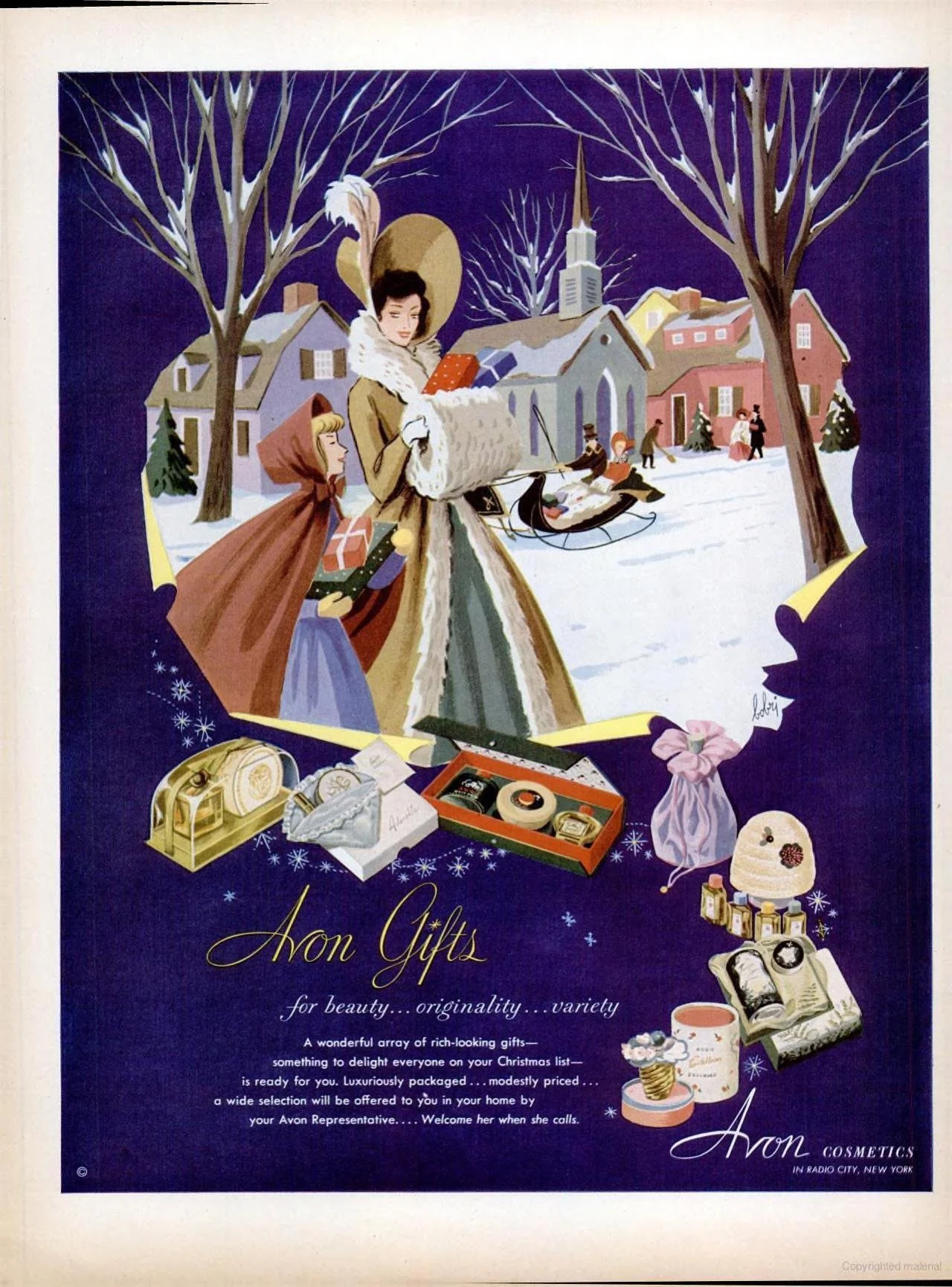
Life Magazine 1951-10-15 - Avon Cosmetics (advertisement)
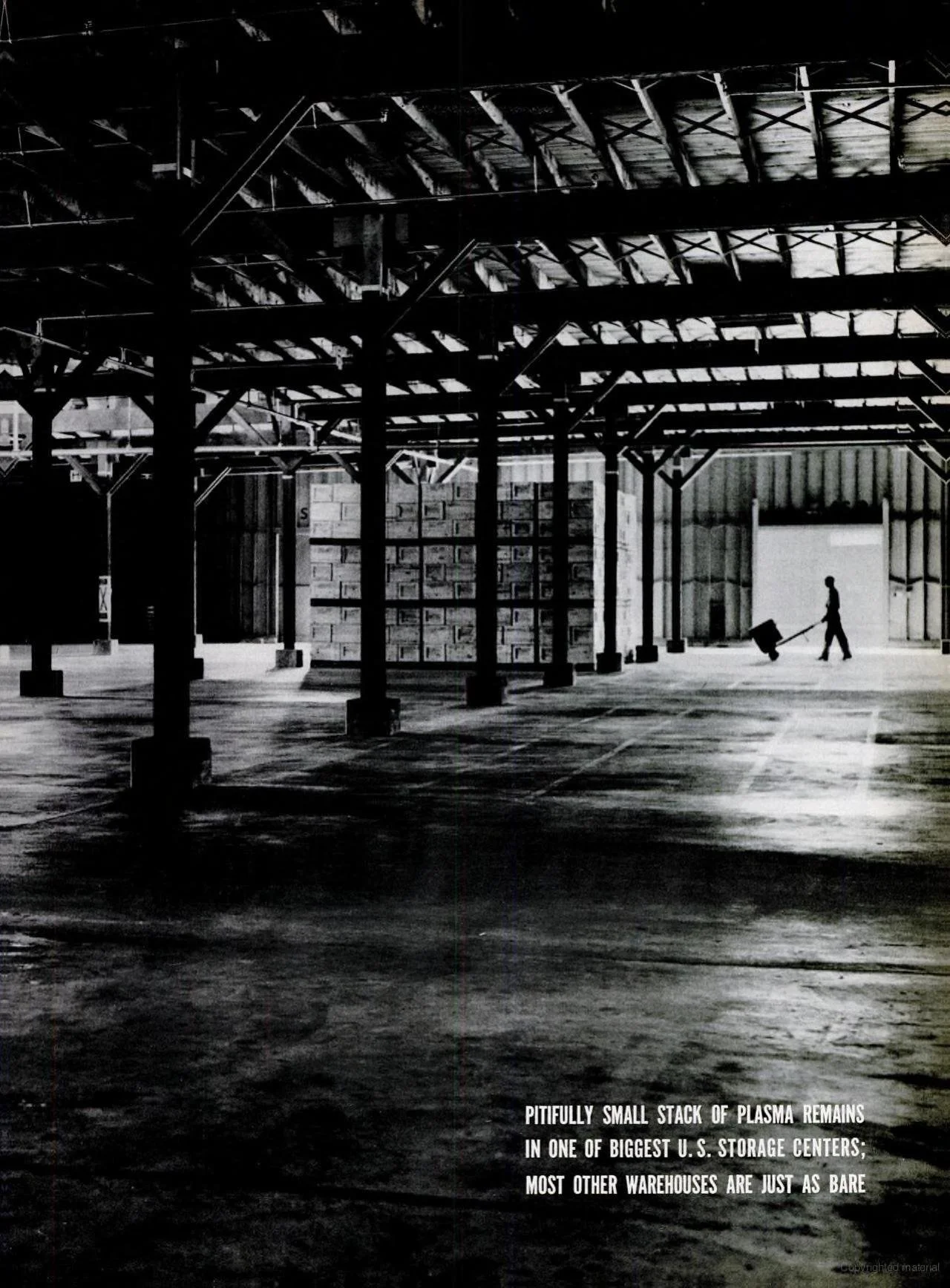
Life Magazine 1951-10-22 - Plasma storage
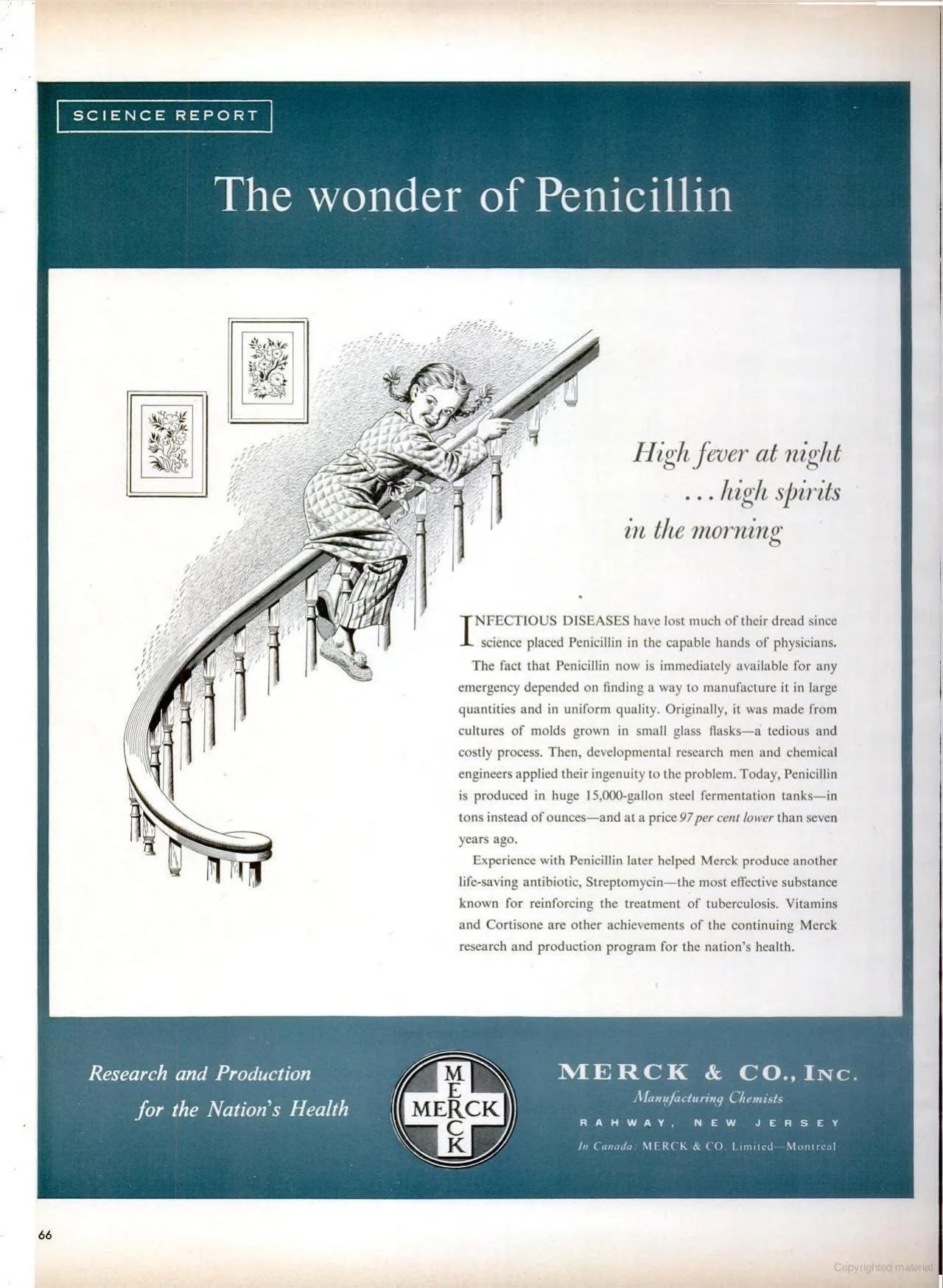
Life Magazine 1951-10-22 - The wonder of penicillin (Merck advertisement)
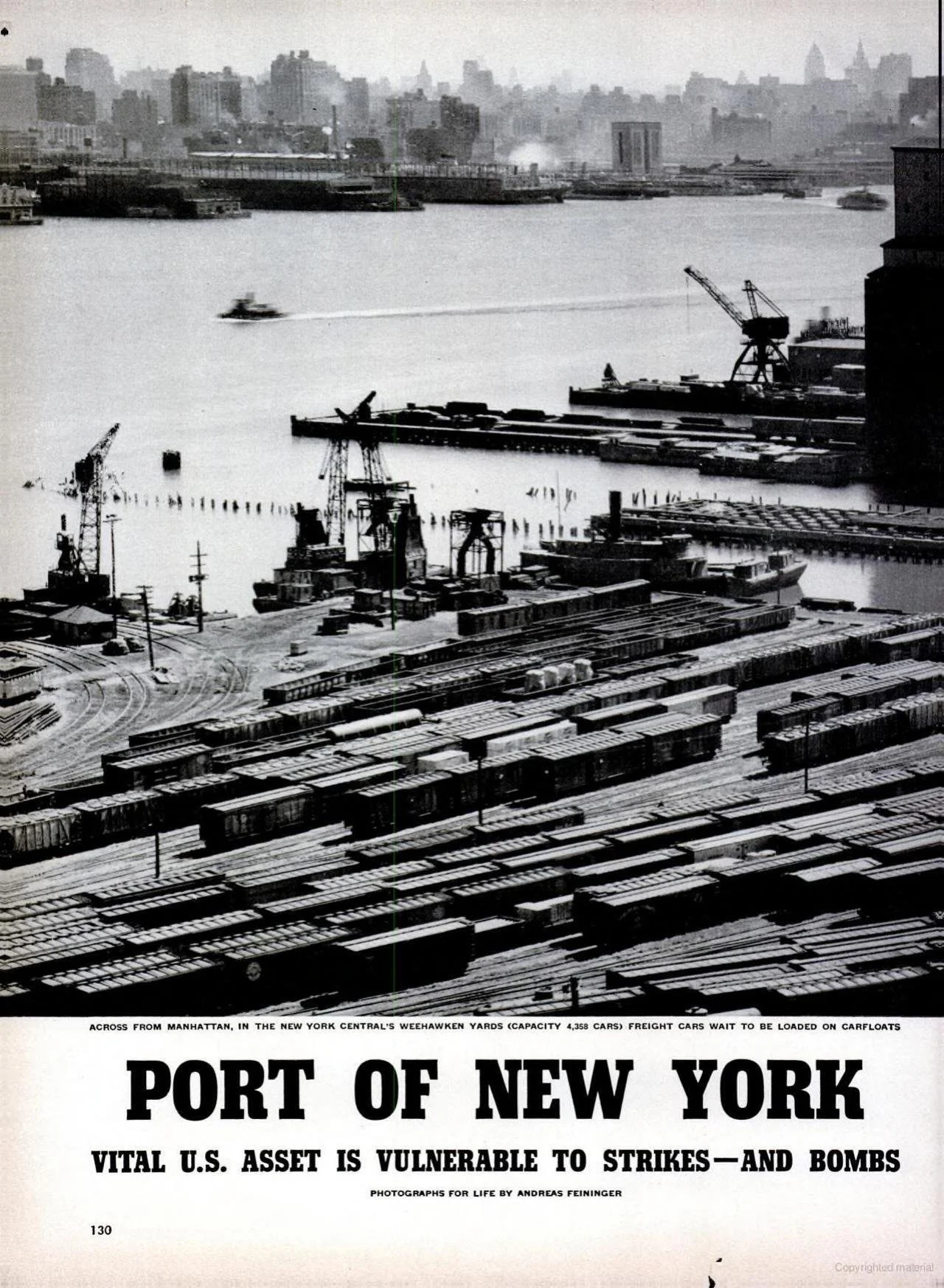
Life Magazine 1951-11-05 - Port of New York
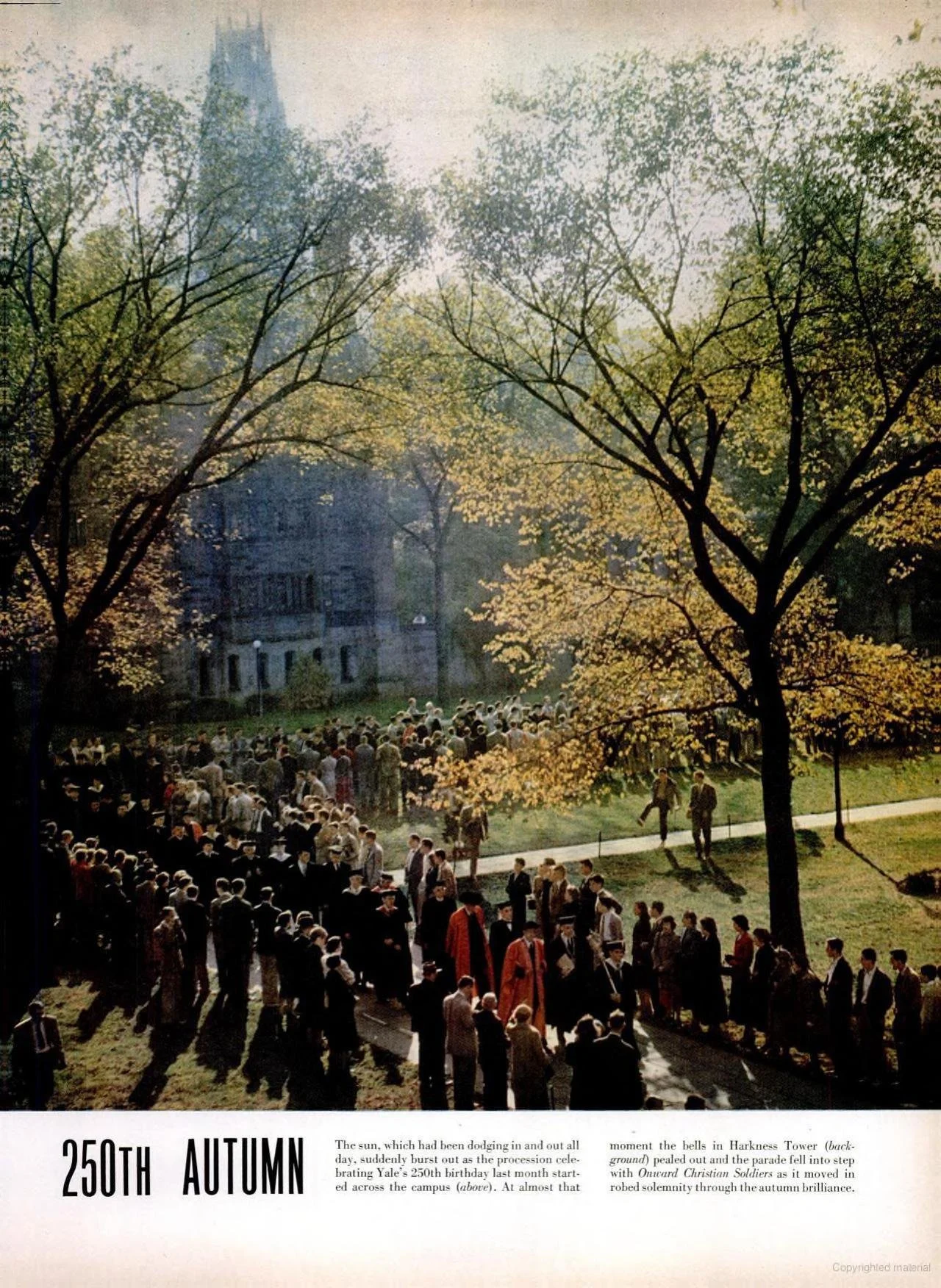
Life Magazine 1951-11-12 - Yale’s 250th autumn
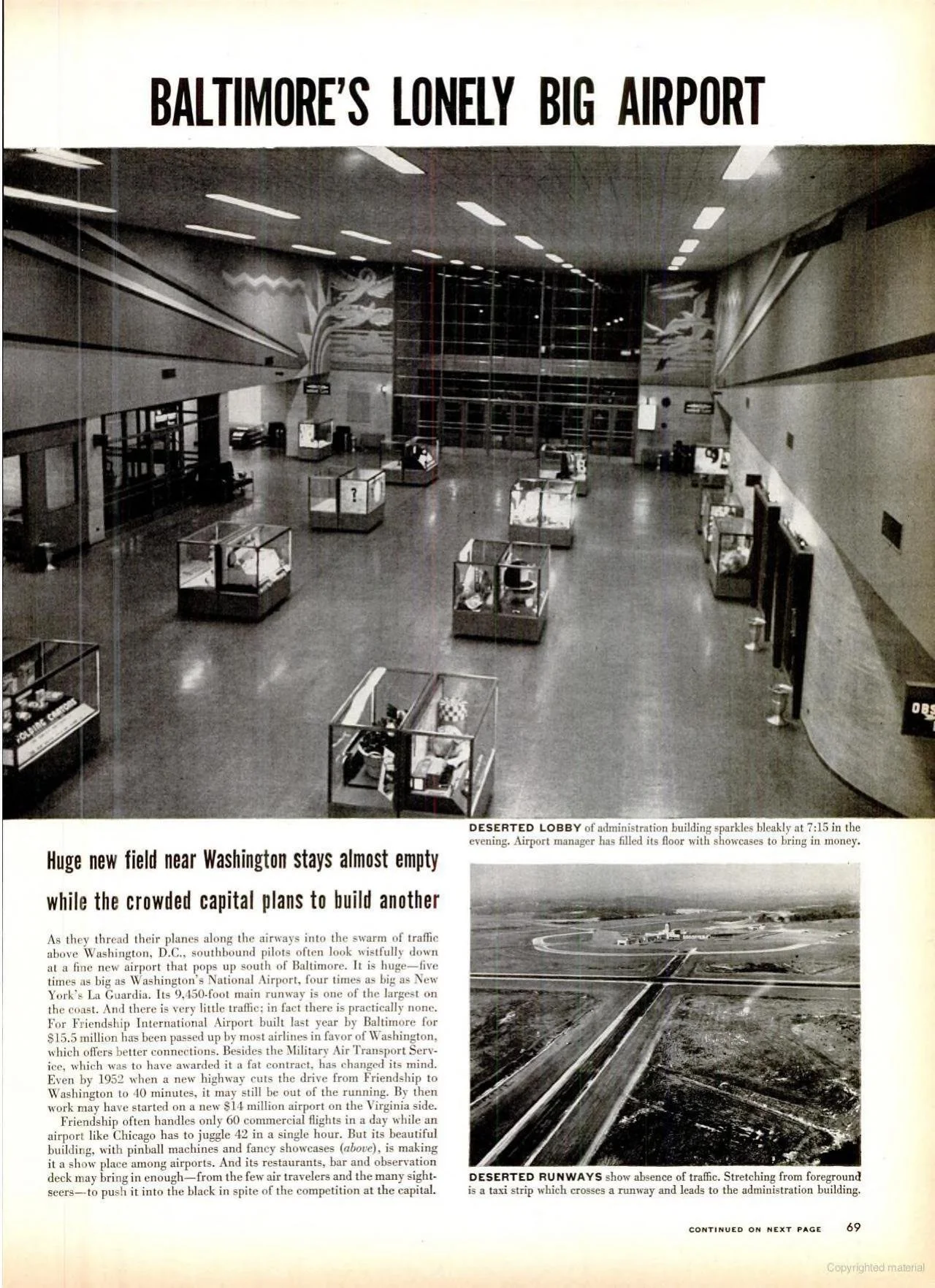
Life Magazine 1951-11-19 - Baltimore’s Friendship airport
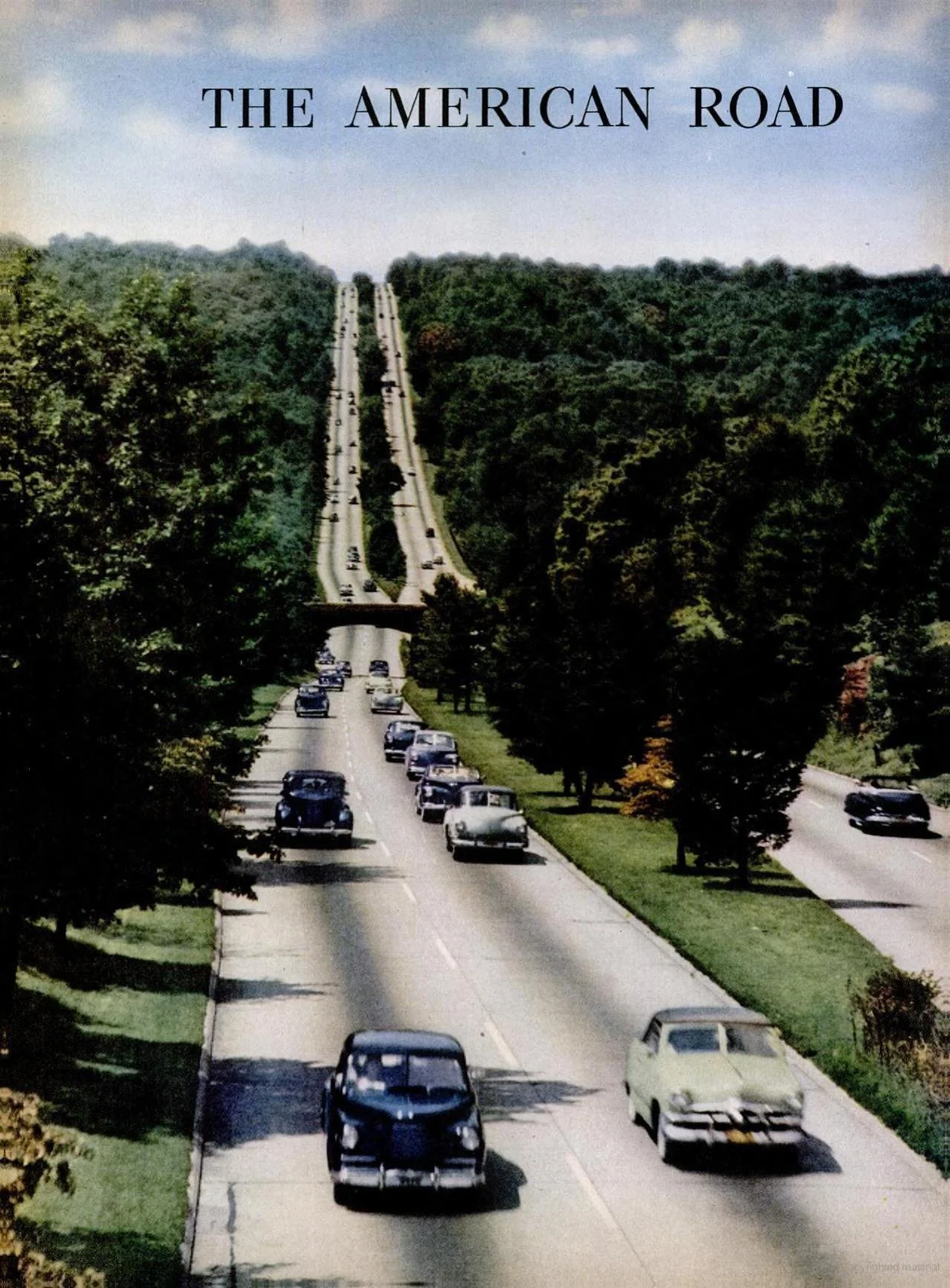
Life Magazine 1951-11-26 - The American road
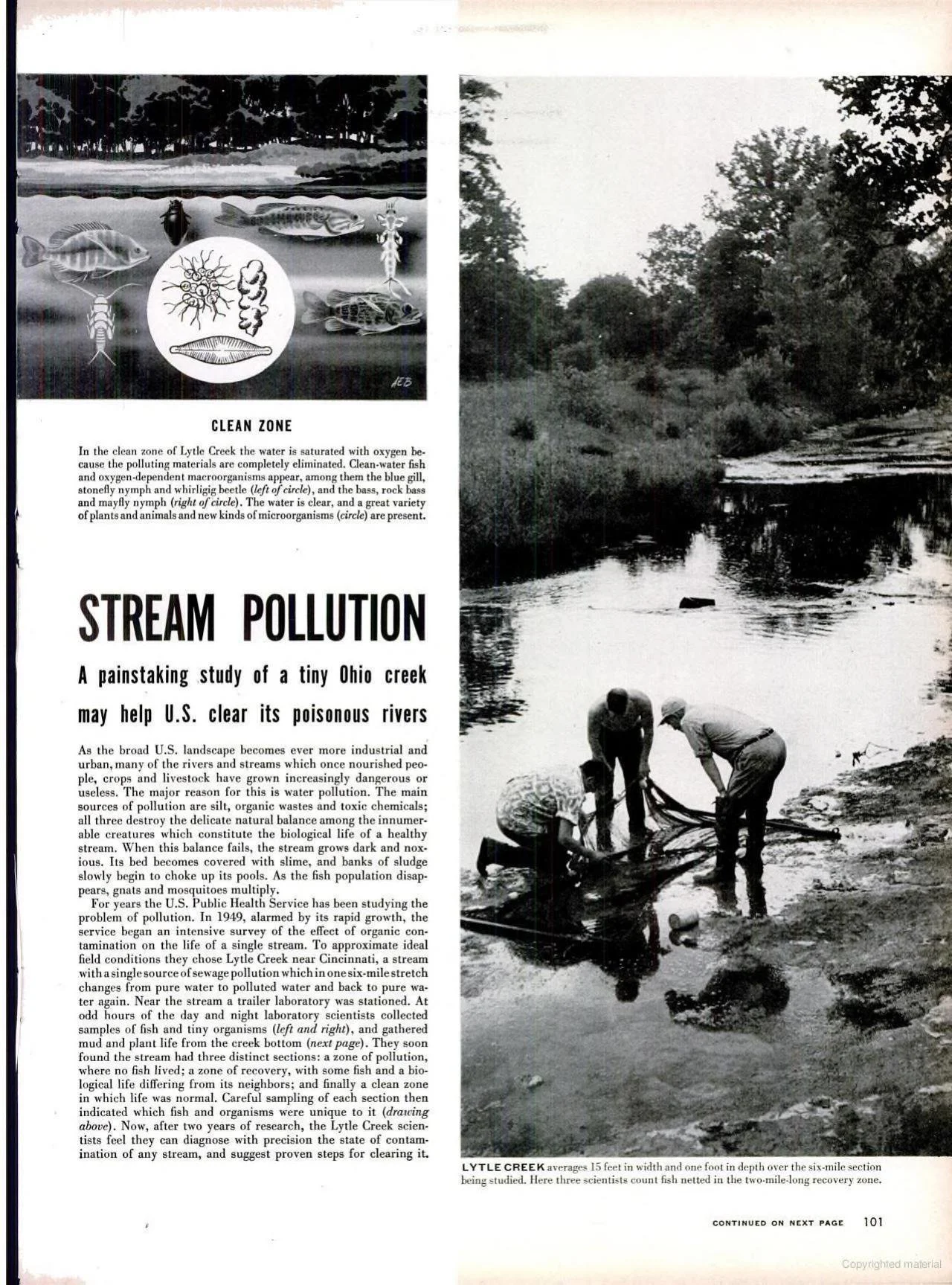
Life Magazine 1951-12-03 - Stream pollution – an Ohio creek
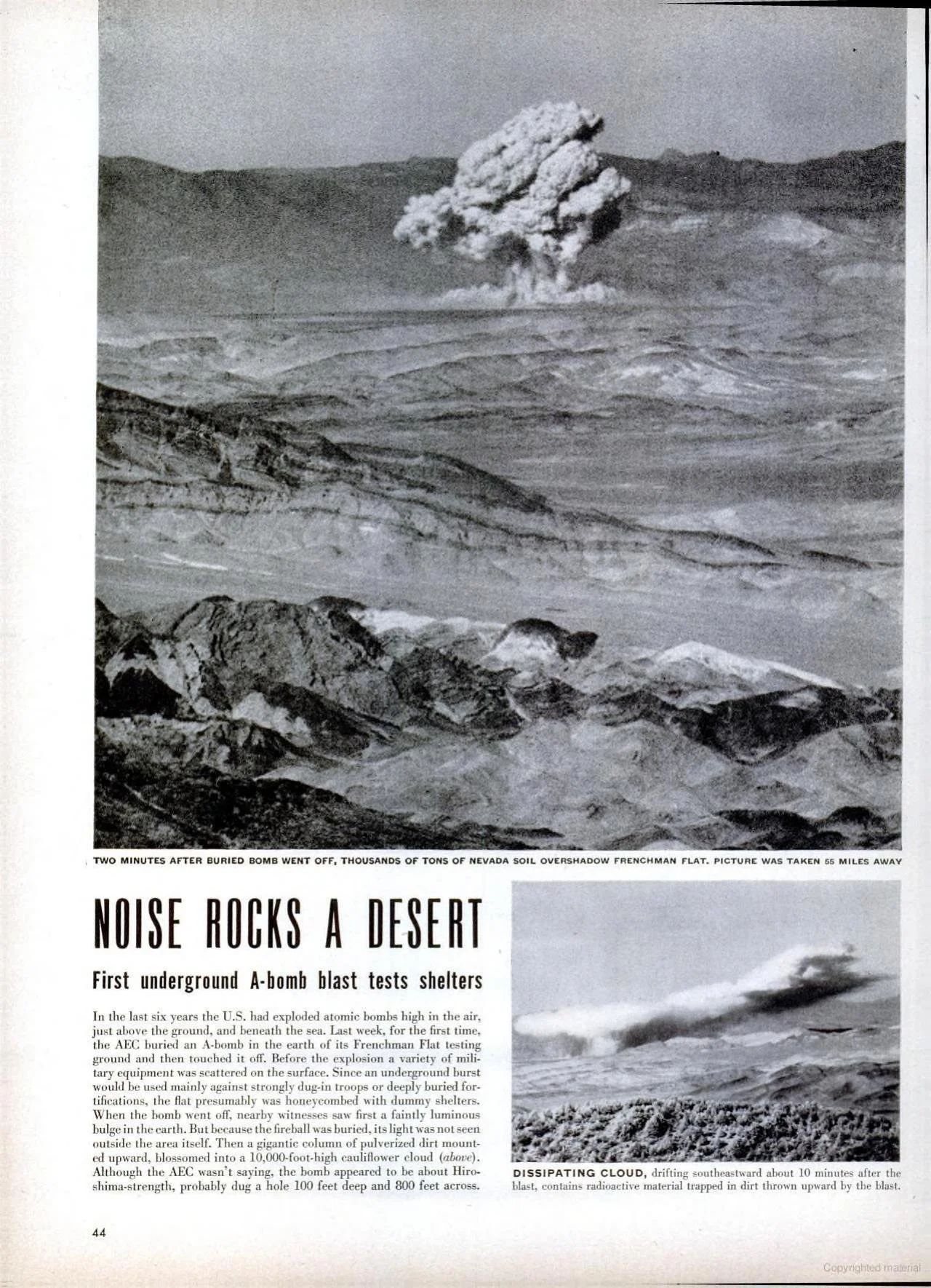
Life Magazine 1951-12-10 - First underground A-bomb blast in Nevada
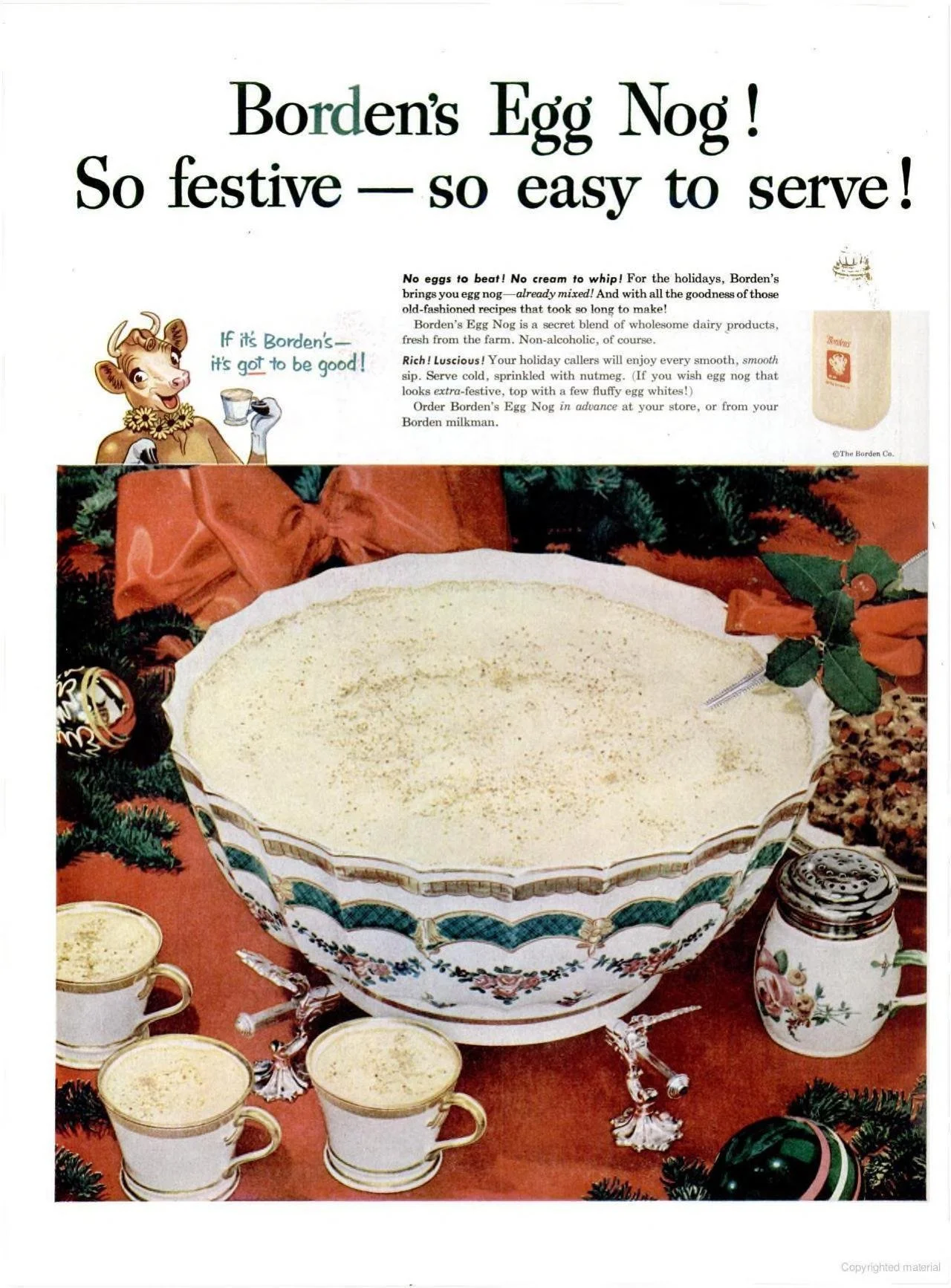
Life Magazine 1951-12-17 - Borden’s Egg Nog (advertisement)
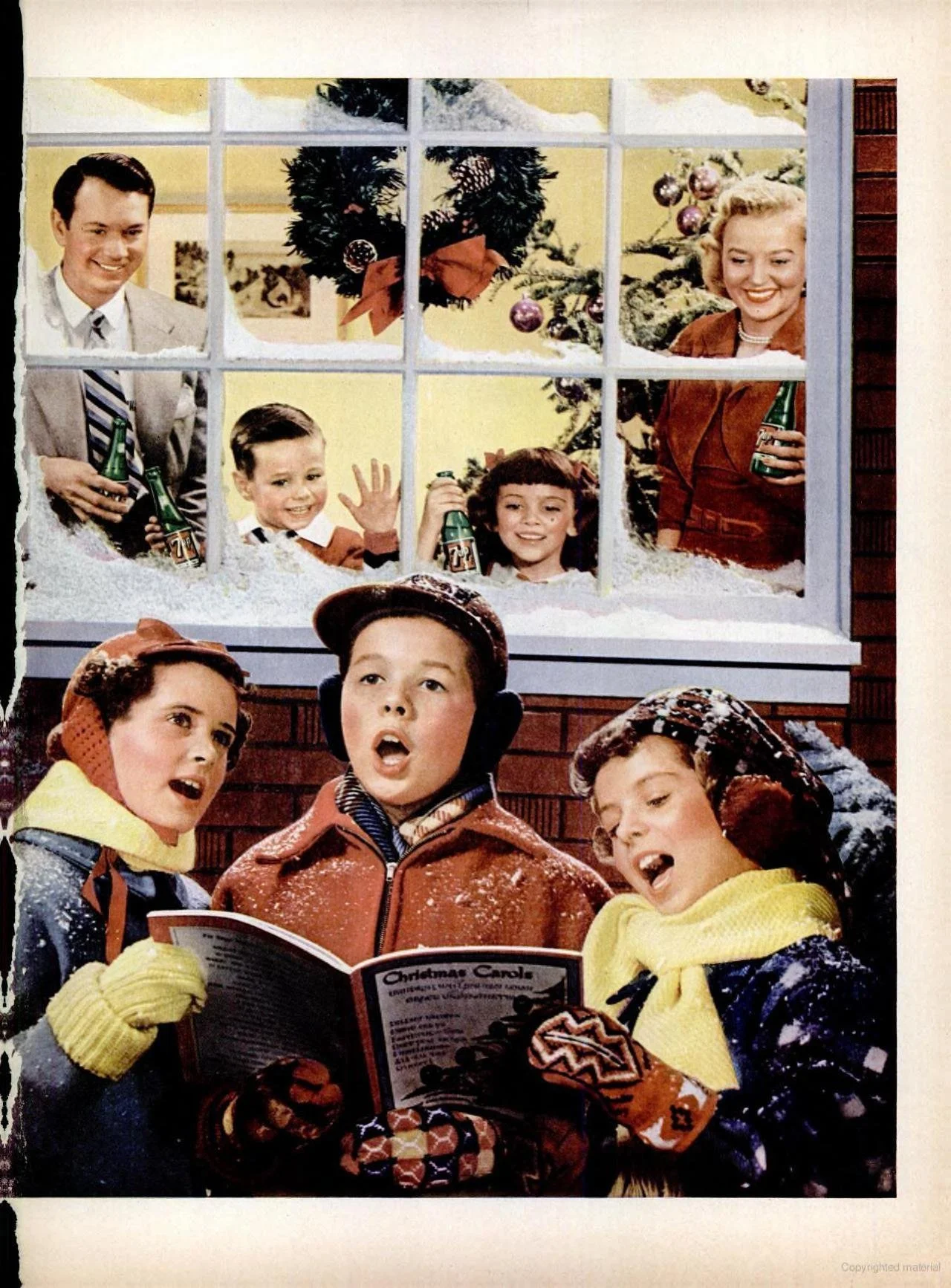
Life Magazine 1951-12-24 - Christmas (7up Advertisement)
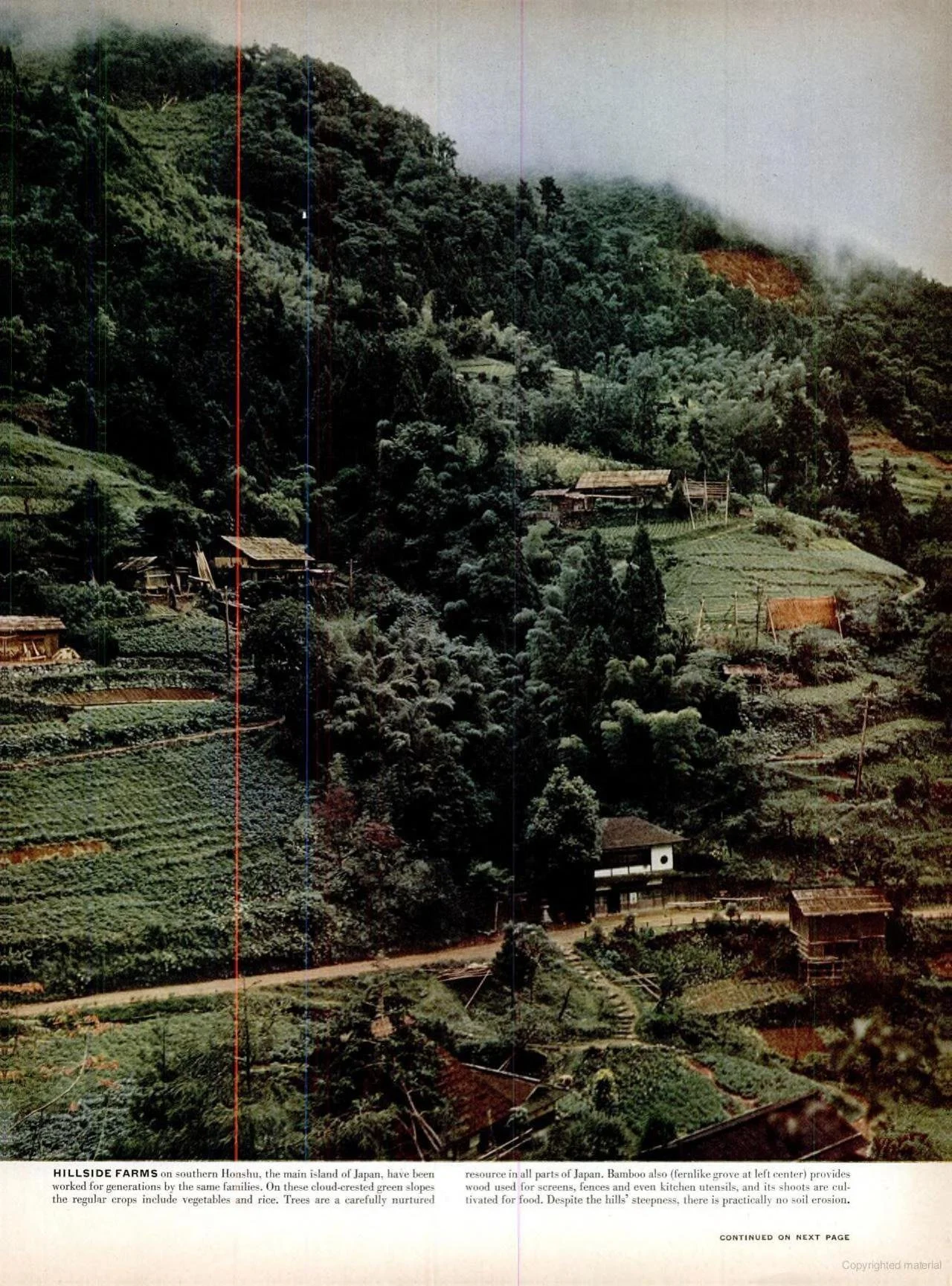
Life Magazine 1951-12-31 - Hillside farms in Japan