Gleanings of the Week Ending January 03, 2026
/The items below were ‘the cream’ of the articles and websites I found this past week. Click on the light green text to look at the article. (Note: I have changed the format to include the date and source of the article.)
9/15/2025 NIH National Library of Medicine Microplastics in Drinking Water: A Review of Sources, Removal, Detection, Occurrence, and Potential Risks - Microplastics in drinking water systems exhibit multi-source input characteristics, originating from environmental infiltration into water sources; leaching from materials in water distribution systems; migration from bottled water packaging interfaces; and re-release during water treatment processes. The potential hazards of MPs remain a critical concern. Future work needs to integrate research from environmental science, toxicology, and public health to clarify the dose–effect relationships of MPs, improve risk assessment systems, and promote technological innovation and policy regulation to effectively ensure drinking water safety and public health.
12/21/2025 Plantizen Winter Road Salt is Making Waterways Toxic to Wildlife - Salt used to keep roadways free of ice and snow is accumulating in waterways, causing dangerously high salinity levels in water bodies in Pennsylvania, New Jersey, and Delaware - well above the healthy accepted drinking water standard for people on a low-salt diet.
12/22/2025 ScienceDaily This fish-inspired filter removes over 99% of microplastics - Washing machines release massive amounts of microplastics into the environment, mostly from worn clothing fibers. Researchers have developed a new, fish-inspired filter that removes over 99% of these particles without clogging. The design mimics the funnel-shaped gill system used by filter-feeding fish, allowing fibers to roll away instead of blocking the filter. The low-cost, patent-pending solution could soon be built directly into future washing machines.
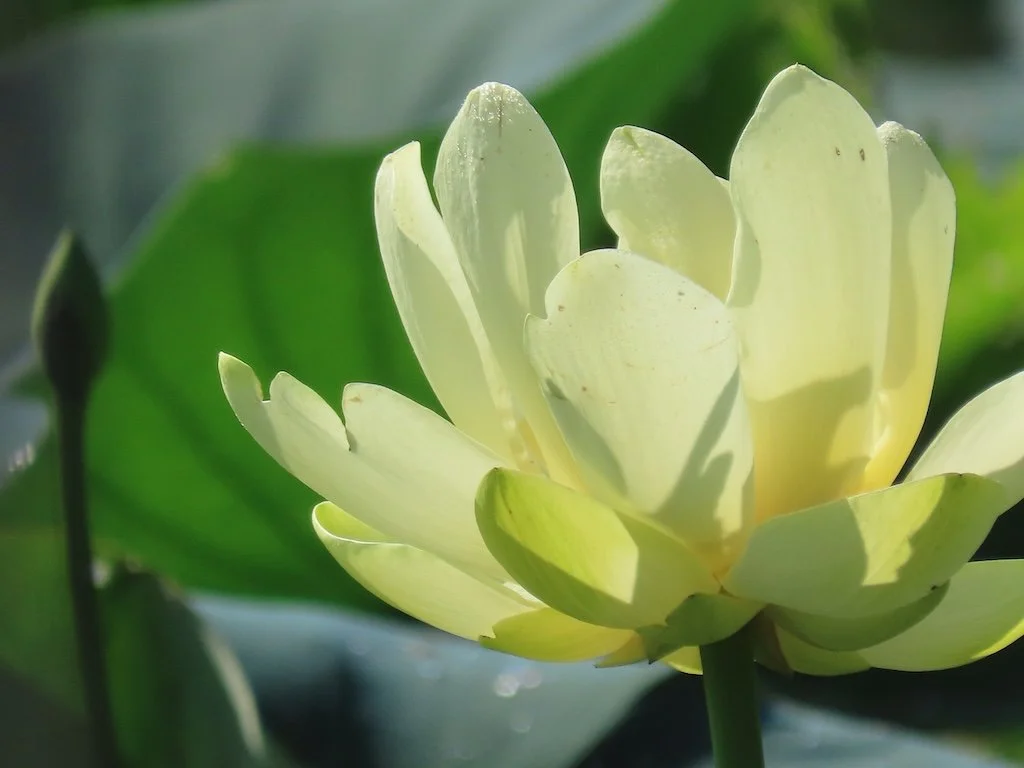
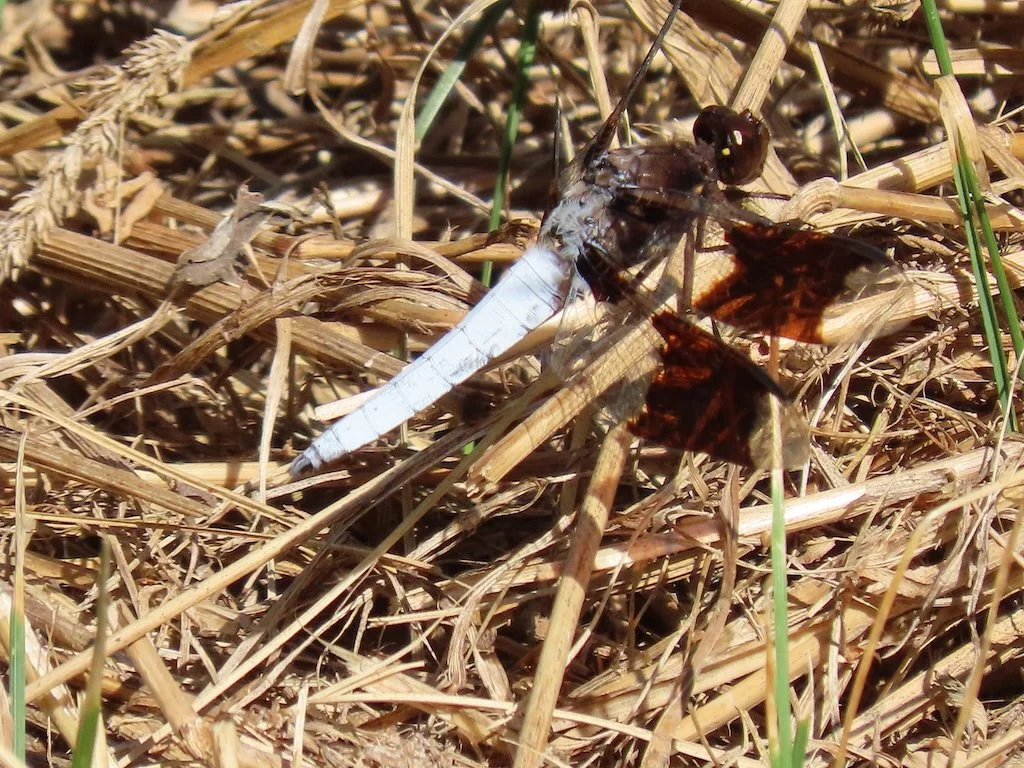
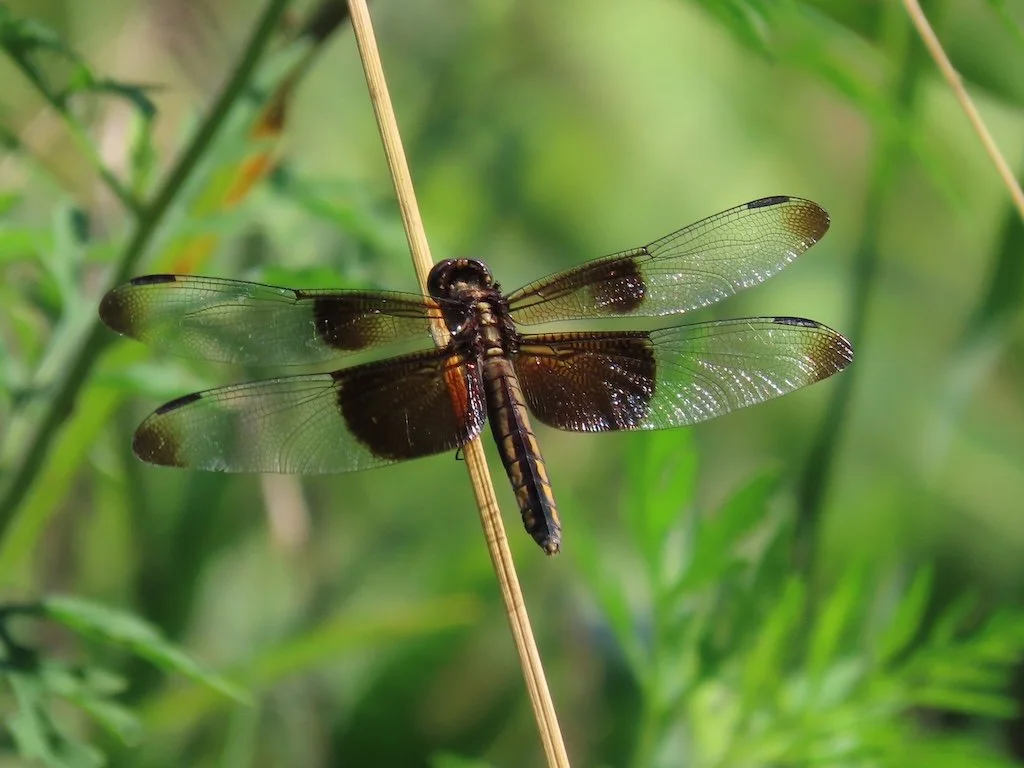
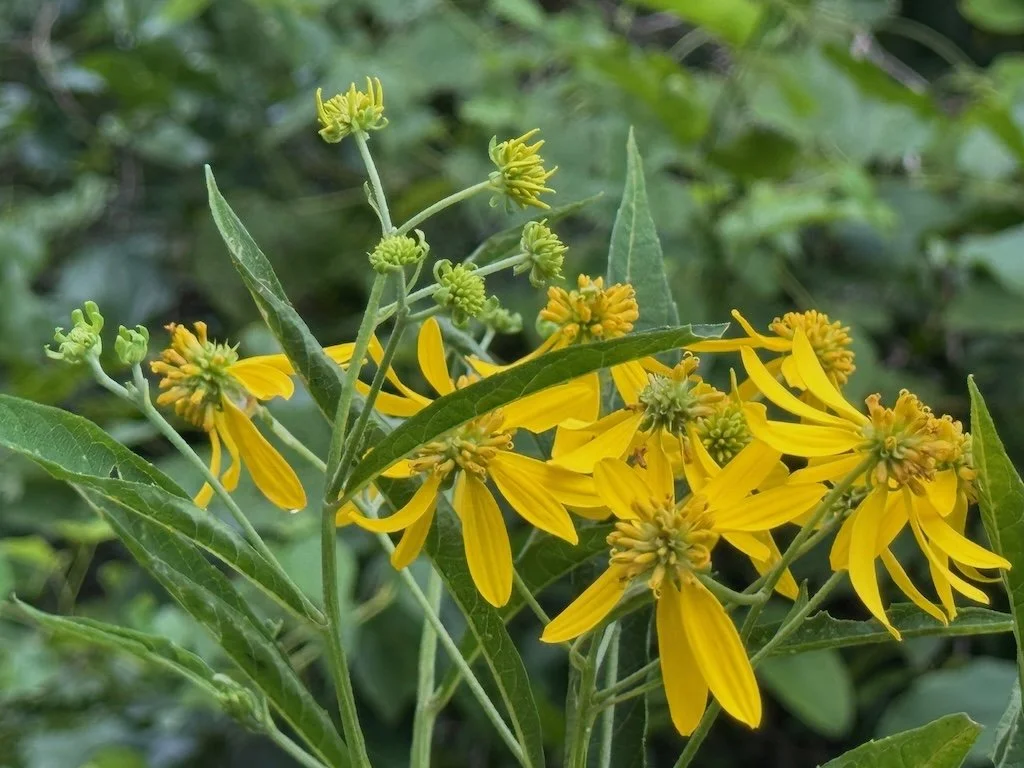
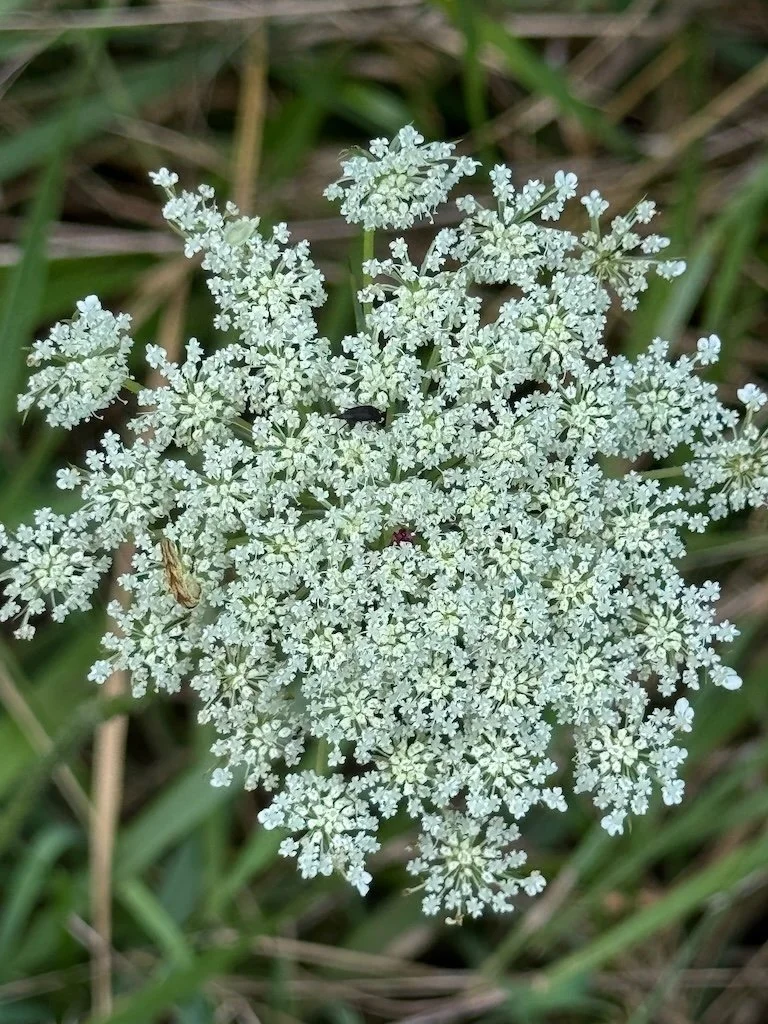
12/24/2025 The Prairie Ecologist Photos of the Year – From Chris Helzer: “Well, we’ve almost made it through 2025. To say it has been an eventful year seems like a massive understatement. As I’m sure is true for many of you, I tried to manage stress and anxiety by spending time in nature – exploring with curiosity and wonder and giving myself a break from the rest of the world for a little while. It helped.”
12/24/2025 ScienceDaily Scientists reverse Alzheimer’s in mice and restore memory - The damaged brain can, under some conditions, repair itself and regain function. )ne drug-based way to accomplish this in animal models in the study, and also identified candidate proteins in the human AD brain that may relate to the ability to reverse AD and opens the door to additional studies and eventual testing in people. The technology is currently being commercialized by Glengary Brain Health, a Cleveland-based company.
12/22/2025 The Conversation Everyday chemicals, global consequences: How disinfectants contribute to antimicrobial resistance - During the COVID-19 pandemic, disinfectants became our shield. Hand sanitizers, disinfectant wipes and antimicrobial sprays became part of daily life. They made us feel safe. Today, they are still everywhere: in homes, hospitals and public spaces. But….The chemicals we trust to protect us may also inadvertently help microbes evolve resistance and protect themselves against antibiotics.
10/14/2025 All about Vision How microplastics affect your eyes, and what you can do - Microplastics don't go away. They just get smaller and smaller over time. They can come from everyday things like bottles, tires, fabrics and personal care products. Studies have found microplastics on and even inside people's eyes.
12/25/2025 BBC The best nature photography of 2025 - From the depths of the oceans to deserts, mountains and the remote Amazon, this year's most extraordinary nature photography brings us glimpses of the diversity and awe of the natural world. This year we meet acrobatic gorillas, maritime lions and grinning bears.
12/22/2025 Smithsonian Magazine This Mama Polar Bear Adopted a Young Cub - The bears need all the help they can get these days with climate change. If females have the opportunity to pick up another cub and care for it and successfully wean it, it’s a good thing for bears in Churchill.
12/19/2026 Artnet Inside the 6,000-Year-Old Underground Temple Where the Walls Literally Sing - Ħal Saflieni Hypogeum, an ancient, underground burial complex on the Mediterranean island of Malta. Built around 4,000 B.C.E. this subterranean burial ground amplifies sound at a soothing frequency.