Gleanings of the Week Ending August 22, 2026

The items below were ‘the cream’ of the articles and websites I found this past week. Click on the light green text to look at the article.

07/30/2026 Project Drawdown Is climate change unfolding faster and fiercer than scientists expected?  - Climate change is driving unprecedented extreme weather around the world, from catastrophic floods and prolonged droughts to blistering heat waves and raging wildfires. While these events are unprecedented, they were not unpredicted and largely align with what scientists have been warning about for decades. Climate science tells us that things will get worse as long as humans keep emitting greenhouse gases into the atmosphere. But the science also shows us that a better future is still within reach.

08/07/2026 Smart Cities Dive For local governments, full benefits of ROAD to Housing Act could take years - The bipartisan legislation promises sweeping regulatory reforms and funding incentives designed to increase housing development.  Of the 124 implementation actions detailed in the bill, HUD is responsible for 88, or 71%.L ocal governments can begin assessing what regulatory changes — such as updating zoning, building codes and permitting policies — they will need to enact to take advantage of federal funding once it becomes attainable.

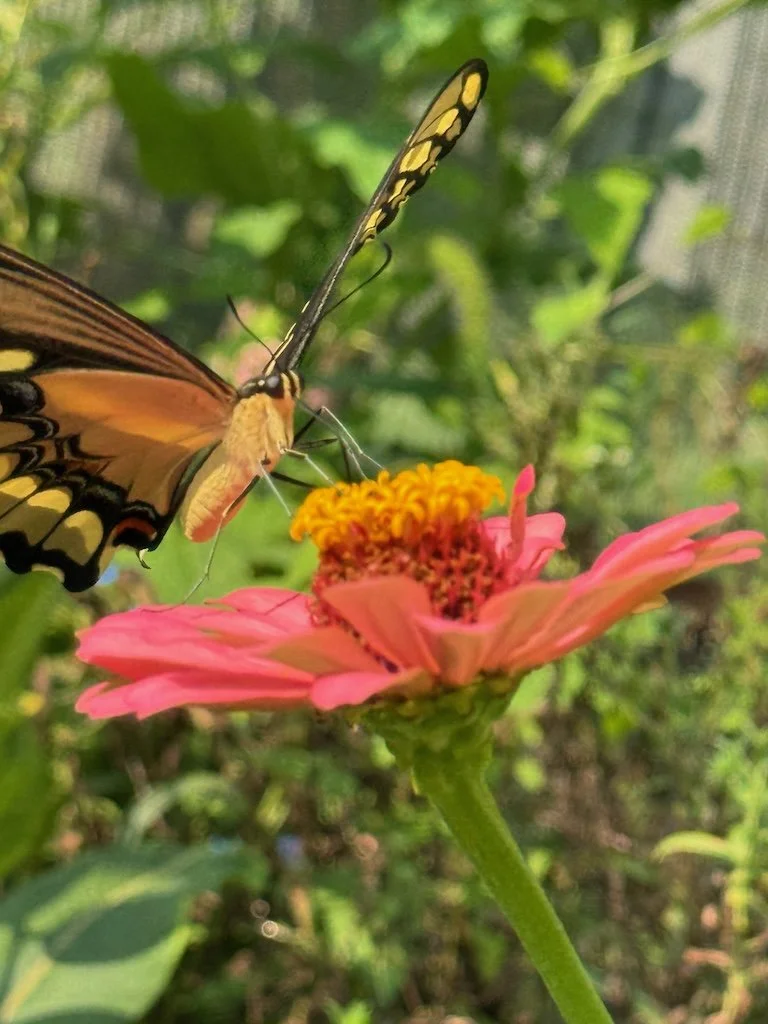
08/09/2026 Cool Green Science Bug Highway: The Hidden Paths Used by Insects - Many important pollinators have home ranges no larger than 400 or 500 meters. Some are even smaller. So, in order for them to survive, they must find something to eat within their home range, the distance they’re willing to stray from their nests. And that means every window box, every garden, every bit of green space could be what some insects need to survive.

08/10/2026 Our World in Data 138 million children are in child labor. What does this actually mean? - Child labor is work that is done by a child and is likely to be harmful. This general principle was first codified in international legal conventions more than a century ago, and a series of them in the 20th century made its scope more precise, linking harms to work that endangers children’s “health, safety, or morals” or work that interferes with their schooling. It spans children working in exploitative and dangerous conditions, as well as children who are counted not because of the conditions they work in, but because they are too young to be working at all, even if that means helping on a family farm for only a few hours a day.

08/05/2026 NASA The Paradox of Lençóis Maranhenses National Park - The coastal dune system in Lençóis Maranhenses National Park in northeastern Brazil is among the most surreal landscapes on Earth: rows of sparkling white quartz dunes, some rising 30 meters (100 feet), soar over a mosaic of blue and green freshwater lagoons.

08/11/2026 My Modern Met Mini Wildlife Portraits Made with Plastic Toys and Other Materials That Threaten Real Animals Today – Look at the pictures and watch the 6-minute video about how they were created.

08/10/2026 Smithsonian Magazine Spinal Deformities in Saber-Toothed Cat Fossils Reveal How the Now-Extinct Felines May Have Spent Their Final Days - Thousands of years ago, sticky tar pits in modern-day Los Angeles, California, became the graveyard for prehistoric felines struggling with deformities and disease. 3,722 vertebrae from at least 849 saber-toothed cats were examined. CT scans revealed a significant number of developmental abnormalities in the feline spines. The team identified 32 vertebrae with arches that hadn’t completely developed, 48 “block” vertebrae where bones had fused together and 226 “transitional” vertebrae that hadn’t formed correctly. Perhaps most notably, three vertebrae from different individuals contained enlarged holes that allowed nerves and blood vessels to thread through them. The holes’ sizes and smooth remodeled surfaces hint that the cats had spinal nerve tumors.

07/24/2026 Project Drawdown Reversing soil degradation 10% could feed 70 million more - Human-caused damage to soils is a limiting factor for food production on agricultural lands. Soil degradation can be slowed or reversed. Reversing degradation by 10% could make it possible to feed 70 million more people while also enhancing soils’ ability to pull greenhouse gases from the atmosphere and reducing pressure to turn forests into farmland.

08/11/2026 NASA Bountiful Roebuck Bay - Roebuck Bay's tidal range can reach a remarkable 9 meters (30 feet). Rising and falling tides repeatedly inundate and expose expansive mudflats, flood broad mangrove forests and salt marshes, and feed branching networks of tidal drainage channels. The bay's dramatic tidal and seasonal changes are striking from above, and they also support a bounty of life on the ground. The mangroves serve as nurseries for crustaceans and fish, and the mudflats teem with dozens of types of invertebrates, including snails, worms, crabs, clams, and cockles. Shells and snails can reach an abundance of 2,500 per square meter. The bay, one of the most important sites for migratory birds in Australia and a key stop on the East Asian-Australasian Flyway, regularly hosts hundreds of thousands of birds, including plovers, godwits, and knots.

08/10/2026 BBC Future We're getting mealtimes wrong - here's the best time to have dinner - Aim to eat at regular times and eat fiber-rich carbohydrates such as whole grains, legumes (beans, peas and lentils) as well as fruit, earlier in the day when the body is better able to process them. In the evening, opt for a lighter meal, ideally one rich in protein….making lunch the largest meal.
Phoenix Vicariously

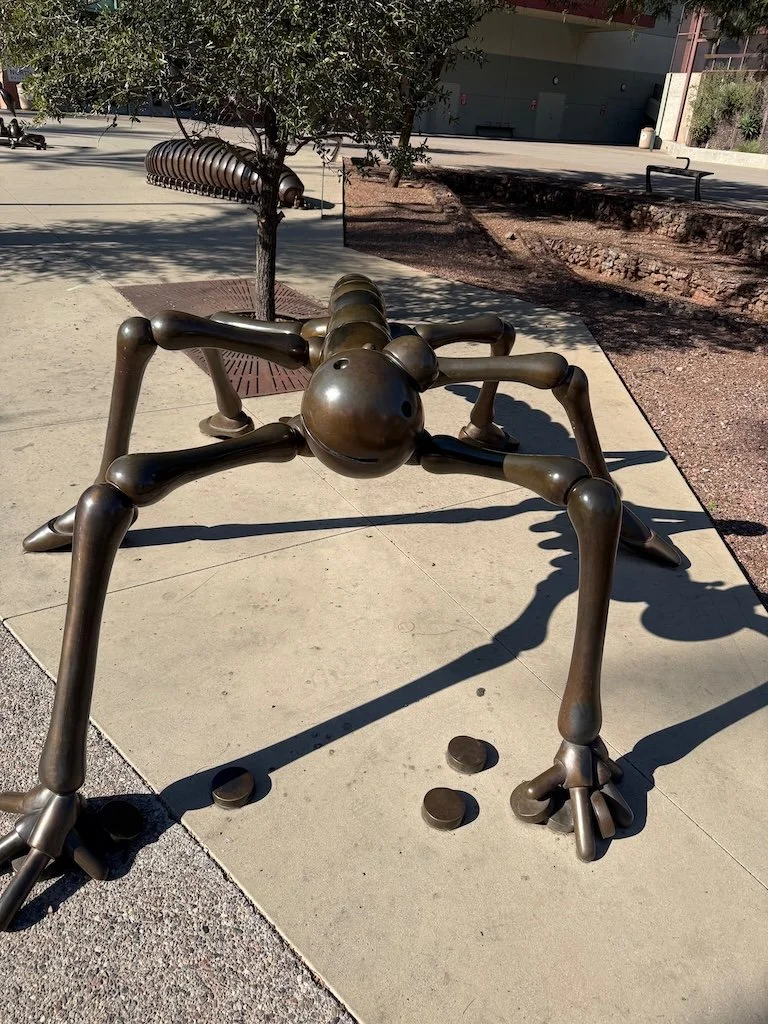
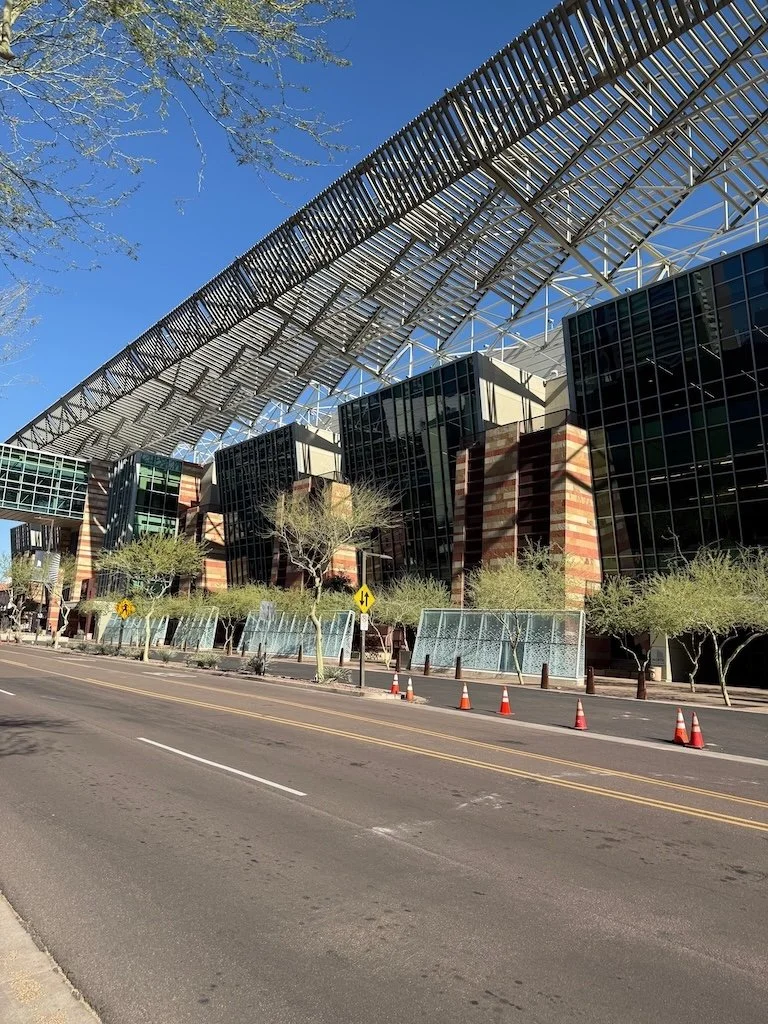
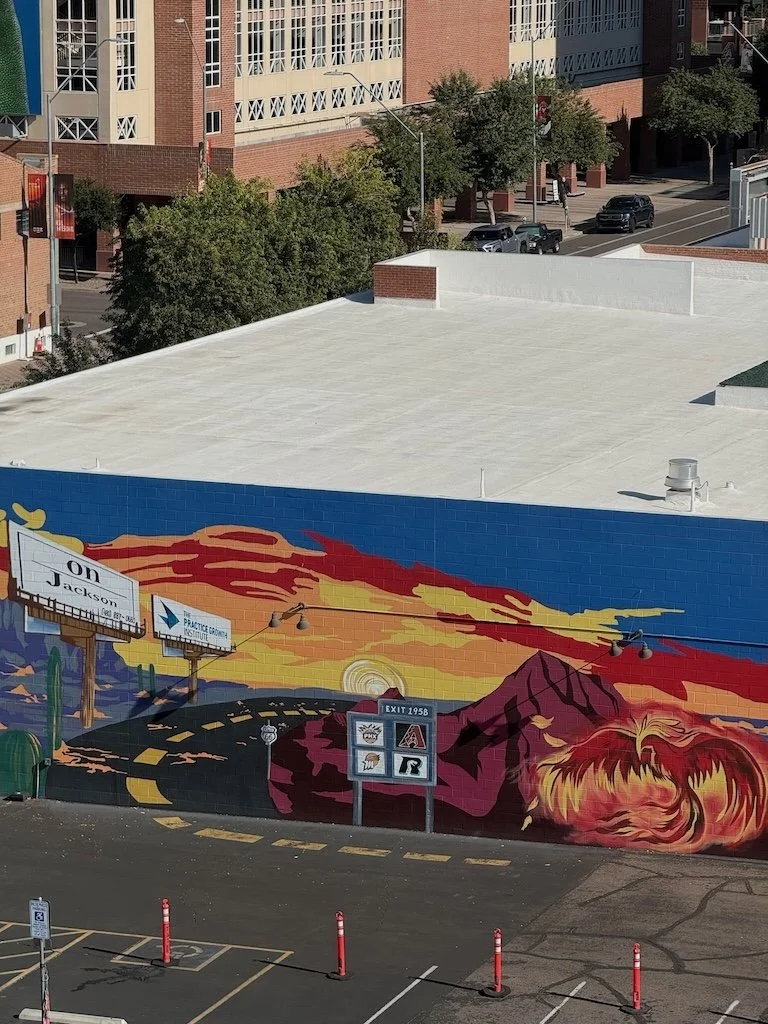
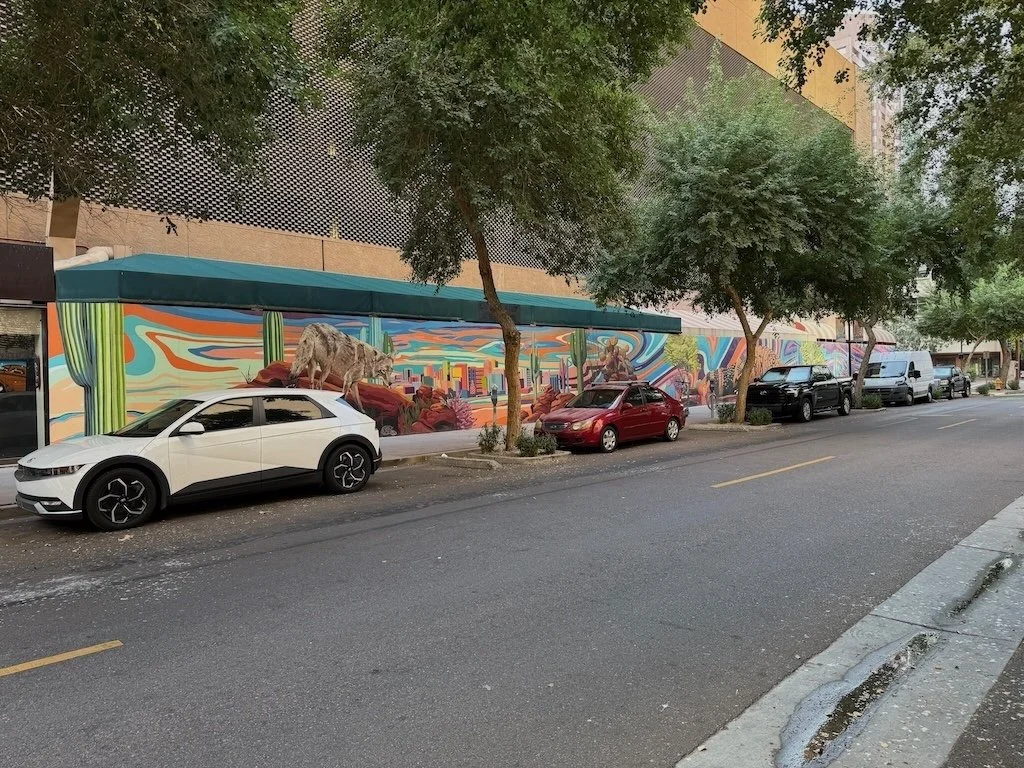
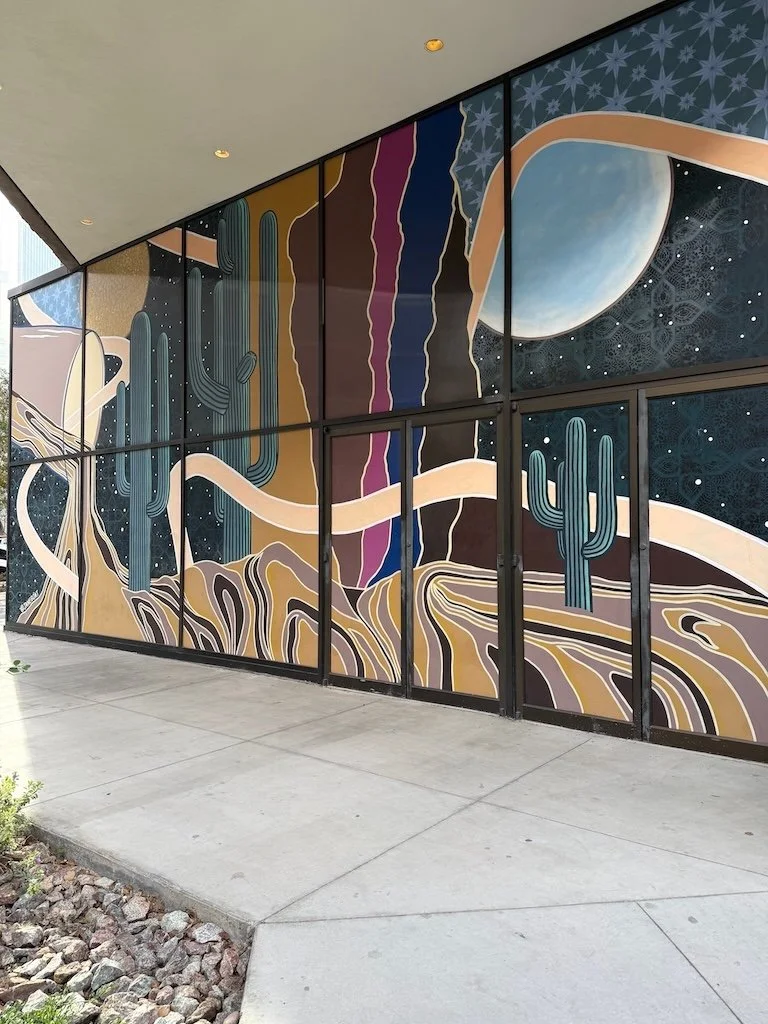
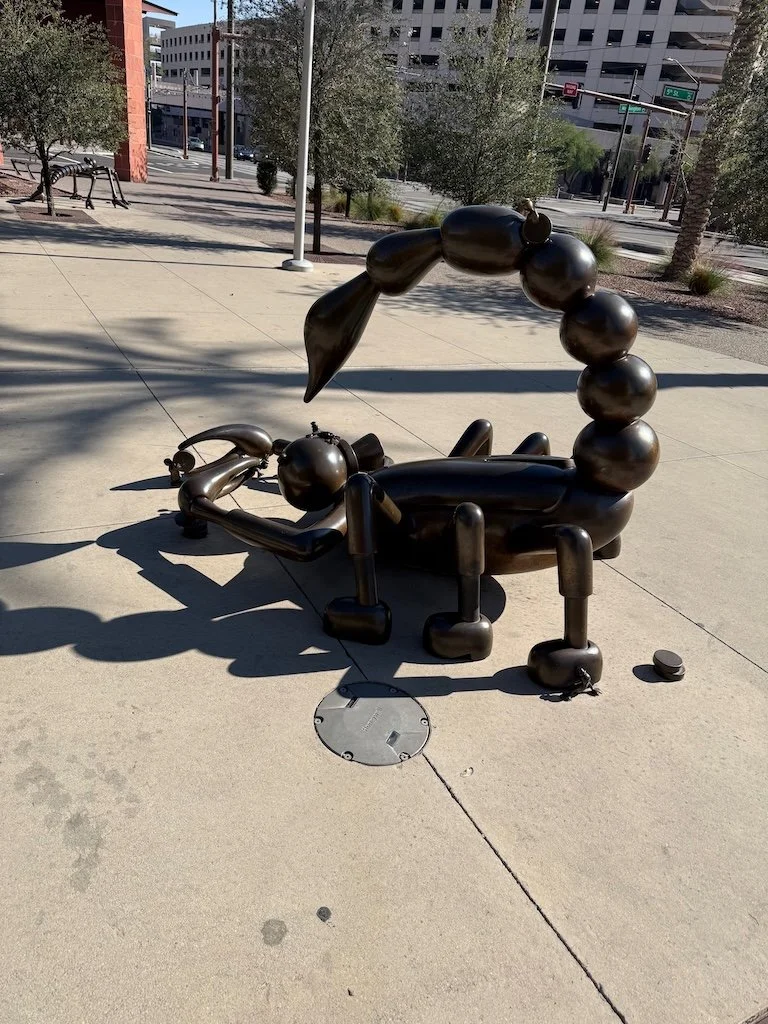
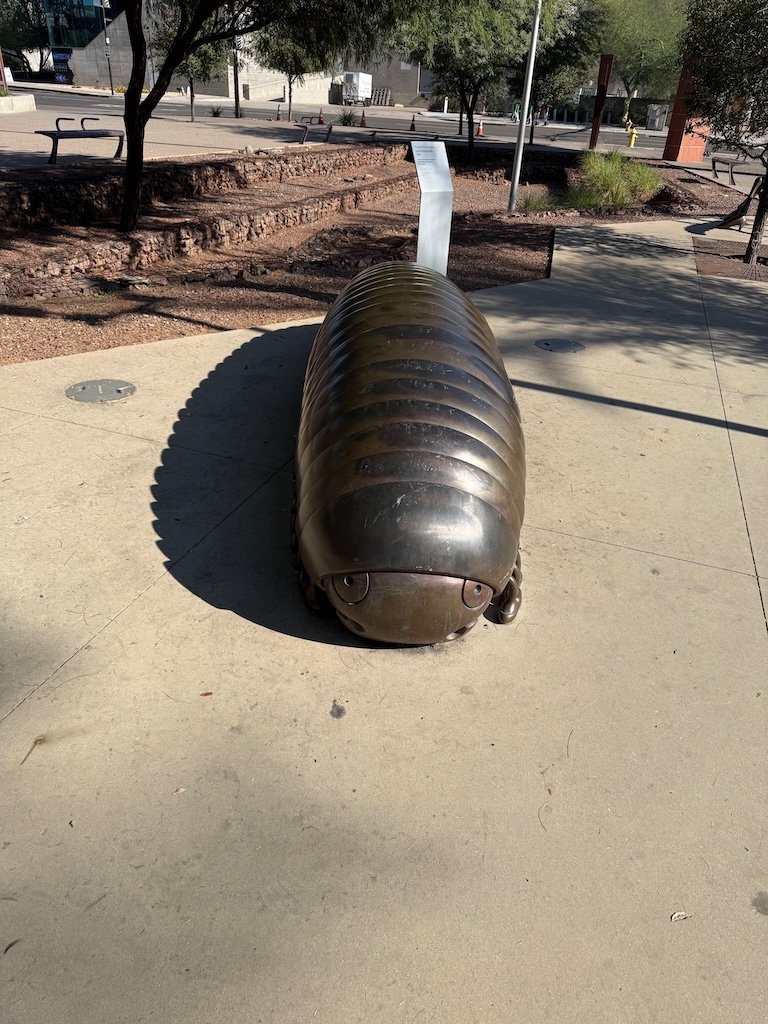
My daughter was at a conference in Phoenix last week and I enjoyed seeing her pictures of the area near the convention center. She went early for a workshop and managed to see a basketball game in the arena that evening!

She sent pictures of desert creature sculptures

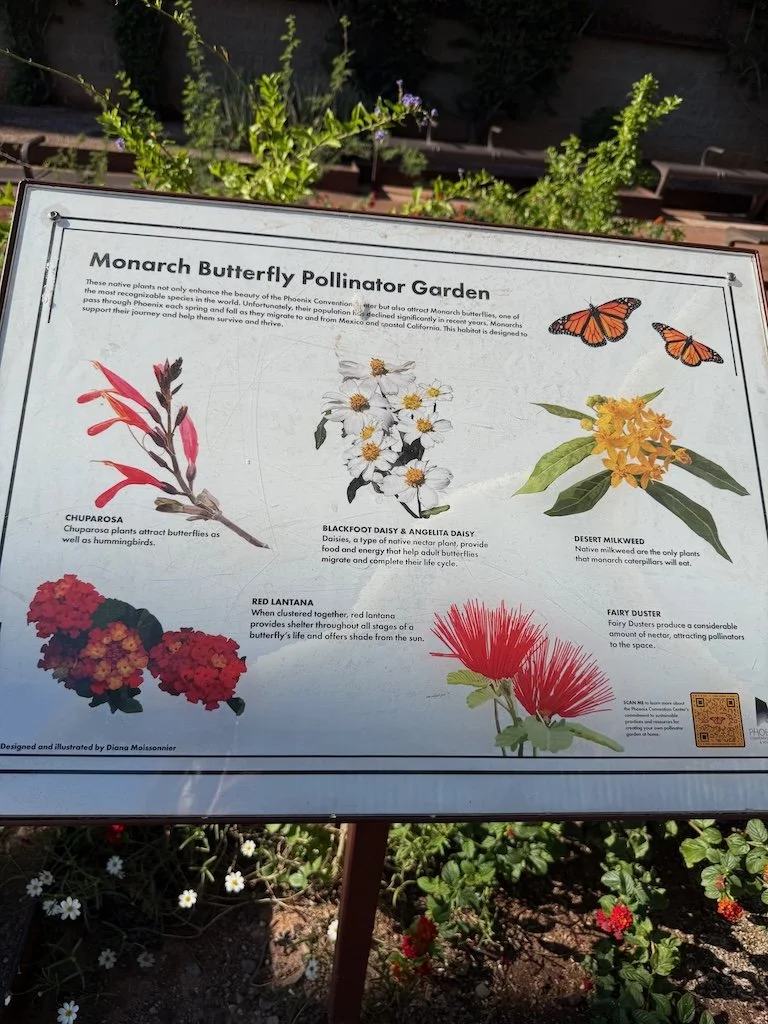
And the sign for a pollinator garden – that obviously still has some plants blooming (daisies and lantana) – an urban garden.

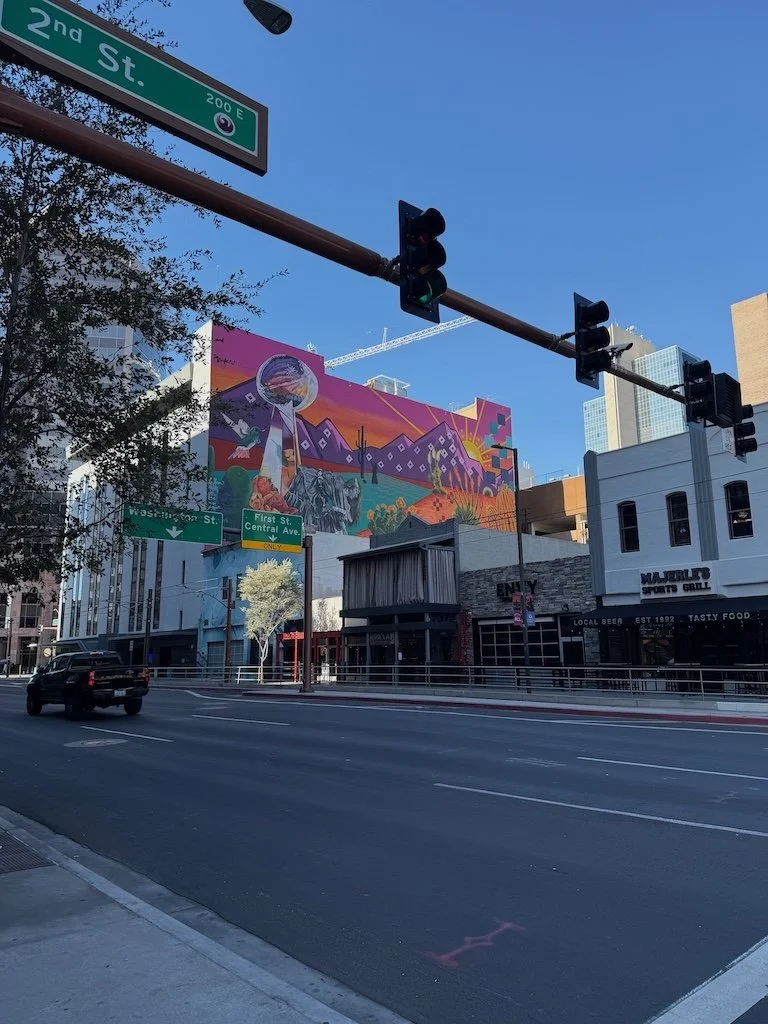
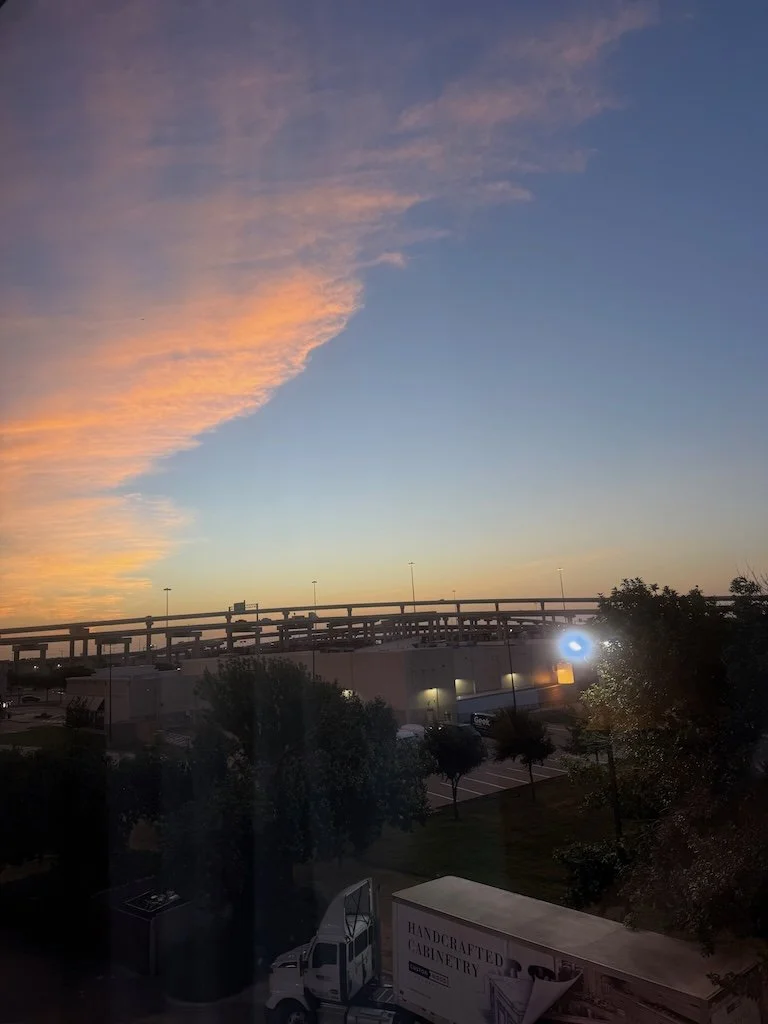
My favorites were the images of architecture and murals. The one showing the white roof (along with a mural) was taken from her hotel window. I wondered how often the white needed to be refreshed to maintain its ability to reflect heat.

It’s been over a decade since I was in Phoenix and then I did more in the outskirts rather than the downtown area. Winter would be the time I’d pick to visit again!

Ten Little Celebrations – March 2024

Picking 10 little celebrations is only challenging because there are so many of them to choose from! I help myself by only noting one each day, but I realize when I look at the list at the end of the month that there are even more, in retrospect, worthy of celebration. Here are the top 10 for March 2024.

My mother’s life. The phrase ‘celebration of life’ is more like a savoring because there is an overlay of grief that is part of every gathering after a death. I stayed focused on making sure that someone was with my dad for the duration and providing narration of the images in the slideshow for him…varying what I said a bit each time it repeated and realizing that she had a very full 92 years!

Getting the check deposited after the sale of my parents’ house. What a relief to not be carrying around a big check!

Home again. I made multiple short trips to Dallas for various reasons and was always very glad to be home again. Even though the time away is only a couple of days, the stress of driving, my task while in Dallas, and staying in a hotel takes a toll. I don’t really relax until I am at home. Hopefully, when I am only going down to see my dad, it will not be as stressful.
Sequiota Cave Boat tour. What a great tour. I liked the non-commercial nature the tour…seeing the tiny bats roosting.

Springfield Botanical Gardens. Full of spring blooming trees.

Dickerson Park Zoo. My daughter gave us a membership for Christmas, so we’ll be enjoying the zoo often over the next year. I liked the roaming peacocks (and other things too). The post about this visit is coming day after tomorrow.

Feeling better. I got sick with something that caused sinus and throat problems. I tested for COVID for 3 days…and was negative for that. And then I recovered rapidly and I celebrated. Also celebrated that my husband did get whatever it was.

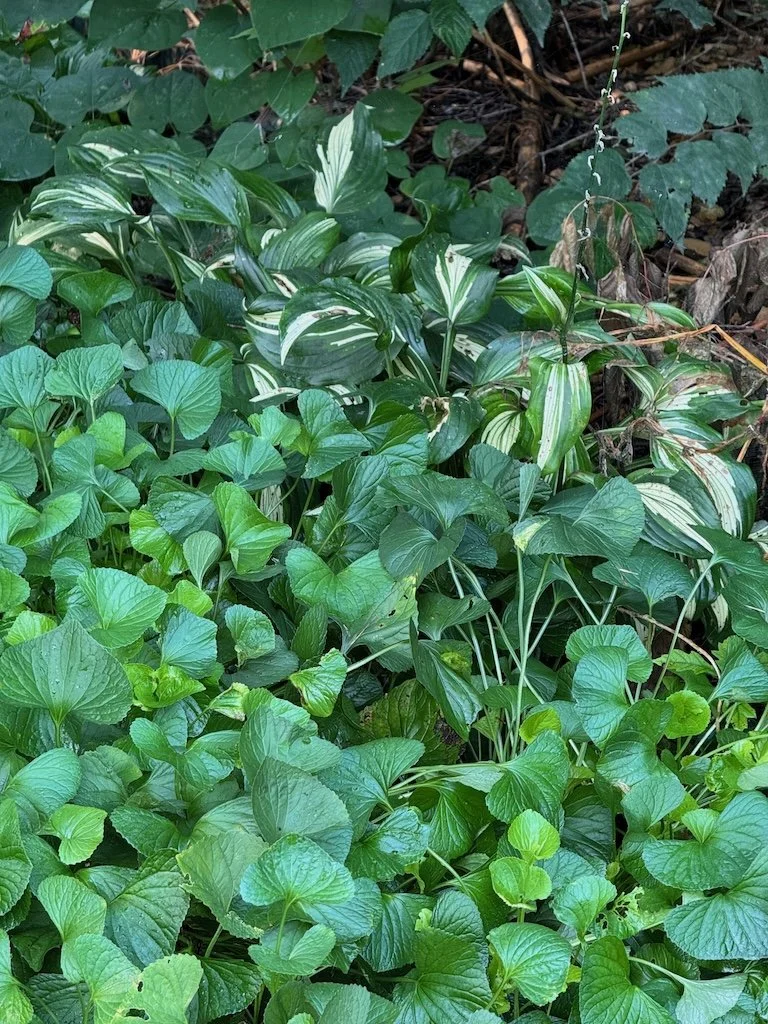
Creating more hosta locations. I divided some of my hosta plants as they first began to come up and was pleased that the new plants adjusted very quickly to their new space. I am looking forward to their lush growth this summer…and will divide more plants next spring!

Burning sticks. I enjoyed the fire in my chiminea after cleaning up the small branches and pine cones around my yard….celebrating with some pictures of the fire!

Butterfly and pollinator seeds planted. I celebrated getting the beds prepared and the seeds planted…right at the mid-March suggested planting deadline.

Our yard/yard work – March 2024

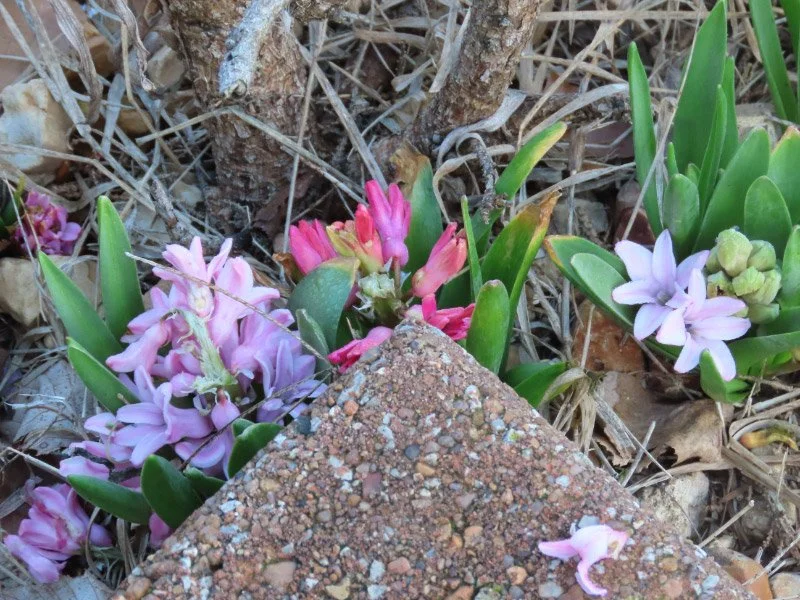
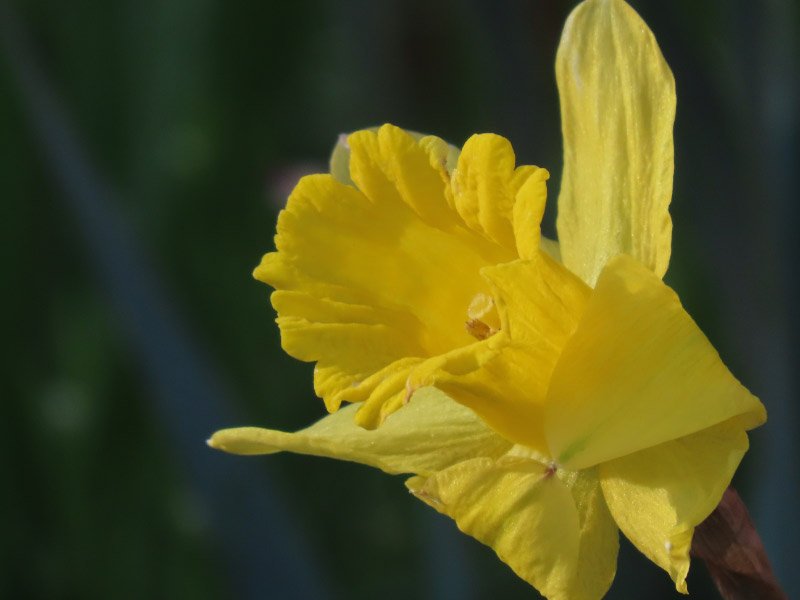
There is a lot going on in our yard this month. The bulbs I planted last year have thrived. The crocus bloomed first followed by the hyacinths and daffodils. The hyacinths don’t seem to bloom as well here as they did years ago in Maryland.

The forsythia bush in the corner of our yard is blooming profusely. I cut some to bring inside…and took some macro pictures of the flowers there. After the bush finishes blooming, I will trim it back significantly. I planted pawpaw seeds under it and I am hoping they come up…start my grove of pawpaw trees with the forsythia’s protection from the hottest parts of the summer days.

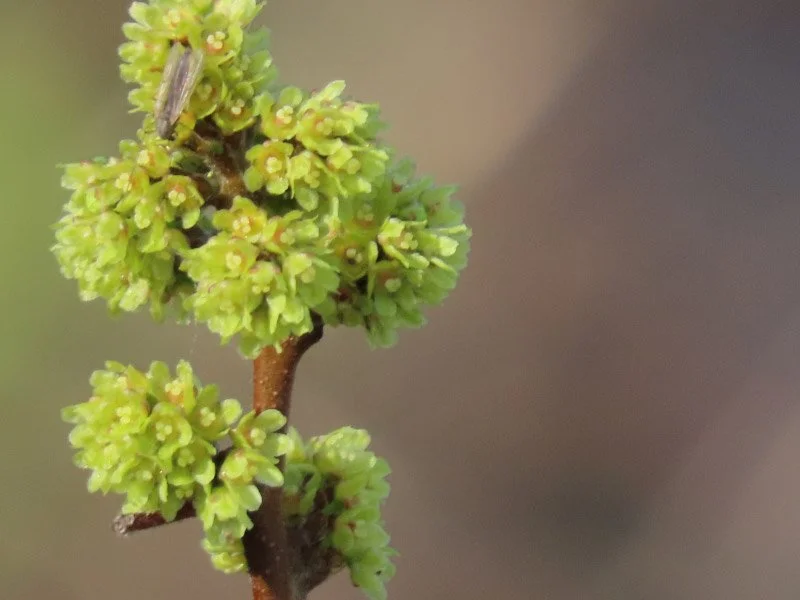
The fragrant sumac is blooming. I bought the young plant last spring after the bloom time so this is my first season to observe the small flowers.

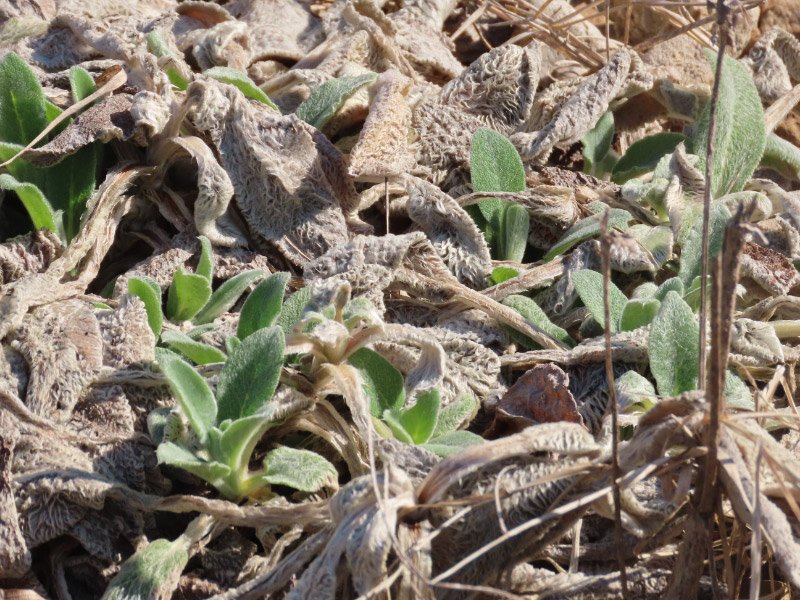
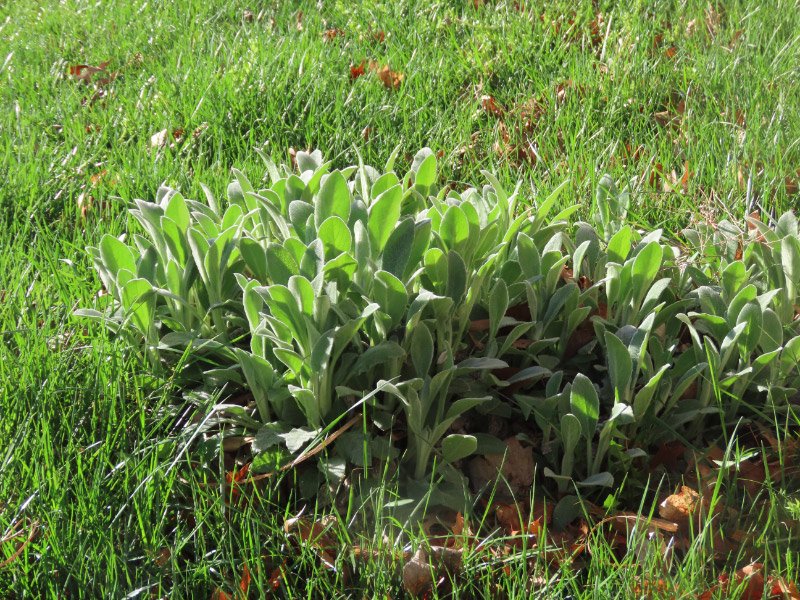
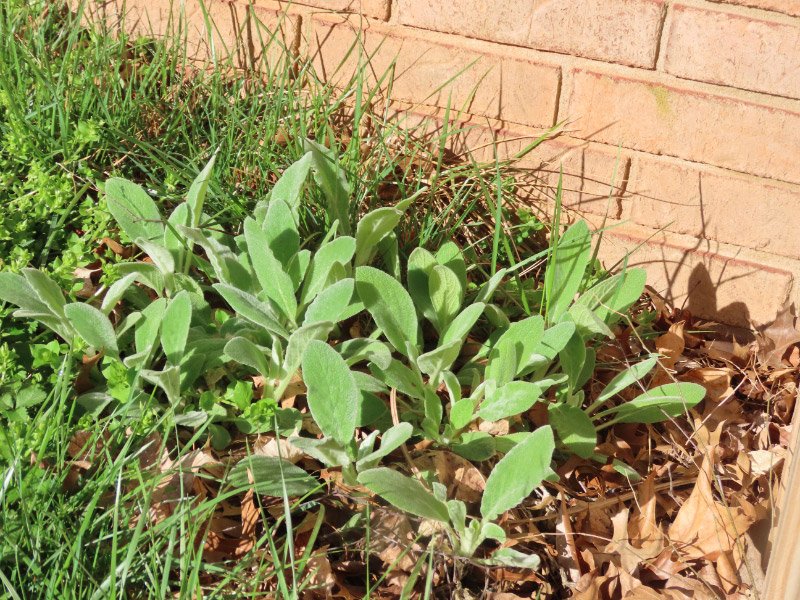
The lambs’ ear is returning. The clumps that get more sun did not die back like the largest clump on the north side of the house. There are two in a sunny place that might merge over the summer.

The small hens and chicks are pretty with additional color forming on the tips of their leaves over the winter. There are still two chicks. I’ll be moving more rocks away from them so it will be easier for them to spread.

The vinca under one of our cedars is blooming. It seems to be well contained. I don’t want more of it!

I’ve planted more pollinator/butterfly garden seeds in two places: enlarging the existing wildflower garden and a sunny area under a pine tree where I cleared away most of the pine needles (it is sunnier there because I cut some low branches).

I’m not sure if the bulbs I planted from my parents’ garden are going to survive. They had to be planted in the winter…not the optimal time. Hopefully they will become established over this summer although I doubt they will bloom.

The mound where a pine tree used to be (it fell and had to be removed) is going to fill out nicely with irises and I planted a tiny oak there (I cut it from my flower bed last fall and put it in a vase to enjoy the fall color….it grew a root and put out green leaves! It will take years before it gets big enough to impact the bed but could eventually dominate the back yard!). The beautyberry that is there has not leafed out yet.

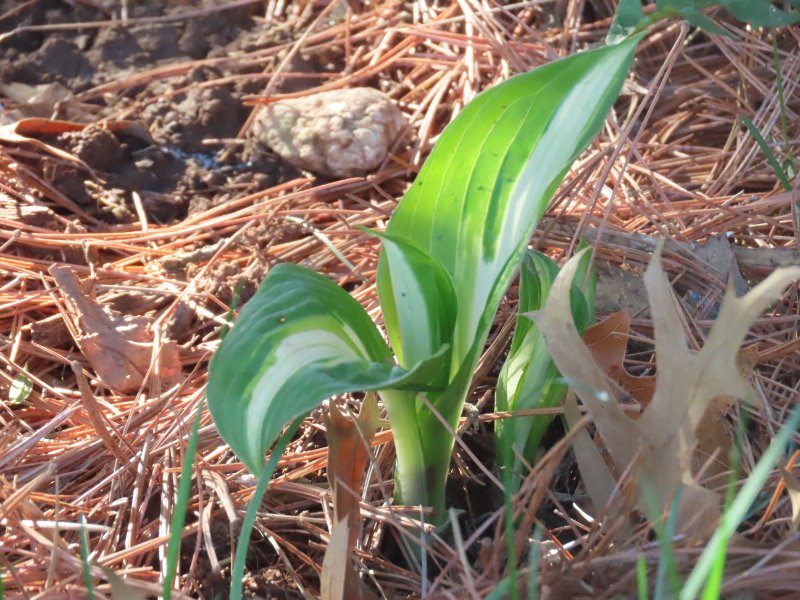
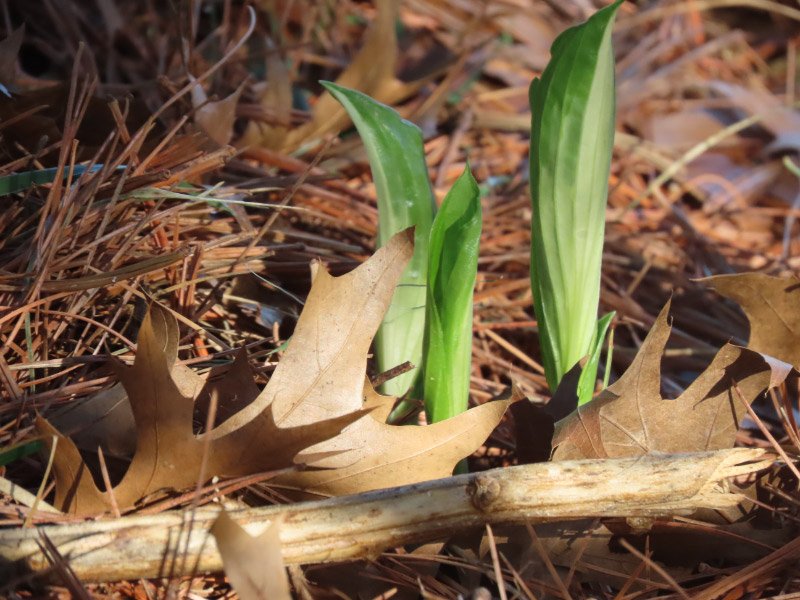
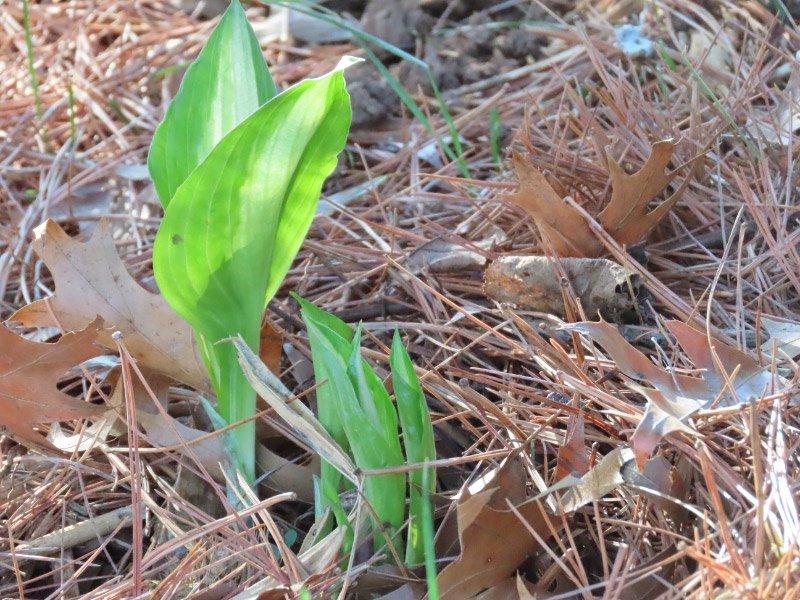
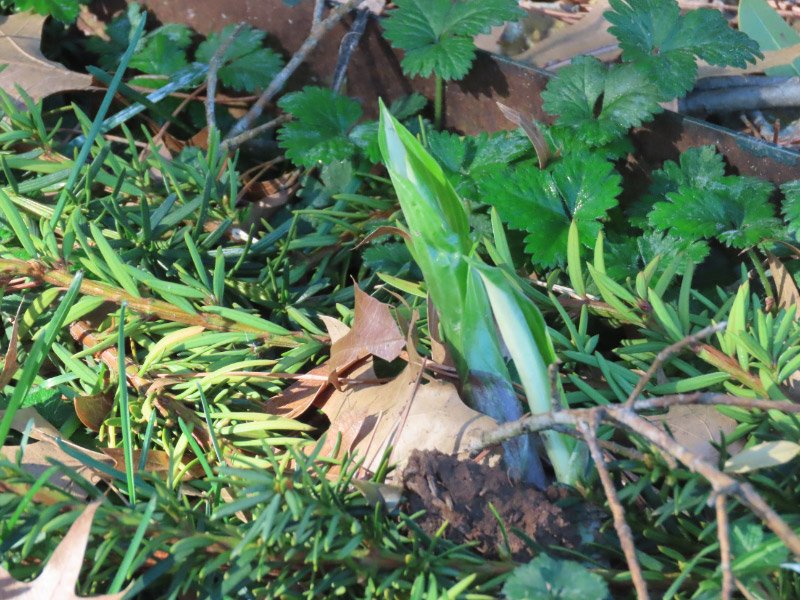
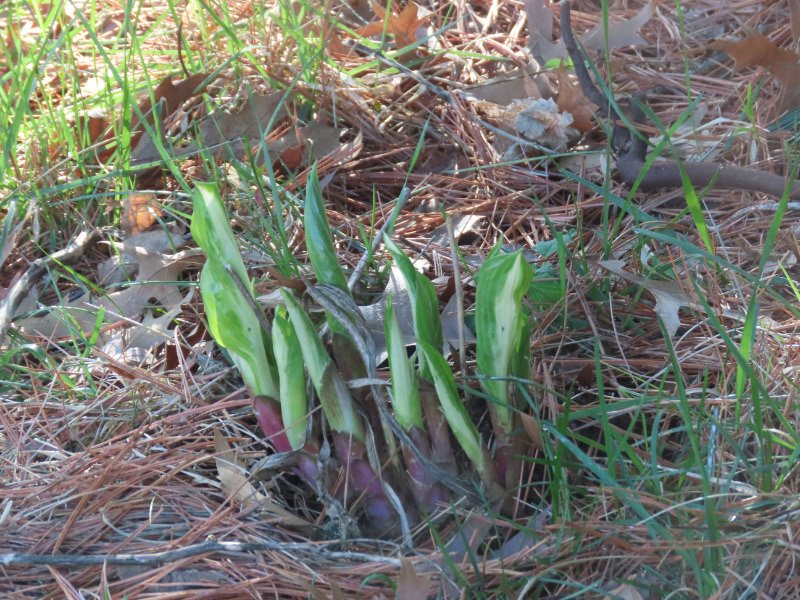
The hostas are beginning to emerge…in dense clumps. I decided to divide two clumps…since I have a shady place that I’d like to convert from grass.

I planted divided clumps (roots plus a furled leave or two) at the pine needle and flower bed boundaries with grass. I covered the grass with extra pine needles (from under the tree where I planted pollinator/butterfly garden seeds) and clippings from some bushes). I was thrilled when the hosta leaves unfurled within a day or two after they were planted!

There is still a lot to do in the yard. I get a little done every day I am at home and it’s dry…over 60 degrees.