Our Missouri Yard – June 2026
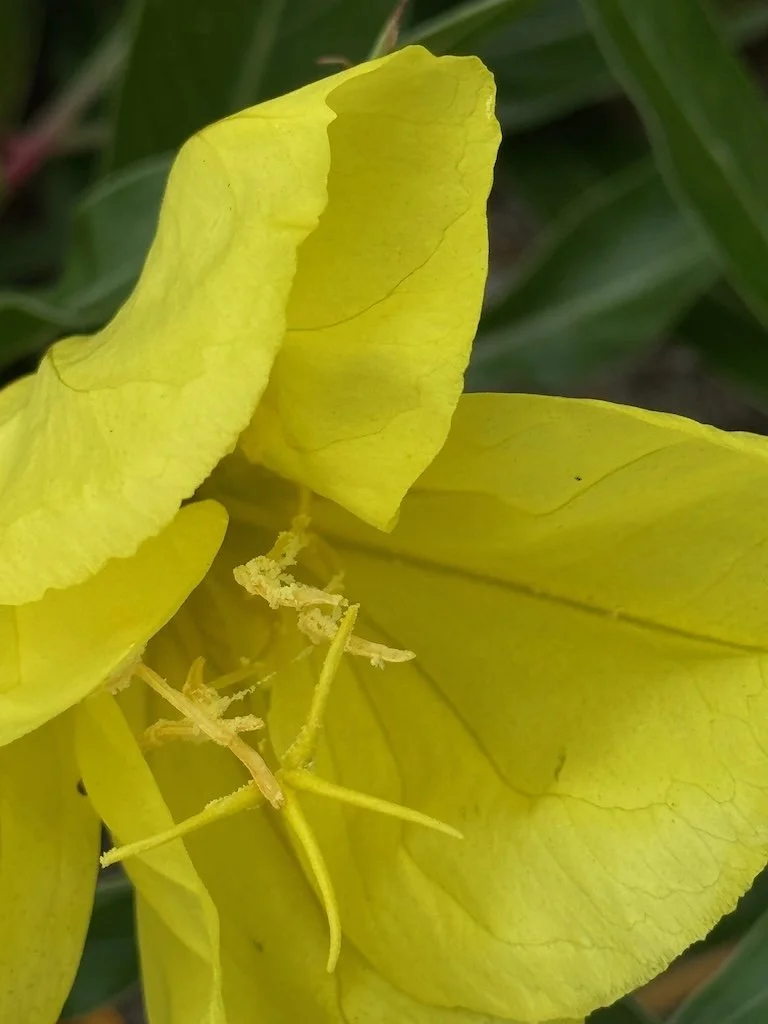
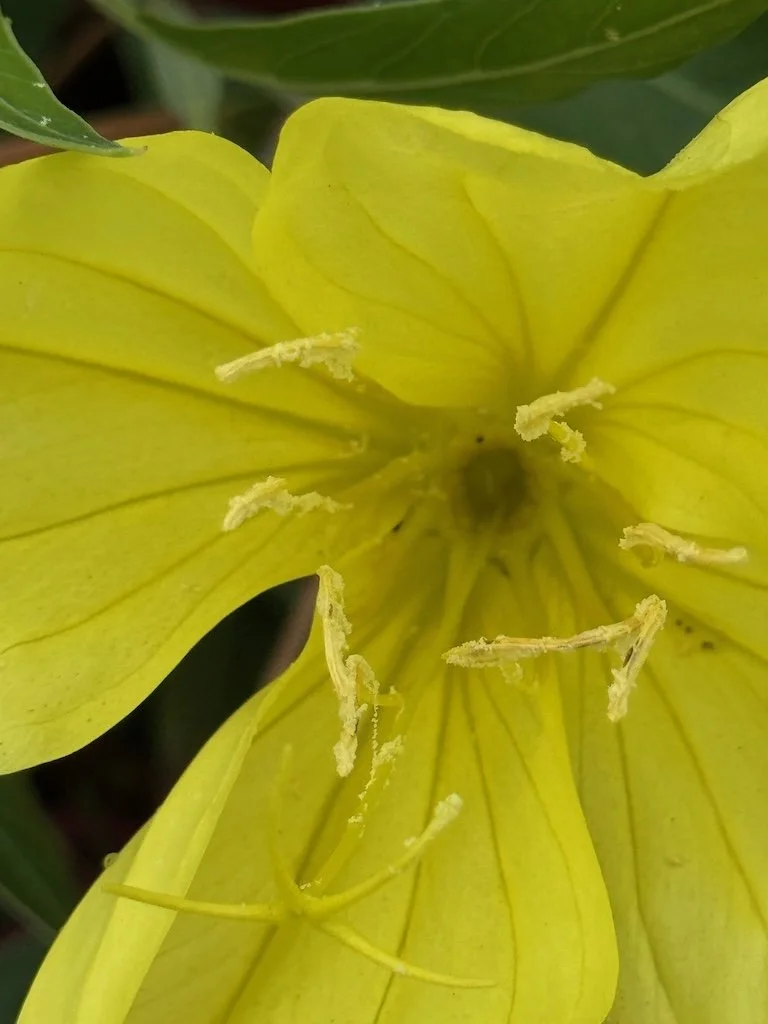
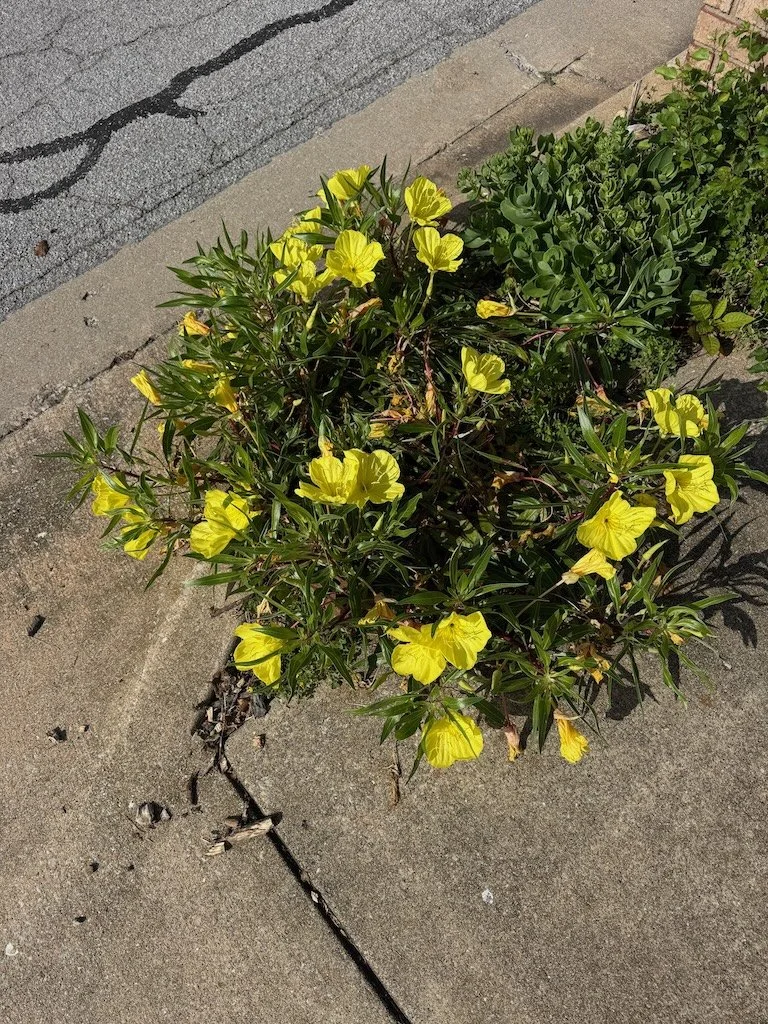
/There are a lot of things looking good in our yard right now…the time of year and the rains in late May resulted in a lot of growth since last month. The Missouri Evening Primrose near the mailbox is blooming profusely – will probably crowd out the non-native plant in the small bed with it.
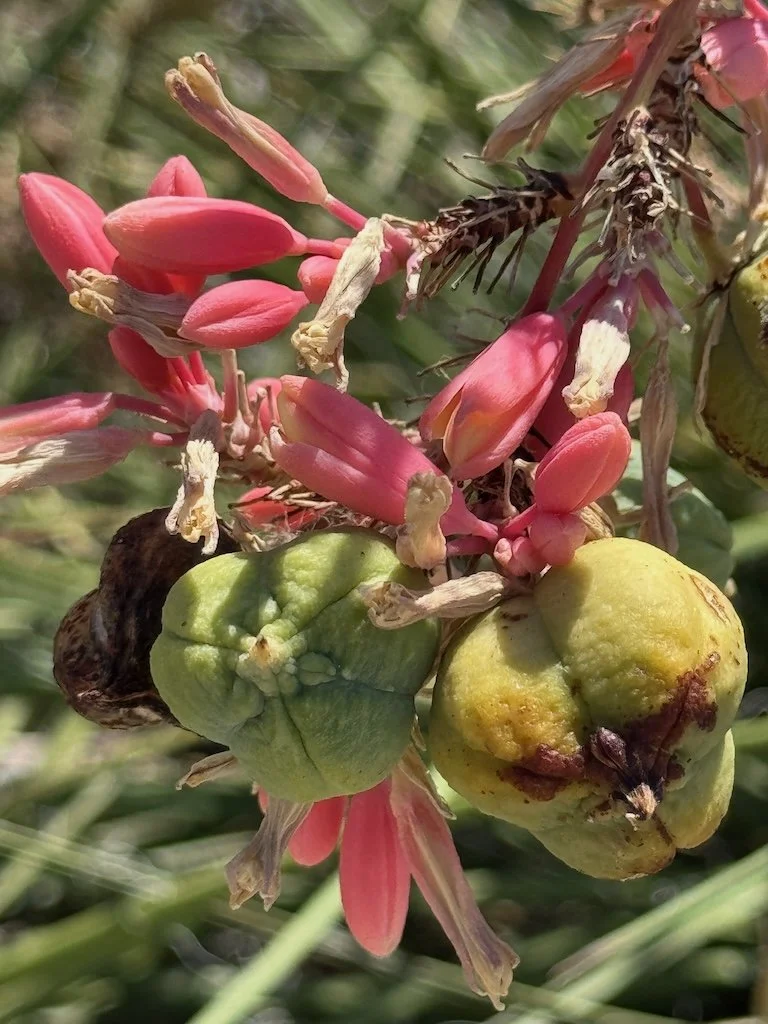
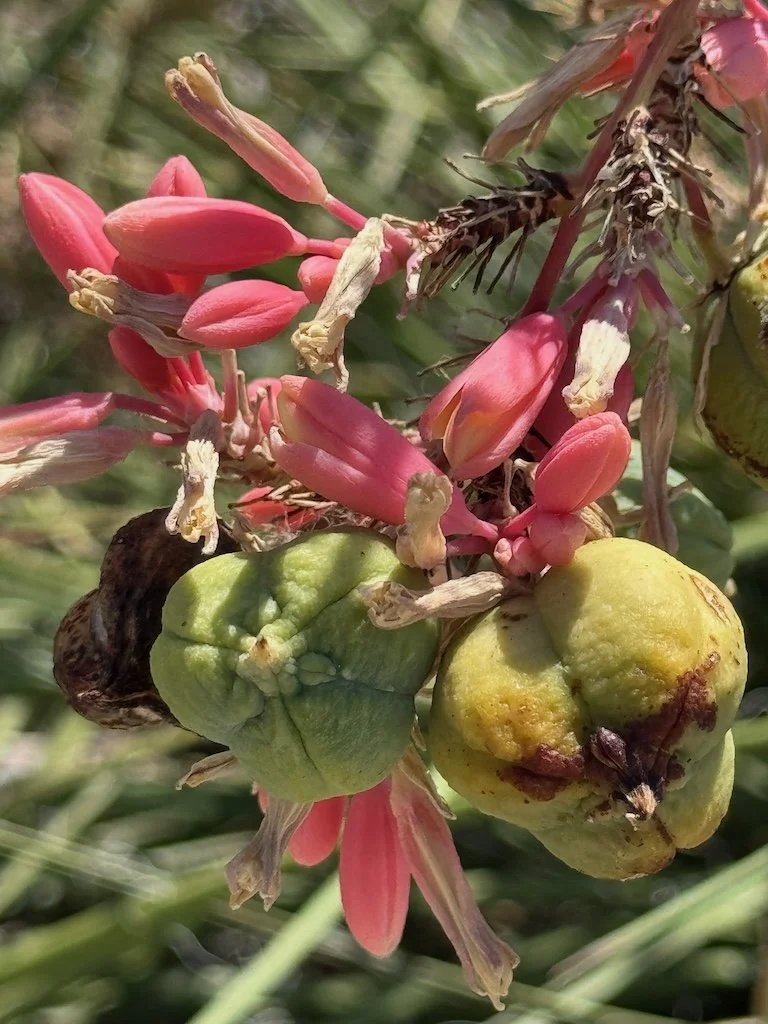
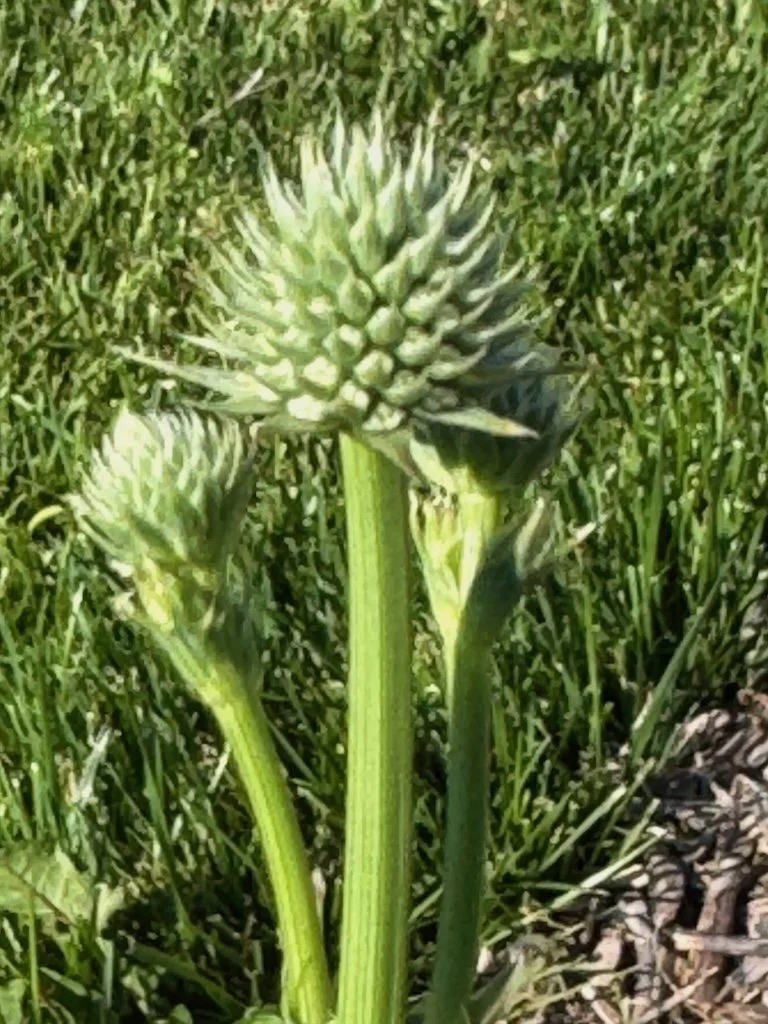
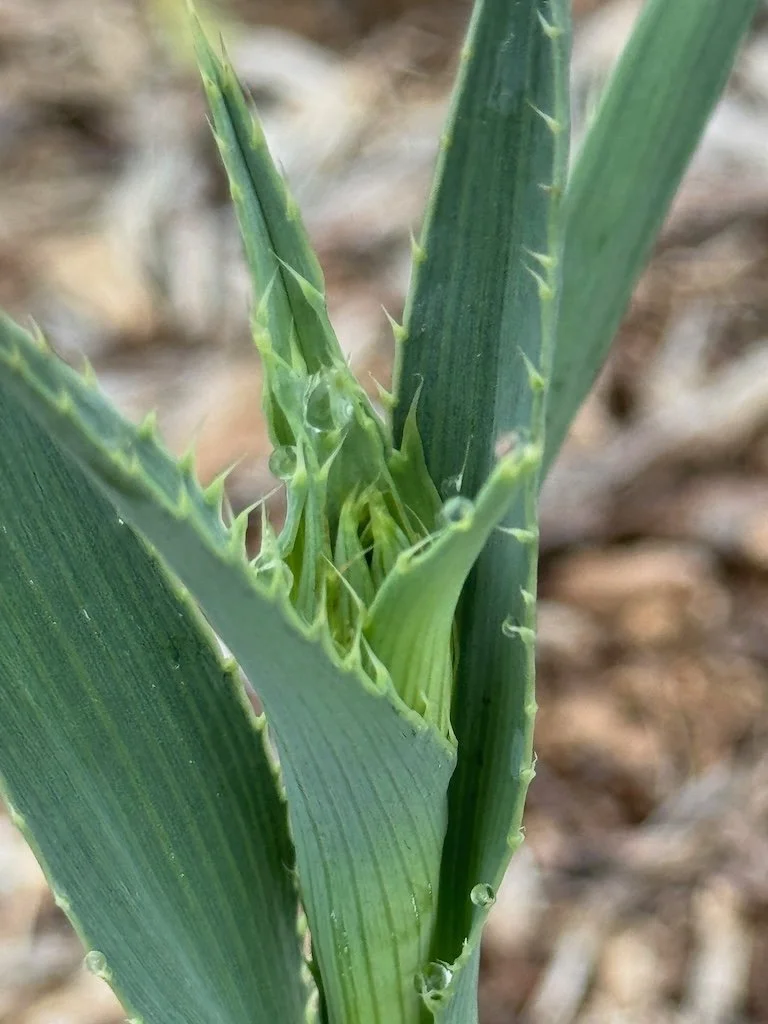
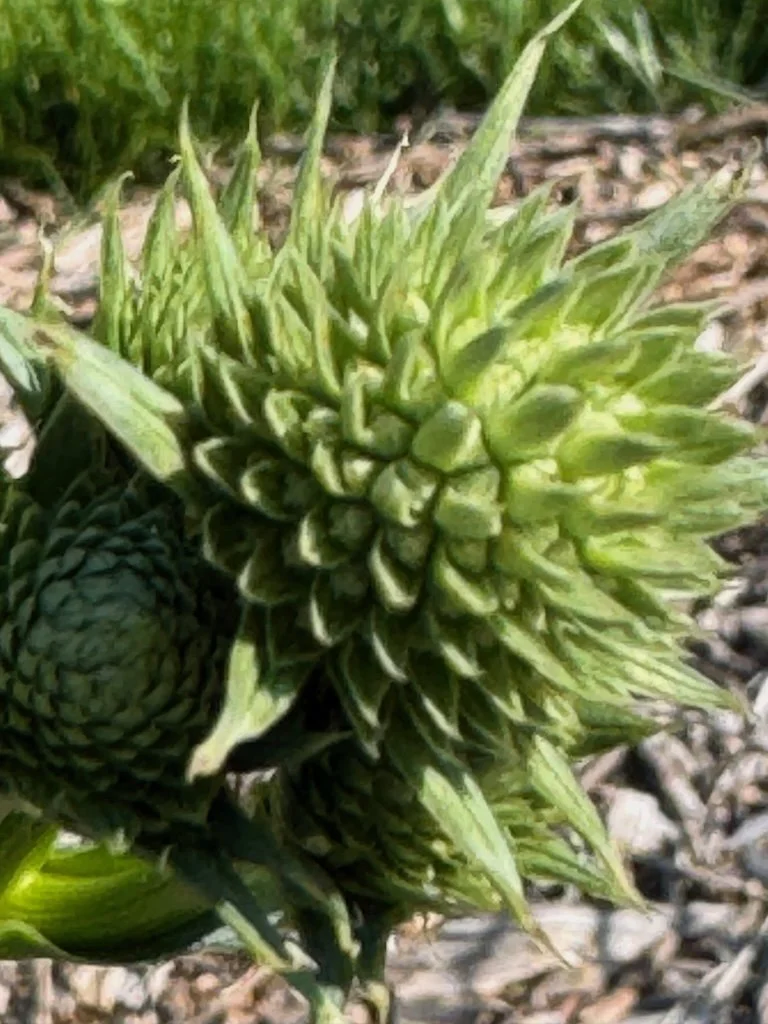
Two of the three rattlesnake master plants in the native plant garden started this year have stalks getting ready to bloom!
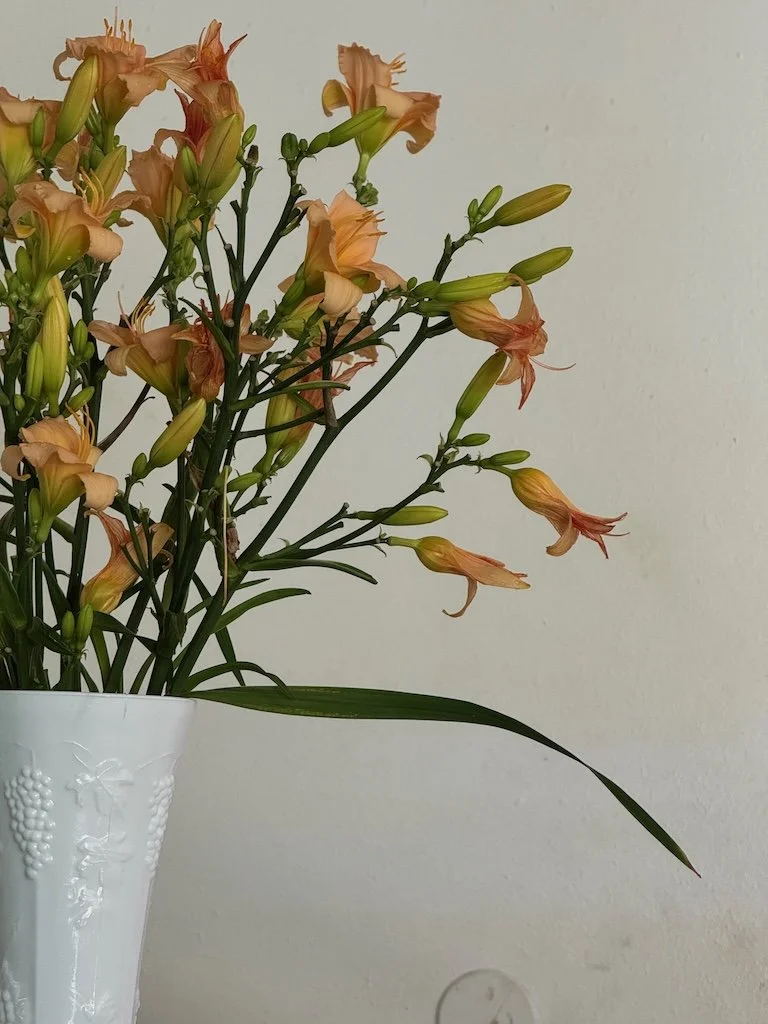
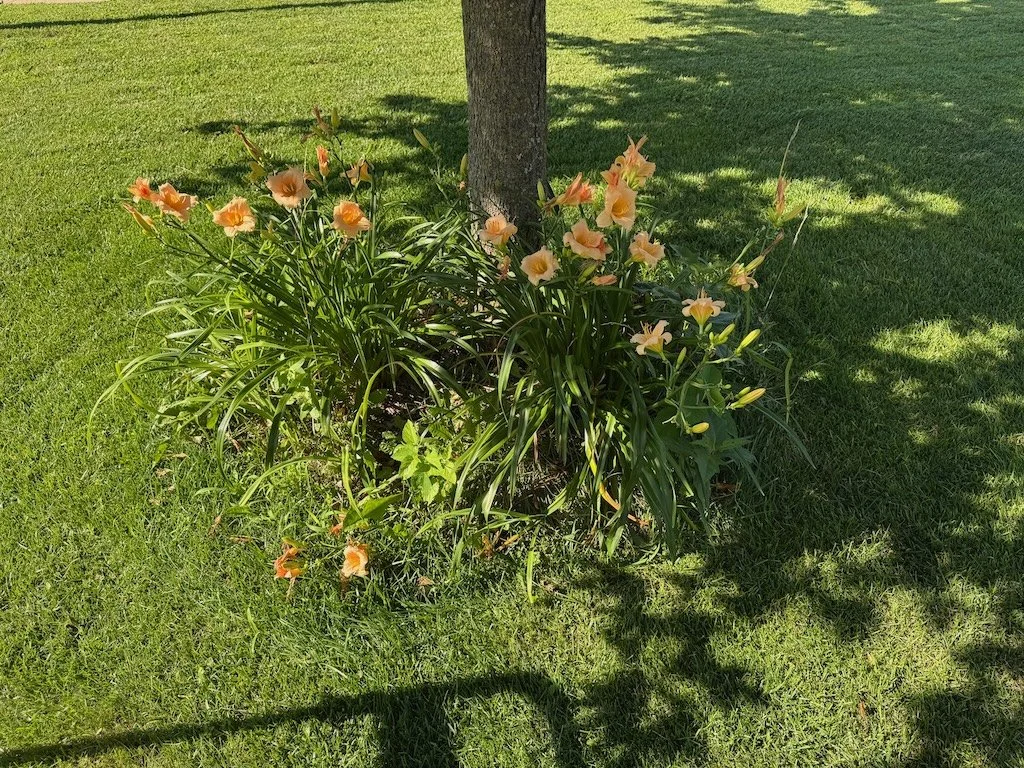
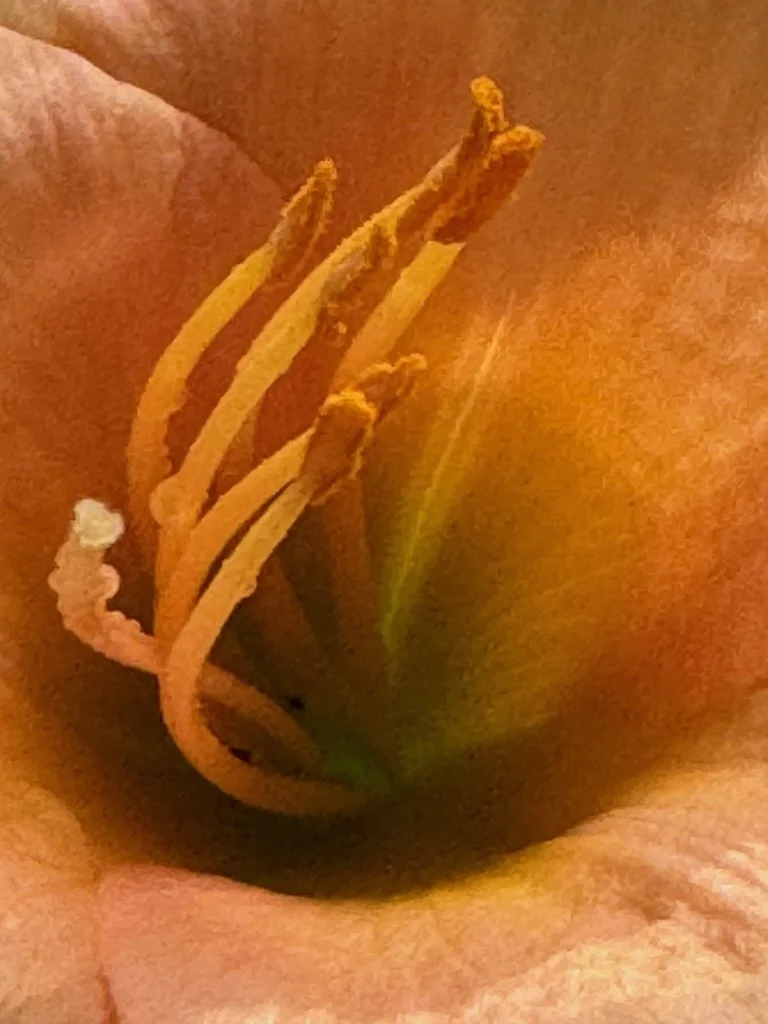
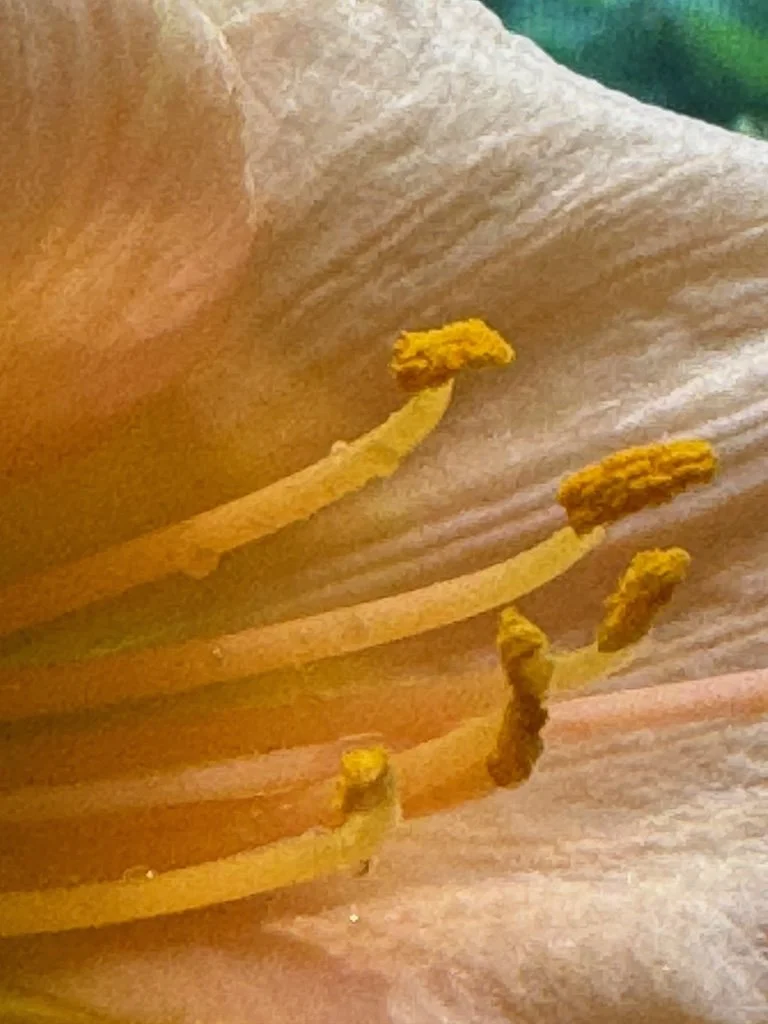
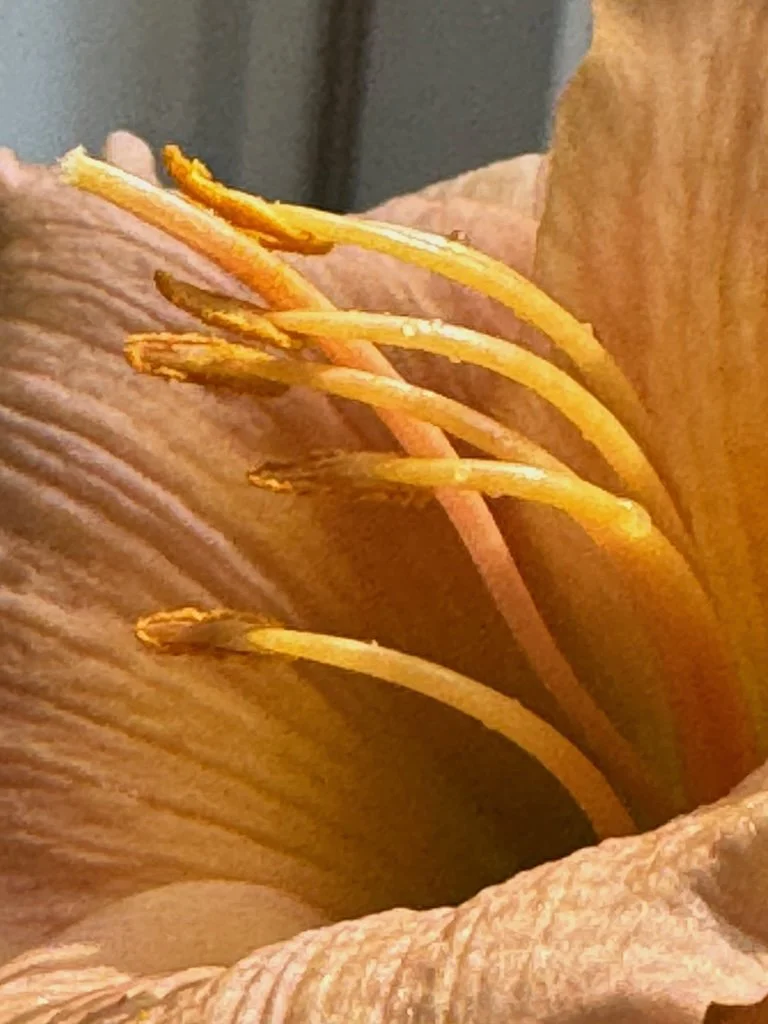
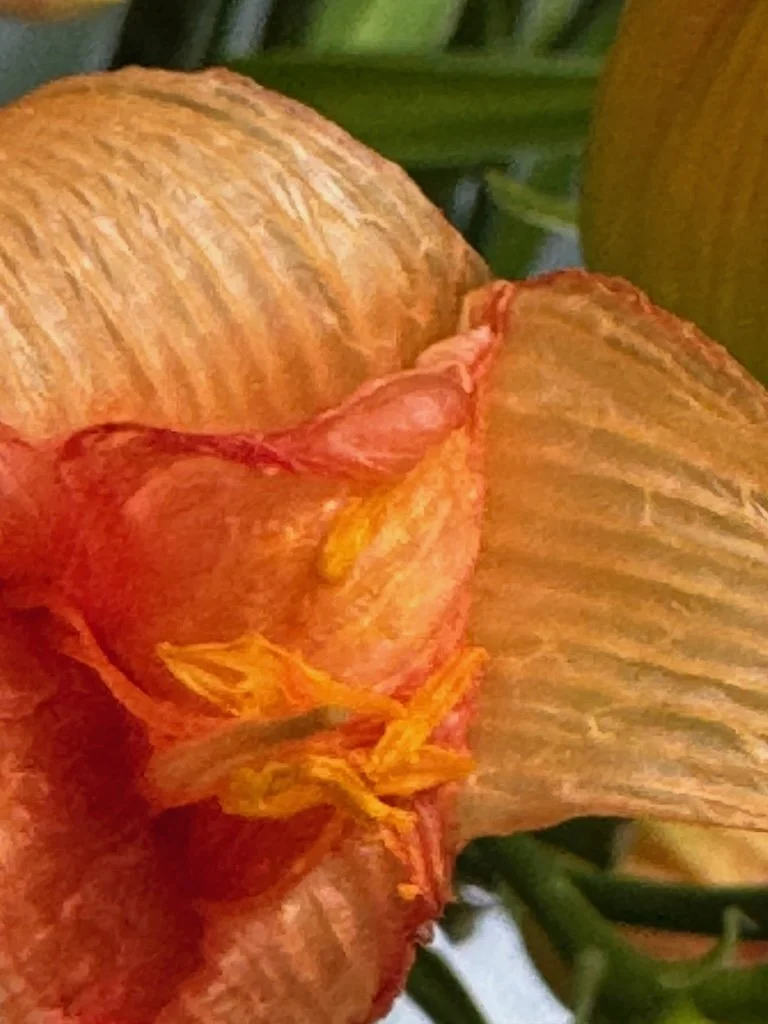
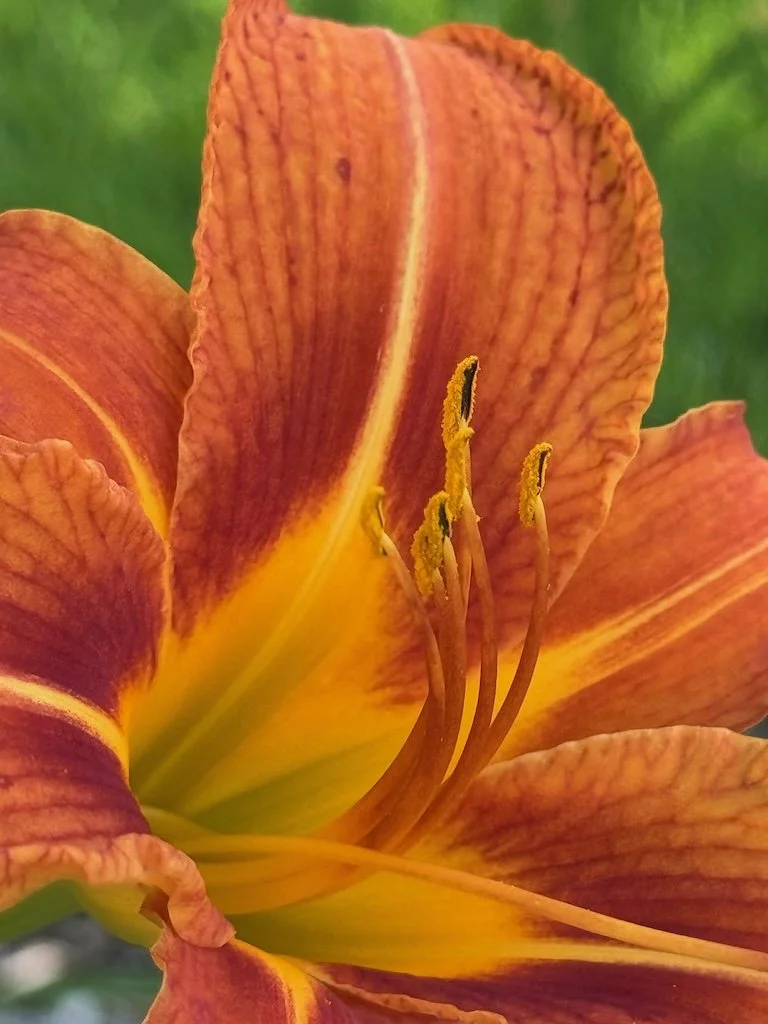
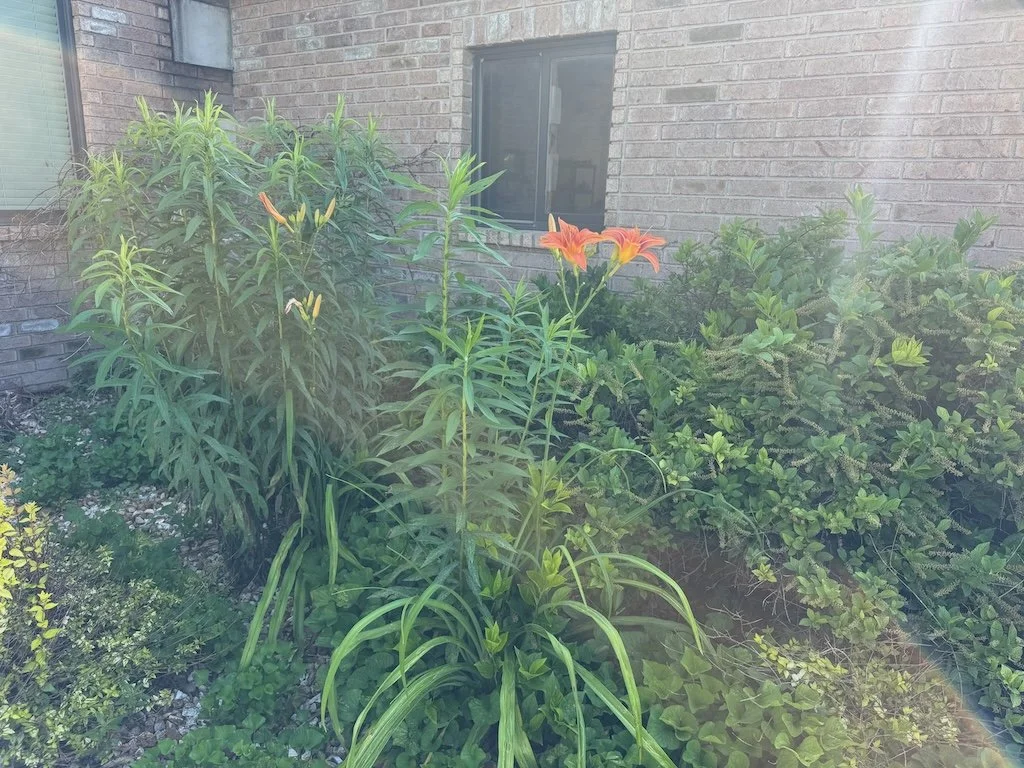
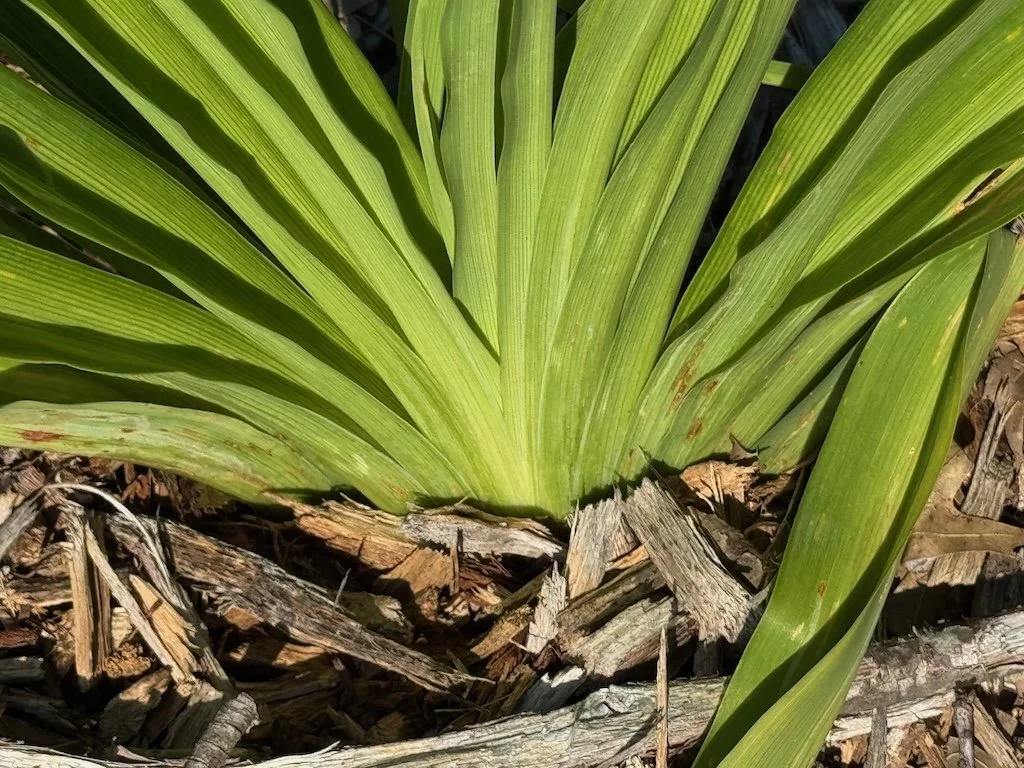
Daylilies are blooming in the corner garden (along with some natives that will bloom in the fall) and in the native plant garden (they came up through the mulch and I am leaving them for now until the natives cover the area completely).
There is an oak seedling that sprouted in the native plant bed that I will simply leave where it is for now while the little blue stem and elderberries are still very small. The elderberries might crowd it out eventually…or is could become the big tree of the front yard.
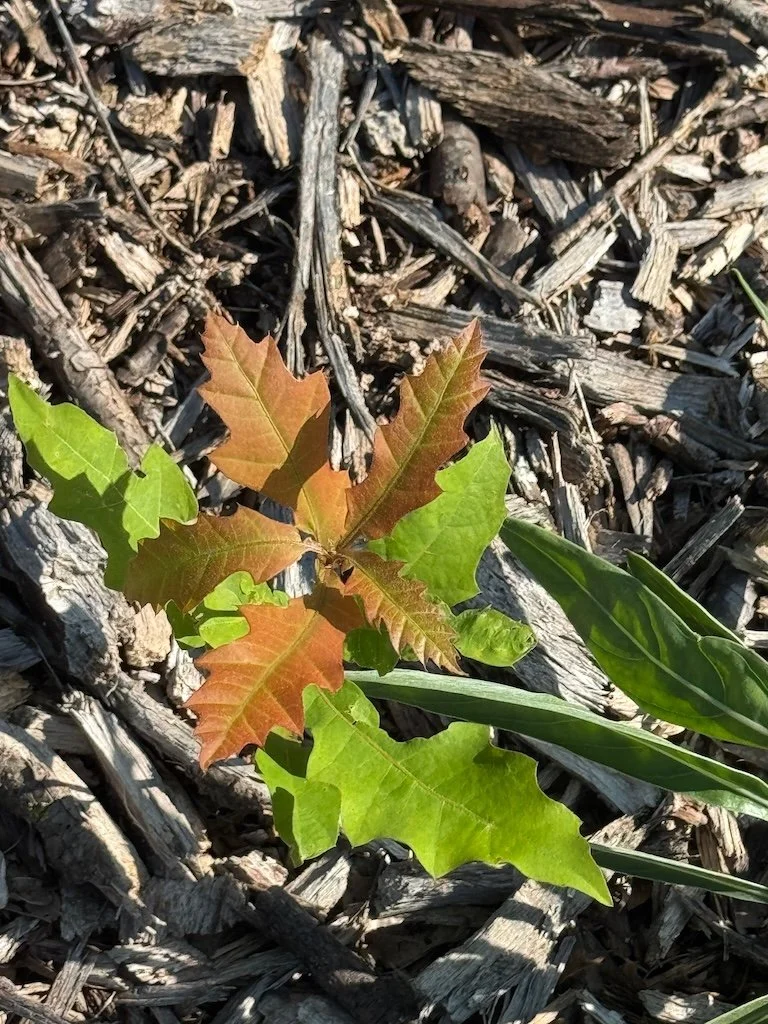
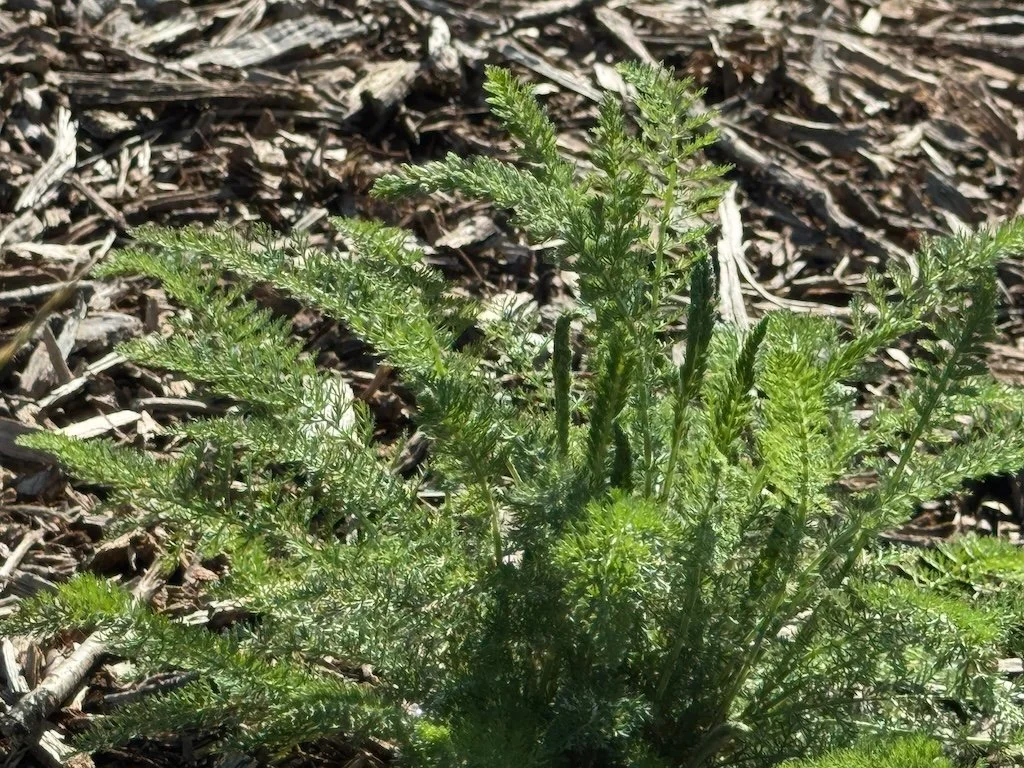
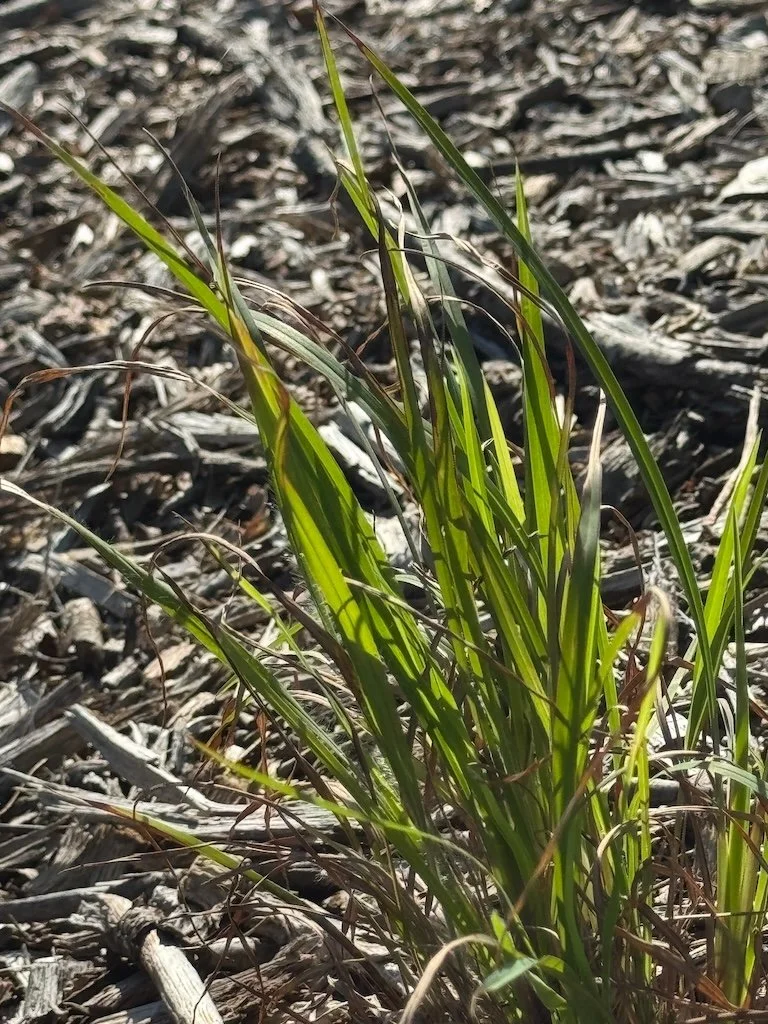
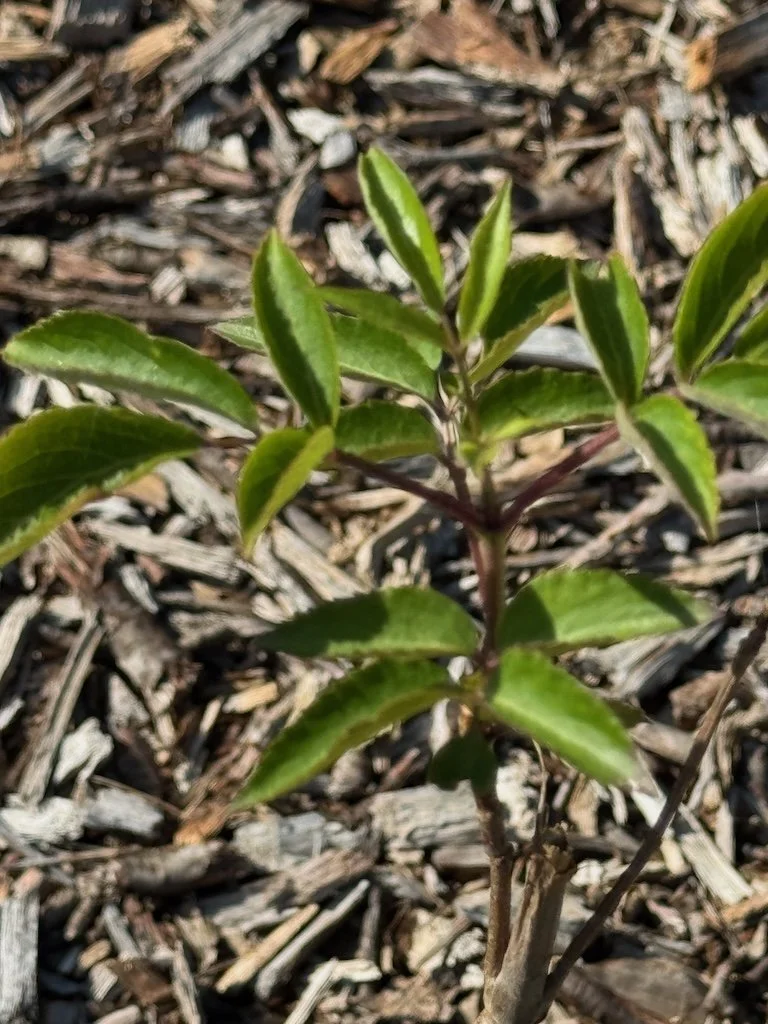
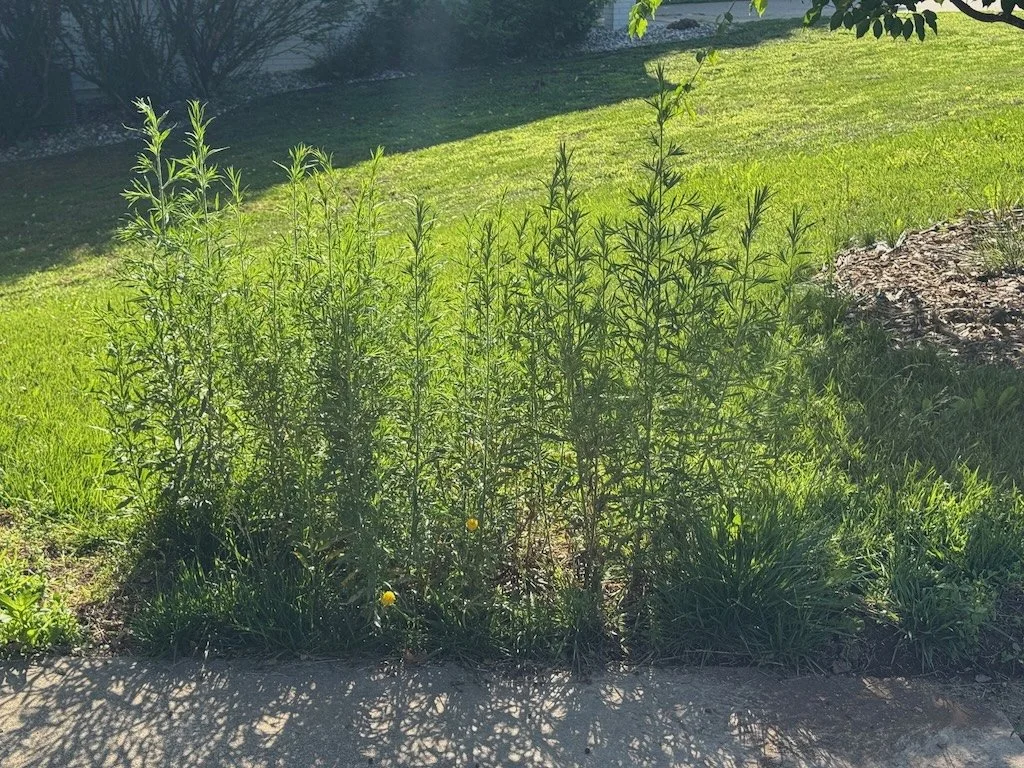
On the east side of the driveway the white heath aster has come up again. I am leaving the plants since the area has a lot of mole activity and I want something there to hold the soil. They are prolific late summer/fall bloomers.
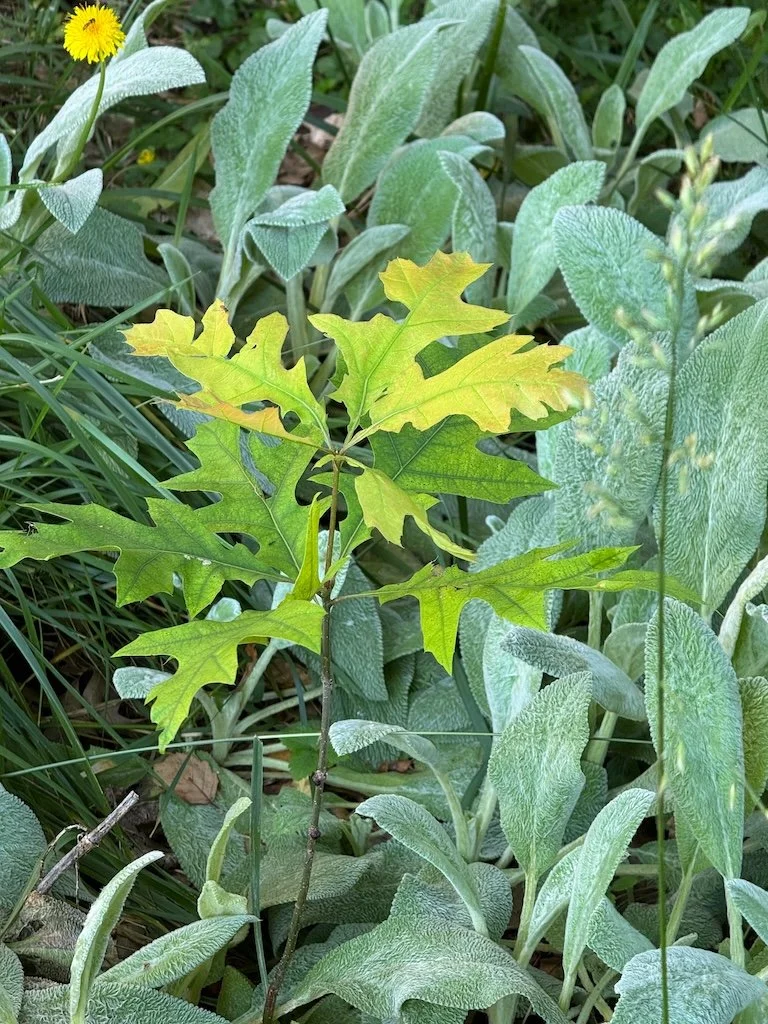
There is a small oak in the bed near the gate to the back yard. I will cut it soon since it is not in a good place for a big tree.
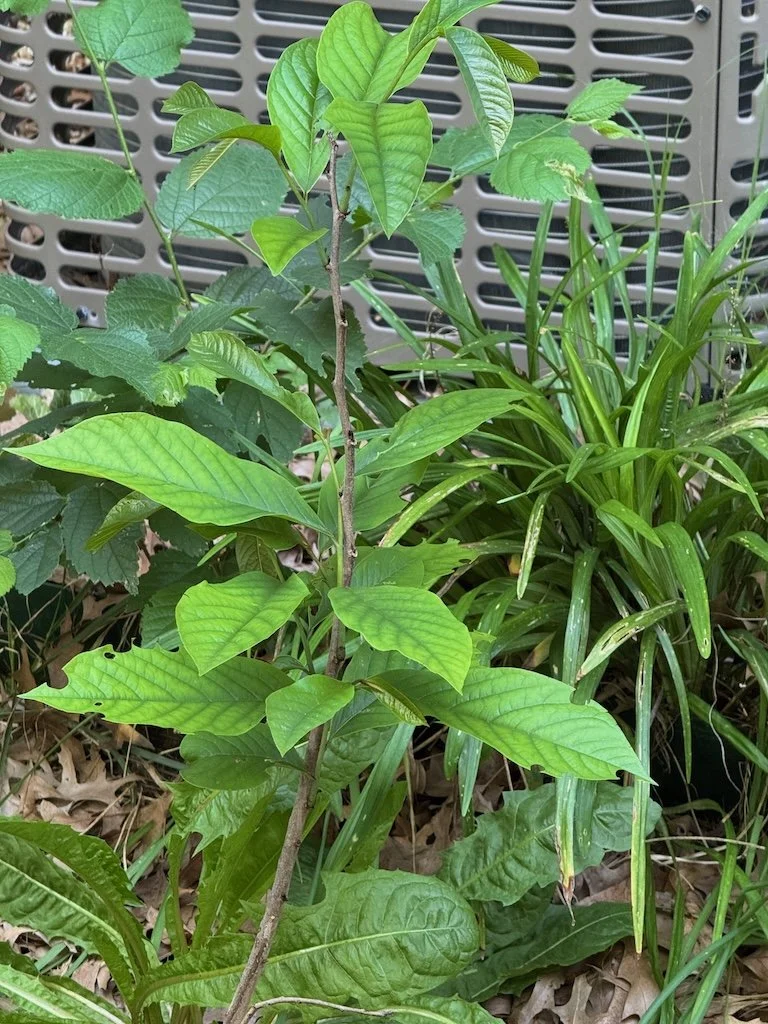
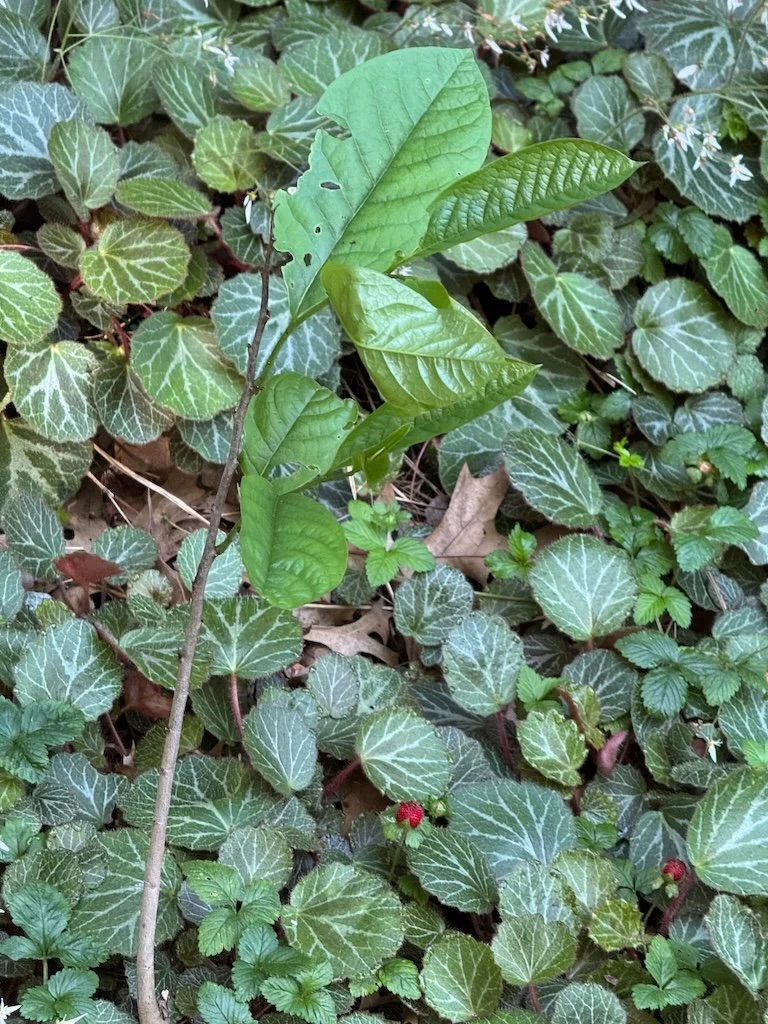
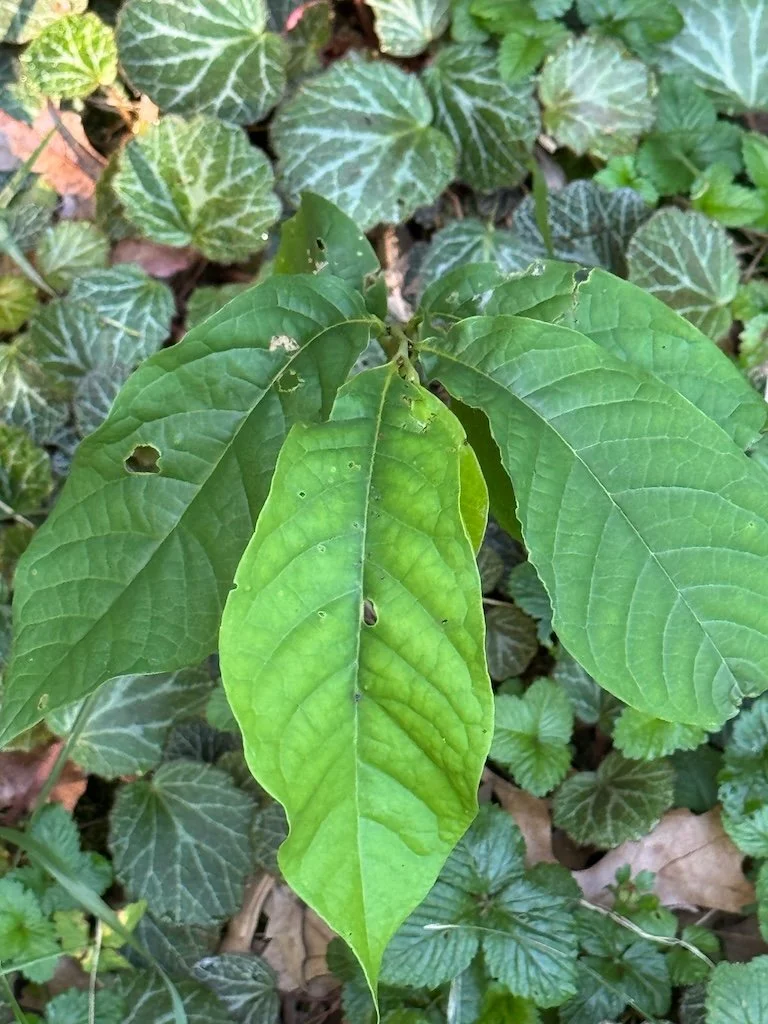
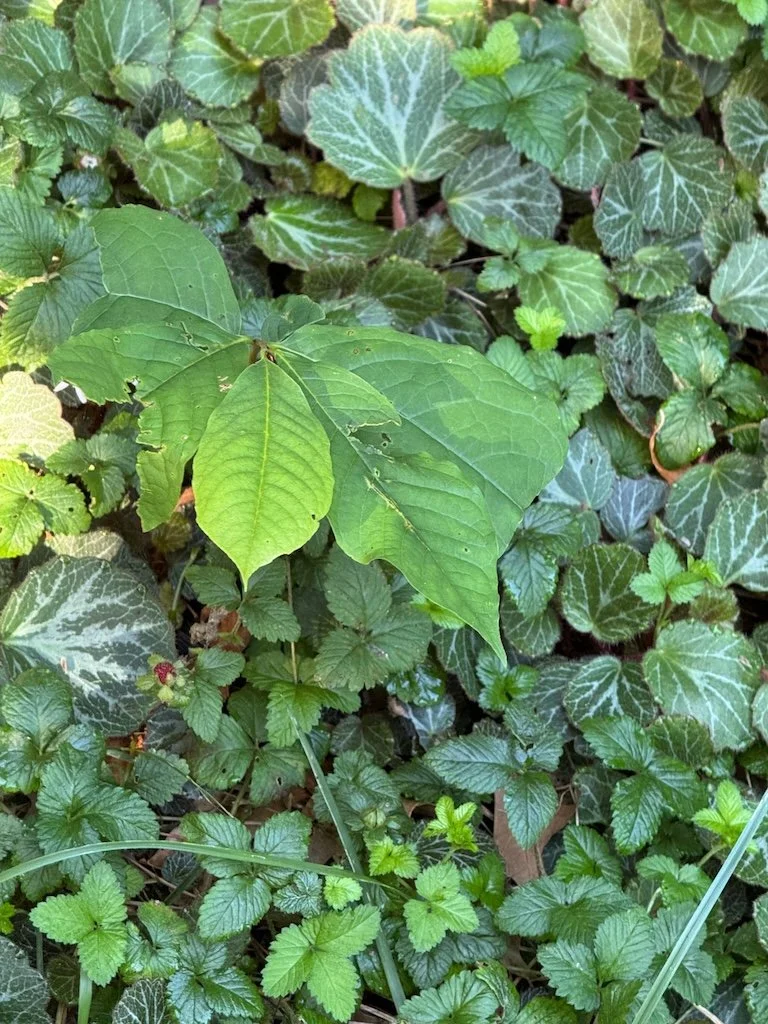
On the east side of the house there are at least 7 young pawpaw plants: 2 from seeds I planted after eating a pawpaw from the butterfly house last fall, 1 purchased from Ozark Soul, and 4 from MDC (there could be one more from MDC but I didn’t see that it had leafed out…maybe it didn’t survive).
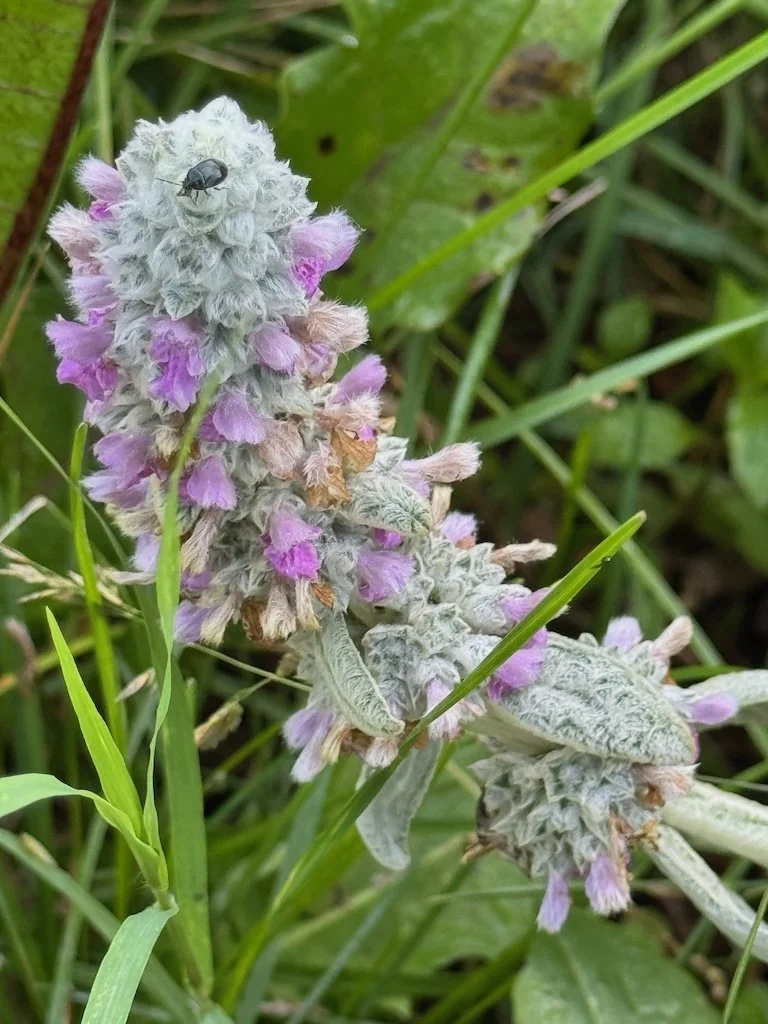
In the garden where we had a pine taken out, there are lambs ear (blooming…not abundant because the bed is crowded with irises and goldenrod), two elderberries (from MDC), beautyberry (the garden is exposed so the plants appear to be dying back each winter and then coming up from the roots…there might be 2 of them), and a healthy looking oak seedling which I am leaving.
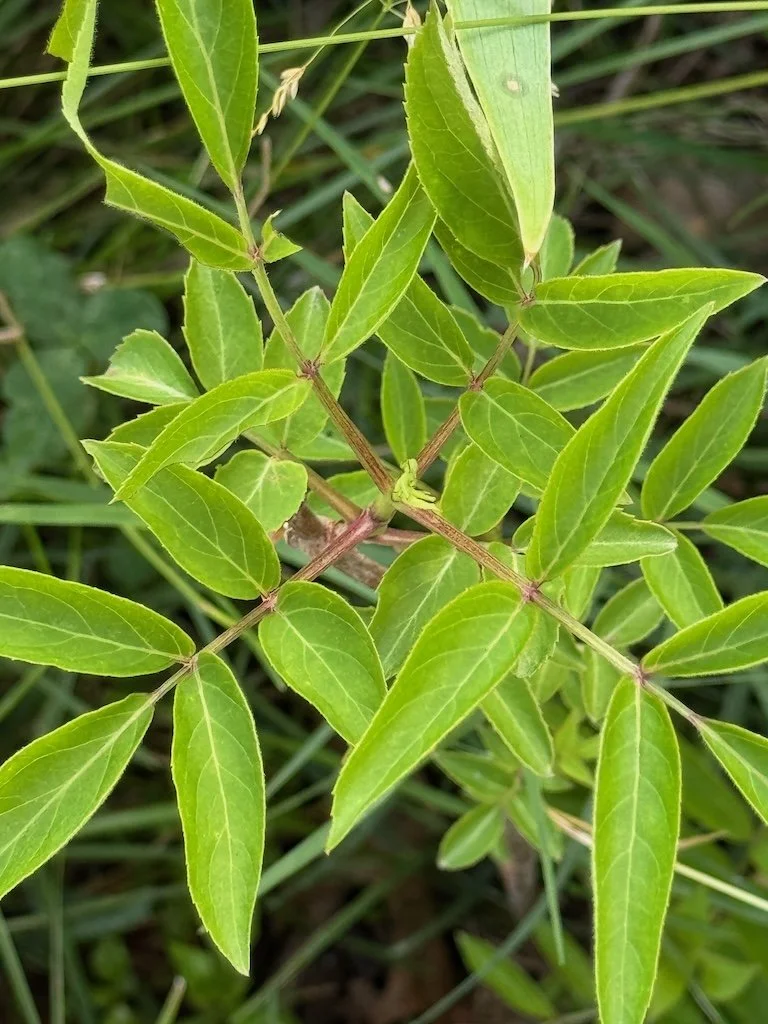
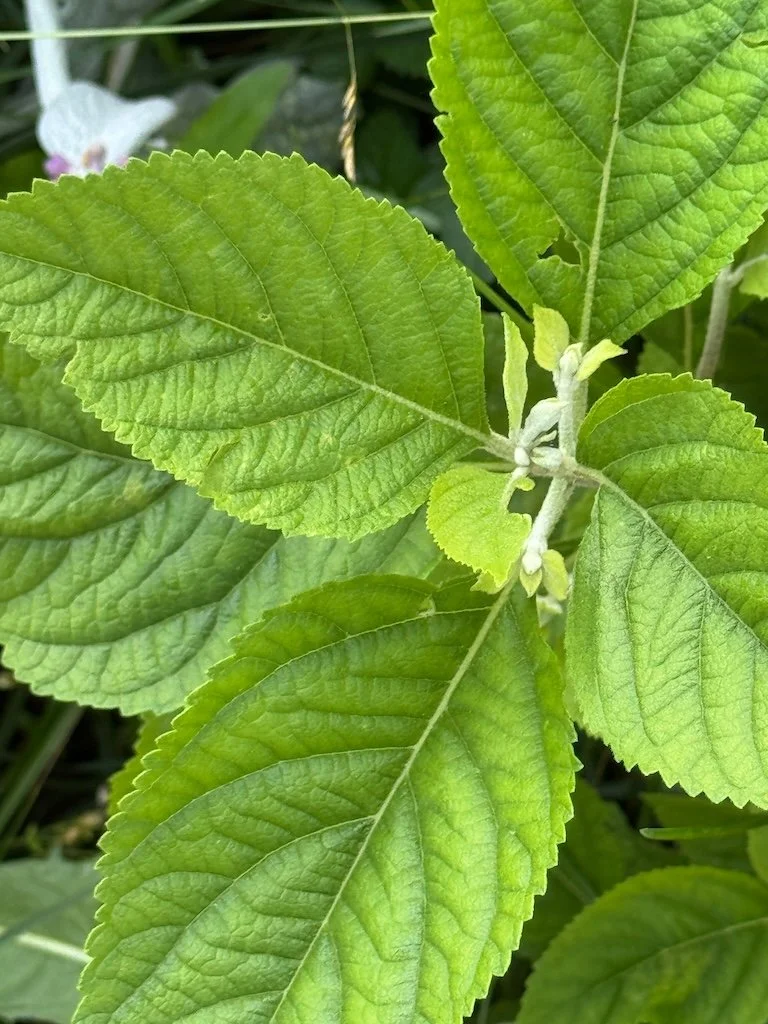
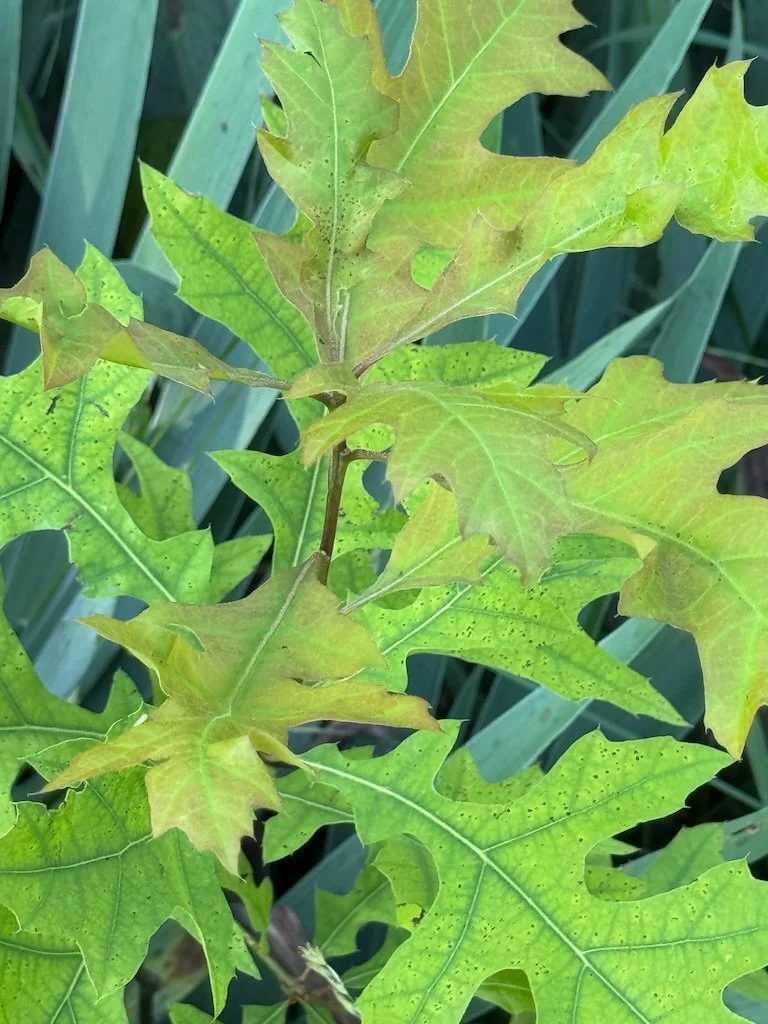
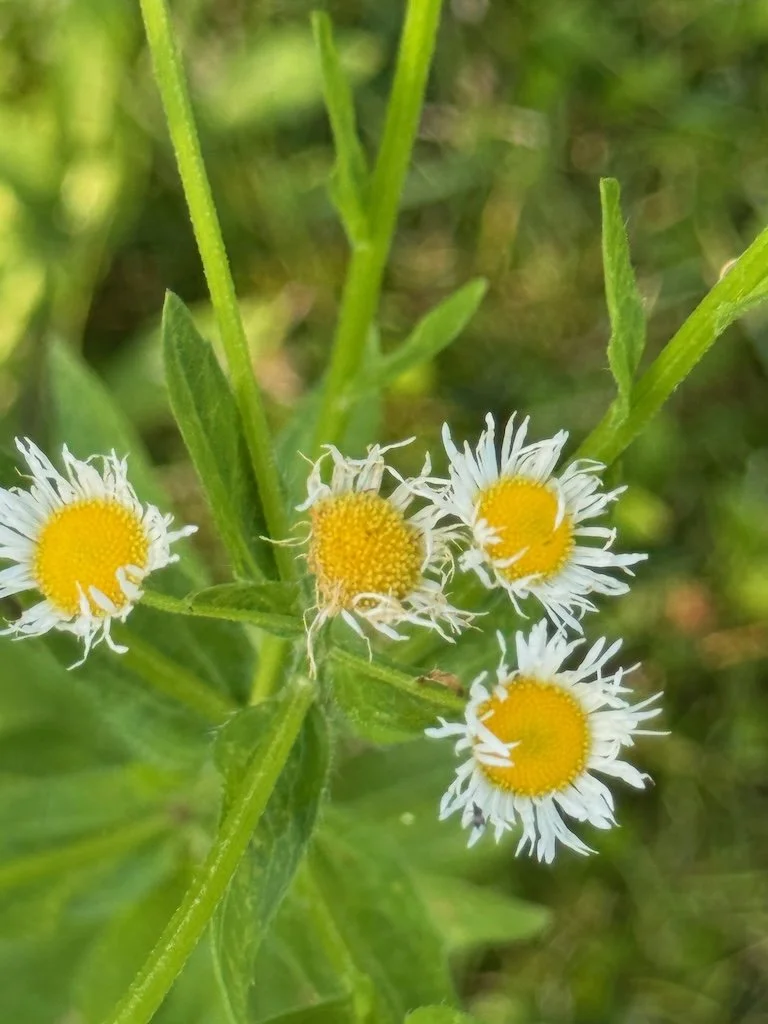
Some of the plants I have been mowing around are blooming! I think most of them are annual fleabane.
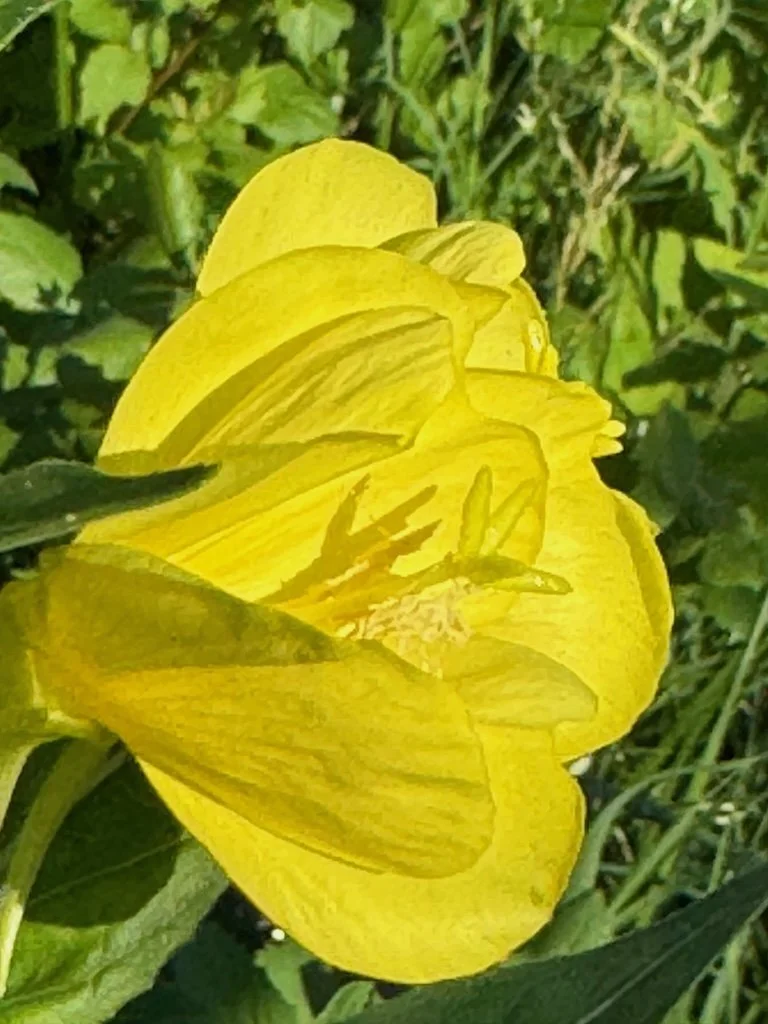
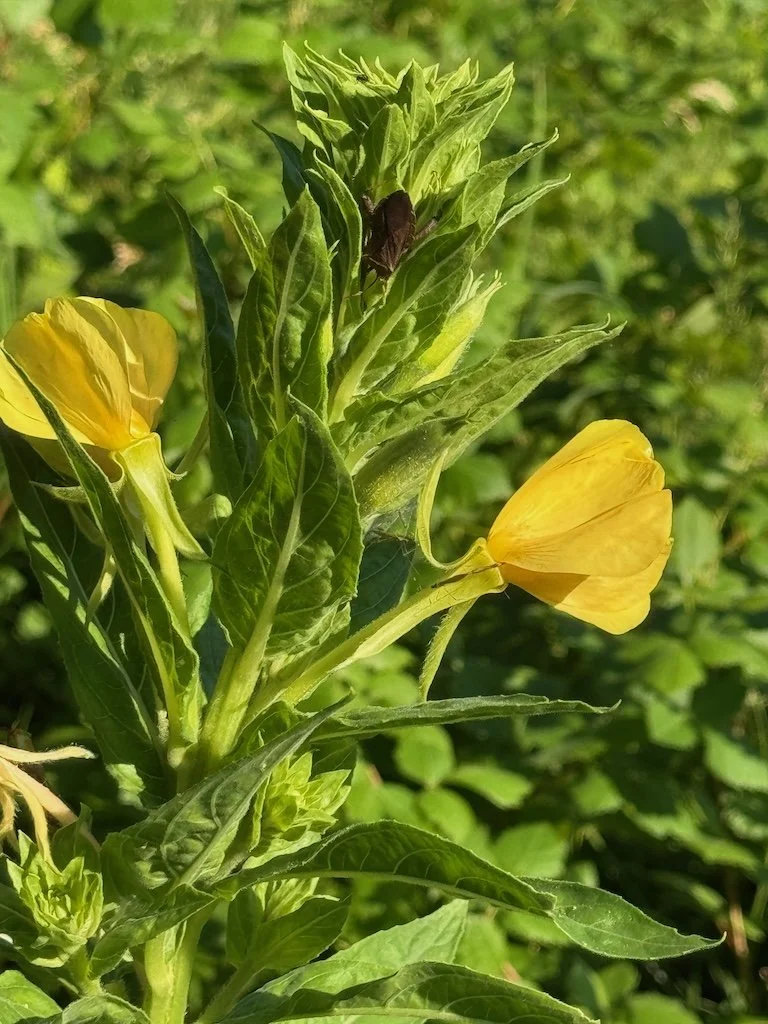
There is common evening primrose in the garden by the patio…it seems to be everywhere…this is its year to bloom!
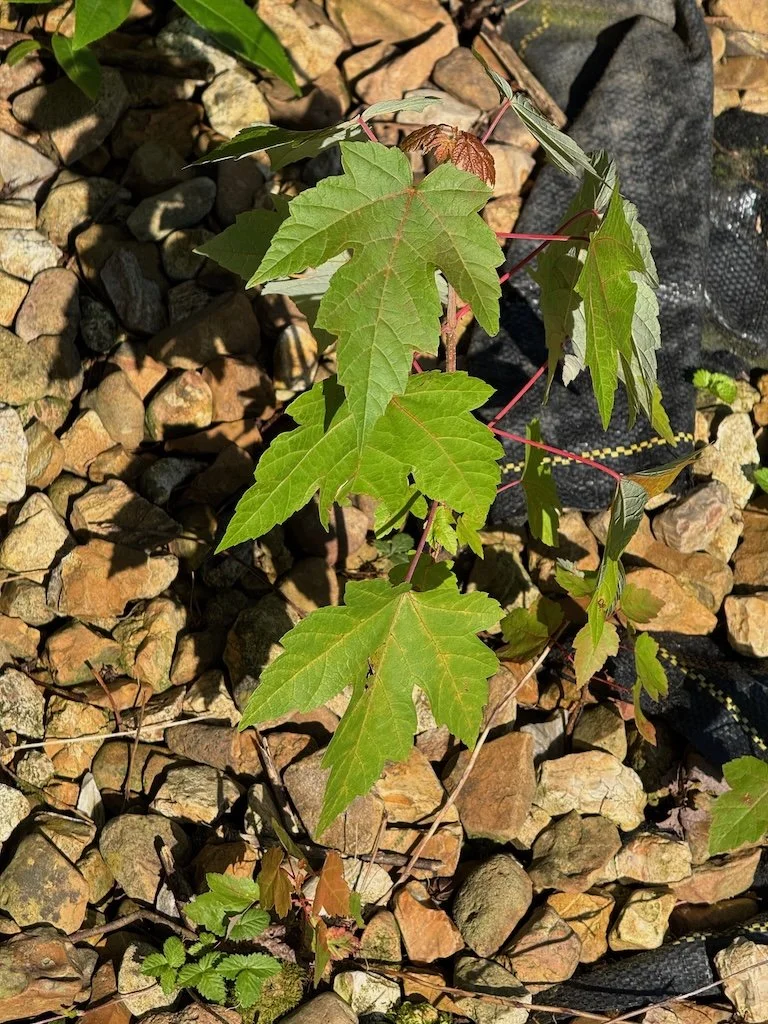
I have lots of maple seedlings…successfully pulled several of them after a recent rain and enough roots came out that they should survive in water for tree tabling later this month.
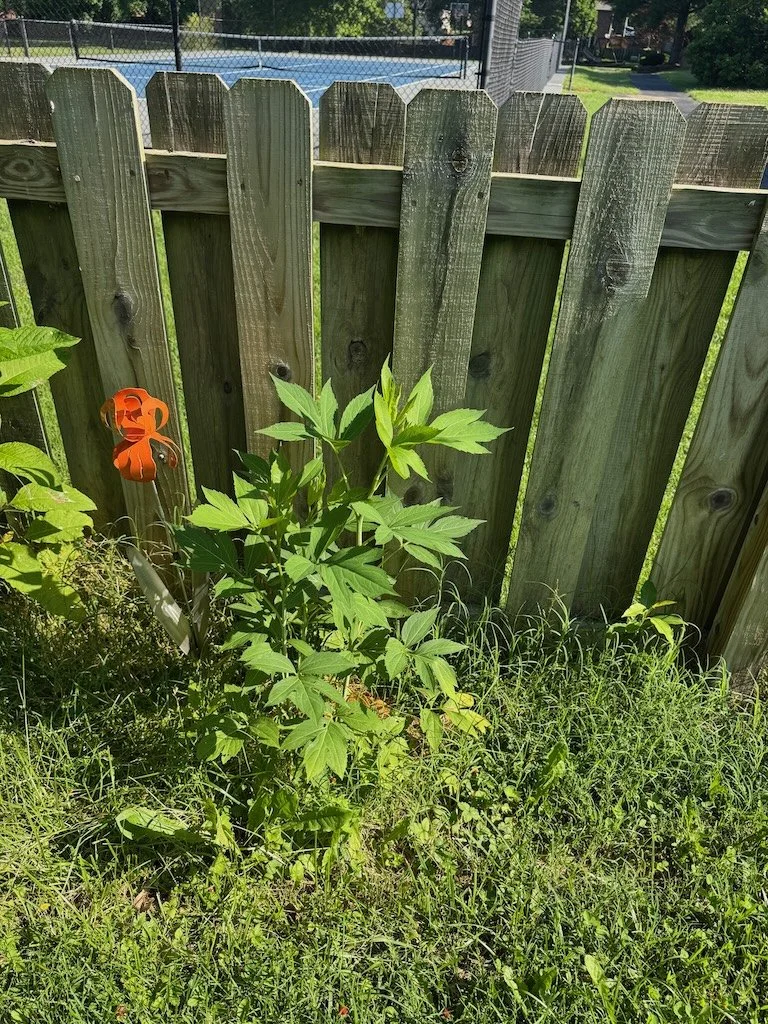
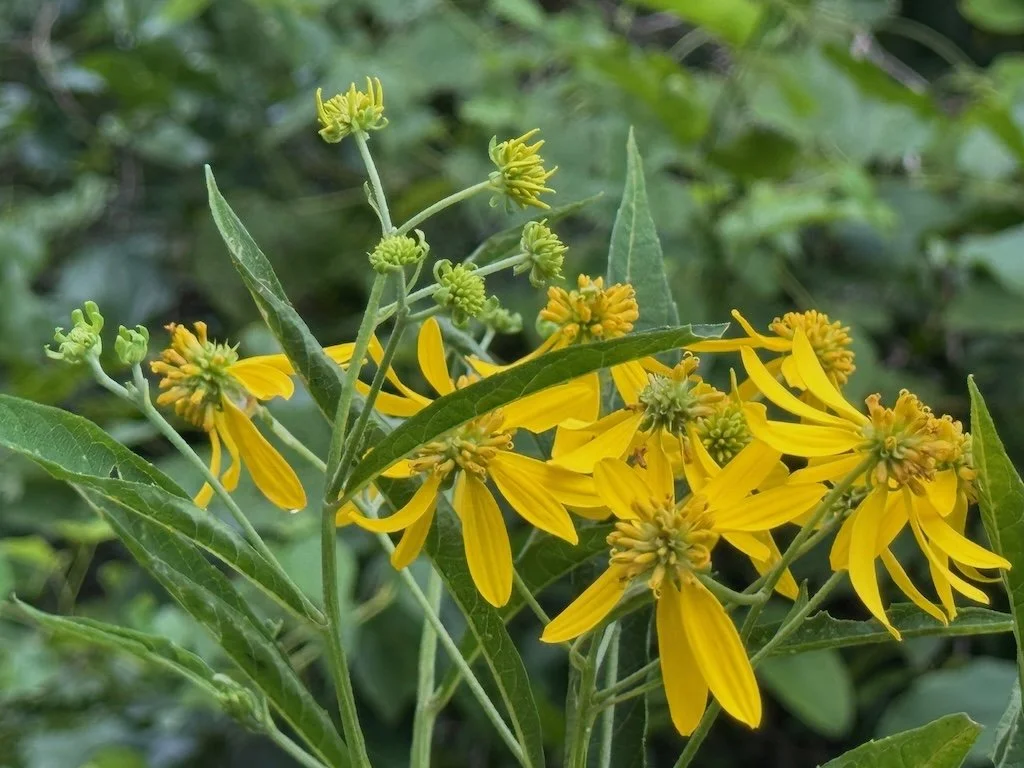
The Rudbekia laciniata (sochan) is thriving. I haven’t tried eating any of it yet…want to make sure it is well established before I do.
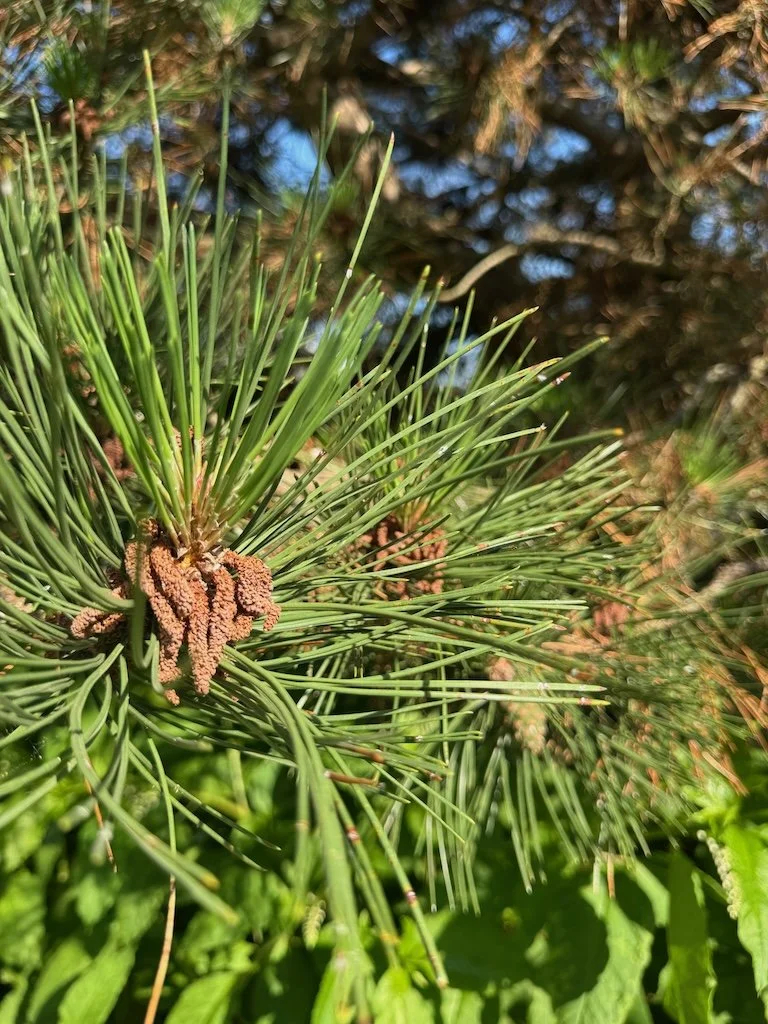
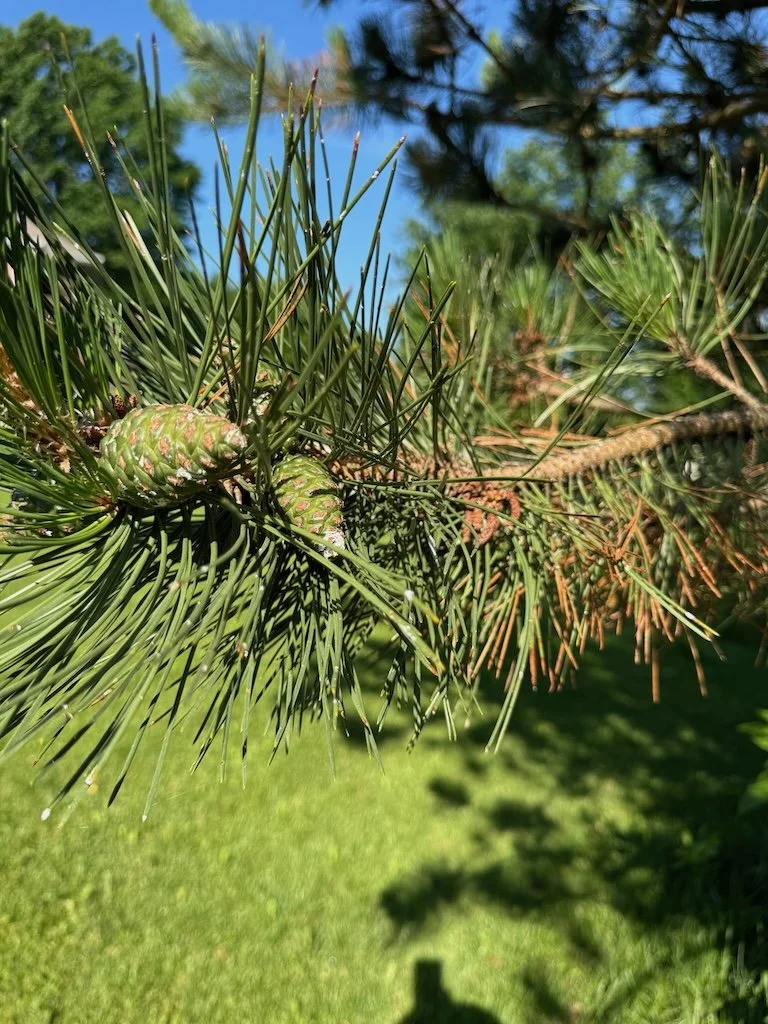
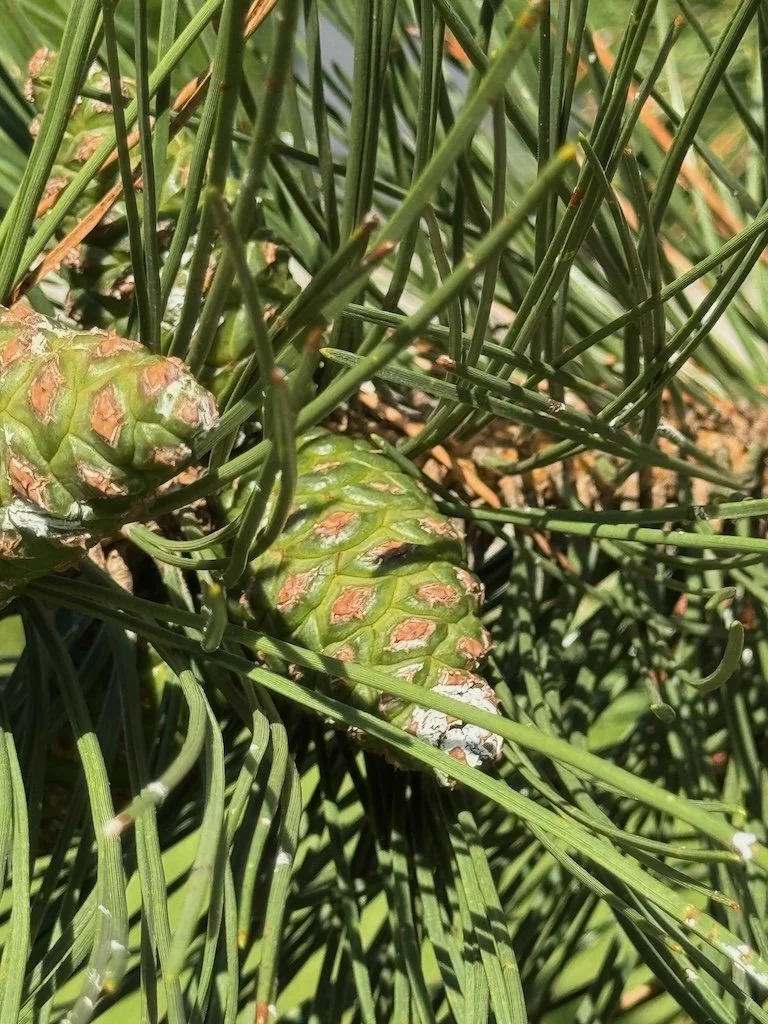
The shortleaf pine is full of new cones.
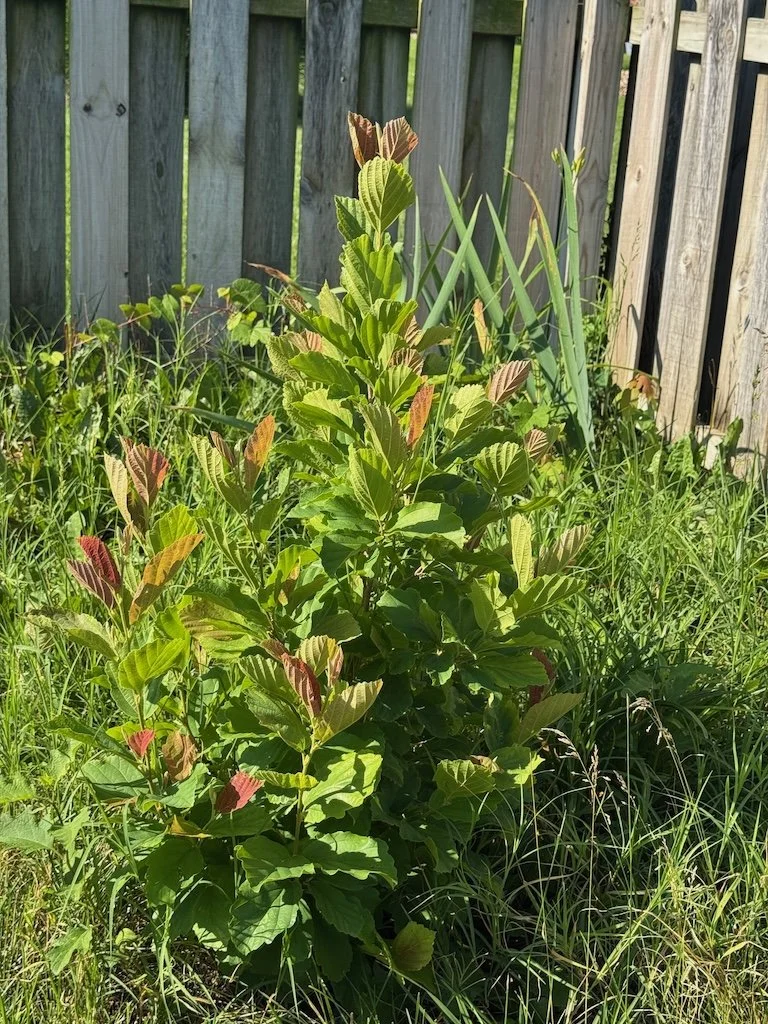
The Ozark Witch Hazel is becoming more established. Its new leaves have a reddish tinge.
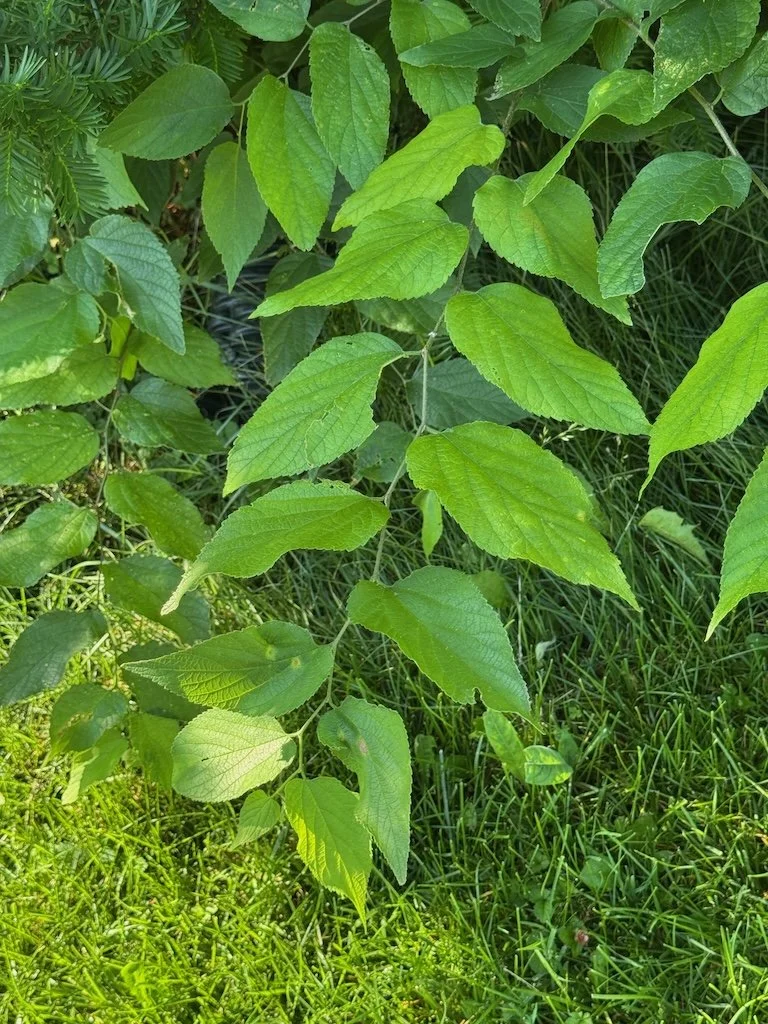
There is a hackberry that is growing in the yew which I will be cutting down…it’s not in a good place for a tree. It is already colonized by gall-producing insects genus Pachypsylla (note the two whitish circles on one of the lower leaves…the galls are underneath the leaf).
Overall, I am pleased with the way the yard is shaping up for this season….but there is a lot of work to do too.