A Picture Book of Insects

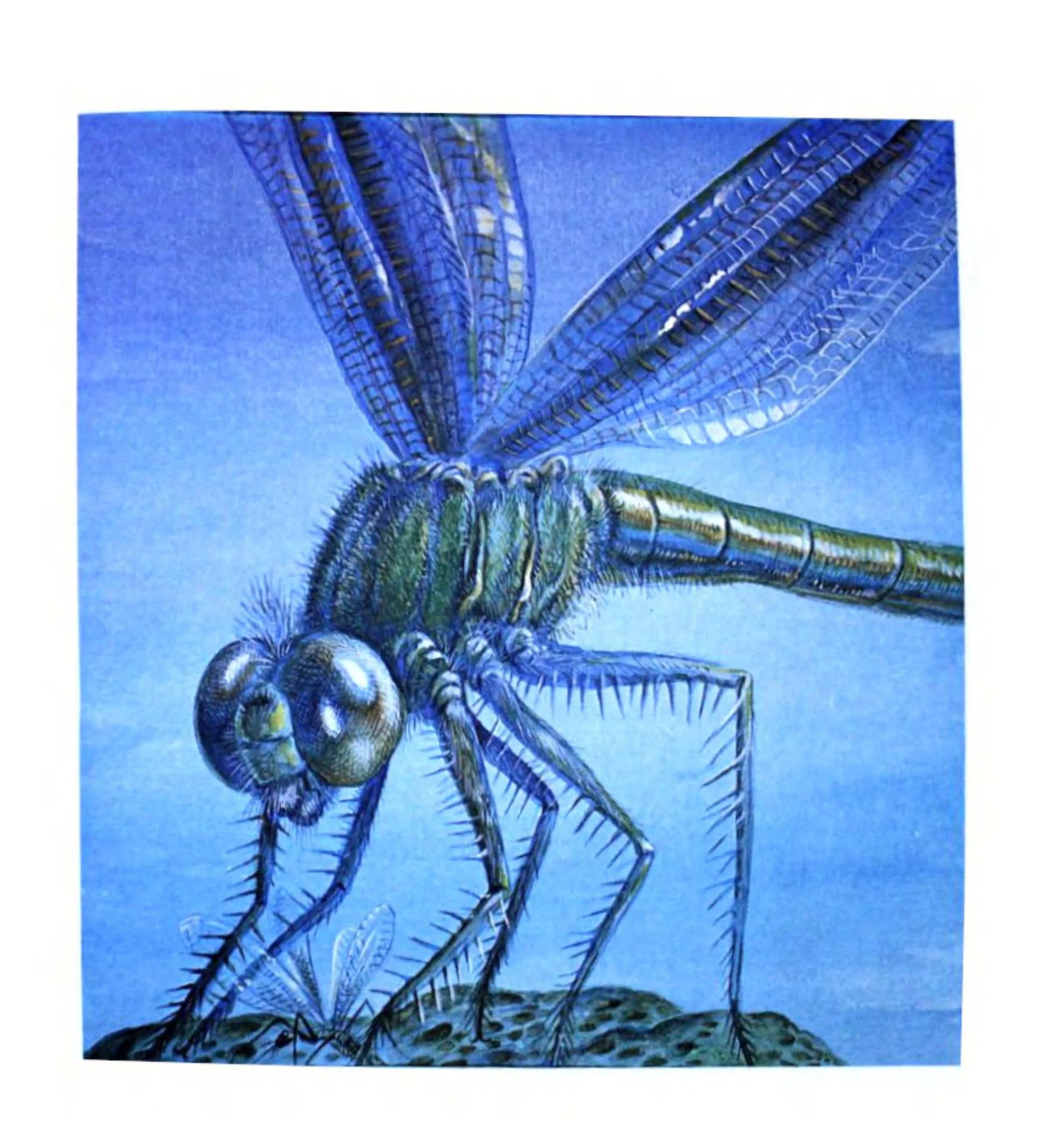
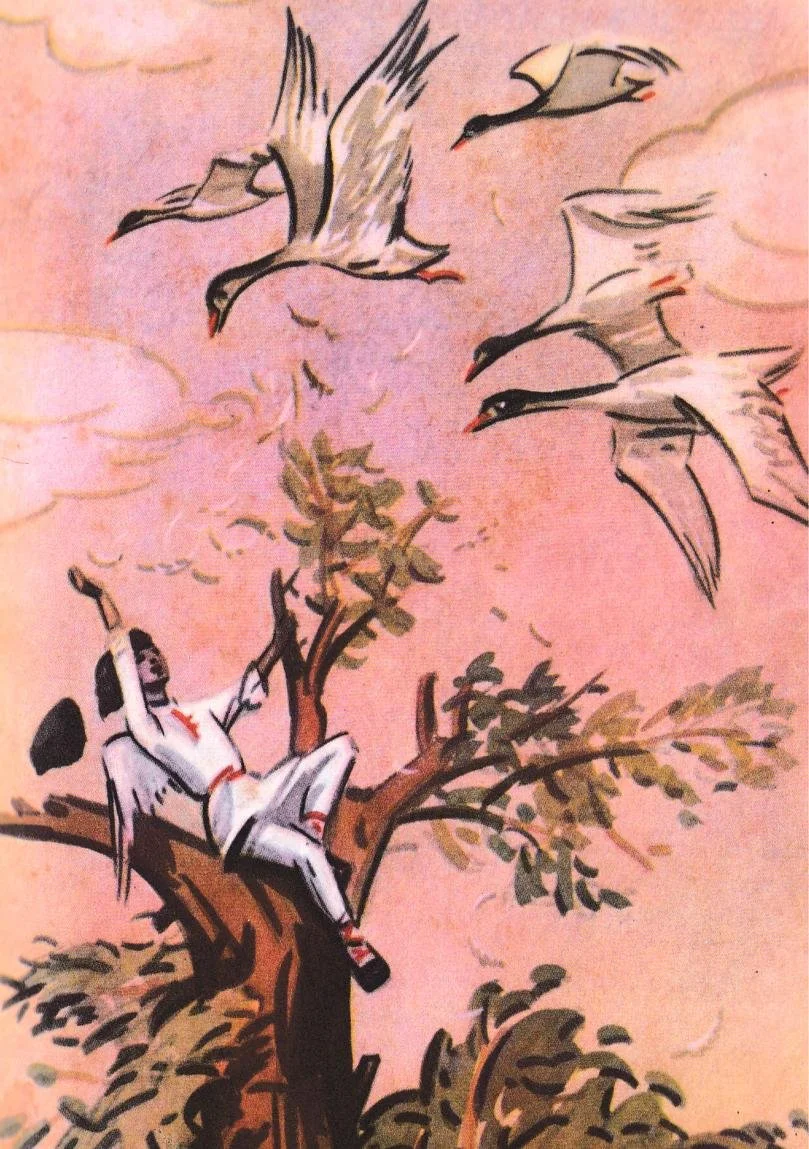
My ‘book of the week’ is one published in the waning days of the Soviet Union in 1989: A Picture Book of Insects by Vitaly Tanasyichuk with drawings by Ruben Varshamov. Like many Raduga Publishers books that came out in the 1980s, it is not now available on Internet Archive.

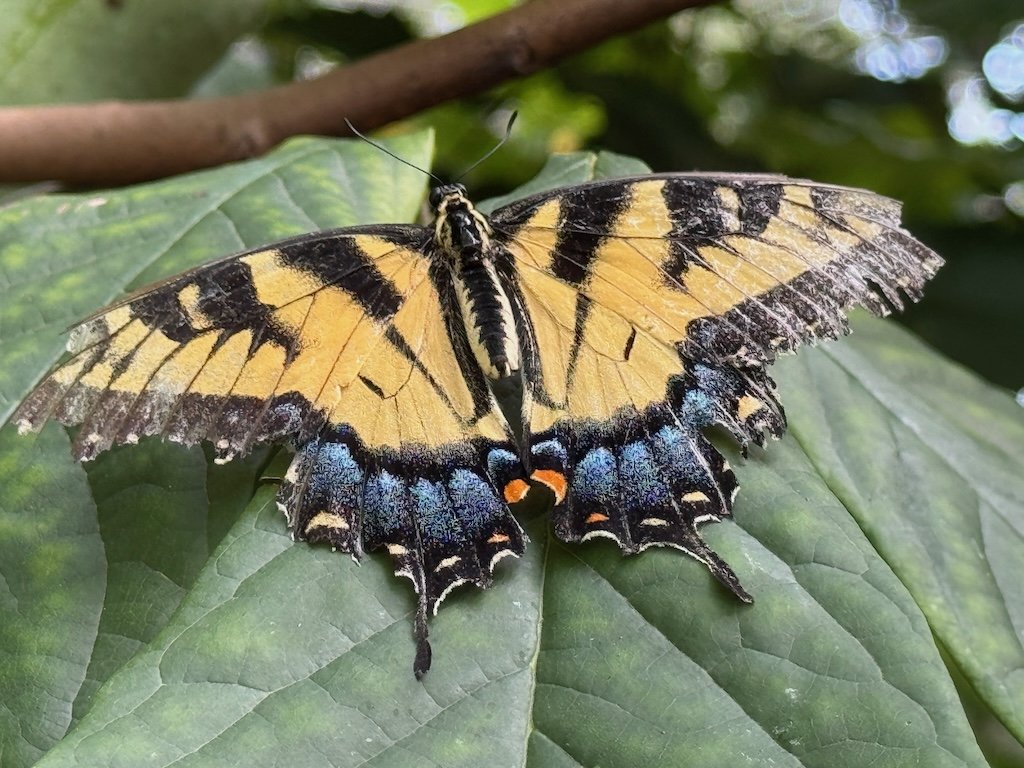
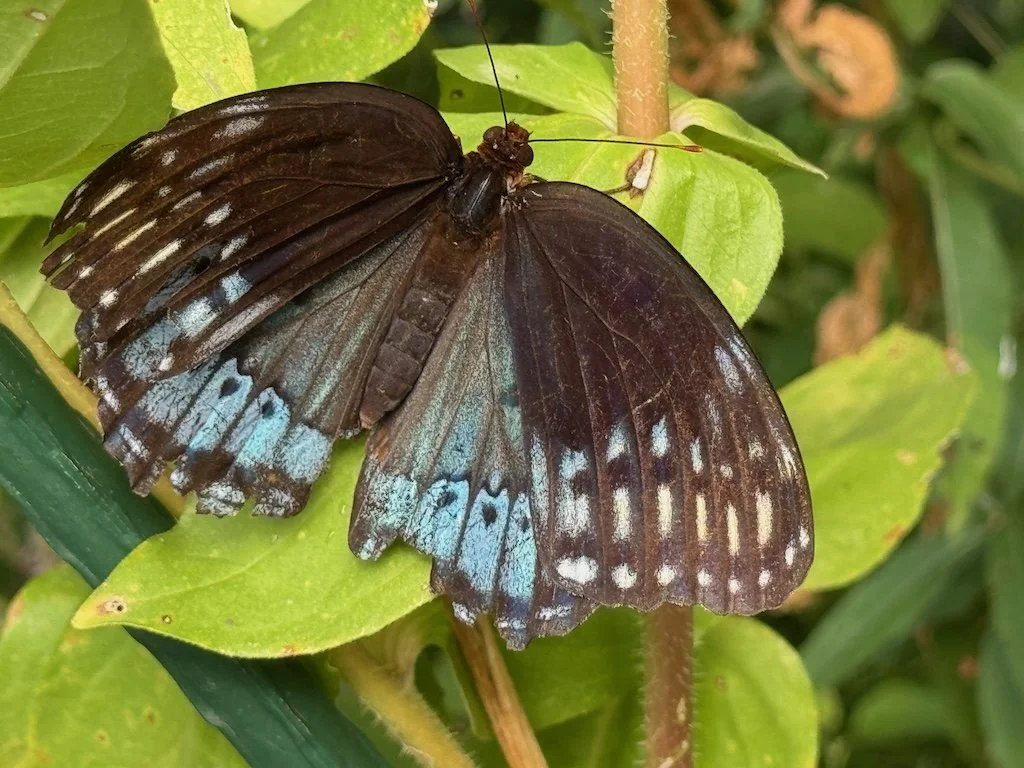
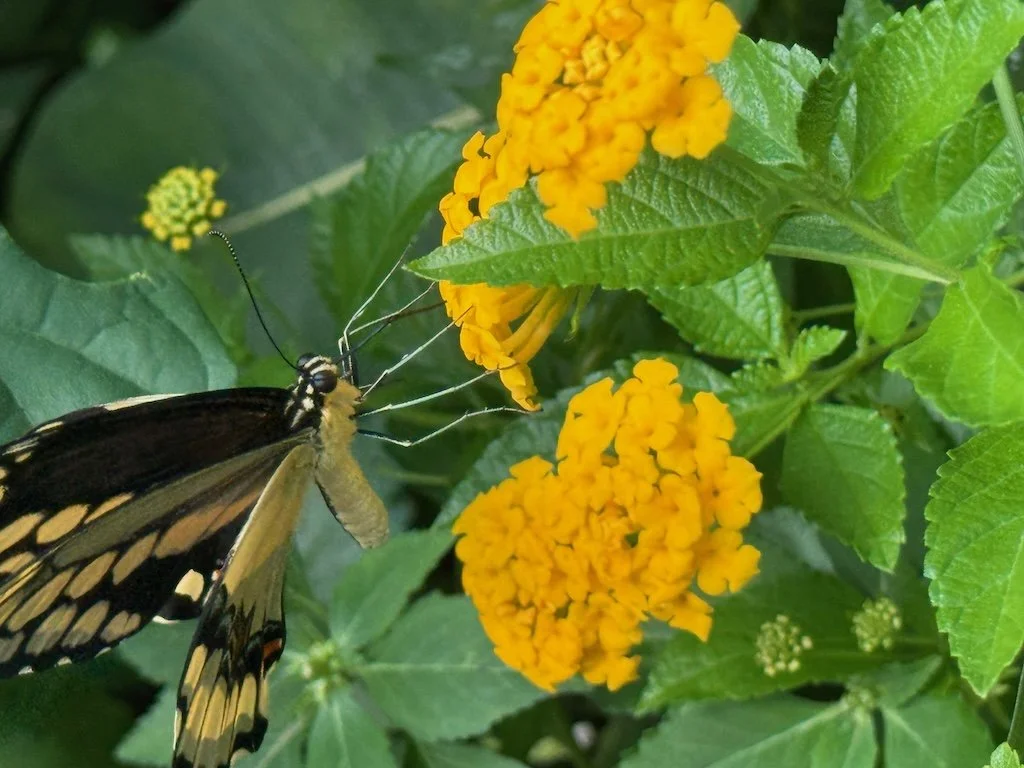
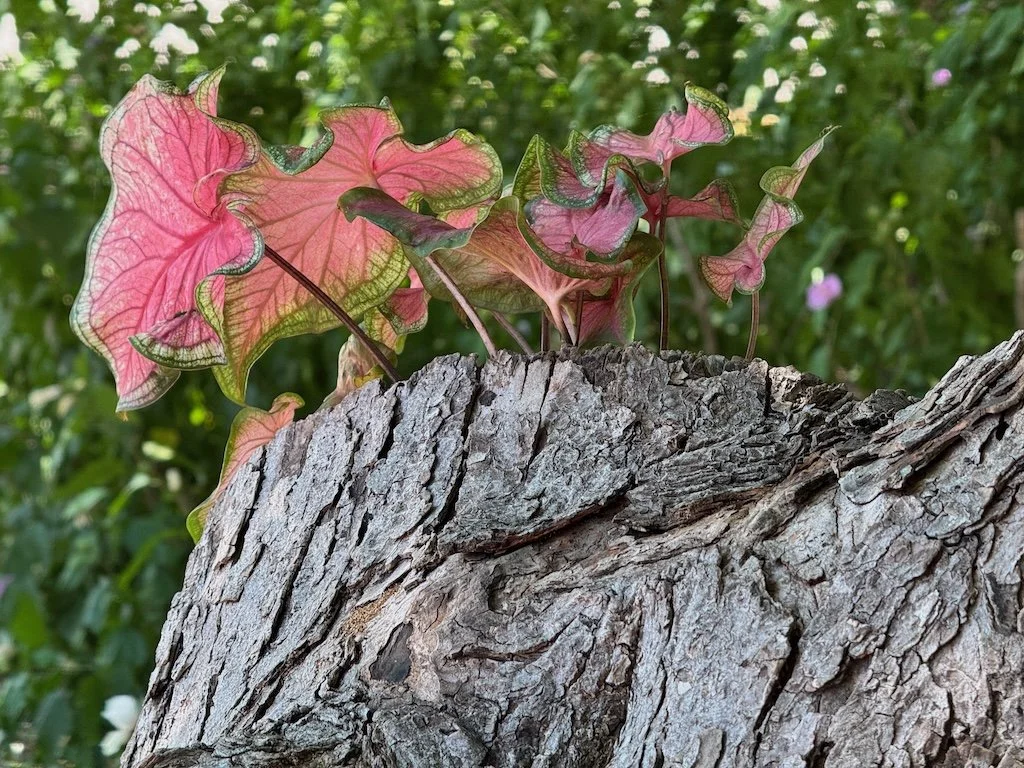
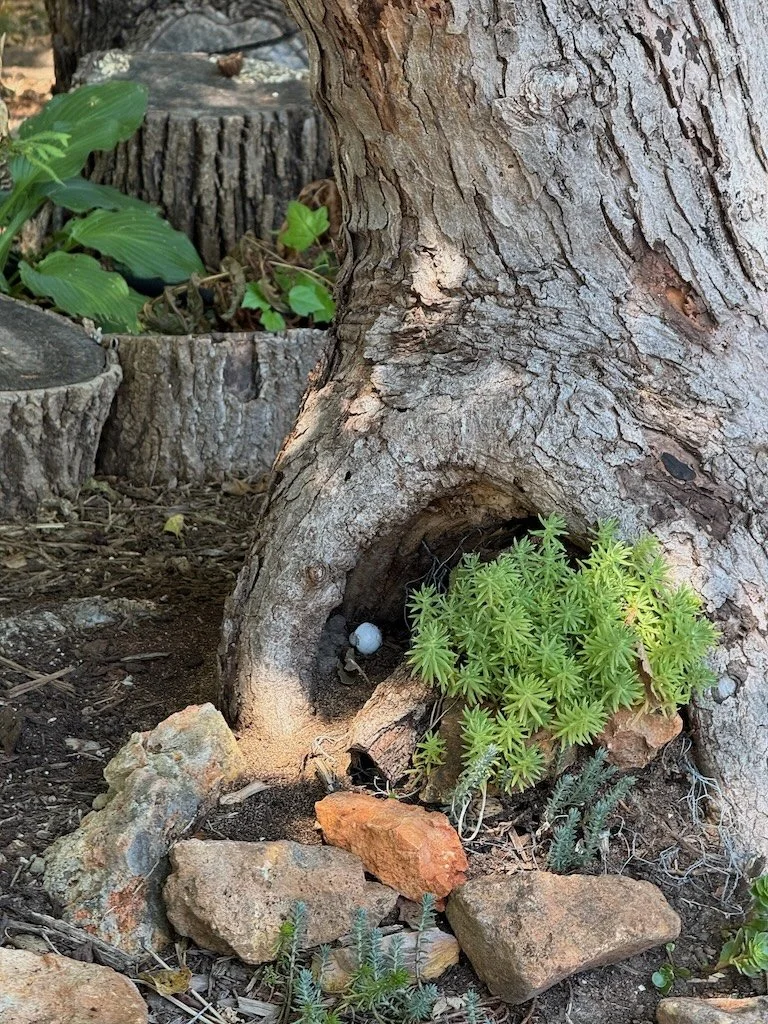
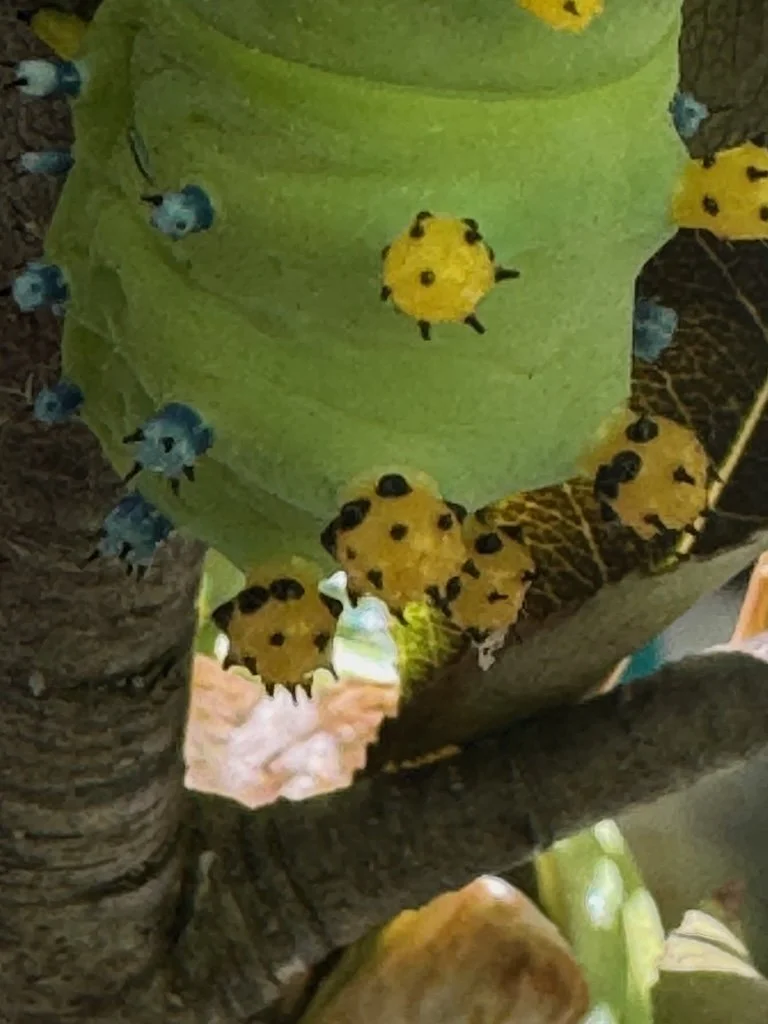
The illustrations (4 samples below) are the motivation to browse the book!

A Picture Book of Insects

Noah Brown’s Prairie

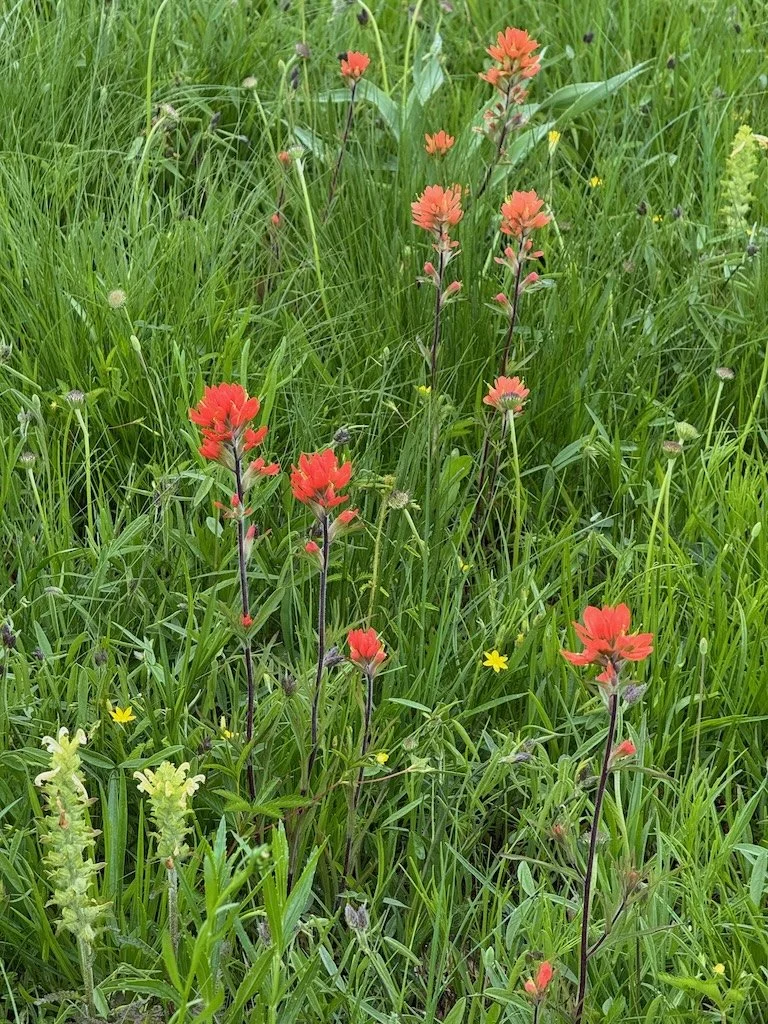
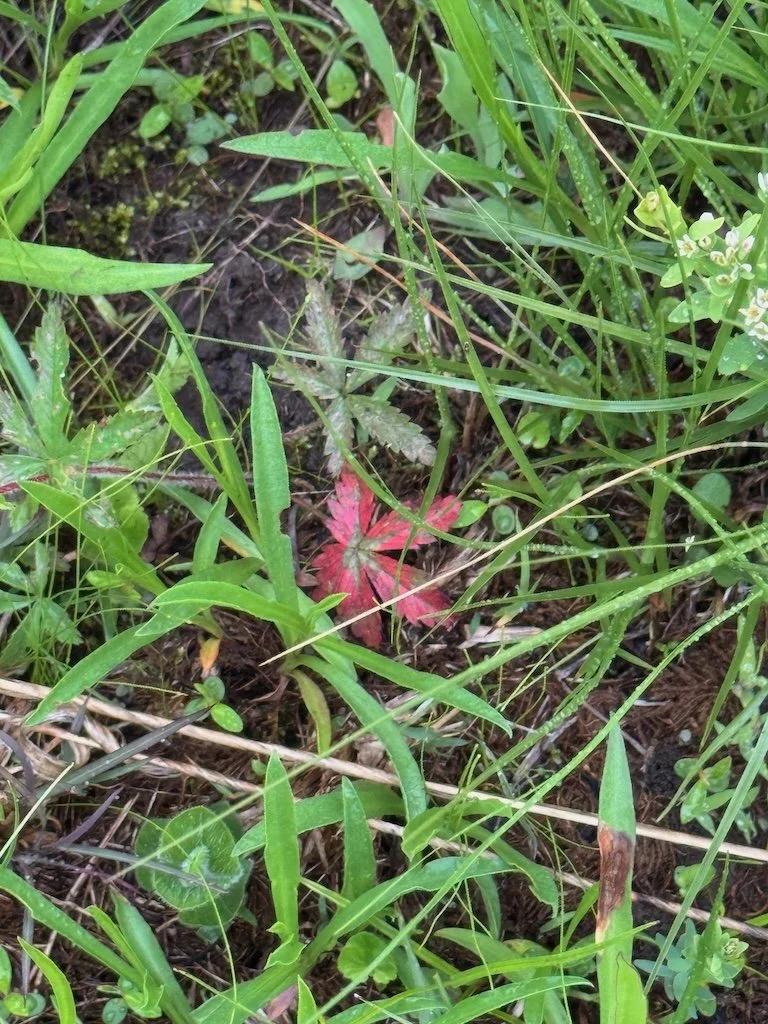
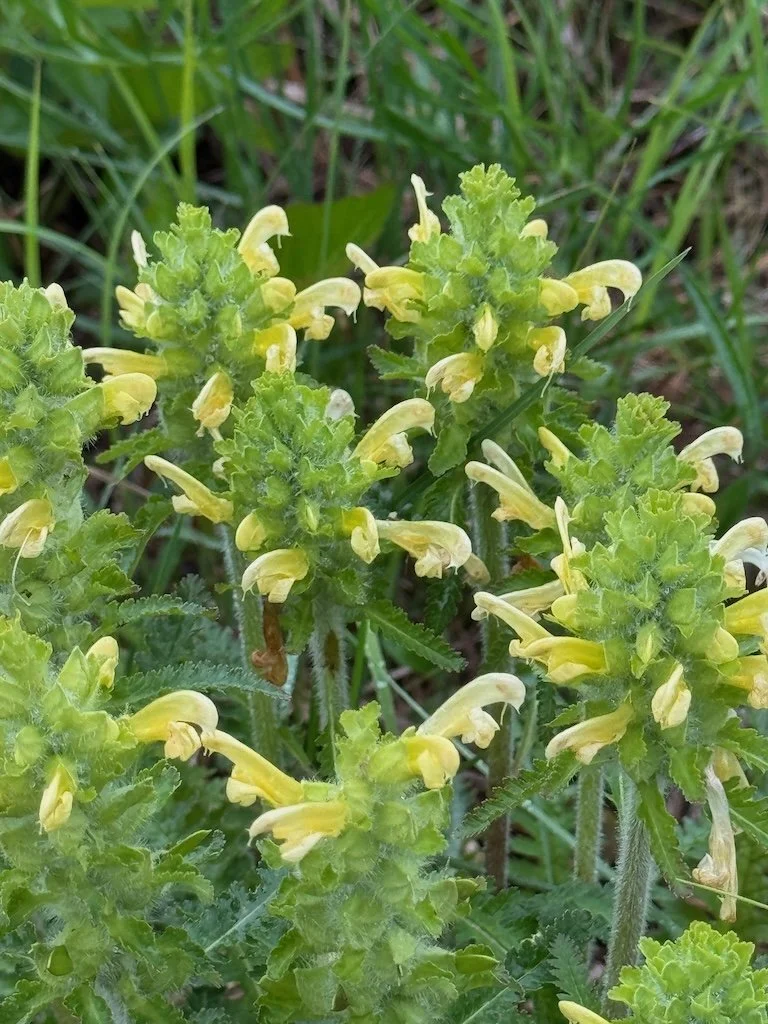
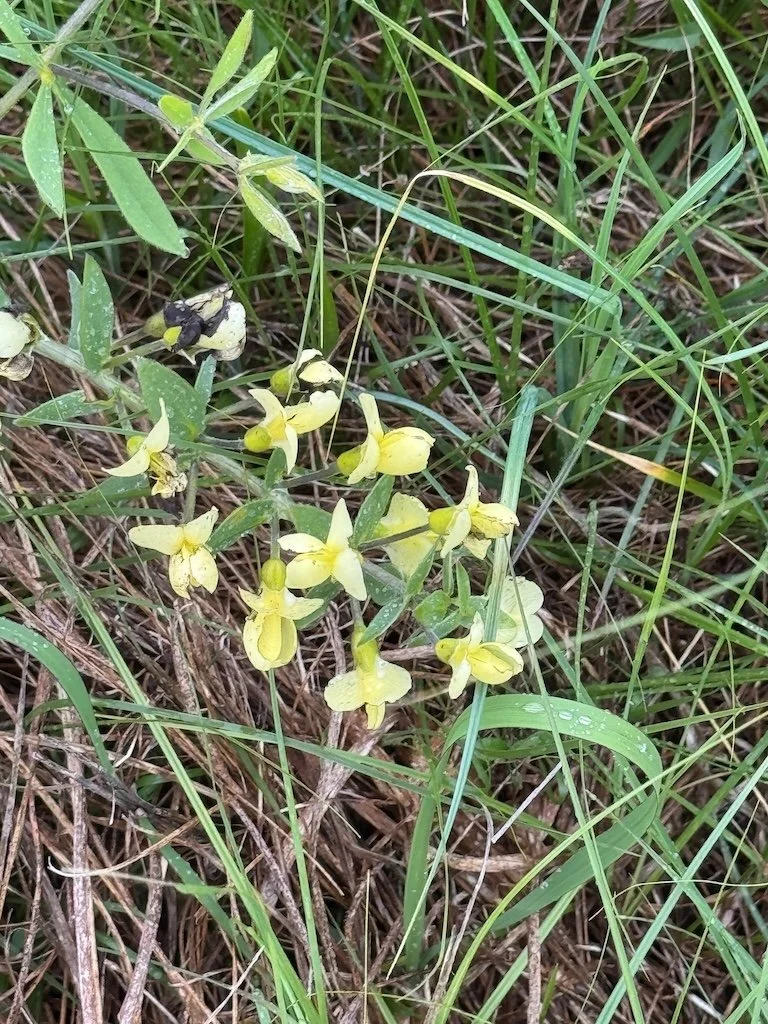
I signed up for a guided tour offered by the Missouri Prairie Foundation of Noah Brown’s Prairie which is just to the east of Joplin MO. It is a prairie remnant with a reconstructed prairie adjacent to it. There were plenty of wildflowers to see in the hour and half we were there. Everything was wet from showers before we got there and for the first 15 minutes we were walking. Originally, I thought about writing this post as a wildflower id post…but when I looked at all my pictures I changed my mind….decided to just do a slideshow to give an idea of the ambiance of the prairie in May.

Of course, you can use the slideshow as an id challenge. Look for spiderwort, false dandelion, wood betony, Indian paintbrush (red, orange, and yellow), wild indigo (blue and yellow), prairie phlox, wild parsley, bastard toadflax, violets, rose, milkweed, shooting start (white and pink/purple), red sorrel….and of course lots of different kinds of grass.

There were 3 distinct areas that we walked through: the recently (last fall) burned area of the remnant prairie, the area that is due to be burned next fall, and the reconstructed area. The recently burned area was the easiest to walk through and had the most wildflowers. The area due to be burned next fall had a lot of thatch which made walking more challenging and not as many flowers. The reconstructed area is a work in progress. It had some non-native grasses and the only thing blooming was the red sorrel (non-native); it was somewhat difficult to walk through because it had dense clumps and then almost bare areas. The remnant prairie had micro-communities: some low areas that had standing water (vernal pools) and some mounds that had different plants than the surrounding areas.

I was very pleased to see the Indian paintbrushes up close since I noticed them blooming as I drove through Oklahoma last month….but didn’t find a convenient place to stop to see them better while I was driving.

Rhododendron!

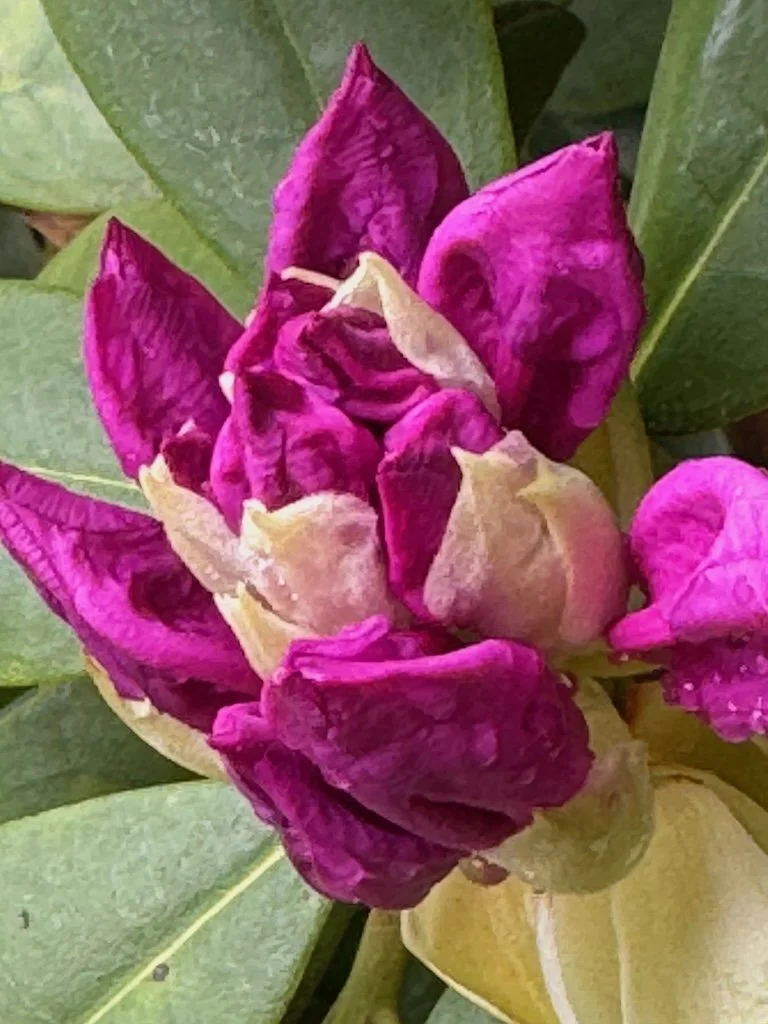
The end of April and the first few weeks of May are when the rhododendron at our house is blooming. It is a large bush near my office – although I can’t easily see it from my office chair. I took a few steps outside to photograph the flowers after some rain. The blooms were in various stages of development.

I cut one cluster that still had some buds to bring inside. The buds opened and the cluster lasted for a week or more in my office window.

Some of our neighbors in Maryland had rhododendron bushes in their yards but my Missouri house is the first one I’ve had where I can easily observe it over the entire cycle. Most years the blooms are spectacular but there has already been one year then the buds were damaged by very cold weather. The bush is getting larger each year and I will probably do some trimming at some point. It is one of the evergreens around our patio along with some holly trees.

Irises!

When we bought our house in Missouri there were already some irises. They didn’t bloom prolifically because the rhizomes were too crowded. I dug some of them up and planted them in the area where we had a pine tree fall (and was removed). This is their second year in that location, and they are blooming wonderfully. They seem to survive wind and rain without blowing over better than in the original bed…which is blooming better now too.

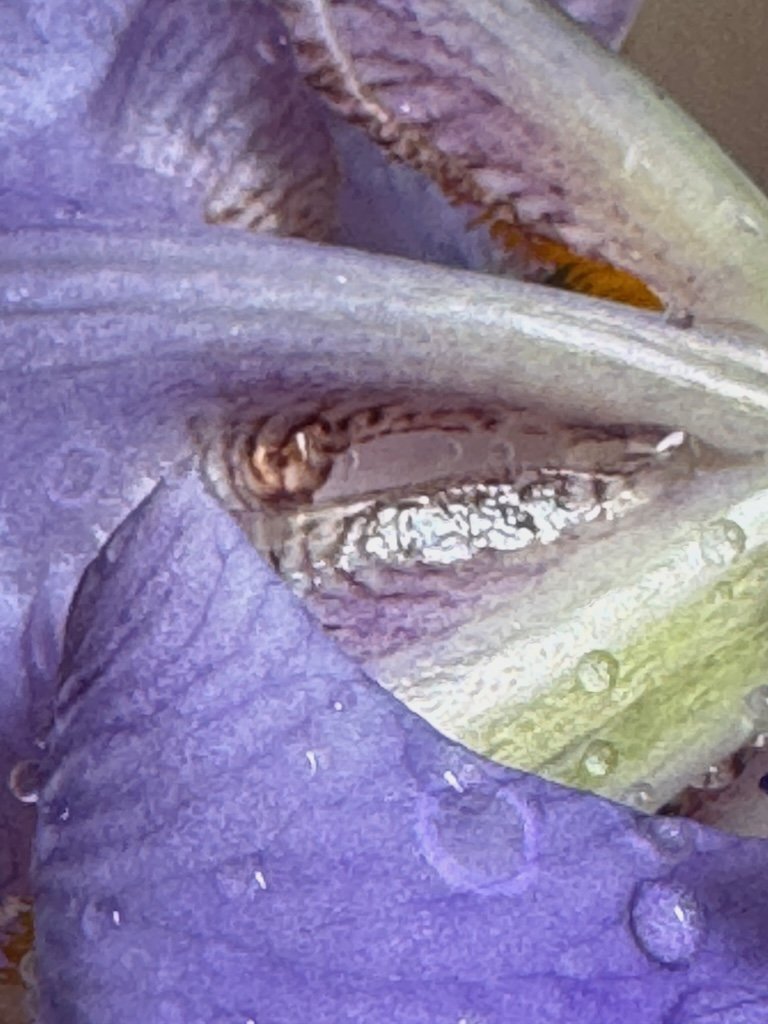
I cut ones that had blown over to enjoy inside…..and did a round of macro images of the flowers while they still had rain drops on them.

The iris rhizomes I dug up at my parents’ house before they moved in January 2024 did not bloom at all last year. There are not many of them yet, but they seem larger (both the flower and the stem) that the others. They are a burgundy/mauve color too! Hopefully they will proliferate and make the whole area along the fence an iris bed!

Volunteering – April 2025

April was a month of volunteering and training for some new activities in the upcoming months. I was glad to use my tree materials again at the Scouting event, find 23 puzzles for my dad as I volunteered twice with Friends of the Library (at a used book sale and sorting books for the next sale), talk to people visiting Nature Touch Tables as part of Earth Day, and do another month of Feeder Watch (citizen science). I also worked on the programs (planning, prep, and follow-up) for the Master Naturalist Chapter. I am looking forward to Butterfly House related volunteering beginning in May.

I am thinking about my motivations in volunteering. After I retired more than a decade ago, volunteer activities became one of the best sources of interaction with a broader range of people. That is still the case. I chose to become a Maryland Master Naturalist since I also wanted at least some of the volunteer work to be outdoors; becoming a Missouri Master Naturalist is the same. In Maryland, the reactions of school groups on field trip hikes, conversations with other volunteers before and afterward, and positive feedback from non-profits that organized the events were the appreciation/acknowledgment that what I was doing mattered. In Missouri, it is the same although there is the added dimension of the Master Naturalist Chapter. I’m not sure what I expect….it could just be more ‘icing on the cake’!

Volunteering is good for my community and for me too!

Gleanings of the Week Ending May 10, 2025

The items below were ‘the cream’ of the articles and websites I found this past week. Click on the light green text to look at the article.

Bees, fish and plants show how climate change’s accelerating pace is disrupting nature in 2 key ways – Moving to higher latitudes/altitudes and emerging earlier to avoid phenological mismatch. Will it be enough for their survival?

Adventurous Bird Crashing into a Waterfall Wins Nature Photography Contest – From members of the German Society for Nature Photography….beautiful images of the natural world.

'We planted trees among the rubble': The dark WW2 history written into Germany's parks – Finding saplings in the gardens of Dresden’s ruined buildings and houses after World War II…and transplanting them along the city streets. Today, some of those rubble-sourced street trees still stand.

William Morris: new exhibition reveals how Britain’s greatest designer went viral - How did this Victorian designer and socialist, known for championing craftsmanship and preferring substance over style, become an icon of consumer culture? Morris began spreading thanks to the commissions he received from aristocratic and royal clients. The earliest Morris merchandise was printed for a centenary exhibition at the V&A Museum in 1934. One of its patterned postcards appears in a display case, the souvenir of Morris’s own daughter, May, whose handwriting is on the back. In 1966, Morris’s designs went out of copyright, marking a watershed. Pop Victoriana and Laura Ashley floral dresses depended on it for their reproductive freedoms.

See the Flower Paintings of Rachel Ruysch, Whose Stunning Still Lifes Are Finally Getting the Attention They Deserve - No Dutch flower painter was more renowned in her time than Rachel Ruysch, whose exquisite still lifes sold for even more than masterpieces by contemporaries like Rembrandt. Born in the Hague in 1664, Ruysch was the eldest daughter of Frederik Ruysch, a prominent botanist and anatomist. The Toledo Museum of Art has an exhibit of her work running from April 12 to July 27.

Saltpetre, Tuberculosis, Eminent Domain, Cave Wars, And the CCC – Some history of Mammoth Cave National Park.

In US, saving money is top reason to embrace solar power - Financial benefits, such as saving on utility payments and avoiding electricity rate hikes, are a key driver of U.S. adults' willingness to consider installing rooftop solar panels or subscribing to community solar power.

Stirrings at Mount Spurr - Mount Spurr lies on the northeastern side of the Aleutian Arc, which makes up a significant portion of the Ring of Fire. The 11,070-foot (3,374-meter) peak is located within the Tordrillo Mountains, west of Cook Inlet, and is bordered on the south by the Chakachatna River valley and the river’s headwaters, Ch’akajabena Lake. In 2025 gas emissions, earthquakes, and ground deformation in March suggested that an eruption was likely. Several of these indicators lowered slightly in April, reducing the relative likelihood of an eruption.

What Caused the Downfall of Roman Britain? - A team from the University of Cambridge has studied oak-tree rings and found that there were periods of extreme drought in the summers of A.D. 364, 365, and 366. They suggest that these extremely dry conditions affected the Romans’ main crops, spring-sown wheat and barley, and set the stage for the rebellions.

Deadly rodent-borne hantavirus is an emerging disease with pandemic potential – The new study found 6 new rodent species of hantavirus hosts…some with have higher prevalence of the virus than deer mice (the host known previously). The number of human cases is largely unknown because many infections may be asymptomatic, or the symptoms are mild/mirror other diseases.  Climate change can cause population changes in rodents…so there is potential change in the risk hantavirus poses.

The Craftsman (magazine)

I browsed 49 months of The Craftsman magazine from the early 1900s (December 1903 – December 1907) back in January. They are available from The University of Wisconsin-Madison digital library and are a way to understand the way people were living at the time – a time when my grandparents were born. Some of the styles look “heavy” by today’s standards…but they were built to last from daily use. Some would still fit into a home today. Click on any of the sample images below to see a larger version…and use the links to browse the whole magazine.

The craftsman Vol. V, No. 3 December 1903

The craftsman Vol. V, No. 4 January 1904

The craftsman Vol. V, No. 5 February 1904

The craftsman Vol. V, No. 6 March 1904

The craftsman Vol. VI, No. 1 April 1904

The craftsman Vol. VI, No. 2 May 1904

The craftsman Vol. VI, No. 3 June 1904

The craftsman Vol. VI, No. 4 July 1904

The craftsman Vol. VI, No. 5 August 1904

The craftsman Vol. VI, No. 6 September 1904

Geology Field Trip (2)

After eating our picnic lunch at the Springfield Conservation Nature Center, we headed out to stops along US 65 headed toward Branson. Our second stop (the nature center was the first) was at the MoDOT parking lot on East River Bluff Blvd. We walked across River Bluff and down onto the triangular shaped parcel of land between the southbound entrance ramp and US 65. There are outcropping there with fossils….including crinoids which are the state fossil of Missouri. There were flowers blooming along the roadside on our way to and from the fossils.

Here are the small fossils I picked up

We were in the Burlington part of the rock column. Most of us took pictures of the reference page our guide showed us to help us understand what we were seeing.

The third stop was the Ozark Post Office which is not far from US 65 and is across the street from a road cut that shows the boundary between the Burlington and Elsey layers.

The fourth stop was at the Branson (Saddlebrook) Welcome Center. We walked north on the west side of US 65 until we could see the roadcut on the east side of the highway. The rocks are all in the Cotter layer. The black weathering is from manganese in the rock. The area was an ancient tidal flat; the V shaped structures in the rock are channels where the water flowed in and out.

The fifth stop was also in the Cotter layer…and was an area to see fossilized stromatolites! We pulled into a wider shoulder area off US 65 just north of Saddlebrook Dr. There were layers of shale where water was trickling out and plants were beginning to grow.

My knee was hurting enough that I did not climb to the top of the road cut (via a drainage channel) to see the stromatolites from the top, but I did observe them from the base of the roadcut. They look a bit like a funnel.

I also picked up rocks: patterns of ancient ripples and a sandwich (thin layers of bluish chert with sandstone between them).

The sixth stop was a bit further north on US 65 to see the Highlandville Fault…where there is a crack in the face of the roadcut clearly visible.

So much to see…we ran over our allotted time by more than an hour!

Geology Field Trip (1)

The geology field trip associated with the university class I took this spring was cancelled because of weather, but the one that was a follow-up to a Missouri Master Naturalist lecture happened on a beautiful spring day in early May! We started out at the Springfield Conservation Nature Center…the longest hike of the trip with stops along the way to see examples of

  • (Chert nodules)

  • Sedimentation – erosion and deposition

  • Soil creep

  • Bluffs and rock fall

  • Spring

  • Sinkhole

  • River meandering

Most of my pictures were not about geology! I noticed the turtle and water plants in the sedimentation area. It is easier to take pictures of landscapes than geologic features. The hike was over boardwalk and forest trails. The only place the trail was muddy/wet/slippery was where the spring water ran over it. Overall, it was a great hike…and I was ready for lunch afterward. If I do the hike again on my own, I will take it a bit slower; I’ve learned that my knees get sore with a lot of walking on uneven surfaces.

The botanical highpoint of the day was wild ginger in bloom!

A jack-in-the-pulpit was a close second.

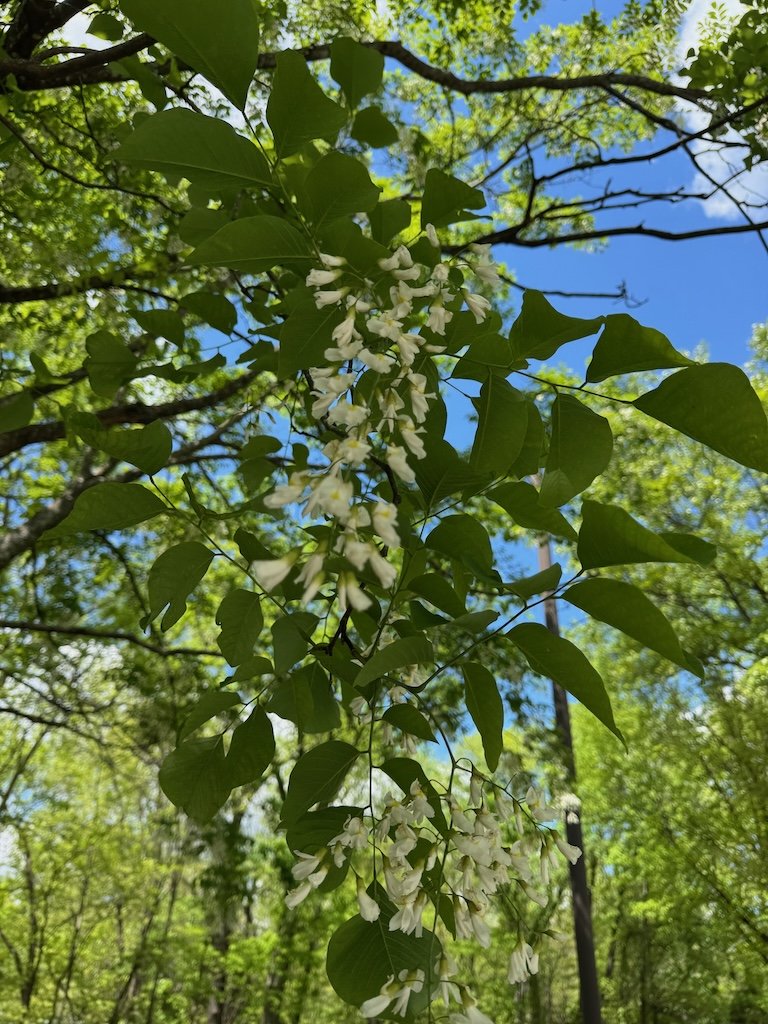
From a tree perspective, seeing a young sassafras and a black locust in bloom was great too.

Near the nature center – there are plantings of native wildflowers. They had a cage around the lady slipper orchid that was blooming.

More tomorrow on the rest of the Geology Field Trip…

Project FeederWatch Finale

We made our last Project FeederWatch observations on the last day of April…the end of  this Citizen Science activity until we start again next fall.

The birds we had seen since we started are still around: the house finches, the cardinals, the mourning doves.

Some like the white-throated sparrows and the juncos have migrated north. The white-crowned sparrows were still coming to our feeders but they will probably leave soon.

And there are birds that have returned with the spring – the grackles and robins and red-wing blackbirds (female).

The barn swallows have returned too. They don’t come to the feeders but do start nests at various places under our deck. They are difficult to photograph because they tend to not sit for long!

We’ll continue watching birds…but it won’t be in an organized way like is has been since last October. It was a routine we enjoyed.

Gleanings of the Week Ending May 03, 2025

The items below were ‘the cream’ of the articles and websites I found this past week. Click on the light green text to look at the article.

Foraging Violets – I have a lot of violets growing in my yard…and I am going to start harvesting them for salads. Why buy fresh greens when there is such a plentiful supply that I can pick just before I eat them?

The Unexpected Science of Staying Happy – An article about the World Happiness Report. The U.S., Canada, and Switzerland—all once top 10 contenders—have dropped out of the top 20 for the first time since the report began. That decline is linked to a drop in social trust and a rise in what researchers call “deaths of despair,” especially among men over 60​.

The 120-Year-Old Tiny Home Villages That Sheltered San Francisco’s Earthquake Refugees – A different perspective on history….more substantial than tents.

Exquisite Street Photography Celebrates the Different Moods of New York City at Night – More umbrellas than I expected.

Emily Cole, Daughter of Hudson River School Icon, Shines in Overdue Museum Show – She became a porcelain painter (botanicals) and painted in her father’s studio…. exhibiting her work a what is now the Thomas Cole National Historic Site.

Relics of a Red World in Bighorn Basin – Satellite image of “red beds” in northern Wyoming and Southern Montana formed when the land was part of Pangea and there were extreme wet/dry seasons causing hematite in the rocks to oxidize (rust). The area is rich in fossils and oil/gas reserves.

Tree Rings Bear Witness to Illegal Gold Mining Operations in the Amazon, New Study Finds – The miners use liquid mercury which is then burned to obtain the gold….releasing toxic mercury into the air. Core samples from trunks of fig trees show the mercury levels…when they ramped up and how substantial they were/are.

Smoke from US wildfires, prescribed burns caused premature deaths, billions in health damages - Researchers estimated that smoke from wildfires and prescribed burns caused $200 billion in health damages in 2017, and that these were associated with 20,000 premature deaths. Senior citizens were harmed the most.

Check Out the First Confirmed Footage of the Colossal Squid, a Rare and Enigmatic Deep-Sea Species – This was a young one….only a foot lot. They can grow to be 23 feet long

The Only Ancient Greek Theater on the Ionian Islands Is Finally Unearthed – It was discovered in 1901 but was reburied after their survey…and olive groves and makeshift warehouses eventually covered the site. The site was abandoned during the reign of Roman Emperor Augustus.

eBotanical Prints – April 2025

Twenty more books were added to my botanical print eBook collection in April - available for browsing on Internet Archive. The series of Recueil des plantes les plus usuelles peintes d'apres nature by Pierre de Savary that I started browsing back in March was completed in April. Another series, Getreue Darstellung und Beschreibung der in der Arzneykunde gebräuchlichen Gewächse, included 5 volumes (medicinal plants). A third series was started at the end of the month Descriptions of orchid genera by Fritz Kraenzlin; there are another 6 volumes that will be in the May eBotanical Prints list. There were only 3 books that were not in a series!

My list of eBotanical Prints books now totals 3,103 eBooks I’ve browsed over the years. The whole list can be accessed here.

Click on any sample image from April’s 20 books below to get an enlarged version…and the title hyperlink in the list below the image mosaic to view the entire volume where there are a lot more botanical illustrations to browse.

Enjoy the April 2025 eBotanical Prints!

Recueil des plantes les plus usuelles peintes d'apres nature V6 * Savary, Pierre de * sample image * 1769

Recueil des plantes les plus usuelles peintes d'apres nature V7 * Savary, Pierre de * sample image * 1769

Recueil des plantes les plus usuelles peintes d'apres nature V8 * Savary, Pierre de * sample image * 1769

Recueil des plantes les plus usuelles peintes d'apres nature V9 * Savary, Pierre de * sample image * 1771

Recueil des plantes les plus usuelles peintes d'apres nature V10 * Savary, Pierre de * sample image * 1772

Recueil des plantes les plus usuelles peintes d'apres nature V11 * Savary, Pierre de * sample image * 1773

Recueil des plantes les plus usuelles peintes d'apres nature V12 * Savary, Pierre de * sample image * 1773

Illustrations of the Complete Classics Collection of Ancient China, Vol. 39. * Chen Menglei, Jiang Tingxi * sample image * 1725

Collection de curiosites du Royaume des plantes * Gofman, Petr Marynovich * sample image * 1797

Getreue Darstellung und Beschreibung der in der Arzneykunde gebräuchlichen Gewächse (1805-1809) * Hayne, Friedrich Gottlob * sample image * 1809

Getreue Darstellung und Beschreibung der in der Arzneykunde gebräuchlichen Gewächse (1825 - 1827) * Hayne, Friedrich Gottlob * sample image * 1827

Getreue Darstellung und Beschreibung der in der Arzneykunde gebräuchlichen Gewächse (1817 - 1819) * Hayne, Friedrich Gottlob * sample image * 1819

Getreue Darstellung und Beschreibung der in der Arzneykunde gebräuchlichen Gewächse (1821- 1822) * Hayne, Friedrich Gottlob * sample image * 1822

Getreue Darstellung und Beschreibung der in der Arzneykunde gebräuchlichen Gewächse (1830-1833) * Hayne, Friedrich Gottlob * sample image * 1833

Enumeratio plantarum anno 1890 in Caucaso lectarum * Sommier, Stefano, Levier, Emile * sample image * 1900

Descriptions of orchid genera 1880-1908 V1 * Kraenzlin, Fritz * sample image * 1908

Descriptions of orchid genera 1880-1908 V2 * Kraenzlin, Fritz * sample image * 1908

Descriptions of orchid genera 1880-1908 V3 * Kraenzlin, Fritz * sample image * 1908

Descriptions of orchid genera 1880-1908 V4 * Kraenzlin, Fritz * sample image * 1908

Descriptions of orchid genera 1880-1908 V5 * Kraenzlin, Fritz * sample image * 1908

Training and Volunteering in Lebanon MO

I had responded to a request from a fellow Missouri Master Naturalist for a program last weekend – a little bit of training and volunteering about an hour from where I live. There was heavy rain for the drive there – but it was weekend and the traffic was not as heavy as usual on the interstate. Fortunately, the first part was training so I could destress after the drive. I wandered around the Route 66 museum that is housed in the same building with the library. It was interesting – lots of items specific to Lebanon and then more broadly to Route 66. Much was before my memories began so I would have appreciated a few more dates for the pictures and newspaper articles. I enjoyed seeing the displays….glad I don’t have to drive over any ‘bone-jarring Ozark rock roads’!

I do vaguely remember one of my grandmothers having a wringer washing machine in the barn in the early 60s so that was something in the museum that looked familiar.

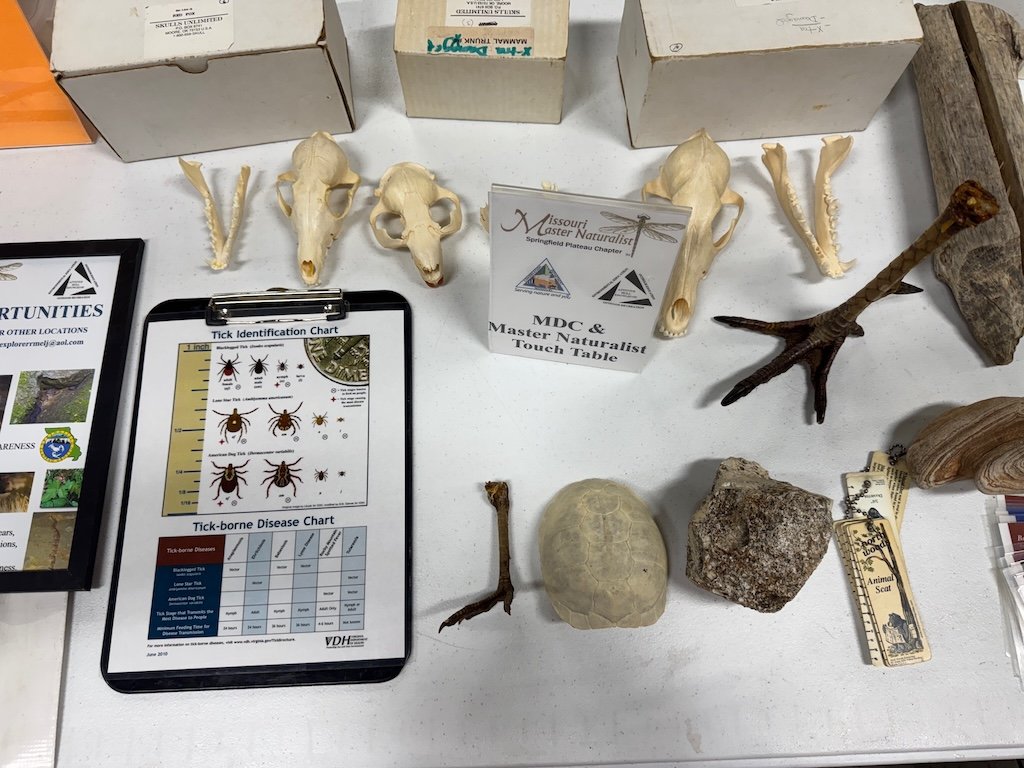
Then I had a brief training on the nature touch tables set up in the foyer of the library/museum. There were skulls and rocks and pelts and snake models/skins/id puzzles and pictures of caves and wildlife there – a bat preserved in acrylic. Handouts for each topic from Missouri Department of Conservation were available and many people took at least one. The snake booklets were probably the most popular.

I’m learning a lot about different parts of Missouri through Missouri Master Naturalist volunteering…I like feeling more familiar with the state where I now live and interacting with people!

Gleanings of the Week Ending April 26, 2025

The items below were ‘the cream’ of the articles and websites I found this past week. Click on the light green text to look at the article.

Liberation of Bergen-Belsen: how a lack of protective clothing cost lives – Typhus was rampant when the Bergen-Belsen concentration camp was liberated by British troops on April 15, 1945. Anne Frank had died there just a few weeks before. What happened in the immediate aftermath of liberation is described.

How climate change is supercharging pollen allergies – Longer growing season….and extreme allergy events where trillions of pollen particles, sucked up into the clouds as the storm formed, splintered by rain, lightning and humidity into ever-smaller fragments – then cast back down to Earth for people to breathe them in. In one such event in Australia - emergency rooms saw eight times as many people turning up with breathing problems as they would normally expect. Nearly 10 times as many people with asthma were admitted to hospital. 10 people died. It’s been called ‘thunderstorm asthma.’ In the US, pollen levels are expected to be higher than average in 39 states…with worse symptoms.

Colorful city birds – Brown shades are more common in natural environments than in cities. Successful urban bird species have more elaborate colors in their plumage, which is especially true for females. Cities seem to favor more colorful birds -- probably because there are fewer predators in urban areas and 'being seen' poses a lower risk than in rural areas.

See the Titanic in Remarkable Detail With a 3D Scan – From National Geographic. …a digital reconstruction of the wreck.

Royal Meteorological Society Celebrates 10 Years of Incredible Weather Photography – Great photographs an interview with Kirsty McCabe, UK's Royal Meteorological Society’s senior broadcast meteorologist and editor of their MetMatters blog.

Odd-Looking Blue Creatures Are Washing Up in Large Groups on California’s Beaches Once Again –The jellyfish-like creatures in this post are Velella velella – thin, oval shaped blue or purple that usually are 3-4 inches long. They use their stinging blue tentacles to prey on plankton.

Meet Four Amazing Endemic Parrots from New Zealand – They are quite different from each other…and the parrots we see in zoos.

Why you should avoid lotions and creams that contain 'fragrance' – Avoiding fragrance is easy enough…but other things are harder to detect and avoid.

Six immersive experiences for more joy – The 6 seems reasonable to me…most of them I had derived for myself already!

Ten National Wildlife Refuges That Need Our Support Most – All the wildlife refigures I have visited over the past few years have unmet maintenance needs. Funding for materials, equipment and staff has been too low for some time. There are Friends organizations that try to address some of the needs…but it is never enough. Some of the places that became refuges because they are very special are suffering now…maybe being irrecoverably harmed.

Illustrations in Children’s Books – Soviet Union 1980s

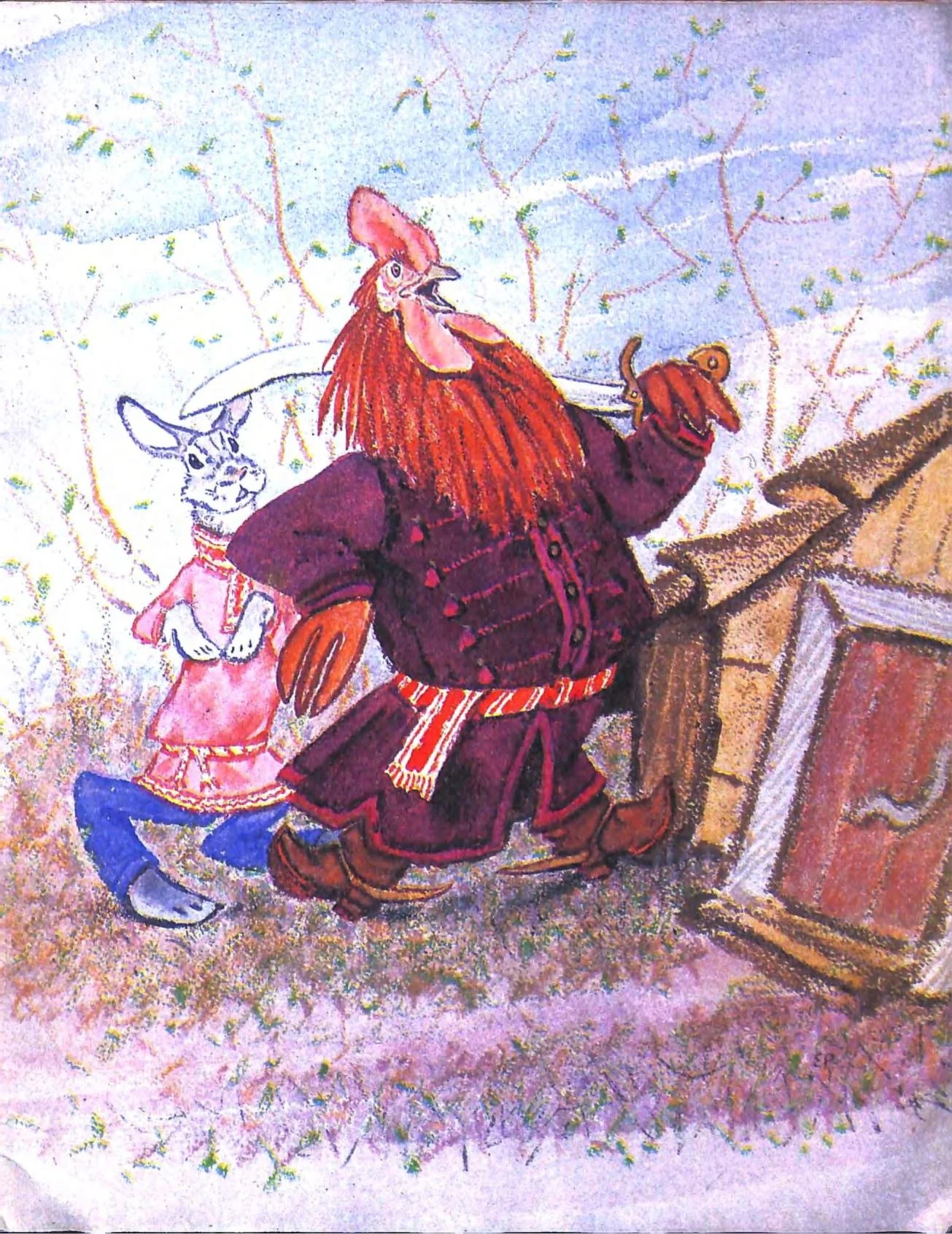
I browsed 36 children’s books in February – published in the Soviet Union during the 1980s. Some were clearly for export – in Hindi or English or Tamil or Bengali or Kannada. The text was not the draw for me; I was browsing for the illustrations. I’ve always enjoyed the artwork in books intended for children. It entices young readers…often colorful, sometimes whimsical. The books are freely available on Internet Archive. Enjoy a sample image from each below(click on the image to see a larger version)….then follow the link see more of the book!

The Guttapercha Boy In Hindi

Grishka And The Astronaut In Hindi

Stories for Children

The Little Hen or The Underground People - A fairy Story for Children

Yellow Beak

Bumpy

Gleanings of the Week Ending April 19, 2025

The items below were ‘the cream’ of the articles and websites I found this past week. Click on the light green text to look at the article.

Survey: US Public Spaces Not Meeting Community Needs – Funding for maintenance and basic improvements seems to be the key issue.

I tested some of the most popular ways of meeting new people. Here's what I found – The author engaged in 4 ‘hobbies’ and assessed their effectiveness in fostering social connection: team sports, bouldering, creative writing sessions, and a life drawing course. Evidently, they all worked for her! For me – my volunteer activities (with Missouri Master Naturalist and my county’s Friends of the Library) are the way I meet new people; I tend to like the triadic interactions (attention both to each other, and to an object or activity of mutual interest) that volunteering provides.

These Unassuming Artifacts from King Tut’s Tomb Could Tell a Remarkable Story – Originally the 4 small unbaked earthen dishes were thought to be stands for the nearly four-foot high gilded wooden staffs…but a new study proposes that the clay troughs would have held libations, most likely of water, aimed at the purification and rejuvenation of Tutankhamun in the afterlife, a rite known as the Awakening of Osiris.

Cuts to the National Weather Service May Have Serious Impacts on National Parks – And for everywhere else too. Weather impacts everybody.

New research boosts future whooping cough vaccines – My father – now in his 90s – almost died from whooping cough as a young child. Deaths have become less common since the vaccine although they are still in the double digits in the US. In 2024, several outbreaks left public health officials and hospitals scrambling to accommodate a sudden influx of patients, primarily infants, who are often too young to be vaccinated and suffer the most severe symptoms. I’m glad that a new vaccine may be more effective and longer lasting than the one we have now.

Study Reveals Mercury-Poisoned Industrial Age Child – A three- to four-year-old child died in France sometime in the 18th or 19th century. The youngster suffered from rickets and scurvy likely caused by poor living conditions during the Industrial Revolution. But there were also high levels of mercury in his bones and teeth. The study ruled out sources of mercury contamination and concluded that the child had been administered the toxic metal as a cure for his ailments, which ultimately killed him.

At 97, Endangered Tortoise Becomes Oldest First-Time Mom of Her Species with Four New Hatchlings – Four Galapagos tortoise hatchlings at the Philadelphia Zoo!

Celebrating Seeds – From The Prairie Ecologist. So many obstacles must be overcome for a seed to become a mature plant producing seeds….continuing the cycle of the species.

Antarctic Sea Ice Plunged in Summer 2025 - In 2025, summer sea ice in the Antarctic tied for the second-lowest minimum extent ever recorded in the 47-year satellite record. It’s not yet clear whether the Southern Hemisphere has entered a new norm with perennially low ice or if the Antarctic is in a passing phase that will revert to prior levels in the years to com

Global Economy More Vulnerable to Warming Than Previously Thought - By rattling supply chains, future storms and heat waves will also send ripples throughout the global economy, inflicting costs far higher than models currently show. No country is immune.

Science of Terra Nova British Antarctic Expedition

The Terra Nove expedition took place between 1910 and 1913. It was led by Captain Robert Falcon Scott who died after making a last entry in his diary on March 29, 1912; his death along with the men in his party, overshadowed the scientific contributions at first.

The 12 scientists who participated—the largest Antarctic scientific team of its time—made important discoveries in zoology, botany, geology, glaciology, and meteorology. Volumes 4-8 of the Natural History Reports from the expedition were published between 1917 and 1924; they are my free eBooks selections for this week…freely available on Internet Archive.

 Natural History Reports / British Antarctic ("Terra Nova") Expedition, 1910-13 V4

Natural History Reports / British Antarctic ("Terra Nova") Expedition, 1910-13 V5

Natural History Reports / British Antarctic ("Terra Nova") Expedition, 1910-13 V6

Natural History Reports / British Antarctic ("Terra Nova") Expedition, 1910-13 V7

Natural History Reports / British Antarctic ("Terra Nova") Expedition, 1910-13 V8

Butterfly House Training

My plan is to do a lot of volunteering to support the Roston Native Butterfly House during its May – September season. The training for new docents was this month – 1.5 hours on a Saturday morning. The training was held at the Springfield Botanical Center. I arrived a little early and took some pictures of plants near the entrance as I walked in. The spring bulbs are almost done…but there are a few that are still beautiful.

There will be an orientation in the butterfly house itself in the days before the opening to the public and new docents are paired with experienced ones as the season starts. There might be some additional volunteer roles helping with school tours to the butterfly house. I am confident that it will be a rewarding experience – maybe my volunteer gig for summers for the next several years at least.

The session was well organized with folders of information for everyone, a signup sheet to get t-shirts, and forms to fill out. Their goal was to have 60 volunteer docents to keep the butterfly house running smoothly. They had that many last year and hopefully the new volunteers, like me, will make up for any attrition.

There are similarities and differences between the volunteering I did in Maryland at Brookside Gardens Wings of Fancy. I am relieved that the containment requirements at this butterfly house are much easier since the butterflies are all natives! As far as interacting with visitors, I am anticipating that it will be very similar and something I will enjoy.

Geology Course Experiences – April 2025

Over the past month, the online geology course has moved along slowly with only another 2 chapters covering waste management/landfills and landslides. There was a week-long pause for Spring Break. I am glad I chose this version of the geology class (It’s titled ‘Earth: The Survival Guide’) since it provides a background for items in the news that have a geologic component. The syllabus for the next few weeks shows a significant uptick in topics with 4 chapters before the last exam on May 1. It seems like the course pacing is dramatically skewed toward the end.

I was disappointed that the scheduled field trip day was canceled because of weather (rain the previous days and the scheduled day, flash flooding and river flooding). Evidently there is not going to be another attempt. I’ll have to make do with my own observations as I travel around the state…and the geology field trip with Missouri Master Naturalists that is scheduled for early May; hopefully the weather will be better for that one.

The labs were also impacted by spring break. Topics were:

  • Groundwater contamination investigation that involved samples to be tested for nitrates, total dissolved solids, pH, and salinity…then pinpointing where contamination was coming from using a contour map of industries and where the samples were collected.

  • Streams and rivers using topographic maps to observe how river move along the surface and the observable structures from the interactions between water and the surface (things like natural levees and oxbow lakes).

  • Geologic maps – looking at the geographic distribution of rock units exposed at the Earth’s surface. Maps of Webster County MO, Bright Angel Quandrangle, AZ (part of the Grand Canyon), and the Williamsville Quadrangle, VA (part of the Appalachian Mountains).

The ‘streams and rivers’ lab was not on the original syllabus and there has not been an update showing which of the labs will be dropped. I hope the ones on Caves/Karst and Shorelines will still be part of the semester.

I am anticipating a flurry of activity between now and the end of the semester! There are a lot of textbook chapters in the syllabus that we haven’t done yet.

Gleanings of the Week Ending April 12, 2025

The items below were ‘the cream’ of the articles and websites I found this past week. Click on the light green text to look at the article.

Doctor shortages have hobbled health care for decades − and the trend could be worsening – It does seem like it is getting harder and harder to make an appointment with my doctor…and I have yet to see the same doctor twice for my annual checkup since we moved to Missouri. This article provides some background into why the US is increasingly short of doctors.

Your neighborhood might affect your risk of dementia - Most studies of risk factors for Alzheimer's disease focus on the individual level, not the community level. Of course, intervening at the community level is challenging, but prioritizing disadvantaged communities may be an effective way to mobilize resources for older adults and provide avenues for reducing the risk of dementia for the overall community.

Mangrove Pioneers - On the ground, a team surveying tidal marshes near the Florida–Georgia border in 2024 found red mangroves (Rhizophora mangle) and black mangroves (Avicennia germinans) growing 50 miles (80 kilometers) and 14 miles (23 kilometers) farther north, respectively, than their previously documented range. Landsat and other satellite imagery are valuable for monitoring marsh-to-mangrove transitions over larger areas and longer time frames. Conditions along the U.S. East Coast are conducive to mangrove territory expansion - less-frequent extreme cold events and rising winter temperatures in the region as contributing factors to the trees’ survival.

These Carnivorous Snails Slurp Earthworms Like Spaghetti – Snails in New Zealand….the short video is worth watching!

Why Norway is restoring its Cold War military bunkers - Norway is a land with many bunkers. At the peak of the Cold War, the sparsely populated, mountainous country had around 3,000 underground facilities where its armed forces and allies could hide and make life difficult for any invader. Norway is reactivating two of their most iconic underground structures of the Cold War. The role of the reactivated base which has had structural and equipment upgrades is to help the "resilience and survivability" of Norway's F-35s in the face of a Russian attack.

Are Hairstyles the Key to Unlocking Art History’s Most Famous Portraits? - Hairstyling has always been a way that women exacted agency over their self-presentation.  Paintings and sculptures can be rare visual records of these carefully chosen, and ephemeral, hairdos—which, unlike fashion garments, can’t survive and be passed down. (Although some historic wigs and clip-ins have stood the test of time and made it into museum collections.)

Making Sense of Butterfly Declines - Over the past two decades, the total number of butterflies across 554 species has plummeted by 22%. That means a loss of about one butterfly out of every five observed since 2000. This alarming trend underscores the severity of the decline, with many species experiencing drastic reductions in their populations. Three ways to help butterflies: plant native, plant native milkweed (i.e. native host plants), don’t spray.

2,000-Year-Old Wooden Houses Found in China - Houses in Shaoxing, Zhejiang, that date to the Warring States period (475–221 b.c.). The stilted and terraced wood-frame structures would have been covered with reeds and bamboo. The walls, made of interwoven wooden posts and thatch, retain numerous small holes, which archaeologists believe were left by grass ropes used to bind the structure together. Artifacts recovered from the site included primitive porcelain cups, red pottery tripods, ceramic urns, bronze drill bits, and plentiful remains of domestic animals as well as marine resources.

Retreating Arctic Glaciers Have Exposed 1,500 Miles of Coastline - Scientists tracked the movement of 1,500 coastal glaciers from 2000 to 2020, finding that retreating ice had unveiled hundreds of miles of coastline, largely in Greenland - revealing stores of precious metals…. but they warn that newly exposed coastline, which has not been cemented with ice, is vulnerable to erosion and landslides.

Listen to the First Known Recording of Shark Sounds, a ‘Weird’ Audio Clip Captured at a Marine Lab in New Zealand – Sounds from a rig shark…when it was handled between tests in the lab.