Gleanings of the Week Ending September 5, 2026

The items below were ‘the cream’ of the articles and websites I found this past week. Click on the light green text to look at the article.

08/24/2026 The Washington Post Leaked memo shows how U.S. aims to weaken global limits on plastic pollution – Depressing and sad for so many reasons.

08/25/2026 Inside Climate News The Biggest Carbon Polluters Are to Blame for Half of U.S. Western Water Lost to Climate Change - Dozens of states and cities across the U.S. have sued large oil and gas companies for environmental damages associated with emissions from their products. This study supports plaintiffs’ position in those cases as they seek to put a price tag on climate change for fossil fuel companies.

08/26/2028 Yale Environment 360 Access to Urban Woodlands Linked with Lower Use of Antidepressants - A study from Scotland found that living near an accessible urban woodland significantly lowered the likelihood of being prescribed antidepressants. A host of prior studies have found that living near green spaces can reduce stress, improve moods, and lower the risk of developing anxiety or depression. Some research has even found that exposure to nature can help reduce violent crime. Considering the well-documented benefits of living near green spaces, the World Health Organization recommends urban planners establish at least 1 acre of green space within 1,000 feet of every home.

08/26/2026 Smithsonian Magazine See 16 Stunning Animal Images from the Wildlife Photographer of the Year Awards - The 62nd Wildlife Photographer of the Year competition, developed and produced by the Natural History Museum in London.

08/26/2026 NWF Blog U.S. Workers Deserve Protection from Extreme Heat - Comprehensive heat rules that protect all workers require shade, paid rest, and cold water along with a written heat stress prevention plan that includes science-based temperature triggers, annual training, acclimatization, retaliation protection and emergency response procedures. America’s workforce keeps our country moving—delivering mail, teaching our children, constructing new buildings, maintaining infrastructure, and more.

08/26/2026 The Conversation Tiny house villages are increasingly responding to the homeless crisis in America’s fast‑growing cities - The proliferation of tiny house villages across the U.S. is occurring at a time when many cities are attracting new residents and investment, while struggling to provide housing that remains accessible to all.

08/23/2026 Science Daily Scientists left this farm field alone. Thousands of orchids appeared - An abandoned farm field became a flourishing wildflower meadow within little more than a decade, with plant diversity doubling and thousands of orchids appearing naturally. Aside from a traditional annual hay cut, the field was largely allowed to recover without intervention. The discovery suggests that simply giving nature time to recover could be a powerful and inexpensive tool for restoring biodiversity.

08/24/2026 Smithsonian Magazine ‘Only One of Its Kind’ Jellyfish Museum Astounds Visitors with Awe-Inspiring Displays of Sea Nettles Safely Behind Glass - The Florida-based museum opened in the spring and was founded by two aquarium experts who fled the Russia-Ukraine war.

08/26/2026 Clean Technica Photovoltaic Windows Have Been Heating Water in a Bucharest Apartment for Two Years - Solar electricity produced over several hours during the day is converted directly into heat and stored as hot water for use later. There is no photovoltaic battery and no solar inverter between the photovoltaic glazing and the heating element. The PV side operates off-grid and does not inject electricity into the public grid. When solar energy is insufficient, the controller switches the same water heater to the normal AC grid after sunset so that it can reach the thermostat setpoint.

8/27/2026 Yale Environment 360 A Hard-Won Rule to Cut Chemical Plant Pollution Is Being Unraveled - For decades, regulations on emissions of hazardous chemicals such as benzene, ethylene oxide, and vinyl chloride have been weaker than restrictions on more common pollutants, such as those emitted by vehicles. Toughening requirements on six different pollutants at more than 200 petrochemical plants, it was one of a slate of regulations enacted beginning in 2024 on air toxics, each covering a specific industry, from steelmaking to tire manufacturing. Recently, the EPA has invited companies to request exemptions from hazardous pollutant regulations. Also - an online data tool created to give communities located near petrochemical plants information about their operations, including their accident history, emergency response plans, and the chemicals they handle has been removed.

Gleanings of the Week Ending April 26, 2025

The items below were ‘the cream’ of the articles and websites I found this past week. Click on the light green text to look at the article.

Liberation of Bergen-Belsen: how a lack of protective clothing cost lives – Typhus was rampant when the Bergen-Belsen concentration camp was liberated by British troops on April 15, 1945. Anne Frank had died there just a few weeks before. What happened in the immediate aftermath of liberation is described.

How climate change is supercharging pollen allergies – Longer growing season….and extreme allergy events where trillions of pollen particles, sucked up into the clouds as the storm formed, splintered by rain, lightning and humidity into ever-smaller fragments – then cast back down to Earth for people to breathe them in. In one such event in Australia - emergency rooms saw eight times as many people turning up with breathing problems as they would normally expect. Nearly 10 times as many people with asthma were admitted to hospital. 10 people died. It’s been called ‘thunderstorm asthma.’ In the US, pollen levels are expected to be higher than average in 39 states…with worse symptoms.

Colorful city birds – Brown shades are more common in natural environments than in cities. Successful urban bird species have more elaborate colors in their plumage, which is especially true for females. Cities seem to favor more colorful birds -- probably because there are fewer predators in urban areas and 'being seen' poses a lower risk than in rural areas.

See the Titanic in Remarkable Detail With a 3D Scan – From National Geographic. …a digital reconstruction of the wreck.

Royal Meteorological Society Celebrates 10 Years of Incredible Weather Photography – Great photographs an interview with Kirsty McCabe, UK's Royal Meteorological Society’s senior broadcast meteorologist and editor of their MetMatters blog.

Odd-Looking Blue Creatures Are Washing Up in Large Groups on California’s Beaches Once Again –The jellyfish-like creatures in this post are Velella velella – thin, oval shaped blue or purple that usually are 3-4 inches long. They use their stinging blue tentacles to prey on plankton.

Meet Four Amazing Endemic Parrots from New Zealand – They are quite different from each other…and the parrots we see in zoos.

Why you should avoid lotions and creams that contain 'fragrance' – Avoiding fragrance is easy enough…but other things are harder to detect and avoid.

Six immersive experiences for more joy – The 6 seems reasonable to me…most of them I had derived for myself already!

Ten National Wildlife Refuges That Need Our Support Most – All the wildlife refigures I have visited over the past few years have unmet maintenance needs. Funding for materials, equipment and staff has been too low for some time. There are Friends organizations that try to address some of the needs…but it is never enough. Some of the places that became refuges because they are very special are suffering now…maybe being irrecoverably harmed.

Branson’s Aquarium on the Boardwalk

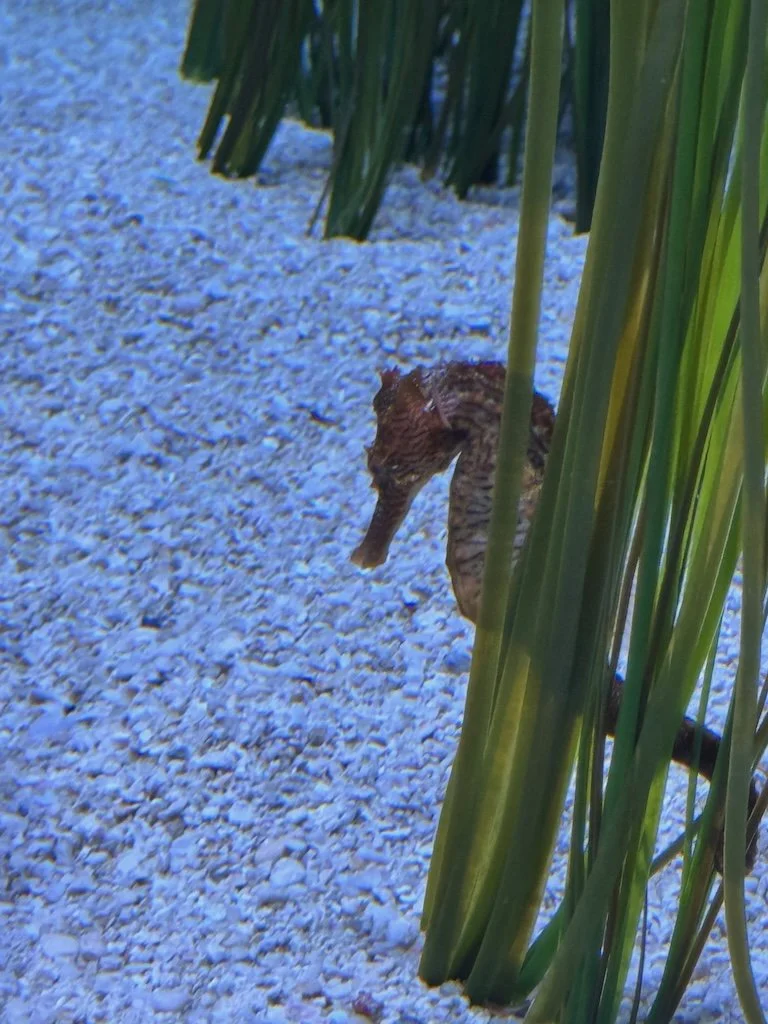
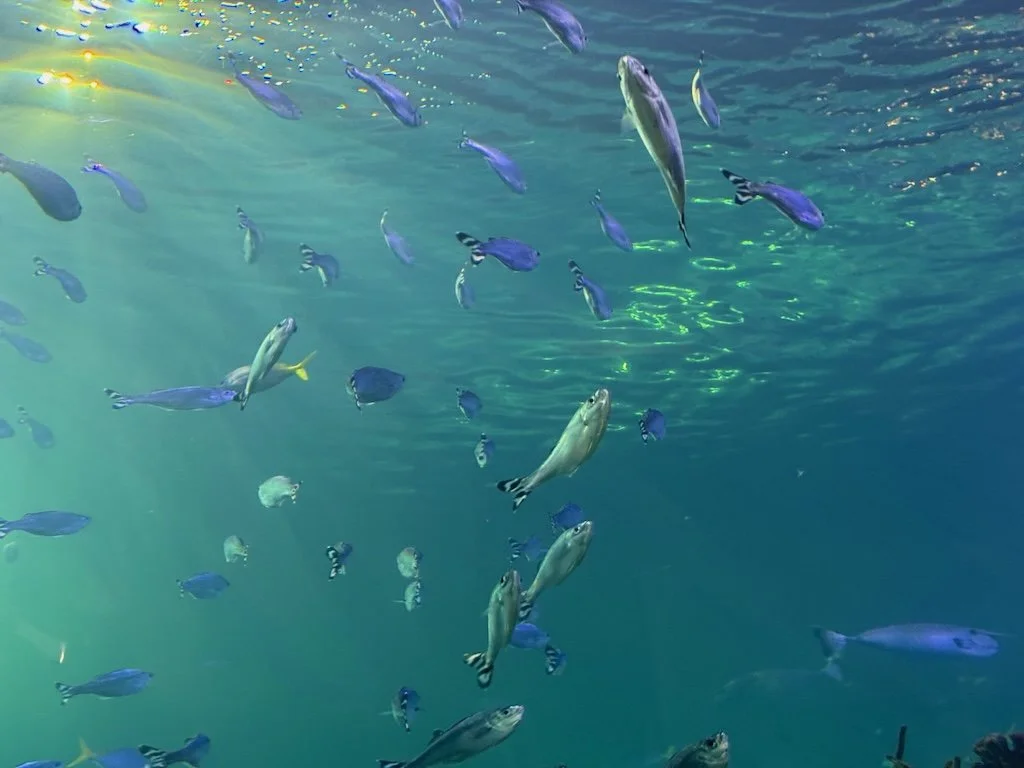
The temperature was in the teens when we made our drive down to Branson to see the Aquarium on the Boardwalk. We were early enough in the day that there were not a lot of people already there. The entrance was a little daunting…too much plastic…but the displays of fish made up for that first impression. So many shapes and colors of fish! The signage could have been better; often there were fish on display without any signs to help identify them. One of my favorite tanks was the one with seahorses – some of which looked pregnant!

They had eels that looked menacing! There were also white margin unicorn fish which I had never seen before…and which I had to look up once I got home since there were no signs that I saw for it.

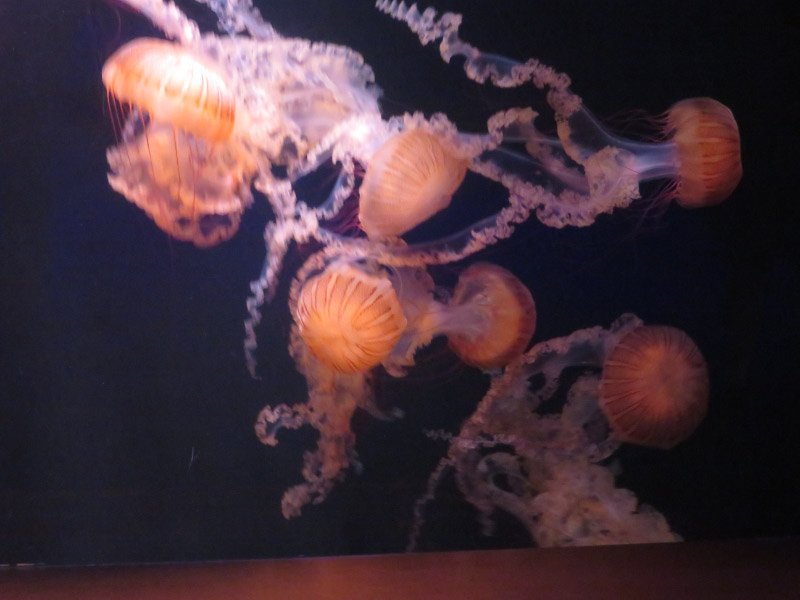
My favorite place in the aquarium was the display of jelly fish in cylinders and surrounded by mirrors on the walls…creating an infinity room with jellyfish everywhere! I made a short movie.

We spent about an hour at the aquarium and saw everything. It would take longer with a child…spaces to crawl into/see the fish from a different perspective, a touch tank, and a ‘kelp’ tower of platforms/netting to climb which we didn’t do. We did enjoy the Submarine Adventure (3-D glasses, cartoon, special seats) and it would be even more fun with children in the audience.

The building was purpose built for the aquarium – with a huge stainless steel clad octopus over one end of the building. I found myself wondering if they ever do behind the scenes tours. It must take a lot of work to keep the fish healthy over time and it would be interesting to understand more about how they do it.

This initial visit was an enjoyable ‘field trip’ on a cold morning.

Wonders of Wildlife National Museum & Aquarium

The Wonders of Wildlife National Museum & Aquarium is next to the Bass Pro Shops National Headquarters in Springfield, MO. It’s a place we passed by frequently over the past year but had not toured; the visit from my sister was a good prompt to finally buy tickets!

My main interest was the Aquarium but I was surprised at how much I enjoyed the museum portion – history of hunting, fishing, and conservation with sculpture, taxidermy animals/models in realistic habitats, paintings, artifacts (fishing lures, taxidermy versions of ‘largest’ bears, boats). The animal exhibits were a much-improved version of the Natural History museums I toured as a child and I found myself picking up details of the scenes….enjoying them more than I would a zoo where the animals so often look stressed and uncomfortable.

The aquarium has a living fish, of course, but there were also models of animals too. The sperm whale with giant squid was one of the first that I noticed. There were models of different kinds of sharks on the wall – making it easier to notice the shape and size differences.

One of the larger tanks had a ‘shipwreck’ theme. I took a few pictures as we walked through the aquarium areas. The octopus tank seemed small for the animal…hopefully there was another space that gave it more room to move about.

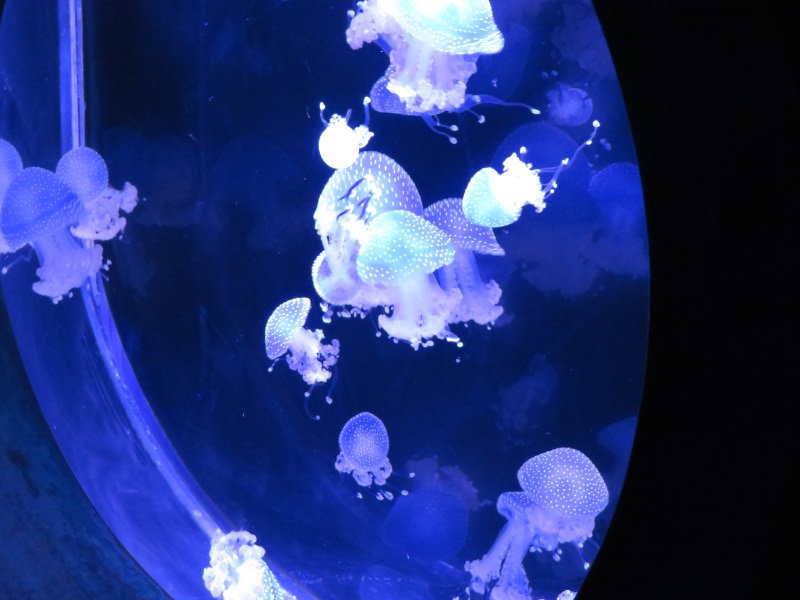
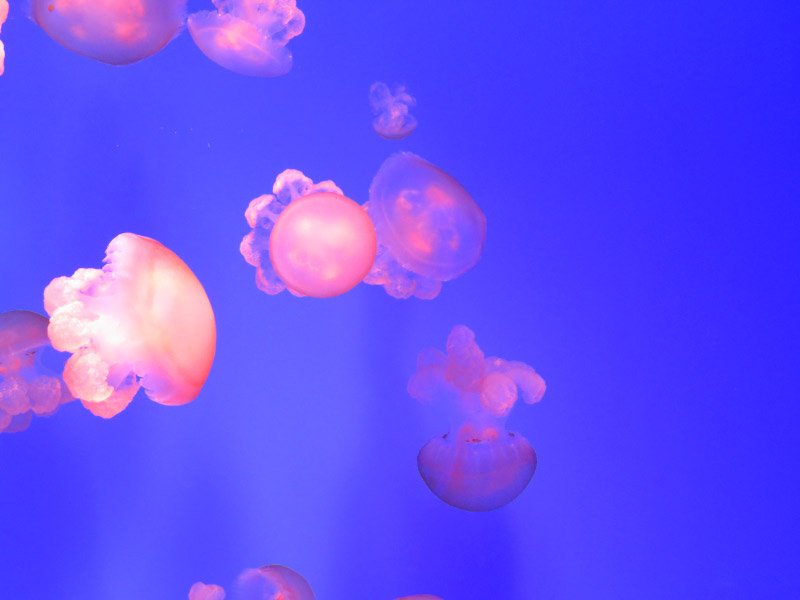
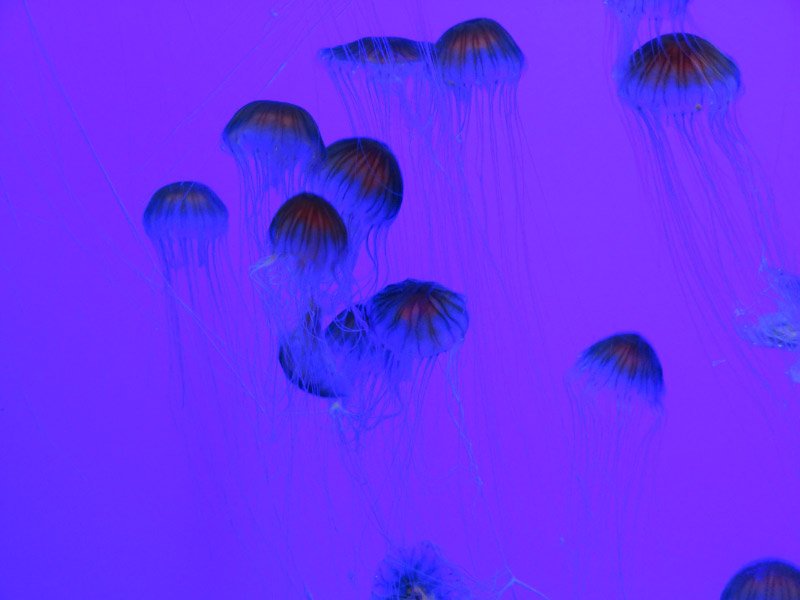
The jellyfish were probably my favorite exhibit. Their shape and movement are somehow calming…and I’m always surprised at how different they can look.

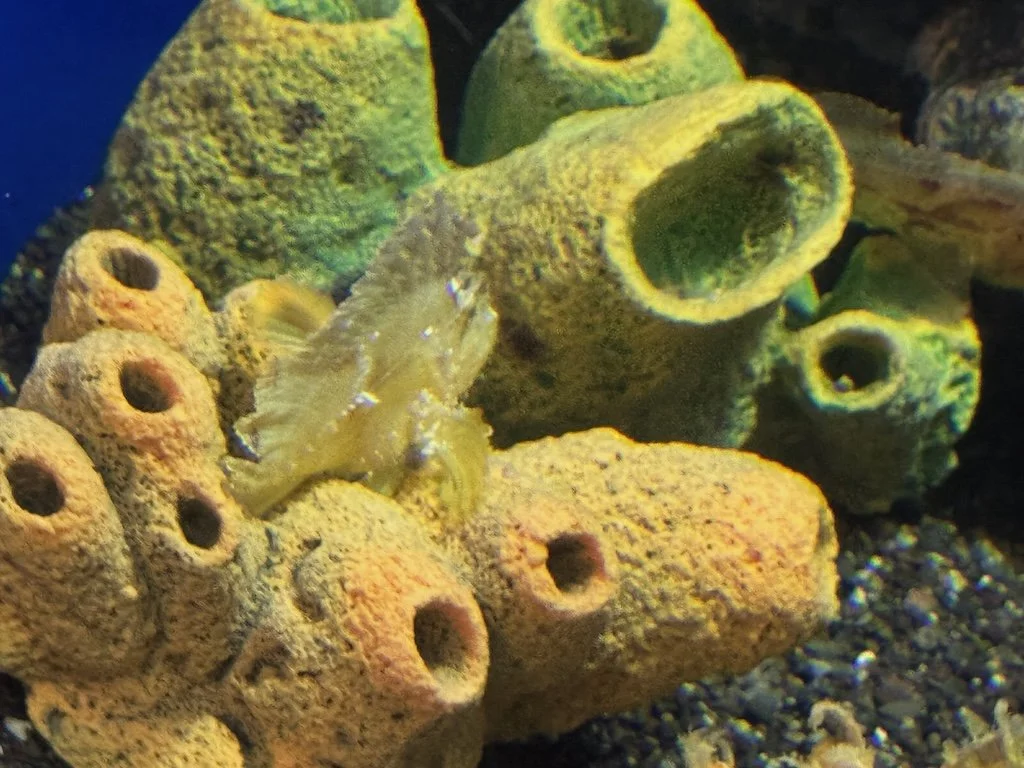
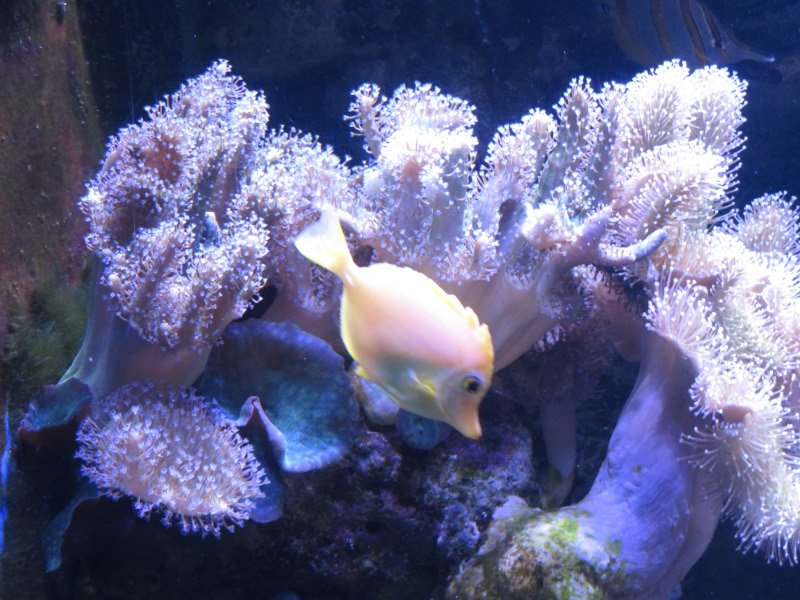
There was also a smaller exhibit with different kinds of coral.

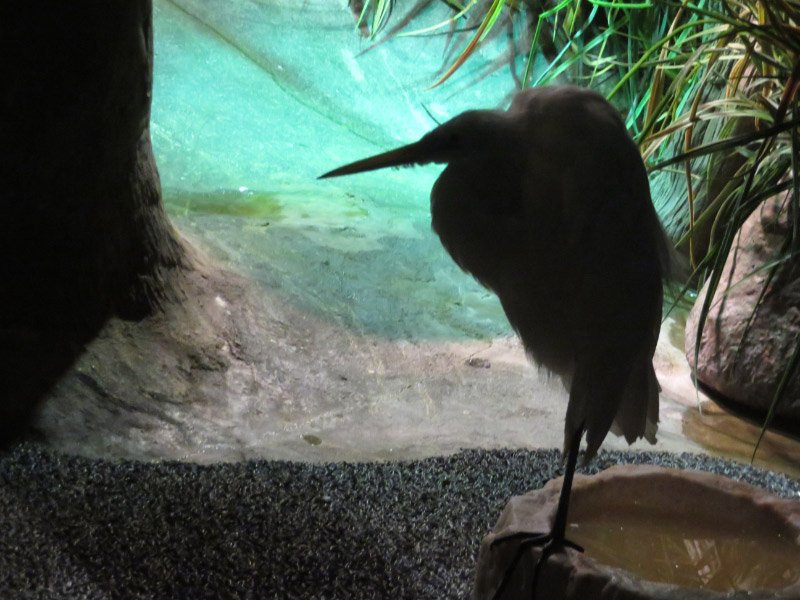
Toward the end of our tour, there was an area for lesser flamingo and a great egret. It was relatively dark. I liked the picture I took of the egret…but I wondered if the birds were rescues since a dark habitat is not what I associate with these birds. Earlier on we had seen some great horned owls that were rescued birds. Their habitat allowed them to be well away from the people and they seemed calm enough…but probably very different than they were in the wild.

Overall – an interesting place but I’d rather be outdoors. Next time we have someone visiting, I want to visit Dogwood Canyon Nature Park.

Philip Henry Gosse Books

Back in October, I enjoyed browsing 8 volumes published in the mid-1800s by Philip Henry Gosse available on Internet Archive. He was an active naturalist and popularizer of natural science with his ability to create appealing/accurate scientific illustrations for his books. I found out from Wikipedia’s biography of him that he was the inventor of the saltwater aquarium in early Victorian England too. Enjoy browsing a Gosse book or two or three…

A Year at the Shore (1865)

The Rotifera (or, wheel-animalcules) volume 1 and 2 (1889 assisting Charles Thomas Hudson)

Gleanings of the Week Ending December 25, 2021

The items below were ‘the cream’ of the articles and websites I found this past week. Click on the light green text to look at the article.

New copper surface eliminates bacteria in just two minutes – One of the emerging technologies to fight bacteria (and viruses) without antibiotics. Copper is already being used in some applications, but this materials research developed a new structure of copper that is more effective and faster. The article didn’t comment about durability…but still very promising finding.

Home Battery Storage: The (Solar) Rich Get Richer – There is beginning to be more equity in solar panel installation….but storage is still a challenge at lower incomes. Some states have programs that may be the wave of the future and there are incentives in pending legislation. Hopefully a positive momentum will build over the next few years.

California Readies Launch of Largest Food Waste Recycling Program in the U.S. – Part of the county where I live in Maryland has curbside pickup of food waste for composting…but not the part where I live. I have a backyard compost bin…but many people do not so there is still considerable food waste going to the landfill.

10 Winter Birds to Spot During the Christmas Bird Count – Seen any of these in your area?

Why is snow white? – 3 videos…the last one with more ‘bonus’ explanations (such as why polar bears are white).

Top 25 birds of the week: Bird Pigment – This post was a bit confusing since it wasn’t explicit about which colors were from pigments ( as in the red of cardinals) and which were from light scattering caused by the physical structure of the feathers (for example, in blue jays). Read more about this non-pigment phenomenon particular for blue feathers here.

Winter is coming: Researchers uncover the surprising cause of the little ice age – New research shows that the little ice age in the early 1400s occurred when the Atlantic Meridional Overturning Circulation (AMOC) collapsed after a warming period which flushed Arctic ice into the north Atlantic, cooling it and reducing its saltiness. Could the AMOC collapse again with ice melting because of climate change? Existing climate models do not model the impacts of ice melt (making the north Atlantic cooler and less salty)!

From blood clots to infected neurons, how COVID threatens the brain – An overview of the research into how COVID-19 impacts the brain; there is still a lot more to be learned about this - probably one of the most devastating aspects of ‘long Covid’. It appears that the cognitive impact experienced by some COVID-19 survivors improves over time, but half the patients in one study were not back to normal after a year. It is a very sad prospect for individuals and for or society.

Watch This Giant Phantom Jellyfish With 33-Foot-Long Arms Float Through the Deep Ocean – The video is less than a minute…worth watching.

AAA Electric Vehicle Infographic — The Good & The Bad – My current car is a plug-in hybrid….the next one will most likely be an EV.

Gleanings of the Gleanings of the Week Ending April 27, 2019

The items below were ‘the cream’ of the articles and websites I found this past week. Click on the light green text to look at the article.

Berkeley Soda Tax, 3 Years In: What New Research Shows About Its Effectiveness | Berkeley Wellness - Consumption of sugary drinks has fallen by half in low-income areas of Berkeley, California.

The Real Reason You See Earthworms After Rain – Cool Green Science – There could be multiple reasons. Maybe they are moving to new territory while the surface is wet, and they won’t become dehydrated. Or maybe they want the extra oxygen that is at the surface.

Exploring The Parks: Great Sand Dunes National Park And Preserve – It’s been a long time since I have been to this park…and we didn’t explore it thoroughly when we were there. Maybe time to plan another trip.

Image of the Day: Pretty Jellies | The Scientist Magazine® - Genetic comparisons of jellyfish types

These Cities Are the Most Dangerous for Migrating Birds | Smart News | Smithsonian – Chicago, Dallas, and Houston….an area that Texas would probably prefer to not be at the top. Maybe the “Lights Out” trend with help.

Washington Monument Opening Pushed Back To August Due To Contaminated Soil – I was surprised when I saw this headline because I didn’t even know is was closed! The soil is below the surface and probably from the 1880s.

Allergy Season Is Getting Longer and Nastier Each Year | Smart News | Smithsonian – It’s happened gradually but the length of allergy season and the amount of pollen has been increasing over the past 20 years. There are new treatments for those suffering enough to go to allergists - many allergists are prescribing immunotherapy tablets for people suffering from grass pollen, dust mite or ragweed allergies.

Scientists Say They Have Found a Viable Replacement for Petroleum-Based Plastic - Yale E360 – Plant based material that has the strength and aesthetics…suitable for food packaging. The research described in the article is from Ohio State but there are probably others working on the problem too. If a replacement for petroleum-based plastic can be found it would make it much easier to ‘go green.’

BBC - Future - How air pollution is doing more than killing us and Air Pollution Increases ER Visits — Largest US Study On The Topic Confirms It | CleanTechnica – Lots of public health issues being studied in light of air pollution….and the findings are concerning. The linkage to things like asthma has long been discussed but now there are more details and more negative impacts of air pollution on health being identified.  Emerging studies show that air pollution is linked to impaired judgement, mental health problems, poorer performance in school and most worryingly perhaps, higher levels of crime.

#IYPT2019 – What elements do you need to live? – in C&EN | Compound Interest – An infographic to answer the question.

Cannonball Jellyfish

One of the surprises of the gull fly-in (previously posted about) was cannonball jellyfish on the beach. They must have washed up during the morning storms since they didn’t look decayed yet. I had never seen them before.

2019 01 IMG_2341.jpg

They are more substantial looking than most jellyfish and evidently have become a commercially important in Georgia as an export to Japan, China and Thailand as food. They are not as harmful to humans as other jellyfish.

2019 01 IMG_2353.jpg

One of our guides picked one up….providing a good scale for the organism.

2019 01 IMG_2377.jpg