eBotanical Prints – November 2023

Twenty-four more books were added to the botanical print collection in November – available for browsing on Internet Archive. More than half the publications this month contain color images; I’m always pleased when I find new-to-me botanical books with images like these.

The publication range for this group is 1727-2012; it is interesting the think about how the technology behind publication of books such as these changes over that 200+ years.

The whole list of 2,761 botanical eBooks can be accessed here. The list for the November 2023 books with links to the volumes and sample images is at the bottom of this post.

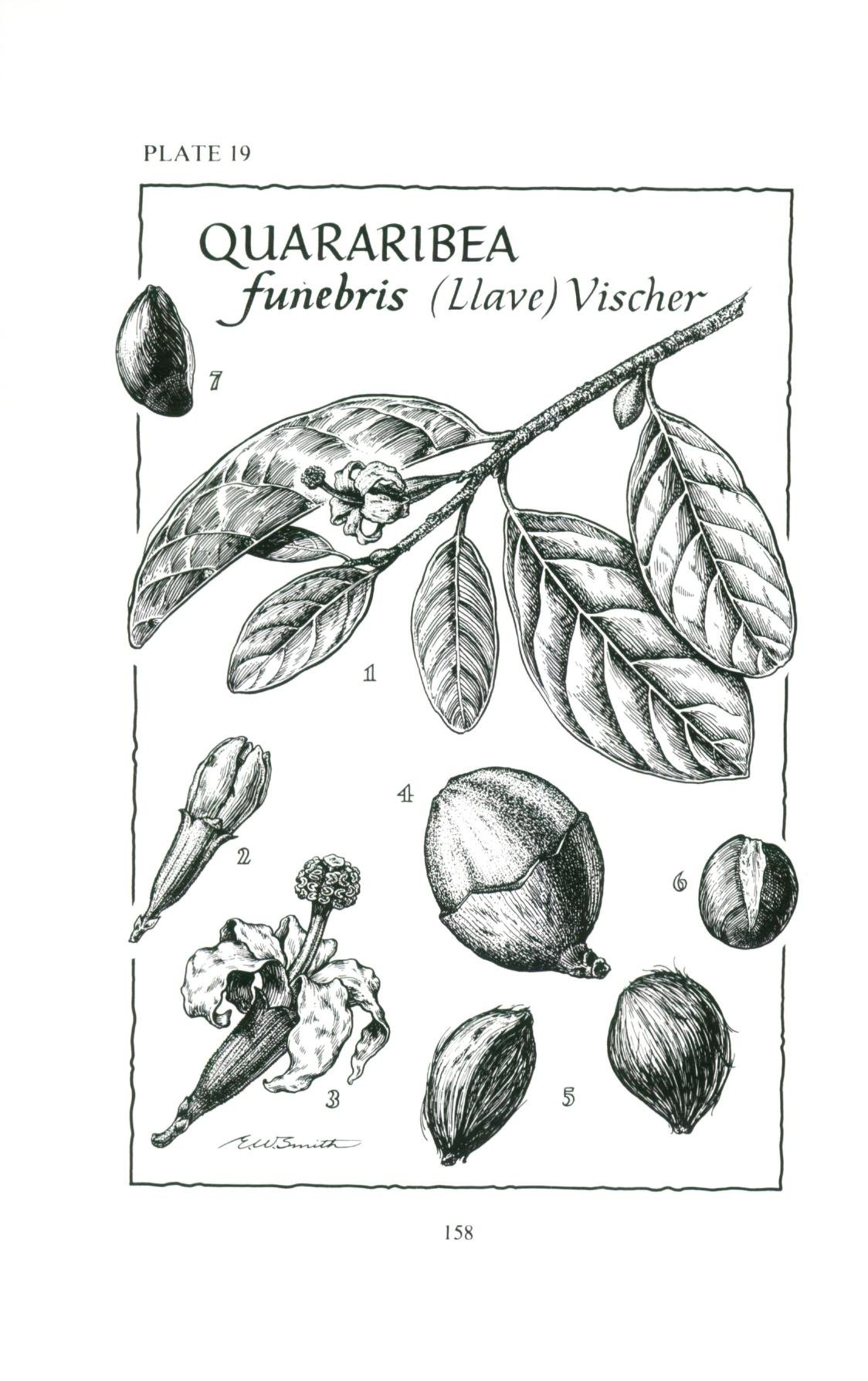
Click on any sample images in the mosaic below to get an enlarged version. Enjoy the November 2023 eBotanical Prints!

Medical botany; or, illustrations and descriptions of the medicinal plants of the London, Edinburgh, and Dublin pharmacopoeias: Comprising a poular and scientific account of poisonous vegetables indigenous to Great Britain V1 * Stephenson, John; Churchill, James Morss; Burnett, Gilbert Thomas * sample image * 1834

Medical botany; or, illustrations and descriptions of the medicinal plants of the London, Edinburgh, and Dublin pharmacopoeias: Comprising a poular and scientific account of poisonous vegetables indigenous to Great Britain V2 * Stephenson, John; Churchill, James Morss; Burnett, Gilbert Thomas * sample image * 1834

Medical botany; or, illustrations and descriptions of the medicinal plants of the London, Edinburgh, and Dublin pharmacopoeias: Comprising a poular and scientific account of poisonous vegetables indigenous to Great Britain V3 * Stephenson, John; Churchill, James Morss; Burnett, Gilbert Thomas * sample image * 1834

Medical botany; or, illustrations and descriptions of the medicinal plants of the London, Edinburgh, and Dublin pharmacopoeias: Comprising a poular and scientific account of poisonous vegetables indigenous to Great Britain V4 * Stephenson, John; Churchill, James Morss; Burnett, Gilbert Thomas * sample image * 1834

Flora and pomona, or, the British fruit and flower garden * McIntosh, Charles * sample image * 1829

On buds and Stipules * Lubbock, John * sample image * 1899

George Engelmann :botanical notebook 38 : Yucca (Agavaceae) * Engelmann, George * sample image * 1851

On Welwitschia :a new genus of Gnetaceae * Hooker, Joseph Dalton * sample image * 1864

Annales Musei botanici lugduno-batavi V1 (1863) * Miquel, Fredrich Anton Wilhelm (editor) * sample image * 1863

Annales Musei botanici lugduno-batavi V2 (1866) * Miquel, Fredrich Anton Wilhelm (editor) * sample image * 1866

Annales Musei botanici lugduno-batavi V3 (1867) * Miquel, Fredrich Anton Wilhelm (editor) * sample image * 1867

Annales Musei botanici lugduno-batavi V4 (1869) * Miquel, Fredrich Anton Wilhelm (editor) * sample image * 1869

Cycadeae quaedam americanae, partim novae * Miquel, Fredrich Anton Wilhelm  * sample image * 1851

Monographia cycadearum * Miquel, Fredrich Anton Wilhelm  * sample image * 1842

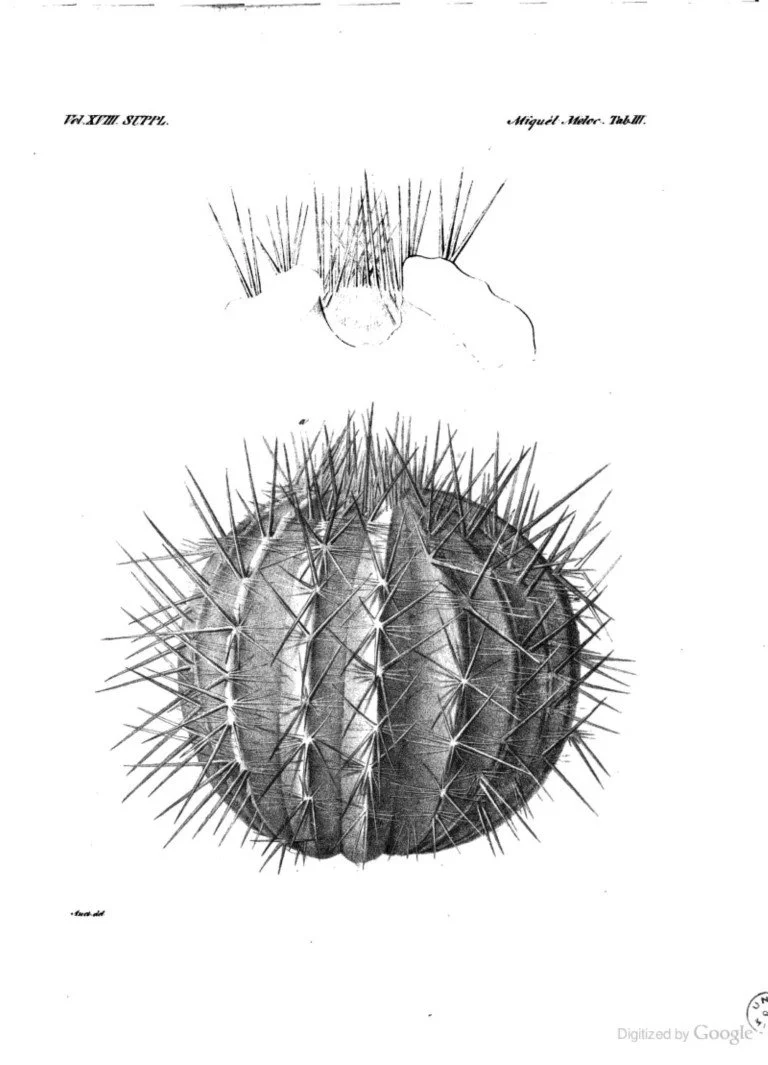
Monographia generis Melocacti  * Miquel, Fredrich Anton Wilhelm  * sample image * 1840

Stirpes Surinamenses selectae * Miquel, Fredrich Anton Wilhelm (compiler) * sample image * 1851

Botanicon parisiense * Aubriet, Claude; Boerhaave, Herman; Vaillant, Sebastien; Verbeek, H.; Verbeek, J.; Wandelaar, Jan * sample image * 1727

Botanical review, or the beauties of flora * Donovan, E. * sample image * 1790

Botanical Report * Eduran, Elias; Hilgard, Theod. C. * sample image * 1855

Astragalogia, nempe astragali, biserrulae et oxytropidis *     Candolle, Augustin Pyramus de; Didot,; Garnery, Joann. Bapt.; Redoute, Pierre Joseph * sample image * 1802

Botanique (atlas from Astolabe Expdeition 1837-1840) * Hombron, Jacques Bernard; Decaisne, Joseph; Dumont d'Urville, Jules-Sébastien-César; Jacquinot, Charles Hector; Montagne, Jean François Camille * sample image * 1845

Text-book of structural and physiological botany * Thome, Otto Wilhelm; Bennett, Alfred William * sample image * 1877

Khawa karpo :Tibetan traditional knowledge and biodiversity conservation * Moseley, Robert K.; Salick, Jan * sample image * 2012

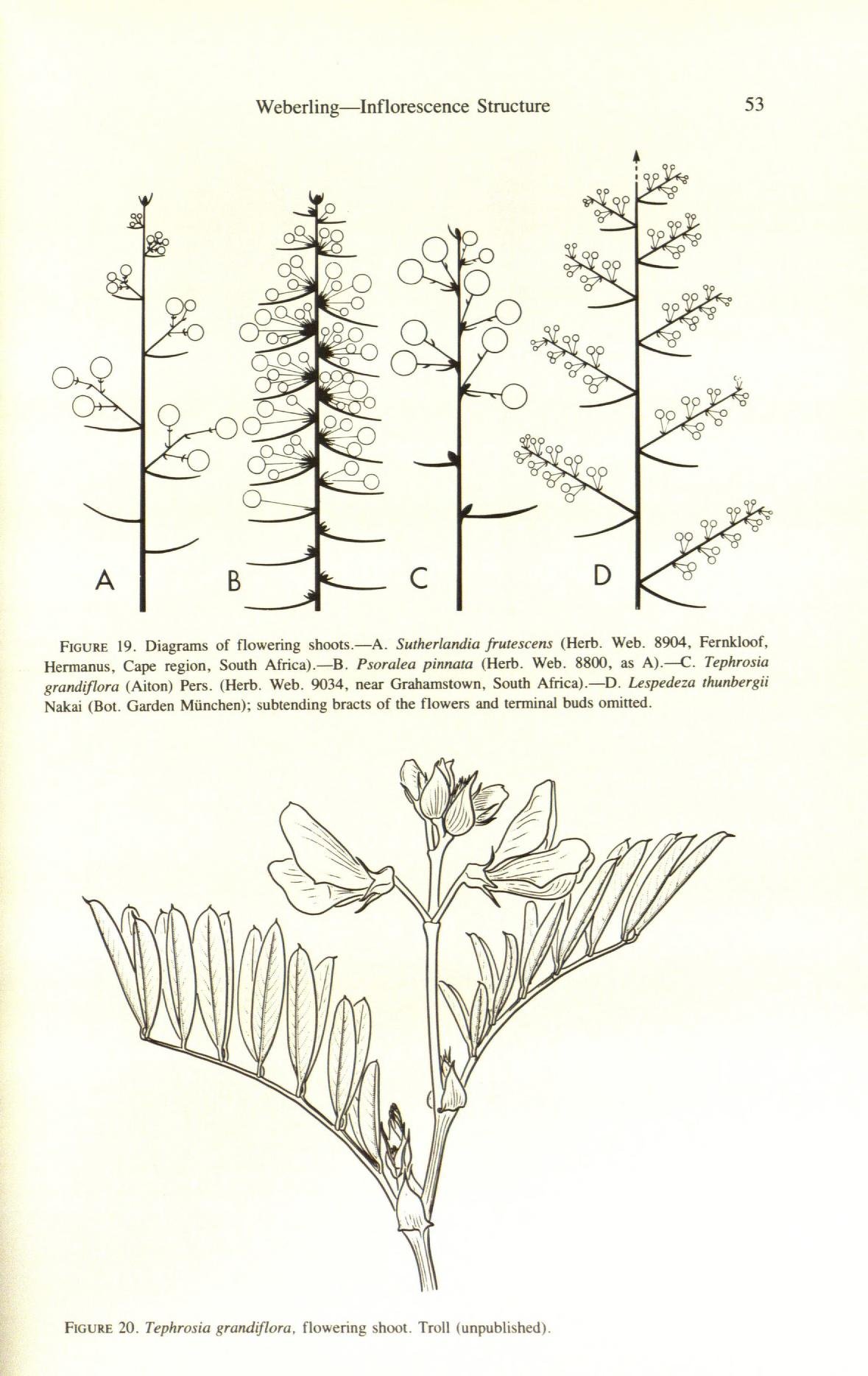
Advances in legume biology * Stirton, C.H.; Zarucchi, Jame Lee * sample image * 1989

2023 in a Carrollton Yard

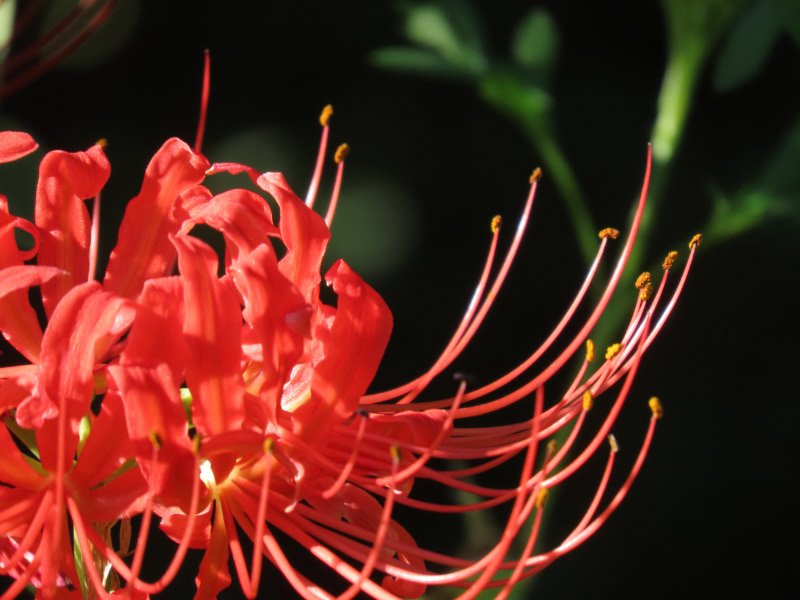
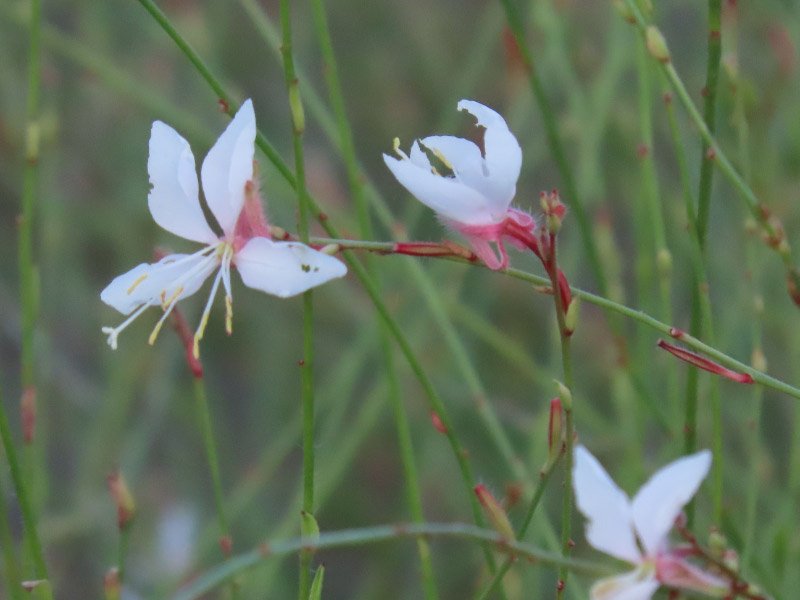
My parents’ yard in Carrollton is almost overflowing with plants. They have accumulated over the years. Many of them are from seeds/cuttings/gifts from extended family…my paternal grandmother’s sisters (pink maiden sage), my father’s cousin (a 30+ year old rose bush), my maternal grandparents gardens (cannas), sunflowers that started from a granddaughter’s kindergarten ‘flower in a cup’ project more than 20 years ago, and orange spider lilies that came up in one of my sisters yards when she bought her house more than 30 years ago. One of my sisters does most of the maintenance these days…to the joy of my parents. My dad helps with mowing the yard (this month is more ‘mowing the leaves’ rather than grass)!

The year started out very cold with heavy frost on the first mornings of the year.

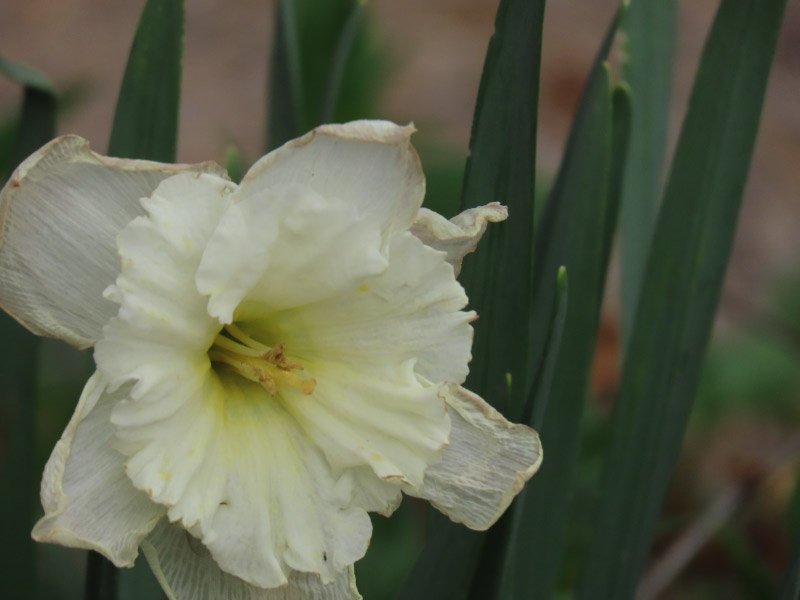
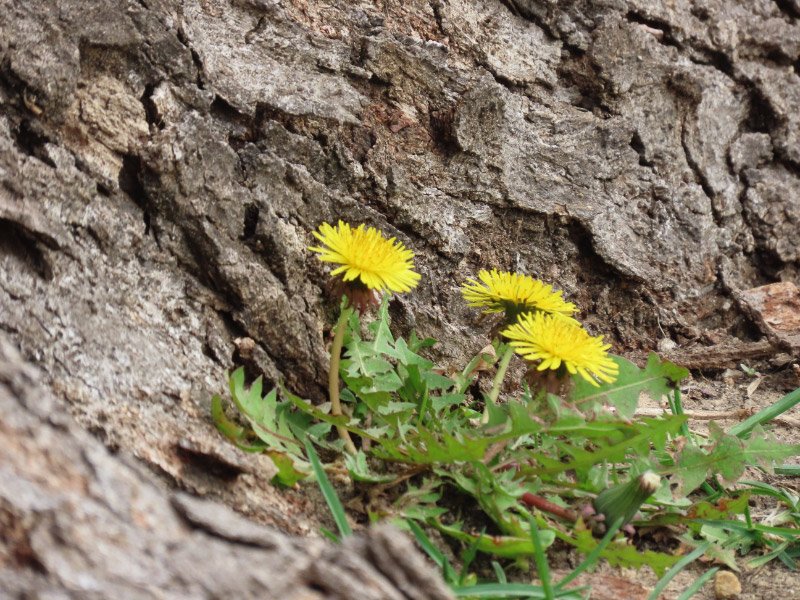
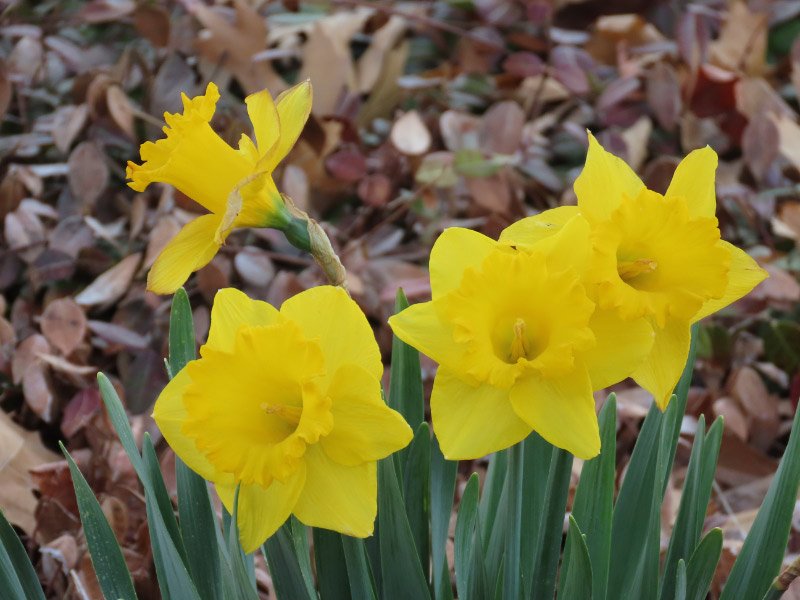
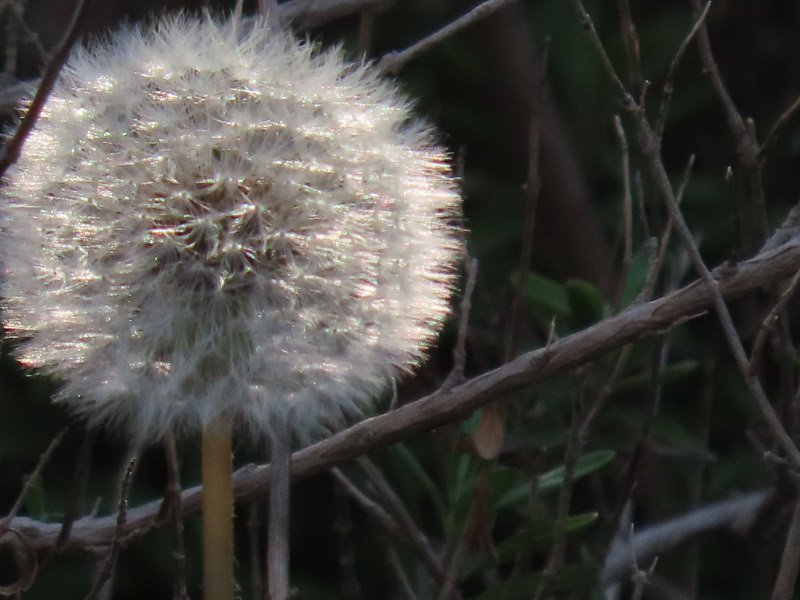
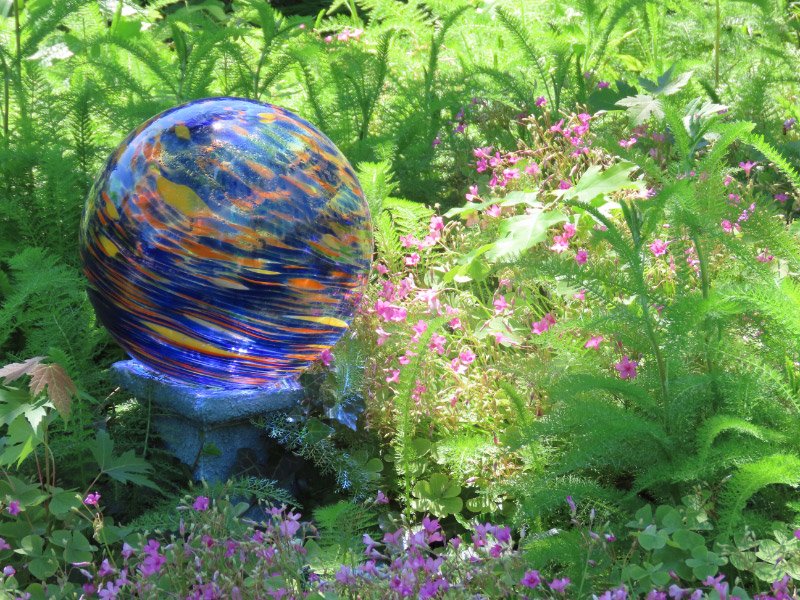
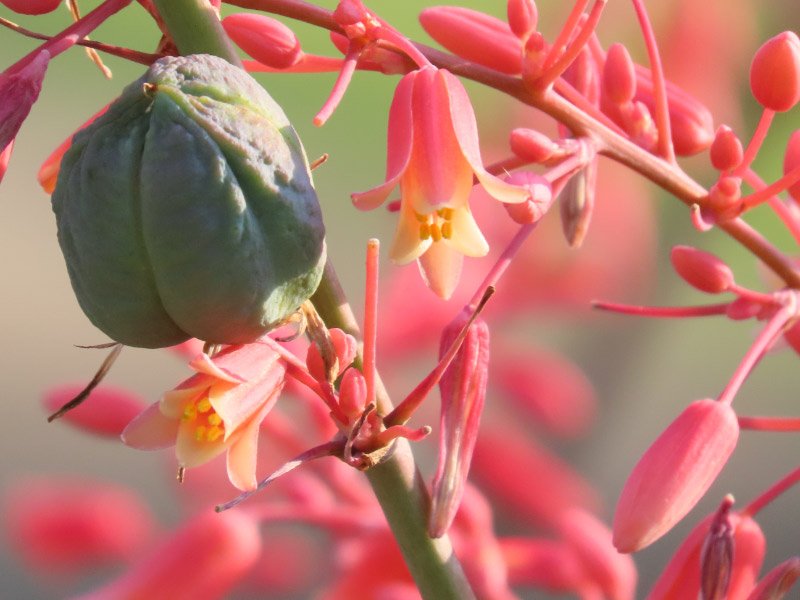
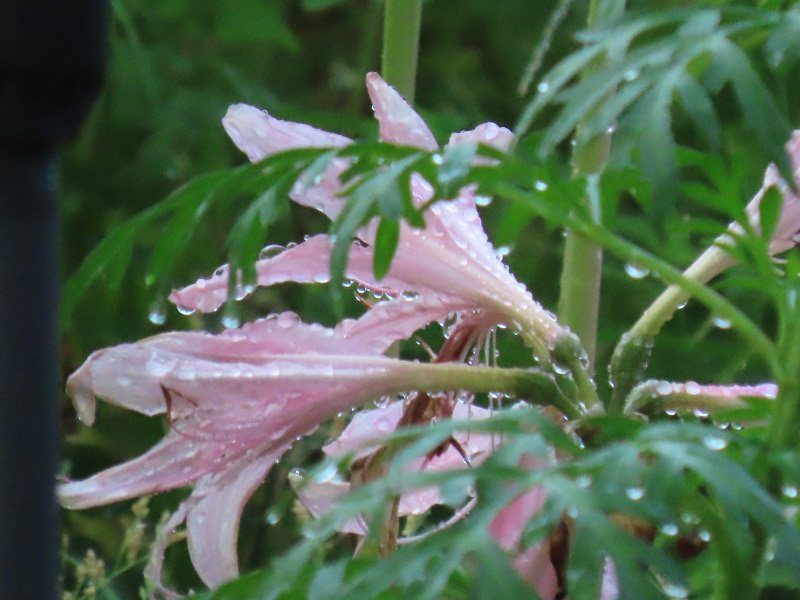
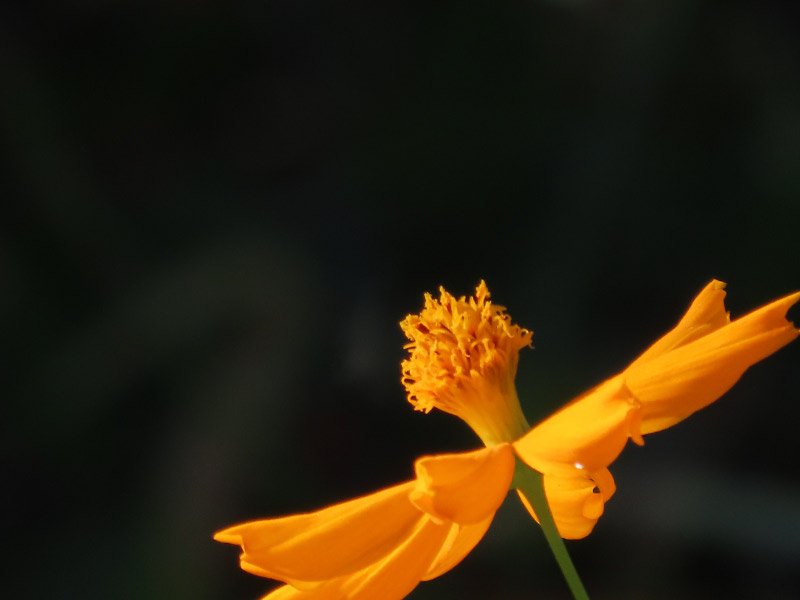
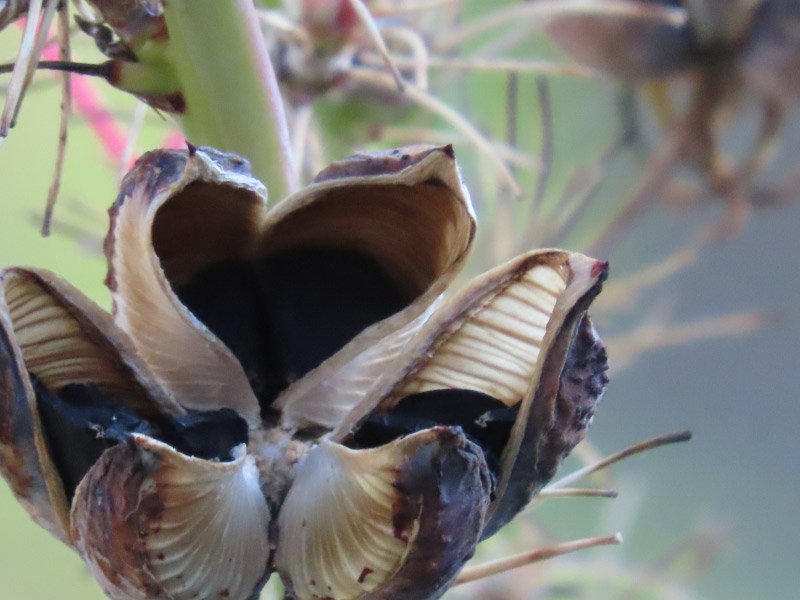
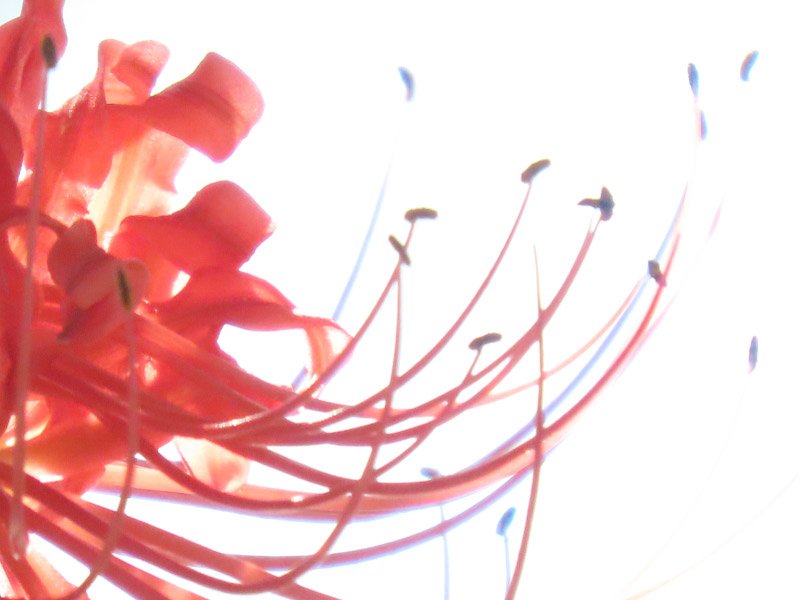
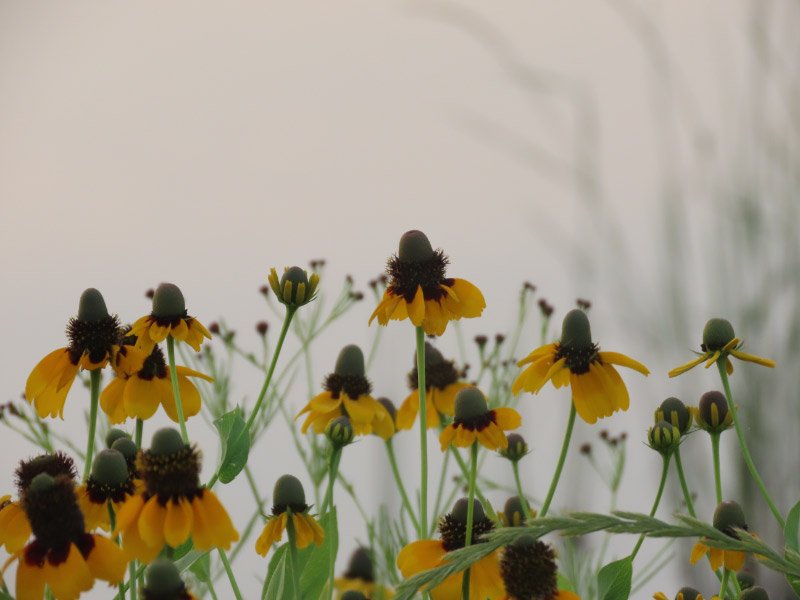
The quince blooms early…a splash of color near the fence. The bird feeder attracts birds that can easily be viewed from the garden room. Bulbs and dandelions mark the warming temperatures of spring. The cosmos and red yucca bloom all through the season. The 2023 summer was challenging with a longer than usual period of very hot days with no rain. Some plants survived with the water from sprinklers, but others died back (hopefully will return next spring). The naked lady lilies put up their fonds early then bloom in midsummer. The spider lilies are late bloomers too. The cosmos lasted through most of November. And now in December – the seedpods of red yucca and chives provide texture as the winter begins. We are beginning to see some of the garden ornaments that were buried in foliage previously!

My parents have lived in their house for 33 years and the garden area of the yard has evolved over time. The rose bush purchased for my Grandmother’s 80th birthday in 1992 still blooms in the spring and fall!

2023 at Hagerman National Wildlife Refuge

I made stops at Hagerman National Wildlife Refuge on my way to and from Carrollton all during the year. On the way down, I arrived around noon; on the way home, it was just after sunrise.

Seeing/photographing birds is the big draw for my visits. I spend an hour or so moving slowly down the central wildlife tour road…sometimes taking a side road. I use my car as a blind and roll the window down when I see birds. My camera is on a monopod collapsed down to its shortest length. Most of the time I brace it in the cup holder between the front seats…tilt the head to get the image I want.

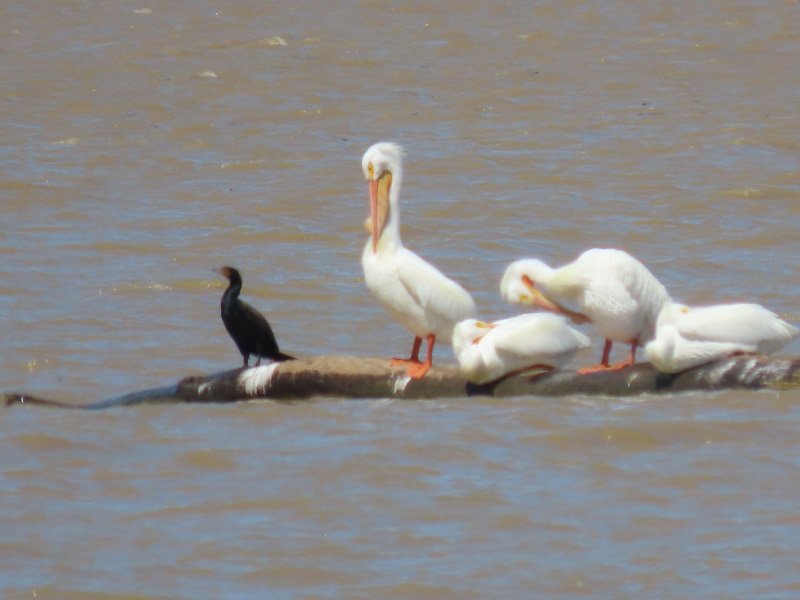
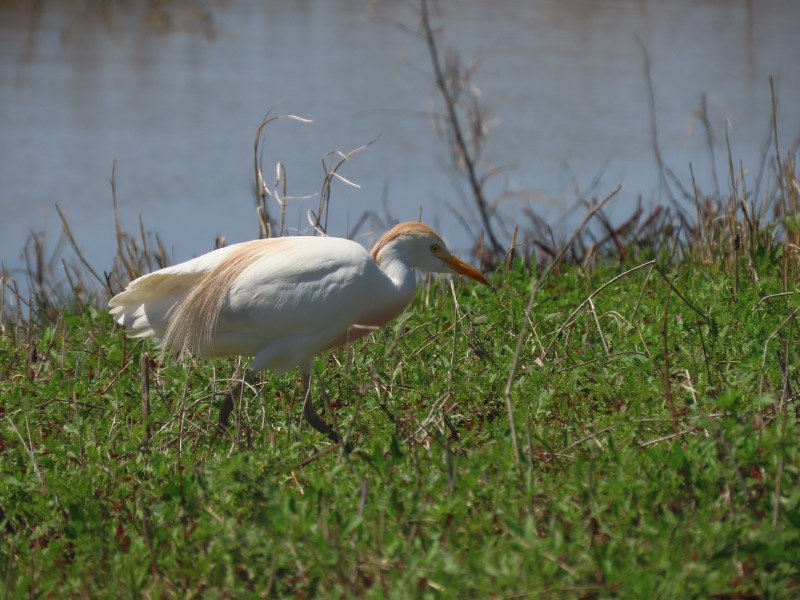
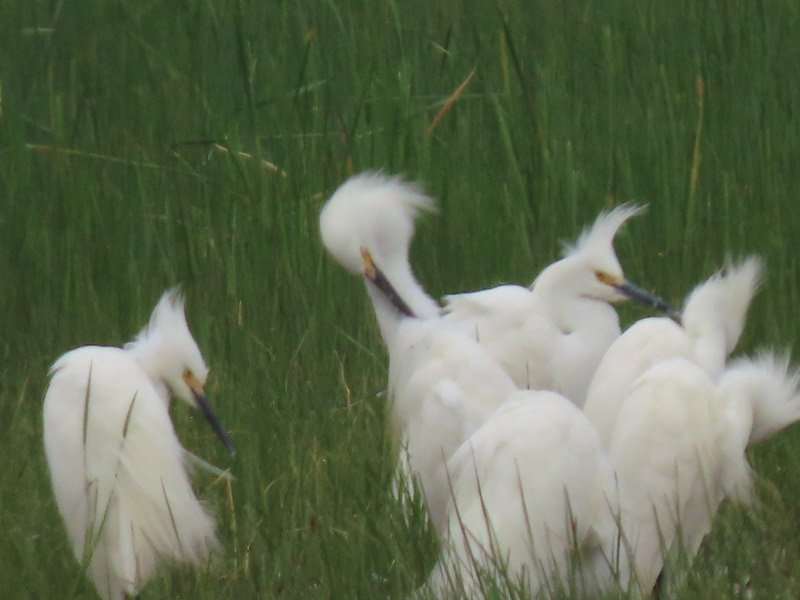
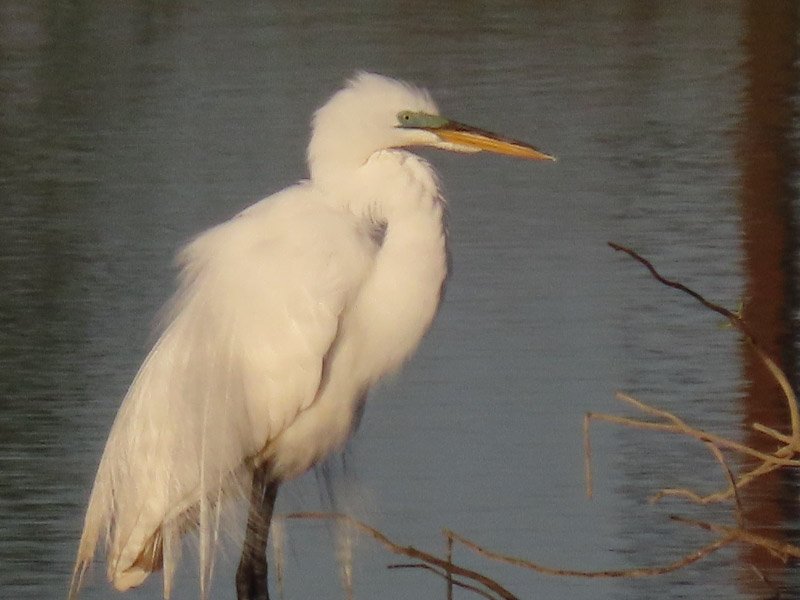
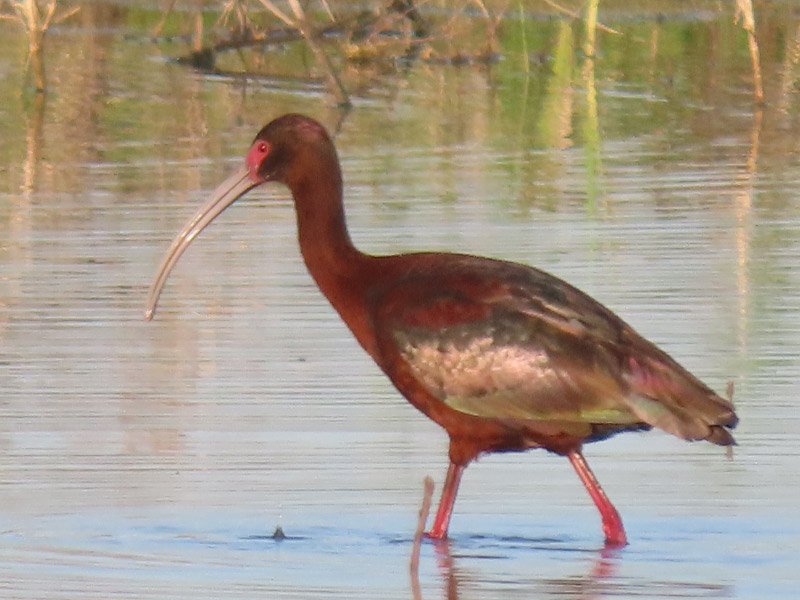
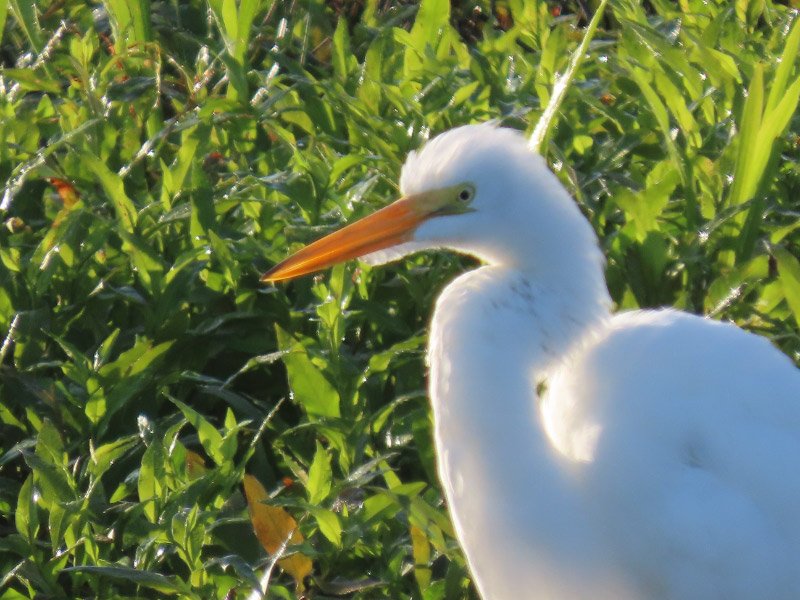
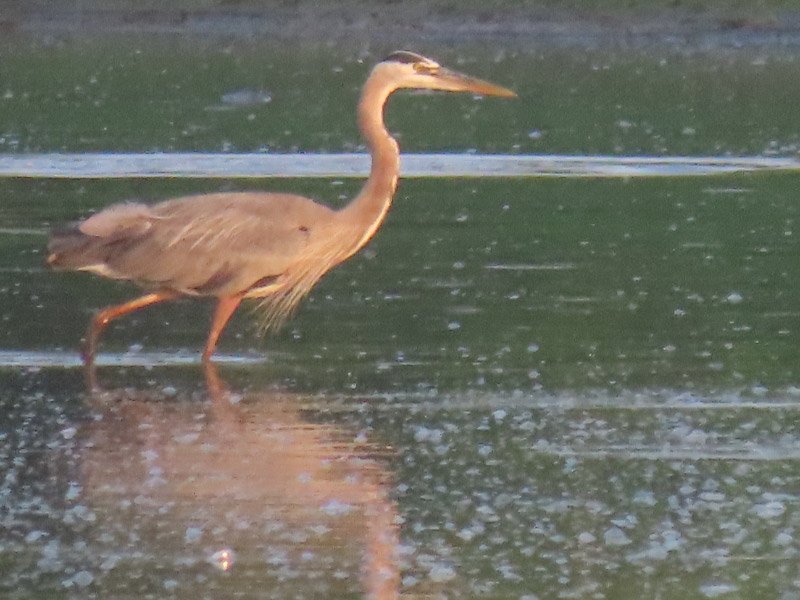
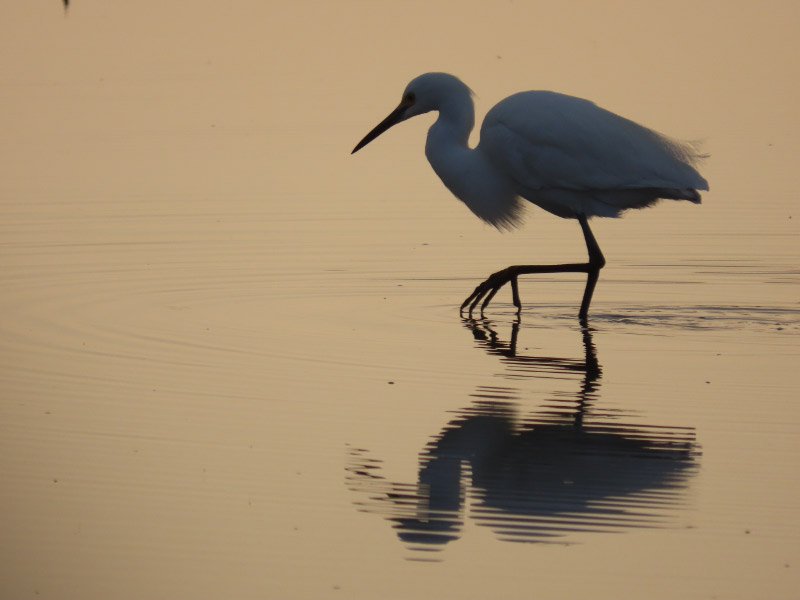
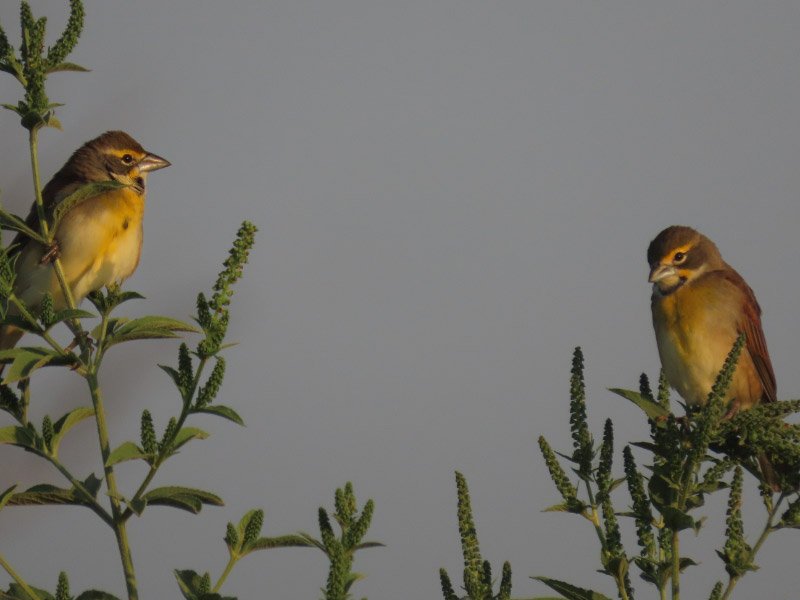
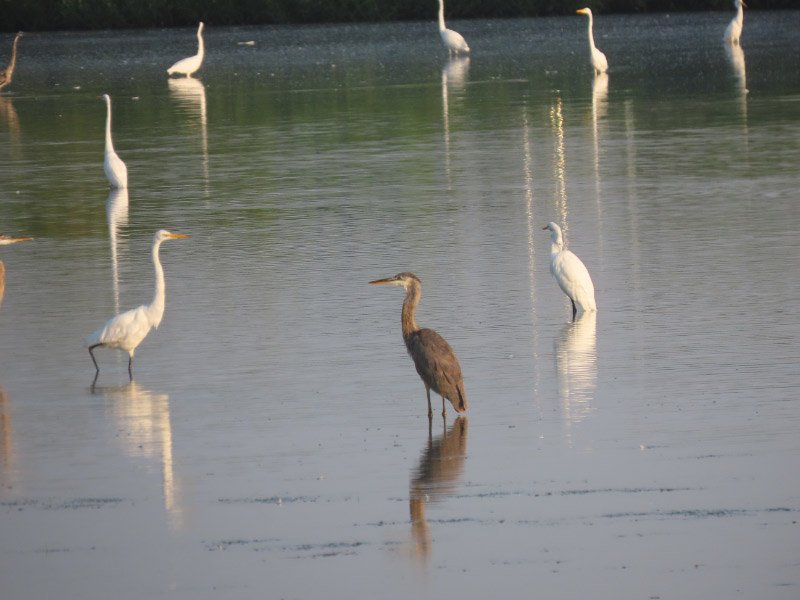
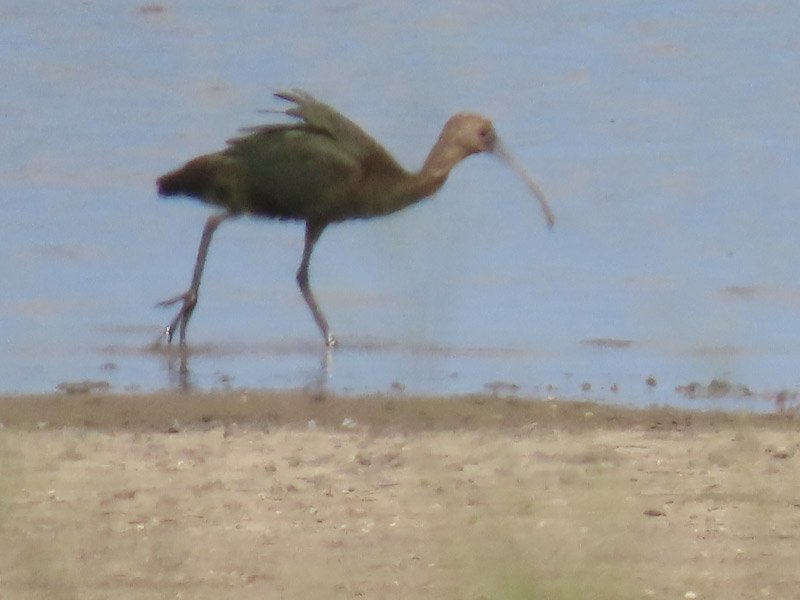
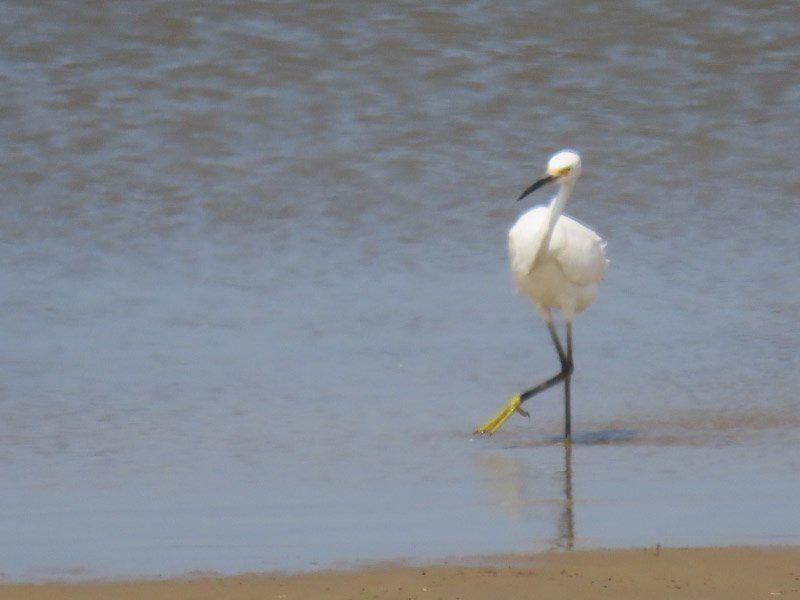
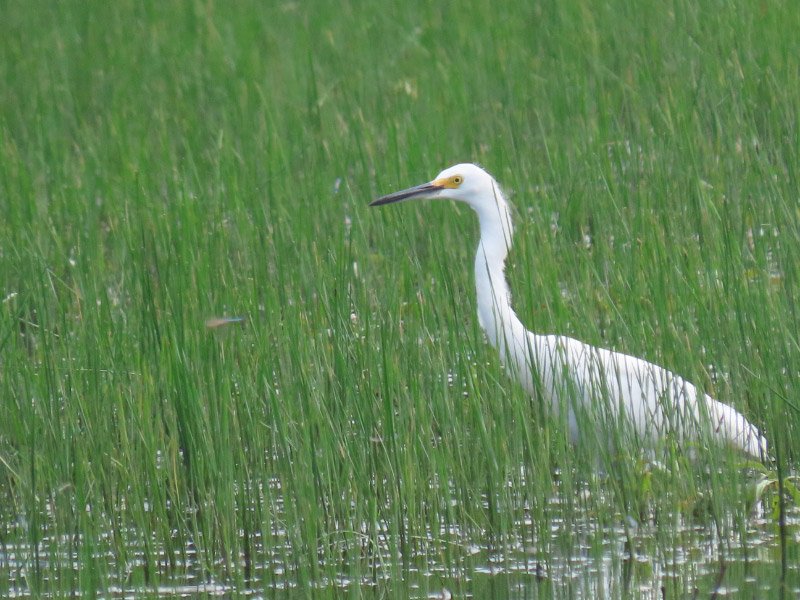
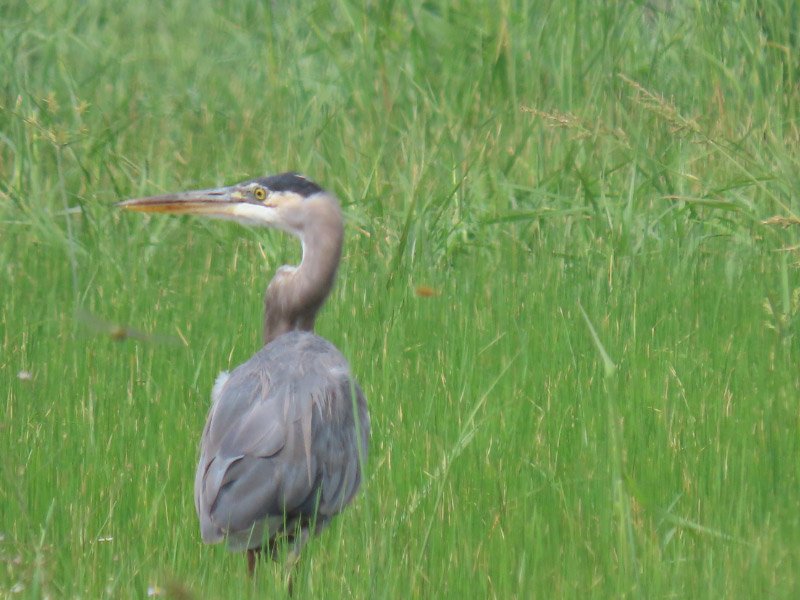
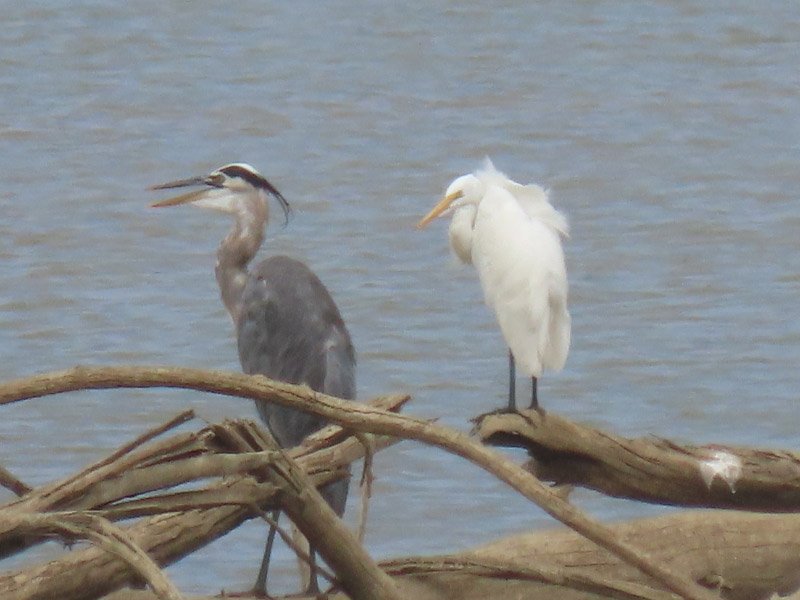
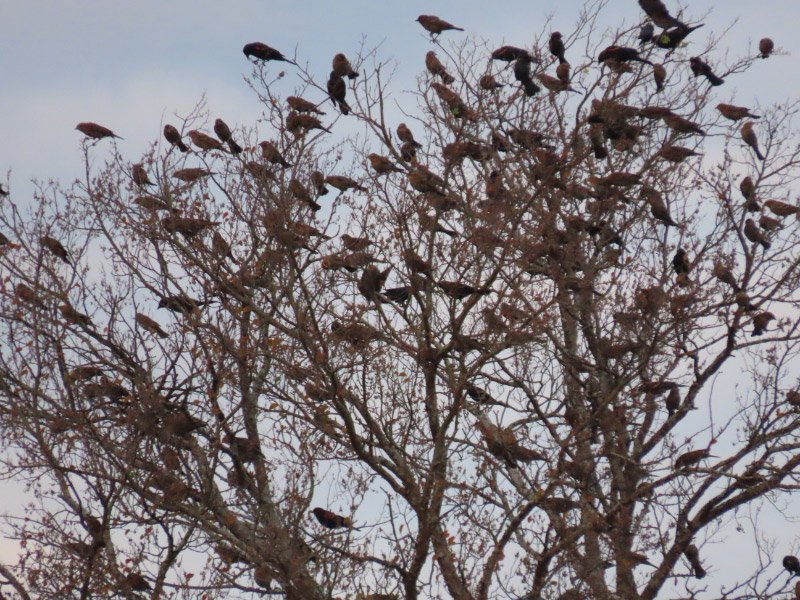
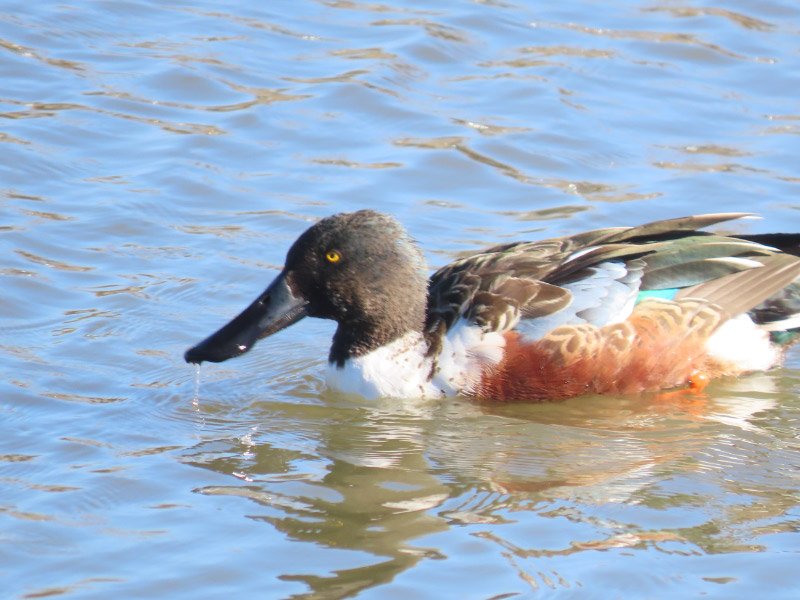
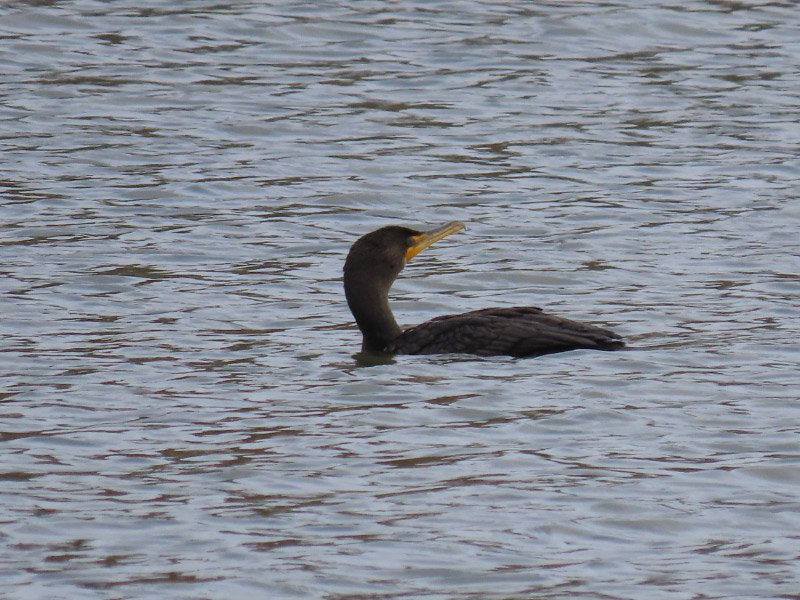
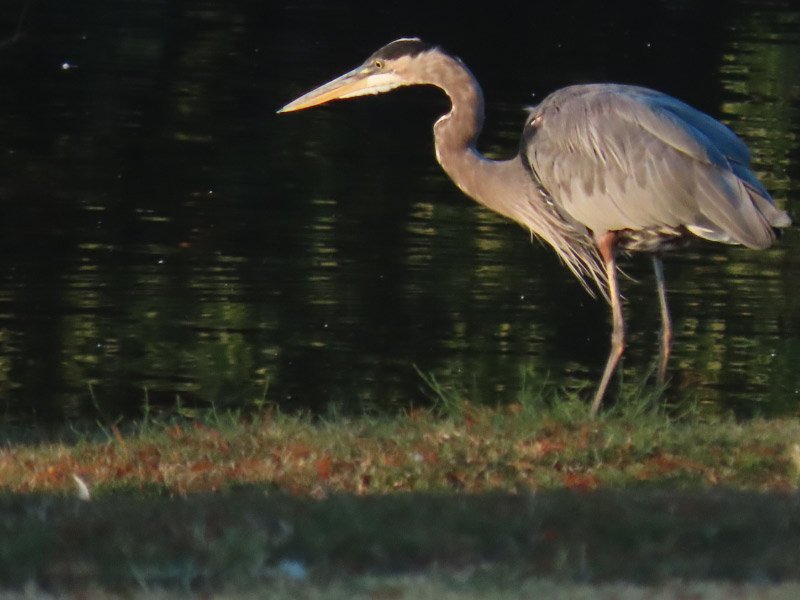
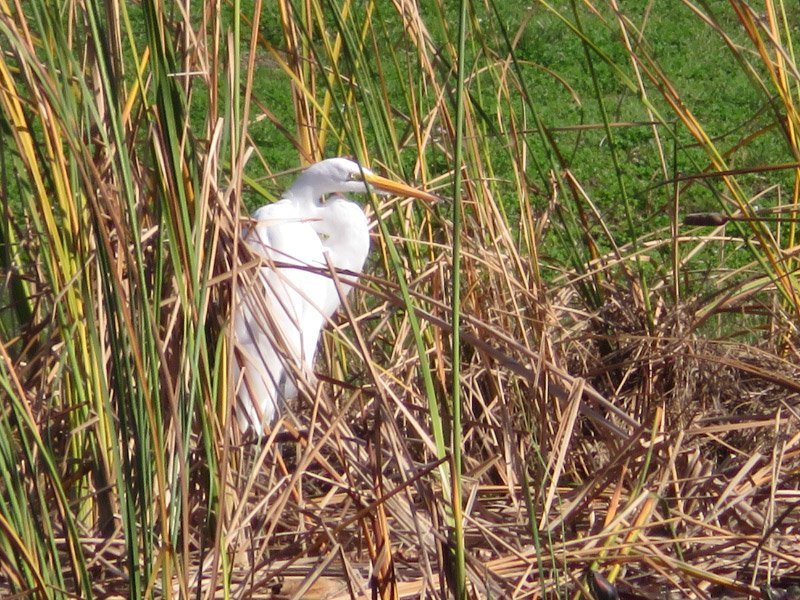
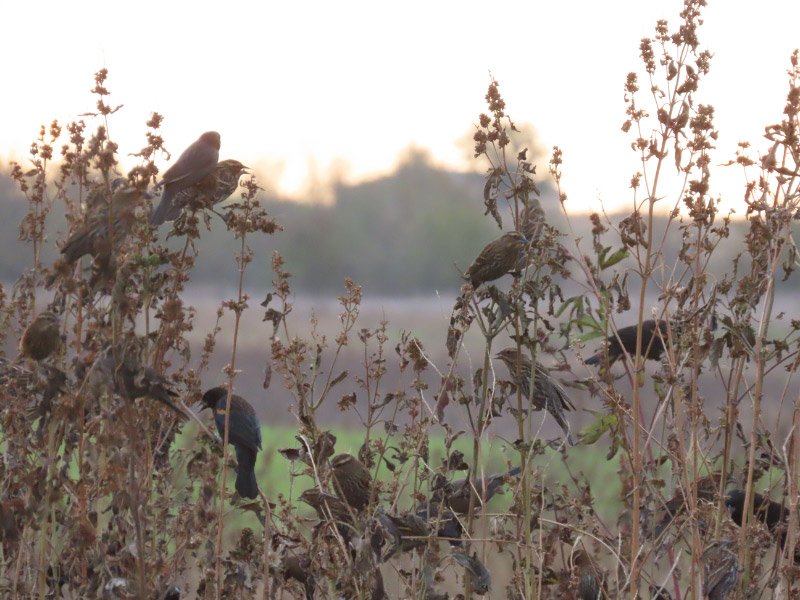
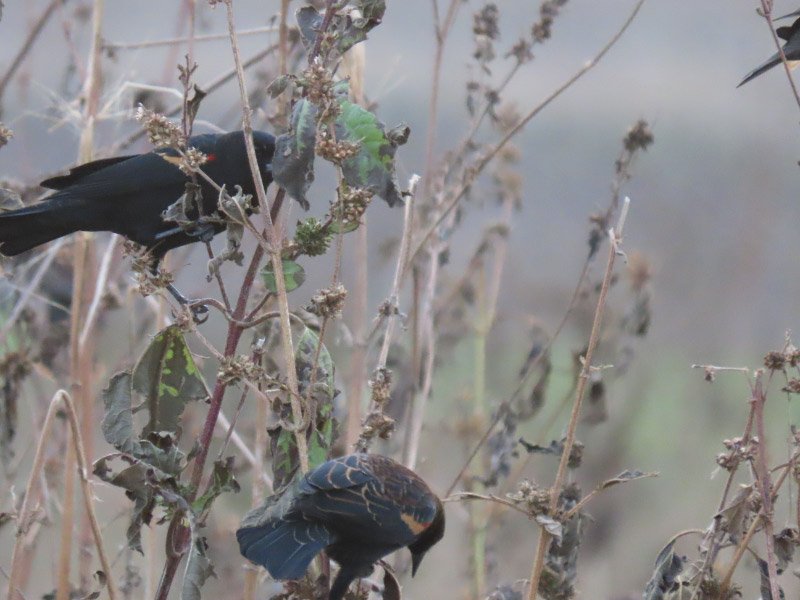
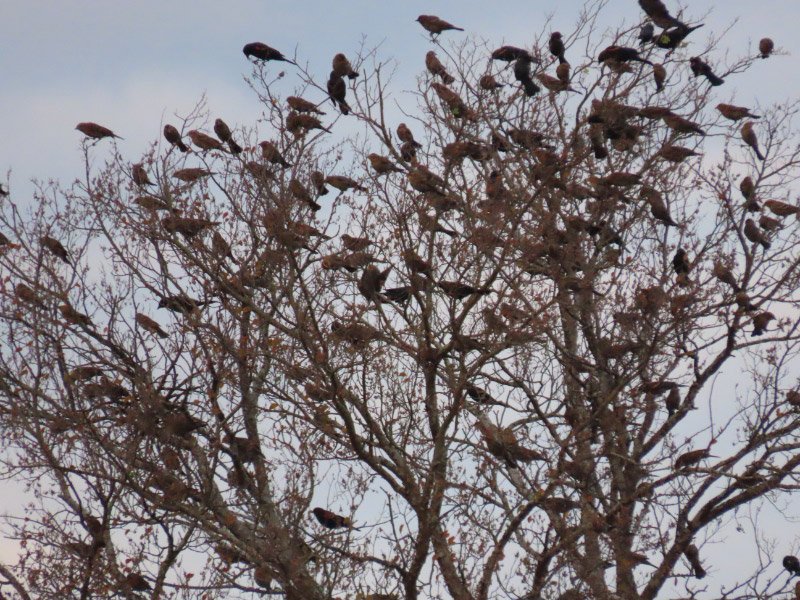
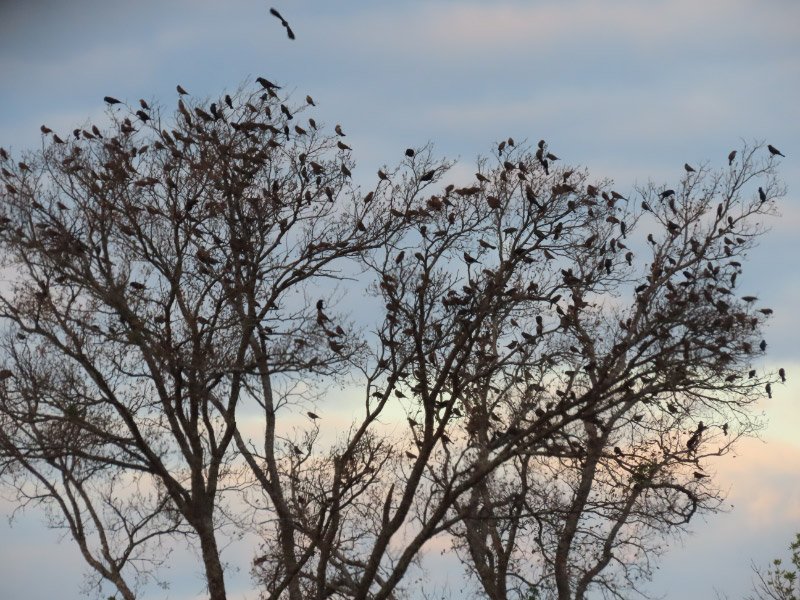
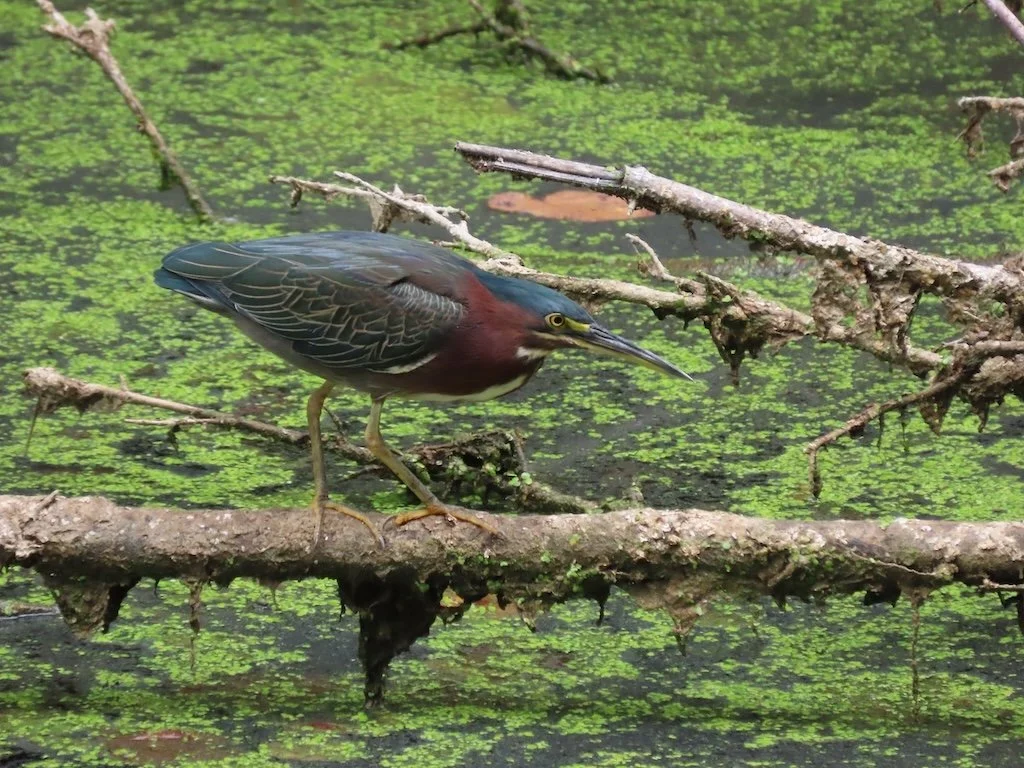
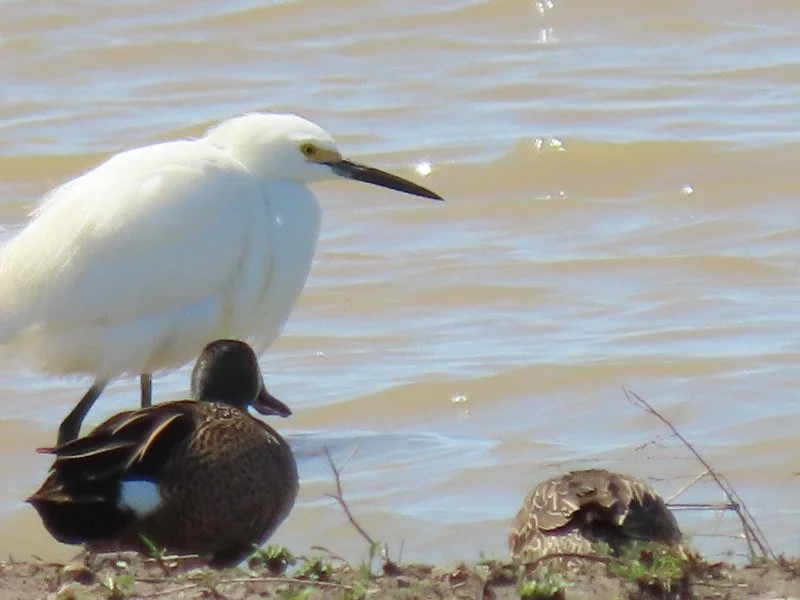
In the winter there are flocks of snow geese (and Ross’s geese) along with Northern Shovelers and Pintails. White Faced Ibis and American White Pelicans are seen during migrations. Egrets (snowy, cattle, great) are numerous in the spring and summer; I enjoyed an early morning seeing/hearing them on one of the ponds where they had obviously spent the night. Great Blue Herons are around all the time although are most numerous in the summer when the young are beginning life on their own. Red-winged blackbirds are year-round residents but murmurations of the birds are seen in the fall as they move about eating the mature seeds of the prairie plants. I saw Neotropic Cormorants for the first time this year.

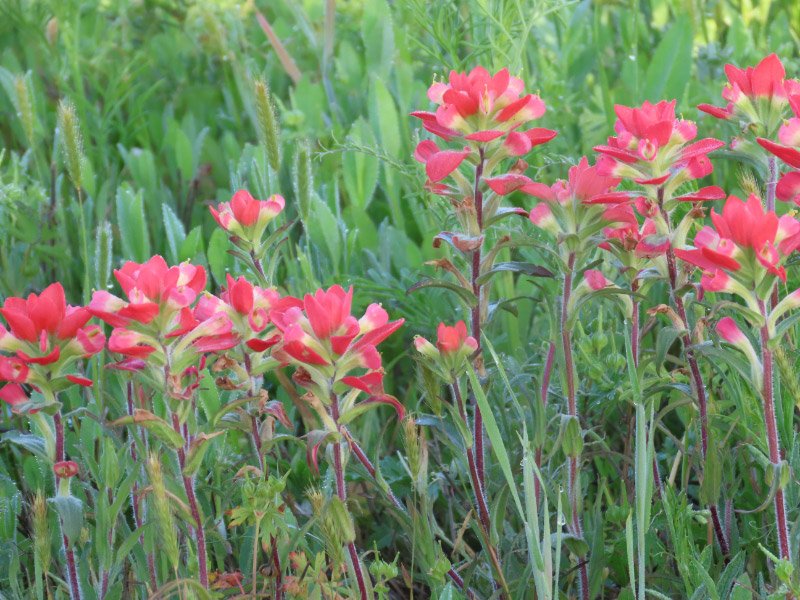
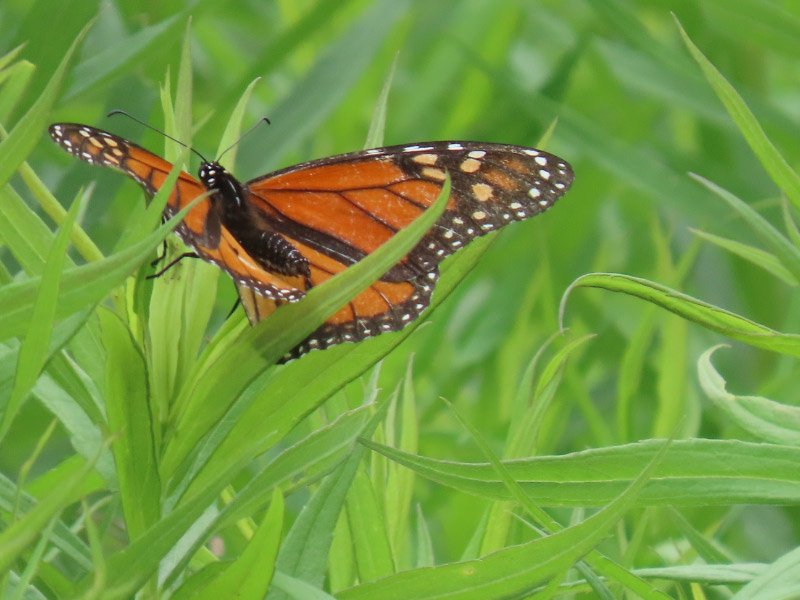
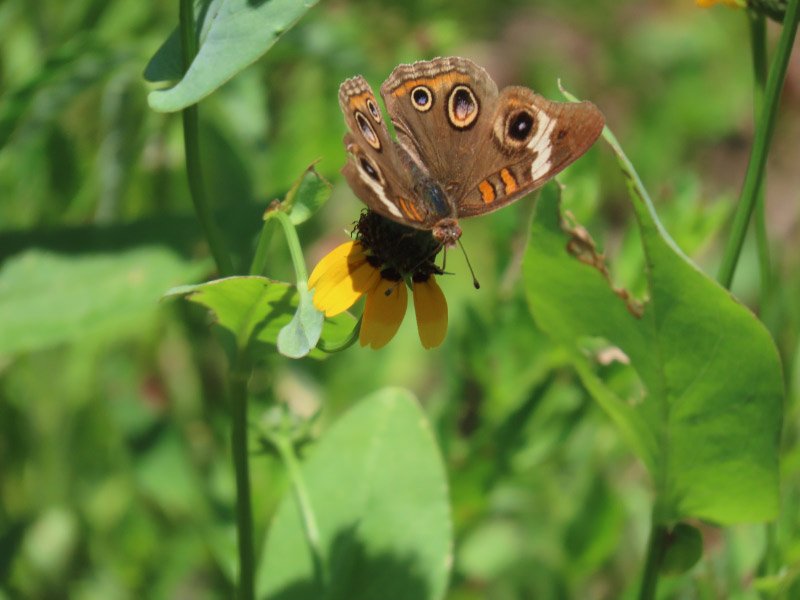
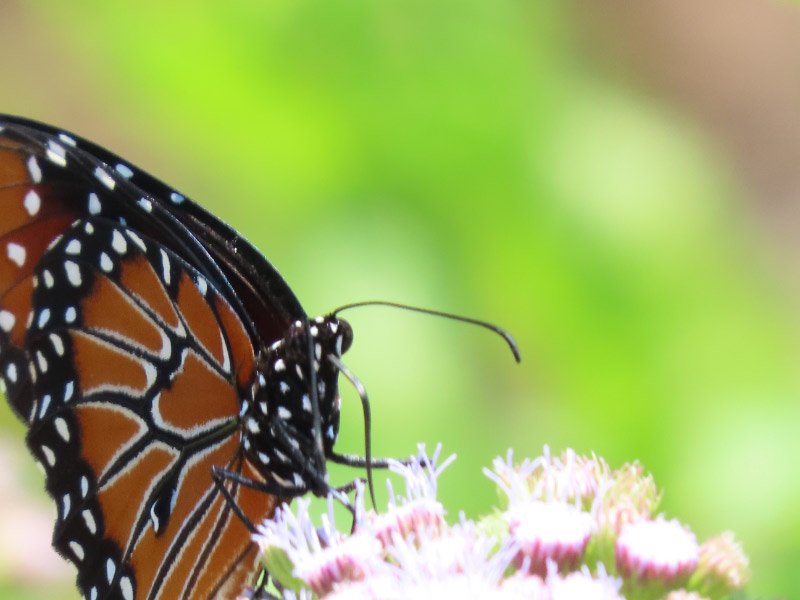
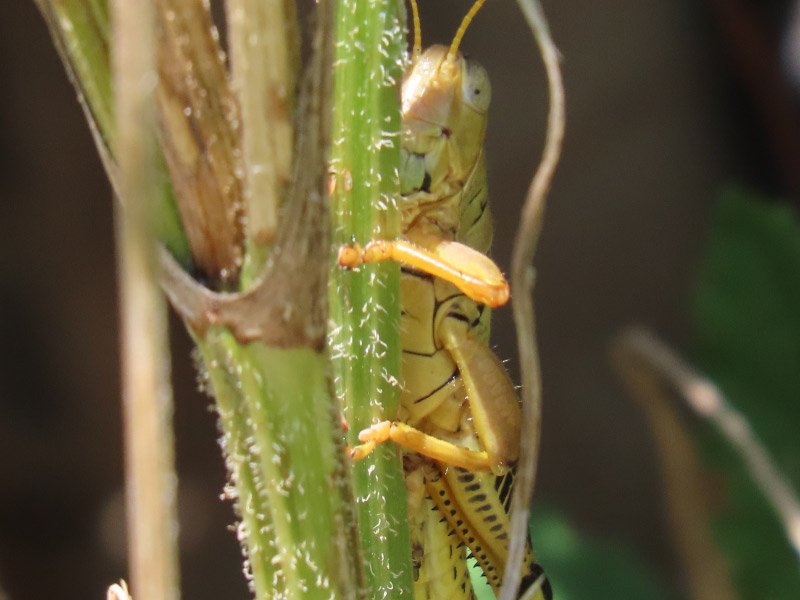
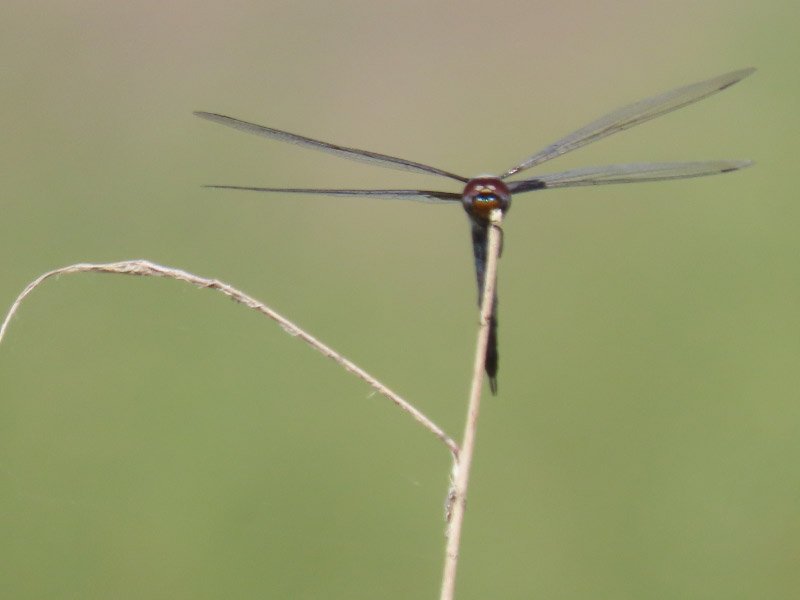
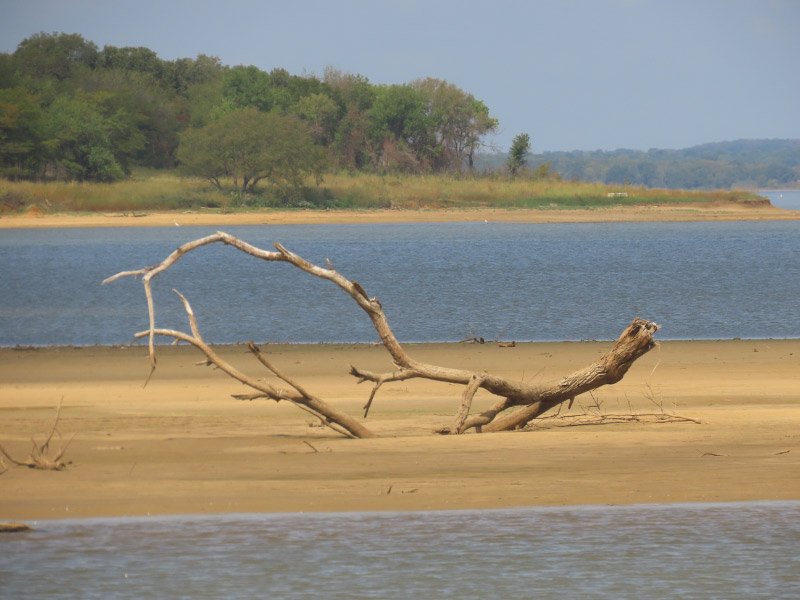
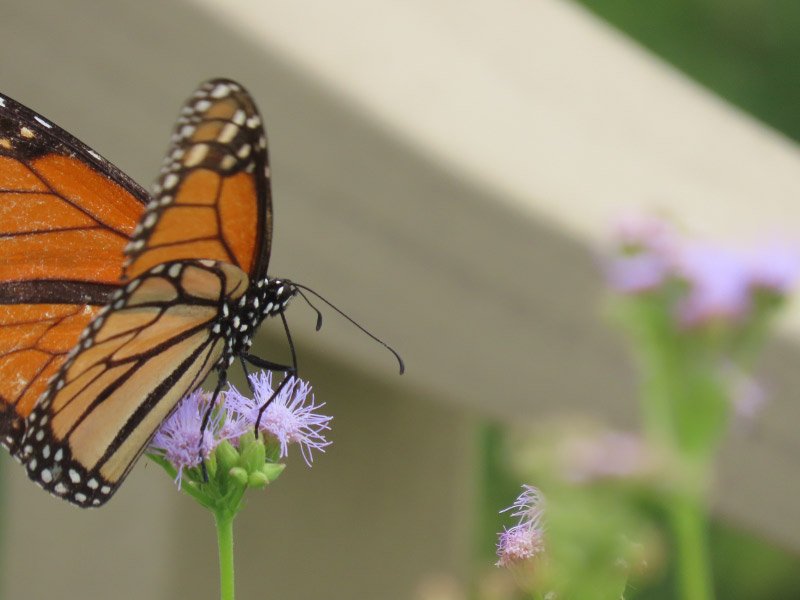
Of course there are other things to photograph too – prairie type flowers, drift wood, insects, sunrise. This year I noticed a cluster of Queen butterflies in July…didn’t see many Monarchs until the fall when they were probably migrating. The butterflies were photographed in the butterfly garden near the refuge’s visitor center – along with a grasshopper! I was surprised to see a dragonfly perched on a plant so close to the car that I was able to photograph it during my drive down the wildlife loop!

Hagerman has become one of my favorite places in Texas…and I will continue to stop there as often as I can.

2023 at Josey Ranch

I am starting a series of posts that feature slideshows of pictures accumulated during 2023 of some favorite places that I visit almost every month. This post about the ponds and Pocket Prairie at Josey Ranch in Carrollton is the first in the series.

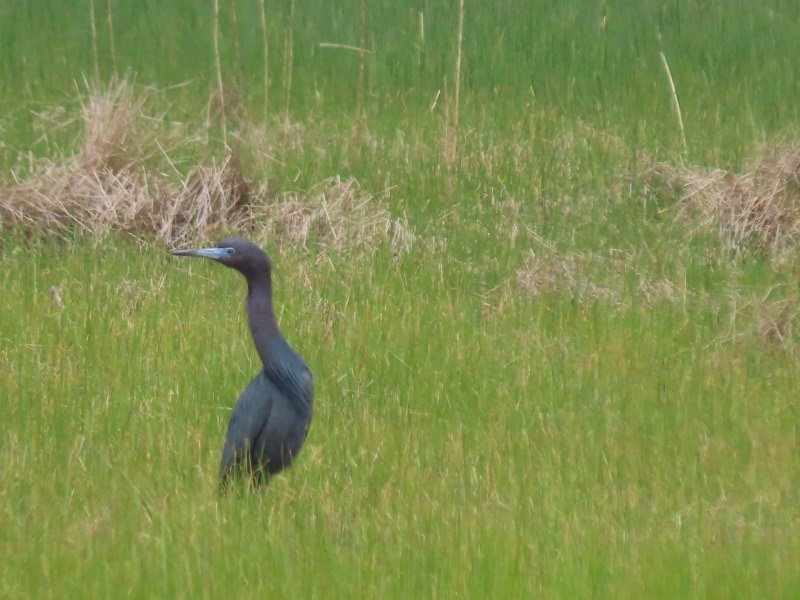
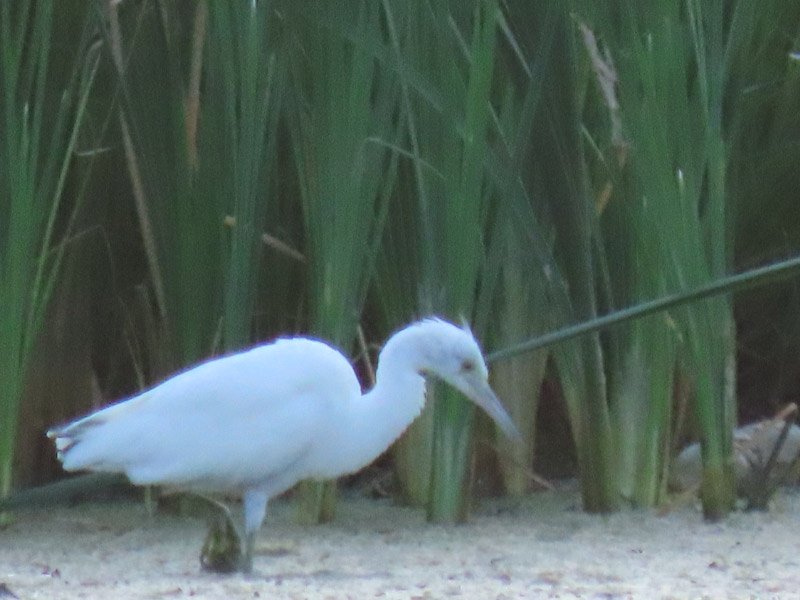
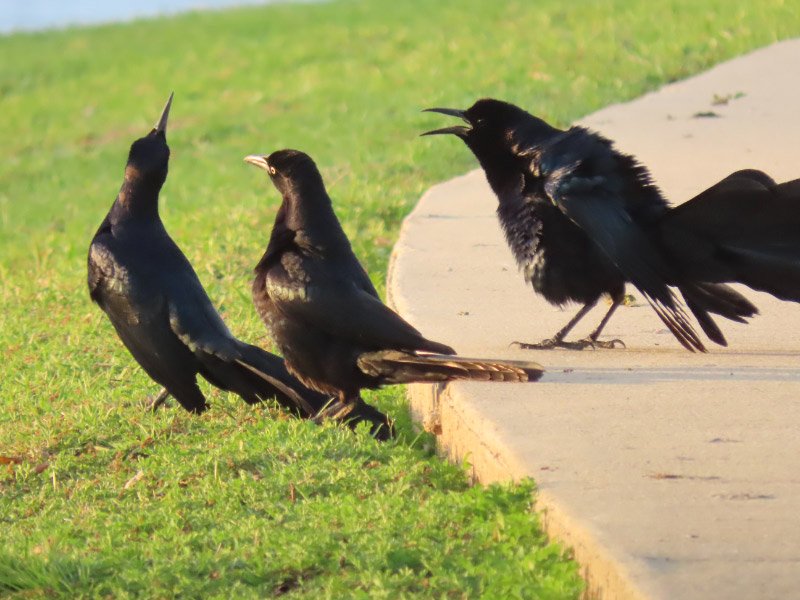
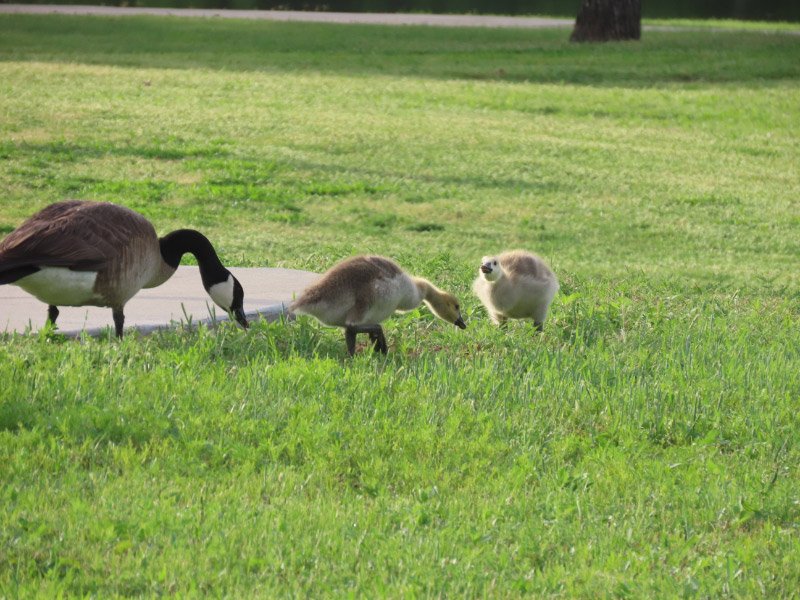
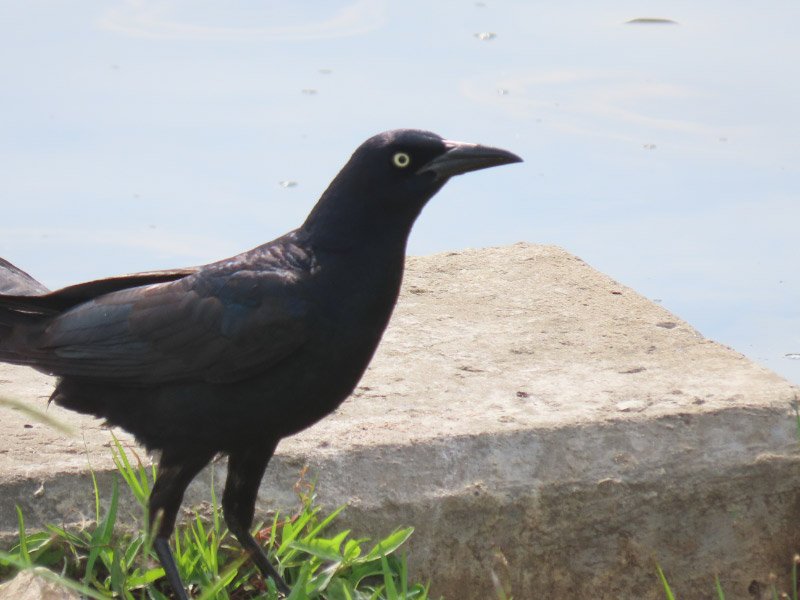
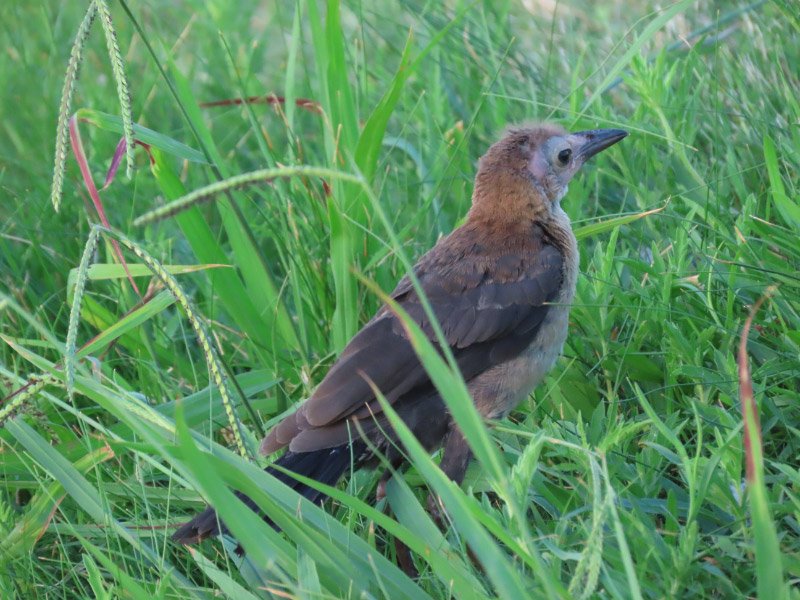
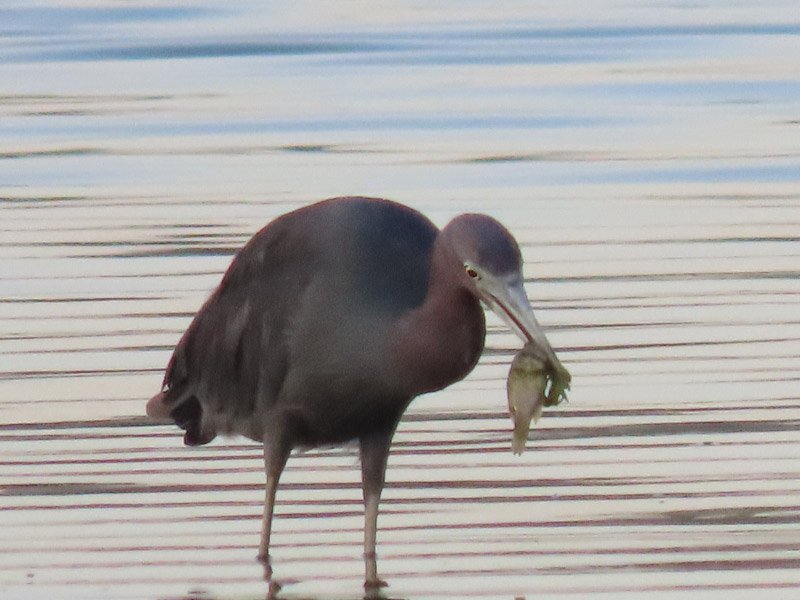
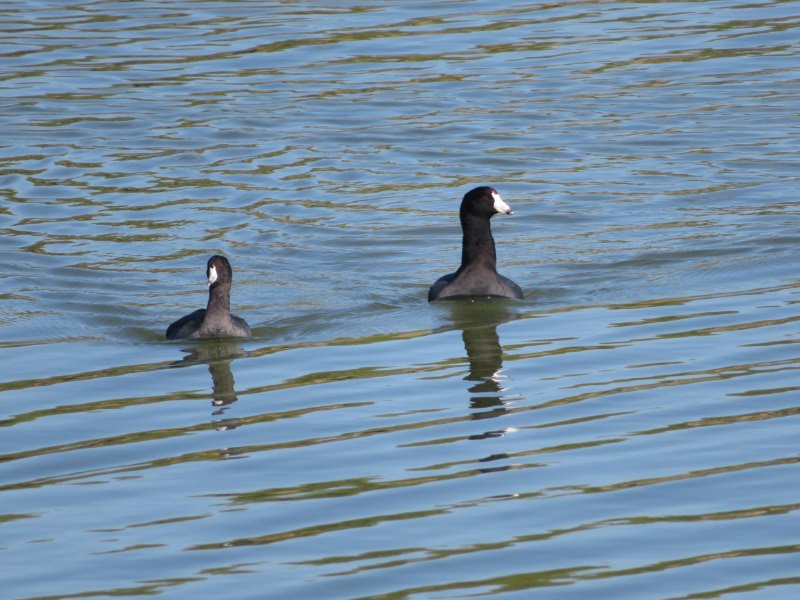
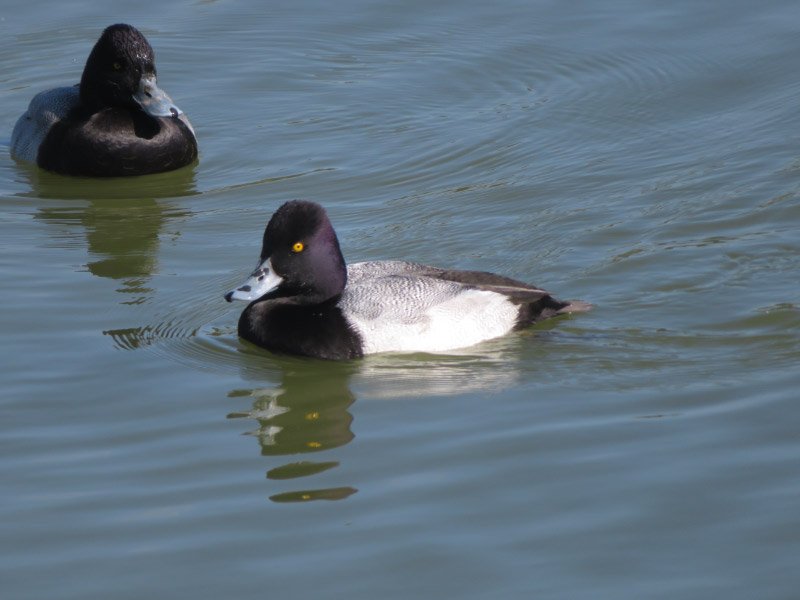
The changing of the birds over the course of the seasons: northern shovelers, scaups, widgeons, and coots in the cold months…baby birds (like geese) in the spring and juvenile birds (grackles and little blue heron) later in the warm months. The birds around all the time are swans, great egrets, mallards, and great blue herons. Bluebirds, grebes and cormorants are not seen frequently….are a pleasant surprise when they are around.

Josey Ranch is an easy place for me to get a nature fix….and enjoy some photography too. Some of my favorite photos are from an early morning jaunt in the summer…the light around a great blue heron and a swan sleeping on the water…a special moment that created a different sort of image.

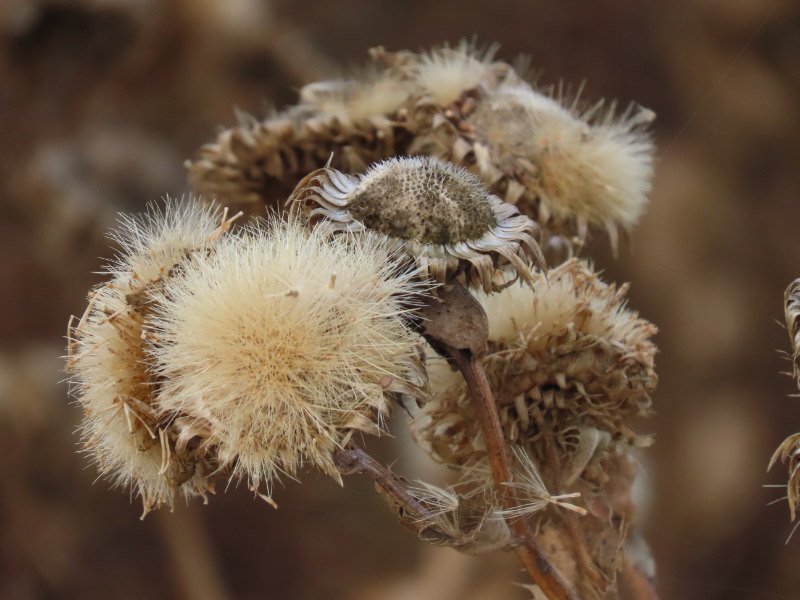
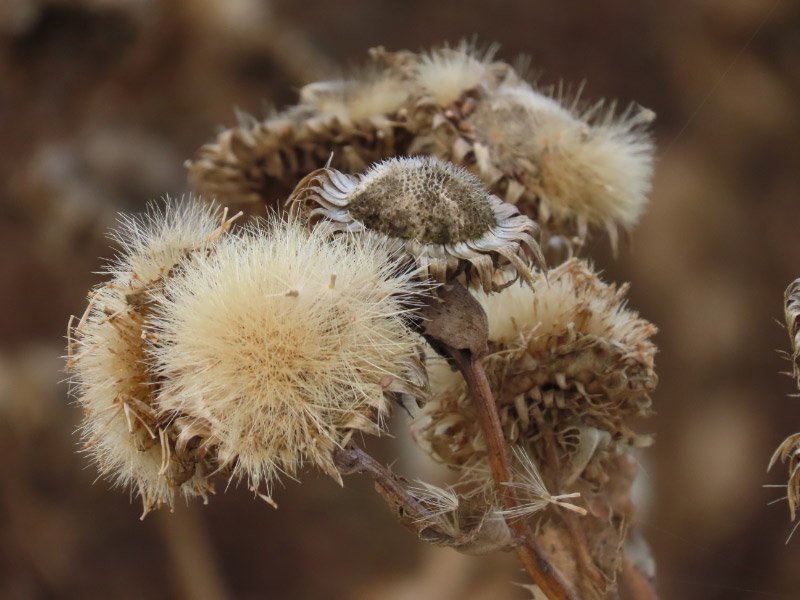
The flowers bloom in the warmer months although last summer many flowers cooked in the long period of very hot weather without any rain. In the fall – the dried husks of seeds/stems is often photogenic too.

Walk in the Carrollton Neighborhood

Getting out for a walk in the neighborhood was a treat during the routine of being with my parent in the hospital for 24 hours and then catching up on everything else (including sleep) for 24 hours…repeating. Even though I was exhausted, being outdoors in the crisp air was exhilarating; as always, I had my camera in hand to document what I noticed.

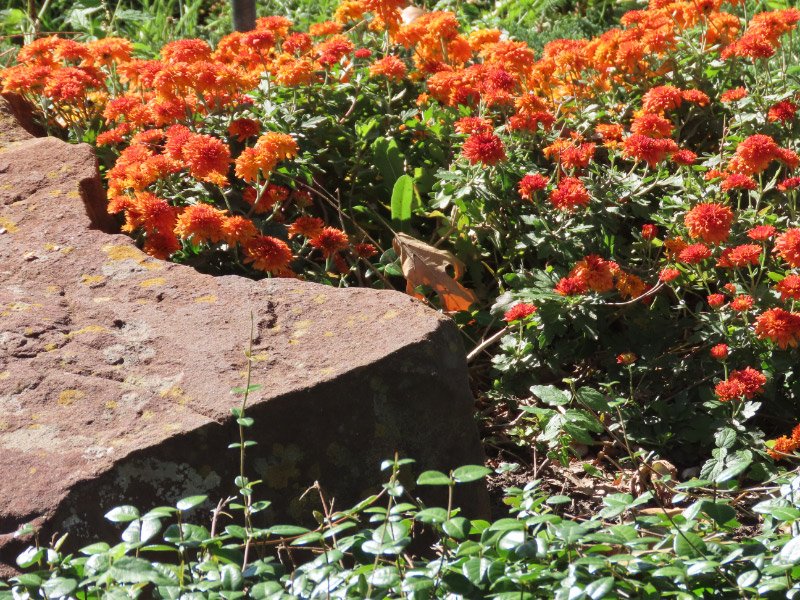
I didn’t get away from the house before I noticed the mini-mums in the front flowerbed and the oak leaves on the ground but held upright by the groundcover.

There was a flowerbed near the sidewalk a few blocks away that was full of ceramic yard art tucked into the plantings. The frog was my favorite.

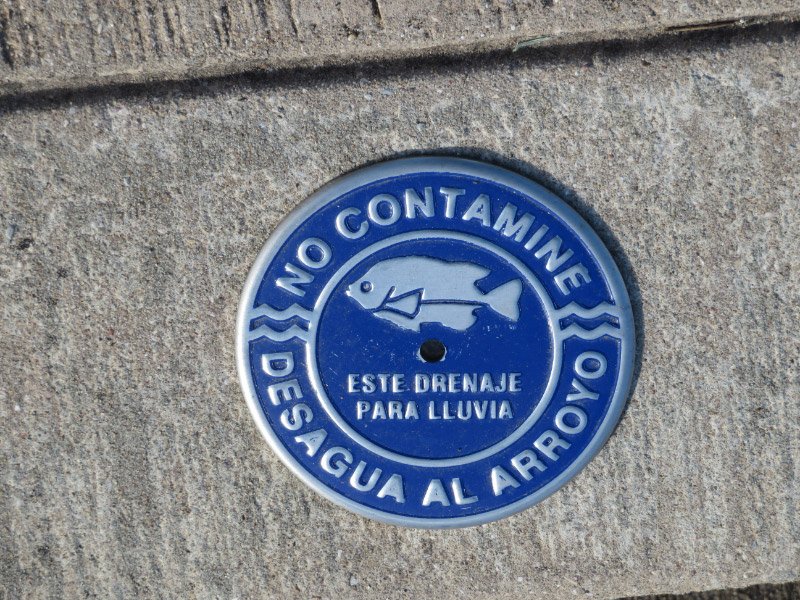
I noticed that the city of Carrollton (Texas) has marked the drains along the street…indicating that the drains go straight to waterways (i.e. not treatment for contaminates).

There was a confused pear tree along the way – blooming in late November rather than waiting until the spring!

Refreshed and feeling less stressed…I returned to my parents’ house for a nap.

Gleanings of the Week Ending December 2, 2023

The items below were ‘the cream’ of the articles and websites I found this past week. Click on the light green text to look at the article.

Scientists found hundreds of toxic chemicals in recycled plastics - More than 13,000 chemicals used in plastics with 25% classified as hazardous. Numerous studies show that hazardous chemicals can accumulate even in relatively close-loop plastic recycling systems. We need to rapidly phase-out plastic chemicals that can cause harm to human health and the environment.

Giant Sequoias Are in Big Trouble. How Best to Save Them? - Giant sequoias are, by volume, the largest trees in the world, indigenous only to California. Reaching heights of 300 feet, they occur in 80 groves or grove complexes along the western flank of the Sierra Nevada mountains in Central California. Many of these trees live for thousands of years: The oldest sequoia is more than 3,200 years old. In North America, only bristlecone pines grow longer. The 2020 and 2021 fire seasons were a wake-up call: flames had killed between 13 and 19 percent of all giant sequoias more than 4 feet in diameter, and many trees were far larger.

Batteries of the future? How cotton and seawater might power our devices - In markets where consumers appear to really care about the sustainability of the products they buy, appropriately sourced alternative battery materials might have more of a chance – whether batteries are made with biowaste-derived carbon or any other potentially more sustainable substance. The public could play a big role in really pushing that effort forward.

Designing cities for 21st-century weather – A data-driven model to predict how urban areas across the country will grow by 2100 found that how a city is laid out or organized spatially has the potential to reduce population exposures to future weather extremes. Carefully designed urban land patterns cannot completely erase increased population exposures to weather extremes resulting from climate change, but it can generate a meaningful reduction of the increase in risks.

Stunning 2,700-Year-Old Sculpture Unearthed in Iraq – 18 tons of alabaster. 2,700 years old. 12.5x12.8 feet. Largely intact except for its head which is missing.

Larger Beaks, Smaller Bodies: Could Climate Change Literally Change Birds? – A study analyzed 129 species of North American migratory birds collected over the prior 40 years and found bodies are shrinking and wings growing longer. Smaller species of birds, like tiny warblers or kinglets, shrink faster than bigger birds like robins and grackles, so their rate of change over the 40 years, is much, much faster. They’re able to maybe adapt to warming temperatures faster than these bigger birds.

A step closer to injection-free diabetes care: Innovation in insulin-producing cell – Potential this safer and more reliable way to grow insulin-producing cells from a patient's own blood could eventually allow transplants without the need for anti-rejection drugs.  

The Life and Death of American Dams - Many dams are now poorly maintained, clogged with silt, and pose an increasingly high risk of catastrophic failure. The recent recognition of the damage dams cause and the movement to remove them is part of the rewilding of America, long overdue.

An exotic tick that can kill cattle is spreading across Ohio – Asian longhorned ticks. The size of a sesame seed in some life stages and pea-sized when engorged. Surveillance showed they returned the following summer to the farm despite the application of pesticides in 2021. Asian longhorned ticks' secret colonization weapon is the ability to reproduce asexually, with each female laying up to 2,000 eggs at a time -- and all 2,000 of those female offspring able to do the same.

How Urban Design Impacts Public Health – Urban planning and design affects everything from air quality to temperature to risk of injury on roadways. Often with developers of public spaces it’s a sin of omission rather than of commission. In many cases, what is rarely apparent is what the health cost is, because that cost is born in a different sector and often at a different time.

Ten Little Celebrations – November 2023

November has been a more emotional month that usual…there are some little celebrations on my list for the month that seem normal….but others that reflect the rapid changes occurring with one of my parents.

90+ birthday. Both of my parents are approaching their mid-90s and my family tries to celebrate each birthday (realizing that it could be the last). The one that happened in November was celebrated over 3 days to avoid exhausting them both. I got to be there for all three days since I stay in their home when I am in Carrollton.

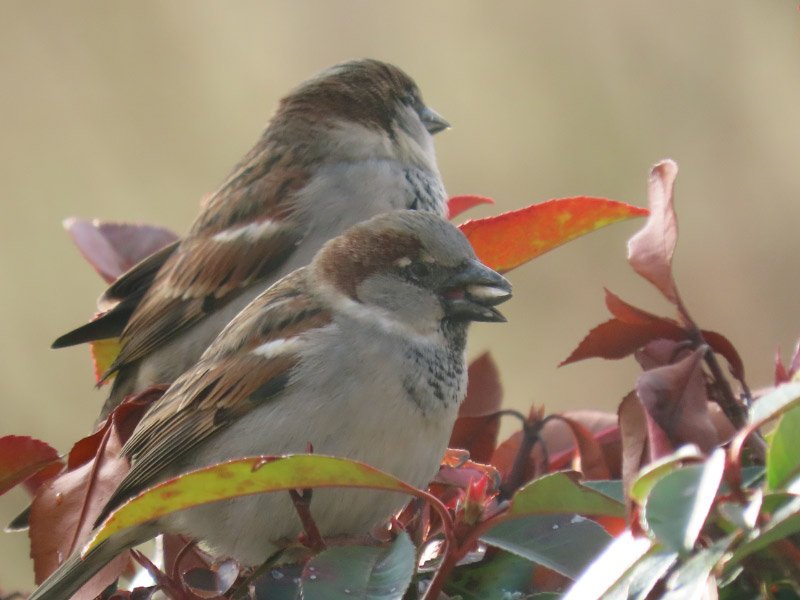
Birds at the feeder (after we unclogged them). I unclogged bird feeders at both Carrollton and my home in Missouri…celebrated when the birds quickly discovered that the seed was available again.

A cool sunny day. I had grass and leaves to mow…celebrated the sunny afternoon that was not too cold for the activity. It was one of the most enjoyable mowing experiences of the season!

Twigs burned/millet planted. I had other yard work to accomplish as part of fall clean up in my yard and there was an excellent day to get it done. I burned the accumulated twigs (savoring the heat produced) and put the millet seed heads in strategic places so that (maybe) plants will grow next summer. My husband helped me store all the tools that had been out under the deck for quick access during the summer. We both celebrated the completion of our preparations for winter.

A good nap today. I drove from Missouri to Carrollton the day after my parent entered the hospital and immediately went to the hospital to stay with them overnight. My sister arrived the next morning to spend the next 24 hours helping the parent in the hospitals and I managed to drive to my parents’ house….and celebrated another sister being there to fix lunch so that I could nap. I went completely to sleep…got a full 90 minute sleep cycle in 100 minutes….celebrated feeling so much better afterward.

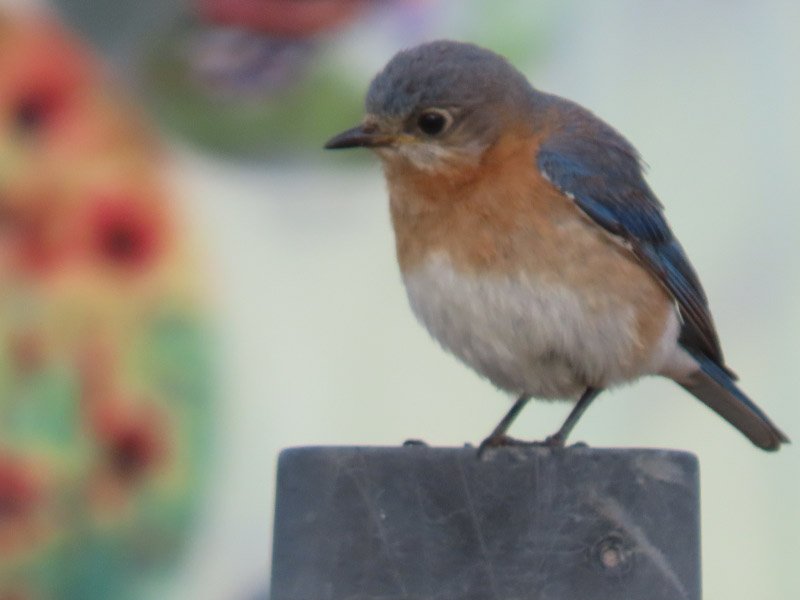
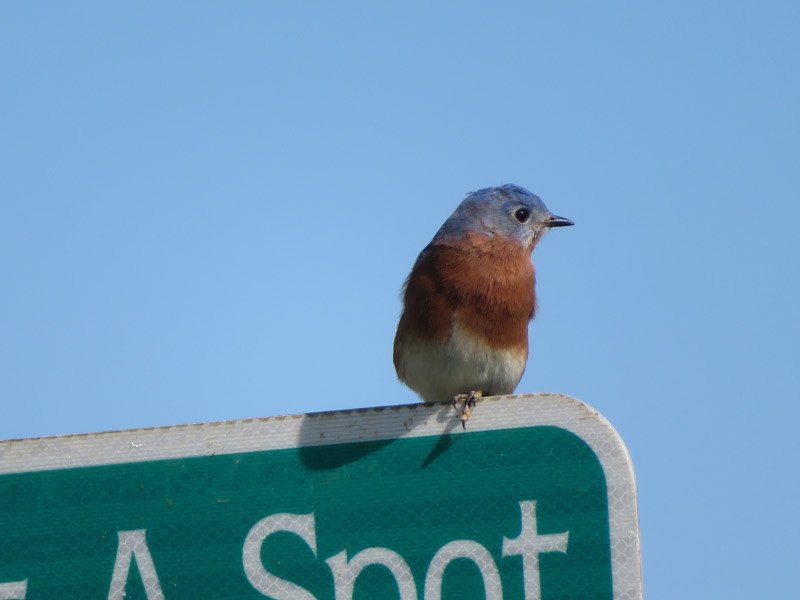
Bluebird at Josey Ranch. Seeing the bluebird at Josey Ranch was a boost to my mental outlook. I celebrated that I was savvy enough to know that nature often does that for me…and to stop at Josey Ranch on my way from the hospital to my parents’ house.

A parent coming home from the hospital. The sunrise I noticed at the hospital was a good start on the day my parent was projected to come home from the hospital. I celebrated the beauty at the beginning of the day…glad that the homecoming occurred later in the day.

The home health nurse coming for a 1st visit. I celebrated that we got a visit from the home health nurse on the Friday after Thanksgiving (i.e. we didn’t have to wait for the week after Thanksgiving)!

The time I have with my parents now….being in the present. I celebrate the time I am having with both parents now. Appreciating joys in every day shared with them.

Thanksgiving. The holiday was very different this year. I spent it with my parents and having various family bring special foods throughout the weekend rather than one huge meal. Gratitude is integrated with all my other emotions right now…and I celebrate that it is. It makes everything else easier.

Zooming – November 2023

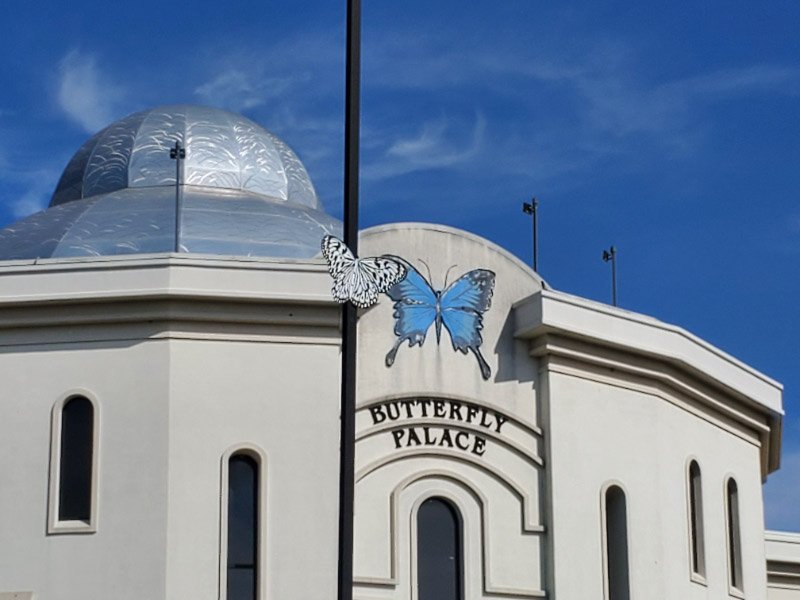
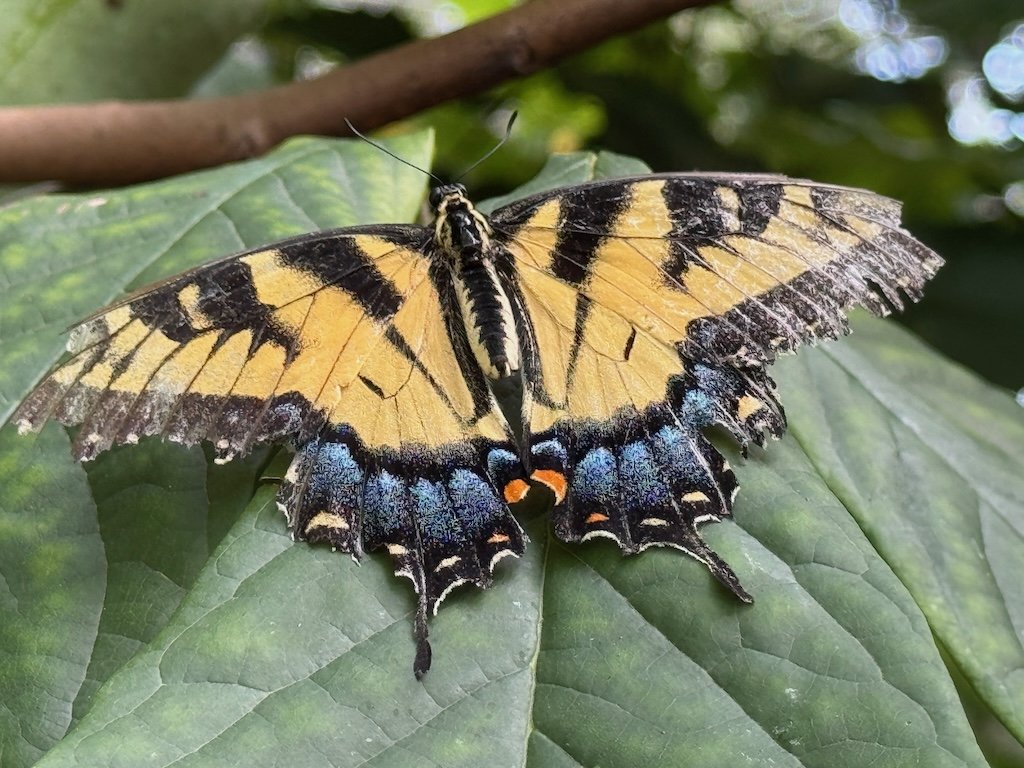
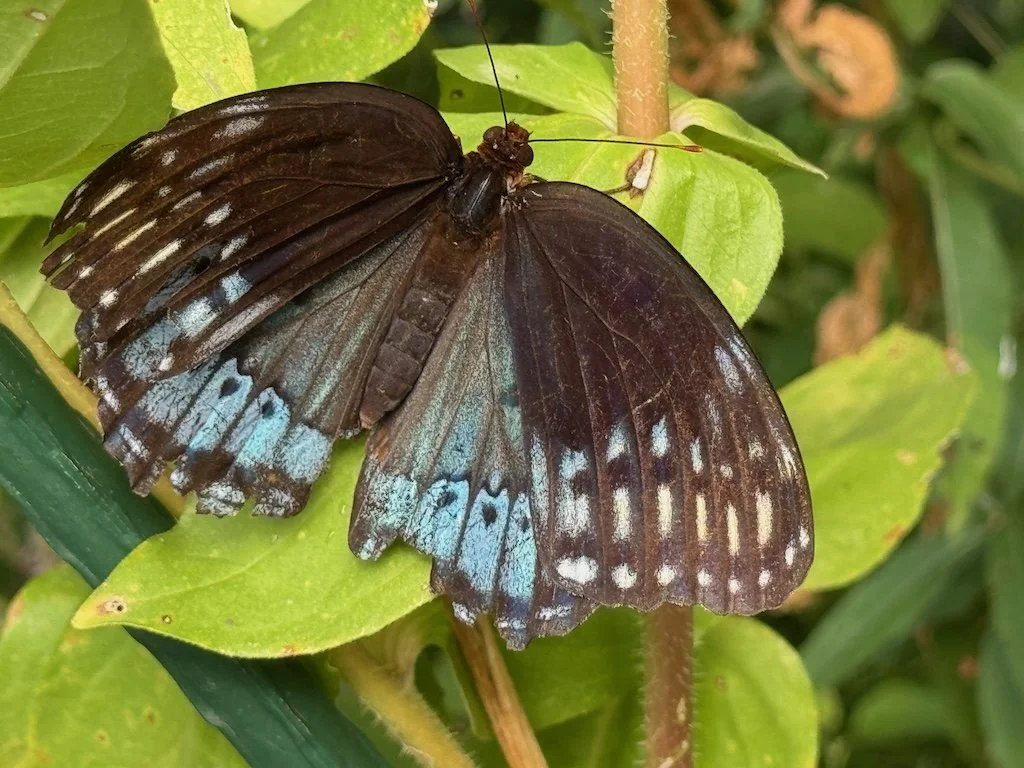
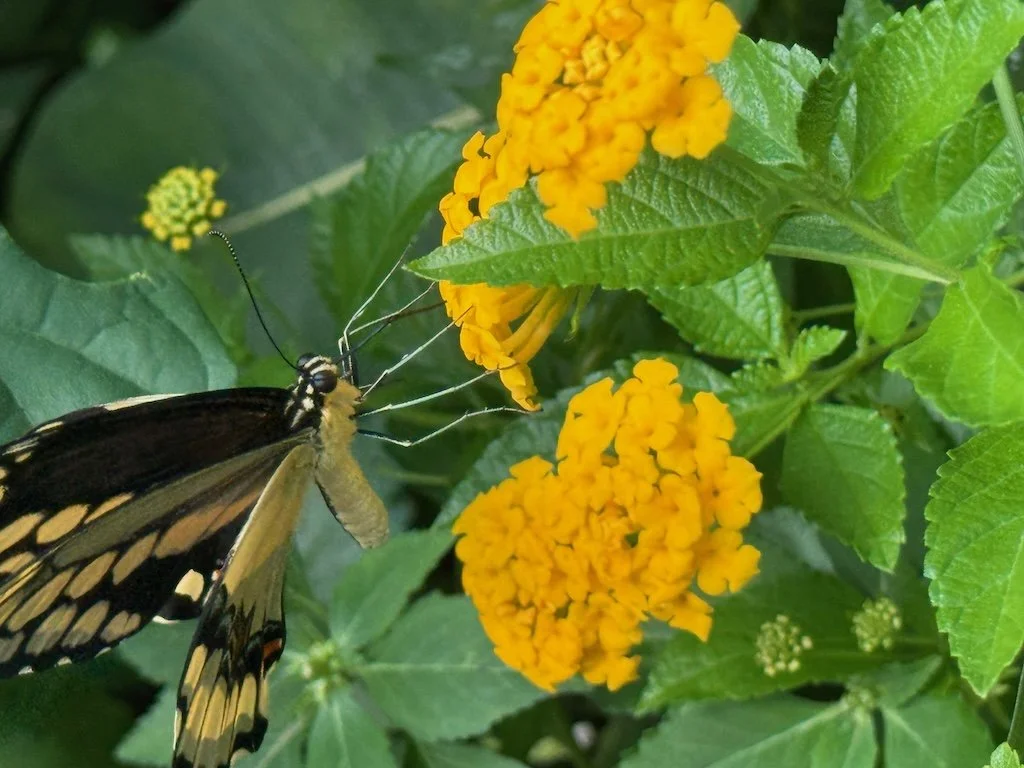
November 2023 was a month of contrasts…an increase in day trips (to the Springfield Botanical Garden and Butterfly Palace in Branson) and then the more confined views while a parent was in the hospital/recovering at home. Photography is something I enjoy in almost every circumstance. I am either trying to capture a moment or create an artistic composition. And the zoom feature on my cameras are almost always used!

Beautyberry in the Fall

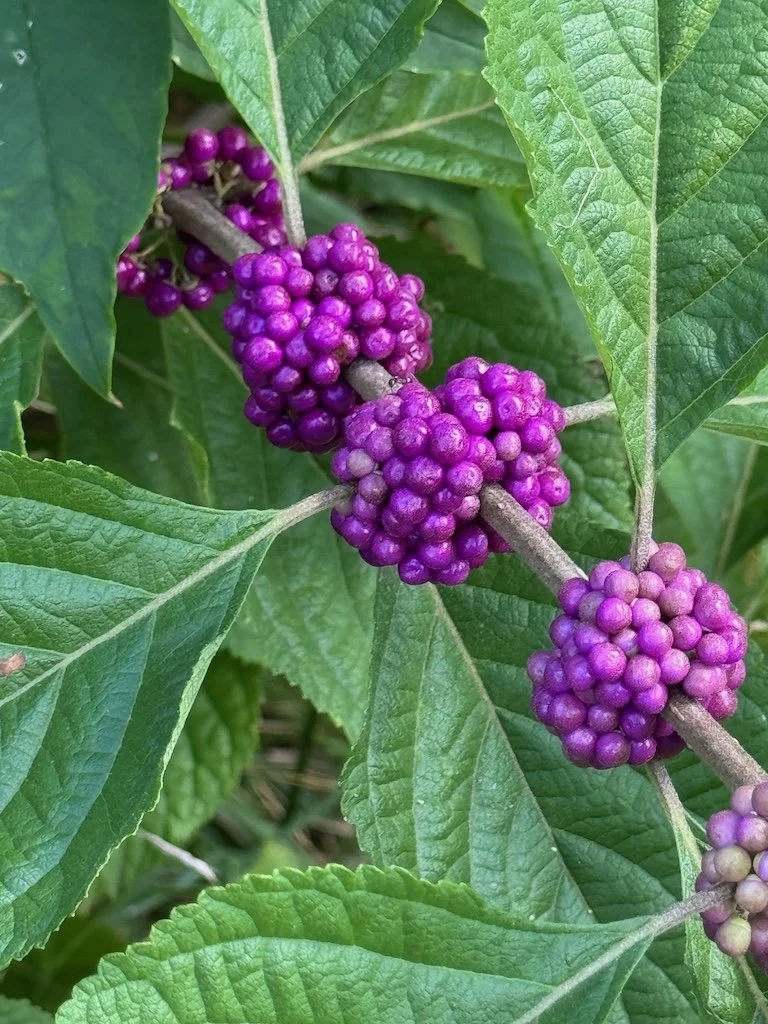
The only scenic stop I made on my unexpected trip down to Carrollton TX was at the Texas Welcome Center (on US 69/7 just after crossing the Red River from Oklahoma)….to see how beautyberry looks in the fall. The leaves on the bushes were thinning…turning yellow and falling in quick succession. The berries are still thick on the stems. I wondered how long they will last after the wildlife (birds) begin to eat them. Will they be like holly trees suddenly not having any  berries any more after a flock of birds (like cedar waxwings) come through? I’ll continue to check the beautyberry bushes every time I pass by the Texas Welcome Center.

Gleanings of the Week Ending November 25, 2023

The items below were ‘the cream’ of the articles and websites I found this past week. Click on the light green text to look at the article.

20 Incredible Winners From the 2023 European Wildlife Photographer of the Year Contest – Lots of natural beauty…captured in photographs.

A known environmental hazard can change the epigenetics of cells – Formaldehyde. It is a widespread pollutant - formaldehyde enters our body mainly during our breathing and, because it dissolves well in an aqueous medium, it ends up reaching all the cells of our body. It is associated with an increased risk of developing cancer (nasopharyngeal tumors and leukemia), hepatic degeneration due to fatty liver (steatosis) and asthma.

How forest schools boost children's immune systems – It seems the benefits go well beyond immune systems.  Hopefully this type of school for 3 to 5 year old will increase in availability/popularity.

Circular Maya Structure Uncovered in Southern Mexico - Similar round structures have been found at the Maya sites of Edzná, Becán, Uxmal, and Chichen Itzá.

Health Care Workers Are Burning Out, CDC Says - The CDC researchers analyzed self-reported symptoms of more than 1,400 adults in 2018 and 2022 who were working in three areas: health care, other essential services and all other professions. Workers’ self-reported poor mental health days in the past 30 days was similar across all three groups in 2022, but health professionals saw the most significant jump, from 3.3 in 2018 to 4.5 in 2022. Reports of harassment at work also spiked among health care workers over the five-year period, going from 6.4 percent to 13.4 percent.

How To Bring Back the Prairie, a Tiny Bit at a Time – The use of “prairie strips” on farms in an effort to restore a portion of the Minnesota’s remnant prairie and to soak up polluted water.

These Ten Stunning Images Prove That Small Is Beautiful – From Nikon’s Small World Photomicrography Contest. My favorite was the cuckoo wasp.

Deforestation in Colombia Down 70 Percent So Far This Year - Since taking power last year, leftist President Gustavo Petro has enacted a slate of new policies aimed at protecting Colombian forests, including paying locals to conserve woodland. The recent gains in Colombia mirror similar advances in the Brazilian Amazon, where leftist President Luiz Inacio Lula da Silva has cracked down on forest clearing; deforestation is down 50 percent through the first nine months of this year. In 2021, more than 100 countries, from Brazil to Russia to Indonesia, set a goal to end deforestation by the end of this decade, but so far forest loss has declined too slowly to stay on pace for this target.

European wildcats avoided introduced domestic cats for 2,000 years – About 50 years ago in Scotland, however, that all changed. Perhaps as a result of dwindling wildcat populations and a lack of opportunity to mate with other wildcats, rates of interbreeding between wild and domestic cats rose rapidly.

Why grazing bison could be good for the planet - The shortgrass prairie makes up 27,413 sqare miles of remote land straddling the US/Canadian border to the east of the Rocky Mountains. This rare habitat is in ecological decline. Plains bison co-evolved with the short-grass prairie. In the 12,000 years since the end of the Pleistocene, they have proven themselves to be potent ecosystem engineers. An adult bison eats about 25lb (11kg) of grass a day. The grasses adapted to their foraging. Vegetation across the plains uses the nutrients in their dung. Birds pluck their fur from bushes to insulate their nests. Bison also shape the land literally. They roll in the dust and create indentations known as "wallows" that hold water after rainstorms. After the bison move on, insects flourish in these pools and become a feast for birds and small mammals. Pronghorn antelope survive by following their tracks through deep winter snows. Replacing cattle with bison greens floodplains…setting the stage for beavers.

Happy Thanksgiving!

I had big plans for Thanksgiving at my home in Missouri – sharing a meal with my daughter and son-in-law. The planned menu was: pumpkin soup, balsamic vinaigrette baked chicken, sauteed green beans with sesame seeds, spicy cornbread (with cheese and whole kernel corn), apple cranberry crisp. With everyone contributing some part of the feast (but all cooked in my kitchen).

But the plan was overtaken by the reality of a parent in a Texas hospital and them coming home just in time for the holiday. The change has only made my thanksgiving more profound this year; I am thankful that my parent survived a near death event more than a decade ago – there are so many wonderful shared memories of those years! And we’ll savor whatever new memories we can make this Thanksgiving!

Happy Thanksgiving to us all.

Bringing Fall Foliage Indoors

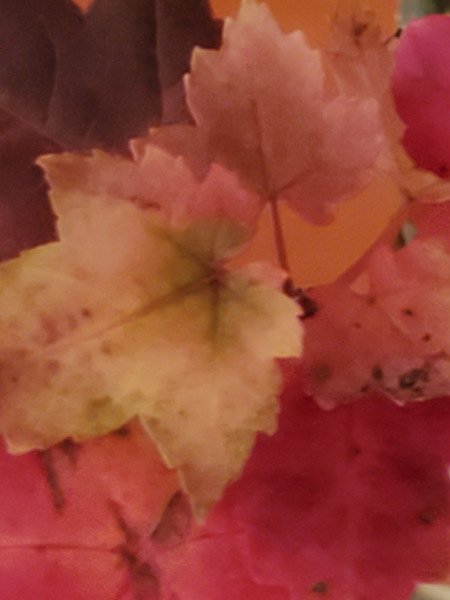
I found a small oak and a maple growing in my flowerbed…cut them since they can’t grow large there. They were colorful so I put them in a kombucha jar on one of my office tables and have been enjoying them for the past week or so.

The oak was the largest of the two small trees and the leaves were a variety of colors. It is probably a child of the oak in our neighbor’s yard – maybe planted in our flower bed by a squirrel.

The oaks in our neighborhood retain their leaves longer than many other trees nearby…so maybe this young one will last longer indoors too.

The red maple seedling made an interesting macro image from above! It is smaller and more delicate than the oak…but the topmost leaves continued to grow after I cut it!

The maples in our yard have already lost their leaves but the small one indoors is still photogenic!

Our Missouri Neighborhood – November 2023

I am planning to do a lot more walks around my neighborhood – get some quality outdoor time/exercise…maybe even what the Garmin calls ‘intensity minutes’. I’ll take a small camera with me…just in case I spot anything interesting. My daughter called me just as I was heading out so I didn’t photograph the great blue heron that was in a sunny spot at the edge of the pond; I just watched until it flew away while I talked to her.

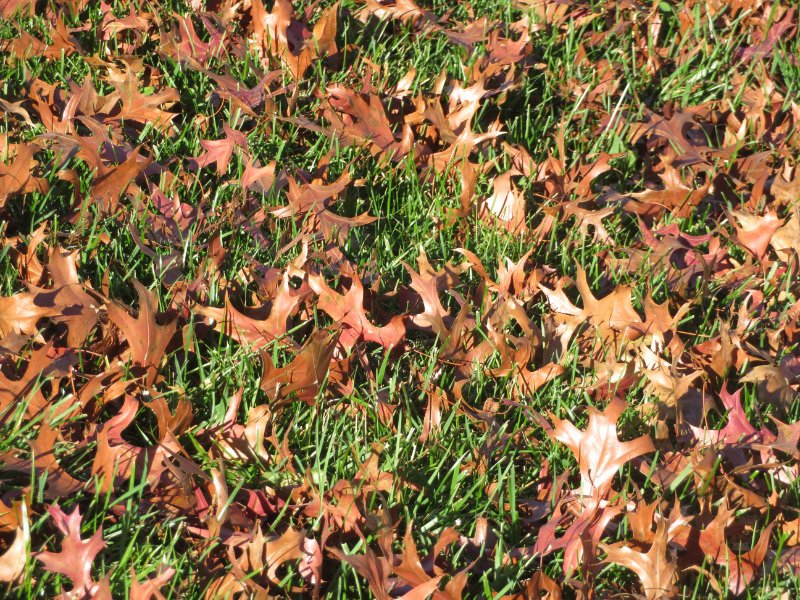
I did some power walking almost to the furthest bridge before I stopped to photograph some oak leaves that had caught in the grass at the edge of the pond. The tree still had quite a few leaves to drop!

The willow seems to still have mostly green leaves!

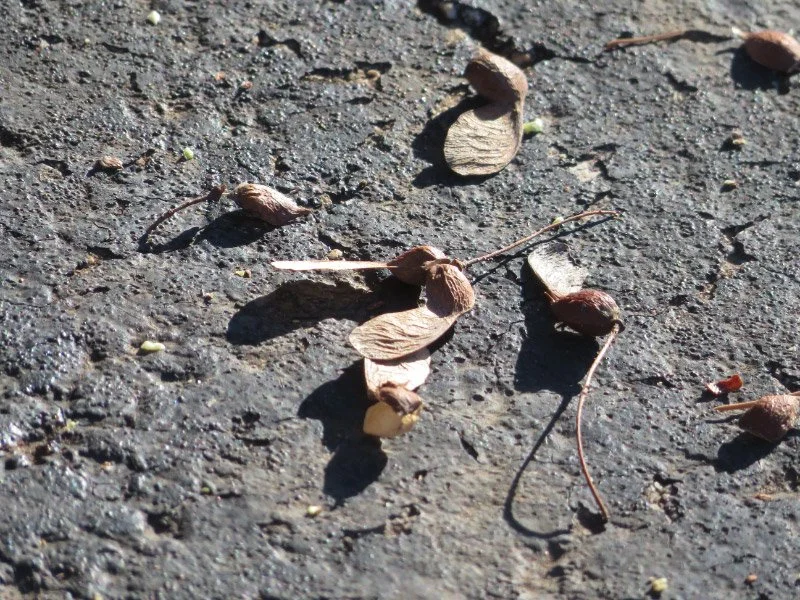
A little further along there was debris on the walk; looking closer I realized it was seeds rather than leaves!

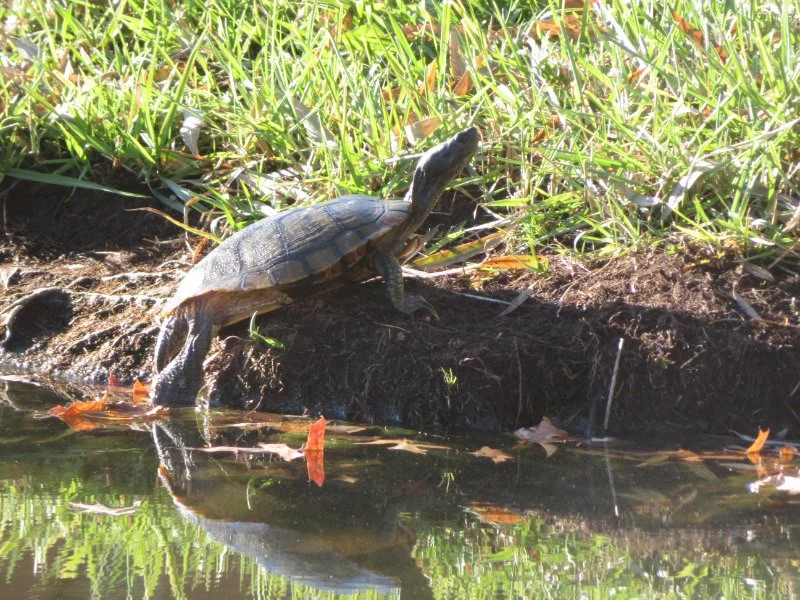
Even though the temperature was only about 40 degrees. The sunshine must have made the bank warm enough for a turtle to leave the water.

After I got to the other end of the ponds, I noticed a lot of maple leaves had fallen in the drainage channel and the grass along the path.

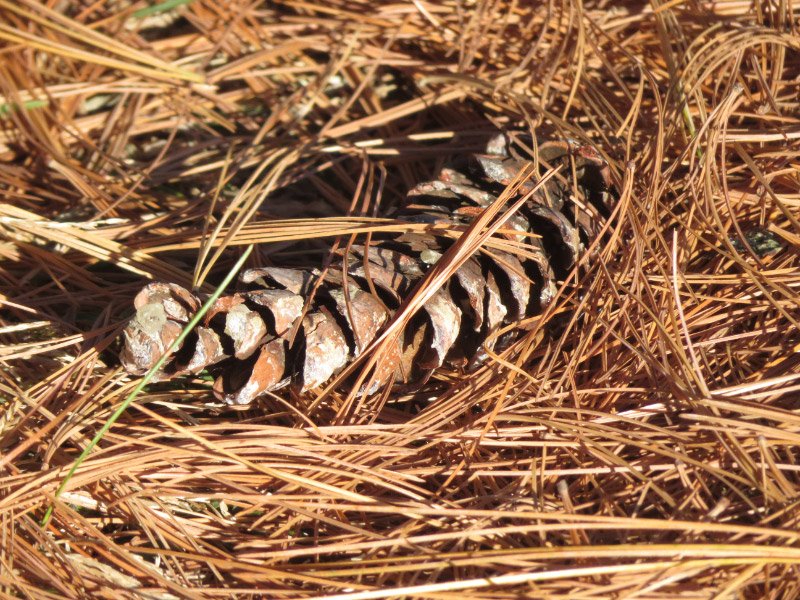
A short length of sidewalk on my route was almost covered with pine needles. I enjoyed photographing some cones that had fallen as well.

There was a stump at one end of the row of pines that must have been cut several years ago – maybe before we moved to the neighborhood. The color of the pine needles stands out against the gray of the wood and the powdery green of lichen/moss.  

A big plus – I accumulated 29 intensity minutes!

Gleanings of the Week Ending November 18, 2023

The items below were ‘the cream’ of the articles and websites I found this past week. Click on the light green text to look at the article.

Are pumpkins a future superfood? – Maybe. The plants are high heat and drought tolerant….. and tolerate salinity. Nutritionally they have essential vitamins, minerals, and fats.

Do or dye: Synthetic colors in wastewater pose a threat to food chains worldwide - Dyes create several problems when they reach water systems, from stopping light reaching the microorganisms that are the bedrock of our food chains, preventing their reproduction and growth, to more direct consequences like the toxic effects on plants, soils, animals and humans. Remediation technologies for dye-containing wastewater, including chemical, biological, physical and emerging advanced membrane-based techniques.

Billions Of Snow Crabs Have Died in Alaska. Will Billions of People Be Next? – Starvation….but linked to marine heatwaves that affected snow crab metabolism.

Even treated wood prevents bacterial transmission by hand – Maybe we should be using wood more frequently for surfaces where keeping bacteria at bay is important (countertops, for example).

Staring at the Sun — close-up images from space rewrite solar science – Results from Parker Solar Probe and Solar Orbiter…and the ground-based Daniel K. Inouye Solar Telescope.

Higher levels of triglycerides linked to lower risk of dementia – A correlation…not necessarily a causal relationship.

Jupiter's volcanic moon Io looks stunning in new Juno probe photos – From an October 15th flyby.

The Rio Grande isn’t just a border – it’s a river in crisis – So many rivers are in trouble. The Rio Grande drought story is complicated by international treaty…and contentious relations at the border.

These Rare Daguerreotypes Are the Earliest Surviving Photos of Iran in the 1850s – It would be interesting to see what these same places look like today.

Why are bed bugs so difficult to deal with? – They are increasingly resistant to pesticides that previously were effective. Creating policies that require reporting and resident notification by landlords…and requiring the landlords to treat infestations within 30 days has been effective in New York. Infestations can be managed, but probably not eliminated.

Hagerman National Wildlife Refuge – November 2023

I left Carrollton on the day the shift was made from daylight to standard time; it was easy to reach Hagerman National Wildlife Refuge just after sunrise; it was a hazy morning. There were already other birders driving the wildlife loop – some with the same strategy I use: photography through a car window!

One of the first birds I saw was a great blue heron that flew into a large pond and was immediately on the move – probably looking for breakfast.

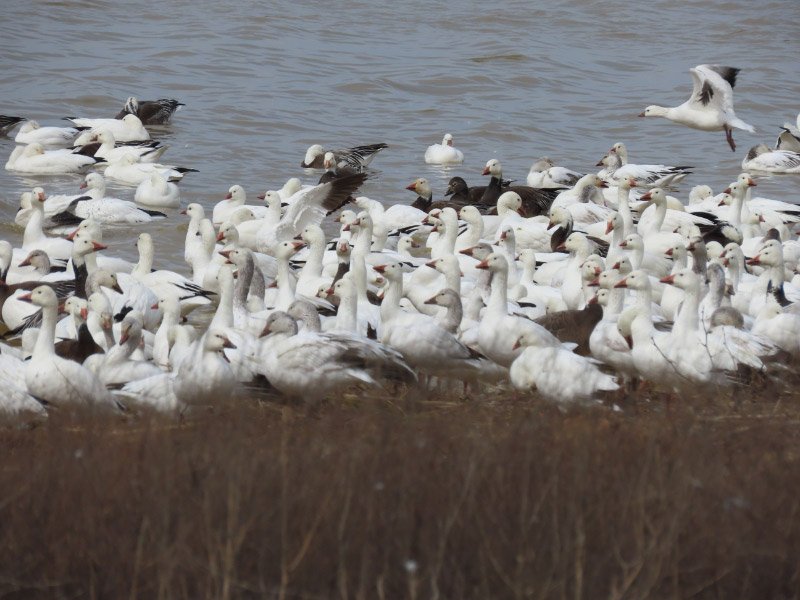
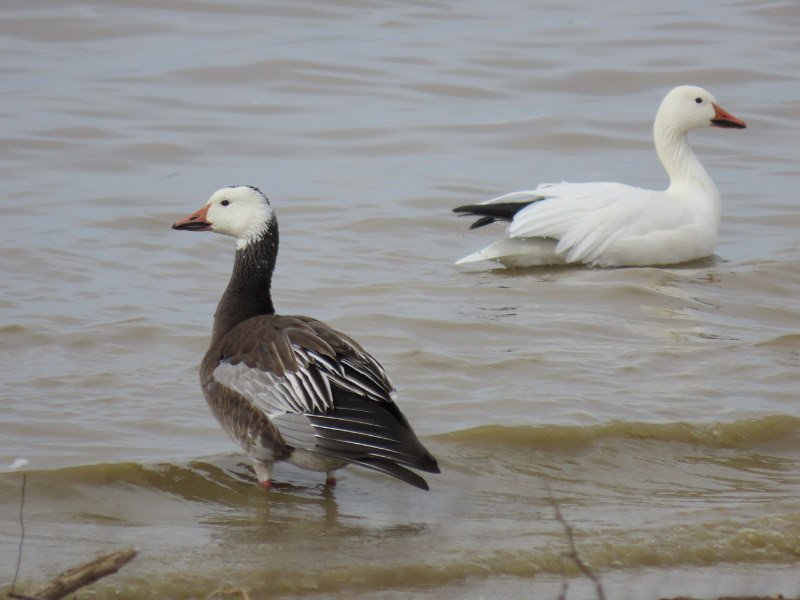
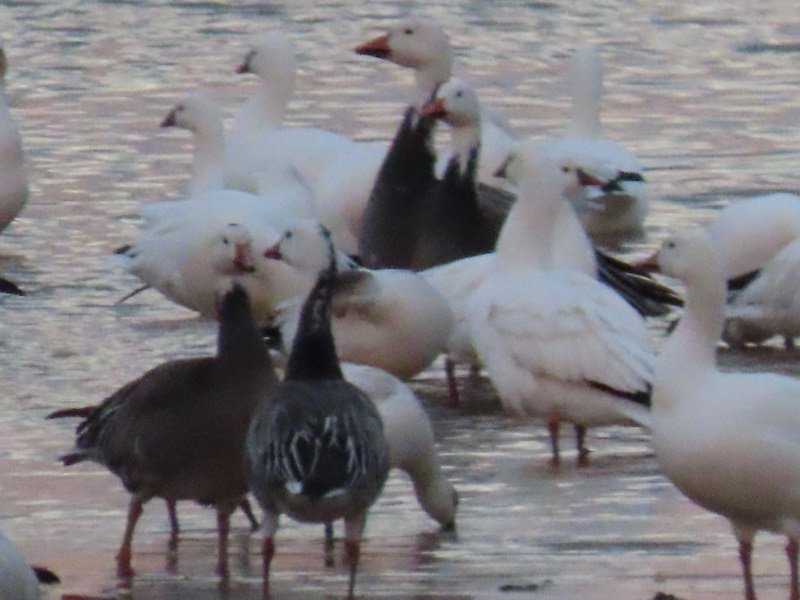
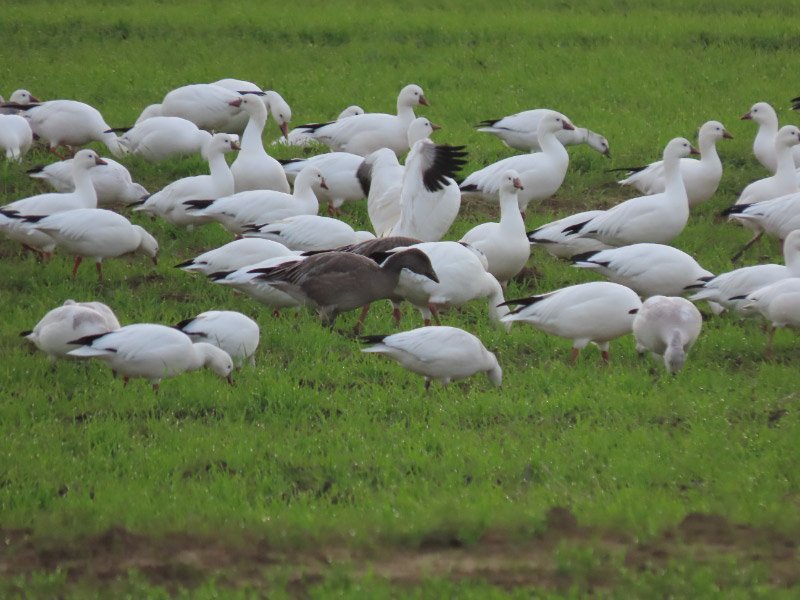
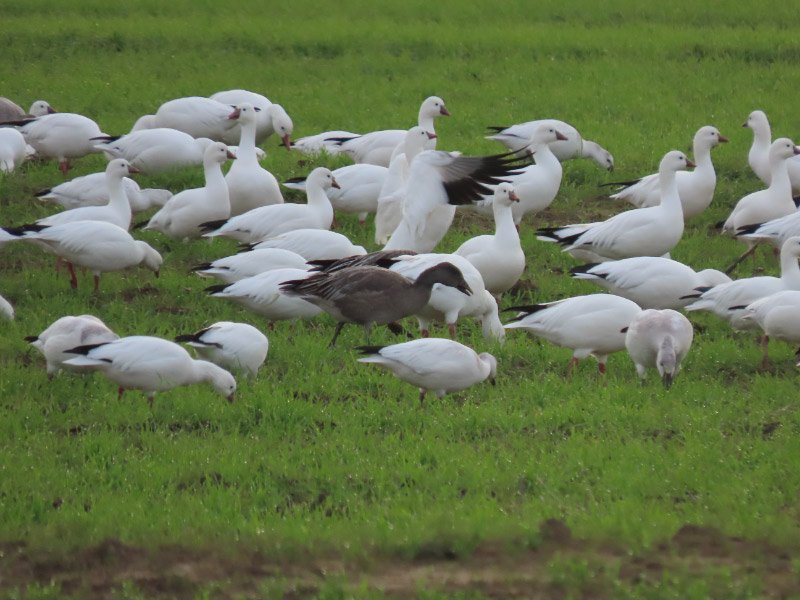
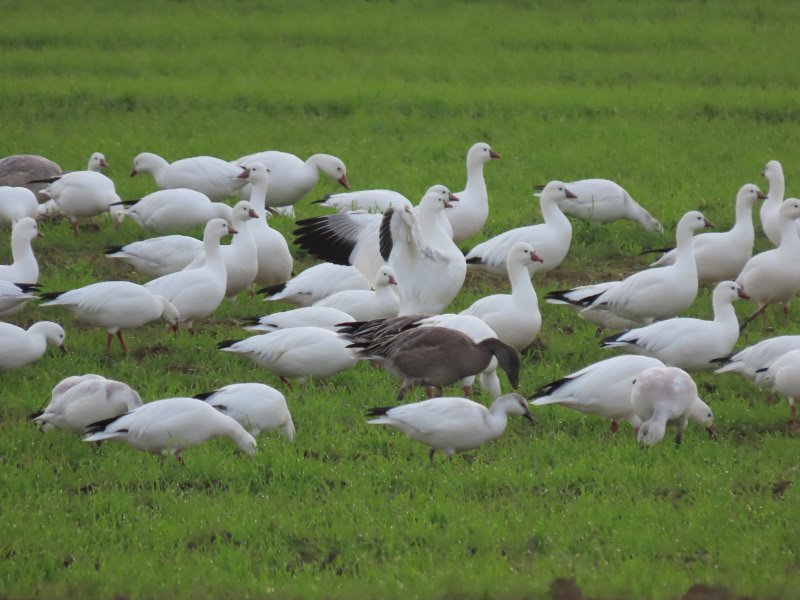
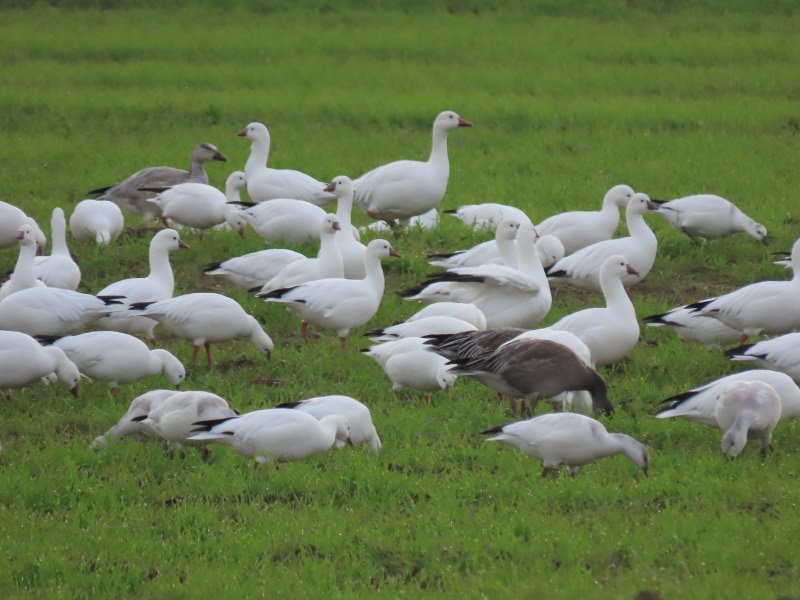
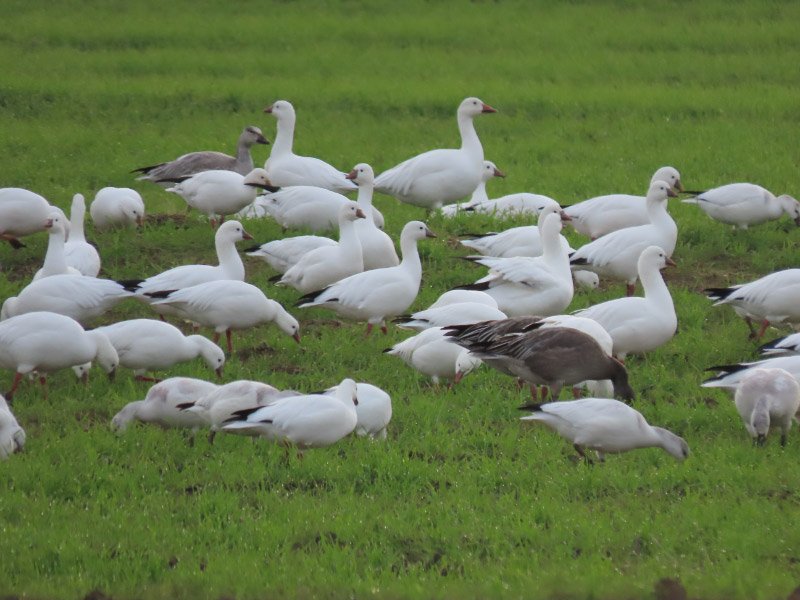
I saw a group of snow geese at the edge of the pond with water reflecting the sunrise colors behind them. Note that some of the geese are smaller (i.e. Ross’s Goose). There were blue morphs of the snow geese mixed in as well.

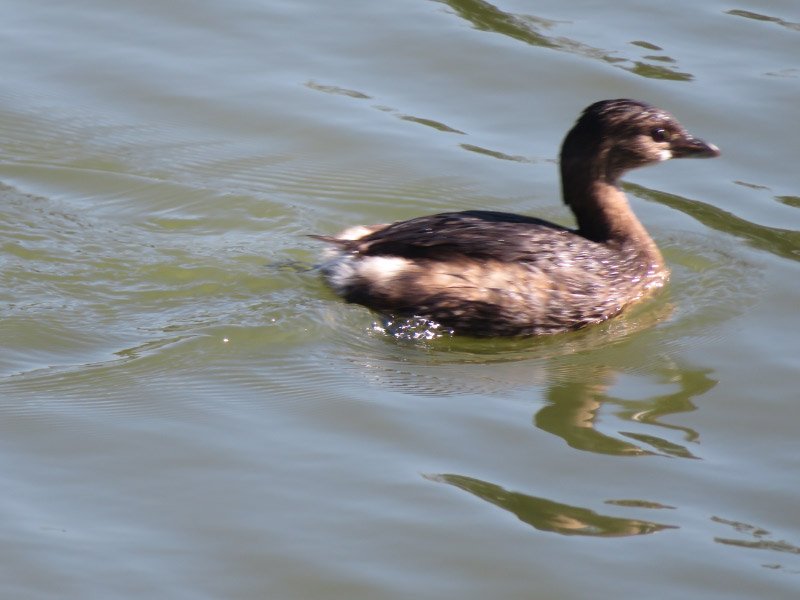
A grebe appeared with some pintails.

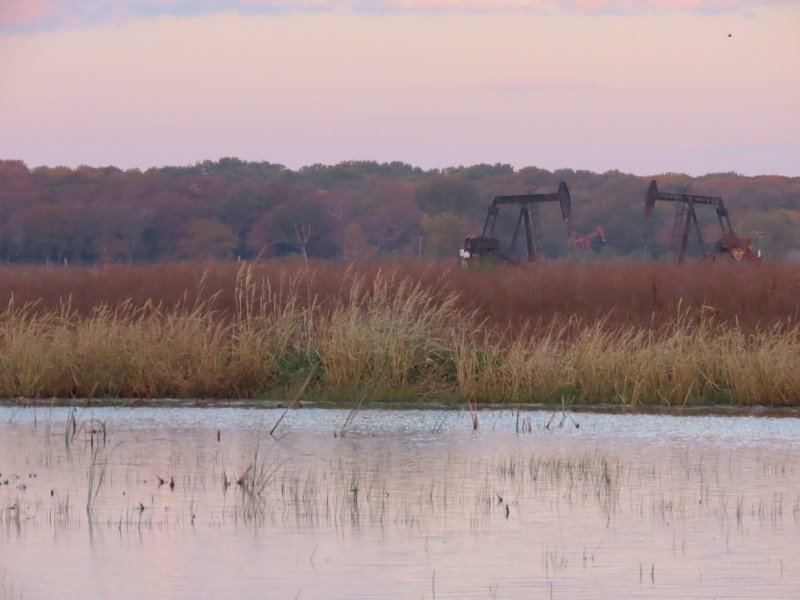
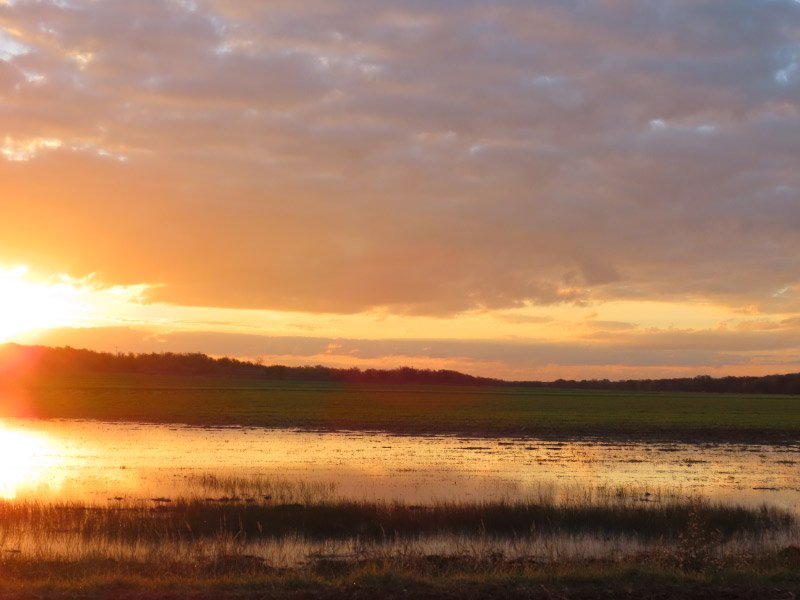
Mallards are always around. The trees and shoreline vegetation were definitely showing their fall colors. And then the sun popped above the horizon.

American coots are back at the refuge.

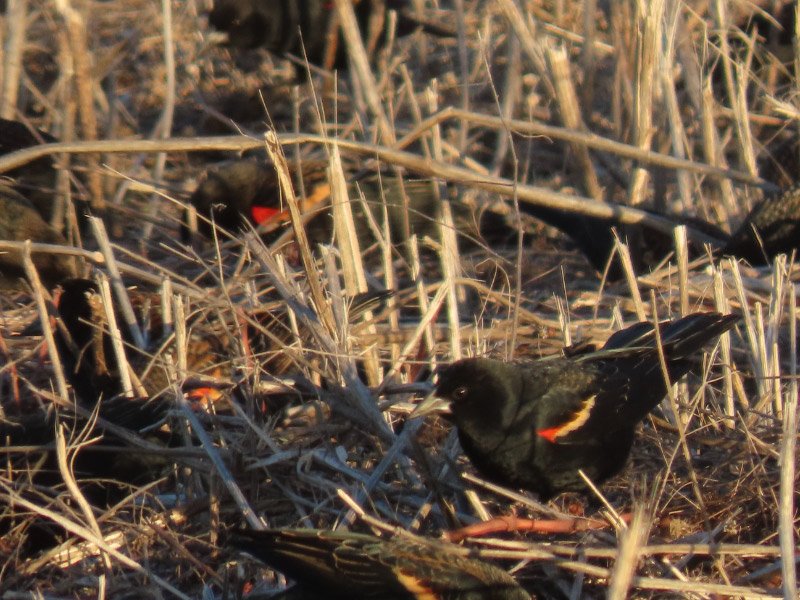
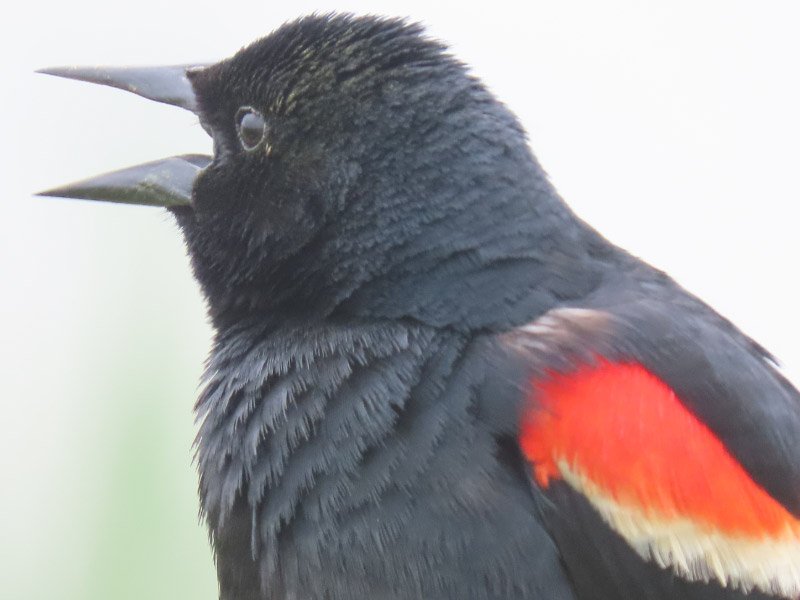
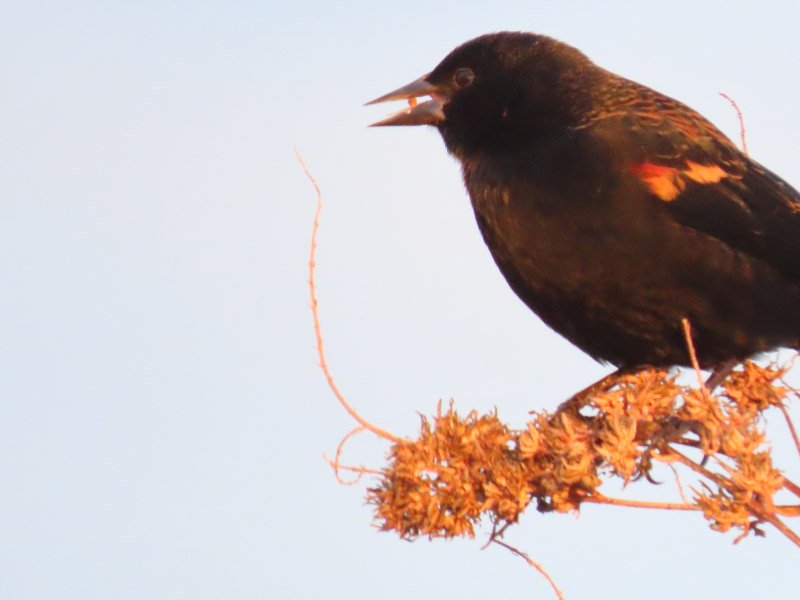
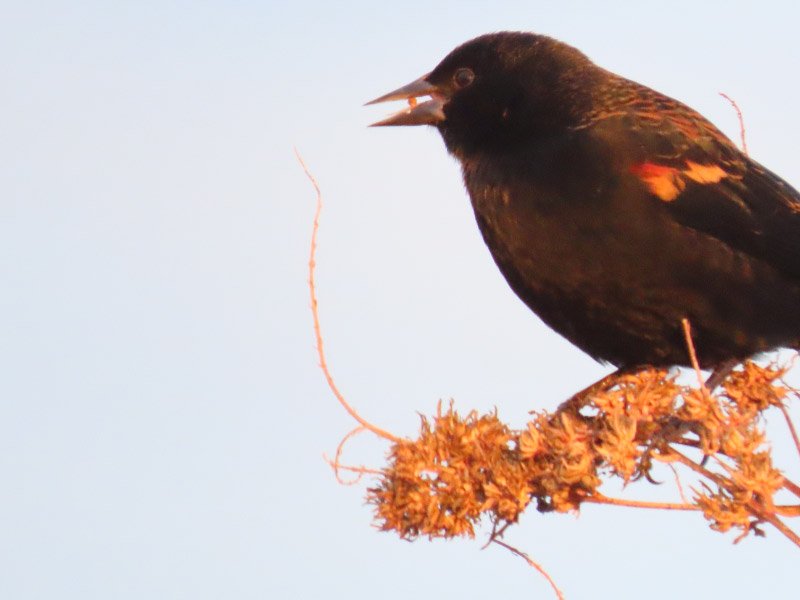
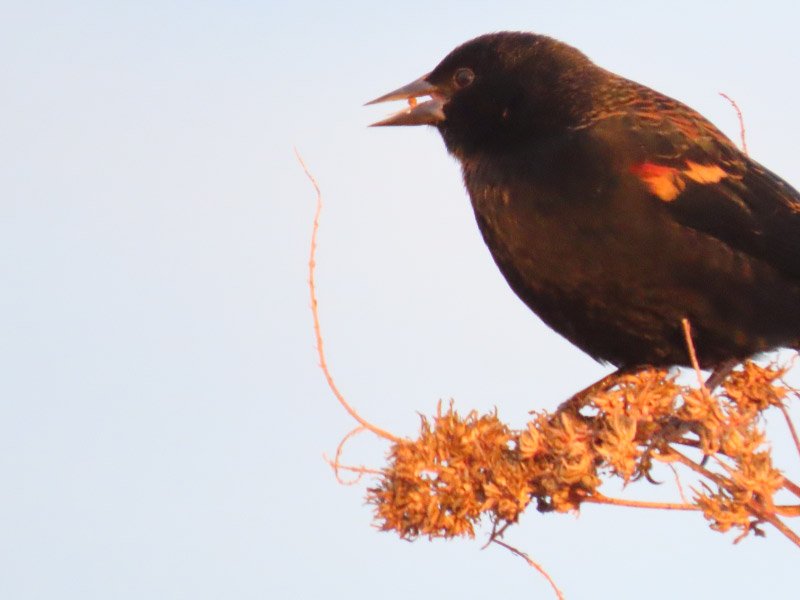
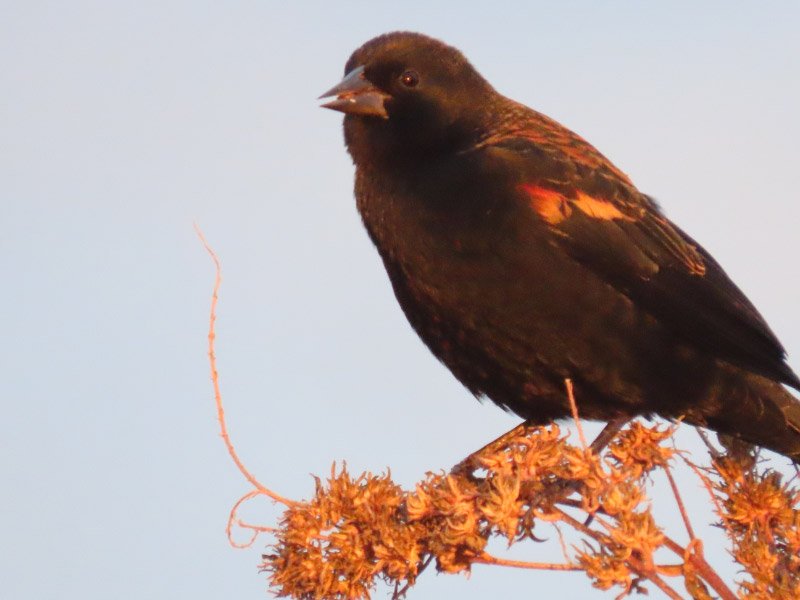
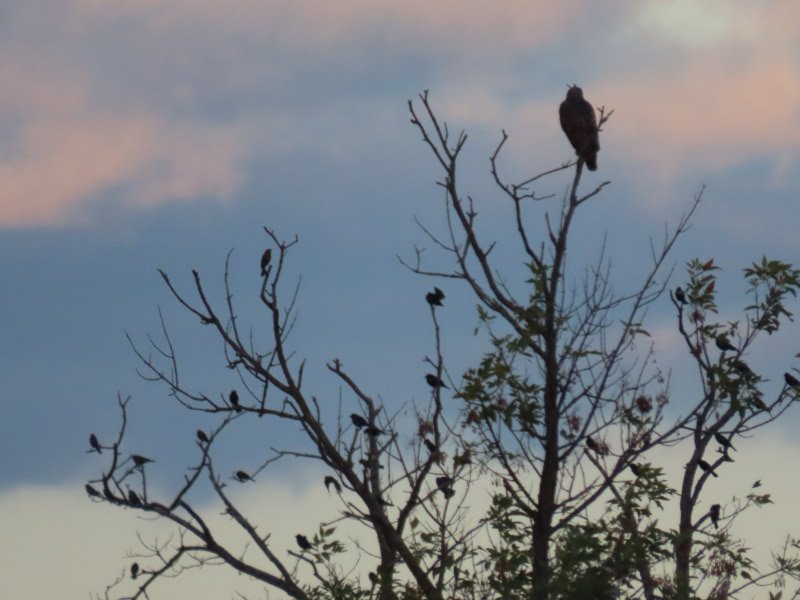
The most numerous birds were red winged blackbirds. They were enjoying the abundant seeds (sunflowers mostly) and rose up in murmuration at any little disturbance. Sometimes the group landed on the road for a few seconds but then quickly flew away to another stand of vegetation with seeds or to trees. They seemed oblivious to a hawk in one tree they picked. The group was a mixture of males and females.

A disorderly V of cormorants (I think) flew by.

I got out of my car once to look over the shoreline vegetation to see if I could spot a group of pelicans in one of the larger ponds but didn’t see any…the vegetation was worth a few photographs.

Another group of snow geese/Ross’s geese was grazing in a grassy area. I did a series of images…with one of the geese stretching its wings. The geese were vocalizing…gentle noises that probably reassure all of them that things are OK with the world.

In summary – some of the birds that will overwinter at Hagerman have arrived but there should be even more arriving.

Gleanings of the Week Ending November 11, 2023

The items below were ‘the cream’ of the articles and websites I found this past week. Click on the light green text to look at the article.

In search of the Old Ones: Where to find the world's longest-lived trees – 25-30 woody plants can, without human assistance, produce specimens that reach the age of 1,000 years or older. Of those, only about 10 can reach 2,000 years and those are all conifers. 3 can produce trimillenials and 1 can produce quadrilmillenials. The longest-lived trees of eastern North America, bald cypress, grow in swamps and blackwater rivers. The eldest occur in backwater sections of North Carolina's Black River, just miles from industrial hog farms and fields cleared long ago for tobacco….these bald cypresses reach ages of 2,600+ years. Conifers achieve maximum longevity when conditions are cold and dry, or hot and dry, or steep and exposed, or high altitude, or nutrient poor. In the case of Great Basin bristlecone pine, the longest-living plant on the planet, it is all of the above, with some of these plants reaching up to 4,900 years old.

Conservation of Monumental Mexica Snake Sculpture Continues - Discovered last year in the heart of Mexico City at the site of the Templo Mayor, the main temple in the Mexica city of Tenochtitlan. The 500-year-old sculpture, which measures about six feet long and three feet tall, was painted with yellow, blue, red, black, and white colors made from minerals and plants employed by the Mexica on cult images and temples.

Fungal infection in the brain produces changes like those seen in Alzheimer's disease - When the fungus Candida albicans enters the brain, the body’s response generates amyloid beta (Ab)-like peptides, toxic protein fragments from the amyloid precursor protein that is considered to be at the center of the development of Alzheimer's disease.

Wildlife Photographer of the Year winners show the beauty — and precarity — of nature – My favorite is the Plants and Fungus winner (Last Breathe of Autumn) taken on Mount Olympus.

Scientists says identifying some foods as addictive could shift attitudes, stimulate research - Most foods that we think of as natural, or minimally processed, provide energy in the form of carbohydrate or fat -- but not both. Many ultra-processed foods have higher levels of both. That combination has a different effect on the brain. In a review of 281 studies from 36 different countries, researchers found ultra-processed food addiction is estimated to occur in 14 percent of adults and 12 percent of children. Viewing some foods as addictive could lead to novel approaches in the realm of social justice, clinical care, and public policy.

Flood Resilience Through Green Infrastructure - Green spaces don’t just mitigate flooding. They beautify the urban landscape and improve residents’ mental health. They filter out microplastics and other pollutants, keeping them from reaching sensitive water bodies like rivers. And when the weather is hot, they cool neighborhoods, because plants ‘sweat.’

15th-Century Theater Floorboards Uncovered in Norfolk - A combination of tree-ring dating and study of the building's construction dated the floorboards to between 1417 and 1430. This suggests that William Shakespeare may have performed on the boards!

Second report on the status of global water resources published - Large parts of the world experienced drier conditions in 2022 than those recorded on average for the equivalent periods over the last 30 years. The report results from the expertise provided by 11 international modeling groups to extrapolate from the data/statistics available. There is a particular lack of data on the situation regarding groundwater.  

More Mammals Can Glow in the Dark Than Previously Thought - By examining museum specimens, researchers documented the glowing property across 125 mammal species. Humans, for example, have fluorescent teeth, like all mammals do. In 1911, researchers reported fluorescence in European rabbits, marking the first documented case of the glowing ability in a non-human mammal.

21 species have been declared extinct, the U.S. Fish and Wildlife Service says – 10 birds, a bat, 2 fish and 8 freshwater mussels. There are now 650 species that have gone extinct in the U.S., according to the Center for Biological Diversity, which says factors such as climate change, pollution and invasive species contribute to species loss.

Carrollton Yard – November 2023

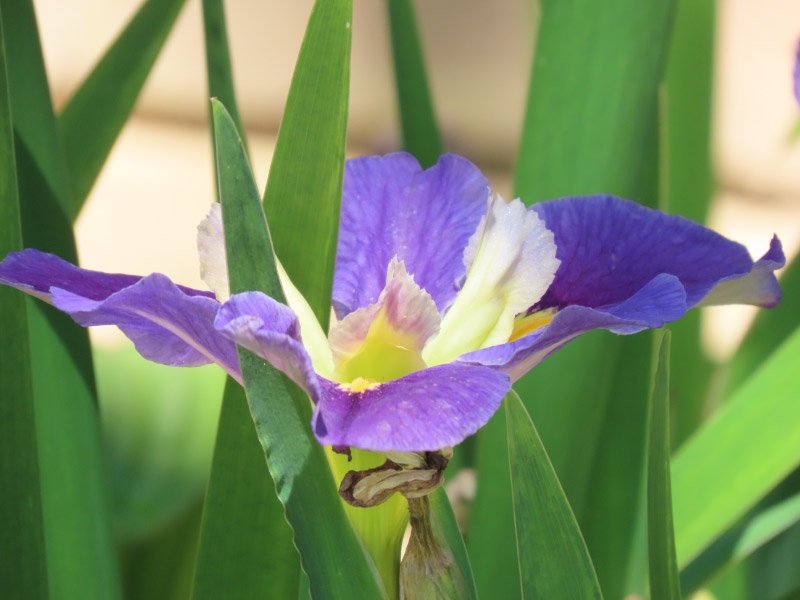
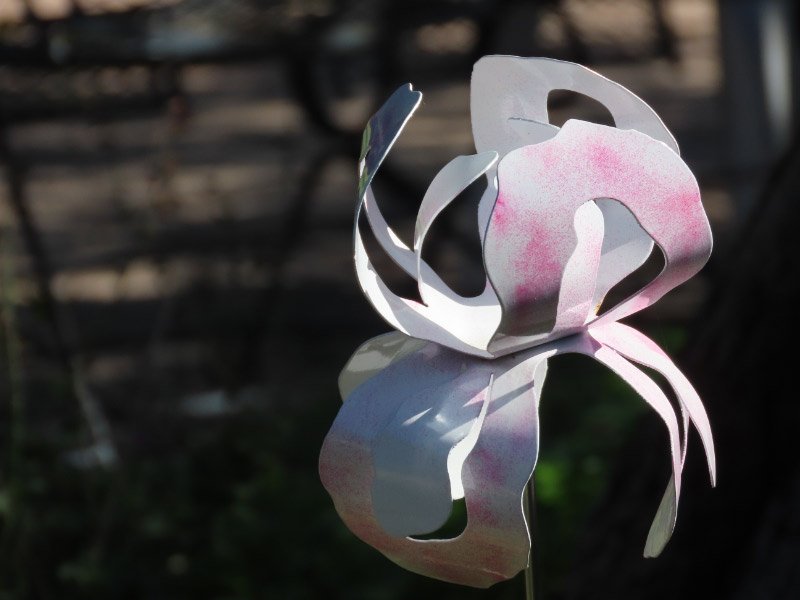
At the beginning of the month – the yard in Carrollton, Texas was still needing to be mowed almost weekly and the leaves were mostly green on the trees. The metal iris I bought last spring was still surrounded my growing vegetation – not the only focal point of the garden as it will be in the winter.

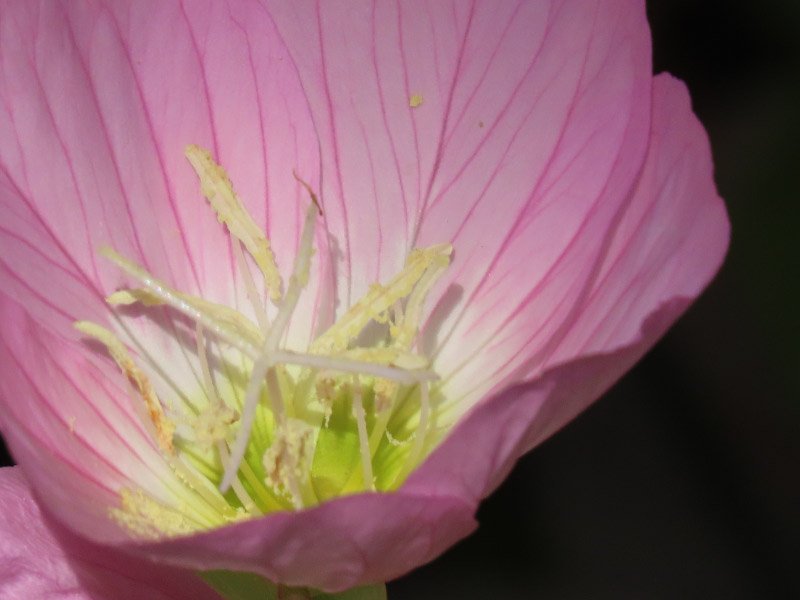
There are still some things blooming.

The pecan tree is shedding groups of leaves that are still green onto the pavers.

I cut the three millet seed heads that grew under the bird feeder. I’ll put them in the sunniest corner of my yard in Missouri. Maybe the seeds will come up next spring, grow as ornamentals, round the corners of the yard that I mow, and feed birds by the fall.

Carrollton is renovating the infrastructure in my parents’ neighborhood. The alley already has flags to mark where the gas line is located. The alley will be removed/replaced and plantings about 8 inches from the existing concrete will be destroyed.

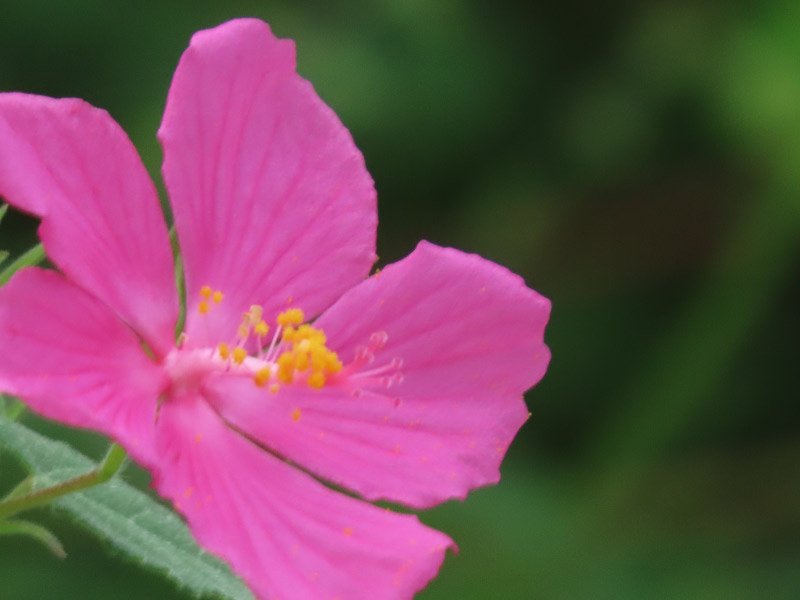
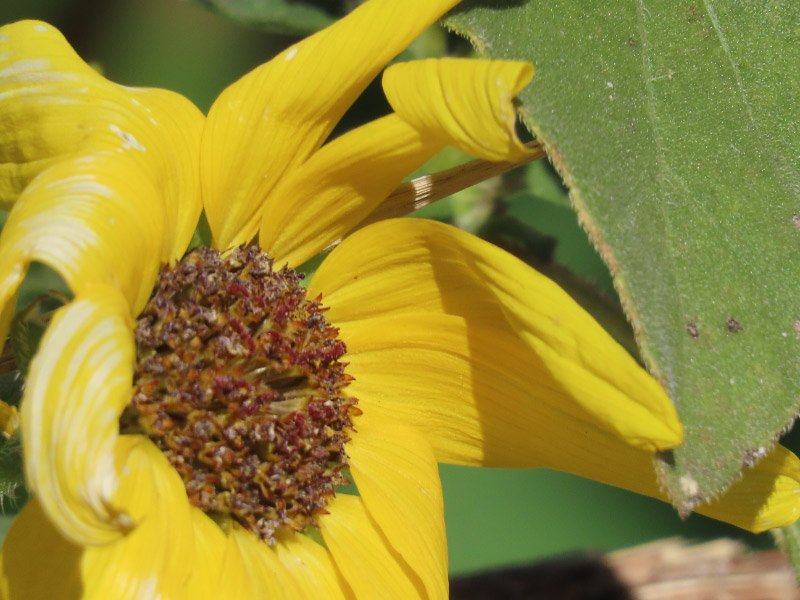
That 8 inches includes some tiger lily and iris bulbs, sunflowers that have come back year after year from my niece’s kindergarten sunflower-in-a-cup planted there over 20 years ago, native hibiscus, and lots of chives. My sister cut the sunflowers and put the stalks further back in the bed (hoping the seeds will continue to mature there), dug up the lily and iris bulbs to plant elsewhere, and dug up/moved the native hibiscus plants.

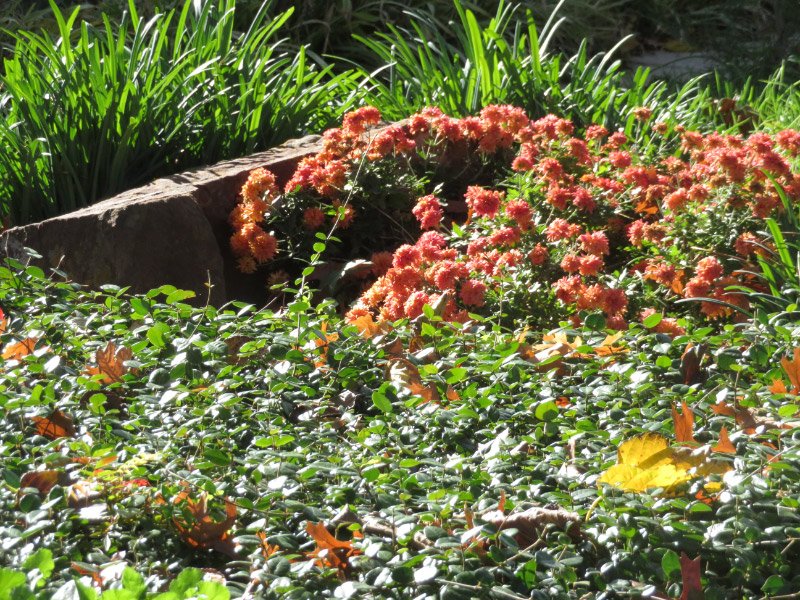
In the front yard, there were mums planted in open spaces in ground cover…the red oak in that area is beginning to shed a few leaves.

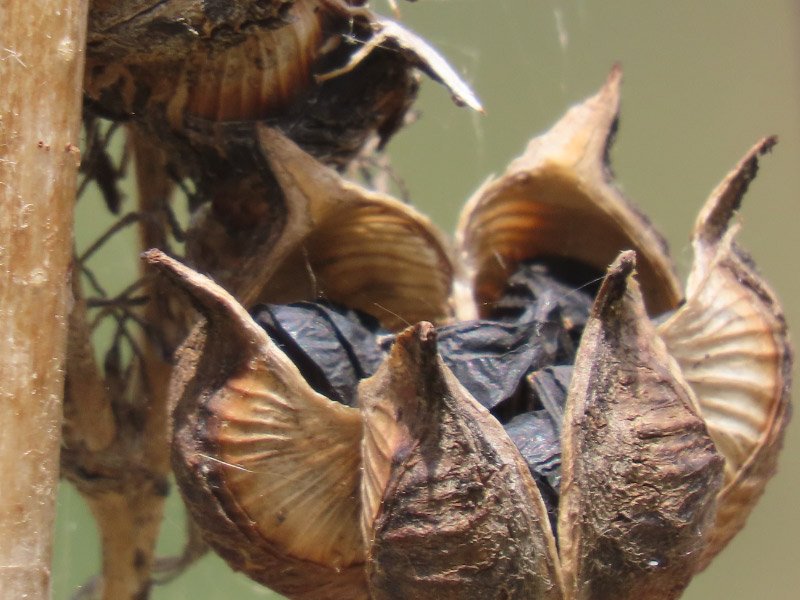
Across the sidewalk, the red yucca has mature seed pods full of black seeds…but is still blooming as well.

Overall – a yard beginning a slow slide to fall.

Pumpkins!

My son-in-law held his annual pumpkin carving event the weekend before Halloween. My daughter doesn’t carve but she does help with buying the carload of pumpkins - one for each person in his research group (almost filling the back of the car).

This year it was raining on the evening the carving was done so the party was moved from outside into their garden room – with a big tarp on the floor to help with clean up later. The students picked the seeds out of the pumpkin guts and roasted them while they carved. The finished carvings were, as usual, spectacular. My son-in-law did the spider one which he later entered in a pumpkin carving contest at the local climbing gym and won a $50 prize!

The student that carved the Yoda pumpkin didn’t have a place to display it, so it stayed with the spider pumpkin through Halloween. A day or so after Halloween, the squirrels started eating the carved pumpkins; the first part to be eaten was one of the Yoda ears.

Meanwhile, there were two uncarved pumpkins left after the carving night. I took one to Carrollton and cooked it the Sunday before Halloween; it was so big I had to cut the top off to fit it into the oven! I made pumpkin soup (topped with pumpkin seeds that I roasted) and then pumpkin cake (made in muffin pans). The pumpkin soup was easy and yummy: pumpkin, picante, canned chicken, arugula…topped with pumpkin seeds and a sprinkle of Everything Bagel seasoning.

I still have a lot of pumpkin puree to use; most of it is in the freezer. The second pumpkin will be cooked in a few days – also will be processed and headed for the freezer. I am enjoying that we have a second refrigerator in our house to store the winter’s supply of pumpkin puree!

Gleanings of the Week Ending November 4, 2023

The items below were ‘the cream’ of the articles and websites I found this past week. Click on the light green text to look at the article.

Oldest fossil human footprints in North America confirmed – New research that supports the dating of the footprints found in White Sands National Park to between 21,000 and 23,000 years old.

Downtown Dallas Gets a New Park – Harwood Park. It reminded me of a field trip with my parents – taking the light rail train from Carrollton to downtown Dallas to visit Klyde Warren Park and have lunch in 2014. I’m glad there is another park added to the downtown area.

BLM Releases New Plan for Moab Area - The plan limits motorized recreation to protect natural and cultural resources. I hope the BLM can succeed in reducing the impact of off road vehicles….requiring ORV users/organizations to take precautions to protect the environment for themselves and everyone else to enjoy in this area.

Active children are more resilient – Interesting….I’ve assumed this but the way the researches went about confirming the idea was worth knowing and reassuring.

A Road Trip Along the Northern Shore of Lake Superior – The Trans-Canada Highway from Thunder Bay to Marathon in June. Maybe a place we’ll go one summer?

What your hands say about your health – I wish the article had better pictures!

Trouble in the Amazon - In the southeastern Amazon, the forest has become a source of CO2….and maybe more will cease to be a carbon sink as well. Large-scale deforestation… plus even intact forest is no longer as healthy as it once was, because of forces such as climate change and the impacts of agriculture that spill beyond farm borders. Data has been collected every two weeks for 10 years! The selective logging permitted by the Forest Code in Brazil is often not sustainable. That’s because the trees that are removed are generally slow-growing species with dense wood, whereas the species that grow back have less-dense wood, so they absorb less carbon in the same space.

A Summer Light Show Dims: Why Are Fireflies Disappearing? – Habitat destruction (clear cutting, fragmentation of forests), water pollution (in Asia many firefly larvae are aquatic), pesticides and yard chemicals, light pollution (it blinds males so that they can’t find females). On a positive note: firefly ecotourism is increasing in Mexico and Malaysia….and around Great Smokey Mountains National Park in the US.

Large herbivores keep invasive plants at bay - Native plants have evolved such that they can withstand brutal treatment from species of herbivores they have co-existed with for millennia, while invasive plants usually cannot.

The Amazon May Be Hiding More Than 10,000 Pre-Columbian Structures - Based on a new aerial survey and modeling study, archaeologists suggest at least 90 percent of sites known as earthworks remain undetected. Also found - high concentrations of 53 domesticated tree species near earthwork sites. These include cacao, Brazil nut, breadnut and Pará rubber trees, plus dozens of others. This demonstrates how the region’s inhabitants altered the natural landscape, likely so they would have a steady supply of food and useful materials.

eBotanical Prints – October 2023

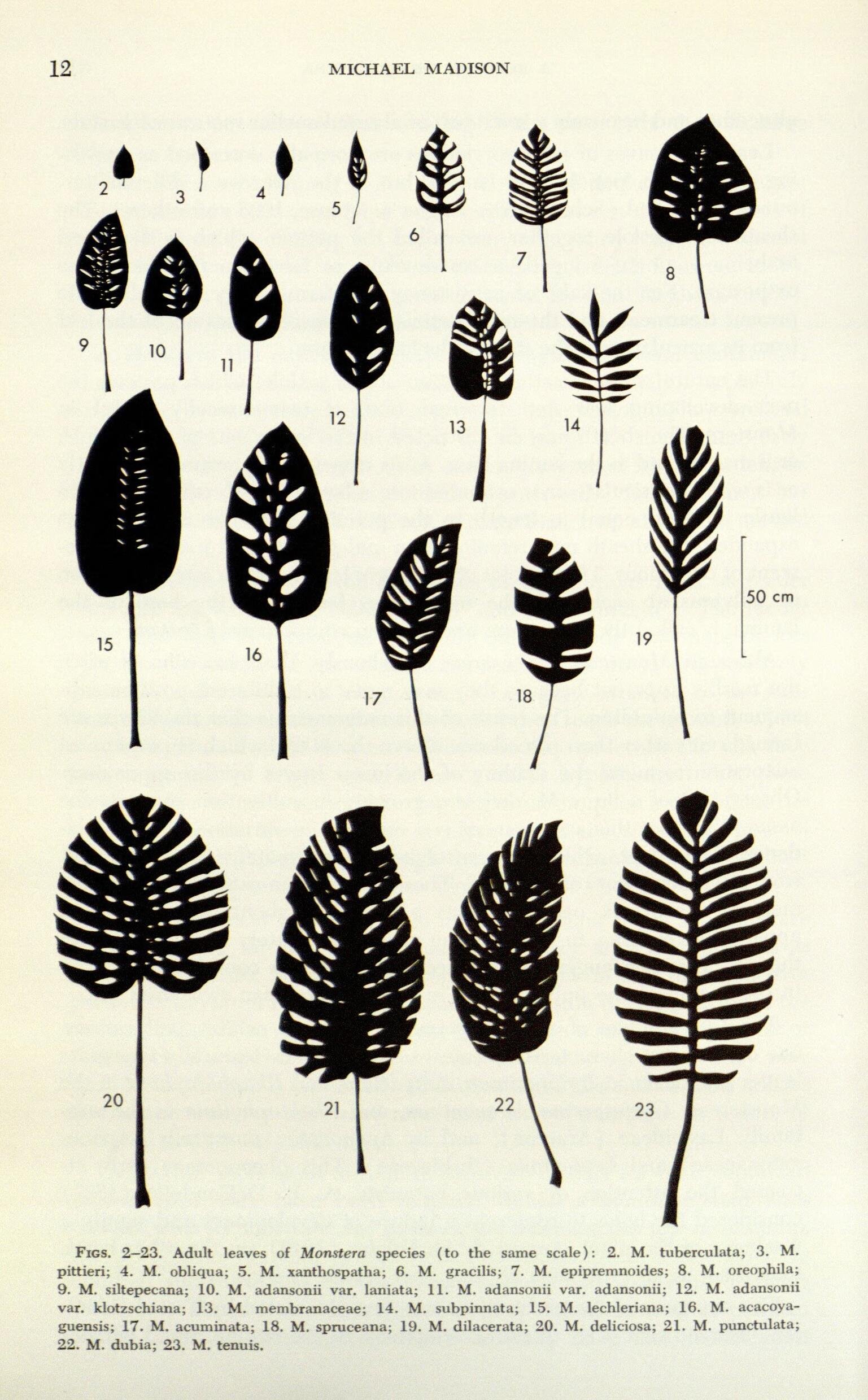
Twenty more books were added to the botanical print collection this month – available for browsing on Internet Archive. More than half of the books are Harvard’s Botanical Museum Leaflets from 1957 to 1982. These are relatively modern botanical prints! The rest of the volumes for October are “Contributions from the Gray Herbarium.” My favorite image is the next to last: silhouettes of Monstera leaves.

The whole list of 2,737 botanical eBooks can be accessed here. The list for the October 2023 books with links to the volumes and sample images is at the bottom of this post.

Click on any sample images in the mosaic below to get an enlarged version. Enjoy the October 2023 eBotanical Prints!

Botanical Museum leaflets V17 * 1957 * Harvard University * sample image

Botanical Museum leaflets V18 * 1959 * Harvard University * sample image
Botanical Museum leaflets V19 * 1962 * Harvard University * sample image

Botanical Museum leaflets V20 * 1964 * Harvard University * sample image

Botanical Museum leaflets V21 * 1967 * Harvard University * sample image

Botanical Museum leaflets V22 * 1967 * Harvard University * sample image

Botanical Museum leaflets V23 * 1974 * Harvard University * sample image

Botanical Museum leaflets V24 * 1976 * Harvard University * sample image

Botanical Museum leaflets V25 * 1977 * Harvard University * sample image

Botanical Museum leaflets V26 * 1978 * Harvard University * sample image

Botanical Museum leaflets V27 * 1979 * Harvard University * sample image

Botanical Museum leaflets V28 * 1982 * Harvard University * sample image

Botanical Museum leaflets V29 * 1982 * Harvard University * sample image

Botanical Museum leaflets V30 * 1982 * Harvard University * sample image

Contributions from the Gray Herbarium of Harvard University no. 40-50 * 1917 * Harvard University, Gray Herbarium * sample image

Contributions from the Gray Herbarium of Harvard University no. 101-105 * 1934 * Harvard University, Gray Herbarium * sample image

Contributions from the Gray Herbarium of Harvard University no. 179-184 * 1956 * Harvard University, Gray Herbarium * sample image

Contributions from the Gray Herbarium of Harvard University no. 185-191 * 1956 * Harvard University, Gray Herbarium * sample image

Contributions from the Gray Herbarium of Harvard University no. 206-208 * 1976 * Harvard University, Gray Herbarium * sample image

Contributions from the Gray Herbarium of Harvard University no. 209-212 * 1982 * Harvard University, Gray Herbarium * sample image