Gleanings of the Week Ending October 10, 2026
/The items below were ‘the cream’ of the articles and websites I found this past week. Click on the light green text to look at the article.
09/30/2026 NPR Swiss glaciers suffer another year of record ice loss - Switzerland's glaciers lost more than 5% of their ice in 2026, marking another year of rapid decline. The loss reflects a wider global trend: Glaciers around the world have been shrinking at increasingly rapid rates, a phenomenon scientists link directly to global warming.
09/30/2026 Clean Technica Ameren Missouri Proposes Pollution-Heavy Future to Power Data Centers -Ameren Missouri filed a proposed long-range energy plan with its regulators at the Missouri Public Service Commission (PSC). If approved as proposed, Ameren Missouri would significantly increase its reliance on fossil fuels, including a large increase in gas-burning power plants and extended coal-burning at its Labadie and Sioux plants. Labadie is the deadliest coal plant in the country.
09/29/2026 Smithsonian Magazine Rare, Double-Headed Turtle Hatchling Discovered on Cape Cod - The tiny diamondback terrapin was brought to a wildlife center on September 17. At the time, the creature weighed about as much as a nickel.
09/29/2026 Science Daily The ice blasting from Saturn's moon Enceladus is stranger than scientists realized - Saturn's moon Enceladus is covered in ice, but beneath that frozen shell lies a global ocean. Near the moon's south pole, fractures in the crust release water vapor and ice particles into space. Those particles give scientists an unusual way to study an alien ocean without having to drill through kilometers of ice. These salt-rich grains are far more chemically diverse than an average ocean composition would suggest
09/29/2026 BBC Future The US state replacing power plants with home batteries - Spread across thousands of ordinary homes, this "power plant" has become Vermont's largest power source. It's protecting owners from outages and providing cheaper, cleaner energy. Whichever technologies end up powering virtual power plants, they're likely to involve local communities more than traditional energy systems have. People working in large groups, he says, can be as big as a power plant.
09/25/2026 Yale Environment 360 Alaska’s ‘Rusting’ Waters More Acidic Than Mining Wastewater - As the Arctic warms and tundra thaws, minerals long trapped in frozen soil are leaching into rivers, turning them orange and acidic. Analyzing records of water quality, researchers also determined that rusting began in the summer of 2019, the hottest summer on record in the state of Alaska. Since then, rusting has been recorded in more than 200 rivers in Alaska, as well as in waterways across much of northern Canada. There are fears that rusting may have led to the collapse of the chinook salmon fishery in the region.
09/30/2026 Clean Technica Is the US Going to End DEAD LAST In Vehicle Electrification? - If current trends continue, it’s very easy to see the US being the last country in the world — not just the last major auto market or major economy — to electrify its light vehicle market.
09/30/2026 Science Daily NASA's Perseverance Mars rover finds groundwater, lakes, and hot fluids in one place - The Margin Unit was not shaped by a single lake environment. Instead, it became a meeting point for several different water systems that altered the same rocks at different stages of Mars' history.
10/01/2026 Planetizen Evidence-based planning in a time of information overload - Information has exploded in the past few decades, including research information relevant to planning. The new landscape of open-access publications has benefits…and some problems. An important problem is that the onus of judging the quality of the research is left to the reader. And yet it may not be obvious to the reader which kind of journal they are accessing. Furthermore, researchers face publication fees. There may be an emerging role for librarians to help the profession manage information more effectively, though the enduring question is: who would pay?
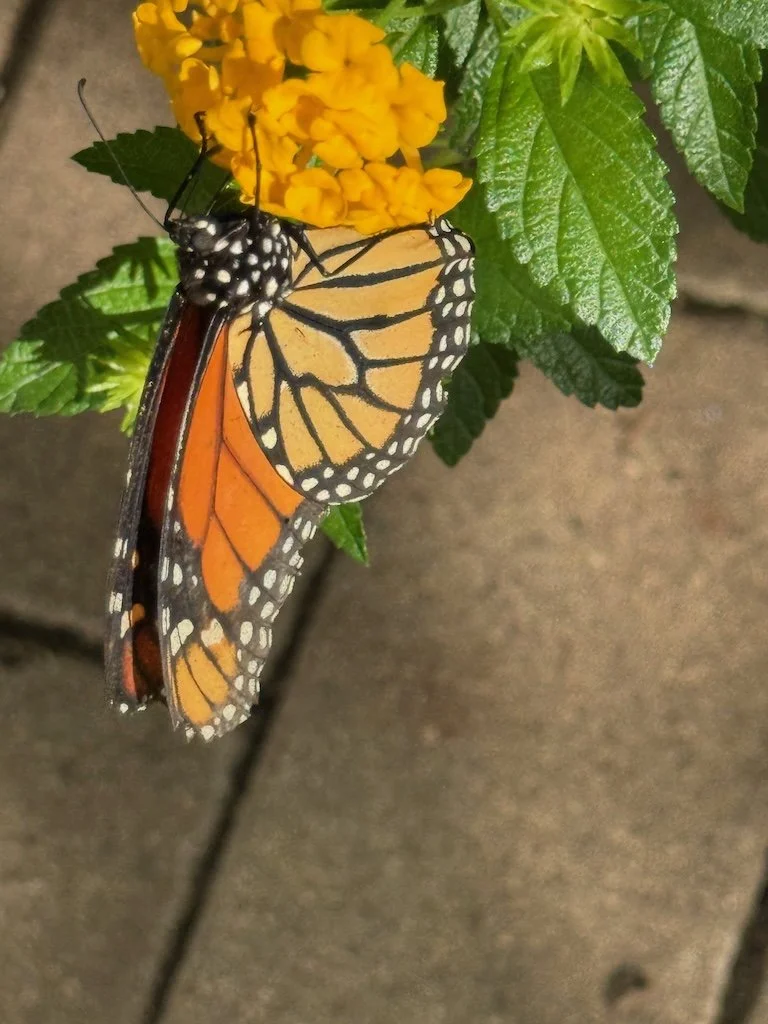
10/01/2026 The Conversation 3 iconic animals show the value of the US Endangered Species Act – and the harm in stripping it away - The new interpretations, if they hold up to court challenges, could leave a vast number of endangered species at higher risk. Many of the country’s shipping, logging, mining and development practices are influenced by the Endangered Species Act’s protections. In some cases, entire species could face extinction. Featured species: Florida panther, North Atlantic right whale, Monarch butterfly. Hunting is not the primary threat today to the Florida panther, the North Atlantic right whale or the monarch butterfly. Their survival instead relies on the pine flatwoods being in good health, the ocean remaining quiet, and milkweed corridors existing across the continent.