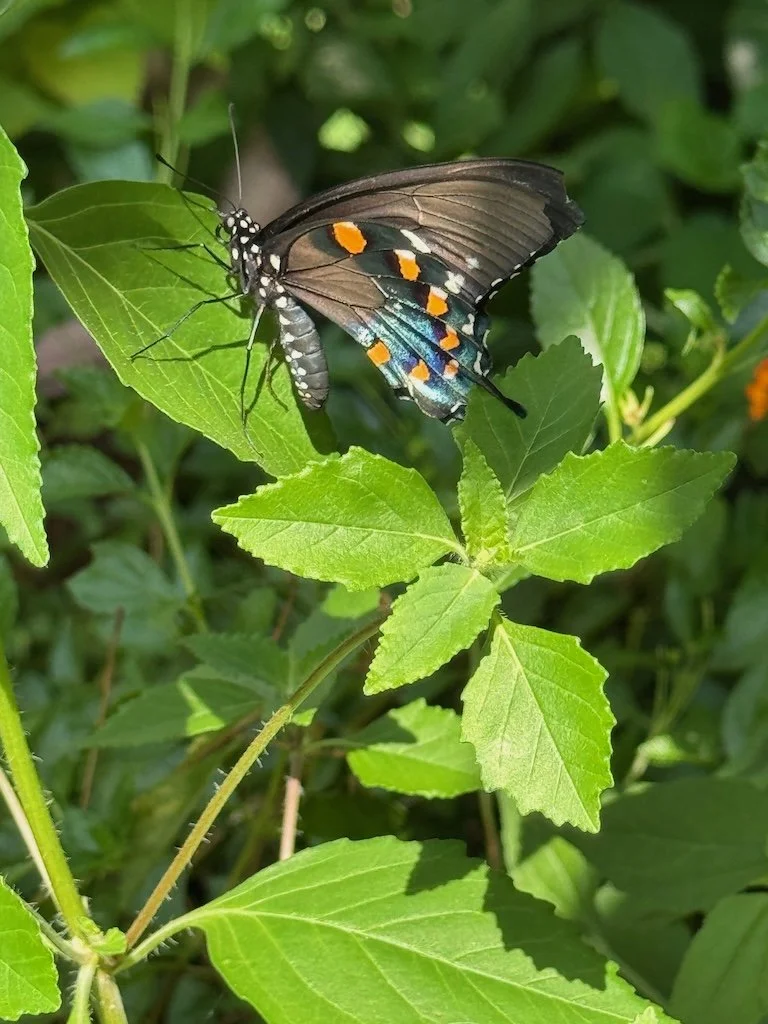
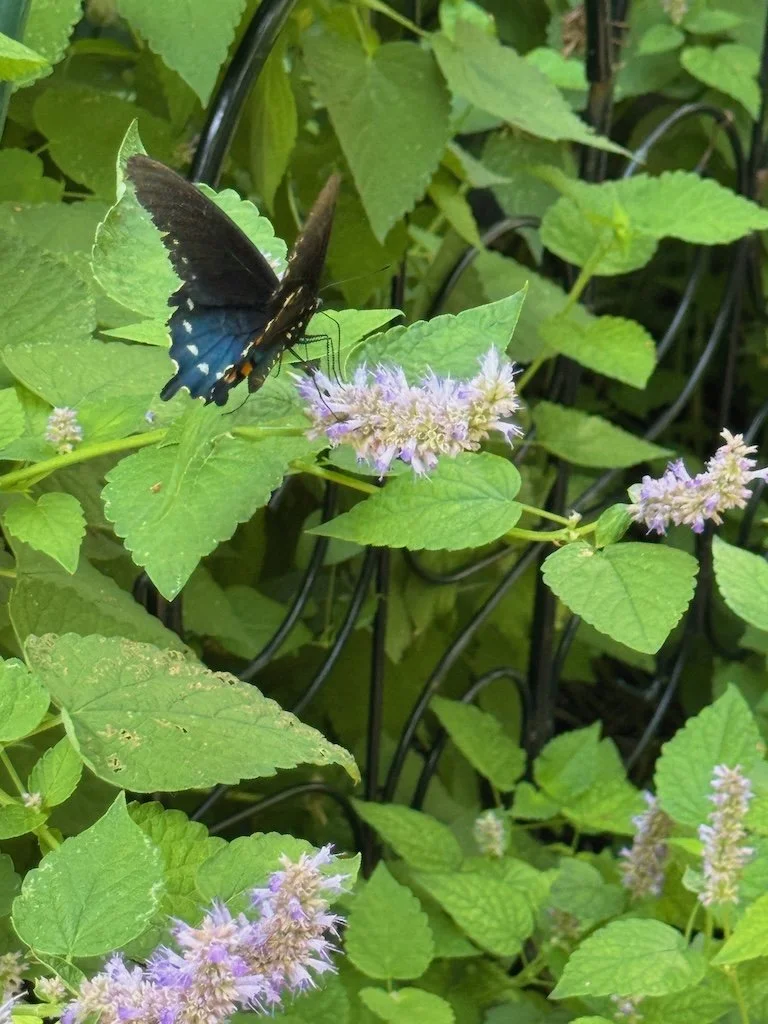
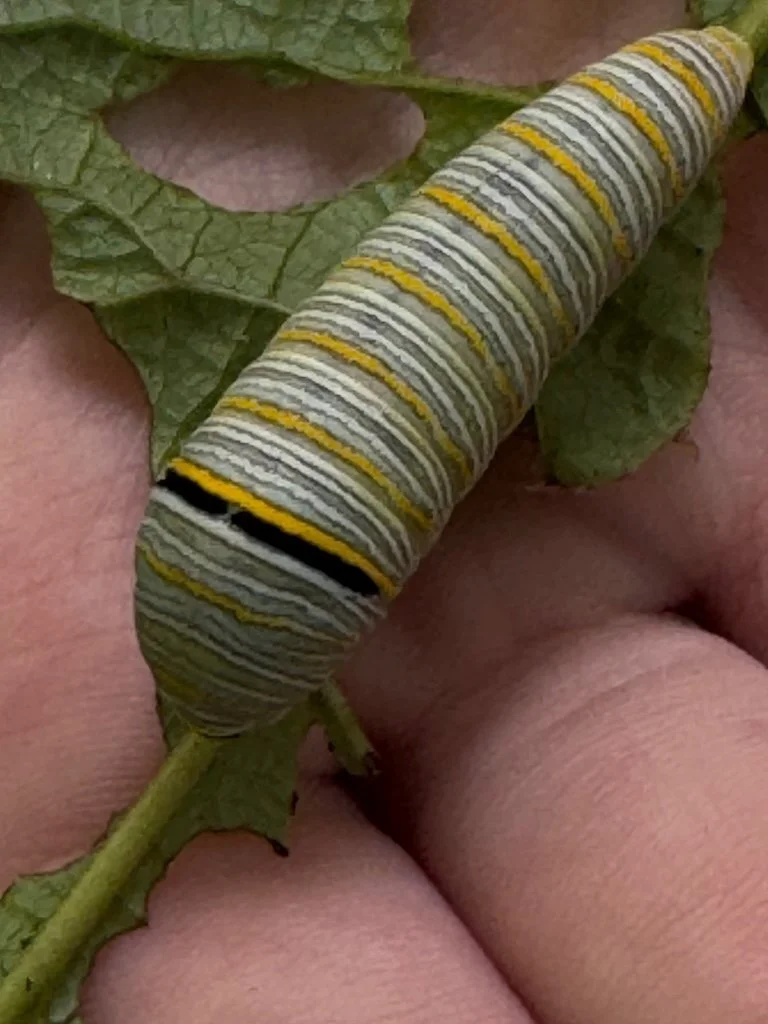
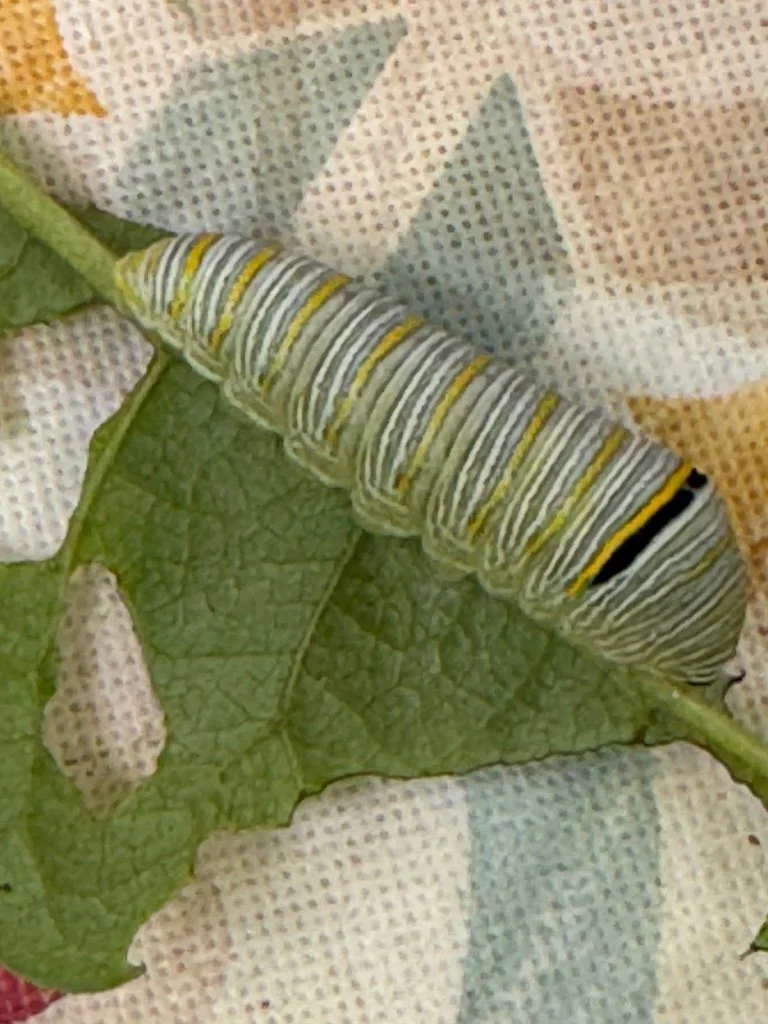
Gleanings of the Week Ending September 6, 2025

The items below were ‘the cream’ of the articles and websites I found this past week. Click on the light green text to look at the article.

Too much salt can hijack your brain – In a study using rats, researchers showed that a high-salt diet activated immune cells in a specific brain region, causing inflammation and a surge in the hormone vasopressin, which raises blood pressure. Researchers tracked these changes using cutting-edge brain imaging and lab techniques that only recently became available.

Two-Thirds of River Trash Is Plastic - Recent research conducted at the University of California–Santa Barbara found that rivers have far too much plastic in them. 1.95 million metric tons of plastic — the weight of 5.3 Empire State buildings — travels down rivers worldwide every year. It comes from littering, illegal dumping, leakage from landfills…and is mobilized across landscapes, through urban drainages, and into waterways by wind and rains. And it isn’t harmless. Microplastic in rivers accumulates in food sources, and direct exposure via inhalation and consumption of water leads to direct accumulation in our bodies. Macroplastic in rivers affects our infrastructure and communities by blocking drainages, exacerbating flood risk and damage, and negatively affecting tourism, fisheries, and shipping. And plastic also impacts the river ecosystem and biodiversity via wildlife entanglement, ingestion, and smothering, leakage of chemical additives, and transport of non-native species and pathogens. Plastic continues to break down into smaller and smaller pieces. As microplastic breaks down, it becomes nanoplastic…which might be the most dangerous to health of living things – including humans.

'I had no idea it would snowball this far': Why a Brazilian favela facing eviction decided to go green - Favelas – or Brazilian slums – are widespread informal settlements often situated on the periphery of major cities such as São Paulo and Rio de Janeiro. They are home to low-income populations and can be built precariously on unstable land such as slopes and hills. They are often underserved in formal infrastructure – meaning they can be especially vulnerable to climate impacts and risks such as landslides – and commonly don't have access to public services such as sanitation. The post is about one favela that cleaned up trash/waste…built a garden.

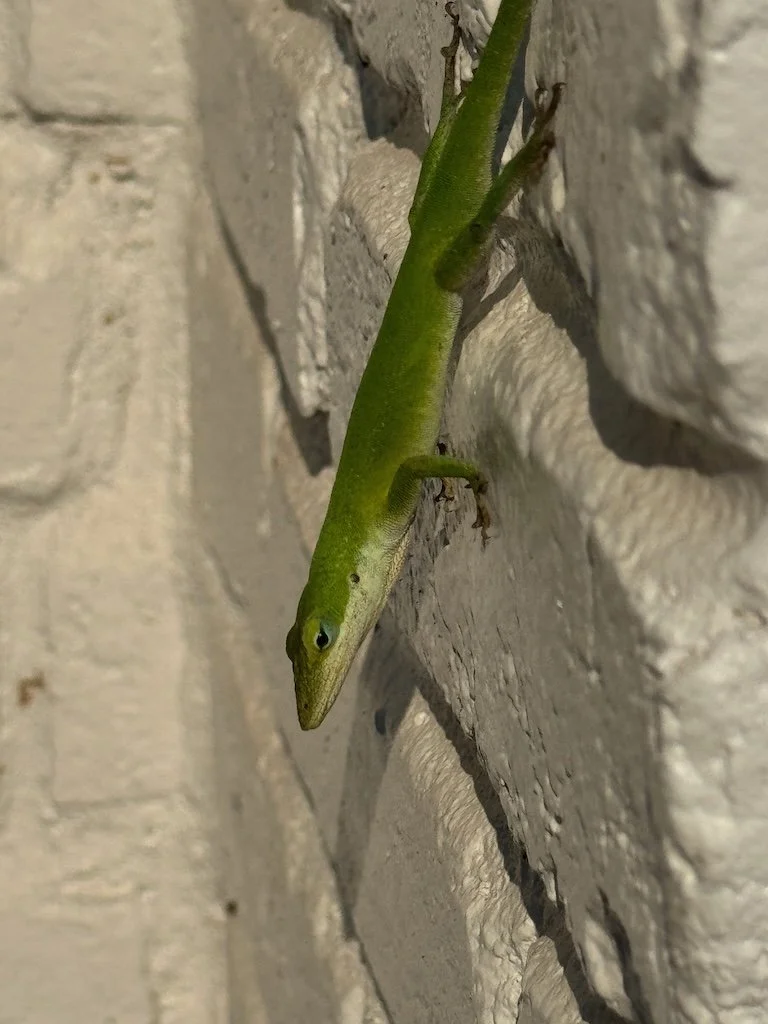
These Lizards Have So Much Lead in Their Blood, They Should Be Dead. Instead, They’re Thriving – Brown anoles (non-native…native to Caribbean) around New Orleans since the 1990s. They are not physiologically impaired by the high levels of lead in their bodies.

Canadian Archaeologists Excavate Homestead of Black Rancher John Ware – He arrived in Canada in 1882…herding 3,000 head of cattle and settled near Millarville, Alberta.

In Scotland, Whale Strandings Have More Than Tripled - Over the past three decades, the number of whale strandings in Scotland has grown dramatically. Scientists say pollution and industrial noise may be driving the losses.

What Is High-Quality Prairie Anyway? - What are the criteria we should use for evaluating prairies?

Pic for Today – I saw more Jewelweed in Maryland than I do in Missouri….but always enjoy spotting it…I couldn’t resist adding this post to the gleanings this week.

113-Year-Old Bathhouse Being Restored at Hot Springs National Park – Glad the Maurice Bathhouse is going to be rehabilitated; it has been closed since 1974.

Scientists finally crack the secret to perfect chocolate flavor - Scientists have decoded the microbial and environmental factors behind cacao fermentation, the critical process that defines chocolate’s taste.

Plastics Crisis: As an Individual

We cannot eliminate micro and nano plastics from our lives. They are in the air we breathe, the water we drink, the food we eat, and the toiletries we use. They are in us – our lungs, our heart, our kidneys, or brain…everywhere. The impact on our health is something that develops over long exposure/accumulation; research studies are just now beginning to clarify their impact. It is possible to reduce our exposure, and we probably need to do what we can to stay healthy as long as possible. This post is about my initial strategy to reduce micro and nano plastic exposure for myself and my family.
Air

The air purifiers that we bought during the COVID-19 pandemic are still running in our bedroom and my office. They help with seasonal allergies and take out some of the plastics in the air.

I try to reduce time outdoors when the air quality is yellow and avoid going outside if the air quality is red. The PM2.5 (Particulate matter less than 2.5 microns) is almost always the major contributor to the air quality ‘color’ in the area where I live and it includes microplastics. It might not be counting nano-plastics effectively and there are probably some in the air; those are the plastics small enough to move through capillaries in our bodies; hopefully these smaller particles will start being monitored more effectively.

Water

I currently filter the water we drink with Brita Elite water pitchers. They get some of the plastics out of our water. My daughter and I are talking about upgrading…perhaps all the way to reverse osmosis filtration. I have a glass carafe for filtered water in the bathroom since I am always thirsty when I first get up.

We always carry stainless steel water bottles with us when we are out and about. When we leave home they contain filtered water.

On overnight trips, we are taking a filtration pitcher with us so that we can easily refill our water bottles with filtered water. If we need to buy something to drink, we strive to buy it in a can, glass, or paper container….but sometimes that is difficult. I am tempted to ask if I can buy a drink but use my refillable stainless steel container rather than a Styrofoam or plastic cup.

We try to avoid plastic water bottles completely. The plastic sluffs off microplastics – particularly if the bottle has ever been warm.

We don’t use plastic glasses at home…and don’t eat out frequently except when we travel.

Food

Micro plastics are often found in soil and can be absorbed by plants as they grow so they can be in the veggies and fruit we eat, and they accumulate in the animals that provide meat that we eat. Organic foods will have microplastics too; they might even have more plastic since organic farms sometimes use plastic sheeting to avoid the need for chemical weed control and to conserve water around the base of plants. There is not much that can be done to reduce the microplastics that are integrated into our food in this way.

Packaging is another way microplastics can be incorporated into food and there are actions that can be taken to reduce this source of microplastics.

  • Buy fresh fruits and vegetables unpackaged. Use reusable produce bags. Don’t store them in the bags either – particularly if the bags are a synthetic fabric.

  • Buy in glass rather than plastic jars and bottles. Prioritize fatty and acidic foods to buy in glass if you are on a budget. Peanut butter and olive oil are examples of fatty foods. Lemon juice, soft drinks (not a health food ever but even less healthy in plastic), spaghetti sauce, and salad dressing/vinegars are examples of acidic foods. Sometimes this is difficult since some stores only carry the commodity in plastic packaging.

  • Meats are almost always packaged in plastic now, so it is almost impossible to avoid. I buy some meats frozen so that the plastic is not closely touching the food and when there is a canned version (canned chicken, canned chili, canned tamales), I take that option sometimes.

  • Consider making some condiments from scratch (salad dressing, marinade). I already make my own marinade with basaltic vinegar and olive oil. I am going to experiment with making salad dressing so that I can forego buying it pre-made in a plastic bottle.  

  • Avoid plastic bags of things like popcorn (I rarely use the pre-packaged microwave popcorn), pumpkin seeds, or beans. Buy them in bulk (often you can use produce bags to get them from the store to home) and load up glass or metal canisters once  at home. Frequenting a store with a bulk food section will be a continuing experiment for me…the goal will be to reduce plastic containers touching food in my home.

  • Store leftovers in and eat from  glass or ceramic or stainless steel rather than plastic. Use stainless steel or wooden utensils. My cutting board is bamboo.

  • Cook in stainless steel – uncoated – pans.

  • Don’t heat or reheat food in plastic. Glass or ceramic always.

  • Buy eggs in pulp paper cartons rather than Styrofoam or plastic cartons. The eggs probably don’t get much microplastic from their container, but the pulp paper is generally the superior carton, and, like all the above measures, it reduces the plastic trash/recycle load to the environment.

Toiletries

Some plastic is small enough to be absorbed through the skin. There are two sources of plastics in toiletries: packaging and ingredients.

I try to buy cosmetics in glass. Usually this is possible for moisturizers and foundation makeup. There don’t seem to be good alternatives to plastic packaging for most items like shampoo, toothpaste, lotion, lipstick, or lip balm. I have started using bar soap which usually comes in paper wrapping or a box for hand washing and in the shower.

The ingredients in many cosmetics are sometimes microplastics or contain the same chemicals as microplastics. It’s very confusing…I don’t have a good strategy yet to fully understand the risk or how to avoid the worst offenders. I do realize that fewer ingredients is generally better and that maybe some ‘make your own’ would be better (for example, a water – glycerin – essential oil mixture in a glass bottle might be a good replacement for setting spray).

Previous Plastic Crisis posts

Josey Ranch – August 2025

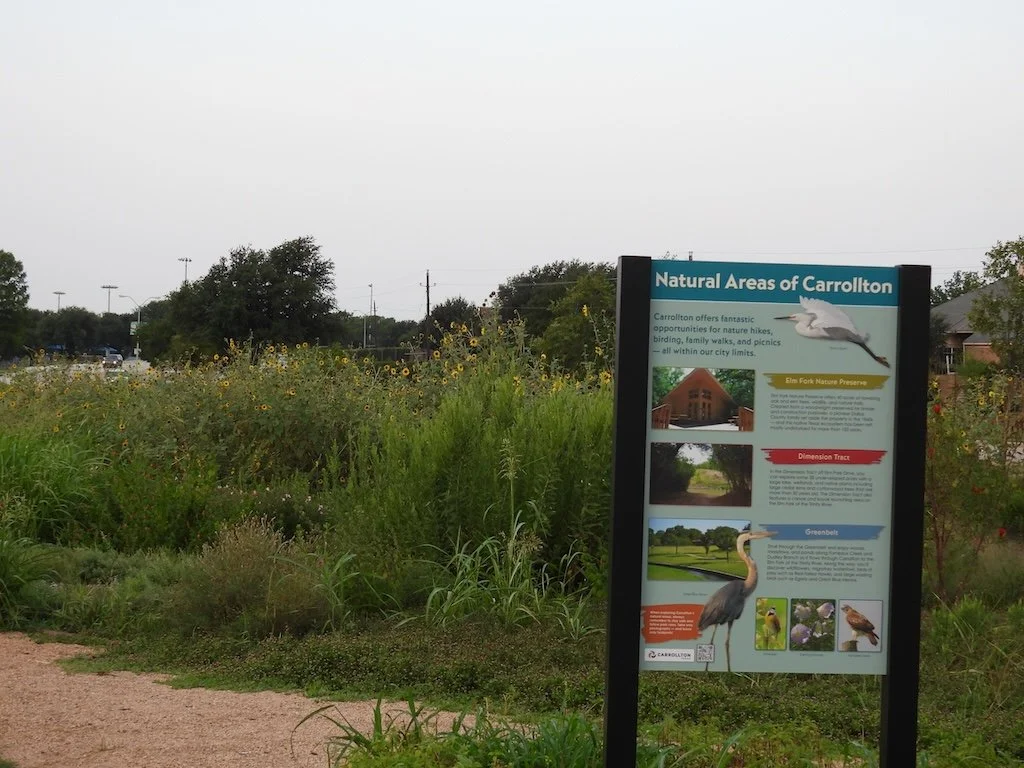
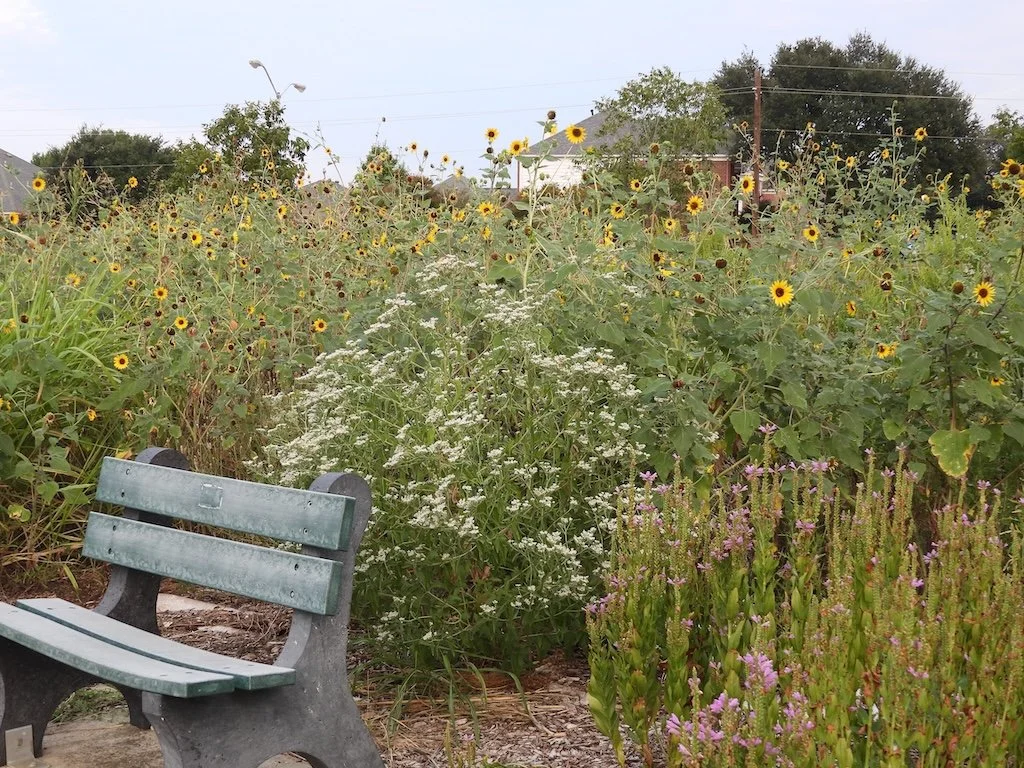
While I was in Dallas in August, I made an early trip to the pocket prairie and lake at Josey Ranch in Carrollton – a place I visited frequently before we moved my parents to assisted living in January 2024.

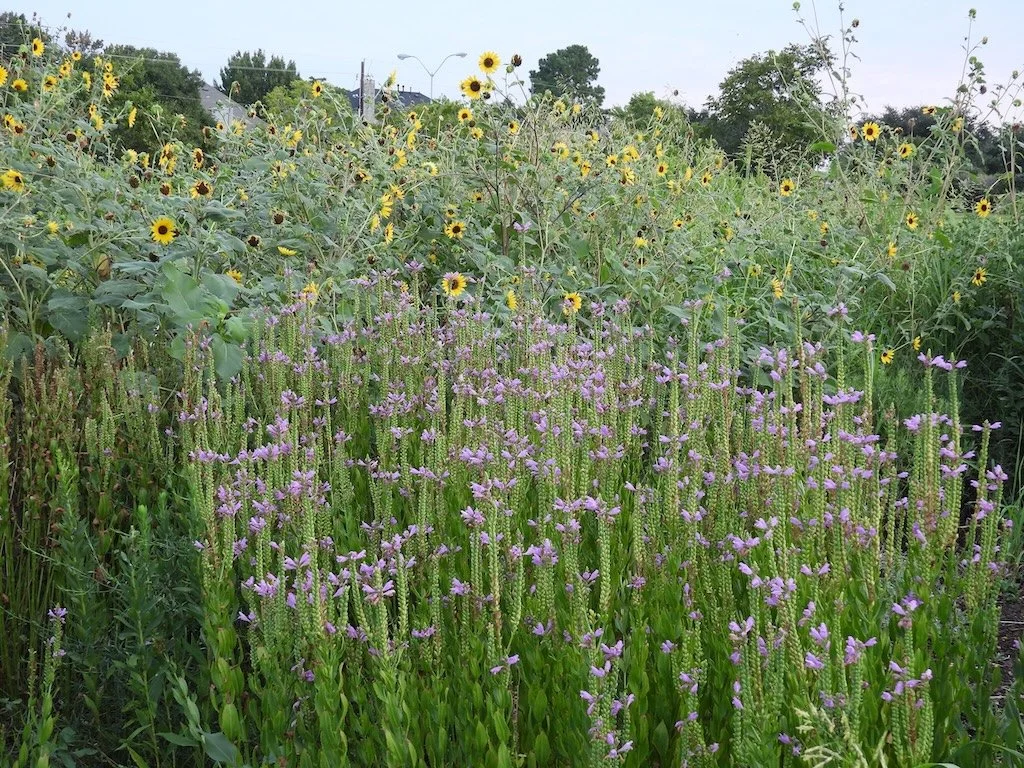
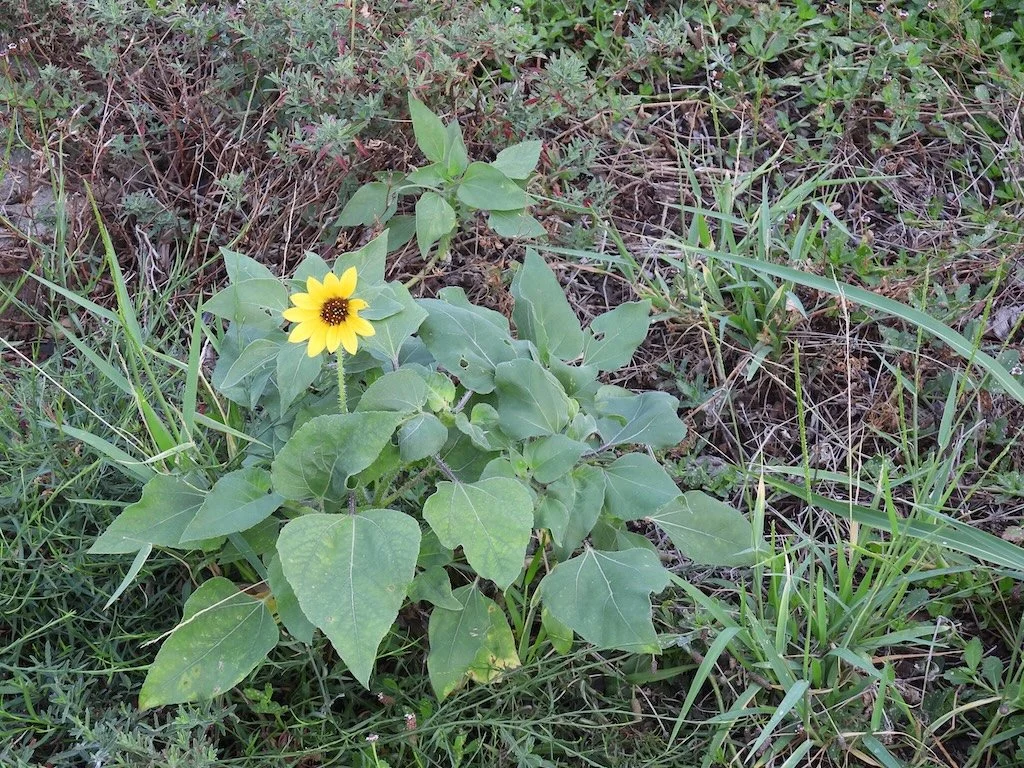
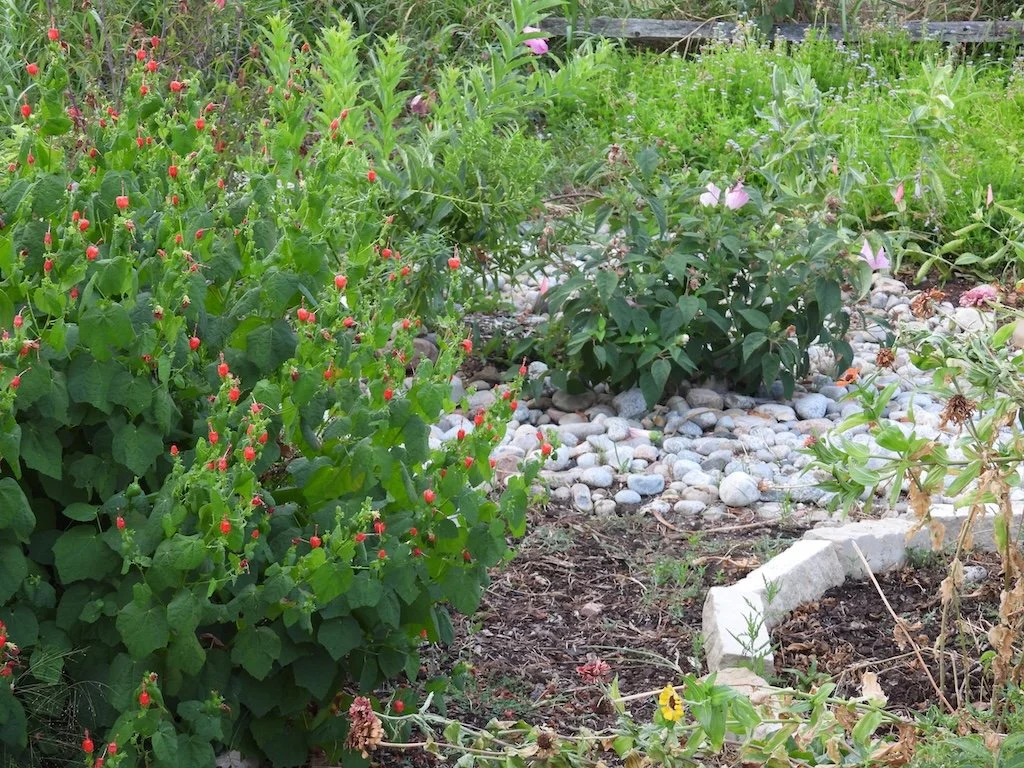
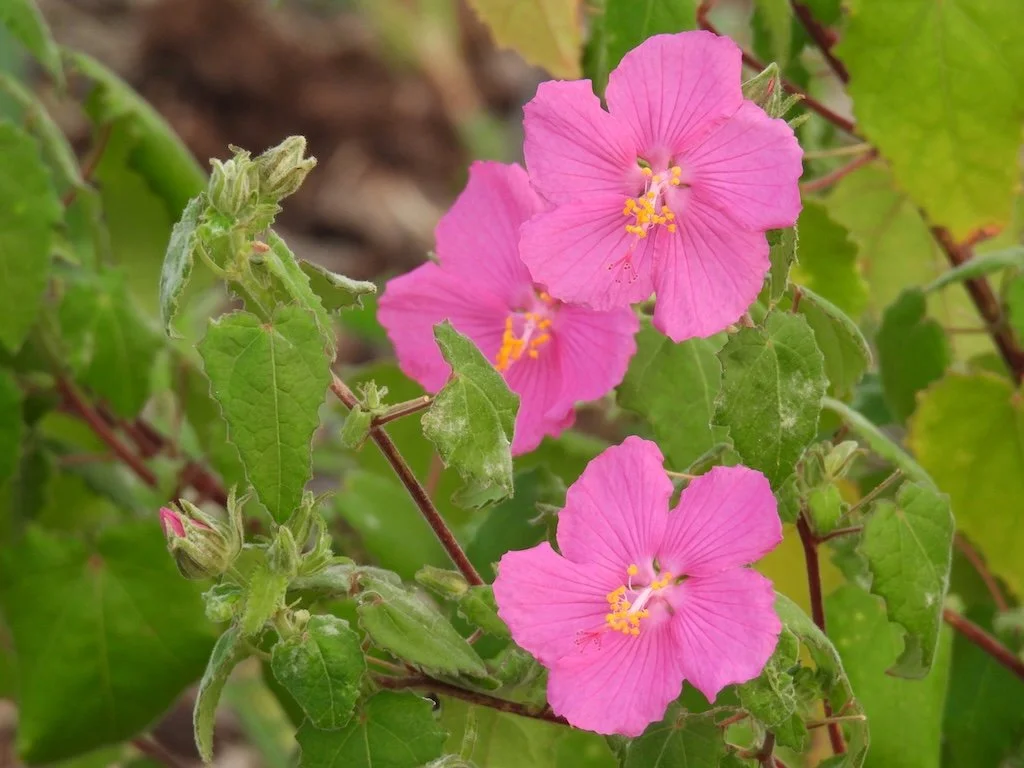
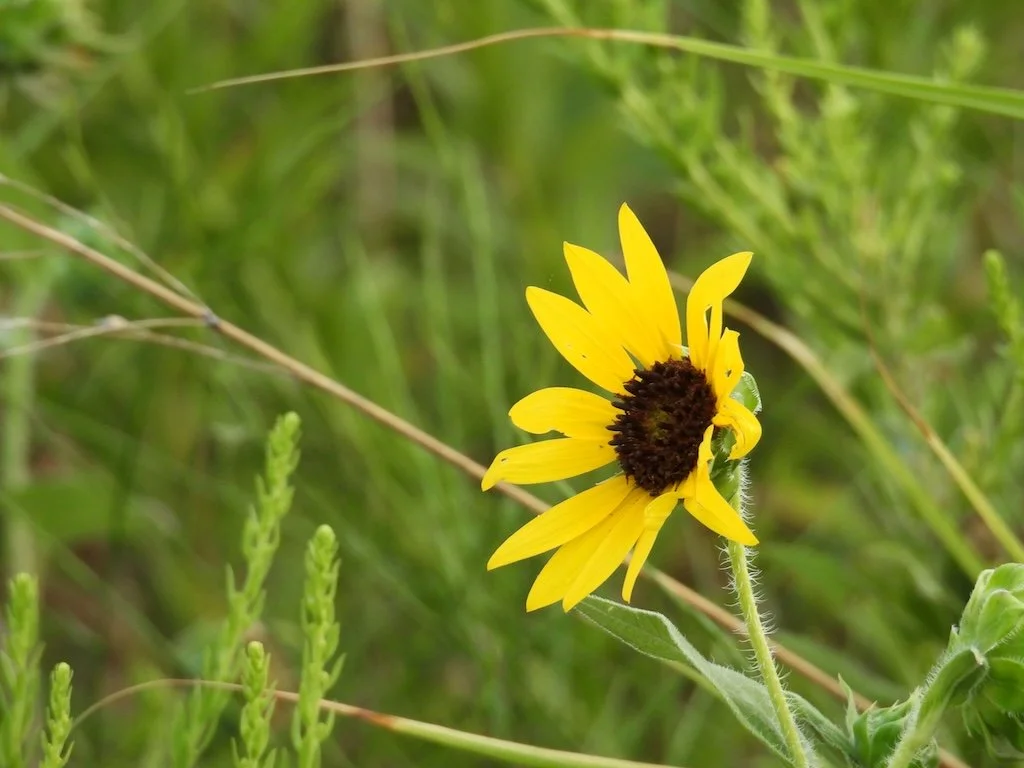
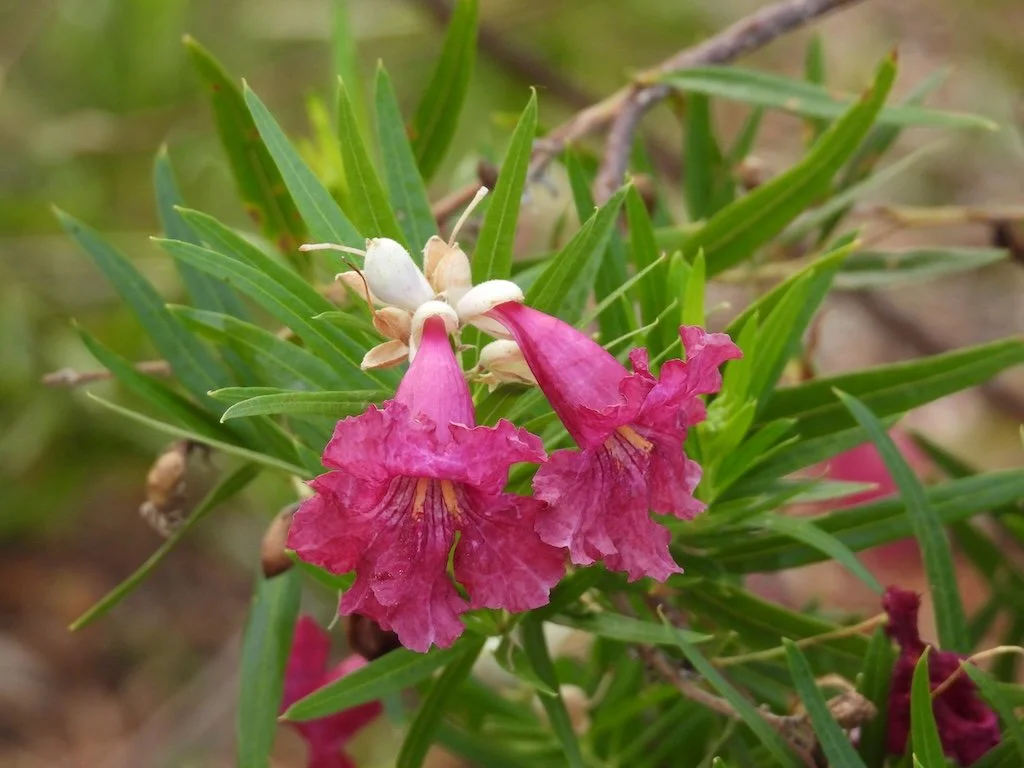
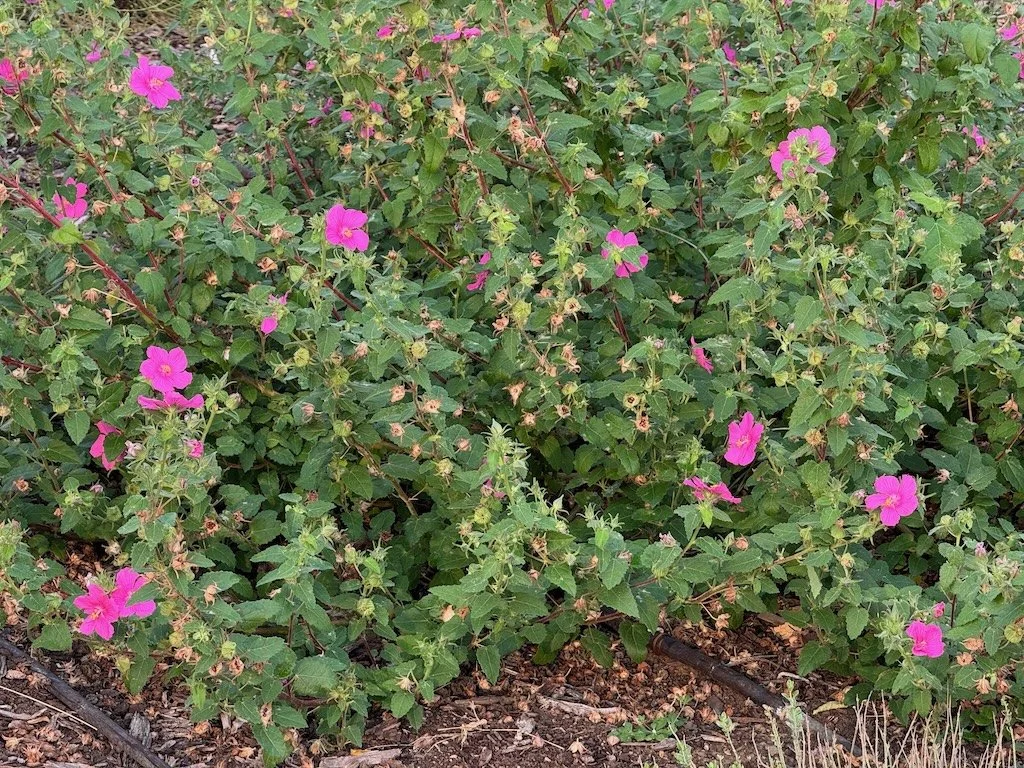
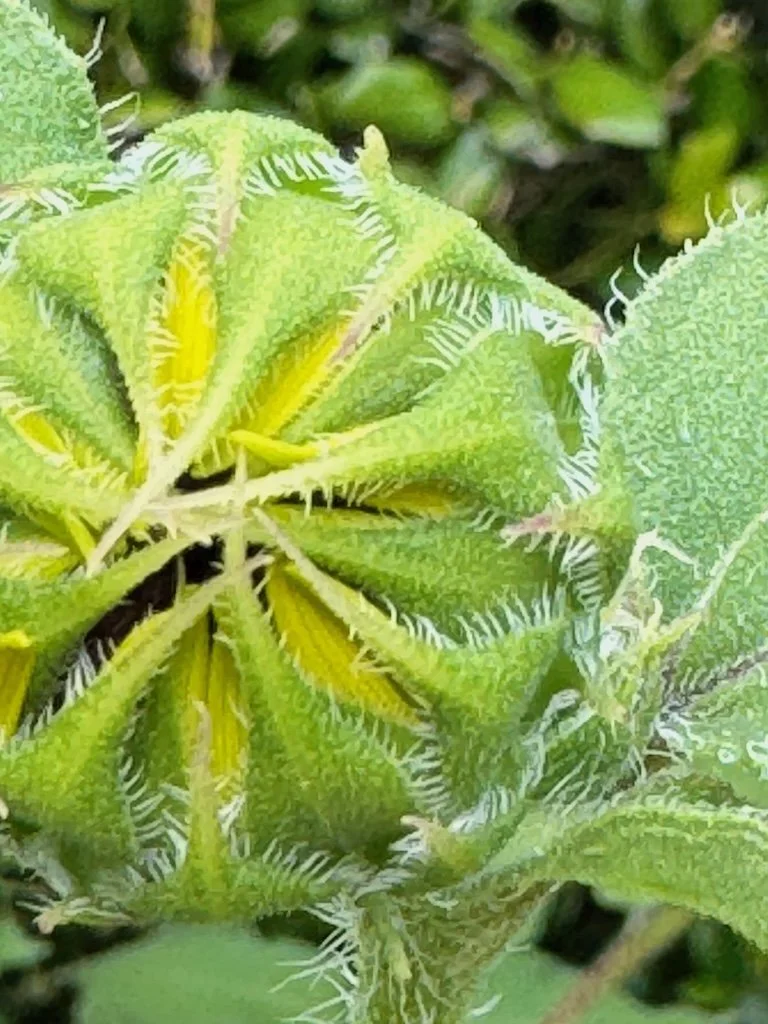
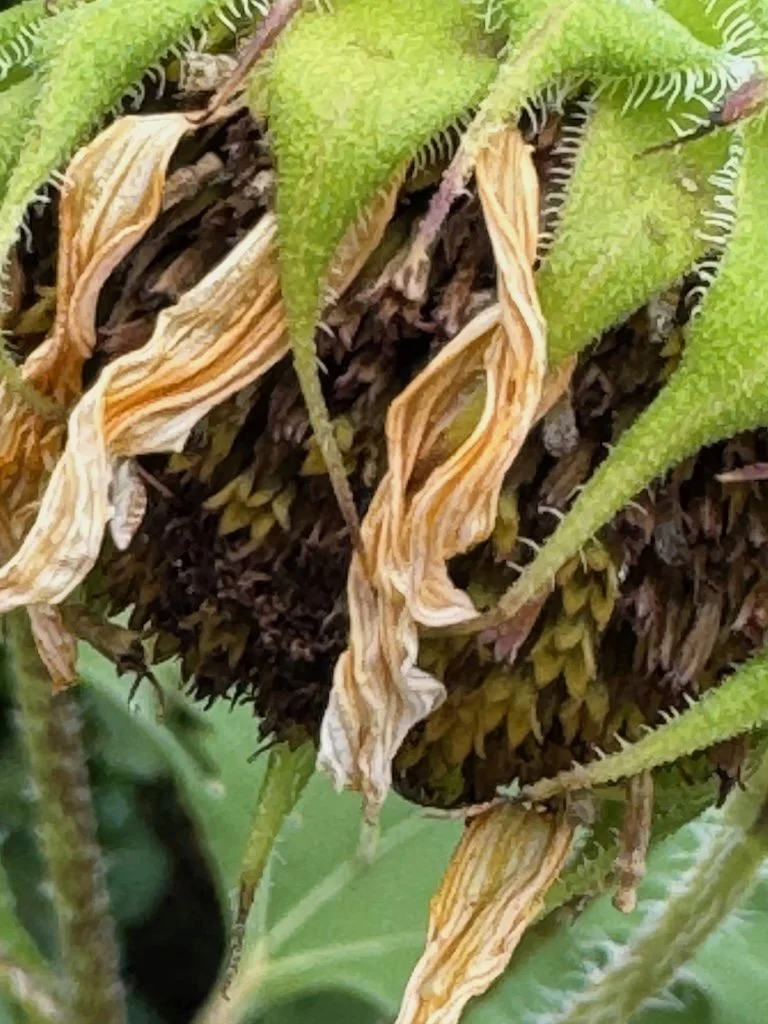
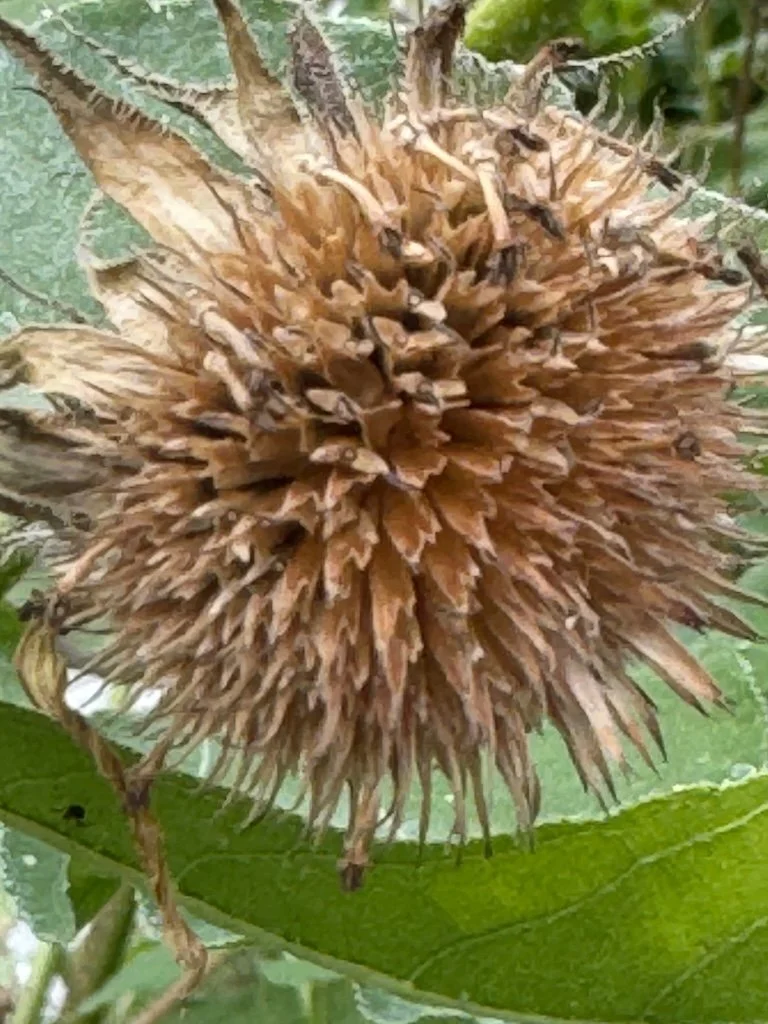
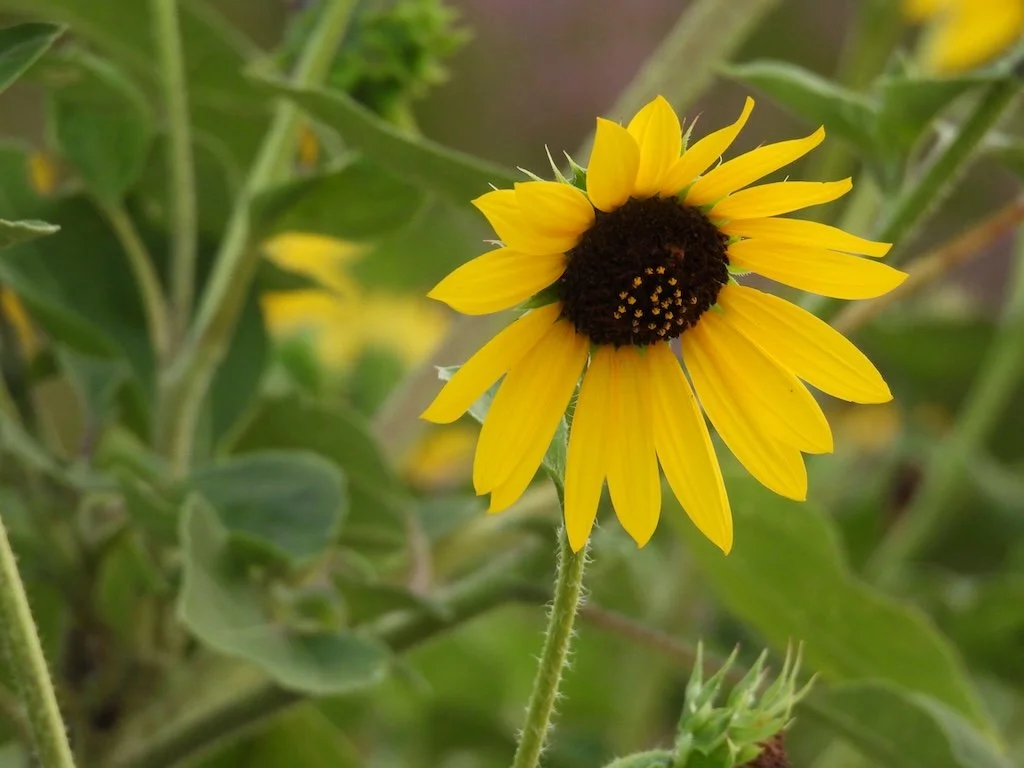
There didn’t seem to be very many birds around, so I started my visit at the pocket prairie. The trash cans looked freshly painted, and the gardens looked like they had been recently weeded (piles of vegetation waiting to be picked up). Some of the flowers had gone to seed but that is normal for August. There were marshmallows that were surviving in the rain garden area. The sunflowers dominate but I was glad to see Texas rock rose among the plantings.

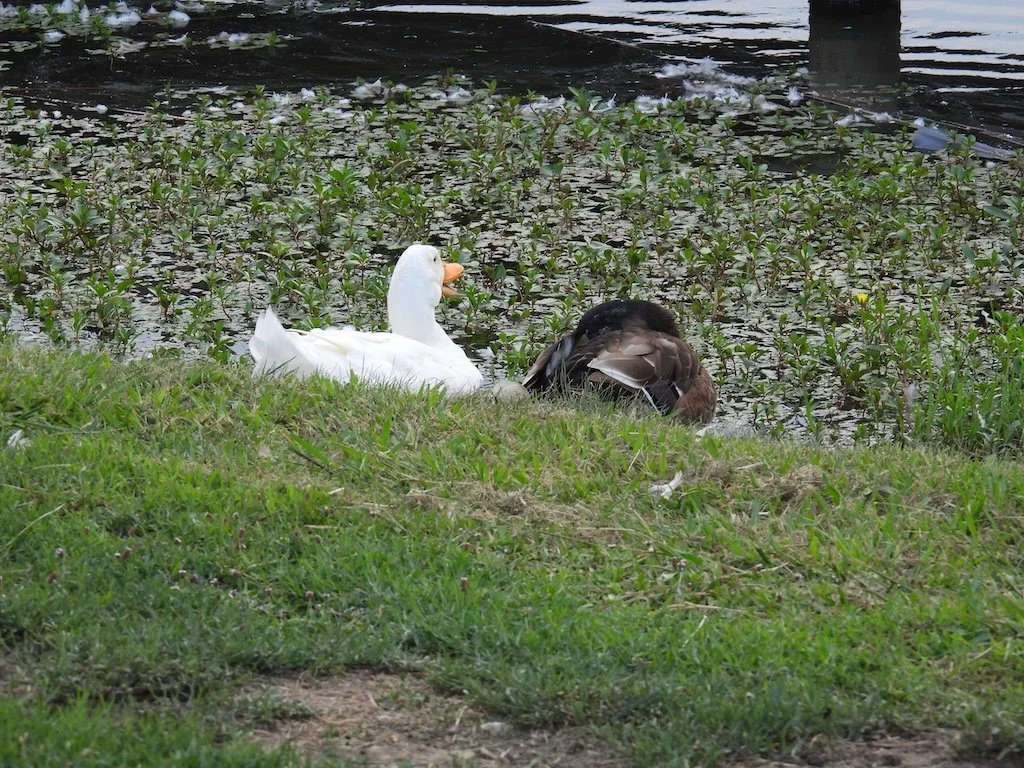
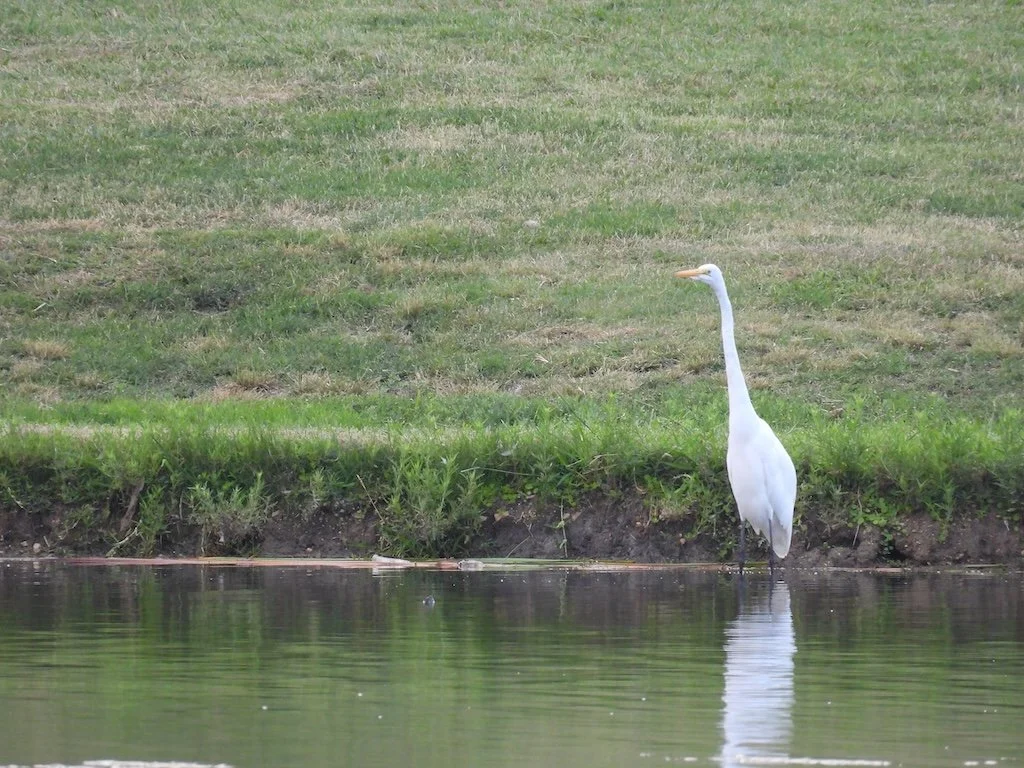
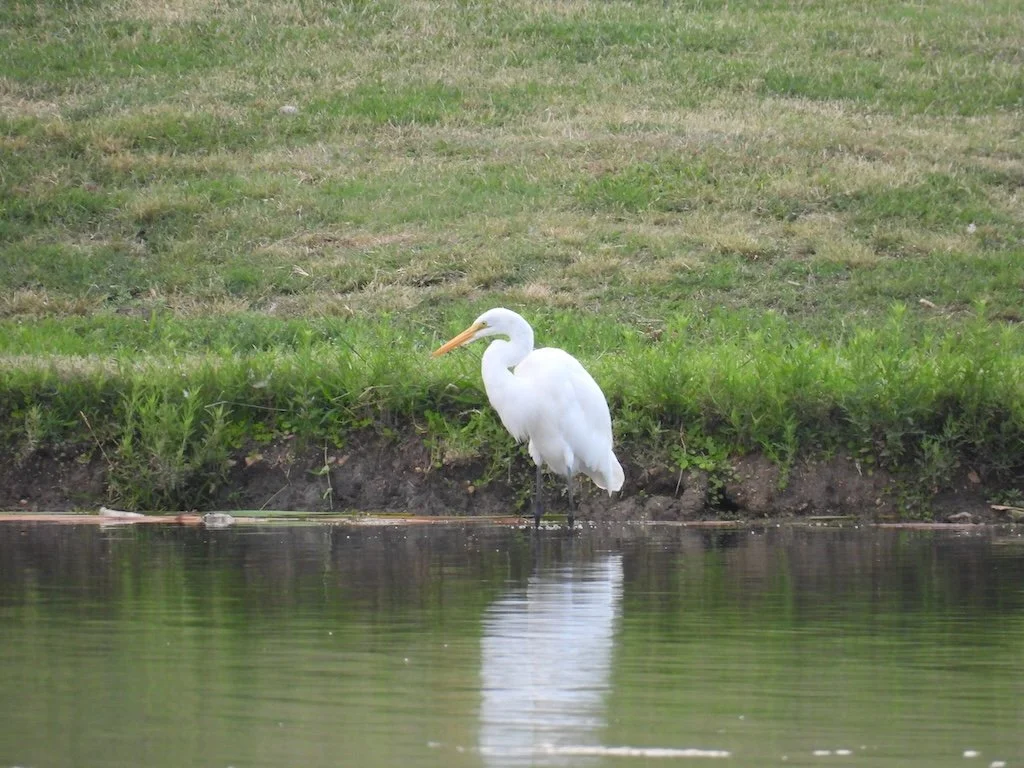
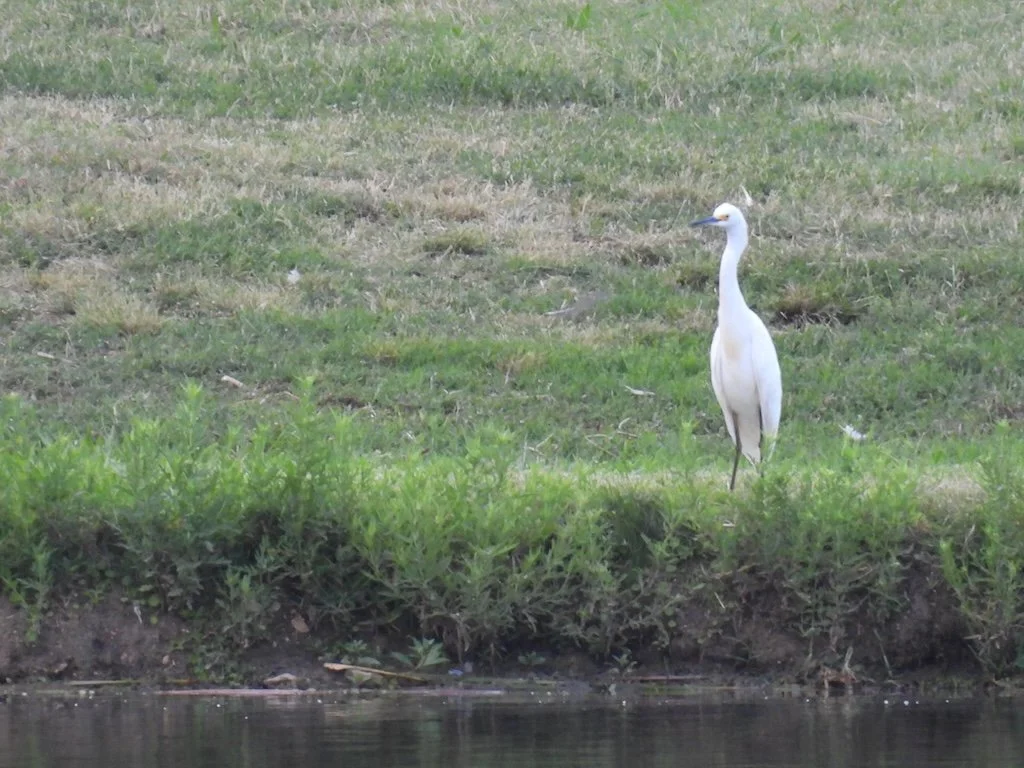
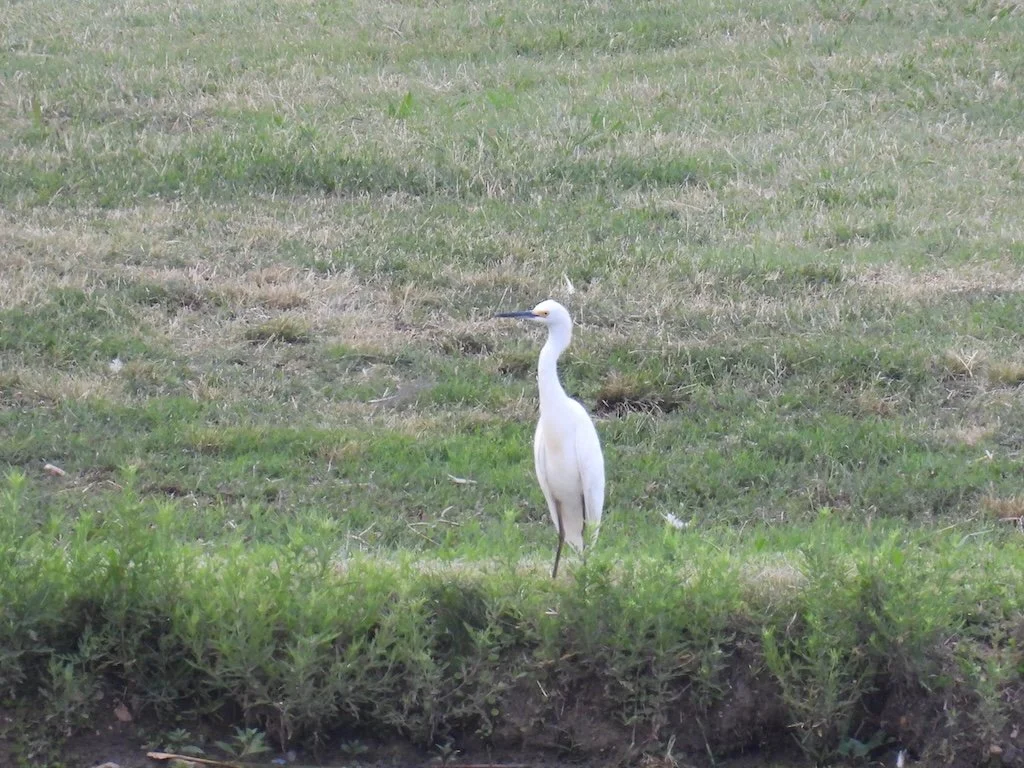
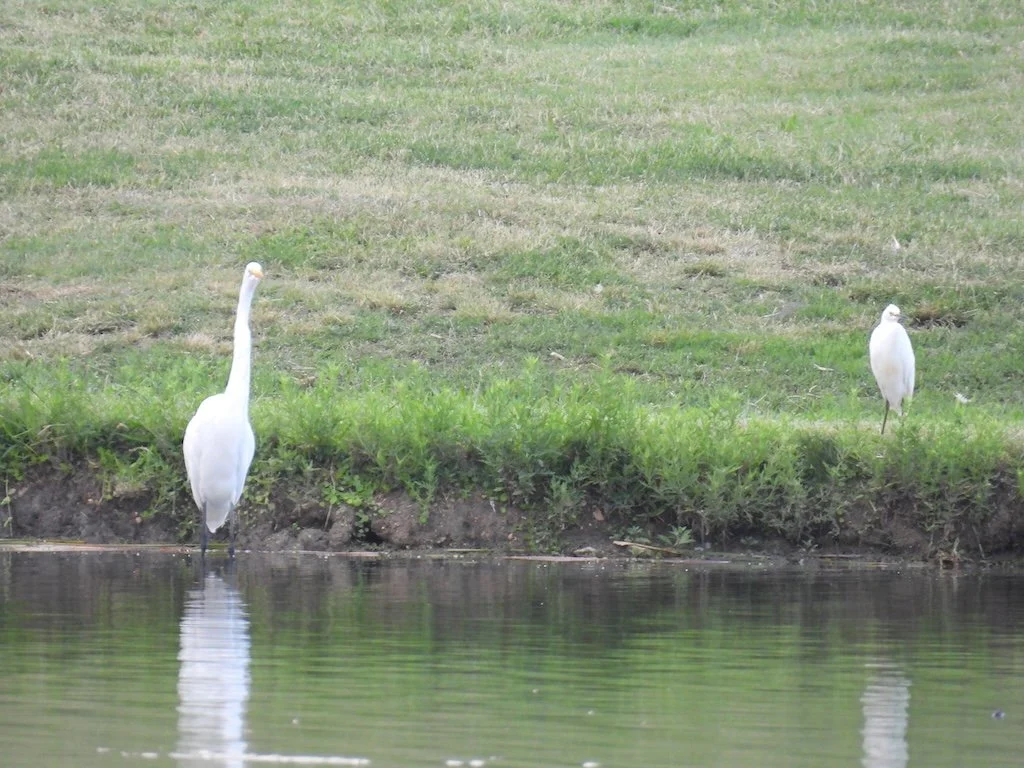
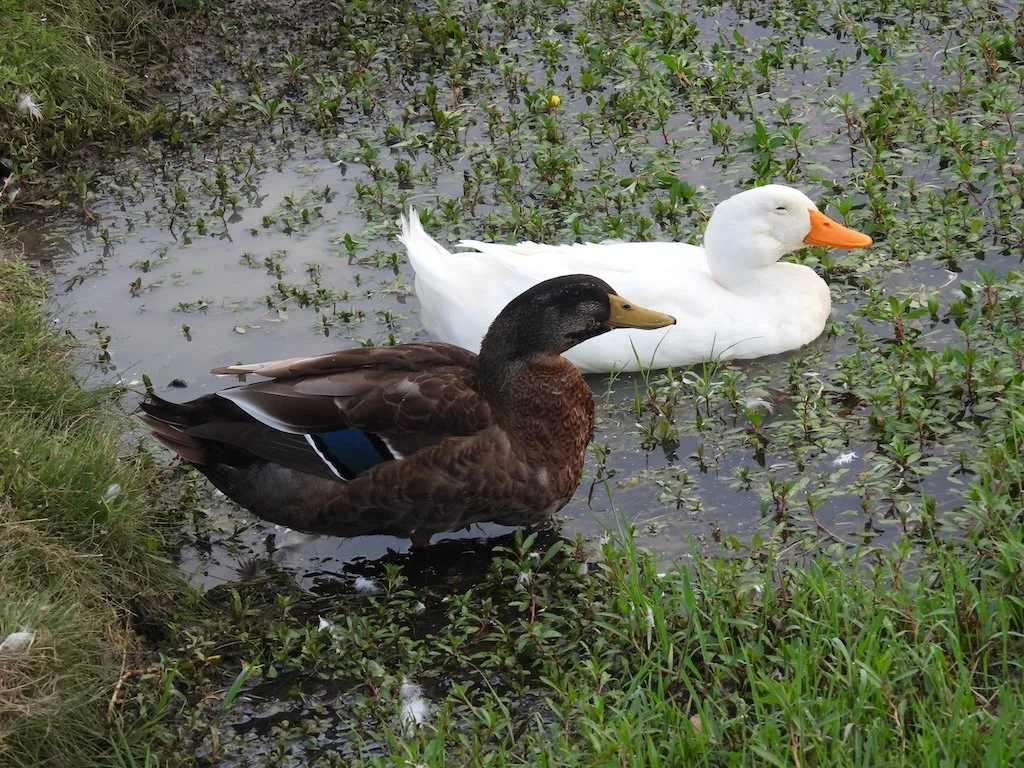
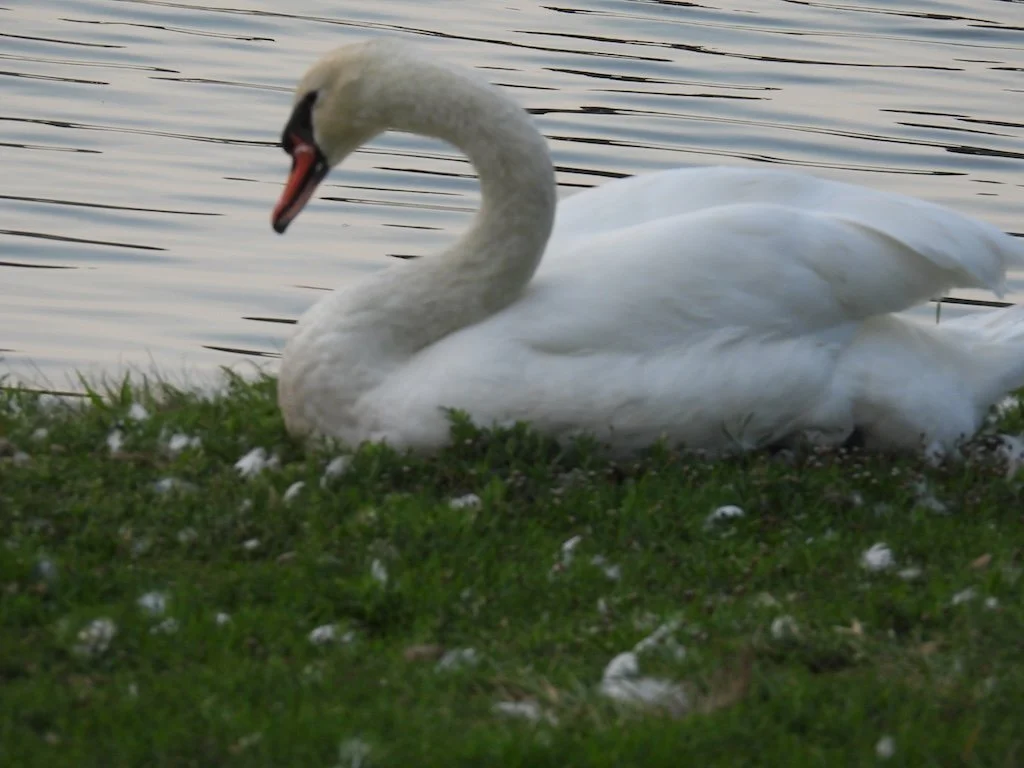
I went back to look at the lake and realized that there were not many grackles (I heard several…only saw one)…pigeons were about as numerous as always…only two ducks and one was a white domestic duck. The only birds I saw in the pond were one great egret and one snowy egret. The two swans were still there. Evidently there were a lot of geese there recently judging from the goose poop on the sidewalks. It was depressing that there weren’t more birds around and I wondered what happened.

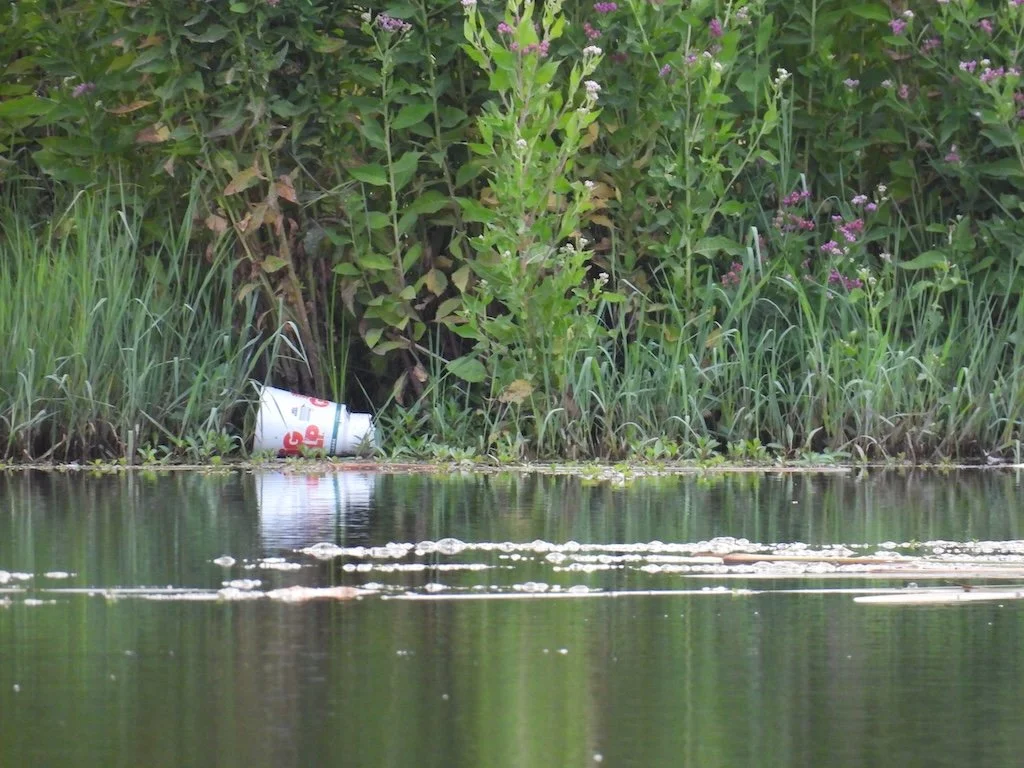
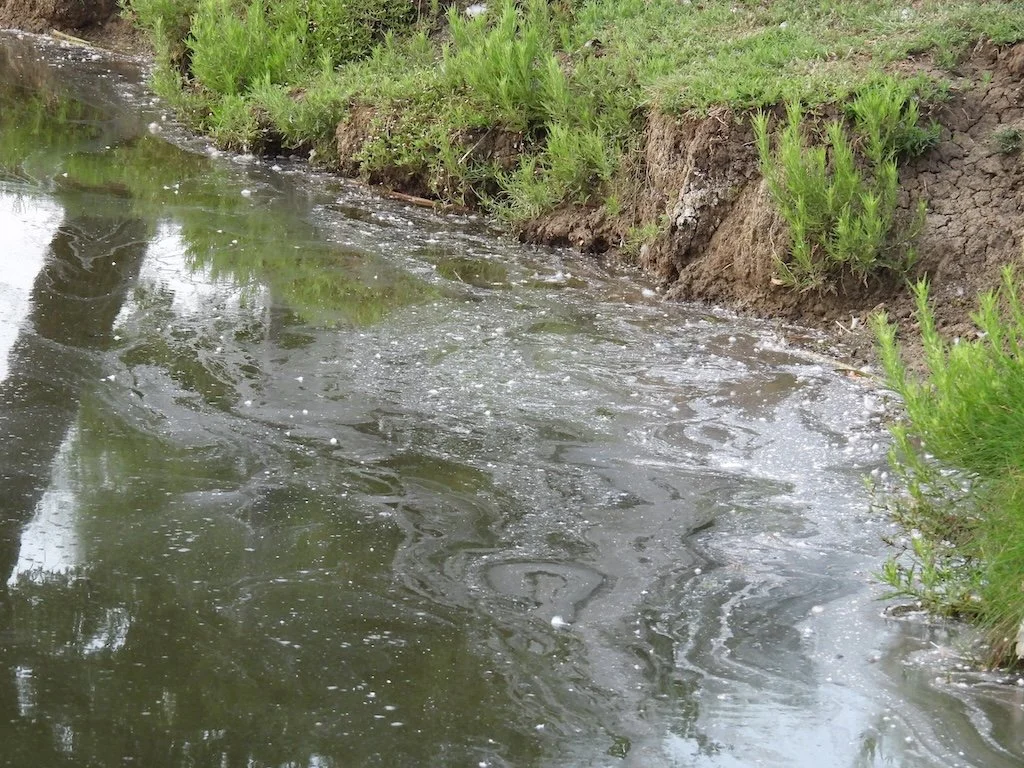
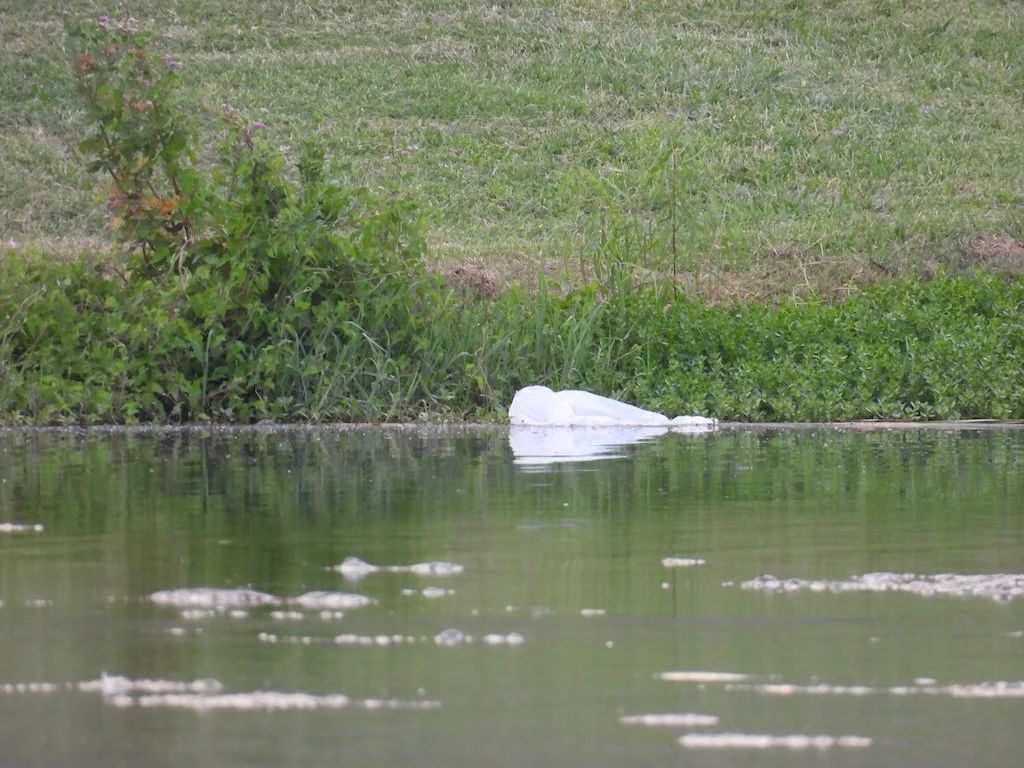
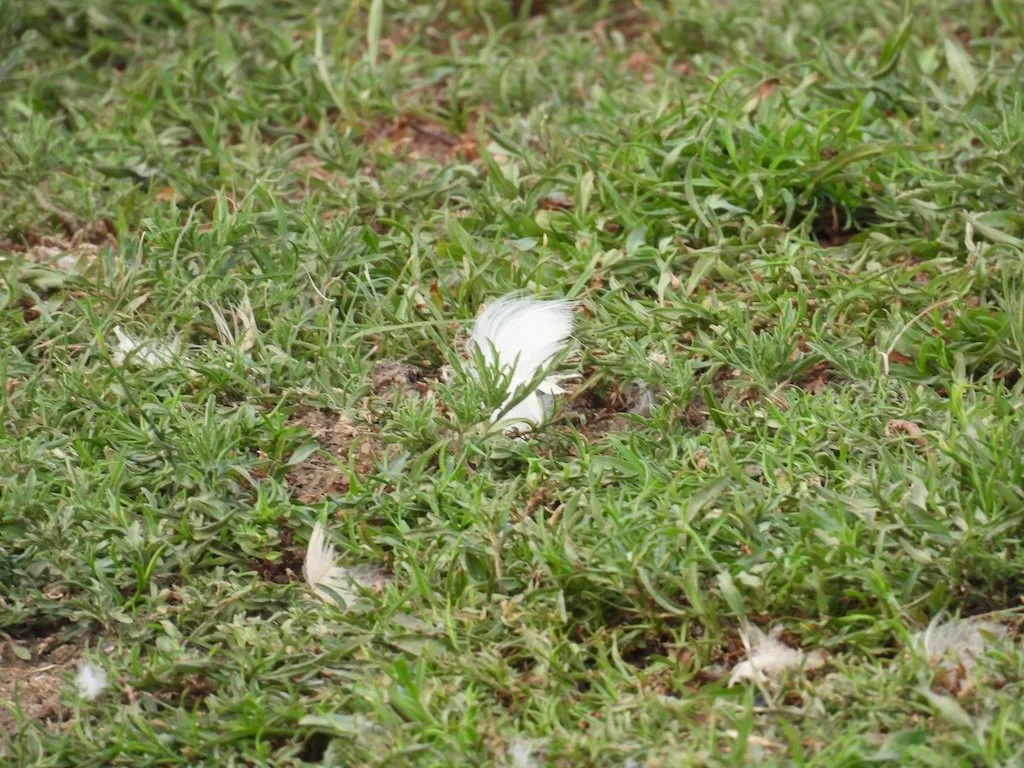
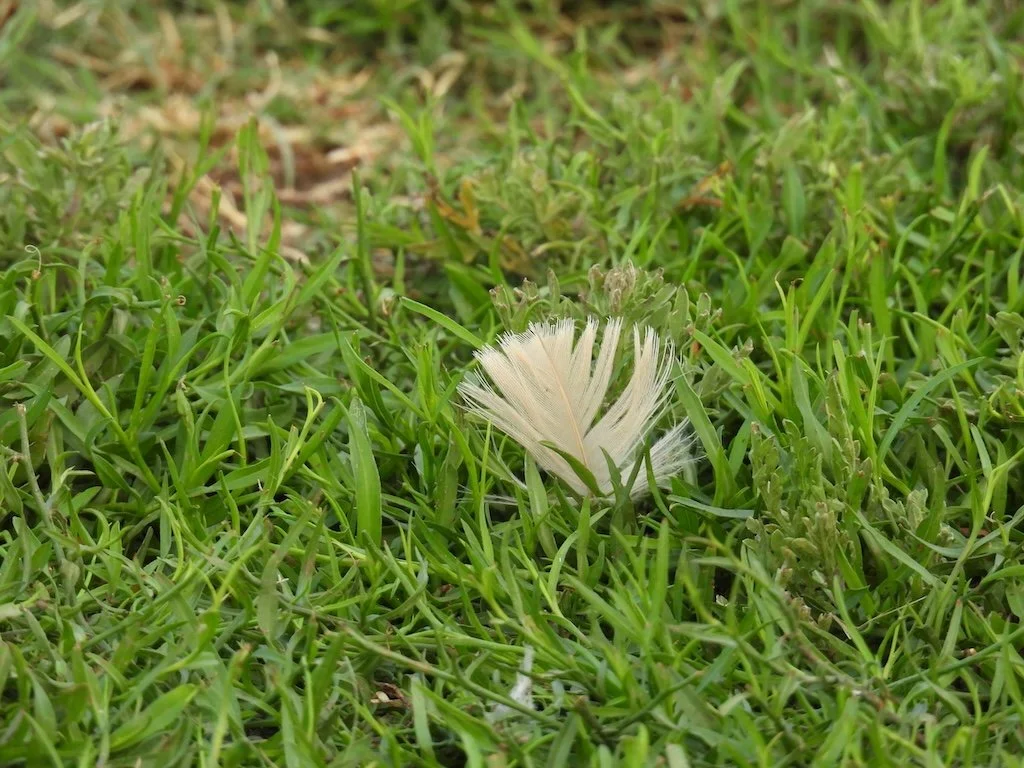
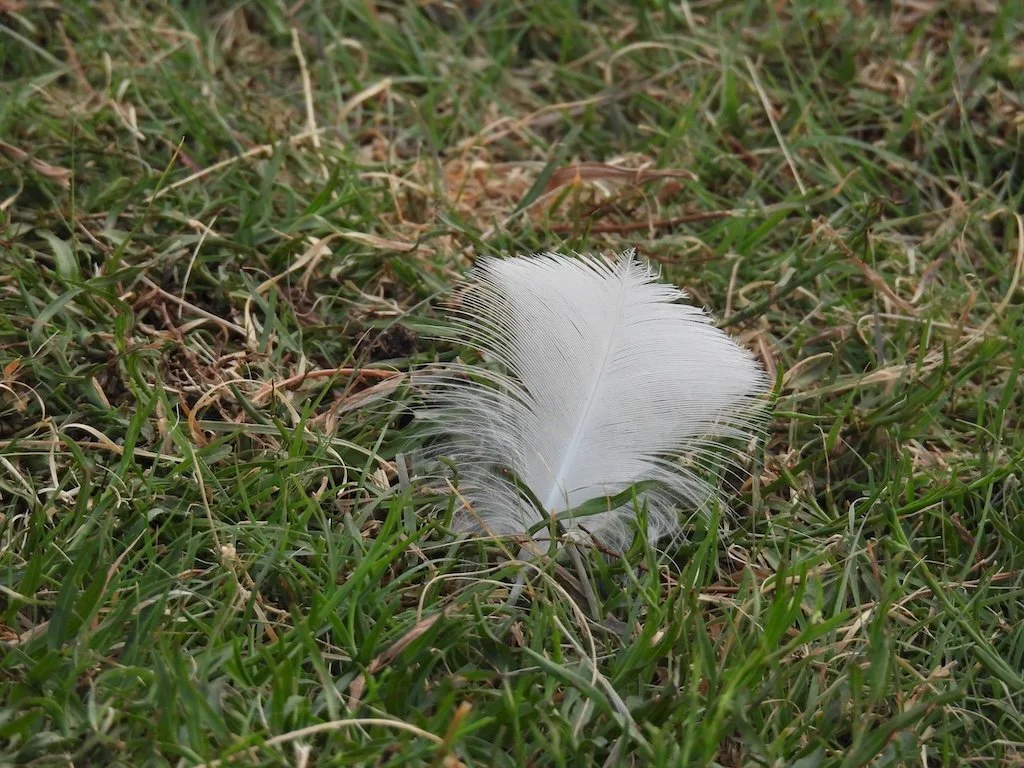
I noticed more trash in the water – a foam cup, plastic bags, and sheen on the water near the shore. Is there more pollution in the pond now? I saw one turtle snout from a distance. Overall, the pond does not look as healthy as it was a few years ago. I took a few pictures of feathers in the grass.

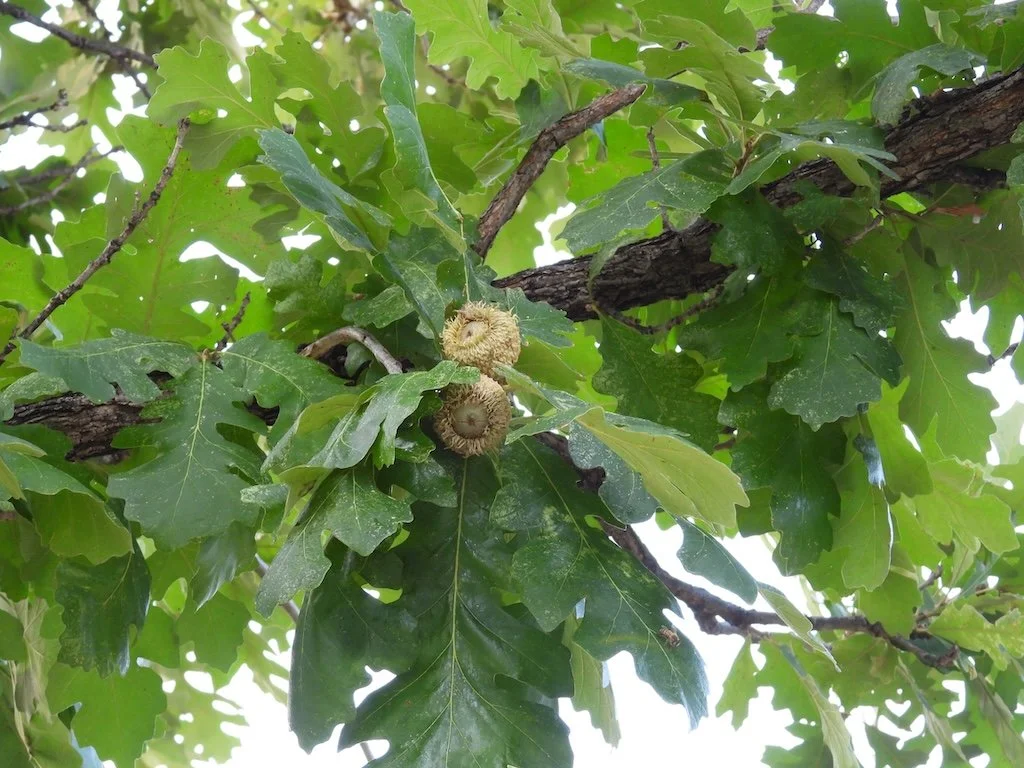
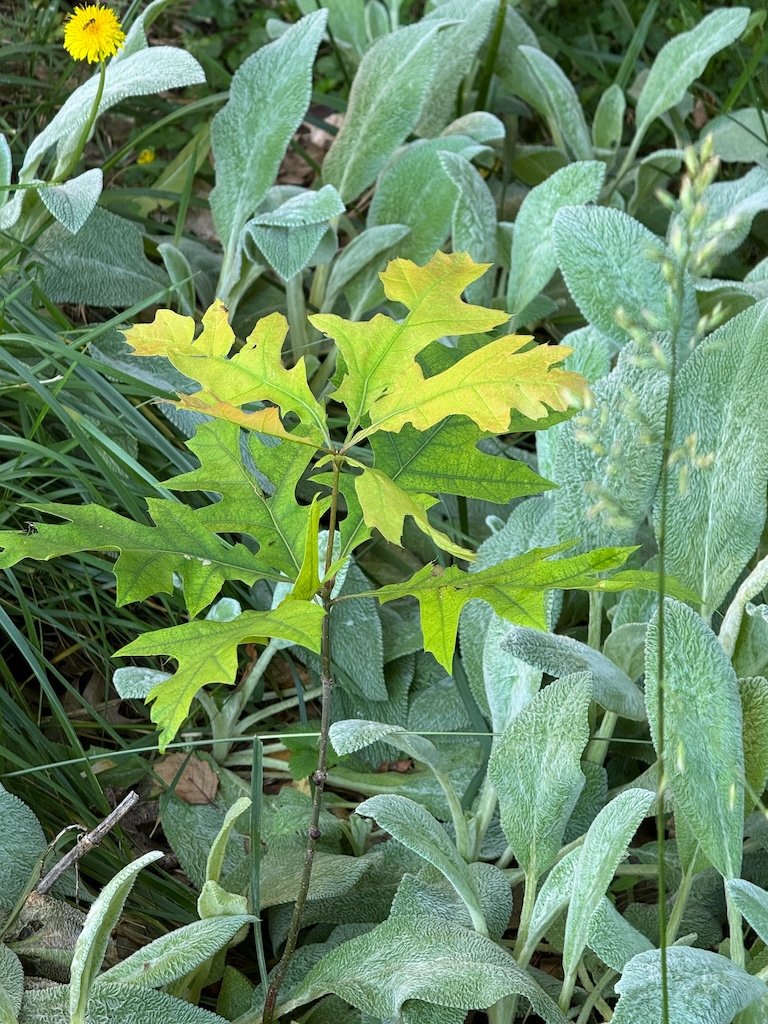
As I walked to the plantings between the library and senior center, I noticed a tree that was planted in memory of someone. It was about 6 feet from the sidewalk….a Bur Oak! I was surprised that it was planted so close to the sidewalk…maybe the climate in Texas will cause it to not get as big as Bur Oaks usually grow.

I looked for the beautyberry that seemed to thrive previously in that area, but they were gone. One of the new plants was a rock rose. The morning was warming up but I didn’t see many insects.

It was a little depressing that the wildlife that used to be around the area seems to be reduced. Maybe I was there at an odd time….I’ll try to look again later this year when the birds that typically winter in Texas might be around.

Plastics Crisis: Show-Me Less Plastic Workshop

The Show-me Less Plastic workshop that I attended was provided by a partnership of Missouri River Bird Observatory and Stream Teams United. It is specific to Missouri but part of a nationwide effort from Beyond Plastics. The parts of the workshop that were local to the Springfield, Missouri area were provided by James River Basin Partnership.

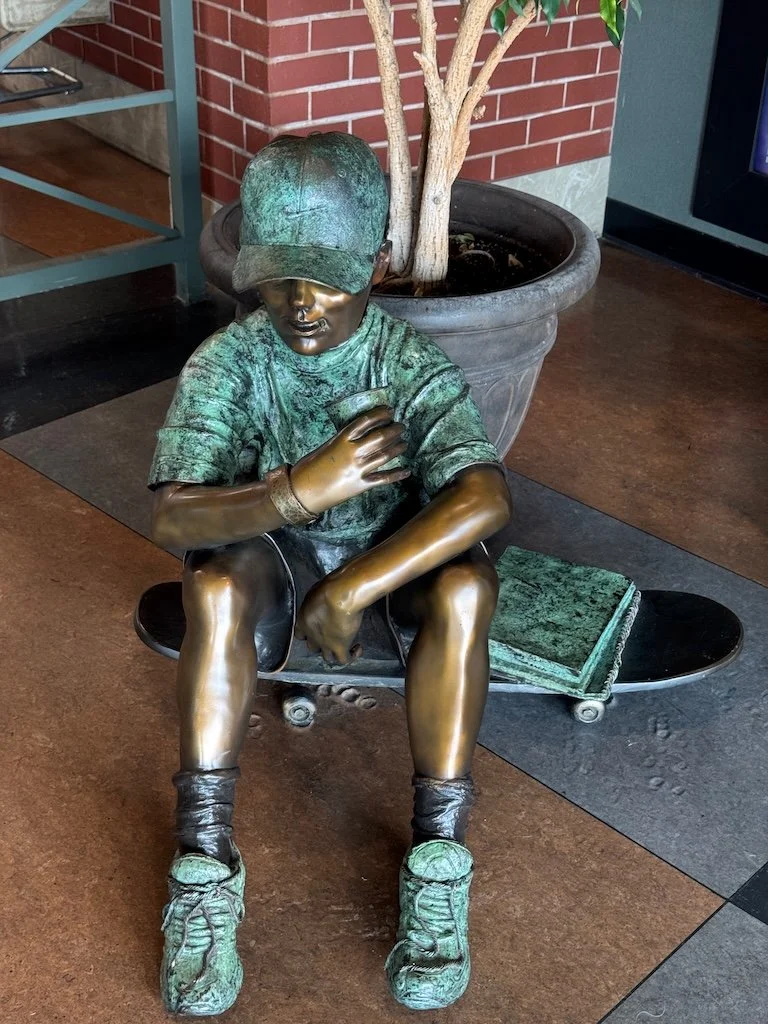
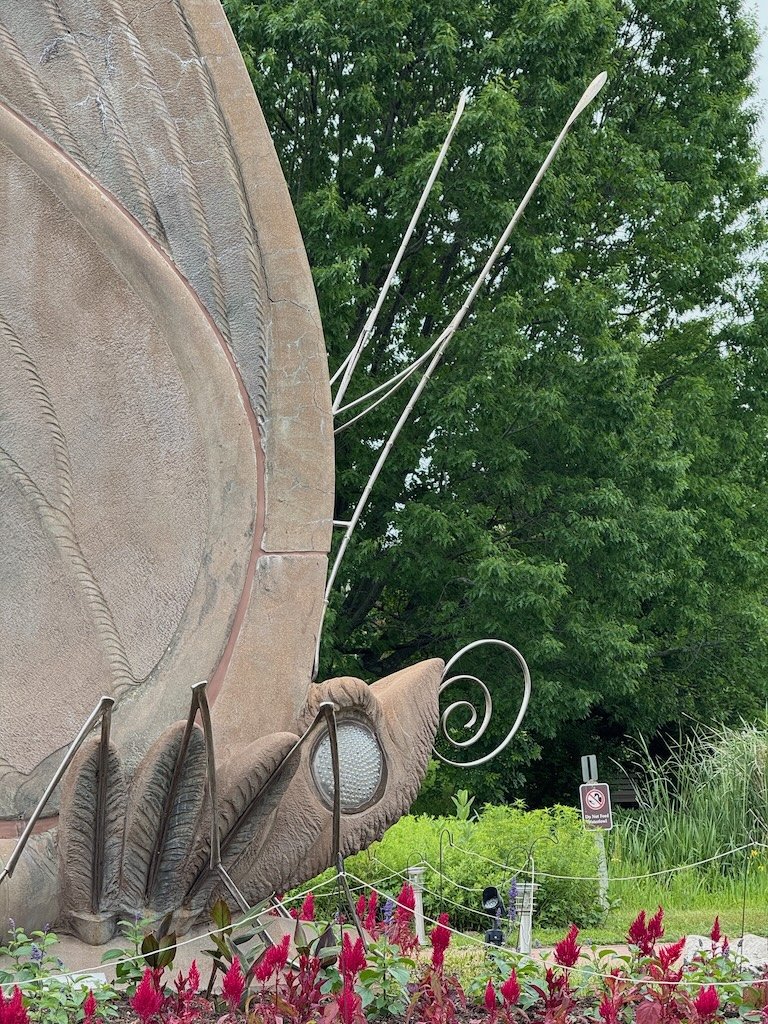
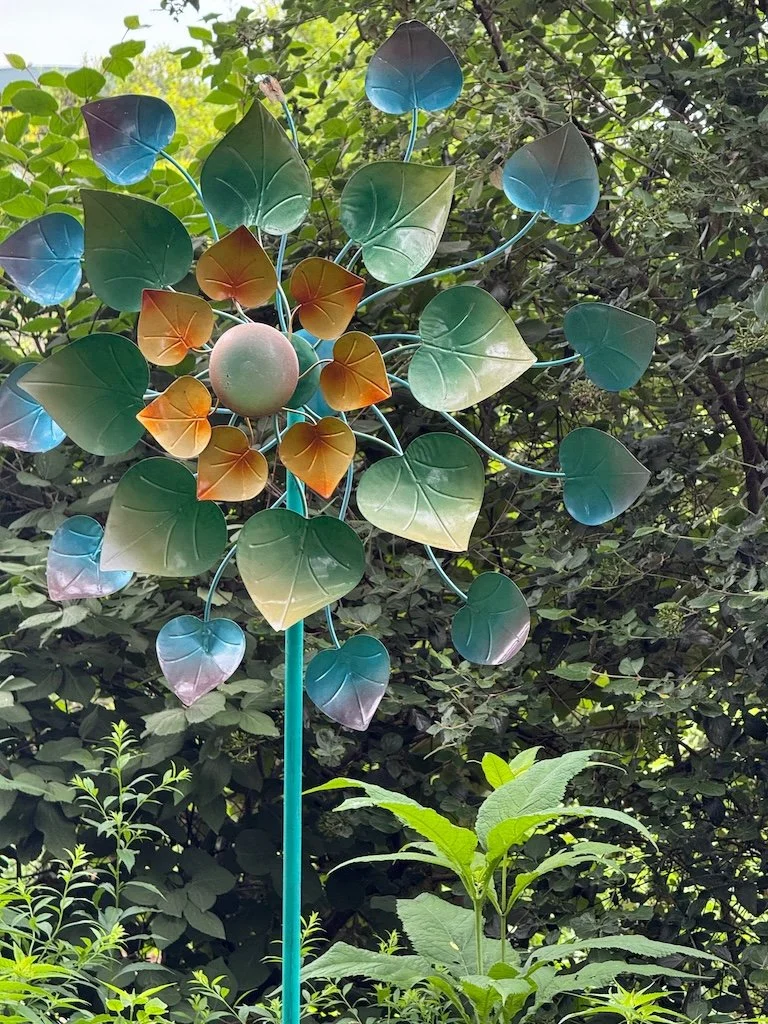
It was held in a Springfield library (the photo is of a sculpture in the library) with a Panera Bread that catered the plastic-free lunch.

There was an overview of why plastic pollution is a crisis (health of everything on the planet including us is at increasing risk)…but the audience was already onboard with that. We were also aware of the long-term message from the plastics industry that the convenience of single-use plastic is so fabulous that we simply need to be more successful at recycling to resolve any problems…but recycling hasn’t worked and it is unlikely to ever be sufficient. The industry is assuming that recycling will not work since they are projecting a huge demand for new single use plastic production to take the place of their revenue stream from fossil fuels trending down as more renewable energy becomes available. The problem is huge and may very well be a more imminent threat to lives that climate change.

The bulk of the workshop was focused on going beyond what an individual can do: community education and outreach, influencing business and policy makers….first steps.

I am writing this the day after the workshop. There will be a follow-up email from the workshop coordinators.  There are still some things I am working on as an individual to reduce my family’s risk (but it is not possible to eliminate exposure micro and nano plastics…and it will get harder as there are more plastics in the environment). I have a tentative list of actions, but I want to work with a local Beyond Plastics Affiliate to be with others that are taking similar actions.

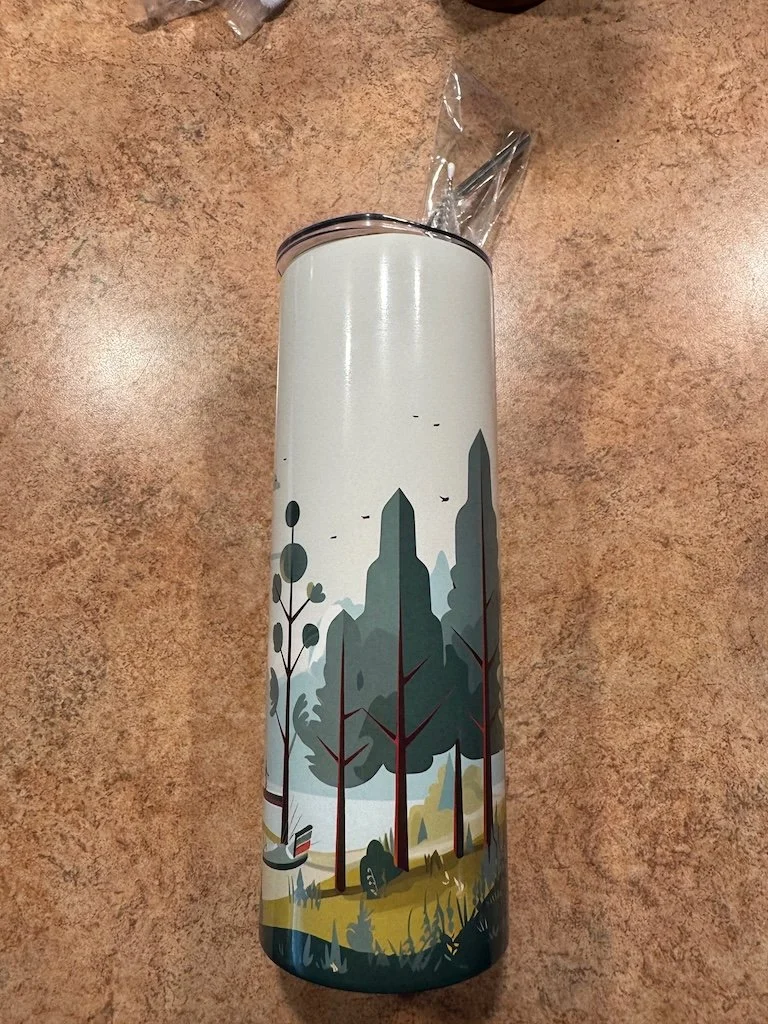
I came away from the workshop with one of the ‘door prizes’ – a stainless-steel container (with a straw!)…different than my other water bottles. This one will work well in  the car!

Road Trip to Dallas and Sustaining Elder Care – August 2025

My road trip to Dallas in August was over 3 days rather than 2 since the sister that visits my dad most frequently was taking a vacation. There was rain as I drove through Oklahoma on the drive down and then on the third day as I headed home….but the drive was dry on the ends (Texas and Missouri). It wasn’t as hot in Texas as I expected although the air quality was yellow the entire time I was in Dallas (and red in the later part of one day when I was, luckily, indoors).

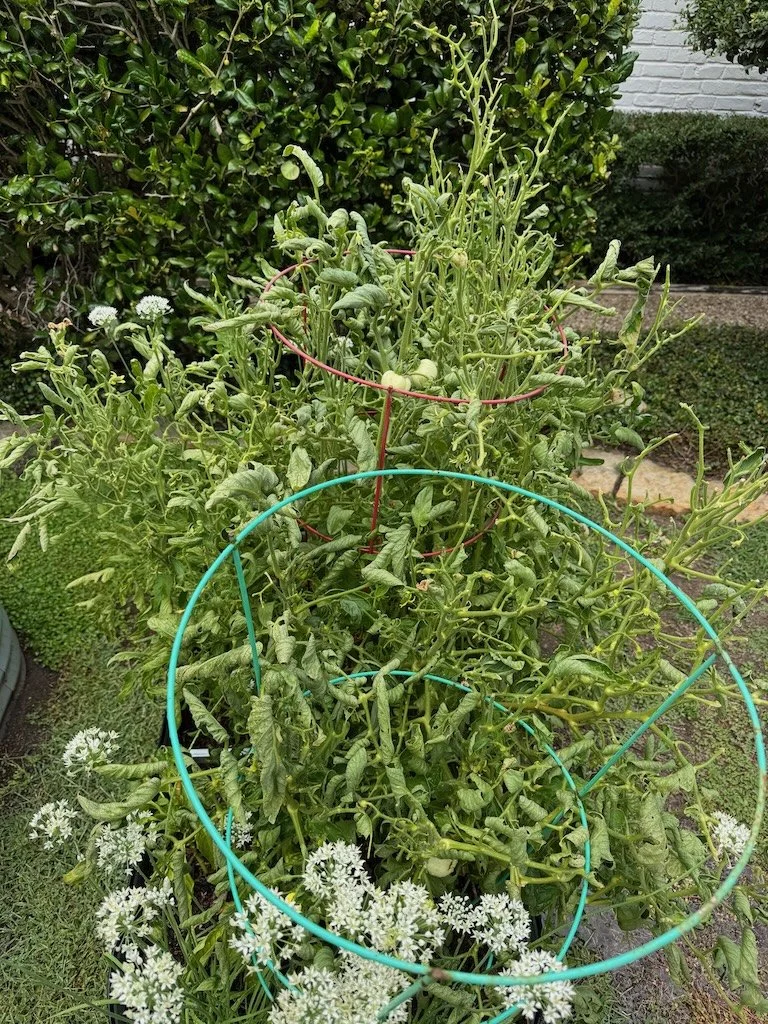
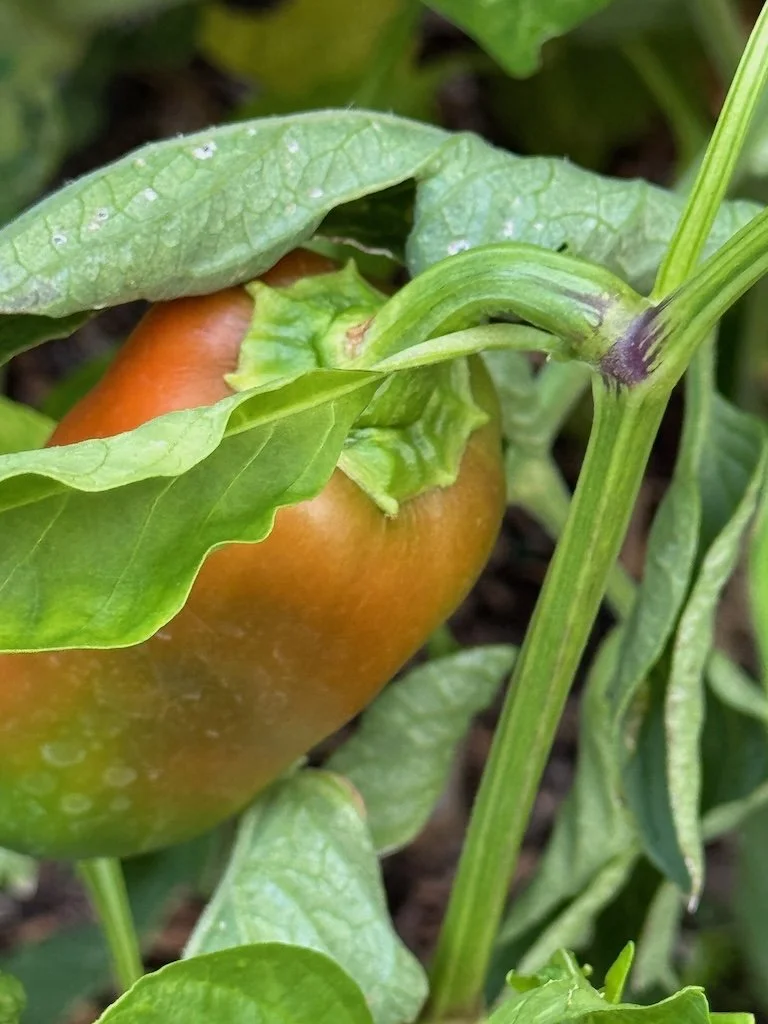
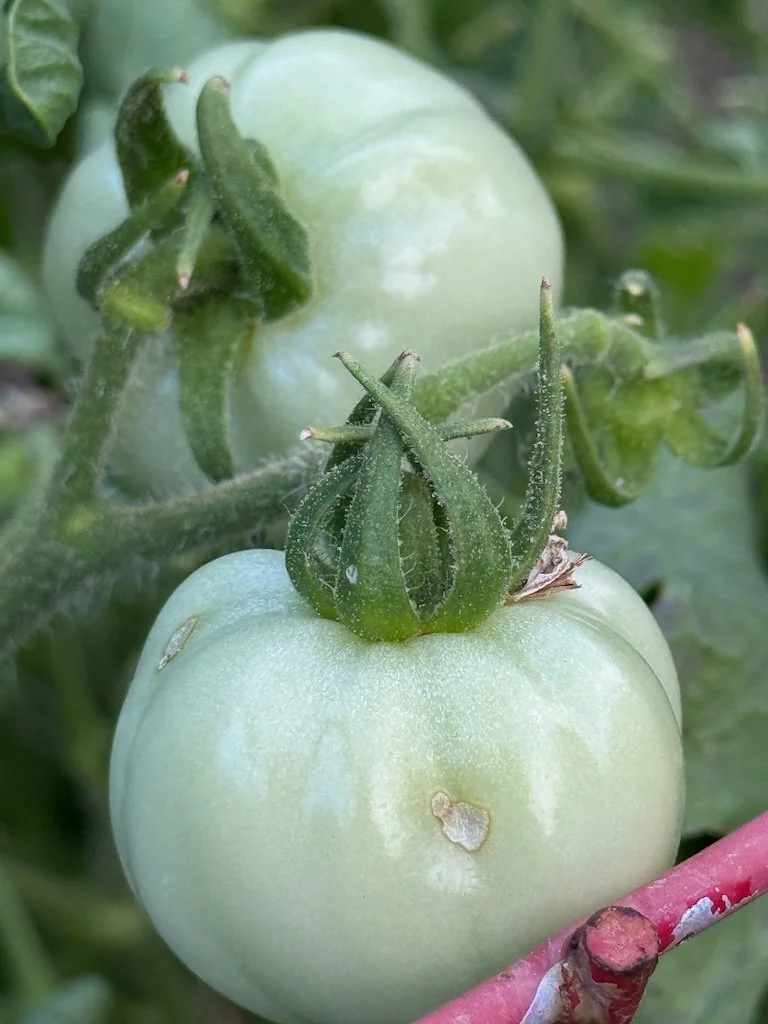
The garden my sisters have maintained at the assisted living residence needs watering every day and we all take Dad out when we do that. He sits on the patio in the shade and enjoys the change of scene and outdoors in general. The house bought a new hose recently, so it was easier to maneuver without some of the plastic coming off the hose. There are peppers, tomatoes, and chives in a raised bed.

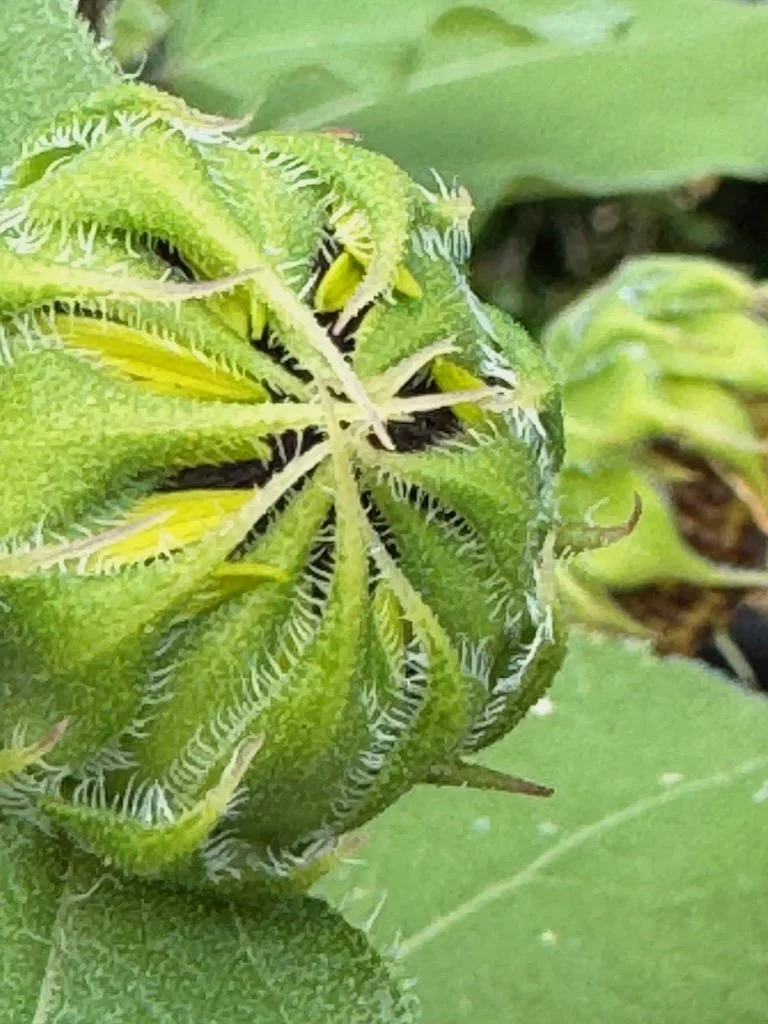
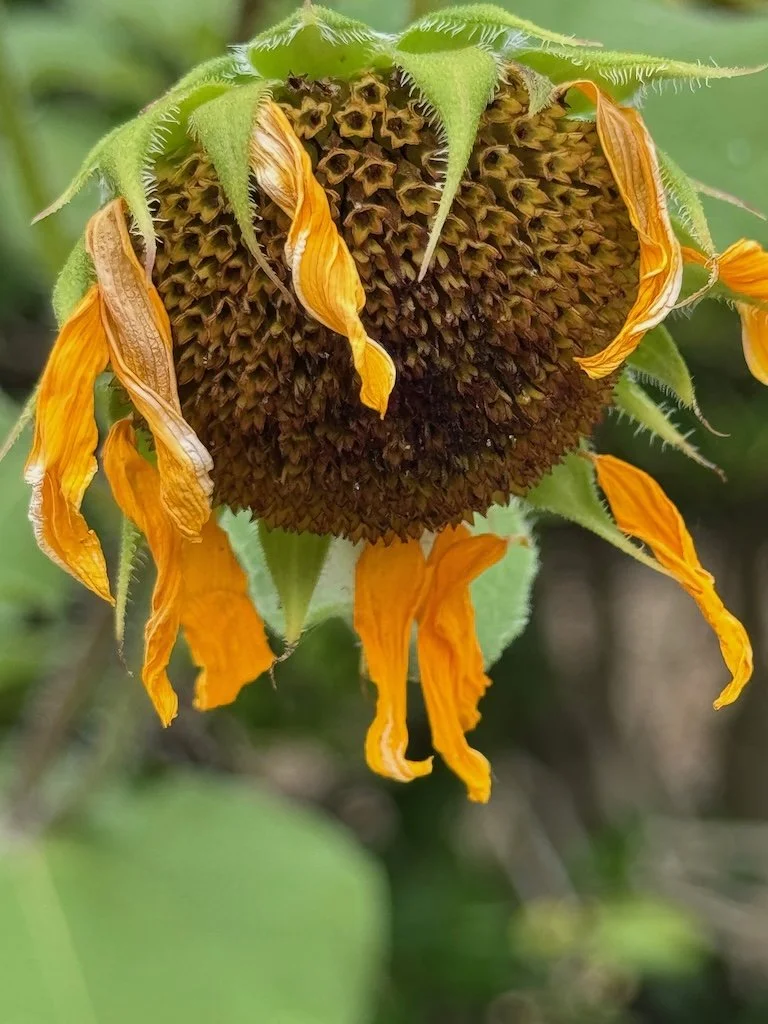
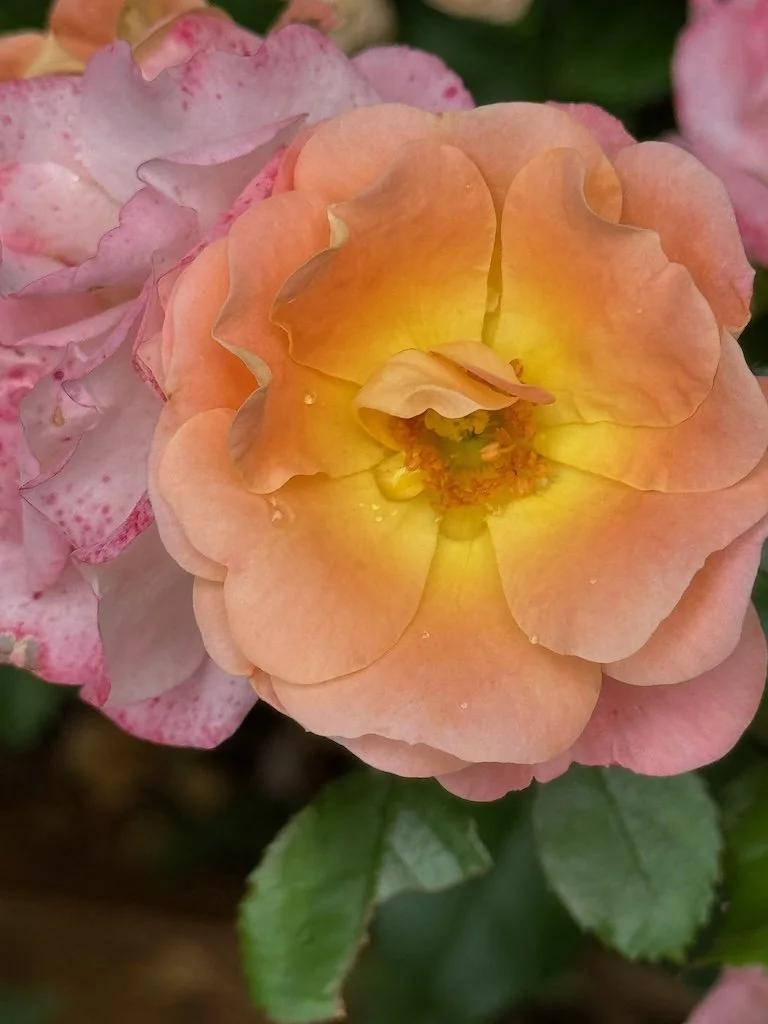
The sunflowers are at all stages of development. Next time I go, I will get some seeds to plant in my garden for next spring. I noticed that the miniature rose bush is surviving and there are some small Texas rock roses that my sister has managed to transplant successfully.

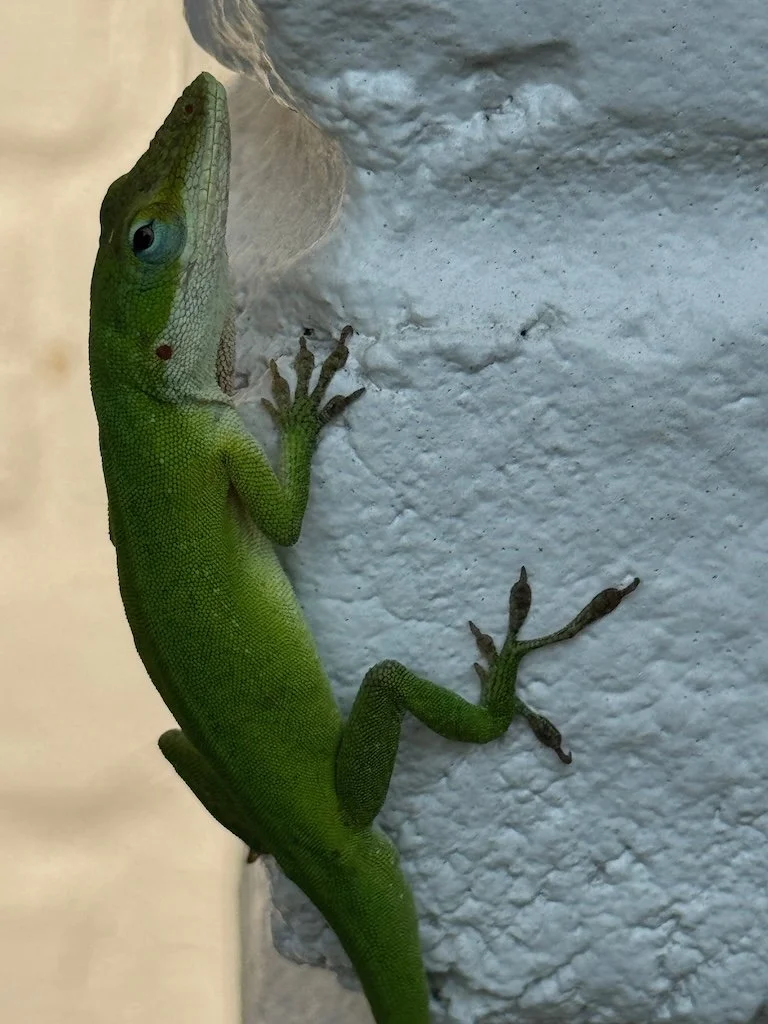
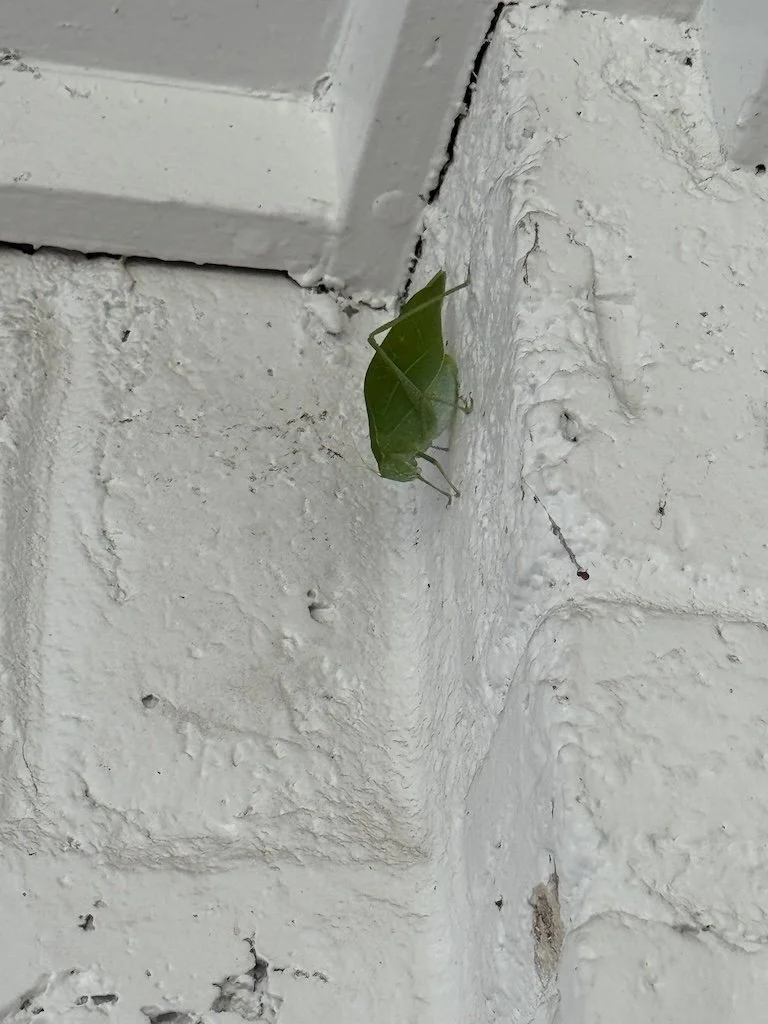
The temperature was pleasant enough that I decided to prompt Dad to do his PT in the patio chair. We were out long enough to see a lizard and katydid. On the last morning, I noticed there were lots of mosquitos, so we went back inside before finishing the round of PT…did the rest inside! I didn’t get any bites…and I hope he didn’t either.

The surprise at the residence was the staff finding out a company was coming to treat the kitchen for bugs…they quickly cleared the cabinets and asked if some of the things they weren’t using were ours. They were things we had brought from my parents’ house when they first moved to assisted living thinking it would help with the transition to have things they recognized. They did…but it’s been over 1.5 years now and my dad doesn’t remember any of them. My youngest sister packaged them up in reusable win bottle bags and took them home.

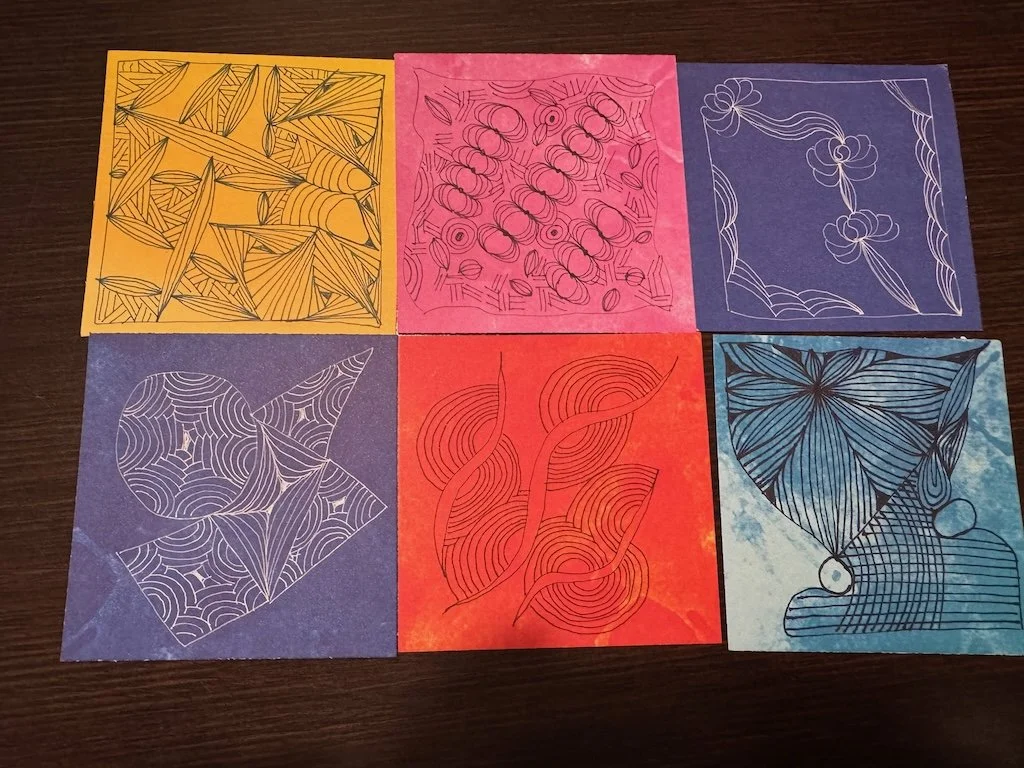
I enjoyed lunch with my youngest sister on the second day…splurged on a decadent dessert. I enjoyed the down time in the evenings – destressing with the usual Zentangle creation and reading and some exercise. The hotel breakfast was the same as usual: eggs with pepper, Cran raisins, walnuts, and a cinnamon raisin bagel.

Like always, I was glad to be home again.

Gleanings of the Week Ending August 30, 2025

The items below were ‘the cream’ of the articles and websites I found this past week. Click on the light green text to look at the article.

How Do Plants Know It’s Getting Hot? - Over the past decade, scientists have identified a few temperature sensors that regulate plant growth, some of which also detect light. Many of the experiments to understand the function of these sensors were done in the dark, leaving daytime temperature sensing unexplored. Now, in a recent study researchers discovered a brand-new role for sugar in daytime temperature sensing. They showed that at high temperatures, sugar acts as a thermostat to override plant-growth brakes, thus enabling heat-responsive stem elongation. These findings could pave way for breeding climate-resilient crops in the face of global warming.

Volunteers Discover 115-Million-Year-Old Dinosaur Tracks Revealed in the Wake of Devastating Texas Floods - Last month’s extreme floods in central Texas have uncovered 115-million-year-old dinosaur tracks in Travis County, which includes Austin. While the discovery is overshadowed by the deaths of more than 138 people at the hands of the very same natural disaster, it sheds further light on the state’s richly preserved paleontological history.

Horseshoe Crabs Break Free from Biomedical Testing - For 40 years, researchers relied on horseshoe crab blood to catch endotoxins in drugs. Now, synthetic alternatives and updated regulations can end the practice.

Cultivating for color: The hidden trade-offs between garden aesthetics and pollinator preferences - There are native plants with colorful and interesting flowers that bloom at different times, from early spring to late fall. These plants tend to produce reliable floral signals and offer the nectar and pollen needed to support pollinator nutrition and development.

Ancient Dental Plaque Unearths Prehistoric People’s Lifestyle - Tartar on ancient teeth is the oral microbiome fossilized over time. When researchers sequenced the genetic material isolated from ancient tartar, they found it teeming with bacterial DNA. The researchers identified several pathogenic bacteria and some antibiotic resistance genes, suggesting that the potential for antibiotic resistance was present in prehistoric times. Several bacteria such as those belonging to the genera Streptococcus and Actinomyces coexisted with humans through their evolution, offering insights into microbial health and disease through the ages.

An interstellar visitor and hairy caterpillars: The best science pictures of the week – From the BBC.

One small walking adjustment could delay knee surgery for years - A groundbreaking study has found that a simple change in walking style can ease osteoarthritis pain as effectively as medication—without the side effects. By adjusting foot angle, participants reduced knee stress, slowed cartilage damage, and maintained the change for over a year. The caveat: Before this intervention can be clinically deployed, the gait retraining process will need to be streamlined.  

A 2,000-Year-Old Sun Hat Worn by a Roman Soldier in Egypt Goes on View After a Century in Storage - A Roman soldier in ancient Egypt dealt with the excruciating power of the sun roughly 2,000 years ago: by donning a felt cap.

Amazon & Brimstone Advance Lower-Carbon Cement Collaboration - Brimstone developed a breakthrough process to co-produce multiple industrial materials, including portland cement, supplementary cementitious materials, and smelter grade alumina. The company was founded in 2019 to develop next-generation industrial processes optimized for economics, efficiency, and sustainability. The companies announced they signed a commercial agreement to secure a future supply of Brimstone’s materials in the coming years, pending successful completion of testing and commercialization to scale up requirements.

As Fire Season Ramps Up, Thousands of U.S. Firefighting Positions Are Vacant - ProPublica’s review of internal agency data found that more than 4,500 Forest Service firefighting jobs — over one-fourth of all the agency’s firefighting jobs — were vacant as of July 17. The Guardian also reported that vacancy rates were highest in the Pacific Northwest and Intermountain Regions, at 39 percent and 37 percent respectively. Even before all the layoffs and resignations this spring — the Forest Service sometimes struggled to get through busy fire seasons. Firefighters have been called in from Canada, Mexico, and Australia when resources are stretched too thin, and sometimes National Guard or military troops are deployed.

Ten Little Celebrations – August 2025

August was hot…so some of the celebrations were indoors (with air-conditioning) this month!

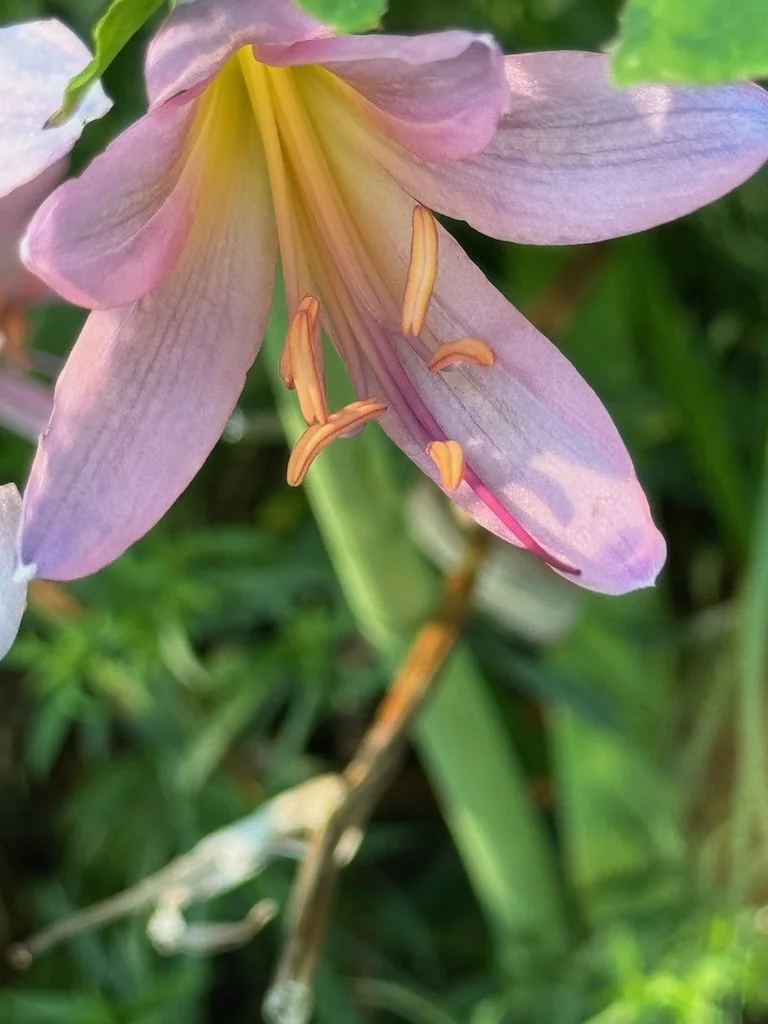
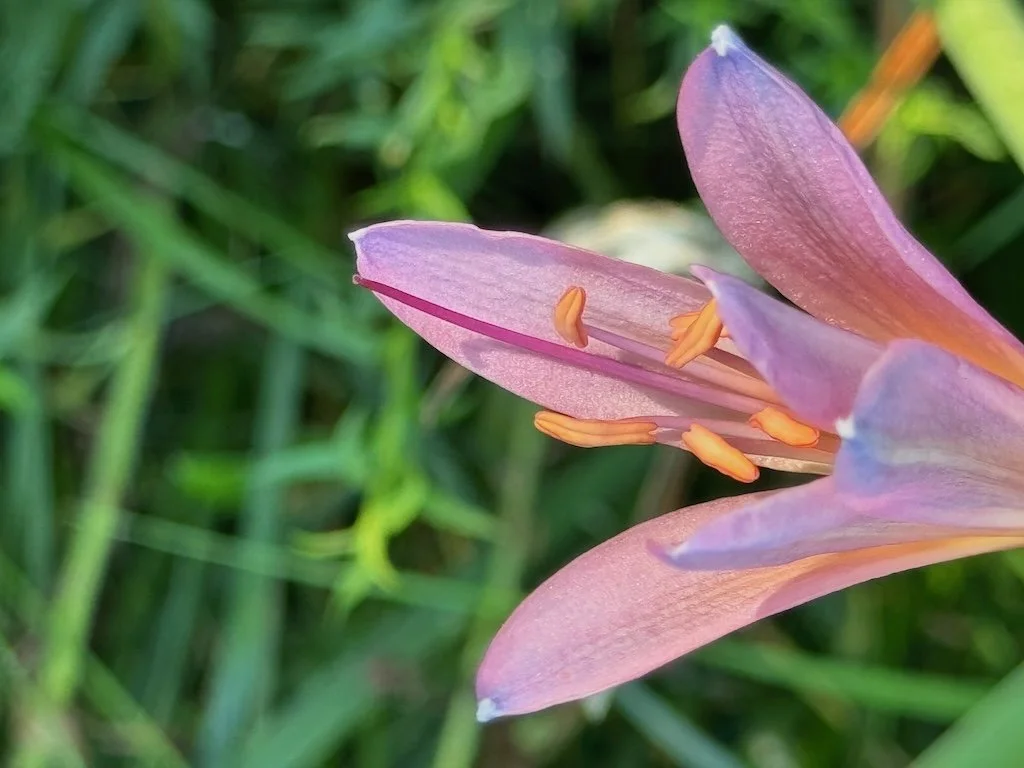
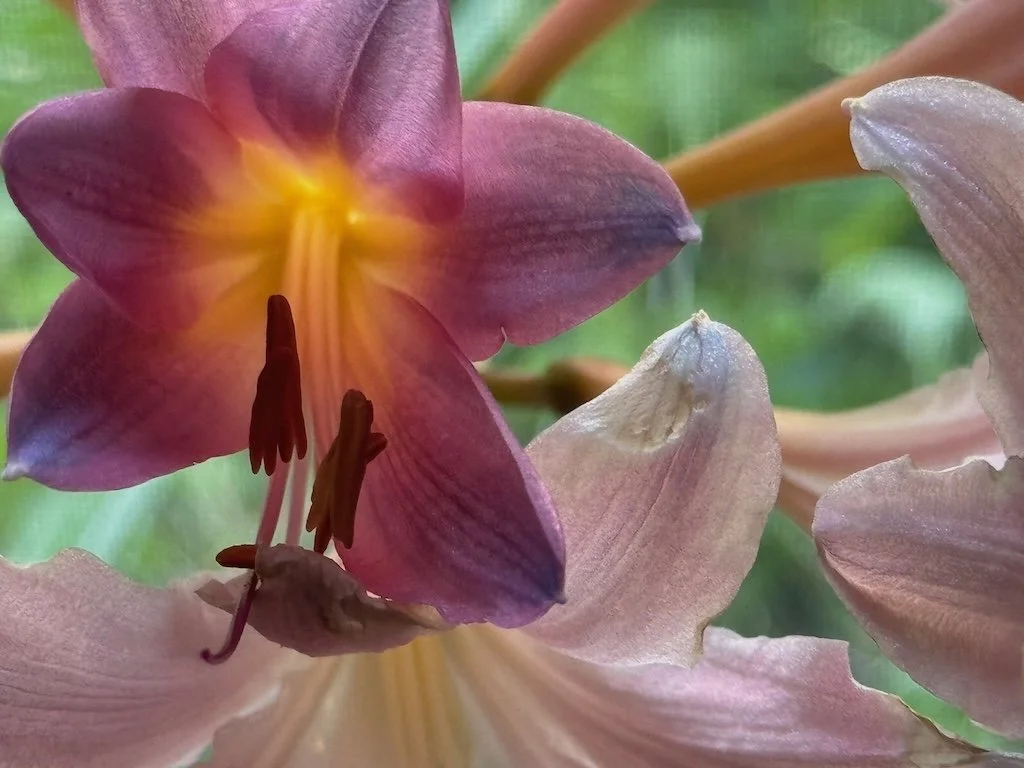
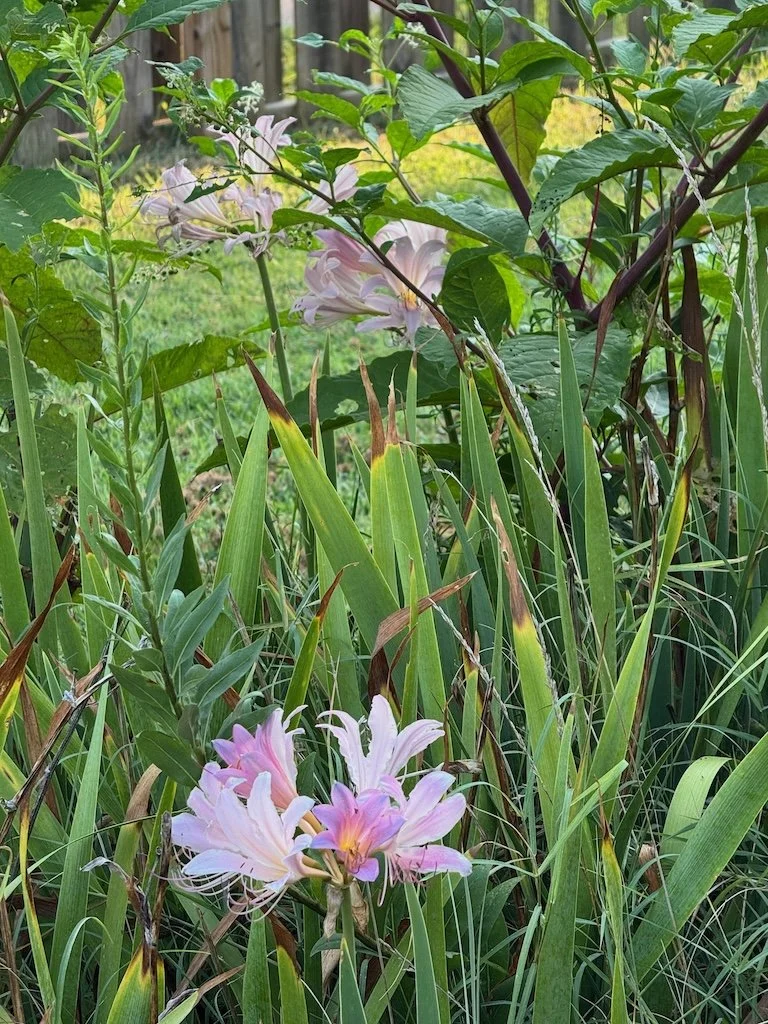
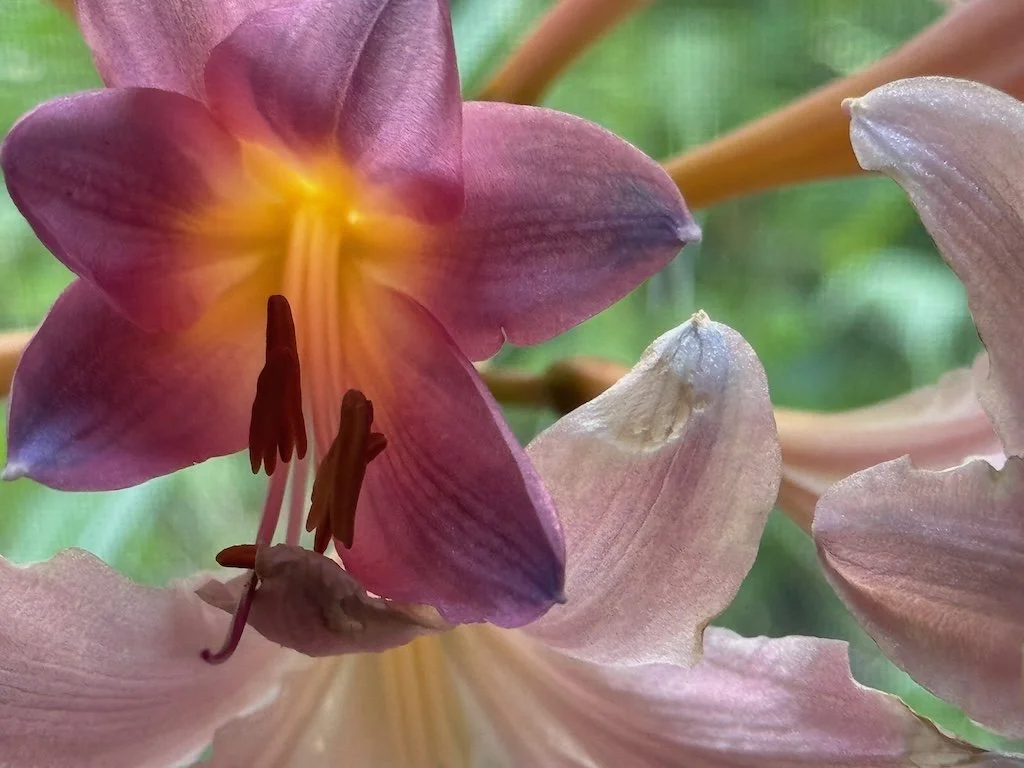
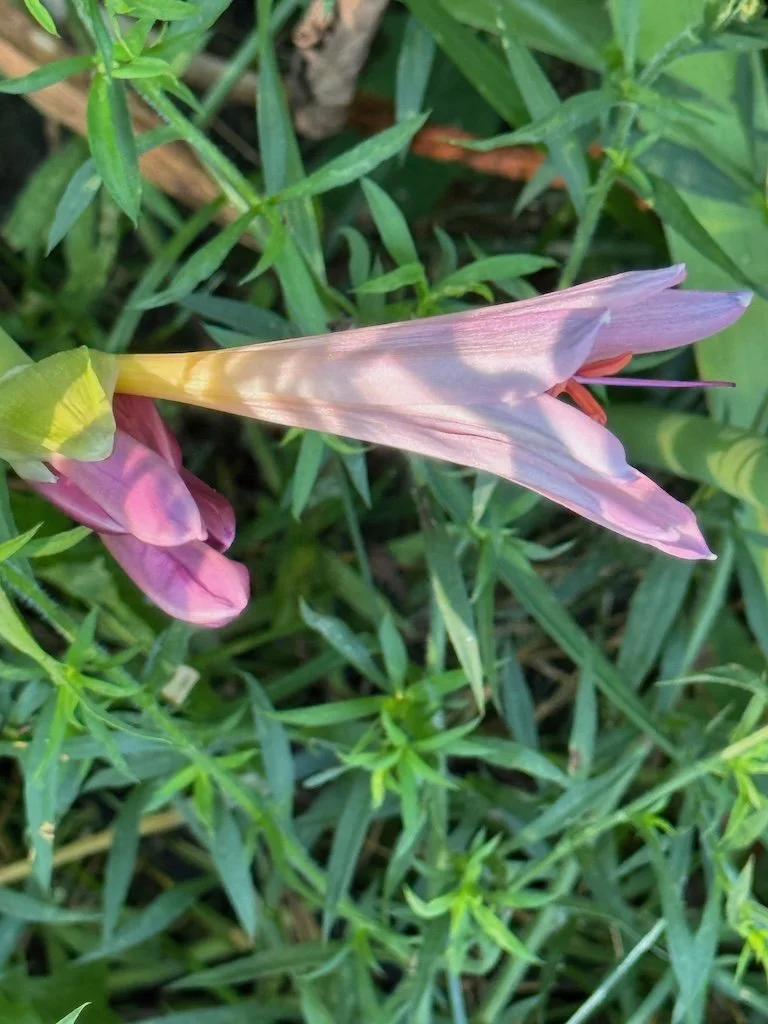
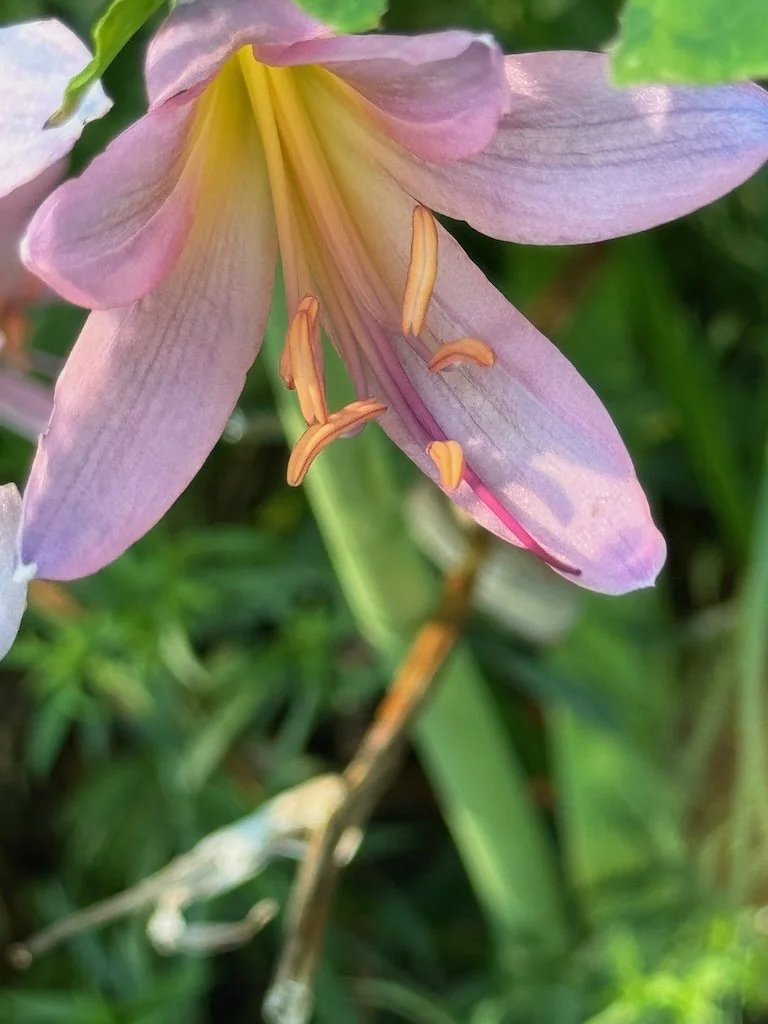
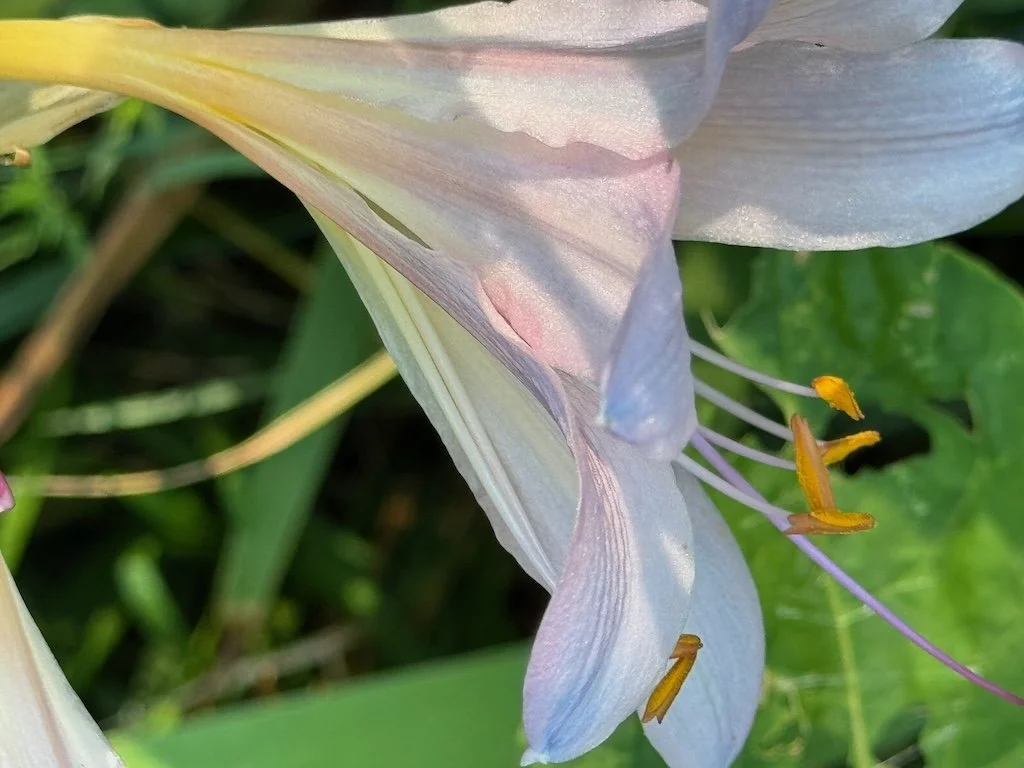
Naked lady lilies. It was a pleasant surprise that I have three of these plants in my yard – blooming for the first time this August. But I celebrated them because they are a remnant of my mother’s garden from 2023 just before the house/garden was sold.

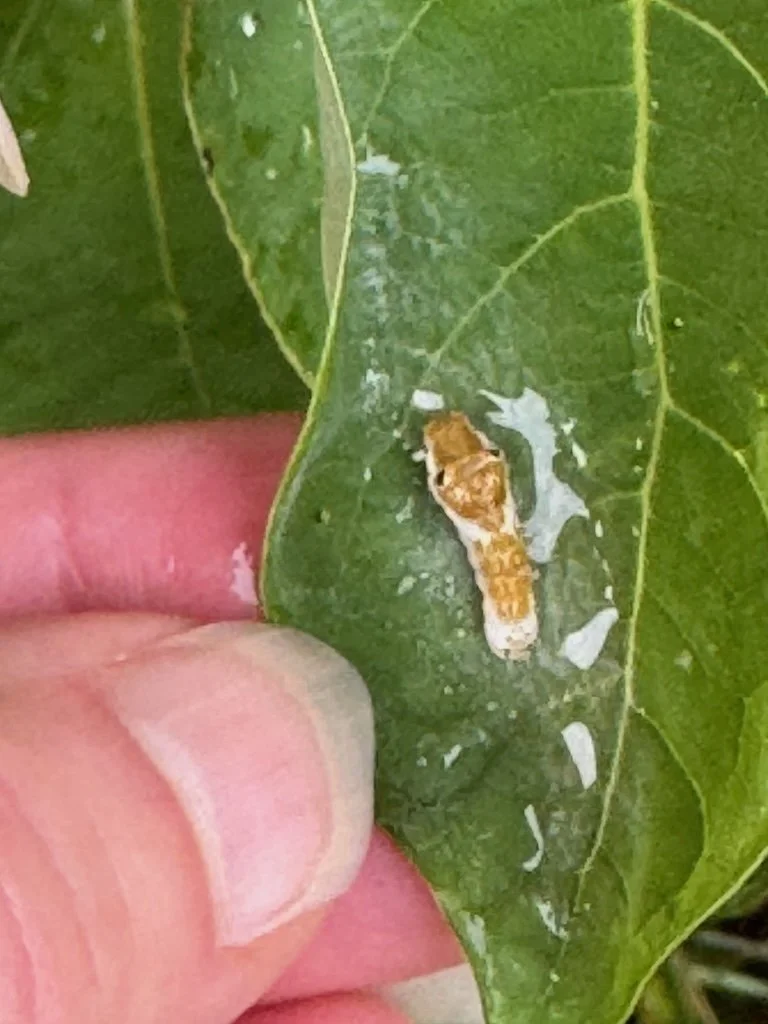
Spicebush caterpillars. Earlier this summer my young spicebush didn’t have caterpillars…but is does now. I celebrated that the swallowtails have found my plant to lay their eggs.

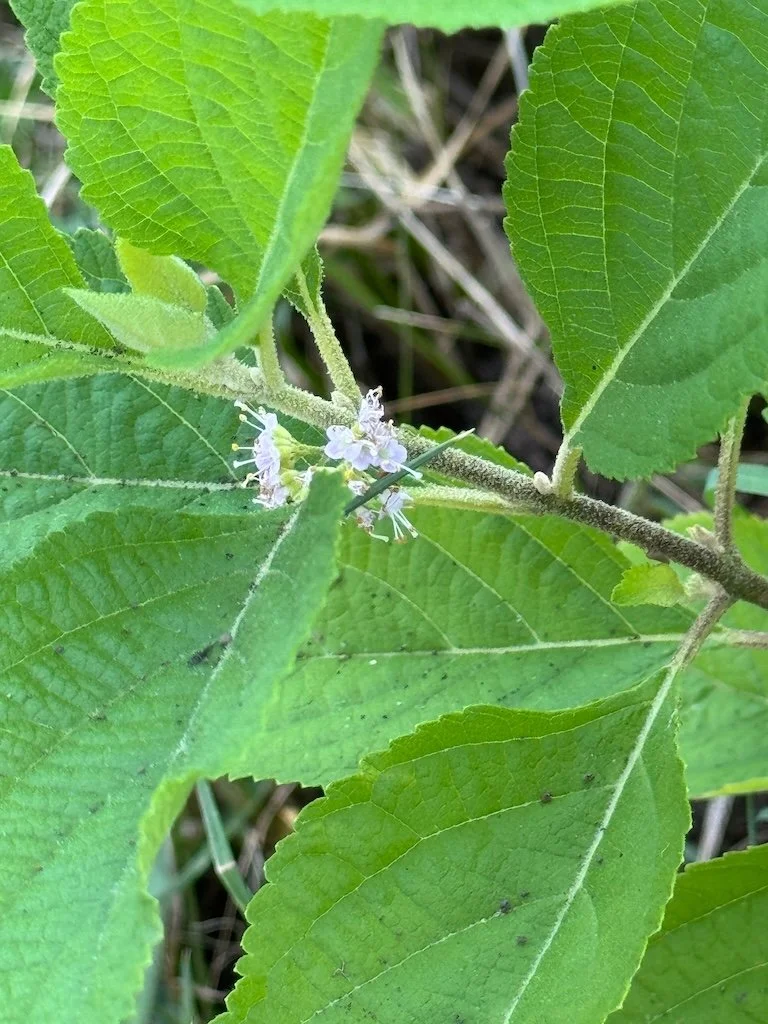
Beautyberry. While I was pulling grass and weeds in my yard, I discovered that the beautyberry I planted last fall has survived…and is blooming. Time to celebrate!

Dispelling Myths of Native Gardening webinar (from Grow Native!). I celebrated the timing of a panel discussion about native gardening (webinar)…and gleaned some ideas I will apply in the next few weeks as I create a new area of by front yard…with native plants.

Field trip at the Lake Springfield Boathouse gardens. Another well timed opportunity for learning how to better create my new native plant garden. It was hot…but I learned enough to make it all worthwhile.

Roston Native Butterfly House. Celebrating my favorite volunteer gig of the summer…every time I work a shift there.

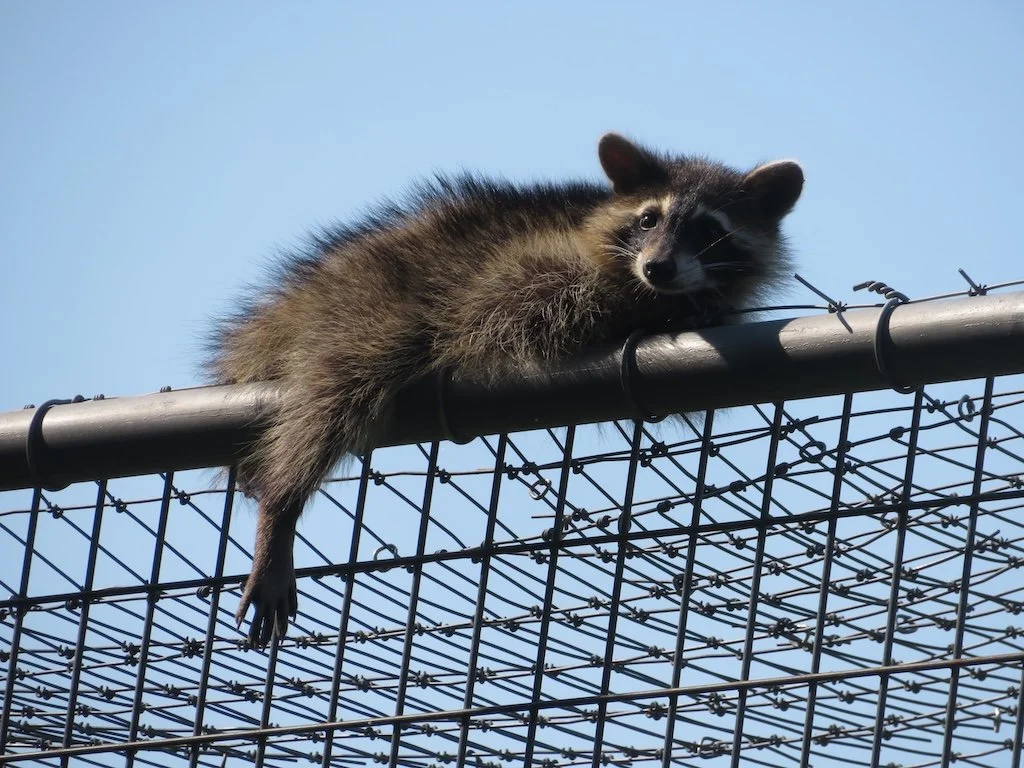
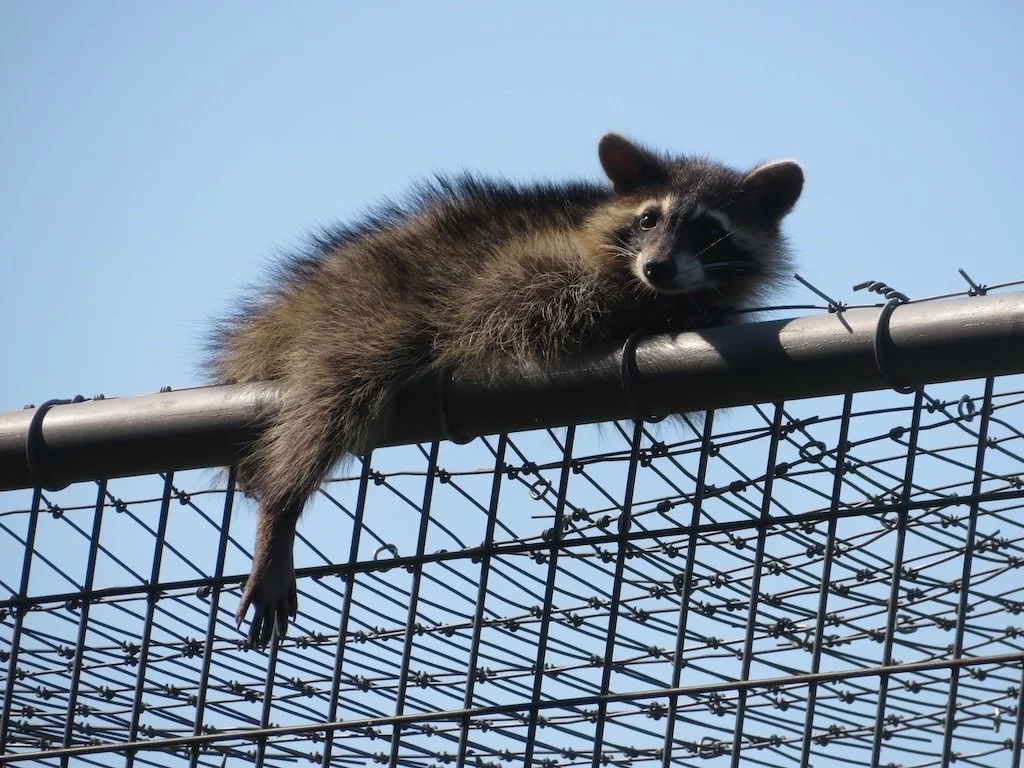
Turpentine Creek Wildlife Refuge. The big cats are the draw, but I celebrated seeing a juvenile racoon and butterflies!

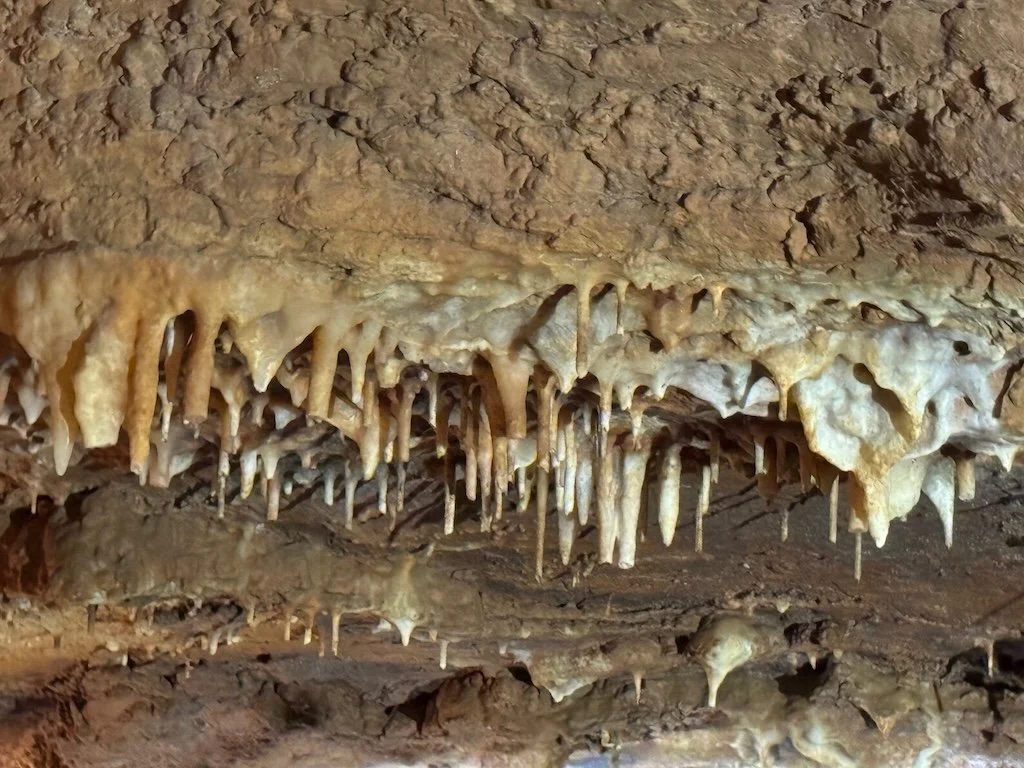
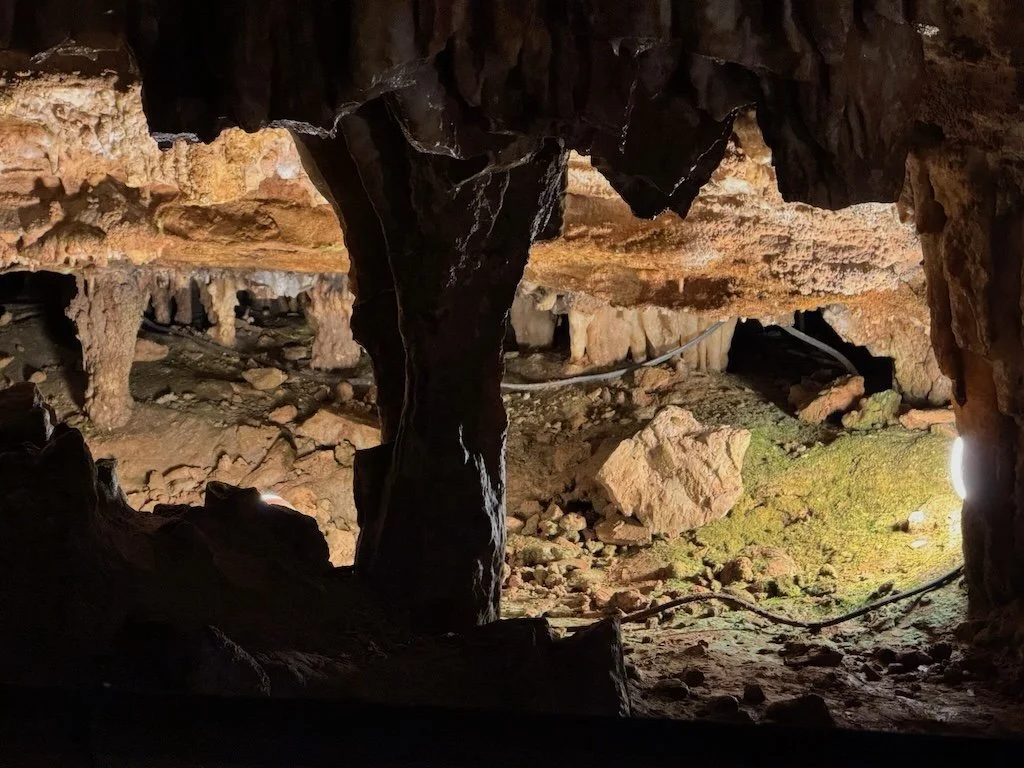
Two caves in one day – Cosmic Caverns and Onyx Cave. Celebrating caves…cooler than the outside temperature.

Dr. Megan Wolff’s webinar “Plastics and Public Health: the unsettling latest in medical research.” A different kind of celebration…it’s more like FINALLY someone had done a reasonable job to at articulating the rationale in one place about why our plastic creation must change dramatically. Here’s the link to the video. The bottom line is that we can’t “recycle” or “reuse” our way out of the mess.

Lawn mowing – getting it done. It’s been hot this month and I celebrate every time I finish mowing the yard…so glad that it is done for another week.

Zooming – August 2025

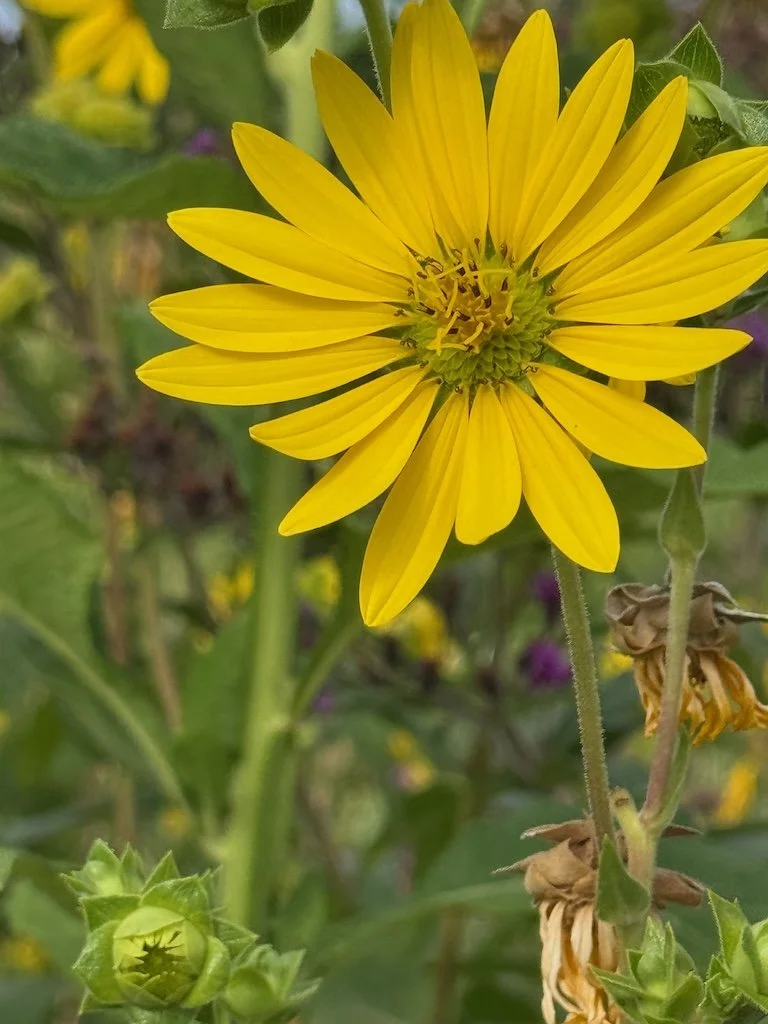
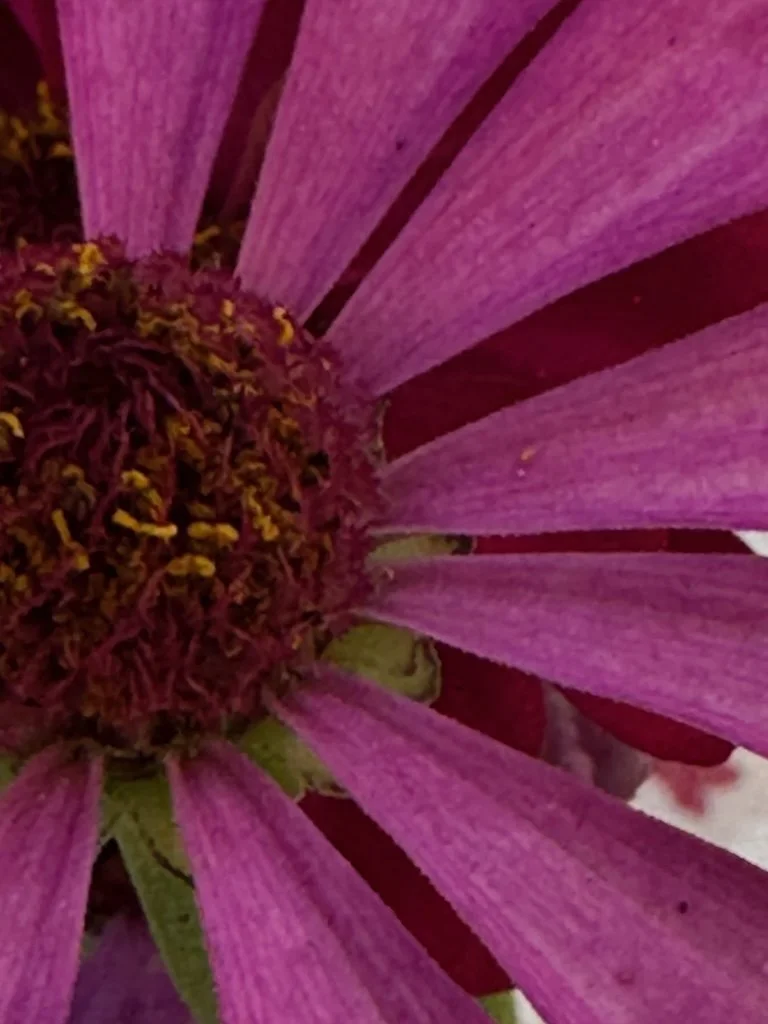
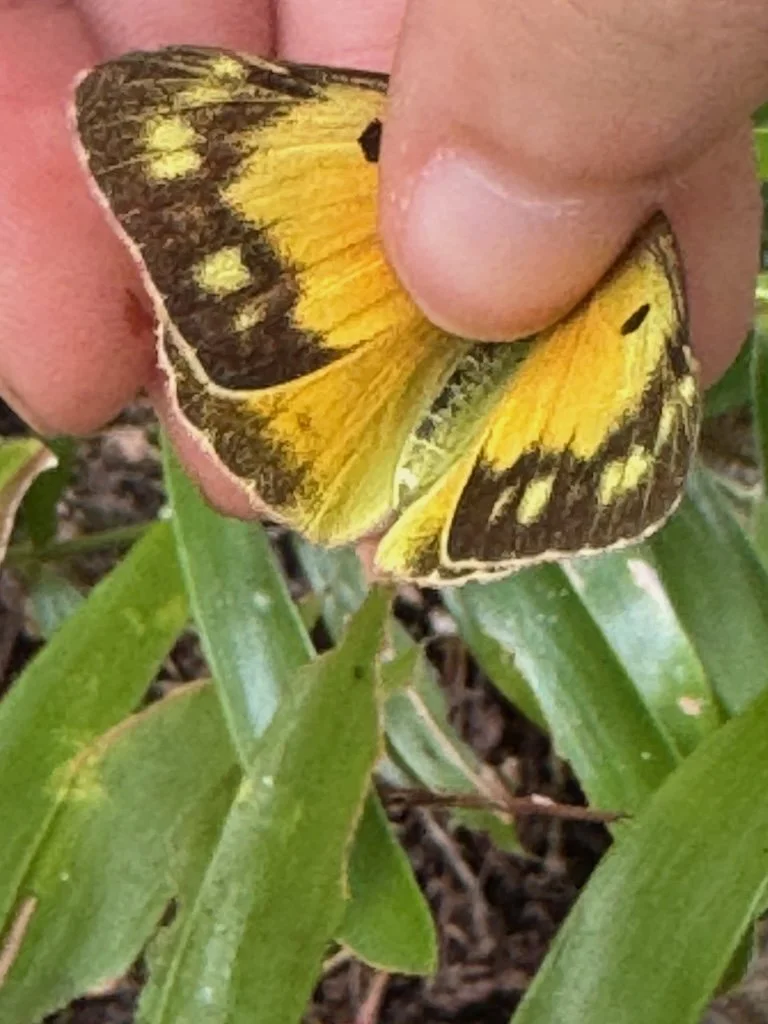
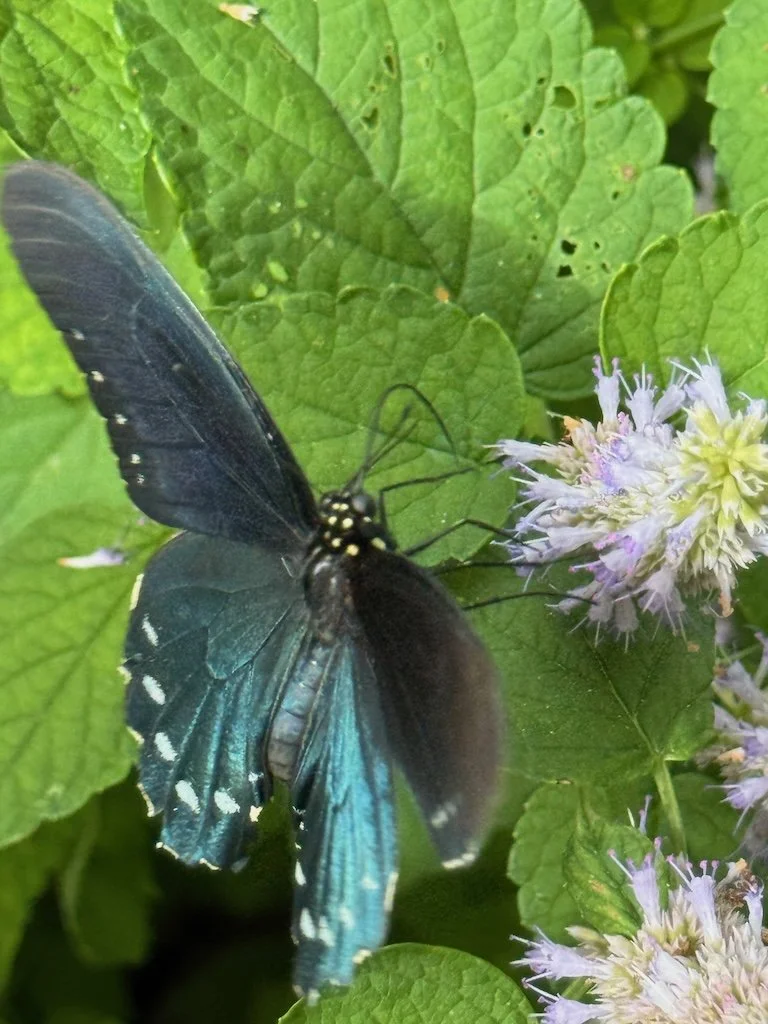
All the images I selected for this month’s zooming post were from places around Springfield MO and Berryville AR. The subjects were:

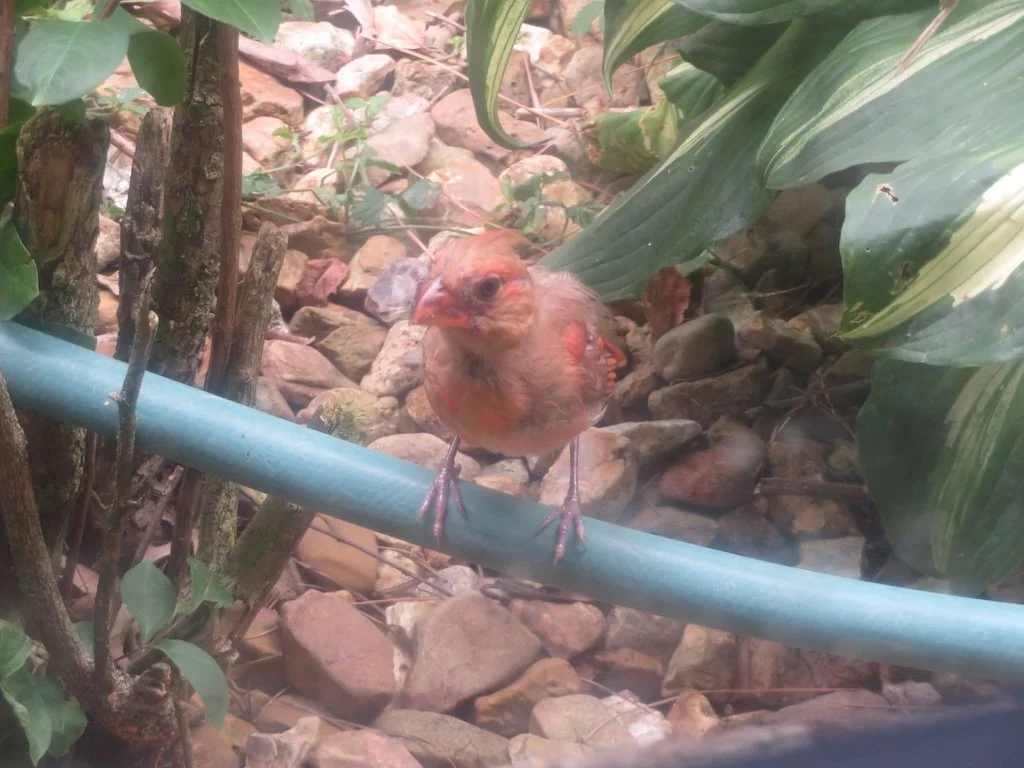
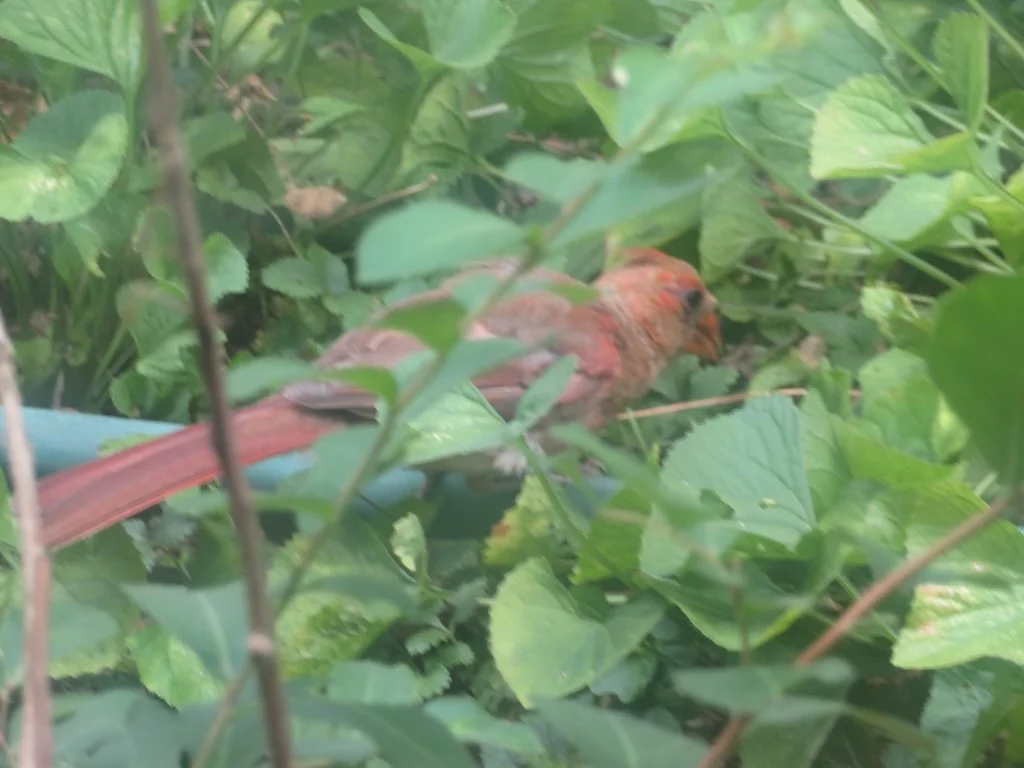
  • Juvenile birds (cardinal and robin) and an adult hummingbird

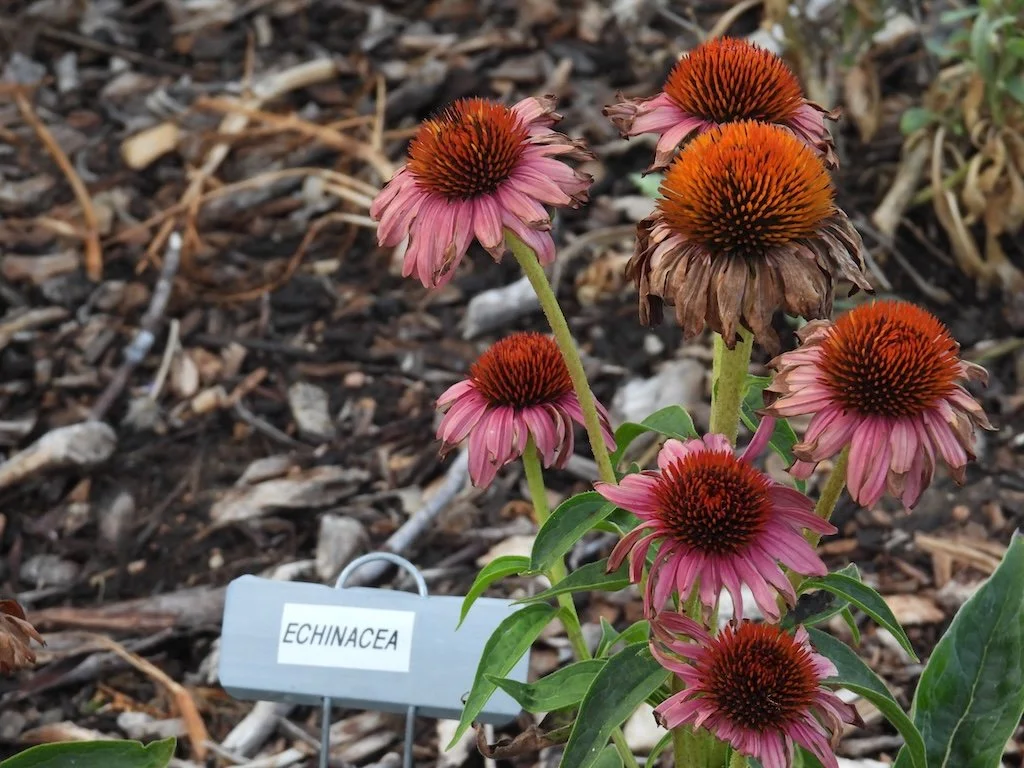
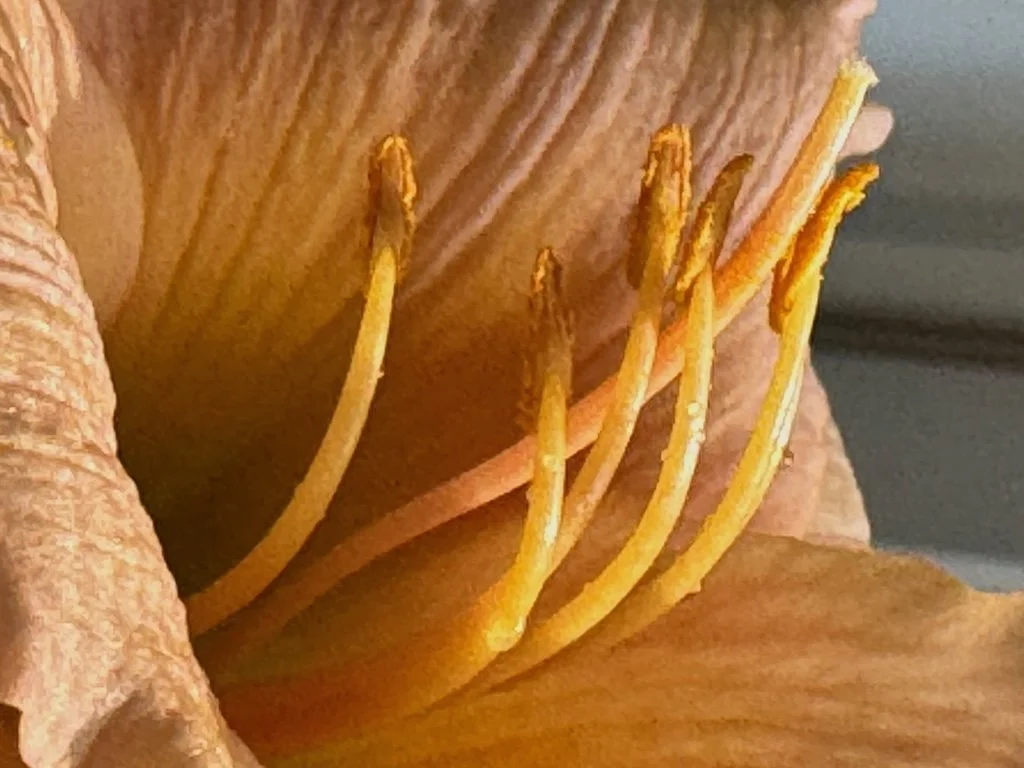
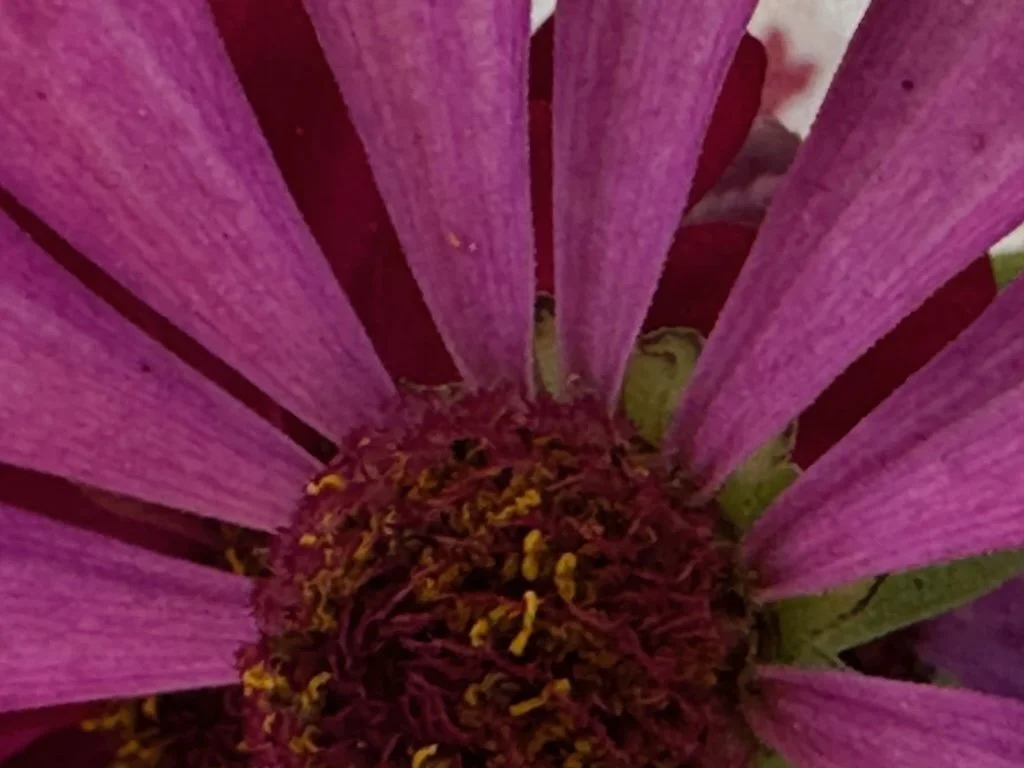
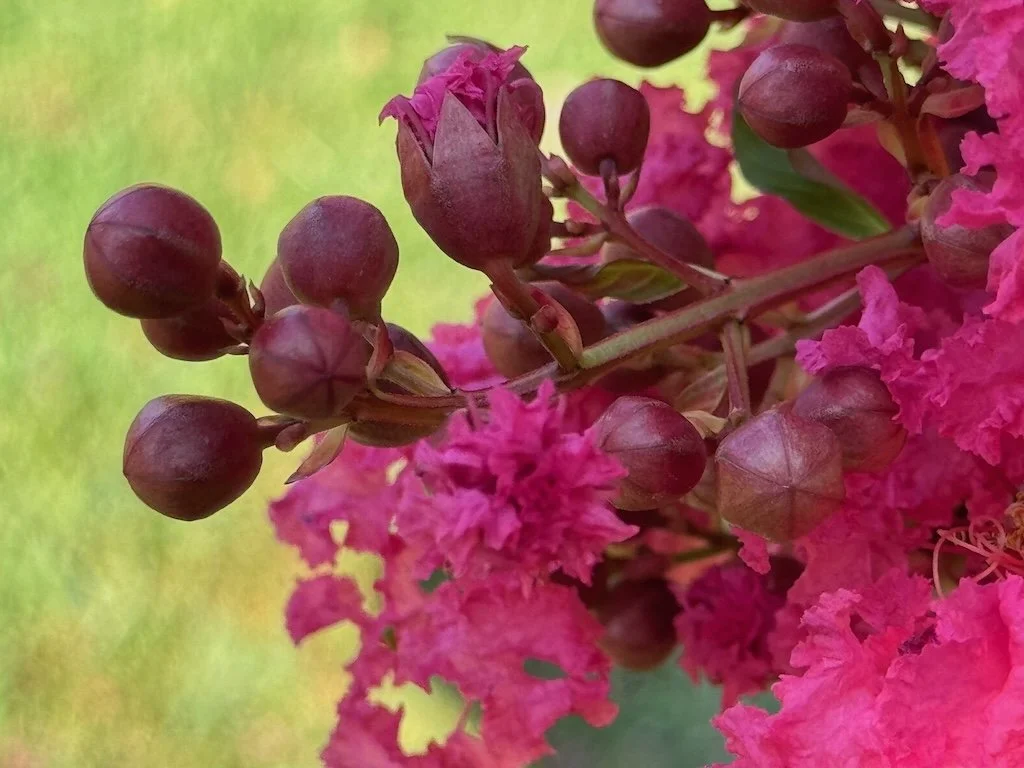
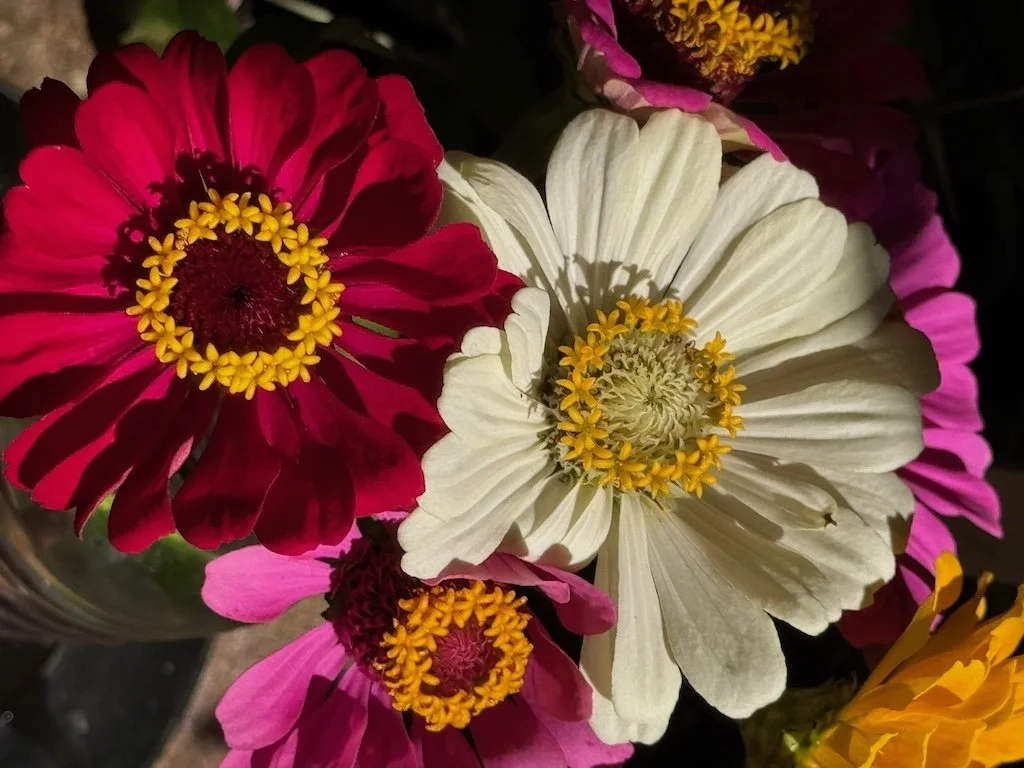
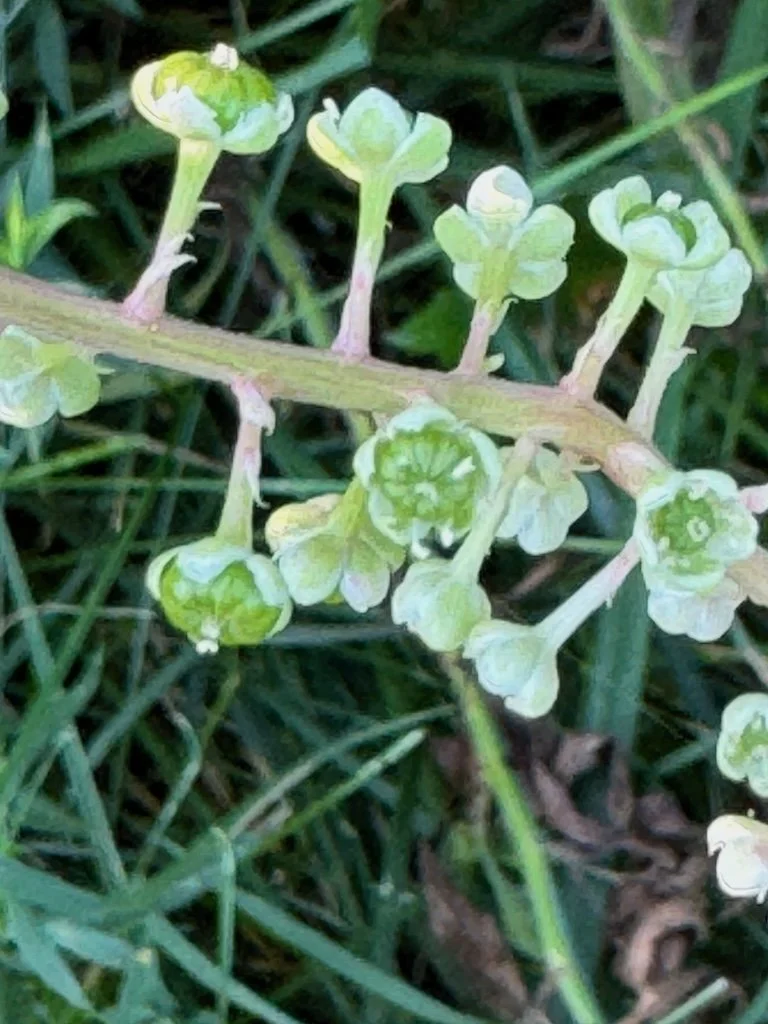
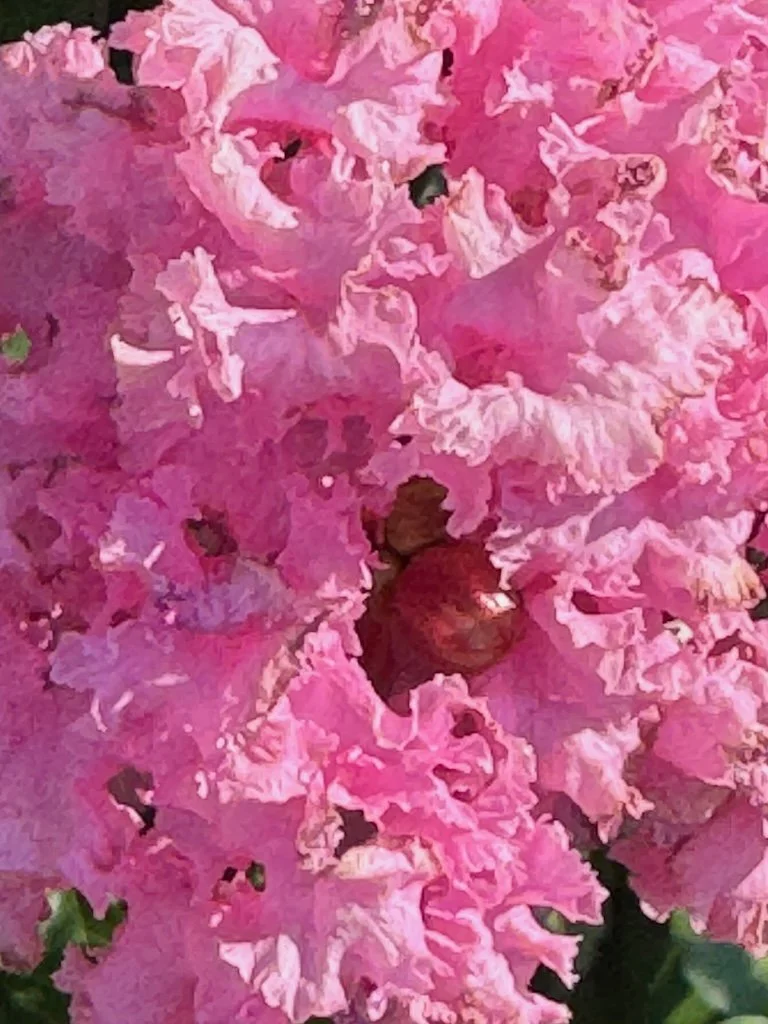
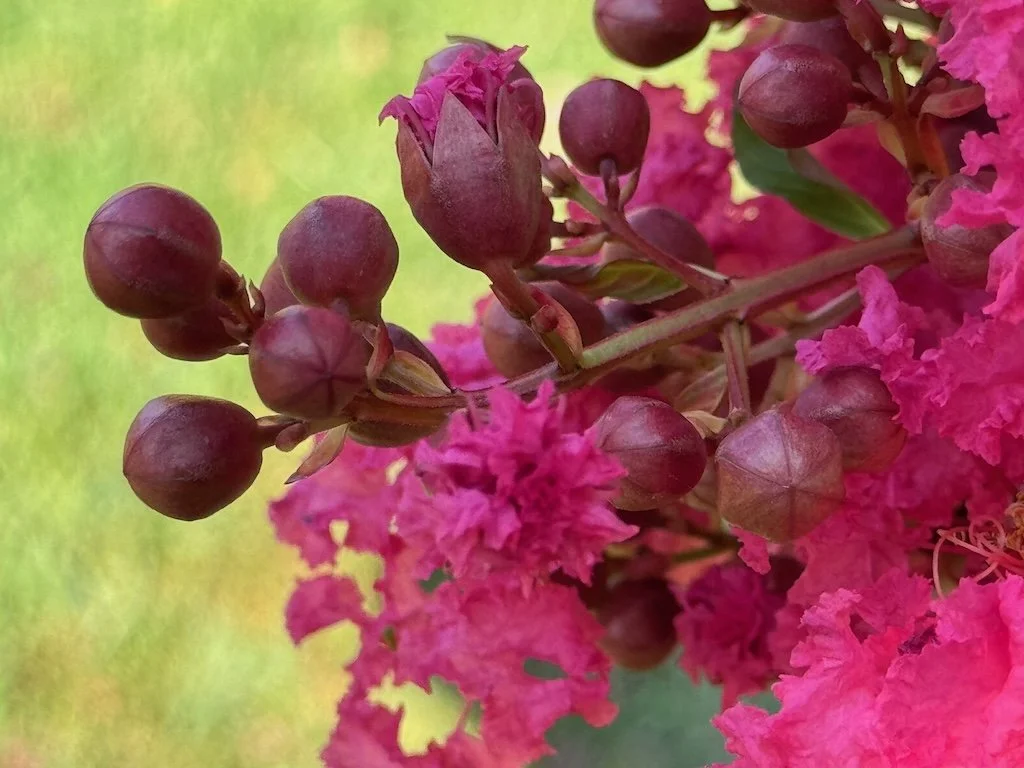
  • Flowers and plants (pokeweed, naked lady lilies, zinnias, crape myrtle, cone flowers, daylily)

  • Caves (Cosmic and Onyx)

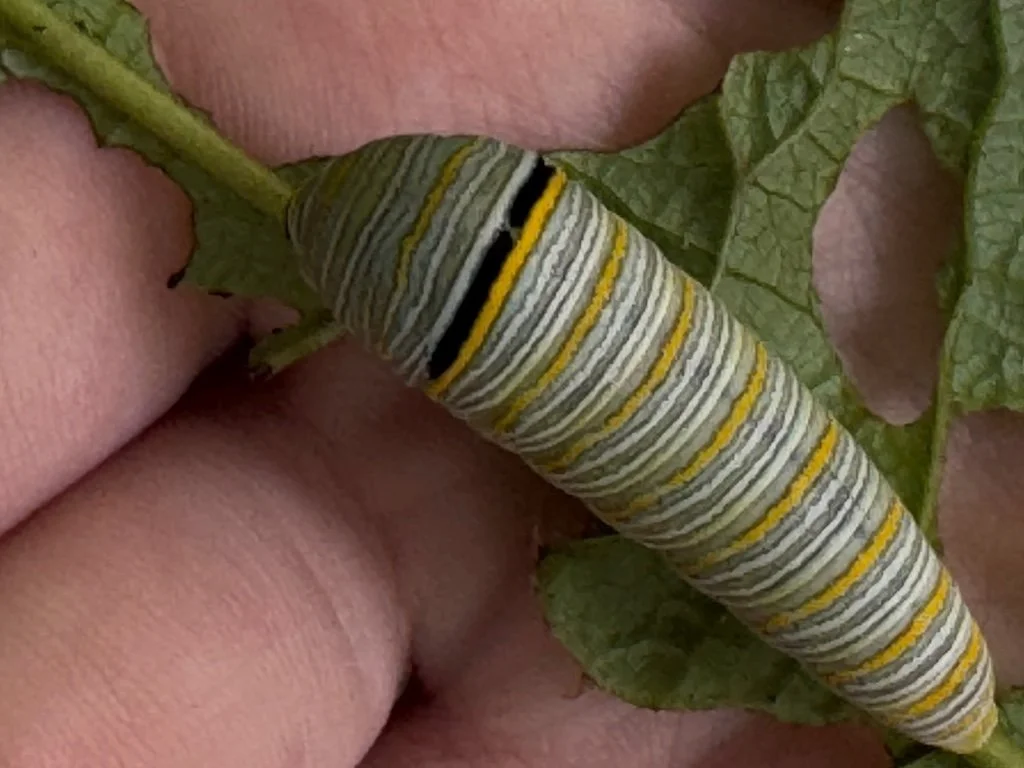
  • Caterpillars (spicebush swallowtail and zebra swallowtail)

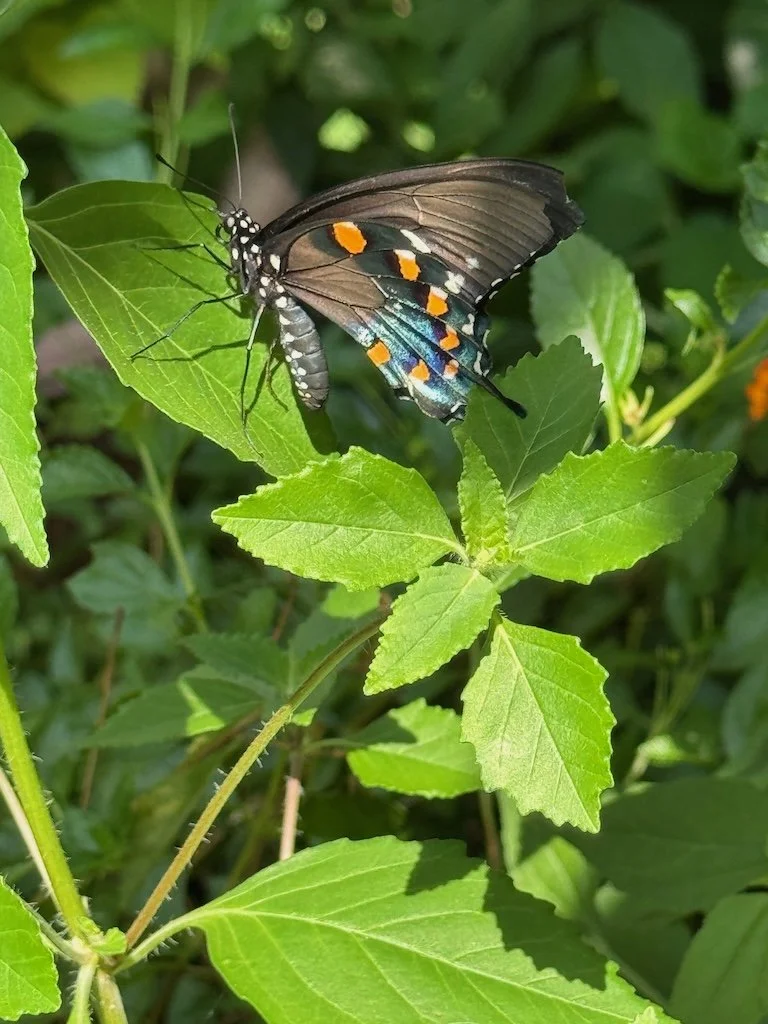
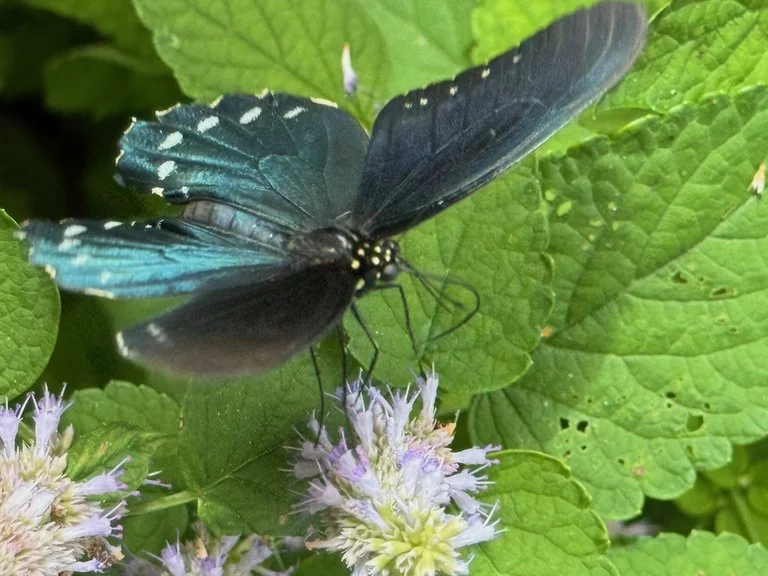
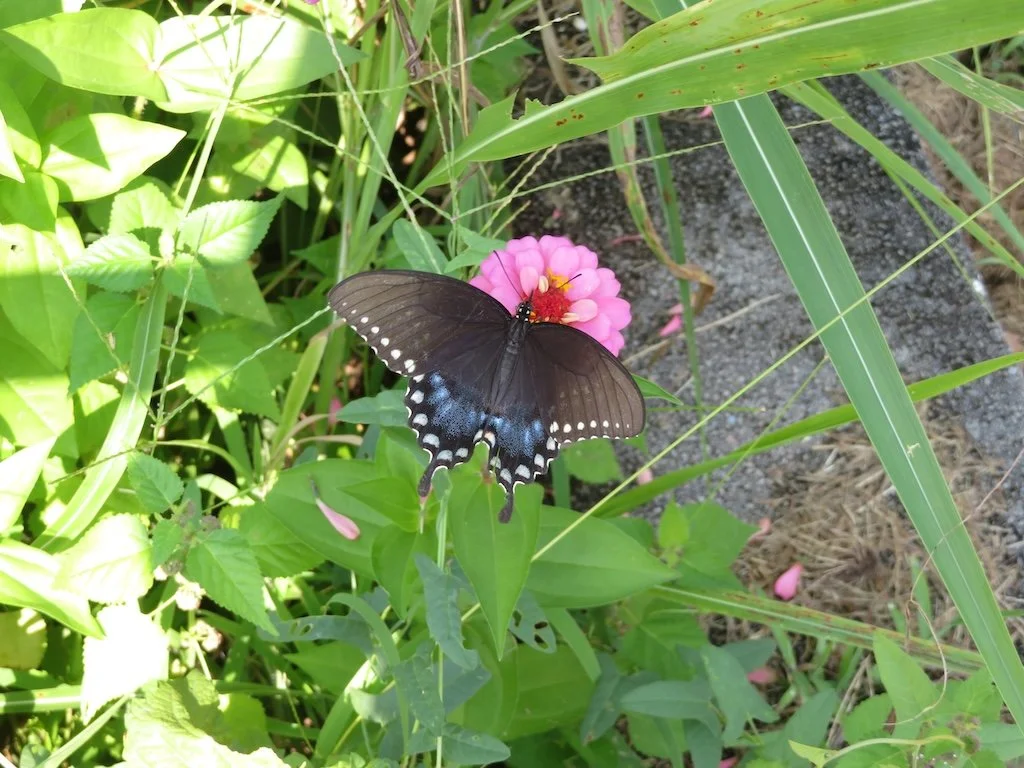
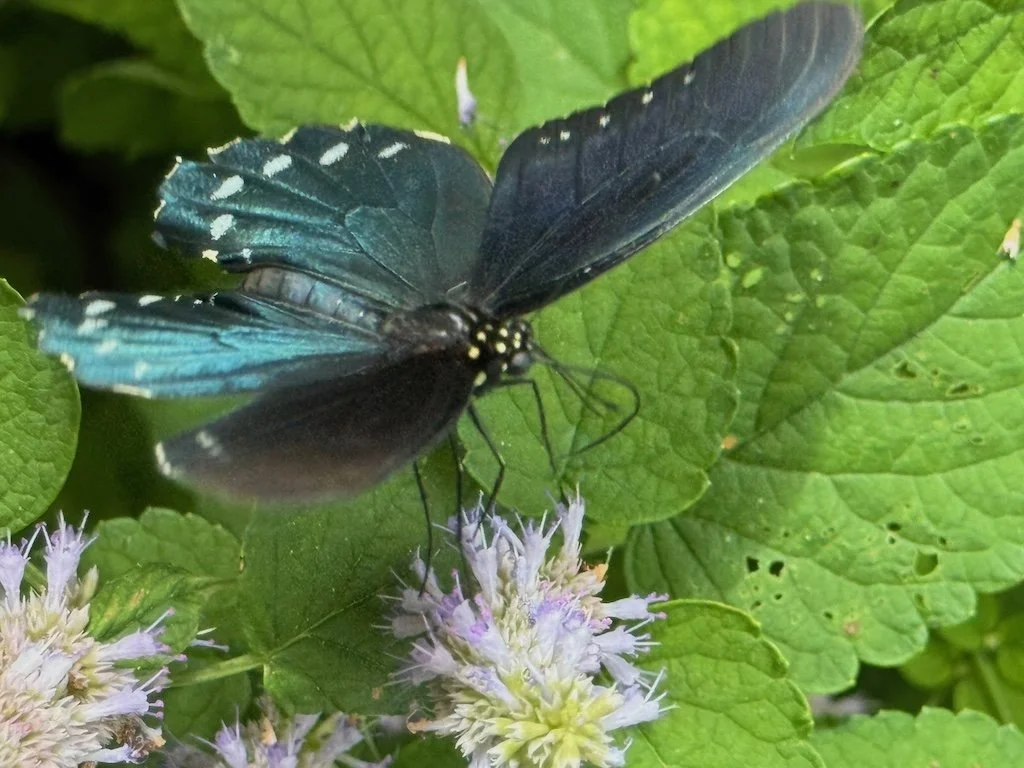
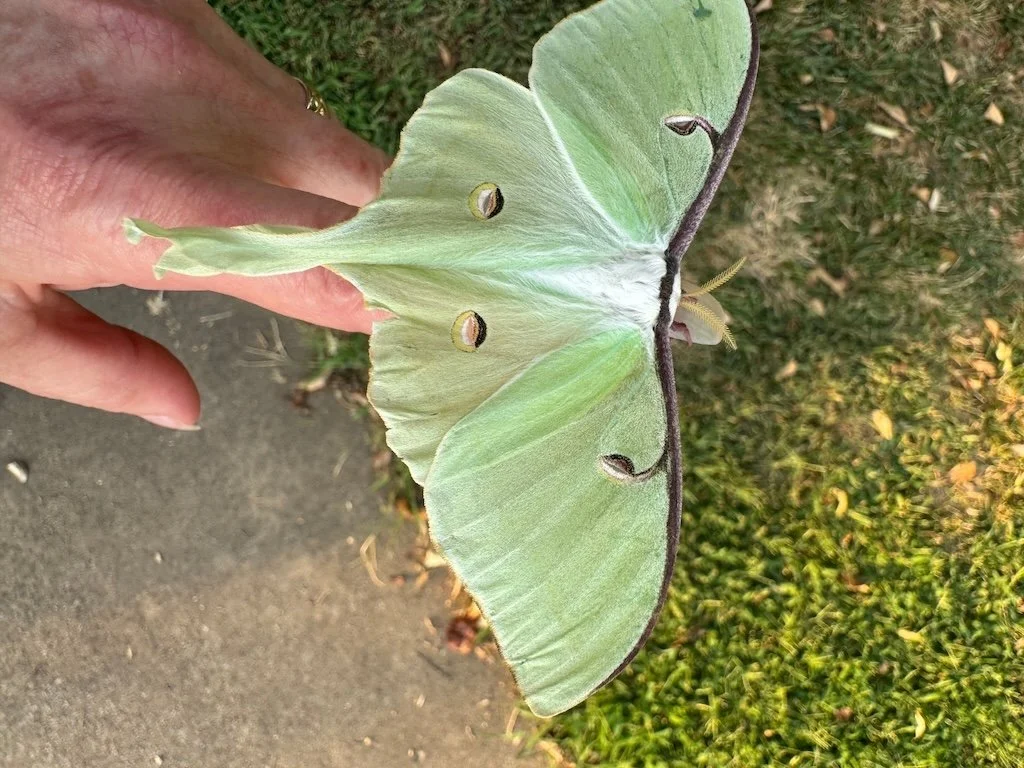
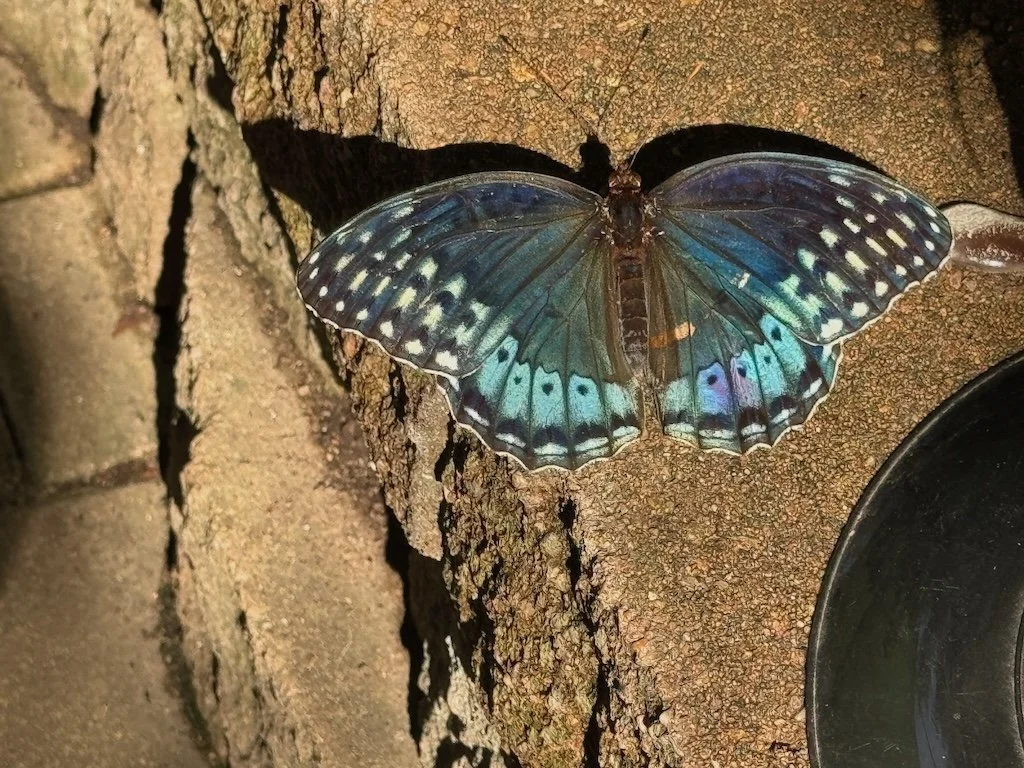
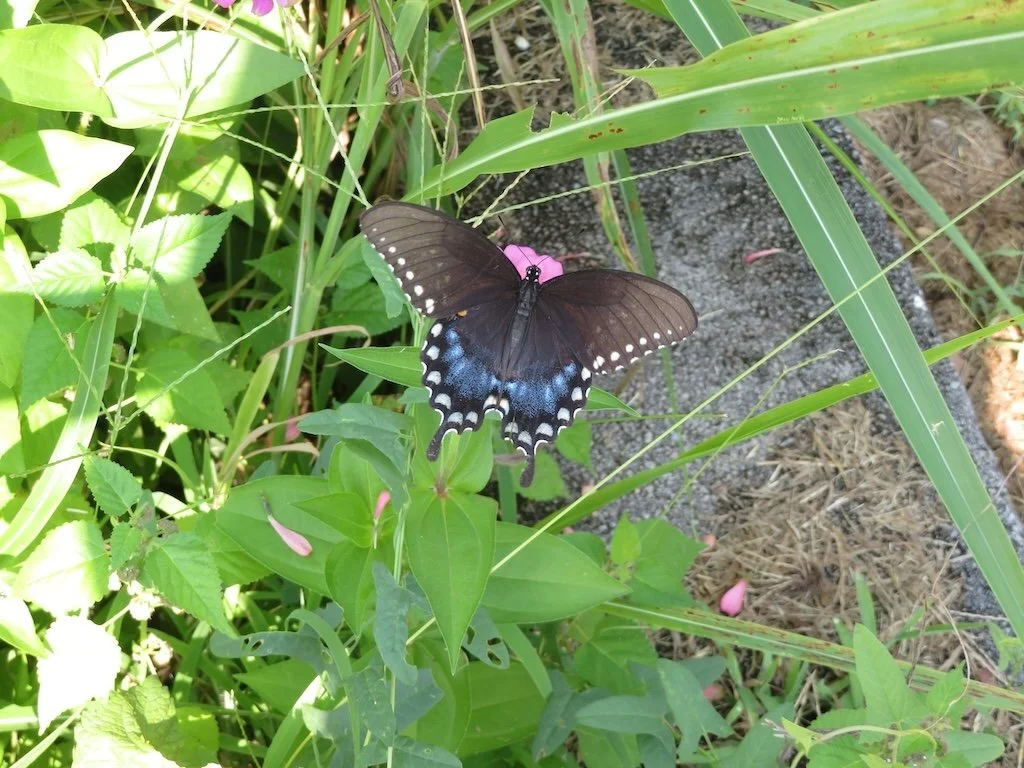
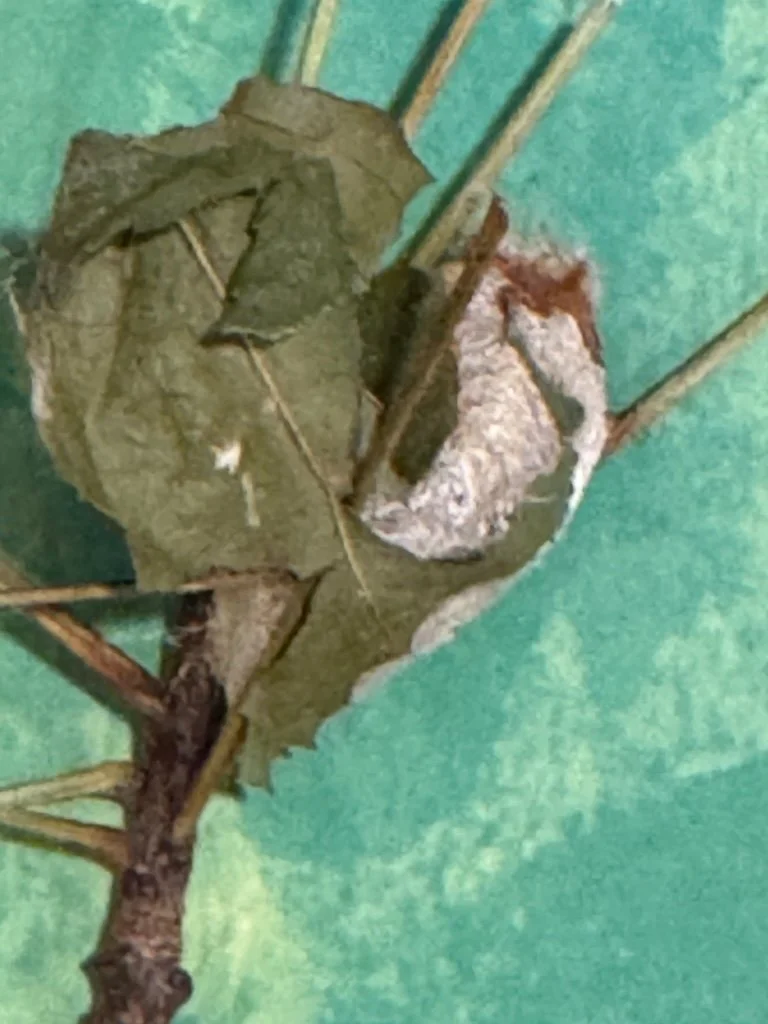
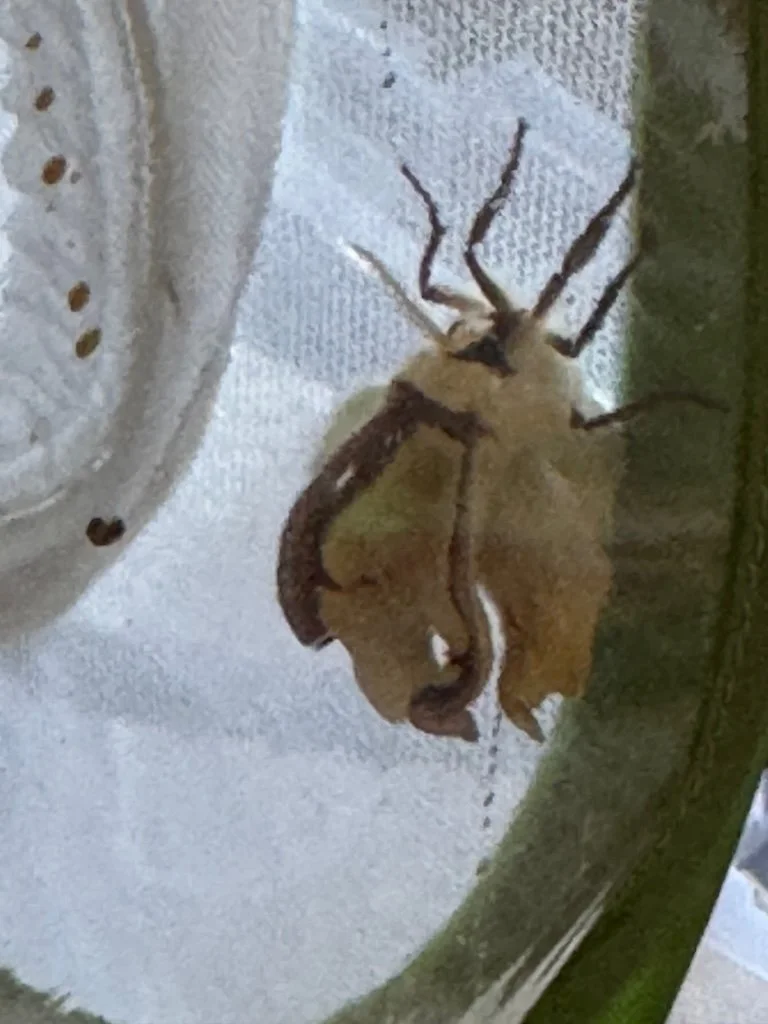
  • Butterflies and moths (spicebush swallowtail, red spotted purple, cecropia moth, luna moth

  • Juvenile racoon

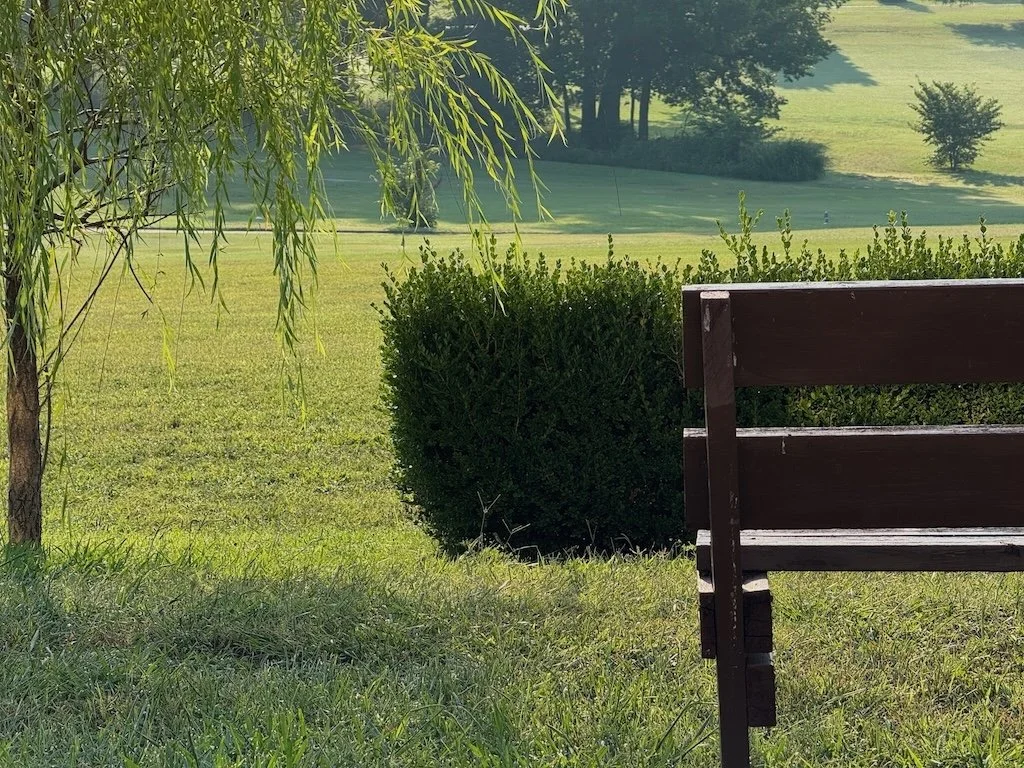
  • Edge of a golf course scene

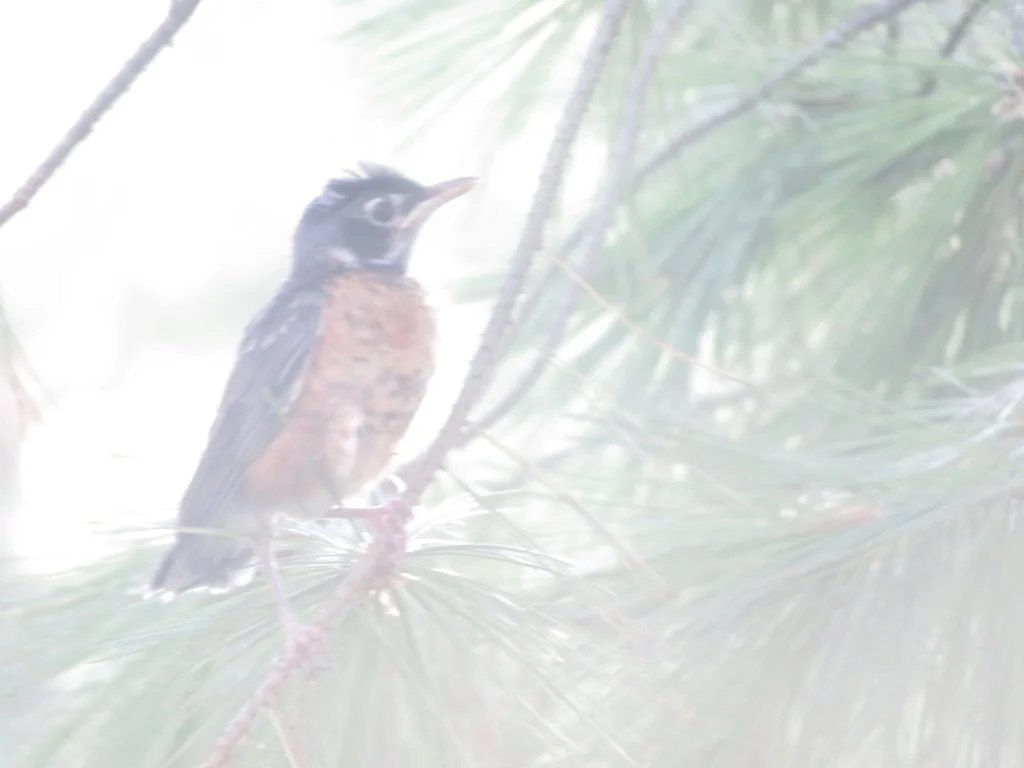
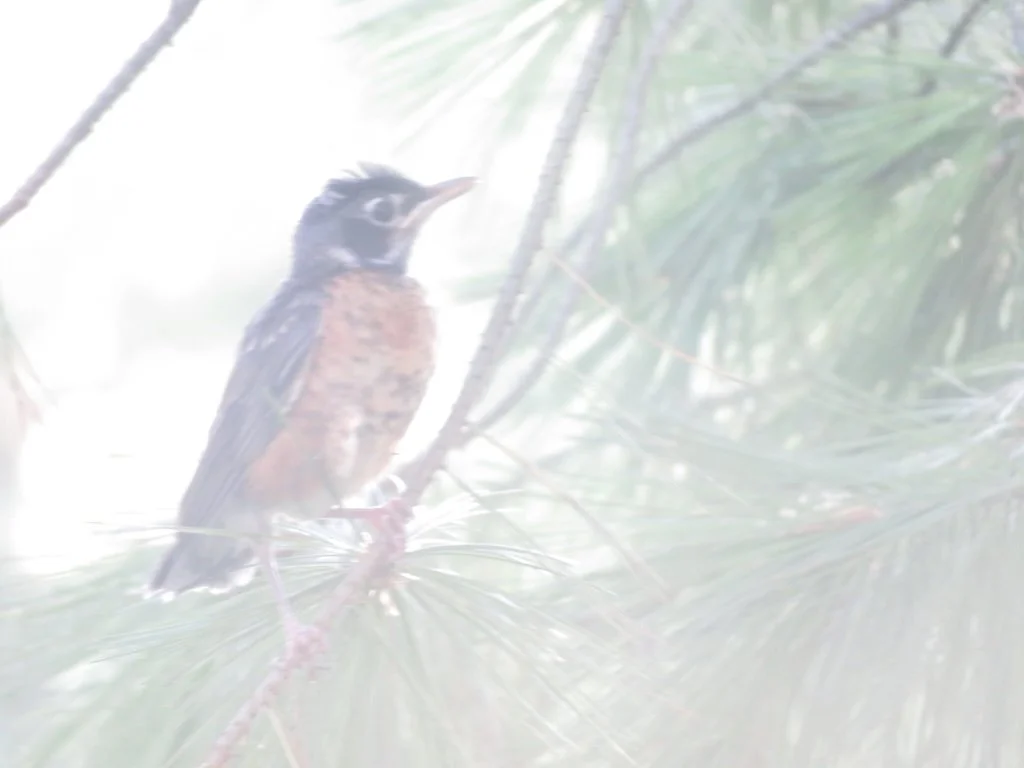
The picture of the juvenile robin was taken through a window and with camera settings that gave it a hazy look to capture the ‘feel’ of the day – it was a very humid August day! The one of a bench looking out onto a golf course was an attempt to capture the morning mood as we prepared to leave our Berryville hotel; it was a warm, sunny morning…full of bird songs…a good beginning of the day.

Enjoy the August 2021 slide show!

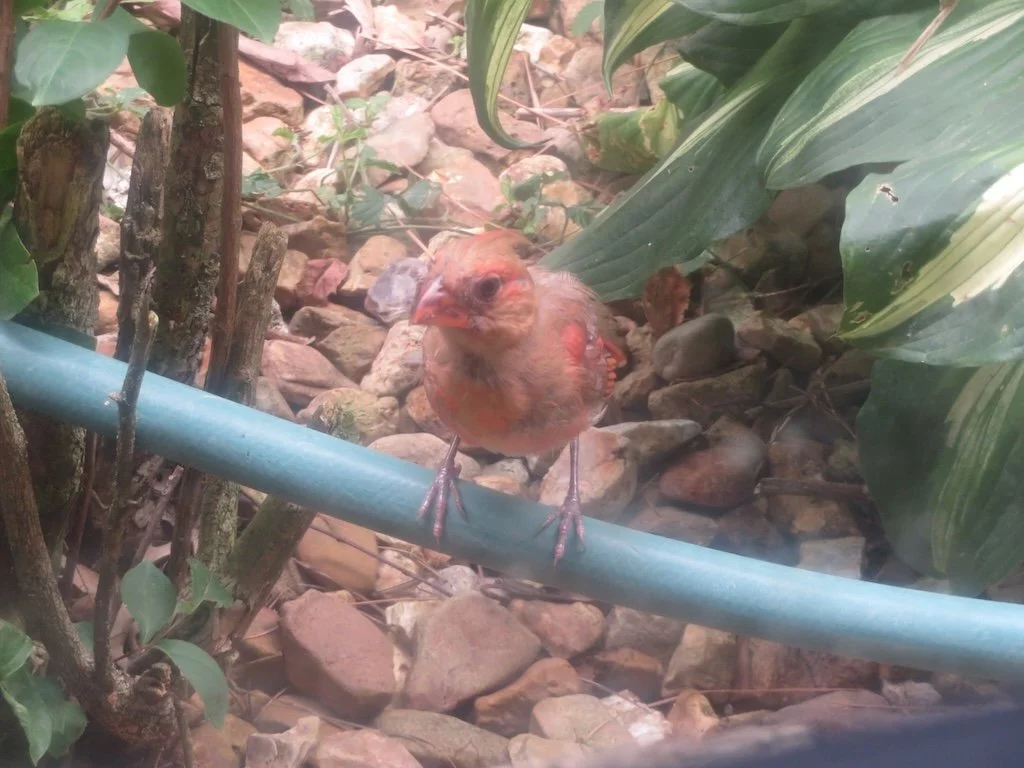
Juvenile Cardinal

I’ve seen several rounds of juvenile robins in my shade garden so maybe I shouldn’t have been surprised when a juvenile cardinal was there recently. The bird perched on a hose I had used to water the area after some of the vegetation looked like it was not getting enough water to offset the high heat. I saw the bird from my office chair and took the pictures through the window!

The adult feathers were just beginning to come in. At first, I assumed that the bird was a female but the area around the eye is red already --- so probably a male.  

Plastics Crisis: Getting Focused

In early August, I saw an article that made the point that the World Cannot Recycle Its Way Out of Plastics Crisis. A few days later, I saw the notice for a community workshop about using less plastic and I registered. They sent out a list of documentaries and webinars to view prior to the workshop. I viewed almost all of them; they were all good and thought provoking but the tipping point for me was Dr. Megan Wolff’s webinar on plastics and health presented for Missouri River Bird Observatory in March 2025; I highly recommend viewing this in its entirety to everyone that is concerned about health of the planet and every living thing on it, including ourselves.

I have been concerned about single use plastics for the past few years. Stories reporting about how microplastics (and nanoplastics) being found in more and more parts of our bodies keep coming out …and how they are damaging to health. Most of the data has been correlations, but recent research it pointing to the details of how the small bits of plastic cause problems.  

A few days after watching the video, the news came out: Global plastic treaty talks end in failure as countries remain bitterly divided over how to tackle the crisis. There was an attempt to hold out some hope: Plastic pollution treaty talks adjourn, but countries want to ‘remain at the table’: UNEP chief. I wondered how many people even noticed the news. I did another search and found a bit more information: How a global plastic treaty could cut down pollution—if the world can agree on one. The articles name Saudi Arabia, Russia, and Iran and the large presence of people working for oil and gas firms and plastic manufacturers as the group that wants to ‘manage waste’ instead of capping production (and if production is not capped it is projected to climb dramatically). Based on a story from Reuters it appears that the United States, the world's number two plastics producer behind China, should have been listed with the three other countries blocking a deal. One positive development was that top plastics producer China publicly acknowledged the need to address the full-life cycle of plastics.

I am planning to do a series of posts on the Plastics Crisis as I learn more…as I search for a course of action that can make a difference. My next post will be after I attend the workshop.

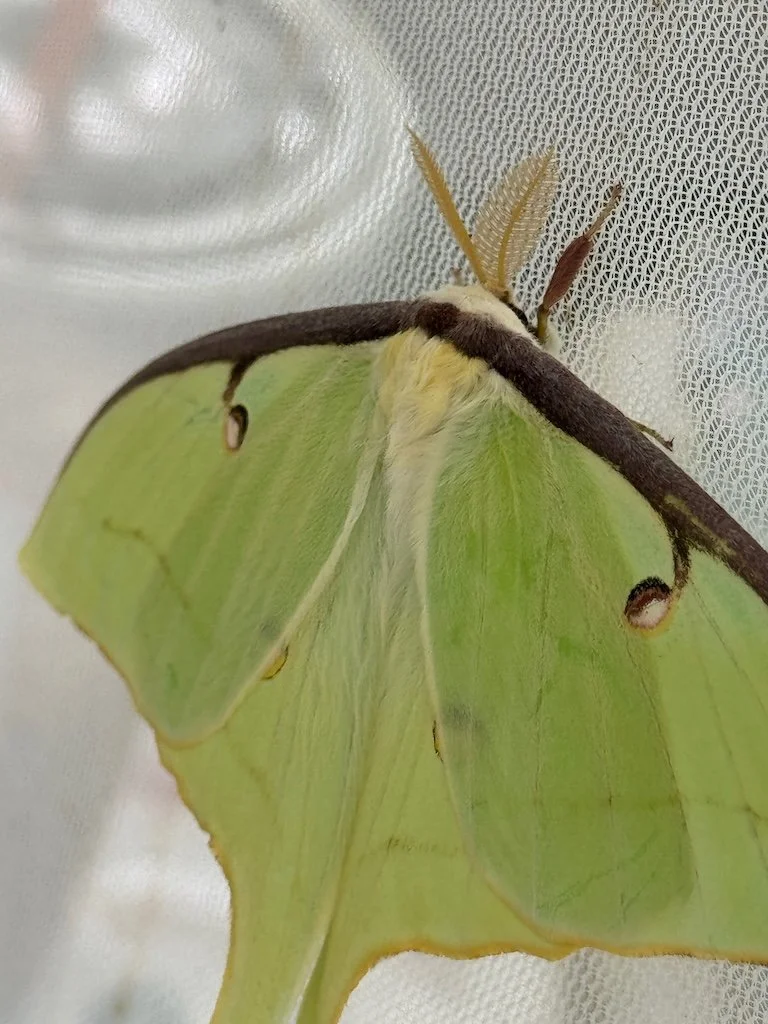
Luna Moths Finale?

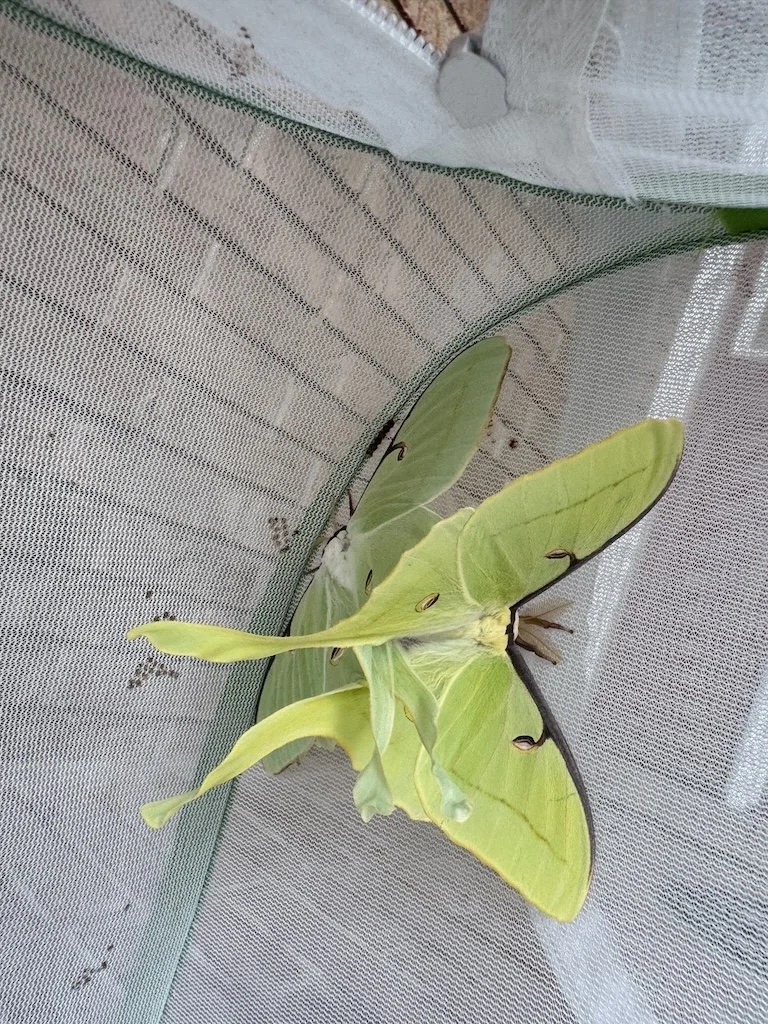
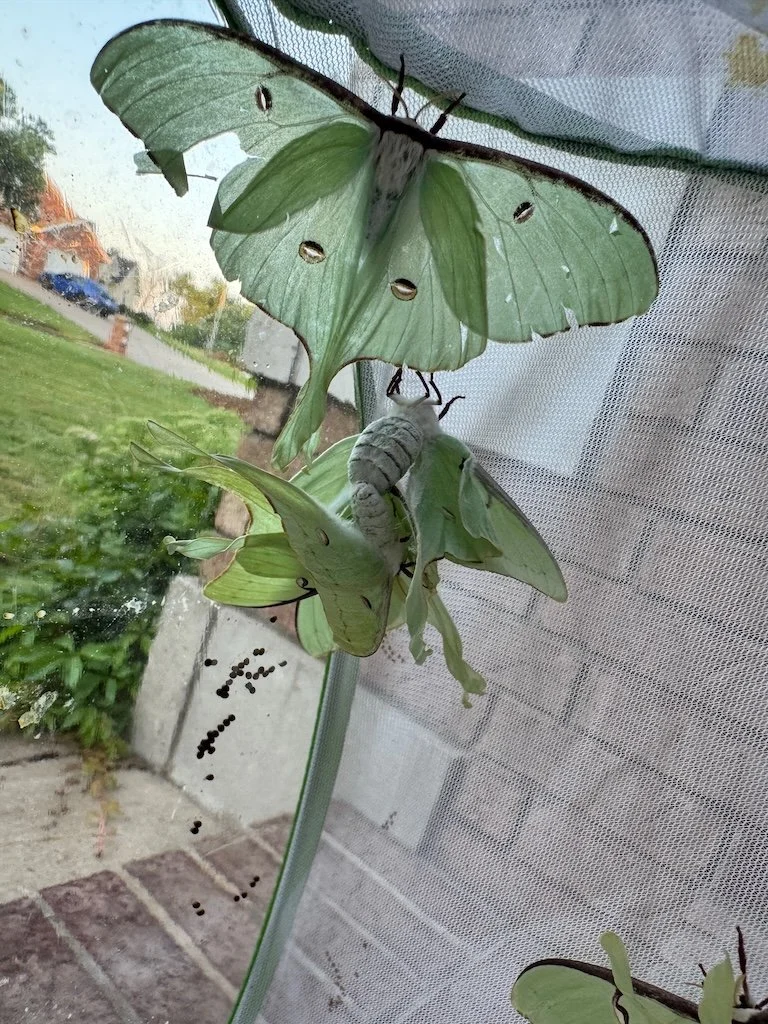
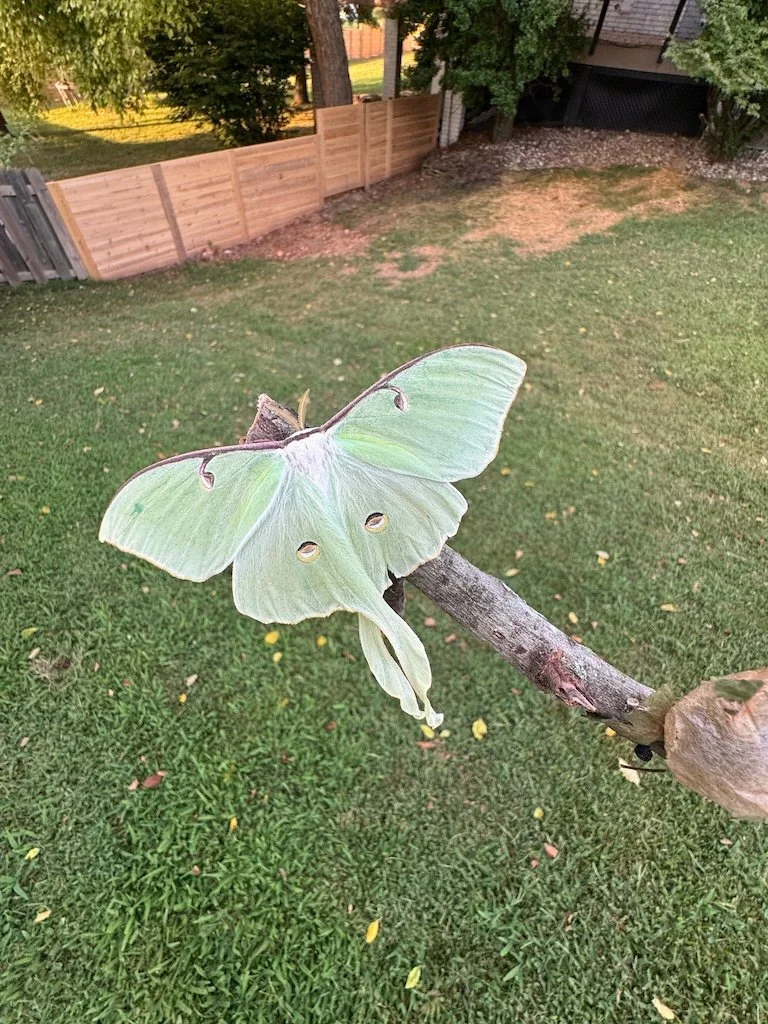
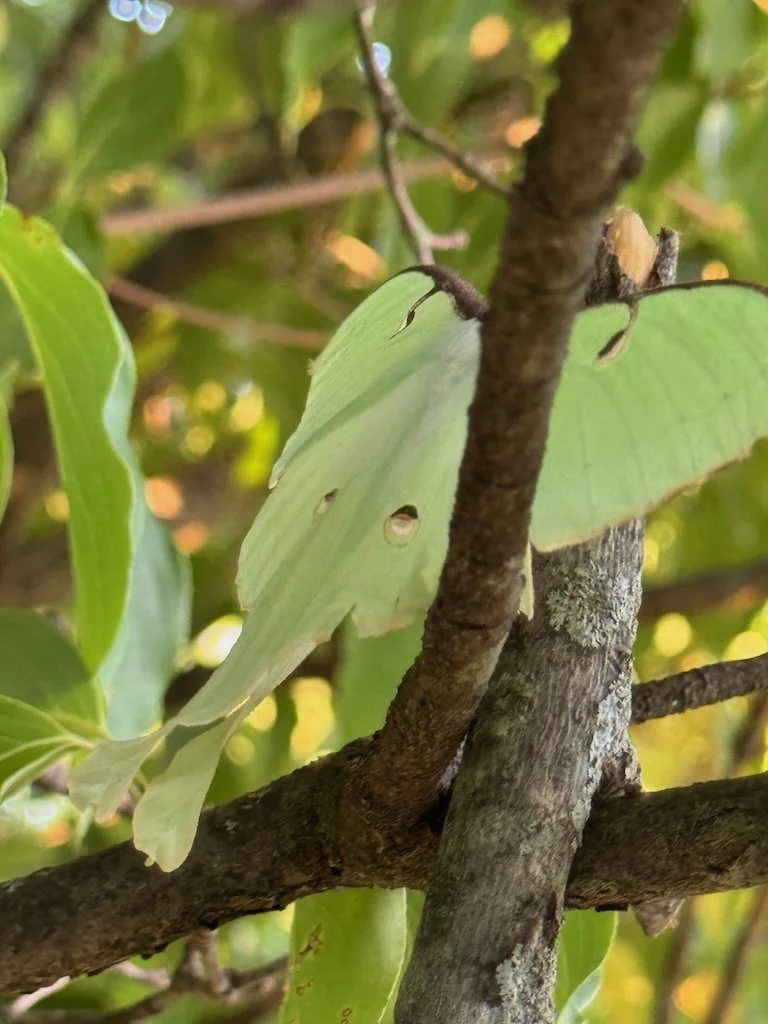
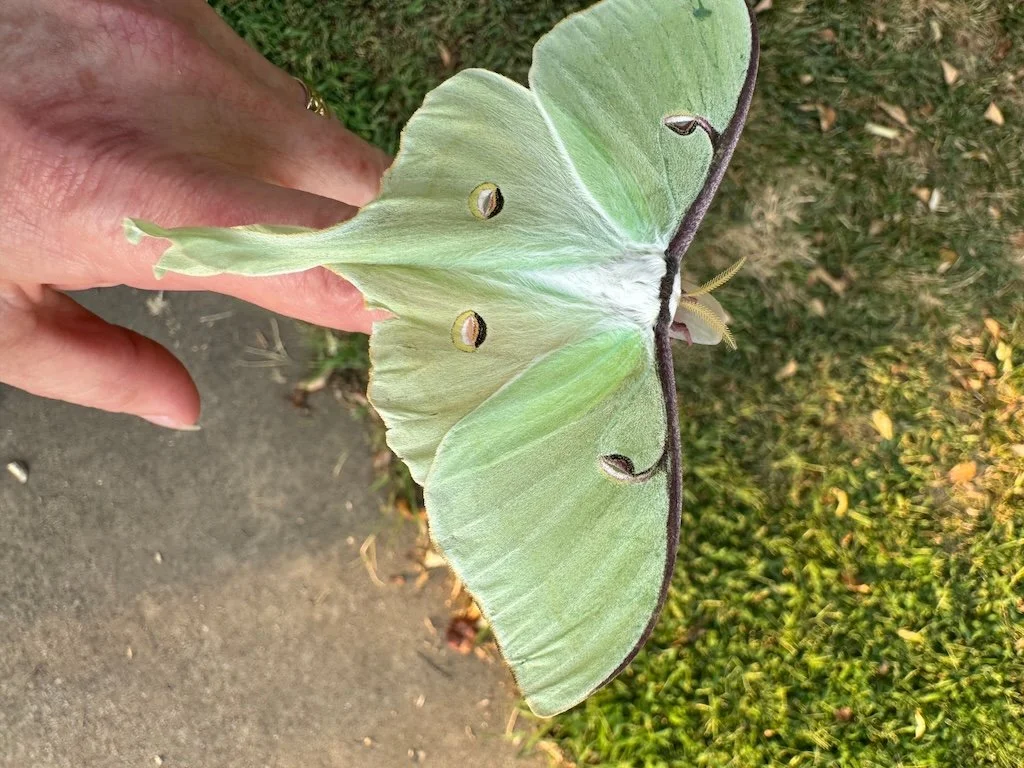
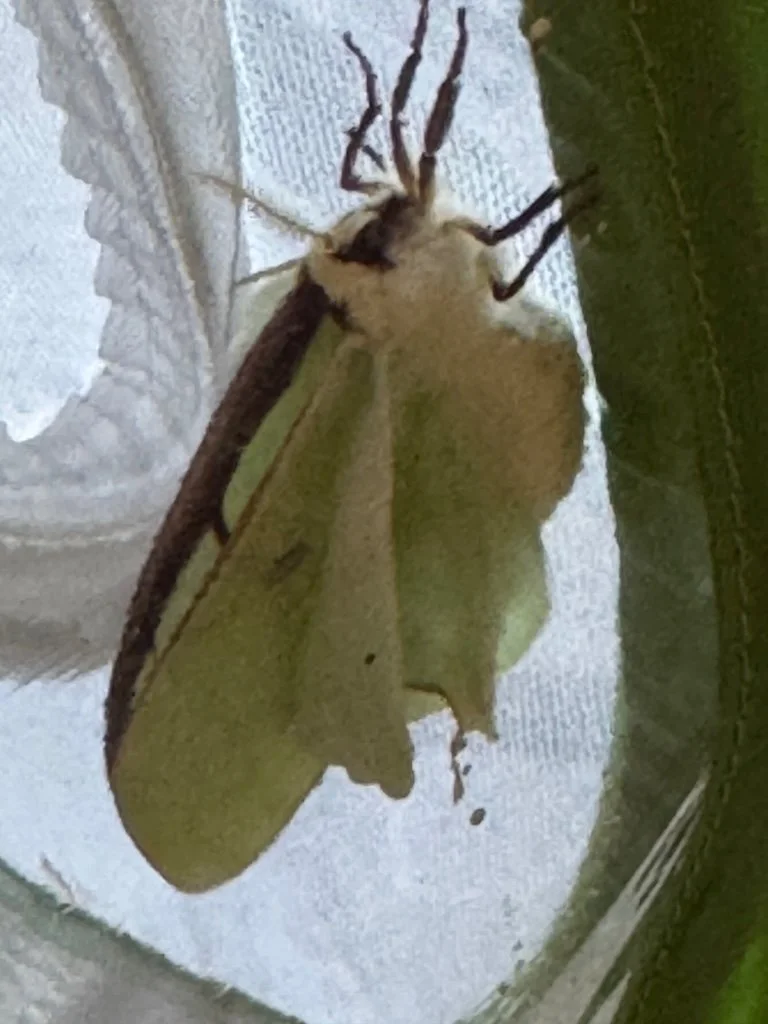
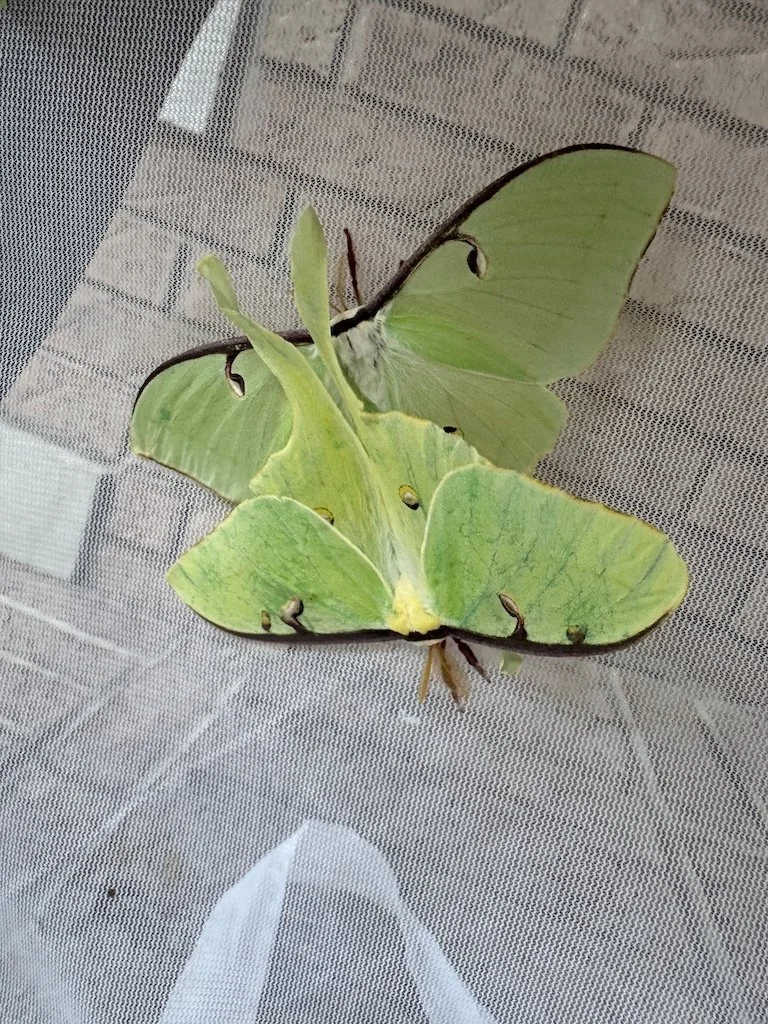
Back in the first week of August, a lot of luna moths I had raised from tiny caterpillars to cocoons emerged within a couple of days.

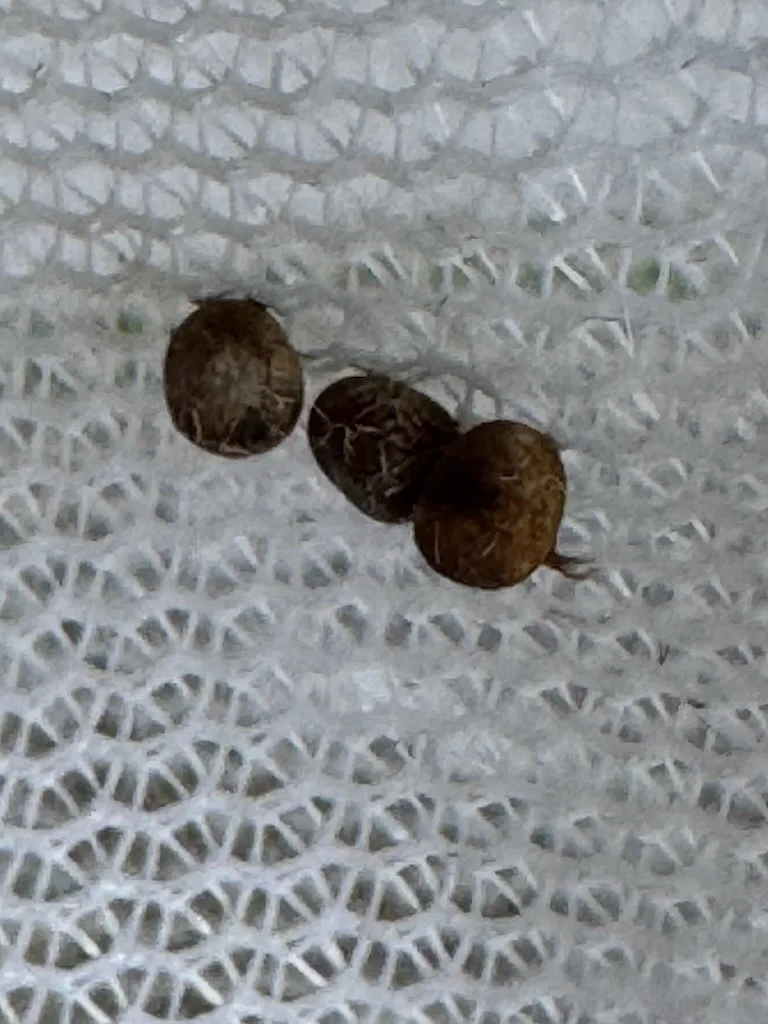
I had already taken eggs, cocoons, and moths to the Butterfly House, so I simply enjoyed the show…deciding to release the moths near my house. I quickly discovered that the mating moths don’t want to be moved…they stayed in the cage. And then there were eggs on the side of the cage.

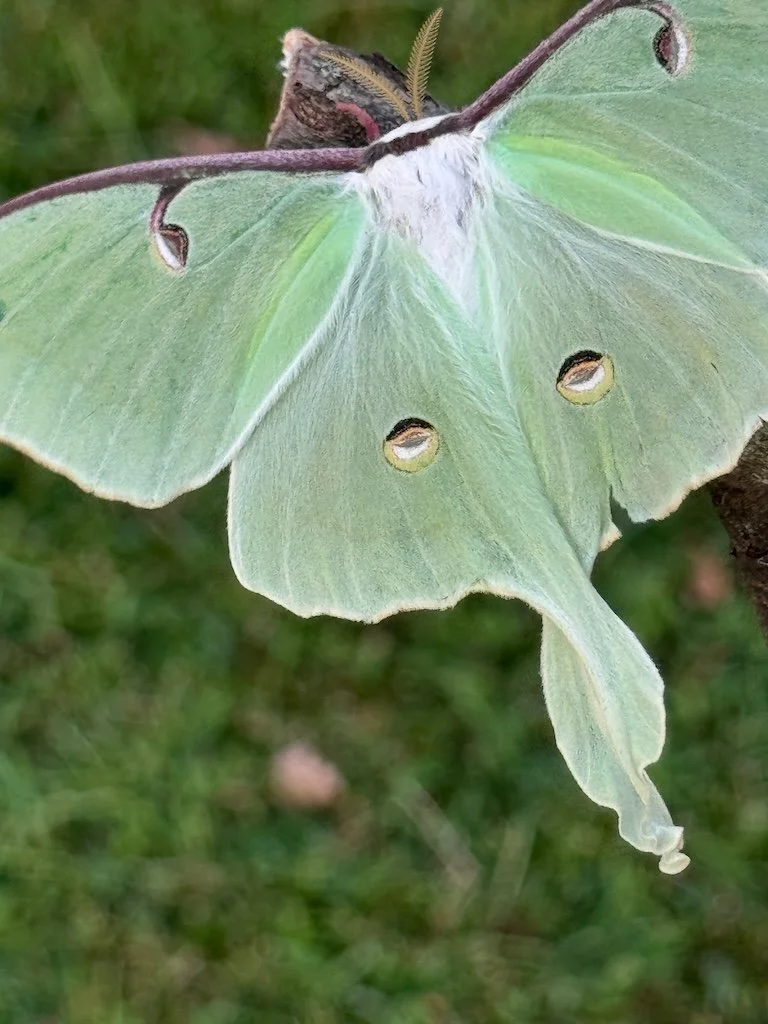
I finally had some that were single again to release…although some were still reluctant. They would fly a short distance and not always toward a tree. I managed to move a few from the cage directly to my dogwood tree; it isn’t a food plant for caterpillars, but it did provide shelter for them. Eventually they all flew away.

The release I enjoyed the most was of a female moth that was clinging to my finger. She vibrated in place – revving – and then flew gracefully away and up to perch in a river birch.

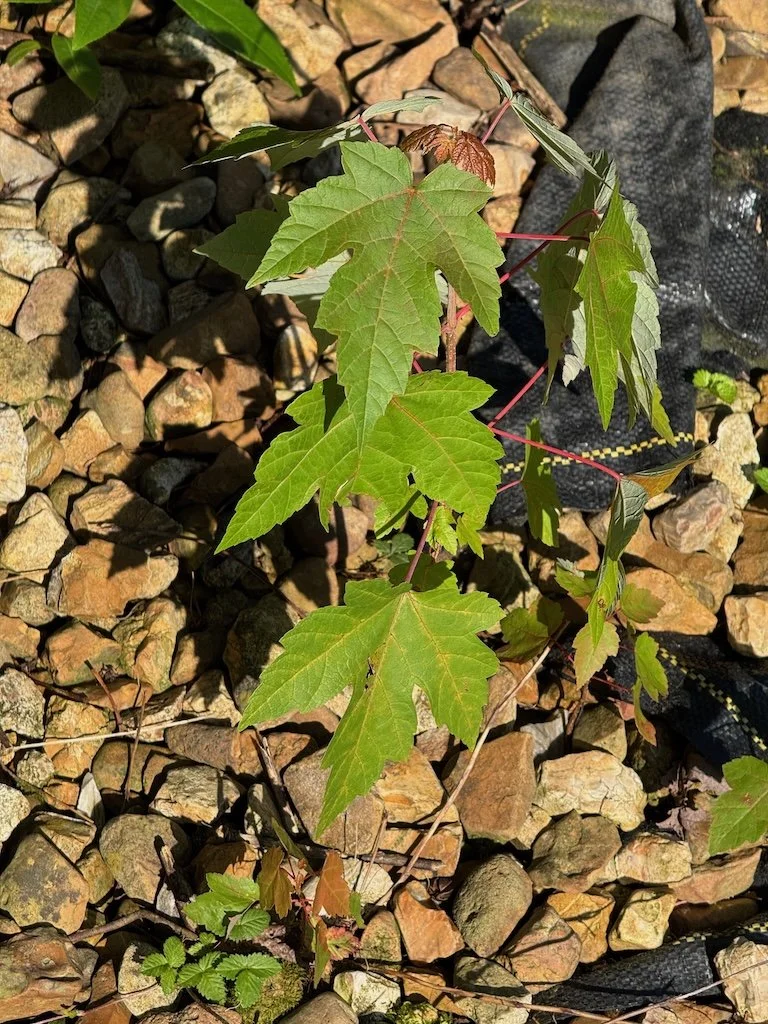
I kept the eggs and let them hatch. Several references said that luna moth caterpillars ate maple leaves…so it was something worth trying. They did not eat the maple leaves at all! I was so hoping the maple would be acceptable to them because I have a maple in my yard.

I still have some cocoons that seem to be viable, but they have not emerged yet. I am beginning to wonder if those cocoons are going to not emerge until next spring!

Gleanings of the Week Ending August 23, 2025

The items below were ‘the cream’ of the articles and websites I found this past week. Click on the light green text to look at the article.

The strange-but-true origin story of the humble potato - Scientists have known that potatoes are most closely related to two groups of plants — the tomatoes and a cluster of three species called Etuberosum. Certain genes suggested that potatoes were more closely related to tomatoes, while other genes gave the impression that potatoes and Etuberosum had the closer relationship. The interbreeding event occurred some 9 million years ago, which happened to be excellent timing for the potato. This is when the Andes were forming and lots of cold and dry high elevation habitat was appearing.

Pompeii’s Secret Second Life Revealed by Latest Archaeological Finds - Shortly after Pompeii was buried in up to 20 feet of ash and pumice, people returned, some to sift opportunistically through the ruble, and others to try and restart their lives as best they could. The redevelopment had Rome’s backing. By the 5th century, life in the ruined city grew even more strained following the structural damage dealt by resurgent seismic activity, including a second eruption of Vesuvius in 472 C.E. Within 150 years, Roman life at Pompeii appears to have ended. This time for good.

Why lung cancer is a 'hidden epidemic' in this part of the world - There are almost no nerve endings in the lungs, so in the early stages, the most common symptom of lung cancer is no symptom at all. And when symptoms do appear, they are often quite generic — chest pain, coughing up blood, and difficulty breathing. So, doctors in sub-Saharan Africa often misdiagnose lung cancer patients as having tuberculosis, given the high burden in the region. Patients would go through the whole treatment regimen for tuberculosis and not really be investigated for lung cancer. Those lost six to nine months of possible treatment can be deadly, since 55% of people with lung cancer die within a year.

Should we all be taking vitamin supplements? - Evidence is starting to grow that popping a daily multivitamin could be beneficial for health, particularly for older adults. "Mega-dosing", or taking quantities of vitamins higher than the recommended daily allowance, is not recommended.

The Amazon Rainforest Approaches a Point of No Return - Under increasing threats from rampant deforestation and climate change, portions of the Amazon now emit more carbon to the atmosphere than they absorb. The southern Amazon has become hotter and drier, with less soil moisture, lowered water tables, and a higher-than-normal rate of tree mortality. Scientists now believe the Amazon could reach its tipping point — when it loses its natural ability to regenerate and will become permanently degraded — as soon as 2050. The impacts will reverberate globally.

The Many Types of Fluids That Flow in Yellowstone - Yellowstone is no doubt one of the most dynamic places on Earth. The many types of fluids that flow between the mantle and the atmosphere generate explosive volcanic and geyser eruptions, create lava flows, bubbling mud pots, and very rare sulfur flows, and they span nearly the full range of possible material viscosities.

New, Implanted Device Could Offer a Long-Elusive, Drug-Free Treatment for Rheumatoid Arthritis - In late July, the United States Food and Drug Administration approved an implant that uses electrical signals to control inflammation by tapping into the vagus nerve—a pair of nerves that connect the brain with important internal organs. The move marks the first time an electrical therapy has been approved for the treatment of any autoimmune disease.

Midwestern butterfly count: Big data yields bad news and clues – A study of 4.3 million observations in the U.S. Midwest from 1992–2023 to characterize changes in butterfly biodiversity. The results: 59 of the 136 species declined in abundance over the study. Both common and rare butterflies are waning.

104 Grams of Protein For $1.50? - How much ribeye steak is needed to reach 104 grams of protein? It would be about 19 ounces of ribeye steak, which costs $12–20 per pound, and premium cuts can cost more. The ribeye would cost about $14 on the low end or a bit over $20 on the high for the non-premium cuts. The black-eyed peas are only $1.50.

Historic Artifacts from Frank Lloyd Wright’s Only Skyscraper Saved by Conservancy – The Price Tower has been in the news over the past few years…controversy and renovations promised never done. Some objects from the building were sold in a breach of the easement on the building…and now they have been purchased by the Frank Lloyd Wright Conservancy to avoid their being dispersed; the plan is for them to be returned to the building after renovation. The post includes pictures!

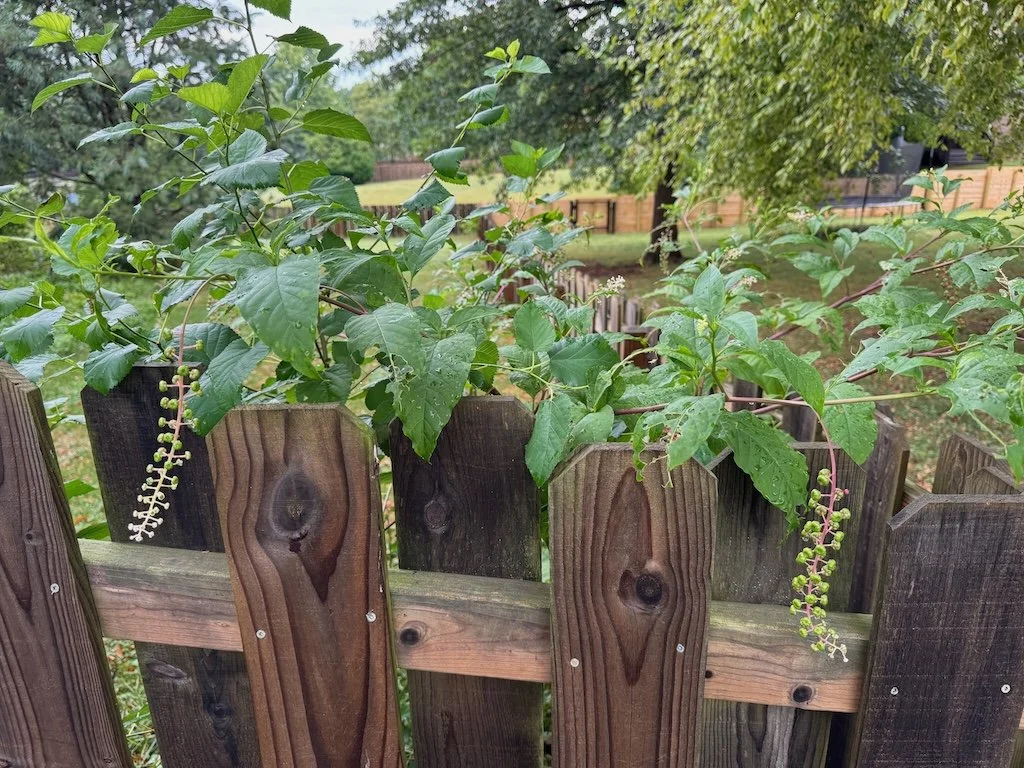
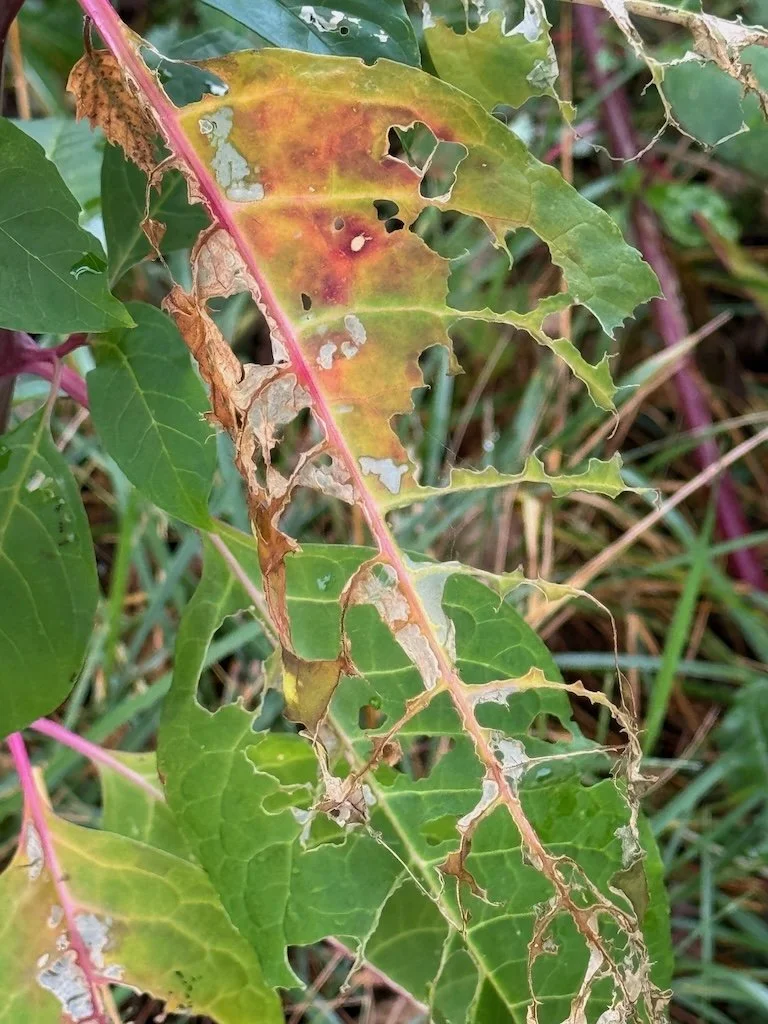
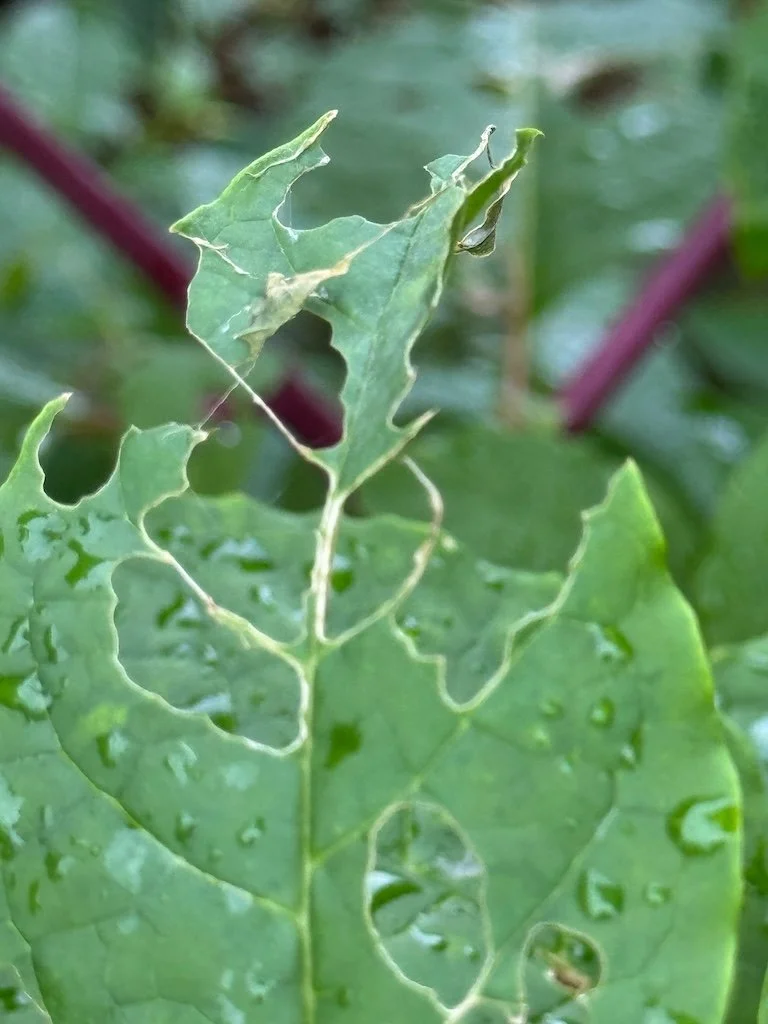
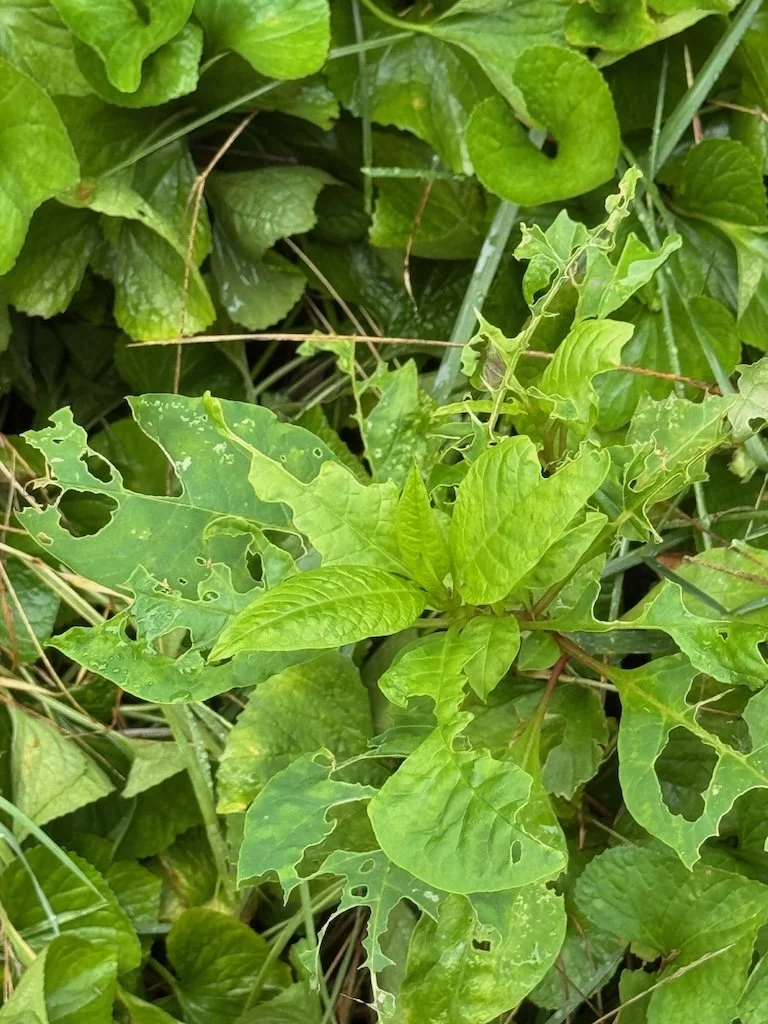
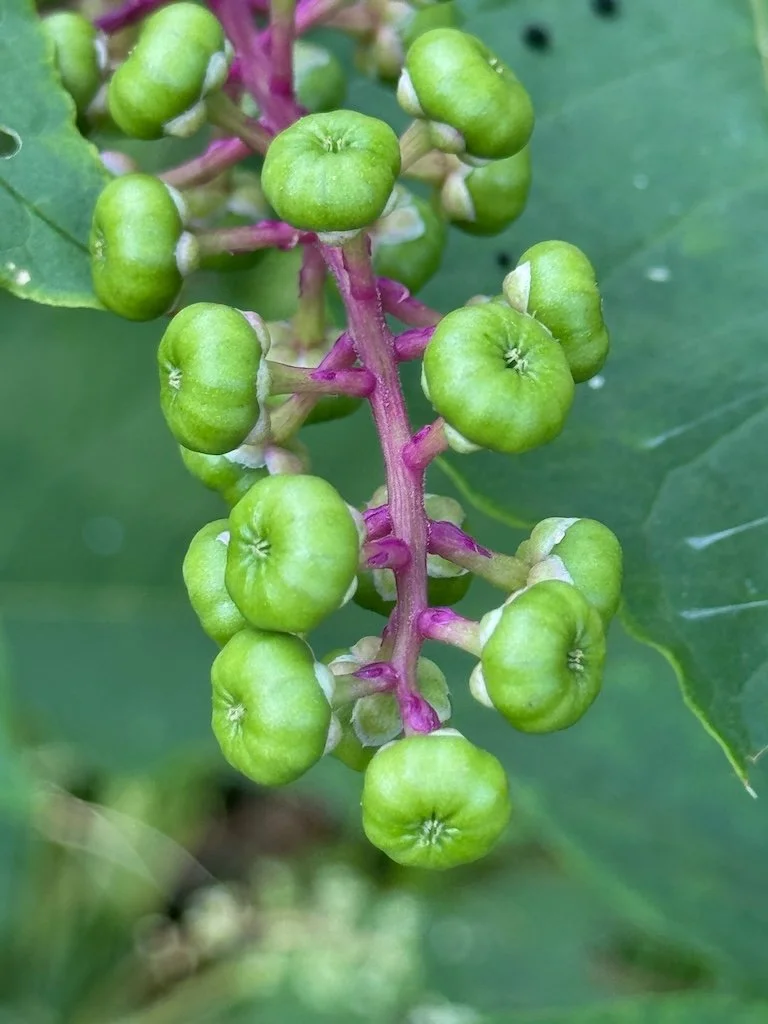
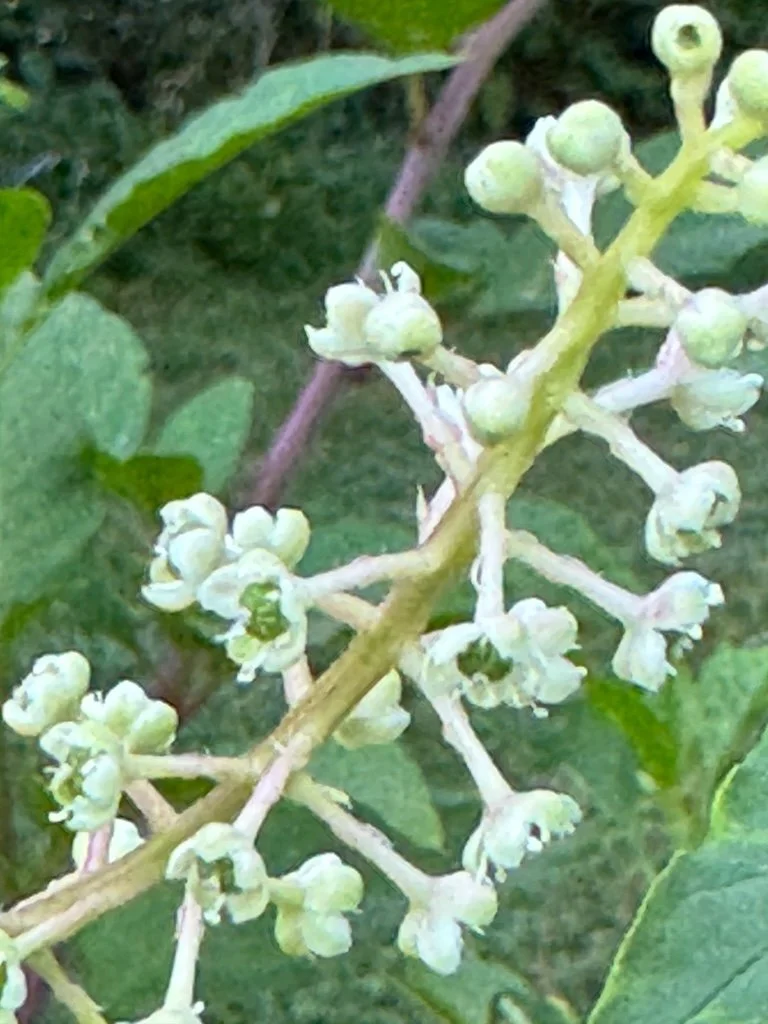
What is eating the pokeweed?

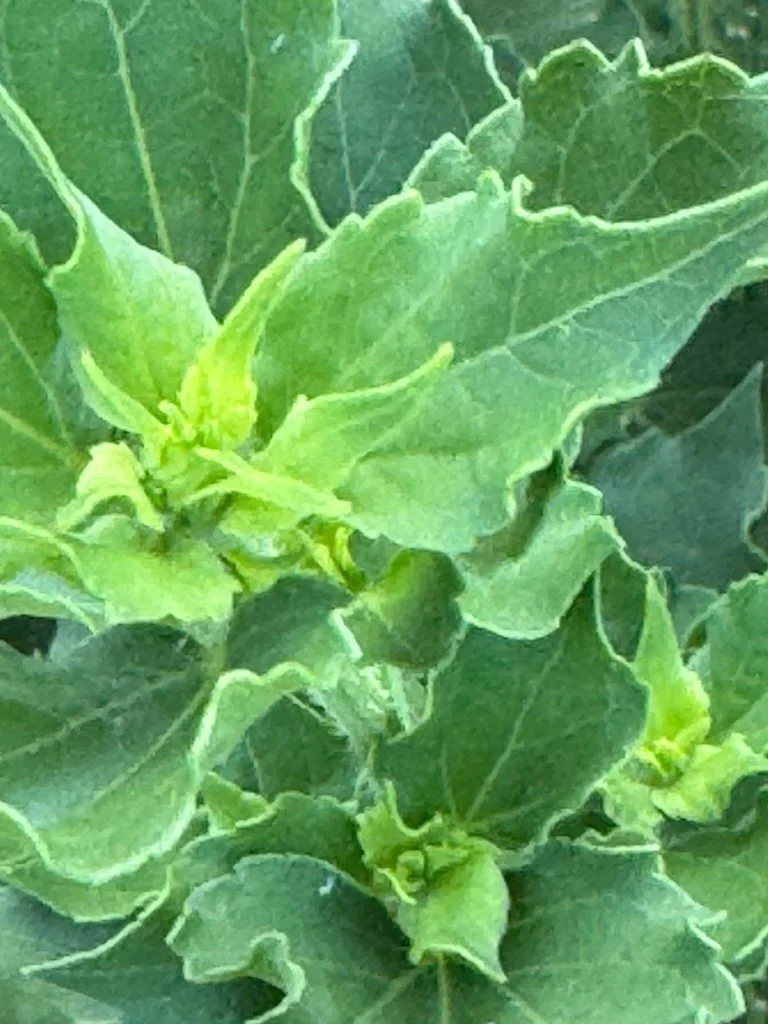
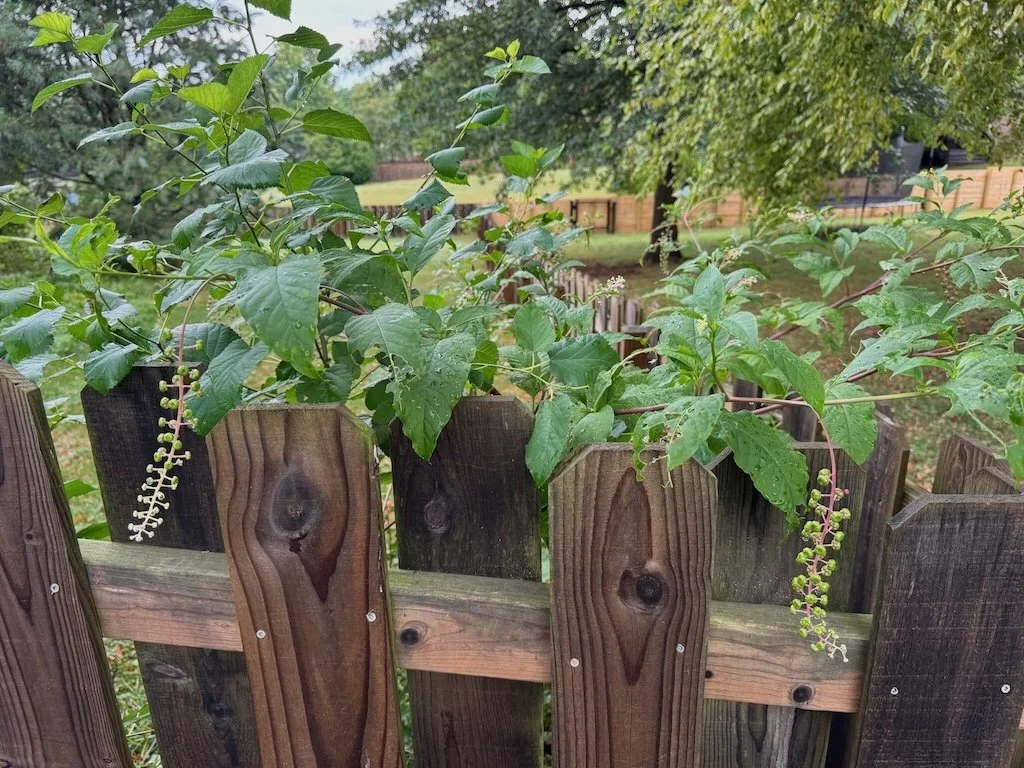
I have learned to tolerate pokeweed (Phytolacca americana) in many places in my Missouri yard…where it provides lush greenery…eye-catching magenta stems…flowers for small pollinators…food for birds.

This is the first year I have noticed that something is eating the leaves.

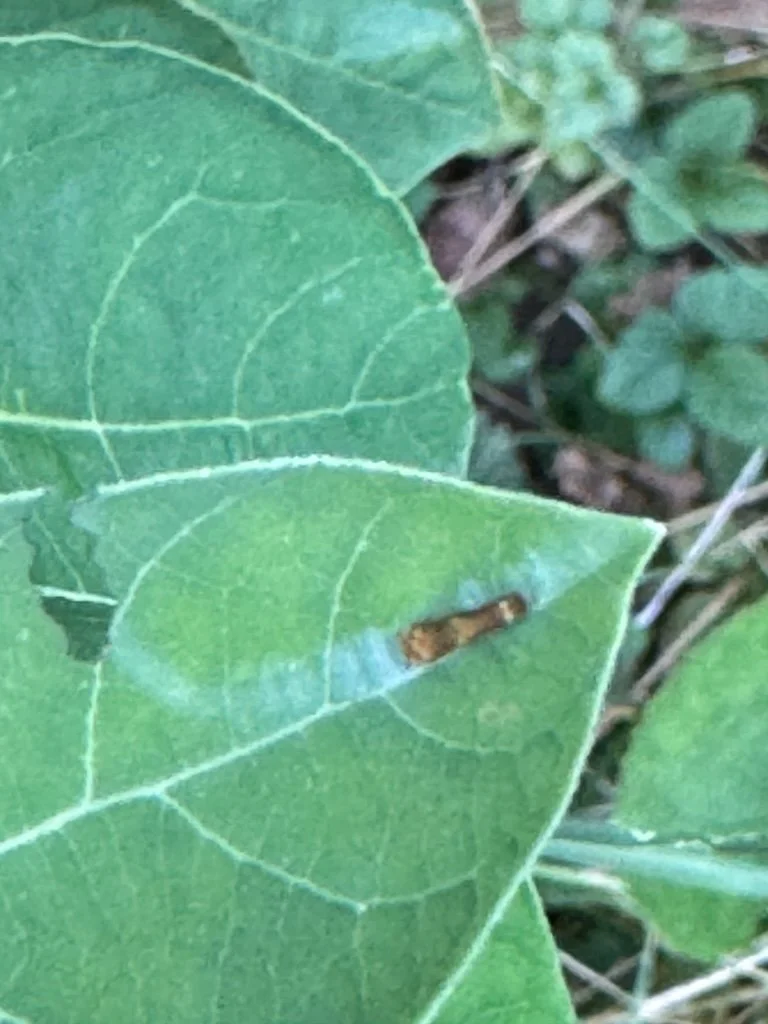
I thought perhaps it could be Giant Leopard Moth (Hypercompe Scribonia) caterpillars that are reported to eat the plant….but I have never seen them on the plants.

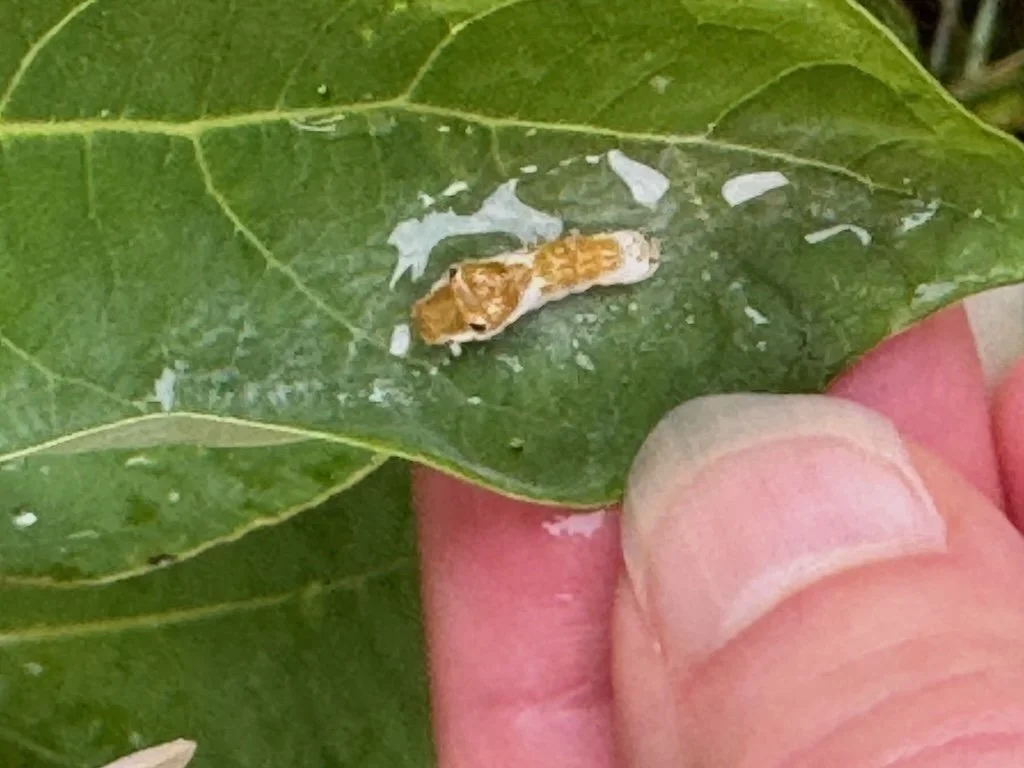
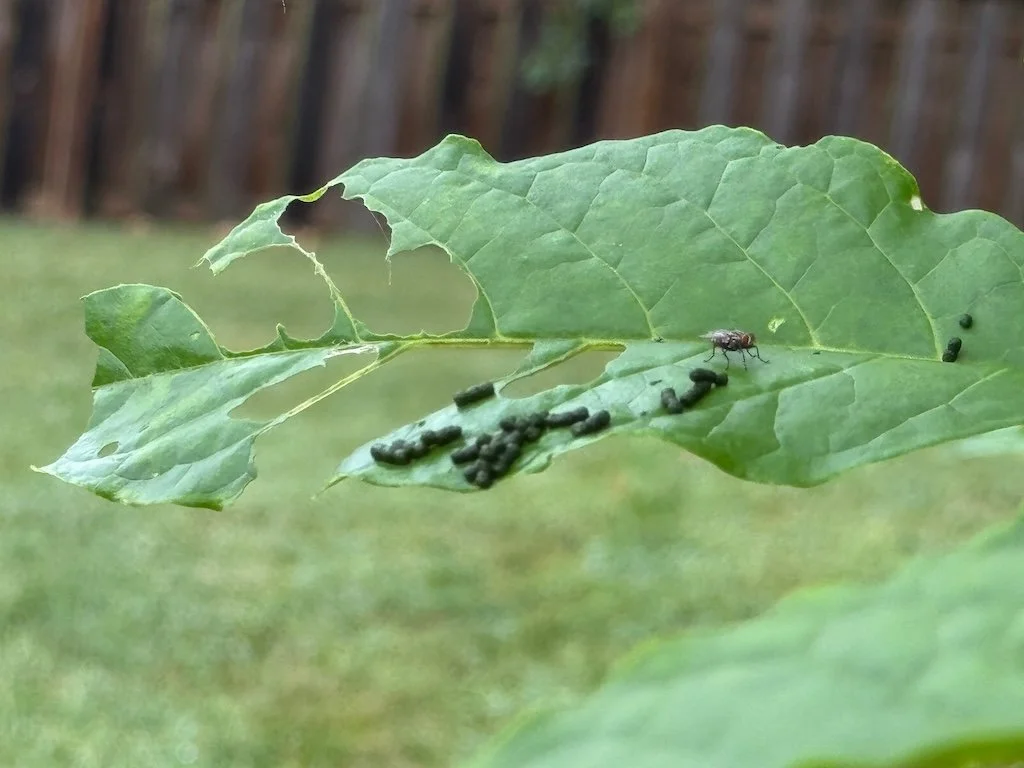
I did see some frass one morning (the fly is for size comparison) but the caterpillars are apparently stealthy.  The mystery is not a bad thing necessarily; it motivates me to check the plants more frequently…and I’m pleased that the pokeweed leaves are food for something rather than remaining pristine!

Thinking of my Mother

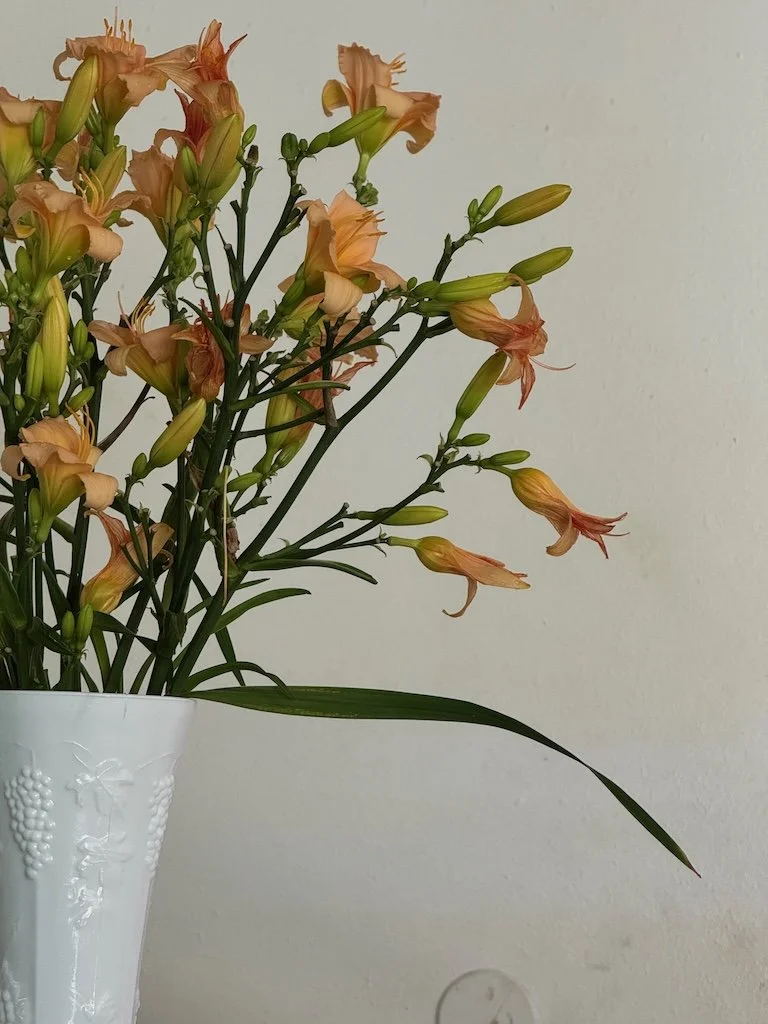
I cut one of the naked lady lilies to bring indoors – a single stem in a vase that easily fits on the windowsill.

The flowers remind me of my mother. The bulbs came from her garden to mine a few weeks before she died. Until this year, I had thought they hadn’t survived the emergency transplanting in January 2023. When I noticed the three stalks with blooms (I had missed the foliage in the early summer), they prompted memories of her last decade.

  • Her joy when they bloomed in August. She could see the sea of pink blooms from her garden room. She would sit by the largest window in the morning sun to read the paper or make notes….or she would look up from working on the jigsaw puzzle. The scene of the outdoors called to her repeatedly.

  • Her desire to be outdoors among the blooms. She frequently went outdoors when it was cool enough (generally only in the morning in August) to see the flowers either from the edge of the patio or wading into the flower bed to cut a few stems. Toward the end of the decade, a walker was increasingly required, and the family tried to accompany her into the beds….although she still managed some solo forays and (thankfully) came back unscathed.

  • Her making of bouquets. The naked lady lilies are not ‘day’ lilies, so they lasted longer after they were cut. She would sometimes have a vase full of just the lilies, but other times would combine them with other plants….but always the lilies were the standout of the bouquets for the duration of their bloom time.

I have some other plants from my mother’s garden (chives and irises are the ones thriving), but the naked lady lilies are the ones that prompt the most memories…her good times in August.

Spicebush Caterpillar Update

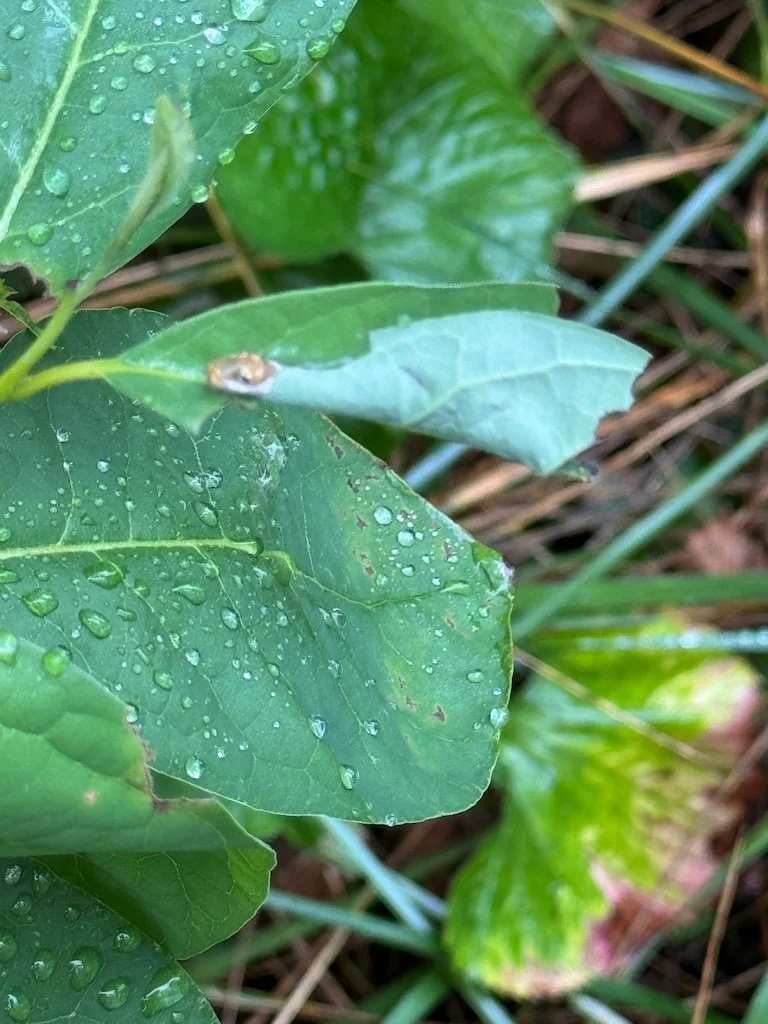
After a hard rain – I checked to see if the caterpillars were surviving on the spicebush. I had seen 4 very tiny ones when I checked a week ago. I found a very tiny one right way and then two that were probably from the group I saw last week. One was completely enfolded in a leaf and was probably waiting to dry out a bit before venturing out. The other was partially in a leaf…looked like it had eaten part of its hiding place!

Hopefully I will have some that will survive to become Spicebush Swallowtail butterflies.

I didn’t look over the entire plant…it could be that there were other caterpillars although birds could have eaten some of them. Caterpillars are – after all – high quality bird food.

Butterfly House – August 2025

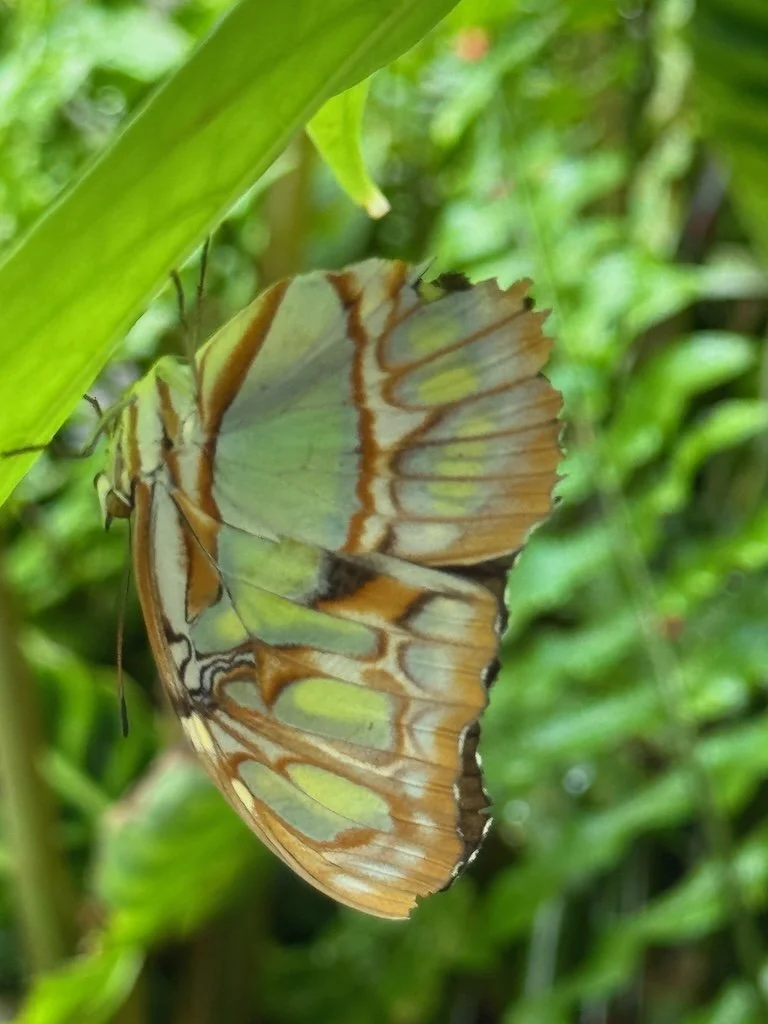
So many things to see in the Botanical Garden and the Roston Native Butterfly House this month. There are plenty of native plants in bloom in the rain garden on the walk between the Botanical Center and the house….but I just take a quick look since I want a few minutes to get things cleaned up before turning the sign to ‘open.’

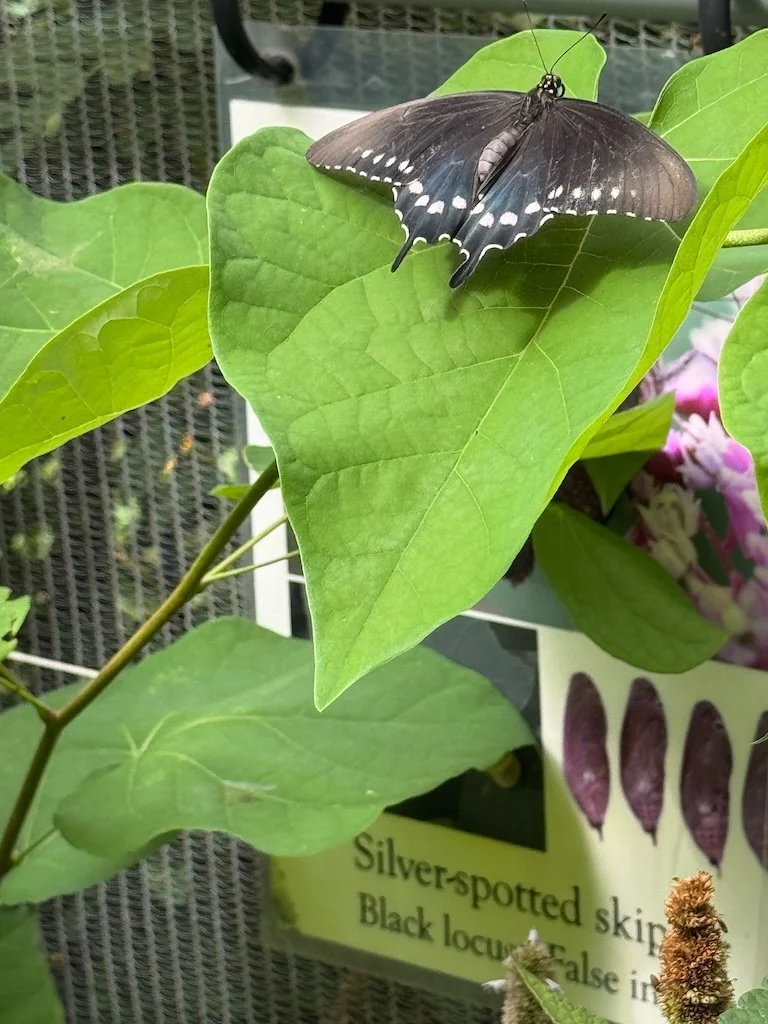
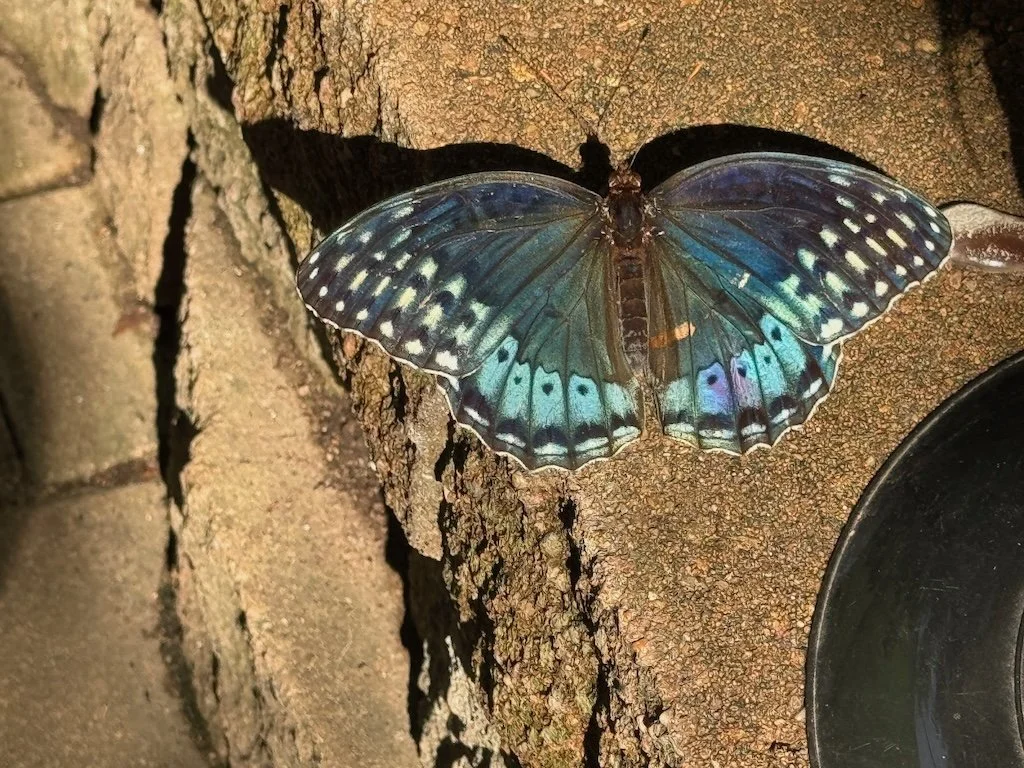
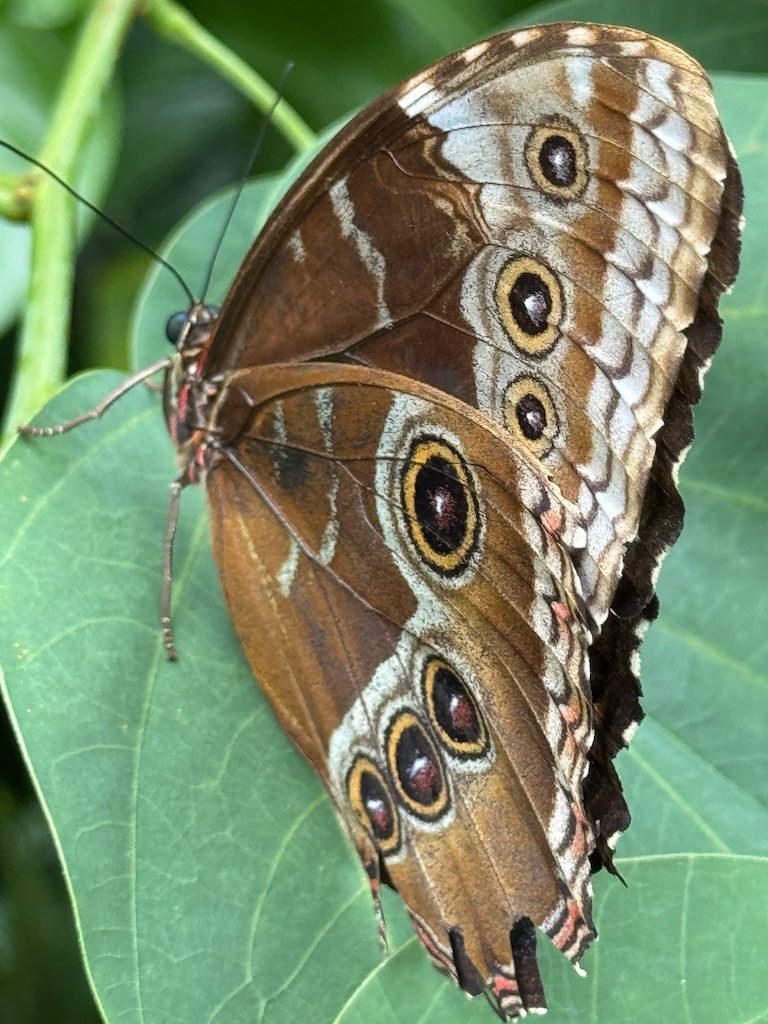
Sometimes we find butterflies that have died overnight. I took a picture of one before we put it in the small bin we keep for butterflies that have succumbed. Another morning I found the 4 parts of a cecropia moth’s wings scattered on the floor; maybe a mouse ate the body during the night?

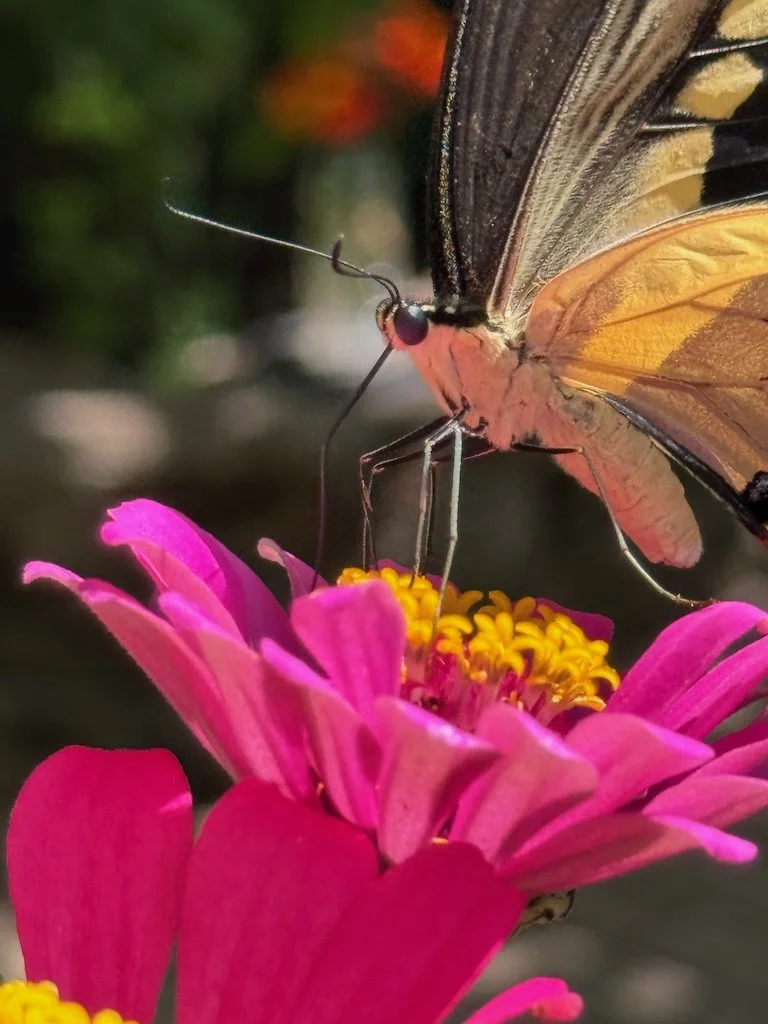
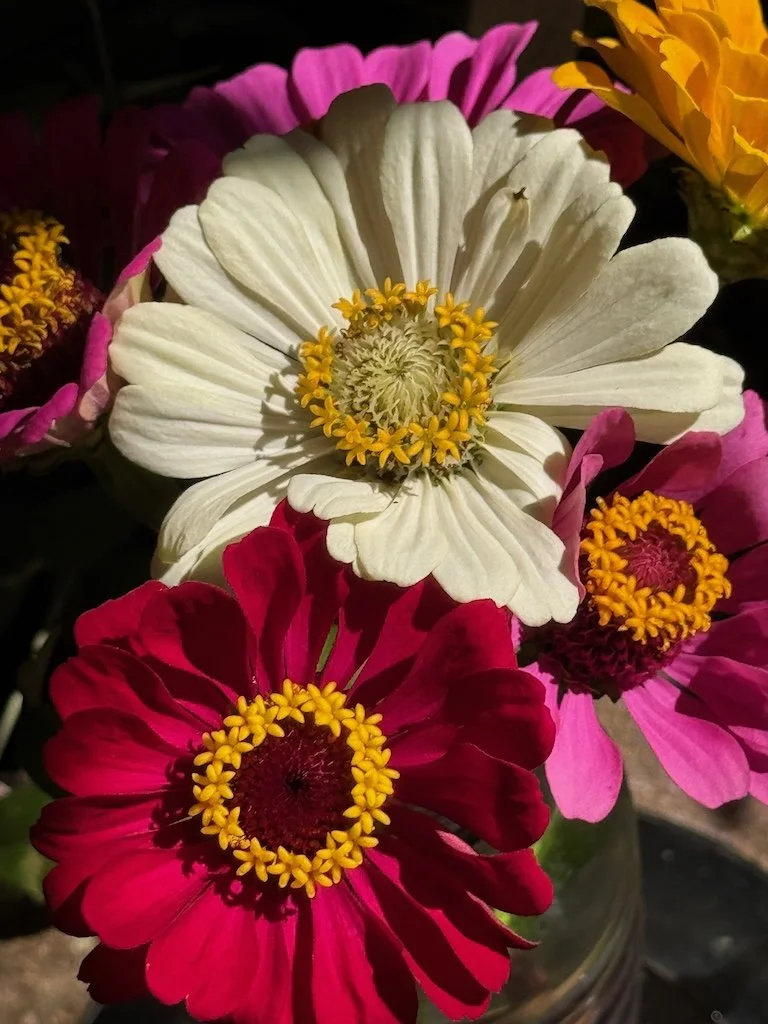
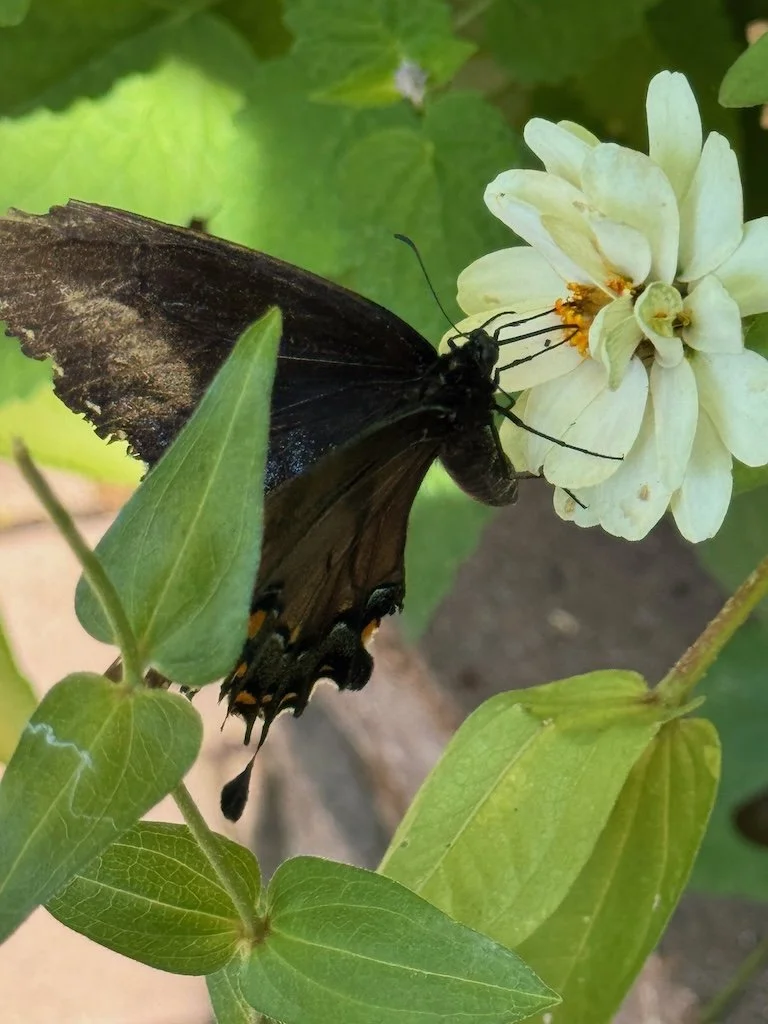
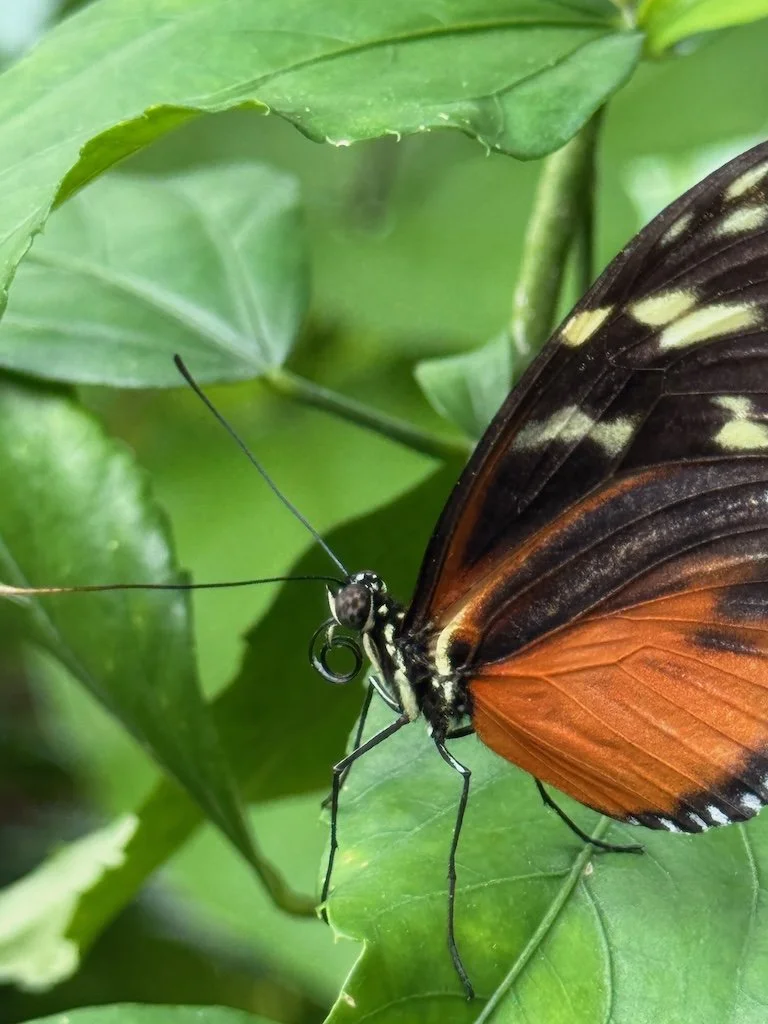
I like to see butterflies getting nectar from flowers…but sometimes it is enough to see them ‘resting.’ There are often fresh zinnias for the butterflies – freshly cut from the Master Gardener area of the Botanical Gardens. And there is always something blooming in the house itself. I like the Zen of the place when there aren’t many people but there is always the magic of a child’s wonder seeing a butterfly in a way they haven’t before.

The caterpillar that was ‘new to me’ this month was a Zebra Swallowtail…large enough to make its chrysalis – picked up off the floor when it was trying to leave the plant!

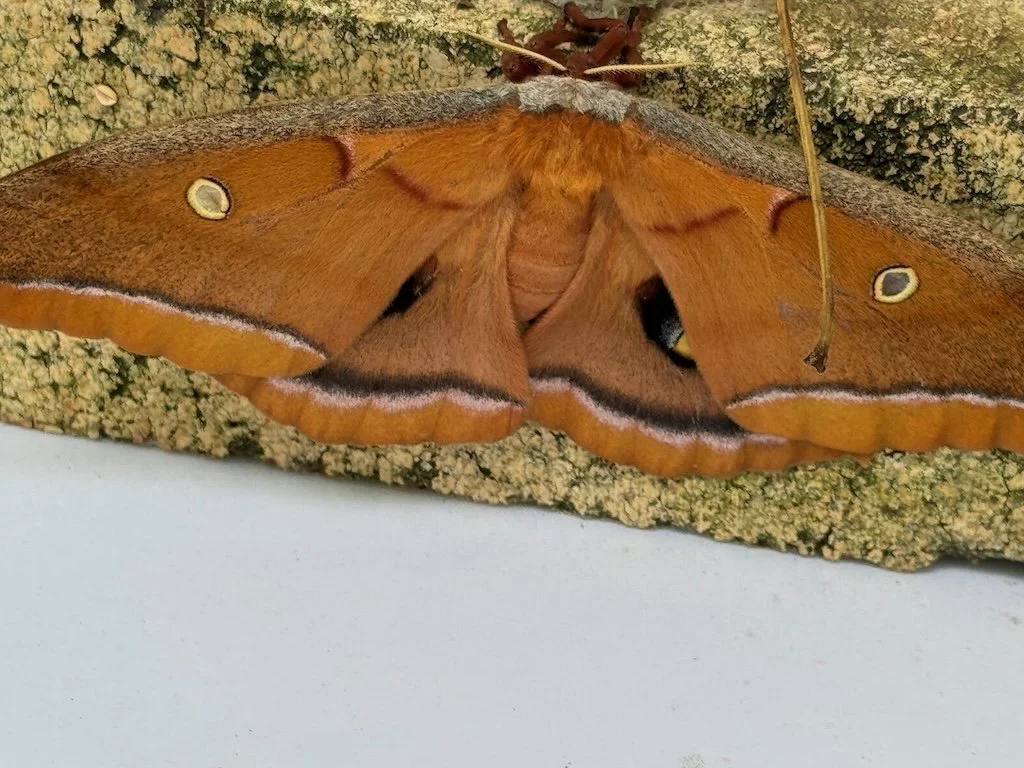
The moths are easily photographed because they are not very active during the day. The Luna moth is my favorite….but the Polyphemus is beautiful too. They, along with the Cecropia, have large caterpillars that are always interesting to visitors.

Gleanings of the Week Ending August 16, 2025

The items below were ‘the cream’ of the articles and websites I found this past week. Click on the light green text to look at the article.

Fall 2025 International Student Enrollment Outlook and Economic Impact – The drop in new international student enrollment in the United States this fall could result in a 15 percent drop in overall enrollment. This drop would result in nearly $7 billion in lost revenue and more than 60,000 fewer jobs.

Woodpeckers thrive where missiles fly. How a bombing range became a wildlife refuge - A U.S. Air Force bombing range in Florida has become a sanctuary for endangered species like the red-cockaded woodpecker!

Used EV Batteries Get New Life Supporting the Texas Power Grid - In Texas, retired EV batteries are being repurposed to shore up the state’s unstable electric grid. Batteries have made significant capacity contributions within Texas’ electric grid in recent years and have been credited with helping prevent summer blackouts by bolstering grid reliability.

World Cannot Recycle Its Way Out of Plastics Crisis - The world churns out more than 200 times as much plastic today as it did in 1950, and production is only rising. Microscopic bits of plastic waste have been found nearly everywhere. Many of the more than 16,000 chemicals used in plastics — flame retardants, fillers, dyes — can harm human health, and fetuses, infants, and young children are particularly vulnerable. Without efforts to stem the use of plastic, production is on track to nearly triple by 2060.

Gorgeous, Hidden Animal Tattoos Discovered on a More Than 2,000-Year-Old ‘Ice Mummy’ by Using Digital Imaging - Tigers, stags and a leopard twist around each other, the animals’ stylized and intricate details spread in ink across a woman’s forearm. On her hand is the delicate outline of a bird with a fluffy tail. It sounds like something you might see from a tattoo artist today, but these designs appear to be preserved on a more than 2,000-year-old “ice mummy” from Siberia’s Pazyryk culture.

How do the microplastics in our bodies affect our health? - The use of plastics in society first came into being on a large scale in about the 1920s, and we see a big increase from the 1960s onwards. In a study published in 2024, scientists found that consumption of the particles has increased sixfold since 1990, particularly in various global hotspots including the US, China, parts of the Middle East, North Africa and Scandinavia. In February 2025, scientists identified microplastics in the brains of human cadavers. Most notably, those who had been diagnosed with dementia prior to their death had up to 10 times as much plastic in their brains compared to those without the condition. Because humans are consuming so many different types of plastic, it's both unlikely and impractical, without vast sources of funding, for researchers to be able to identify a direct link between ingesting microplastics and one particular disease….but there is mounting evidence that they are impacting health.

See the Faces of Two Sisters Who Toiled Away in a Neolithic Mine 6,000 Years Ago – Skeletons found in the Czech Republic chert mine.

This diet helped people lose twice as much weight, without eating less - People eating minimally processed foods lost twice as much weight as those on ultra-processed diets, even though both diets were nutritionally balanced and participants could eat freely!

A Promised U.S. Drilling Boom Has Yet to Materialize - The price of oil, the world’s most-traded commodity, is more responsive to global demand and supply dynamics than to domestic policy and politics. The economics of solar and wind are increasingly too attractive to ignore. They are now almost always the least expensive — and the fastest — option for new electricity generation.

Your sleep schedule could be making you sick, says massive new study - A global study of over 88,000 adults reveals that poor sleep habits—like going to bed inconsistently or having disrupted circadian rhythms—are tied to dramatically higher risks for dozens of diseases, including liver cirrhosis and gangrene.

Volunteering – August 2023

I have three areas of volunteering going on this summer: Friends of the Library, Master Naturalist chapter, and Butterfly House (that counts as Master Naturalist hours too).

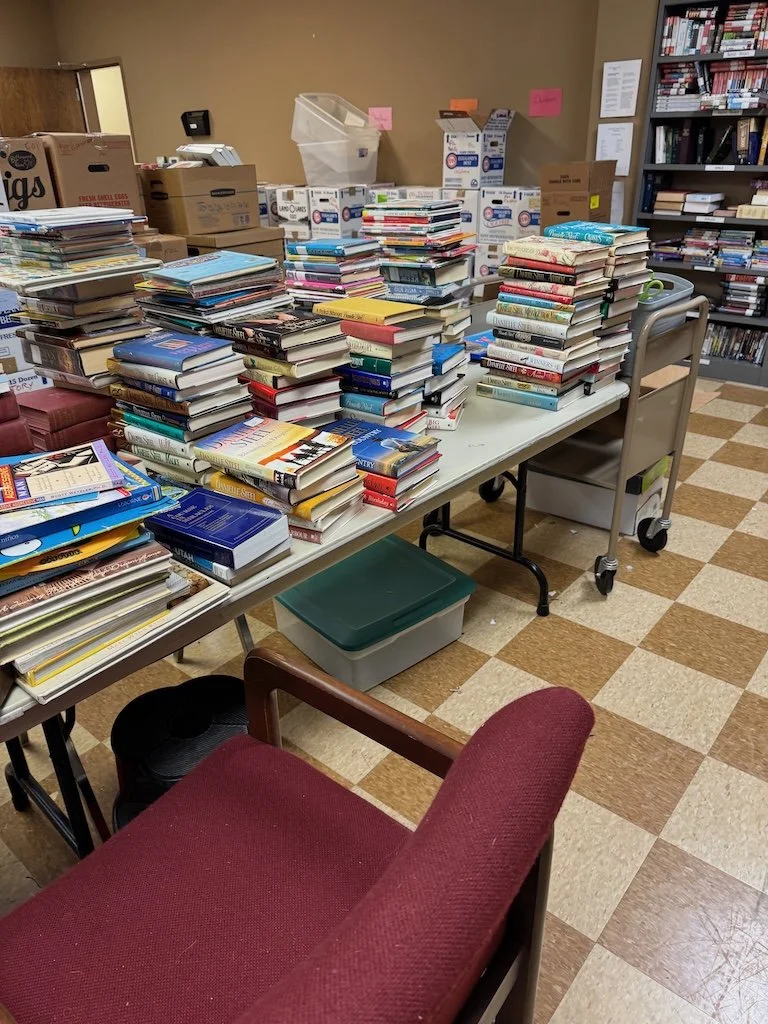
I volunteer once a month to sort used books at my local library that will be sold in the sales that happen once a year at each branch. Setting up or helping during the sale itself is another volunteer opportunity (I prefer the set up!). This month the sale will be at the branch closest to where I live but I have used the sales as an opportunity to explore other the parts of the county that I am not as familiar with. The monthly sorting usually starts out a bit daunting with tables full of books that have been donated. Two people come in each week but there are certainly times that there is more than two people can sort into shelving by subject or box up within the 2-hour shift. I am always relieved when the table is cleared when I leave…and that the area is air conditioned; sorting books is good exercise.

I am the programs chair for my local Missouri Master Naturalist chapter, so I am doing the behind-the-scenes activity to arrange for speakers…and writing announcements to the chapter about what is happening. The speakers count as advanced training so I create an entry in the tool we have for logging our advanced training so that others can simply select it when they attend…minimizing what they must do to get credit for the training.

The Butterfly House has been my most substantial volunteering this summer…both in the house itself talking to visitors as they enjoy the butterflies and moths there and raising Luna moth caterpillars at home that have been taken to the house as big caterpillars and moths recently. The large cecropia caterpillars on display in the butterfly house recently were the 3 that were raised with my luna caterpillars (because they were mixed in when I was given the bin with a lot of newly hatched caterpillars). 

I’ve enjoyed all the volunteer gigs I’ve had this summer…even the ones that were outdoors on very hot days!

Our Missouri Yard in August 2025

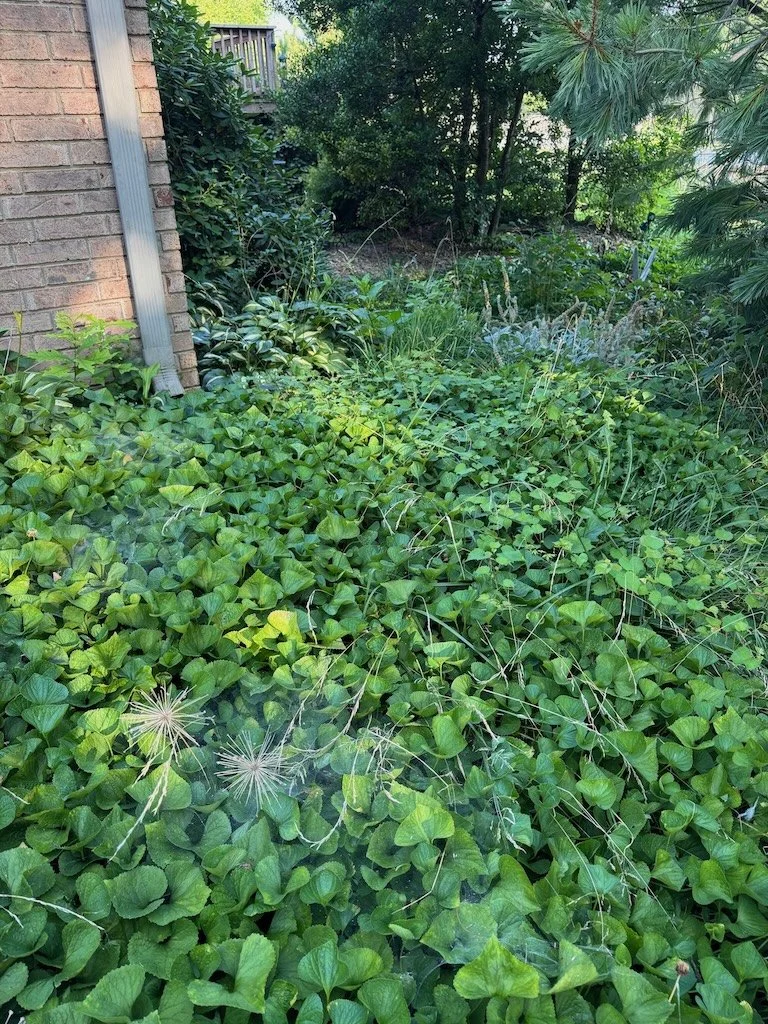
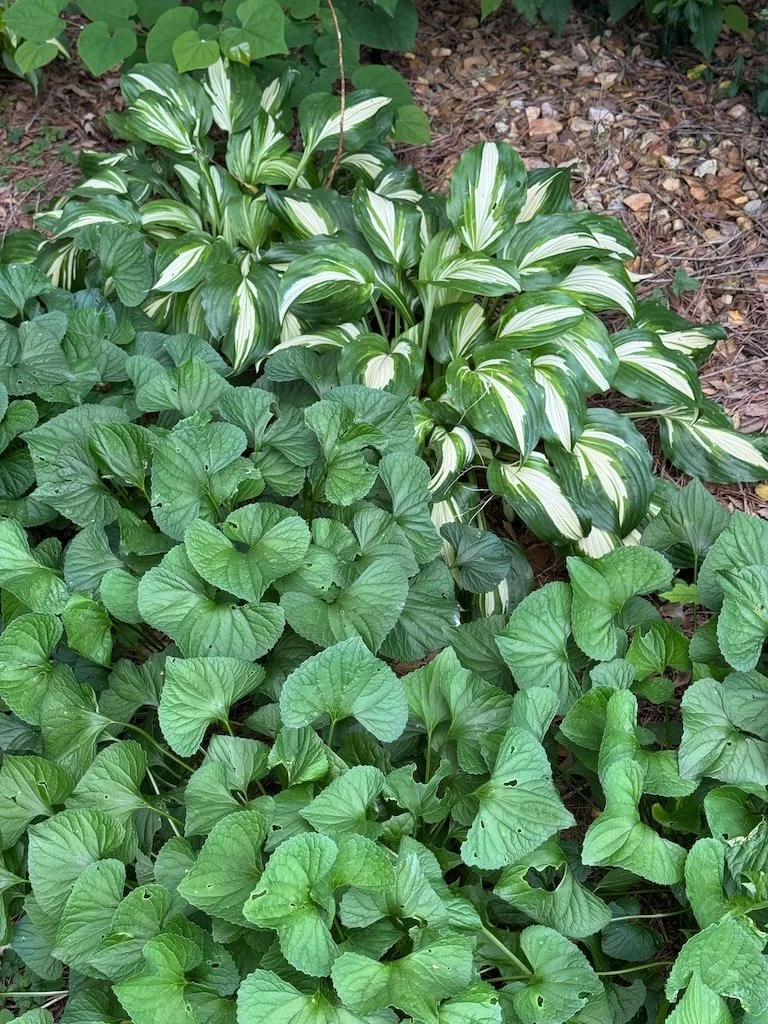
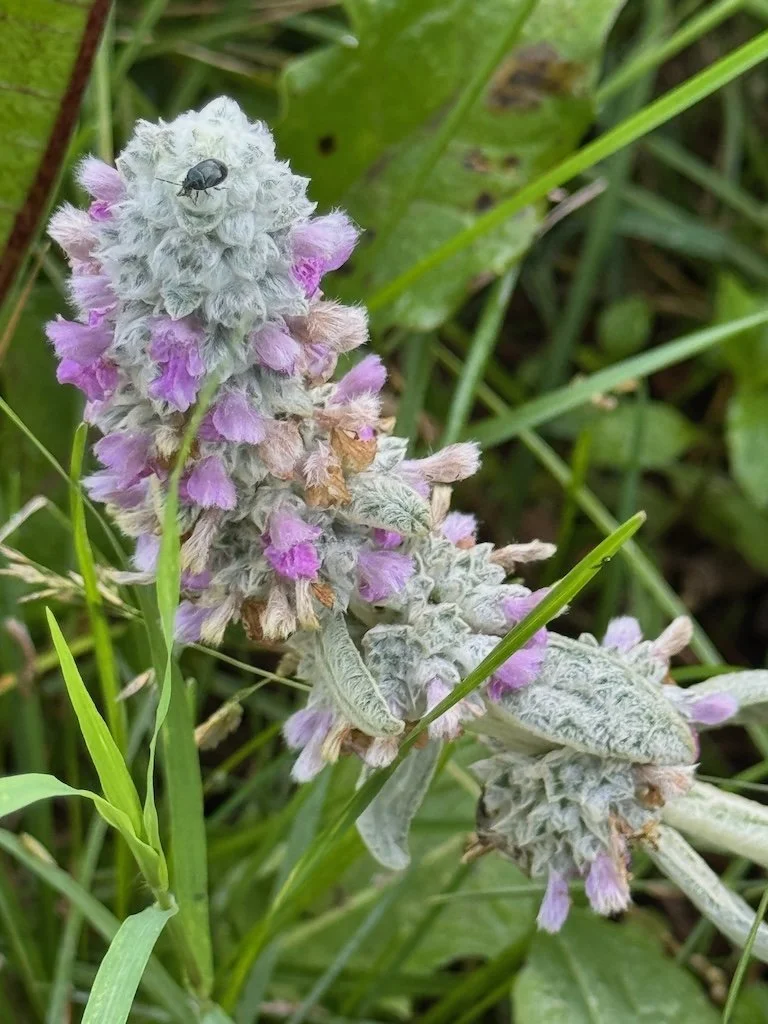
July was very dry here, but our sprinkler system has kept up. Our shade garden looks lush with violets and a few hostas and lambs ear going to seed. The dried remains of alliums and some grass seed heads offer some highlights in the sea of violets.

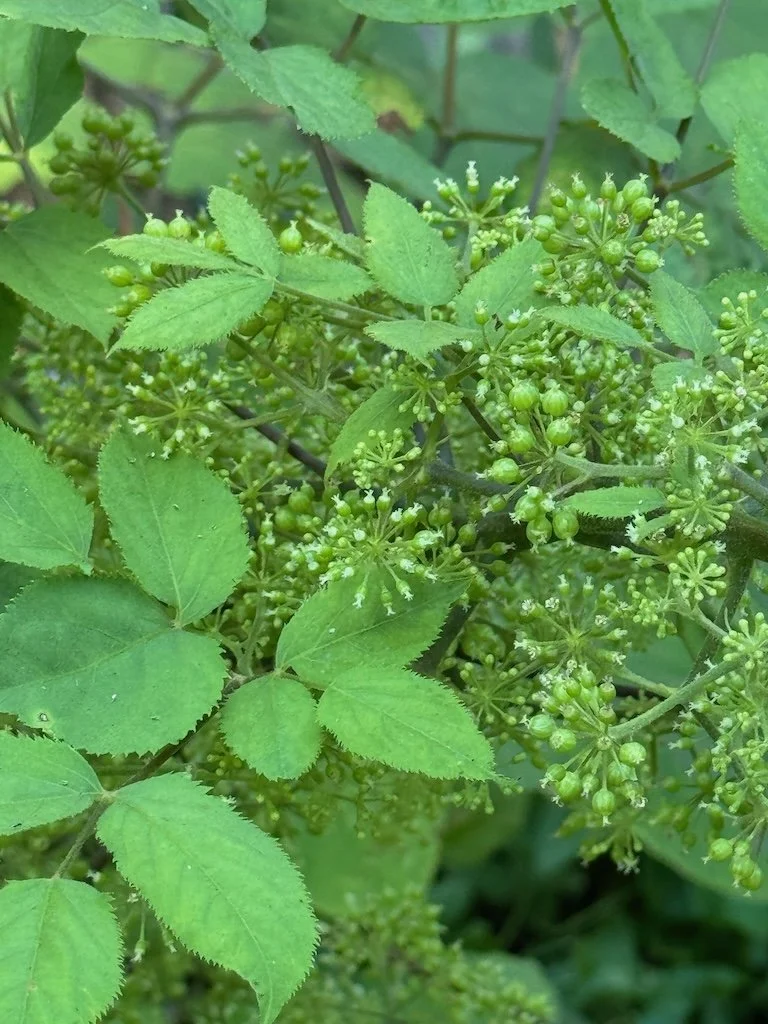
The American Spikenard is blooming with violets under it a little further up the hill – and where I can see it from my office window.

Even further up the hill with violets around it, is the spicebush I planted last fall. I have been checking it for eggs or caterpillars --- and it finally has caterpillars. I counted 4 – all Spicebush Swallowtail caterpillars. I am leaving them alone right now but will go out and check on them. They are easy to spot even when they are small because they pull the leaf around themselves (like a leaf taco) when they resting.

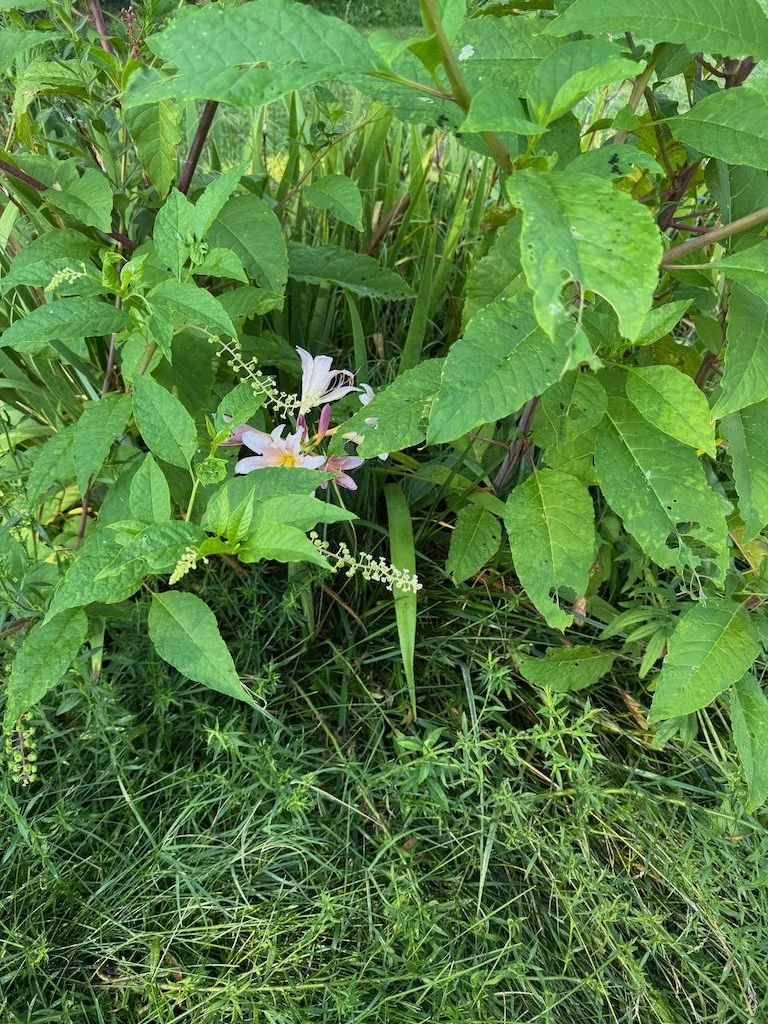
One morning last week when I was out weed eating, I noticed that one of my mother’s naked lady lily bulbs that I planted in my yard in January 2023 has survived! The pokeweed shades it from the heat. There was a second plant that was mostly still buds. I was happy to see it --- glad it was there to spark memories of Mom. I took some macro images of the flowers. They start out a darker pink then fade as they mature.

The pokeweed seems to have more evidence that insects are eating its foliage…but has plenty of energy to make seeds. None of reached maturity yet (i.e. no purple fruits). I am going to let the ones in the bed with the lilies make seeds and hope the birds will enjoy the this fall/winter.

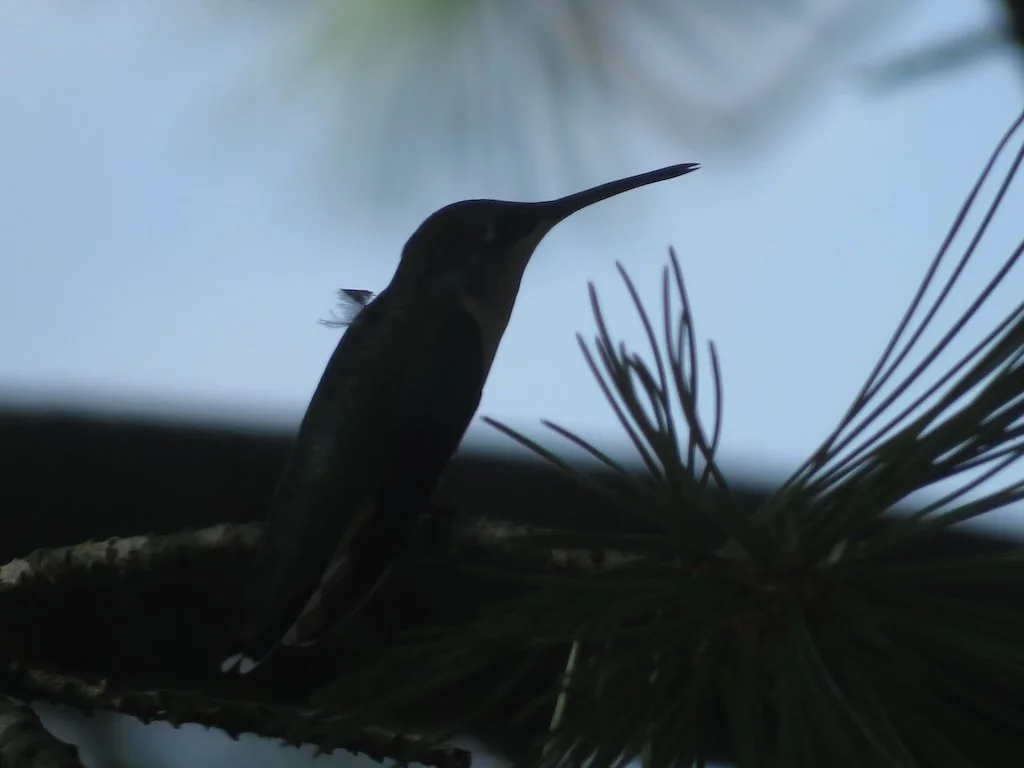
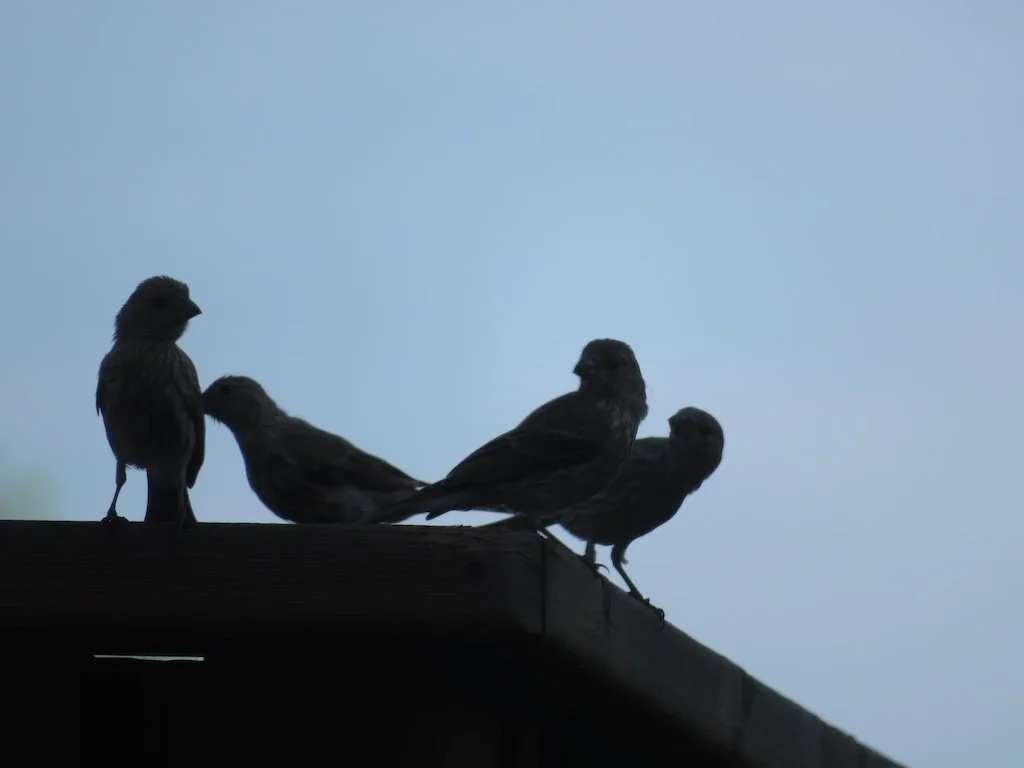
There are birds around: a female hummingbird that comes to my feeder frequently and sometimes flies to the nearby pine or visits the plants in the shade garden, a family of finches,

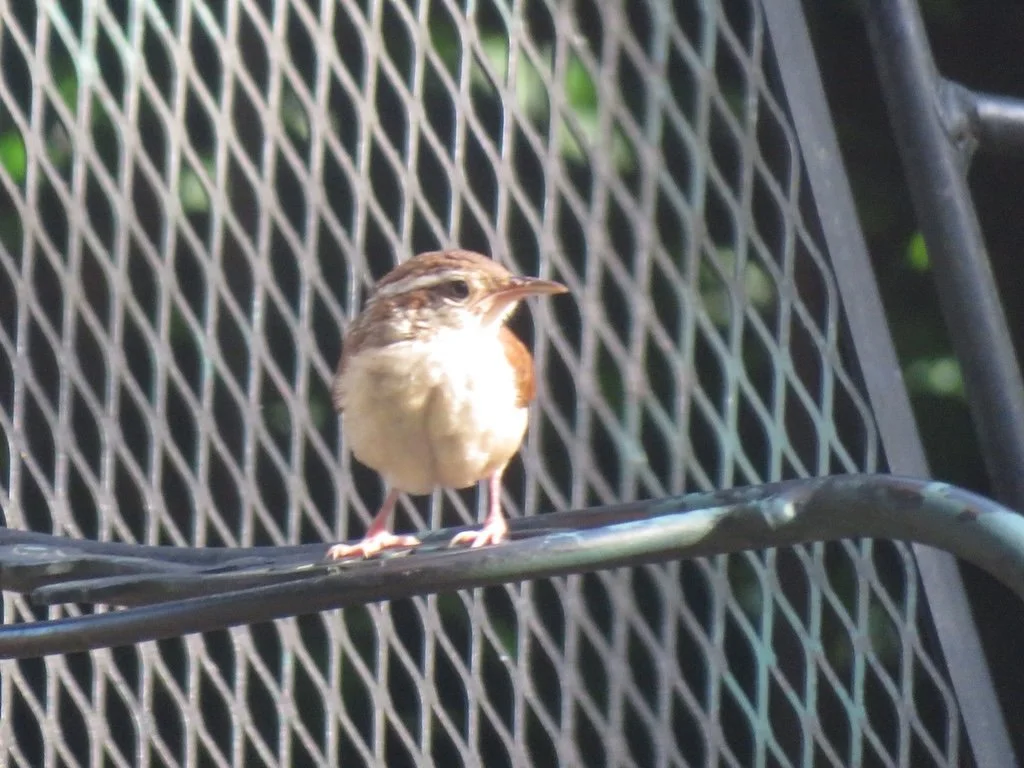
A young wren,

And a juvenile robin in the pine tree (the third brood for the summer). I am glad that the shade garden seems to be attractive to so many birds.

In the front yard, the crape myrtles are doing better than I expected. They tend to die back in winter but this year they seem to be more robust.

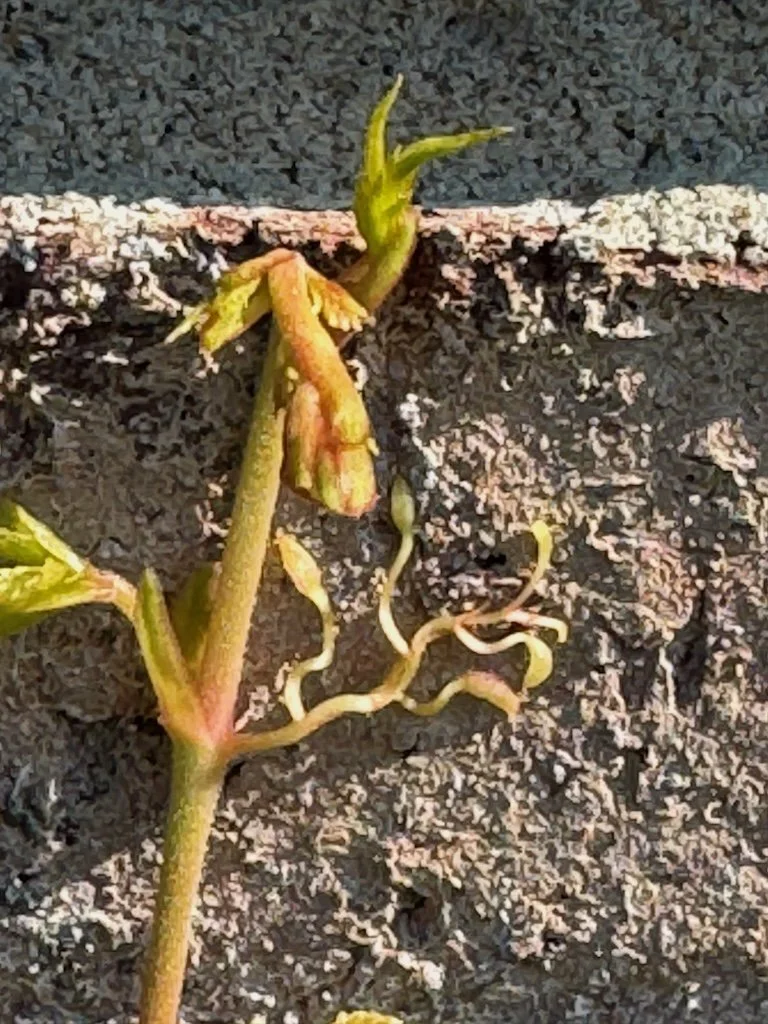
The Virginia creeper is a thick ground cover in the front bed around two of the crape myrtles. I periodically pull it off the bricks although the way it adheres is not damaging like English Ivy can be.

Our yard is looking good in August…and I am looking forward to the work to do the landscaping this fall in the front of the house.

Macro Daylilies and Cecropia Moth

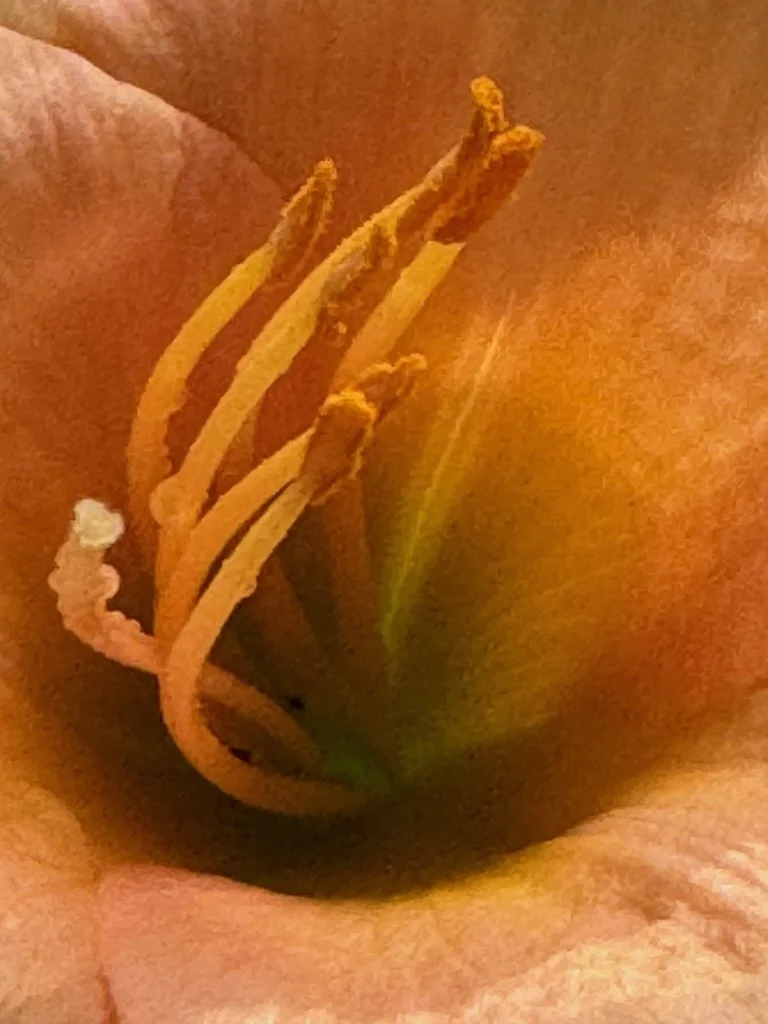
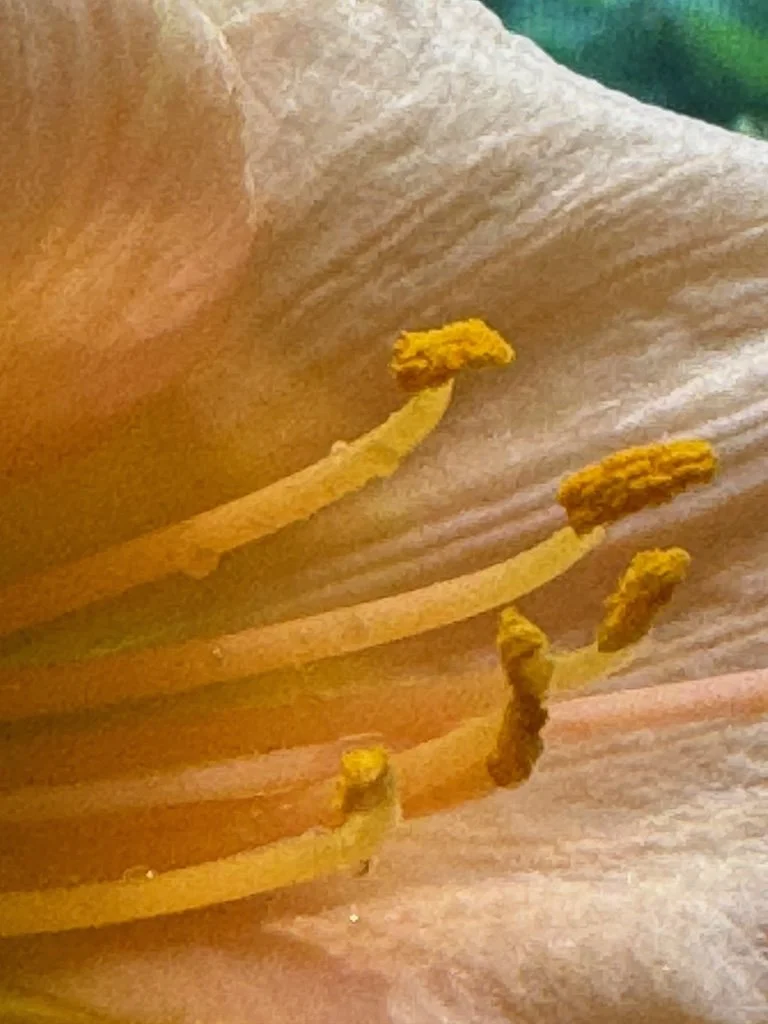
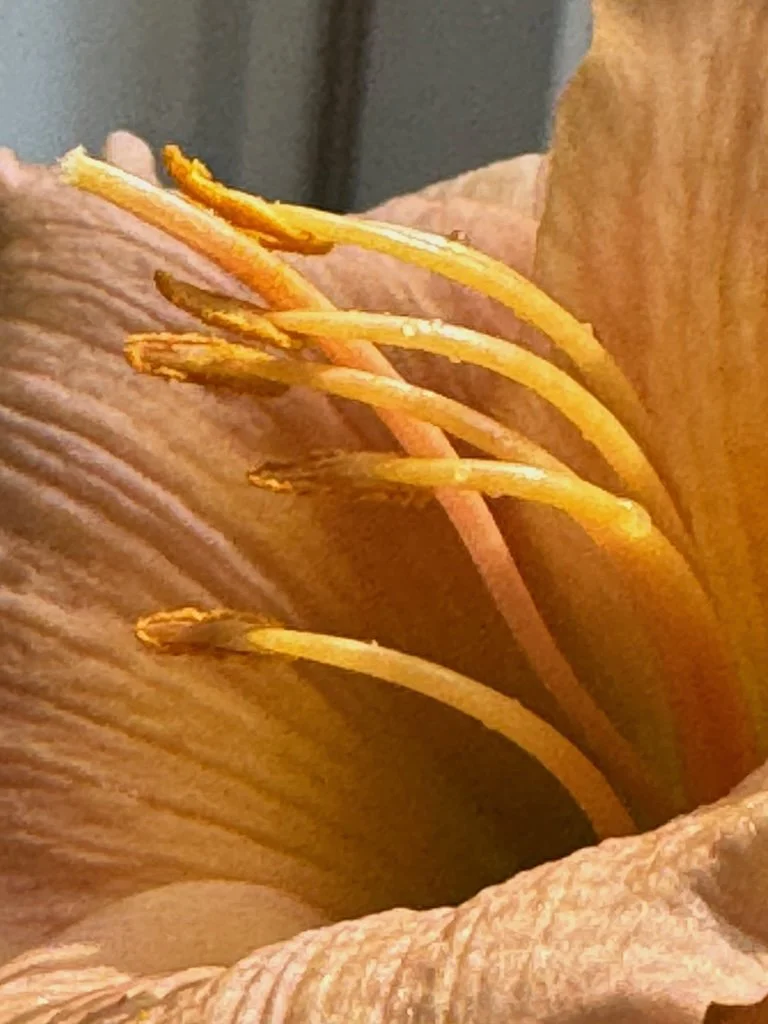
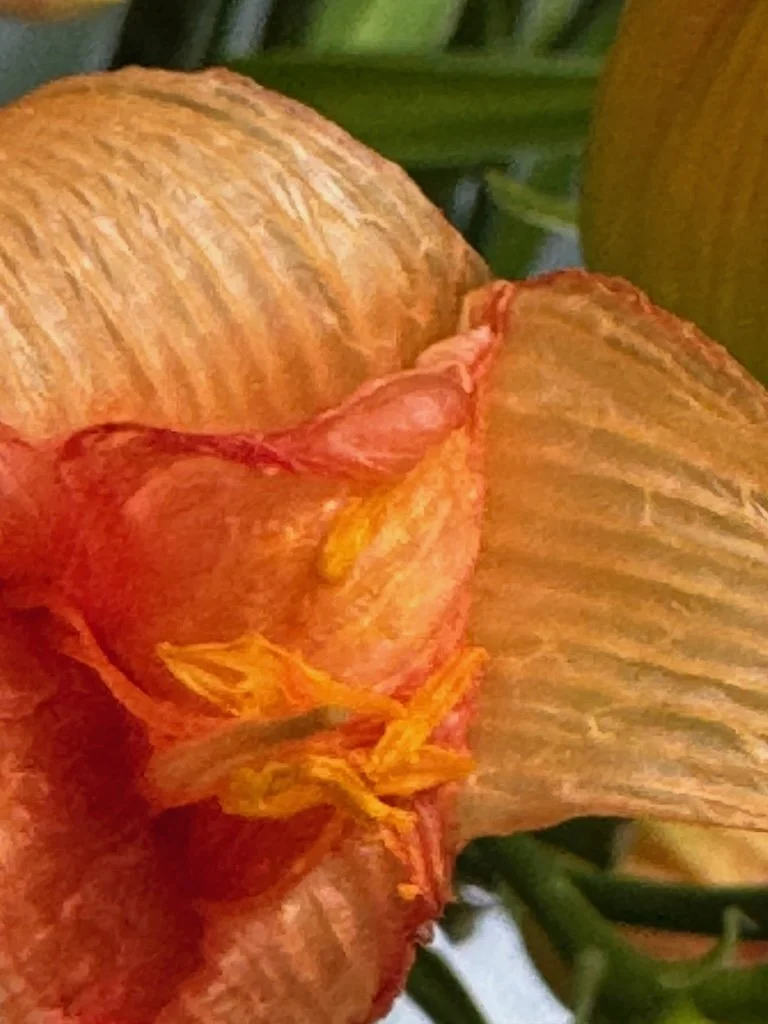
I enjoy macro photography with my phone (iPhone 15 Pro Max)…today’s post shows two different rounds – one from July and the other from August.

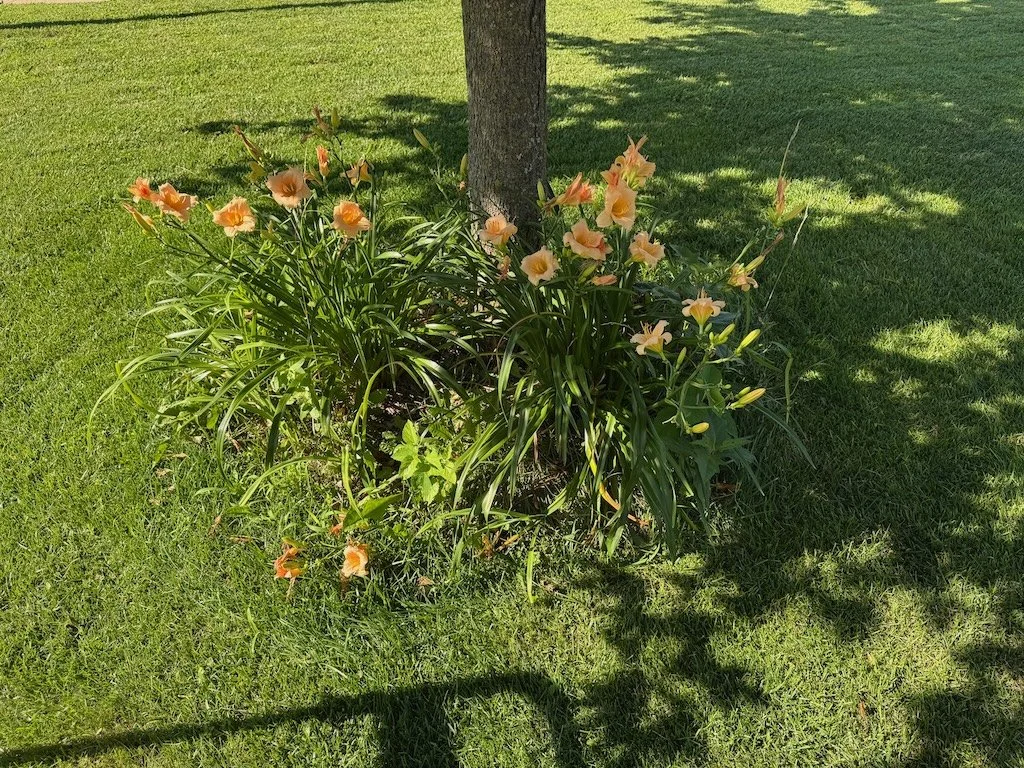
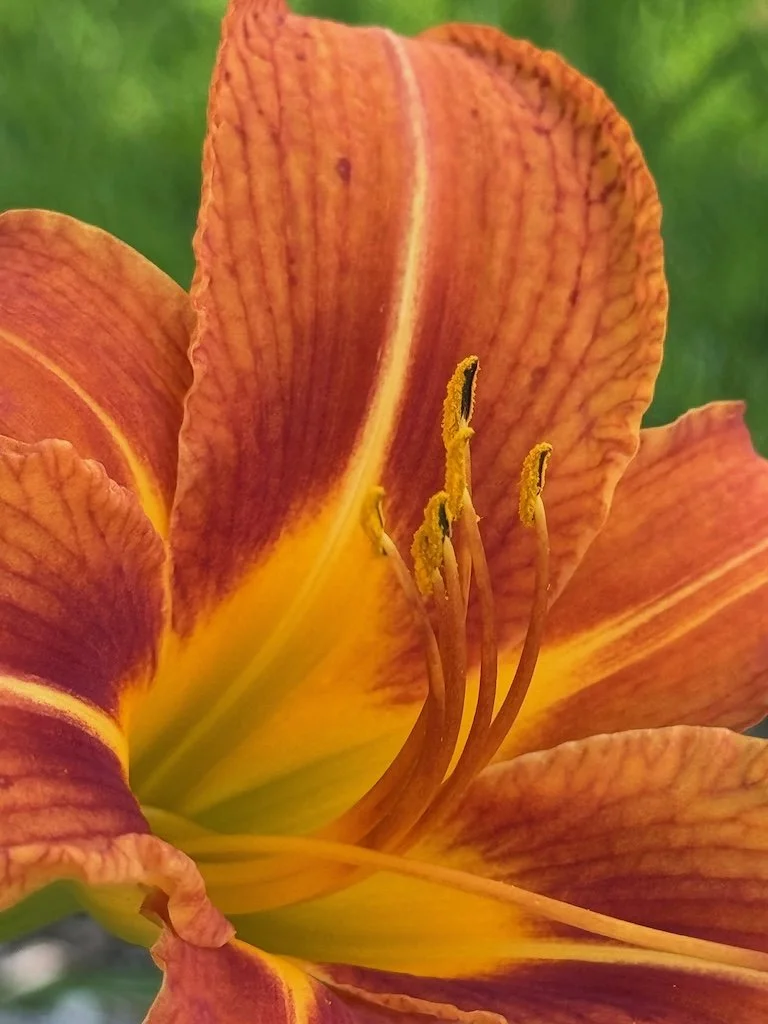
In July, I realized that I would have to dig out my daylilies that were growing around the maple to be cut down – so I cut all of them that were in bloom to enjoy indoors….and too photograph.

I like the shapes and textures and shades of color. They all change as the flowers age: texture and color intensify …and the shapes often become collapsed curls. The flowers and stems are now in my shade garden to decompose among the pine needles and plants growing there; another component of the mulch.

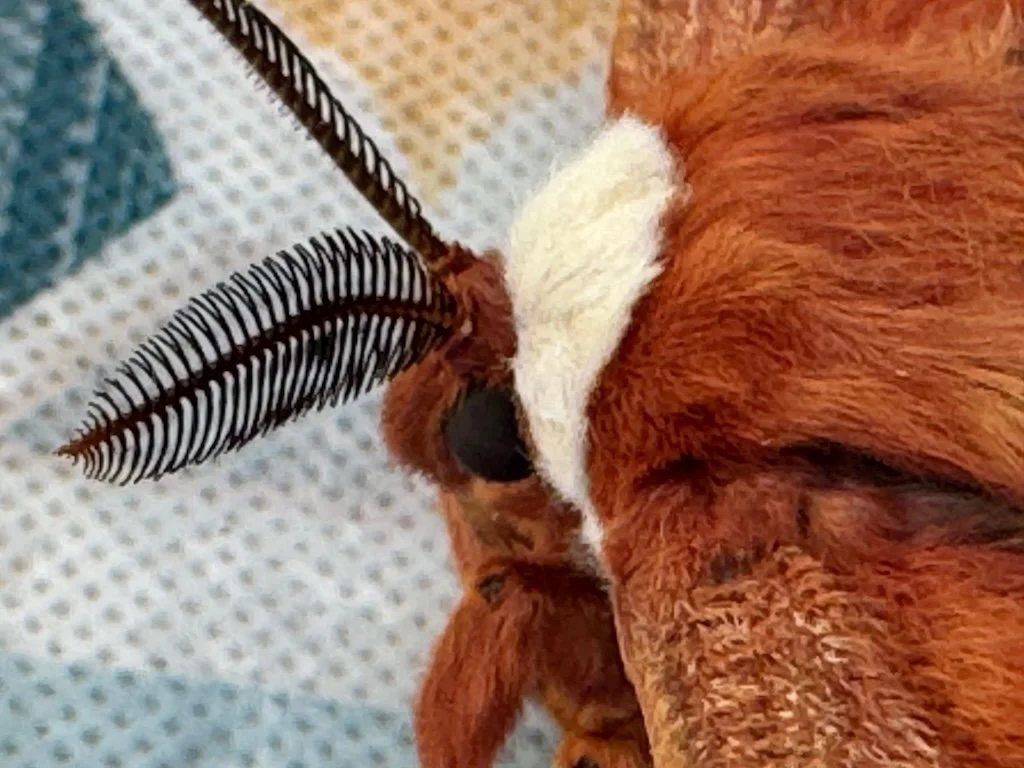
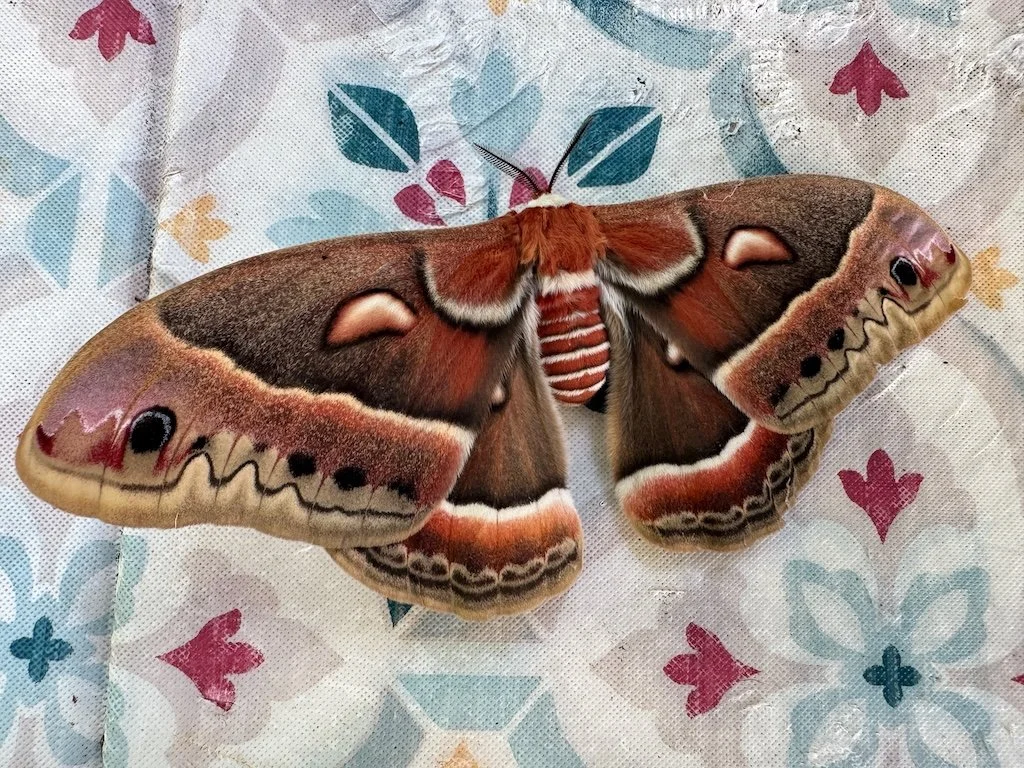
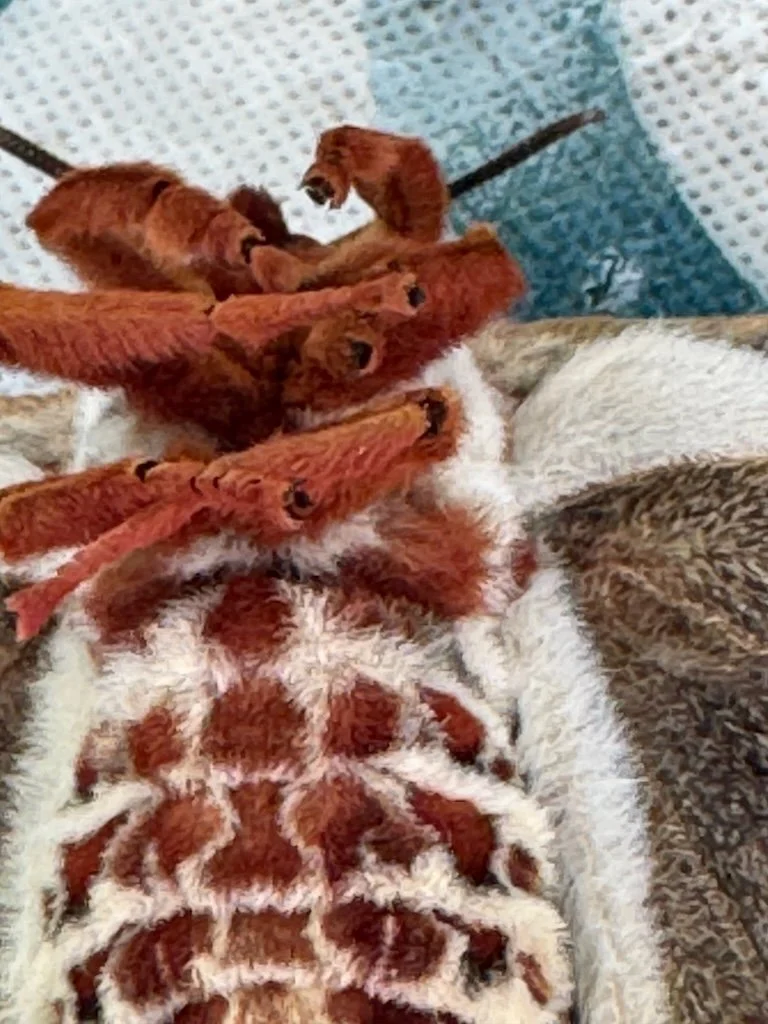
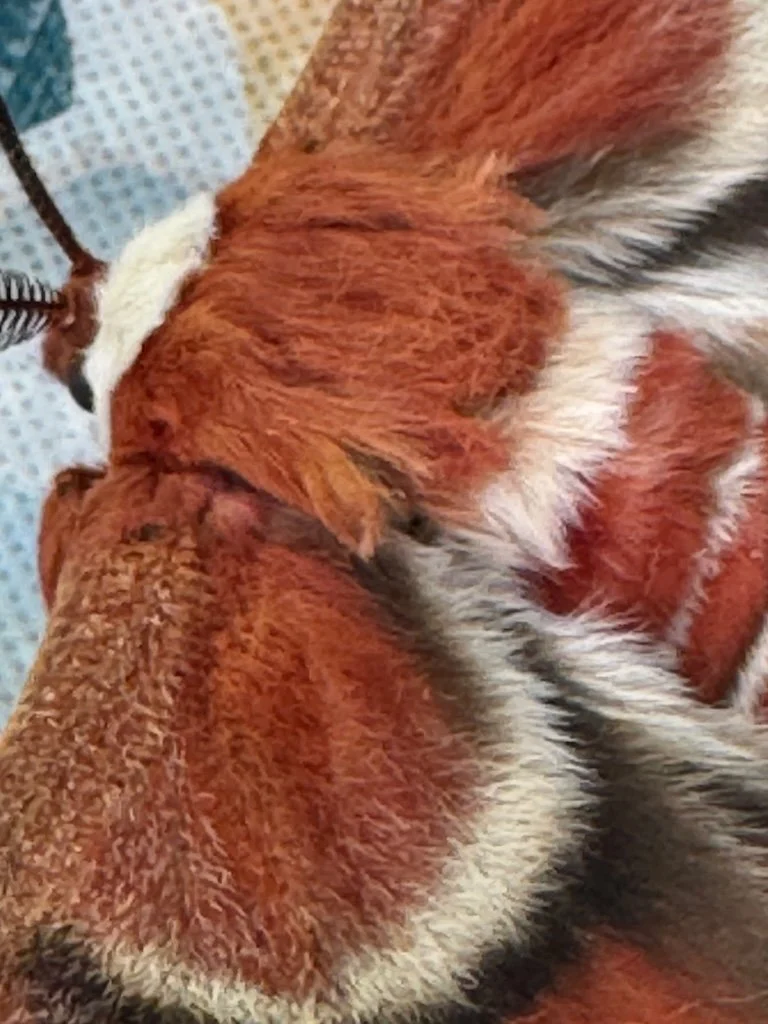
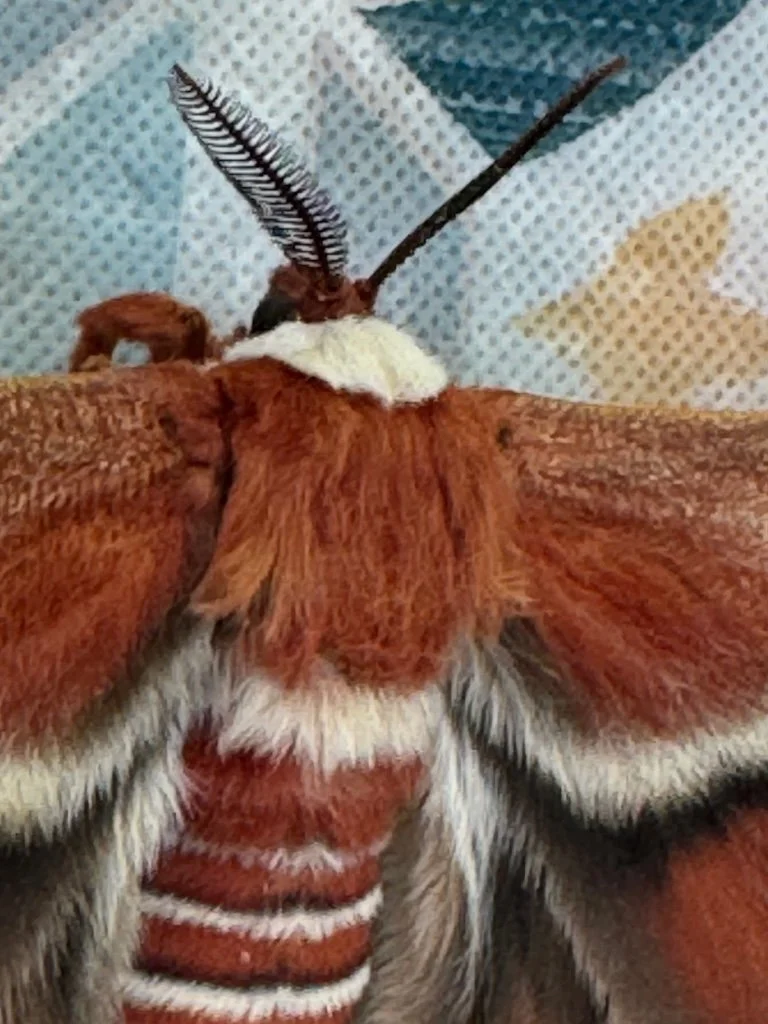
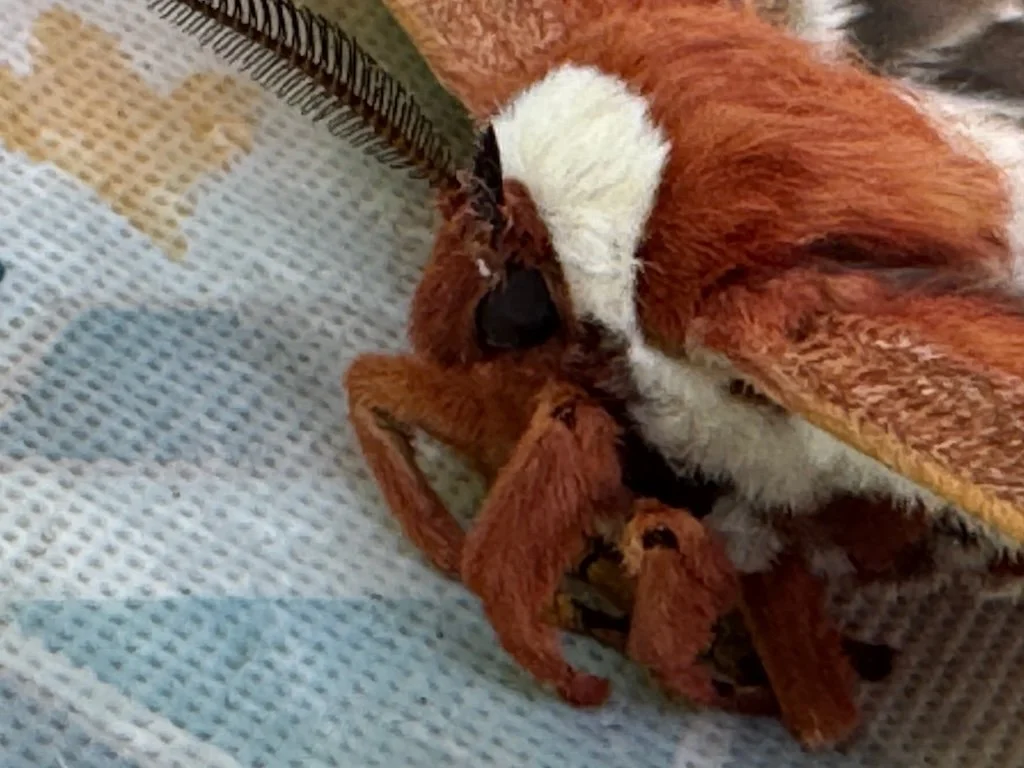
On the morning I volunteered in the Butterfly House last week, there were two Cecropia Moths that had died. The adult forms don’t live very long (10-14 days) since they don’t eat as adults.

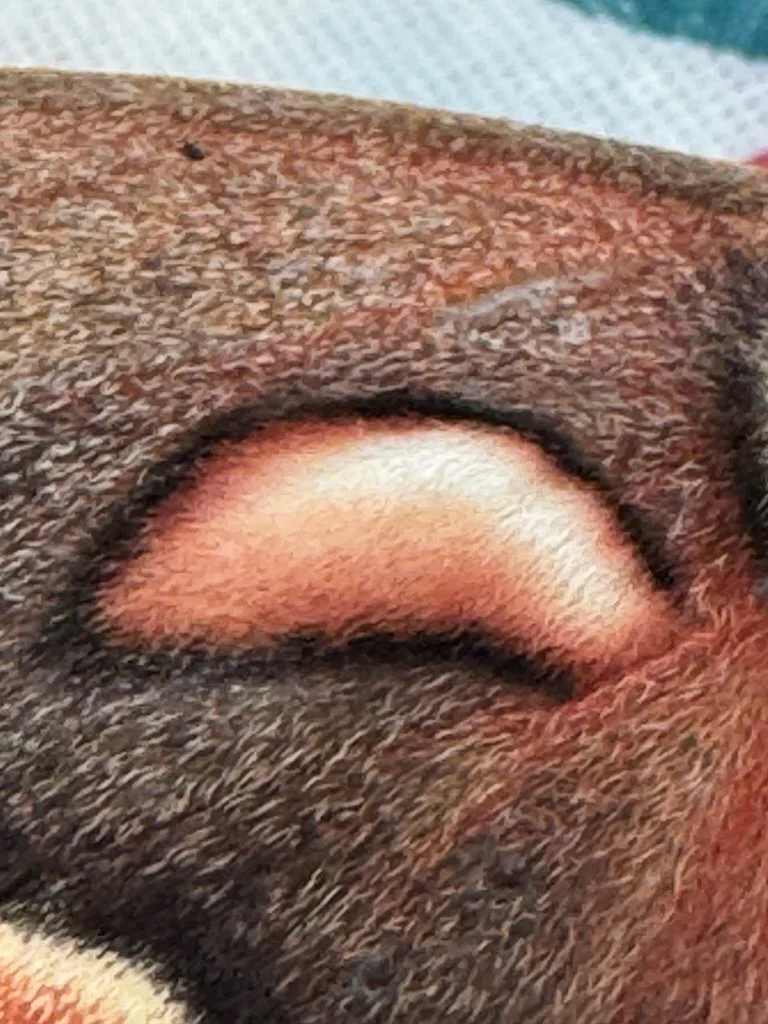
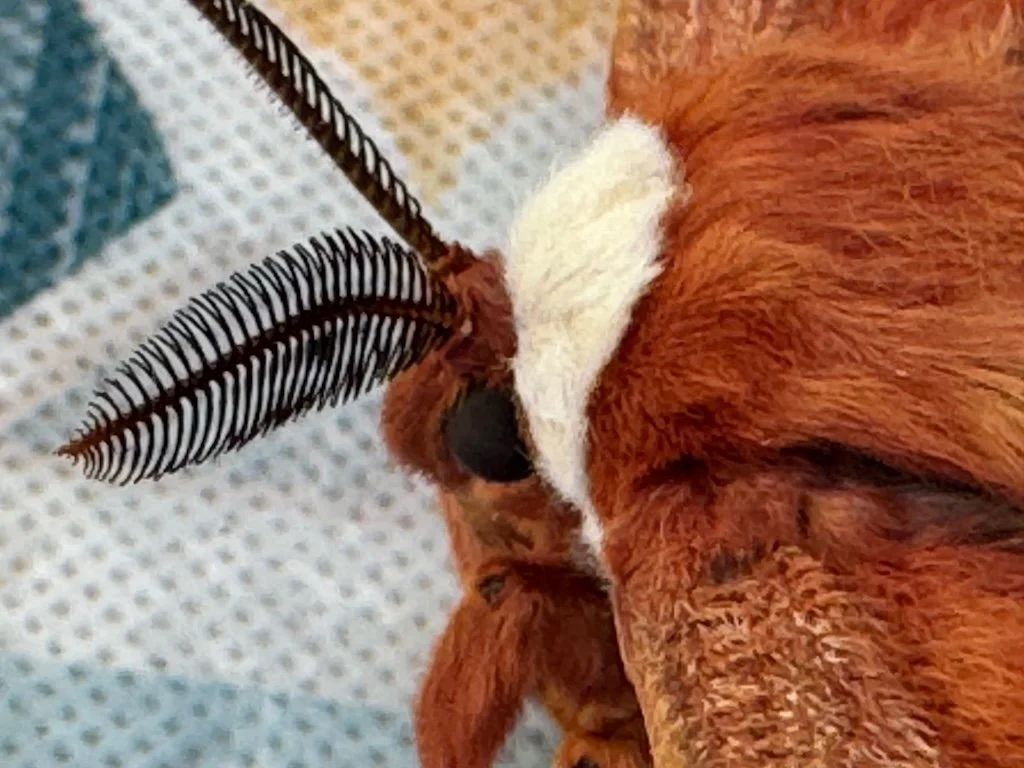
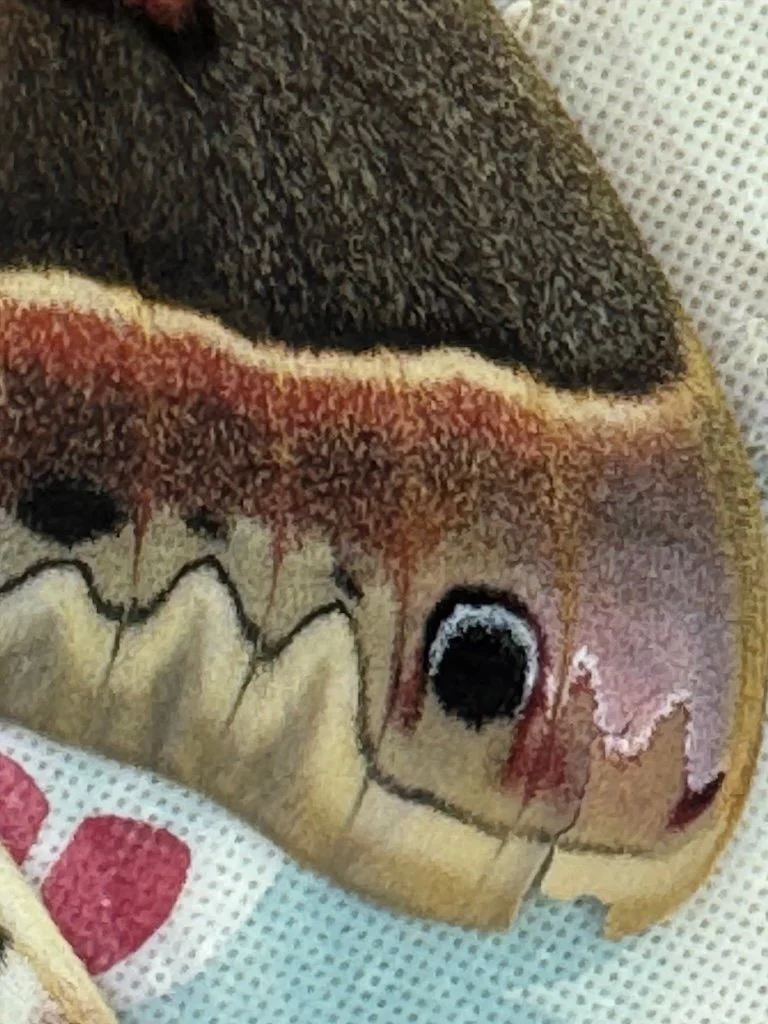
The Cecropia Moth is the largest species in North America. It is a type of silk moth and has one life cycle per year. It overwinters as a cocoon made of silk and leaves. I took pictures of the body from different angles…marveling at how ‘hairy’ the scales look there. The antennae look feather-like. The tips of the wings have what looks like an eye…and markings that look like a snake profile!

The dead cecropia were interesting to visitors. They were able to feel how soft the wings were – like velvet – which is not something we suggest with living moths. It doesn’t take long before it is noticeable that some scales have been rubbed off. Moths and butterflies are beautiful…and relatively fragile.