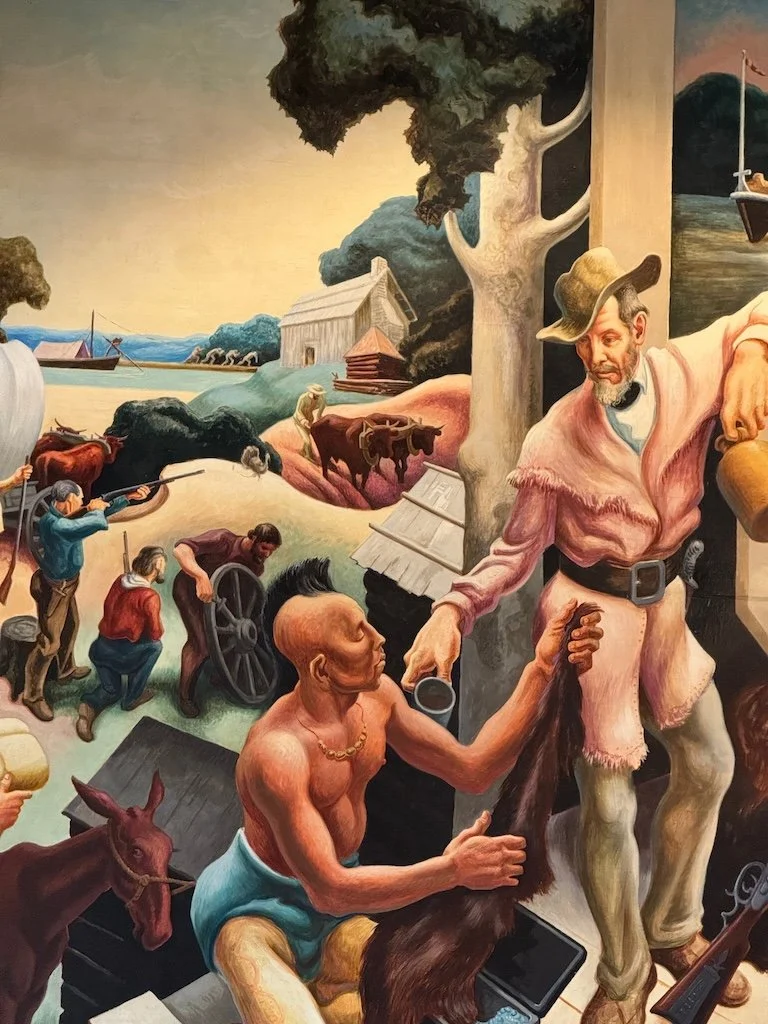
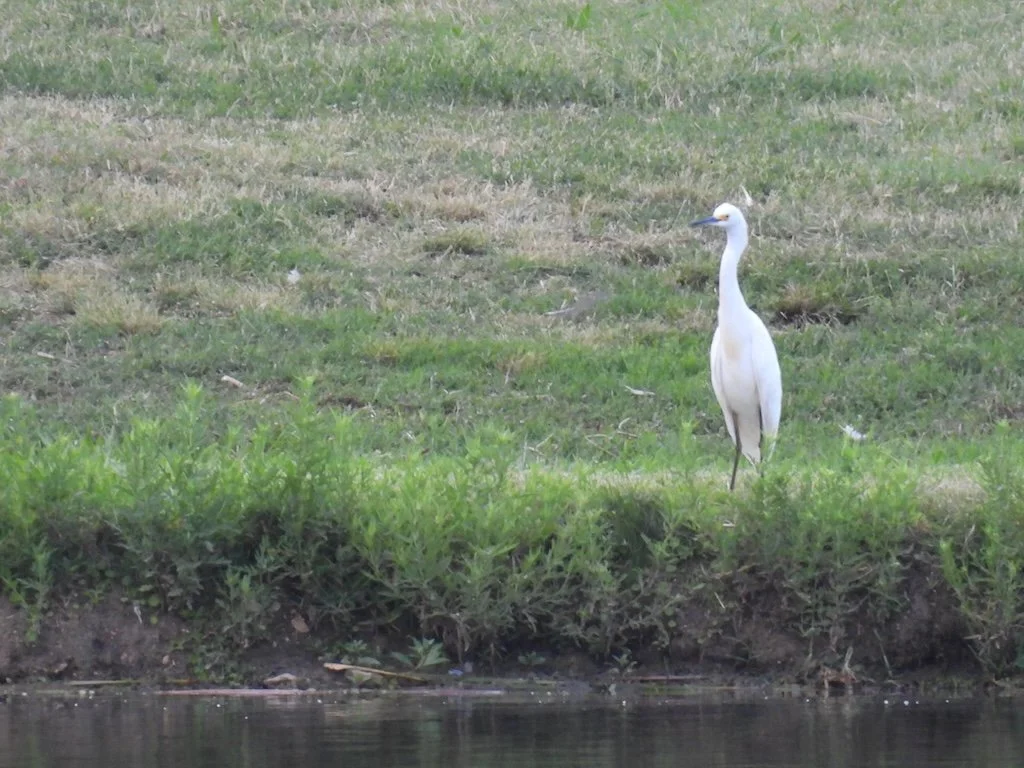
Niagara: Two Centuries of Changing Attitudes

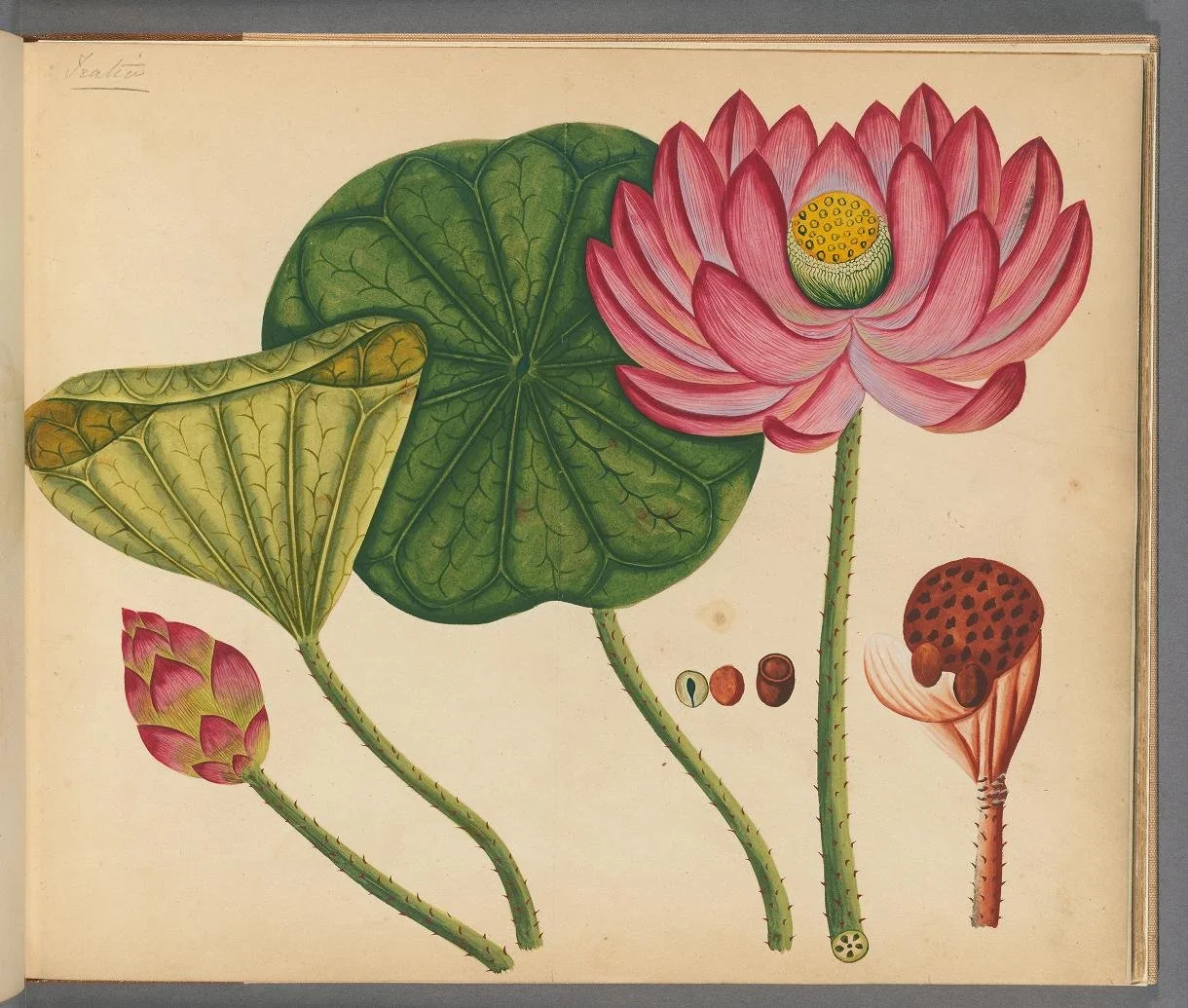
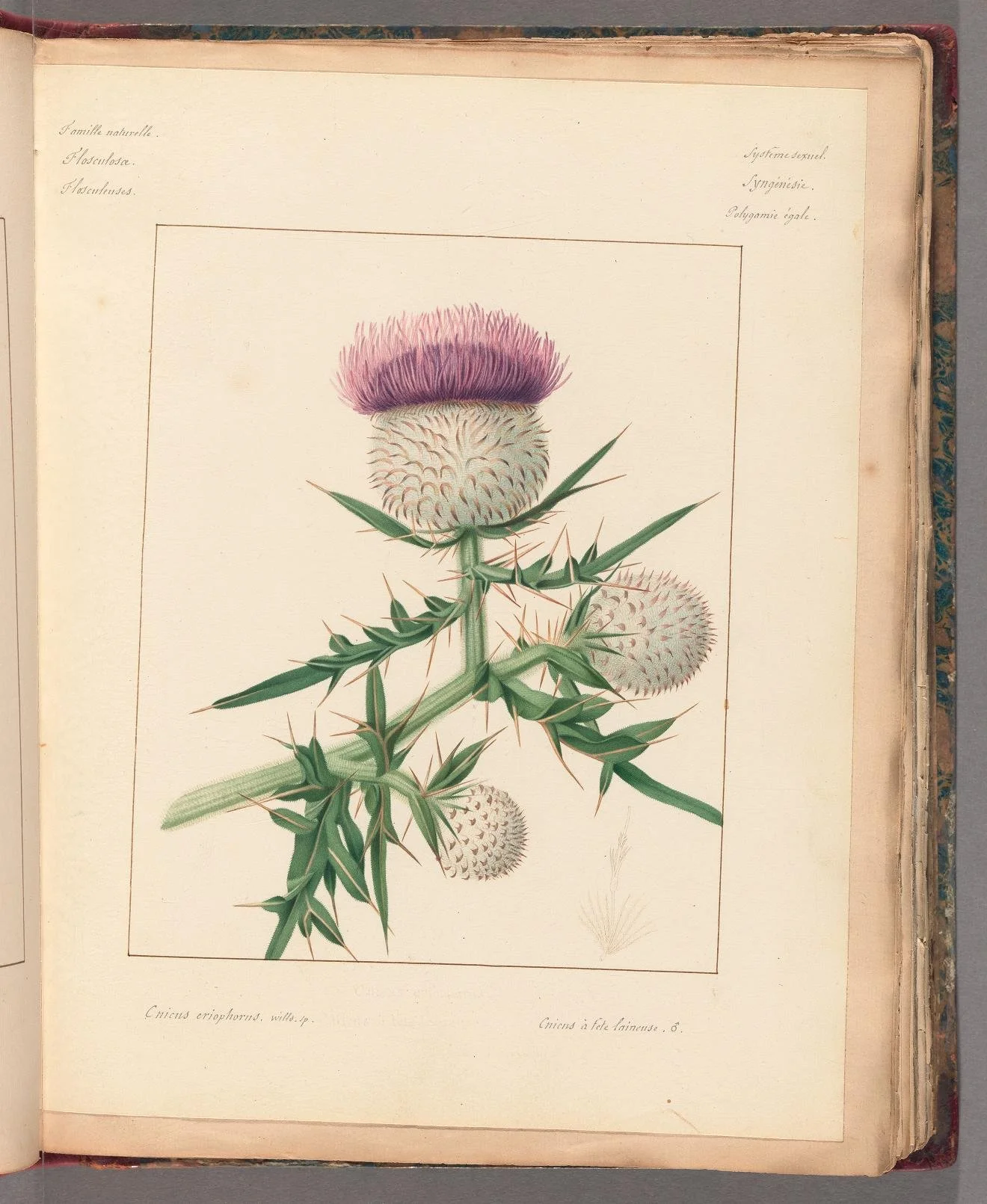
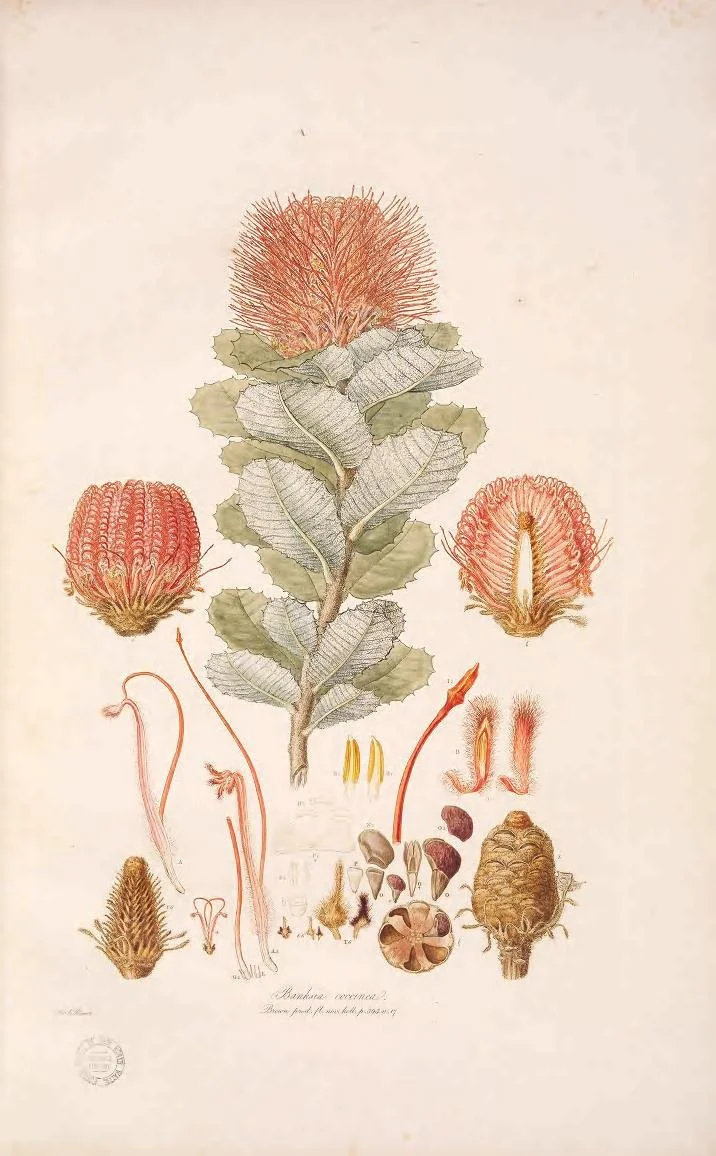
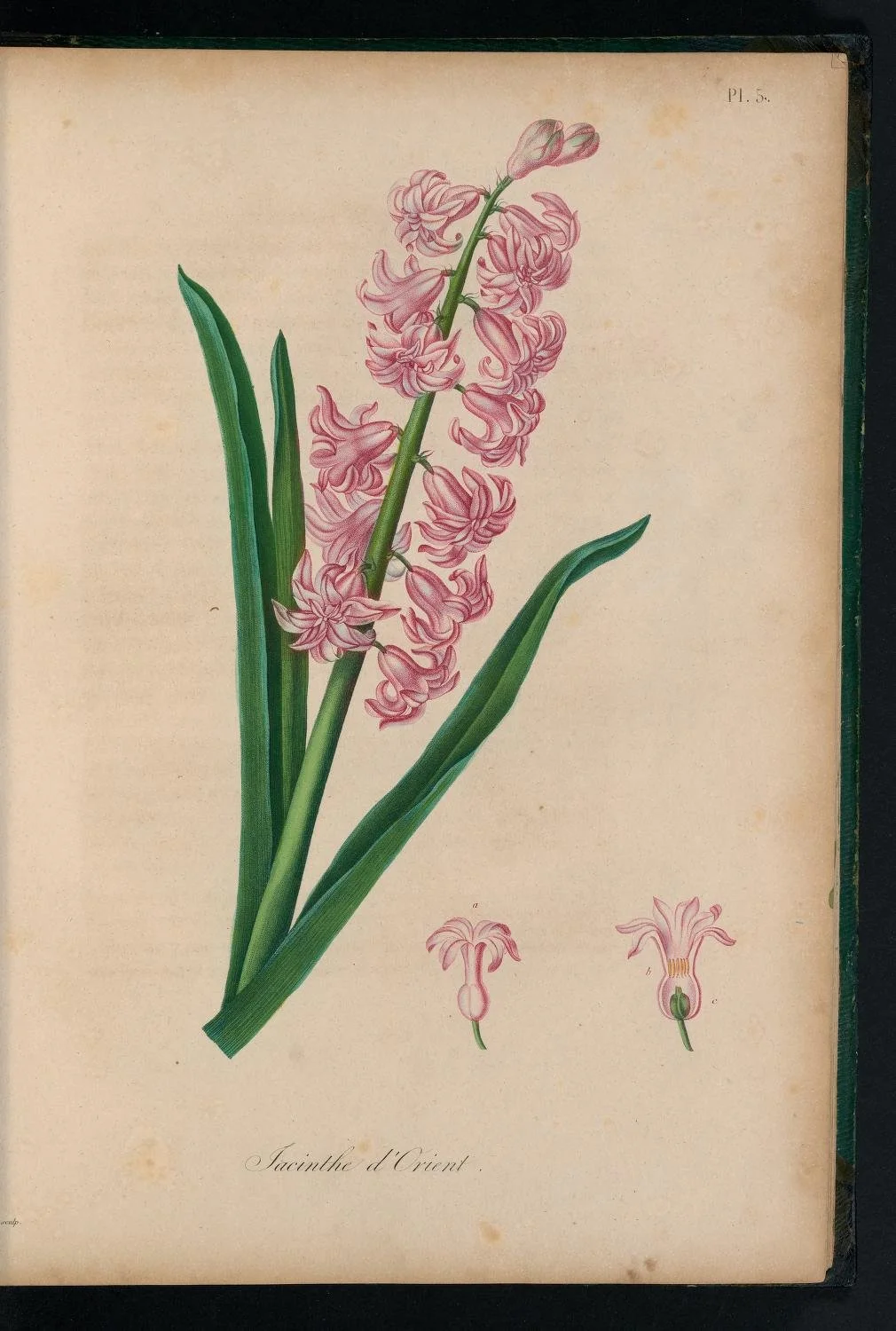
The Corcoran Gallery of Art organized an exhibit of art featuring Niagara Falls in 1985. The exhibit book is available for browsing on Internet Archive. There are four essays included:

  • Nature’s Grand Scene in Art

  • An American Icon

  • Doing Niagara Falls in the Nineteenth Century

  • The Role of Niagara in America’s Scenic Preservation

Or – just browse the book for the art! I’ve selected 4 sample images…there are a lot more to be found by browsing the whole book (link below).

Niagara: Two Centuries of Changing Attitudes, 1697-1901

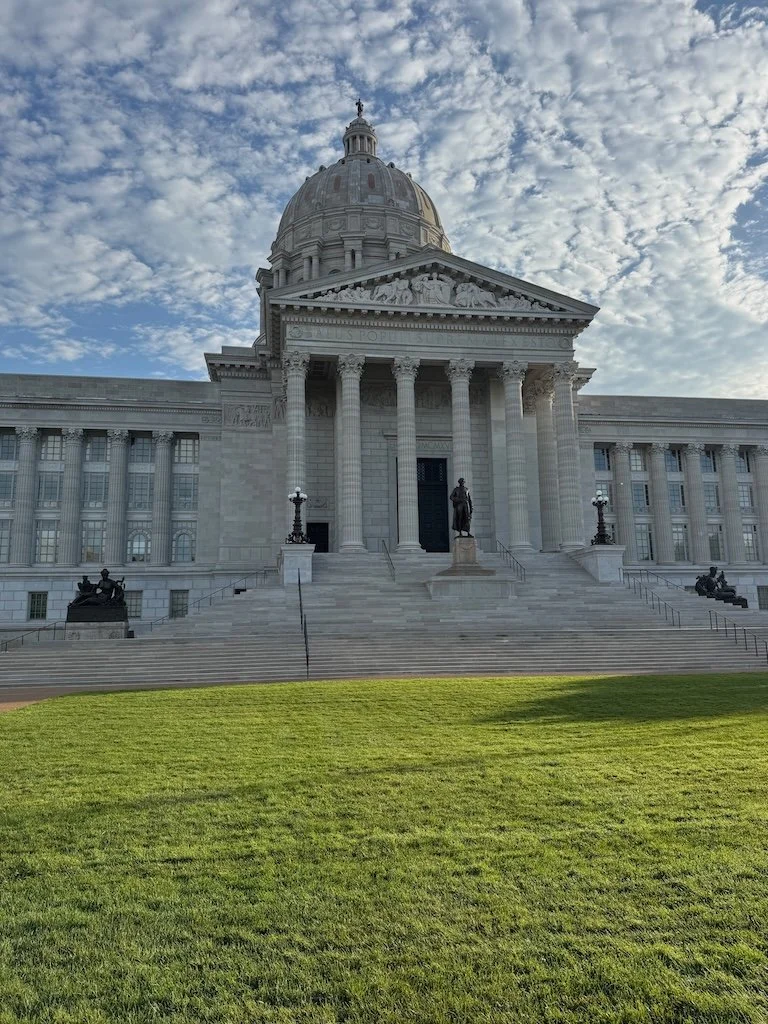
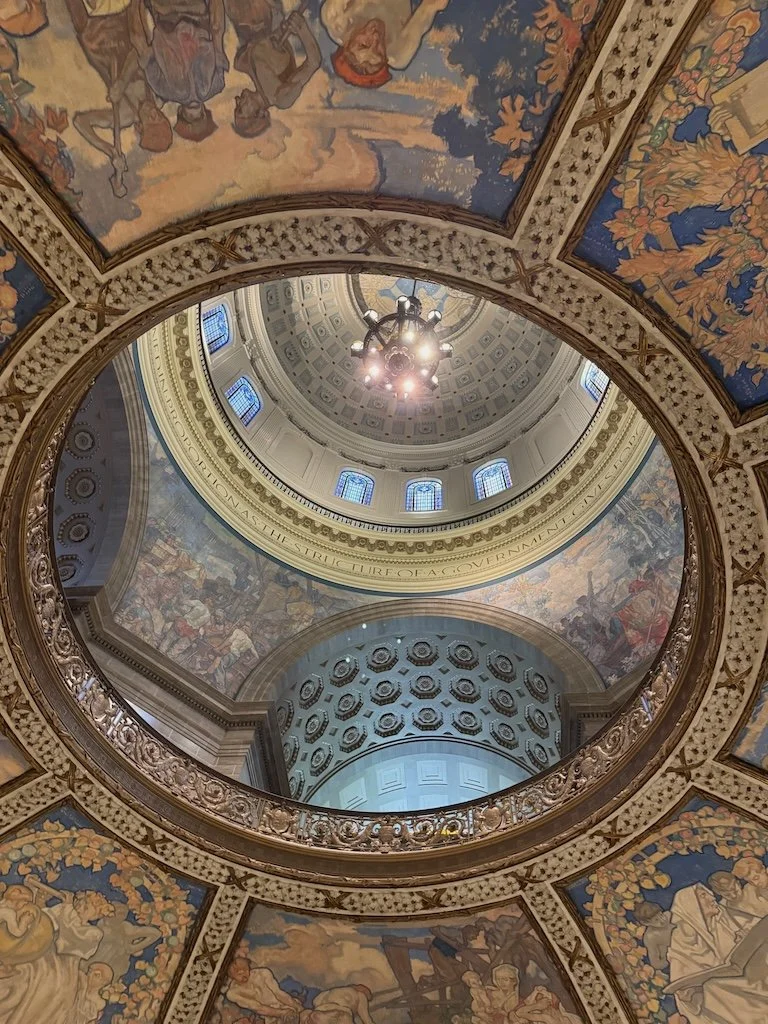
Missouri Capitol

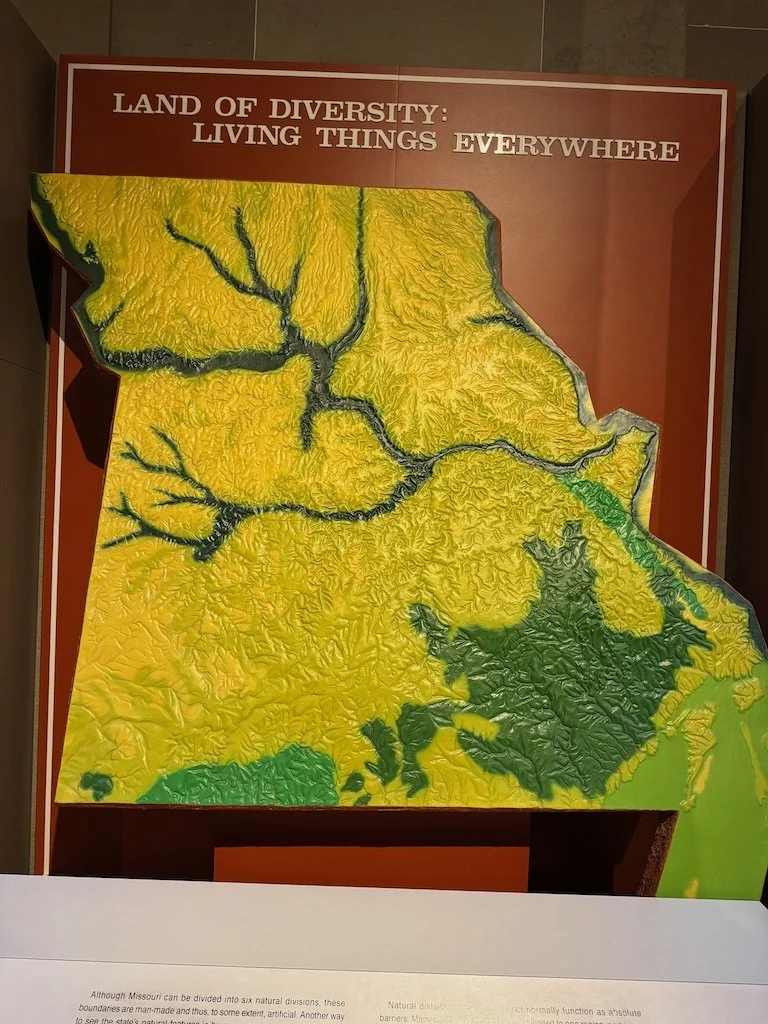
Before the Missouri Department of Conservation Partners Roundtable began in Jefferson City, I toured the state capitol. I signed up in advance for a guided tour and arrived early enough to walk around the museum area.

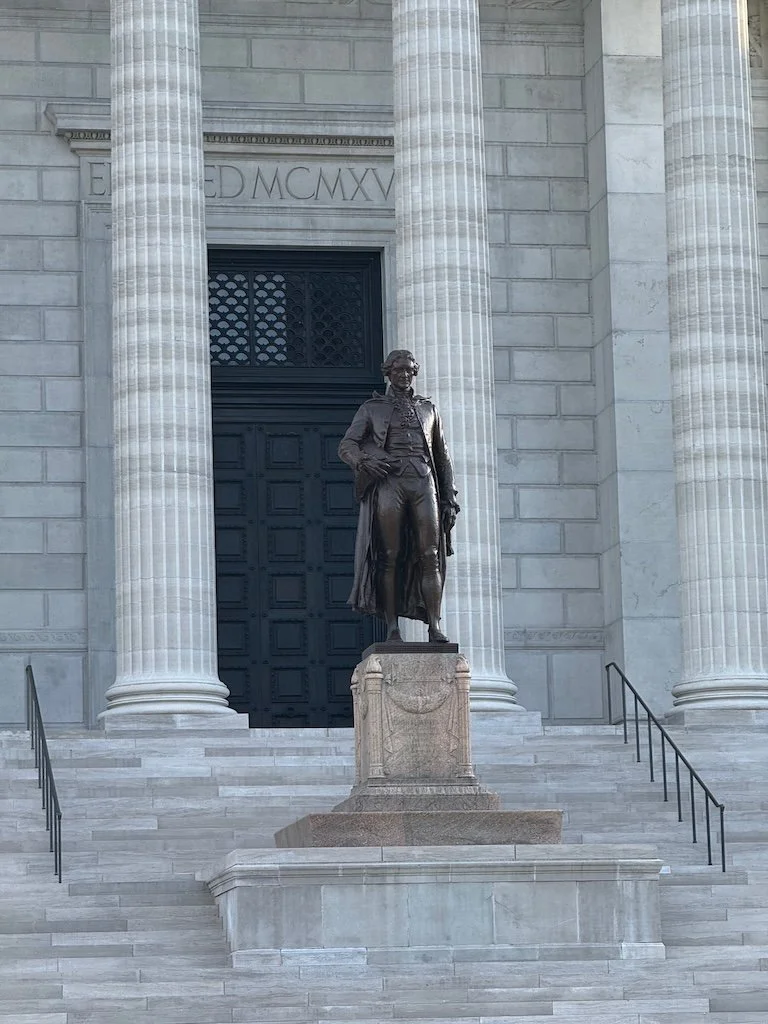
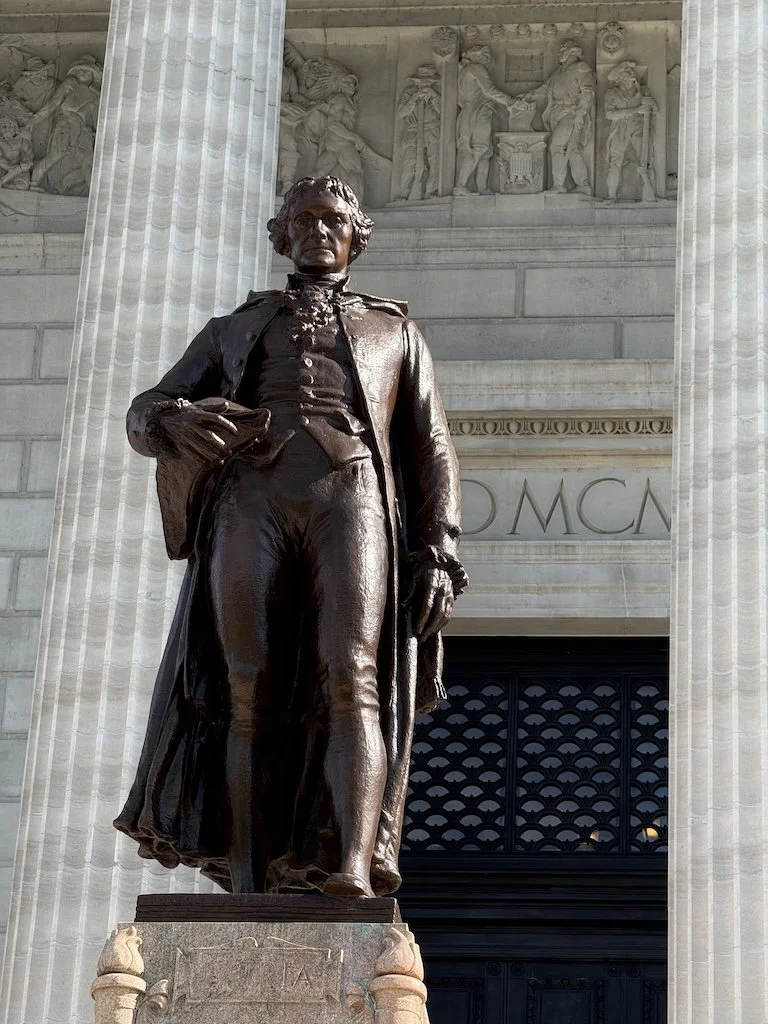
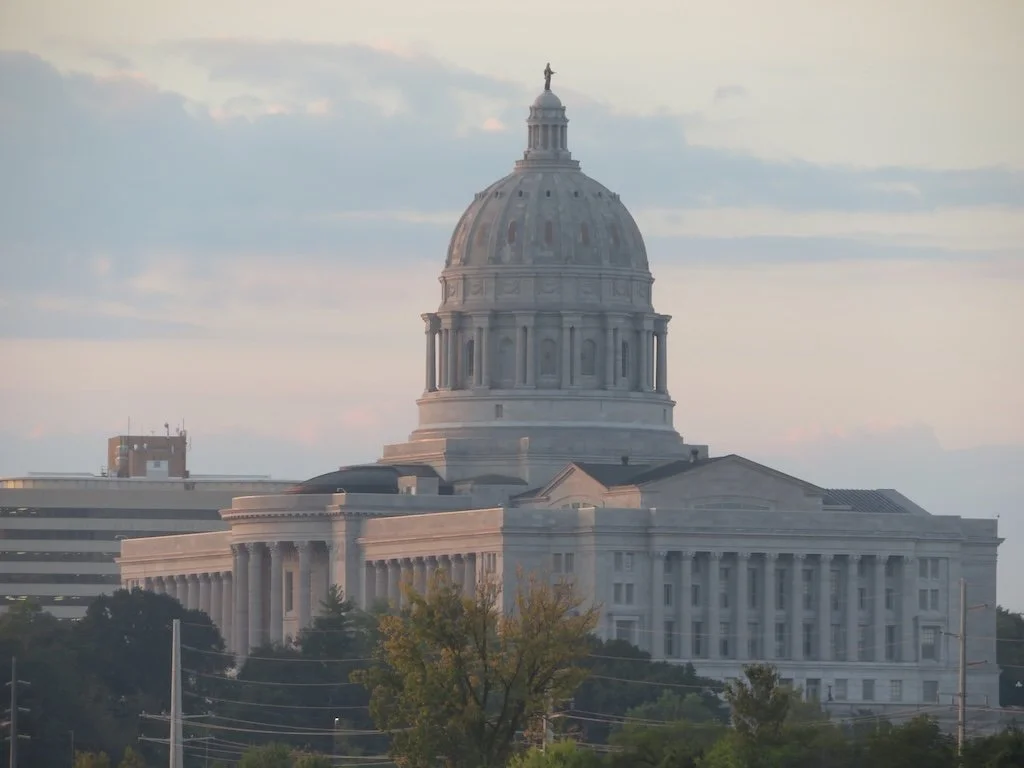
I took pictures of the outside of the building. It was completed in 1917 after the previous building burned.  There is a large statue of Thomas Jefferson…and large columns.

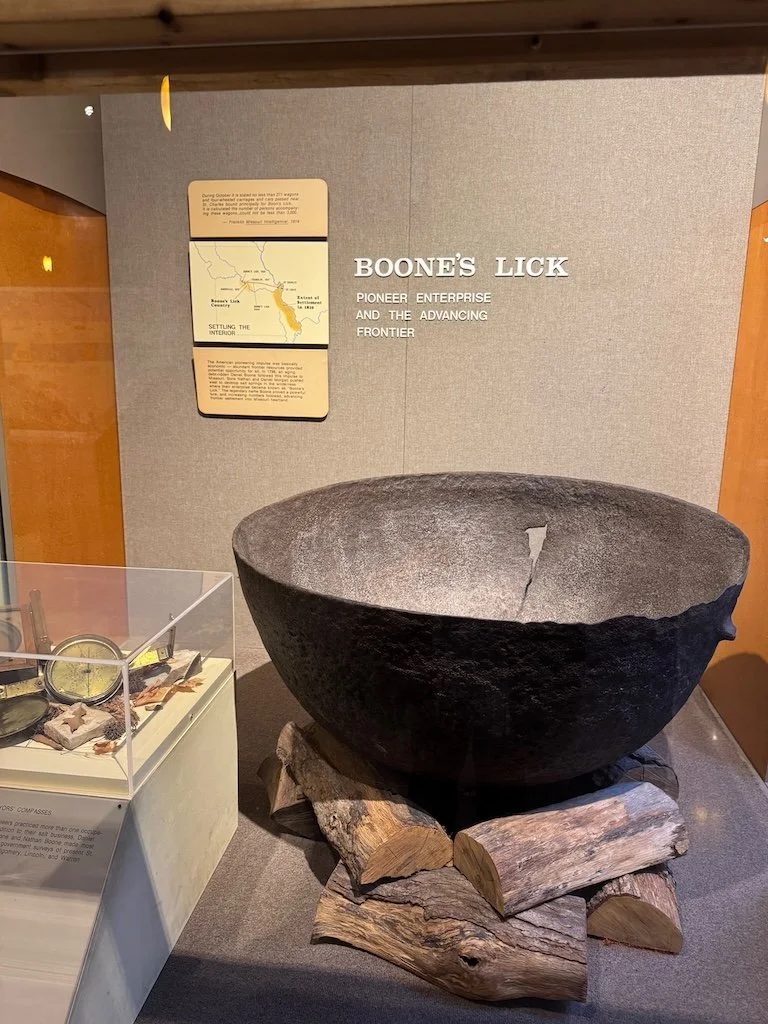
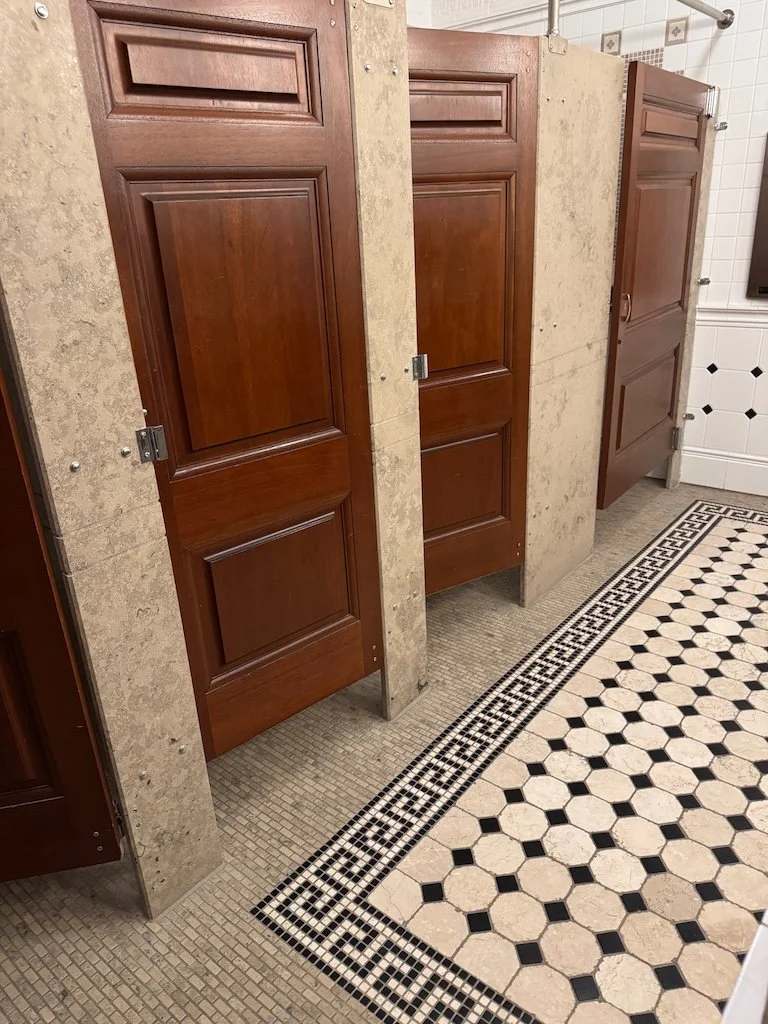
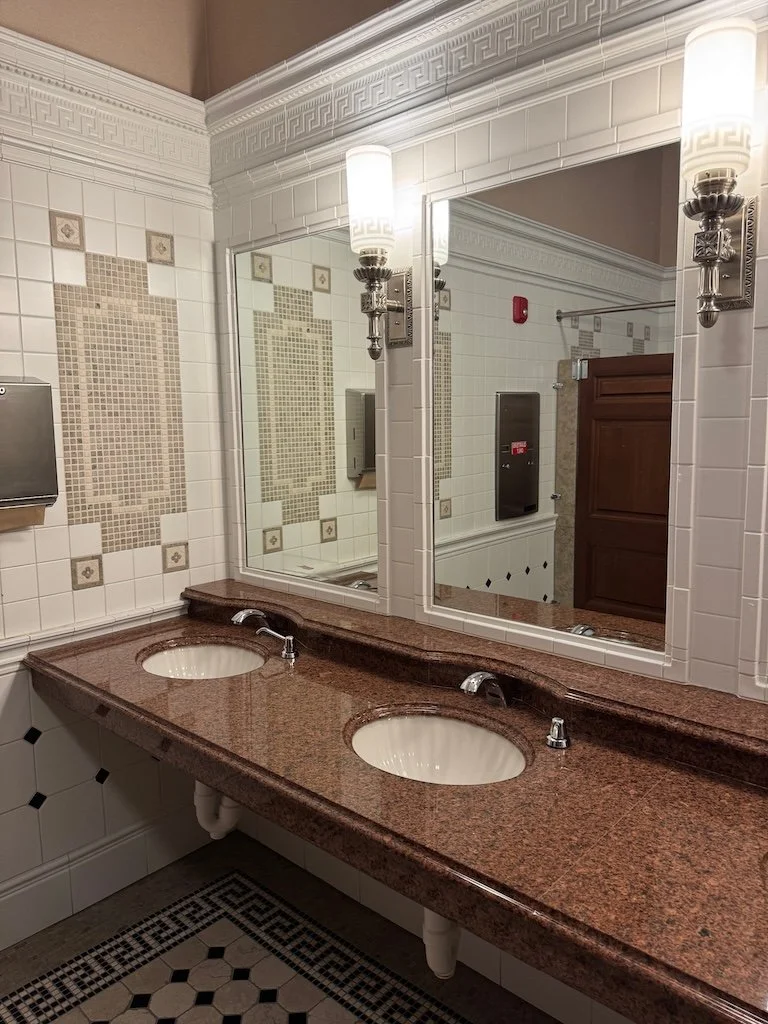
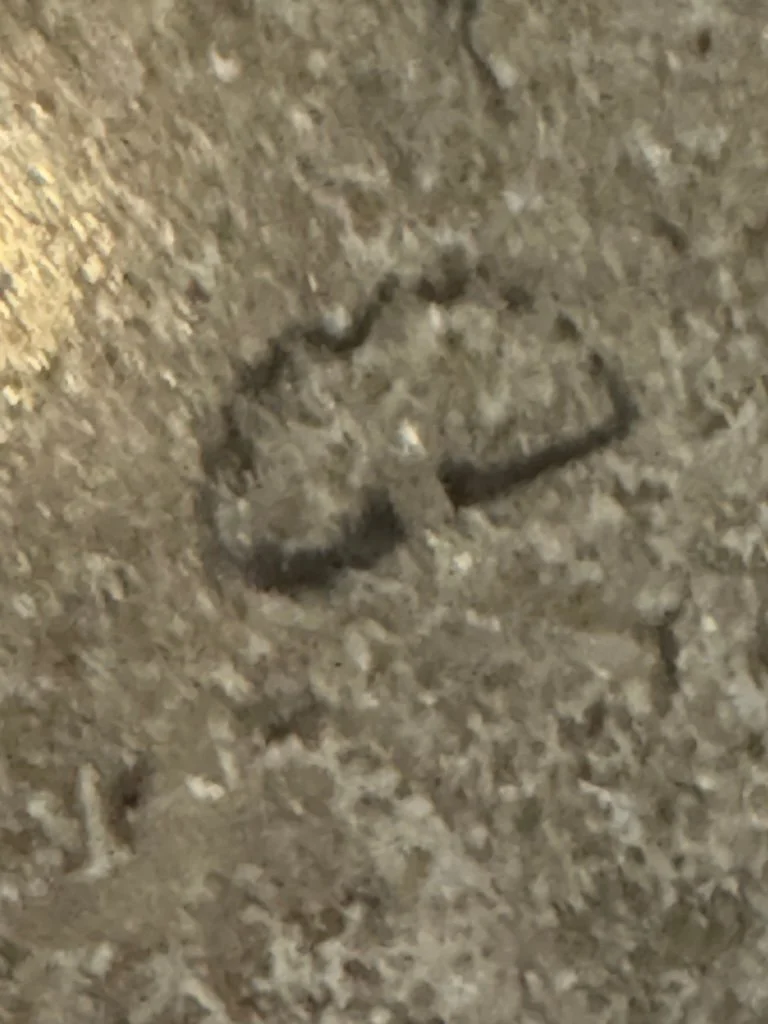
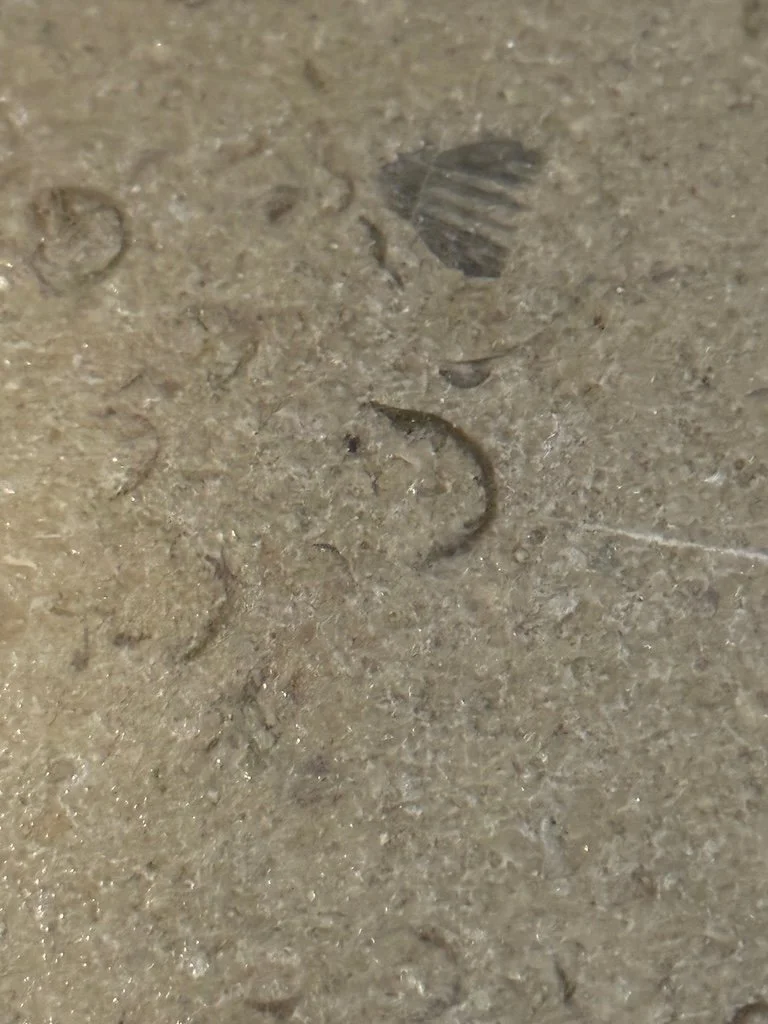
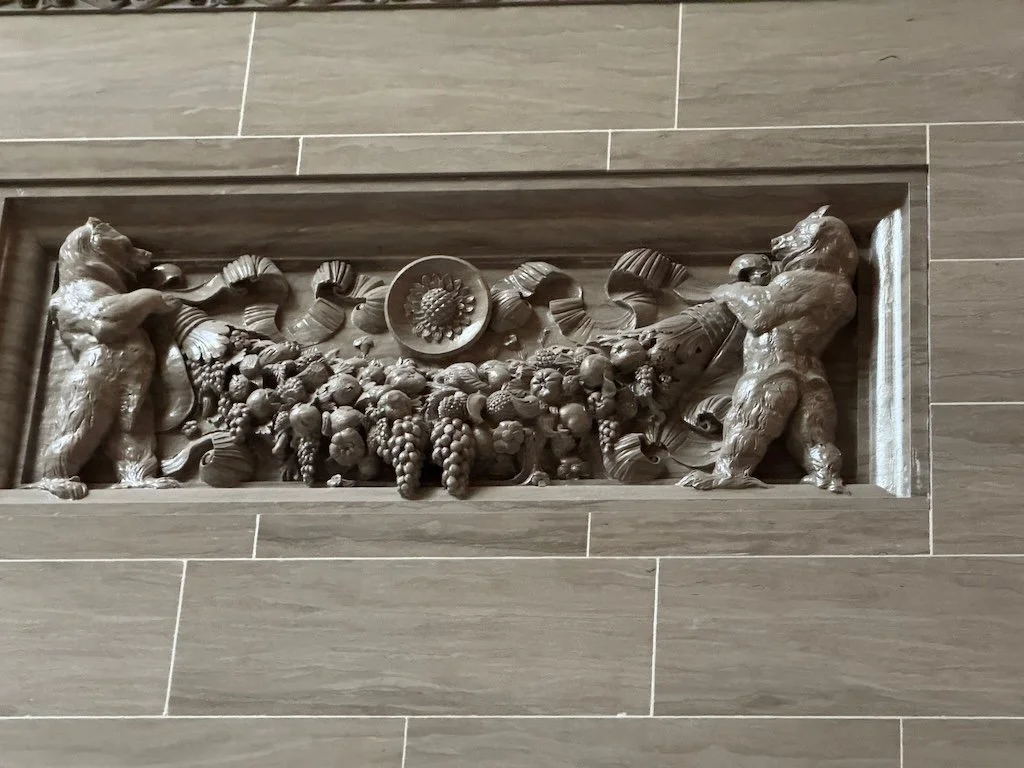
I didn’t take many pictures of the museum part of the building although I did like the stone/mosaic of the ladies room…and the fossils in the walls.

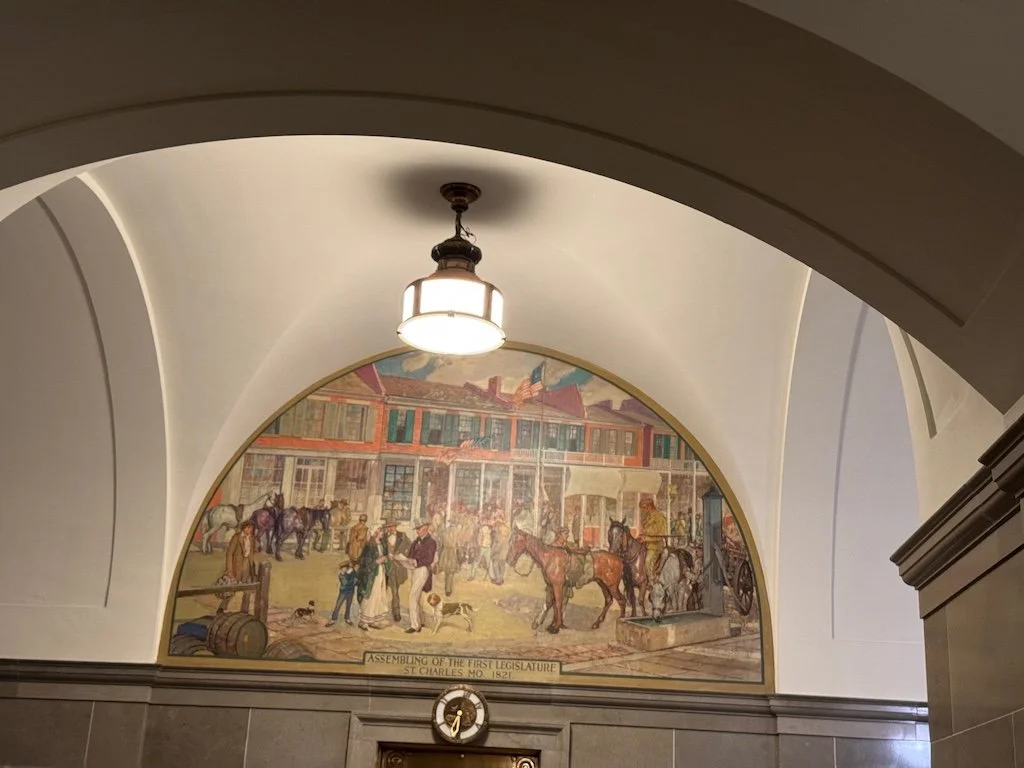
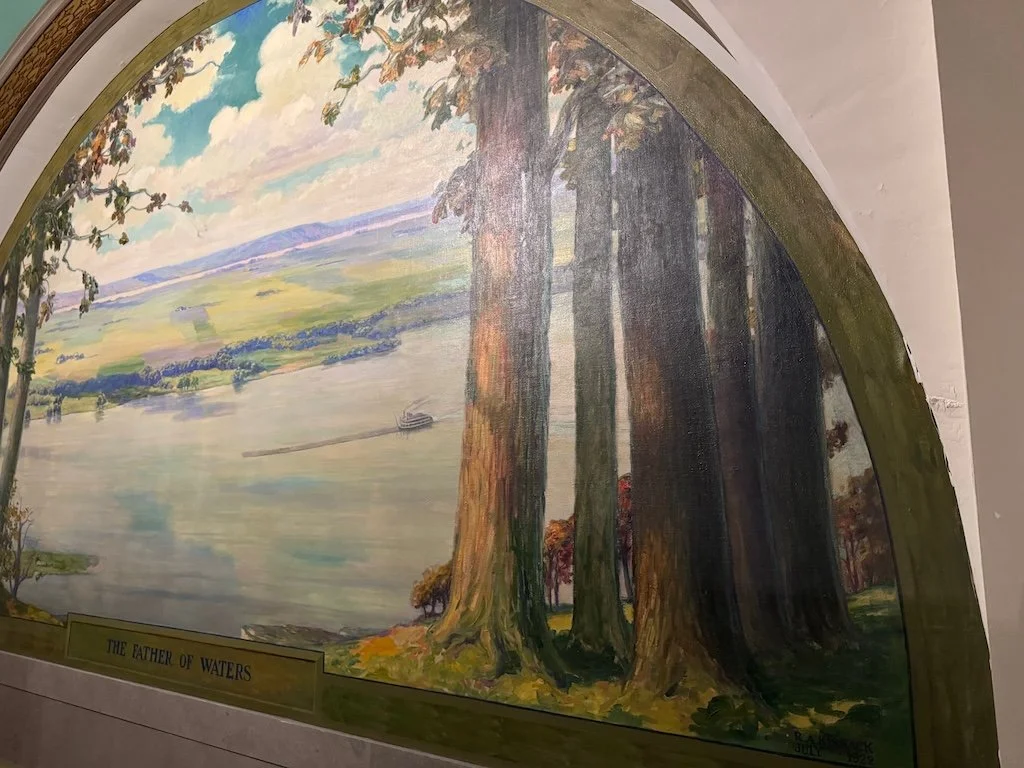
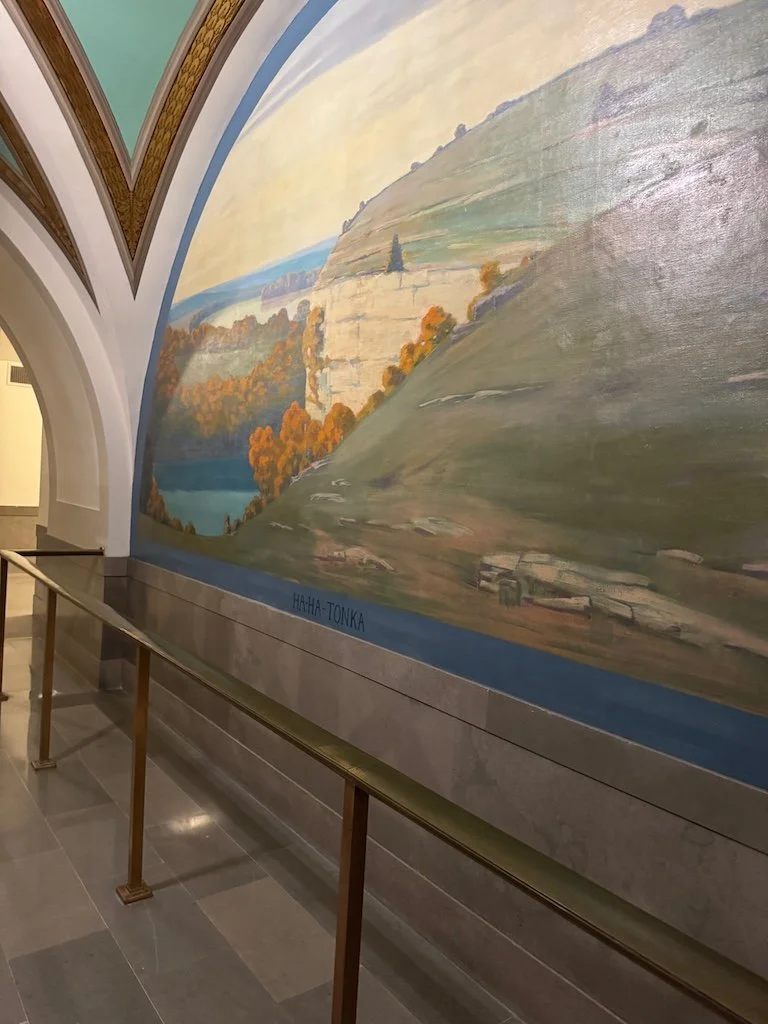
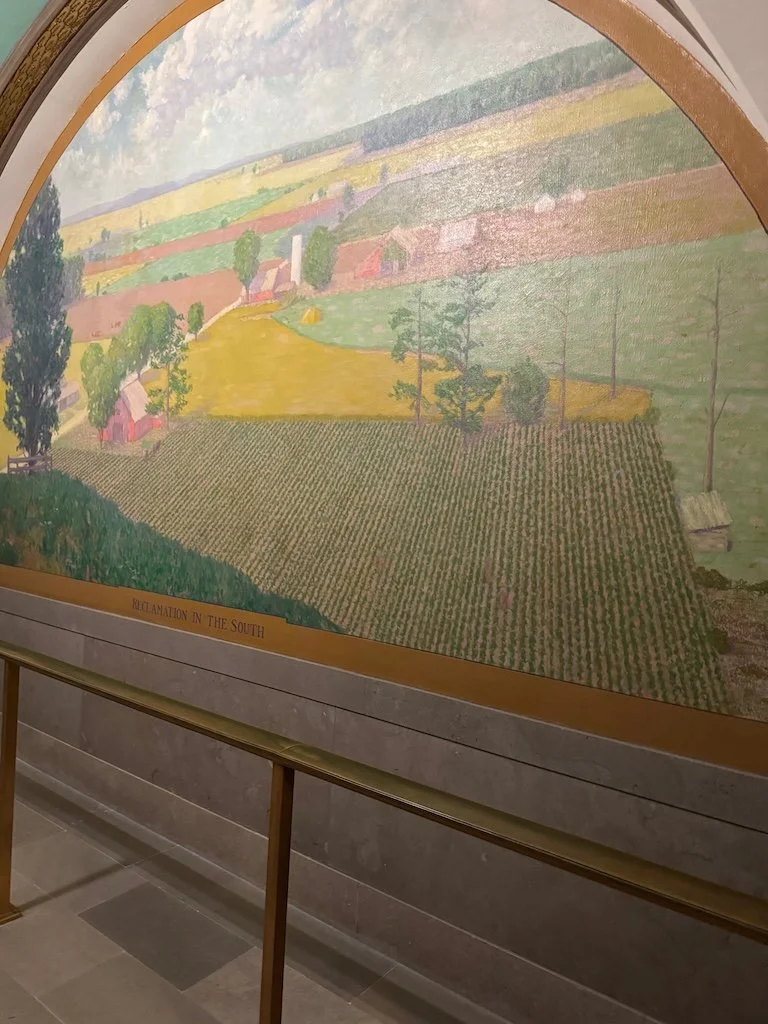
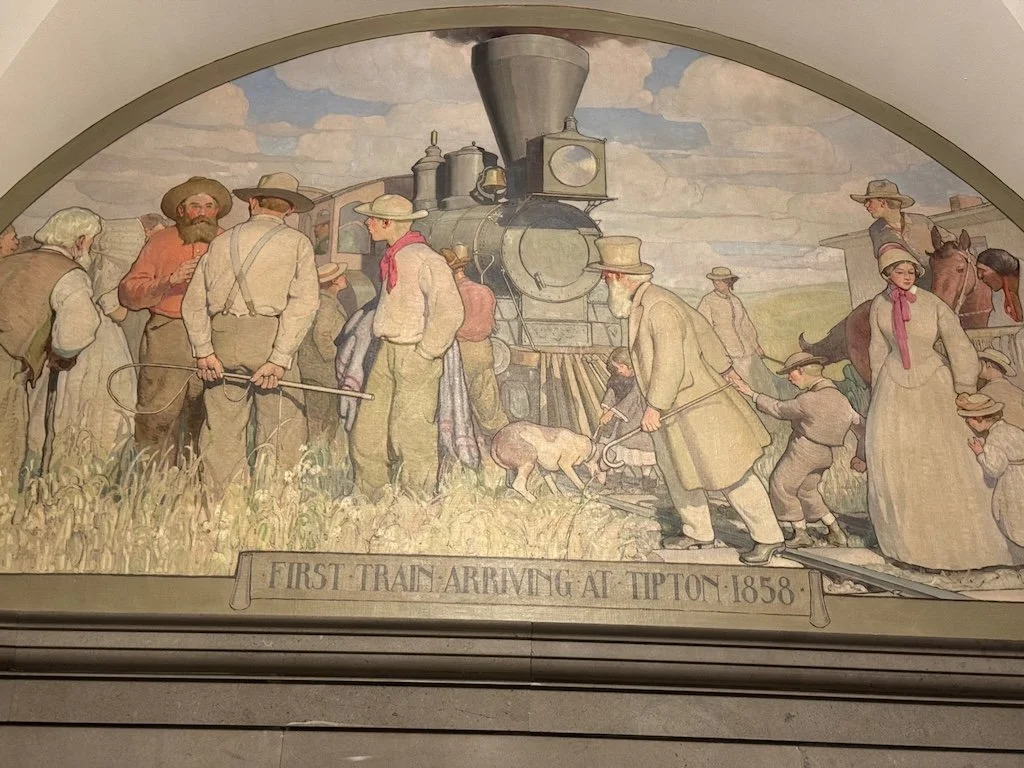
The tour guide was informative and kept our group moving. I enjoyed the tour more than I would have walking around on my own and there were some areas that are not accessible except on the tour. We saw lots of murals,

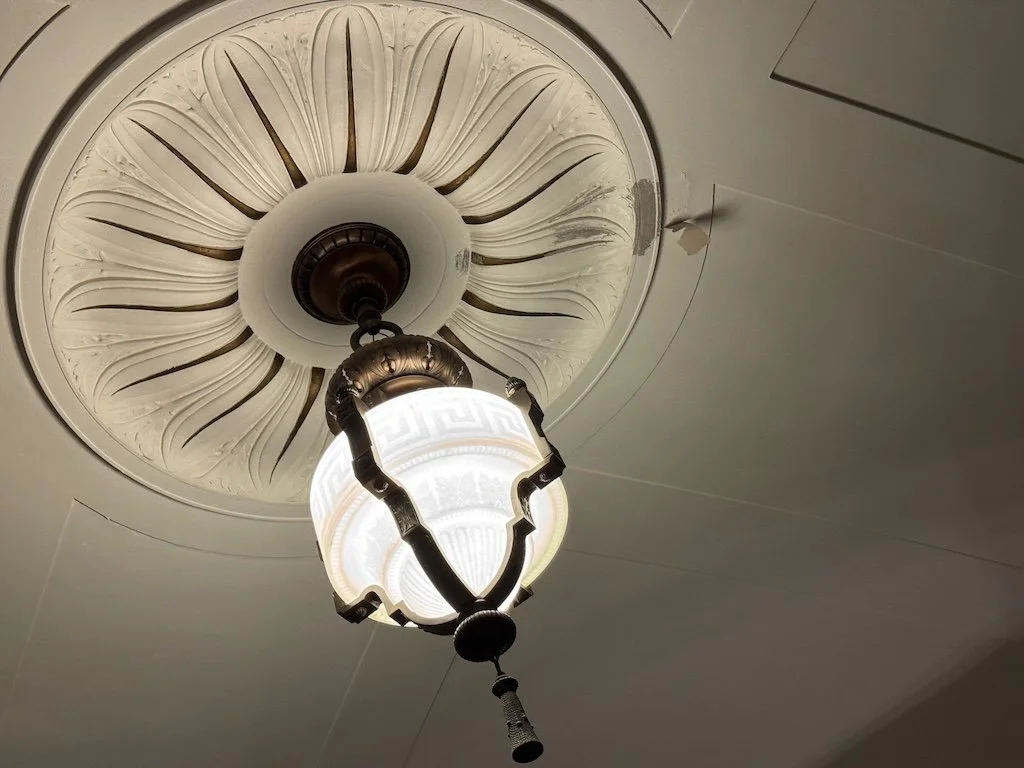
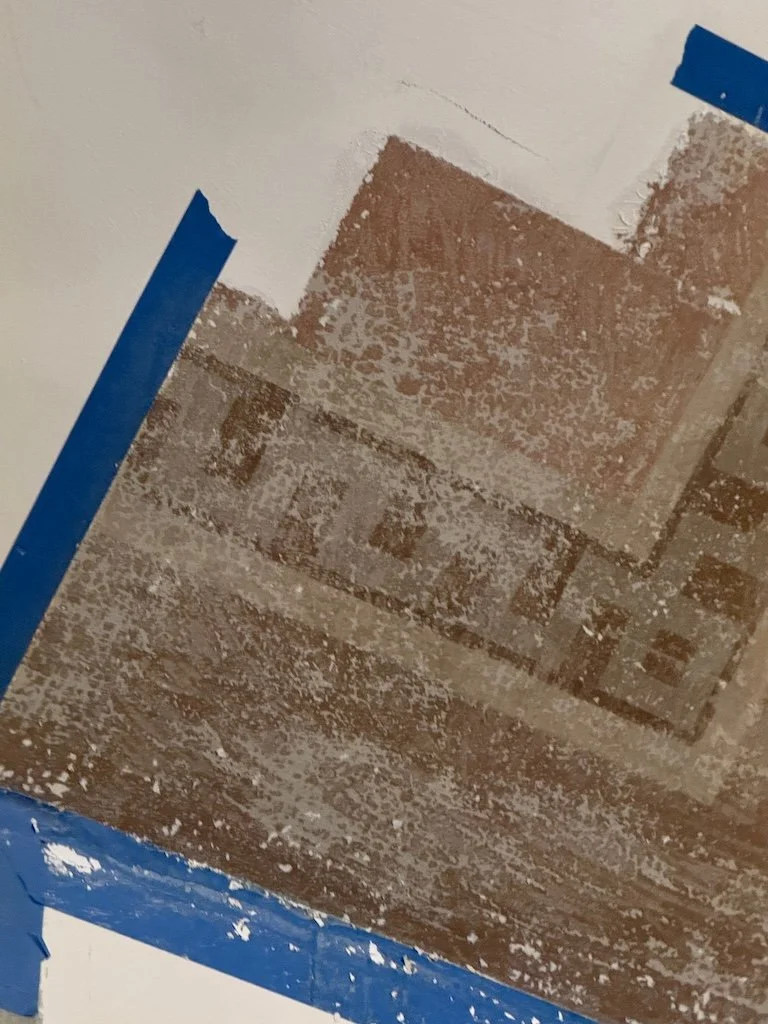
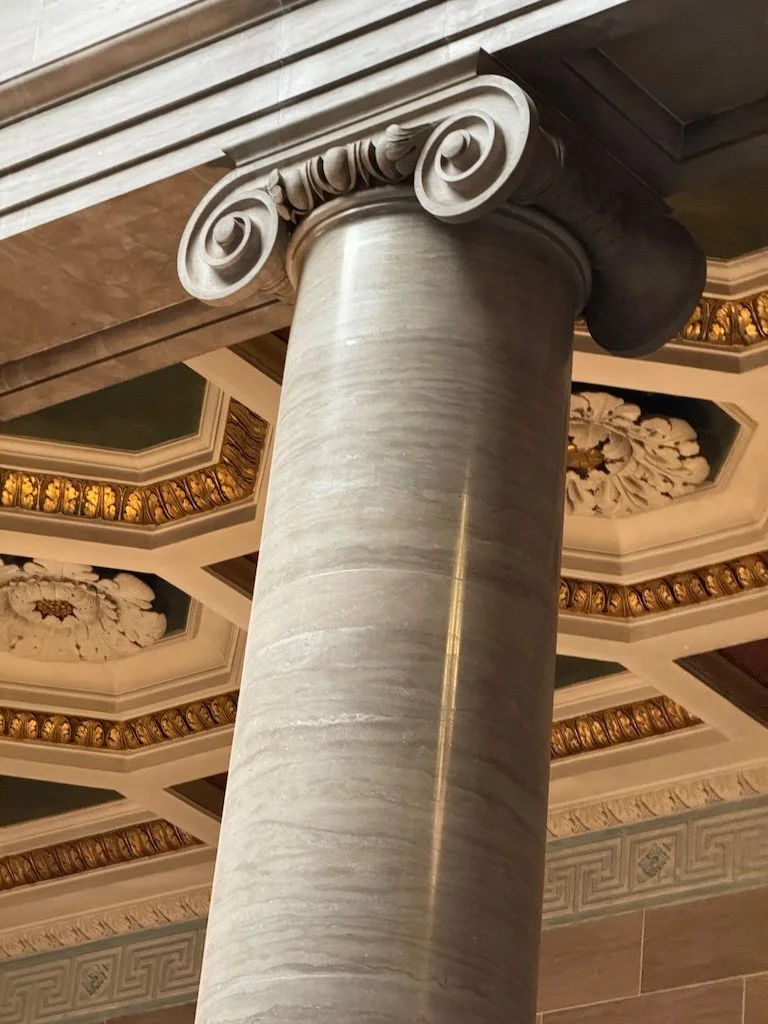
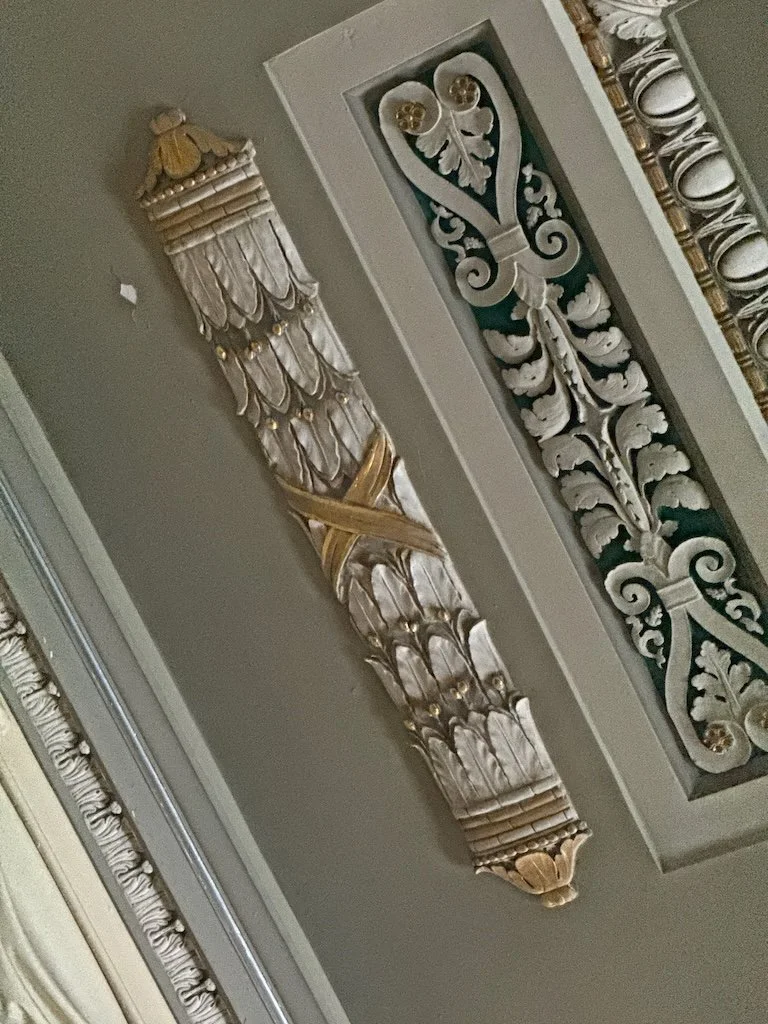
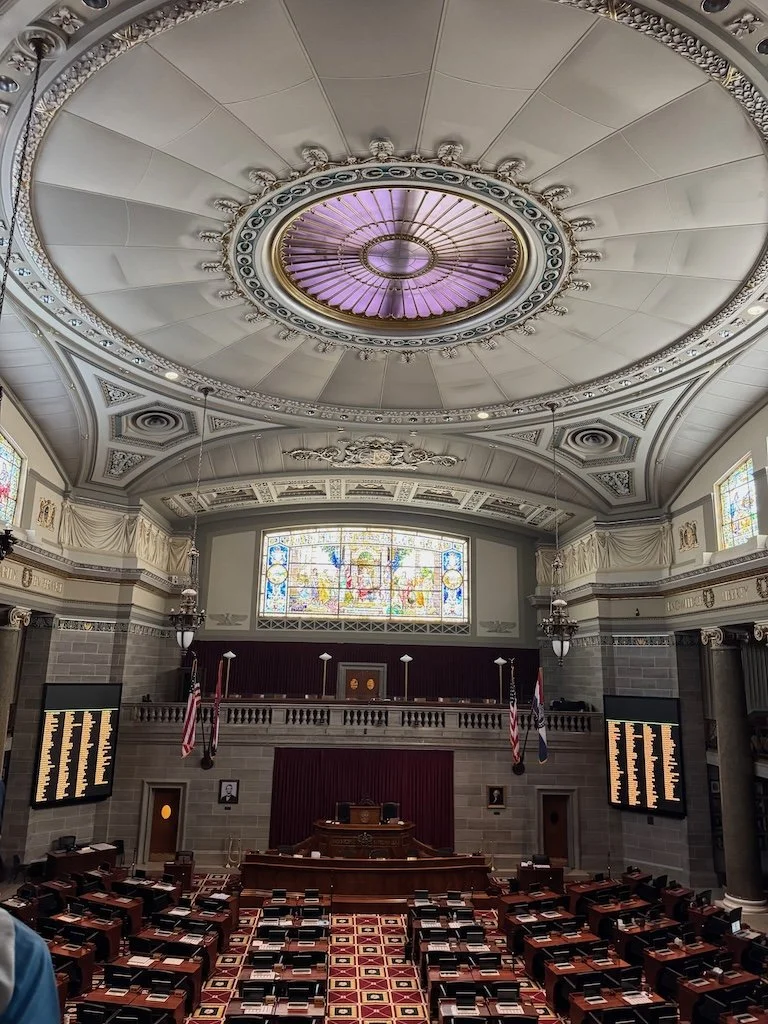
Architectural details (including what the walls that are now painted white looked like originally).

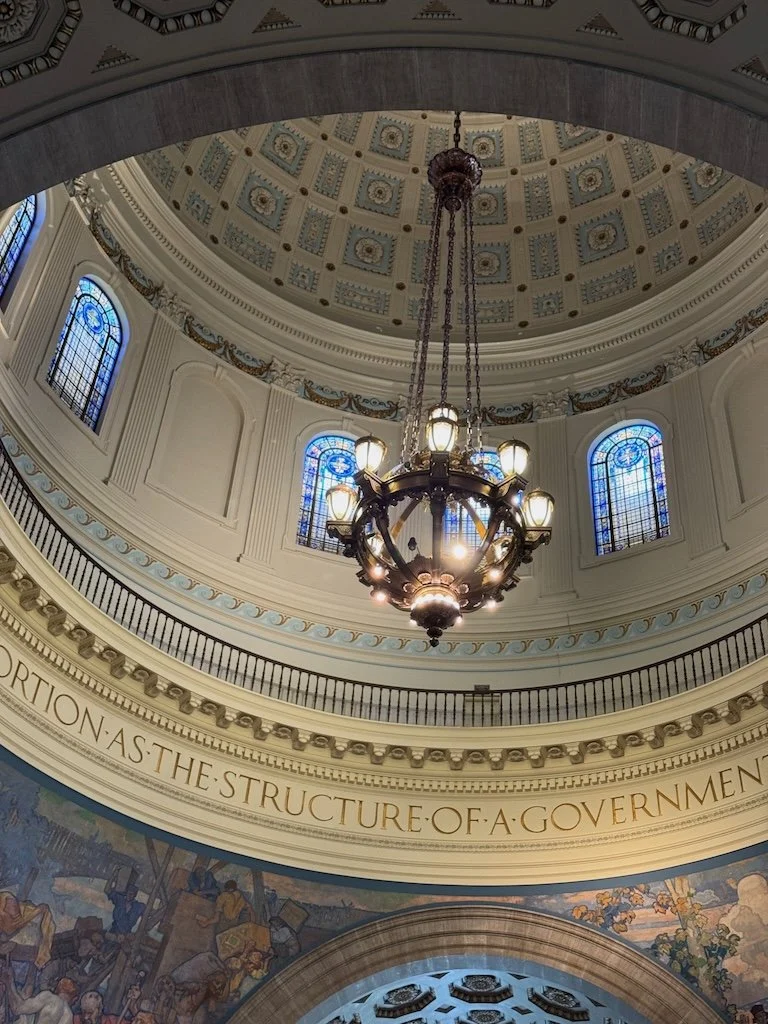
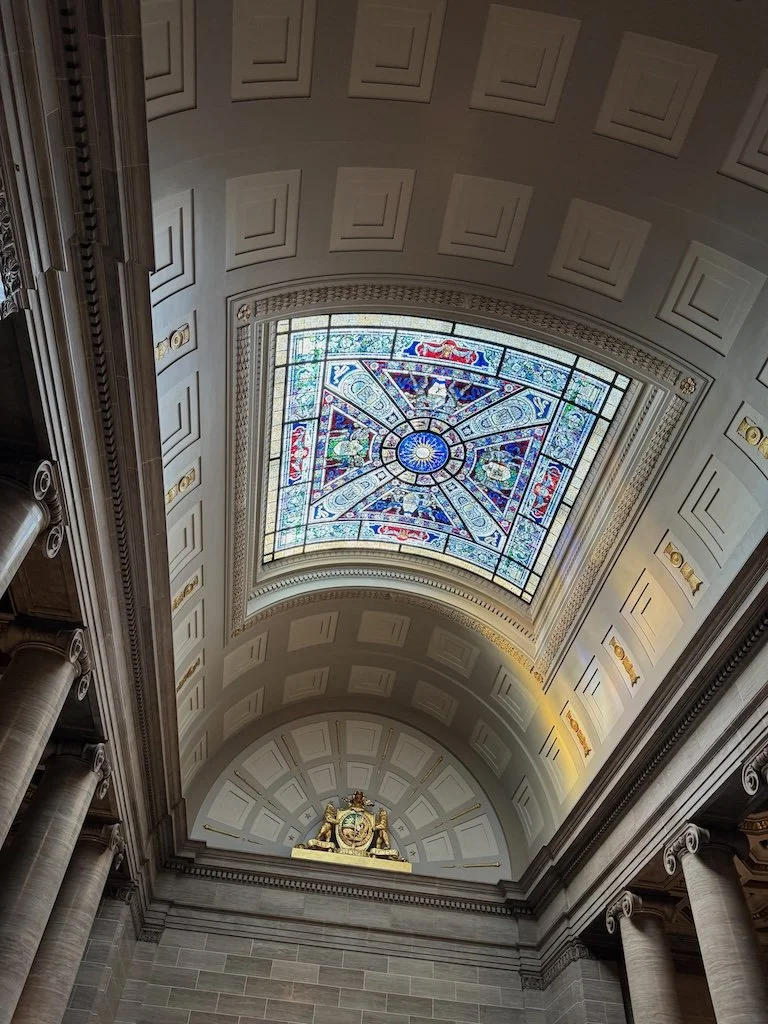
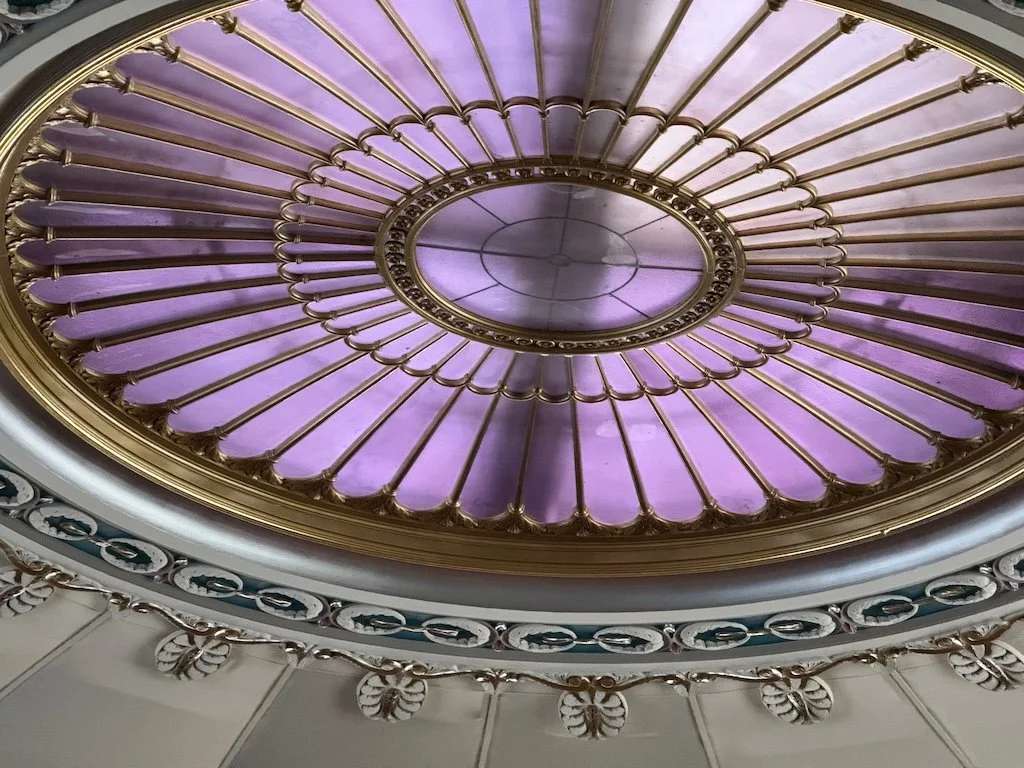
And skylights.

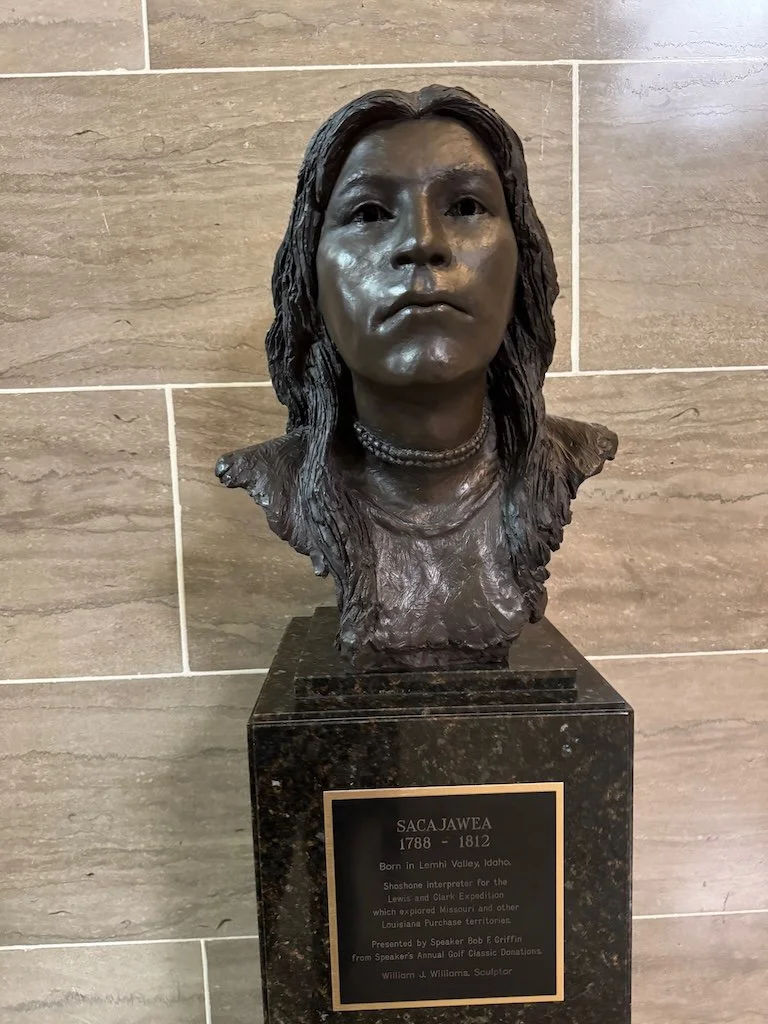
I liked that bust of Sacajawea. There were others too…but that was the one area I felt rushed.

I liked that bust of Sacajawea. There were others too…but that was the one area I felt rushed.

After the tour, I went down to the basement cafeteria and enjoyed a piece of cheesecake…and purchased a salad to eat for lunch a few hours later.

As I walked away from the capitol, I noticed the mature sweet gum and bald cypress trees on the grounds.

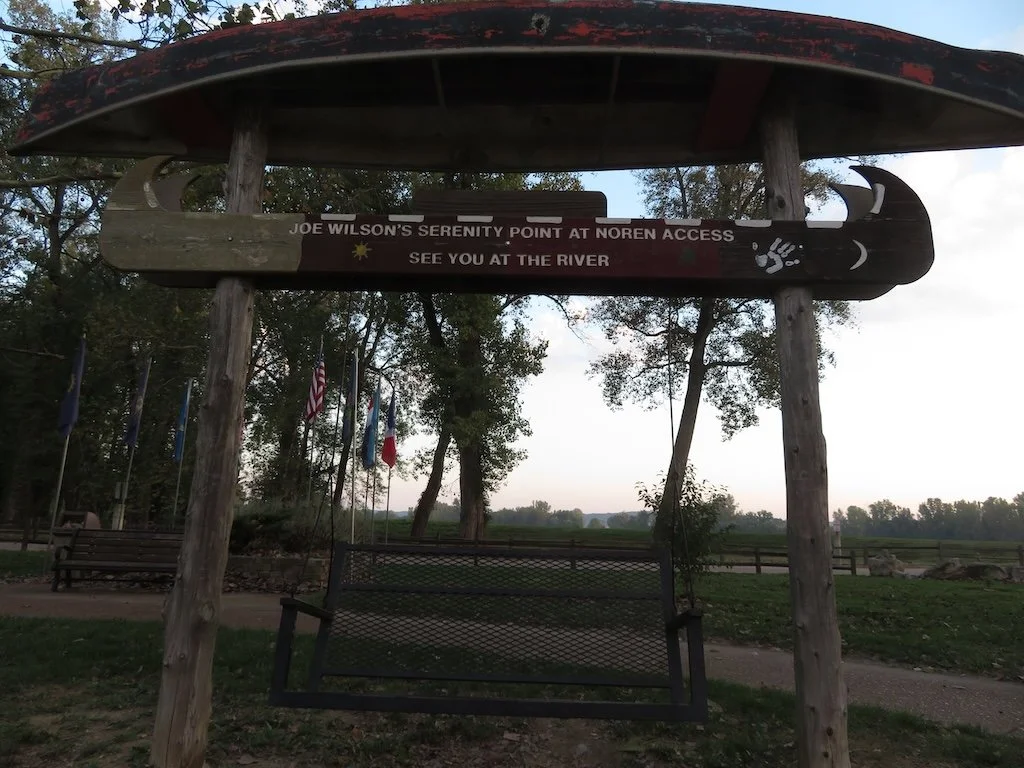
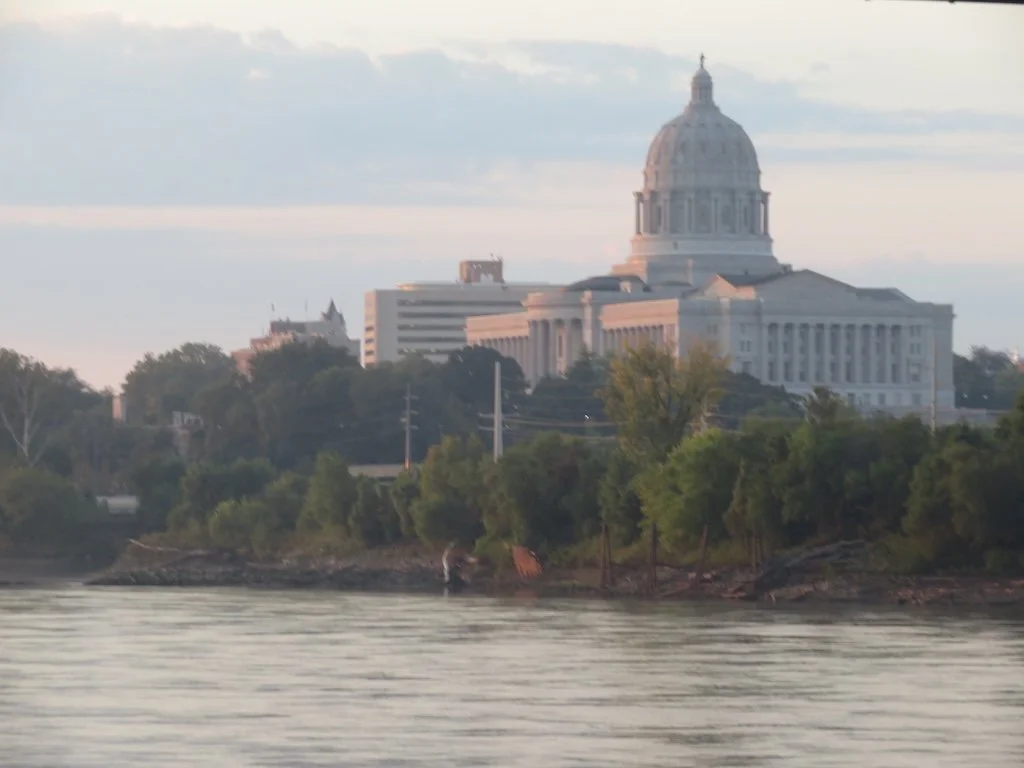
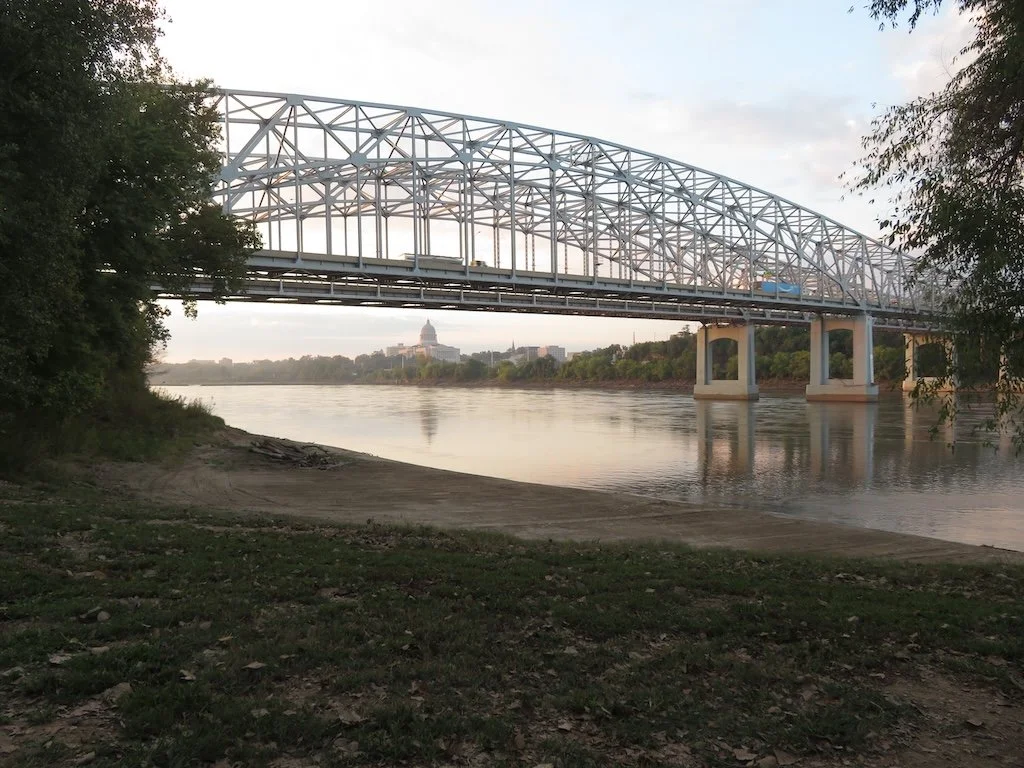
Before I left Jefferson City to drive home, I visited Serenity Point at Noren Access.

It’s a place where the Capitol building can be seen from across the Missouri River. It was a good last vista before getting on the highway.

Ha Ha Tonka State Park (2)

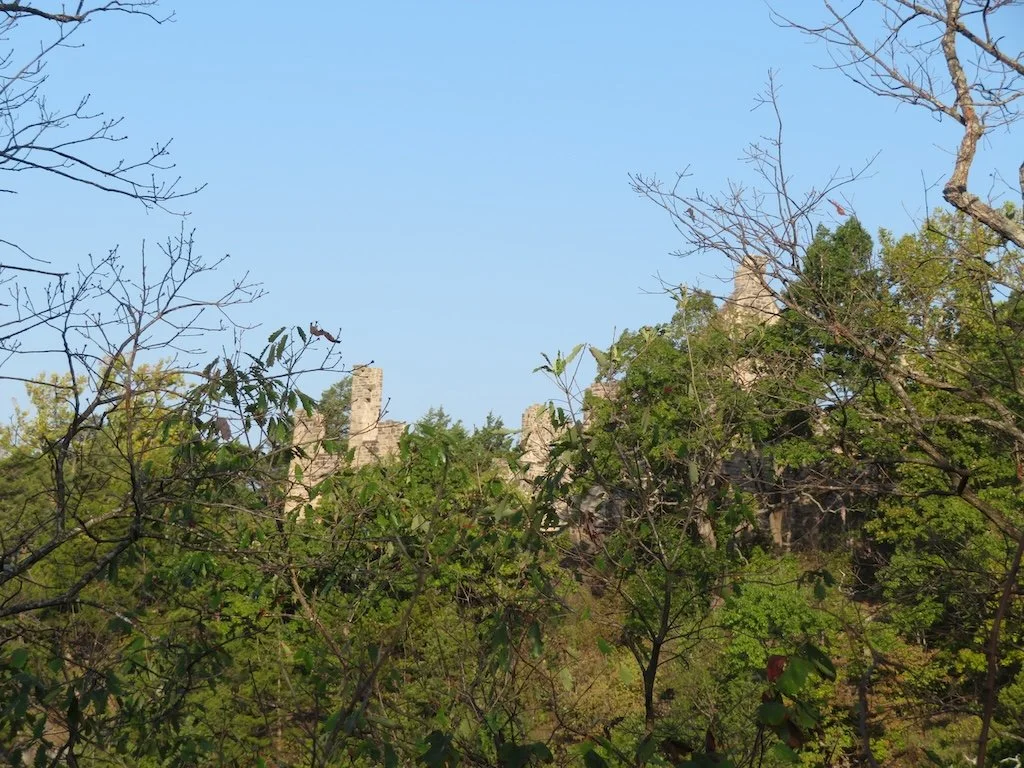
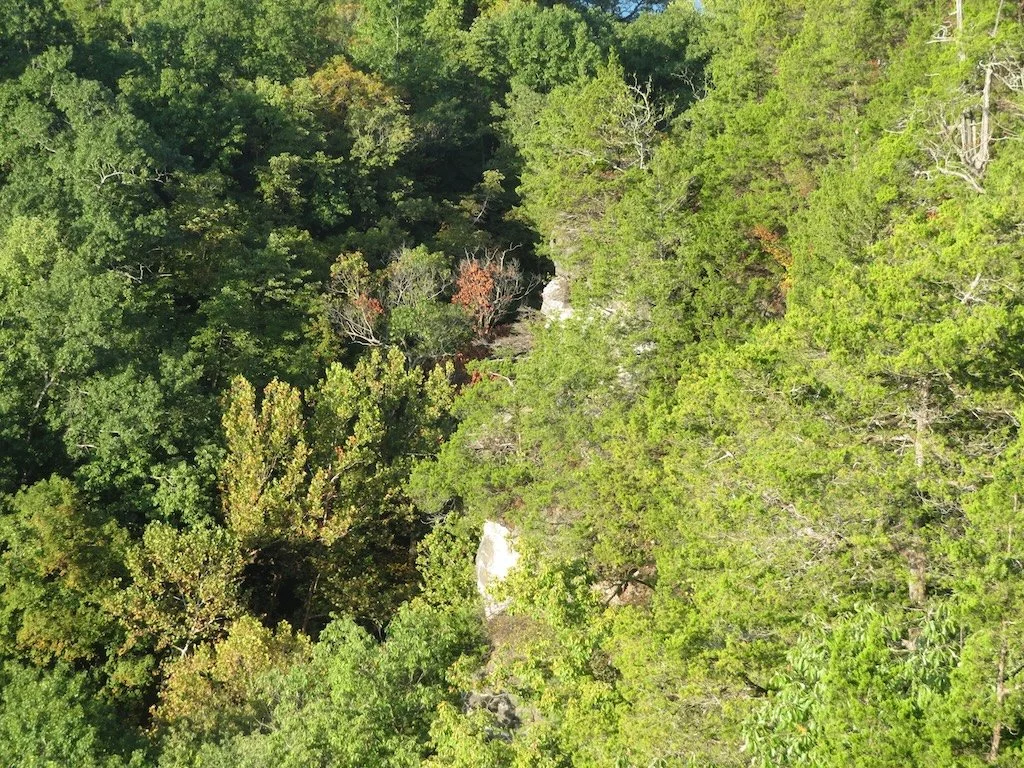
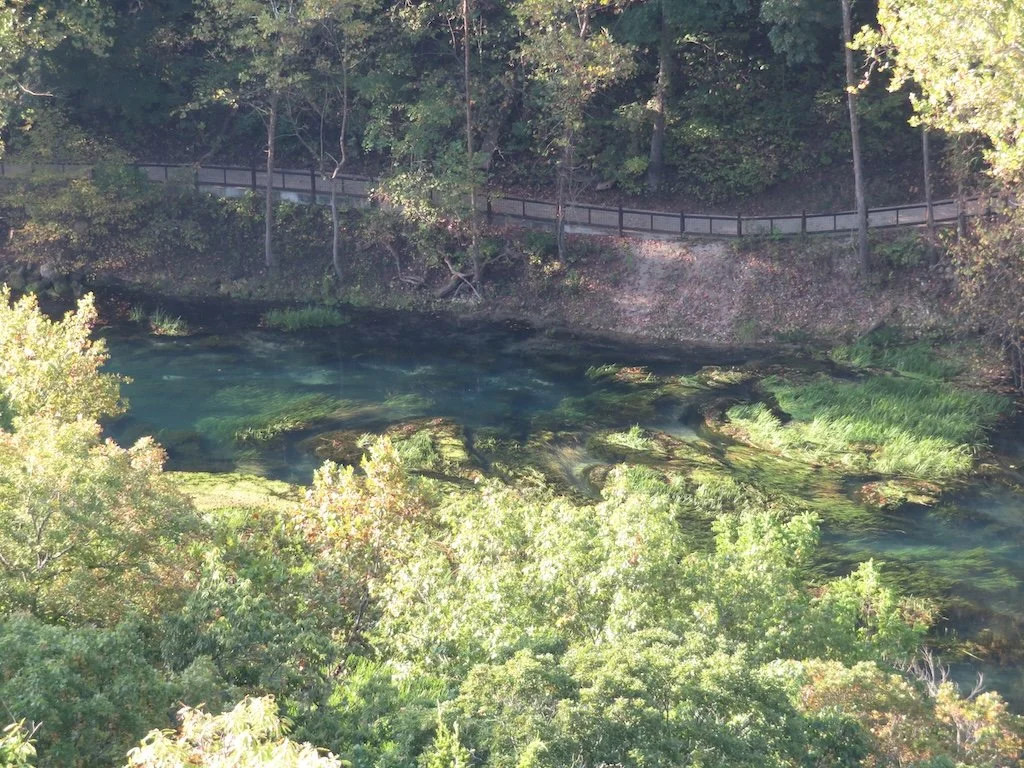
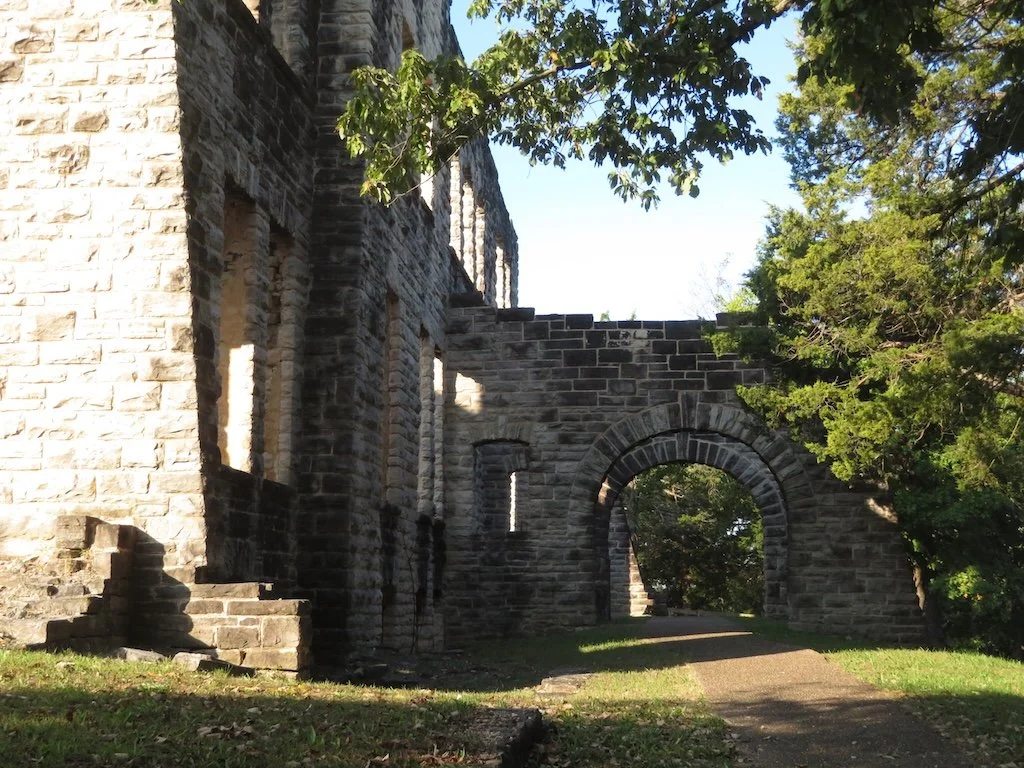
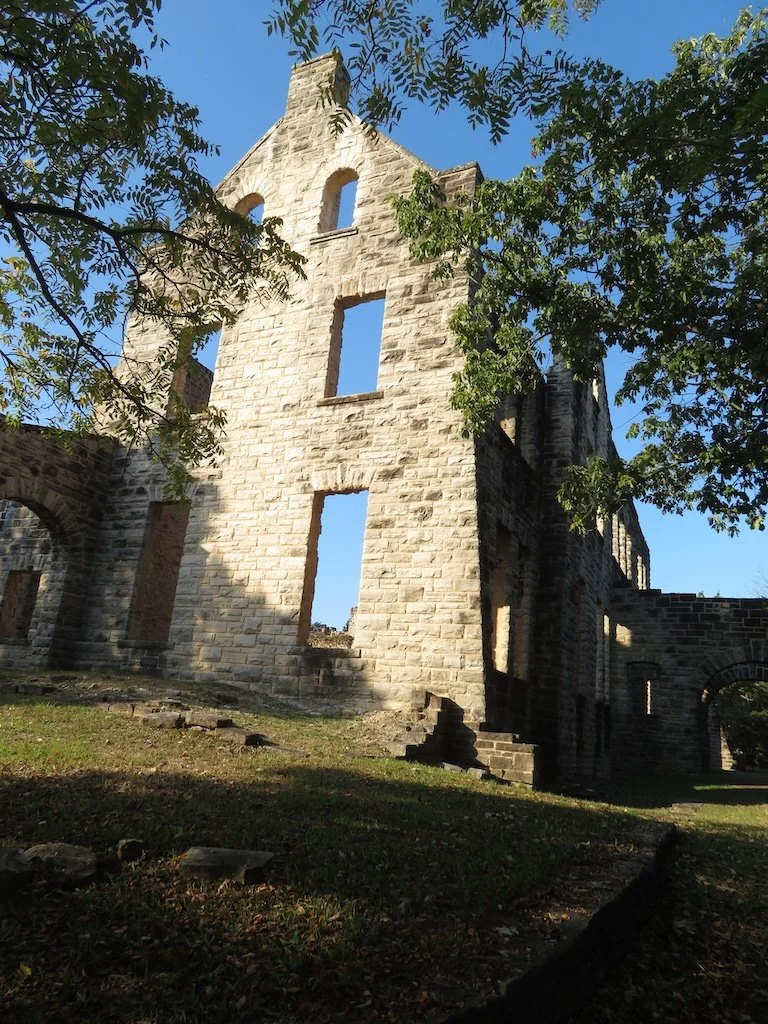
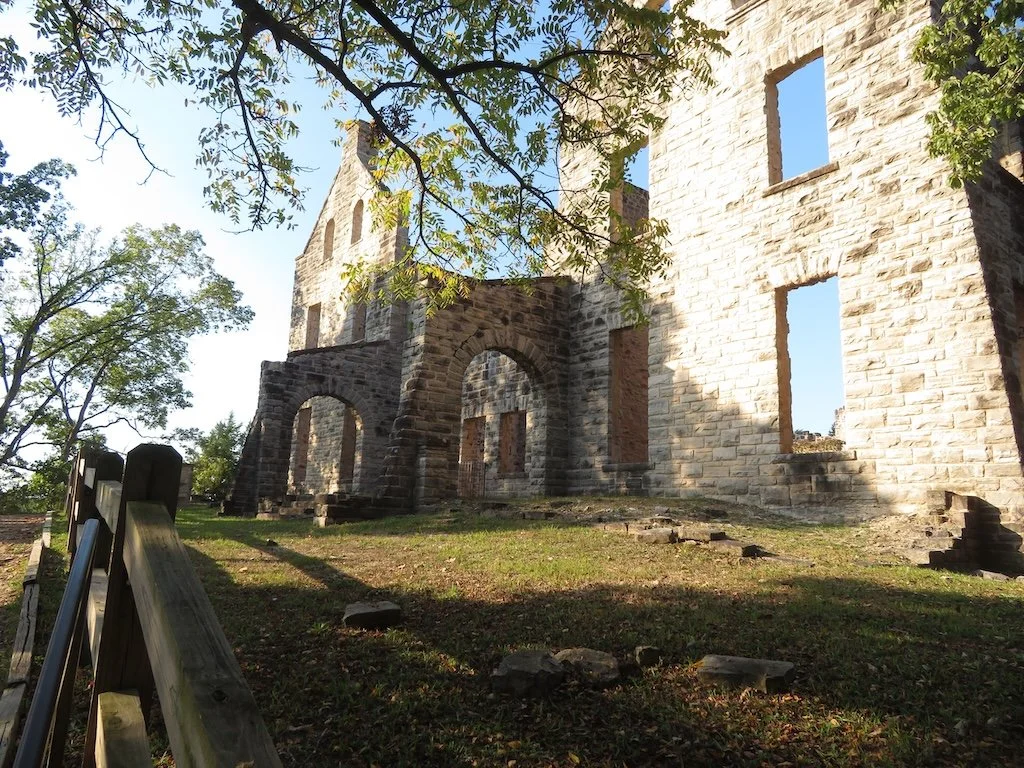
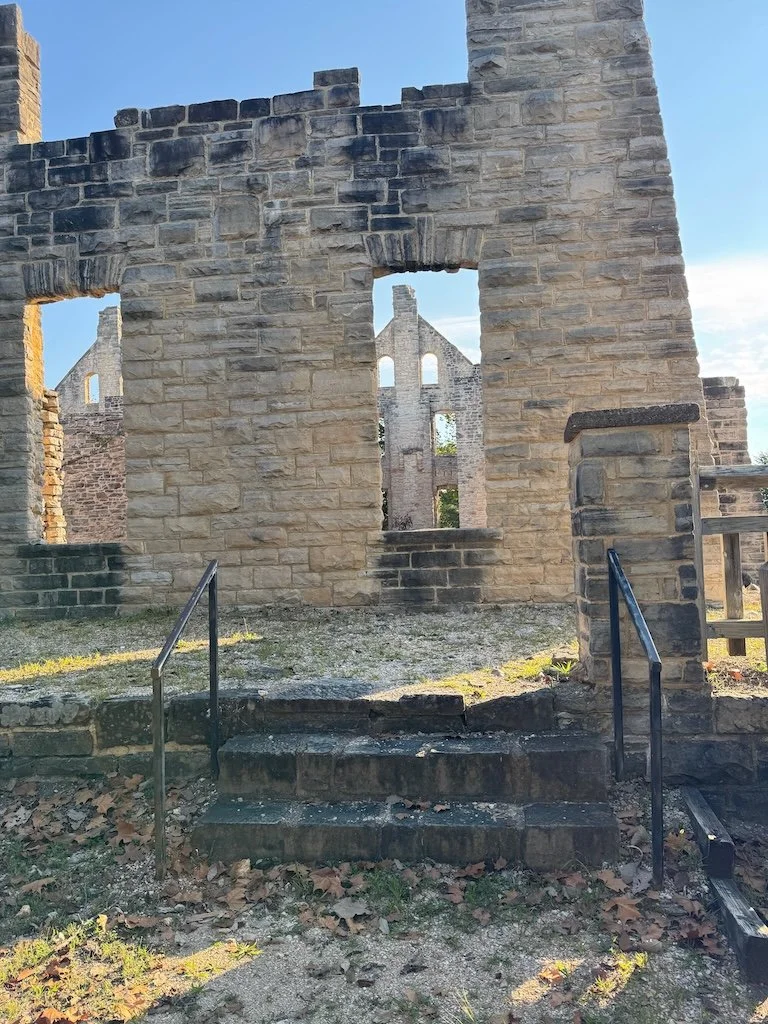
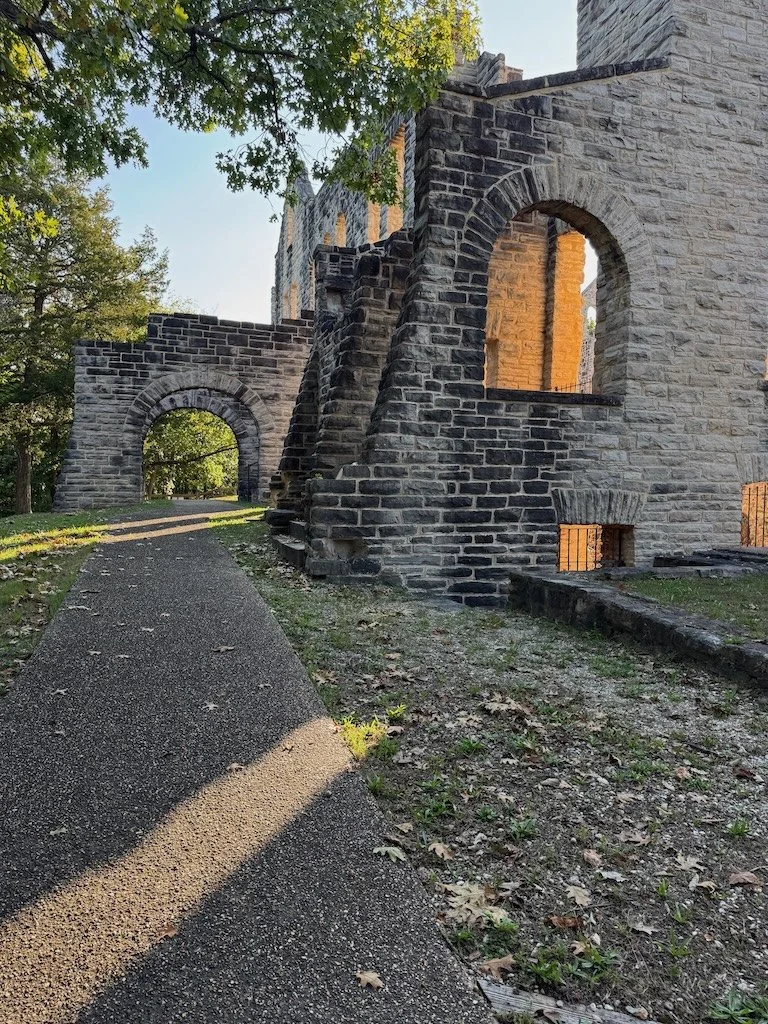
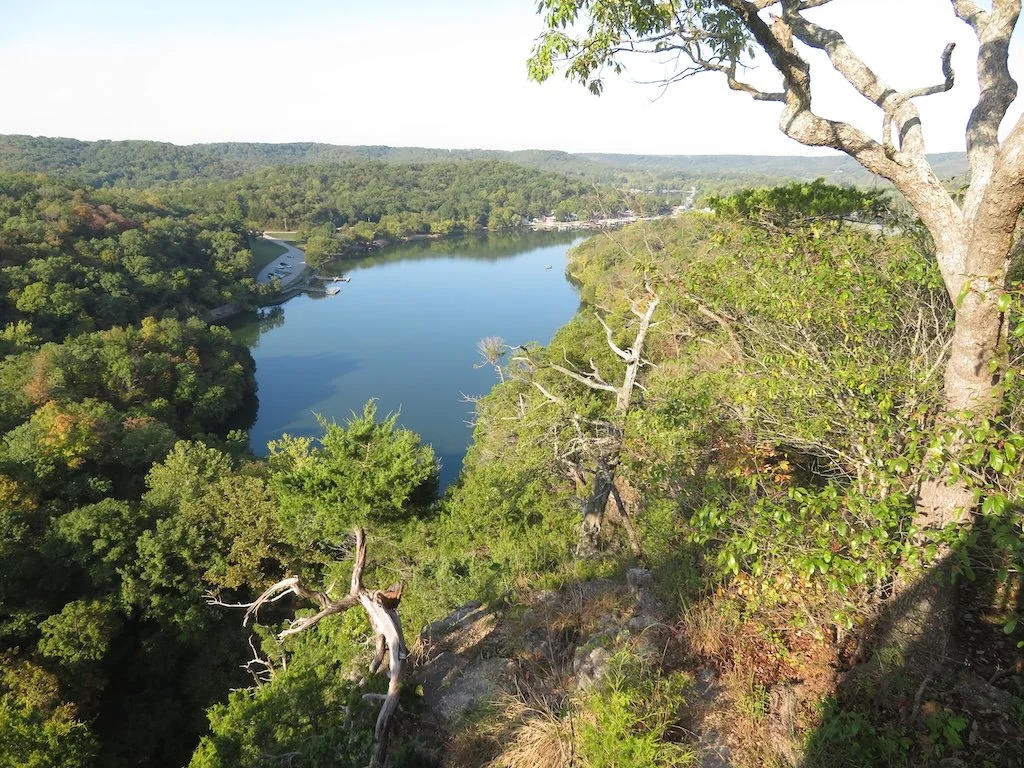
I made a second visit to Ha Ha Tonka State Park last week – on my way from the Missouri Department of Conservation Partners Roundtable and took a short hike to the Castle Ruins. The ruins are on the bluff above the spring area, so I had views of the spring area where I had hiked a few days before.

I got to the park early enough that there was a parking space in the small lot between the water tower and castle ruins…beside the carriage house ruins. The castle ruins were visible over the treetops from the parking lot.

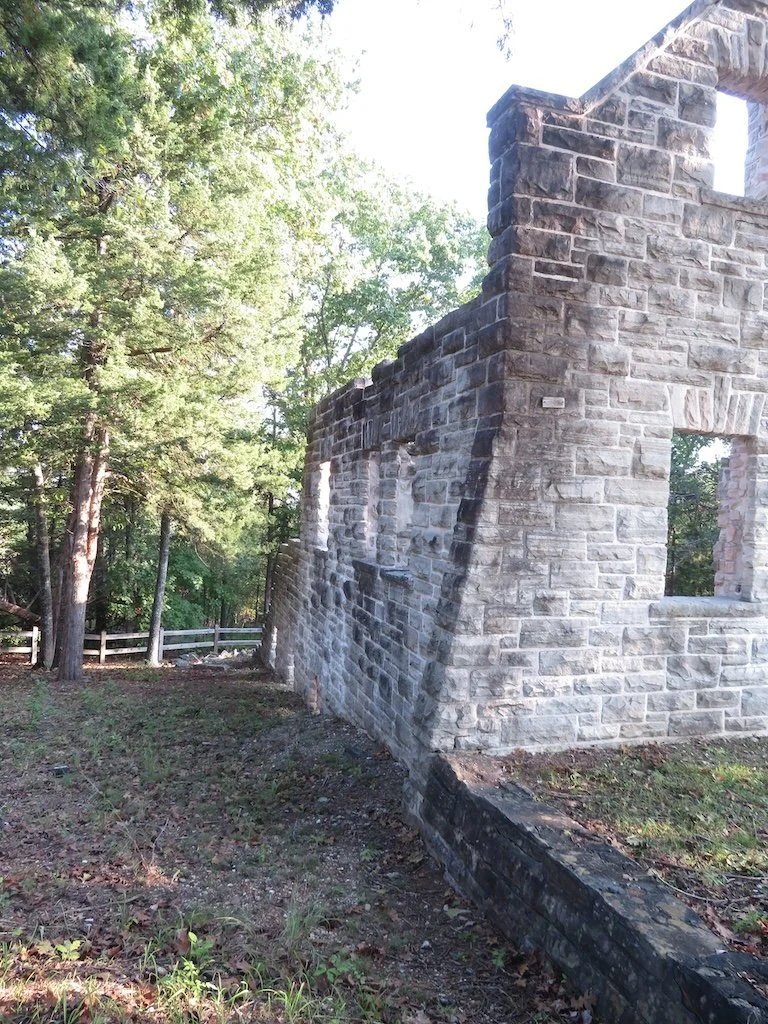
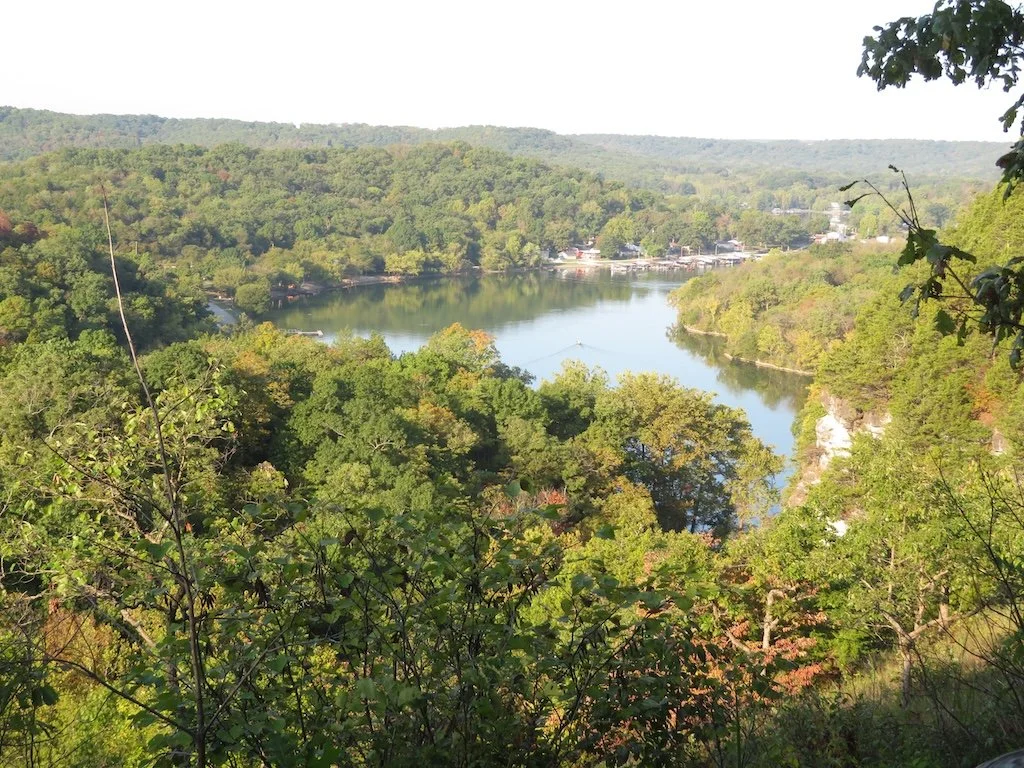
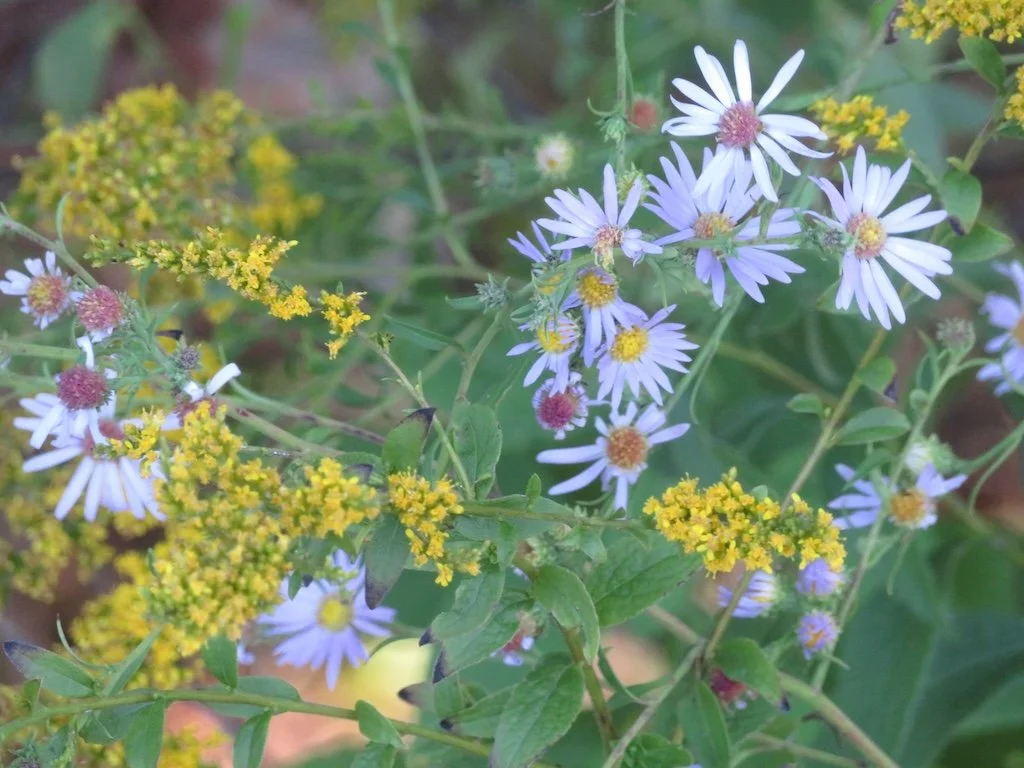
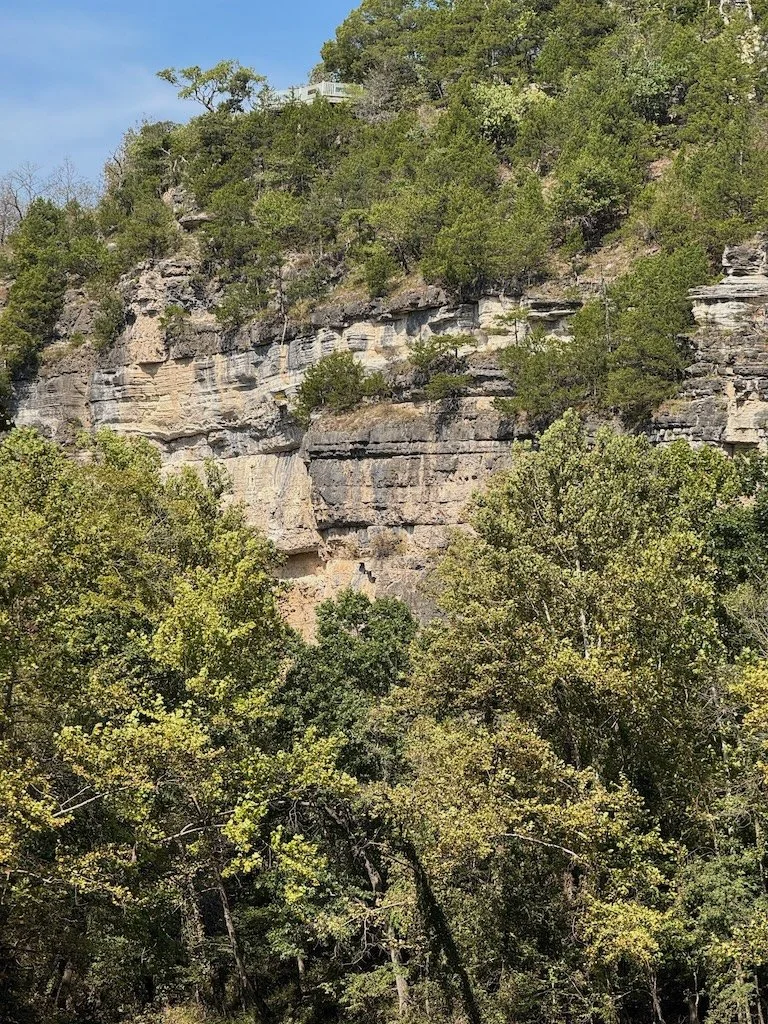
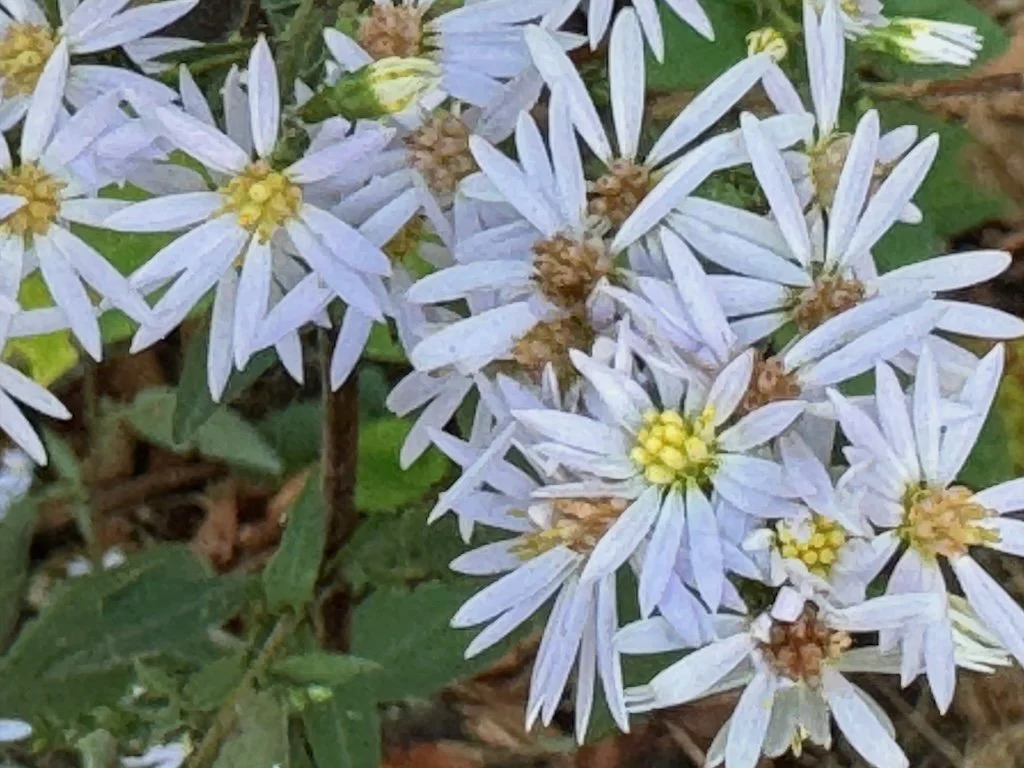
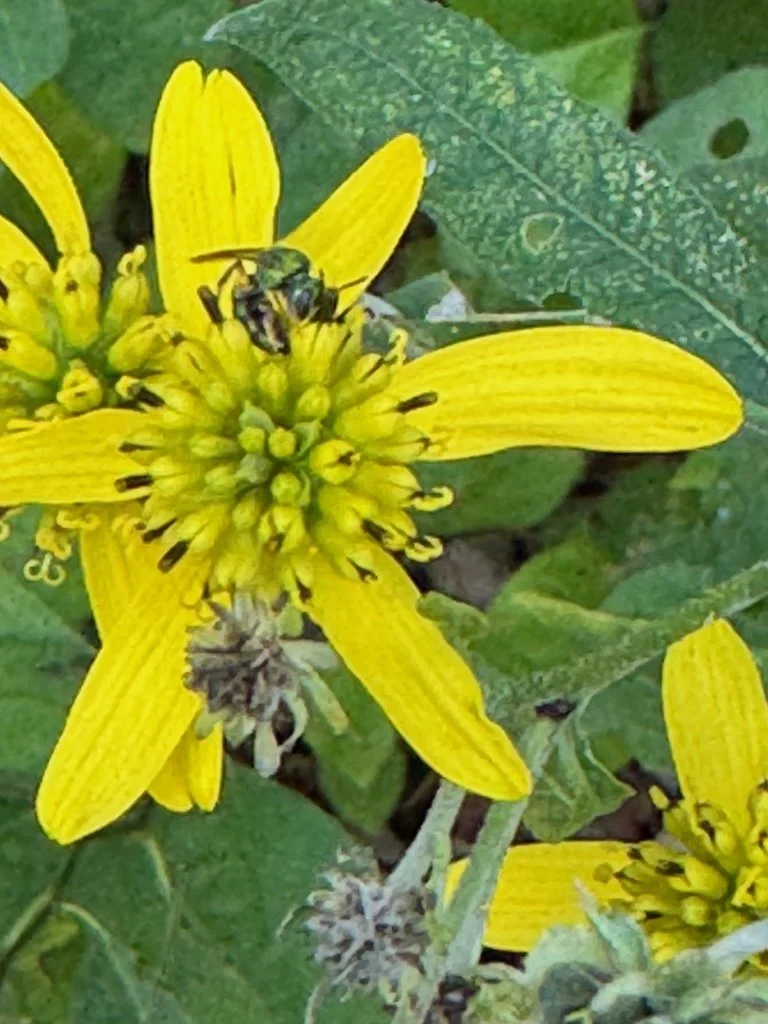
I took a few pictures of the carriage house ruins and continued as I made my way up the hill: fall wildflowers, a part of Lake of the Ozarks, the spring area below (and the paved path I had been on a few days before).

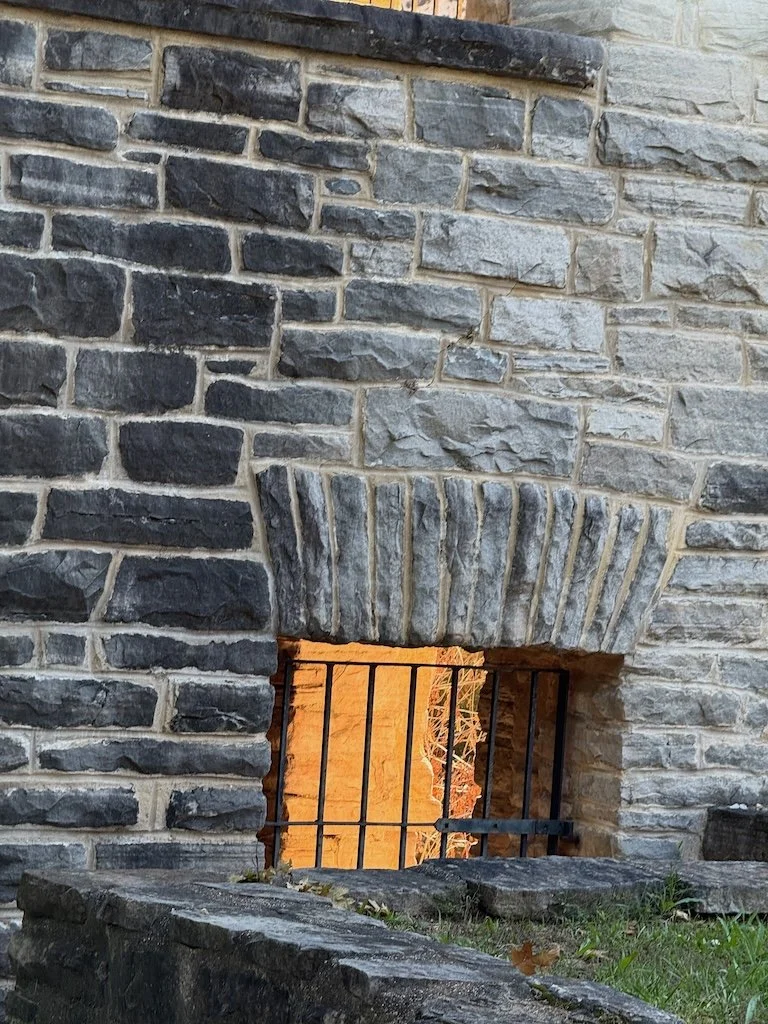
It was early enough that the light was good for viewing the ruins. Some of the stone walls were still black from the fire that destroyed the house in the 1940s. The fire must have been hot. I wondered if there was not enough water high on the bluff to deter it all…that the fire simply burned until there was nothing left to burn. The ruins are fenced…and there are signs saying the ruins are unstable.

There was a family group with a photographer taking pictures with the ruins in the background – perhaps as part of the buildup to a wedding.

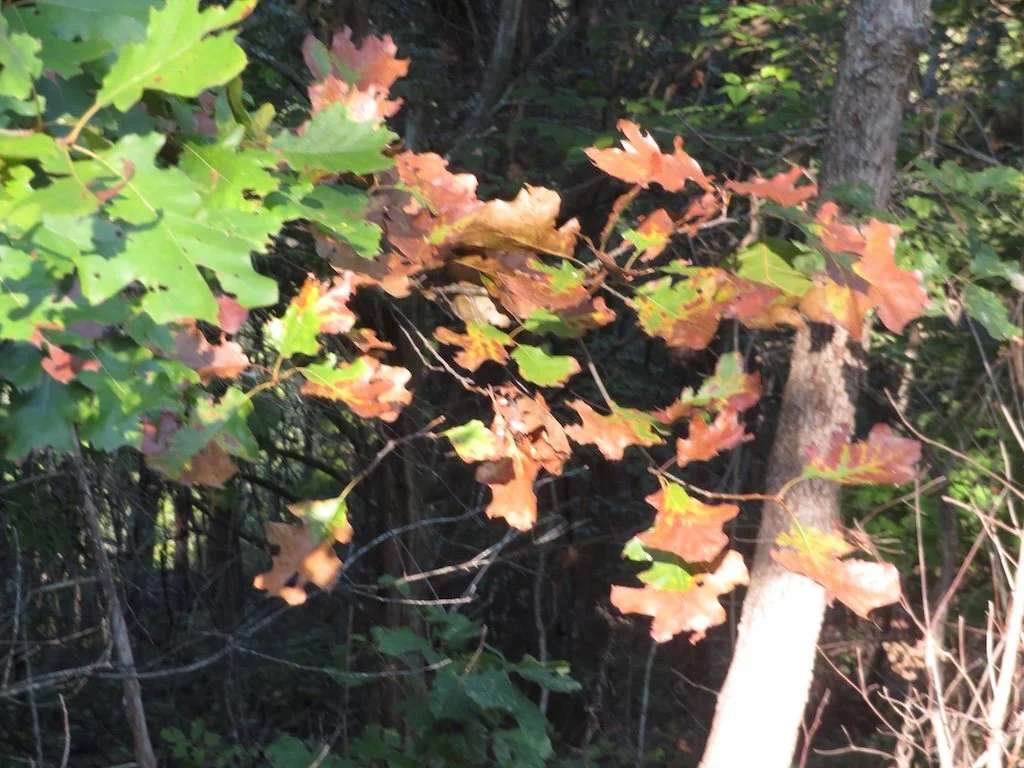
I took a few more pictures as I walked back to my car – more foliage and another view of the lake.  There were some twisted eastern redcedars on the steep slope of the bluff.

This park is only about 1.5 hours from where I live…a great day-trip destination.

Ha Ha Tonka State Park (1)

I made my first visit to Ha Ha Tonka State Park last week – on my way to and from the Missouri Department of Conservation Partners Roundtable. Today I am posting about my short Spring Trail hike on my way to Jefferson City.

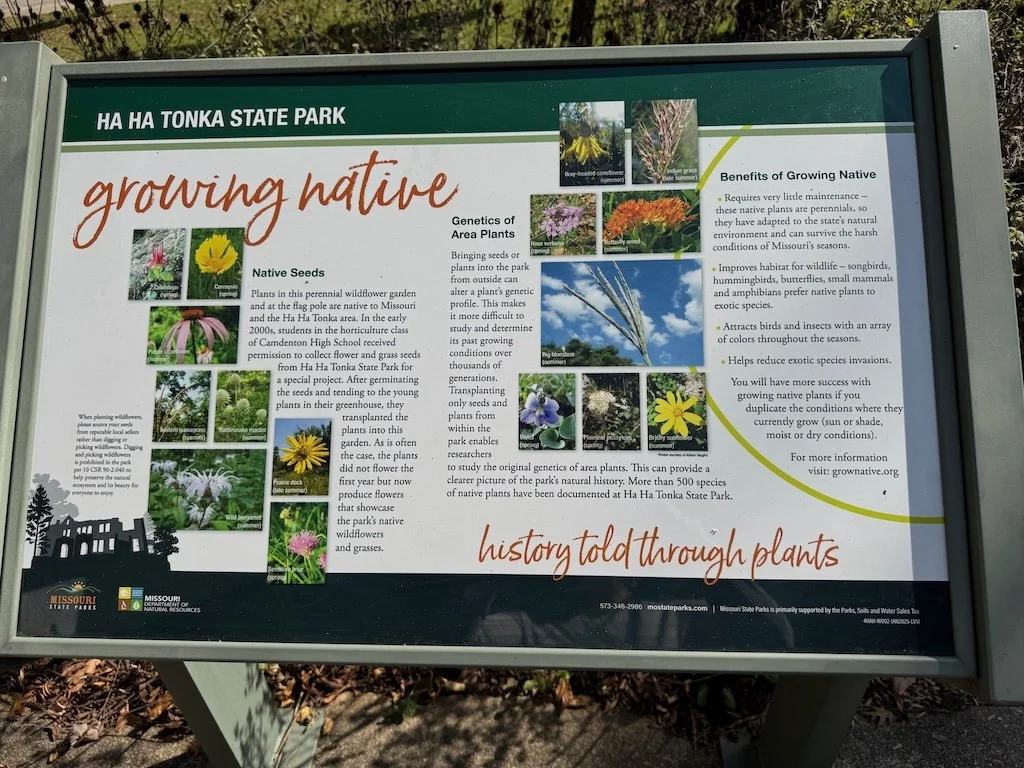
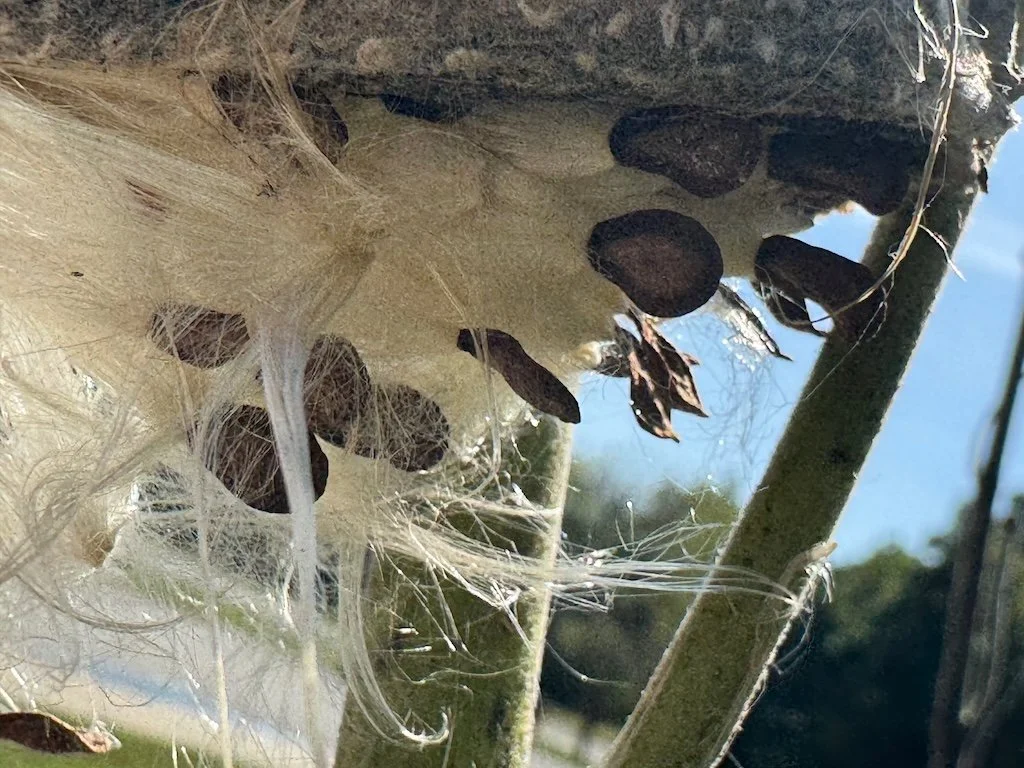
I stopped at the visitor center first…noting the milkweed seed spilling out of a pod in the native plant garden there…and picking up a printed map.

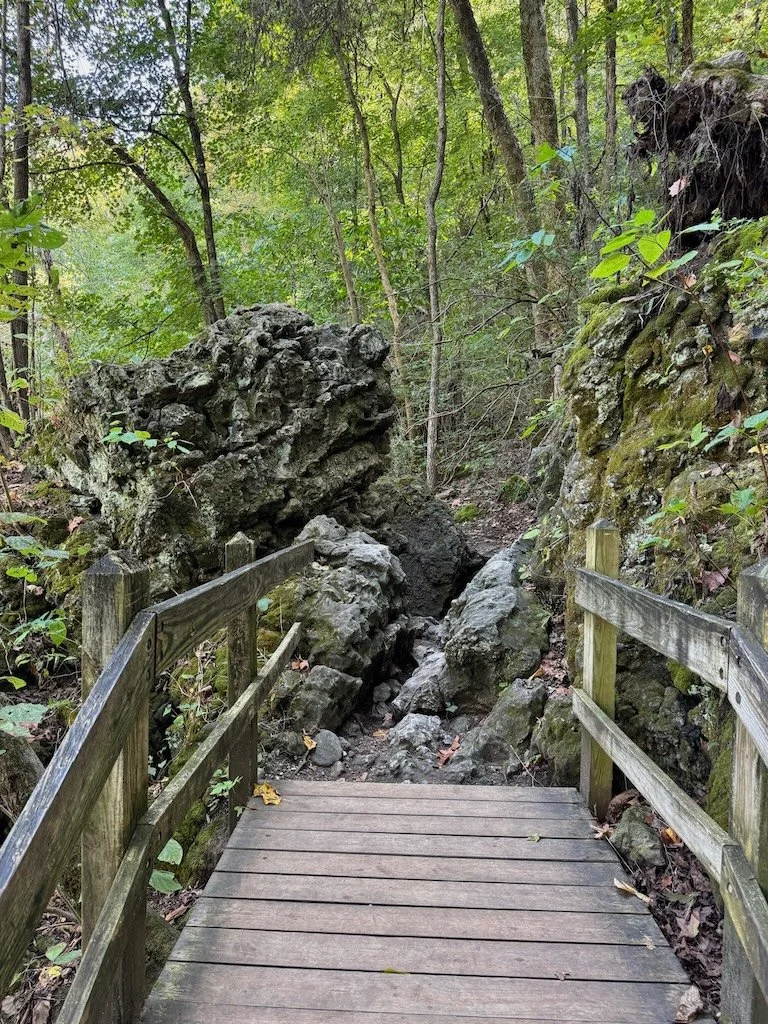
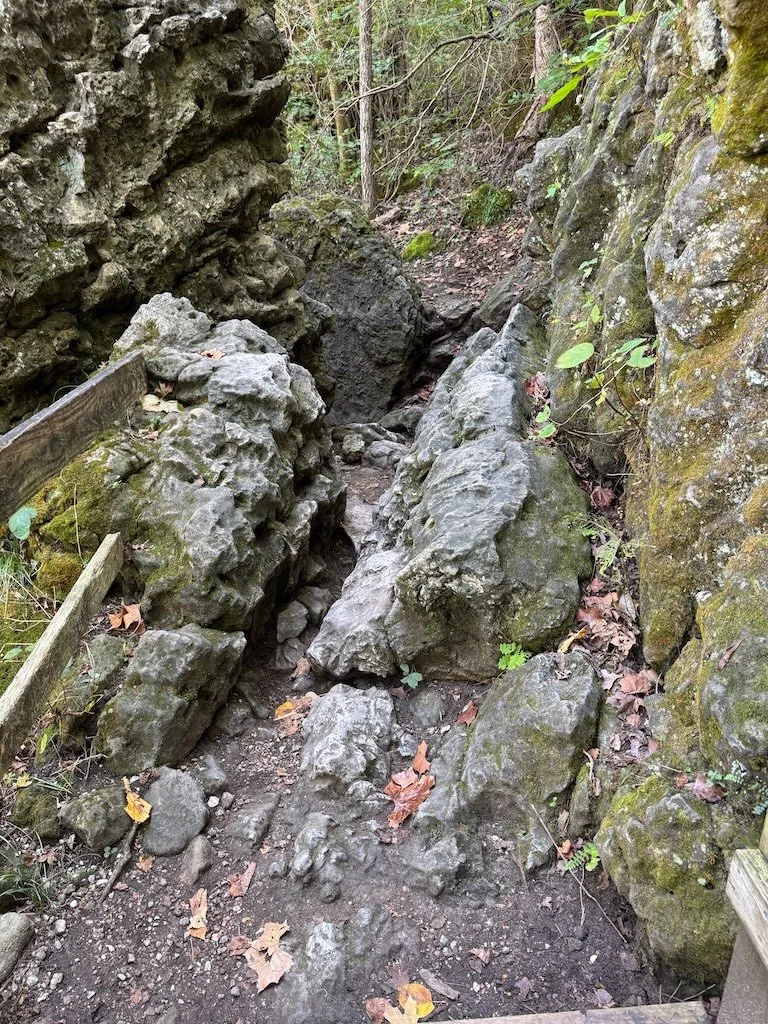
The day was getting warm, so I opted to take the easy Spring Trail. It was a paved or boardwalk for most of the way…with one narrow passage through some rocks!

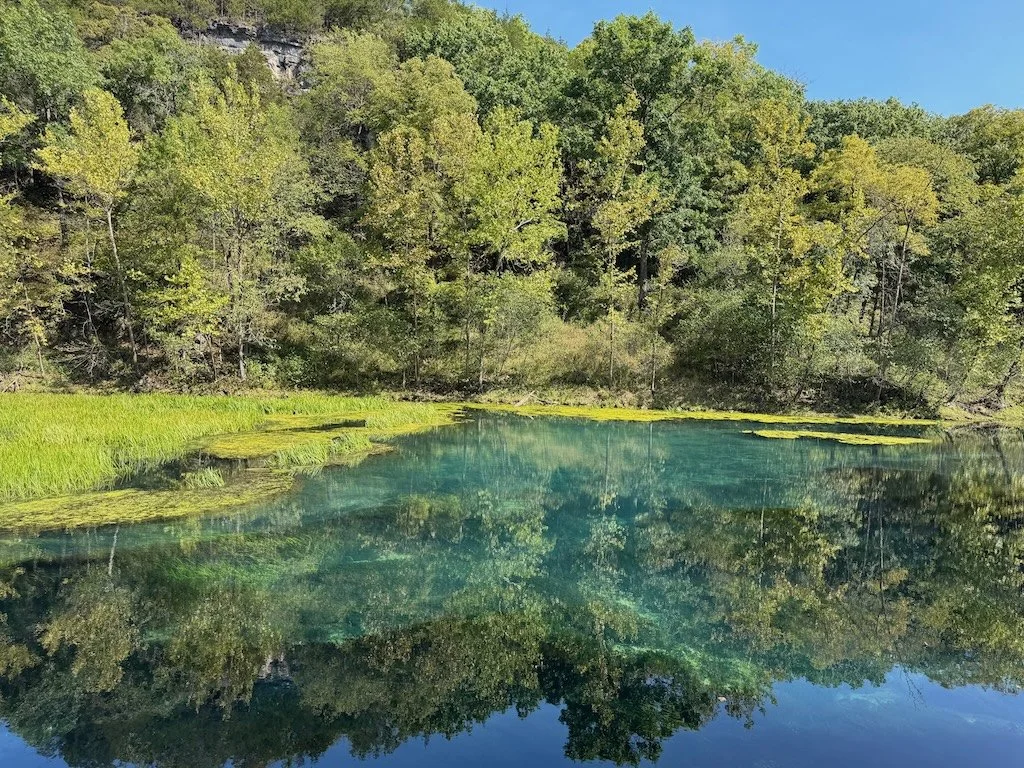
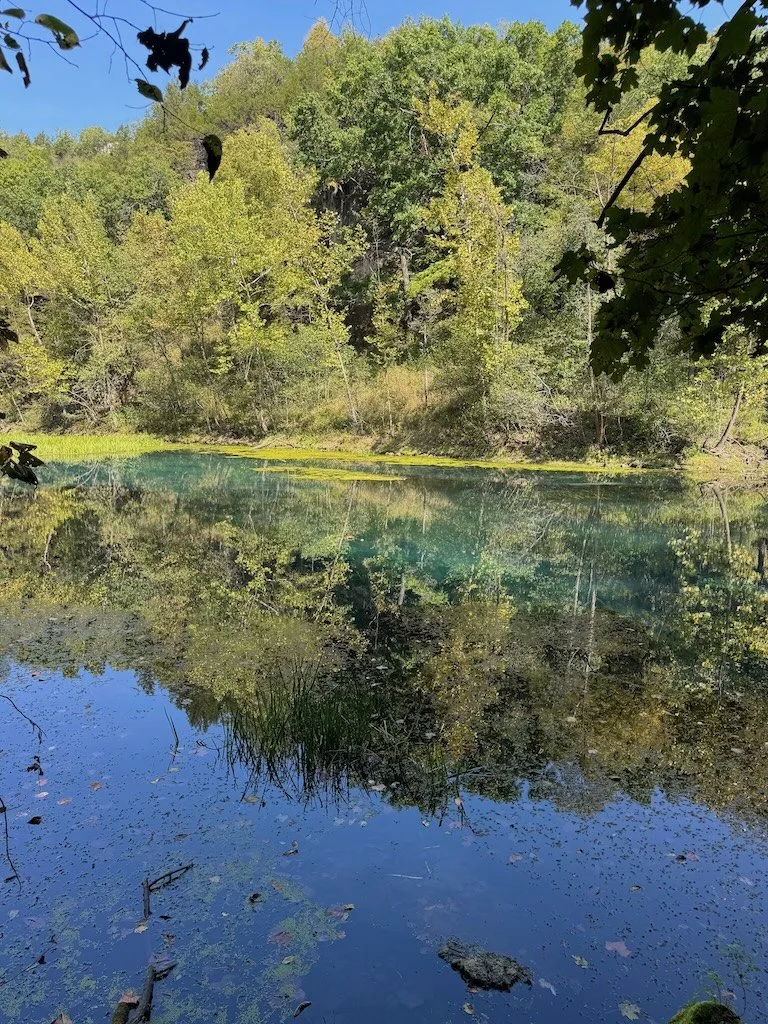
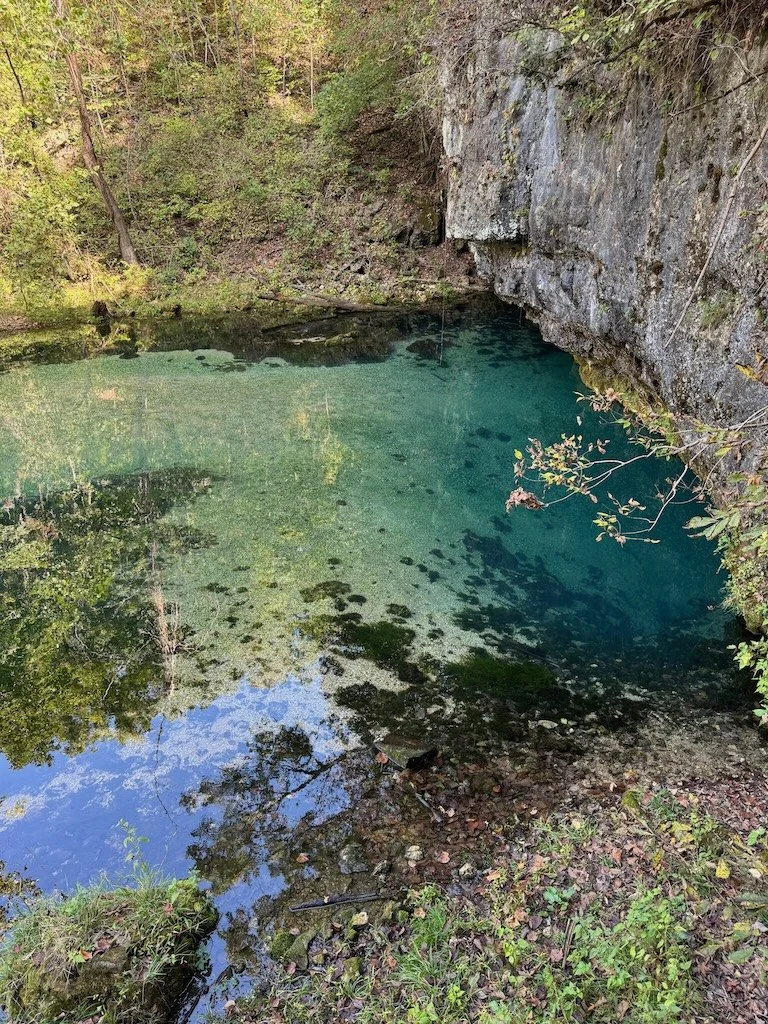
I appreciated the vistas along the way….water reflecting rock and vegetation.

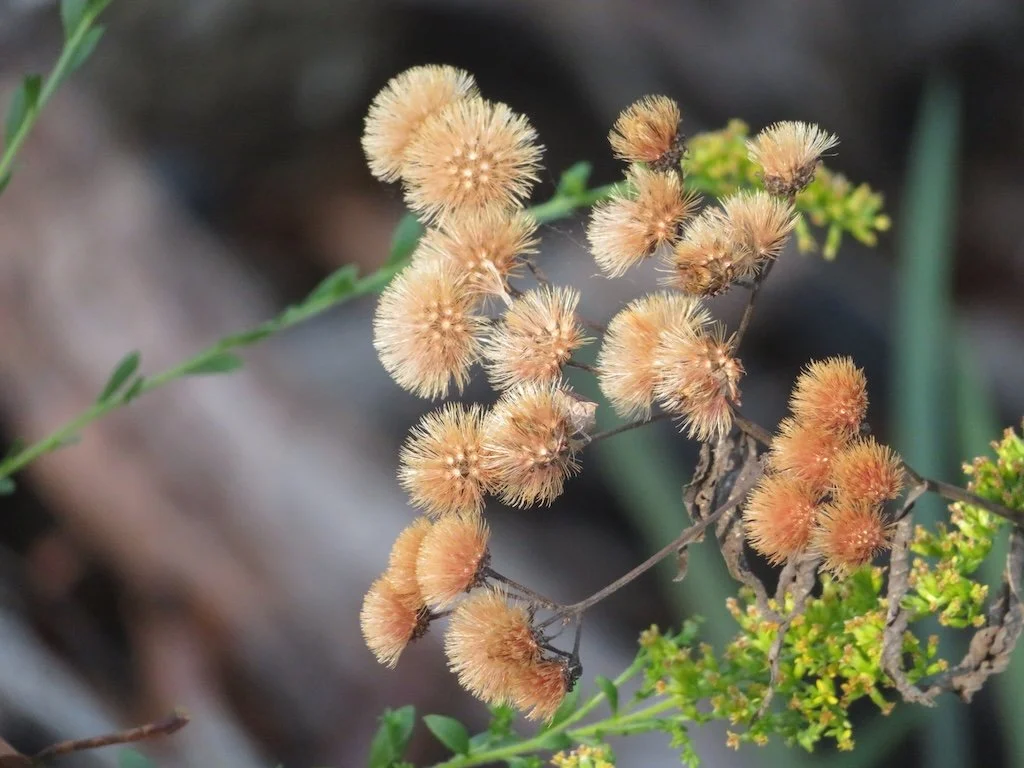
There were fall wildflowers and seeds

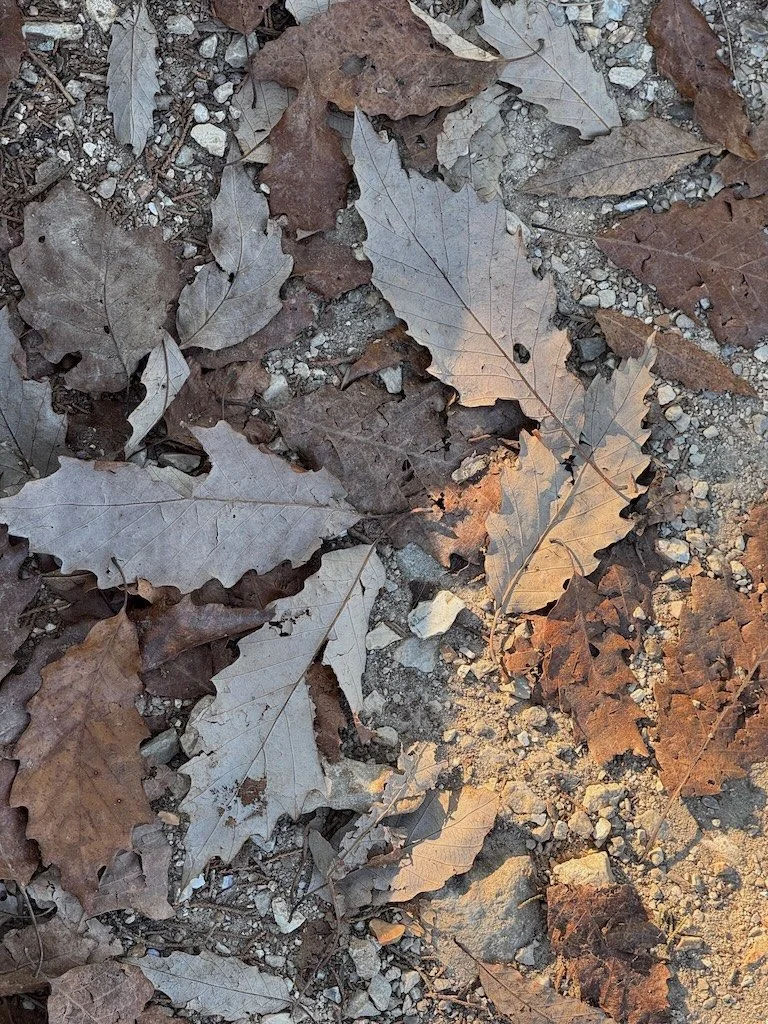
And leaves beginning to fall.

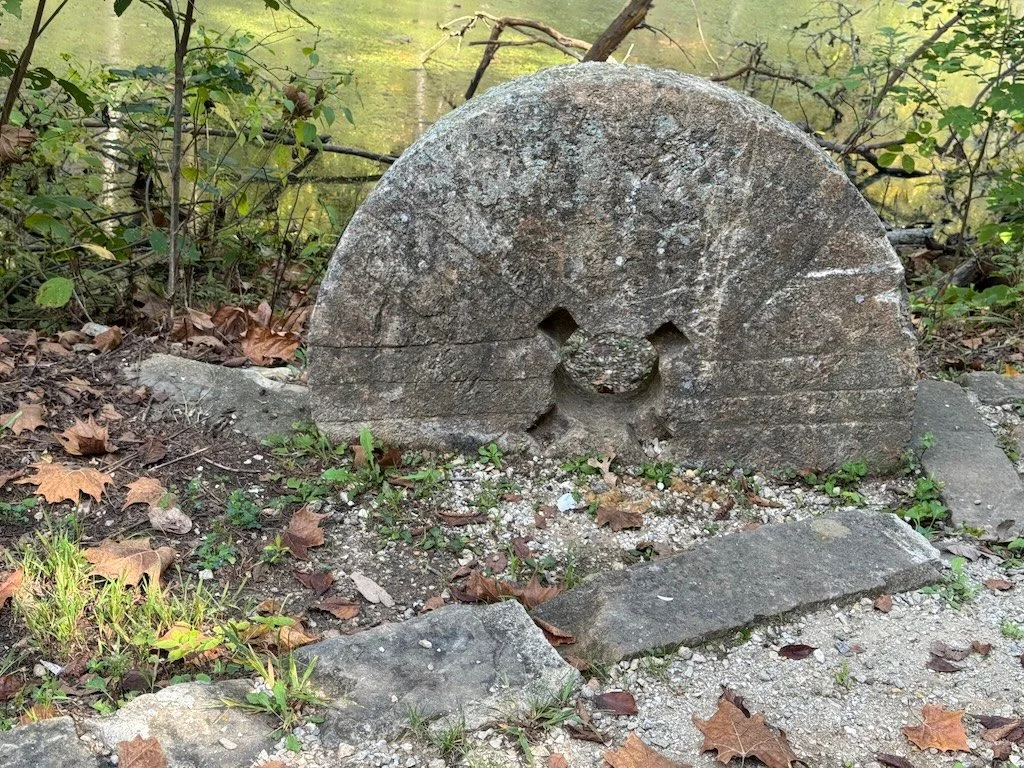
There was an island where the old mill had been. I didn’t hike it…but did note the millstone.

I enjoyed the walk….and made my plan to stop again on my way home….and probably plan a trip with my husband/daughter when I would do more extensive hiking.

Gleanings of the Week Ending October 4, 2025

The items below were ‘the cream’ of the articles and websites I found this past week. Click on the light green text to look at the article.

Why Does the Immune System Struggle When the Weather Changes? - Warmer environments promote better immune responses because less energy is diverted to regulating the body’s temperature. At colder temperatures, more resources are shuttled toward homeostasis, leaving less fuel available for immune cells. The cold temperatures are anti-inflammatory. The immune response just doesn't work as well and, molecularly, the adhesive interactions don't really bind as well. Seasonal shifts also bring changes in humidity and wind, which can affect the skin and mucosal barriers, and in turn, the immune response. Drier conditions can lead to more pathogens or other irritants entering the body, driving inflammatory responses. In contrast, excessive humidity can reduce the evaporation of sweat, thus preventing the body from being able to cool itself. Cold temperatures drive people indoors, where pathogens spread more easily. Meanwhile, warm days draw individuals outside, where people can be exposed to pollutants and allergens, which can render immune responses less prepared to fight actual infections.

Toxic-Free Future 2024 Report Card – How does your grocery store rank?

Your kitchen is full of microplastics. Here's how to eat less of them – Now that I am aware of the microplastic issues…there seem to be a lot of articles on the topic. I liked this one because it pointed to some real research and there were actions one could take to reduce microplastic exposure.

What Are Microplastics Doing to Our Bodies? This Lab Is Racing to Find Out. – This article is from last April, but it provides some information about the type of research that is being conducted…trying to understand the impact of microplastics on our bodies.

Why Alaska’s salmon streams are suddenly bleeding orange - Warming Arctic permafrost is unlocking toxic metals, turning Alaska’s once-clear rivers into orange, acid-laced streams. The shift, eerily like mine pollution but entirely natural, threatens fish, ecosystems, and communities that depend on them—with no way to stop the process once it starts. (Climate change…the US denial of its existence does not stop it.)

Inouye Solar Telescope Captures Most Detailed Images Ever of Powerful Solar Flares - Scientists hope that this new imaging can lead to improvements in solar flare modeling and a better understanding of the magnetic field in the sun’s corona. But even the most casual viewer will find much to enjoy in these photos: deep-red ribbons arch and swirl across a fiery plain, with bright flares peppered throughout.

This EV Sales Chart Really Embarrasses The USA – The US has become the laggard of the world in EV sales. It does not bode well for the future of our country.

Three-Minute Take-Home Test May Identify Symptoms Linked to Alzheimer’s Disease Years Before a Traditional Diagnosis - In 2021, 57 million people across the planet were living with dementia. This class of memory-related diseases is the world’s seventh greatest killer, and Alzheimer’s disease is its most common form. In a study published this month in the journal Brain Communications, researchers say the experimental test, called the Fastball EEG, can detect Alzheimer’s significantly earlier than a traditional clinical diagnosis would. In the study, each participant put on a cap that monitored the brain’s electrical activity as they viewed a series of images on a tablet. Some of the images belonged to a set that participants were shown before the start of the test, while others were entirely new. The Fastball test is just three minutes long and passive, meaning all that is required of the patient is to watch the images—they don’t have to follow instructions or actively remember anything. The results of the at-home test are sent directly to a patient’s doctor. Hopefully - Fastball EEG can one day be used as a screening tool for patients over 55 years old, though more research is needed to identify the best time to take the test.

Harnessing the superpowers of the most resilient life form on Earth - While water bears often must cope with drying out, it's less clear why they would need to survive baking hot temperatures, being cooled to just above absolute zero, or radiation only found in outer space.

The Secrets Behind the Roman Colosseum’s Enduring Engineering - Measuring roughly 615 feet in length, 510 feet in width, and 157 feet in height, the Colosseum was the largest amphitheater anywhere in the Roman Empire. Its capacity rivals that of modern stadiums; it can seat as many as 90,000, on par with London’s Wembley Stadium. Ancient texts and archeological studies both indicate that the construction of the Colosseum, which lasted from 72 to 80 C.E., was a meticulously planned and highly coordinated affair. The Colosseum hosted not only gladiatorial games, but also animal hunts, mock naval battles, public execution of criminals, and theatrical performances. Inside, seating was divided by social class, with the emperor and senators seated in the front rows and the plebeians, or common people, farther back. Although the structure survived the test of time, the Colosseum we know today is but a shadow of its former self. During the Early Middle Ages, following the fall of the Western Empire, almost all its moveable interior furnishings, including statues, wooden scaffolding, and marble seats, were removed and sold—an unceremonious end to a monumental history.

eBotanical Prints – September 2025

Twenty more books were added to my botanical print eBook collection in September - available for browsing on Internet Archive.  The publication dates span over 300 years – 1570 to 1888!

My list of eBotanical Prints books now totals 3,203 eBooks I’ve browsed over the years. The whole list can be accessed here.

Click on any sample image from September’s 20 books below to get an enlarged version…and the title hyperlink in the list below the image mosaic to view the entire volume where there are a lot more botanical illustrations to browse.

Enjoy the September 2025 eBotanical Prints!

Album of field plants and cultivated plants * Le Moyne de Morgues, Jacques * sample image * 1580

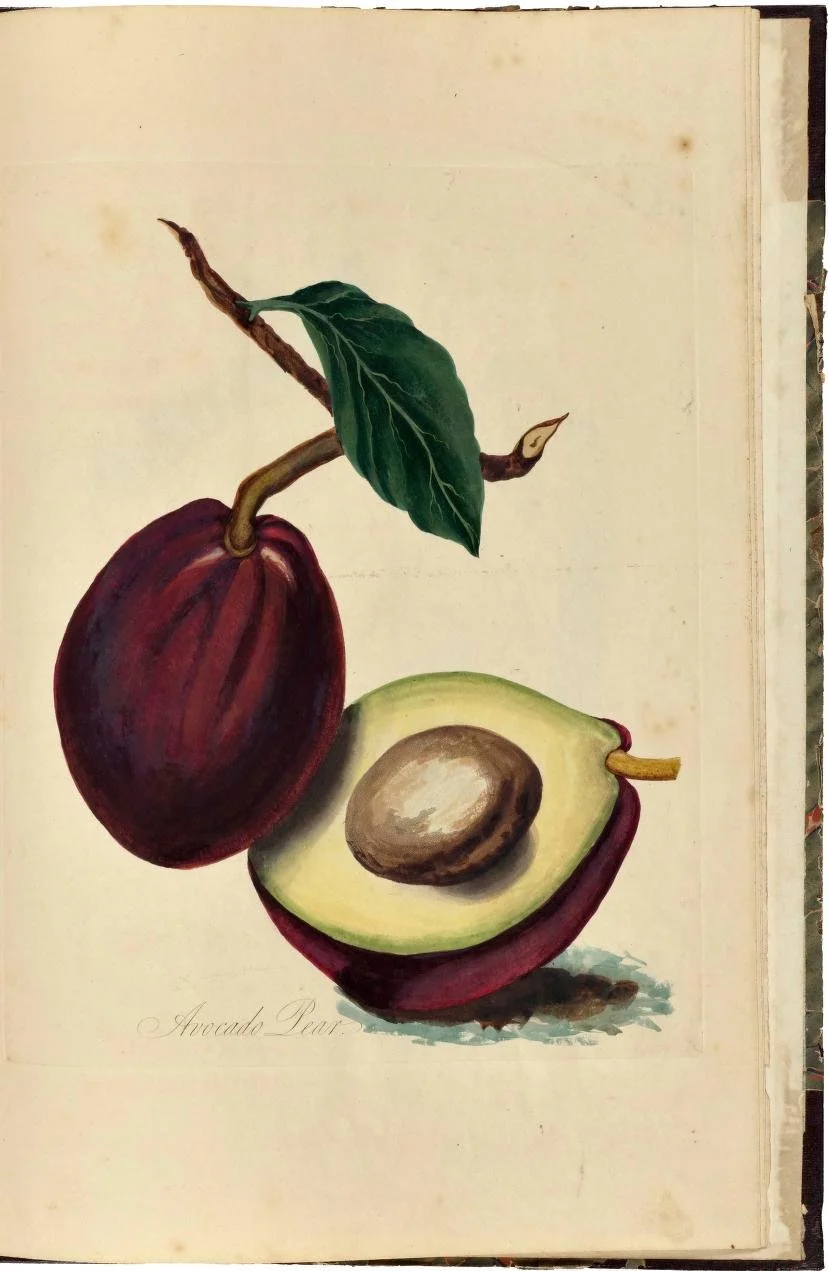
A collection of fruits from the West Indies, drawn and coloured from nature * Byam, Lydia * sample image * 1800

Drawings of tropical flowers and fruits, from South America * Empson, Charles * sample image * 1830

Botanical manuscript of 450 watercolors of flowers and plants * anonymous  * sample image * 1740

Collection of seventy-eight water color plates of plants * anonymous  * sample image * 1700

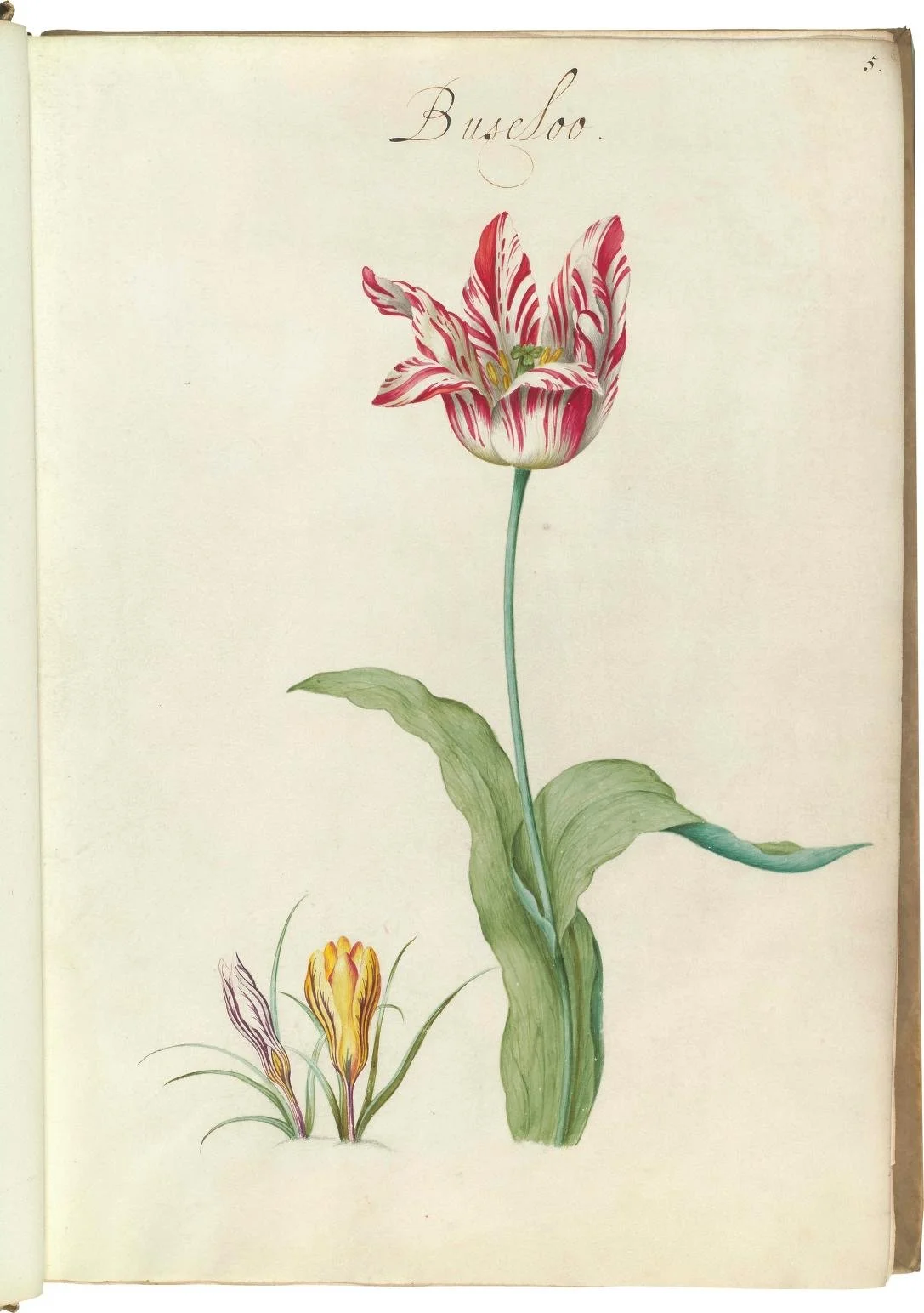
Tulpenboeken * Marrel, Jacob * sample image * 1670

Album of watercolors of Asian fruits and flowers * anonymous  * sample image * 1798

Plantes des environs de Paris * Turpin, Pierre Jean Francois * sample image * 1805

Illustrationes florae Novae Hollandiae, sive, Icones generum * Bauer, Ferdinand * sample image * 1813

Piante varie * Garzoni, Giovanna * sample image * 1650

L'art de peindre les fleurs a l'aquarelle : précédé d'un traité de botanique élémentaire, et orné d'un choix des plus belles fleurs * Dufour, Augustine * sample image * 1837

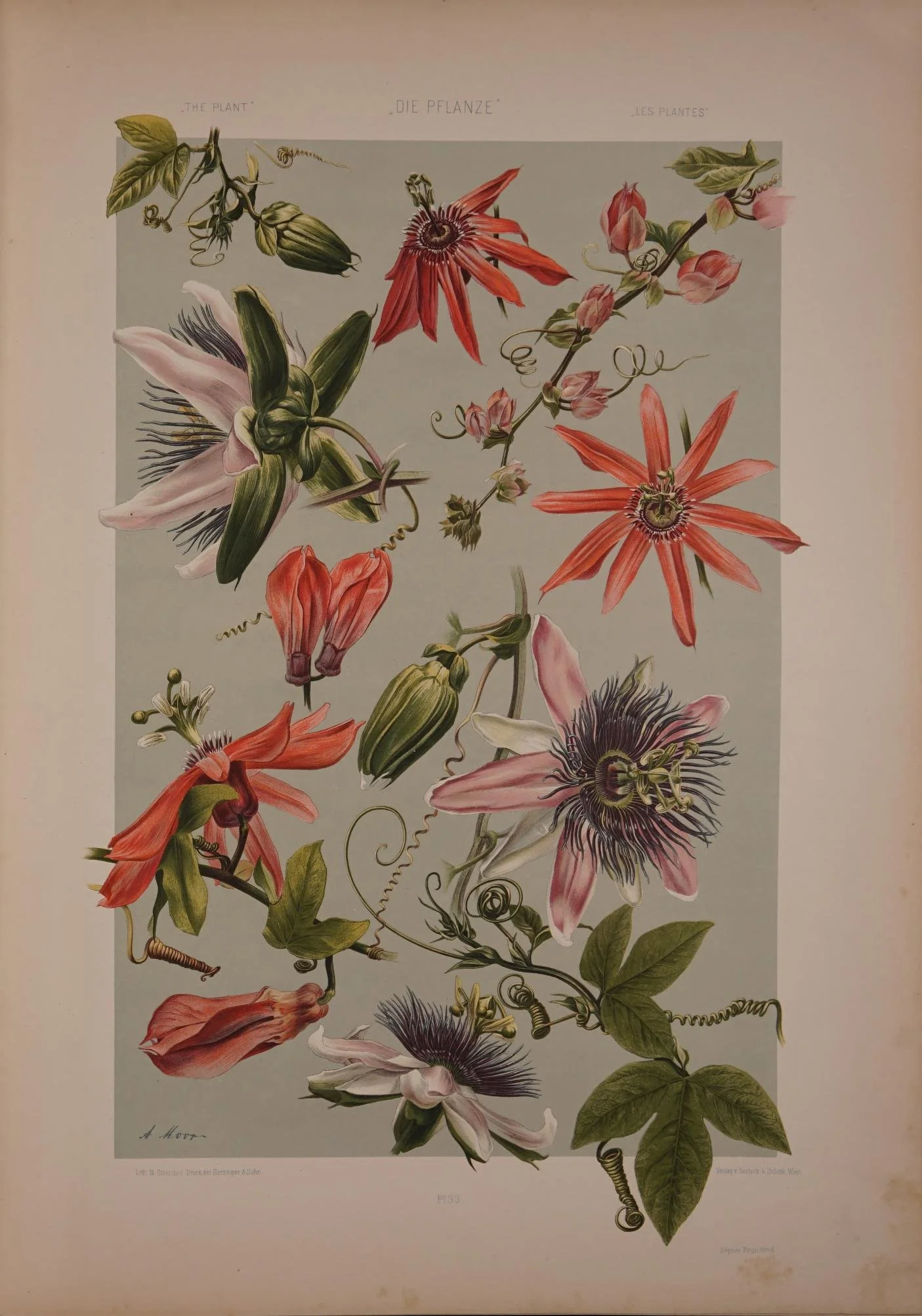
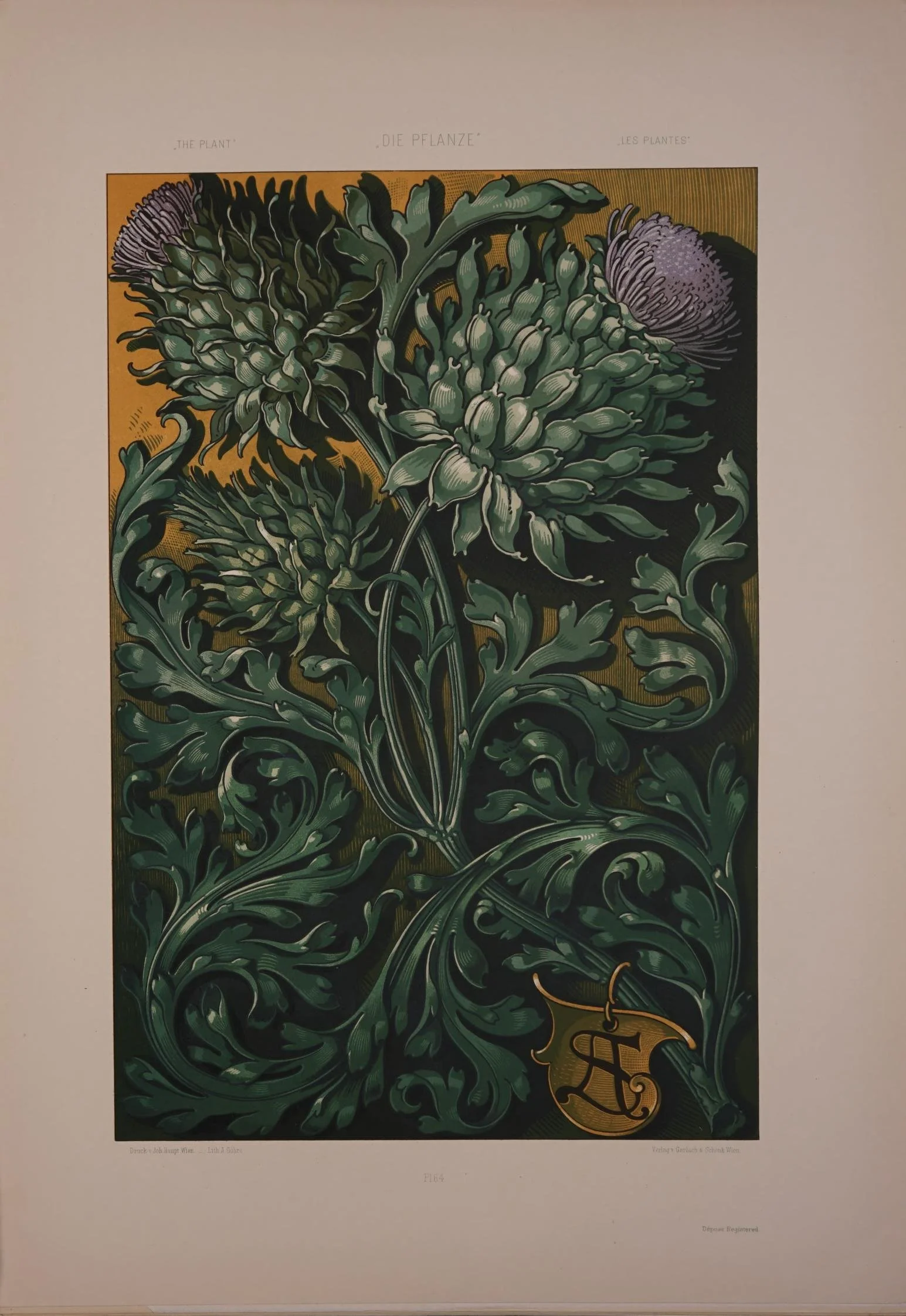
Die Pflanze in Kunst und Gewerbe V1 * Seder, Anton; Gerlach, Martin; Ilg, Albert  * sample image * 1886

Die Pflanze in Kunst und Gewerbe V2 * Seder, Anton; Gerlach, Martin; Ilg, Albert  * sample image * 1886

Conversations on the botany of the Scriptures * Coxe, Margaret * sample image * 1837

Water-color sketches of plants of North America and Europe - Volume 12 * Sharp, Helen * sample image * 1888

Album of Chinese watercolors of Asian fruits * anonymous  * sample image * 1810

Paintings of Flowers, Butterflies, and Insects * Le Moyne de Morgues, Jacques * sample image * 1570

Roland Thaxter sketch book * Thaxter, Roland * sample image * 1886

British grasses * Wharton, Elizabeth and Margaret * sample image * 1802

The compleat florist * Robsinson, J. (seller) * sample image * 1747

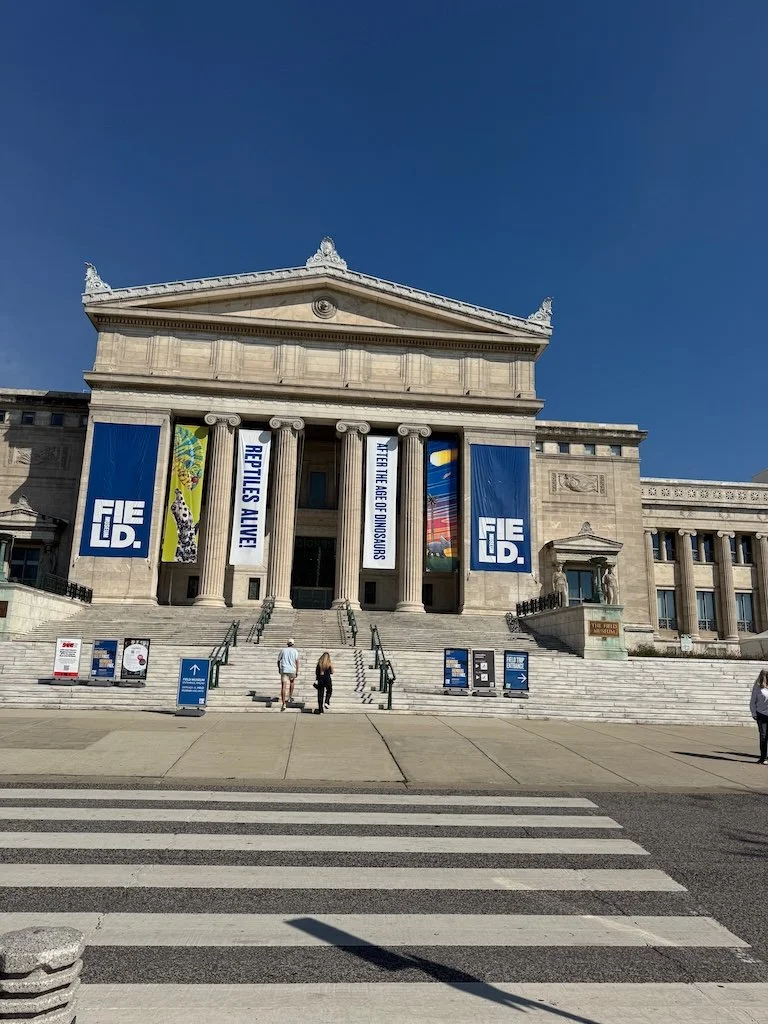
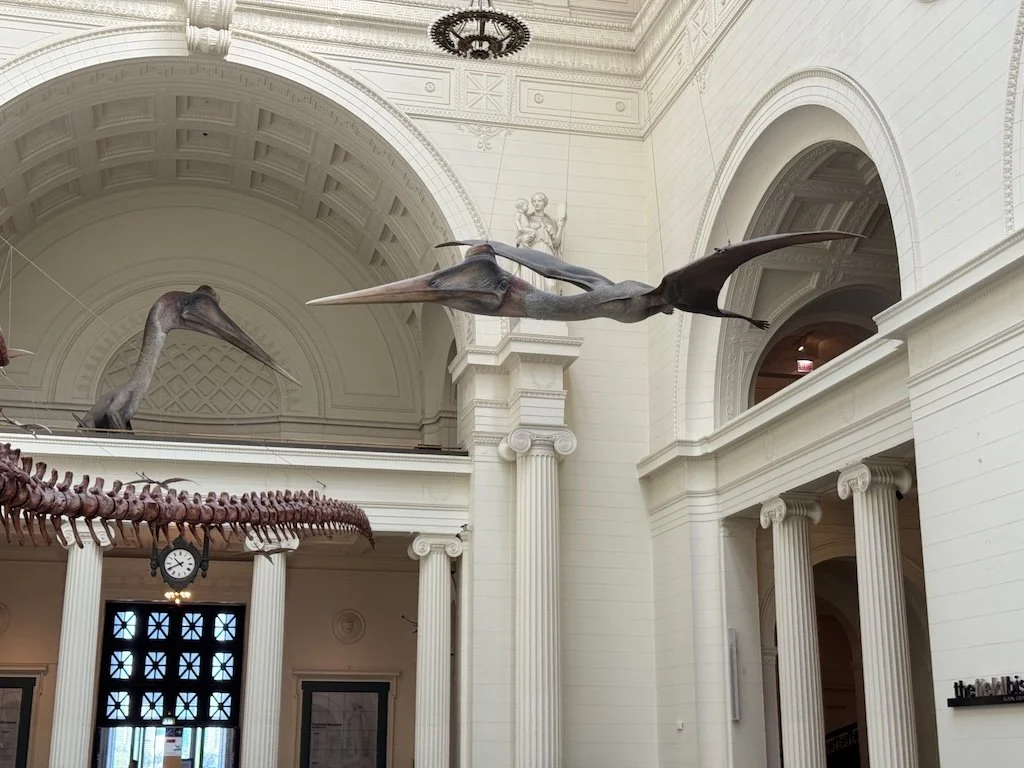
Chicago Field Museum

We had a free afternoon at the Urban Birding Festival in Chicago last month and opted to visit the Field Museum.

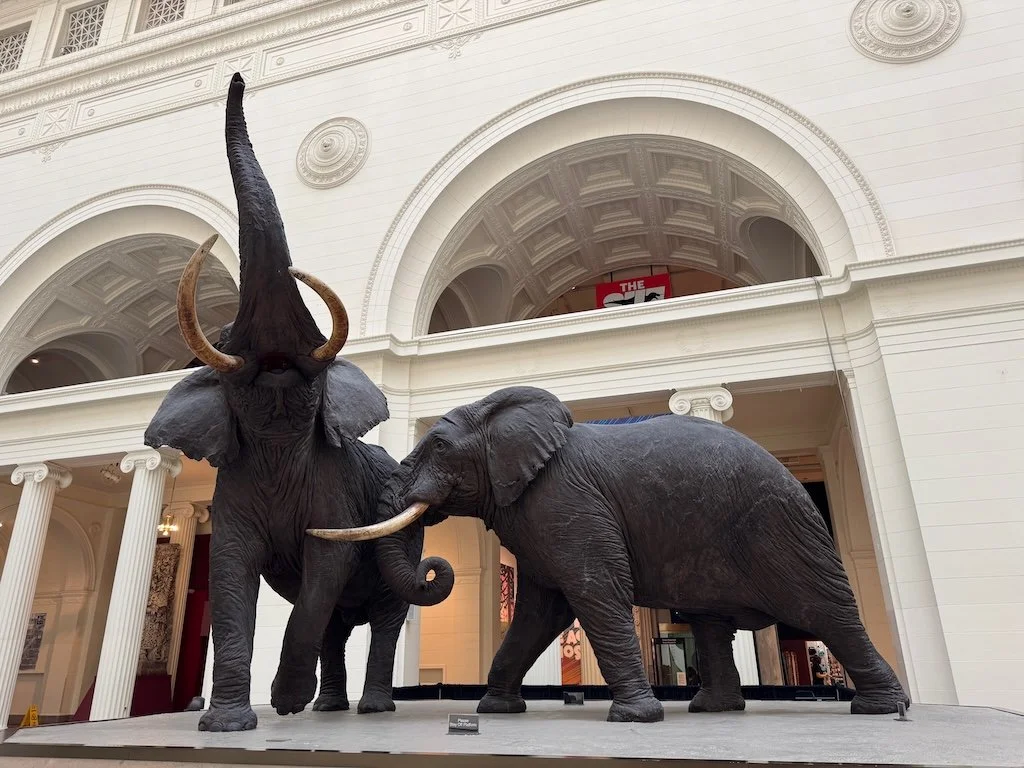
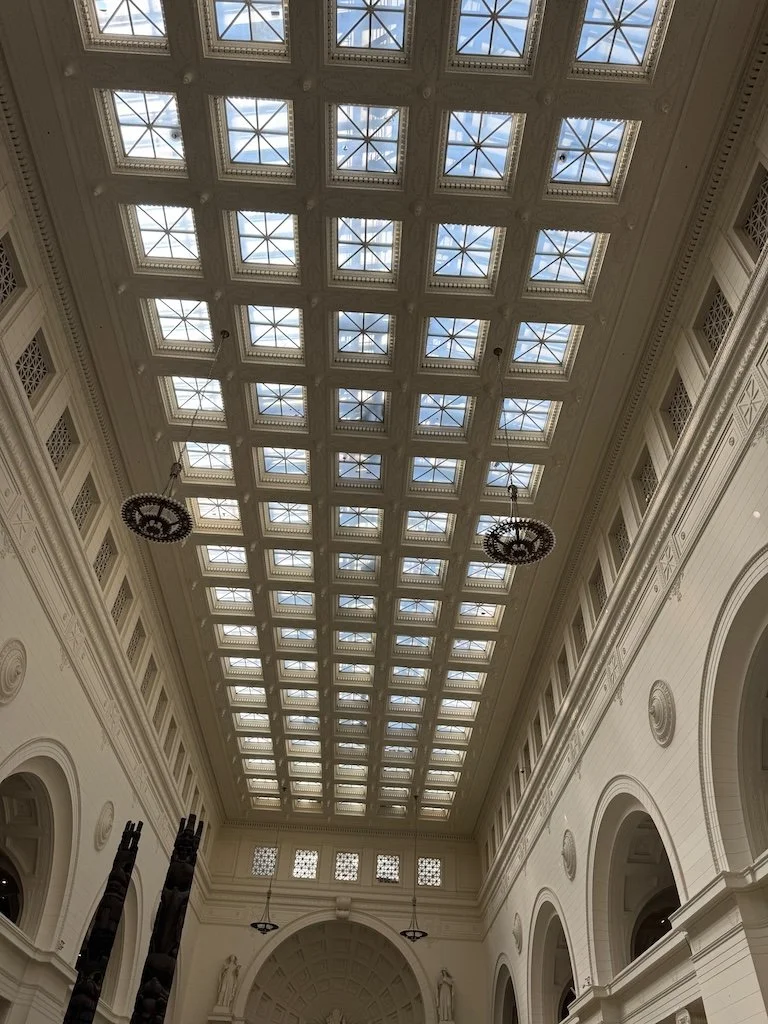
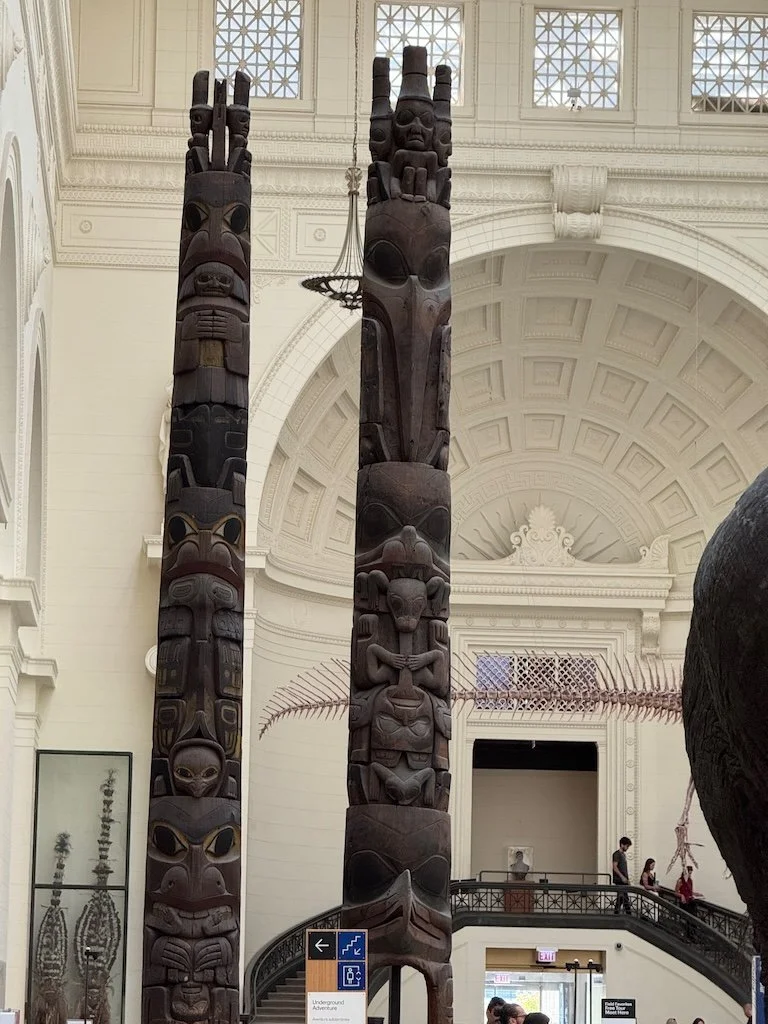
It is huge – enough to be overwhelming! The  main hall is the beginning of the exhibits….and is grand architecture too.

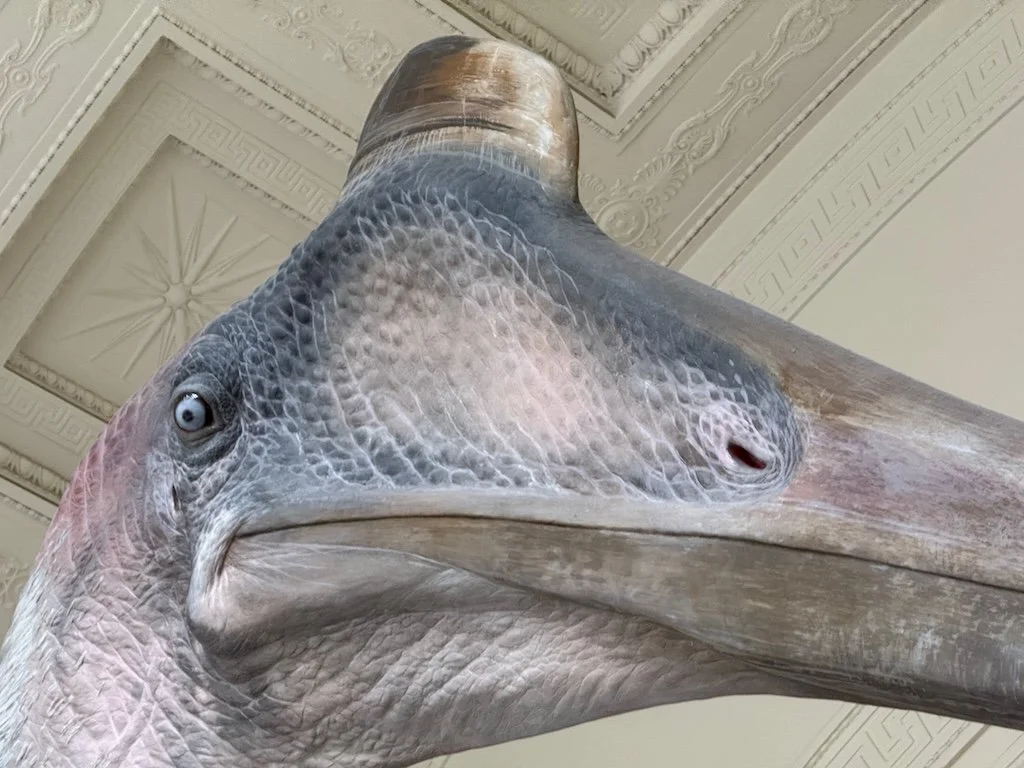
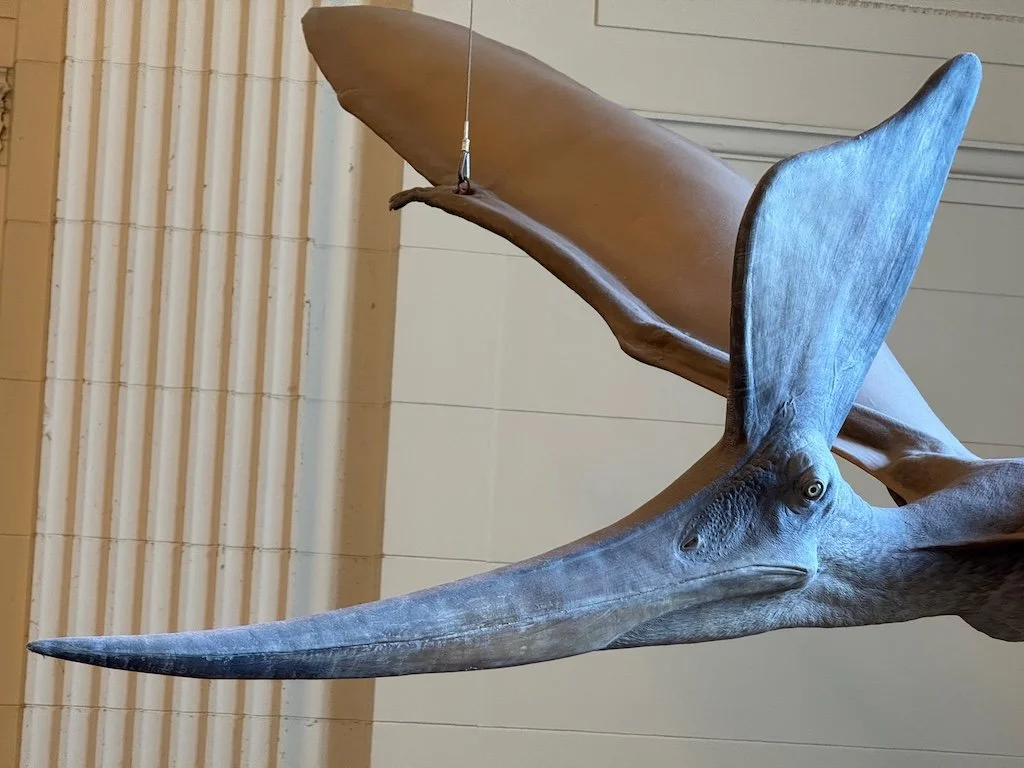
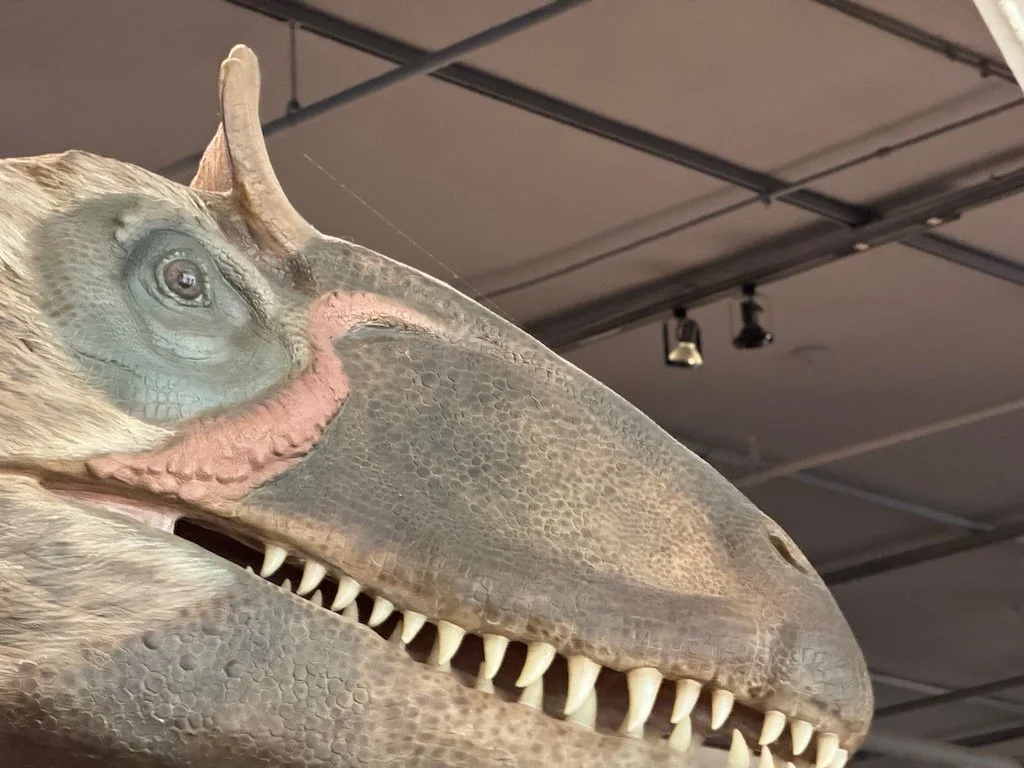
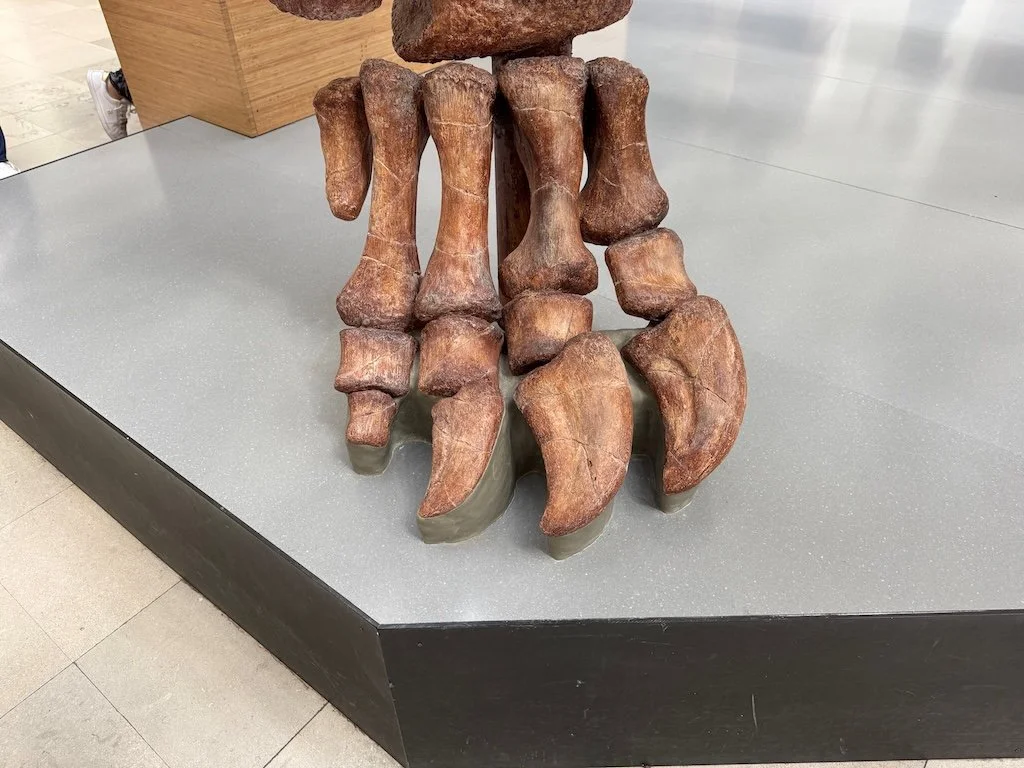
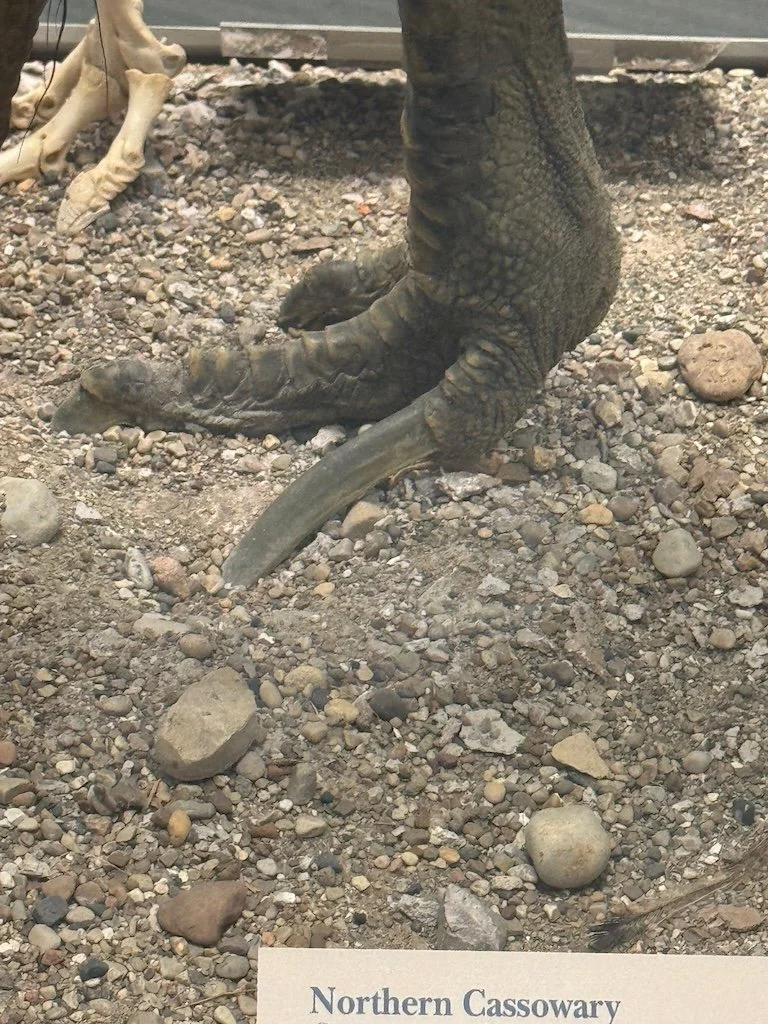
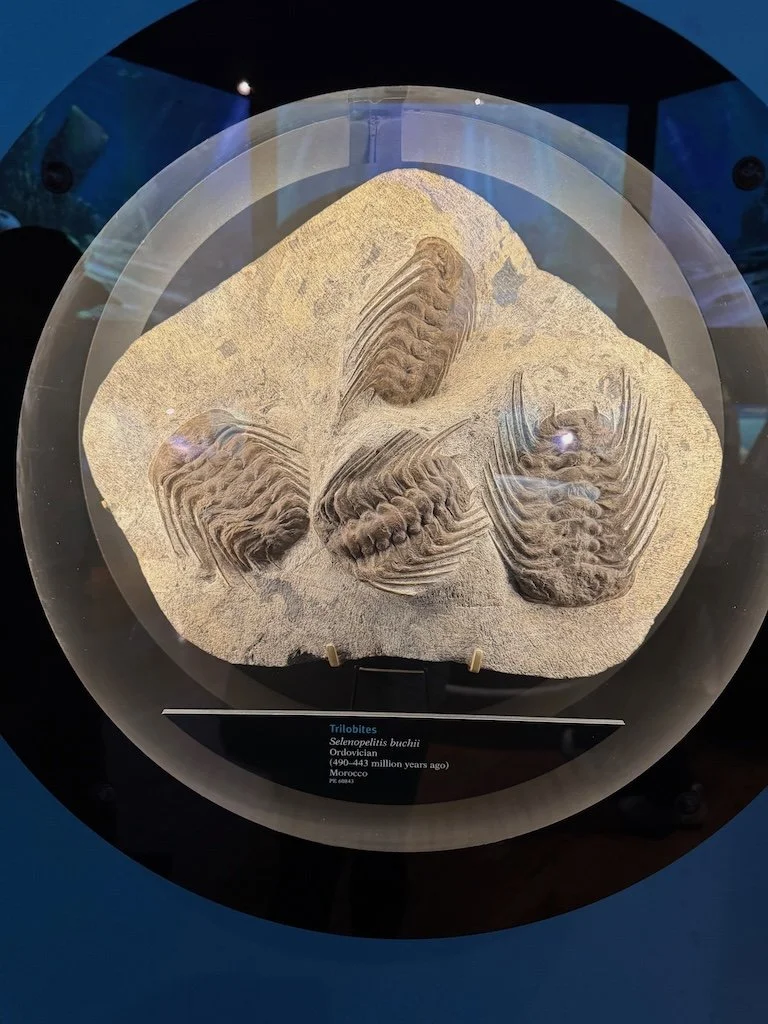
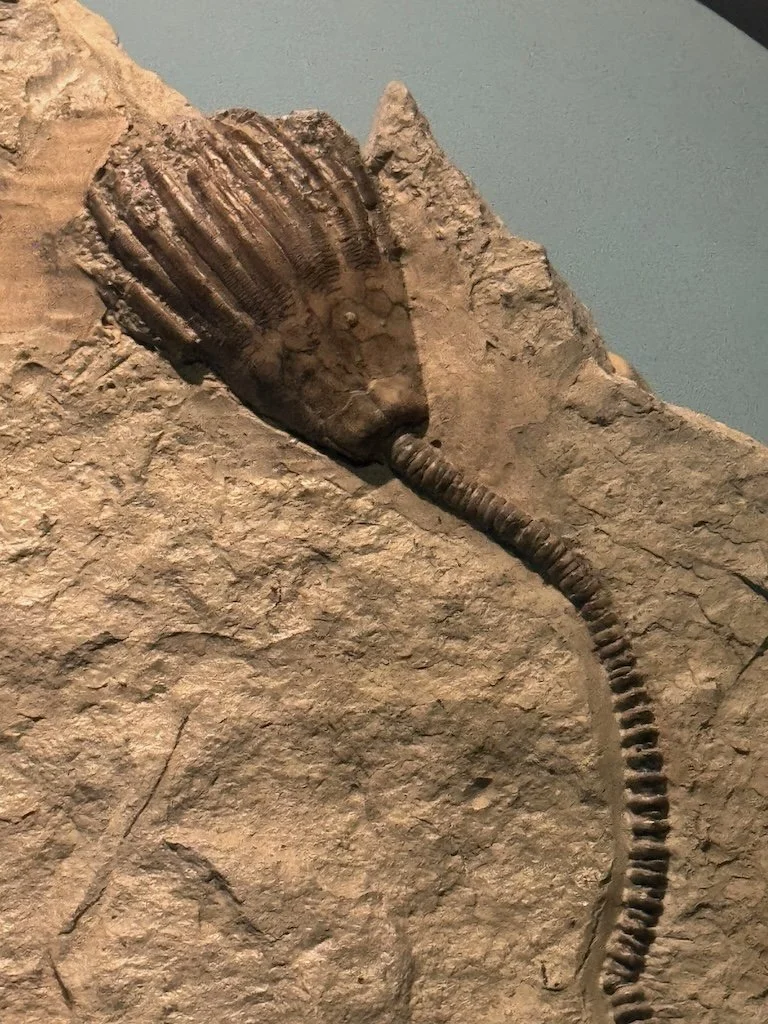
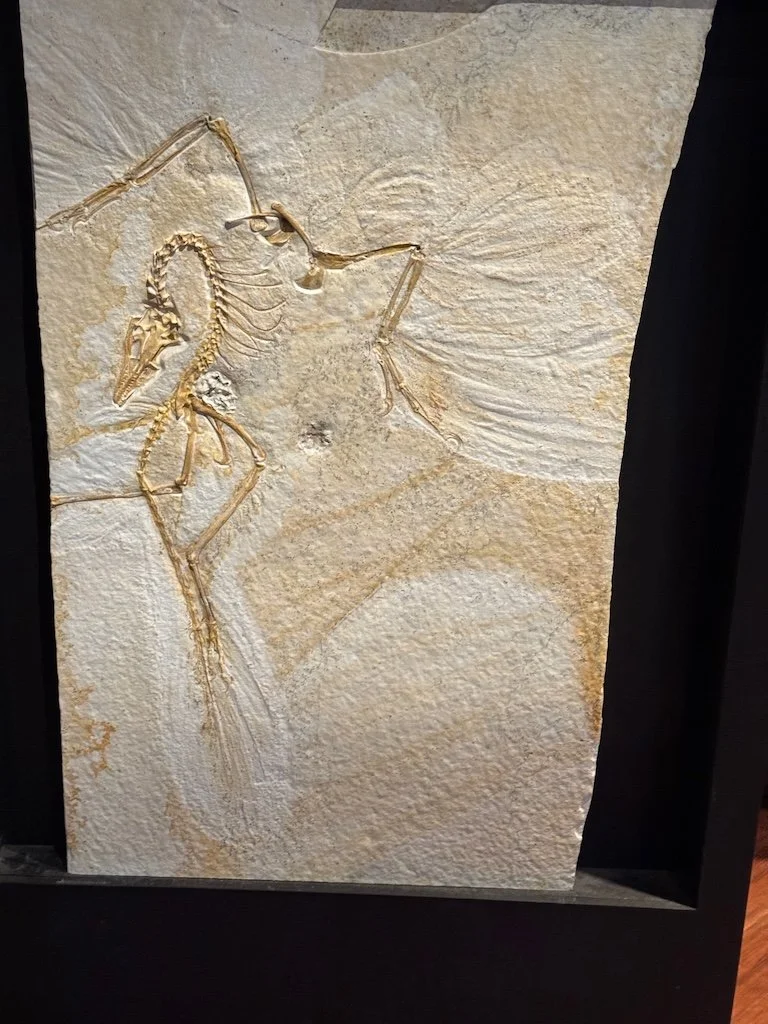
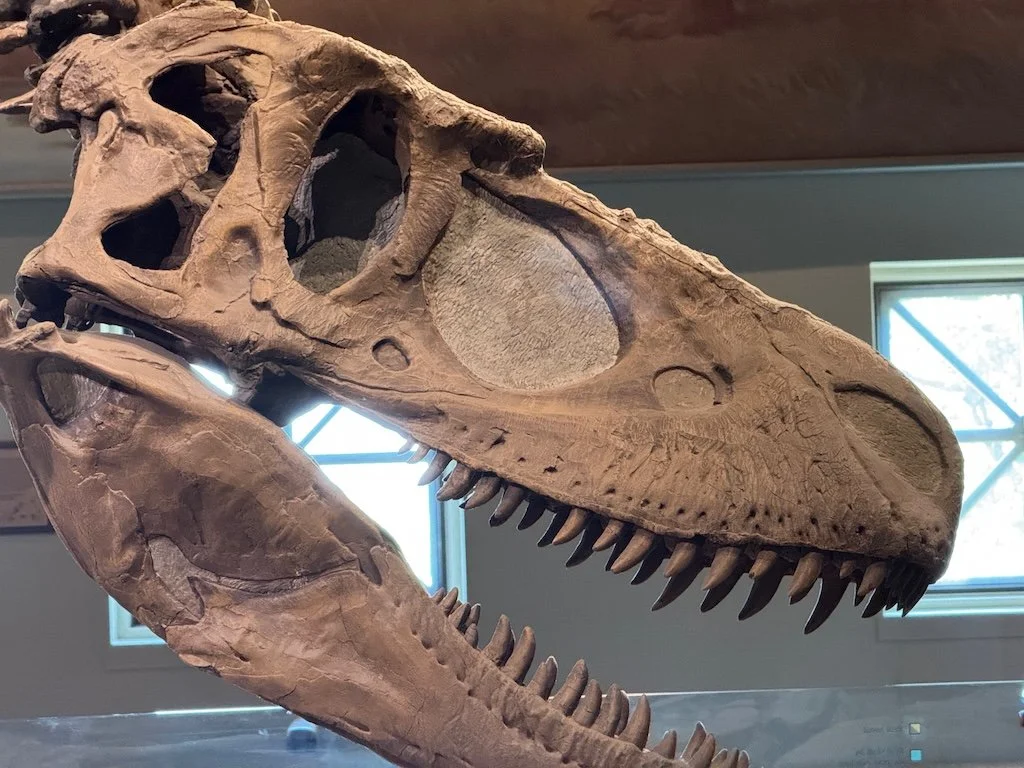
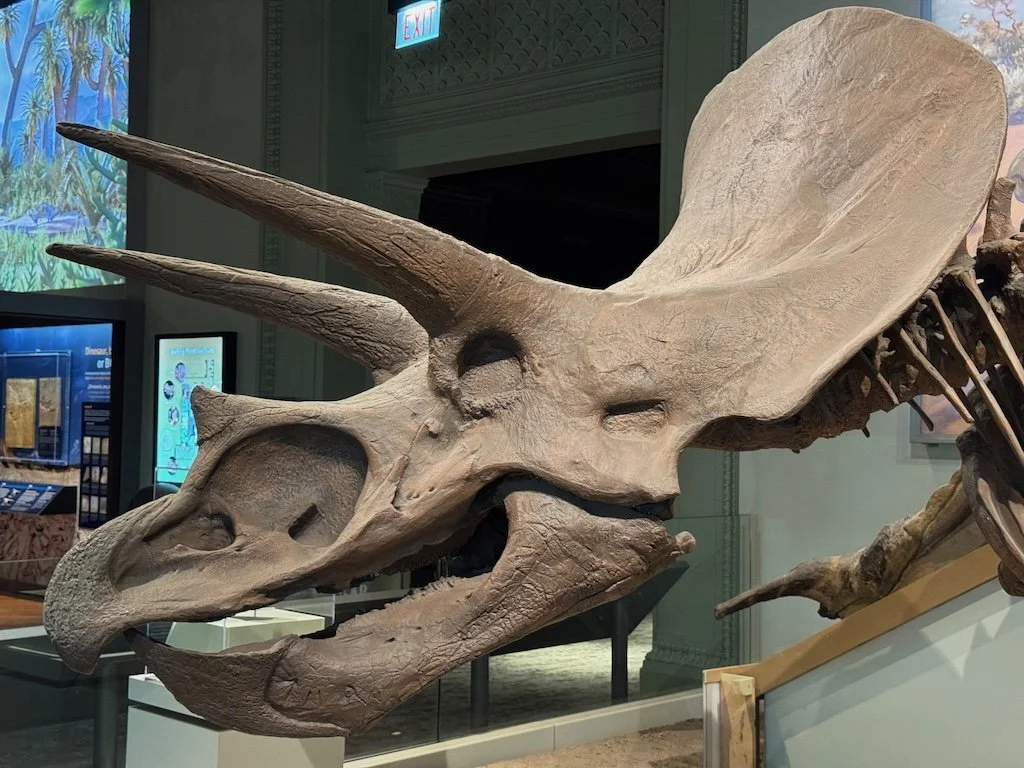
Many of my pictures were of fossils….and that was before lunch.

After lunch we walked through the 3-story replica of an Ancient Egyptian mastaba. It was very different from other Ancient Egypt museum exhibits I’ve seen…and I appreciated the physical presentation…like touring a ruin in Egypt….but with the comfort of air conditioning.

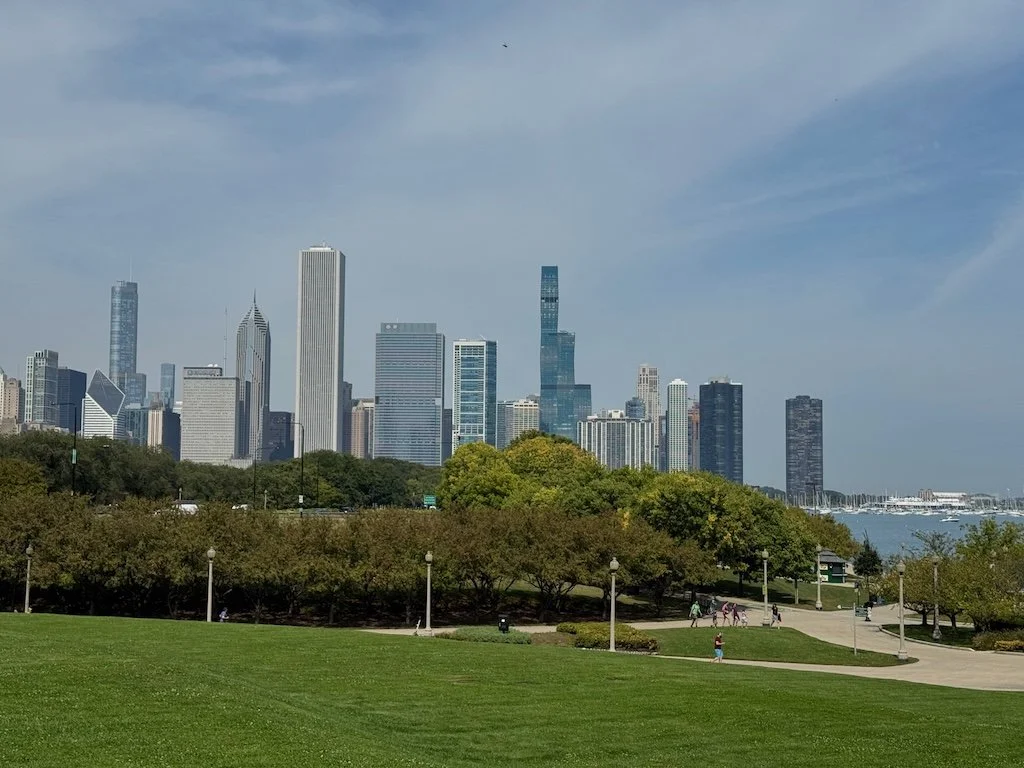
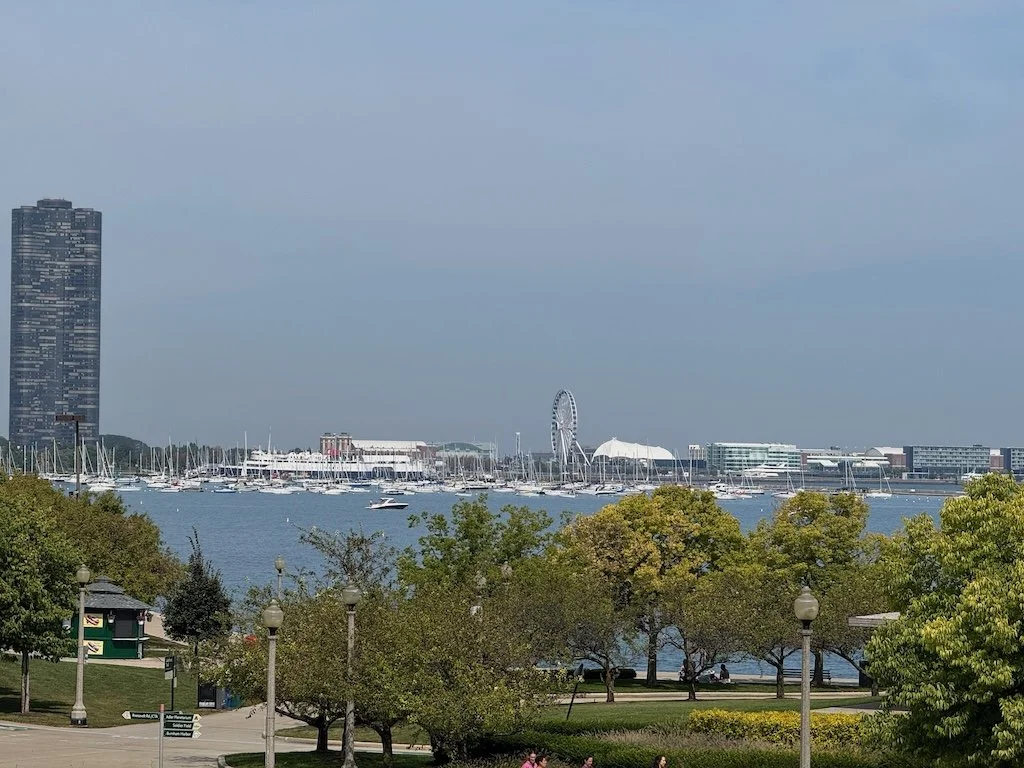
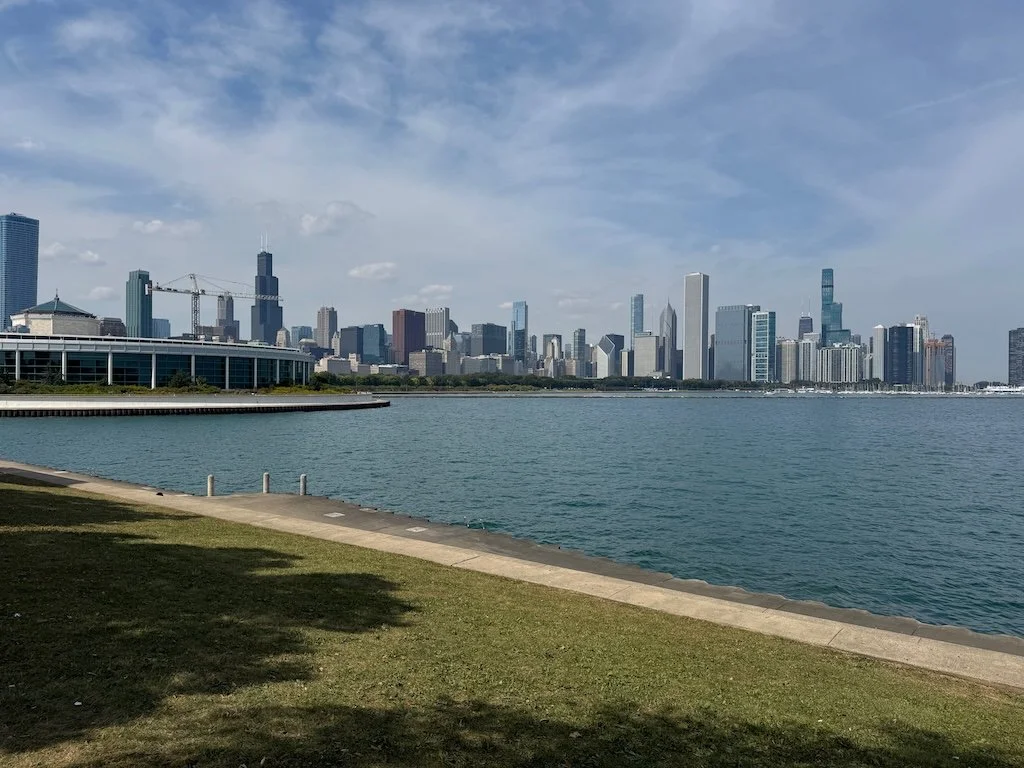
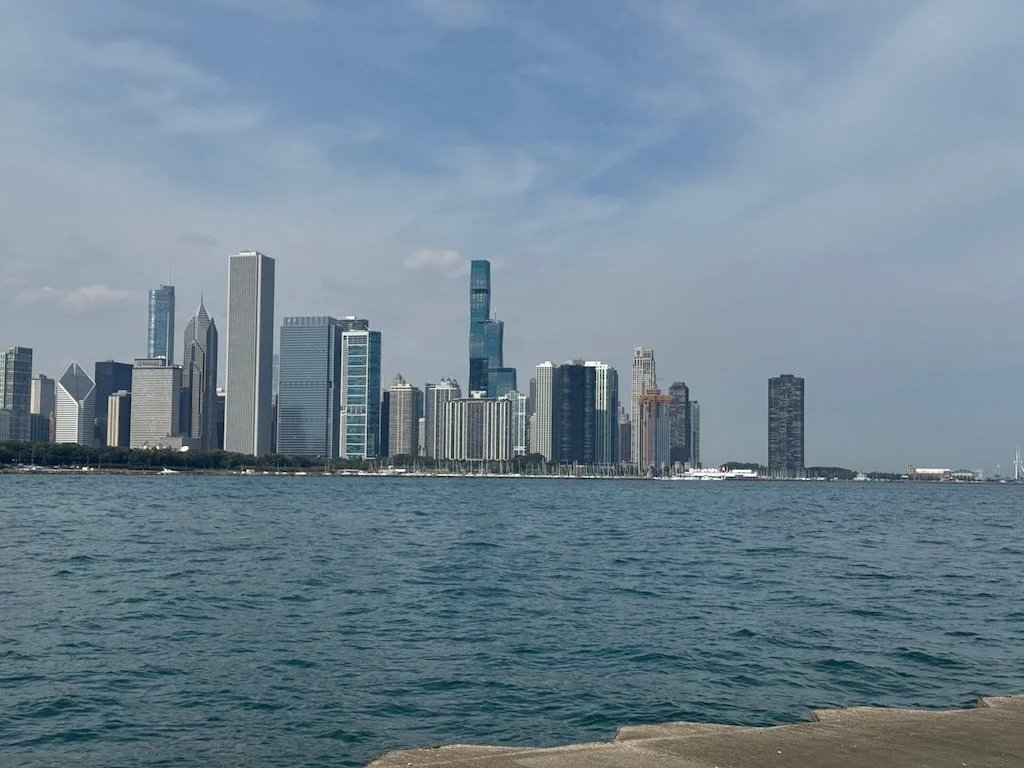
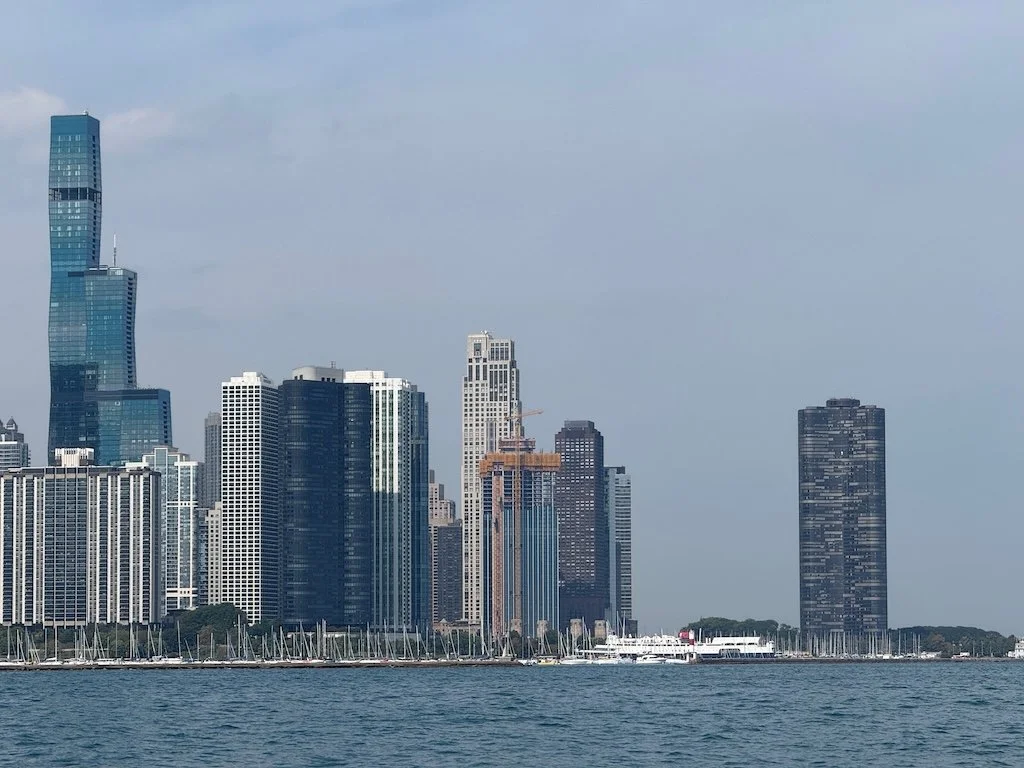
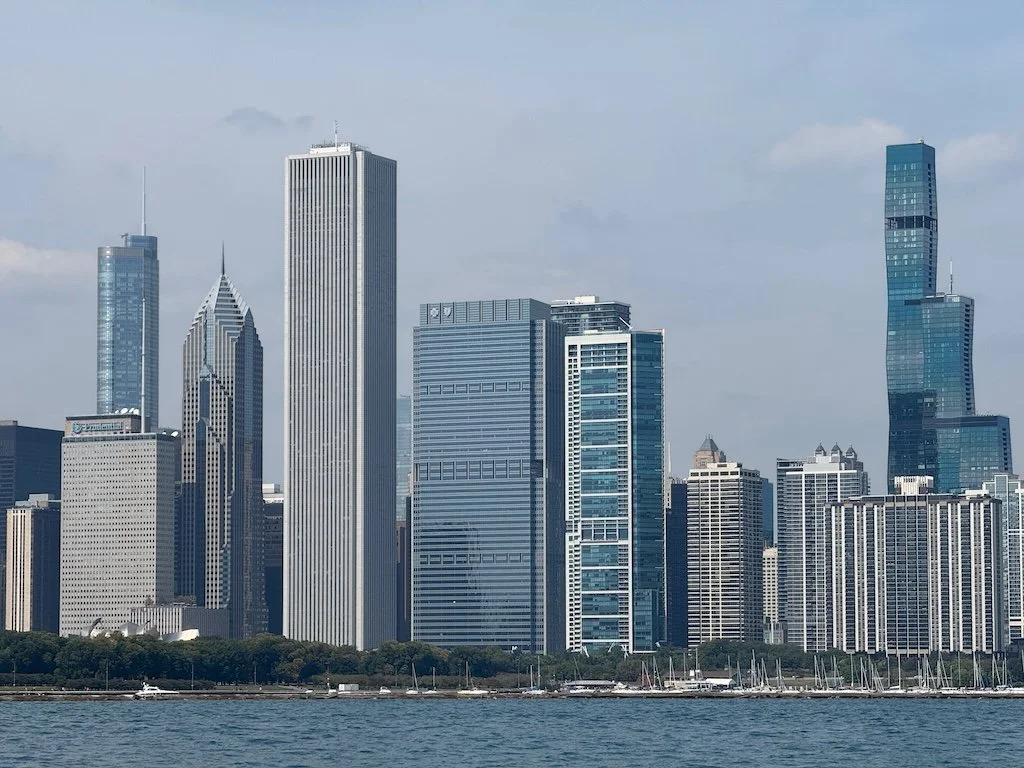
Once we left the museum, we walked toward the Adler Planetarium and took pictures of the Chicago skyline.

I experimented with my iPhone’s pano capability.

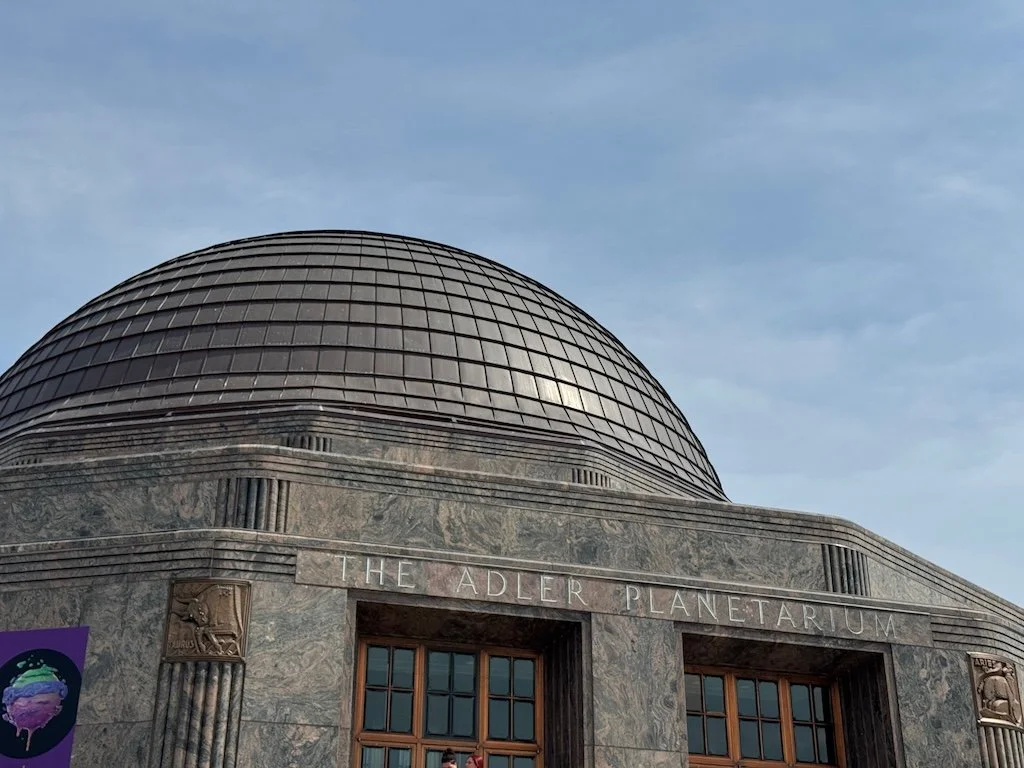
We didn’t go into the planetarium, but I appreciated the architecture before we headed back toward where our car was parked.

We were both feeling the early start to the day, the 2 hours of mostly standing at the Bill Jarvis Bird Sanctuary, and the walking in and around the Field Museum. We checked into our hotel and rested a bit before the evening reception for the festival.

Sustaining Elder Care – September 2025

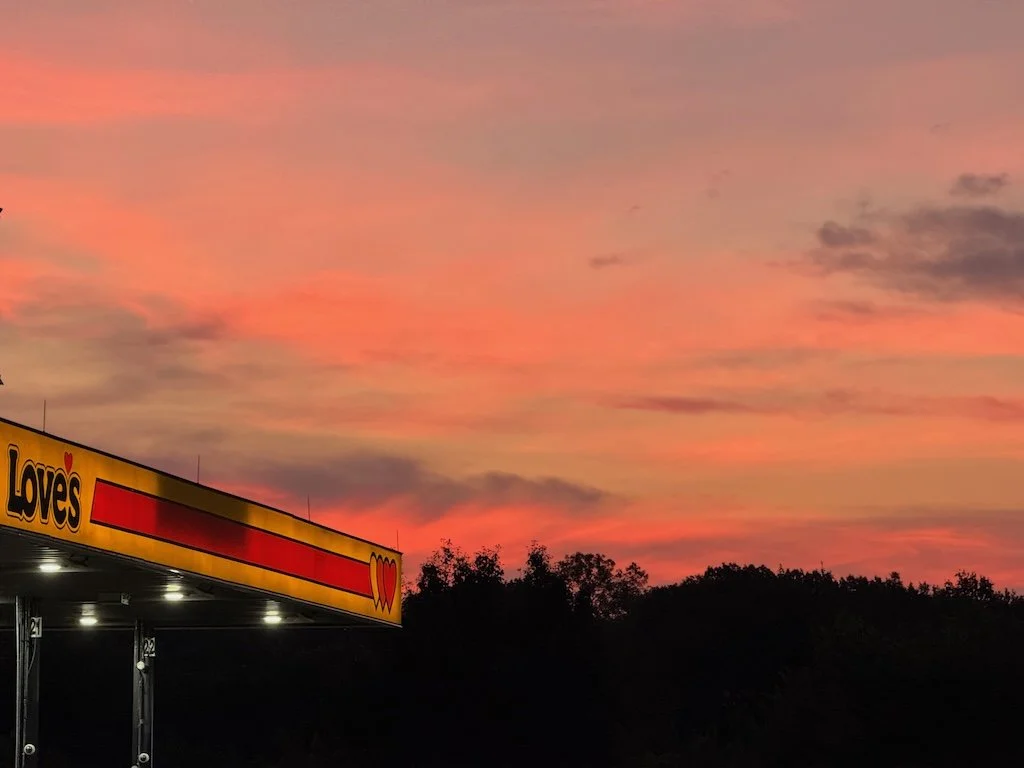
My September trip to Texas to see my dad was at the time of year that the sun rises about the time I make my first rest stop. There were enough clouds to make it worth photographing.

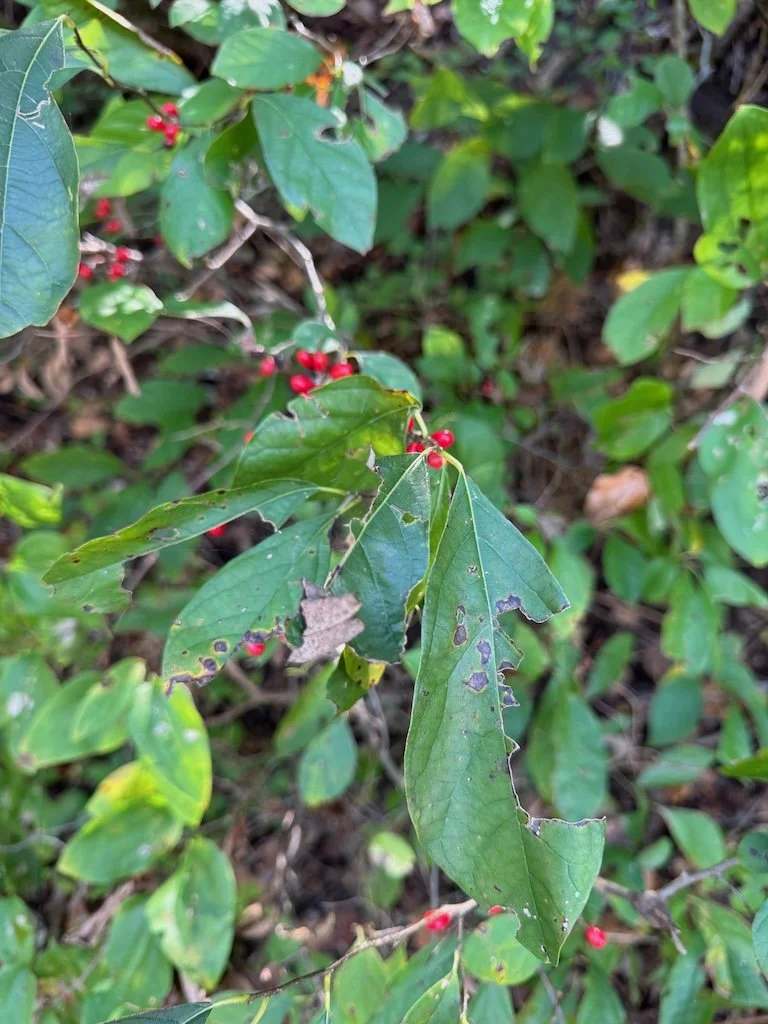
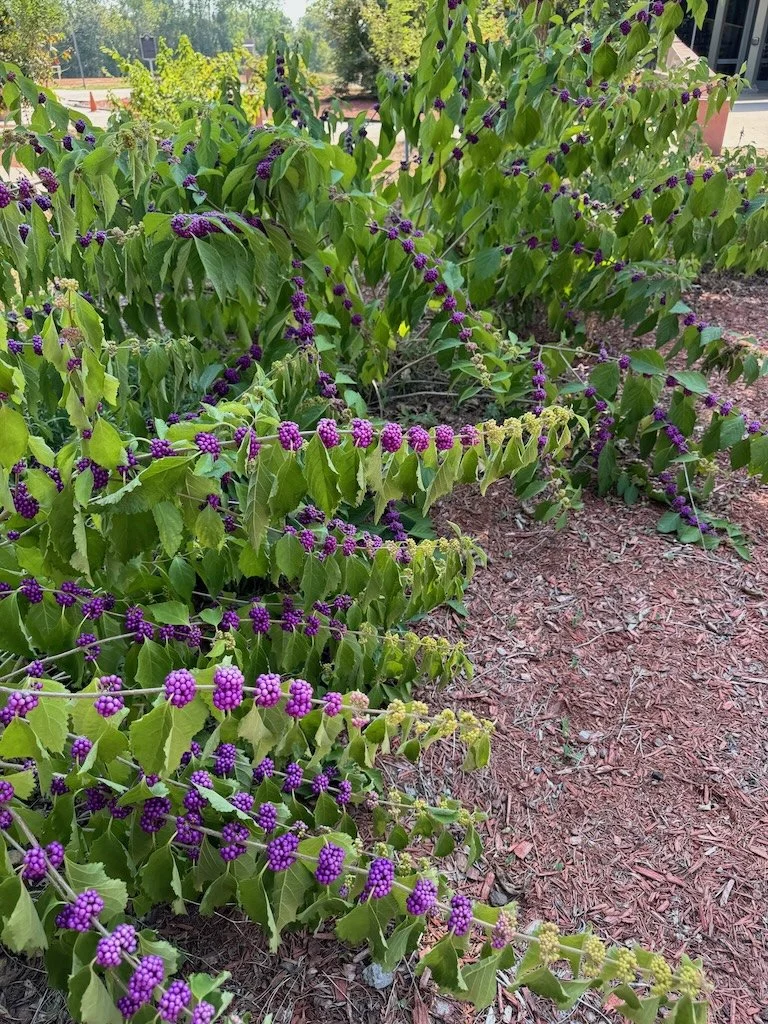
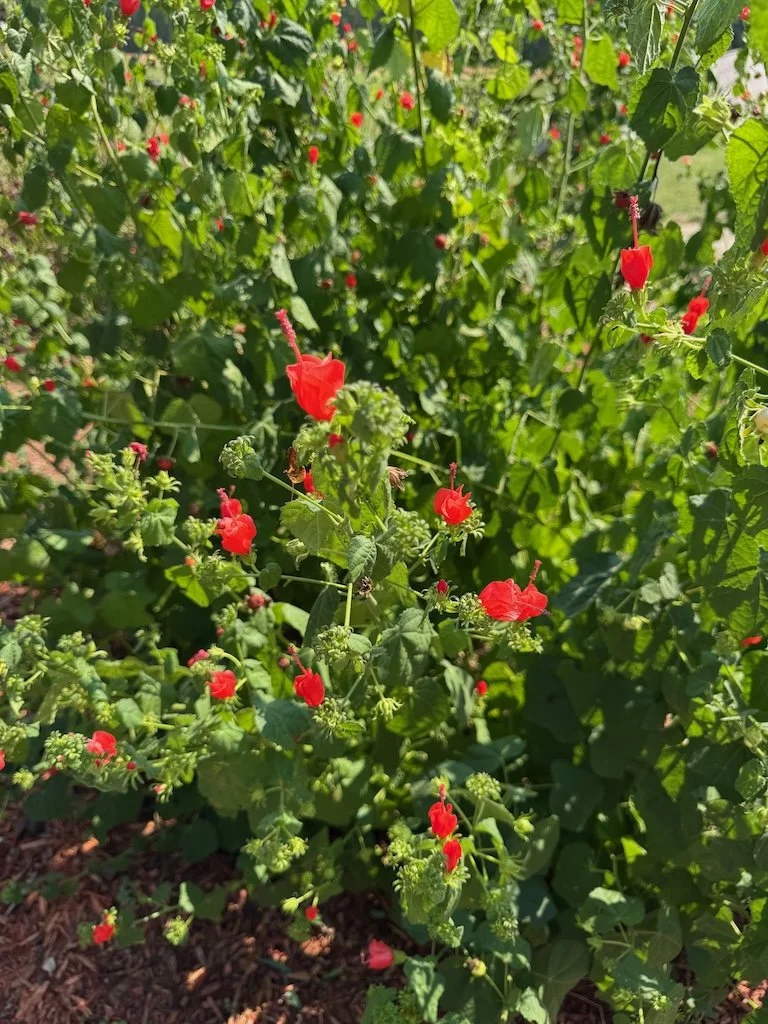
At the Texas welcome center about 4 hours later, the beautyberry and turk’s cap were looking good.

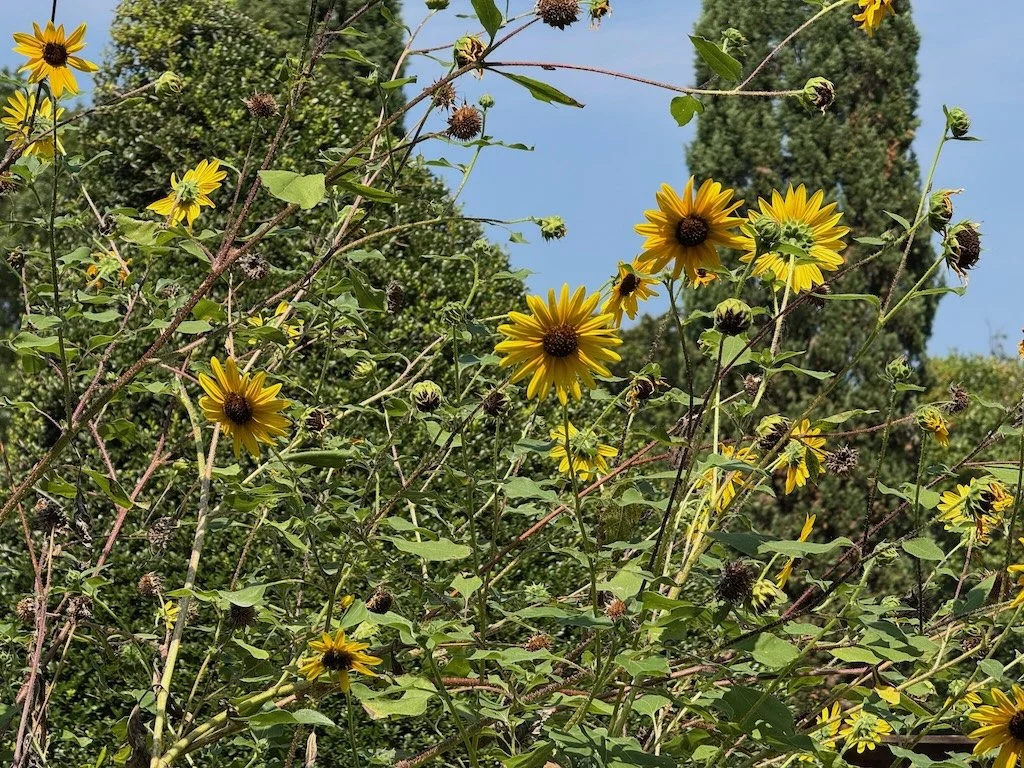
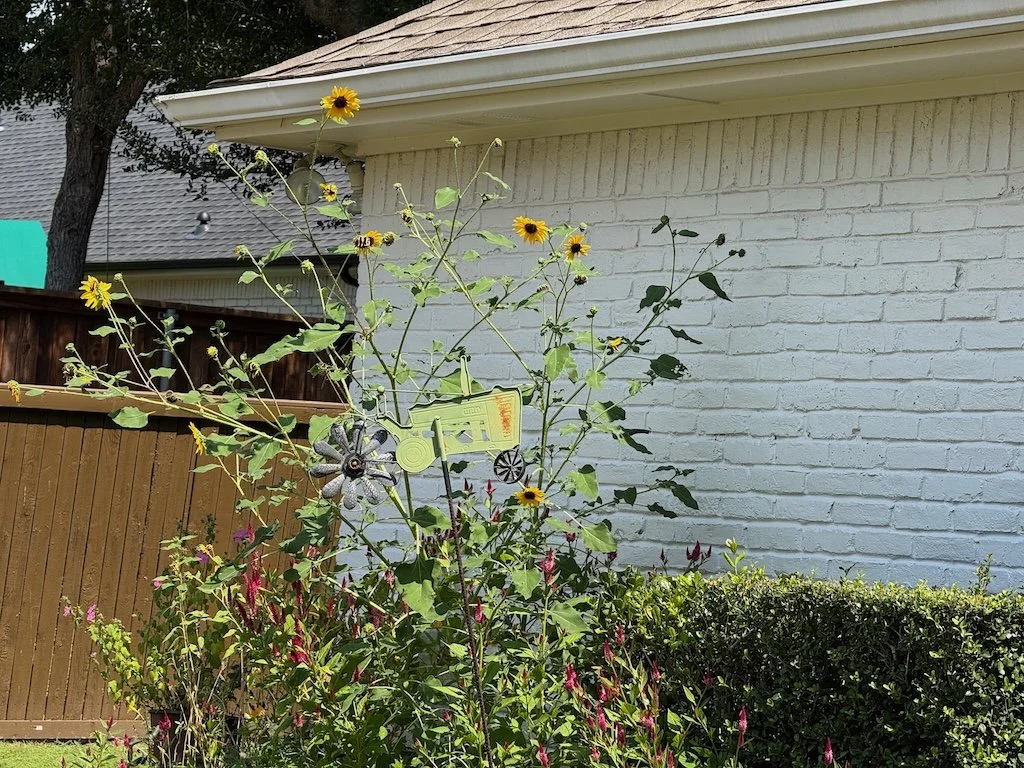
The temperature was about 90 degrees by the time I got to my dad’s assisted living residence in Dallas. We went outside to water plants (the sunflowers are looking good) but we opted to go back indoors to do his physical therapy exercises. He is managing them relatively well, but they seem to wear him out more quickly than just a few months ago. My sisters and I are staying focused on the exercises with him so that he can maintain is mobility as long as possible.

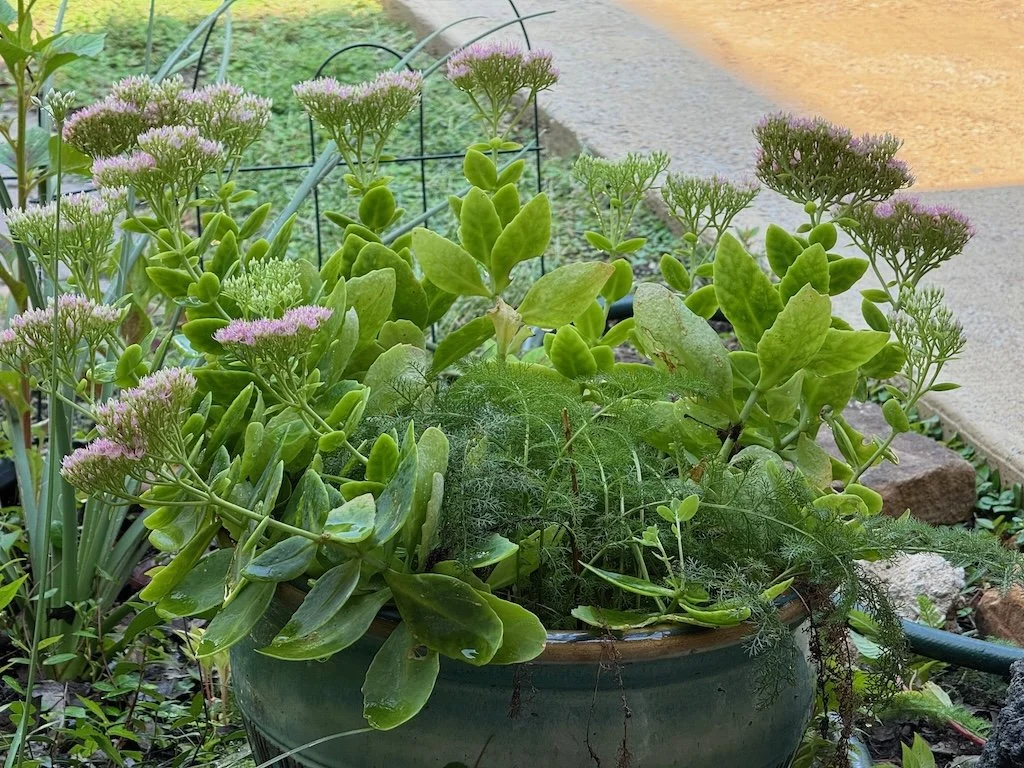
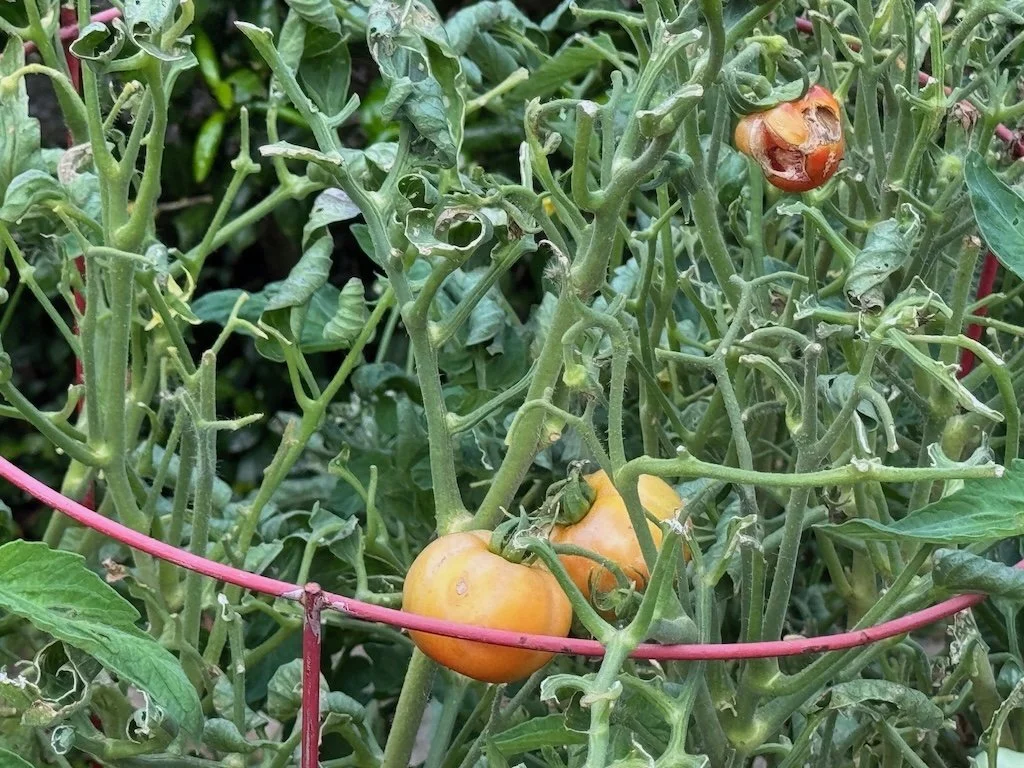
The next morning, I was there before breakfast, and the temperature was pleasant outside. We did the physical therapy exercises on the patio and talked about the plants that we had brought from his house and the tomatoes that aren’t doing so well this year. Sometimes he seems to remember…sometimes he just shrugs. But he still seems to enjoy the time outside listening to planes coming and going to Addison Airport.

We didn’t work on a puzzle. The last few times we’ve tried, he complained that he couldn’t see. His eyesight is problematic so it could be the new reality.

My strategy is to simply accept him the way he is, encourage him to do the things he can (maybe stretching a bit beyond on some of the physical therapy exercises), and enjoy our time together.

Gleanings of the Week Ending September 27, 2025

The items below were ‘the cream’ of the articles and websites I found this past week. Click on the light green text to look at the article.

Flamingos reveal their secret to staying young - A decades-long study in France reveals that resident flamingos, which stay put, enjoy early-life advantages but pay later with accelerated aging, while migratory flamingos endure early hardships yet age more slowly. This surprising link between movement and longevity challenges old assumptions and offers new insights into the science of aging.

‘Montana Miracle:’ The State Actually Succeeding at Housing Reform - In 2023, Montana passed a series of state laws aimed at increasing housing construction that included allowing ADUs and legalizing multifamily housing in commercial zones. This year, the legislature doubled down, expanding on the 2023 law and eliminating parking requirements for most units in the state’s 10 largest cities. A new law also eases permitting for manufactured home parks to eliminate the need for a subdivision review when these parks are not subdivided into private lots. Another allows single-staircase buildings up to six stories, making it easier to build denser buildings on smaller lots.

Photographers Capture Underground Pools and Passages of Lechuguilla Cave in New Mexico - So far, 150 miles of Lechuguilla Cave have been explored. With every new survey, the cave offers new insights as to how underground chambers like these are formed and the microbial beings found there. Its beauty earned the entire Carlsbad Cavern National Park the title of a UNESCO World Heritage Site in 1995. But due to its complexity, entrance is limited, with the NPS restricting explorations to highly trained speleologists with pre-approved plans.

Plastic Free Water Filters: Can We Find Water Purifiers without Plastic? – My daughter and I are looking to upgrade our water filters. I hope the water filter technology improves with emphasis on reducing microplastics in water.

Inside Ukrainian Artist Dmitry Oleyn’s Sculptural Approach to Landscape Painting - Rather than use the traditional approach that embraces the flatness of the canvas, the artist instead builds his pigments so there is an element of bas-relief, leaving the surface rugged and with a marked sense of tactility from the artist’s hand. When they are displayed, the irregular surface casts shadows, which when viewed against the painted shadows, is especially intriguing; it also creates a degree of mutability, as depending on the time of day and where the paintings are hung, the lighting of the space dialogues with the work both physically and compositionally.

Photography In the National Parks: Mesa Verde Revisited – I’ve been to Mesa Verde once….back in the 1970s. This article reminded me that I want to go again.

Map Reveals Toxic Pollution Leaking from U.S. Drilling Sites - Scientists have shown that U.S. oil and gas drilling sites are not just leaking methane but also a host of toxic chemicals that pose an urgent threat to the health of those living nearby. A new interactive map details the impact of hundreds of major leaks. At nearly every oil and gas site, leaks also produced benzene, a known carcinogen, as well as other chemicals that have been shown to harm bone marrow, weaken the immune system, impair the nervous system, as well as cause headaches, dizziness, vomiting, and fatigue. Is the fossil fuel industry so arrogant that they don’t care that they are spewing poison (some of which could be used for fuels and other industrial purposes if captured) that negatively impact the health of people and other life?

World’s Tallest Douglas Fir Tree Damaged in Mysterious, Multi-Day Blaze, but It’s Alive After Firefighters Extinguish Flames – It burned from August 16 to August 21. The tree is estimated to be around 450 years old and has a diameter of 11.5 feet. It no longer holds the title of the tallest Douglas fir in the world. However, officials are hopeful the old tree will rebound from the damage wrought by the fire. It’s possible the fir will even grow a new crown.

Six tips from the Middle Ages on how to beat the summer heat – Save the ideas for next summer: work flexibly, wear the right hat, eat to lower body temperature, try wild swimming, use aftersun, or flee.

8 Hints to Reduce Your Food Footprint - You can make food decisions today that change your food footprint. Eight ways you can reduce your food footprint so it’s more environmentally food-friendly: limit ultra-processed foods, curb waste, eat a primarily plant based diet, buy local, compost your food scraps, avoid plastic food packaging (sometimes difficult to do), lose the gas stove, call out Big Ag for its polluting practices.

Life Magazine in 1941

Internet Archive has digitized versions of many Life Magazines. I have been browsing through them – slowly since there was an issue for each week. As I looked at the issues from 1941, I thought about the buildup of war activities in the US and then Pearl Harbor occurring in December. The US did not formally enter the war until December 11th but it is obvious from the pictures Life published that people were very aware of what was happening and the US involvement too. And there were still other aspects of life that continued on – iceboats, Coca-Cola, glass food packaging, the New York skyline. (Click on any of the sample images below to see a larger version and the links to see the whole magazine online.)

 Life Magazine 1941-01-06 – Ernest Hemingway

Life Magazine 1941-01-13 – Hitler with big guns

Life Magazine 1941-01-20 – Florida sand and mud creating Camp Blanding for 70,000 soldiers

Life Magazine 1941-01-27 – London on fire from war

Life Magazine 1941-02-03  - Wright Field wind tunnel

Life Magazine 1941-02-10 – American bombers poised to take off from Newfoundland

Life Magazine 1941-02-17 - Iceboats

Life Magazine 1941-02-24 – Railway gun built by US Industry

Life Magazine 1941-03-03 – Greek Peasant troops into Albania in winter

Life Magazine 1941-03-10 – Mayor LaGuardia explaining the food stamp plan

Life Magazine 1941-03-17 – English children

Life Magazine 1941-03-24 – Tornado shelters

Life Magazine 1941-03-31 – Bombing rehearsal off Diamond Head, Hawaii from aircraft carrier

Life Magazine 1941-04-07 – Coca-Cola six-bottle carton (cardboard and glass)

Life Magazine 1941-04-14 – British war prisoners (sketches from a German prison camp)

Life Magazine 1941-04-21 – Damaged British battleship seeking repairs in New York’s upper bay

Life Magazine 1941-04-28 – Glass for food packaging

Life Magazine 1941-05-05 – Big classes at Harvard

Life Magazine 1941-05-12 – Gandhi is the voice of Hindu masses

Life Magazine 1941-05-19 – Nazi blitzkrieg reaches London’s oldest cardroom

Life Magazine 1941-05-26 – Balkan war

Life Magazine 1941-06-02 – Nazis wreck great monuments of English culture

Life Magazine 1941-06-09 – Crete invasion

Life Magazine 1941-06-16 – Women bringing pans to provide metals of the war

Life Magazine 1941-06-23 – Chinese children (orphans)

Life Magazine 1941-06-30 – Wrecked Axis ships

Life Magazine 1941-07-07 – The arming of America - tanks

Life Magazine 1941-07-14 – Beer and ale

Life Magazine 1941-07-21 – Tin makes Singapore rich

Life Magazine 1941-07-28 – War in Russia

Life Magazine 1941-08-04 – Germans execute Russian sniper caught in wheat field

Life Magazine 1941-08-11 – Life photographer in Moscow a week before Nazi invasion

Life Magazine 1941-08-18 – Line of tanks

Life Magazine 1941-08-25 – Naval gun construction at Bethlehem

Life Magazine 1941-09-01 – Moscow camouflages itself by day and black out by night

Life Magazine 1941-09-08 – Hard times of Alden family

Life Magazine 1941-09-15 – Battleship tests its guns at sea

Life Magazine 1941-09-22 – Roosevelt mourning his mother

Life Magazine 1941-09-29 – Spitsbergen – British blow up coal mines

Life Magazine 1941-10-06 – Rain, mud, dust….the Army goes through

Life Magazine 1941-10-13 – Appalachian trail

Life Magazine 1941-10-20 – Pan American Airways Clipper

Life Magazine 1941-10-27 – Crowd in Moscow park listening to war speakers

Life Magazine 1941-11-03 – Army builds its Iceland base

Life Magazine 1941-11-10 – New York skyline behind New Jersey suburbs

Life Magazine 1941-11-17 – Russian mud and blood stall German army

Life Magazine 1941-11-24 – B-19, world’s largest warplane (at the time)

Life Magazine 1941-12-01 – Balloon houses for defense workers under Virginia trees

Life Magazine 1941-12-08 – American flag goes down in the south Atlantic

Life Magazine 1941-12-15 – Jap bombers aim first blow at Oahu base

Life Magazine 1941-12-22 – US planes fight to command the air

Life Magazine 1941-12-29 – Knox Report – deeds of heroism at Pearl Harbor

Gleanings of the Week Ending September 20, 2025

The items below were ‘the cream’ of the articles and websites I found this past week. Click on the light green text to look at the article.

Fewer than half the calories grown on farms now reach our plates - The world produced enough calories in 2020 to feed 15 billion people – but only 50 per cent of those calories ended up reaching people’s plates. This proportion is now very likely to have fallen even lower because of the declining efficiency of the global food system. (This article is behind a paywall…but even the headline and first paragraphs that are freely available are thought provoking.)

Humans inhale as much as 68,000 microplastic particles daily - Every breath people take in their homes or car probably contains significant amounts of microplastics small enough to burrow deep into lungs. The smaller bits measure between 1 and 10 micrometers and present more of a health threat because they can more easily be distributed throughout the body. The concentrations indoors are higher because it is an enclosed environment with high levels of plastic in a small area, and there is generally poor ventilation. The concentration of plastic in the cars’ air was about four times higher than in homes. Researchers matched the microplastic material with that used on the dashboard, door handle, steering wheel and other components. (Makes the case for replacing plastic in home furnishings and air purifiers that remove small particles…the car is more challenging.)

The 25-Ton Stone Relic That Once Lay Hidden Beneath Mexico City - In the winter months of 1790, construction workers were busy repaving the Mexico City’s Plaza de Armas when their shovels struck upon a large, circular object buried in the ground. It was so heavy, they had to create a makeshift pulley system to remove it. Once they did, they were in for a surprise, as they had just discovered one of Aztec civilization’s most iconic artifacts: the Calendar Stone. It is a large sculpture carved into 25 ton, 4 feet-thick circular block of olivine volcanic basalt that measures 11.8 feet in diameter. It was removed from Tenochtitlan’s main square and buried face-down in the ground after the conquistadors conquered Tenochtitlan.

The Paradox of American Technological Leadership in Renewable Energy – From a journalist’s perspective, thriving in a developing nation, dependent on first-world technology.

Earliest Evidence of Indigo Processing Identified on Paleolithic Tools – From analysis of 34,000-year-old stone tools found in the Dzudzuana Cave in the foothills of Georgia’s Caucasus. The pebble grinding tools contained traces of plant matter and indigotin, the deep blue compound also known as indigo.

Global Solar Installations Up 64 Percent So Far This Year - Solar is the fastest-growing source of electricity worldwide, and the buildout continues to gain pace, year after year. In the first six months of 2025, countries installed 380 gigawatts of solar capacity, up from 232 gigawatts in 2024. China accounted for most of the growth, installing more than twice as much solar in the first half of this year as it did in early 2024. For the first time in China, solar isn’t just supplementing coal power, but replacing it. The U.S., by comparison, saw solar installations rise by just 4 percent. Through its exports of low-cost solar panels, China also drove growth in India and across much of Africa

Permitting Pollution Jeopardizes Clean Water - The PERMIT Act, will let large-scale polluters off the hook for trashing our waters, leaving the American people to pick up the tab. If it becomes law, this bill will pollute our drinking water, compromise our health, put more communities at risk of floods, and ruin many of the places we swim or fish.

How long can one RSV shot protect seniors? Study shows surprising two-year shield - A single RSV vaccine dose is proving to be a powerful shield for older adults, significantly reducing hospitalizations and severe illness over two consecutive RSV seasons. While protection is strongest in the first year and declines somewhat in the second, the findings highlight both the immediate benefits and the importance of ongoing monitoring.

84% of Chicago's Pipes Contain Lead — and They're Not Equally Distributed - Chicago has the highest number of lead water service lines in the nation, with an estimated 412,000 of about 491,000 lines at least partly made of lead or contaminated with the dangerous metal. The city’s Black and Latino communities are most impacted, but the issue is widespread across the city’s water distribution network.

How to Go Plastic Free for Beginners. Your First 10 Items! - Start with 10 items, step by step and then progress slowly to more once you feel more confident.

Gleanings of the Week Ending September 13, 2025

The items below were ‘the cream’ of the articles and websites I found this past week. Click on the light green text to look at the article.

Can Italy Protect Its Cultural Heritage from Naughty Tourists? - Each summer, as millions of tourists swarm into historic towns full of monuments and museums, a predictable kind of headline is sure to follow about badly behaved tourists putting cultural heritage at risk.

Bans on highly toxic pesticides could be a simple way to save lives from suicide - Pesticide poisoning is a common method of suicide in many low- to middle-income countries. Substituting highly toxic pesticides for less fatal ones can save lives. A cast study from Sri Lanka.

Federal Hurricane Forecasting Saves Lives & Money - A 5-day forecast in 2025 is roughly equivalent to a 2-day forecast in 2005, meaning lead times and path estimates have significantly improved, to the tune of 50% in the past 20 years. This helps save lives and has also led to an estimated 2 billion dollars in savings per storm. NOAA’s research arm, the Office of Oceanic and Atmospheric Research (OAR), houses not only the laboratories that help improve predictions, but much of the monitoring and observation infrastructure — like ocean buoys and gliders — that feed real time data into hurricane models, improving their accuracy and saving lives. The U.S. fully relies upon NOAA for our hurricane forecasts, including sea level rise and flooding. There is no other body ready or funded to pick up that work. The President’s budget proposed completely eliminating the research arm of NOAA.

Bison Benefits - A new study out this past week explains why bison are more beneficial for grasslands than traditional livestock, and the benefits increase as herd size does. A podcast from National Parks Traveler.

4 Reasons to Choose Plastic Free, All Natural Fibers Over Synthetic Fibers - Manufacturers give our fabrics trade names, so even when we look at the fiber content label inside our clothing, it isn’t clear that it is made from plastic. Buying clothing that is made from natural fibers is the fastest and safest way to save our planet.

An Explosive Beginning for Lake Bosumtwi - Bosumtwi’s exotic geology has drawn attention to the crater for economic reasons as well. When the asteroid struck, the shockwave fractured the crust around the crater, creating an extensive network of faults and cracks that allowed hot fluids to circulate. The event helped concentrate gold and other minerals from a gold-bearing rock layer called the Birimian Supergroup near the surface and primed the area around the crater to become a target of small-scale gold mining.

Common painkillers like Advil and Tylenol supercharge antibiotic resistance - Researchers discovered that these drugs not only fuel bacterial resistance on their own but make it far worse when combined with antibiotics. The findings are especially troubling for aged care settings, where residents commonly take multiple medications, creating perfect conditions for resistant bacteria to thrive.

See the Rare ‘Electric Blue’ Lobster Found Off the Coast of Massachusetts – A video showing a vibrantly colored shell that results from a genetic mutation affecting pigmentation.

New Jersey Cats Caught on Camera – Bobcats caught on camera traps…and other animals in the wilds of New Jersey.

Traveling Photographer Spends 17 Years (And Counting) Documenting Indigenous Cultures – Faces and clothes from around the world.

The surprising foods that lead to better sleep - It seems that a plant-rich diet is the most beneficial for sleep, for numerous reasons – and that eating at consistent times throughout the day – for those who can – may also help.

Gleanings of the Week Ending September 6, 2025

The items below were ‘the cream’ of the articles and websites I found this past week. Click on the light green text to look at the article.

Too much salt can hijack your brain – In a study using rats, researchers showed that a high-salt diet activated immune cells in a specific brain region, causing inflammation and a surge in the hormone vasopressin, which raises blood pressure. Researchers tracked these changes using cutting-edge brain imaging and lab techniques that only recently became available.

Two-Thirds of River Trash Is Plastic - Recent research conducted at the University of California–Santa Barbara found that rivers have far too much plastic in them. 1.95 million metric tons of plastic — the weight of 5.3 Empire State buildings — travels down rivers worldwide every year. It comes from littering, illegal dumping, leakage from landfills…and is mobilized across landscapes, through urban drainages, and into waterways by wind and rains. And it isn’t harmless. Microplastic in rivers accumulates in food sources, and direct exposure via inhalation and consumption of water leads to direct accumulation in our bodies. Macroplastic in rivers affects our infrastructure and communities by blocking drainages, exacerbating flood risk and damage, and negatively affecting tourism, fisheries, and shipping. And plastic also impacts the river ecosystem and biodiversity via wildlife entanglement, ingestion, and smothering, leakage of chemical additives, and transport of non-native species and pathogens. Plastic continues to break down into smaller and smaller pieces. As microplastic breaks down, it becomes nanoplastic…which might be the most dangerous to health of living things – including humans.

'I had no idea it would snowball this far': Why a Brazilian favela facing eviction decided to go green - Favelas – or Brazilian slums – are widespread informal settlements often situated on the periphery of major cities such as São Paulo and Rio de Janeiro. They are home to low-income populations and can be built precariously on unstable land such as slopes and hills. They are often underserved in formal infrastructure – meaning they can be especially vulnerable to climate impacts and risks such as landslides – and commonly don't have access to public services such as sanitation. The post is about one favela that cleaned up trash/waste…built a garden.

These Lizards Have So Much Lead in Their Blood, They Should Be Dead. Instead, They’re Thriving – Brown anoles (non-native…native to Caribbean) around New Orleans since the 1990s. They are not physiologically impaired by the high levels of lead in their bodies.

Canadian Archaeologists Excavate Homestead of Black Rancher John Ware – He arrived in Canada in 1882…herding 3,000 head of cattle and settled near Millarville, Alberta.

In Scotland, Whale Strandings Have More Than Tripled - Over the past three decades, the number of whale strandings in Scotland has grown dramatically. Scientists say pollution and industrial noise may be driving the losses.

What Is High-Quality Prairie Anyway? - What are the criteria we should use for evaluating prairies?

Pic for Today – I saw more Jewelweed in Maryland than I do in Missouri….but always enjoy spotting it…I couldn’t resist adding this post to the gleanings this week.

113-Year-Old Bathhouse Being Restored at Hot Springs National Park – Glad the Maurice Bathhouse is going to be rehabilitated; it has been closed since 1974.

Scientists finally crack the secret to perfect chocolate flavor - Scientists have decoded the microbial and environmental factors behind cacao fermentation, the critical process that defines chocolate’s taste.

eBotanical Prints – August 2025

Twenty more books were added to my botanical print eBook collection in August - available for browsing on Internet Archive.  The publication dates span almost 400 years! The oldest is from 1642 An album of botanical studies and represented by the sample image at row 3, column 2 in the mosaic. The most recent is from 2023 The Beauty of The Flower: The Art and Science of Botanical Illustration which Is a good reference for the history of botanical prints. The sample image is on the last row of the mosaic, column 3. My favorites this month are the 4 books by S. Fred Prince because they are about Missouri plants! The sample images are the 4th row in the sample image mosaic.

My list of eBotanical Prints books now totals 3,183 eBooks I’ve browsed over the years. The whole list can be accessed here.

Click on any sample image from August’s 20 books below to get an enlarged version…and the title hyperlink in the list below the image mosaic to view the entire volume where there are a lot more botanical illustrations to browse.

Enjoy the August 2025 eBotanical Prints!

Album of Garden Flowers * anonymous  * sample image * 1800

Drawings and proof engravings for Francoise de la Roche’s Sea-Hollies * Turpin, Pierre Jean Francois * sample image * 1808

Album of 70 Asian fruit paintings * anonymous  * sample image * 1800

Illustrations of orchidaceous plants * Moore, Thomas (editor) * sample image * 1857

Theatrum florae in quo ex toto orbe selecti mirabiles venustiores ac praecipui flores tanquam ab ipsus deae sinu proferuntur  guillelmus theodorus pinxit 1624 * Rabel, Daniel * sample image * 1624

Getekende planten van rupelmonde V1 * Toulon, Martin Adriane Marie Van * sample image * 1823

Getekende planten van rupelmonde V2 * Toulon, Martin Adriane Marie Van * sample image * 1823

Getekende planten van rupelmonde V3 * Toulon, Martin Adriane Marie Van * sample image * 1823

Curtis's Botanical Magazine - Vol 148-149 * Curtis, William * sample image * 1923

An album of botanical studies * Dutch School * sample image * 1642

Album of Fruits and Flowers * Cloquet, Lise * sample image * 1820

Blumenbuch * Funck, Magdelena Rosina * sample image * 1692

Fifty years study of some of our most common ferns in their habitats : mostly at "Camptosorus" : 1883-1903-1930 * Prince, S. Fred * sample image * 1930

The rainbow in the grass; wildflowers of the Marvel Cave Ozark * Prince, S. Fred * sample image * 1936

Watercolors * Prince, S. Fred * sample image * 1936

Violets of the Ozarks * Prince, S. Fred * sample image * 1902

Pharmaceutisch-medicinische botanik V1 * Wagner, Daniel * sample image * 1828

Pharmaceutisch-medicinische botanik V2 * Wagner, Daniel * sample image * 1828

The Beauty Of The Flower: The Art And Science Of Botanical Illustration * Harris, Stephen A. * sample image * 2023

Catalogus plantarum horti Pisani * Till, Michel Angelo * sample image * 1723

Josey Ranch – August 2025

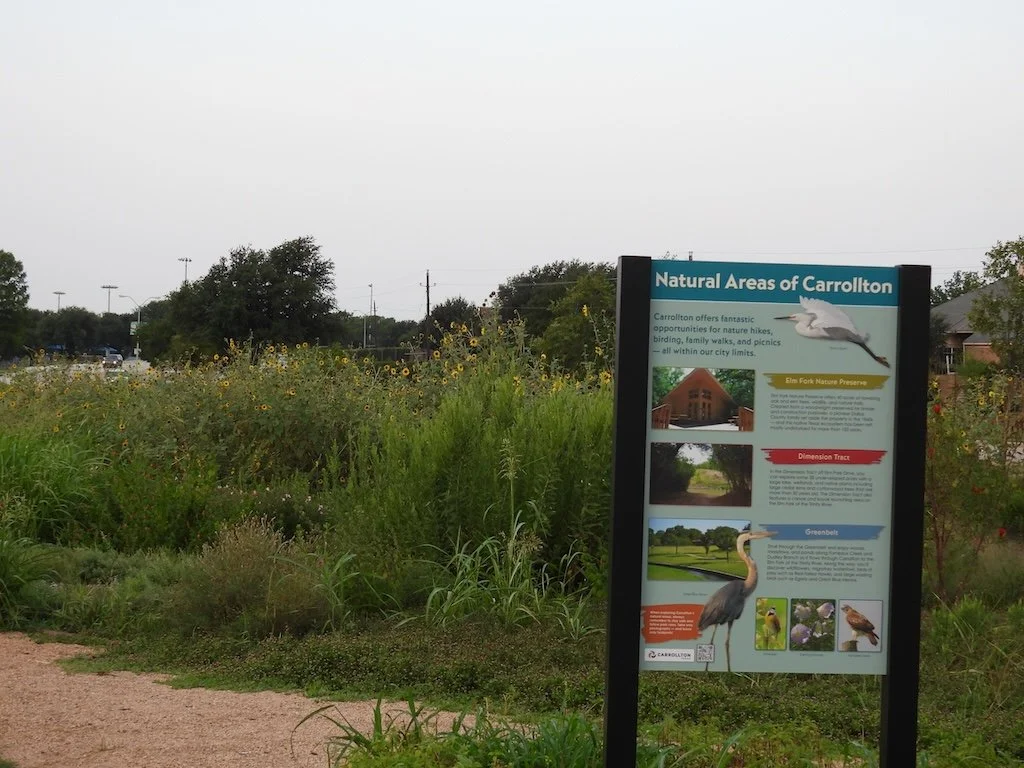
While I was in Dallas in August, I made an early trip to the pocket prairie and lake at Josey Ranch in Carrollton – a place I visited frequently before we moved my parents to assisted living in January 2024.

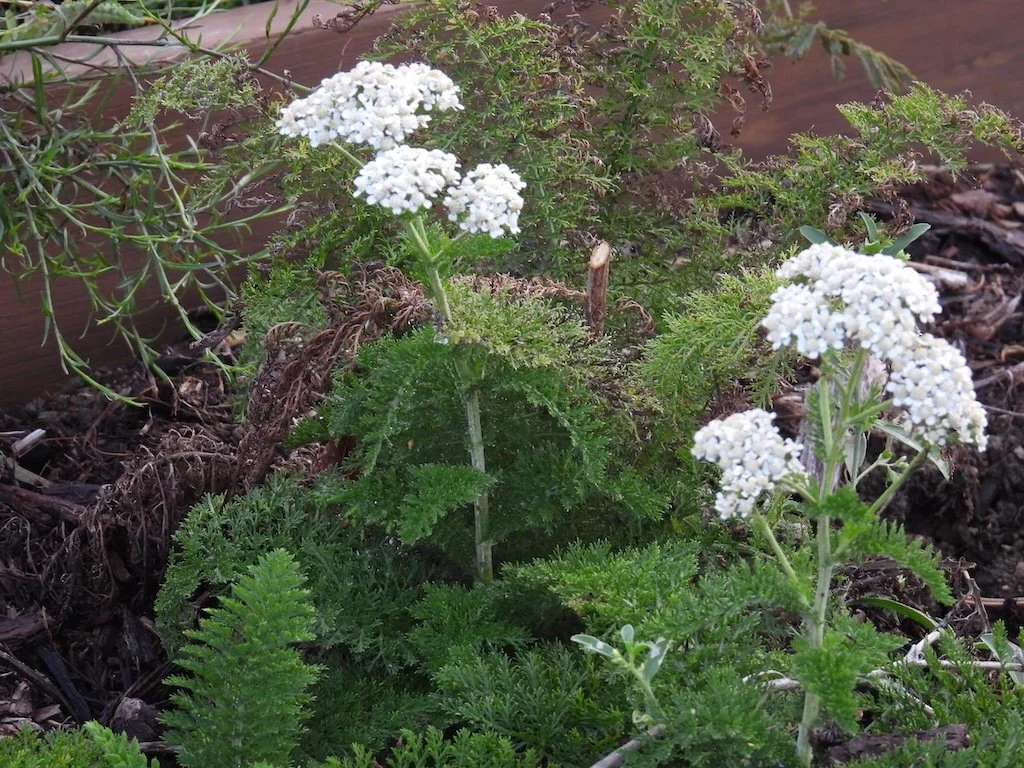
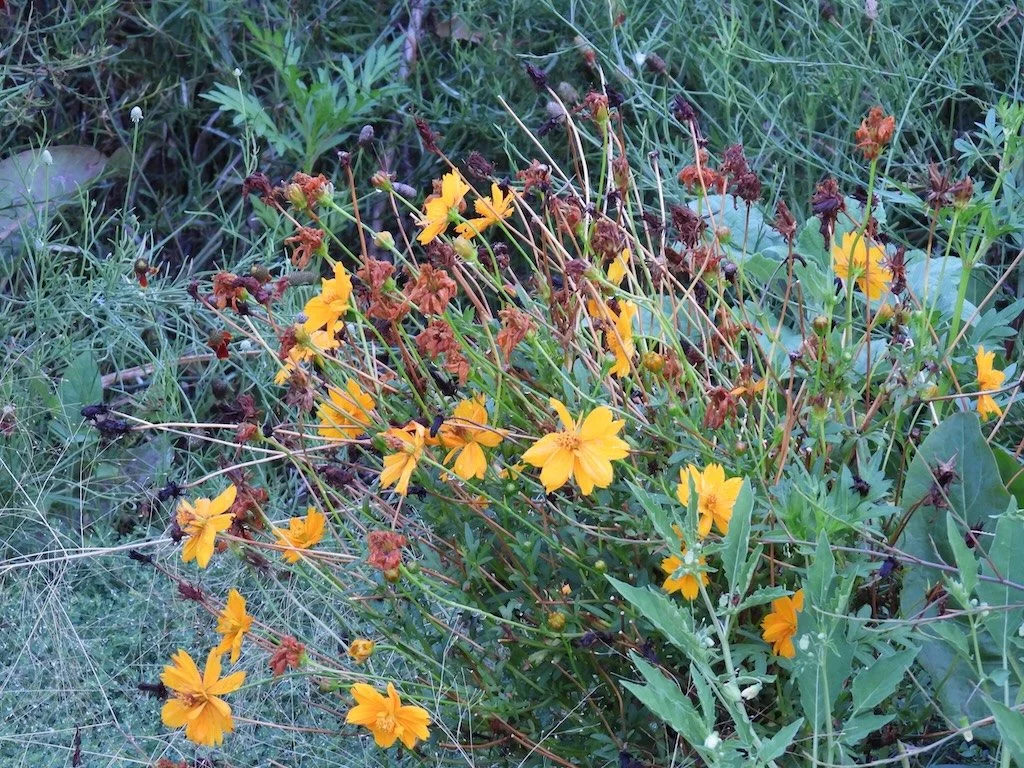
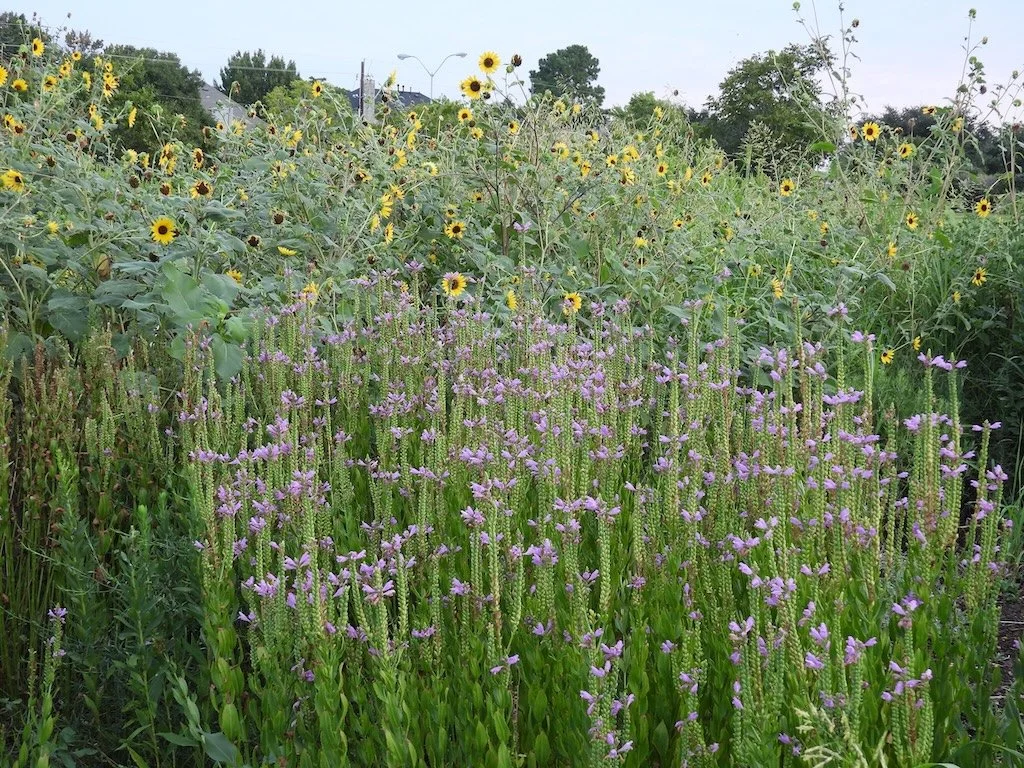
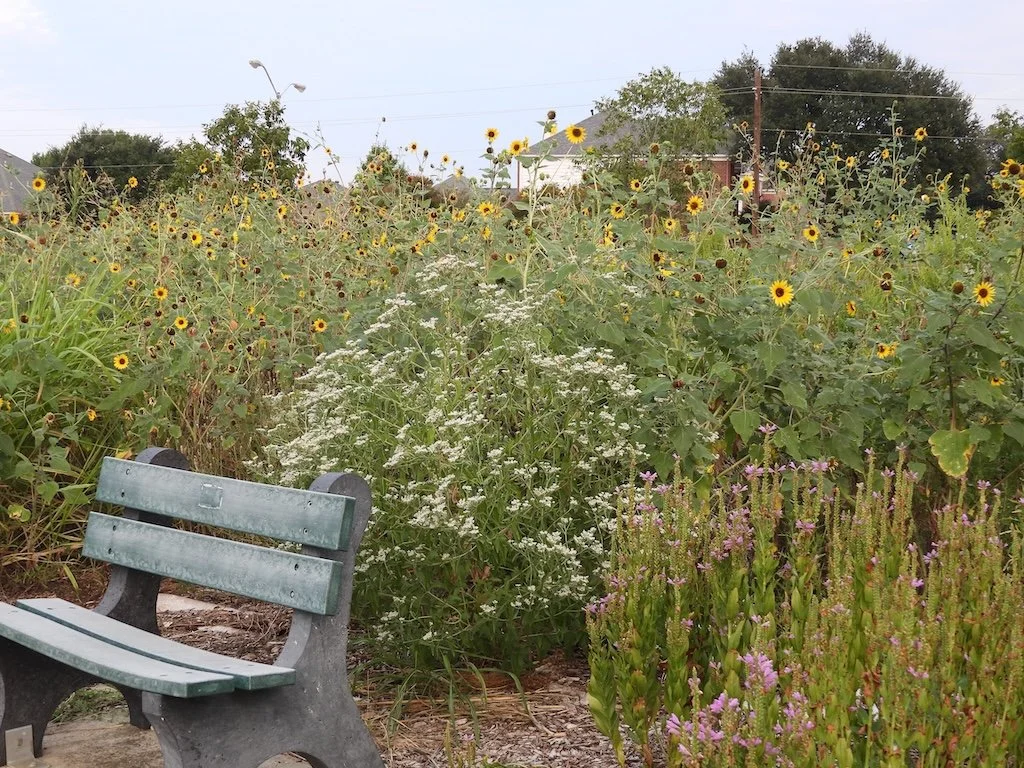
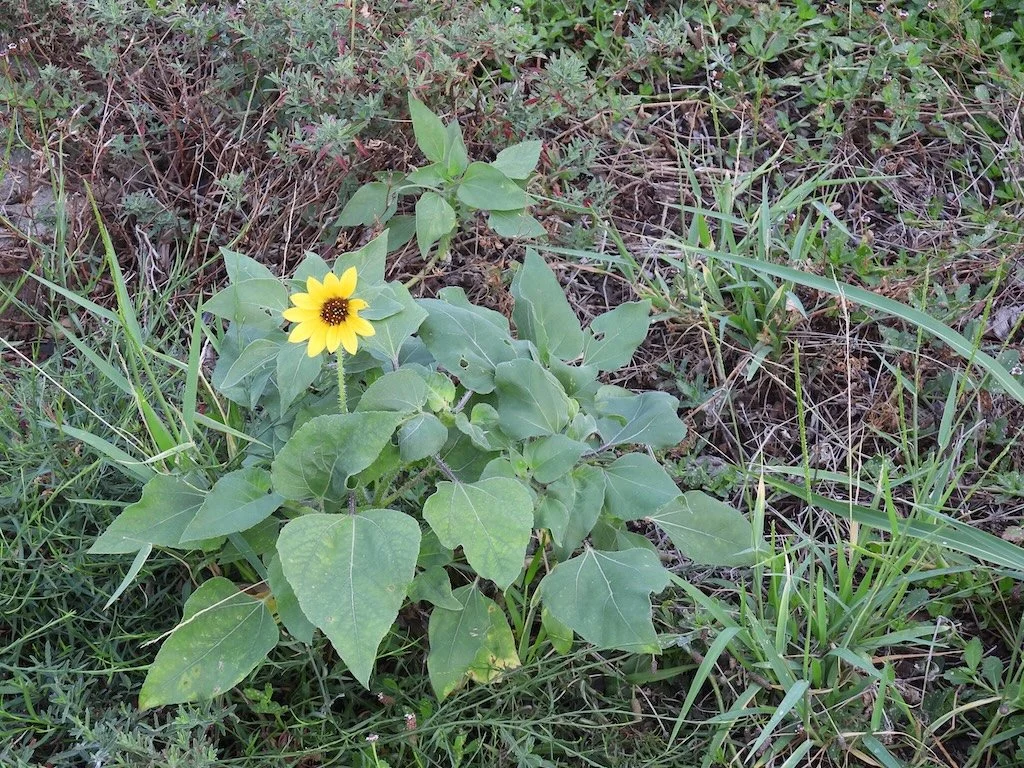
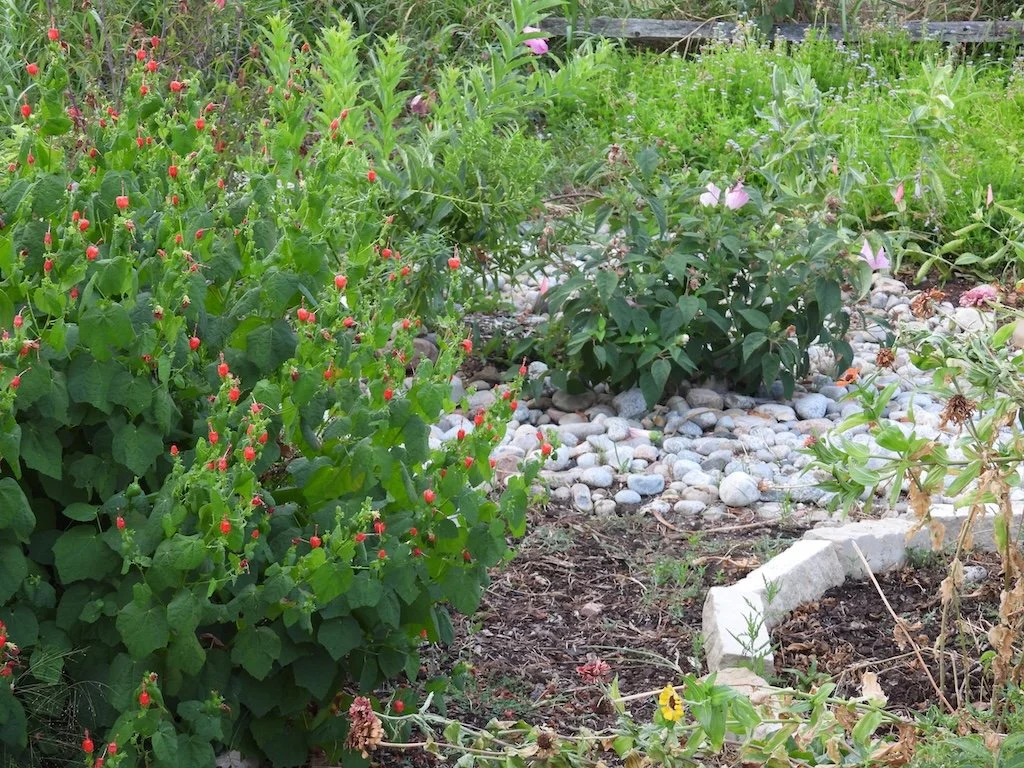
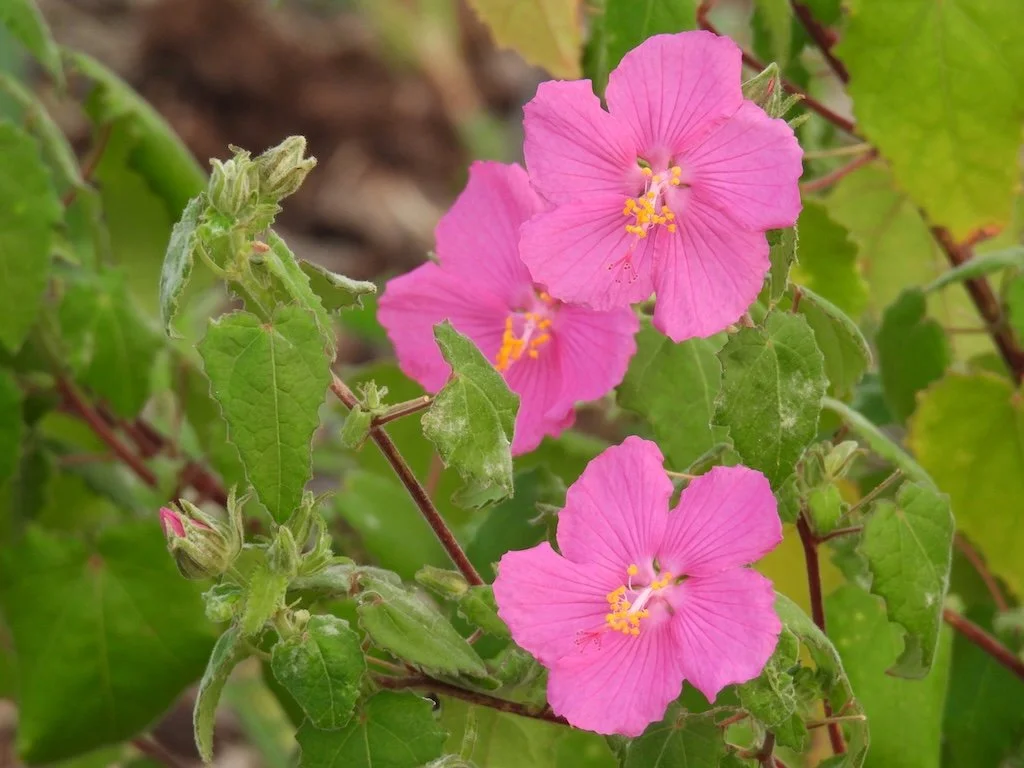
There didn’t seem to be very many birds around, so I started my visit at the pocket prairie. The trash cans looked freshly painted, and the gardens looked like they had been recently weeded (piles of vegetation waiting to be picked up). Some of the flowers had gone to seed but that is normal for August. There were marshmallows that were surviving in the rain garden area. The sunflowers dominate but I was glad to see Texas rock rose among the plantings.

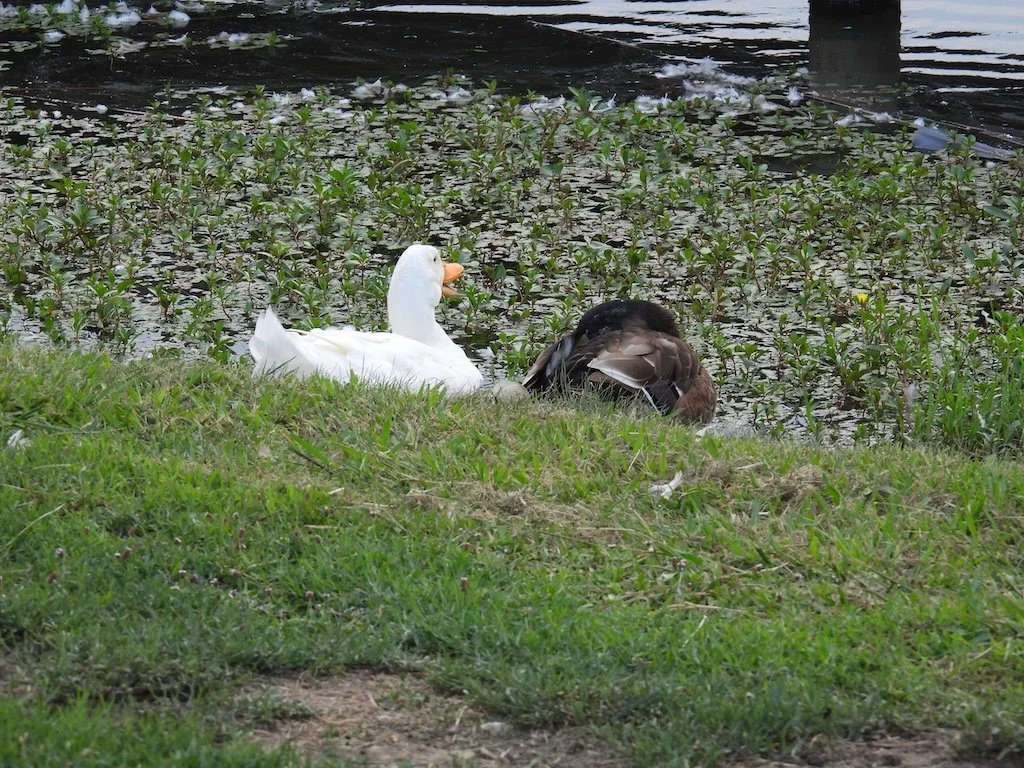
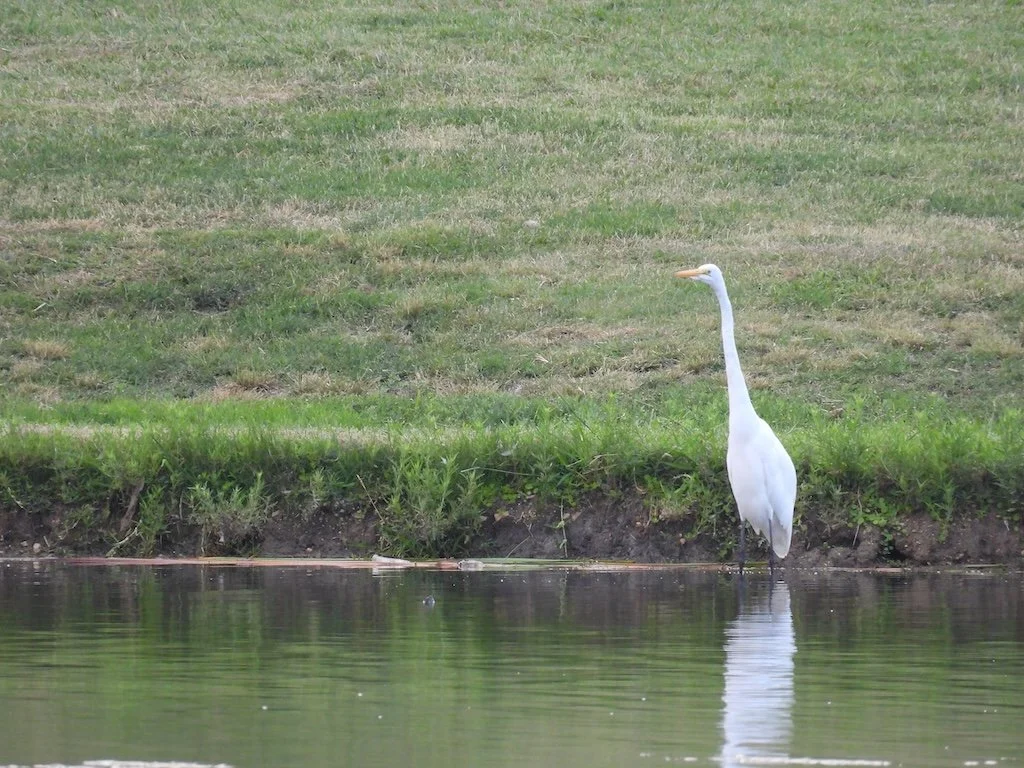
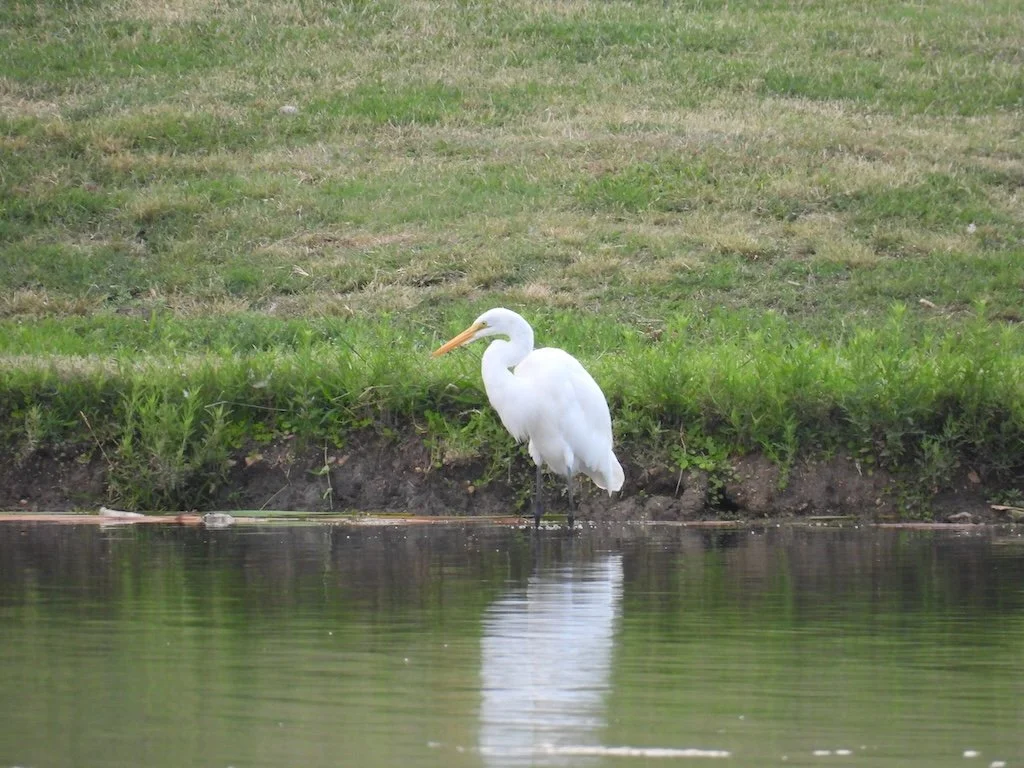
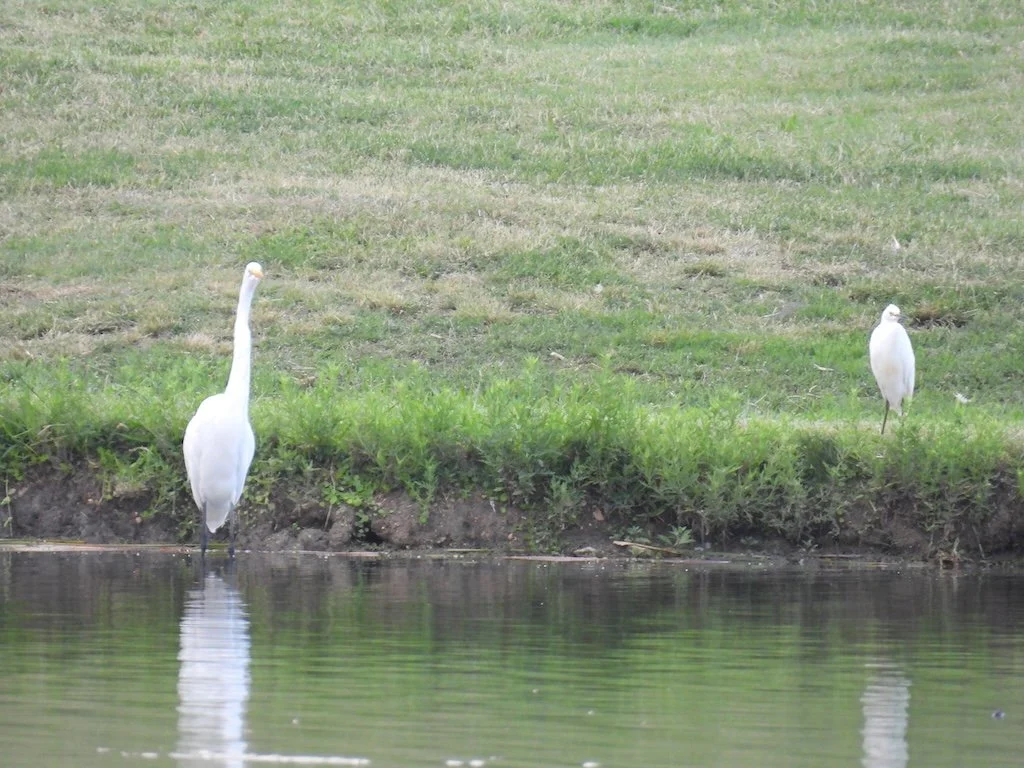
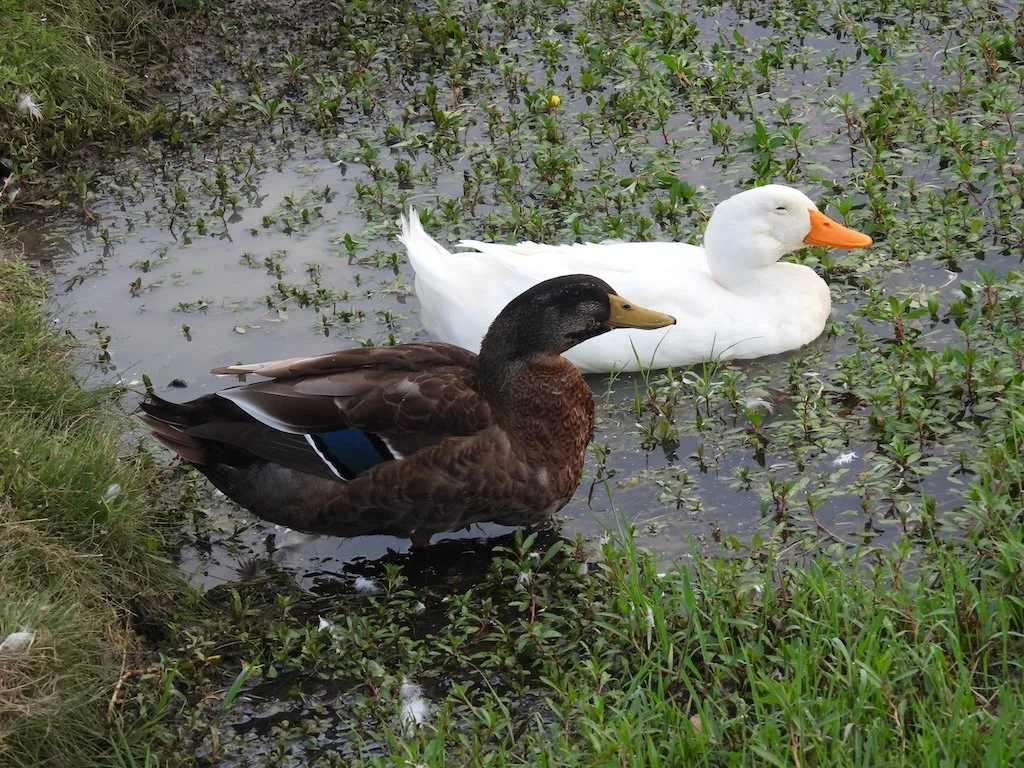
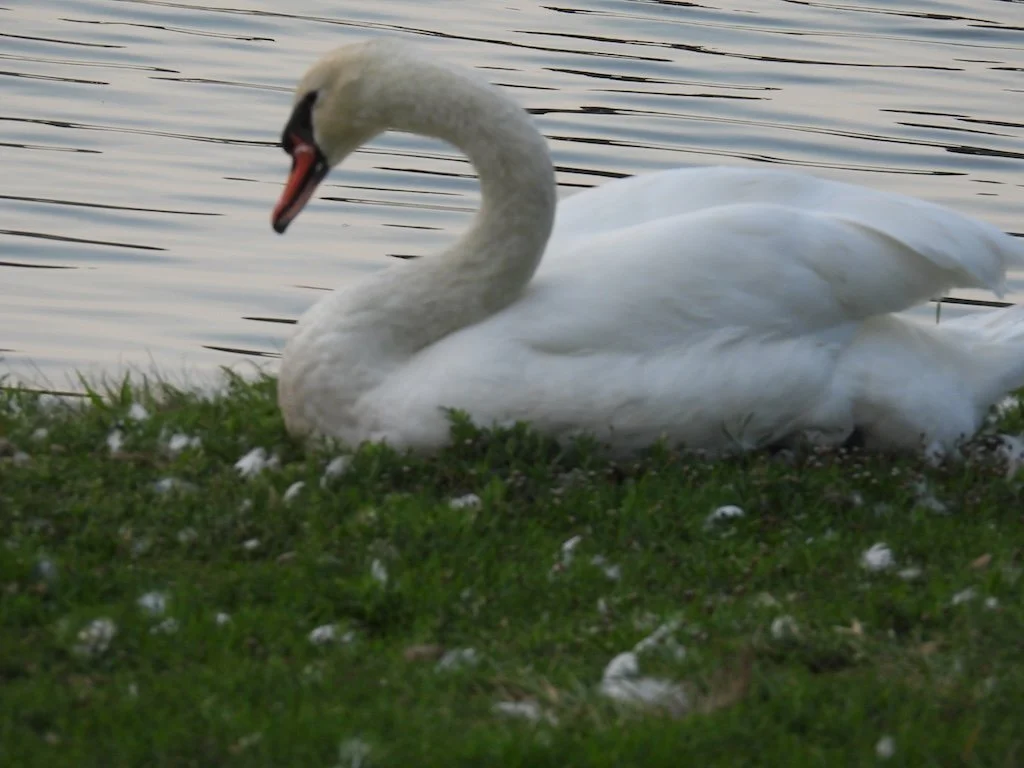
I went back to look at the lake and realized that there were not many grackles (I heard several…only saw one)…pigeons were about as numerous as always…only two ducks and one was a white domestic duck. The only birds I saw in the pond were one great egret and one snowy egret. The two swans were still there. Evidently there were a lot of geese there recently judging from the goose poop on the sidewalks. It was depressing that there weren’t more birds around and I wondered what happened.

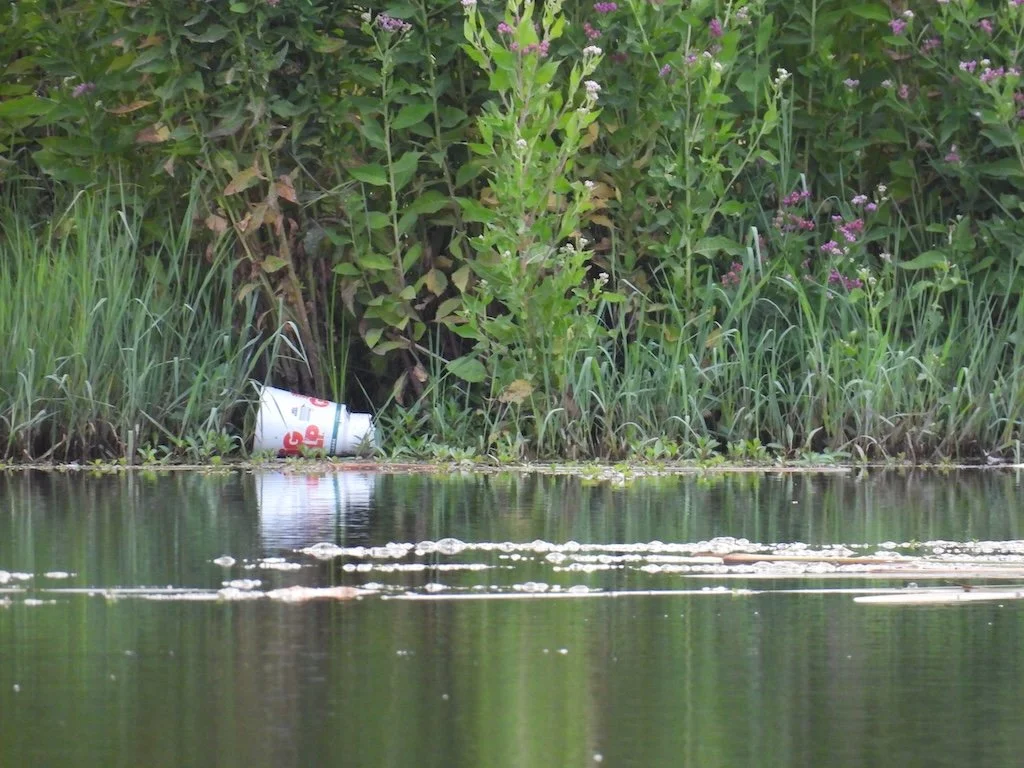
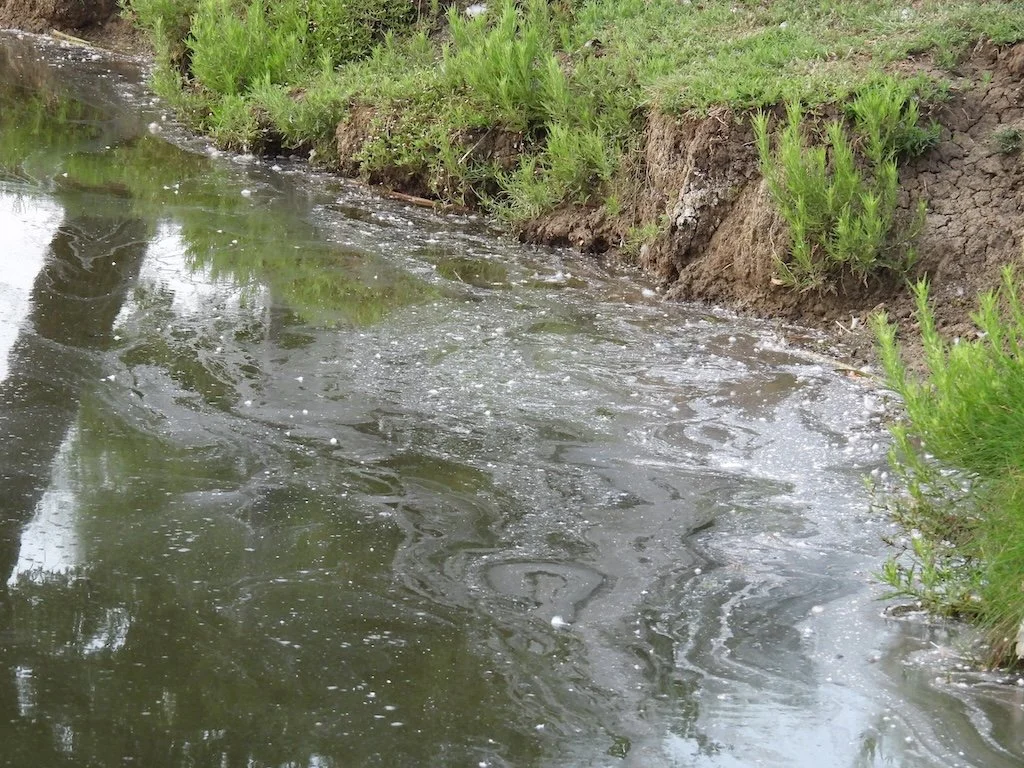
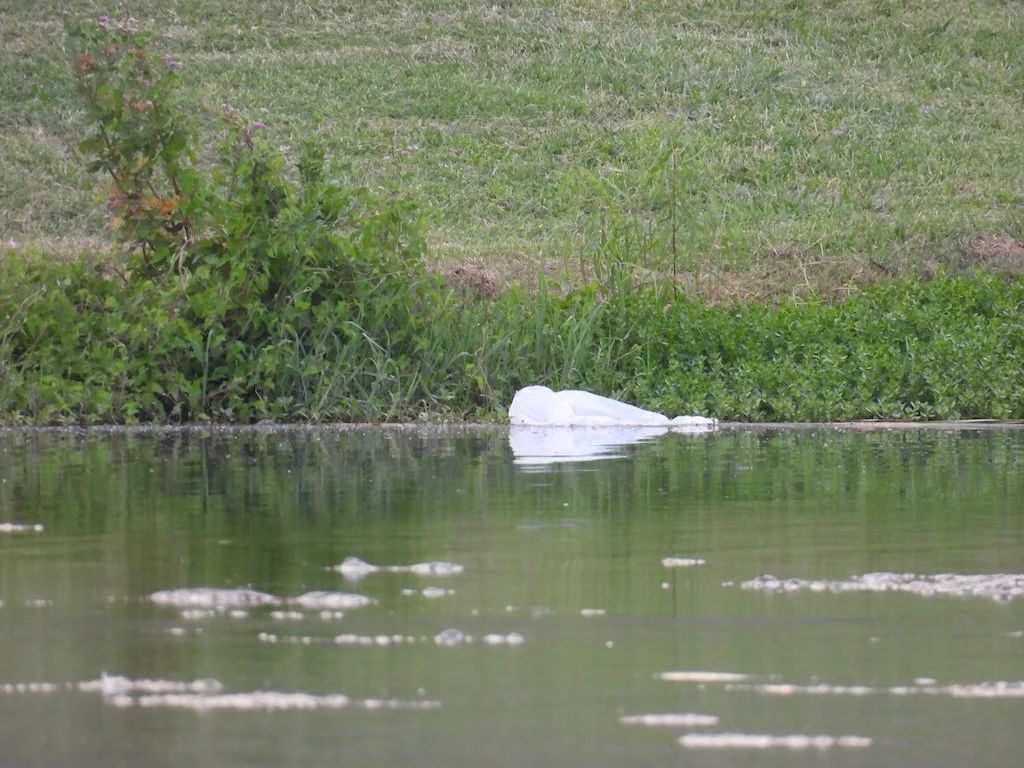
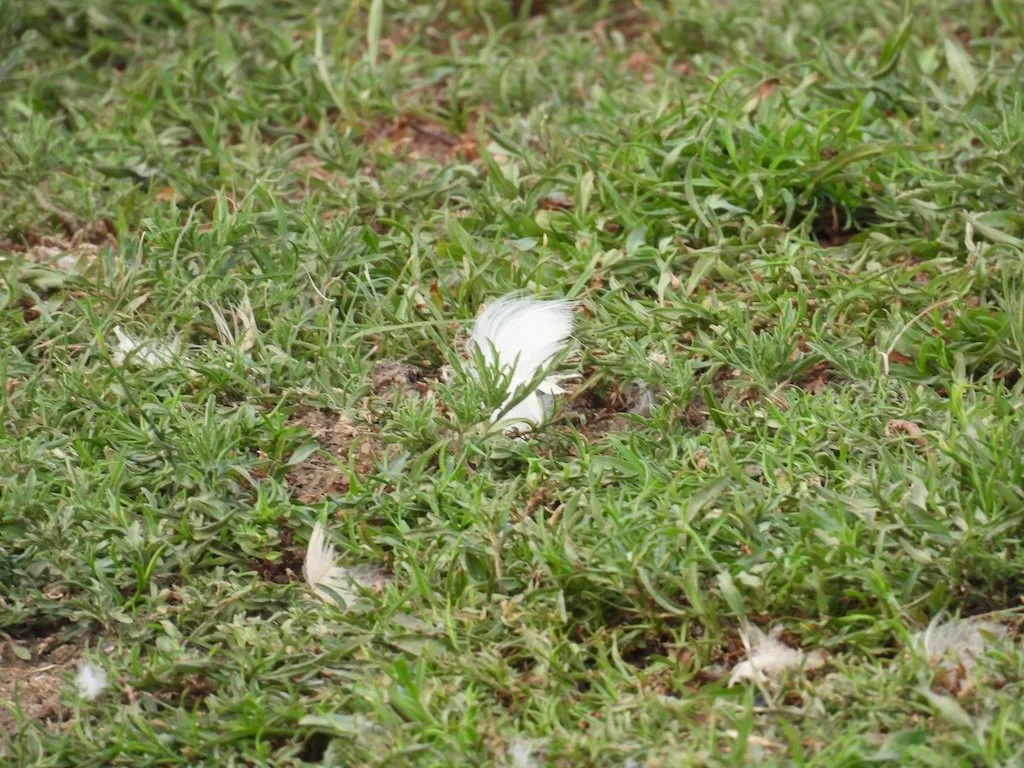
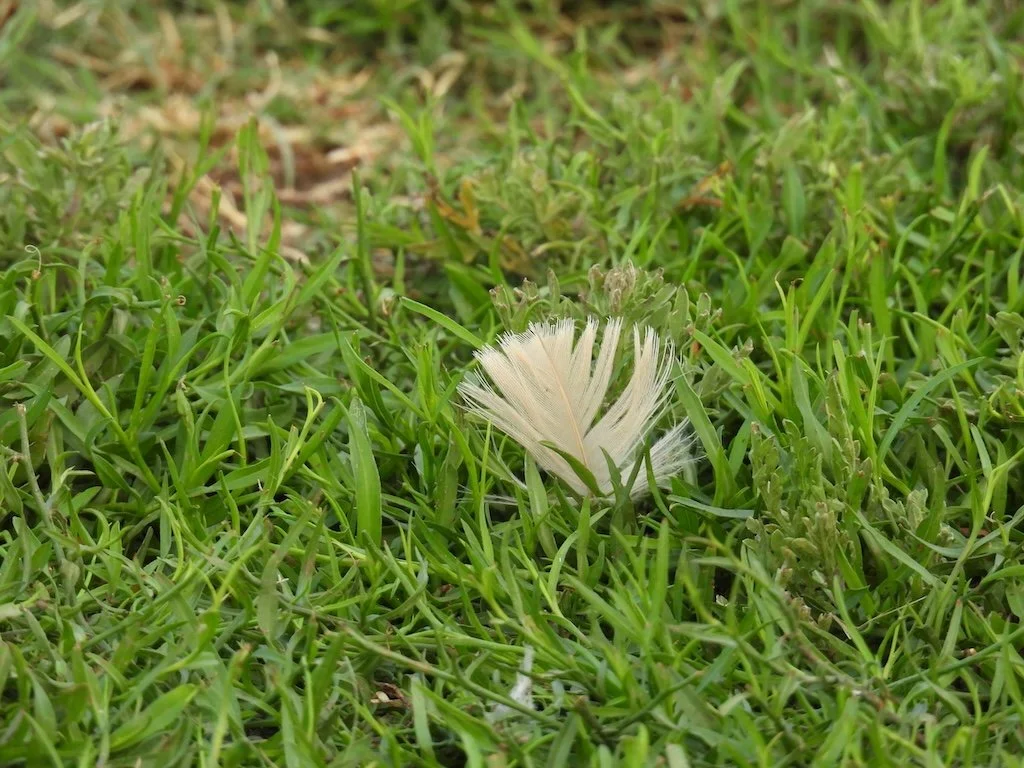
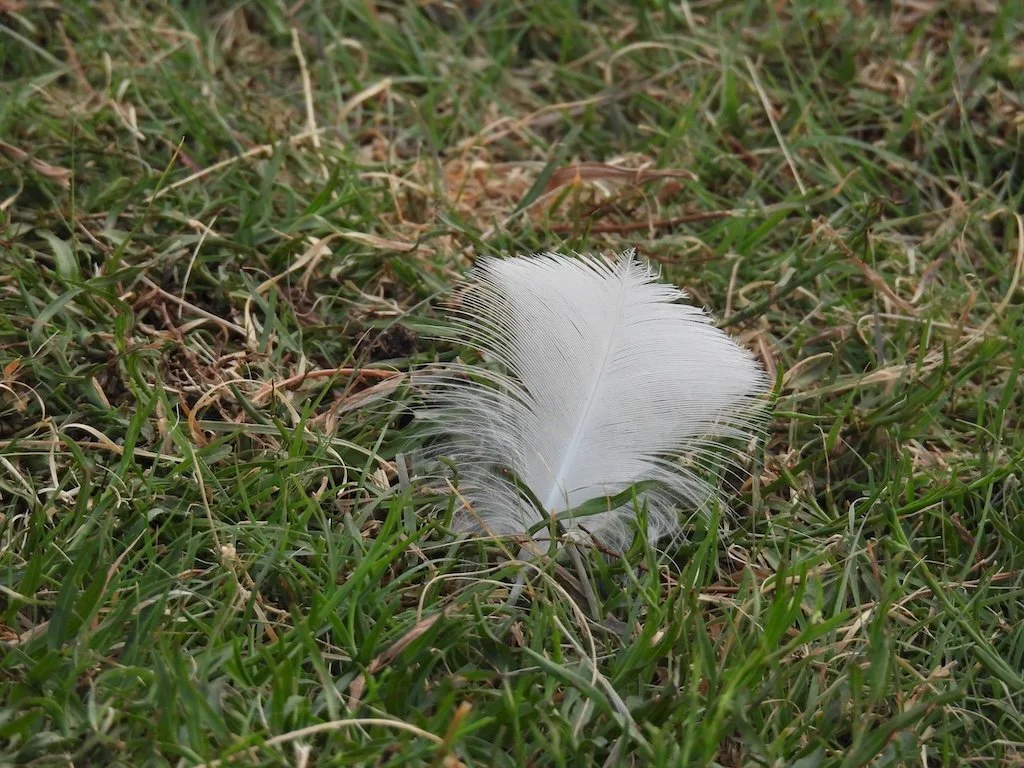
I noticed more trash in the water – a foam cup, plastic bags, and sheen on the water near the shore. Is there more pollution in the pond now? I saw one turtle snout from a distance. Overall, the pond does not look as healthy as it was a few years ago. I took a few pictures of feathers in the grass.

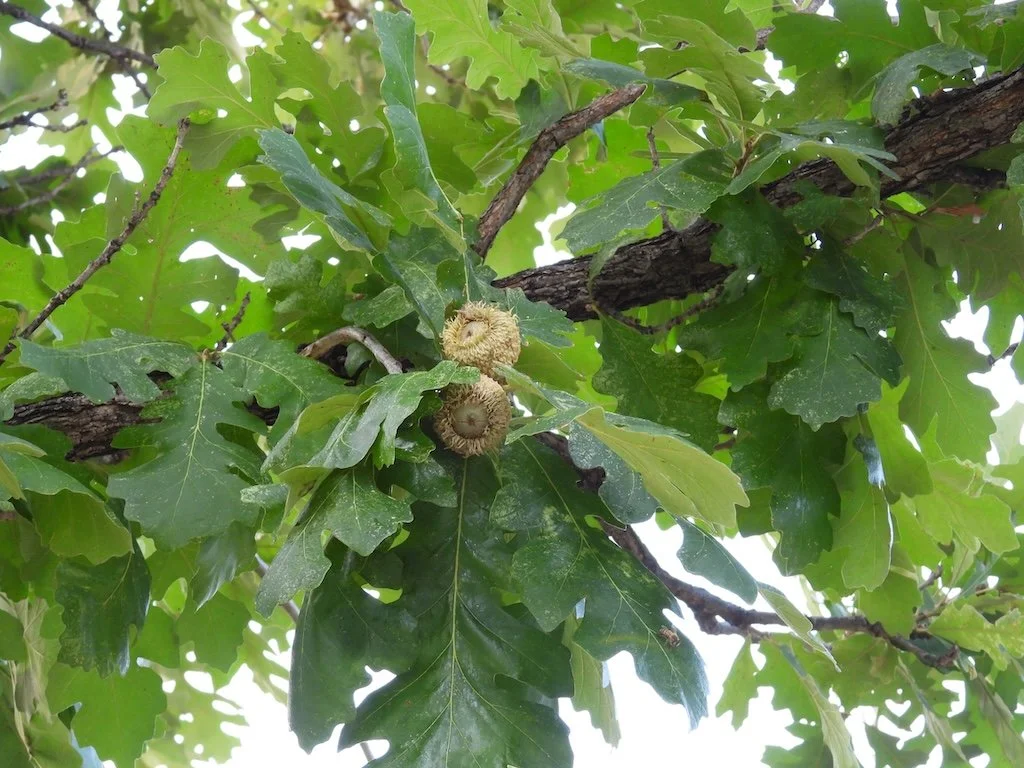
As I walked to the plantings between the library and senior center, I noticed a tree that was planted in memory of someone. It was about 6 feet from the sidewalk….a Bur Oak! I was surprised that it was planted so close to the sidewalk…maybe the climate in Texas will cause it to not get as big as Bur Oaks usually grow.

I looked for the beautyberry that seemed to thrive previously in that area, but they were gone. One of the new plants was a rock rose. The morning was warming up but I didn’t see many insects.

It was a little depressing that the wildlife that used to be around the area seems to be reduced. Maybe I was there at an odd time….I’ll try to look again later this year when the birds that typically winter in Texas might be around.

Plastics Crisis: Show-Me Less Plastic Workshop

The Show-me Less Plastic workshop that I attended was provided by a partnership of Missouri River Bird Observatory and Stream Teams United. It is specific to Missouri but part of a nationwide effort from Beyond Plastics. The parts of the workshop that were local to the Springfield, Missouri area were provided by James River Basin Partnership.

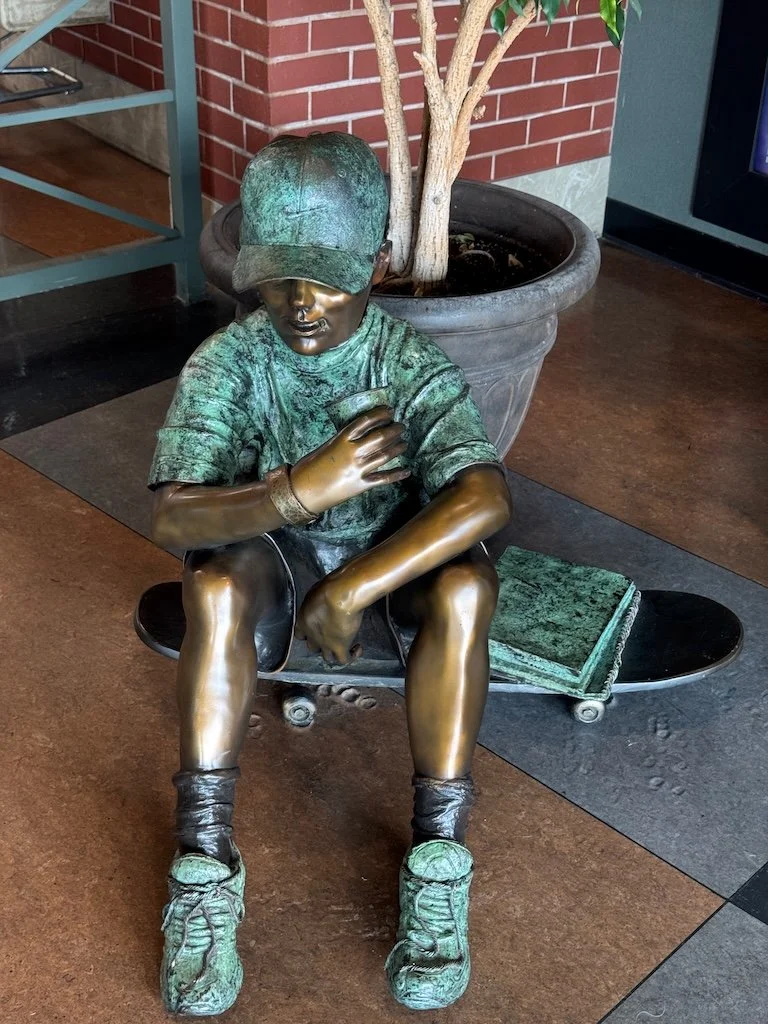
It was held in a Springfield library (the photo is of a sculpture in the library) with a Panera Bread that catered the plastic-free lunch.

There was an overview of why plastic pollution is a crisis (health of everything on the planet including us is at increasing risk)…but the audience was already onboard with that. We were also aware of the long-term message from the plastics industry that the convenience of single-use plastic is so fabulous that we simply need to be more successful at recycling to resolve any problems…but recycling hasn’t worked and it is unlikely to ever be sufficient. The industry is assuming that recycling will not work since they are projecting a huge demand for new single use plastic production to take the place of their revenue stream from fossil fuels trending down as more renewable energy becomes available. The problem is huge and may very well be a more imminent threat to lives that climate change.

The bulk of the workshop was focused on going beyond what an individual can do: community education and outreach, influencing business and policy makers….first steps.

I am writing this the day after the workshop. There will be a follow-up email from the workshop coordinators.  There are still some things I am working on as an individual to reduce my family’s risk (but it is not possible to eliminate exposure micro and nano plastics…and it will get harder as there are more plastics in the environment). I have a tentative list of actions, but I want to work with a local Beyond Plastics Affiliate to be with others that are taking similar actions.

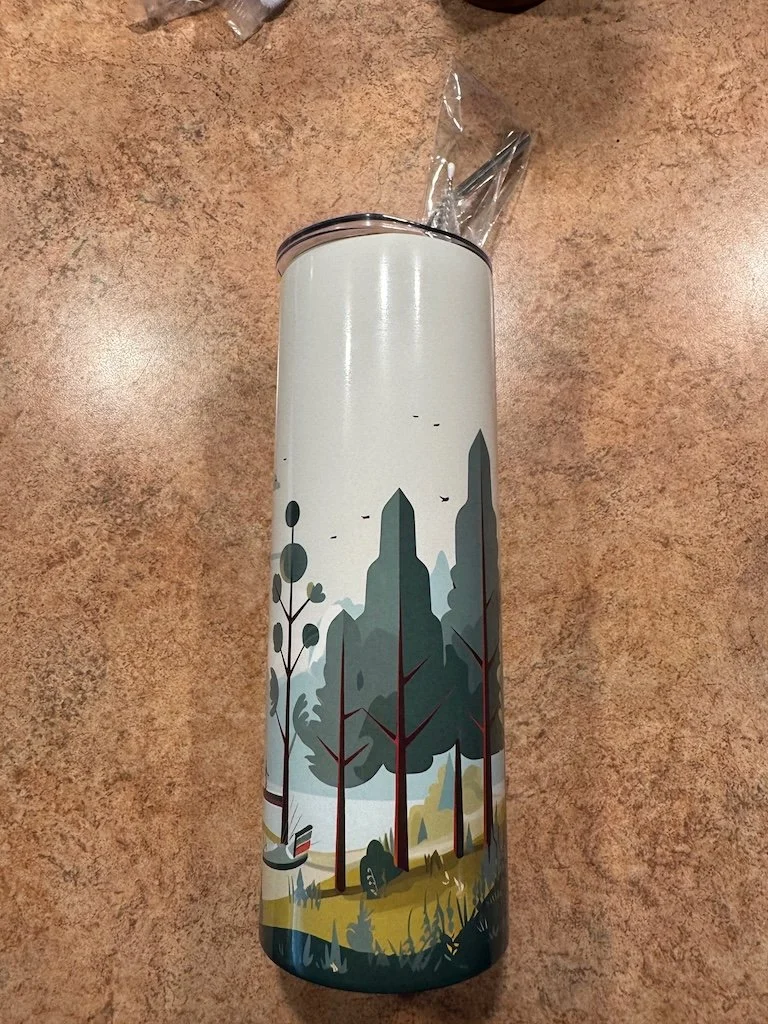
I came away from the workshop with one of the ‘door prizes’ – a stainless-steel container (with a straw!)…different than my other water bottles. This one will work well in  the car!

Gleanings of the Week Ending August 30, 2025

The items below were ‘the cream’ of the articles and websites I found this past week. Click on the light green text to look at the article.

How Do Plants Know It’s Getting Hot? - Over the past decade, scientists have identified a few temperature sensors that regulate plant growth, some of which also detect light. Many of the experiments to understand the function of these sensors were done in the dark, leaving daytime temperature sensing unexplored. Now, in a recent study researchers discovered a brand-new role for sugar in daytime temperature sensing. They showed that at high temperatures, sugar acts as a thermostat to override plant-growth brakes, thus enabling heat-responsive stem elongation. These findings could pave way for breeding climate-resilient crops in the face of global warming.

Volunteers Discover 115-Million-Year-Old Dinosaur Tracks Revealed in the Wake of Devastating Texas Floods - Last month’s extreme floods in central Texas have uncovered 115-million-year-old dinosaur tracks in Travis County, which includes Austin. While the discovery is overshadowed by the deaths of more than 138 people at the hands of the very same natural disaster, it sheds further light on the state’s richly preserved paleontological history.
Horseshoe Crabs Break Free from Biomedical Testing - For 40 years, researchers relied on horseshoe crab blood to catch endotoxins in drugs. Now, synthetic alternatives and updated regulations can end the practice.

Cultivating for color: The hidden trade-offs between garden aesthetics and pollinator preferences - There are native plants with colorful and interesting flowers that bloom at different times, from early spring to late fall. These plants tend to produce reliable floral signals and offer the nectar and pollen needed to support pollinator nutrition and development.

Ancient Dental Plaque Unearths Prehistoric People’s Lifestyle - Tartar on ancient teeth is the oral microbiome fossilized over time. When researchers sequenced the genetic material isolated from ancient tartar, they found it teeming with bacterial DNA. The researchers identified several pathogenic bacteria and some antibiotic resistance genes, suggesting that the potential for antibiotic resistance was present in prehistoric times. Several bacteria such as those belonging to the genera Streptococcus and Actinomyces coexisted with humans through their evolution, offering insights into microbial health and disease through the ages.

An interstellar visitor and hairy caterpillars: The best science pictures of the week – From the BBC.

One small walking adjustment could delay knee surgery for years - A groundbreaking study has found that a simple change in walking style can ease osteoarthritis pain as effectively as medication—without the side effects. By adjusting foot angle, participants reduced knee stress, slowed cartilage damage, and maintained the change for over a year. The caveat: Before this intervention can be clinically deployed, the gait retraining process will need to be streamlined.  

A 2,000-Year-Old Sun Hat Worn by a Roman Soldier in Egypt Goes on View After a Century in Storage - A Roman soldier in ancient Egypt dealt with the excruciating power of the sun roughly 2,000 years ago: by donning a felt cap.

Amazon & Brimstone Advance Lower-Carbon Cement Collaboration - Brimstone developed a breakthrough process to co-produce multiple industrial materials, including portland cement, supplementary cementitious materials, and smelter grade alumina. The company was founded in 2019 to develop next-generation industrial processes optimized for economics, efficiency, and sustainability. The companies announced they signed a commercial agreement to secure a future supply of Brimstone’s materials in the coming years, pending successful completion of testing and commercialization to scale up requirements.

As Fire Season Ramps Up, Thousands of U.S. Firefighting Positions Are Vacant - ProPublica’s review of internal agency data found that more than 4,500 Forest Service firefighting jobs — over one-fourth of all the agency’s firefighting jobs — were vacant as of July 17. The Guardian also reported that vacancy rates were highest in the Pacific Northwest and Intermountain Regions, at 39 percent and 37 percent respectively. Even before all the layoffs and resignations this spring — the Forest Service sometimes struggled to get through busy fire seasons. Firefighters have been called in from Canada, Mexico, and Australia when resources are stretched too thin, and sometimes National Guard or military troops are deployed.

Tony Cragg Sculptures

The ‘book of the week’ is from an early 1990s exhibition of Tony Cragg’s work. The artist has continued to work and evolve…so this the book represents his early work! The sample images below are skewed toward works from the 1970s and early 1980s. Look at the whole book by following the link to its location in Internet Archive.

Tony Cragg: Sculpture 1975-1990

Ten Little Celebrations – August 2025

August was hot…so some of the celebrations were indoors (with air-conditioning) this month!

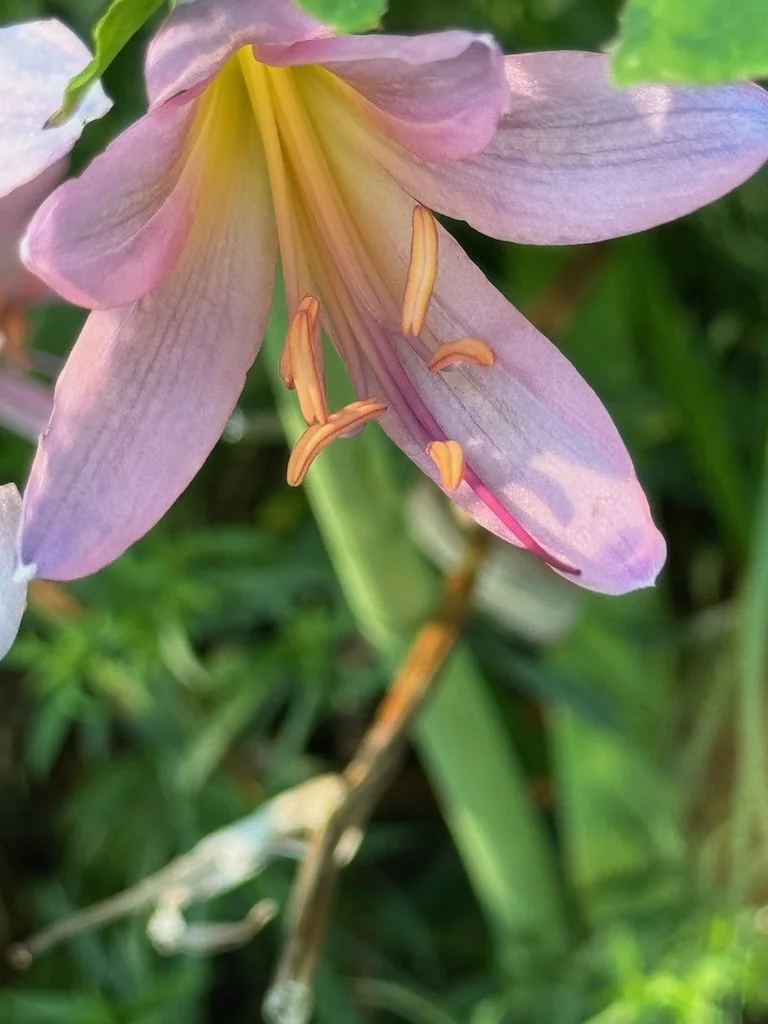
Naked lady lilies. It was a pleasant surprise that I have three of these plants in my yard – blooming for the first time this August. But I celebrated them because they are a remnant of my mother’s garden from 2023 just before the house/garden was sold.

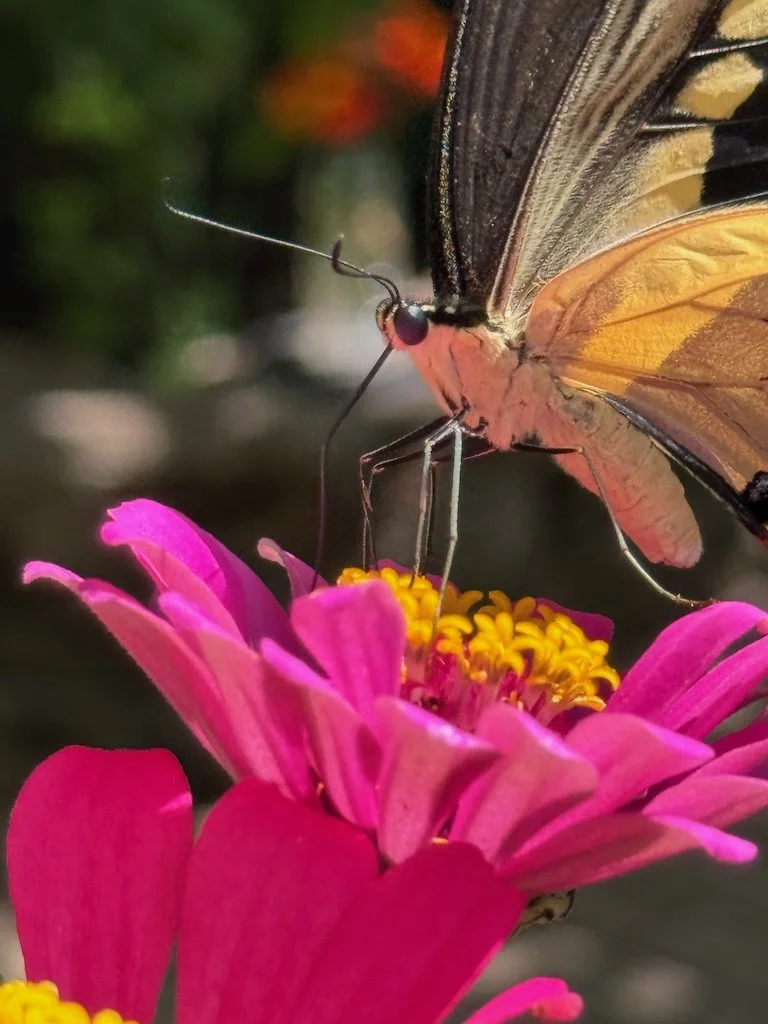
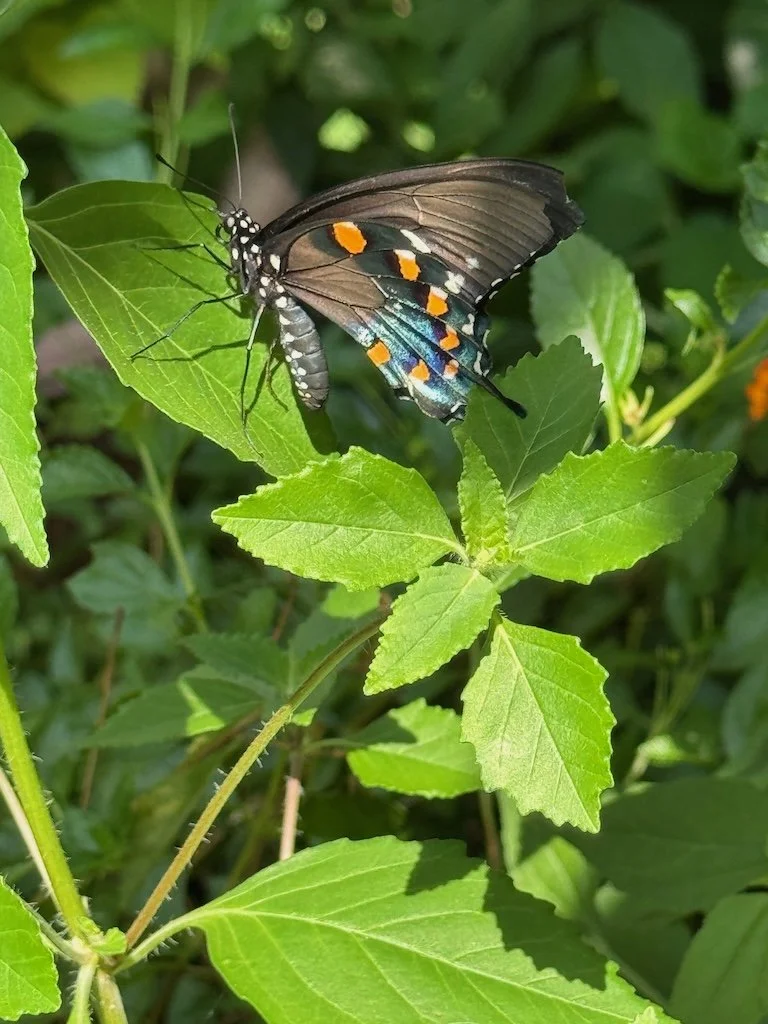
Spicebush caterpillars. Earlier this summer my young spicebush didn’t have caterpillars…but is does now. I celebrated that the swallowtails have found my plant to lay their eggs.

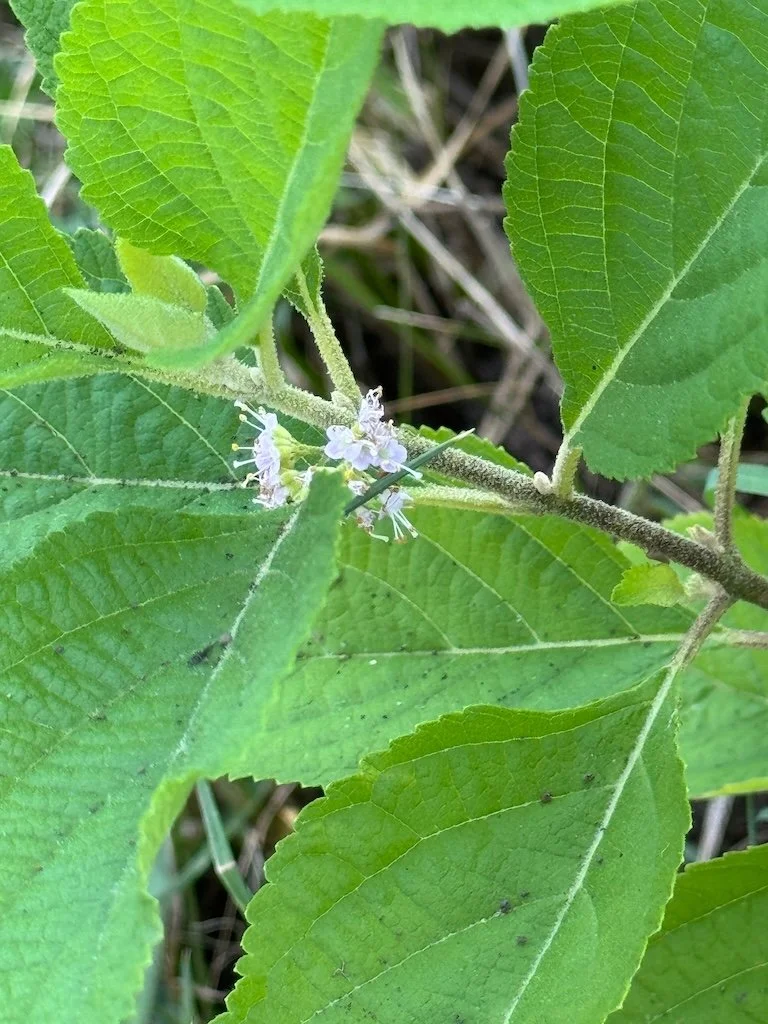
Beautyberry. While I was pulling grass and weeds in my yard, I discovered that the beautyberry I planted last fall has survived…and is blooming. Time to celebrate!
Dispelling Myths of Native Gardening webinar (from Grow Native!). I celebrated the timing of a panel discussion about native gardening (webinar)…and gleaned some ideas I will apply in the next few weeks as I create a new area of by front yard…with native plants.

Field trip at the Lake Springfield Boathouse gardens. Another well timed opportunity for learning how to better create my new native plant garden. It was hot…but I learned enough to make it all worthwhile.

Roston Native Butterfly House. Celebrating my favorite volunteer gig of the summer…every time I work a shift there.

Turpentine Creek Wildlife Refuge. The big cats are the draw, but I celebrated seeing a juvenile racoon and butterflies!

Two caves in one day – Cosmic Caverns and Onyx Cave. Celebrating caves…cooler than the outside temperature.

Dr. Megan Wolff’s webinar “Plastics and Public Health: the unsettling latest in medical research.” A different kind of celebration…it’s more like FINALLY someone had done a reasonable job to at articulating the rationale in one place about why our plastic creation must change dramatically. Here’s the link to the video. The bottom line is that we can’t “recycle” or “reuse” our way out of the mess.
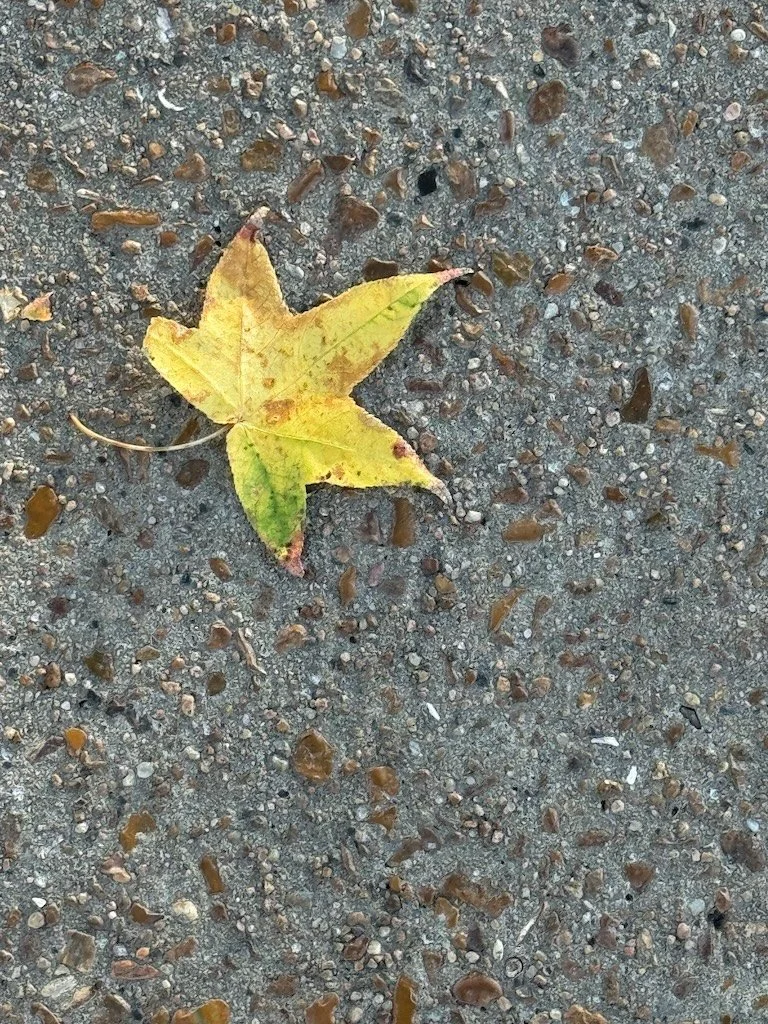
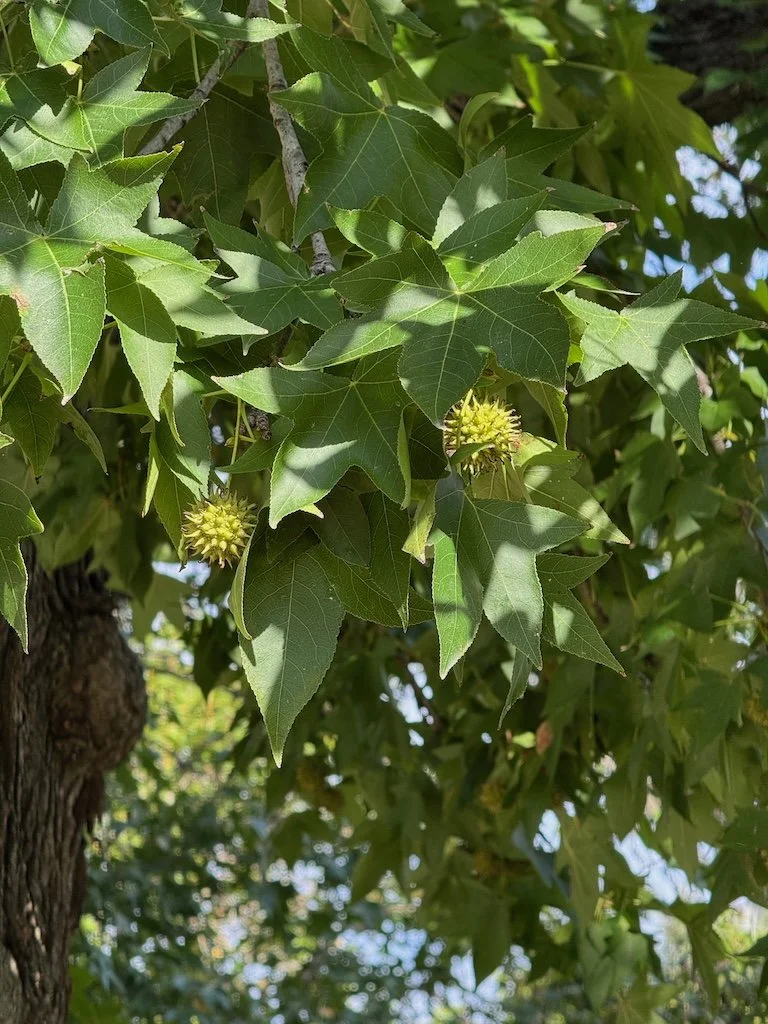
Lawn mowing – getting it done. It’s been hot this month and I celebrate every time I finish mowing the yard…so glad that it is done for another week.

Plastics Crisis: Getting Focused

In early August, I saw an article that made the point that the World Cannot Recycle Its Way Out of Plastics Crisis. A few days later, I saw the notice for a community workshop about using less plastic and I registered. They sent out a list of documentaries and webinars to view prior to the workshop. I viewed almost all of them; they were all good and thought provoking but the tipping point for me was Dr. Megan Wolff’s webinar on plastics and health presented for Missouri River Bird Observatory in March 2025; I highly recommend viewing this in its entirety to everyone that is concerned about health of the planet and every living thing on it, including ourselves.

I have been concerned about single use plastics for the past few years. Stories reporting about how microplastics (and nanoplastics) being found in more and more parts of our bodies keep coming out …and how they are damaging to health. Most of the data has been correlations, but recent research it pointing to the details of how the small bits of plastic cause problems.  

A few days after watching the video, the news came out: Global plastic treaty talks end in failure as countries remain bitterly divided over how to tackle the crisis. There was an attempt to hold out some hope: Plastic pollution treaty talks adjourn, but countries want to ‘remain at the table’: UNEP chief. I wondered how many people even noticed the news. I did another search and found a bit more information: How a global plastic treaty could cut down pollution—if the world can agree on one. The articles name Saudi Arabia, Russia, and Iran and the large presence of people working for oil and gas firms and plastic manufacturers as the group that wants to ‘manage waste’ instead of capping production (and if production is not capped it is projected to climb dramatically). Based on a story from Reuters it appears that the United States, the world's number two plastics producer behind China, should have been listed with the three other countries blocking a deal. One positive development was that top plastics producer China publicly acknowledged the need to address the full-life cycle of plastics.

I am planning to do a series of posts on the Plastics Crisis as I learn more…as I search for a course of action that can make a difference. My next post will be after I attend the workshop.