eBotanical Prints – October 2025

Twenty more books were added to my botanical print eBook collection in October – all are available for browsing on Internet Archive.  The publication dates span from 1750 (Plantae selectae quarum imagines ad exemplaria naturalia Londini – the second on the list) to 2007 (Benjamin Smith Barton: naturalist and physician in Jeffersonian America…the seventh on the list). There are two series:

Revue bretonne de botanique pure et appliquée from the early 1900s. The volumes were edited by Lucien Daniel, a professor of applied botany at the University of Rennes.

Bothalia, a publication of the National Herbarium at the University of South Africa in Pretoria from the 1920s and 1930s.

My list of eBotanical Prints books now totals 3,223 eBooks I’ve browsed over the years. The whole list can be accessed here.

Click on any sample image from October’s 20 books below to get an enlarged version…and the title hyperlink in the list below the image mosaic to view the entire volume where there are a lot more botanical illustrations to browse.

Enjoy the October 2025 eBotanical Prints

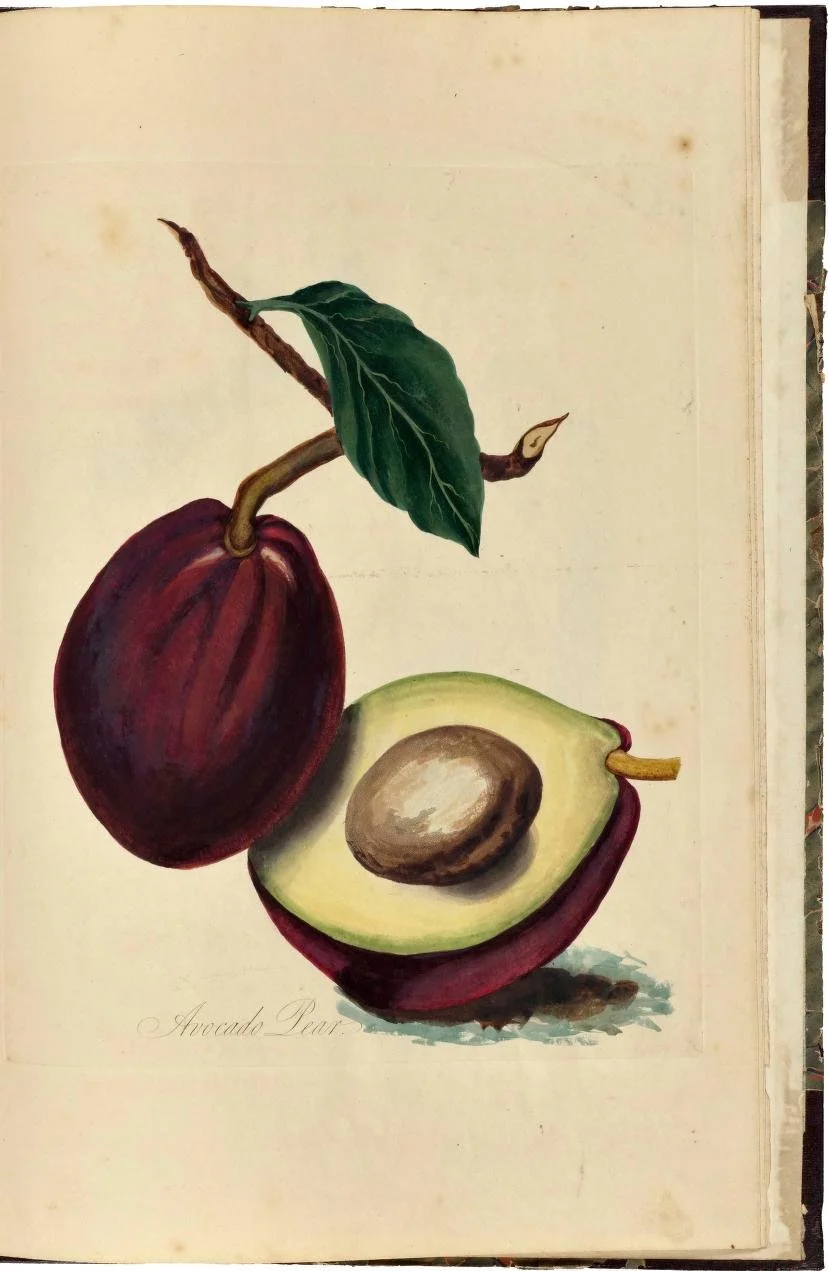
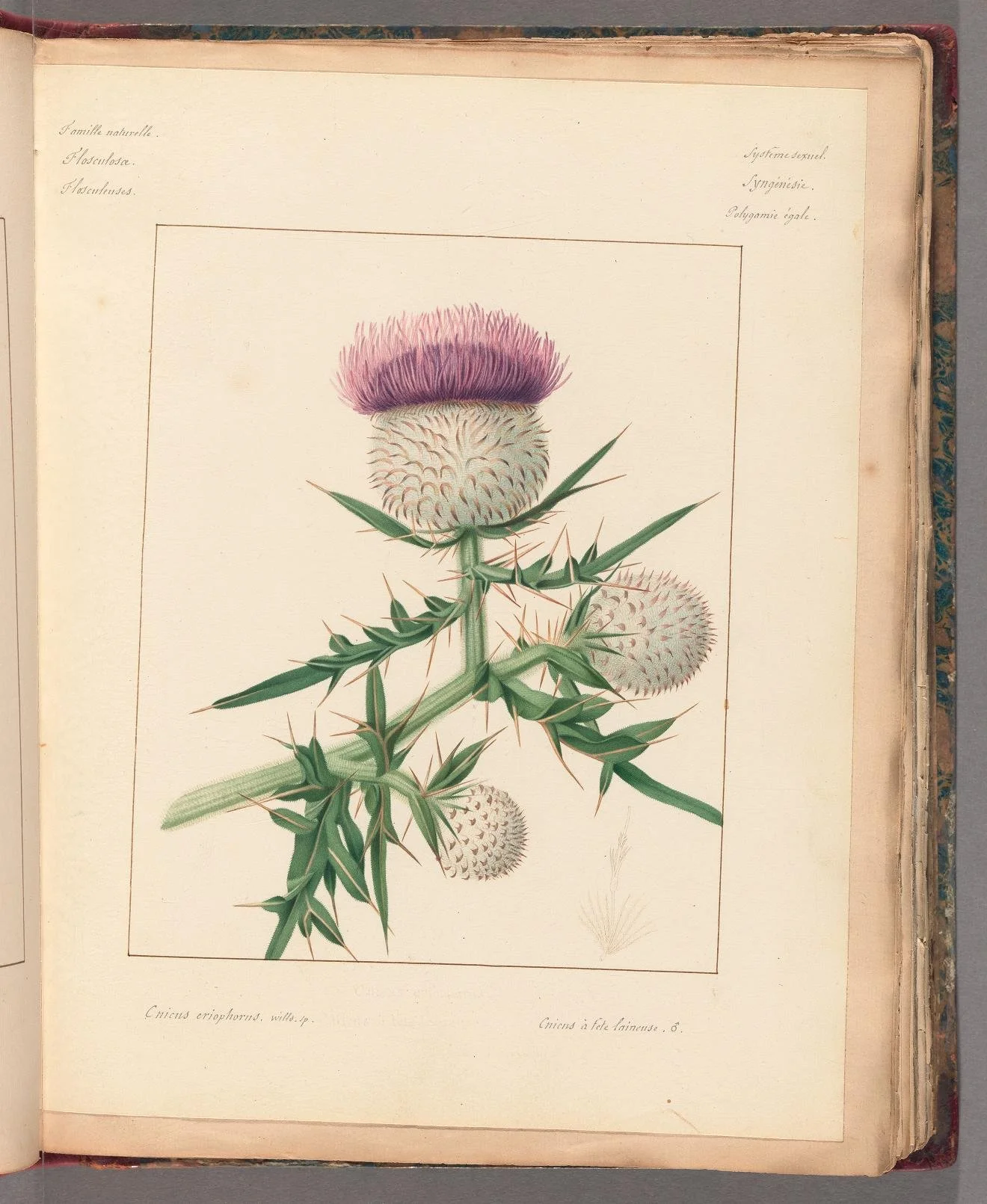
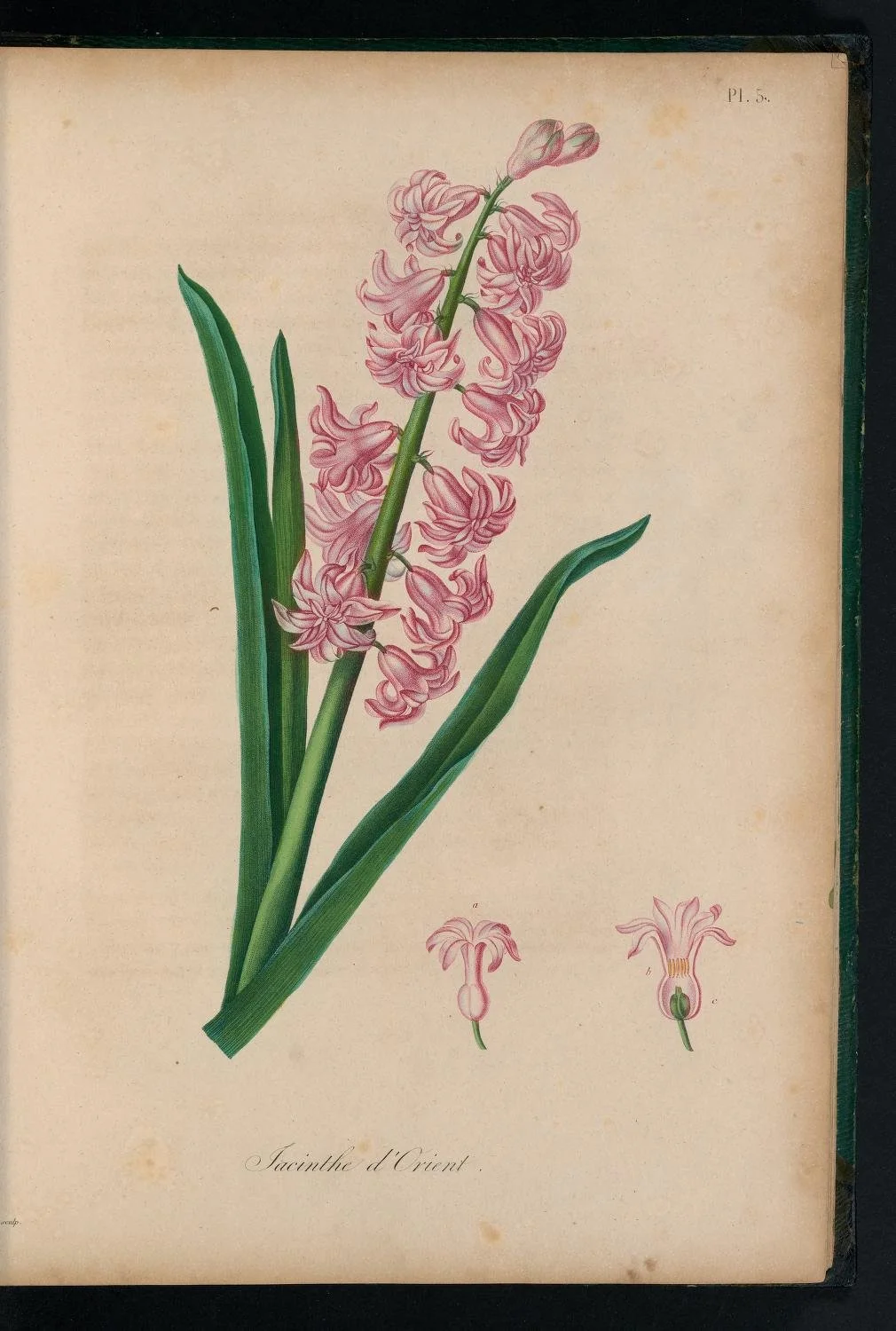
Collection des fleurs et des fruits, peints d'après nature * Prevost, Jean Louis, The Younger * sample image * 1805

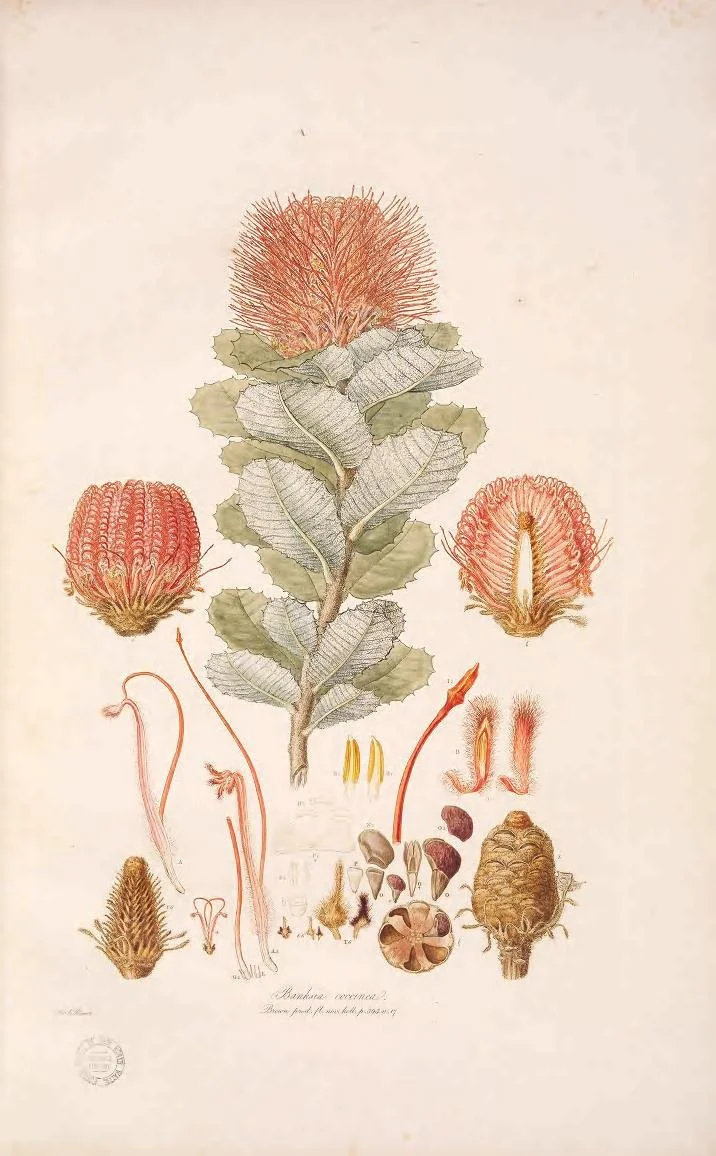
Plantae selectae quarum imagines ad exemplaria naturalia Londini * Ehret, Georg Dionysius; Haid, Johann Jacob; Trew, Christoph Jacob * sample image * 1750

Revue bretonne de botanique pure et appliquée no. 1-2 * Daniel, Lucien * sample image * 1906

Revue bretonne de botanique pure et appliquée no.5-6 * Daniel, Lucien * sample image * 1910

Revue bretonne de botanique pure et appliquée no.7-8 * Daniel, Lucien * sample image * 1912

Botanicum medicinale : an herbal of medicinal plants on the College of Physicians list * Sheldrake, Timothy et al * sample image * 1768

Benjamin Smith Barton :naturalist and physician in Jeffersonian America * Crosby, Marshall R.; Duggan, Eileen P.; Ewan, Nesta; Hollowell, Victoria C. * sample image * 2007

Revisión de las especies de Paspalum para América del Sur austral * Zuloaga, Fernando O.; Morrone, Osvaldo * sample image * 2005

Botanical illustration * King, Ronald * sample image * 1978

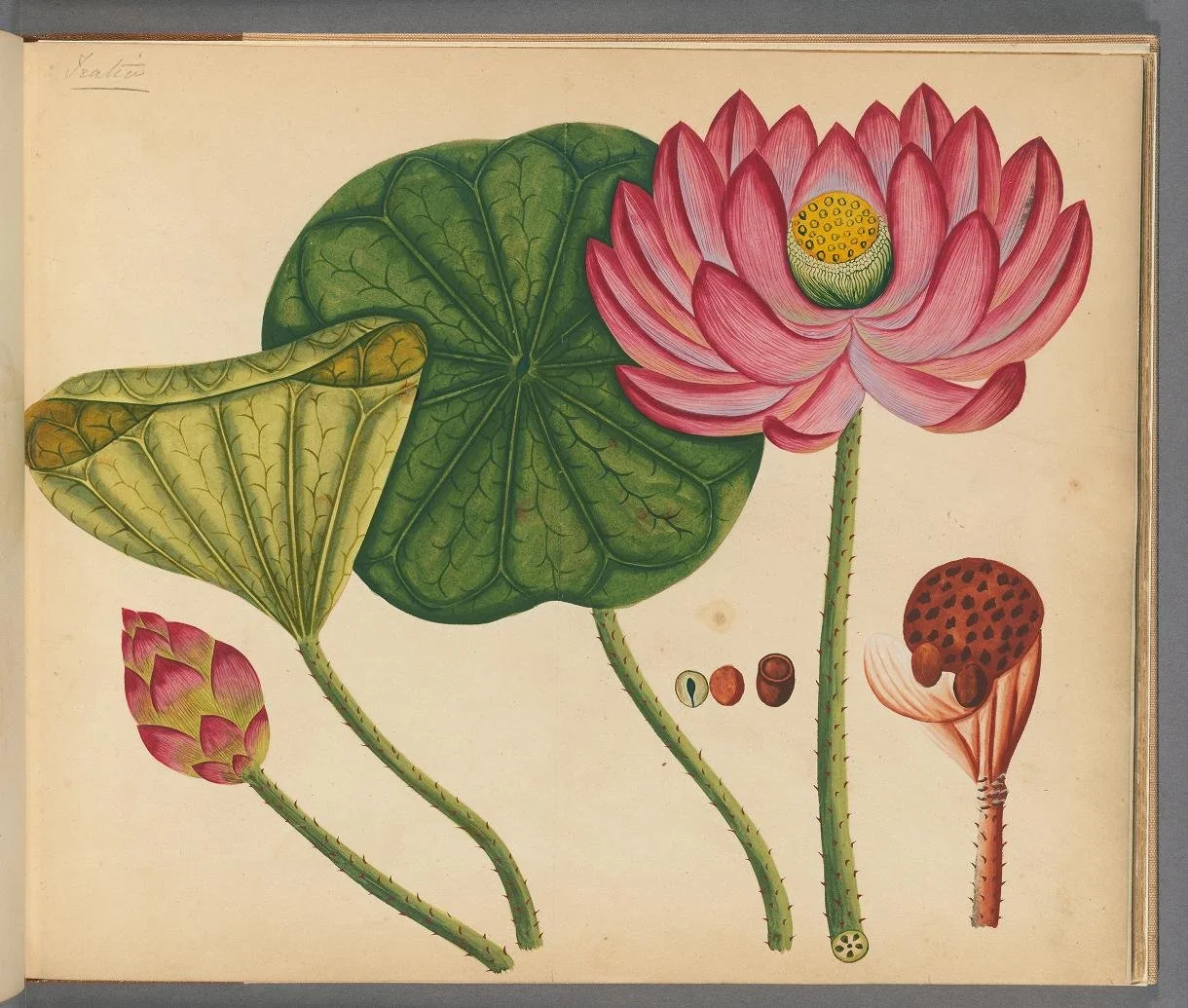
An album of Chinese flora * Chinese School * sample image * 1800

Collection of fruit bearing plants executed by one or more Chinese artists for Dr. Thomas Ward * Chinese School * sample image * 1828

The culture of the Central American rubber tree: botanical investigations and experiments * Cook, Orator Fuller * sample image * 1903

The Chayote: a tropical fruit * Cook, Orator Fuller * sample image * 1901

Bothalia - V1 * National Herbarium, University of South Africa, Pretoria * sample image * 1924

Bothalia - V2 * National Herbarium, University of South Africa, Pretoria * sample image * 1928

Bothalia - V3 Part 1 * National Herbarium, University of South Africa, Pretoria * sample image * 1930

Bothalia - V3 Part 2 * National Herbarium, University of South Africa, Pretoria * sample image * 1937

Bothalia - V3 Part 3 * National Herbarium, University of South Africa, Pretoria * sample image * 1938

Bothalia - V3 Part 4 * National Herbarium, University of South Africa, Pretoria * sample image * 1939

Bothalia - V4 Part 1 * National Herbarium, University of South Africa, Pretoria * sample image * 1941

Plastics Crisis – Beyond Plastics Grass Roots Advocacy Training

The Beyond Plastics Grass Roots Advocacy Training for Local Groups was a 2-hour online training offered by the Beyond Plastics organization in late October. It was very well done and built on the things I learned but never fully applied in the HoLLIE (Howard County Legacy Leadership Institute for the Environment) back in early 2018. The focus of HoLLIE was broader….but learning to have productive interactions with government (particularly at the local level) was very similar. Perhaps having a narrower focus will make it easier for me to go beyond public outreach.

The session was recorded, and they committed to sending out reference links afterward – primarily to items within the Beyond Plastics site. I managed to get some in my notes and have already started reviewing them.

My first action was to craft an email to everyone I know that might be interested in forming a local group in the Springfield area….hoping to find at least 3 people to form a local group… and start identifying our partners.

Missouri has a ‘ban on bans’ law that will limit our advocacy, but there are still a lot of opportunities to increase awareness of the issue and begin to reduce plastics (and microplastics) in our environment. The key for our local group will be to pick a reasonable initial goal…and start.

I also found out about an upcoming webinar: Protecting Our Health: Toxic Chemicals in Plastics  on November 12th at 6 PM CT and signed up for that.

And I pre-ordered Judith Enck’s book: The Problem with Plastics coming out in early December.

Beyond Plastics is a great resource and will be very helpful as we develop our goal(s) and plan. I have signed up to get their emails.

Previous Plastic Crisis posts

Gleanings of the Week Ending November 1, 2025

The items below were ‘the cream’ of the articles and websites I found this past week. Click on the light green text to look at the article.

7 Foods and Beverages That Have the Most Microplastics (and What to Eat Instead) – A list and a short video. I found myself wondering if we can really avoid the microplastics in apples and carrots…since some of them are from soil/water rather than packaging. There might not be a good choice out there since microplastic is everywhere.

Microplastics are everywhere. You can do one simple thing to avoid them. – Avoid heating plastic (in the microwave…by pouring hot drinks into it…washing synthetic fabrics in hot water…drying synthetic fabrics in high heat).

Bat: It’s What’s for Dinner – The bat predators might surprise you!

This experimental “super vaccine” stopped cancer cold in the lab - A groundbreaking nanoparticle-based cancer vaccine that prevented melanoma, pancreatic, and triple-negative breast cancers in mice—with up to 88% remaining tumor-free. The researchers envision that this platform can be applied to create both therapeutic and preventative regimens, particularly for individuals at high risk for cancer.

World Reaches a Climate ‘Tipping Point,’ Imperiling Coral Reefs - Scientists say that warming has breached a critical threshold for tropical coral reefs, which are expected to see catastrophic losses in the years ahead. The loss of reefs would have ramifications for the hundreds of millions of people worldwide who depend on them for food or income.

The liquid air alternative to fossil fuels - An overlooked technology for nearly 50 years, the first liquid air energy storage facility is finally set to power up in 2026. It's hoping to compete with grid-scale lithium batteries and hydro to store clean power and reduce the need to fall back on fossil fuels. The process works in three stages. First, air is taken in from the surroundings and cleaned. Second, the air is repeatedly compressed until it is at very high pressure. Third, the air is cooled until it becomes liquid, using a multi-stream heat exchanger: a device that includes multiple channels and tubes carrying substances at different temperatures, allowing heat to be transferred between them in a controlled way. When the grid needs extra energy, the liquid air is put to work. It is pumped out of storage and evaporated, becoming a gas again. It is then used to drive turbines, generating electricity for the grid. Afterwards, the air is released back into the atmosphere.

China’s Electric Highways: Awe, Engineering, and the Myths of Invisible Danger - China has built hundreds of thousands of kilometers of high-voltage corridors, connecting wind, solar, hydro, and coal resources spread across a continent-sized nation.

U.S. Whale Entanglements Are on the Rise, New Data Shows - The number of large whales that became entangled in fishing gear along coasts in the United States rose sharply in 2024. Officials were able to trace roughly half of the 2024 cases to specific commercial and recreational fisheries. The other cases involved gear that could not be directly linked to a specific source. Whale entanglements were documented off the coasts of 12 states, but 71 percent of cases occurred off California, Massachusetts, Alaska and Hawaii. A quarter of all entanglements took place off California, primarily in Monterey Bay.

The Erie Canal Turns 200 - Cutting 363 miles (584 kilometers) across the state of New York, the Erie Canal was the engineering marvel of its day when it opened in 1825. The waterway was built over 8 years through the toil of humans and animals, new tools and techniques, and plenty of ingenuity. It established a navigable route from Lake Erie to the Hudson River, forming a vital connection between the U.S. Midwest and the Atlantic Ocean. Commercial traffic on New York’s canals plummeted when ocean-going vessels could travel between the Great Lakes and the Atlantic Ocean via the St. Lawrence Seaway starting in the late 1950s. Two hundred years after the Erie Canal officially opened on October 26, 1825, it still handles a small amount of commercial shipping, but recreational boaters are its primary users.

How to Photograph Flat Prairies – Lots of ideas for photography on prairies!

Intimate Portraits of the Nenets Capture the Faces of Indigenous People in the Russian Arctic - Herders still live in chums and migrate several times a year with their reindeer. And yet they aren’t outside the modern world. Education is universal, snowmobiles are common, and some even post parts of their daily life on social media. Meanwhile, the region is developing fast thanks to its vast natural gas reserves.

Life Magazine in 1942

Internet Archive has digitized versions of many Life Magazines. I have been browsing through them – slowly since there was an issue for each week. As I looked at the issues from 1942, I saw the impact of Pearl Harbor on the nation and the magazine. There every week there were articles about the war and even the ads contained references to the war. It was a voice that both reported on and promoted the active support of the war effort by everyone.

(Click on any of the sample images below to see a larger version and the links to see the whole magazine online.)

 Life Magazine 1942-01-05

Life Magazine 1942-01-12

Life Magazine 1942-01-19

Life Magazine 1942-01-26

Life Magazine 1942-02-02

Life Magazine 1942-02-09

Life Magazine 1942-02-16

Life Magazine 1942-02-23

Ten Little Celebrations – October 2025

October included some great volunteer and travel experiences…and plenty at home to celebrate too.

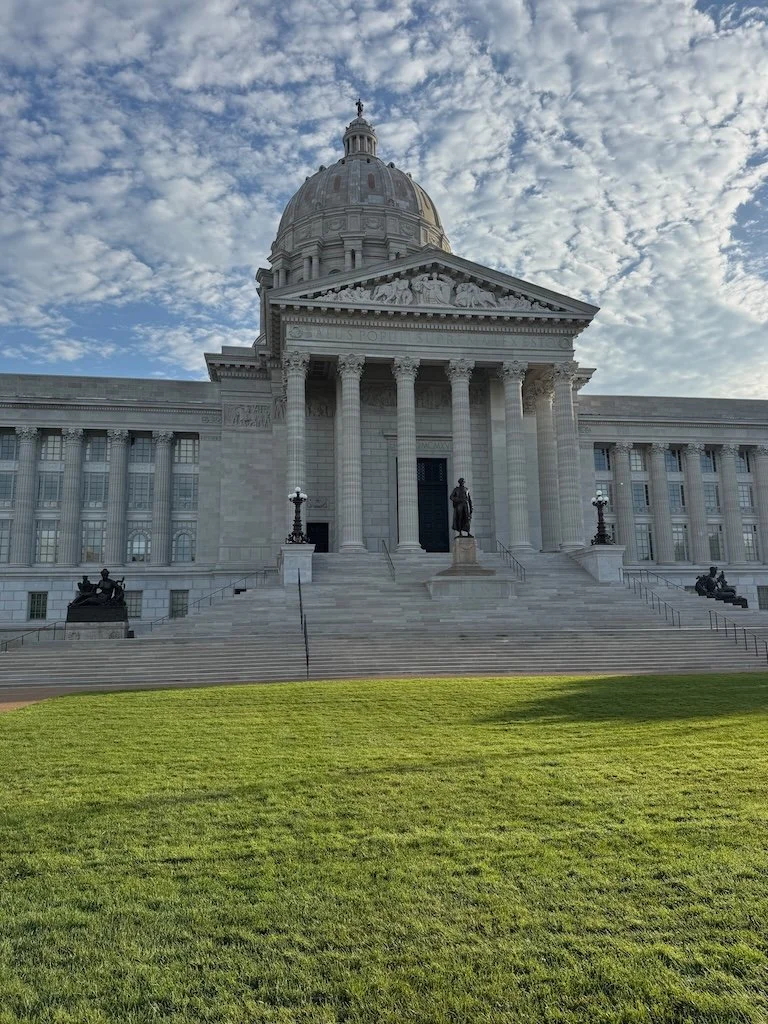
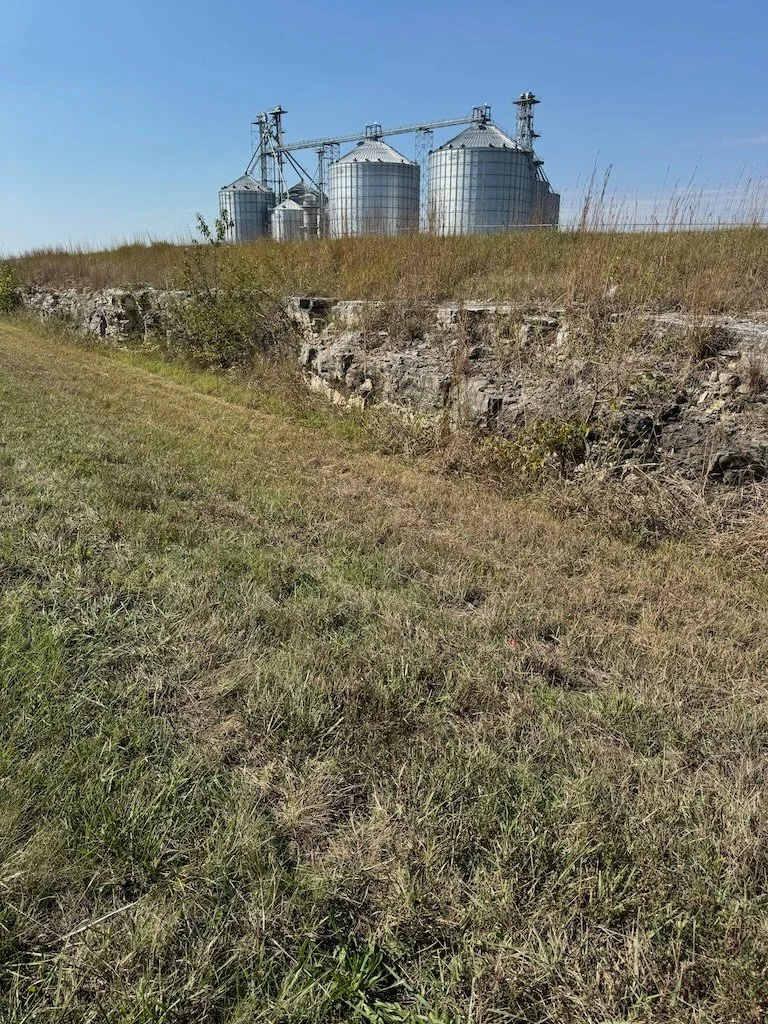
Road trip to Jefferson City – I celebrated the Missouri Department of Conservation Partners Roundtable (particularly Dr. Nadia Navarrete-Tindall talking about edible native plants), touring the Missouri capitol building, and Ha Ha Tonka State Park!

Corn on the cob from the grill - The temperatures were milder…we cooked on the grill more often and I always enjoy the corn on the cob cooked that way.

New faucets on bathroom and kitchen sink - My husband installed new faucets (with a little help from me holding things together while he tightened from underneath). The old ones had been leaking onto the counters when they were turned on. We are both enjoying the dry counters around the new faucets!

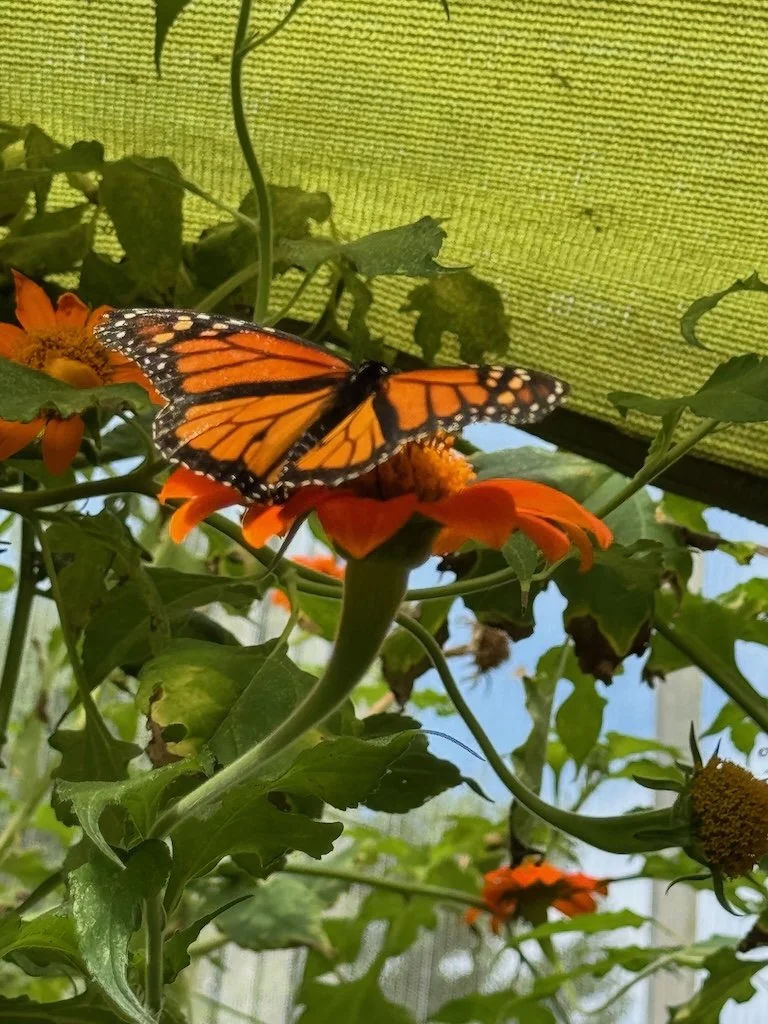
Season finale for the Butterfly House - I savored the final volunteer days and the celebration for the volunteers and staff.

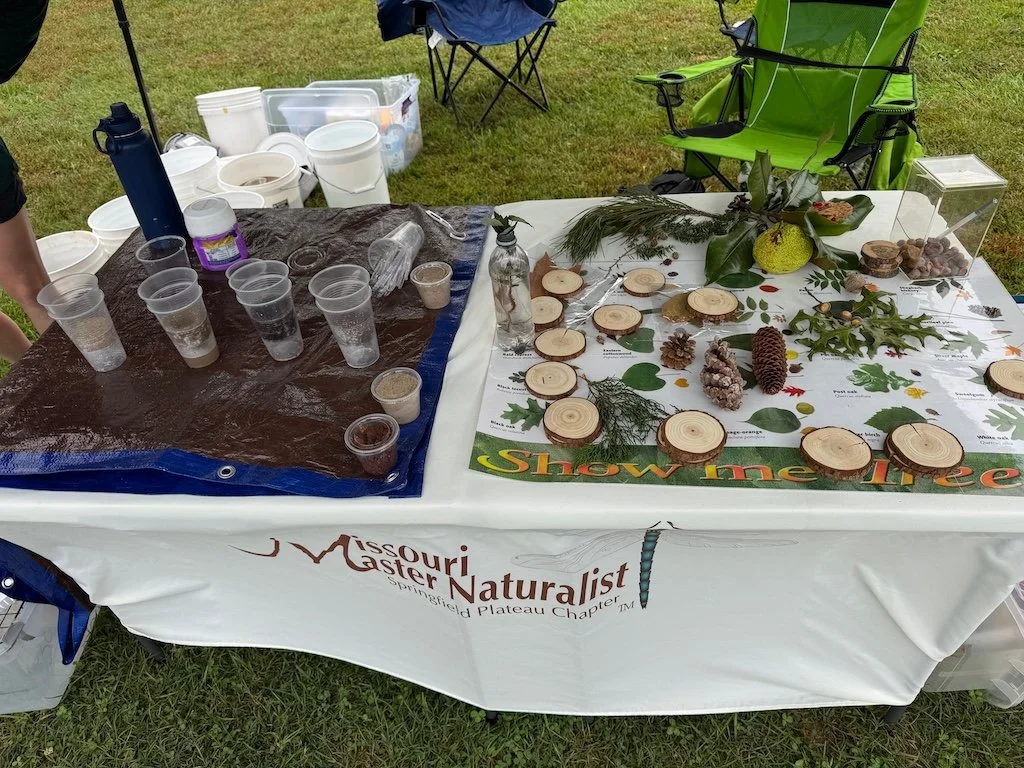
Home school fair – I celebrated that so many people visited my table at the Home school Fair and seemed to enjoy learning about trees.

My car repaired – The damage to my car (mostly underneath) was repaired and I have already taken it on a road trip. I celebrated that it was fixed quickly and that it looks ‘good as new.’

Hiking poles – I cheered myself onward during my first test walk with hiking poles…have high hopes that they will help me avoid back pain on future hikes.

Memory care – I celebrated finding two memory care facilities that would be good candidates for my dad’s next home. My sisters and I had a difficult time choosing (and it was stressful)….not something I am celebrating.

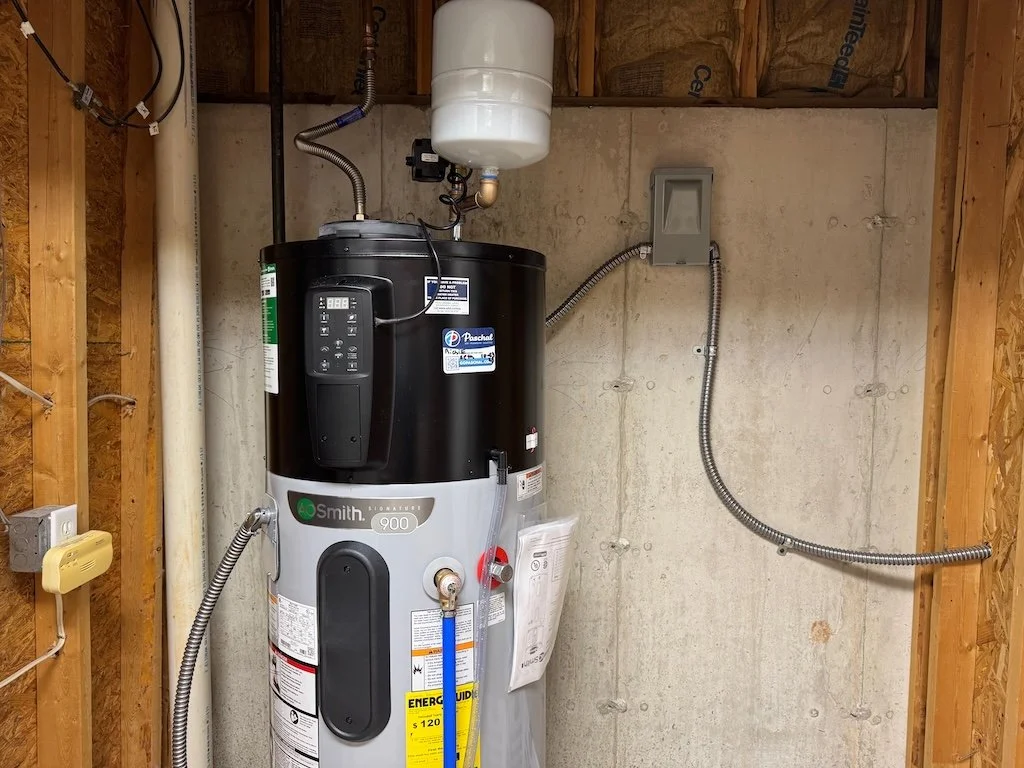
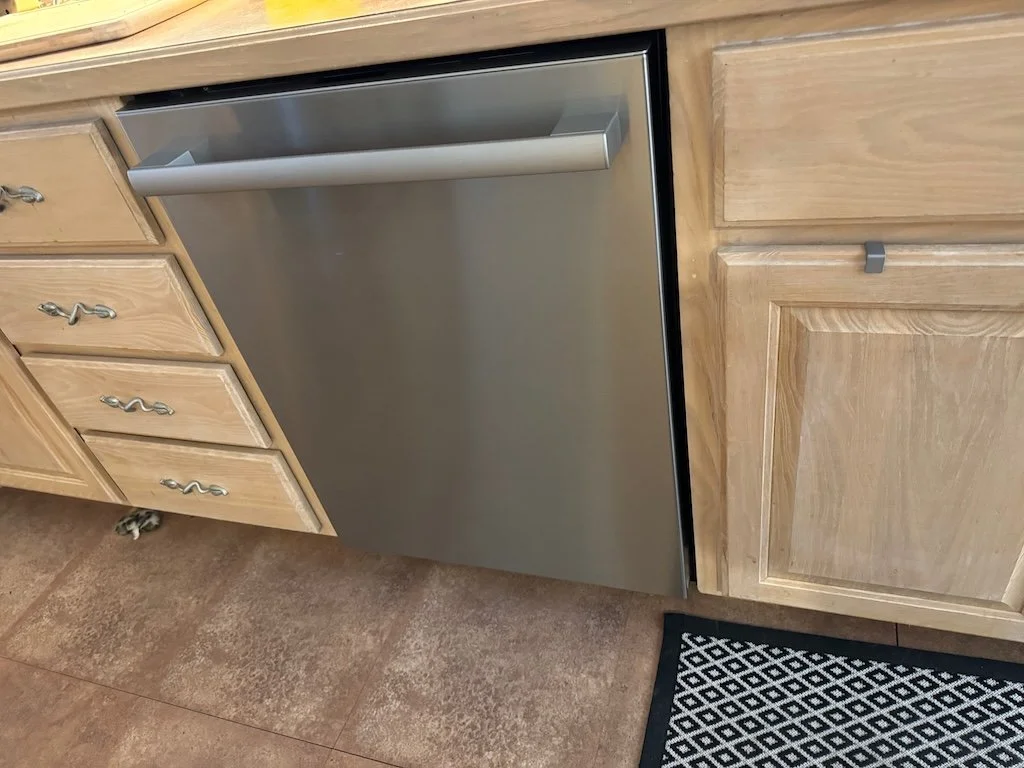
New hot water heater and dishwasher – I celebrated that the new appliances were installed quickly…that the hot water heater is better for the environment (heat pump electric rather than natural gas) and the dishwasher is quieter than our old one.

A rainy day - The past few months have been very dry in our area so the rainy days in the later part of October were something to celebrate – although the rain came too late to have brilliant leaf colors this fall. The leaves are still mostly on the trees…muted colors.

No Hot Water…and then the Dishwasher Broke

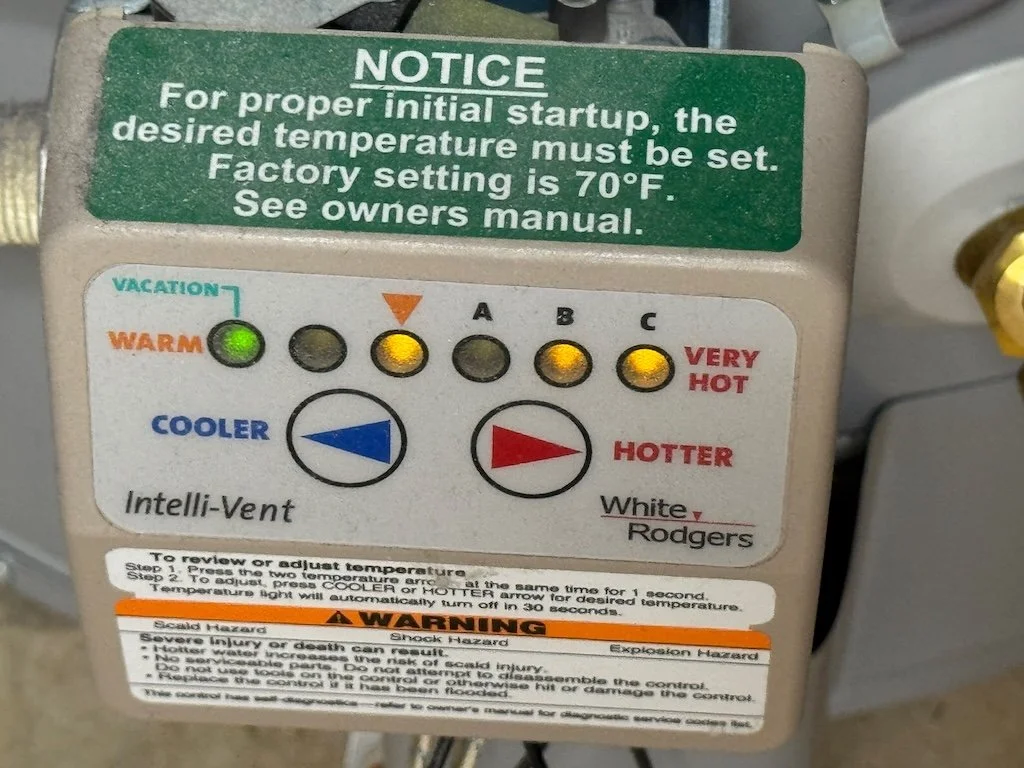
Our main hot water heater stopped working suddenly. I discovered it when the water never got hot for my morning shower. I went down to its closet in the basement as soon as I dressed, expecting to find water around it or something else that looked dire. Nothing! The only thing that looked odd was the temperature panel. It took some searching to find an online manual to figure out that the lights meant nothing about temperature but were an error code that meant ‘open igniter circuit.’ We called the company that handles our HVAC and water heater maintenance.

The person came later in the afternoon and discovered that it was not a simple fix…parts would have to be ordered, and they might not fix the problem. The unit was about 13 years old. They sent us cost estimates for replacement parts (but not a sure fix), a replacement like the high-end gas-powered unit that we had, and two types of heat pump hot water heater. We decided to transition to a heat pump with the only question being which one. An electrician would come out to evaluate the electrical situation; since there are two kinds of outlets near the existing unit, we thought either one of the heat pump units would work and tentatively picked the least expensive one.  

Our use of hot water has changed over the years. These days it is mostly for showers and the dishwasher. We rarely use hot water for laundry and try to minimize the rinsing of dishes before we put them in the dishwasher. That’s quite a change from even 10 years ago! We discovered that the dishwasher could heat the water sufficiently on its own without the hot water heater and used that change in setting for the duration we were without a working hot water heater.

The ‘apartment’ in our house with its own hot water heater provided access to hot showers while the saga of replacing our main hot water heater unfolded.

A few days after the hot water heater stopped working, the dishwasher broke (and produced a smell of melting plastic) when we selected the option to have it heat the water it was being supplied. The unit was over 13 years old so we opted to replace it.

A week later…

We have a new heat pump hot water heater and a new dishwasher. There was a minor amount of electrical work to move from the gas to an electric heat pump hot water heater (not a new circuit…just running a conduit from an existing plug/circuit a few feet to the hot water heater location).

We were pleased with how as fast it happened. The electrician came to evaluate the electrical situation and then two days later the installation of the hot water heater occurred. The day after that the dishwasher was replaced. My husband and I both felt our stress level going down!

Gleanings of the Week Ending October 25, 2025

The items below were ‘the cream’ of the articles and websites I found this past week. Click on the light green text to look at the article.

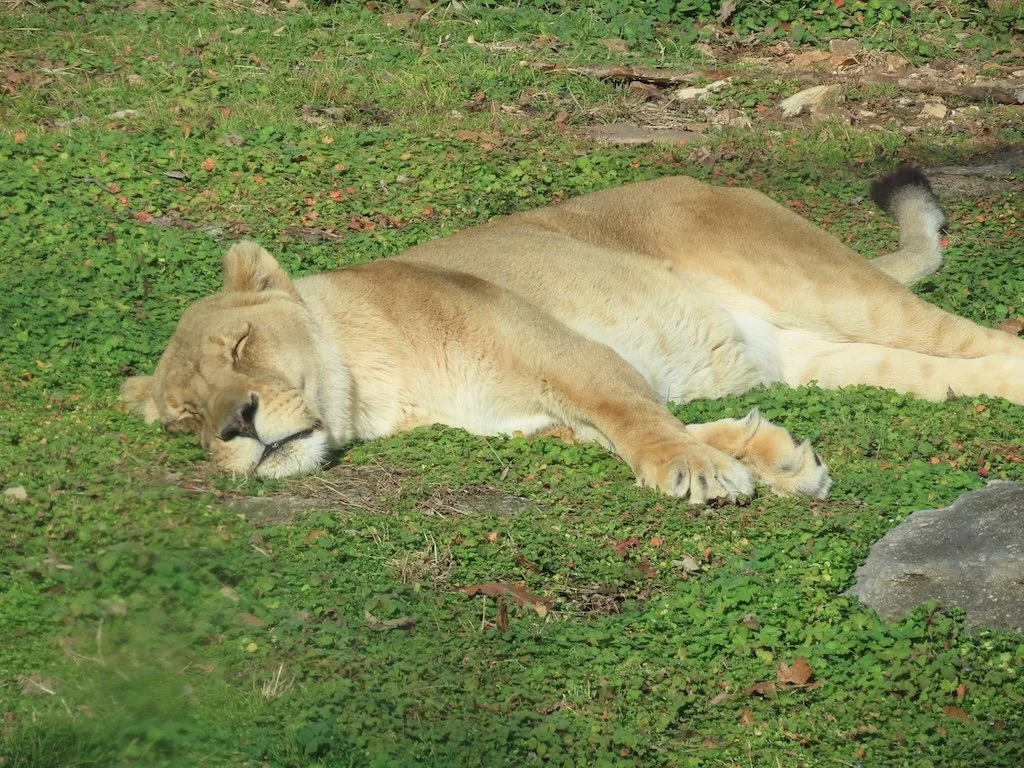
The maritime lions hunting seals on the beach - In Namibia, a group of desert lions have left their traditional hunting grounds for the Atlantic coast, to become the world's only maritime lions.

Progress on Africa’s ‘Great Green Wall’ Stalls as Seedlings Die Off - The African Union launched the project in 2007, planning to create a 10-mile-wide strip of trees that would stretch from coast to coast, across 11 countries in the Sahel. By stopping desertification, the project aimed to protect farmers, help shore up the supply of food, stem migration, and even fight extremism. But as of last year, the project was estimated to be only 30 percent complete.

The Red Sea that vanished and the catastrophic flood that brought it back - The Red Sea once vanished entirely, turning into a barren salt desert before being suddenly flooded by waters from the Indian Ocean 6.2 million years ago. The flood carved deep channels and restored marine life in less than 100,000 years. The Red Sea is a natural laboratory for understanding how oceans are born, how salt giants accumulate, and how climate and tectonics interact over millions of years.

Pumpkin: A favorite sign of fall, with a bit of shady history - When European settlers reached the present-day Americas, they encountered Indigenous people growing pumpkins — a useful source of food that's easy to grow and can be stored in cold weather. In precolonial times, Indigenous people in the Americas domesticated different types of these sort of pumpkin precursors at least six different times.

Egyptian Pharaoh’s Tomb Opens to the Public After 20-Year Restoration – Amenhotep III. The huge tomb is in a secluded part of the Valley of the Kings outside the southern city of Luxor and was in severe need of work following centuries of neglect. The tomb was discovered in 1799 whereupon its contents were looted. At its center, visitors today encounter the pharaoh’s giant granite sarcophagus lid, which is covered in hieroglyphics and was too heavy to be carried away.

New Solar Glass Cranks Up Lettuce Crop Yields by Almost 40% - The new solar glass (the performance of quantum dots integrated with passive solar glass) was field tested by researchers at the University of California – Davis. If the performance of lettuce is a bellwether for other crops.

The rise of ‘nightmare bacteria’: antimicrobial resistance in five charts - Antimicrobial resistance (AMR) is projected to cause 39 million deaths worldwide over the next 25 years. But global efforts to find treatments for drug-resistant infections are not going to plan. The reports show that the global antibiotic drug-development pipeline is facing a dual crisis: a scarcity of drugs in development and a lack of innovation in methods to fight drug-resistant bacteria. Awareness of this issue is increasing; however, it is still a silent pandemic with many deaths not being attributed to AMR.

A Search for the Cassia Crossbill, Idaho’s Endemic Bird - Searching for an endemic bird brings you fully immerses you in the complexity of the world. What might look like just another set of hills from the highway is revealed to be a habitat shaped by a lack of squirrels and abundant woodpeckers and thick pinecones. And that place offers you a glimpse of this special bird, one that exists only here, as if clinging to a lodgepole life raft in the desert.

Brain cancer that eats the skull stuns scientists - Glioblastoma isn’t confined to the brain—it erodes the skull and hijacks the immune system within skull marrow. The cancer opens channels that let inflammatory cells enter the brain, fueling its deadly progression. Even drugs meant to protect bones can make things worse, highlighting the need for therapies that target both brain and bone. The discovery reframes glioblastoma as a whole-body disease, not just a brain disorder.

Babies take a lesson from soldiers in the war against malaria - For years, the U.S. military has treated uniforms with insecticide to repel mosquitoes and the malaria they can transmit. In a rural part of western Uganda, 200 mothers with kids between 6 and 18 months got a permethrin-soaked baby wrap, while 200 others got a wrap just soaked in water. All participants got a brand-new treated bed net too. Over 6 months, 34 kids in the permethrin-wrap group tested positive for malaria, compared with 94 in the water-soaked wrap group. About 8.5% of babies had a mild rash in the treatment group compared with 6% in the control.

Charles H. Bennett – Illustrator

Charles H. Bennett was a British illustrator; 5 of his books that are available from Internet Archive are this week’s pick for eBooks. They were published between 1857 and 1872; the last one was published after his death in 1867.

He died early leaving his wife with 8 children and another on the way; his colleagues thought so highly of him that they raised funds to help the widow – enough that more than a decade after his death she claim to have ‘means derived from dividends.’

Car Repair

I posted about my 2017 Prius Prime being damaged by a parking space berm on my way back from the Missouri Department of Conservation Partners Roundtable. It is now fixed and looking great again – nothing dragging, no shredded plastic tire well. My insurance provided a rental car for the 5 days it was in the shop.

It has been a very long time (maybe 20 years) since I had a car repair that required replacing part of the body and paint. It seems that this time was more efficient and a shorter time in the shop. Of course, the online claim to my insurance and text messages providing status were something new. We are paying more for insurance now, but the out-of-pocket expense was probably about the same.

As I was driving the rental car, I realized that don’t drive rental cars as often as it did pre-Covid (when I would sometimes fly to Dallas and rent a car to visit my parents) and certainly not as often as during the later part of my career when I was traveling frequently for work. The rental car felt awkward to me – about the same size as my Prius Prime but without the same power; I didn’t get used to it in the short time I had it!

In the end – I am relieved that my car is back in the garage and ready for my next road trip to Dallas.

Plastics Crisis – Miscellaneous thoughts

There is a lot about microplastics in the news; I’ve added some of the articles to my Gleanings posts. Microplastics are an overwhelming challenge to every living thing…and thus an overwhelming challenge to us. It is hard to find truly effective means to do something about them – to reduce their prevalence in our lives and in our broader environment. The actions I have taken so far seem small but maybe they are a place to start….there need to be bigger actions to make a difference. In this post I in including some of my thoughts over the past few weeks…as I search for the path beyond changes I can make to reduce microplastics (somewhat) in my own life.

  • Plastics are not part of any heritage…they are too new for that. They are damaging our environment in ways that degrades our health slowly. By the time we think of plastics as part of our heritage, it might be too late to stop our decline as a species.  

  • It is time that we realize that there is a price for plastics’ convenience in our lives that we are just now beginning to pay.

  • Hotels use plastic glasses in their rooms now….wrapped in more plastic. Not that long ago they were glass. Ice buckets are plastic and there is a plastic bag liner. We assume that the plastic makes it ‘clean’ but is that true?

  • The plastic pots the small plants were purchased in were very flimsy. They cracked as I flexed them to get the plants out as I planted the seedlings into my yard. They are another source of single use plastic.

  • Spaghetti sauce is easy to find in glass jars…unlike a lot of other foods. It seems not that long ago that it was easy to find mustard and lemon juice in glass. Not anymore.

  • Why aren’t cosmetic companies advertising products that are free of microplastics/endocrine disruptors?

  • Why aren’t retailers demanding less plastic packaging particularly when it adds little or no value. For example: multiple plastic layers around larger packages of toilet paper, the plastic insert in tissue boxes that has to be removed before the cardboard can be recycled, and the little window in paper bags of cookies that makes that bag unrecyclable.

When I bring up microplastics in conversation, everyone seems somewhat aware of the problem, and many are as alarmed as I am. At the same time, everyone seems to be anxious but doesn’t know what to do. There appears to be no leadership from any level of government. Maybe the pervasiveness of microplastics puts them into a new category of issues that our modern cultures do not know how to address…and that is resulting in no action. Climate change is another such issue and the experience to date has been frustrating to everyone. Again – the default seems to be to forge ahead toward a dystopian future because the magnitude of the issue is too overwhelming.

Previous Plastic Crisis posts

Gleanings of the Week Ending October 18, 2025

The items below were ‘the cream’ of the articles and websites I found this past week. Click on the light green text to look at the article.

ACHOO Syndrome: A Strange Reflex That Causes Sneezing in the Sun - The photic sneeze reflex—also called autosomal dominant compelling helio-ophthalmic outburst (ACHOO) syndrome - affects almost a fourth of people worldwide.

They’re smaller than dust, but crucial for Earth’s climate - Coccolithophores, tiny planktonic architects of Earth’s climate, capture carbon, produce oxygen, and leave behind geological records that chronicle our planet’s history.

An E.U. Plan to Slash Micropollutants in Wastewater Is Under Attack - Earlier this year, a European Union directive mandated advanced treatment of micropollutants in wastewater, with the cost to be borne by polluters. But the pharmaceutical and cosmetics industries, which are responsible for most of those contaminants, are now pushing back.

Researchers Crack the Lost Origins of an Ancient Egyptian Temple - In a 4,000-year-old creation myth from ancient Egypt, god manifested as high ground that rose out of watery chaos. New research suggests this myth of the primeval mound may have inspired the first temple to Amun-Ra at Karnak, a site in the religious capital of Thebes that over the course of millennia became one of Egypt’s most important complexes. Across the entire Theban area, the land on which the Amun-Ra temple was built was the only high ground permanently surrounded by water. Its connection to the creation myth would have been apparent as the Nile floodwaters rose and receded each year, creating the illusion of the mound rising out of the river.

Ancient bathhouse unearthed in Türkiye's Olympos reveals life of Byzantine bishop - The bathhouse was not only for the bishop’s private use. It had entrances both from the main street and from the house. On certain days of the week, the bishop allowed ordinary townspeople to use it free of charge, both for hygiene and for health purposes.

Hawaii Hits Milestone in Rooftop Solar - Hawaii has the highest rate of rooftop solar power adoption in the US, on a per capita basis. Rooftop solar has hit 44% penetration among single-family homes on Oahu, the state’s most populated island.

The remarkable rise of eBird – the world’s biggest citizen science project - In the month of August this year, 123,000 birders submitted 1.6 million lists of sightings. It has now hit a total of 2 billion bird observations since inception. The data is showing in sobering detail how the abundance of many species is changing, almost always downwards.

Electricity Use Is Becoming More Common for Residential Heating in USA - An increasing share of U.S. households are using electricity for heating, although natural gas remains the most common heating fuel. In 2024, 42% of U.S. households reported that electricity was their main space heating fuel, according to annual estimates from the U.S. Census Bureau’s American Community Survey. Natural gas was the main heating fuel in 47% of homes last year, a decline from 49% in 2010.

Scientists suggest the brain may work best with 7 senses, not just 5 - The memory of humans and other living beings is an enigmatic phenomenon tied to the property of consciousness, among other things. Advancing the theoretical models of memory will be instrumental to gaining new insights into the human mind and, perhaps, recreating humanlike memory in AI agents.

For the First Time, Renewables Supplying More Power Globally Than Coal - In the first half of this year, renewable energy grew faster than power demand, leading to a small drop in the consumption of coal and natural gas. In a first, renewables generated more electricity globally than coal, fulfilling a 2020 prediction by the International Energy Agency, which saw clean energy surpassing coal this year.

Andrew Garrett’s Fishes

Andrew Garrett was an American explorer, naturalist, and illustrator. He was born in Vermont in 1823 but spent most of his life (from 1857 to 1887) on pacific islands including Hawaii from 1857-1863). He was completely self-taught…became a skilled artist and adventurer/scientist of shells and fishes. The 7 volumes that are my ‘book of the week’ are his watercolors of fishes; they are available from Internet Archive. This work became the baseline of south sea fishes for the next generation of ichthyologists.

 Andrew Garrett (1823-1887) collection of 489 original watercolour drawings of South Sea fishes V1

Andrew Garrett (1823-1887) collection of 489 original watercolour drawings of South Sea fishes V2

Andrew Garrett (1823-1887) collection of 489 original watercolour drawings of South Sea fishes V3

Andrew Garrett (1823-1887) collection of 489 original watercolour drawings of South Sea fishes V4

Andrew Garrett (1823-1887) collection of 489 original watercolour drawings of South Sea fishes V5

Andrew Garrett (1823-1887) collection of 489 original watercolour drawings of South Sea fishes V6

Andrew Garrett (1823-1887) collection of 489 original watercolour drawings of South Sea fishes V7

Homeschool Fair 2025

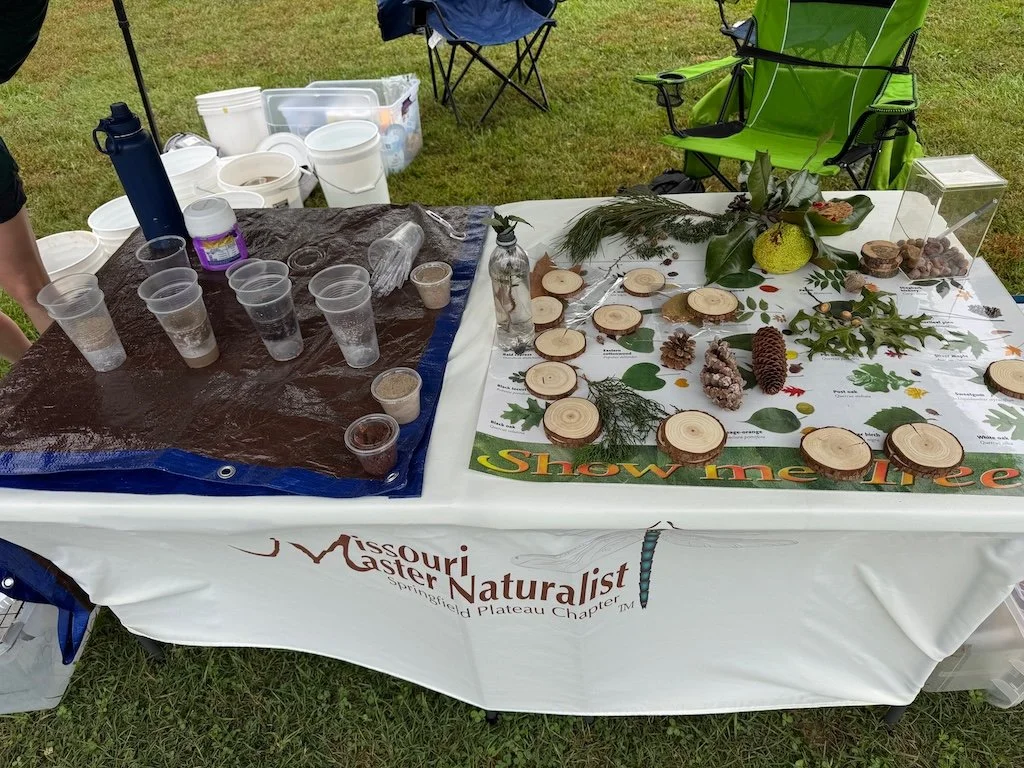
I provided a Missouri Master Naturalist table at an annual Homeschool Fair; the year it was held at the Springfield Botanical Garden. Our original location was not available (a delay in a renovation) so we were on a grassy area under a canopy. I shared my tree table with another Master Naturalist doing a soil filtration demo! The image below is what the table looked like before the crowd.

While we were setting up, it was very foggy, and we wondered if we would get some rain. Fortunately, it didn’t rain although here was a brief time that was blustery, and we had to grab things on the table and legs of the canopy! That was all before the event started.

The event was from 10-2 with a short break for lunch (for me it was only enough time to eat a protein bar). There were over 400 people that came by our table and I gave out all my copies of Missouri Department of Conservation booklets on trees.

Between the Homeschool Fair and the Native American Heritage Celebration, our chapter of Missouri Master Naturalists interacted with about 1000 people! There are some lessons learned to apply to future events:

  • Have at least 2 volunteers per table during peak times

  • Assign the person not doing as much talking to use the clicker…get a good count of people visiting the table

  • Tie the 2 corners of the tablecloth together at each end of the table; the table clothes are extra-large so this helps keep them from dragging on the ground plus reduces the impact of breezes on the tablecloth.

  • The table signs for the chapter take too much room on the table. We need an alternative type of sigh…maybe something that could hand from the canopy.

Plastics Crisis: A continuing journey

The past few weeks have been very busy, and I haven’t had time report on my continuing journey.

I attended my first ‘show me less plastics’ bimonthly zoom meeting. Everyone on the call seemed to be in the same initial mode…trying to figure out how to move forward. The largest group was from St. Louis…some from Kansas City and Columbia. There was one other person from Springfield. I will continue to dial into the zoom meetings and use them as a forcing function for myself to have something to report!

CNN did an experiment with three of its reporters (in New York, London, and Hong Kong) wearing chemical-tracking wristbands to find out what kind of chemicals they are exposed to. The video report can be found online - https://www.cnn.com/2025/10/08/climate/video/chemical-monitoring-wristbands-climate-digvid although there is not a lot of detail…it does indicate that people in big cities are probably exposed to a lot of chemicals as they go about their daily lives.

Living near a smaller city (Springfield MO), I do track the air quality. I know that when it is not green, the PM2.5 pollutants are usually the pollutant that is high…and that is made of microplastics and associated chemicals. The air quality where I lived in Maryland (between Baltimore and DC) prior to moving to Springfield was yellow more frequently and, sometimes, even made it to the red level.  So – moving to Springfield probably has reduced my exposure somewhat.

When I had my annual checkup with my doctor, I brought up microplastic exposure and she acknowledged the issue…but didn’t have any specific recommendations about what to do aside from avoiding bottled water and looking hard at getting plastics out of the kitchen, particularly anything that is heated and contacts food.

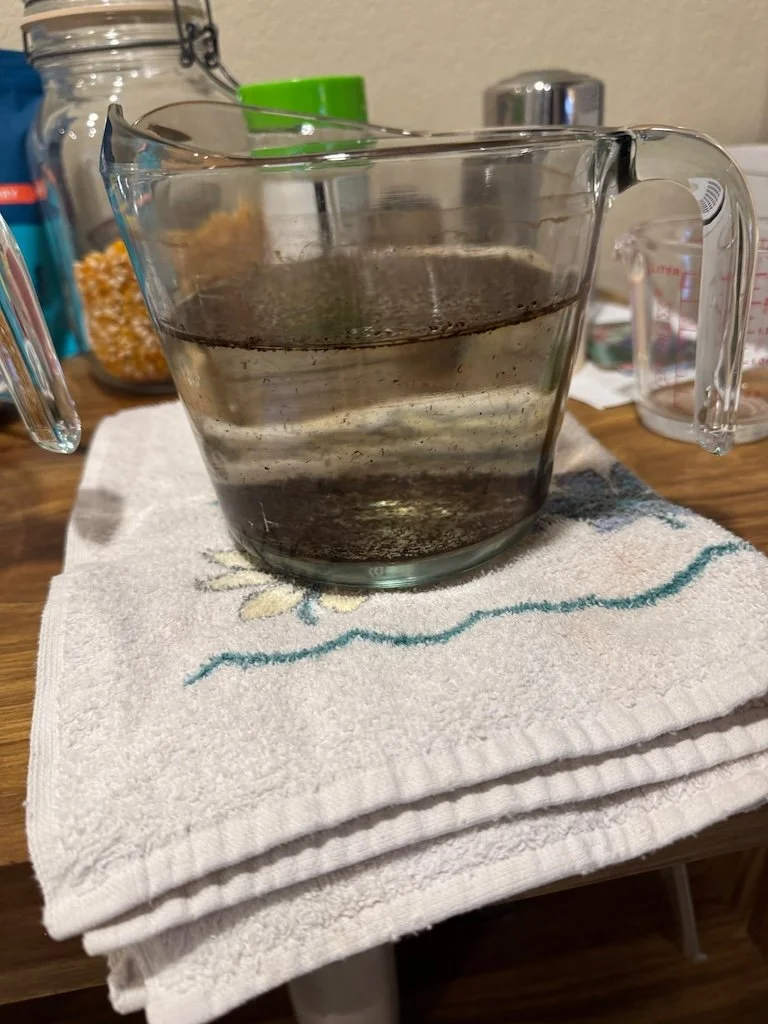
I have reduced my soft drink consumption to almost zero (avoid plastic bottles) and am drinking more iced tea. But wait….coffee makers (that I was using to make tea) have a lot of plastics and there are plastic fibers in many filters (so they will hold up better) and some tea bags are glued together (a plastic). Obviously there is heat involved in making tea so I changed my process:

  • Old Pyrex measuring cup (it was my mother’s and the markings are almost worn off)

  • Cut open the tea bag and empty the contents into the water

  • Heat in the microwave

  • Strain the tea leaves with a metal strainer

It’s becoming a good routine….and I am aware that making tea is becoming a ritual rather than just a routine because of the old Pyrex. It could be almost as old as I am!

One thing I am noticing…my trash and recycle are trending downward…not as much in the bins. That’s a good thing!

Previous Plastic Crisis posts

MDC Partners Roundtable

I’ve posted about the side trips I did to and from my trip to Jefferson City…but the reason for going was the Missouri Department of Conservation Partners Roundtable! It was a 2-day conference and a learning experience for me as a Missouri Master Naturalist.

There was the usual bling – a canvas tote (I might leave this one in my car to use when I don’t have my regular grocery bags with me), a 2026 MDC calendar (beautiful Missouri pictures…we’ll hang it on the side of our refrigerator in January), and a lanyard. I picked up a small flashlight from one of the tables and won a hammock when I asked a question in the closing session!

My favorite of the Plenary Speakers was Dr. Nadia Navarrette-Tindall from Lincoln University….talking about native plants….edible ones in particular. I stopped by her table after the talk and enjoyed a persimmon. I also picked up a card about a plant with edible leaves -Rubekia laciniata; common names for it are sochan, golden glow, and cutleaf coneflower. There was a native plant sale the weekend after the conference, and I bought golden glow and a pawpaw….so the talk prompted an immediate action. I hope Dr. Navarrette-Tindall will talk at next summer’s Missouri Master Naturalist Conference.

I was asked to play an ‘expert witness’ in a mock trial of an invasive species in one of the sessions the next morning. It was fun…a little stressful in front of a room full of people but worth it for the experience. It was part of a session for Show-me Green Schools.

There was a session where some brainstorming was done, and the organizers said they would send out a summary…but I haven’t received it yet and am disappointed. It was the most strategic session of the conference.

In general – I came away from the conference understanding that there are a lot of good things being done by MDC and their partners…but there does not seem to be much wiggle room for innovation or doing more. That is concerning because climate change and growing plastic pollution…maybe other factors too…are causing changes that existing conservation efforts might not address very well.

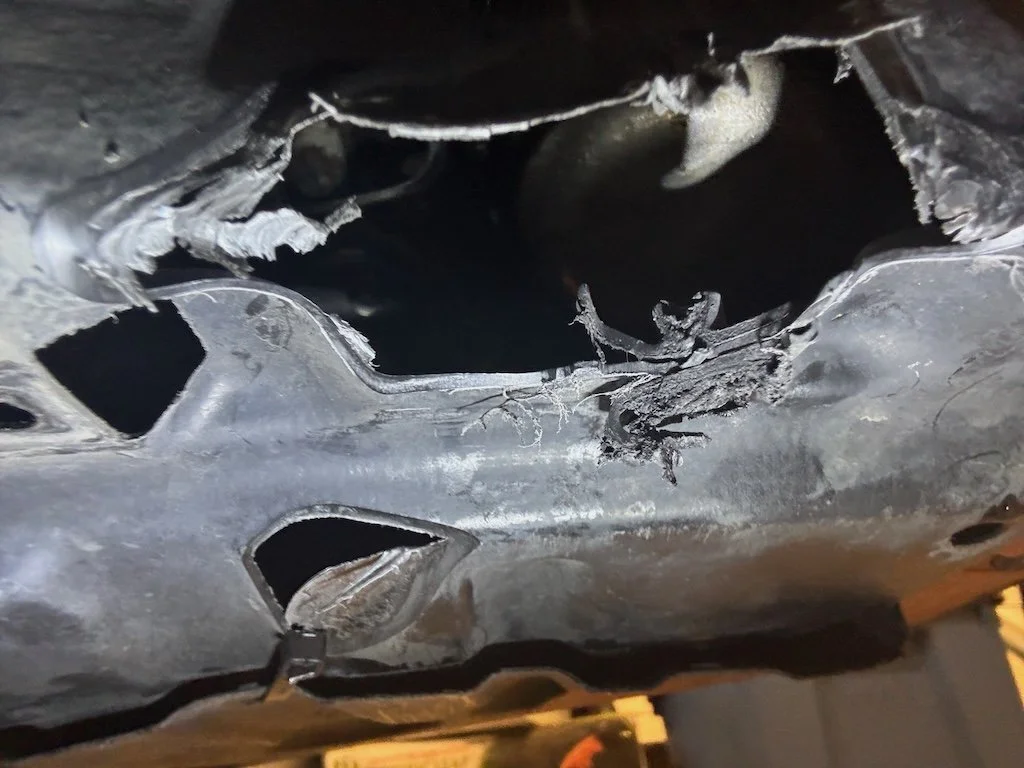
On the way home I stopped to get a snack…and scraped the bottom of my car (a concrete berm at the front of the parking spot…a little too high for the front of my car). It didn’t seem like anything was wrong until I was back on the highway. I heard a noise from the front passenger side of the car…stopped…discovered there was a piece of the tire well hanging down/damaged. I used my phone to photograph underneath. The piece could be pushed up but wouldn’t stay so I moved to more secure place on a sideroad rather than on the highway…and called for a tow. It was a very different process to get home than I anticipated!

Gleanings of the Week Ending October 11, 2025

The items below were ‘the cream’ of the articles and websites I found this past week. Click on the light green text to look at the article.

What Makes Bruises Change Color Over Time? - What appears as a red or purplish skin contusion in the beginning, slowly transitions to green, yellow, and finally brown, before disappearing entirely. What are the mechanisms that produce this bouquet of bruise colors?

Scientists finally explain the real reason pregnant women get morning sickness - According to the National Institutes of Health, up to 80% of early-stage pregnant mothers experience some nausea, vomiting and aversions to certain foods and smells. A unique mix of inflammatory responses function to prevent the mother's body from rejecting the fetus, alongside adaptive behavioral mechanisms, like nausea, that encourage the mother to avoid foods that are potentially harmful, especially in the first and second trimesters when the fetus is most vulnerable.

This company is turning empty offices across America into farms - Area 2 Farms is a three-year-old company based in Arlington, Virginia, that’s taking the concept of indoor farming to unusual spaces. Its first farm, in Arlington, grows dozens of varieties of crops (including lettuce, spinach, carrots, potatoes, tomatoes, and mushrooms, as well as more niche items like amaranth microgreens and purple shamrock) in a low-slung brick building tucked between a dog day care and a car repair shop. The goal is to eventually build indoor farms within 10 miles of 90% of the U.S. population.

Bird Soaring Below a Total Solar Eclipse Wins 2025 Bird Photographer of the Year – Some beautiful…some thought provoking.

In Her Final Interview, Jane Goodall Issued Urgent Call to Protect the Planet - “We need to protect this planet and think about the future,” she told The Wall Street Journal. “Because if we don’t, that’s the end of our species. Humans are not exempt from extinction.”

Leaf Layer Safari: How to Spot Hidden Moth Cocoons in Your Backyard - This autumn, instead of raking, try exploring. Step carefully, look closely, and you may discover a miniature safari happening right under your feet.

Scientists Studied the Genes of a Woman Who Lived 117 Years - The findings point to a combination of genetic luck and lifestyle choices.

The Secret Apartment Atop the Eiffel Tower - Around 1,000 feet above Paris’ streets perches Gustave Eiffel’s apartment, complete with a bathroom, a kitchen, and wax sculptures of Eiffel, his daughter, and Thomas Edison. At the very top of the tower, Eiffel allotted himself a 1,075 square foot private office, and with it the best view in Paris. After all, he had footed three-quarters of the bill.

Winter Transforms the Mississippi River Delta - The Mississippi River’s watershed drains 41 percent of the United States (spanning all or part of 31 states) and reaches into two Canadian provinces. Its nutrient-rich waters support fertile agricultural lands along its shores and throughout the deltaic basin. The river also plays a role in the U.S. economy by providing transportation shipping routes. To maintain these functions, engineers have implemented channelization to help maintain navigable shipping lanes and, in recent decades, launched sediment diversion projects aimed at returning vital sediments to the wetlands.

How to future-proof your knees - After back pain, throbbing aches in the knees are the most cited musculoskeletal ailment in older adults. The post shows five quick, home-based exercises which will all help.

Niagara: Two Centuries of Changing Attitudes

The Corcoran Gallery of Art organized an exhibit of art featuring Niagara Falls in 1985. The exhibit book is available for browsing on Internet Archive. There are four essays included:

  • Nature’s Grand Scene in Art

  • An American Icon

  • Doing Niagara Falls in the Nineteenth Century

  • The Role of Niagara in America’s Scenic Preservation

Or – just browse the book for the art! I’ve selected 4 sample images…there are a lot more to be found by browsing the whole book (link below).

Niagara: Two Centuries of Changing Attitudes, 1697-1901

Gleanings of the Week Ending October 4, 2025

The items below were ‘the cream’ of the articles and websites I found this past week. Click on the light green text to look at the article.

Why Does the Immune System Struggle When the Weather Changes? - Warmer environments promote better immune responses because less energy is diverted to regulating the body’s temperature. At colder temperatures, more resources are shuttled toward homeostasis, leaving less fuel available for immune cells. The cold temperatures are anti-inflammatory. The immune response just doesn't work as well and, molecularly, the adhesive interactions don't really bind as well. Seasonal shifts also bring changes in humidity and wind, which can affect the skin and mucosal barriers, and in turn, the immune response. Drier conditions can lead to more pathogens or other irritants entering the body, driving inflammatory responses. In contrast, excessive humidity can reduce the evaporation of sweat, thus preventing the body from being able to cool itself. Cold temperatures drive people indoors, where pathogens spread more easily. Meanwhile, warm days draw individuals outside, where people can be exposed to pollutants and allergens, which can render immune responses less prepared to fight actual infections.

Toxic-Free Future 2024 Report Card – How does your grocery store rank?

Your kitchen is full of microplastics. Here's how to eat less of them – Now that I am aware of the microplastic issues…there seem to be a lot of articles on the topic. I liked this one because it pointed to some real research and there were actions one could take to reduce microplastic exposure.

What Are Microplastics Doing to Our Bodies? This Lab Is Racing to Find Out. – This article is from last April, but it provides some information about the type of research that is being conducted…trying to understand the impact of microplastics on our bodies.

Why Alaska’s salmon streams are suddenly bleeding orange - Warming Arctic permafrost is unlocking toxic metals, turning Alaska’s once-clear rivers into orange, acid-laced streams. The shift, eerily like mine pollution but entirely natural, threatens fish, ecosystems, and communities that depend on them—with no way to stop the process once it starts. (Climate change…the US denial of its existence does not stop it.)

Inouye Solar Telescope Captures Most Detailed Images Ever of Powerful Solar Flares - Scientists hope that this new imaging can lead to improvements in solar flare modeling and a better understanding of the magnetic field in the sun’s corona. But even the most casual viewer will find much to enjoy in these photos: deep-red ribbons arch and swirl across a fiery plain, with bright flares peppered throughout.

This EV Sales Chart Really Embarrasses The USA – The US has become the laggard of the world in EV sales. It does not bode well for the future of our country.

Three-Minute Take-Home Test May Identify Symptoms Linked to Alzheimer’s Disease Years Before a Traditional Diagnosis - In 2021, 57 million people across the planet were living with dementia. This class of memory-related diseases is the world’s seventh greatest killer, and Alzheimer’s disease is its most common form. In a study published this month in the journal Brain Communications, researchers say the experimental test, called the Fastball EEG, can detect Alzheimer’s significantly earlier than a traditional clinical diagnosis would. In the study, each participant put on a cap that monitored the brain’s electrical activity as they viewed a series of images on a tablet. Some of the images belonged to a set that participants were shown before the start of the test, while others were entirely new. The Fastball test is just three minutes long and passive, meaning all that is required of the patient is to watch the images—they don’t have to follow instructions or actively remember anything. The results of the at-home test are sent directly to a patient’s doctor. Hopefully - Fastball EEG can one day be used as a screening tool for patients over 55 years old, though more research is needed to identify the best time to take the test.

Harnessing the superpowers of the most resilient life form on Earth - While water bears often must cope with drying out, it's less clear why they would need to survive baking hot temperatures, being cooled to just above absolute zero, or radiation only found in outer space.

The Secrets Behind the Roman Colosseum’s Enduring Engineering - Measuring roughly 615 feet in length, 510 feet in width, and 157 feet in height, the Colosseum was the largest amphitheater anywhere in the Roman Empire. Its capacity rivals that of modern stadiums; it can seat as many as 90,000, on par with London’s Wembley Stadium. Ancient texts and archeological studies both indicate that the construction of the Colosseum, which lasted from 72 to 80 C.E., was a meticulously planned and highly coordinated affair. The Colosseum hosted not only gladiatorial games, but also animal hunts, mock naval battles, public execution of criminals, and theatrical performances. Inside, seating was divided by social class, with the emperor and senators seated in the front rows and the plebeians, or common people, farther back. Although the structure survived the test of time, the Colosseum we know today is but a shadow of its former self. During the Early Middle Ages, following the fall of the Western Empire, almost all its moveable interior furnishings, including statues, wooden scaffolding, and marble seats, were removed and sold—an unceremonious end to a monumental history.

eBotanical Prints – September 2025

Twenty more books were added to my botanical print eBook collection in September - available for browsing on Internet Archive.  The publication dates span over 300 years – 1570 to 1888!

My list of eBotanical Prints books now totals 3,203 eBooks I’ve browsed over the years. The whole list can be accessed here.

Click on any sample image from September’s 20 books below to get an enlarged version…and the title hyperlink in the list below the image mosaic to view the entire volume where there are a lot more botanical illustrations to browse.

Enjoy the September 2025 eBotanical Prints!

Album of field plants and cultivated plants * Le Moyne de Morgues, Jacques * sample image * 1580

A collection of fruits from the West Indies, drawn and coloured from nature * Byam, Lydia * sample image * 1800

Drawings of tropical flowers and fruits, from South America * Empson, Charles * sample image * 1830

Botanical manuscript of 450 watercolors of flowers and plants * anonymous  * sample image * 1740

Collection of seventy-eight water color plates of plants * anonymous  * sample image * 1700

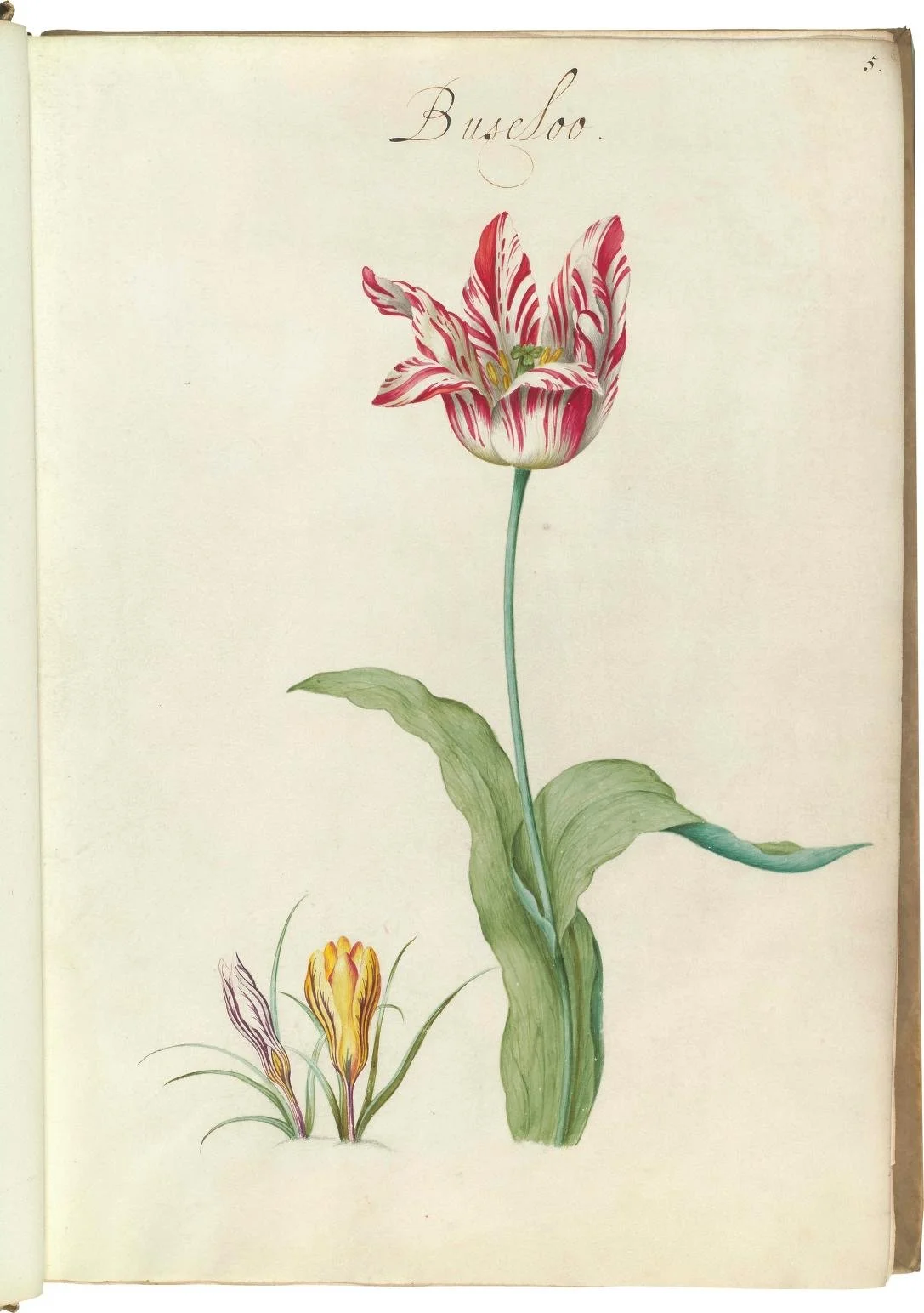
Tulpenboeken * Marrel, Jacob * sample image * 1670

Album of watercolors of Asian fruits and flowers * anonymous  * sample image * 1798

Plantes des environs de Paris * Turpin, Pierre Jean Francois * sample image * 1805

Illustrationes florae Novae Hollandiae, sive, Icones generum * Bauer, Ferdinand * sample image * 1813

Piante varie * Garzoni, Giovanna * sample image * 1650

L'art de peindre les fleurs a l'aquarelle : précédé d'un traité de botanique élémentaire, et orné d'un choix des plus belles fleurs * Dufour, Augustine * sample image * 1837

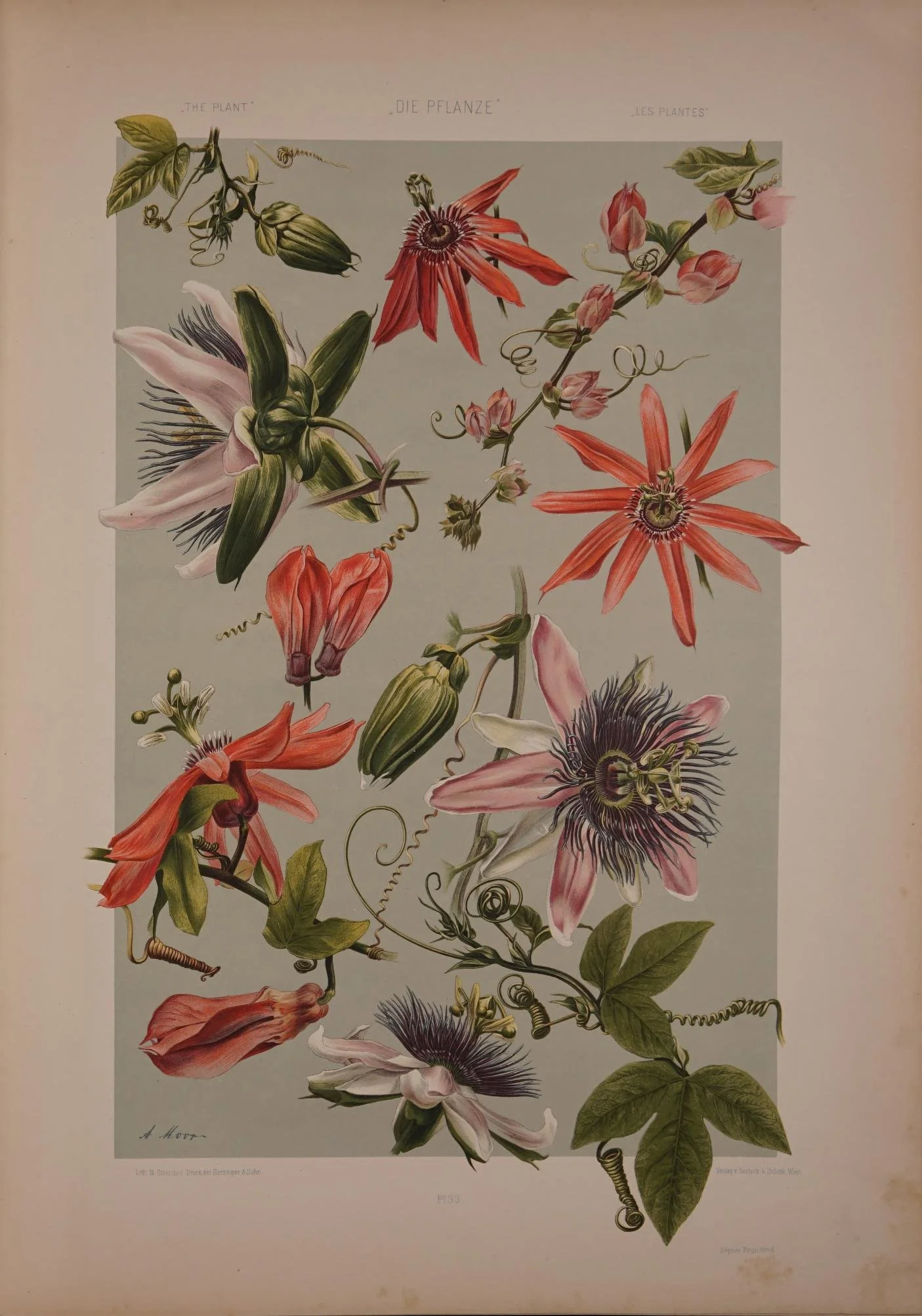
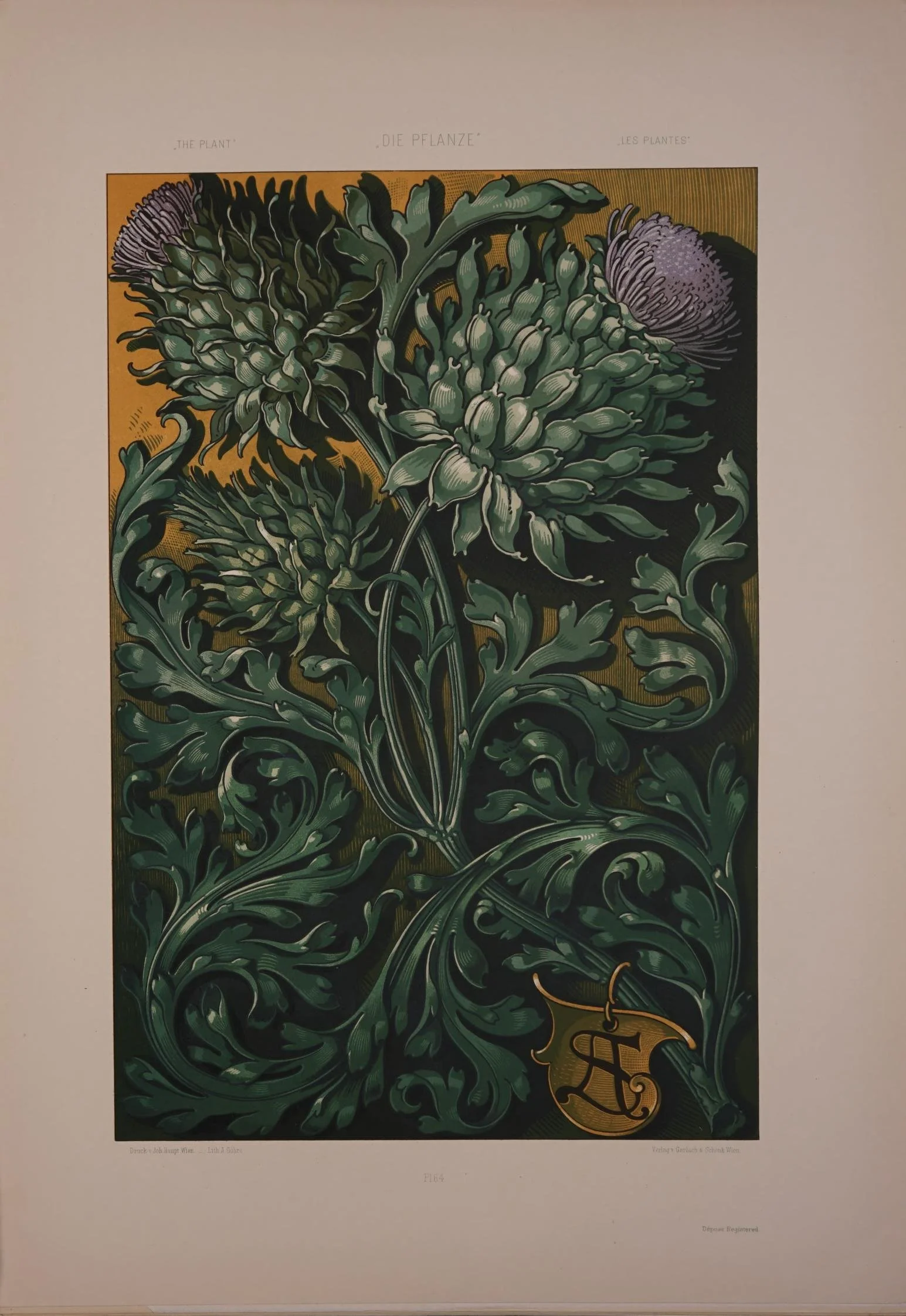
Die Pflanze in Kunst und Gewerbe V1 * Seder, Anton; Gerlach, Martin; Ilg, Albert  * sample image * 1886

Die Pflanze in Kunst und Gewerbe V2 * Seder, Anton; Gerlach, Martin; Ilg, Albert  * sample image * 1886

Conversations on the botany of the Scriptures * Coxe, Margaret * sample image * 1837

Water-color sketches of plants of North America and Europe - Volume 12 * Sharp, Helen * sample image * 1888

Album of Chinese watercolors of Asian fruits * anonymous  * sample image * 1810

Paintings of Flowers, Butterflies, and Insects * Le Moyne de Morgues, Jacques * sample image * 1570

Roland Thaxter sketch book * Thaxter, Roland * sample image * 1886

British grasses * Wharton, Elizabeth and Margaret * sample image * 1802

The compleat florist * Robsinson, J. (seller) * sample image * 1747

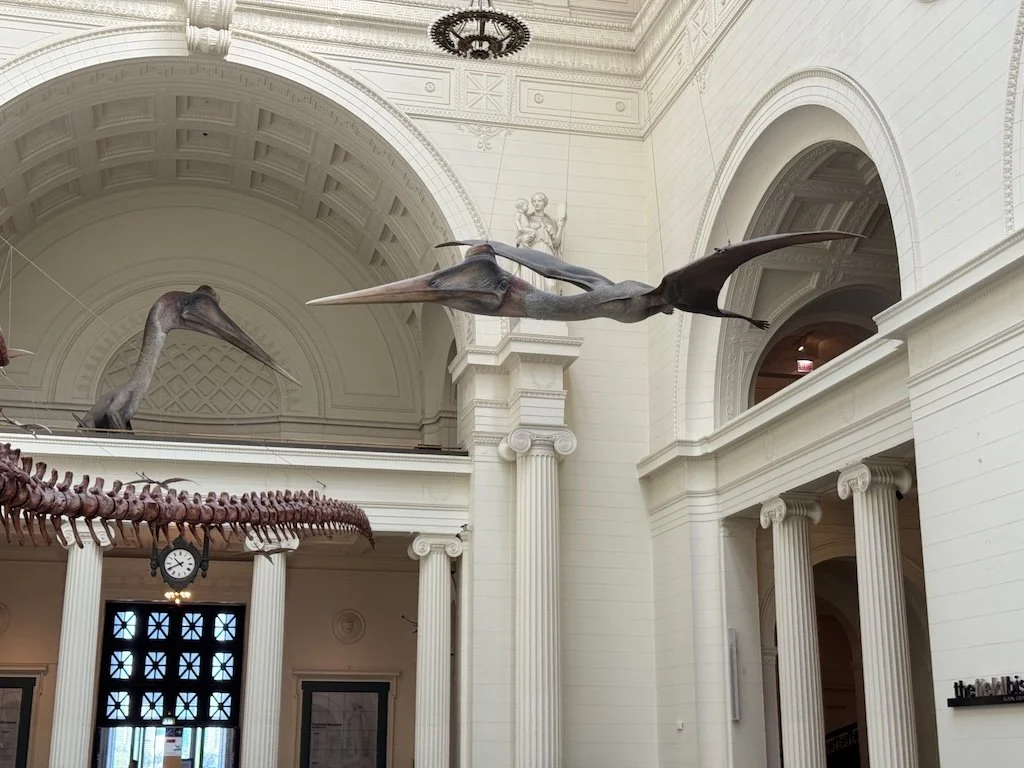
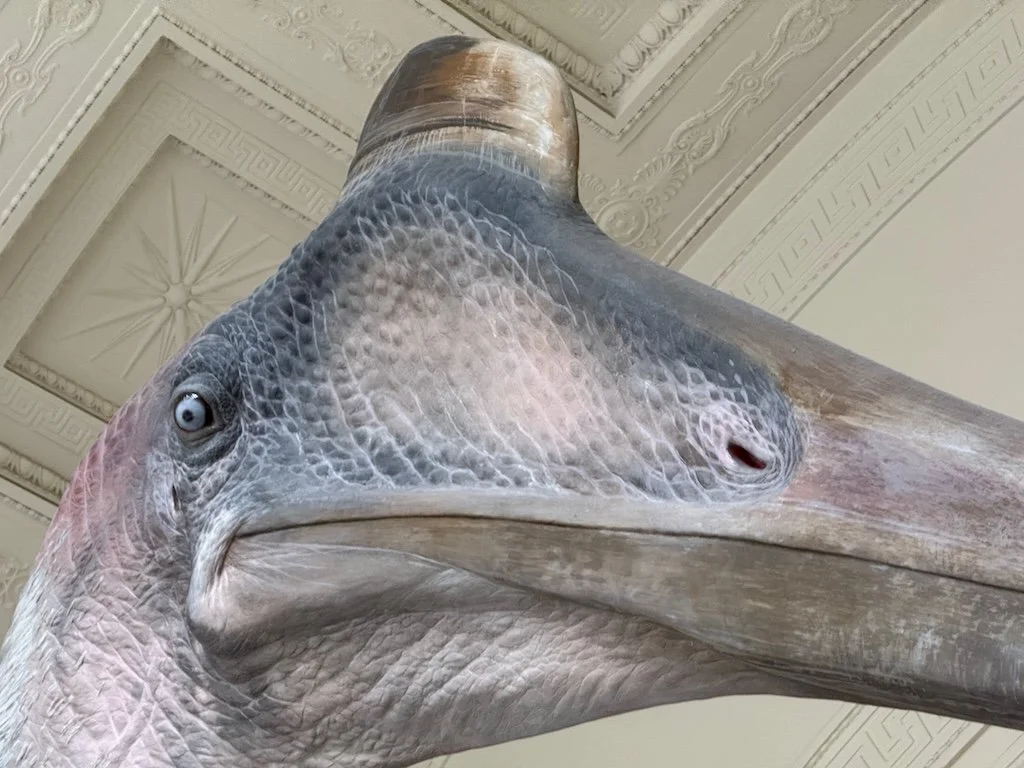
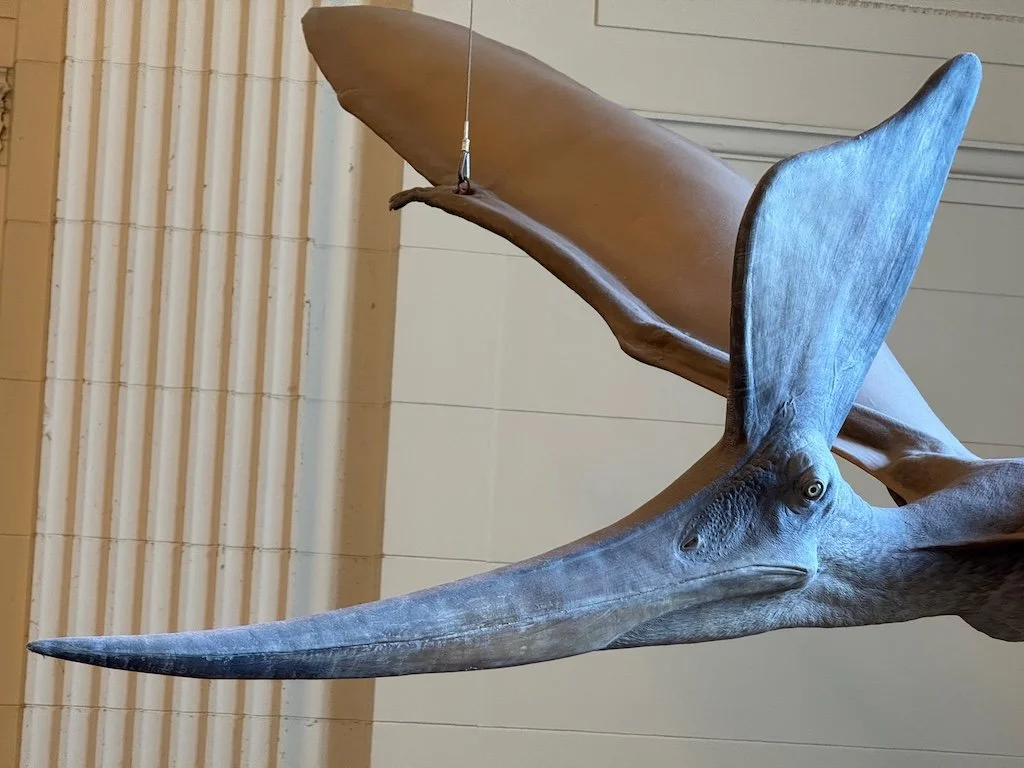
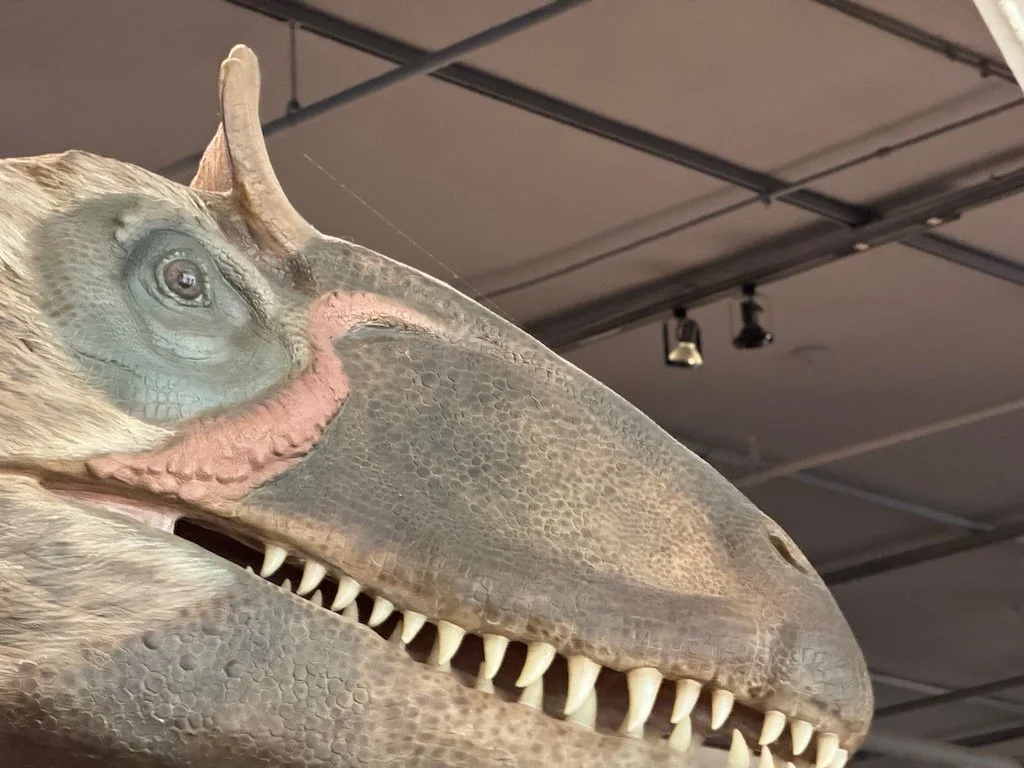
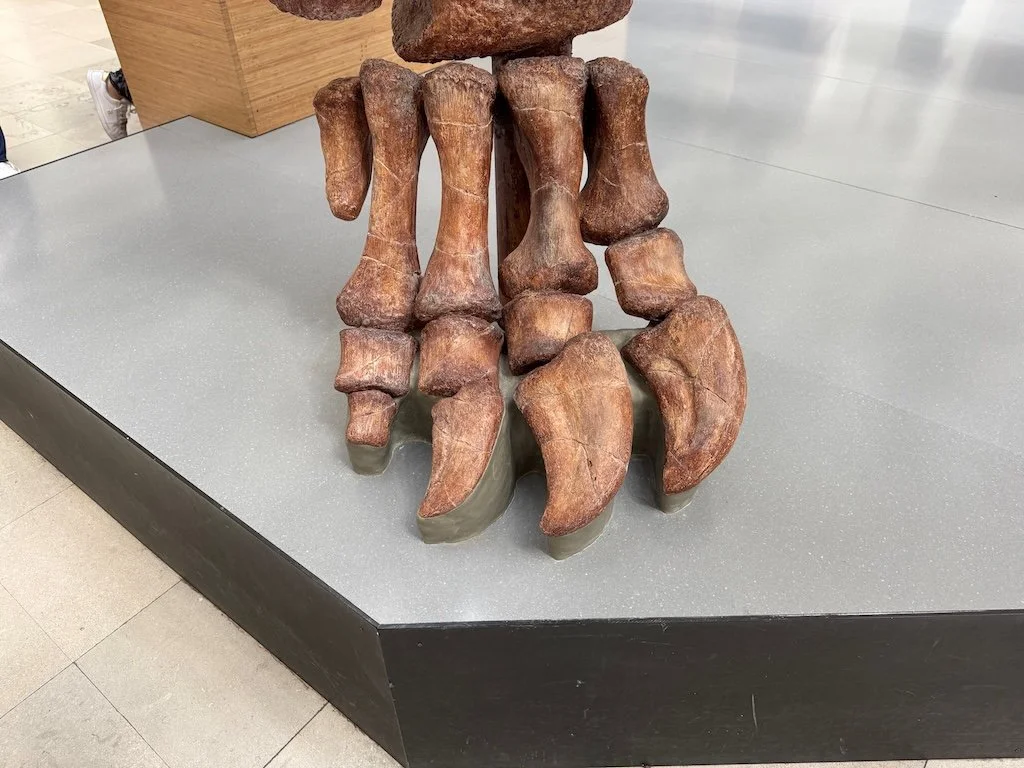
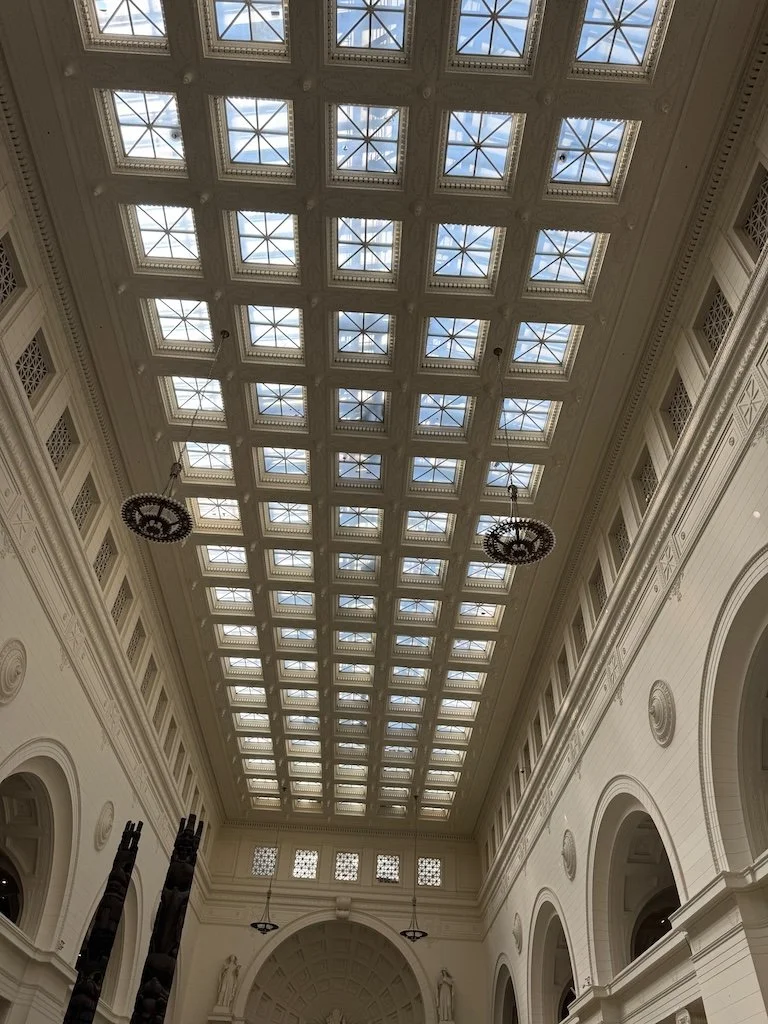
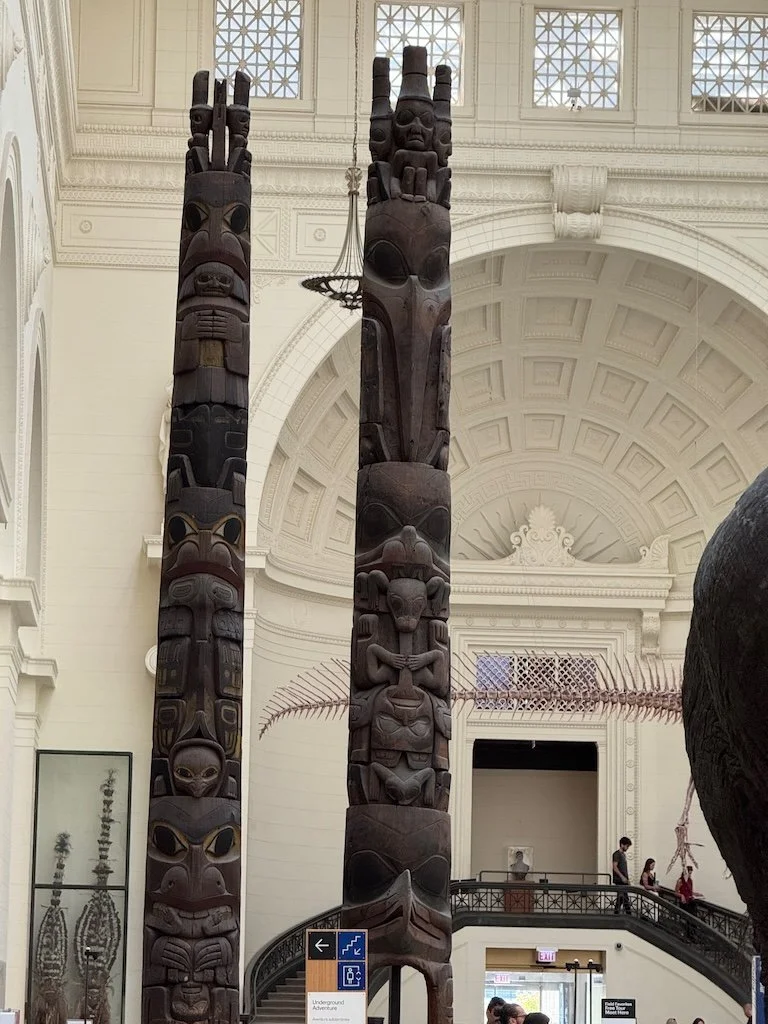
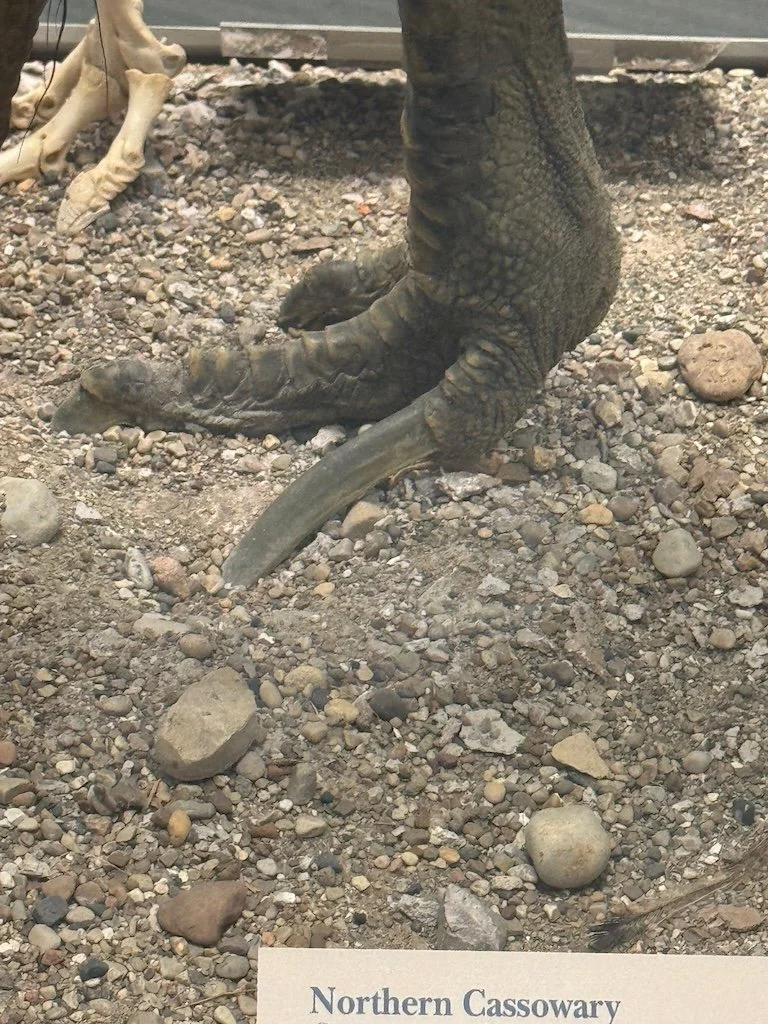
Chicago Field Museum

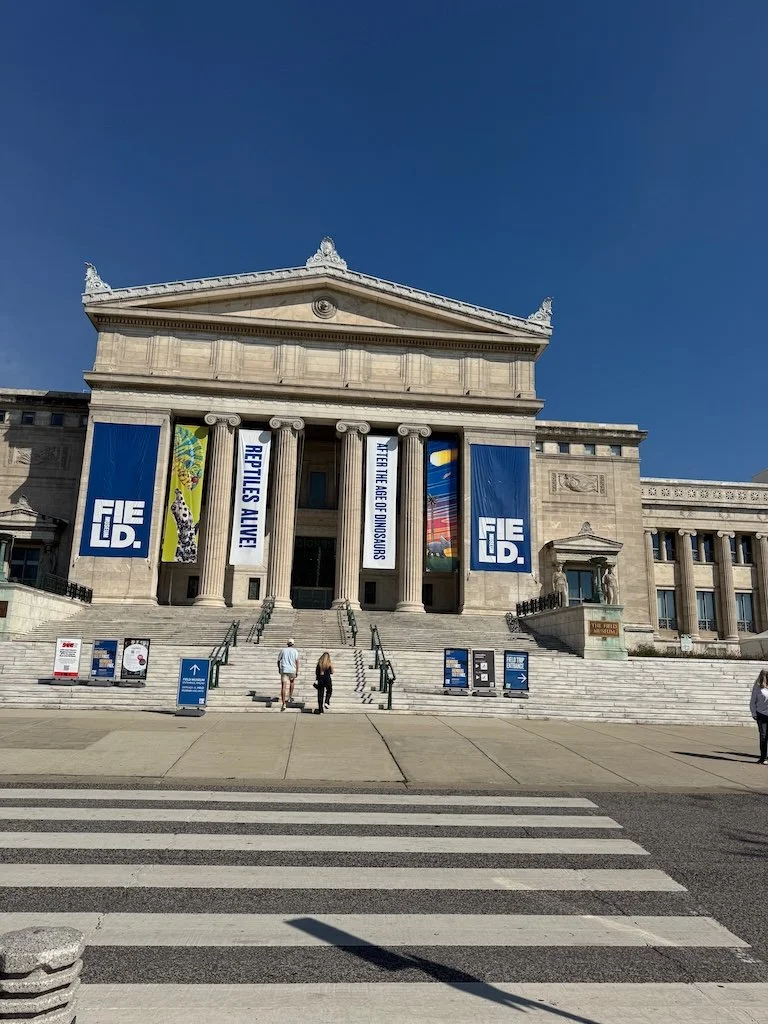
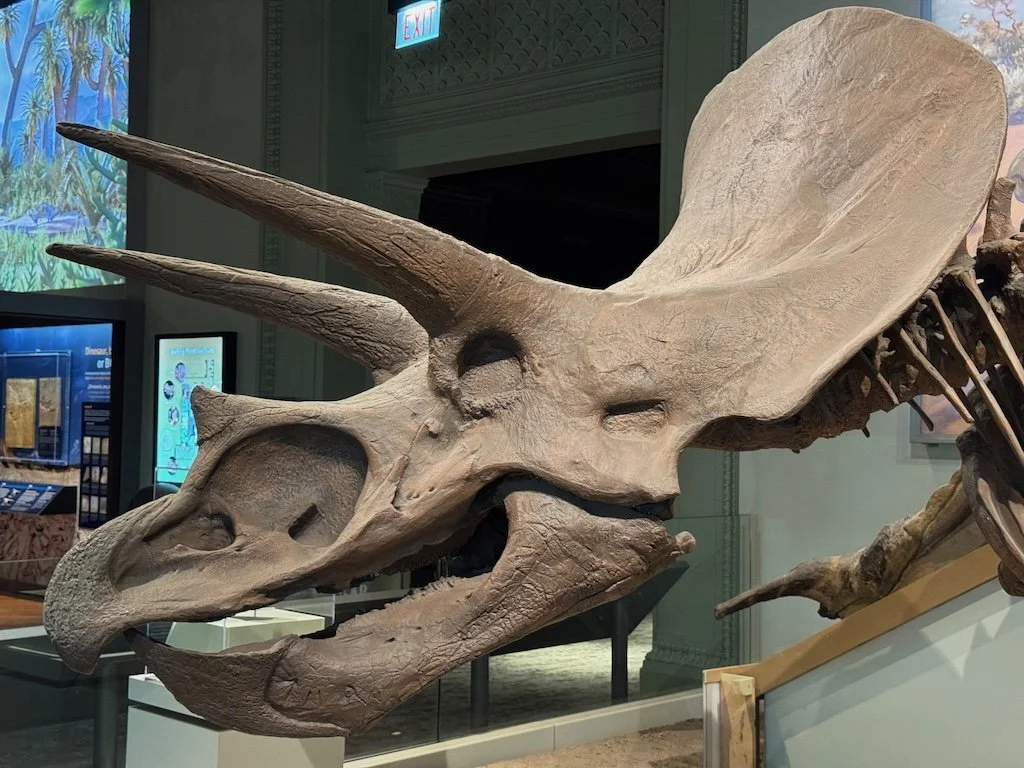
We had a free afternoon at the Urban Birding Festival in Chicago last month and opted to visit the Field Museum.

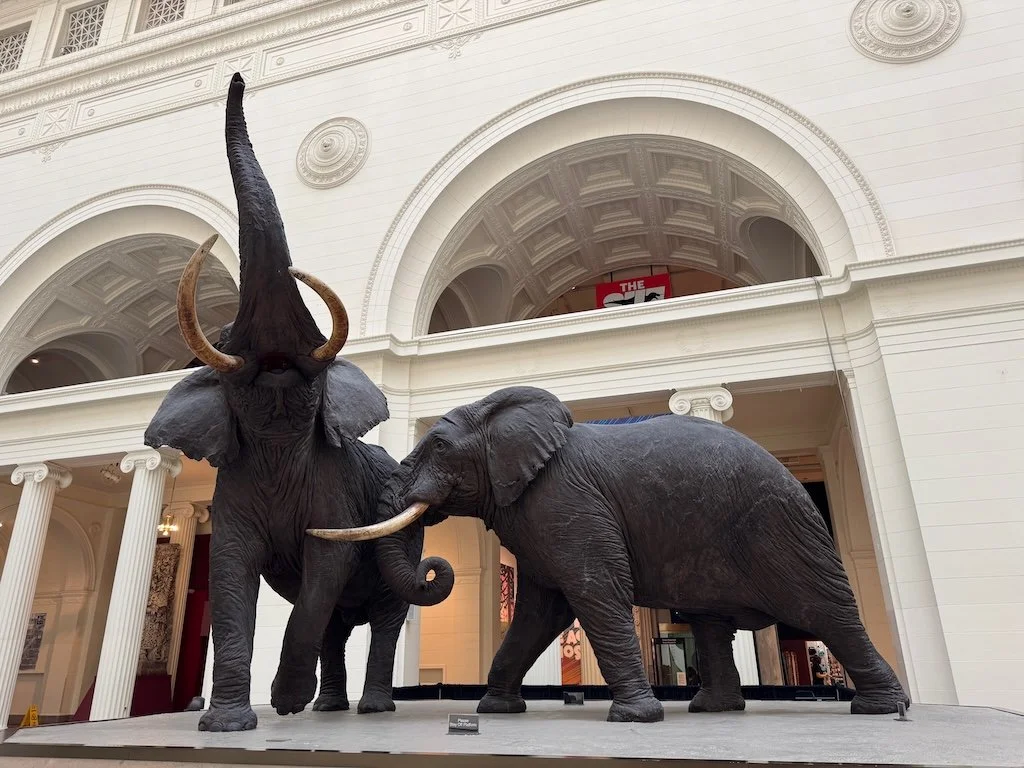
It is huge – enough to be overwhelming! The  main hall is the beginning of the exhibits….and is grand architecture too.

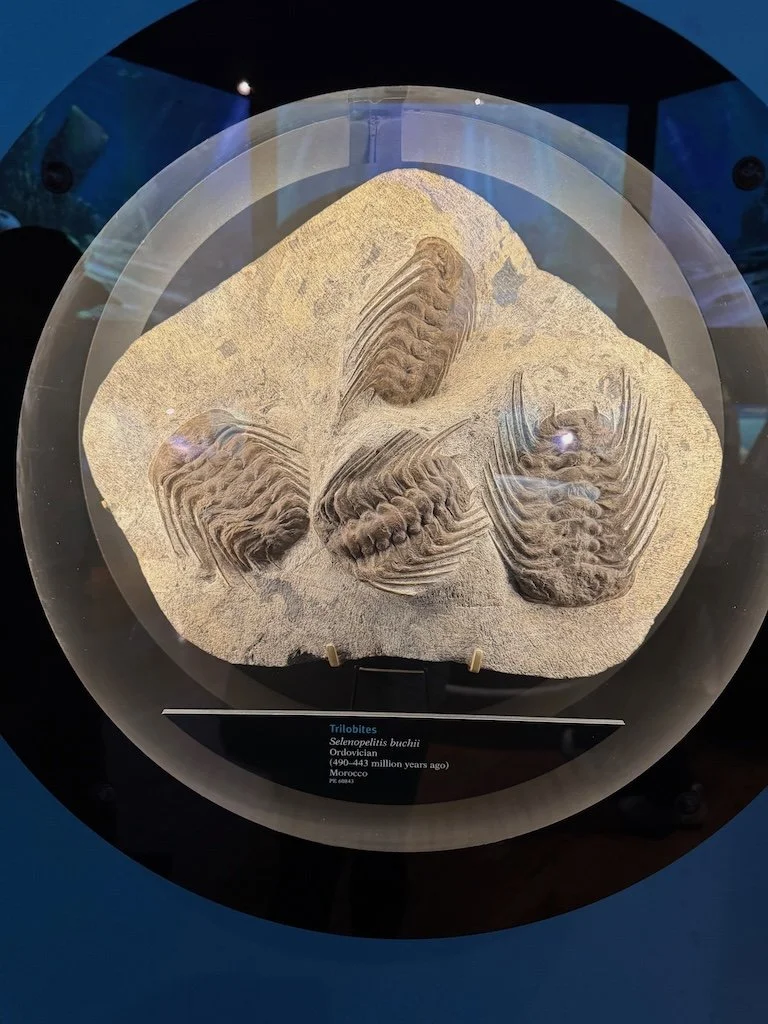
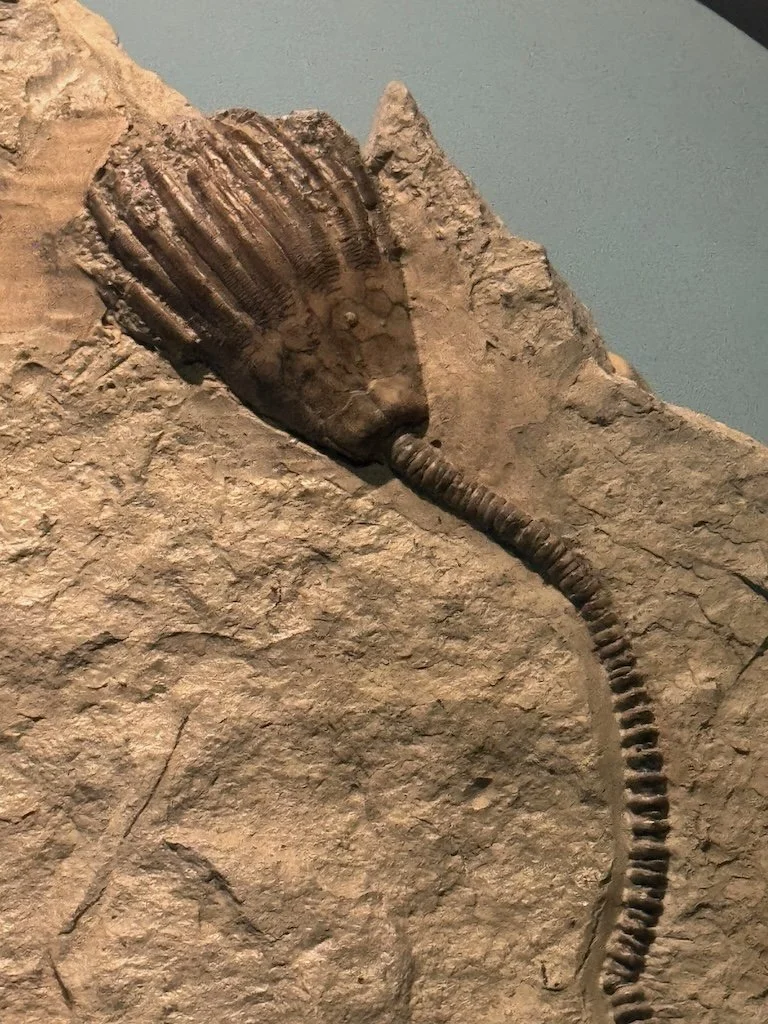
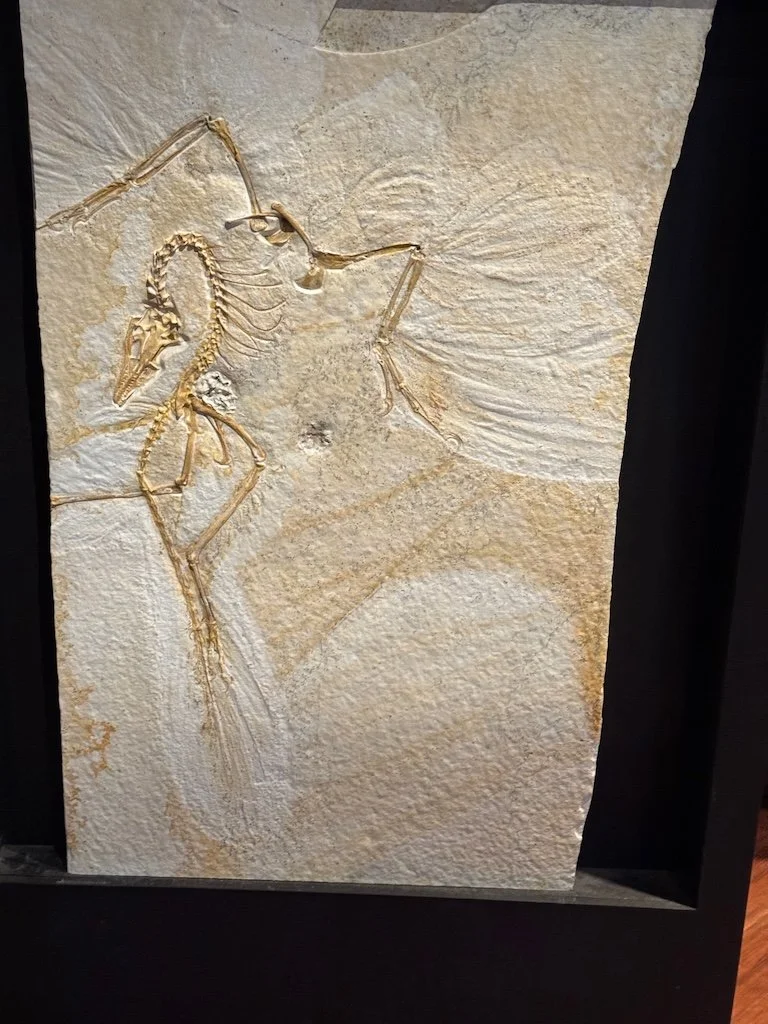
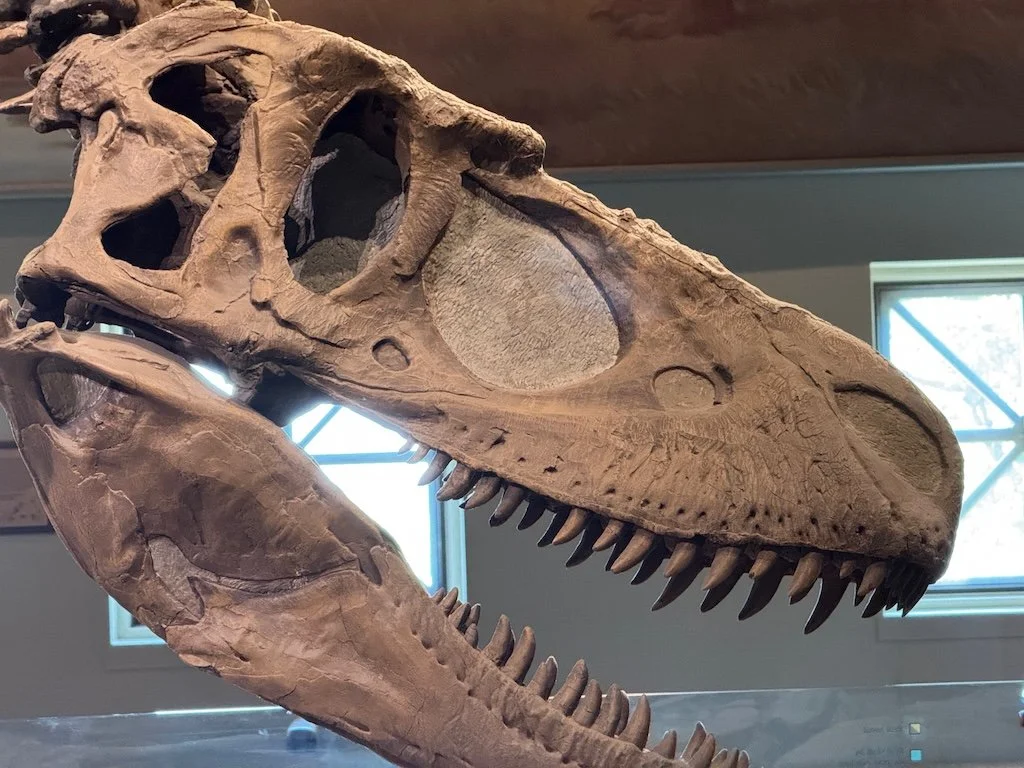
Many of my pictures were of fossils….and that was before lunch.

After lunch we walked through the 3-story replica of an Ancient Egyptian mastaba. It was very different from other Ancient Egypt museum exhibits I’ve seen…and I appreciated the physical presentation…like touring a ruin in Egypt….but with the comfort of air conditioning.

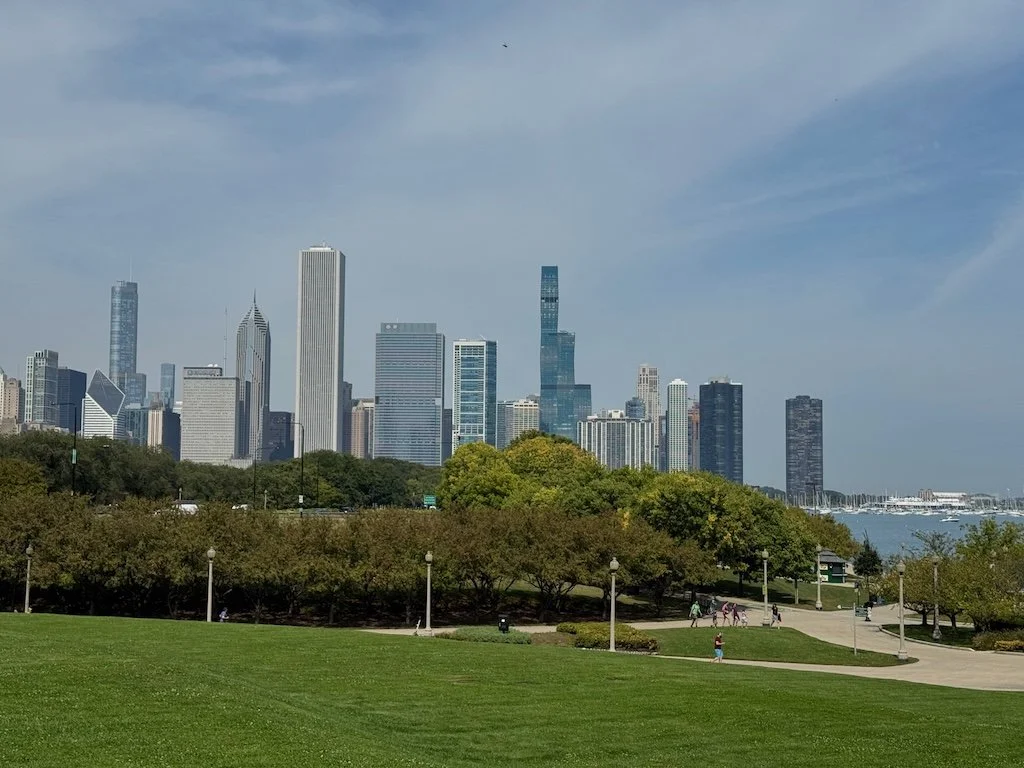
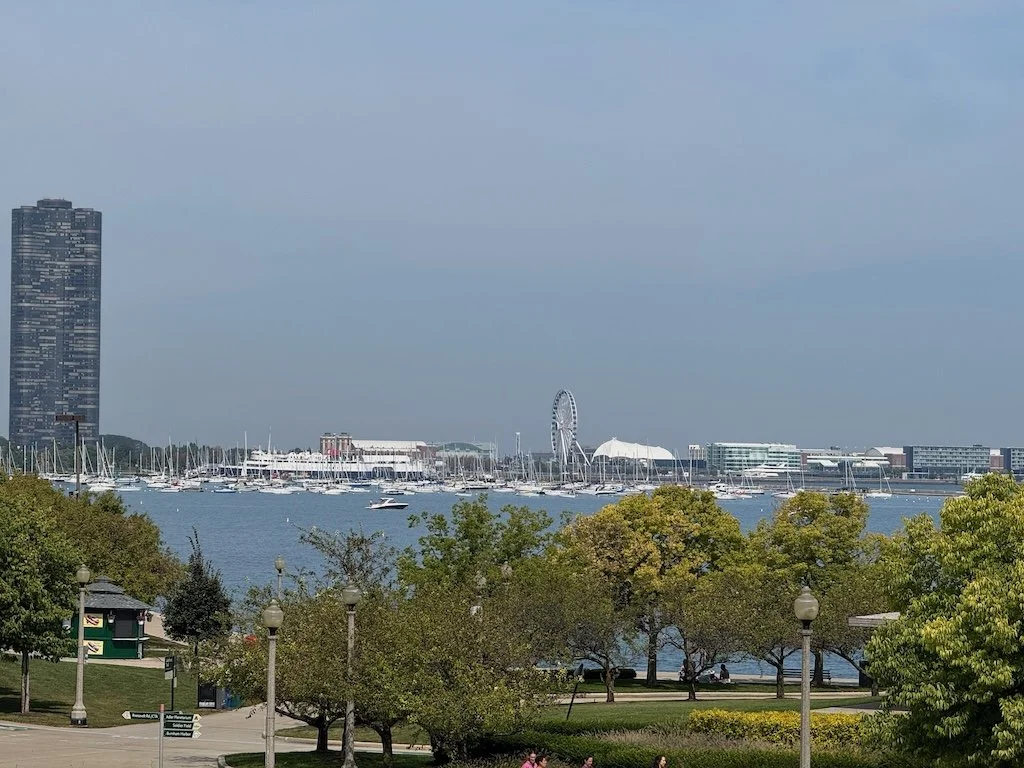
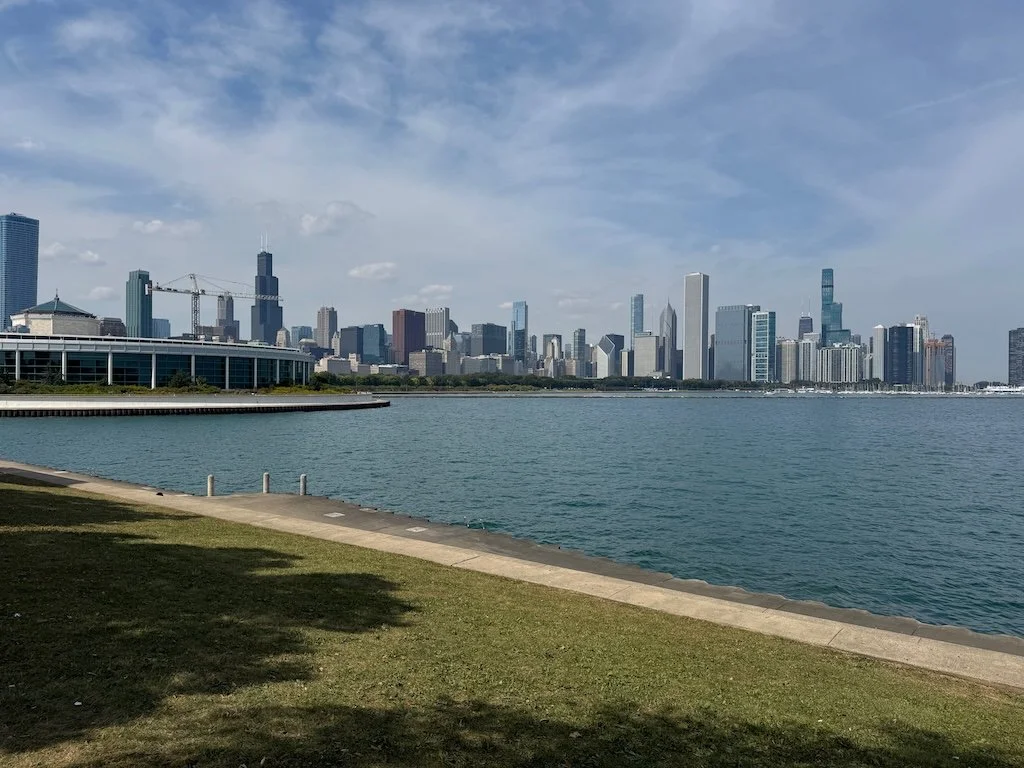
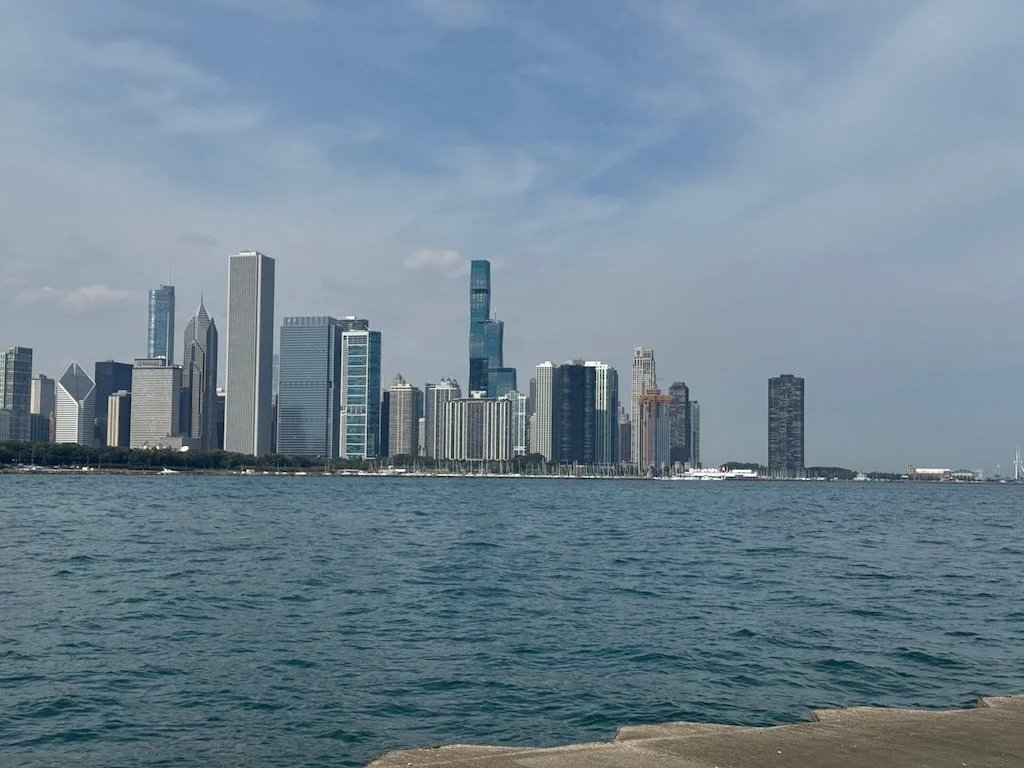
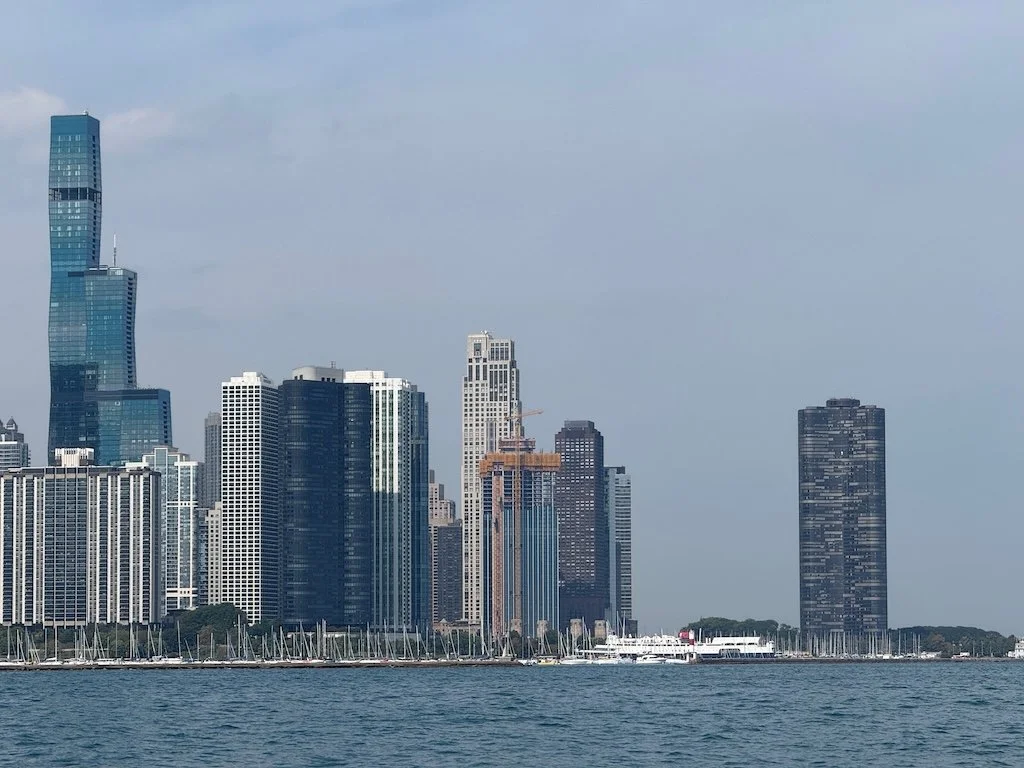
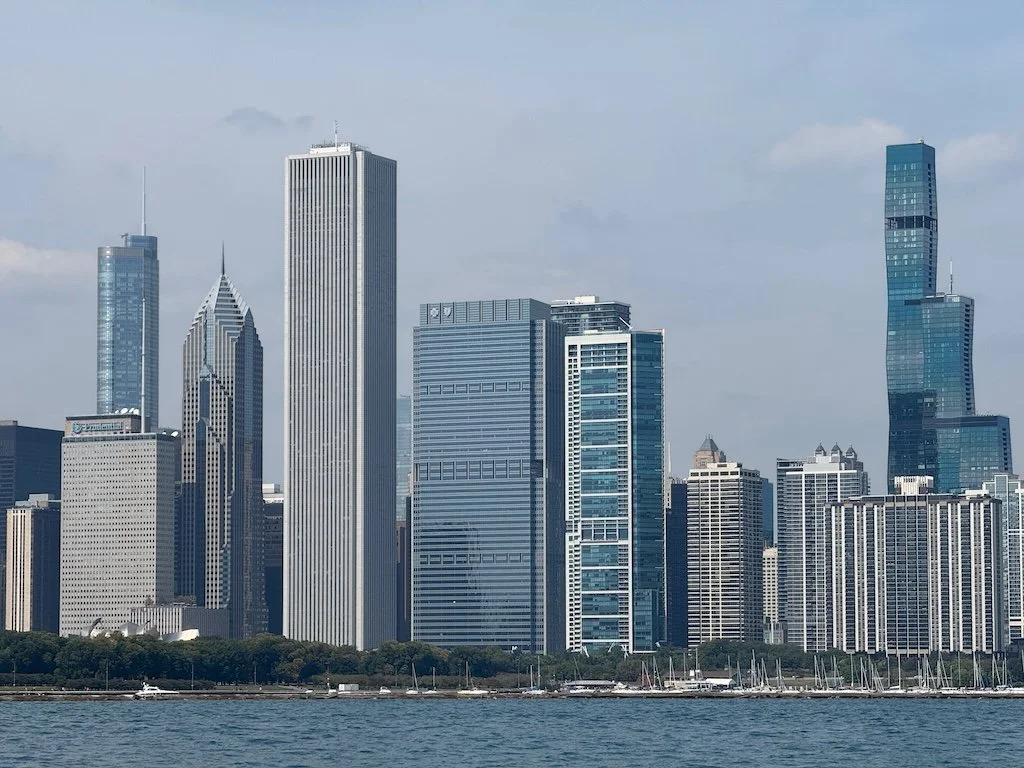
Once we left the museum, we walked toward the Adler Planetarium and took pictures of the Chicago skyline.

I experimented with my iPhone’s pano capability.

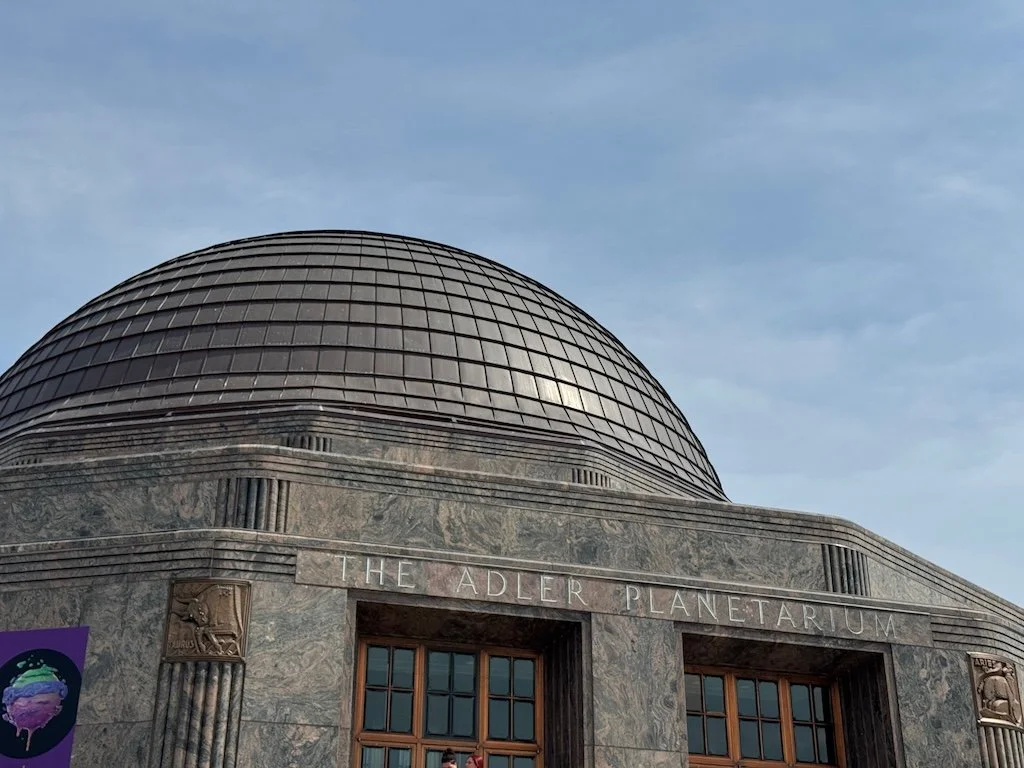
We didn’t go into the planetarium, but I appreciated the architecture before we headed back toward where our car was parked.

We were both feeling the early start to the day, the 2 hours of mostly standing at the Bill Jarvis Bird Sanctuary, and the walking in and around the Field Museum. We checked into our hotel and rested a bit before the evening reception for the festival.