Plastic Crisis – Show-me Less Plastic
/I participated in 2 Show-me Less Plastic events this past week. Both were learning experiences!
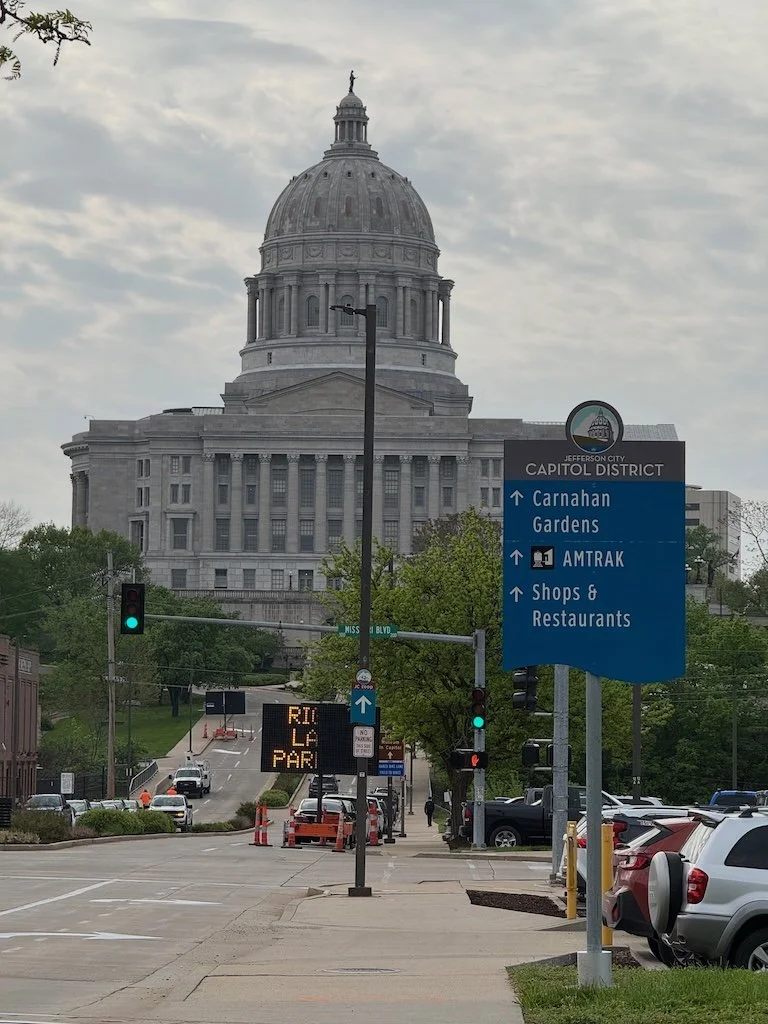
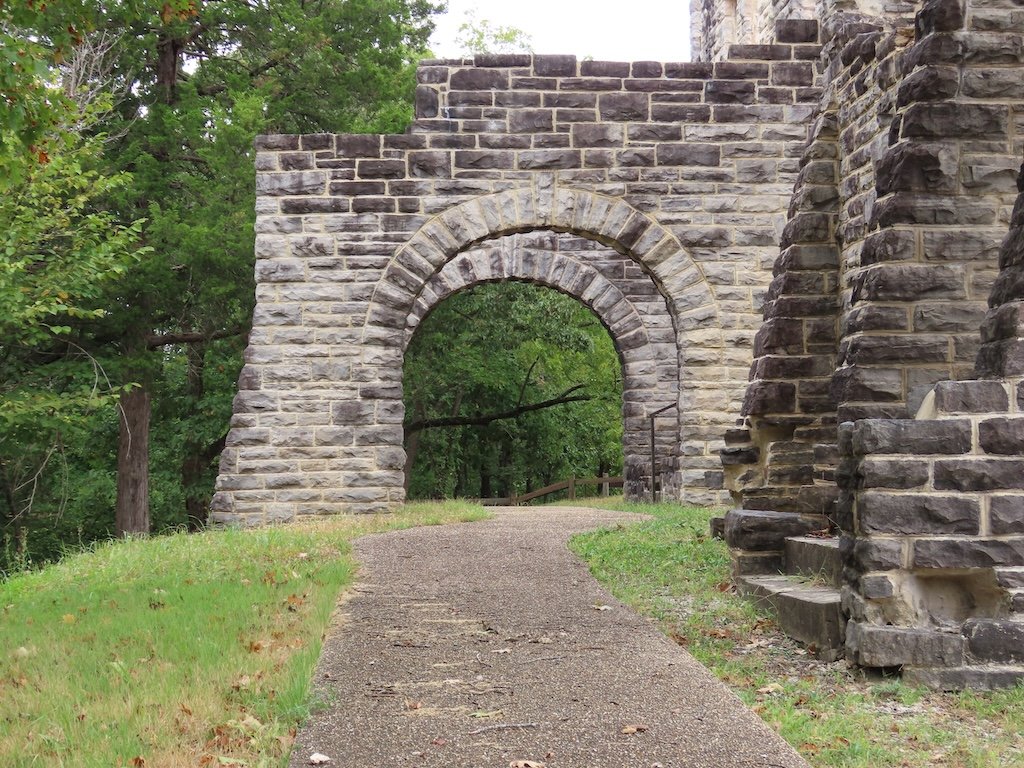
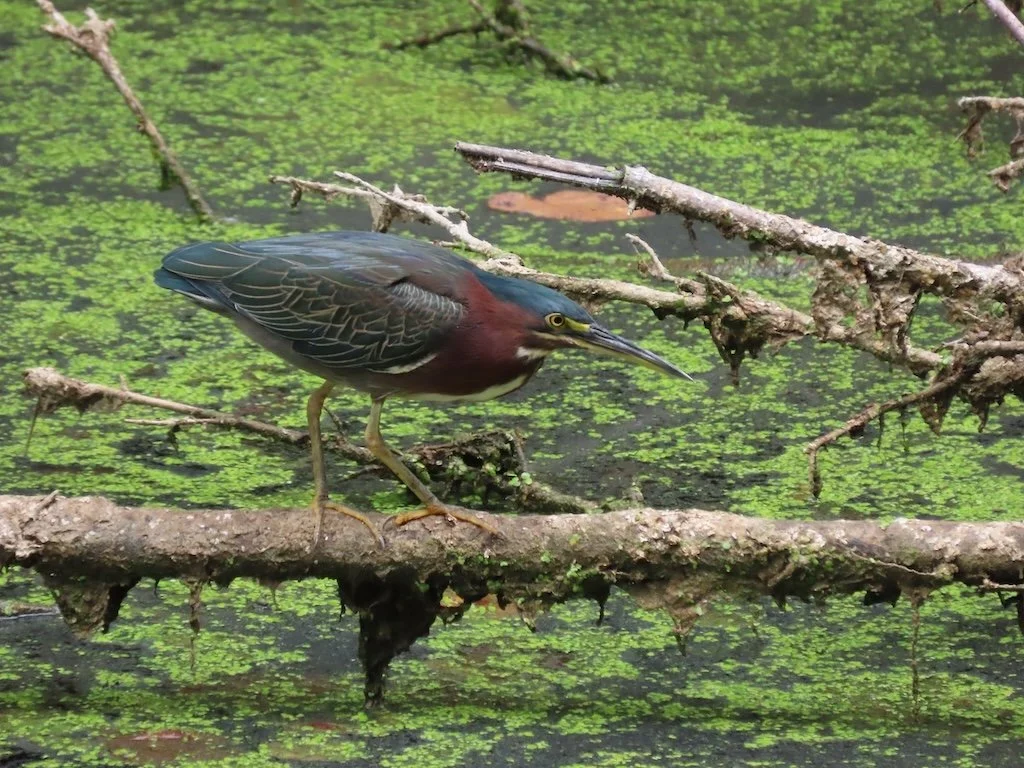
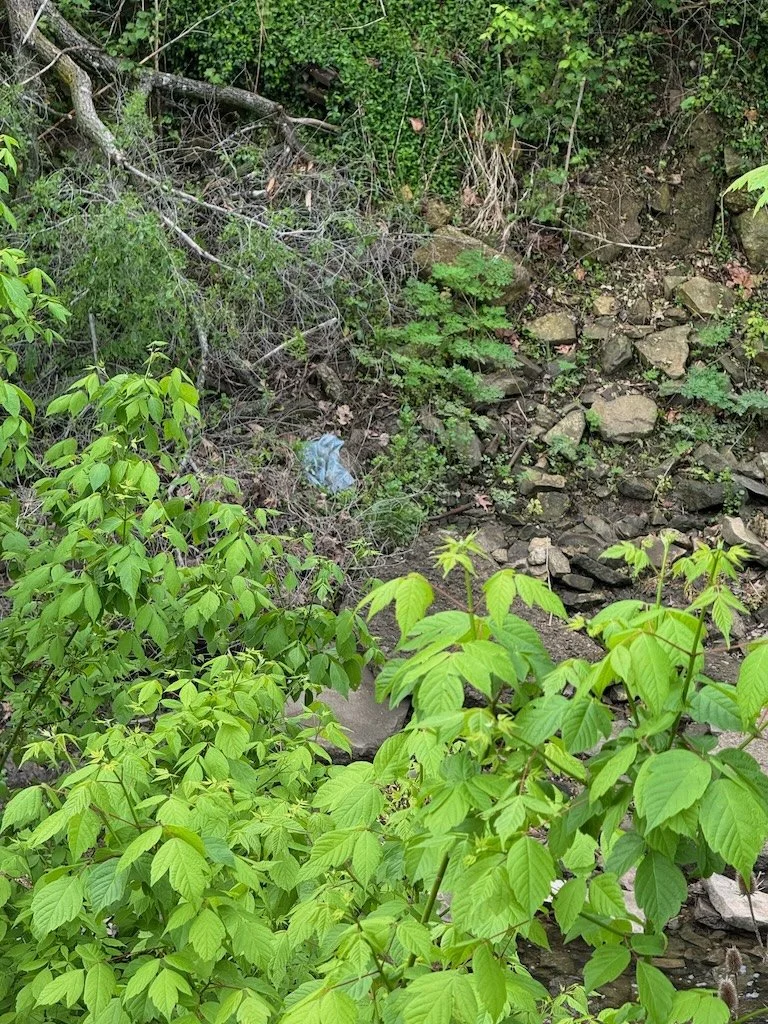
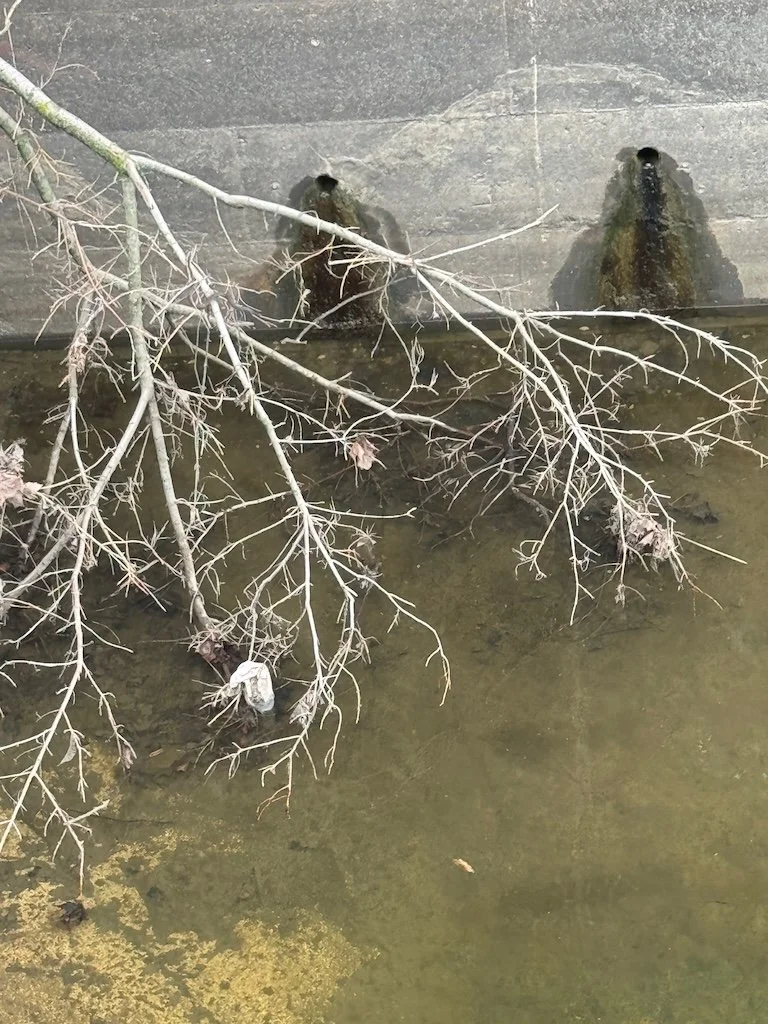
The first one was a Clean Water Day at the Missouri Capitol building in Jefferson City. It is over 2 hours driving from where I live so I had an early start to the day to get there around 9. I was a little later into the building since I hadn’t anticipated the parking situation when the legislature is in session; I got my steps for the day! On the way in I took a picture of the building (notice that my walk was up hill on the way in). There was a bridge across a stream as I go closer – and I noticed plastic on the bank and hung up in a tree. On the plus side, I noticed good sized fish in the water and birds flitting in/out of drainage holes in the abutment on the way back to my car at the end of the day.
The table for Show-me Less Plastic was on the 3rd floor of the building. It was already set up when I got there. I added my mind map of what individuals can do in the curve of ‘Cut Plastic from your Plate’ display.
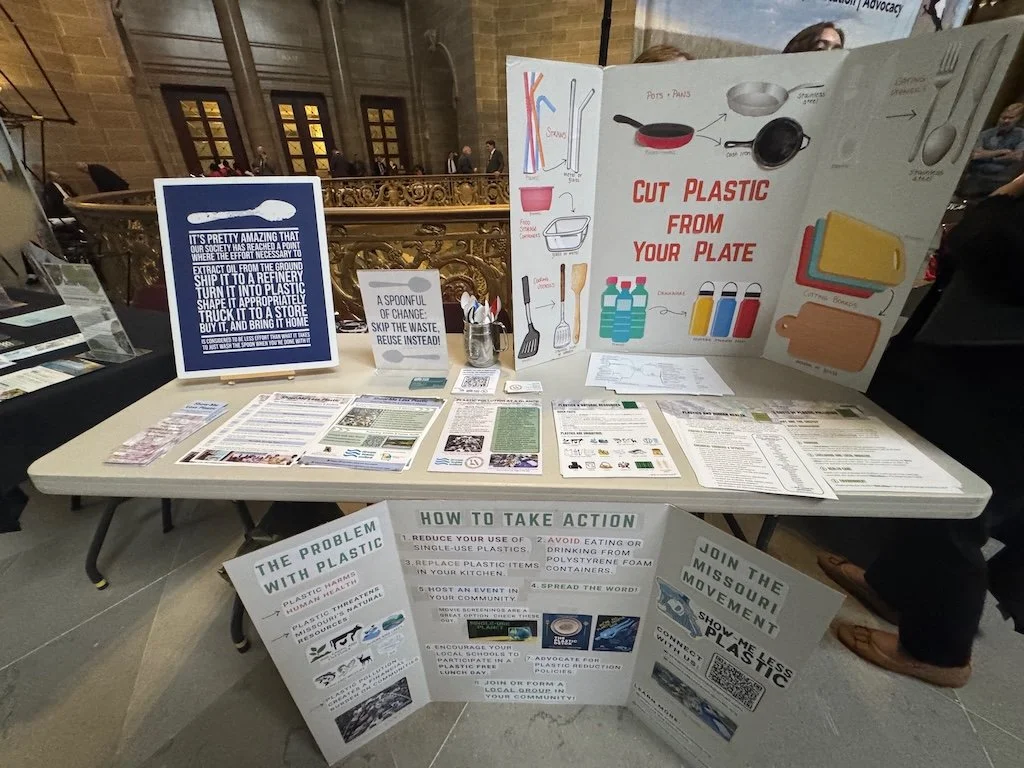
The people stopping by to talk at the table was often slow…but full of variety – a few representatives, school groups, reporters, lobbyists. As usual – most people were aware of microplastics….and were primed for conversations about how to reduce exposure enough to avoid adverse health implications…few realized how pervasive plastics are in everything around us.
The second event was a few days later and within 15 minutes from my house…at a local library. It was a regional roundtable of non-profits and local governments – primarily water and waste focused.
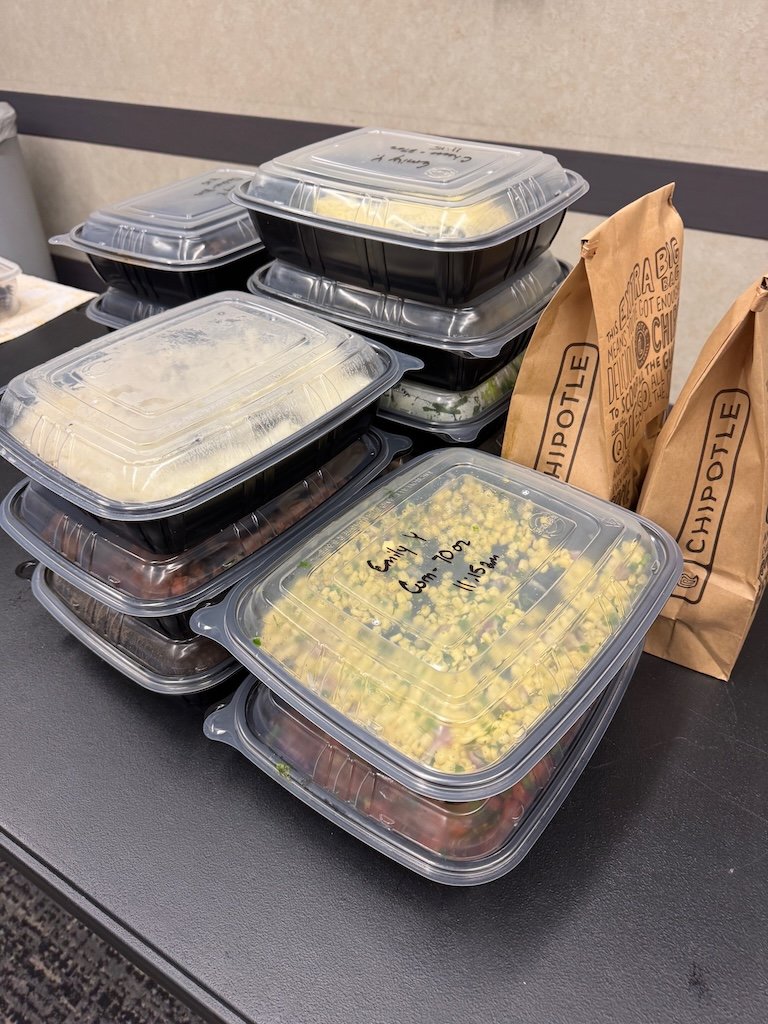
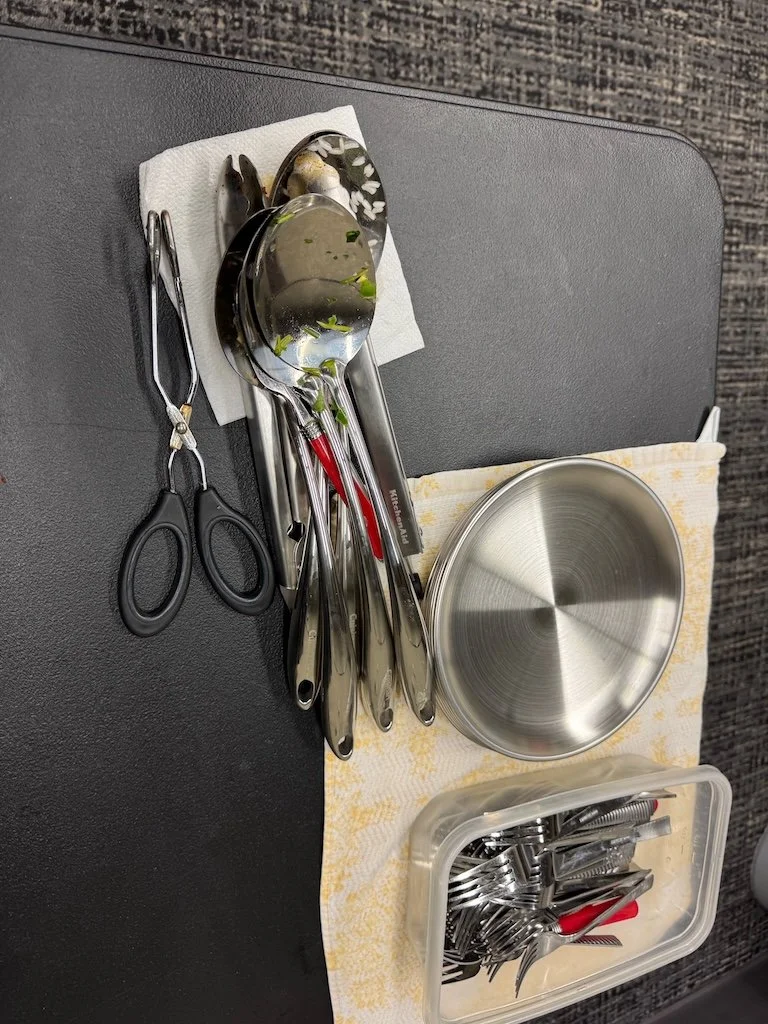
Lunch was from Chipotle – unfortunately with a lot of plastic containers although the Show-me Less Plastic group provided reuseable (metal) forks, plates, and serving spoons. It was a lesson of how difficult it is to purchase take-out food in non-plastic containers in Springfield MO!
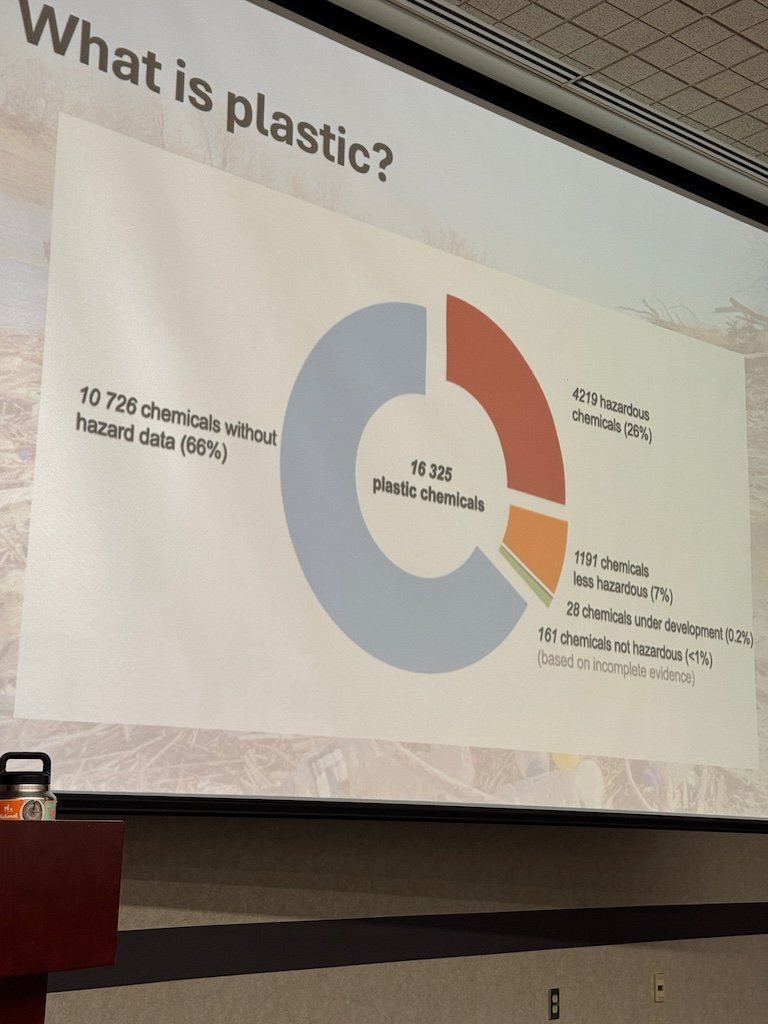
It started with a slide show presentation. I photographed the chemicals in plastic chart; most people are surprised that 26% of the chemicals in plastic are known to be hazardous! It’s one of the background things to keep in mind when considering actions.
My favorite parts were the strategy prioritization exercise and the final group discussion. The conversation was around outreach to increase awareness…encouraging individual actions toward taking baby steps at the community level. Most participants seemed to agree that once people become convinced that there are health consequences for the ubiquitous current and projected plastic….that there will be increased demand for community action…and beyond.