Linden’s Prairie

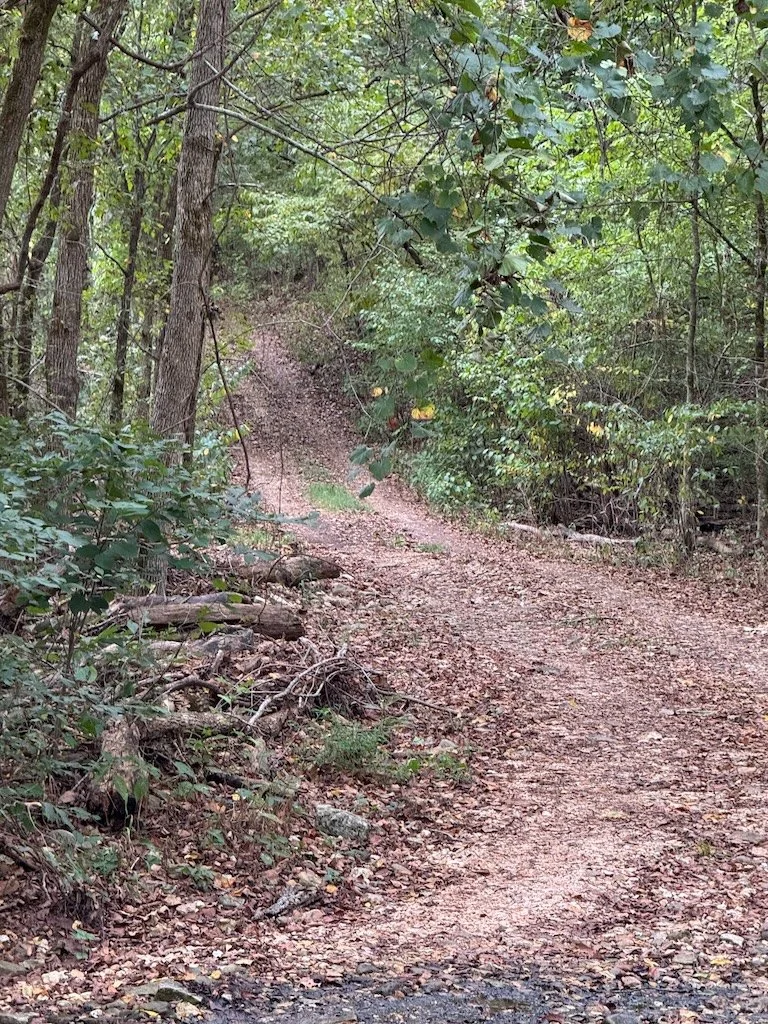
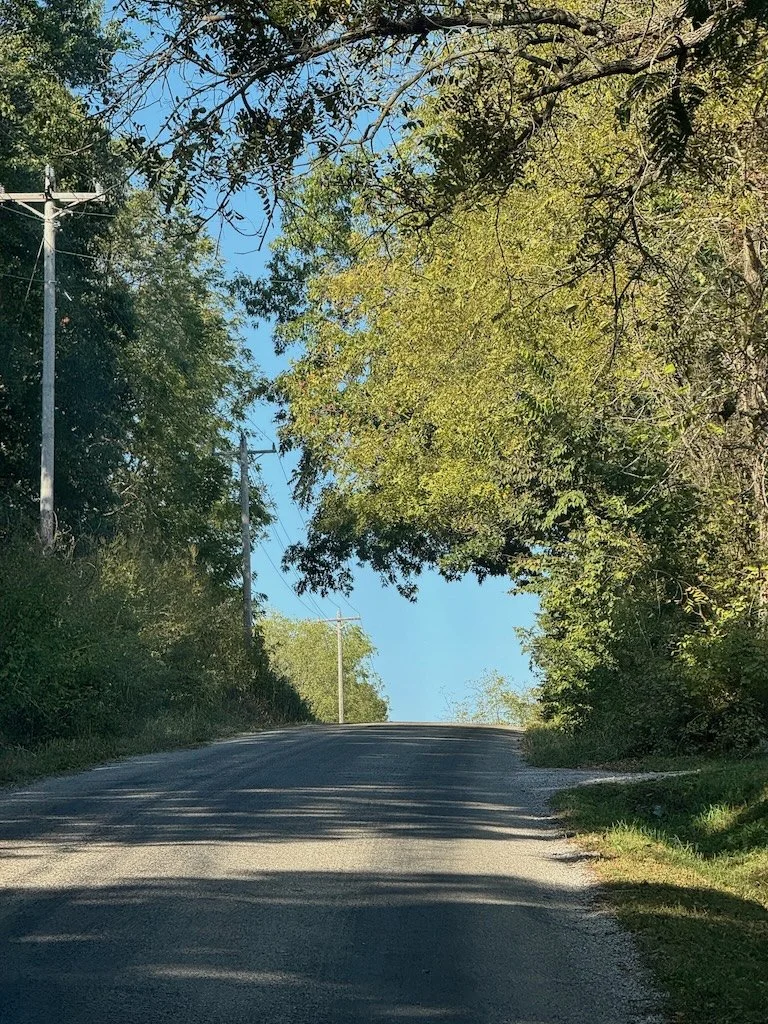
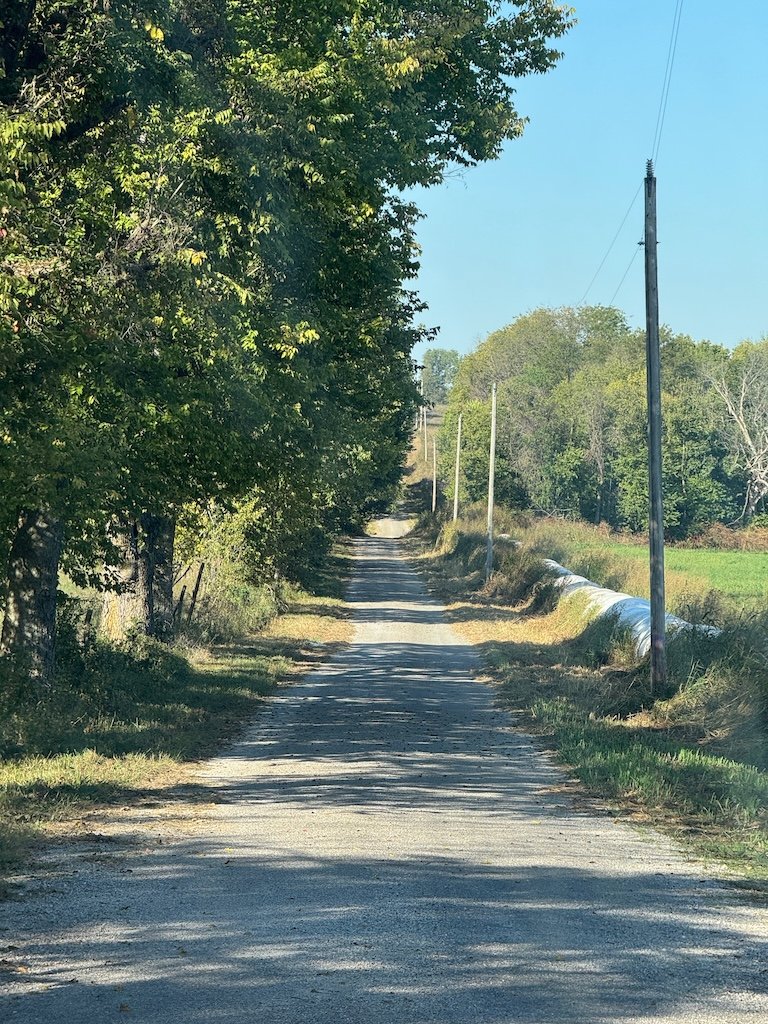
I had visited Linden’s Prairie in May 2025 (blog post here). My first fall visit was last week! My daughter was driving so I took some pictures as the roads got more narrow and then unpaved as we got closer.
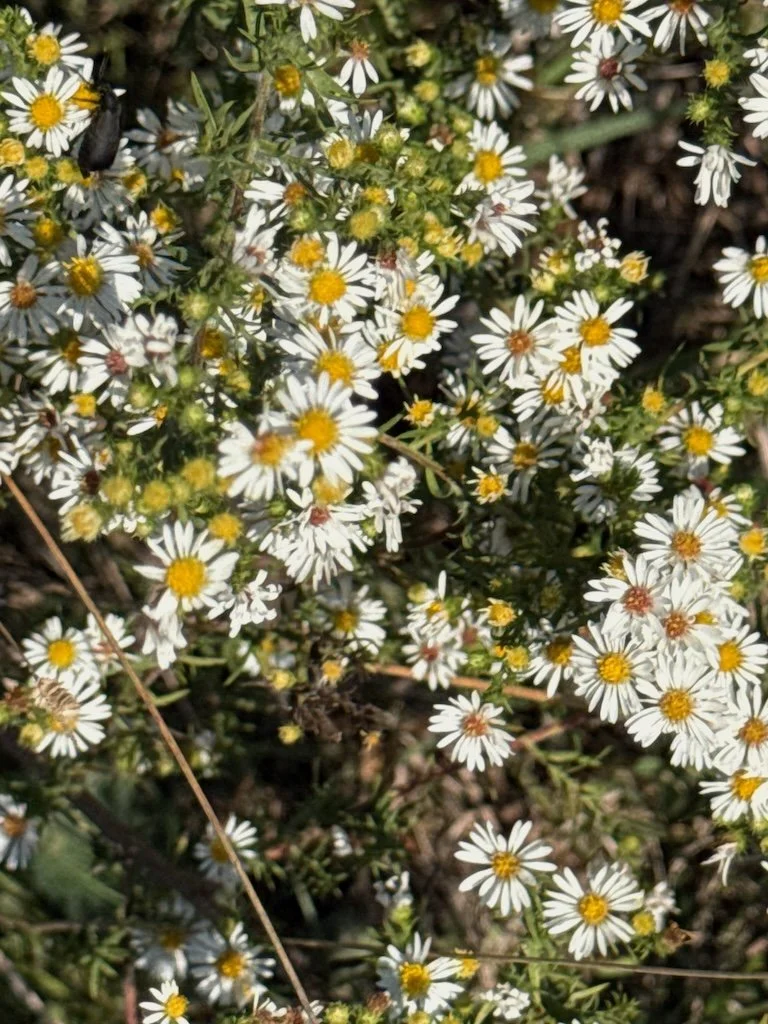
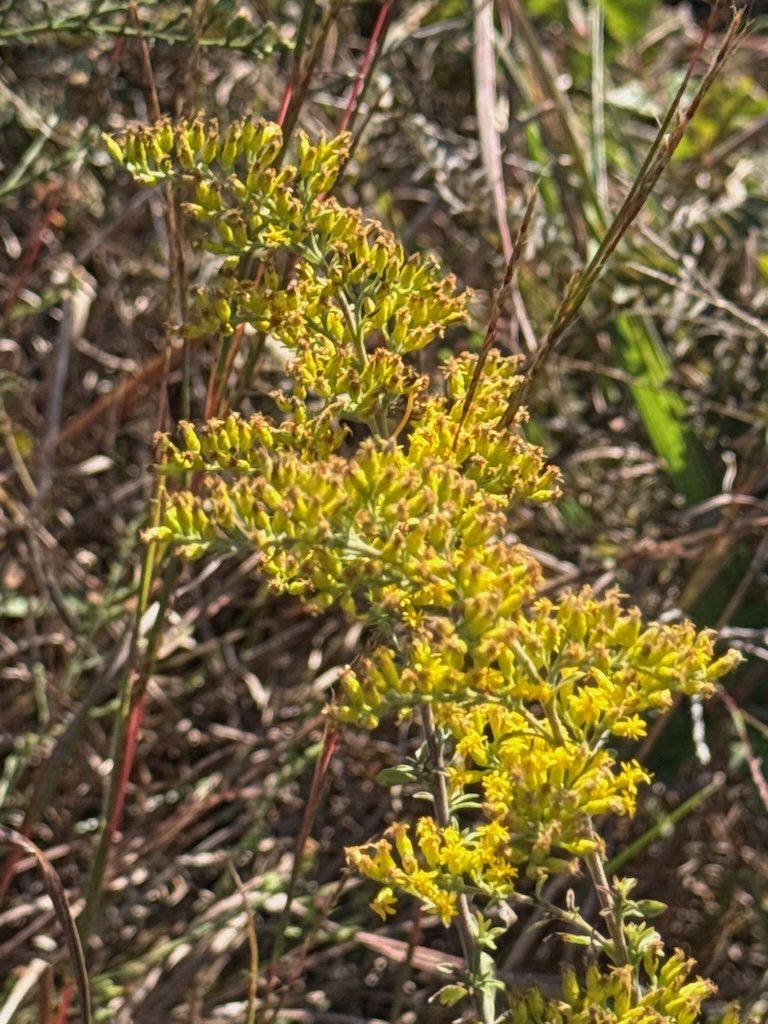
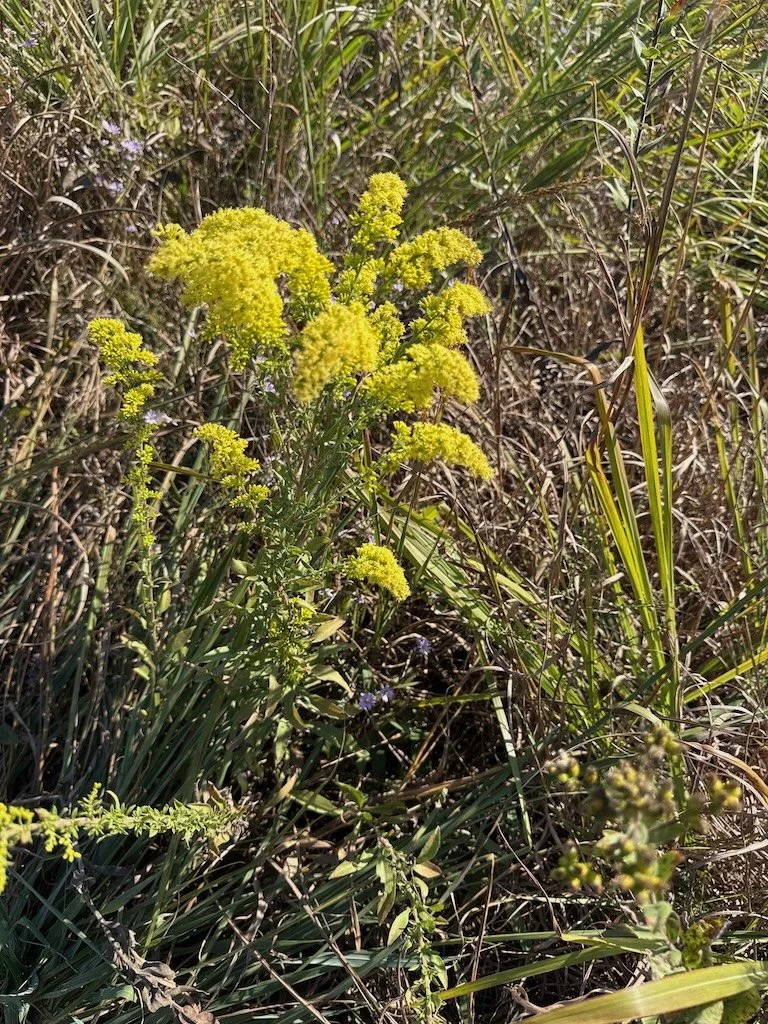
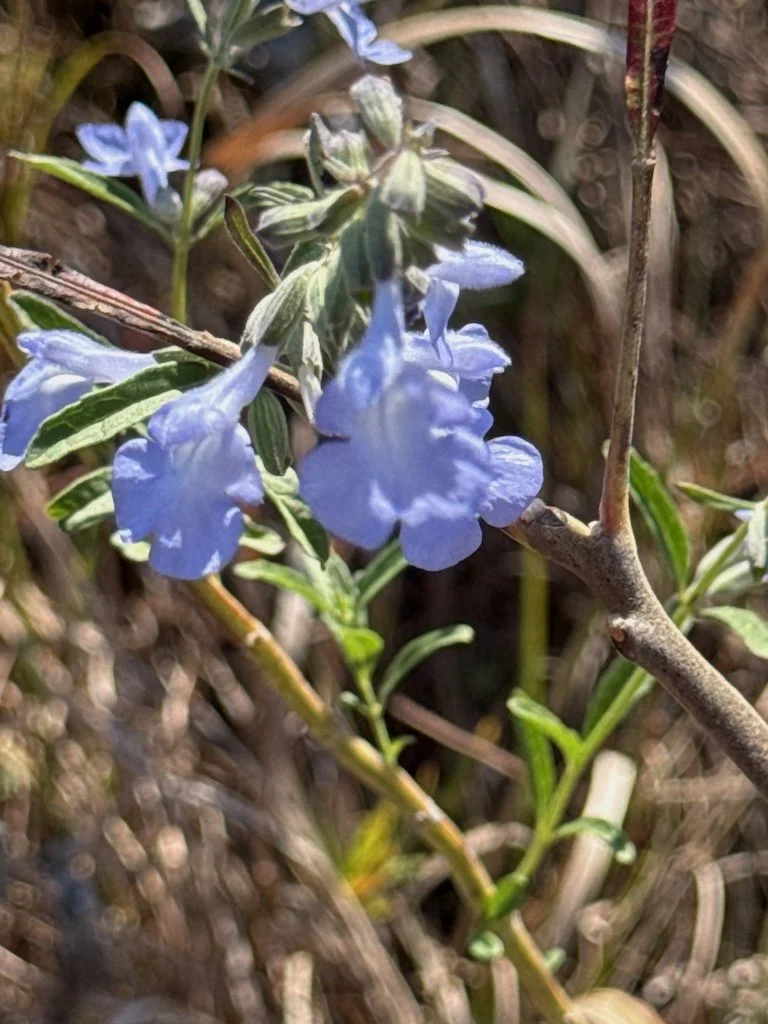
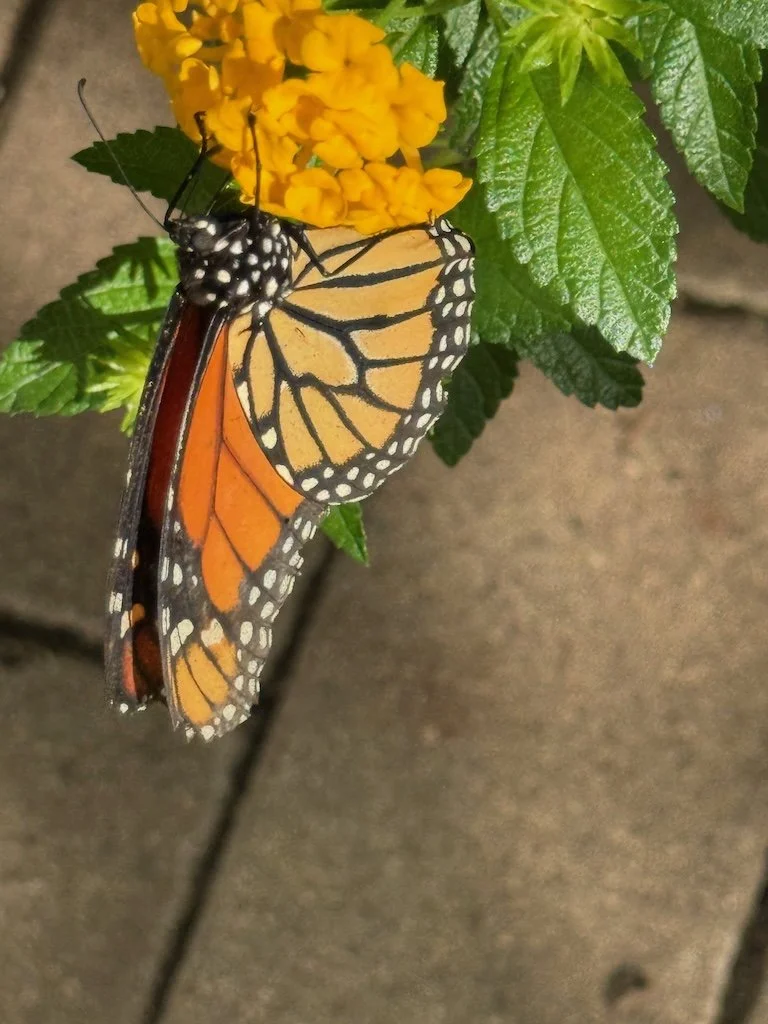
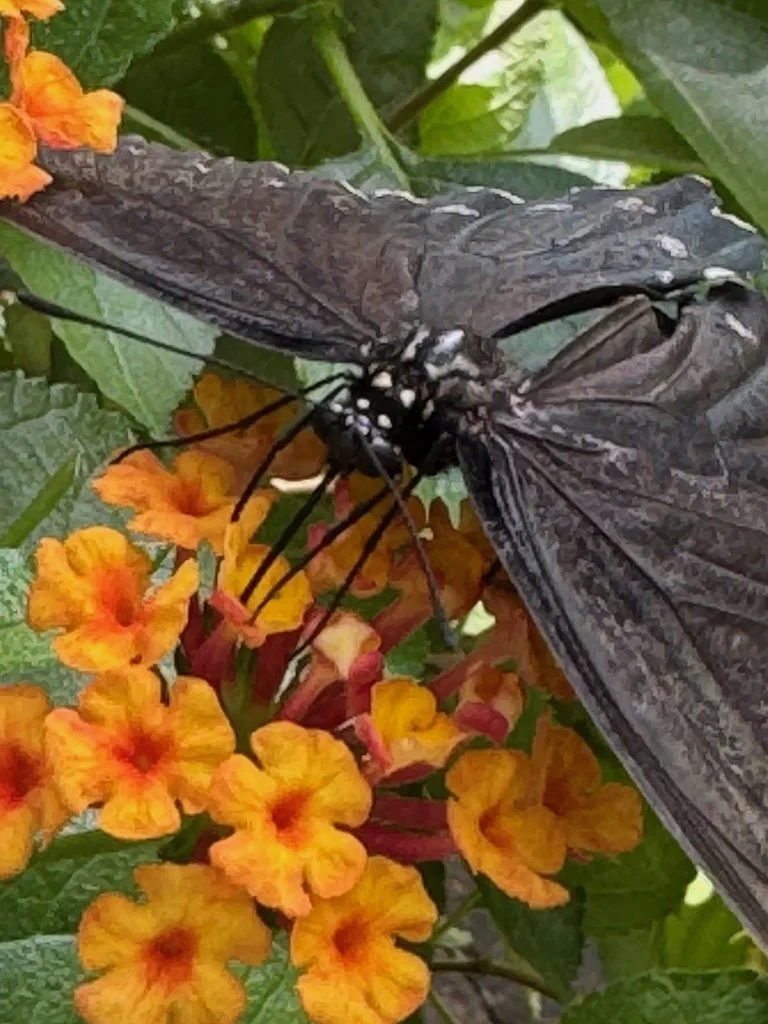
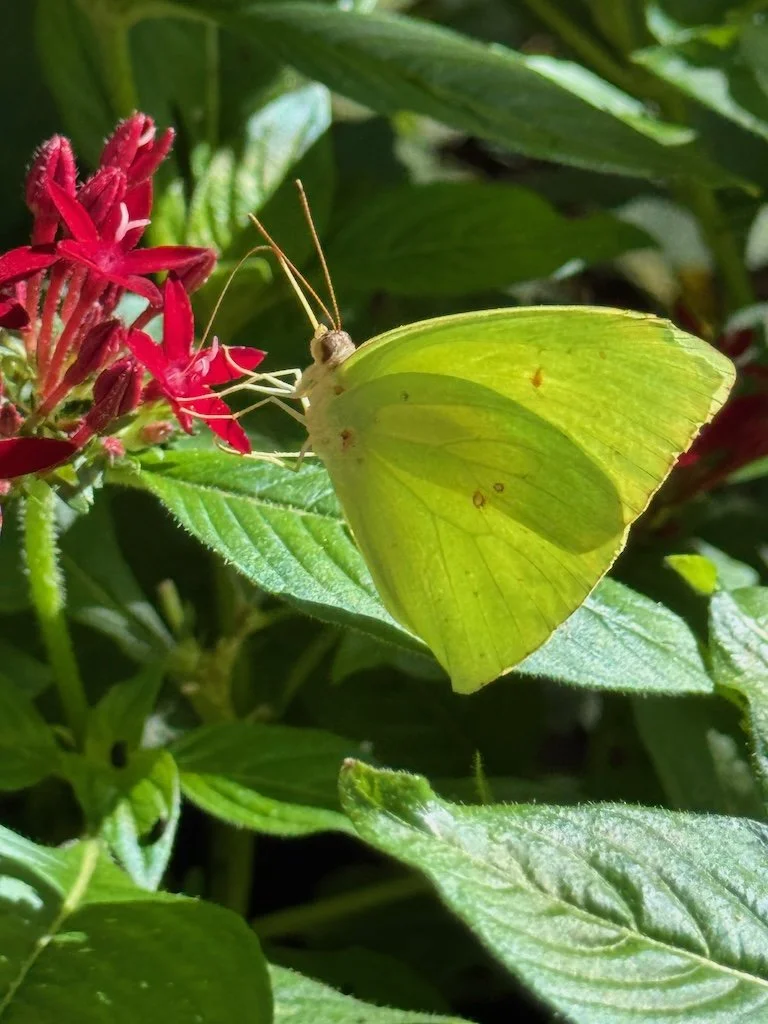
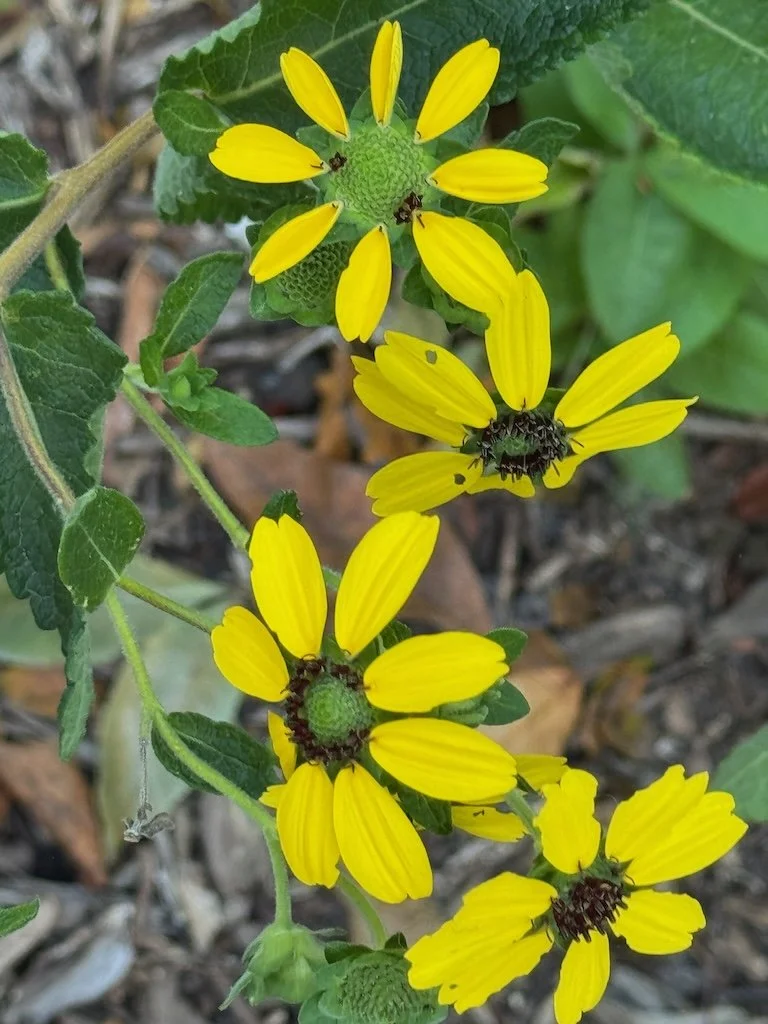
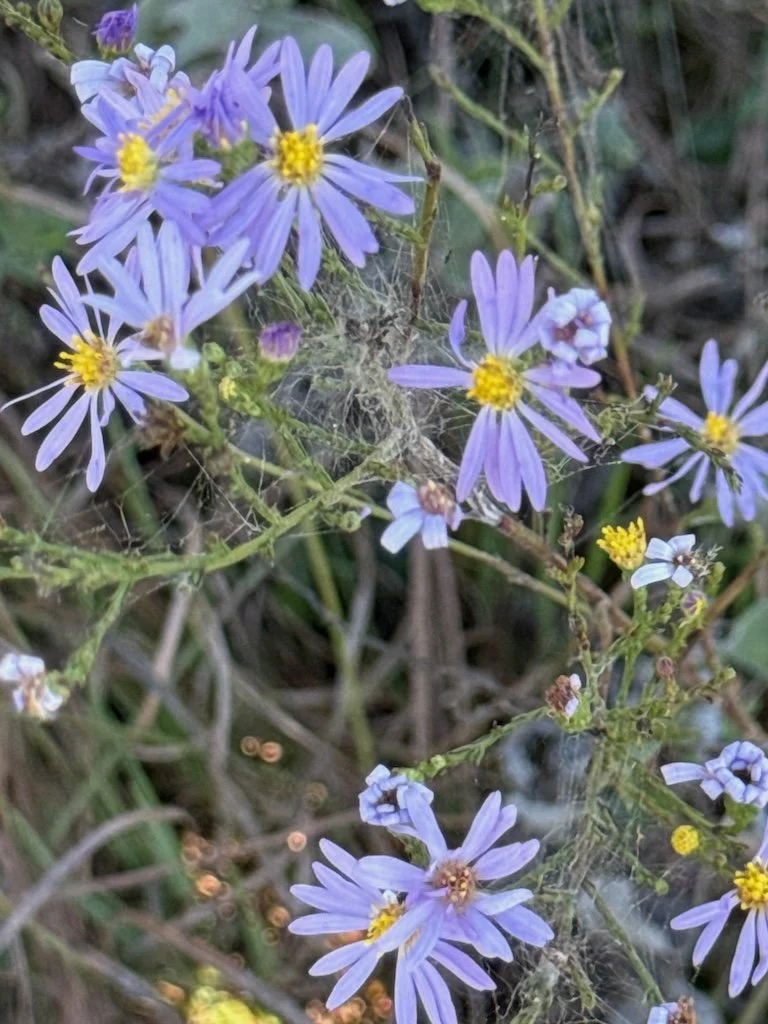
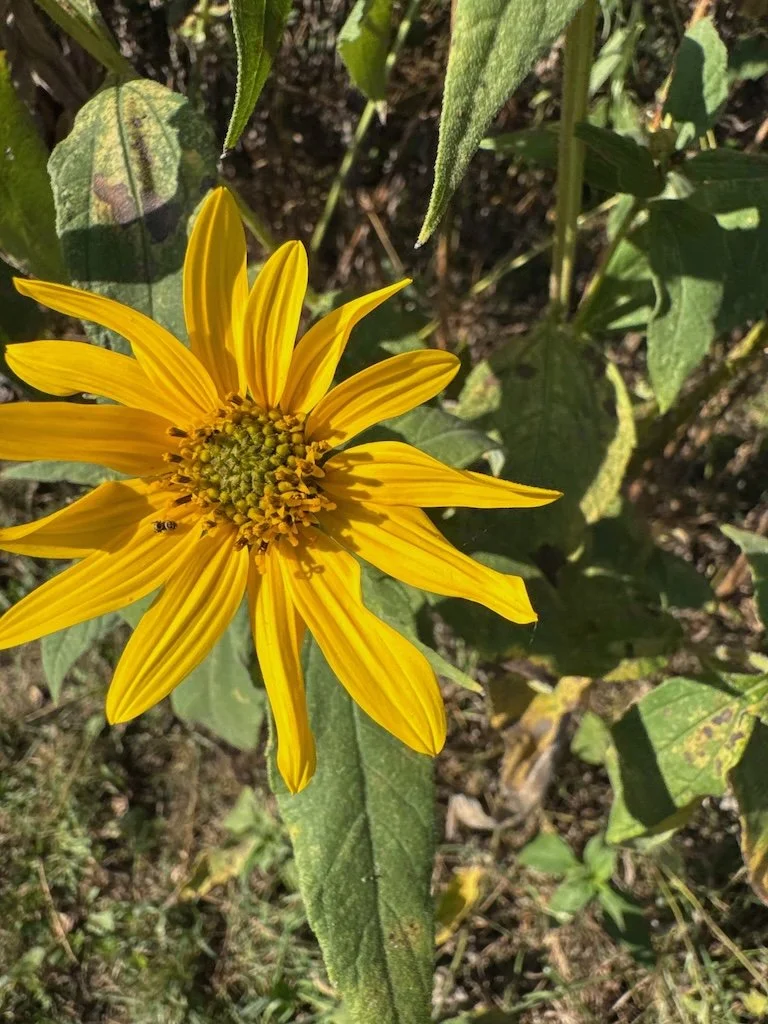
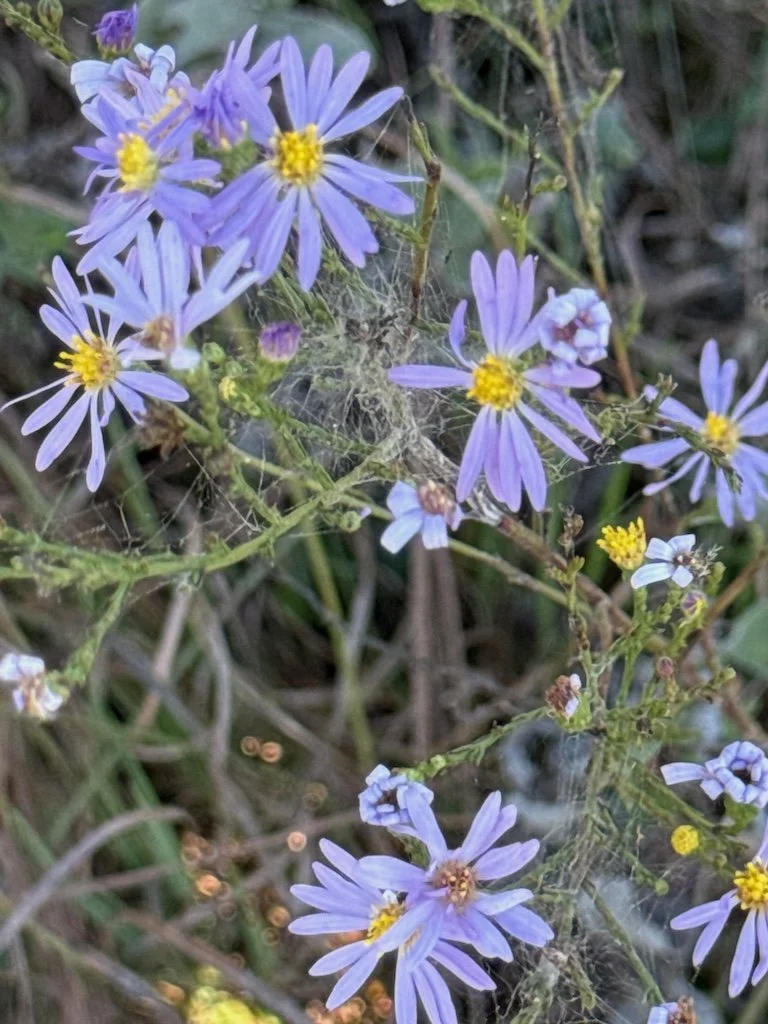
The asters and goldenrod…a few sunflowers and azure blue sage….were the flowers still blooming (and there were a few pollinators – bees and butterflies).
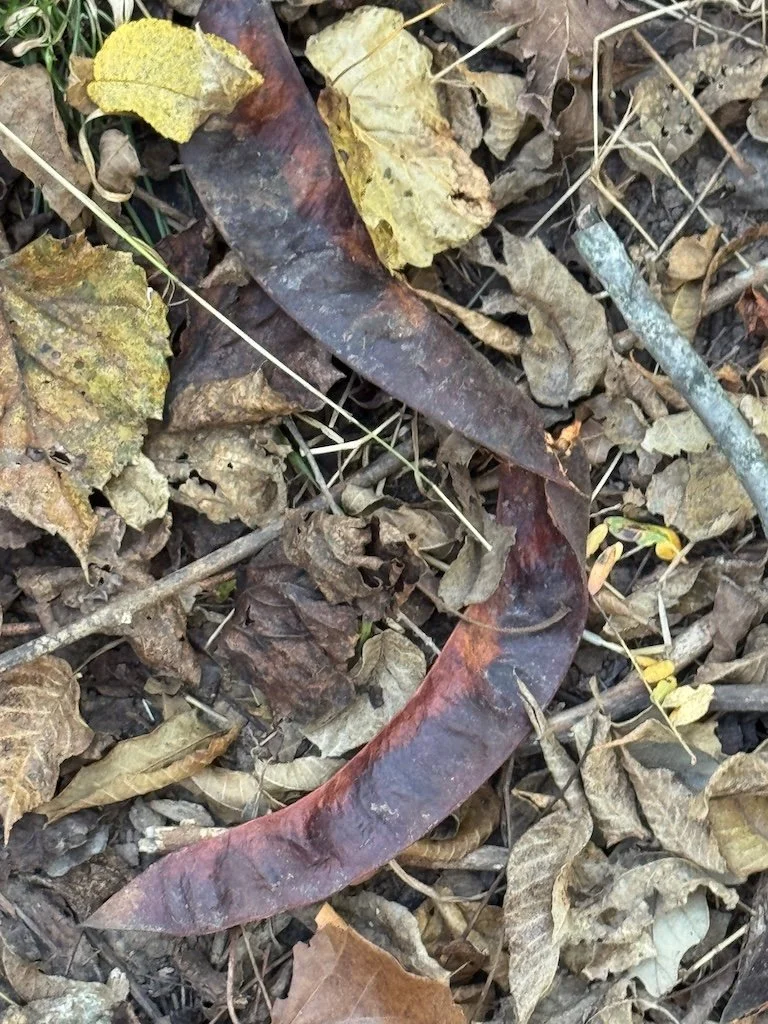
I was pleased to recognize goat’s rue and lead plant from the leaves! In the springtime it is easier with their flowers.
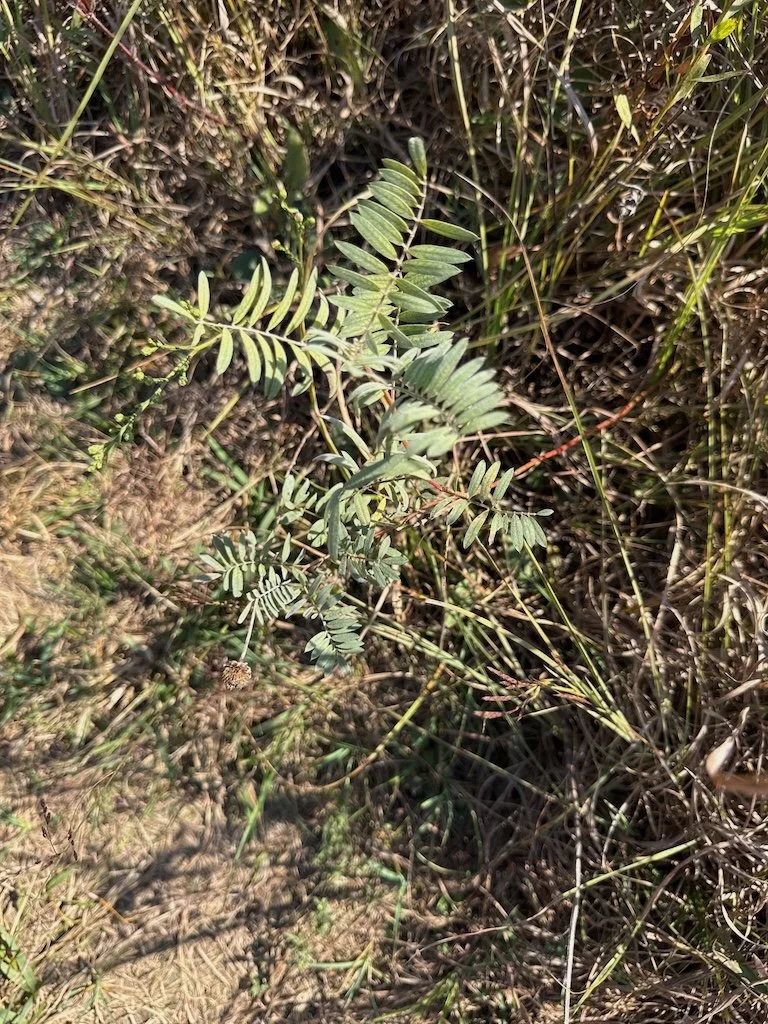
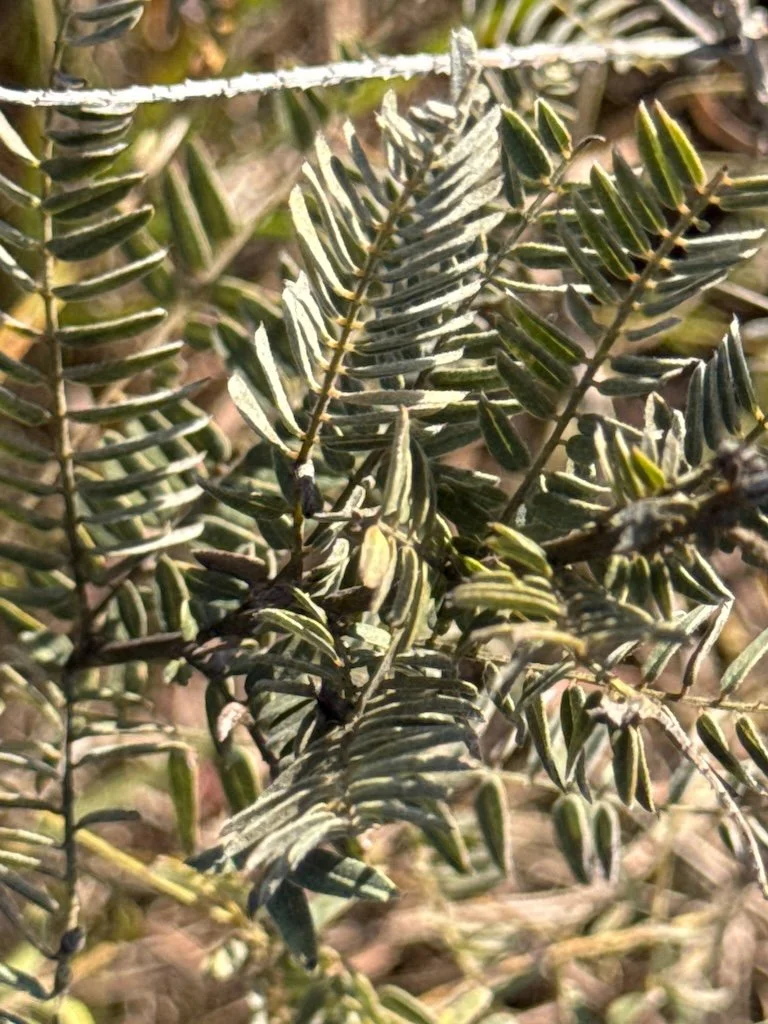
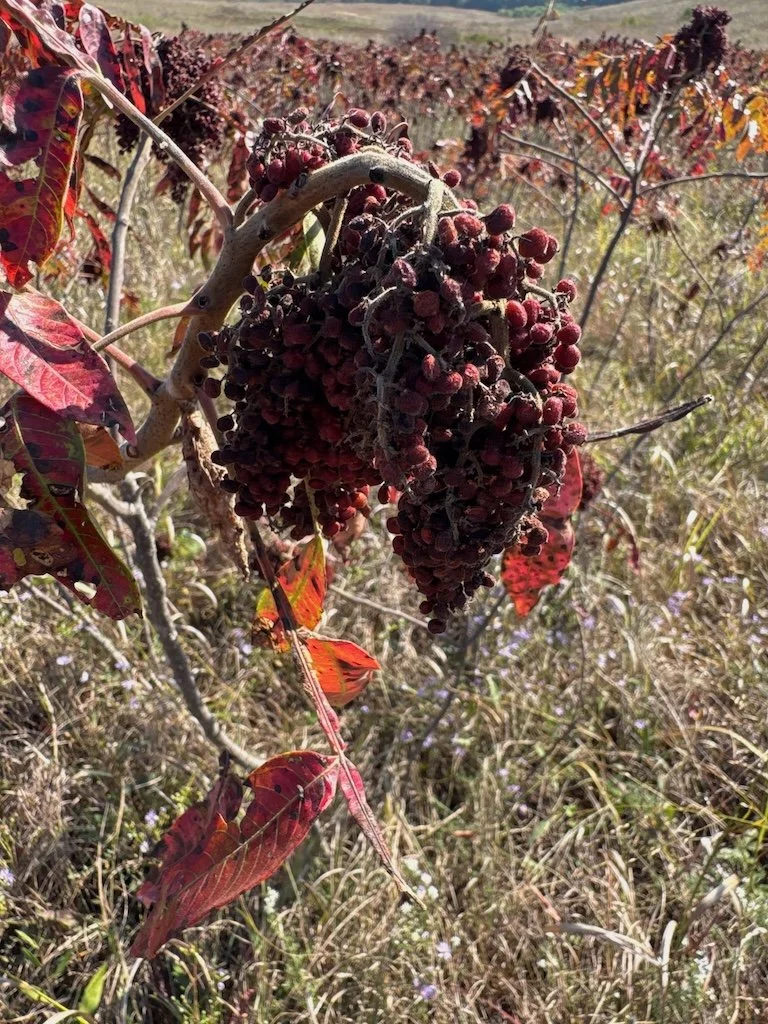
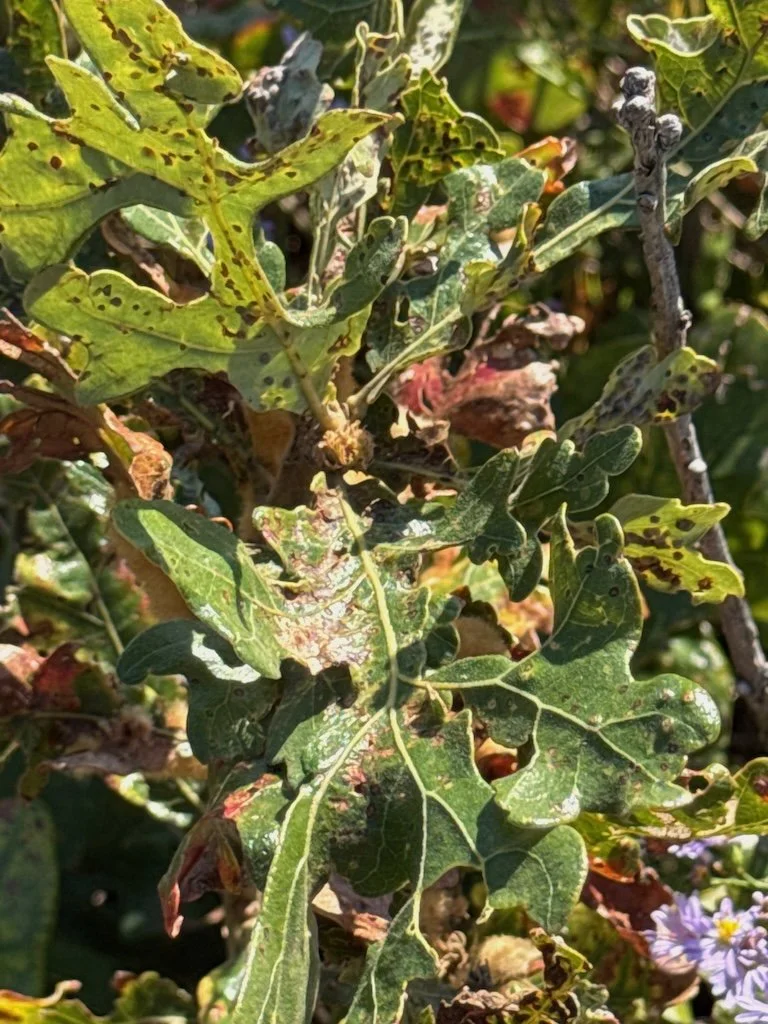
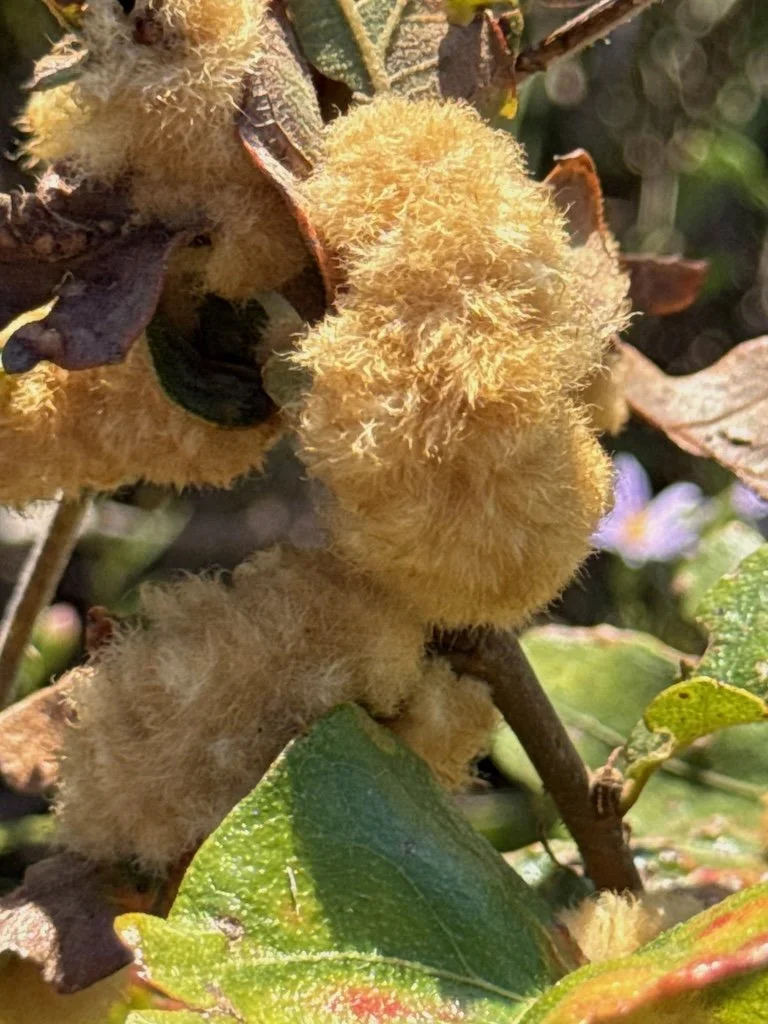
There were woody plants to observe too: black cherry, winged sumac, and post oak (with galls).
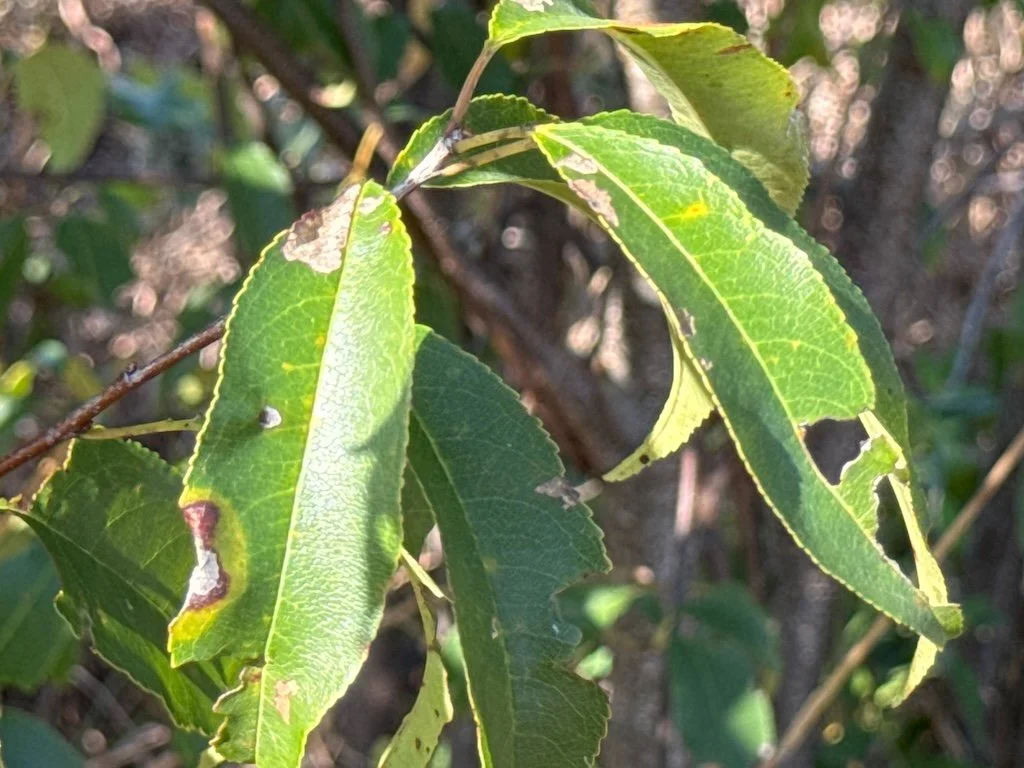
The most numerous was winged (or shining) sumac. Some of the plants still had green leaves…others were already red. The prescribed burns might make them less dense…but doesn’t take them out completely!
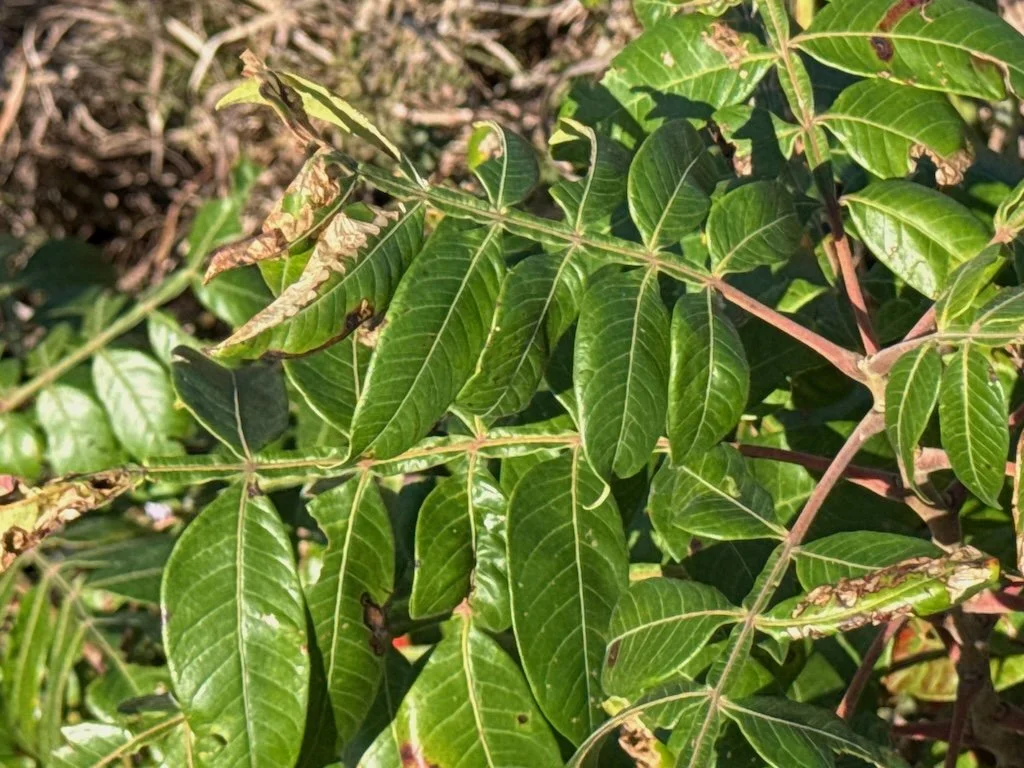
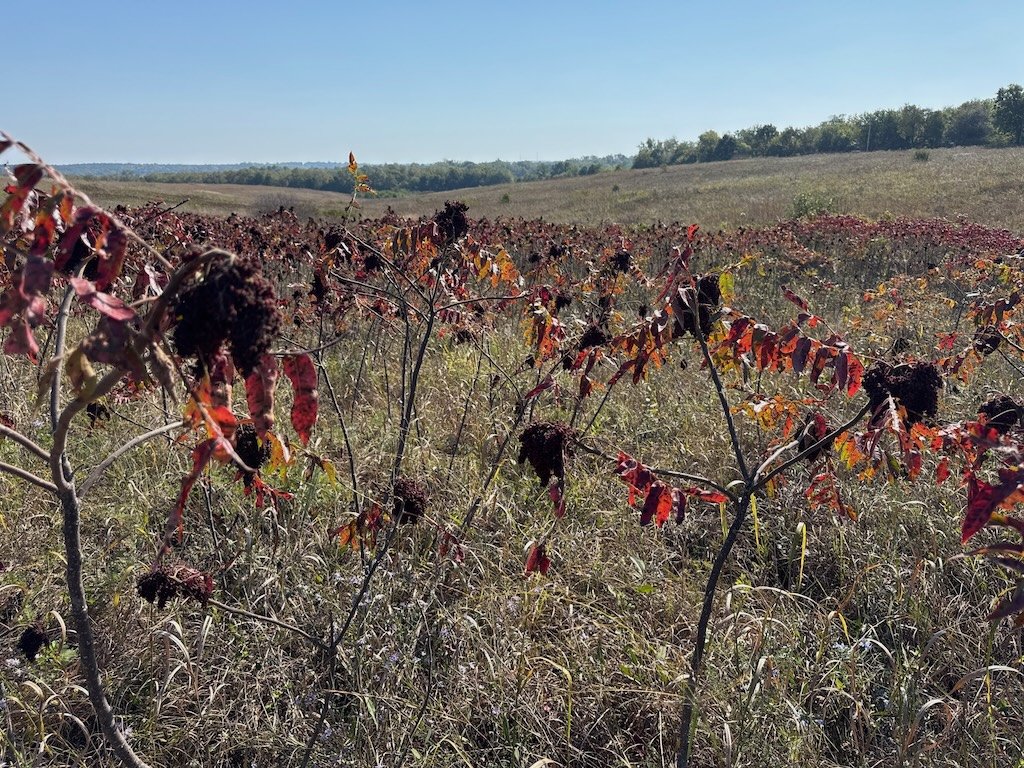
It was an hour well spent!

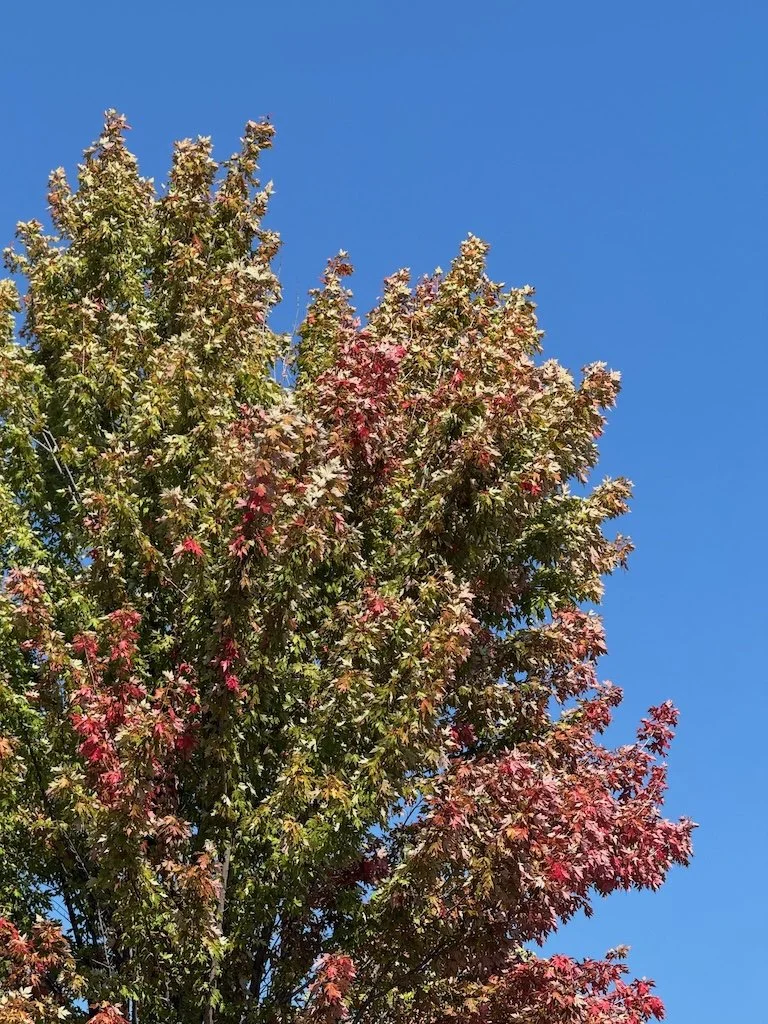
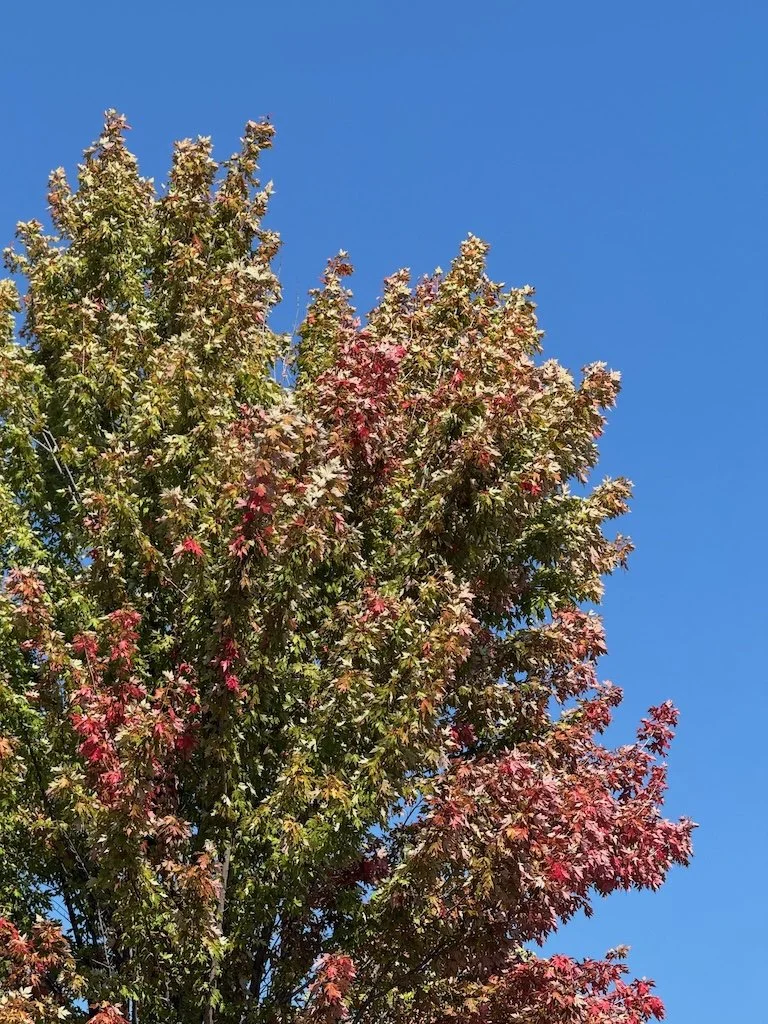
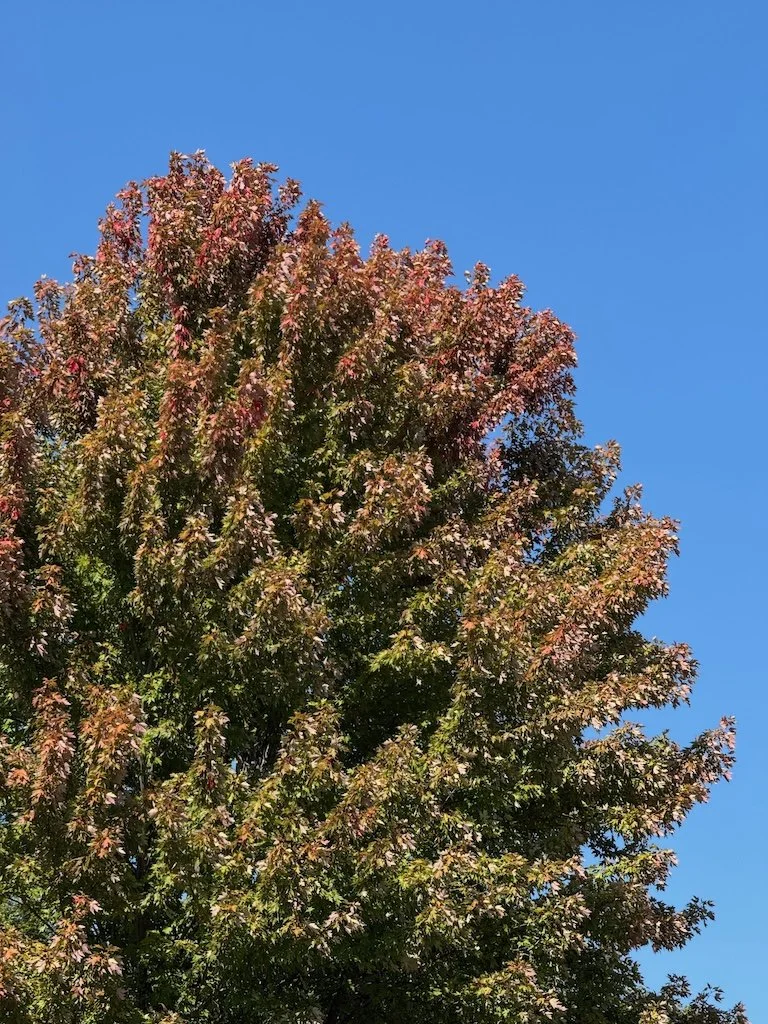
Afterward my daughter and I went out to lunch and there were maples around the parking lot beginning to change color. We’ve had a very dry summer so are anticipating a muted fall.
Later we both had allergies…something that made our eyes and nose very watery. Both ozone and ragweed pollen were high – so it could be that combination.

Schuette Prairie

I visited my 4th prairie of the spring/early summer last week for a Missouri Prairie Foundation guided hike – Schuette Prairie. It was a late afternoon hike with occasional light rain and rainbows adding to the adventures. Some the of the prairie plants are beginning to look familiar to me! It’s good to see the progression of development over time and the differences in plant communities on each of the prairies.

Schuette’s Prairie has some woody plants that are kept at bay by periodic prescribed burns…but not actively eradicated. The woody plants we noticed were persimmon, winged sumac, button bush, and sassafras. The first two are pictured below. The button bush is an indicator that part of the prairie retains a lot of moisture.

There are also areas of the prairie that have very shallow soil over dolomite and there are stands of prairie dock that grow in those areas. The rest of the prairie has sandstone under the soil (and the soil layer is thicker).

Lead plant was a plant I remembered from precious prairie hikes. This time it was blooming and the contrasting colors popped in the late afternoon light.

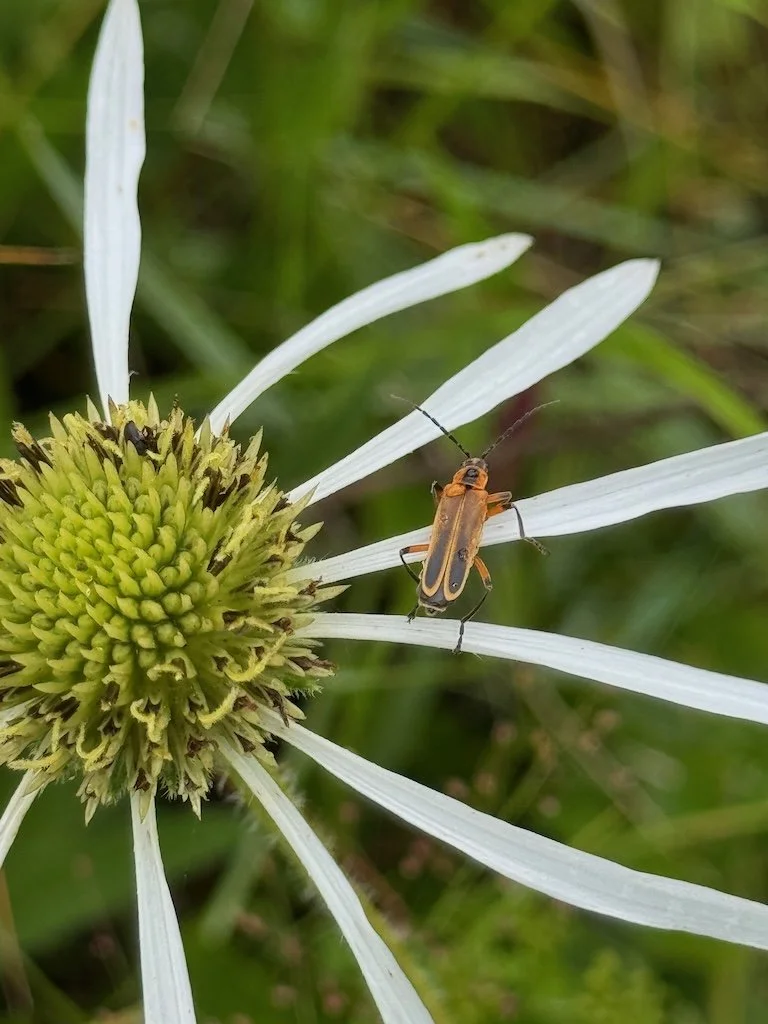
I saw more bugs that I was able to photograph. While it was raining, they were not as noticeable, but we had enough times when it was not raining to see them more active.

The compass plants are not blooming yet but their sandpaper leaves are very recognizable. They are a reason to come back again later in the season.

There were two types of coneflowers in bloom: Pale Purple Coneflower and Yellow Coneflower.

Goat Rue was a new-to-me plant. Maybe I had seen it elsewhere, but this was the first time I had seen them in bloom.

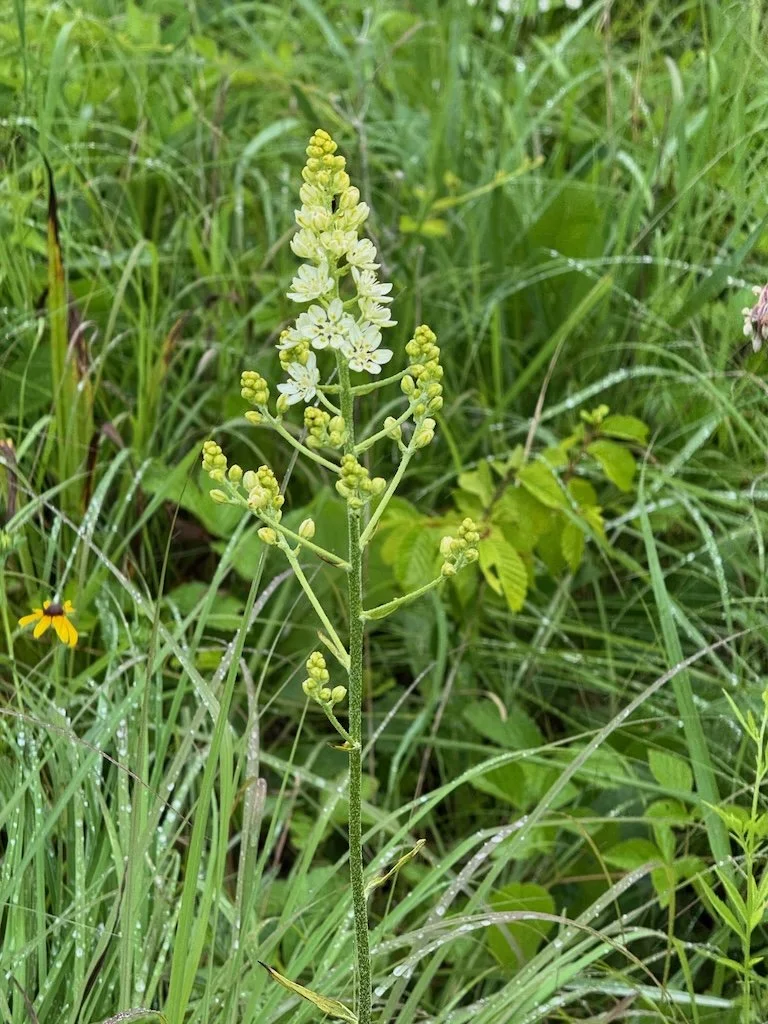
My favorite plant of the hike was the bunchflower. The flowers are showy and are above most of the other vegetation.

There were two kinds of milkweed. Neither one had any holes in their leaves….yet.

The orchids were blooming…small and down in the vegetation…worth noticing.

Quite a few of the prairie blazing star plants had galls in the very tip of the stalk…so they are not going to bloom normally…but the gall looked interesting at this stage.

Rattlesnake master is another plant I remembered from previous prairie walks.

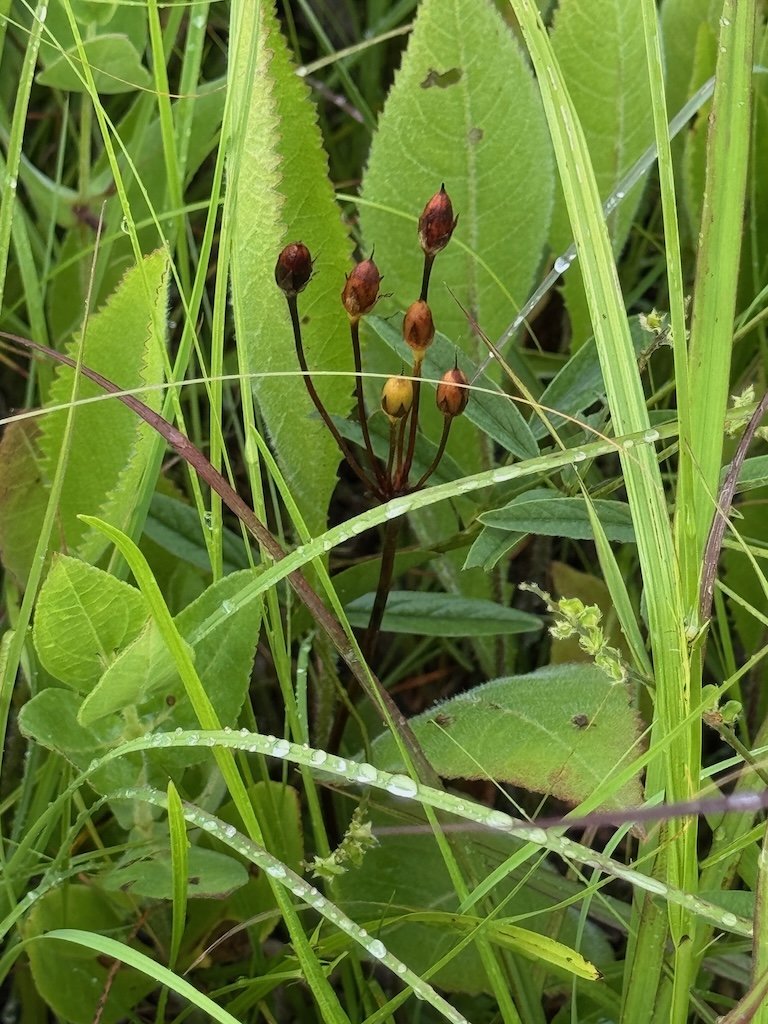
The shooting stars that I saw blooming on other prairies…were seeds on this one.

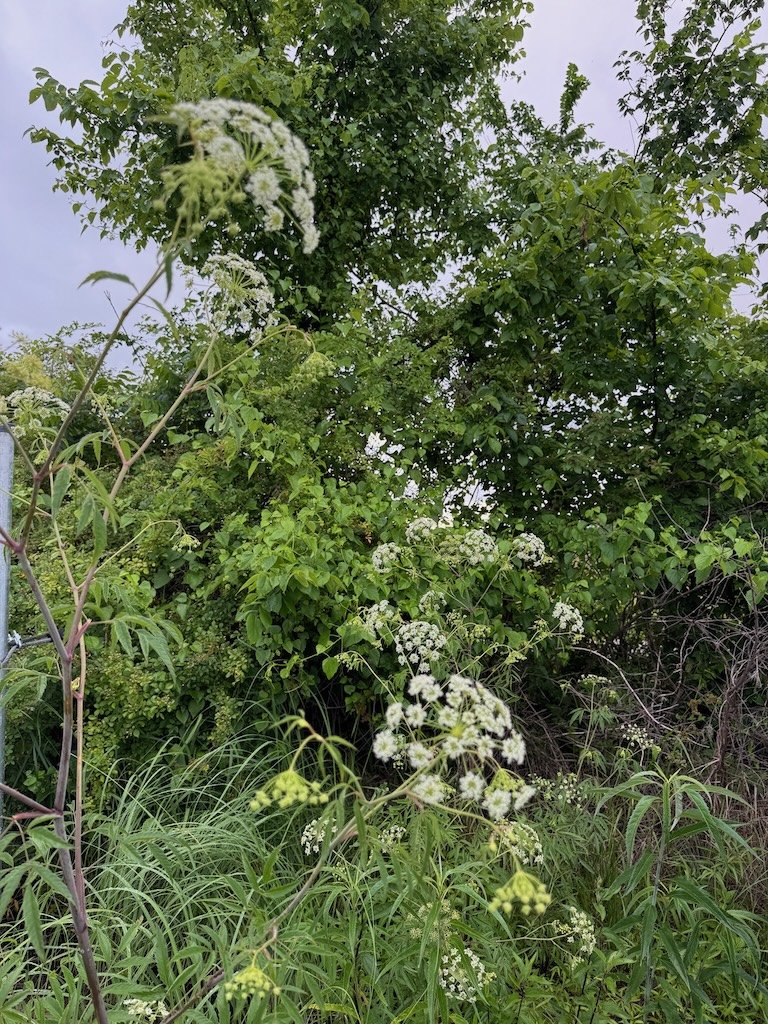
Near the parking area was a stand of poison hemlock….this is a plant I seem to be more aware of growing on roadsides this year.

And now for a slideshow of the rest of the pictures I took!

I even enjoyed the drive home after the hike was over; there were rainbows visible the whole way!

Previous blog posts about my recent prairie hikes:

Harold Prairie in late April

Noah Brown’s Prairie in early May

Linden’s Prairie in mid-May