Gleanings of the Week Ending October 25, 2025

The items below were ‘the cream’ of the articles and websites I found this past week. Click on the light green text to look at the article.

The maritime lions hunting seals on the beach - In Namibia, a group of desert lions have left their traditional hunting grounds for the Atlantic coast, to become the world's only maritime lions.

Progress on Africa’s ‘Great Green Wall’ Stalls as Seedlings Die Off - The African Union launched the project in 2007, planning to create a 10-mile-wide strip of trees that would stretch from coast to coast, across 11 countries in the Sahel. By stopping desertification, the project aimed to protect farmers, help shore up the supply of food, stem migration, and even fight extremism. But as of last year, the project was estimated to be only 30 percent complete.

The Red Sea that vanished and the catastrophic flood that brought it back - The Red Sea once vanished entirely, turning into a barren salt desert before being suddenly flooded by waters from the Indian Ocean 6.2 million years ago. The flood carved deep channels and restored marine life in less than 100,000 years. The Red Sea is a natural laboratory for understanding how oceans are born, how salt giants accumulate, and how climate and tectonics interact over millions of years.

Pumpkin: A favorite sign of fall, with a bit of shady history - When European settlers reached the present-day Americas, they encountered Indigenous people growing pumpkins — a useful source of food that's easy to grow and can be stored in cold weather. In precolonial times, Indigenous people in the Americas domesticated different types of these sort of pumpkin precursors at least six different times.

Egyptian Pharaoh’s Tomb Opens to the Public After 20-Year Restoration – Amenhotep III. The huge tomb is in a secluded part of the Valley of the Kings outside the southern city of Luxor and was in severe need of work following centuries of neglect. The tomb was discovered in 1799 whereupon its contents were looted. At its center, visitors today encounter the pharaoh’s giant granite sarcophagus lid, which is covered in hieroglyphics and was too heavy to be carried away.

New Solar Glass Cranks Up Lettuce Crop Yields by Almost 40% - The new solar glass (the performance of quantum dots integrated with passive solar glass) was field tested by researchers at the University of California – Davis. If the performance of lettuce is a bellwether for other crops.

The rise of ‘nightmare bacteria’: antimicrobial resistance in five charts - Antimicrobial resistance (AMR) is projected to cause 39 million deaths worldwide over the next 25 years. But global efforts to find treatments for drug-resistant infections are not going to plan. The reports show that the global antibiotic drug-development pipeline is facing a dual crisis: a scarcity of drugs in development and a lack of innovation in methods to fight drug-resistant bacteria. Awareness of this issue is increasing; however, it is still a silent pandemic with many deaths not being attributed to AMR.

A Search for the Cassia Crossbill, Idaho’s Endemic Bird - Searching for an endemic bird brings you fully immerses you in the complexity of the world. What might look like just another set of hills from the highway is revealed to be a habitat shaped by a lack of squirrels and abundant woodpeckers and thick pinecones. And that place offers you a glimpse of this special bird, one that exists only here, as if clinging to a lodgepole life raft in the desert.

Brain cancer that eats the skull stuns scientists - Glioblastoma isn’t confined to the brain—it erodes the skull and hijacks the immune system within skull marrow. The cancer opens channels that let inflammatory cells enter the brain, fueling its deadly progression. Even drugs meant to protect bones can make things worse, highlighting the need for therapies that target both brain and bone. The discovery reframes glioblastoma as a whole-body disease, not just a brain disorder.

Babies take a lesson from soldiers in the war against malaria - For years, the U.S. military has treated uniforms with insecticide to repel mosquitoes and the malaria they can transmit. In a rural part of western Uganda, 200 mothers with kids between 6 and 18 months got a permethrin-soaked baby wrap, while 200 others got a wrap just soaked in water. All participants got a brand-new treated bed net too. Over 6 months, 34 kids in the permethrin-wrap group tested positive for malaria, compared with 94 in the water-soaked wrap group. About 8.5% of babies had a mild rash in the treatment group compared with 6% in the control.
Car Repair

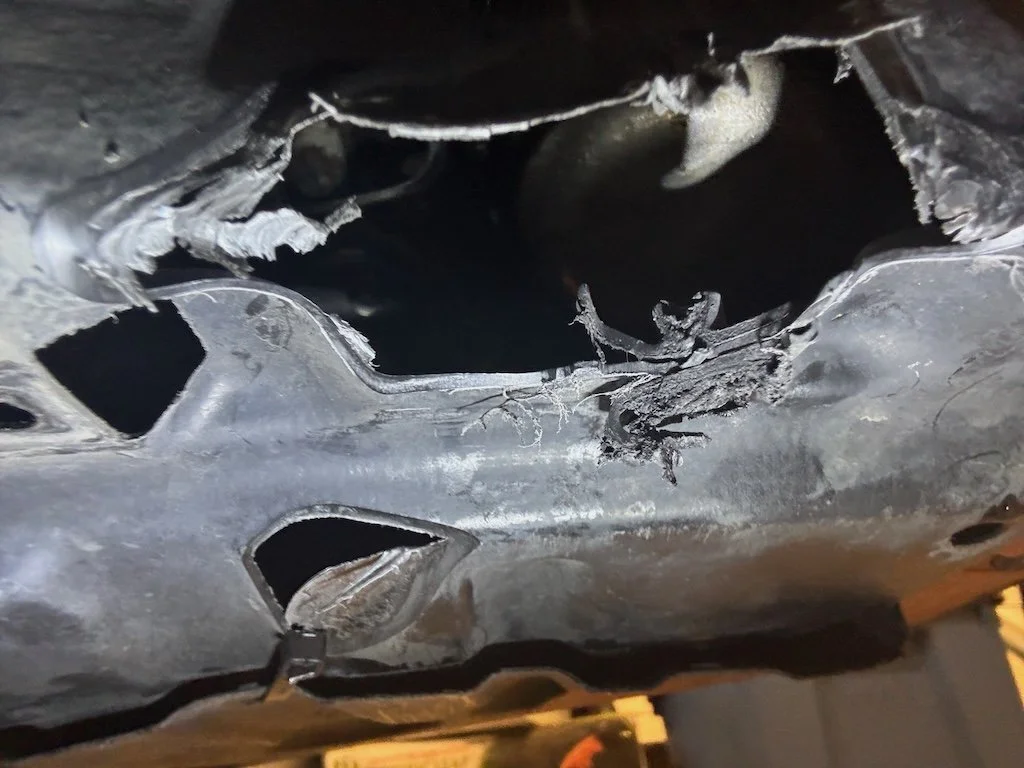
I posted about my 2017 Prius Prime being damaged by a parking space berm on my way back from the Missouri Department of Conservation Partners Roundtable. It is now fixed and looking great again – nothing dragging, no shredded plastic tire well. My insurance provided a rental car for the 5 days it was in the shop.

It has been a very long time (maybe 20 years) since I had a car repair that required replacing part of the body and paint. It seems that this time was more efficient and a shorter time in the shop. Of course, the online claim to my insurance and text messages providing status were something new. We are paying more for insurance now, but the out-of-pocket expense was probably about the same.

As I was driving the rental car, I realized that don’t drive rental cars as often as it did pre-Covid (when I would sometimes fly to Dallas and rent a car to visit my parents) and certainly not as often as during the later part of my career when I was traveling frequently for work. The rental car felt awkward to me – about the same size as my Prius Prime but without the same power; I didn’t get used to it in the short time I had it!

In the end – I am relieved that my car is back in the garage and ready for my next road trip to Dallas.

Trekking Poles

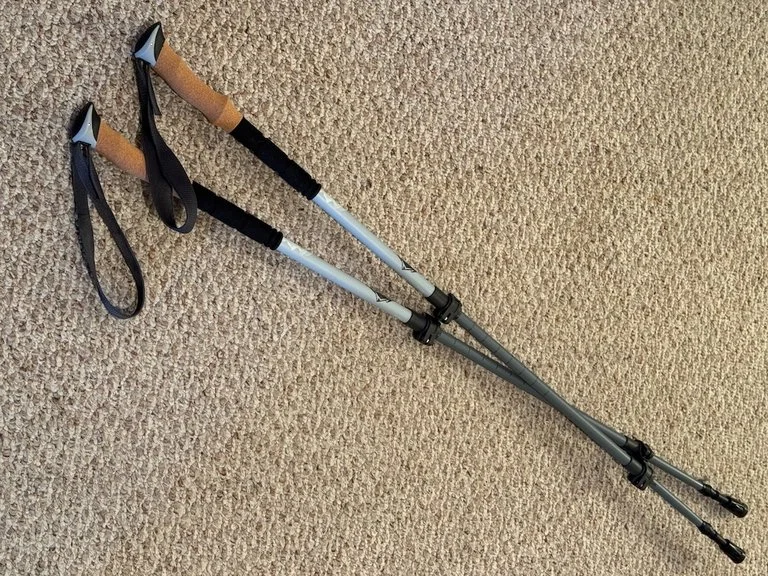
My lower back often starts to hurt when I am out hiking; I suspect that I don’t stand up straight all the time and when I don’t, my back starts to hurt, and the situation seems to be unrecoverable once it starts. I bought some Trekking Poles and hope they will help me keep myself straight.

I’ve done a few short walks with them, and they seem to help. On my first test walk, I adjusted them several times. The shortest adjustment of the poles did not work at all…my back bothered me immediately. The other two adjustments worked great...effectively stopping my backache from the shorter poles! That’s an excellent result since I now can adjust my poles and (maybe) get some relief from back pain.

We have registered for another birding festival and that will be the first field test of the trekking poles. I’ll use a photo vest instead of a backpack (with my water bottle in the back pouch) and learn to use the wristbands to control the polls while I am using my camera or binoculars. I am savoring the prospect of hiking/walking with a lot less pain than I had during the Urban Birding Festival in Chicago.

My Missouri Neighborhood – October 2025

The mornings are cool…a sign of fall. I headed out for a short walk around the neighborhood pond. There is always something to photograph.

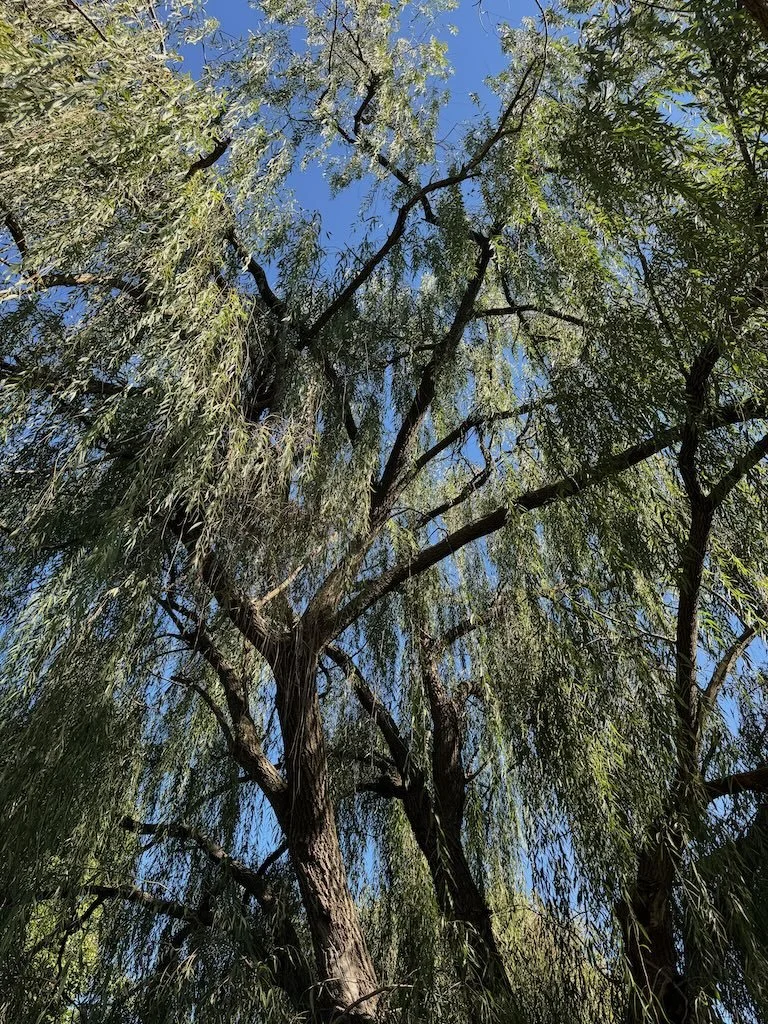
There are two good sized willows at opposite ends of the pond. I photographed the one that seem healthier…no dead branches; its branches move gracefully in dapples of sunlight.

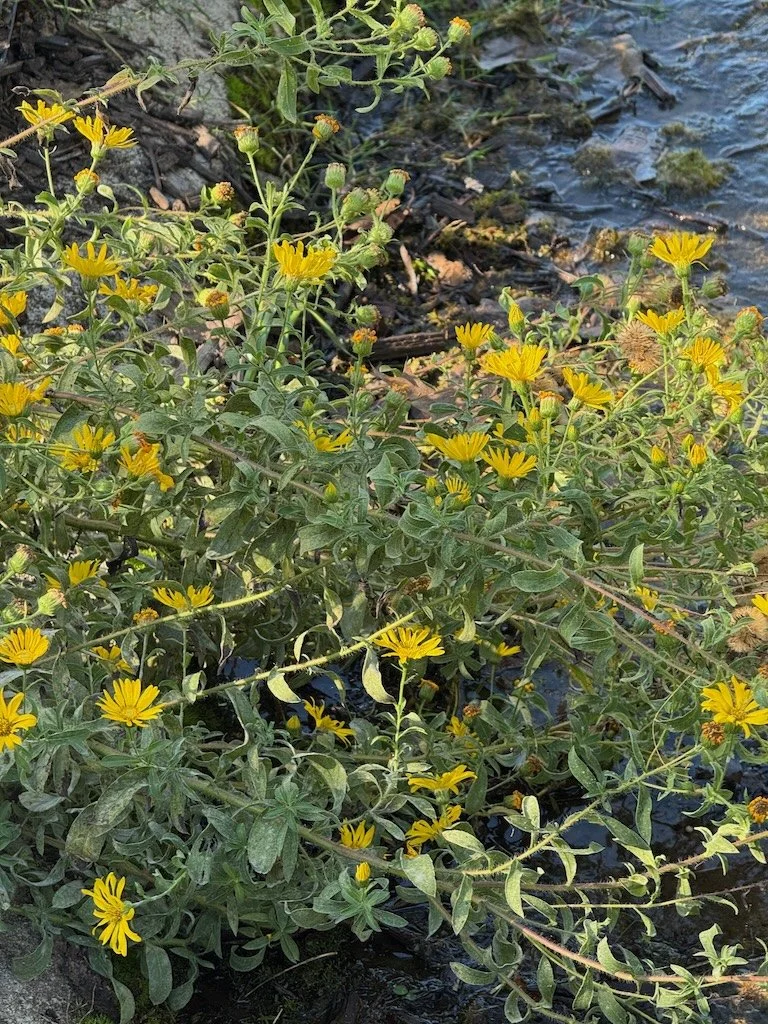
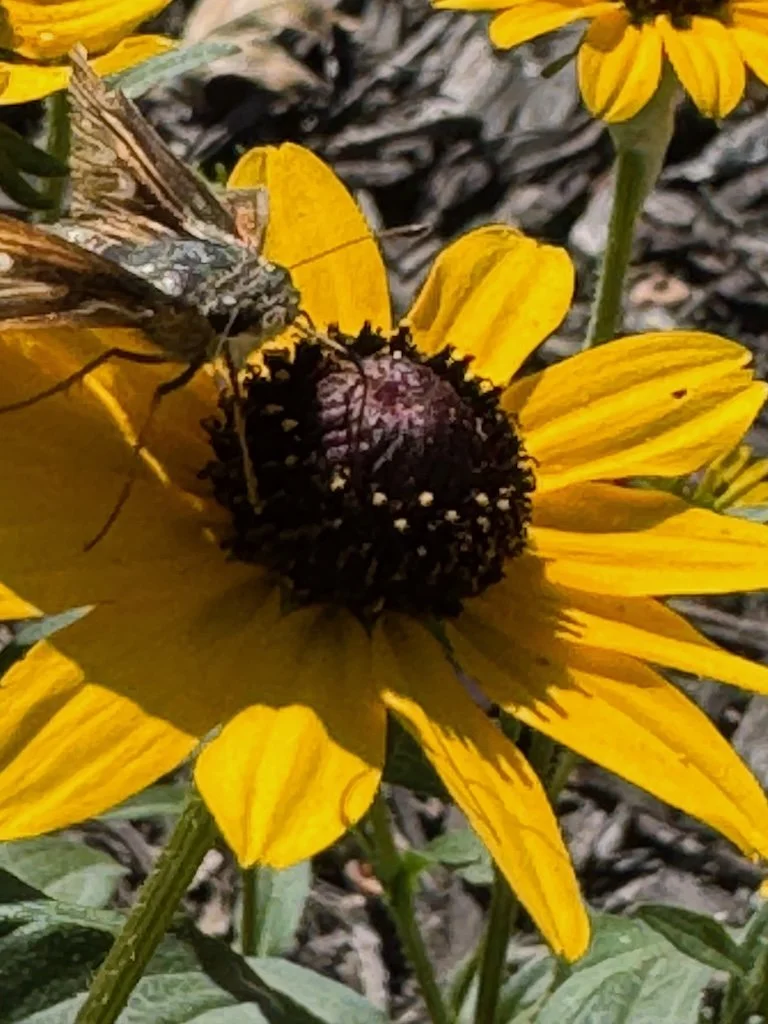
Some of the native plants added last spring near one of the bridges have survived. They will probably do even better next year. There was a skipper sitting on one that seemed to be holding still just for me!

In the water, a few of the pickerel weeds are thriving. There were quite a few that didn’t. Hopefully the plants growing now will propagate…begin to take some of the extra nutrients out of the water. There is a lot of algae in the water this fall.

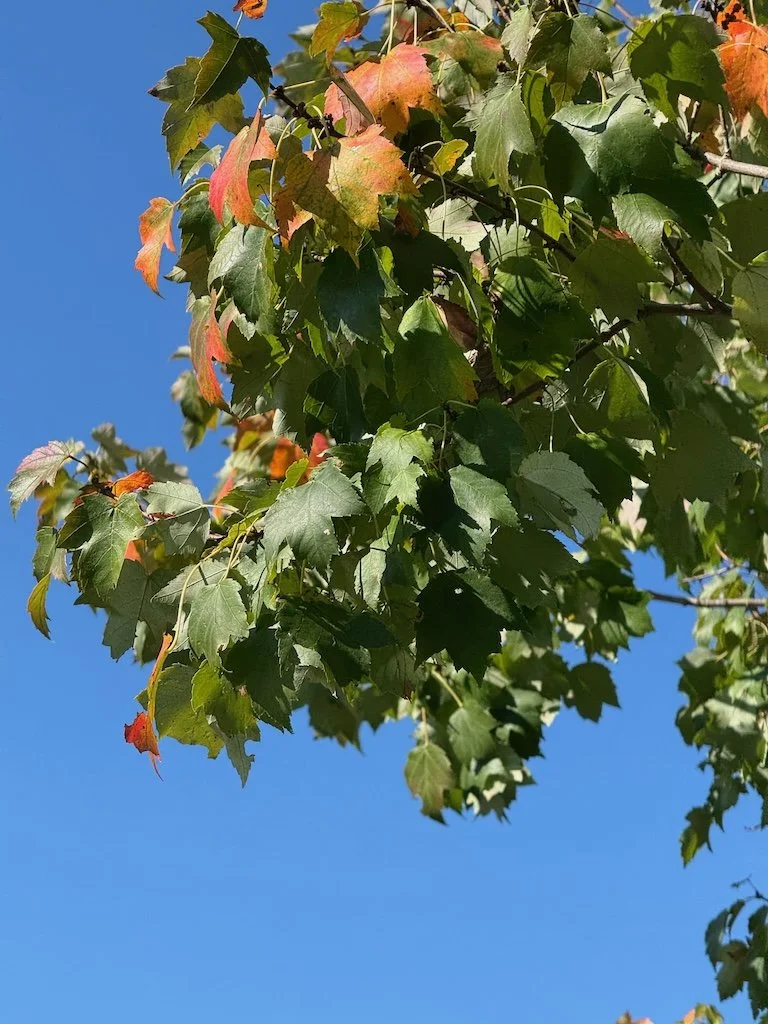
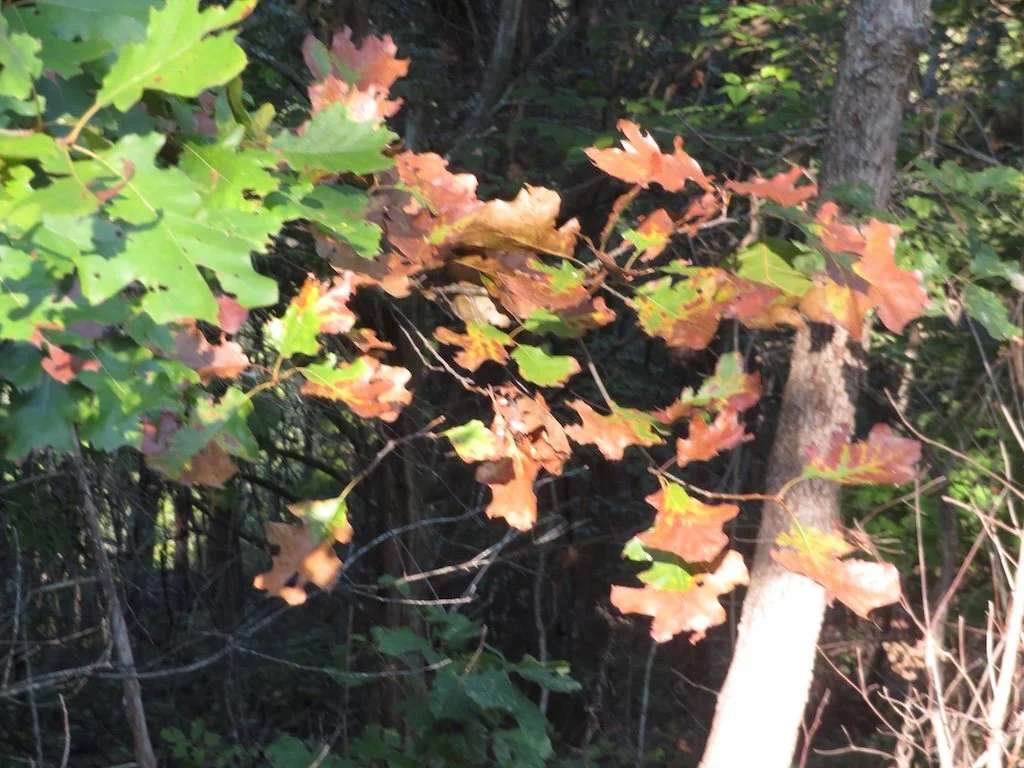
The maples are beginning to show fall color. We’ve not had much rain the past few months so it might not be as brilliant this year although these maples are near the pond so perhaps they got enough water.

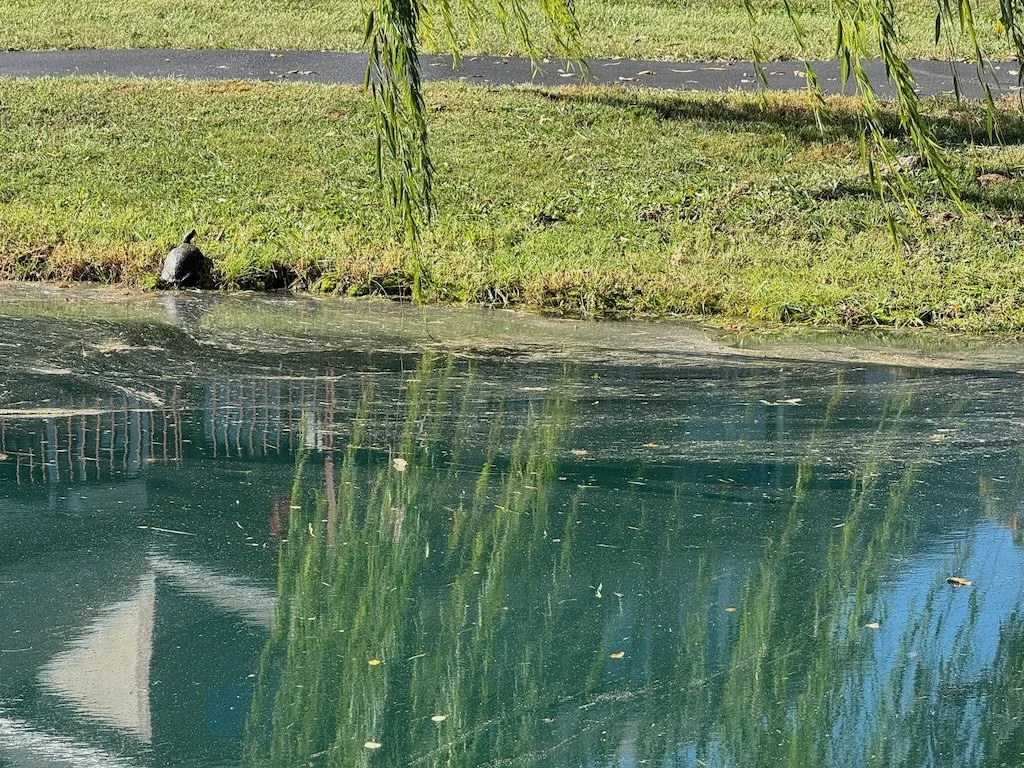
I only saw one turtle, and it was gone before I could get closer. There was a lot of mud on that side of the pond and I wondered if it was from the weed eating too close to the edge.

A river birch has leaves dipping into the water.

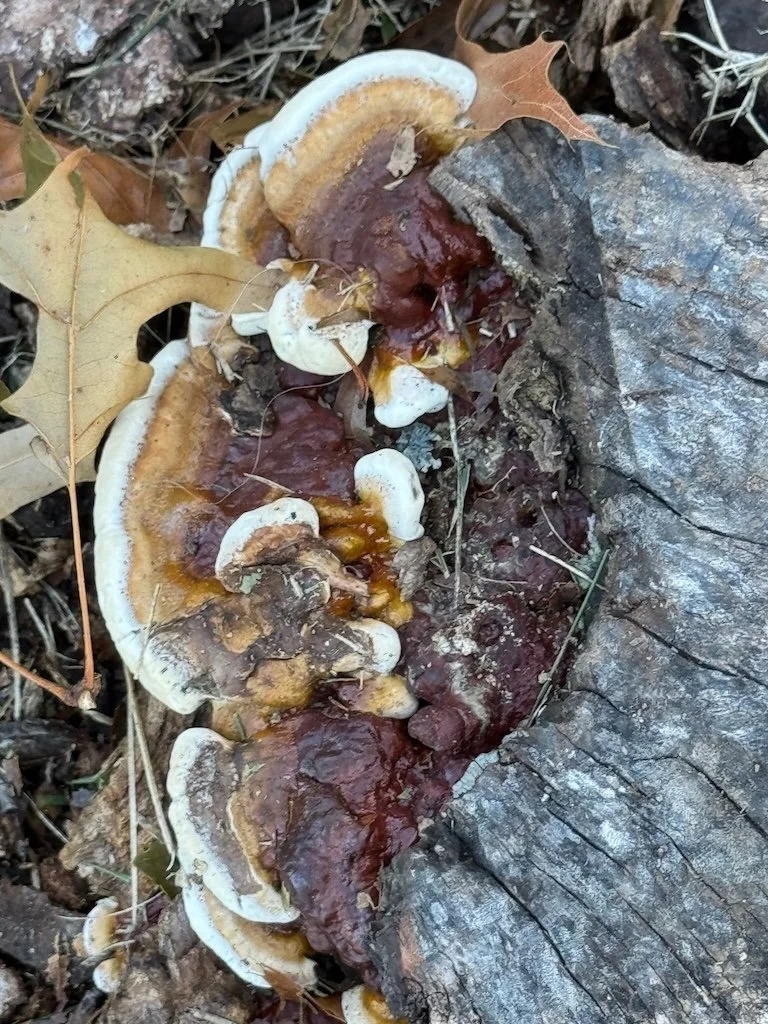
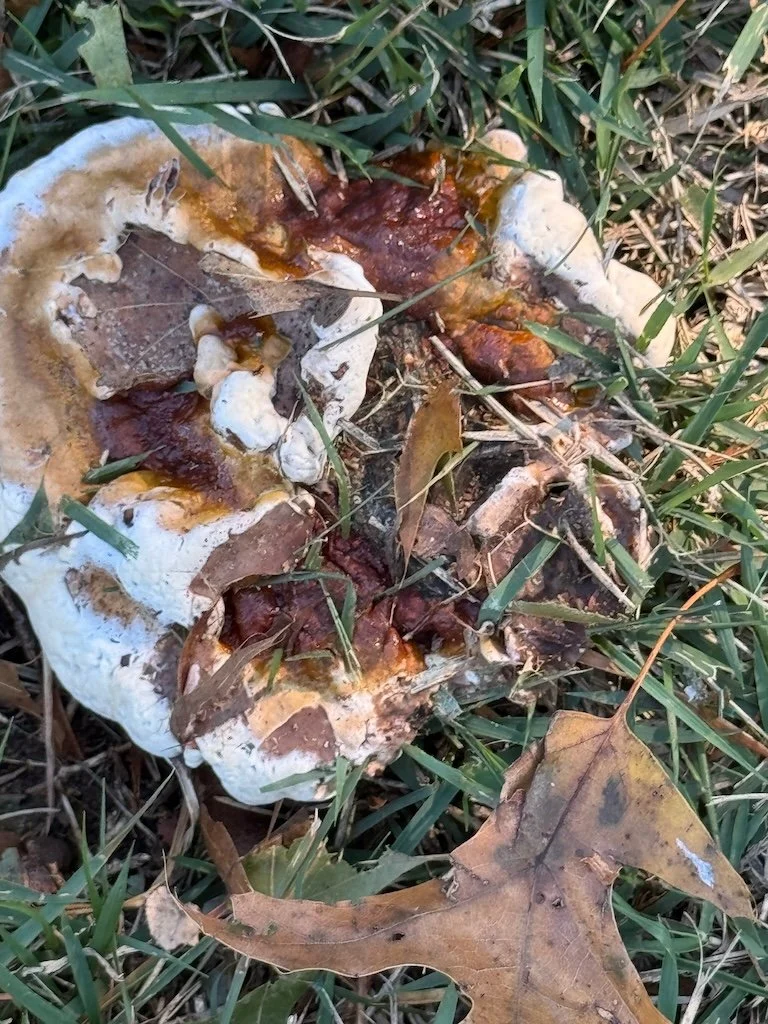
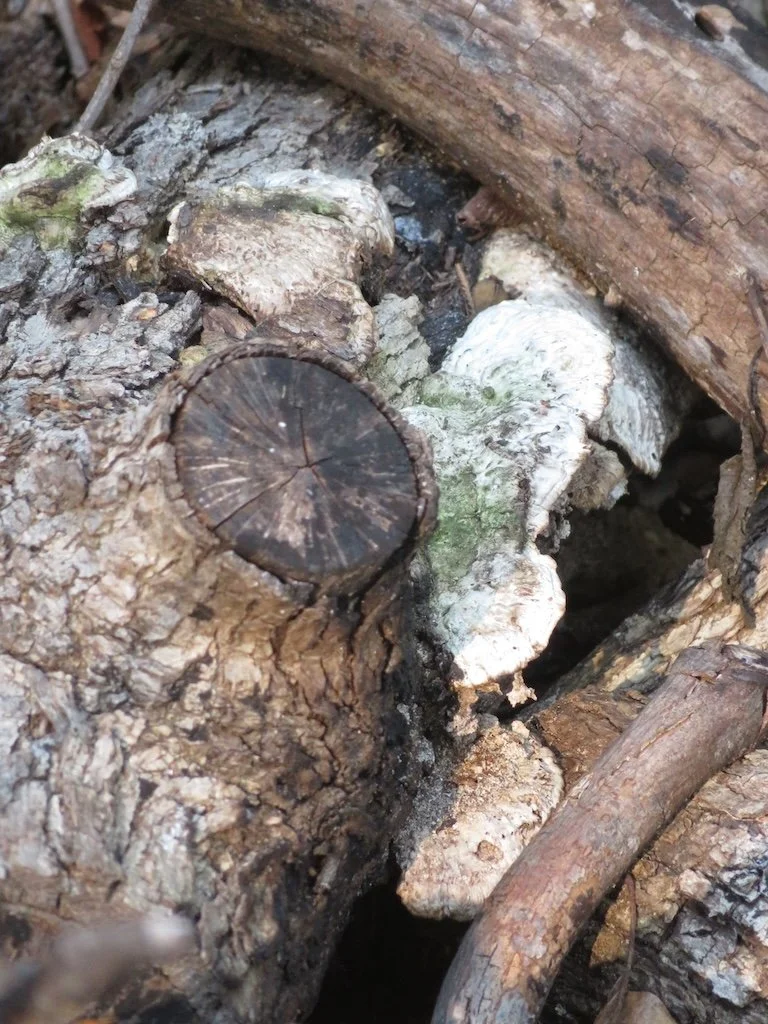
The stump from a tree one of neighbors cut down before we moved to area has almost completely decayed. There is some fungus still working on the last of it…and another of the same kind in the nearby grass that might have been working on a root from the old tree.

When I got back to my driveway I noticed a mushroom near the streetlight in a corner of my front yard. It may be that mulching of grass as I mow has increased the plant debris in the soil enough to support more kinds of mushroom – I hope that is what’s happening!

Dickerson Park Zoo

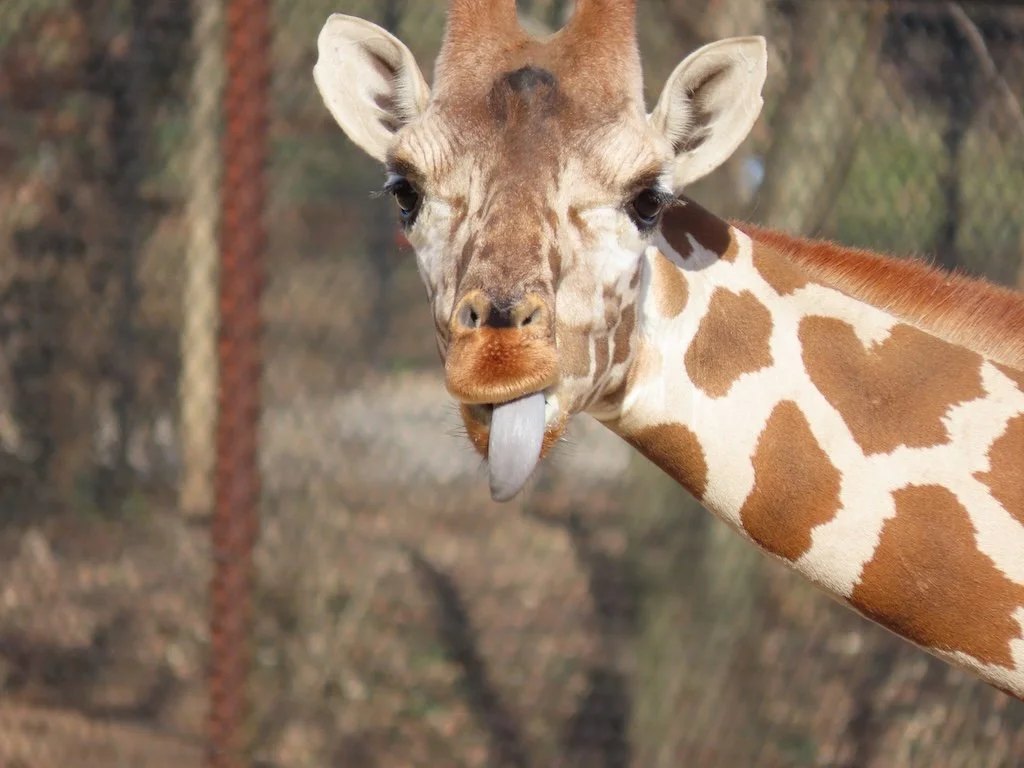
The Dickerson Park Zoo hosted an early evening Fall Fest for Friends of the Zoo. We enjoyed free popcorn and fed the giraffes tree trimmings. There was a young giraffe – clearly smaller than the others and not getting as much food from the visitors because the adults were better positioned to the people on the deck with their height.

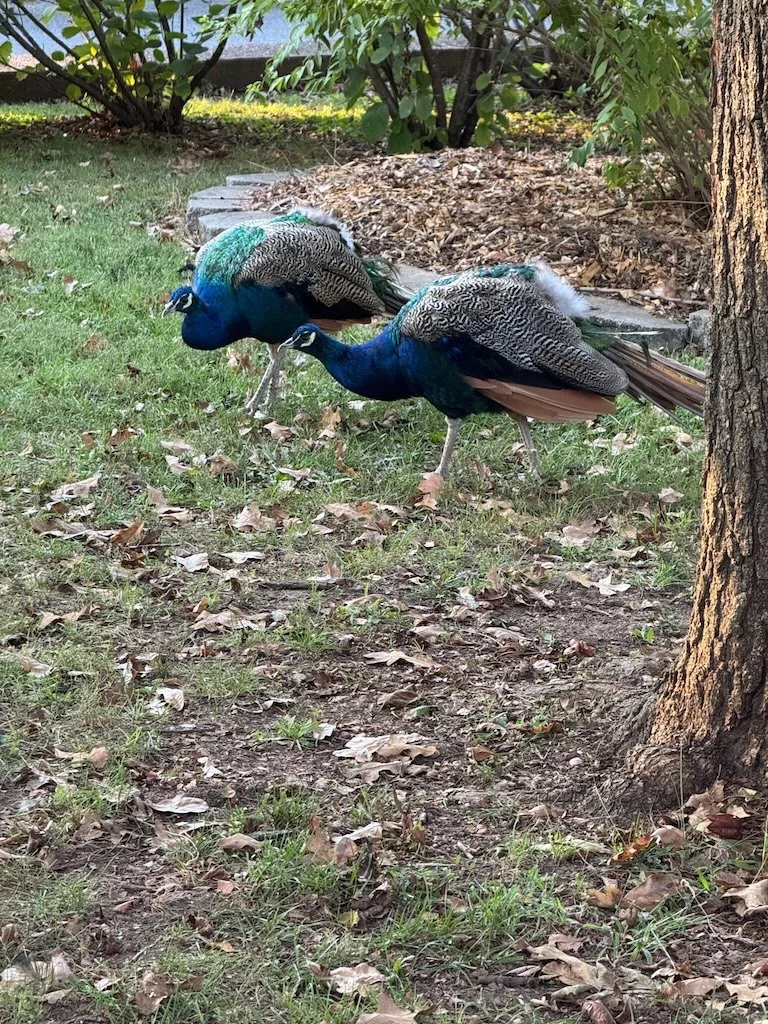
It was a cool evening. The parrots, that are usually a noisy welcome to the zoo, were already retired for the evening. The peacocks were out as usual…not as grand as earlier in the summer because the males are molting. They were walking about with very few tail feathers. We spotted one that must have been a hybrid of a normal and leucistic bird.

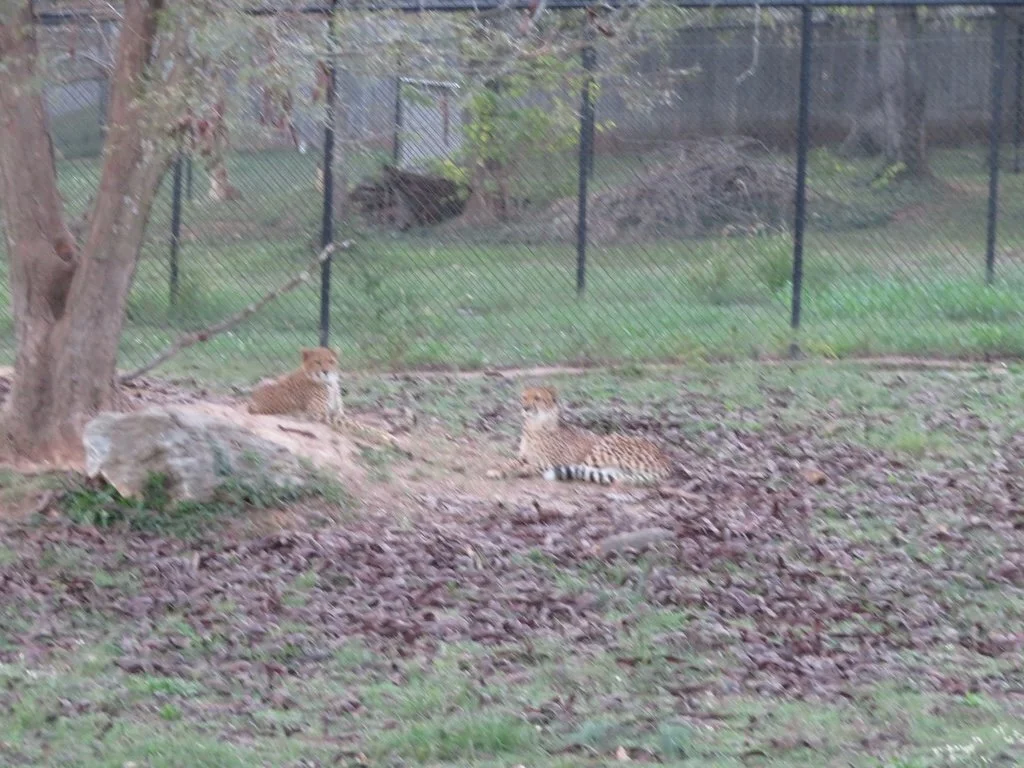
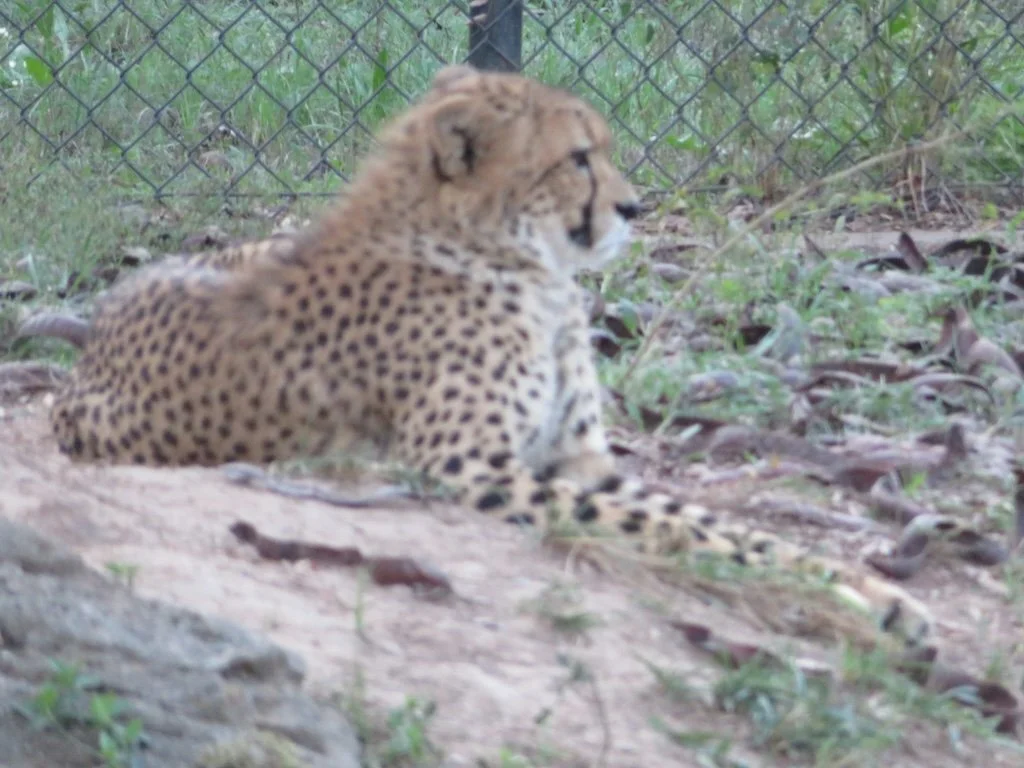
The cheetah cubs were out but not very active.  

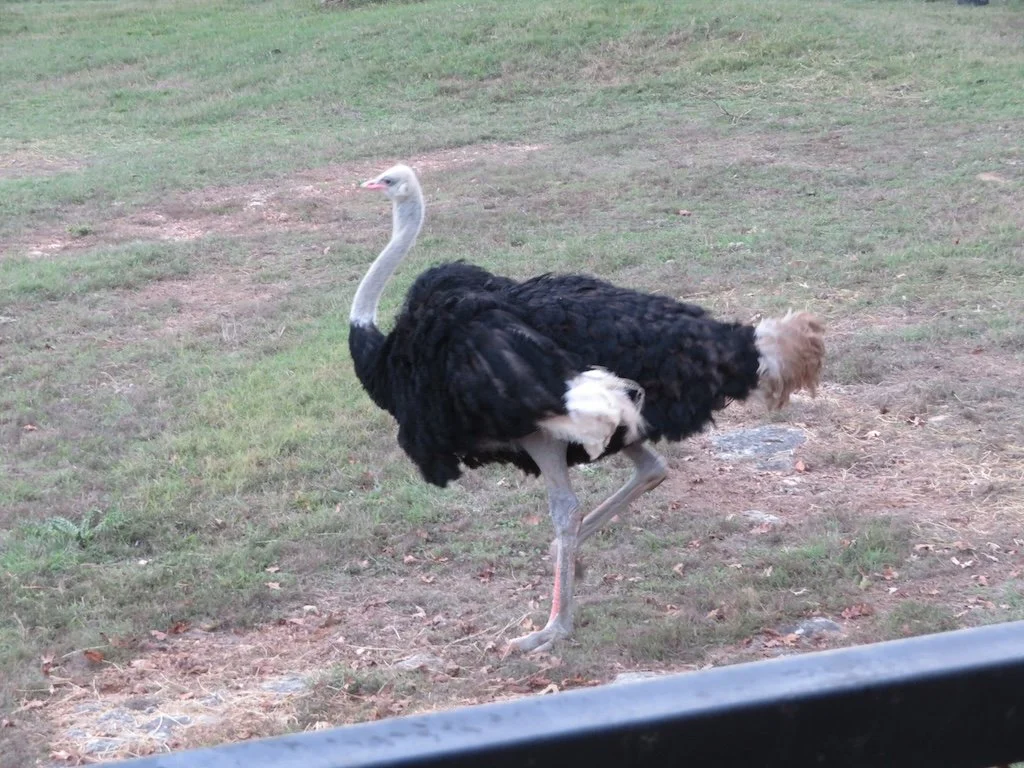
The ostrich in the enclosure next to cheetahs was moving about…looking for a last snack of the day.

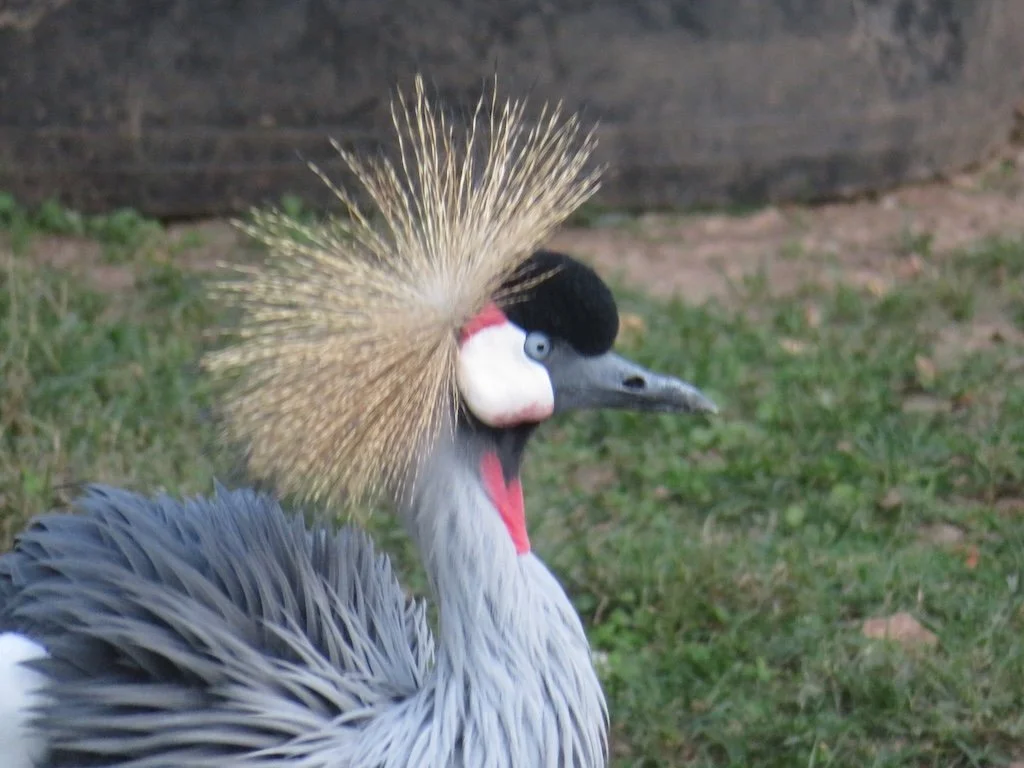
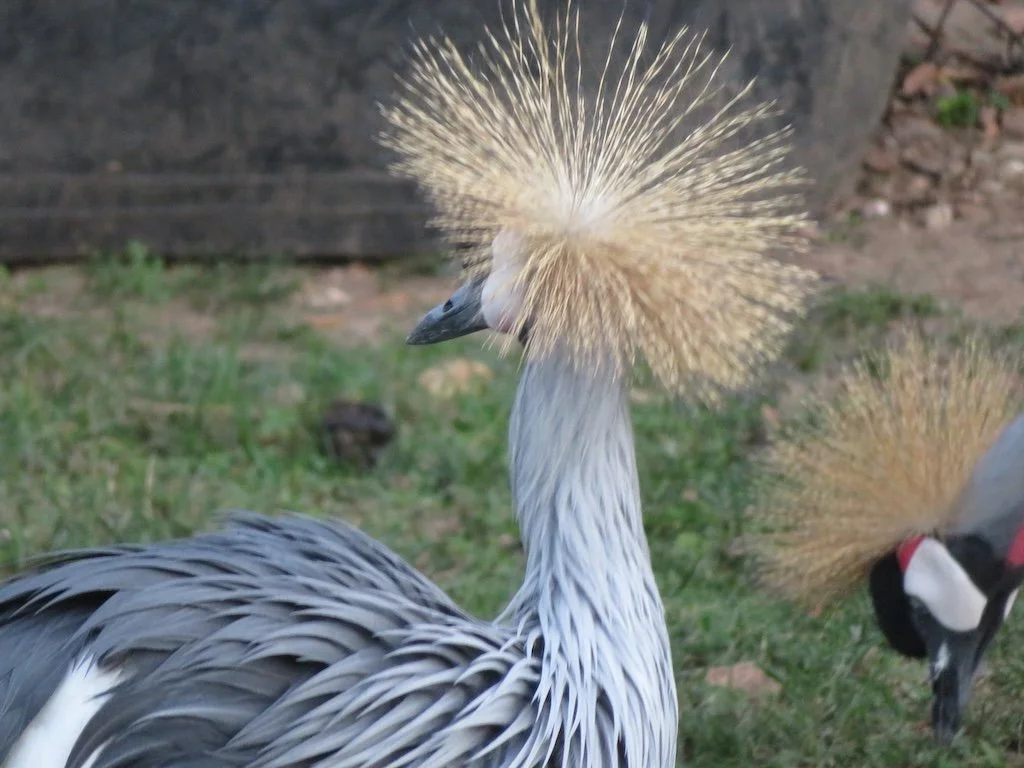
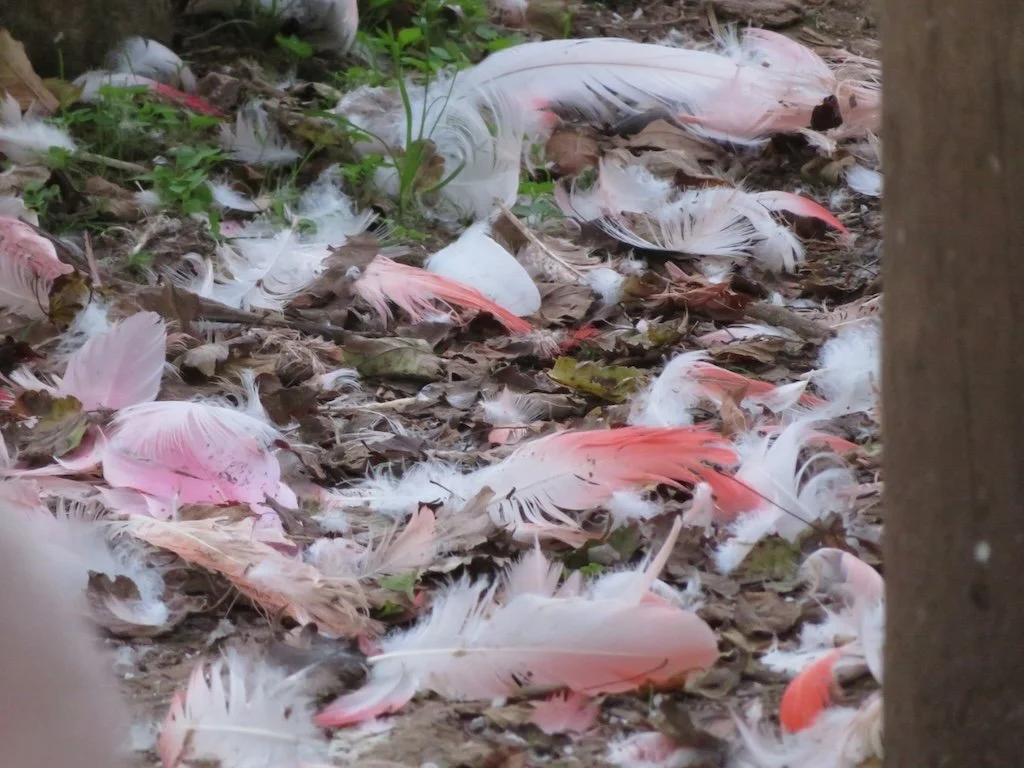
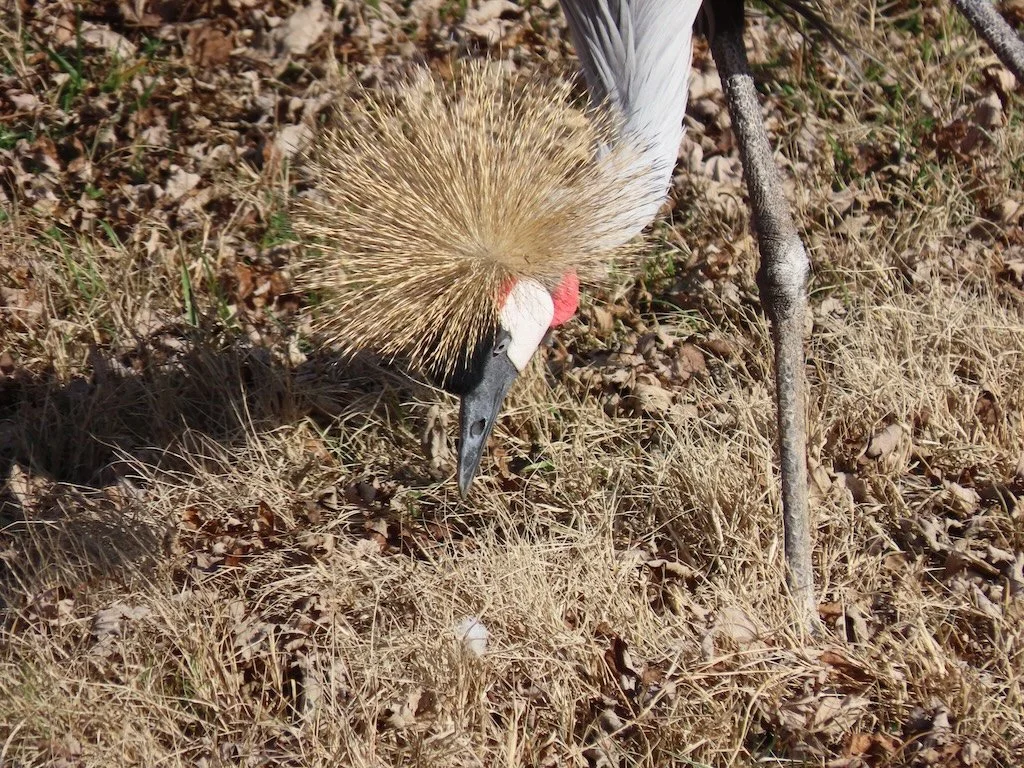
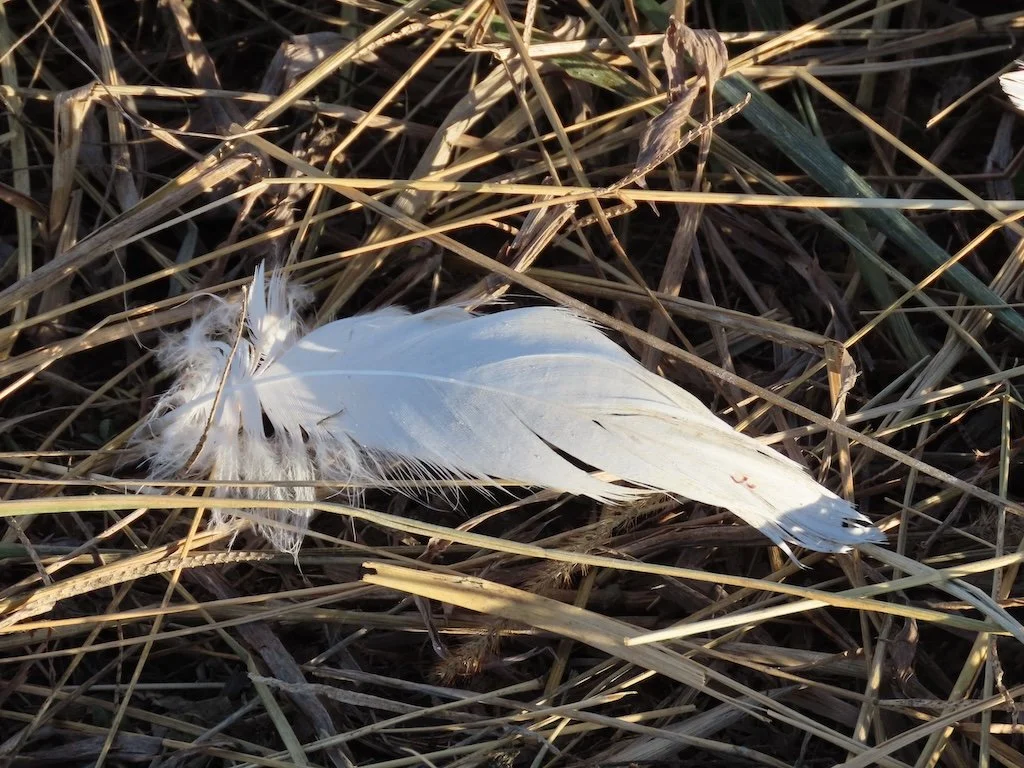
The two grey crowned cranes were active (one even flew toward the other!). The two appeared to be molting – there were more feathers than usual on the ground in their enclosure. I took a picture of the head feathers from the back…a different perspective than usual.

The floor of the flamingo enclosure had even more feathers!

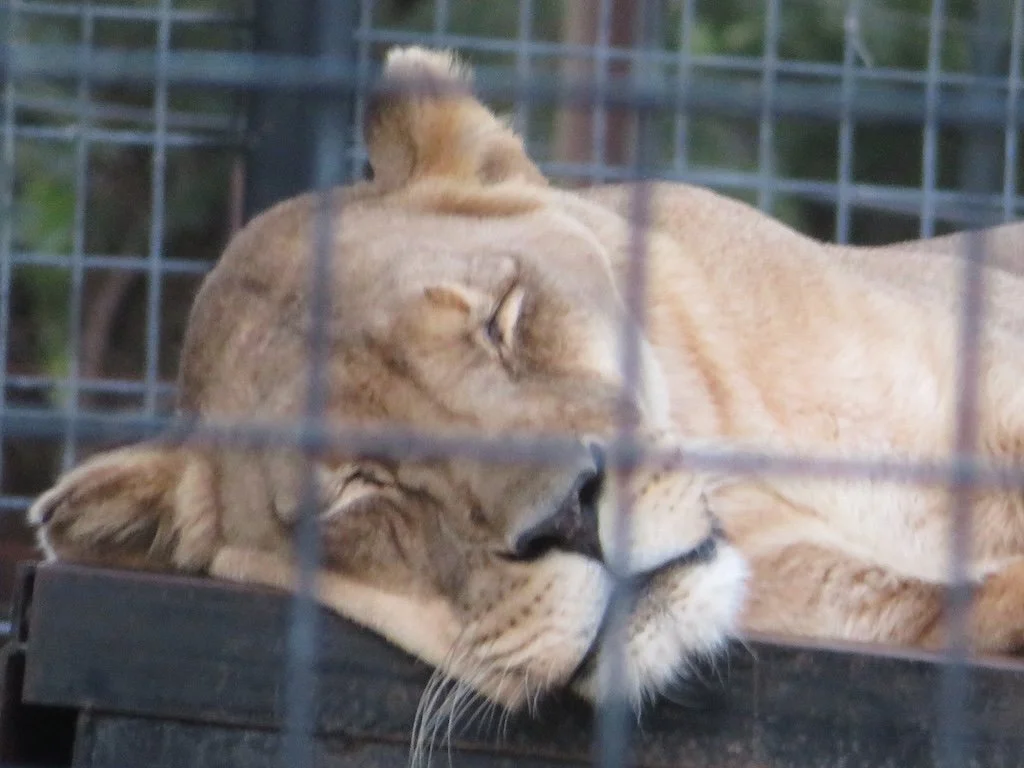
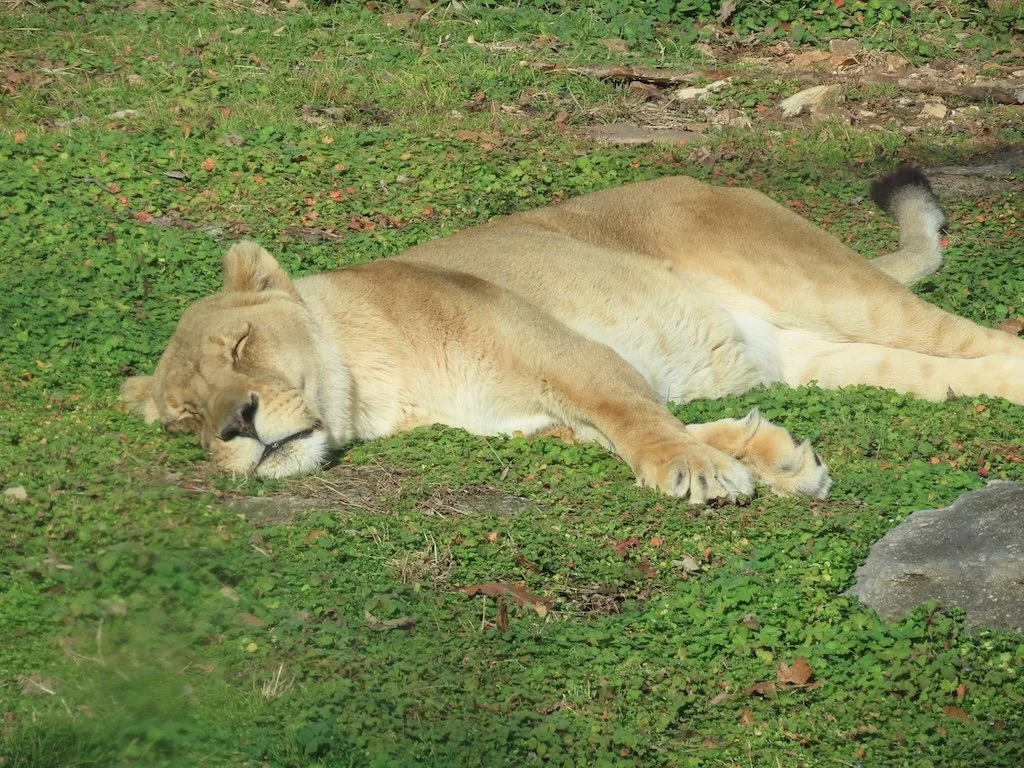
There is only one lion left. She was napping. Evidently, she is elderly, and the zoo is not going to stress her by adding another lion into her environment.

The peccary family was in a pile in their enclosure…the babies snuggled with their parents. There was not enough light to get a good picture, but it was fun to watch then move around a bit – getting comfortable.

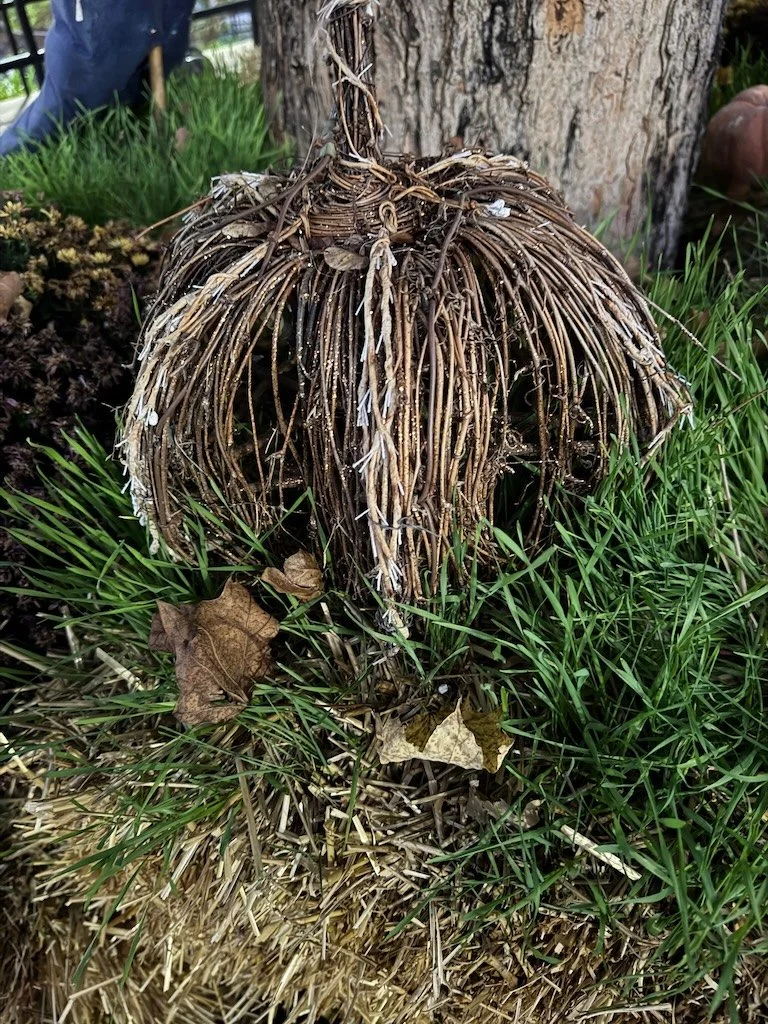
The fall display just inside the zoo was my last photography stop. It was getting dark, and we had enjoyed our visit.

Andrew Garrett’s Fishes

Andrew Garrett was an American explorer, naturalist, and illustrator. He was born in Vermont in 1823 but spent most of his life (from 1857 to 1887) on pacific islands including Hawaii from 1857-1863). He was completely self-taught…became a skilled artist and adventurer/scientist of shells and fishes. The 7 volumes that are my ‘book of the week’ are his watercolors of fishes; they are available from Internet Archive. This work became the baseline of south sea fishes for the next generation of ichthyologists.

 Andrew Garrett (1823-1887) collection of 489 original watercolour drawings of South Sea fishes V1

Andrew Garrett (1823-1887) collection of 489 original watercolour drawings of South Sea fishes V2

Andrew Garrett (1823-1887) collection of 489 original watercolour drawings of South Sea fishes V3

Andrew Garrett (1823-1887) collection of 489 original watercolour drawings of South Sea fishes V4

Andrew Garrett (1823-1887) collection of 489 original watercolour drawings of South Sea fishes V5

Andrew Garrett (1823-1887) collection of 489 original watercolour drawings of South Sea fishes V6

Andrew Garrett (1823-1887) collection of 489 original watercolour drawings of South Sea fishes V7

MDC Partners Roundtable

I’ve posted about the side trips I did to and from my trip to Jefferson City…but the reason for going was the Missouri Department of Conservation Partners Roundtable! It was a 2-day conference and a learning experience for me as a Missouri Master Naturalist.

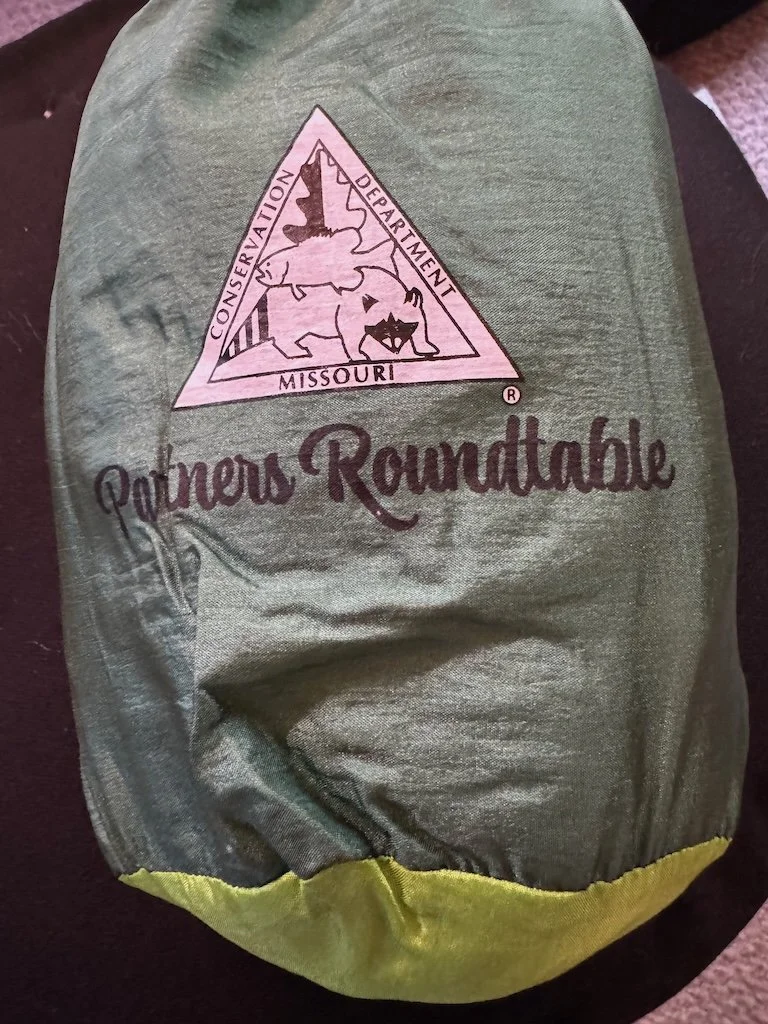
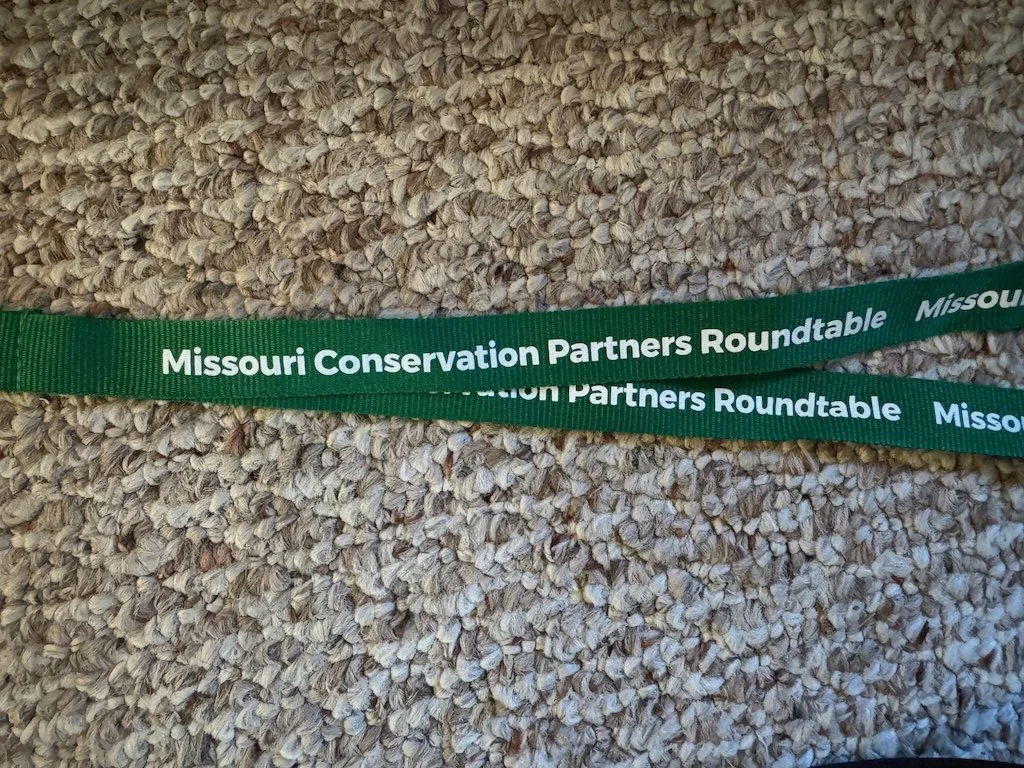
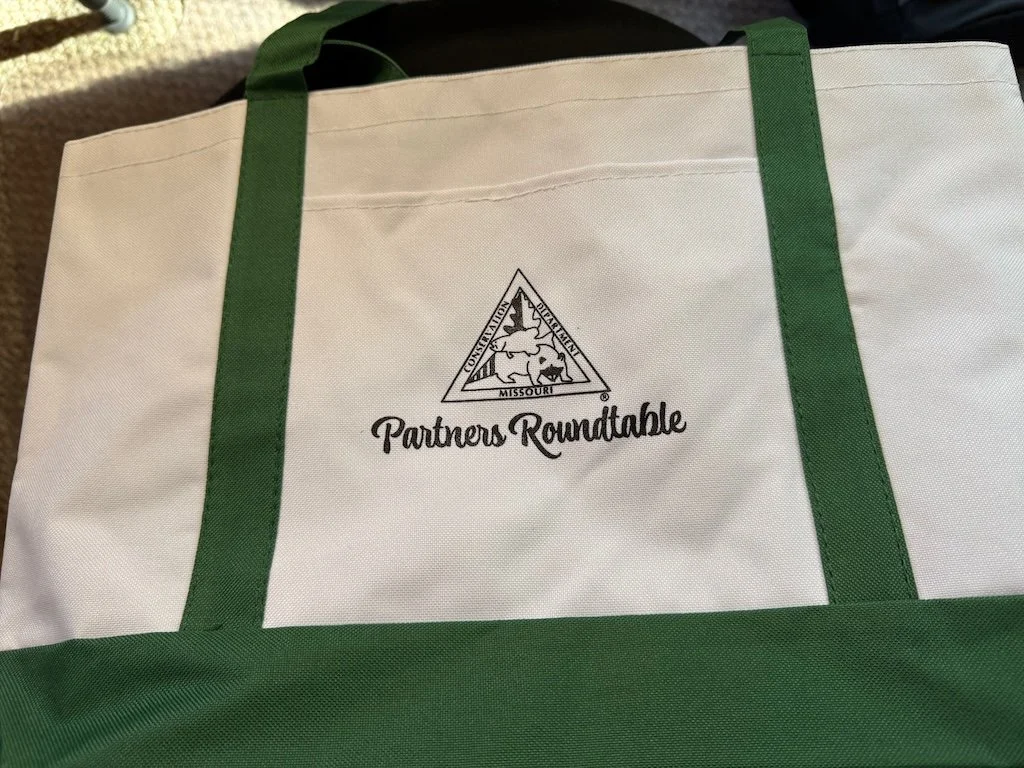
There was the usual bling – a canvas tote (I might leave this one in my car to use when I don’t have my regular grocery bags with me), a 2026 MDC calendar (beautiful Missouri pictures…we’ll hang it on the side of our refrigerator in January), and a lanyard. I picked up a small flashlight from one of the tables and won a hammock when I asked a question in the closing session!

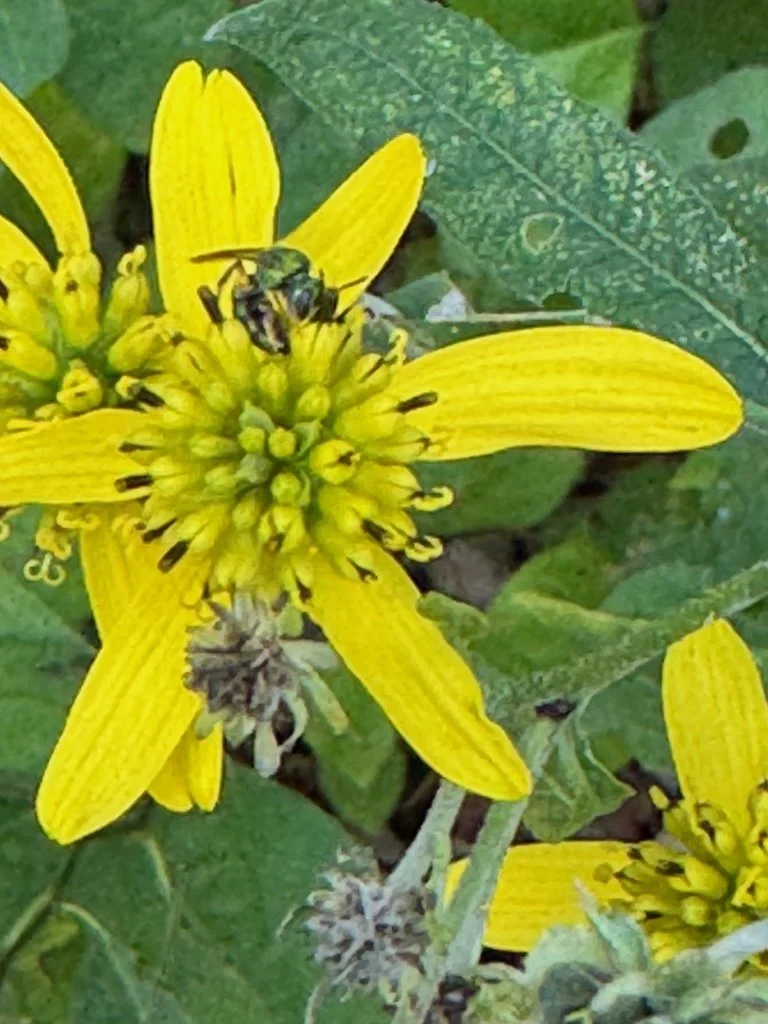
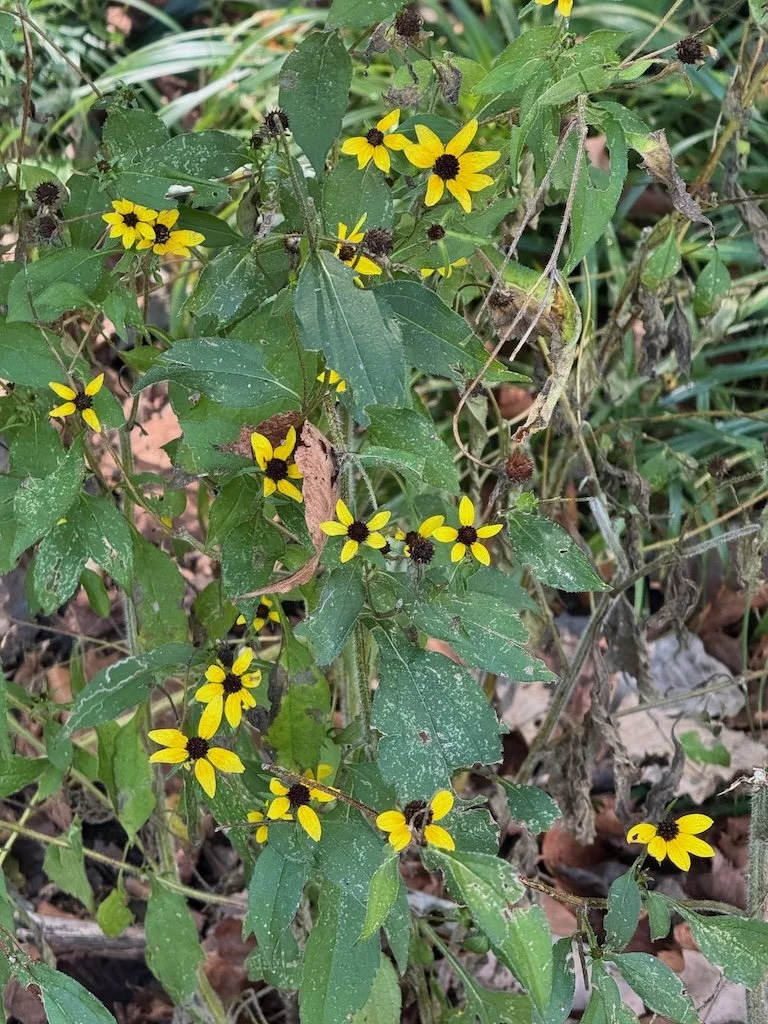
My favorite of the Plenary Speakers was Dr. Nadia Navarrette-Tindall from Lincoln University….talking about native plants….edible ones in particular. I stopped by her table after the talk and enjoyed a persimmon. I also picked up a card about a plant with edible leaves -Rubekia laciniata; common names for it are sochan, golden glow, and cutleaf coneflower. There was a native plant sale the weekend after the conference, and I bought golden glow and a pawpaw….so the talk prompted an immediate action. I hope Dr. Navarrette-Tindall will talk at next summer’s Missouri Master Naturalist Conference.

I was asked to play an ‘expert witness’ in a mock trial of an invasive species in one of the sessions the next morning. It was fun…a little stressful in front of a room full of people but worth it for the experience. It was part of a session for Show-me Green Schools.

There was a session where some brainstorming was done, and the organizers said they would send out a summary…but I haven’t received it yet and am disappointed. It was the most strategic session of the conference.

In general – I came away from the conference understanding that there are a lot of good things being done by MDC and their partners…but there does not seem to be much wiggle room for innovation or doing more. That is concerning because climate change and growing plastic pollution…maybe other factors too…are causing changes that existing conservation efforts might not address very well.

On the way home I stopped to get a snack…and scraped the bottom of my car (a concrete berm at the front of the parking spot…a little too high for the front of my car). It didn’t seem like anything was wrong until I was back on the highway. I heard a noise from the front passenger side of the car…stopped…discovered there was a piece of the tire well hanging down/damaged. I used my phone to photograph underneath. The piece could be pushed up but wouldn’t stay so I moved to more secure place on a sideroad rather than on the highway…and called for a tow. It was a very different process to get home than I anticipated!

Niagara: Two Centuries of Changing Attitudes

The Corcoran Gallery of Art organized an exhibit of art featuring Niagara Falls in 1985. The exhibit book is available for browsing on Internet Archive. There are four essays included:

  • Nature’s Grand Scene in Art

  • An American Icon

  • Doing Niagara Falls in the Nineteenth Century

  • The Role of Niagara in America’s Scenic Preservation

Or – just browse the book for the art! I’ve selected 4 sample images…there are a lot more to be found by browsing the whole book (link below).

Niagara: Two Centuries of Changing Attitudes, 1697-1901

Missouri Capitol

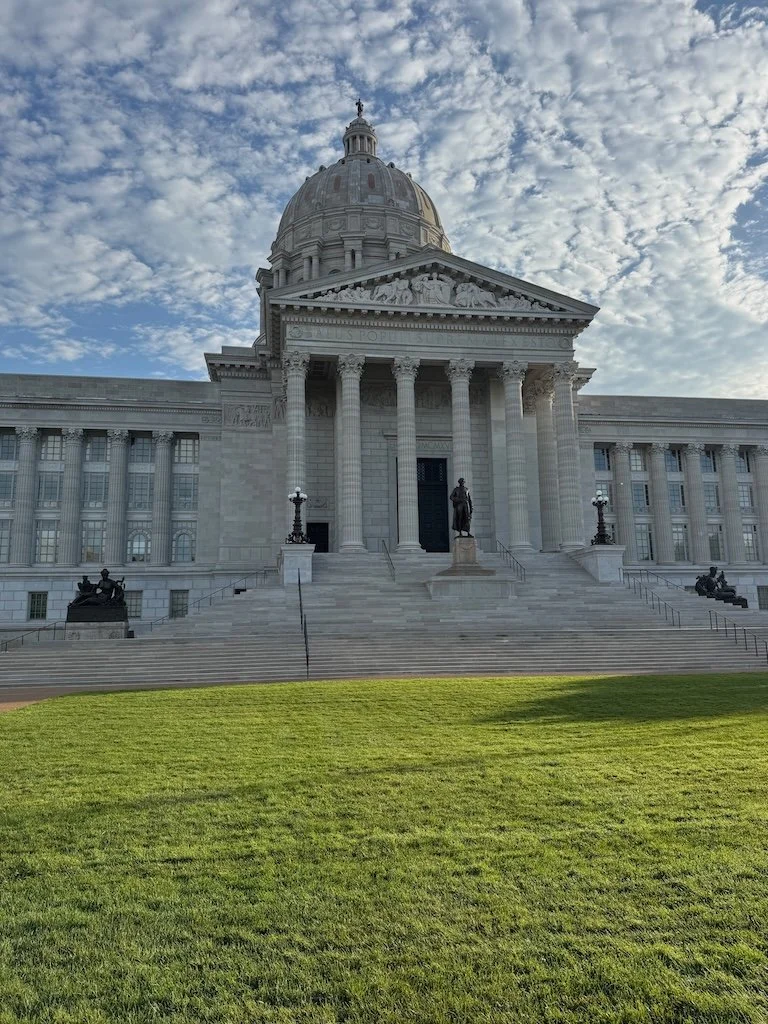
Before the Missouri Department of Conservation Partners Roundtable began in Jefferson City, I toured the state capitol. I signed up in advance for a guided tour and arrived early enough to walk around the museum area.

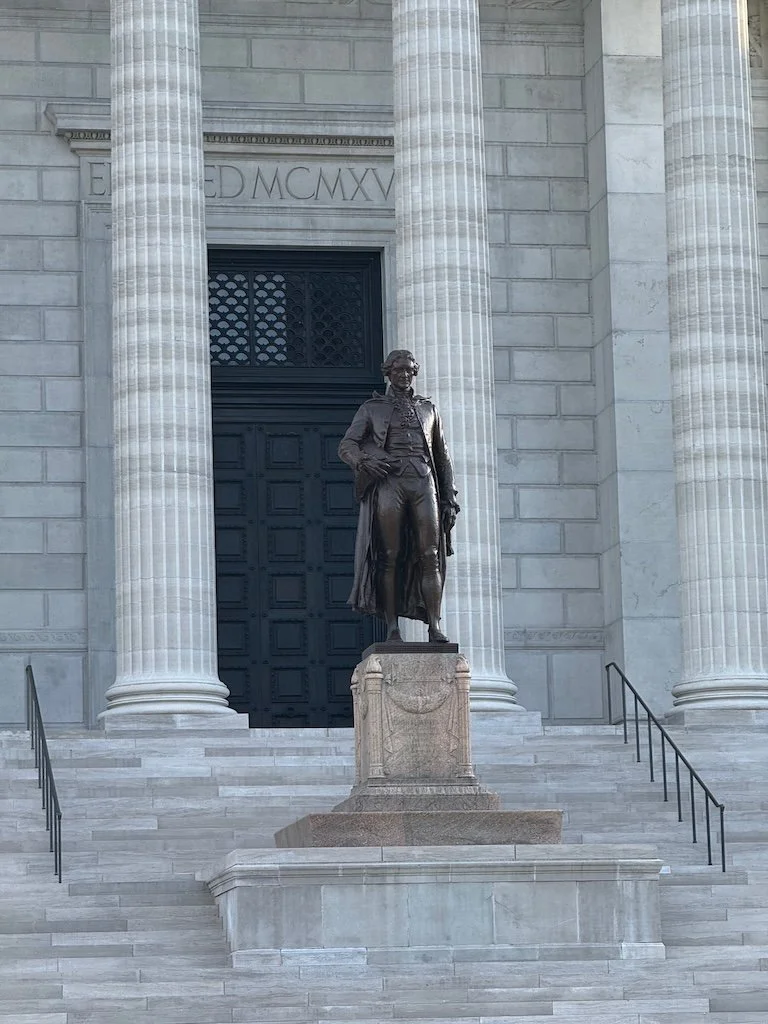
I took pictures of the outside of the building. It was completed in 1917 after the previous building burned.  There is a large statue of Thomas Jefferson…and large columns.

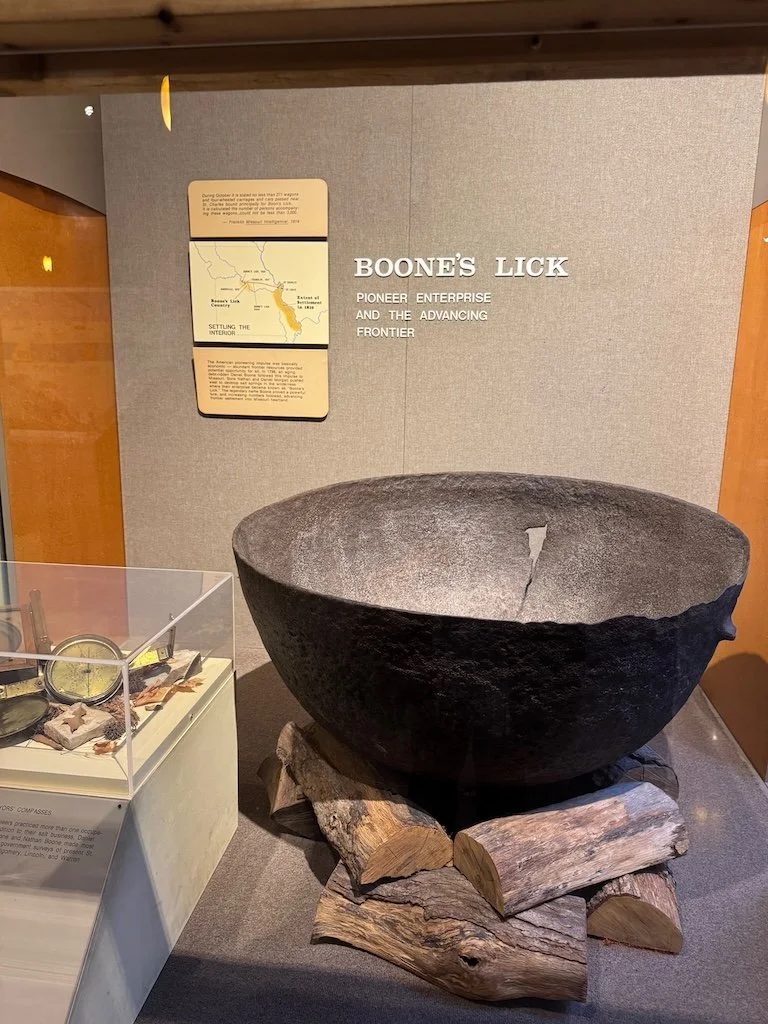
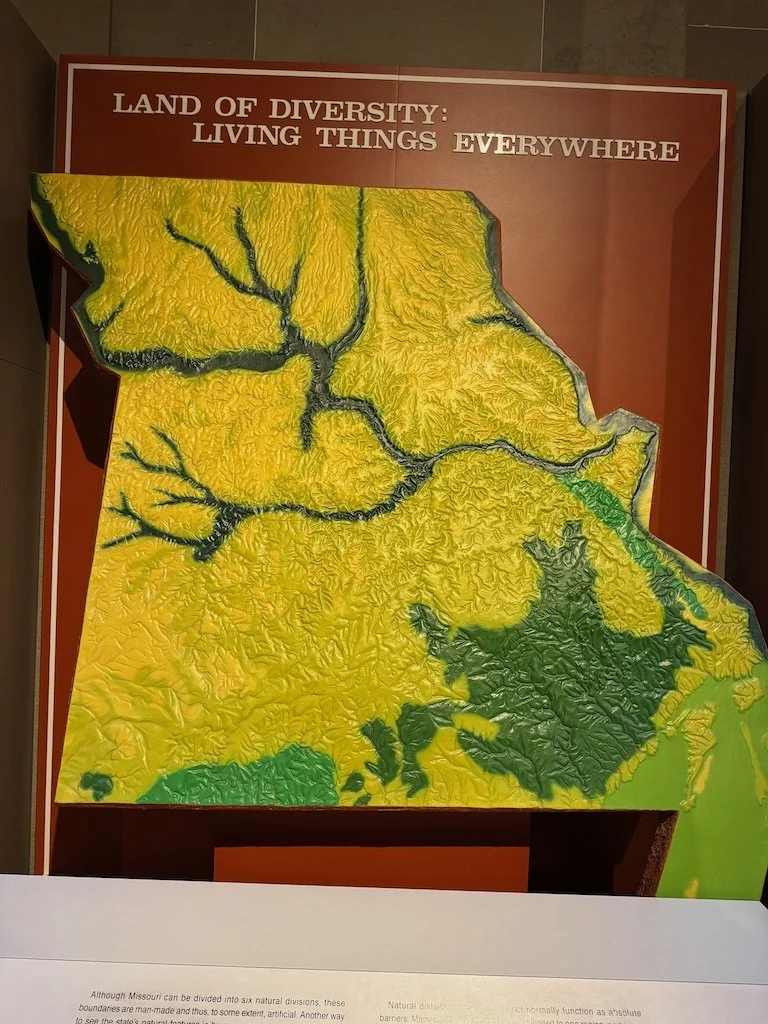
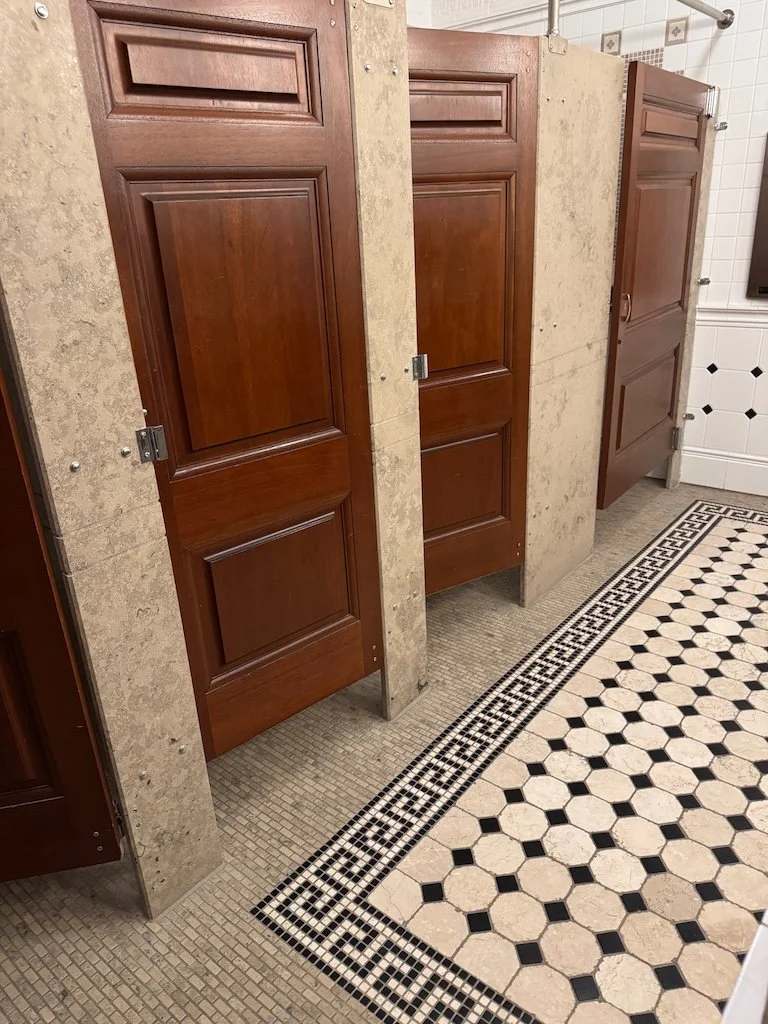
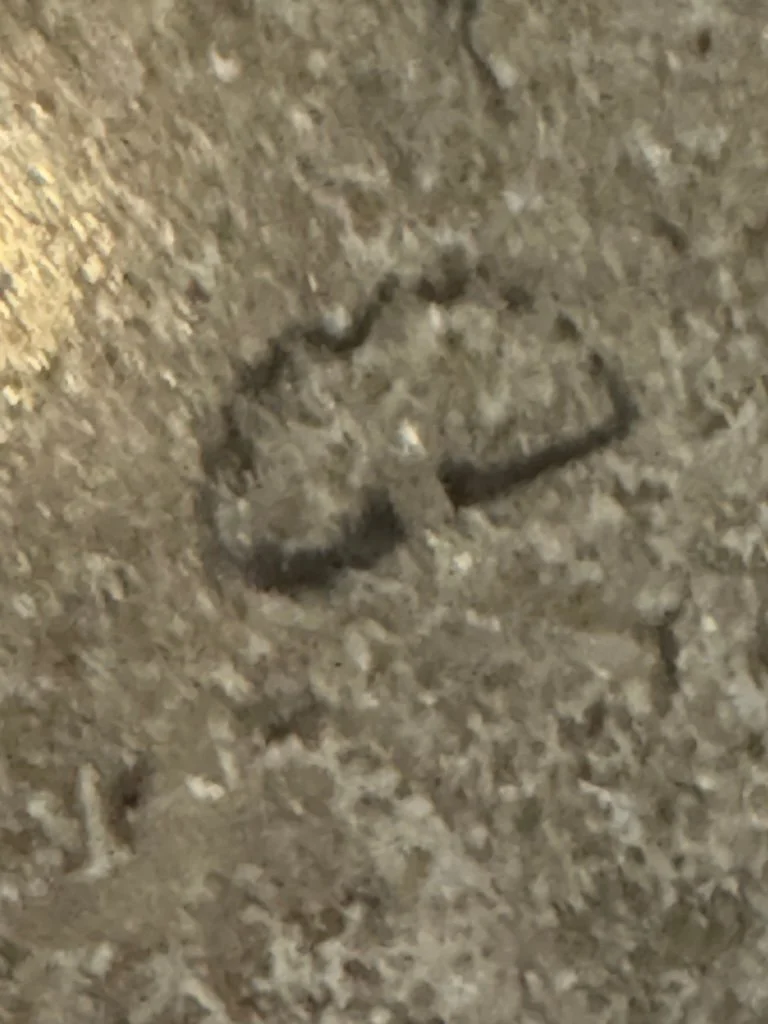
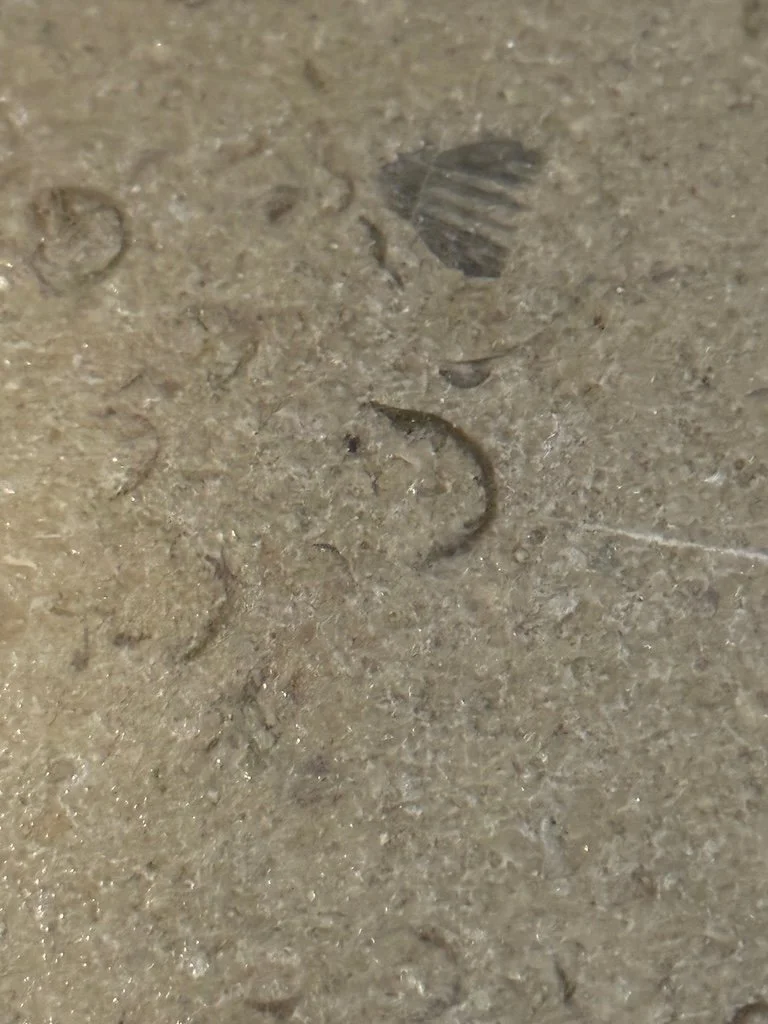
I didn’t take many pictures of the museum part of the building although I did like the stone/mosaic of the ladies room…and the fossils in the walls.

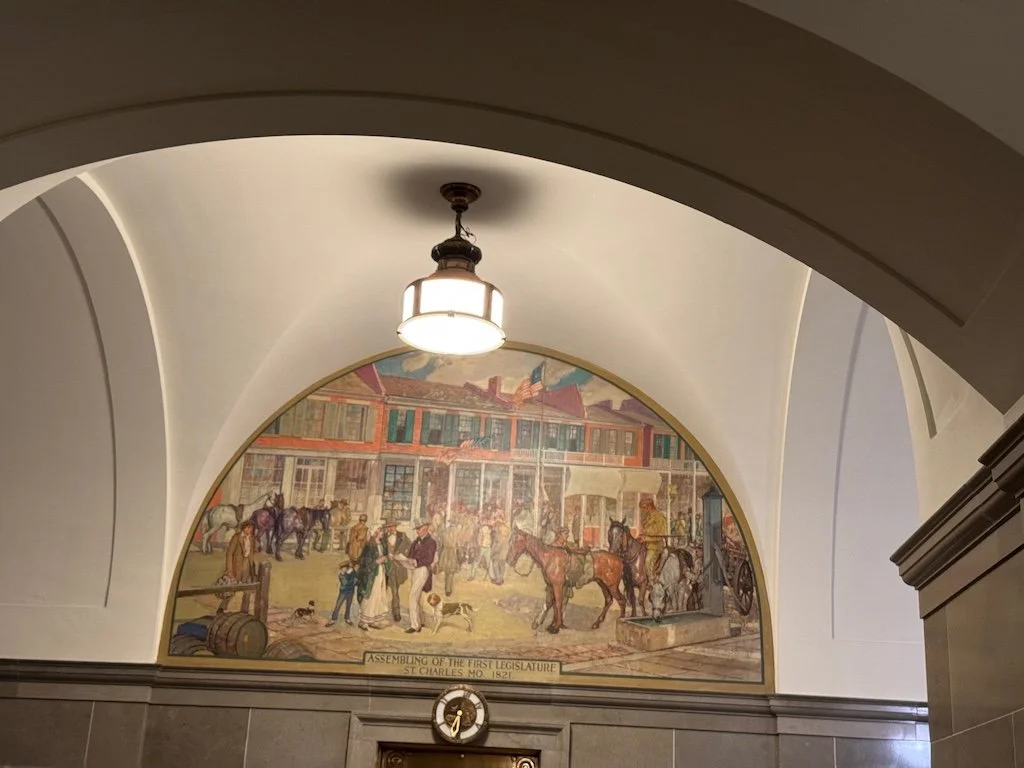
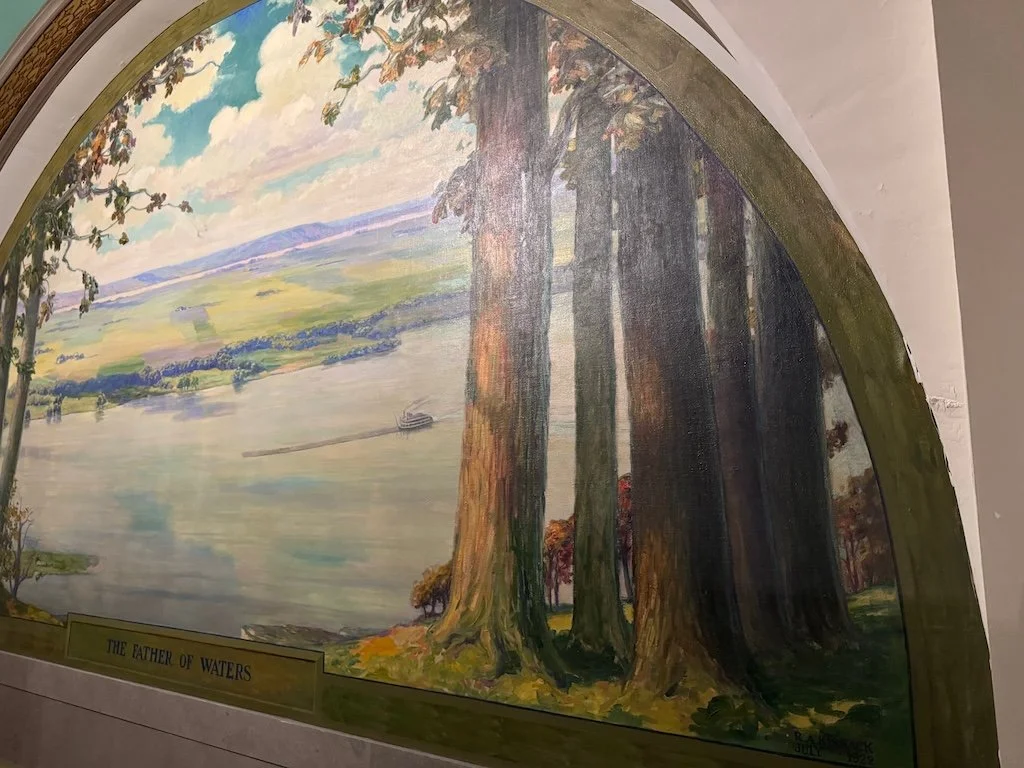
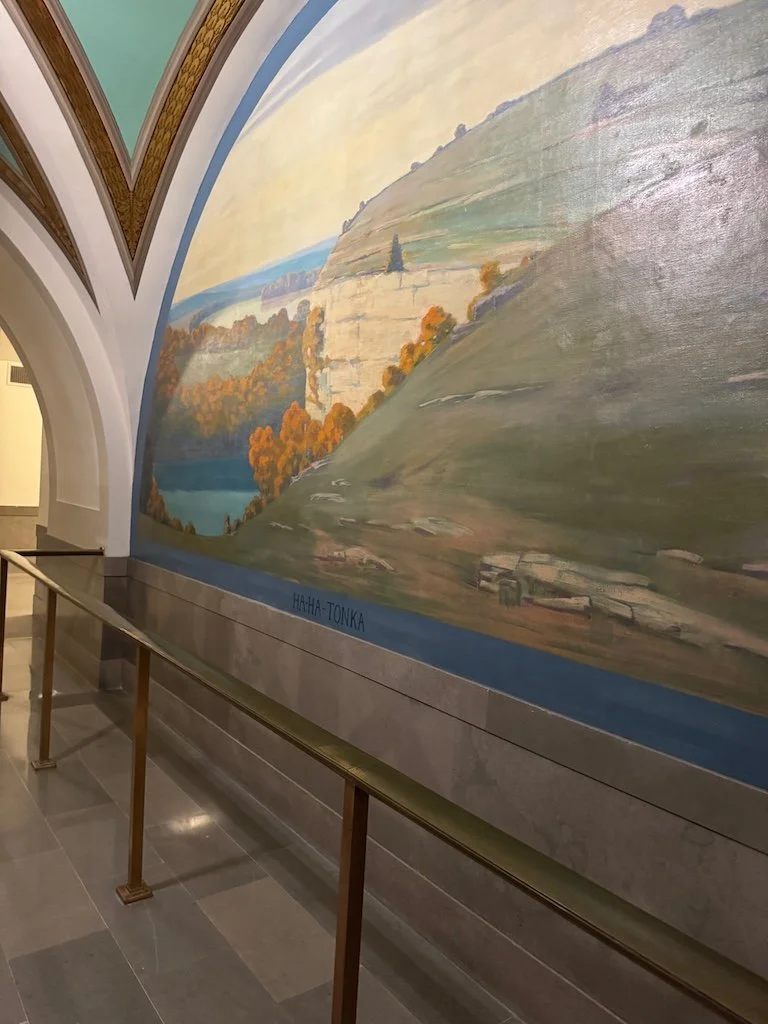
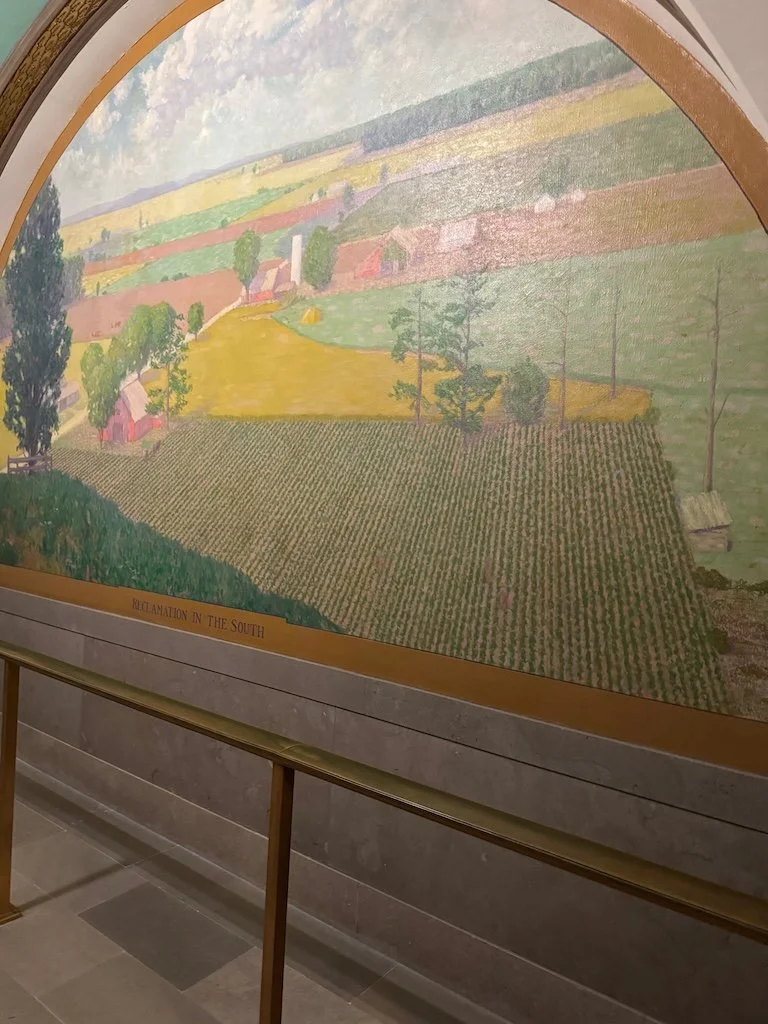
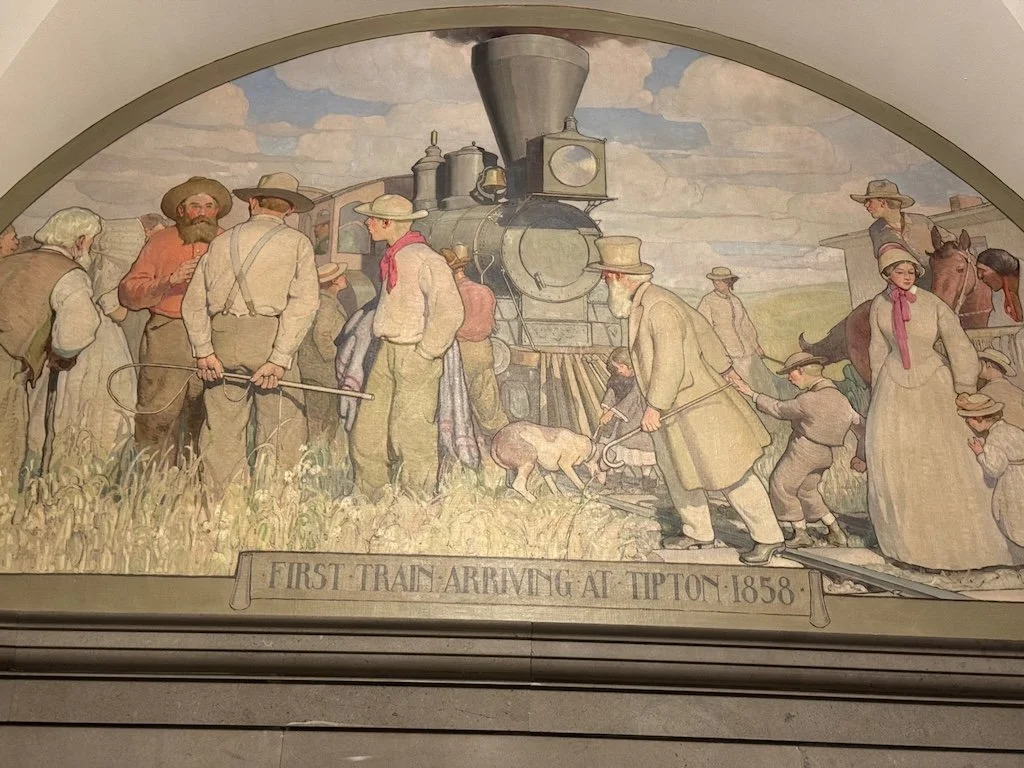
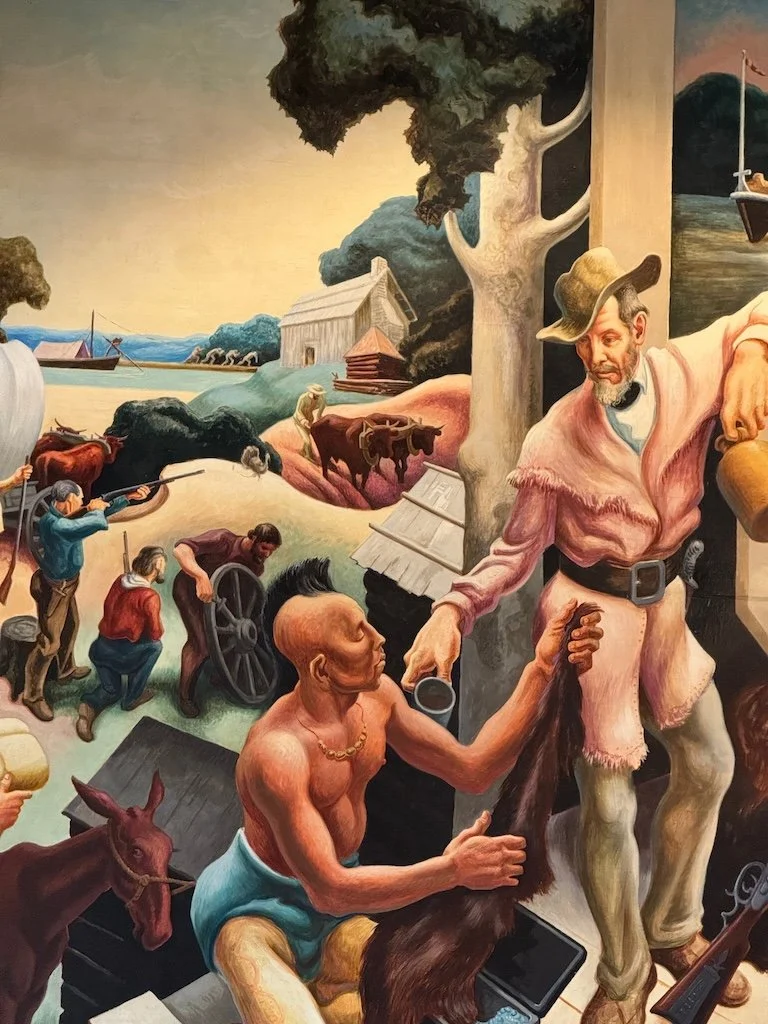
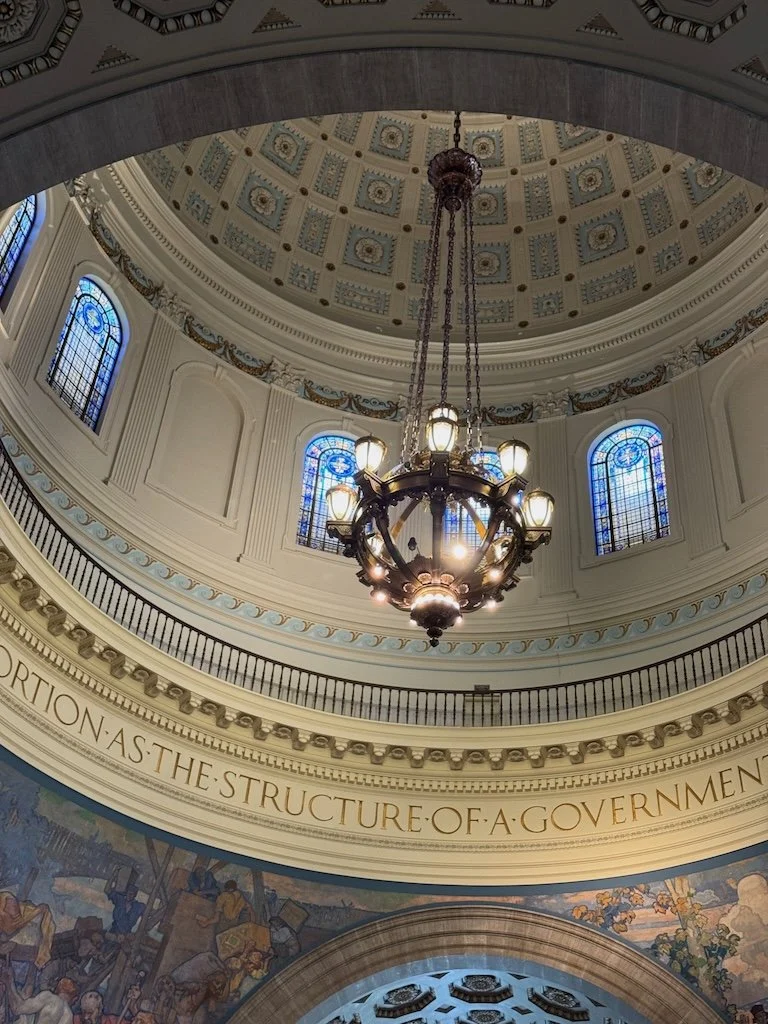
The tour guide was informative and kept our group moving. I enjoyed the tour more than I would have walking around on my own and there were some areas that are not accessible except on the tour. We saw lots of murals,

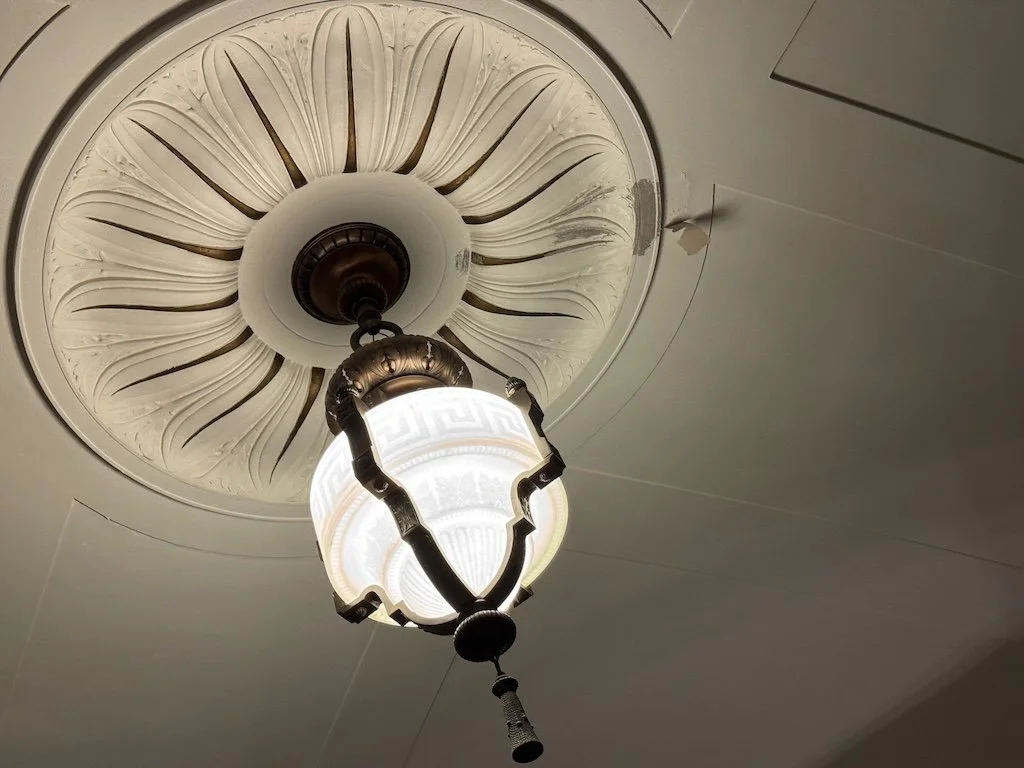
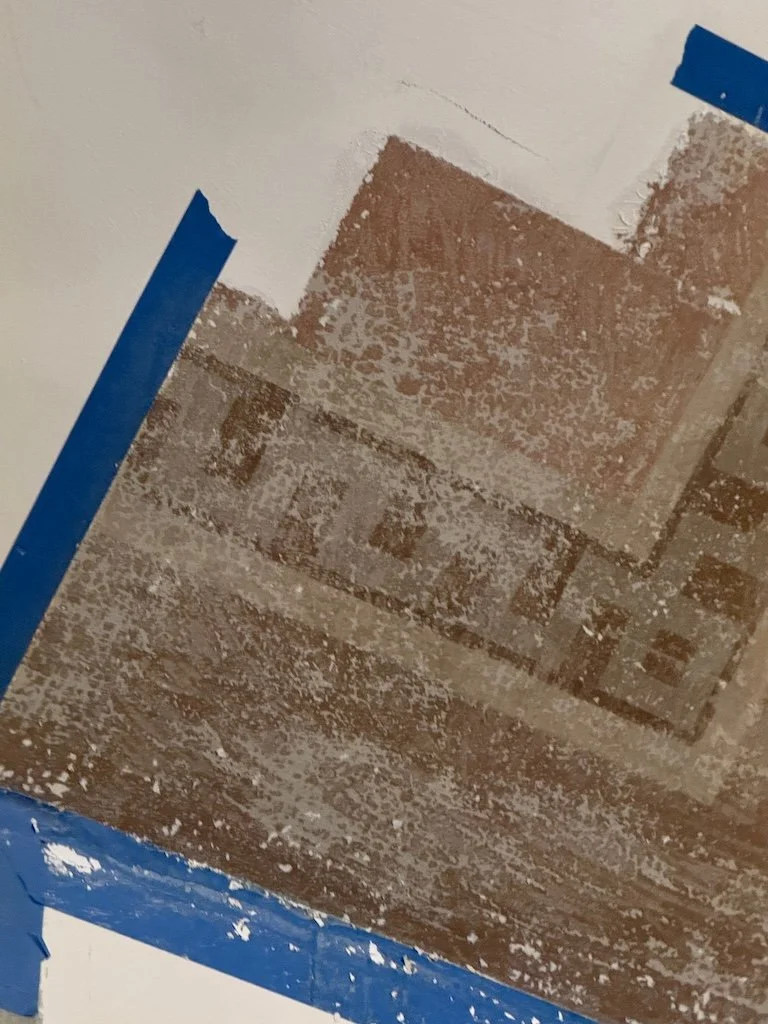
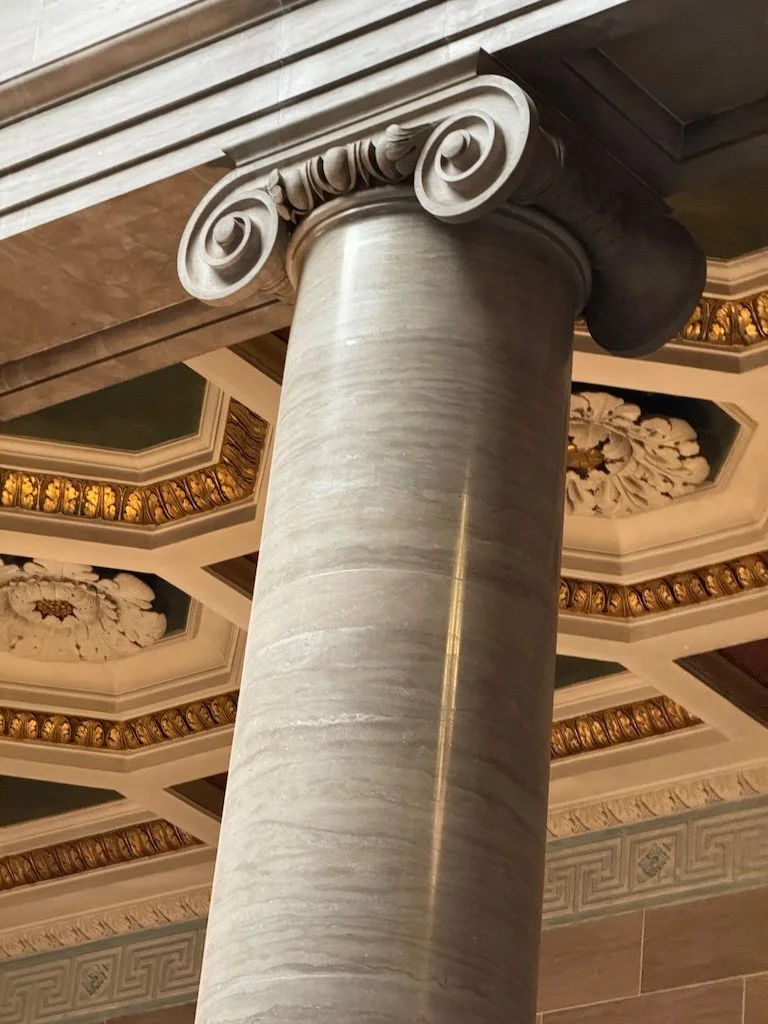
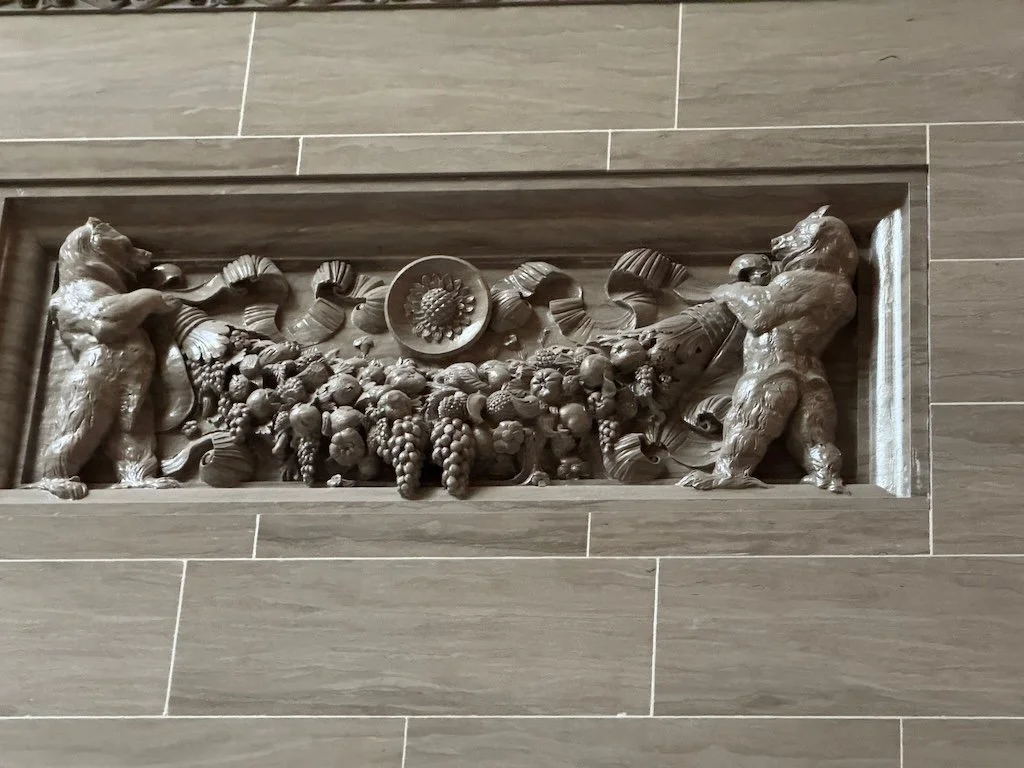
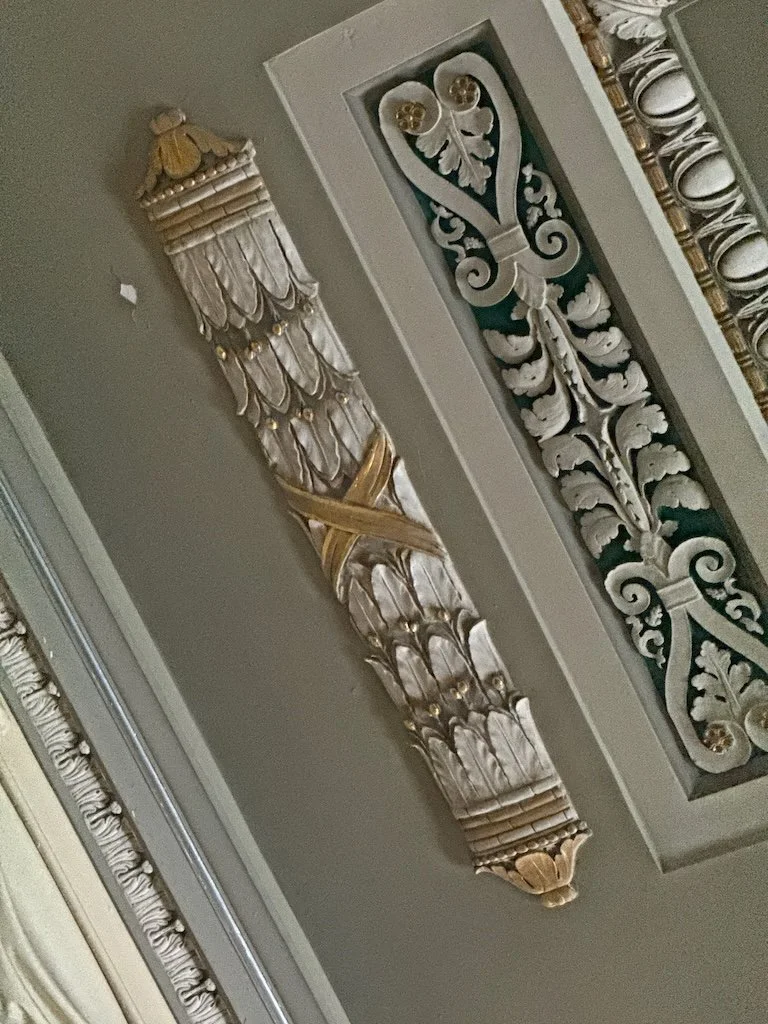
Architectural details (including what the walls that are now painted white looked like originally).

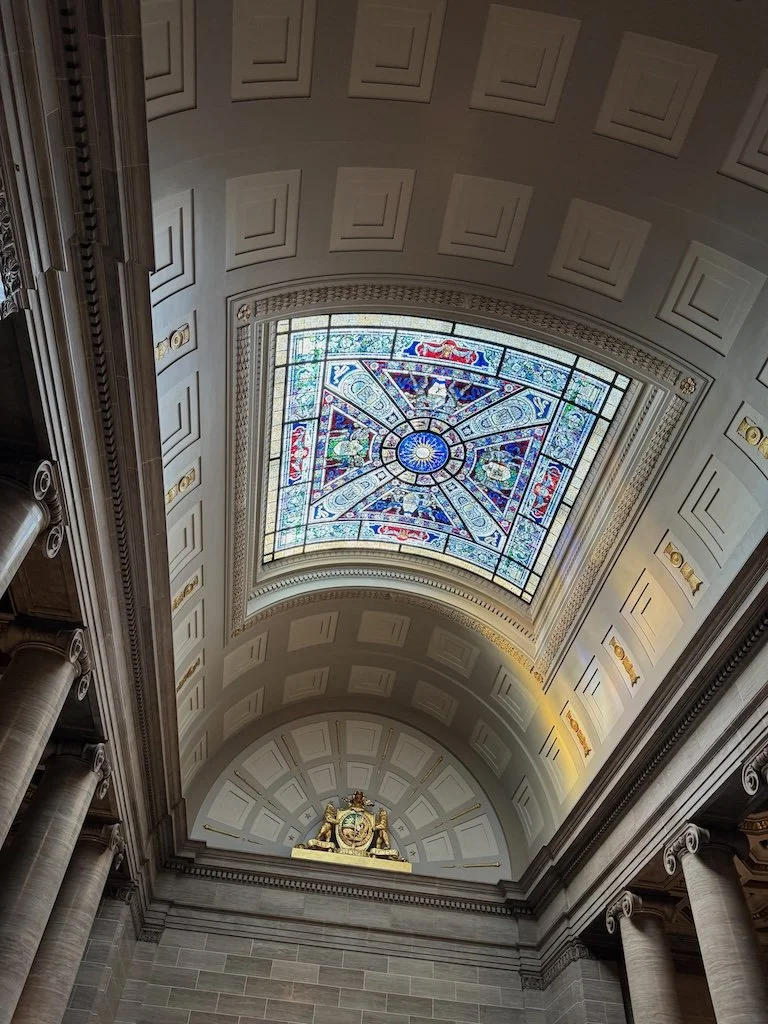
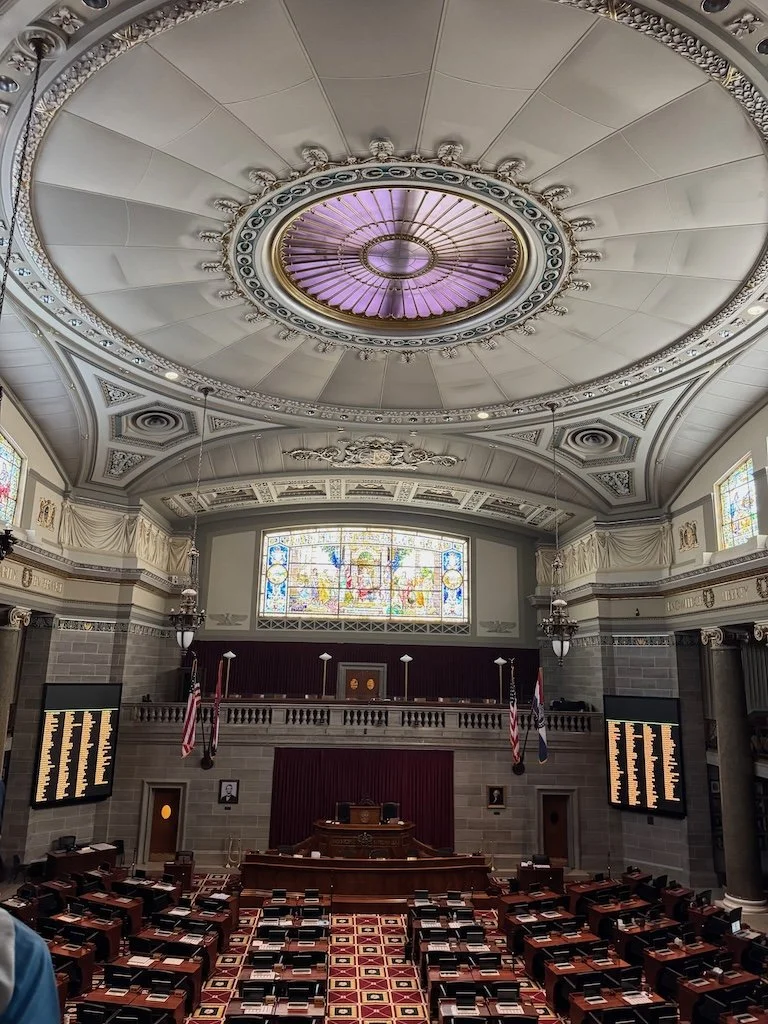
And skylights.

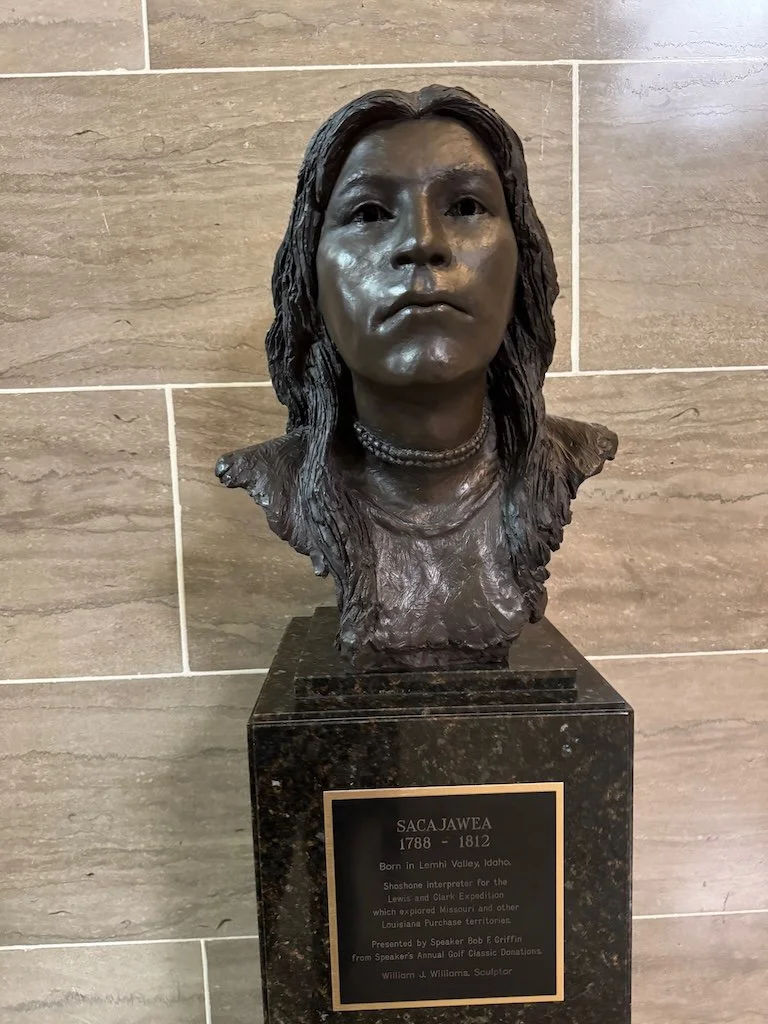
I liked that bust of Sacajawea. There were others too…but that was the one area I felt rushed.

I liked that bust of Sacajawea. There were others too…but that was the one area I felt rushed.

After the tour, I went down to the basement cafeteria and enjoyed a piece of cheesecake…and purchased a salad to eat for lunch a few hours later.

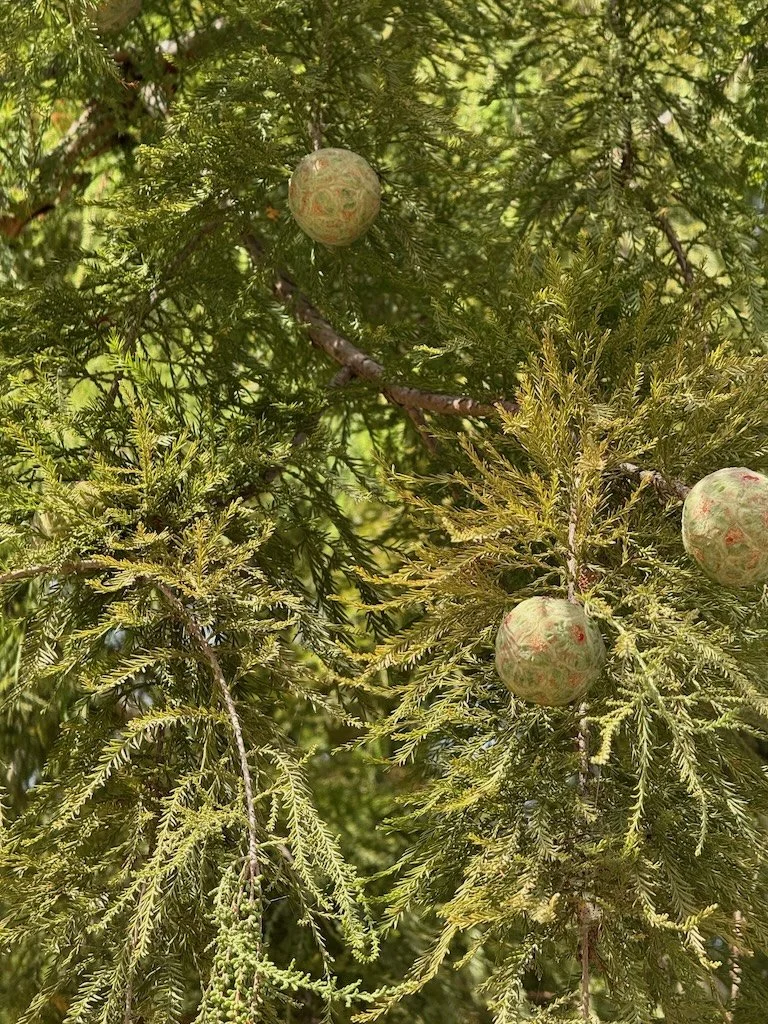
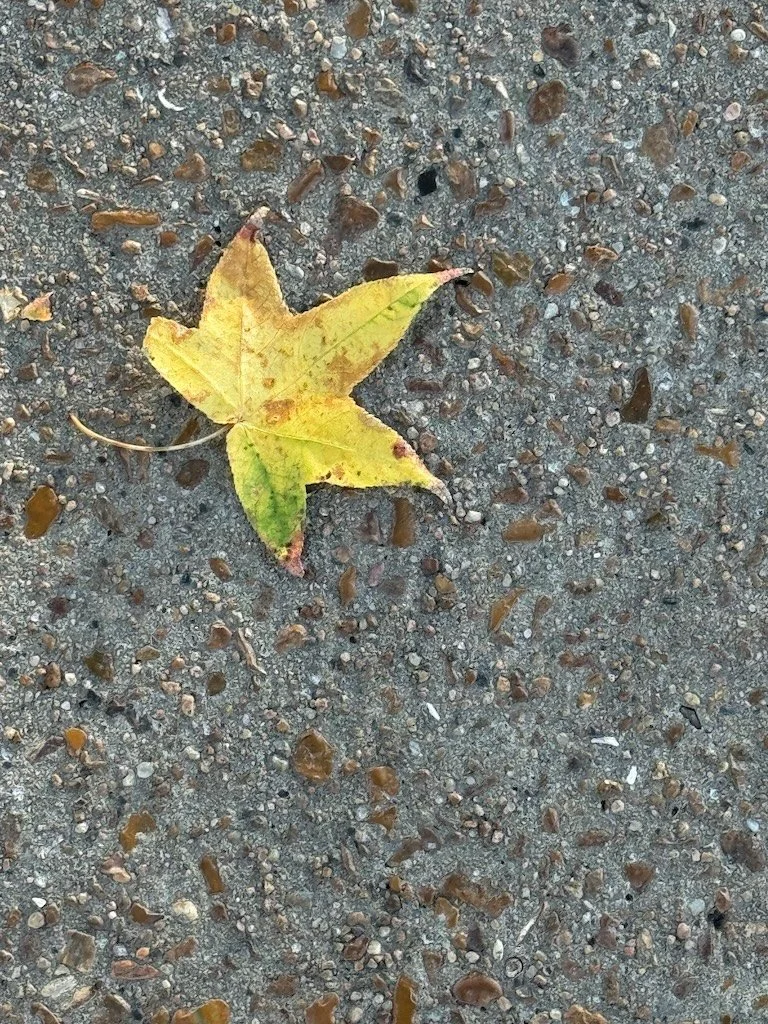
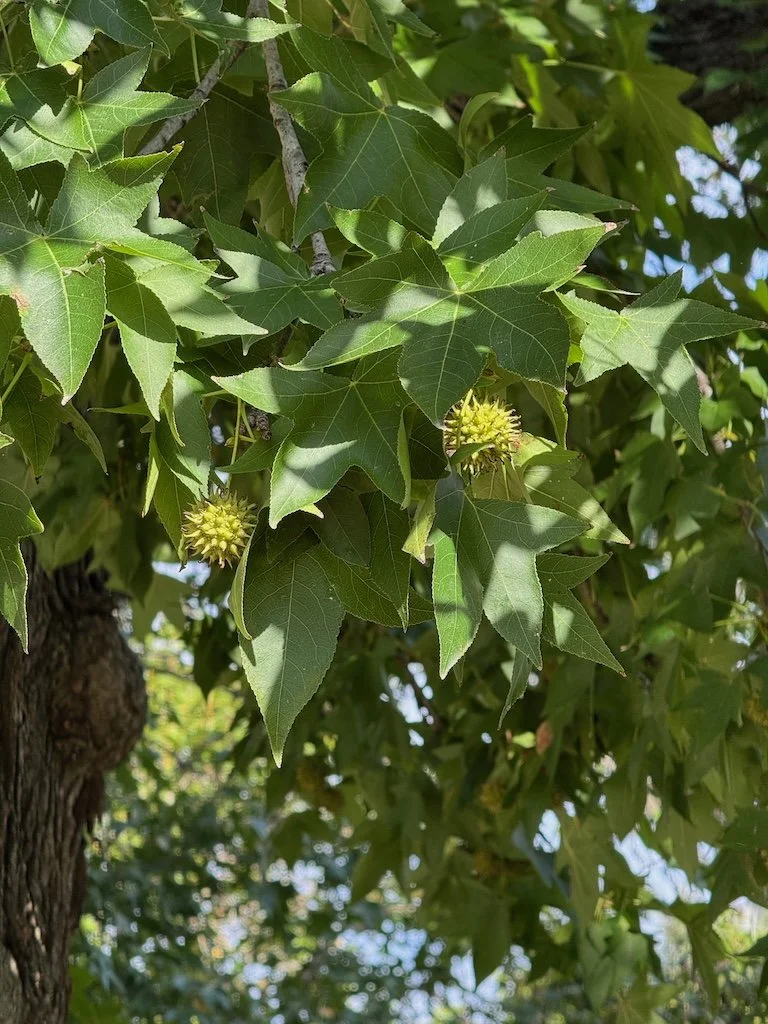
As I walked away from the capitol, I noticed the mature sweet gum and bald cypress trees on the grounds.

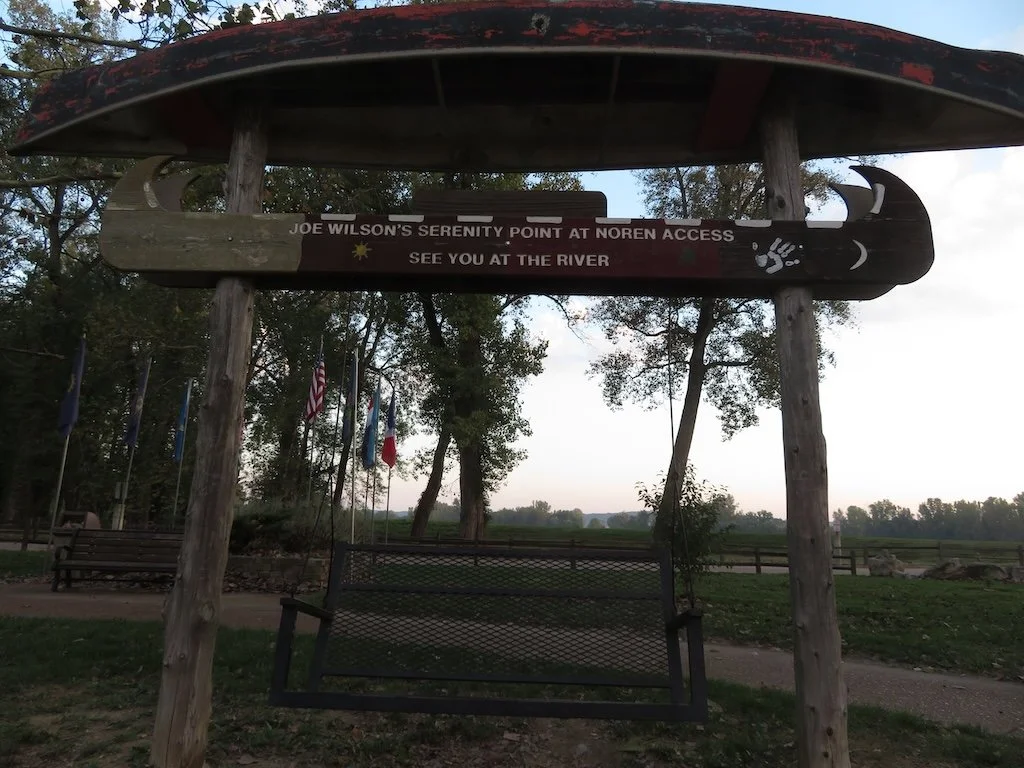
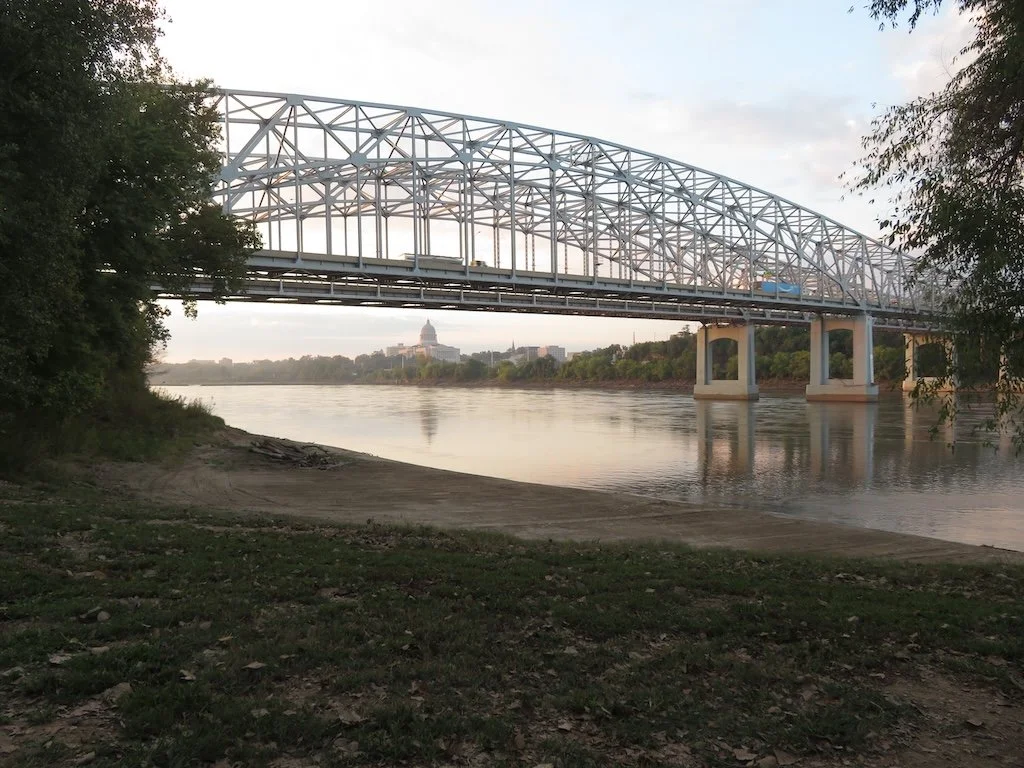
Before I left Jefferson City to drive home, I visited Serenity Point at Noren Access.

It’s a place where the Capitol building can be seen from across the Missouri River. It was a good last vista before getting on the highway.

Runge Conservation Nature Center

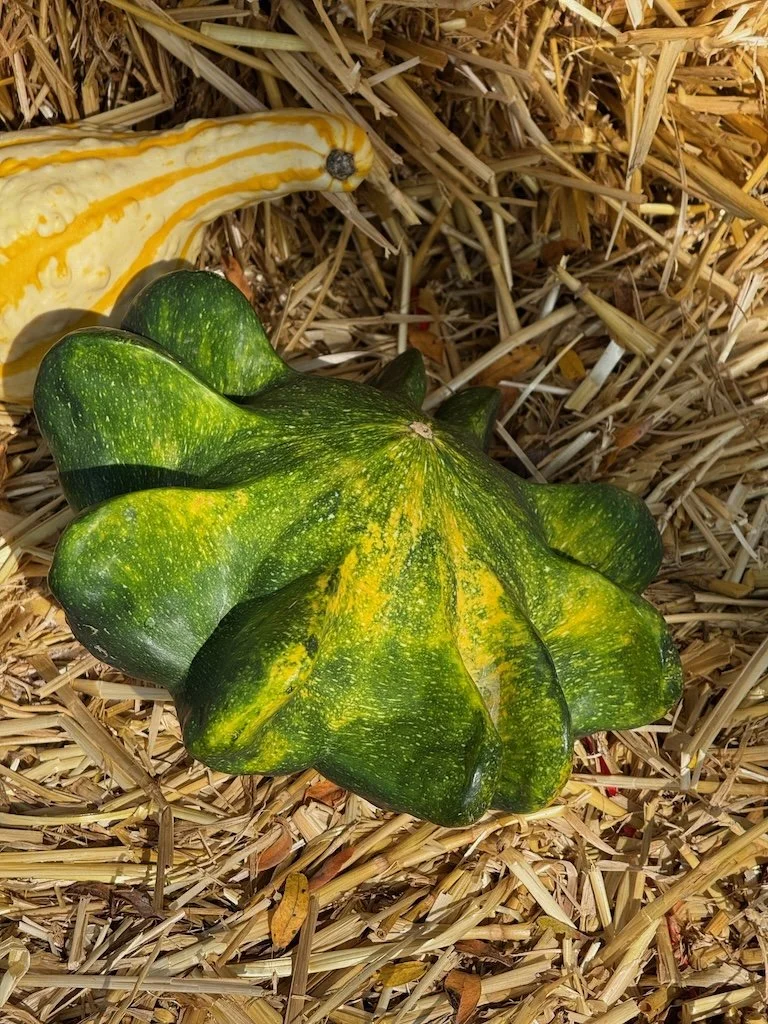
My second stop on my way to the Missouri Department of Conservation Partners Roundtable was at the Runge Conservation Nature Center in Jefferson City. They had a great display of fall squashes near their entrance!

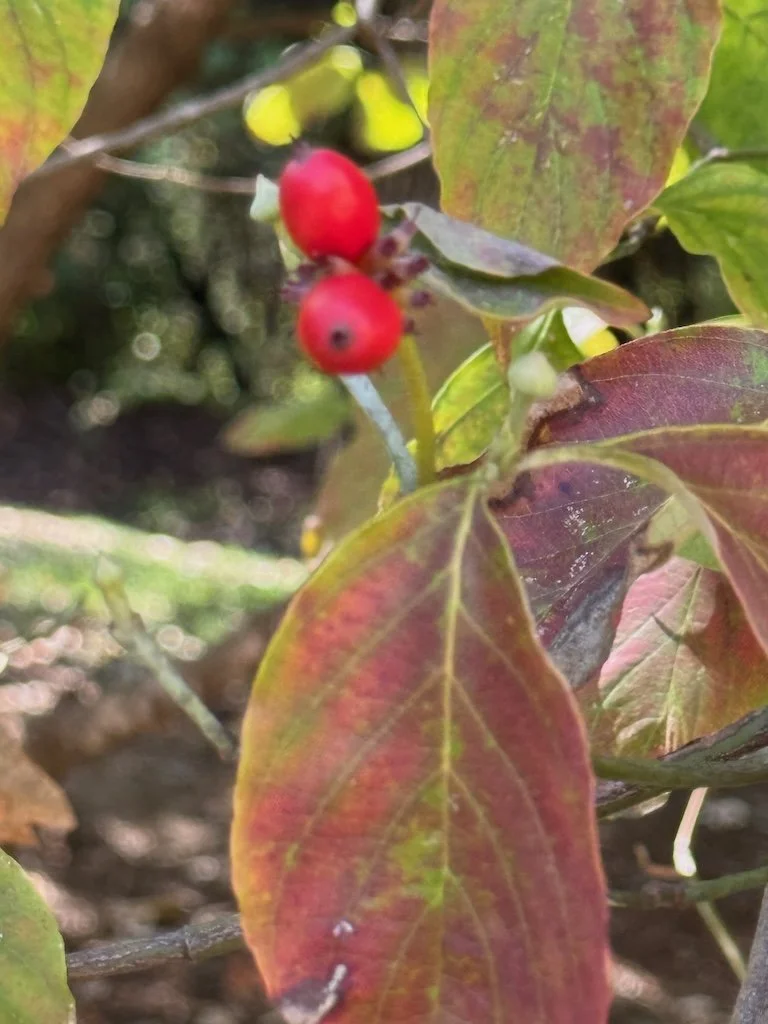
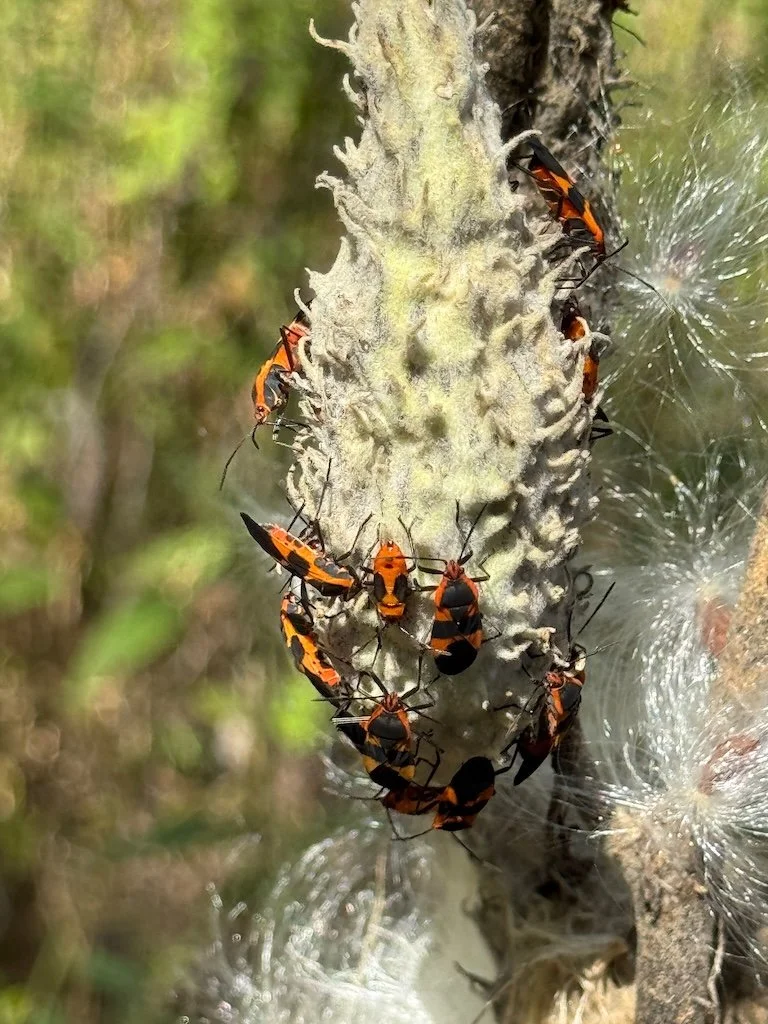
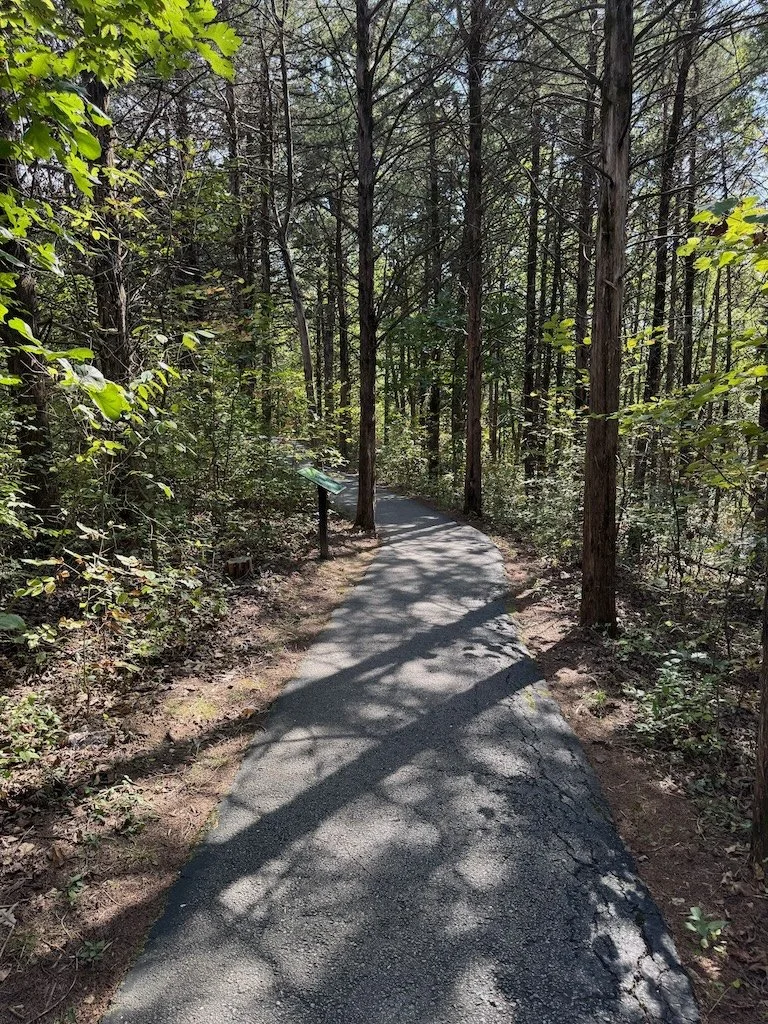
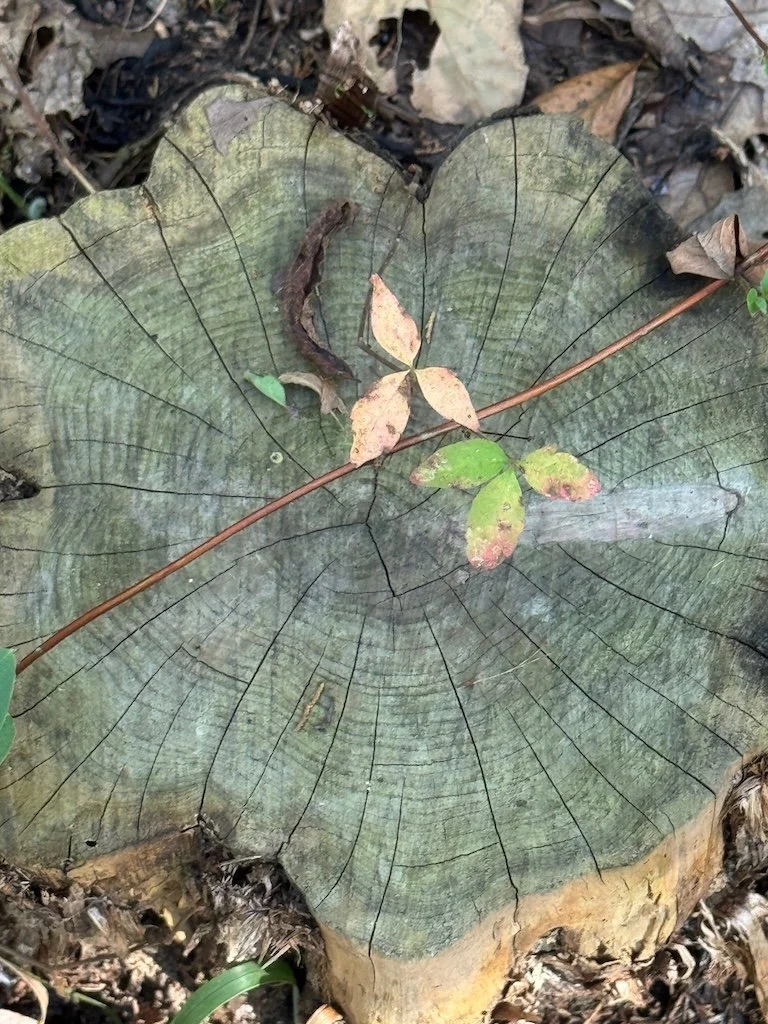
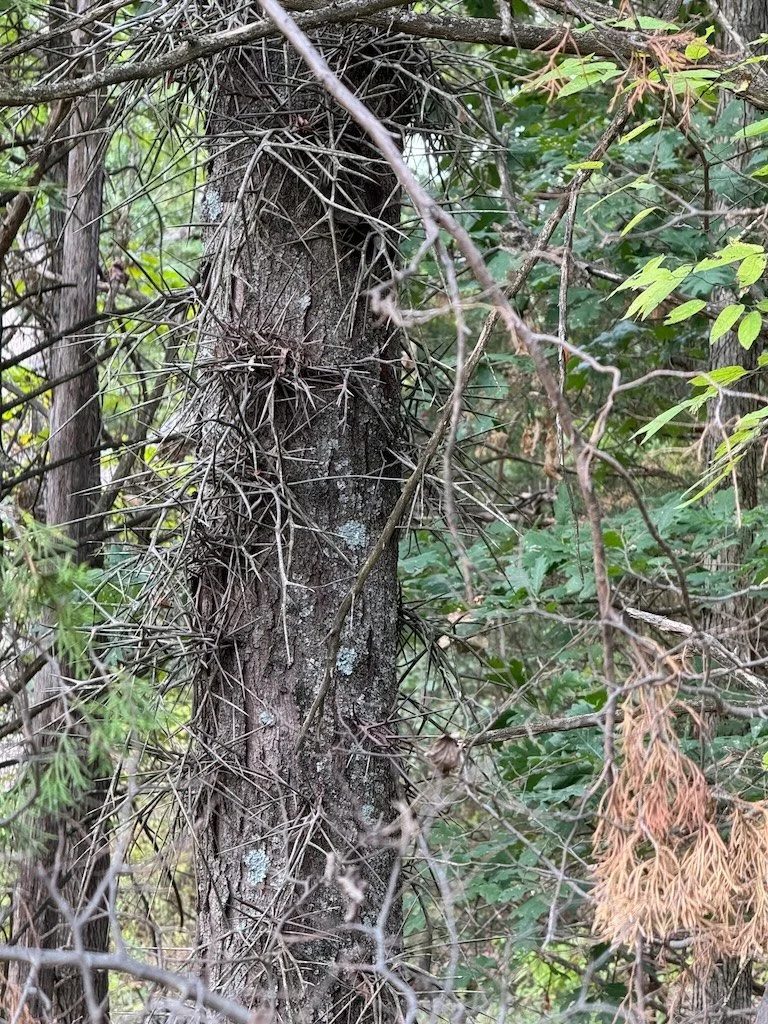
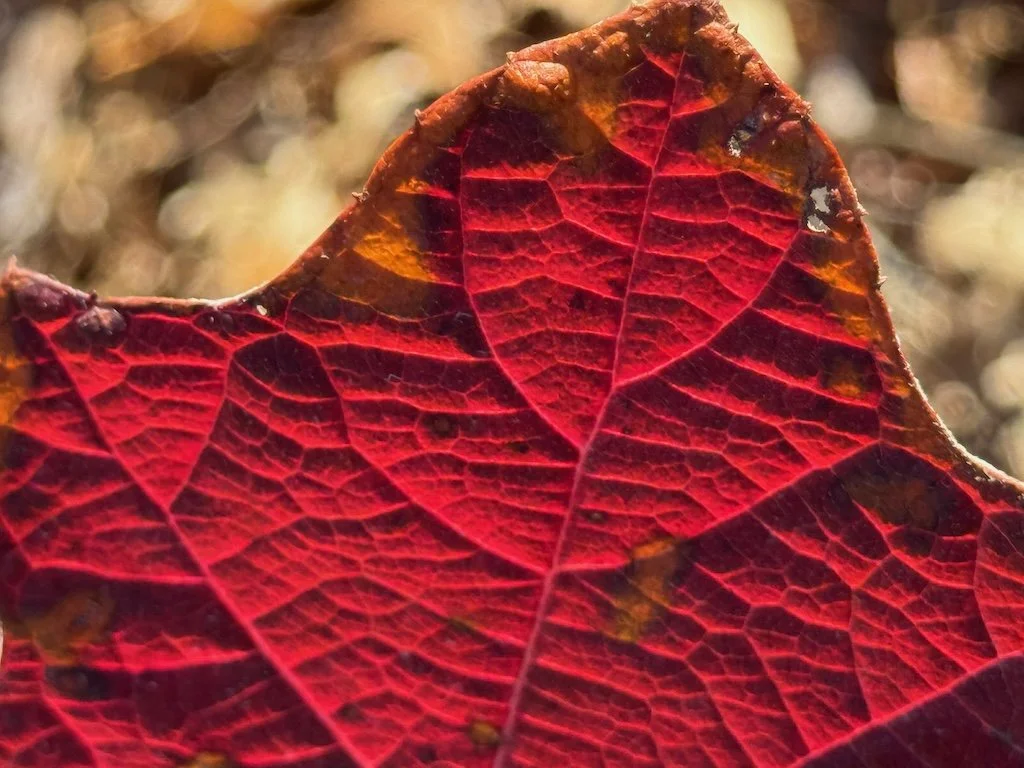
I chose to hike first…before I went into the building. I noticed a fall dogwood, milkweed pods with milkweed bugs, the path lined with trees (many redcedars), a stump with well-defined rings, and a honey locust (big thorns all along the trunk).

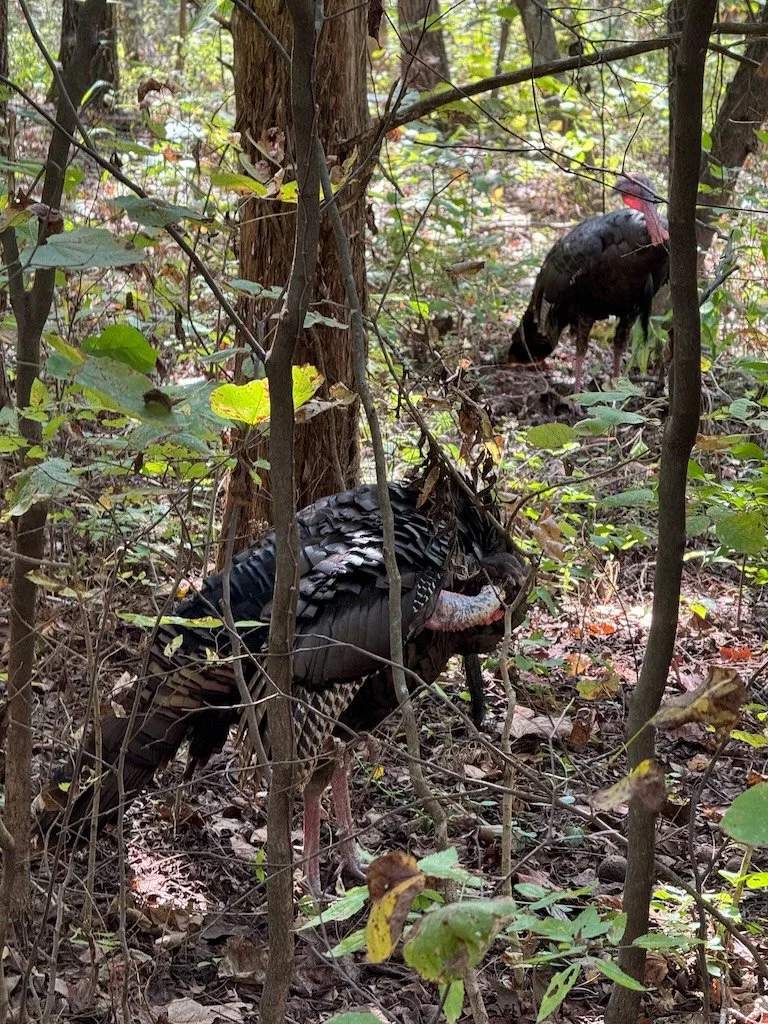
Best of all were two turkeys that crossed the path and didn’t run away as I got closer. They must be accustomed to people being around.

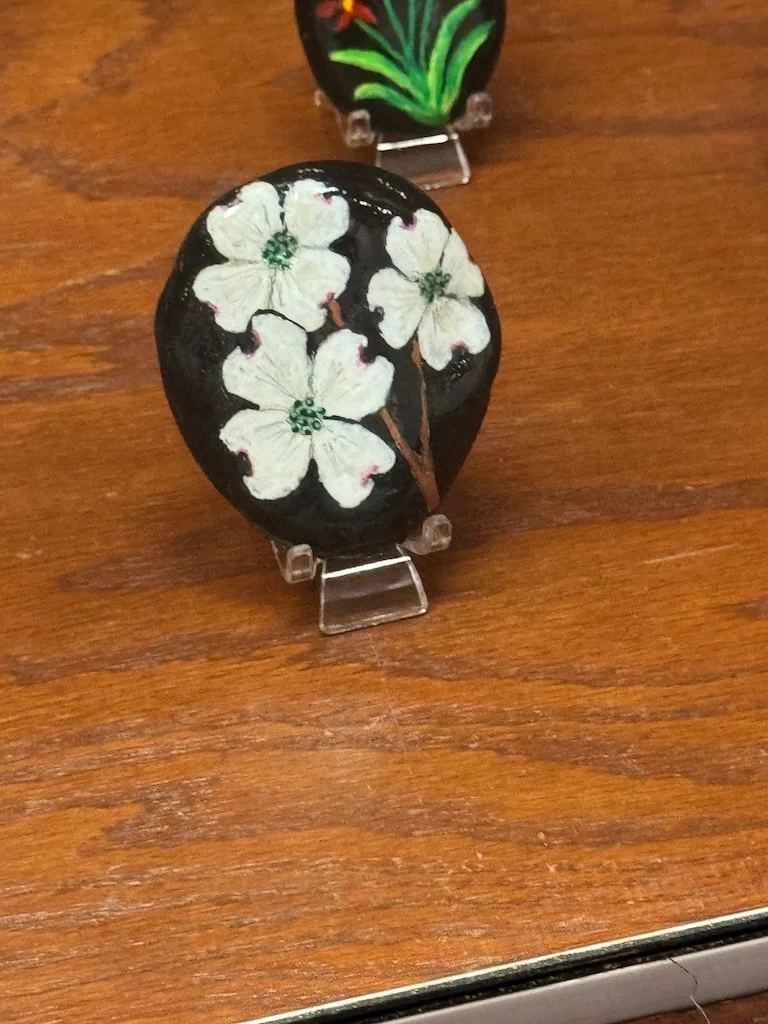
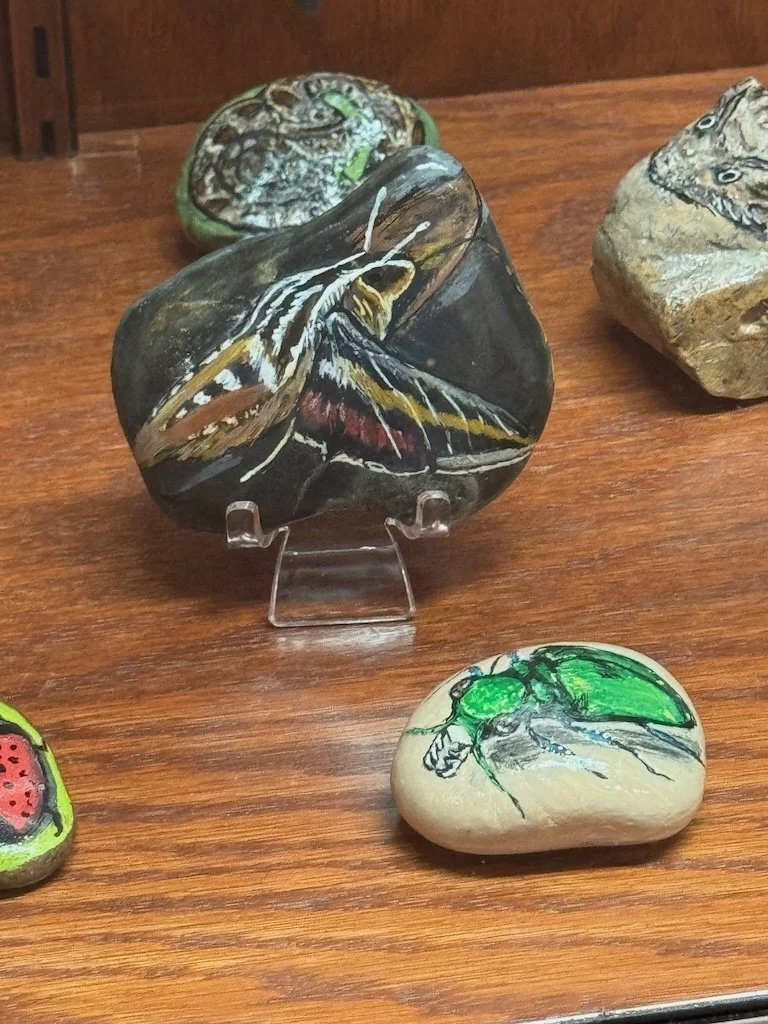
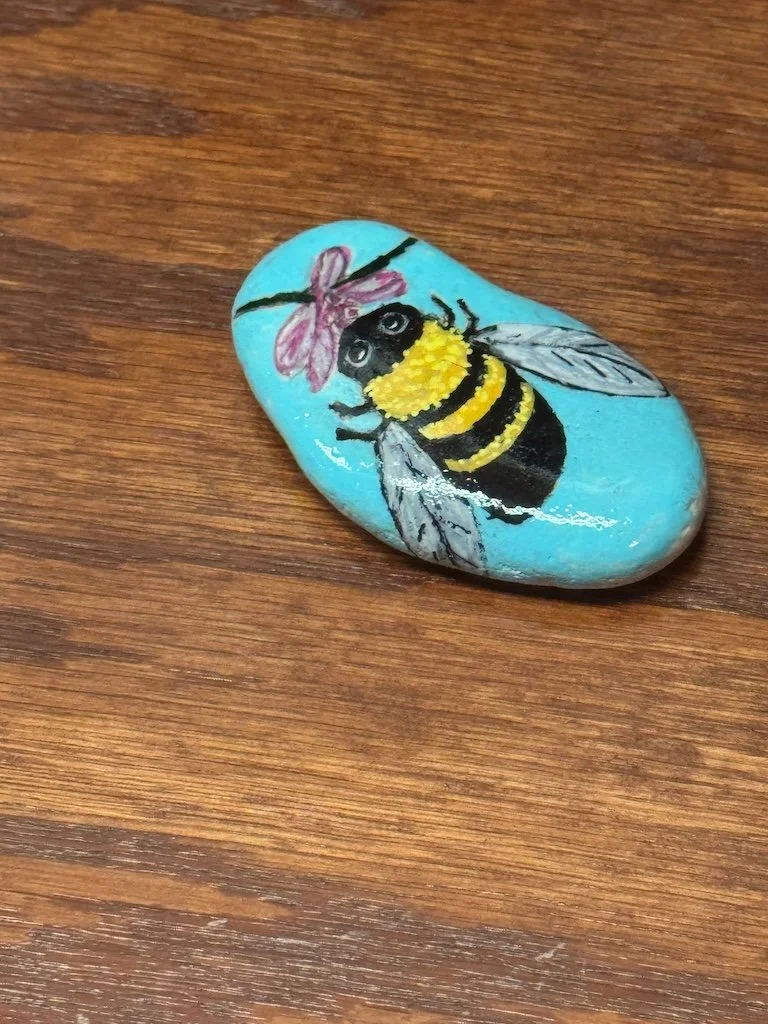
Inside the building there was a display of painted rocks that I enjoyed.

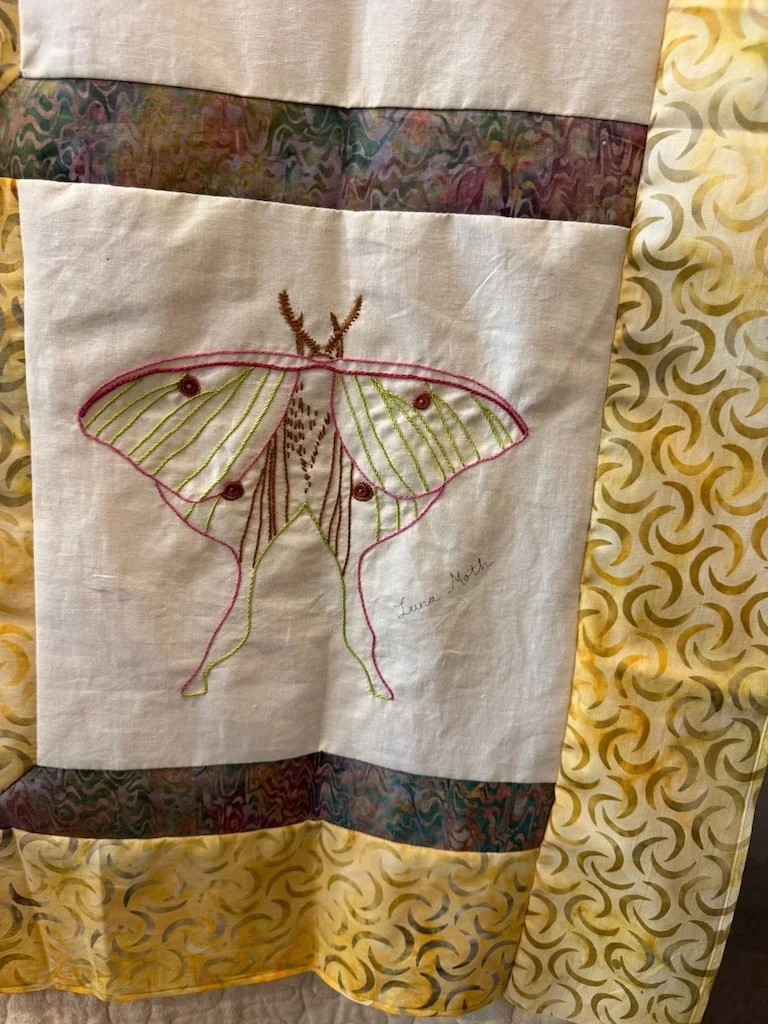
Several quilts were hanging and one featured butterflies and moths. I chose the depiction of the Luna Moth to include in this post.

I bought a puzzle for my dad and a Missouri wildflower book for myself from the gift shop.

I headed to the hotel and enjoyed a quite evening getting prepared for the conference.

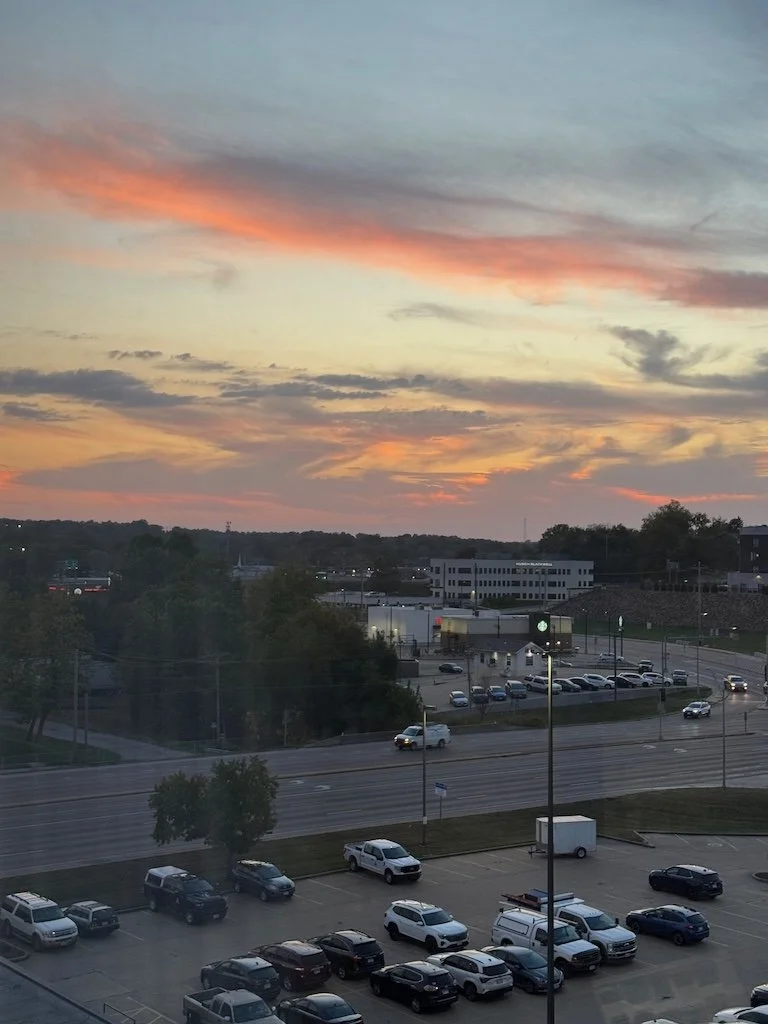
The sunset from the hotel window was a good view for the end of the day.

Ha Ha Tonka State Park (2)

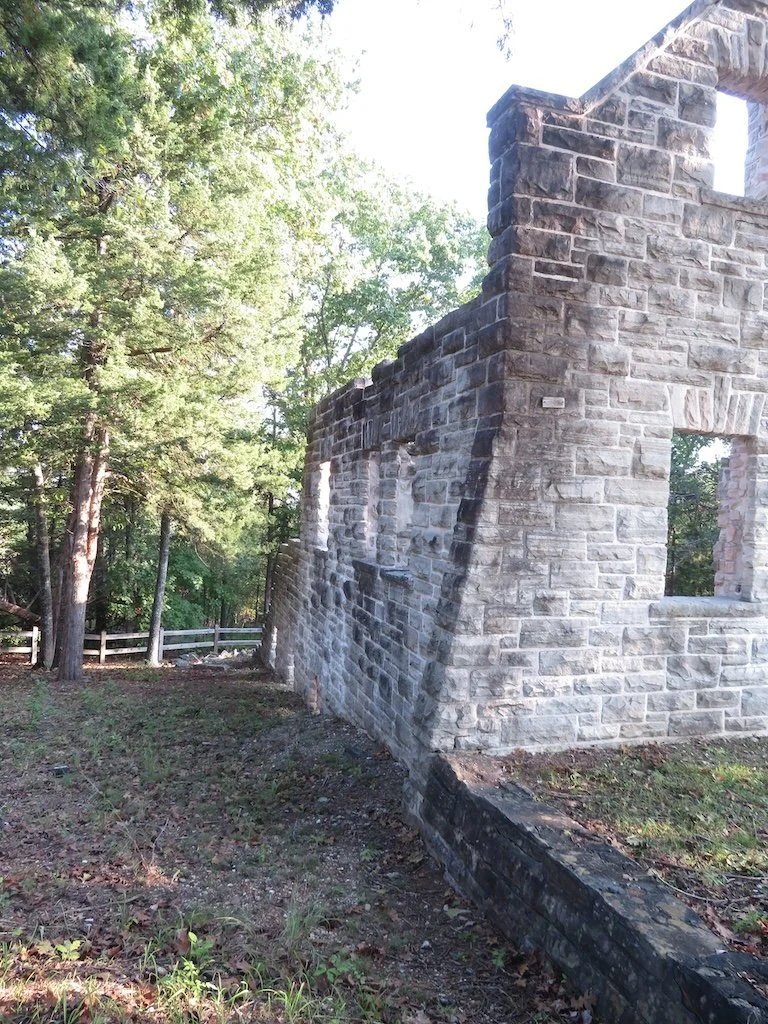
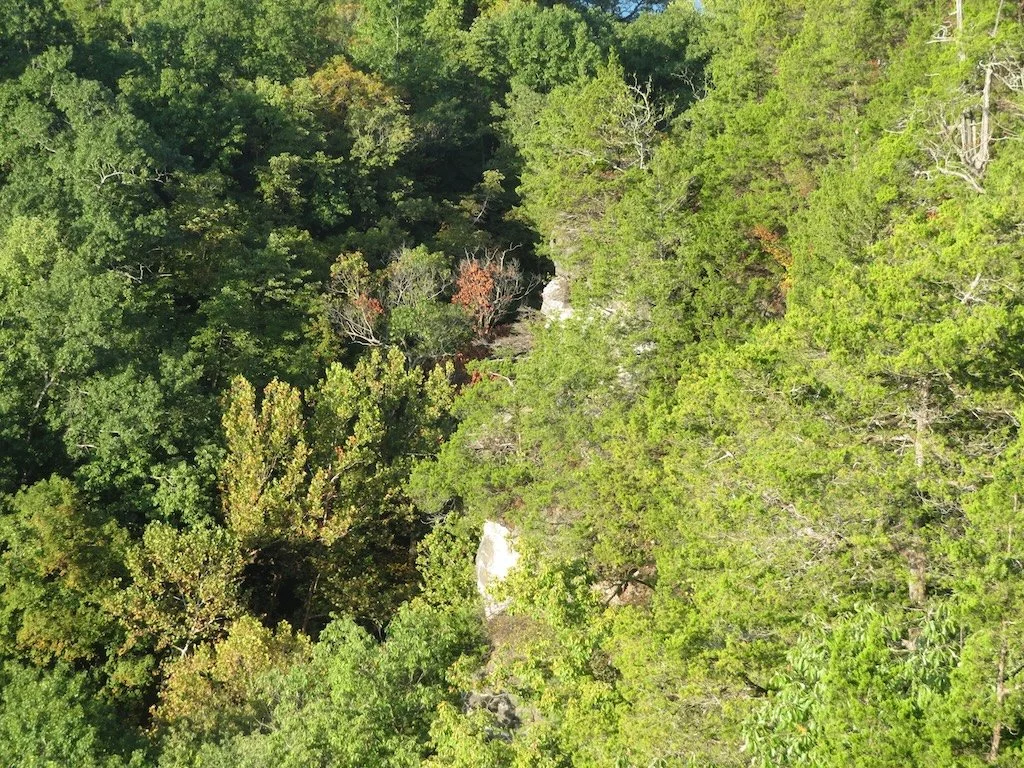
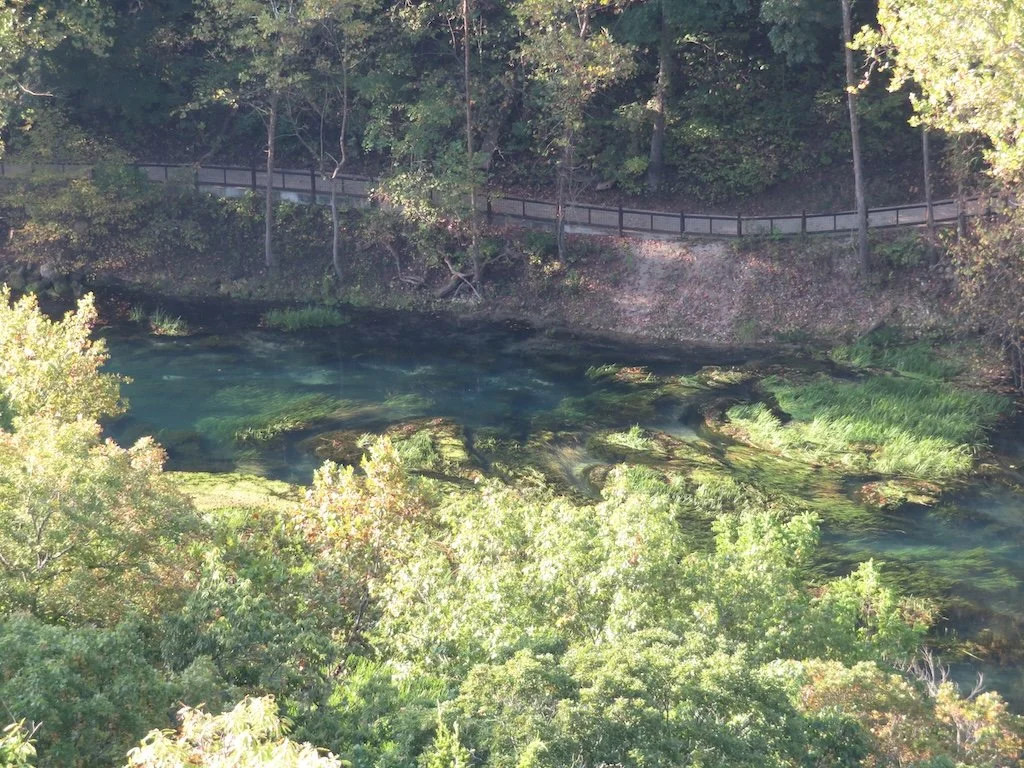
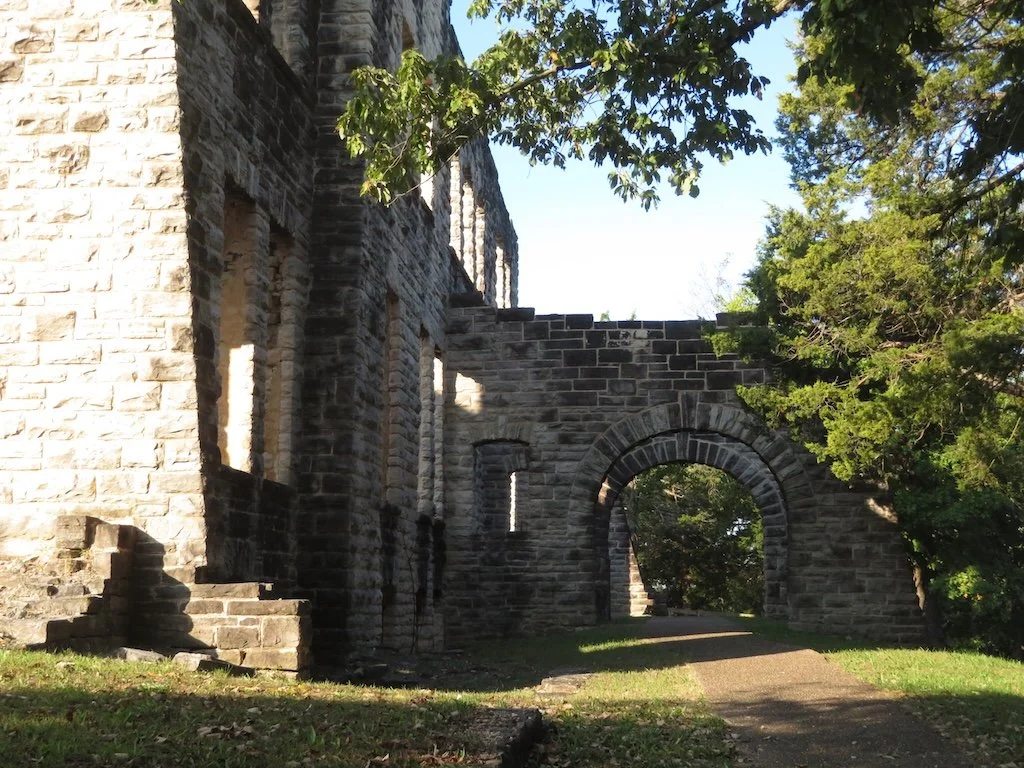
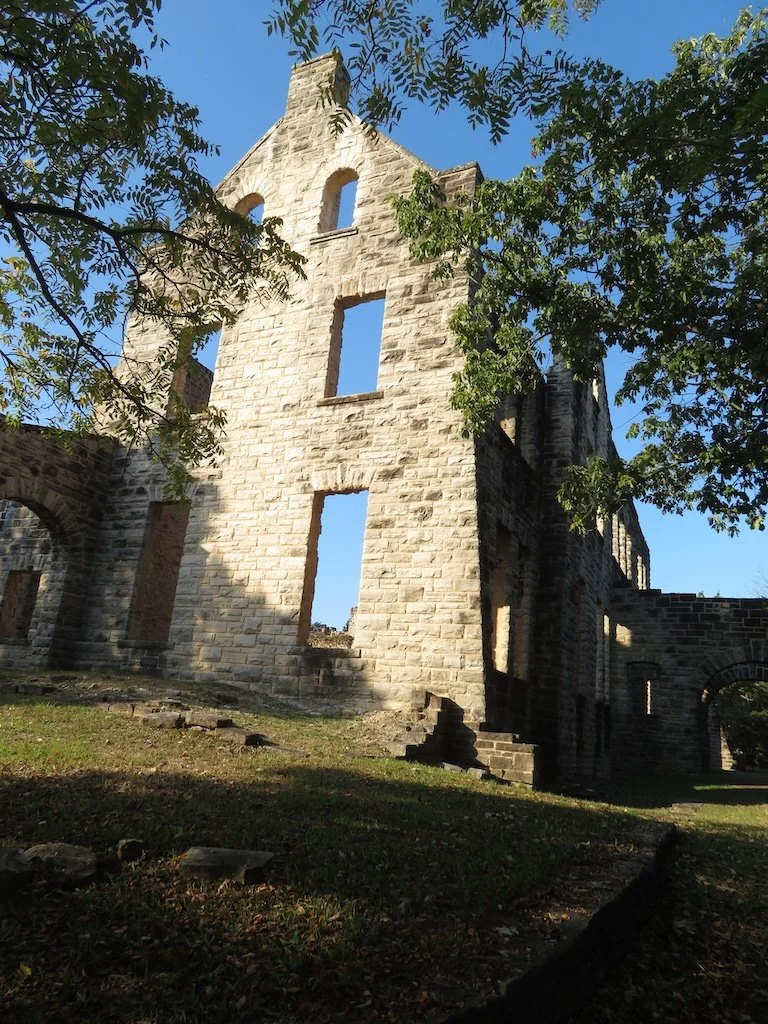
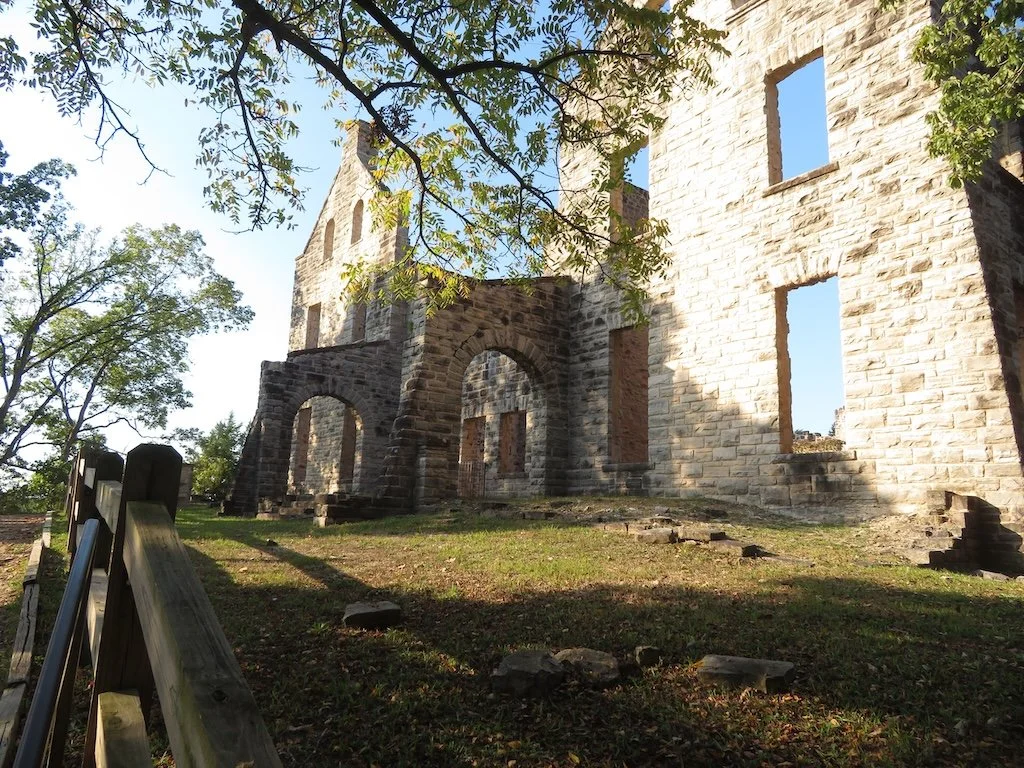
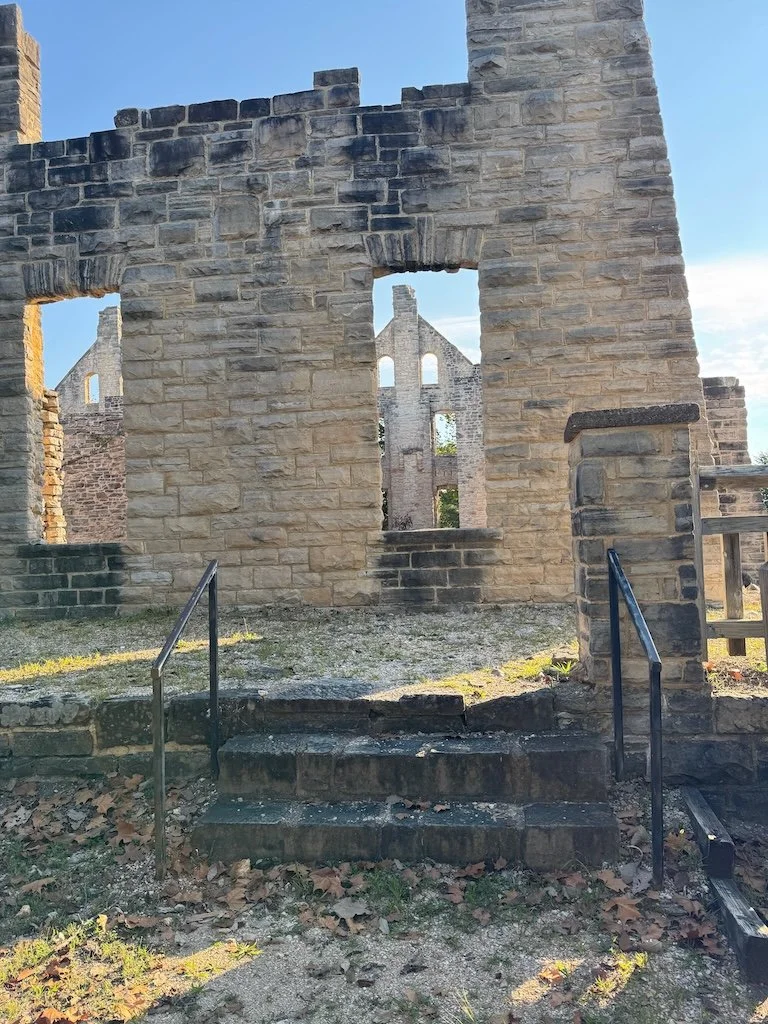
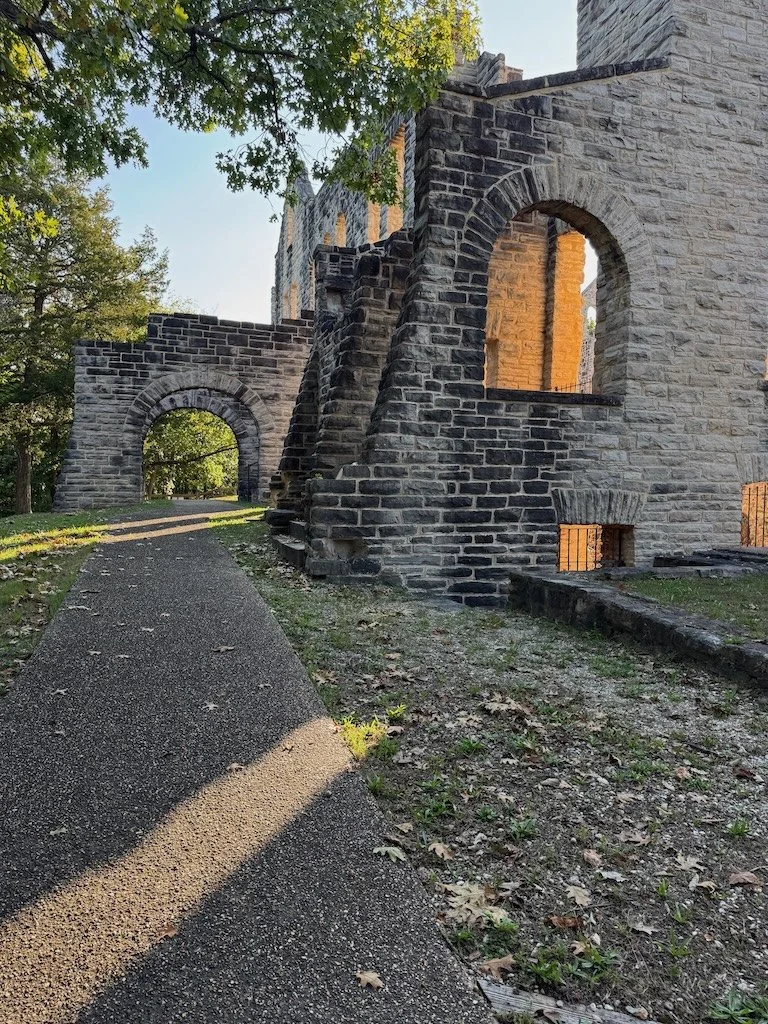
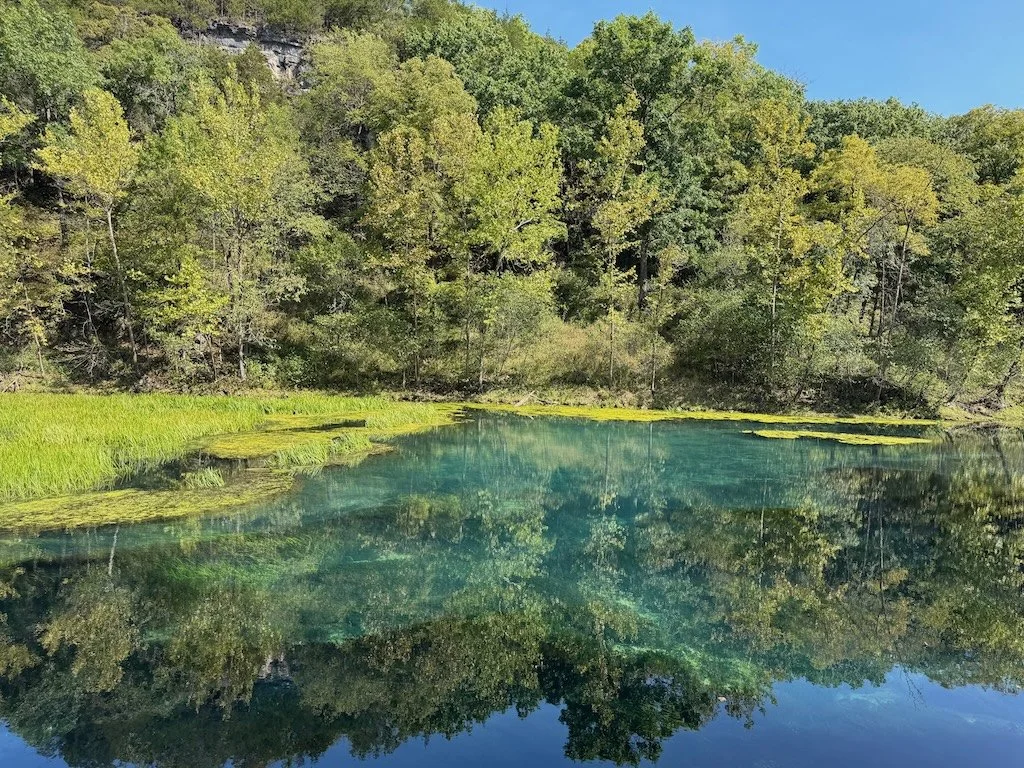
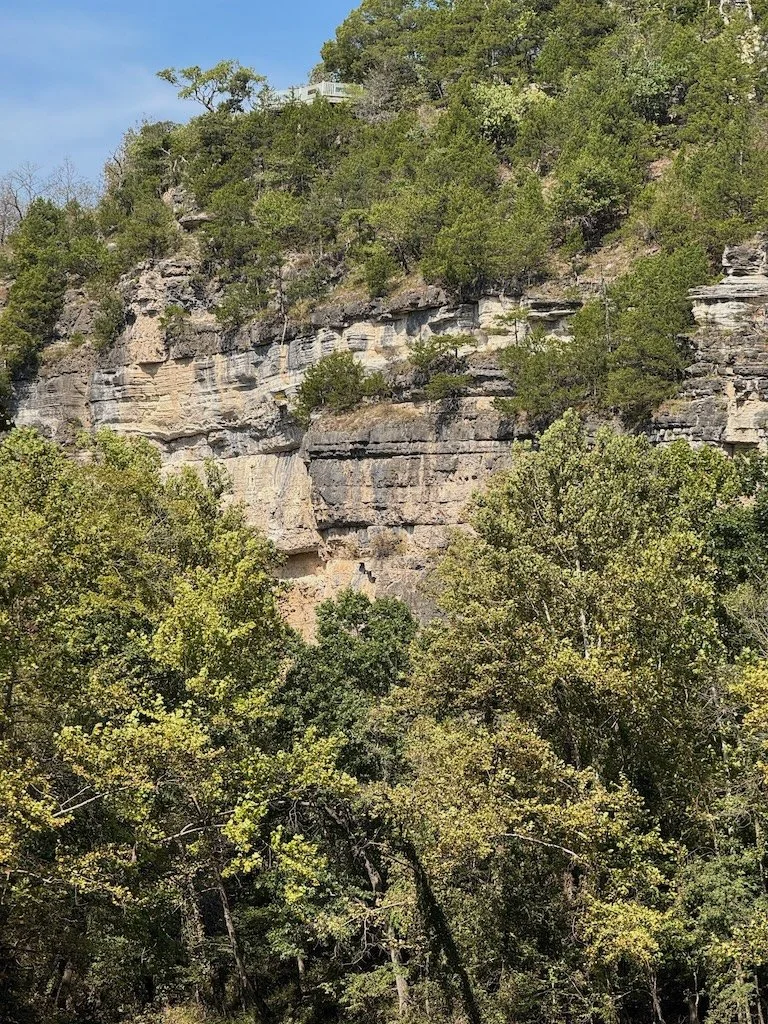
I made a second visit to Ha Ha Tonka State Park last week – on my way from the Missouri Department of Conservation Partners Roundtable and took a short hike to the Castle Ruins. The ruins are on the bluff above the spring area, so I had views of the spring area where I had hiked a few days before.

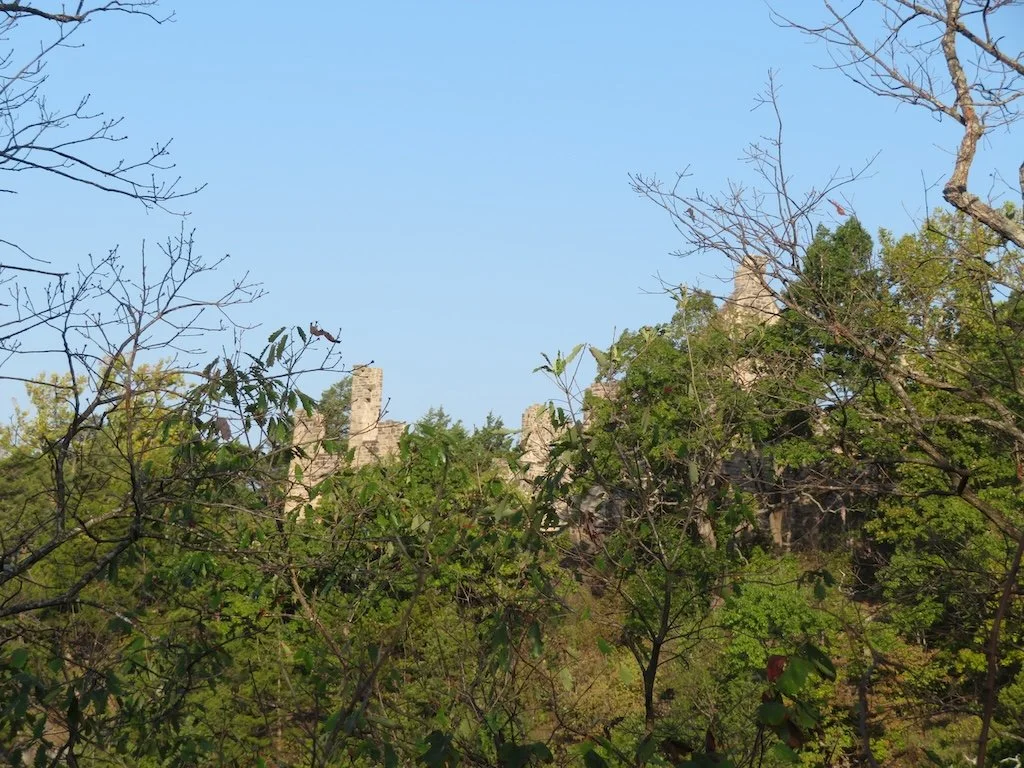
I got to the park early enough that there was a parking space in the small lot between the water tower and castle ruins…beside the carriage house ruins. The castle ruins were visible over the treetops from the parking lot.

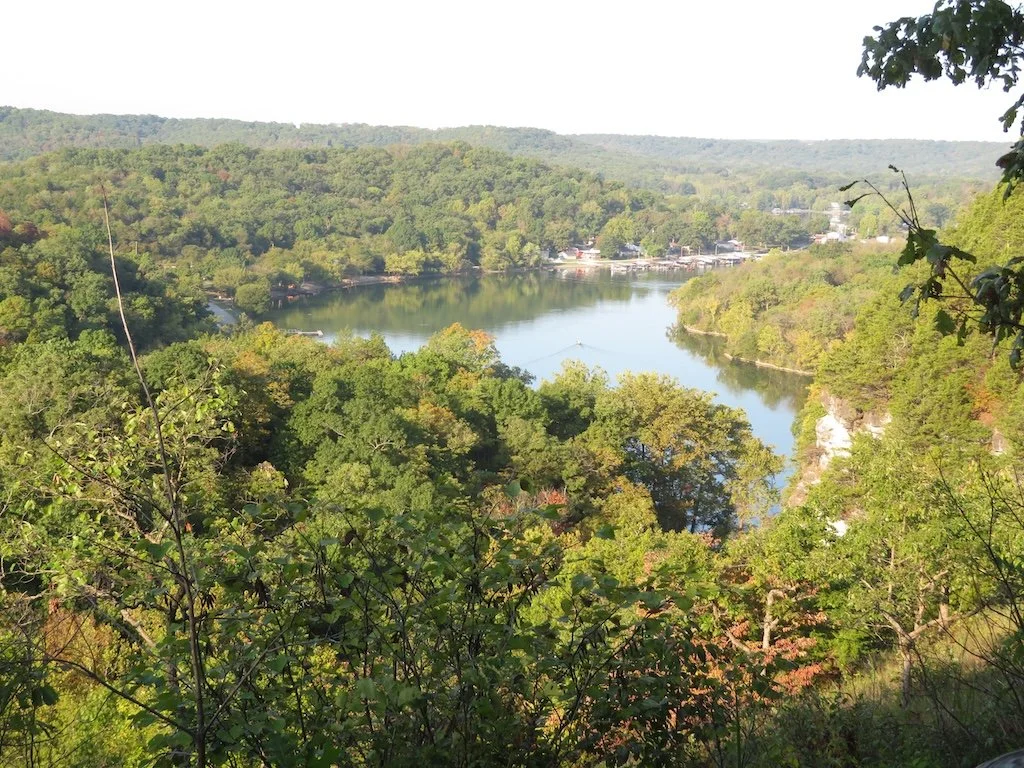
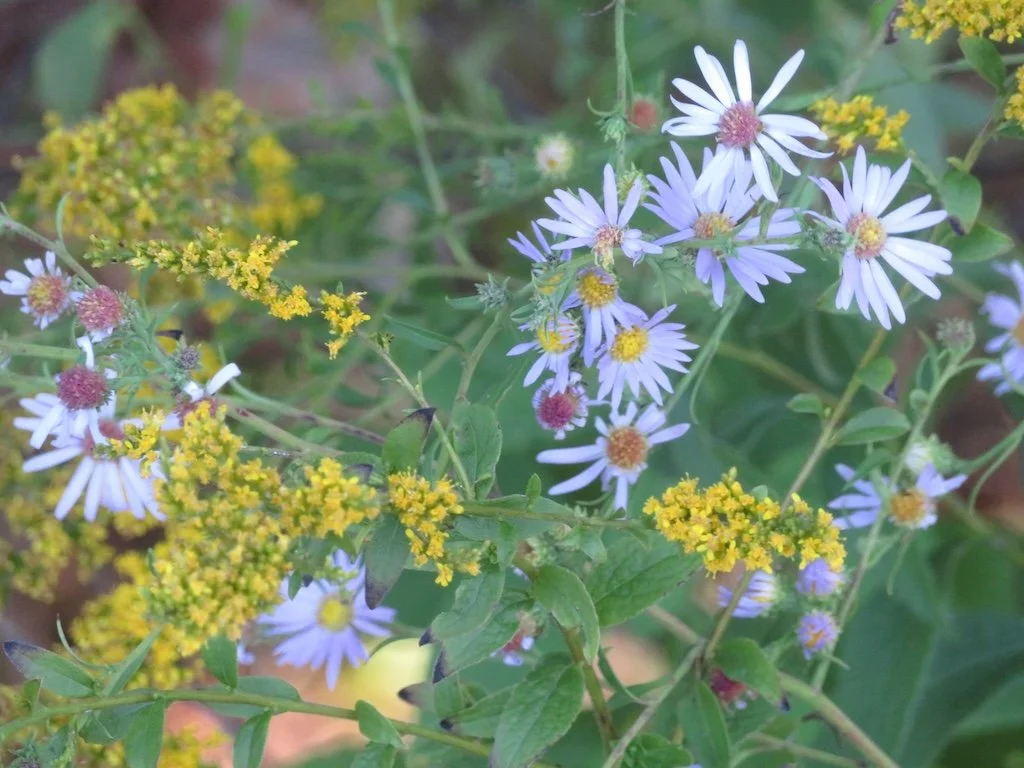
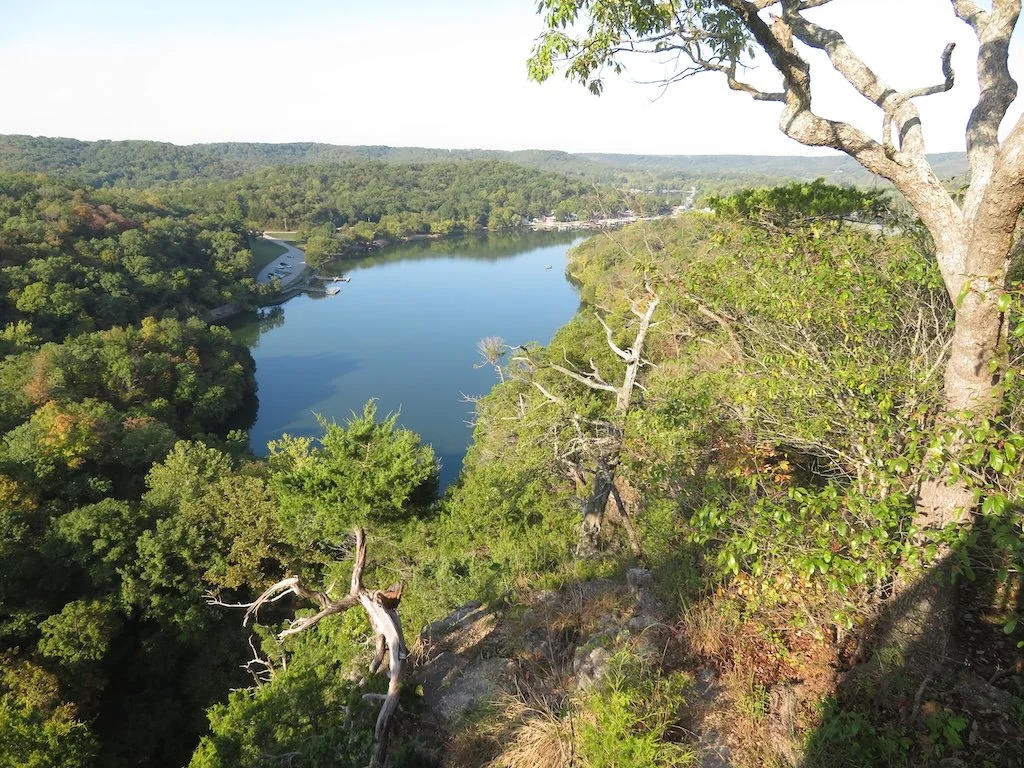
I took a few pictures of the carriage house ruins and continued as I made my way up the hill: fall wildflowers, a part of Lake of the Ozarks, the spring area below (and the paved path I had been on a few days before).

It was early enough that the light was good for viewing the ruins. Some of the stone walls were still black from the fire that destroyed the house in the 1940s. The fire must have been hot. I wondered if there was not enough water high on the bluff to deter it all…that the fire simply burned until there was nothing left to burn. The ruins are fenced…and there are signs saying the ruins are unstable.

There was a family group with a photographer taking pictures with the ruins in the background – perhaps as part of the buildup to a wedding.

I took a few more pictures as I walked back to my car – more foliage and another view of the lake.  There were some twisted eastern redcedars on the steep slope of the bluff.

This park is only about 1.5 hours from where I live…a great day-trip destination.

Ha Ha Tonka State Park (1)

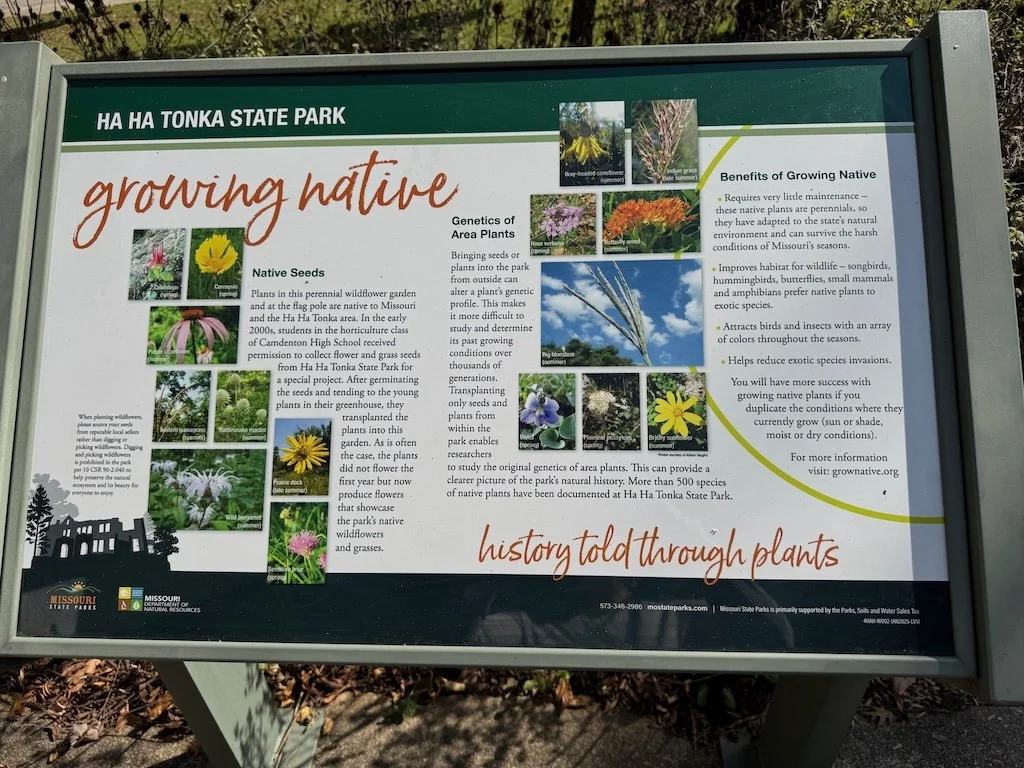
I made my first visit to Ha Ha Tonka State Park last week – on my way to and from the Missouri Department of Conservation Partners Roundtable. Today I am posting about my short Spring Trail hike on my way to Jefferson City.

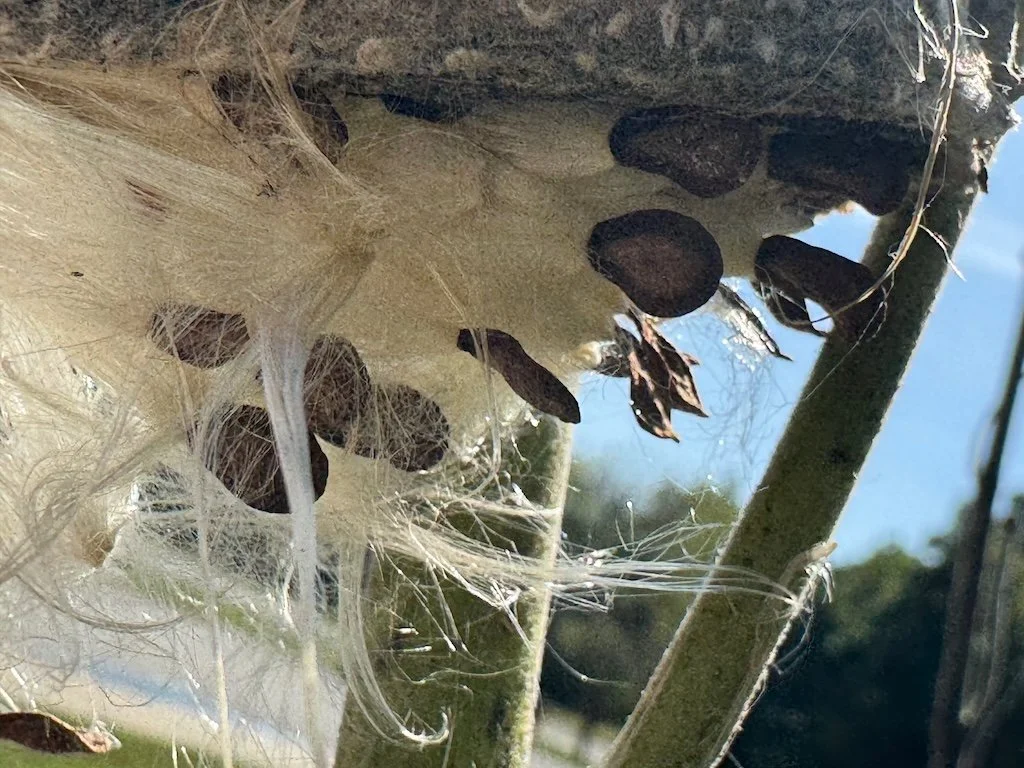
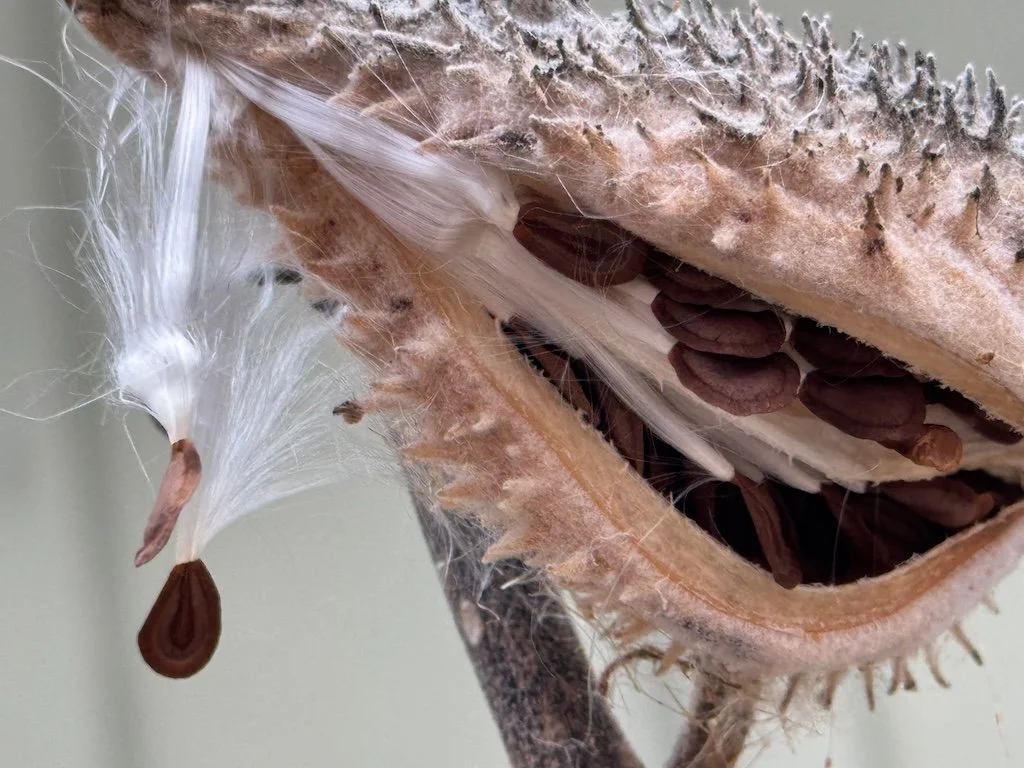
I stopped at the visitor center first…noting the milkweed seed spilling out of a pod in the native plant garden there…and picking up a printed map.

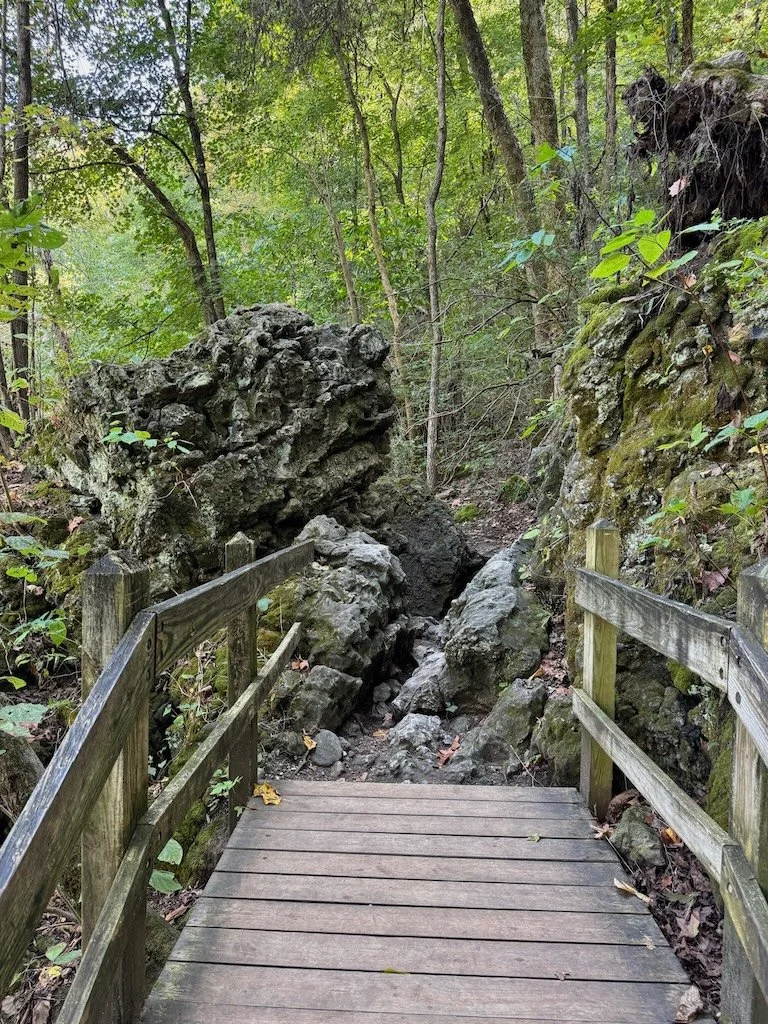
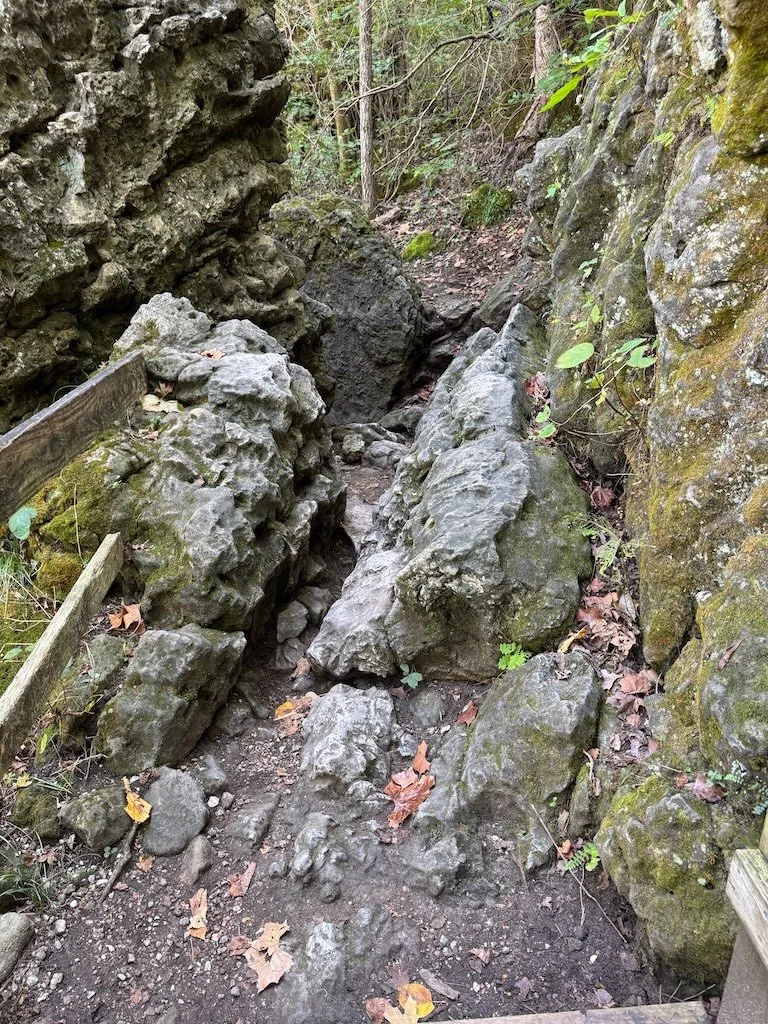
The day was getting warm, so I opted to take the easy Spring Trail. It was a paved or boardwalk for most of the way…with one narrow passage through some rocks!
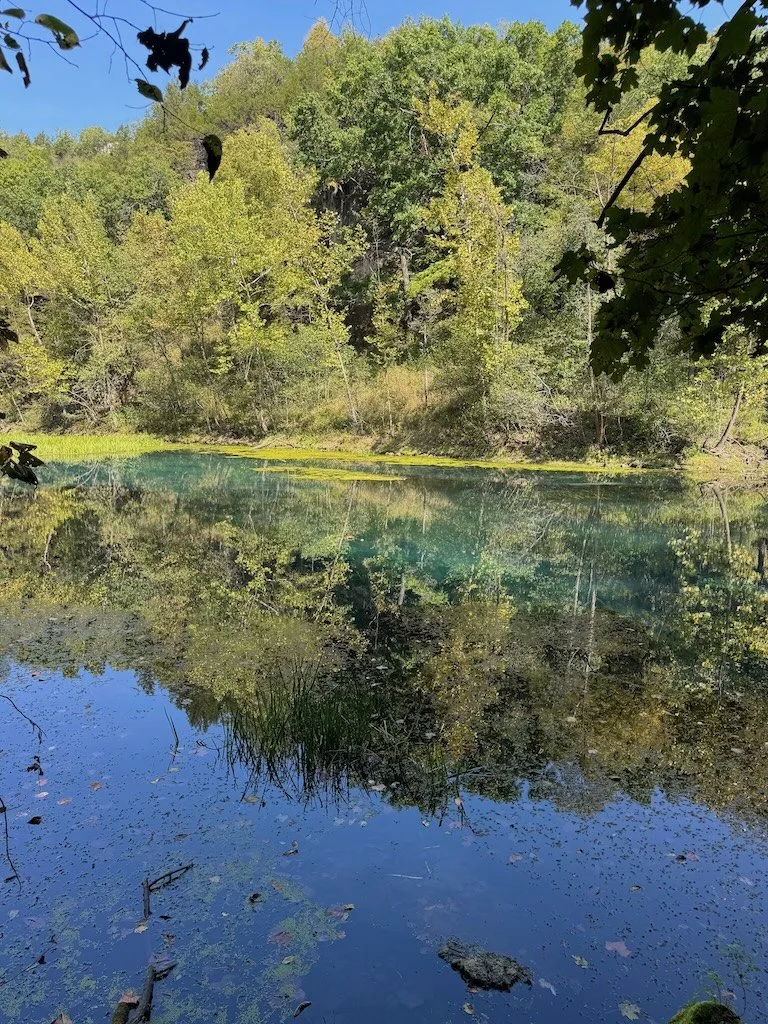
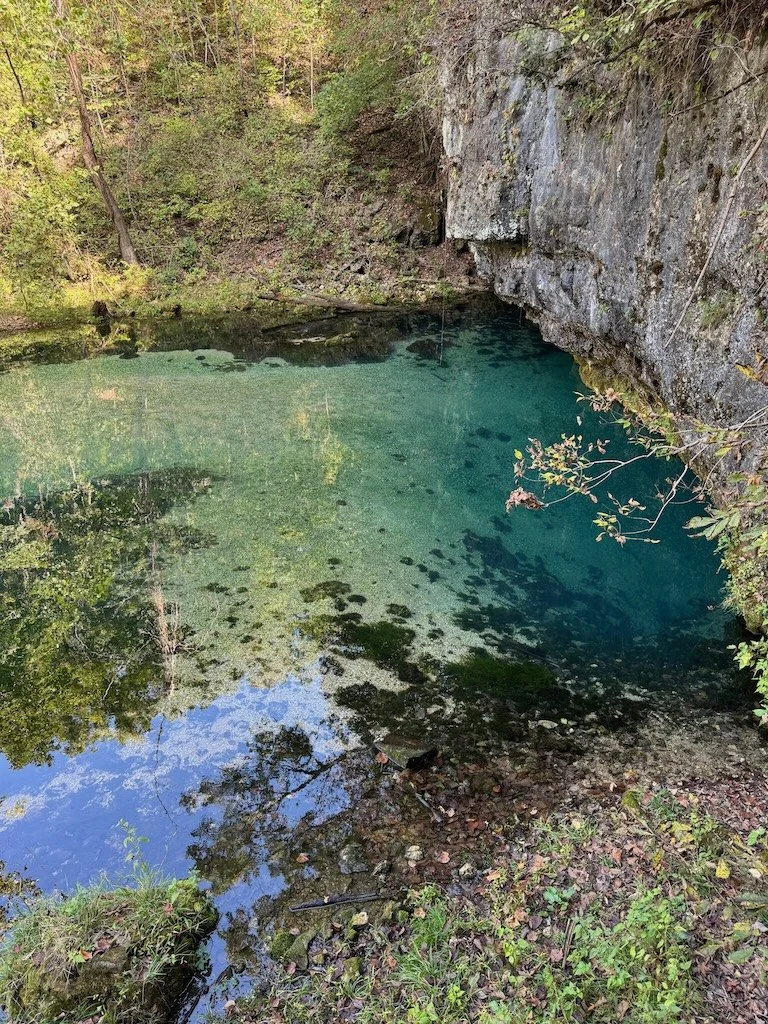
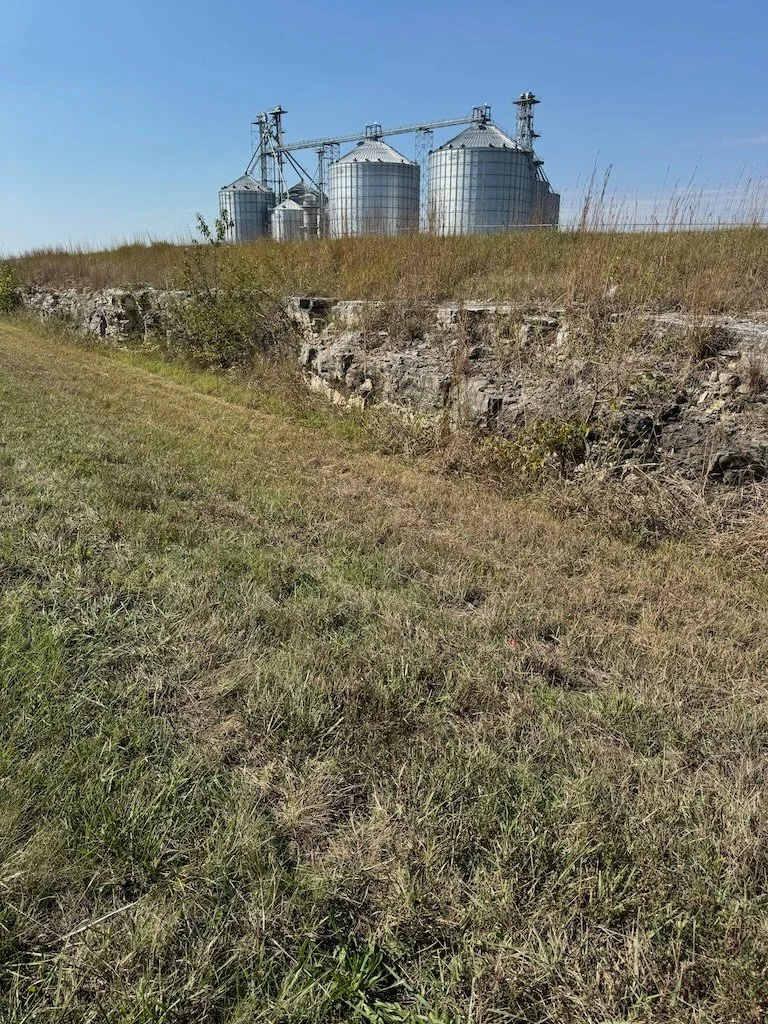
I appreciated the vistas along the way….water reflecting rock and vegetation.
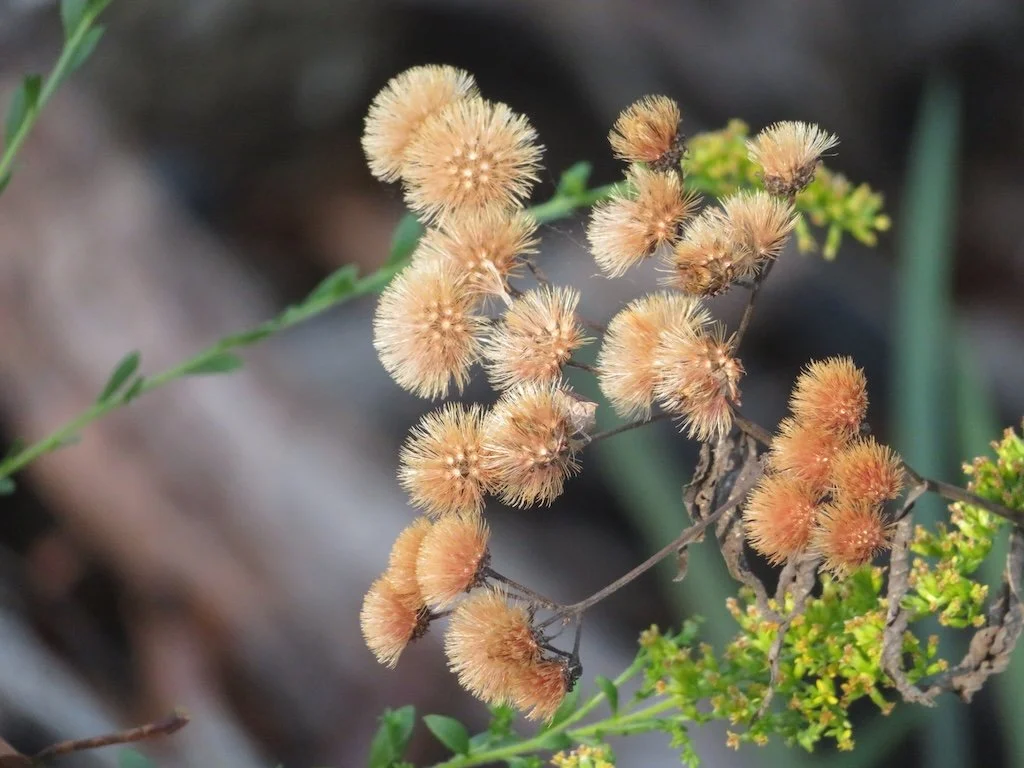
There were fall wildflowers and seeds

And leaves beginning to fall.
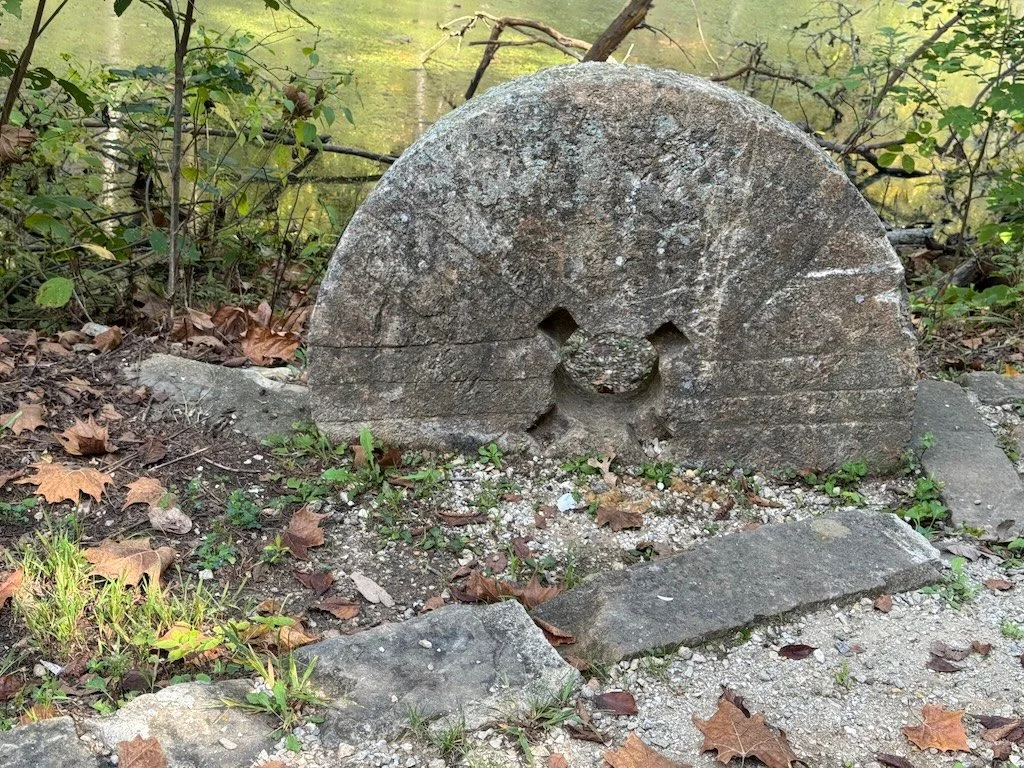
There was an island where the old mill had been. I didn’t hike it…but did note the millstone.
I enjoyed the walk….and made my plan to stop again on my way home….and probably plan a trip with my husband/daughter when I would do more extensive hiking.

Chicago Field Museum

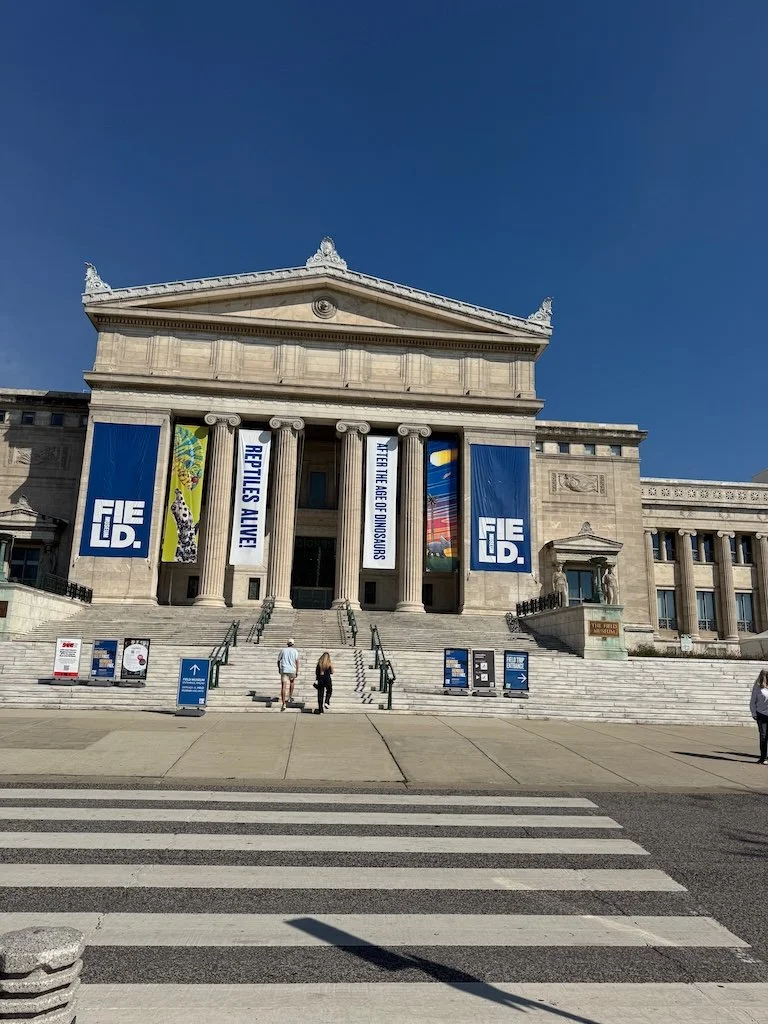
We had a free afternoon at the Urban Birding Festival in Chicago last month and opted to visit the Field Museum.

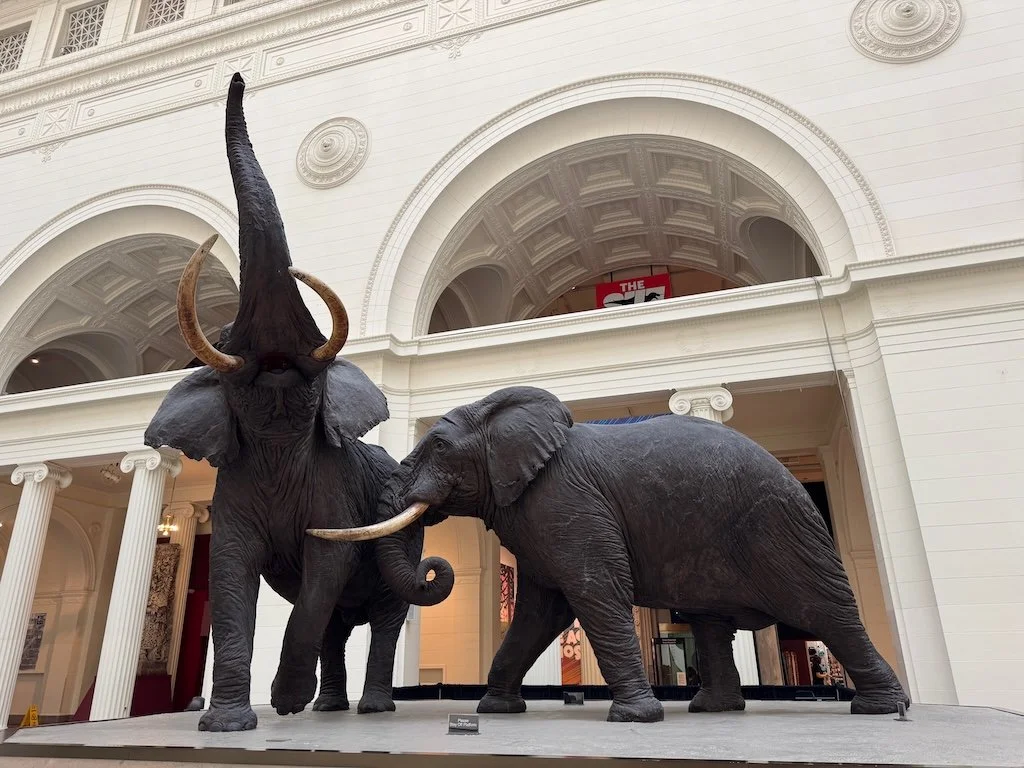
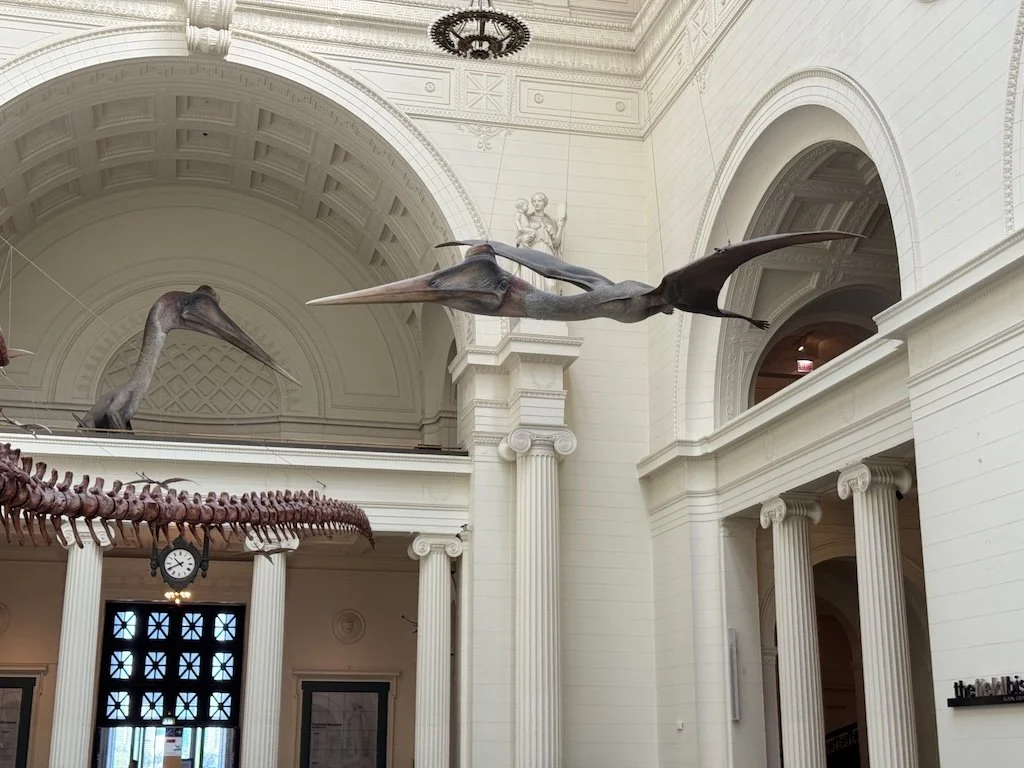
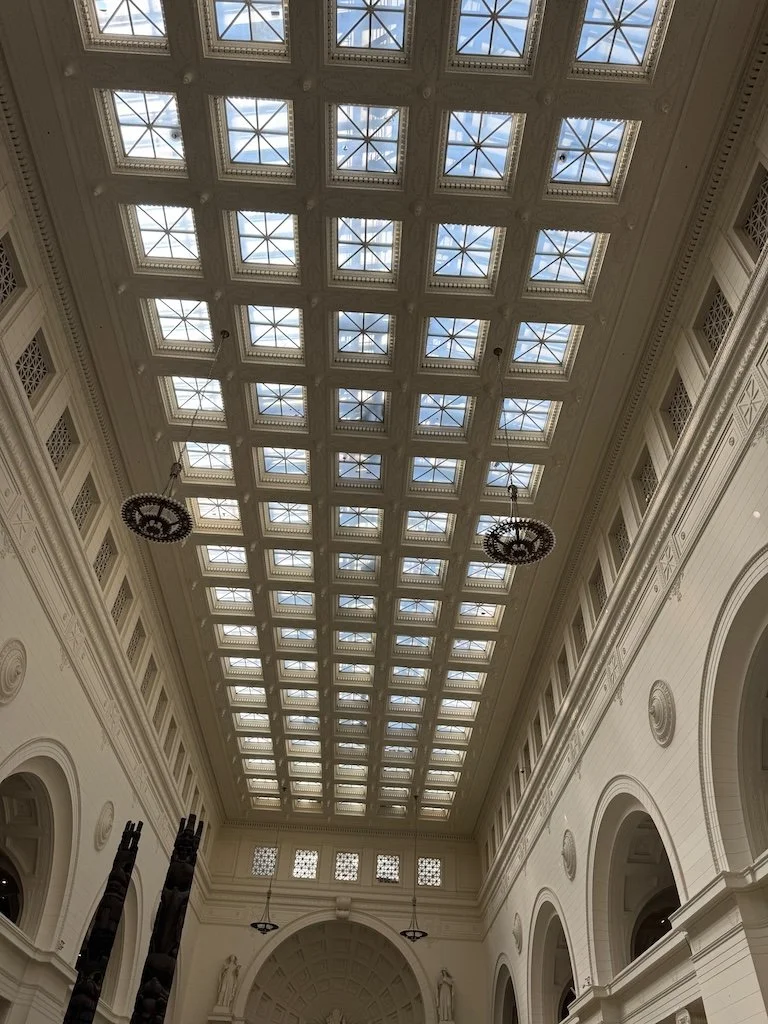
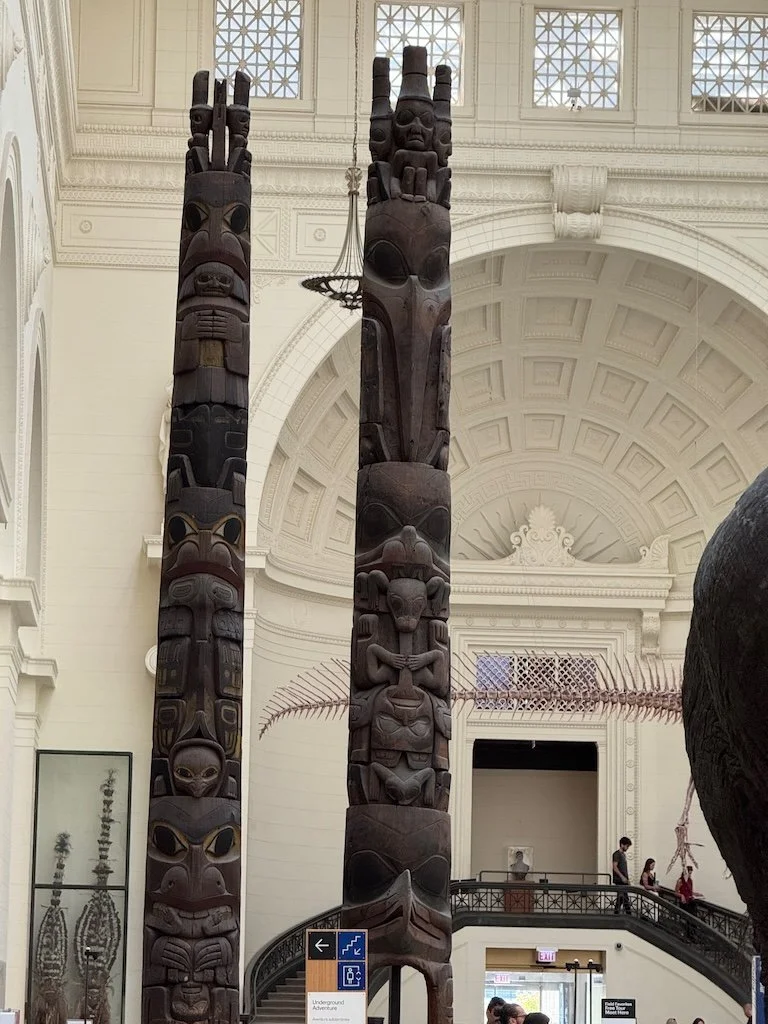
It is huge – enough to be overwhelming! The  main hall is the beginning of the exhibits….and is grand architecture too.

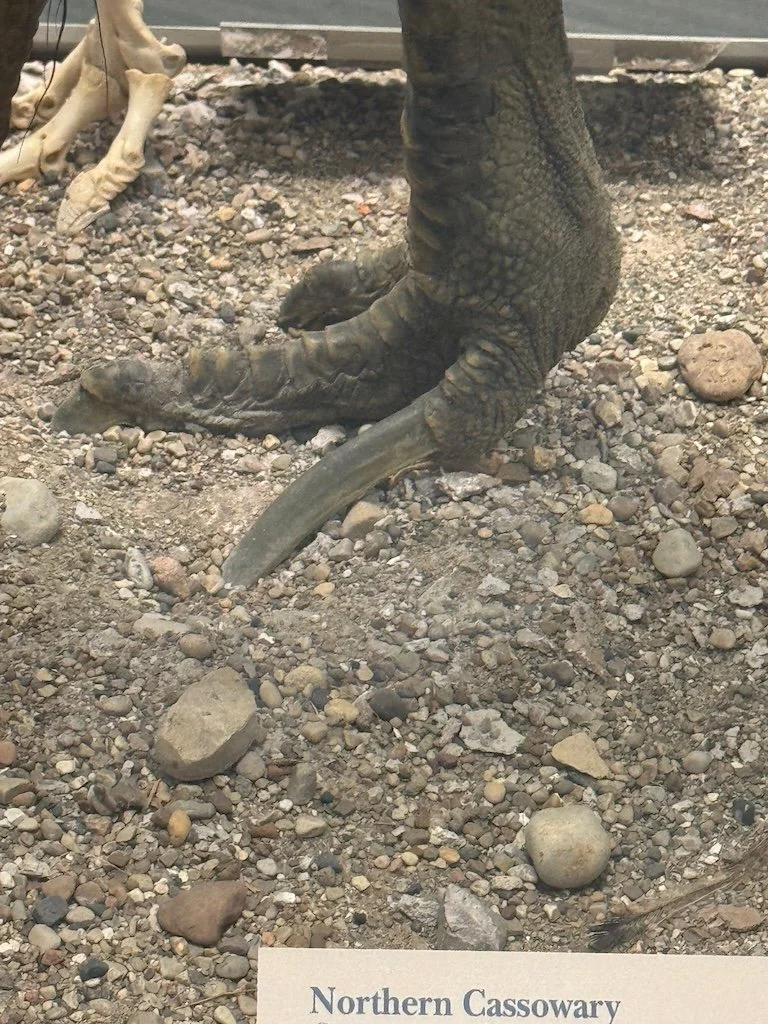
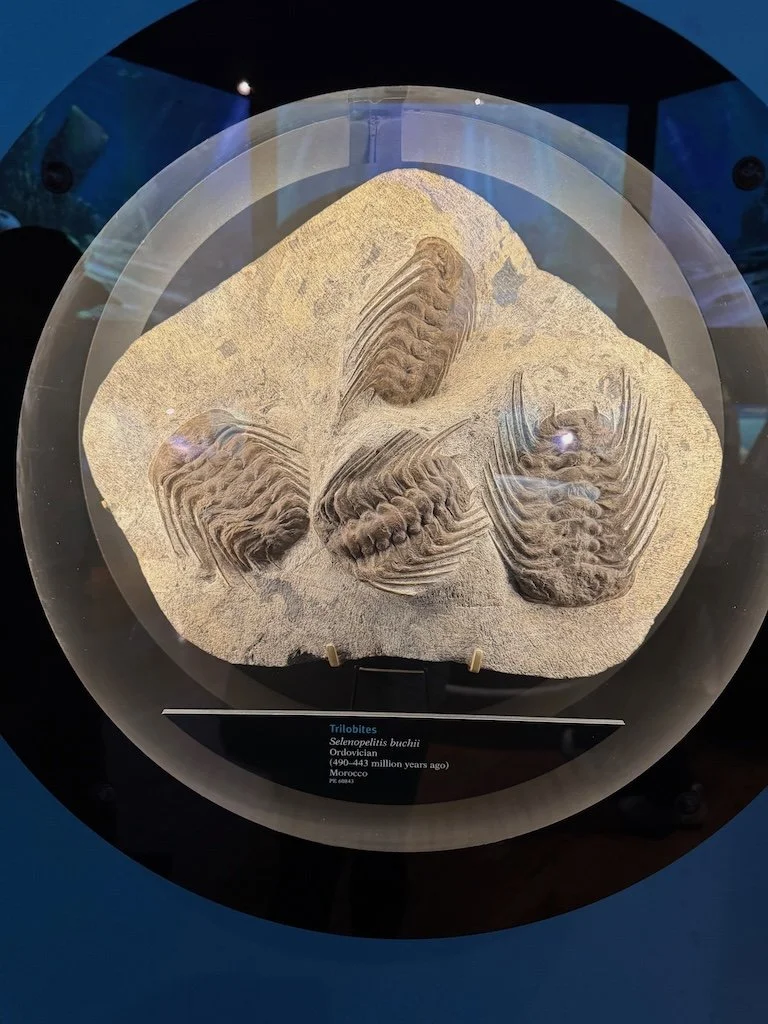
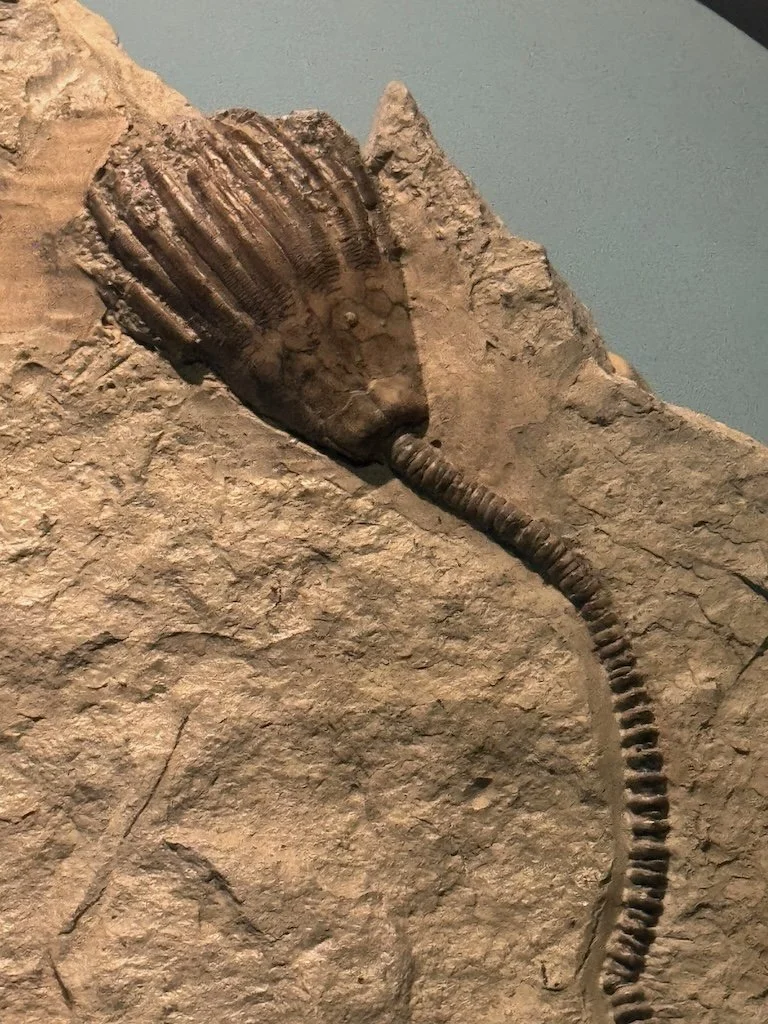
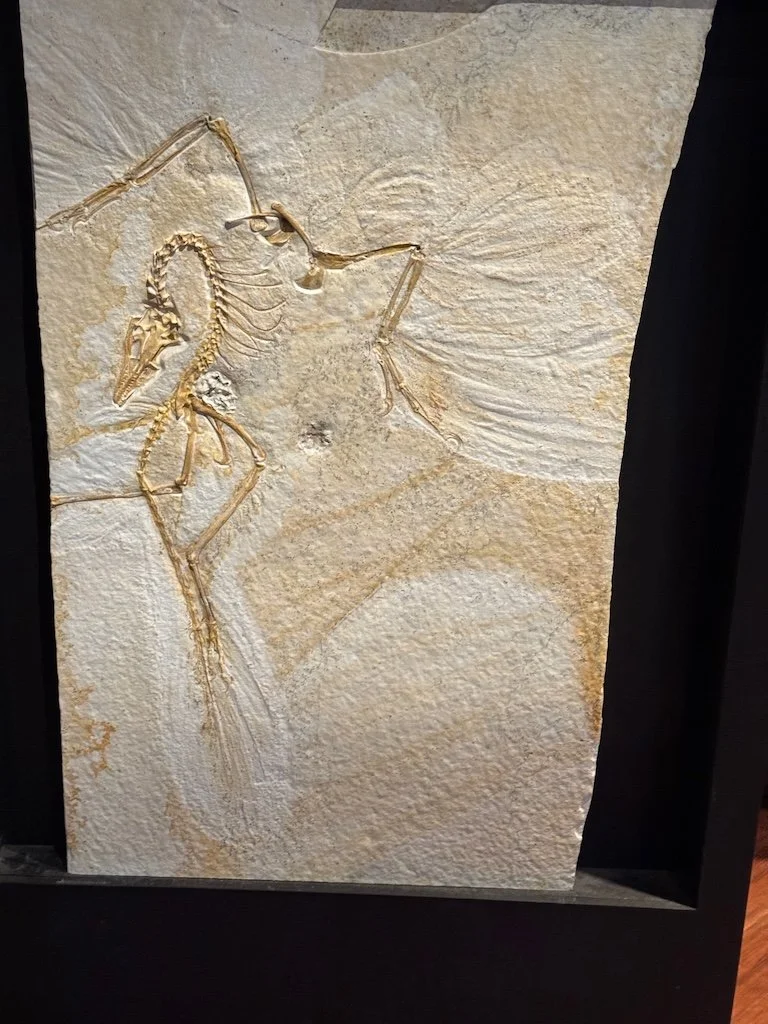
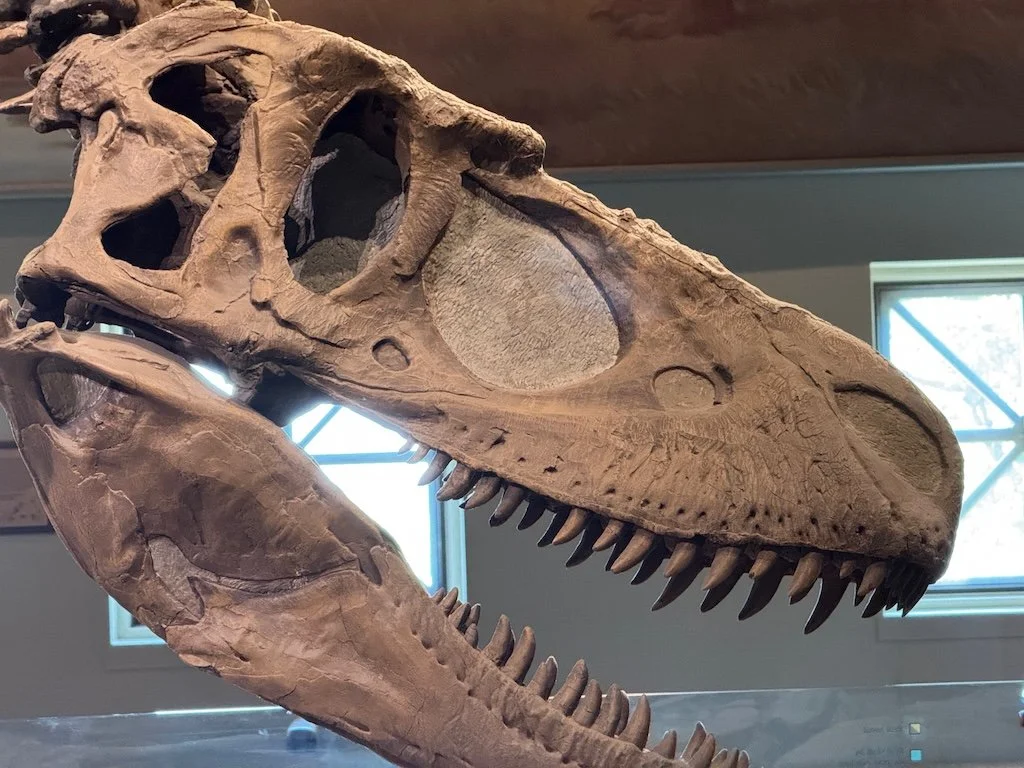
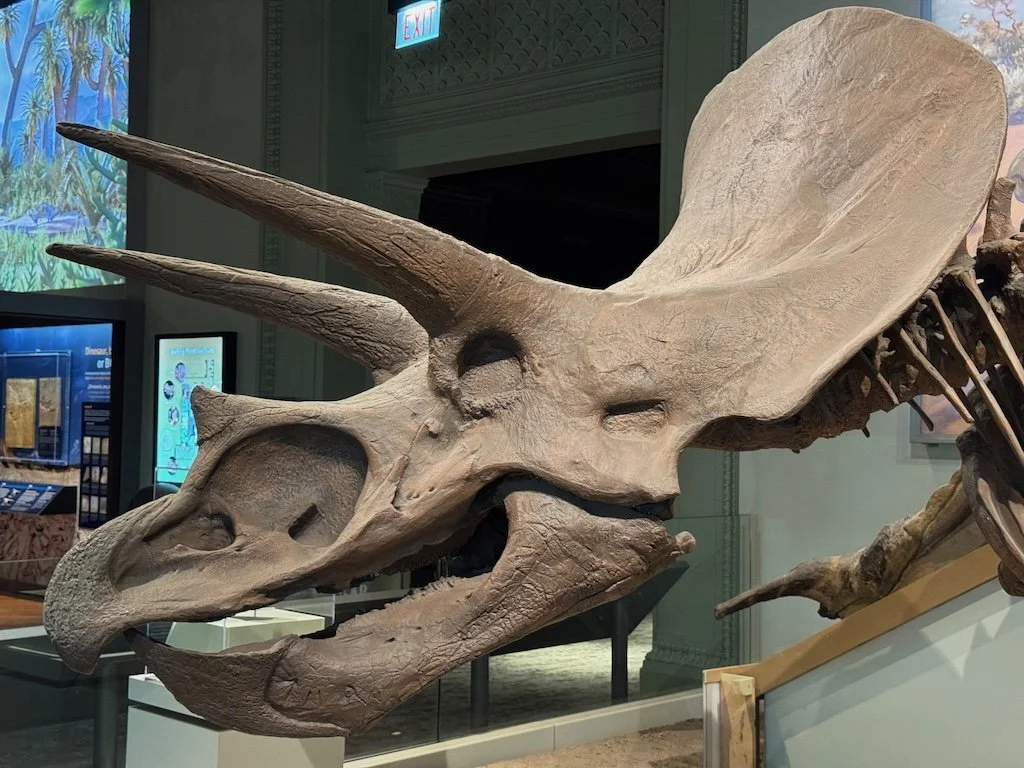
Many of my pictures were of fossils….and that was before lunch.

After lunch we walked through the 3-story replica of an Ancient Egyptian mastaba. It was very different from other Ancient Egypt museum exhibits I’ve seen…and I appreciated the physical presentation…like touring a ruin in Egypt….but with the comfort of air conditioning.

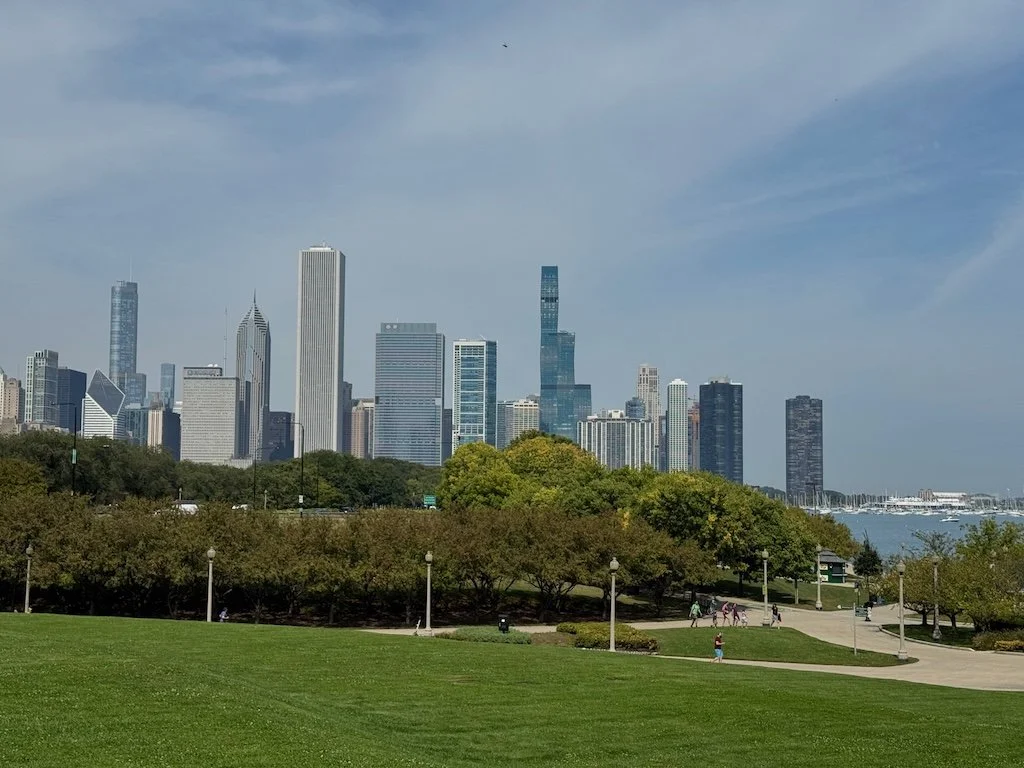
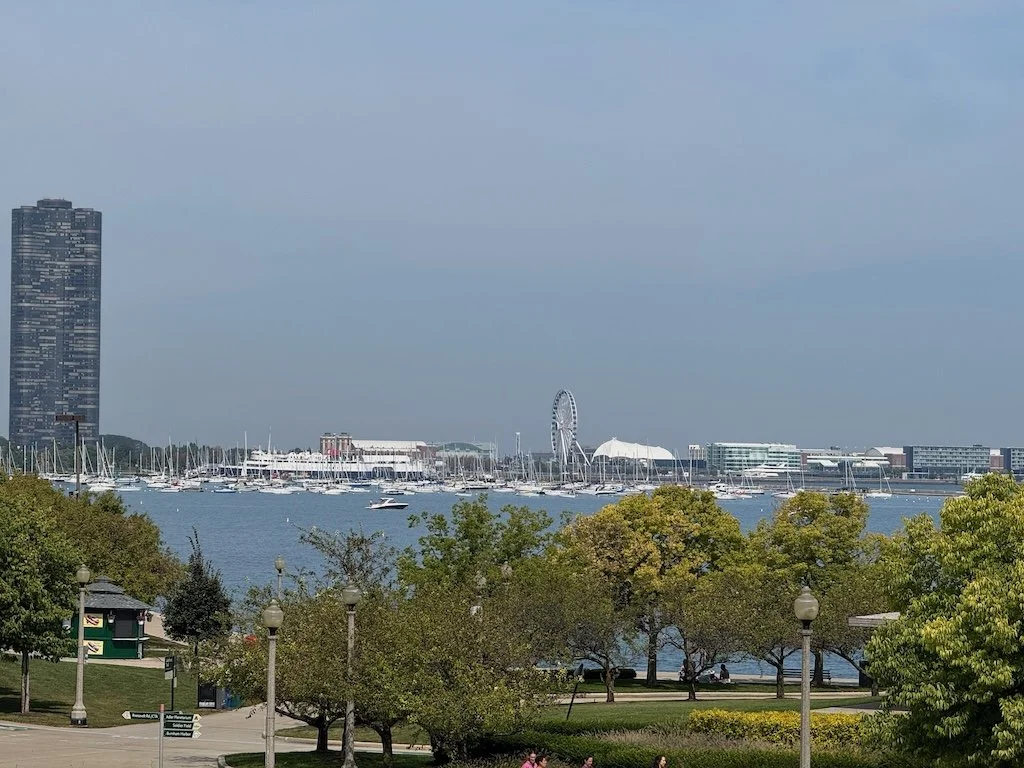
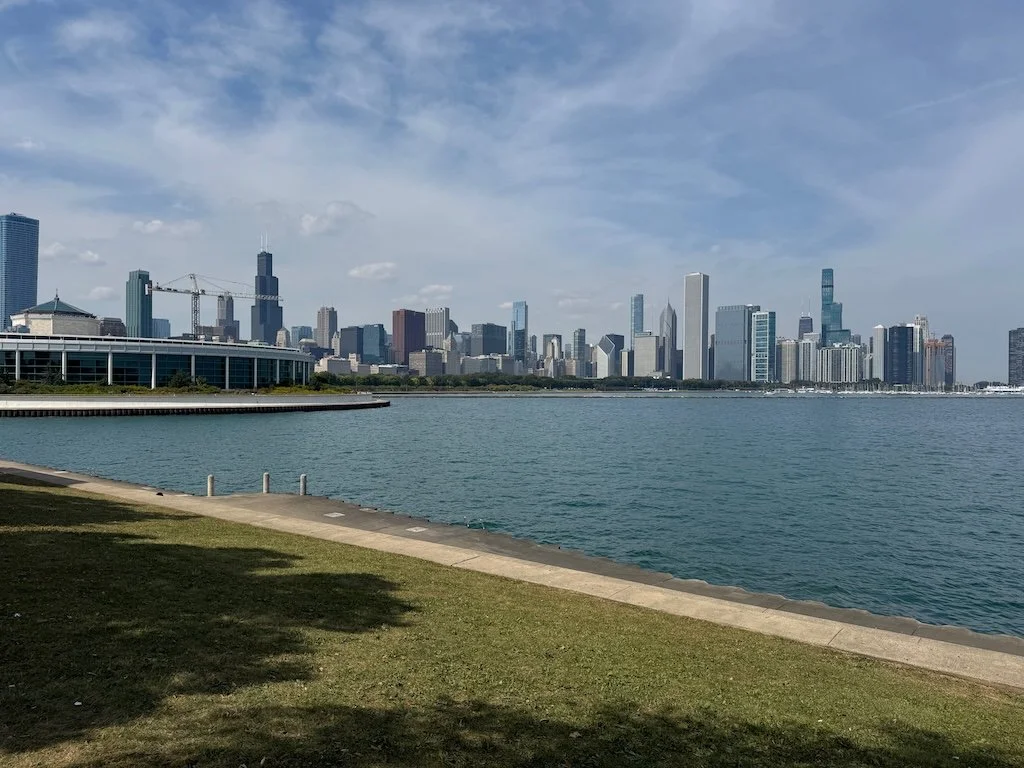
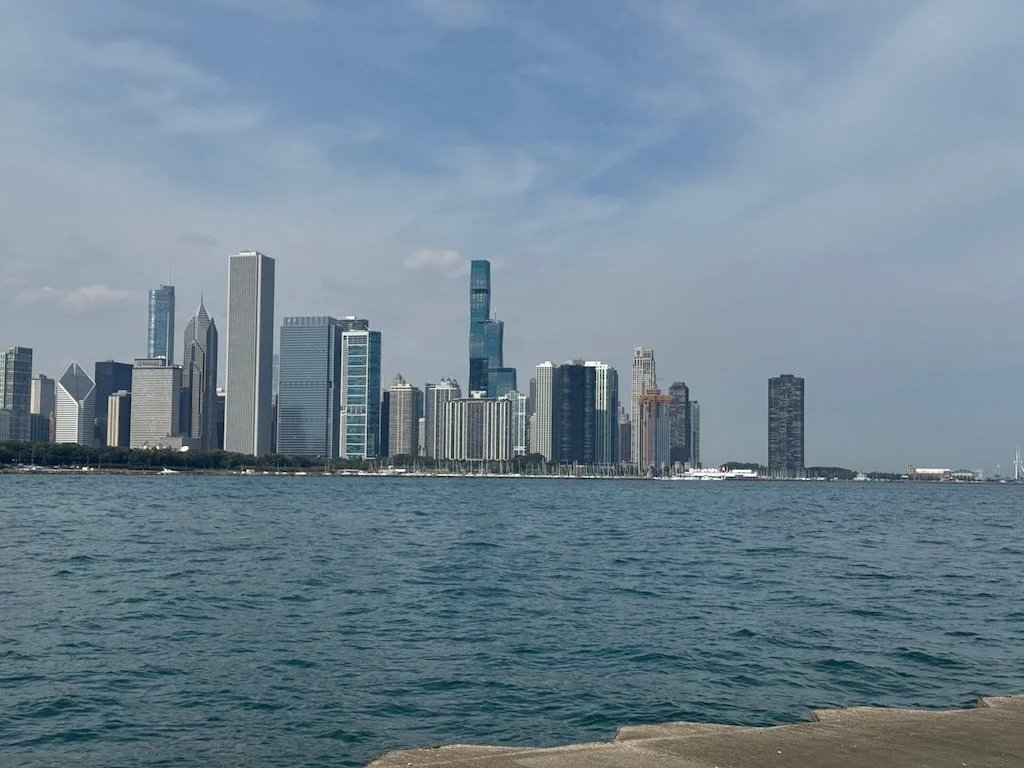
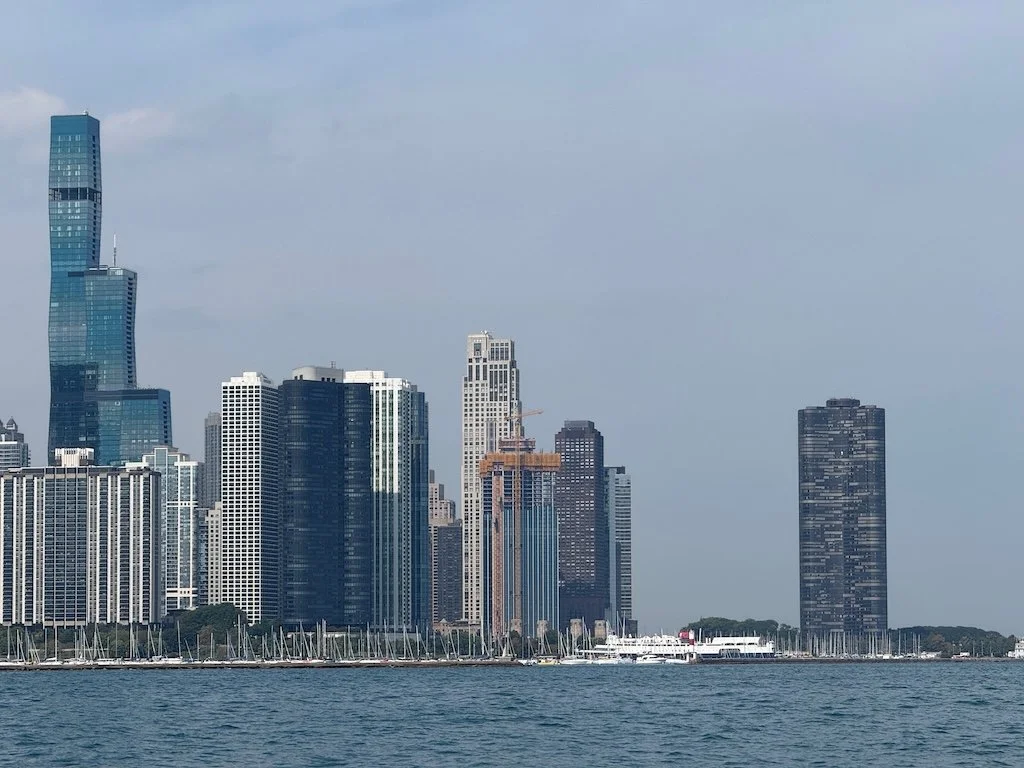
Once we left the museum, we walked toward the Adler Planetarium and took pictures of the Chicago skyline.

I experimented with my iPhone’s pano capability.

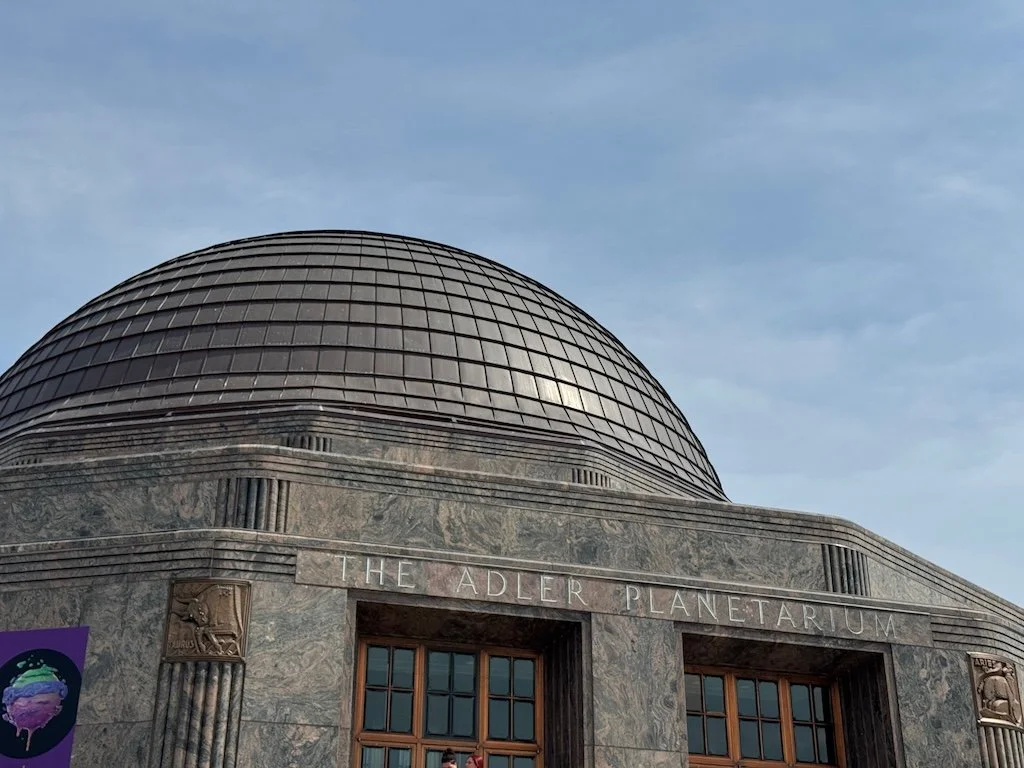
We didn’t go into the planetarium, but I appreciated the architecture before we headed back toward where our car was parked.

We were both feeling the early start to the day, the 2 hours of mostly standing at the Bill Jarvis Bird Sanctuary, and the walking in and around the Field Museum. We checked into our hotel and rested a bit before the evening reception for the festival.

Sustaining Elder Care – September 2025

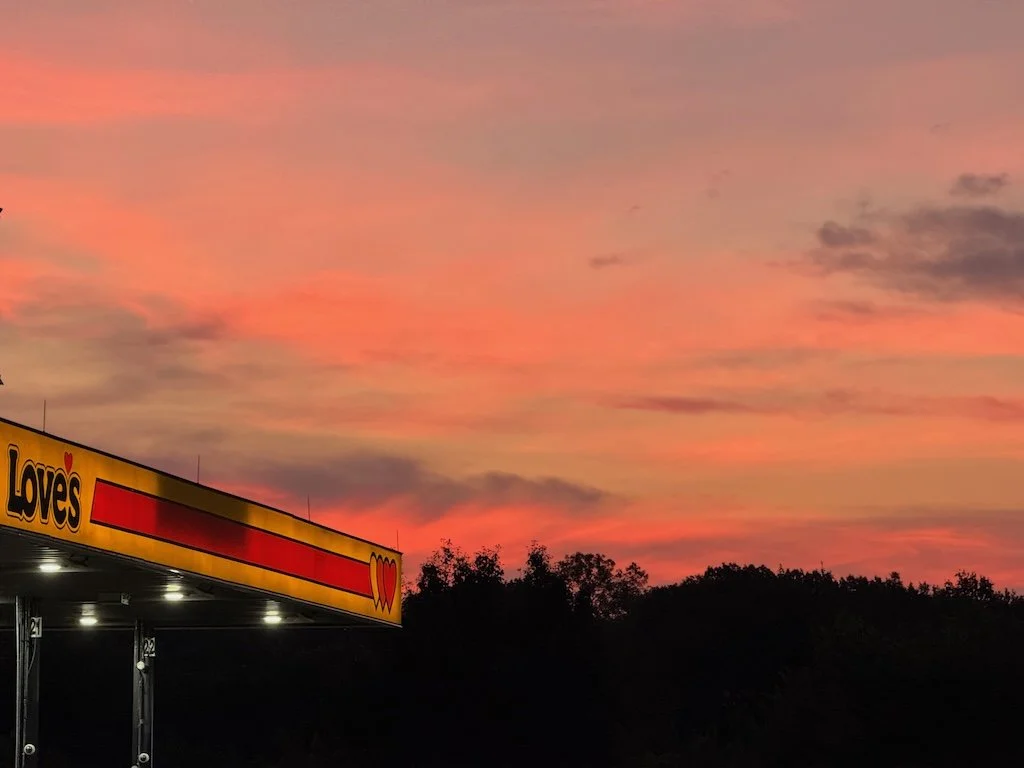
My September trip to Texas to see my dad was at the time of year that the sun rises about the time I make my first rest stop. There were enough clouds to make it worth photographing.

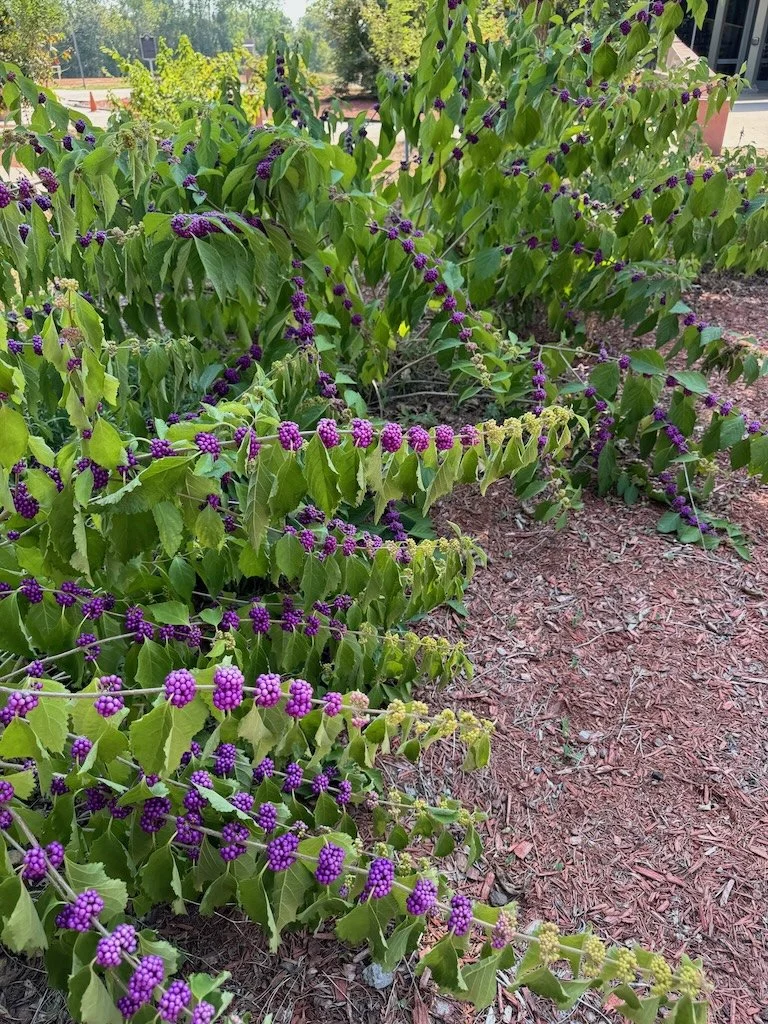
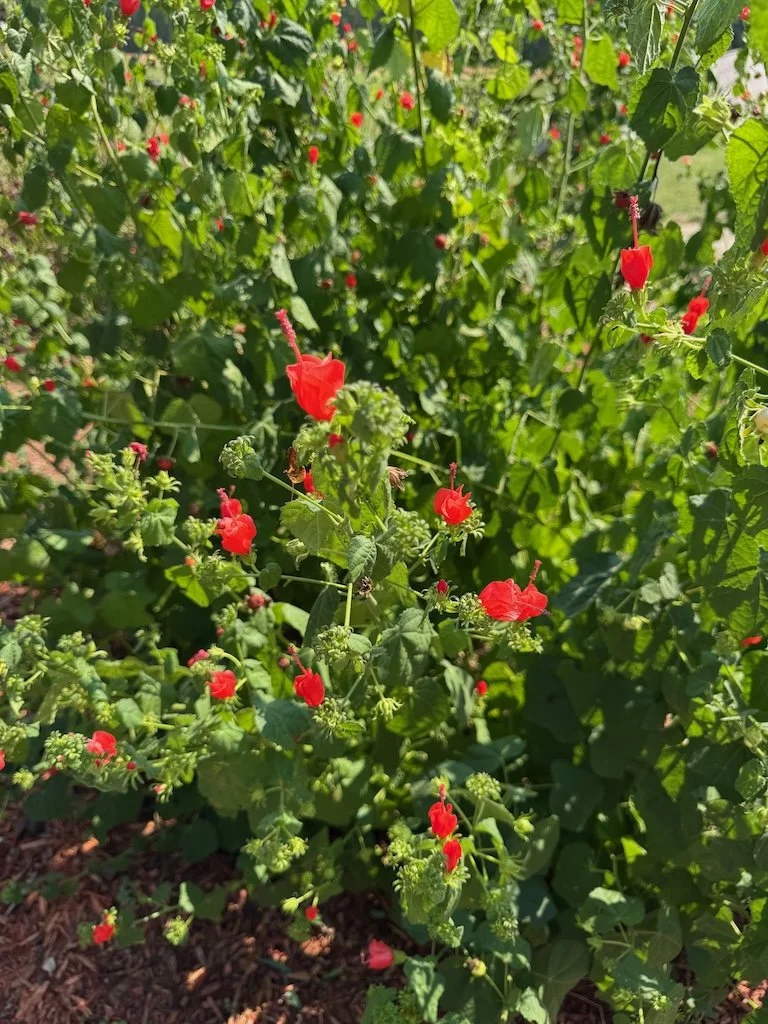
At the Texas welcome center about 4 hours later, the beautyberry and turk’s cap were looking good.

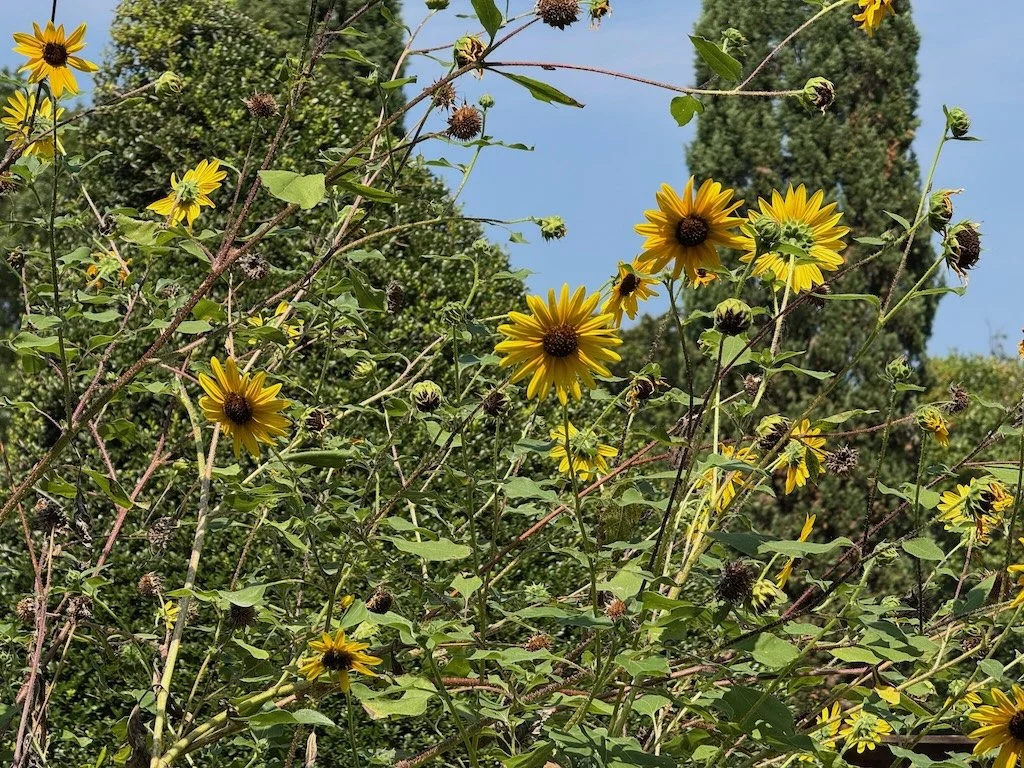
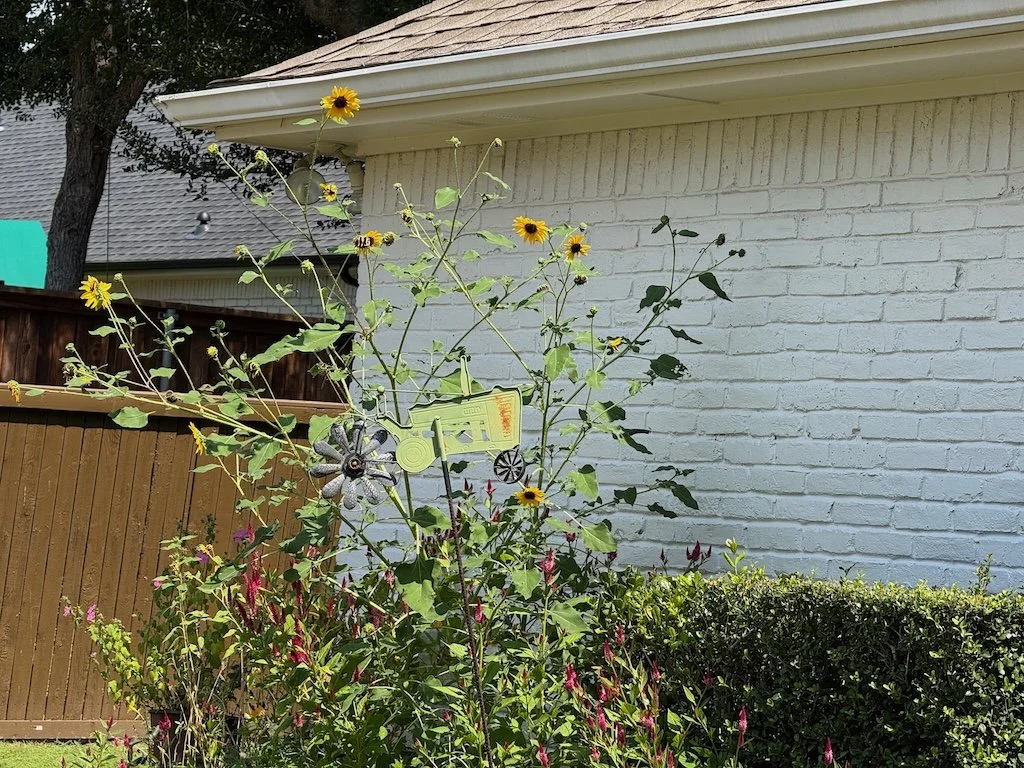
The temperature was about 90 degrees by the time I got to my dad’s assisted living residence in Dallas. We went outside to water plants (the sunflowers are looking good) but we opted to go back indoors to do his physical therapy exercises. He is managing them relatively well, but they seem to wear him out more quickly than just a few months ago. My sisters and I are staying focused on the exercises with him so that he can maintain is mobility as long as possible.

The next morning, I was there before breakfast, and the temperature was pleasant outside. We did the physical therapy exercises on the patio and talked about the plants that we had brought from his house and the tomatoes that aren’t doing so well this year. Sometimes he seems to remember…sometimes he just shrugs. But he still seems to enjoy the time outside listening to planes coming and going to Addison Airport.

We didn’t work on a puzzle. The last few times we’ve tried, he complained that he couldn’t see. His eyesight is problematic so it could be the new reality.

My strategy is to simply accept him the way he is, encourage him to do the things he can (maybe stretching a bit beyond on some of the physical therapy exercises), and enjoy our time together.

Ten Little Celebrations – September 2025

September still had some hot days…but there were some cooler mornings that were very pleasant. Our trip to Chicago offered some very different scenery! Lots to celebrate.

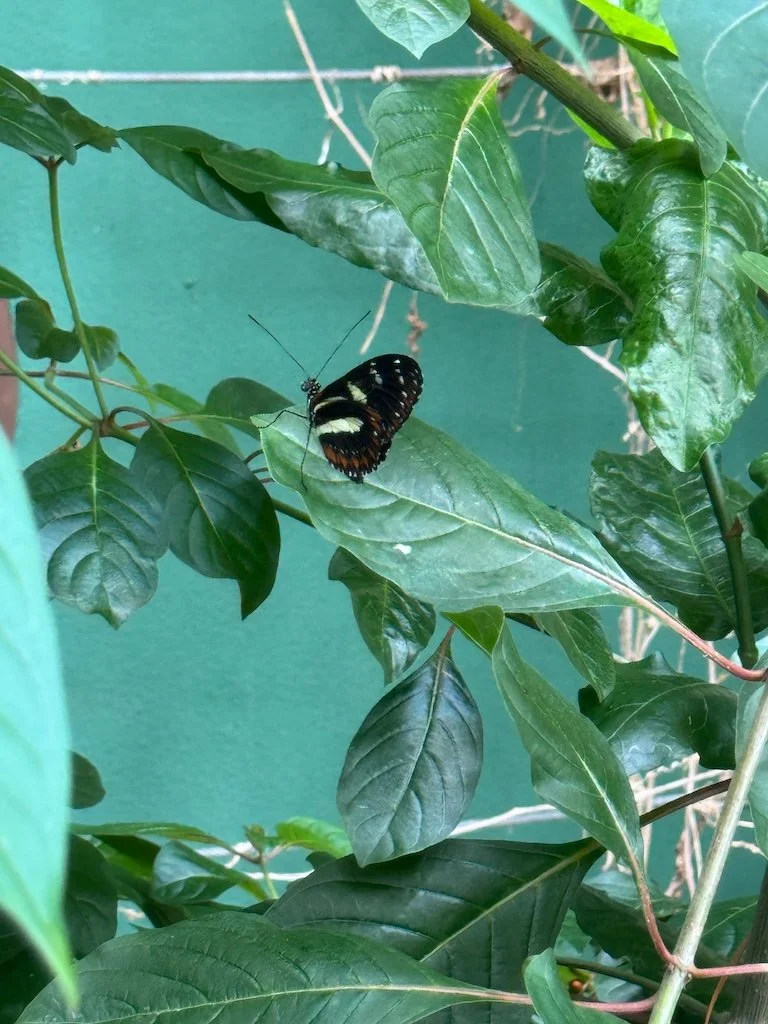
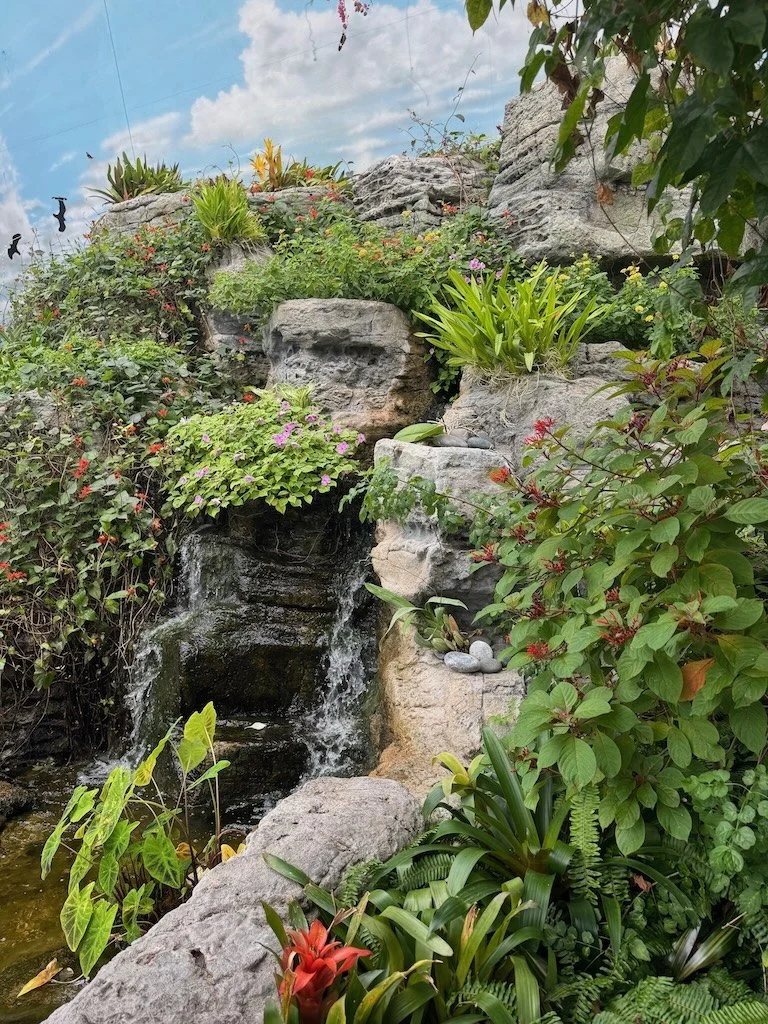
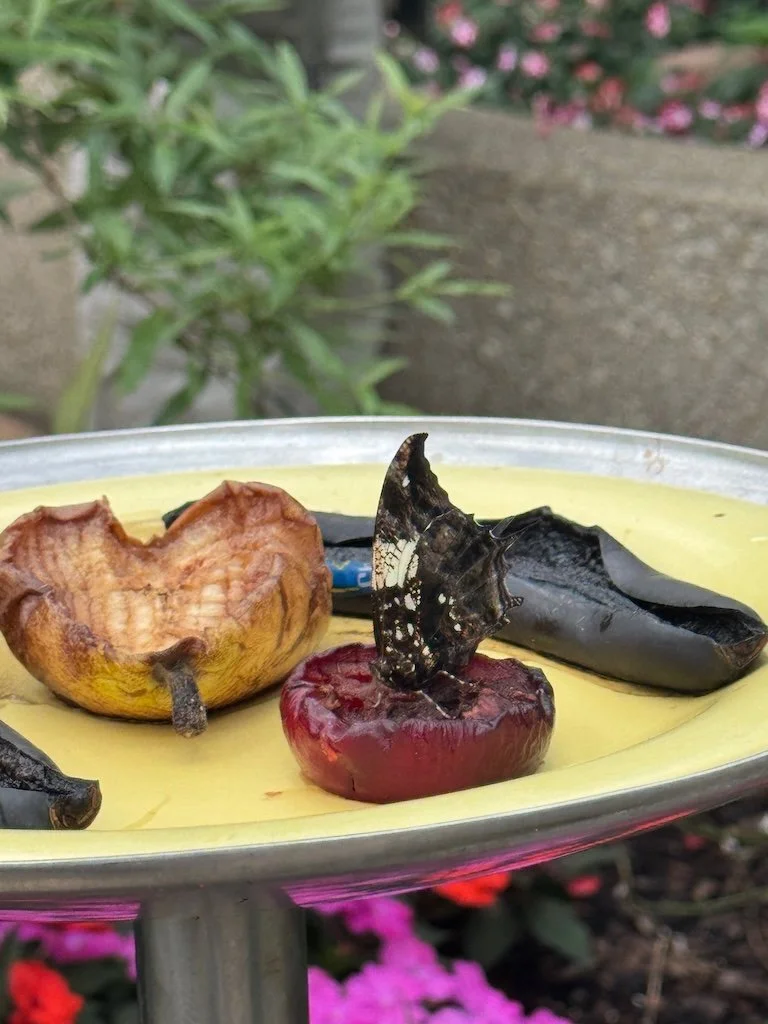
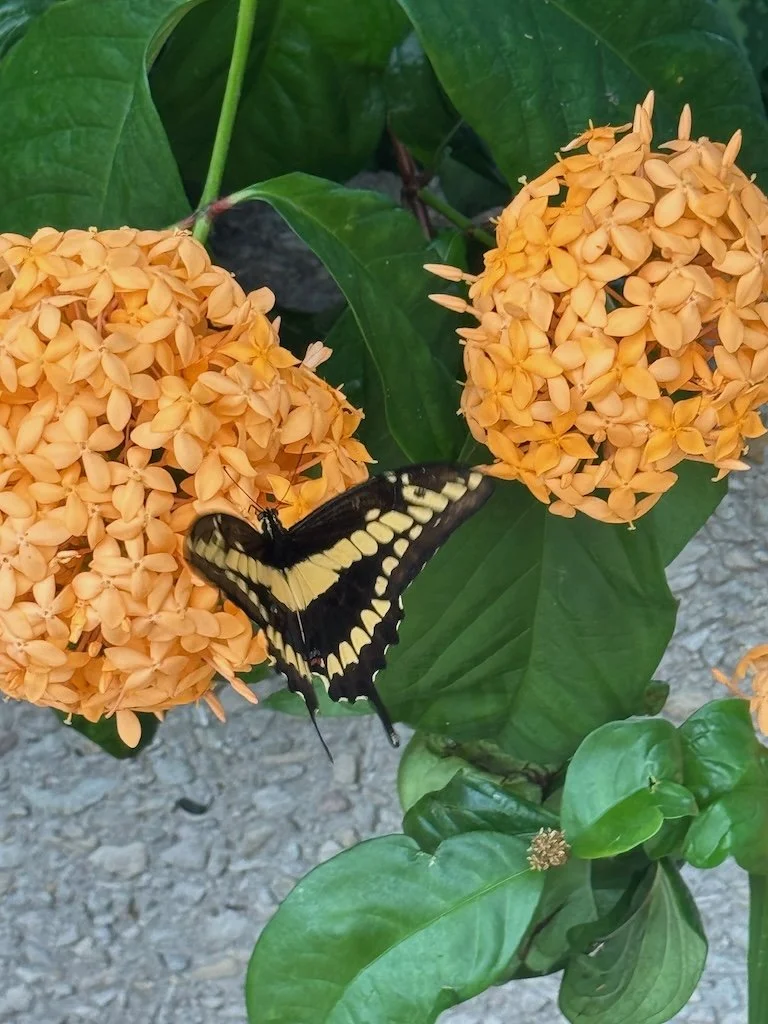
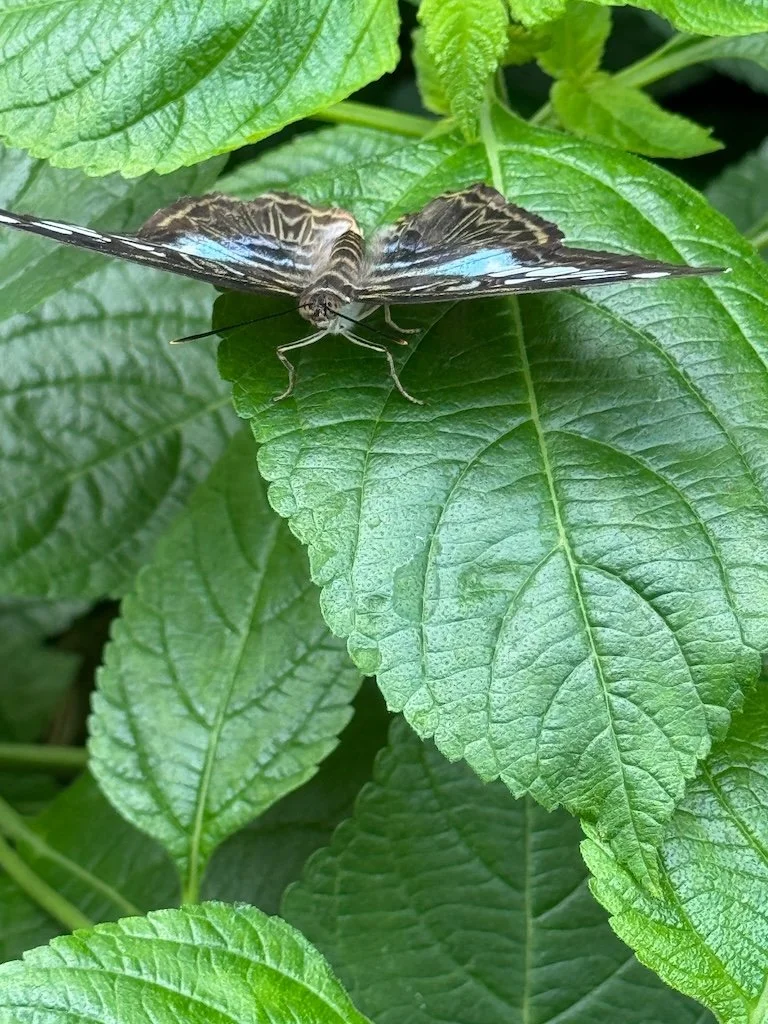
A cooler morning in the Butterfly House. It was good to finally get a break in the temperatures. I celebrated being more comfortable…and that there were more people that came to enjoy the butterflies too.

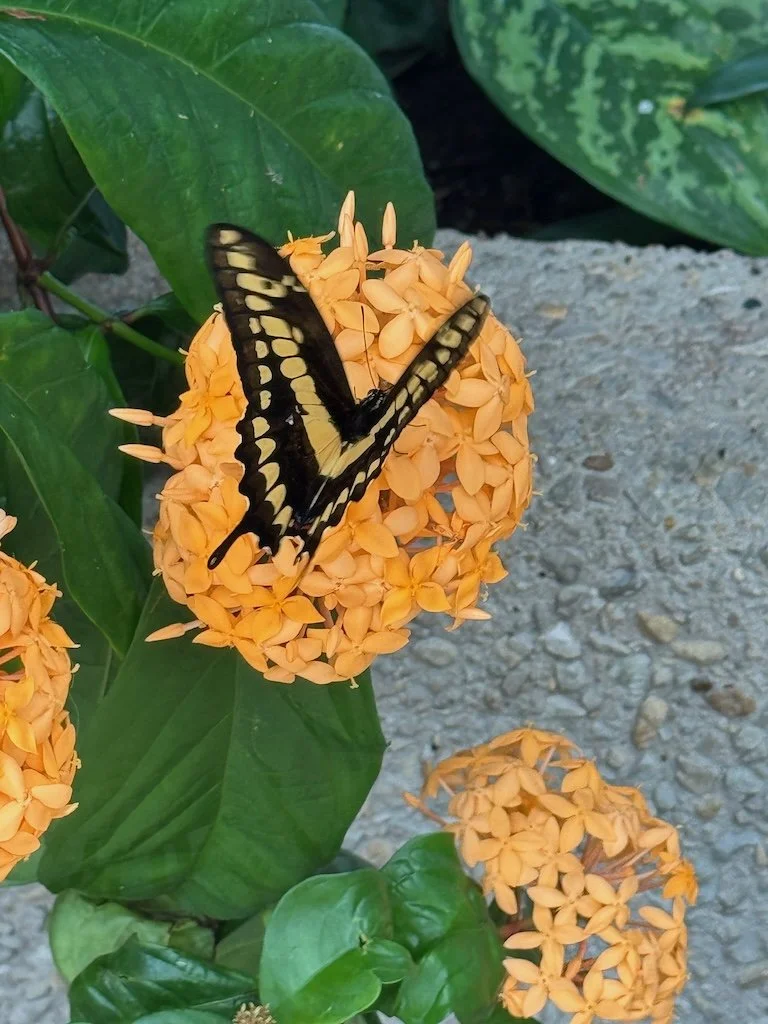
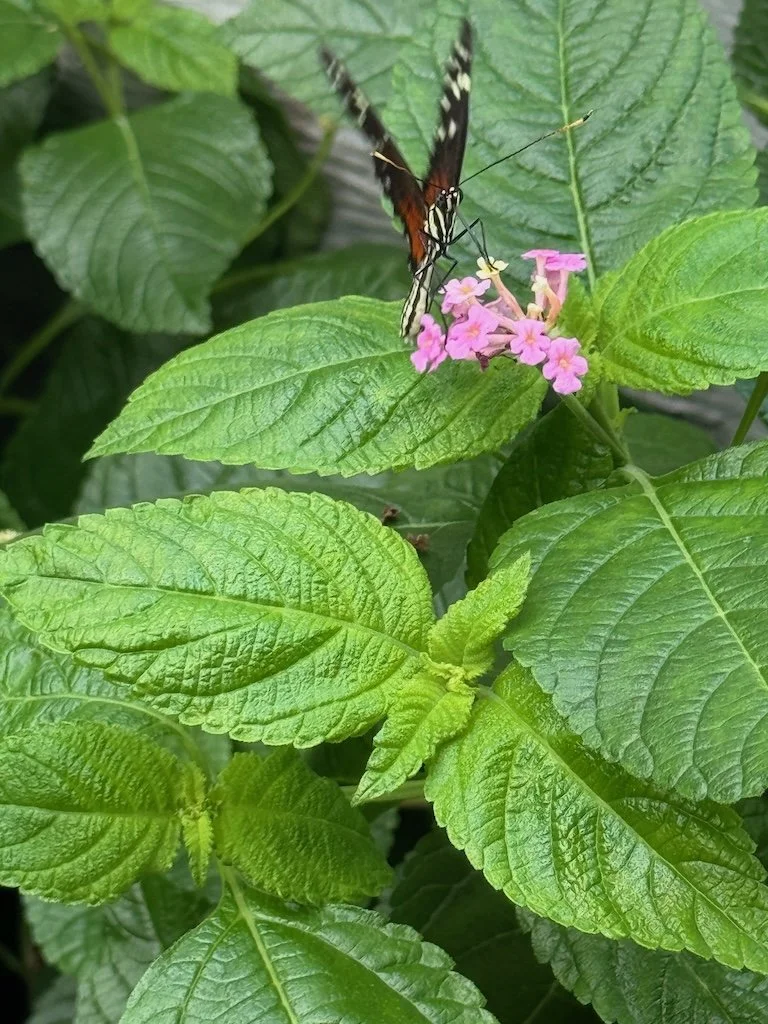
The end of busy morning in the Butterfly House. I celebrated the end of my shift in the Butterfly House when I was the lone docent – a bit frazzled but knowing I had done a good job.  A school group came through (45 students plus parents!). And 3 caterpillars had gone walkabout during the shift but I had managed to get them contained before they were stepped on!

Bill Jarvis Migratory Bird Sanctuary. I celebrated that Chicago has managed to have a wild area in the big city.

Botany at Lincoln Park Zoo. I celebrated that the Zoo had areas that are mostly native plants…and I recognized most of them since they skew toward prairie plants which are the same as the ones we have in my area of Missouri.

Monarch Butterfly over Lake Michigan. I celebrated the surprise of seeing a Monarch butterfly flying over the lake a long ways from shore…hope it made it to the south shore.

Field Museum. I celebrated that I finally got to see the museum. I had missed it when I went to Chicago back in the early 1980s for a class…had always wanted to go back.

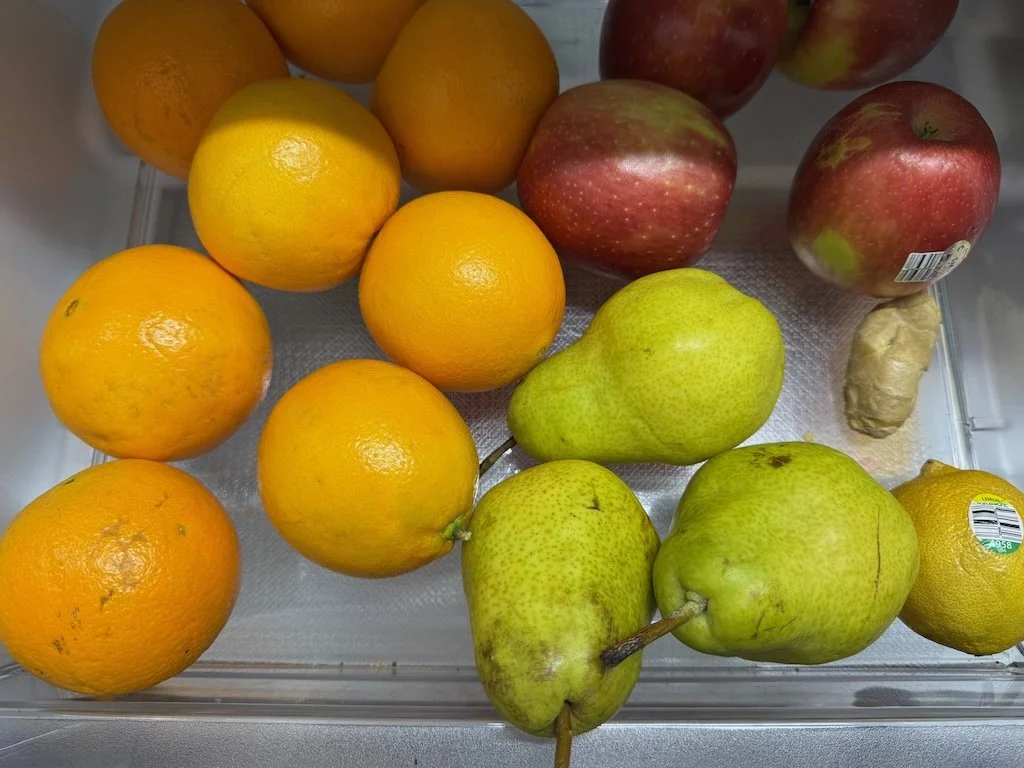
Crystalized Ginger. I bought crystalized ginger for our trip on Lake Michigan (it controls nausea for me). I celebrated that it worked and that it is a good treat when I travel too.

A new grandnephew.  I celebrated that my niece and her new baby are healthy and home from the hospital…was in Dallas so I was able to share pictures with my father; the new baby is his third great-grandchild.

My Missouri yard. I love the subtle changes happening right now – mostly still green but more seed pods forming. Soon the leaves will change to their fall colors.

Brunch with by daughter. My daughter and I tried a place near where I live … and both celebrated an excellent brunch that had a triple berry tart at the end.

Zooming – September 2025

Lots of locations for the September zooming pictures: Josey Ranch Park in Carrollton TX, scenes from Chicago, Illinois interstate, home, and the Butterfly House in the Springfield (MO) Botanical Garden.

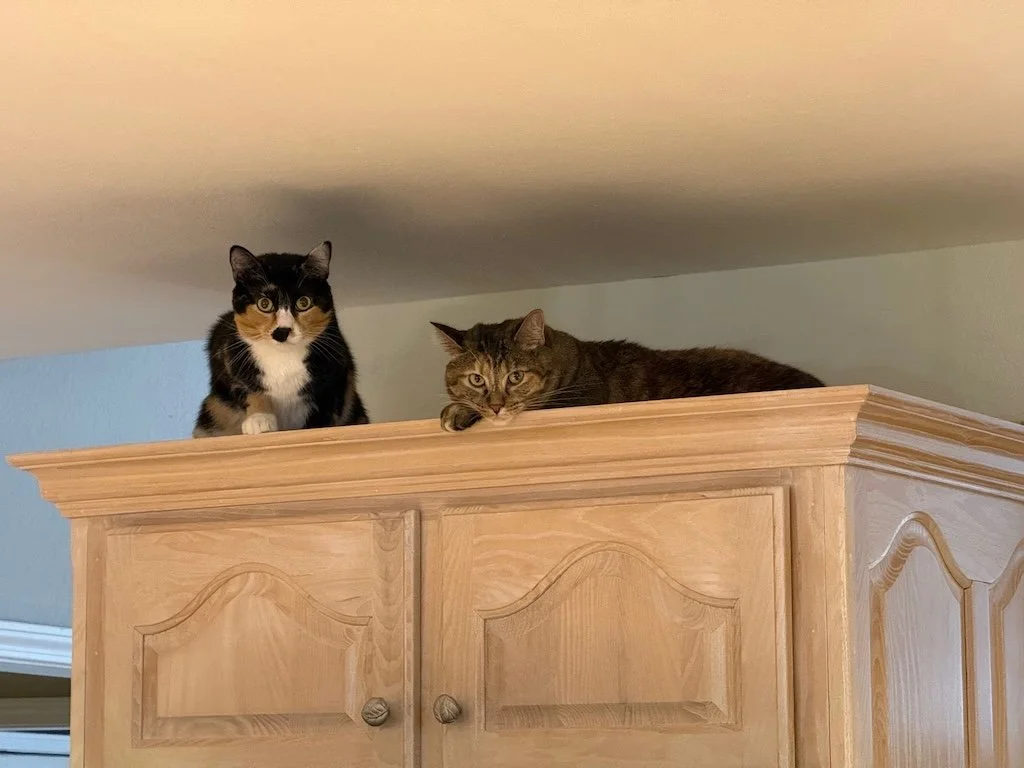
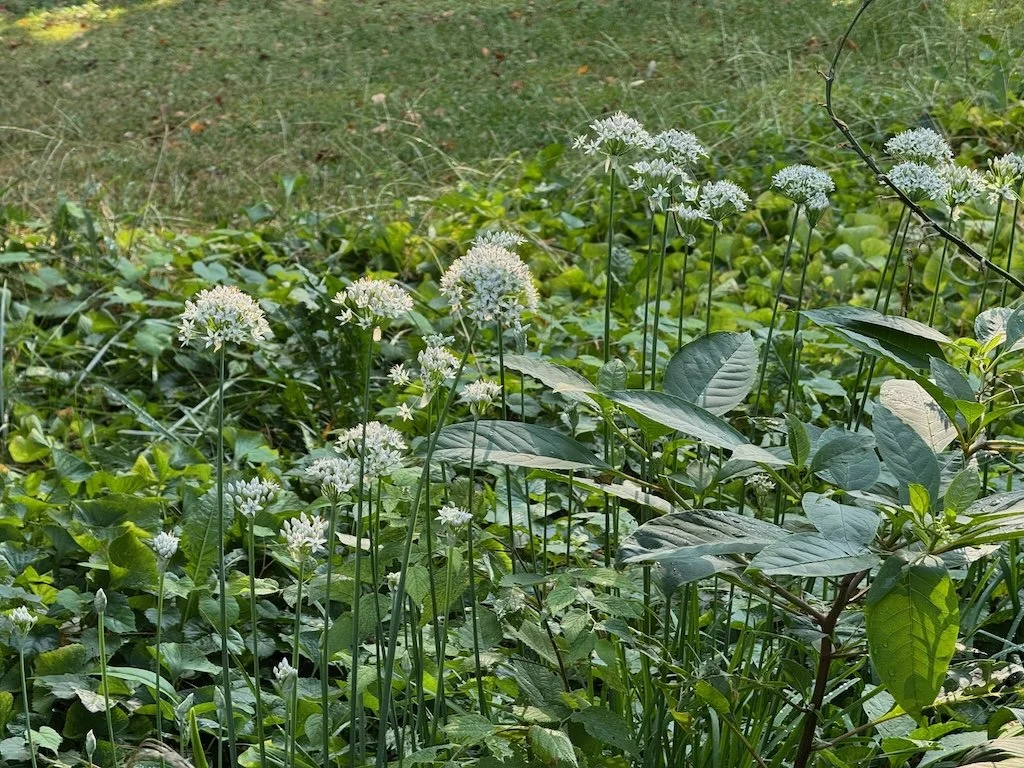
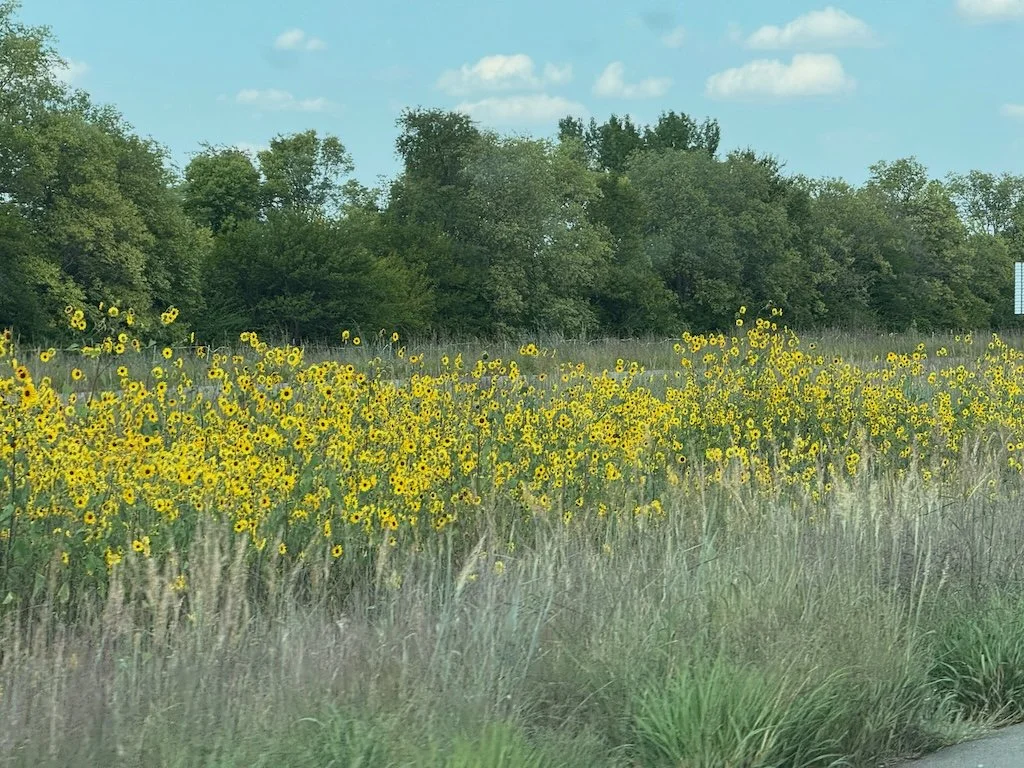
There are the usual flowers…butterflies, birds, cats…and a Chicago skyline.

Enjoy the September 2025 slide show!

Gleanings of the Week Ending September 27, 2025

The items below were ‘the cream’ of the articles and websites I found this past week. Click on the light green text to look at the article.

Flamingos reveal their secret to staying young - A decades-long study in France reveals that resident flamingos, which stay put, enjoy early-life advantages but pay later with accelerated aging, while migratory flamingos endure early hardships yet age more slowly. This surprising link between movement and longevity challenges old assumptions and offers new insights into the science of aging.

‘Montana Miracle:’ The State Actually Succeeding at Housing Reform - In 2023, Montana passed a series of state laws aimed at increasing housing construction that included allowing ADUs and legalizing multifamily housing in commercial zones. This year, the legislature doubled down, expanding on the 2023 law and eliminating parking requirements for most units in the state’s 10 largest cities. A new law also eases permitting for manufactured home parks to eliminate the need for a subdivision review when these parks are not subdivided into private lots. Another allows single-staircase buildings up to six stories, making it easier to build denser buildings on smaller lots.

Photographers Capture Underground Pools and Passages of Lechuguilla Cave in New Mexico - So far, 150 miles of Lechuguilla Cave have been explored. With every new survey, the cave offers new insights as to how underground chambers like these are formed and the microbial beings found there. Its beauty earned the entire Carlsbad Cavern National Park the title of a UNESCO World Heritage Site in 1995. But due to its complexity, entrance is limited, with the NPS restricting explorations to highly trained speleologists with pre-approved plans.

Plastic Free Water Filters: Can We Find Water Purifiers without Plastic? – My daughter and I are looking to upgrade our water filters. I hope the water filter technology improves with emphasis on reducing microplastics in water.

Inside Ukrainian Artist Dmitry Oleyn’s Sculptural Approach to Landscape Painting - Rather than use the traditional approach that embraces the flatness of the canvas, the artist instead builds his pigments so there is an element of bas-relief, leaving the surface rugged and with a marked sense of tactility from the artist’s hand. When they are displayed, the irregular surface casts shadows, which when viewed against the painted shadows, is especially intriguing; it also creates a degree of mutability, as depending on the time of day and where the paintings are hung, the lighting of the space dialogues with the work both physically and compositionally.

Photography In the National Parks: Mesa Verde Revisited – I’ve been to Mesa Verde once….back in the 1970s. This article reminded me that I want to go again.

Map Reveals Toxic Pollution Leaking from U.S. Drilling Sites - Scientists have shown that U.S. oil and gas drilling sites are not just leaking methane but also a host of toxic chemicals that pose an urgent threat to the health of those living nearby. A new interactive map details the impact of hundreds of major leaks. At nearly every oil and gas site, leaks also produced benzene, a known carcinogen, as well as other chemicals that have been shown to harm bone marrow, weaken the immune system, impair the nervous system, as well as cause headaches, dizziness, vomiting, and fatigue. Is the fossil fuel industry so arrogant that they don’t care that they are spewing poison (some of which could be used for fuels and other industrial purposes if captured) that negatively impact the health of people and other life?

World’s Tallest Douglas Fir Tree Damaged in Mysterious, Multi-Day Blaze, but It’s Alive After Firefighters Extinguish Flames – It burned from August 16 to August 21. The tree is estimated to be around 450 years old and has a diameter of 11.5 feet. It no longer holds the title of the tallest Douglas fir in the world. However, officials are hopeful the old tree will rebound from the damage wrought by the fire. It’s possible the fir will even grow a new crown.

Six tips from the Middle Ages on how to beat the summer heat – Save the ideas for next summer: work flexibly, wear the right hat, eat to lower body temperature, try wild swimming, use aftersun, or flee.

8 Hints to Reduce Your Food Footprint - You can make food decisions today that change your food footprint. Eight ways you can reduce your food footprint so it’s more environmentally food-friendly: limit ultra-processed foods, curb waste, eat a primarily plant based diet, buy local, compost your food scraps, avoid plastic food packaging (sometimes difficult to do), lose the gas stove, call out Big Ag for its polluting practices.

Chicago – big city views

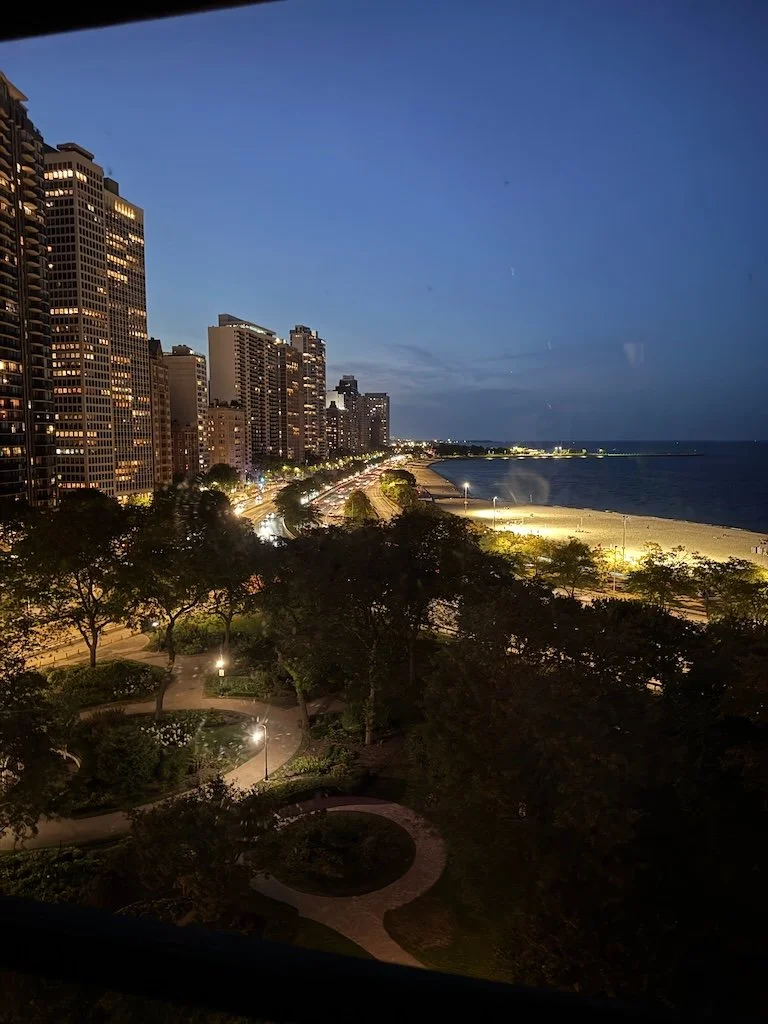
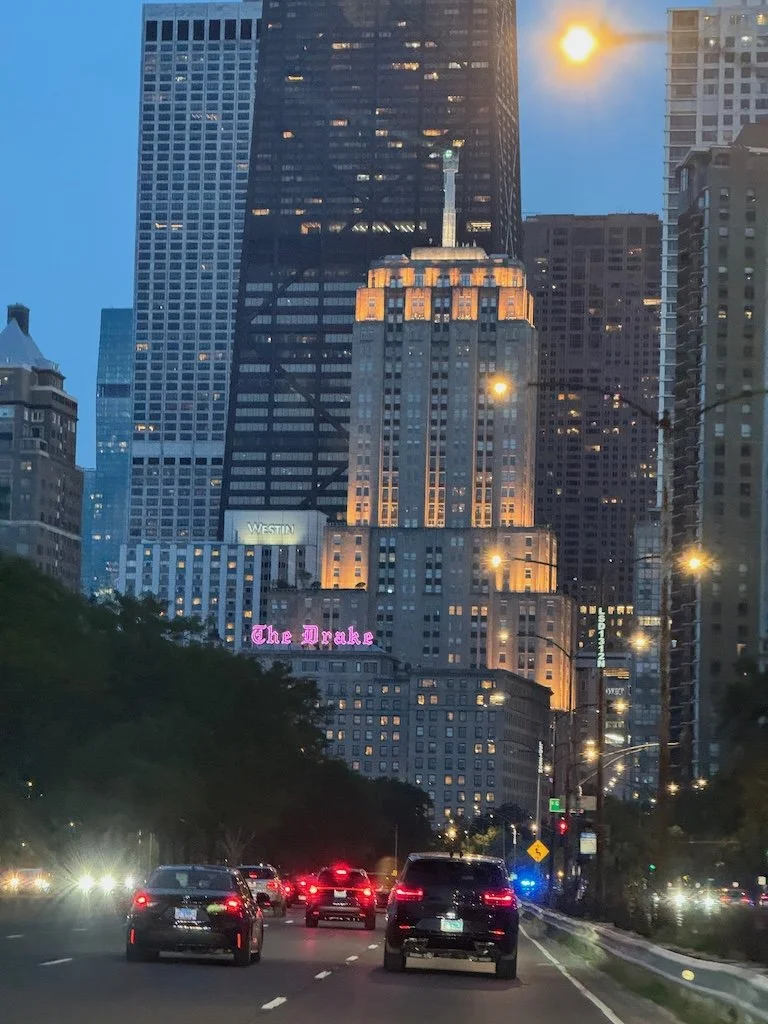
We stayed at The Drake Hotel while we were at the Urban Birding Festival in Chicago. We had a view of a beach and the lake from our window. There was a lot of light on the beach at night – probably confusing to the birds. My husband commented about how much city noise could be heard through the night from our 5th floor room in the historic hotel! Perhaps traffic made a lot less noise when it was built!

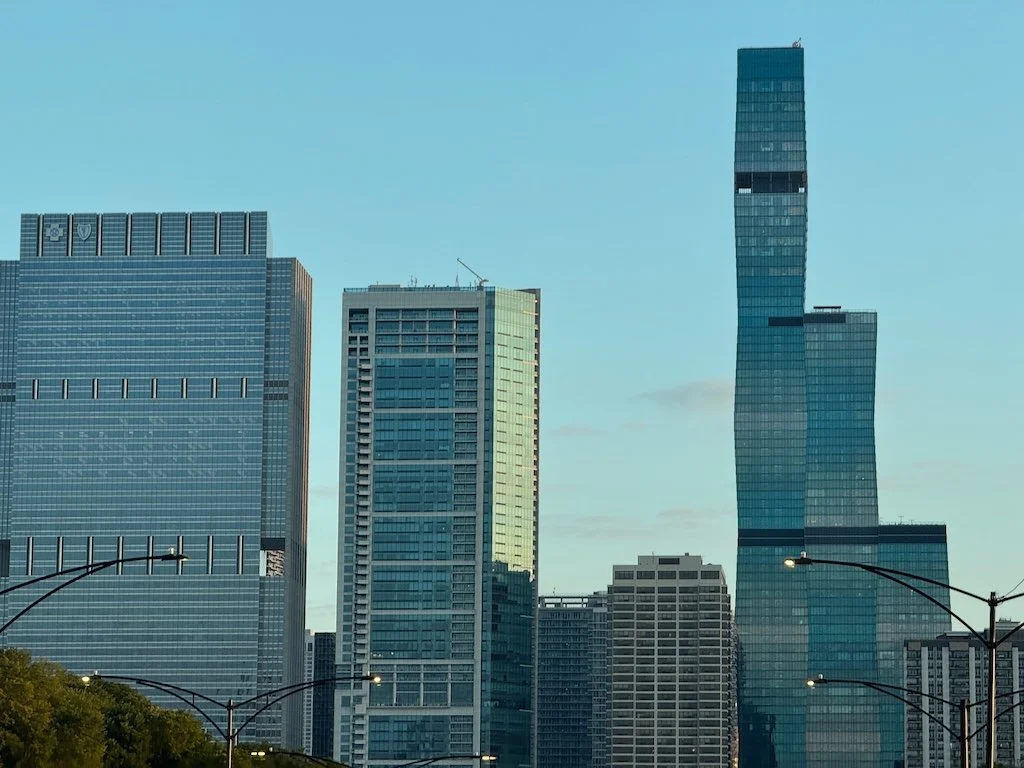
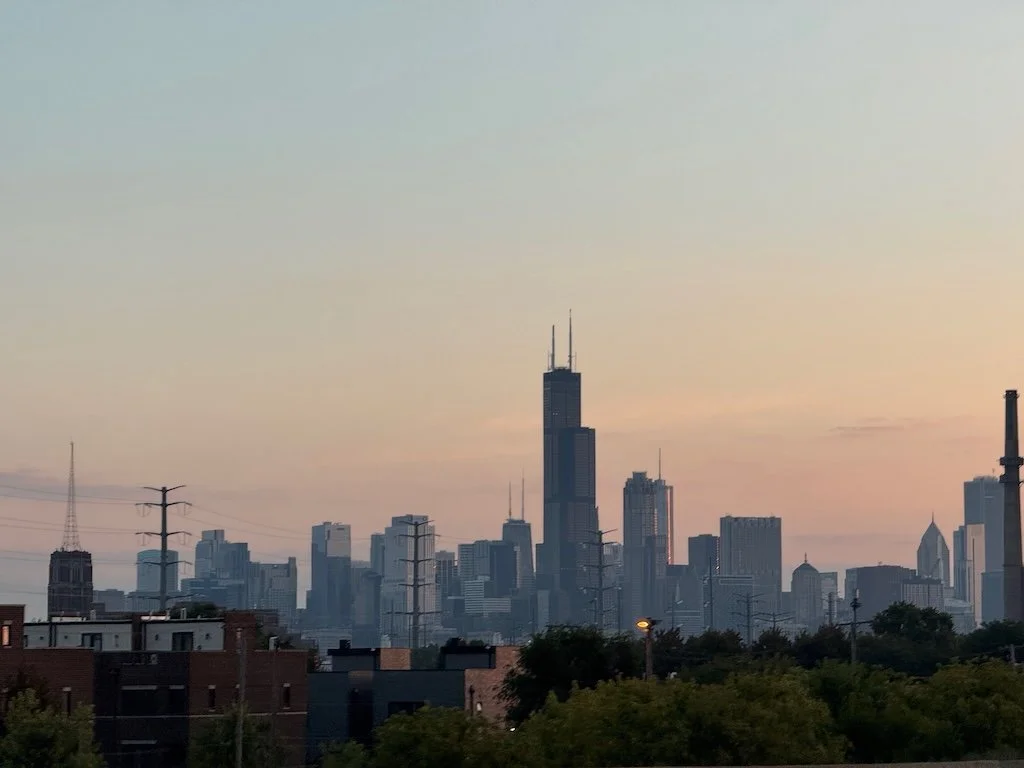
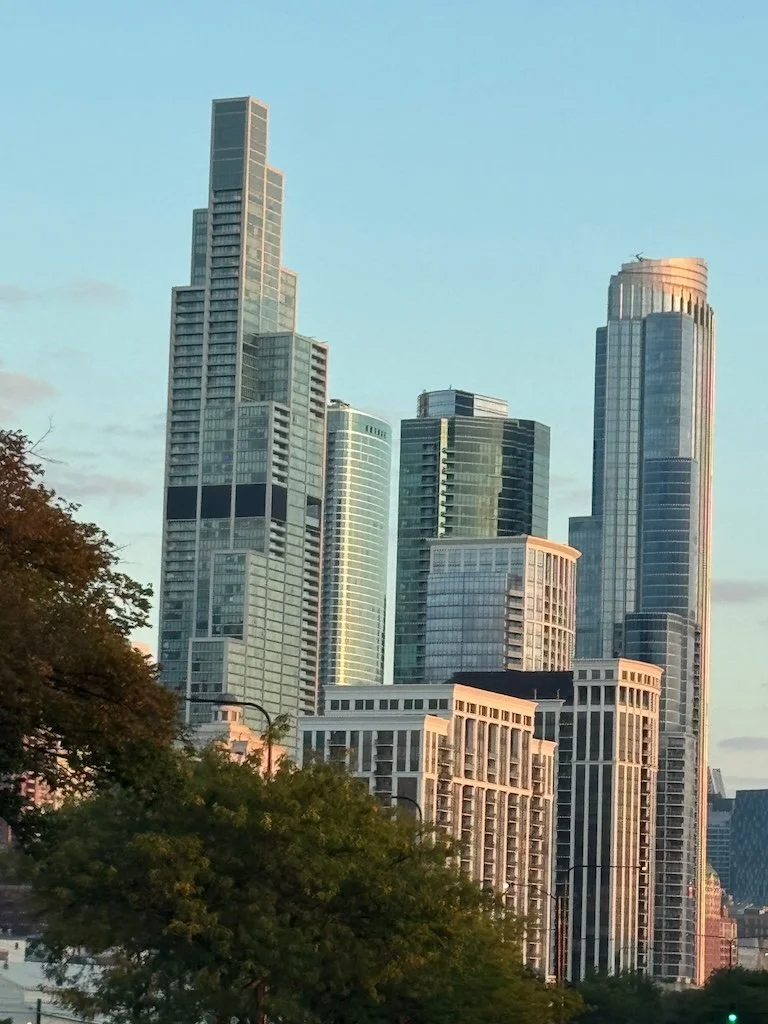
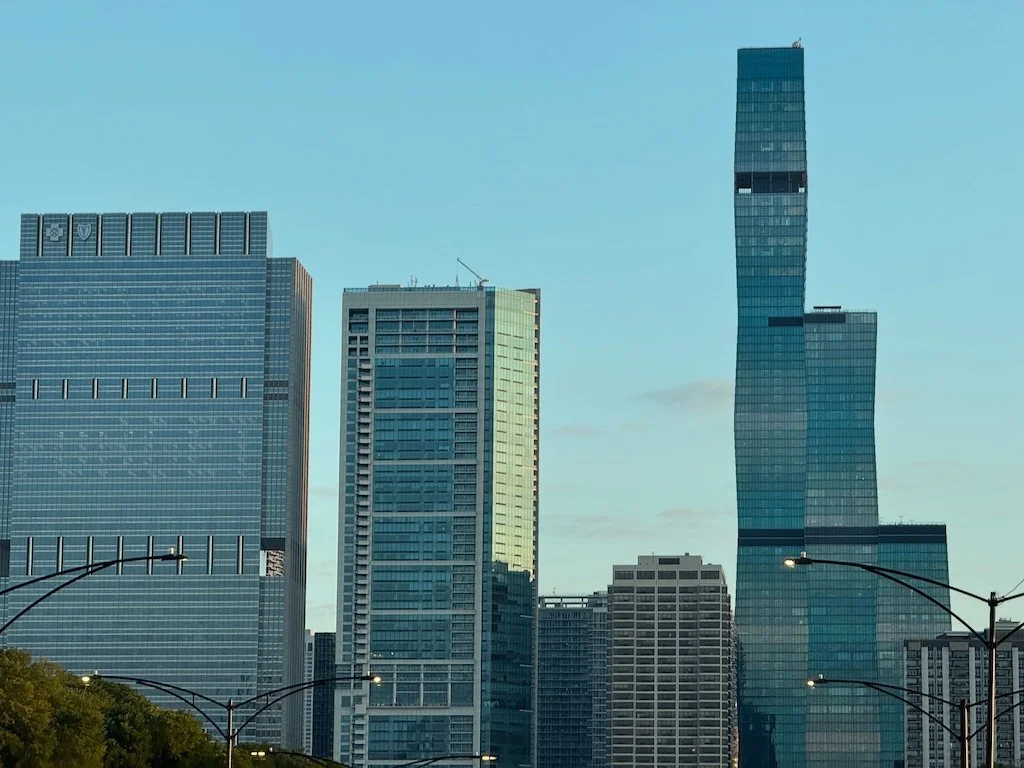
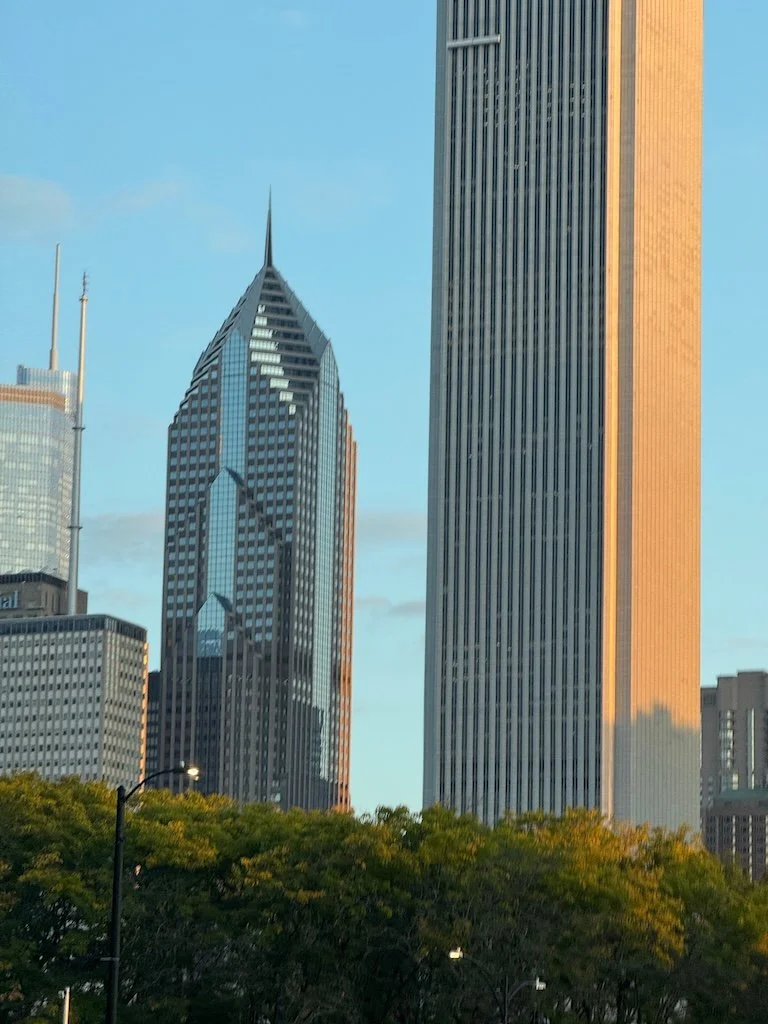
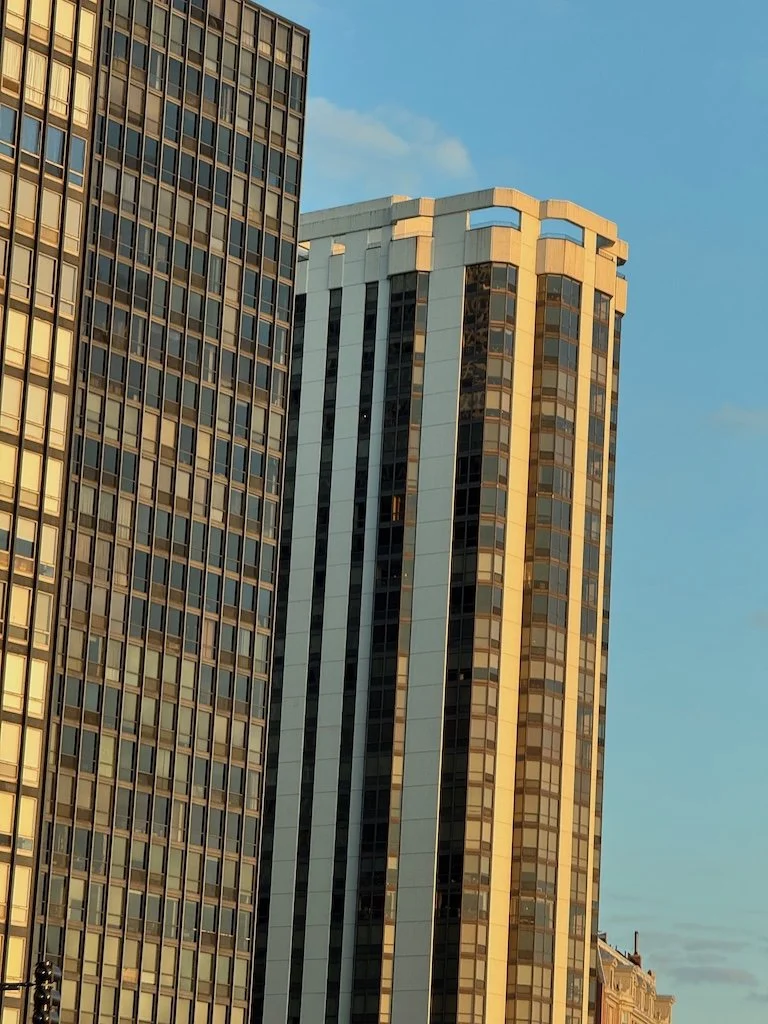
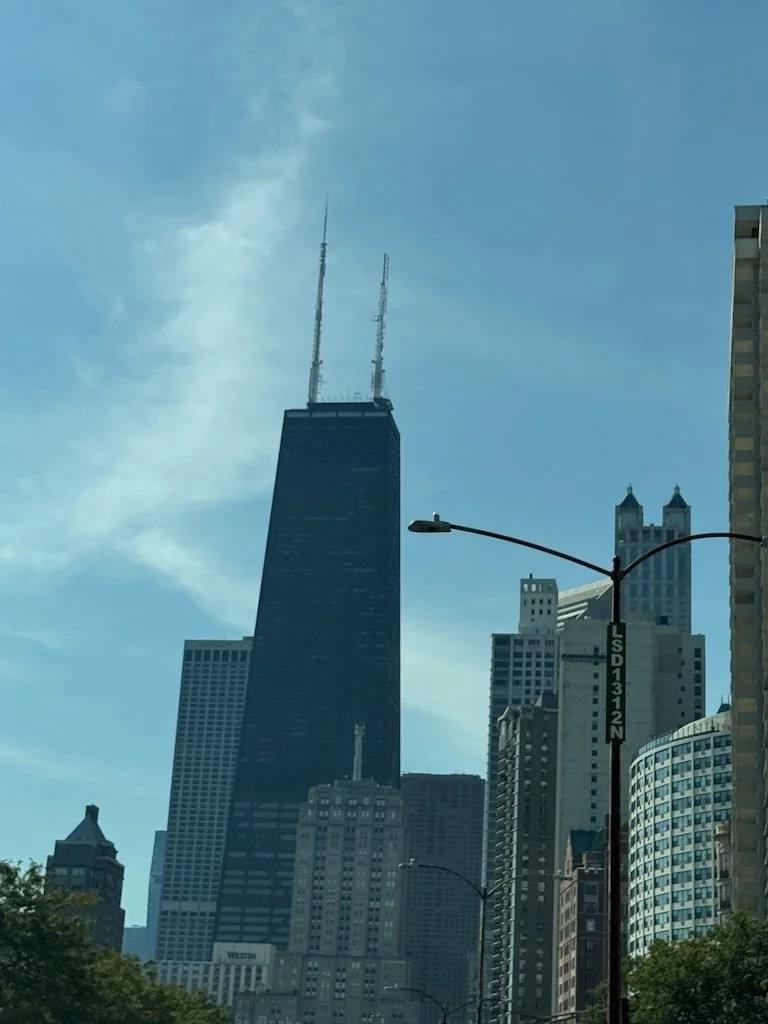
Since my husband was driving while we were at the festival, I took pictures as we drove around the city. There are some very tall buildings. Most of the time we were near the lakeshore…so not driving down a ‘canyon’ of tall buildings!

I was impressed that the parts of the city where we were had so little (almost no) trash – very different from other big cities I’ve visited.

Out on Lake Michigan

We had signed up for birding out on Lake Michigan on the last day of the Urban Birding Festival in Chicago. We had to be at the dock by 5 AM so we were leaving our hotel about 4:30…checking out and loading everything into our car. Both of us were feeling a bit sleep deprived.

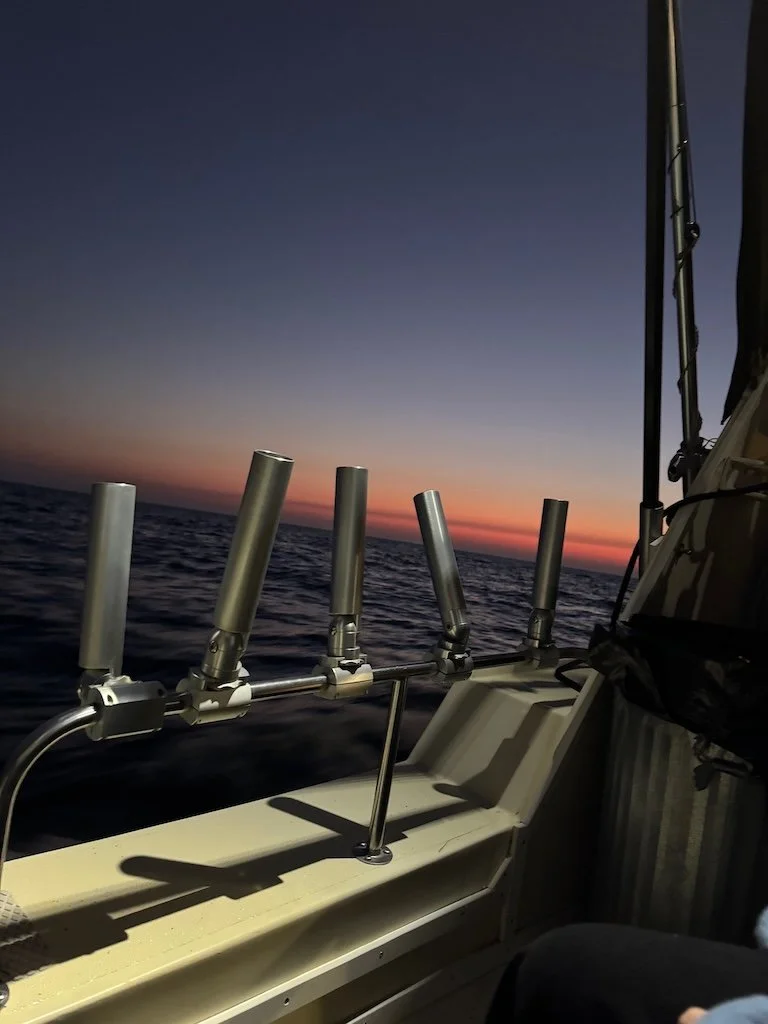
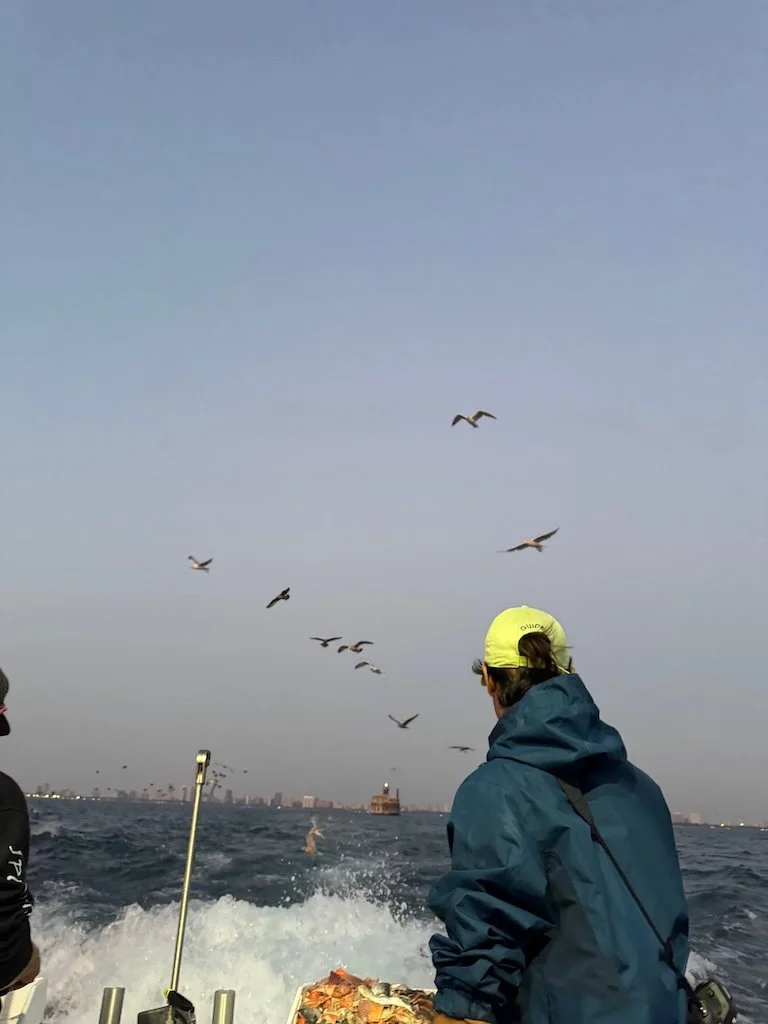
Everyone that had signed up for the trip appeared and we were heading out of the harbor by 5:30 AM. The boat was a fishing boat. It wasn’t a windy morning, but I appreciated the extra handholds that the rod holders provided when I tried to move around. I sat most of the time!

Everyone that had signed up for the trip appeared and we were heading out of the harbor by 5:30 AM. The boat was a fishing boat. It wasn’t a windy morning, but I appreciated the extra handholds that the rod holders provided when I tried to move around. I sat most of the time!

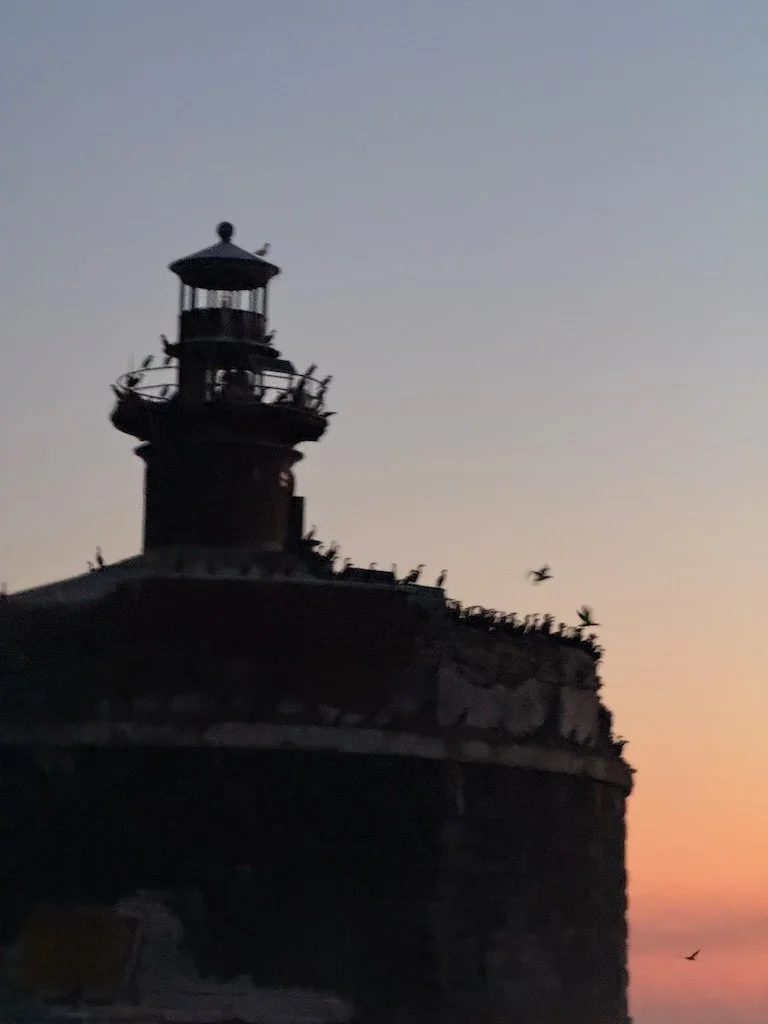
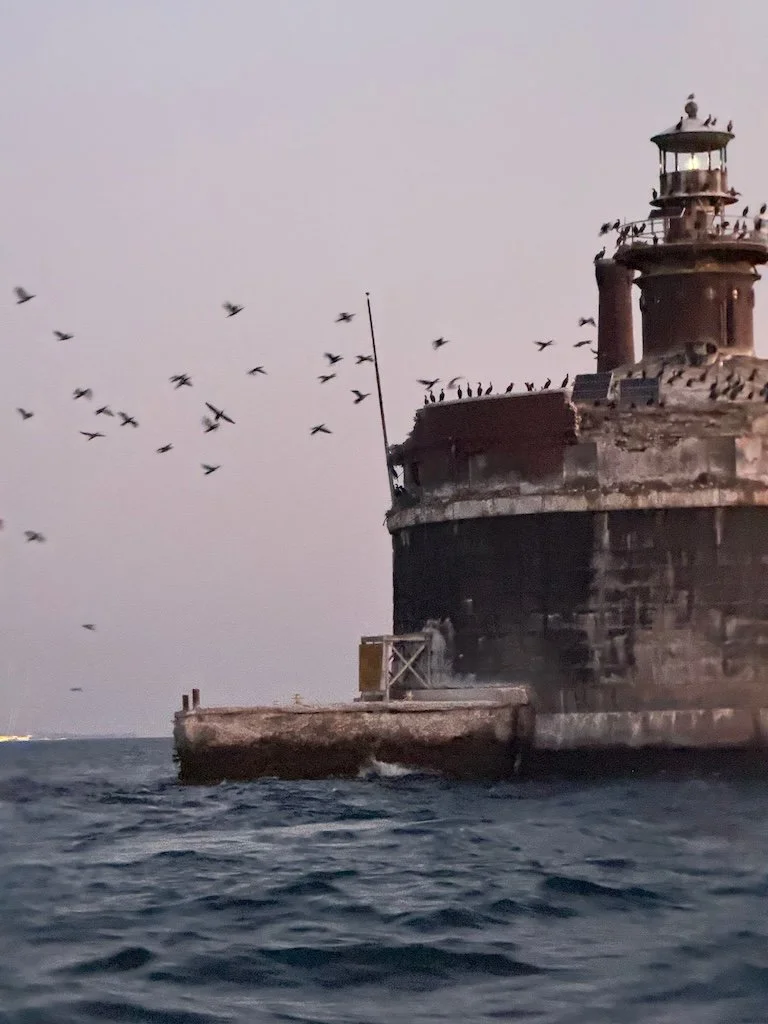
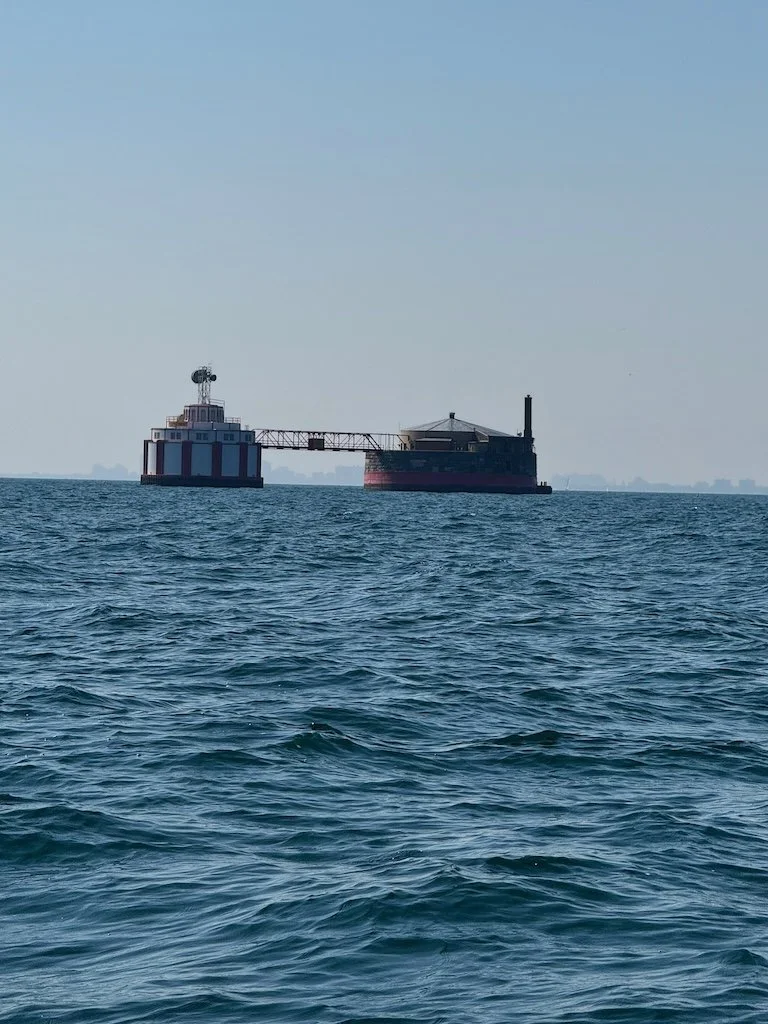
We saw the sunrise on the lake. We passed several of the water intakes for the city that are a ways out into the lake and often host colonies of cormorants.

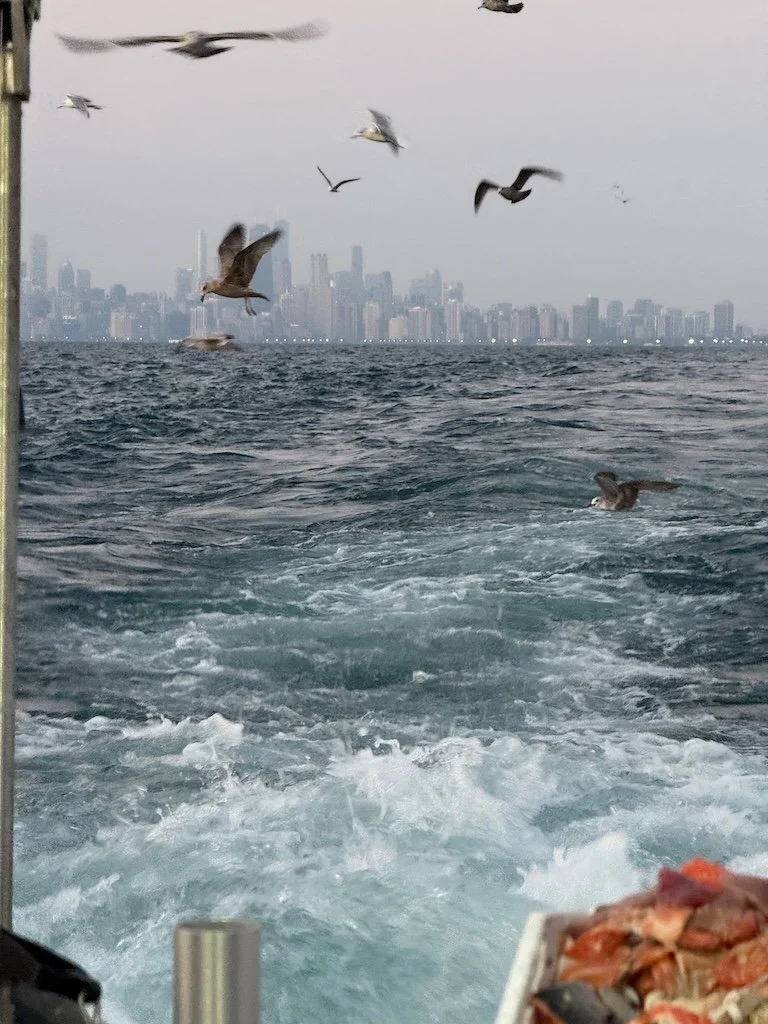
The guides were throwing chum (fish, bread, popcorn) to the birds from the back of the boat. There were more Herring Gulls than Ring-billed Gulls already. We saw a few terns. The hope was for some rarer birds – like a Parasitic Jaeger. That didn’t show up so I focused on observing gulls at various stages of development and how they used their tail feathers to control their flight/landing behind the boat.

The rocking of the boat was calming…at least while I was sitting…not so much when I was moving around.

The skyline of Chicago was always present…although we were at least 15 miles out on the lake. The air around the city was hazy. The air in the city and on the lake was humid and the air quality was yellow (small particulates). It is a big city and there are a lot of cars.

The surprise of the trip was seeing a Monarch butterfly – flying south – when we were between 10 and 15 miles from shore. I had assumed that they took the land route south from Canada…but some of them obviously don’t.

Peggy Notebaert Nature Museum and Lincoln Park Zoo

The headquarters and registration for the Urban Birding Festival in Chicago was at the Peggy Notebaert Nature Museum. We were in and out of the building during all three days of the festival. They have a small butterfly house with some exotics…some natives.

I managed to make a short video of a butterfly feeding.

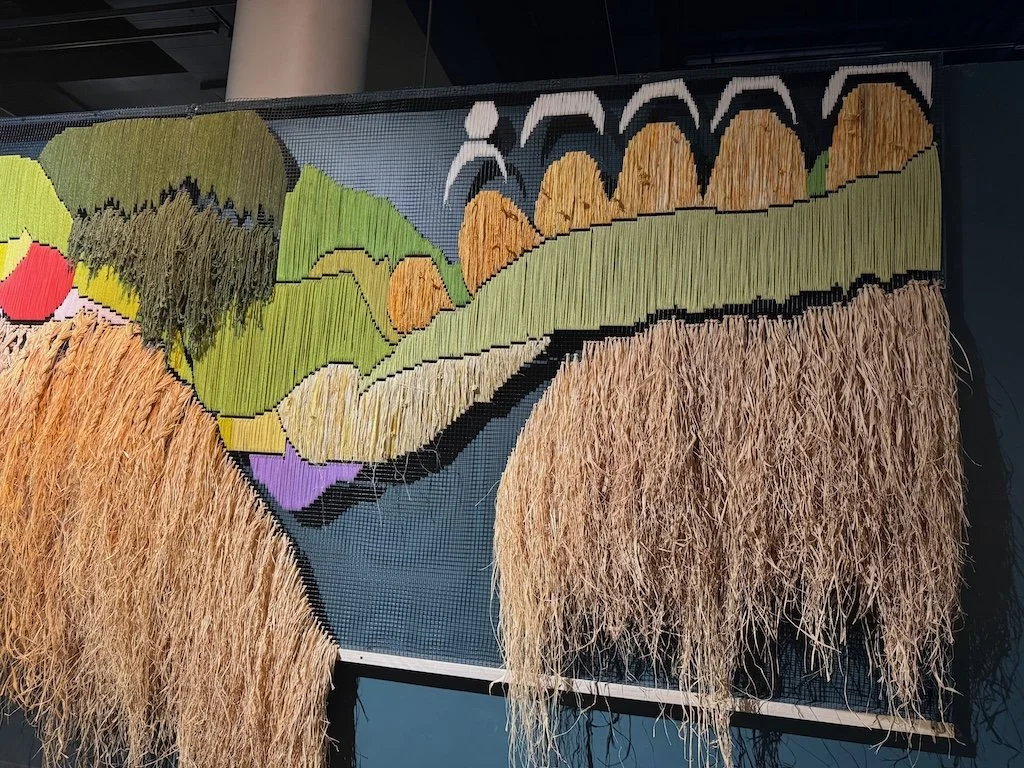
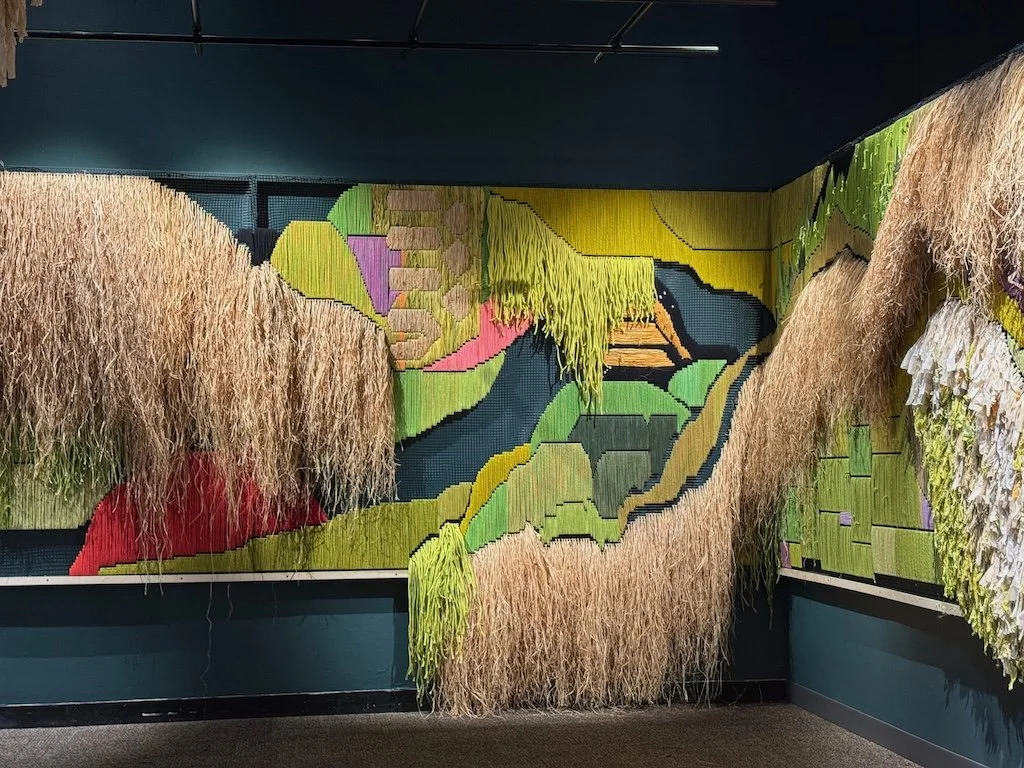
There were lots of activities for young children. It was fun watching them explore. A fiber mural appealed to me too.

We signed up for a walk at Lincoln Park Zoo – birds and botany – skewed toward botany.

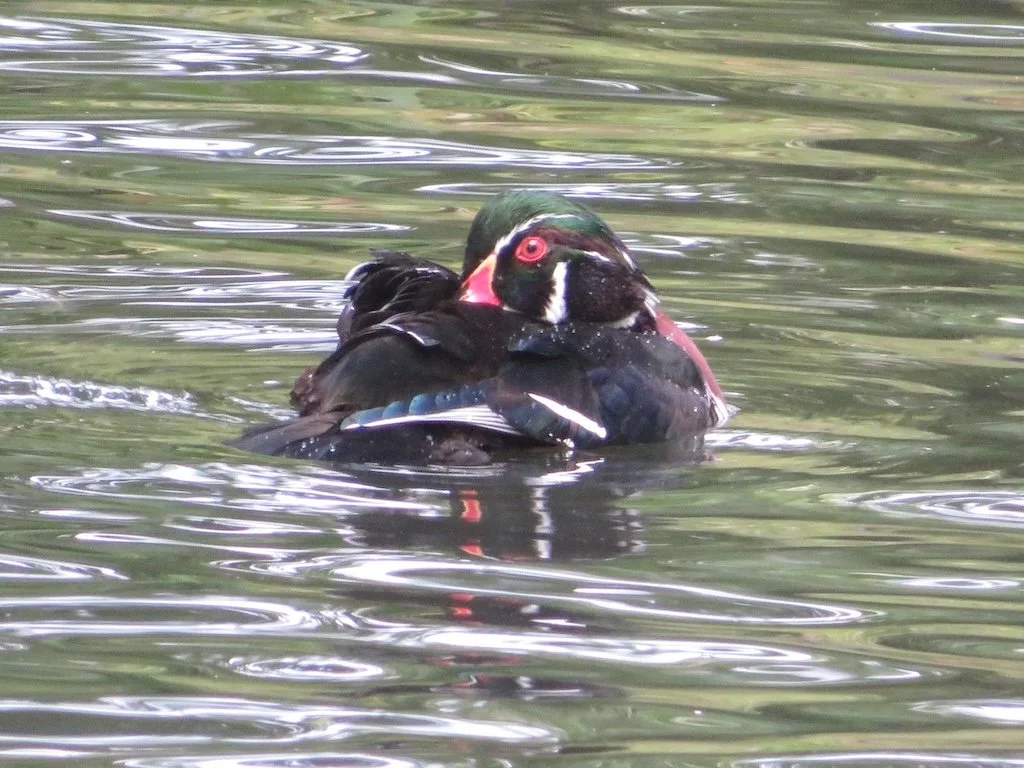
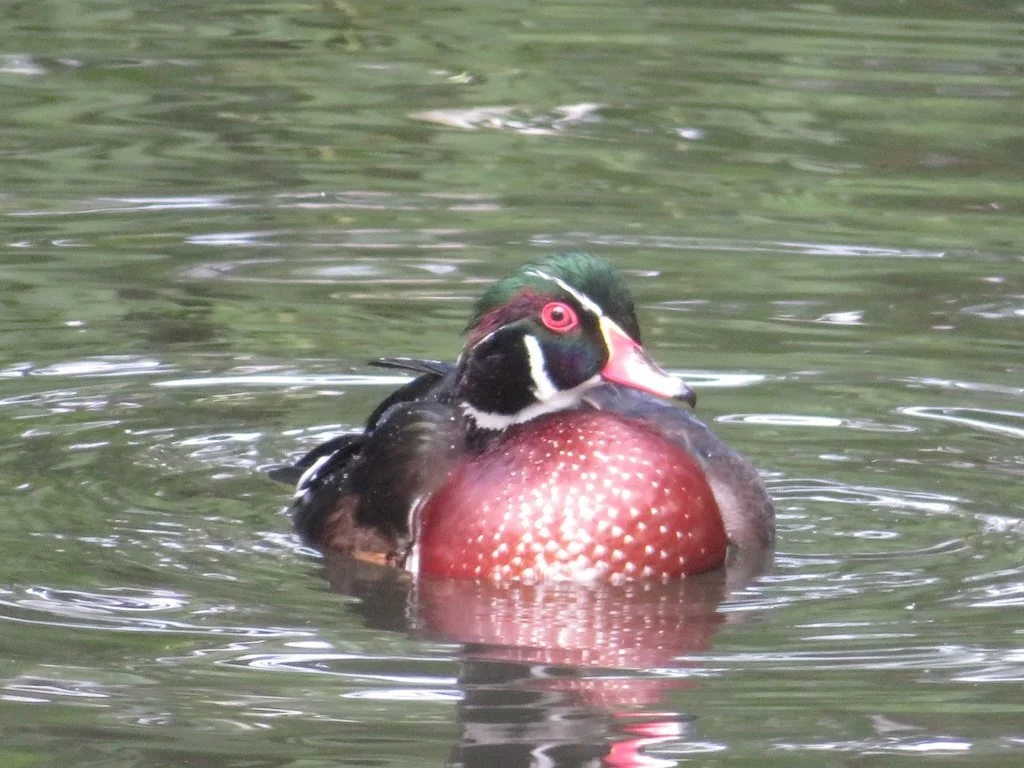
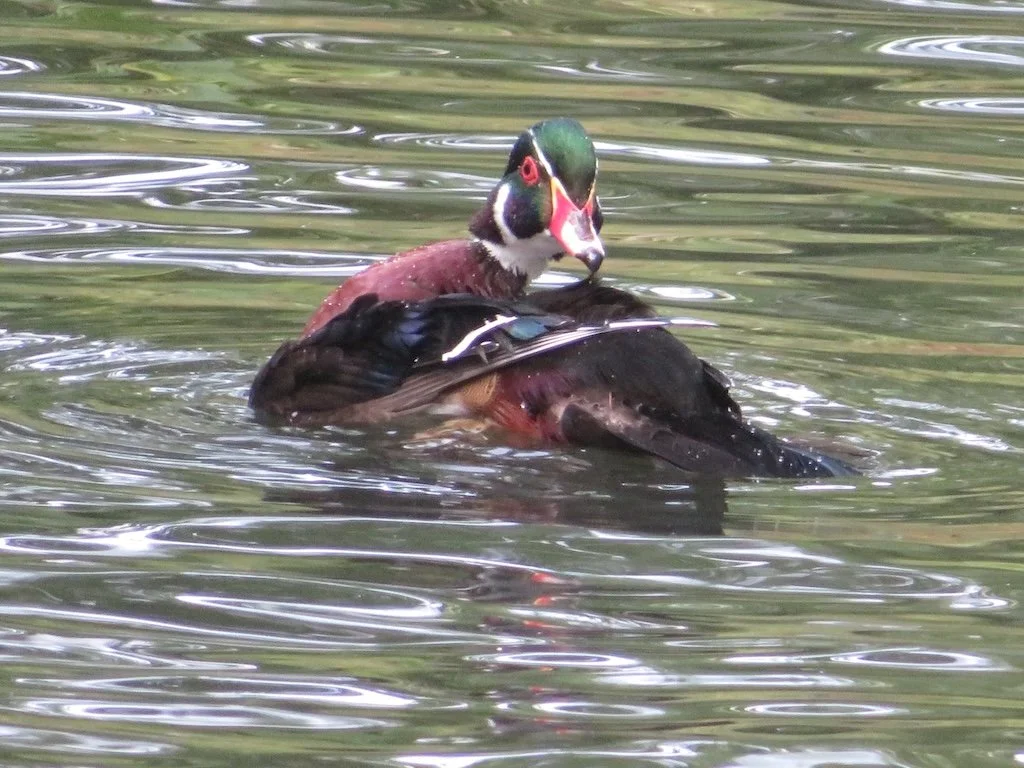
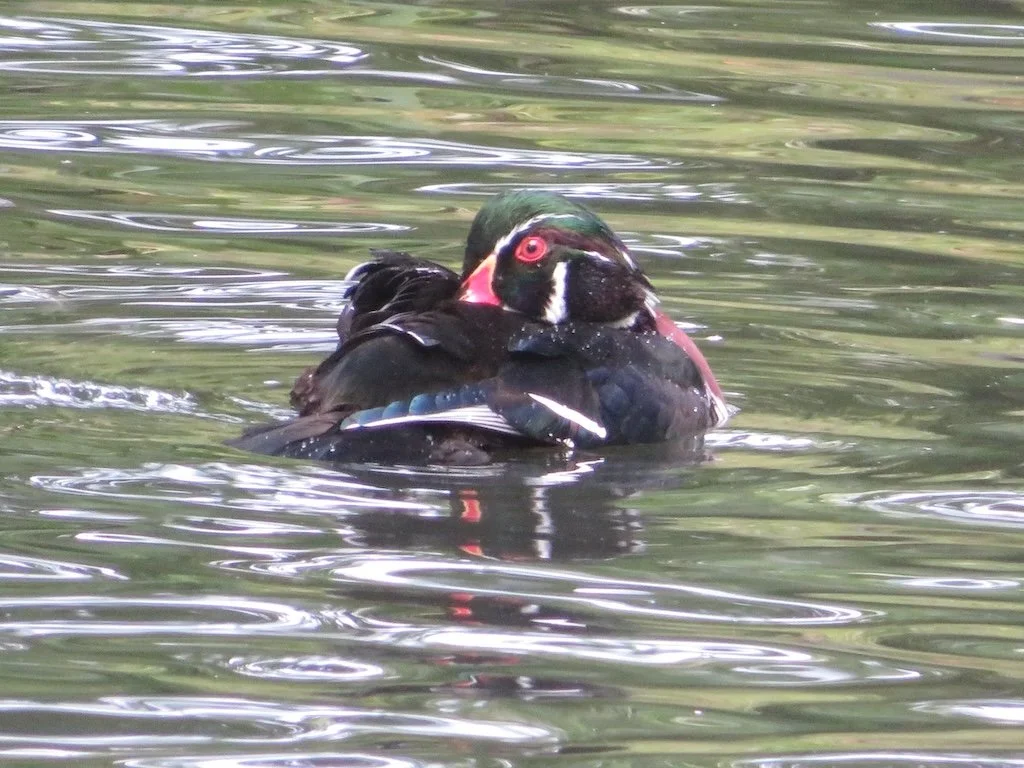
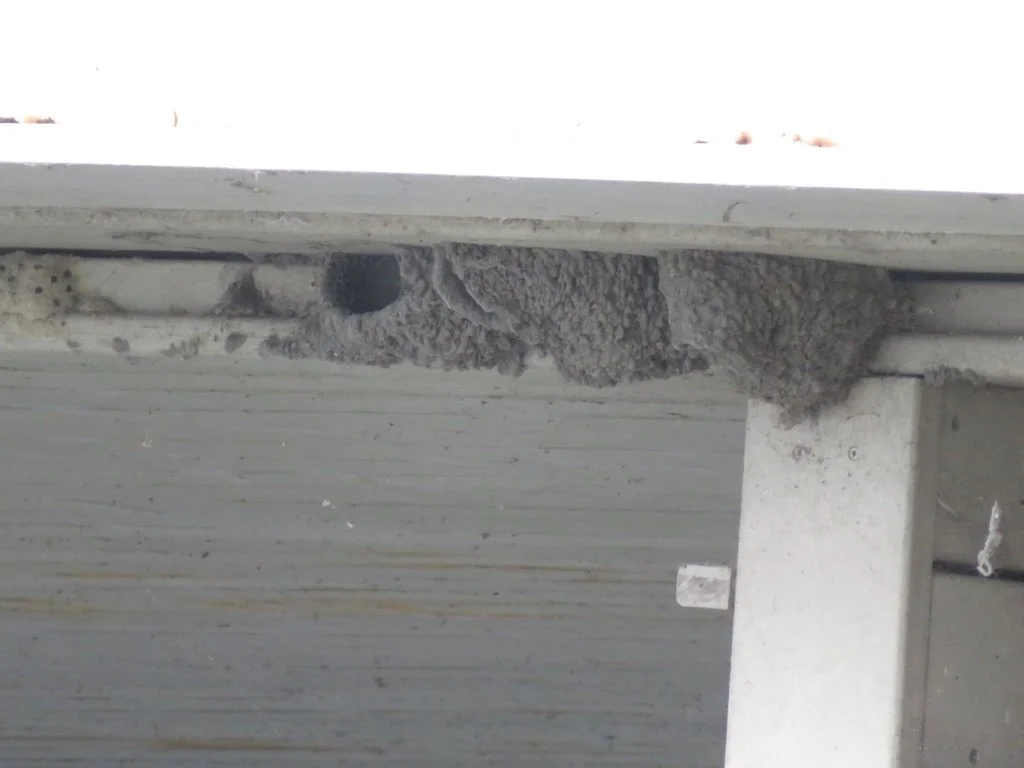
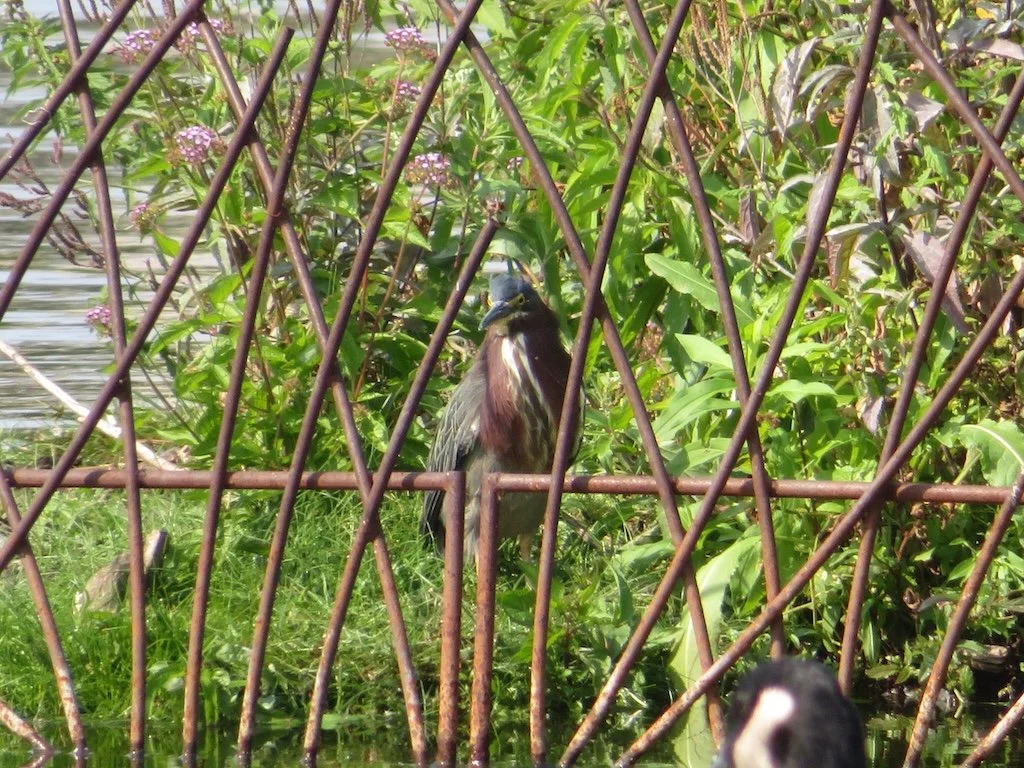
The two birds that I photographed were in a wilder area of the zoo…where wild birds sometimes drop in…sometimes decide to stay. The wood duck was relatively close and preening. The green heron was further way and harder to see through the vegetation. On the underside of a bridge were some barn swallow nests; the birds had already left for the season.

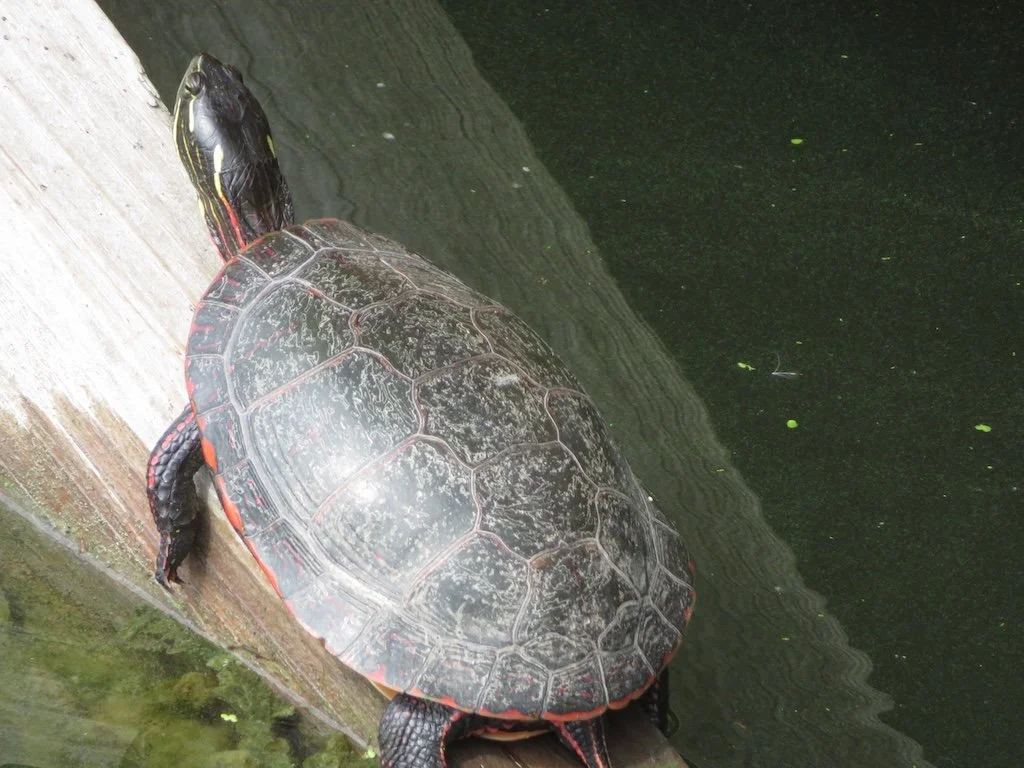
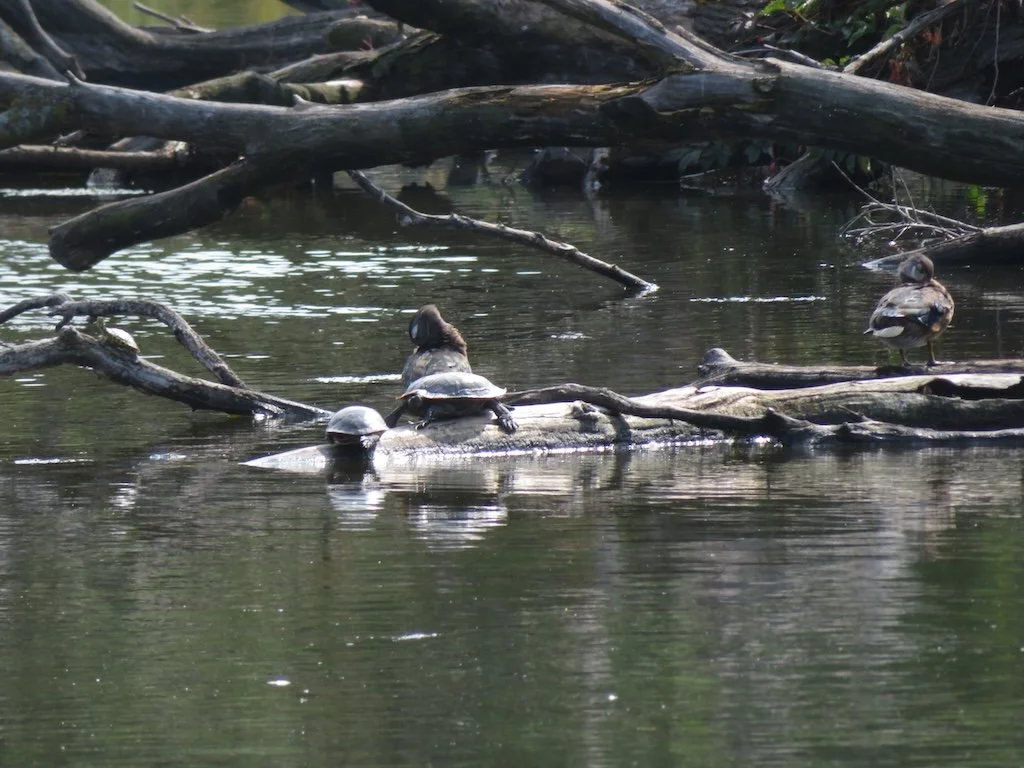
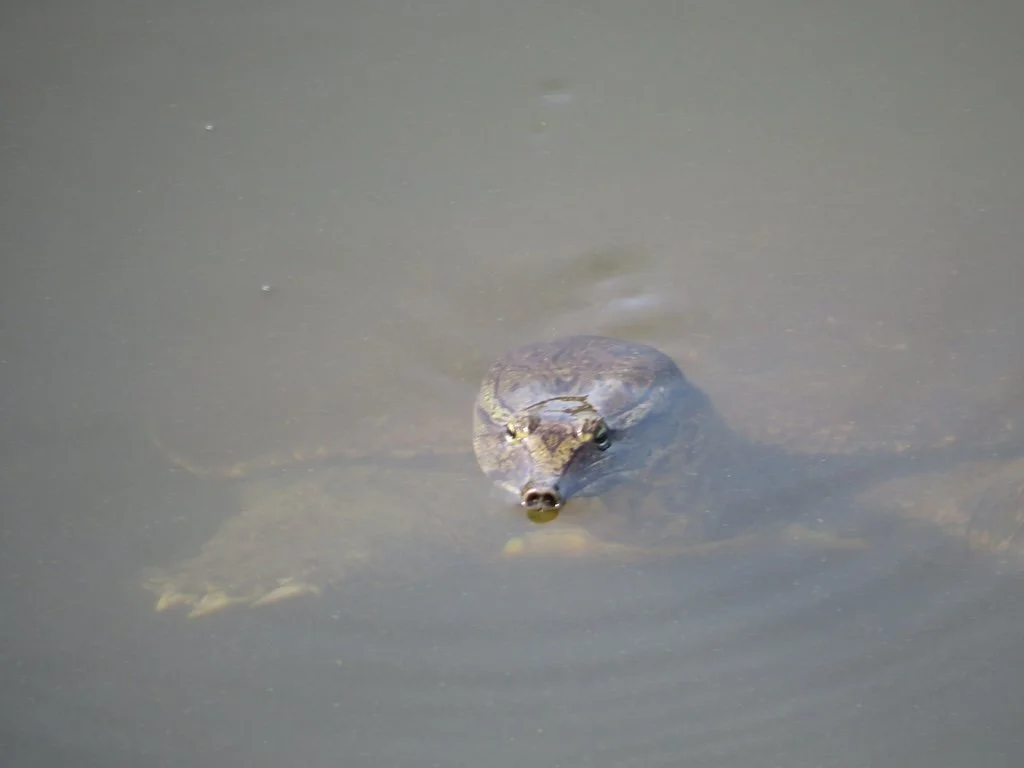
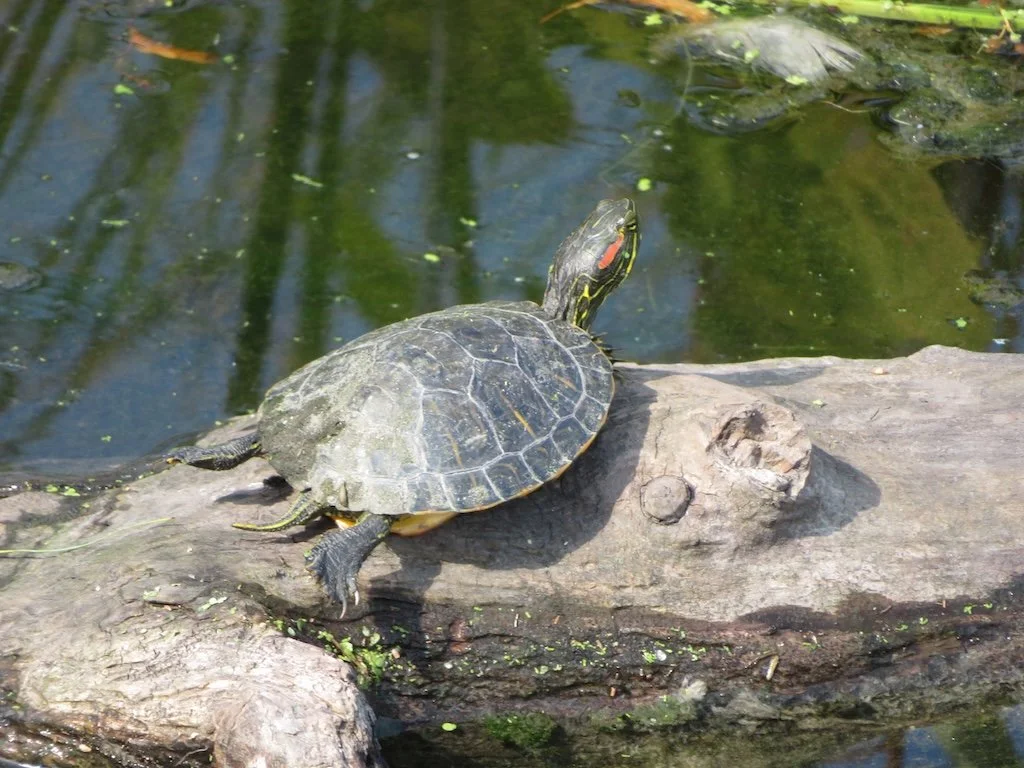
There were turtles out and about – including a soft shelled one.

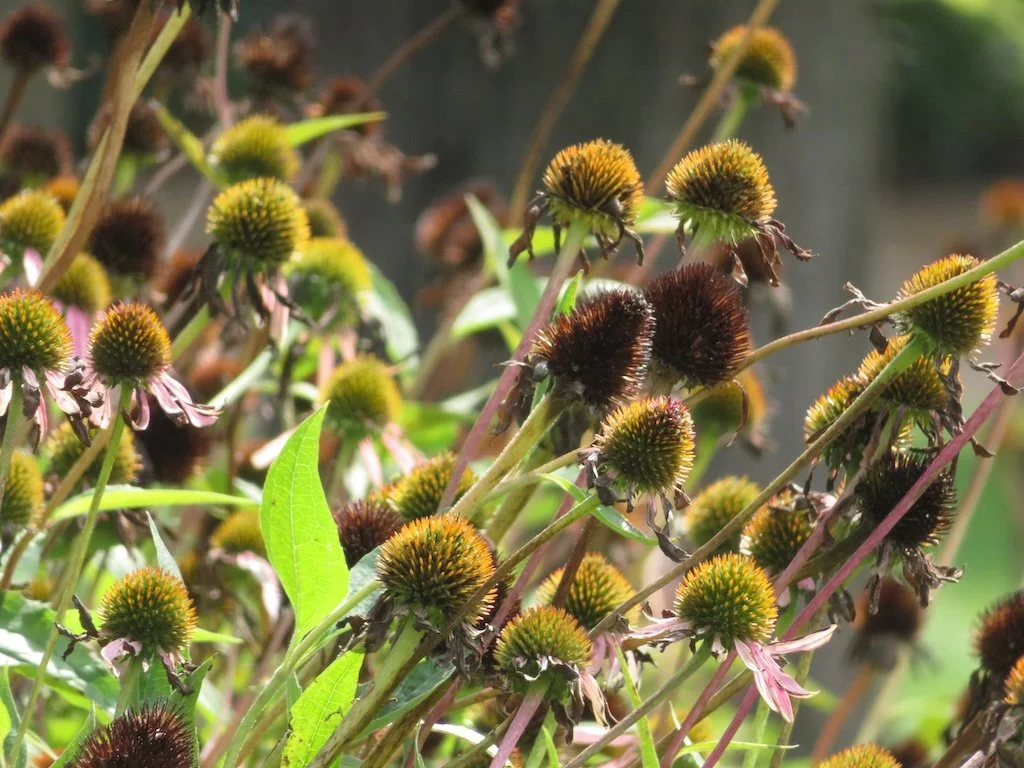
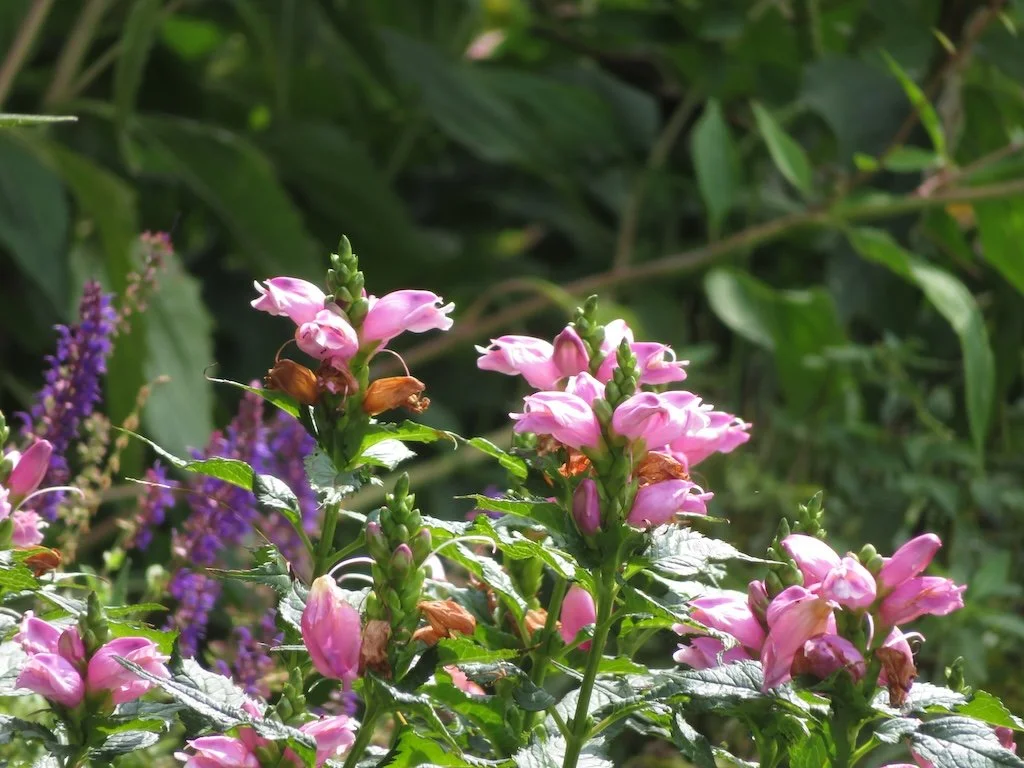
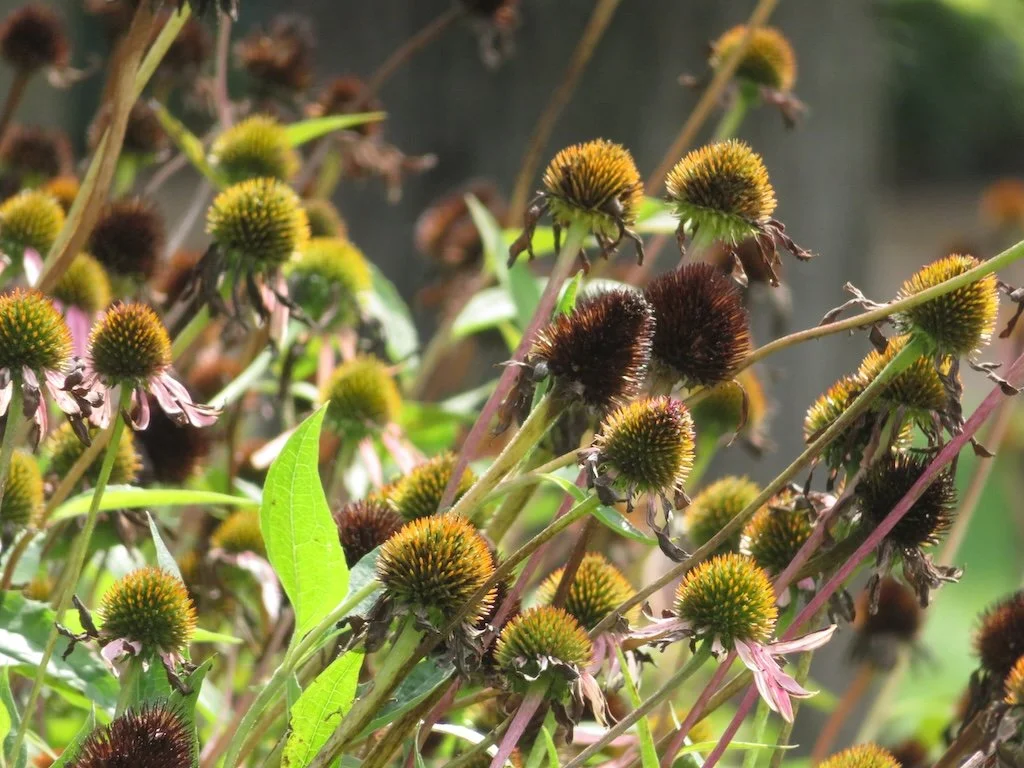
The plantings in the main part of the zoo are a mix of formal landscaping plants (non-natives) with some natives like coneflowers and turtlehead and sunflowers mixed in.

The zoo has a very old elm that is treated to keep it from succumbing to Dutch Elm Disease. They have started planting elms resistant to the disease.

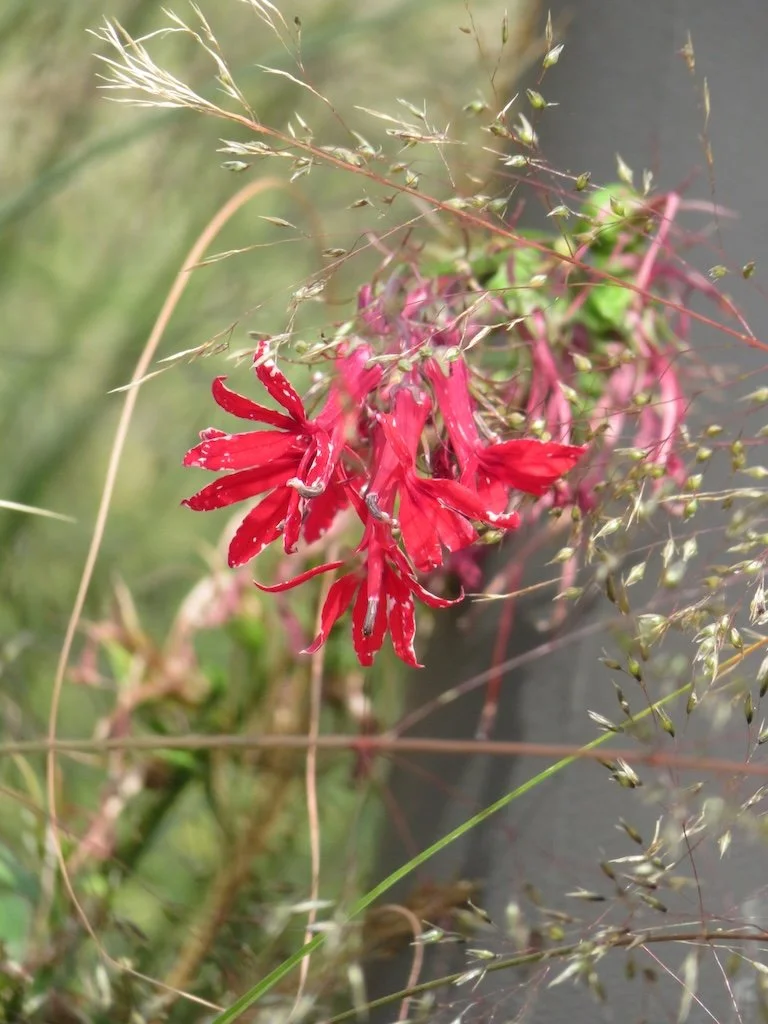
The walk around South Pond is landscaped with all natives….as close as the horticulturalist can to get prairie…with a few woody plants mixed in on the outer edges. I was surprised at how many plants I recognized! There were lots of yellows and seed pods this time of year!

We made the mistake of using Google Maps to show us the shortest route back to our car; it had exits from the zoo that didn’t exist! We circled back to find an exit….had a much longer walk than we would have had without technology!