Art and Archaeology – An Illustrated Magazine

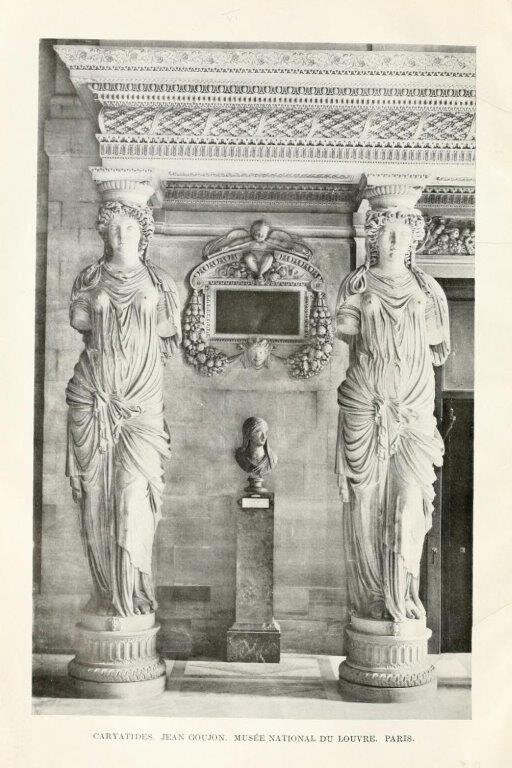
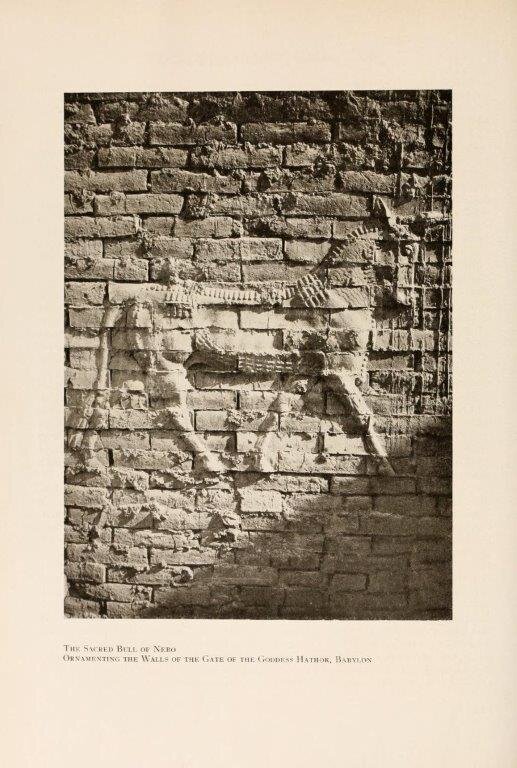
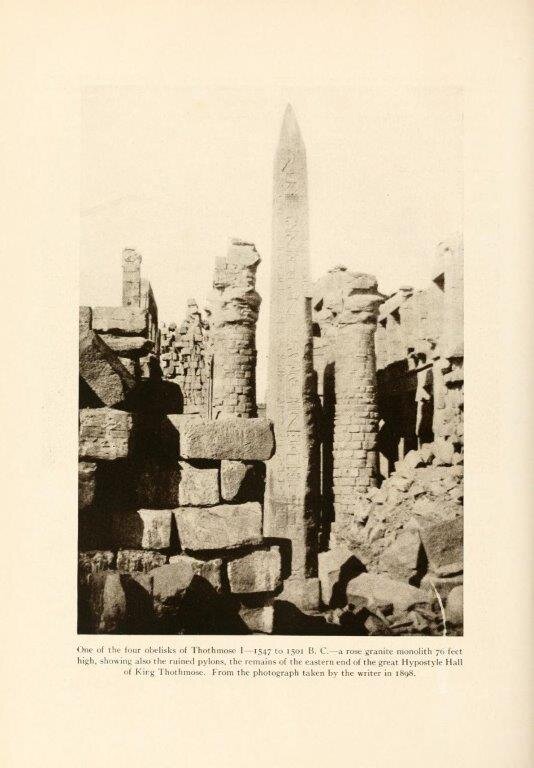
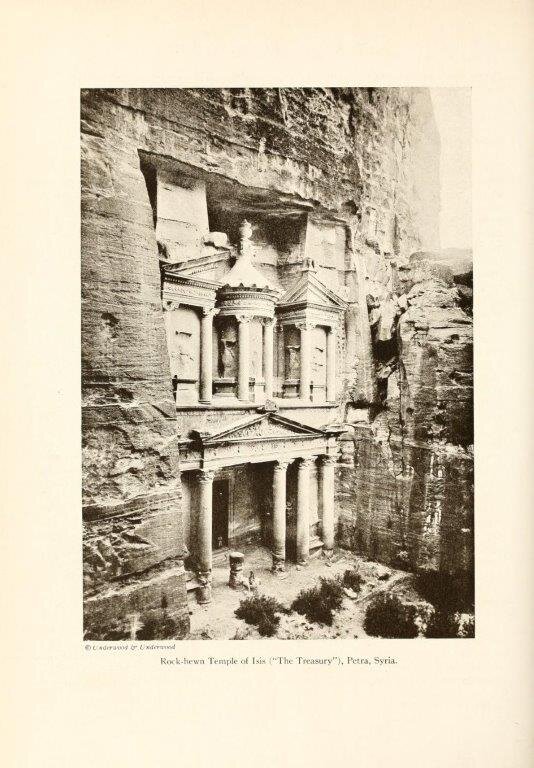
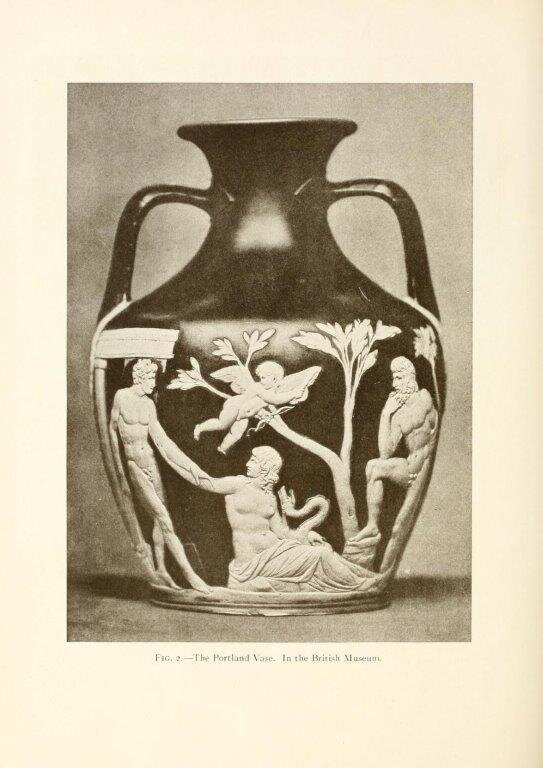
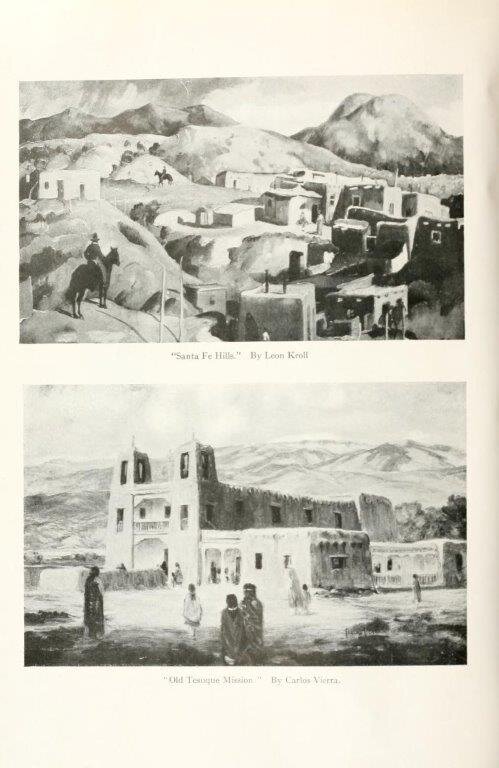
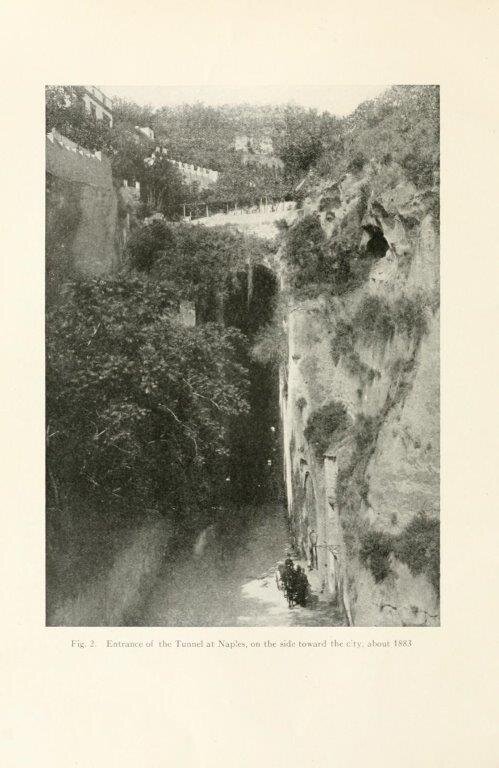
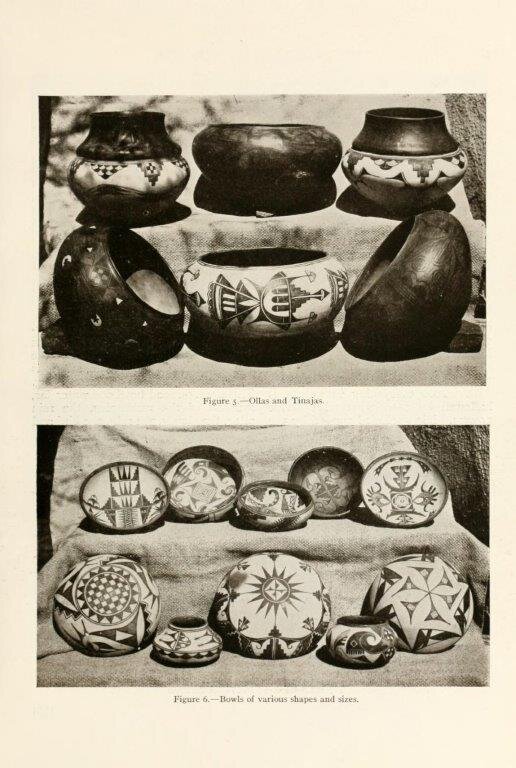
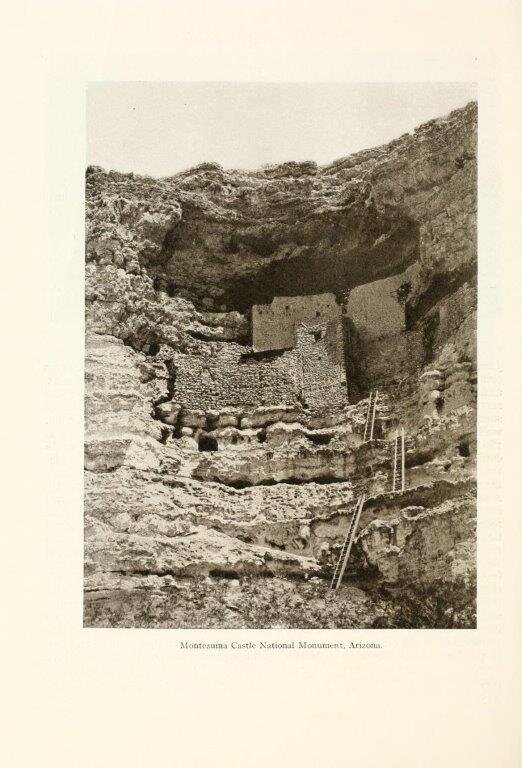
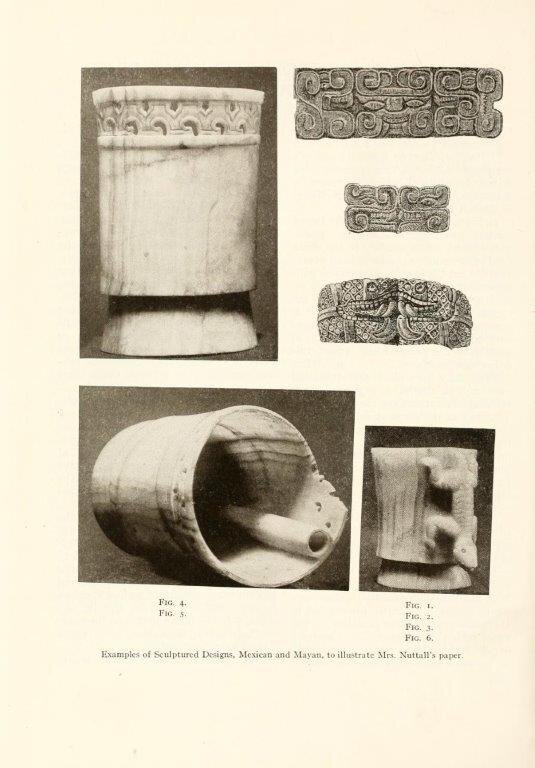
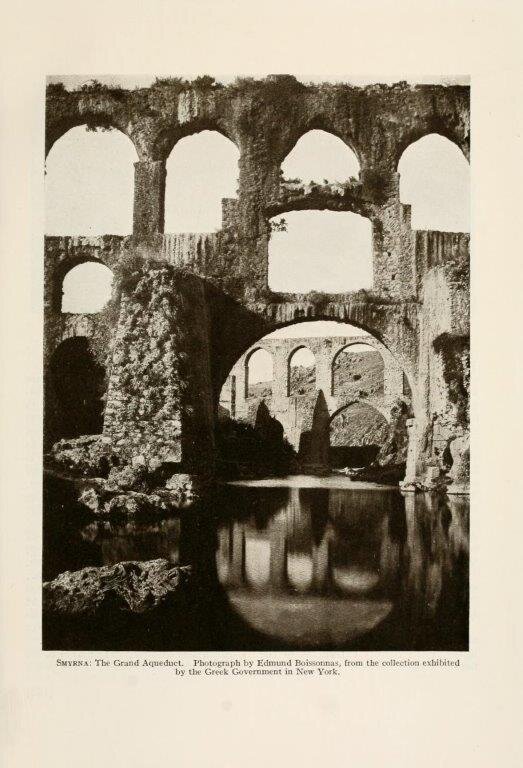
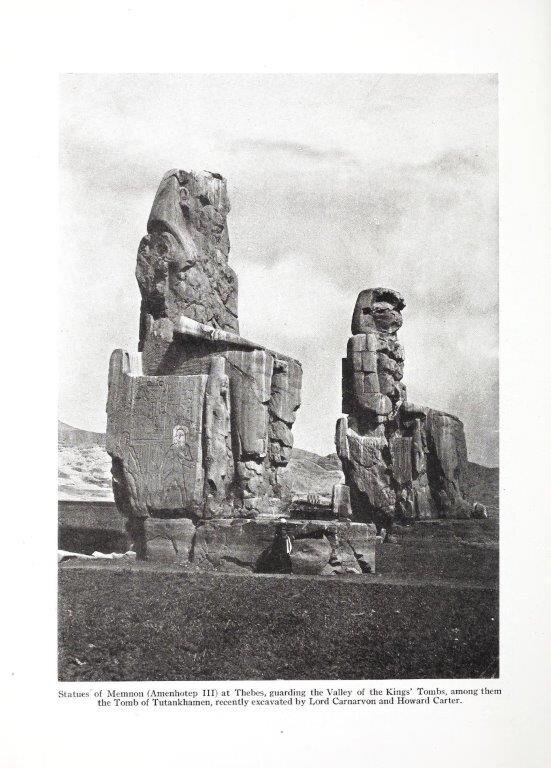
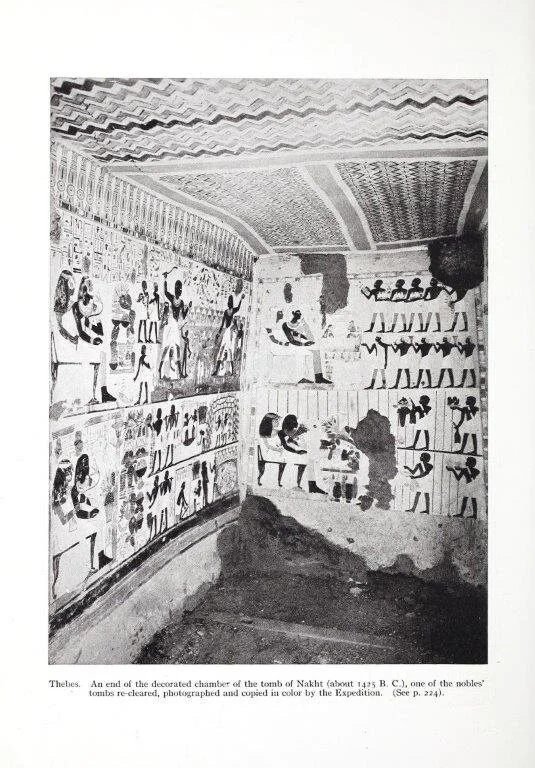
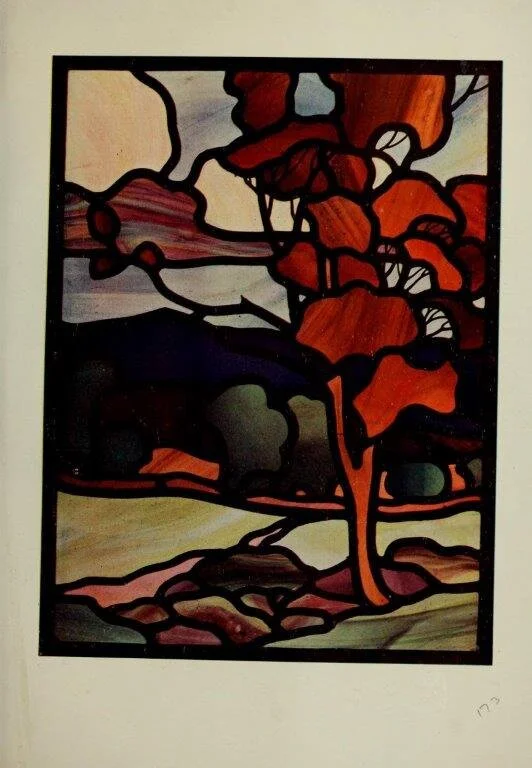
There are 11 volumes of the Art and Archaeology magazine from 1914-1923 available on Internet Archive; it was published in Baltimore. Most of the illustrations are black and white photographs but there are occasional color ones. I enjoyed finding pictures that looked familiar…and realizing how long some of the places and artifacts have been featured in magazines: the Aztec and Maya from Central America; buildings in Greece and Italy and Spain and France from Europe; Egypt, Babylon, and Petra from the Middle East; the desert Southwest and Lincoln of the US….and these are just what is represented in the 2 sample images I picked from each volume. Some of the places are probably a bit more worn from tourists and damaged by air pollution 100 years later…some have been restored. Maybe I will do a side by side look at some historical pictures of a place I visit (when I start doing that kind of traveling again).

I hope that more of volumes of this magazine become available as the copyright expires; it was published into the 1930s. For now – enjoy the sample images below by clicking through the 22 images…or go to the volumes directly by following the 11 links.

V1 (1914-1915), V2 (1915), V3 (1916-1), V4 (1916-2), V5 (1917), V7 (1918), V9-10 (1920), V11-12 (1921), V13-14 (1922), V15 (1923 - 1), V16 (1923 -2)

Zooming – October 2021

I selected 19 images to represent this month.  Here are some stats:

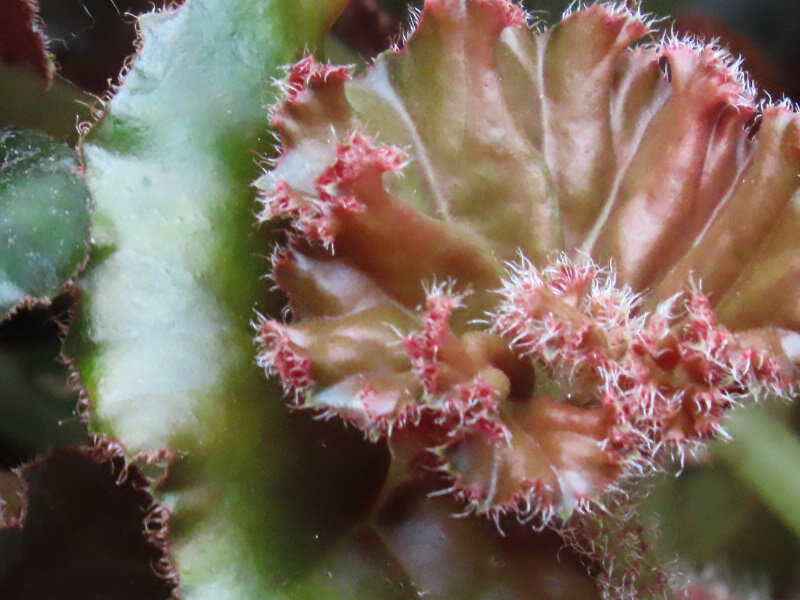
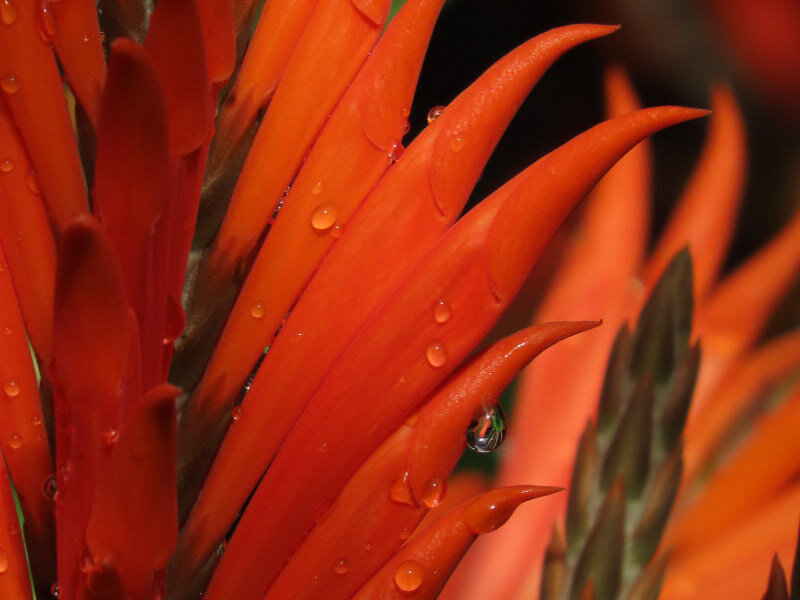
  • The normal locations for photography: home(2) and neighborhood (1)…and then day trips to Patuxent Research Refuge (5) and Longwood Gardens (11).

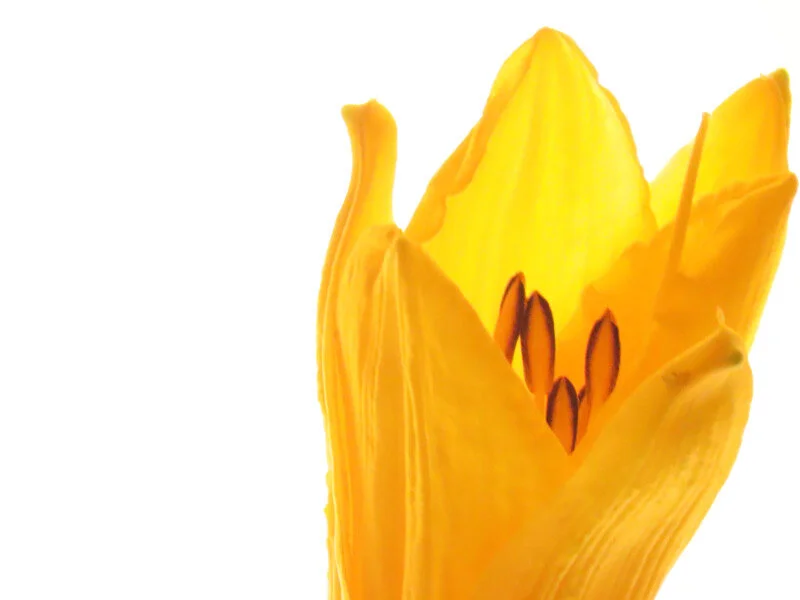
  • 6 indoors (including the conservatory at Longwood Gardens and a high key image of a day lily from my office)…the rest outdoors

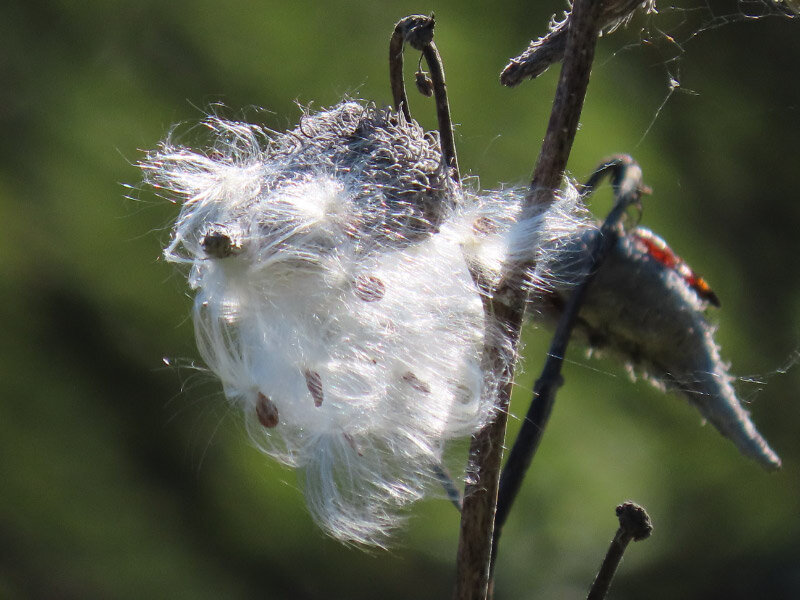
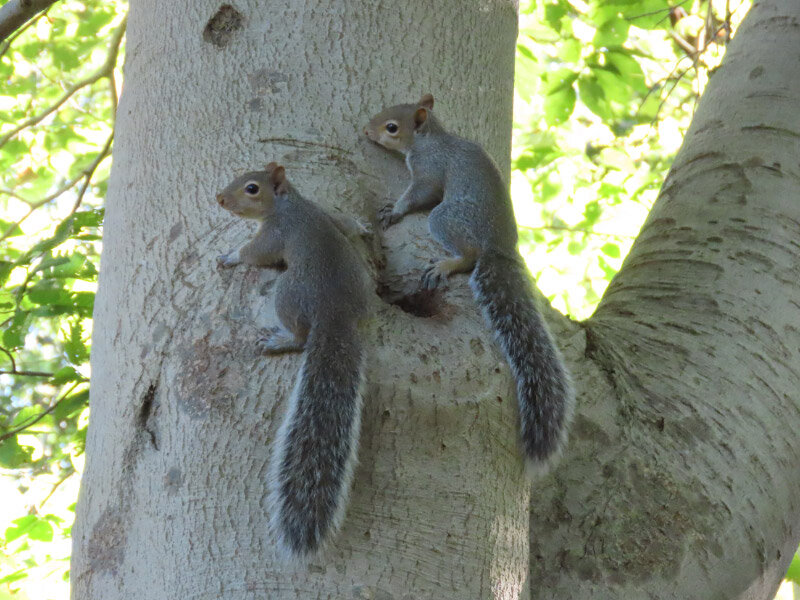
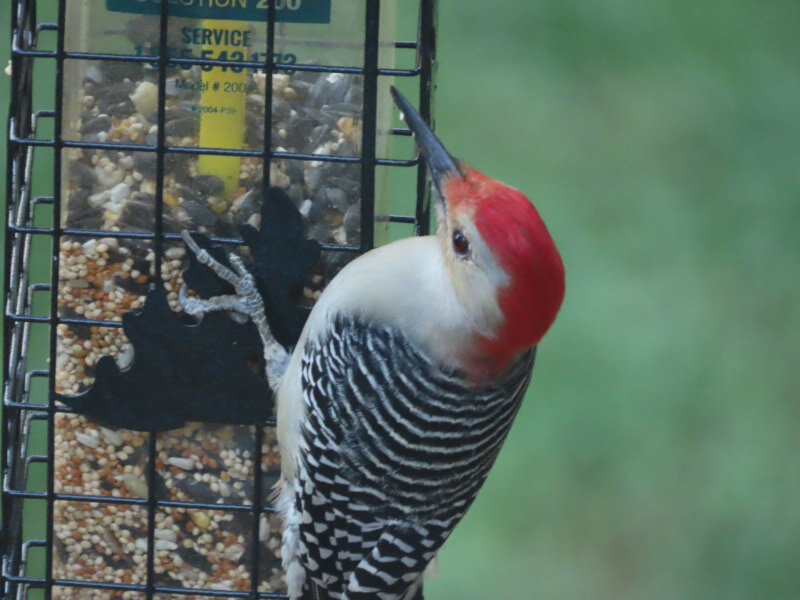
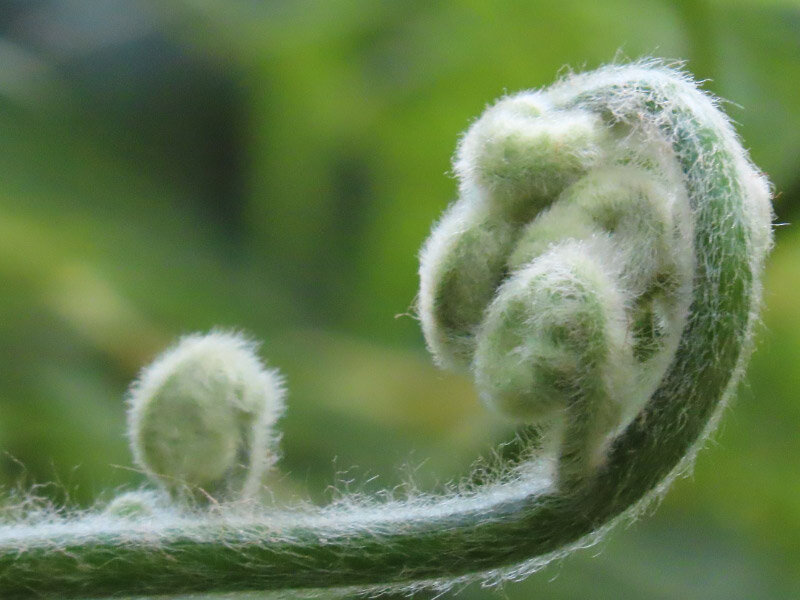
  • 17 plants (2 fiddleheads and 6 waterlilies), a bird and squirrels

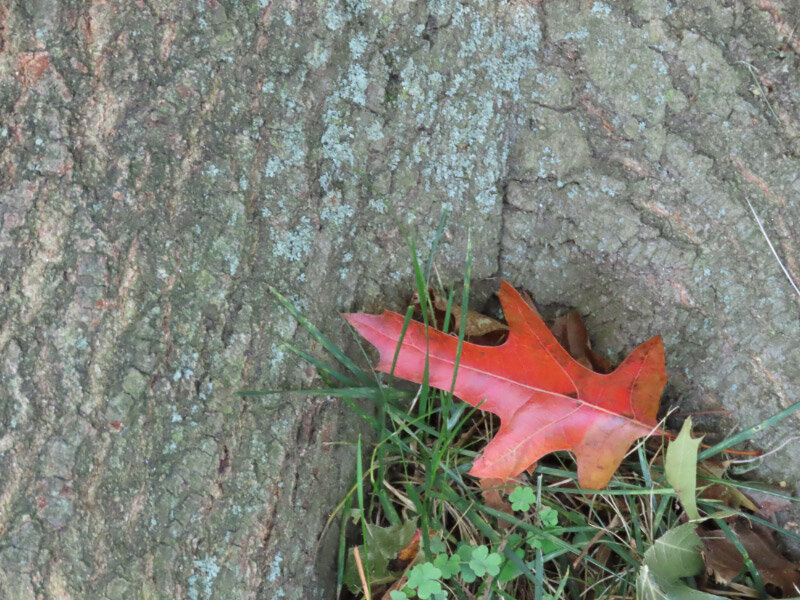
Enjoy the slideshow for the October zoomed images!

I’m saving most of the fall foliage pictures for next month!

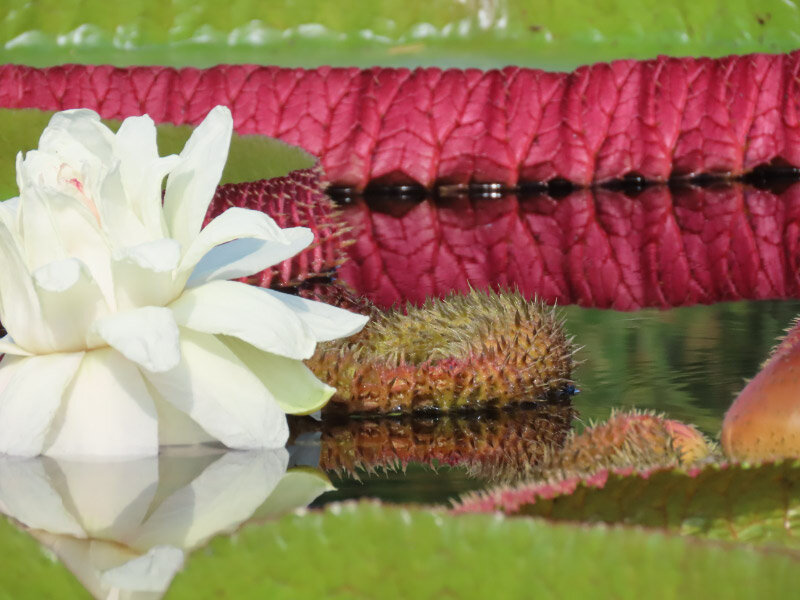
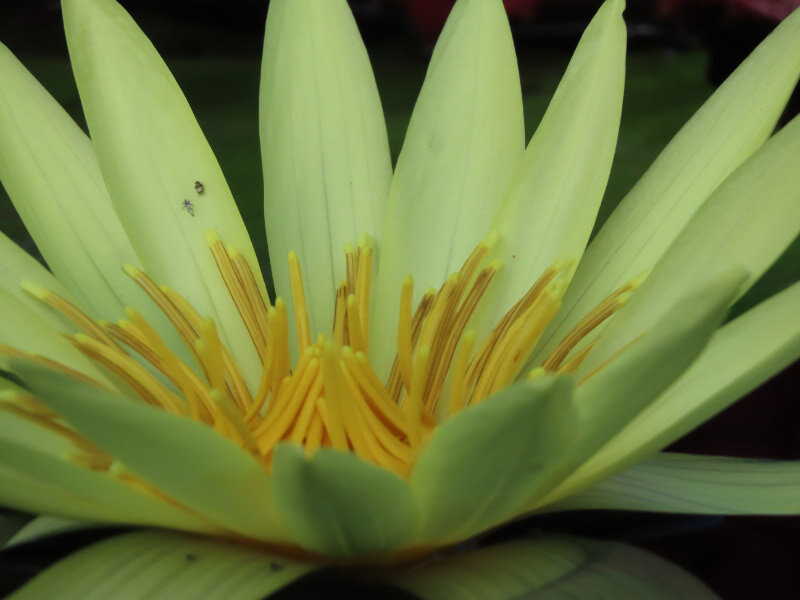
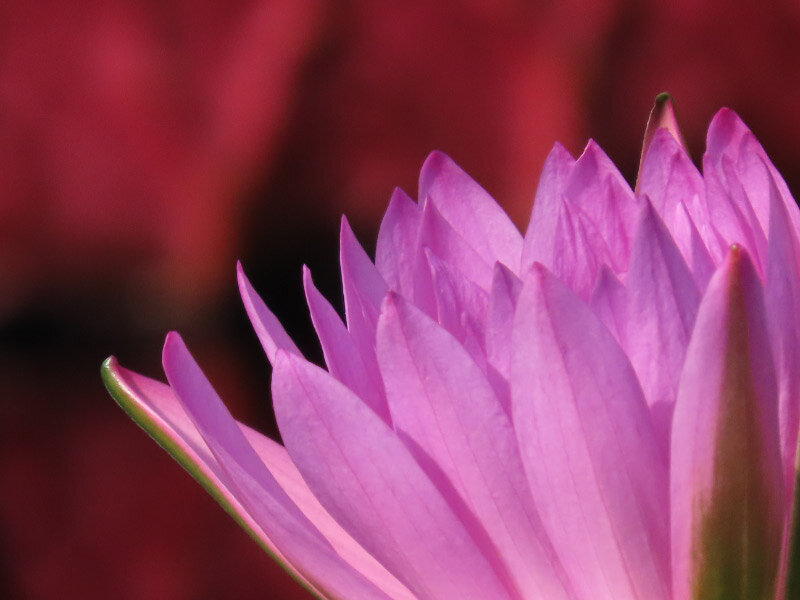
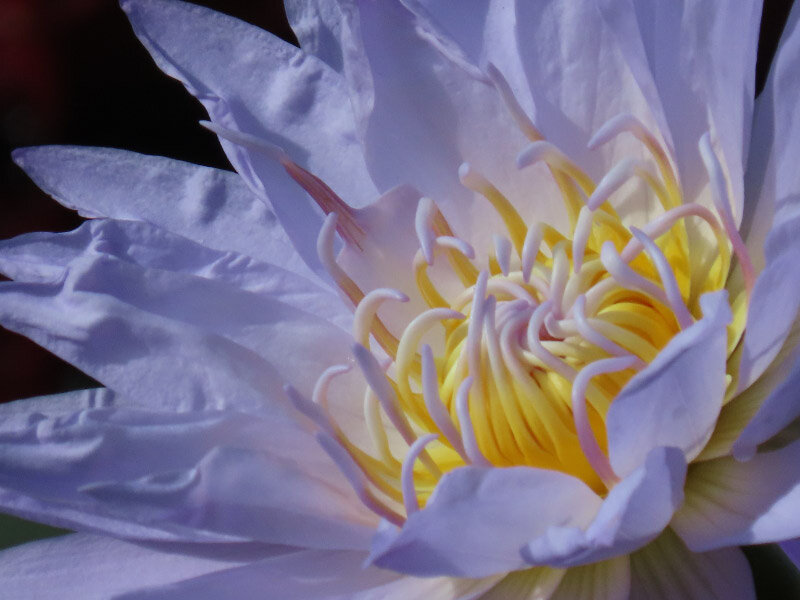
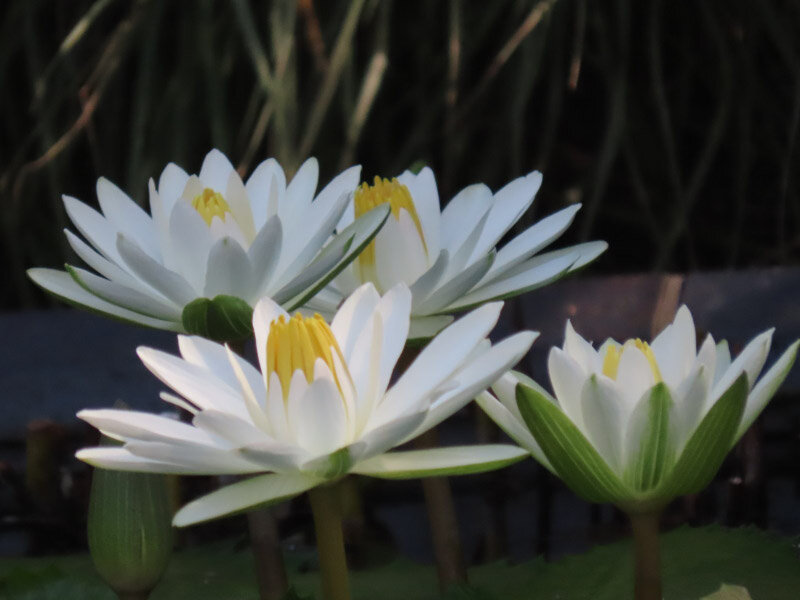
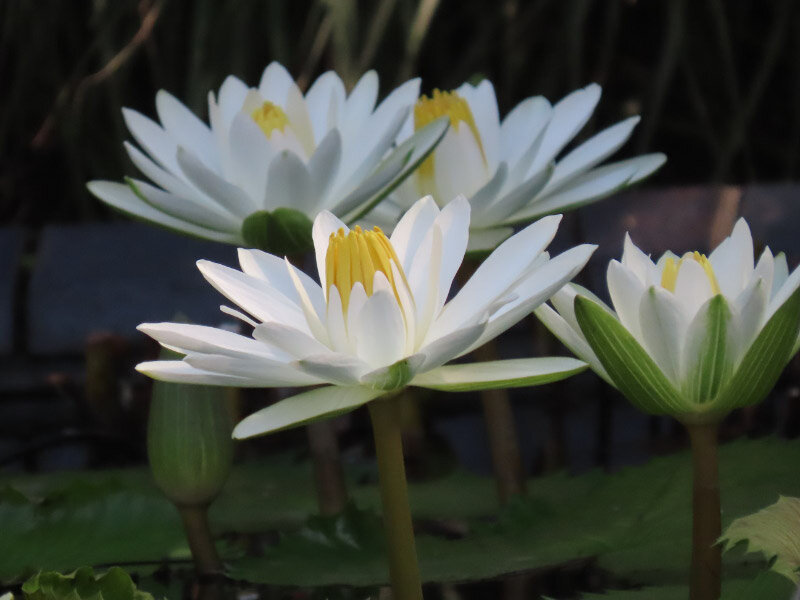
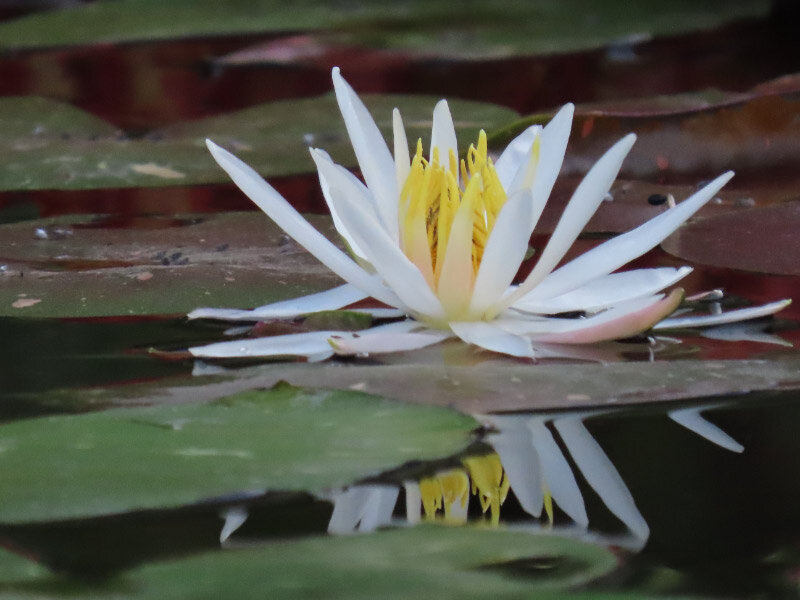
Longwood Gardens – WaterLilies

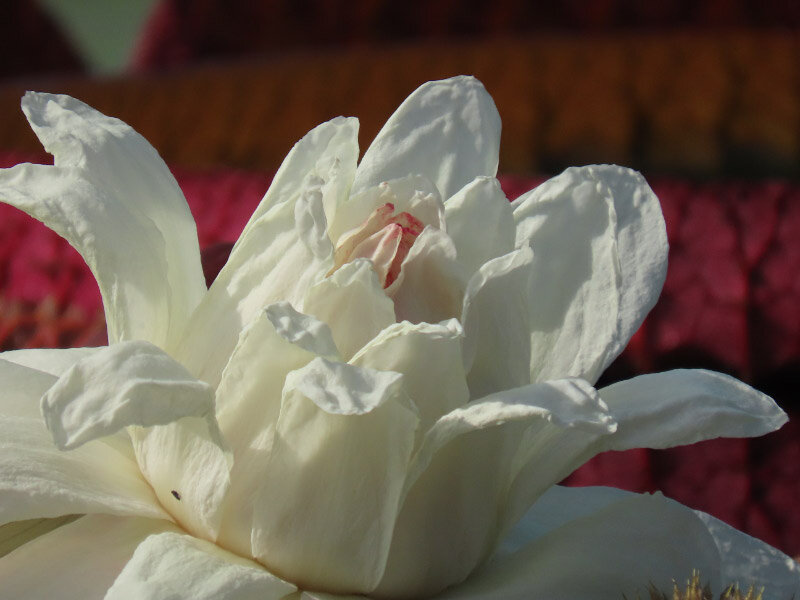
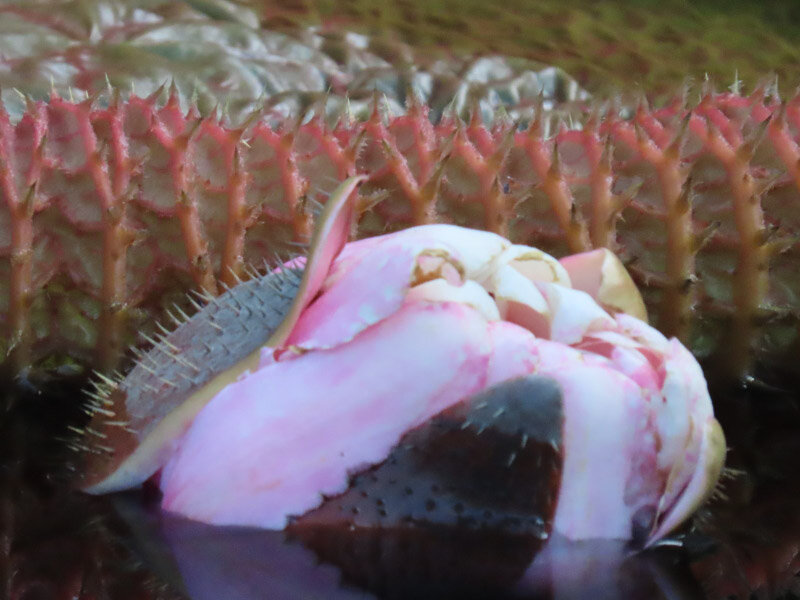
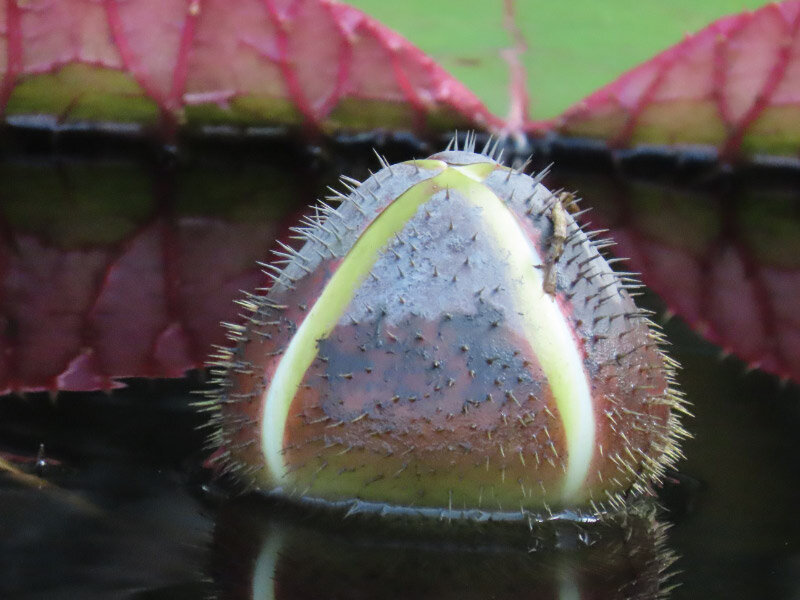
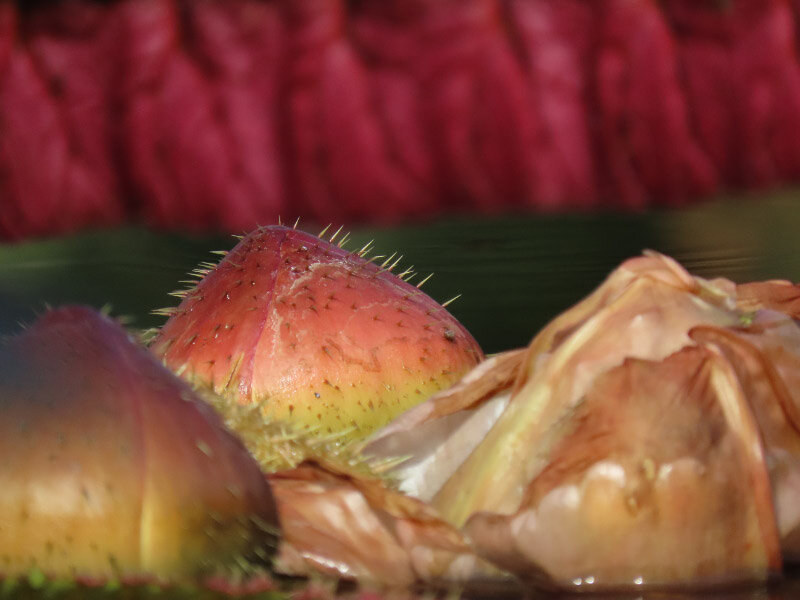
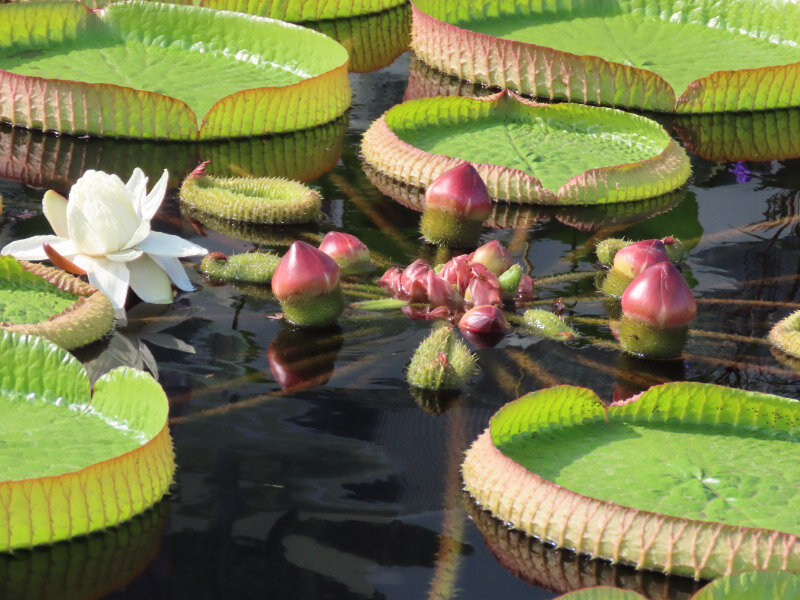
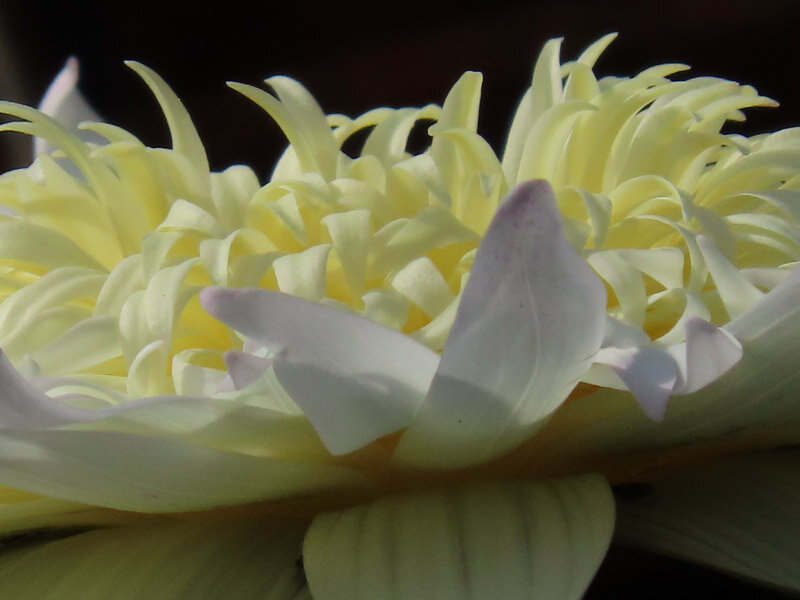
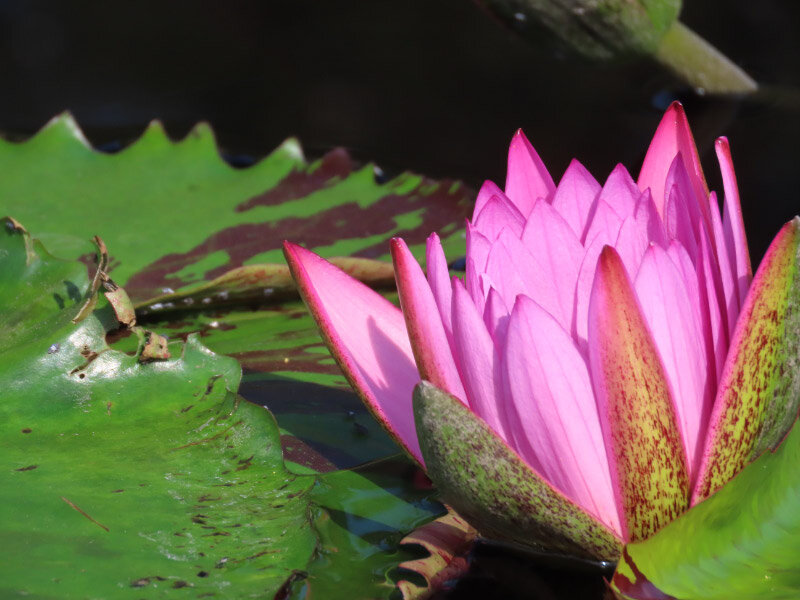
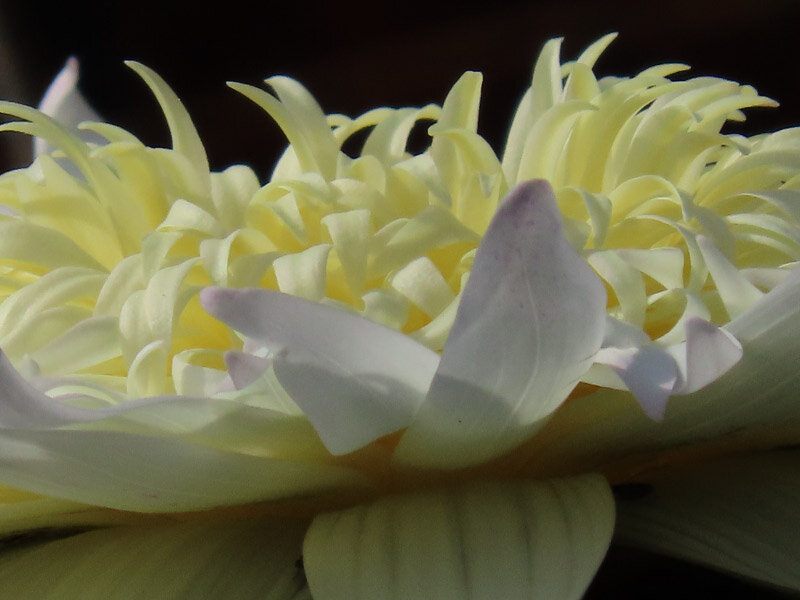
The water lily court at Longwood Gardens was open and beautiful. I am always fascinated by the large Victoria waterlily (the ones at Longwood are ones that they created in 1960 – a cross between Victoria amazonica and Victoria cruziana). The pads unfurl from the center and the outer edge stays vertical – showing the red underside of the pad. The flowers look like crepe paper as they unfurl rather than the spikey flowers of the other waterlilies. The buds have bristles. Look through my Victoria images by using the forward and backward arrows at the sides.

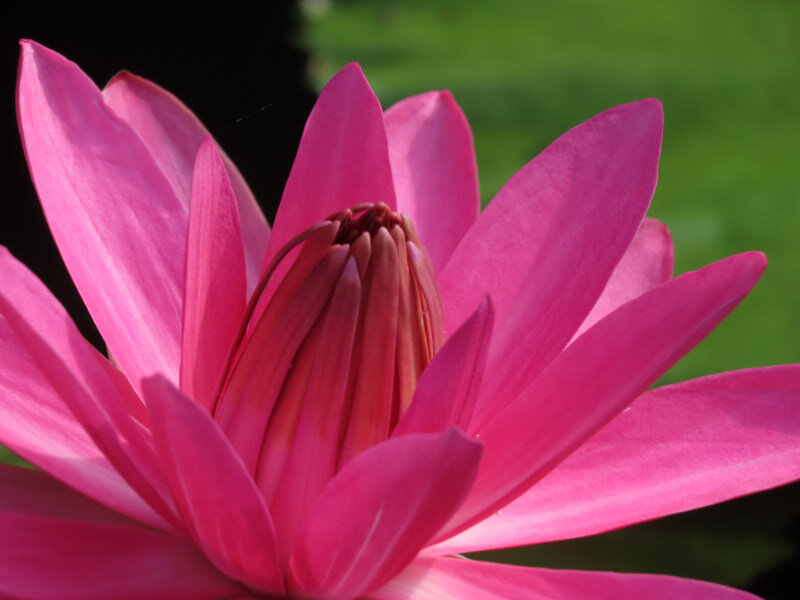
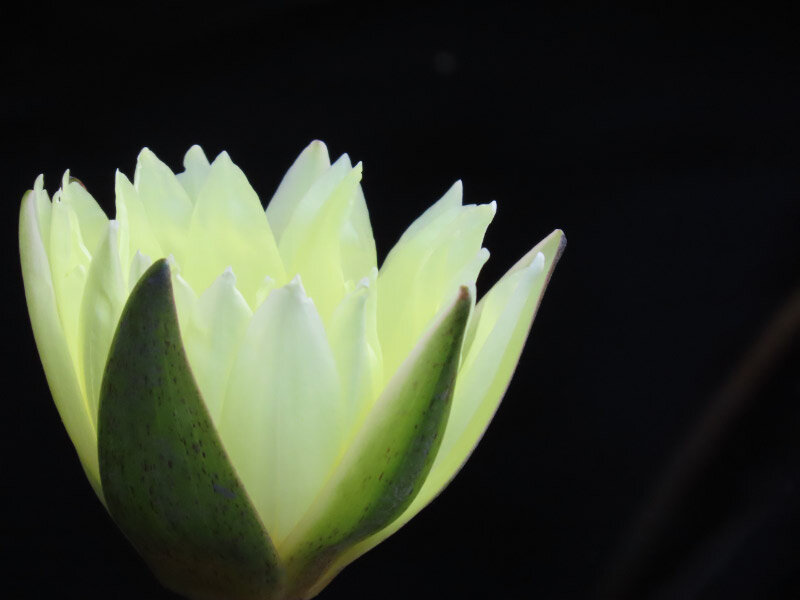
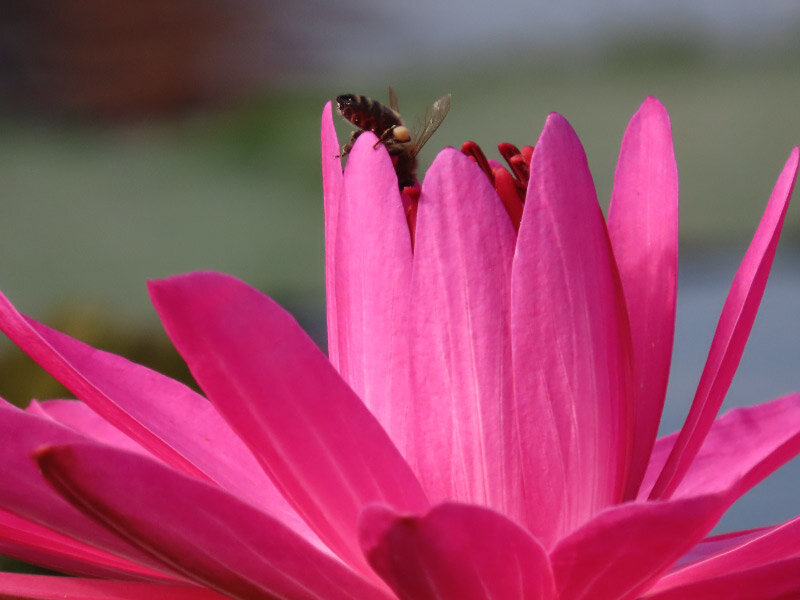
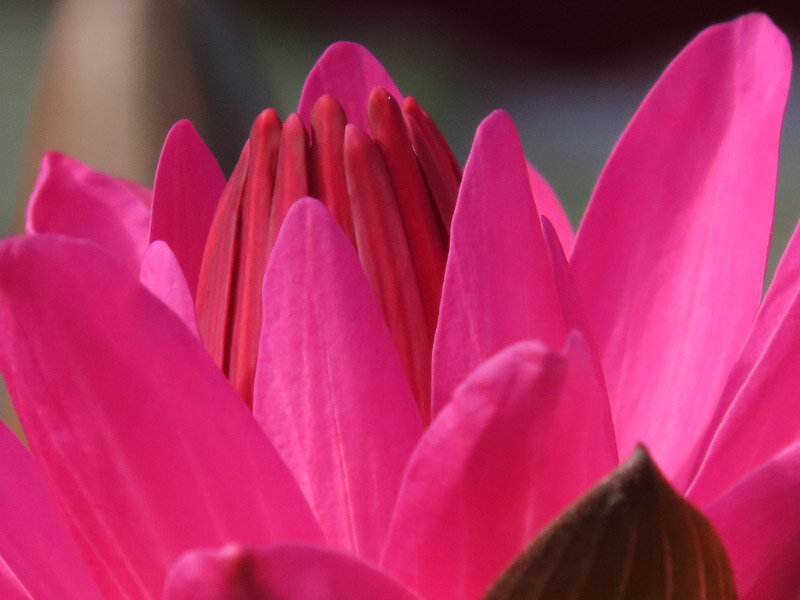
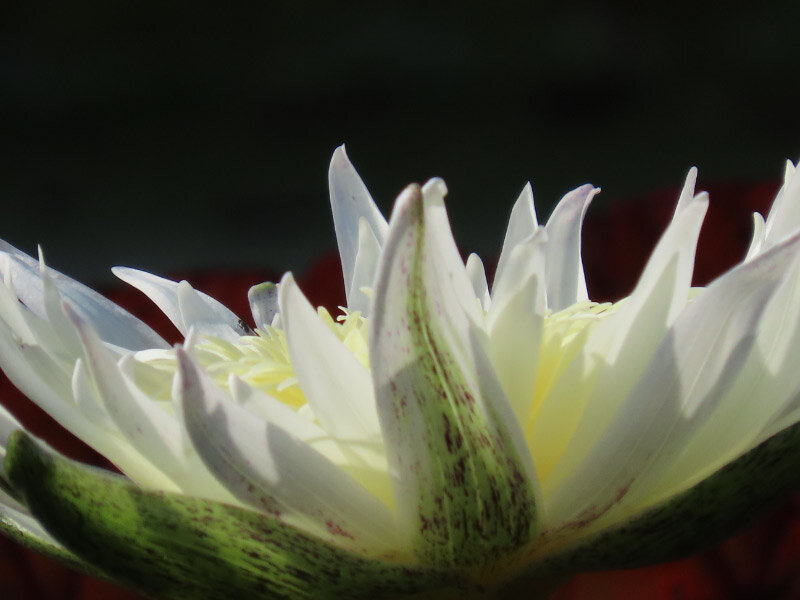
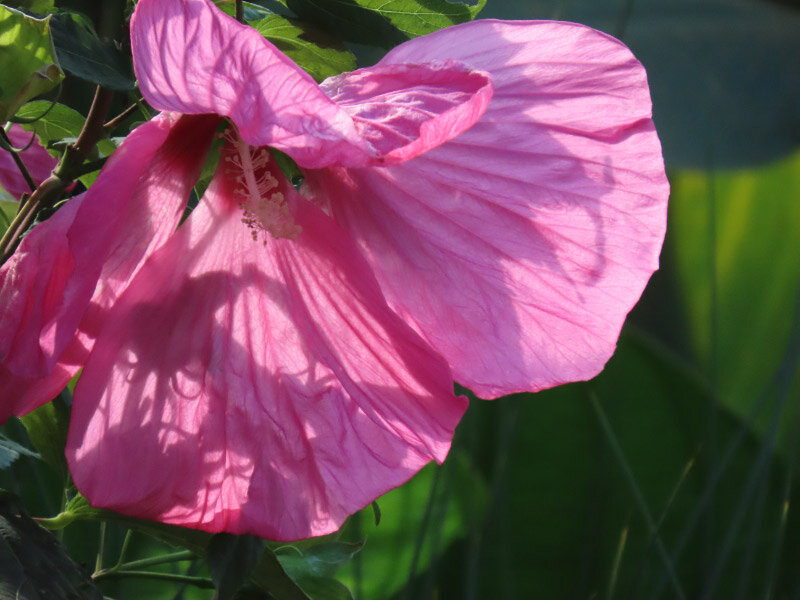
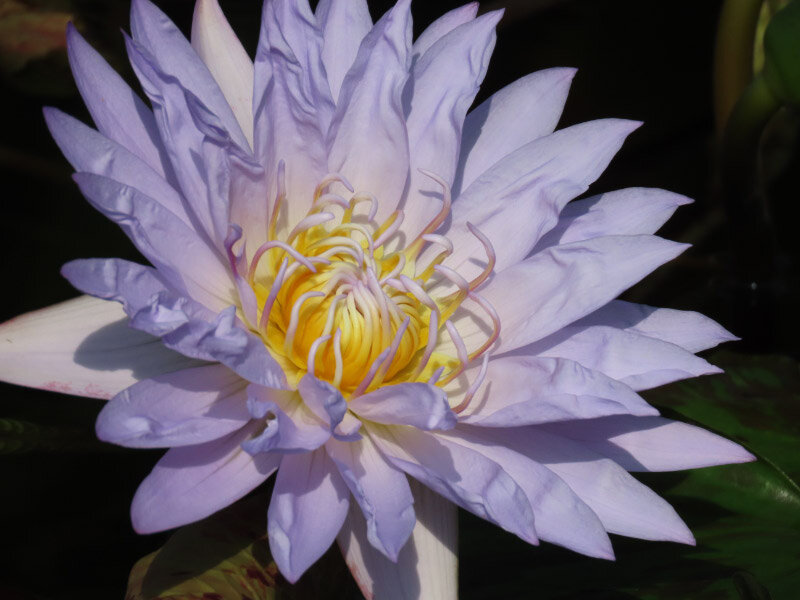
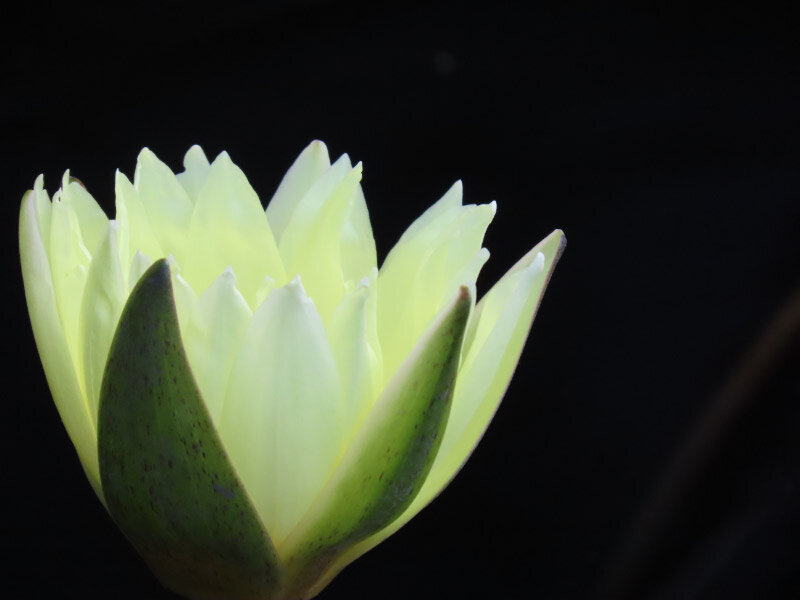
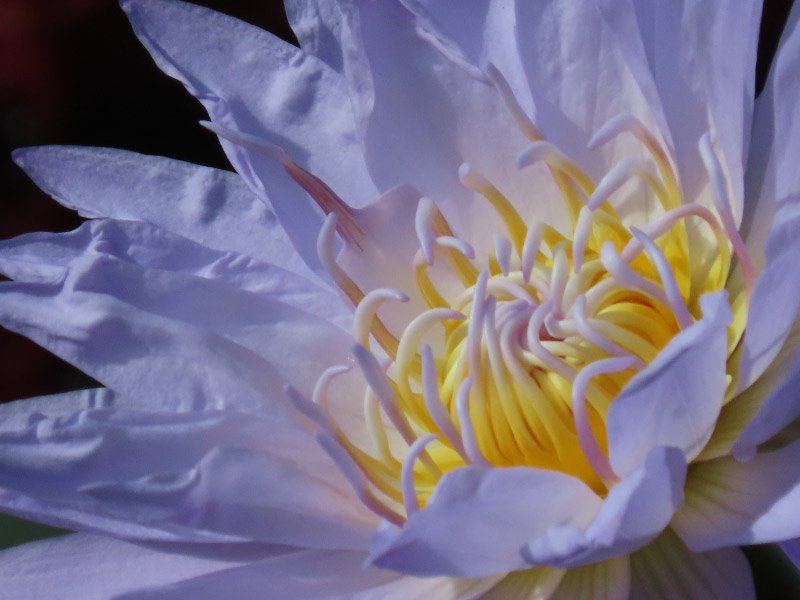
Of course – the other waterlilies are almost as exciting to photograph and they have brilliant colors. My husband had provided a polarizing filter for my camera which helps to surround the flowers with black background – sometimes. There were not many bees (late in the season for waterlilies) but I did notice one bee butt when I got home and selected images to use in this post. And there is one hibiscus in the slide show; I couldn’t resist the flaring of the petals…the color and shadows.

I always enjoy the waterlily court so I’m glad we got to see it during the first time back to Longwood since before the pandemic (I almost said post-pandemic but we’re not quite there yet!). It’s a great place for photography and has lots of benches to just enjoy the pools of waterlilies…and other water-loving plants lining the walls of the court and in pots standing in the water.

Gleanings of the Week Ending October 23, 2021

The items below were ‘the cream’ of the articles and websites I found this past week. Click on the light green text to look at the article.

Roman noblewoman’s tomb reveals secrets of ancient concrete resilience – This research has application to the future: transitioning to Roman-like concrete could reduce the energy emissions of concrete production and installation by 85%...and improve the longevity of concrete by orders of magnitude.

How to bring more clean energy into our homes – It’s hard to know what to do that will make the most difference in decarbonization. Electrification is good…as long as the energy used to create the electricity is renewable. This article is explaining one attempt to make it simpler…but it doesn’t seem like it goes far enough.

Does the world need more sharks? – Evidently when sharks decline, herbivores increase and seagrass declines….resulting in less carbon sequestration in sea vegetation. So – more sharks would improve our climate change situation!

The incredible opportunity of community schoolyards – Transforming paved public schoolyard by adding trees, gardens and stormwater management systems and opening them to the public after hours….what’s not to like? It is good for children and the community…and reduces the heat island around the school.

Recycled concrete and CO2 from the air are made into a new building material – Potentially another way to reduce the energy and emissions to produce concrete…but there is still a challenge to make it strong enough for all the current places we use concrete - to make calcium carbonate concrete viable in the future.

10 Writing Awards for Cool Green Science – Some of the 10 have probably be in my gleanings before…but they are worth looking at again.

We need to talk about your gas stove, your health and climate change – 35 years ago, I thought gas stoves were wonderful….but I haven’t had one since 1986, and I won’t buy a house in the future with one (or I will replace it immediately). My current house does have a gas hot water heater and furnace…but I plan to jettison those too. And I don’t want a gas fireplace either!

Clean air matters for a healthy brain – I check the Air Quality Index on Weather.com and there are too many days that the PMI2.5 level is ‘yellow’ where I live now in Maryland. I try to not spend a lot of time outdoors on those days.  It’s another something to think about when/if I move out of the area.

The American Bumblebee Has Vanished From Eight States – The 8 states are: Maine, Rhode Island, New Hampshire, Vermont, Idaho, North Dakota, Wyoming, and Oregon. That doesn’t mean other places are much better. They have declined 99% in New York; 50% in the Midwest and Southeast.

Large scale solar parks cool surrounding land – The observation is interesting. I wonder if the solar parks that I’ve seen frequently around airports in the US are large enough to make up for the heat island effect of all the concrete and asphalt surfaces of the airports.


Hildegarde Hawthorne on Internet Archive

Hildegarde Hawthorne was the granddaughter of Nathaniel Hawthorne and a writer as well. I found 6 of her books on Internet Archive from the early 1900s – easy to browse. She lived until 1952 and continued writing so there are probably others that will become available as their copyright expires. The last one is probably my favorite.

Girls in Bookland

Old Seaport Towns of New England with illustrations by John Albert Seaford

Rambles in old college towns with illustrations by John Albert Seaford. The second picture below is the library tower at Cornell; it’s surrounded by more buildings now…I remember it from my daughter’s undergraduate days.

New York with illustrations by Lewis Martin

30 years ago – October 1991

Looking back at the pictures from October 1991 – it was a pleasant month. Work was still challenging but not as overwhelming as it had been in the previous months. One of my sisters came to visit with the priority to enjoy activities with my two-year-old daughter. We went on a steam train trip near Gettysburg, visited a toy store in Ellicott City, and bought apples at a local orchard (my daughter ate an apple on the spot to the delight of the owner).  I remember the outing to Mount Vernon vividly. We had lunch in the restaurant with my daughter in a highchair (antique style) pushed up to the table; she was thrilled with the arrangement and enjoyed the meal tremendously…charmed the wait staff. Then we opted to not go through the house…enjoying the grounds thoroughly. She hugged a big tree that George Washington had planted!

My sister was moving into a new house and had packed everything before her visit…and then moved almost immediately when she returned to Texas. It was a busy month for her. Another sister was pregnant with her second child and had some difficulties early in the month which were quickly resolved to the relief of the whole family. My parents were still working and trying to help everyone through the flurry of the month.

The leaves started to fall later in the month and my daughter became more enthusiastic than ever about being outdoors. Leaves and acorns are easily picked up and enjoyed. Her favorite movie was ‘Little Mermaid.’ She finally made the connection between saying numbers and counting things; that was the big ‘light bulb’ moment of her development in October 1991.

1991 10img021 (21).jpg

We borrowed a special costume for my daughter’s Halloween – a flowerpot for the body and headpiece with big yellow petals for around her face. It was very cute but not something she liked very much.  At that point in her life, she was not eating candy so there was little joy for her that Halloween!

1991 10img021 (23).jpg

Great memories from 30 years ago…

Cancer Diary – Entry 1

This is the first in a series of posts that I am writing as I make my way through the medical system after a cancer diagnosis….not focusing directly on the medical diagnosis or treatment…documenting the timeline, feelings and swirl of decisions that emerge over the coming weeks…and maybe months.

My doctor called in the early evening to give me the diagnosis from my biopsy. I appreciated the call and how he stayed positive re successful treatment but emphasized the next steps that needed to be taken. My first reaction was to fit in the surgery with what I already had on my calendar – which included almost a month-long road trip.  I shared the news with my husband; he was surprised since I am so rarely sick at all; I’ve only been in the hospital overnight twice in my life….and one of those was when I had my daughter!

During the hour or so between going to bed and getting to sleep, realized that my priorities needed to shift. I was too anxious about the diagnosis to not get the surgery as soon as possible. Early the next morning I sent a message via the doctor’s portal to indicate the change in my thinking. And started looking up fact sheets from the surgery center he’d recommended…and finding resources that rounded out what he had told me on the phone. I started a list of questions for the appointment with the doctor the next day….focused on the surgery and the medications required immediately and then after the surgery.

The doctor’s assistant called to confirm that she’d sent my records to the surgeon’s office and to give them a few hours before calling to get an initial appointment lined up with them.

I talked with my daughter and one of my sisters. Both were surprised and supportive of what I need to do.

I called the recommended surgeon’s office and made an appointment as a new patient. It is 2 weeks out…not too bad even though I would like to get started toward surgery faster. I now have yet another medical related portal too!

Overall – 24 hours into the experience, I’m pleased that there is forward momentum. I’m not sure how I’ll handle the 2 weeks of waiting…or the prospect of more weeks before the surgery can occur. Cancer is scary. I’m beginning to think about ways to keep myself busy enough to not be dragged unto a swirl of increasing anxiety.

Gleanings of the Week Ending October 16, 2021

The items below were ‘the cream’ of the articles and websites I found this past week. Click on the light green text to look at the article.

How to Easily Catch Spotted Lanternflies Using a Water Bottle – These insects have invaded Maryland, but I haven’t seen them yet. Maybe this is a reason to put an empty plastic water bottle in the car – just in case.

Exposure to deadly urban heat worldwide has tripled in recent decades, says study – On of the topics in the schoolyard field trip for 6th graders was heat islands – it’s a good example of the impact of climate change around the world.

Smoky Clouds That Form Over Wildfires Produce Less Rain – Drought…forests burning…and then less rain. Aargh!

8 Fall Nature Experiences to Enjoy – There are so many things to enjoy in the outdoors during the fall – as the heat of summer fades away.

Exploring The Parks: 10 Historic Sites To Visit This Fall – More ideas for fall activities. I’ve been to all the sites they list that are on the east coast…but not necessarily in the fall.

NASA and USGS Launch Landsat 9 – The first Landsat was launched in July 1972 – the year my husband and I graduated from high school.

A new solid-state battery surprises the researchers who created it – Solid state electrolyte and an all-silicon anode – faster charge rates at room to low temperatures. There is a lot of battery research going on now …coming up with batteries that will help achieve the grid storage and transportation needs of the future.

Young People Are Anxious About Climate Change And Say Governments Are Failing Them – It’s not just young people that have this anxiety. Everyone I know has climate change anxiety….and say governments are failing us all.

Wind energy can deliver vital slash to global warming – It’s a component of the technology we need….it can’t solve everything alone but we have it ready to deploy now – and should just do it as quickly as we can. And it’s cheaper than using fossil fuels!

Yale Climate Change Maps 2020 – Results from a spring 2020 poll about climate change.

Sooty – An Aristocratic Cat

Internet Archive has quite a few of the Junior Press Books published by Albert Whitman & Company (Chicago) in the 1930s. Sooty – An Aristocratic Cat by Ambrosina Hurcum (1935) is one such example. Kittens and their antics must have been as popular in the 1930s as they are today. Like the other books…the story and illustrations are dated but they are interesting to browse keeping in mind when they were published. I wondered how realistic the illustrator captured clothes for children during that time. Did socks not have elastic in the 1930s? The illustrations look that way.

It was a stressful time in America with the Great Depression and so many people transitioning from the countryside into the cities for work. My parents were born in the early 1930s….a bit too young to read when this book first came out. I wondered how many children had access to books like this. My mother’s family moved from a rural area to a small town after she started school. Did the school have a library of books like this? It seems unlikely. My father grew up in the country and went to a small school of other farm children; it seems even less likely that he would have had books like this.

I’ve become a fan of absorbing history via books written in an earlier time. The authors were writing about their present and for a current audience (in this case in the 1930s and for children) without the hindsight employed in histories written about the same period today. The older books offer a way to step back and observe the author’s perspective…how it is the same or different than would be observed today in a similar situation.

Gleanings of the Week Ending October 9, 2021

The items below were ‘the cream’ of the articles and websites I found this past week. Click on the light green text to look at the article.

Earth is dimming due to climate change – Decades of measurements of earthshine indicate that the Earth is becoming less reflective with warmer oceans (and fewer bright clouds).

Kilauea Resumes Eruptions At Hawai'i Volcanoes National Park – Exciting times on the big island…

In UK, Interest in EVs Spikes Amid Fuel Shortages – There have been stories about Ford and GM strategy recently too….lots of indicators that many people will be buying EVs sooner rather than later if enough are produced.

NASA lander records the largest ‘Marsquakes’ ever detected – The lander has been on the surface since 2018!

Dental care: The best, worst and unproven tools to care for your teeth – Hmm….I wonder how much this research will change what dentists advise?

Baby Poo Has Ten Times More Microplastics Than Adult Feces – A scary result…and no ideas on how to reduce exposure (and we don’t know exactly what harms it might cause)….just more research needed. Very frustrating.

Coastal Northeastern US is a global warming hotspot; 2 degrees Celsius of summer warming has already occurred – From Maine to Delaware…the area is warming faster because of climate change linked alterations in the ocean and atmospheric conditions of the North Atlantic.

2021 Nature Conservancy Photo Contest Winners Highlight Global Wildlife and Nature – Beautiful…and thought provoking. My favorite was the artsy one at the end…a high key image.

Paradigm shift in treatment of type 2 diabetes to focus on weight loss – There are probably other chronic ‘diseases’ that have become more prevalent over the past few decades that could be improved with weight loss….but it is hard to lose weight…and keep it off. It requires permanent lifestyle changes.

A Leisurely Trip to Kansas – Another post that includes pictures of a rough green snake. I’ve been on the lookout for them since my son-in-law sent a photo he took with his phone!

eBotanical Prints – September 2021

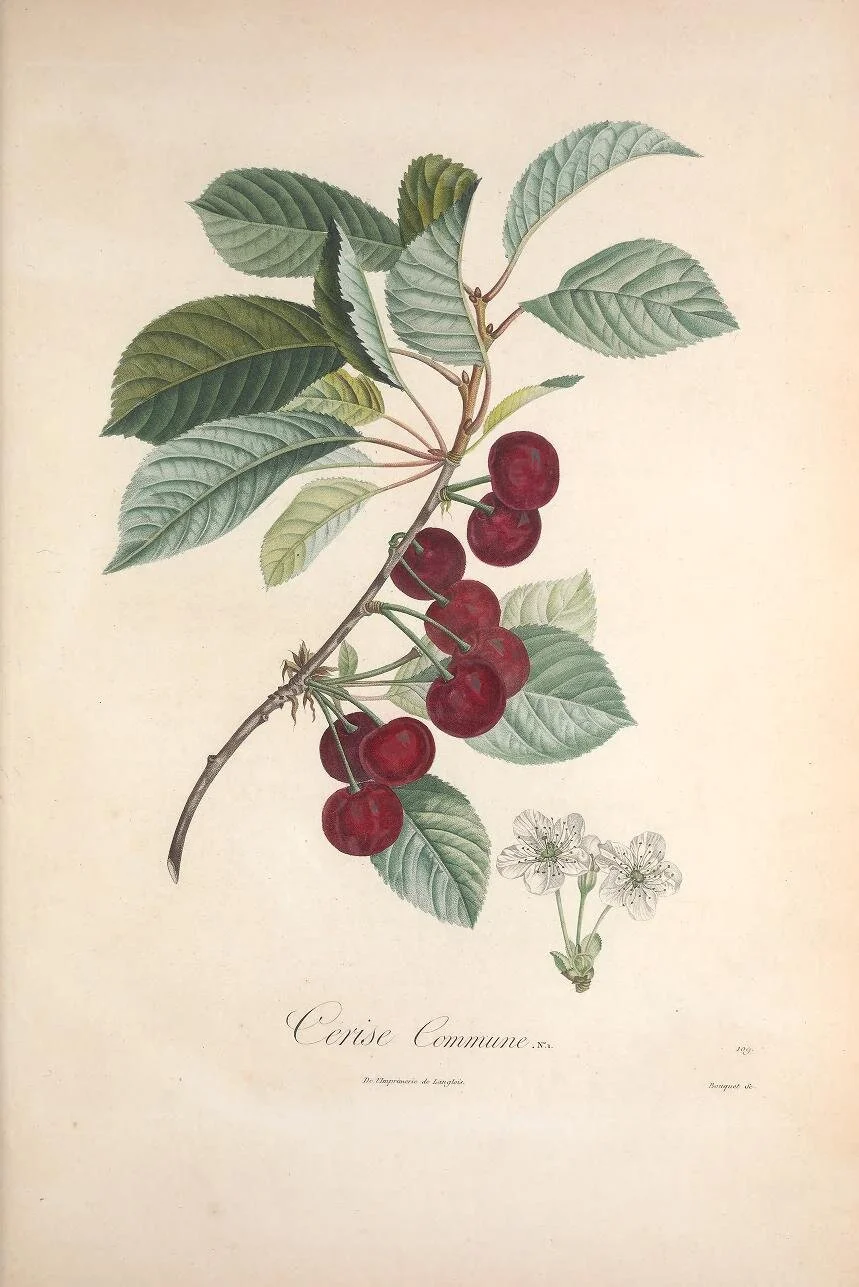
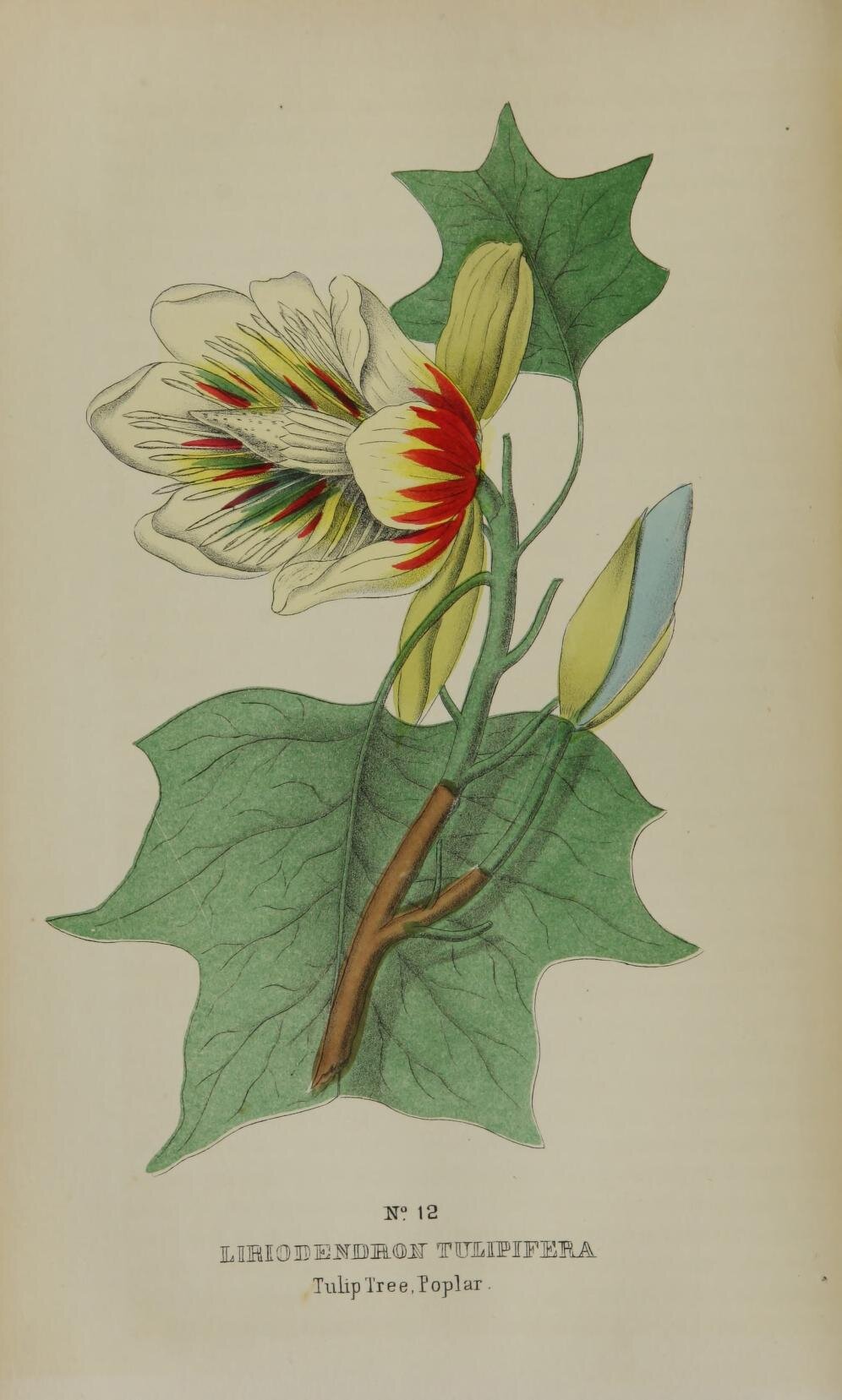
21 botanical print books browsed in September and added to the list. They were published over almost 300 years (1793 to 1981). The most recent volumes are documentation of threatened and endangered species. The earliest (Icones plantarum rariorum - Vol 3, sample image) was a volume from a series I had found before – but somehow missed this volume. There were some beautiful illustrations of plants I’m familiar with: tulip poplar, jack-in-the-pulpit, deciduous magnolia, maples, oaks, holly. There were also two volumes of plant imprints…geological botanical prints. I found several volumes that were fruit focused…more to come of those finds in October. Overall – a lot of variety in the September 2021 volumes.  
The whole list of 2,229 botanical eBooks can be accessed here. The list for the September books is at the end of this post.
Click on any sample images in the mosaic below to get an enlarged version. Enjoy the September eBotanical Prints!

Plantae novae vel minus cognitae ex herbario Horti Thenensis V1 * Wildeman, Emile de * sample image * 1904

Plantae novae vel minus cognitae ex herbario Horti Thenensis V2 * Wildeman, Emile de * sample image * 1908

Les phanérogames des terres magellaniques  * Wildeman, Emile de * sample image * 1905

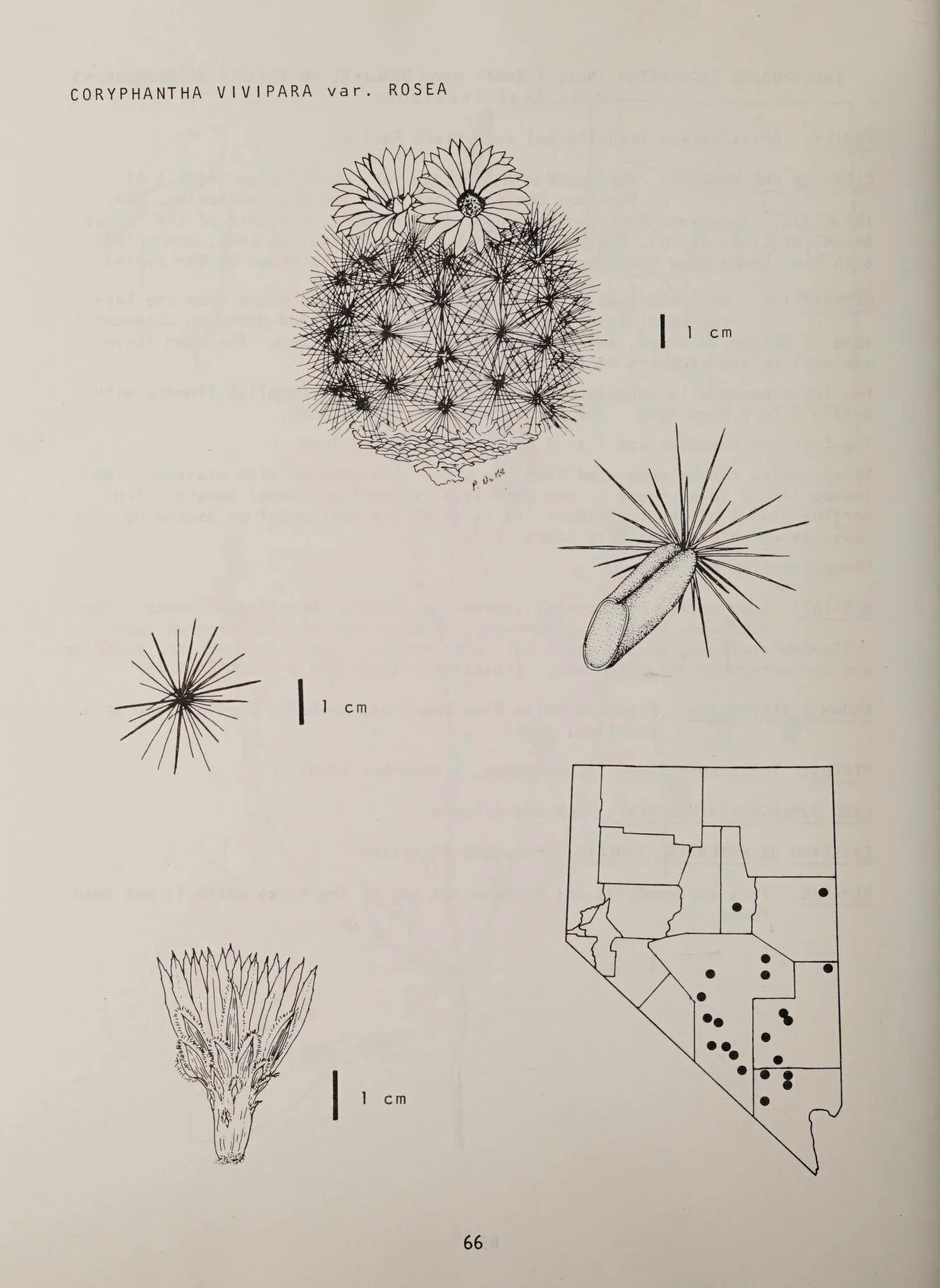
Threatened and endangered plants of Nevada : an illustrated manual * Mozingo Hugh Nelson * sample image * 1981

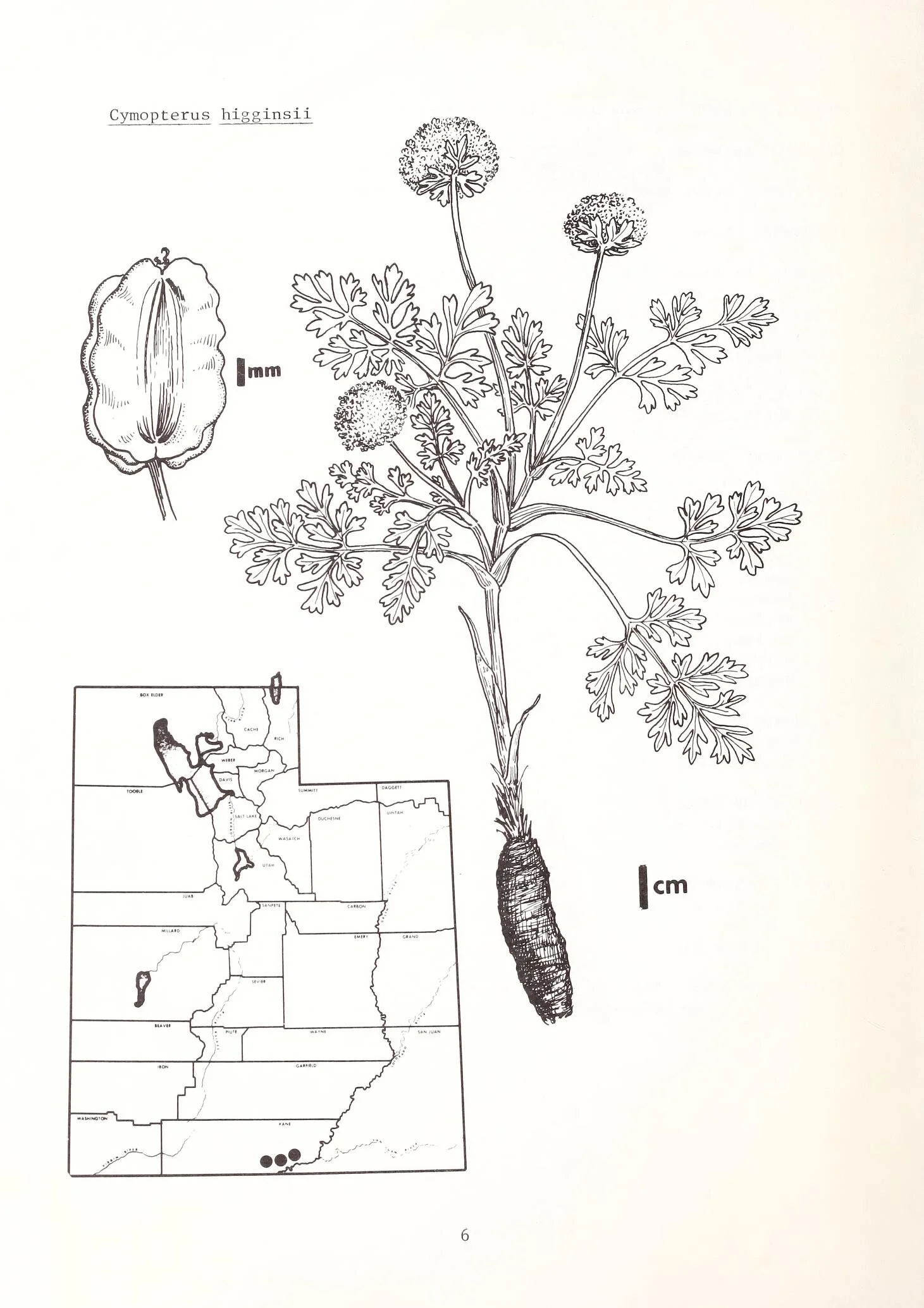
Illustrated manual of proposed endangered and threatened species of Utah * Welsh, Stanley; Thorne, K. H. * sample image * 1979

Aquatic plants of Illinois; an illustrated manual including species submersed, floating, and some of shallow water and muddy shores * Winterringer, Glen Spelman; Lopinot, Alvin C. * sample image * 1966

Budding Life: a book of drawings * King, Jessie M. * sample image * 1907

The century supplement to the dictionary of gardening, a practical and scientific encyclopaedia of horticulture for gardeners and botanists * Nicholson, George * sample image * 1901

Pomologie française : recueil des plus beaux fruits cultivés en France V1 * Poiteau, Antoine; Turpin, Pierre Jean Francois * sample image * 1846

Pomologie française : recueil des plus beaux fruits cultivés en France V2 * Poiteau, Antoine; Turpin, Pierre Jean Francois * sample image * 1846

Icones plantarum rariorum - Vol 3 * Jacquin, Nicolao Josepho * sample image * 1793

The family flora and materia medica botanica V1 * Good, Peter Peyto * sample image * 1847

The family flora and materia medica botanica V2 * Good, Peter Peyto * sample image * 1847

Garden trees and shrubs illustrated in colour * Wright, Walter Page * sample image * 1913

Experimental pollination; an outline of the ecology of flowers and insects * Clements, Frederic Edward; Long, Francis Louise * sample image * 1923

Minnesota trees and shrubs : an illustrated manual of the native and cultivated woody plants of the State * Clements, Frederic Edward; Butters, Frederick King; Rosendahl, Carl Otto * sample image * 1912

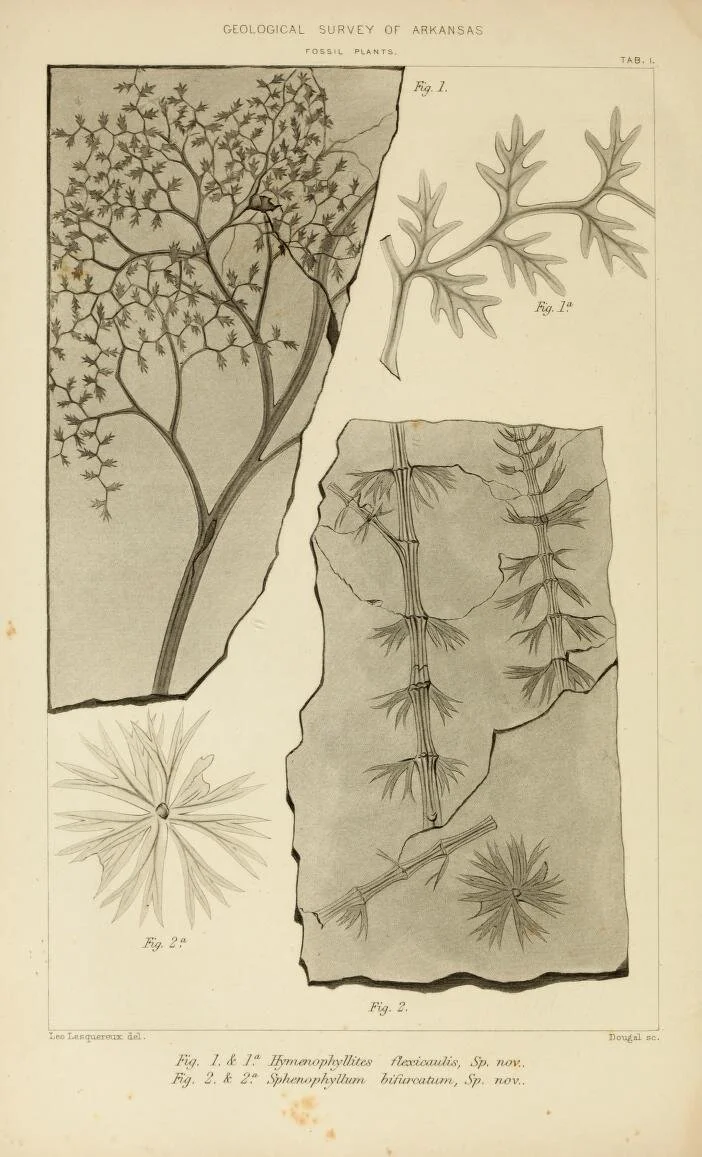
Botanical and palaeontological report on the Geological State Survey of Arkansas * Lesquereux, Leo * sample image * 1860

The flora of the Dakota group, a posthumous work * Lesquereux, Leo * sample image * 1891

The nurseryman's pocket specimen book : colored from nature : fruits, flowers, ornamental trees, shrubs, roses, &c * Dewey, Dellon Marcus (publisher) * sample image * 1872

A report on the trees and shrubs growing naturally in the forests of Massachusetts V1 * Emerson, George Barrell * sample image * 1846

A report on the trees and shrubs growing naturally in the forests of Massachusetts V2 * Emerson, George Barrell * sample image * 1894

Gleanings of the Week Ending October 2, 2021

The items below were ‘the cream’ of the articles and websites I found this past week. Click on the light green text to look at the article.

The oil-field ‘fugitive’ that can slip into the water supply – The methane leaks into ground water are yet another reason fossil fuel is problematic. The industry evidently can’t or won’t clean up…making moving away from fossil fuels as quickly as possible even more urgent – although climate change should be enough for the world to be doing that already.

Top 25 birds of the week: Brown Birds – Not all birds are colorful! Watching small brown birds can be just as much fun though.

Ancient Human Presence Revealed At White Sands National Park - Researchers Push Back Date Of Human Arrival In North America Thousands Of Years – Fossilized footprints in the gypsum sand playa deposits…dated to the Late Pleistocene.

Mexico’s Ancient Inhabitants Moved Land and Bent Rivers to Build Teotihuacán – Still more being learned from an archaeological site that has been studied for many decades. LiDAR is one of new technologies that is yields a lot of new information.

Poorly circulated room air raises potential exposure to contaminants by up to six times – COVID has prompted more detailed research on this topic…and the discoveries should be used to improve building ventilation systems to help control other air-borne diseases.

Why colorful food is good for you – I like the colors and flavors….it’s an added benefit that they are also healthy choices!

NASA’s James Webb Space Telescope Will Launch Into Orbit in December – Finally!

River research reveals scale of macroplastic pollution – A plastic bottle takes a long time to break down….450 years and requires UV light. With so many bottles getting into rivers around the world, it is important to understand how they travel…how they begin to breakdown. They are going to be around for a very long time and, right now, more are still entering the rivers.

Research shows more people living in floodplains – From NASA. Tragedies that are getting worse as population increases and climate change causes flood risk changes.

Making Beetles Pee Can Protect Your Garden – Maybe this is also a pathway to an effective way to control insects like aphids without pesticides!

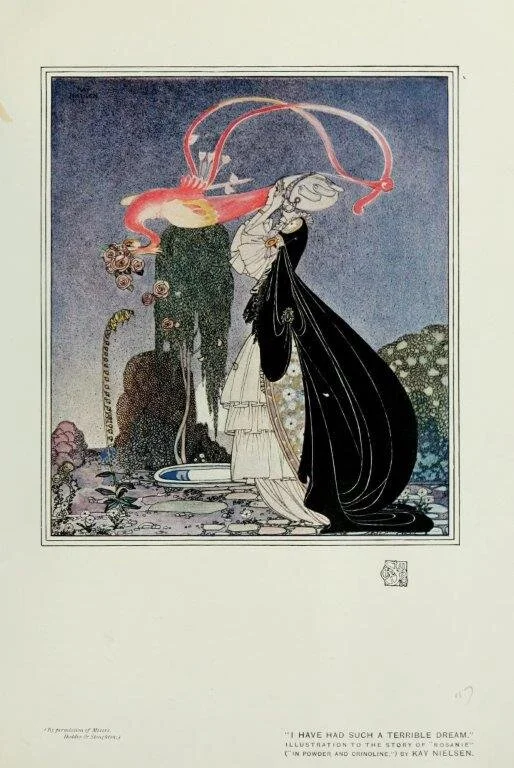
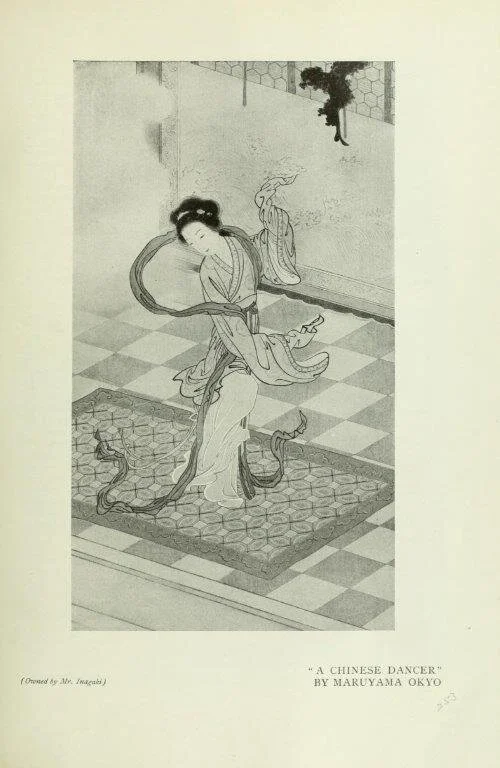
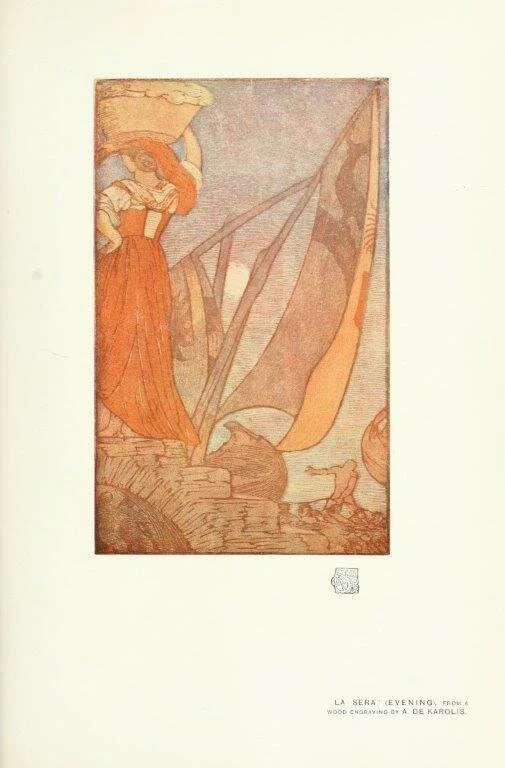
Studio International

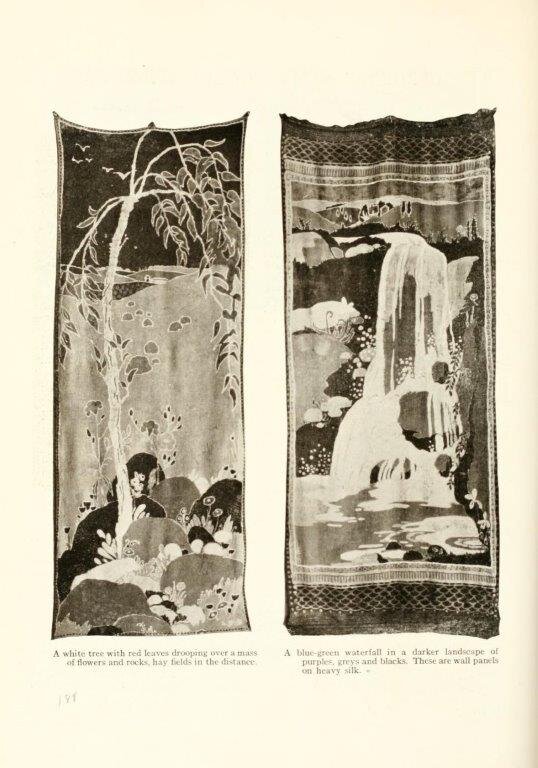
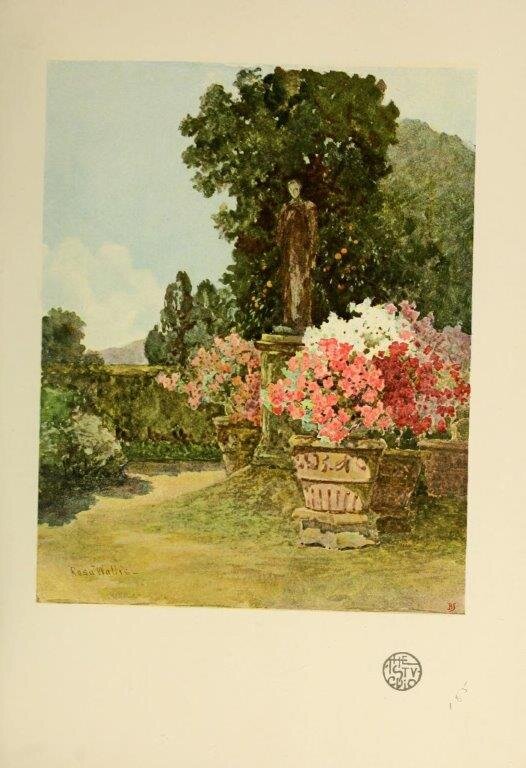
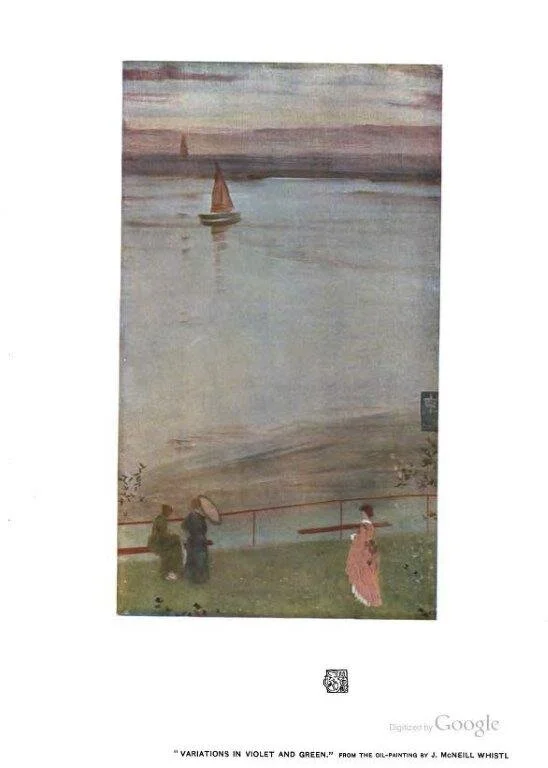
I browsed 51 volumes of the Studio International magazines published from 1896 to 1922 over the past month or so. It was a time when the world was changing rapidly – modernizing through industrialization and the World War I years with the 1918 flu overlaying on that challenge. The volumes between 1917 and 1922 are missing. The 1920s were a frenzy of new fashions and cultural shifts. The magazines are a contemporaneous perspective of the time.  
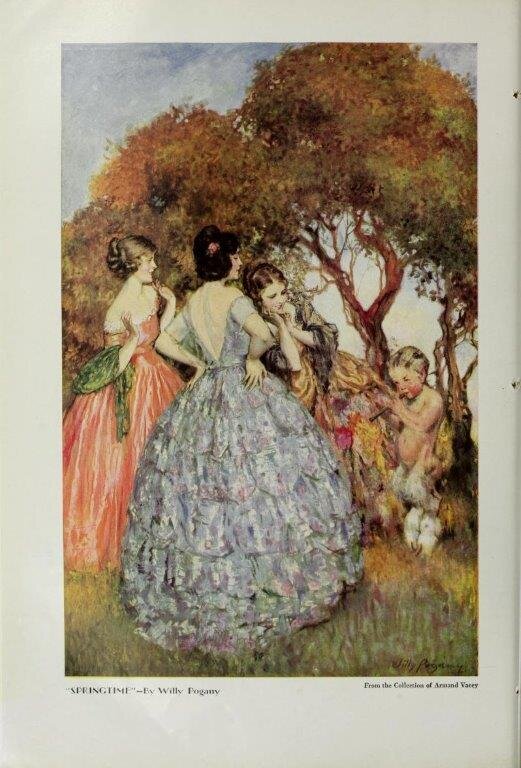
I selected an image from each volume I browsed which are in the grid below – time sequenced; I selected color images but there are more that are pencil sketches or black/white photographs…and more architecture. The volumes are well worth browsing; links to the volumes are below the grid of images. To enlarge any image below, clink on the image in the grid.
Going to Seed

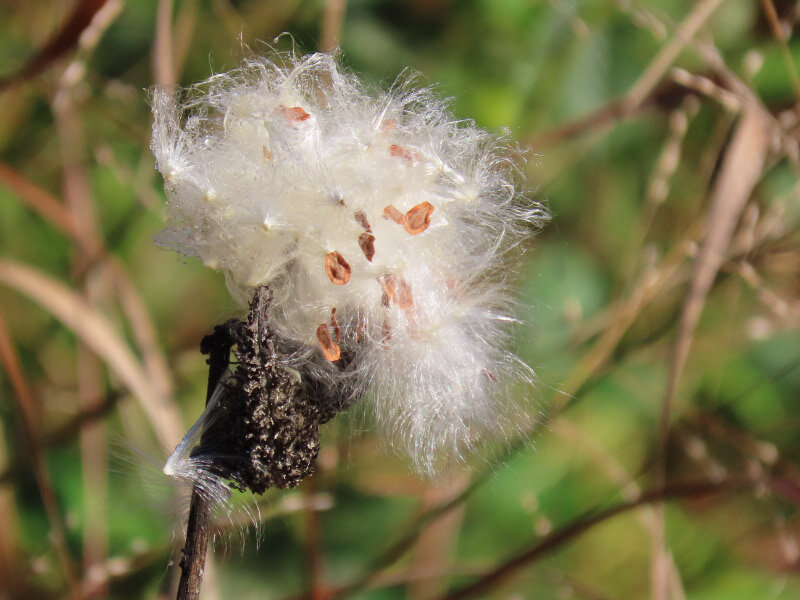
This time of year, the plants are going to seed. I walked around our yard finding a few:

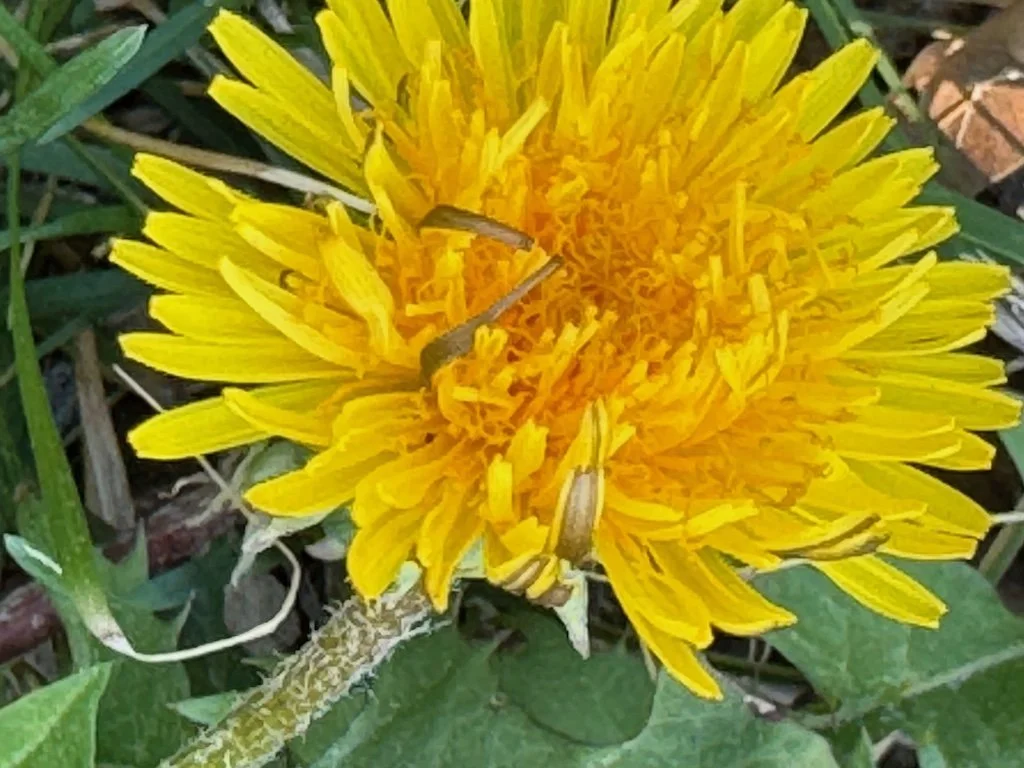
A dandelion puff in the grass – not a many as in the warm days of late spring and early summer…once the dandelion crescendo they continue flowering and making seed puffs through the warm months until frost.

2021 09 IMG_9108 (1).jpg

Many of the ferns have spores on the back of their leaves.

2021 09 IMG_9108 (2).jpg

Coneflowers look almost threatening with the spikes of seeds….a drape of drying petals below.

2021 09 IMG_9108 (3).jpg

We had a pyracantha at one corner of our house when we move here over 25 years ago – it died back but has now come up from the roots and has orange berries again this year – a pop of color beneath the huge bush growing above the re-emerging pyracantha.

The allium in the chaos garden has green seedpods. They’ll take a little longer to dry and pop open to let the black seeds escape.

2021 09 IMG_9108 (6).jpg

Gleanings of the Week Ending September 25, 2021

The items below were ‘the cream’ of the articles and websites I found this past week. Click on the light green text to look at the article.

Top 25 birds of the week: September 2021 – Such a variety of birds in the world!

The Love Stories of Sleepy Lizards – An Australian lizard…they are monogamous and have a surprising threat display. They have been studied for over 40 years.

Searching for the Fisher Kings – The Calusa of south Florida…a capital on a man-made island made of shell. Surviving the Spanish but not the British.

New Coal Plants Dwindle Amid Wave of Cancelled Projects – Good! We need to be ramping up generation of electricity with renewables….and dramatically reducing the methane released by the oil and gas industry in their extraction processes…and then begin to reduce our need for oil and gas in areas that can be electrified (like transportation and heating/cooling).

Explore Life Under the Microscope with the Winners of the Nikon Small World Photomicrography Contest – Photomicrography frequently creates art from reality that it too small for our eyes to see without the magnification and specialized equipment.

August 2021 global climate summary – From NOAA. Two global maps (temperature and precipitation). Where I live, August was hotter and slightly wetter than the average (averages from 1981-2010 for temperature…from 1979-2020 for precipitation).

People synchronize heart rates while listening to stories – Thinking about the brain as part of physical body….looking at the brain-body connection more broadly.

Study Links Transportation Noise to High Rates of Dementia and Alzheimer's – From Denmark.

Indigenous Resilience Center Launched at the University of Arizona – My daughter did her graduate work at University of Arizona; I’m glad they are launching the center to find and implement culturally appropriate solutions to the challenges of climate change.

The chemistry of dahlia flower colors – Also explains why there are no blue dahlias.

Designs of Kyoto: a collection of design for silk and cotton textiles

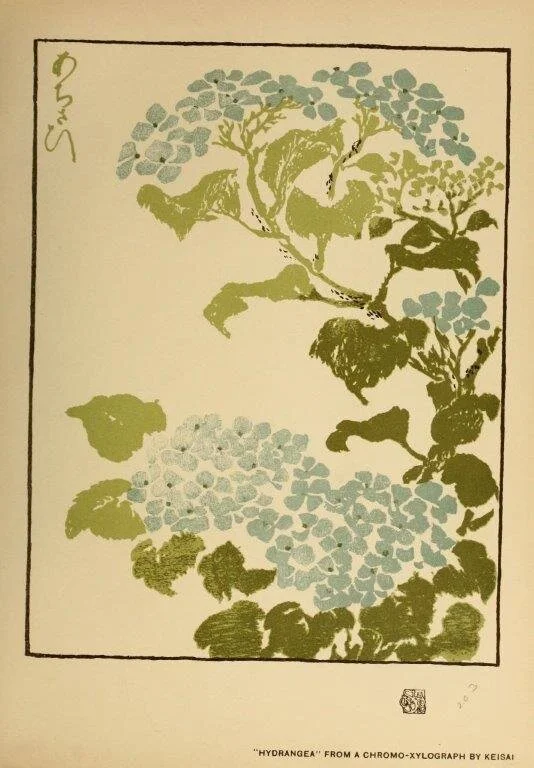
The two volumes of Designs of Kyoto: a collection of designs for silk and cotton textiles (volume 1 and volume 2) were published in 1906 and are available on Internet Archive. I’ve selected 2 sample images from both volumes.

I enjoyed the books – lots of nature themes and ideas for Zentangle patterns. Some of them looked very abstract – geometric – hits of realism. There is a modern quality to many even though they are more than 100 years old. Maybe nature images are timeless as long as the animal/plant depicted still exists in our world.

Silk and cotton are luxuries now – the inexpensive fabrics are synthetic creating a lot of ‘fast fashion’ with interesting fabric patterns….like these.

Our Oak

Looking up into our oak that grows near our mailbox, it looks like fall is well underway. The flags left from the periodic cicada larvae this summer have dropped their leaves and the rest of the leaves are turning now too. I’ll need to do a round of mowing soon to keep the leaves from getting too thick on the grass. The Virginia Creeper has grown a lot this year…reaching higher into the tree than ever before. It’s a native and climbs with suckers rather than rootlets; it only damages the tree if it gets too heavy; right now, it is well within the range that the tree can handle.

20210919_072944.jpg

That’s not to say that the tree is in great shape. Oak decline is happening all over the Mid-Atlantic. There are stressors are thought to weaken the trees: climate change, tree age, site conditions, history of disease. Our tree is probably 30-40 years old (the house is about 30 years old but the tree was planted as a sapling)…not very old for an oak. There is pavement on two sides of the tree (the street and our driveway) so soil compaction might be a problem. It has always had mulch and grass around its base and there are no exposed roots.

The stressors might have weakened our tree enough to make it vulnerable.  The way some of the leaves look is indicative of Bacterial Leaf Scorch. It will be years before the tree succumbs – finally starving (i.e. leaves turning brown and falling early…not continuing to produce food for the tree during the entire growing season). We’ll shore up its defenses by watering it during drought…keeping the fallen branches and debris picked up around its base. And eventually cutting the Virginia Creeper.

Gleanings of the Week Ending September 18, 2021

The items below were ‘the cream’ of the articles and websites I found this past week. Click on the light green text to look at the article.

Young female black bears in Asheville, North Carolina, are big, have cubs early – More research needed…it’s still not known what is causing them to be so much bigger and mature early…or if the population is increasing or not. It is clear that there are quite a few bears and lots of opportunity for interactions between people and bears – many not healthy for the bears.

The alarming risks of mixing common drugs – It is a problem that is acute in most elderly patients with good medical care. Their various doctors have gradually built up the medications…and the regime to take them all appropriately becomes daunting. Hopefully it will become best practice to constantly review and minimize drugs that are prescribed.

Work Of First African American Painter With International Reputation Explored – Henry Ossawa Tanner (1859-1937)

Hummingbirds can smell their way out of danger – I was thinking a lot about hummingbirds this past week after my success photographing one at Brookside Gardens.

Praying Mantis – I see these more frequently in the fall…but not every fall. There are so many mantis egg cases, there should be plenty to see; I need to improve my observation skills.

How much energy do we need to achieve a decent life for all? – The most important take away from this study: “energy for eradicating poverty does not pose a threat for mitigating climate change.” That is good news

The lost generation of ancient trees – The ancients are dying….and there are not enough trees old enough to replace them. There are various ways being tried to veteranize younger trees so they can play the role of ancient trees in ecosystems.

Fall Armyworms are Attacking Lawns and Crops on an ‘Unprecedented’ Scale – Hmmm…maybe this is a prompt to reduce or eliminate the grassy portion of the yard.

Mammoth Cave National Park: The World's Longest Cave Is Longer Than Before - 8 more miles mapped bringing the total to 420 miles!

Hand pollination of crops is of major importance – I was surprised that hand pollination is already used for important crops like apple, palm oil and cocoa.

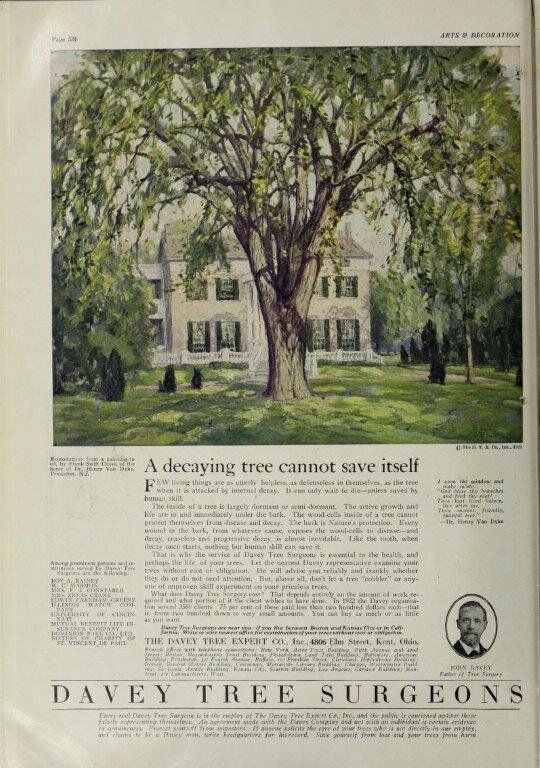
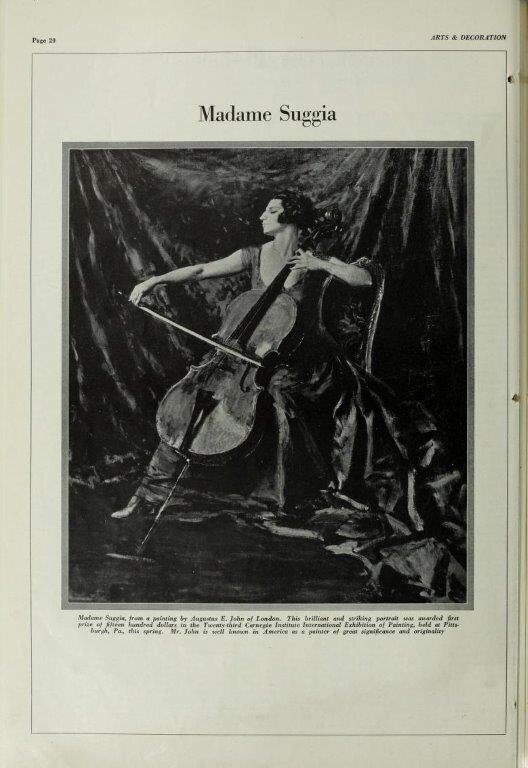
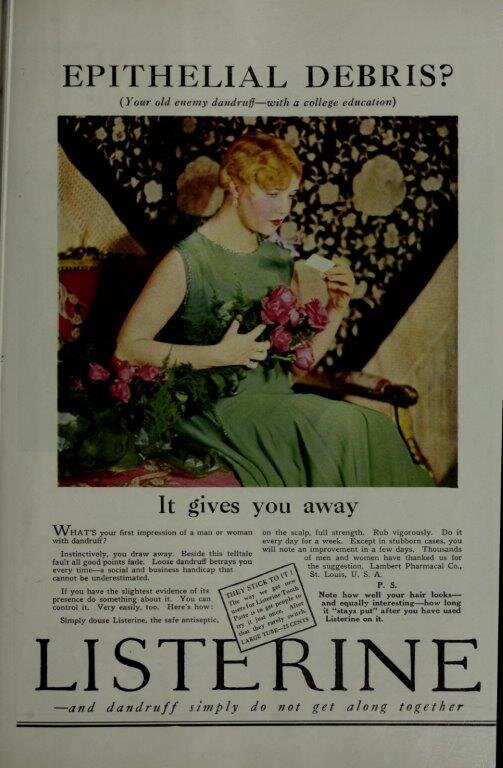
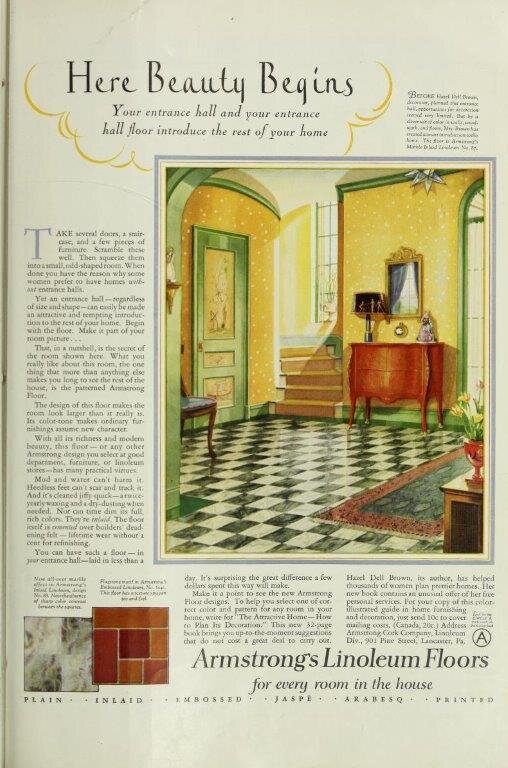
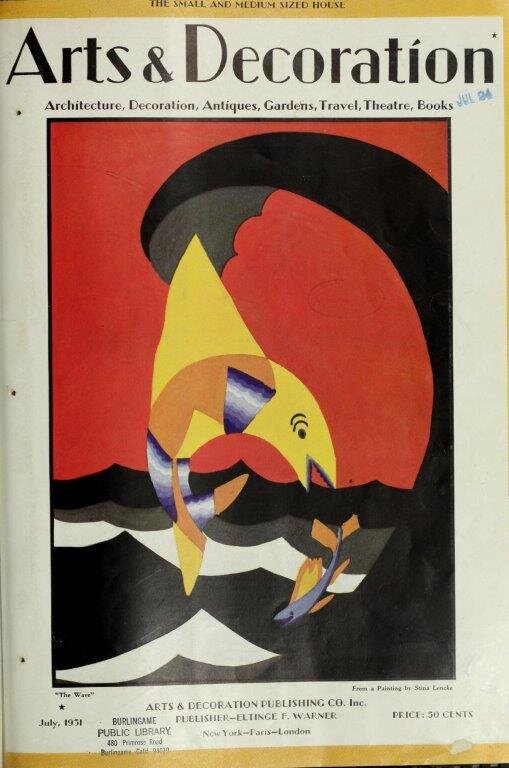
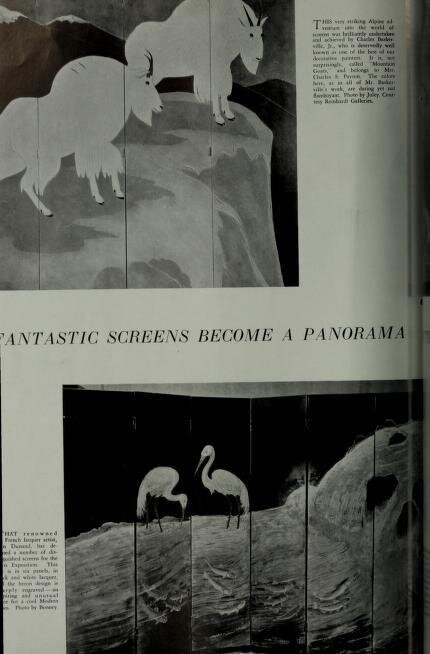
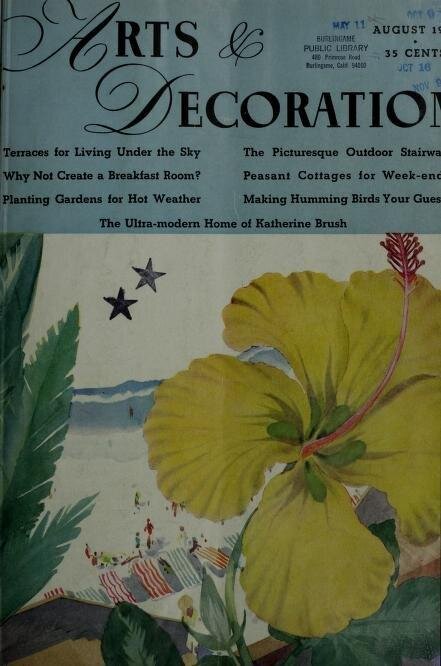
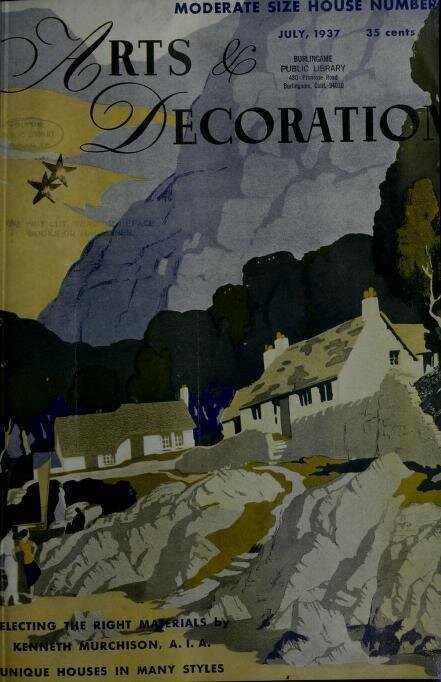
Arts and Decoration from 1920s and 1930s

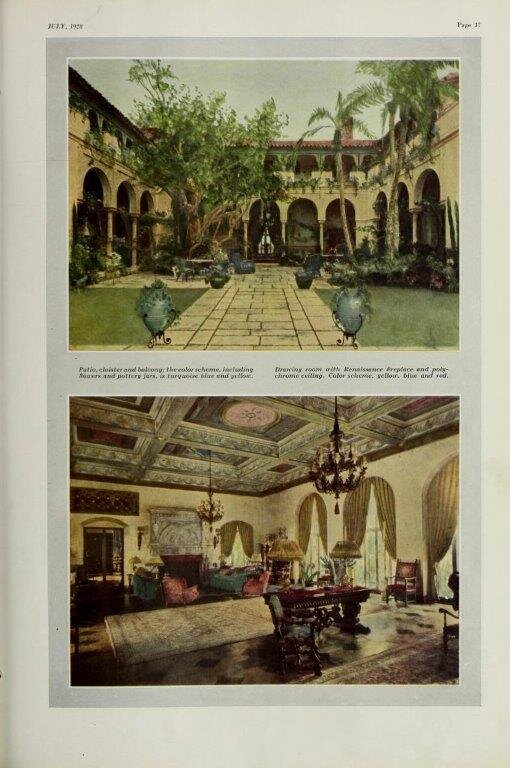
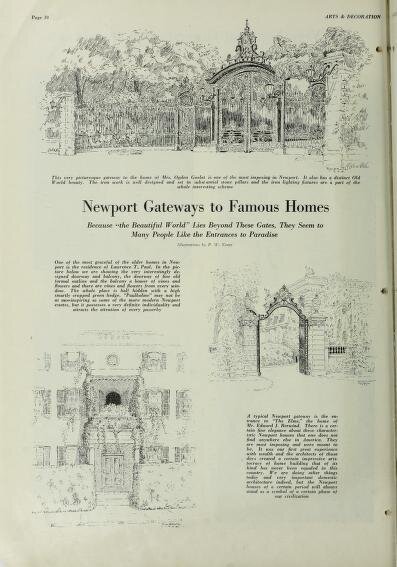
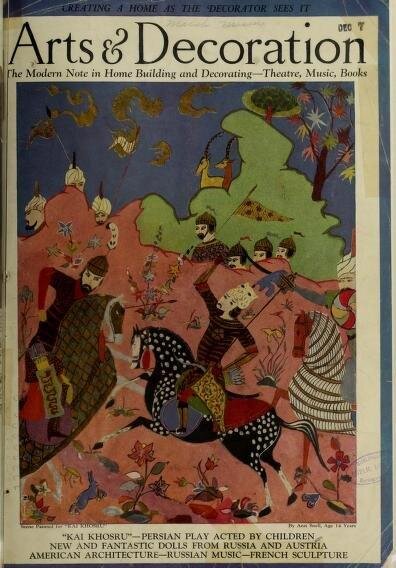
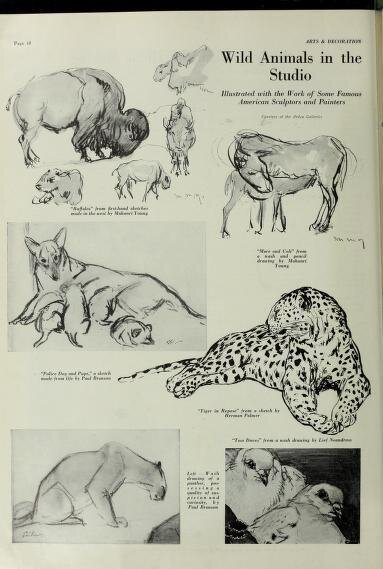
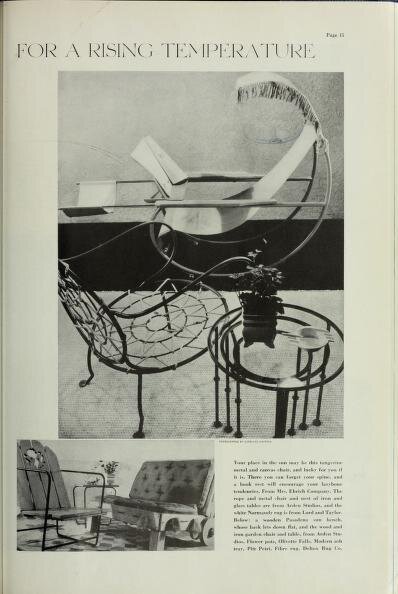
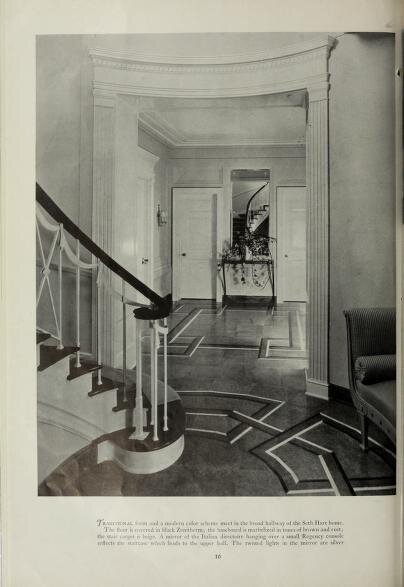
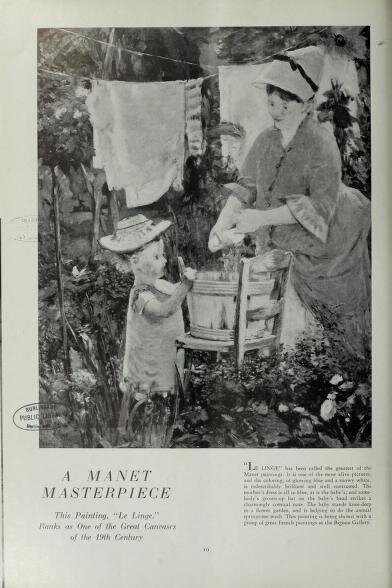
Over the past couple of months – I browsed through 29 volumes of the Arts and Decoration Magazine from the 1920s and 1930s. There are a few color images – dominated by covers and ads. I enjoyed thinking about the history and mood of the times reflected in these periodicals.

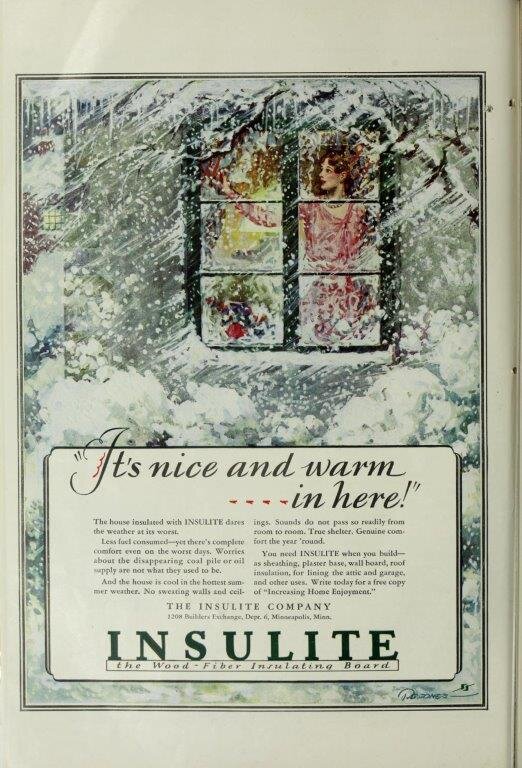
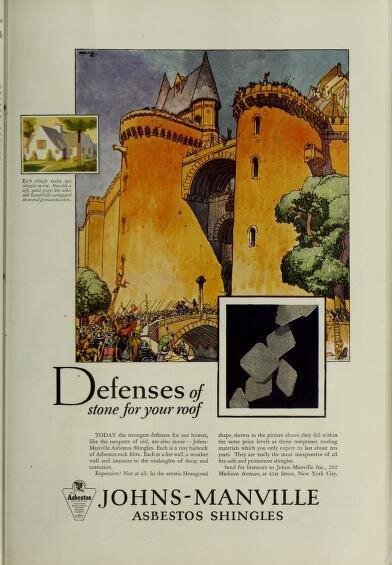
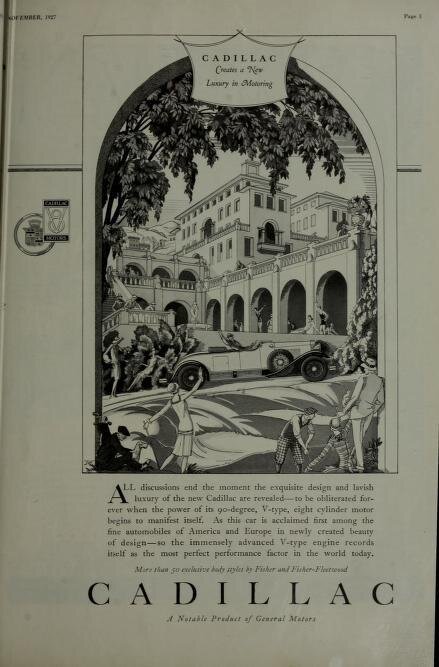
In the 1920s – Some company names we still see today show up – Davey Tree Surgeons, Listerine, Armstrong Floors, Heinz, Lincoln, Cadillac; some ads for companies that no longer exist too: Quaker Lace Company, Oil-o-matic Heat, Insulite, Johns-Manville Asbestos Shingles. The depictions of women were changing just as the clothes they were wearing: less constrained. The magazine reflected the quickening pace and almost euphoric mood of the decade. 1923 (vol 18-19), 1923 (vol 19-20), 1924 (vol 20-21), 1924 (vol 21-22), 1925 (vol 22-23), 1925 (vol 23-24), 1926 (vol 24-25), 1926 (vol 25-26), 1927 (vol 26-27), 1927 (vol 27-28), 1928 (vol 28-29), 1928 (vol 29-30), 1929 (vol 30-31), 1929 (vol 31-32)

And then came the crash in the 1930s. The volumes from the 1930s contain less color – except for the covers. Most advertisers were weathering the Great Depression but not paying for color ads – except for Kenwood Blankets and a steamship company. The magazine was depicting the perspective of the wealthy but even they were not as flamboyant and exuberant as in the earlier decade. This was the decade when my parents were born. They were far from scenes depicted in the magazine…living in the middle of the US in rural areas where they had plenty of food their parents grew on their farms. 1930(vol 32-33), 1930(vol 33-34), 1931(vol 34-35), 1931(vol 35-36), 1932(vol 36-37), 1932(vol 37-38), 1933(vol 38-39), 1933(vol 39-40), 1934(vol 40-41), 1934(vol 41-42), 1935(vol 42-43), 1935(vol 43-44), 1936(vol 44-45), 1936(vol 45-46), 1937(vol 44-47)

Browsing magazines is a perspective of the important things of the day – carefully selected by editors to present to their subscribers. It reflects a narrow perspective – probably: wealthy, white, skewed to the east and west coasts. It would be interesting to know the demographics of the subscribers but maybe even the publishes didn’t know that!

18 months in COVID-19 Pandemic

18 months into the pandemic and the US is experiencing high rates of delta variant infections. The number of new cases is higher than it was in September 2020 and the number of new deaths is a higher too although not as much as the new cases; the vaccines and early treatments are reducing the number of deaths somewhat. The most people in the hospital and dying are unvaccinated. More schools are opening this fall – mostly with mask mandates. There is a lot of concern for the children under 12 since there is not a vaccine approved for them yet.

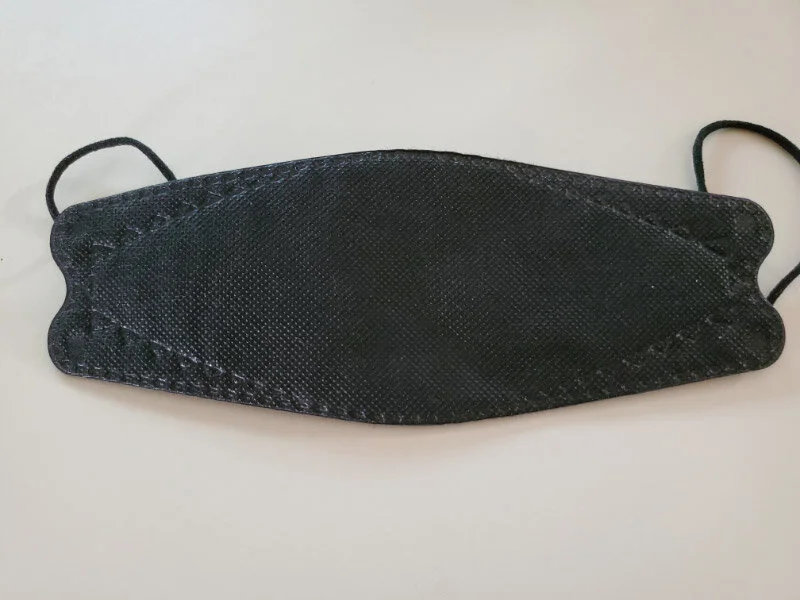
On a personal level, I am glad I am fully vaccinated, and that the KF-94 masks protect me as well as others. The availability of higher quality masks is one of the differences from last year when I was still wearing cloth masks (2 of them) that were protection for others – not necessarily for myself. I wear my mask anytime I am not at home indoors (like the grocery store) and outdoors when I am near other people (like at the Farmers Market). We are not eating in restaurants…but getting takeout occasionally. I haven’t done another road trip in the past month.

20210907_150009.jpg

I am attending training for volunteer gigs coming the fall – ones that are primarily outdoors. Those will start in a few weeks if the local schools manage to avoid major COVID outbreaks that would force them to close. There are some places where it appears the delta variant has already peaked (like Springfield MO) but I’m glad I am not planning another road trip until mid-October when (maybe) the overall infection rate will be lower that it is right now on my route to and from Texas.

I wish I could see an clear end of the pandemic, but it may just be wave after wave of variants…some that the vaccine might not be effective against. I’m glad that masks are effective against respiratory spread in general and have grown accustomed to wearing one.

It is frustrating that COVID is still demanding so much of our attention at a time when we need to focus more on actions to address the larger rolling disasters of climate change.