30 years ago – December 1989

30 years ago – I did my first airplane travel with my daughter. She was 3 months old and I flew from Maryland to Dallas to introduce her to my family in early December. My husband went off to a conference in San Francisco the same week. We had two suitcases to check --- or maybe I checked three. I know I carried the diaper bag on the plane and the baby was in a denim carrier on the front of me….so that I could use my coat to keep her warm and have both hands relatively free. Note the old style suitcases; one had wheels but they were tiny for the size of the suitcase. At least the security at the airport was not as strict as it is now – no taking off shoes and all outerwear and all liquids in 3 ounce sizes in a quart sized Ziploc.

1989 12 img133.jpg

I had barely gotten the baby to enjoy formula from a bottle before the big travel day….making it easier to feed her on the plane. I’d taken the bottle with water in it and used powdered formula so that it didn’t spoil. The plane was not full for the trip to Dallas. My sister and her husband met us as at the airport and wondered where the baby was (in the front carrier almost completely hidden)!

3 months is a time of more baby smiles and interactions with others. She had a growth spurt will we were in Dallas and wanted to nurse all the time…and then sleep. My father snapped a picture of us both getting a quick nap between feedings.

1989 12img156.jpg

When she was awake, the baby was holding toys and trying to roll over.

Once we were all home again – there was more snow and Christmas cards. It was a very family and friends focused month. I was still on leave from work; a few of my colleagues came by to see the baby. I was still adjusting to motherhood…my husband was feeling a little neglected!

eBotantical Prints – November 2019

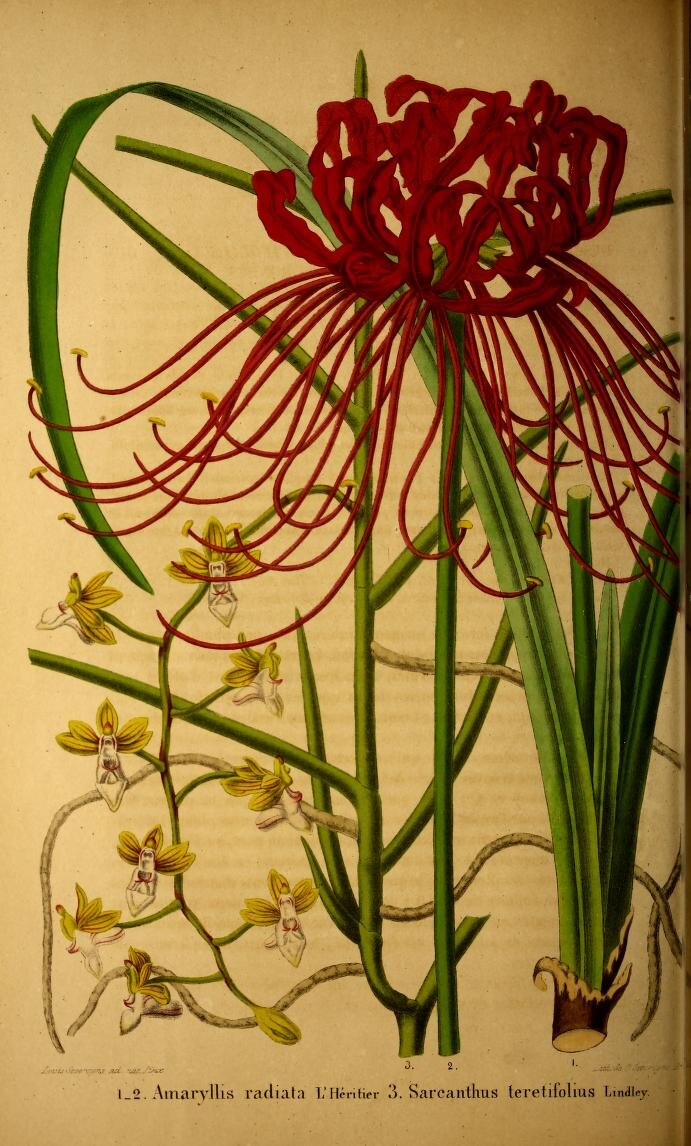
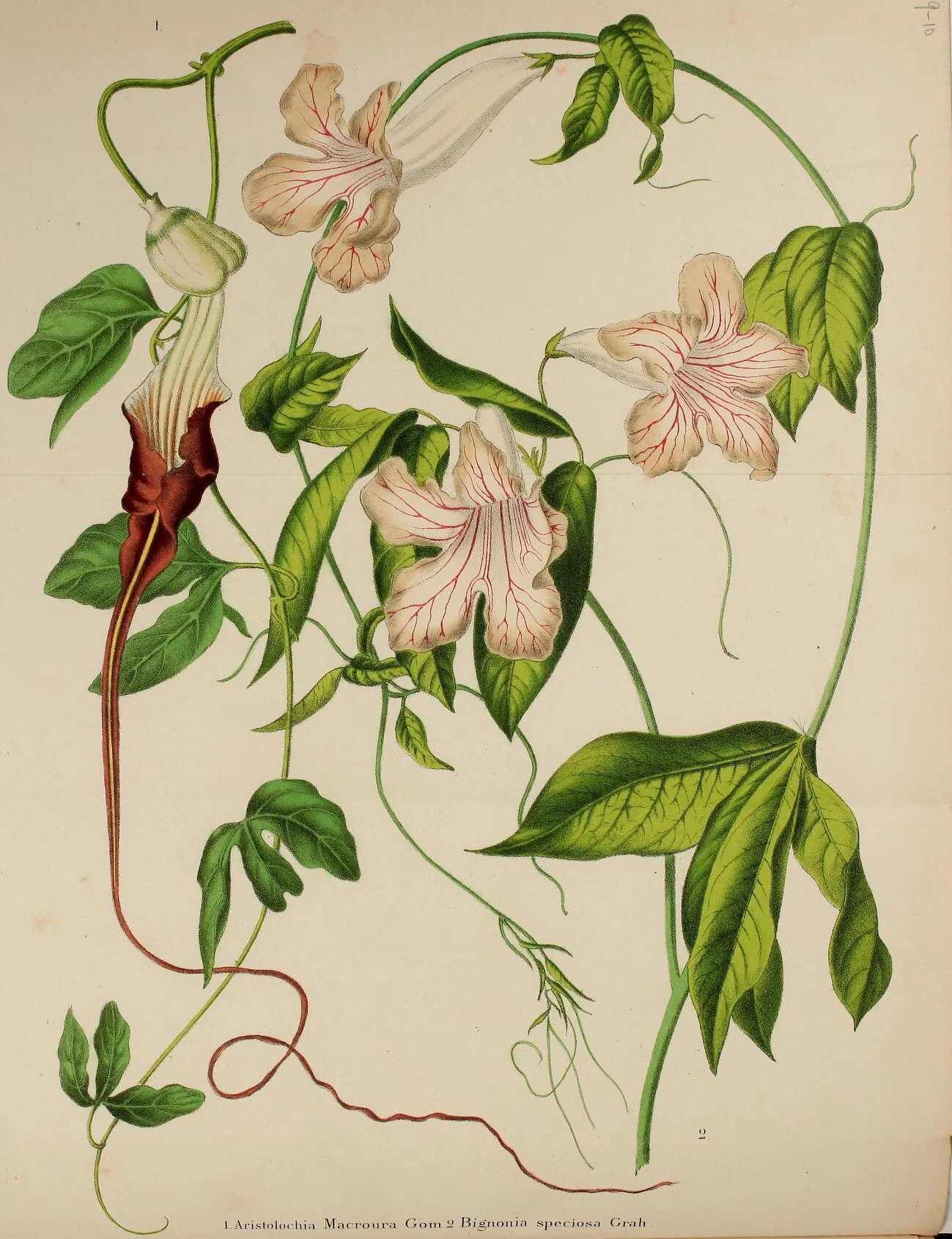
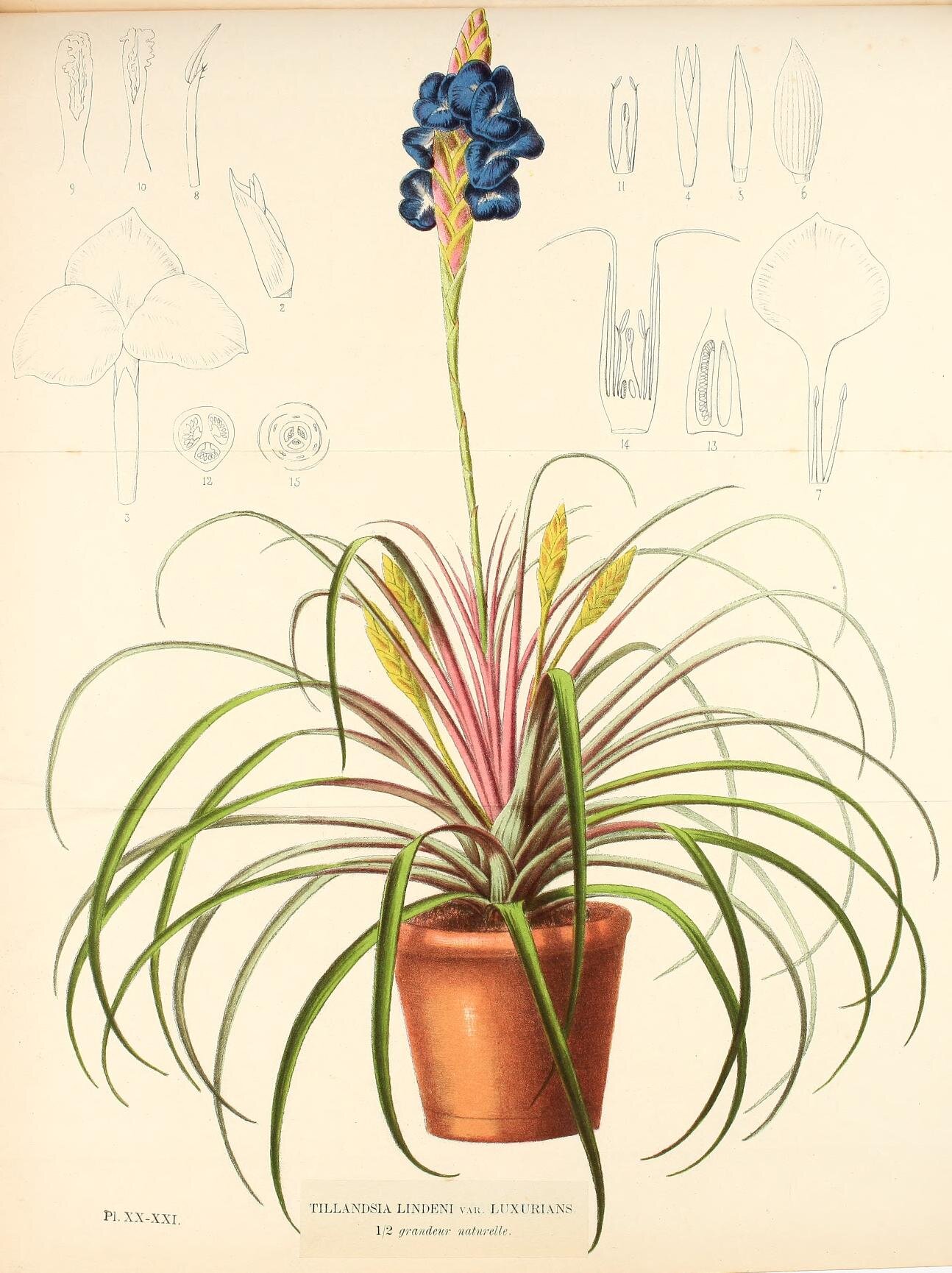
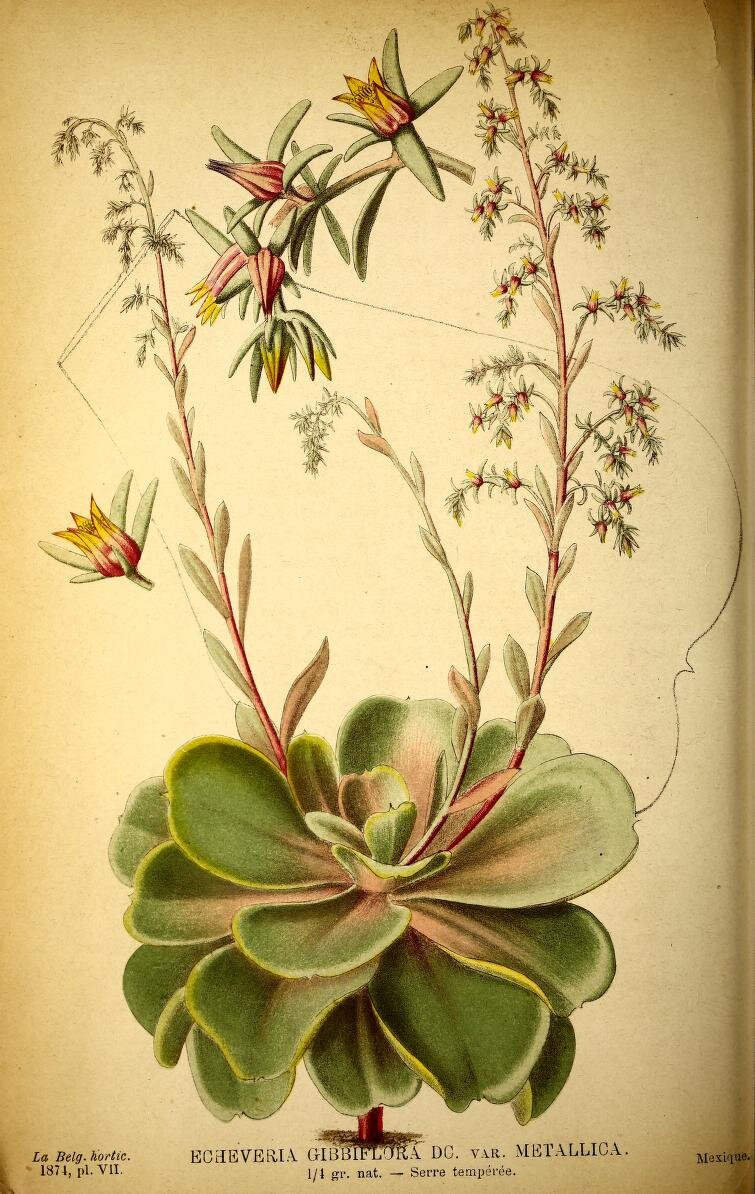
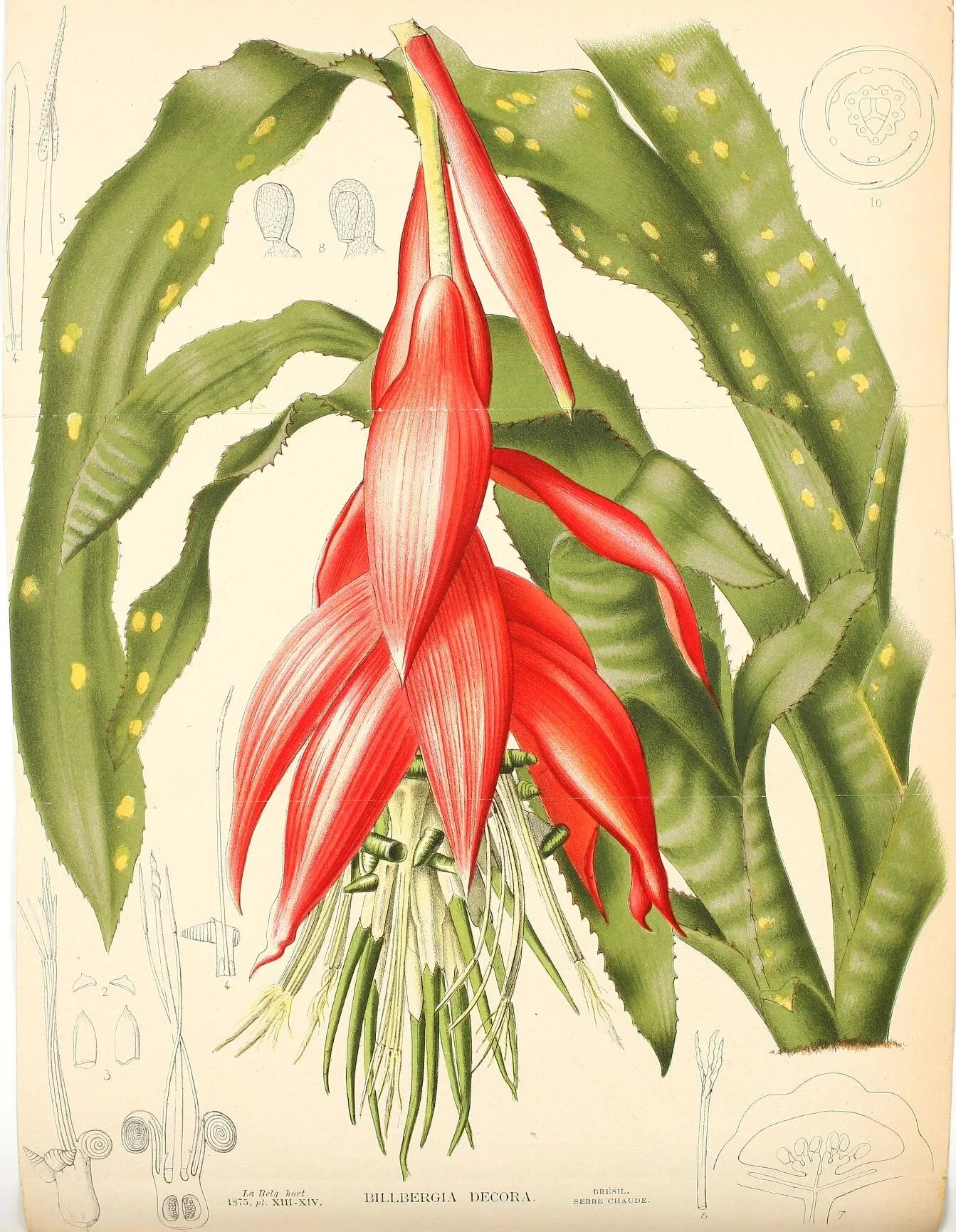
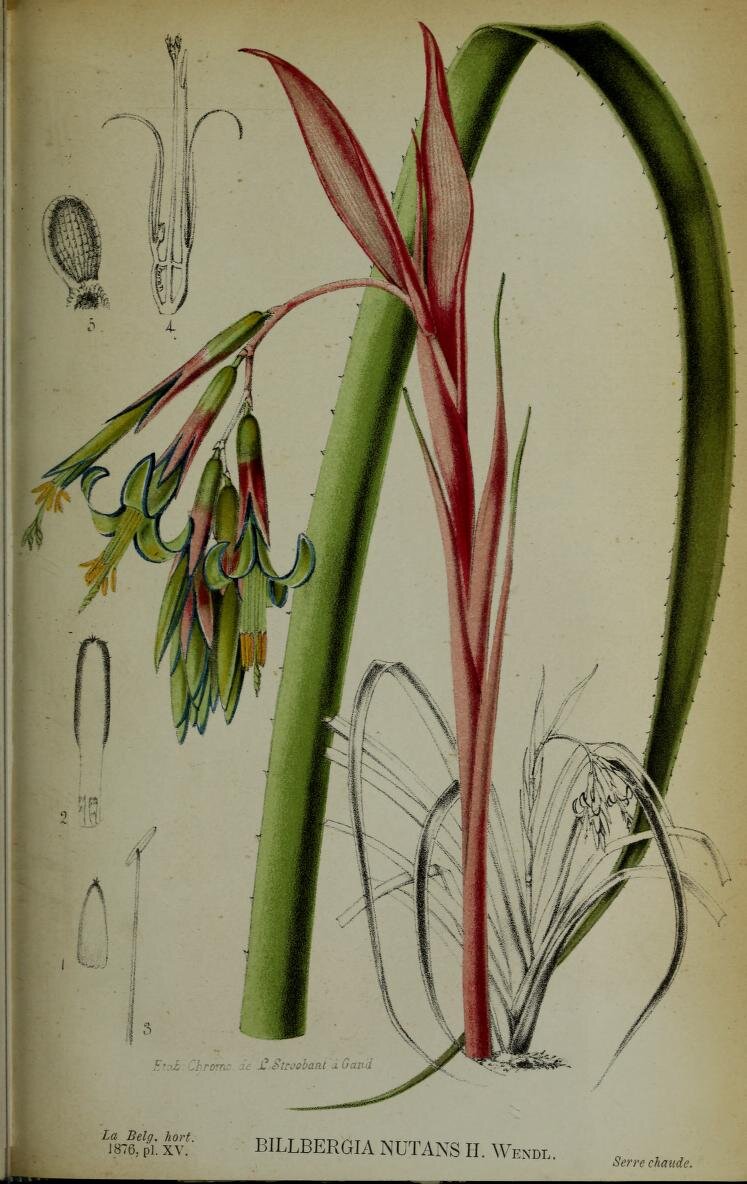
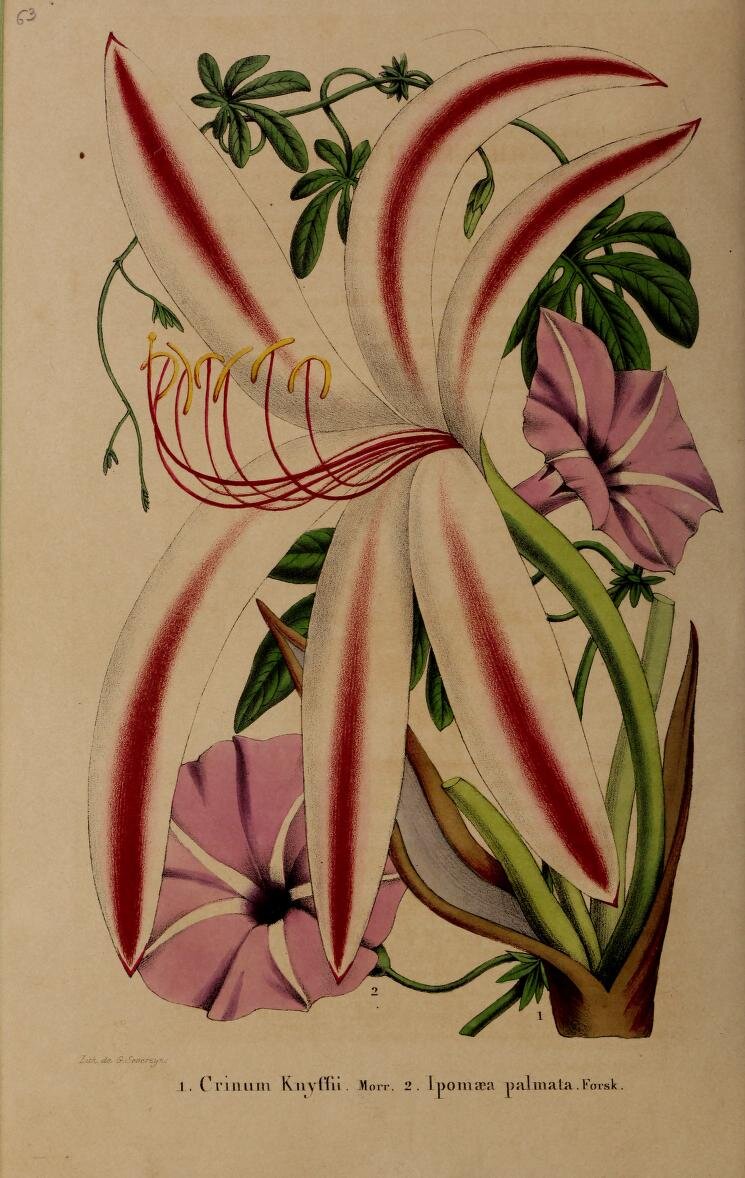
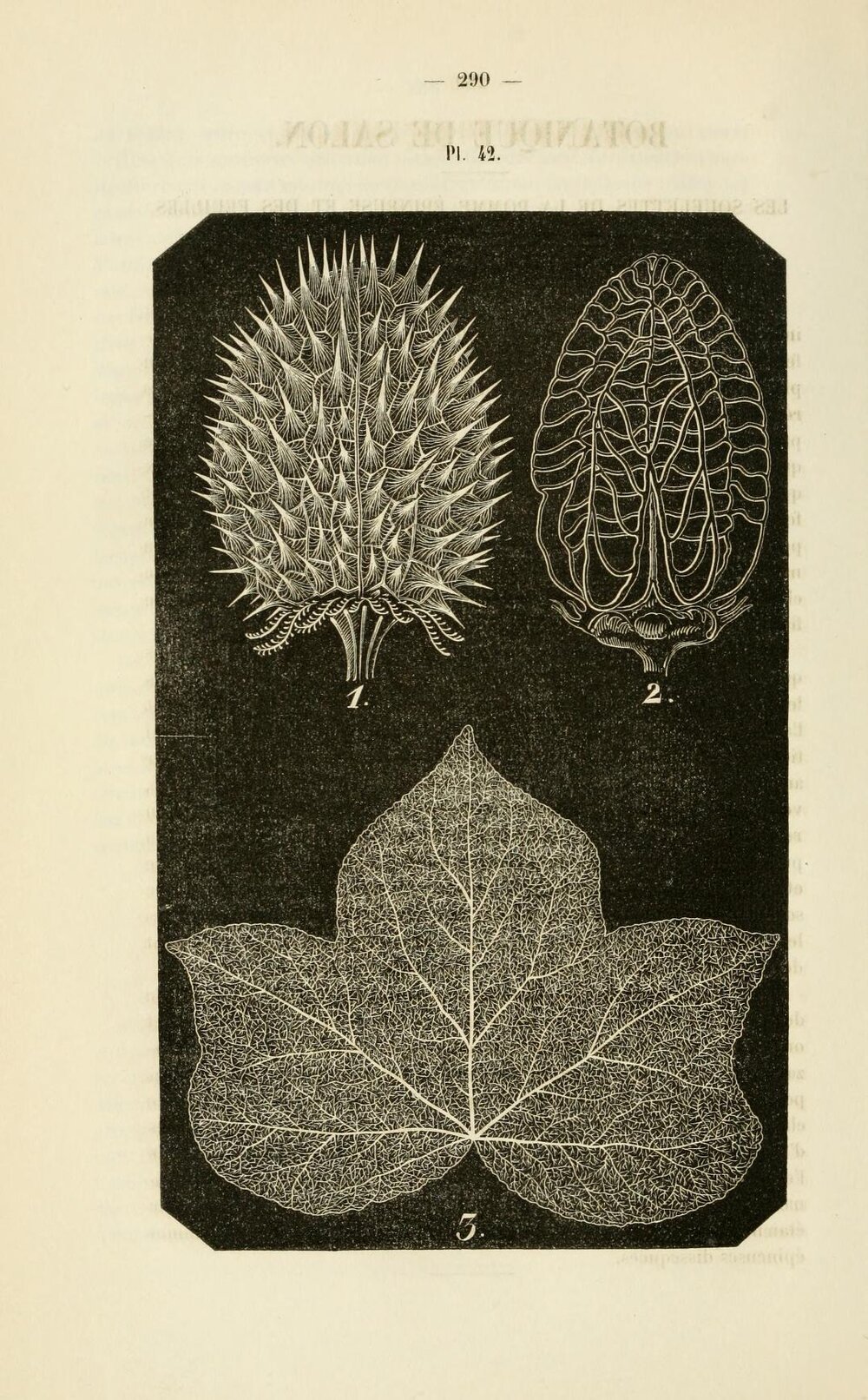
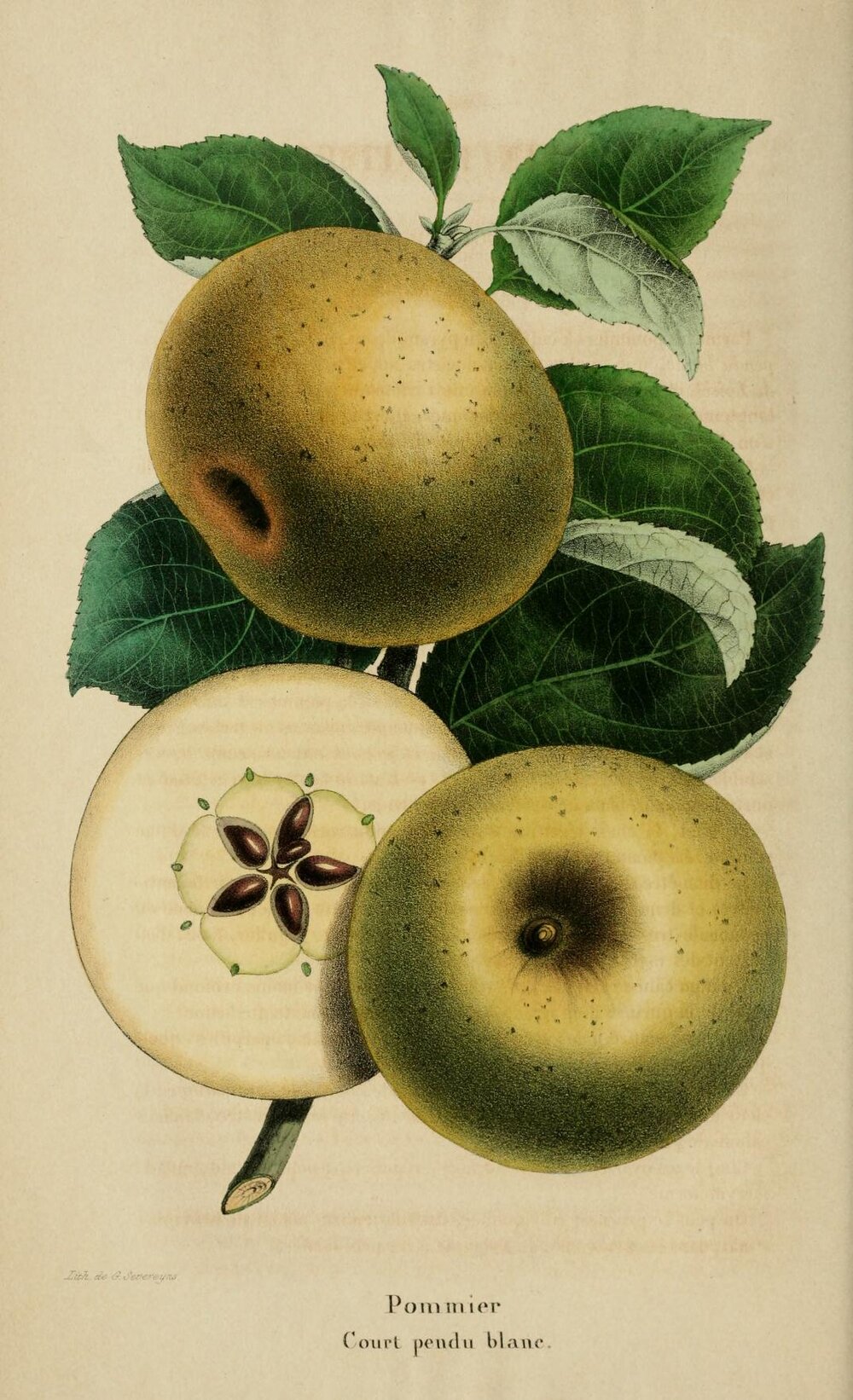
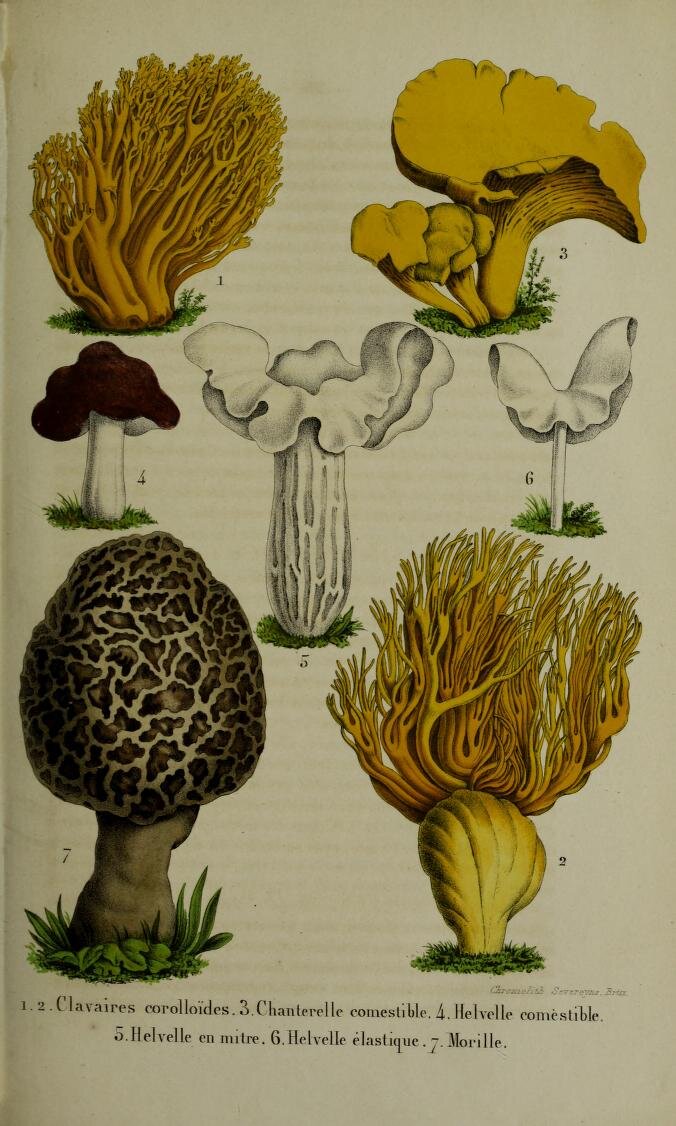
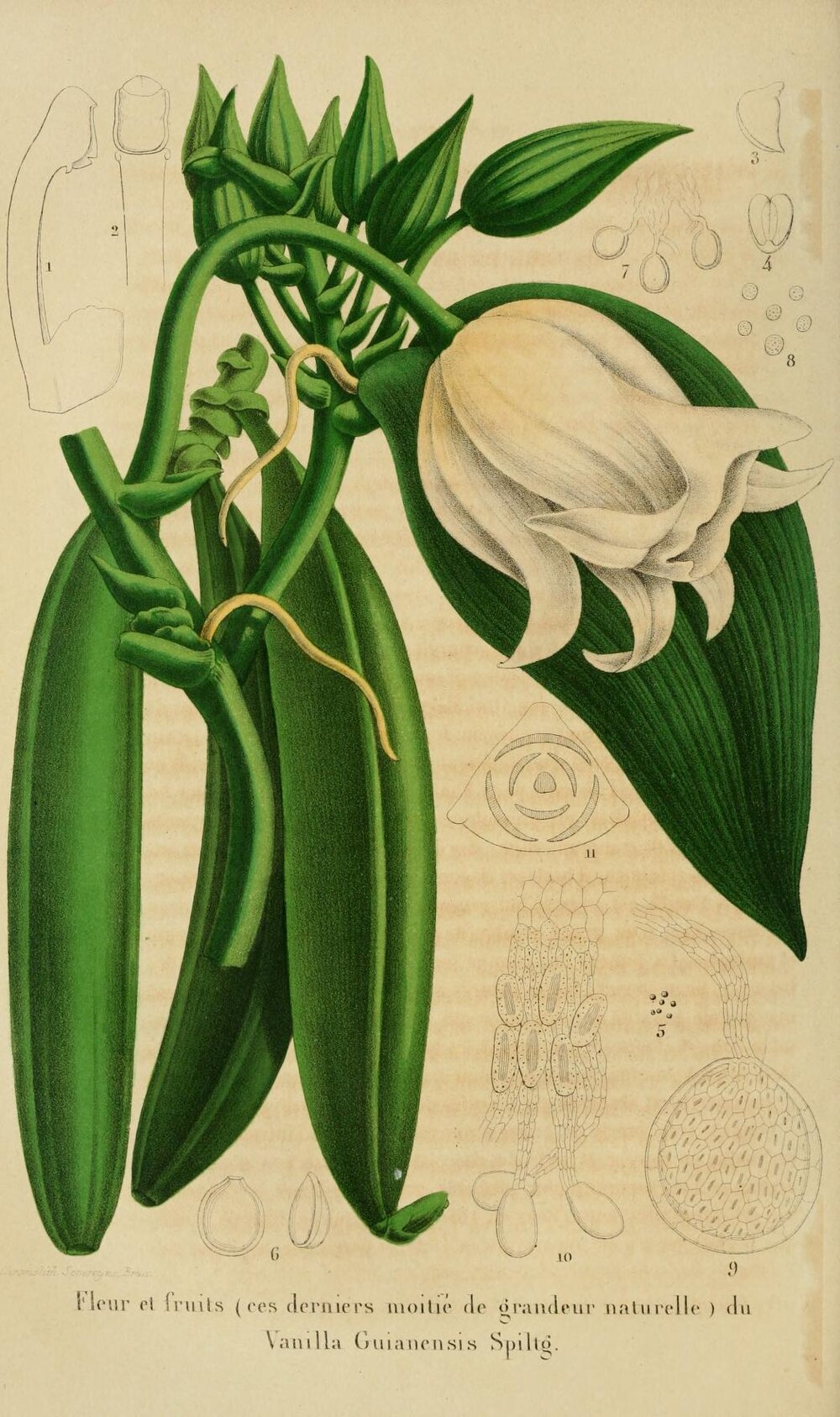
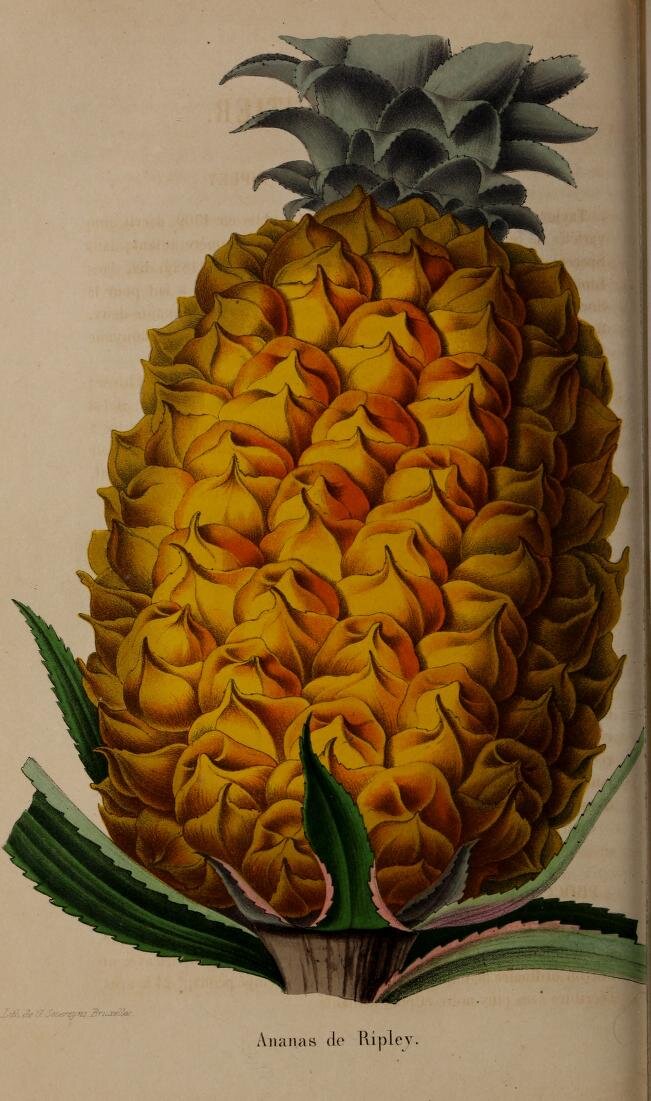
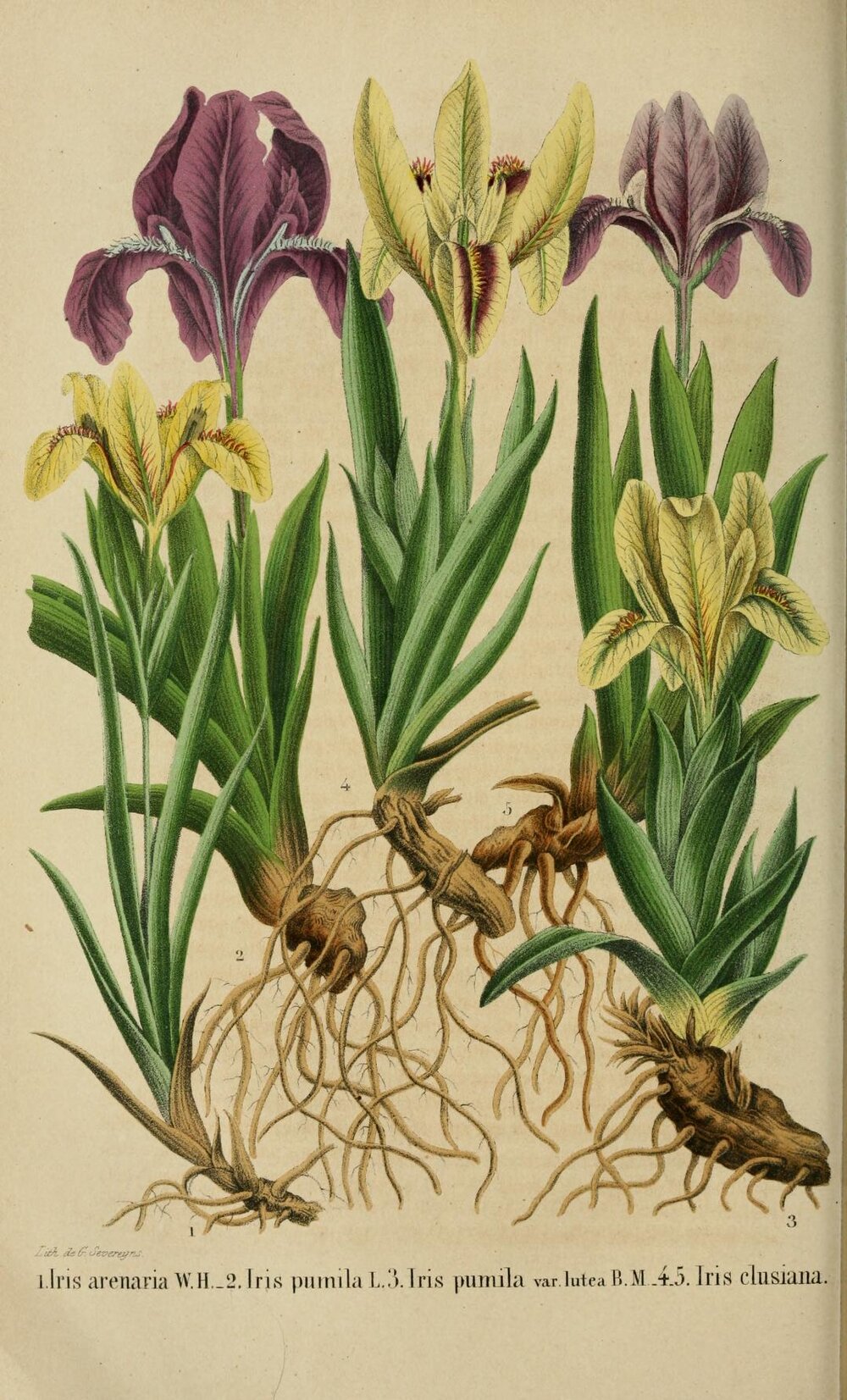
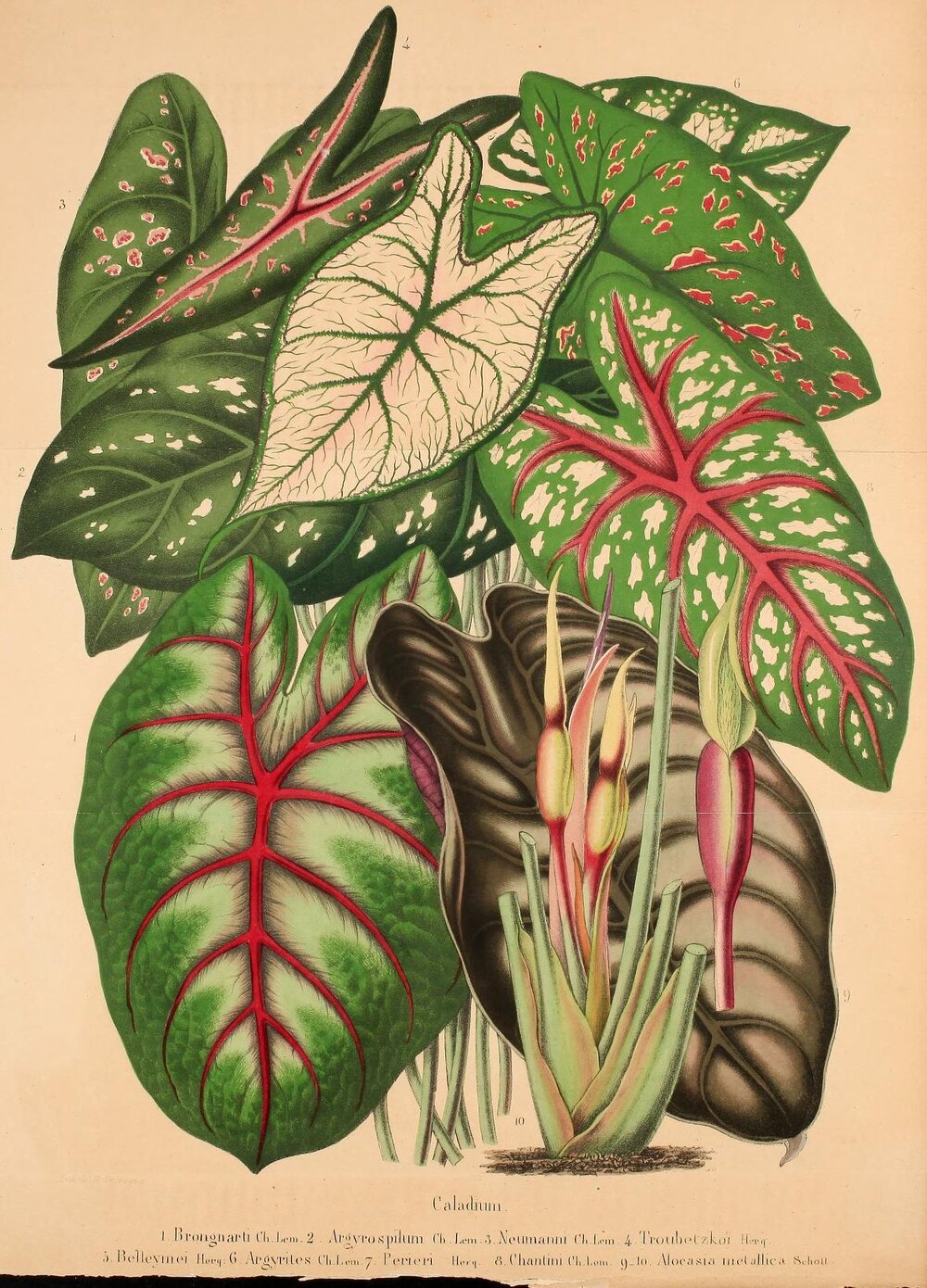
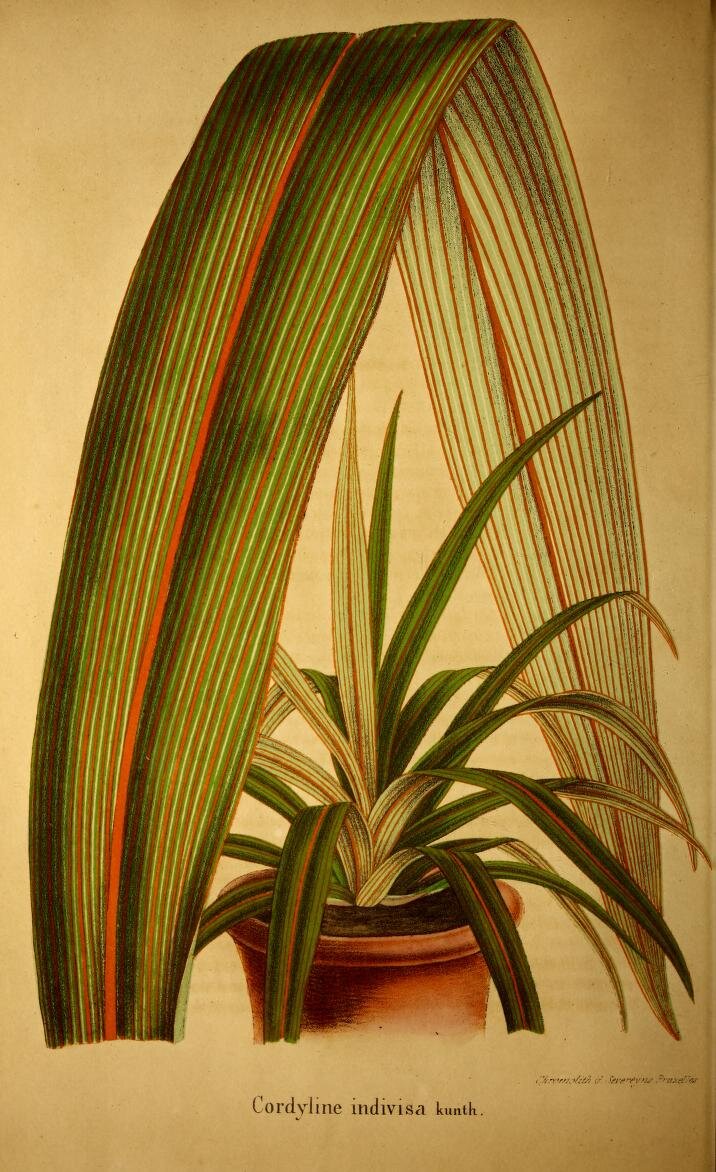
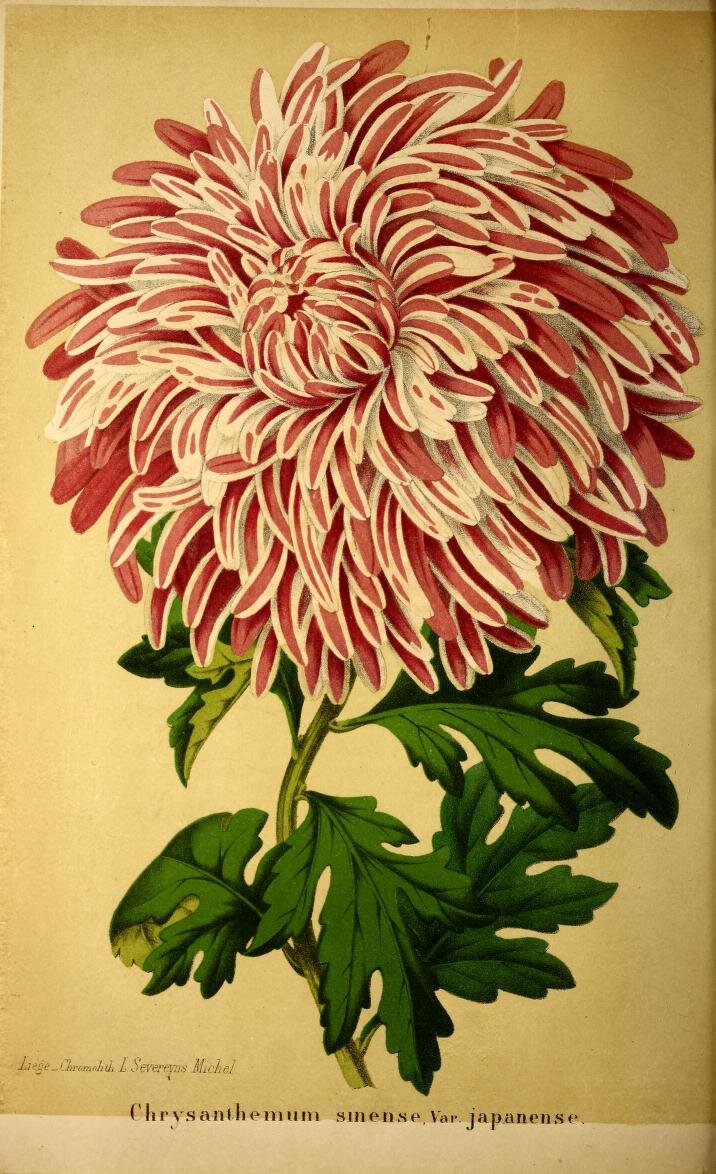
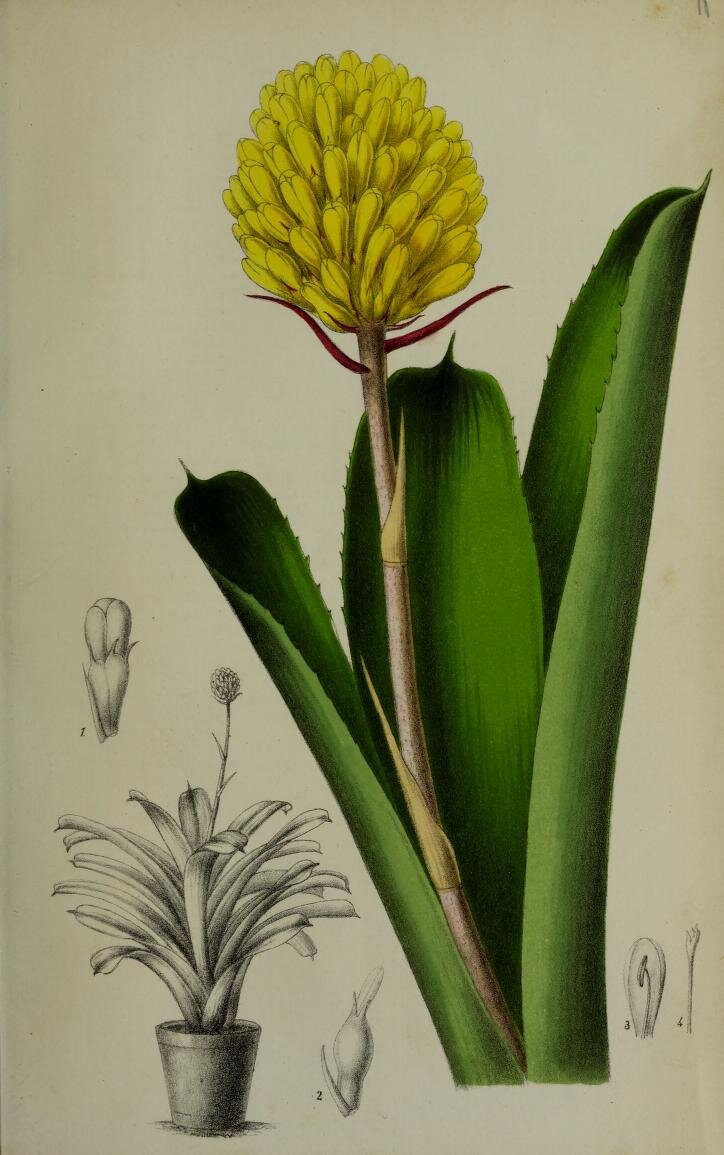
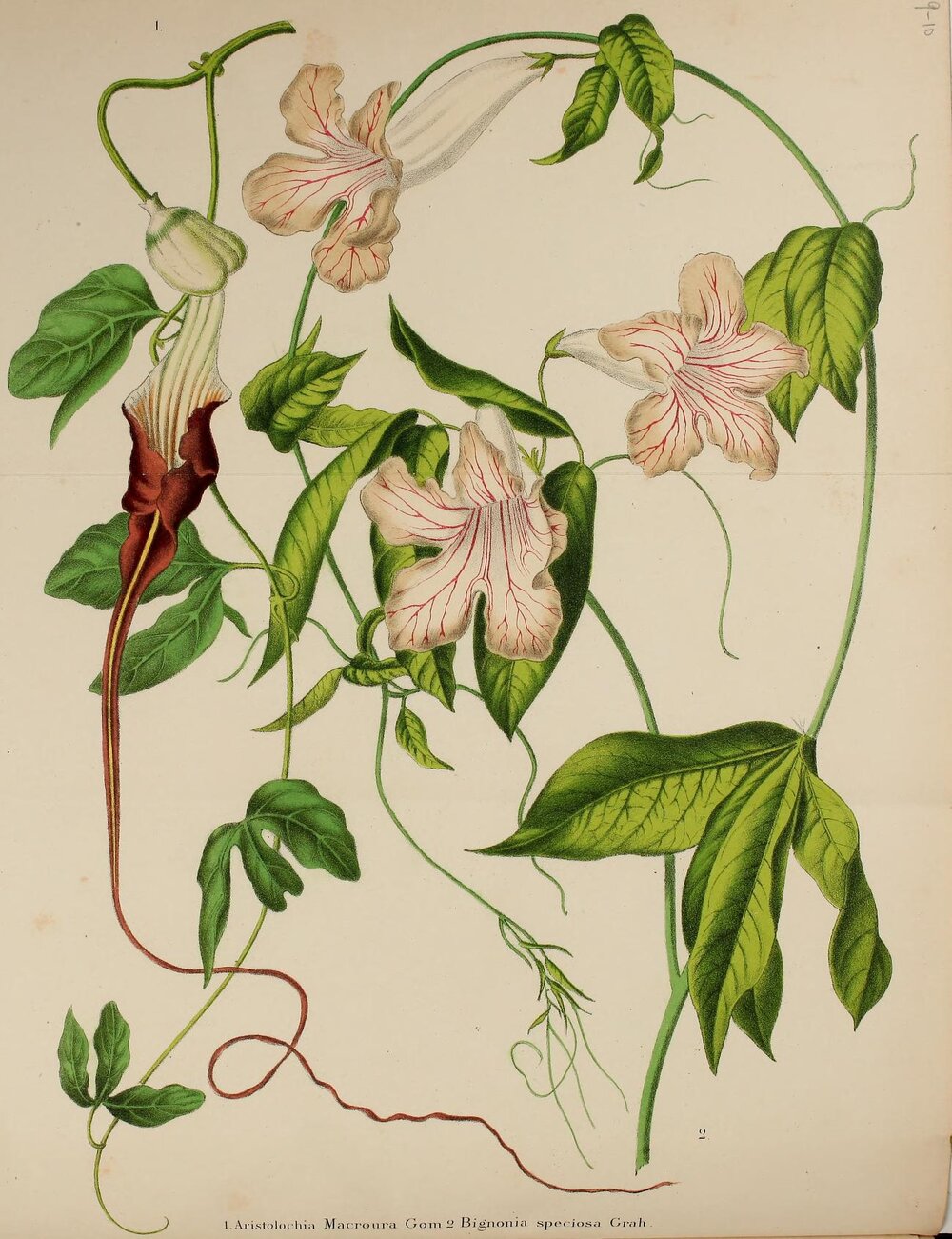
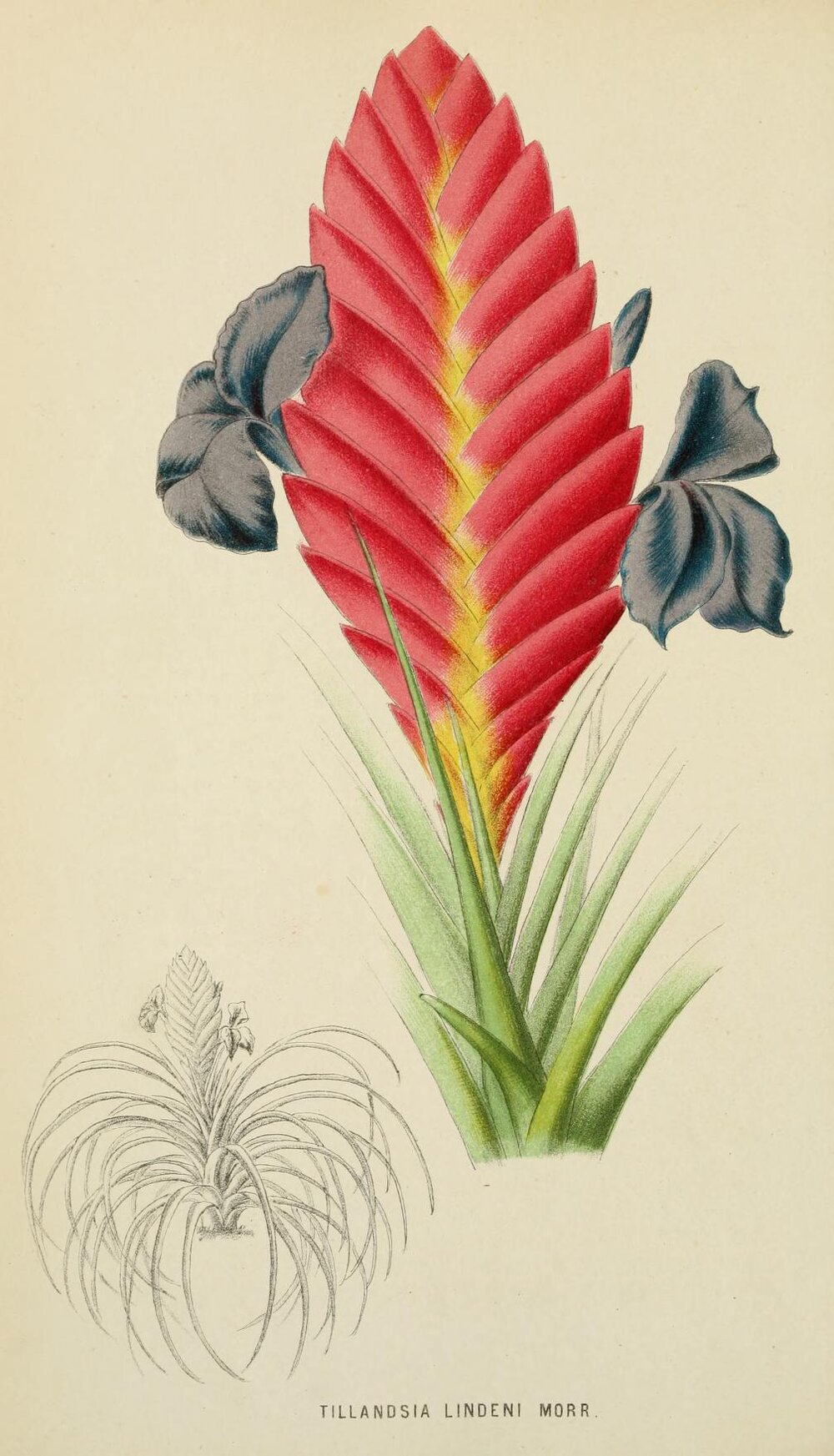
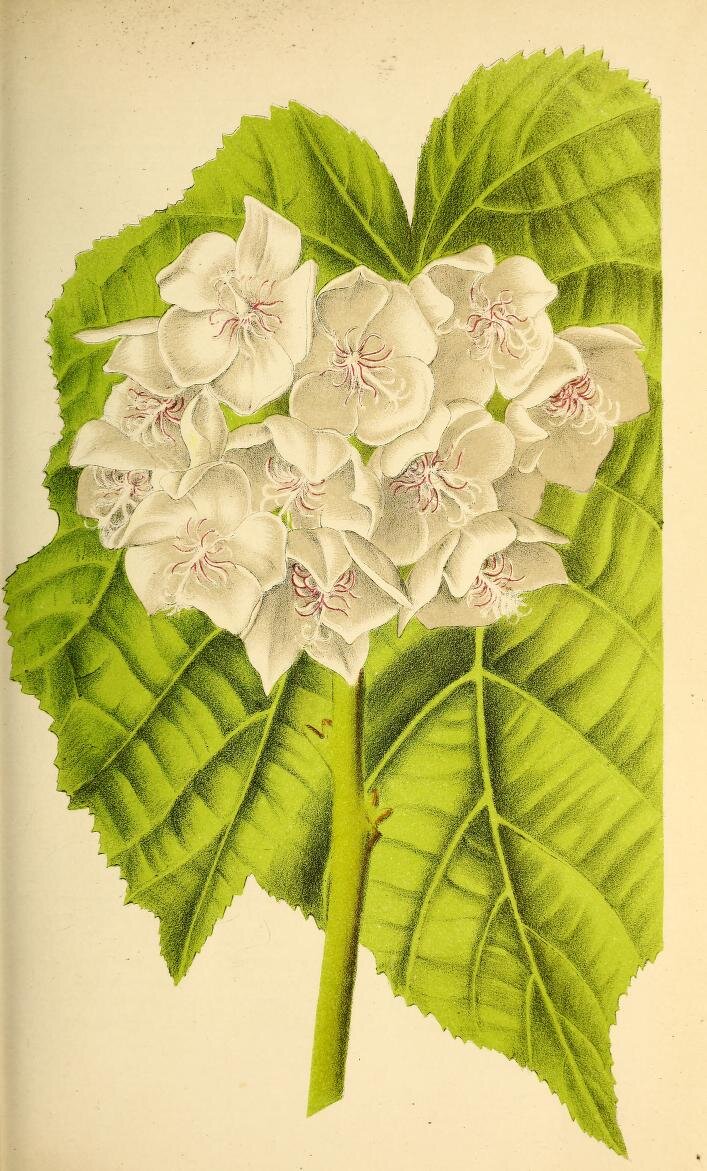
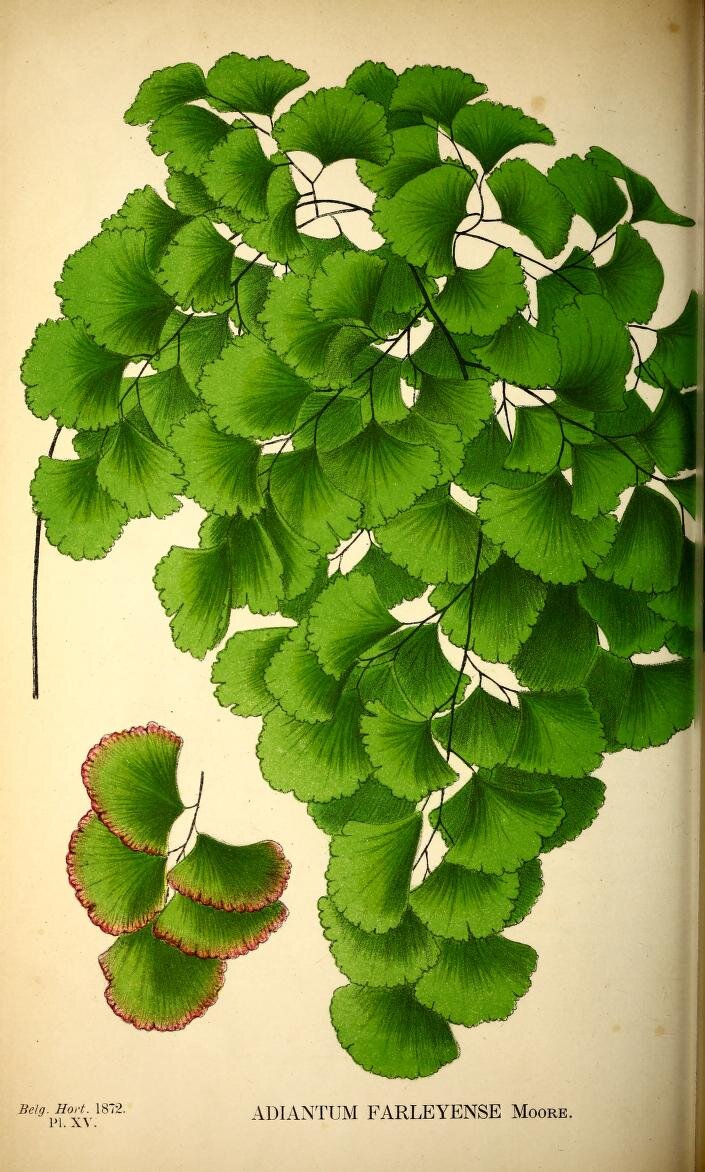
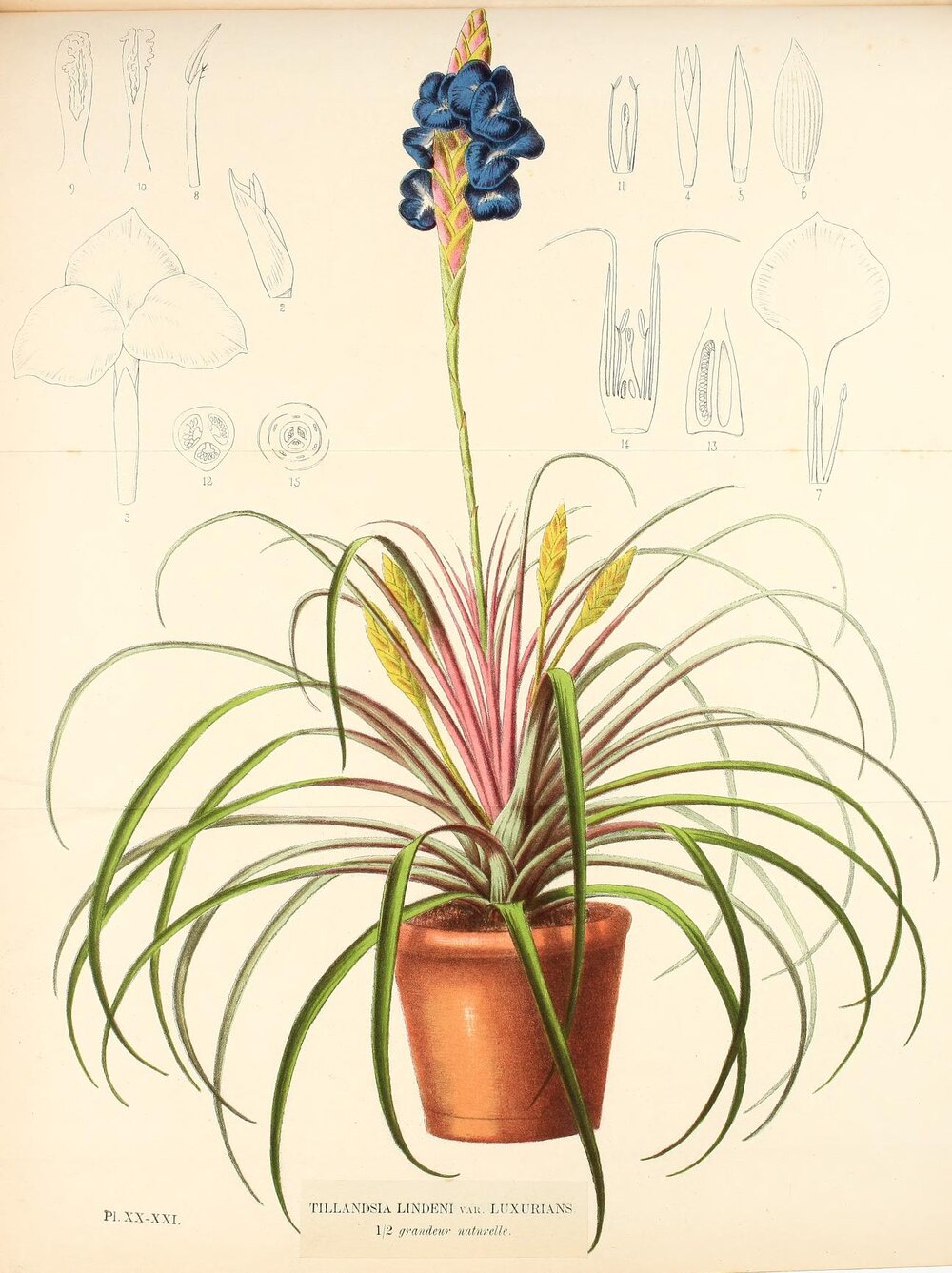
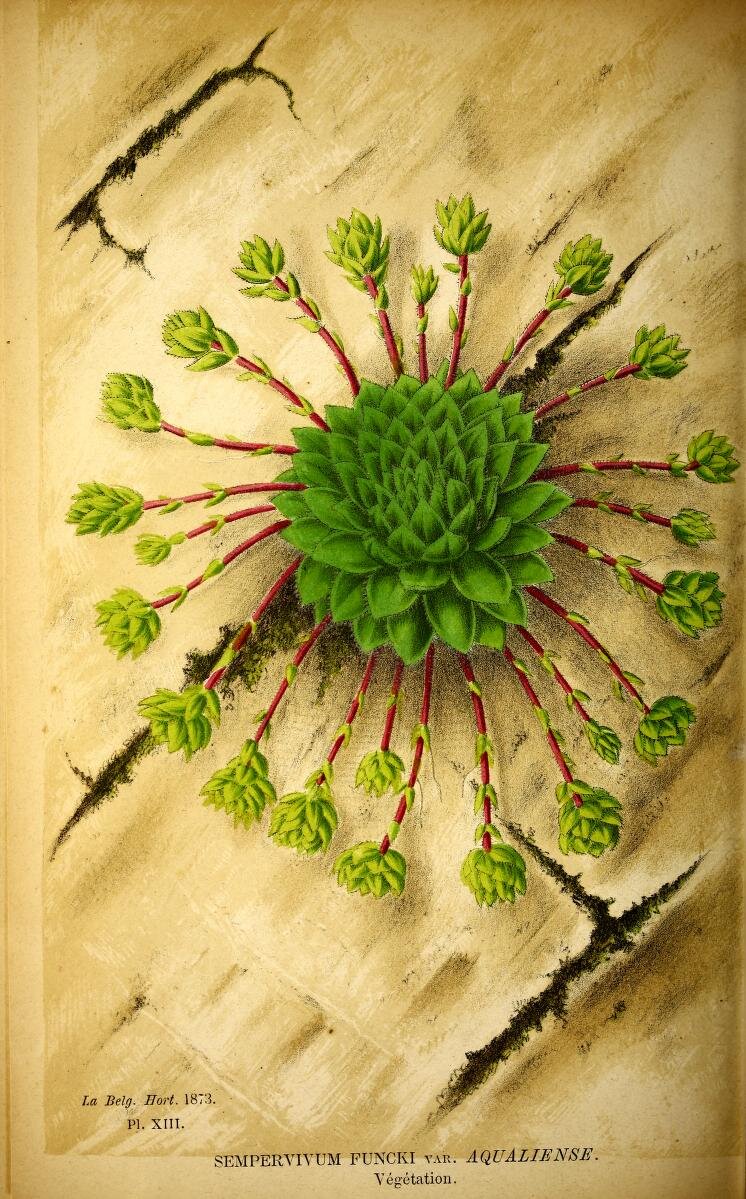
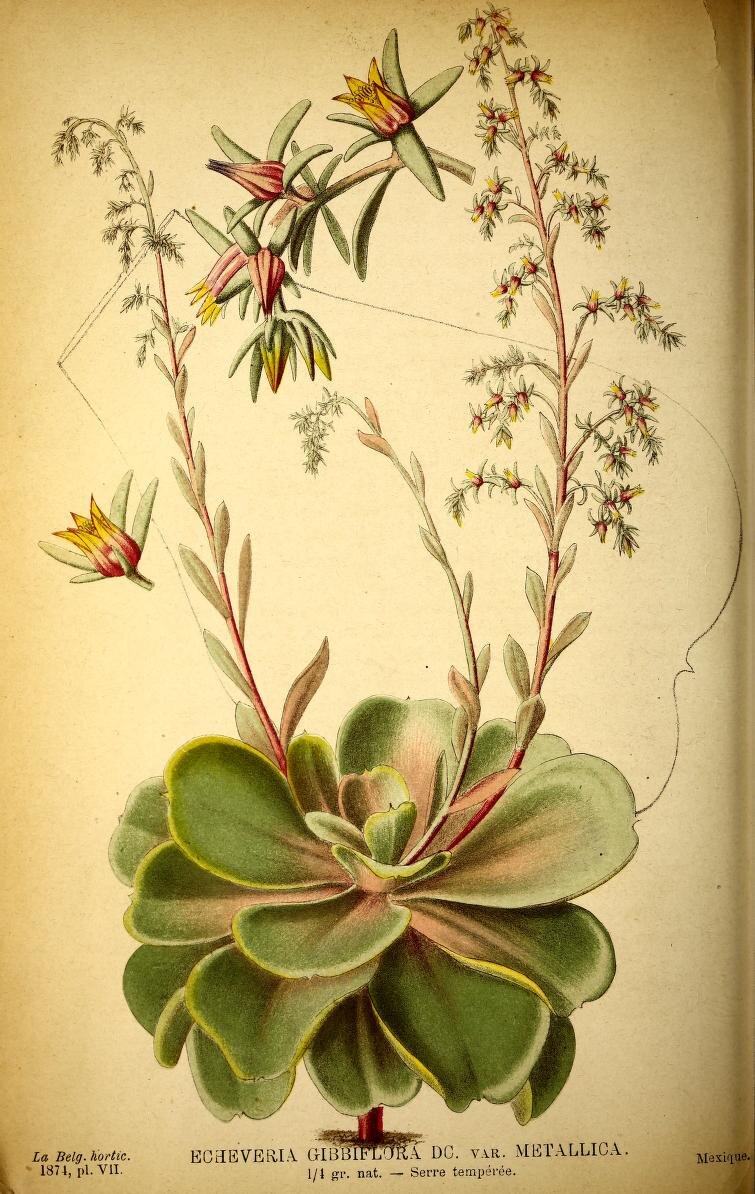
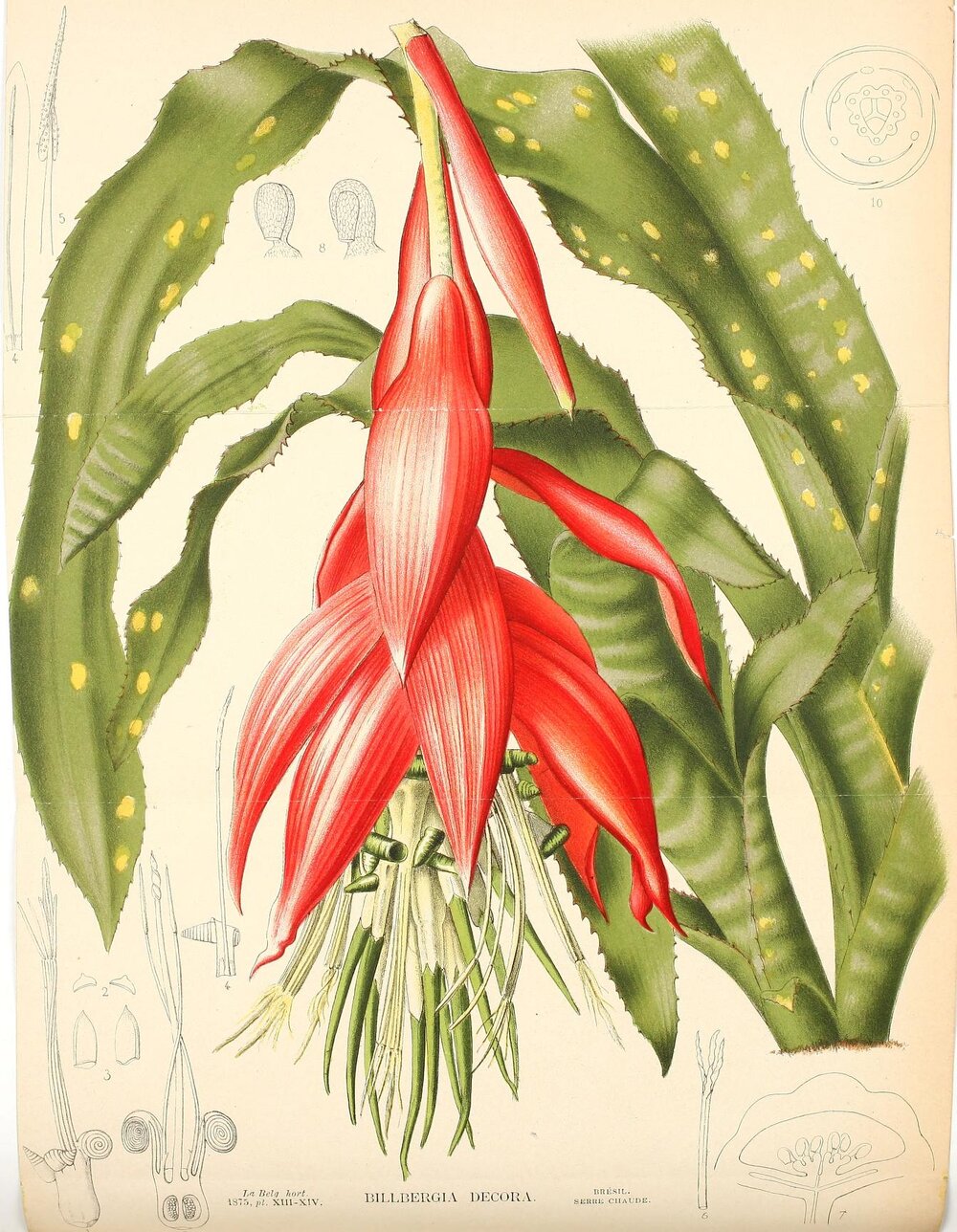
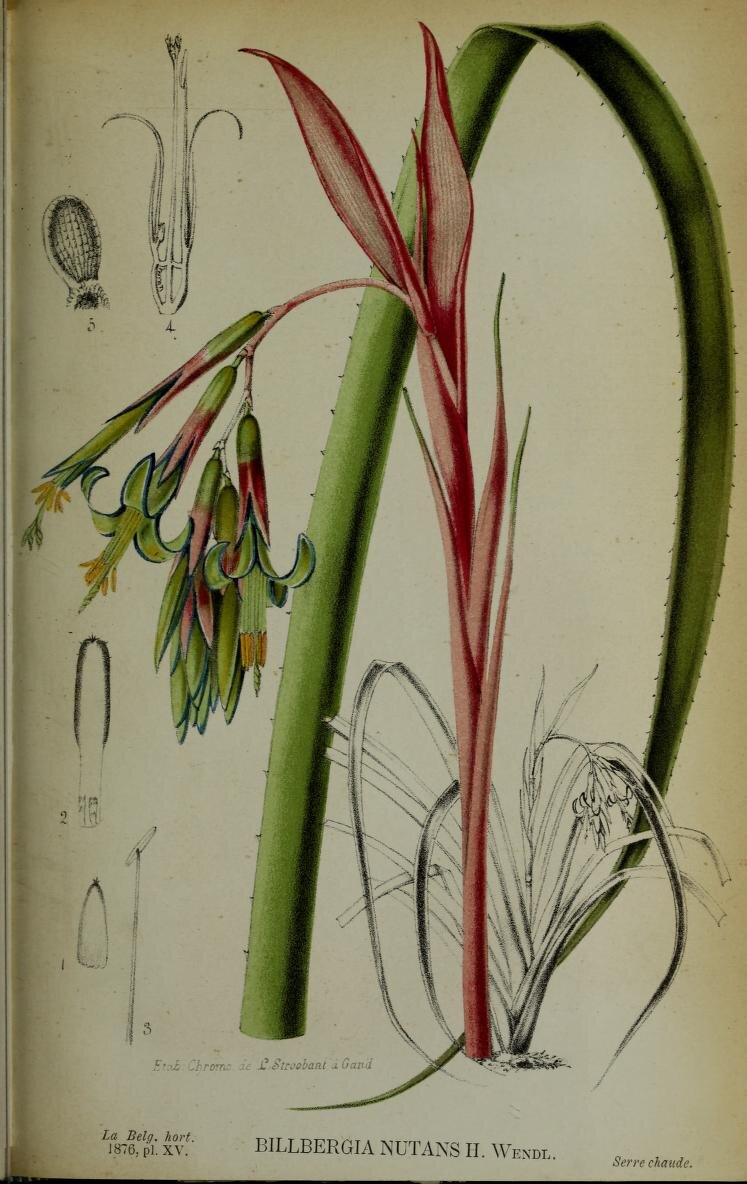
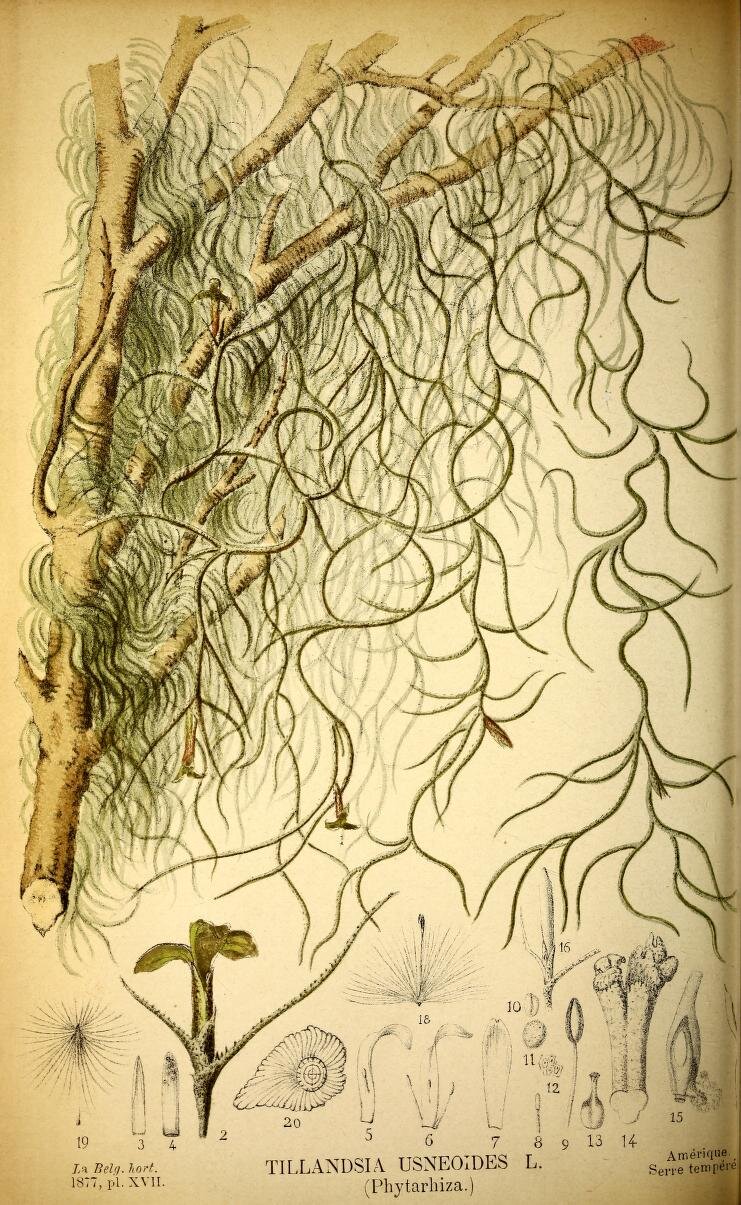
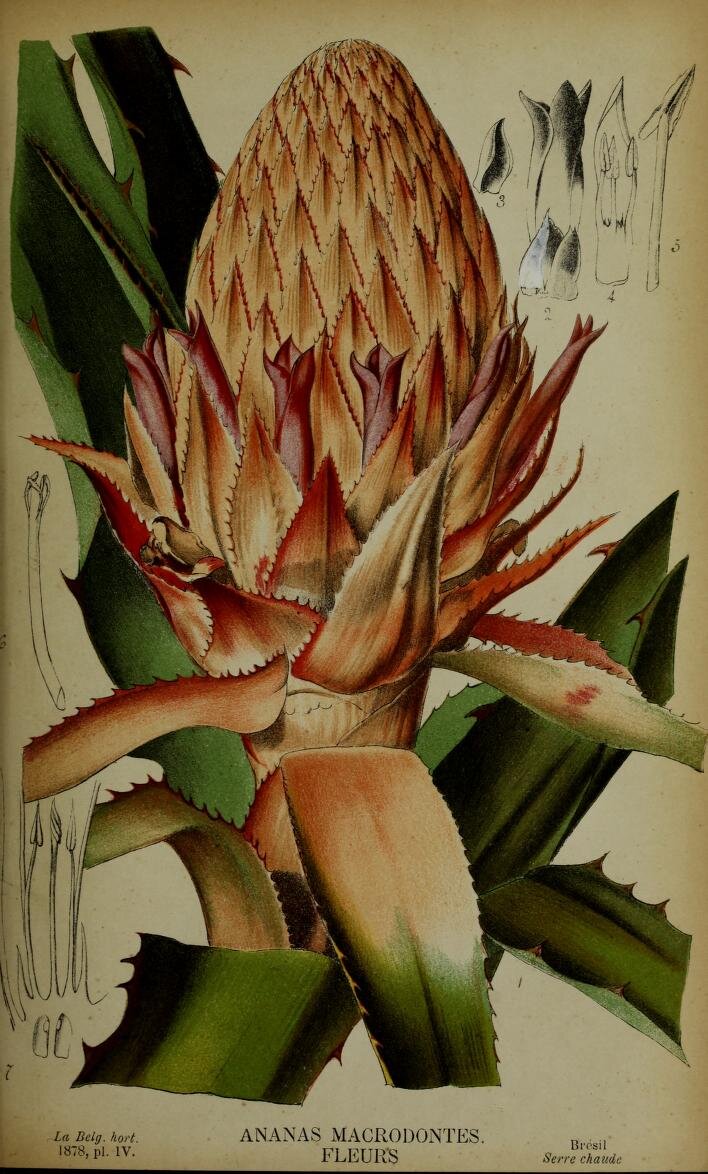
All the books added in November were from the same authors. Charles and Edouard Morren were a father and son. They produced 35 volumes of La Belgique Horticole from 1851-1885. Both men died in their early 50s and there was no continuation of the publication after the death of the son.  This monthly post has sample images from 28 of those volumes and I will continue the series into December (posting the images for those volumes in early January). The illustrations are quite varied. They are often illustrations rather that full botanical prints – still beautiful and particularly appealing this time of year when our gardens here in Maryland are mostly brown. I’m looking forward to the upcoming volumes. The list for the individual volumes from this month is after the sample images; for a list of all the volumes Internet Archive has – check here.

The volumes are all freely available on the Internet. The whole list of more than 1800 books can be accessed here. Sample images and links for the 28 new ones are provided below. (click on the sample image to see a larger view) Enjoy!

La Belgique horticole : Journal des jardins V1 * Morren, Charles; Morren, Edouard * sample image * 1851

La Belgique horticole : Journal des jardins V2 * Morren, Charles; Morren, Edouard * sample image * 1852

La Belgique horticole : Journal des jardins V3 * Morren, Charles; Morren, Edouard * sample image * 1853

La Belgique horticole : Journal des jardins V4 * Morren, Charles; Morren, Edouard * sample image * 1854

La Belgique horticole : Journal des jardins V5 * Morren, Charles; Morren, Edouard * sample image * 1855

La Belgique horticole : Journal des jardins V6 * Morren, Charles; Morren, Edouard * sample image * 1856

La Belgique horticole : Journal des jardins V7 * Morren, Charles; Morren, Edouard * sample image * 1857

La Belgique horticole : Journal des jardins V8 * Morren, Charles; Morren, Edouard * sample image * 1858

La Belgique horticole : Journal des jardins V9 * Morren, Charles; Morren, Edouard * sample image * 1859

La Belgique horticole : Journal des jardins V10 * Morren, Charles; Morren, Edouard * sample image * 1860

La Belgique horticole : Journal des jardins V11 * Morren, Charles; Morren, Edouard * sample image * 1861

La Belgique horticole : Journal des jardins V12 * Morren, Charles; Morren, Edouard * sample image * 1862

La Belgique horticole : Journal des jardins V13 * Morren, Charles; Morren, Edouard * sample image * 1863

La Belgique horticole : Journal des jardins V14 * Morren, Charles; Morren, Edouard * sample image * 1864

La Belgique horticole : Journal des jardins V15 * Morren, Charles; Morren, Edouard * sample image * 1865

La Belgique horticole : Journal des jardins V16 * Morren, Charles; Morren, Edouard * sample image * 1866

La Belgique horticole : Journal des jardins V17 * Morren, Charles; Morren, Edouard * sample image * 1867

La Belgique horticole : Journal des jardins V18 * Morren, Charles; Morren, Edouard * sample image * 1868

La Belgique horticole : Journal des jardins V19 * Morren, Charles; Morren, Edouard * sample image * 1869

La Belgique horticole : Journal des jardins V20 * Morren, Charles; Morren, Edouard * sample image * 1870

La Belgique horticole : Journal des jardins V22 * Morren, Charles; Morren, Edouard * sample image * 1872

La Belgique horticole : Journal des jardins V21 * Morren, Charles; Morren, Edouard * sample image * 1871

La Belgique horticole : Journal des jardins V23 * Morren, Charles; Morren, Edouard * sample image * 1873

La Belgique horticole : Journal des jardins V24 * Morren, Charles; Morren, Edouard * sample image * 1874

La Belgique horticole : Journal des jardins V25 * Morren, Charles; Morren, Edouard * sample image * 1875

La Belgique horticole : Journal des jardins V26 * Morren, Charles; Morren, Edouard * sample image * 1876

La Belgique horticole : Journal des jardins V27 * Morren, Charles; Morren, Edouard * sample image * 1877

La Belgique horticole : Journal des jardins V28 * Morren, Charles; Morren, Edouard * sample image * 1878

Gleanings of the Week Ending November 30, 2019

The items below were ‘the cream’ of the articles and websites I found this past week. Click on the light green text to look at the article.

US-born residents more than 5 times likely to use prescription opioids than new immigrants -- ScienceDaily – Evidently new immigrants are often healthier than non-immigrants despite their poorer background….which is a clue that there is something about American culture that influences opioid use.

Top 25 Wild Bird Photographs of the Week: Spectacular – National Geographic Society Newsroom – Enjoy the birds! We are enjoying the birds coming to our feeder and (heated) bird bath…in the trees around our house. They are easier to see now that the leaves have fallen from the tees.

50 Fish, 50 States: Small Stream Wonders – Cool Green Science – Lots of small fish! When we are in the streams with high school students, we often find small fish but since they aren’t what we are looking for – we simply put them back without identification. Maybe I should look for a simple small fish ID to take a long and start to photograph them too.

A Giant Treehouse 'Like A Castle' Is Destroyed By Fire In Tennessee: NPR – My sister and I visited this giant treehouse in 2012 when we were in that area of Tennessee. Sad that it’s gone.

Hurricanes have become bigger and more destructive for USA -- ScienceDaily – An expensive trend.

When Turkeys Attack – I’m glad the wild turkey population is recovering….hope we can develop strategies to co-exist!

Scientists study impact of sediments and nutrients from Conowingo Dam on Chesapeake Bay -- ScienceDaily – Close to home. The base of Conowingo Dam is where we go to view Bald Eagles. There is a lot of concern now about the sediment build up in the reservoir --- state governments and the utility are working to determine best options for prolonging the energy generation capacity of the dam and improving water quality into the bay.

Big Box Stores Leading the Shift to Renewable Energy - News | Planetizen – Wal-Mart and Target are all in….what about other big box stores? What about owners of shopping centers? Lots of stores are in leased spaces.

Five Architectural Firms Retained to Redesign National Mall Tidal Basin – Another ‘close to home’ in this set of gleanings. This one is in the District of Columbia. Think of the Jefferson Memorial and the cherry blossoms. Flooding has increased over the time we have living in this area (now over 35 years). Hope they can develop a good design and get the funding to implement it.

Manta Ray Populations Have Complex Social Structures | The Scientist Magazine® - A study of the reef mantas as they aggregate around the reefs of the eastern Indonesian archipelago Raja Ampat. The study showed two distinct groupings: one dominated by older females and the other a mix of sexes and ages.

3 Free eBooks – November 2019

So many wonderful books available online. Here are three I explored this month.

Freer Gallery of Art. Arthur M. Sackler Gallery; Smithsonian Institution. Annual Records for 2003-2010. Asiatica 2003-2010. 8 volumes available from Internet Archive here. Images (and short articles) from the annual record of these museums. I choose a sample image from each of the 8 volumes.

Mason, Otis Tufton. Aboriginal American Basketry: Studies in a Textile Art without Machinery. Washington: Government Printing Office. 1904. Available from Internet Archive here. A large book – over 800 pages with over 200 plates (a few in color). Some of the baskets are simple and utilitarian…other are works of art (and maybe still utilitarian as well).

2019 11 book2.jpg

Cort, Louise Allison. Seto and Mino Ceramics. Washington: Freer Gallery of Art, Smithsonian Institution. 1992. Available from Internet Archive here. Dark-glazed, conservative Chinese-inspired ceramics from two Japanese ceramics centers.

2019 11 book3.jpg

Gleanings of the Week Ending November 23, 2019

The items below were ‘the cream’ of the articles and websites I found this past week. Click on the light green text to look at the article.

Top 25 Wild Bird Photographs of the Week: Seed Eaters – National Geographic Society Newsroom – Quite a variety. Some are small and somewhat drab…but with the camera’s magnification – it’s easy to see that many are more interesting..

The best and worst countries to be a woman – Inclusion, security and justice. Yemen, Afghanistan, Syria, and Pakistan are the worst….Norway, Switzerland, Finland and Denmark are the best. The US scored 19 of 167 countries.

We asked women around the world these 6 provocative questions – Thought provoking and a good read for the answers from women.

Computer science classes break down cultural barriers, study shows -- ScienceDaily – This was certainly true for computer science classes and gender barriers in the US during the 70s and early 80s….and then it wasn’t. Hopefully the same does not happen in the future to this project and projects like them.

Renaissance Nun's 'Last Supper' Painting Makes Public Debut After 450 Years in Hiding | Smart News | Smithsonian – A little art history -- Plautilla Nelli. The article includes pictures before and after restoration of the painting.

California's crashing kelp forest: How disease, warming waters, and ravenous sea urchins combined to kill the kelp and close the red abalone fishery -- ScienceDaily – An ecological horror story that happened between 2013 and 2017.

Infographic: Red Tides Still Hold Tantalizing Mysteries | The Scientist Magazine® - There have been more stories about red tides in Florida again recently, so this article caught my attention. It appears that there is still a lot to learn about the organism.

Horrifying True Stories of Insect Zombies – Cool Green Science – Insect parasitized by fungus, worms, other insects….the amazing complexity of natural interactions.

Replacing coal with gas or renewables saves billions of gallons of water -- ScienceDaily – This is a big deal – particularly in areas that are water challenged (like much of the western US).

The fragrance factory: Roure-Bertrand Fils and the perfume industry in Grasse | Europeana Blog – Perfume history…from the early 1900s.

30 years ago – November 1989

30 years ago – I was still a ‘new’ mother…very aware that a pivot point had occurred in my life. I was still learning to use diaper wraps and how to take a baby into a restaurant or on a short road trip. I stopped wearing contact lenses; my sleep deprived eyes were better with glasses.  An adventure: I took the baby in a front carrier to a used book sale; I bought a few books but decided that even with her in the front carrier, being in a tight, crowded place was not comfortable for her or me.

There were some unexpected things too…like getting a pay raise that started the day after I had my daughter…while I was on paid maternity leave. I was sticking to my plan of not going back to work until she was 6 months old and then staying part time for another 6 months before being full time again.

The Berlin wall came down and I remember thinking that the world was making a turn for the better just as by daughter’s life was beginning…that maybe fears of global annihilation during her growing up would be less than in my early life.

1989 11 img131.jpg

It snowed in Maryland on Thanksgiving in 1989…about 5 inches at our house. We took the baby out in the snow for some pictures after the big meal. At first, she seemed very calm (maybe she was a little sleepy); she was well bundled in a snow suit, so we put her on the snow and made a baby snow angel.

1989 11 img130.jpg

Then she opened her eyes and decided it was way too bright (and maybe a little cold). That was the end of her first snow experience.

Gleanings of the Week Ending November 16, 2019

The items below were ‘the cream’ of the articles and websites I found this past week. Click on the light green text to look at the article.

Top 25 Wild Bird Photographs of the Week: November – Enjoy the birds!

Common nutrient supplementation may hold the answers to combating Alzheimer's disease -- ScienceDaily – Choline….not sure I am even getting the recommended intake very often. Taking a supplement might be worthwhile.

Female scientists gaining recognition for their breakthroughs – A little history….and hope that things are changing for female scientists working now. This article is from the November 2019 special issue of National Geographic, “Women: A Century of Change.”

New report highlights Alaska’s last five years of dramatic climate change | NOAA Climate.gov – There are often stories about dramatic high temperatures in Alaska…but this is an overall look at what is happening.

A Field Guide to Commonly Misidentified Snakes – Cool Green Science – The first photograph is labeled ‘#NotACopperhead’ – lots of snakes have probably been killed by people thinking they were a poisonous snake.

Image of the Day: Stick and Leaf Insects | The Scientist Magazine® - The article includes a link to the full study too (here). The figures alone are worth a look.

Non-pharmacologic treatments may be more effective for psychiatric symptoms of dementia -- ScienceDaily – Outdoor activities, massage and touch therapy may be more effective that drugs….and they don’t have the side effects of the drugs. I hope the findings of this study are incorporated into care decisions.

Image of the Day: Brains and Braincases | The Scientist Magazine® - The human skull shows adaptations for walking upright more than changes because of our brain structure.

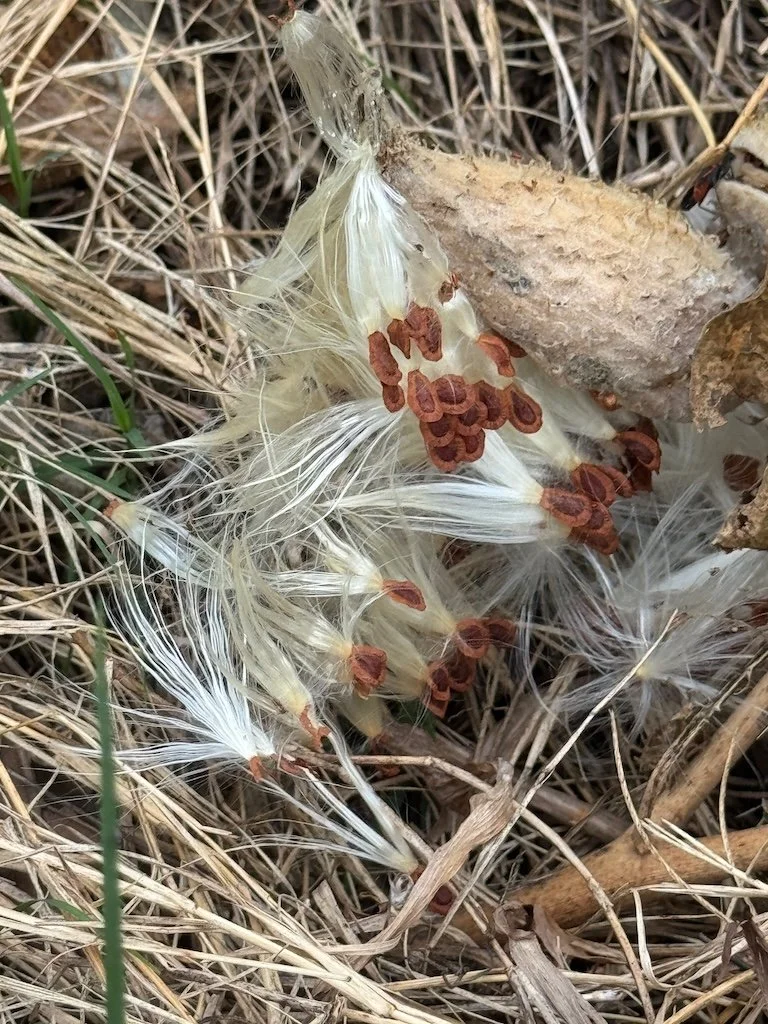
Photos of the Week – October 18, 2019 | The Prairie Ecologist – Milkweed seeds.

Textile technology: Joseph-Marie Jacquard and the loom that changed the world – Some textile history from the early 1800s.

Virginia Museum of Fine Arts – Part 2

Continuing the highlights from our visit to the Virginial Museum of Fine Arts….

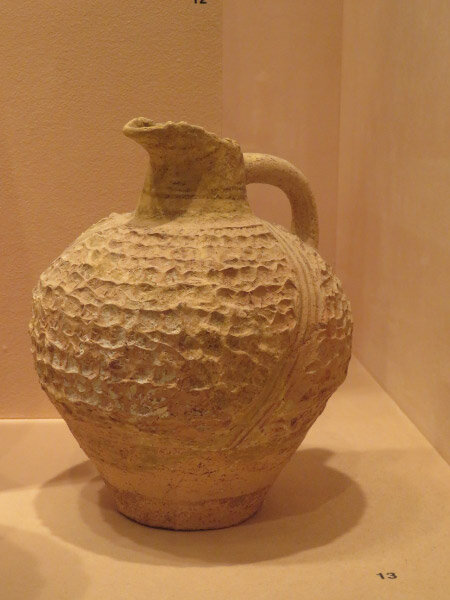
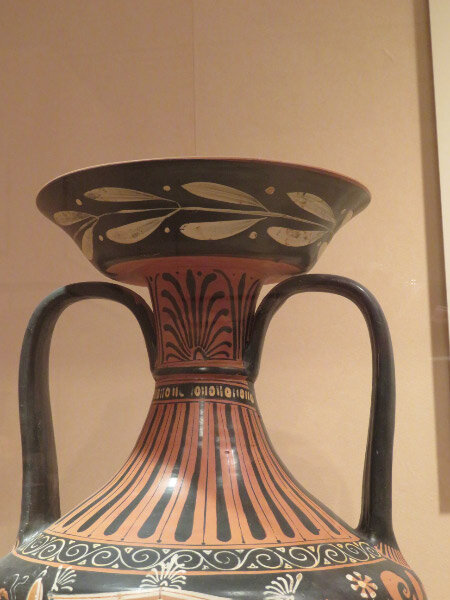
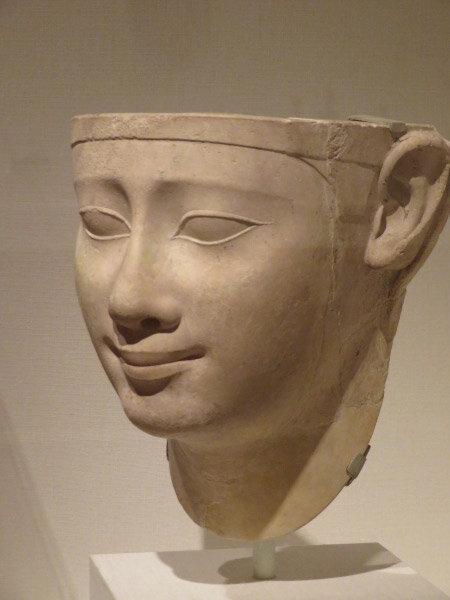
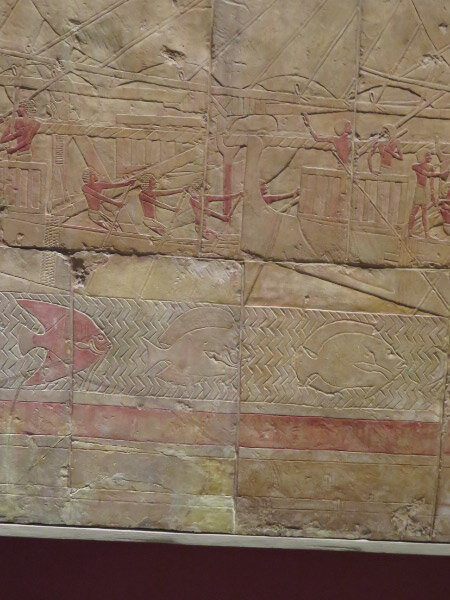
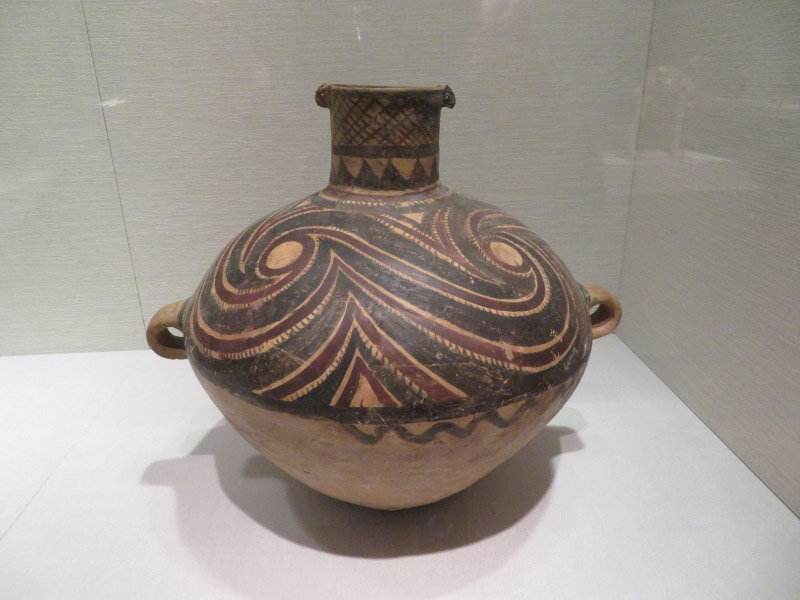
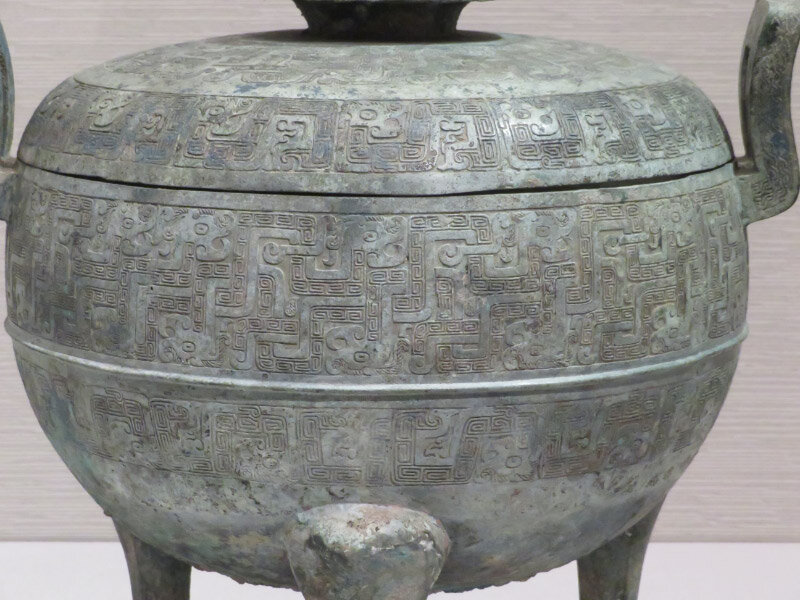
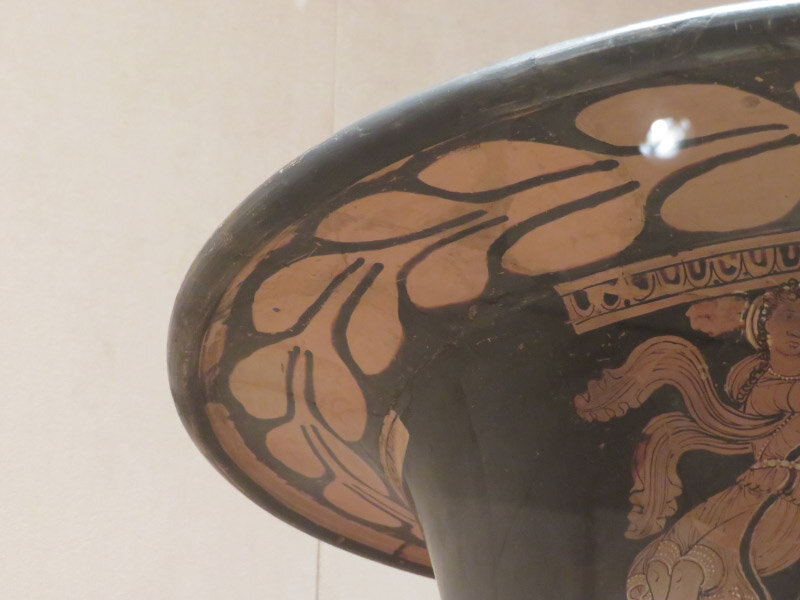
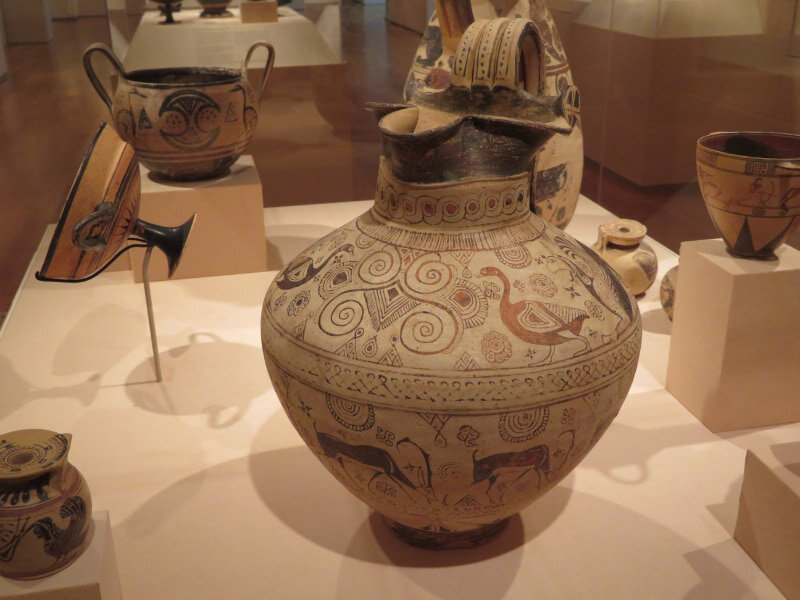
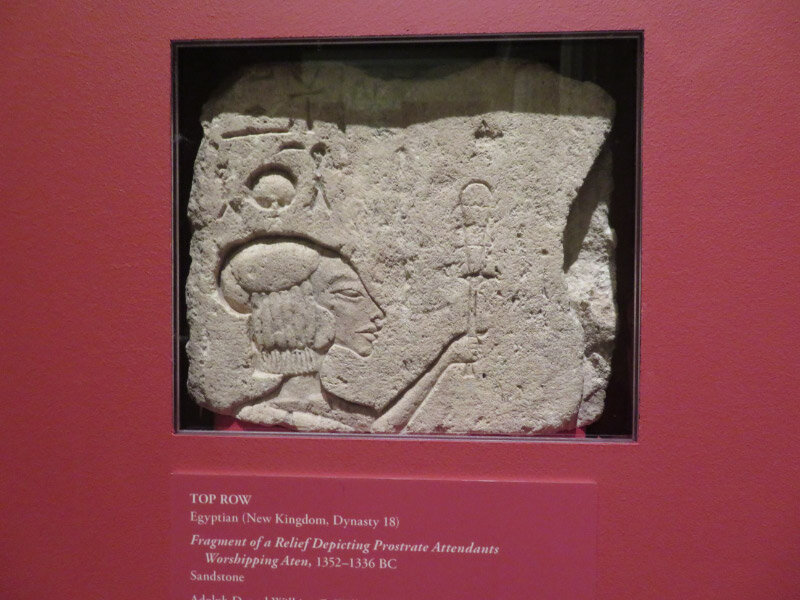
The Ancient gallery is dedicated to Egyptian, Greek, Roman and Etruscan art. I was glad the museum permits (non-flash) photography because there were lots of Zentangle prompts in the pots. Thinking about how old some of them are…how amazing it is that they survived…that they still appeal to us now. Some of them appeared to be more functional objects than art but may those pieces tell us more about the lives of long-ago peoples that things intended only for display or another special purpose.

2019 10 hf IMG_5866.jpg

I’d never seen an Egyptian bust that was intentionally made from a rock with a vein of another color across the face. It is quite striking and was the ‘style’ for a short period of Egyptian history.

2019 10 hf IMG_5895.jpg

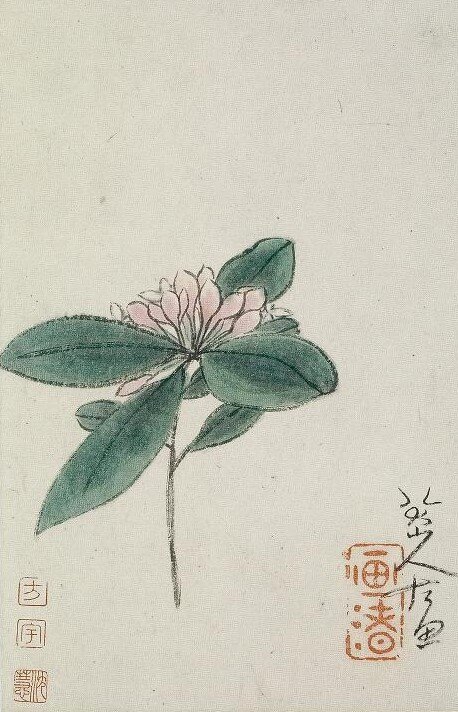
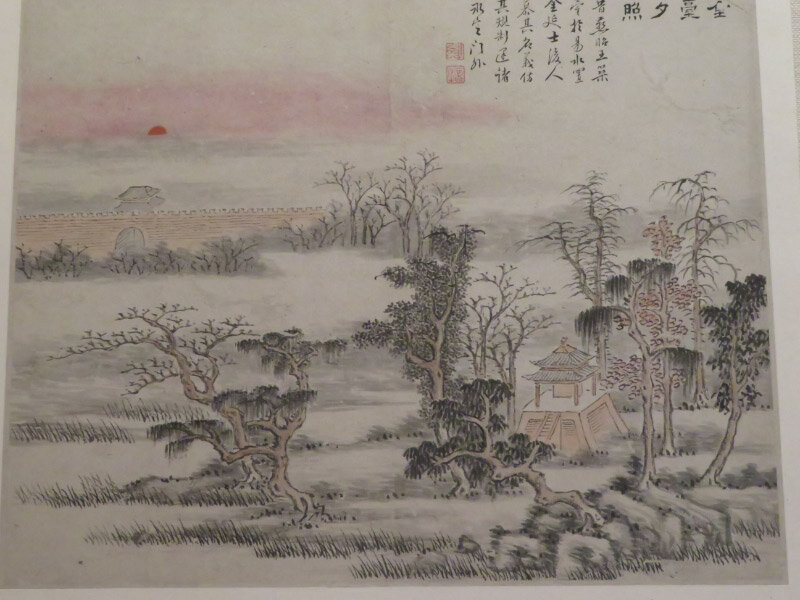
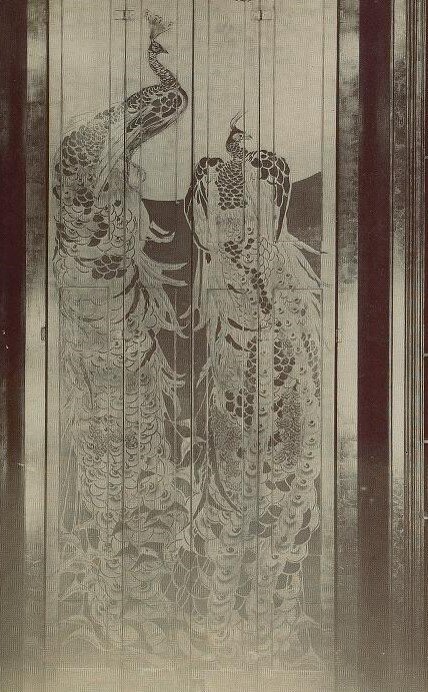
In the East Asian gallery, there was black screen with botanical images. It did not look as impressive until I zoomed with the camera and made out the detail of the images.

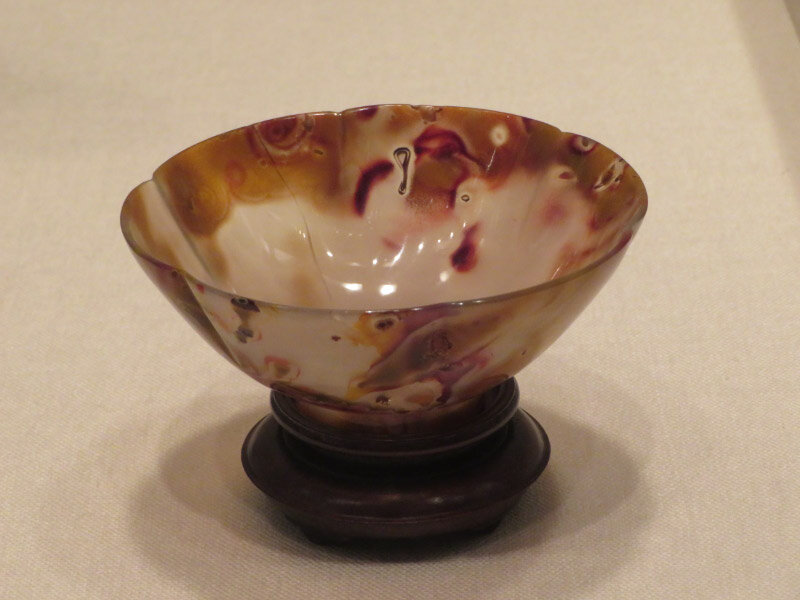
Other items from the East Asian gallery provided a diversity of styles and materials. The small bowl is made from agate.

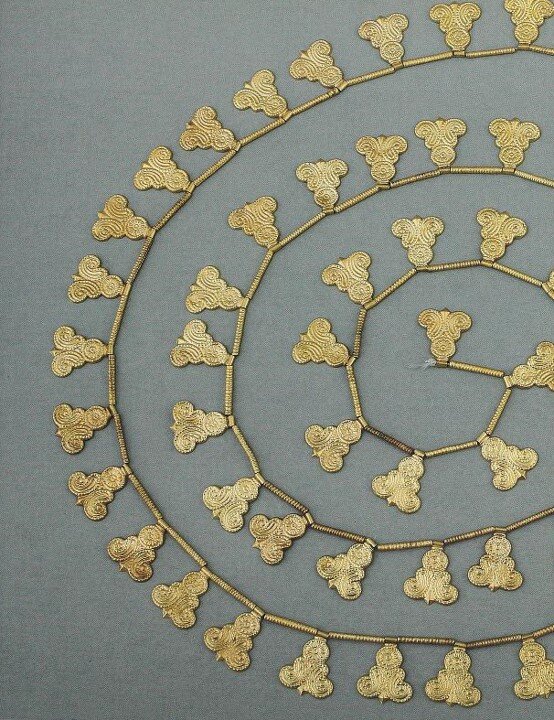
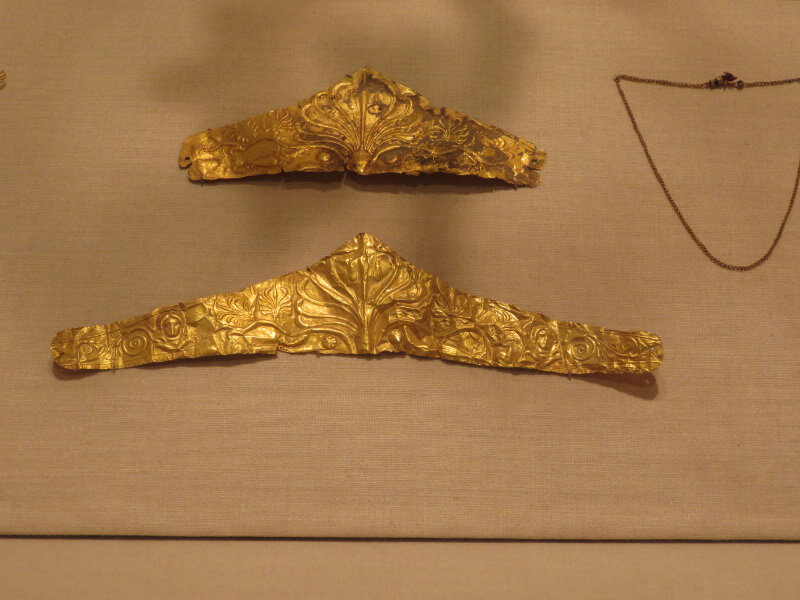
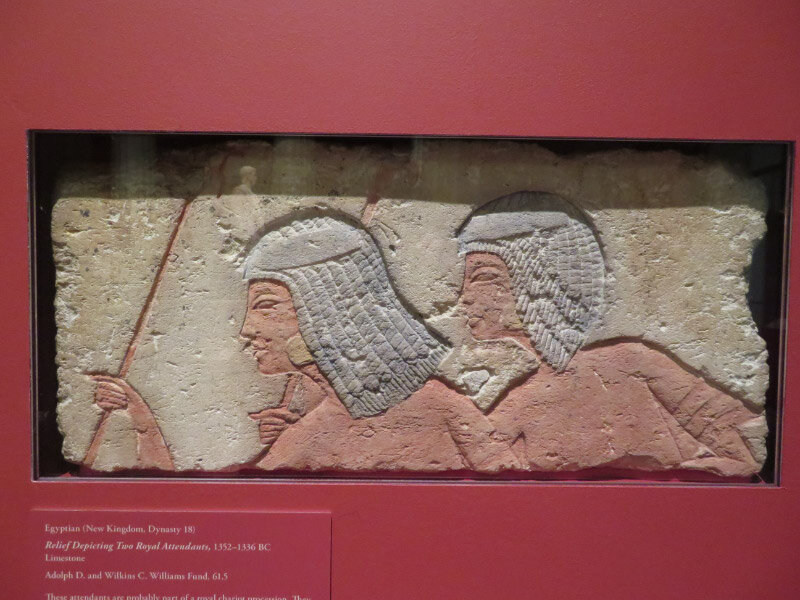
Back for a last look as some pieces from the Ancient gallery….gold piece from a crown, more pottery, jewelry and two small friezes.

For a short walk around, we saw a lot of interesting (and beautiful) things!

Virginia Museum of Fine Arts – Part 1

As we drove home from Staunton River State Park, we stopped in Richmond for a couple of hours to explore the Virginia Museum of Fine Arts. It was not enough time to see everything….but we enjoyed the time we were there. I’ll be featuring the highlights of our visit in today’s and tomorrow’s post. Near the entrance was a new acquisition. See the butterfly shape first….then the hummingbirds! The artist is Susan Point and is titled Butterfly Whorl carved from red cedar, copper, and paint.

2019 10 IMG_5842.jpg

This ceramic piece reminded me of a fennel bulb!

2019 10 f IMG_5941.jpg

Beautiful glass from the early 20th century….from sconces

2019 10 g IMG_5920.jpg
2019 10 g IMG_5965.jpg

To lamp shades (dragonflies!)

2019 10 g IMG_5966.jpg

To windows. I took pictures of the whole window and then zoomed in. The waterlilies seem to come alive in glass the same way they do in life when one takes a closer look.

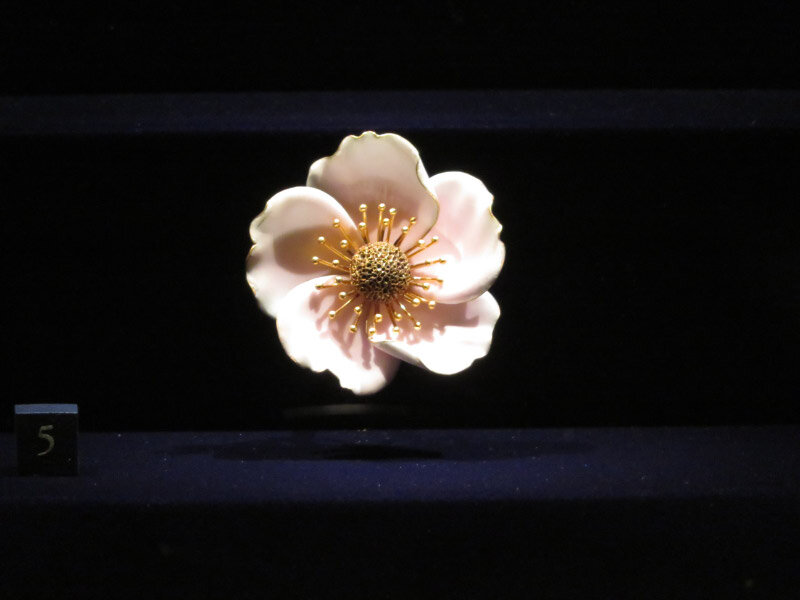
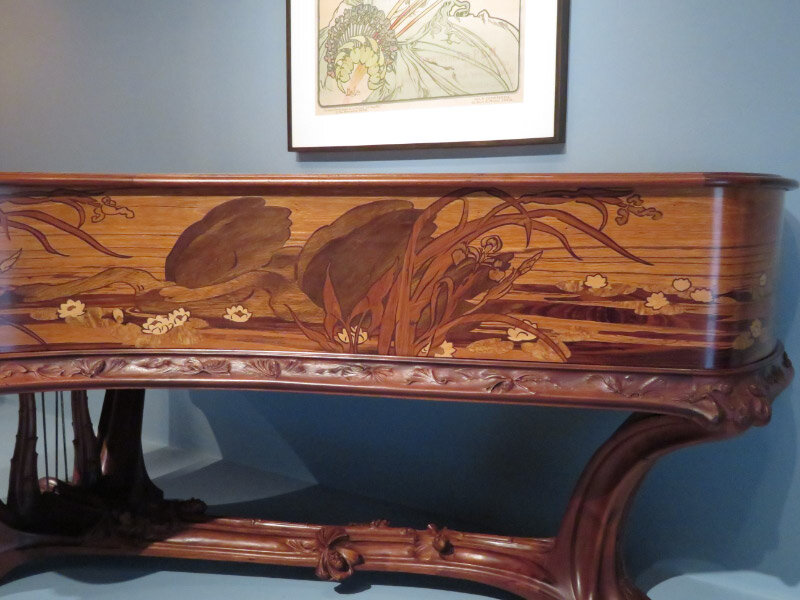
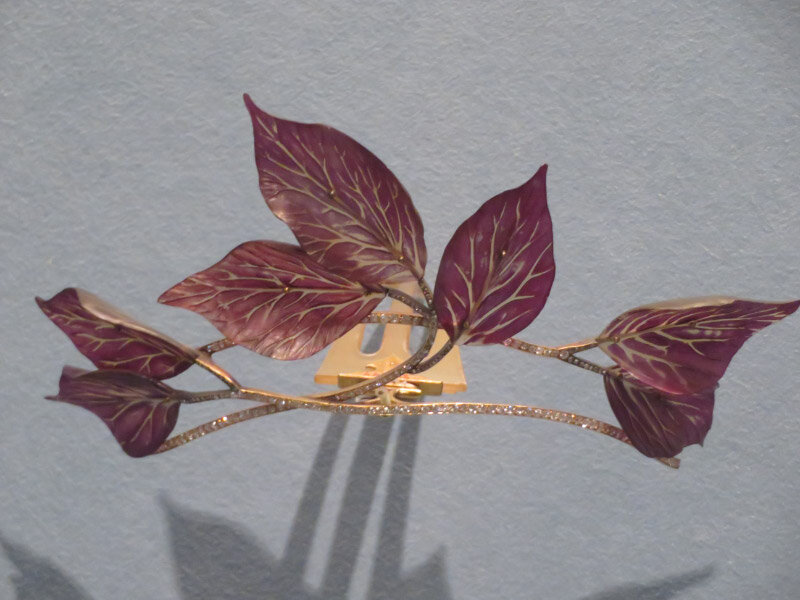
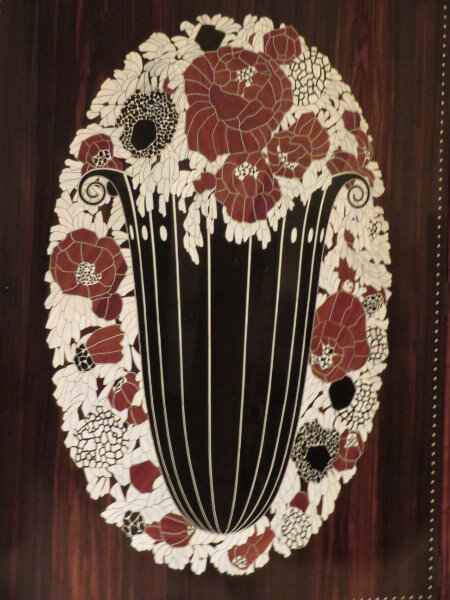
There were pieces of jewelry, inlaid piano cases and a crown of leaves that caught my attention to.

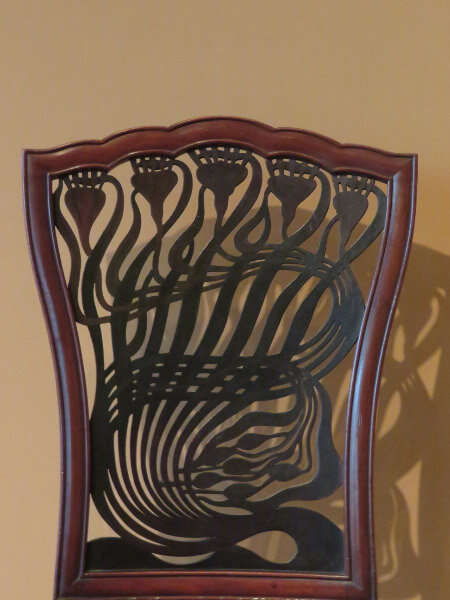
The Art Deco and Art Nouveau galleries were overwhelming at times. I found myself enjoying the graceful curves and sometimes the complexity but realized that I would not want this type of furniture in my home!

My husband preferred the ancient art….highlights from those galleries will be in tomorrow’s post.

Gleanings of the Week Ending November 9, 2019

The items below were ‘the cream’ of the articles and websites I found this past week. Click on the light green text to look at the article.

Infographic: How Air Pollution Could Affect the Brain | The Scientist Magazine® - A quick and disturbing summary. The evidence of harm: particles like those produced by vehicle engines found in frontal cortex (postmortem), reduced volumes of white matter, slowed development of children, inflammation related damage to brain cells, and higher accumulation of Alzheimer-associated proteins.

Happier Babies Have an Edge - Scientific American Blog Network – The more children experience happy emotions, the more time they spend building skills and relationships that help them in the future.

900 Pythons Removed from South Florida – That’s a lot of snakes. Kudos to the Python Action Team. There are other organizations (government and non-profits) working on this too. I wish the article would have included information about what they do with the snakes after they are captured. Presumable they are killed.

Study: 95 percent of baby food contains traces of toxic metals - UPI.com – Not good. The full report referred to in the article is available here. I wonder if pediatricians are changing their recommendation when it comes to some foods (like rice cereal for babies).

Newly discovered virus infects bald eagles across America -- ScienceDaily – Over 1/3 of America’s Bald Eagles are infected…and it might be causing a fatal disease – Wisconsin River Eagle Syndrome.

BBC - Future - What life might be like in alien oceans – Lots of possibilities. It will be interesting to get some probes (submersibles, etc.) out to the moons of other planets in our solar system that have alien oceans…maybe life.

From quills to typewriters: how the industrial revolution changed our writing culture | Europeana Blog – A little history lesson.

National Science Board highlights Skilled Technical Workforce shortage in new report - The Bridge: Connecting Science and Policy - AGU Blogosphere – “Without immediate action, the US risks falling behind other nations that are making significant investments in their Science and Engineering workforce and the Science and Technology enterprise.”  The whole report can be found here.

The Platypus Is Weirder Than You Ever Imagined – Cool Green Science – They don’t have a stomach, their venom can help treat diabetes, their milk can help fight antibiotic resistance….the list goes on.

Photography in The National Parks: Your Armchair Photography Guide To Olympic National Park, Part 2 – The Forests – National Parks….always a great destination for nature photography.

eBotanical Prints – October 2019

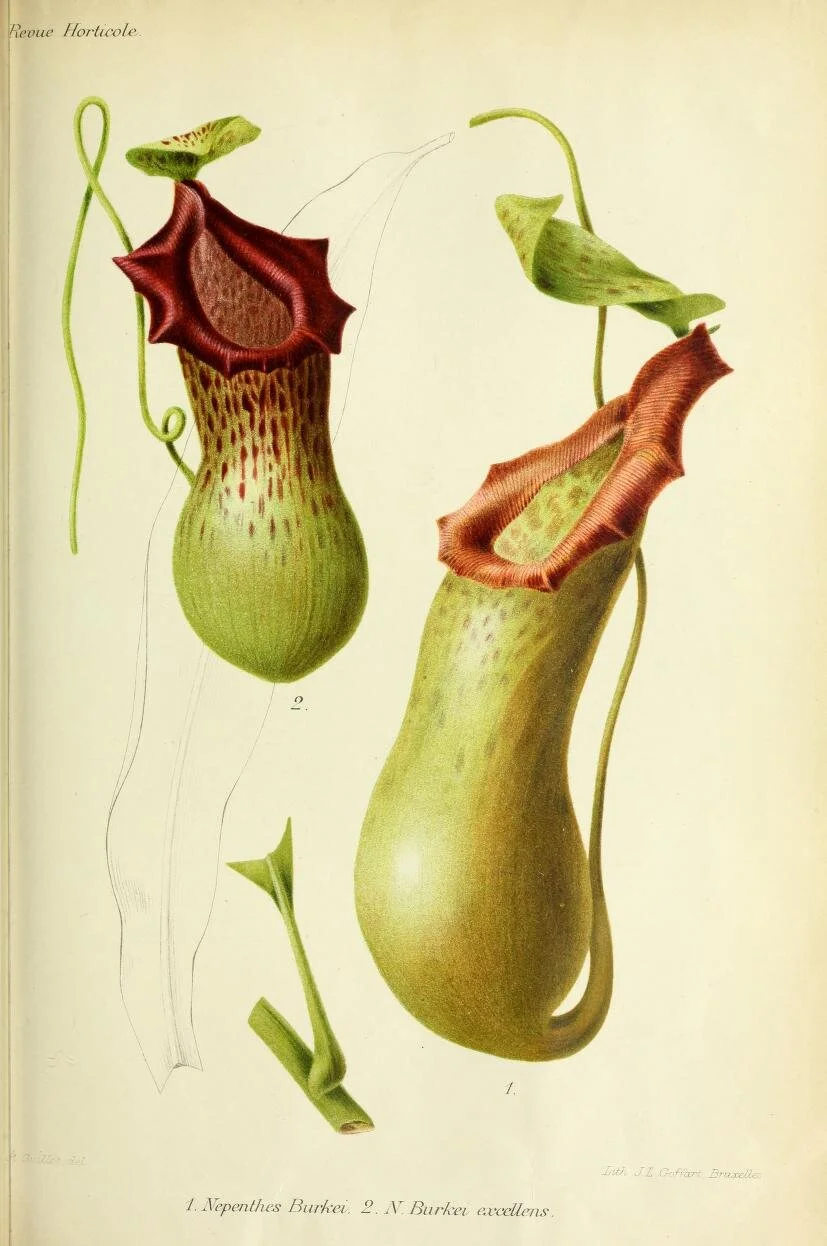
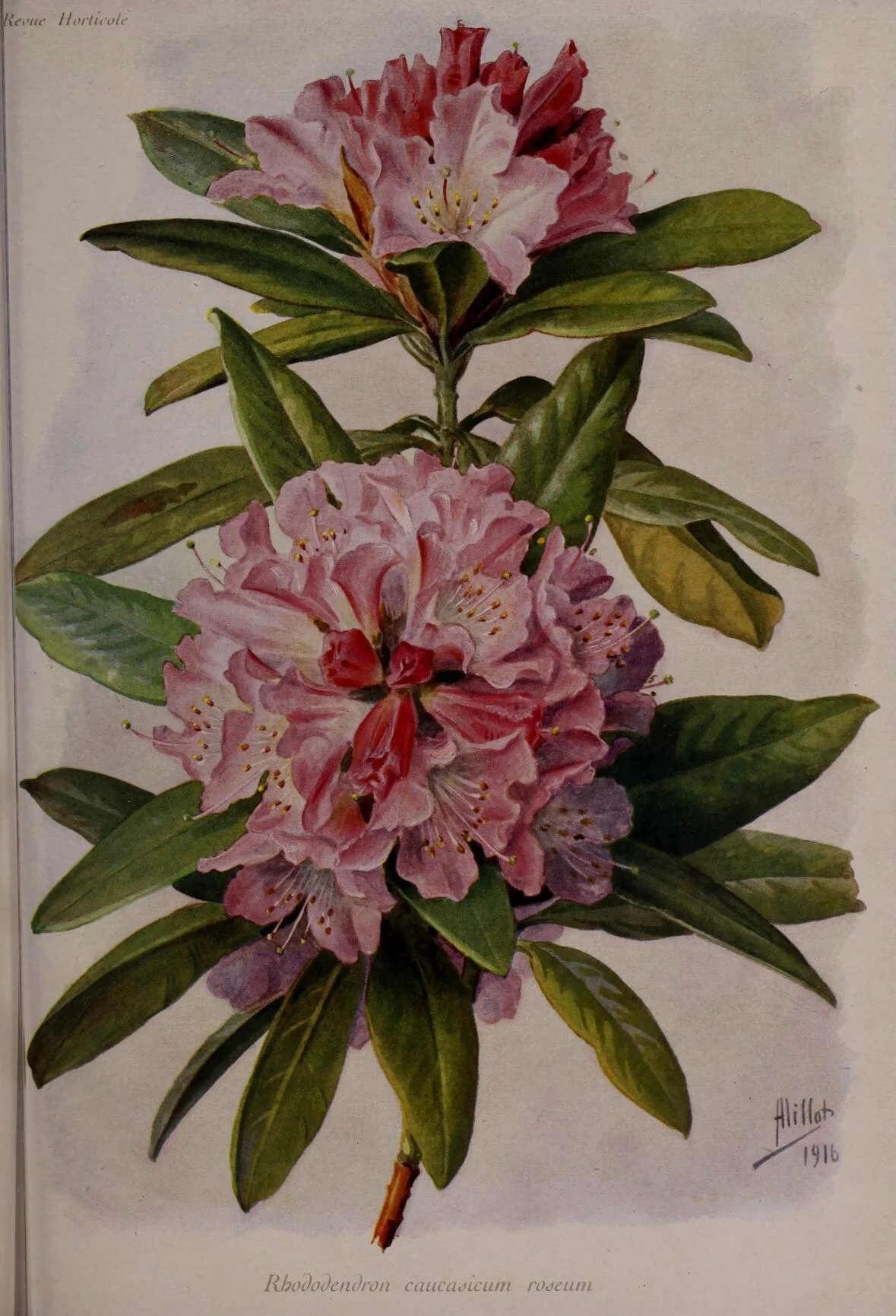
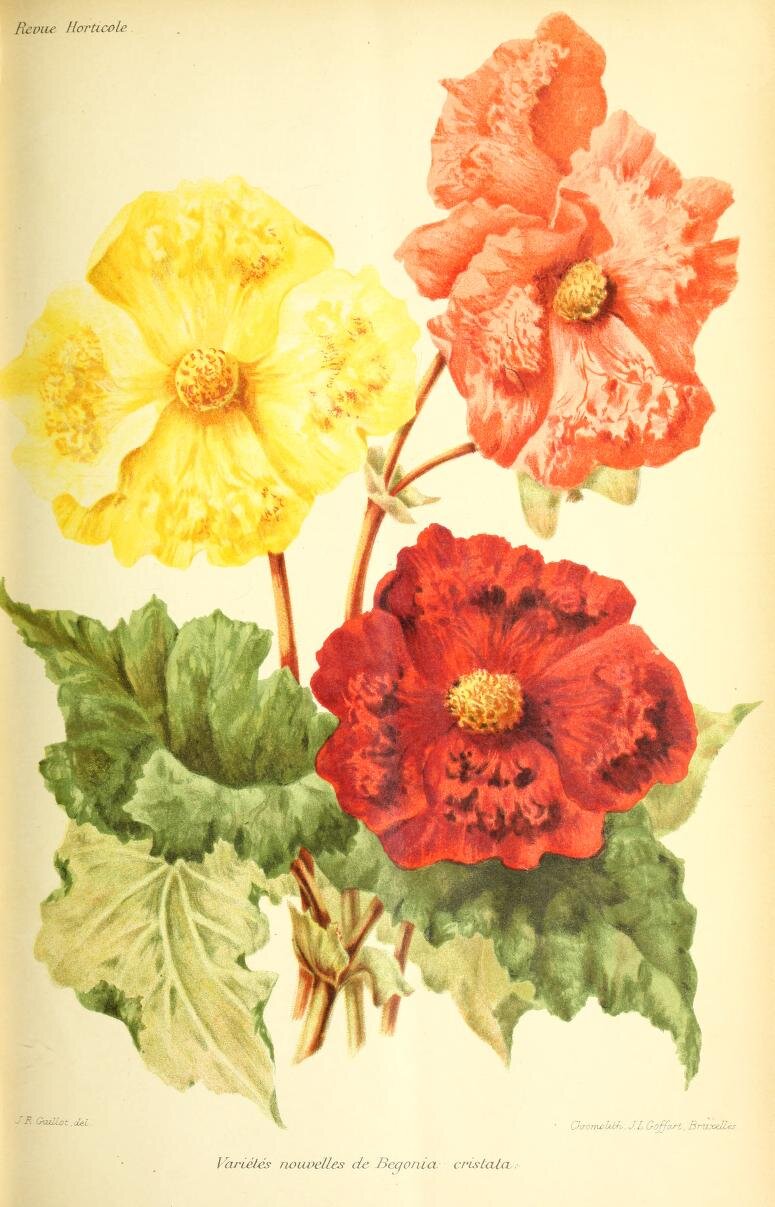
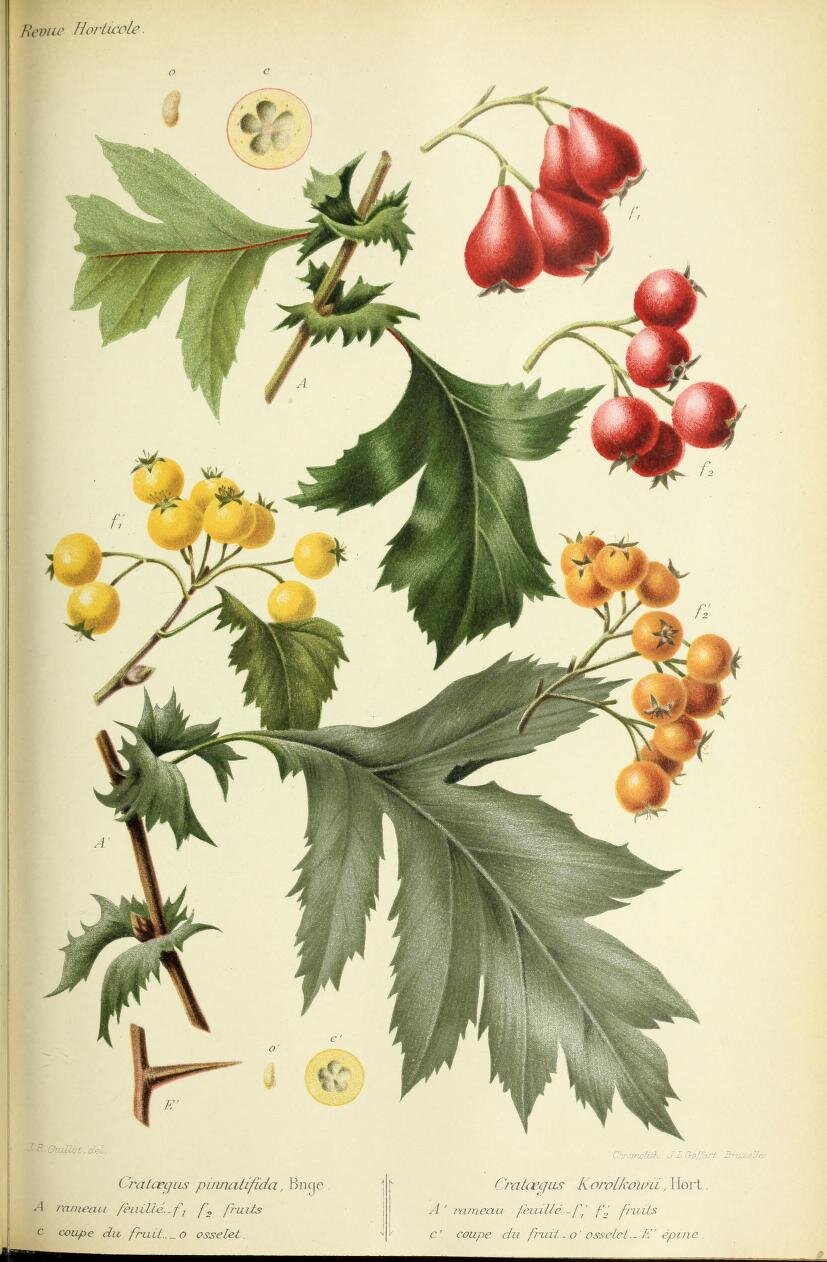
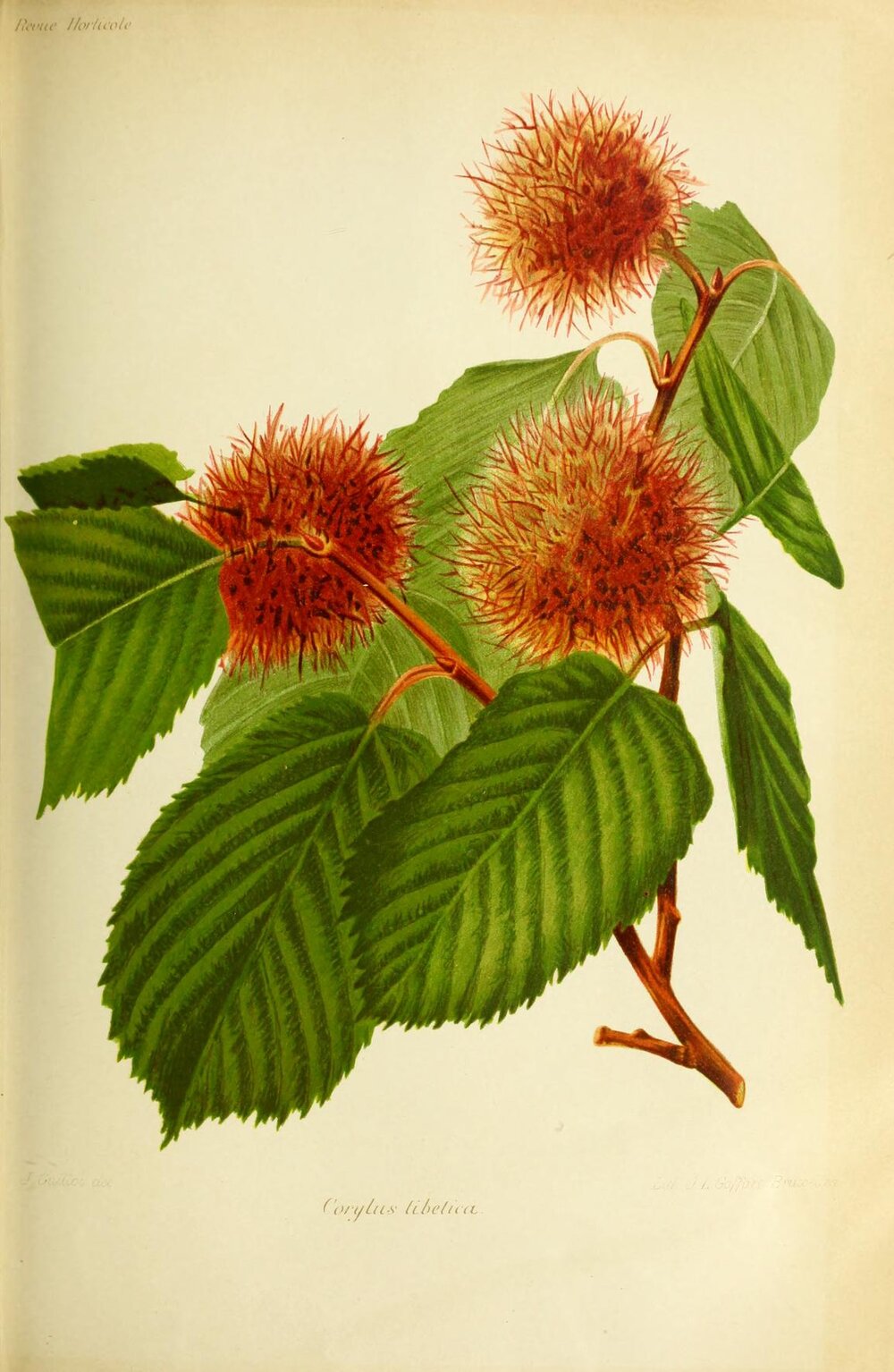
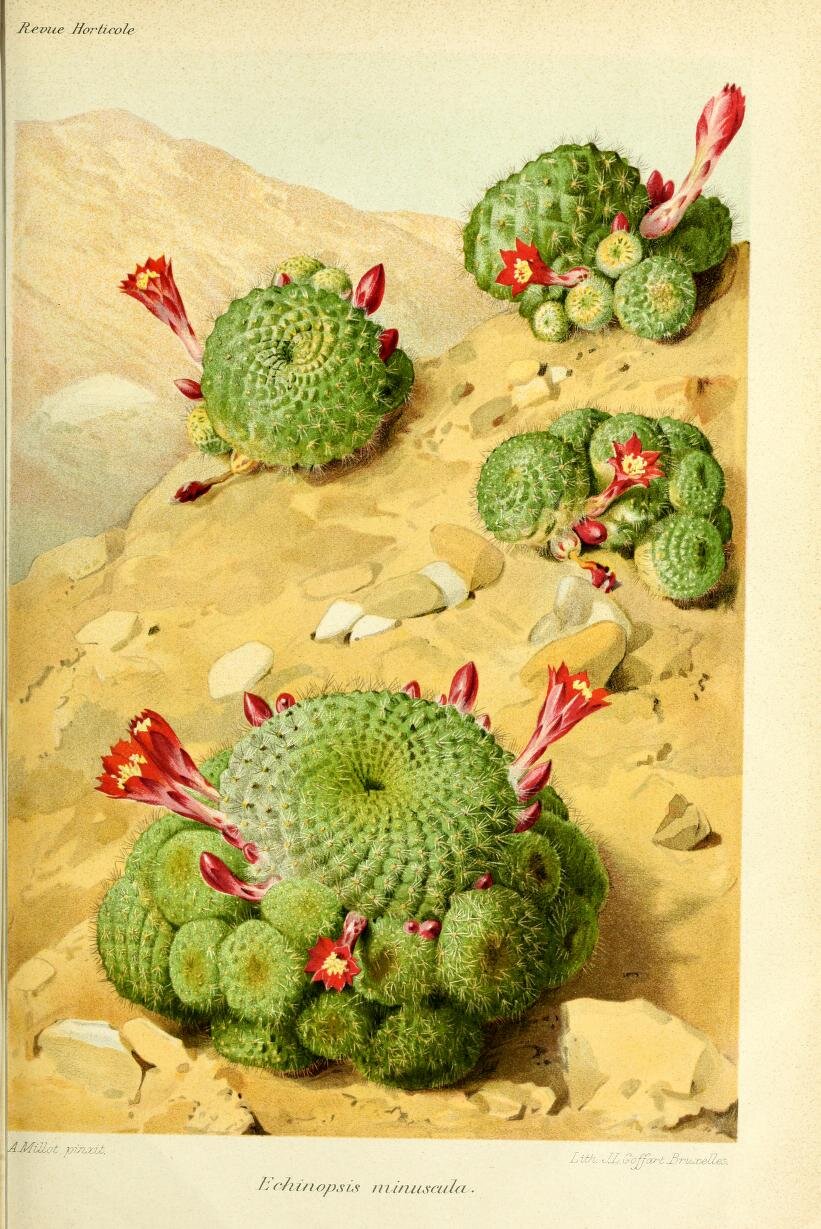
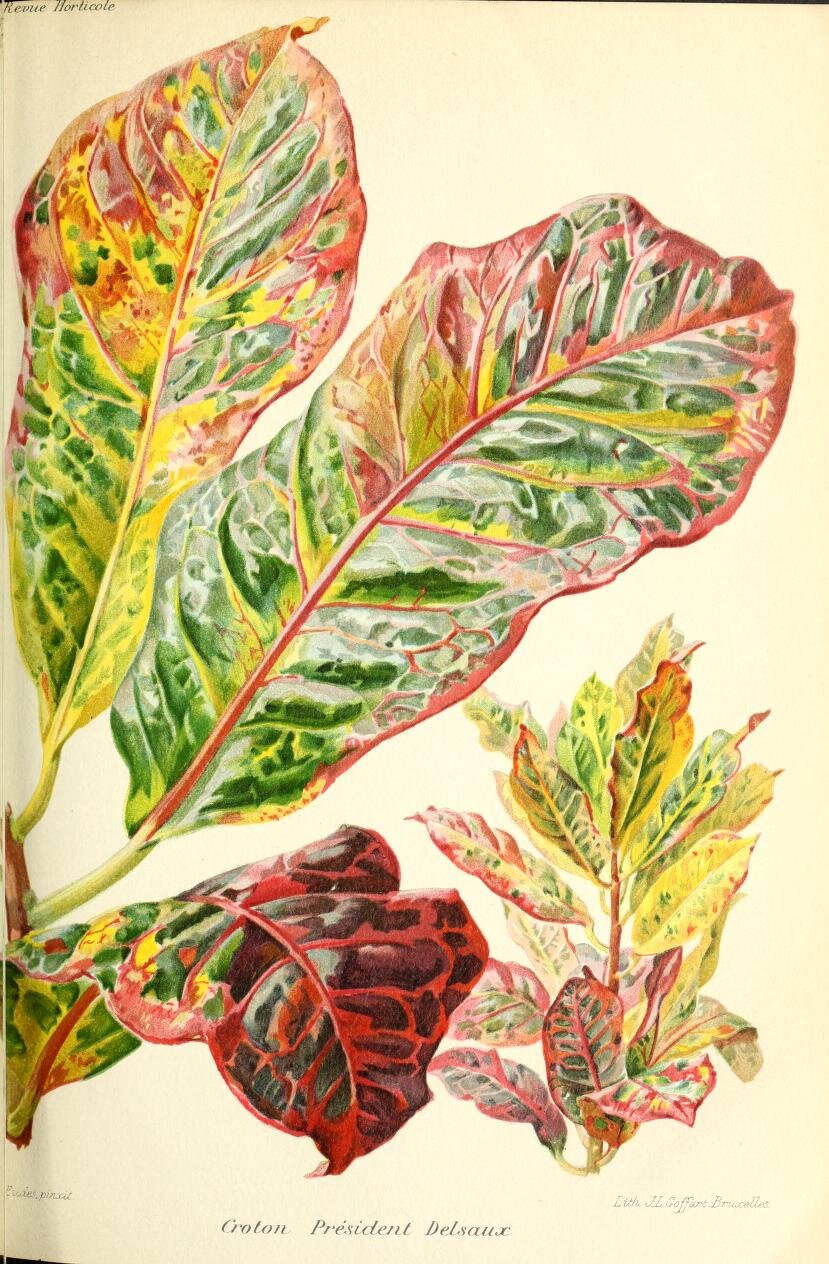
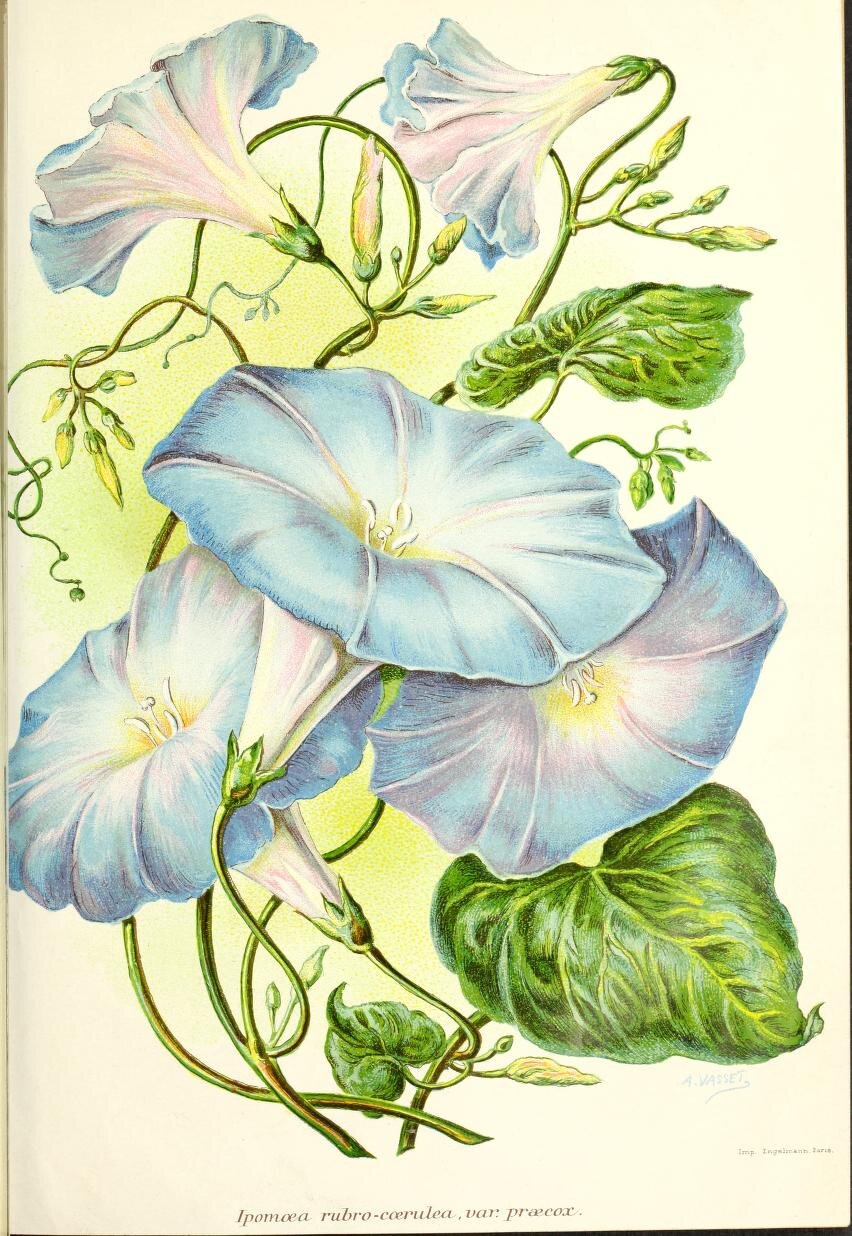
It took be almost 3 months to few all the Revue Horticole volumes available on Internet Archive. The last 26 were in October! This month includes primarily volumes from 1897 to 1922. The last volume I looked at was from 1860 which did not have color plates (or maybe it was the scan that made everything black and white. This publication was for gardeners…encouraging introduction of new plants into the gardens of France. This publication was for gardeners…encouraging introduction of new plants into the gardens of France. Some of the plants would require conservatories or greenhouses…others were new varieties of vegetables (see the potato plate).

The volumes are all freely available on the Internet. The whole list of almost 1800 books can be accessed here. Sample images and links for the 30 new ones are provided below. (click on the sample image to see a larger view) Enjoy!

Revue Horticole (1897) * Librairie Agricole de la Maison Rustique * sample image * 1897

Revue Horticole (1898) * Librairie Agricole de la Maison Rustique * sample image * 1898

Revue Horticole (1899) * Librairie Agricole de la Maison Rustique * sample image * 1899

Revue Horticole (1900) * Librairie Agricole de la Maison Rustique * sample image * 1900

Revue Horticole (1901) * Librairie Agricole de la Maison Rustique * sample image * 1901

Revue Horticole (1902) * Librairie Agricole de la Maison Rustique * sample image * 1902

Revue Horticole (1903) * Librairie Agricole de la Maison Rustique * sample image * 1903

Revue Horticole (1904) * Librairie Agricole de la Maison Rustique * sample image * 1904

Revue Horticole (1905) * Librairie Agricole de la Maison Rustique * sample image * 1905

Revue Horticole (1906) * Librairie Agricole de la Maison Rustique * sample image * 1906

Revue Horticole (1907) * Librairie Agricole de la Maison Rustique * sample image * 1907

Revue Horticole (1909) * Librairie Agricole de la Maison Rustique * sample image * 1909

Revue Horticole (1910) * Librairie Agricole de la Maison Rustique * sample image * 1910

Revue Horticole (1912) * Librairie Agricole de la Maison Rustique * sample image * 1912

Revue Horticole (1913) * Librairie Agricole de la Maison Rustique * sample image * 1913

Revue Horticole (1914) * Librairie Agricole de la Maison Rustique * sample image * 1914

Revue Horticole (1915) * Librairie Agricole de la Maison Rustique * sample image * 1915

Revue Horticole (1918) * Librairie Agricole de la Maison Rustique * sample image * 1918

Revue Horticole (1919) * Librairie Agricole de la Maison Rustique * sample image * 1919

Revue Horticole (1920) * Librairie Agricole de la Maison Rustique * sample image * 1920

Revue Horticole (1921) * Librairie Agricole de la Maison Rustique * sample image * 1921

Revue Horticole (1922) * Librairie Agricole de la Maison Rustique * sample image * 1922

Revue Horticole (1911) * Librairie Agricole de la Maison Rustique * sample image * 1911

Revue Horticole (1908) * Librairie Agricole de la Maison Rustique * sample image * 1908

Revue Horticole (1916) * Librairie Agricole de la Maison Rustique * sample image * 1916

Revue Horticole (1860) * Librairie Agricole de la Maison Rustique * sample image * 1860

30 years ago – October 1989

I’m starting a new monthly post: “30 Years Ago.” It will feature some high points gleaned from my notes and pictures of that time. As I prepared this first post, I realized how vividly some of the memories are…how the notes and pictures provide a level of exactness to when things occurred but not as much detail that my memory holds.

I was just settling into motherhood 30 years ago…still very aware of the learning curve. I marveled that just when I thought breast feeding was becoming easier, my daughter would have a growth spurt and be voraciously hungry – again. It happened at least twice during the month.

My metabolism was still somehow high, and the early part of the month felt hot most of the time. Later in the month it was cooler, and the baby enjoyed a wakeful outing to the back yard with the leaves falling all around. A little while later she slept, and I raked some leaves.

198910 img045.jpg

She started making facial expressions during REM sleep before she made them during awake times: smiling and laughing. Being around her enough to notice those developments is something I cherish.

I used the stroller a few times for a short walk around the neighborhood before I had enough confidence to take her Brookside Gardens.

I learned to warm the crib with a heating pad before gently lowering the baby I’d rocked to sleep. She cuddled into the warm place and didn’t startle awake! The heating pad was an old one my husband had for a very long time. It warmed just the right size space…could be easily removed with one hand before I lowered the baby into the crib. We still have that heating pad and it still works…it’s probably over 50 years old.

I read books while I nursed the baby…. sometimes I read them aloud when the baby fidgeted. Hearing my voice often calmed her and she would settle down to her milk meal.

The biggest disaster during the month was when I decided to bathe the baby in the bright sunlight shining in the sliding glass door. With the weather getting cooler, she been chilled during previous baths. The baby bath was very portable, and the sunlight made the area the warmest in the house. The bath proceeded well…but disaster struck when I put her on the towel beside the bath. As I wrapped the towel around her – cat hair – everywhere. I realized that our vacuum cleaner was not adequate for our carpeting. I managed to recover the situation with several towels I had not put on the floor to be ‘ready’ for a wet baby...and I didn’t do her bath there again.

By the end of the month I was still 5 pounds above my pre-pregnancy weight. I wasn’t dieting except to make sure I was getting enough calcium to support breast feeding.

At the end of the month the fall leaves were swirling and beautiful. I was glad the outside temperatures were getting cooler.

1989 10 img081.jpg

Gleanings of the Week Ending October 26, 2019

The items below were ‘the cream’ of the articles and websites I found this past week. Click on the light green text to look at the article.

Scientists Find Way to Fully Recycle Plastics Without Losing Quality - Yale E360 – I hope this process undercuts plastic manufacturing from fossil fuels…plastics should not be the glide path for the oil companies! The heating of the plastic to 850 degrees for this process should be done with renewable energy. And what happens to the parts that don’t get recycled (I assume there is waste from the things that weren’t plastic that got into the stream (i.e. ‘dirty’ containers).

Top 25 Wild Bird Photographs of the Week: Bird Interactions – National Geographic Society Newsroom – Birds with other birds (not always the same species).

Maya Tomb of the Unknown Red Queen - Red from cinnabar (mercuric sulfide) power that covered everything inside the limestone sarcophagus…a mask of malachite.

Time Spent in Nature Is Good for You | The Scientist Magazine® - Spending at least 2 hours in nature per week is strongly correlated with self-reports of being in good health and having high well-being…..based on a study in the UK with 20,000 participants between 2014 and 2016. Intuitively – the idea seems right. But what does ‘time spent in nature’ really mean and what is it that causes the correlation? Do you have to be outdoors or is viewing it enough? I am outdoors in beautiful natural places (gardens, forests, seashores, rivers and lakes) so frequently…the 2 hours per week is at the low end for me…except for the coldest or wettest weeks.

Cooking food alters the microbiome: Raw vs. cooked diets have distinct effects on both mouse and human gut microbes -- ScienceDaily – No recommendations from this research but lots of prompts for further research.

The Short List Of Climate Actions That Will Work | CleanTechnica – These are country or continent type actions like: electrify everything, overbuild renewable generation, build continent-scale electrical grids and marks, fix concrete, change agricultural practices, shut down coal and gas generation aggressively. Some of them can be impacted by individual decisions…to move in the direction. For example – 1) The CSA I belong is on a path to not use plastic to control weeds and retain moisture around their crops. 2) The next house I buy (in the next 2-3 years) will be all electric and have solar panels…maybe battery storage too….maybe geothermal heating/cooling. 3) The next car I buy will be an EV rather than a plug-in hybrid like I have now. And I can change my yard into a mini-forest (of redbuds, dogwoods, spice bush, hollies….not huge trees but ones that are native to the area where I live).

Air Pollution May Damage People's Brains | The Scientist Magazine® - Mortality, respiratory health, cognition, and social behavior. This is scary. This is yet another reason to move away from fossil fuels.

Humankind did not live with a high-carbon dioxide atmosphere until 1965 -- ScienceDaily – I was in 5th grade in 1965. It was the grade between two memorable events: seeing a tornado just before it touched the ground and traveling with my parents to Mexico City for a weeklong vacation (two firsts: on an airplane…and out of the US). But the cross over to a high-carbon dioxide atmosphere has the greater long-term impact. I already suspect that unless something changes dramatically, climate change by midcentury will probably shorten my life.

Ailing U.S. pecan industry calls on India to reduce tariffs - UPI.com – I couldn’t find an update on this story from a few weeks ago. Evidently China used to buy 40% of the pecan crop in the US but now there is a tariff and the market is gone. So, the farmers are trying to develop the Indian market. It’s been tough to be a farmer for many years…but the tariffs have added even greater challenges.

Stressed out: Americans making themselves sick over politics: One in five report lost sleep, damaged friendships -- ScienceDaily – If individuals are stressed by politics….hopefully they’ll realize that it’s time to implement strategies to reduce the stress. Spending less time on ‘news’ would provide time to shift focus to other aspects of life – skew toward activities that make you happy and help others too. ‘Staying informed’ of politics 24/7 should not be a priority (although participating in elections should be).

Free eBooks – October 2019

Beautiful images from 3 books published in the mid to late 1800s….

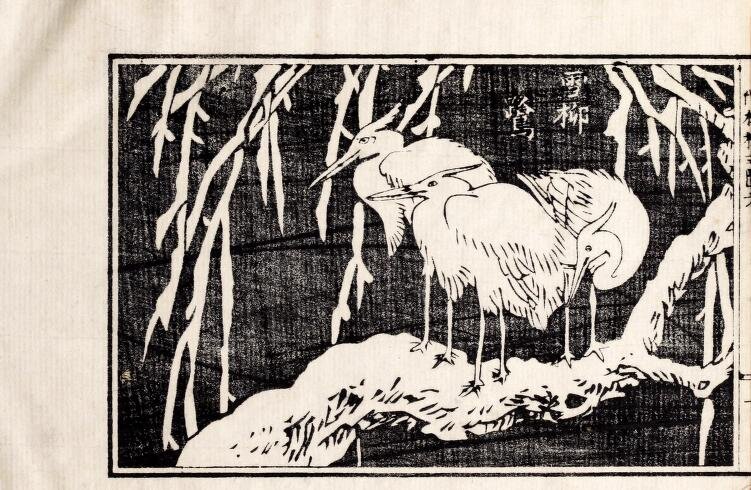
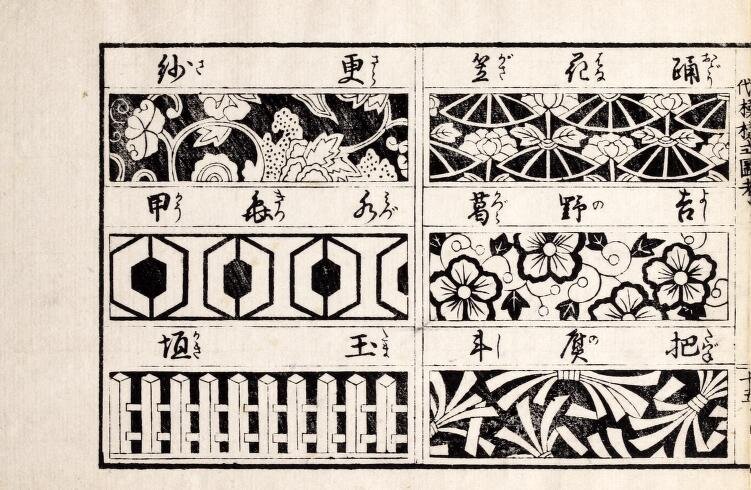
Takahashi, Eiji. Kodai moyo shikizu ko. Tokyo: Santokukai. 1850. Available from Internet Archive here. This book was a mix of scenes from nature and designs. I enjoyed both. The scene with herons reminded me of birds in the snow (I remembered years ago the Heron Cam at Cornell’s Sapsucker Pond showing a bird hunkered on their nest during a late season snow…keeping eggs warm. The design pages gave me lots of ideas for Zentangle® patterns!

17r 19 10.jpg

Colling, James Kellaway. Examples of English mediaeval foliage and coloured decoration, taken from buildings of the twelfth to the fifteenth century. London: author and BT Batsford. 1874. Available from Internet Archive here. More potential Zentangle® patterns…and I like the botanical skew…so many leaf and petal shapes! Colling was an architect that was well known for his architectural and decoration drawings and art.

Picard, Edmond. El Moghreb al Aksa : une mission belge au Maroc. Bruxelles: F. Larcier. 1889. Available from Internet Archive here. The author was a Belgian jurist and writer…and patron of the arts. I happened upon this book about Morocco (written in French so I was browsing for the pictures) while the Arab world was in the news again with the Turkish surge into Syria. Of course, the scenes in much of the Arab world have changed considerable since the 1890s…and much of what was historically precious and valued by inhabitants is pockmarked or destroyed with weaponry that didn’t exist until well after the 1890s. The main emotion, even from afar, is sadness for the peoples and the places.

88u 19 10 clip.jpg

--

The Zentangle® Method is an easy-to-learn, relaxing, and fun way to create beautiful images by drawing structured patterns. It was created by Rick Roberts and Maria Thomas. "Zentangle" is a registered trademark of Zentangle, Inc. Learn more at zentangle.com.

Gleanings of the Week Ending October 19, 2019

The items below were ‘the cream’ of the articles and websites I found this past week. Click on the light green text to look at the article.

New report deepens understanding of wind-wildlife interactions -- ScienceDaily – This article overviews the report. The 24 page report is available here. The amount of collaboration between the industry, government, conservation, academic and scientific organizations is significant and ongoing.

Marsh-Billings-Rockefeller National Historical Park Celebrates Forests – Maybe I’ll go to Vermont for this festival next September – if it’s an annual event.

These surreal jarred fish tell an urgent story of extinction – The Royal D. Suttkus Fish Collection – nearly 8 million preserved fish…a window into how 20th century development changed the Southeastern US fish….a record of that destruction.

No bones about it, this protein slows down fracture-healing -- ScienceDaily - Abundance of ApoE may explain why older people have trouble healing broken bones. Turning off ApoE completely causes fat to be deposited in arteries (a cardiovascular problem) so treatment options may involve lowering ApoE for short periods of time.

O Canada! We Like Your Food Guide – Food guides from Canada (and some other countries) … some differences from the US. Canada merges ‘dairy’ in with protein foods rather than featuring it as an independent group.

Scientists Are Getting Better at Predicting Hurricane Intensity – A new algorithm has been developed to include the complicated physical mechanisms of tropical cyclone dynamics and the way they interact with upper-ocean and atmospheric circulation. It may reduce the error of tropical cyclone prediction within a 24-hour period by 16%. Every little bit of improvement in prediction means better preparations when an intense storm is approaching.

Artworks of the Dark Zone – From caves in Tennessee and Alabama. Artwork incised in mud and inscriptions. A slideshow.

How Penn State is Cutting Greenhouse Emissions in Half – and Saving Money – Kudos to Penn State. I wonder how many other universities are doing similar things.

Empty Meditative Landscapes Visualize the Tranquil Beauty of Silence – A visual treat

Ed Hawkins “Climate Stripes” May be the Most Important Science Image so Far in This Century – Effective visualization of lots of data…becomes information. The next step is action.

Gleanings of the Week Ending October 12, 2019

The items below were ‘the cream’ of the articles and websites I found this past week. Click on the light green text to look at the article.

Climate change may cut soil's ability to absorb water -- ScienceDaily – Climate change impacts everything. The models only model pieces of the puzzle. This study was looking specifically at water and soil – not currently included in models..

The Iguana Invasion – Cool Green Science – They’re a common sight in Florida….and the state is now advising people to kill them. No talk of eating them like they do in their native range further south and the Caribbean where they are farmed.

Sigiriya, the 'Lion Fortress' of Sri Lanka – A Heritage Site that survived by being hidden by forests…and being remote enough to not be marred by modern weapons of war.

Impostor syndrome is more common than you think -- ScienceDaily – Seeking social support outside academic (or workplace) specialization seems to be the best coping strategy.

Pregnant Moms' Air Pollution Exposure May Affect Babies' Health | The Scientist Magazine® - Research is ongoing. The first correlation was between air pollution and low birthweight/preterm birth. Current research is on other health consequences in the early life of the baby and beyond…looking beyond correlation to the underlying mechanism.

Top 25 Wild Bird Photographs of the Week: October – The headline picture is of a Green Heron!

BBC - Future - The simple words that save lives – Communication in an emergency…if it goes wrong…tragedy.

Despite growing burden of diet-related disease, medical education does not equip students to provide high quality nutritional care to patients -- ScienceDaily - Researchers call for improved nutrition education to be integrated into the medical curriculum. This makes sense to me…but why hasn’t it been done long before now?

Iceland's Seabird Colonies Are Vanishing, With "Massive" Chick Deaths – Kittiwakes, puffins, murres, fulmars – Chicks die…nests with eggs abandoned. Total breeding failure for many of the birds. For the Puffins it has been happening since 2005. Lots of changes caused by climate change funneling pollution from the North America and Europe to the North Atlantic: mercury ubiquitous and rising fast in some areas, brominated flame retardant, pesticides, PCBs, chemical laced microplastics. A caption under one of the pictures: “In Iceland, levels of PCBs and other contaminants are so high in murre eggs that people shouldn’t eat them.”

Gleanings of the Week Ending October 5, 2019

The items below were ‘the cream’ of the articles and websites I found this past week. Click on the light green text to look at the article.

BBC - Future - The desert soil that could save lives – Bioprospecting for antibiotics and industrial biocatalysts from bacteria that survive in extreme environments like the Atacama or Antarctica

Top 25 Wild Bird Photographs of the Week: Resident Birds – National Geographic Society Newsroom – ‘Resident’ around the world….beautiful birds.

Global warming may threaten availability of essential brain-building fatty acid -- ScienceDaily – Impacts of climate change go far beyond the climate models…many probably still to be discovered.

Recovery: Restoring the Floodplain Forest – Cool Green Science – I started reading the article since I am always interested in how restoration projects are created and evolve…but the aspect I’ll remember about it was the info about a tree: American Elms. Ones resistant to Dutch Elm Disease are among the trees being planted as part of the restoration. I grew up at a time when the elms were all dying. There were several I remember at my grandparents’ house in Oklahoma and a tree beside the playhouse at the house we moved to in Dallas in the early 1970s. It was already sickly. I wonder if there will soon be enough varieties and availability of elm trees for them to become landscaping trees again.

Interview: Self-Taught Myanmar Photographer Captures People Working – Capturing images of human-made place. Now I am wondering what I would photograph in my part of the world to do something equivalent.

Crying over plant-based milk: neither science nor history favors a dairy monopoly – An article about milk….and the argument about what the word means. The dairy industry wants it to mean milk from cows…but milk has been used more broadly to mean white liquid for a very long time. We even have plants with ‘milk’ in their name (i.e. milkweed)!

Pictures of India's UNESCO World Heritage sites – Rich cultural and natural history…reflected in places selected to protect.

'Report card' on diet trends: Low-quality carbs account for 42 percent of a day's calories: Older people, those with lower income, and those with less education face greater hurdles -- ScienceDaily – With results like this, maybe we should come up with better ways of helping people learn about nutrition. Do our schools help students learn about nutrition? How many adults have logged their food intake into an app and discovered how good (or poor) their food choices are? The current outreach strategies relative to nutrition are not enough. Sometimes even doctors seem to lack any expertise other than knowing that a patient is overweight/obese or their waist is too large.

Create Wildlife Habitat Around Your House – Cool Green Science – I already have a bird bath and feeder, milkweed patch, brush pile and some native trees (maple, sycamore, tulip poplar, oak). Even a spongy compost pile is habitat (this summer I had puddling tiger swallowtails on it)!
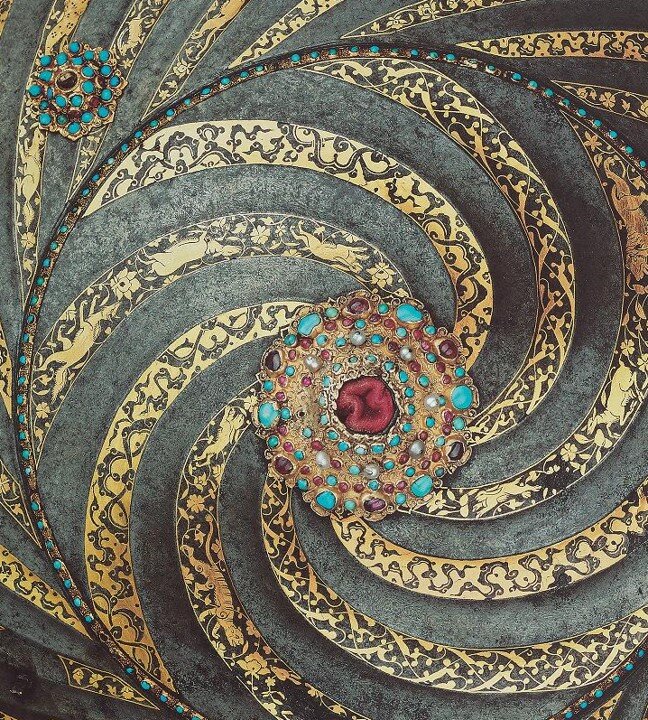
Komodo Dragons Have Skin That Looks Like Chain Mail | Smart News | Smithsonian – Four distinct morphologies of osteoderms in the skin of adult Komodo dragons. Another example of the wonderful complexity in the natural world.
Gleanings of the Week Ending September 28, 2019

The items below were ‘the cream’ of the articles and websites I found this past week. Click on the light green text to look at the article.

Marriott Aims For 33% Reduction in Plastic Waste | CleanTechnica – Marriott will do this by 2020. They will do away with the tiny tubes of shampoo, conditioned and other toiletries, replacing then with larger bottles affixed to the walls. It’s a step in the right direction and we all need to be looking for these steps that are ‘easy.’ We also need vendors to do their part and transition away from plastic packaging. Remember that plastic is relatively recent; there are still people alive that remember a time without it! But we need new solutions rather than just going back to pre-plastic days….it will take focus and creativity…and a demand from all of us – to rid ourselves of the negative aspects of plastic.

Top 25 Wild Bird Photographs of the Week: Endemic Birds – National Geographic Society Newsroom – Beautiful birds.

Dam Removal Complete on Maryland's Patapasco River - News | Planetizen – Some close-to-home news. I had been tracking these dam removals over the past few years and hearing reports about preparation and results at the annual Maryland Water Monitoring Council conference.

Harmful Algal Blooms (Red Tide) – Information and maps about algal blooms. I looked at the Chesapeake Bay part of the site.

Ghost Crabs Use Teeth in Their Stomachs to Ward Off Predators | Smart News | Smithsonian – This article reminded me of the ghost crab we saw on Two Mile Beach near Cape May, New Jersey last May. We must have been far enough away to not be too threatening; the crab did not make any noise at all.

Drinking tea improves brain health, study suggests -- ScienceDaily – I like to drink tea…and it gets even better with studies like this. The opposite it true for soft drinks…even the diet ones. Those I need to reduce or stop drinking completely.

Can We Turn Down the Temperature on Urban Heat Islands? - Yale E360 – Work to gather more detailed information about the heat islands within cities. The extra details help clarify strategies of how to reduce them. Some of the ideas I had heard before…others – like varying building heights – I had not.

Topography could save sensitive saguaros as climate changes -- ScienceDaily – We haven’t been back to Tucson since my daughter finished her graduate work at University of Arizona; but I always browse articles about the place. This research was done at U of A…and I was glad that the iconic saguaros might adapt to climate change – at least on Tumamoc Hill.

A Field Guide to The Feral Parrots of the US – Cool Green Science – Wow – there are a lot more of them than I realized.

Neurotoxin lead sometimes added to turmeric for brighter color -- ScienceDaily – Very scary. Are we sure they don’t export the tainted turmeric?

Ten Little Celebrations – September 2019

September was a transition month…the end of the Wings of Fancy exhibit and the gearing up for the Howard County Conservancy’s fall field trips for county schools. That overall theme carried over to almost all the little celebrations I’m featuring in this month’s post.

Beginning yoga. I was surprised that I could do some of the poses with relative ease….and others with a little practice. It’s surprising how quickly the benefits begin to be noticeable.

2019 09 IMG_5403.jpg

Question Mark Butterfly. I was thrilled to notice the butterfly in the mulch at Brookside Gardens when its wings were open. I would have never seen it had its wings been closed. I celebrated a second time after I got home and figured out what kind of butterfly it was.

2019 09 IMG_5605.jpg

Mount Vernon. What a place for a volunteer appreciation day…and the weather was perfect! I celebrated the place and the people I was meeting all day long.

Longwood Gardens. The place is always special – because of what we see there during our visit and the memories of other visits.

2019 09 IMG_0213.jpg

Toad near the stream. There are always those serendipity events that make an ordinary hike extraordinary.  During one of our training sessions at Belmont we hiked to the small stream….and were finding mushrooms and moss and macroinvertebrates….and then a small toad jumped into our midst! Being naturalists…we all celebrated.

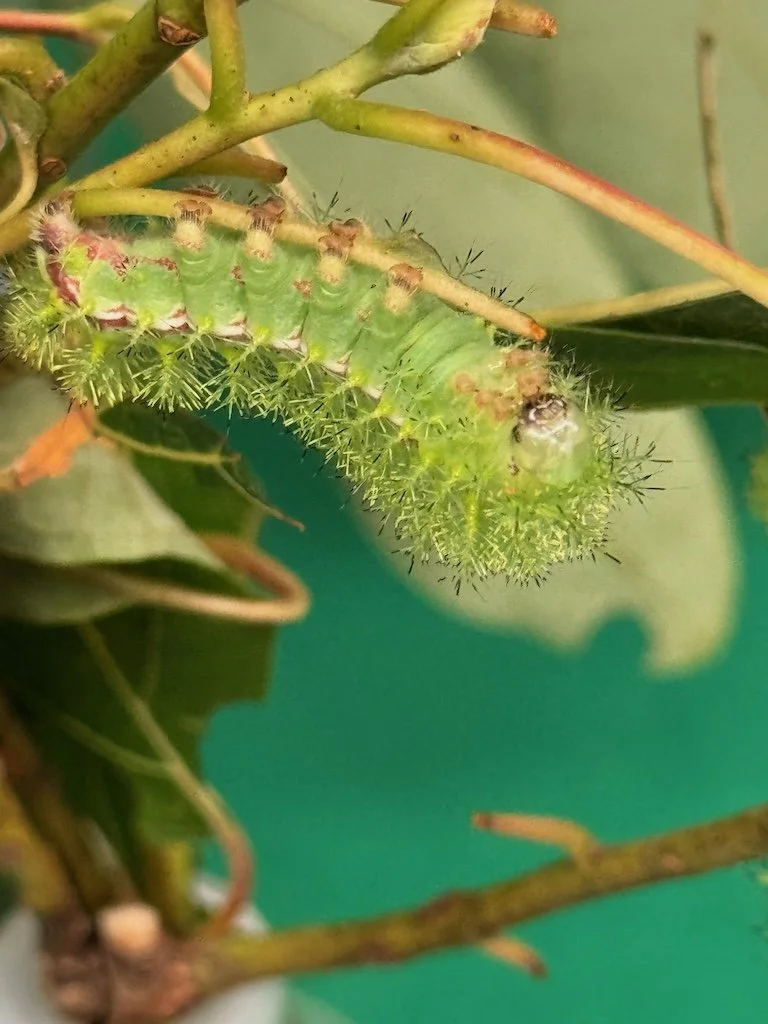
Large monarch caterpillar. My milkweed didn’t have many caterpillars this year…but one morning when I looked there was a large one (obviously had been there eating). I celebrated that he was probably big enough to make a chrysalis.

Casemaker caddisfly. We’ve had almost no rain for the past month or so and the stream was low…but we found several casemaker caddisfly larvae! They looked like a small clump of debris at first….and then they moved. It’s good to see living things in the water even when there is not much water around.

Carrot cake. I was celebrating something but the carrot cake itself overwhelmed whatever I was celebrating. Yummy!

m 2019 09 IMG_5479.jpg

Wings of Fancy. The next to the last volunteer shift in the Wings of Fancy exhibit was a light day for visitors and I celebrated some quiet time with the butterflies.

Day at Little Patuxent River. High schoolers in the river….interested and focused. The water was low but they found some macroinvertebrates and they were so organized in the chemical tests of water quality (my station for this field trip) that we finished everything with a little time to spare. Celebrating high schoolers!

Free eBooks – September 2019

Usually I feature 3 books. This time I am featuring one book…and a series of 10 books (6 of which I read in September).

Marriott, Charles. Modern Art – a collection of works in modern art. New York: Frederick A. Stokes Co. 1917. Available from Internet Archive here. A good selection of what was ‘modern’ during World War I. The illustrations are in color.

23q 19 09.jpg

Bushell, Stephen Wootton. Oriental Ceramic Art – illustrated examples from the collection of W.T. Walters. New York: D. Appleton and Company, 1897. Ten volumes available from Internet Archive here. This collection formed the basis of the Walters Art Museum in Baltimore that was formed by his son. Walters died in 1894; he had prepared parts of the volumes that were then edited and published after his death. I still have 4 volumes to savor…in October! I picked a sample image from each of the 6 I’ve already browsed for this post.