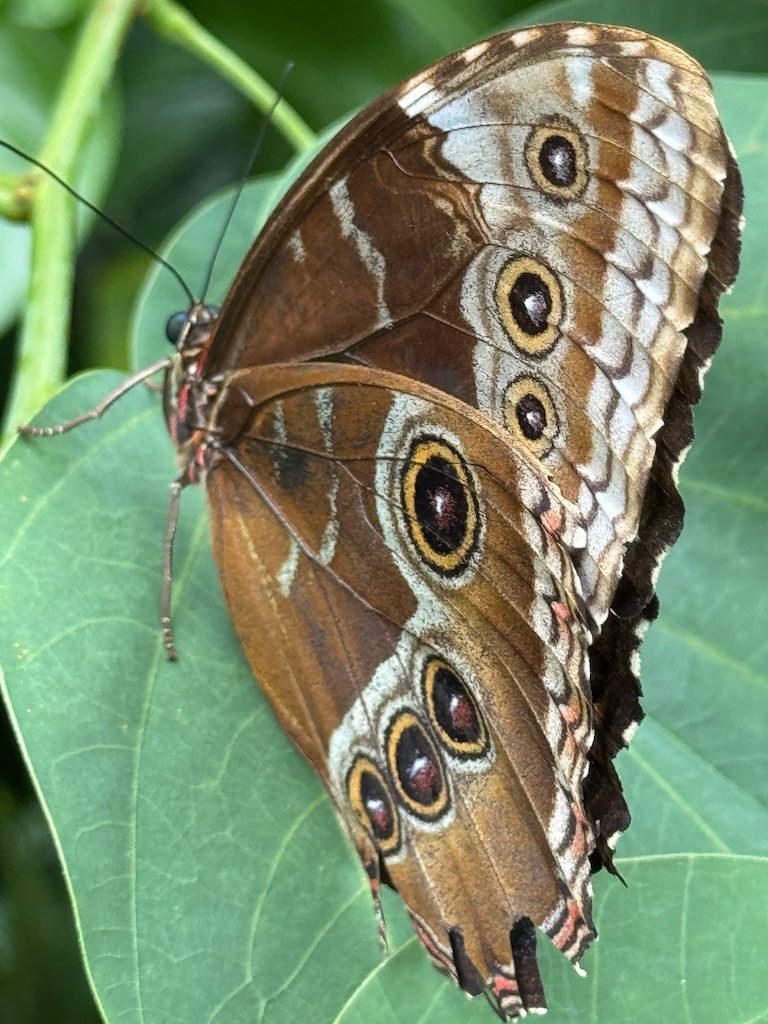
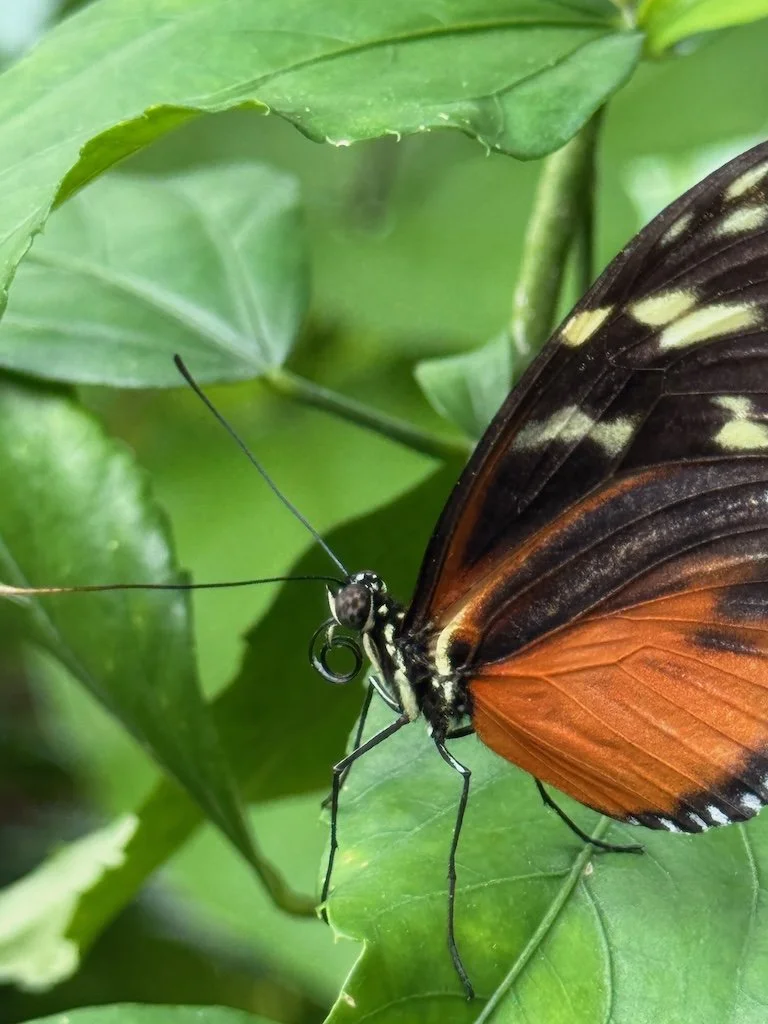
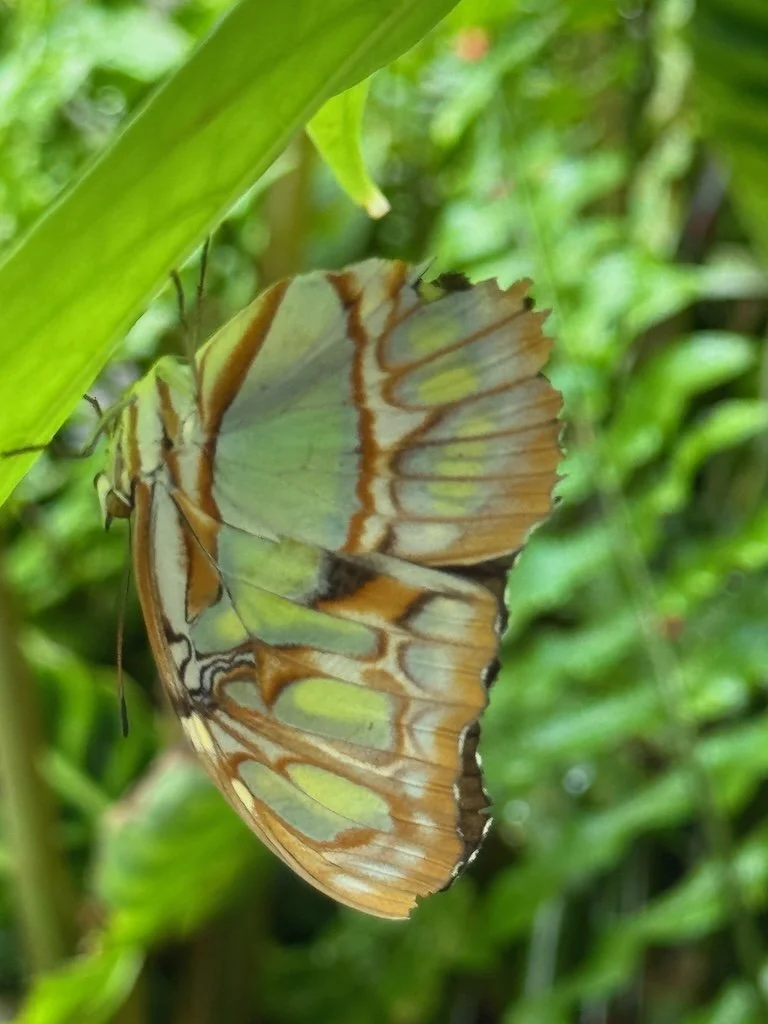
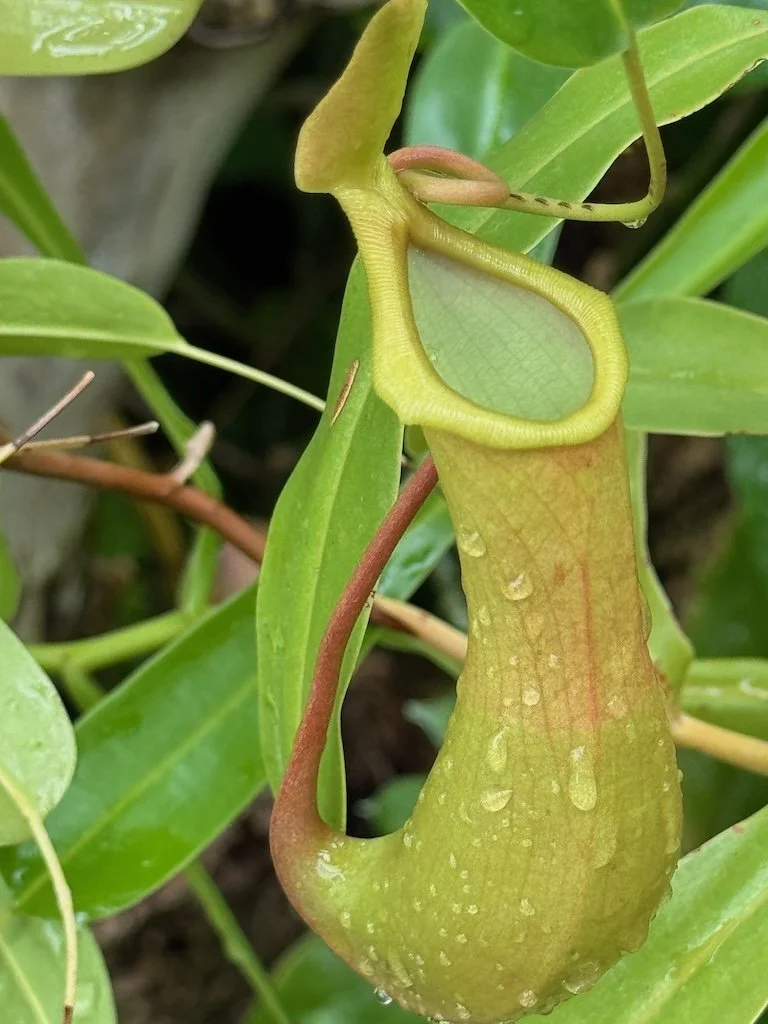
A College Class…after 40 Years

Going to a college campus for a class was almost a ‘new’ experience since I hadn’t done it for over 40 years.

The campus was newer and bigger than the university I attended in the 1970s. There was more construction and different types of parking that I’d experienced before. I set my nav system for a parking lot close to the building where my class was located; it took me to the parking lot but not on the side that had an entrance! I used the nav system to help me find the building to…and still walked past it because I wasn’t looking for the name of the building in the right place. As I walked in the building, the doors leading to the first floor were taped saying there was construction on that floor…realizing that my class was supposed to be on the third floor; I took the door to the stairs that were off the lobby between the outside doors and the doors to first floor. I stopped at a lady’s room then found the classroom…both similar to 40 years ago.

The class I am taking is a field class about woody plants so there is a short lecture segment at the beginning and then the rest of the session is outside either around the campus or on field trips at various locations around Springfield MO. The professor had posted the charts for the first class and the syllabus for the course on Brightspace earlier in the week; I had looked at the charts and printed the schedule page of the syllabus…brought a notebook for recording notes in the field.

It turned out that the professor had printed copies of the syllabus and worksheets for when we were out in the field (around campus). The amount of paper was reminiscent of my long-ago college days. My earlier idea of using my phone to take pictures and notes in the field was not looking as realistic.

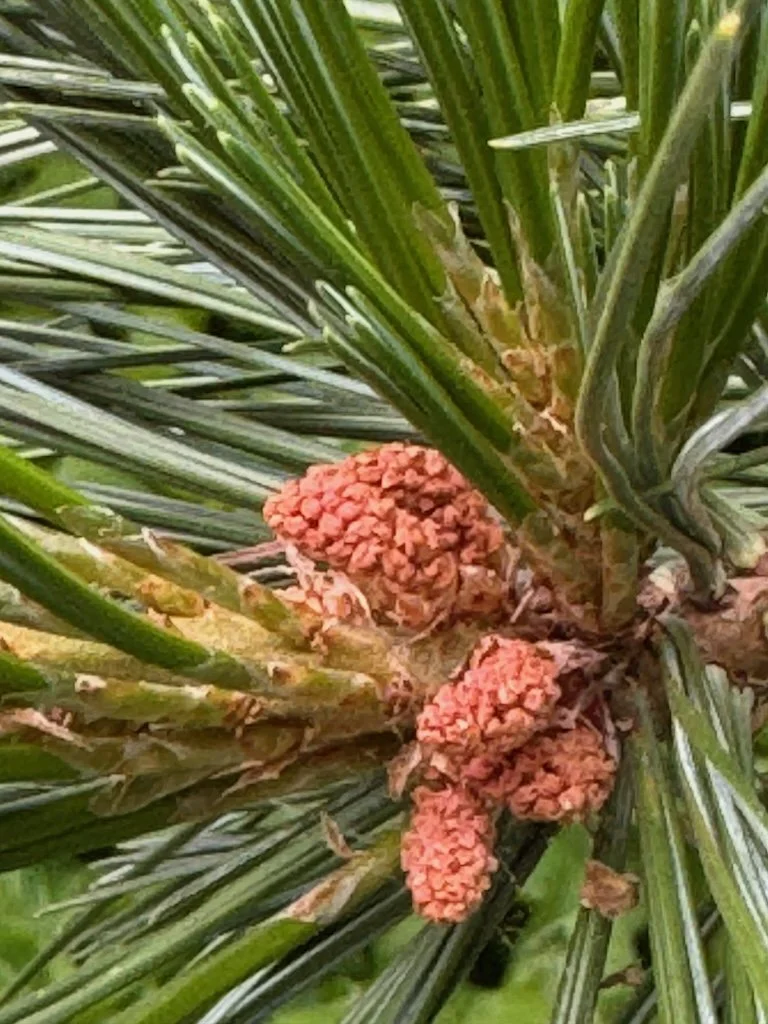
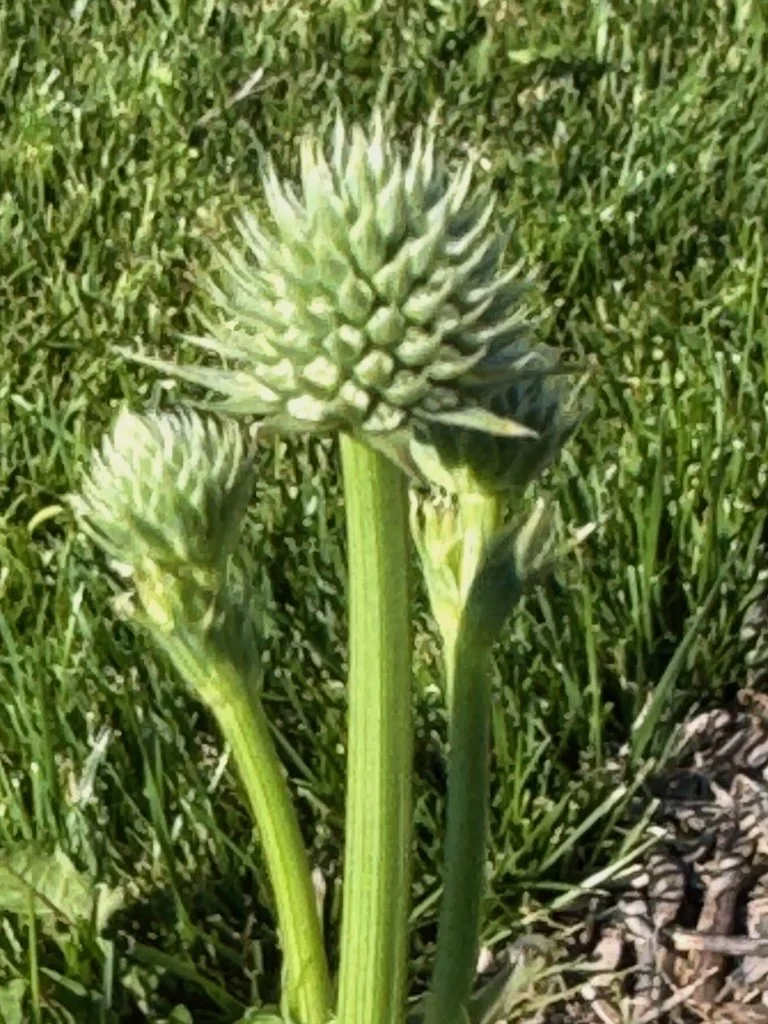
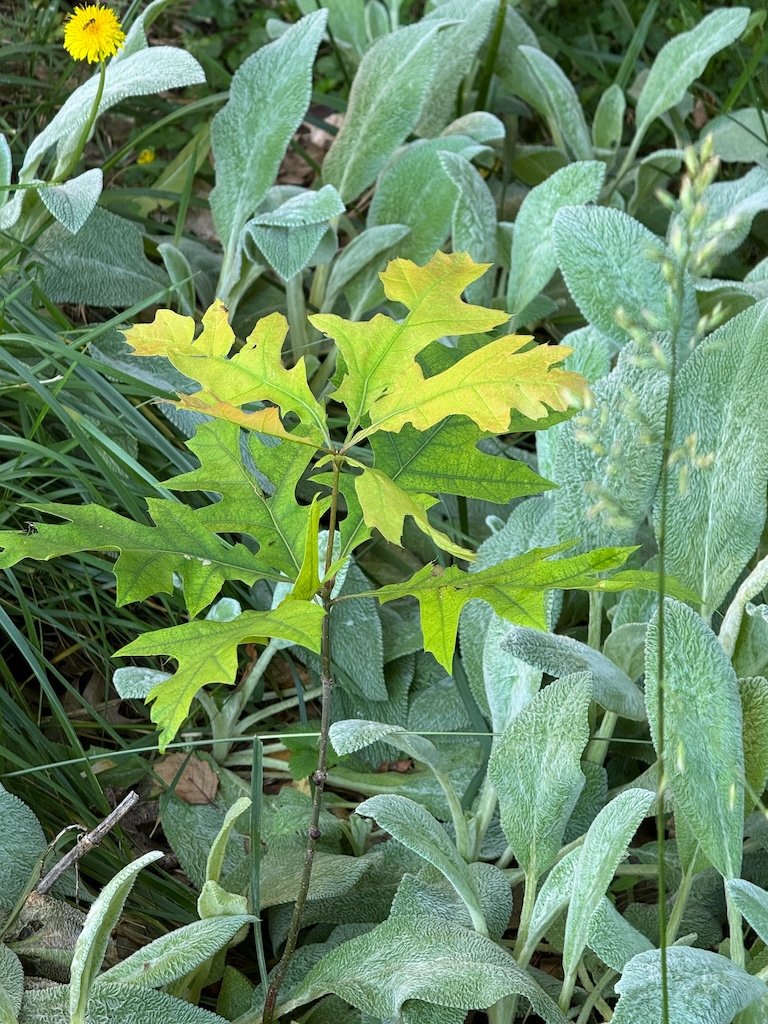
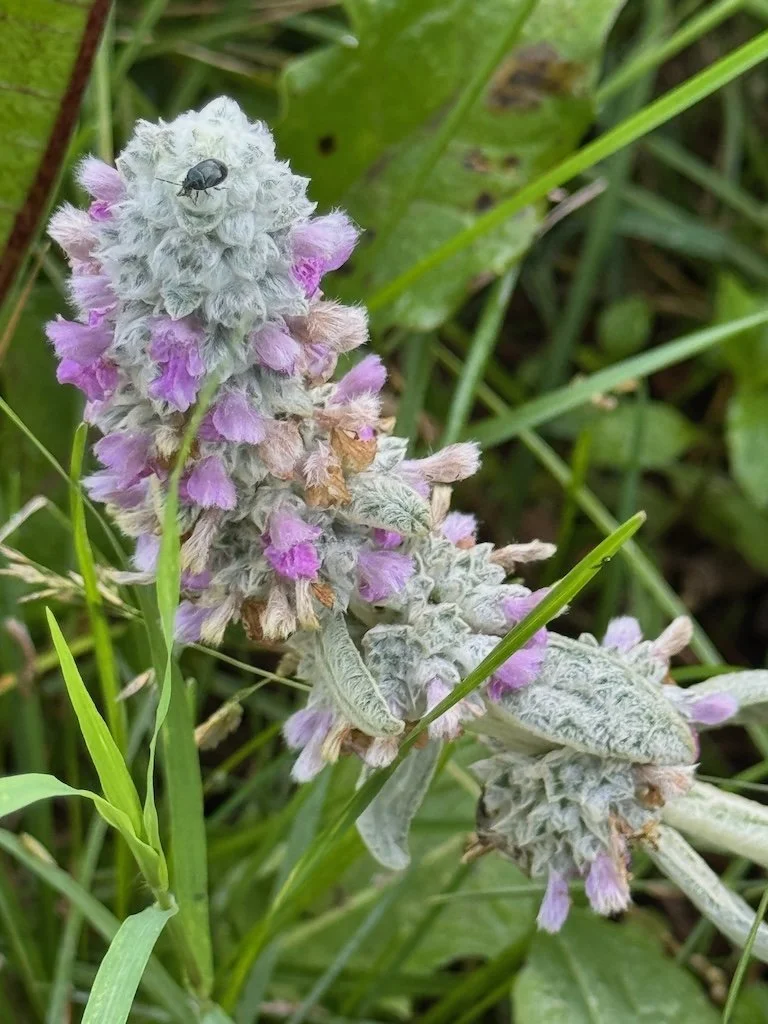
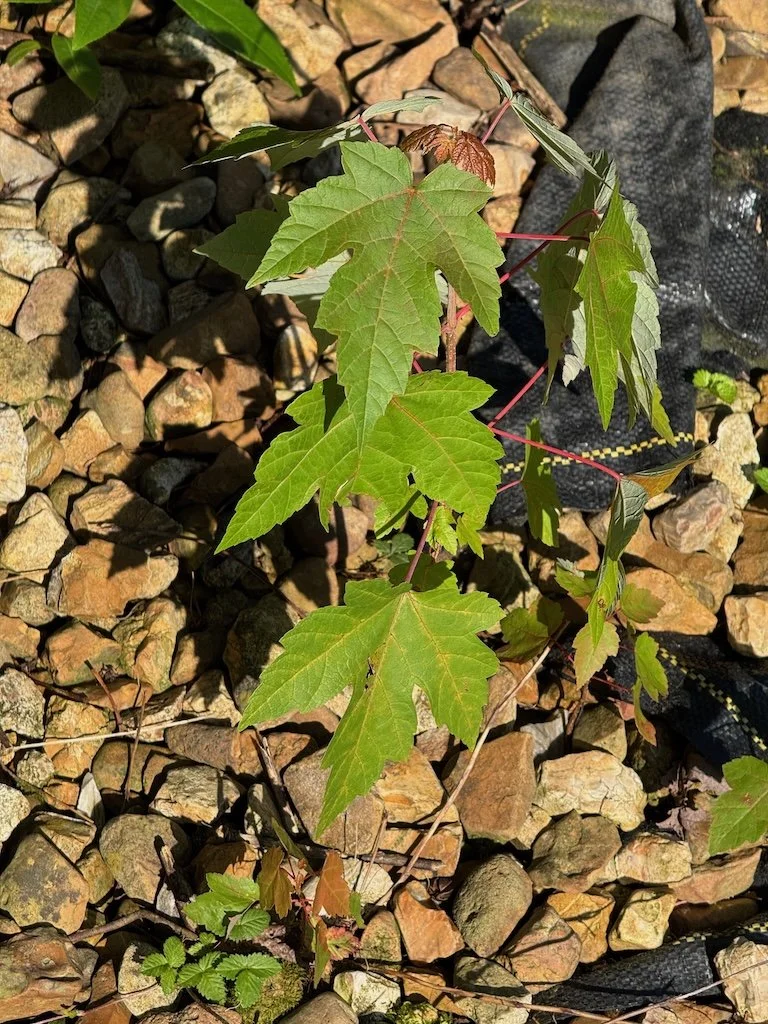
I did try to take some pictures of the woody plants that were part of the first class but the only ‘good enough’ picture were from black gum (Nyssa sylvatica) (1 picture) and buckeye (Aesculus) (2 pictures).
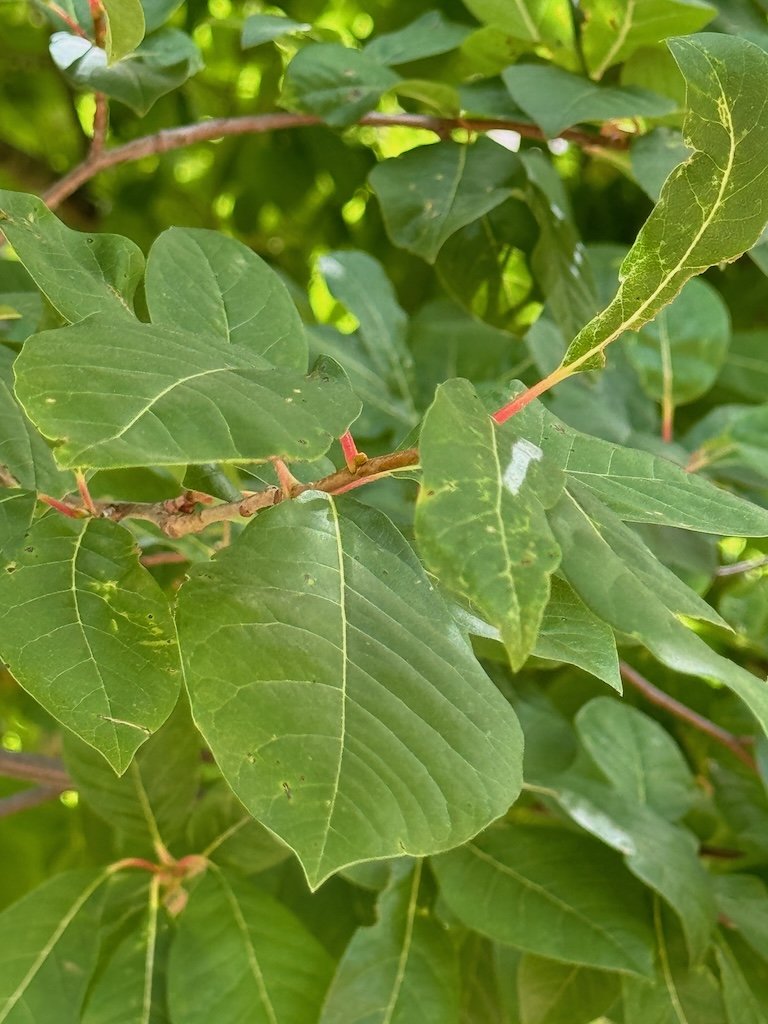
Juggling the cell phone on a lanyard and taking physical notes is cumbersome. I’m going to try a slightly different approach for the next class which will be a field trip to Springfield Botanical Gardens….maybe taking my bridge camera (better optics so I don’t need to get as close to what I am photographing) and wearing my photovest (with lots of pockets in the front) so the notebook can be taken in and out more easily.

I am not taking the class for credit, but I am still trying to learn the common and scientific names for the woody plants viewed in the course. It might take some study techniques I’ve not used for a very long time. I want to find techniques that do not involve making paper flashcards!

Gleanings of the Week Ending August 24, 2024

The items below were ‘the cream’ of the articles and websites I found this past week. Click on the light green text to look at the article.

Warming waters and nutrient overload: A dangerous combination threatening our rivers and lakes - Food webs are becoming less complex in warmer, nutrient-rich waters. This simplification means shorter food chains and a degraded functioning ecosystem.

Stonehenge’s giant Altar Stone came all the way from north-east Scotland – here’s how we worked out this astonishing new finding – It evidently came from north-east Scotland at least 430 miles from where it is today!

Over half of iron deficiency cases in large health system still unresolved at three years - Factors associated with a higher likelihood of getting iron levels back to normal included older age (age 60 and up), male sex, Medicare insurance, and treatment with IV iron alone. Younger patients, females, and Black individuals were most likely to remain iron deficient or experience longer lags in getting their iron stores back to a healthy level.

What the Mesopotamians had for dinner – Small clay tables date to 1730 BC or earlier…are about preparing food! The instructions are terse, clipped. And as is the case for many old recipes, from all vintages of the human relationship with cuisine, amounts are not specified. Here is how one of the stews is made: for the lamb stew known as tu'hu, first you get water. Then you sear leg meat in fat. In go salt, beer, onion, rocket, coriander, Persian shallot, cumin, beets, water. Crushed leek and garlic and more coriander, for a fiery taste. Then add kurrat, an Egyptian leek. The beets turn it an electric red.

Cleaning up the aging brain: Scientists restore brain's trash disposal system – Using a hormonal like drug to help the glymphatic system of the aging brain to remove toxic buildup more effectively (as younger brains do).

Plant disease could spell apocalypse for citrus fruits - Huanglongbing (HLB), also known as “citrus greening” disease. The economic impacts are dramatic in some countries. In Brazil, production has fallen by more than 20%, 60% in Guadeloupe and plummeted by more than 90% in Florida.

U.S. Wind Generation Hit Record in April, Beat Coal! – Hope this begins happening more often. It should as more wind energy comes online and coal plants are shut down.

Our skin is teeming with microbes. We should learn to love them - Zoom in on any square centimeter of the skin on your body and you'll find between 10,000 to one million bacteria living there. The skin microbiome is second only to our guts when it comes bacterial diversity. This is quite surprising if you think about it. Compared to the safe, warm and moist habitats of our mouths or guts, the skin is an inhospitable place.

Maine! Ghost Plant – A parasitic plant I learned about in my general biology course….and was thrilled the first time I saw it in the wild years ago. I haven’t seen it since.

Five ways science is tackling the antibiotic resistance crisis – Natural products, the promise of AI, combination therapies, immune assistance, efficient diagnostics….and we need more.

American Agriculture in the early 1990s (ebooks)

Liberty Hyde Bailey edited 4 volumes of the Cyclopedia of American Agriculture between 1900 and 1910. It was a time when horticulture and agriculture were becoming more organized at universities and Bailey was a proponent of America as a ‘great agricultural civilization.’

The books are easily browsed on Internet Archive and the photographs clearly reflect the ‘state of the art for agriculture’ in the early 1900s when they were written. I selected two sample images from each of the 4 volumes. (click on the image to see a larger version)

 Cyclopedia of American agriculture : a popular survey of agricultural conditions, practices and ideals in the United States and Canada V1 Farms

Through my Office Window

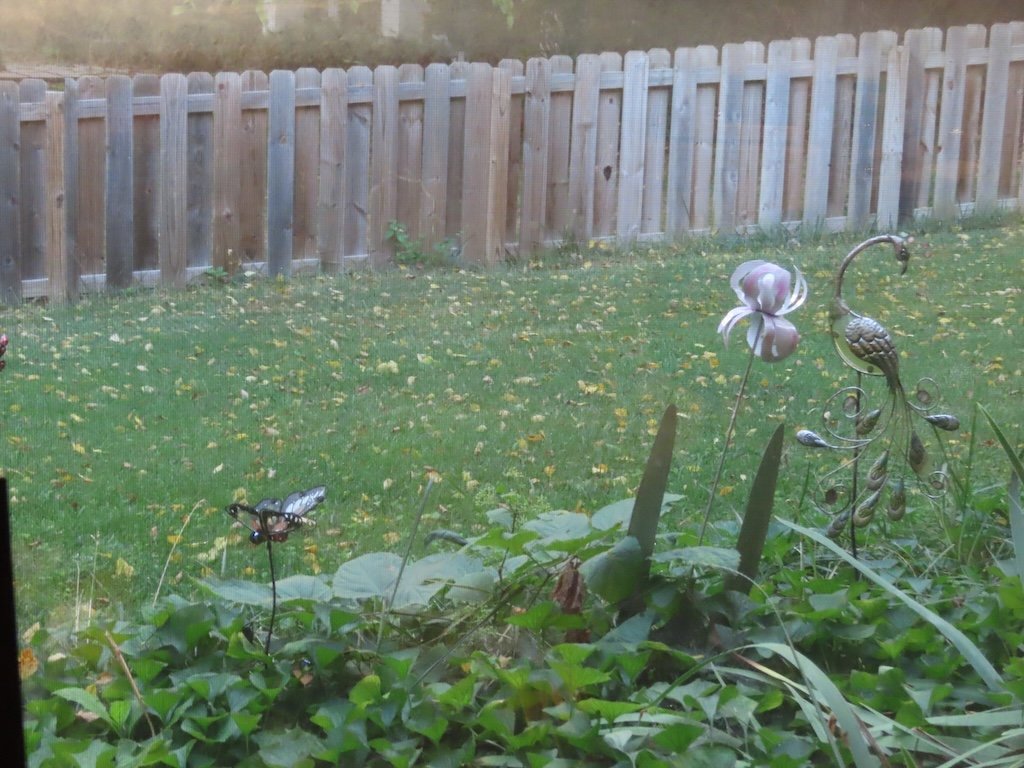
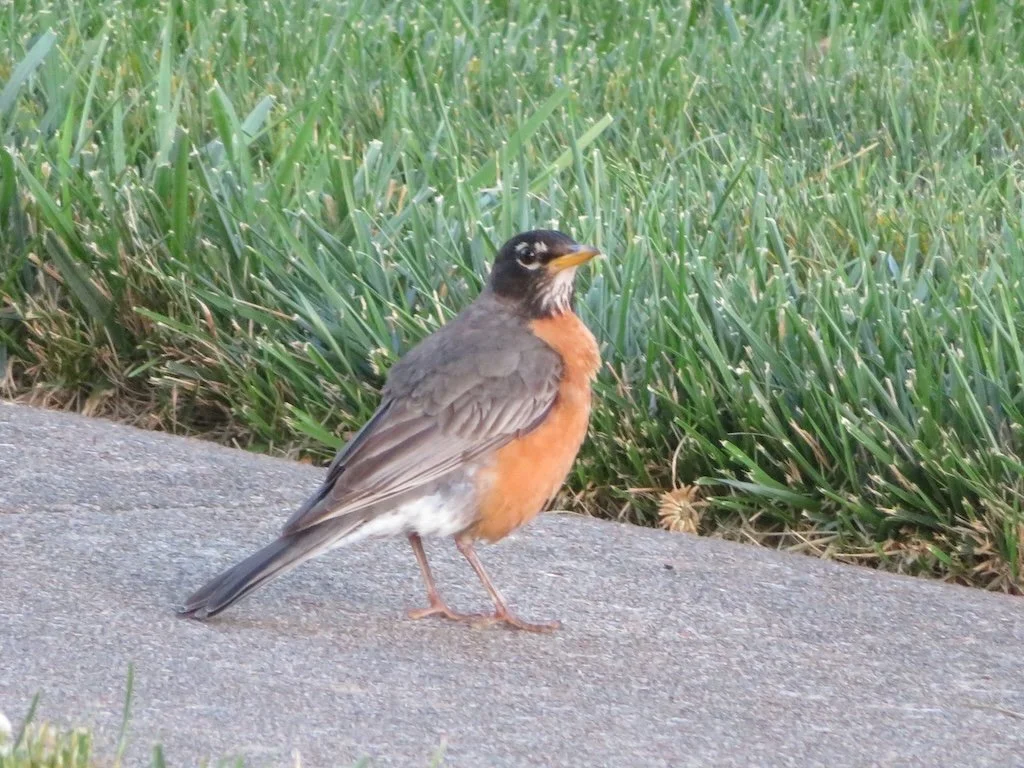
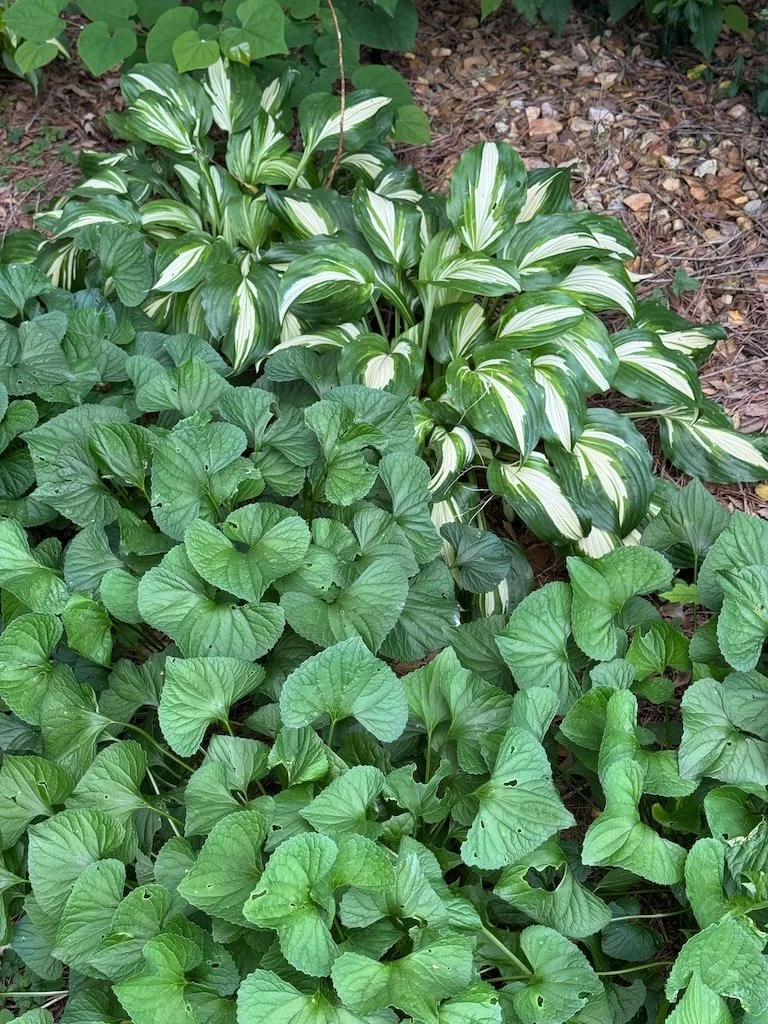
My office is my favorite room in my home. There is a garden area I can see through a window while I am at my computer. It has several garden ornaments, and is crowded with violets and iris leaves….and a spikenard in bloom. The yard beyond is sprinkled with fallen river birch leaves that are yellow. It’s a great place to watch robins searching for worms.

The area is shady for most of the day – from the river birch in the morning and from the house in the afternoon. There is a short time when the sun shines on the stainless-steel iris. I am documenting the blooms of the spikenard as well.

The windowsill of that same window can also be a platform for high key type photographs. This one of a dried black-eyed susan has the silhouette of the river birch in the background.

On the other side of the room, the glass paneled door looks out onto the patio under the deck and I can photograph barn swallows that congregate on the light fixtures and the ceiling fan blades before leaving all at once for their next stop.

The 4 windows of my office make it almost a garden room.

Registering for a College Class

I registered for a class at Missouri State University last week – Identification of Woody Plants. It has been over 40 years since I did this last! Lots has changed in those years.

  • I didn’t need to go through an admissions process ahead of time or get transcripts sent because I am part of the cohort of people over 62 years old that can attend classes at much reduced cost (MSU 62). I called their office a week before the registration day to confirm. I also asked about the pre-req for the class I wanted to take; I had the pre-req in my long-ago college experience but without the transcript, how would they know? I was advised to email the instructor to get a waiver…which I did and they waived the pre-req for me.

  • The course catalog and schedule are all online now rather in paper/soft cover books. I knew that there were only 7 slots remaining in the course I wanted to take before I headed to registration.

  • The registration for the MSU 62 cohort was held the week before classes started which is later than I usually registered back in the 70s. I arrived just after they opened. The receptionist for the event handed me forms and sent me to tables/chairs to fill them out. The course I wanted to take was not on the paper version of a course list on the tables, so I was glad I had the numbers for it written down to enter in the appropriate places on the form. I also had the printed version of the email exchange with the instructor. I was so focused on the requirements for my degree 40 years ago…now I am just taking whatever interests me and not for credit.

  • When I finished the forms, I joined the queue in chairs waiting for advisors…and thoroughly enjoyed a donut while I waited. I don’t remember ever having food provided when I registered for college classes before!

  • The advisor got me admitted and registered very quickly. She discovered that I already had a number with the university (maybe because I had donated back in 2020).

  • After that I was routed to a second person that printed out my concise schedule and talked to me about setting up my computer accounts, books and parking permits. It appears that the only cost is going to be for the parking pass – quite a bargain even compared to the costs I had in the 1970s. In addition, the textbook for the class I am taking is listed as ‘optional’ so I am waiting to buy it until after I hear what the instructor says in the first session.

Less than an hour after I entered the building, I was walking back to the parking garage. Along the way I photographed the colorful school mascot (bear) at the corner of the building. I am looking forward to this course…not so different from the way I always looked forward to the fall during my education-intense years…but savoring that I won’t be taking any tests!

Annual Checkup

The medical system often seems to be full of extra steps. I had to change my primary care physician recently because the old one moved…so I chose one in the same system since I was overdue for an annual checkup. It turns out that the first visit is just a ‘getting to know you’ and the annual checkup will have to be a second visit. I’m glad I picked an office close to where I live! The earliest appointment I could make is a little over a month away now…but at least it is scheduled, and the doctor made a good first impression. She’s young enough that she could be my doctor for as long as I live in the area. I like that she specializes in 65+ patients.

There is nothing particularly pressing in my question list…at least I got through the list with the doctor even though we didn’t have time to discuss any of them in depth. It would be stressful to wait if I had health issues that I was anxious about.

I’m beginning to understand my grandmother’s aversion to going to the doctor unless she knew something was wrong. She didn’t have many ‘annual checkups’ and took no prescription medications. In her years after 65 she did get flu shots, a skin cancer removed on her face, and a check after she hit her head when she tripped over a shallow step. She lived to be 98 years old and died peacefully in her sleep at home. The only problem that was not detected until too late that impacted her quality of life was macular degeneration, but at the time there wasn’t much they could have done to help her even if it had been detected earlier.

My plan is to continue my annual checkups and the associated follow-up – at least for the near term. But I’ll re-evaluate as time goes on.

Gleanings of the Week Ending August 17, 2024

The items below were ‘the cream’ of the articles and websites I found this past week. Click on the light green text to look at the article.

Ultrafine particles (UPFs) linked to over 1,000 deaths per year in Canada's two largest cities – Particles smaller than PM2.5 that primarily come from vehicle emissions and industrial activities. The study was done in Montreal and Toronto neighborhoods from 2001 – 2016. The findings associate long-term exposure to UFPs with a 7.3% increase in the risk of non-accidental death. Respiratory deaths saw the highest increase, at 17..4%, followed by a 9.4% rise in deaths from coronary artery disease.

Eureka: Why Was Monet Obsessed with Water Lilies? - From 1890 to 1927, Monet would create more than 250 paintings of the water lilies. He had found his subject and there would be no need for another. Besides, as the artist said in an interview, “the water flowers are only an accompaniment.” The real subject was that fickle, forever fluid thing called light, which Monet said changed every seven minutes in Giverny.

The History and Mystery of Glastonbury – A satellite image from January 2024. A little history lesson too: Before the Somerset Levels were drained and converted into agricultural land in the 18th century, the region was a flooded swamp. Glastonbury Tor towered above the water as an island, drawing attention as a site of worship for pagans and Christians.

95% of Steel-Related Emissions from Vehicles Can Be Cut Using Green Steel - Procuring primary steel without fossil fuels is the strongest possible pathway to reduce steel-related emissions from vehicles – and this could be done at scale in the U.S. by the end of the decade. Collectively, automakers are among the largest buyers in the steel market in both the U.S. and EU. In 2022, the auto industry consumed 26% of the 82 million metric tons of steel produced in the U.S., and 60% of all domestic primary steel. In the same year, 17% of the 136 million metric tons of steel produced in Europe went to the auto industry, and 24% of all domestic primary steel.

Lyme disease is becoming more common. But its symptoms aren't always easy to spot - Lyme, is a disease with arthritis-like symptoms, but symptoms can get more varied if treatment is not prompt. It's a type of bacteria that penetrates every tissue in the body. Lyme disease can also cause facial paralysis, heart problems, severe fatigue and painful pins and needles in hands and feet.

Static Electricity May Help Butterflies and Moths Pick Up Pollen - Previous studies have found that honeybees, bumblebees and hummingbirds could pull pollen from flowers through the air with their electric charges. This study looked at 11 species of butterflies/moths from 5 continents.

Multiple urinary metals play key role in cardiovascular disease and mortality, study finds - When analyzed together, the 6 metal-mixture including cadmium, tungsten, uranium, copper, cobalt, and zinc was associated with a 29 percent increased risk of cardiovascular disease and a 66% increased risk of death over the study follow up of 18 years.

Your nose has its own army of immune cells — here’s how it protects you – The nose and upper airway — which includes the mouth, sinuses and throat but not the windpipe — serve as key training grounds where immune cells ‘memorize’ intruding pathogens. These memories allow the cells to defend against future attacks by similar microorganisms.

A Record-Breaking 17 California Condor Chicks Hatched at the L.A. Zoo This Year – Condors usually only raise one chick at a time…but the LA Zoo has found that they will raise more than one chick…and these chicks survive better than human raised chicks when released into the wild after 1.5 years at the zoo.

How the rising earth in Antarctica will impact future sea level rise - In Antarctica, melting glacial ice means less weight on the bedrock below, allowing it to rise. How the rising earth interacts with the overlying ice sheet to affect sea level rise is not well-studied. Measurements show that the solid earth that forms the base of the Antarctic ice sheet is changing shape surprisingly quickly. The land uplift from reduced ice on the surface is happening in decades, rather than over thousands of years.

Eleazar Albin’s Birds and Insects

The week’s featured eBooks are from Internet Archive, originally published in the 1720s and 1730s. Eleazar Albin, according to his Wikipedia entry, was an English naturalist and watercolorist illustrator. He gives credit to daughter (Elizabeth Albin) for helping with the illustrations on the title page of his “A Natural History of Birds” series…and says that the drawings were made from live birds. The books are worth browsing for their illustrations!

 A natural history of birds V1

A natural history of birds V2

A natural history of birds V3

Sustaining Elder Care – August 2024

One of my sisters is taking an extended road trip this month, so the 3 of us still around are adjusting so that one of use sees my dad every day. The real crunch will come later this month when another sister will be out of town for a week. It’s a good thing the assisted living home seems relatively calm at this point and dad is getting morning walks, puzzle time, and eating as well as usual.

He likes puzzles with fewer pieces now (up to 500…rarely one with 1000 if there are a lot of clues in the puzzle and the pieces are not too small). I had one puzzle that I took during my first visit this month and there will be an opportunity to buy used puzzles before I go later in the month. We are also starting through some of the puzzles he did months ago; his memory is such that he doesn’t remember them from before…they are a good challenge all over again.

His doctor has taken him off all the supplements he had been taking for years because they were causing him digestive problems. It was more difficult for him to swallow them now too. He gets the equivalent of a multivitamin as a liquid (purchased in powder form and taken mixed with water); he is feeling much better after the change.

Another change that is occurring – he appears to have developed ingrown toenails for the first time in his life. Fortunately, the assisted living has a podiatrist that comes periodically. We are scurrying to buy some open toed shoes for the day after the ingrown toenails are resolved.

The plants one of my sisters planted around the back porch area of the house had required daily watering – which we were all doing as part of our visit with dad – but the house sprinkler system has been fixed and we only need to water on days that it doesn’t run now.

We are beginning to feel that we have a routine that works for us and my dad (and the staff at the assisted living home) although we are very conscious that the routine will need to be tweaked as his needs change.

August in our Neighborhood

It was a mostly cloudy morning when I took a walk around our neighborhood last weekend. I noticed that the stonecrop near our front porch was ready to bloom and the seeds had formed on a redbud tree near the entrance path to the ponds.

A willow hangs over the inflow channel to the ponds…shading the area and making a fringe of green almost down to the water.

The native plants that had been in pots several weeks ago when I walked around the neighborhood last have been planted around the shore of the largest pond and there was a stick near one of them with an Eastern Amberwing dragonfly sitting still long enough to be photographed.

A little further along two small red-eared slider turtles were soaking in the warmth of the morning.

I always enjoy photographing magnolia flowers. The season is far enough along for the tree to have some seed pods forming too.

Last time I walked around the neighborhood there was a bullfrog sitting in the shallows of the larger pond. This time, there was one in the shallows of the smaller one. Based on the coloring…it was not the same frog! Both times, the frog seemed very focused on the pond…paid no attention to me walking around to get another perspective.

The fungus on the old stump along my route back home, has changed significantly. There appear to be 5 or 6 different kinds!

Road Trip to Texas – August 2024 (1)

I am anticipating taking more than one trip to Dallas to see my dad in August since two of my three sisters are traveling during the month; it’s more challenging for one of us to see him every day when there are less people in the rotation! This road trip was easier that my recent ones – not as many delays from construction or accidents. However….there were still moments of drama….

As I headed out of my neighborhood, I noticed a skunk amble from my neighbor’s corner flowerbed and move off down a side street where there are houses on both sides. It’s probably very familiar with the area but I had not seen it before.

About 45 minutes into the trip, there was on overturned truck on the opposite side of the interstate with trailer partially on the median…partial blocking the inner lane. There were a lot of cars waiting to get by on that side. There didn’t seem to be any obvious cause of the accident other than the sun being in everyone’s eyes driving in that direction.

As soon as I got to Oklahoma, the wind picked up and there were bands of low dark clouds. I kept a careful watch for funnel shapes since they looked so strange and the trees along the interstate where clearly being buffeted by the wind. Not a good time to be beside a truck either. Fortunately, the wind calmed down within an hour and I only got a short sprinkle rather than heavy rain.

After those first couple of hours, the rest of the drive was uneventful by comparison. I stopped at the Texas Welcome Center on US75 for a snack lunch and took pictures of some of their plantings. The beautyberry seeds are beginning to ripen.

I found a feather on the sidewalk…wondered what kind of bird had left it behind.

The street parking at my dad’s assisted living home was shady…but the temperature still felt very hot. When I came out after visiting with him for a few hours, my car said it was 108 outside as I drove to my hotel.

The hotel turns their air conditioning down to the 60s and it felt way too cold. I set the thermostat in my room to 75 and was more comfortable.

The next morning, I headed over to see my dad again and got there as he was finishing his breakfast. It was cool enough for a walk and we worked on a puzzle. I was on my way home by 11. I had planned to stop at the Oklahoma Welcome Center on US75 on the way home but needed to buy gas instead.

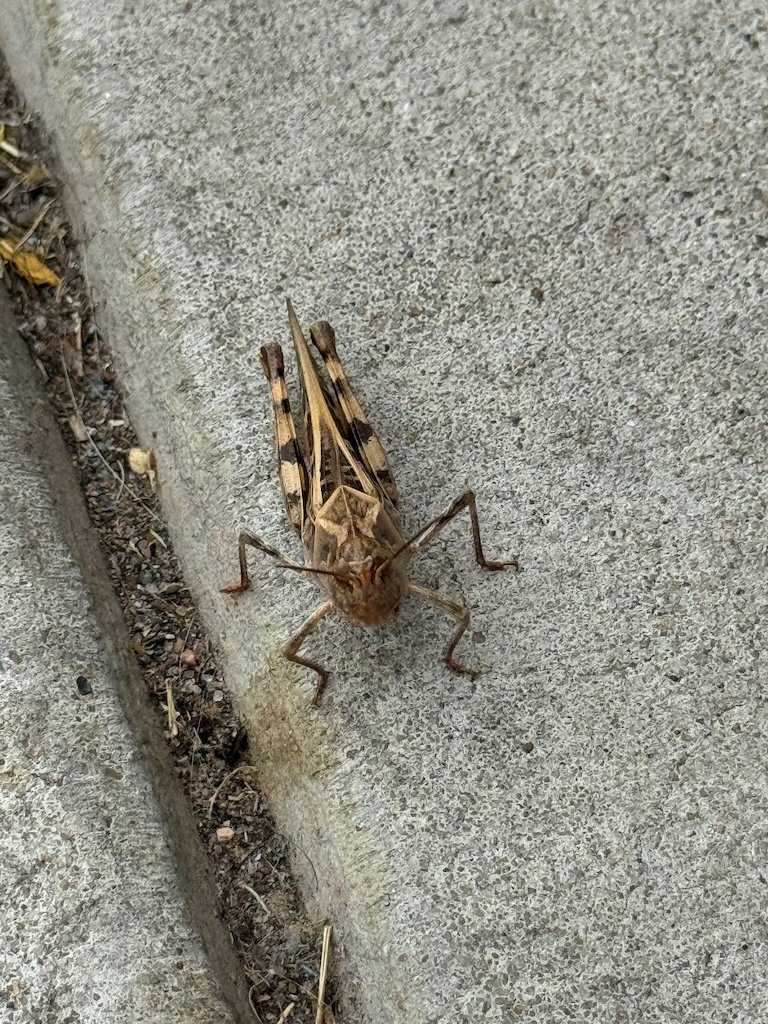
The only picture I took on the way home was a grasshopper that was sitting on the sidewalk outside one of my stops along the way.

And so…another road trip to Texas is history.

Gleanings of the Week Ending August 10, 2024

The items below were ‘the cream’ of the articles and websites I found this past week. Click on the light green text to look at the article.

Versailles’s Hidden Scientific Legacy to Surface in a Major U.K. Exhibition - The five-mile-squared grounds were mapped out by geometricians and astronomers; keeping the 14,000 fountains bubbling further required developing an unprecedented hydraulic engineering system. AND… Giovanni Domenico Cassini, who headed the Paris Observatory, turned skyward, mapping the moon with a precision that wouldn’t be matched until the late 19th century. AND… Hundreds gathered in the courtyard of Versailles to watch the flight of a hot-air balloon, agronomists developed a hardier potato capable of feeding the masses, and an inoculation against smallpox was discovered.

Air conditioning causes around 3% of greenhouse gas emissions. How will this change in the future? – The article concludes: “Rather than lamenting air conditioning's impact on energy use, we need to accept that demand for cooling will increase, work on making it affordable for those who need it most, and build efficient solutions that ensure electricity grids worldwide can cope.”

Ancient Rome’s Appian Way Is Now a UNESCO World Heritage Site - Rome’s Appian Way, an ancient highway dating to the fourth century B.C.E., has been declared a UNESCO World Heritage site.

Could the shingles vaccine lower your risk of dementia? - The idea that vaccination against viral infection can lower the risk of dementia has been around for more than two decades. Associations have been observed between vaccines, such as those for diphtheria, tetanus, polio and influenza, and subsequent dementia risk. It may be the resulting lack of viral infection creating this effect. We need more research exploring in greater detail how infections are linked with dementia. This will help us understand the root causes of dementia and design potential therapies.

Chickasaw National Recreation Area's Monkey Tree Needs Some TLC - An Osage orange tree estimated to be about 130 years old with three thick spreading trunks that generations of children have played on.

Divers Discover Mesmerizing Roman Mosaic Beneath the Sea – Near Naples…a villa in a city known as the Las Vegas of the Roman Empire…now under water.

Healthy diet with less sugar is linked to younger biological age – The correlations between a diet that is rich in vitamins and minerals, especially one without much added sugar, and having a younger biological age at the cellular level.

Agriculture: Less productive yet more stable pastures - Grassland optimized for high yield responds much more sensitively to periods of drought than less intensively used meadows and pastures.

Anne Boleyn’s Childhood Home Is Restored to Its Tudor Glory – The interiors of rooms restored to the style they had during Anne Boleyn’s time.

Forest carbon storage has declined across much of the Western U.S., likely due to drought and fire – Forests in some parts of the world, like the American West, probably do not have the potential to help curb climate change.

Baking Soda

My mother used to keep a small bowl with baking soda in it during the summer…adding some water to it when she came in from working in the yard to make a watery slurry that she’d rub over her arms and legs. She said it stopped a lot of the itching. I remembered her doing that and decided to try it. It helps – sometimes completely alleviating the itching!

Most of the time I apply it when if first get in the shower – no worries about leaving soda splashes on the floor that way. I use a back brush to scrub the baking soda slurry onto my back too. Then shower as usual.

In-between uses, the water evaporates, and the remaining baking soda makes a cake that looks like a miniature ice flow….or abstract art. At some point I add more soda, so the container is ready for the next time I am cleaning up after yard work.

A Walk in our Neighborhood

It has been so hot recently, that I try to get any outdoor activities done as early as possible. Walks at 7 AM are good even if the humidity is high enough to make mid-70s temperatures feel sticky. I take along my camera – in case I spot something I want to photograph. On one recent morning I paused for photography several times:

The morning light on the base of some pine trees on my route to the ponds made the pine needles look almost orange. I liked the contrast with the white rock and the green of some volunteer plant near the base of a pine.

There were galls on some leaves that had fallen on the path – probably some insect larvae. I took pictures of them and then looked up in the tree and saw leaves still on the tree that had them too.

There were pots of native water plants in the water near the inflow to the main pond. I wondered when they would get planted in the shallow water at the edge of the pond.

Further along there was a bullfrog sitting in some shallow water.  I took several pictures from different angles.

There was an ‘arrangement’ of debris in some water on the path. The colors and shapes appealed to me.

There is an old stump near the street on my path back to my house that I often notice. This time it had 3 different kinds of fungus!

Overall – a good walk for exercise…and photography!

Gleanings of the Week Ending August 3, 2024

The items below were ‘the cream’ of the articles and websites I found this past week. Click on the light green text to look at the article.

Dragonflies Reveal Path of Mercury Pollution – Dragonfly larvae collected from 150 national parks and then analyzed for mercury revealed: in arid regions, mercury comes from snow and rain, while in wetter, more forested areas, airborne mercury clings to leaves, which then fall to the ground, where the toxin spreads.

Komodo dragons have iron-coated teeth to rip apart their prey – A clue to how dinosaurs like Tyrannosaurus rex killed and ate their prey.

COVID-19 devastated teacher morale − and it hasn’t recovered - A National Education Association survey of members found that, as of late 2022, a staggering 55% of educators were thinking of calling it quits because of: eroding sense of safety in the school, intense and unrelenting workload, lackluster leadership and changing expectations, and cuts in jobs and budget. Better pay is a start. I was disappointed that this article did not suggest more than that.

25 Stunning Images of the Cosmos from the Chandra X-Ray Observatory as It Celebrates 25 Years in Space - As NASA continues to grapple with a limited budget this year, Chandra is in danger of ending up on the agency’s chopping block and the program faces cuts in funding.

National Park Fun Facts: Petrified Forest – I’ve been to Petrified Forest National Park several times….still learned something from this post.

Art Bites: Michelangelo’s ‘David’ Was Carved Out of a Flawed Marble Slab – Some history of the famous statue.

8 Tips for Maximizing Your Home Solar Savings in 2024 – I am beginning to read articles like this…we will probably put solar on our house within the next year.

Why Covid-19 is spreading this summer – We’ve got to stop thinking about COVID as something that is like the flu…it isn’t.

Saving Dixie: 24 Hours Caring for a Wallaby Joey – The mother killed along a highway….and the Joey discovered alive…fortunately by someone who was willing to take care of him long enough to get him to an experienced wildlife carer.

Happy 50th birthday to the UPC barcode - While the world has changed a lot since the mid-1970s, the Universal Product Code (UPC) – what most people think of when they hear the word “barcode” – hasn’t. The code first scanned on a package of gum on June 26, 1974, is basically identical to the billions of barcodes scanned in stores all over the world today.

Ten Little Celebrations – July 2024

4th of July. The holiday was full of the poignancy of the First Americans Museum and the Oklahoma City National Memorial (site of the Murrah Building bombing)…and then fireworks observed from our hotel window. It is probably going to be one of the most memorable 4th of July celebrations for me.

 A neighborhood walk before the rain. There is always something to notice on a walk around our neighborhood…I celebrate our robins and dandelion puffs and magnolias in bloom…relatively common things that brighten my day.

A protein drink that already has lactase enzyme in it. I was pleasantly surprised that the protein drink that I can find easily at the truck stops along the way to Dallas includes lactase so that I don’t have to remember to take a Lactaid….and it tastes good. Celebrating!

 Philbrook Museum and Gardens.Celebrating finding a ‘favorite place’ in Tulsa.

 Planting orange daylilies. I ordered 25 daylily roots and planted them around the two maples in my front yard. I am celebrating that maybe I can reproduce the ruff I had around my oak tree in Maryland.

 A robin’s egg. Celebrating finding an eggshell…and realizing – from the color – that it was a robin’s egg.

Springfield Botanical Gardens daylilies and pollinator gardens. Celebrating one of my favorite places in Springfield. There is always something worth seeing there.

Out to lunch with my daughter. My daughter and I are exploring locally owned restaurants for brunch or lunch. All of them have been good experiences….celebrating my daughter and the food.

Friends of the Library. Celebrating my first volunteer gigs in Missouri. I got some additional training this month so I can do more tasks. I enjoy the work and the other volunteers.

Whatever it is, the way you tell your story online can make all the difference.

Zooming – July 2024

As I reviewed my group of zoomed images from July, the favorite subjects of the month emerged: hot air balloons, animals (birds, butterflies, a squirrel), museum and monuments, and (of course) plants dominated by flowers. The places included areas close to home, Springfield Botanical Garden, Oklahoma City (First American’s Museum and Oklahoma City National Memorial), Tulsa (Philbook Museum), and Joplin (Wildcat Glades)

The hot air balloons are from a Balloon Glow event. They didn’t leave the ground!

I enjoyed the pottery room and garden structures at the Philbrook, the light of late afternoon as I walked around the Oklahoma City National Memorial, and the wall art in the First Americans Museum).

Animals included a robin, a green heron, a skipper, a swallowtail (not sure what kind), a fox squirrel, and a juvenile male mallard.

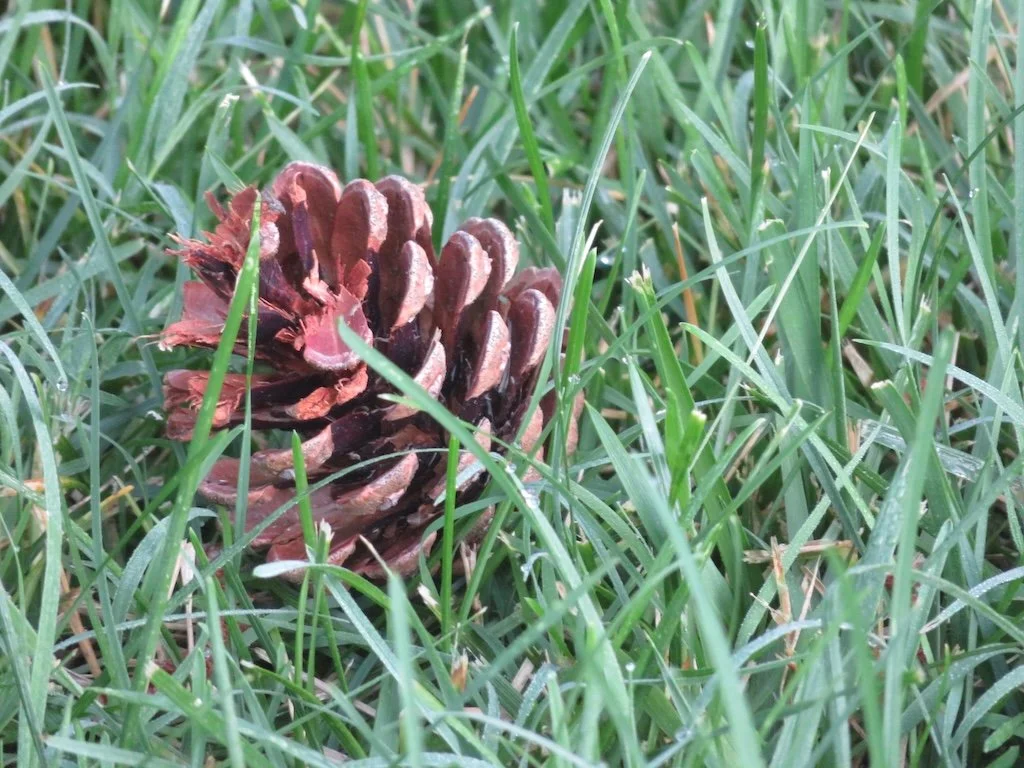
And then there were plants. Most were flowers but there were seeds (dandelion puff), a pine cone, and olorful new redbud leaves.

It was a good month for photography and being outdoors. Only the pot and the wall art are indoor images.

Missouri Master Naturalist Orientation

I went to an orientation session about becoming a Missouri Master Naturalist last week. The meeting was held at the Springfield-Greene County Botanical Center (the building in the Botanical Gardens). I spent a few minutes photographing some flowers (one with a bumblebee) in the Master Gardeners area before I went into the building.

The session was an overview of the process to become a Missouri Master Naturalist and then an informal time to talk to people that were already Missouri Master Naturalists. It was a learning experience….confirmed my decision to start the training and participate as soon as I can in volunteer opportunities. I’ve already noticed some differences between the way Maryland and Missouri implemented their Master Naturalist program…but the idea at the core is same and there are a lot of commonalities in the types of training and volunteering – which is the motivation for me! I’m excited to get started in September. It is the same type feeling I had toward the end of summer during my school years.

Gleanings of the Week Ending July 27, 2024

The items below were ‘the cream’ of the articles and websites I found this past week. Click on the light green text to look at the article.

Archaeologists Find a Cache of Ancient Murano Glass Off Bulgarian Coast - Underwater archaeologists in Burgas, Bulgaria have discovered over 100 glass objects dating back to the days of the Ottoman empire in the nation’s Chengene Skele bay. It is speculated that the glass artifacts fell from the cargo of a ship battered by a storm in the shallow, rocky area of the sea. Experts attribute the glass objects to Murano, a Venetian island still renowned today for its fine glassware, likely made in the late 16th and early 17th centuries.

Want the health benefits of strength training but not keen on the gym? Try ‘exercise snacking’ – Great idea!

Timing is everything: Study finds link between bowel movement frequency and overall health – The research showed that if stool sticks around too long in the gut, microbes use up all the available dietary fiber, which they ferment into beneficial short-chain fatty acids. After that, the ecosystem switches to fermentation of proteins, which produces several toxins that can make their way into the bloodstream. They showed that the microbial composition of study participants' gut microbiomes was a telltale sign of bowel movement frequency. Fiber-fermenting gut bacteria, often associated with health, appeared to thrive in a "Goldilocks zone" of bowel movement frequency, where people pooped between 1-2 times per day. However, bacteria associated with protein fermentation, or the upper gastrointestinal tract tended to be enriched in those with constipation or diarrhea, respectively.

Replacing Fuel Tax A Government Quandary - As the proportion of electric cars on the roads rise, what will fill the funding gap left by the loss of gasoline and diesel tax? One possibility is a road user charge (RUC).

Scientists Find an Underground Cave on the Moon That Could Shelter Future Explorers - Radar data from NASA’s Lunar Reconnaissance Orbiter (LRO) points to the presence of a cave beneath the moon’s surface. Such caves could serve as shelters for future human explorers, since they could protect astronauts from the moon’s hazardous surface environment. (Note – LRO was launched in 2009. My daughter, as an undergraduate, did some of the initial image calibration work!)

With CO2 Levels Rising, World’s Drylands Are Turning Green - Southeast Australia has been getting hotter and drier. Droughts have lengthened, and temperatures regularly soar above 95 degrees F (35 degrees C). Bush fires abound. But somehow, its woodlands keep growing. One of the more extreme and volatile ecosystems on the planet is defying meteorology and becoming greener. Long-term studies by University of California, Riverside in the Sonoran Desert show that shorter shrubs better adapted to less rainfall and higher temperatures are moving in at the expense of native plants, creating an impression of greening that marks an ecological breakdown.

Why Are Amphibians the Most Endangered Class of Animals? - Amphibians are the most endangered class of animals in the world, with 41% facing extinction. Climate change on its own would not be such an incredible threat if it weren’t for the toll it takes when combined with habitat loss, fragmentation and disease.

New solutions to keep drinking water safe as pesticide use skyrockets worldwide - A 62% rise in global pesticide use in the past 20 years has escalated fears that many of these chemicals could end up in our waterways, causing cancer. Powdered activated carbon (PAC) is currently used to remove organic pesticides from drinking water, but the process is costly, time consuming and not 100% effective. The researchers found that reducing the PAC particles from the existing commercial size of 38 μm (one millionth of a metre) to 6 μm, up to 75% less powder was needed to remove six common pesticides, achieving significant water treatment savings.

Huge! The Massive and Mystical Jordanian Monument to an Enigmatic People - The ancient city of Petra. Known as the “Rose City” for the warm pink blush of the sandstone cliffs it is carved out of, Petra was built by the enigmatic Nabateans. Built over two millennia ago, it was long lost to the shifting sands of Jordan’s desert until it was rediscovered by European travelers in the early 1800s.

Melting Sea Ice Is Making the Northwest Passage More Dangerous - Old, thick chunks of sea ice that tend to cluster near the North Pole are increasingly drifting southward toward Canada and into the path of ships. The younger, thinner ice that once held older ice in place is becoming scarcer as the region warms. For the cargo vessels, fishing boats, and cruise ships crossing the northwest passage, drifting chunks of old, thick sea ice pose a significant threat.

Wildcat Glades

My husband and I visited Wildcat Glades one morning last week. He did not feel up to hiking, so we did some photography near the Nature Group buildings. There were several varieties of sunflowers. I did some macro photography with my phone (iPhone 14 Pro max); my favorites are the landscape oriented one and the flower with a petal across its center…a shy sunflower.

I also took some others with my bridge camera (Canon Powershot SX70 HS) since I couldn’t get close enough to them with the phone

The Queen Ann’s Lace was in a grassy area…so the bridge camera’s zoom was used for those one too.

There was a small water feature that was almost surrounded by taller vegetation.

There were several birds (Eastern bluebird, House Finches, Eastern Phoebe) that I photographed although the cloudy day was not great for bird photography. We’ll have to visit on a sunny day next time.

One insect was still for long enough for me to go into macro mode again!