Gleanings of the Week Ending September 11, 2021

The items below were ‘the cream’ of the articles and websites I found this past week. Click on the light green text to look at the article.

Wind Energy Accounted for 42% of New US Power in 2020 – And solar was 38% of the new energy. And 8 east coast states have large offshore wind projects in the works in the years ahead. Hurray! It’s a good trend and it looks like the slope of the trend will keep increasing for wind and solar (decrease and go to 0 for new natural gas).

How people respond to wildfire smoke -  Another reason to slip on a mask.

Devastating Rain in Tennessee – A map of the change in soil moisture between August 20 and August 21. The floods on August 21 in Tennessee (area circled on the map) killed at least 22 people. I was surprised that there was an area of Illinois (to the north and a little west of the flash flood circle) where the soil moisture increased even more; perhaps that area floods frequently and the area is managed with flooding in mind.

New analysis reveals Vesuvius Victims’ diverse diets – From analysis of Herculaneum skeletons. Men got more of their protein from seafood. Women ate more meat grown on land, eggs and dairy products.

Eye provide peek at Alzheimer’s disease risk – Amyloid plaques can form in retinas of the eye. Does their presence there provide a visible biomarker for detecting Alzheimer’s risk?

Top 25 birds of the week: Wild Birds! – Bird photography…..challenging and beautiful subjects for our cameras.

Have you seen a weasel lately? – There is a suspicion that weasels are in the decline…but the data is circumstantial. These are not predators that have been widely studied. The post points to a role for citizen scientists!

Dispatches from a world aflame – Reviews of two books about the recent fires…and the relation to climate change.

Preemption of Green Cities in Red States – At a time when we need to get serious about addressing climate change – a drive by some states to keep local governments from taking any action. There is a cognitive dissonance between historically arguing for local control then usurping that control when the state government does not agree with it. I like local control but acknowledge that higher up the governance hierarchy could make sweeping changes easier. Perhaps some of these state governments will redeem themselves by quickly taking strong action toward climate change reduction and mitigation – soon. The top issue for me when I vote these days has become climate change!

Climate Change Is The Greatest Threat To Public Health, Top Medical Journals Warn – Another reason that actions to address climate change must be at the forefront of our thinking about the future. Medicine cannot make up for the injury we are making to ourselves and every living thing on the planet.

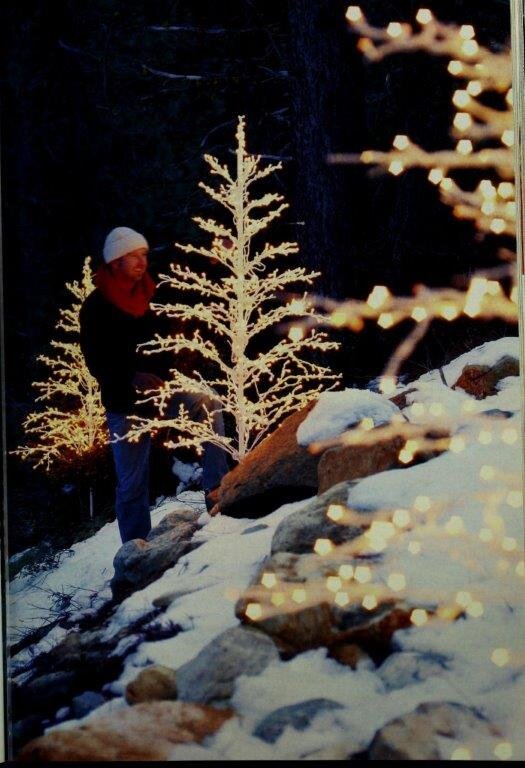
Christmas depicted in Better Homes and Gardens (1951-2003)

This summer I browsed all the Better Homes and Gardens available via Internet Archive; they are available in volumes of 6 issues each for most years from the 1950s through the early 2000s. It was fascinating to observe the changes in interior decorating, architecture, and food across the decades – and I picked up some ideas for my own home (some ideas have a timeless quality!). I picked the theme of Christmas (i.e. December issues) across the years to feature in this post. The links are for the July-December months of each year.

1950s. Pecans and walnuts were popular additions to Christmas goodies in the 1950s; perhaps they were still expensive enough to not be used throughout the year…unless you had your own trees. Evidently amaryllis bulbs and caladiums were also part of the December décor.

1951, 1954, 1956, 1957, 1958, 1959

1960s. I have lots of memories of Christmases in the 1960s. I don’t remember every seeing a Marshmallow Men cake…but I do remember the large and small marshmallows…..and homemade luminaries. I remember artificial trees of different shapes. I am surprised that there weren’t pictures of the large colored lights on any of the trees in the pictures.

1960, 1961, 1962, 1963, 1964, 1965, 1966, 1967, 1968, 1969

 1970s. By the mid-70s, I had married and set up my own household. I made the bird pattern from the 1977 issue of my mother’s copy of Better Homes and Gardens in red and white felt with glittery red rickrack and red beads (and still have them). In the 1970s those were the colors of all the ornaments on my artificial tree (we did to a tree farm one year to cut down our own tree).

1970, 1972, 1973, 1974, 1976, 1977, 1978, 1979

 1980s. The 80s ushered in the tiny lights. Special foods were more decadent than ever. We moved away from where we’d grown up in pursuit of our careers in the middle of the decade and had our daughter near the end of it.

1980, 1981, 1982, 1983, 1983, 1985, 1986, 1987, 1988, 1989

 1990s. For us, the 90s included a major shift in our Christmas decorations in 1995; my daughter picked a white Christmas artificial tree for us (she was in 1st grade). Surprisingly all our ornaments still looked good on the new tree – but we did replace all our green wired lights with white wired sets. The look of the tree was very different than the dark green from before. One of my sisters made a pinecone wreath for us and I have refreshed it several times over the years. From the Better Homes and Gardens pictures – it seems the trend was toward decorations that were a little different – even though they might have some aspects from before. I wonder if the tree decorated with hearts and bows was intended to stay in place until Valentines in February.

1990, 1992, 1993, 1994, 1995, 1996, 1997, 1999

 2000s. The last of the Better Homes and Gardens available on Internet Archive are from early in the decade. We had a very similar light tree to the one in the last picture; it was frustrating that it didn’t last longer – once it broke it was trash (not recyclable at all) so we have not bought another.

2000, 2001, 2002, 2003

30 Years Ago – September 1991 (1)

Two big events happened in our family 30 years ago in September 1991 so I am doing two ‘30 years ago’ posts this month. The first was my daughter’s 2nd birthday. It stands out in my mind as the birthday celebration that included a full day of activities that she thoroughly enjoyed. The night before we looked at pictures from her first birthday…giving her some clues about what the day we be like.

She opened presents in 3 sessions. The first one included a wagon and we used it immediately to go to the neighborhood park. The day was sunny, 60-75 degrees, light breeze…. perfect weather to be outdoors. She loved the swings – particularly the tire swing which was new to her and required concentration to hold on as it went back and forth and around. As we walked home, we heard a big airplane noise and looked up and saw the Concorde (at that time it was flying into Dulles Airport to the south and west from where we lived in Maryland).

When we got home, we set up a tent in the back yard. She spent a lot of time going in and out the screen door…tickled that she could stand up in the tent while the adults had to sit.

1991-6-8 - 1991-9-2_Moment(4).jpg

After lunch, the next round of presents included bubbles and pipes. She enjoyed chasing the various kinds of bubbles all over the yard….and then heading to the house saying it was time for nap….which it was.

She took longer to wake up from her nap than usual….she was still a little sleepy for the third round of presents. She played with her new stuffed animals and toys – watched by the cat. We enjoyed a simple computer game with animal pictures and letters that we played (her on my lap saying the name of the animal and me doing the keyboard) – primitive by today’s standards!

The big finale after dinner as the strawberry ice cream butterfly cake and ‘2’ cookies. She was able to blow out her 2 candles! She didn’t like the icing on the cake – only at the strawberry part.

I had made the batch of ‘2’ cookies for her to share with the other children in her day care so she had munched on a few of those before her big day. They were a good size for her and not overly sweet. I’d purchased a set of number cookie cutters for this birthday intending to use them for subsequent birthdays, but I don’t remember using them again. I found a clipping of the recipe in my notes!

“2” cookies

1 cup butter, softened

1 cup sugar

1 large egg

1 tsp. baking powder

1 tsp vanilla

3 cups flour

Preheat oven to 400.  In a large bowl, cream butter and sugar with electric mixer.  Beat in egg and vanilla.  (I added food coloring at this point.)  Add baking powder and flour one cup at a time, mixing after each addition.  The dough will be stiff, blend in last flour by hand.  Do not chill dough.  Roll out dough to approximately 1/8 in. thick on a floured surface.  Dip cutters in flour before each use.  Bake cookies on ungreased cookie sheet on top rack of oven for 6-7 minutes or until cookies are lightly browned.   

Overall – a great birthday for a 2-year-old!

Gleanings of the Week Ending September 4, 2021

The items below were ‘the cream’ of the articles and websites I found this past week. Click on the light green text to look at the article.

Entomologists Eradicated the First Asian Giant ‘Murder’ Hornet Nest of 2021 – Includes a picture of the 9 layers of the nest that was carved into an alder tree’s interior.

Turning thermal energy into electricity – It seems like this type of electricity production would have application beyond the military. Even solar panels produce heat and finding a way to automatically harness that into more electricity would be a good thing.  

Climate Change Producing More “Fire Weather” as Far East as Oklahoma – It’s not just the west coast that has a higher risk for fire as the planet gets hotter.

Aztec Pictograms Are the First Written Records of Earthquakes in the Americas – One of the pictograms matched to a 1507 earthquake that coincided with a solar eclipse!

Food systems: seven priorities to end hunger and protect the planet – A thoughtful commentary re ending hunger and improving diets; de-risking food systems; protecting equality and rights; boosting bioscience; protecting resources; sustaining aquatic foods; and harnessing digital technology.

Eating walnuts daily lowered 'bad' cholesterol and may reduce cardiovascular disease risk – There was a similar article about pecans a few days ago. I’m glad I like both walnuts and pecans! However – ½ cup is a lot to eat in one day. Usually ¼ cup is considered a serving.

Top 25 birds of the week: Woodpeckers! – I always enjoy hearing a woodpecker in the forest…and its a special tree to see them in our yard. The piliated, downy, and red-bellied woodpeckers are native to our area.

How to fight microplastic pollution with magnets – Many people filter their drinking water…but the conversation about filtering microplastics is newer. Hopefully filters that are effective and affordable will become the norm. It will take a long time to reduce the microplastic load already in the Earth’s water. We are just not recognizing the damage they are causing.

Americans Moving to Disaster-Prone Areas, Despite Climate Change – I’ve started to think about this more recently so appreciated seeing this post. Taking climate change into account – why would anyone buy property in areas that will be increasingly flood prone or incredibly hot/dry? A house nestled in a forest may look appealing but there are an increasing number of people that have already experienced the hazards of that beauty.

1,800-Year-Old Flower Bouquets Found in Tunnel Beneath Teotihuacán Pyramid – I visited Teotihuacan in the spring of 1966 when my parents took me to Mexico City. It was one of the highlights of the trip. The new discoveries are interesting….and I am thinking about whether I would like to see it again. Maybe in spring of 2026? The article references a site with some great pictures of Teotihuacan – worth a look.

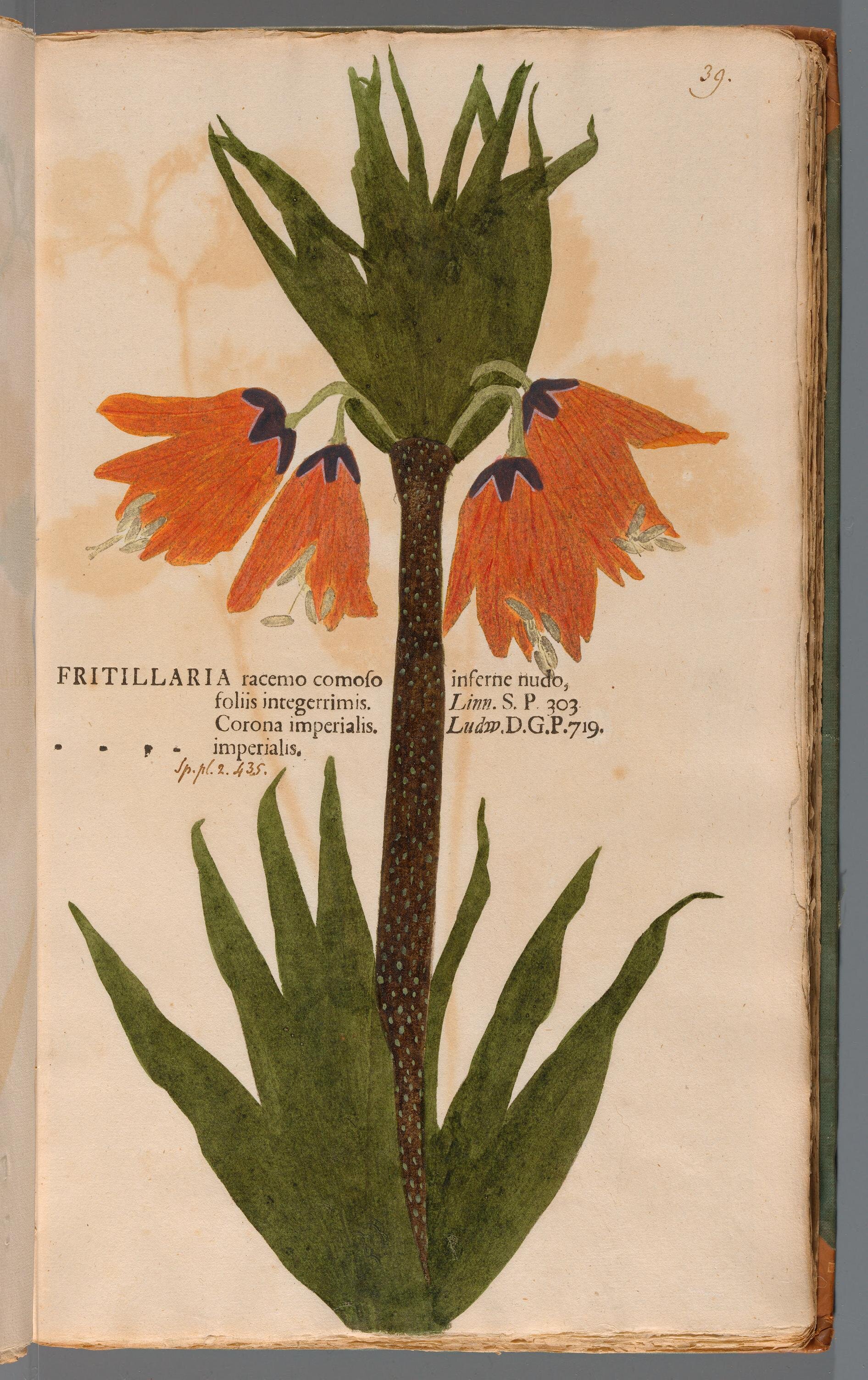
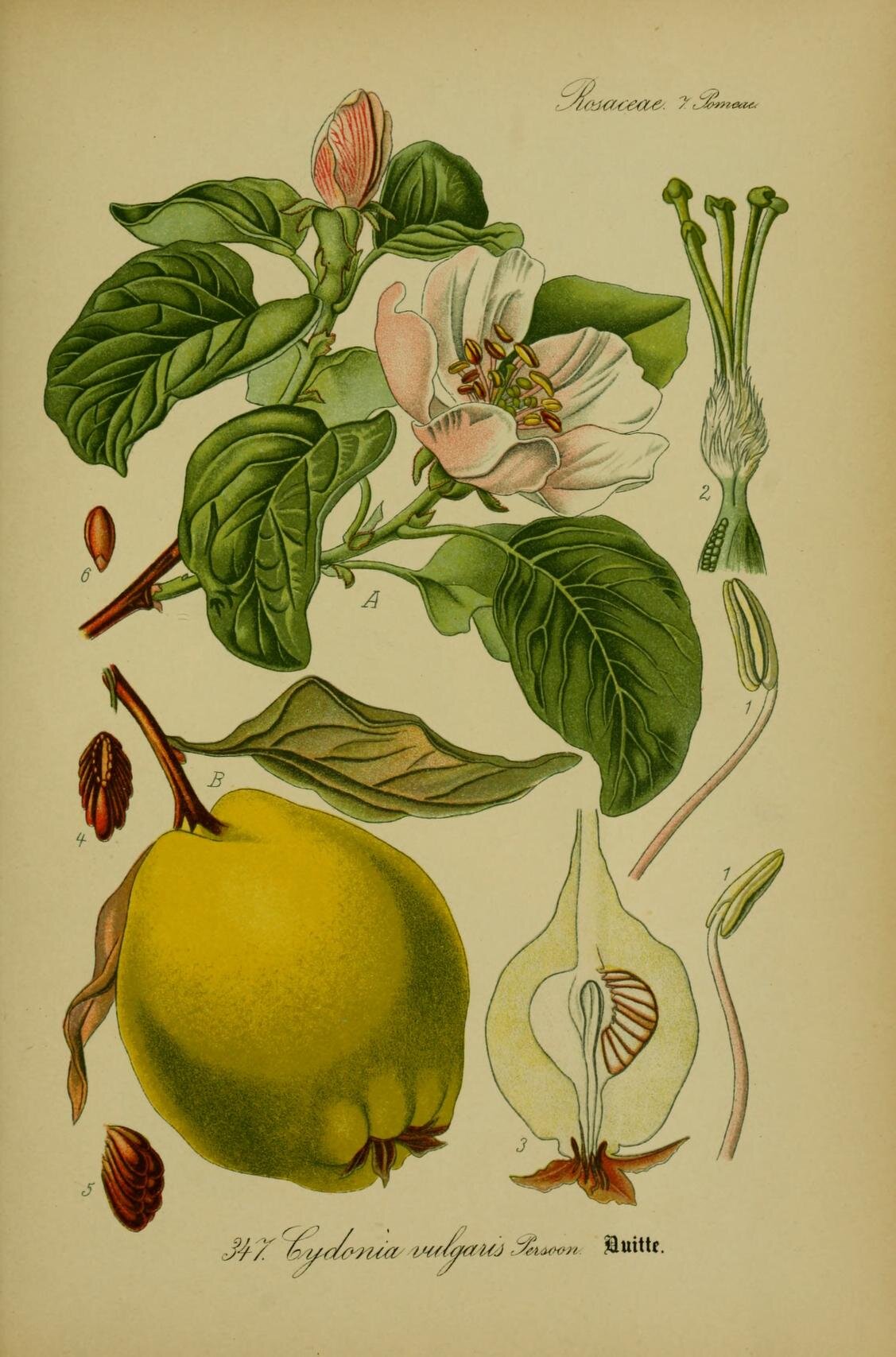
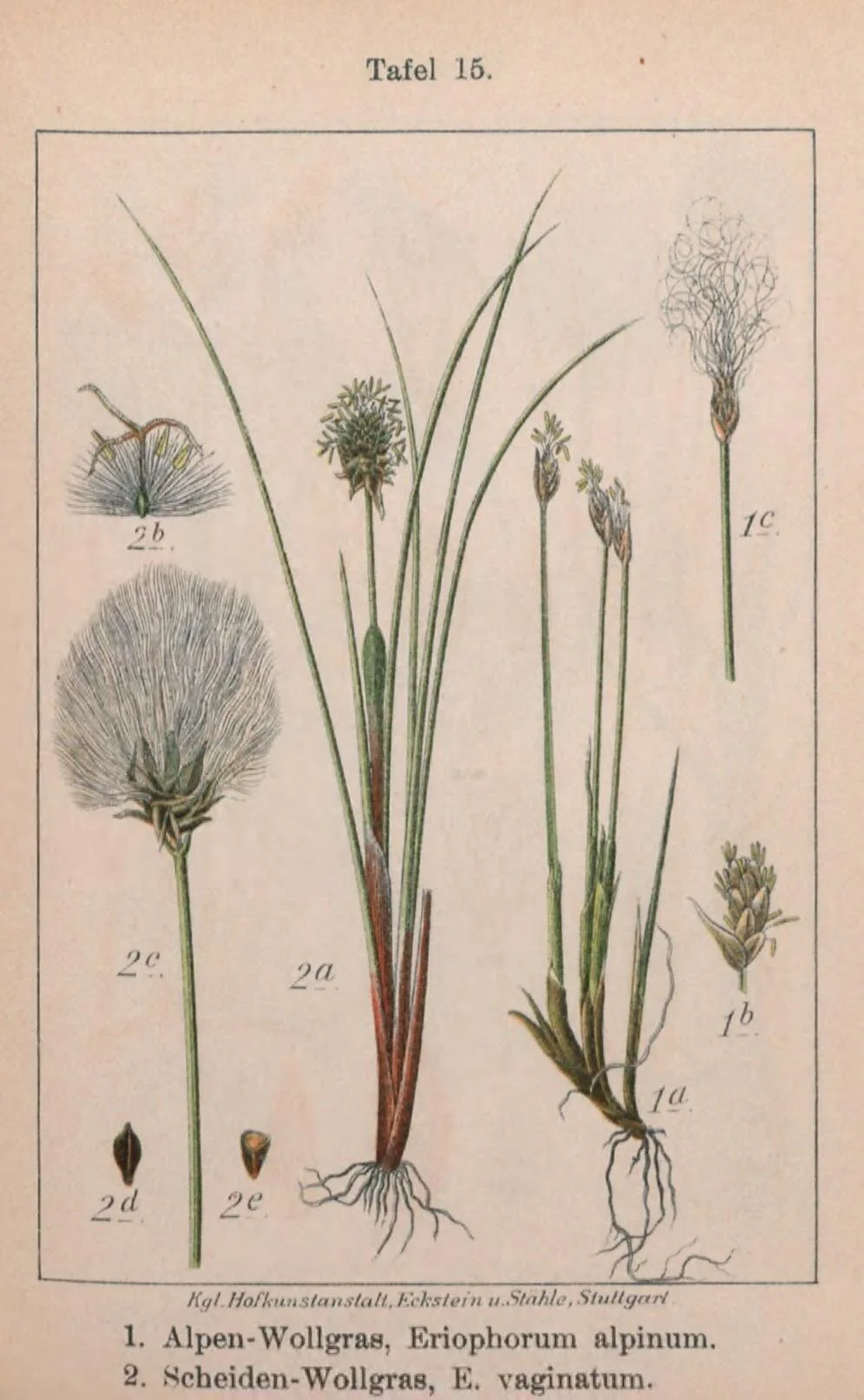
eBotanical Prints – August 2021

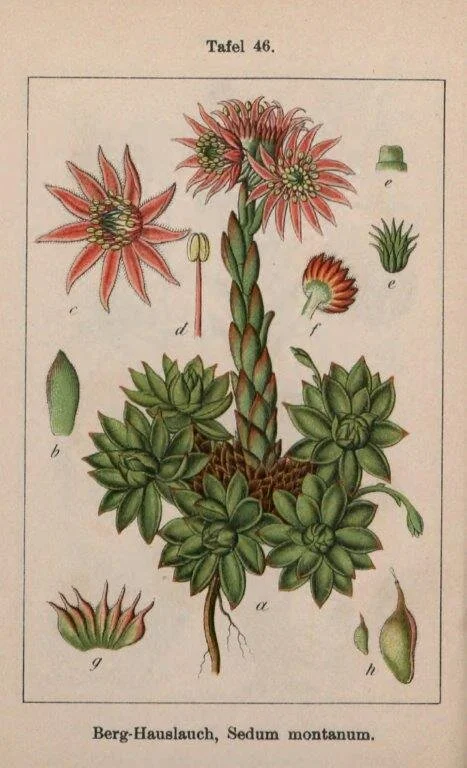
21 botanical print books in August and added to the list. There is quite an age range in this group. The first 10 are from the early 1900s and are a continuation of the Jakob Sturm series I started browing in July. . The rest were published earlier; one is quite old – back to 1625!

There is something to enjoy in the botanical illustrations in all these volumes. I admire the meticulous detail recorded throughout the years, the colors that have remained vibrant for over 100 years, and the perseverance it must have taken for the authors to create and then publish their works.

The whole list of 2,209 botanical eBooks can be accessed here. The list for the August books is at the end of this post.

Click on any sample images in the mosaic below to get an enlarged version. Enjoy the August eBotanical Prints!

J. Sturms Flora von Deutschland, in Abbildungen nach der Natur BD 5 * Sturm, Jakob; Krause, Ernst Hans Ludwig; Missbach, Ernst Robert; Lutz, K.G. * sample image * 1901

J. Sturms Flora von Deutschland, in Abbildungen nach der Natur BD 6 * Sturm, Jakob; Krause, Ernst Hans Ludwig; Missbach, Ernst Robert; Lutz, K.G. * sample image * 1902

J. Sturms Flora von Deutschland, in Abbildungen nach der Natur BD 7 * Sturm, Jakob; Krause, Ernst Hans Ludwig; Missbach, Ernst Robert; Lutz, K.G. * sample image * 1902

J. Sturms Flora von Deutschland, in Abbildungen nach der Natur BD 8 * Sturm, Jakob; Krause, Ernst Hans Ludwig; Missbach, Ernst Robert; Lutz, K.G. * sample image * 1902

J. Sturms Flora von Deutschland, in Abbildungen nach der Natur BD 9 * Sturm, Jakob; Krause, Ernst Hans Ludwig; Missbach, Ernst Robert; Lutz, K.G. * sample image * 1901

J. Sturms Flora von Deutschland, in Abbildungen nach der Natur BD 10 * Sturm, Jakob; Krause, Ernst Hans Ludwig; Missbach, Ernst Robert; Lutz, K.G. * sample image * 1903

J. Sturms Flora von Deutschland, in Abbildungen nach der Natur BD 11 * Sturm, Jakob; Krause, Ernst Hans Ludwig; Missbach, Ernst Robert; Lutz, K.G. * sample image * 1903

J. Sturms Flora von Deutschland, in Abbildungen nach der Natur BD 12 * Sturm, Jakob; Krause, Ernst Hans Ludwig; Missbach, Ernst Robert; Lutz, K.G. * sample image * 1904

J. Sturms Flora von Deutschland, in Abbildungen nach der Natur BD 13 * Sturm, Jakob; Krause, Ernst Hans Ludwig; Missbach, Ernst Robert; Lutz, K.G. * sample image * 1905

J. Sturms Flora von Deutschland, in Abbildungen nach der Natur BD 14 * Sturm, Jakob; Krause, Ernst Hans Ludwig; Missbach, Ernst Robert; Lutz, K.G. * sample image * 1905

De frvctibvs et seminibvs plantarvm V2 * Gaertner, Joseph; Sturm, J.G. * sample image * 1788

Flore d'Amérique, dessinée d'après nature sur les lieux * Denisse, Etienne * sample image * 1843

Flore d'Amerique : dediée à la Société Linnéenne de Bordx. * Denisse, Etienne * sample image * 1835

Coloured figures of English fungi or mushrooms  * Sowerby, James * sample image * 1797

Descriptio et adumbratio microscopico - analytica muscorum frondosorum  - nec non aliorum vegetantium V 1-2 * Hedwig, Johannes * sample image * 1787

Fvndamentvm historiae natvralis mvscorvm frondosorvm concernens eorvm flores frvetes, seminalem propagationem, adiecta genervm dispositione methodica V 1-2 * Hedwig, Johannes * sample image * 1782

Exactissima descriptio rariorum quarundam plantarum, que continentur Rome in Horto Farnesiano * Aldini, Tobia; Castelli, Pietro * sample image * 1625

Horti academici Lugduno-Batavi catalogus : exhibens plantarum omnium nomina, quibus ab anno MDCLXXXI ad annum MDCLXXXVI hortus fuit instructus ut & plurimarum in eodem cultarum & à nemine hucusque editarum descriptiones & icones * Hermann, Paul * sample image * 1687

Botanica curiosa oder Nützliche Anmerckungen, wie einige frembde Kräuter und Blumen * Stisser, Johann Andreas * sample image * 1697

Hortus Herrenhusanus - seu Plantae rariores quae in Horto Regio Herrenhusano prope Hannoveram coluntur * Wendland, Johann Christoph * sample image * 1798

Botanische Beobachtungen : nebst einigen neuen Gattungen und Arten * Wendland, Johann Christoph * sample image * 1798

Ten Little Celebrations – August 2021

So much to celebrate in August….

Drive through West Virginia. The beauty of the interstate in West Virginia (I64, I79, I68) that is part of my route from Springfield, Missouri to my home in Maryland is something to celebrate. It is full of curves, forests, mountains….and not a lot of traffic. It’s easy to enjoy as I drive.

IMG_5090.jpg

Cloud at sunset. Maybe it is being in the right place at the right time to see it that makes this a little celebration for me! This was taken from my office window.

Home again. I like to travel…but every time I do, I celebrate coming home. This time the delta variant ramped up while I was traveling and was relieved to get home…glad that my precautions on the road (vaccination last spring, masking, hand sanitizer, air purifier in hotel room, eating outdoors or in the car/hotel room) evidently worked.

Macro photography. My husband got me started with new gear and I’m improving although I am still at the stage of celebrating every in-focus image I get.

Stopping my diet Pepsi habit. I am celebrating more than 2 weeks free of my habit….still very consciously avoiding soft drinks completely!

Sunny day that was not overwhelmingly hot. We’ve had so many very hot days…that it was a treat to have one that was pleasant outdoors. My other strategy is to get some outdoor time before 8 AM before the day heats up.

Farmers Market. It’s fun to shop for veggies straight from the farm. In August, the cantaloupe, watermelon, tomatoes, and peppers were all tasty. The watermelons may be what I celebrate the most.

Zentangle tiles make on the deck in the early morning. A celebration pf creativity to start the day.

Spaghetti squash custard. Yum. I celebrated the flavor and texture of a simple custard.

Video of a Monarch butterfly emerging. Probably the high point of August for me. I’ve always wanted to capture the moment. And this time I did!

2021 08 MVI_8243_Moment.jpg

Gleanings of the Week Ending August 28, 2021

The items below were ‘the cream’ of the articles and websites I found this past week. Click on the light green text to look at the article.

The subtle influence of the moon on Earth’s weather – Tides….and a lot of complex interactions associated with them. High tide flooding will increase as the climate changes for example.

So much ice is melting that Earth’s crust is moving – When the weight of ice is removed, the land lifts upward…but new measurements show that it moves horizontally as well.

Top 25 birds of the week: Spiderhunters and Sunbirds! – Lots of colorful feathers in this group!

Pecan-enriched diet shown to reduce cholesterol – 470 calories per day is a lot of pecans more than ½ cup. I like pecans but will generally stick to about ¼ cup at a time…may skew toward eating pecans over other nuts although walnuts are a healthy choice as well.

California Drought Hits World’s Top Almond Producer – And maybe almonds are a nut that will be increasing in price…maybe driving people away from almond milk. I’ve already made my switch to lactose free milk.

Northern paper wasps recognize each others faces – Each face is unique!

Giant clams have a growth spurt – thanks to pollution – Evidently modern clams grow faster than ancient ones because of nitrates in the water. It doesn’t necessarily mean that are healthy…just that they are growing faster.

Photography In The National Parks: Fun Fact Photography, Part 2 – The post not only includes ‘fun facts’ about the National Parks – it also explains how the images were captured!

What happens to your brain when you give up sugar – A well timed article for me --- I am dramatically reducing refined sugars and artificial sweeteners in my diet (i.e., I still eat foods that are sweet like bananas).  I thought the headaches that occurred in the first week of my new diet were the simultaneous reduction in caffeine but maybe they were also caused by the sugar reduction.

Watch a bolt of lightning strike the Washington Monument – The monument is on a hill and the tallest thing around…..a conduit to the ground for lightning.

Some other Frances Hodgson Burnett books (with illustrations)

I remember Francis Hodgson Burnett’s The Secret Garden (1911) and A Little Princess (1905) from my childhood. She wrote many more books over the course of a relatively long writing career….doing well enough to support her family, travel, and own several homes. Several books that she wrote around the same time as those books are available from Internet Archive and I browsed them recently.

The Cozy Lion: as told by Queen Crosspatch (1912)

None of these three are as enduring as the The Secret Garden – but they are examples of what books for children were like during that period. I found myself wondering if any of my grandparents – would have seen these books. I don’t think they would have; the families were farmers and barely making enough to keep families housed, clothed and fed. The schools were small schools and 3 of my grandparents went to work as soon as they were able…knowing basic reading and arithmetic required to continue into adulthood and beyond. The one grandparent that did graduate from high school managed it by living with another family in a small town for the last years of her education. It is likely that about the only books in the houses were Bibles; the schools might have provided books but probably not books like these.

Did only children of relatively wealthy, educated parents that lived in cities have books like these?

30 years ago – August 1991

August 1991 was a stressful month at work for me – several people I depended on took advantage of an early retirement offering from the company and the two projects I was working on were both demanding a lot of time. It might have been one of the highest overtime months of my career after motherhood. Between work and my daughter’s needs, I had very little discretionary time for myself. It was the month I fully appreciated how critical my husband’s support was to enable the peaks of my career.

We had a surprise visit from one of my aunts (with her husband and 2 grandchildren); they only stayed one night but it just added to the overwhelming activity for the month.

We had visited Texas in July and were getting follow up letters in August: my Mother starting her last year of teaching, one sister house hunting and planning to visit in October, another going through similar motherhood experiences with her child the same age as mine, and the sister 8 years younger than me realizing she didn’t know me very well. The documentation I have for the month is largely through those snail mail letters!

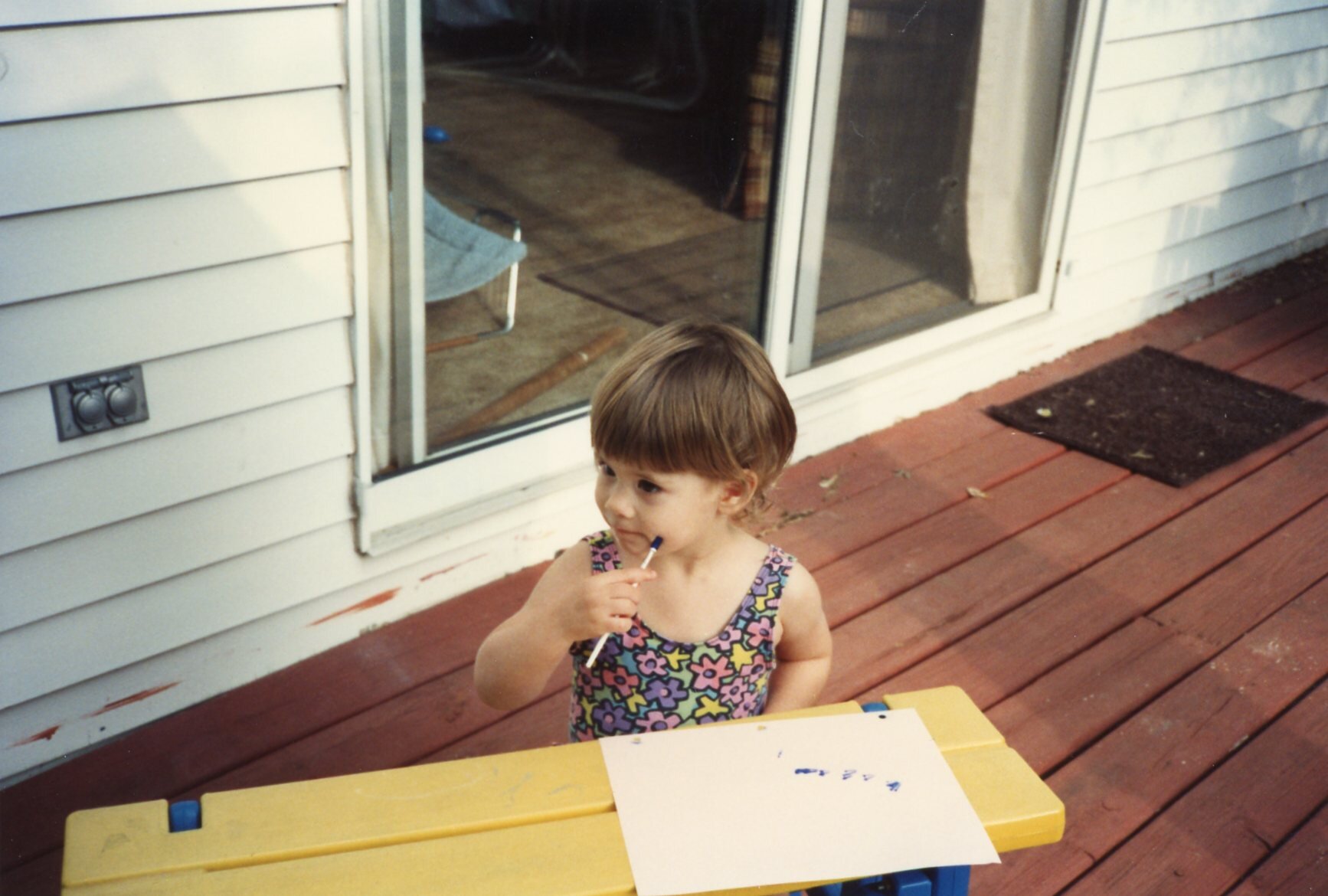
My daughter was savoring some activities at home that she had enjoyed for the first time while we were in Texas: dabs of shaving cream to wear around before playing in her pool (a substitute bath) and painting (on paper and herself). She was beginning to use her right hand more although she was not as strongly right-handed as her cousin. She discovered she could make footprints on the deck if she walked with wet feet.

She also remembered music from the Texas visit. Whenever the cassette tape with “Let’s go fly a kite” on it played…she always smiled and clapped when that song played.  

When we went to Wheaton Park we discovered she liked the swings under a large catalpa tree better than the carousel!

It was a time of tension between work and motherhood. The techniques I had for coping were developing - not perfect; over the next few years – I accepted that it was OK to always be developing rather that achieving perfection. But in August 1991, I was pushing for perfection.

I also noted a high ozone day. Looking back, I realize that if there had been action during the 1990s…the climate situation would be better today. I was aware of the greenhouse effect…and that the earth was warming; but in 1991 I thought it was an academic idea, not something that was actionable. Like so many others – I thought it would be very gradual and there would plenty of time for corrective action. So now we are facing an urgent need to pivot --- a challenge to us all. I find myself thinking about what it will be like in 30 years – trying to take actions in my own life to sustain hope for the successful transitions we’ll have to make going forward.

Macro Photography Practice (5)

Continuing my practice sessions…

Finding the Monarch chrysalis was the prompt for the fifth practice. There are so few of them these days; very different from the 1990s. I sat on a gardening stool to be comfortable and worked to get magnified views of the golden beads and the top of the chrysalis. The water droplets were just nice ‘extras.’

While I was busy with the chrysalis, a cabbage white sat for a few seconds on a nearby plant. It wasn’t a good angle and the picture is not sharp…but it was the first active insect for my practice session. I’ll be trying for more of these. The trick it to practice enough to be able to focus quickly!

2021 08 IMG_8122 (3).jpg

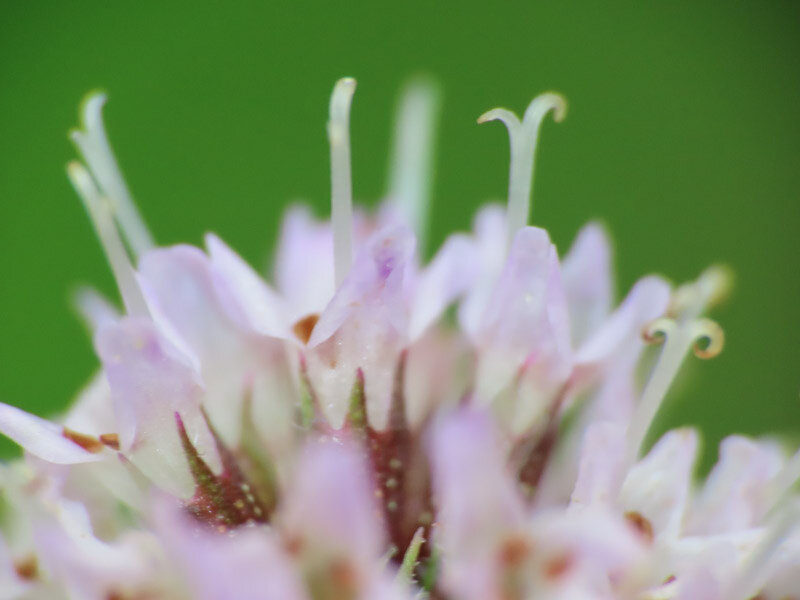
I practiced on a mint flower and a leaf….higher magnification that I’d attempted before.

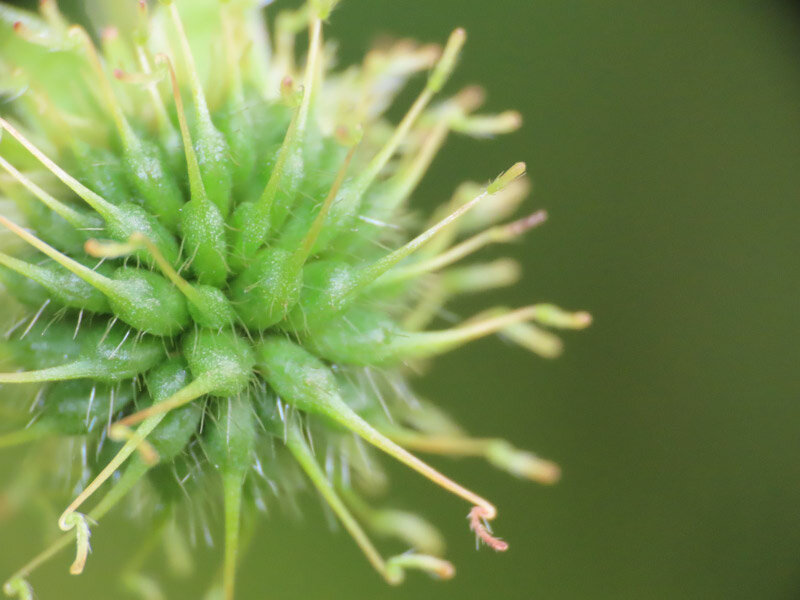
There was a sticker like weed (one that I pull when I find it) within easy distance of my seat on the stool so I did a series of images – with increasing magnification. It was a more interesting subject than I anticipated!

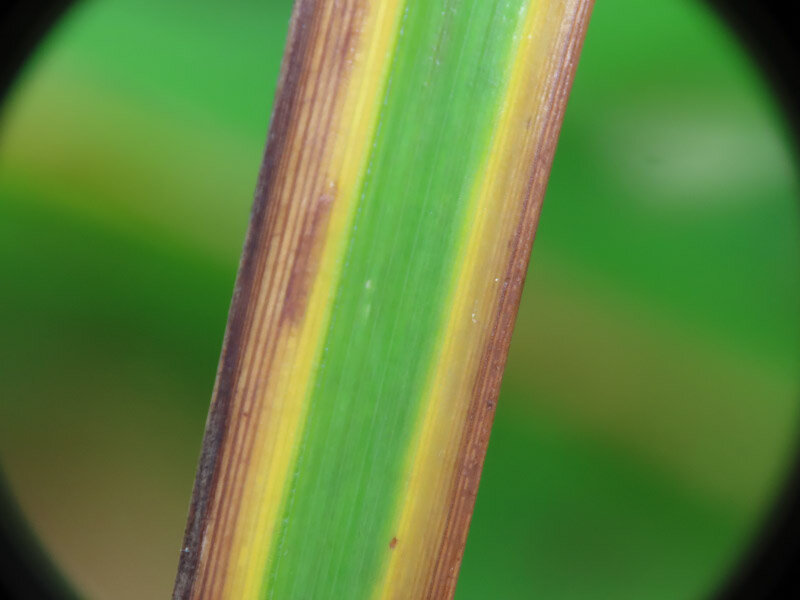
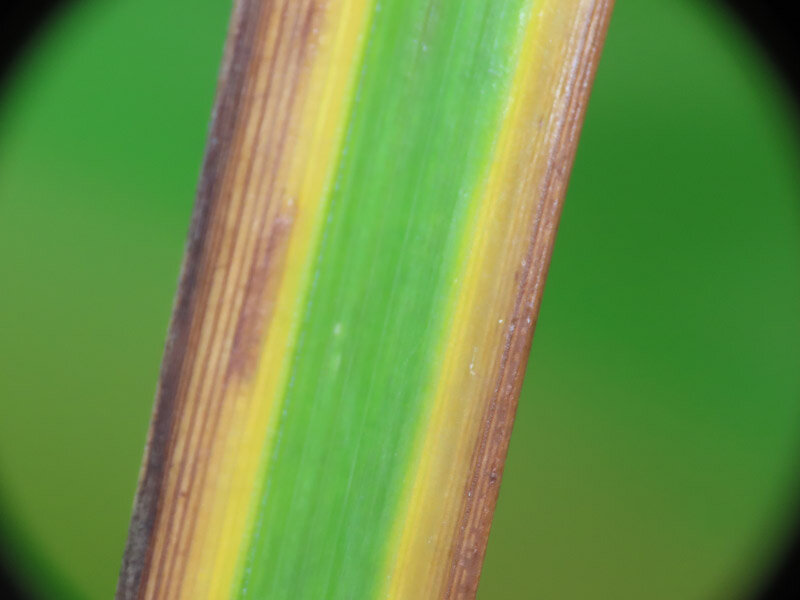
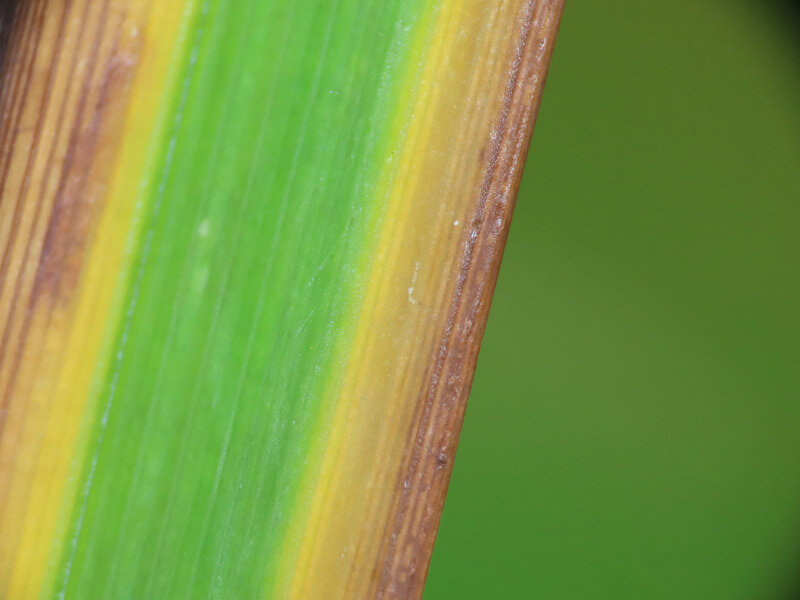
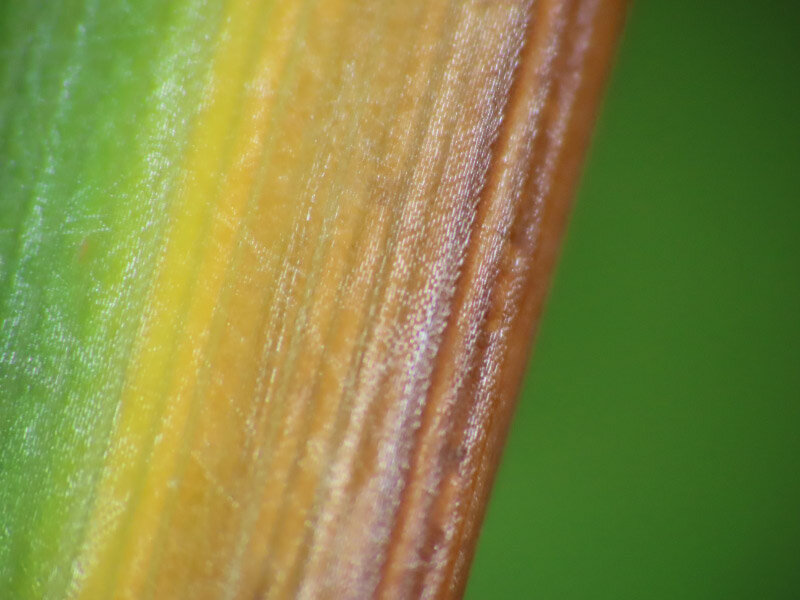
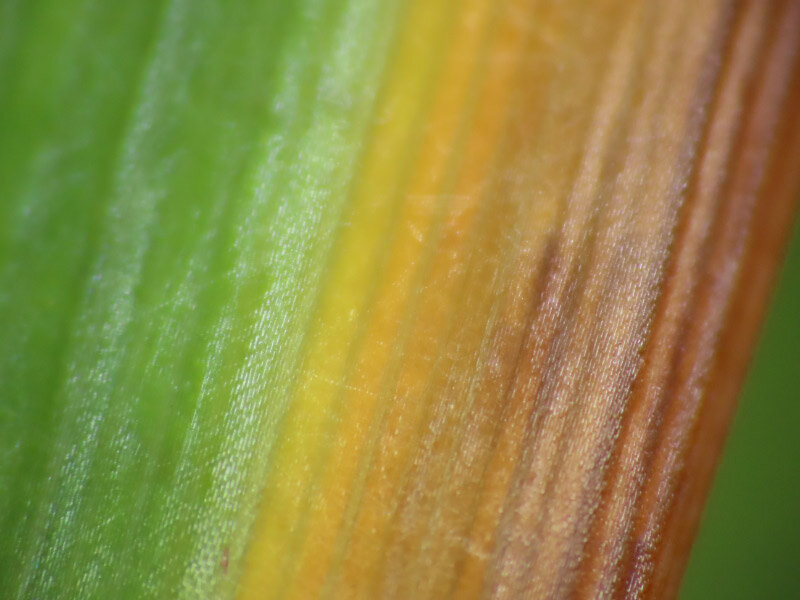
I tried the same thing with a nearby day lily leaf – without as much success. The colors are somewhat interesting but my focus is off in some of the images…..more practice required.

Previous practice post: 1 and 2 (includes gear); 3 and 4 (includes some indoors images)

Day Lily Leaves

In the later part of summer, I always cut the day lily leaves when they start to turn yellow so that they come back with new growth that is fresh and green until the frost. It probably reduces the amount of bulb growth underground but the beds are so dense in the beds that it doesn’t matter. Last year it happened in early August. This year the leaves stayed green longer. Maybe we got more rain or maybe the temperatures were better for the leaves to continue growing – or maybe their season is longer now due to climate change. The two areas we have day lilies are in the front flower beds and around the base of our oak tree.

20210821_072558.jpg

And every year, one of the tools I use is the old hedge trimmers I have from my grandfather.

He gave them to me when I bought my first house in the mid ‘70s; the handles were already mended. They must be over 50 years old and maybe much older! They are a wonderful reminder of him. I like using them more than the electric hedge trimmers because of the good memories that crowd into my mind when I pick them up (and they don’t bother my hands as much as the vibrations from the electric trimmers do). I also think how much things have changed since he was born in 1901…the way we now live on the Earth with a lot more people and technology that is damaging the planet…how we have to make some difficult changes to enable ourselves and future generations the quality of life on Earth that recent past generations experienced.

The area around the base of the oak was trimmed all the way around. When the new leaves come in they will cover over the mess. I noticed one side was lower than the other and realized the deer must have been nibbling there. The bed near the house was another story. I got about half done – avoiding cutting any of the black eyed susans – when I stopped because of a small discovery.

Do you see the Monarch chrysalis on the leaf (near the center of the image)? I was surprised to see it since I hadn’t seen any Monarch butterflies or caterpillars this year in our neighborhood. I’m going to take a daily picture of it until the butterfly emerges.

20210821_081701.jpg

Tomorrow’s post will include a few macro pictures of the chrysalis so stay tuned!

Gleanings of the Week Ending August 21, 2021

The items below were ‘the cream’ of the articles and websites I found this past week. Click on the light green text to look at the article.

Nine things you should know about sea horses – The males give birth! Like many creatures right now – they are in trouble from climate change (and overfishing in some parts of the world). Not long ago – I learned that there is a species of seahorse native to the Chesapeake Bay. They live in sea grasses and estuaries…habitats that are in trouble.

Electric cars and batteries: how will the world produce enough? – One of the important steps that needs to ramp up as batteries (and solar cells) reach end of life – is recycling. We need to think about closed loops for the resources required to manufacture future renewables!

New analysis of landmark scurvy study leads to update on vitamin C needs – An example of the research behind how those ‘daily requirements’ of vitamins and minerals were developed. I wonder if more of the values need to go through a validation…how many would change just as the vitamin C requirement did.

Top 10 Grassland Species Across the Globe – The ones we have in the US are Long-billed Curlew, Black-footed Ferret, Pronghorn, Swift Fox, and American Bison.

The multi-billion dollar giants that are melting away – Glaciers. When they are gone…many parts of the world will be drier places. This article is primarily about central Asia…but the situation in South America is similar.

Loss of biodiversity in streams threatens vital biological process – Fungi and bacteria can’t do the decomposition job alone…the aquatic insects (often larvae) and crustaceans are needed too. And the populations and diversity of those organisms in our streams is declining.

Top 25 birds of the week: plumage! – Bird photographs…always colorful and interesting.

Gender revolutions in who holds the purse strings – The study was done in Britain…I wonder if similar (or different) changes are happening elsewhere in the world.

‘Polluter pays’ policy could speed up emission reductions and removal of atmospheric CO2 – A change that could speed up the transition we need to make…if we can somehow overcome the lobbying for the status quo trajectory.

Photography In The National Parks: Fun Fact Photography – This is a kind of photography you can do in lots of places. A little curiosity and a camera…some web searches…a neat cycle of learning/art that can turn again and again.

Henriette Willebeek LeMair

This week I am highlighting 4 Internet Archive books published between 1912 and 1917 that include Henriette Willebeek LeMair’s illustrations of children. They are an idealized version of childhood during that time in Holland. I was interested in the activities depicted!

Grannie’s Little Rhyme Book (1914) is a collection of old nursery rhymes that she illustrated.

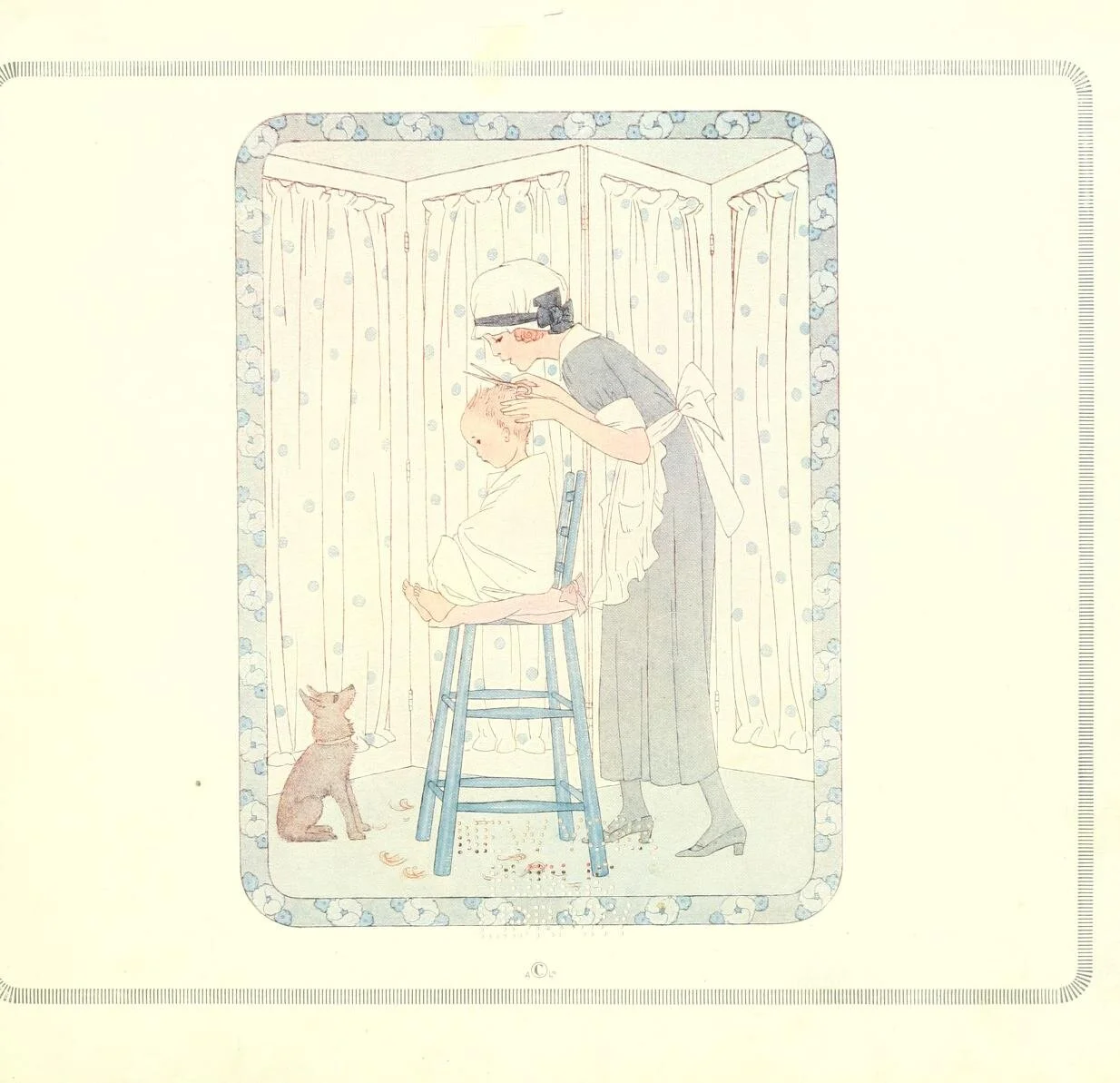
The Children’s Corner (1915) was written by R.H. Elkin. Ordinary things like a child getting a haircut and dolls in timeout show up in the text and illustrations!

Old Dutch Nursery Rhymes (1917) has tunes compiled by J. Joentgen…with the English added by R.H. Elkins. The illustrations I chose for my samples are for tunes “The Ducks” and “The stork has brough a baby brother”!

Little Songs of Long Ago (1912) has tunes compiled by Alfred Moffat. The tunes illustrated by the samples below are “Dame get up and bake your pies” and “See-saw, Marjorie Daw.”

Life has changed in many ways for children in the past 100+ years….but the spirit of children that comes through in the illustration is still easy to find today. What will it be like for children 100 years from now? It is something I am thinking about a lot recently….and how I can turn my concern about the changes happening in the Earth’s climate into action.

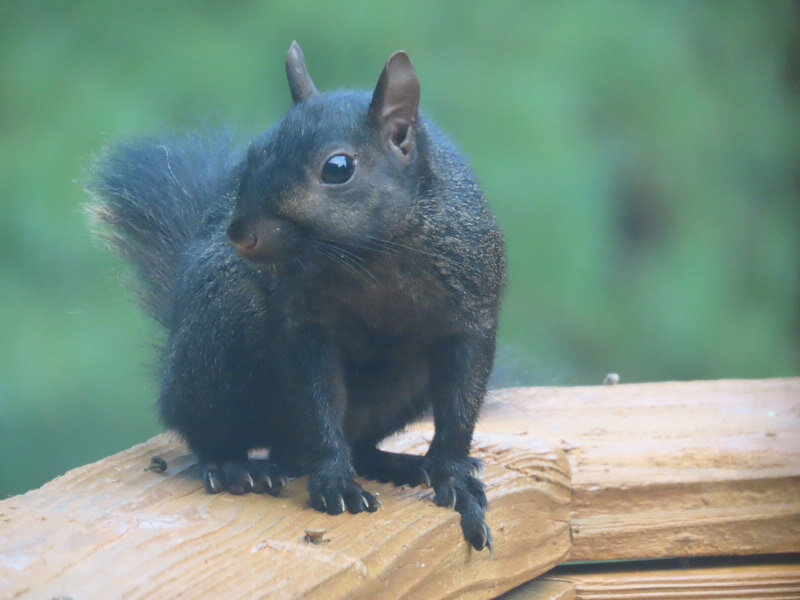
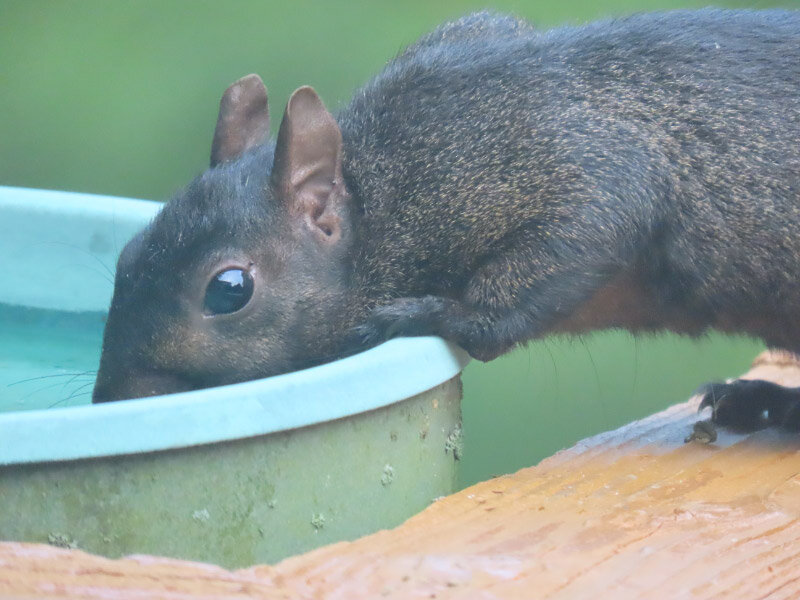
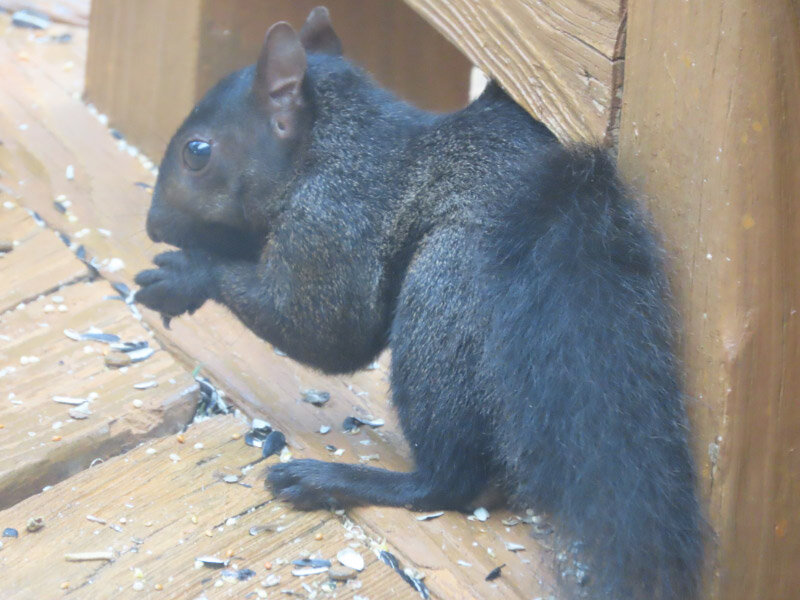
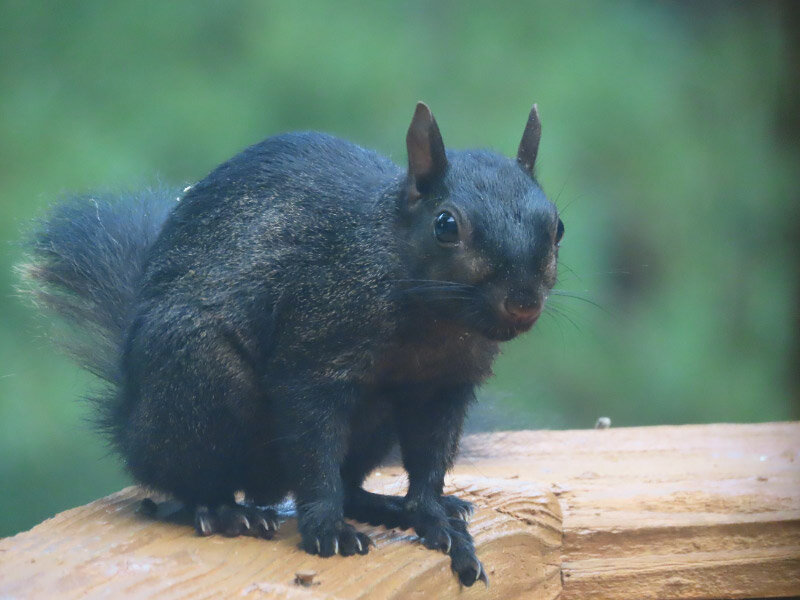
Black Squirrel

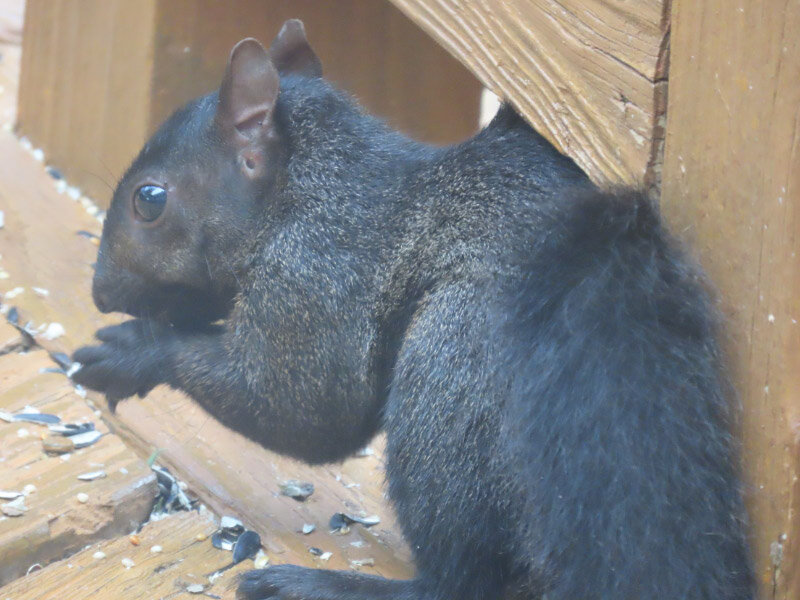
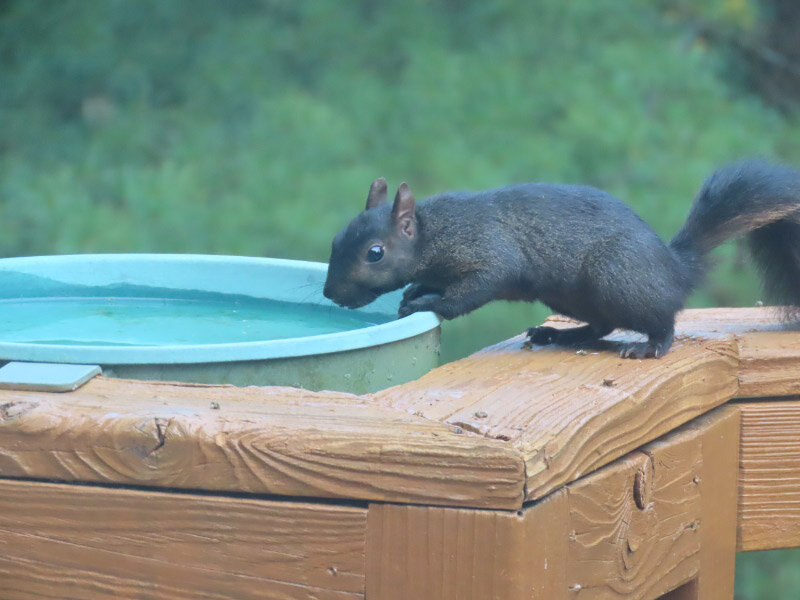
We have a black squirrel visiting our deck occasionally. The zoomed images show that the undercoat fur in not black and the claws are more visible because of the contrast with the coat color. Other than the darker coat, it seems the same as the other squirrels; it doesn’t get seed directly from the feeder either. I’m pretty sure it is in our neighborhood all the time…that our deck/feeder/bird bath are on the edge of its normal territory so we don’t see it every day.

The acorns are not having a big year – so the squirrels may be keener to get the seeds this year. The last few years have been slim for acorns from our oak. I’m not sure if it’s just the normal fluctuation between mast (big acorn) years, if our oak is infected with something that reduces its acorn production, or if the weather in the spring caused a problem. I am pretty sure it was some cold weather in the spring of 2020 but not sure about this year.

Our oak (and the others in our neighborhood) are more important to the long-term health of the squirrels (and other wildlife in our neighborhood – including birds and insects) than our feeder. In an ecosystem being challenged more and more by climate change – we are becoming more aware of how our actions are important to sustaining what is here.

Gleanings of the Week Ending August 14, 2021

The items below were ‘the cream’ of the articles and websites I found this past week. Click on the light green text to look at the article.

How your phone battery creates striking alien landscapes – Lithium….needed for batteries that are needed for so many things (not just phone batteries).

Why do house finches love your hanging plants? – These birds are frequent visitors to our feeder. Based on the crowd we are seeing now – they’ve had a very successful breeding season…lots of young birds.

Ultraprocessed foods now comprise 2/3 of calories in children and teen diets – This article prompted me to look at what ultraprocessed foods I am eating…and making some changes. I am keeping the 1st breakfast that includes 90 calories of dark chocolate…but all the other ultraprocessed foods are going to become occasional or rare in my diet.

Tracking the Restoration of the River of Grass – An interview with Eric Eikenberg, President of the Everglades Foundation. There is a lot of work coming to fruition this decade in restoration of the Everglades…some positive news from Florida. It was an encouraging article but after reading the whole thing, it still seems to me that climate change will be a continuing disaster for Florida.

Red Tide Rages Along Florida’s Gulf Coast – On a more pessimistic note about the environment in Florida right now…

Top 25 birds of the week: August 2021 – Birds….so many different kinds to see.

Crawling with crickets: the insect swarm in the western US – Mormon Crickets (really katydids) have population crescendos in 3 of every 10 years in the west. The occurrences are patchy but damaging for some crops.

Music in the American Wild – I watched the Missouri Music at 200 webinar this week and am now looking at more of the concert videos from the ensemble. I’ll post the “Missouri Music at 200” webinar video address (when it is available on YouTube). Of course – live performances would be even better. I enjoyed the Hawaii 2020 project videos already…lots of good views of the island (particularly birds and volcanos!).

The ancient Persian way to keep cool – We’ve had quite a few heat advisory days recently…will probably have an increasing number every summer. The world will need to implement the most efficient strategies available to keep people cool.

Camera Trapping As Mainstream Nature Activity – Little cameras in the wild…they are probably less obtrusive than a human being in the place all the time…but not totally benign in every place.

Two Books with William Russell Flint Illustrations

The week’s pick from my recently browsed books on Internet Archive are two written by W.S. Gilbert and illustrated by William Russell Flint. The Scottish artist was known for his watercolors of women….and the illustrations from these books offer some examples of his work.

Princess Ida; or, Castle adamant (1912)

 The artist was long lived (1880-1969) so many books with his illustrations are still copyrighted. I wonder how (or if) his depictions of women changed over the years; certainly fashions changed a lot over the 1900s and the role of women changed with two world wars, more access to education, and the roles of women in industry/business.

17 Months in COVID-19 Pandemic

17 months into the pandemic and whatever optimism that I felt earlier about the vaccines helping the country return to normal this fall has evaporated. Last spring, I was very optimistic that by this time, I would be planning fall foliage/birding trips…that maybe we would be able to do the Staunton River Star Party – camp out on the field with other amateur astronomers. Now I am not looking seriously at any non-family related travel. I am hoping to be able to make another road trip to Texas for my mother’s 90th birthday in the early fall.

I’ve already posted about the road trip I took to Texas during this last month. It was the second one this year and very different than I expected when it came to COVID-19. The first trip was back in April-May just after I was fully vaccinated. At that time – I felt relatively secure and hopeful that the pandemic would be waning over the summer; the hotel had COVID-19 precautions in place and many people were wearing masks. I became more anxious as the second road trip progressed. The delta variant was surging in some areas when I drove from Maryland to Missouri to Texas, but other areas seemed relatively untouched. I limited my activities in Springfield, Missouri (one of the early places that the delta variant filled the hospitals); there were two indoor events I attended for a wedding in Dallas where it still seemed safe. By the time I started home, the delta variant was surging in more areas, no one was wearing a mask along my route except me (even in the hotel), and I was anxious enough about the possibility that I had been exposed to buy and use the at-home antigen test even though I never developed any symptoms. Based on statistics – if I was exposed and had a breakthrough infection, it would not be life threatening but I didn’t want to risk any ‘long COVID’ issues or expose others. It was reassuring to test negative with two tests. I was grateful that my daughter had convinced me to upgrade from cloth masks to KF94s last spring before I made my first trip. They are the mask I have been wearing since April.

20210811_102446.jpg

The dominant emotion I feel now about COVID-19 is sadness – for the lives damaged and lost since the vaccine has become widely available…for not being with my family as much as I would like or traveling to places I enjoy…for the self-destruct aspect of the US culture that continues to surprise me (it is hard for me to accept its pervasiveness)…for the failure of leadership, particularly at the state level.

Mask mandates for indoor settings are something that can be helpful in the short term…but vaccine mandates might be even more important. With the full FDA approval of the vaccines, maybe vaccine mandates will become more widespread. They are already beginning to happen in health care, military and school settings. It will be a long slog with legal challenges, unfortunately.

I am conscious of activities I won’t be restarting anytime soon – as long as the delta variant continues to cause spikes in cases:

Flying. COVID-19 is just one of the reasons. The increased number of incidents with unruly passengers is another. I was disheartened that some airlines recently declined to mandate vaccines for their employees.

Eating in restaurants. I’ll enjoy take out but with the delta variant there is no way the filtration systems can make it safe to eat in the same indoor space with other unmasked (while eating) patrons.

Any spaces where there are a lot of people. Theaters are not a place I would want to be; same for stores during times when a lot of people are shopping. Even parks are problematic if there are large numbers of people.

I am going to the training for the fall programs where I have volunteered in years past. Most of the programs are outdoors…I’ll do some of them this fall…skip the ones that have an indoor setting.

Last spring – I expected that the August post might be my last about my COVID-10 pandemic experiences. But it isn’t over yet. So frustrating….and sad.

Great to be Home Again

I’m about over the flurry of activity that follows a road trip – emptying the car, replenishing groceries, and doing laundry. Shedding the few pounds of weight and heighted anxiety accumulated while traveling is still a work in progress.

20210808_092903.jpg

Going to our local farmers market was something I missed while I was away; it felt good to go to the market and come back with fresh produce to fill my refrigerator crispers: onions, collard greens, spaghetti squash and tomatoes.

I’m also thinking about the trip in retrospect at this point.

  • What do I remember most about each state?

    • Texas – I spent the most time away in the state – enjoying seeing family in person. It was hot and very sunny. The speed limits are high and the drivers are usually going at least 10 miles above – sometimes a bit scary. The employees at the Walmart closest to my parents started wearing masks on the last few days (a new mandate from corporate) and a lot of the customers were wearing masks as well. Lots of mosquito bites. Hazy skies (maybe from the fires or maybe just the way Dallas is in summer). Josey Ranch Lake and the Pocket Prairie nearby were pleasant in the early morning…always some plants or wildlife to see there.

    • Missouri – No one was wearing masks even though the state was in the national news for their Delta variant outbreak. People seemed friendly but I got the impression that they didn’t like that I was wearing a mask when I went indoors at rest stops. The rest stops along I44 are not as frequent as in other states and traffic is heavy with lots of trucks (and they sometimes seemed to be playing games passing each other and slowing down car traffic). I had a near accident on I44 when a pickup with a camper on the back must have forgotten how long the combination was - pulling over too soon after he passed me (almost forcing me off the road to avoid being swiped by the camper). A few mosquito bites from sitting out on my daughter’s patio at dusk. I enjoyed the Springfield Botanical Garden.

    • Kentucky – The one overnight in a hotel on my road trips to Texas/Missouri. The highway is scenic, and the rest stops well placed. I recalled the road trip I did with my daughter in 2005 when she was learning to drive; there was a segment in Kentucky that I remembered being scenic; when I got home I looked back in my notes and it was the interstate between Louisville and Cincinnati rather than the route I take now. Signs that feature horses and bourbon seem to be everywhere.

    • Oklahoma – Just passing through. It’s a little harder drive since most is not interstate – no formal rest stops. The toll roads are a hassle. It’s not as pretty as I remember growing up – not as many big trees. Maybe it’s the way the highways have been developed; in the 1960s we were driving a lot of the way on two lane roads.

    • Illinois and Indiana – Just passing through. Rural. There are rest stops frequently enough and they are well tended. The traffic is a lot less than in Texas and Missouri. Plants along the roads are not mowed --- lots of blooms and seeds. I wondered if they are intended to provide food for migrating birds and butterflies.

    • West Virginia – My favorite segment of the trip. Even though I’m seeing it at highways speeds – the forests and mountains are gorgeous. The state does a good job with rest stops along the highway as well. I want to find out more about new national park in the state – New River Gorge National Park and Preserve.

  • I also noticed plants along the way as I drove and at the rest stops. Many of rest stop areas are transitioning to native plants; some even have pollinator gardens. The plantings are something to savor for the few minutes at the place…as the traffic on the interstate continues to roar past.

    • Wild/wood hydrangeas

    • Chicory

    • Sunflowers

    • Oaks

    • Red buds

    • Sweet gum

    • Maples

    • Cone flowers

    • Butterfly bush

I am very glad to be home!

Gleanings of the Week Ending August 7, 2021

The items below were ‘the cream’ of the articles and websites I found this past week. Click on the light green text to look at the article.

A roadrunner taking a dust bath wins the 2021 Audubon photography awards – This gleaning list is big on bird photos! This is the first one.

Top 25 birds of the week: Conservation – This is the second. These posts encourage me to get outdoors in areas near my home to photograph birds!

How giraffes deal with sky-high blood pressure – Multiple differences between giraffes and humans when it comes to blood pressure!

Permafrost Thaw in Siberia Creates a Ticking ‘Methane Bomb’ of Greenhouse Gases – The article is about what happened in summer 2020…made me wonder about what is happening this summer in Siberia. This along with the fires that seem to be worse each season are signs that climate change is happening faster than anticipated…that the models might be optimistic rather than realistic.

Plastic, the Trojan Horse – A study that found plastic accumulation in foods may be underestimated. Not good.

Smoke Across North America – Lots of fires this summer. My husband told me that the local astronomy club has cancelled several nights they’d planned for observing because no stars were visible through the haze here in Maryland.

How the sun affects our skin – An infographic about vitamin D, sunburn and skin cancer.

This catfish doesn’t just move on land, it reffles – Plecos – from the aquarium trade – are now invasive in warmer waters in the US. They do have an interesting way of moving on land (videos of their reffle)…..this means if found/caught they shouldn’t be left on the bank to die (since they will easily move back to the nearest water). The article didn’t say what to do with them (presumable kill them).

Drought, Heat Taking a Toll on National Parks in Southwest – I’ve enjoyed so many of the parks mentioned in this article – Saguaro, Grand Canyon, White Sands, Petrified Forest. It has always been dry there…but now it is getting drier and hotter.

Take a Virtual Tour of Artworks Inspired by Efforts to Preserve Plant Biodiversity – A virtual site of an exhibit not at the Royal Albert Memorial Museum and Art Gallery in Exeter, England. Watch the 5 minute video about the site….then enjoy the exhibit here.

eBotanical Prints – July 2021

20 botanical print books browsed in July and added to the list. There still seem to be a lot of botanical works to discover and browse – freely available from various sources on the internet. All the volumes this month are found on Internet Archive.

The first 7 volumes browsed in July were produced by Johann Hieronymus Kniphof using a process called “nature printing” that flattened the plants to produce the image…making them look much like herbarium specimens.

My favorite volume of the month was probably Thomas Taylor’s Drawings of Fungi --- maybe because they were so different from the other volumes.

Toward the end of month – I started the Jakob Sturm series; there are more to enjoy browsing in August! Online it isn’t obvious that the engravings were small (no more than 5 by 3.5 inches); they were made to be affordable to more people when they were originally published in the 1800s and remained in print through the early 1900s!

The whole list of 2,187 botanical eBooks can be accessed here. The list for the July books is at the end of this post.

Click on any sample images in the mosaic below to get an enlarged version. Enjoy the July eBotanical Prints!

Botanica in originali V7-8 * Kniphof, Johann Hieronymus * sample image * 1758

Botanica in originali V3-4  * Kniphof, Johann Hieronymus * sample image * 1758

Botanica in originali V5-6 * Kniphof, Johann Hieronymus * sample image * 1758

Botanica in originali V9-10 * Kniphof, Johann Hieronymus * sample image * 1758

Botanica in originali V11-12 * Kniphof, Johann Hieronymus * sample image * 1758

Botanica in originali V1 * Kniphof, Johann Hieronymus * sample image * 1758

Botanica in originali V2 * Kniphof, Johann Hieronymus * sample image * 1758

Horti botanici bononiensis plantae novae vel minus cognitae * Bertoloni, Antonio * sample image * 1838

Florula Guatimalensis * Bertoloni, Antonio * sample image * 1830

Herbier général de l'amateur, contenant la description, l'histoire, les propriétés et la culture des végétaux utiles et agréables 1839 (2nd series, 5) * Loiseleur-Deslongchamps, M.; Lemaire, Charles Antoine * sample image * 1839

Flora gallica, seu, Enumeratio plantarum in Gallia sponte nascentium * Loiseleur-Deslongchamps, J. L. A (editor) * sample image * 1836

Flora von Deutschland, Österreich und der Schweiz V1 * Thome, Otto Wilhelm * sample image * 1903

Flora von Deutschland, Österreich und der Schweiz V2 * Thome, Otto Wilhelm * sample image * 1903

Flora von Deutschland, Österreich und der Schweiz V3 * Thome, Otto Wilhelm * sample image * 1903

Flora von Deutschland, Österreich und der Schweiz V4 * Thome, Otto Wilhelm * sample image * 1903

Drawings of Fungi * Taylor, Thomas * sample image * 1839

J. Sturms Flora von Deutschland, in Abbildungen nach der Natur BD 1 * Sturm, Jakob; Krause, Ernst Hans Ludwig; Missbach, Ernst Robert; Lutz, K.G. * sample image * 1906

J. Sturms Flora von Deutschland, in Abbildungen nach der Natur BD 2 * Sturm, Jakob; Krause, Ernst Hans Ludwig; Missbach, Ernst Robert; Lutz, K.G. * sample image * 1900

J. Sturms Flora von Deutschland, in Abbildungen nach der Natur BD 3 * Sturm, Jakob; Krause, Ernst Hans Ludwig; Missbach, Ernst Robert; Lutz, K.G. * sample image * 1900

J. Sturms Flora von Deutschland, in Abbildungen nach der Natur BD 4 * Sturm, Jakob; Krause, Ernst Hans Ludwig; Missbach, Ernst Robert; Lutz, K.G. * sample image * 1905