Daylight Savings Time

20200229_083424.jpg

Today is the massively coordinated move to daylight savings time for most people in the US. What a bother! It’s disruptive to our already challenged biological clocks.

Some of our clocks change automatically (all the ones connected to the internet), but my husband still takes on the task of doing the ‘spring forward’ on the wall clock, an alarm clock, the stove, the microwave, etc. He leaves my car for me to do (it has two places that need to be changed!); I never changed it back to standard time last fall…so it is correct again as of today.

There seems to be more discussion of not changing clocks twice a year…but nothing happening (yet) at the Federal level and the states are limited to the option of staying on standard time according to this article published last year about this time.  There are substantial majorities in several states that would prefer staying on daylight savings time (or shifting to the time zone to the east and staying on standard time). I think that would be my preference even though staying on standard time would be by second choice. This is a case where I don’t like the status quo!

Gleanings of the Week Ending March 7, 2020

The items below were ‘the cream’ of the articles and websites I found this past week. Click on the light green text to look at the article.  

Chasing Little Frost Trees in a Prairie Wetland | The Prairie Ecologist – We haven’t have many days for me to look for frost trees here in Maryland this year. This is always a matter of taking advantage of a frosty sunny day when it’s fun to look for interesting frost formations on exposed surfaces – grass – windshields, etc.

Stoneflies and mayflies, canaries of our streams – It’s great to see an article about the adult forms of the insects we collect as macroinvertebrates (larval form) when we do water quality monitoring either quarterly or with high school students on a field trip to a river.

Earthquakes in and around Yellowstone: How Often Do They Occur? – There are lots of them! About 5 that are strong enough to be felt have happened each year over the past decade.

Top strategies for successful weight loss maintenance-- ScienceDaily - Choosing healthy food, tracking what you eat and using positive self-talk….seems like common sense, but it is not ‘easy’ and so we struggle on. It comes down to making changes for the long term rather than just for a little while. New habits are always tough but, once truly habitual, become just the way be live our lives.  

Eero Järnefelt, painter of Finnish nature | Europeana Blog – Images of the natural world in the late 1800s. Koli National Park in eastern Finland was visited by the painter frequently.

Sustainable Farming Comes to America's Heartland | CleanTechnica – Iowa farmers…leading with their actions…responding to climate and environmental changes to farm better.

Can we heat buildings without burning fossil fuels? - BBC Future – Capturing heat from nearby places…using it for heating. It’s geothermal in the cities!

Bloom in McMurdo Sound – Green swirls in the water off Antarctica (some of the green color might be on the ice as well.

Camera Trap Chronicles: Cool Critters of New Hampshire – Maybe sometime  we’ll put our camera, currently pointed at the birdfeeder, in another location….see what comes into our backyard. I know we have deer but there could be other things as well. Our camera already picked up what looked like a racoon on our deck.

Top 25 birds of the week: groups of birds – Beautiful birds…a good ‘last addition’ to the gleanings list this week.

3 Free eBooks – February 2020

Three picks from my February browsing in Internet Archive…..so many books to choose from.

Richardson, Frederick (illustrator). Old, old tales retold - the best-beloved folk stories for children. Chicago and New York: M. AAA. Donohue & Company. 1923. Available from Internet Archive here. I wonder how many children in the 1920s had access to books like this one. My guess is that the books were mostly available in cities and to wealthier families.  There is a Wikipedia entry for Frederick Richardson that prompts me to look for other books that he illustrated. The metadata for books on Internet Archive does not always list the illustrator….so searching by title or the author of the text is required.

79b 20 02.jpg
80e 20 02.jpg

Vermont Department of Tourism and Marketing. Vermont Life. Montpelier: Agency of Development and Community Affairs. A quarterly magazine published from 1946 – 2018…all available from Internet Archive here. I started out with the first issues and am now up to 2004. It is interesting to see how the state changed over that time. I enjoy all the seasons but picked a ‘spring’ picture since that is the season coming up.

89k 20 02.jpg

Scott, Jeffries, Samantha (editor). Homes & Antiques. Immediate Media Company Bristol Limited. A magazine with most issues from January 2015-March 2016 available from Internet Archive here. There were several pictures with shoes stored under the bed. Now I don’t feel as guilty about not putting my shoes in the closet floor as we did when I was growing up. At least half my shoes are by the door to outside or under my computer desk!

Gleanings of the Week Ending February 22, 2020

The items below were ‘the cream’ of the articles and websites I found this past week. Click on the light green text to look at the article.

Top 25 Wild Bird Photographs of the Week: February 2020 – Note the new website for these weekly posts: https://wildbirdrevolution.org/ ---The posts are still the beautiful bird pictures collected into a group for a weekly visual celebration of birds.

100% Wind, Water, & Solar Energy Can & Should Be the Goal, Costs Less | CleanTechnica – A short summary of a report with specifics for 143 countries…getting to 80% renewable energy by 2030 and completing the transition by 2050. Now to vote with that goal in mind for a livable future for ourselves, our children, our grandchildren….and onward.

LEDs, Downward Lights Changing the Night in Chicago - News | Planetizen – Chicago will complete the transition to energy efficient LED streetlights in 2021. They’ve calculated that it will save the city $100 million over 10 years. At the same time, they have made an effort to focus the new lights downward to cut light pollution. It’s too early to tell if that aspect of the project will be a success.

Vegetation Filters Harmful Particulates from Air--But How Much? | The Scientist Magazine® - It’s probably better to push for the transition to renewable energy (in school buses, for example) but where that is not happening fast enough – planting a green wall of vegetation can block pollution from school yards…which could reduce the impact of vehicle exhaust on children’s lungs.

Decline in Coal-Fired Power Reduces U.S. Carbon Emissions in 2019 - News | Planetizen – Good news…but it could decline more quickly. The 2019 results are from market forces alone. If there were political will, things would happen even faster.

Archaeologists Excavate 200 More Chinese Terracotta Warriors | Smart News | Smithsonian Magazine – The first terracotta warriors were found in China’s Shaanxi province in 1974. Now there is more excavation and more soldiers from the same tomb. All the warriors have unique expressions, hairstyle and physical features.

Organic crop practices affect long-term soil health -- ScienceDaily – This study looked closely at organisms in the soils…along with the impact of prior soil disturbance.

Recovery: A Plague of Bullfrogs – The Eastern part of the US is the native range for Bullfrogs…but they are invaders in the West. They are clearing native frogs and eating other animals too (ducklings are an example cited). So various municipalities and conservation groups are acting.

What We Can Learn From Ötzi the Iceman's Hunting Pack | Smart News | Smithsonian Magazine – Ötzi was preserved for 5,300 years in a glacier until he was discovered in 1991. A lot has been studied since that time. He’s a window into Copper Age Europe.

Photography in the National Parks – More favorite spots for photography from Rebecca Larson. This collection included three National Parks I have not visited: Glacier, Olympic and Mount Rainier. Now I want to plan a trip to see them!

Laredo Birding Festival Day 2

We were up at 4:30 AM to prepare for our day of birding at the Laredo Birding Festival. After a delicious breakfast buffet we boarded the van shortly after 6:15 AM and headed to the Yugo Ranch - currently owned and operated by 6th generation descendants of Ygnacio Benavides, who live by the same conservationist philosophy as their ancestor – where we would spend the morning and early afternoon. We parked the van near the ranch buildings, and everyone bundled up since it was a cold morning.

2020 02 IMG_3395 (1).jpg

There was a Texas Ebony tree near where we parked. There were a lot of seed pods on the ground around the tree. The birds and other wildlife had already finished off the seeds.

2020 02 IMG_3395 (2).jpg

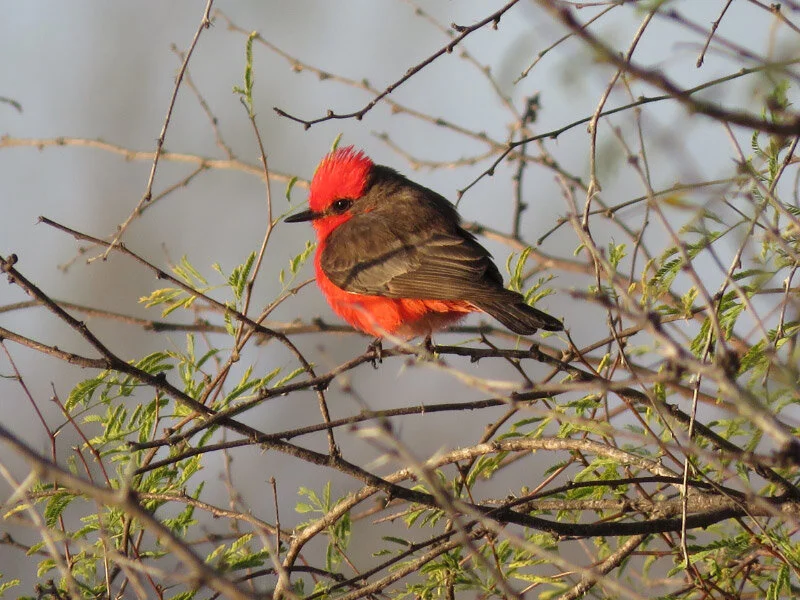
All during the morning we saw Vermilion Flycatchers – the bright red attracting attention.

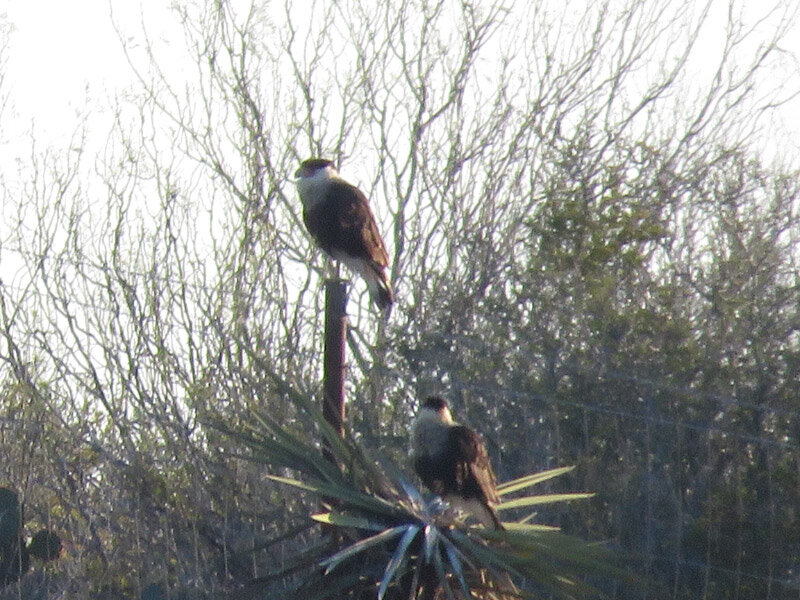
Crested Caracara flew overhead and there were a pair in a tree just barely within the range of my camera.

2020 02 IMG_3395 (8).jpg

When we made a loop back to the ranch buildings, I managed to photograph a wren which was easily identified later from the picture as a Cactus Wren. It seemed to be very interested in the chimney.

2020 02 IMG_3395 (9).jpg

We drove out to look at some ponds on the ranch…and spotted a familiar bird: a Killdeer.

2020 02 IMG_3395 (10).jpg

There were also Great Kiskadees like we saw several years ago during the Rio Grande Valley Birding Festival.

2020 02 IMG_3395 (14).jpg

There were groups of Northern Cardinals…a small flock. In our area of Maryland they are usually only seen in pairs or males contesting turf…the small flock was new to us.

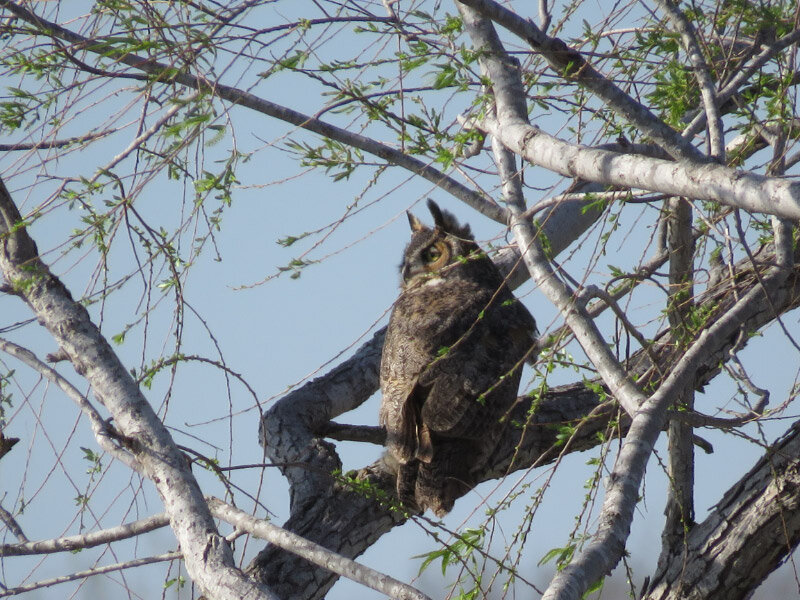
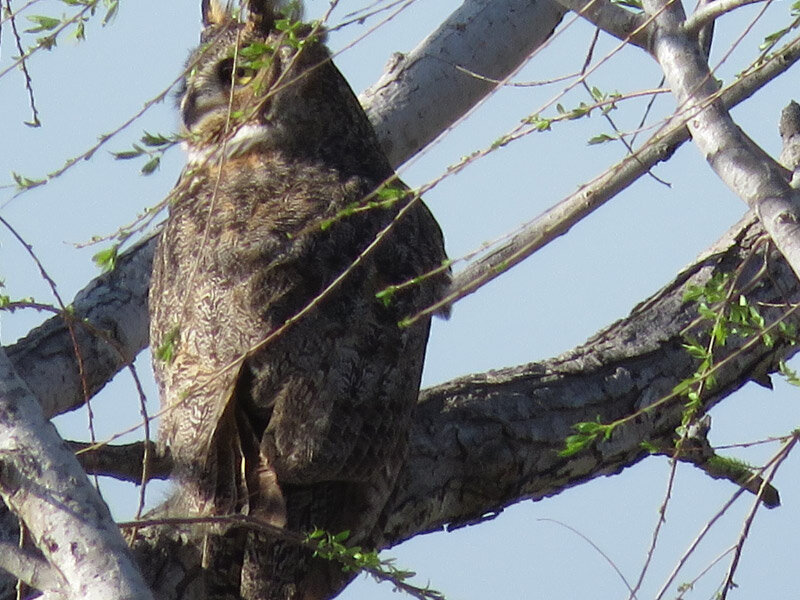
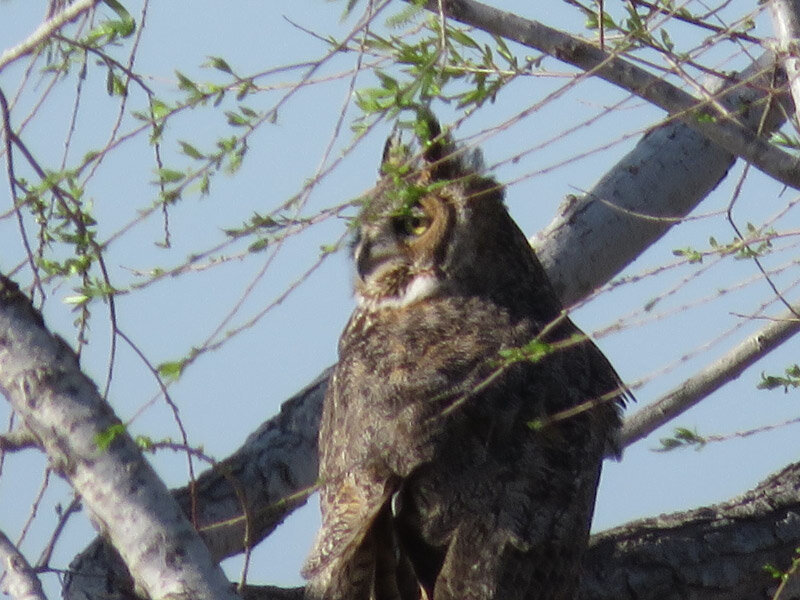
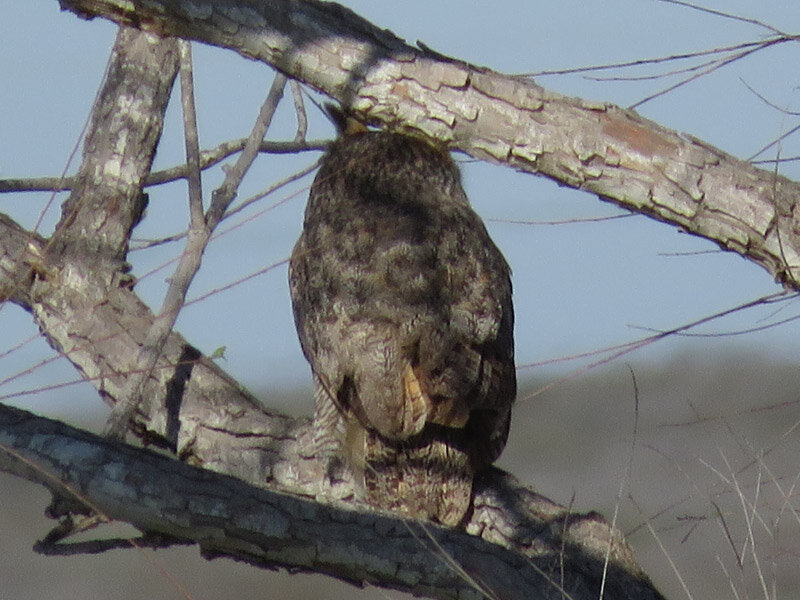
The high point of the morning was a Great Horned Owl. It was surveying the area from a tree growing on an island of the pond. It sometimes looked our way….decided our group was no threat at all.

Looking closely at the picture I took of a cormorant – I realize that it is a Neotropic Cormorant (rather than a Double-crested Cormorant) because the eye is surrounded by feathers rather than a bare patch of skin.

2020 02 IMG_3395 (26).jpg

There was an American Wigeon just barely within the range of my camera zoom.

2020 02 IMG_3395 (28).jpg

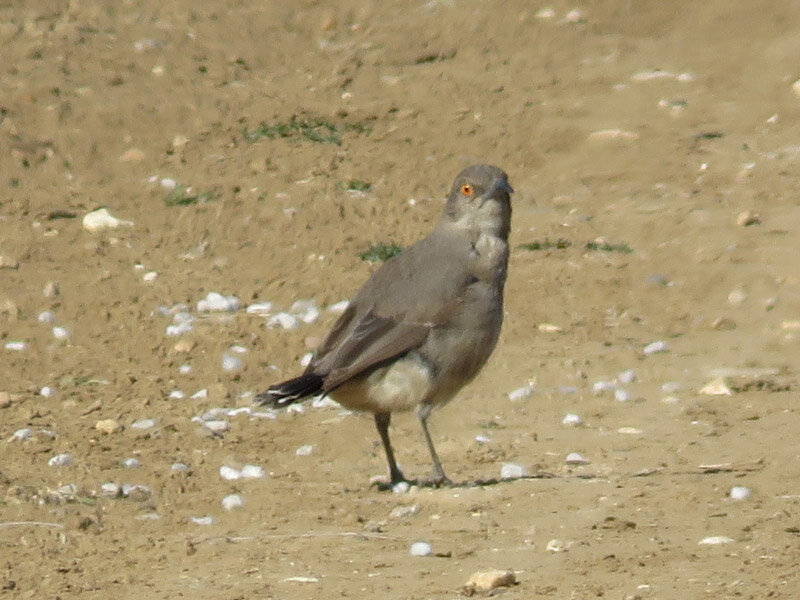
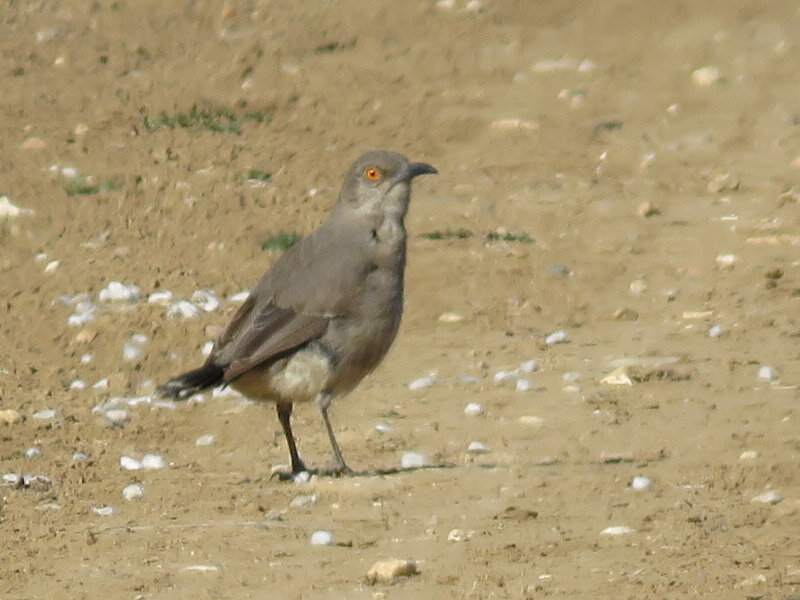
As we headed down the road in our van, there was a Curve-billed Thrasher in the road. I was ideally positioned to take pictures through the windshield of the van!

Also on along the road, a Pyrrhuloxia was spotted. For this picture I had to contort a bit to get the picture through a side window.

2020 02 IMG_3395 (35).jpg

We had been seeing Harris’s Hawks and I finally got a picture of two that were near each other on a telephone pole. This species hunts as a team!
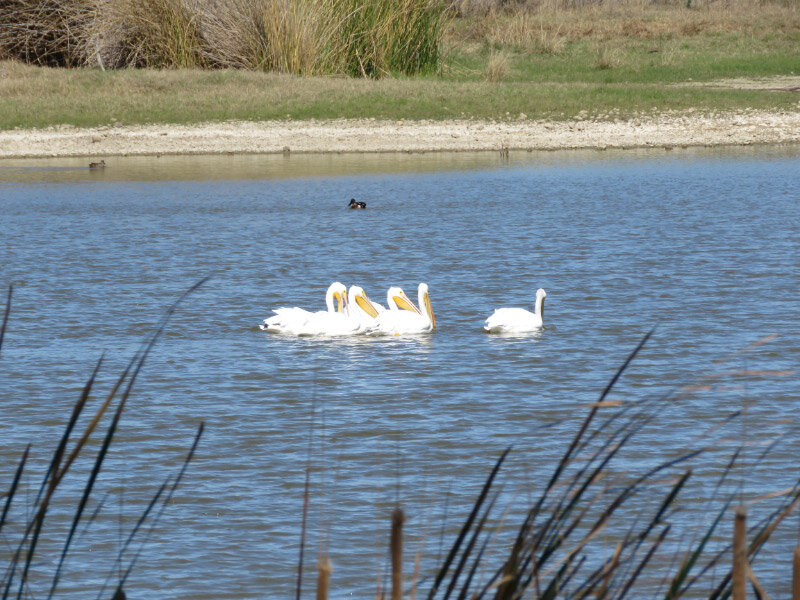
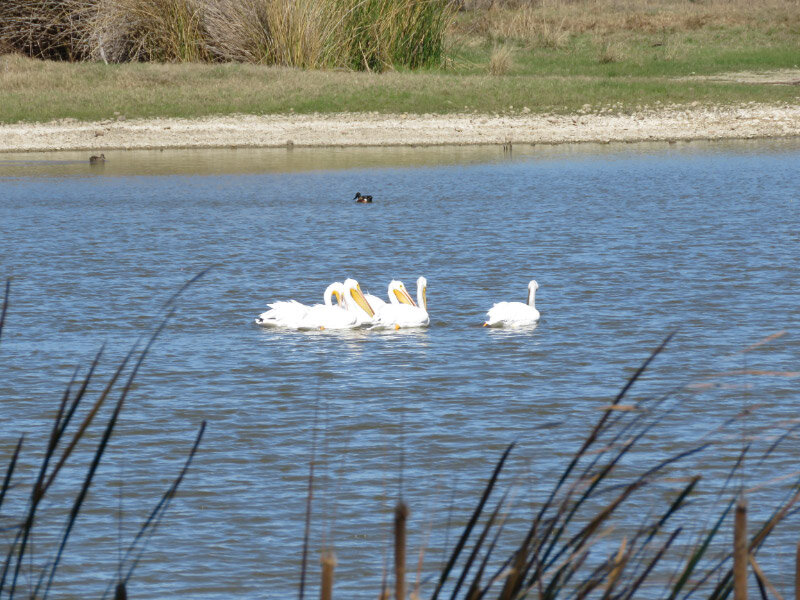
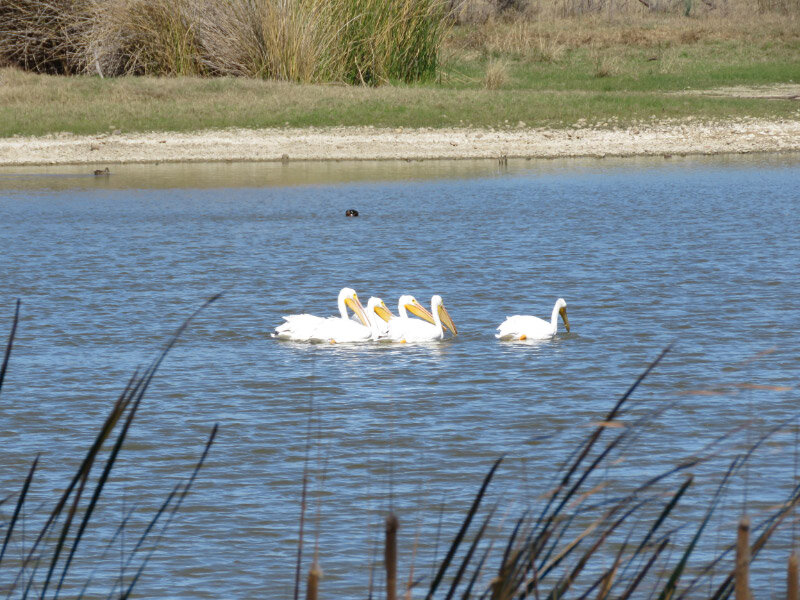
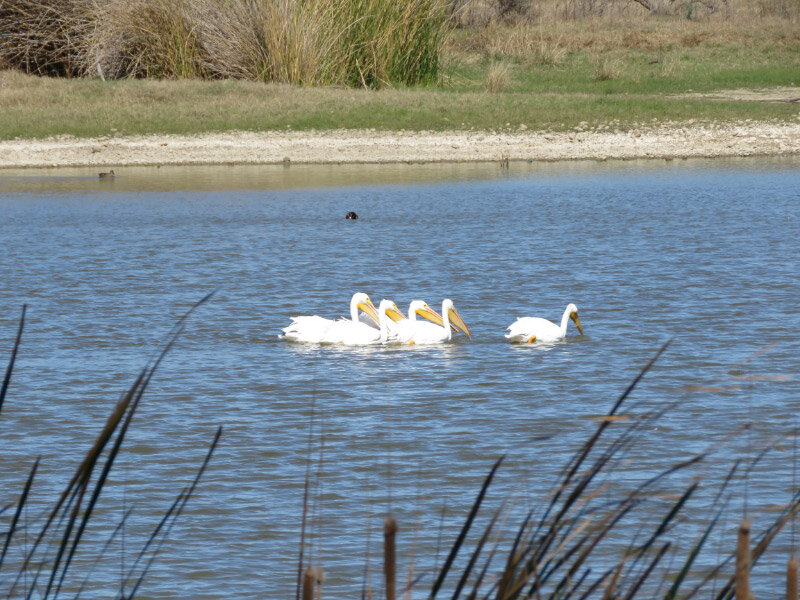
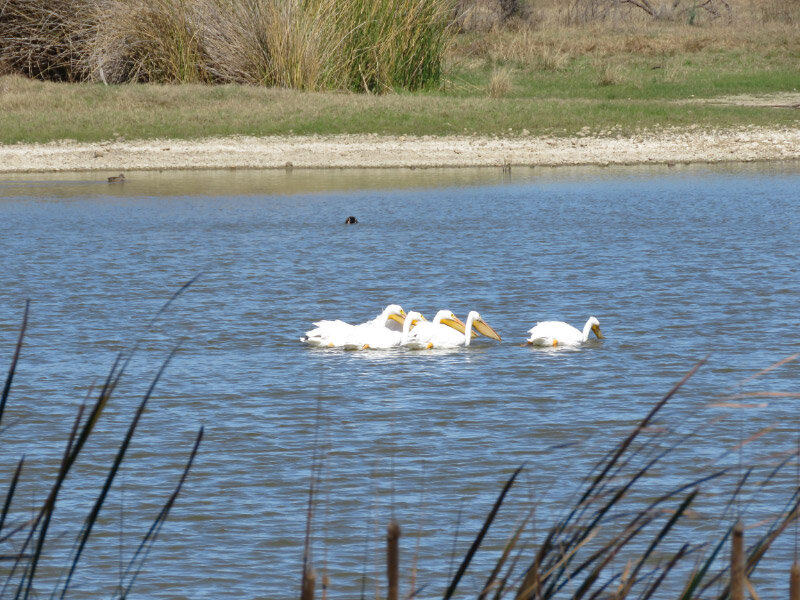
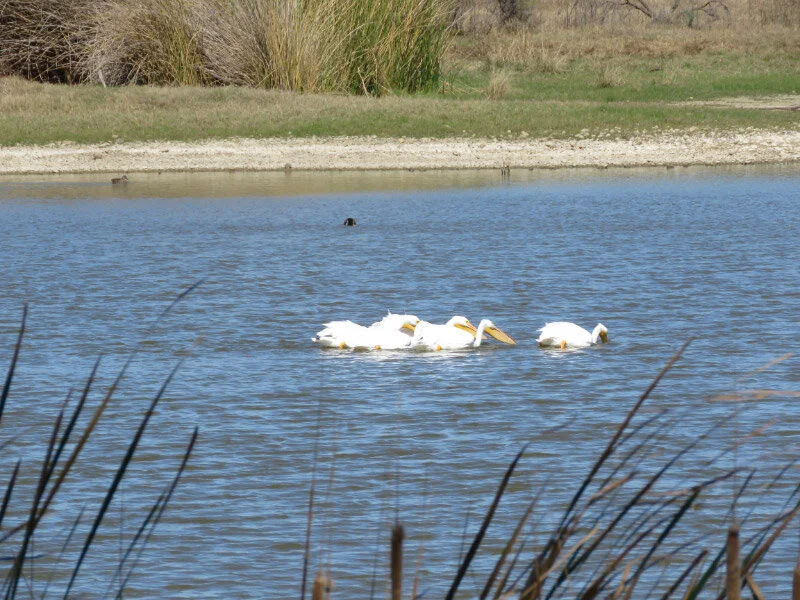
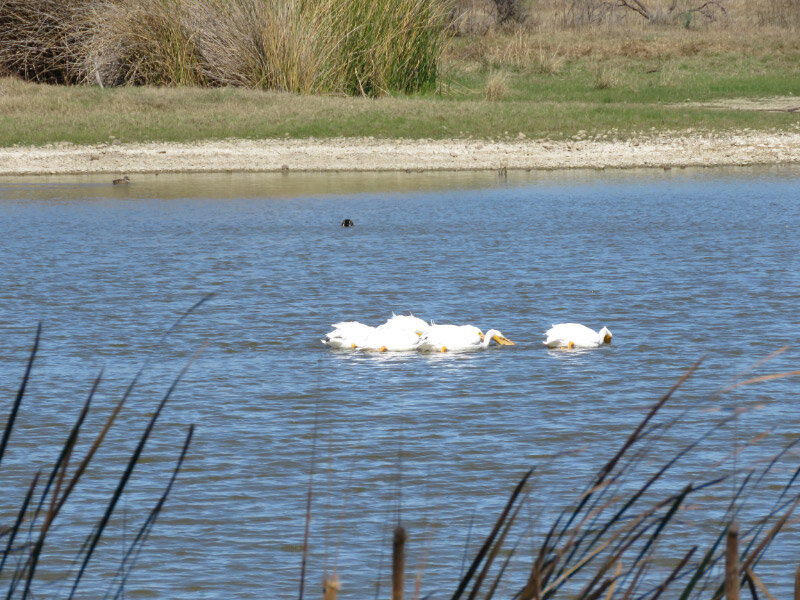
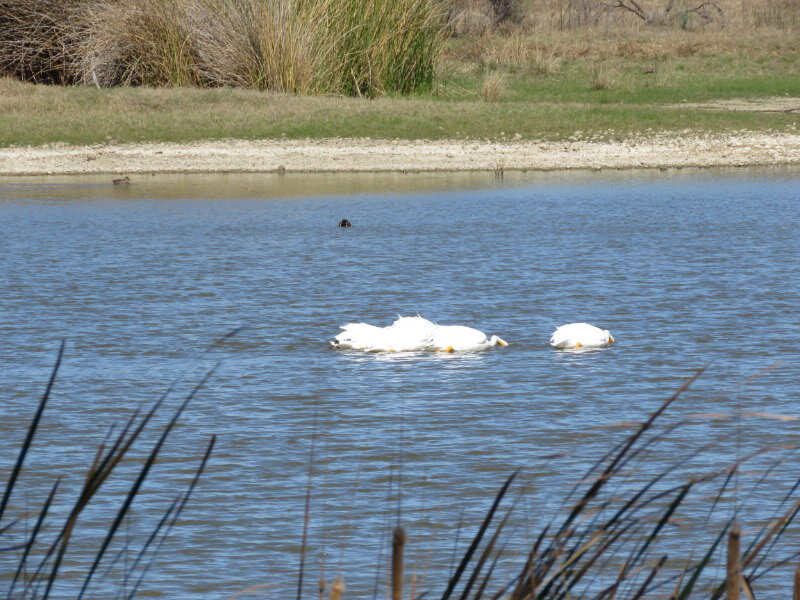
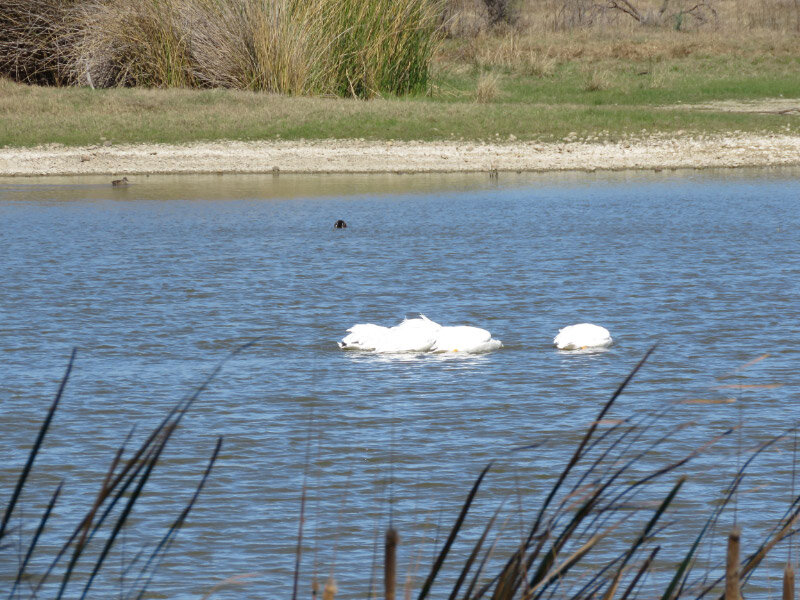
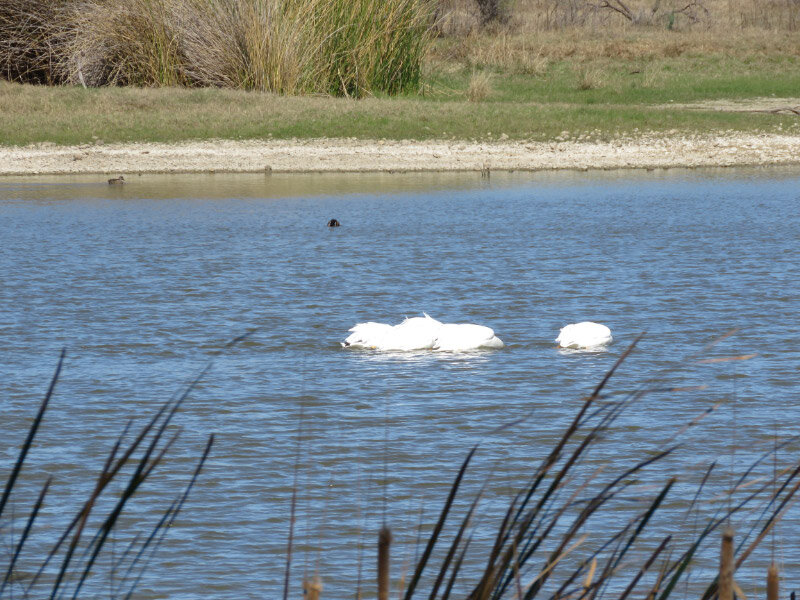
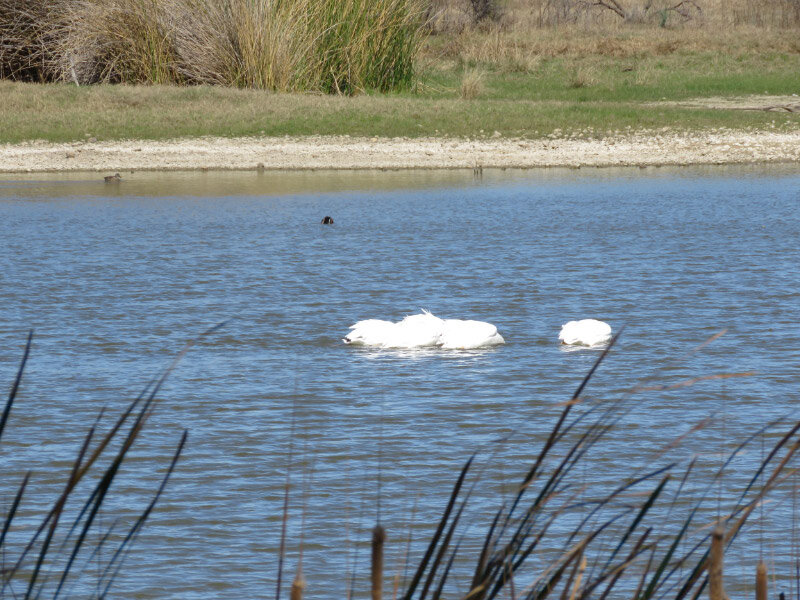
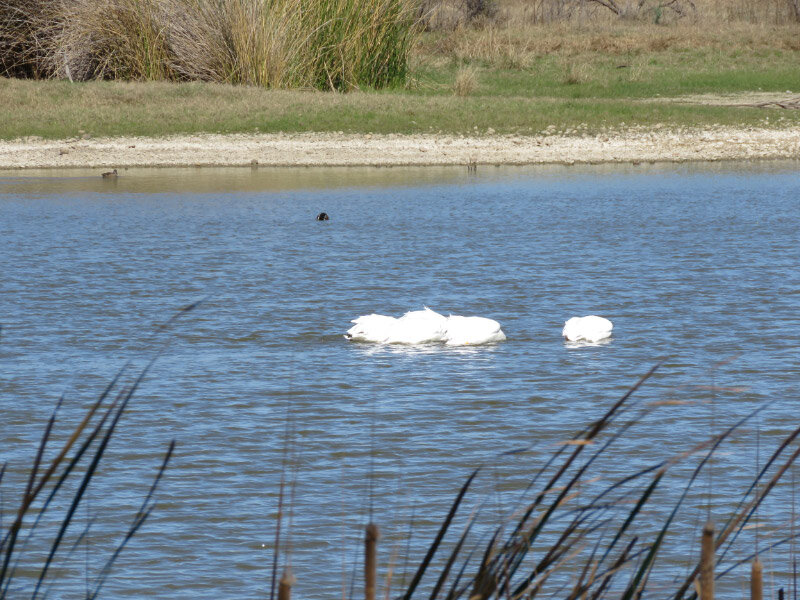
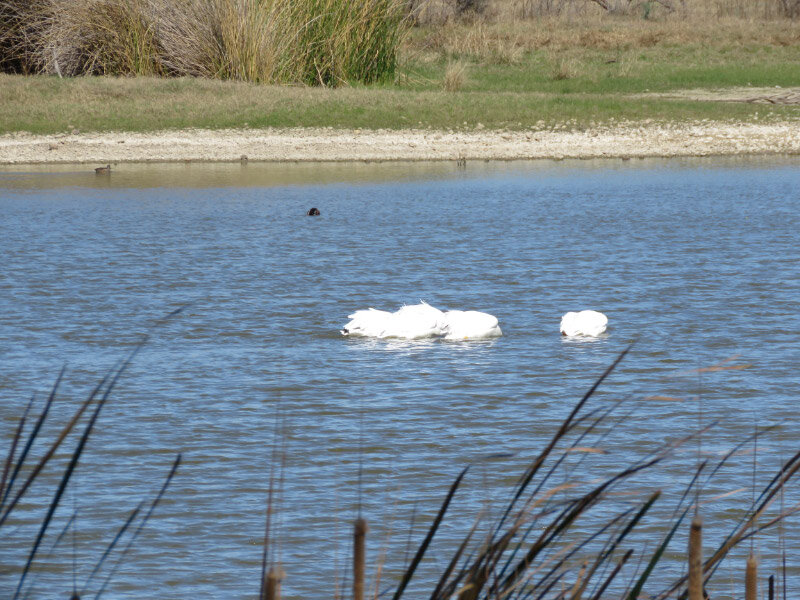
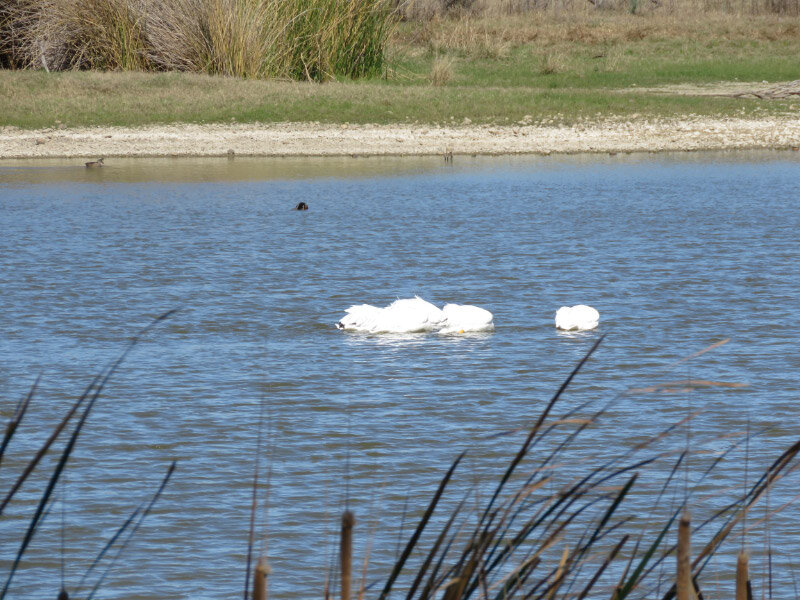
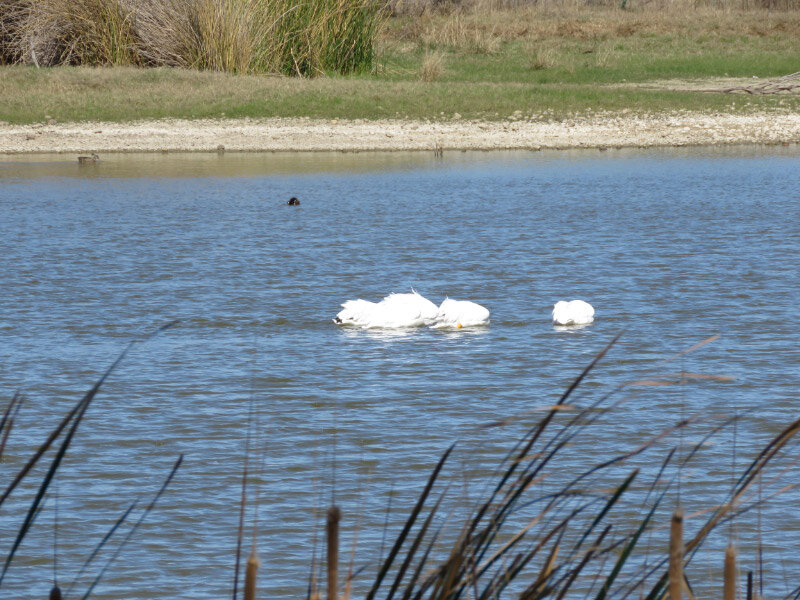
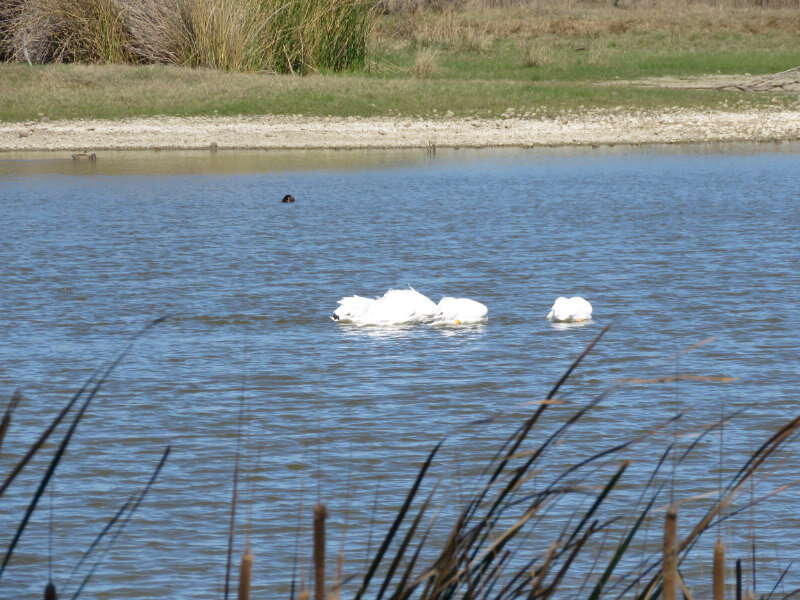
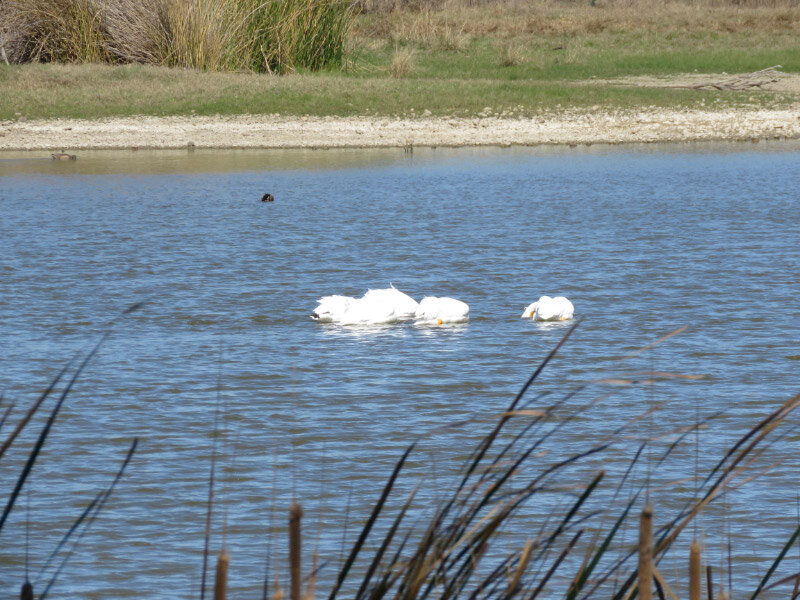
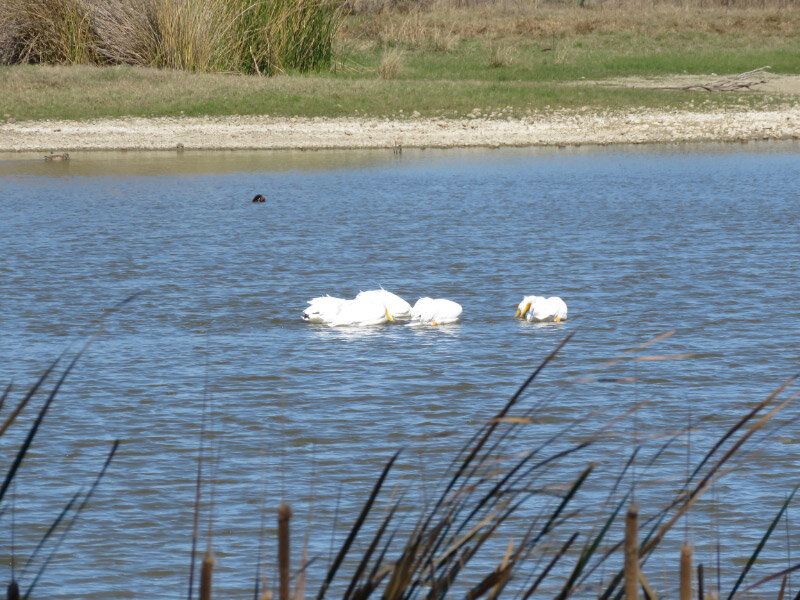
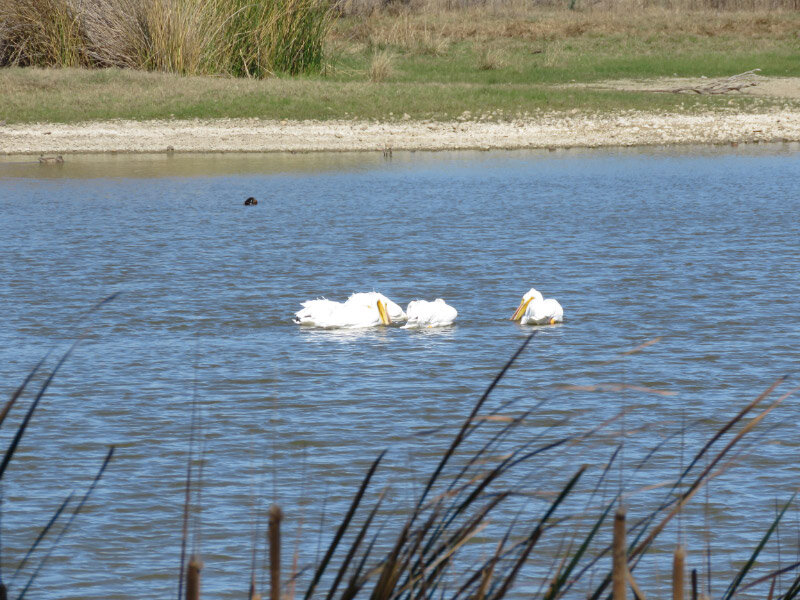
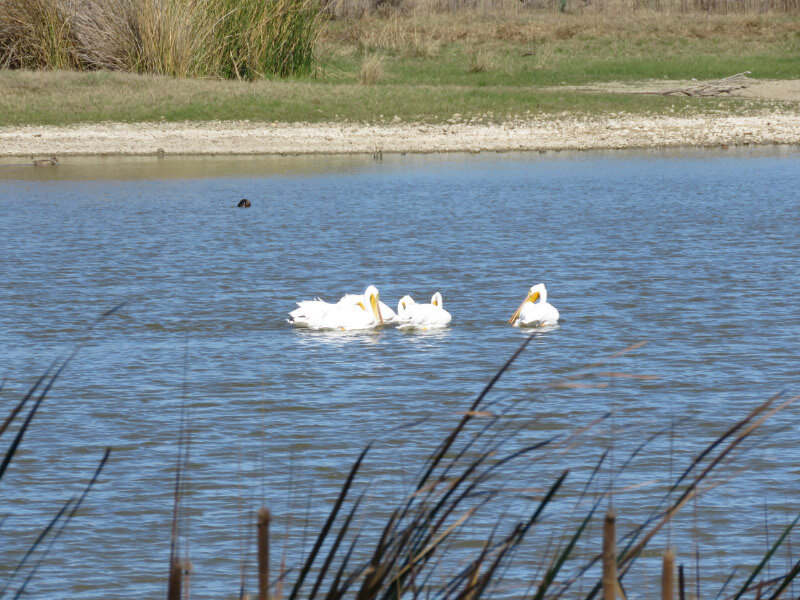
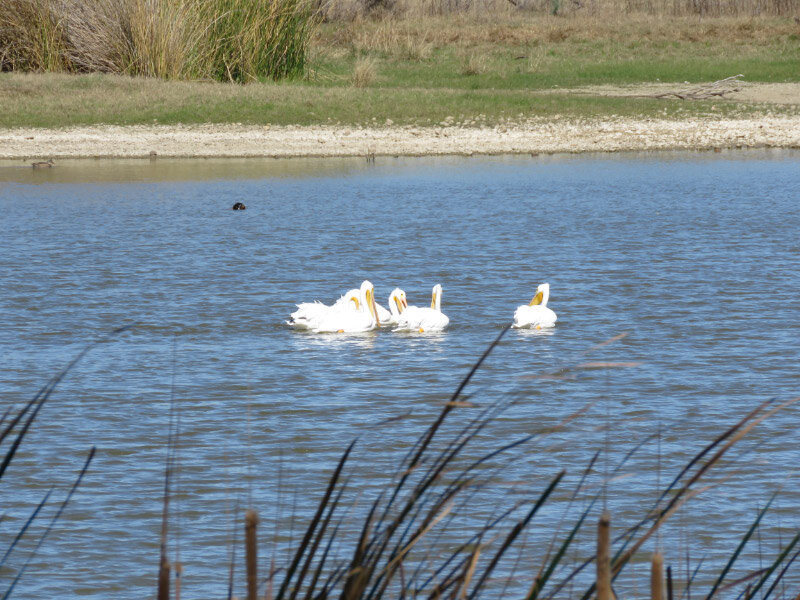
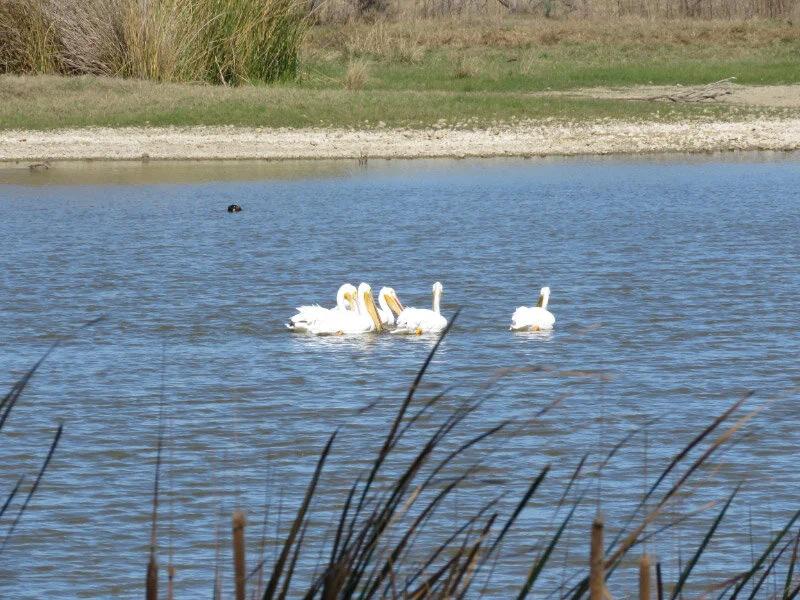
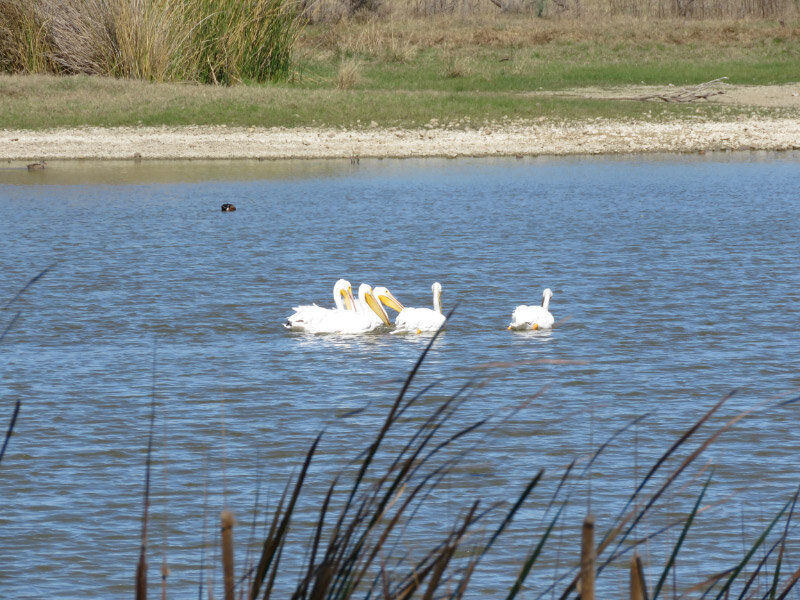
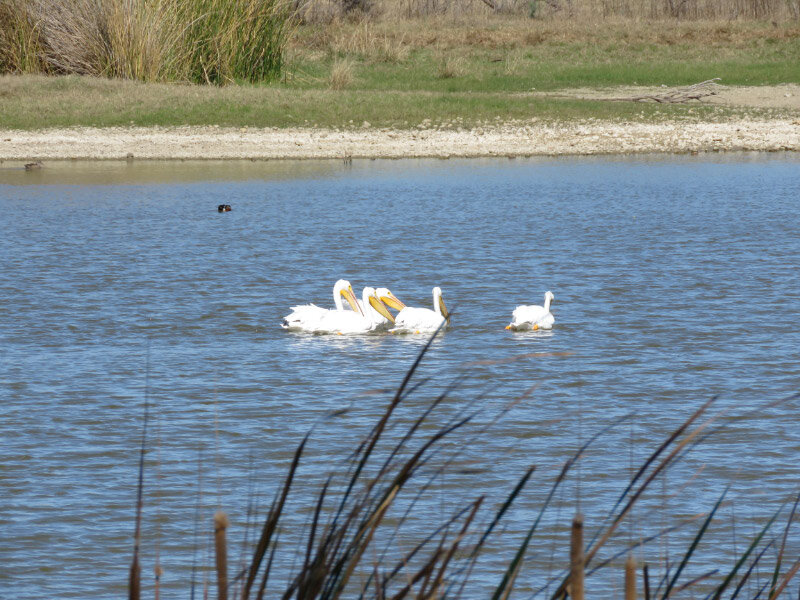
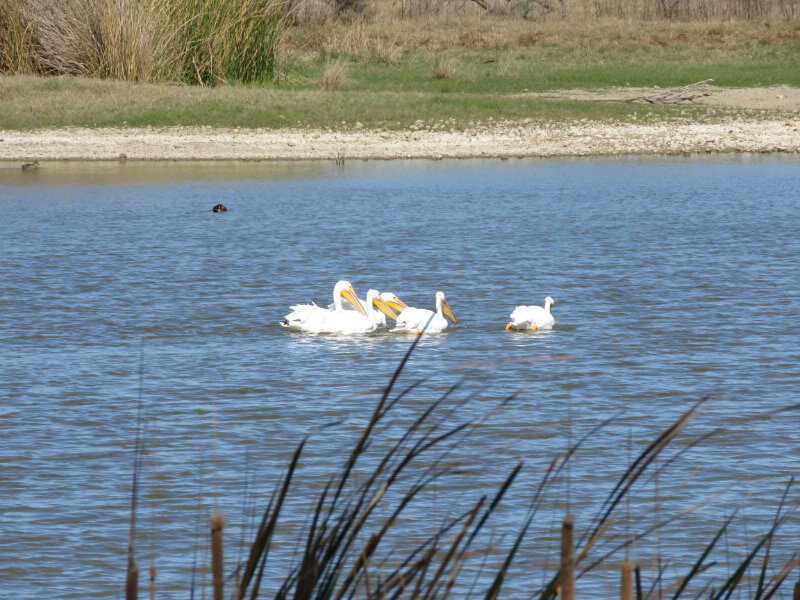
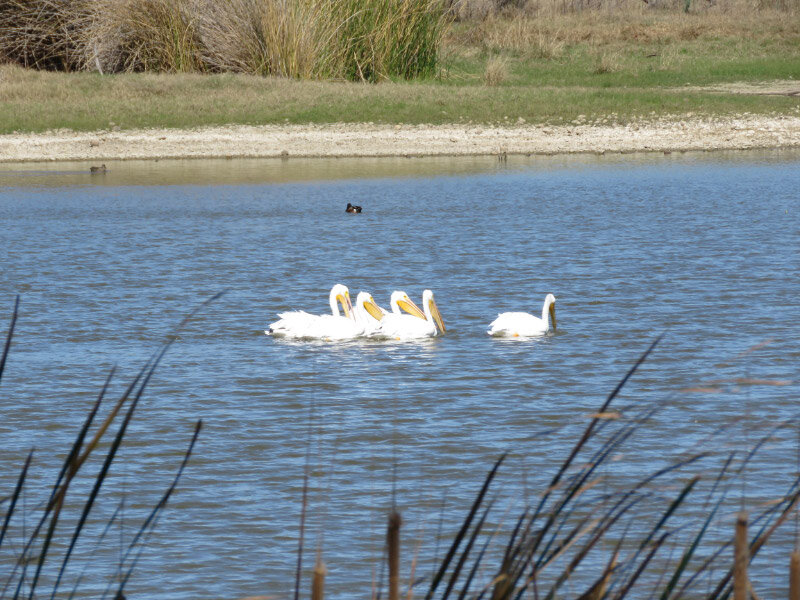
​The next stop was Ranchito Road Lagoons. The high point of the afternoon happened at this location: American White Pelicans feeding in unison. I had not seen this behavior before. It was like a ballet and they did it for the whole time we were at the location.  

2020 02 IMG_3928 (37).jpg

Lesser Yellowlegs were feeding in the shallows.

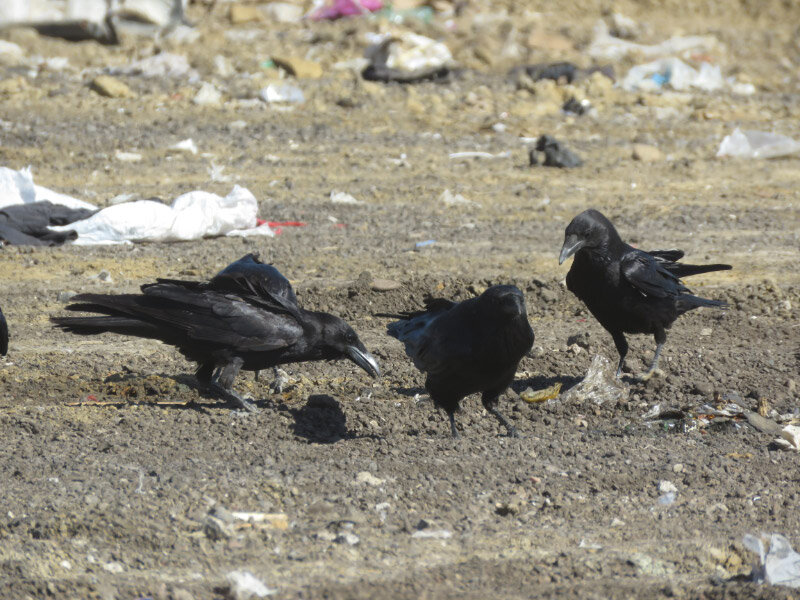
On the way back to hotel we stopped at the Laredo Landfill. It was very windy (dust and some trash flying everywhere) so we didn’t stay long. There were quite a few Cattle Egrets huddled together near the entrance. And lots of Chihuahuan Ravens that were closer to where we stopped. I later wished that I had walked over to get a picture of the Cattle Egrets since we didn’t see them in any other festival location.

IMG_4164.jpg

What a productive day of birding around Laredo!
Laredo Birding Festival – Day 1

My husband and I flew to San Antonio (me from Dallas, he from Baltimore) and drove down to the Laredo Birding Festival from there. We made a rest stop at the Lasalle County Rest Stop (southbound) and

2020 02 IMG_7905 (6).jpg

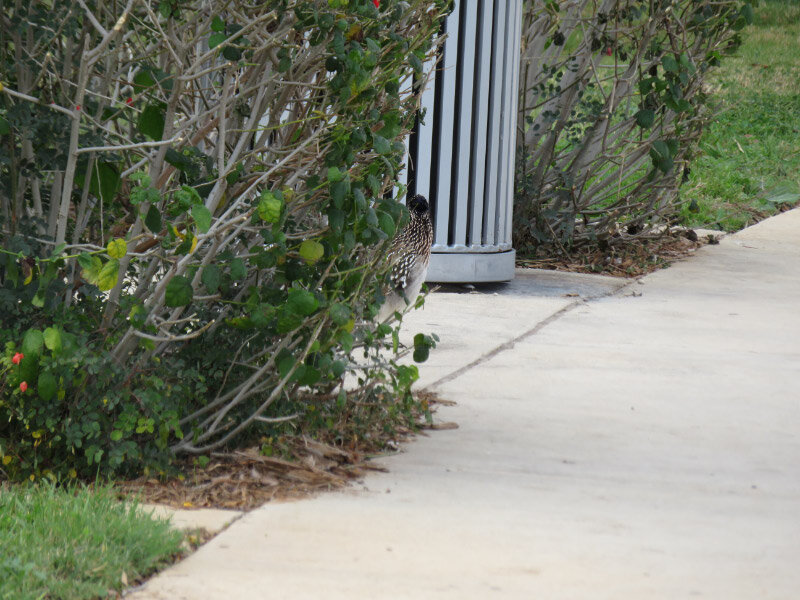
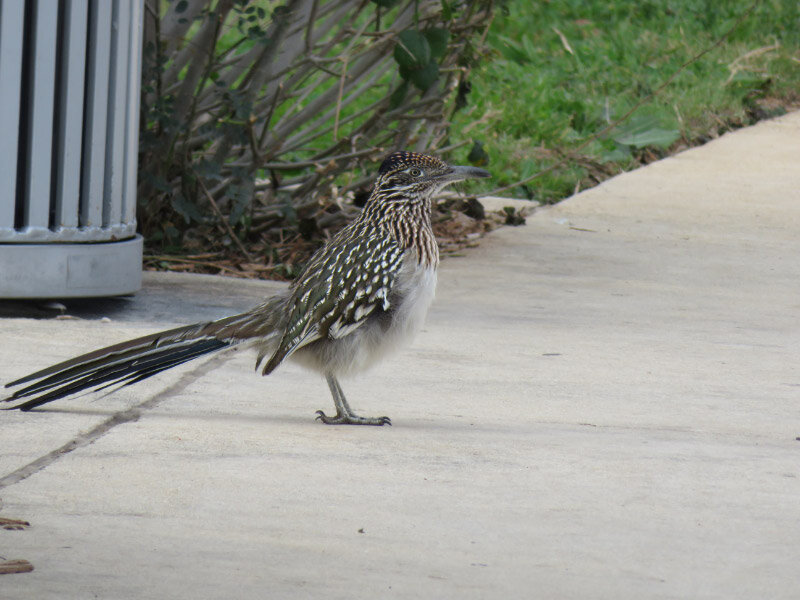
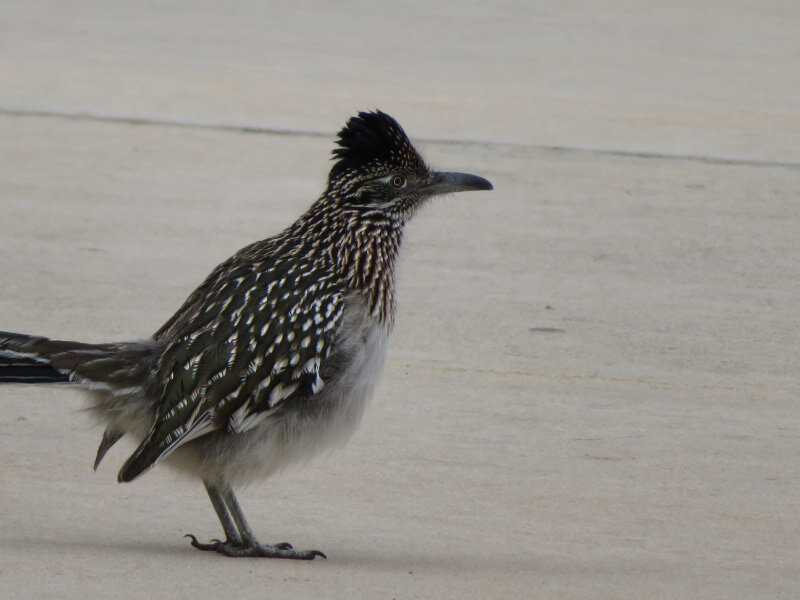
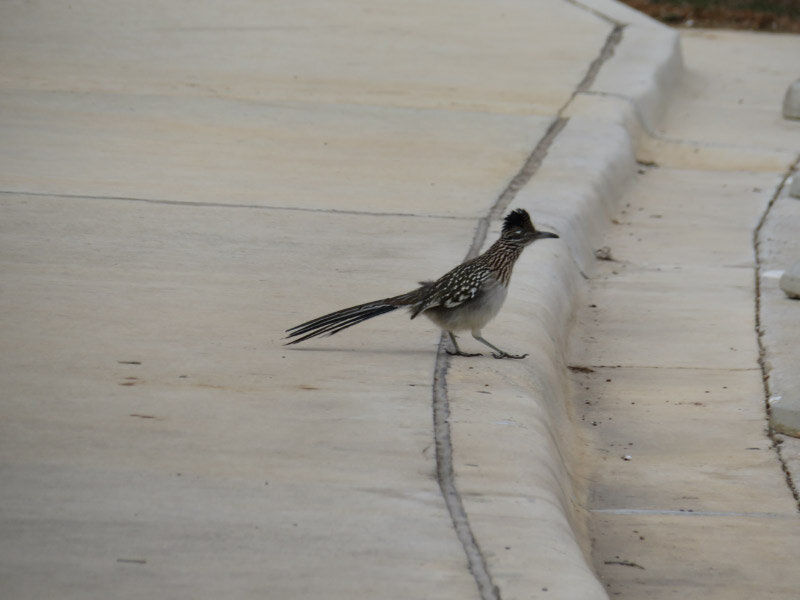
Immediately saw our first stunning bird of the trip: A Greater Roadrunner. It was in the picnic area of the rest stop and then moved out into the parking area. It was a cold day, so the feathers were fluffed making it look plumper than usual.

The rest stop had well maintained plantings – some were blooming in the cold.

2020 02 IMG_7905 (10).jpg

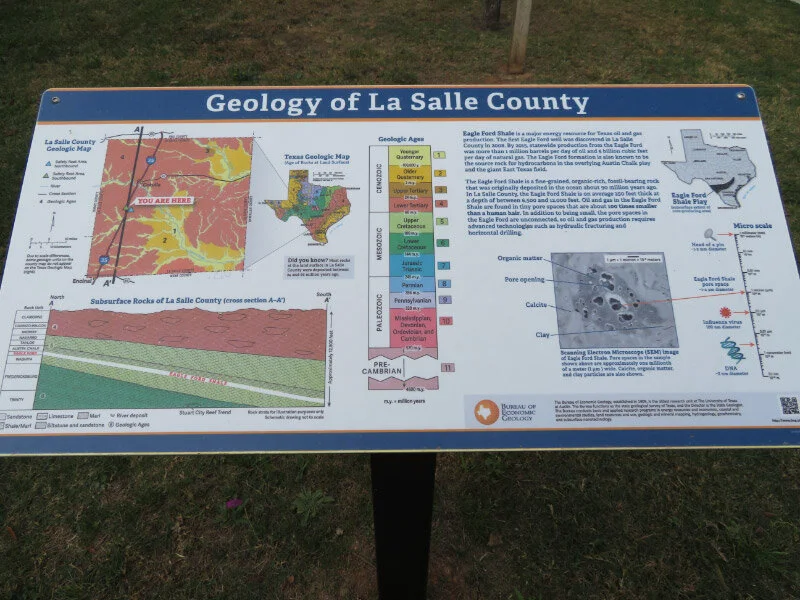
The signage and windmill outside the building started the historical story of the county.

2020 02 IMG_7905 (8).jpg

Inside the building were displays about the county: ranching, railroad, mining and farming. On the back of the hanging signs were metal sculptures that I enjoyed.

As I got ready to write this blog post, I checked Google maps for the rest stop and discovered that there is a short hiking trail to the south of the rest stop. I’ll walk around it next time I am make that stop (maybe next year).

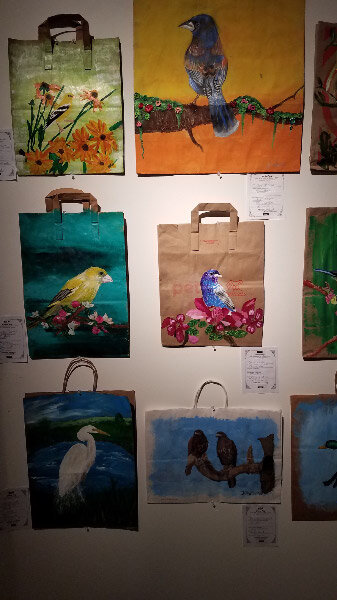
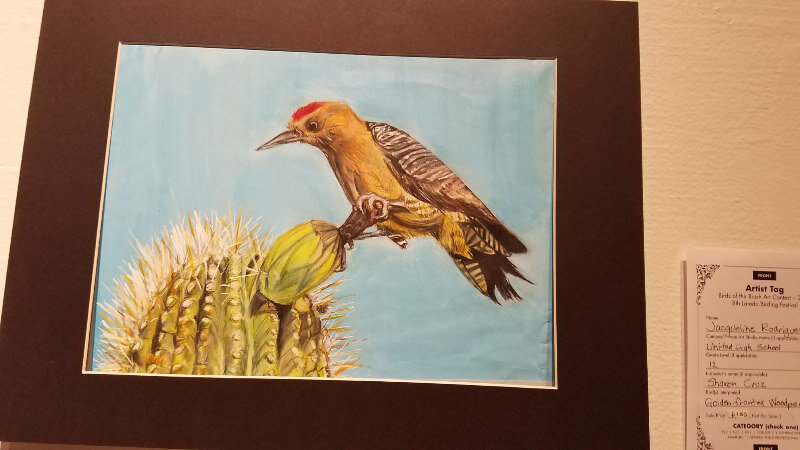
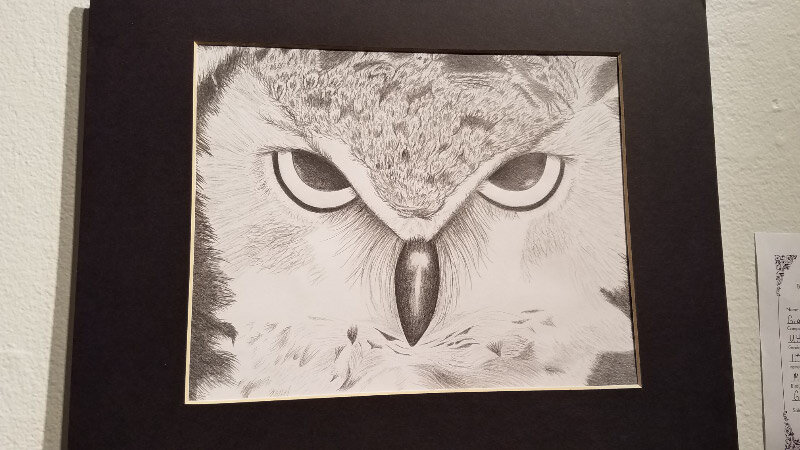
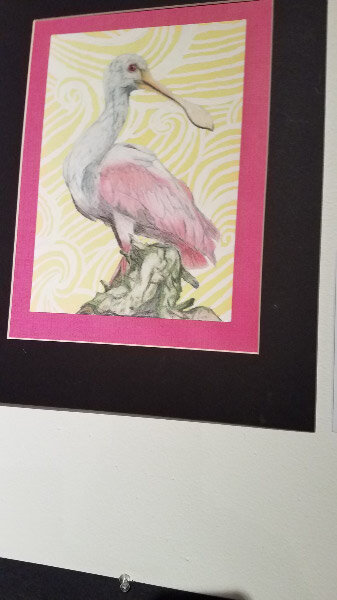
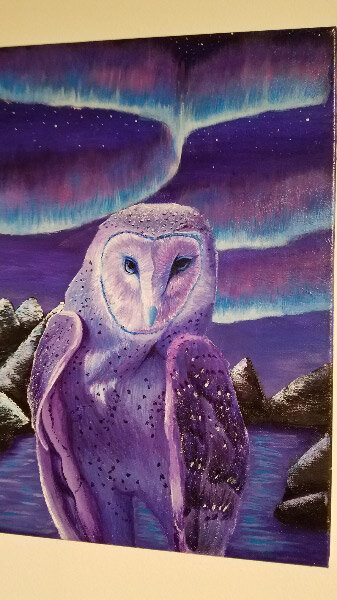
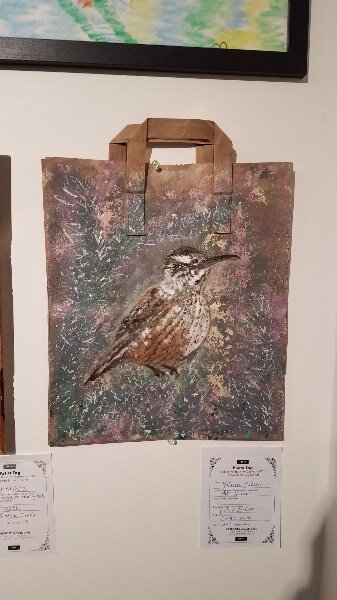
We got to Laredo and checked into the La Posada Hotel which would be the hub for departures on the trips for the festival. It’s very close to the Rio Grande….in the older part of Laredo. A hour or so later we walked to the Laredo Center of the Arts for the 2020 Birds of the Brush exhibit – bird themed art from local schools. I liked the paintings on paper shopping bags and birds I recognized. The backgrounds were often what made the work memorable beyond the bird itself.

20200205_181642.jpg

We made a light supper on the luscious appetizers upstairs…getting a view of exhibit from the glass fronted elevator as we went up from the exhibit floor.

Overall – a great start for the Laredo Birding Festival!

Gleanings of the Week Ending February 15, 2020

The items below were ‘the cream’ of the articles and websites I found this past week. Click on the light green text to look at the article.

All About Feathers – A tutorial on feathers…lots of great visuals (stills, videos, drawings, photos) from The Cornell Lab Bird Academy.

NOAA Research’ top 5 stories from 2019 – Catching up on some reading…the stories featured were the most popular on their site in 2019.

Capturing CO2 from trucks and reducing their emissions by 90% -- ScienceDaily – Research applicable to making transportation friendlier to the environment…retrofitting of existing trucks.

Rising Temperatures Are Stressing the U.S. Corn Belt - Yale E360 – It’s not just rising temperatures…it’s the shift in rainfall causing hydrologic stress during the summer months. Maybe the ‘corn belt’ could shift northward?

Traveler Special Report: Threatened and Endangered National Parks – In Alaska and beyond…we are losing the natural treasures we sought to protect.

The history of candy canes and why they taste so cool – I am late getting around to including this in the gleanings list. I like peppermint candy year round…even if it’s not in the candy cane shape! I have peppermint candy chips to use in snow ice cream…if it will ever snow enough this winter here in Maryland!

Largest Electric School Bus Program in United States Launching in Virginia | CleanTechnica – Dominion Energy partnering with Virginia School districts…to achieve a 50% electric school bus fleet by 2025 and 100% by 2030. Good for the environment and the lungs of Virginia’s school children. I hope other states will move in the same direction.

These infrared images show just how alive butterflies’ wings are – Surprise! Butterfly wings have living cells not just membranes and scales! The living cells can sense heat and the butterfly responds behaviorally.

 Flame retardants and pesticides overtake heavy metals as biggest contributors to IQ loss - ScienceDaily – There are a lot of things that are toxic in our environment these days…and children are the ones that are hurt the most…and the hurt lasts their lifetime. This study looked specifically at lead, mercury, poly-bromated diphenyl ethers (PDBE…flame retardants) and organophosphate pesticides.

Top 25 Wild Bird Photographs of the Week: Bird Photography – A little eye candy to end the list of gleanings for this week.

30 Years Ago – February 1990

30 years ago this month - Our household was beginning to make changes to sustain itself with a baby that was increasingly active. In February she became even more adept at rolling, got two baby teeth and began eating in the highchair (colorful food like carrots seemed to be favorites). About the time the first teeth came in, her tongue thrust became much less pronounced. She managed to hold things in her hands for longer periods….and we managed to capture the first picture of her with a book. She was awake and interacting much more during the day…and sleeping through the night most of the time.

1990 02 img247 (6).jpg

My husband and I were planning our first mini-vacation with the baby before family visits to our house started in March. It was going to be tacked onto a trip he needed to make for work. I was already beginning to wean the baby and plan what I needed to do before I started back to work part-time in May. I didn’t want her to associate weaning with me suddenly being gone.

At the same time, my husband and I were finally acknowledging the stress we both were experiencing after being a couple for over 15 years…and adding a baby in the mix. The transition was harder than we anticipated but it was beginning to improve by the end of February because we were finally acknowledged that we needed to actively work on it.

Previous 30 years ago posts can be found here.

Gleanings of the Week Ending February 8, 2020

The items below were ‘the cream’ of the articles and websites I found this past week. Click on the light green text to look at the article.

Abstract Aerial Photos of Iceland's Rivers Look Like Watercolor Paintings – A little art photography to start out the gleanings this week.

Tomb Containing Three Generations of Warrior Women Unearthed in Russia | Smart News | Smithsonian Magazine – Evidently research is revealing that warrior women were the norm, not the exception, in Scythian culture. Scythians lived in small tribes, wore trousers (practical since they were on horseback much of the time) and fought with bows and arrows.

Protecting the Sonoran Pronghorn from Extinction – It’s complicated….lots of agencies involved….an international border that is becoming a migration barrier.

Is Notre-Dame Too Fragile to Be Saved? | Smart News | Smithsonian Magazine – Removing the scaffolding that was melted by the fire is evidently going to be a big challenge.

Whooping cough evolving into a superbug -- ScienceDaily – The research was done in Australia…but it probably applies to the US as well. Bottom line: we need to be developing an improved whooping cough vaccine.

One Reason Colorado Playgrounds Are Looking Way More ‘Natural’ | Colorado Public Radio – I like the new types of playgrounds….more than swing sets and slides…bringing in some natural elements.

White Sands National Monument Redesignated As A "National Park" – A beautiful and unique place. I’ve only been there once…but it was very memorable. The biggest surprise for me was that even on a hot day in June, the sand was not hot! Being white really does reflect the heat up and away.

2019 Year In Review: Some Great Photo Tips – So many beautiful places to photograph….take some time in a natural place (National Parks are awesome…but there are other places that are great too).

Striking Portraits of Rare and Endangered Birds by Tim Flach – I tend to like bird pictures from the wild…but these are amazing portraits. Virginia Cardinal – I was surprised to see it in this grouping…as far as I know they are not different than the Northern Cardinal. Cornell’s Allaboutbirds doesn’t have a listing for them.

Mealworms safely consume toxic additive-containing plastic -- ScienceDaily – Not an answer to the plastic problem…more like basic research that could be incorporated into a partial solution. The biggest gain comes from dramatically reducing single use plastics.

eBotanical Prints – January 2020

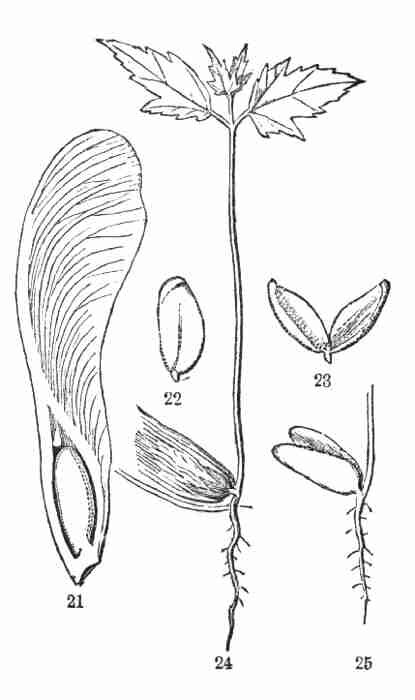
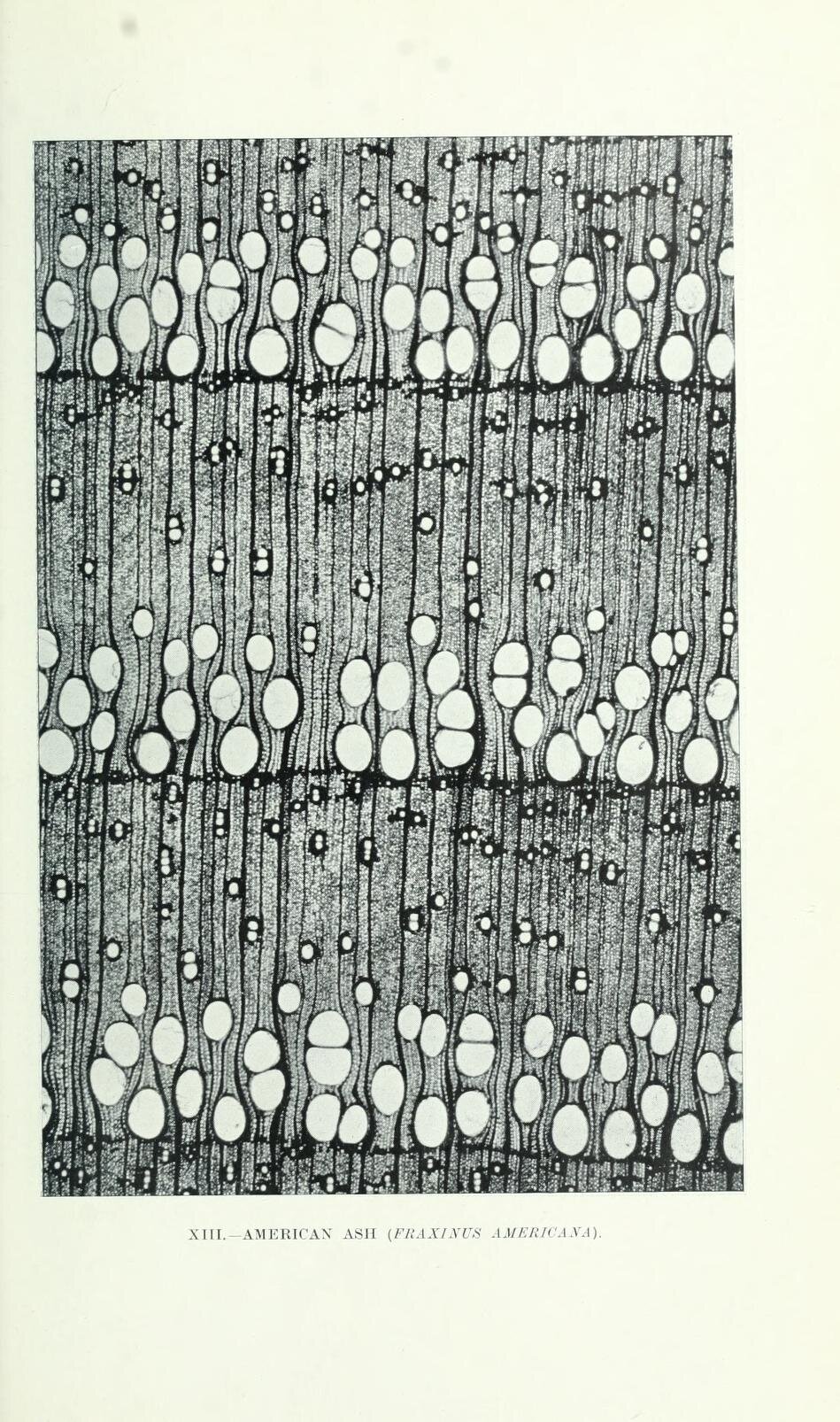
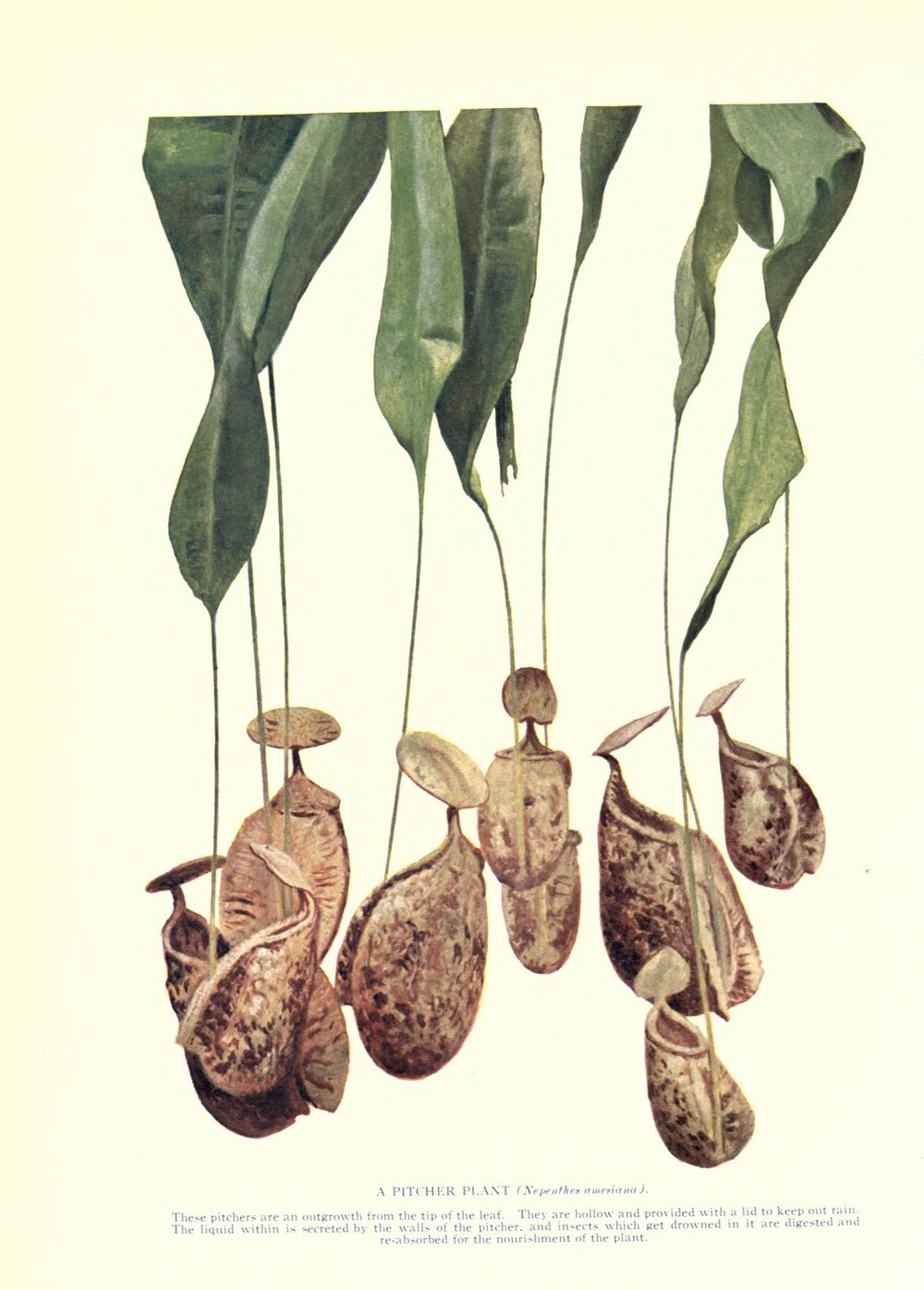
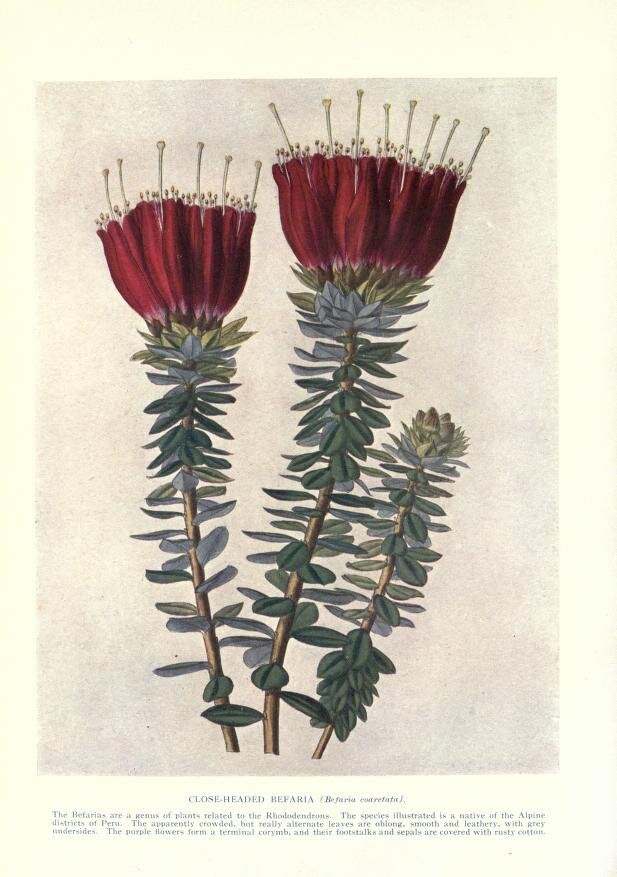
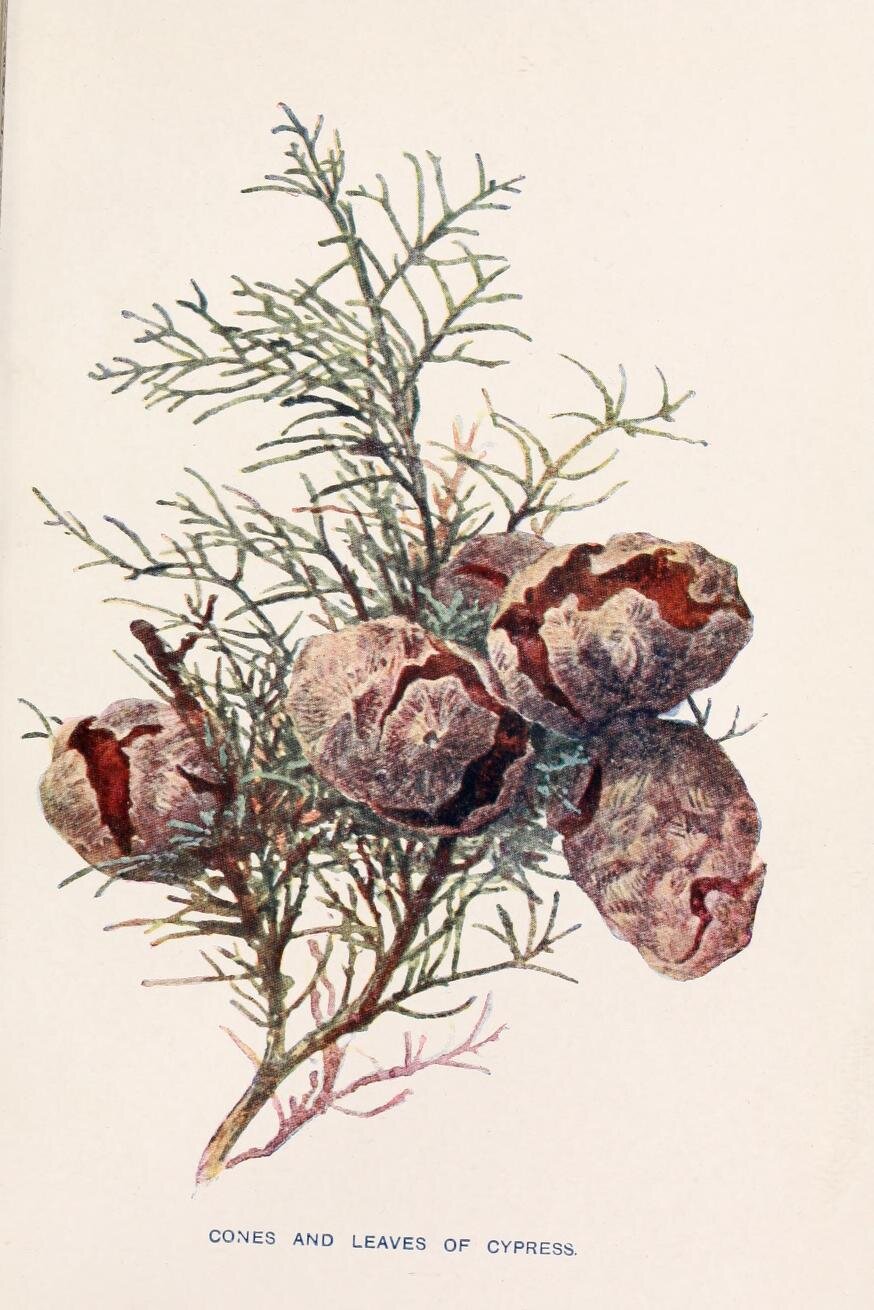
There were only 7 botanical print books in January because I shifted focus to volumes about shells last month. I finished up the ‘Illustrated dictionary of gardening’ volumes…enjoyed the drawings in a botany textbook by Asa Gray…marveled at how different woods look at the micro level.  The last two books (Familiar Trees) are from a series that I found back in 2015…but somehow I only looked at one of the three volumes then.

The volumes are all freely available on the Internet. The whole list of more than 1800 books can be accessed here. Sample images and links for the 7 new ones are provided below. (click on the sample image to see a larger view) Enjoy!

Gleanings of the Week Ending February 1, 2020

The items below were ‘the cream’ of the articles and websites I found this past week. Click on the light green text to look at the article.

Unusual Urban Bobcat Spotted in Washington, D.C. | Smart News | Smithsonian Magazine – Wow! There is more open area where I live (between Washington DC and Baltimore)…maybe there is a bobcat around here too.

Low doses of radiation used in medical imaging lead to mutations in cell cultures -- ScienceDaily - Discovery that radiation creates breaks that allow in foreign DNA must be confirmed in animal studies. Maybe this is just a pathway to learning more about how cells cope with natural amounts of DNA damage….or maybe we need to look again at the risk/benefit of some routine diagnostic testing.

Stunning Chronophotos of Powerful Osprey in Mid-Hunt – Very dramatic!

Surprising Beauty Found in Bacterial Cultures – The video is less than a minute…worth watching.

Top 25 Wild Bird Photographs of the Week: #Feeding – National Geographic Society Newsroom – They all must eat. I kept track of what they were eating in the pictures: snail, insect or other small invertebrate, frog, rodent, fish, lizard, algae, carrion, nectar, skink, or seeds.

Walnuts may be good for the gut and help promote heart health -- ScienceDaily – I like walnuts….now just to eat them more consistently!

HEADING TO THE FOREST: Bringing Joy, Accomplishment & Hope to Children | Children & Nature Network – Forest days for kindergarteners and nature kids from preschool to high school…backyard to back country. More examples of how education in nature is happening. This was part 2…the earlier article can be found here.

America's most widely consumed oil causes genetic changes in the brain: Soybean oil linked to metabolic and neurological changes in mice -- ScienceDaily – Start reading labels….there is soybean oil is in a lot of processed foods like mayonnaise and salad dressings….the list goes on and on. Evidently other soy products (edamame, soymilk, tofu, etc.) don’t cause the same changes observed with soy oil.

Blue Jay: A New Look at a Common Feeder Bird – Our feeder is not accessible to blue jays….but we see them at our birdbath frequently….and hear their calls in the forest and our yard trees.

Macro Photography Shows Stunning Details of Carnivorous Plants – Some botanical pictures to finish out the gleanings for this week.

3 Free eBooks – January 2020

Starting out the new year…I selected 3 books with an art and history skew from my accumulation of reading this month.

14d 20 01.jpg

Dillon, Edward. Glass. New York: G. P. Putnam’s Sons. London: Methuen and Co. 1907. Available from Project Gutenberg here. The book is a history of glass (up until the early 1900s) with illustrations of pieces in museum collections. I paid more attention to the illustrations than the text. I’ve always been interested in ancient glass because it points to the step beyond basketry and pottery in our manufacturing expertise. It a material we think about as being ‘breakable’ but is often very enduring.

21l 20 01.jpg

Whitney, Frederick. Blackboard Sketching. Springfield, Massachusetts: Milton Bradley Company. 1909. Available from Internet Archive here. Written at a time when many students were learning to write and draw with blackboard slates and slate pencils…it provides an idea of how students were taught. Early classrooms used a lot less paper!

LaFontaine, Bruce. Bridges of the World Coloring Book. Dover Publication. 1994. Available from Internet Archive here. The bridges are organized chronologically. The sample image I show below is the colored version (as the end page of the book) of page 10…a bridge from China built about 1100. The book includes short descriptions the design features and technologies the bridge builders utilized. Obviously, these bridges have proven to be very durable.

78y8 20 01.jpg

Enjoy these 3 online books!

Gleanings of the Week Ending January 25, 2020

The items below were ‘the cream’ of the articles and websites I found this past week. Click on the light green text to look at the article.

Top 25 Wild Bird Photographs of the Week: January 2020 – Starting out with wild and wonderful birds this week.

Infographic: How does nature influence human health? – Most people intuitively know that nature has a positive impact…but now there is more and more research to quantify that impact.

The Plastics Pipeline: A Surge of New Production Is on the Way - Yale E360 – Just when I really want manufacturers to find ways to package products in something other than plastic….the industry has plans to ramp up production of plastic. Consumers can still make a difference with our purchases (or lack of purchase). I’m slowly but surely reducing the items I buy that come in plastic….always looking for alternatives.

New aqueous lithium-ion battery improves safety without sacrificing performance: Non-flammable, cost-efficient, and effective battery -- ScienceDaily – Hurray for all the battery research going on right now….hopefully there will be more and better options near term. It would certainly boost the speed we can transition away from fossil fuels.

Pylos Tomb Artifacts Suggest Trade Links - Archaeology Magazine – Amber from the Baltics, imported carnelian, pendant depicting an Egyptian goddess….the Greek site might have been a stop on a trade route.

Happy New Year from Amundsen-Scott South Pole Station – Kelly Brunt posted this on January 3rd….and I just got around to looking at it. She was one of our hosts at NASA for my HoLLIE class and then the keynote for our graduation. It was good to read about her recent activities!

Super Resilient Protein Structures Preserved a Chunk of Brain for 2,600 Years – Wow – what an amazing and surprising find! And there is has been some research to figure out how it managed to be preserved.

Towards Ecophilia: Being hopeful in spite of it all -I enjoyed the pictures and activity descriptions about children in nature.

How US sewage plants can remove medications from waste-water – Using granular activated carbon and ozonation….more than 95% of certain antidepressants and antibiotics can be removed. This is important to help reduce the development of antibiotic resistant bacteria and maybe other environmental harms as well. But it can be expensive.

The oldest person in the world turns 117 – I liked the last paragraph of the story the best: Last year, when Tanaka received her record for the world’s oldest person, she was asked about the happiest moment in her long life. Her reply was simple: “Now.” Wouldn’t it be great if we all could feel like that no matter how old we are!

Gleanings of the Week Ending January 18, 2020

The items below were ‘the cream’ of the articles and websites I found this past week. Click on the light green text to look at the article.

Earth at Night – This is an eBook from NASA that was last updated in December 2019….lots of pictures of the earth at night, analysis, and the technology behind the images.

Genomes Sequenced for Every US and Canada Butterfly | The Scientist Magazine® - Work by an evolutionary biologist at University of Texas Southwestern Medical Center. 845 butterfly species were studied.

Adding copper strengthens 3D-printed titanium -- ScienceDaily – Current titanium alloys used in 3D printing were prone to cracking and distortion. The copper alloy seems to overcome that problem.

When the best way to take notes is by hand - BBC Future – I like to take notes by hand….it always seemed easier to me than using a laptop (although I tried using a laptop to take notes in meetings during my career). Now it seems that it is better for internalizing concepts too. No need for me to try to change to anything else!

Blue Whales’ Hearts Can Beat Exceptionally Slowly | The Scientist Magazine® - As low as 2 times per minute! The high was 37 beats per minute.

Image of the Day: Ochre Paint | The Scientist Magazine® - Evidently ancient people heated aquatic bacteria mats growing in iron rich water to make a bright red paint which was used for rock art. The paint contains microfossils of the bacteria (Leptothrix ochracea). The red color is highly thermo-stable…something that has applicability to manufacturing.

Crows could be the smartest animal other than primates - BBC Future – Clever crows. Not so long ago we thought humans were the only ones to make and use tools.

Incredible Winners of the 2019 EPSON International PANO Awards – Panoramic photographs…a little eye candy for the week.

Trashed farmland could be a conservation treasure -- ScienceDaily – Interesting idea…but how much land is in this category and what happens to the people that are still trying to eke out an existence on that land.

Future For Silversword Plants At Halaeakalā National Park Dark – Rare plants…have not recovered as well as the Nene (Hawaiian goose) – for several reasons. Plants around the world are having to adjust to changing climate and some will not be able to change fast enough to continue to exist in the same places…some may become extinct. I hope the Silversword survives.

Memorable Picture

I took this picture back in November. It is the side of the Missouri State University stadium. What do you think the image between the two columns represents?

IMG_6419.jpg

My mother glanced at it – thought it was a spider….but the logo is actually of a bear! It a rectangular clip of a squarish logo that is obviously a bear. But I can see how it does look like a spider at first glance….and that’s what makes the picture memorable. It draws me back to a moment in time on a cold November day, walking between the building and our car, noticing the fierce whatever-it-is, laughing. I took the picture just after my mother’s comment and we all pilled into the car. A happy time.

Touch Tank – January 2020

20191229_142539.jpg

I enjoy the volunteer gig at the Robinson Nature Center Touch Tank….getting more experienced every time I spend an hour there. The Discovery Room, where the touch tank is located, is full of activities for pre-school through elementary school aged children with the Touch Tank being available when there is a volunteer to open it.

There are two kinds of sea urchins: the slate pencil with spines that look like slate pencils from the 1800s and pin cushion with spines that are more prickles. Both names are somewhat historical for young children. Some have never seen a pin cushion! Even the adults haven’t seen slate pencils that look like the sea urchin. Everyone enjoys seeing how the pin cushion urchins ‘hide’ by holding shells and little hats to themselves. The pin cushion urchins can also hang on well enough to hang upside down for a little while on my hand…always a surprise to the children.

Sometimes the sea urchins attach themselves to something else – a rock or a conch. Do you see the pin cushion urchin on the back of the milk conch in the pictures below? The conch was on the move with eye stalks extended and vacuuming up its food from the sand.

20200105_134905.jpg

There are three conchs in the tank. The largest is usually the most active.

And then there are the sea stars. I like to look at them through the glass of the tank…with their suction-cup feet out and hanging on. I pick them up for the children to touch – back and front – but I like them better through the glass.

Overall, I am getting more comfortable with the animals in the tank and better at controlling the flow of people (children) around the tank. An hour at the touch tank is always an hour well spent!

Gleanings of the Week Ending January 11, 2020

The items below were ‘the cream’ of the articles and websites I found this past week. Click on the light green text to look at the article.

Top 25 Wild Bird Photographs of the Week: Seabirds – Starting with the birds this week. I’m thinking about the Delmarva birding sessions later this month…they’ll be sea birds and more to see.

Clearing damaged cells out of the body helps heal diabetics' blood vessels -- ScienceDaily – Interesting….but still a lot of research needed before it could potentialy be used in treatment.

The toxic killers in our air too small to see - BBC Future – Nanoparticles – 90% of particles by busy roads are nanoparticles below 100nm. The smaller the particles, the greater potential toxicity. Anything smaller than 30 nm can make it to through the lungs and into the blood stream (larger than that doesn’t gets past the lungs). The Global Burden of Diseases study estimates that air pollution could account for 21% of all deaths due to stroke and 24% of deaths from ischaemic heart disease.

A little prairie can rescue honey bees from famine on the farm -- ScienceDaily – Food crops can provide good food for honey bees…but maybe not for the whole season.

Adult Humans Can Regenerate Cartilage: Study | The Scientist Magazine® - microRNA may have potential in human regeneration of tissue.

Agar Art Contest 2019: See this year’s winners – Art made with live bacteria.

Infrared Reveals Egyptian Mummies' Hidden Tattoos | Smart News | Smithsonian – 7 mummies – 3,000 years old. All the mummies with tattoos at the site were women.

Gabapentin: A Risky Answer to the Opioid Epidemic - The Atlantic Gabapentin has become the 10th most-commonly-prescribed medication in the US. It is viewed as a safer alternative to opioids for chronic pain….but it is problematic in combination with other sedating medication and it doesn’t work as well as hoped….particularly for back pain. It appears that looking for a quick fix for chronic pain is – again – not working as advertised.

Photography In The National Parks: My Favorite Spots For Great Photos – From Arches, Bryce Canyon, Big Bend, Acadia, and Padre Island.

Scientists Don't Know Why Freshwater Mussels Are Dying Across North America | Smart News | Smithsonian – It’s not just in one place….and may have multiple causes. But this just highlights that some mussel species that have already gone extinct…and our rivers are very different than their ‘natural’ state.

30 Years Ago – January 1990

30 years ago this month – my daughter was 4 months old and I was still taking unpaid leave from my career at IBM. We visited the Smithsonian National Museum of Natural History on the first day of the year. My husband took pictures of me and the baby near the elephant in the rotunda! She probably couldn’t really see the whole elephant clearly, but she was wide awake for most of the museum (napping in the car on and from).

1990 01 img219.jpg

That January had enough snow and ice that we didn’t get out very much. I had a scary fall on an icy driveway early in the month. It was icy. I thought it was just wet when I headed out to get the mail. My feet slid forward; I fell backward and hit my head. I lay on the driveway for a few seconds assessing….then crawled back up/to the side to the grass…kept to the grass to get the mail before I went back inside.

The view from the front of our house shows a newly planted Bradford Pear near the street (still has stakes on both sides). The neighborhood had organized to plant the trees along the street, and we went along with the idea. Now Bradford Pears have become invasive in our area – coming up everywhere as Callery Pear. Aargh!

1990 01 img641.jpg

In the back of the house we had some larger evergreens. One leaned way over the woodpile. We were using our fireplace more that January than before or since.

1990 01 img643.jpg

Our one PC and keyboards were in the basement. We had a full house upstairs with a bedroom and sitting room for my mother-in-law, a room for the baby, and the master bedroom.

1990 01 img647.jpg

There were two baby milestones during the month: she started eating baby cereals and rolling over. At the beginning of the month the rolling over was occasional and took a lot of extreme effort on her part. By the end of the month it was so easy for her that she rolled until something stopped her…and then figured out that she could roll away in the other direction.  

1990 01 img245.jpg

Gleanings of the Week Ending January 04, 2020

The items below were ‘the cream’ of the articles and websites I found this past week. Click on the light green text to look at the article.

Scientists Use Agricultural Waste to Develop New Road Deicer - Yale E360 – Grape skins and other agricultural wastes rather than sodium chloride.

Poor Potato Crops Could Lead to a North American French Fry Shortage | Smart News | Smithsonian – Not a good year for potatoes in the US and Canada evidently. I wonder if prices will go up.

Hydration may affect cognitive function in some older adults -- ScienceDaily – Evidently overhydration has an impact on cognitive function as well…so it is important for older people to understand symptoms of both and actively manage their hydration.

Could Migraine Pain Relief Be Found In The Color Green? : Shots - Health News : NPR – Interesting research. Do green glasses help as much as the green LED light?

How everyday products are supercharging landfill gas, and what that means -- ScienceDaily – Some basic research that could be applied to getting more energy from our landfills.

U.S. States Have Eliminated Thousands of Environmental Protection Jobs Since 2008 - Yale E360 – “Neither EPA nor states have the funding they need to meet their responsibilities under the Clean Air Act, Clean Water Act, and other laws that protect the public’s health and our environment from dangerous pollution.” Not good.

How hacking the human heart could replace pill popping - BBC Future – Pacemakers are primitive compared to the devices that are being worked on now. The future implants will adjust to the situation…reading and writing to the nervous system to treat such things as diabetes, bladder control and chronic pain (and heart issues). Maybe they will address the root cause of some chronic diseases rather than just the symptoms.

Colouring Europe at Work: download our industrial heritage colouring book | Europeana Blog – Learn some history while your color.

IBM Changes the Energy Storage Game With Cobalt-Free Battery – Lots of research in the battery arena these days. This one caught my eye since I spent some of my career working for IBM. Maybe these will be part of the next-gen technology for batteries.

Tiny shells reveal waters off California are acidifying twice as fast as the global ocean -- ScienceDaily – Looking at shells of foraminifera in sediments provides a vertical record of ocean acidity.

Putting Christmas Away

We put the Christmas decorations away on New Years Eve. This year it was easy because they were less complex than usual. I took my Zentangle ornaments off the tree after I enjoyed the tree one last time while I ate my breakfast. I left the hooks attached to their string hangers – ready for next year. They fit nicely in a snowman tin I had previously used for the hooks.

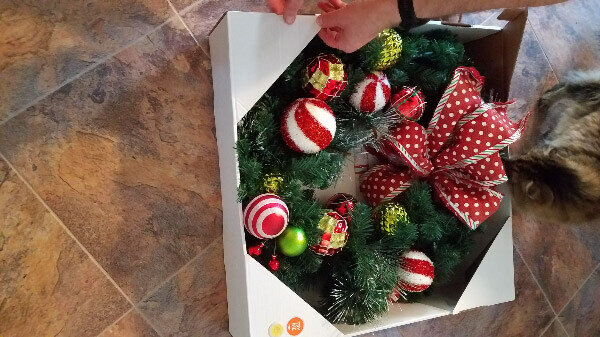
We took the wreath off the door and put it into the box it came in several years ago after taking the batteries out (it will get fresh ones when we unpack it next year). Our cat approved its packaging. The whole thing went into a big trash bag to keep the dust off until next December.

20191231_155713.jpg

My husband took the lights off the tree and coiled them into a plastic bin.  We stuffed the tree into the box the it came in 24 years ago. We used tape to close it up for many years then switched to bungee cords in more recently. It’s a two-person job to close it up and carry it downstairs to the closet in the basement.

Now we are gathering up the smaller decorations and taking them downstairs an armload at a time to go into storage bins until next year: cards and door scrunchies and curly ribbons.

20191231_155627.jpg