Blooming Maple

The red maple in our backyard is blooming and has been since earlier this month. I photographed it from my window on the 3rd (with a dove looking back toward my window. Maybe it sensed it was being watched.),

2018 03 IMG_8874.jpg

With snow on the 7th (there were doves in the tree again…fluffed to keep warm.  I wondered if the weather was going to damage the flowers, but it didn’t get below freezing for very long.)

And yesterday (when the flowers looked even more numerous than before).

2018 03 IMG_9041.jpg

I went outside yesterday to get a closeup of the flowers.

2018 03 IMG_9045 clip.jpg

The red maple is probably one of my favorite trees in the spring because it blooms before just about everything except the earliest of bulbs…and it’s the only red in the scene!

Gleanings of the Week Ending March 10, 2018

The items below were ‘the cream’ of the articles and websites I found this past week. Click on the light green text to look at the article.

Look at What the Coastal Storms Have Done to the Chesapeake Bay - AGU Blogosphere – We had high winds in our area a week ago and it was worse (even higher winds and more precipitation) north of us. Trees feel, power outages prevalent, and some rail cars fell from a bridge as they crossed the Susquehanna River. The suspended matter in the rivers around the Chesapeake Bay were dramatically high…and it moved fast (lots of difference between March 4 and March 5). Wow!

New Perspectives on Bogotá’s Architecture Thanks to Drone Photography – I liked the first picture the best: the building footprint and the rooftop gardens…the trees below.

Forecasting diseases one image at a time – National Geographic Blog – Los Alamos working on predictive models of disease outbreaks in populations suplementing traditional data sources (with lag times in data availability) with non-traditional sources that are available more quickly to enable more timely response to disease outbreaks.

Are flamingos returning to Florida? -- ScienceDaily – Florida had flamingos in the 1800s but by 1900 they had been eliminated (killed for their plumage). Since 1950 they have been increasing in numbers and this study indicates that they are not just escapees from captive flocks. Most are birds from the Caribbean or Mexico that have repopulated Florida.

Can You Ever Have Too Many Turkeys? – Cool Green Science – Turkeys in Oregon – not native to the area but thriving – and an experience with the citizen science project to count them.

The Pileated Woodpecker in Winter – Cool Green Science – We have some pileated woodpeckers that make their rounds in the forest behind our house. They are indeed easier to see in the winter time than any other time of the year.

Welcome to the Age of Climate Migration - Rolling Stone – People are already moving from areas that are flooding more frequently. This appears to be an early indicator of economic consequences for climate change denial.

The Strange and Magnificent Nudibranchs of the Cape – National Geographic Blog – Marine slugs look so different from life we are used to seeing…they could be from another planet…but they are here on earth. Enjoy the pictures in this blog post.

Low magnesium levels make vitamin D ineffective: Up to 50 percent of US population is magnesium deficient -- ScienceDaily – Yet another reason to eat those leafy greens…or take a magnesium supplement.

Recovery: Evicting Rabbits – Cool Green Science – Ridding some islands of non-native rabbits so native flora and fauna can recover (penguins, birds, lots of plants)…with the help of a Labrador retriever wearing rubber booties!

Thoughts from Belmont

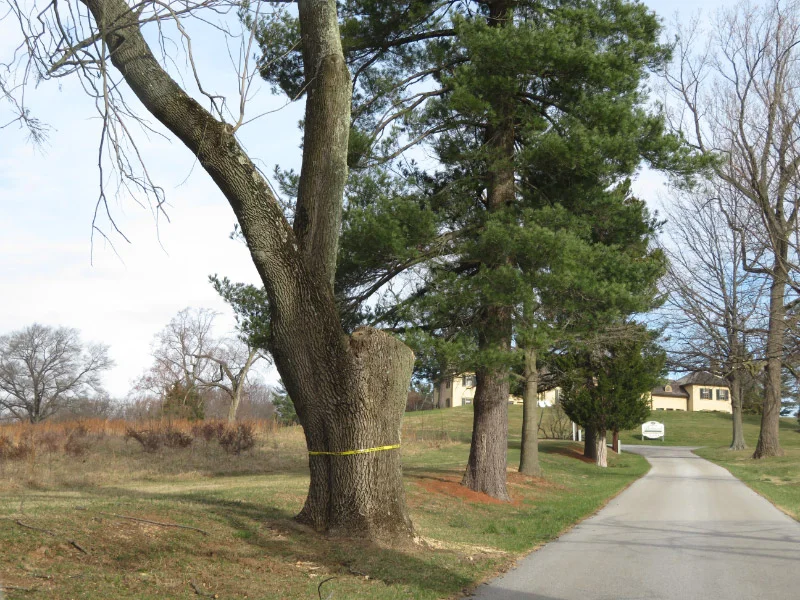
I’ve spent more time at Belmont this week because of some extra classes held there. Three thoughts: 1) On the road into the park I thought about the pine trees cut a few years ago because they were damaged by pine bark beetles and now the ash trees being marked with yellow tape for removal because of the emerald ash borer. They are big trees along the drive toward the Manor House…will leave some large holes.

2018 03 IMG_8977.jpg

) Looking down the road from the front of the manor house, I thought about the way it slopes down hill for about a mile – I coast all the way down to Rockburn Branch when I leave. It traverses the boundary between the Piedmont and Coastal Plain. Maryland’s highest elevation is in the far west of the state…and it slopes down to the sea through two mountain ranges (Alleghenies and Appalachians) to the Piedmont and then the coastal plain to the sea. Belmont is a place to see one of those transitions. Water in Piedmont streams and rivers babbles along…and moves more slowly once it gets to the coastal plain.

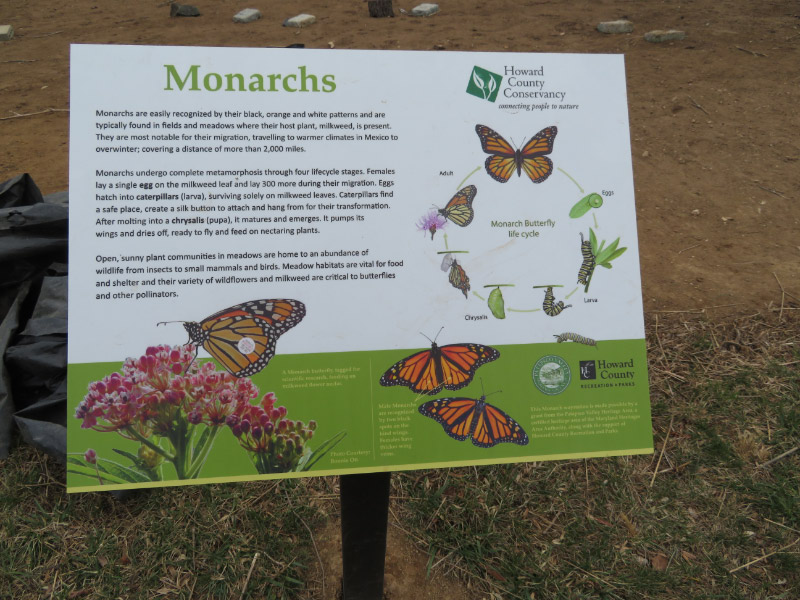
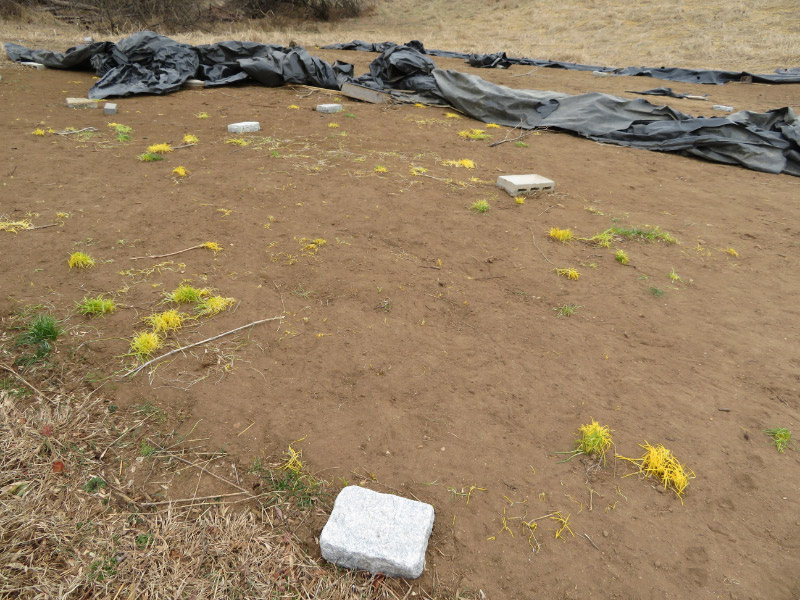
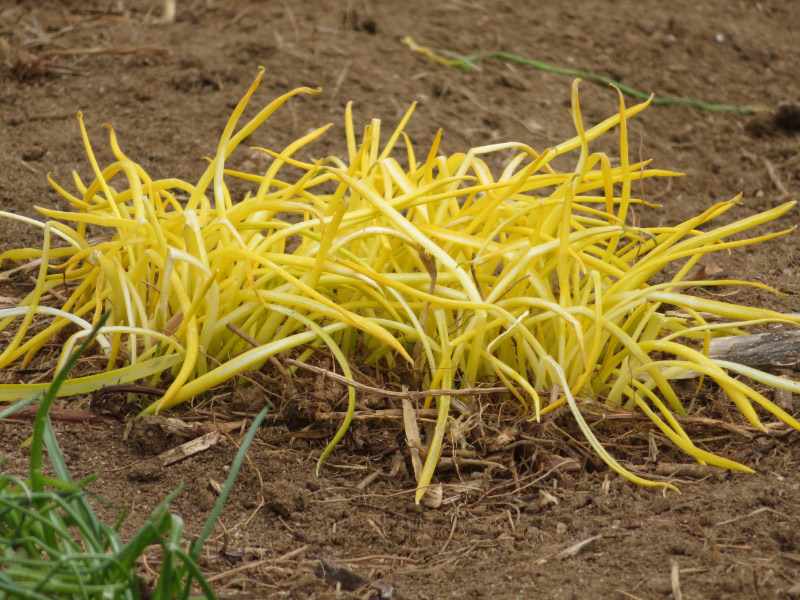
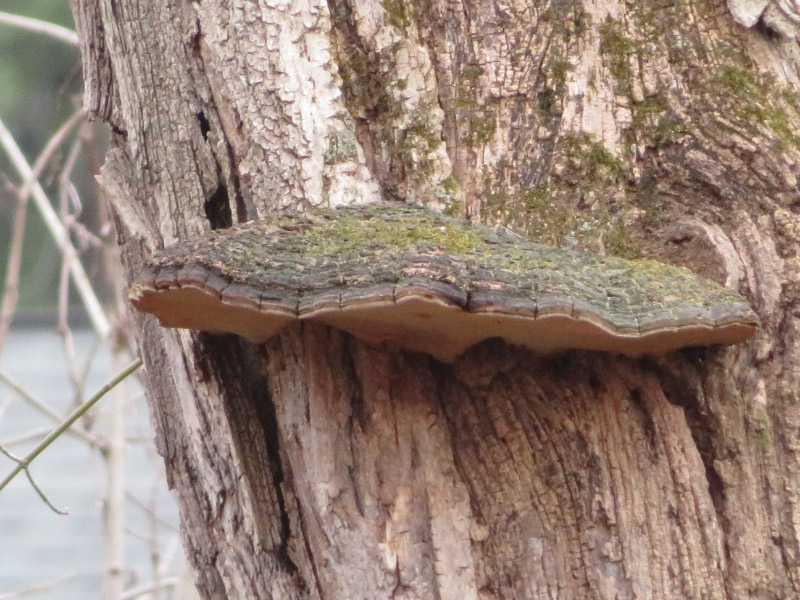
3) There is a butterfly meadow being created near the Carriage House nature center. Right now, it is dirt that has been covered with plastic to kill grass and unwanted plants…ready for planting of milkweed and other plants that provide food for the butterflies and caterpillars. The big sheets of plastic had not blown entirely way in our recent winds but hadn’t stayed spread out as intended either. There were some bright yellow plants in the dirt. On closer inspection they were grass…with the (yellow) xanthophyll pigments lasting longer than the (green) chlorophyll pigments when it tried to grow under the plastic! The grass will be pulled before the meadow plant seeds are sowed. I also noticed a relatively large (and old) shelf function on a dead tree in the brambles behind the butterfly meadow project. There were lots of birds back in that area too…but not easily visible on the cloudy day.

Gleanings of the Week Ending March 3, 2018

The items below were ‘the cream’ of the articles and websites I found this past week. Click on the light green text to look at the article.

BBC - Future - Spice: Why some of us like it hot – A little interesting history…not sure it really gets to the question about why some of us like it hot though.

Life-Size Camel Carvings Found in the Saudi Desert | Smart News | Smithsonian – I saw this story in several of my feeds…this one had the best pictures.

As Ice Sheets Melt Faster, Sea Level Rise Is Accelerating Every Year - Yale E360 – It’s hard to translate stories like this into what will happen to specific areas and it seems like that is what is critical for coastal areas that need to plan for rising sea level. Planners in Annapolis MD are using the flood they had from Hurricane Isabel in 2003 to help people realize what the situation will be like in 2050 (the projection is that the flooding will be about like that 2003 flood very frequently because of sea level rise, enough that the city will be forever changed).

BBC - Future - Five myths about loneliness – Some ideas about loneliness. If you time and interest…do the survey (link is toward the bottom of the page) to participate in the BBC Loneliness experiment.

Photography in the National Parks: Don't Forget About Those Little Things -  I like the closer up shots of little things --- and there are good ones in almost every natural area, not just National Parks.

This Map Shows What Climate Change Could Mean for Your Region – There is an article around the map…but the map is the graphic to look at. There are more areas with economic costs than benefits in the US.

Transforming patient health care and well-being through lighting -- ScienceDaily – I’ve always wondered about the fluorescent lights often used in hospital settings…wondering how the sleep cycles of patients could be normal at all. I’m glad lighting is finally getting more attention.

Wild Birds with a Splash of Colour – National Geographic Blog – Eye candy for this week. Somehow bird pictures are always a favorite for me.

Thousands of Photographs Created These Hyper-Real Portraits of Historic Buildings | Smart News | Smithsonian – If you are in New York City before April 7 you can see the gallery show…if not – get a glimpse of Brunetti’s work looking at the 4 images with this blog post from the Smithsonian.

New Study Shows Flood Risks Across the U.S. are Underestimated (in a Big Way) – Cool Green Science – I wonder how long it will be before the FEMA maps are updated. It seems like people purchasing houses would like to be aware of the flood risk before they made their purchase.

3 Free eBooks – February 2018

I’m saving the wonderful botanical print books I viewed in February for a post on botanical prints…so the three books featured today are from the rest of my online reading in February.

Mochizuki, Gyokusen. Gyokusen shūgajō. Tonaka Jihe, Kyoto-shi, Meiji 24. 1891. Available from the Smithsonian Libraries site here.  I liked the soft colors and the depictions of familiar things. The dragonfly on grassy stems was my favorite.

2018 02 ebook1.jpg
2018 02 ebook2.jpg

Mori, Yuzan. Hamonshu. Yamada Geisodo, Kyoto-shi, Meiji 36. 1903. Three volumes are available from the Smithsonian Libraries site here. These books are all about depicting water. I got a lot of ideas for Zentangle patterns from these volumes

2018 02 ebook3.jpg

.Ladies Realm – an illustrated monthly magazine. Published by Hutchinson and Co. London. The volumes from the late 1800s to 1913 are available on Hathi Trust here.  This period was one of transition. There was a lot of change in fashion and technology and what women were reading. At first there were a lot of pictures of the royal family and other aristocrats….and lots of pages devoted to fashion from Paris. As time when on, there was more fiction, more ‘how to’ articles, and by the 25th volume (1908-1909) an article showing pictures of London at night.

Ten Little Celebrations – February 2018

February 2018 has been busier than usual for me than in previous years since ‘graduation’ from my career (that does sound better than ‘retirement’!). The activity that caused that was the day long HoLLIE (Howard County Legacy Leadership Institute for the Environment) classes once a week. I celebrated 1) after the first one – realizing what a rich learning experience the institute was going to be – and after 2) after the second week when we are at Goddard learning about how and what satellites help us understand the Earth…and having the serendipity add on to the class seeing the big rock with dinosaur and early mammal tracks. I could have counted all 4 days as ‘celebrations’ but decided to choose some other items to add variety to this post.

20180208_073546.jpg

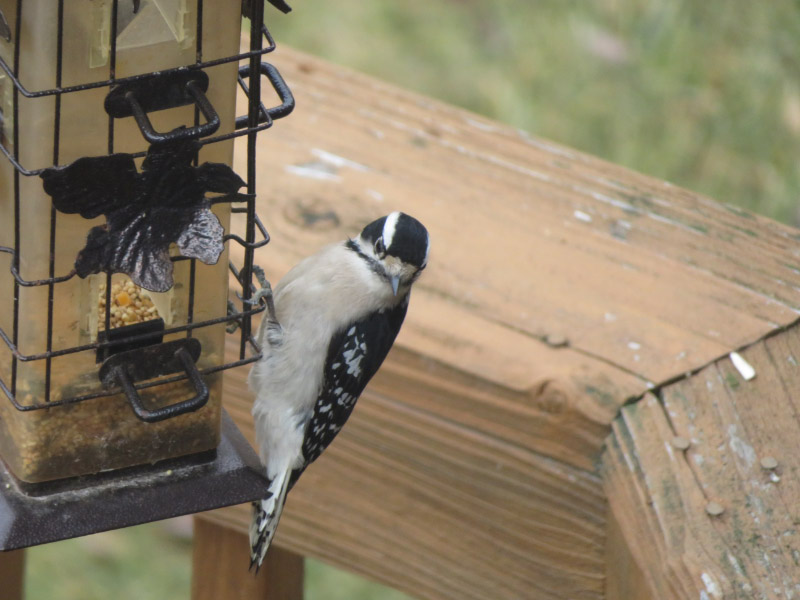
I celebrated seeing 3) 2 kinds of woodpeckers within about 10 minutes from my office window: pileated and downy and 4) the springtime tussling of male cardinals in the maple tree while the female looked on and stayed out of the way (a sign that winter in waning already).

The old crock pot being replaced by 5) an Instant Pot was a little celebration (because of immediate success using it) and continuing.

Usually I don’t find anything to celebrate in the news…but the 6) successful launch of the Falcon Heavy was something to celebrate. It’s great that there is a heavy lift capability available - a capability we need to further our exploration of space.

Several things came together this month – focusing my attention on how much I’ve enjoyed being a 7) Maryland Master Naturalist…I celebrated the 4-year journey.

I vicariously shared some of my daughter’s experiences this month – 8) celebrating her post doc – teaching – and ‘what next’ search. It’s invigorating to understand how full her life is --- how much we still share so easily.

The weather after mid-month has turned very mild here in Maryland. Earlier I celebrated 9) enough snow to be pretty and that I had 10) no commitments and could stay home on the day it turned icy.

Gleanings of the Week Ending February 24, 2018

The items below were ‘the cream’ of the articles and websites I found this past week. Click on the light green text to look at the article.

#ColorOurCollections & Europeana Colouring Book | Europeana Blog – I’d rather draw my own Zentangles rather starting with an existing picture. For those who want images already on the page - here is a free downloadable coloring book of historical images.

Top 25: Wild Birds on the Edge – National Geographic Blog – Endangered birds….many factors causing stressing these birds…no quick fix.

Explore Thurston Lava Tube At Hawai'i Volcanoes National Park By Flashlight  and The Nature Conservancy Transfers 222 Acres To Hawai'i Volcanoes National Park  - Reminded how much I enjoyed our trip to the big Island (and the national park there) a few years ago.

11 Chocolate Desserts That Are Totally Healthy – Dark chocolate…it’s wonderful that it is also good for you too – in moderation.

Long-term economic impact of cover crops: 29-year study finds cover crops offer benefits with no-till cotton systems -- ScienceDaily – Decreasing soil erosion….always a good thing.

Artists envisioned the future of work, and the results are pure fantasy - MIT Technology Review – What do you think? Some of these are (somewhat) logical extensions of existing technology and jobs.

Why Are You Seeing Robins in Winter? – Cool Green Science – I didn’t see any robins at my birdbath this winter, but we don’t have trees with berries that might be food for them. I did see some robins at Mt. Pleasant yesterday…a small group…and wondered if the warm weather we had earlier in the week (in the 70s) is bringing them in larger numbers to our area.

Saving a Crown Jewel – National Geographic – We spent some time at Santa Ana National Wildlife Refuge last November when we were at the Rio Grand Valley Birding Festival See my post here). The short video is worth watching. The wall that is being built through the refuge (destroying the refuge) is the proof of concept for the wall that some in our country want to build. It’s very sad.

BBC - Future - An effortless way to improve your memory – After reading this, I wondered if creating a Zentangle tile has the effect of a short rest period for me. I’ve noticed that it is easier for me to learn new material if I include breaks to make tiles!

Creative Ways to Boost Creativity – How many of these just come naturally to you?

HoLLIE – week 3

The Week 3 of  HoLLIE (Howard County Legacy Leadership for the Environment) class day was last week and it was held at NASA Goddard like the second week. The theme for the day was continued from last week: “what informed citizens need to know about earth systems science.”

The first talk of the day as about ice sheets and included a discussion of the speakers trek to the South Pole last year. Check out her ICESat-2 Antarctic Traverse Blog (The first post is from December 4, 2017. If you want to start with that one and read in chronological order, scroll down to the bottom of this page until you get to ‘Heading South, to New Zealand and Beyond.’ Then after reading the ‘South Pole Station: The Last Stop Before the Traverse’ beginning at the top of the page, click on ‘newer entries’ to read the rest of the of the posts – and again start with the post at the bottom of the page and work up). She spent Christmas at the South Pole!

2018 02 hoLLIE3a.jpg

She recommended a book that I found could be checked out from Internet Archive when I got home: The two-mile time machine by Richard B. Alley. The book is about the annual rings of ice from cores drilled in Greenland and what they tell us about Earth’s climate over time.

The second talk was about the Land-Based Hydrology Cycle. This talk included what we can learn from satellites but also what measurements are taken on land too (and how much effort that takes…to get even sporadic data). With fresh water being so key to life – the very highs (floods) and very lows (droughts) are major impact all around the world.

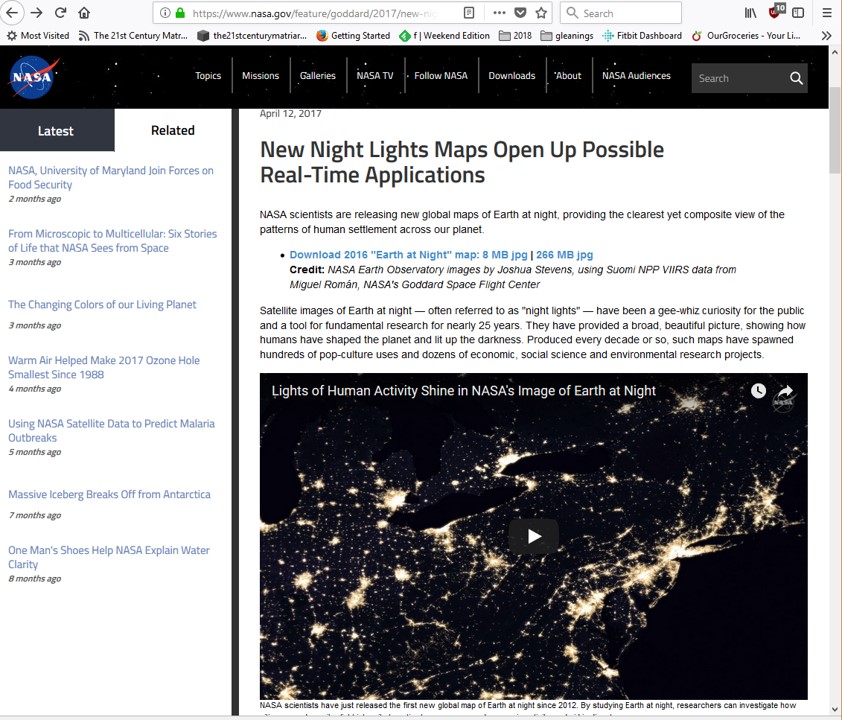
The third talk was about the Black Marble project…about what we can learn from looking at the earth at night. Back in April there was good summation of the project – to create the images more frequently so that they could be used more even more applications (like short-term weather forecasting and disaster response): New Night Lights Maps Open Up Possible Real-Time Applications - https://www.nasa.gov/feature/goddard/2017/new-night-lights-maps-open-up-possible-real-time-applications; take a look at the map of India midway through the article and slide the vertical bar to the see how the northern part of the country was electrified between 2012 and 2016. There is more at https://earthobservatory.nasa.gov/Features/NightLights/.

2018 02 hoLLIE3b.jpg

The fourth talk was about how the Montreal Protocol saved the earth’s ozone layer. I knew the protocol concerned Ozone and CFCs….but didn’t realize any more history than that. The timing of a report that linked CFCs to ozone depletion just before the ‘hole’ was discovered in the ozone layer (a major change from measures of ozone for many years beforehand) over Antarctica made for a dramatic beginning to the conversation. It has been effective because governments engaged industry that provided substitutes (some transitional) that made it possible to move away from compounds that were ozone damaging in the stratosphere.

Next we visited NASA’s Scientific Visualization Studio – seeing some of their recent work on a wall sized screen. Here are some web versions of what we saw in the studio:

NASA's Near-Earth Science Mission Fleet: March 2017

Global Temperature Anomalies from 1880 to 2017

Weekly Animation of Arctic Sea Ice Age with Two Graphs: 1984 - 2016

Previous HoLLIE posts: Week 1, Week 2

HoLLIE – week 2

The second HoLLIE (Howard County Legacy Leadership for the Environment) class day was last week and it was held at NASA Goddard. I was worried about hitting rush hour traffic so left very early since we were to meet in the Goddard Visitor Center parking lot to catch the bus into the facility. The day was sunny and clear…but very cold and breezy. I managed to take this picture of the visitor center (not yet open) without getting out of my car!

20180208_073546.jpg

The theme for the day was “what informed citizens need to know about earth systems science.” It was the first of two days that our classes will be at Goddard; last week we started with lectures on “understanding the tools and the state of the art in earth science” from the Project Scientist for the AQUA satellite and then got a tour of mission control for several earth science satellites from the Aqua Mission Director. They did a good job of demonstrating the types of data that can be collected, the methods used to collect it, and the ways it has been analyzed. I was surprised to see the LRO (Lunar Reconnaissance Orbiter) mission control in the same building. That brought back the memory of my daughter being on the team to do image calibration shortly after it launched during her undergraduate days!

20180208_121831.jpg

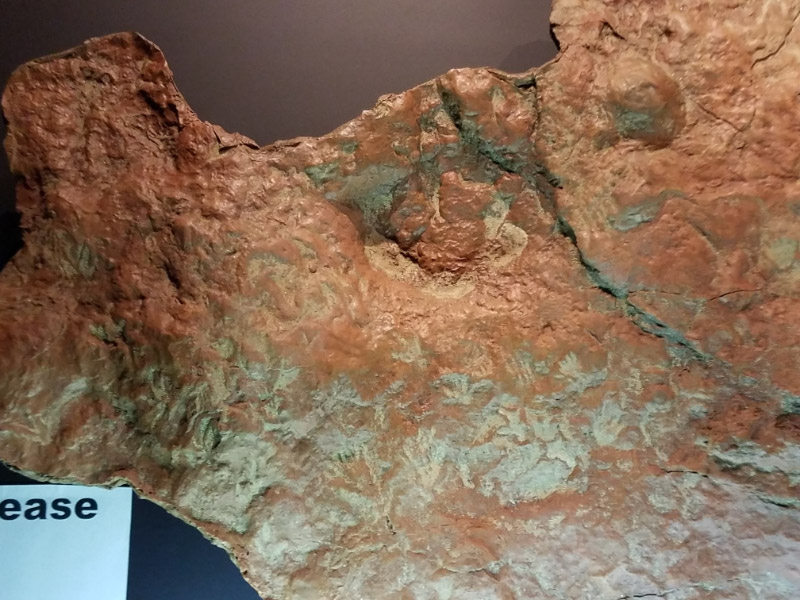
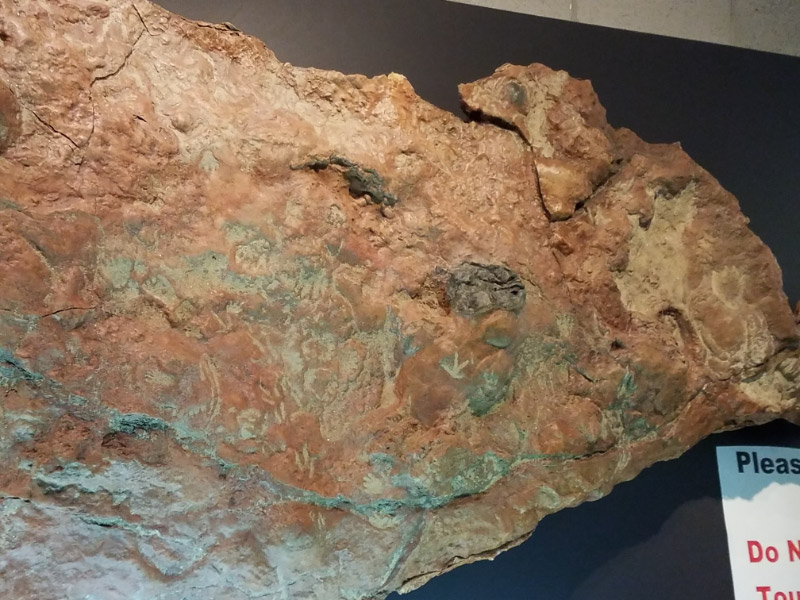
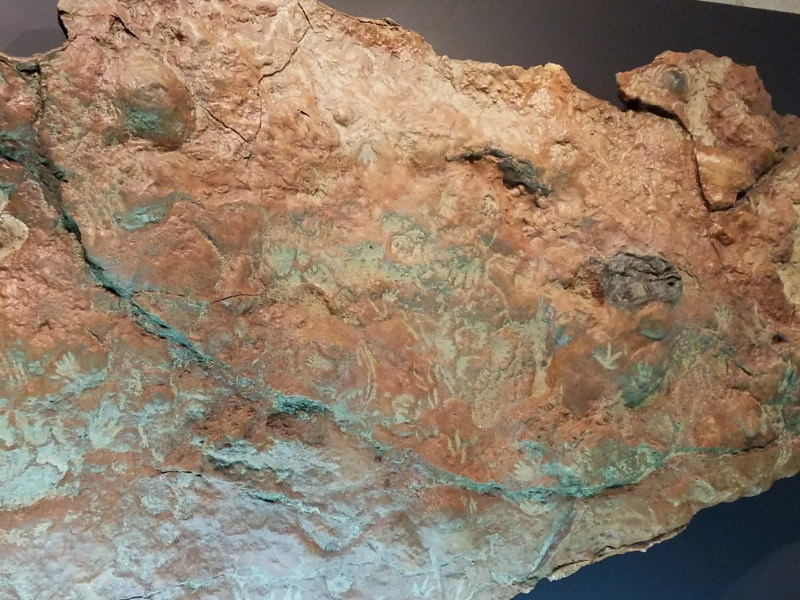
On the way back to our classroom, we stopped by the replica of the big rock found at Goddard that has mammal and dinosaur and mammal tracks. This was not on our agenda originally but was a wonderful serendipity aspect to the day even if it took part of our lunch time. I’d read about it in one of my news feeds and followed the link to the paper…but it was such a thrill to see the exhibit and hear the short lecture. I managed to take a few pictures.

We started the lectures on ‘understanding the science of earth’s cycles’ that will continue in this week’s class. We talked about the oceans and the carbon system in this second class. One of the interesting videos in the lectures is available online: twenty years of global biosphere data mapped on a slowly spinning globe; it easy to see the annual cycles. With the massive amounts of data, visualization becomes an important component.

20180208_120511.jpg

When I got home an article in one of my newsfeeds talked about climate models that are developing that explain why there might be a linkage between melting of Arctic sea ice (one of the topics for the HoLLIE lectures this week) and droughts in California (How nuclear weapons research revealed new climate threats). It was easier to understand since I had the background of the lectures!

Previous HoLLIE posts: Week 1

Gleanings of the Week Ending February 10, 2018

The items below were ‘the cream’ of the articles and websites I found this past week. Click on the light green text to look at the article.

BBC - Future - The world’s most nutritious foods – A short video and a list. I found that I ate quite a few from the list!

Bumper-Crop Birds: Pop-Up Wetlands Are a Success in California – Cool Green Science – Creating habitat for birds where and when they migrate…through the California Central Valley.

Interview with Photomicrographer Justin Zoll About His Microscopy Series – I was surprised to get ideas from Zentangle from crystals!

A search for insomnia genes involving 1.3 million people is the largest genetic study ever - MIT Technology Review – Lots of people in the study…956 different genes linked to insomnia but genes explain less that 10% of the overall chance that a person has insomnia.

Amazon, JPMorgan, Berkshire creating new health care company – Hopefully these big companies will be able to find ways to make health care better and more affordable for their employees…and then be the model for everyone else.

Frogs Through Time, Modern Portraits of Species Discovered Two Centuries Ago – National Geographic Blog – Looking at frog species documented by the Spix and Martius expedition to Brazil…using their drawings and modern photographs.

This is your brain: This is your brain outdoors: Neuroscientists find differences in brain activity depending whether people are outdoors or in a lab -- ScienceDaily – Most studies have been done indoors … until this one. Until relatively recently in our history, we spent a lot more time outside so I wondered if the warping our brain activity by spending long stretches of time indoors is changing us in more ways that we realize.

Researchers create digital map, cultural history of Carlsbad Caverns  and A day in the park: Carlsbad Caverns National Park – Using LiDAR to create a very detailed map of the cave. The article reminded me that tt’s been a lot of years since I visited the park…maybe it’s time to plan a repeat.

Magnesium makes chromosomes: A new chemical tool, MARIO, shows how free Mg2+ ions regulate chromosome shape -- ScienceDaily – It appears that a mineral we know we need … is key in ways we had not anticipated!

The Prairie Ecologist – Photo of the Week – Pictures of dragonfly larvae that frozen near the surface of a pond! We find dragonfly larvae frequently when we do stream surveys – when things are not frozen. Next time we get many days of very cold weather I’ll take a walk to a local stream (or pond) to see if I find any larvae on the surface.

Instant Pot

I have finally replaced my 45-year-old Crock-Pot even though it still functions. It was a very popular wedding present in the early 1970s! Over the years, it’s gotten quite a lot of use, but I’ve always complained that it was hard to clean (it couldn’t be immersed in water since it was all one piece). It also had no way to seer or brown meat so I rarely did anything with hamburger meat in it. The knob cracked on the inside; my husband glued it back together and onto the metal stem. My daughter is checking with the grad students in her department to see if anyone wants it; otherwise, I’ll put it in the donate pile I’m accumulating.

20180207_071102.jpg
20180204_180218.jpg

I replaced the Crock-Pot with a 6-quart size Instant Pot – a lot more function

And a stainless-steel pot that comes out for cleaning…can even go into the dishwasher.

20180205_095228.jpg
20180204_180610.jpg

The first thing I tried was the Sauté function – making taco filling. It occurred to me that I might not ever use my electric skillet again. The down side is that the height of the Instant Pot makes it awkward to stir the contents of the pot for very long. I’ll probably still do most of my sauté (and stir fry) cooking on the stove top or move my cooking area to the kitchen table (lower than the cabinet) if I use the Instant Pot.

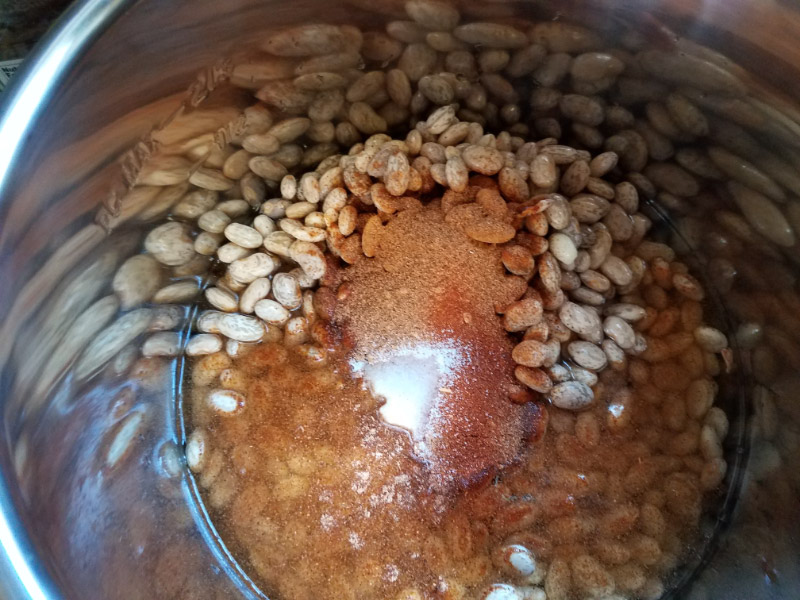
The next experiment used the Pressure Cook function using a spicy beans recipe in the booklet that came with the Instant Pot. I cooked presoaked pinto beans…set the Pressure Cook feature for 10 minutes. It takes longer to build up the pressure and let the pressure out than to cook! The beans were very soft and I added some cut up arugula to make a dip for corn chips….a very good winter lunch right out of the pot; my husband and I are enjoying the leftovers.

Overall – I have decided I like slow cooking rather then Pressure Cooking. I ordered a glass lid, so I can see what is cooking and reduce the bulk of the lid required for pressure cooking. Because it is so easy to clean, I am anticipating I will use the Instant Pot frequently and replace some of my oven and stovetop cooking in addition to the foods I traditionally made in my old Crock Pot. Maybe eventually, I’ll build up a repertoire of Pressure Cook meals too.

Gleanings of the Week Ending February 3, 2018

The items below were ‘the cream’ of the articles and websites I found this past week. Click on the light green text to look at the article.

When 136 Bird Species Show Up at a Feeder, Which One Wins? | All About Birds – Interesting article. I’ve been thinking about the birds at my birdbath rather than my feeder (since my feeder only works for small birds that like the seeds). The blue jays are dominate bird at the bath…when they are around the others wait for their drink!

The lost art of looking at plants – Molecular tools and DNA sequencing overwhelming the detailed analyses of plants’ physical traits…but not there is a rebalancing; both are required to dive deeper into the many questions we still have about plant.

Top 25 Wild Bird Photographs of the Week #124 – National Geographic – The first one in this series is a barn swallow…one of my favorite birds to watch. And there are three different kinds of kingfishers later in the post.

How Technology Is Creating a Generation of Adult Babies - The Ringer – Another way technology is either giving us what we want or convincing us that it is what we need.

The Dangers of Keeping Women Out of Tech | WIRED – An interview with Maria Klawe, President of Harvey Mudd College. She has increased the number of women in the school’s computer science program from 10% to 40%.

Every study we could find on what automation will do to jobs, in one chart - MIT Technology Review – It seems like almost everyone thinks automation will reduce the number of jobs….but the studies are remarkably different. It would be useful if there was enough consensus for people to make decisions about education and careers – but there just isn’t.

Fingerprints of Ongoing Human Evolution Found | The Scientist Magazine® - A study using large data sets with genomic information looked a gene variants less common in older people than younger people….and there are probably more coming soon because the data is ripe for analysis. So far they’ve discovered gene variants in Alzheimer’s and smoking related genes appear to be under selection pressure…i.e. that there are fewer old people with the variants than young (i.e. they tend to die earlier).

Gold crown of Hecatomnus returned to Turkey: Culture minister – Sometimes stolen artifacts are found and returned….Kudos to the authorities in both Scotland and Turkey for this result.

Parts of U.S. Saw an Increase in Zika-Linked Birth Defects in 2016 | The Scientist Magazine – Data from 2017 is not available yet. The researchers found 3 of every 1,000 babies born in Puerto Rico, southern Florida, and a portion of south Texas  had a birth defect that could have been linked to Zika infection of their mothers.

Entomologist discovers millipede that comes in more color combinations than any other -- ScienceDaily – Pretty and covered in cyanide that will kill any bird that eats it.

A lecture and walk around at Belmont

Earlier this week, I attended a lecture about the history of the Patapsco River Valley at Belmont Manor and Historic Park and then took a walk around the grounds. It was a sunny day – but cold and breezy. I put on all my layers. There are some changes since the last time I was there. Much of the meadow and field areas have been mowed and some new trees have been planted. The shorter grass somehow made it seem even more wintery – to seedpods or long grasses to add texture to the landscape.

2018 01 IMG_8194.jpg

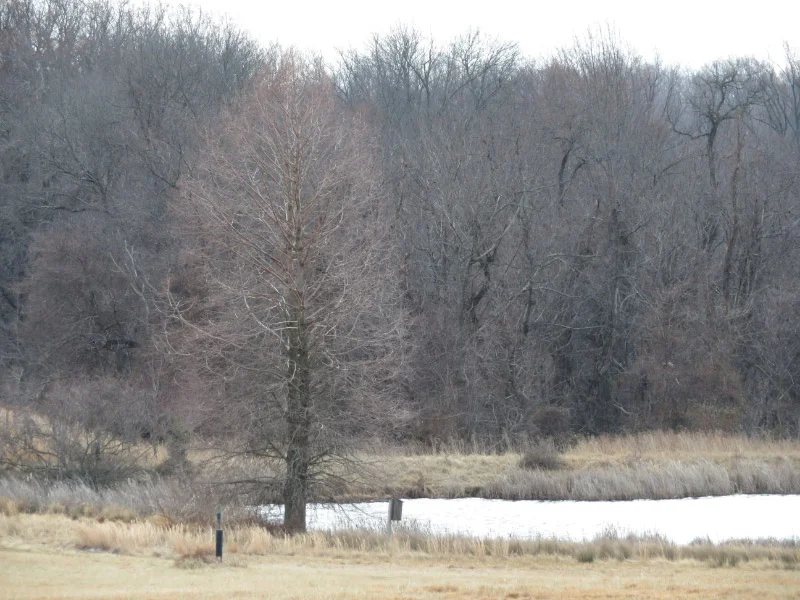
The bald cypress down by the pond stands out because of its location and because it seems to be a slightly different color that the trees behind it. I’m glad the area around it is soggy enough that they didn’t mow around its base – scarring its knees. We didn’t make the trek down there to check. Hopefully I’ll hike down sometime before the bluebirds and swallows start moving into the boxes…and protecting their territory.

2018 01 IMG_8198.jpg

Up at the front of the manor house, many of the trees look like they’ve been pruned – either intentionally or by winter weather.

2018 01 IMG_8202.jpg

Along the road into Belmont, the ashes are being cut down. Some were already gone, others just had tape around them. It’s evidently a project this winter. They are being killed by the invasive emerald ash borer.

2018 01 IMG_8203.jpg

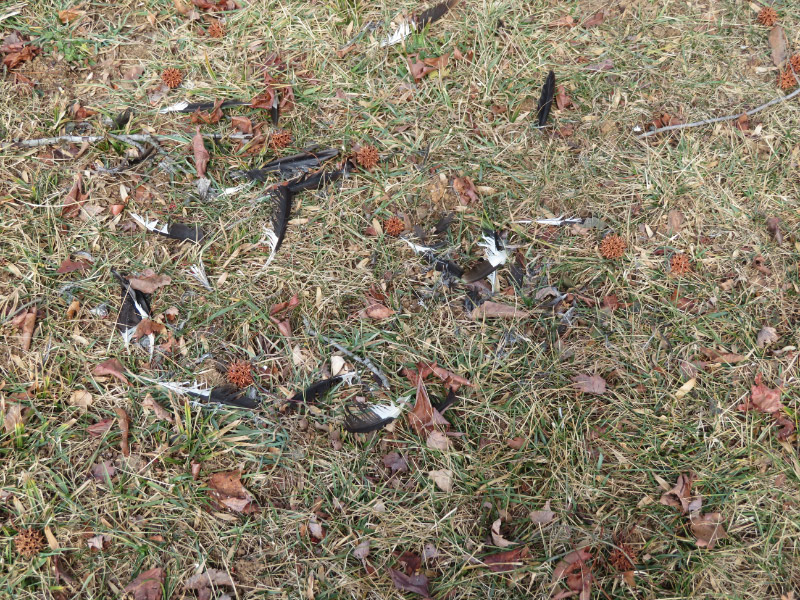
We hiked around the fence behind the manor house to a hemlock that had been invested with wooly adelgid (another invasive insect). The tree looks better; there were some new cones and growth from last summer; I’m glad the park is trying to save it. Underneath the tree – there was a scattering of feathers. Some relatively large bird met its end here.

2018 01 IMG_8206.jpg
2018 01 IMG_8209.jpg
2018 01 IMG_8212.jpg

We hiked on around to the Belmont cemetery. I noticed some holes within the hollow up high in a very large tulip poplar…a home for a woodpecker or maybe just a pantry that contained a lot of insects. The hemlocks at the cemetery looked healthier too. Some of the dead branches had been removed and they had new growth and cones.

3 Free eBooks – January 2018

Three books – the first one for reading; the second one for reading and the images; the third for the images.

2018 01 ebook1.jpg

Creevey, Caroline Alathea Stickney. A Daughter of Puritans: An Autobiography. New York: G.P. Putnam’s Sons. 1916. Available Hathi Trust here. I’d found Creevey’s Flowers of field, hill and swamp and discovered the autobiography when I looked to see if there were more books from her on Internet Archive and HathiTrust. The autobiography is a good read – a snapshot of her growing up years. She lived from 1843-1920 and to book ends when she married so this is just before and during the civil war.

Dunsany, Edward John Moreton Drax Plunkett, Baron with illustration by A. H. Sime. The sword of Welleran, and other stories. London: G. Allen and Sons. 1908. From Internet Archive here. The illustrations and stories are both intriguing. Both the author and the illustrator have biographies in Wikipedia.

2018 01 ebook2.jpg

Pillsbury, Joanne. Moche Art and Archaeology in ancient Peru. Washington: National Gallery of Art. 2005. Available from HathiTrust here. Such a different culture than the Inca! The way the faces of people are depicted is what interested me the most….the relationship between culture and depiction of the human form in art shows how what we ‘see’ is impacted by more than the biology of sight.

2018 01 ebook3.jpg

Gleanings of the Week Ending January 27, 2018

The items below were ‘the cream’ of the articles and websites I found this past week. Click on the light green text to look at the article.

Transmission Upgrades & Expansion Are Necessary to Meet Increasing Demand for Wind & Solar | CleanTechnica – The key barrier is planning that requires coordination across regions. The Central US contains the most technical potential for wind and solar development but the largest growth in energy consumption is along the coasts…hence the need for transmission upgrades.

How Birds Survive the Cold: Feathers + Food = Warmth | All About Birds – A timely article about bird survival strategies. I was pleased that I see quite a few of the birds featured in the article in my backyard: juncos, finches, blue jays, chickadees, downy woodpecker, and blue birds.

A Wild Year for the Whooping Crane: The National Wildlife Federation Blog – Still on the edge of extinction…but the numbers in the wild flock that migrate from Canada down to Aransas National Wildlife Refuge is slowly increasing.

Forensic Facial Reconstruction Reveals 9,000-Year-Old Face – It seems like a lot of facial reconstruction has happened recently. This one is for an 18-year-old woman from Greece (9,000 years ago).

People with tetraplegia gain rapid use of brain-computer interface -- ScienceDaily – What a hopeful result – both for people with disabilities and more broadly.

On the Chesapeake, A Precarious Future of Rising Seas and High Tides - Yale E360 – We live very close to the Chesapeake Bay…so I always take note when it appears in my news feeds. The 15-minute video about Dorchester County is well done. I am familiar with Blackwater National Wildlife Refuge; it was the first place I saw a bald eagle in the wild….28 years ago. It has a lot more open water now and by the end of the century will be completely under water.

The Intelligent Plant | The New Yorker – An older article but new to me. It was referenced in a lecture I went to recently. Very readable…a new way of understanding plants.

Understanding the Nomadic Habits of Snowy Owls – Cool Green Science – We only see snowy owls in Maryland in winter…and then rarely. There’s always a possibility.

Canyonlands National Park – I’ve only been in that part of Utah once – and it was in October 2013 when the government was shut down….so I didn’t get to visit the park. This article has given me the idea that it would be a good place to camp – take the telescope for the night skies and hike in the mornings.

Air quality is leading environmental threat to public health: Switzerland tops the report while India falls to the bottom tier -- ScienceDaily – The US places 27th of 108 countries (strong scores on sanitation and air quality…but weak performance on deforestation and greenhouse gas emissions. We’re near the back of the industrialized nations.

Gleanings of the Week Ending January 20, 2018

The items below were ‘the cream’ of the articles and websites I found this past week. Click on the light green text to look at the article.

Water-based, eco-friendly and energy-saving air-conditioner: All-weather friendly cooling technology works without mechanical compressors or chemical refrigerants, and generates drinking water -- ScienceDaily – This is one of those technologies I hear about…and hope it lives up to the potential talked about.

New Website Explores the Women in Architecture Your History Books Didn’t Teach You About | Smart News | Smithsonian – A little history.

The Ultimate Winter Wildlife Guide: Enjoy and Understand Creatures in the Cold – Cool Green Science and How Does Extreme Winter Weather Affect Wildlife? – Cool Green Science – It has been a cold January for us. The second article mentions that Carolina Wrens often don’t handle very cold temperatures; I did notice that I didn’t see or hear any on the extremely cold days and have only seen one since it has warmed up a little.

If Birds Left Tracks in the Sky, They’d Look Like This – Another instance where photography allows us to see our world in a way that we can’t do with our eyes.
Archaeologist debunking myth that most people died young prior to modern medicine - ABC News (Australian Broadcasting Corporation) – Looking at teeth of 300 people buried in Anglo Saxon English cemeteries between 375 and 625 AD…and finding some that were older than 75! It is probably true that average life expectancy was short…but there were some that lived to reach old age.
Frozen Bubble Photos Capture the Amazing Beauty of Ice Crystals – I don’t think I am patient enough for this type of photography – but I can enjoy someone else’s work!

Revelations in the Way Poison Frogs Care for Their Young – National Geographic – There is a video of a parent frog getting tadpoles on its back…taking them to a new pool of water!

Face of Ancient South American Queen Reconstructed – Pictures and short video of the facial reconstruction from the woman’s skull. She was at least 60 years old when she died….and died some 1,200 years ago.

Bones of the victims at Roman Herculaneum - HeritageDaily - Heritage & Archaeology News – Skeletons were found in ‘boat houses’ where they were buried under thin mud….preserving the bones. There are enough of them to understand more about the population of the town…like the frequency of pleural inflammation causing rib lesions, skull depressions from excess irritation and scratching attributed to head lice and age demographics.

DNA confirms the Two Brothers’ relationship | Egypt at the Manchester Museum – I remember the Two Brothers from a course on Ancient Egypt and was interested in the DNA analysis that showed they were half-brothers (same mother, different fathers).

Gleanings of the Week Ending January 13, 2018

The items below were ‘the cream’ of the articles and websites I found this past week. Click on the light green text to look at the article.

Cache of Newly Digitized Travel Photographs Will Transport You to 1900s California | Smart News | Smithsonian – A little California history. I couldn’t figure out how to browse photographs almost like a slideshow. The interface seems to only provide one-at-a-time viewing.

With wrist-worn gadget, researchers capture real-life sleep for the first time -- ScienceDaily – I wondered how this differed from my Fitbit Alta HR tracker. I assume it has more detail and that raw data is processed with more sophisticated algorithms.

The National Gallery of Art Releases Over 45,000 Digitized Works of Art – Wow! Follow the link to the NGA images and enjoy!

BBC - Future - The labs that protect against online warfare – Even with the labs….is seems like we are not doing enough. Governments are serious about the problem from a military standpoint…not necessarily about infrastructure or healthcare.

Habitat on the Edges: Making Room for Wildlife in an Urbanized World - Yale E360 – A good summary of some things that appear to be working to increase and/or preserve wild life habitat even as human populations increase. The habitat is gerrymandered…and different that the original, but may be almost the only path forward.

A Floating House to Resist the Floods of Climate Change | The New Yorker – It seems far fetched that whole neighborhoods would be built like this – but it is appealing to think about non-traditional approaches now when extreme storms seem to be more common.

Deep learning sharpens views of cells and genes – Using a neural network to look at retinal images and determine the likelihood of heart attack…and other applications of high end computer algorithms for improving understanding of medical images.

Badlands National Park – It’s been 20 years since I visited the park. I enjoyed it…think I would appreciate it more now.

National Park Service Begins Roof Replacement, Masonry Repair at Lincoln Memorial – Something going on in DC. The memorial will be partially open during the work.

US childhood mortality rates have lagged behind other wealthy nations for the past 50 years: Leading causes of death are prematurity and injuries -- ScienceDaily – Very sad. We have a system that is expensive and not very effective. Infants in the US were 76% more likely to die than in other economically similar countries.

Chocolate Covered Graham Crackers

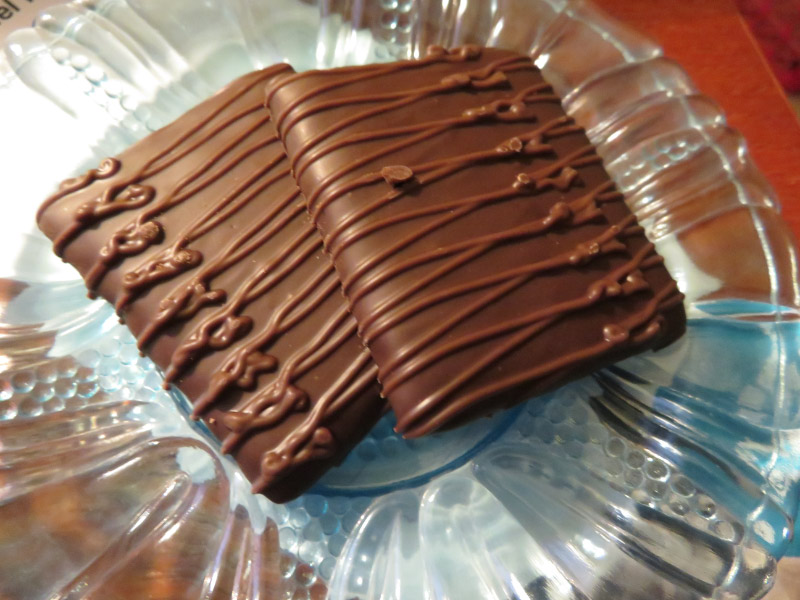
When I spotted some chocolate covered graham crackers in the grocery store before Christmas – I quickly bought some….and then both two more bags in subsequent weeks. This is a food that reminds me of a person – a great grandmother. Every time we visited her, she had chocolate covered graham crackers to offer us as a ‘treat.’  I never ate them anywhere else so, in my mind, they were extra special.

2018 01 IMG_7496.jpg

These modern versions – more than 50 years after I ate chocolate covered graham crackers at my great-grandmother’s – are different. The chocolate coating is thicker, harder, and dark chocolate rather than milk chocolate. Those differences don’t matter. The ‘treat’ is wrapped in memory.

Cathedral of Learning (part 2)

The Nationality Rooms in the Cathedral of Learning. The Nationality Rooms on the 3rd floor are open when classes are not in session; the ones on the first floor are available with a tour guide or via an audio tour. Some of the rooms are decorated for Christmas; in 2005, when my daughter has seen the rooms, it was August…so the decorations were new to us. Each room has a one-page description on the wall near the door.

CoL 2017 12 (11).jpg

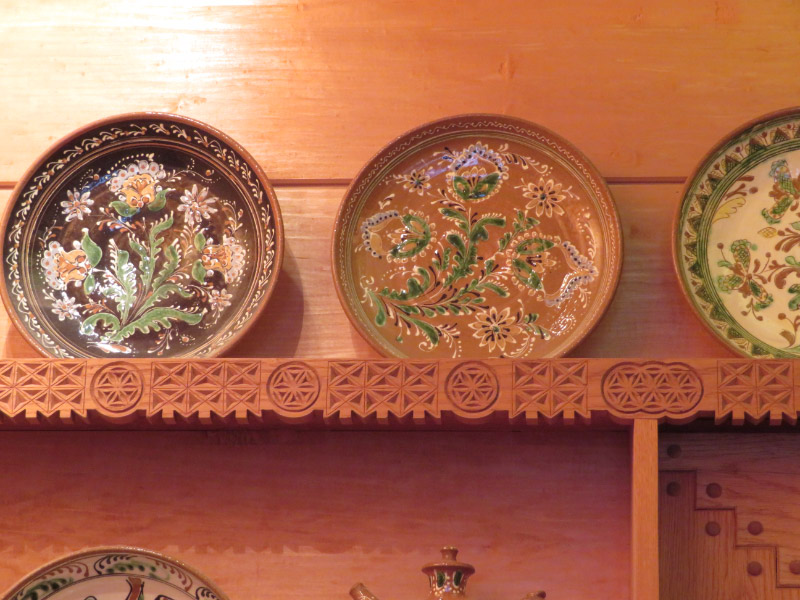
I like the wood patterns and folk-art plates in the Ukrainian room. My husband thought the seating looked uncomfortable…but maybe that’s true for most university classrooms.

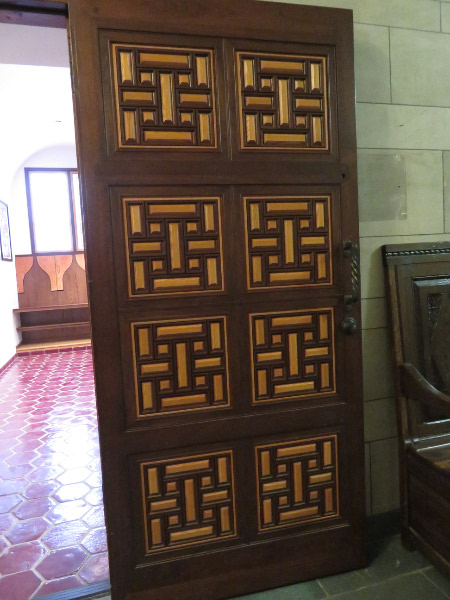
The Turkish room is probably my favorite. I liked the stained glass, the doorway, and the pattern on the ceiling.

But most of all, I liked the seating. It looked like simple benches along the wall at first. Then I realized that the lighter wood portion was hinged and lowered to make a writing surface…and it worked for both right and left-handed people!

CoL 2017 12 (20).jpg

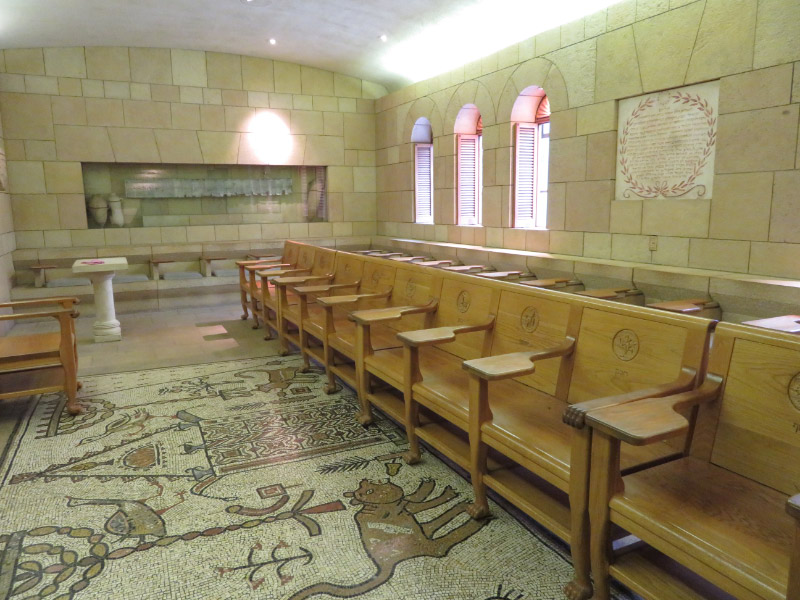
The Israeli room featured a replica of a mosaic and seating with a unique carving on each seat back.

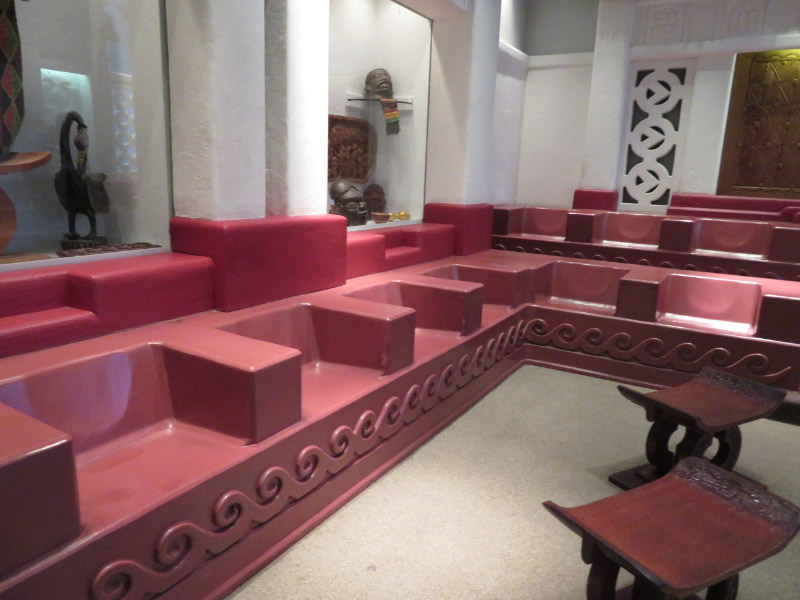
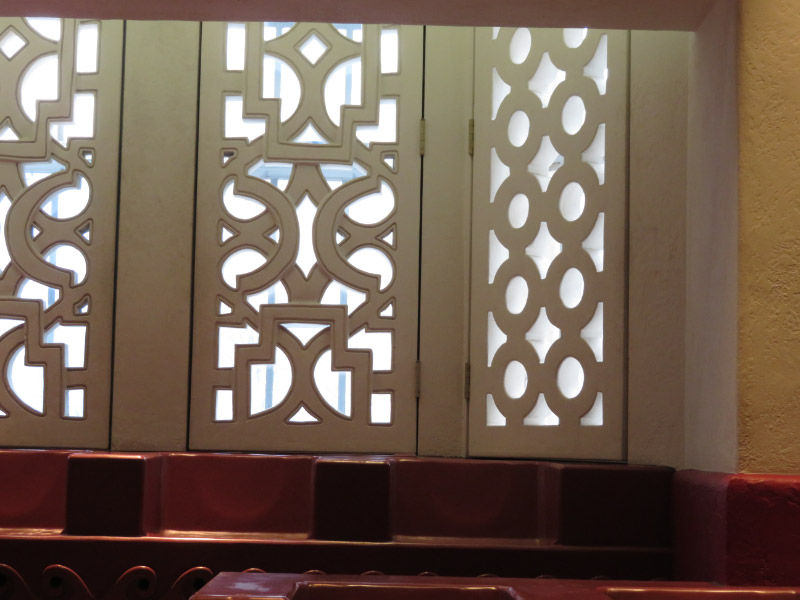
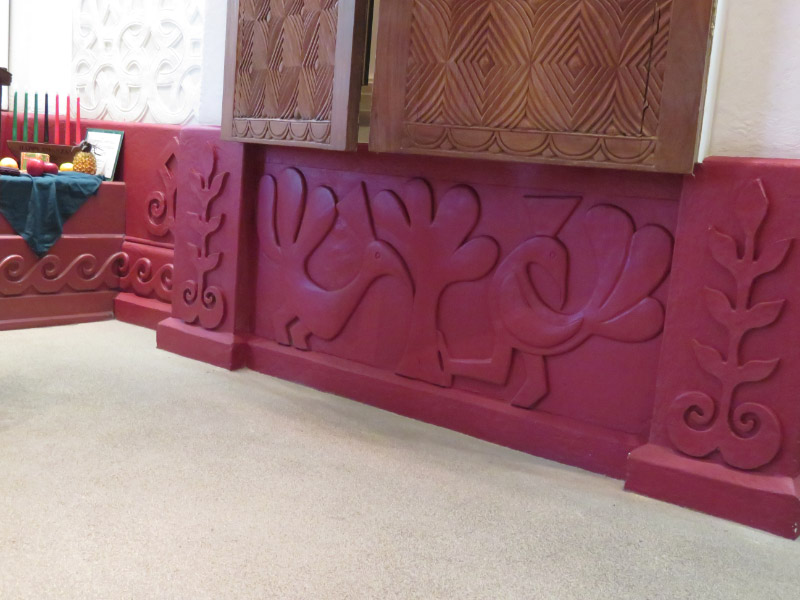
My daughter and I both remembered the African heritage room. The seating – meant to look like molded clay – is surprisingly comfortable. I liked the fretwork patterns and the art work on the lower part of the wall. Each of the stools has a unique base.

The Indian room had a mix of left and right-handed seating…seemed large enough to hold more people that many of the other rooms.

CoL 2017 12 (47).jpg

The Swiss room included a stove. The building is heated with radiators now, but it is interesting to think about what classrooms in the 1800s would have been like with stoves like these. There is are work everywhere. I liked the sleepy looking owl on fascia.

Do you see the hole in the fascia near the ceiling? That’s where the projector is located. The renovation must have included modernizing the AV technology in all the rooms...but it's always somewhat hidden.

CoL 2017 12 (49).jpg

The Armenian room included a lot of carved wood. They also managed to incorporate chalk boards into the architecture!

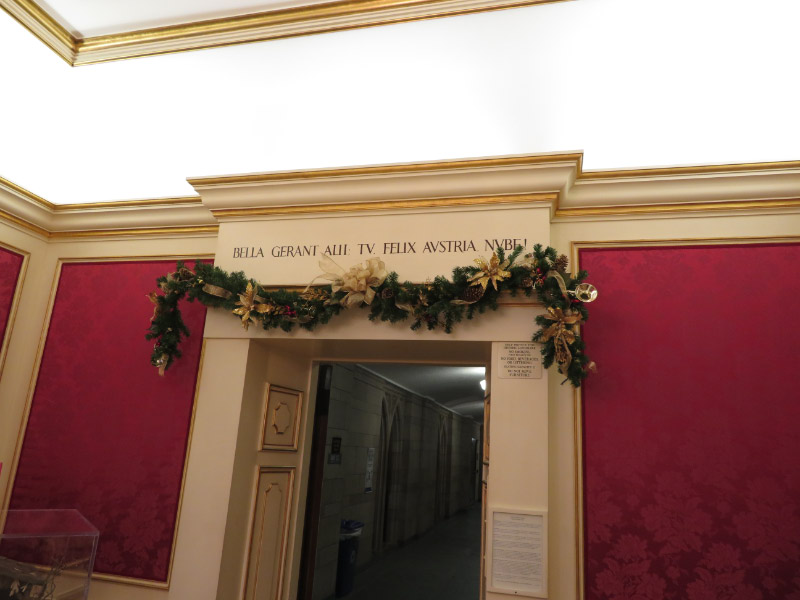
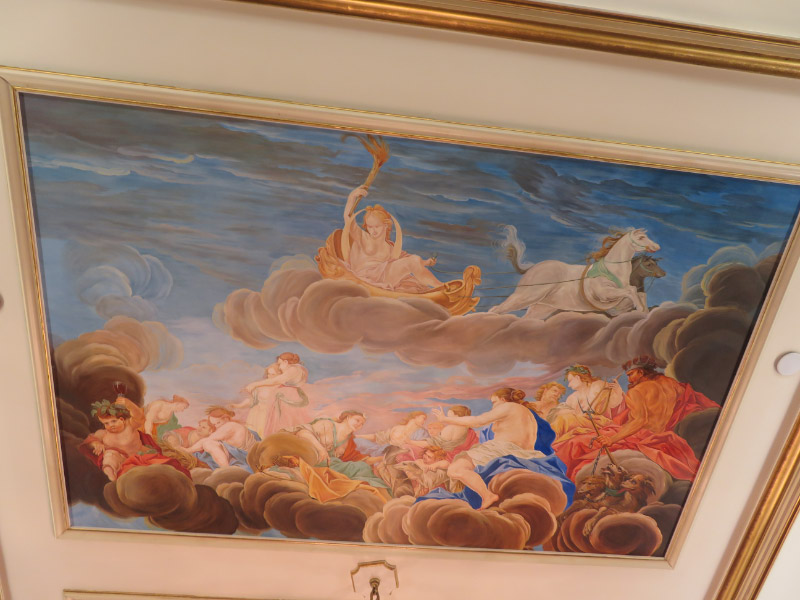
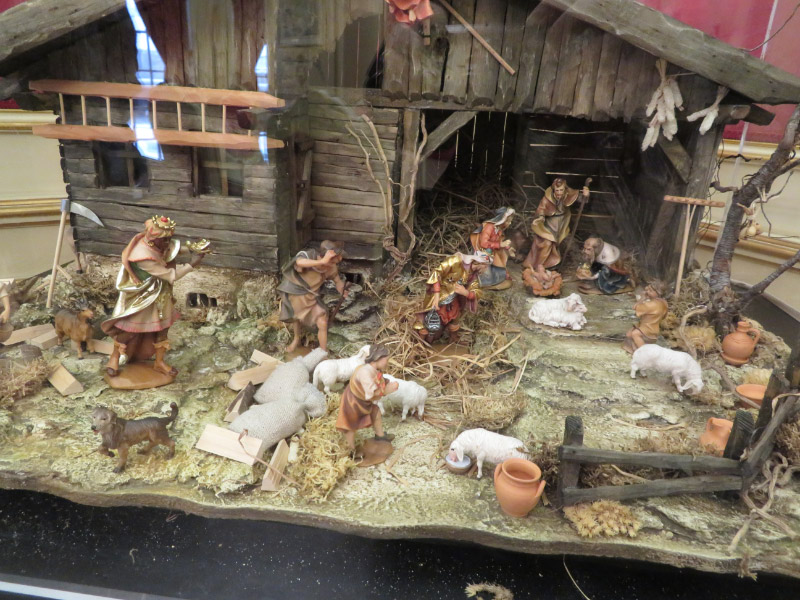
The Austrian room was a room with very decorated walls and ceiling. It was also decorated for Christmas with garland over the door and a creche (under glass…apologies for the reflection).

We spent over an hour at the Cathedral of Learning. It had not stopped snowing or gotten any warmer when we emerged outdoors again. It was time to head for home – allowing enough time for the trek to complete while it was still daytime.


Gleanings of the Week Ending January 6, 2018

The items below were ‘the cream’ of the articles and websites I found this past week. Click on the light green text to look at the article.

30,000 Shards of Historic Stained Glass Found in Westminster Abbey’s Attic | Smart News | Smithsonian – Glass found in the dust and dirt that accumulated in the deep cone-shaped pits of the interior of the triforium. Evidently most of it is from the Medieval period.

Streams can be sensors -- ScienceDaily – Using streams to assess the health of a region’s landscapes my lead to more focused actions for sustainable agriculture and development. This research highlights that basic concept but also points to some way to improve the way streams are monitored.

Stunning Images of Hokkaido Covered in Snow by Photographer Ying Yin – It is very cold in Maryland while I’m creating the post…fortunately we only have a dusting of snow.

BBC - Future - The mosquitoes that are fighting dengue and Zika – Increasing mosquito born diseases….new measures.

John Wesley Powell: Soldier, Explorer, Scientist and National Geographic Founder – National Geographic  - A little history – one of the founders of the National Geographic Society.

Scientists find surprising evidence of rapid changes in the Arctic -- ScienceDaily – Chemical changes in the arctic ocean…open waters, increased wave action, stirred sediments. There is a need for international collaboration to understand what is happening.

Hawai’i Volcanos National Park – A reminder of our vacation a few years ago to the Big Island

The Race North – Cool Green Science – Some trees may not be able to move north or up fast enough as the climate changes. Will foresters for the future step in?

New desalination method offers low energy alternative to purify salty water -- ScienceDaily – In places where water shortages are happening (and projected), desalination may become a very important technology.

The Year Climate Change Began to Spin Out of Control - MIT Technology Review – An aspect of 2017 in review. When will everyone decide climate change is an existential issue rather than a political one?