Birding Near Titusville

After the long field trip to Central Florida, the next day we had a shorter one to hot spots around Titusville. It felt a lot easier getting to a 6:30 AM bus than the 5 AM bus the previous day. The first stop was Hatbill Park…just as the sun was coming up.
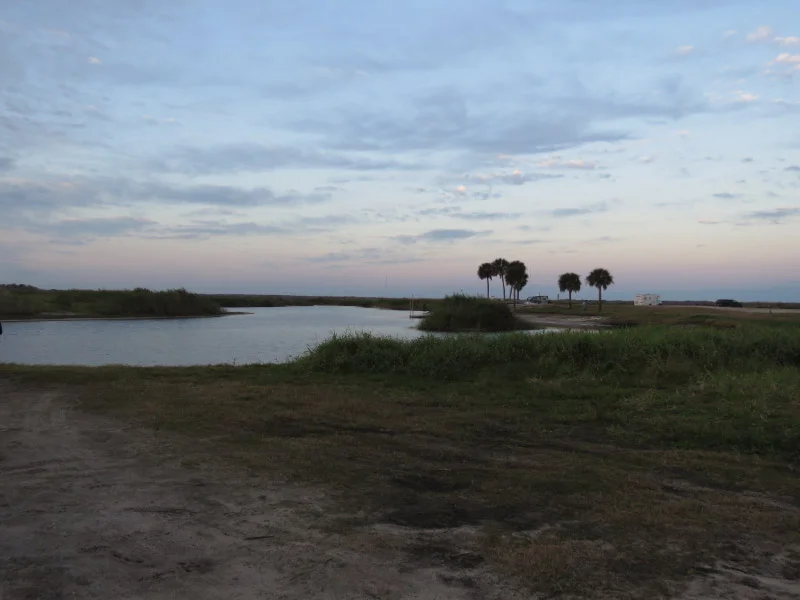
2019 01 IMG_3552.jpg

The Grackles were the first birds we noticed…because they were noisily welcoming the day.

2019 01 IMG_3549.jpg

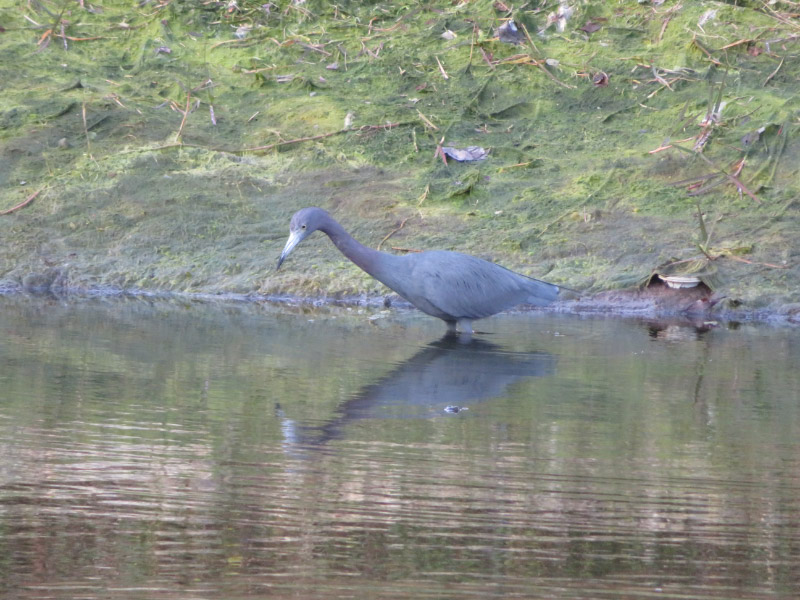
As the light got better there were other birds to notice: a Little Blue Heron fishing in the shallows.

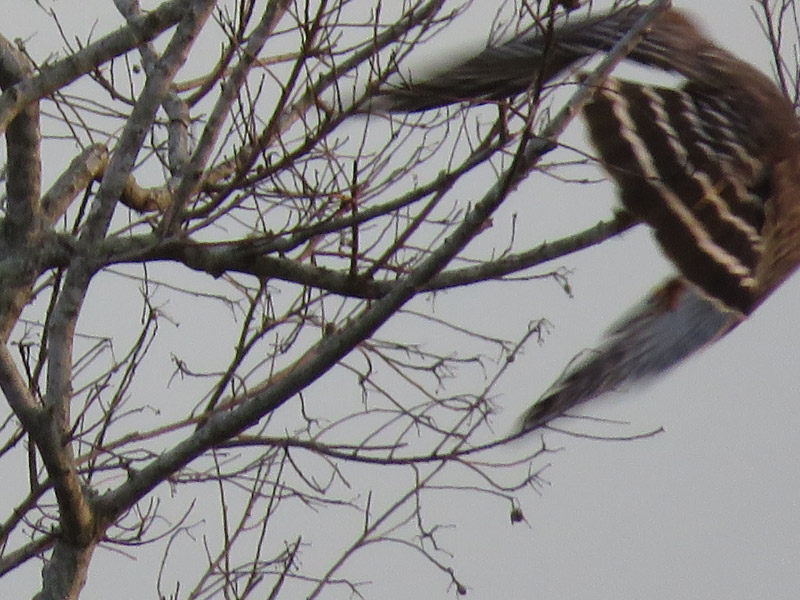
A Red-shouldered Hawk almost too far away to photograph but showing its very distinctive tail as it flew away.
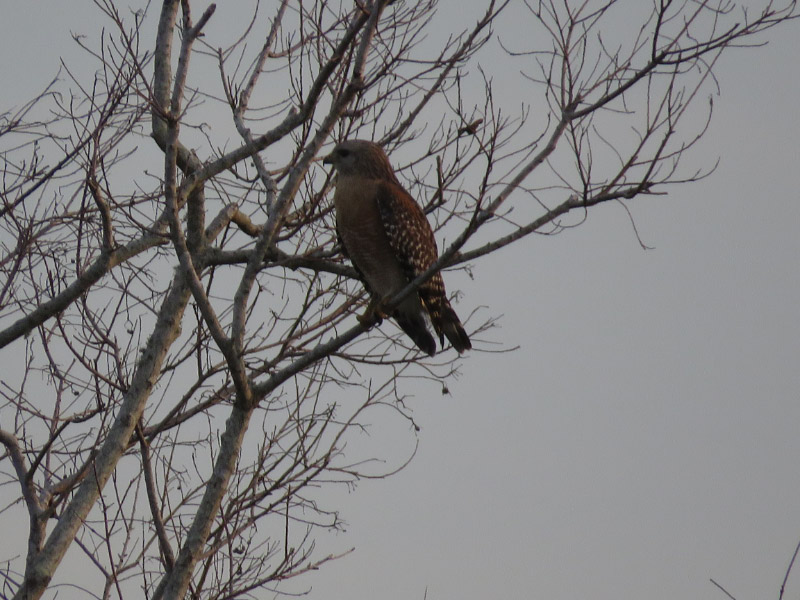
There was an Eastern Phoebe and

2019 01 IMG_3685.jpg

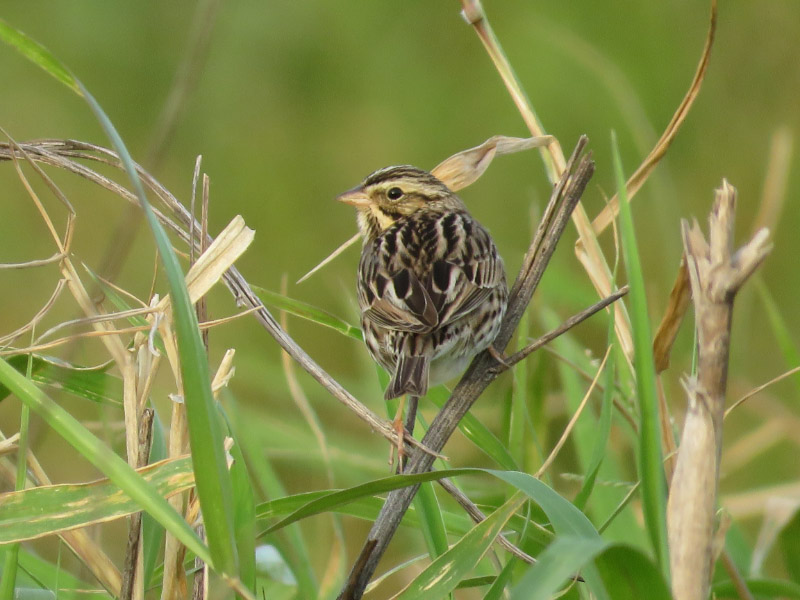
Savannah Sparrow to represent smaller birds.

Some Brown Pelicans flew over the lake.

2019 01 IMG_3702.jpg

We headed off to or next stop – a walk back into the woods. There were very large Live Oaks with Spanish moss, resurrection fern, and ghost orchids and

Quite a few American Robins. Some robins stick around in Maryland but some push southward and accumulate in Florida.

2019 01 IMG_3749.jpg

There was a Red-Bellied Woodpecker that showed himself at just about every angle. They do have a little red on their bellies!

Florida has red maples just as we do in Maryland although the ones in Florida had formed their samaras months in advance of our trees.

2019 01 IMG_3776.jpg

Ball Moss – a relative of Spanish moss (both Bromeliads rather than mosses) – was growing in some of the trees. It looks tidy rather than raggedy like the Spanish Moss.

2019 01 IMG_3778.jpg

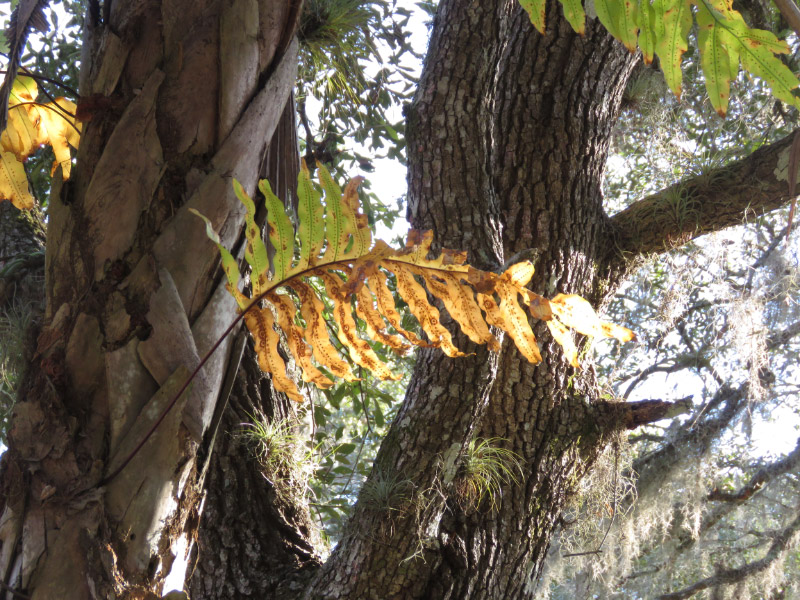
The Sabal Palmettos had ferns growing in their boots (the stubs of branches along the trunk). One of the other field trip participants identified it as a gold foot fern.
An Eastern Phoebe sat around long enough to be photographed here too.

2019 01 IMG_3805.jpg

One stop was a neighborhood pond that has a population of resident Black-Bellied Whistling Ducks. They were noisy. Hopefully they quiet down at dusk.

2019 01 IMG_3813.jpg
2019 01 IMG_3818.jpg

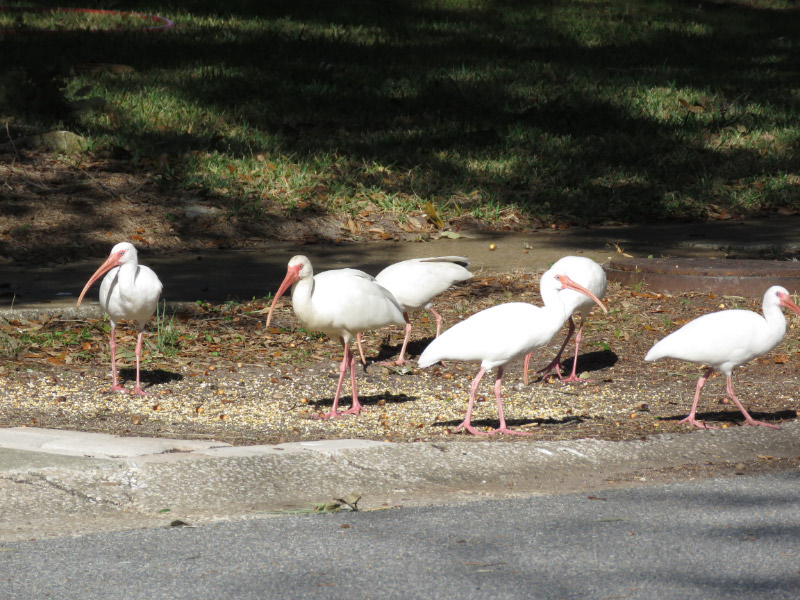
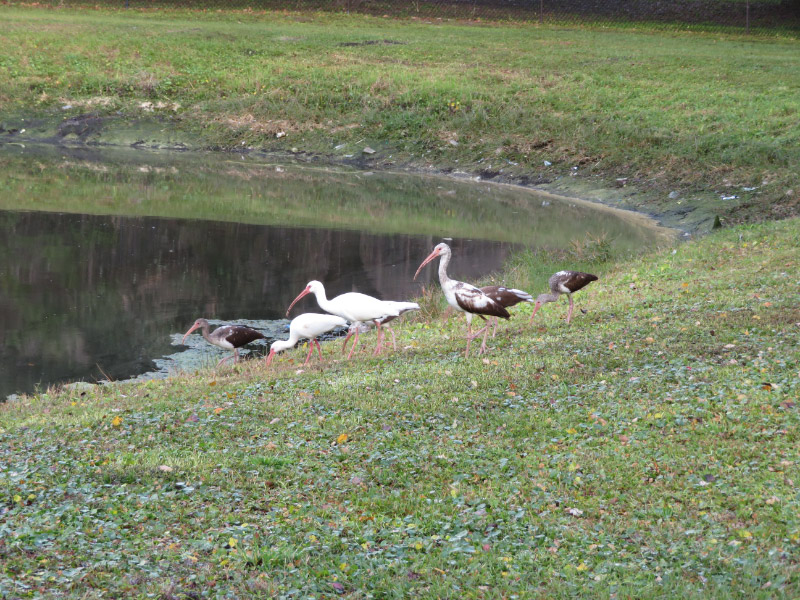
There were White Ibis in the pond as well. They seemed even more acclimated to people.

The next stop was a neighborhood park where there was a resident pair of Sandhill Cranes.

20190126_123310.jpg

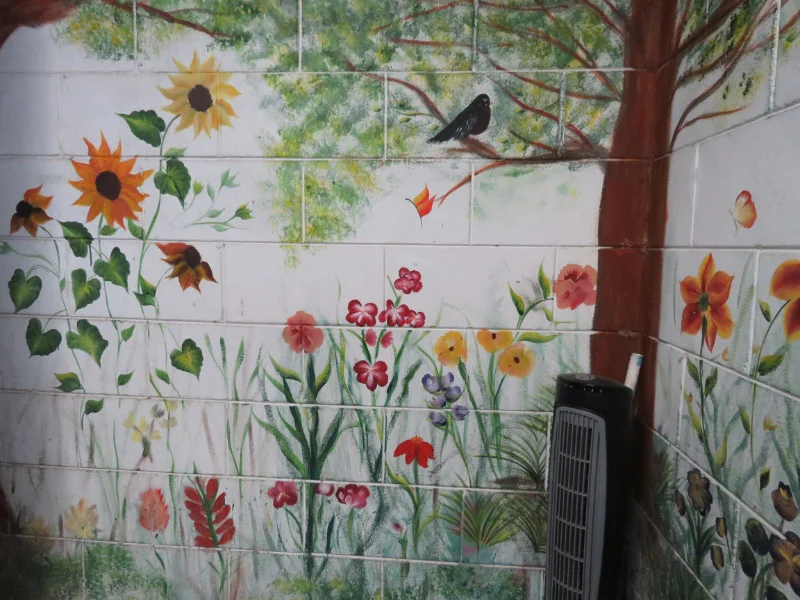
Then we headed off to Dixie Crossroads (restaurant) for lunch. I took a picture of the mural as I came out of the restaurant – it featured a lot of the birds we had been seeing.

The post tomorrow will be about what we saw after lunch.
Whopping Crane and the rest from a Central Florida Field Trip

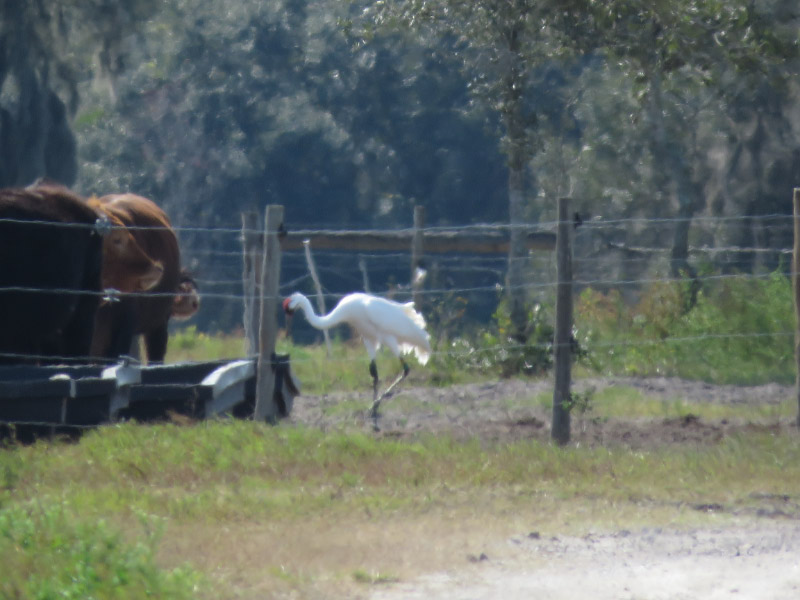
Continuing the third day of the Space Coast Birding and Wildlife Festival….this is the last post about our field trip into Central Florida. The high point of the day was seeing a Whooping Crane. This is one that started out life at the Patuxent National Wildlife Refuge (program now ended) and doesn’t migrate. It generally stays on a cattle ranch and enjoys cattle feed! We stopped at the ranch’s entrance, so the pictures are a little blurry with the max zoom required to take the picture.  There were some sandhill cranes around as well and it was obvious this bird was different – bigger and very white. Our guides told us that the dwindling numbers of whooping cranes in Florida will be captured and relocated to join a non-migrating group in Louisiana.

2019 01 p IMG_3435.jpg

Even though it was chilly while we were in Florida, it was still much warmer than in Maryland. There were flowers blooming and going to seed.

The deciduous trees had lost their leaves. The guides pointed out bald cypress domes…the tallest and oldest trees being in the center.

2019 01 IMG_2867.jpg

I was pleasantly surprised by the paint job in the rest room of the place we stopped for our picnic lunch. Very artfully done!
A cow escaped the pasture and was in tall grass heaven near one lake. Fortunately, the grass held the cow’s attention and it didn’t wonder up into the picnic area.

2019 01 IMG_3295.jpg

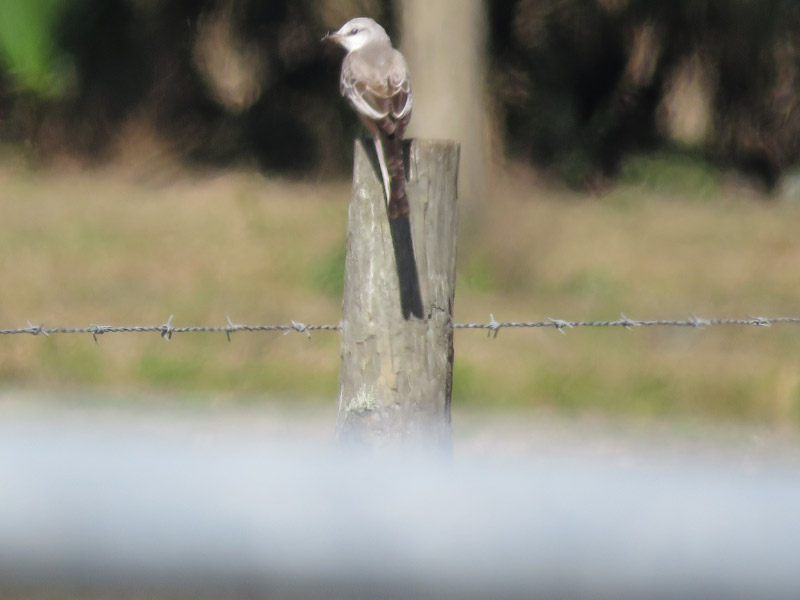
We stopped when we spotted a Scissor-tailed Flycatcher on a fence post. It moved to the fence wire and I got another angle.

We were just getting ready to retreat to the bus when a Crested Caracara flew in with some prey followed by an entourage of Turkey Vultures. The big lenses and binoculars were trained on the caracara trying to figure out what the prey was. Maybe a snake.

They stayed around long enough for me to take a portraits. The crest of the caracara reminds me of a bad toupee.

2019 01 p IMG_3386.jpg

The vultures kept a respectful distance but would move in as soon as the caracara left.

2019 01 p IMG_3419.jpg

We made a last stop before the end of the day at the Helen and Allan Cruikshank Sanctuary where we had spent a very rainy morning a few days before. This time we saw an Osprey before the scrub jays.

2019 01 IMG_3472.jpg

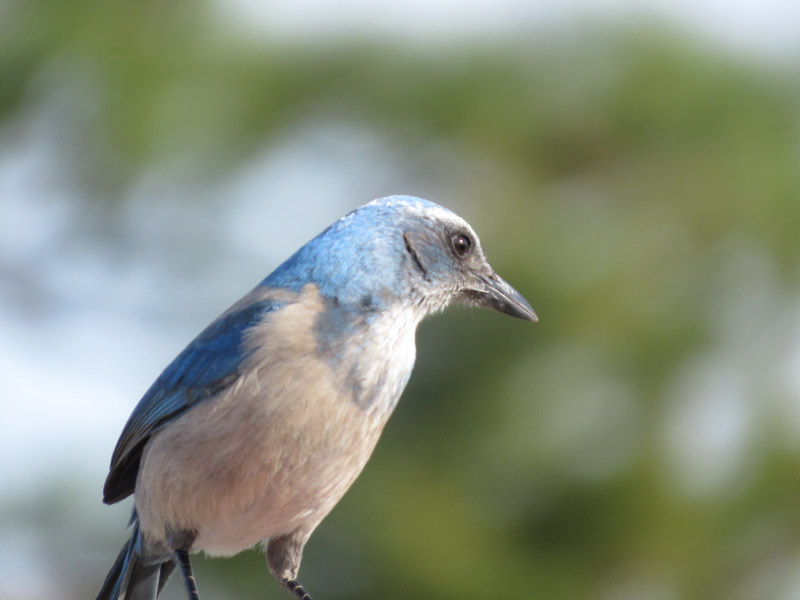
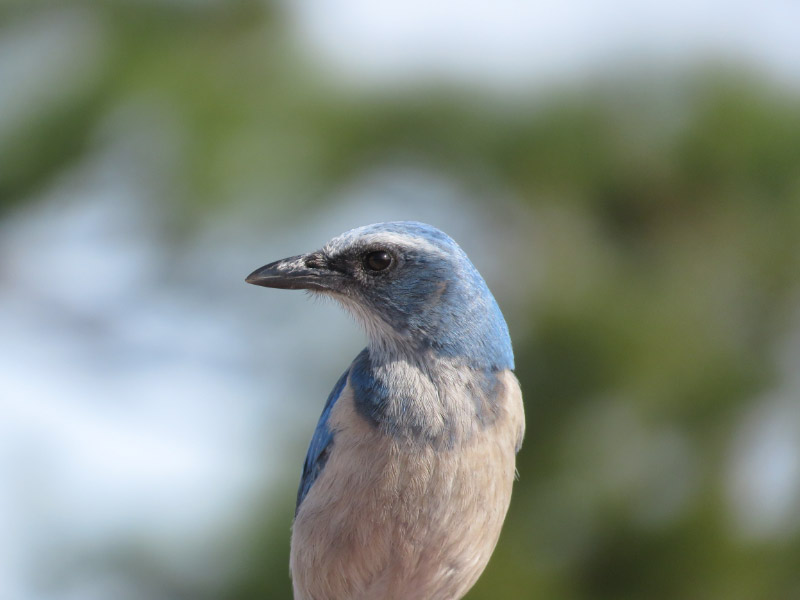
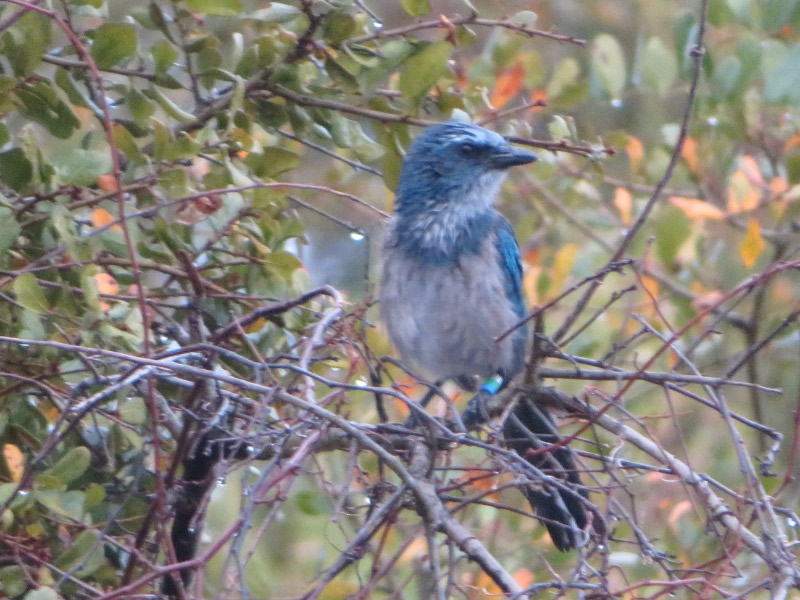
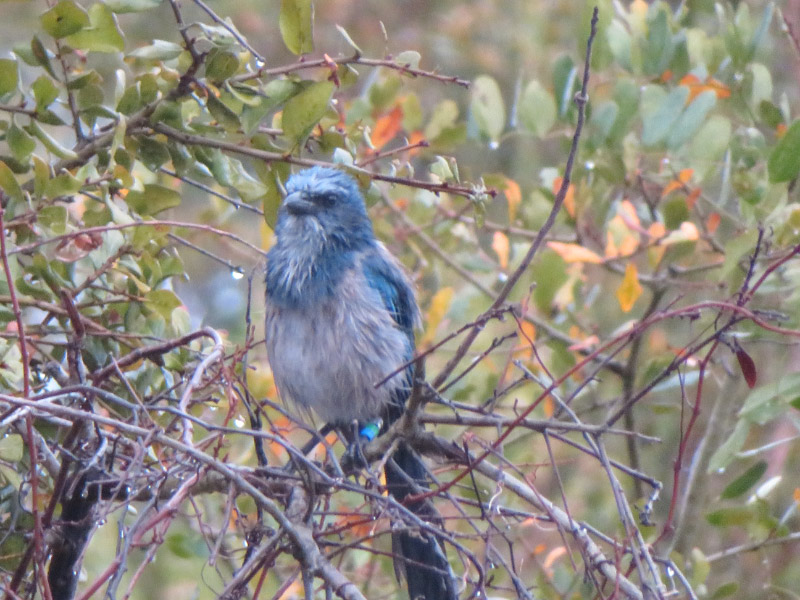
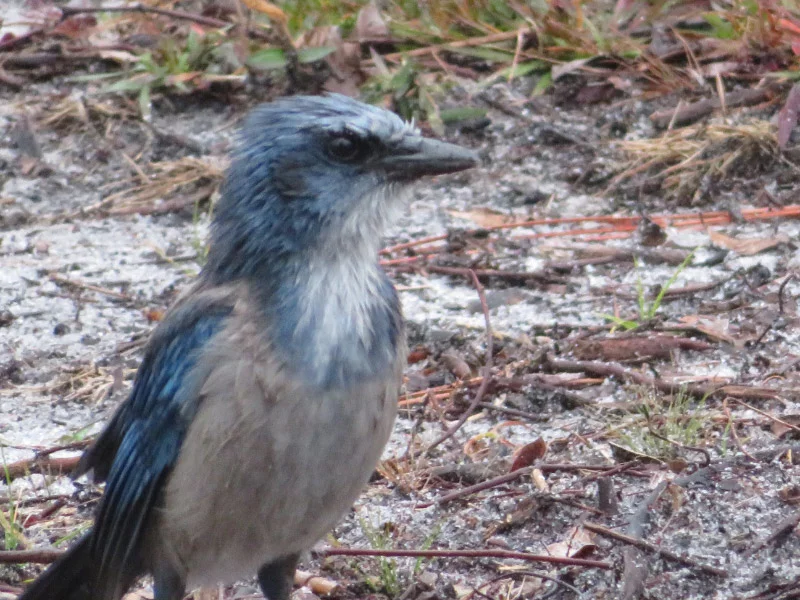
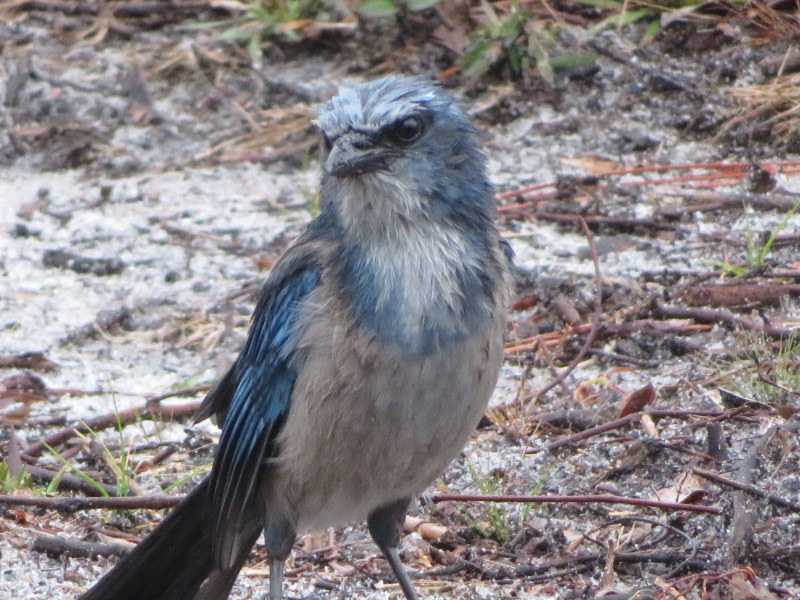
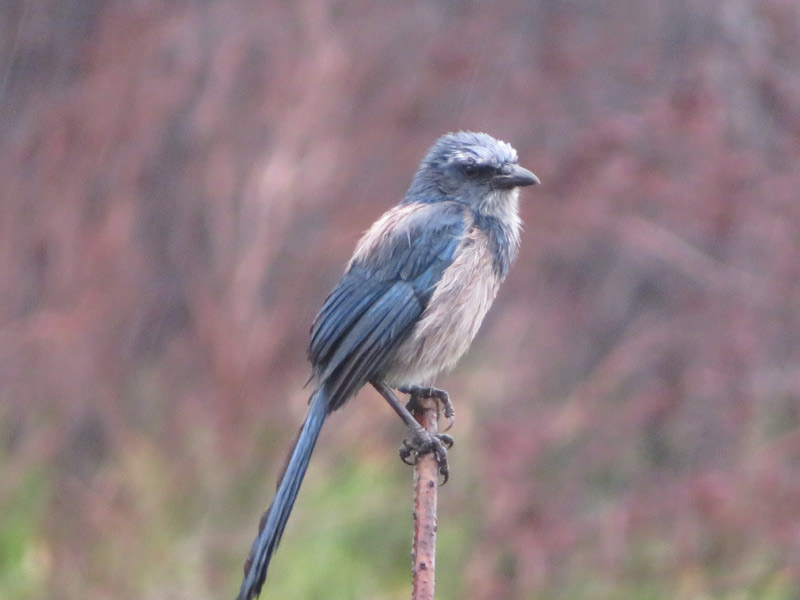
But the Florida Scrub Jays showed up soon enough. One alighted on the hand of one of our guides – probably thinking there would be a peanut for it…no peanut appeared.

Another bird stomped on the hat of our other guide. The bird obligingly turned around for him to get a selfie. That was the last event of the day. Note that all the jays we saw were banded…sometimes multiple times.

Our day in the field (5AM to 4PM) was probably the best of the festival…so much seen in a relatively short period of time!

Three Kinds of Woodpeckers

The third day of the Space Coast Birding and Wildlife Festival got off to an early start – on a bus at 5 AM heading to the rural area in central Florida for a day of birding (about 50 miles south of Orland). We arrived at our first stop in Three Lakes Wildlife Management Area just before sunrise and hiked into the longleaf pine forest.

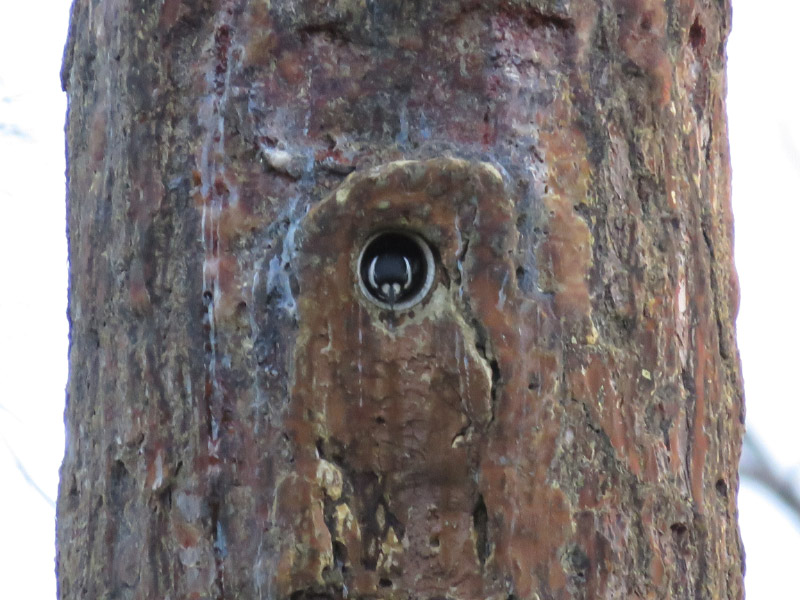
Our guides took us off the trail and through the palmettos and other vegetation growing between the pines – and pointed out the woodpecker holes in the pines. We stood and watched the holes.

2019 01 IMG_2690.jpg

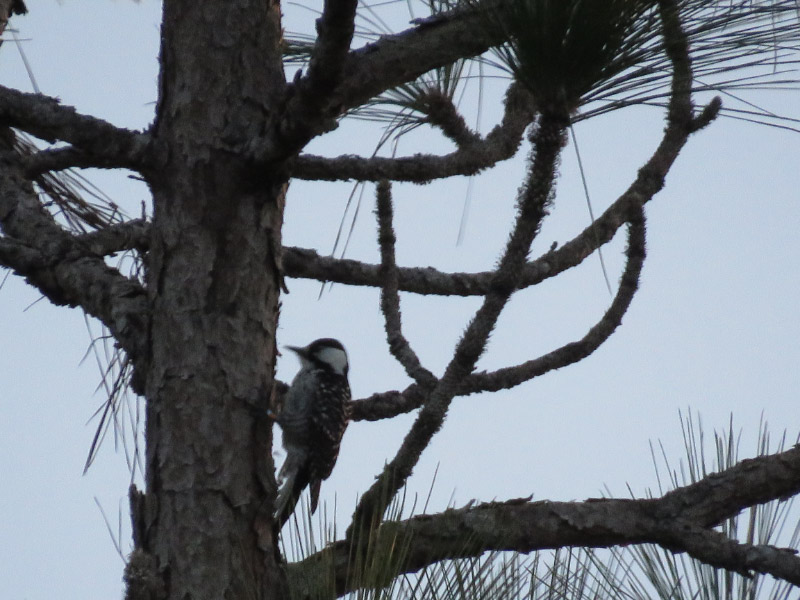
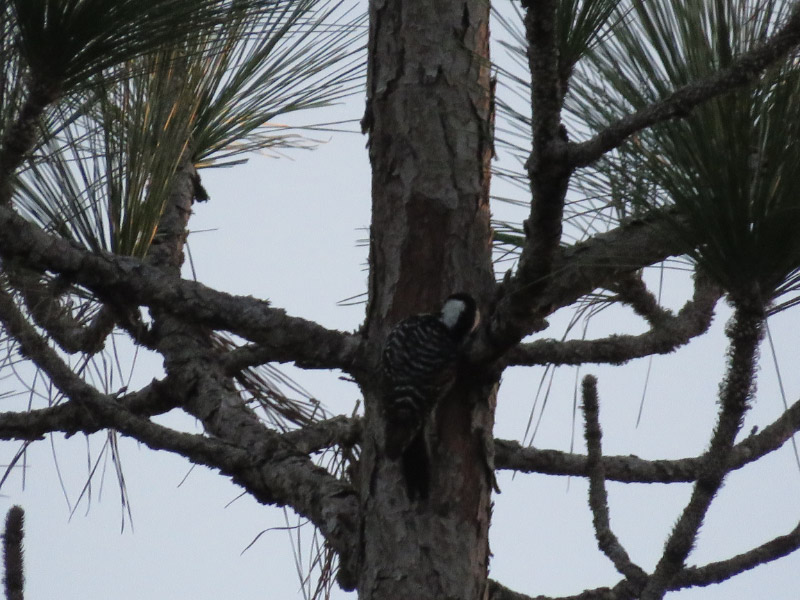
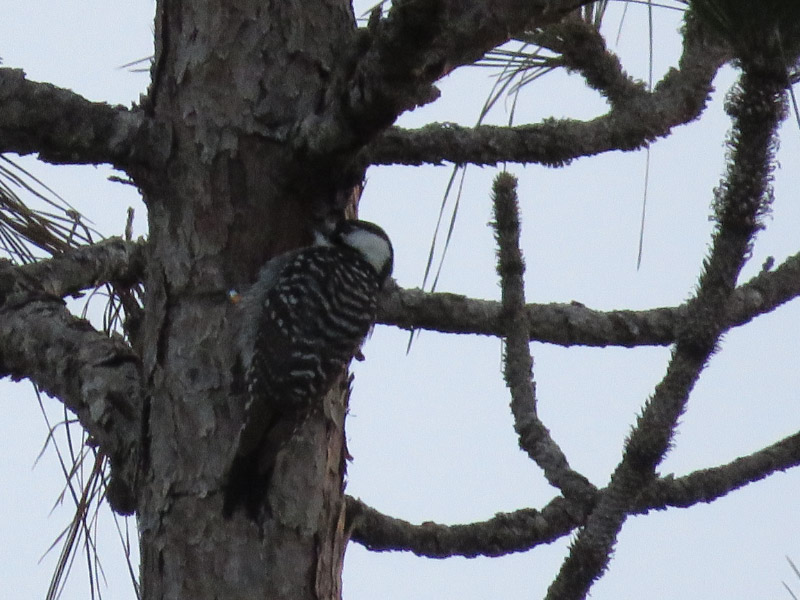
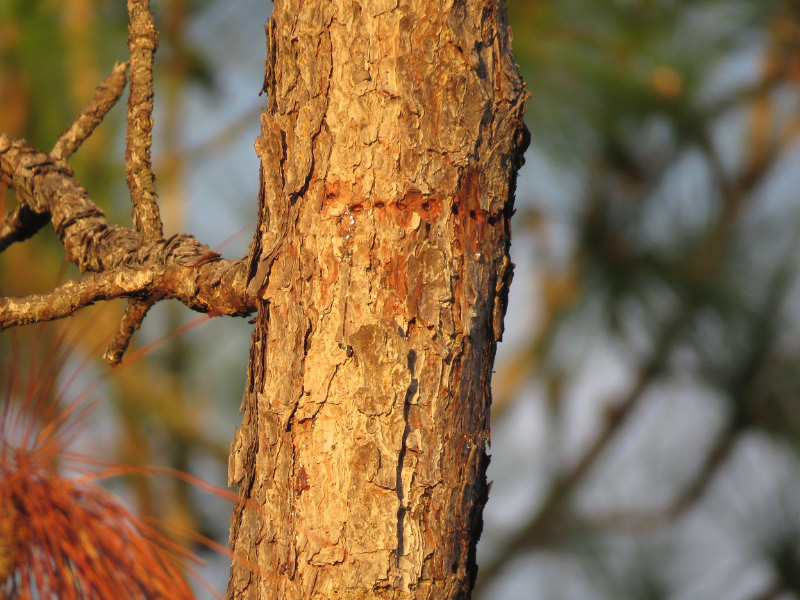
Sure enough just as the day brightened a little – a red-cockaded woodpecker appeared in one of the longleaf pines (the only tree they use for nesting).

2019 01 IMG_2703.jpg

The bird flew out to neighboring pines in search of breakfast. I never saw a red-cockade…but read that they are difficult to see in the field.

The long leaf pines are not as numerous as they once were. They don’t grow in dense stands so are not as commercially viable as other pines in the south. But they are a boon to wildlife and are resistant to wildfire.

As we walked back toward the bus we saw a brown-headed nuthatch – another bird of the longleaf pine forest (which I didn’t manage to get a picture of) and our second woodpecker of the day. I saw the typical holes first – the work of a yellow-bellied sapsucker.

2019 01 IMG_2739.jpg

Soon we saw the birds themselves. They too were after breakfast.

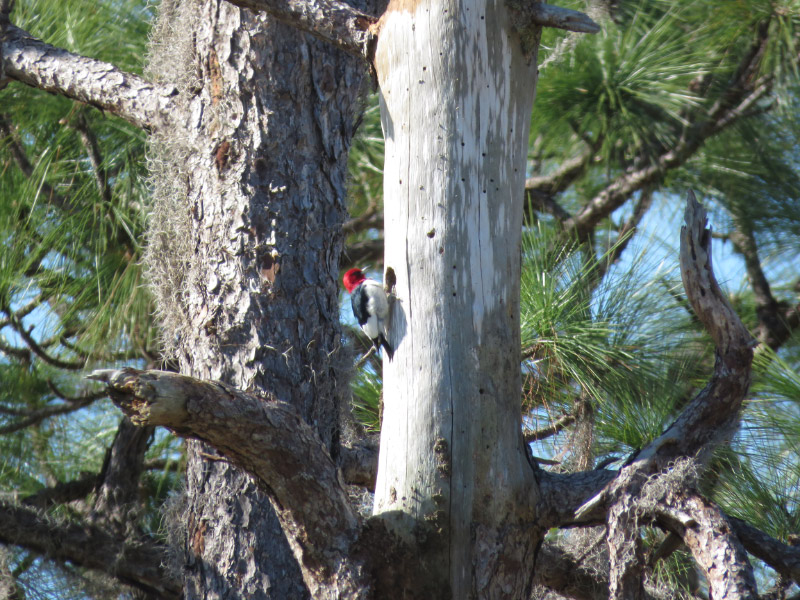
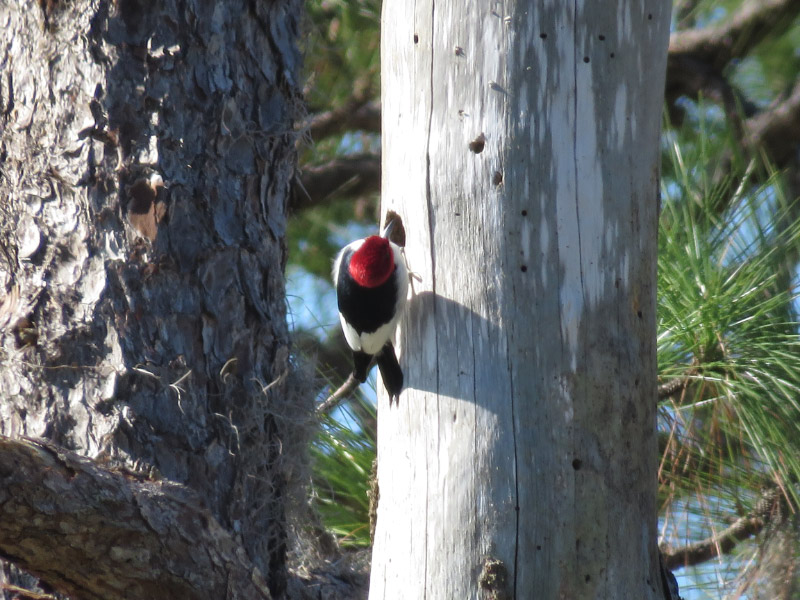
Further down the country road we stopped at a stand of trees with some snags…and saw red-headed woodpeckers almost immediately. A lot of woodpeckers have red on their heads – but the name is reserved for this one. The head is red all over!

What a thrill to see three kinds of woodpeckers in one day of birding!

Feathers and Shells at the Beach

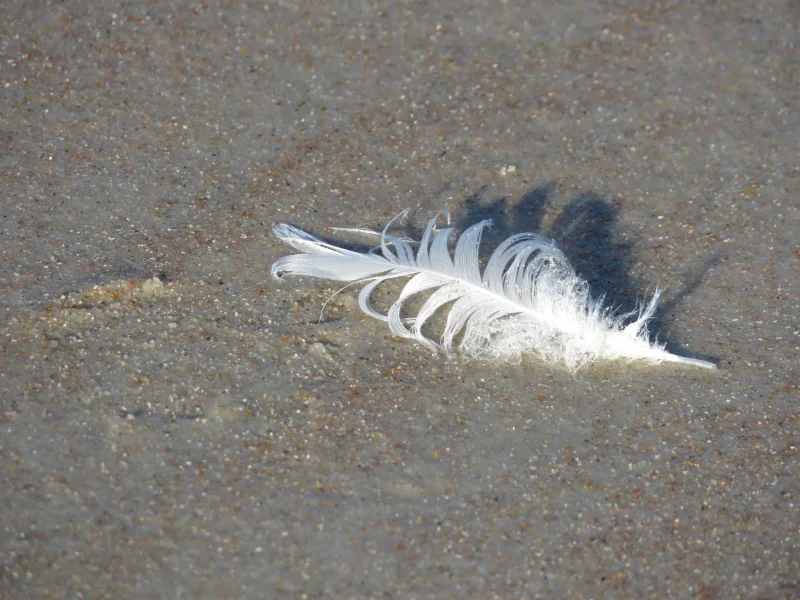
It was so rainy during our time in Florida for the Space Coast Birding and Wildlife Festival that we only got to the beach twice and we were time limited because both were with a field trip group. I took pictures of birds but also feathers and shells. Most of the feathers were bedraggled because of the rain even though some were probably relatively fresh.

2019 01 IMG_2155.jpg

White was the most common color. I like the windswept curves.

2019 01 IMG_2160.jpg

Sometimes the shadow caught my eye and the relative difference between the end feather versus the part closest to the bird’s body that is more down-like.

This feather looked to be in good condition. I wondered if the thinner part of the feather was from wear.

2019 01 IMG_2179.jpg

This feather was almost buried in the sand. How long does it take for a feather to decompose?

2019 01 IMG_2185.jpg

What an odd feather! The strands of white were very long.

2019 01 IMG_2663.jpg

The swirls of strands and fluffiness of the down…a dance of filaments.

2019 01 IMG_2669.jpg

In one area that has been roped off for a bit there were a lot of shells…and a bit of sea weed. In other places, the shells were not as numerous because so many people pick up shells.

2019 01 IMG_4064.jpg

Most of the shells are broken or polished by the tumbling in the sea.

2019 01 IMG_4067.jpg

Some are almost buried in the sand. I didn’t pick up any shells on this trip. Maybe I will next time.

2019 01 IMG_4102.jpg

Florida Scrub Jays at Cruickshank Sanctuary

The second morning of the Space Coast Birding and Wildlife Festival, it was raining when we got up. When we headed out at about 8 AM, it was thunderstorming …complete with nearby lightning. By the time we arrived at the Helen and Allan Cruikshank Sanctuary, there were puddles everywhere but was the lightning was gone and the rain was slowing. We headed out walking around the larger mud puddles.

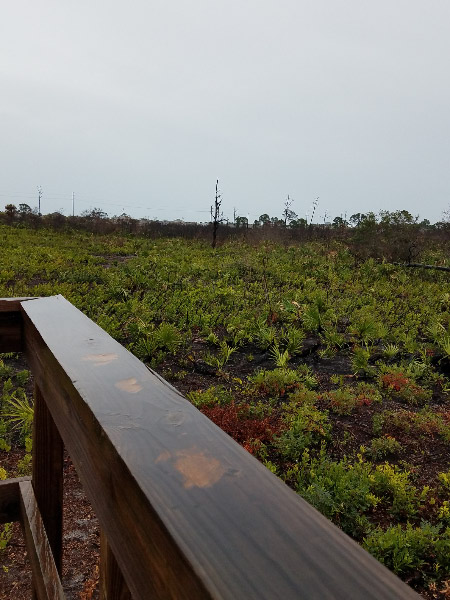
The sanctuary is managed to stay scrub – which requires periodic burning. There are occasional live oaks, but most vegetation is low…and the Florida scrub jays love it.

They were everywhere and acclimated to people being around. Even with the light rain and thick clouds, I managed to take some pictures. The blue color changes in different light but I discovered that once I zoomed in enough, the birds were colorful even in the low light (from afar they looked like dark gray birds!). The birds bury acorns in sand and remember where buried food is better than squirrels. It was obvious that people had left peanuts for the jays because we saw a bird dig up a peanut still in its shell!

The sanctuary is an island surrounded by housing development…and the invasive Brazilian pepper is growing among the native vegetation. I learned that some people have skin sensitivity to the plant – like poison ivy.

2019 01 IMG_3538.jpg

There were mounds of lichen on the ground. It looked like reindeer moss (maybe the same genus: Cladonia). I went back to take a close up picture with my smart phone and macro lens….even though the next line of rain was coming through and the hiking group was dispersing a bit early.

Road Trip to Florida

Last week we drove down to Florida for the annual Space Coast Birding and Wildlife Festival in Titusville. I’ll be posting about the trip for the next week or so…but today the post is focused on the drive itself. We left the house at 5:30 AM to beat the worst of the commuter traffic around Washington DC. Venus and Jupiter were visible in the darkness to the east. We made a very cold rest stop at 6:30 AM south of DC and on I95…the interstate we would take all the way to Florida. The temperature was in the low teens. Leaving early had achieved its purpose; no stop and go or slow traffic! We listened to Planetary Society podcasts that my husband had on his phone.

20190122_072031.jpg

It was getting light by our next rest stop at about 7:30 still in Virginia. It was a newer rest stop with a compass in the entry floor, an area to charge/use laptops (we never spend that much time at a rest stop), and a toddler toilet (I’ve only seen these in the newer Virginia rest stops….what a wonderful feature for young families).

We took I295 around Richmond and stopped at a McDonalds for a second breakfast. The sun was shining in our eyes. Turkey vultures were soaring. By 9:40 AM we were in North Carolina. I remembered the rest stop from a previous trip: red tile strips and glass brick.

20190122_094044.jpg

There was a bird’s nest in the tree just outside the building – easy to see in the winter.

20190122_101759.jpg

The next stop was a large truck stop in Kenly, North Carolina- with a large tile mosaic in the entry.

We stopped for lunch at Arby’s in Lumberton, North Carolina that did not take long and then were back on the road – crossing into South Carolina and seeing a Honda plant with its own exit from the highway and water tower.

20190122_131656.jpg

The next rest stop did not have any structural distinction, but I did notice a large river birch in the picnic area.

I saw a hawk fly low across the road in front of us and began to see black vultures along with turkey vultures. Our last rest stop for the day had green tile and a skylight in the facilities. The picnic area had sabal palmettos – matching the South Carolina license plates.

We stopped for the night in Savannah – just off I95.

20190123_074843.jpg

We didn’t start out as early the next morning. It was already beginning to get light. We made a stop, still in Georgia, where the roses were blooming.

As we drove into Florida a line of clouds moved in.

2019 01 r IMG_3447.jpg

I took pictures of the Dames Point Bridge going around Jacksonville (some morning commuter traffic).

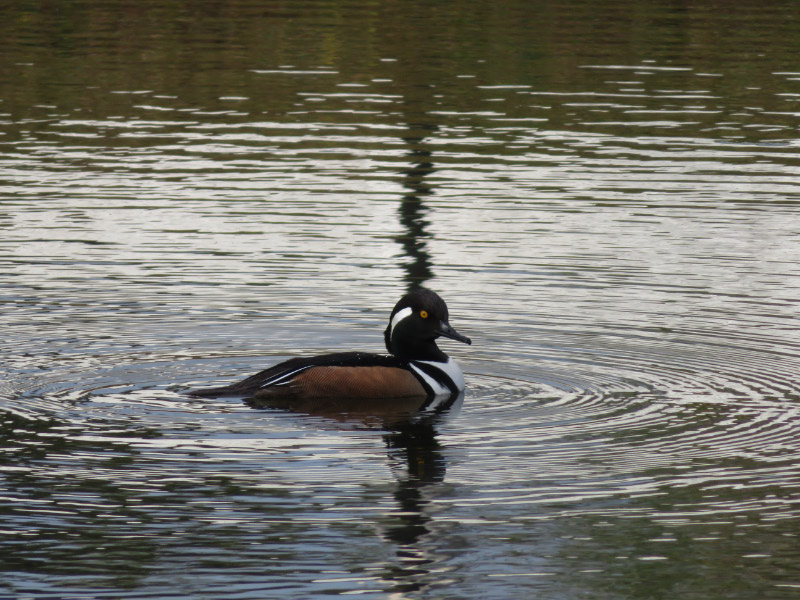
At the next rest stop there was a pond with a fence around it (with signs warning of snakes)…but I braved the short walk up to the fence (didn’t see any snakes). I took pictures of the birds around the pond…the first for the trip: hooded mergansers,

White Ibis (mature and juvenile), and

2019 01 rIMG_3484.jpg

Not bad birding at a rest stop along I95.

We arrived at the registration desk for the festival a little after 11.

Ten Little Celebrations – January 2019

As usual – it is easy for me to find little celebrations every day…and here are the top 10 for January 2019.

Getting rid of ‘stuff’ – My husband and I celebrated taking two loads of ‘stuff’ to the landfill (trash and recycling) and donation. I feel like we are finally making progress in getting rid of things we no longer need. We managed to fix 4 floor lamps that we thought were broken…just before we were set to take them to the landfill.

Wedding anniversary – My husband and I usually have a quiet celebration when our wedding anniversary comes around just after Christmas and the beginning of the year. We’re always pleased with ourselves for becoming long-time marrieds….but realize that it has been easier for us than it is for so many others.

2019 01 IMG_1076.jpg

A morning hike at Mt. Pleasant – It was muddy but otherwise an excellent day for a winter hike. I enjoyed getting outdoors.

2019 01 IMG_1404.jpg

New hiking boots – I celebrated getting new hiking boots. The lining of my 4-year-old boots was tearing. I bought the same brand (Merrell) but waterproof and a little wider to leave more room for bunions and thick socks.

No cavities – I went to the dentist for a checkup and celebrated ‘no cavities’ or anything else that required follow-up! It’s been that way for the past few appointments…and I’m glad my teeth seem to be OK and stable.

Anticipating Zentangle class – I registered for a Zentangle class scheduled for late March and started working through the pre-work….what a joy and worth celebrating both the tiles I am creating now and the anticipation of a great experience in the class.

2019 01 IMG_1295.jpg

Walking in snow at Belmont – I celebrated the beauty of snow on the landscape….and that my boots didn’t leak!

20190117_121645.jpg

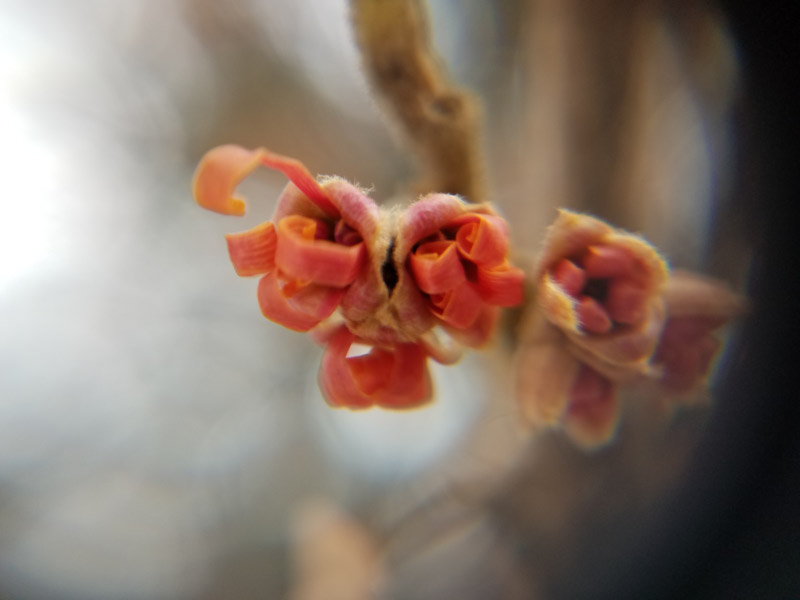
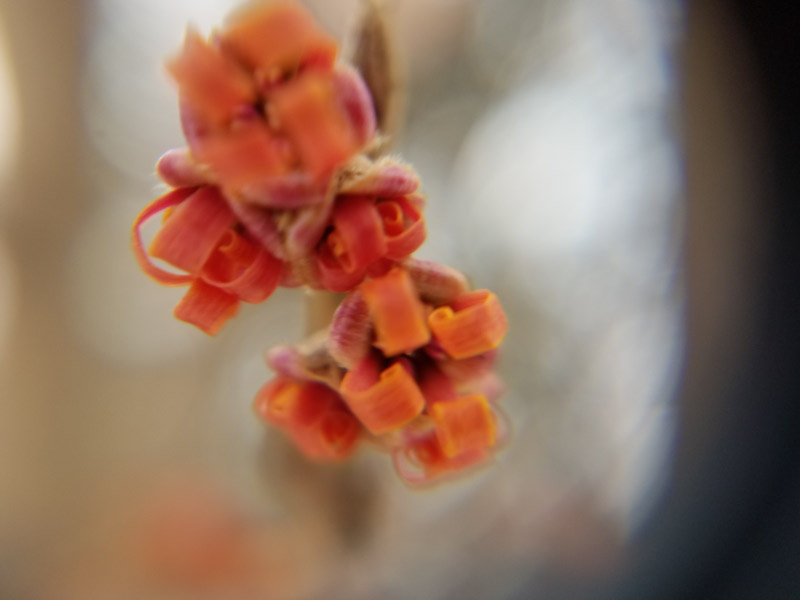
Witch hazel blooming – What a thrill to find the burst of color in the browns, dark greens, and whites of a winter day! I like that the petals are like little streams as well…. appropriate for a celebration.

20190113_094742.jpg

Peppermint snow ice cream – Yum! Yes, I was very cold after I ate it but is was well worth it…celebration-worthy food!

Macro photograph collection – I celebrated the macro photographs I’d made over the past year or so as I prepared charts for a presentation. I have enjoyed the clip on macro lens more than any other photography accessory!

Gleanings of the Week Ending January 26, 2019

The items below were ‘the cream’ of the articles and websites I found this past week. Click on the light green text to look at the article.

Learning Rule: Quantity, then Quality | Scott H Young – Quantity as an initial strategy is probably what I do most of the time….but I throw in a healthy dash of variety of mediums as I go after quantity. And I push myself to actively apply while I am learning all along the way.

Serious loneliness spans the adult lifespan but there is a silver lining: Feeling alone linked to psychological and physical ills, but wisdom may be a protective factor -- ScienceDaily – Most of the time we hear only about the negative impacts of loneliness (the emotion….not necessarily the physical situation). But there are many people physically alone but who don’t feel lonely. This study had a broad age rage of participants and looked at loneliness from multiple perspectives.

Aerial photos of U.S. national parks from space – National treasures…hope that the damage during the government shutdown is not widespread. Joshua Tree has been in the news….very sad.

Nutrients in blood linked to better brain connectivity, cognition in older adults -- ScienceDaily – Reinforcement that we need to eat foods with omega-3 and omega-6 fatty acids, carotenoids, lycopene, riboflavin, folate, vitamin B12 and vitamin D. The fatty acids and carotenoids are particularly linked to better functional brain network efficiency.

The Biggest Science News of 2018 | The Scientist Magazine®  - Just catching up on some end-of-2018 interesting posts. I had heard about some of these during the year – but missed some too.

The immune system's fountain of youth: Helping the immune system clear away old cells in aging mice helped restore youthful characteristics -- ScienceDaily -Early days…a lot more research needed. But an interesting idea…helping the body clear out old cells.

There’s a huge and hidden migration in North America — of dragonflies - The Washington Post – It appears that dragonflies migrate. The Monarch is the ‘poster insect’ for migration but it seems like there are more and more articles coming out about other insects that migrate too.

Meeting the Challenge of Feeding 10 Billion People Sustainably in 2050 - News | Planetizen – Land and water to grow food for an expanding population. It’s going to be challenging.

I Dug a Green Grave and Learned the Truth About the Dirty Death Industry – There is a Green Death Movement…and an example is in the Adirondacks called Spirit Sanctuary. In this case the goal is to return bodies to the Earth and preserve a landscape. Interesting…and far more sustainable that the more common burial practices (that include preservatives and waterproof vaults, sealed caskets) and cremation.

The Surprising Evolution of 'The Great Wave of Kanagawa' by Hokusai – A little art history.

Twigs and Witch Hazel

I have been looking more closely at twigs of trees recently and trying out simple dichotomous keys. As an example: here is one I looked at during a class on winter tree identification. Looking at the full branch – it was obvious that the leaf scars were opposite. Next, we needed to look at the leaf scars in more detail. There were hand lenses for everyone but I used my 15x lens clipped to my phone so I could share what I was seeing. The leaf scar was D shaped and had three bundles. And the new growth was red. We had to break the twig to smell it…its didn’t smell rank, so it was a RED MAPLE.

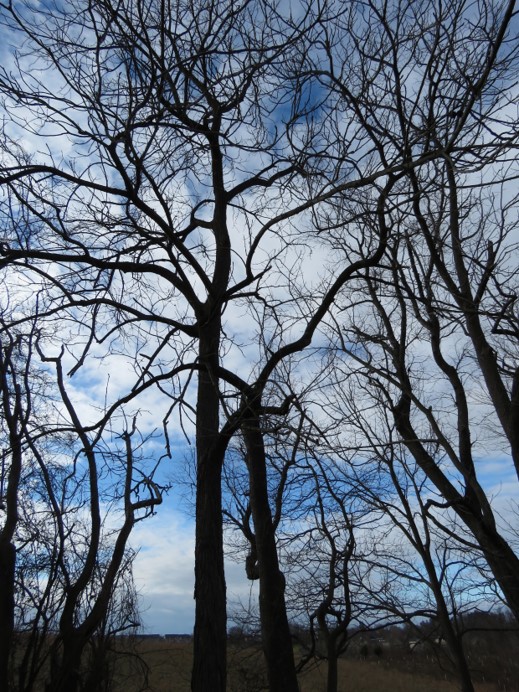
It turns out that multiples buds at the twig tip is indicative of maples and oaks…and that maples are opposite, and oaks are alternate. So – it’s possible to take a picture looking up into a tree and make a tentative identification. For example – this was a picture I took in my neighborhood with alternate branching and multiple buds at the end of the twigs – an OAK.  I had been using the relative height of the trees in my neighborhood (oaks are taller) but this identification is better and maybe easier too for the street trees planted by the builder 25-30 years ago – oaks and maples.

2019 01 IMG_1235.jpg

I couldn’t resist taking a picture of the crumpled bark on the red maple twig. I wonder if they smooth out as the twig grows when the weather warms?

20190116_114713.jpg

On a more colorful note: be on the look out for witch hazels. Some bloom in the fall but others bloom now. There is one at Howard Country Conservancy’s Mt. Pleasant location that I am watching. Hopefully bitterly cold weather will not damage the flowers that are beginning to unfurl.

Smartphone Nature Photography – part 2

Continuing from yesterday’s post….

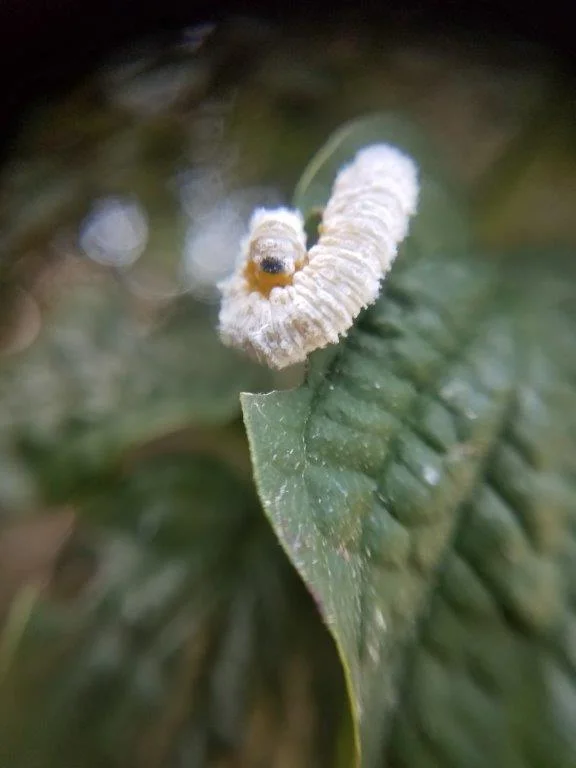
Identification. Sometimes I take a lot of photos so I can identify something later. This was the case with these caterpillars. They were devouring dogwood plants at Brookside Gardens last summer. They remind me of lemon bars (yellow custard underneath powdered sugar). I defaulted to thinking they were a moth or butterfly larvae…but they turned out to be a dogwood sawfly larvae!

Stories. Some pictures tell a story. If you are aware at the time…make sure you take the pictures of the whole story. This Achemon Sphinx Moth was discovered by summer campers going out between rain showers during a nature photography activity. Moths are more active at night and usually are hiding in foliage during the day. This one was on the ground and twitching. I knew from experience in the Brookside Gardens Wings of Fancy exhibit that it had probably been bitten by a spider. We took our pictures and left it where it was. I regret that I was too busy helping campers to keep my camera at the ready to shoot the moth being pulled between two rocks – presumably by the spider that never did make itself visible.

20180724_112642.jpg

Insects. Insects can be very fast moving and difficult to photograph no matter what camera you have. They often are slow or immobile when it is cooler. Cool mornings are good to find cicadas – silent and still…but maybe not dead. Butterflies can be under leaves roosting if it’s cool…or it is dusk and they are seeking a place to spend the night. Then there are masses of milkweed bugs that are prevalent in the fall. They are moving but there are so many that it’s easy enough to get a good number; I always try to figure out how many instars are shown in the same picture.

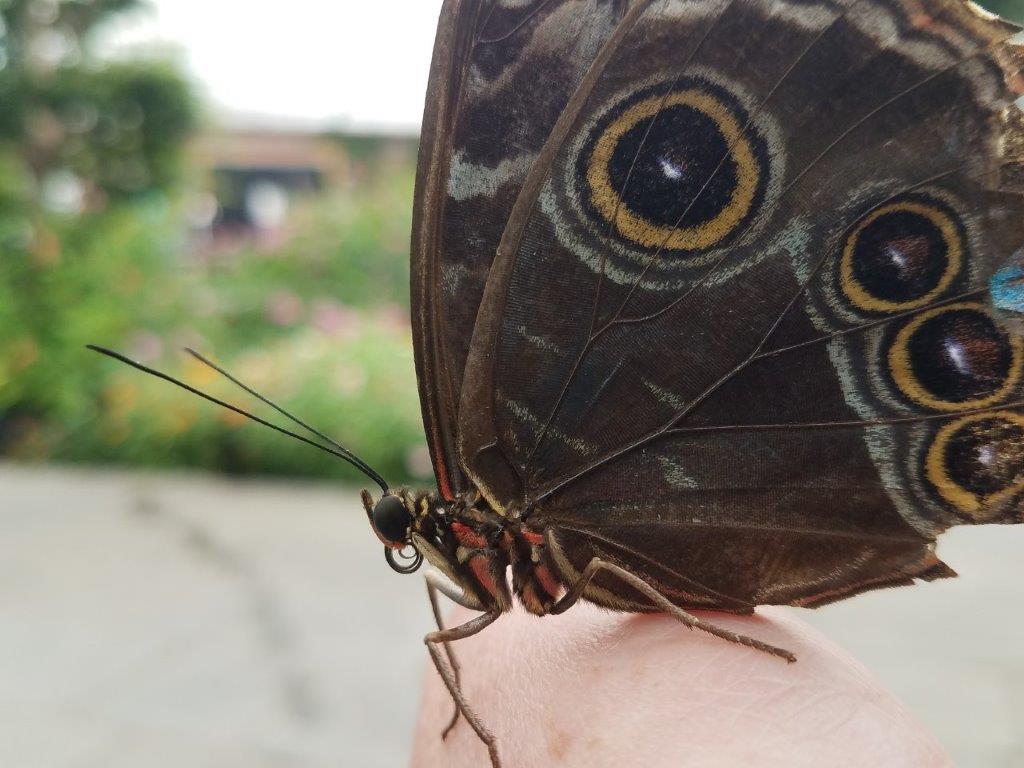
And sometimes it is just luck. This blue morpho sat on my wrist while I was at the exit of last summer’s butterfly exhibit at Brookside Gardens. I had my phone on the lanyard so was able to pull it out and one-hand the phone to take the picture.

20180813_093825.jpg

Specimens. There are nature photography shots that might be of specimens rather than out in the field. The shot of the blue morpho wing was from a specimen that had died using the 15x macro lens. I’ll try the 60x next summer. I included the label in the picture of the dogwood tree cookie…for documentation; I liked the irregularity of the rings.

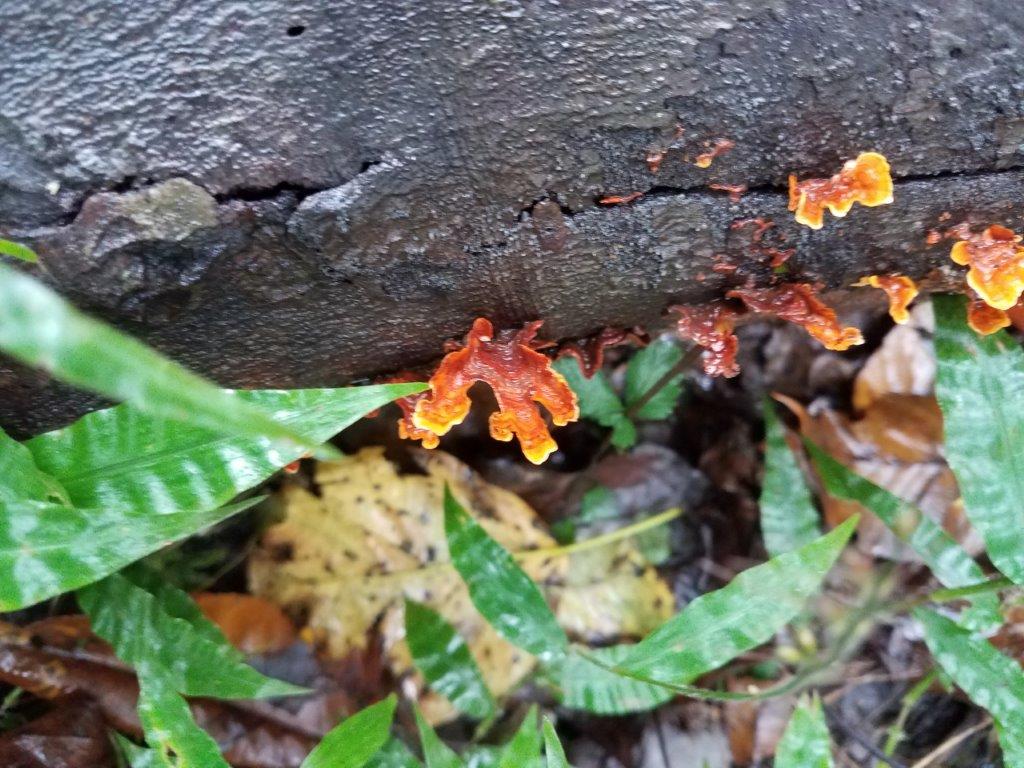
Wet day color. Sometimes a rainy-day hike is a good thing. The color of fungus is often more intense on these days – and the phone handles the raindrops better than more traditional cameras.

Light. Sometimes an image is made by something special about the light – spotlighted ferns, the shadowing of a sectioned Nautilus shell, a sunrise.

Clipping. Because the camera only has a digital zoom, I often take the picture without zooming then make a clip after I get home. In the example below – the two butterflies (tiger swallowtail and male monarch) are clearly identifiable even though the clip has a painterly look.

So – go out and take some pictures! The only blooms we have outdoors right now are the witch hazels. There are other winter opportunities too: tracks in the snow (or mud), seed pods, snow landscapes, and ice crystals. And maybe a squirrel will be close enough and still enough….

Smartphone Nature Photography – part 1

20180721_083226.jpg

We almost always have our smartphones with us….ready for those natural events that just happen and for planned photoshoots. I pulled together a presentation of a Maryland Master Naturalist retreat on the topic and am using it as a basis for the blog posts for today and tomorrow.

Gear

Learn about the camera in your phone. Two critical aspects: 1) Usually the autofocus is reasonably good but tapping on the screen where you want the focus to be can sometimes improve results. Do some experiments to see how close you can be and maintain the focus on your subject. 2) Realize that the zoom is digital – not optical. You are better off getting close to your subject rather than zooming. This is difficult if your subject is an animal that will move if you get close. Birds are notoriously difficult to photograph with a phone.

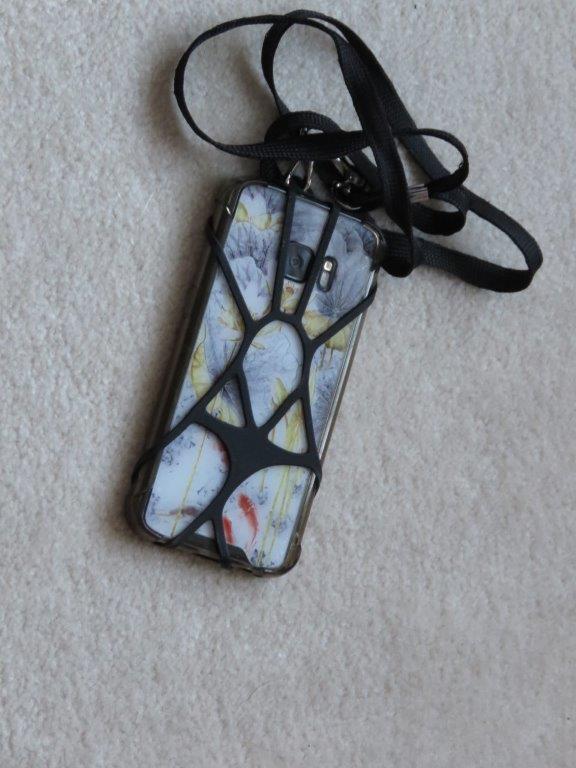
Consider a lanyard. I like to carry my phone on a lanyard (one that is structured to not obstruct the camera) so that I can be ‘hands free’ while I am hiking or rolling over logs…just doing regular naturalist things.  I want my phone to be easy to access – easier than getting it out of a pocket or pack.

20190115_084222.jpg

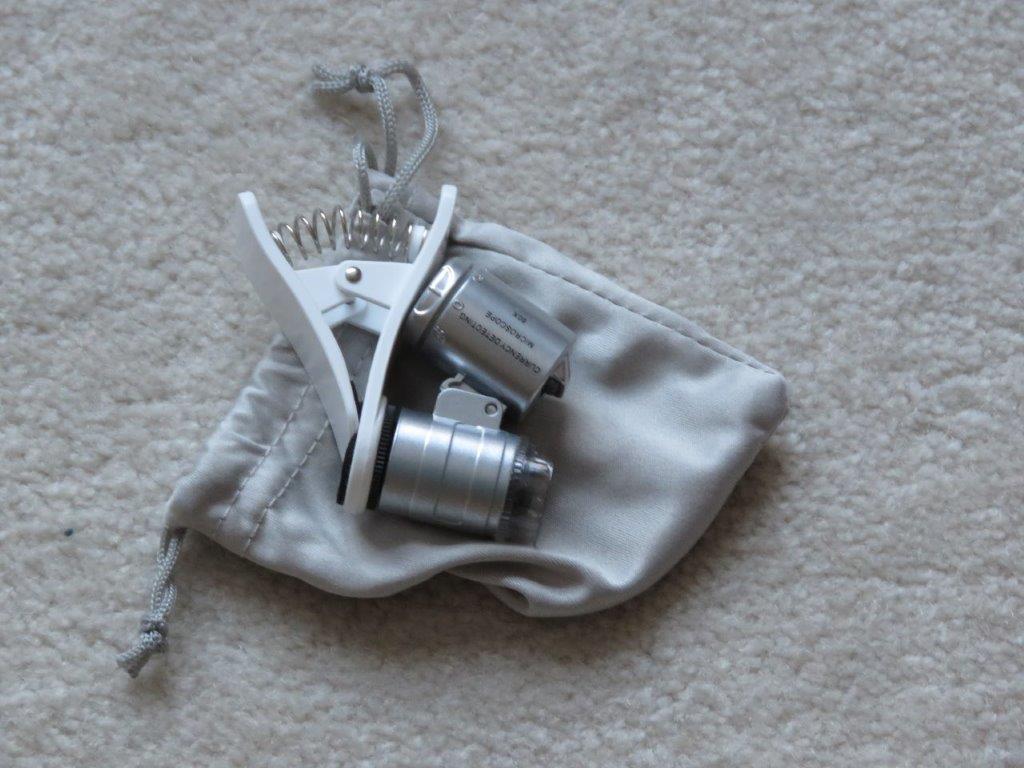
I enjoy using macro lenses. I have 3 different kinds (8x, 15x, and 60x) and tend to use the 15x clip the most. Sometimes I just have it on my phone so that I can move it over the camera as needed. The depth of field is very shallow with the magnification and the phone must be close to the subject. Practice the best stance to steady your hands. I find that tucking my elbows into my body helps….and using one had to hold the phone and the other to take the picture.

Examples of Smartphone nature photography

BioBlitz. Almost all the BioBlitz pictures are taken with smartphones or tablets. Sometimes we use hands for scale – and sometimes the macro lens gives a new perspective! These are pictures taken during BiobBlitz: spotted salamander, wooly bear caterpillar, milkweed.

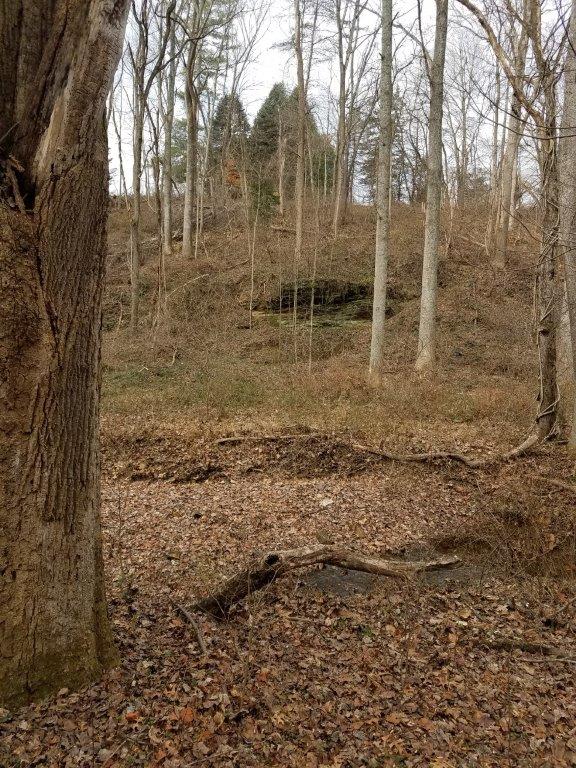
Landscapes.  The joy of being outdoors! Try to get something of high interest in the landscape: the trail as a leading line, clouds over the trees, an early winter scene with bare trees/large rock/pines.

20171201_095022.jpg

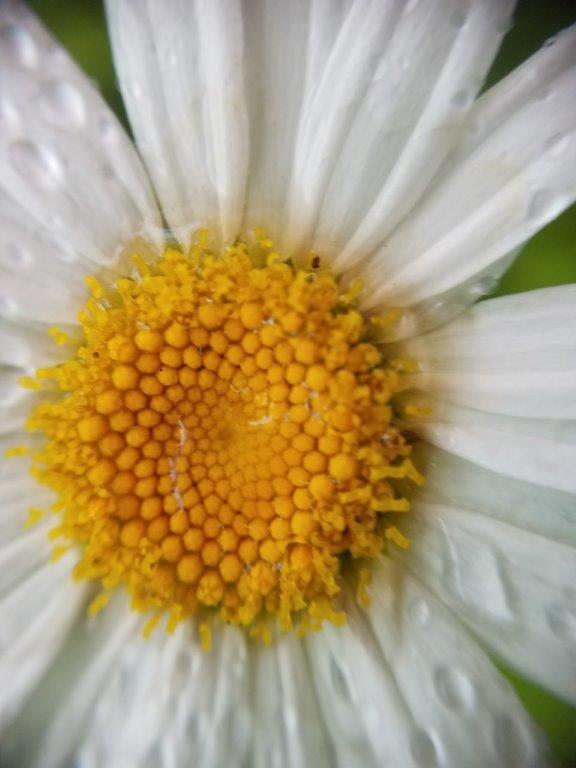
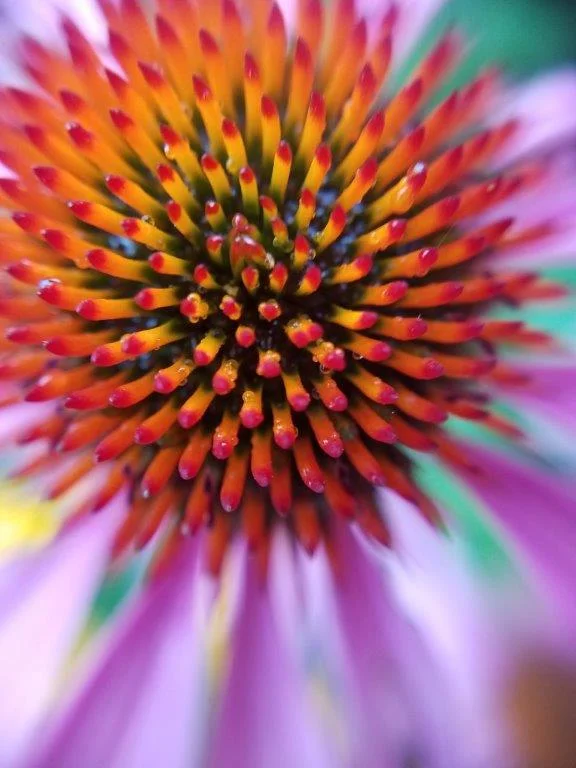
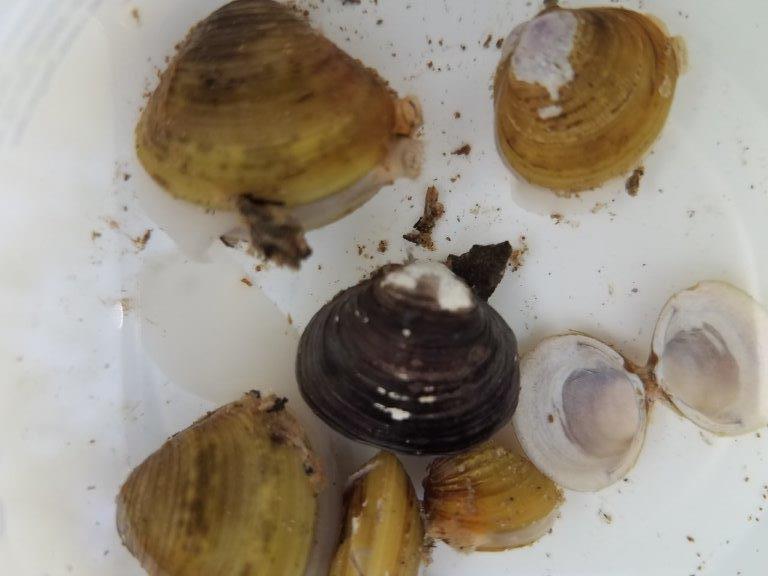
Macro. The macro lens offers to many opportunities to observe more closely than you can observe with just your eye: clams filter feeding, the center of sunflower.

A chicory flower, a newly hatched Monarch butterfly caterpillar turning to eat its egg covering, and damselfly larvae.

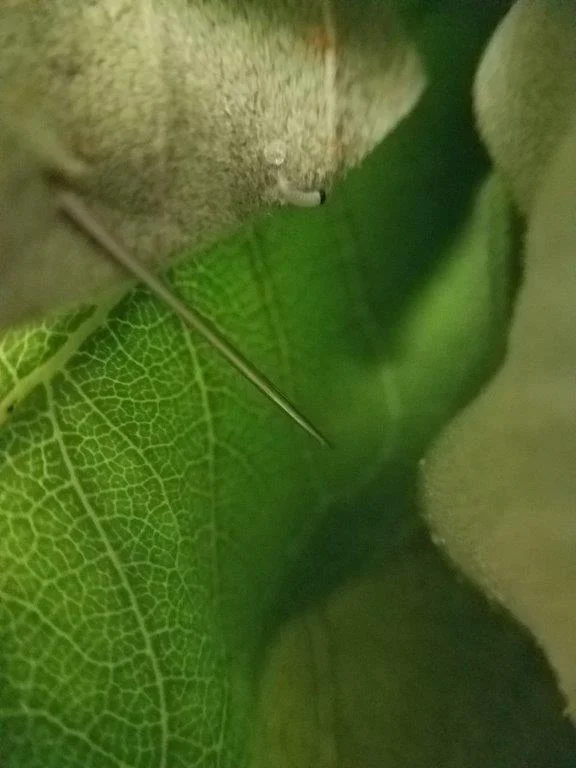
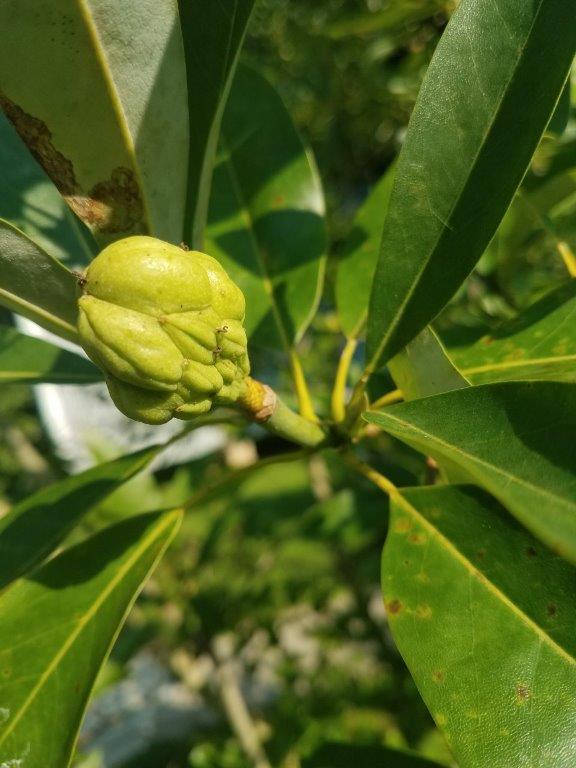
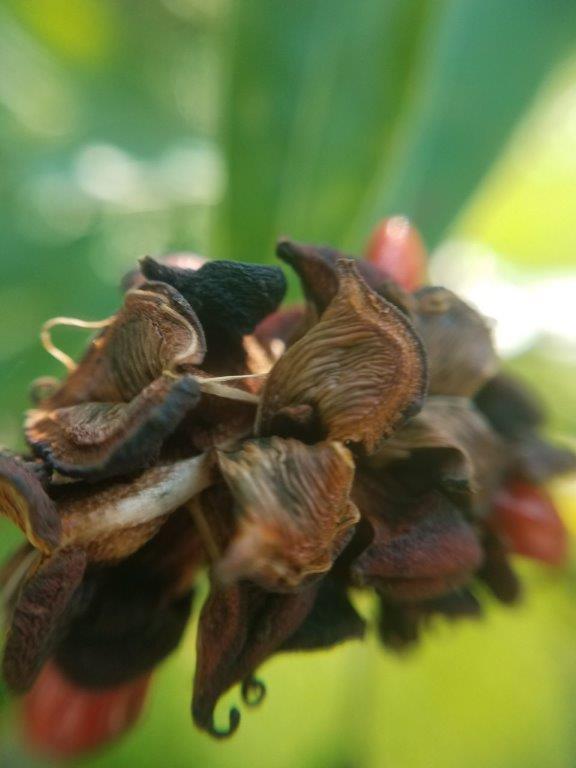
A few minutes observing. I play a game with myself looking closely at one thing and taking photos as fast as I can over a short period of time. In this case it was a sweet bay magnolia. There were seed pods at several stages of development and some eggs under a leaf (maybe a leaf footed bug…if I was patient enough I could see what hatched but that was outside my time box).

(To be continued tomorrow…)

Winter Tree Identification – Part 2

Continuing from yesterday -

Seeds that help with identification include tulip poplar (the pods stay on the trees releasing the seeds during the winter breezes to clog up any nearby gutters!),

seed tulip poplar.jpg

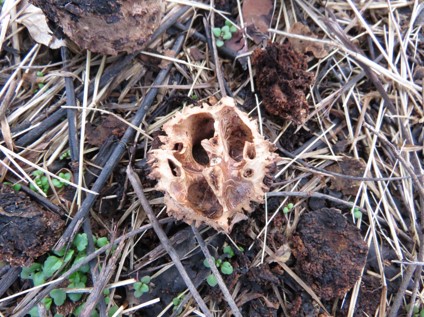
Osage orange (that fall to the ground and are only moved around my people these days…they were planted for fence rows after the dust bowl because they are hardy, and the seed balls are easily broken apart and planted),

osage orange.jpg

Sweet gum (the spikey seeds are a hazard in suburban yards and drive ways), and

sweet gum.jpg
black walnut1.jpg

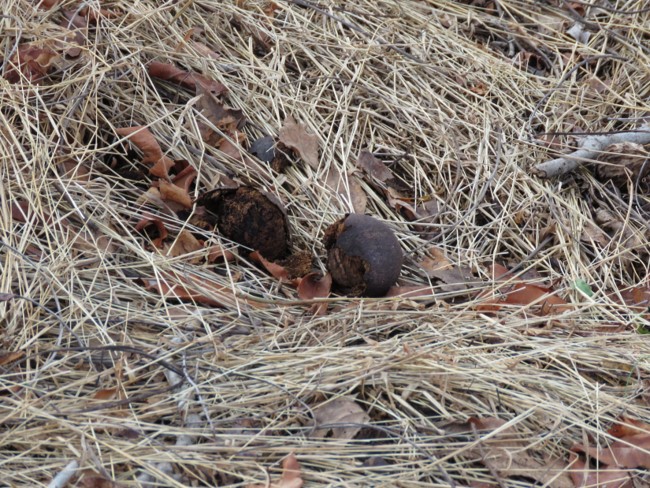
Black walnuts (there are always nuts under the tree but the squirrels may carry then a little further away so look at the shape of the tree too).

Of course – there are trees that are not as easy to identify. That’s why I carry a small book – Winter Tree Finder – when I am hiking in the winter and looking at trees. I found mine at a used book sale, but they are available new from Amazon as well.

winter tree finder.jpg

Winter Tree Identification – Part 1

Leaves are an easy first step to identifying a tree…but not in the winter. Other identifying characteristics come to the fore. I’ve collected up some photos from the past few winters and will show the ones I find easy to identify even in the winter. Do you recognize the white barked trees that grow near rivers and have round seeds that often stay on the tree during the winter?

The sycamores are common in our area and are easier to spot in the winter than in the summer when their big leaves sometimes hide the whiteness of their branches.

They are only one of the trees that have distinctive bark. Others are spicebush (it can be a bush or understory tree) and beech below. They both have relative smooth bark. The spicebush is speckled with light colored lenticels.

Both the sycamore and river birch have peeling bark.

honey locust.jpg

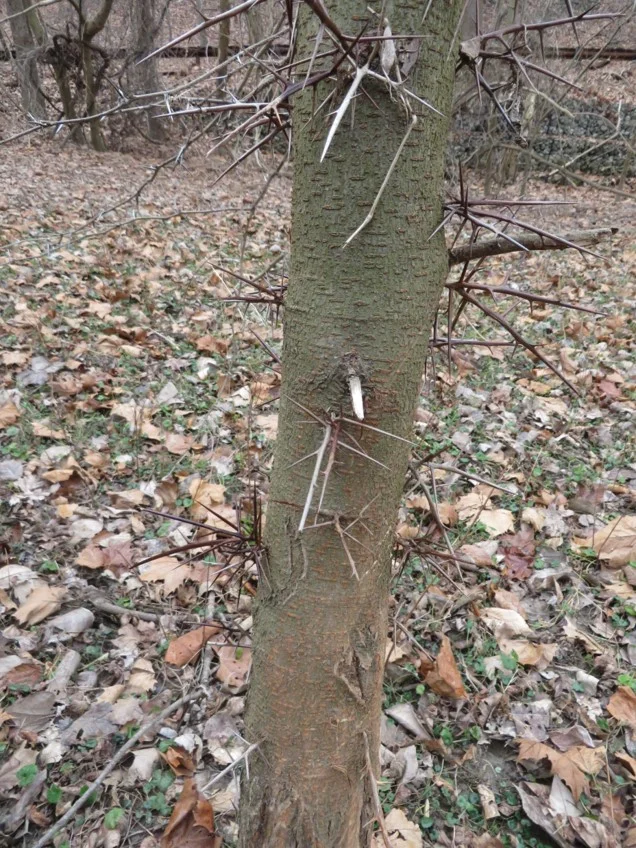
Sometime thorns can be an identifying characteristic – like with the honey locust.

The bald cypress is the only conifer I’m including in this post since it sheds its needles for the winter. It is easy to recognize by its shape and the presence of knees…and that it likes wet areas.

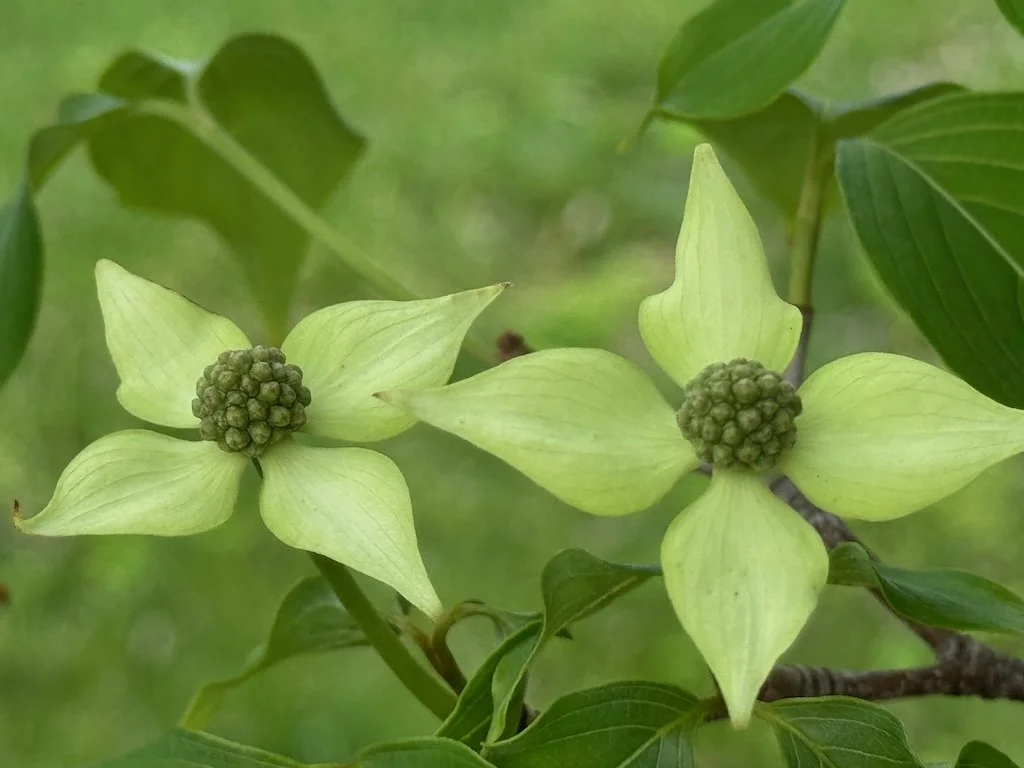
The dogwoods have distinctive buds. Sometimes they are described as onion-shaped. They look more like slightly flattened Hershey’s kisses to me!

dogwood.jpg

Belmont in January 2019

Last week, I attended a lecture for Howard County Conservancy volunteers at the Belmont Carriage House – arriving early to walk around a bit before the lecture. There was still quite a lot of snow on the ground.

2019 01 IMG_1257.jpg

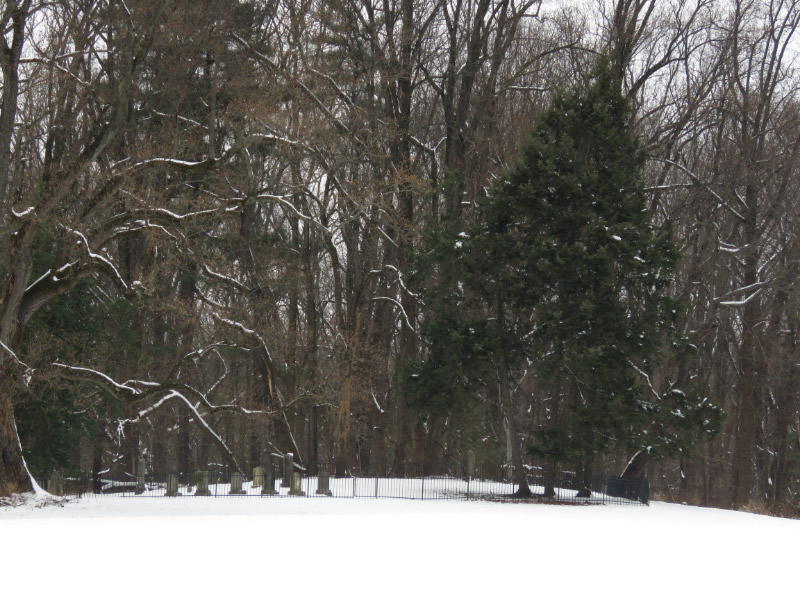
I stayed on the cleared roads until I made the trek up to the old cemetery.

2019 01 IMG_1264.jpg

The old tulip poplar looks even more ancient in the winter with all the hollows and bark injuries more clearly visible. It had a lot of seed pods from last season just as the younger trees do.

2019 01 IMG_1272.jpg
2019 01 IMG_1276.jpg

One of the people I was hiking with pointed out an ash tree on the Patapsco Valley State Park side of the cemetery that had evidence of emerald ash borer (the lighter color on the bark). This tree will have to be cut down before it falls on the cemetery taking down fences and stones.

On a positive note – the hemlocks in the cemetery seem to be thriving. A few years ago they were infested with wooly adelgid but they were treated and it seems have saved them.

The wind must have ‘pruned’ the holly in the cemetery. A branch was draped from one of the headstones – no footprints in the snow around the headstone.

2019 01 IMG_1275.jpg
2019 01 IMG_1286.jpg

There were lots of deer tracks in the snow as we walked up to the cemetery and back. We didn’t see any rabbit tracks. Maybe a coyote?

We circled back along the row of white pines. The snow stands out even on a very cloudy day.

2019 01 IMG_1291.jpg

It was time to head back. I stopped near the mailboxes to take a picture of the pond with the bald cypress standing just to the left of it. It does have a classic cypress shape but if I wasn’t familiar with the tree, I’d have to hike down to the pond and see the cypress knees that surround it for a definitive identification.

2019 01 IMG_1295.jpg

Gleanings of the Week Ending January 19, 2019

The items below were ‘the cream’ of the articles and websites I found this past week. Click on the light green text to look at the article.

After More Than 4,000 Years, Vibrant Egyptian Tomb Sees the Light of Day: NPR – Hopefully they will take steps to keep the colors vibrant now that the tomb is open to people and light.

The Bizarre and Disturbing Life of Sea Cucumbers – Cool Green Science – Way more complicated than they appear at first glance.

Norway's Energy-Positive Movement to Fight Climate Change - The Atlantic – Norway has some buildings that generate more energy than they use.

Life Deep Underground Is Twice the Volume of the Oceans: Study | The Scientist Magazine® - That’s a massive among of carbon in life that we know very little about….so many unexpected and unusual organisms.

Foods that lower blood pressure | Berkeley Wellness – And the list even includes dark chocolate!

Rising Waters Are Drowning Amtrak’s Northeast Corridor – This article includes time phased projections from 2018 to 2100…lots of track is going to need to be moved – or some other flood mitigation will need to be built.

Google Virtual Tour Preserves Collections Destroyed in Brazil Museum Fire | Smart News | Smithsonian – Some heartening recovery from the tragedy of the fire…Google’s virtual tour work, 1,500 pieces recovered from the debris, and a growing collection of photographs and video clips of the museum the way it was.

Soggy 2018 for the Eastern U.S. – An article from mid-December…showing just how wet we were in 2018. We live between Baltimore and Washington DC….soggy indeed.

New houseplant can clean your home's air -- ScienceDaily – Our houses have become so tightly sealed that concentrations of chemicals that are hard to filter out can accumulate. Maybe ‘engineered’ plants can be a solution.

Periodic graphics: How different light bulbs work – The trend is toward less cost/hour….more hours. Hurray for the LEDs that are not as blue as the compact fluorescents!

Mt Pleasant in January 2019 – Part 2

Continuing the images from last week’s hike at Howard County Conservancy’s Mt. Pleasant….

2019 01 IMG_1105.jpg

I noticed a bluebird box with lichen growing on its roof. I wondered how long the houses lasted. This one had a plaque below it saying it had been installed in 2009 so it’s held up for 10 years!

2019 01 IMG_1036.jpg

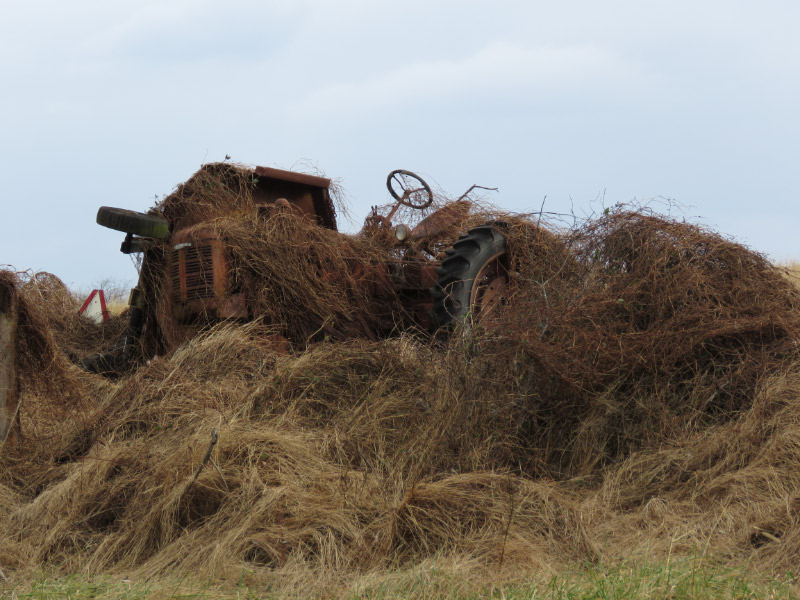
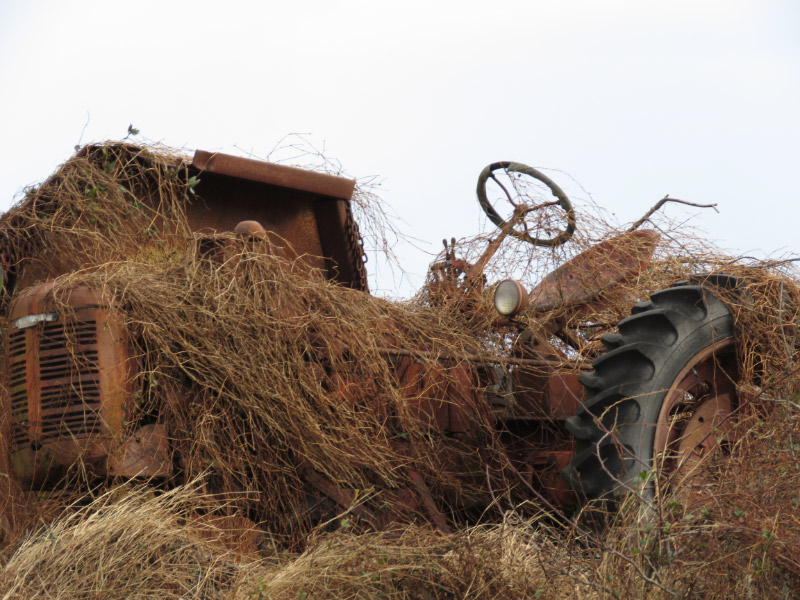
There was some farm equipment near the edge of a field – covered in vines. It must not have been used for at least one season…and maybe longer. Nature is taking over! I didn’t get close enough to determine what kind of vines they might be – mile-a-minute or oriental bittersweet (both invasive) would be a good beginning guess.

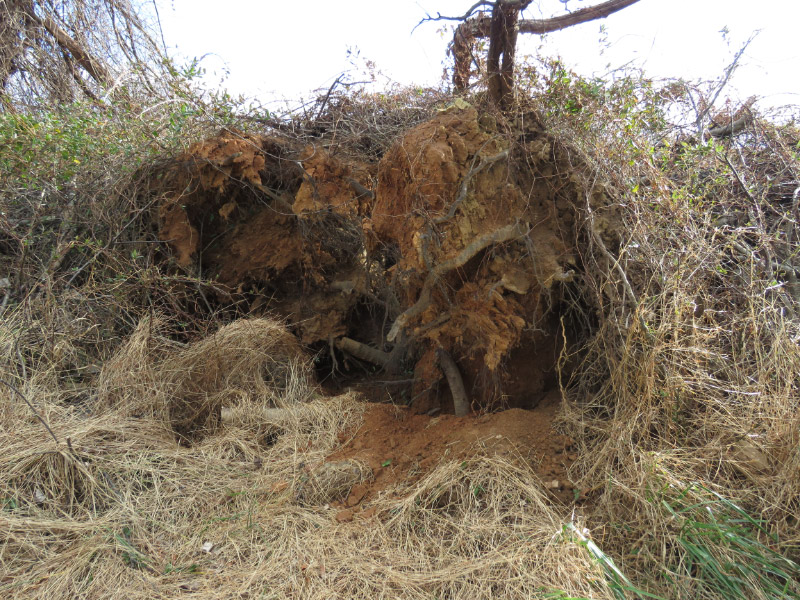
With the record amount of rainfall we got in 2018, there was a root ball of a tree that fell – probably last spring.  What a dramatic change it must have been for the organisms around the roots before it fell…there would be a complex story to document different organisms came along after the tree feel and the elements alternatively dried out and filled in the hole (with water or soil washed into the hole). Nature is always in motion!

2019 01 IMG_1084.jpg

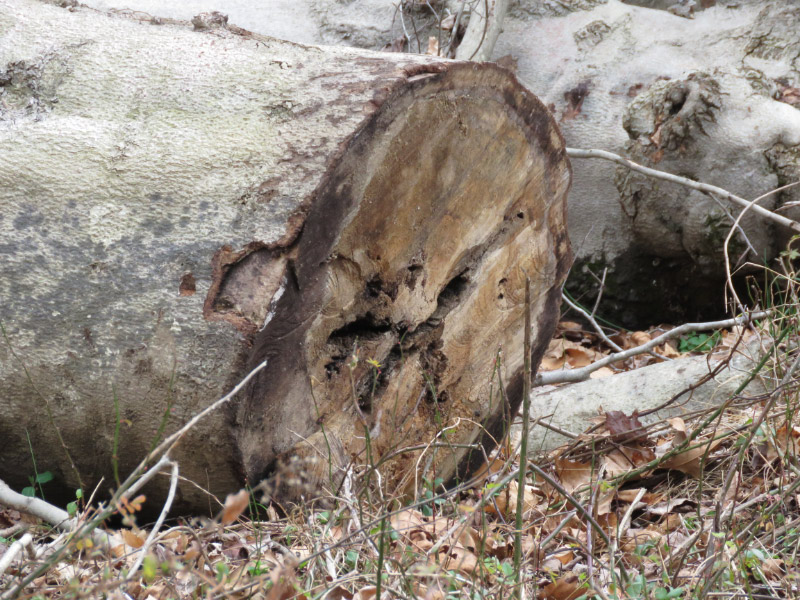
A beech tree had been cut down and the big logs left in place.  Maybe the tree had fallen and was cut up to clear the trail or maybe it was a standing dead tree that was cut before it could fall. The center was rotting. The beech bark looks so smooth from a distance but often looks wrinkled upon closer inspection.

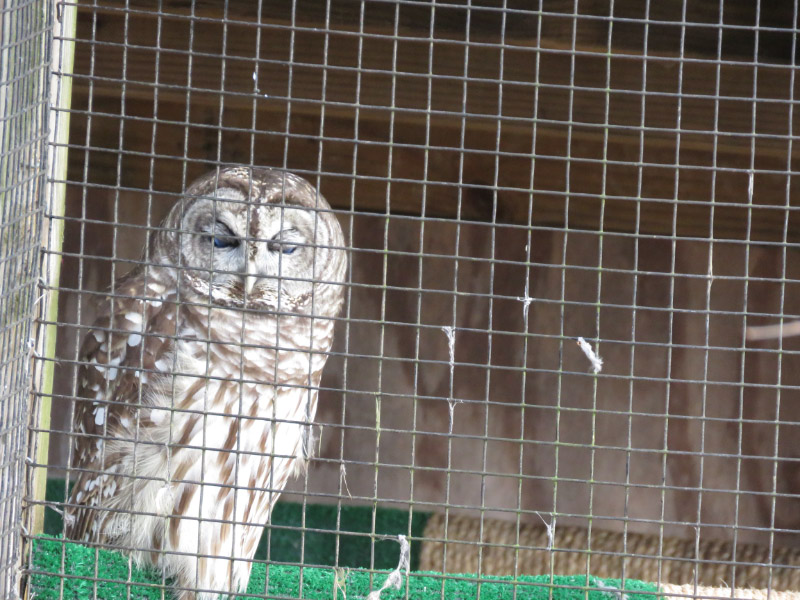
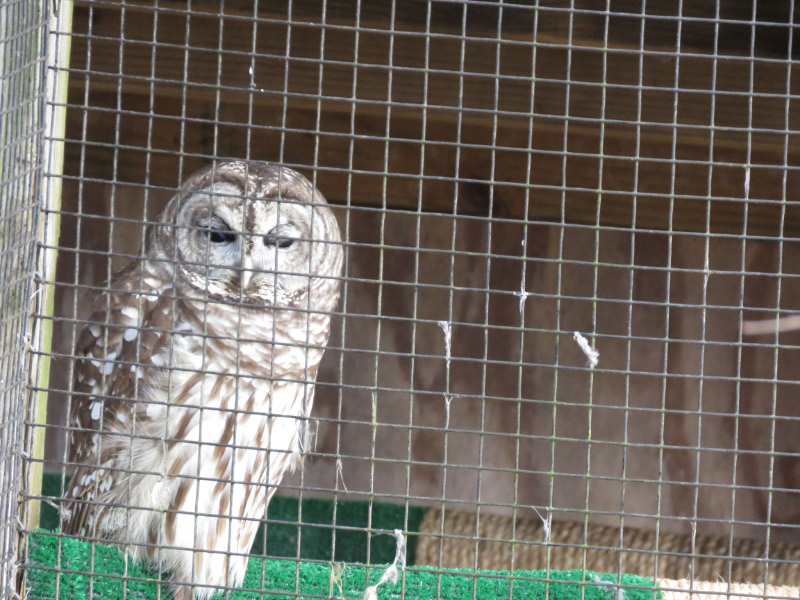
Ranger, the barred owl, is back in his quarters near the nature center. He seemed very calm as we hiked by. There aren’t school fieldtrips with lots of students to crowd around his space during the winter; it’s easier for him to be Zen.

It was good to be back at Mt. Pleasant for a hike…maybe I’ll go again sometime with my husband…wear boots that can get muddy and hunt for skunk cabbage peeking through the muck.

Mt Pleasant in January 2019 – Part 1

2019 01 IMG_0989.jpg

My first hike at Howard County Conservancy’s Mt. Pleasant was last week on a cold, blustery day after a night rain. We were prepared for the cold and managed to work our way around the muddy parts of the trails. The sun played hide and seek with the clouds. I was taking pictures of winter trees. I am very familiar with a black walnut near the rock wall on the meadow side.

The nuts on the ground all around it would give it away even if I didn’t know it was a black walnut. I am always amazed that the squirrels can get the shells open with their teeth.

The path along the wall was in relatively good shape – still mostly covered with grass. We didn’t go all the way down to the Davis Branch…but cut across the meadow mid-way down the hill.

2019 01 IMG_1000.jpg

We took the long way around to an overlook of the Branch since the lower trails were too muddy to attempt.

The water was not high, but everything looked wet. I was noticing the beech trees – easy to identify by their smooth bark.

One of the root balls that had been placed upside down in the restored part of the stream had been washed downstream by an earlier flood…and was still balanced where I’d seen it last fall. It will stay there until the next big flood. It had a collapsed pillow-like orange fungus growing on it.

2019 01 IMG_1040.jpg

A river birch is easy to identify with its curly bark.

As we turned back toward the nature center, I noted that one of the trees across the smaller stream had finally rotted enough to collapse.

2019 01 IMG_1085.jpg

The only ‘bloom’ I saw on the hike was the beginning of the witch hazel bloom on the tree near the farmhouse. The streamer like petals are still curled up in the opening flowers. I’ll have to remember to look at the tree every time I go to Mt. Pleasant over the next month or so!

2019 01 IMG_1112.jpg

Winter Walk in the Neighborhood - 2

I noticed a lot of mud as I walked in our neighborhood. Some of it was on the sidewalks – not something I’d noticed in previous years. 2018 was a record rain year for us…and we’ve continued to get rain in the first part of 2019.

2019 01 IMG_0903.jpg

There is mud where grass used to grow under many of the trees.

2019 01 IMG_0910.jpg

Sometimes the trees would have made the area very shady before the leaves fell but most of the branches of trees along the street are trimmed high by the county so emergency vehicles can get down the street without being damaged. There is still a lot of bare soil under them.

2019 01 IMG_0912.jpg

I am already thinking about what alternatives I have for the area under our plum tree; since we have a challenge with deer eating tender plants, my first idea is to simply mulch out to the dripline of the tree.

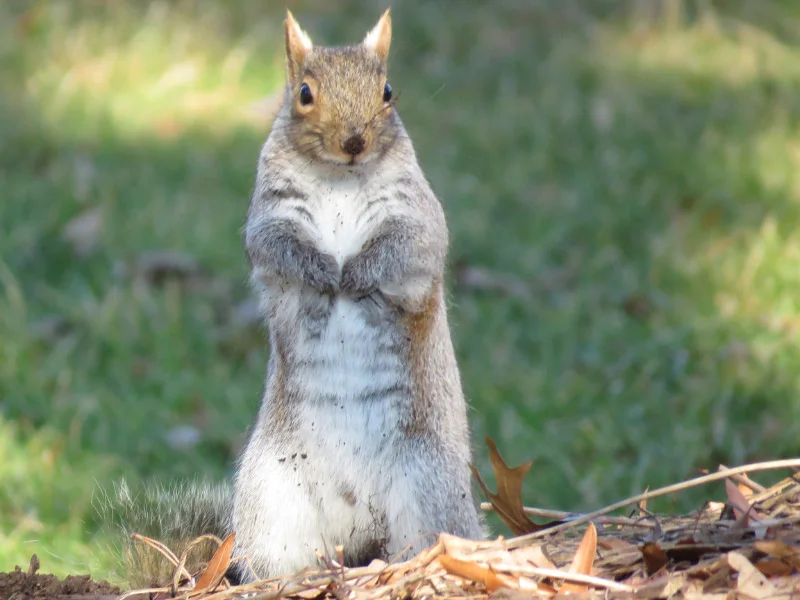
A squirrel was rooting in a raised bed in one yard. He noticed me, but I was far enough away (using the zoom on my camera) that he continued his investigation.

Winter Walk in the Neighborhood - 1

I took a walk in our neighborhood on the warmest day last week. It was a blustery day – felt more like March than January. I walked down to the storm water retention pond first. It still looks relatively barren but there is vegetation on all the slopes.

2019 01 IMG_0856.jpg
2019 01 IMG_0868.jpg

The cattails are beginning to repopulate the shallows. I wondered if there were enough for the red winged blackbirds to come back to the pond. Maybe more cattails will come up next spring from the roots already in the mud…if they aren’t drowned from all the rain we’ve gotten.

2019 01 IMG_0861.jpg

The wind was blowing oak leaves onto the water.

Younger oak trees often keep their leaves well into winter. Or course – every breeze takes a few more leaves away but there were enough left on some of the trees in our neighborhood to still use the leaf shape to say definitively – it’s an oak. The tree in front of our house retained it leaves did years ago but is now old enough that its leaves drop in the fall.

2019 01 IMG_0901.jpg
2019 01 IMG_0917.jpg

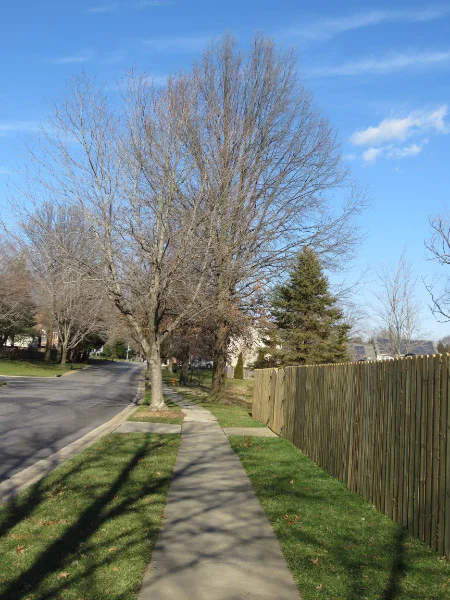
As I looked back along our street, I realized that the general way to tell the maples from the oaks planted along the street by the builder is to look at the height. The taller ones are oaks.

Gleanings of the Week Ending January 12, 2019

The items below were ‘the cream’ of the articles and websites I found this past week. Click on the light green text to look at the article.

I have a growing list of gleanings from sites that are not operational because of the partial government shutdown; they’ll come out in the list for the Saturday after the sites are operational again.

Climate, life and the movement of continents: New connections -- ScienceDaily – Sediment, which often includes pieces of dead organisms, may create a lubricating effect between plates, accelerating subduction and increasing plate velocity!

BBC - Future - Six reasons your memory is stranger than you think – Timelines are hard (many times inaccurate) from memory…I’m glad I keep a running list of important family travel and events.

Regenerative Cities: An Urban Concept Whose Time Has Come! | CleanTechnica – Re-thinking what cities of the future could be.

Scientists call for eight steps to increase soil carbon for climate action and food security: International coordination and financing essential -- ScienceDaily – Big benefits…but hard to come by the collective push to obtain them.

Earthquake Damage Detected in Machu Picchu - Archaeology Magazine – Evidence of an AD 1450 earthquake that damaged Machu Picchu is seen in cracks and stone damage of the buildings. The Inca’s modified their construction techniques after the event too.

Shrinking of Utah National Monument May Threaten Bee Biodiversity | Smart News | Smithsonian – Grand Staircase-Escalante is home to 660 bee species, 84 of which live outside of protected land under changes. At a time when we know pollinators are under stress…one more reason why our Federal lands are needed as refuges from human activities that damage the environment.

Scientists Don't Stay for Long in Their Jobs Anymore: Study | The Scientist Magazine® - About half of scientists who enter a scientific discipline drop out after 5 years; in the 1960s, it was 35 years. We are probably training more people in science fields but many don’t stay in academia. This study used publishing records to determine if a person stayed ‘in the discipline.’ I’d prefer to see numbers of people that had careers in a STEM related field rather than just the one they trained in and find another metric than published papers to make the determination. There are a lot more jobs today where people use their science training that do not use ‘publication’ as a measure of success.

BBC - Future - Can we cheat ageing? – Some areas of active research to help us stay healthy longer (may or may not help us live longer).

Corn Domestication May Have Taken Thousands of Years - Archaeology Magazine – It all started 9,000 years ago in southern Mexico. The process continued in Mexico and the southwestern Amazon for several thousand years. It was a slow process.

Ring in the New Year With Dazzling Total Lunar Eclipse of a Supermoon | Smart News | Smithsonian – Hope we have good weather on January 20-21….since it should be visible from our house!