Gleanings of the Week Ending November 25, 2017

The items below were ‘the cream’ of the articles and websites I found this past week. Click on the light green text to look at the article.

Millions of Free Botanical Illustrations from the Biodiversity Heritage Library – I look at a lot of books digitized by the Biodiversity Heritage Library via Internet Archive – but their Flickr Account is a good way to see images – lots of them. And it isn’t just botanical. There are birds and insects and mammals and people that study them!

Gorging on Top 25 Wild Bird Photographs of the Week #112, #113, #114 - Three of them!

The Ultimate Guide to the Wild Turkey and The Fascinating Behavior of Wild Turkeys and Tracing the Wild Origins of the Domestic Turkey – Lots of articles about wild turkeys came out before Thanksgiving. These were my favorites.

BBC - Future - How popcorn became a much-loved snack – Learn a little fun history. Who doesn’t like popcorn?

A Short History of the Crosswalk | Smart News | Smithsonian – Another little history of something that is now quite common. Crosswalks didn’t exist until 1951!

Best National Parks – There are a lot of preferences! How many of the 10 ‘most visited’ have you seen. I’ve been to 7 of them. I’ve only been to 1 of the ‘least visited.’

Urban Refuge: How Cities Can Help Rebuild Declining Bee Populations - Yale E360 – Some examples of how urban gardens impact bee populations; it turns out they are measurably positive! 13% of New York State’s bees were found in New York City community gardens.

Paper Engineer Creates Magnificent Pop-Up Cards – Beautiful and fun to watch opening (i.e. the video).

Stunning 100-Megapixel Moon Photograph Created from NASA Images – From the Lunar Reconnaissance Orbiter…my daughter helped do the initial image calibration on LRO bak in 2009

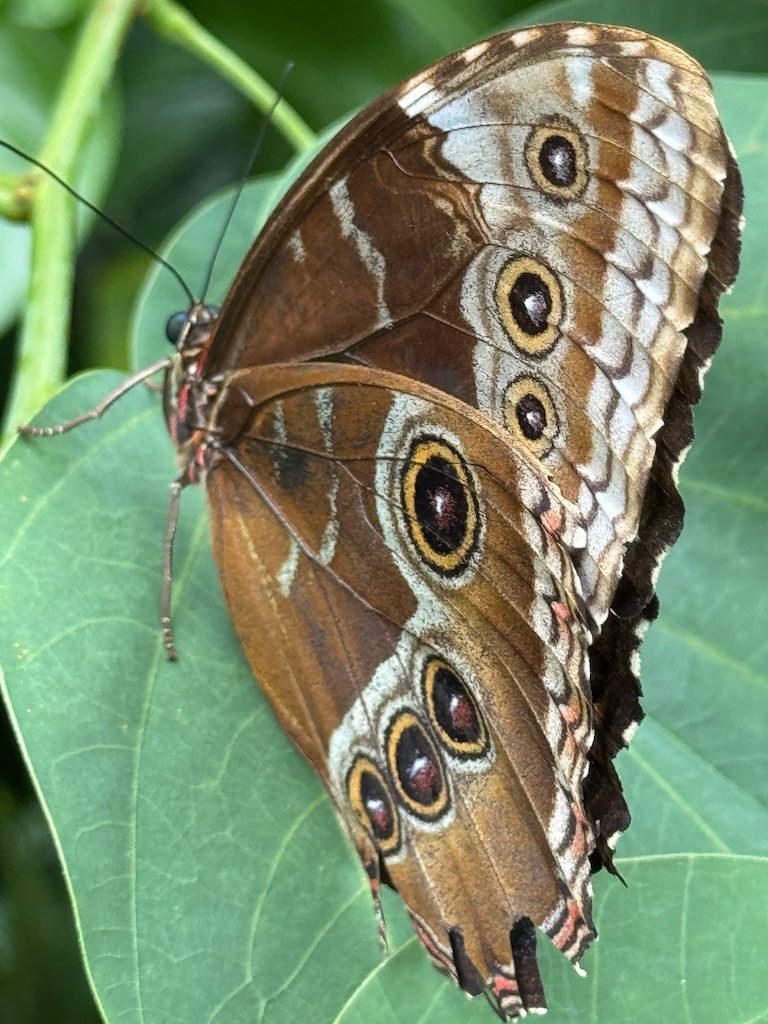
See a Brilliant Blue Butterfly Take Flight for the First Time – A video of a blue morpho butterfly emerging from its chrysalis and tumbling to its first flight (it may take time to start…but it’s worth the wait!

Laguna Atascosa National Wildlife Refuge

Our third day at the Rio Grande Valley Birding Festival did not start out well: our bus has a mechanical problem and our departure was delayed by about 3 hours. Fortunately, the replan included a lengthening of the trip by three hours and provisions (picnic lunch). On the plus side – we avoided some rain showers that moved through while we were waiting; on the negative side – we could have slept later (getting up at 4 AM is common at birding festivals!).  Our destination was the Laguna Atascosa National Wildlife Refuge. We didn’t seen any ocelots that the refuge is trying to protect…but we did see plenty of birds. The days was very cloudy and misty – not good for photographing. I picked a few that were good enjoy enough for identification.

There were snow geese coming and going. I liked this line because of the different morphs visible.

2017 11 IMG_5647.jpg

There was a Little Blue Heron fishing in the shallows

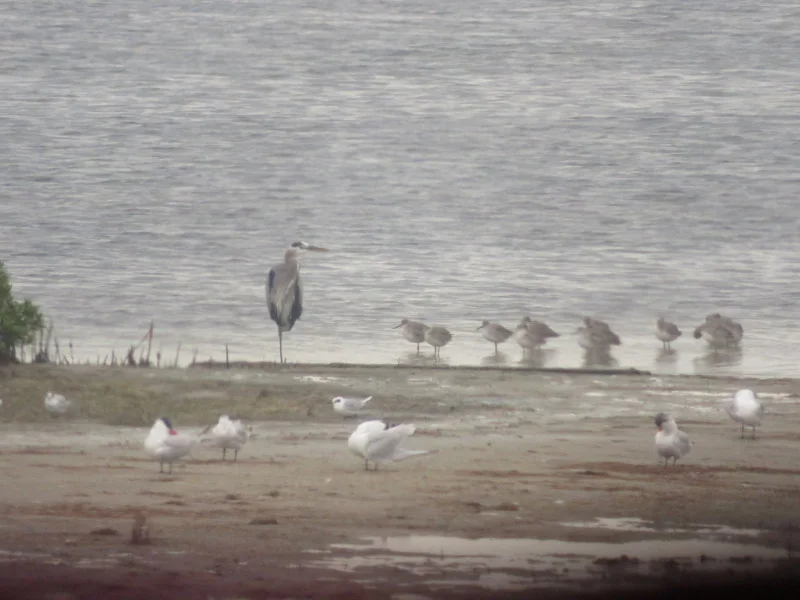
And a Great Blue Heron standing on one leg surveying the shore.

2017 11 IMG_5685.jpg

A group of Forster’s terns, with the black feathers around and back from their eyes) were grouped along the shore (looks like the birds behind them were snoozing).

2017 11 IMG_5690.jpg

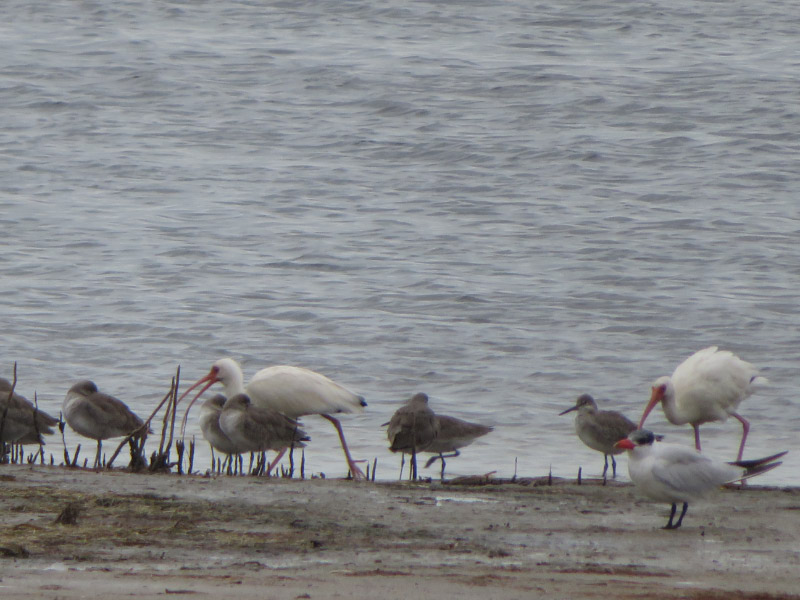
The Forster’s tern is in the middle of this image. The largest bird is a Caspian Tern and the one in front is a Royal Tern. The Royal Terns I’d seen in Maryland always looked like they were wearing a black cap but that is only during the breeding season…not this time of year in South Texas.

2017 11 IMG_5725.jpg

A brown pelican flew above – following the shoreline.

2017 11 IMG_5707.jpg

White Ibis wandered through the other shore birds.

20171109_170653.jpg

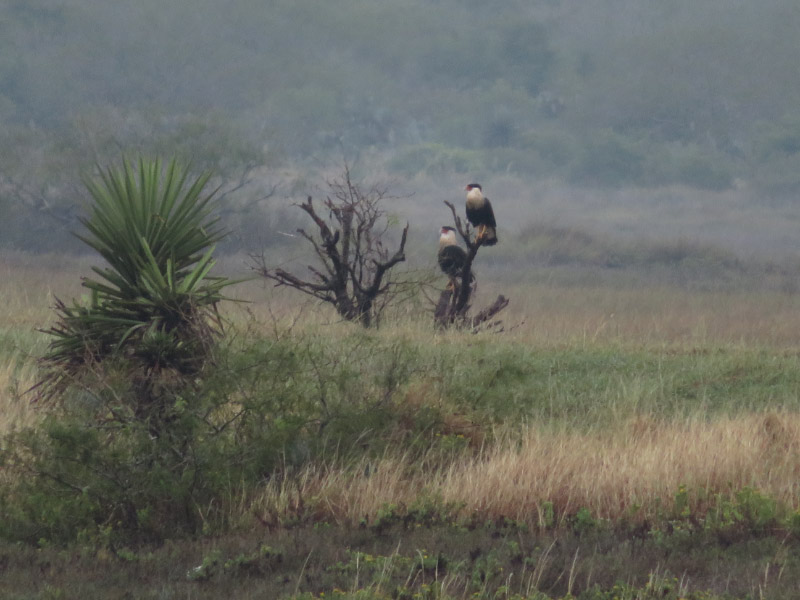
The Crested Caracara were new to me. Since the ones I saw on the field trip were a little far away – I took a picture of a captive bird as the Expo.

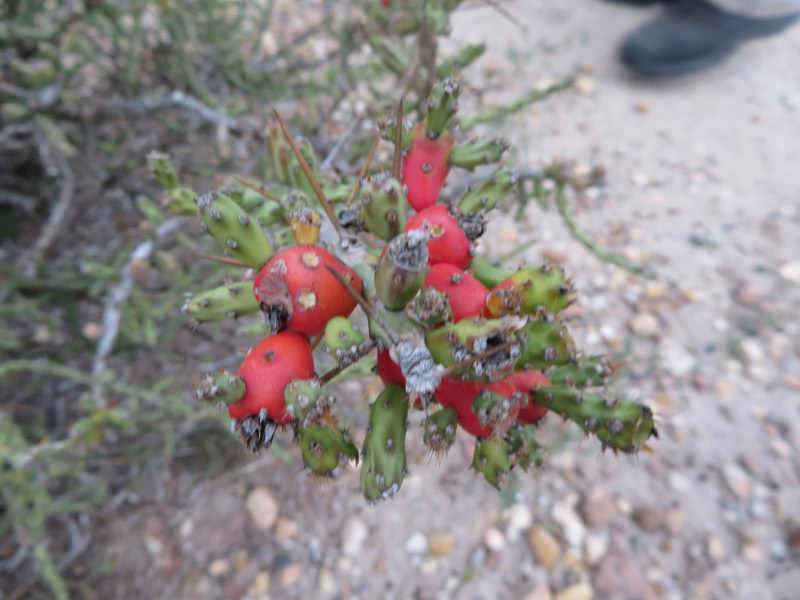
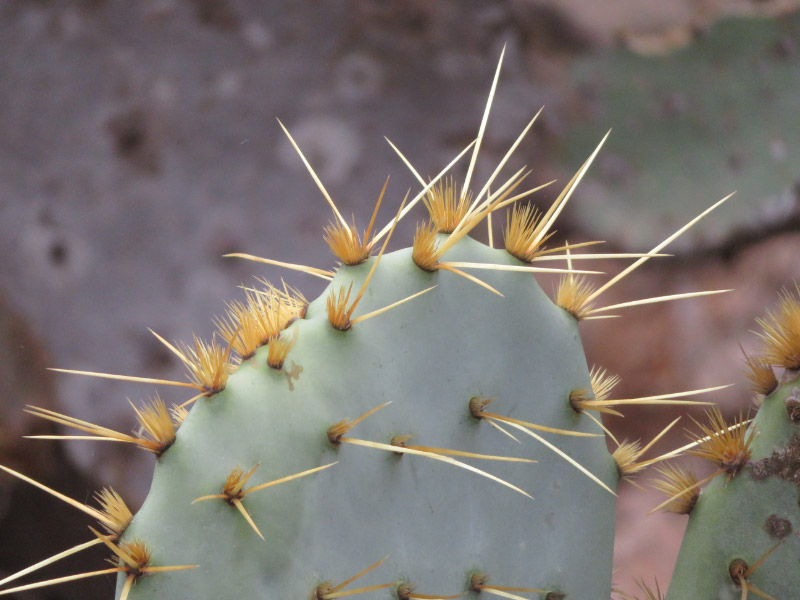
I took a close up of a prickly pear tuna (fruit)…note the spines.

2017 11 IMG_5788.jpg

Side by side – a Lesser and Greater Yellowlegs.

2017 11 IMG_5792.jpg

We were all on the bus when a male Northern Harrier swooped down into the field beside the road and hovered over prey. I did pretty well taking this series through the bus window since there was no time to do anything better.

20171110_175150.jpg

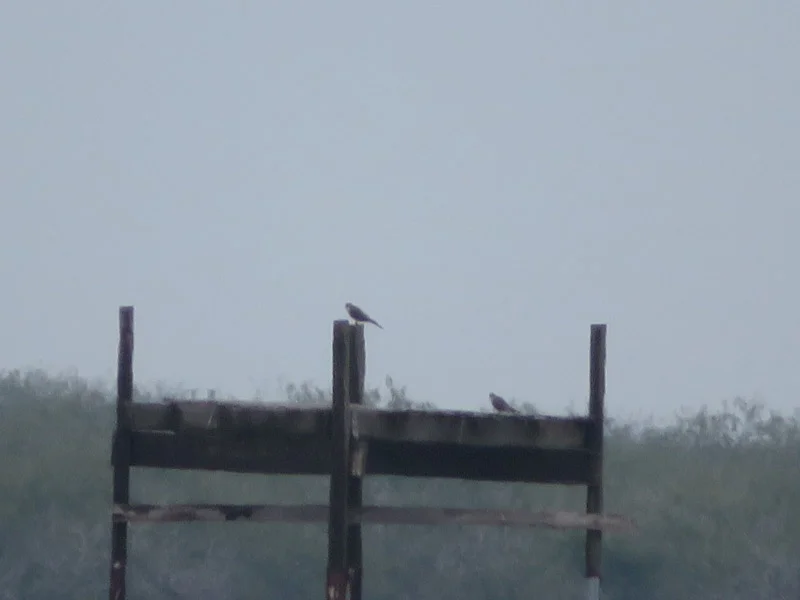
There is a platform where aplomado falcons are nesting. This is an exciting recovery story since this bird was gone from the area for years and has only recently been reintroduced and is breeding again in south Texas. I took a picture of the captive falcon at the Expo just as I had the Crested Caracara.

We stopped at the visitor’s center and walked around the cards there. Red-winged blackbirds are all over North America!

2017 11 IMG_5831.jpg

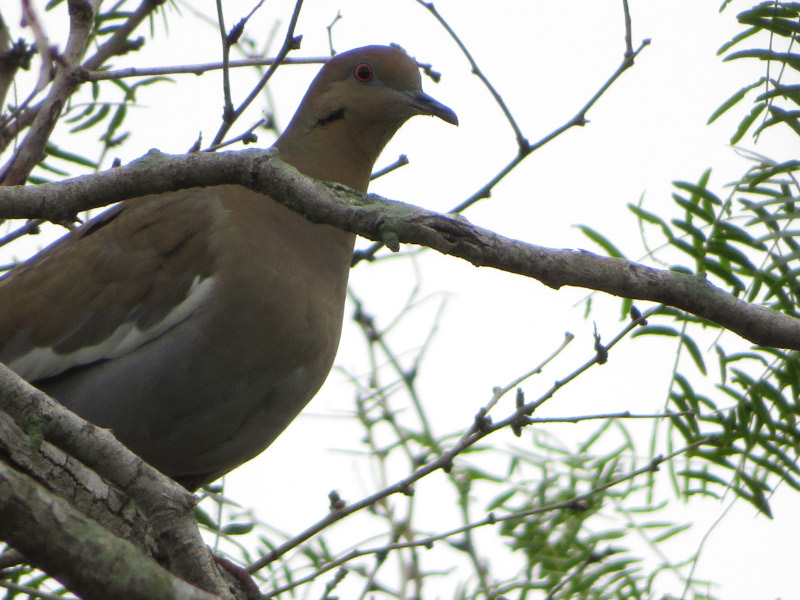
The white winged doves are summer birds in south Texas according to allaboutbirds but there were still a lot of them around in mid-November; I wonder if they are really year round in the Rio Grande Valley.

2017 11 IMG_5838.jpg

 It was a longer day that we’d anticipated but better than we thought might happen in the hour or so after we initially learned of the bus problem. In the end we decided that the Laguna Atascosa trip was well worth it.

Santa Ana National Wildlife Refuge

The second day of the Rio Grande Valley Birding Festival, we did not have any formal field trips scheduled. It was cool and cloudy – not a good day for butterflies, so we shifted our plans back to a focus on birds and headed for the Santa Ana National Wildlife Refuge.Some of the first things we saw on our hike was insects – still with the cold: two dragonflies

Two caterpillars, and

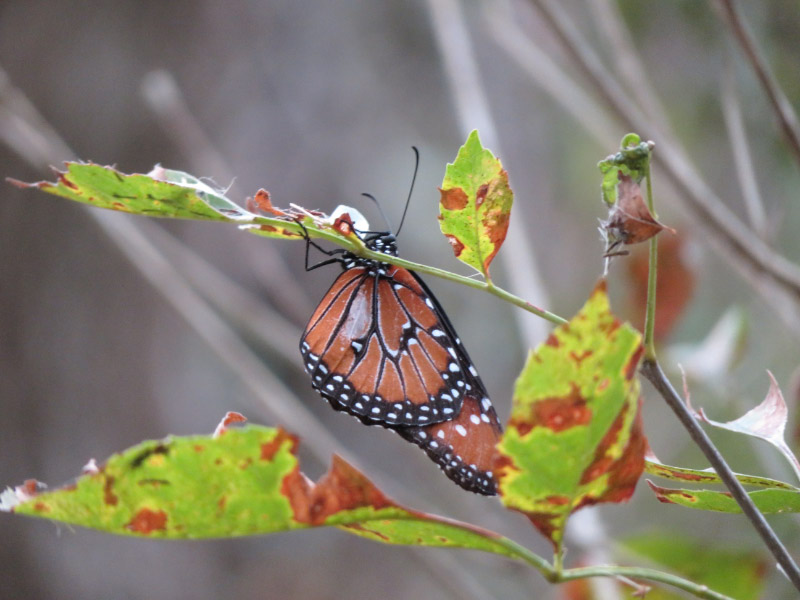
A queen butterfly…not fluttering about.

2017 11 IMG_5455.jpg
2017 11 IMG_5383.jpg

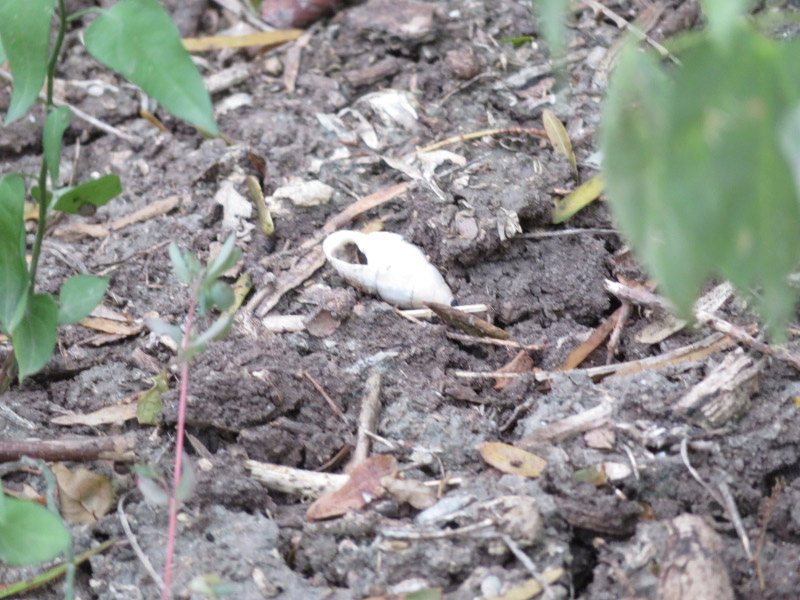
I was pleased to see a land snail on one of the small trees. We’d seen a lot of shells on the ground (i.e. dead) at both Las Estrellas and Rancho Lomitas. We were told that sometimes roadrunners get hungry enough to crack the shells against a rock to get to the tasty morsel inside.

2017 11 IMG_5393.jpg

Ball Moss is something I had never seen. It is like Spanish Moss – also abundant on trees in the refuge.

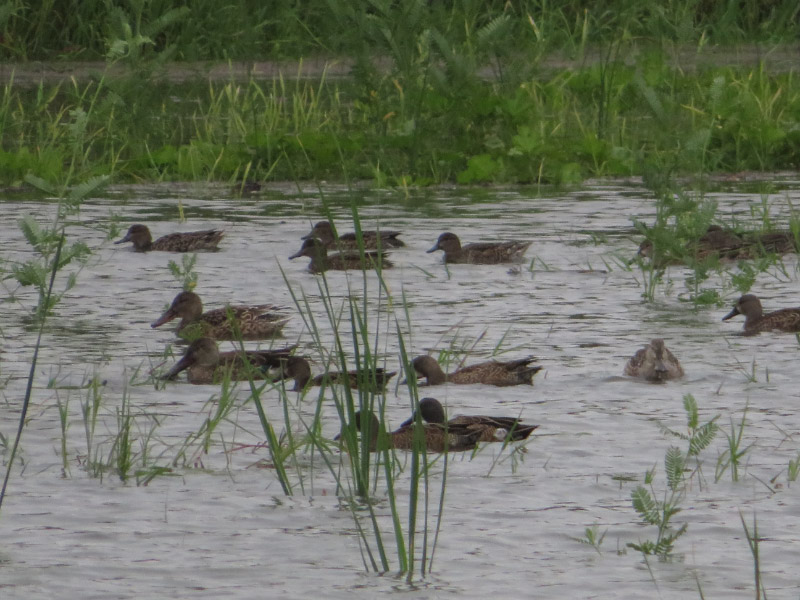
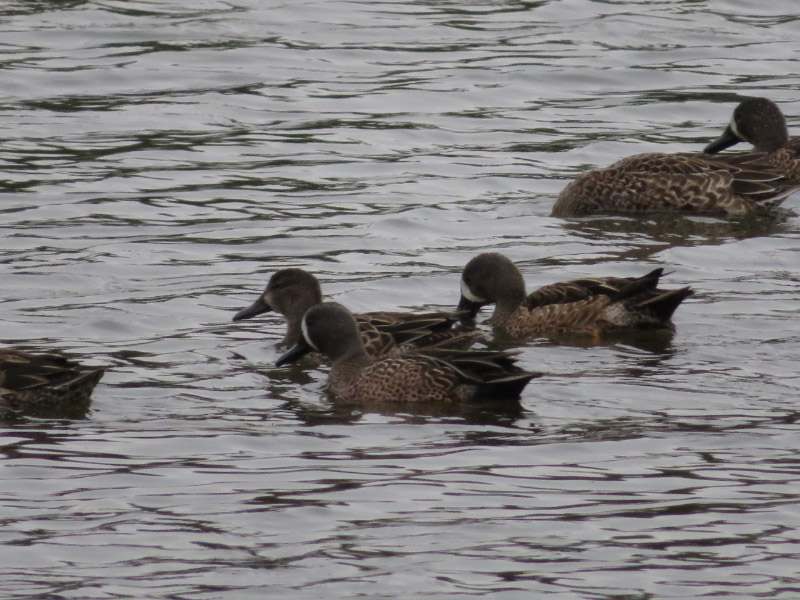
Then we saw some duck: Northern Shovelers and Blue winged teal.

2017 11 IMG_5443.jpg

A group of chachalaca were in the trees beside the trail. It was hard to get pictures through the foliage and branches…we’d get better pictures on another day.

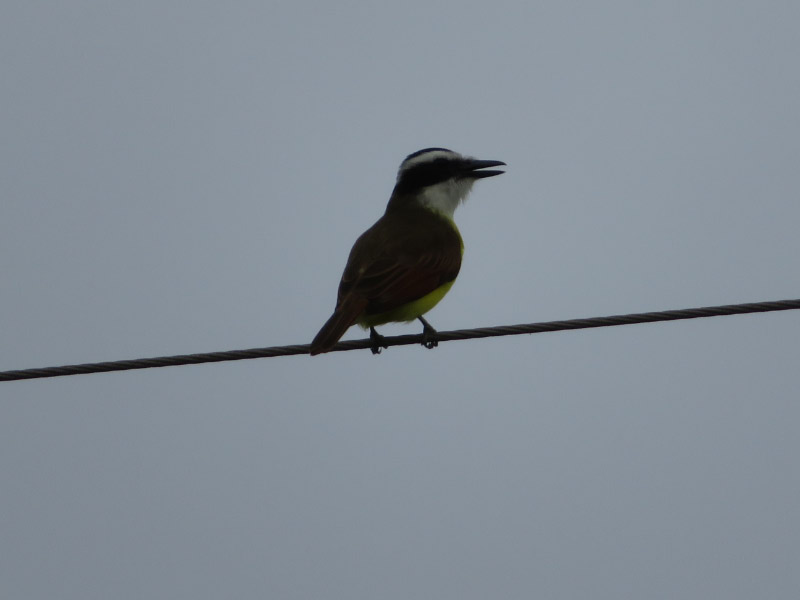
As we walked across an empty parking lot, we spotted a kiskadee on an electrical line

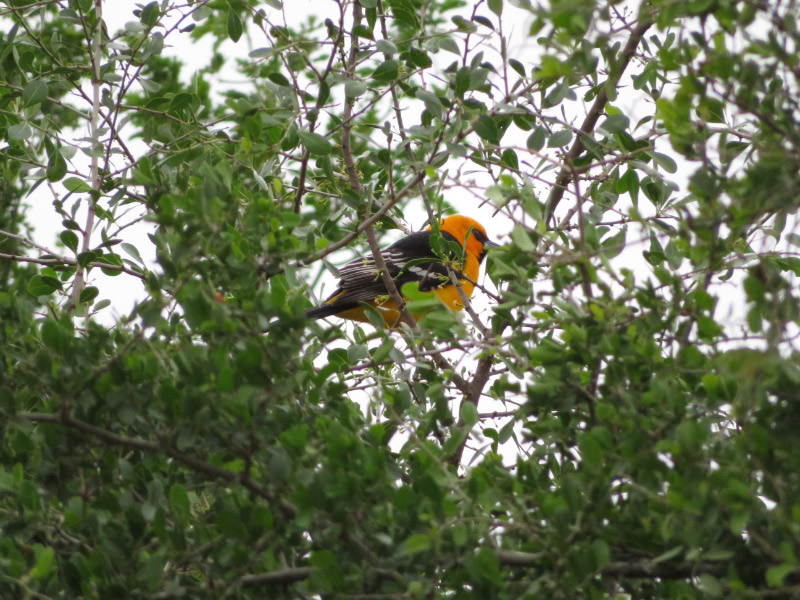
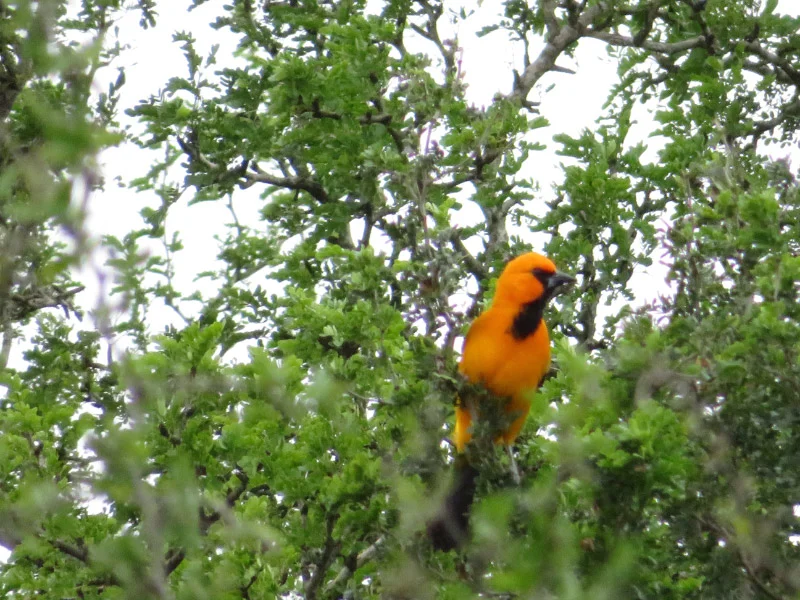
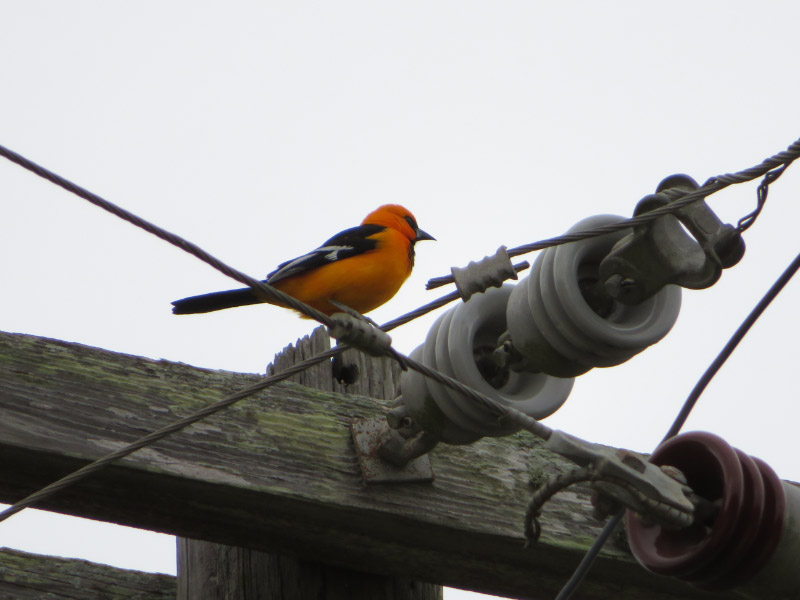
And then a flash of orange in the trees – an Altamira Oriole was on the move. It eventually made it way to the electrical pole as well.

2017 11 IMG_5479.jpg

The refuge has a swinging bridge through tree tops. On the day we were there, the birds were hunkered down but it was still work the climb and the look down into foliage.

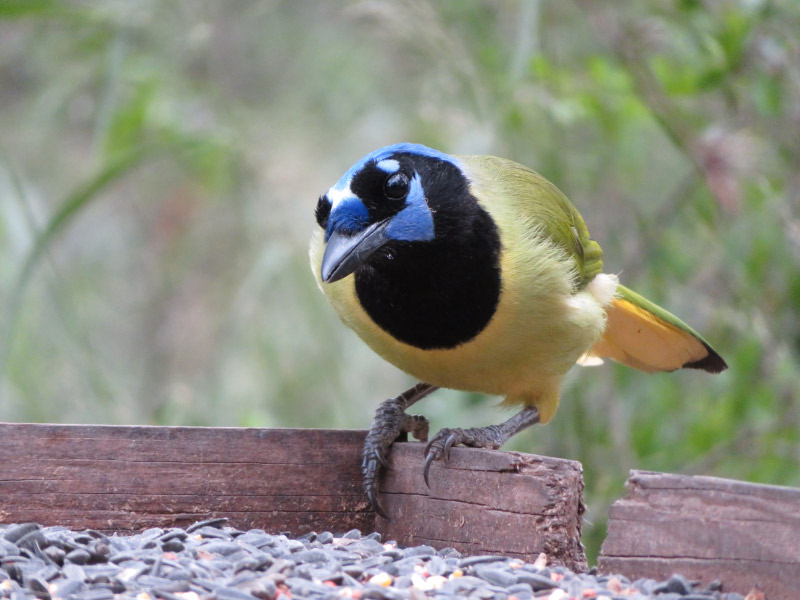
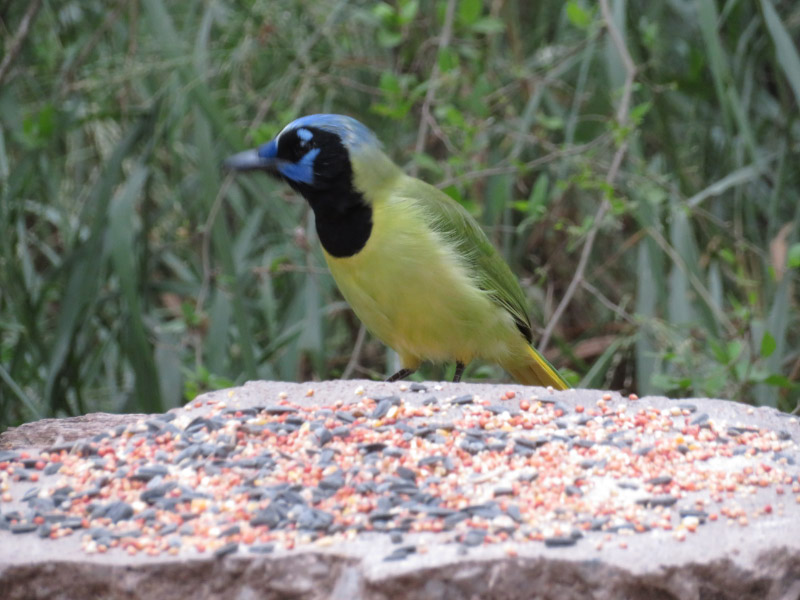
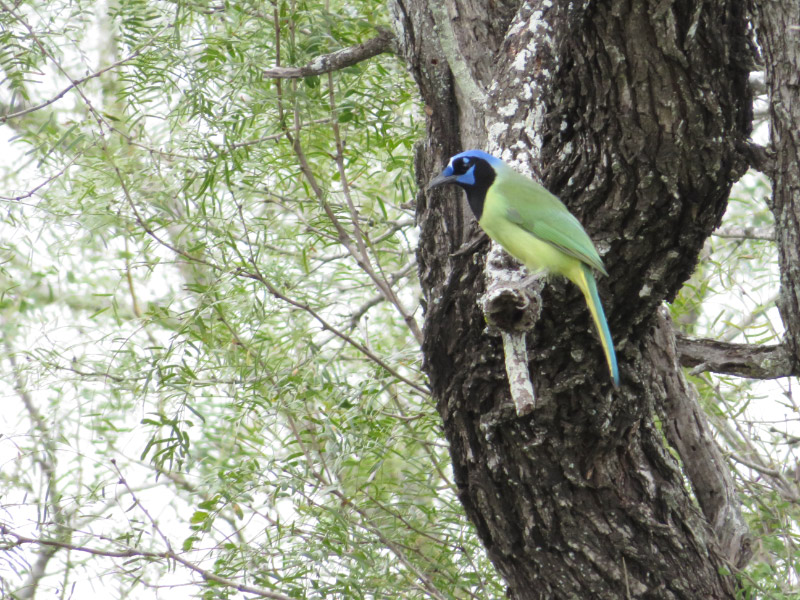
At a bird blind, I finally got some good pictures of the green jay.

We made our way back to the visitor center and had a snack on our way to nearby Estero Llano State Park (topic of tomorrow's post). In this area of Texas there are a series of state and federal lands that make a wild life corridor…more meaningful than each standalone park or refuge.

Rancho Lomitas

After Las Estellas, the field trip group headed to Rancho Lomitas where Benito Trevino shared his knowledge of plants of the Tamaulipan thorn scrub. We learned about how cochineal became a valued commodity to the Spaniards. It is an insect that grows on prickly pear cactus (white mounds) and is used to produce carmine dye. Until the advent of synthetic dyes and pigments it was the best ‘red.’

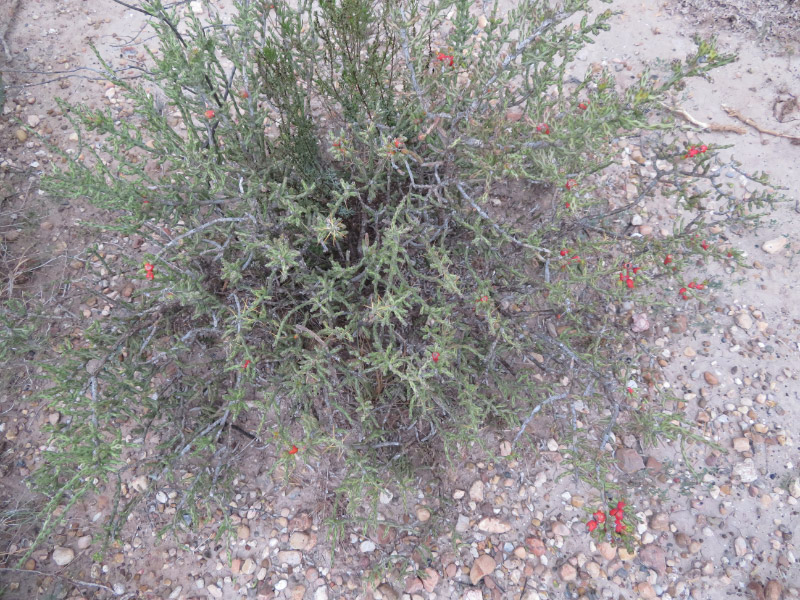
Also the desert Christmas cholla’s berries can be used to sooth a sore throat….if one knows the process to remove the small thorns. First, use a stick to know off berries. Use the stick to separate the berries from the green part of the plant. Use a bunch of grass to move the berries around in the pebbles and dust. When the thorns appear to be gone…do it some more. I tried some. It tastes a little citrusy and would sooth the throat similarly to honey.

It was a mostly cloudy and cool day but the sun came out for a little while and we saw some butterflies.

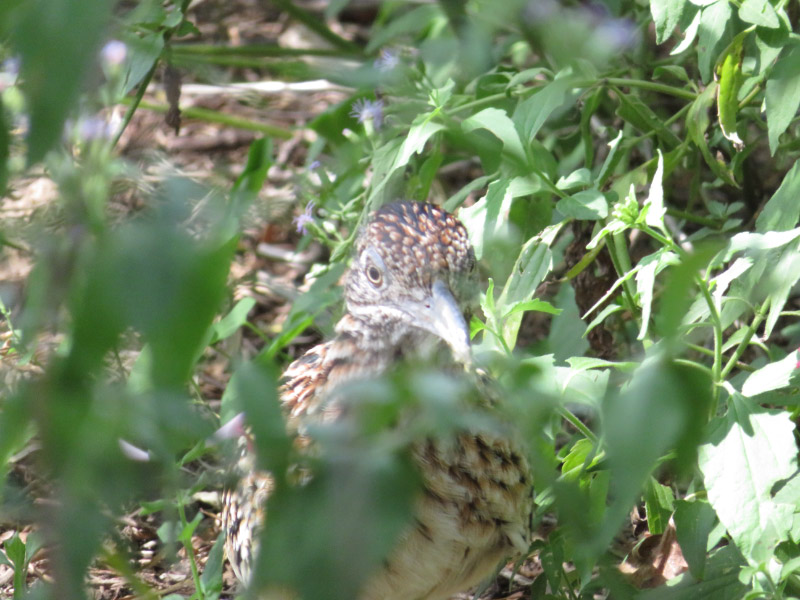
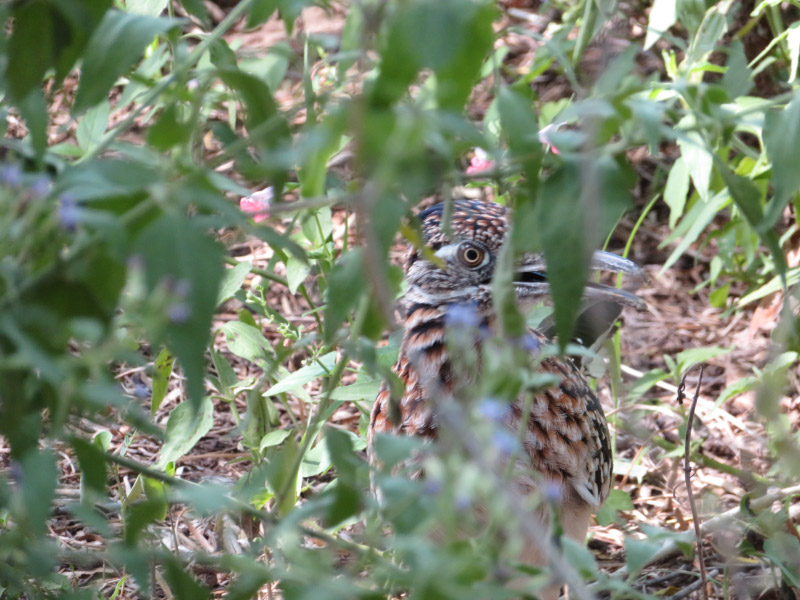
There is a road runner that patrols the gardens.

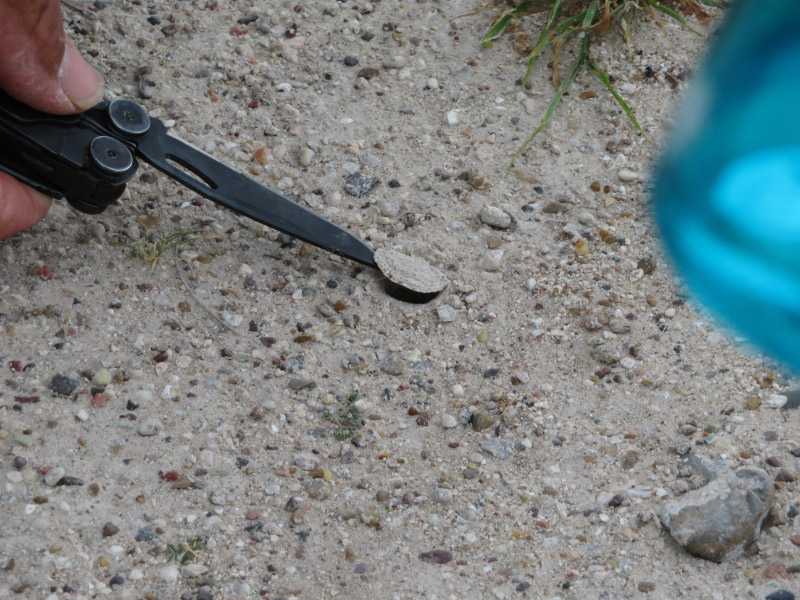
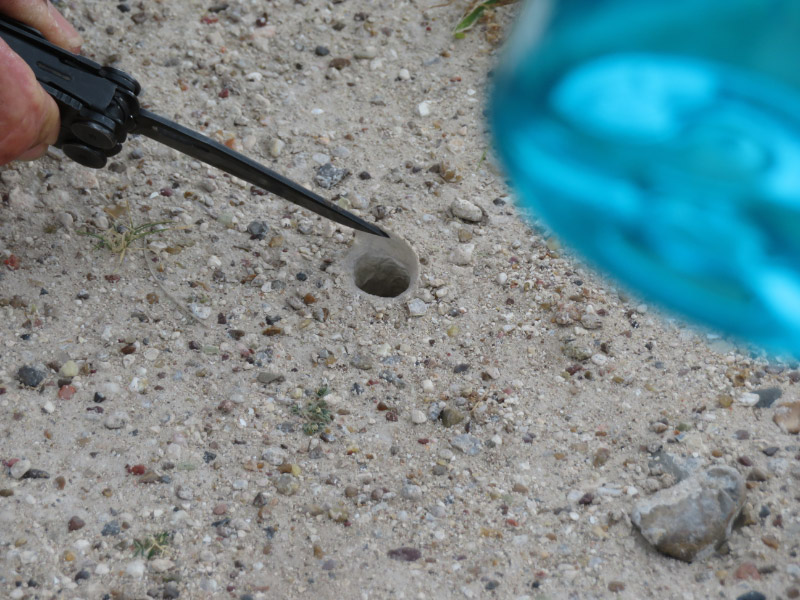
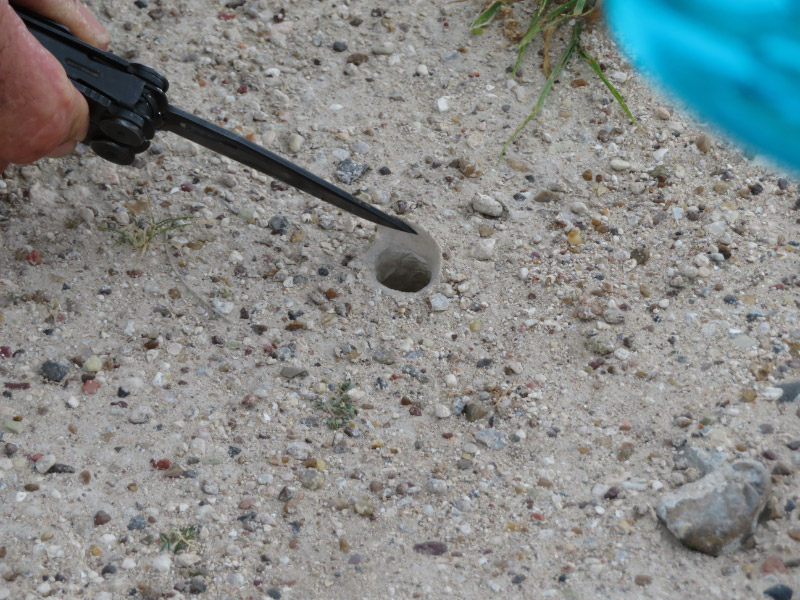
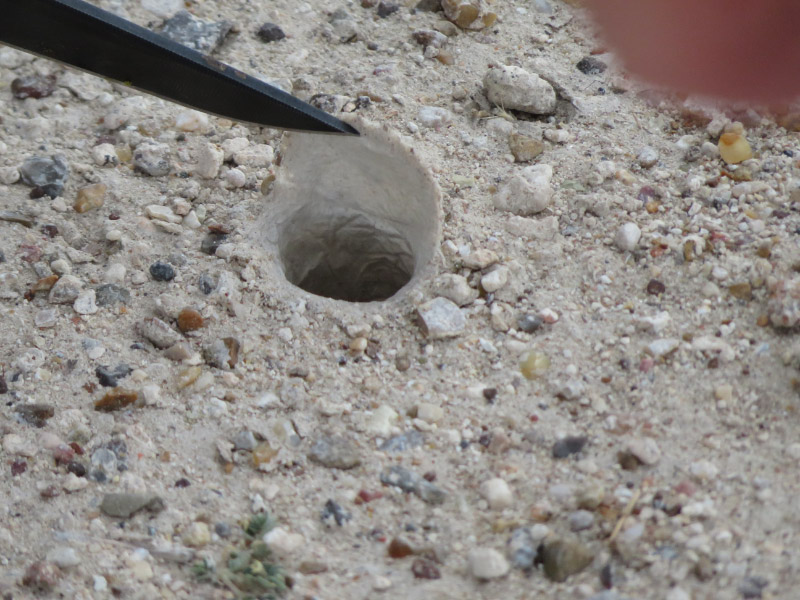
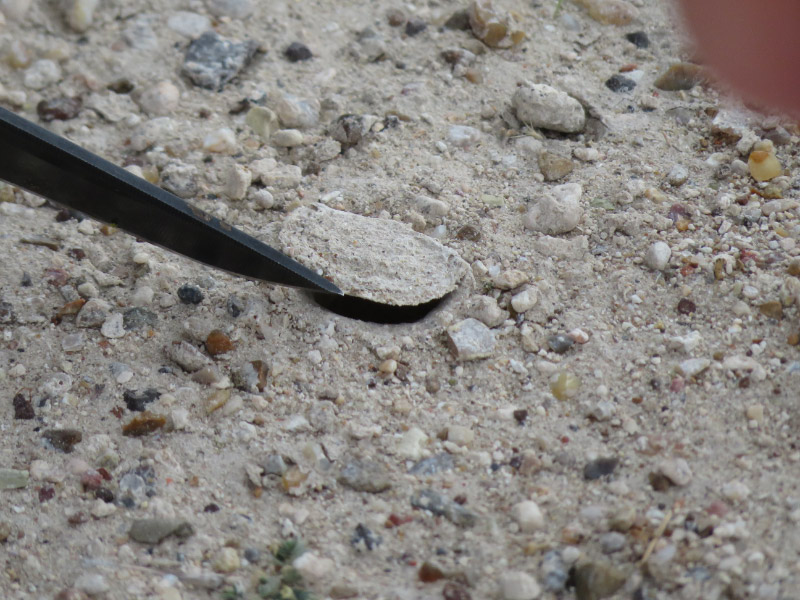
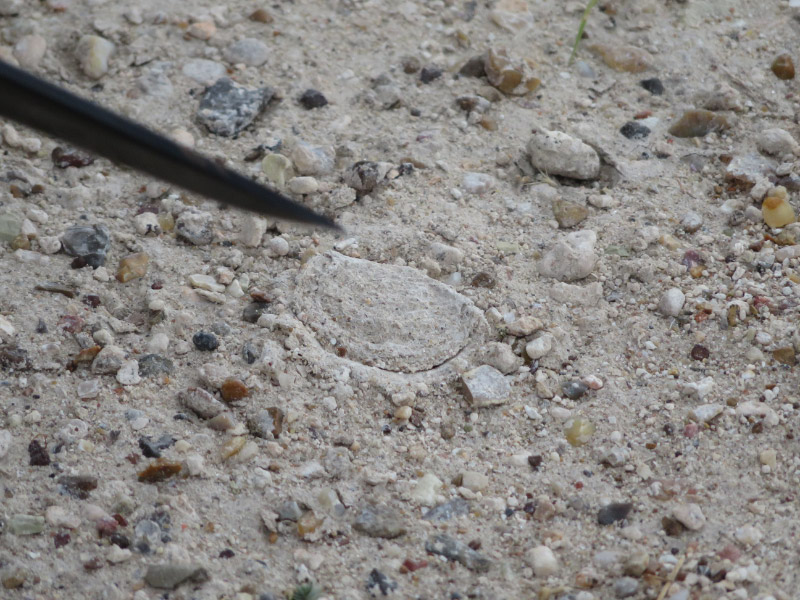
We were walking along the road back to our van when Benito spotted a trap door spider and gently opened it with his knife; I would not have spotted it on my own!

A culinary treat for dessert after our lunch – some cookies made with mesquite floor. Maryland does not have mesquite trees but maybe I can find some if I visit my family in Texas at the right time!

Gleanings of the Week Ending November 18, 2017

The items below were ‘the cream’ of the articles and websites I found this past week. Click on the light green text to look at the article.

The Acoustics of Ancient Greek Theaters Aren’t What They Used to Be | Smart News | Smithsonian – Legendary acoustics? Maybe not. But they are still very good even with the changes in the structures over time (pitting of smooth surfaces, no backdrops, etc.)

BBC - Future - The useless design features in modern products – copper rivets and watch pockets in jeans, cockpits with analog dials/leavers/knobs, and keyboard layout. The look of modern products has a lot to do with history!

Five Things to Know About the Yellowstone Supervolcano | Smart News | Smithsonian – I can remember my daughter being fascinated that Yellowstone is a Supervolcano when we visited. She was enthusiastic about finding a book about it and was puzzled when the person manning the bookstore seemed surprised that she wanted a book about super volcanoes!

Keeping Your Balance as You Age | Berkeley Wellness – Some reasons to do some balance exercises…and some easy ones that don’t need any equipment.

Some items about a favorite food around Thanksgiving: Pumpkin genomes sequenced, revealing uncommon evolutionary history -- ScienceDaily and 7 Pumpkin Recipe Ideas | Berkeley Wellness

Oldest recorded solar eclipse helps date the Egyptian pharaohs -- ScienceDaily – October 30, 1207 BC! A new calculation that, if accepted, could lead to an adjustment in the dates of the reigns of several pharaohs…enabling to date them precisely

Caribbean’s largest concentration of indigenous pre-Columbian rock art -- ScienceDaily - Artists before Columbus: New research on the Caribbean’s largest concentration of indigenous pre-Columbian rock art (how it was made, paint recipes). The pictographs are in very narrow spaces deep in caves. Follow the materials link at the bottom of the article to see some images. As I read the article, I realized that the research had probably been completed before the recent hurricanes.

Older Neandertal survived with a little help from his friends – Loss of a forearm, deaf…and he survived into his 40s…about 50,000 years ago.

The Weird Growth Strategy of Earth’s First Trees | The Scientist Magazine® - The first tree grew large very differently than modern trees!

4 Myths About Meditation and How to Overcome Them | Berkeley Wellness – For me – the ‘myths’ are no so important…the mediation is.

Las Estrellas

Our first field trip of the Rio Grande Valley Birding Festival was to Las Estellas – a Nature Conservancy preserve near Rio Grande City. The vans left at 5:30 AM…normal for birding festivals. The day was cool and gray…thankfully not wet. We had a rest stop along the way and spotted a Cooper’s Hawk on a light fixture in the parking lot. Not a bad way to start a birding week!

2017 11 IMG_5167.jpg
2017 11 IMG_5229.jpg

The preserve is not one that is open to the public. It protects some endangers Star Cactus. The previous weeks had been dry, so they were hard to spot – flush with the ground and blending in with the pebbles and sand. Once we spotted one, our eyes became more trained and more were spotted.

This will tree was in an area that is sometimes full of water. There was still a little water in the lowest part of the area – often enough to keep other plants from growing.

2017 11 IMG_5182.jpg
2017 11 IMG_5220.jpg

Walking around the preserve gave us a preview of many of the south Texas plants.

We could see the wind turbines through the mists. South Texas is evidently as much a part of wind energy in Texas as West Texas.

2017 11 IMG_5223.jpg

There were migrating butterflies that we saw in the air – but they weren’t settling anywhere (no photos). There two types of small butterflies that I managed to photograph: Reakirt’s Blue

2017 11 IMG_5216.jpg

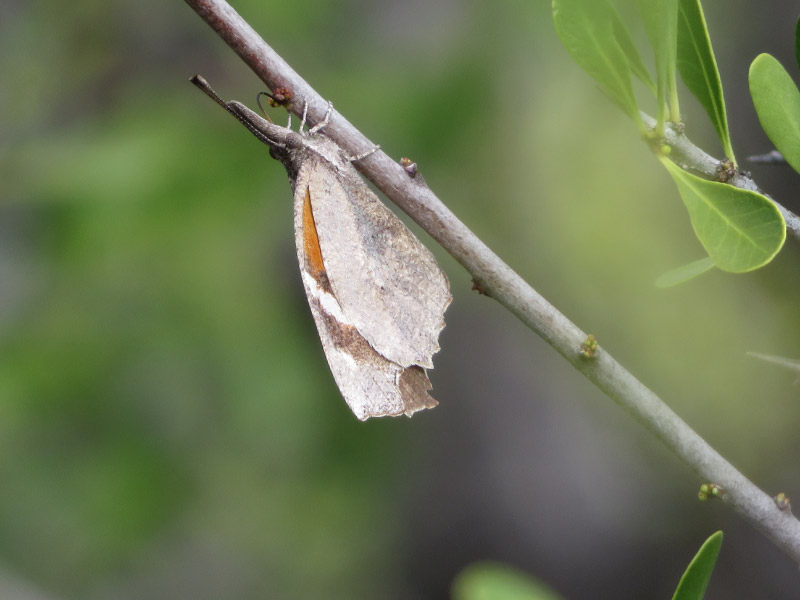
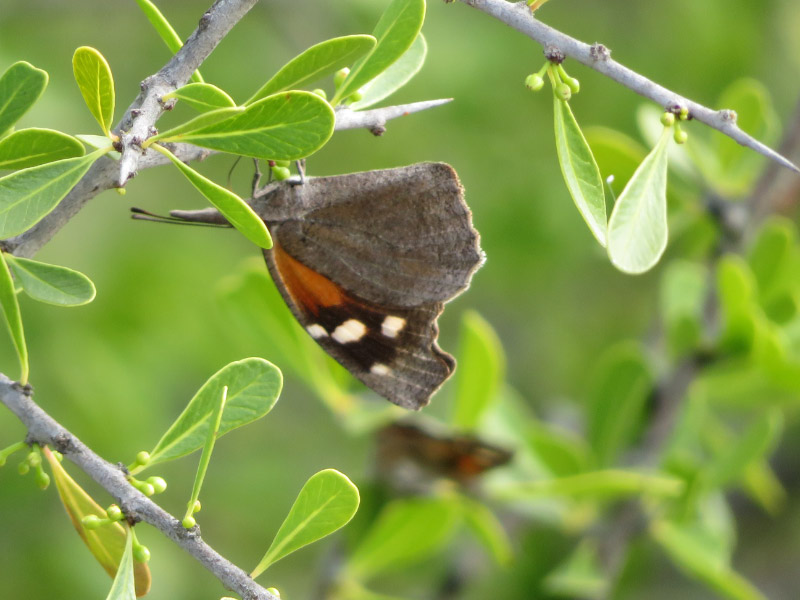
And American Snouts – with very unusual mouthparts!

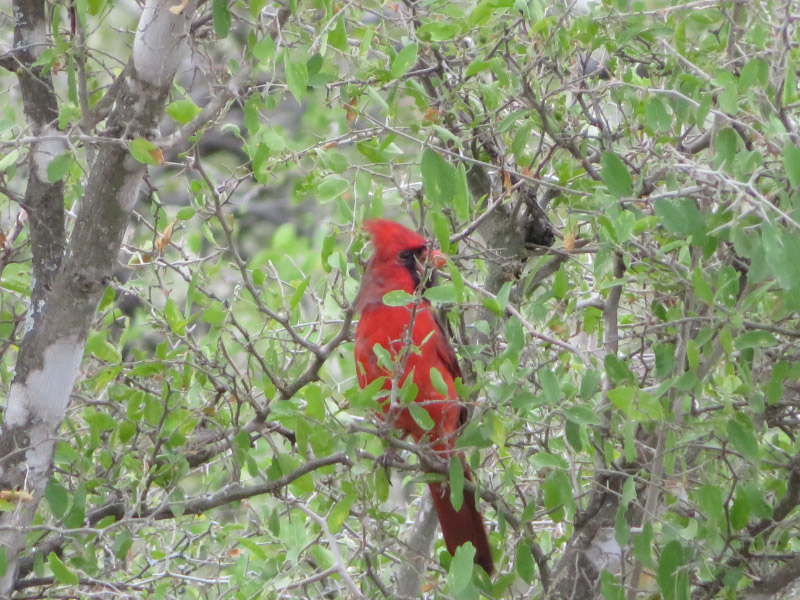
We didn’t see a lot of birds; the weather was cool and damp so they were not very active. A Northern Cardinal and a Green Jay were about all we saw; at least they were colorful.

On the way to our next destination, we saw a Harris’s Hawk. I managed to get a blurry picture through the van window…but it is good enough to identify it!

2017 11 IMG_5266.jpg

Next stop was Rancho Lomitas. I’ll post about our experience there on Sunday.

3 Free eBooks – November 2017

So many books….so little time!

Evans, Henry Herman. Botanical prints with excerpts from the artist's notebooks. San Francisco: Freeman. 1977. Borrow from Internet Archive here. This is a book available from Internet Archive that is loaned for 14 days. I loved the prints in this book…well work the look. I appreciate that a lot of books that were previous hard to access because they were still under copyright but out-of-print (and expensive if they were available on the used market) are being digitized and made available this way. Kudos to the Internet Archive and the people that are working to make it possible.

Godey, Louis A.; Hale, Sarah Josepha. Godey’s Lady’s Book. Published in Philadelphia. The Internet Archive has many volumes…particularly issues from 1864 available here. The illustrations are snippets of fashion history at the that the Civil War was ending; the magazine managed to stay surprisingly apolitical. What do you think about these bathing dresses from July 1864!

2017 11 ebook2.jpg

Wight, Robert. Icones plantarum Indiae Orientalis - or figures of Indian plants. Madras: Published by JB Pharoah for the author. 1840-1853. Six volumes (and other books by the same author) available from the Internet Archive here. I like the botanical drawings in these volumes as prompts for Zentangle patterns.

2017 11 ebook3.jpg

Carrollton Garden

I was working on a blog post last week and noticed a butterfly in the garden. I didn’t get outside fast enough to get a picture of it but is did notice that there were Cosmos still blooming that might provide some food for butterflies.

2017 11 IMG_5020.jpg
2017 11 IMG_5023.jpg

There was also some color left from summer: cockscomb (one being held by a dragon ornament in the garden)

2017 11 IMG_5028.jpg

And hydrangea.

2017 11 IMG_5033.jpg
2017 11 IMG_5042.jpg

The next morning I photographed another part of the yard. The red yucca seed pods are splitting. I hadn’t noticed how charred their seeds look when I’d photographed them on previous visits.

There is a mound of mums near a rock in the garden – a patch of orange on a cloudy morning.

2017 11 IMG_5054.jpg

A Walk to Josey Ranch

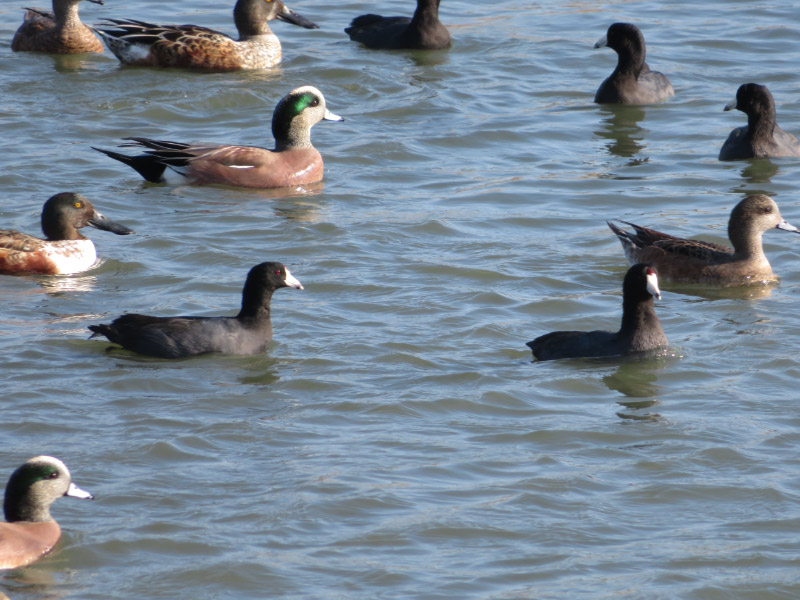
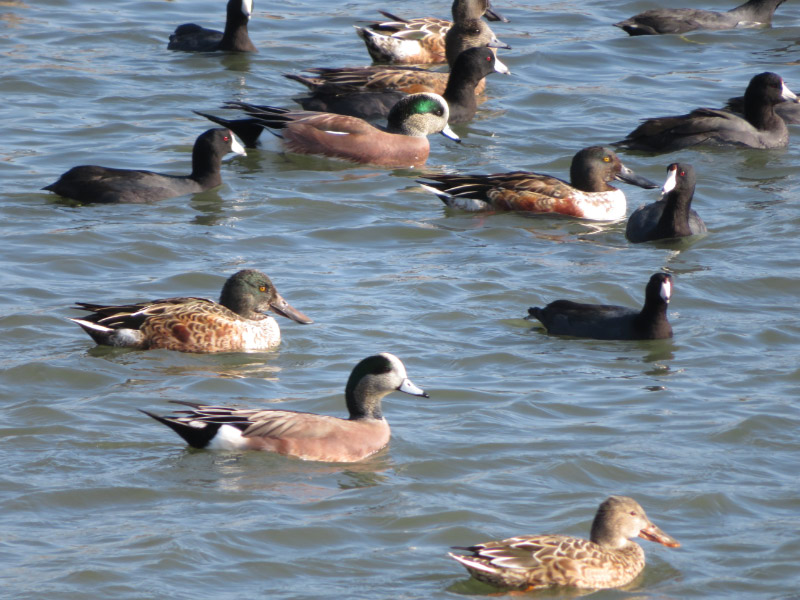
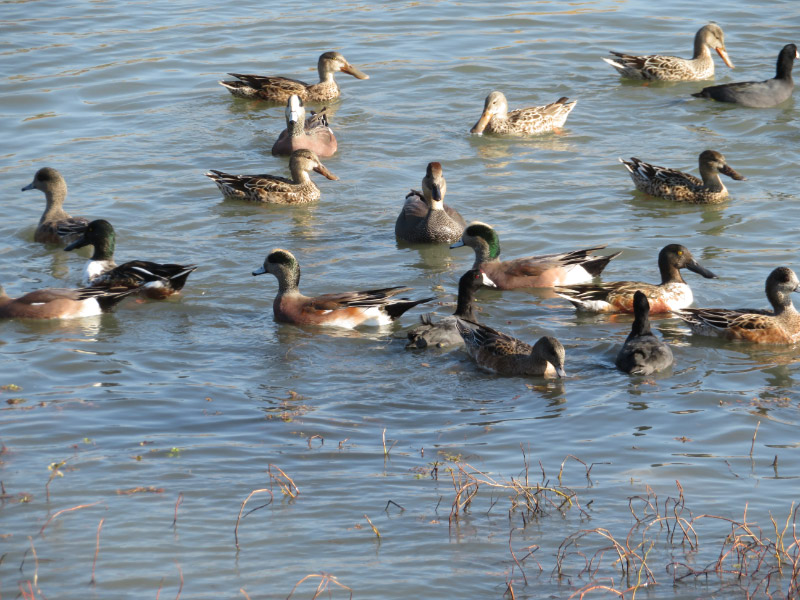
Last week I was in Carrollton, TX and decided to get my exercise by walking from my parents’ house to Josey Ranch Lake Park. It’s about a mile each way. I printed a Google map for the walking route since the route meanders through a neighborhood. It was an easy morning walk. And there were some winter-time birds newly arrived for the season at the lake. The first ones I spotted were Northern Shovelers. They are easy to recognize by the bill that looks too big for the head.

2017 11 w IMG_4942.jpg

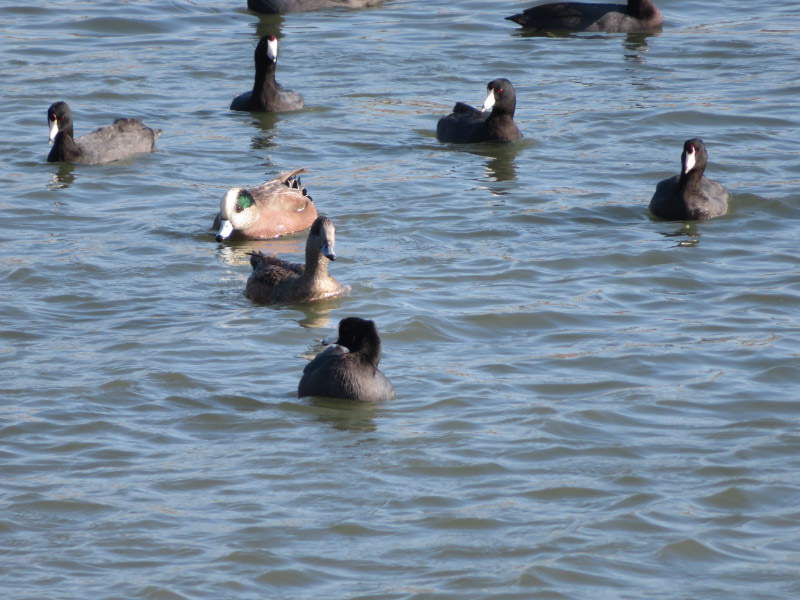
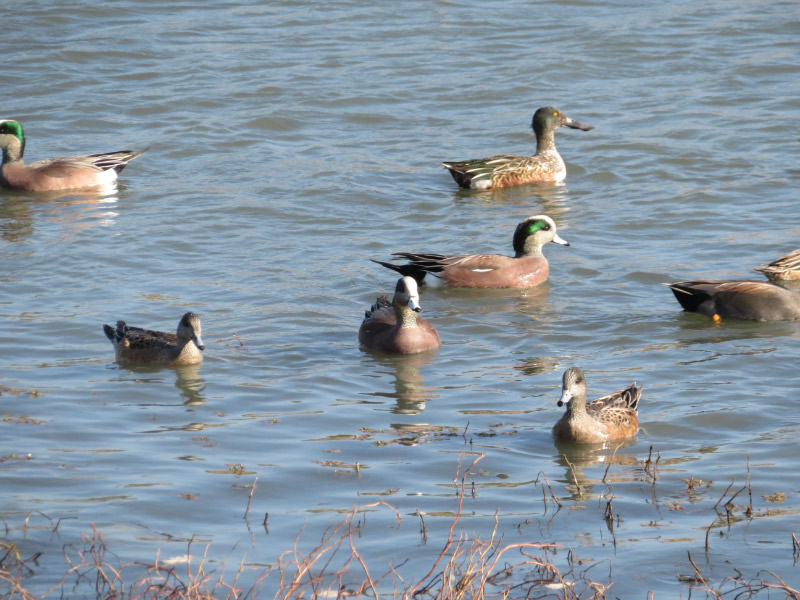
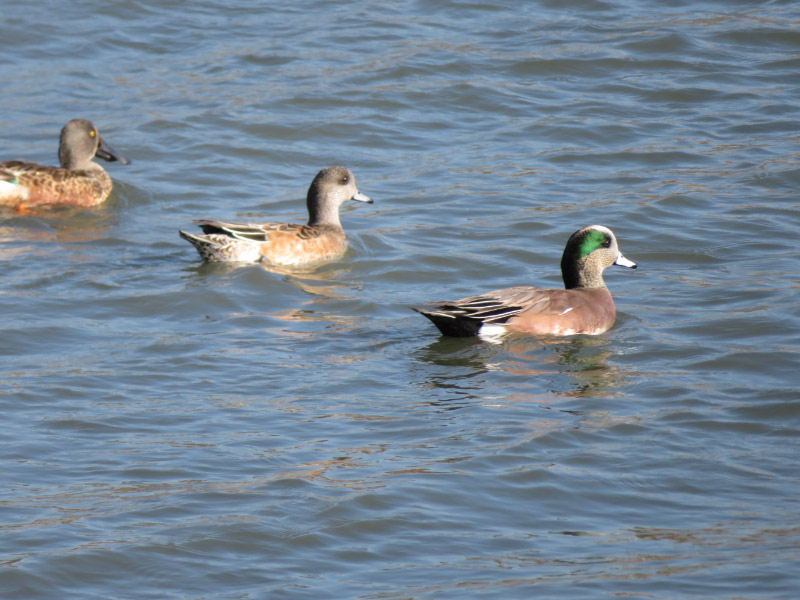
I’d seen American wigeons before…but not often enough that I remembered what they were. I took lots of pictures and then checked All About Birds to identify them when I got back from my walk.

The other bird that winters in this area that I saw at the lake was a cormorant. It was harder to spot because it was fishing (diving frequently) and it was seemingly alone.

2017 11 c IMG_4962.jpg

There were birds that are in the area all through the year too: Common grackles

2017 11 g IMG_4969.jpg

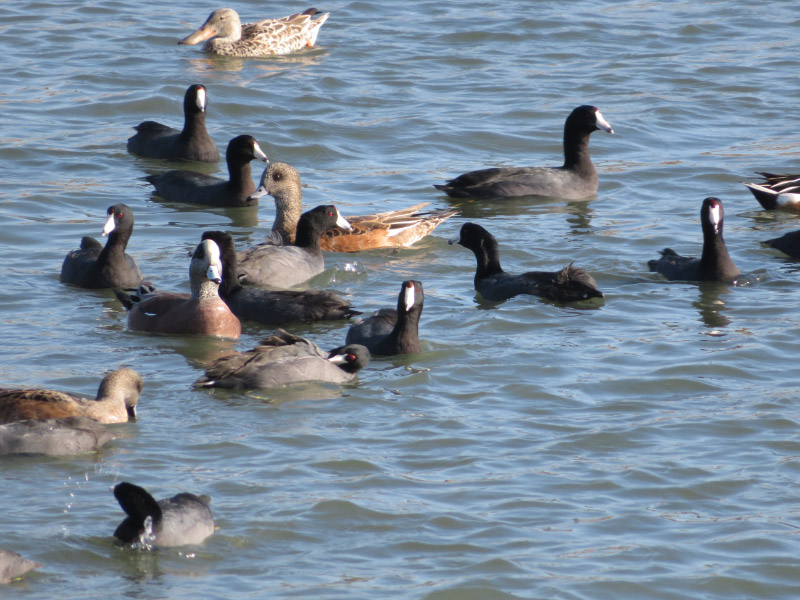
And American Coots (the two birds in the foreground below…with a Northern Shoveler behind them).

2017 11 coot IMG_4927.jpg

Now that I’ve identified the types of birds present…see how easily they can be recognized in these mixed group images. They were all feeding together at the lake.

I walked a little further around the lake and took pictures of turtles warming up for their day…I got a little too close and they plopped into the water.

I walked back to where I started the loop around the lake. I had just started taking more group pictures of the ducks when some American coots got into a tussle and startled the whole group….lots of splashing water as birds lifted off and moved to the center – safer – part of the lake.

2017 11 IMG_4967.jpg

As I walked hope I saw a very large katydid on a fence. It was turning brown with the season.

There was also a very dense group of weed flowers growing in a narrow band of dirt between the fence and concrete….a fall floral.

2017 11 IMG_5011.jpg

Nemours Mansion and Gardens – Part 2

2017 10 IMG_4824.jpg

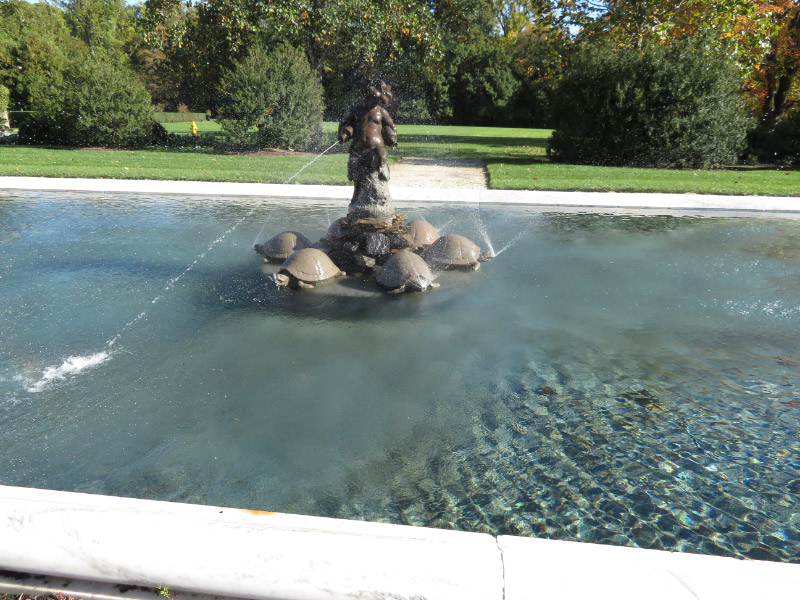
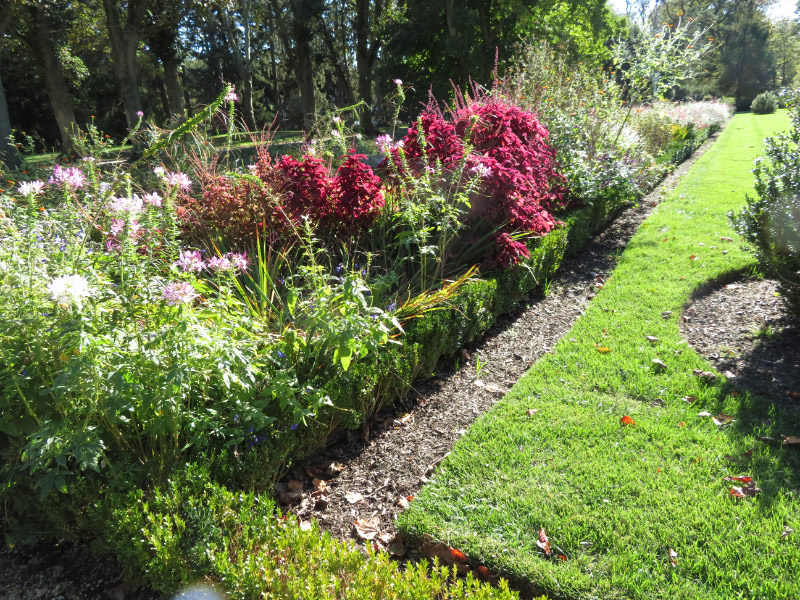
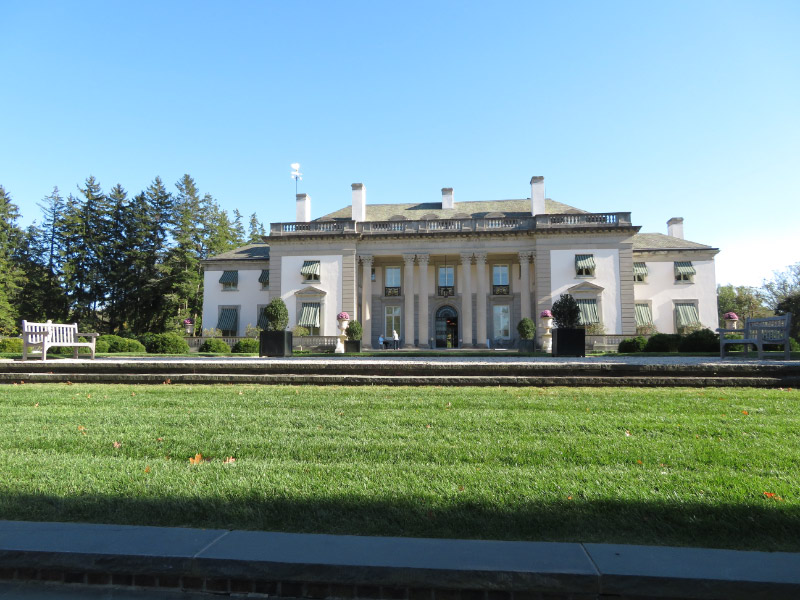
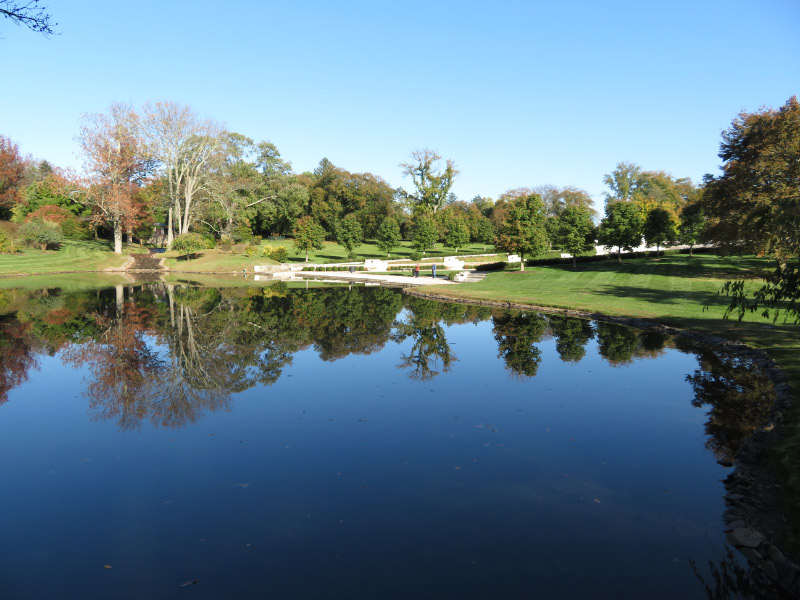
The gardens at Nemours are very well maintained. While we were there the big pool was being rebuilt; there was a lot of dirt! There are historical gates on the two sides of the house. The bus stops at the British one and across the front of the house is the heavier looking Russian gate.

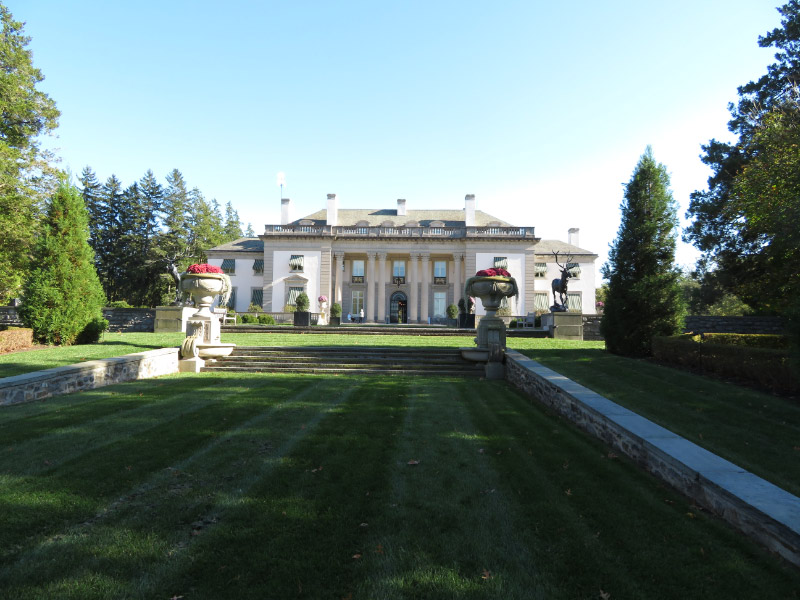
The view from the front of the house is down hill to the mid-garden structures…female sphinxes on both sides of the porch.

Walking around the house toward the Russian gate, the turtle pond garden can be viewed from ground level.

The weather vane glowed in the afternoon sun.

2017 10 IMG_4835.jpg

Looking back to the house walking down into the garden….

2017 10 IMG_4848.jpg

The maple tree lined drive used by the bus that carries everyone between the visitor center and the mansion (no pedestrian entrance or exit).

Many of the sculptures must be reproductions or otherwise very well maintained. The marble ones looked too good to be 1920s vintage.

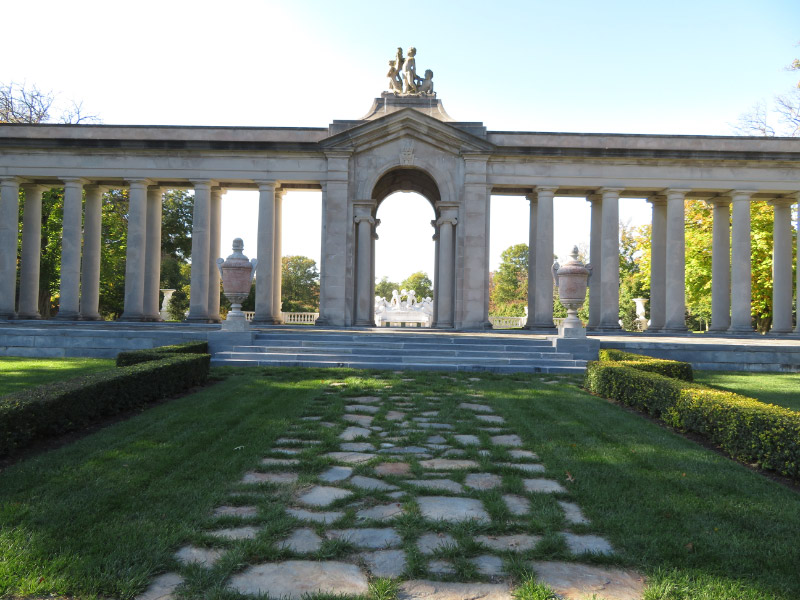
Structures divide the gardens into ‘rooms’ making the transition to less formality further from the house.

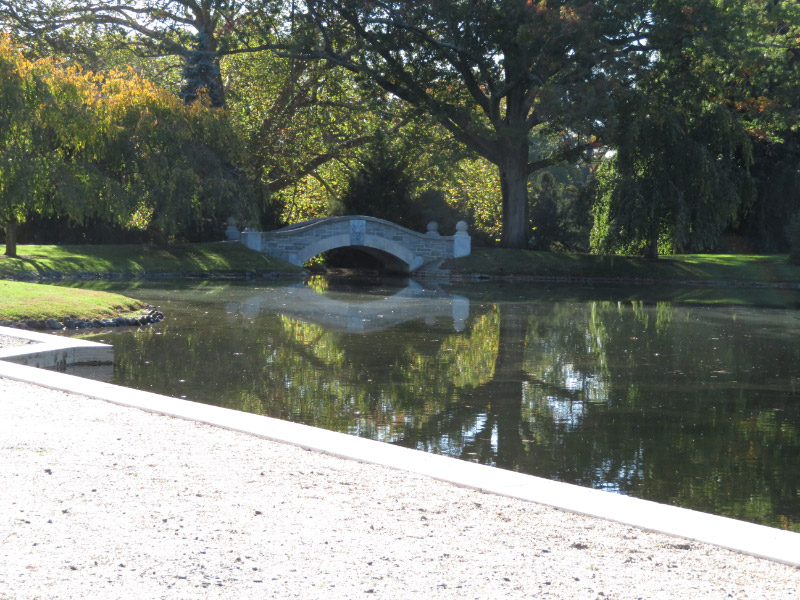
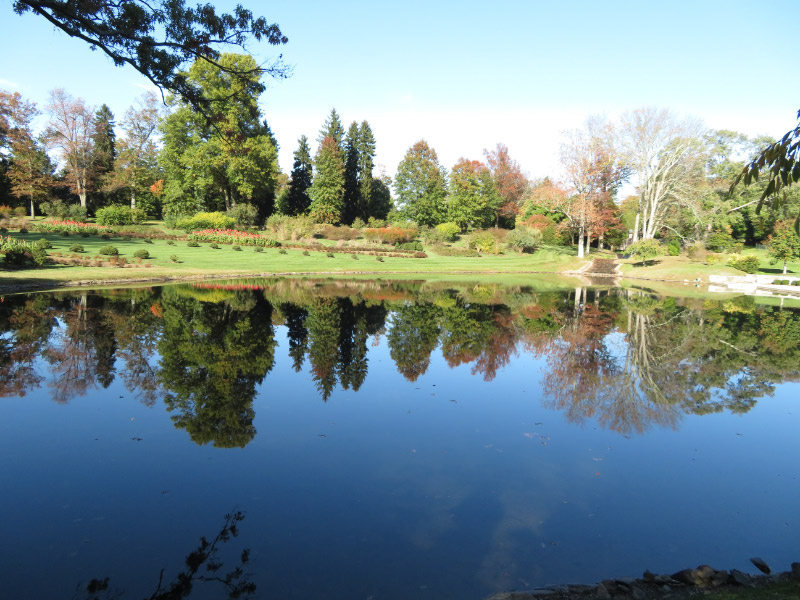
We noticed a bridge by one of the ponds and walked over. The reflections of trees in the pond viewed from the bridge was one of my favorite scenes of the garden.

2017 10 IMG_4882.jpg

There is a temple with a Houdon sculpture of Diana at the far end of garden. We walked toward the road and found the bus to take us back through the security fence to the visitor center.

2017 10 IMG_4866.jpg

Fall at Brookside Gardens

IMG_4658.jpg

Last week my sister and I walked around Brookside Gardens. As we parked I noticed a tall Bald Cypress that was dropping its needles – a good sign of fall. Up close the cones were still a little green compared to the needles.

IMG_4660.jpg

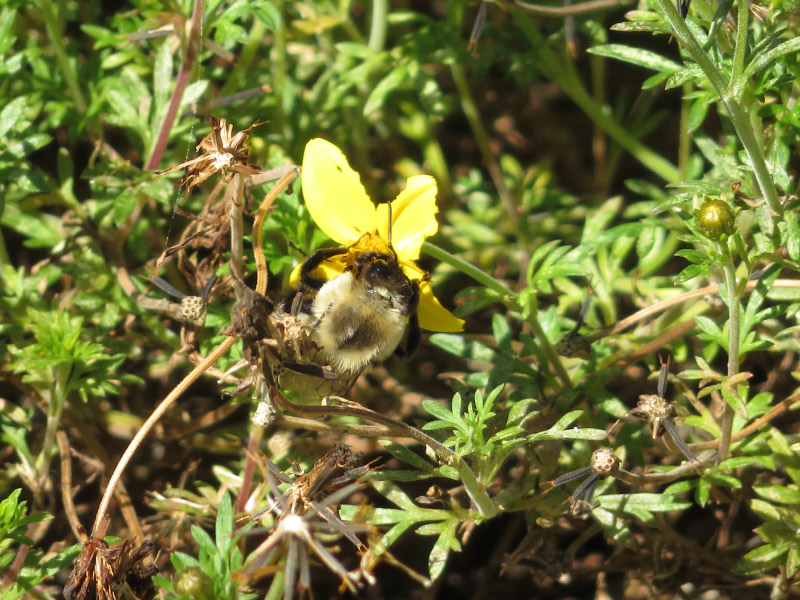
The gardens were full of plants that can survive the cooling temperatures for a little while. There was a new sculpture near the scent garden – a sphere of stones carefully pieced together without mortar. A few flowers were still blooming, and the bumble bees were active.

There was a monarch butterfly and I hoped that it would continue southward fast enough…not be caught here were we have our first frosts.

IMG_4679.jpg
IMG_4685.jpg

The area around the ponds and teahouse was partially closed (maybe some flood damage repair) but the bridge to the maze was a nice fall foliage scene. The maze itself has some sediment on one side – maybe washed there by recent rains.

IMG_4686.jpg

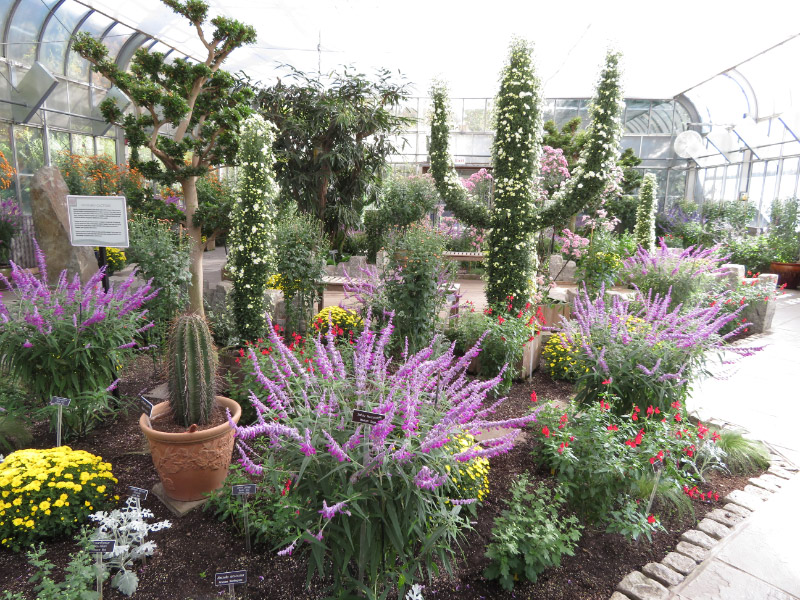
Inside the conservatory, it was warm and lush – as usual.

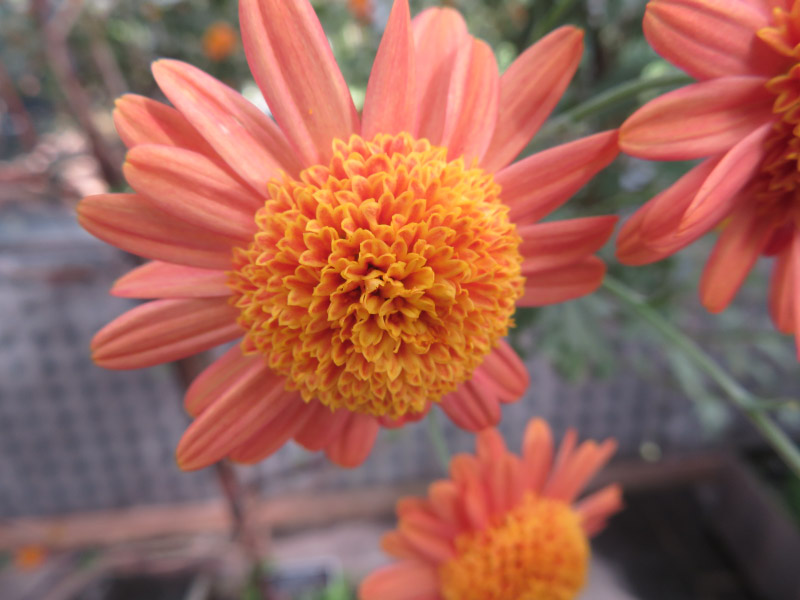
The part of the conservatory that will be used for model trains during the holiday light exhibit currently has mums. The plants were formed into saguaro cactus shapes this year! It was quite different than I expected…but pleasant. The plantings are in pots, so they can be repositioned when the trains to be installed just before Thanksgiving.
Zooming – October 2017

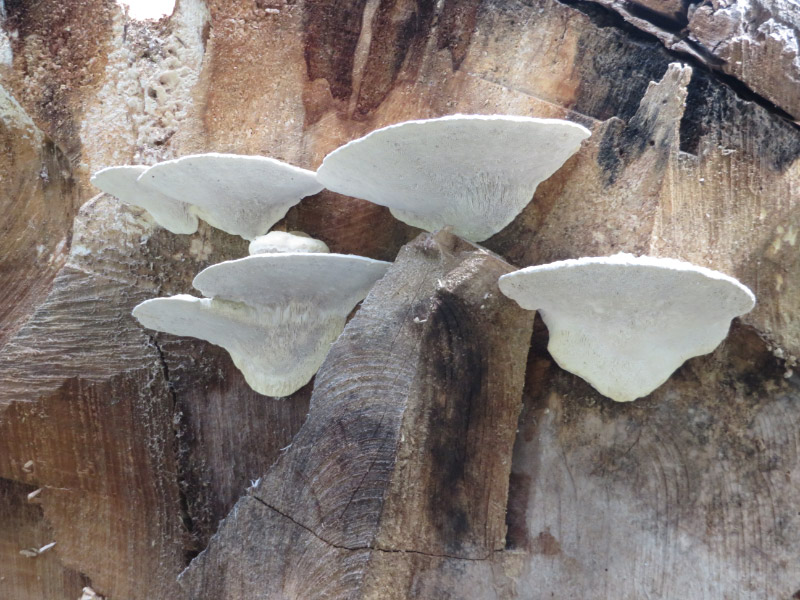
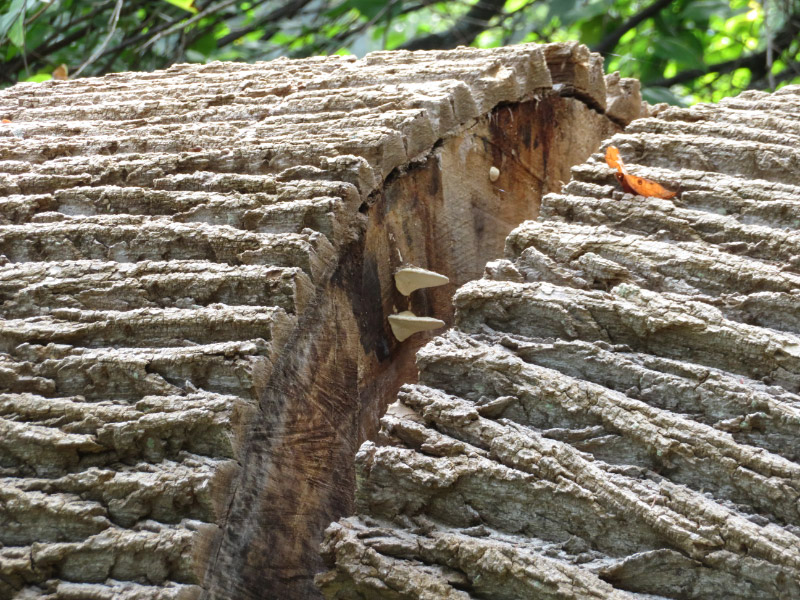
Using the zoom on my camera keeps be out of the tall grass (and away from the ticks and other biting insects). I spotted shelf fungus growing on stumps and trunks of trees cut down along the road to Belmont Manor and Historic Park on my way to an event…and stopped on my way out in one of the nearby pull off areas. The largest ones were growing on a large trunk facing the road but there were more in the space where a log was cut. Some of the pieces were removed but others were left to rot in place.

Another example of staying out of the tall grass, but getting the picture I wanted – milkweed seeds bursting from their pods at the Middle Patuxent Environmental Area

2017 10 IMG_4371.jpg

And some other fluffy seeds on a plant growing on the slope of our neighborhood’s storm water retention pond.

2017 10 IMG_4495.jpg

The zoom is almost always used for bird photography….but even with the zoom they still sometimes notice me and fly away. This house finch was busy getting breakfast from the feeder.

2017 10 IMG_4377.jpg
20171005_1056002041858987.jpg

Sometimes zooming enables a better composition. The tree was mostly green but zooming – just a little – made the oranges and reds a more pronounced part of the picture.

20171013_091143.jpg

This is a ‘get close’ picture rather than a zoomed picture…of the edge of a rotting stump. I liked the curves and the colors.

A Stump at Staunton River State Park

2017 10 IMG_4543.jpg

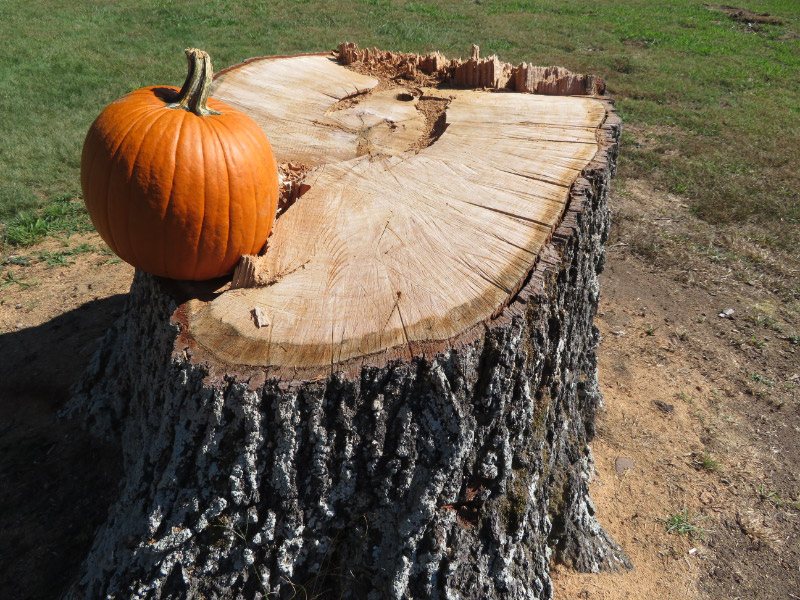
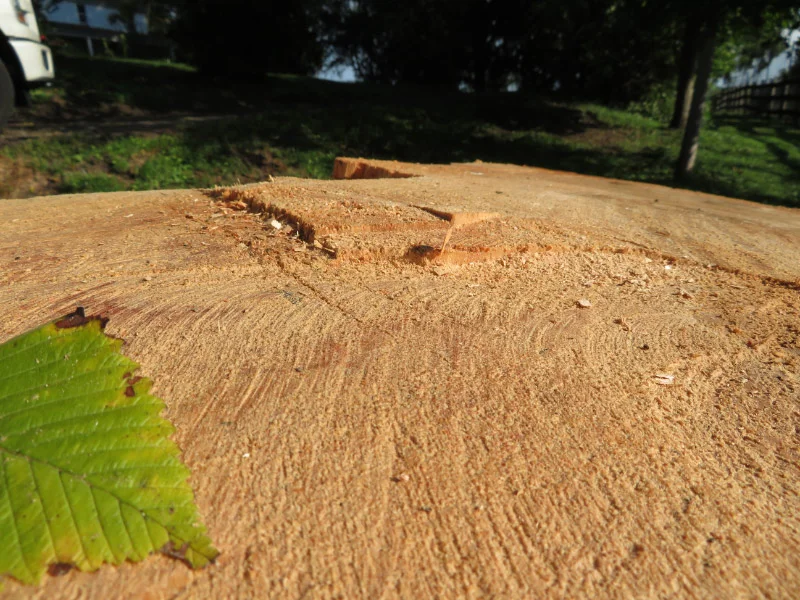
In a grassy area near the visitor center – I noticed a stump. Someone had left a pumpkin on top, probably while they were decorating for the Star Party. I walked over to get a closer look. It looked like it had been cut down recently.

2017 10 IMG_4544.jpg

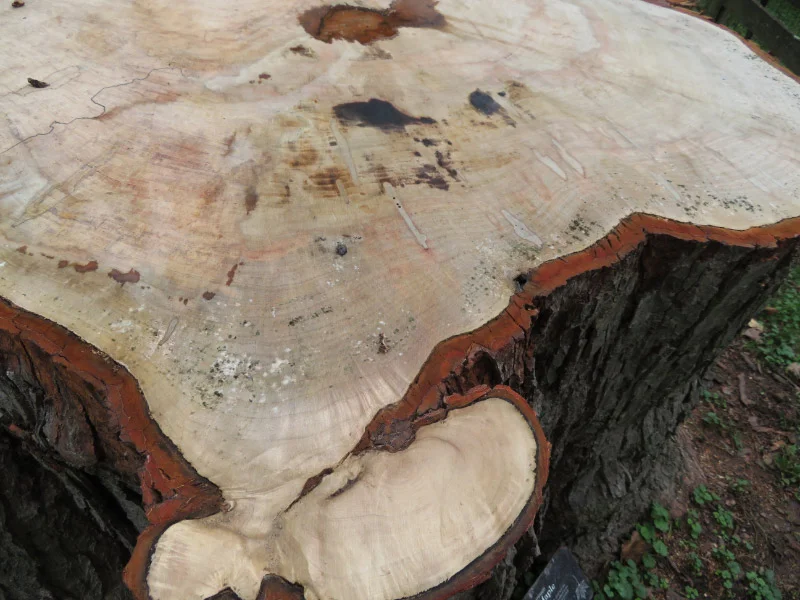
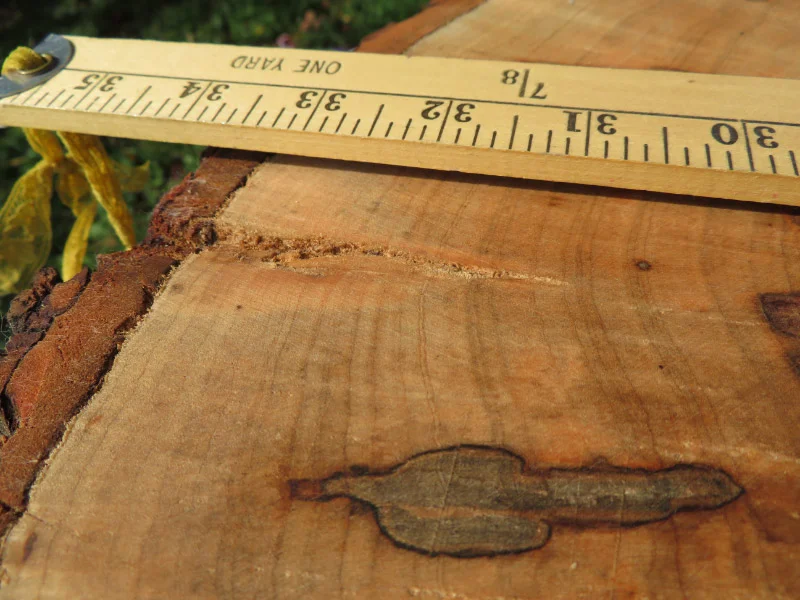
The rings stood out a lot more than the rings of the Silver Maple at Mt. Pleasant. This stump had not been sanded either. I counted 74 rings but there were some very narrow ones from recent years that were harder to count….so I estimated it was about 80 years old when it was cut down.

The people in the Visitor Center told me that it had been cut down recently and that they thought it had been planted near the time the park was created in 1936. But they didn’t know what kind of tree it was. The next morning, I talked with the park manager that was manning the outdoor grill at the Cantina for breakfast and found out that it was a Post Oak and he had counted 84 rings when it was first cut down. The CCC did most of the work when the park was created so it is likely, because of its location, that it was planted by them. The tree had leafed out last spring but then dropped all its leaves during the summer. It had been struggling for the past few years and looking at the stump shows the evidence of that struggle in the outermost rings.

Gleanings of the Week Ending October 21, 2017

The items below were ‘the cream’ of the articles and websites I found this past week. Click on the light green text to look at the article.

What’s With That Dam? : The National Wildlife Federation – We got to Conowingo to see bald eagles….so I was interested in learning more about it. Evidently - the dam’s current impact on the Chesapeake Bay is not a positive one.

On Bee-ing – Cool Green Science – About the Minnesota Bee Atlas.

Stunning Video Captures Humpback Whales Catching Fish with Nets of Bubbles | Smart News | Smithsonian – I’d heard of this phenomenon but the video is still thrilling! Well work the 40 seconds!

How honeybees read the waggle dance -- ScienceDaily – The field trip the Howard County Conservancy does for 3rd graders includes a segment on the waggle dance….so I read this article to find out more about it….both the history of its discovery and the current research on the neurons responding to the dance.

Bathtub Bloodbath, 1793 | The Scientist Magazine® - A famous painting of Jean-Paul Marat murdered in his bath…what he was before his revolutionary activities.

Adaptation as Acceptance: Toward a New Normal in the Northwoods – Cool Green Science – Forests are changing – with climate change and invasive insects like emerald ash borer and woolly adelgid culling some trees that were, until recently, common in our forests. There is a grief for those lost trees that will not make a comeback. This article is about finding hope via adaptation. The forest will be different…but still forest.

Meet the Transgenic Silkworms That Are Spinning out Spider Silk | The Scientist Magazine® - Spider silk combines elasticity and strength but has been difficult to produce. Now the fiber is produced by silkworms and the increased availability makes it viable for a host of applications. It will be interesting to observe how the market develops.

Treetop Walkway Provides an Elevated Path Through Danish Forest – What an awesome way to observe a forest!

National Mall and Memorial Parks – Hope the laser ablation of the biofilm on the Jefferson Memorial works as well as the test spot. The dome has gotten a lot grayer over the years from ‘biofilm.’

Seeing Big Changes in Baltimore: The National Wildlife Federation Blog – Hurray for the schools and students in Baltimore provided wildlife habitat!

End of the CSA Season

20171011_144501.jpg

The end of our Community Supported Agriculture (CSA) season was this week. I’ll miss the weekly share – bursting with freshness and flavor.

There are some things that will keep and be used over the next few months  - white potatoes that I’ve stored in paper bags, sweet potatoes that are simply spread on a tray in my darkened dining room, and winter squash that I’ll eat up before the potatoes.

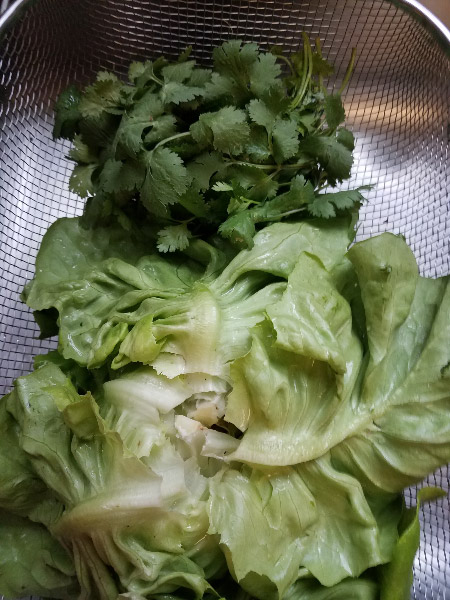
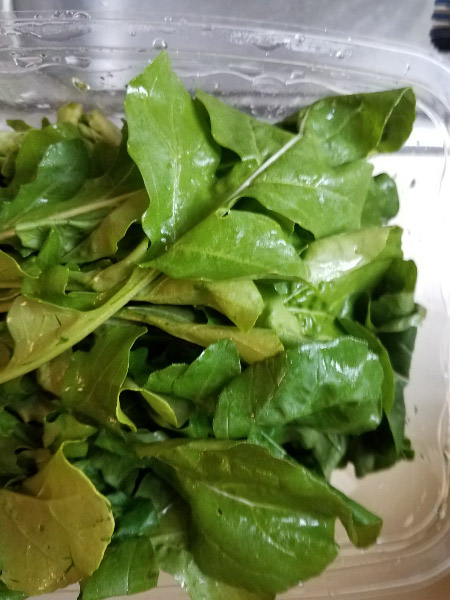
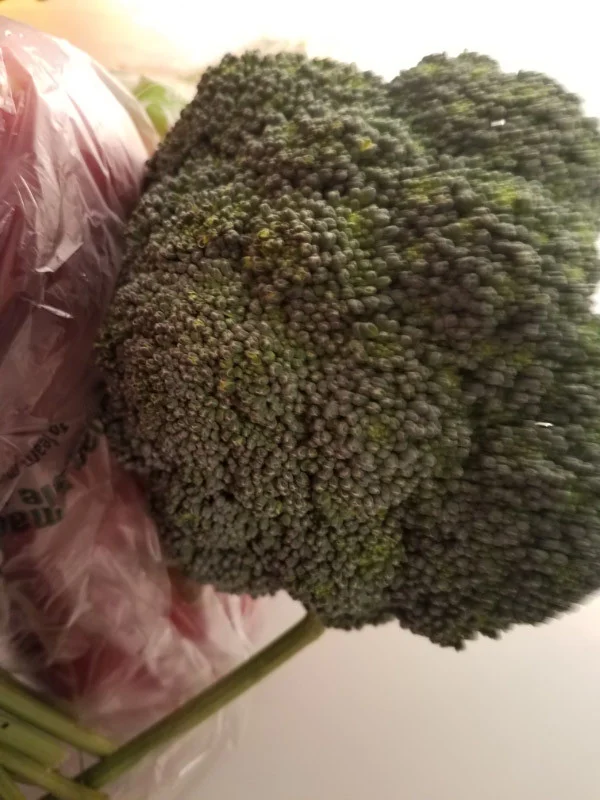
I have tomatoes, diced hot peppers and leafy greens for soups in the freezer. I’m planning to eat up all the other fall offerings over the next few weeks. They are fresh enough to last that long in the refrigerator: carrots, beets, turnips, cabbages, peppers, scallions, cilantro, arugula, lettuce, spinach, and broccoli in salads and stir fries. The eating will be so good…

3 Free eBooks – October 2017

I am always thrilled to find a new source of eBooks. This month it was the Smithsonian making 1,000 illustrated Japanese Texts available online. I’ve just started making my way through. Here are three eBooks I’ve enjoyed so far.

Kono, Bairei. Bairei gafu. Yamada Unsodo, Kyoto, Meiji 38 [1905]. Three volumes available from Smithsonian Libraries here. Birds!

2017 10 ebook1.jpg

Utagawa, Sadahide. Bansho shashin zafu. Sonoharaya Shosuke, Toto, Bunkyu 4 [1864]. Available from Smithsonian Libraries here. Nature and art…a great combo.

2017 10 ebook2.jpg
2017 10 ebook3.jpg

Kobayashi, Bunshici. Bansho zukan. Kobayashi Bunshici, Tokyo, Meiji 34 [1901]. Two volumes available from Smithsonian Libraries here. More plants and animals...the bamboo images would make an elegant wallpaper.

Steps in the Silver Maple Stump

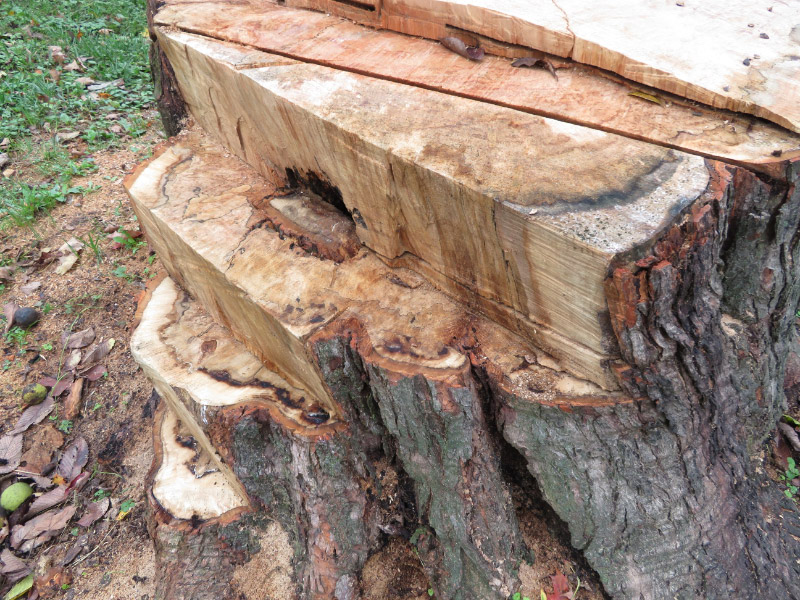
The Silver Maple Stump that I wrote about a few days ago has been made accessible for shorter visitors! There are steps cut into the side that was not sanded to reveal the tree rings!

2017 10 IMG_4500.jpg

We looked at dogwood and Paulownia tree cookies to learn how to count tree rings and notice how the rings look different – the spacing, the shape, etc. The kindergarteners were thrilled to climb up onto the stump – three at a time – to gather around the center and count 5 rings from the center. The tree was not very big when it was 5 years old!

They were also surprised that the water on top of the stump was coming up from the roots…and that the stump was not perfectly round. They also noticed some ants that made their home near the outer edge of one of the steps…and a daddy longlegs spider climbing the steps too.

2017 10 IMG_4502.jpg

On the down side, when the steps were cut, additional rot was found so the stump may not last very long…I’ll just enjoy it as a field trip stop while it lasts.

Mt Pleasant Meadow

2017 10 IMG_4509.jpg

Late Last week, I arrived at Mt. Pleasant early enough to take a short walk in the meadow before a kindergarten field trip. I was surprised that there were so many people already there. It turned out there was a high school filed trip already in progress! I watched them head down the path to the stream. The morning was cooler than the stream field trips I’d helped with in September and earlier this month. Hopefully no one got water inside their boots.

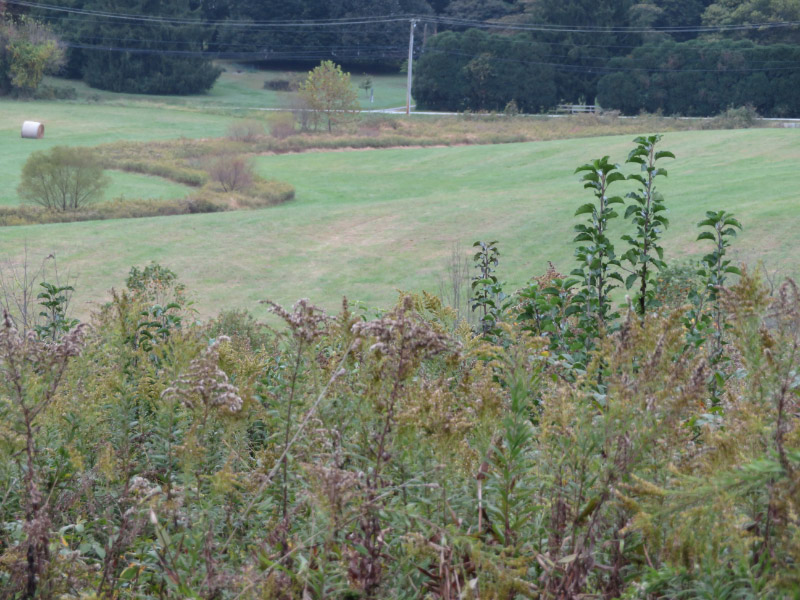
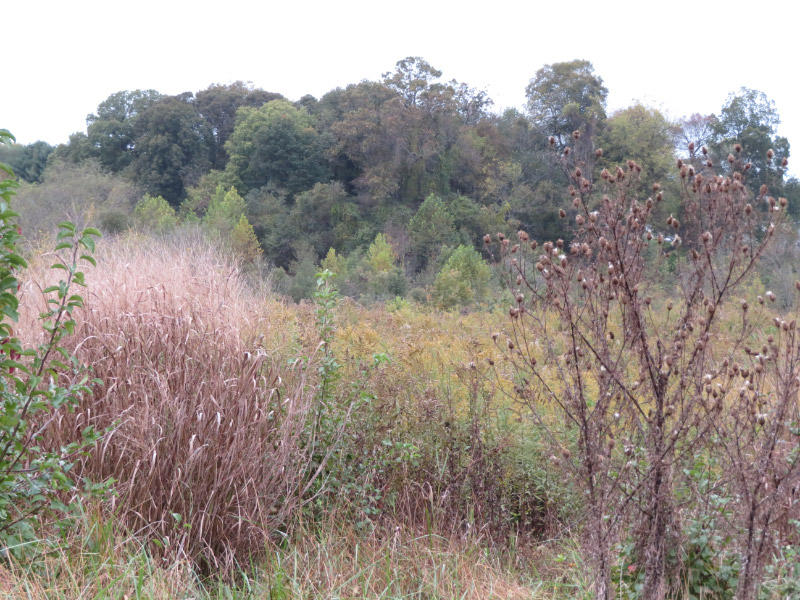
The fields that are mowed for hay around the conservancy have bales now and the parts that are left for meadow are full of goldenrod and plants going to seed – typical fall. The late summer and fall has been drier than usual and the trees may never achieve the bright colors this fall. Some of the trees already look like they’ve lost their leaves – or may those are the ash trees that are succumbing to emerald ash borer (very common in Maryland). The meadow still has a few Callery pear saplings but they are gradually being removed (hard work!). Otherwise – the meadow looks good this fall. There is plenty of goldenrod for any migrating Monarchs that come through.

2017 10 IMG_4515.jpg

Silver Maple Stump

Last month, two silver maples were cut down near the farmhouse at Howard County Conservancy’s Mt. Pleasant Farm because they were dropping large limbs and endangering nearby structures. One of them is conveniently located between the drive that loops around the farm house and the Honors Garden. When I first looked at it, I was thrilled that the stump could be used to talk about tree rings generally…and the history of Mt. Pleasant specifically. The first challenge was that the saw marks were so deep that it was difficult to see the tree rings.

2017 09 IMG_4064.jpg

Fortunately, several volunteers stepped forward to sand the smoothest part of the stump so that the rings would be easier to see. It was still a little challenging. The stump includes rotting areas and splits near the center. The stump is still very much alive as well – with sap coming to the surface as the roots continue to collect water and nutrients from the soil. The first time I attempted to count the rings it was a cloudy day and the size of the stump was a bit daunting. I realized I needed a step stool to see the rings toward the center. I came back on a sunny day and climbed up to sit on the stump when I realized that the slope was not going to work with my step stool. I managed to count 124 rings!

20171009_151450.jpg

I made a strip of lightweight cardboard with years on it (counting from the outermost ring) and a page that talked about tree cookie parts. For kindergarten and 1st grade students that hike by the stump – we’ll talk about counting rings and then either count 5-6 rings from the outer edge (how much did the tree grow since you were born) or from the center (how big was the tree when it was as old as you). For adults, I have a time line for what was happening at the farmhouse and Mt. Pleasant over the past 124 years and plan to develop some discussion about the weather over the life of the tree. The 1940s and 1950s were the best years for the silver maple!

Gleanings of the Week Ending October 14, 2017

The items below were ‘the cream’ of the articles and websites I found this past week. Click on the light green text to look at the article.

Top 25 Wild Bird Photographs of the Week #107 – National Geographic Society (blogs) and #108 – kestrels and hummingbirds and kingfishers…oh my!

What Skills Will You Need to Be Employable in 2030? – It’s hard to predict the direction of technology…but we know that some types of jobs are easier for machines to do than others. What is left that humans will need to do?

13 Ways to Cut Cancer Risk | Berkeley Wellness – Hopefully none of these are new…they have all be publicized before but maybe not in a consolidated list.

Century-old cactus used for target practice in Saguaro National Park – Very sad. I hope the culprit is cost. It seems like penalties should be higher for this kind of vandalism in a national park.

National Audubon Society Offers Great Educational Resources -  I find myself checking in on the puffins and hummingbirds!

Rome's Colosseum Is Reopening Its Upper Tiers to Visitors | Smart News | Smithsonian – The upper levels have been closed for 40 years due to structural concerns. Now restoration efforts have allowed then to be re-opened.

A Little Calm in a Noisy World | The Prairie Ecologist – The restorative power of spending a little time out in the natural world.

Incredible Macro Photography of Peacock Feathers by Can Tunçer – I am a fan of peacock feathers; one of my grandmothers raised peacocks and I have some feathers she sent to me from the 1980s.

"Living" Chandelier is a Green Lighting Piece Filled with Algae – I like items that are beautiful and serve another function at the same time. I hope eventually that light fixtures are available…and affordable.

BBC - Future - Anti-ageing: Is it possible, and would we want it? – An update on science…and prompting for thoughts of the domino changes that would occur if anti-ageing was reality.