Suburban Savanna – 7
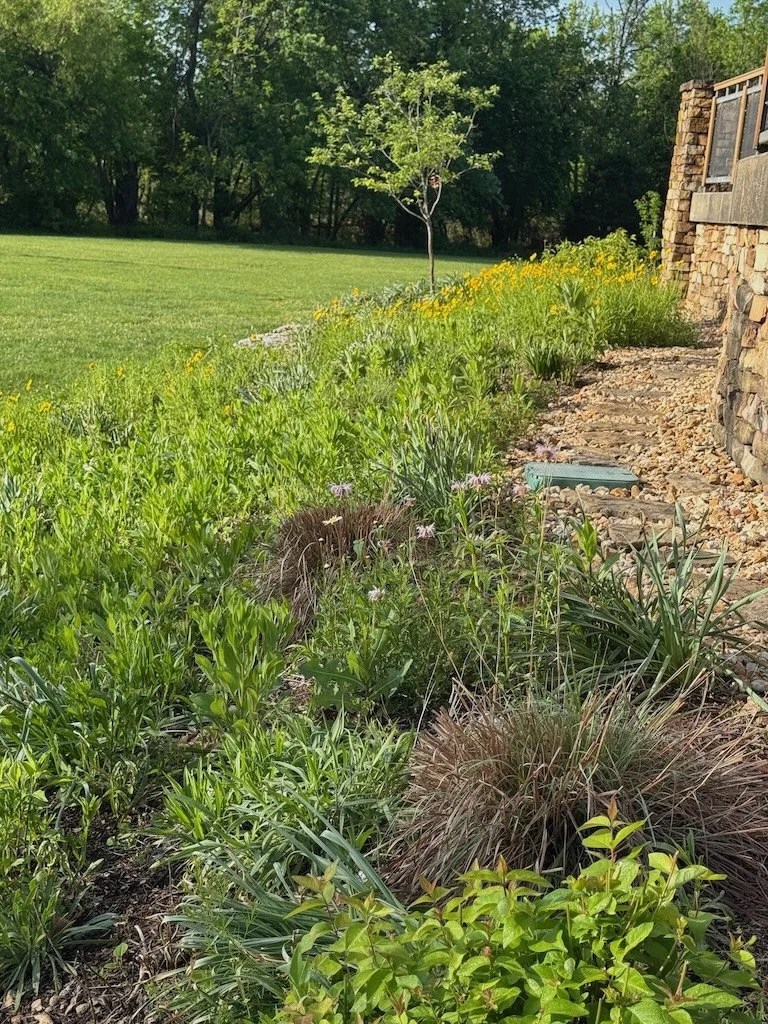
/This month I am thinking about the changes in wildlife I am already seeing in my yard.
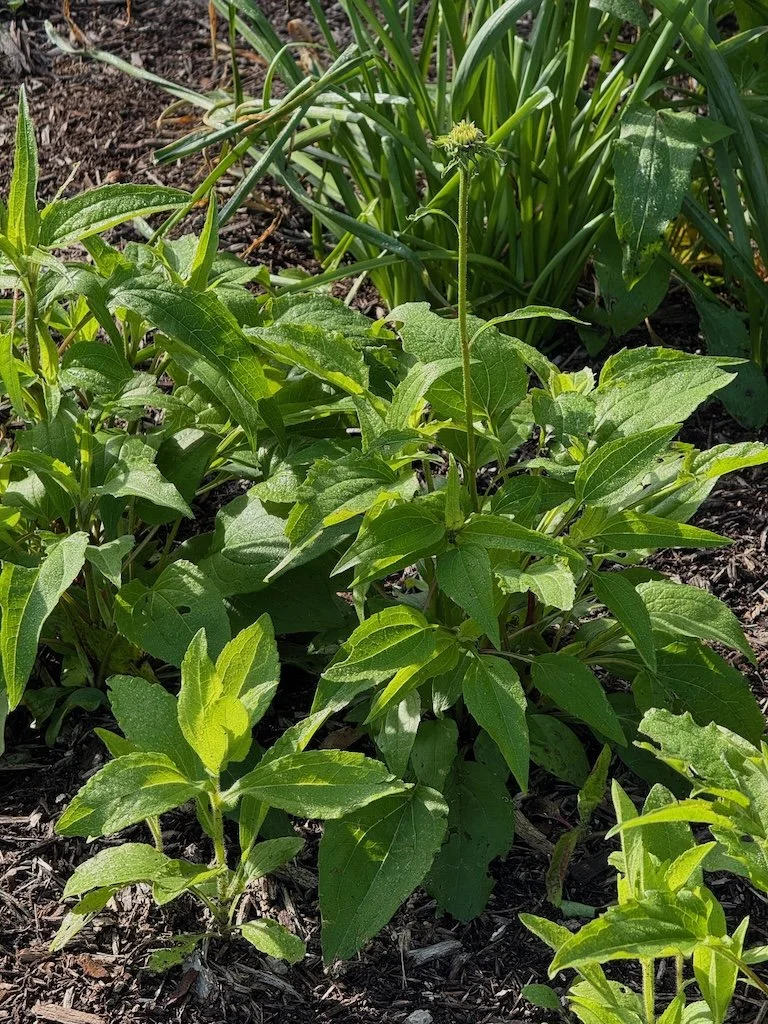
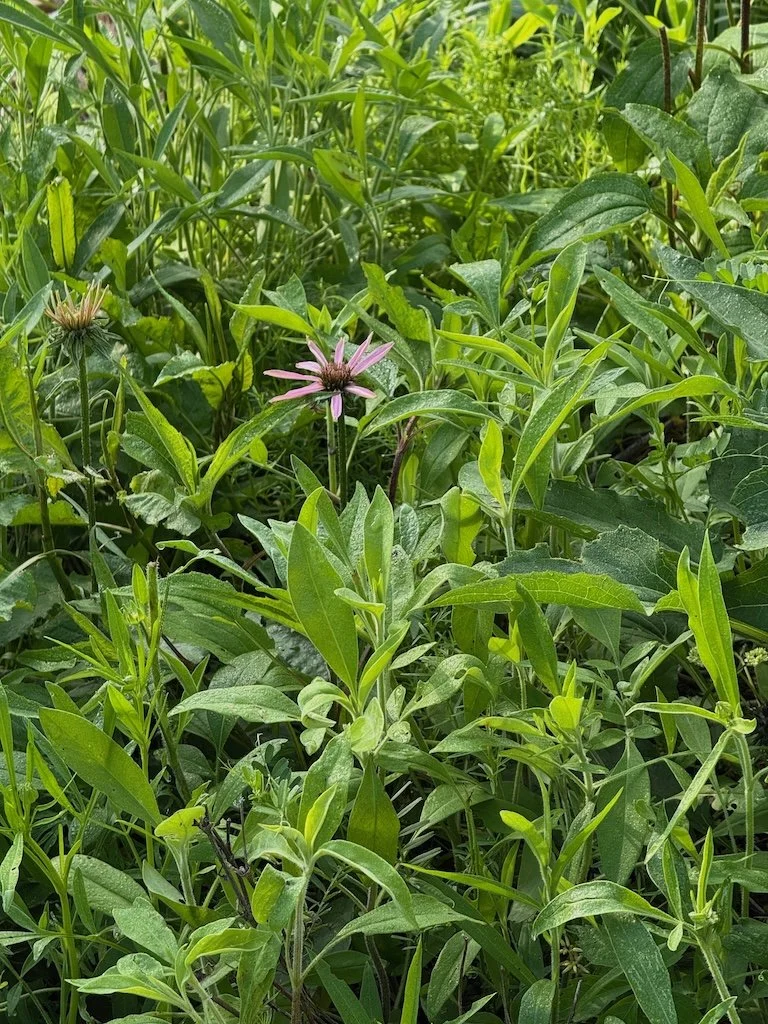
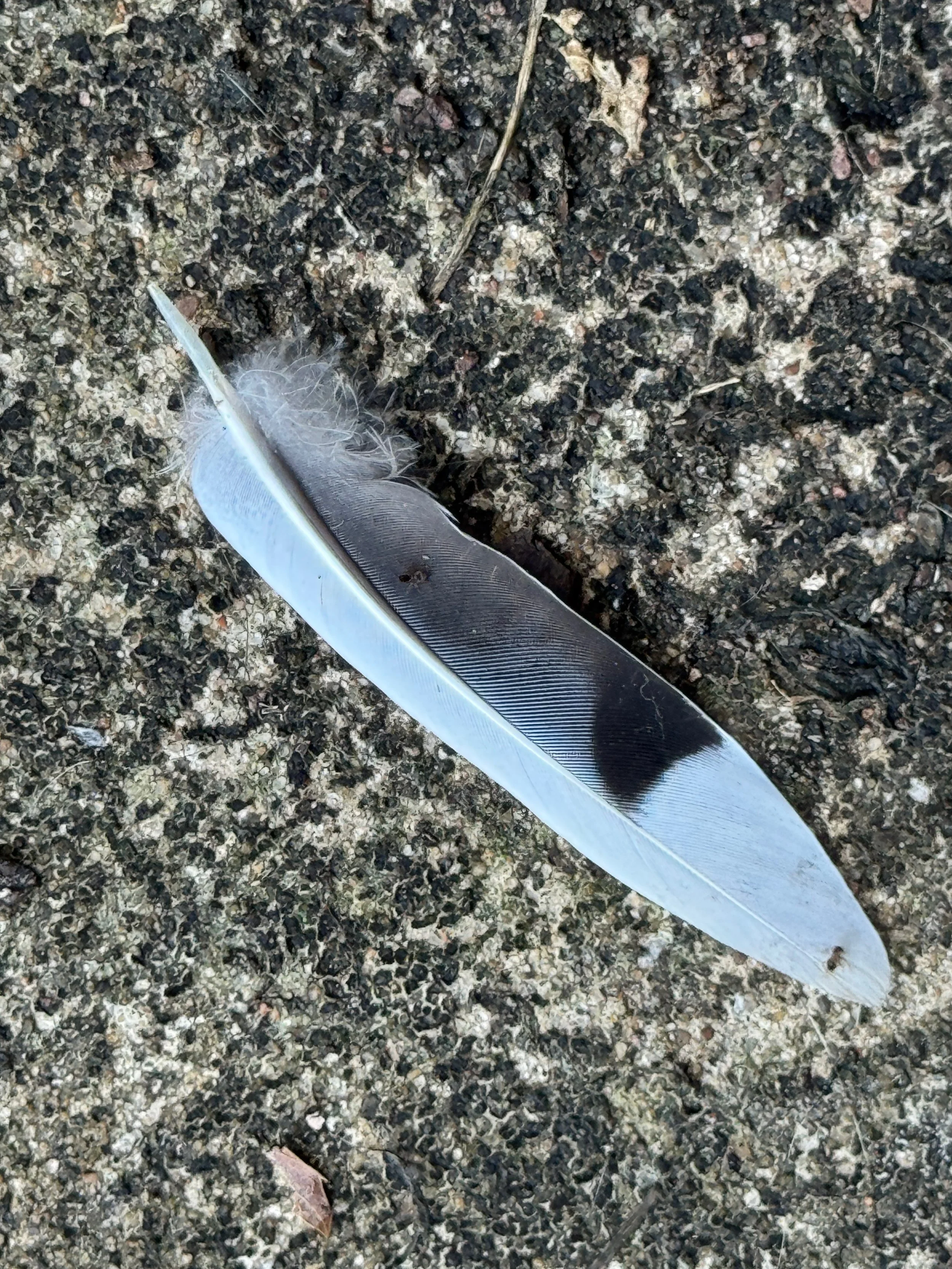
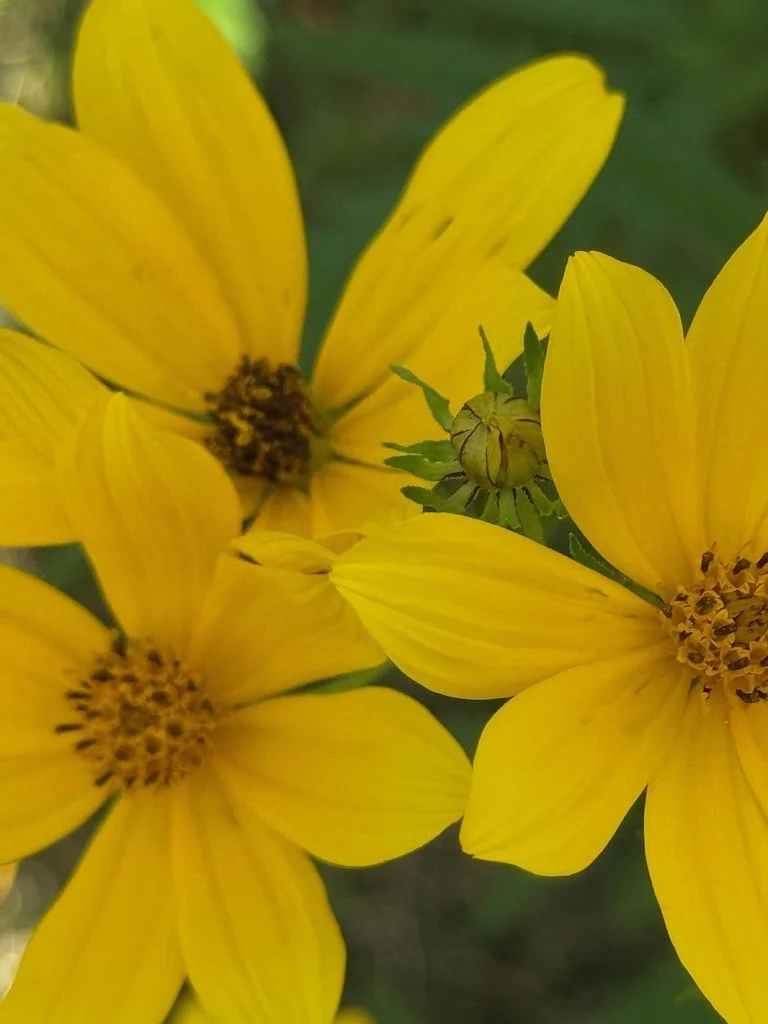
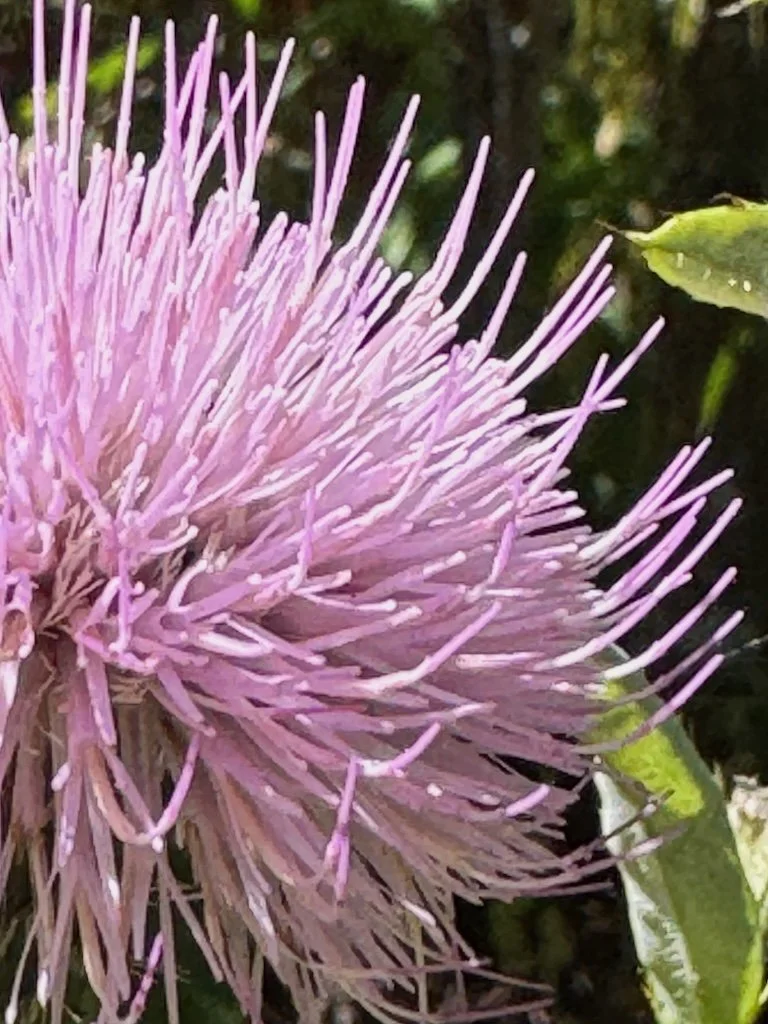
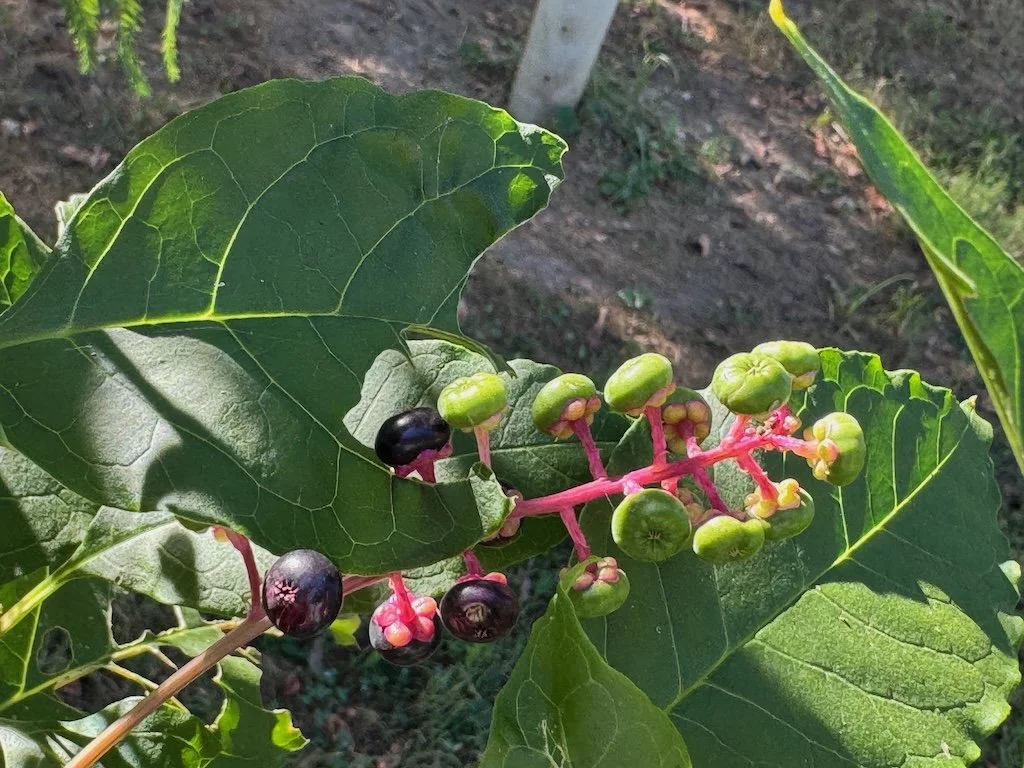
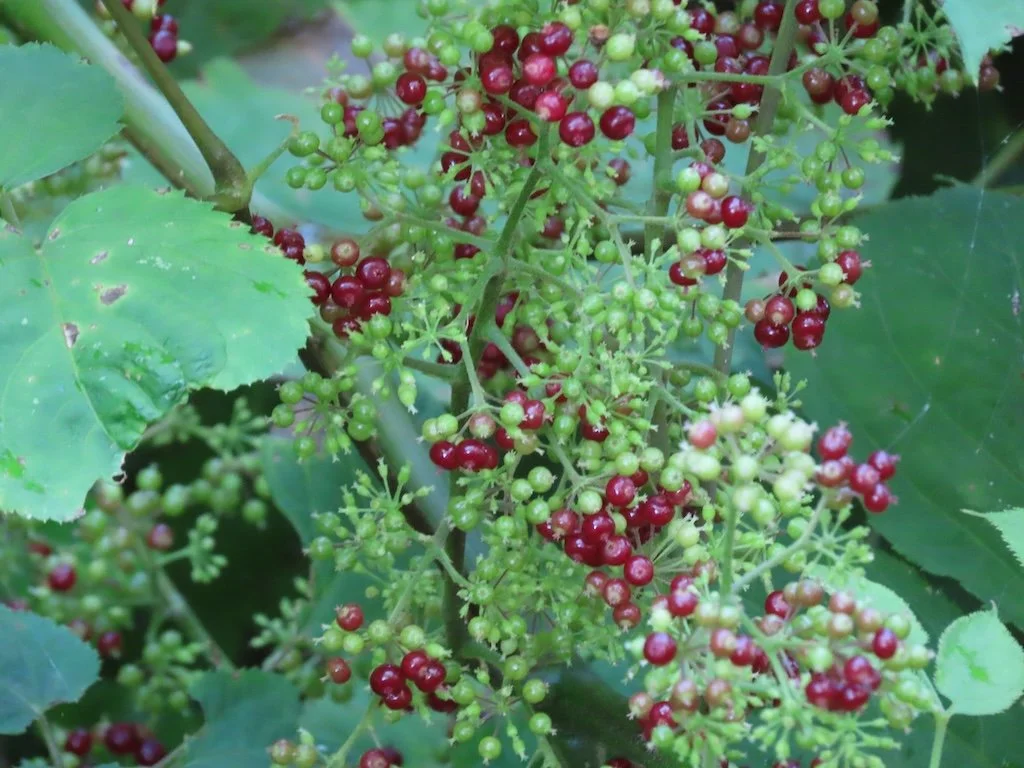
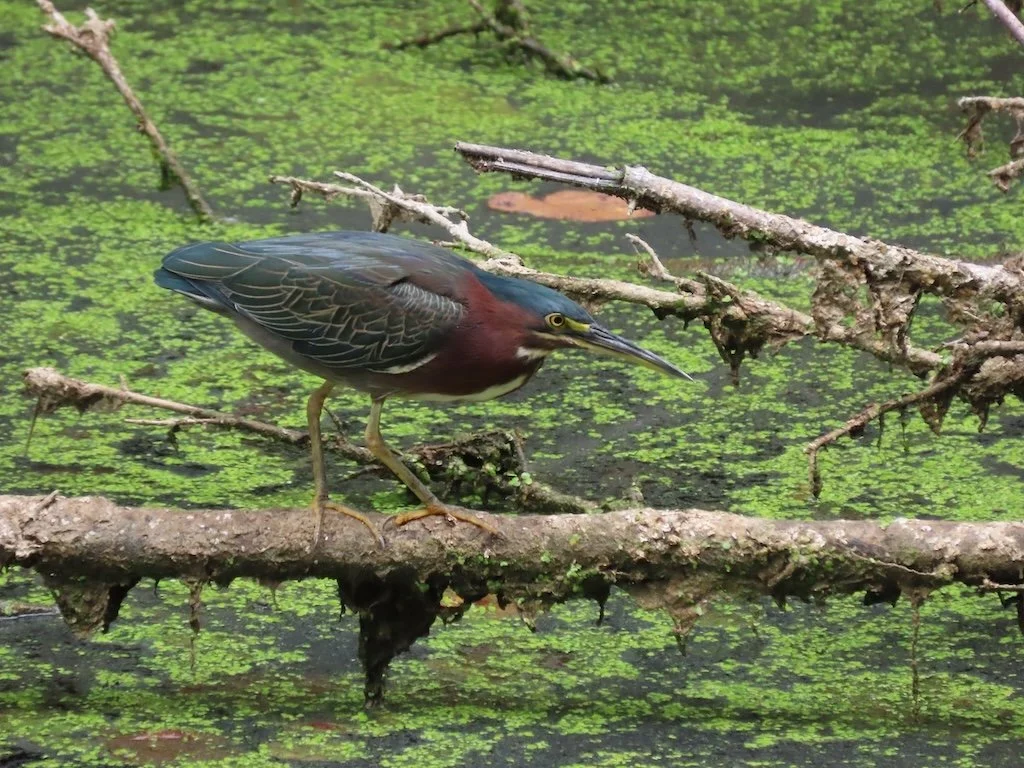
Birds: We have bird feeders, but I am noticing more birds finding food in our yard as well. This time of year, there are seeds (coneflowers and pokeweed are the most obvious). The enlarged bed of violets attracted a lot of bird attention last winter when it was just debris!
Moles (and maybe an armadillo): I see the evidence but not the animals themselves. Sometimes they destroy areas with their digging but, so far, it has only been turf areas rather than the plants I have added. I tend to think of them as breaking up the clay and mixing in plant debris – improving the soil.
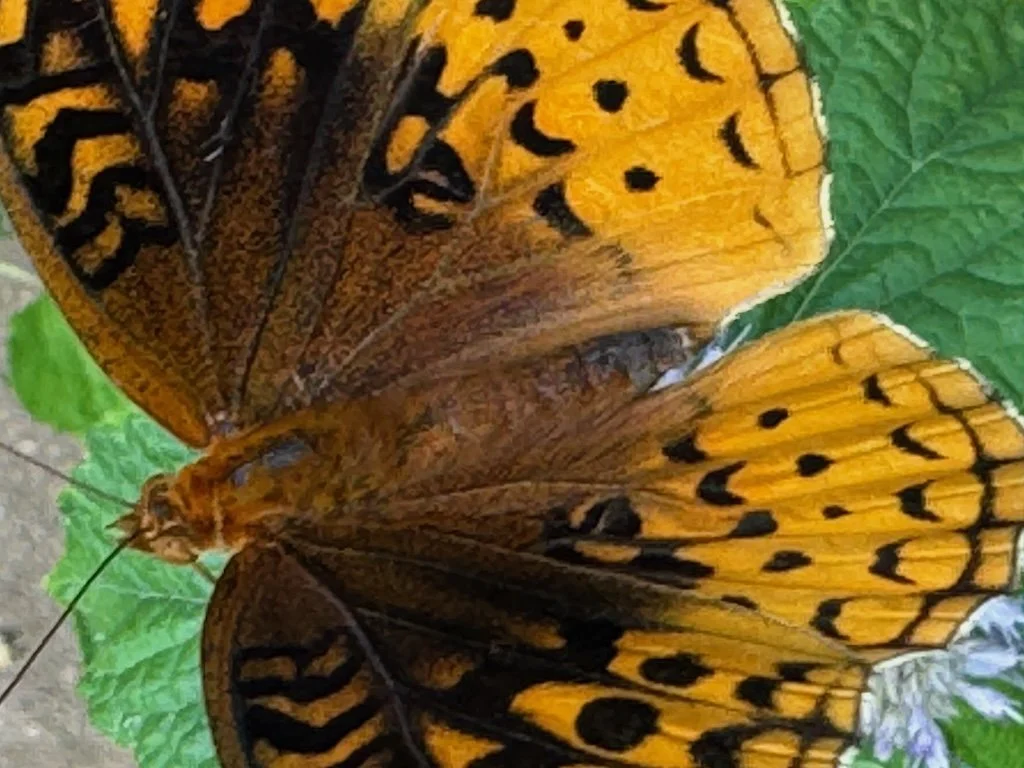
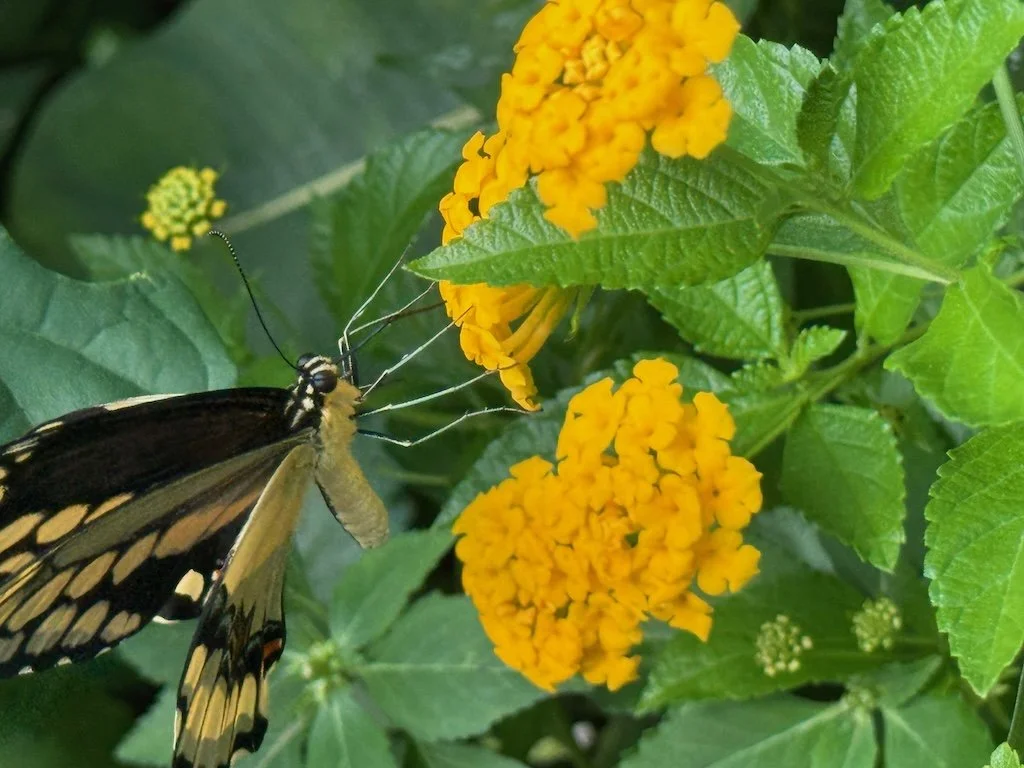
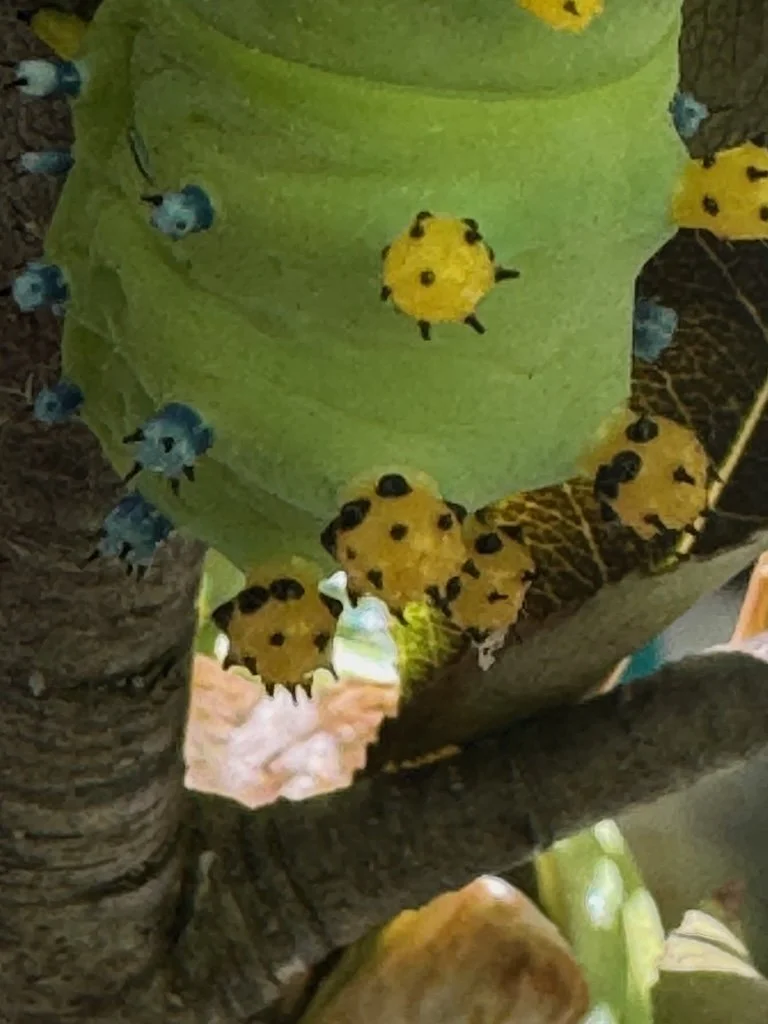
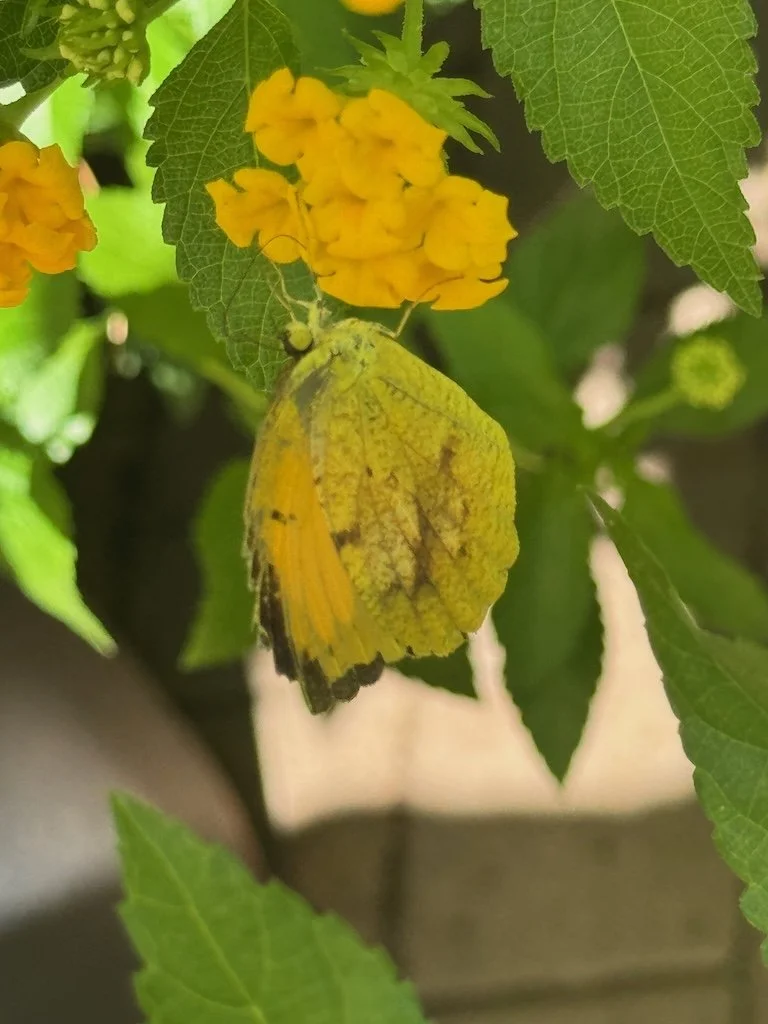
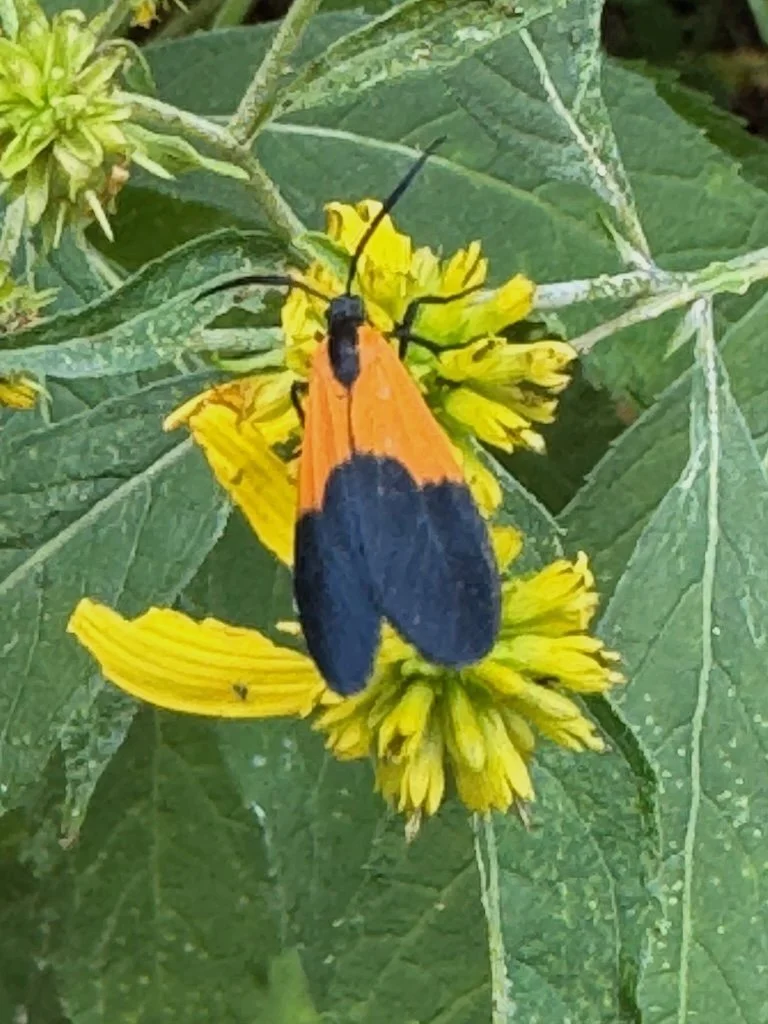
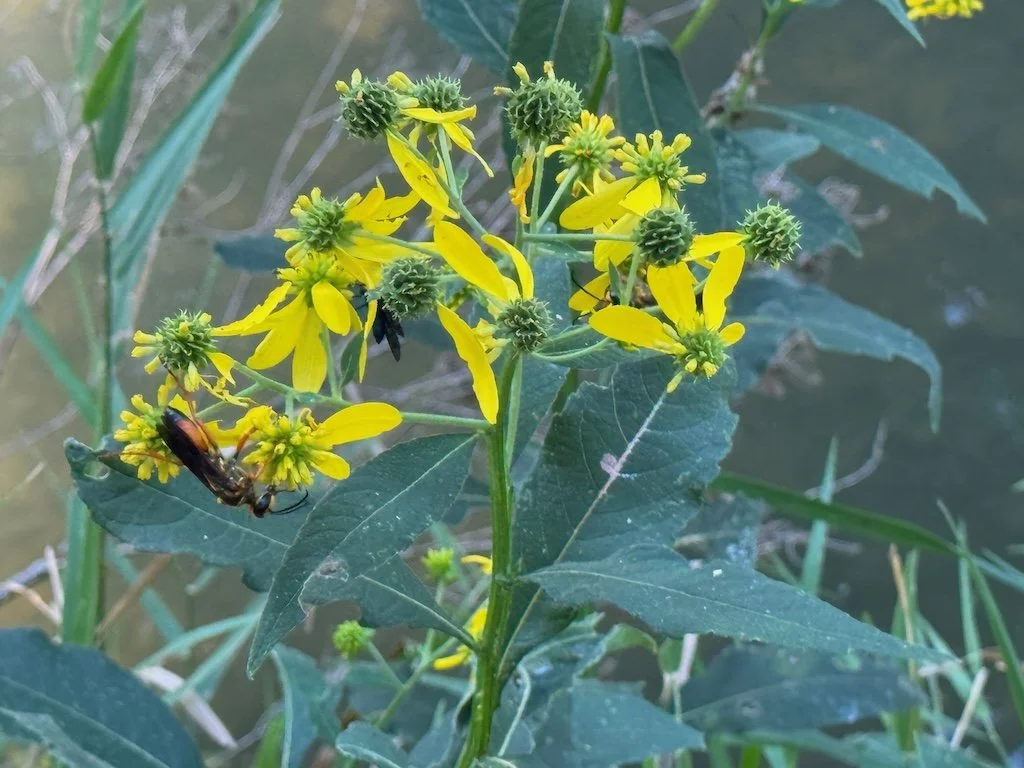
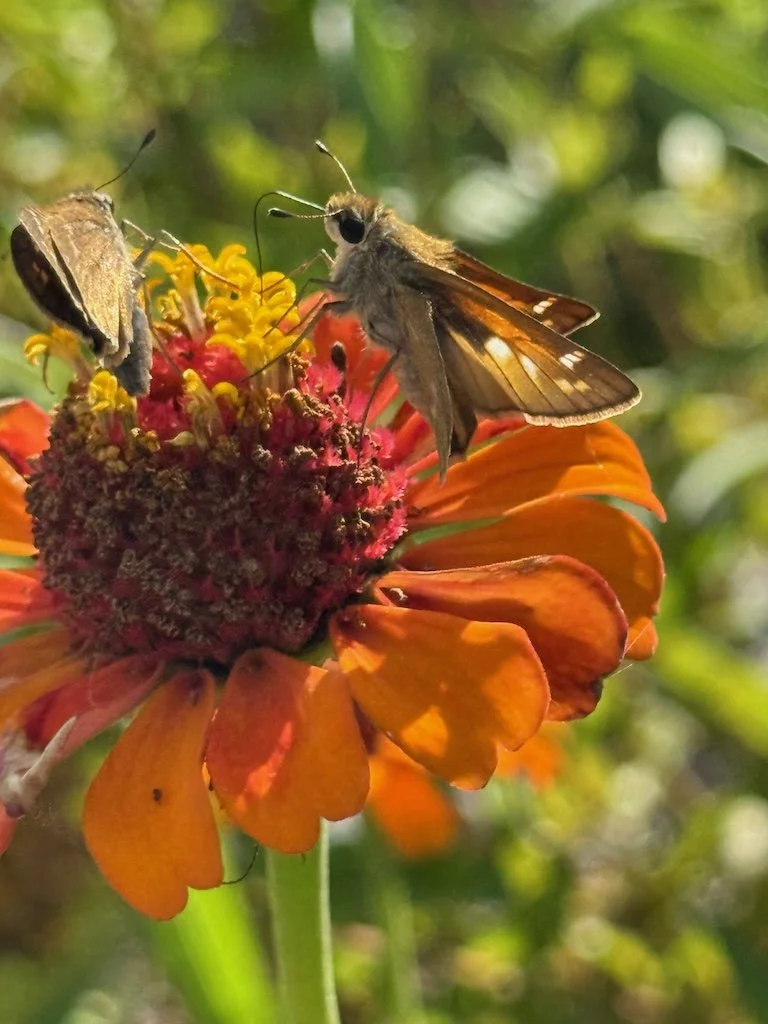
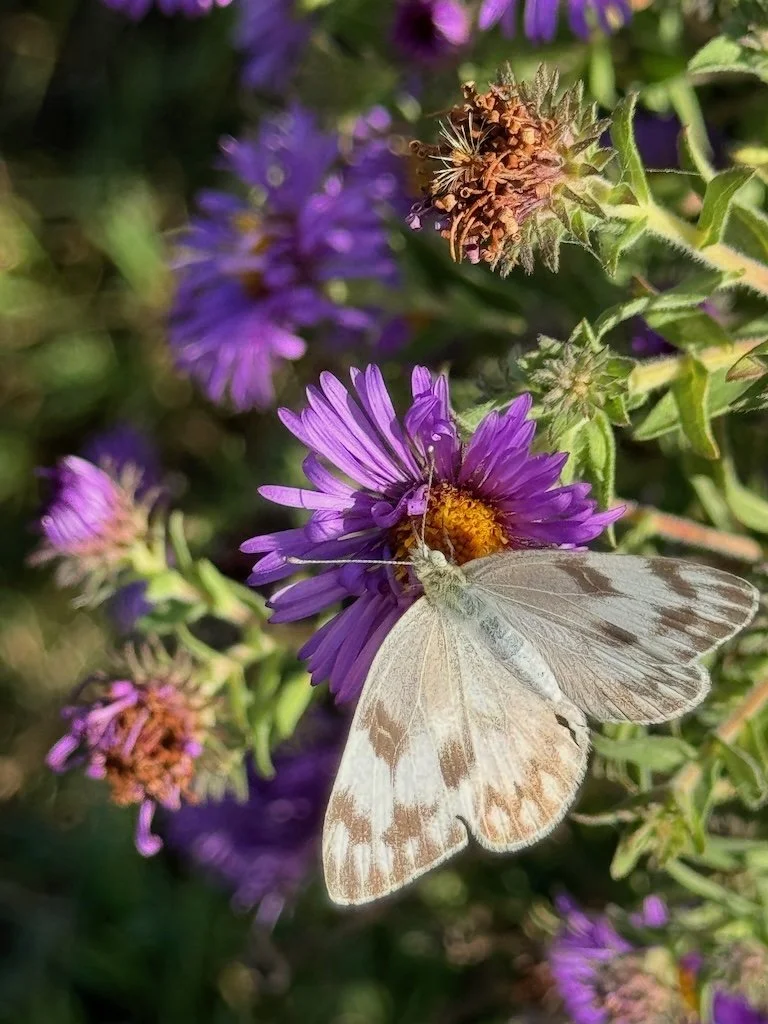
Insects and other invertebrates: Something is eating pokeweed and I assume it is an insect. The first year I noticed pokeweed growing in my yard they looked pristine but now something is eating them…the balancing in nature! There are more fireflies in my yard every year too. When I mow, I see small insects raise up before the mower – another sign of increasing life in the yard (and I haven’t been getting bites, which is a relief).
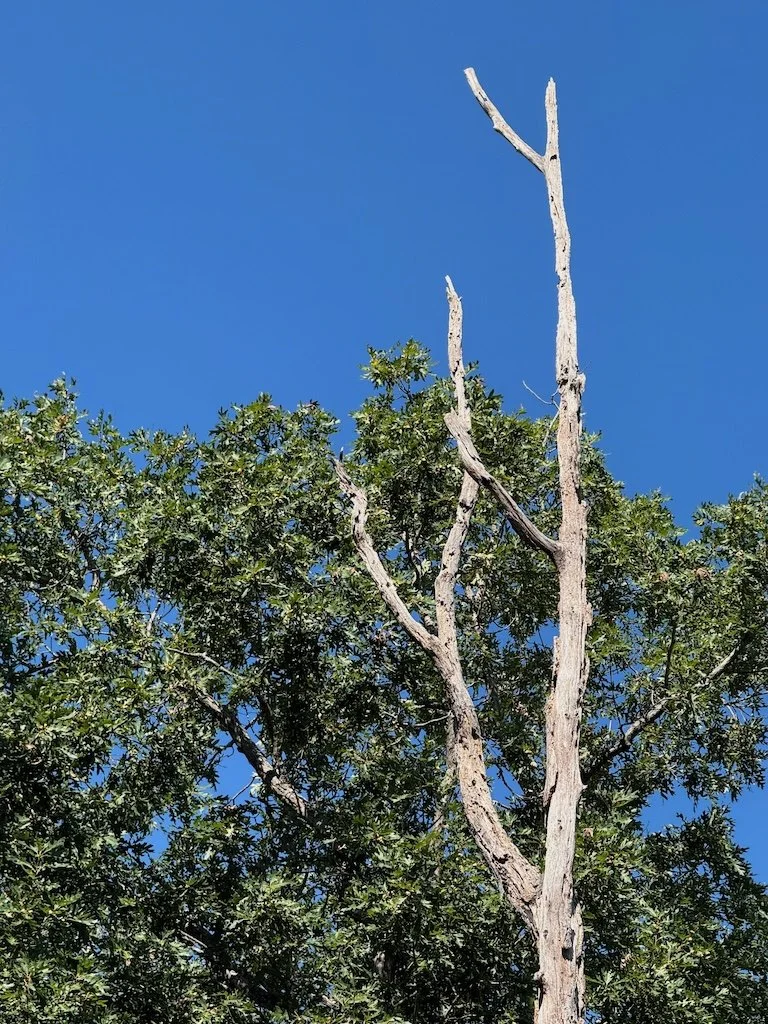
Squirrels and chipmunks: My neighbor’s oak is probably the home of the squirrels, but they are frequently in my yard; their numbers haven’t changed since I added more native plants. I’ve seen one chipmunk and it might have been passing through. The occasional cats that also come through might keep them at bay. It would be great to see more chipmunks!
Skunk: I’ve seen one in the neighborhood on an early morning walkabout as I was leaving for my monthly trek to Texas. It might have just been passing through.
I haven’t seen any deer and there is no evidence of them in my yard (no new plants eaten almost entirely, no scat). This is different from a lot of suburban areas where an overpopulation of deer is problematic. Hopefully my situation without deer continues. It does mean that I need to play the role of big herbivore and prune/trample!
Opossum and racoon are probably around but I haven’t observed them or their scat.
The main animal I would prefer not to have in yard that is there occasionally: a domestic cat. It has a negative impact on wildlife like birds and chipmunks!
Previous Suburban Savanna Posts:
September 2026 – Fall riches
August 2026 – Controlling too much growth
July 2026 - Water
June 2026 – Shade Garden
May 2026 – Planting Natives
April 2026 – Overview