Better Homes and Gardens Browsed in June 2021

Internet Archive has quite a collection of Better Homes and Gardens magazines that I started browsing through in June…37 volumes in all during the month. It will take at least another month to finish the rest that the archive has available. I selected a sample image from each volume (links at the bottom of this post) and grouped them by decade. Click to see an enlarged version of any image below.

The 1940s were before I was born so purely historical from my perspective. Some of the pictures look almost modern – the child in the snow suit with the shovel, for example. Gardens can look the same from just about any time period, however the people in them don’t; I was surprised at how dressed up women are depicted sometimes even ‘working’ in the garden. The little girl helping with the dishes looks dressed up too.  Technology often dates pictures although the camera shown on the August 1940 cover was about the size of a point and shoot today. The food almost always looks way more complex (more time consuming to prepare) that what we typically prepare today.

The 1950s were too early in my life to remember clearly. The flowers could be modern pictures. The eat-in kitchen is dated but functional (no dishwasher or microwave though); the green glasses look like the ruby red glasses I have today. A story about Cape Hatteras was in a 1957 issue.

I remember the 1960s since I started school in 1960. The flowers and gardens relatively timeless…and garden sheds were catching on. The office could function today….with the addition of a laptop; I liked the location of the window. Kitchens were changing and some designs did not ‘stick’ (like the kitchen in the round). Dishwashers were appearing. Double sinks with counters were becoming common in bathrooms…but ruffles over the mirror must have been a passing fad. Shag carpeting! Picnic baskets were more common than ice chests/coolers for meals away from home – very different than our picnics today.

In the 1970s I finished high school and college. The page describing salad greens from 1970 does not include kale, arugula, or cilantro! It was a decade of more house plants, cheesecake, vegetable gardening, and decorating with crafts as many people were challenged to live well with less spending power because of inflation.

134 21 06 (2).jpg

The 1980 volume included a page describing different kinds of pasta. I didn’t notice at the time how many more kinds they were…we usually just bought thin spaghetti and elbow macaroni during the 80s.

Better Homes and Gardens - January-June 1940

Better Homes and Gardens - July-December 1940

Better Homes and Gardens - January-June 1941

Better Homes and Gardens - July-December 1941

Better Homes and Gardens - January-June 1942

Better Homes and Gardens - July-December 1942

Better Homes and Gardens - January-June 1943

Better Homes and Gardens - July-December 1943

Better Homes and Gardens - January-June 1949

Better Homes and Gardens - January-June 1950

Better Homes and Gardens - January-June 1951

Better Homes and Gardens - January-June 1957

Better Homes and Gardens - January-June 1958

Better Homes and Gardens - January-June 1959

Better Homes and Gardens - January-June 1960

Better Homes and Gardens - January-June 1961

Better Homes and Gardens - January-June 1962

Better Homes and Gardens - January-June 1963

Better Homes and Gardens - January-June 1964

Better Homes and Gardens - January-June 1965

Better Homes and Gardens - January-June 1966

Better Homes and Gardens - January-June 1967

Better Homes and Gardens - January-June 1968

Better Homes and Gardens - January-June 1969

Better Homes and Gardens - January-June 1970

Better Homes and Gardens - January-June 1971

Better Homes and Gardens - January-June 1973

Better Homes and Gardens - January-June 1974

Better Homes and Gardens - January-June 1975

Better Homes and Gardens - January-June 1976

Better Homes and Gardens - January-June 1977

Better Homes and Gardens - January-June 1978

Better Homes and Gardens - January-June 1979

Better Homes and Gardens - January-June 1980

Better Homes and Gardens - January-June 1981

Better Homes and Gardens - January-June 1982

Better Homes and Gardens - January-June 1983

I’m continuing to brown through more magazines in July…..so expect another post in a month or so to continue on from 1980.

Ten Little Celebrations – July 2021

Half of July was at home in Maryland…and half was a road trip from Maryland to Missouri to Texas.
Wegmans. I celebrated being comfortable doing my own grocery shopping in the store (early morning….still masked). Maryland’s vaccination rate is high and the infection rate low (although trending upward). The pandemic has honed my appreciation of ordinary activities….things that were curtailed during the peaks of COVID-19.
Getting a haircut. Another ordinary activity that I didn’t do (or put off) during the pandemic. I wore my KF-94 mask and discovered that my stylist is South Korean (he commented…”this is a good mask, made in my country”).

20210710_065612.jpg

Starting the morning outdoors (on the deck). Last summer I developed an appreciation for being out on the deck in the early morning -  enjoying a light meal, reading or making a Zentangle tile. It is a little celebration at the beginning of the day.

Farmer’s Market. What a thrill to buy my favorite veggies from the Farmers Market. I love the changes in selection as the season progresses. Celebrating the ongoing harvest!

South Mountain rest stop encounter. One of the deprivations of the pandemic was causal encounters…so the trucker that I encountered at the vending machines during the first rest stop of my road trip was something to celebrate. A little conversation…a wonderful beginning for my travels.

Scenic drive through Maryland, West Virginia, Kentucky. I enjoyed the 8 hour drive from my home in Maryland (between Washington DC and Baltimore) to Frankfort, Kentucky… a celebration of curvy highway through lots of forest…no traffic problems.

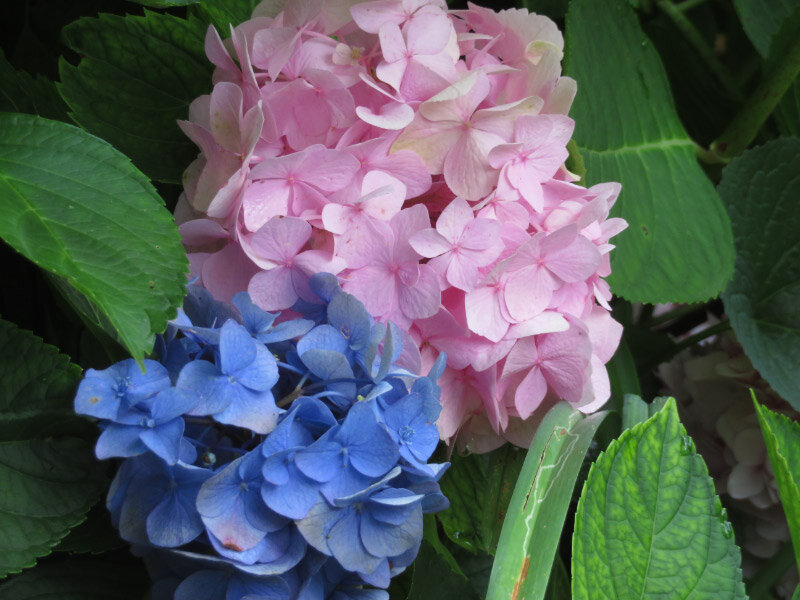
Springfield Botanical Garden. Celebrating hydrangeas, hostas and day lilies…on an early summer morning.

2021 07 IMG_7721 (10).jpg

Xeriscape Garden. A small, lush oasis within walking distance of my daughter’s house in Springfield! It’s another reason to celebrate their neighborhood.

2021 07 IMG_4808 (3).jpg

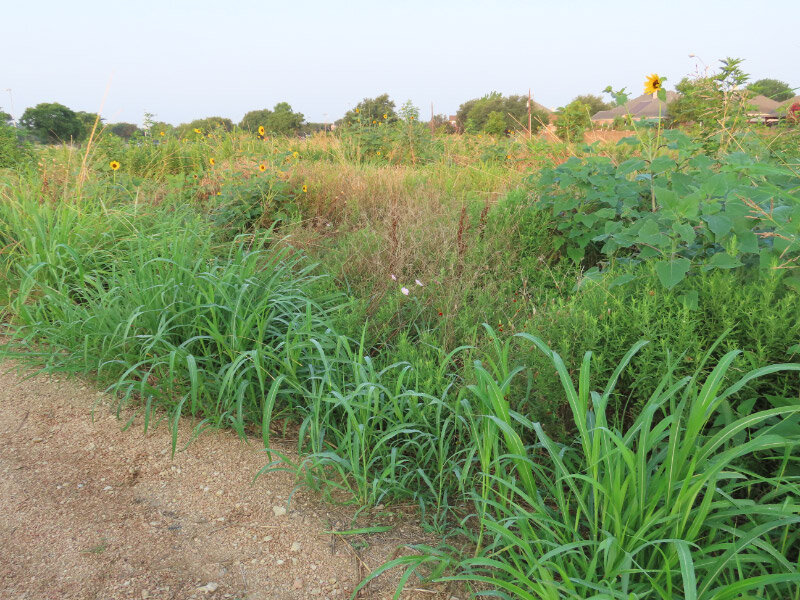
Josey Ranch Pocket Prairie in Carrollton, Texas. I celebrated the place looking more and more like a real prairie!

2021 07 IMG_7758 (8).jpg

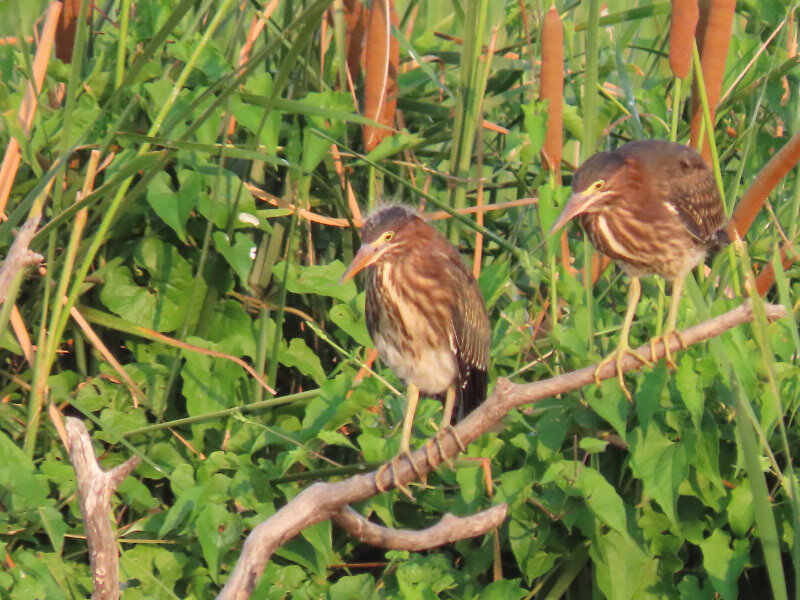
Green herons. I saw three green herons at Josey Ranch Lake; probably one adult and 2 juveniles. They are so well camflauged – I always celebrate seeing these birds and three at one time was a special treat.

Zooming – July 2021

The images this month are from Maryland, Missouri and Texas! The collection is skew toward plants but here are a few birds and dragonflies. There are at least two high key images as well. Enjoy the slide show for July 2021.

Josey Ranch Pocket Prairie – July 2021

The Josey Ranch Pocket Prairie in Carrollton, Texas is a place I visit almost every time I am in the area (since I found in Spring 2019). It’s been interesting to see the place develop over the years. Last week when I visited in the morning – before the day got seriously hot – it seemed like it was mostly tall grass at first.

2021 07 IMG_7758 (1).jpg

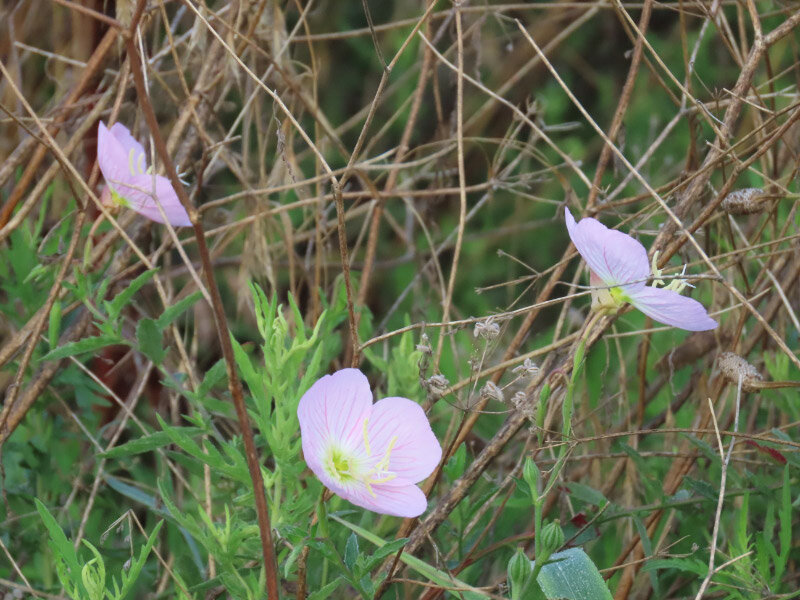
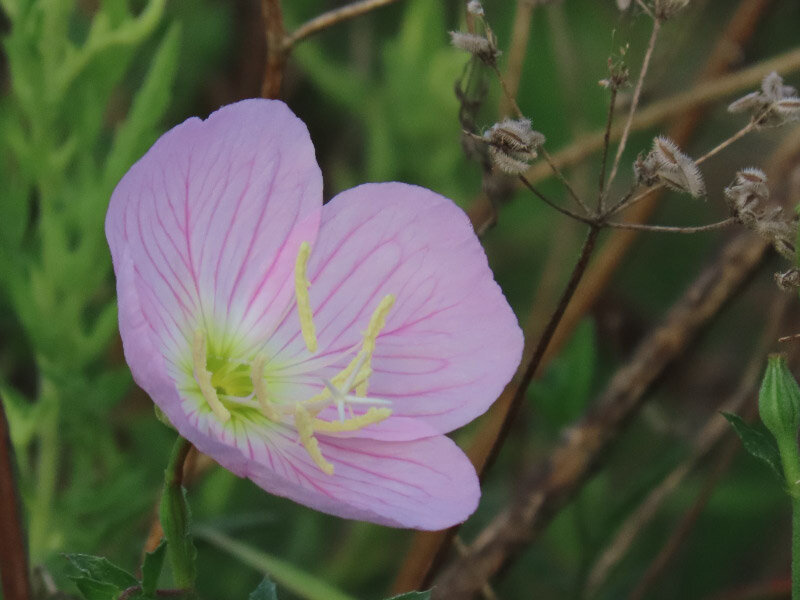
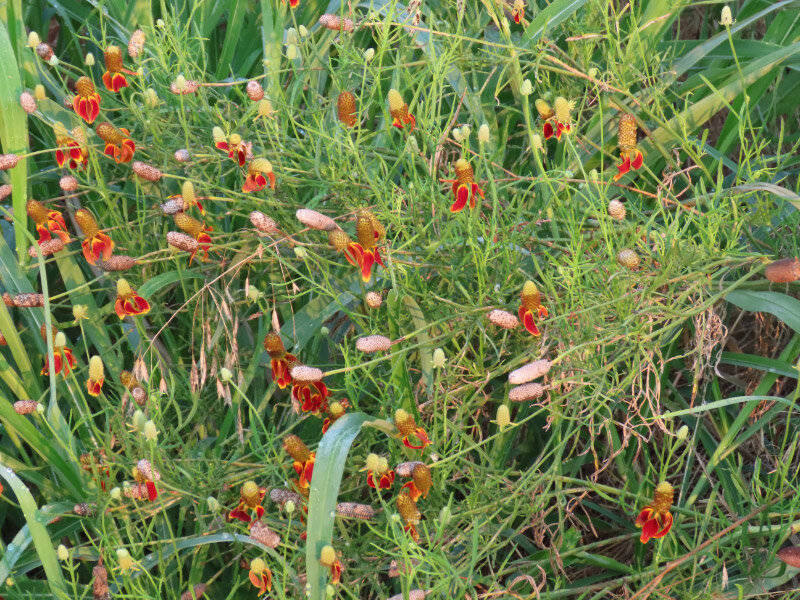
Taking a closer look - there were wildflowers still blooming. Many also had seed pods too. They are hidden gems in the tall grass. There was a large rabbit that was on one of the paths, already in motion before I saw it. This small prairie surrounding by ball fields and tightly packed houses across the busy street is an oasis for more than the plants!

Here are some posts from previous visits to the Pocket Prairie:

April 2021

July 2019

April 2019

Carrollton Yard – July 2021

2021 07 IMG_4882 (2).jpg

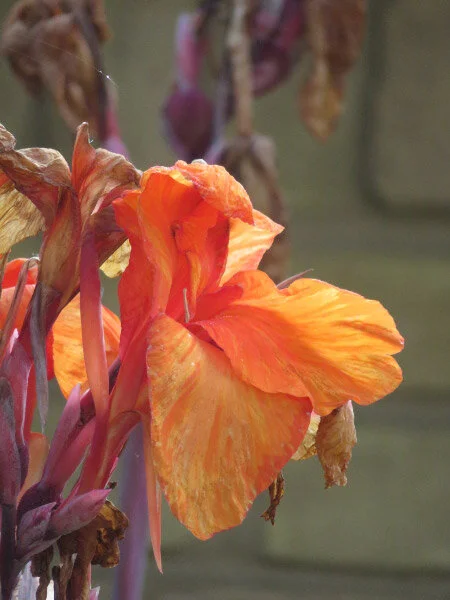
The back yard in Carrollton, Texas is a sunnier space that when I was here in May (a big tree had to be cut down). And it is summer. There are some cannas that are some of the tallest I’ve seen.

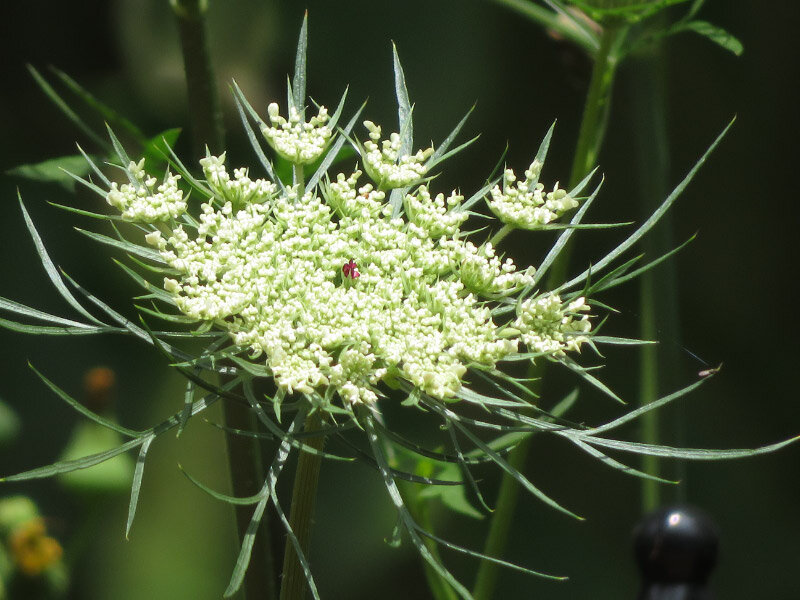
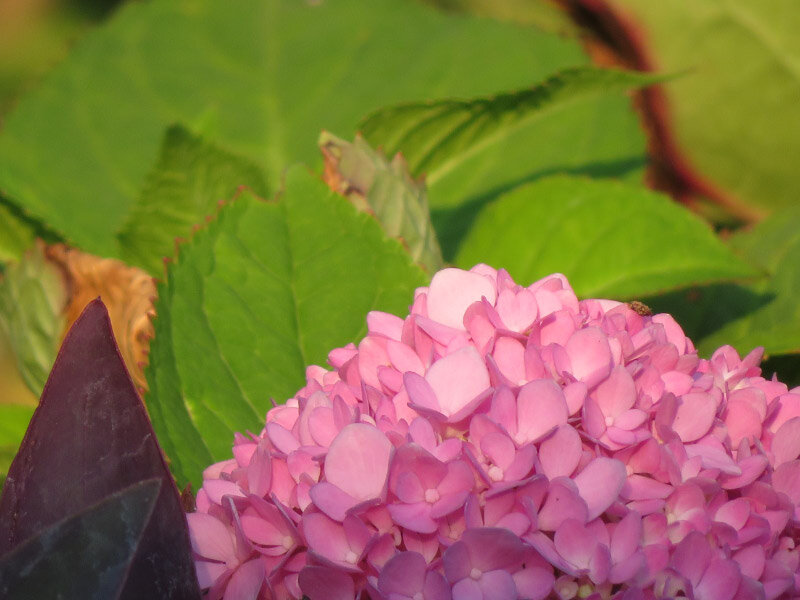
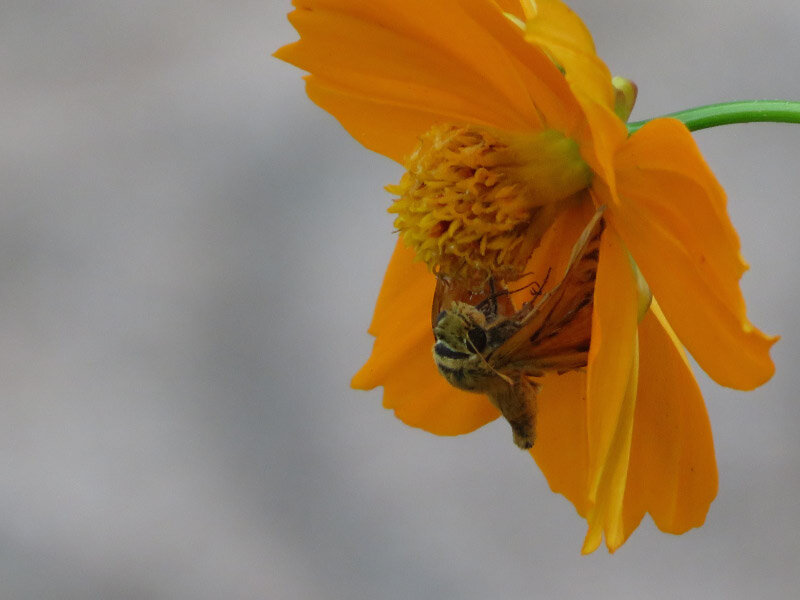
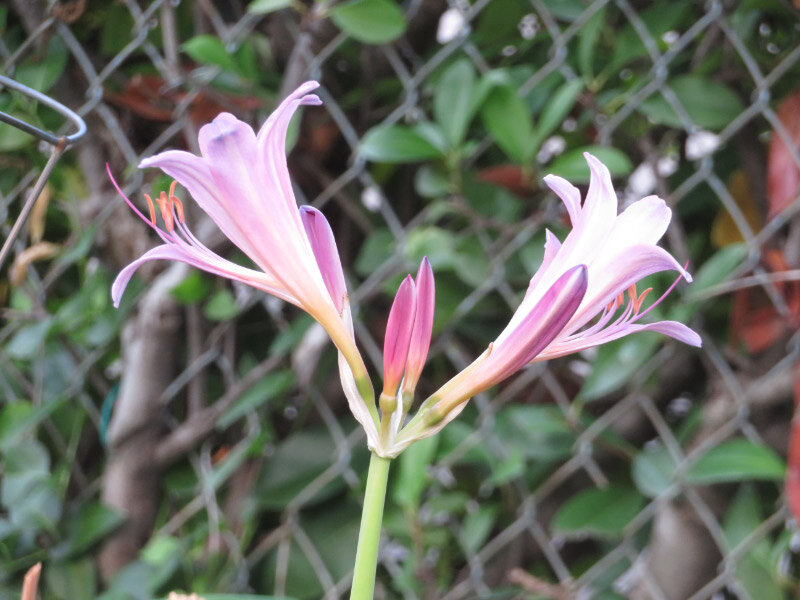
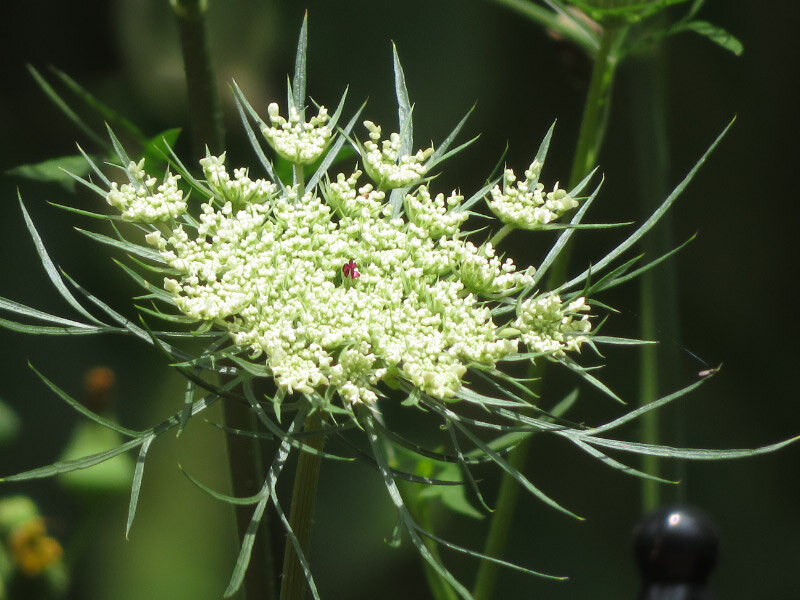
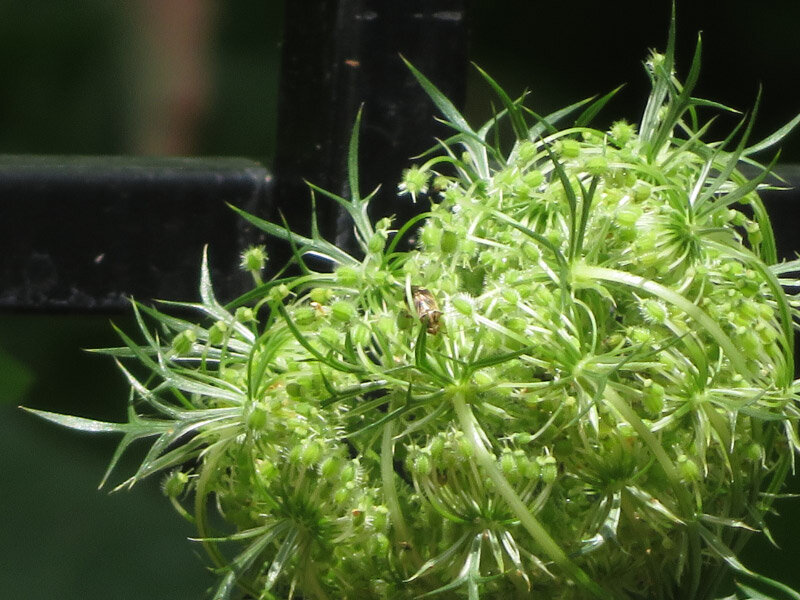
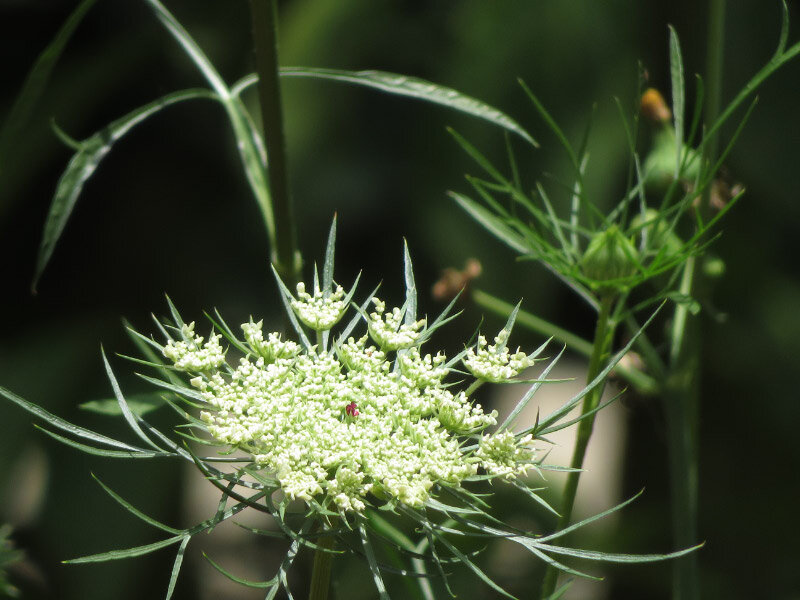
The hydrangeas are waning…the Queen Anne’s Lace is not as abundant as earlier…there are some round yellow-orange blobs of fungus in the shredded wood left from the big tree…they are almost the same color as the cosmos that are blooming in the newly sunny patch…a few Naked Lady Lilies and other shade loving plants are under the pecan tree which is growing rapidly now that the old mulberry is not overhead.

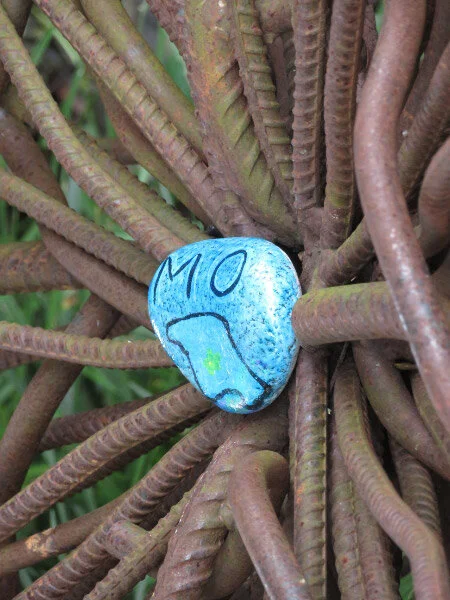
There are metal sculptures that I always notice among the plants – always there but looking different because of the changes of the plants over the season.

In the front yard, the ferns have spores forming on the underside of the fronds and there is only one daisy left.

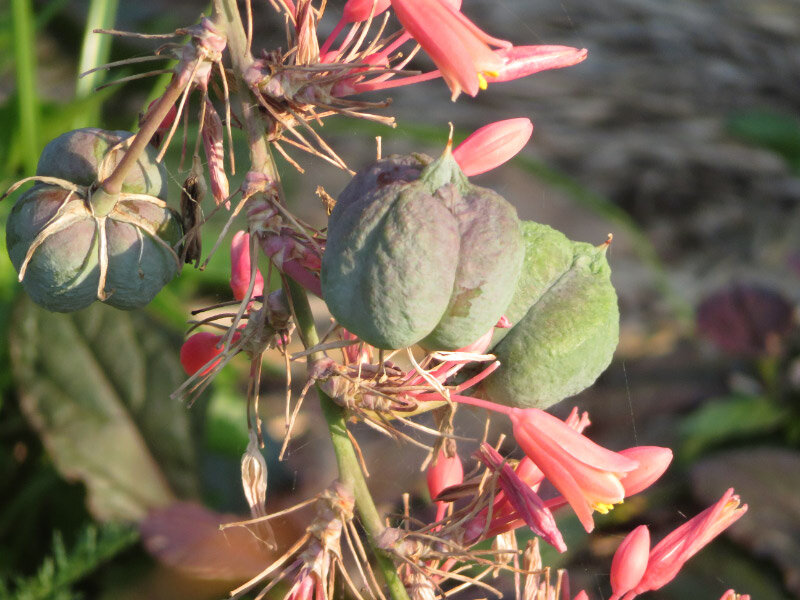
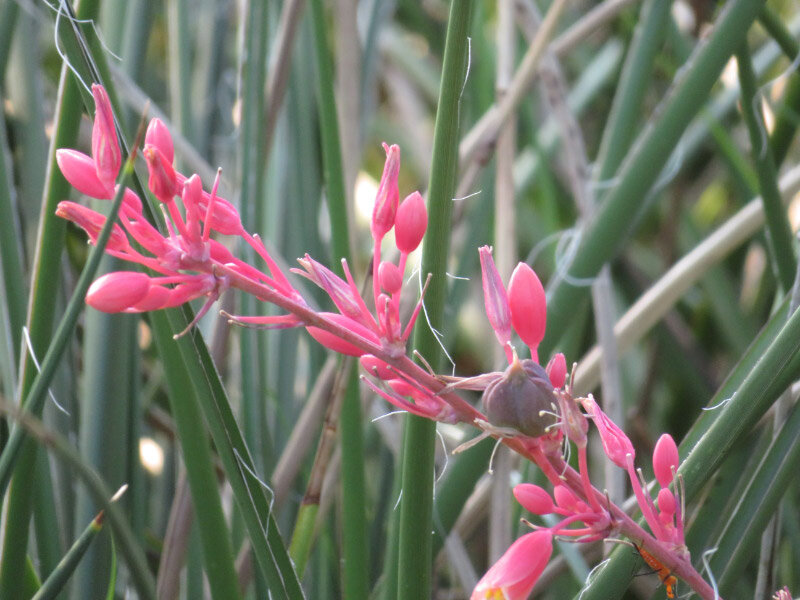
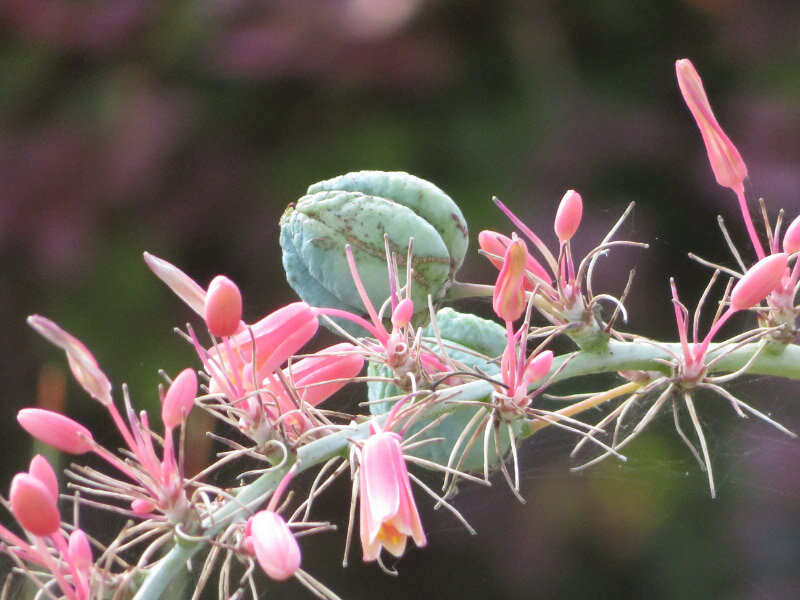
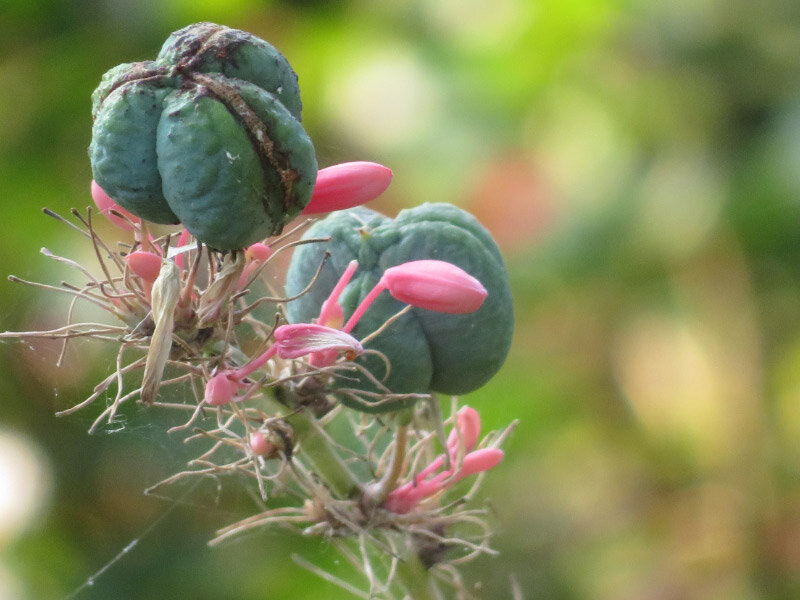
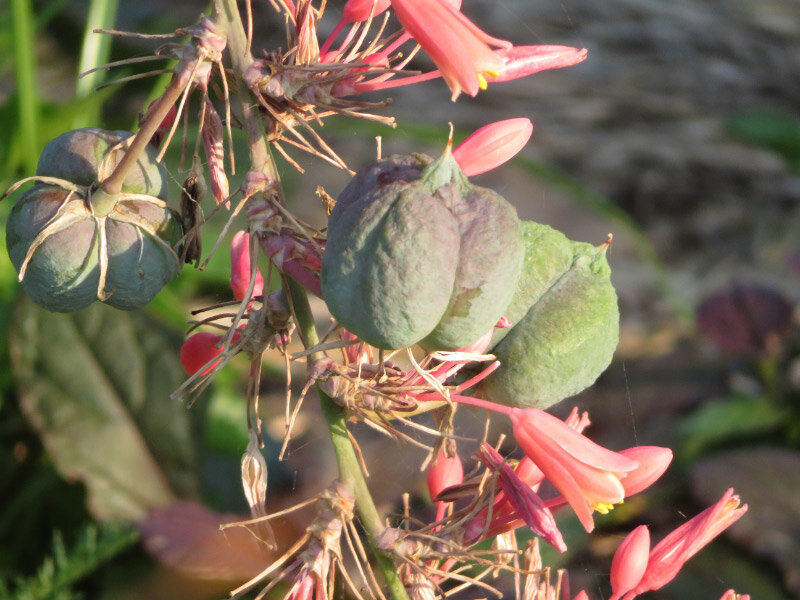
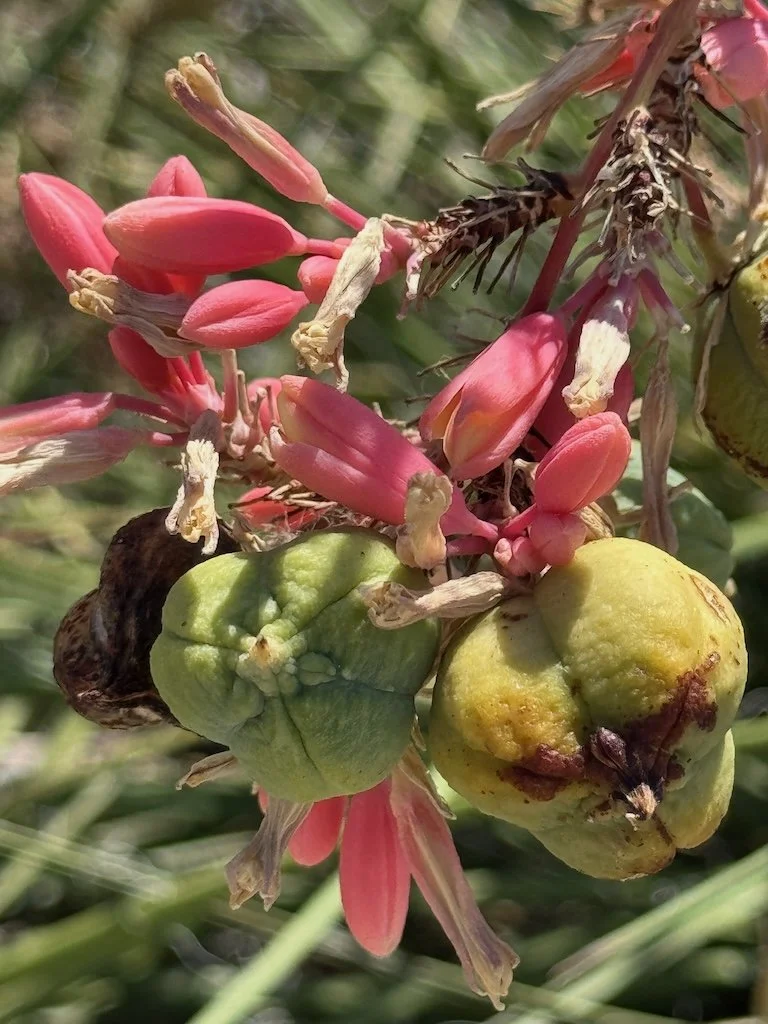
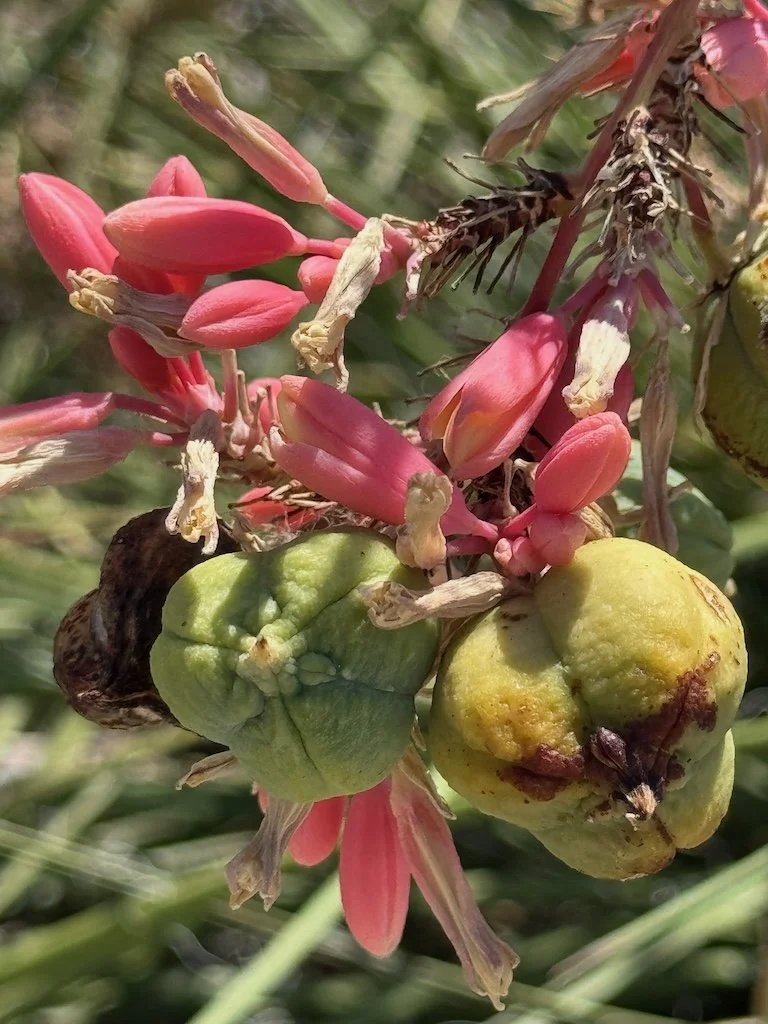
The red yucca has seed pods developing among its flowers.

In a patch of dirt where some plant has died back, I found an large,empty snail shell…even though haven’t seen a snail in the yard before!

2021 07 IMG_4882 (17).jpg

Overall – the garden in Carrollton has changed quite a lot since May. Having the big tree gone has changed things more than the usual cycle…this next year will be one of transition for the corner of the yard that was very shady and is now full of sun.

Springfield Yard and Xeriscape Garden

Last time I was in Springfield, the priority was getting my daughter moved into a new house – exhausting work. This time I am savoring the yard. I walked around several times….marveling at how beautiful it is, noting a few things that need to be done but nothing critical. It is relatively low maintenance. I am starting to think about the various areas as mini gardens.

2021 07 IMG_4808 (1).jpg

The Driveway Garden has two hollies flanking the extra parking area – a male and female. The female tree is full of green berries which will be red by winter…pretty and food for birds as well.

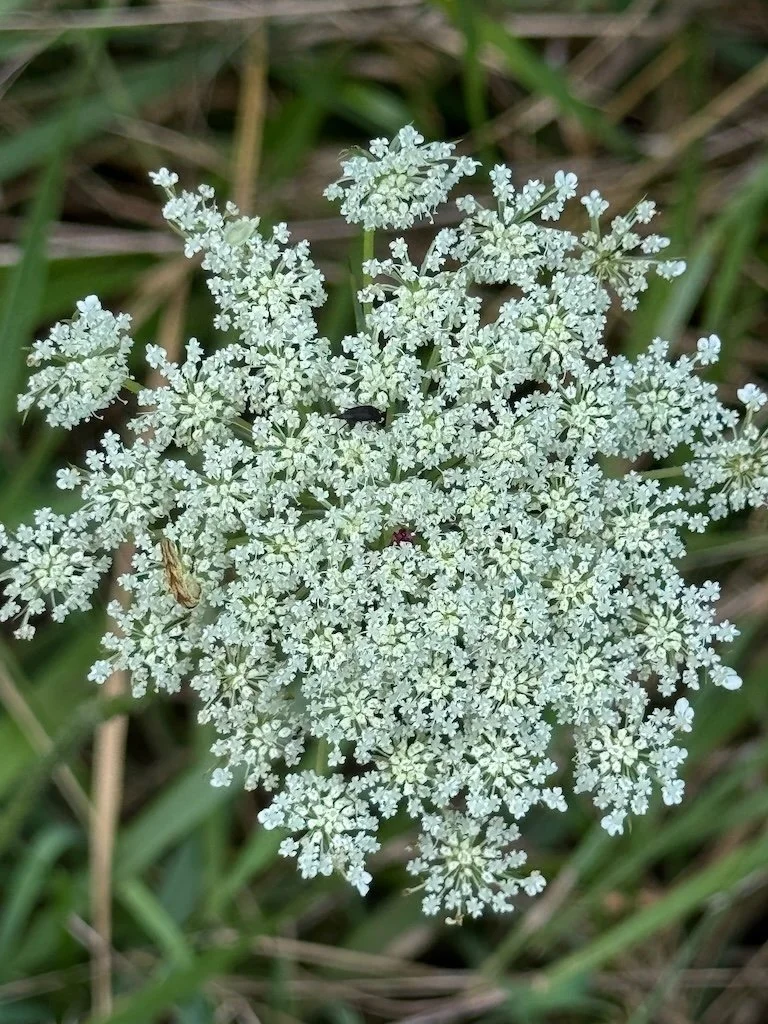
The Back Garden has a dogwood that may be problematic (some dead branches and overall not looking healthy) but underneath the Queen Anne’s Lace is blooming and some other plants (that will also provide food for birds. I’ve been watching a small rabbit nibbling on the plants around the brick patio every morning when I nibble my dark chocolate in the garden room. The hosta plants have already finished blooming. There are some legume type plants that are blooming behind some evergreens and a stand of poke weed that will have purple berries in the fall. There is a wood hydrangea that still has dried flowers from last year along with light grene flower clusters on the ends of this year’s growth. Overall – a lot of shrubs, trees and perennials…very little grass.

2021 07 IMG_4808 (18).jpg

The Side Garden has evergreens on one side of the stone walk and ferns on the other. I might move one of the yard chairs to this always shady area.

The Magnolia Garden is under a huge magnolia tree. There was some damage to the leaves from the extreme cold from last winter that I noticed last time I was here but those leaves were dropped and the tree looks wonderfully lush at this point - full of shining green leaves, developing seed pods and waning flowers. There are a few ferns and hosta under the tree. My daughter cleared away the thick layer of magnolia leaves and is planning to encourage (or plant) more of those types of plants under the tree.

The Front Garden is dominated by some big trees. The river birch and oak are the largest. The oak was probably planted when the house was built in the 1950s. Many other houses in the neighborhood have a large oak in the front.

2021 07 IMG_4808 (22).jpg
2021 07 IMG_4808 (21).jpg

There is also an oak leaf hydrangea between the house and the big trees that is blooming; it’s a great shade loving plant!

We took a walk in the neighborhood to a city park that includes a Xeriscape Garden maintained by volunteers. Kudos to the people that do the work there! It is a mini-botanical garden. The arum seed clusters are attention getting! The variety of plants there would make it worth visiting any time except (maybe) the winter. I was pleased to see that goldenrod was included. There was also some sculpture among the plantings.

Overall – the gardens of the yard and the nearby Xeriscape Garden are something to look forward to see during future visits.

Gleanings of the Week Ending July 24, 2021

The items below were ‘the cream’ of the articles and websites I found this past week. Click on the light green text to look at the article.

Night Sky Celebrations Across the National Park System – We’re not doing this kind of traveling this summer….but maybe we’ll do several of these ‘star parties’ in summer 2022.

Tooth loss associated with increased cognitive impairment – Another reason to not neglect going to the dentist! It’s not just about preserving cognitive impairment either….quality of life is a big motivation as well.

Top 25 birds of the week: Seabirds – From around the world…a few I’ve seen in North America.

Mucus and mucins may become the medicine of the future – There is still a lot to learn about how this might work….but it appears that this is an opportunity to treat disease by enhancing the mechanisms already used by the body. Maybe one of the first uses will be for eye drops to treat eye infections rather than the antibiotics used today.

Protect Pollinators – reform pesticide regulations – Hopefully the action requested by these scientist from around the world will happen…our ecosystems are having enough challenge dealing with climate change. Many pollinator species won’t survive the continued threat of status quo pesticide use.

Keeping your composure: Creative Ways to Compose Your Photographs (part 1, part 2, part 3) – Always good to browse through these kinds of tutorials…pick up some new ideas, celebrate the things you are already doing.

What to do with food waste? – It doesn’t appear than there is any one strategy that will work broadly. I’m glad I have already dramatically reduced food waste and then have a large enough yard to have a compost bin.

Waterfalls of North Carolina – A few years ago, my husband and I made a waterfall themed trip to New York. It seems that North Carolina would be another state that has a lot of opportunities for waterfall photography. Maybe next spring?

Creativity Myths – A recent ‘letter’ on The Painter’s Keys website.  I enjoy the twice-weekly blurbs that appear in my inbox (free subscription) and often follow the ‘click here to read more’ link.

Exposure to light with less blue before sleep is better for energy metabolism – I already change the color balance on my PC screens to ‘nightlight’ between sundown and sunrise. Maybe we will do more eventually based on this and subsequent research. It is probably true that no one should be watching a television screen just before going to bed!

Browsing Natural History Magazines – April to June 2021

I browed the The American Museum of Natural History’s magazine available on Internet Archive published in 1985 to 1993 over a 3-month period. The topics of the articles are wide ranging…something for everyone interested in Natural History. I picked one image from each volume…noticing that I am more skewed toward birds that the magazines are.

I am looking forward to browsing the volumes from 1994 to 2010 that are also available via Internet Archive….when I get the time.

 I posted about  the 1966 to 1984 volumes that I browsed back in March previously.

Springfield Botanical Garden – Part 2

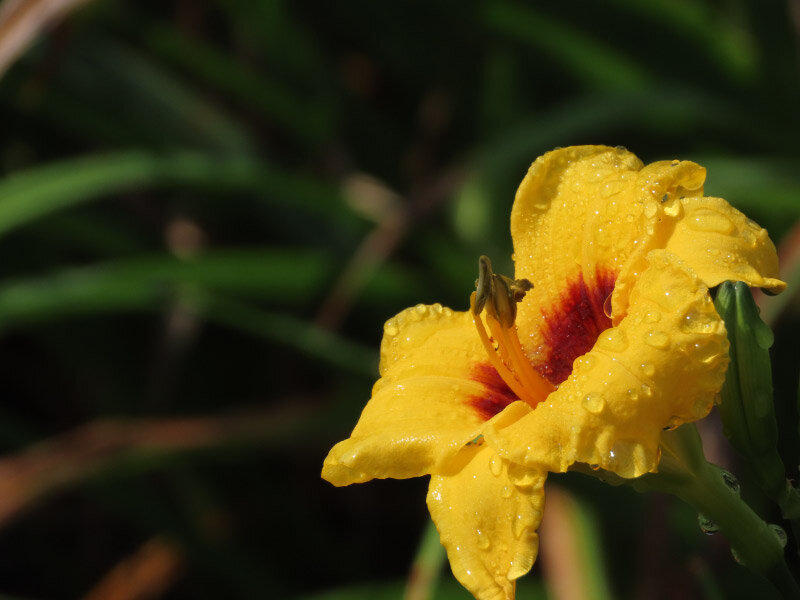
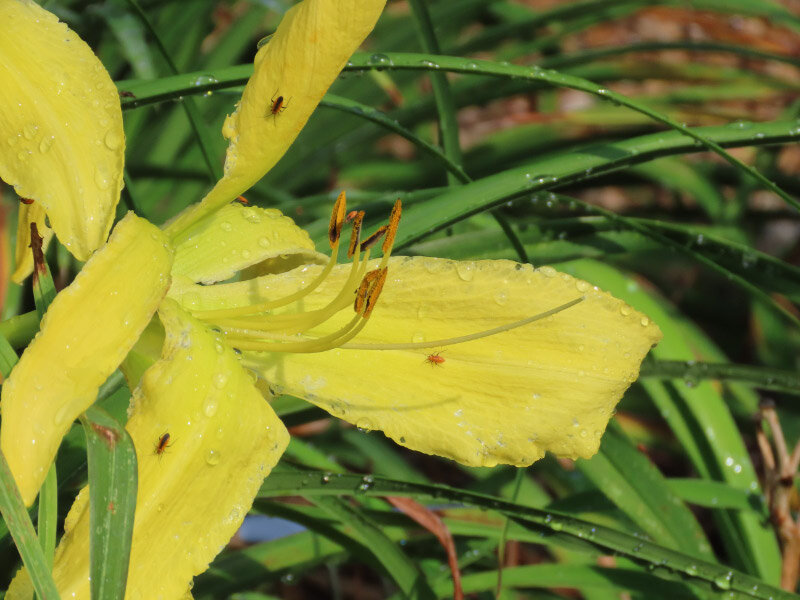
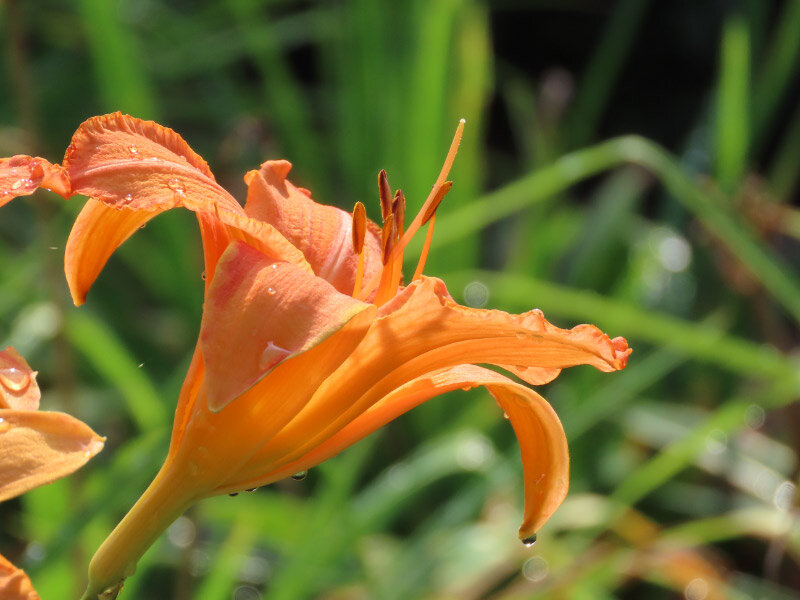
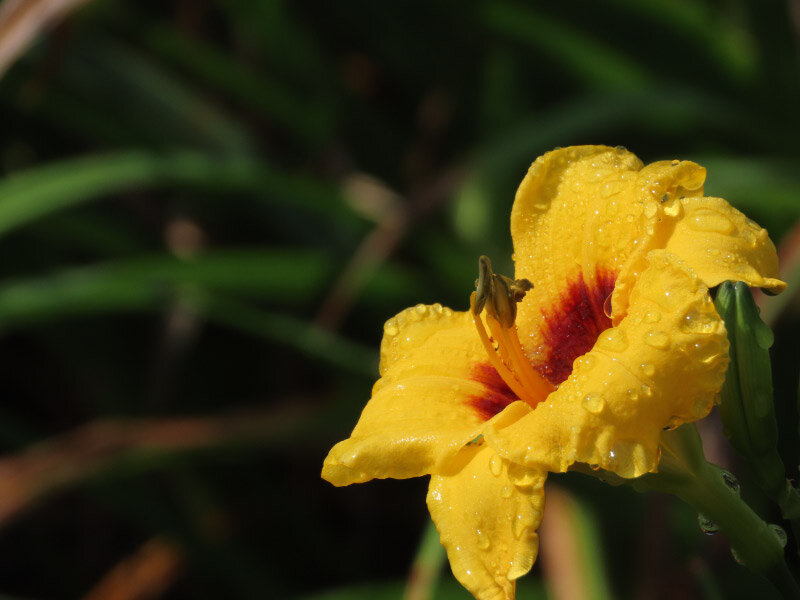
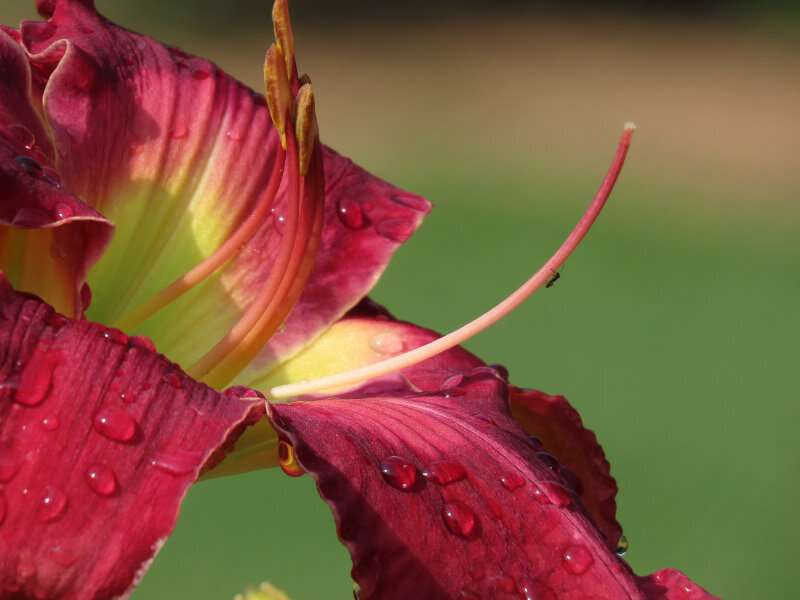
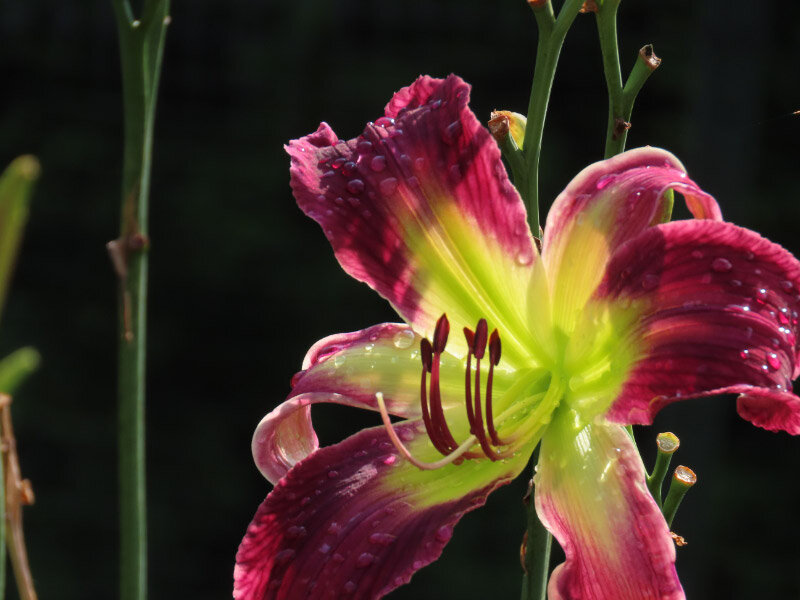
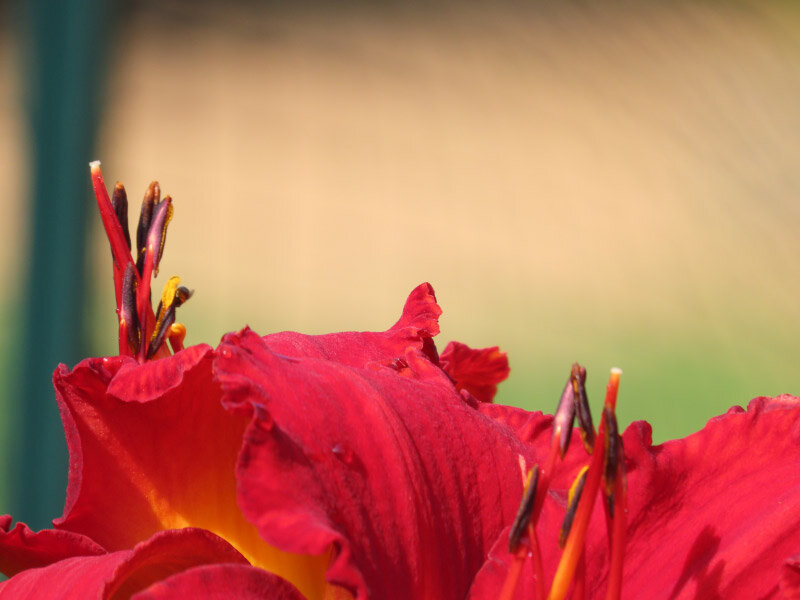
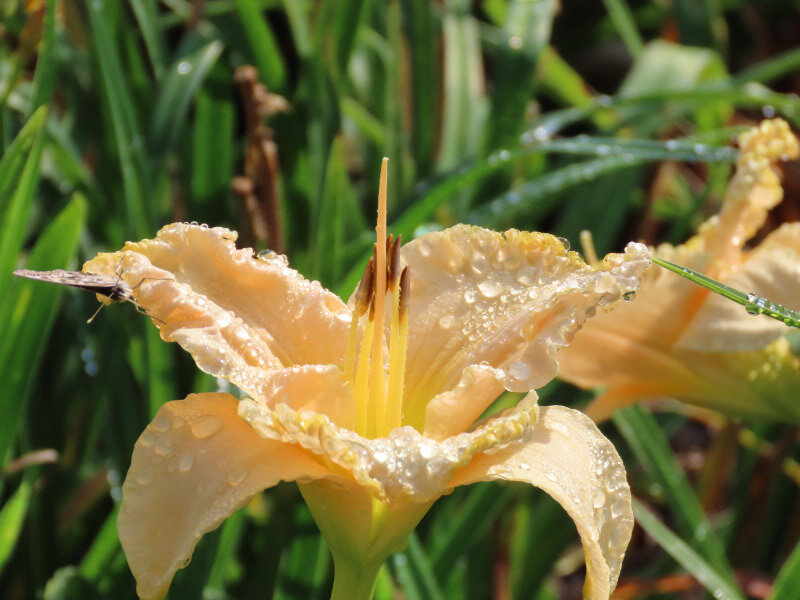
The day lily garden at the Springfield Botanical Garden offered many colors and sizes of day lilies…many with water droplets from the early morning rain. I enjoyed photographing them…trying different types of compositions.

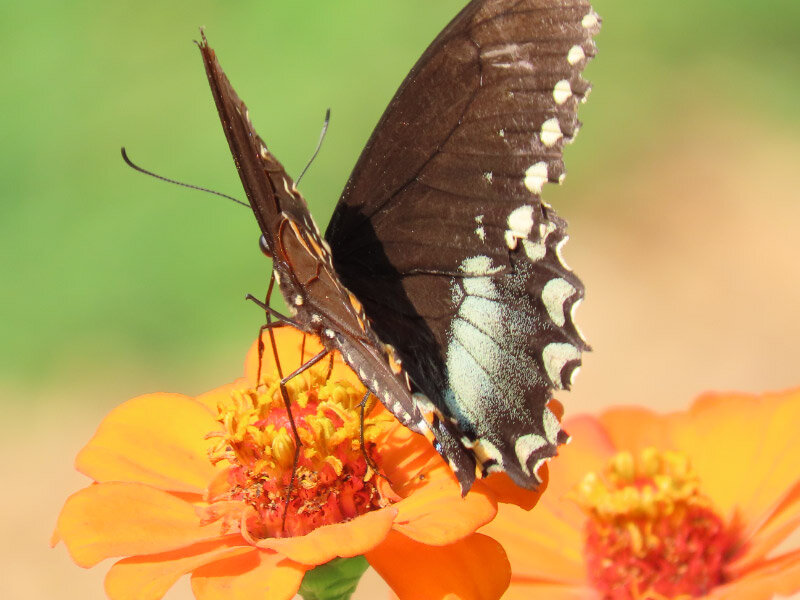
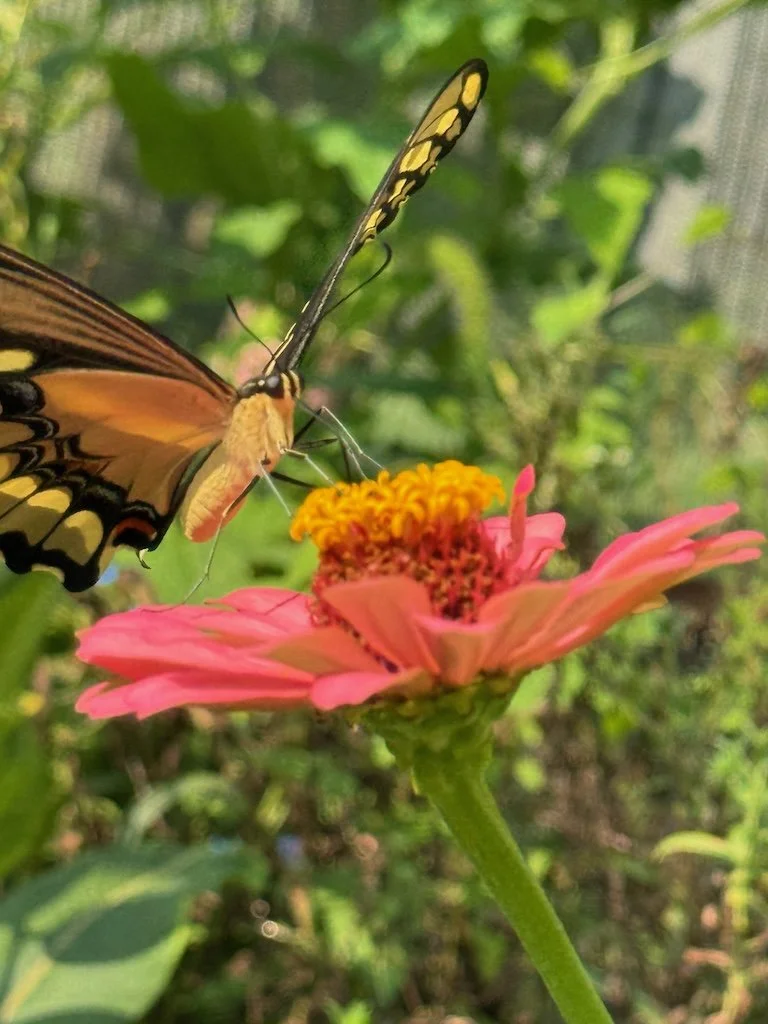
There was a butterfly on some zinnias planted in a bed neat the lilies. This has not been a good year for butterflies in Springfield or at my home in Maryland.

2021 07 IMG_7721 (15).jpg

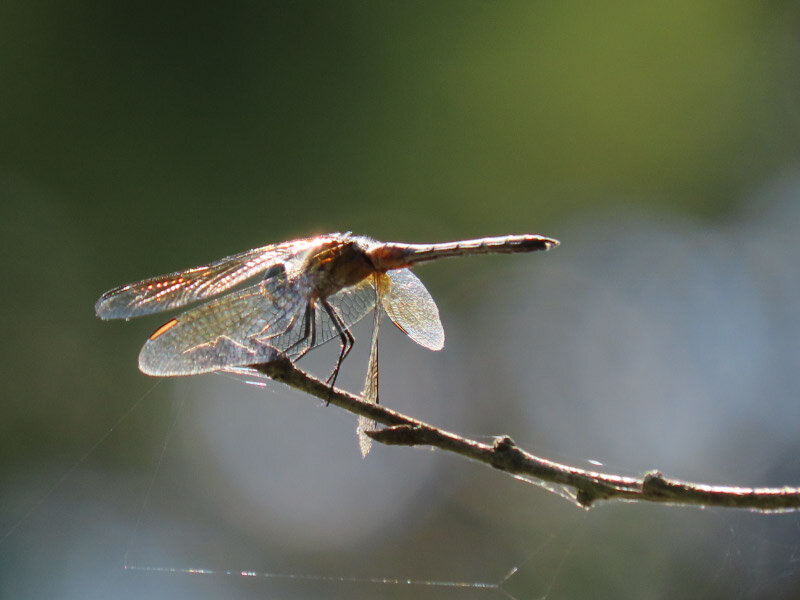
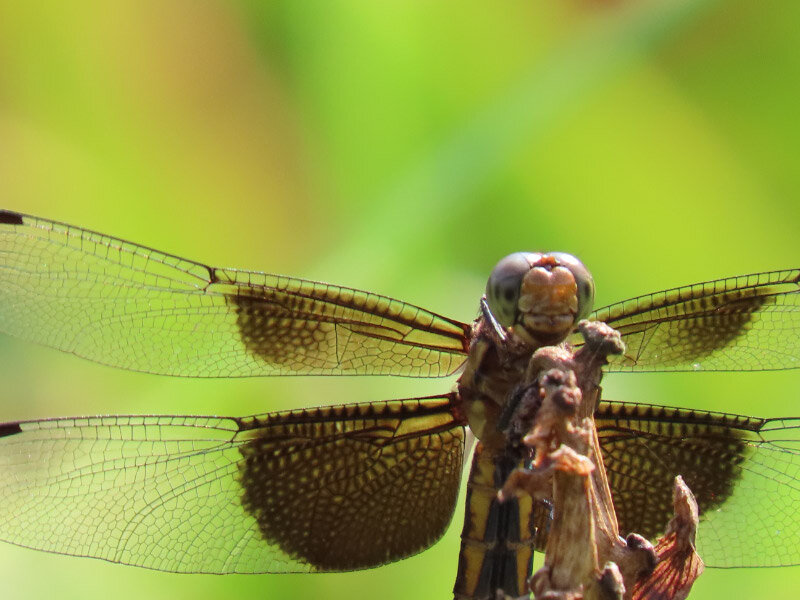
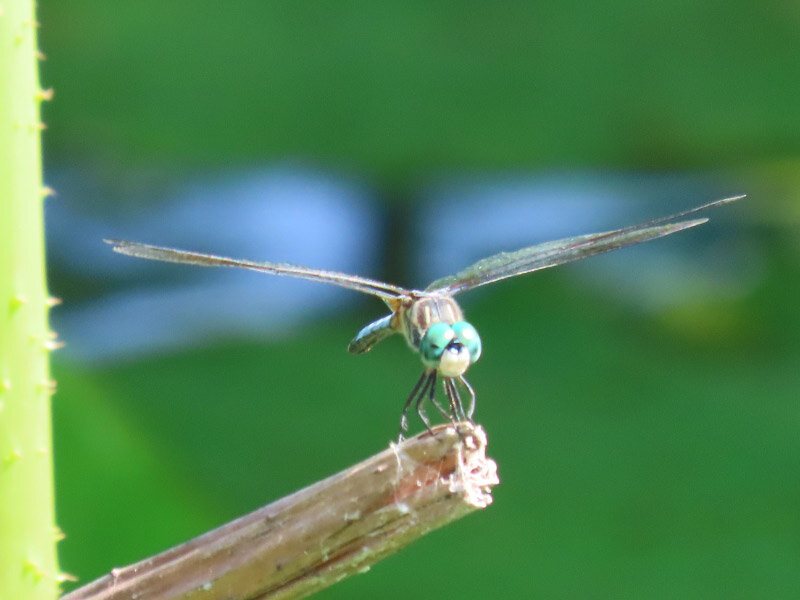
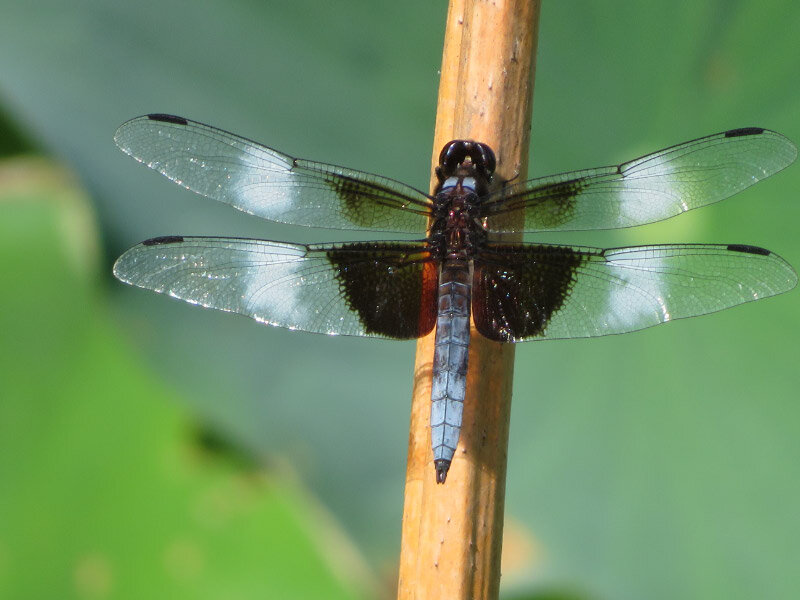
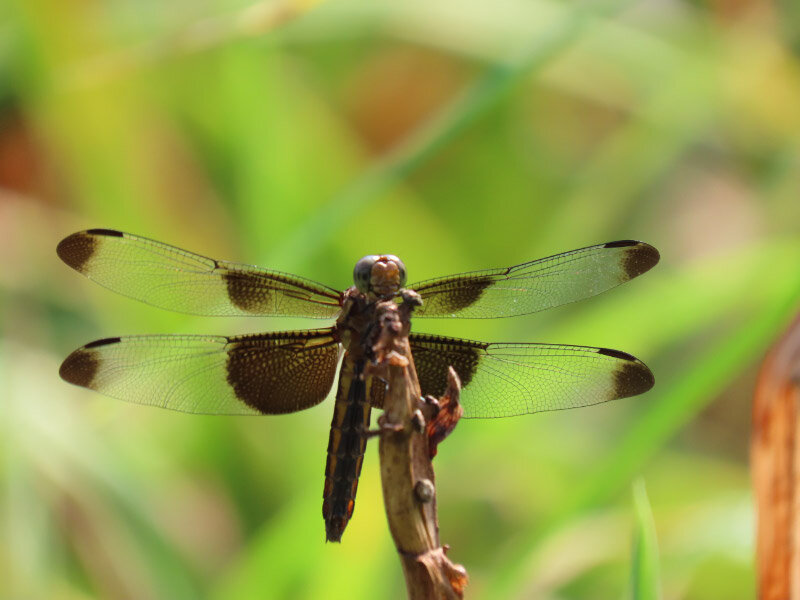
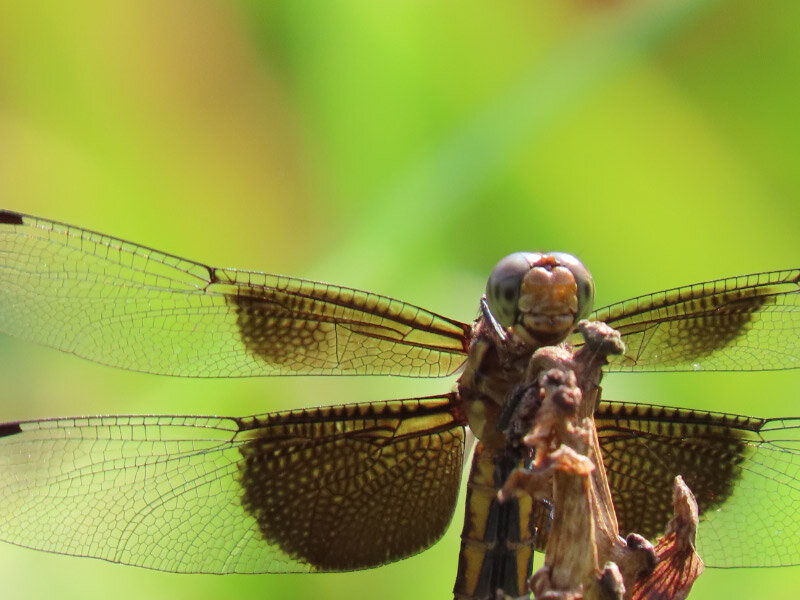
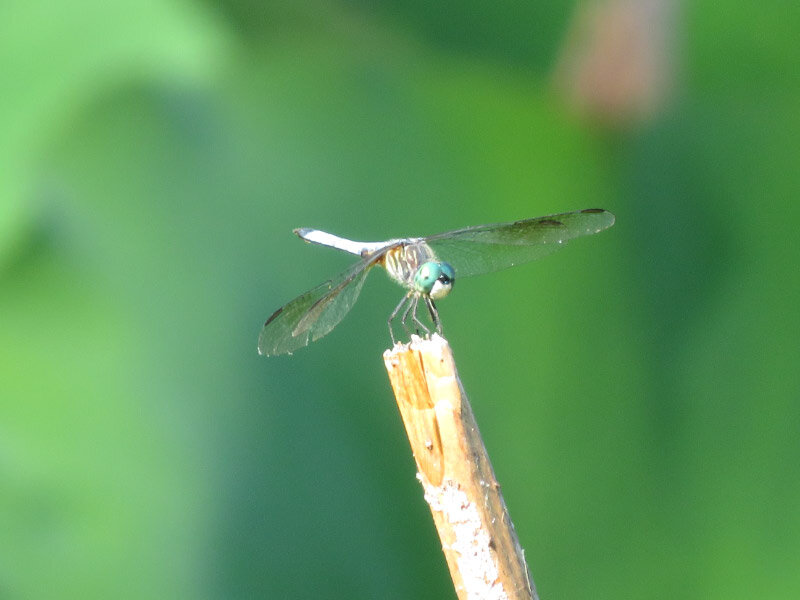
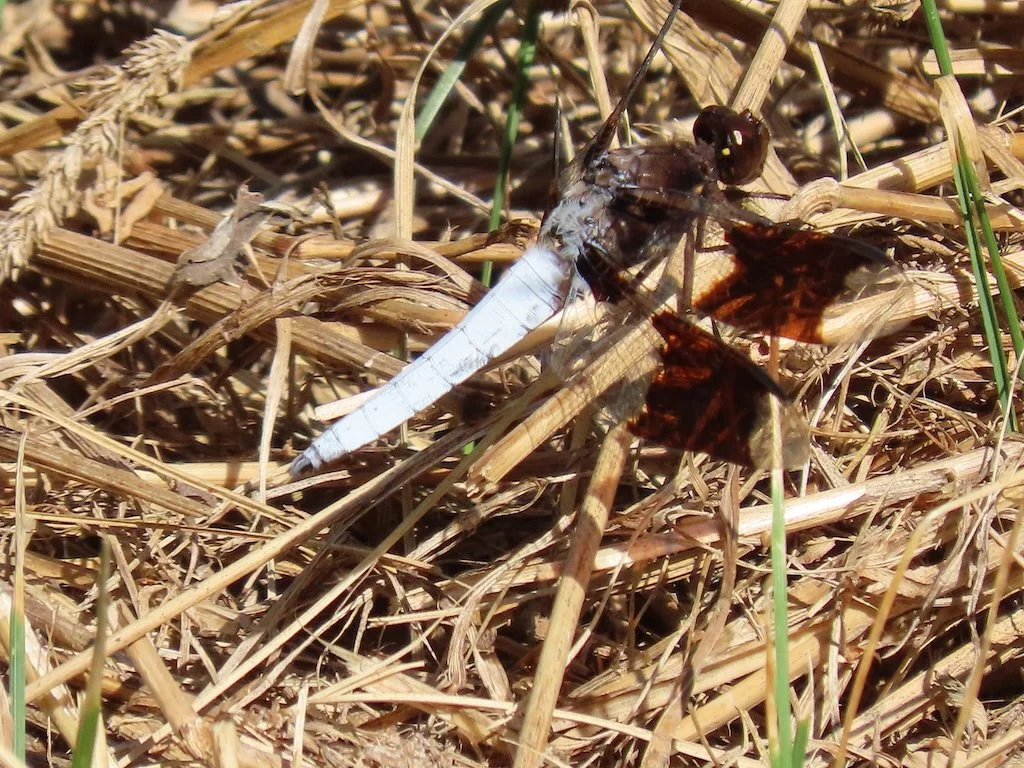
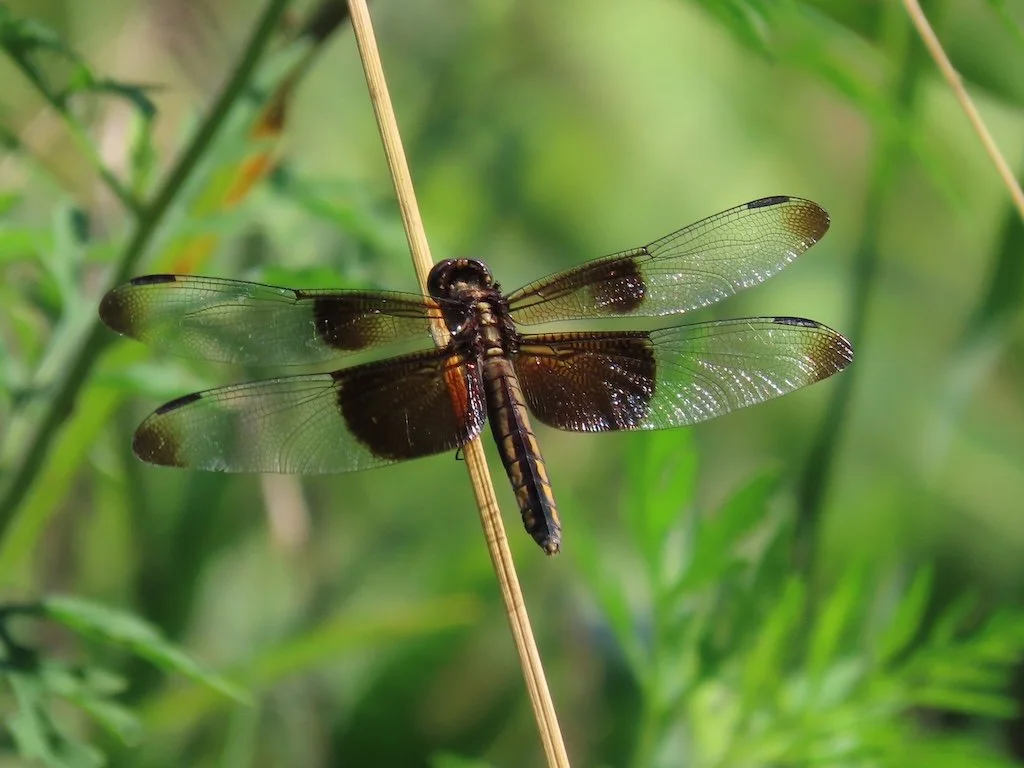
A dragonfly perched on a dried stalk…kept coming back to the same one. I was thrilled to get a zoomed picture. It looks a like a female Widow Skimmer….but not a perfect match - the dark patches on the tips of the wings does not fit although this is the underside of the wing and the pictures I was using for ID all are from the other side.

It was getting hotter, and we closed the loop back to the car. There was a line of cars coming into the garden as we were driving out. Our visit was well timed!

Springfield Botanical Garden – Part 1

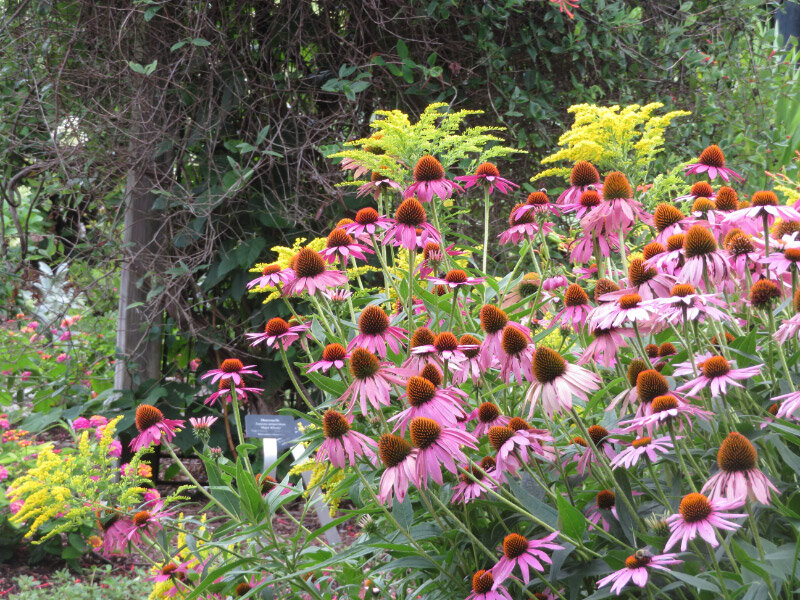
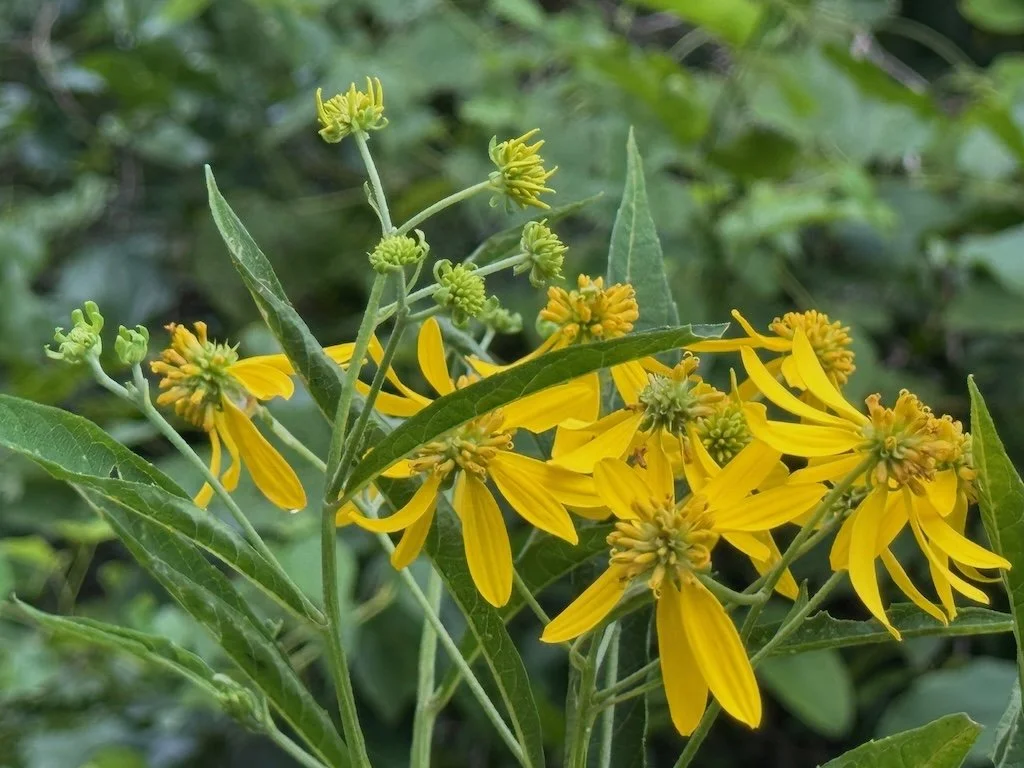
This was my second visit to the Springfield Botanical Garden….and we parked in a different place…saw the garden in a different order than before. It’s a large enough place that I didn’t see the whole thing either time.  The morning was still cool and there were not many people around when we first got there. We started out near the flowering shrubs, white garden and mosaic. I’m paying more attention to native plants these days and the gardens seems to be skewing in that direction as well. There were lots of showy clumps of cone flowers and wood hydrangea. There didn’t seem to be as many butterflies around as were there during my previous visit in July 2019.

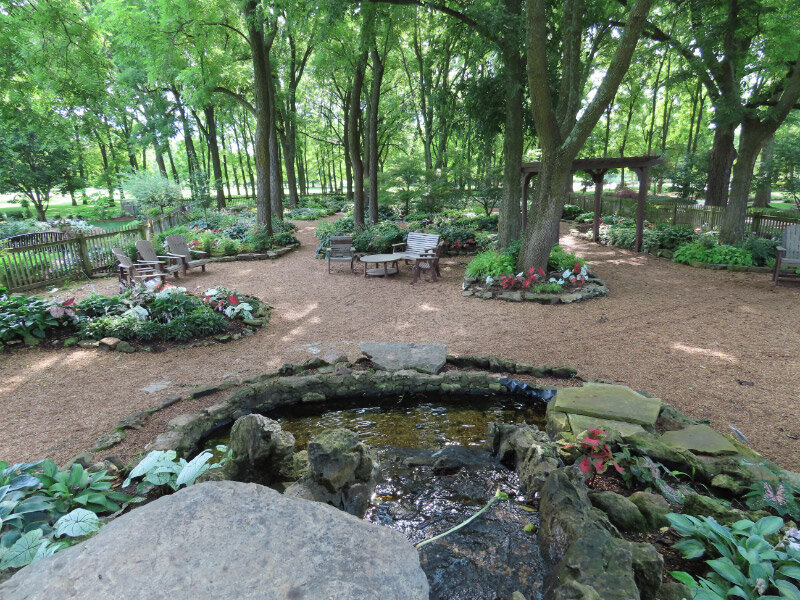
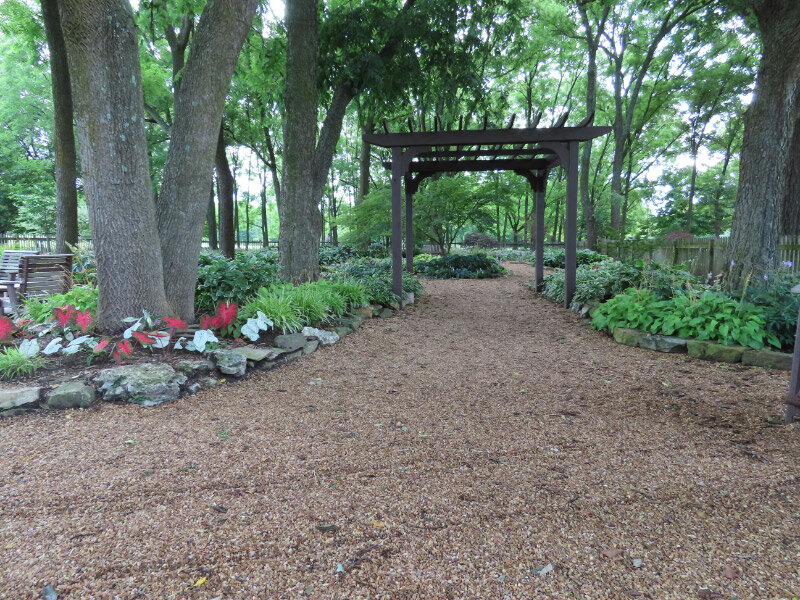
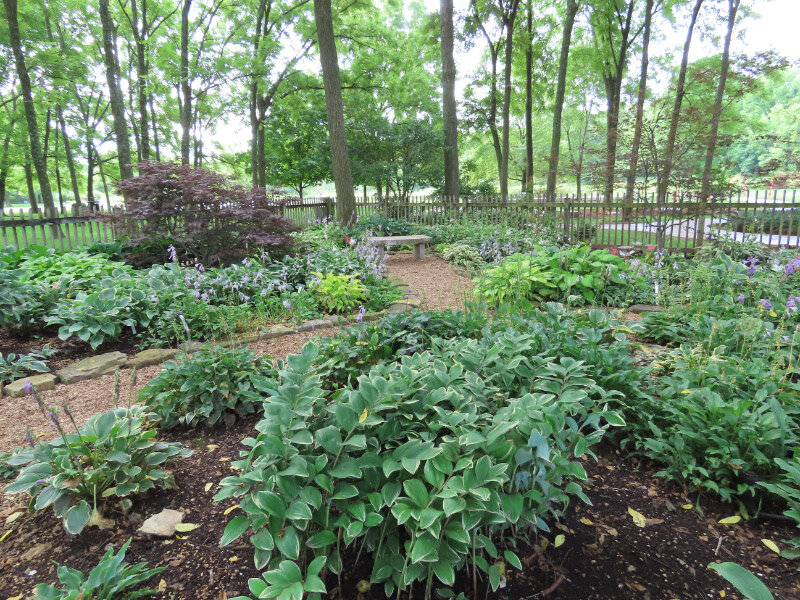
We spent more time walking through the hosta garden….very shady with water features….the garden furniture was too wet to enjoy. It’s probably the most pleasant garden area during the hottest hours of summer days!

We went in one entrance and out another…walking toward other gardens via the South Creek Greenway Trail. Those gardens are the topic of in tomorrow’s post.

Day Lily Portraits

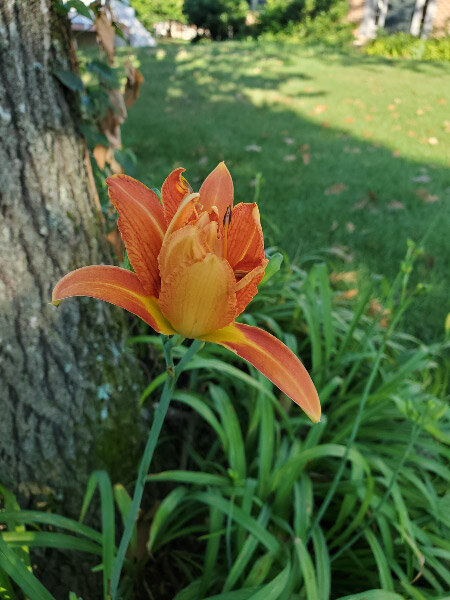
Day lily flowers are at their best outdoors in the morning….just after they open.

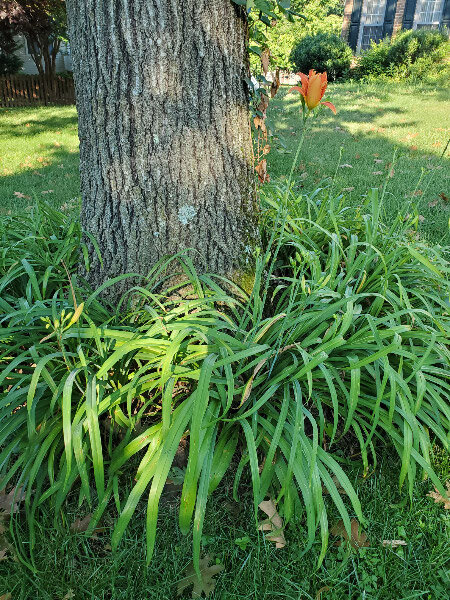
We have day lilies in three areas of our yard: the front flower bed near the garage, in the back in an area close the house that now gets too much shade for them to do well, and at the base of the oak.

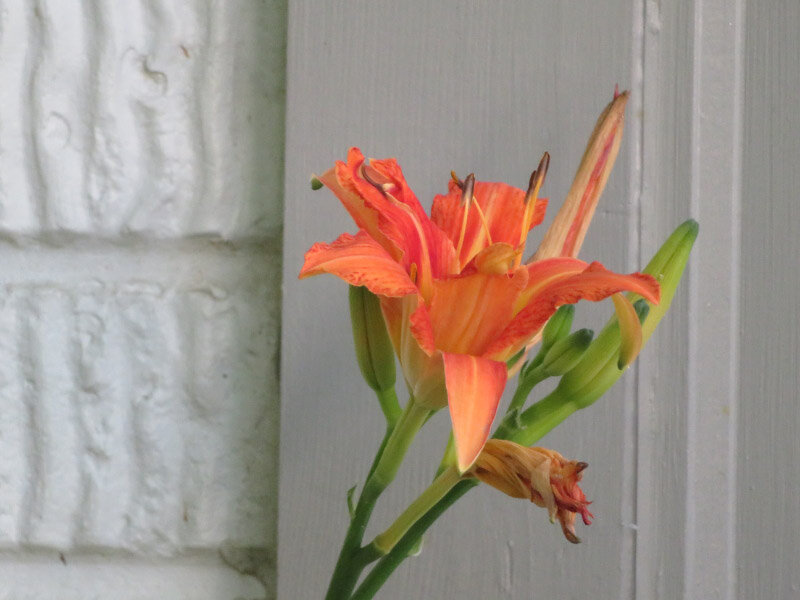
Most of the buds are eaten by deer before they can open so I try to cut the flowers if they manage to open outdoors and the buds when they are large enough to continue their cycle in a vase. The images below show a bud that opened indoors on the first morning….and one that had opened the previous morning.

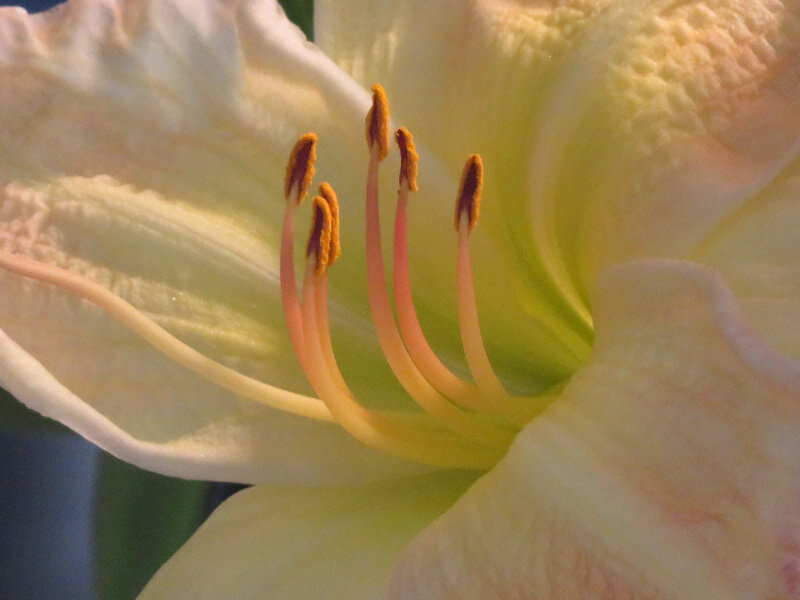
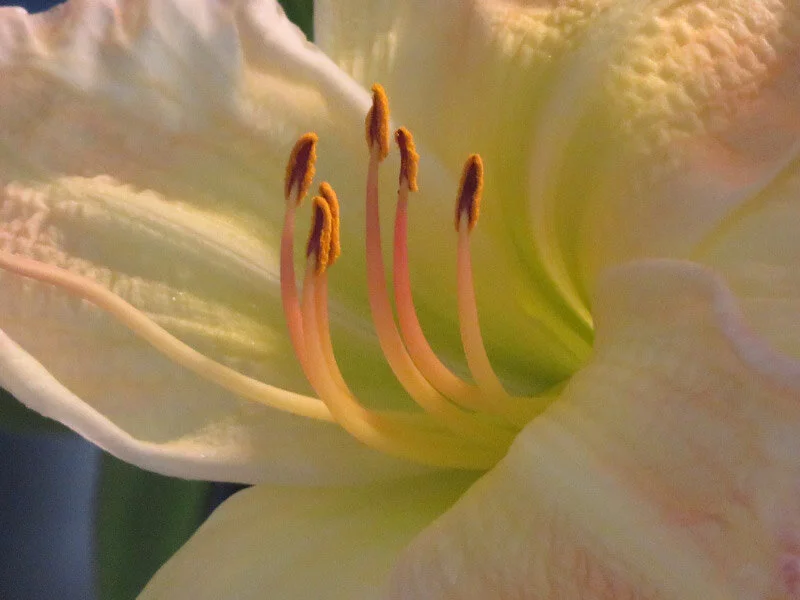
I like to try high key images with the day lilies indoors as well.

The flowers dry and fall off after they bloom. They retain some of their color and I like the curls, twists, and wrinkles.

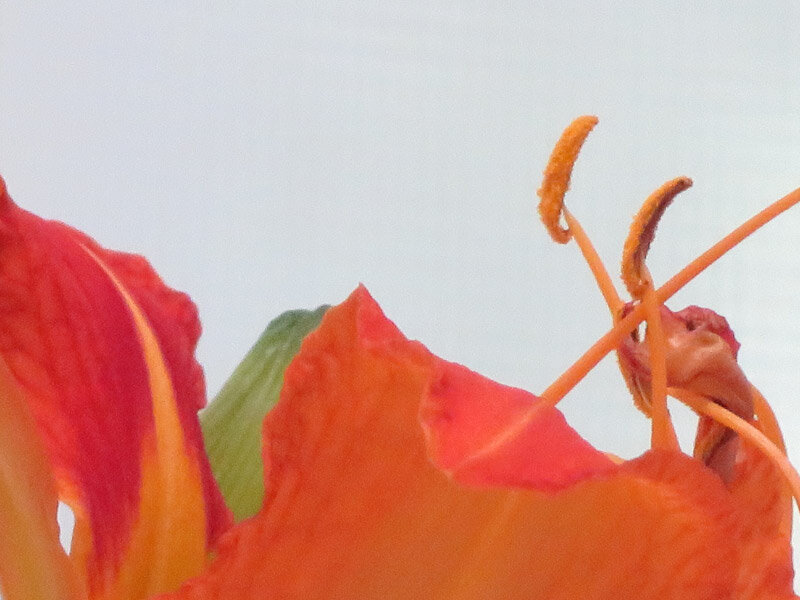
I also photograph them with the clip-on magnifier for my phone…and the clicker to cause the phone to take the picture (making it easier to hold the phone steady). The color and texture look different when they are magnified. The pollen is visible if a petal did not cover it as the flower dried.

20210705_073310.jpg

Gleanings of the Week Ending July 10, 2021

The items below were ‘the cream’ of the articles and websites I found this past week. Click on the light green text to look at the article.

Fibromyalgia likely the result of autoimmune problems – Maybe this change in thinking (neurologic to immune system) will improve diagnosis and management of the disease.

How freezing changed the green pea – A little food history

Massive Antarctic Lake Vanishes in Just Three Days – A lot can be learned with observations from space…and once we see something interesting like this there is historical imagery that can provide a view from past years too.

Tuberculosis: The Forgotten Pandemic – The search for a better vaccine for TB….some history of the past 100 years of TB around the world.

Top 25 birds of the week: Bird Interactions! – Birds with others…of their own species and sometimes another bird species.

The Finalists of the Bird Photographer of the Year 2021 Are Announced – Just found this post that came out back in April…enjoy a double dose of bird photos in this gleanings list.

Photos of the Week – June 17, 2021 – Spider photos from The Prairie Ecologist

Fire Destroyed 10 Percent of World’s Giant Sequoias Last Year—Can They Survive Climate Change? – Very sad….and this year there could be more fires.

6 Surprising Tales of Predatory Birds – The 6 birds featured are: pelicans, great blue herons, turkeys, crows, kelp gulls, and vampire finches.

Coelacanths may live nearly a century, five times longer than researchers expected – An ancient form of fish that evidently lives a long time, reaches maturity at about 55 years old and gestates offspring for 5 years. This slow life history has implications for conservation of the fish. I also wondered how many other species we know only from fossils had slow life histories compared to organism we observe today.

Cicada Aftermath

2021 06 IMG_4757 (12).jpg

The Brood X adult cicadas are gone; the outdoors is quiet in comparison to the way it was a month ago. The trees are showing the impact of the large numbers of cicadas that emerged this year…but not all the trees were impacted the same. Our oak seems to have the most small-stem breakage from the cicada eggs deposited under the bark…the larvae hatching and dropping to the ground. The stems split and the leaves past the split die. The condition is called ‘flagging.’

2021 06 IMG_4757 (10).jpg

Some of the leaves are already falling off the tree; they’ll be mulched into the yard the next time we mow.

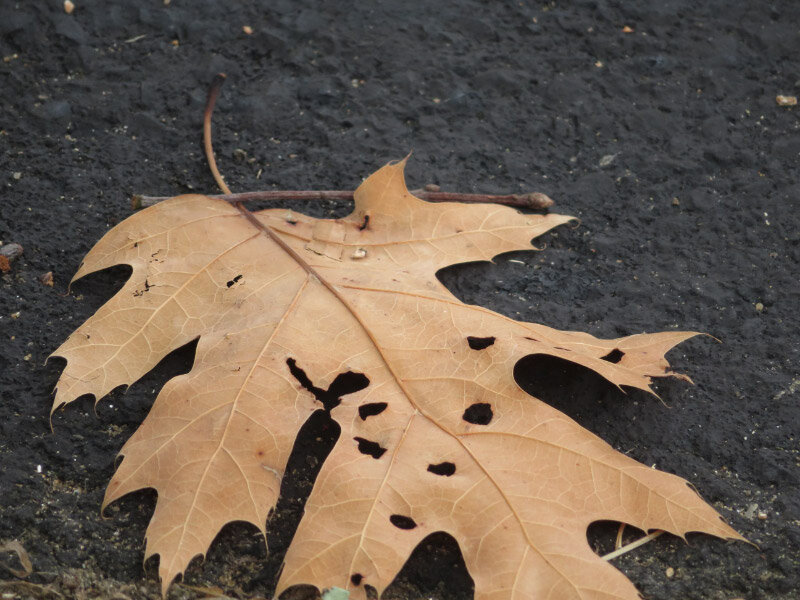
There are other insects that enjoy our oak. I noticed that some of the leaves on the ground have holes in them. Without the cicadas, the leaves probably would have stayed green and on the tree for the rest of the summer.

The sycamore is impacted to a lesser degree.

2021 06 IMG_4757 (7).jpg

It appears from the yard that the small branches are falling off more quickly than the oak’s.

2021 06 IMG_4757 (1).jpg

I took some zoomed pictures of the sycamore branches. The color and shapes appeal to me.

Soon the aftermath of the Brood X will all be underground….the larvae beginning their 17 year journey.

There was a story in the news of some research into the blue jay and grackle die off recently….looking at whether the fungus that seemed more prevalent in the cicadas this year might have impacted the juvenile birds that ate them. The die off occurred in the same areas where Brood X emerged.

Kenilworth Park & Aquatic Gardens – 3

Continuing the posts about our hike at Kenilworth Park & Aquatic Gardens in Washington DC…today the topic is everything I noticed other than the lotuses and dragonflies.

I looked for a shelf fungus on one the trees near the entrance that I’d seen over several years. It was gone but there was some pancake looking fungus patches on one of the high branches!

2021 06 IMG_4745 (1).jpg

There were other flowers blooming:

2021 06 IMG_4745 (2).jpg

Pickerel Weed. In past years it attracted tiger swallowtail butterflies. I didn’t see any in the gardens this year.

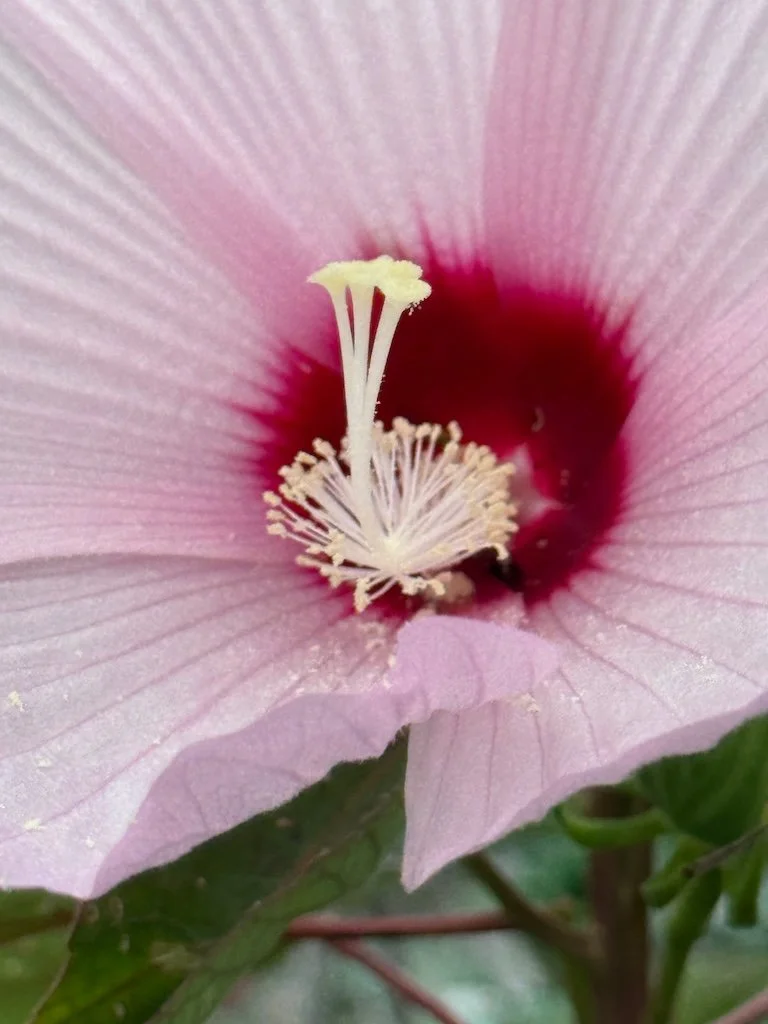
Hibiscus. Not as many as in previous years. This one was growing at the edge of one of the ponds.

2021 06 IMG_4745 (4).jpg

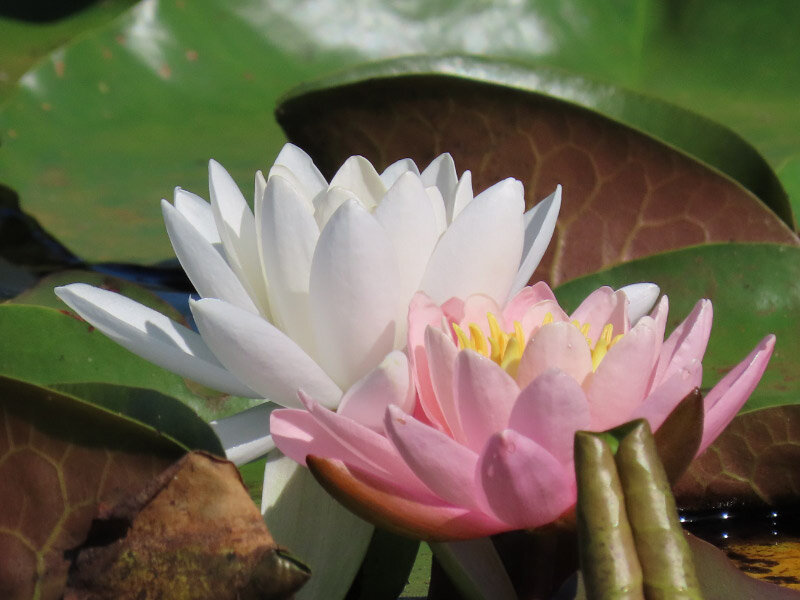
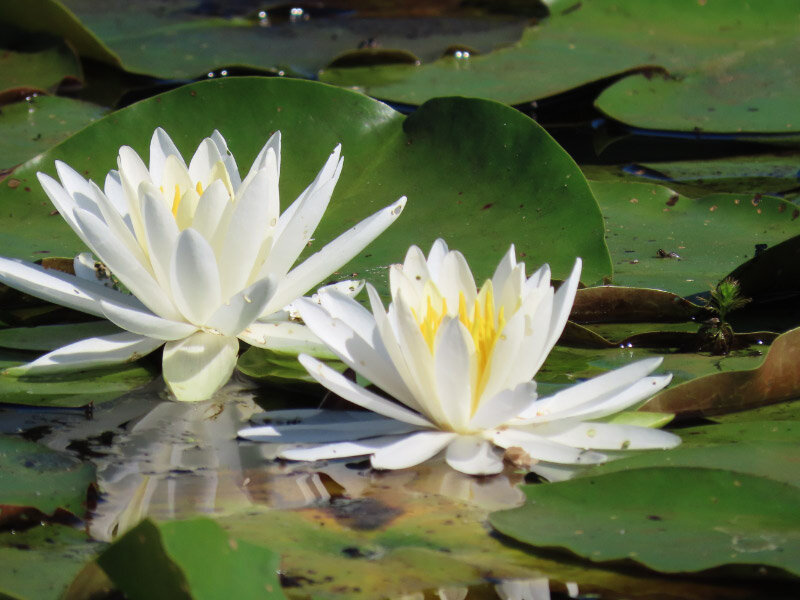
Water lilies. There were none of the giant lily pads that have been at Kenilworth in previous years and some of the ponds usually filled with water lilies were open water…but there were enough for  a few pictures.

Button bush. Again – not as many as I remembered. I wondered what happened to them since it seems like they would be durable along the pond edges from year to year.

2021 06 IMG_4745 (13).jpg

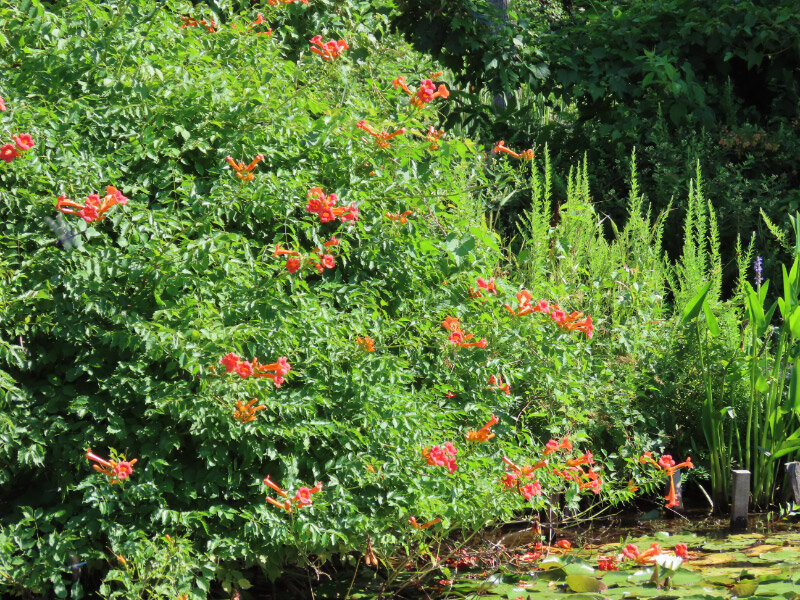
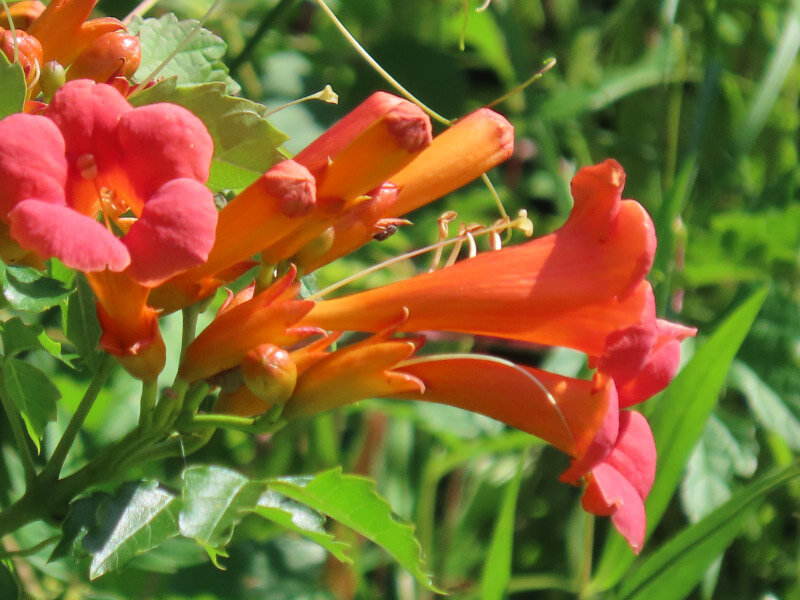
Trumpet vine. A robust native. My mother planted one in the 1960s in a corner of our back yard and then battled it with pruners to keep it from deconstructing the fence.

We walked on the boardwalk out to the mash and river. I was hoping to see herons but didn’t spot any.

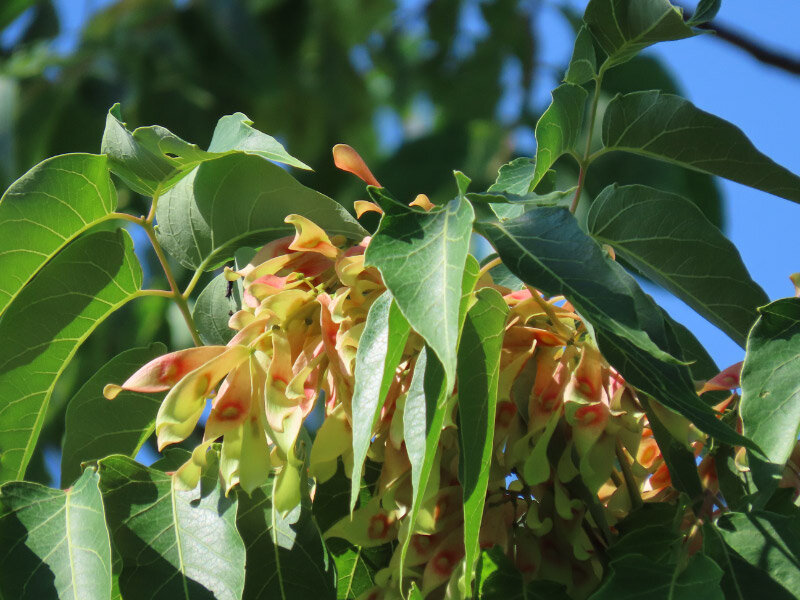
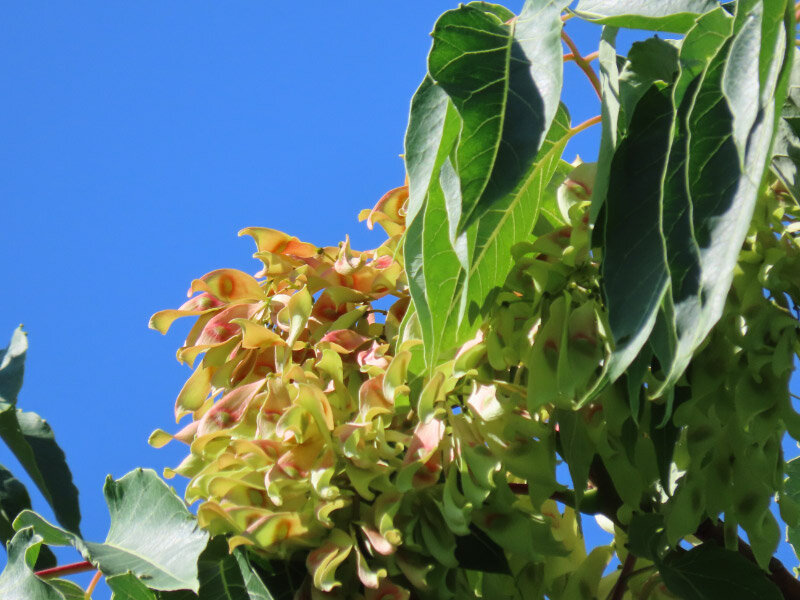
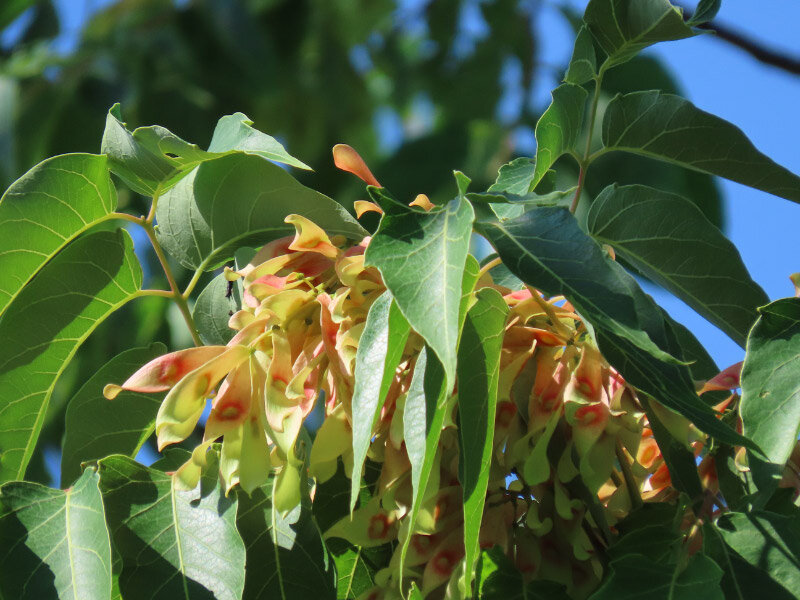
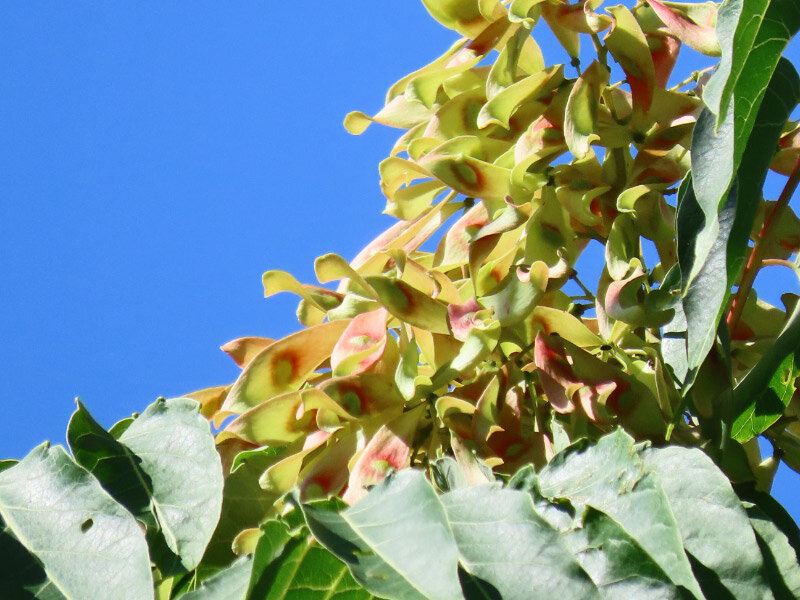
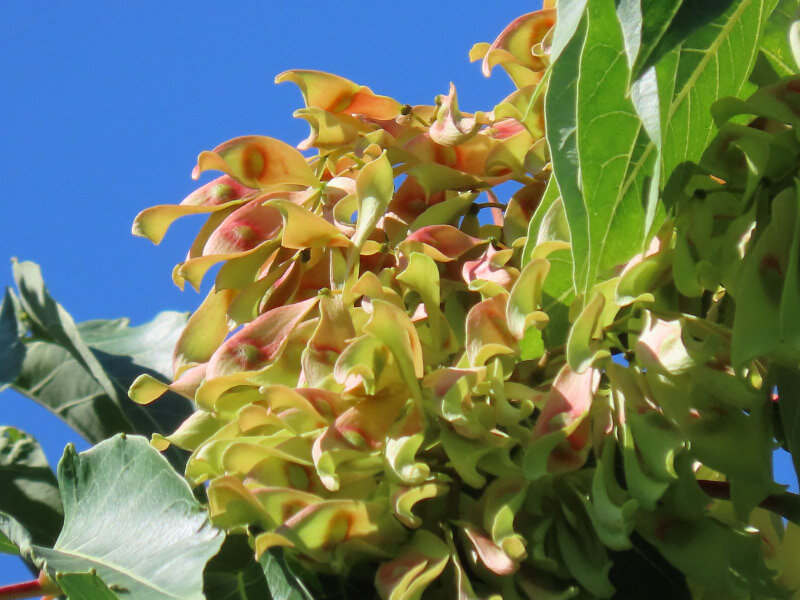
At the very end there was a tree with lots of seeds growing in the loop of the boardwalk. It looks like a tree of heaven….a non-native and very invasive. I was surprised that it had not been cut down.

It was getting hotter, and we headed back through the gardens to the car. I was glad I had some cold water to drink on the drive home!

Kenilworth Park & Aquatic Gardens – 2

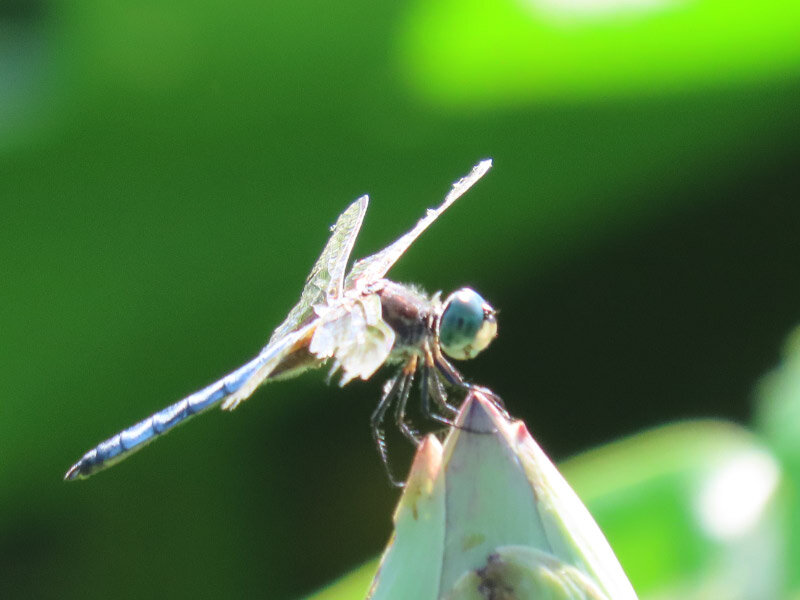
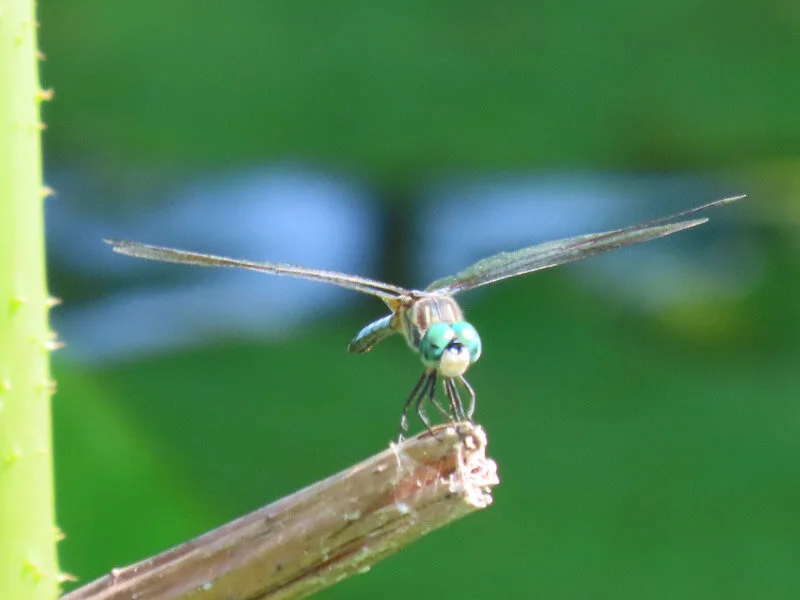
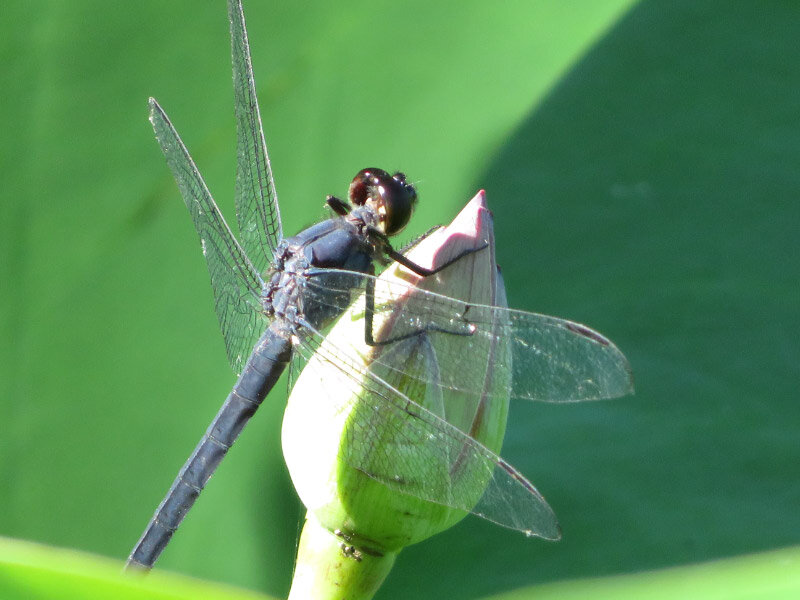
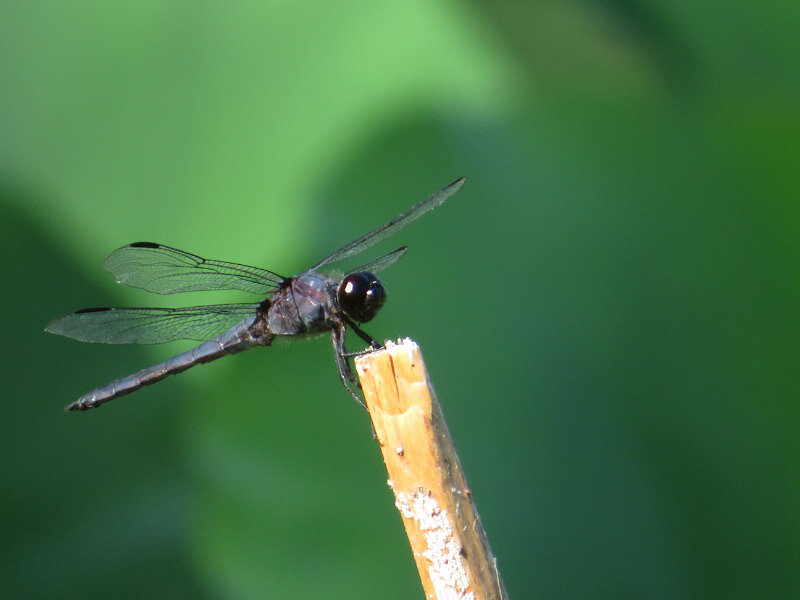
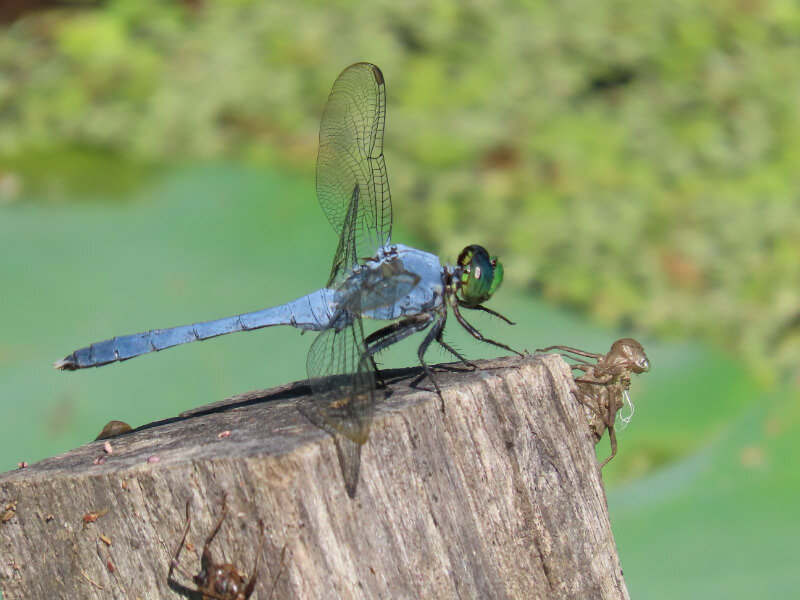
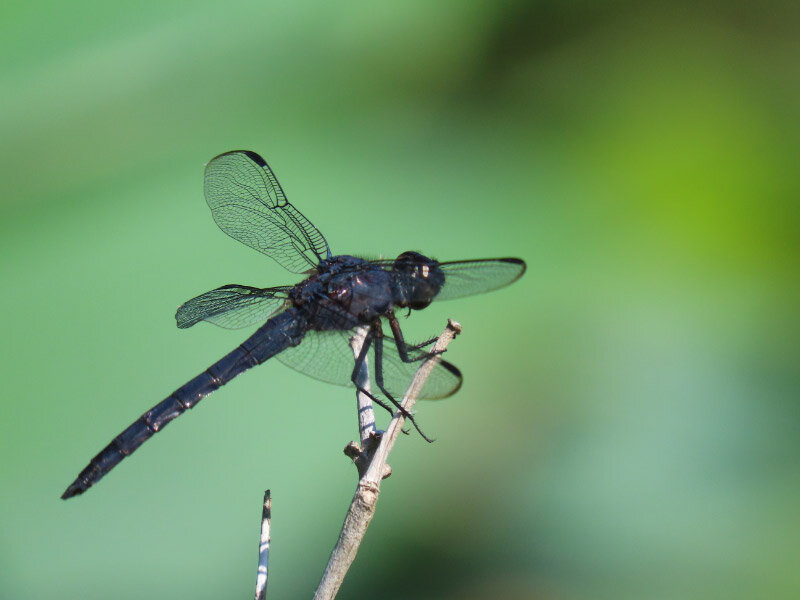
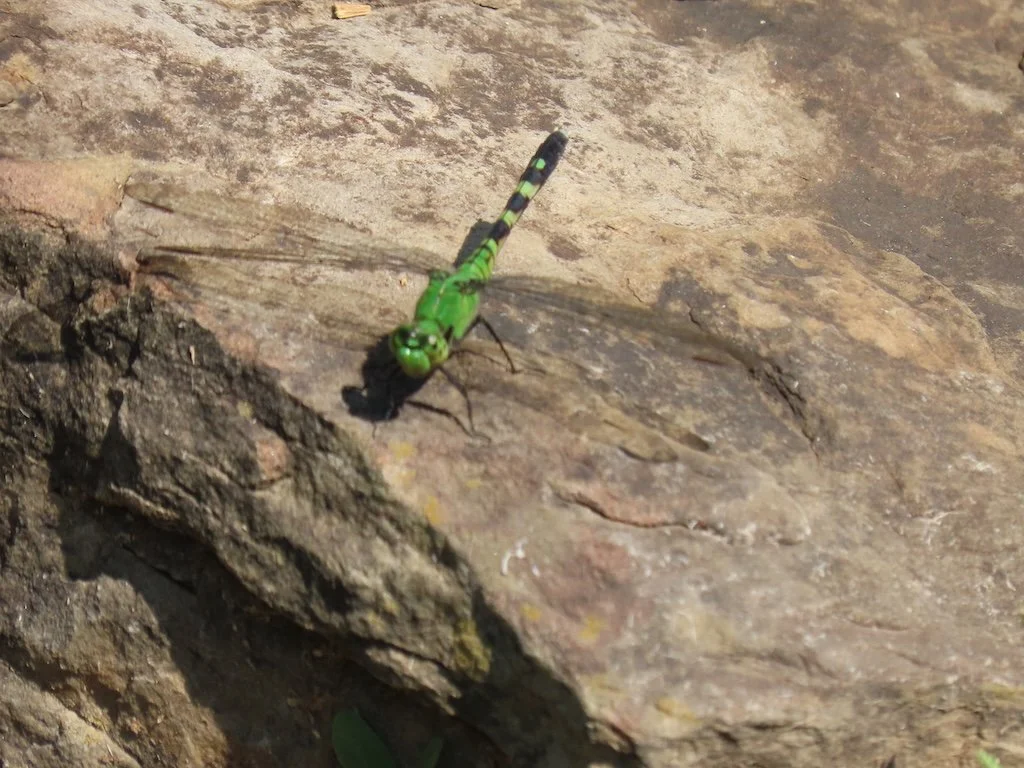
Continuing the posts about our hike at Kenilworth Park & Aquatic Gardens in Washington DC…today the topic is dragonflies.

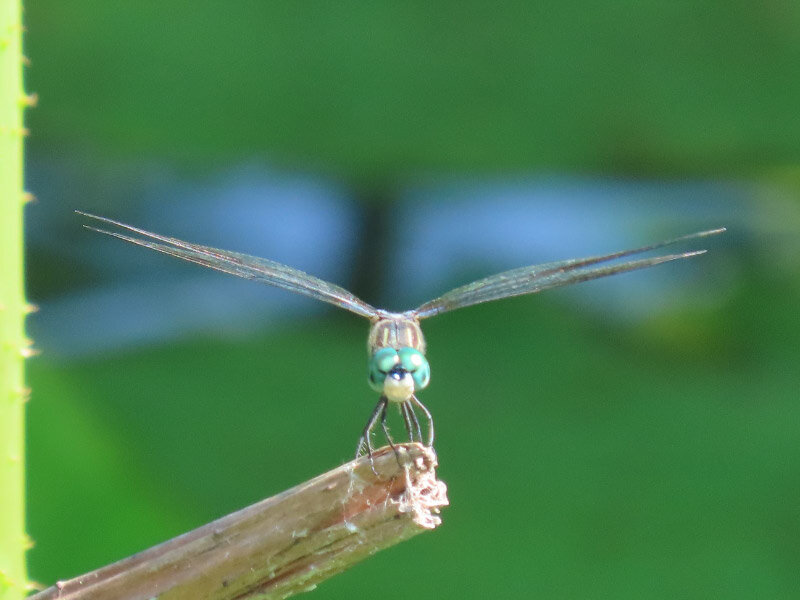
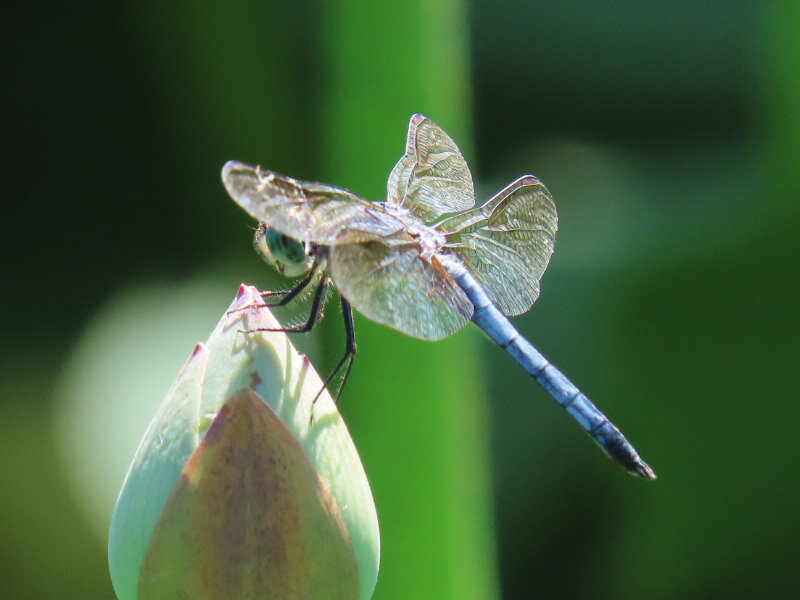
I tried to photograph the insects from different perspectives than my usual…for interest rather than identification. The very last picture I took is an example; I can’t identify the species but the pictures is interesting because it appears that one of the hind wings is broken. The insect flew to the twig just before I photographed it!

2021 06 IMG_4752 (13).jpg

All my identifications are tentative. I’m not an expert but I try to group the photos that look to be the same species together.

There were lots of Blue Dashers in different positions.

I got both male and female Common Whitetail Skimmer.

There were Slaty Skimmers.

And a Widow Skimmer.

Note – The sites I used for identification are: Insect Identification (Maryland) and out DNR’s Common Dragonflies of Maryland. I enjoyed comparing the species I saw at Howard County Conservancy a few weeks ago with the ones I saw at Kenilworth:

Blue Dasher (Kenilworth)

Common whitetail skimmer (both)

Eastern pondhawk (Howard County Conservancy Mt Pleasant)

Ebony jewelwing (Howard Country Conservancy)

Slaty Skimmer (Kenilworth)

Window skimmer (both)

Kenilworth Park & Aquatic Gardens – 1

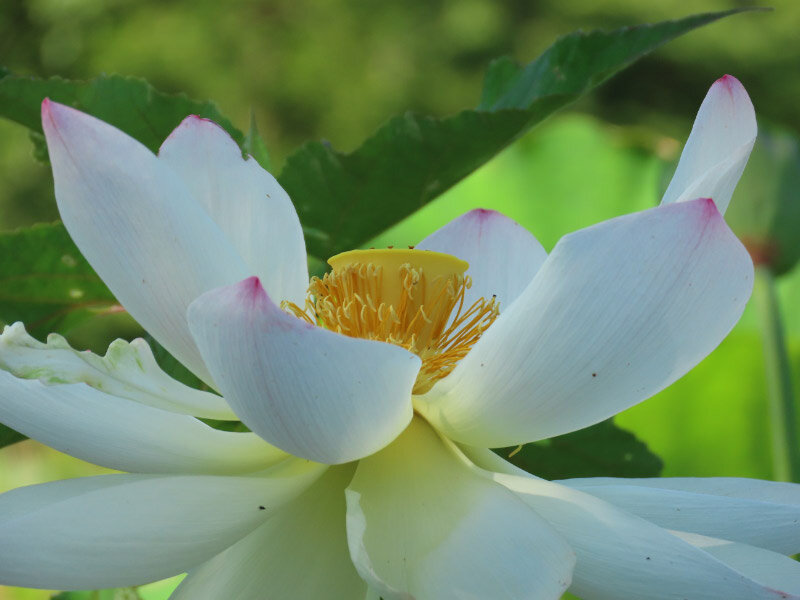
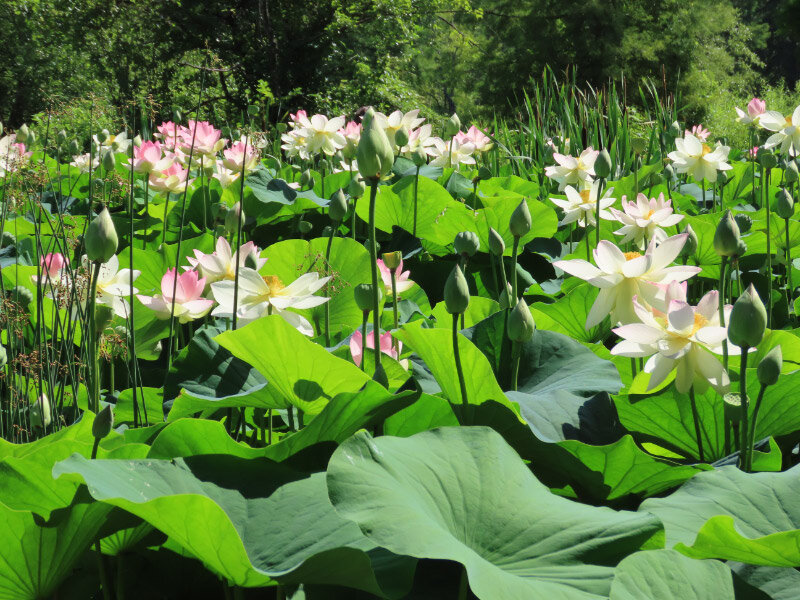
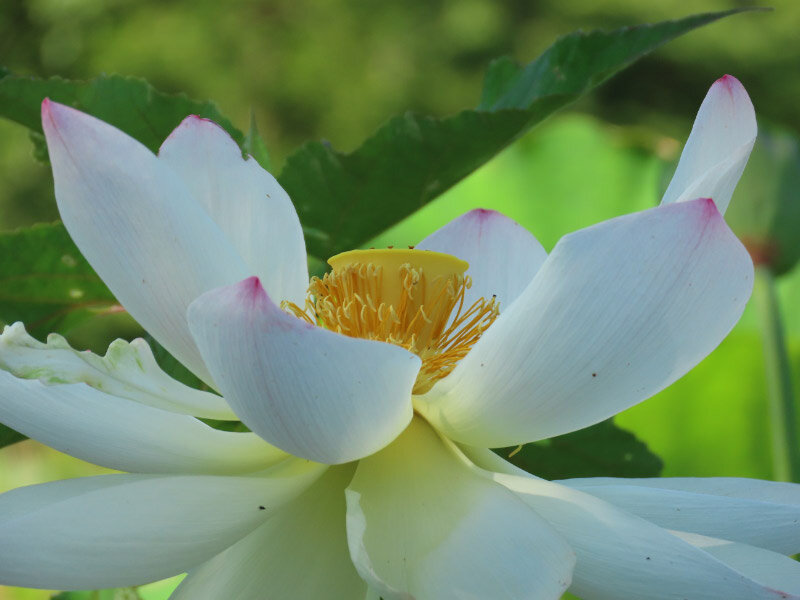
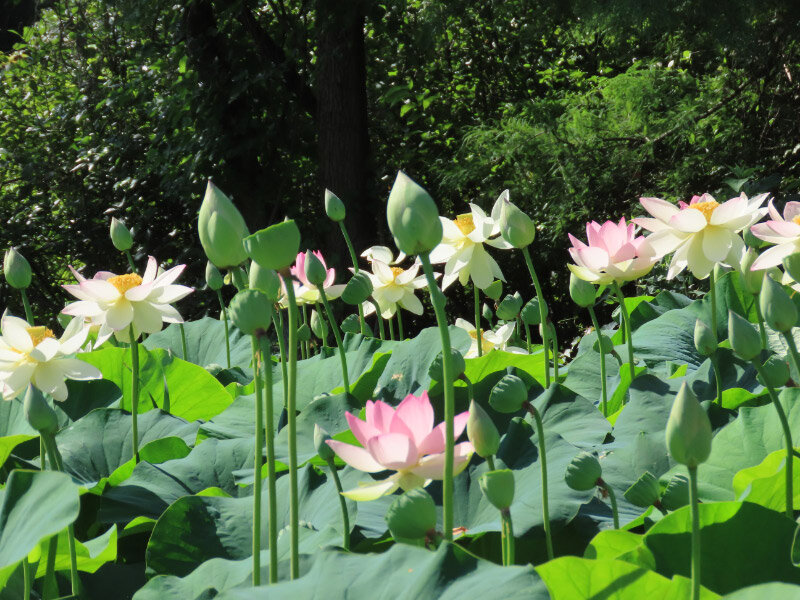
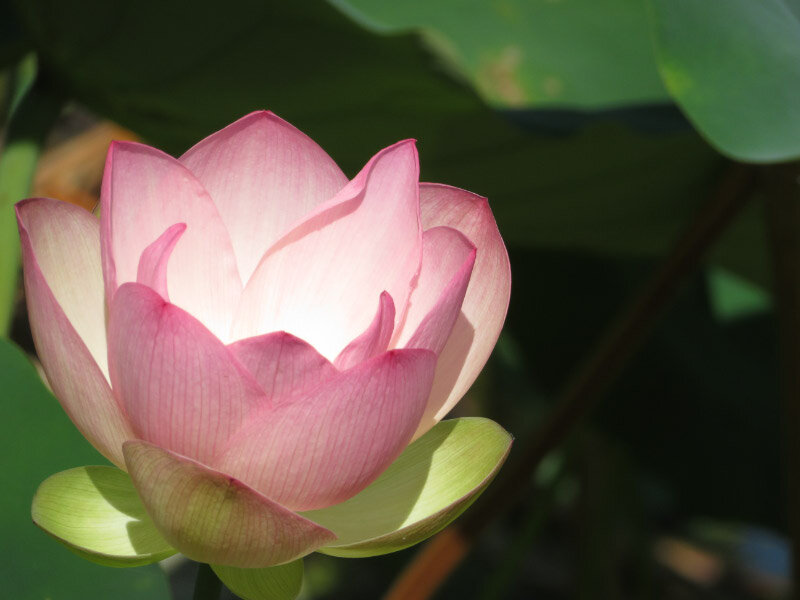
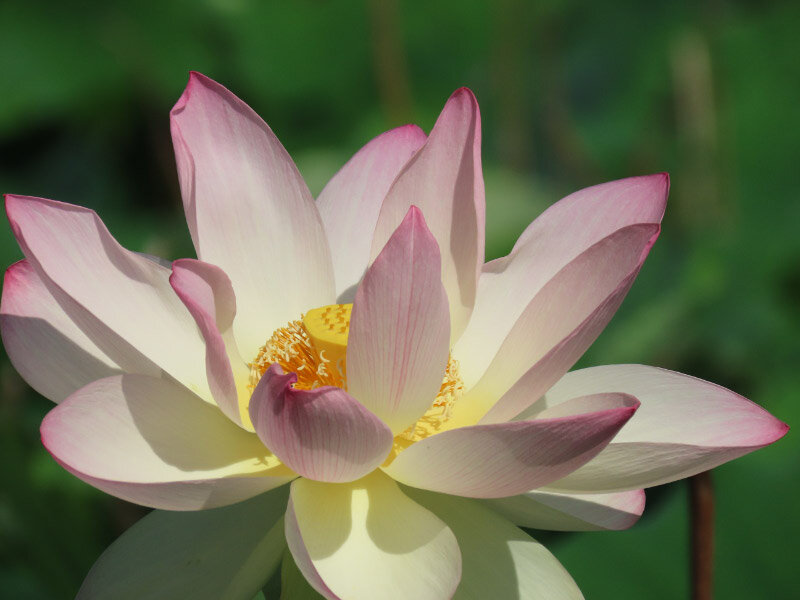
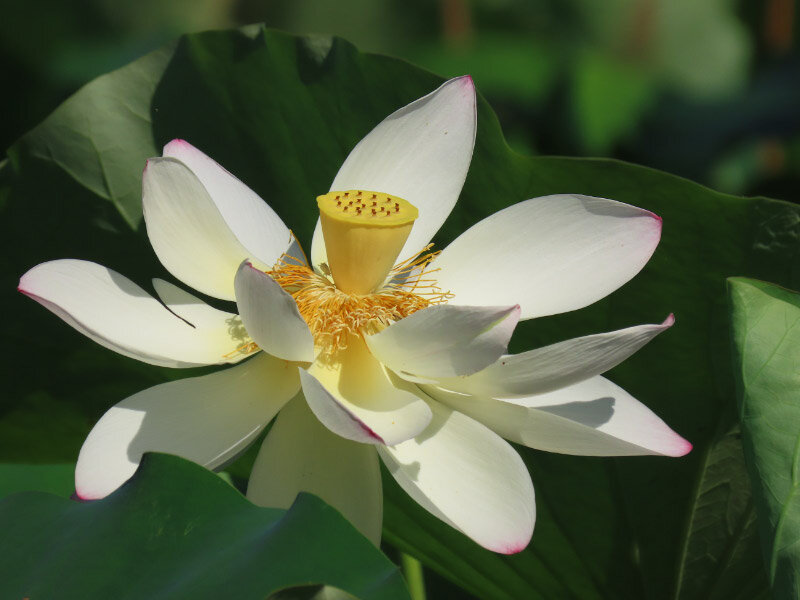
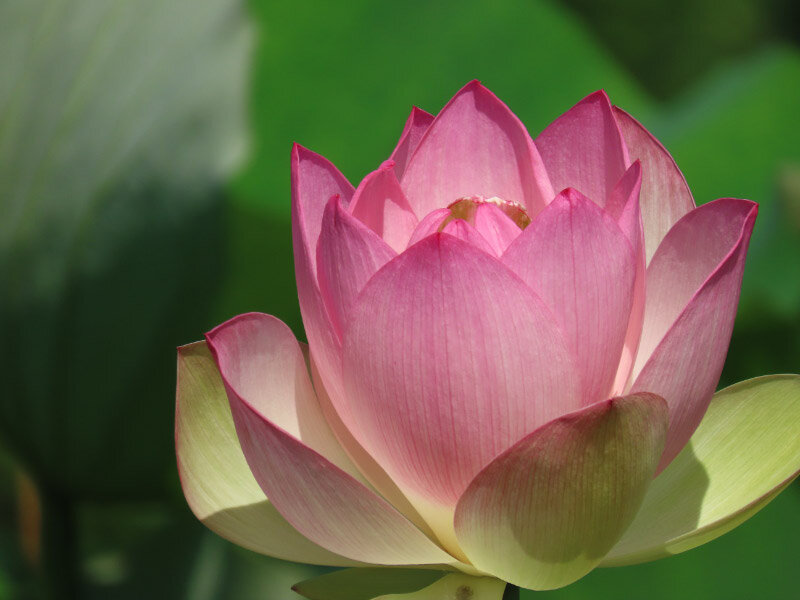
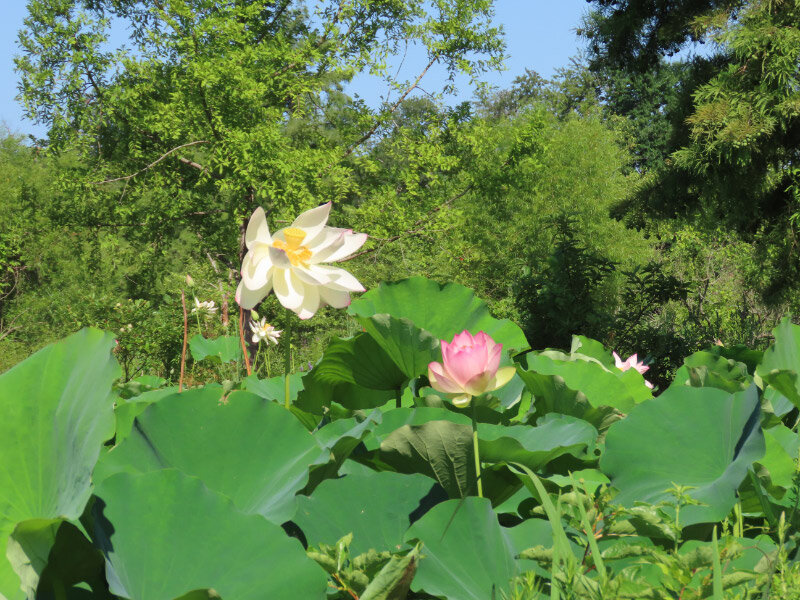
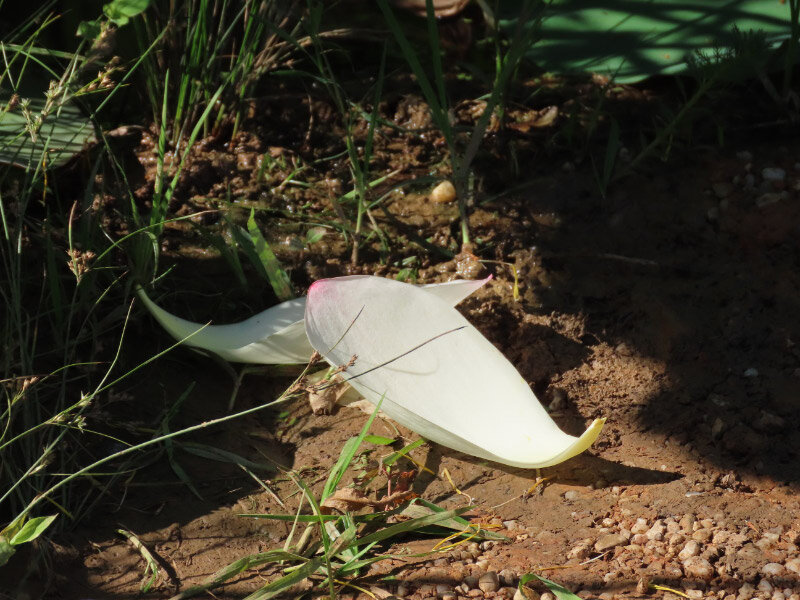
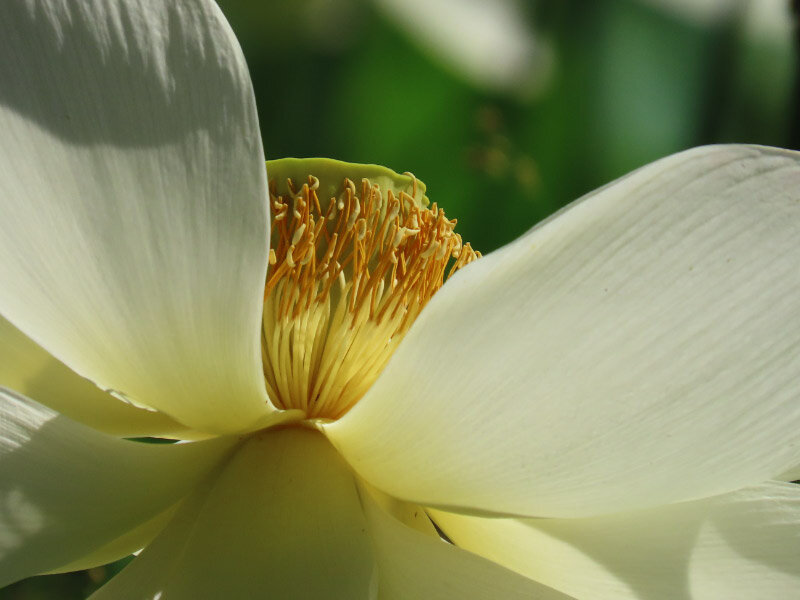
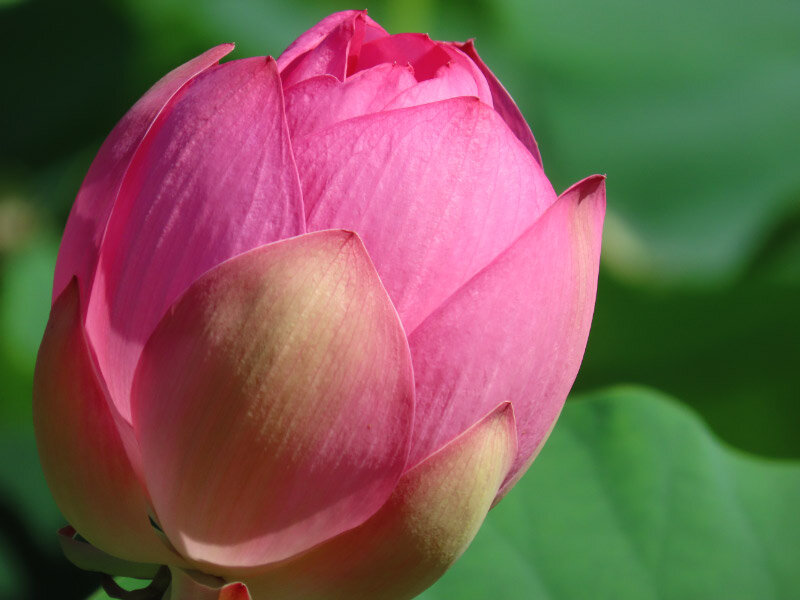
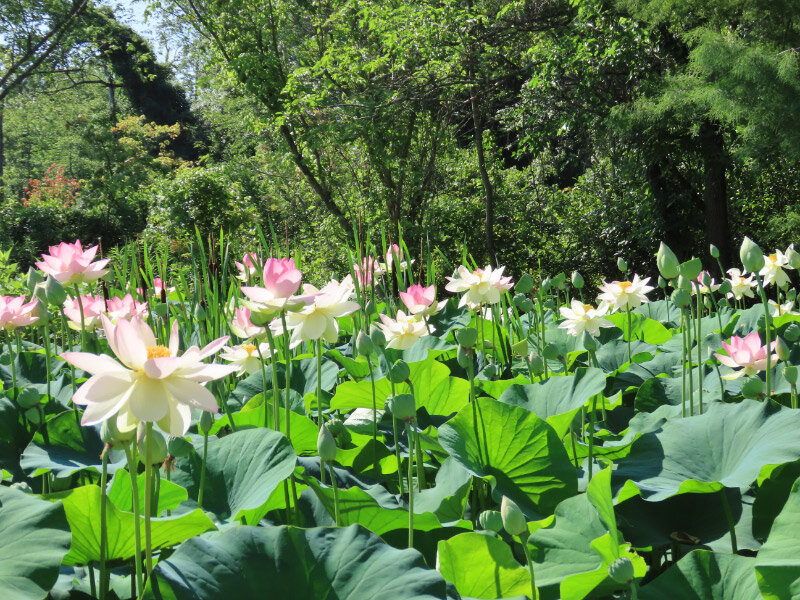
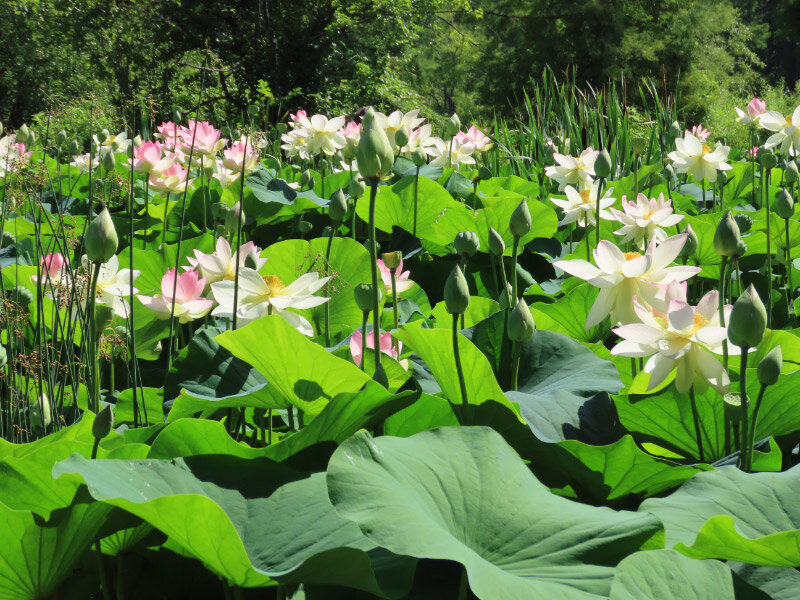
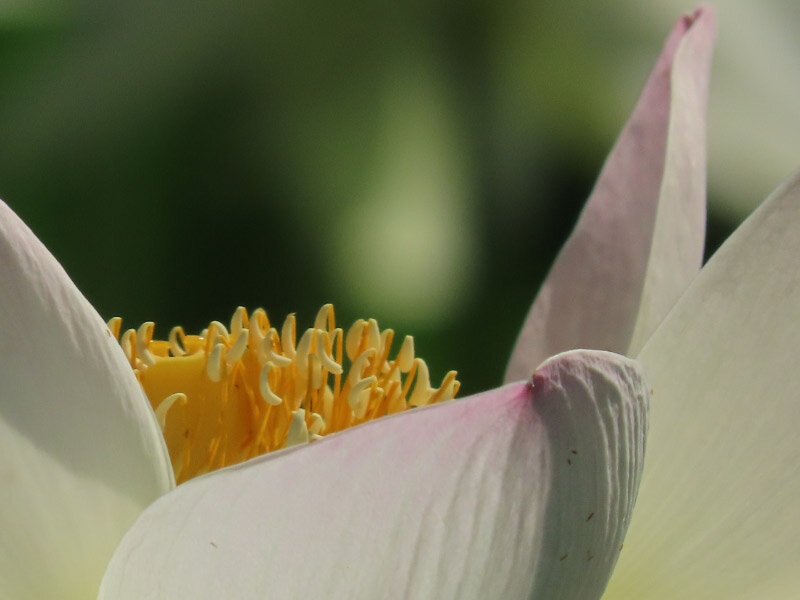
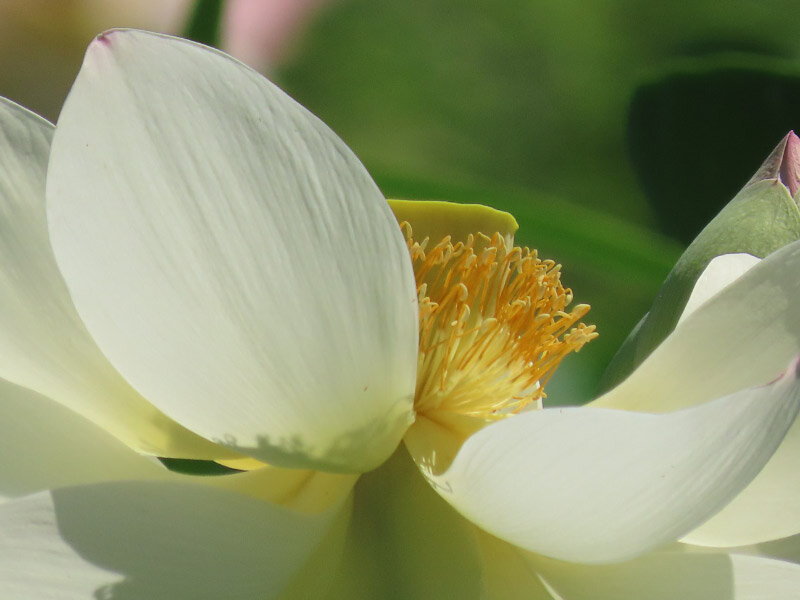
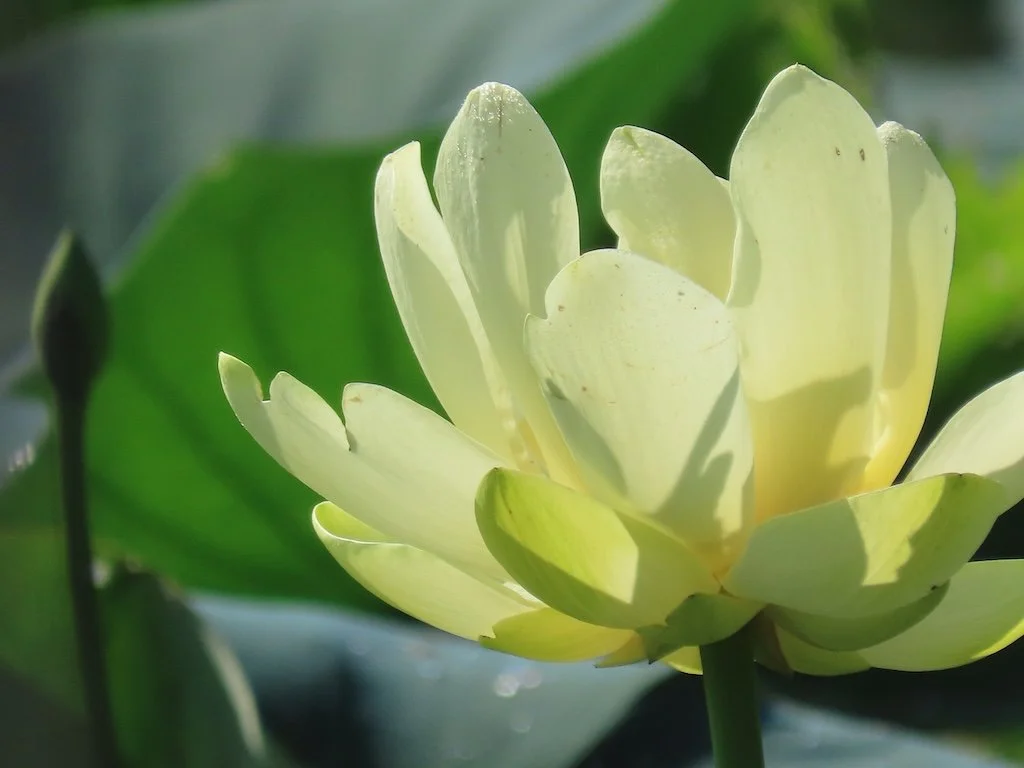
Late June is the time the lotuses bloom at Kenilworth Park & Aquatic Gardens in Washington DC. We made the trek to the park last week. The pandemic has impacted the gardens somewhat; not all the ponds are full of aquatic plants, and some seemed to be damaged (i.e. plants are round the edge but open water in the center); the facilities are closed but there are porta potties. We took a small ice chest with extra water in the car. We went on a weekday to avoid crowds and arrived shortly before 9. There was a summer camp group organizing near the entrance…a few photographers and mothers with young children in strollers in the garden.

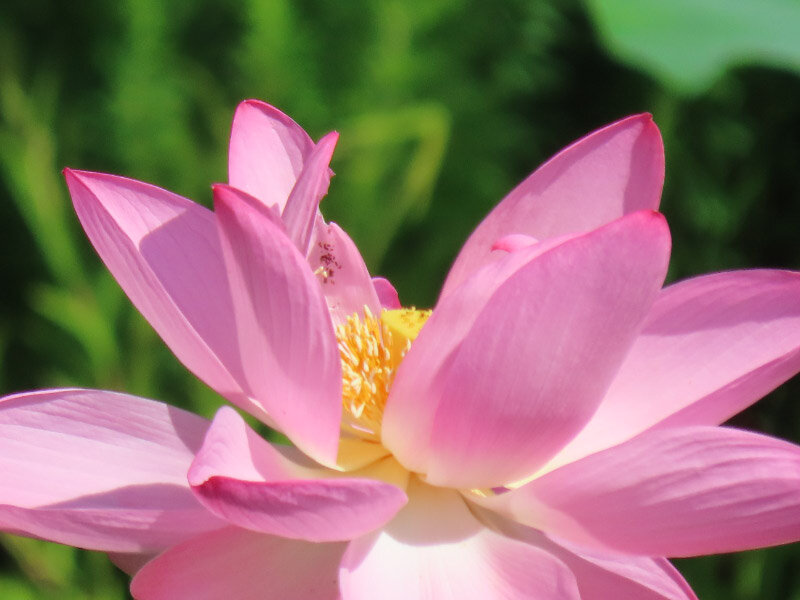
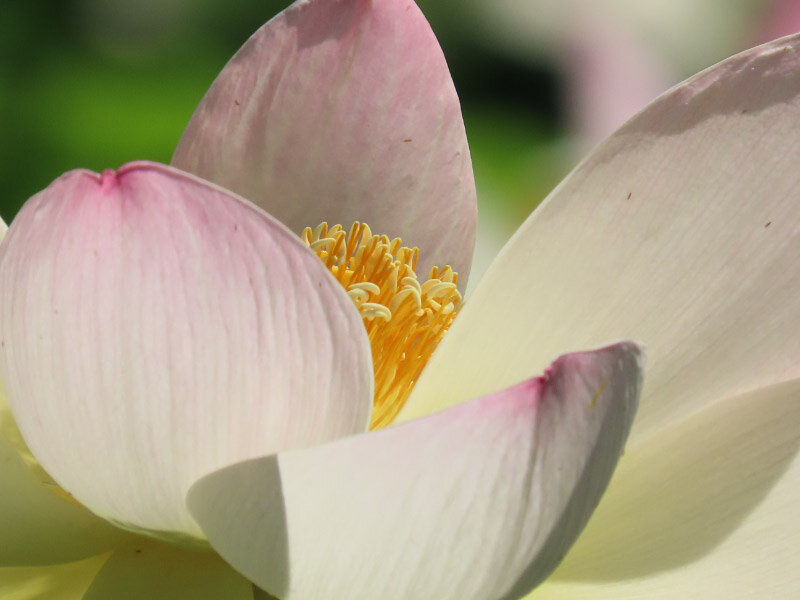
There were still a lot of flowers to enjoy. It seemed like the best ones were further back in the gardens and I enjoyed photographing them.

There are other things to see at Kenilworth while the lotuses are blooming. I’ll post about the dragonflies tomorrow….and the other flowering plants the day after.

Gleanings of the Week Ending July 3, 2021

The items below were ‘the cream’ of the articles and websites I found this past week. Click on the light green text to look at the article.

Top 25 birds of the week – June 2021! – The first picture startled me – a bird with a turquoise beak!

Beach Safety Tips: How To Avoid Being Bitten or Stung This Summer – I’m don’t go to the beach frequently…and then am usually more interested in shells and ghost crabs than being in the water! Still – the safety tips were interesting.

Concrete: The material that defines our age – With the collapse of the reinforced concrete building in Florida….this story seemed particularly timely.

Edible Cholera vaccine made of powdered rice proves safe in phase 1 human trials, study suggests – Reminded me of distribution ease of the polio vaccine sugar cubes back in the 1960s. In this case the special rice is powdered and sealed in aluminum packets that are then mixed with 1/3 cup liquid and drunk. Hopefully, the subsequent phases of the trials will be successful…it could save a lot of lives.

Yellowstone and Warming: An Iconic Park Faces Startling Changes – A few degrees makes a big difference….in National Parks too.

Scientists Find Toxic ‘Forever Chemicals’ in More Than 100 Popular Makeup Products – I hope manufacturers of makeup will check their ingredients more carefully….make their products PFAS-free.

Canada is right to classify single-use plastics as toxic – I hope the US takes similar action. Industry should get on board with this idea and be innovative rather than taking legal action.  There is no ‘responsible plastic use’ for single use plastic. We consumers are too accepting that single use plastics are inevitable. It’s pretty easy for us to avoid singe use plastic bags, straws, stirring sticks, six-pack rings, plasticware….the one that is challenging for me is the hard-to-recycle food containers because of the lack of options in grocery stores and restaurant takeout.

Move Over Bald Eagle: Meet 12 of the World’s Coolest National Birds – Some are flashy…some are majestic….a little history of how they were selected aa representatives for their country.

Losing Ladybugs – Native and non-native ladybugs….you are more likely to see the non-natives now.

Florida’s Manatees Are Dying at an Alarming Rate – Starving because water pollution (nutrient runoff causing algal blooms) smothers seagrass. More than 10% of the manatee population of Florida has died so far in 2021. Very sad for other aquatic species that need the same habitat … and people too.

Ten Little Celebrations – June 2021

After being away from home in May…being in Maryland again rippled with little celebrations associated with home. Here are my top 10 little celebrations from June 2021:

20210602_114618.jpg

Scenic drive from Lexington KY to home. Light traffic, good highway, beautiful scenery….I took a picture to celebrate being back in Maryland.

20210620_095023.jpg

Farmers Market. I’ve been going every week and it’s a celebration every time. The piles of produce fresh from the local farms (and artisan bread) make it a happy errand…and then I enjoy the bounty in meals all during the week. It’s a great substitute for belonging to a CSA (which is not practical for me this year because of my traveling).

A good watermelon. There was a sign in the produce section of Wegmans for seeded watermelons. I always remember them from my childhood….sweeter than the ones without seeds that we find more frequently in stores today. I bought one – hoping it would live up my expectations. And it did. Celebrating a watermelon as good as I remembered!

20210604_073259.jpg

Yard work. An hour of work (several of them on mornings when it is still cool enough to be pleasant)…2 wheelbarrow loads to the brush pile or compost bin….celebrating a neater yard and satisfaction of encouraging native species.

Apple crisp. While I was away, my husband did curbside pickup for his groceries. He somehow got a huge bag of apples. Some of the excess apples made a great apple crisp…celebrating bounty (and not wasting food).

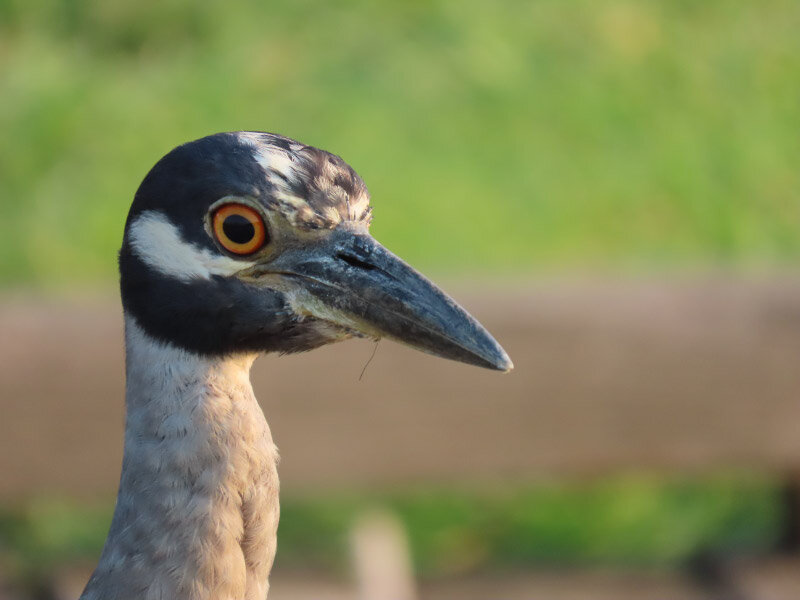
Howard County Conservancy Mt Pleasant. Every time I hike there, there is something new to celebrate – most recently dragonflies and a black-crowned night heron.

2021 06 IMG_7585 (6).jpg
2021-06-10-Sunrise partial solar eclipse-6071.jpg

Maryland sunrise and partial solar eclipse. Celebrating being in the right place at the right time to see it.

New crowns. I had anticipated that getting 3 new crowns was going to be uncomfortable but was pleasantly surprised that my expectation was way over the top; there was almost no discomfort during the drilling or sensitive areas afterward…. celebrated that it happened that way.

20210623_122617.jpg

New computer glasses. Hurray for seeing better…and the red frames.

The Institutions of Extraterrestrial Liberty talks. There were 4 days of webinars….and I found many of them very thought provoking. I celebrated the content…and that they were made available by the sponsors of the virtual conference. (Day 1: https://tinyurl.com/4t7zjv72 Day 2: https://tinyurl.com/2f9n4b72 Day 3: https://tinyurl.com/48rbba2k Day 4: https://tinyurl.com/5bbey7pr)

Mini-Landscapes

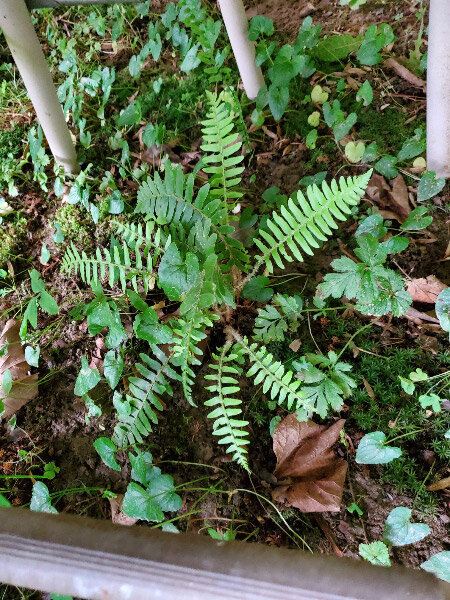
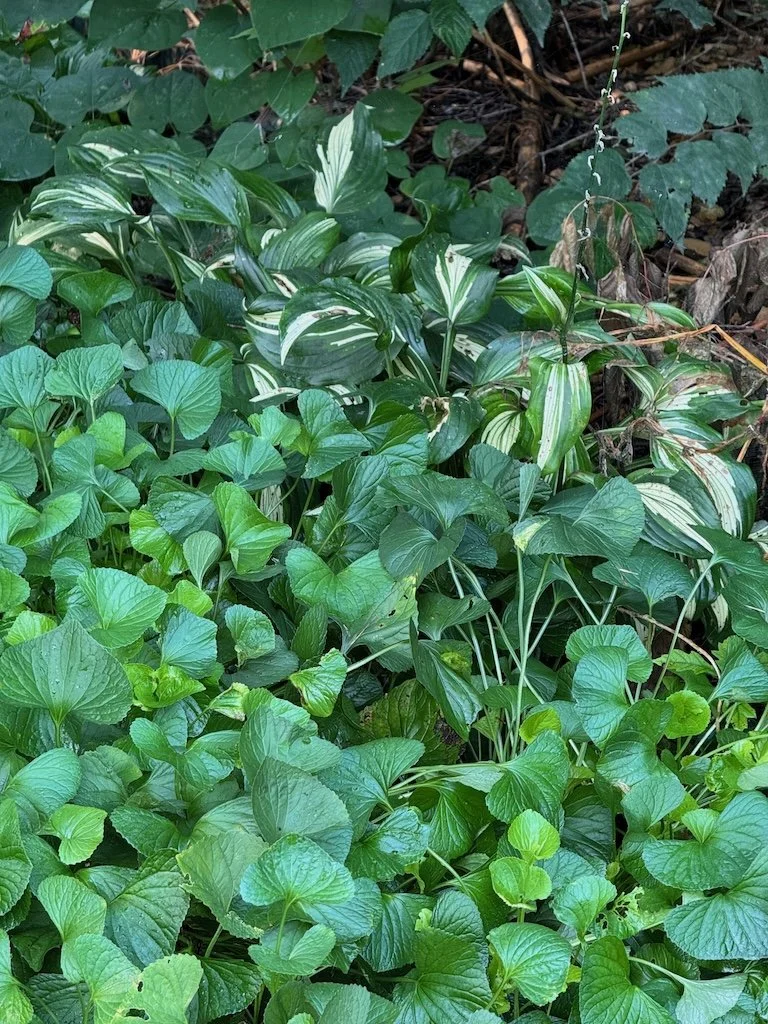
I enjoy photographing the mini-landscapes of my yard more that the larger ones; it’s hard to get enough distance from our big trees to get the whole thing. Photographing the small assemblages of plants to capture their world is a more satisfying project. I like the diverse shapes of ferns and violets and other small plants gradually covering stepping-stones under our deck.

20210604_071845.jpg
20210604_071907.jpg

One fern was thriving by a downspout when we moved the deck furniture near it (for the deck to be stained). The starburst shape of the fern…the heart shapes of violets. Now we’ve moved the furniture back to the deck and the fern is more isolated.Whatever it is, the way you tell your story online can make all the difference.

I liked the wavy shapes of the fungus growing on a stump. This picture could be in a forest…but it is not. The stump was from a bush growing at the corner of our garage that I recently cut down! It’s a bit of serendipity to notice something interesting and beautiful in an unexpected place.

20210616_080859.jpg
20210620_090353.jpg

I battle the deer for the day lilies. The deer usually win. The brown stems in this picture are the ones the deer got. I cut all the stems with larger buds to take inside. They might have been saved by their shorter stalks, the milkweed plant that was growing between them and the yard where the deer would be, and the house/bushes behind them.

Gleanings of the Week Ending June 26, 2021

The items below were ‘the cream’ of the articles and websites I found this past week. Click on the light green text to look at the article.

Top 25 Birds of the week: Habitats! – Birds are everywhere (at least now/recent past). The decline in insect populations could make it problematic for many species to survive.

The Institutions of Extraterrestrial Liberty (Day 1: https://tinyurl.com/4t7zjv72 Day 2: https://tinyurl.com/2f9n4b72 Day 3: https://tinyurl.com/48rbba2k Day 4: https://tinyurl.com/5bbey7pr) – A series of webinars chaired by Charles Cockell (I enjoyed his astrobiology course on Coursera back in 2015 and his “Life in the Universe Pandemic Series’ back in Spring 2020). The subject in these webinars is freedom beyond Earth with talks on everything from liberty in Martian settlements to war in space. This is not about the search for life beyond Earth, but it is about the human future beyond Earth and how human societies might evolve over time. The schedule for each of the days is in the comments section so it is easy to select segments easily.

Gigantic flying pterosaurs had spoked vertebrae to support their 'ridiculously long' necks -- ScienceDaily – Their necks were longer than a giraffe’s…and the vertebrae had internal structure not seen in any other animal. The discovery was made with a CT scan and petrographic sections through the bone.  

Linking Birds, Farmer Attitudes and Conservation – The approach is not as straightforward as it might seem…there are nuances and feedback loops that need to be considered to get a positive result.

A breathtaking treasure reveals the power of the woman buried with it : Research Highlights – Early Bronze Age southeastern Spain…heavy silver diadem, silver ornaments…pots with intricate silver plating and daggers with silver-plated handles.

Challenging Conservation Not to Leave Women Behind – An example from the Solomon Islands….globally relevant.

100-Year-Old Lungs Yield Genetic Samples of 1918 Flu Viruses | The Scientist Magazine®- Lungs of 2 soldiers and a civilian preserved in formalin….from the first wave of the 1918 flu…when it was not as deadly as the later waves.

Why Peru is reviving a pre-Incan technology for water - BBC Future – One of the world’s first efforts to integrate nature into water management on a national scale. Projects include protecting high altitude cushion bogs and shoring up ancient water storage (routing water in the wet season to natural infiltration basins). These are ‘slow water’ solutions…mitigations that should be studied for other areas that are drying out as the climate changes.

An Estimated 50 Billion Birds Populate Earth, but Four Species Reign Supreme | Smart News | Smithsonian Magazine – And the 4 species are: house sparrow, European starling, ring-billed gull, and barn swallow.

How humanity has changed the food it eats - BBC Future – Perspectives on the processing of food through our history (and pre-history)…and where we are now. It is still possible to make choices that are healthy for us…but a lot of ultra-processed ‘foods’ readily available that are not.