Gleanings of the Week Ending August 23, 2025

The items below were ‘the cream’ of the articles and websites I found this past week. Click on the light green text to look at the article.

The strange-but-true origin story of the humble potato - Scientists have known that potatoes are most closely related to two groups of plants — the tomatoes and a cluster of three species called Etuberosum. Certain genes suggested that potatoes were more closely related to tomatoes, while other genes gave the impression that potatoes and Etuberosum had the closer relationship. The interbreeding event occurred some 9 million years ago, which happened to be excellent timing for the potato. This is when the Andes were forming and lots of cold and dry high elevation habitat was appearing.

Pompeii’s Secret Second Life Revealed by Latest Archaeological Finds - Shortly after Pompeii was buried in up to 20 feet of ash and pumice, people returned, some to sift opportunistically through the ruble, and others to try and restart their lives as best they could. The redevelopment had Rome’s backing. By the 5th century, life in the ruined city grew even more strained following the structural damage dealt by resurgent seismic activity, including a second eruption of Vesuvius in 472 C.E. Within 150 years, Roman life at Pompeii appears to have ended. This time for good.

Why lung cancer is a 'hidden epidemic' in this part of the world - There are almost no nerve endings in the lungs, so in the early stages, the most common symptom of lung cancer is no symptom at all. And when symptoms do appear, they are often quite generic — chest pain, coughing up blood, and difficulty breathing. So, doctors in sub-Saharan Africa often misdiagnose lung cancer patients as having tuberculosis, given the high burden in the region. Patients would go through the whole treatment regimen for tuberculosis and not really be investigated for lung cancer. Those lost six to nine months of possible treatment can be deadly, since 55% of people with lung cancer die within a year.

Should we all be taking vitamin supplements? - Evidence is starting to grow that popping a daily multivitamin could be beneficial for health, particularly for older adults. "Mega-dosing", or taking quantities of vitamins higher than the recommended daily allowance, is not recommended.

The Amazon Rainforest Approaches a Point of No Return - Under increasing threats from rampant deforestation and climate change, portions of the Amazon now emit more carbon to the atmosphere than they absorb. The southern Amazon has become hotter and drier, with less soil moisture, lowered water tables, and a higher-than-normal rate of tree mortality. Scientists now believe the Amazon could reach its tipping point — when it loses its natural ability to regenerate and will become permanently degraded — as soon as 2050. The impacts will reverberate globally.

The Many Types of Fluids That Flow in Yellowstone - Yellowstone is no doubt one of the most dynamic places on Earth. The many types of fluids that flow between the mantle and the atmosphere generate explosive volcanic and geyser eruptions, create lava flows, bubbling mud pots, and very rare sulfur flows, and they span nearly the full range of possible material viscosities.

New, Implanted Device Could Offer a Long-Elusive, Drug-Free Treatment for Rheumatoid Arthritis - In late July, the United States Food and Drug Administration approved an implant that uses electrical signals to control inflammation by tapping into the vagus nerve—a pair of nerves that connect the brain with important internal organs. The move marks the first time an electrical therapy has been approved for the treatment of any autoimmune disease.

Midwestern butterfly count: Big data yields bad news and clues – A study of 4.3 million observations in the U.S. Midwest from 1992–2023 to characterize changes in butterfly biodiversity. The results: 59 of the 136 species declined in abundance over the study. Both common and rare butterflies are waning.

104 Grams of Protein For $1.50? - How much ribeye steak is needed to reach 104 grams of protein? It would be about 19 ounces of ribeye steak, which costs $12–20 per pound, and premium cuts can cost more. The ribeye would cost about $14 on the low end or a bit over $20 on the high for the non-premium cuts. The black-eyed peas are only $1.50.

Historic Artifacts from Frank Lloyd Wright’s Only Skyscraper Saved by Conservancy – The Price Tower has been in the news over the past few years…controversy and renovations promised never done. Some objects from the building were sold in a breach of the easement on the building…and now they have been purchased by the Frank Lloyd Wright Conservancy to avoid their being dispersed; the plan is for them to be returned to the building after renovation. The post includes pictures!

Life Magazine in 1940

Internet Archive has digitized versions of many Life Magazines. I have been browsing through them – slowly since there was an issue for each week. As I looked at the issues from 1940, I thought about my parents in elementary school then and becoming more aware of the war as they got older. Their families were probably listening to the radio but many of the reports must have seemed very far away, and it is unlikely that saw the pictures in Life Magazine. (Click on any of the sample images below to see a larger version.)

 Life Magazine 1940-01-01 – War’s impact on the London Zoo

Life Magazine 1940-01-08 – Trucks from the US going to France for troops

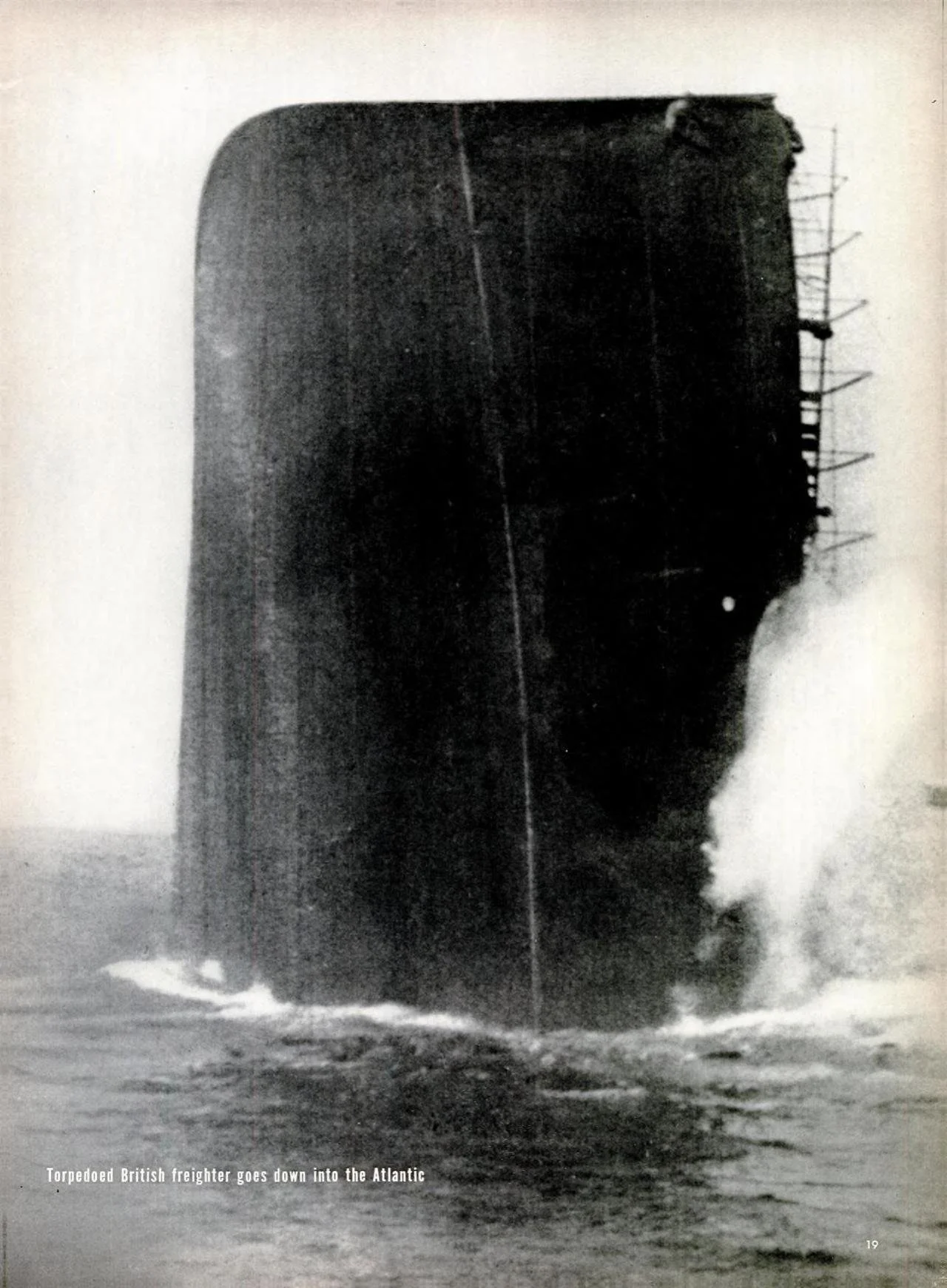
Life Magazine 1940-01-15 – Torpedoed British freighter goes down in the Atlantic

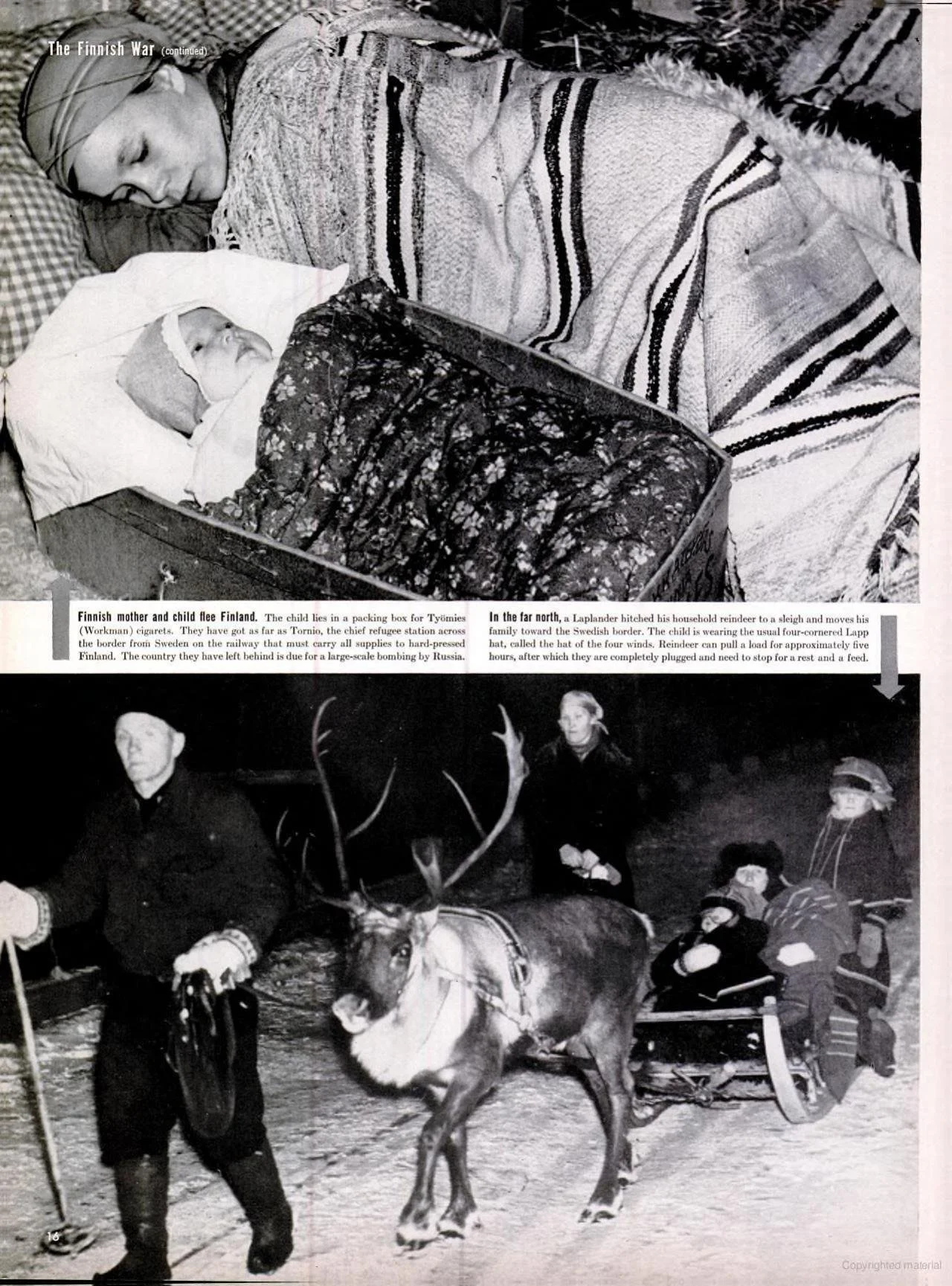
Life Magazine 1940-01-22 – Finnish people fleeing the war

Life Magazine 1940-01-29 – War in Turkey

Life Magazine 1940-02-05 – Swedish aviators

Life Magazine 1940-02-12 – Hardship in Spain

Life Magazine 1940-02-19 – In Russia

Life Magazine 1940-02-26 – Germans in Poland


Life Magazine 1940-03-04 – Life in Miami

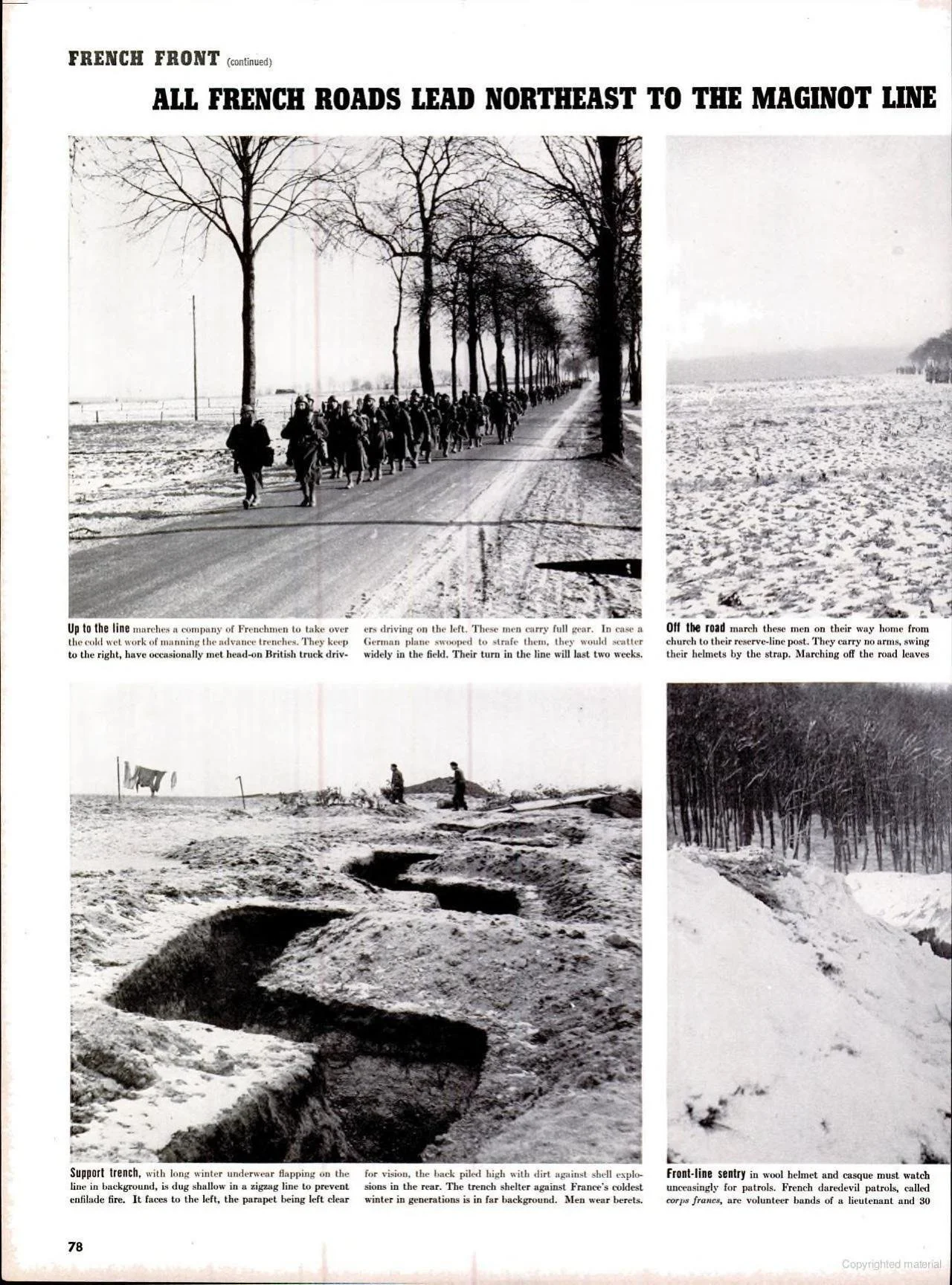
Life Magazine 1940-03-11 – Maginot Line

Life Magazine 1940-03-18 – Coco Cola ad

Life Magazine 1940-03-35 - Plastics

Life Magazine 1940-04-01 – Niblets corn ad

Life Magazine 1940-04-08 – Stratoliner plane

Life Magazine 1940-04-15 - Fashion

Life Magazine 1940-04-15 – A German-transport armada crosses to Norway

Life Magazine 1940-04-29 – Europe’s sea power


Life Magazine 1940-05-06 – Shirley Temple

Life Magazine 1940-05-13  - British destroyer crew rides waves of North Sea after Germans sink ship

Life Magazine 1940-05-20 – German Blitzkrieg

Life Magazine 1940-05-27 – British in Belgium

Life Magazine 1940-06-03 – Germany’s fighting forces

Life Magazine 1940-06-10 – German private with a French flag captured in battle

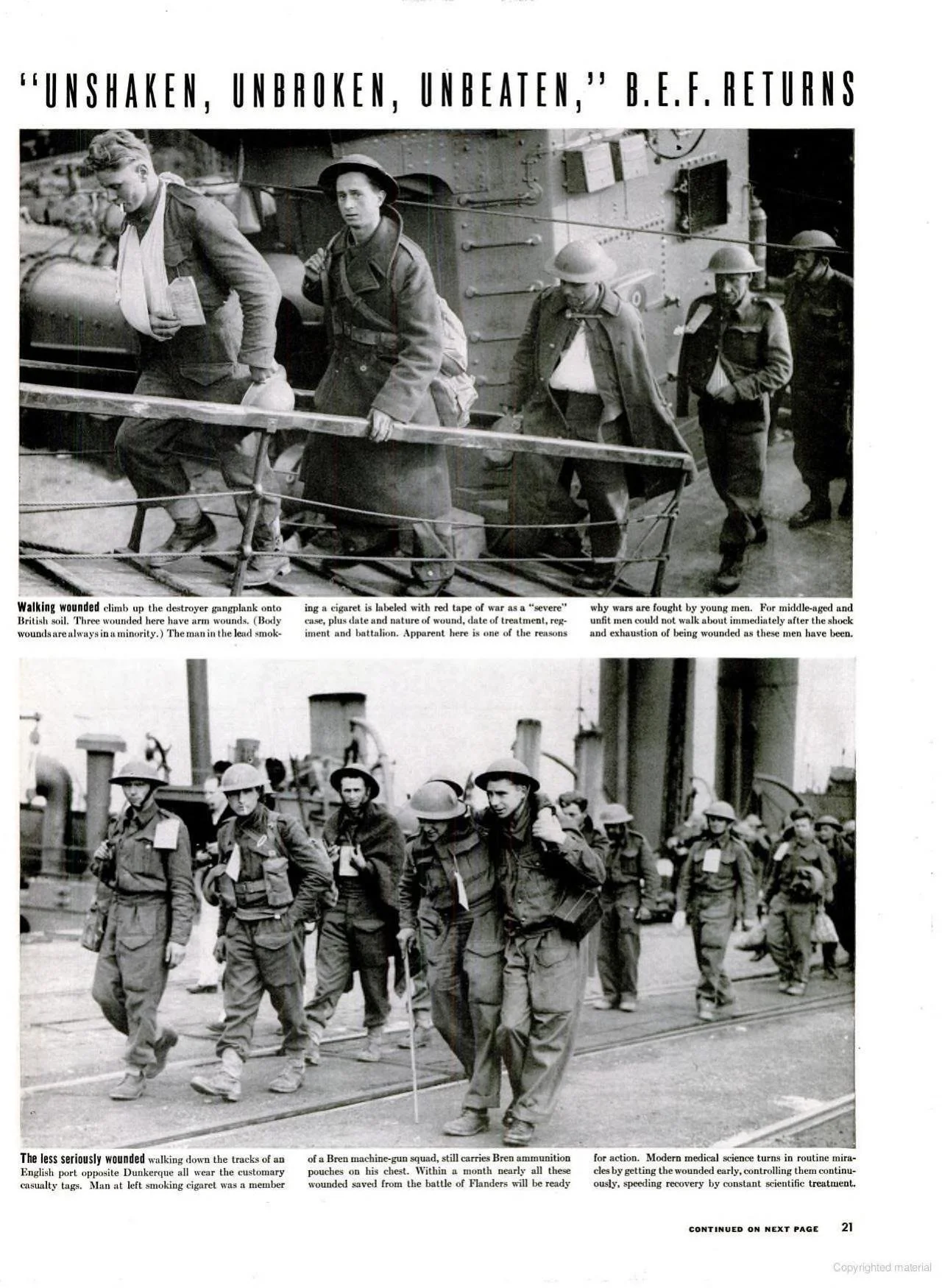
Life Magazine 1940-06-17 – British wounded

Life Magazine 1940-06-24 – Mussolini struts his stuff as prelude to war


Life Magazine 1940-07-01 – Britons aim at the sky, send children to the US

Life Magazine 1940-07-08 – Admiral Byrd’s expedition to the Arctic

Life Magazine 1940-07-15 – Imaginary invasion of Britain

Life Magazine 1940-07-22 – British children housed in an American Castle by the Sea

Life Magazine 1940-07-29 – Easter in Paris

Life Magazine 1940-08-05 – Vacation at the Grand Canyon

Life Magazine 1940-08-12 – Japanese bomb Chungking

Life Magazine 1940-08-19 – Parachute practice

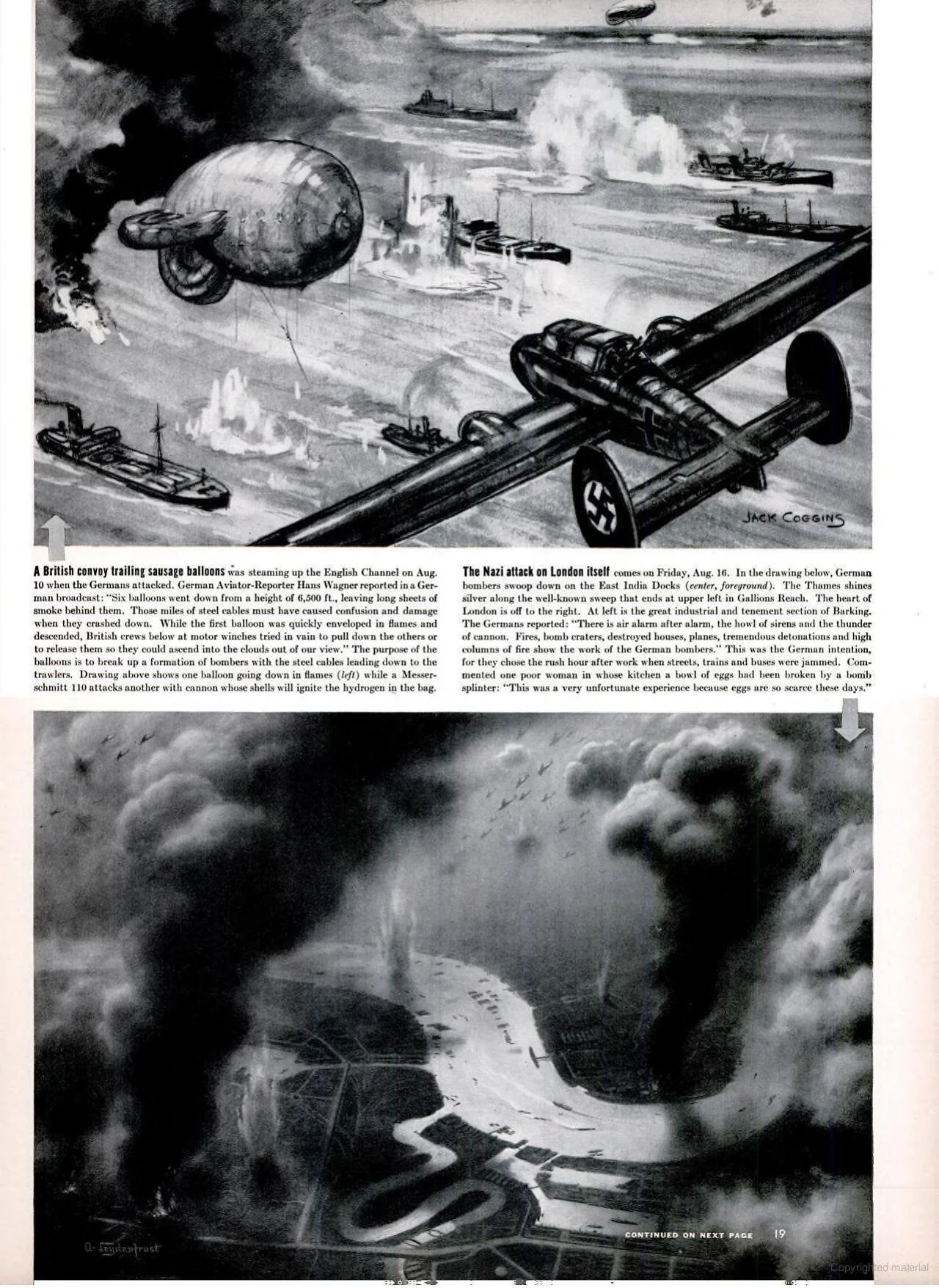
Life Magazine 1940-08-26 – War in English Channel and over London


Life Magazine 1940-09-02 – The Oval Office

Life Magazine 1940-09-09 – German bombers try to break civilian morale

Life Magazine 1940-09-16 – Heart diseases a major factor in US death rate

Life Magazine 1940-09-23 – Hitler tries to destroy London

Life Magazine 1940-09-30 – The bombing of London

Life Magazine 1940-10-07 – Bombing of London (damage)

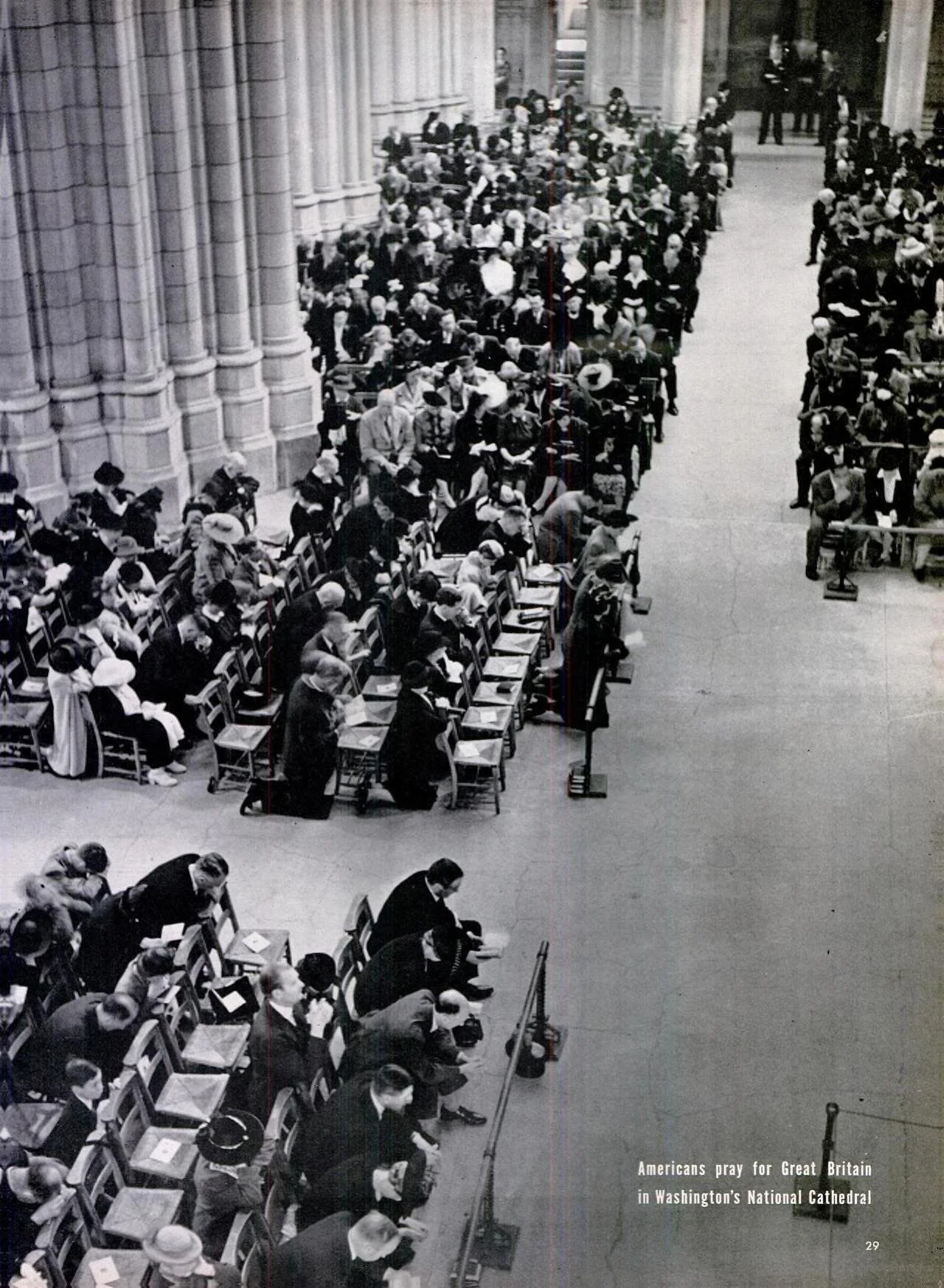
Life Magazine 1940-10-14 – Praying for Great Britain in Washington’s National Cathedral

Life Magazine 1940-10-21 – US Industry

Life Magazine 1940-10-28 – The US Navy


Life Magazine 1940-11-04 – International Trucks

Life Magazine 1940-11-11 – Hitler’s Reich Chancellery

Life Magazine 1940-11-18 – Times Square on Election Night

Life Magazine 1940-11-25 – The world’s biggest ship leaves New York to join the war at sea

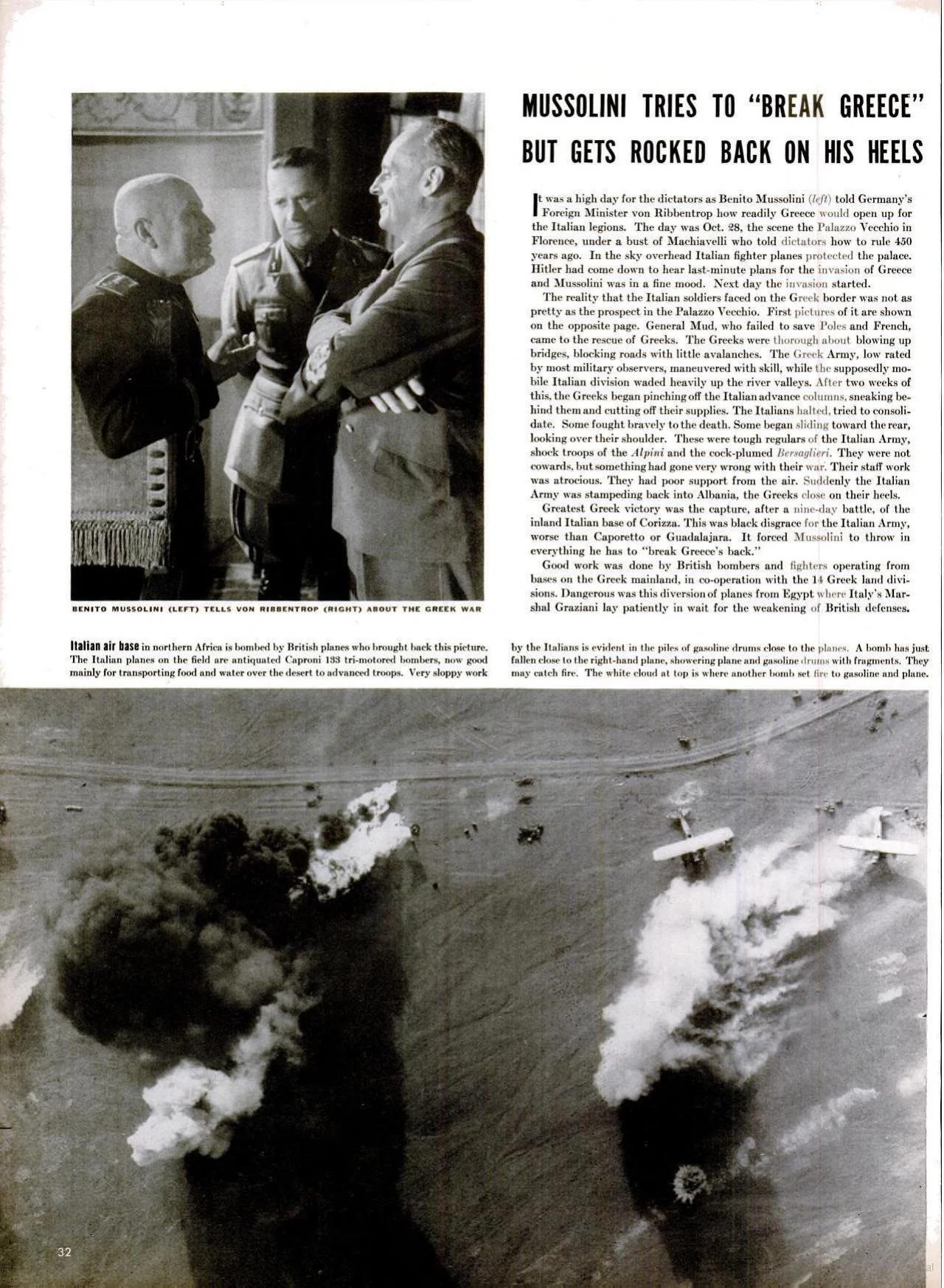
Life Magazine 1940-12-02 – Mussolini tries to break Greece

Life Magazine 1940-12-09 - Gibraltar

Life Magazine 1940-12-16 – German plane crash

Life Magazine 1940-12-23 – Ruins of Coventry

Life Magazine 1940-12-30 – Germans in Paris

Big Landscaping Change – Tweaking the Plan

The Missouri Master Naturalist chapter meeting this month was about the Lake Springfield Boathouse Garden. As we walked around the boathouse and learned the history (and challenge) of some of the plantings, I realized that I was mentally tweaking the plan for my front yard.

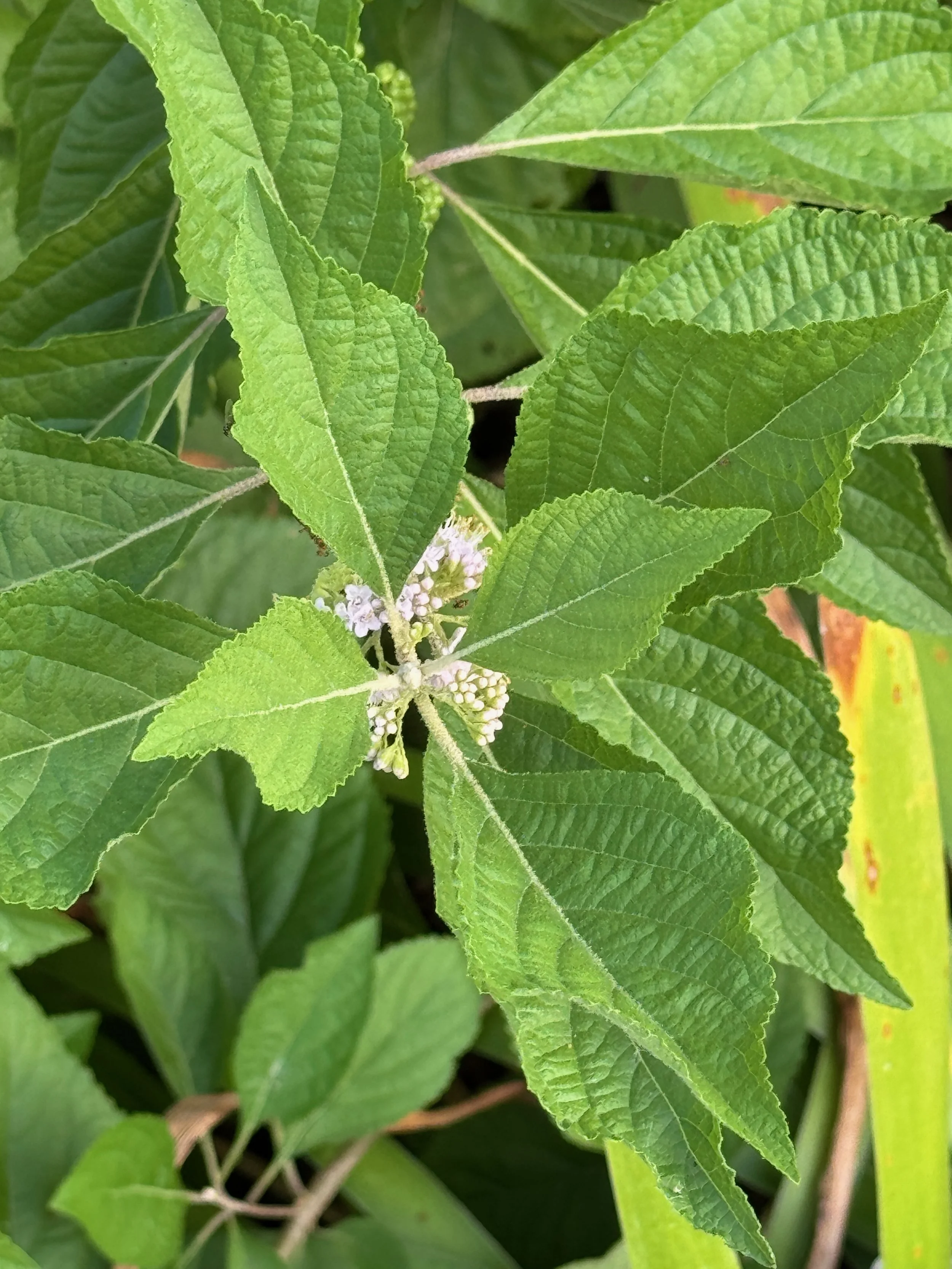
The beautyberry at the Boathouse is thriving and it provides winter food for birds. I have one in my backyard and am going to plant another one in the front yard rather than a wild hydrangea which was not doing well at the Boathouse.

The serviceberry at the Boathouse was about 4 years old and had already lost most of its leaves (i.e. young trees might not have pretty fall color). I am still going to plant one, but I am adding a spicebush to my list to enhance the near-term look of the garden.

The big bluestem clumps looked great in the back of the garden at the Boathouse. They would be great to provide a different color and shape among the other plants in my front yard. The garden is on the south side of the house so the plants will always get some sun for part of the day…so the grass should thrive long term.

The cup plants are insect magnets, but they are too tall for the front garden. I decided to buy some to plant along my back fence (I can put some twine looped to the fence to hold them up).

It could be 4 years before the new plantings are big enough to look like I want – but there should be improvement each year. I might add some nectar plants like coreopsis next spring. To fill in around the young plants

I’m going to trim some of my larger plants before they get buds/are too tall (like gray headed coneflower and pokeweed) to see if I can keep them short enough to use as front yard plants too. I’ll do that experiment in my backyard next spring with the plants already established there.

After this first round of tweaking – the plantings I will buy in early October are:

  • Roundleaf groundsel or Golden ragwort Packera aurea (3) (change made because of what the native plant vendor offers)

  • Blue Wild Indigo Baptisia australis (3)

  • American Beautyberry Callicarpa americana

  • Big bluestem Andropogon gerardii (2)

  • Spicebush Lindera benzoin

  • Serviceberry Amelanchier arboria

  • Pawpaw Asimina triloba (2- one for the front and one for backyard)

  • Cup plant Silphium perfoliatum (2 for backyard)

The plan for before winter comes is:

  • Order more wood chips/mulch and complete making the new bed (lots of work)

  • Place order for plants to be picked up the first week in October

  • Make 811 request (need to do before digging)

  • Plant (lots of work…but maybe not as much as making the new bed)

  • And, of course, continued pulling of weeds as they come up in my new landscaping area!

  • I am making a diagram to guide my planting…and will in include it in my next progress report.

Previous posts about Big Landscaping Change

Thinking of my Mother

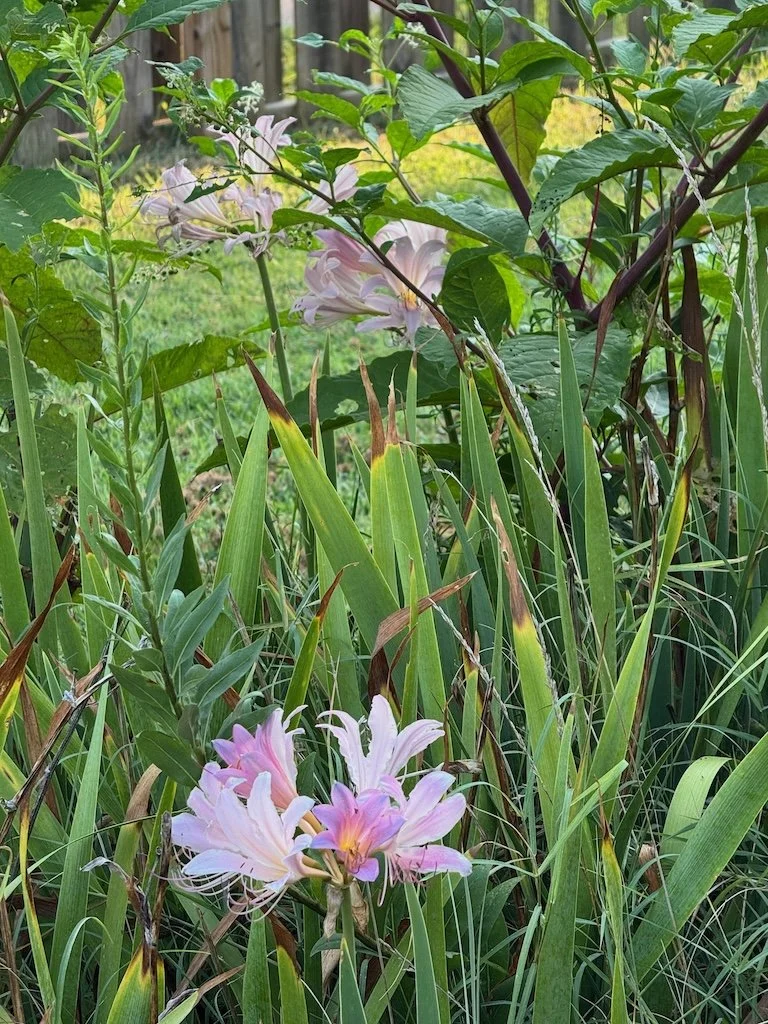
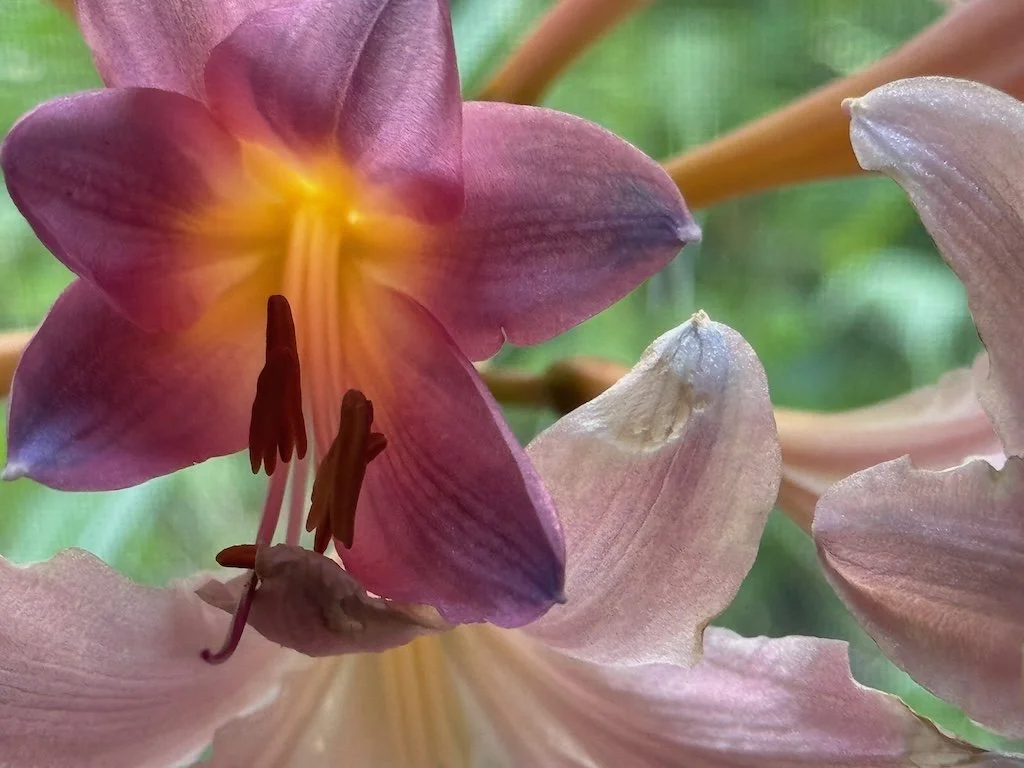
I cut one of the naked lady lilies to bring indoors – a single stem in a vase that easily fits on the windowsill.

The flowers remind me of my mother. The bulbs came from her garden to mine a few weeks before she died. Until this year, I had thought they hadn’t survived the emergency transplanting in January 2023. When I noticed the three stalks with blooms (I had missed the foliage in the early summer), they prompted memories of her last decade.

  • Her joy when they bloomed in August. She could see the sea of pink blooms from her garden room. She would sit by the largest window in the morning sun to read the paper or make notes….or she would look up from working on the jigsaw puzzle. The scene of the outdoors called to her repeatedly.

  • Her desire to be outdoors among the blooms. She frequently went outdoors when it was cool enough (generally only in the morning in August) to see the flowers either from the edge of the patio or wading into the flower bed to cut a few stems. Toward the end of the decade, a walker was increasingly required, and the family tried to accompany her into the beds….although she still managed some solo forays and (thankfully) came back unscathed.

  • Her making of bouquets. The naked lady lilies are not ‘day’ lilies, so they lasted longer after they were cut. She would sometimes have a vase full of just the lilies, but other times would combine them with other plants….but always the lilies were the standout of the bouquets for the duration of their bloom time.

I have some other plants from my mother’s garden (chives and irises are the ones thriving), but the naked lady lilies are the ones that prompt the most memories…her good times in August.

Gleanings of the Week Ending August 16, 2025

The items below were ‘the cream’ of the articles and websites I found this past week. Click on the light green text to look at the article.

Fall 2025 International Student Enrollment Outlook and Economic Impact – The drop in new international student enrollment in the United States this fall could result in a 15 percent drop in overall enrollment. This drop would result in nearly $7 billion in lost revenue and more than 60,000 fewer jobs.

Woodpeckers thrive where missiles fly. How a bombing range became a wildlife refuge - A U.S. Air Force bombing range in Florida has become a sanctuary for endangered species like the red-cockaded woodpecker!

Used EV Batteries Get New Life Supporting the Texas Power Grid - In Texas, retired EV batteries are being repurposed to shore up the state’s unstable electric grid. Batteries have made significant capacity contributions within Texas’ electric grid in recent years and have been credited with helping prevent summer blackouts by bolstering grid reliability.

World Cannot Recycle Its Way Out of Plastics Crisis - The world churns out more than 200 times as much plastic today as it did in 1950, and production is only rising. Microscopic bits of plastic waste have been found nearly everywhere. Many of the more than 16,000 chemicals used in plastics — flame retardants, fillers, dyes — can harm human health, and fetuses, infants, and young children are particularly vulnerable. Without efforts to stem the use of plastic, production is on track to nearly triple by 2060.

Gorgeous, Hidden Animal Tattoos Discovered on a More Than 2,000-Year-Old ‘Ice Mummy’ by Using Digital Imaging - Tigers, stags and a leopard twist around each other, the animals’ stylized and intricate details spread in ink across a woman’s forearm. On her hand is the delicate outline of a bird with a fluffy tail. It sounds like something you might see from a tattoo artist today, but these designs appear to be preserved on a more than 2,000-year-old “ice mummy” from Siberia’s Pazyryk culture.

How do the microplastics in our bodies affect our health? - The use of plastics in society first came into being on a large scale in about the 1920s, and we see a big increase from the 1960s onwards. In a study published in 2024, scientists found that consumption of the particles has increased sixfold since 1990, particularly in various global hotspots including the US, China, parts of the Middle East, North Africa and Scandinavia. In February 2025, scientists identified microplastics in the brains of human cadavers. Most notably, those who had been diagnosed with dementia prior to their death had up to 10 times as much plastic in their brains compared to those without the condition. Because humans are consuming so many different types of plastic, it's both unlikely and impractical, without vast sources of funding, for researchers to be able to identify a direct link between ingesting microplastics and one particular disease….but there is mounting evidence that they are impacting health.

See the Faces of Two Sisters Who Toiled Away in a Neolithic Mine 6,000 Years Ago – Skeletons found in the Czech Republic chert mine.

This diet helped people lose twice as much weight, without eating less - People eating minimally processed foods lost twice as much weight as those on ultra-processed diets, even though both diets were nutritionally balanced and participants could eat freely!

A Promised U.S. Drilling Boom Has Yet to Materialize - The price of oil, the world’s most-traded commodity, is more responsive to global demand and supply dynamics than to domestic policy and politics. The economics of solar and wind are increasingly too attractive to ignore. They are now almost always the least expensive — and the fastest — option for new electricity generation.

Your sleep schedule could be making you sick, says massive new study - A global study of over 88,000 adults reveals that poor sleep habits—like going to bed inconsistently or having disrupted circadian rhythms—are tied to dramatically higher risks for dozens of diseases, including liver cirrhosis and gangrene.

Turpentine Creek Wildlife Refuge

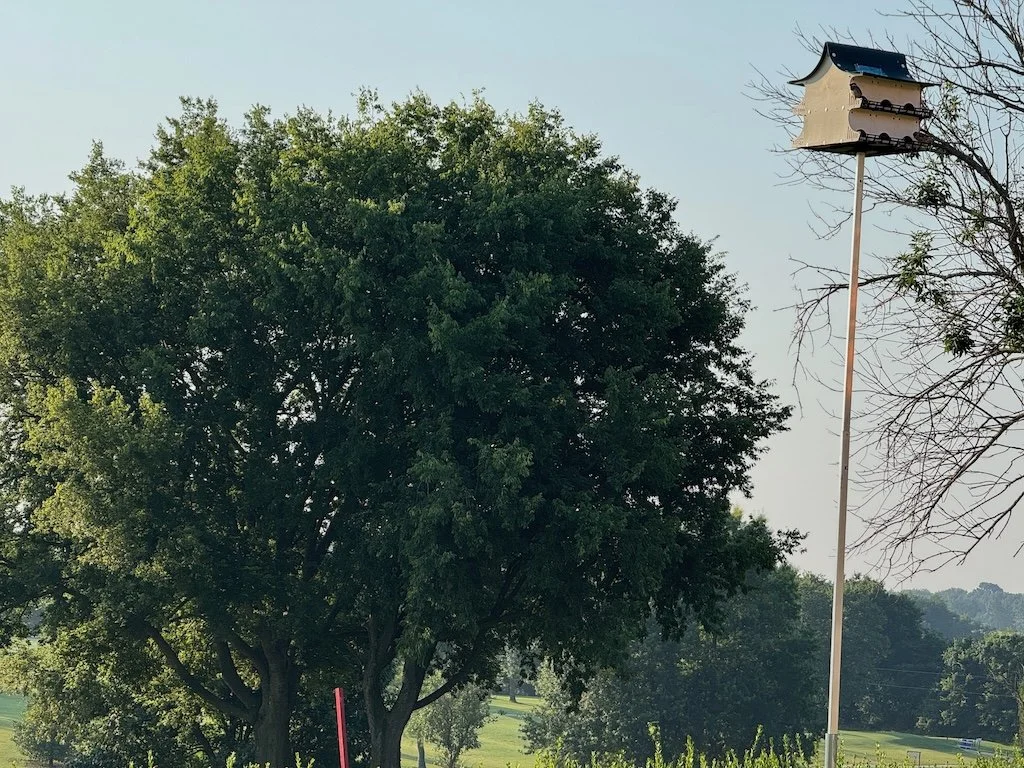
The next morning was bright and sunny. I appreciated the golf course scenes from the front of our hotel room. The sidewalk was wide enough to accommodate tables and chairs; quite a few people were outdoors enjoying the morning sunshine. The bird houses seemed to be populated with sparrows.

Our destination for the morning was Turpentine Creek Wildlife Refuge. It was our second visit (our first was in June of 2024) to see the big cats (and a few bears) that had been rescued from around the country and then provided for in this sprawling facility near Eureka Springs, Arkansas. Many of the cats have health challenges either from prior abuse and/or genetic disorders caused by inbreeding. We arrived just in time for the first tram tour at 9 AM. One high point of the tour for me was a juvenile racoon that was perched on the top of one of the enclosures. Hopefully it got itself back to the forest rather than wiggling through to where it would be no match for the big cat.

The other high point was sound. Two lions were communicating! We couldn’t see either one, but it was interesting to hear their back and forth conversation across the facility.

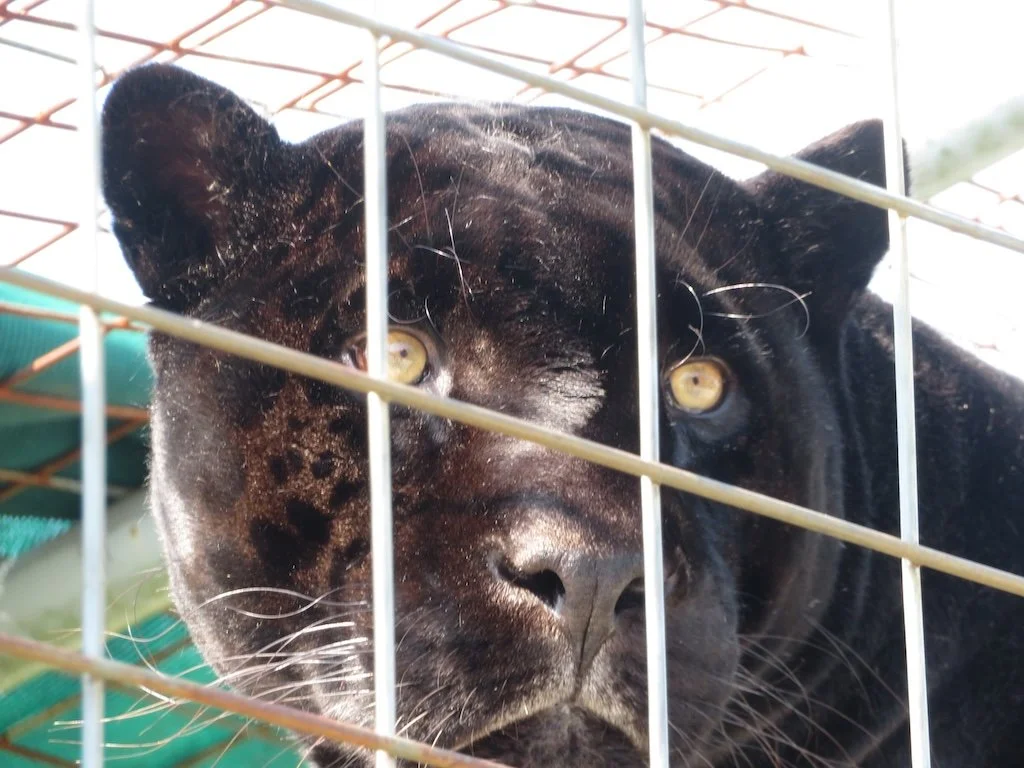
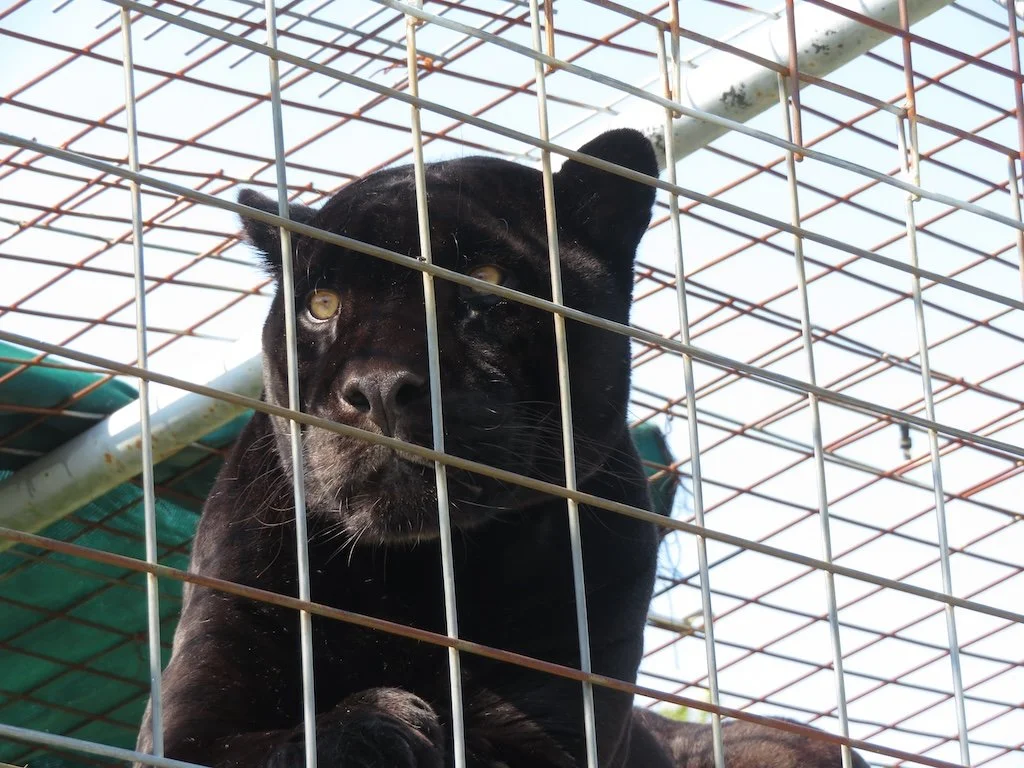
After the tram, we walked through the area closer to the entrance. I remembered some of the cats from our last visit – a serval found by a farmer in Missouri and brought to the refuge…some bobcats found as cubs. There are also some habitats for large cats. I remembered the black leopard; she was in the same place I saw her on my previous visit; She either is turned away from people or follows them as the move about on the other side of the double fence.

One tiger was new to her area and not settled in yet. She was near the back of the enclosure and trying to ignore people and the cats in the enclosure next door. A staff member was encouraging people to be quieter near her enclosure.

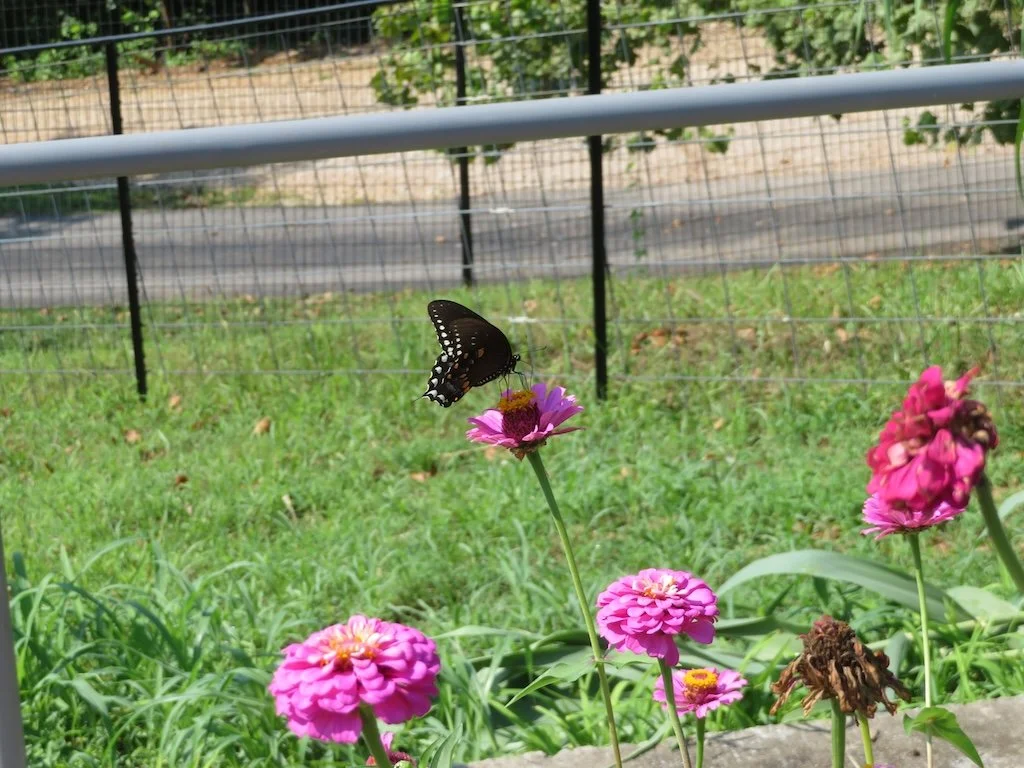
There were butterflies active on a patch of zinnias: several Spicebush Swallowtails, a dark morph of the Tiger Swallowtail (I am assuming….there was one that was a lot larger than the Spicebush Swallowtails), and a Common Buckeye butterfly.   

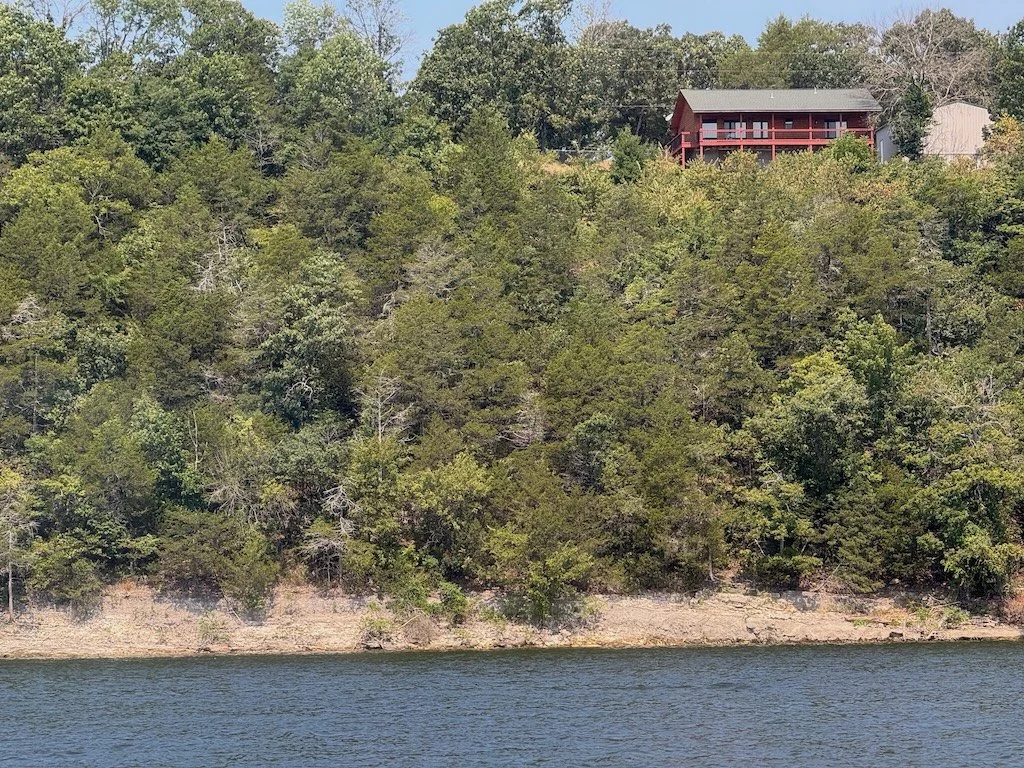
We headed toward home, stopping at a restaurant that floated on Table Rock Lake. I took a picture of the view from our table…the bluff across a narrow arm of the lake.

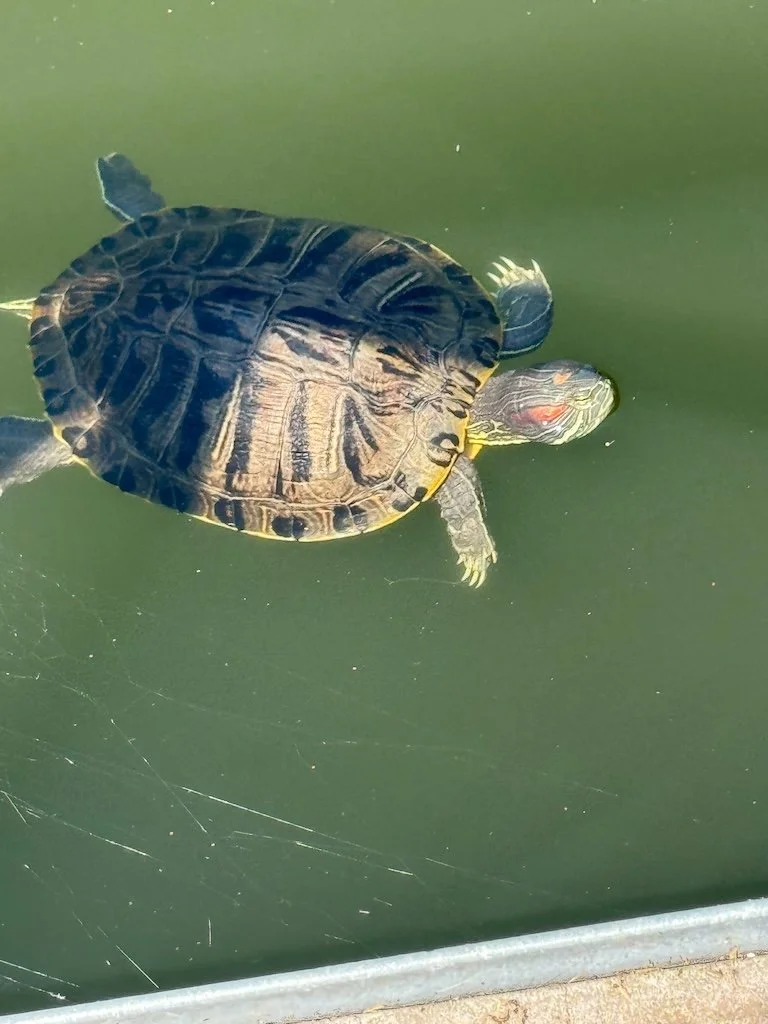
On the way back to the car – turtles were visible in the water along the pontoon walkway! The red-eared slider’s markings make identification easy.

We stopped at our house on the way to my daughters…and were greeted at the door by our 3 housecats…wanting cuddles and more food!

Gleanings of the Week Ending August 9, 2025

The items below were ‘the cream’ of the articles and websites I found this past week. Click on the light green text to look at the article.

Scientists unveil bioplastic that degrades at room temperature, and outperforms petroplastics – Sounds great…but will the existing plastic (made from petroleum) industry let this innovation move forward?

The world is getting hotter – this is what it is doing to our brains - As heatwaves become more intense with climate change, scientists are racing to understand how extreme heat changes the way our brains work. A range of neurological conditions are made worse by rising heat and humidity, including epilepsy, stroke, encephalitis, multiple sclerosis, migraine, along with several others. Heat can also alter other ways our brain functions – making us more violent, grumpy and depressed. Hospital admissions and mortality rates among people with dementia also increase during heatwaves. Rising temperatures have also been linked to an increase in stroke incidents and mortality. And there is a lot we do not know.

Bizarre New Creatures Discovered 30,000 Feet Under the Sea - Entire communities of animals, rooted in organisms that can derive energy not from sunlight but from chemical reactions. Through a process called chemosynthesis, deep-sea microbes can turn compounds like methane and hydrogen sulfide into organic compounds, including sugars, forming the base of the food chain.

Hawaiian Petroglyphs Reemerge for the First Time in Years - The full panel of petroglyphs has been exposed again after seasonal ocean swells swept away covering sand. In all, the petroglyphs are spread across 115 feet of beach and consist of 26 figures and abstract shapes that archaeologists believe were created 500 or more years ago.

The US Commercial Rooftop Solar Market Is About to Explode, Federal Tax Credits or Not - If all goes according to plan, all 500+ projects will be completed during this year into 2026, proving yet again that solar is the fastest way to add more capacity to the nation’s grid. Generating electricity on commercial rooftops and distributing it into the grid is America’s most shovel-ready energy option.

The Power of the Emerald Edge - Whether a tropical forest or coastal temperate rainforest, all forests must contend with a unique set of stressors including changes in land use, invasive insects and disease, and extreme weather events. Rapid changes in climate compound these stressors. How do we prepare our forests for the future? Preserving old-growth forests is one of the most powerful steps we can take.

Elusive and Majestic Red-Crowned Cranes in Hokkaido – Beautiful photographs…of beautiful birds.

Germany’s Stunning Fairytale Castles Added to UNESCO’s World Heritage List - The royal castles of Neuschwanstein, Linderhof, Schachen and Herrenchiemsee have been added to the prestigious list, which includes more than 1,200 sites. Neuschwanstein Castle, located near the village of Schwangau in Bavaria, is one of Germany’s most popular tourist sites. Every year, roughly 1.4 million travelers visit the site.

Learning how to live with shrubbier grasslands (part 1 and part 2) - Our grasslands are getting “shrubbier” and it’s increasingly difficult to prevent that. Because the drivers for that change are mostly beyond our control, it seems obvious that we need to start thinking differently about grassland management.

3 Ways Ancient Egypt Left Its Mark on Modern Art – Empire furniture, art deco, and artists like Bridget Riley.

Pearson’s Birds of America

This week’s book is the Birds of America edited by Thomas Gilbert Pearson and published in 1917. Pearson was one of the co-founders of what became the National Audubon Society and was an American conservationist in the early decades of the 1900s…a time when egrets were killed for their plumes to be used in lady’s hats. The book includes 106 plates by Louis Agassiz Fuertes. It is available for browsing on Internet Archive.

Birds of America

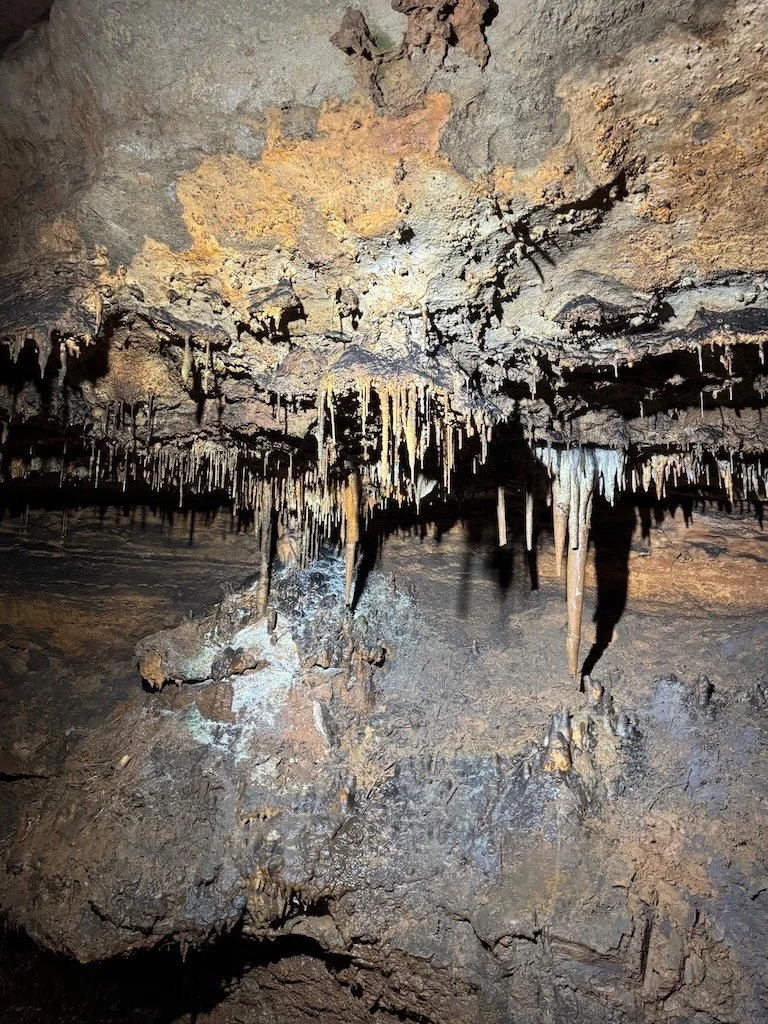
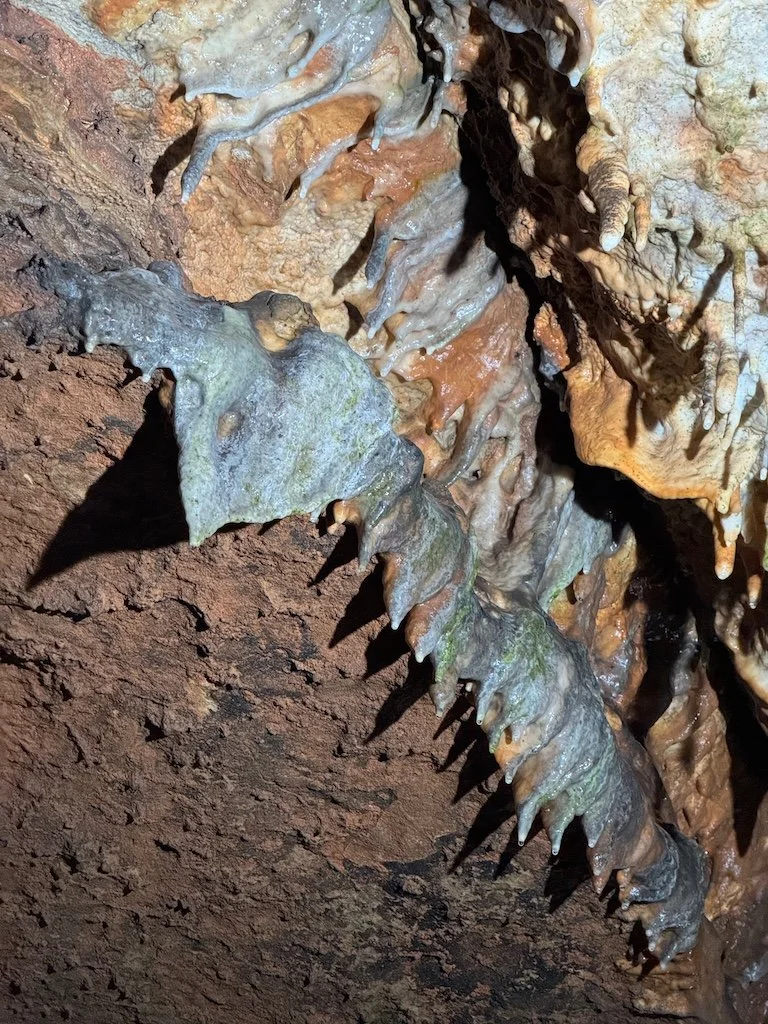
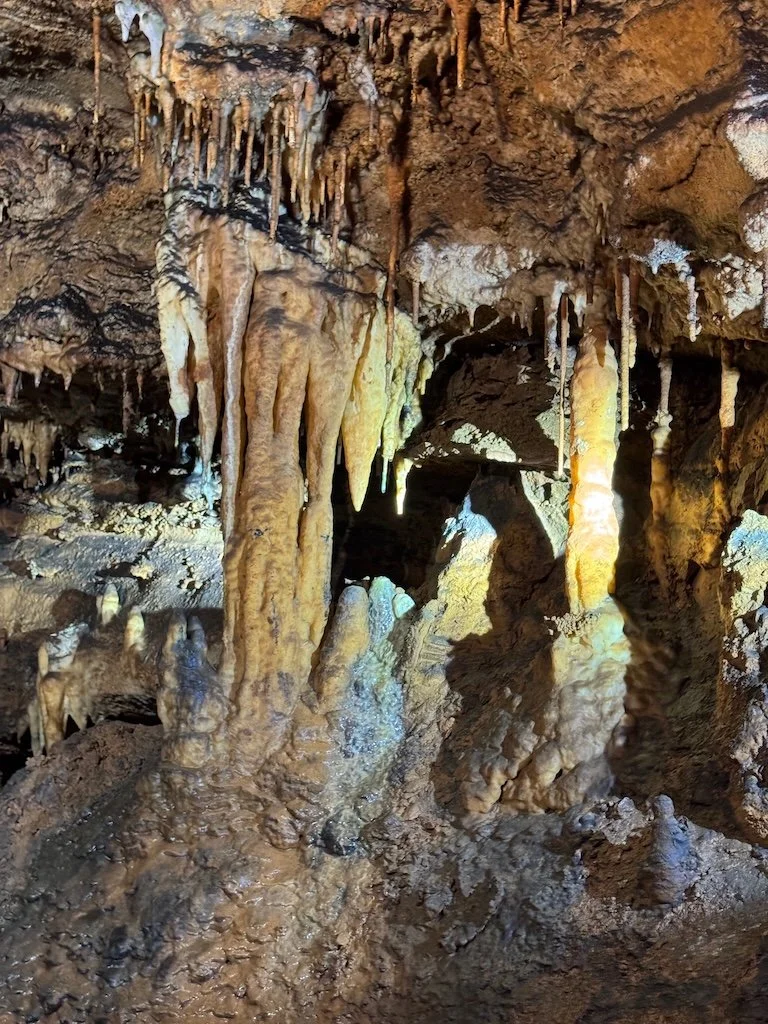
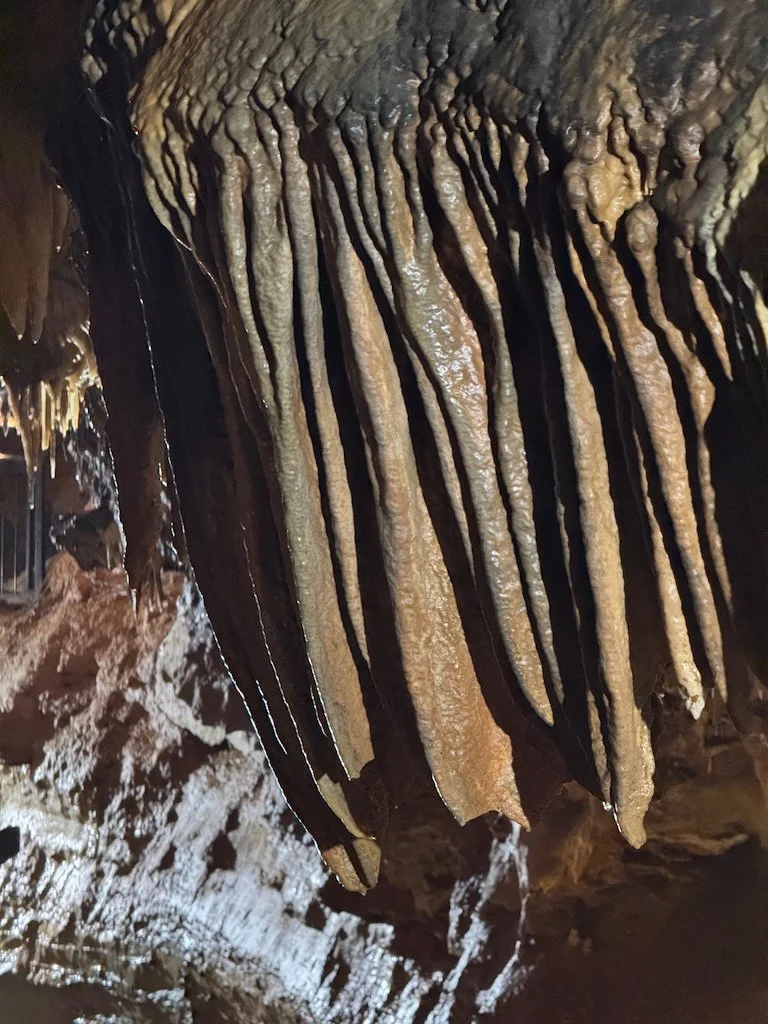
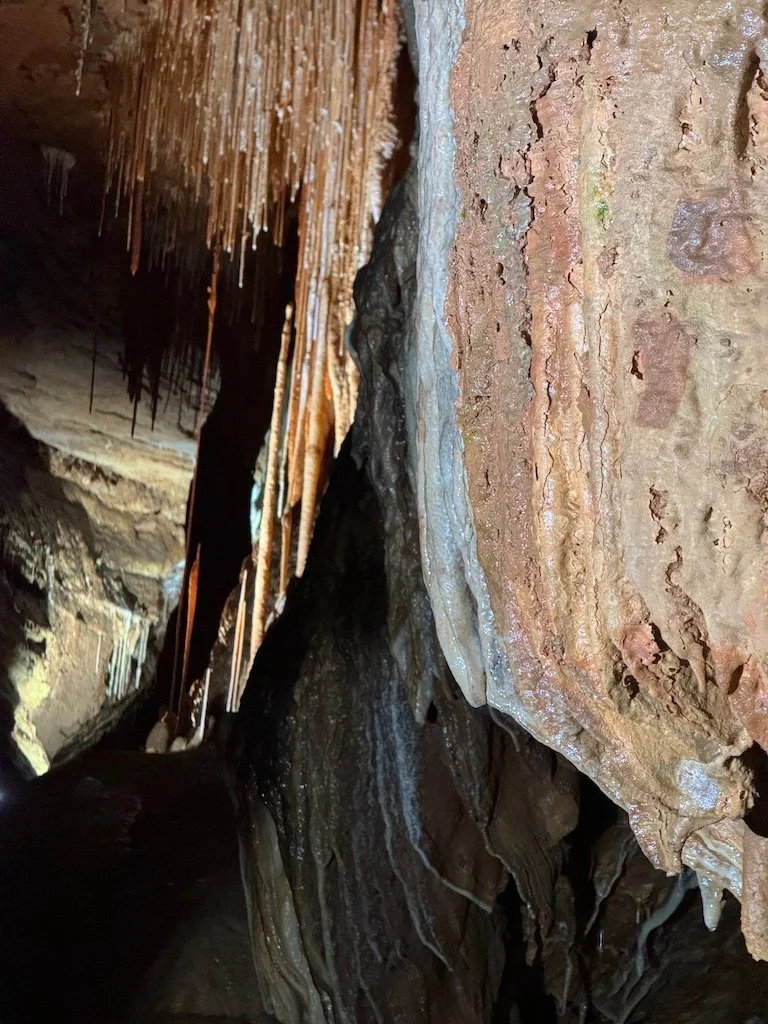
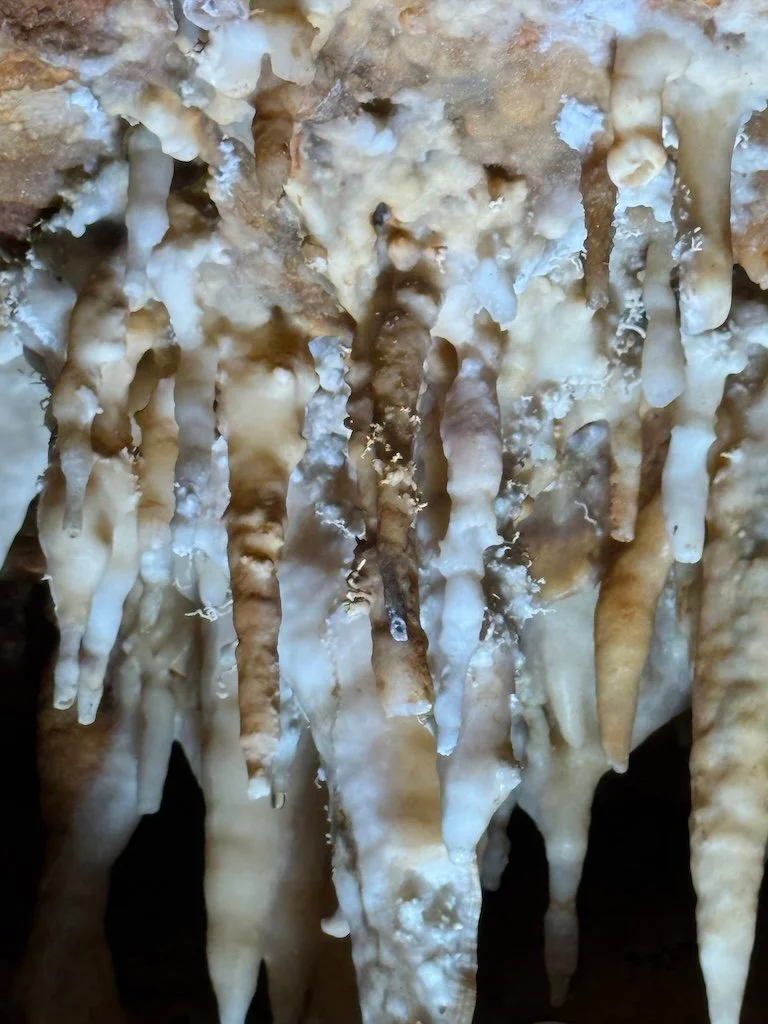
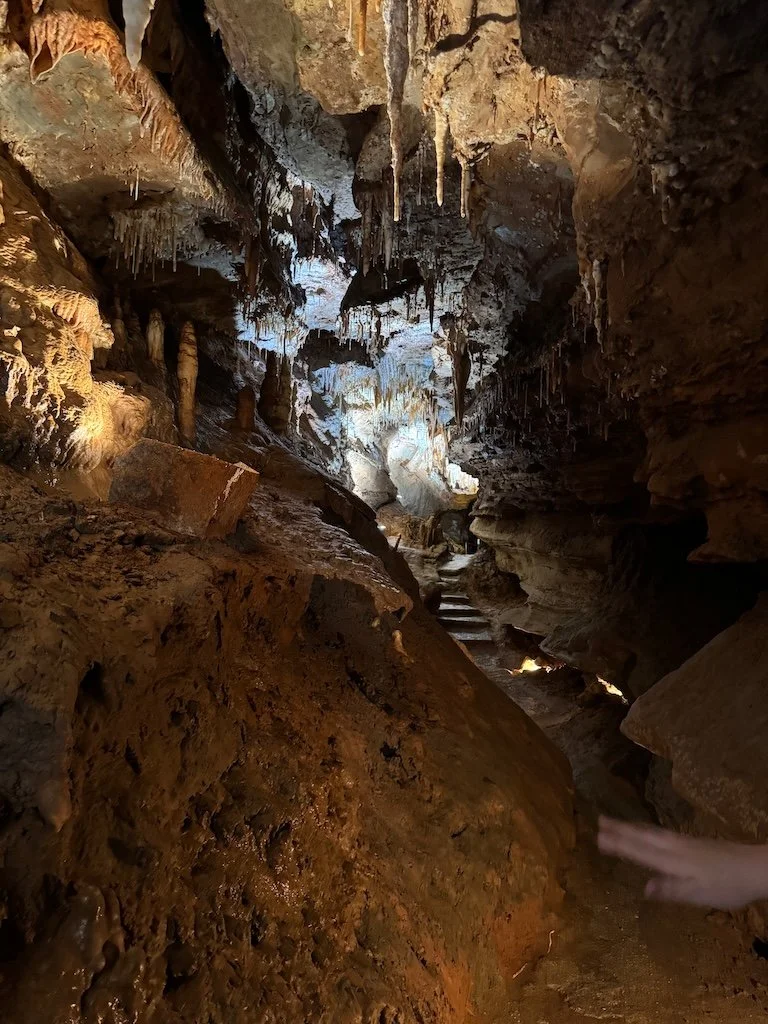
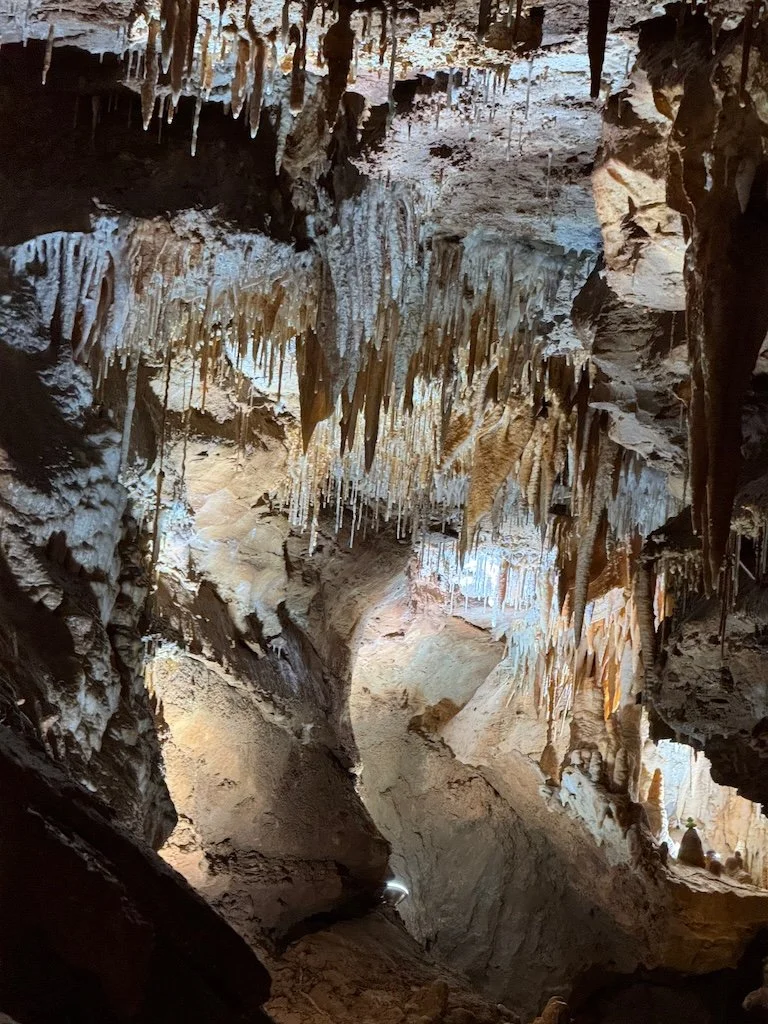
Onyx Cave

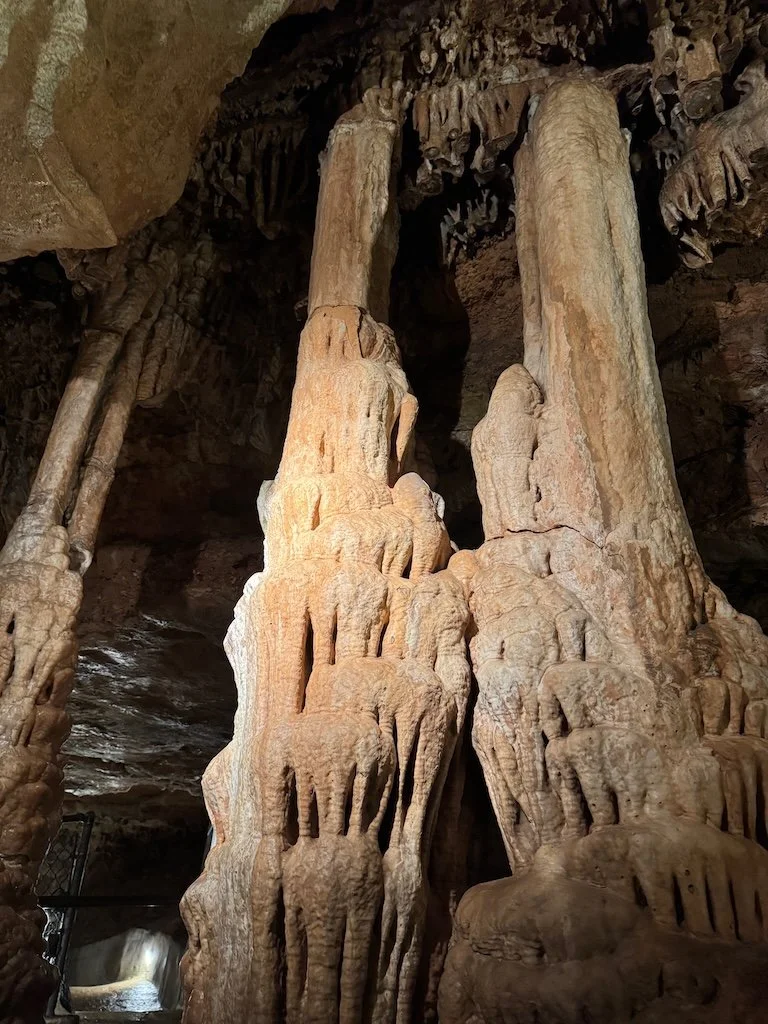
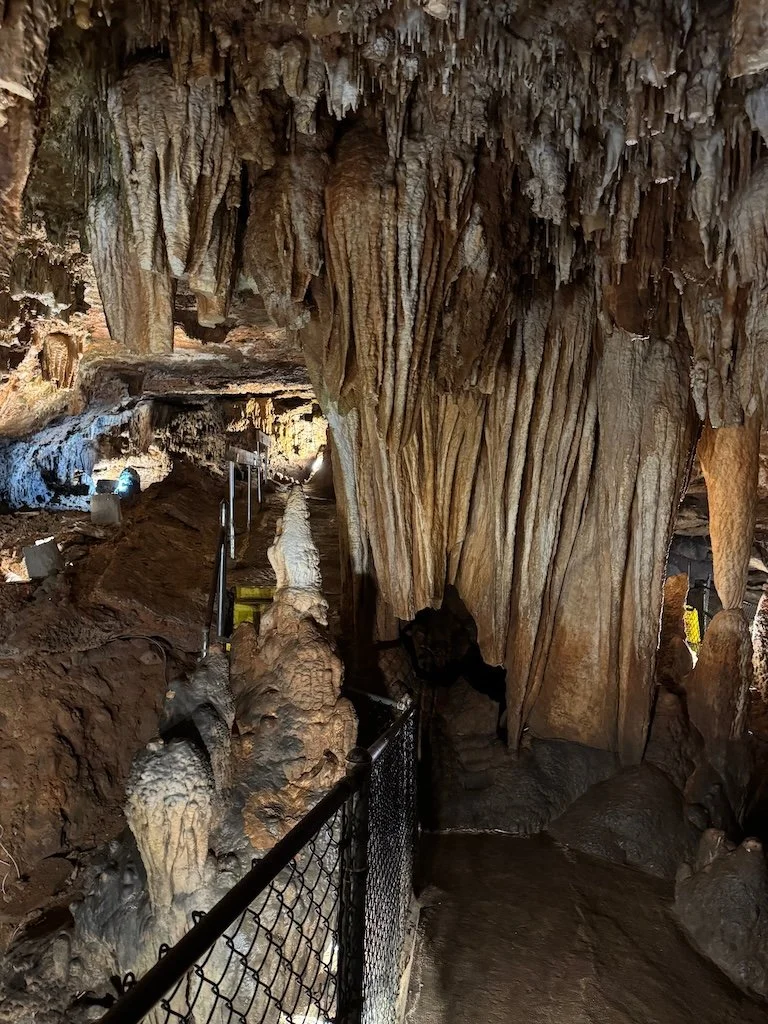
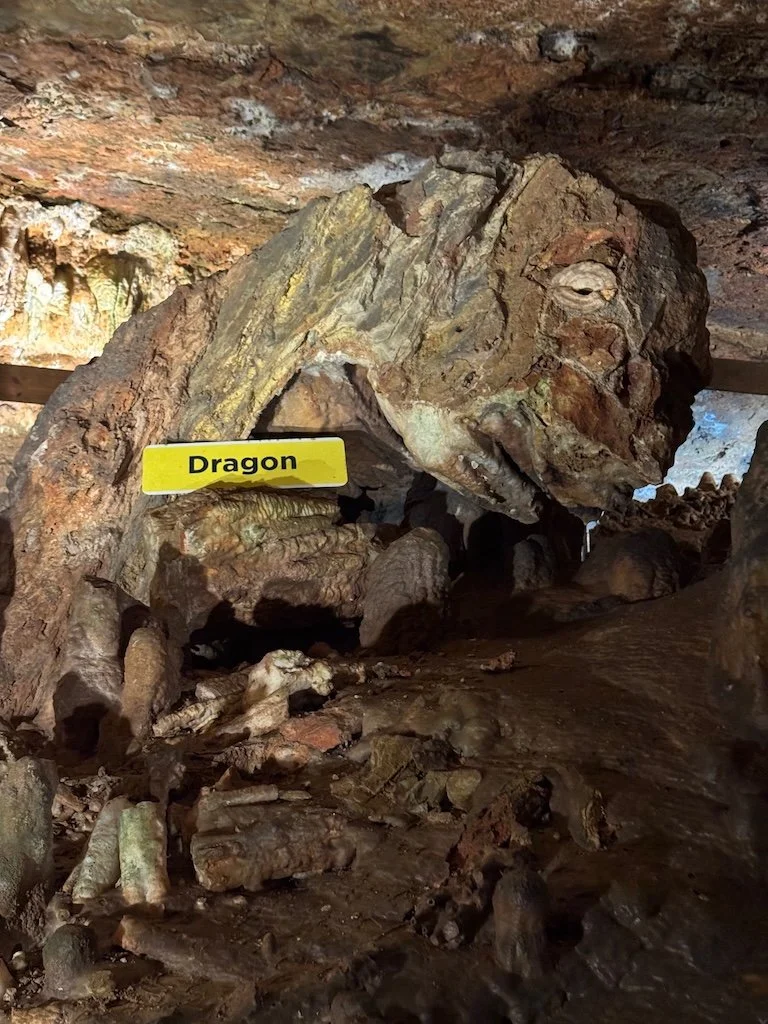
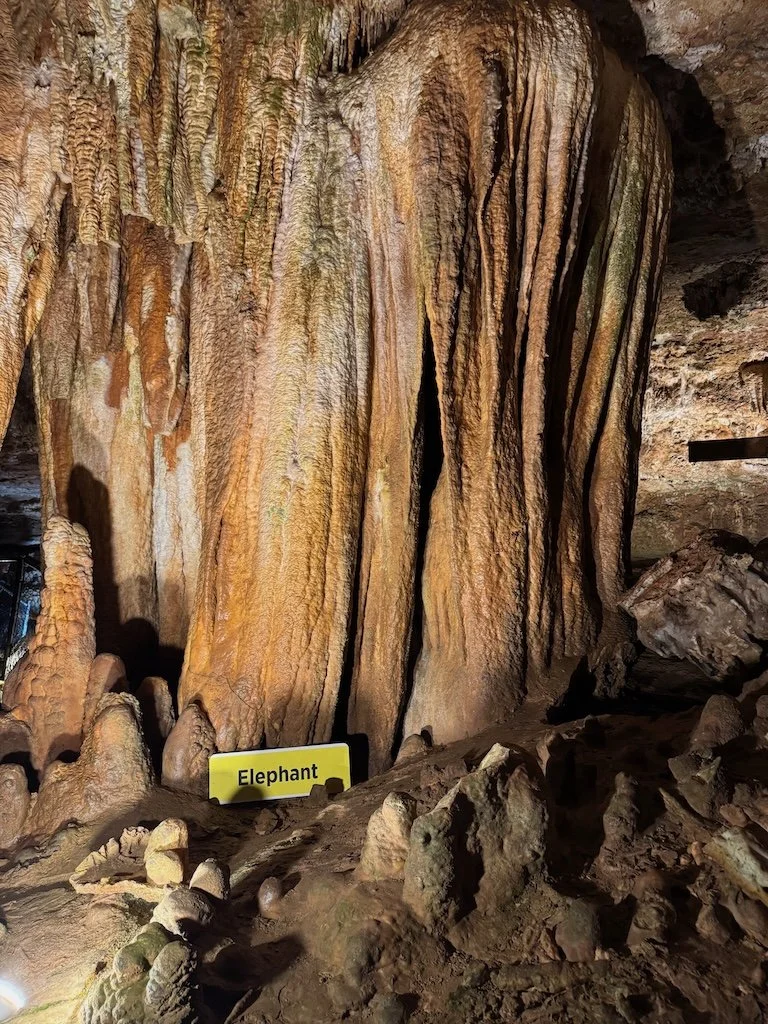
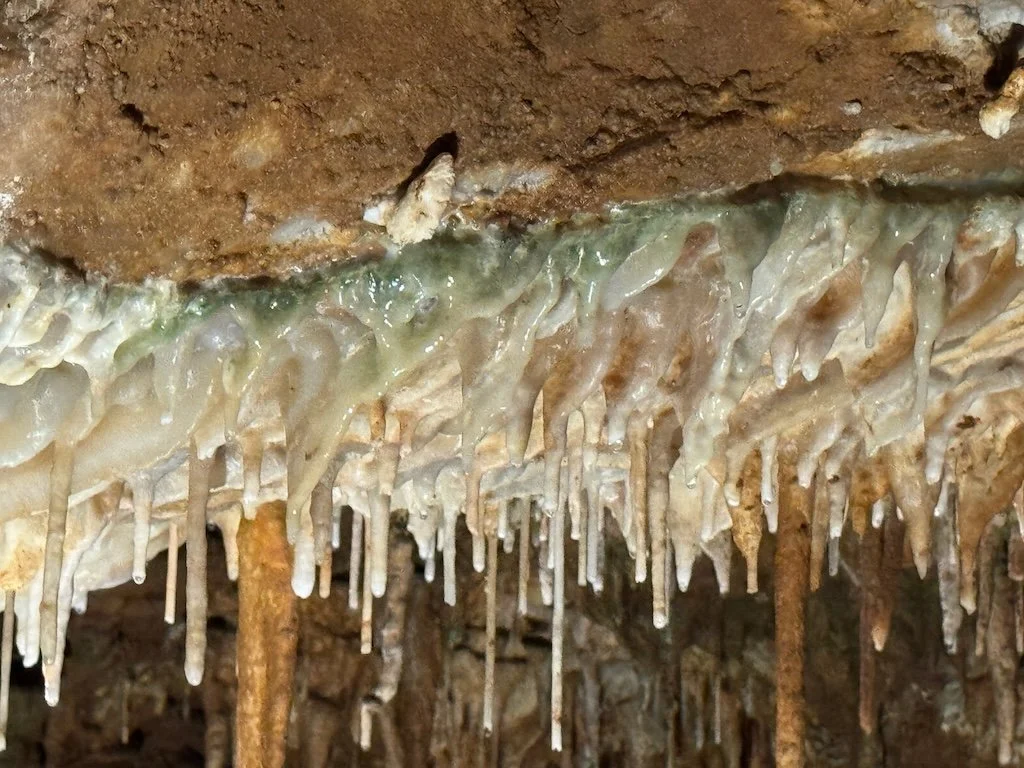
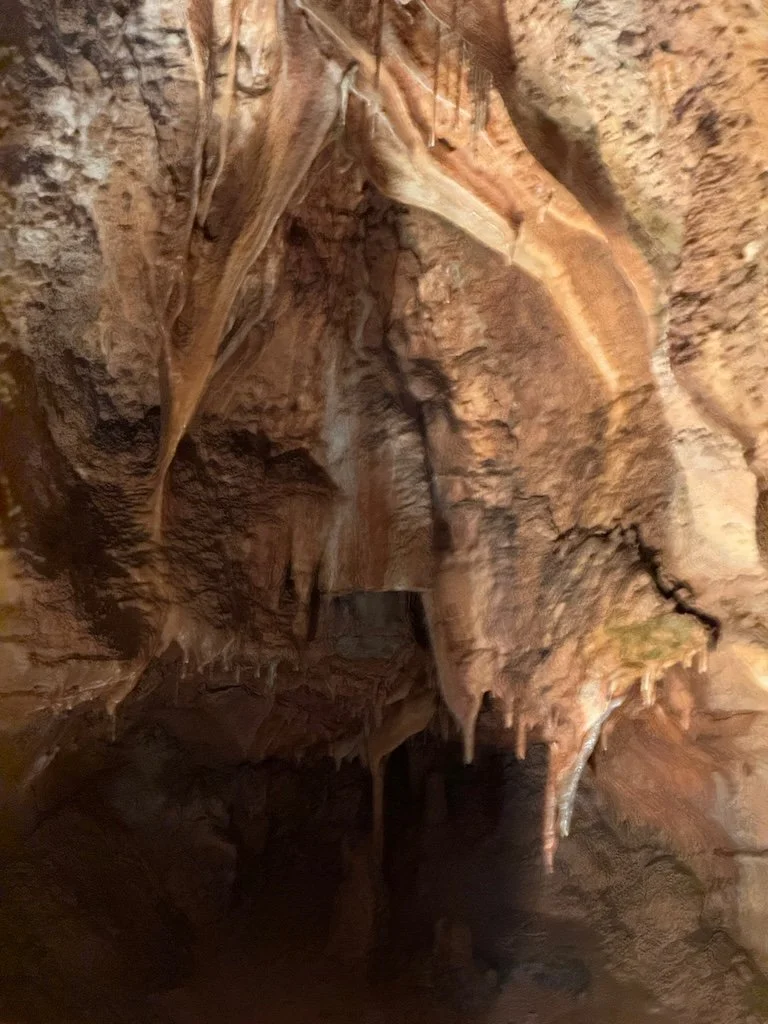
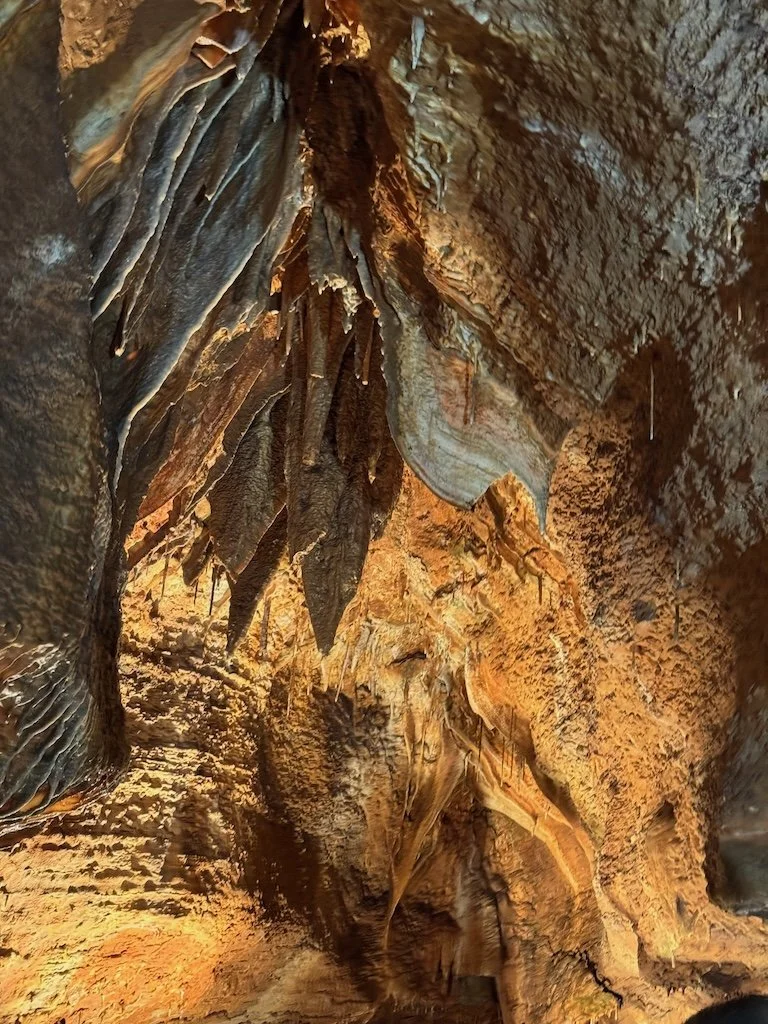
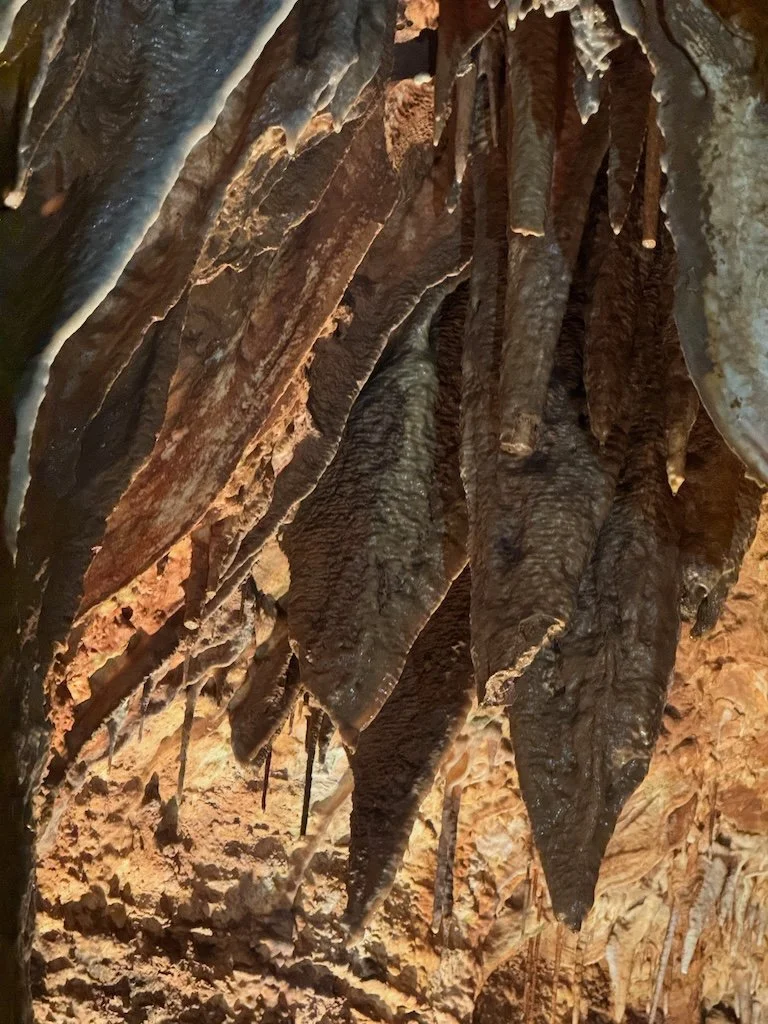
After Cosmic Caverns and lunch, we opted to see a second cave. It wasn’t on our original itinerary, but the rain had forced a change in plans. Onyx Cave became our afternoon destination. It has been famous since 1891…and there is considerable damage that has accumulated over the years.

The first part of our tour was self-guided with headphones that described things at each stop. The second part was a guided tour.

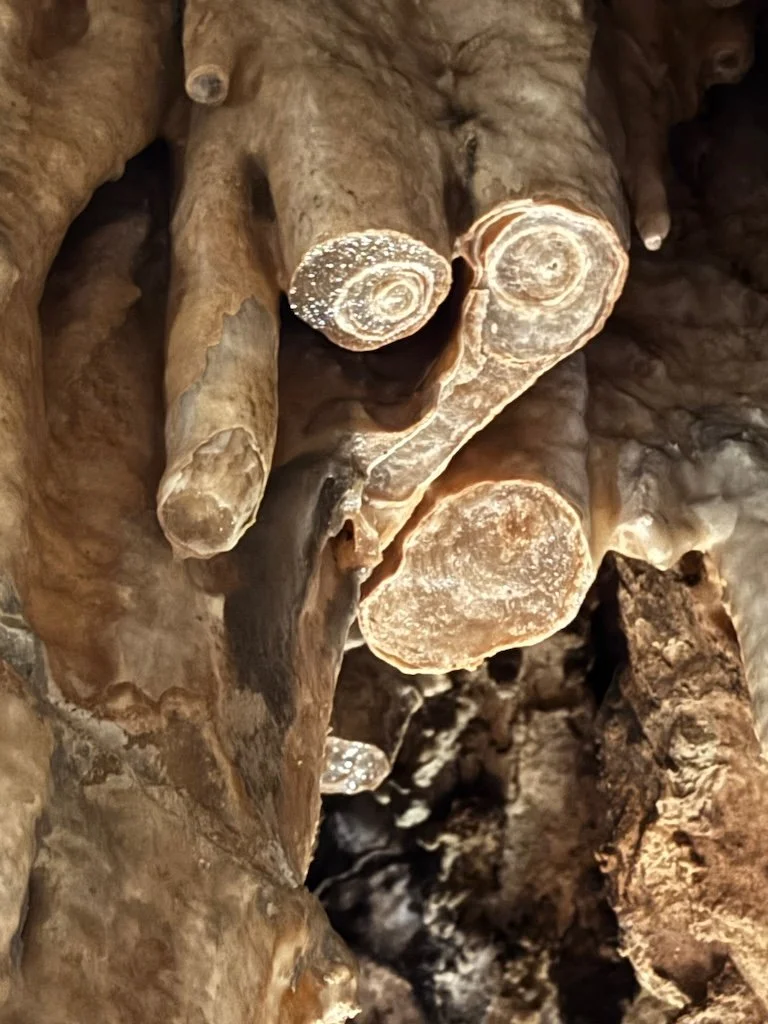
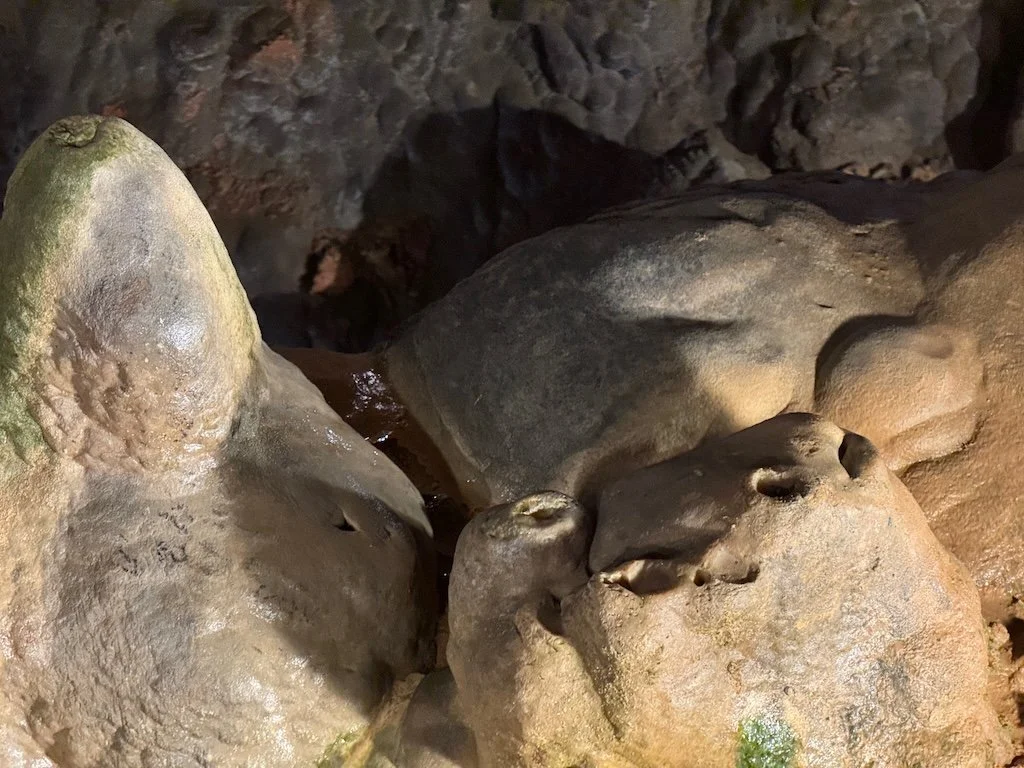
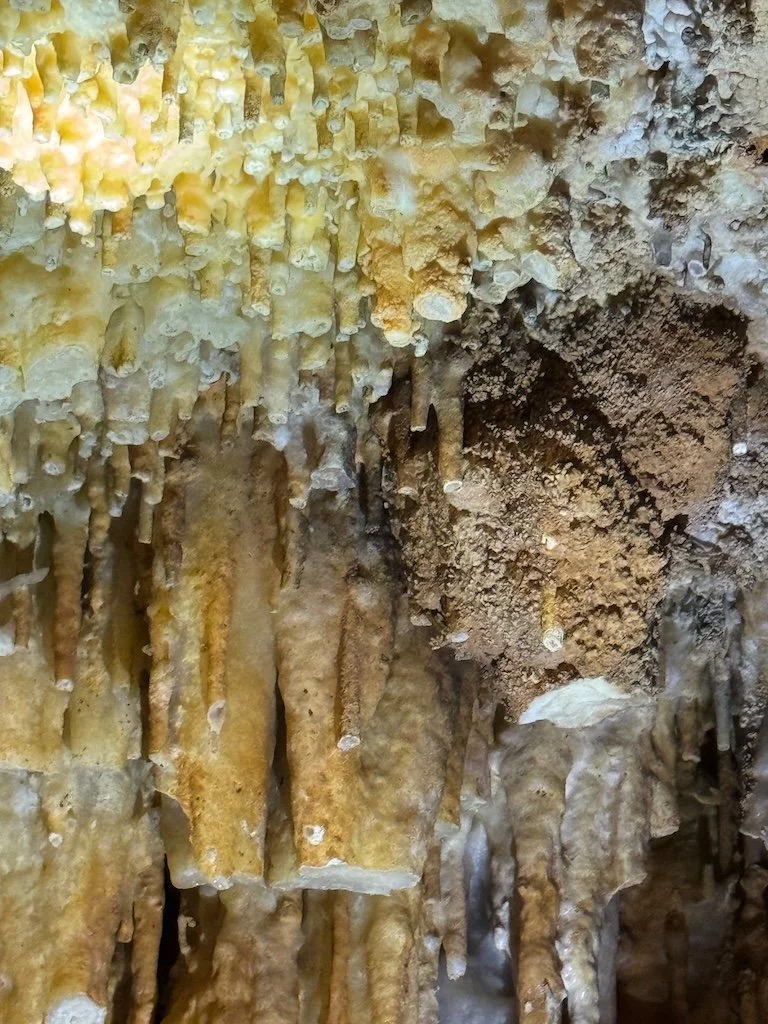
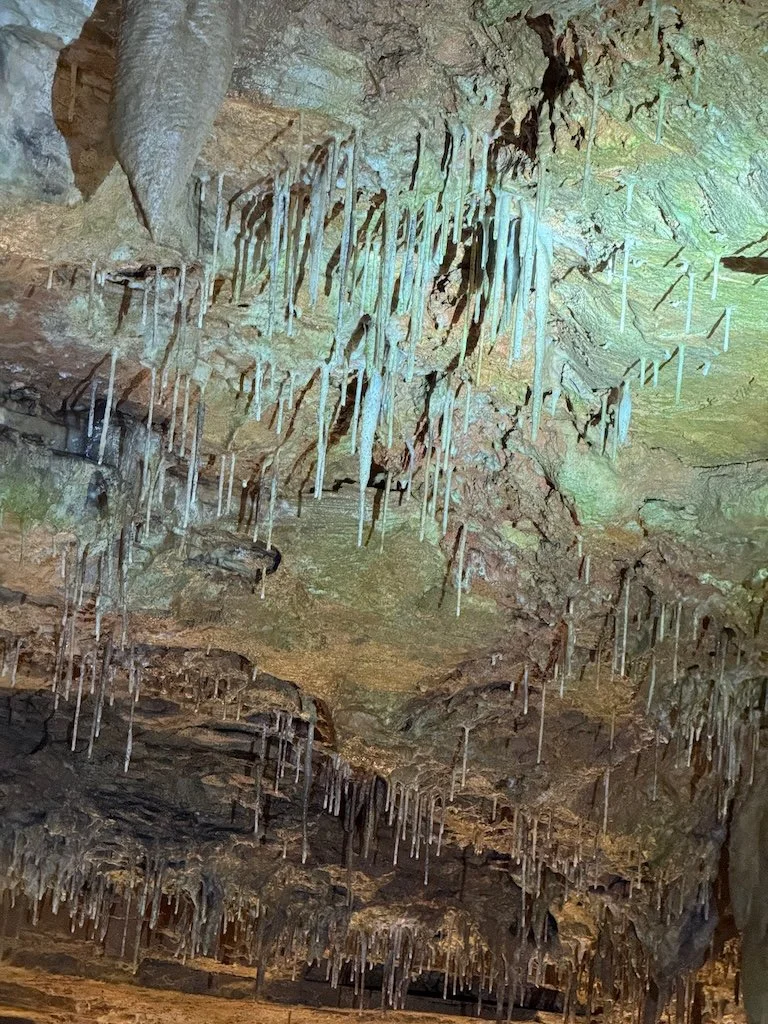
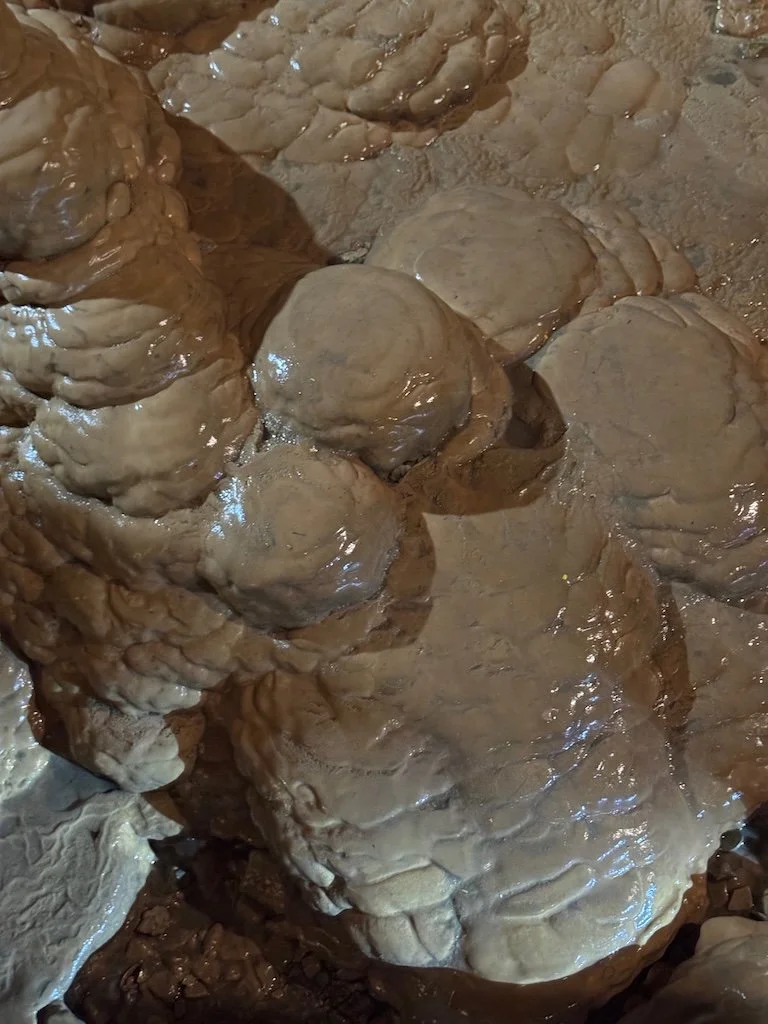
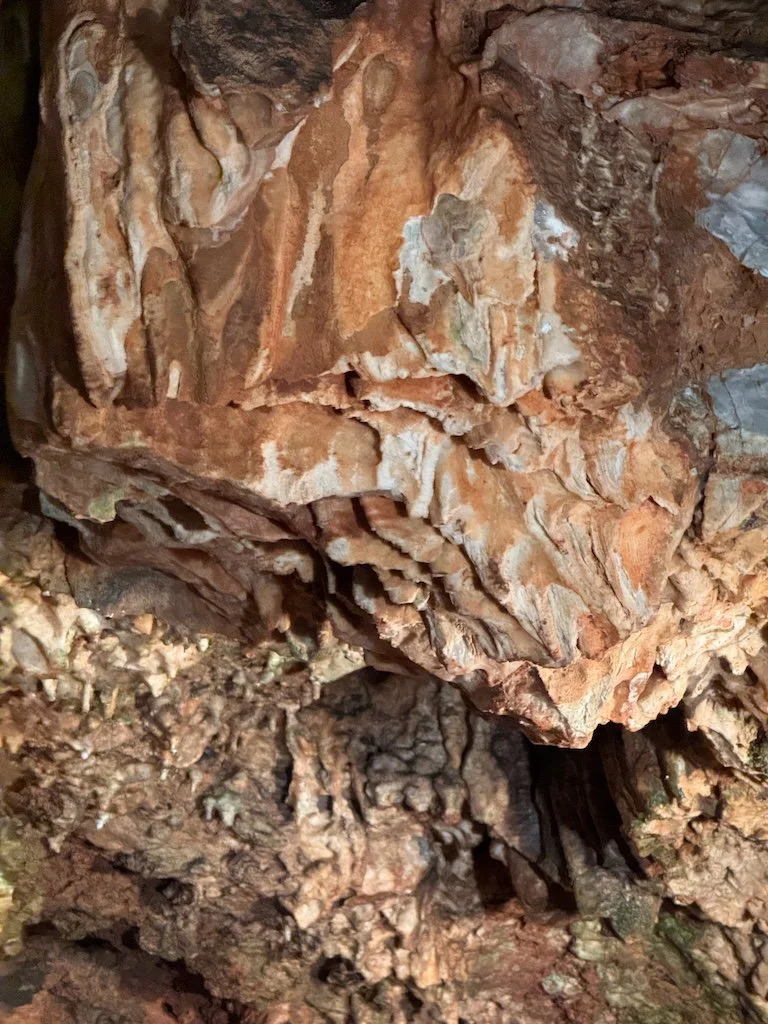
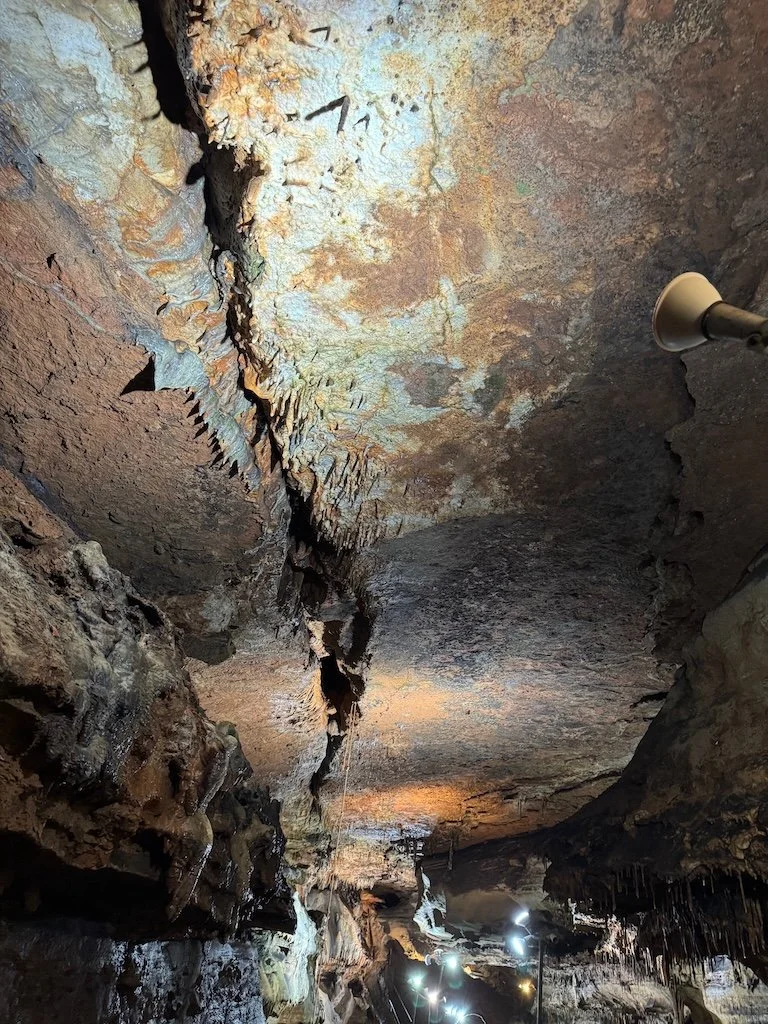
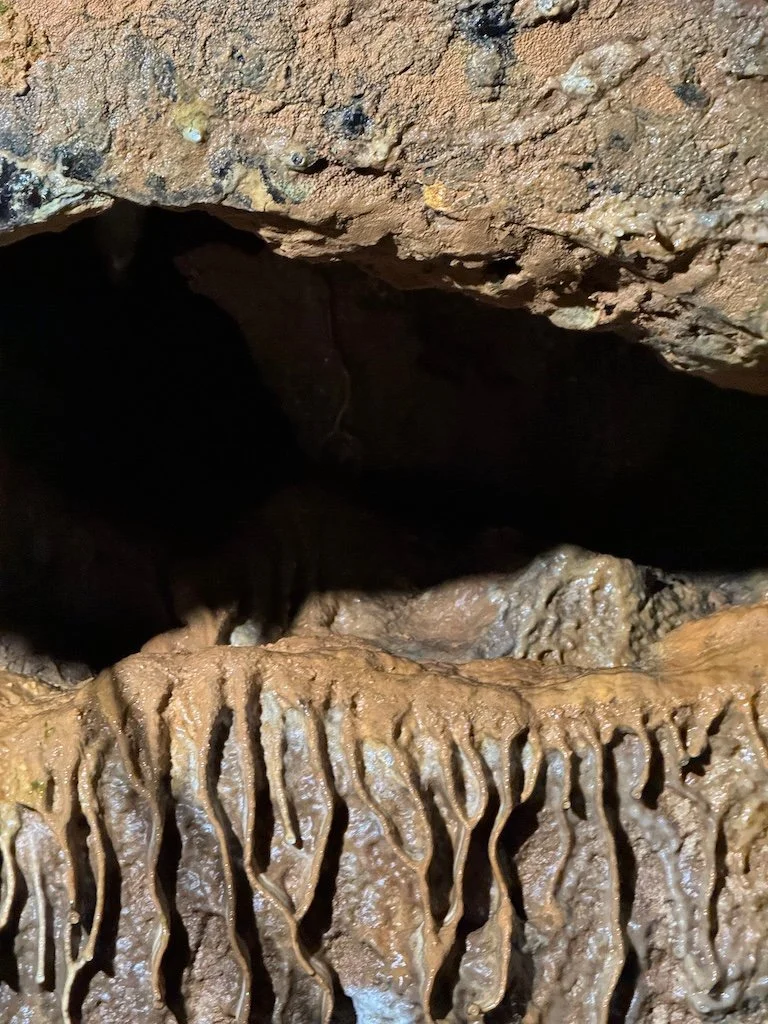
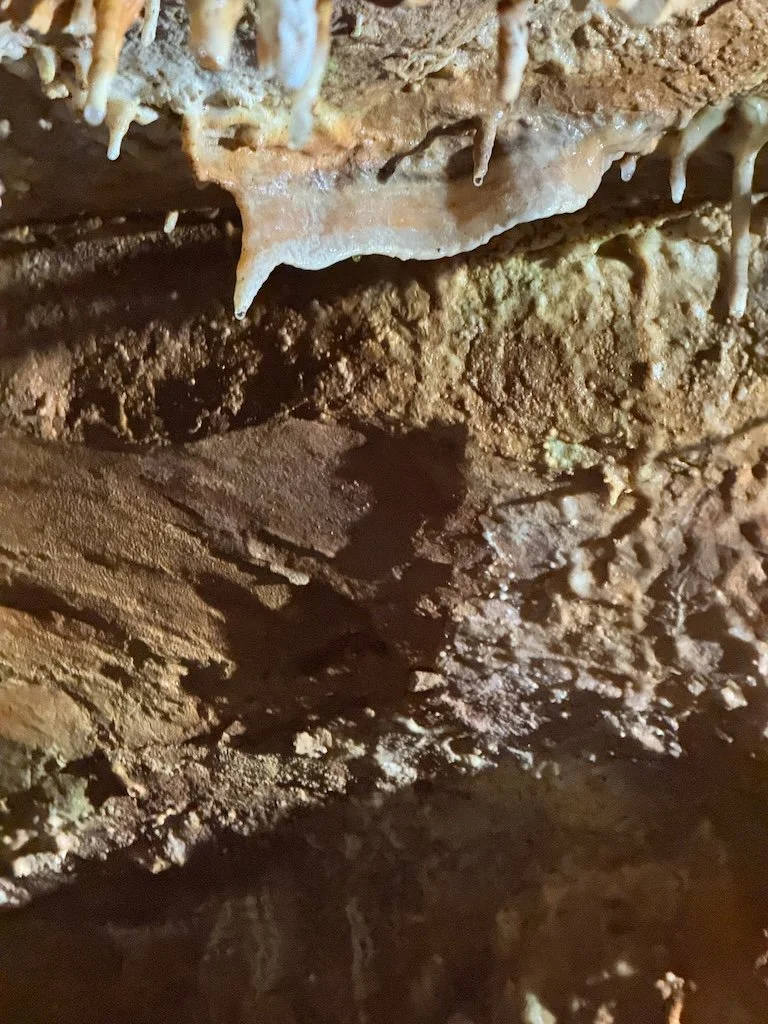
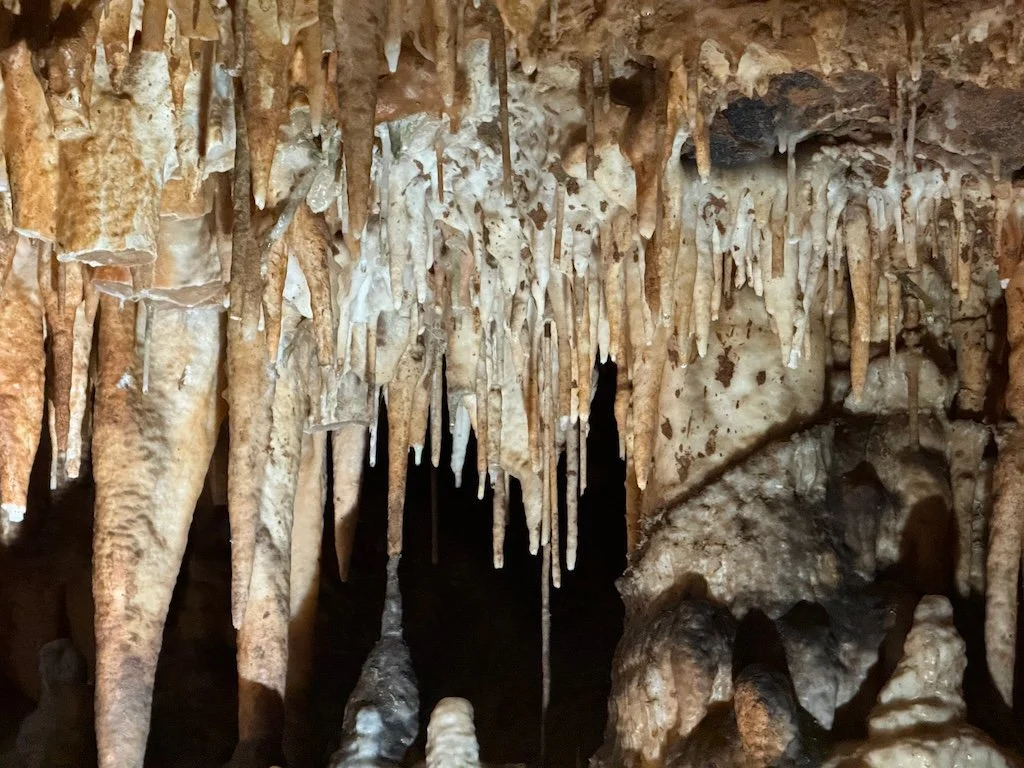
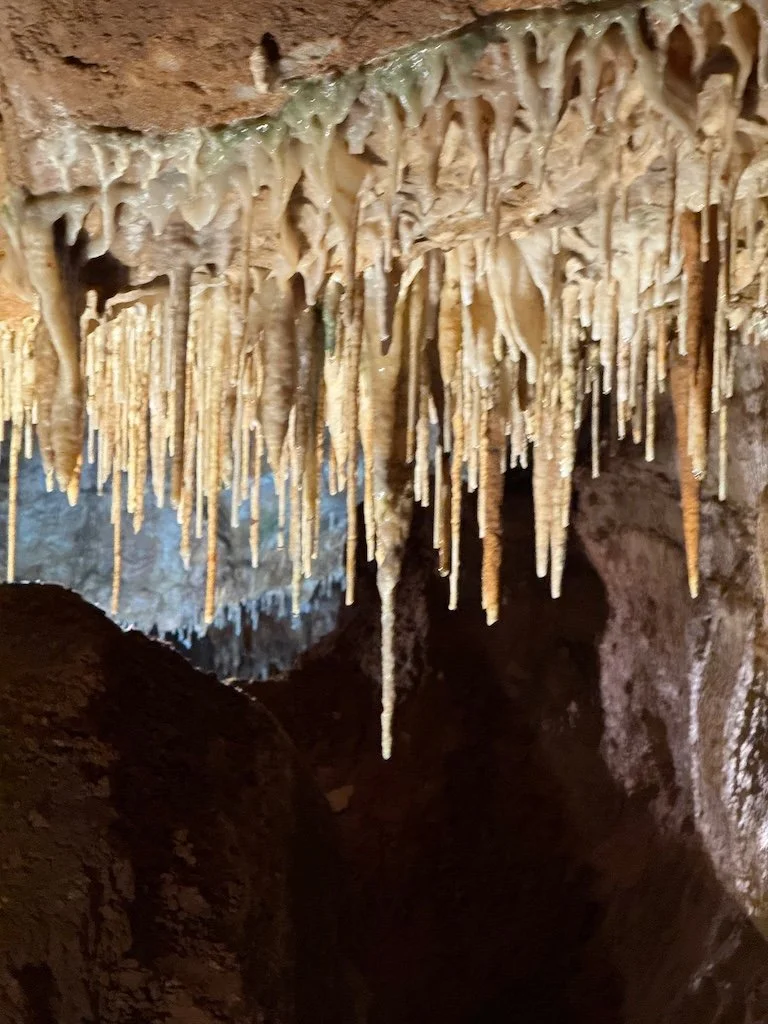
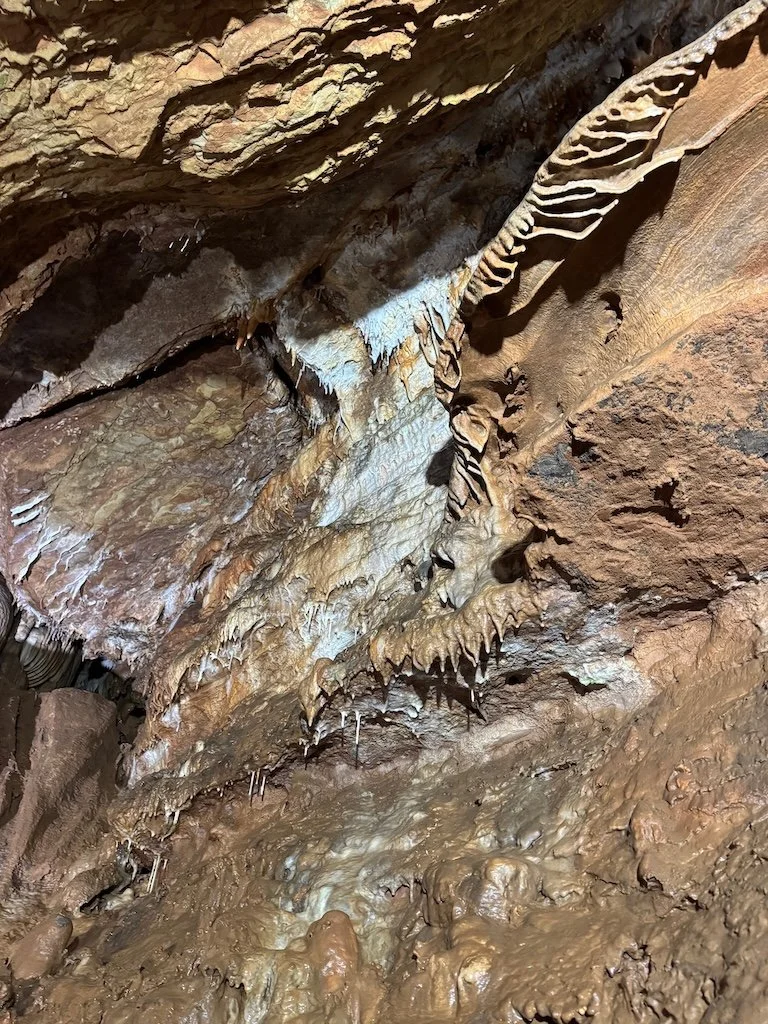
The lighting in the cave was not as good as in other caves I have visited, including Cosmic Caverns, but it is still possible to get reasonable pictures. Sometimes the damage (sawed off stalactites and soda straws) revealed the inner structure of the formations. The cave is damp but many of the formations have been touched often over the years…so they have a dry look.

I think my favorite cave tour this year is Onondaga Cave that I toured back in April (posts one and two).

Cosmic Caverns

Last weekend we made an overnight trip to Arkansas as an early birthday celebration for my daughter. We picked her up at 8 AM at her house in Springfield MO (seeing what she means about her native plant garden being overwhelmed by grass).

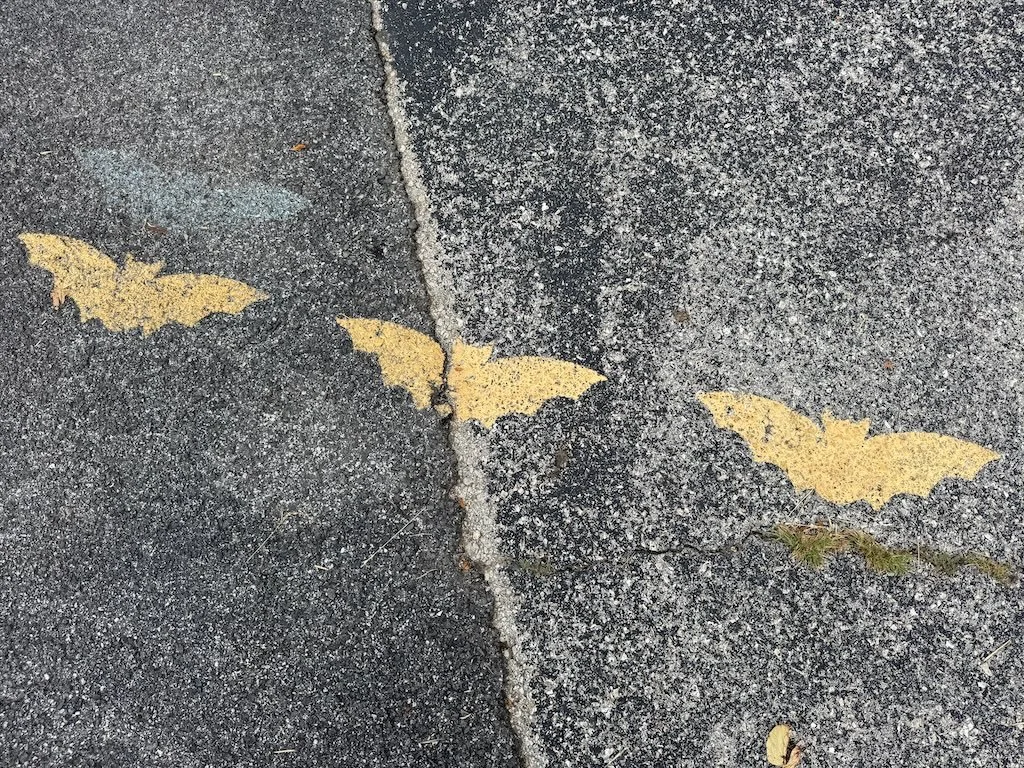
Our plan had been for a hike at a state park in the morning, but it started sprinkling on the way there and was raining hard when we got to the park. We quickly decided to head to Cosmic Caverns. The parking lines there are made with bat stencils!

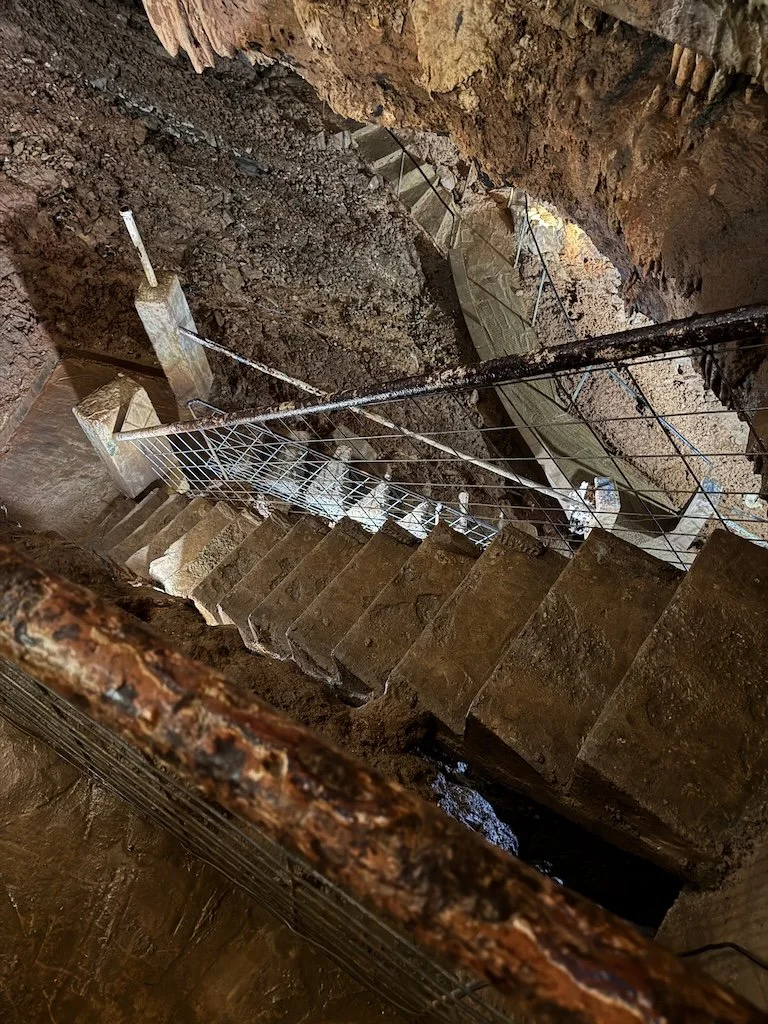
There were steep steps that reminded me of caves I toured as a child.  Now many caves have replaced their stairs with long ramps that make the cave more accessible.

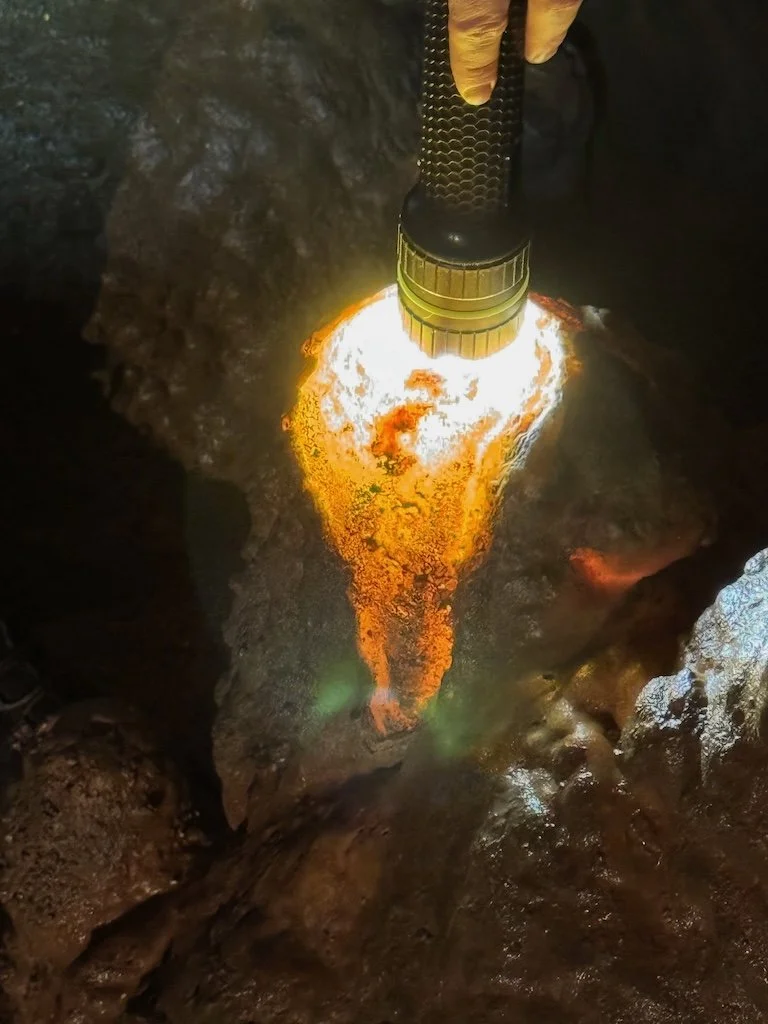
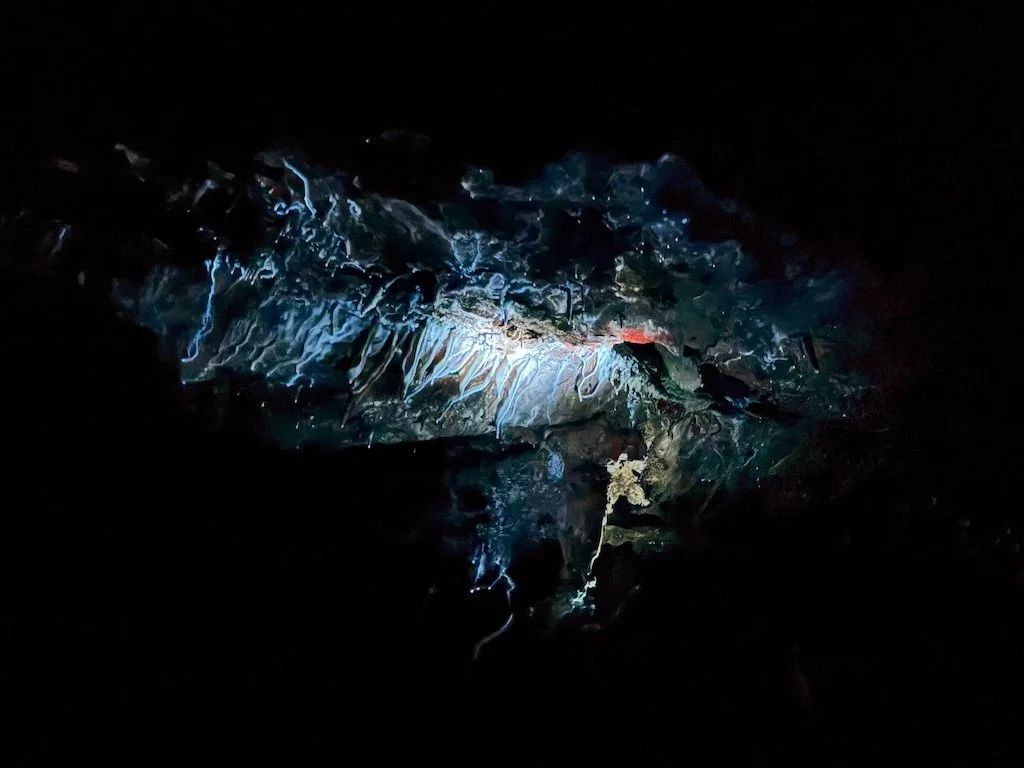
The cave lighting was good, but the guide’s flashlight was sometimes needed to highlight features…and the black light flashlight provided a different perspective of some of the formations.

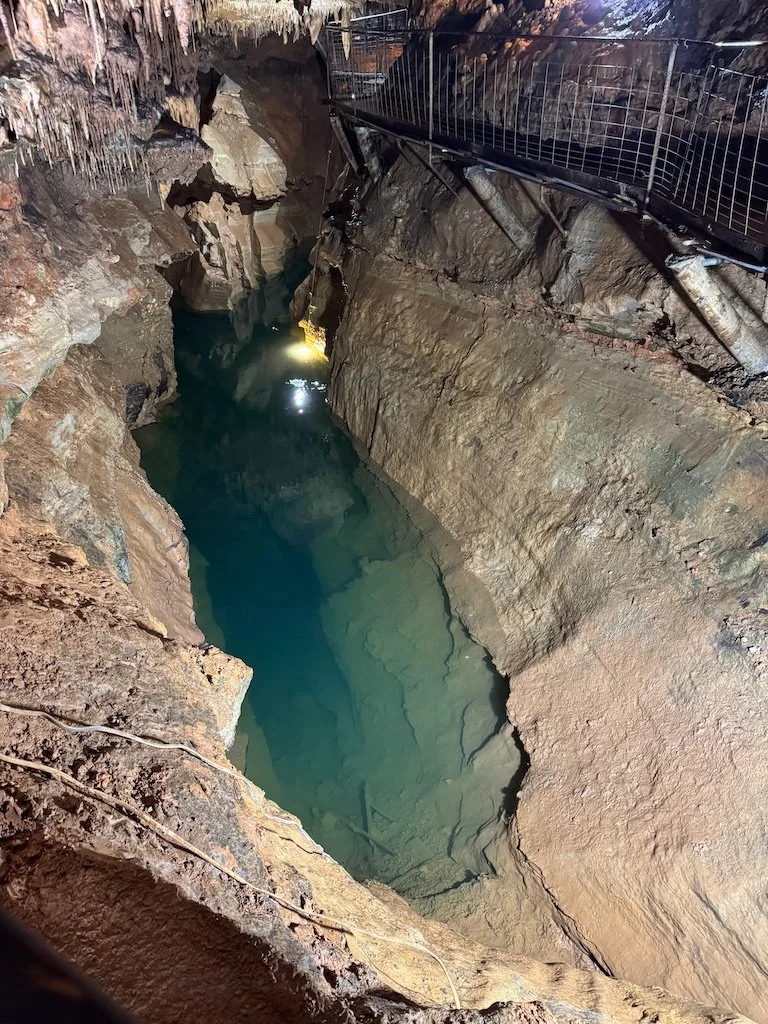
The cave was discovered in 1845 and there is damage that has occurred over the years. It is still a beautiful place to visit, and I enjoyed seeing how well my phone captured the cave formations.

Goodbye to a Maple

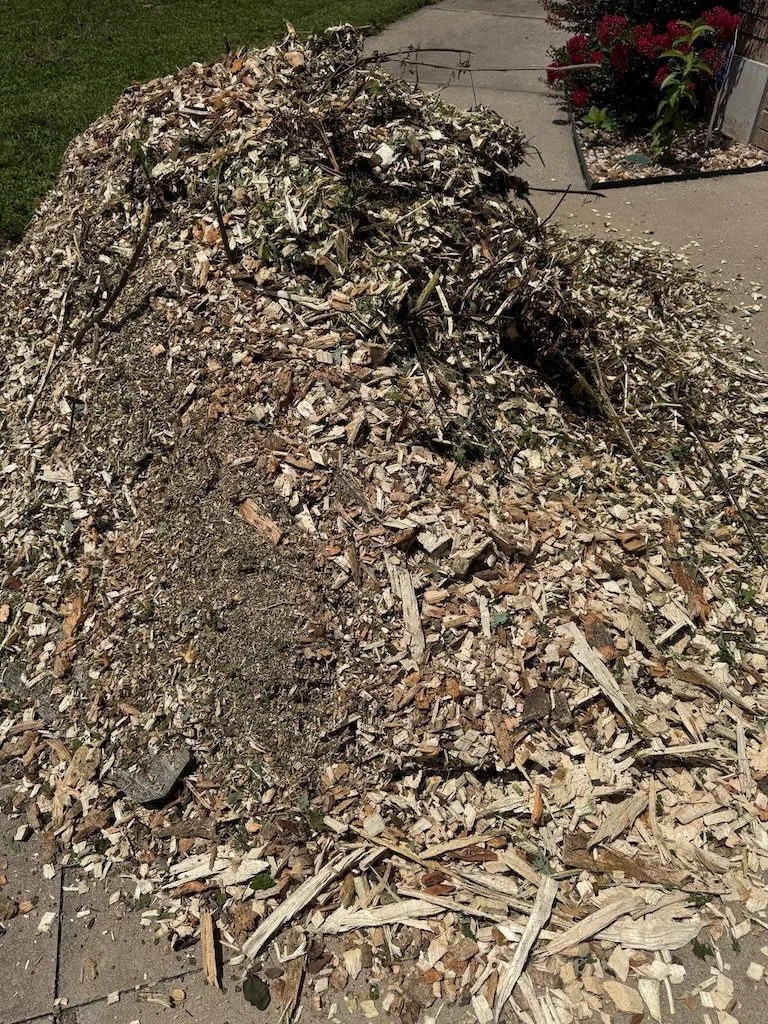
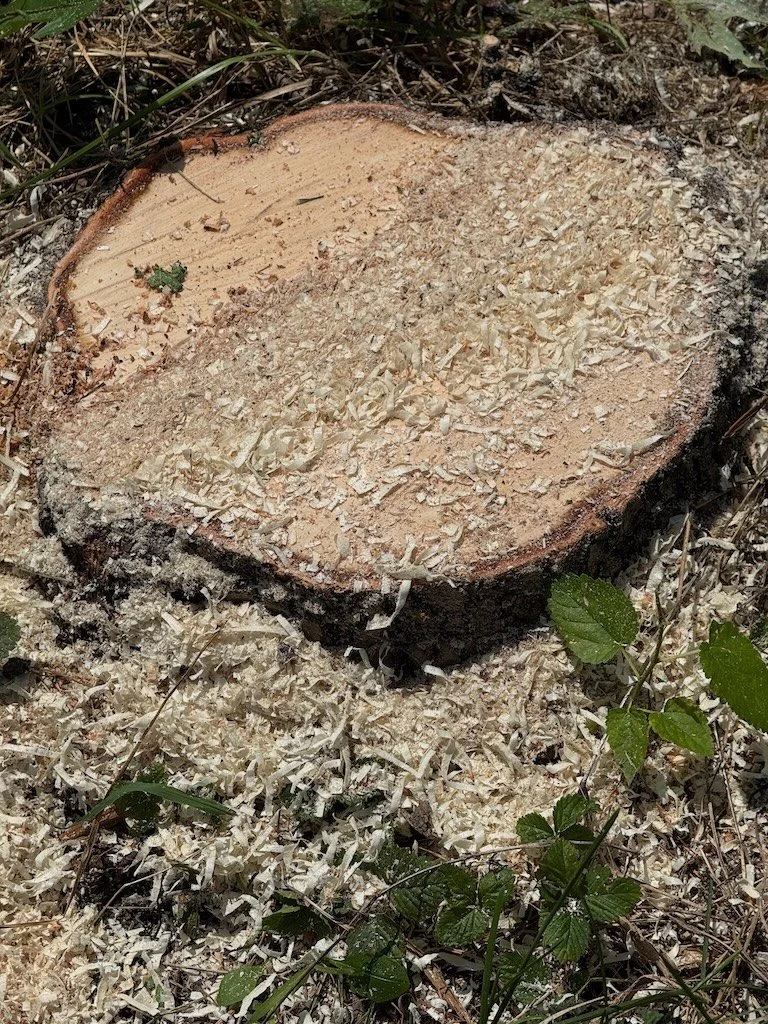
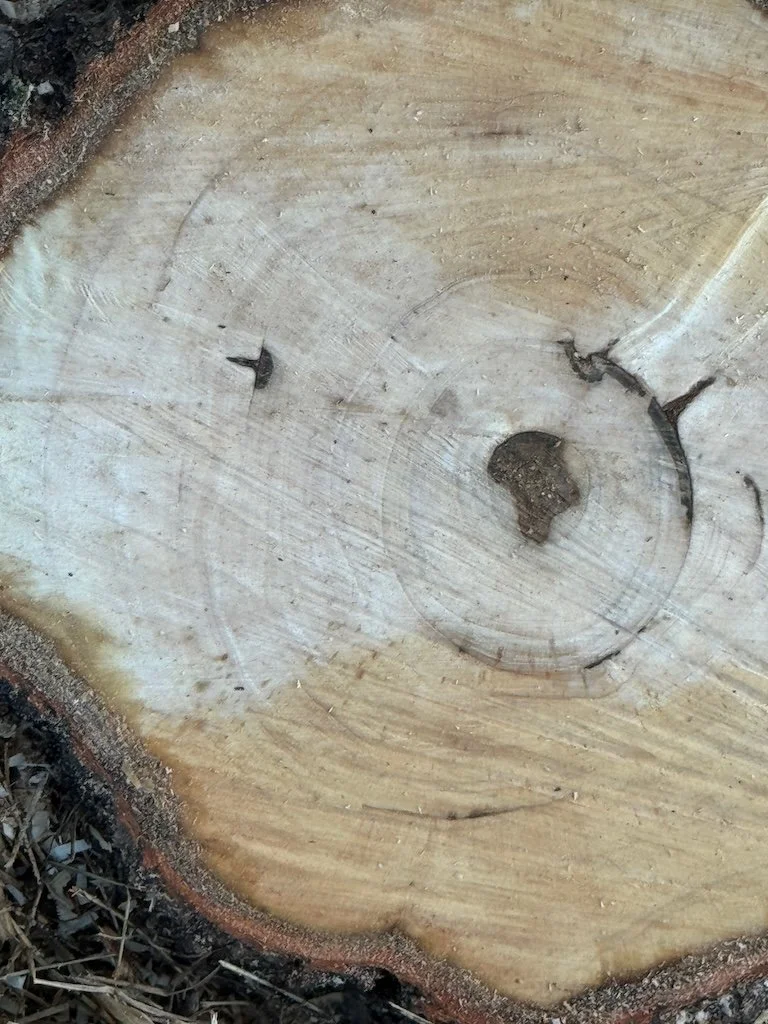
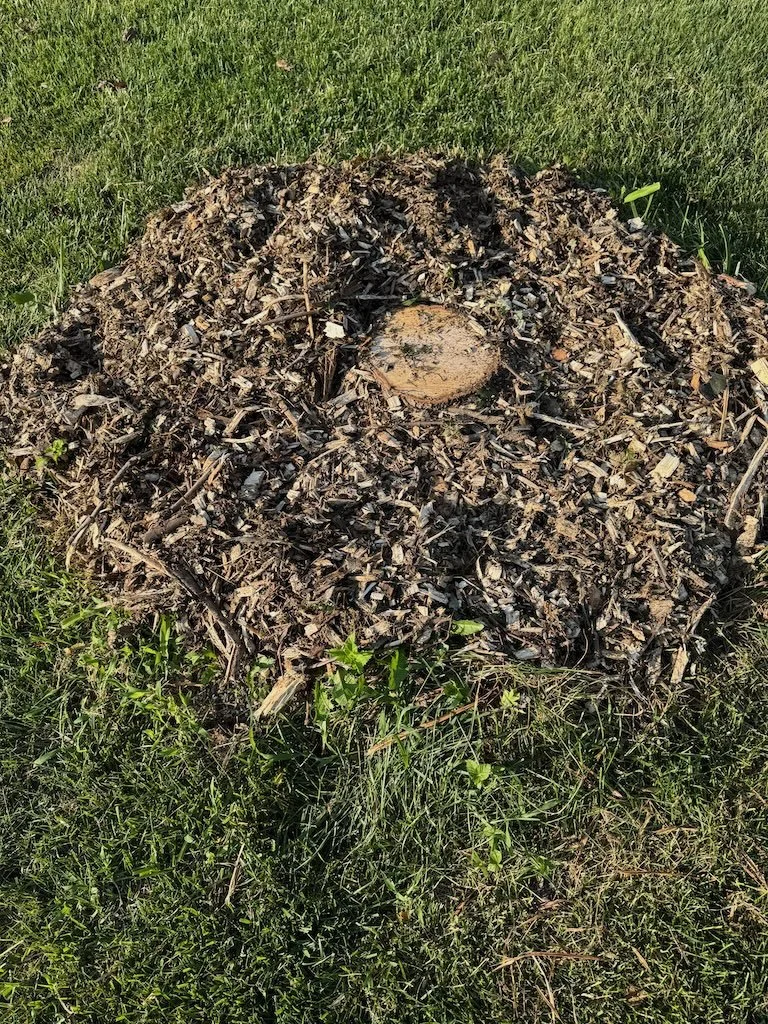
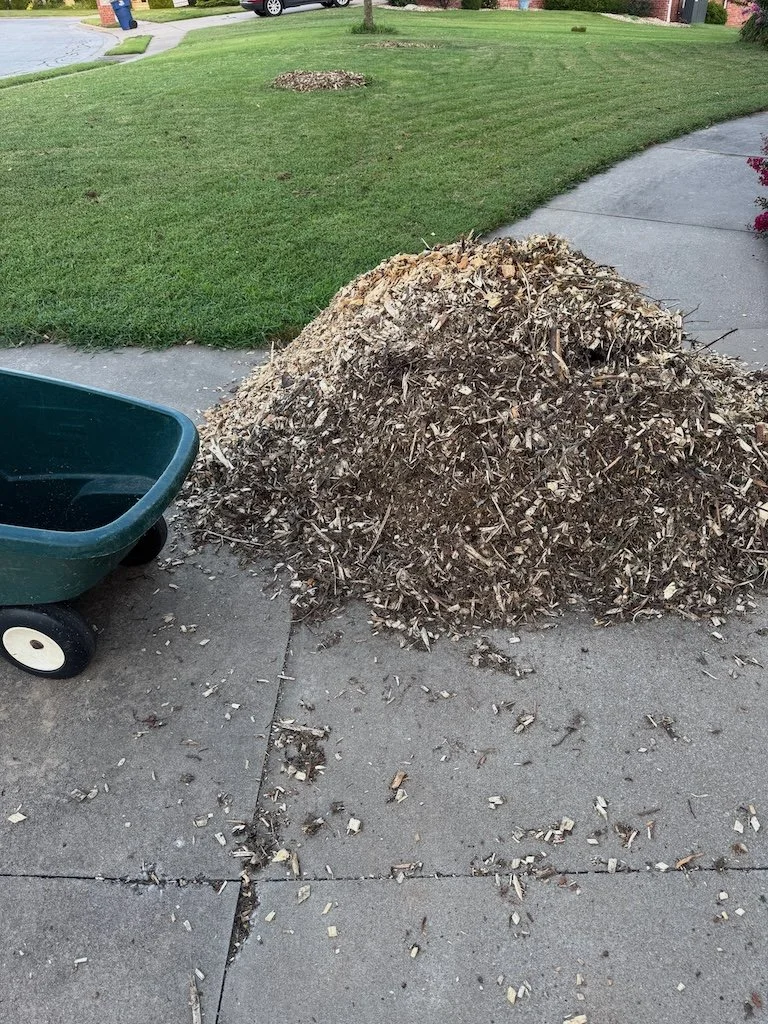
Our maple that was damaged by a storm in late June was cut down in late July.  All that was left was a stump surrounded by saw dust in our front yard and a pile of wood chips in our driveway. I dusted the stump off and discovered that I will need to sand it if I want to count the rings.

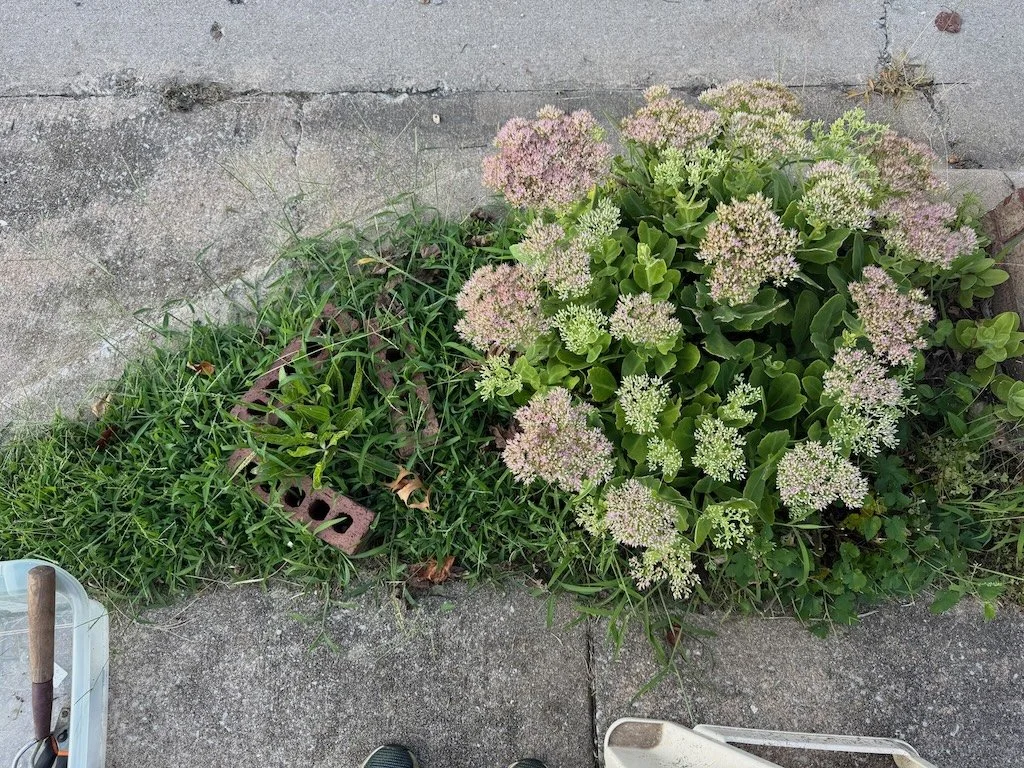
I had tentative plans for the wood chips, but they were left during a time when the heat and humidity was too high to work in the afternoon. All I got done the first morning after the tree was cut down was pulling the grass in the bed near my mailbox. I put as many wood chips as I could mash into the soil and surrounded the Missouri Evening Primrose with bricks. That project made a very small dent in pile.

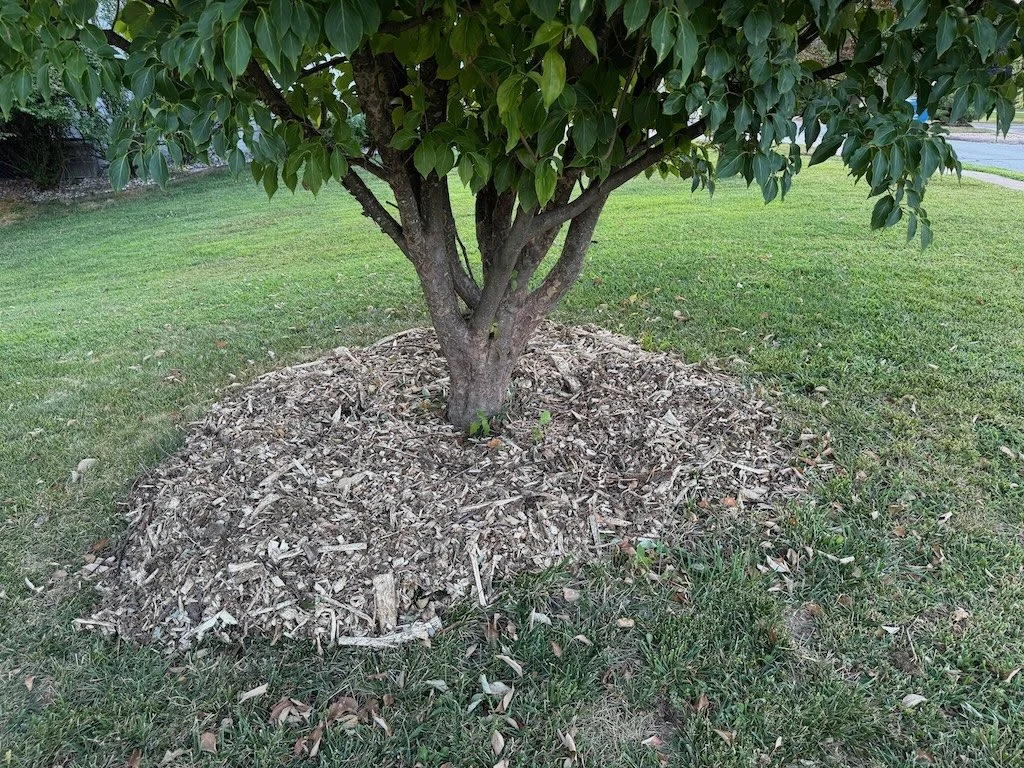
The second day I was able to work for about an hour before 8 AM (the only time of day it was cool enough!) and put mulch around the stump and a dogwood tree.

The third day my daughter came to help. We got more done with both of us to loading the wheelbarrow, dumping it, and spreading out the mulch.

Quite a lot went into a low place in my yard (a large tree must have been cut down there a few years prior to when we bought the house) where I plan to add some landscaping plants; the places where the lawn mower had scalped the grass down to dirt helped me define the extent of the bowl. And then there was the base of the remaining maple where more mulch could be spread. I will probably hire a crew to create a bed that connects all three areas and do my plantings in the fall.

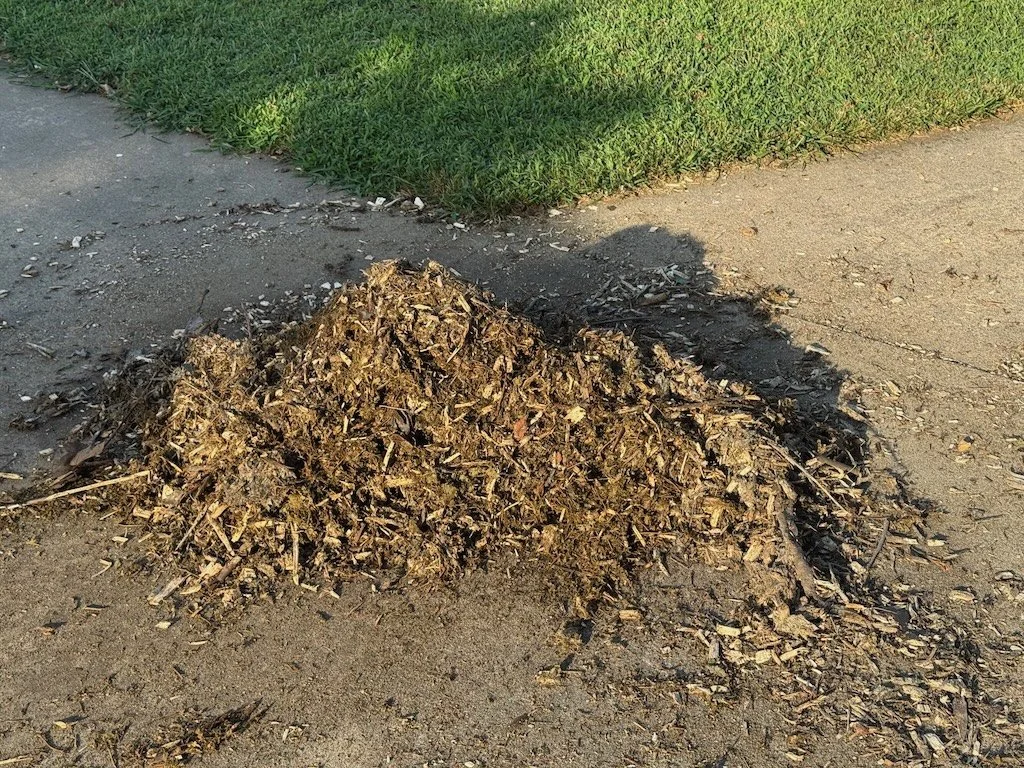
I had one more wheelbarrow and sweeping up the scattered chips left for the fourth day. The last wheelbarrow load were spread around the witch hazel I have planted in the backyard.

It took me about 4 hours to distribute all the wood chips. I’ve learned to drink a lot of water and pace myself when it is so hot and humid outside even in the morning. The 4 days allowed me to think more about what I want to do with the front yard too…and say goodbye to the maple as a tree knowing that its chips will stay close to where it grew.

Gleanings of the Week Ending August 2, 2025

The items below were ‘the cream’ of the articles and websites I found this past week. Click on the light green text to look at the article.

Introduction of Agriculture Didn't Immediately Alter Japanese Diets - Agriculture, rice, and millet were introduced to the Japanese islands from the Korean Peninsula around 3,000 years ago. Researchers recently examined plant residues on Final Jomon and Yayoi-period pottery from sites in northern Kyushu. The surprising results indicated that local culinary traditions changed very little after the crops were introduced to the island, as fish and seafood remained the primary foods.

Athens Is Reviving a 2,000-Year-Old Roman Aqueduct to Deliver Water to the City Amid Prolonged Droughts - If the Hadrian’s Aqueduct revitalization proves successful, it could become a model for other major cities experiencing water shortages. There are plans to expand in the other boroughs of Athens that the Hadrian Aqueduct runs through. But also, we have started a collaboration with another five or six cities in Europe that combine cultural heritage with water heritage to make more green, sustainable and livable cities.

Photography In the National Parks: Early Summer at White Sands National Park – Some good tips for photography when there is a lot of ‘white’ around! I remember trying in June of 2013 when I visited the place.

Teen bats are spawning new viruses—here’s why scientists are paying close attention - Juvenile bats frequently host multiple coronaviruses simultaneously—offering a real-time window into how new strains might arise. These findings, while involving non-human-infecting viruses, provide a powerful model to forecast how dangerous variants could eventually spill over into humans, especially as environmental pressures bring bats closer to human habitats.

Lentils Have More Protein Than Hamburger? - or a portion size of 100 grams, dry lentils have 23.6 grams of protein, with only 1.92 grams of fat. In case you are wondering, 100 grams is about 3.5 ounces. The amount of protein in “beef, ground, 80% lean meat” is 17.5 grams for the same portion size as the lentils! I’m going to look at some lentil recipes….add them into our meal plans.
A monumental 3,800-year-old warrior kurgan discovered in Azerbaijan - The burial chamber—2 meters wide, 6 meters long, and 3 meters deep—was divided into three symbolic sections: one for the human remains and weaponry, another for ceramic vessels, and a third intentionally left empty, possibly reflecting ritual beliefs about the soul’s journey in the afterlife.

China Breaks Ground on Colossal Dam Project in Asia’s Grand Canyon - A massive dam project in the Yarlung Tsangpo Grand Canyon in Tibet, the longest and deepest canyon in the world. Concerns are being raised about wildlife, electricity it produces being more expensive that comparable solar project, and the Chinese ability to withhold water or flood India in timed of conflict. The article did not discuss if there would be a risk for earthquakes as the weight of the water interacts with the geology of the canyon. Isn’t that area seismically active?

Arizona’s Declining Groundwater - For more than two decades, NASA satellites have peered beneath the surface and measured changes in the groundwater supplies of the Colorado River Basin. Based on these measurements, researchers report rapid and accelerating losses of groundwater in the basin’s underground aquifers between 2002 and 2024. About 68 percent of the losses occurred in the lower part of the basin, which lies mostly in Arizona. Irrigated agriculture consumes about 72 percent of Arizona’s available water supply; cities and industry account for 22 percent and 6 percent.

Mineral v chemical sunscreen: Which one should you be using? - UV exposure can lead to skin cancer, the most common type of cancer in countries including the US and the UK. If it spreads, the deadliest type, melanoma, has only a 35% five-year survival rate. The best sunscreen, experts say, is one you are happy to use!
Meet the Tuatara: New Zealand’s Bizarre Ancient Reptile - While the tuatara is related to snakes and lizards, the two reptilian groups diverged about 250 million years ago. That’s a long time in evolutionary terms. For context, humans are more closely related to kangaroos than tuatara are to lizards.

eBotanical Prints – July 2025

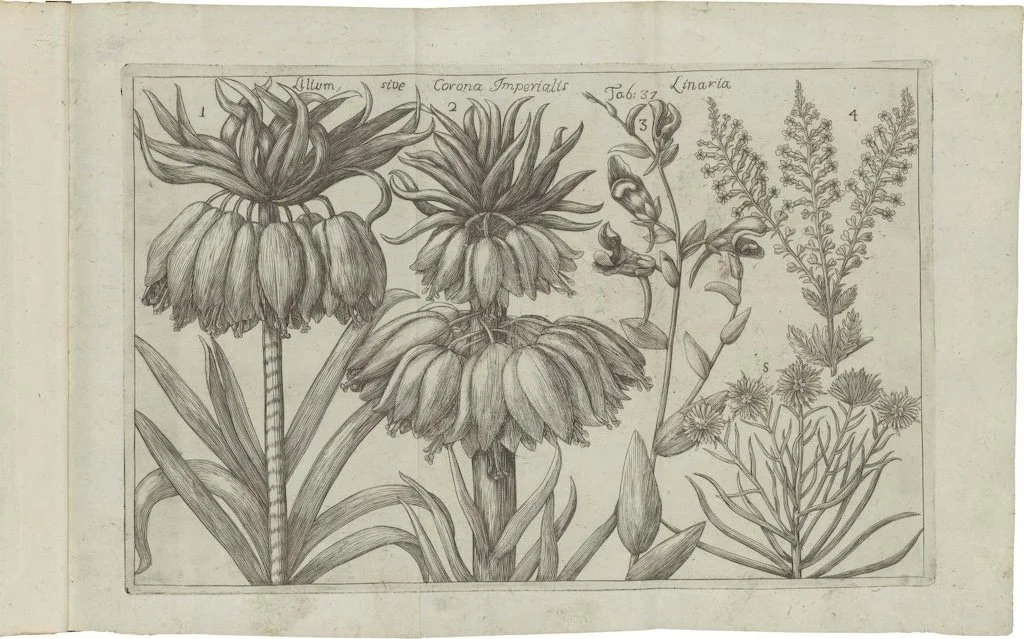
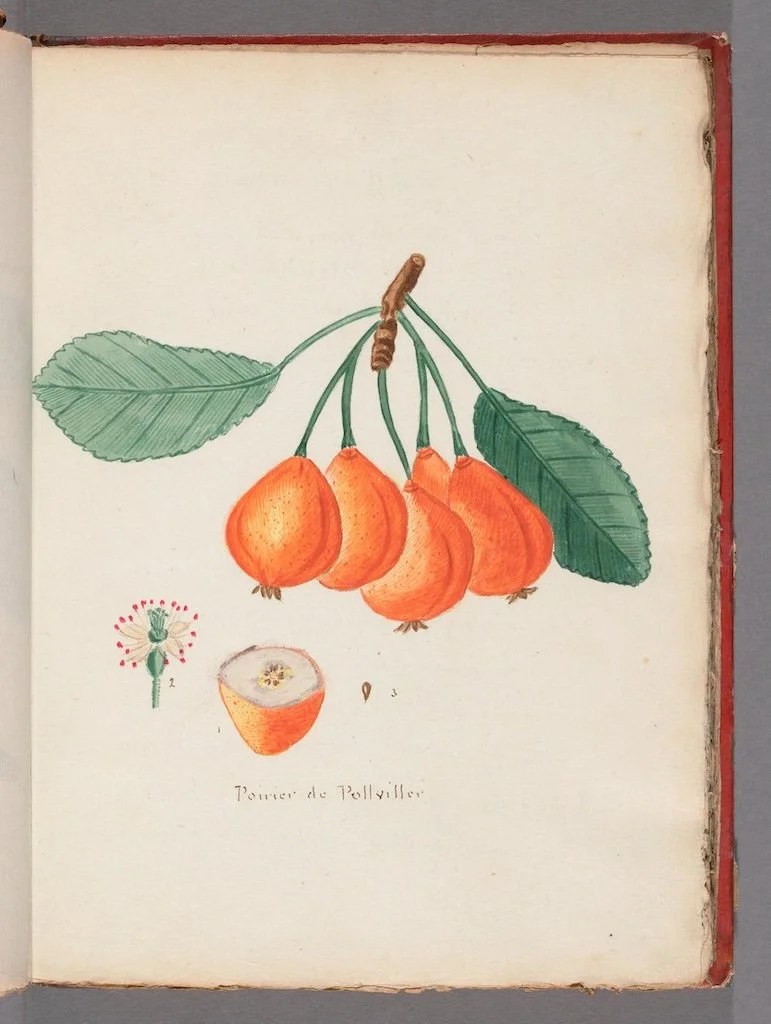
Twenty more books were added to my botanical print eBook collection in July - available for browsing on Internet Archive. Nine of the books were published in the 1800s, 4 in the 1700s, and 5 in the 1600s. All had colorful illustrations of plants.

My list of eBotanical Prints books now totals 3,163 eBooks I’ve browsed over the years. The whole list can be accessed here.

Click on any sample image from July’s 20 books below to get an enlarged version…and the title hyperlink in the list below the image mosaic to view the entire volume where there are a lot more botanical illustrations to browse.

Enjoy the July 2025 eBotanical Prints!

162 Drawings of Plants * Hamilton, Dame Ann * sample image * 1752

Collection of botanical studies * French School * sample image * 1820

Classe onzieme suite des plantes a fleur irreguliere composee de plusieurs feuilles ou nomme fleurs irregulieres polipetales * French School * sample image * 1700

An Album of Flowers * French School * sample image * 1790

Mongewell Flora * Bishop of Durham * sample image * 1807

Album de botanique V1 * Prevost-Hersant, Constant Amable * sample image * 1856

Album de botanique V2 * Prevost-Hersant, Constant Amable * sample image * 1856

Album of English plants * Pettman, M.  * sample image * 1841

Drawings for Mordant de Launay's Herbier général de l'amateur * Bessa, Pancrace * sample image * 1827

Delectus florae et faunae Brasiliensis jussu et auspiciis francisci i. austriae imperatoris investigatae * Mikan, Johann Christian * sample image * 1825

Getekende planten van rupelmonde V1 * Toulon, Martine Adriane Marie Van * sample image * 1823

Getekende planten van rupelmonde V2 * Toulon, Martine Adriane Marie Van * sample image * 1823

Getekende planten van rupelmonde V3 * Toulon, Martine Adriane Marie Van * sample image * 1823

An album of garden flowers and manuscript record book detailing plant purchases * Dutch school * sample image * 1680

Wild flowers of America * M, A.C. * sample image * 1879

Pharmacopoeus Insuleinsis 1789 * Decroix, Stanislaus * sample image * 1789

Botanical manuscript with 265 drawings of plants * Schmitz, Elizabeth Pieth * sample image * 1678

Dutch florilegium V1 * Withoos, Jan * sample image * 1670

Dutch florilegium V2 * Withoos, Jan * sample image * 1670

Dutch florilegium V3 * Withoos, Jan * sample image * 1670

Ten Little Celebrations – July 2025

July was a great month to be outdoors – even though it was very hot…plenty to celebrate.

Rescuing a large cecropia caterpillar from the trash. One of my morning shifts at the Butterfly House started with quite a surprise….finding a cecropia caterpillar in the trash while I was cleaning up before opening. I celebrated that I happened to look down before I threw in the messy paper towel…and could easily return the caterpillar to the table display.

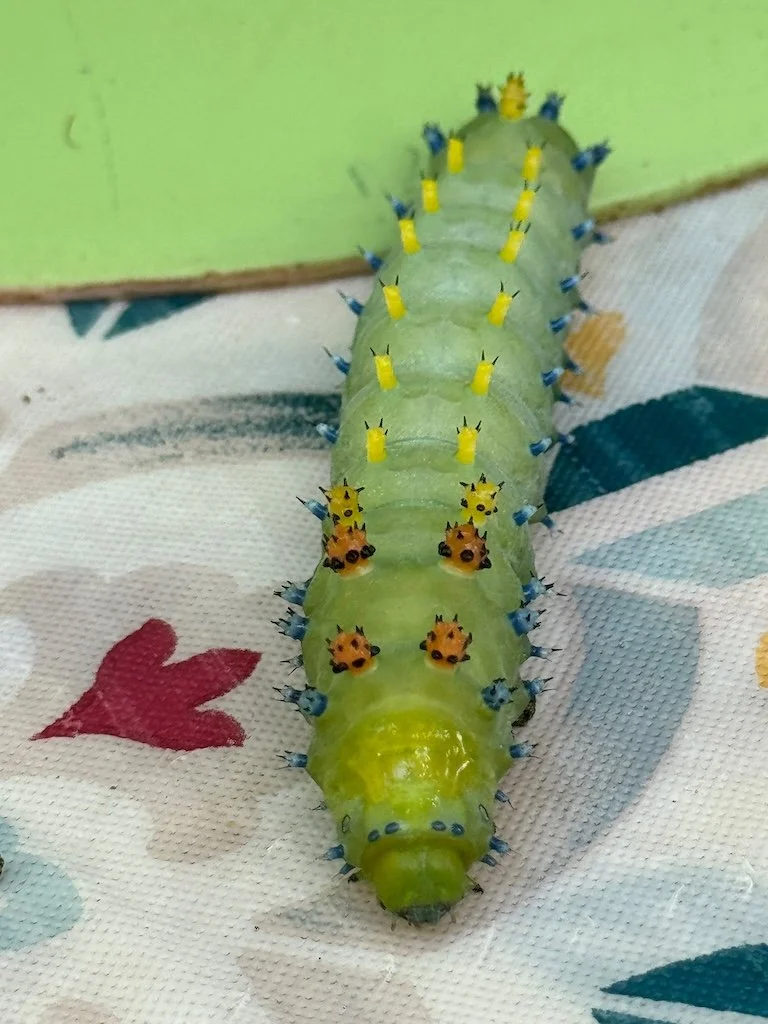
Luna caterpillars making cocoons. I celebrated when my 40 or so Luna Moth caterpillars started making their cocoons. When they were all large caterpillars, it was challenging to keep them sufficiently supplied with sweet gum leaves.

More and more cocoons…and then I took the last 4 Luna caterpillars to the Butterfly House. I celebrated some quite days with only rustlings from the pupa inside the cocoons.

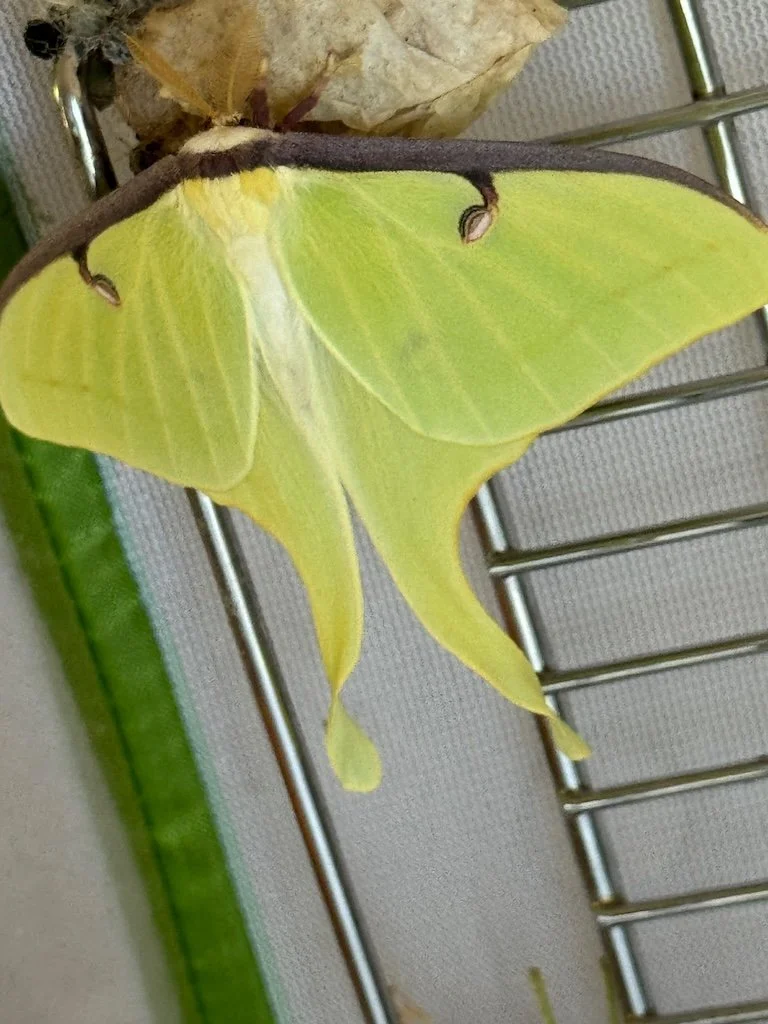
The first Luna Moths emerging. The first moths started to emerge…3 males in one day! I celebrated that so many of the cocoons seem viable too…so many more of these beautiful moths will be emerging soon.

A late afternoon barbeque picnic and evening mothing. I celebrated with a great meal with fellow Butterfly House docents…and then seeing how lights and sheets in the evening attract moths.

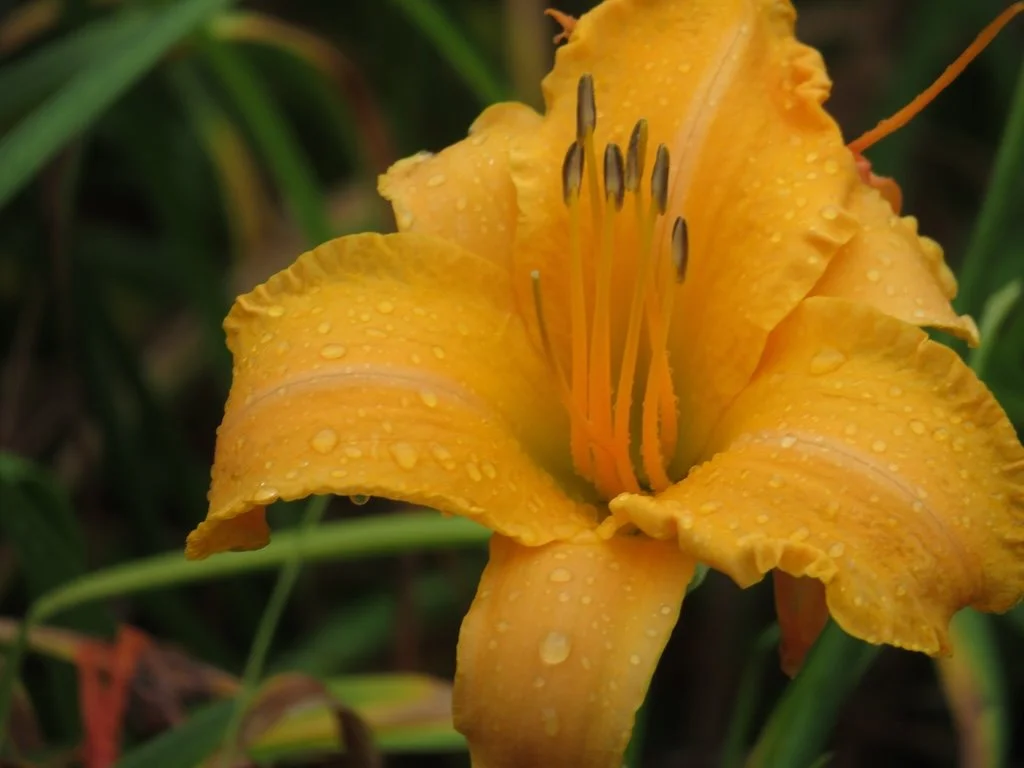
Dayl ilies at the Botanical. I celebrate the profusion of color and form of the day lilies every year about this time.

Finding S. Fred Prince’s The rainbow in the grass; wildflowers of the Marvel Cave Ozark. I was doing my usual look at botanical books for next month and happened upon this beautiful one from the early 1900s about the wildflowers in the Branson MO area….close to where I live!

Seeing cattle egrets. As I drove north from Dallas, I saw a flock of cattle egrets flying over the highway. It must be a good year for producing young.

Lake Springfield Boathouse Garden. My husband and I always enjoy the plantings around the building…and the walk down toward the field of wildflowers. We went early enough in the day that it wasn’t too hot.

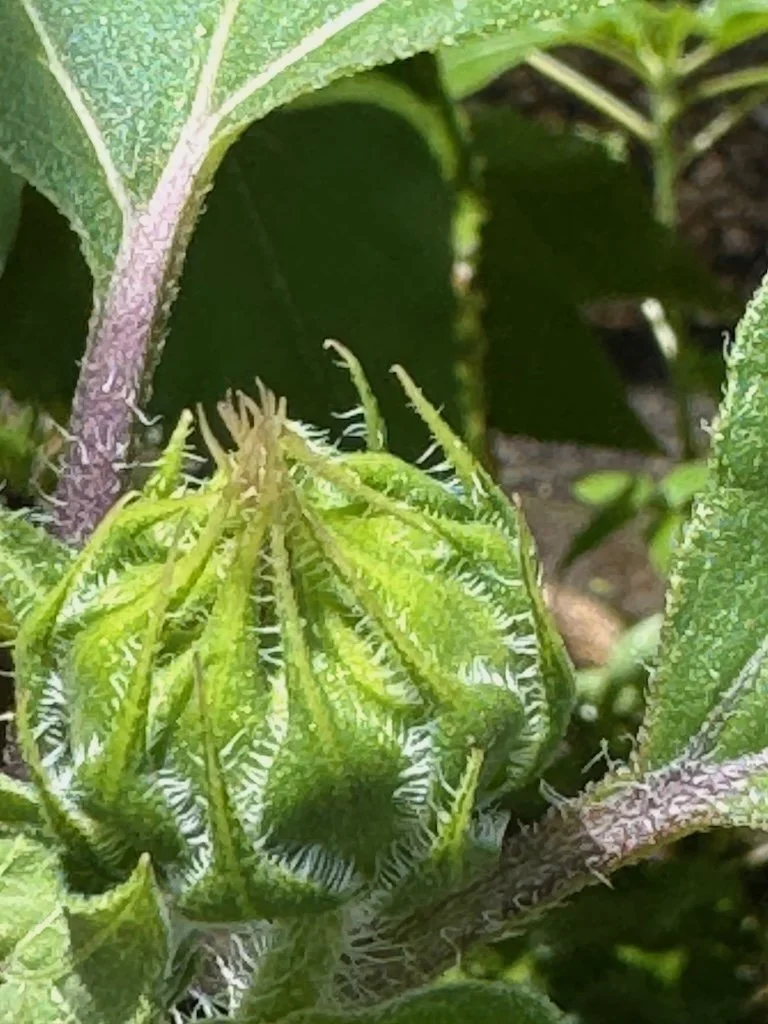
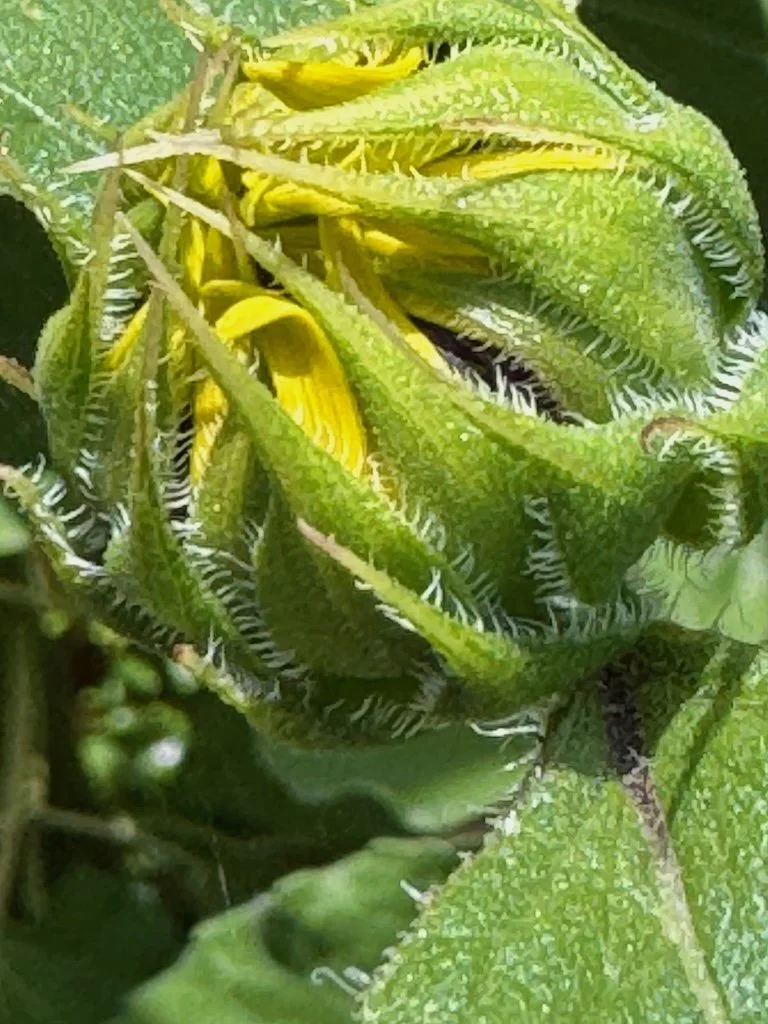
Sunflowers at the assisted living home. My sister planted sunflowers in a big pot (and some of the seeds must have spilled because several plants are growing in the soil next to the pot). I celebrated that they are thriving and the memory that my niece brought a sunflower seedling in a cup home from kindergarten, and my mother propagated them along the alley for years. That niece is getting ready to have her second child soon.

eBotanical Prints – June 2025 - updated

Twenty more books were added to my botanical print eBook collection in June - available for browsing on Internet Archive. Most books were published in the 1800s (14 of the 20) although there were 5 from the 1700s. The first book on the list - The Illustrated Garden: Books from the Missouri Botanical Garden, 1485–1855: An Exhibition at the Saint Louis Art Museum – was published in 2004 and is going to be a great reference and I continue to explore eBotantical Prints!

My list of eBotanical Prints books now totals 3,143 eBooks I’ve browsed over the years. The whole list can be accessed here.

Click on any sample image from June’s 20 books below to get an enlarged version…and the title hyperlink in the list below the image mosaic to view the entire volume where there are a lot more botanical illustrations to browse.

Enjoy the June 2025 eBotanical Prints!

The Illustrated Garden: Books from the Missouri Botanical Garden, 1485–1855: An Exhibition at the Saint Louis Art Museum * Herndon-sonsagra, Francesca * sample image * 2004

Album containing watercolors of plants * American School * sample image * 1881

Curiosites de la nature. des fleurs * French School * sample image * 1756

Four albums of flowers by an amateur artist and botanist V1 * English School * sample image * 1828

Four albums of flowers by an amateur artist and botanist V2 * English School * sample image * 1828

Four albums of flowers by an amateur artist and botanist V3 * English School * sample image * 1828

Four albums of flowers by an amateur artist and botanist V5 * English School * sample image * 1828

La natura, e coltura de' fiori fisicamente esposta in due trattati con nuove ragioni, osservazioni, e sperienze * Arena, Filippo * sample image * 1768

Roberti Icones Platarum V1 * Robert, Nicolas; Bosse, Abraham; Chastillon, Louis de * sample image * 1701

Roberti Icones Platarum V2 * Robert, Nicolas; Bosse, Abraham; Chastillon, Louis de * sample image * 1701

Nouveau Duhamel, ou, Traite des arbres et arbustes que l'on cultive en France V1 * Loiseleur-Deslongchamps, M. * sample image * 1812

Nouveau Duhamel, ou, Traite des arbres et arbustes que l'on cultive en France V2 * Loiseleur-Deslongchamps, M. * sample image * 1812

Nouveau Duhamel, ou, Traite des arbres et arbustes que l'on cultive en France V3 * Loiseleur-Deslongchamps, M. * sample image * 1812

Nouveau Duhamel, ou, Traite des arbres et arbustes que l'on cultive en France V4 * Loiseleur-Deslongchamps, M. * sample image * 1812

Nouveau Duhamel, ou, Traite des arbres et arbustes que l'on cultive en France V5 * Loiseleur-Deslongchamps, M. * sample image * 1812

Nouveau Duhamel, ou, Traite des arbres et arbustes que l'on cultive en France V6 * Loiseleur-Deslongchamps, M. * sample image * 1812

Nouveau Duhamel, ou, Traite des arbres et arbustes que l'on cultive en France V7 * Loiseleur-Deslongchamps, M. * sample image * 1812

Nouveau Duhamel, ou, Traite des arbres et arbustes que l'on cultive en France V8 * Loiseleur-Deslongchamps, M. * sample image * 1812

Collection du regne vegetal, arbres, forestiers et fruitiers, leurs fruits * Ledoulx, Pierre Francois; Verbrugge, Jean Charles; Ducq, Joseph Francois * sample image * 1831

A catalogue of English plants drawn after nature by Lady Frances Howard  * Howard, Lady Frances * sample image * 1766


Gleanings of the Week Ending July 26, 2025

The items below were ‘the cream’ of the articles and websites I found this past week. Click on the light green text to look at the article.

Greenland Sled Dog DNA Reveals a Story of Human Migration and Ancestry of the Unique Breed - The ancestors of the Inuit arrived in Greenland earlier than previously thought—potentially even before the arrival of the Vikings.

A Bird’s Eye View: Drones Search for Grassland Birds in Colorado - Drones have been used to survey animals from afar for years; this project borrows from those learnings for the novel —and challenging—task of detecting small-bodied, ground-nesting birds (Bobolinks) amid thick, tall grass, without disturbing the species of interest.

Hungary's oldest library is fighting to save 100,000 books from a beetle infestation - Tens of thousands of centuries-old books are being pulled from the shelves of a medieval abbey in Hungary to save them from a beetle infestation that could wipe out centuries of history. I wondered how many of the books have been scanned.

'Wobbly-tooth puberty': How children's brains change at six-years-old – A stage in which a child is constructing their identity, and they're trying to figure out who they are in relation to other people. The transformation includes a greater capacity to reflect on their feelings and modify them when needed, along with an "advanced theory of mind" that allows them to think more sophisticatedly about others' behaviors and respond appropriately. They also begin master the basics of rational enquiry and logical deduction, so that they can take more responsibility for their actions

How a hidden brain circuit fuels fibromyalgia, migraines, and PTSD - Scientists at the Salk Institute have discovered a hidden brain circuit that gives pain its emotional punch—essentially transforming ordinary discomfort into lasting misery. This breakthrough sheds light on why some people suffer more intensely than others from conditions like fibromyalgia, migraines, and PTSD. By identifying the exact group of neurons that link physical pain to emotional suffering, the researchers may have found a new target for treating chronic pain—without relying on addictive medications.

Greenland’s Bejeweled Ice Sheet - In spring 2025, jewel-toned points of blue began to appear on the white surface of the Greenland Ice Sheet. As summer arrived, they grew larger and more numerous, taking on unique shapes and occasionally forming connections. The colorful seasonal phenomenon is due to meltwater from snow and ice, which pools atop the ice sheet in places each melt season. An image from the Operational Land Imager-2 on NASA’s Landsat9.

Easter Island Was Far Less Isolated Than Previously Believed, Study Reveals - Earlier genetic studies in the 2010s laid the ground for the most recent investigation, showing that Easter Island was reached at least two times by the 14th century. Further influence arrived from pre-European South Americans, an interaction evidenced by the presence of sweet potatoes and the Birdman concept. This post is about the idea that after language, plants, animals, and material culture arrived on Easter Island from the west, monumental ritual architecture began traveling in the opposite direction.

In a First, Solar Was Europe’s Biggest Source of Power Last Month - Solar was the largest source of electricity in the EU in June, supplying a record 22 percent of the bloc’s power. Solar amounted to more than 40 percent of generation in the Netherlands and 35 percent in Greece. Analysts say that the June surge in solar power helped Europe weather a brutal heat wave, which saw temperatures soar upwards of 110 degrees F (43 degrees C). Last month was the warmest June on record in Europe, and scientists say that climate change played a key role in the heat wave, pushing temperatures to dangerous extremes.

Inequality has risen from 1970 to Trump − that has 3 hidden costs that undermine democracy – A thought provoking post. The author described 3 ways that the increase in inequality undermines democracy: 1. Fraying social bonds and livelihoods, 2. Increasing corruption in politics, 3. Undermining belief in the common good.

Honeybees remove 80% of pollen—leaving native bees with nothing - Our modern agricultural industry is so reliant on honeybees that humans have introduced them worldwide, and in many cases, they have escaped human management and risen to prominence in natural ecosystems as non-native, feral populations. And, like any other non-native organism, feral honeybees may perturb native ecosystems when they become sufficiently abundant.

Life Magazine in 1939

Internet Archive has digitized versions of many Life Magazines. I have been browsing through them – slowly since there was an issue for each week. As I looked at the issues from 1939, I thought about my parents in elementary school then. War was becoming more serious over the course of the year but Pearl Harbor was not until December 1941; the US was providing supplies but was not actually engaged in the war effort.

Life Magazine 1939-01-02 – Japanese Navy holds the Yangtze

Life Magazine 1939-01-09 – Very cold in Europe

Life Magazine 1939-01-16 – US Capitol building

Life Magazine 1939-01-23 – Scenes from Mexico

Life Magazine 1939-01-30 – Tourist trailers in Tampa municipal park

Life Magazine 1939-02-06 – American plane breaks speed records

Life Magazine 1939-02-13 – Fort Wayne house goes up in 1 hour 4 minutes

Life Magazine 1939-02-20 – Birthplaces of presidents

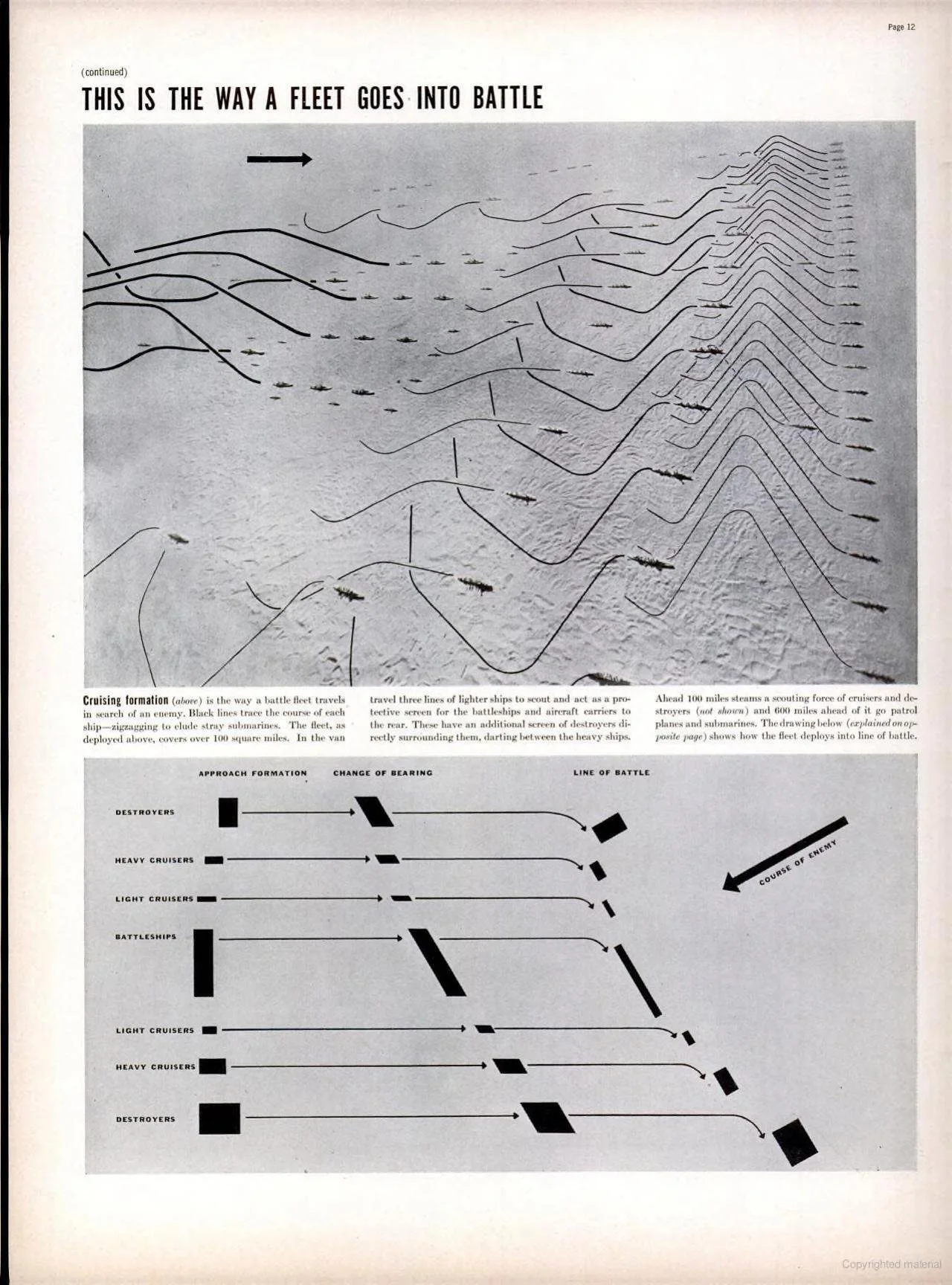
Life Magazine 1939-02-27 – This is the way the fleet goes to battle

Life Magazine 1939-03-06 – German battleship launched

Life Magazine 1939-03-13 – World’s Fair

Life Magazine 1939-03-20 - Goebbels

Life Magazine 1939-03-27 – Construction of “America” at Newport News shipyard

Life Magazine 1939-04-03 - Coelacanth

Life Magazine 1939-04-10 – Madrid falls and General Franco’s Spain joins the European dictatorships

Life Magazine 1939-04-17 – Britain’s defense against planes from continent

Life Magazine 1939-04-24 – Marian Anderson

Life Magazine 1939-05-01 – Louis Raemaekers drawings from WWI

Life Magazine 1939-05-08 – Burning ship in Le Havre

Life Magazine 1939-05-15 – British royal women

Life Magazine 1939-05-22 – Chicago fire affects the price of wheat

Life Magazine 1939-05-29 – Hyde Park and the Roosevelts

Life Magazine 1939-06-05 – Grand Coulee Dam

Life Magazine 1939-06-12 – Albert Switzer

Life Magazine 1939-06-19 – British royalty in Washington

Life Magazine 1939-06-26 – WWI trenches

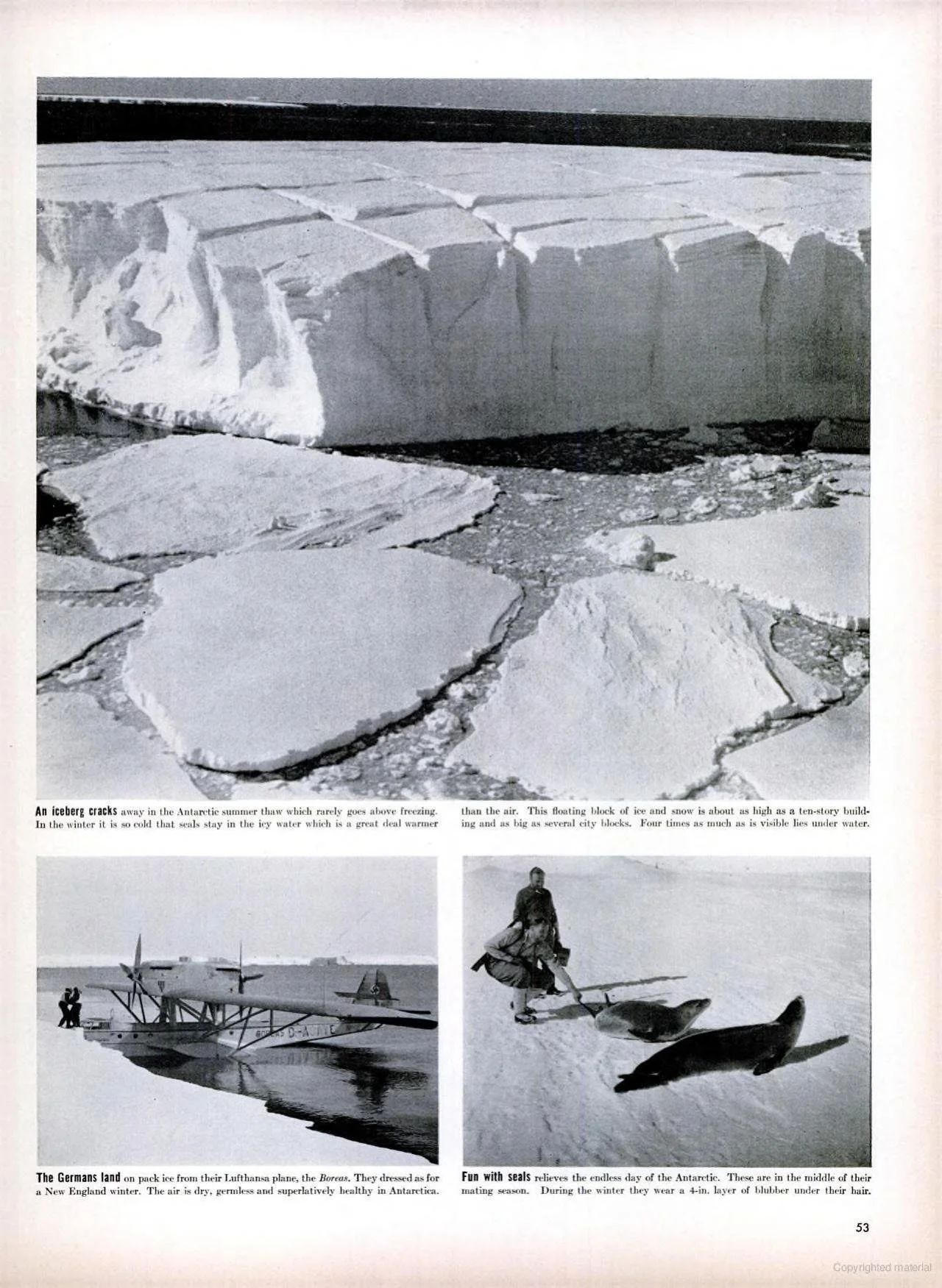
Life Magazine 1939-07-03 - Antarctica

Life Magazine 1939-07-10 – Emperor Hirohito

Life Magazine 1939-07-17 – Mount Rushmore and fireworks

Life Magazine 1939-07-24 – Coca-Cola ad

Life Magazine 1939-07-31 – Texaco Dealers (rest rooms registered)

Life Magazine 1939-08-07 – Japanese showing captured Russian tank and plane wreckage

Life Magazine 1939-08-14 – Bloody climax of U.A.W. Strike

Life Magazine 1939-08-21 – Concentration camps

Life Magazine 1939-08-28 – Wizard of Oz (technicolor)

Life Magazine 1939-09-04 – Madeline (children’s book)

Life Magazine 1939-09-11 – Salvaging the relics of WWI I France

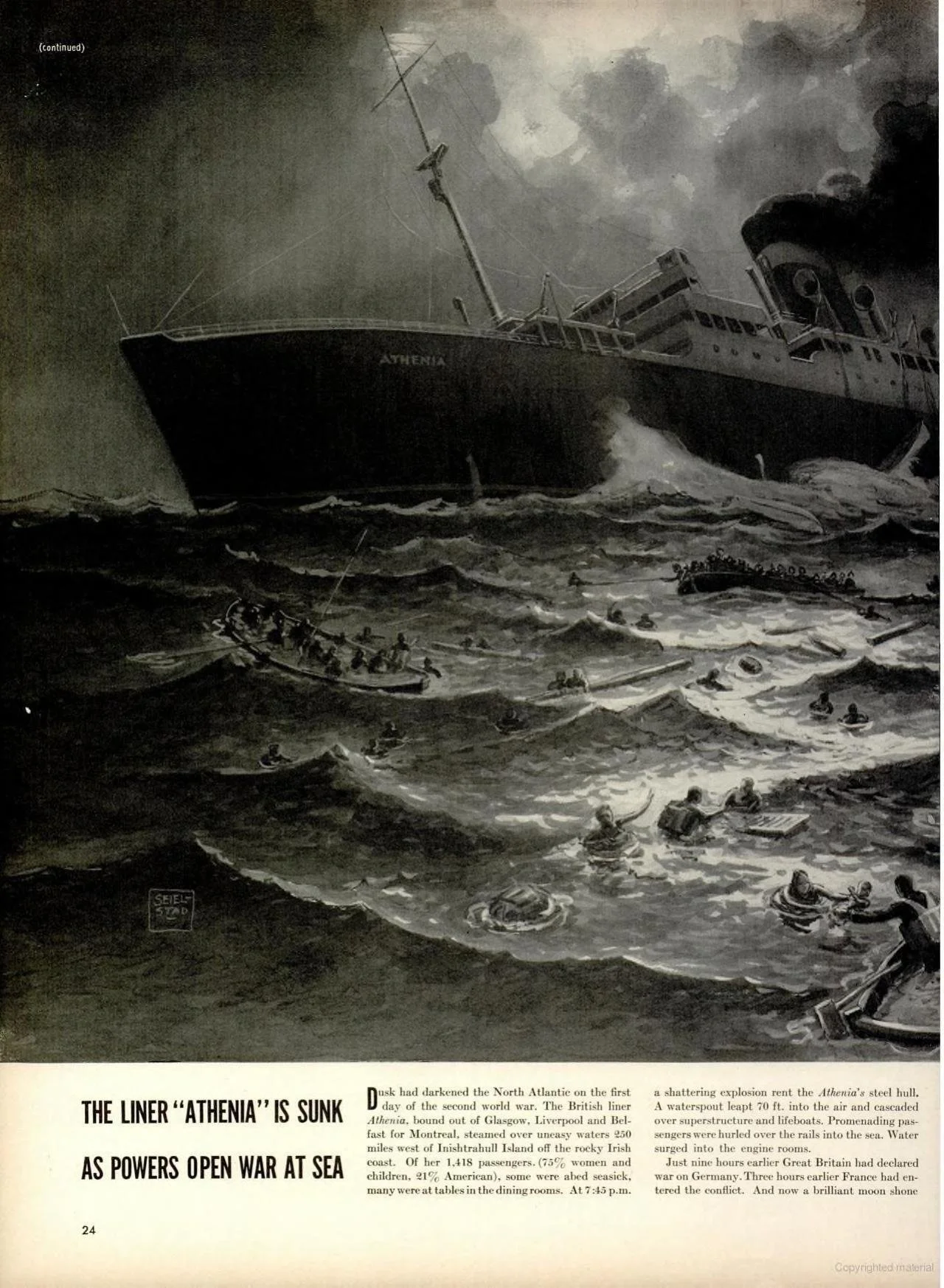
Life Magazine 1939-09-18 – Liner “Athenia” is sunk

Life Magazine 1939-09-25 – German leaves its mark

Life Magazine 1939-10-02 – The English take the war in their stride

Life Magazine 1939-10-09 – Queen Elizabeth looks over London’s air-raid precautions

Life Magazine 1939-10-16 – Hitler reviews German Army from plane

Life Magazine 1939-10-23 – Hitler and von Ribbentrop walking

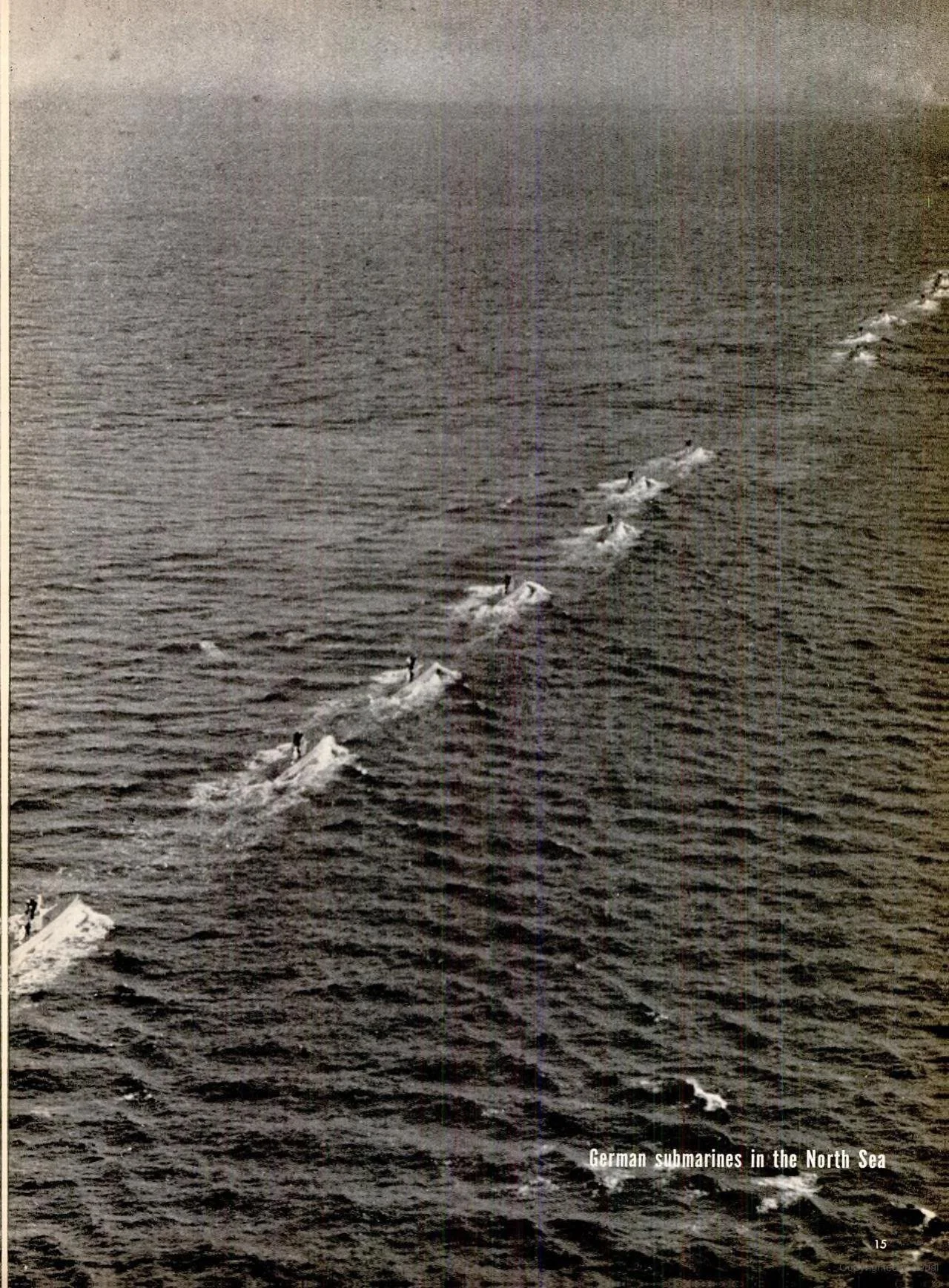
Life Magazine 1939-10-30 – German submarines in the North Sea

Life Magazine 1939-11-06 – 3 Ocean liners in New York

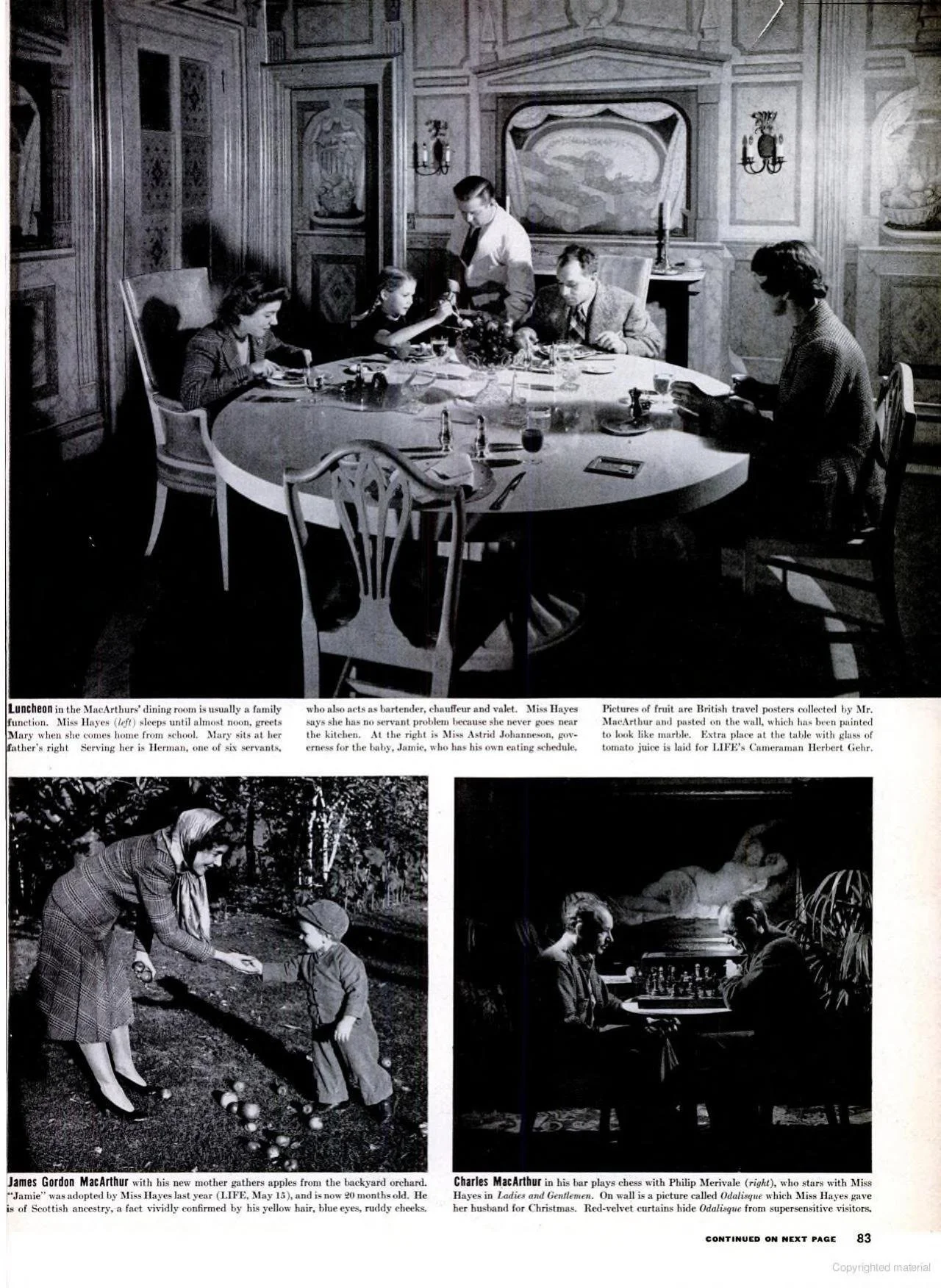
Life Magazine 1939-11-13 – Helen Hayes and family

Life Magazine 1939-11-20 – Nazi Bombers reach Scottish coast

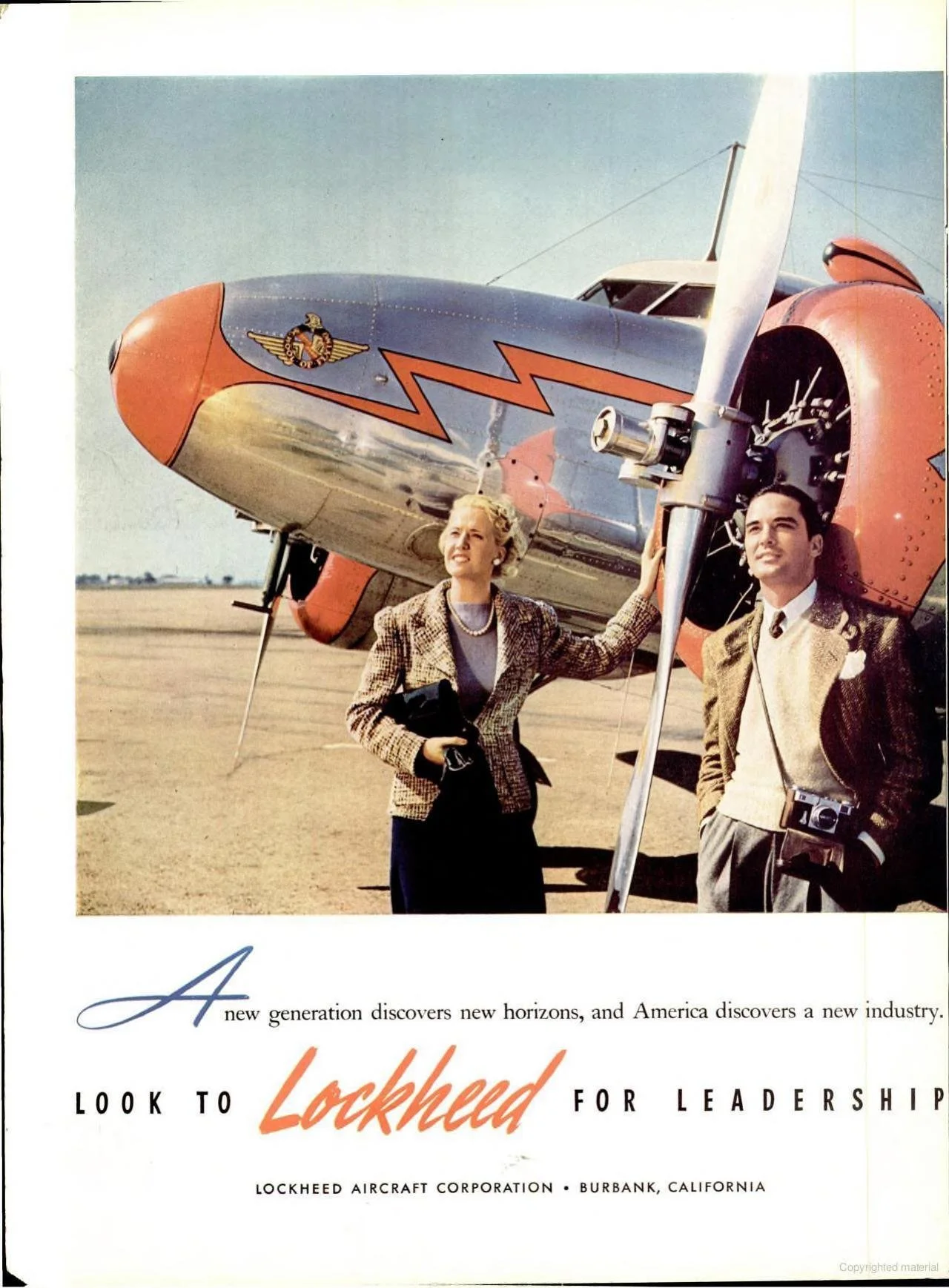
Life Magazine 1939-11-27 - Lockheed

Life Magazine 1939-12-04 – 6  of 140 Allied and neutral ships sunk in the war

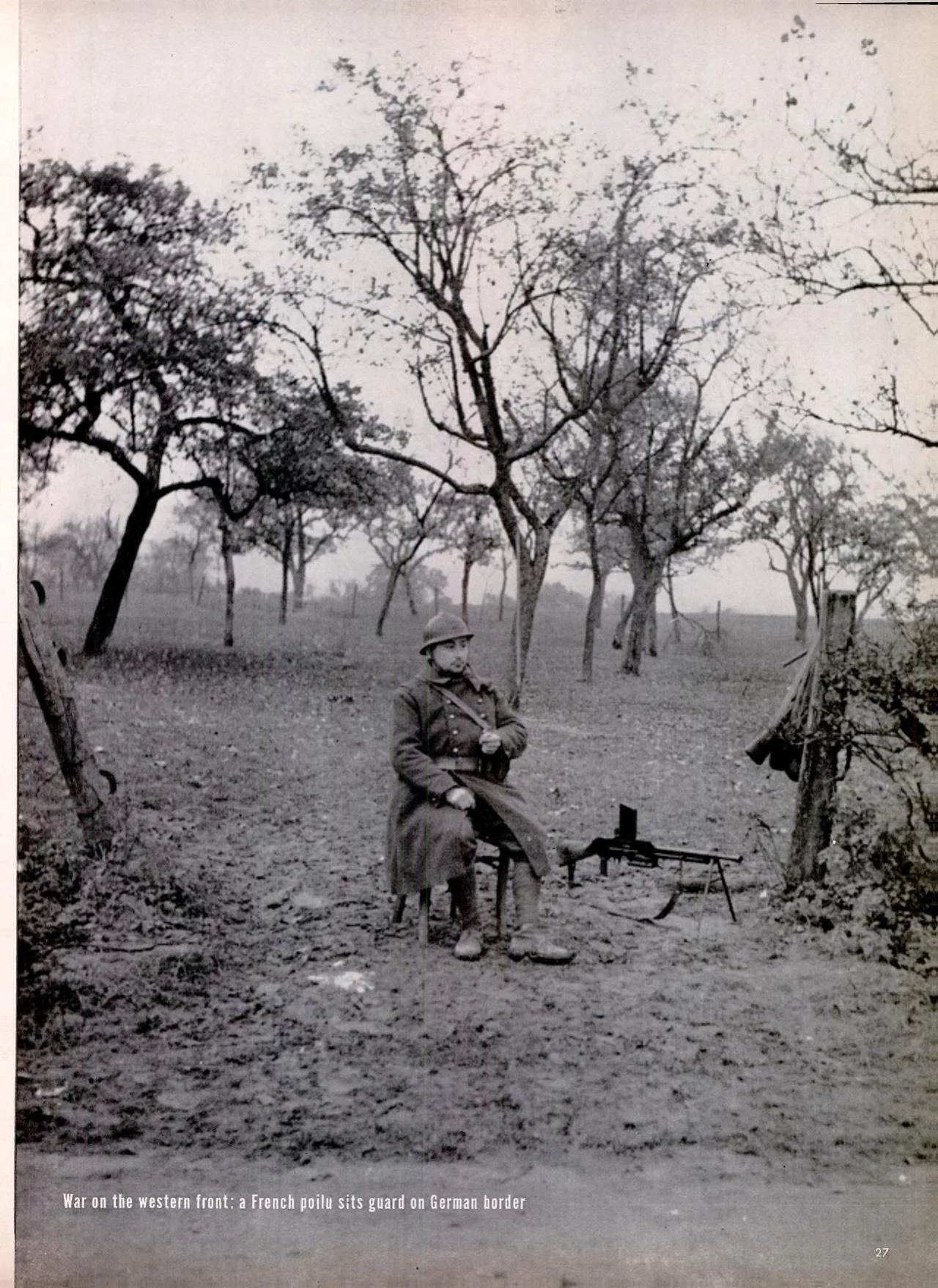
Life Magazine 1939-12-11 – French guard on German border

Life Magazine 1939-12-18 – Military inspired toys for Christmas

Life Magazine 1939-12-25 - High spots of “Gone with the Wind”

All or Mothing (1)

Last weekend, Friends of the (Springfield Botanical) Garden offered the docents for the Butterfly House a summer afternoon/evening treat - a potluck (with barbeque provided) and seeing what came to lights/sheets after dark. It was a place I had been for a field trip last fall during my Missouri Master Naturalist training (my posts about it: one, two) and I was excited to visit again. My husband came along this time, and I was glad that we were his car rather than mine (his has a higher clearance). The gravel rutted road that was the last leg seemed longer than I remembered!

There was an extreme heat warning for the day, so we didn’t do any hiking…sticking to the shady area around the cabin.

I photographed the moss on the shingles of the roof over the old well.

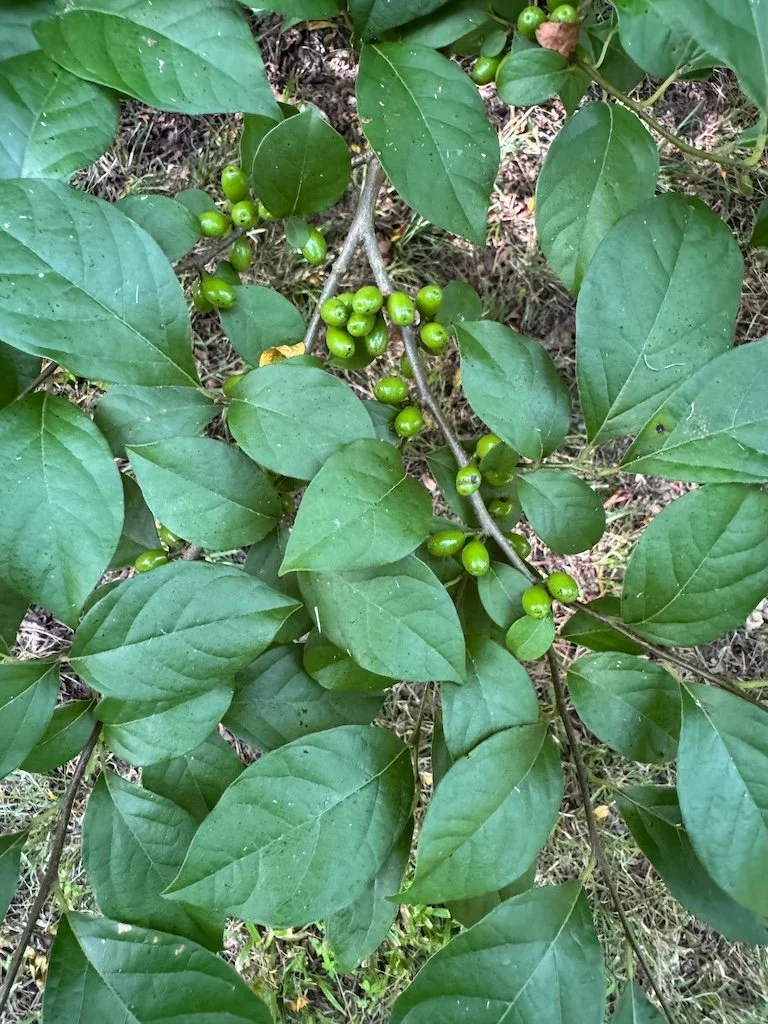
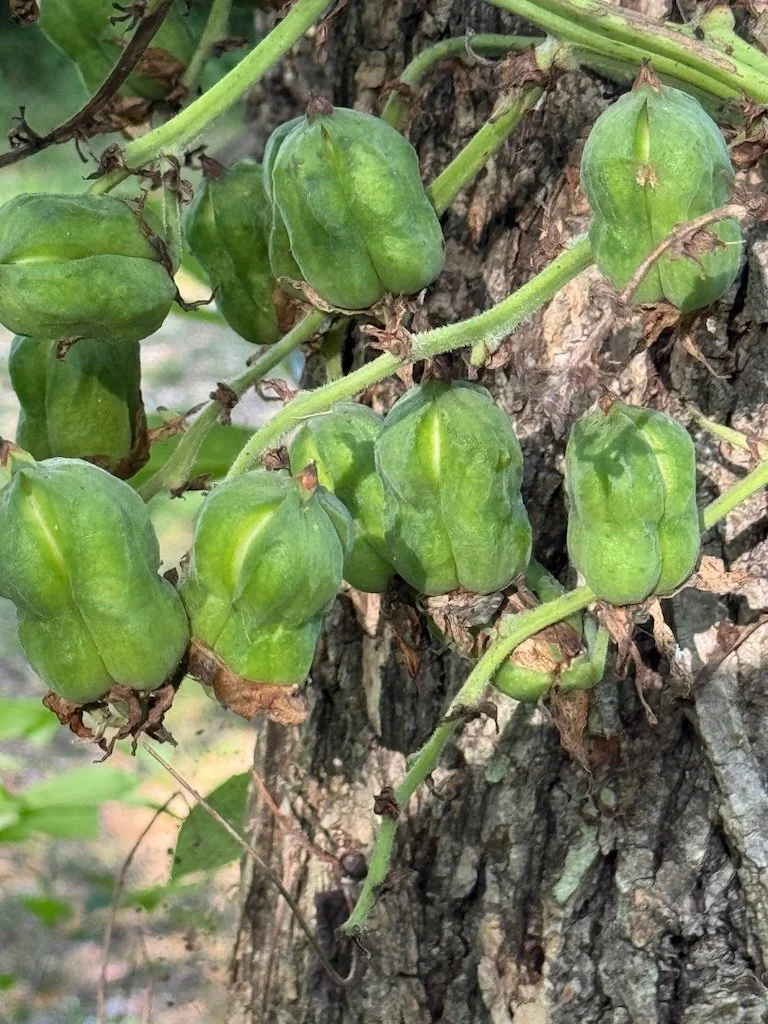
I remembered the spice bush from last fall; the fruit was red in the fall…still green now. The yucca pods were still green as well, but they are interesting shapes already.

To be continued…in a few days.

Road Trip to Dallas in July 2025

It was a very summery road trip to Dallas this month. The days started out warm and got very hot. I noticed that the temperature came down a few degrees after I exited from US75 in Dallas and drove into the neighborhood (went from 96 to 94). The 4 lanes of concrete in each direction….a wide concrete ribbon…created their own heat island. I was glad I could park in a shady place at the assisted living home and that I had packed my cosmetics in the ice chest along with the snacks!

I watered the plants in the small garden that my sisters have kept going for my dad. He was too worn out from a round of physical therapy to go out with me in the afternoon (and maybe that was for the best since it was so hot), but he did the next morning when it was only in the low 80s. I took some pictures of the sunflowers after I watered and he enjoyed being outdoors while his breakfast was prepared. He was less talkative than usual and didn’t seem to be able to hear or see the planes that taking off from Addison airport.

The Texas sage was blooming but it was not as showy as I remembered; it appeared that the plants in the median on Preston Road in Plano had been neatly trimmed at exactly the wrong time!

On the plus side, I saw a flock of cattle egrets as I drove north….just before I got to the Oklahoma border. They were so showy I noticed them even with the challenges of navigating through a lot of road construction. I’m thinking about making a trek to Hagerman National Wildlife Refuge on my next road trip…maybe see even more of the young egrets there.

Gleanings of the Week Ending July 19, 2025

The items below were ‘the cream’ of the articles and websites I found this past week. Click on the light green text to look at the article.

Doctors say we’ve been misled about weight and health - Doctors' advice about healthy eating and physical activity is still relevant as it may result in better health. The main goal is to offer good care irrespective of weight, which means not caring less but rather discussing benefits, harms, and what is important to the patient.

Let’s Consider a Couple of Workable Solutions to the Plastic Crisis – The first is to reduce the reliance on plastic shopping bags. Research shows that plastic bags were much less frequently found in beach litter where communities had implemented plastic bag policies. The second is green roofs in cities. Green roofs were shown to be more than capable of intercepting microplastics — at the rate of 97.5% efficiency for trapping microplastics from atmospheric deposition…..and roof areas make up 40-50% of urban impermeable areas.

Melting Glaciers Will Lead to More Volcanic Eruptions – New research from the Chilean Patagonia. Glaciers tend to suppress the volume of eruptions from the volcanoes beneath them. But as glaciers retreat due to climate change, the findings suggest these volcanoes go on to erupt more frequently and more explosively. According to a 2020 study, 245 of the world’s active volcanoes are within three miles of ice. 

A Partnership for a Healthier Appalachian Forest - The story of the southern Appalachians – and many forests across the United States – is one of widespread logging between the early 1900s and 1940s. That was followed by the “Smokey Bear era” of fire suppression. Now active management is the strategy including thinning, herbicide application and controlled burns.

The Vienna cemetery where endangered species and biodiversity thrive – 2.4 sq km (0.9 sq miles). The cemetery is home to European hamsters, Europea green toad, Alpine longhorn beetle, European ground squirrel, and Eurasian hoopee….and many other species.

Photos: Before-and-after satellite images show extent of Texas flooding destruction – It’s hard to fathom the scope of the destruction...and how fast the water rose in the darkness.

Florida Seniors Face Rising Homelessness Risk - Florida seniors make up a growing portion of the state’s unhoused population as the housing crisis continues. Cost of housing is increasing with institutional investors buying up land and insurance costs skyrocketing.

Researchers Unearth 3,500-Year Old Peruvian City with an Illustrious History - Probably a market hub, and that once connected Pacific coast communities with those in the Andes and Amazon thriving around the same time as early Middle Eastern and Asian civilizations. The urban center is known as Peñico and was founded between 1,800 and 1,500 B.C., experts said. It is near the location where the Caral civilization, said to be the oldest in the Americas first appeared 5,000 years ago. Following eight years of research, the experts classified as many as 18 structures including ceremonial temples and residential housing complexes. Sculptural reliefs and works showing the pututu, a conch shell trumpet can also be seen on some of the walls. Researchers also found clay sculptures of human and animal figures, as well as necklaces created with beads and seashells.

Emily Sargent’s Long-Hidden Watercolors Debut at the Met – John Singer Sargent’s younger sister watercolor paintings. They were lost for decades, until some of her relatives found a forgotten trunk in storage containing hundreds of her paintings.

Blast From the Past: Arizona’s Meteor Crater - Meteor Crater (also called Barringer Meteor Crater) is located between Flagstaff and Winslow on the Colorado Plateau as seen by the Operation Land Imager (OLI) on Landsat 8. I’ve seen it from the ground!