Gleanings of the Week Ending October 17, 2020

The items below were ‘the cream’ of the articles and websites I found this past week. Click on the light green text to look at the article.

Top 25 birds of the week: October 2020 – Starting out the weekly gleanings with birds.

Linking calorie restriction, body temperature and healthspan -- ScienceDaily – Interesting research. I went off on a tangent thinking about “up to half of what we eat every day is turned into energy simply to maintain our core body temperature.” Many people in the developed world spend the majority of time in temperature-controlled buildings or homes…and that means we probably expend a lot less calories warming or cooling ourselves than we did prior to efficient heating and cooling systems. Just one more way we are changing our environment in a way that will tweak our future evolution.

The super-adaptable chimps that can withstand climate change - BBC Future – I didn’t realize how many different habitats chimpanzees are found in…and that the ones that live in environments with greater seasonal change have more varied behaviors to respond to those changes than chimps that live in an environment that doesn’t change much.

Environmental Education Goes Virtual: Creating Meaningful Learning Opportunities at Home: The National Wildlife Federation Blog – So many good online resources…they’ve been developed over years but are probably getting a lot more use during this pandemic year.

It's Tarantula Season At Bandelier National Monument – I’ve not been to Bandelier during tarantula season! The last time I was there was in March 2005 and that was before I started taking a lot of pictures….this article reminded me that I want to go again. Maybe we’ll plan to go in the fall and be on the look out for the male tarantulas trying to find a mate. Here are a couple of pictures my husband took when we visited in 1980!

Are we living at the 'hinge of history'? - BBC Future – It’s difficult not to look at current trends and think the future will be a dystopian one with or without seeing this as a ‘hinge.’ The last paragraph was the best of the article: “So, while we do not know if our time will be the most influential or not, we can say with more certainty that we have increasing power to shape the lives and well-being of billions of people living tomorrow – for better and for worse. It will be for future historians to judge how wisely we used that influence.”

Why is America Running out of water? – Shortages are not everywhere…but there are places in the US that are already problematic…and there are a lot of people living in those areas.

Raptor Rescue: When Bird Injuries Warrant Rehab – This article was a good summary of things I’ve heard about before re injured birds.

Unusual climate conditions influenced WWI mortality and subsequent influenza pandemic -- ScienceDaily – Something new about the 1918 flu…torrential rains and unusually cold temperatures kept Mallard ducks from their normal migration…and thus spread the virus more broadly in the battlefields of the Western Front.

What 'net-zero carbon' really means for cities - BBC Future – Using London as an example: no/fewer cars and all transport EV, less concrete…more timber, buildings reused/retrofit, green roofs and walls, renewable energy, reduced waste through recycling and energy production, urban farms. It’s technology that exists now…and already is being applied…ramped up, of course.
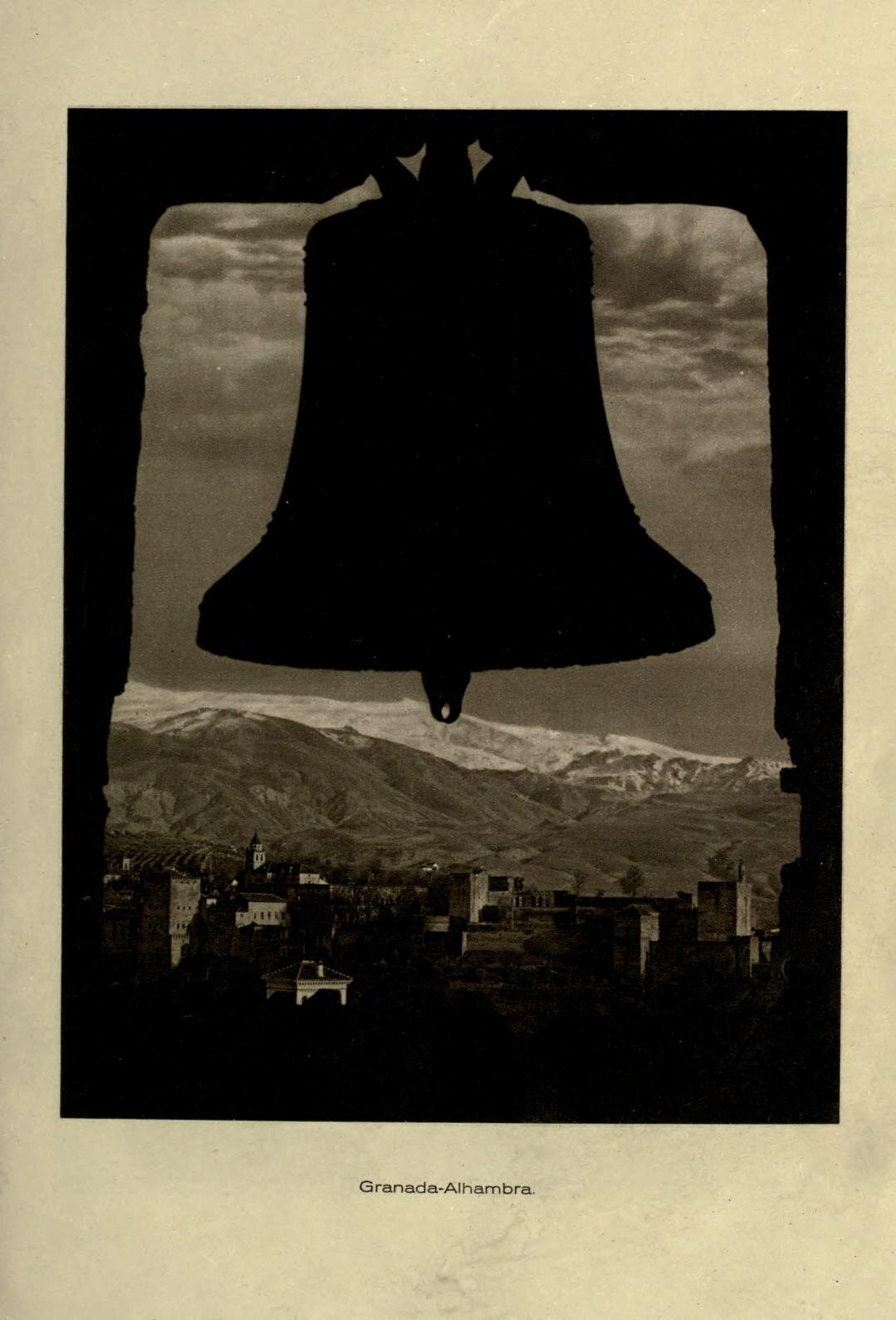
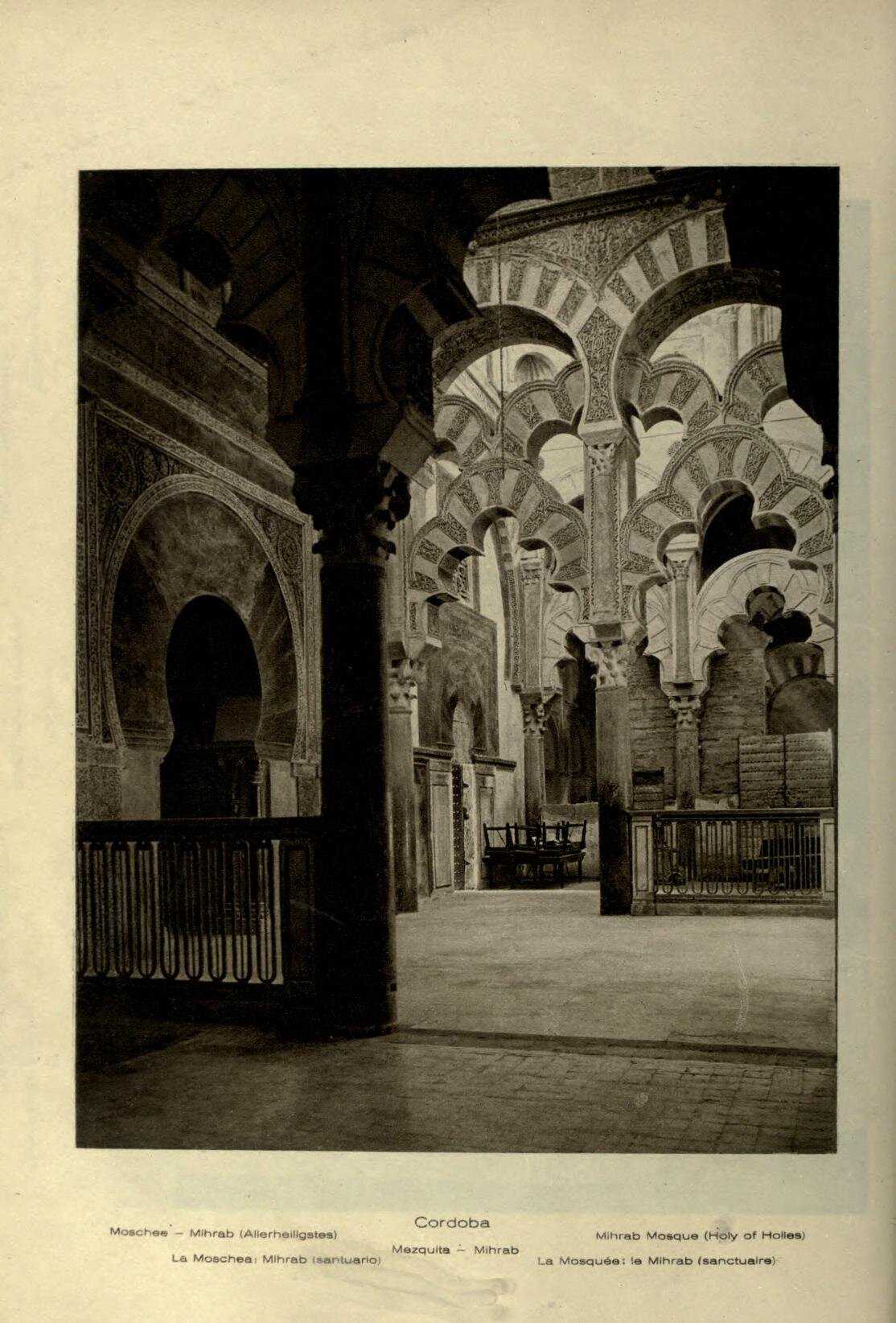
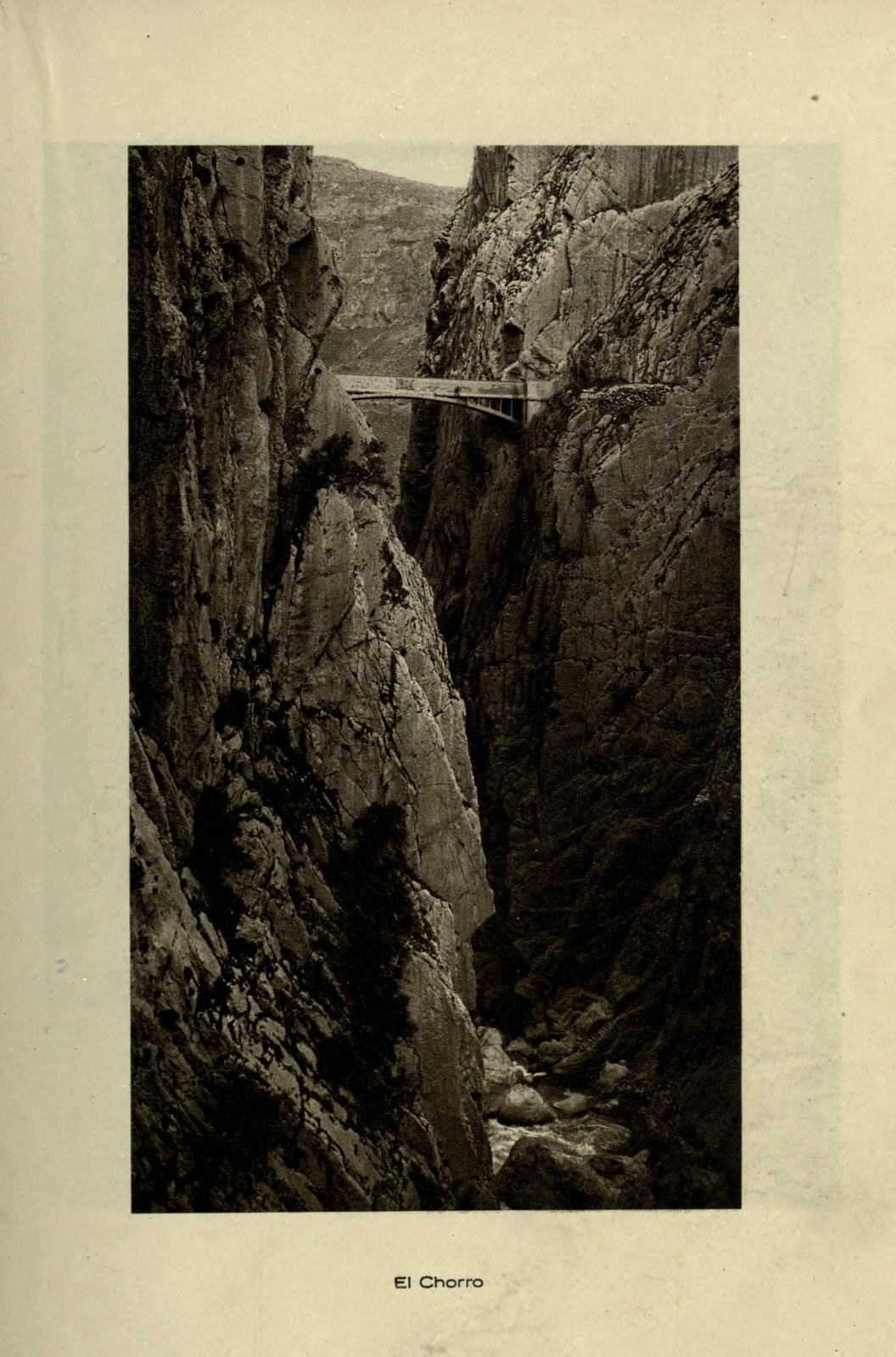
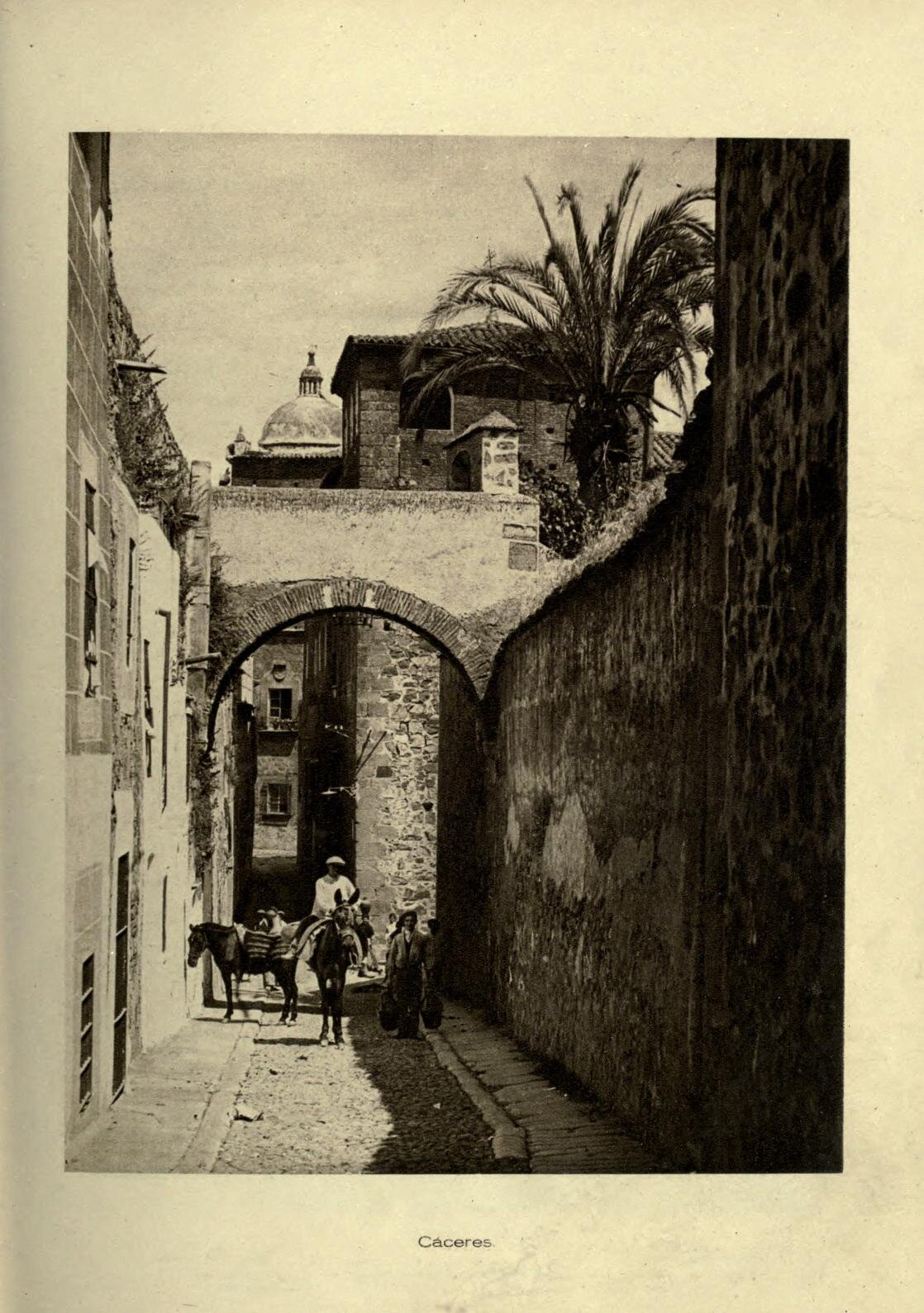
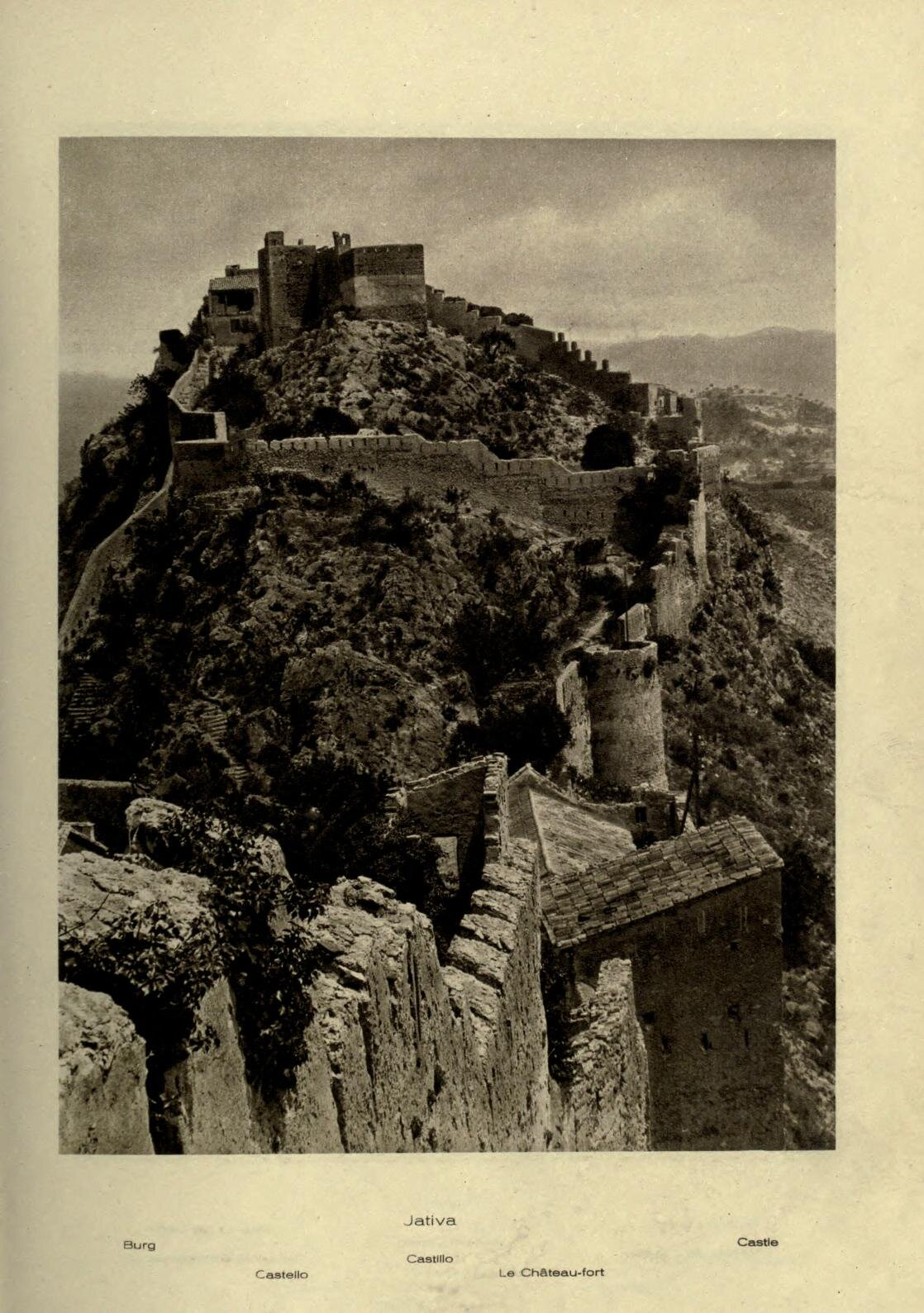
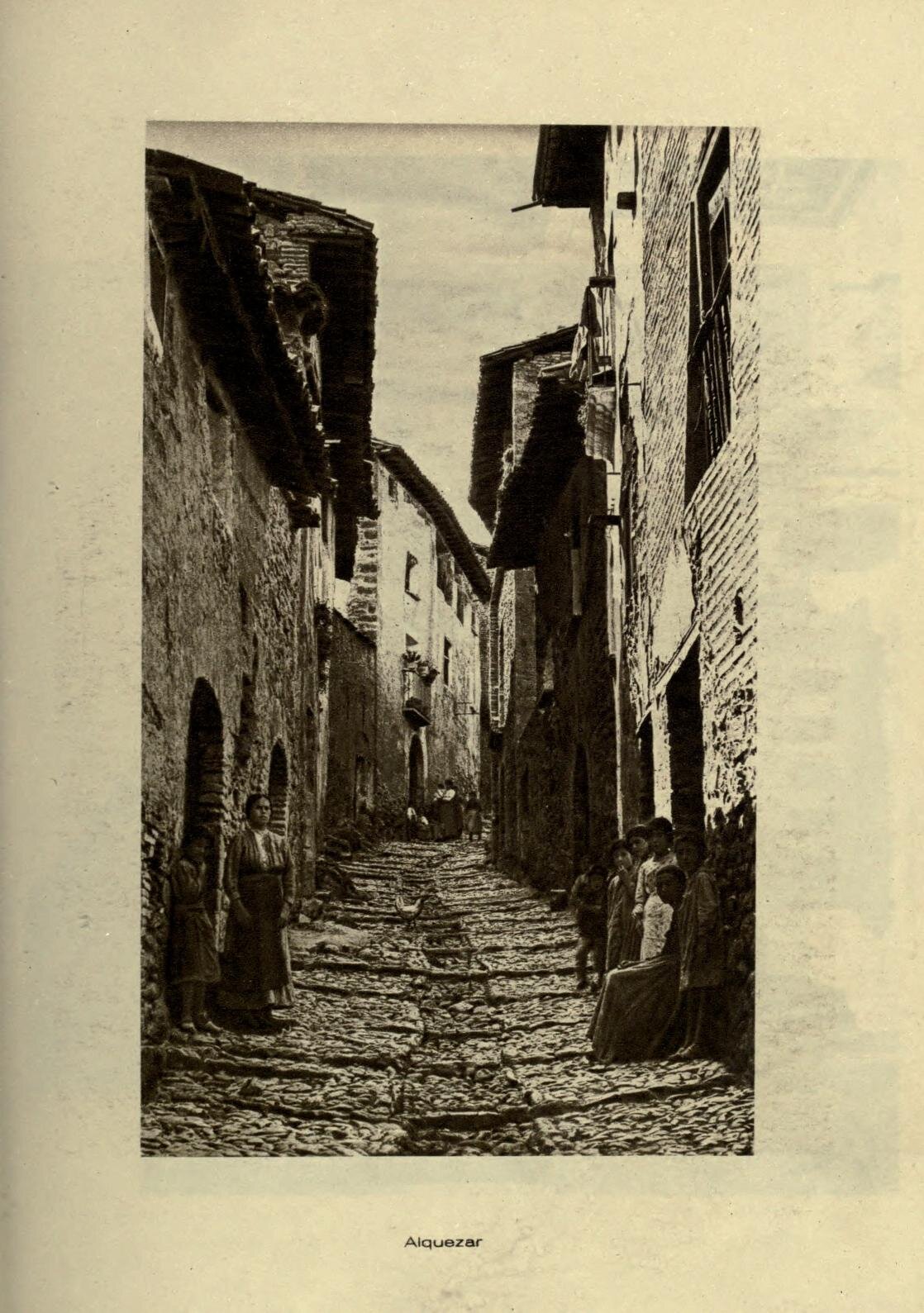
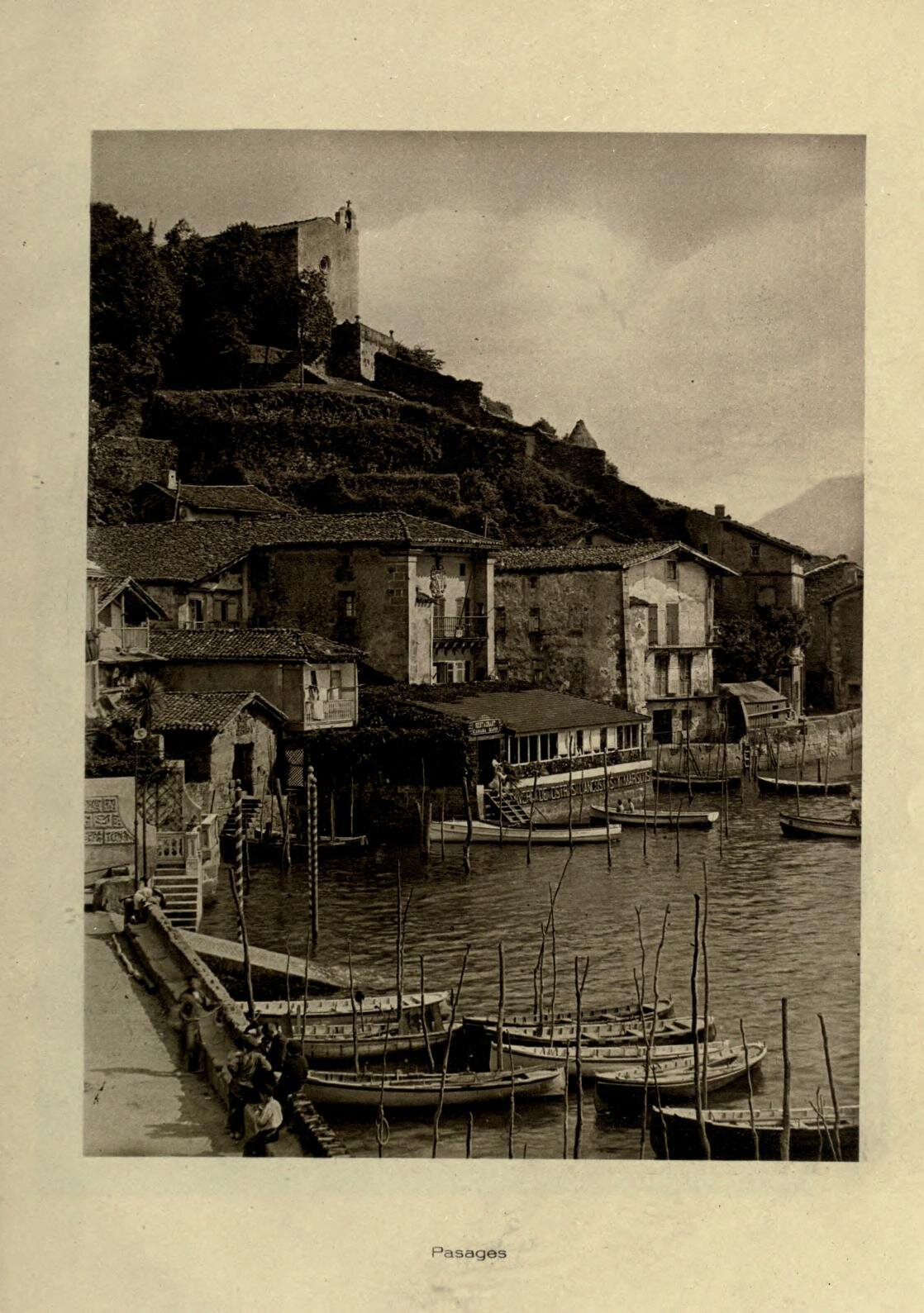
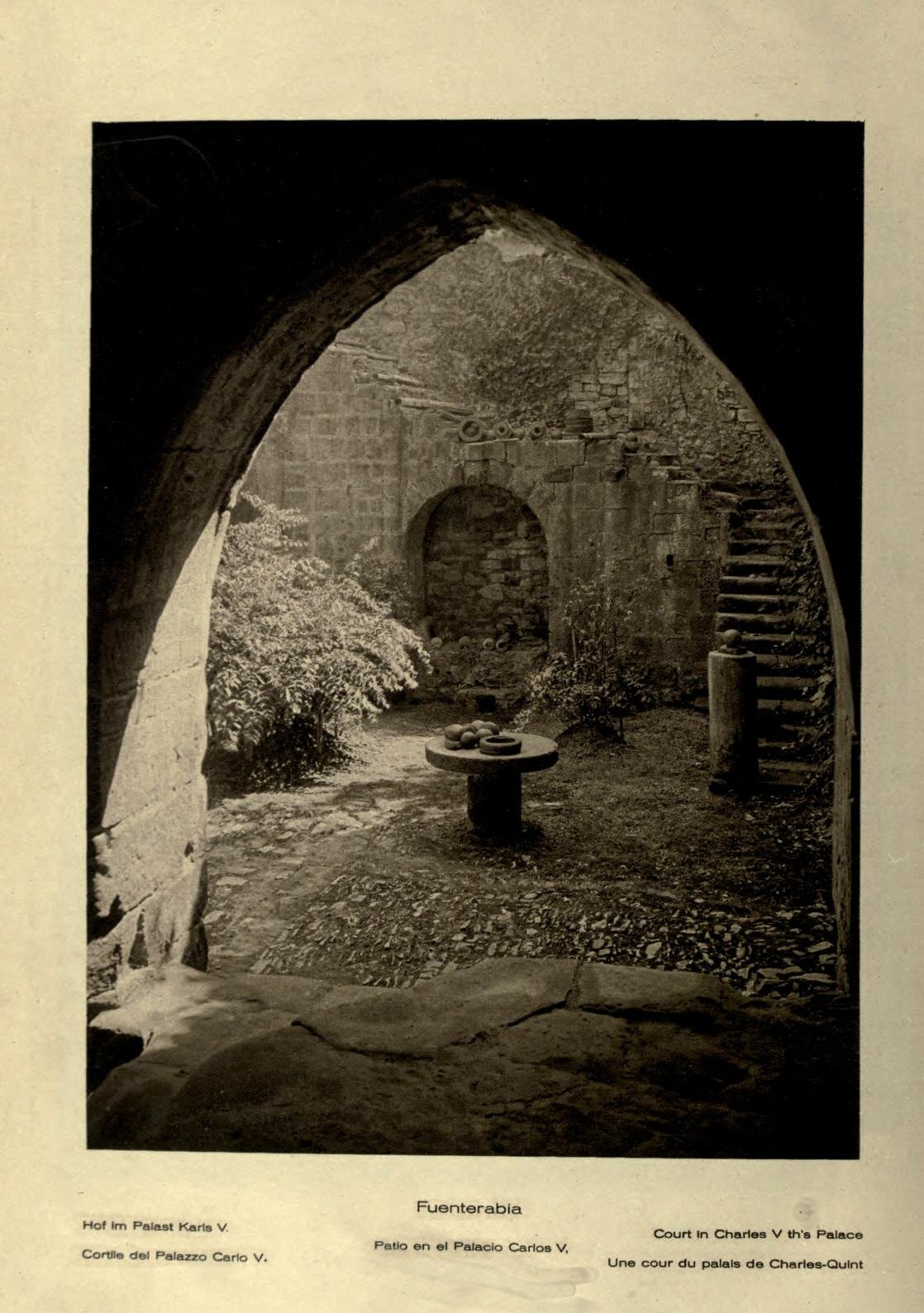
Picturesque Spain – in 1922

I enjoyed the 200+ pictures of Spain taken by Kurt Hielscher when he traveled the county beginning in the summer of 1914 then throughout World War I when he couldn’t leave. He published the photographs in 1922 in French, Italian and English editions. The books were very successful, and he went on to produce photographic records of Germany, Scandinavian countries, Italy, the Balkans, Austria, and Romania. He was one of the first photographers to make a living producing travel books. World War II curtailed/ended his travels and publications.

The first book – about Spain – is available from Internet Archive here. Hopefully more of his books will become available as eBooks as their copyright expires.

I’ve selected 8 sample images from the book….enjoy a little view into Spain in the early 1900s! (Use the arrows on the sides to move through the photos.)

7 Months in COVID-19 Pandemic

Today marks the 7th month since the WHO declared the COVID-19 pandemic. I started a monthly post taking stock of the impact on my day to day life back in July (previous posts: July, August, September). Here’s the one for the 7th month!

There were few ‘new’ activities for us in the past month:

Propane taxi. We are using our gas grill again! We were glad the service to get it delivered was available in our area since the pre-pandemic process required a lot of contact with other people to trade in the old tank and get the replacement.

Voting. We would have been voting at this time even without the pandemic but we requested a mail-in ballot and put it in a Maryland drop-box at a nearby early-voting place rather than voting in person. We are checking the ‘status’ online; right now they are listed as ‘received’ and we anticipate that they’ll be ‘accepted sometime after the 12th when our country begins counting.

Conowingo field trip. We ventured out on a short road trip to Conowingo Dam which is a little over an hour from our house. It was the first time since February for an outing like this. It was good to get outdoors in a place other than the immediate neighborhood where we live….and we did some bird photography. It turned out to be very easy to wear our masks the whole time we were out of the car and we had plenty of hand sanitizer. The visitor center was open; everyone wore masks, and the bathrooms were clean/well supplied (as they were pre-pandemic too).

Gathering a pile of stuff to donate…to be picked up from our front porch. Charities are beginning to pick up donations again in our area. I have accumulated a pile of stuff and realize there is a lot more that I am willing to part with. The key decision questions for me are:

  • Have I used it in the past year?

  • Does it give me joy?

20201011_113734.jpg

Indian corn on the front door. I put the three ears of Indian Corn we’ve had for years on the front door to provide some seasonal decoration. There are some fall related chores as well like mowing the leaves that are falling. I have ended the work in the flower beds and brush piles to let overwintering critters settle in; most of what’s in the beds will be easy to clear away in the spring when the early spring flowers start to emerge.

Overall the ‘new’ activities, have continued our strategy of choosing low risk ways to go about our lives. There are things that we’ve continued -
  • Cape May Fall Festival (virtual). The fall is full of birding festivals that have gone virtual. The Cape May event was intense and we learned a lot….are all ready to go in person sometime in the future. There are others coming up that we are looking forward to. These have become our alternative to travel during the pandemic.

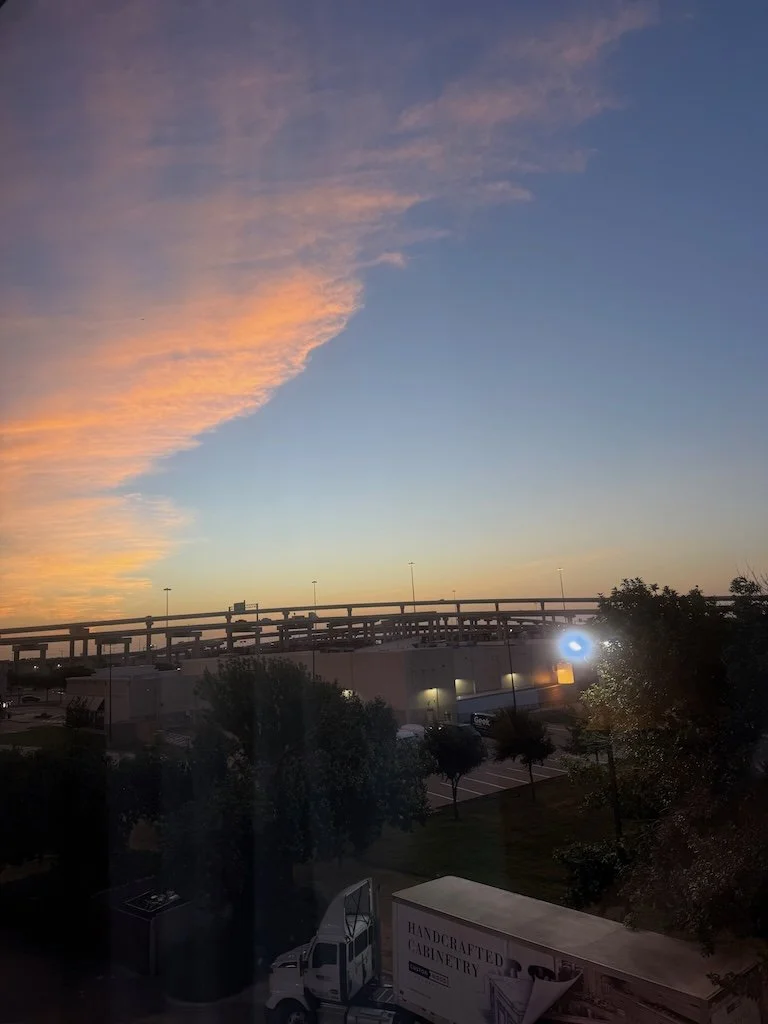
  • Groceries every other week and CSA pickup every week and curbside pickups. The routines of replenishing our supplies are functional and also provide us an opportunity to leave the confines of our neighborhood. Sometimes I use the opportunity to photograph a sunrise or the plantings at the CSA. As the weather has cooled, wearing a mask has become even easier.

It’s always good to have plans. We’re assuming that the pandemic will be the status quo at least through the end of the year (and probably beyond) and we plan to continue our strategies to reduce our risk. We are also assuming that the area of Maryland where we live will continue to adhere to CDC guidance as well as is happening now.

  • We’ll probably take a few fall foliage road trips like the trip we made to Conowingo – maybe to Catoctin/Cunningham Falls or Dan’s Mountain.

  • At some point we might get a POD container to load up with non-essential furniture and boxed items to make it easier to re-carpet our house as soon as COVID-19 is controlled.

  • And then there are the holidays….with special food and creative ways to enjoy our family even though we will not be in one location.

Gleanings of the Week Ending October 10, 2020

The items below were ‘the cream’ of the articles and websites I found this past week. Click on the light green text to look at the article.

The mystery of why some vaccines are doubly beneficial - BBC Future – Vaccines have ‘non-specific effects’ that provide benefits beyond keeping individuals from catching a disease. The examples in the article include studies of the measles vaccine in West Africa and the BCG vaccine for tuberculosis.

Meet the Goat Antelopes: Strange, Large Mammals of the Mountains – I remember seeing mountain goats with young in South Dakota in June 1997. My young daughter wanted to climb rocks like the goats! This article is about similar animals from all around the world.

Researchers Say Restricted Human Access At Cape Hatteras National Seashore Benefits Birds – Hurray for management of beaches to allow these birds to successfully raise their young!

The Medieval Archaeological Heritage Of Eastern Andalusia – 10 centuries of Medieval history in one place.

Read All About It: What's New In Home Energy Storage Research – An overview of the state-of-the-art in home energy storage…and important component in the transition to renewable energy.
The surprising dangers of cooking and cleaning - BBC Future – Thinking more about what we put into the air inside our home these days. The houses are better sealed and central heat/air means we don’t open our windows as frequently (if at all).

Record Flooding Threatens Millennia-Old Pyramids in Sudan | Smart News | Smithsonian Magazine – A part of Ancient Egyptian history in danger…flooding and then looting too.

Top 25 birds of the week: Colours - Wild Bird Revolution  - Can’t pass up the bird photos!

Macro Photos Take Us Inside the Enchanted World of Insects – Highlighting insects now…they are full of surprises. And are challenging to photograph too.

The World's Largest Chocolate Museum Debuts in Switzerland | Smart News | Smithsonian Magazine – 65,000 square feet of the Lindt Home of Chocolate….includes a production line. There is an animated video in the post since very few of us will get there anytime soon. We can buy Lindt chocolate though.

The Butterflies of the British Isles (ebook)

I enjoyed browsing through The Butterflies of the British Isles by Richard South on Internet Archive (here). It was published in 1906 by Frederick Warne & Co. – the publisher of Beatrix Potter’s Peter Rabbit.

The butterfly illustrations are excellent with males and females…the different sides of the wings…and caterpillars.

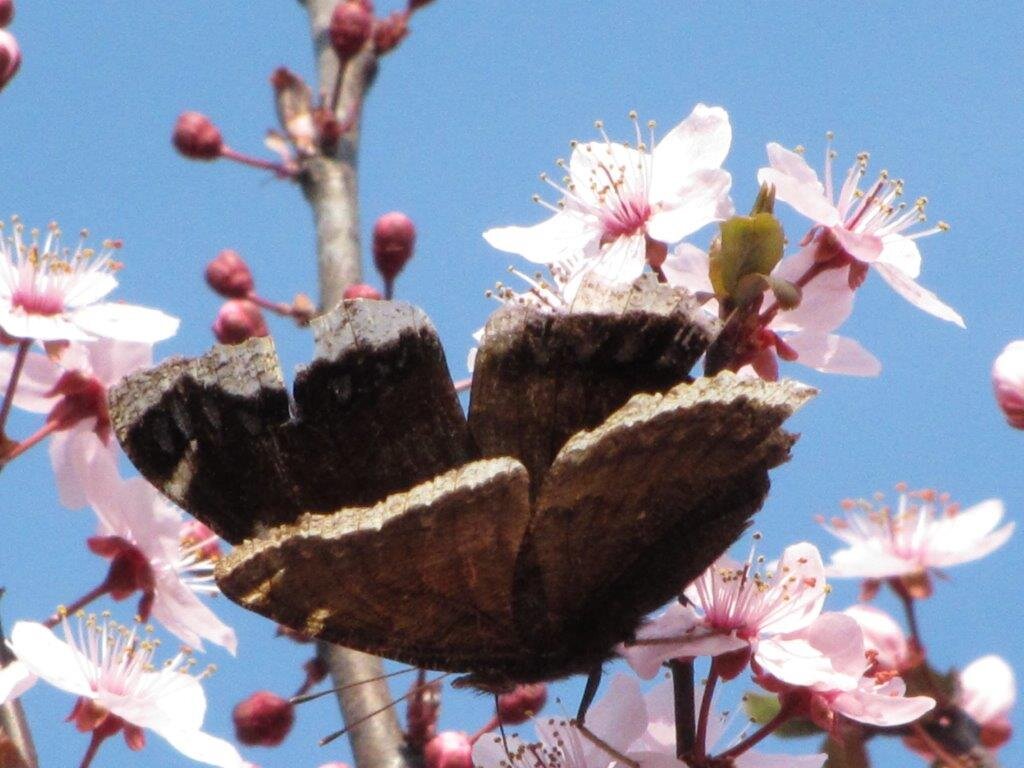
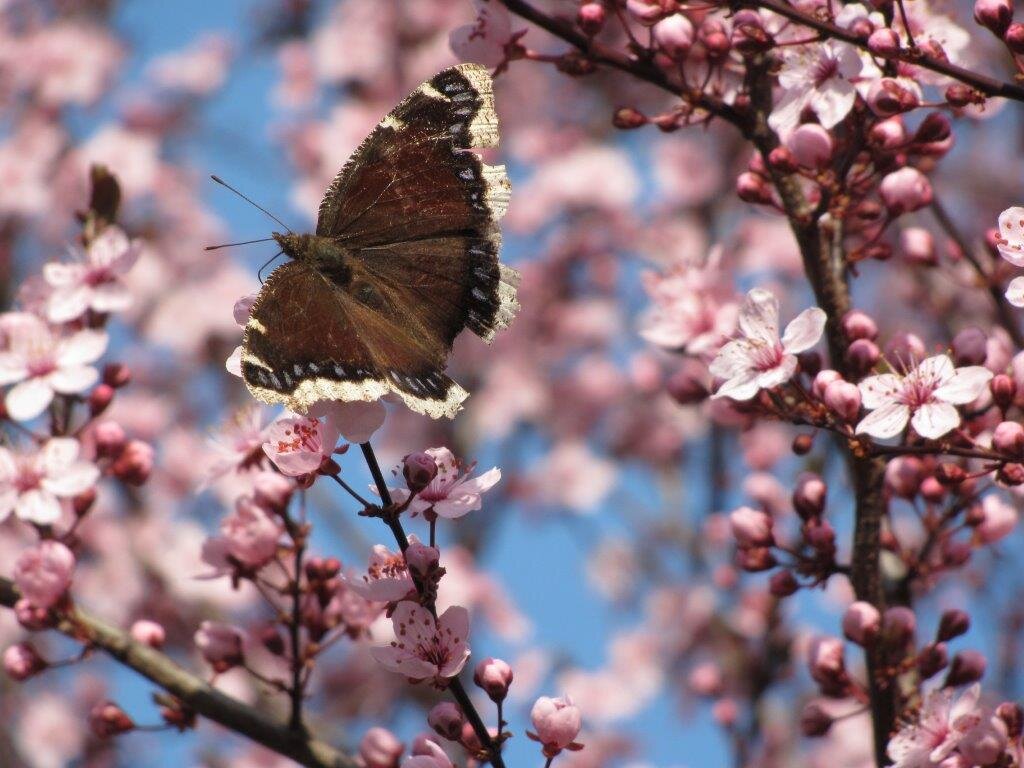
The Camberwell Beauty is familiar to us in North America; we call it the Mourning Cloak. One of the highlights of the illustrations was the inclusion of magnified images of the eggs of most of the butterflies. They are so tiny that most of the time they appear like spheres to us (when we notice them at all) but with the right equipment, they are not all spheres and sometimes the shape is unique enough to identify the species that laid the egg!

Back in 2013, I photographed a Mourning Cloak in our plum tree in early April. It looks so battered that it was probably one that overwintered.

Note: I am finding so many interesting eBooks right now that I’ve decided to do one post per week rather than accumulating 3 for a monthly post. So – enjoy an online book-of-the-week going forward!

Cape May Fall Festival

Friday through Sunday were three intense days of webinars from New Jersey Audubon’s Cape May Bird Observatory (CMBO): the virtual Cape May Fall Festival We enjoyed their virtual festival last spring as well (posts for day 1, day 2); the organization tweaked a few things for this fall one that made it even better; I noticed the roving reporters out in the field and a little bit longer breaks. The days still started at 7 or 8 AM and ended at 5 or 6 (with one evening session after a 2-hour break). I learned to use the breaks to get up and move!

There is a lot of bird monitoring activity (Avalon Seawatch, Cape May Hawkwatch, and Morning Flight Songbirds) in the fall and the CMBO makes it easy to see the results with the buttons for Real-time Counts via Trektellen on their website(near the bottom of the page).

The weather was perfect for a big morning flight of songbirds on Saturday – 27,000 birds in 6 hours! See the Saturday results here – and check out other days going forward. There were huge numbers of warblers. The little bit larger songbirds that we saw (through the great work of the person filming the roving reporters) were Northern Flickers and Blue Jays (3,538 and 1,496 were counted for the morning). The songbirds migrate at night and are funneled down from points north to the Cape May Peninsula where most of them drop down for food and rest before continuing on – most of them working their way back to the north and west around Delaware Bay to then continue their southward migration.

The Hawkwatch also saw a lot of birds on Saturday (results here). These birds migrate during the day. There were 194 Cooper’s Hawks that came through.

The Avalon Seawatch had a bigger day on Sunday with over 1,000 (each) black scoters and double crested cormorants.

There were places featured in the talks and roving reports that we had seen in Spring 2019 (like South Cape May Meadows, Cape May Bird Observation Deck, Higbee Beach Wildlife Management Area, CMBO’s Northwood Center) and then the Edwin B. Forsythe National Wildlife Refuge which was new to us. So many places we would like to be!

There is a also a CMBO Monarch Monitoring Project that tags butterflies! Even though the large winter numbers of Monarchs in Mexico were found in 1975, it was not until 1998 when 7 of Cape May tagged butterflies were found there that the debate of where the east coast Monarchs migrated was finally settled. The results of the monitoring at Cape May are reported in a table on the website.

Virtual sessions are great for classroom type presentations too. At birding festivals, I tend to always opt for the field sessions, so this year of virtual festivals has been great for the classroom-based skill building. I particularly enjoyed learning more about raptor id (in flight), winter seabirds of New Jersey, ravens, other bird observatories (international), international birding tours, and the bird id game done by 3 NJ Audubon’s Young Birder Club members (wow….they have impressive id skills and are good at sharing their knowledge). The Cornell Lab of Ornithology provided the one evening session; I learned about Birds of the World (a new subscription based resource) and more about resources I already know about/use:

One of the sessions brought up the topic of some birds eating Monarch butterflies and seemingly not suffering any effects. My husband and I remembered that we saw that on at a previous birding festival…and I looked back through my blog posts to find out where and when and what kind of bird. It was Couch’s Kingbird on Nov. 11, 2017 and I posted about it on Nov. 27th. It was at a woodlot on South Padre Island, Texas during the Rio Grande Valley Birding Festival. I have two of my pictures from that event below. It’s always great to savor the memories of previous sessions an realize how much we seen/learned over the past few years of birding festivals.

Another prompt to think about personal history that was brought up in one of the sessions: What was your ‘spark’ bird (i.e. the one that got you interested in birds)? I tried to think back to birds that I remember from early in my life. Northern Cardinal is one – definitely. They were around in Wichita Falls, Texas….and stand out in any landscape because of their color. I remember some coloring pages from 1st or 2nd grade of various bird species and learning about Baltimore Orioles…but not seeing one until I was over 60 years old! Why didn’t the curriculum feature birds that we were more likely to see where we lived? I also remember being thrilled to see a Roseate Spoonbill the first time I went to Florida for a space shuttle launch in the 1980s; I’m not sure when I first learned about the bird but it was one that I knew when I first saw it in the field.

Overall – the Cape May Fall Festival was 3 days well spent. My husband also ordered the t-shirt for me since it is red ---- a good color for me. We ware looking forward to future festivals that we can enjoy in the field…but learned a lot and enjoyed this one. Kudos to the CMBO for doing this!

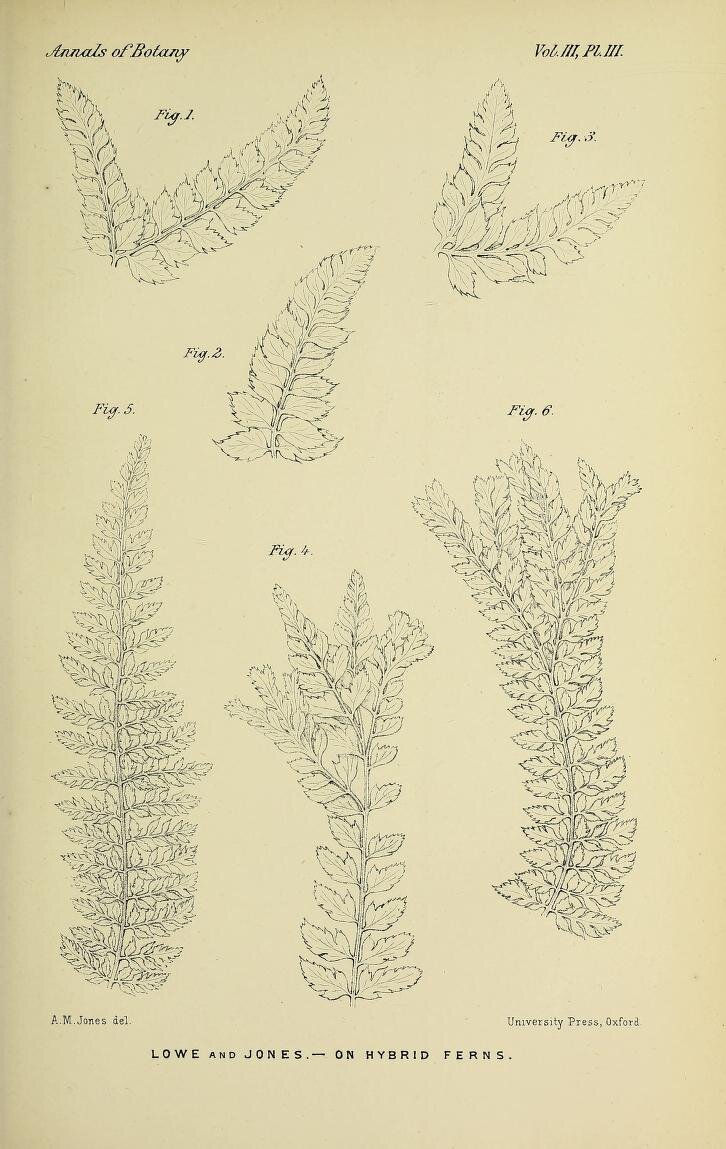
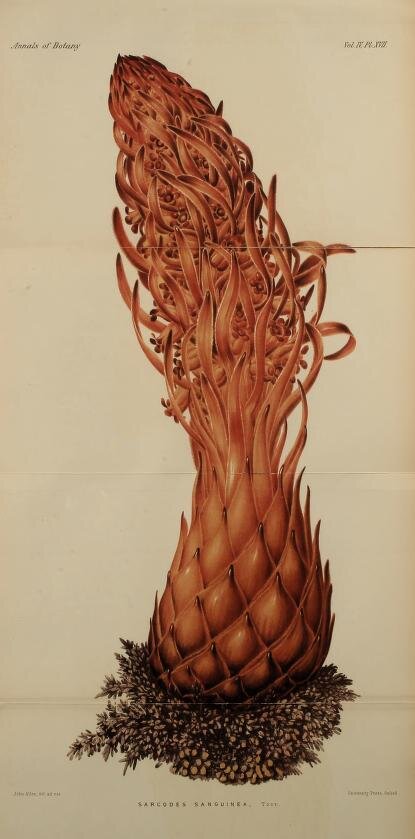
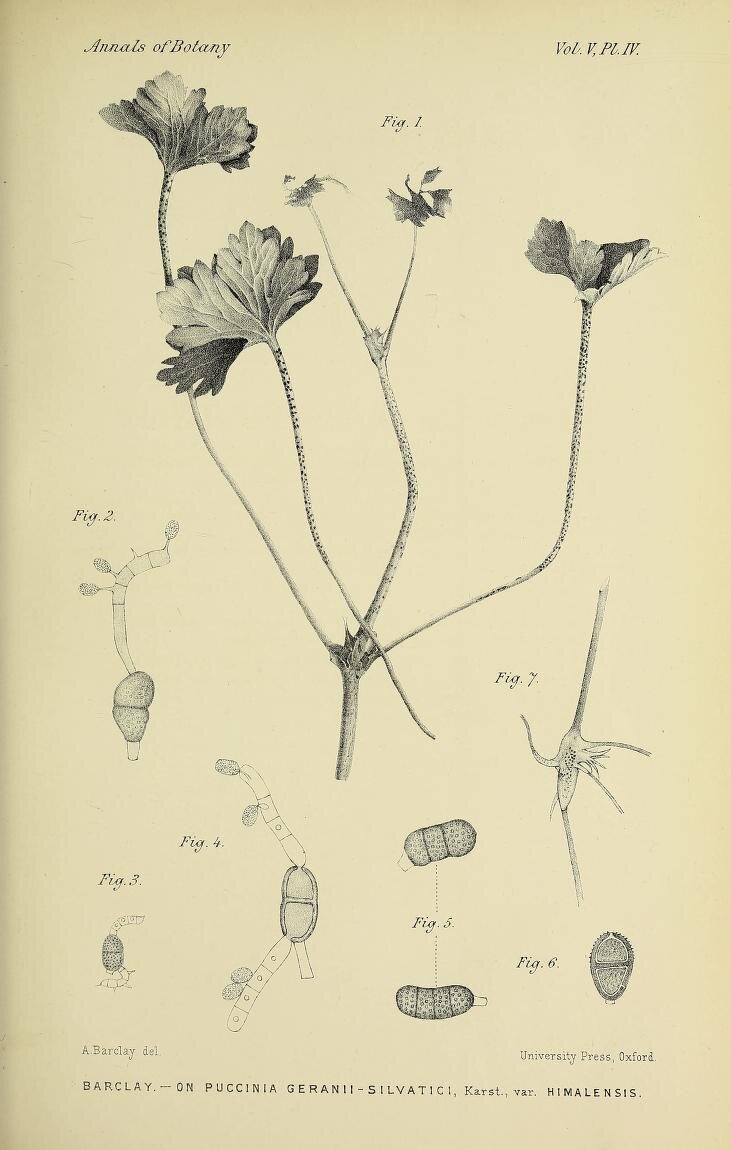
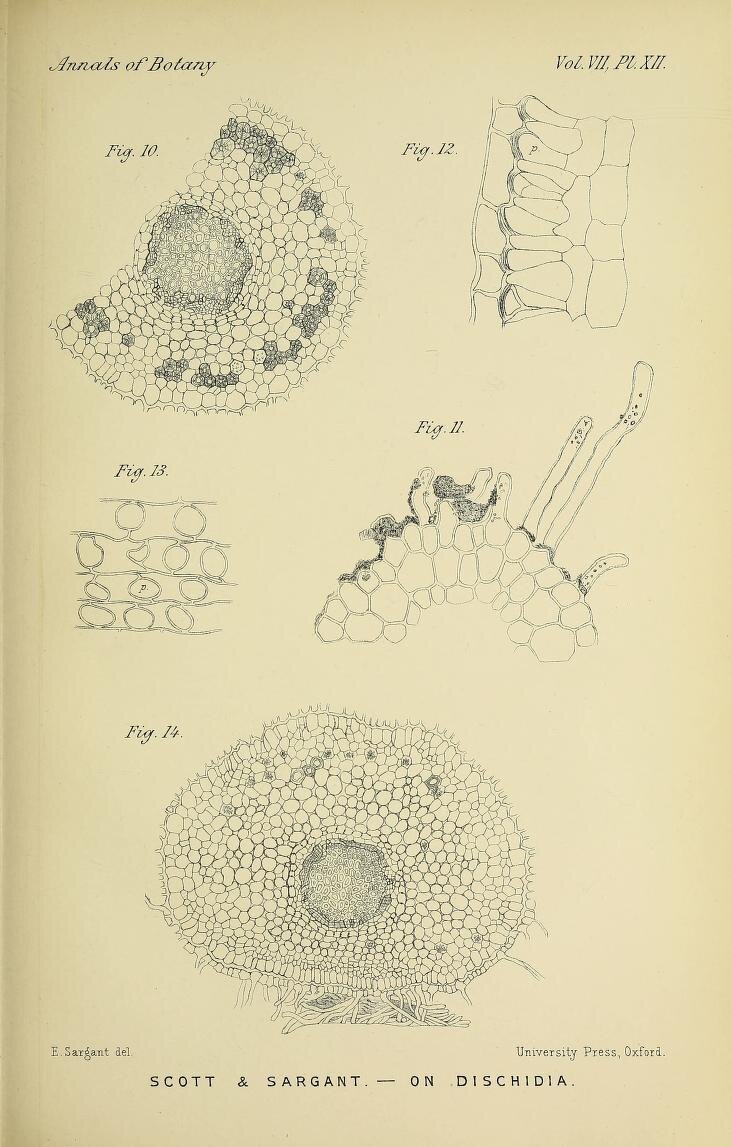
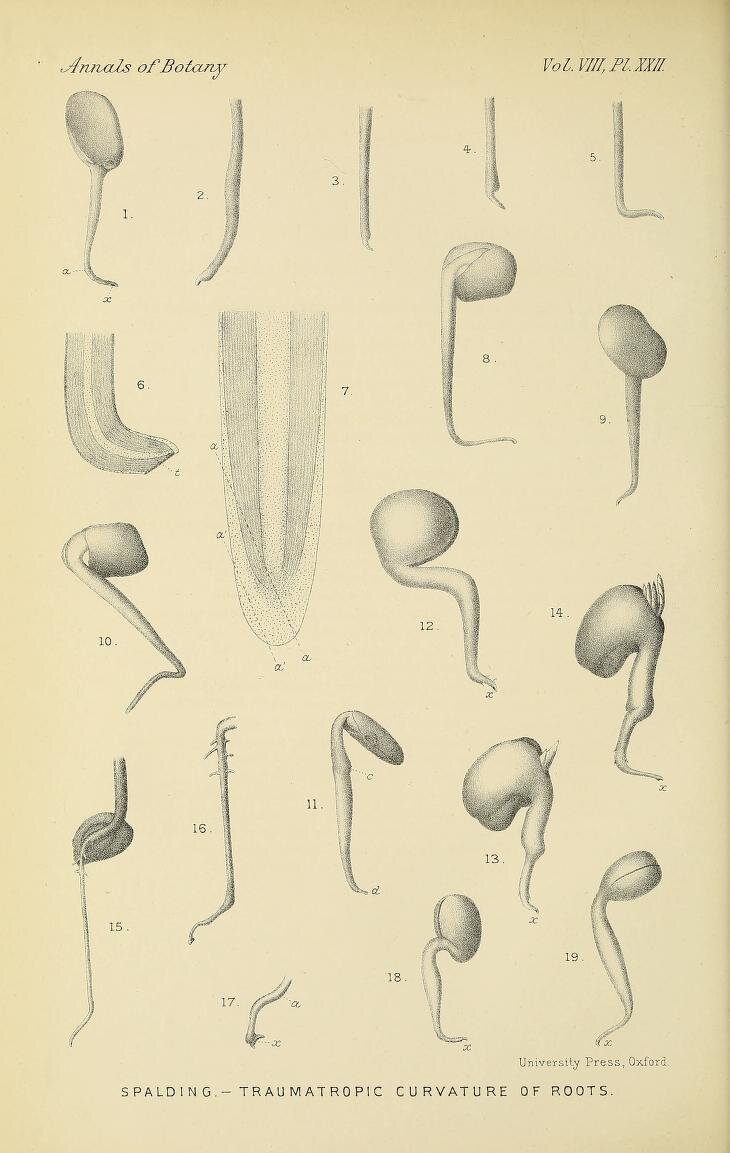
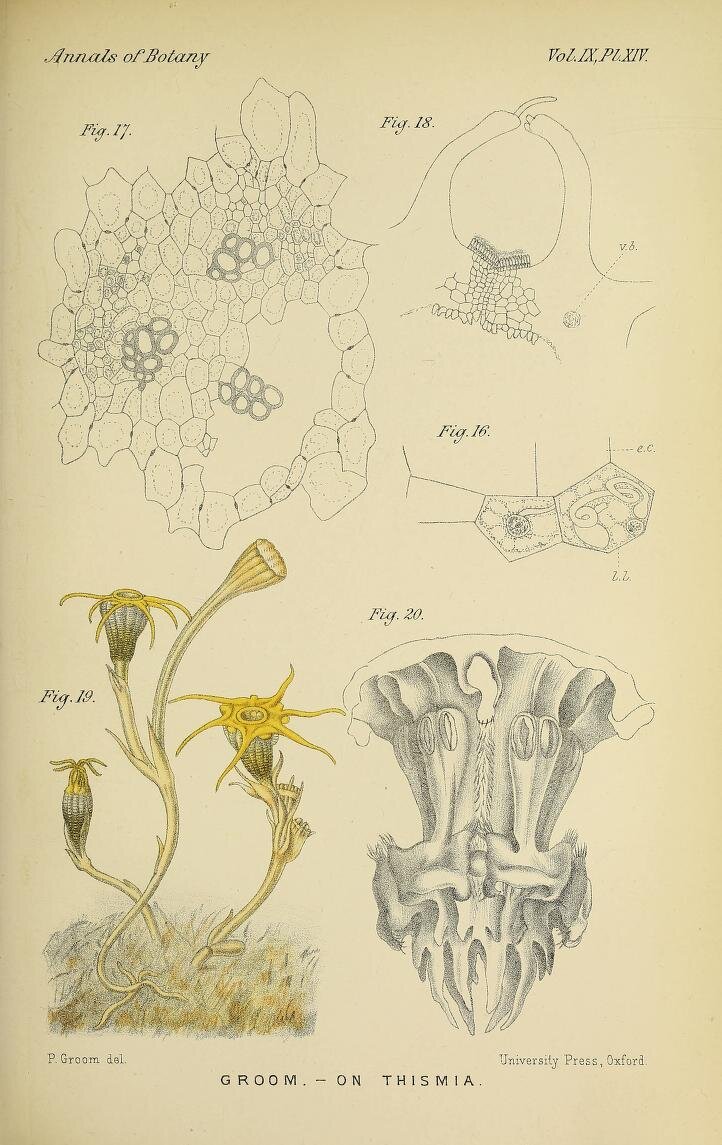
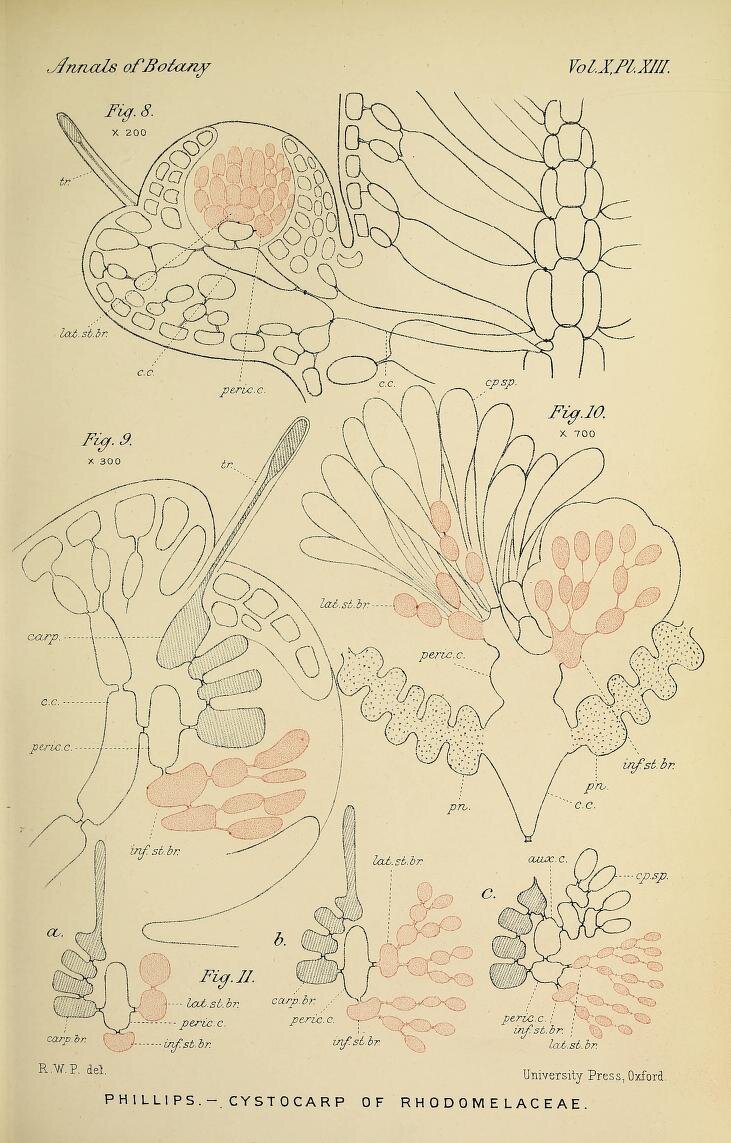
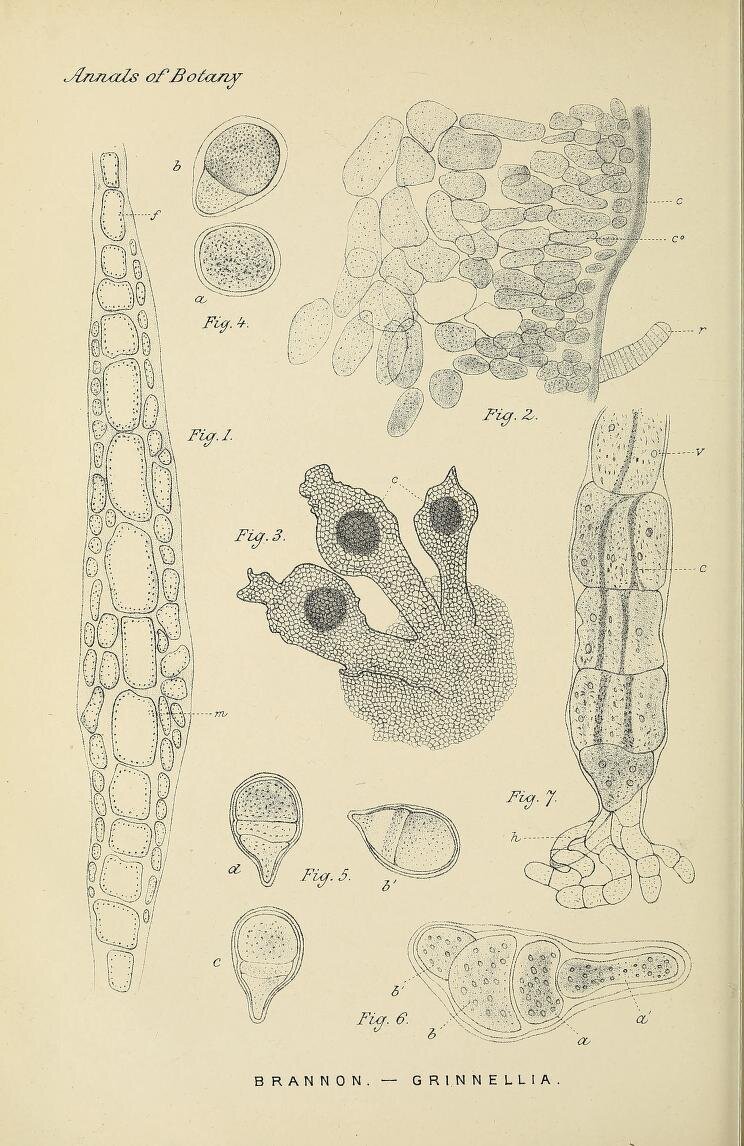
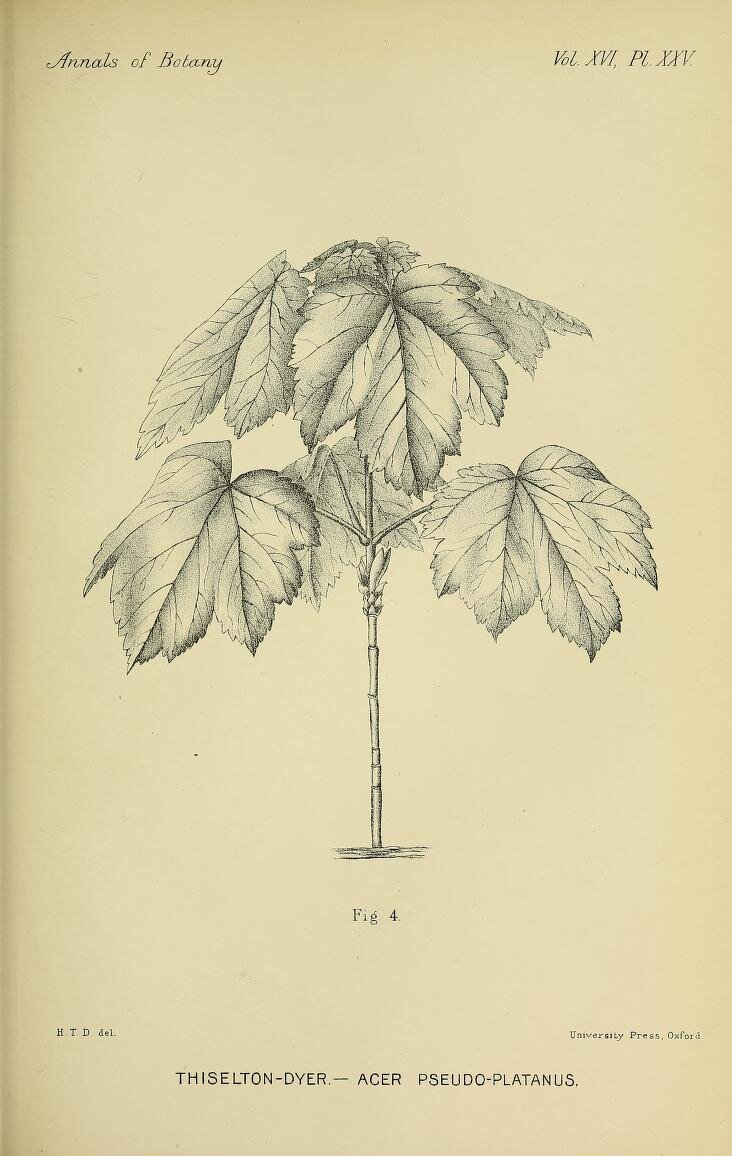
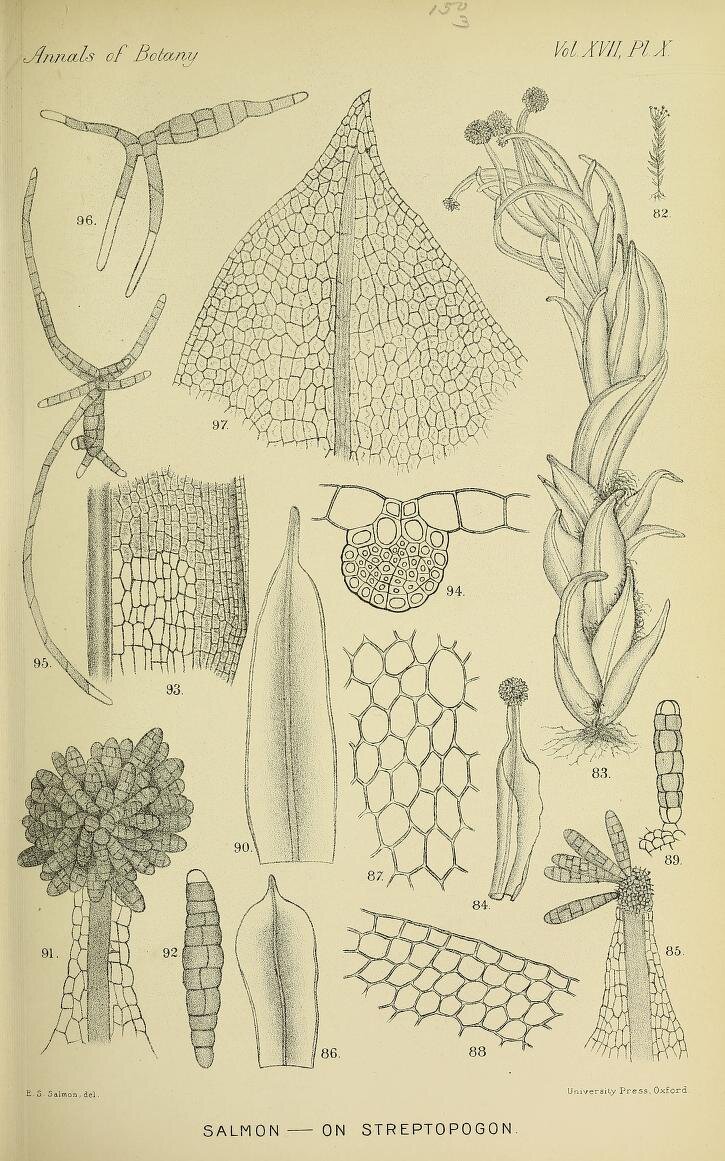
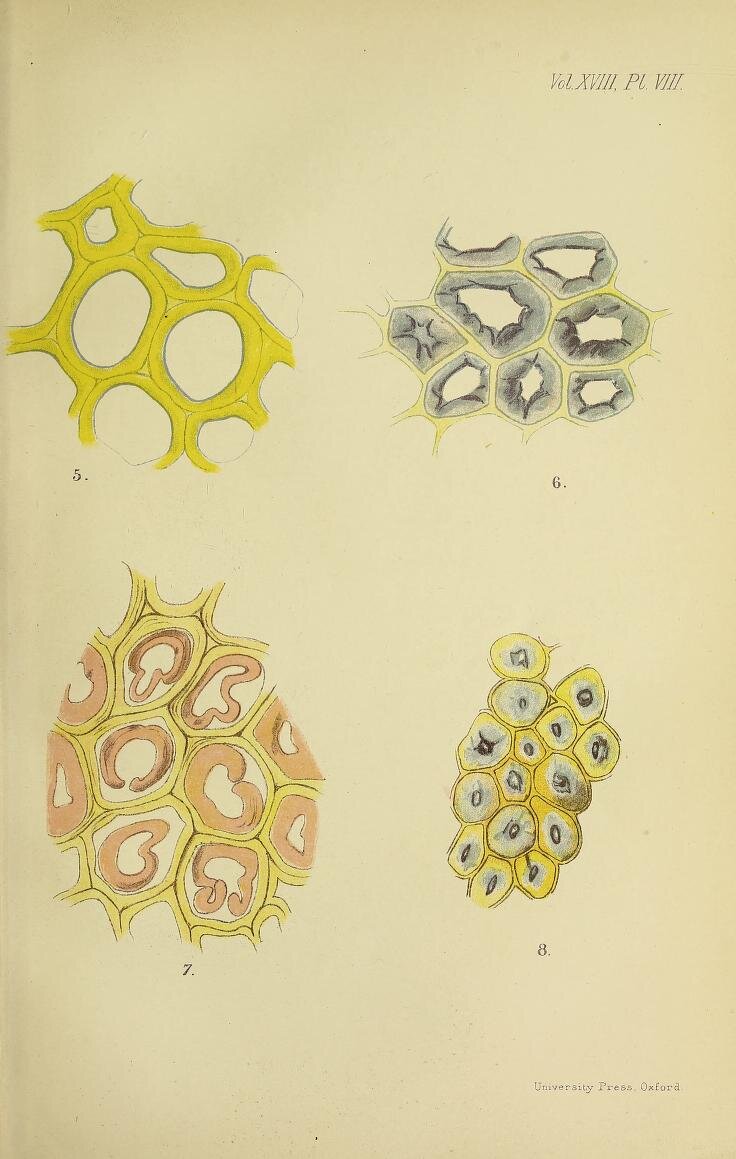
eBotanical Prints – September 2020

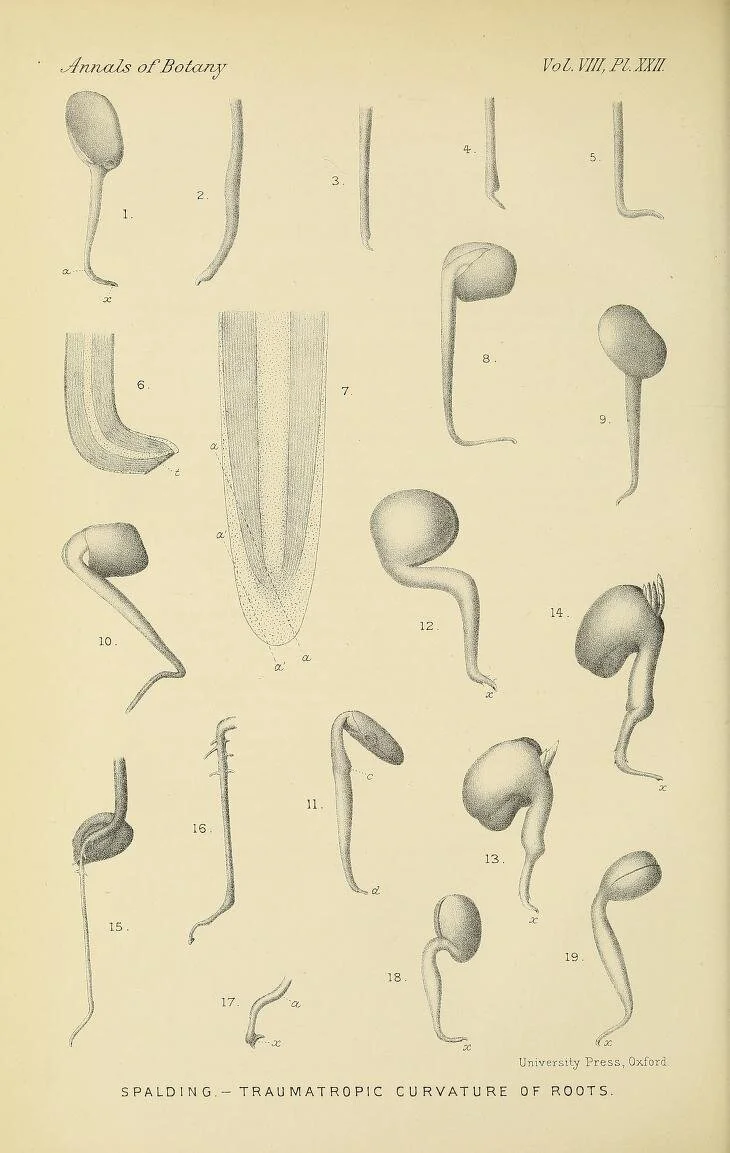
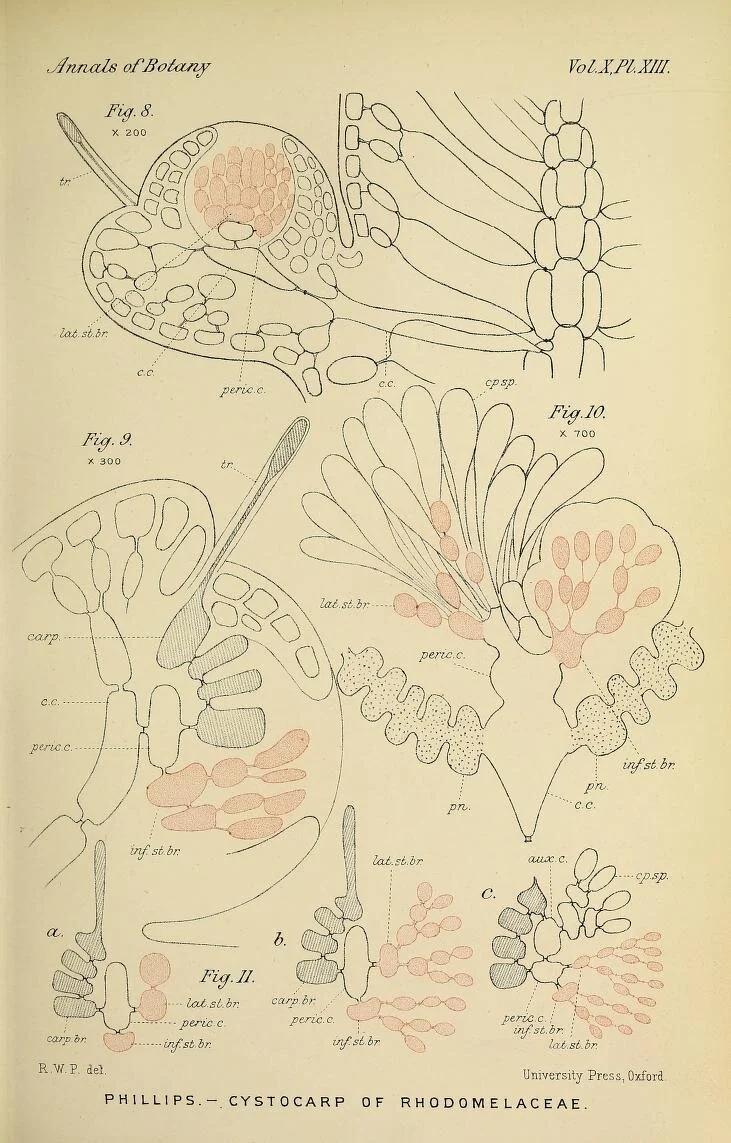
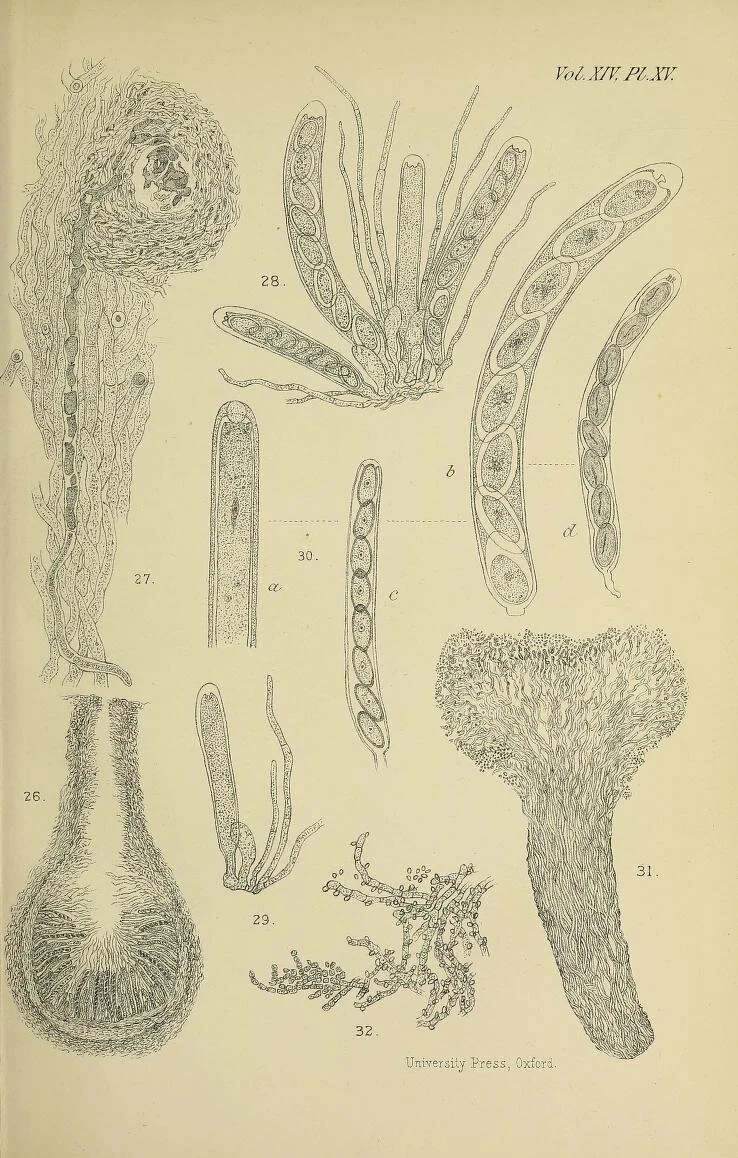
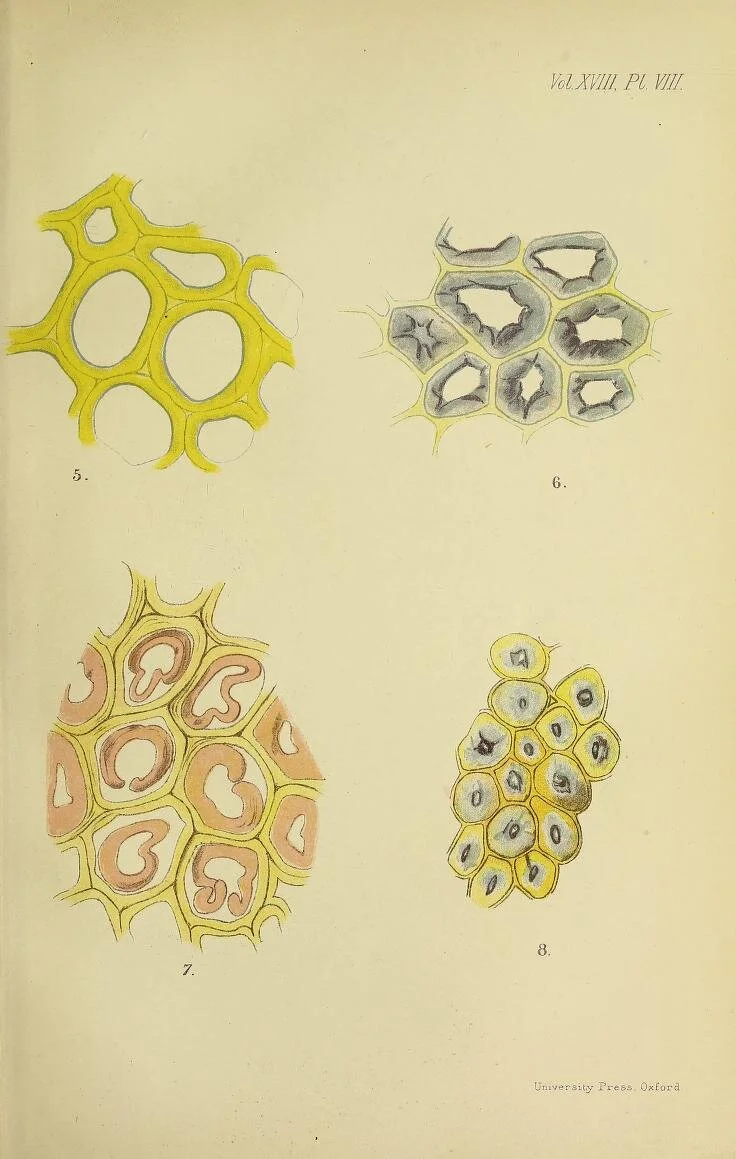
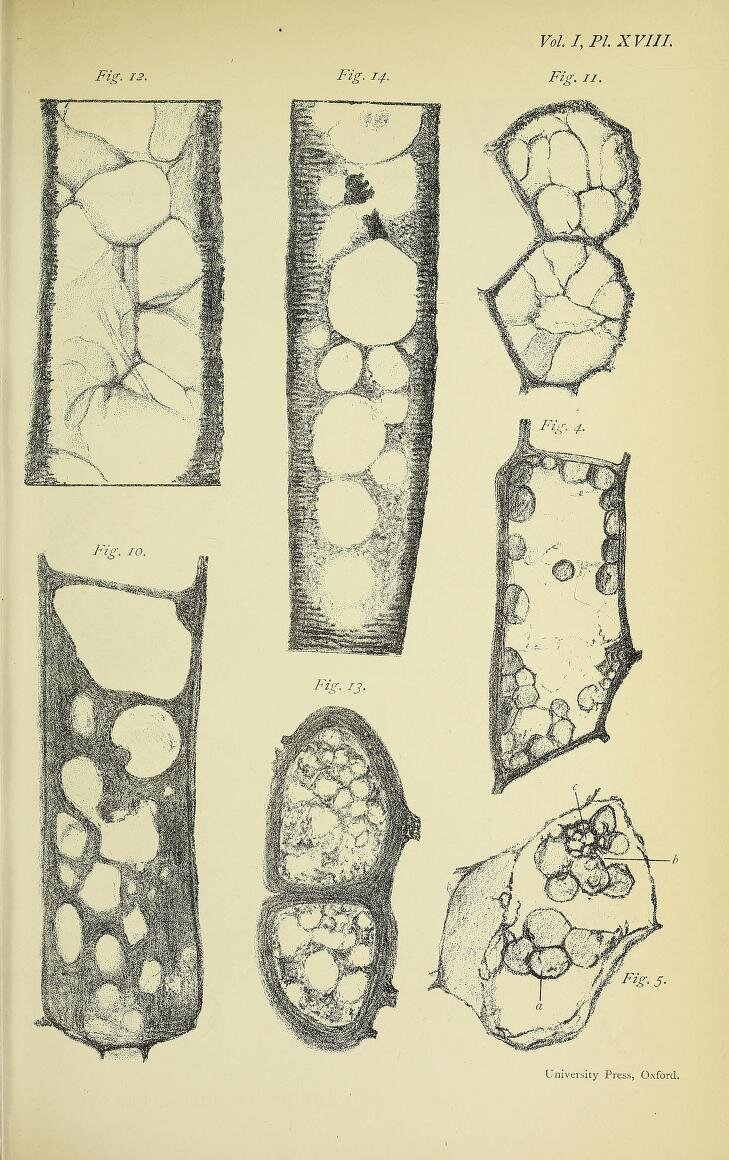
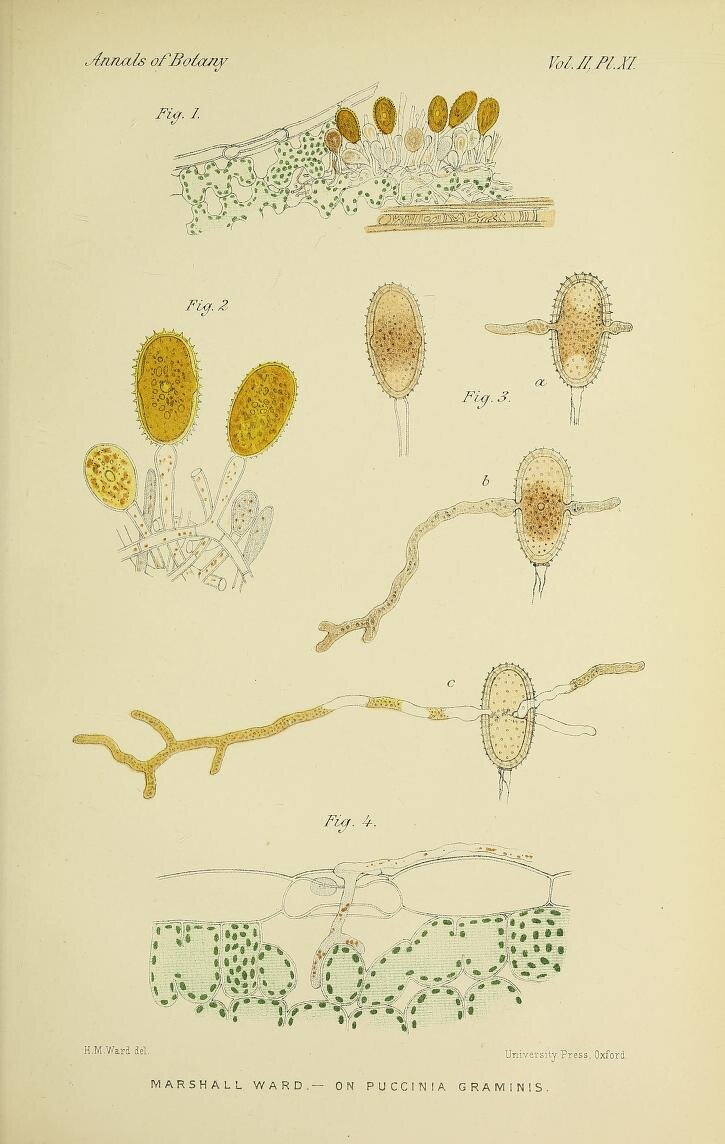
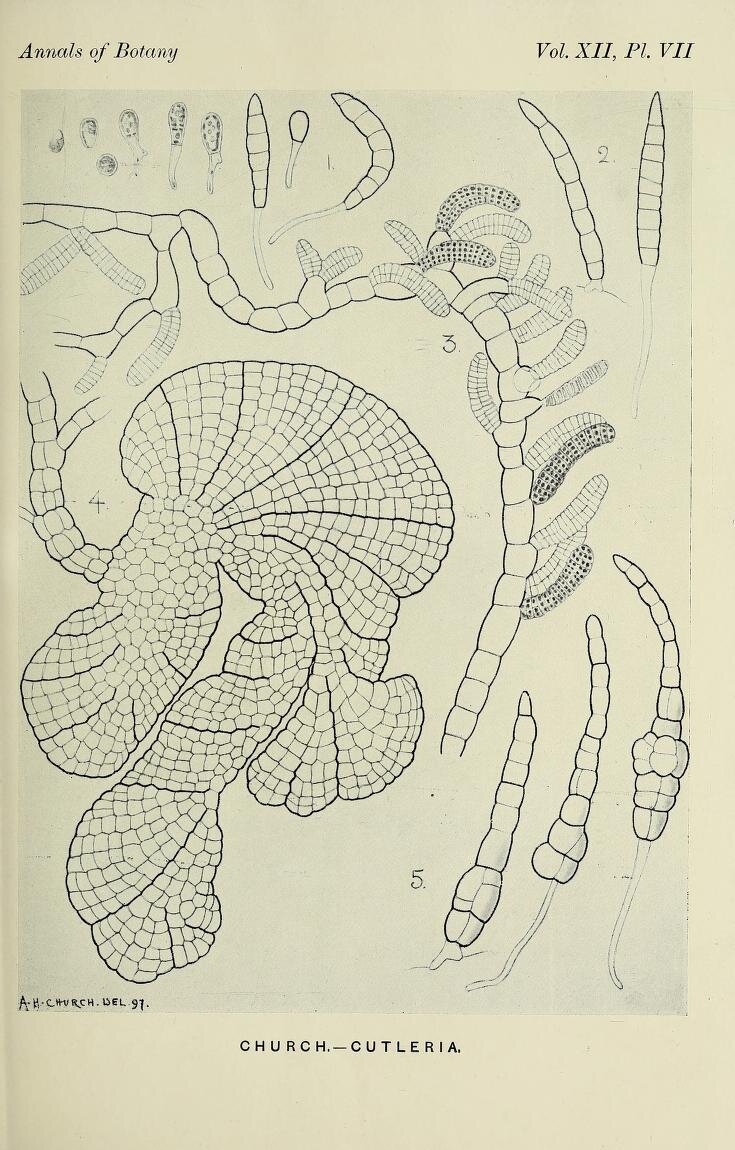
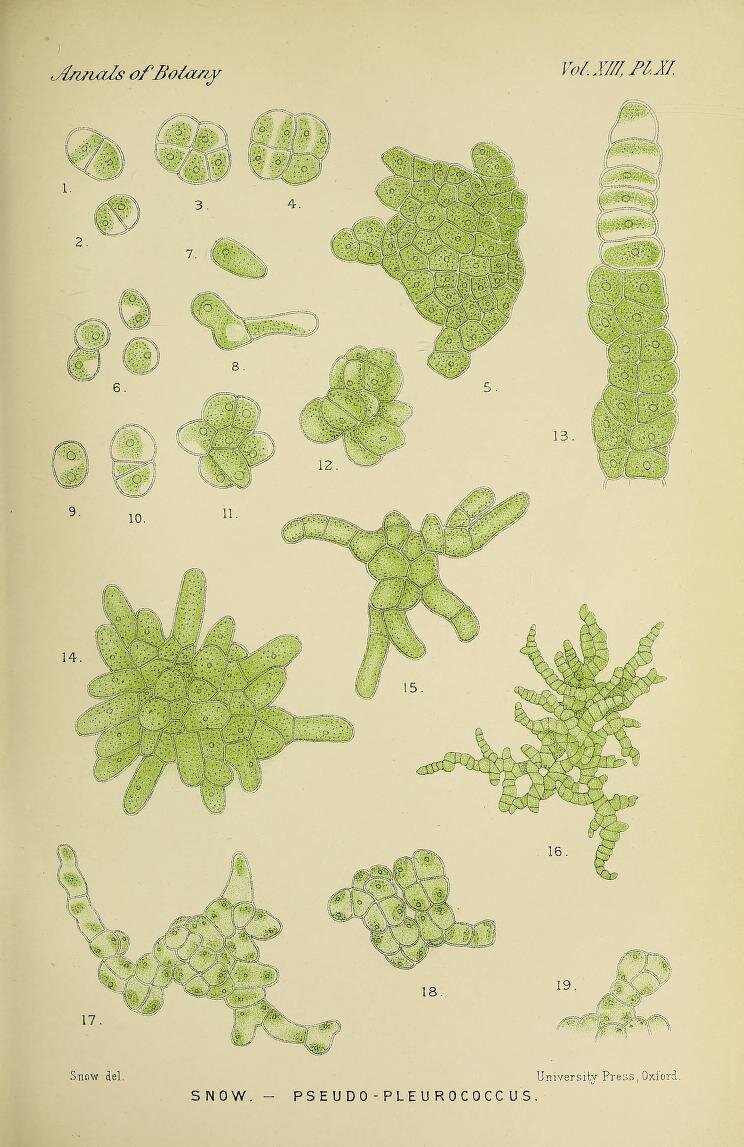
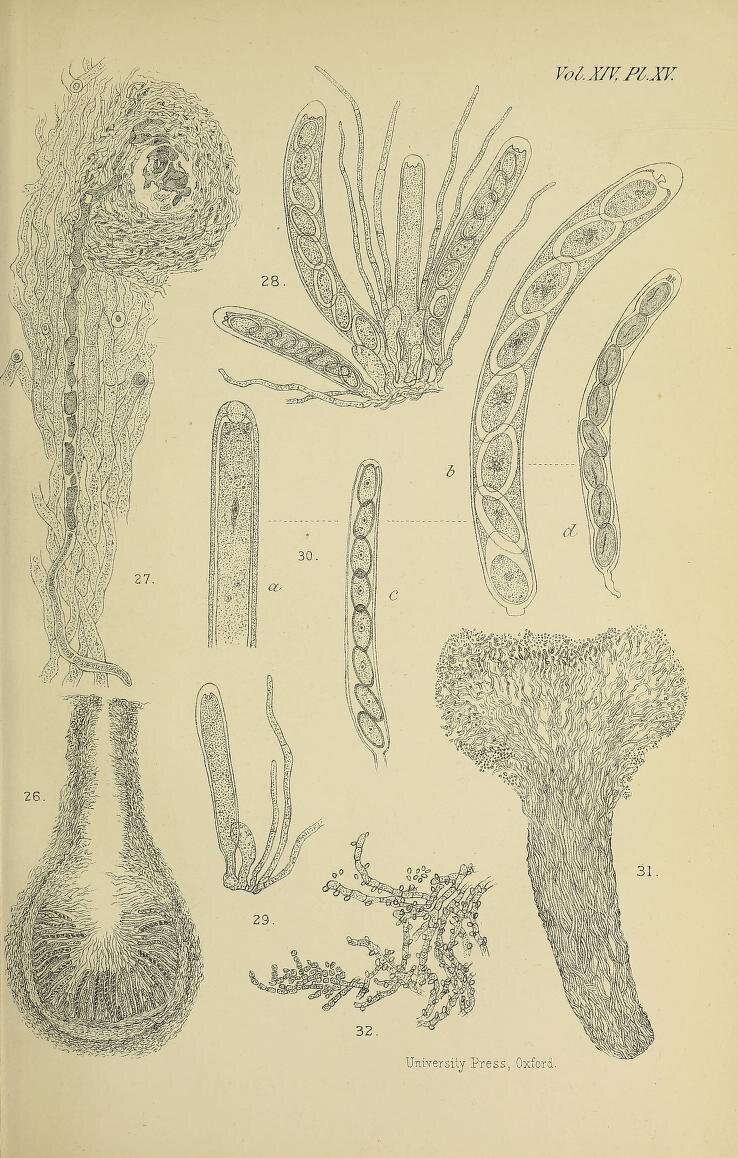
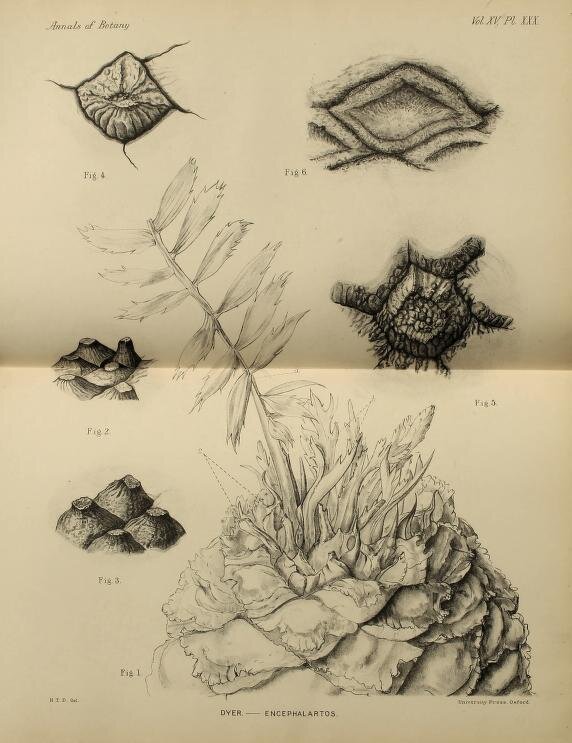
19 new items added to the collection in September and they are all volumes of the same publication: Annals of Botany. The Biodiversity Heritage Library has the volumes fully available from 1888 (when the publication started) until 1923; the access page has a pull down to select the volume of interest. I looked at the volumes from 1888 to 1905 in September and will continue through the rest in October. So far – most of the illustrations are more micro oriented than the typical ‘botanical print’ but it’s another aspect of illustration of the botanical world that I want to include in the collection.

The whole list of 1,982 books can be accessed here. Sample images and links for the 19 new ones are provided below. (click on the sample image to see a larger view). Enjoy!

Annals of Botany V1 (1888) * Balfour, Isaac Bayley * sample image * 1888

Annals of Botany V2 (1889) * Balfour, Isaac Bayley * sample image * 1889

Annals of Botany V3 (1890) * Balfour, Isaac Bayley * sample image * 1890

Annals of Botany V4 (1891) * Balfour, Isaac Bayley * sample image * 1991

Annals of Botany V5 (1891) * Balfour, Isaac Bayley * sample image * 1891

Annals of Botany V6 (1892) * Balfour, Isaac Bayley * sample image * 1892

Annals of Botany V7 (1893) * Balfour, Isaac Bayley * sample image * 1893

Annals of Botany V8 (1894) * Balfour, Isaac Bayley * sample image * 1894

Annals of Botany V9 (1895) * Balfour, Isaac Bayley * sample image * 1895

Annals of Botany V10 (1896) * Balfour, Isaac Bayley * sample image * 1896

Annals of Botany V11 (1897) * Balfour, Isaac Bayley * sample image * 1897

Annals of Botany V12 (1898) * Balfour, Isaac Bayley * sample image * 1898

Annals of Botany V13 (1899) * Balfour, Isaac Bayley * sample image * 1899

Annals of Botany V14 (1899) * Balfour, Isaac Bayley * sample image * 1900

Annals of Botany V15 (1901) * Balfour, Isaac Bayley * sample image * 1901

Annals of Botany V16 (1902) * Balfour, Isaac Bayley * sample image * 1902

Annals of Botany V17 (1903) * Balfour, Isaac Bayley * sample image * 1903

Annals of Botany V18 (1904) * Balfour, Isaac Bayley * sample image * 1904

Annals of Botany V19 (1905) * Balfour, Isaac Bayley * sample image * 1905

Unique Activities for Yesterday:

Maple tree seedling update. The maple seedling that I pulled from the front flowerbed is still healthy in the window. It’s grown a little - both in the upper stem/leaves and the roots. It will be interesting to see if the leaves turn red at the same time as the red maple outside or if they stay green because it is warmer on my windowsill than outdoors.

2020 09 IMG_2253.jpg

I am still enjoying flower from the CSA cutting garden but they’re probably close to the end. There were not as many to choose from this week and they don’t seem to last as long as cut flowers.

Gleanings of the Week Ending October 3, 2020

The items below were ‘the cream’ of the articles and websites I found this past week. Click on the light green text to look at the article.

Domesticated chickens have smaller brains -- ScienceDaily – 10 generations from wild junglefowl toward domestication….and they already had smaller brains.

750 Million GM Mosquitoes Will Be Released in the Florida Keys | The Scientist Magazine® - Reducing yellow fever and dengue carrying mosquitos at a time when more mosquitos are becoming resistant to pesticide-based controls. Texas might be the next place this technique will be used – pending state and local approval.

Earthquakes and insects on Alaska road trips - The Field - AGU Blogosphere – I browsed this article and remembered learning about the 1964 earthquake from the Weekly Reader in elementary school. So -this was an update about what the place is like today…with the town moved completely.

Nuvve And Blue Bird Combine To Create Electric School Buses That Are V2G Enabled – I wish all new school buses would be electric…and charged via renewable means…for the planet and, more directly, for healthier air for young lungs.

Top 25 birds of the week: Colours - Wild Bird Revolution – Beautiful birds….I never get tired of looking at images of the diversity in color and form the birds display.

The U.S. drought vulnerability rankings are in: How does your state compare? | NOAA Climate.gov – Looking at states that I know well because I have family members living there Maryland, Texas and Missouri have a high ability to adapt whereas Oklahoma has a very low ability to adapt (because they have an outdated drought plan and limited irrigation combined with extensive agriculture and cattle ranching). Is Oklahoma headed toward another dust bowl?

Five myths about wildfires - BBC Future – The 5 myths debunked in this article are: regularly logging forests prevents forest fires; there is nothing you can do to protect your property; wildfires are an inevitable fact of nature; all wildfires are bad and must be quenched immediately; it is possible to eradicate (control) all wildfires

Thousands of species recorded in a speck of soil -- ScienceDaily – DNA was extracted from permafrost samples representing different points in the Pleistocene - Halocene transition (about 11,000 years ago). Genetic remnants of animals like mammoths, horses, bison, reindeer along with 1000s of plant varieties were found!

The remarkable floating gardens of Bangladesh - BBC Future – Planting on floating rafts….large scale hydroponics that is not greenhouse based.

4 Fun + Informative (+Free) Apps for Upping Your Nature Knowledge – Cool Green Science – These are great Apps to id plants and animals quickly…with cell phone: SEEK, iNaturalist, Merlin, eBird.

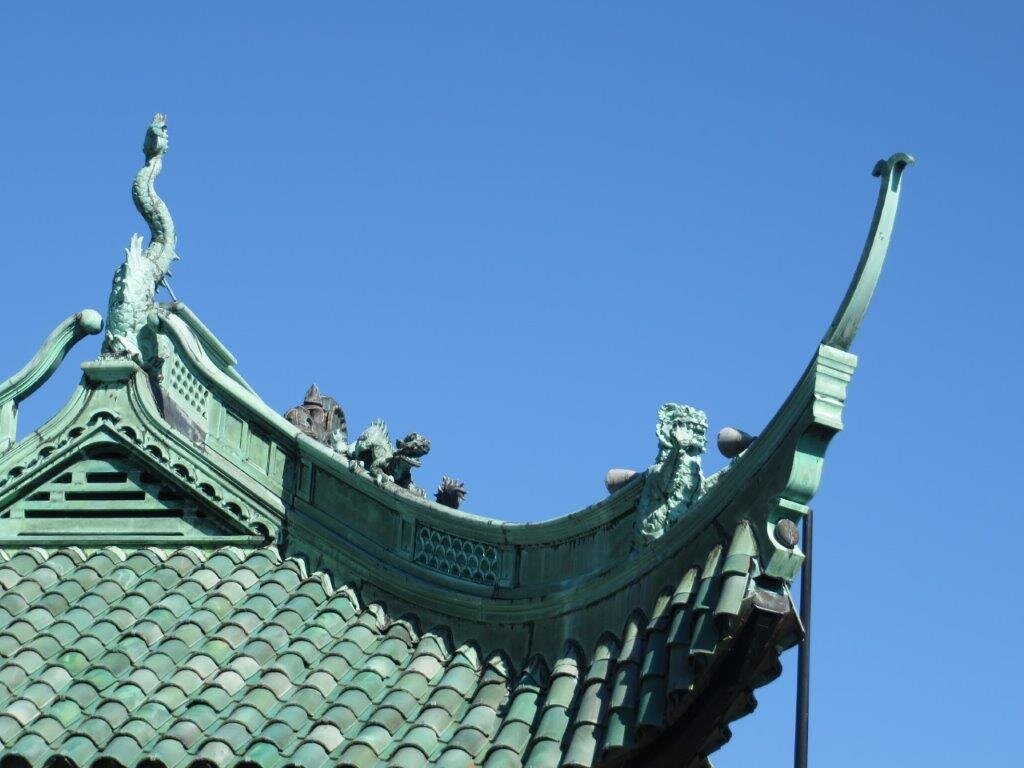
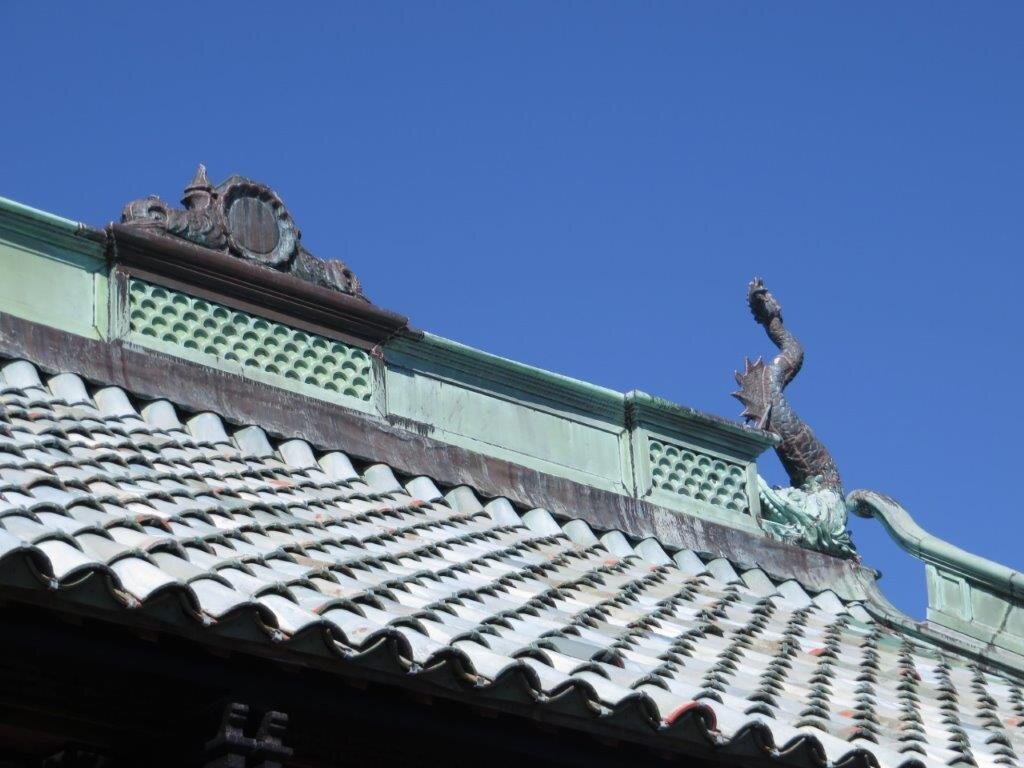
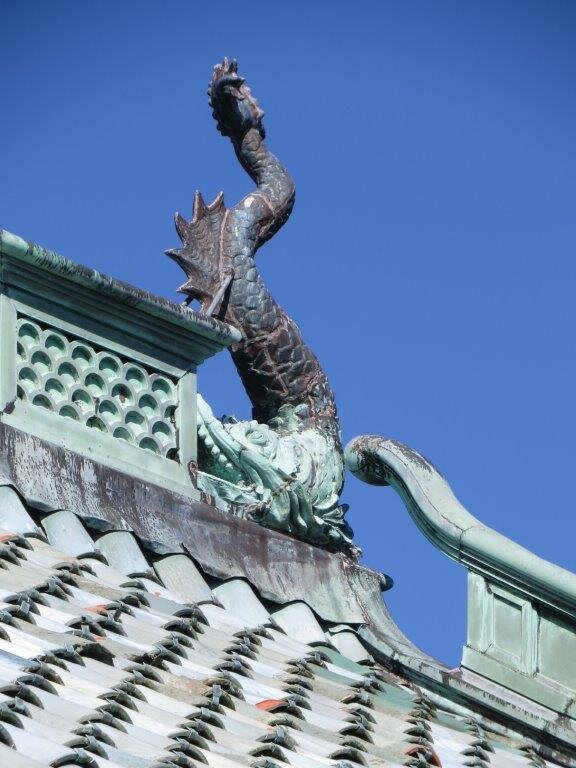
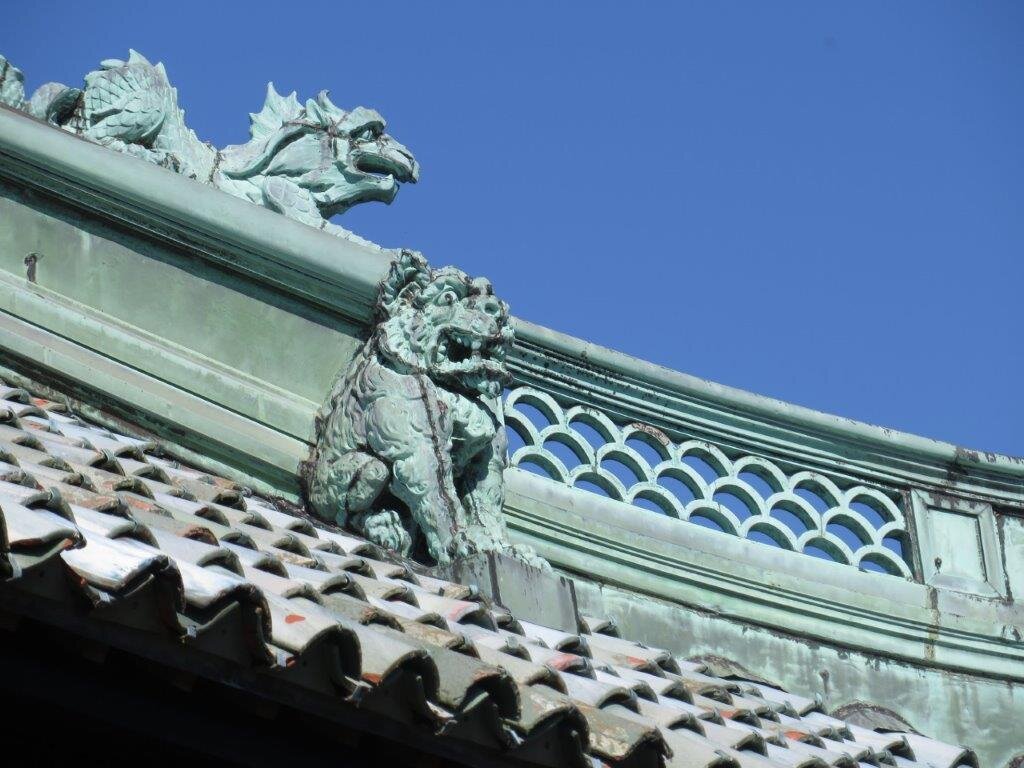
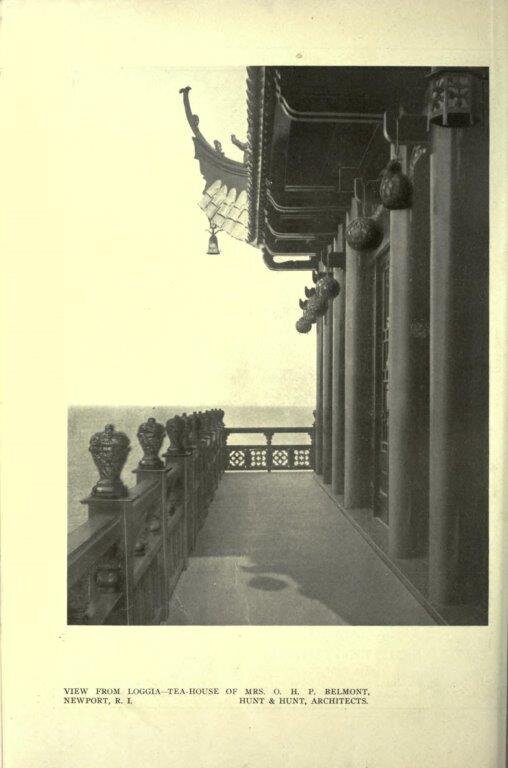
Chinese Teahouse in Newport

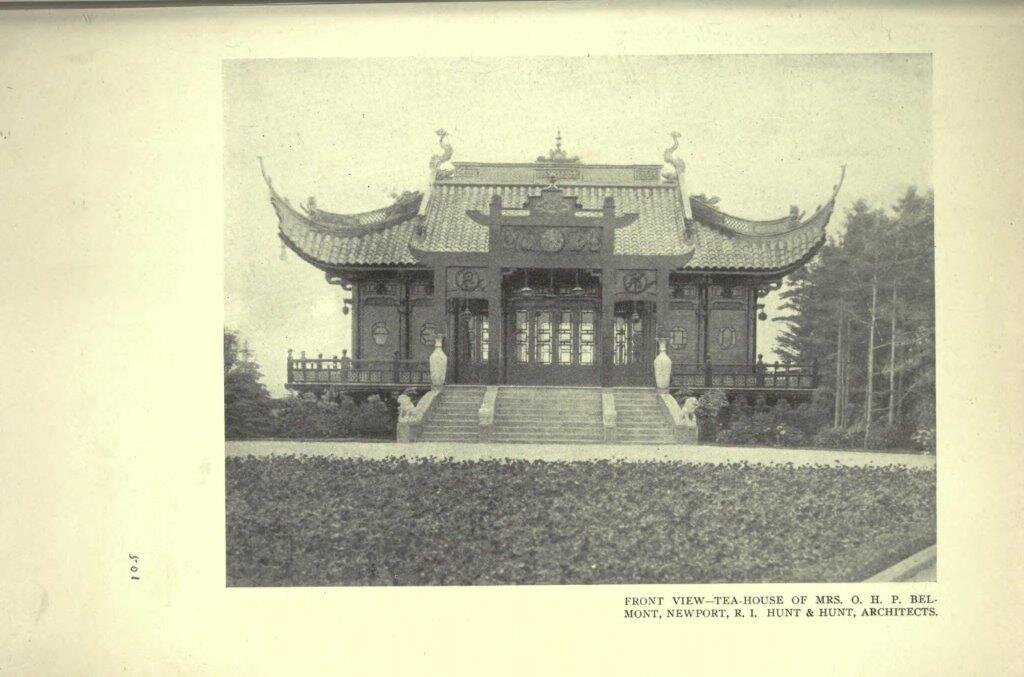
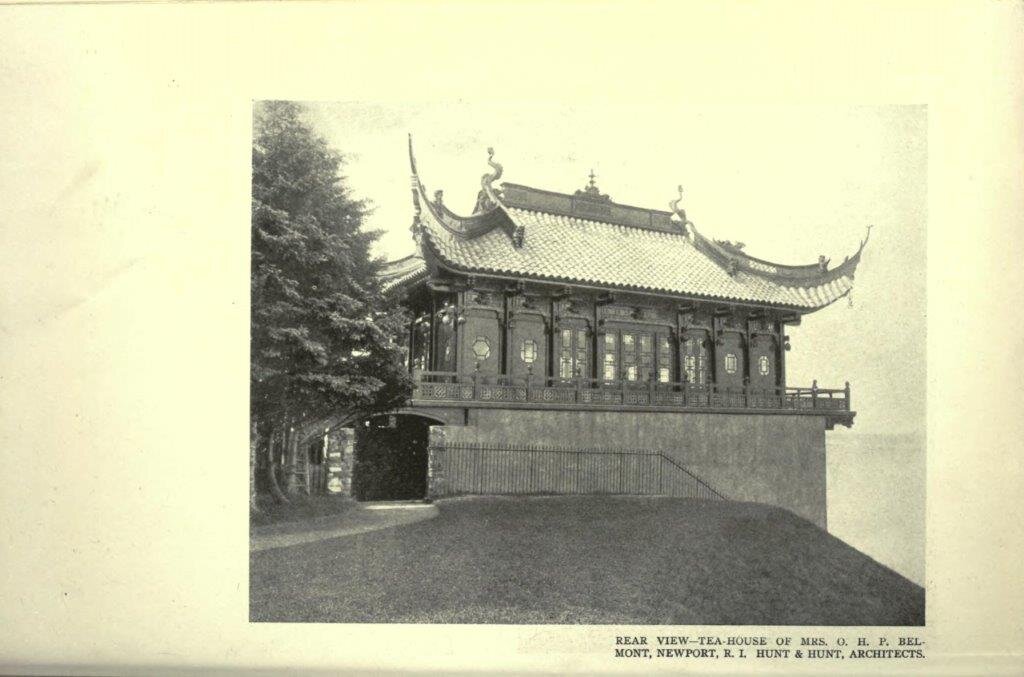
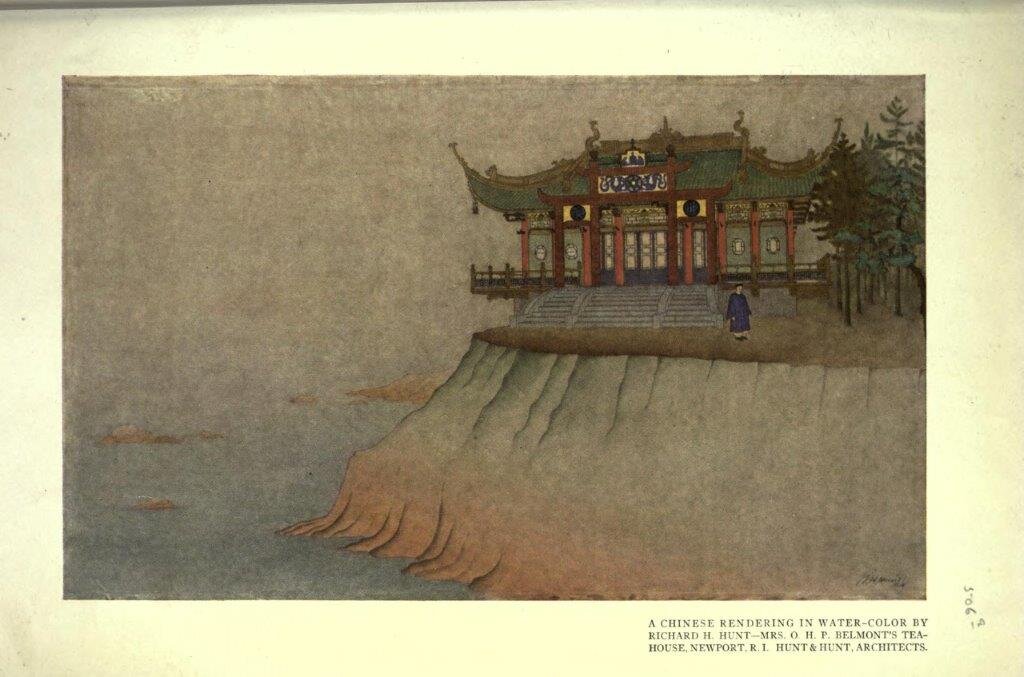
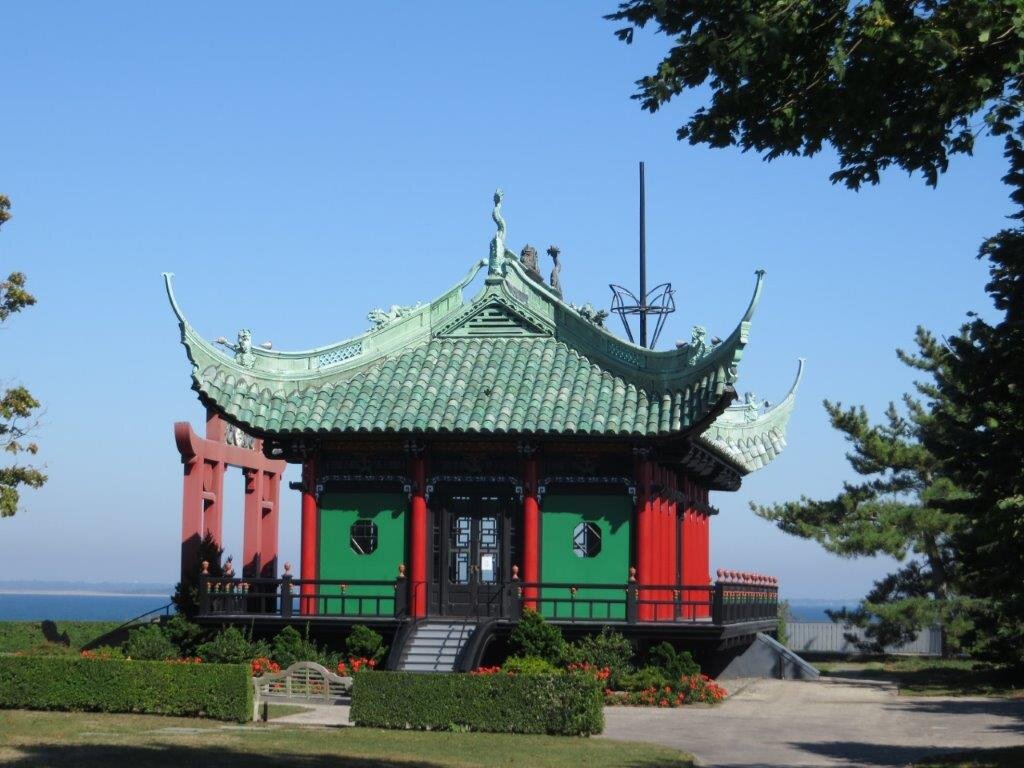
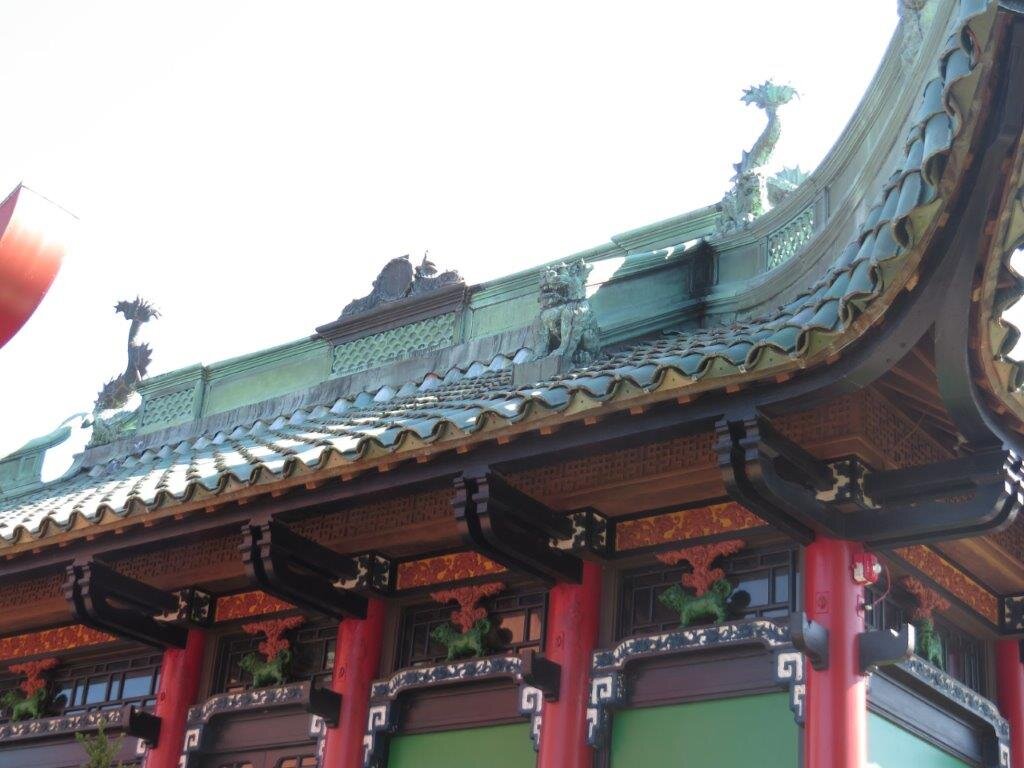
I was browsing through the Architectural Record publication for 1916 (via Internet Archive) and discovered the June issue featured the Chinese Teahouse that I’d seen in Newport RI behind Mable House in 2014. In 1916, it was relatively new – having been added to the Marble House grounds by Alva Vanderbilt Belmont. According to Wikipedia – she hosted rallies for women’s suffrage there.

According to the article in the Architectural Record article, the structural members had lacquered surfaces written in Chinese characters. Two examples:

A woman of strong character is said to be a hero among women.

Women with pretty faces and fascinating manners really may overthrow cities.

How appropriate for this 100th anniversary of women’s suffrage! I’m belatedly disappointed that the teahouse was closed when I visited so I didn’t see them.

Here are a few pictures that I took back in 2014. I think I remember that the Treehouse has been recently renovated at that time and we being used as a place where tourists could get refreshments/take a break from tours of the Newport Mansions.

Zooming – September 2020

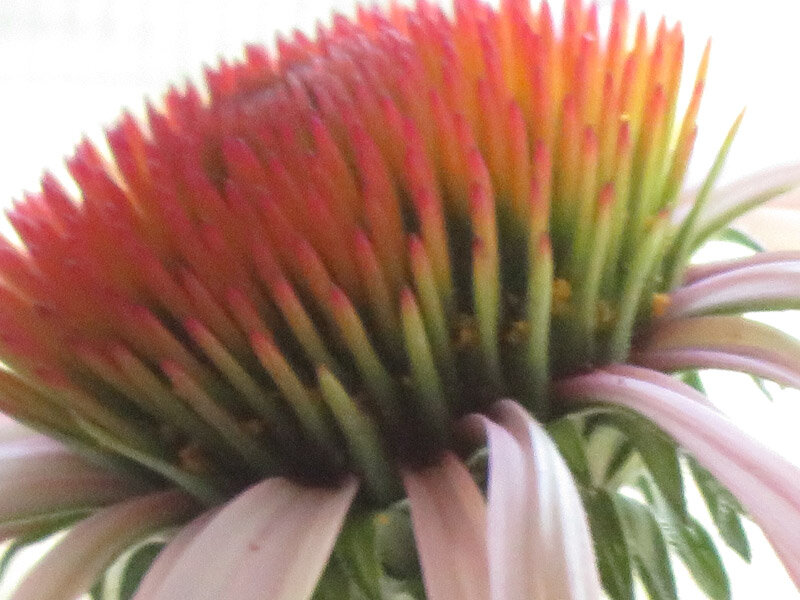
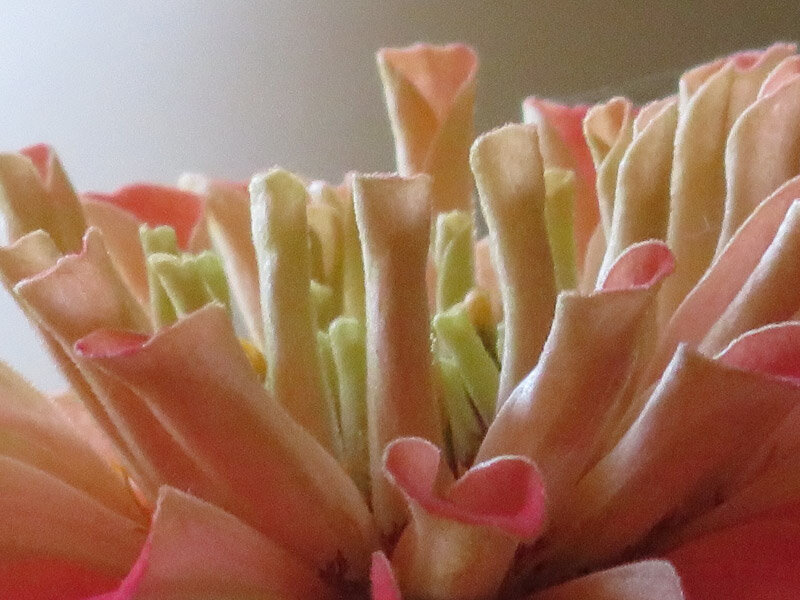
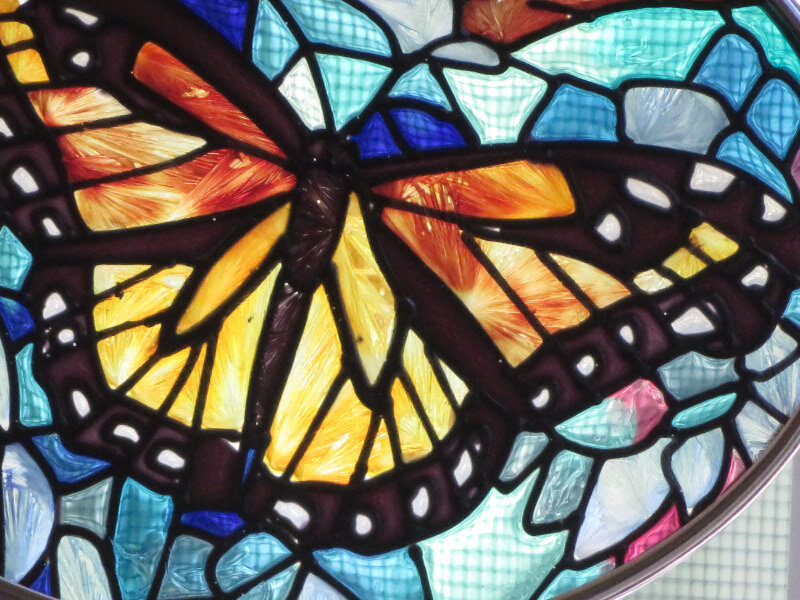
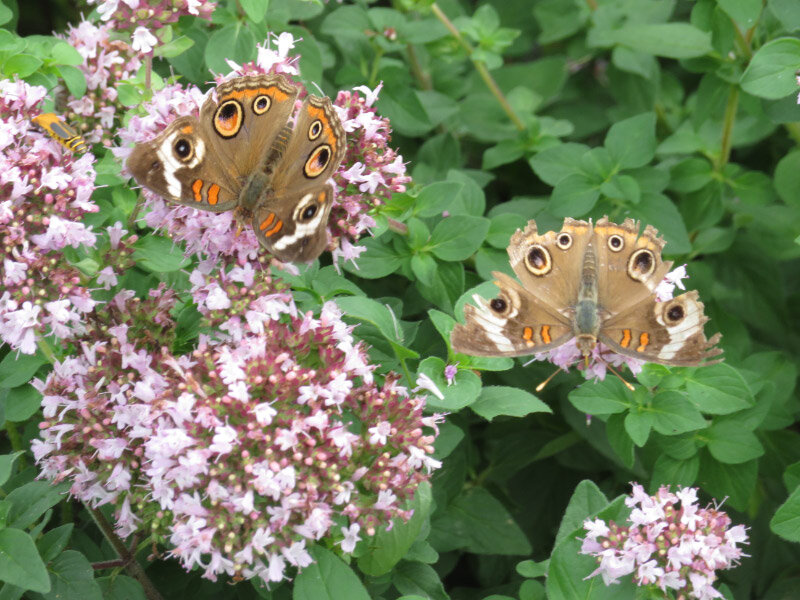
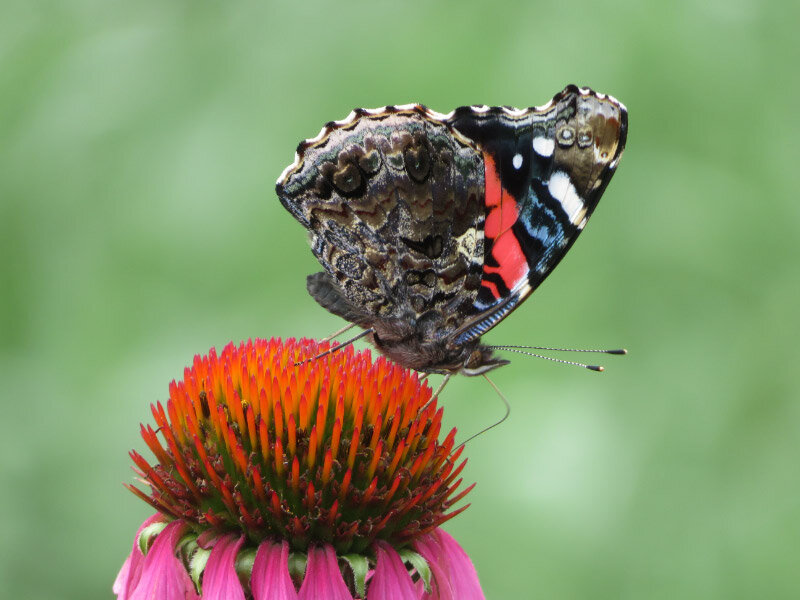
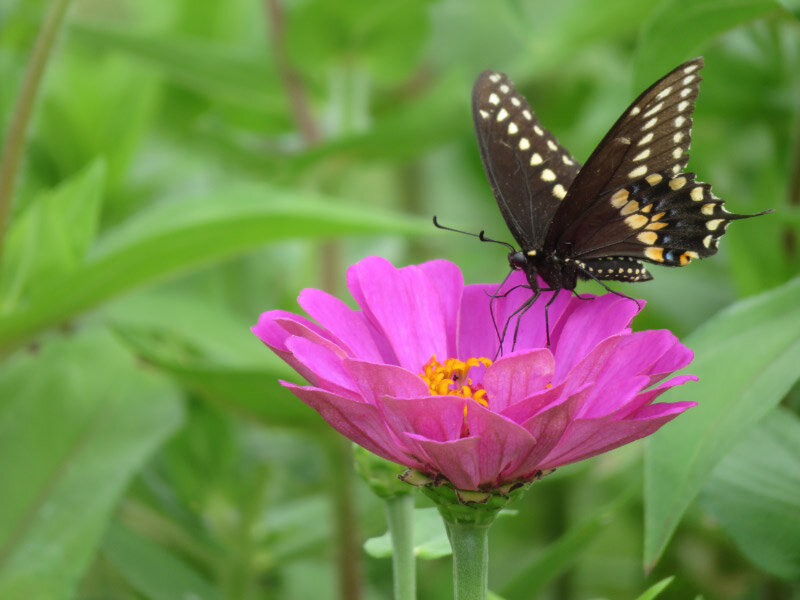
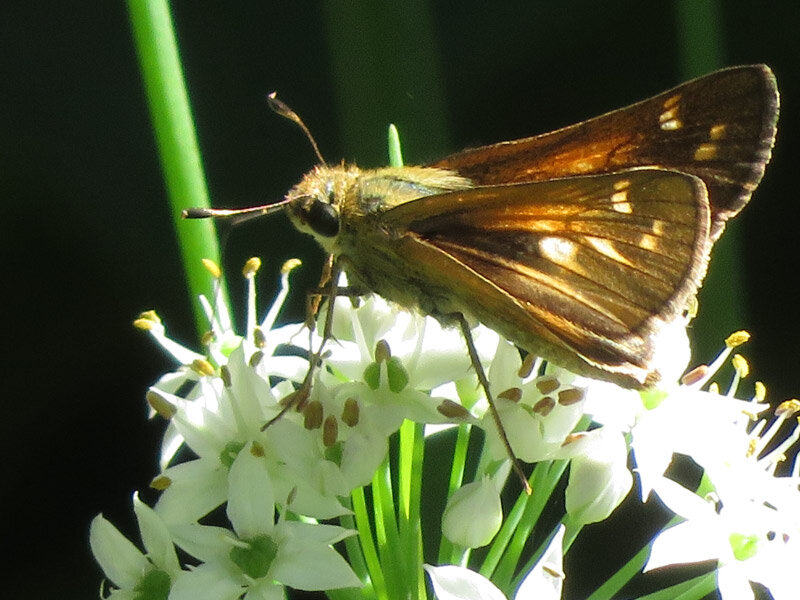
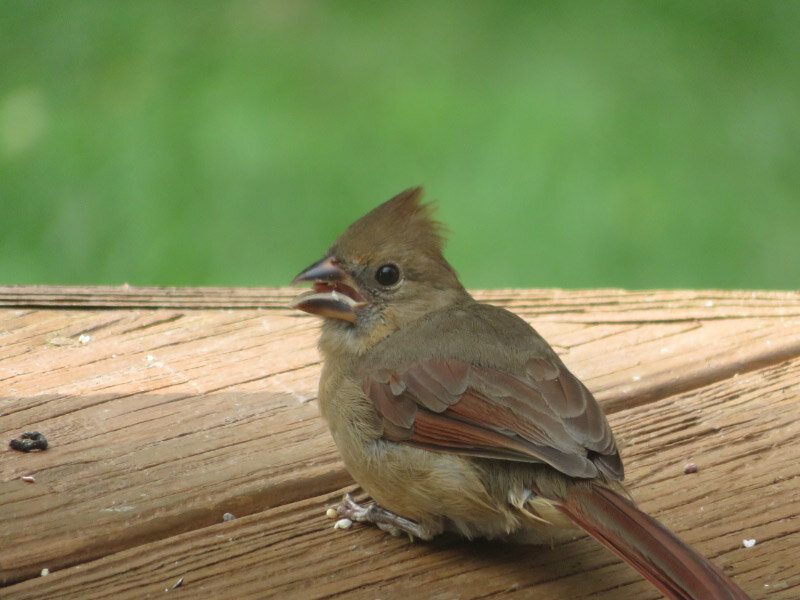
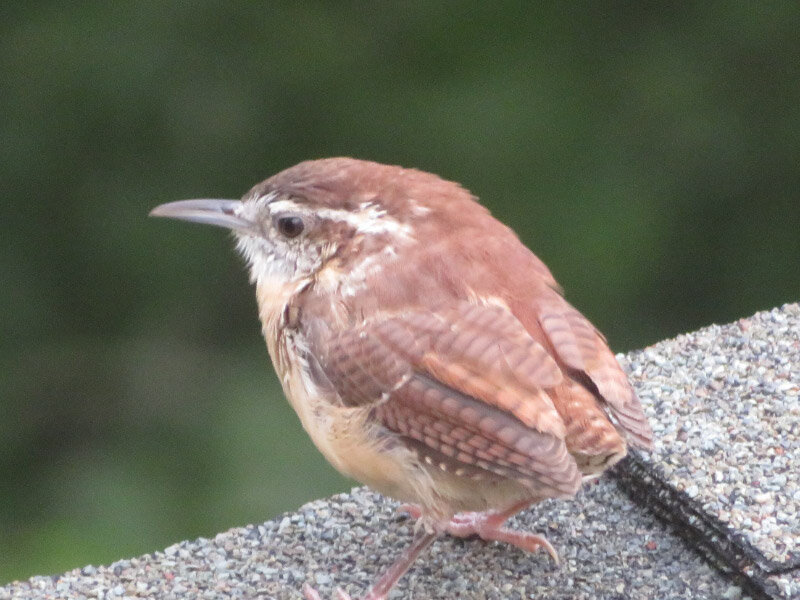
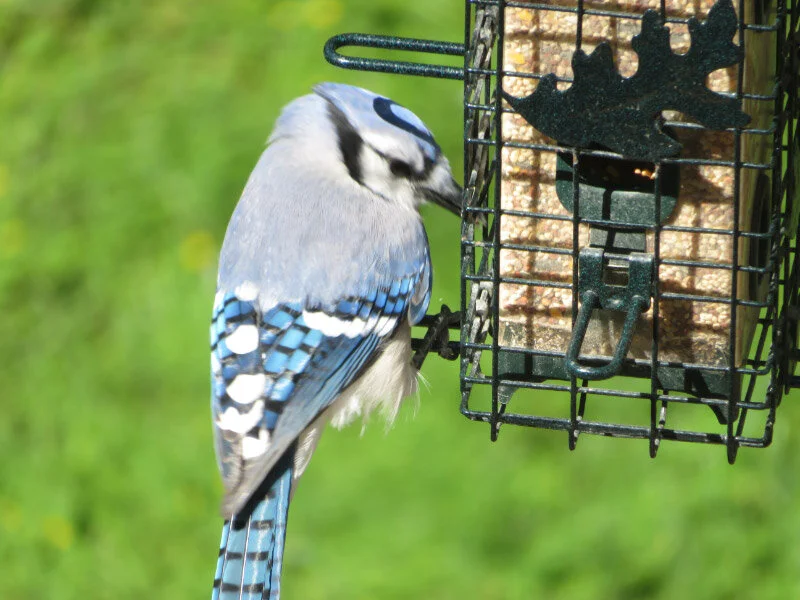
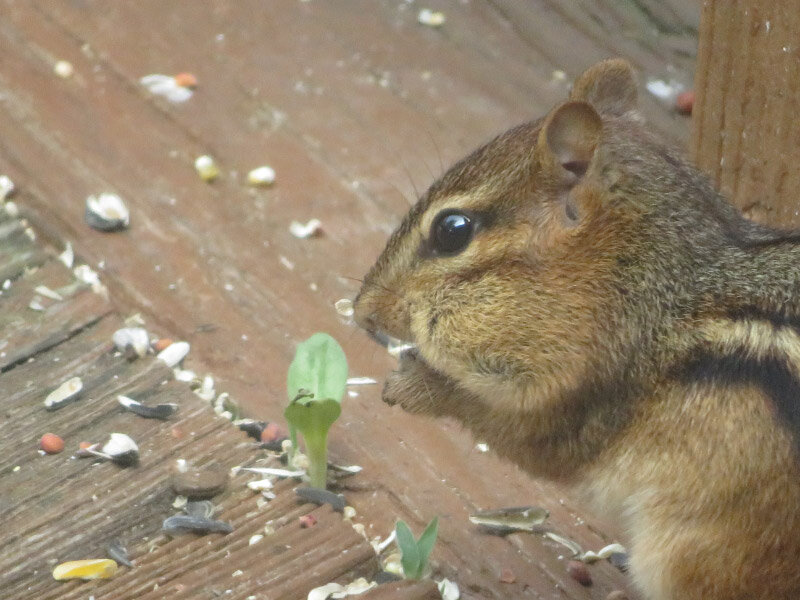
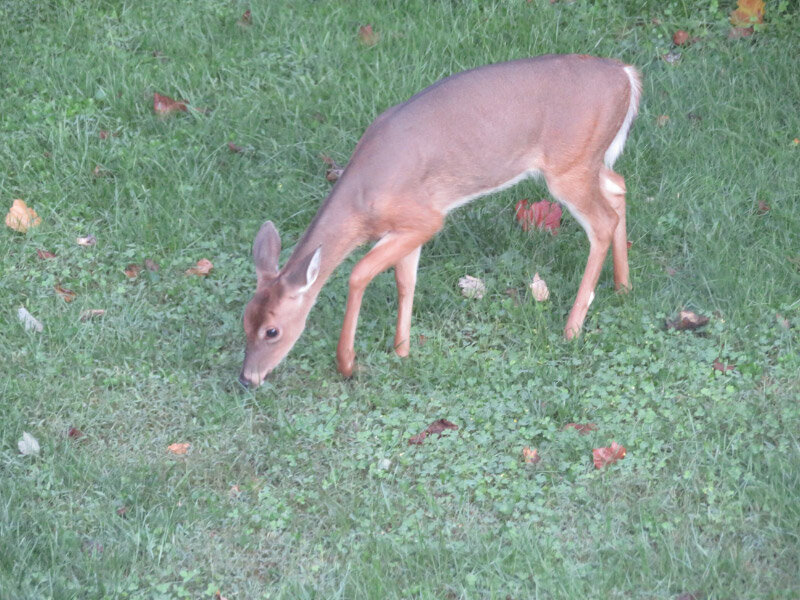
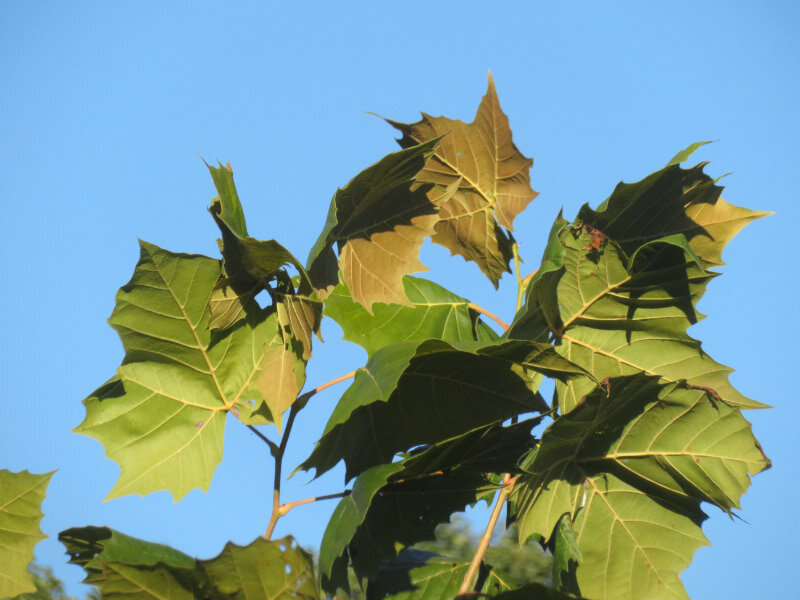
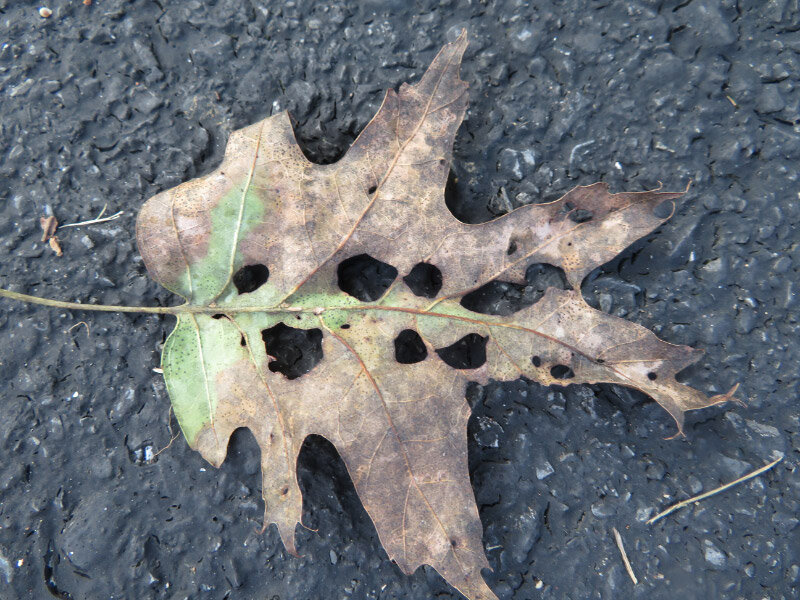
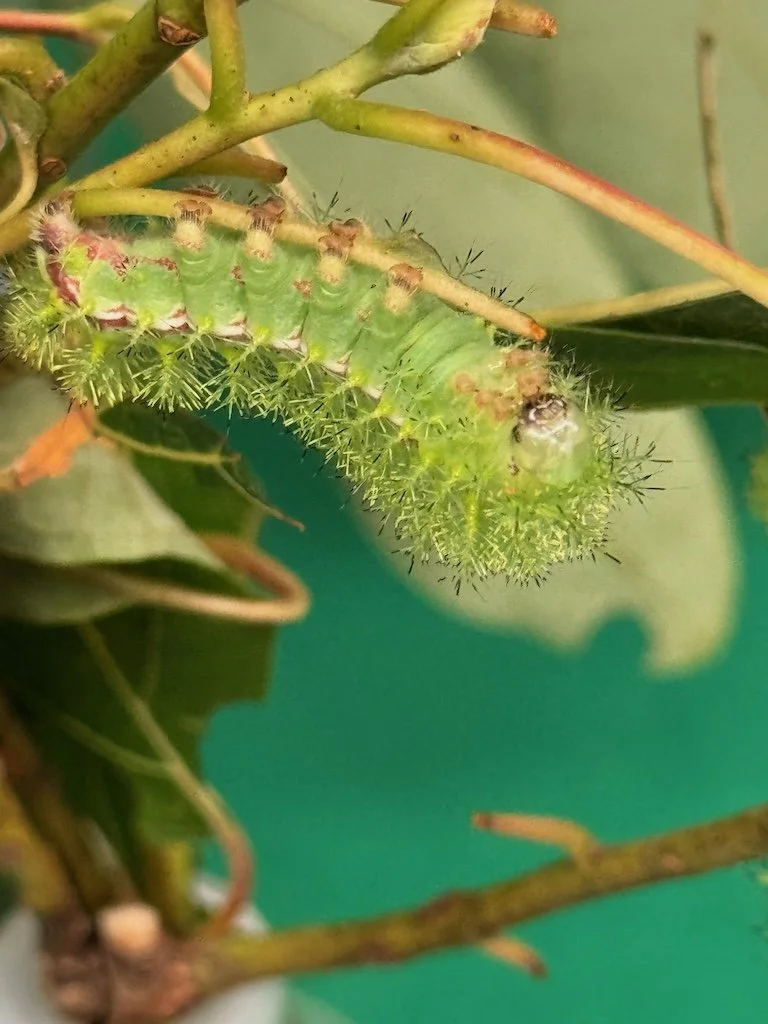
Less that 1000 photos this month…but still enough zoomed images for this post: 16 images. 4 of the images were inside (the stained glass butterfly and the super zoomed flowers). There are 4 butterflies (Common Buckeye, Red Admiral, Palamedes Swallowtail, and Spread-winged Skipper) and a Monarch caterpillar. All 3 birds are somewhat unusual: the Northern Cardinal is a juvenile still begging to be fed by its parents but learning quickly to find seed on our deck, the Blue Jay is contorting itself to get seed from the feeder (the roosts are too close together for him), and the Caroline Wren is tailless. Other animals in our yard or deck are also included: a chipmunk with very fat cheeks and a deer. And lastly are our trees: the sycamore leaves beginning to change against a blue sky after the smoke from the west coast that past over Maryland at 30,000 feet cleared out and an oak leaf that might be an indication that our oak tree has the infection common in our state (and not something we can treat…may eventually kill the tree).

All the pictures were taken at our house or the CSA.

Unique Activities for Yesterday:

Green tomatoes. I got 2 green tomatoes in the CSA share last week; they have been near the kitchen window since then. One began to turn red almost immediately and the other has stayed green. I’ll make green salsa with the one that is still green (or something else that cooks the green tomato so that it is edible) and let the other one finish turned red to eat like a regular tomato.

2020 09 IMG_2094 (2).jpg

Gleanings of the Week Ending September 26, 2020

The items below were ‘the cream’ of the articles and websites I found this past week. Click on the light green text to look at the article.

Closing the Racial Inequality Gaps – Citi Global Perspectives & Solutions – The report (summarized by NPR in Cost of Racism: US Economy Lost $16 Trillion Because of Discrimination, Bank Says) details the analysis  done by Citi that calculates the economic impact of racism….and thus puts a value on proposed government and individual actions to close racial gaps.

Top 25 Birds of the Week: Birds in Flight and Bird Interactions – Double the bird photos this week!

Infographic: Dialing Down the Glitz | The Scientist Magazine® - The mechanism that makes dramatic sexual dimorphism in some finches.

How vitamin C could help over 50s retain muscle mass -- ScienceDaily – Another reason to eat Vitamin C rich foods (and take a supplement when that is not possible).

A guide to natural sweeteners – in C&EN – Compound Interest – A good summary of the chemistry behind natural sweeteners. I am enjoying the stevia leaves I am getting from the CSA’s cutting garden right now – building up my supply a little every week of dried leaves and stems to enjoy even after the cutting garden ends for the year.

Schooling is critical for cognitive health throughout life -- ScienceDaily – Boosting cognitive skills early in life not only expands career opportunities and provides progressively higher salaries…it also pushes back the point at which age-related dementia begins to impact a person’s ability to care for themselves. Education is a good long-term investment for everyone.

Study Tracks Geographical Gene Flow and Ancestry in the US | The Scientist Magazine® - Beginning to get deeper genetic studies that might translate to better understanding of risk of disease across sub-populations within the US.

Scientists use fruit peel to turn old batteries into new -- ScienceDaily – Recycling metals from lithium-ion batteries with food waste…an example of the types of processes we need to develop for a circular economy (zero waste).

Hike in Walnut Canyon – A short video of a special place. I first visited in 1971 in the winter. It was memorable. Maybe I’ll go again after the pandemic is over; it’s high enough elevation I’ll make sure I am acclimated before I hike the trail to see the cliff dwellings up close.

The Undoing of US Climate Policy: The Emissions Impact of Trump-Era Rollbacks – Many young people see climate change as a high priority for the government to address….so do I. This research shows that the actions of the last few years have moved the US in the wrong direction. I usually prefer to focus on solutions and what individuals can do….but the government has a roll to play and, right now, it is moving opposite of the way needed.

Unique Activities for Yesterday:

Letter sweater. I found my 50-year-old letter sweater (academic…not sports) from high school when I cleaned out the coat closet. It still fits! It’s a little chilly today and I am wearing it. I took the letter off years ago but the flap in the pocket has my name embroidered on it. One of the buttons aged differently than the others – looks reddish rather than black. I’ll wear it as a basic black cardigan (with the odd button) in the fall and winter. I made a small pile of some other things in the closet to give away. My pile is big enough now that I am scheduling a pickup from my front porch!

20200925_083449.jpg

Capturing Moments

There are always things to notice…and we are often carrying around something (phone or small camera) that can capture the moment. Here are some recent nature captures:

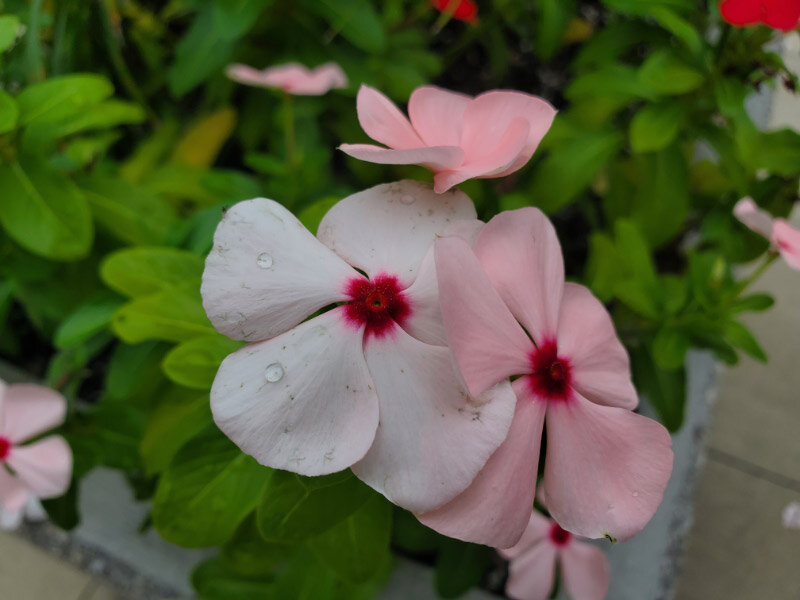
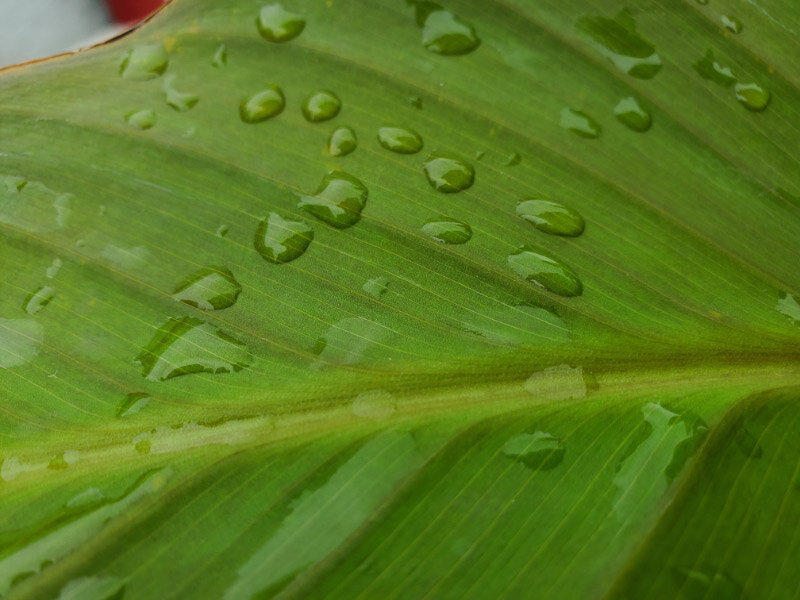
At the car dealership while I waited for my car after its service…I photographed the flowers in urns with my phone; the water droplets on the big leaves were left from the rain earlier in the morning.

My attention was captured most by the flowers that had dropped and always to land upside down with there stems pointed skyward. They must have been knocked off by the rain.

20200911_101804.jpg

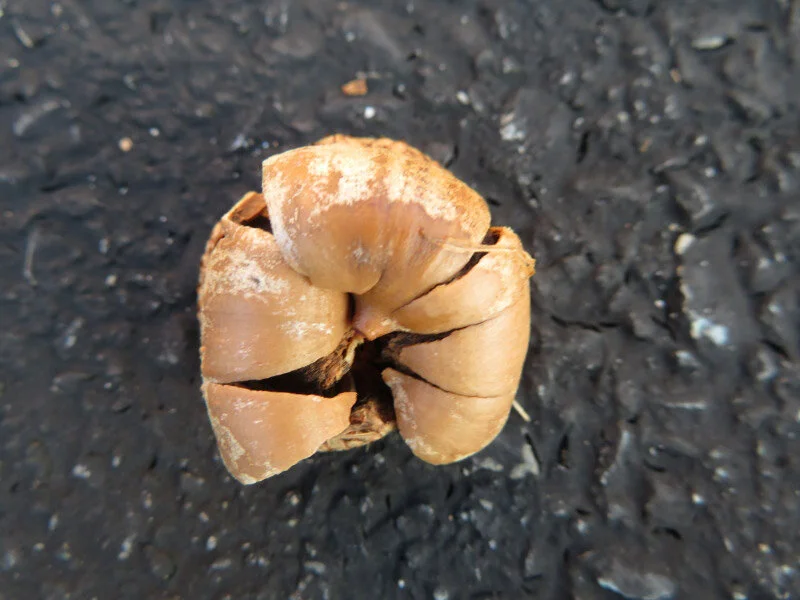
Next - I was walking down the driveway when I spied something round in the driveway. I went back to the house for my small camera. Once I looked more closely, I realized it was an crushed acorn that had stayed together rather than scattering into pieces. It still had the cap (on the bottom)!

2020 09 IMG_1881 (1).jpg

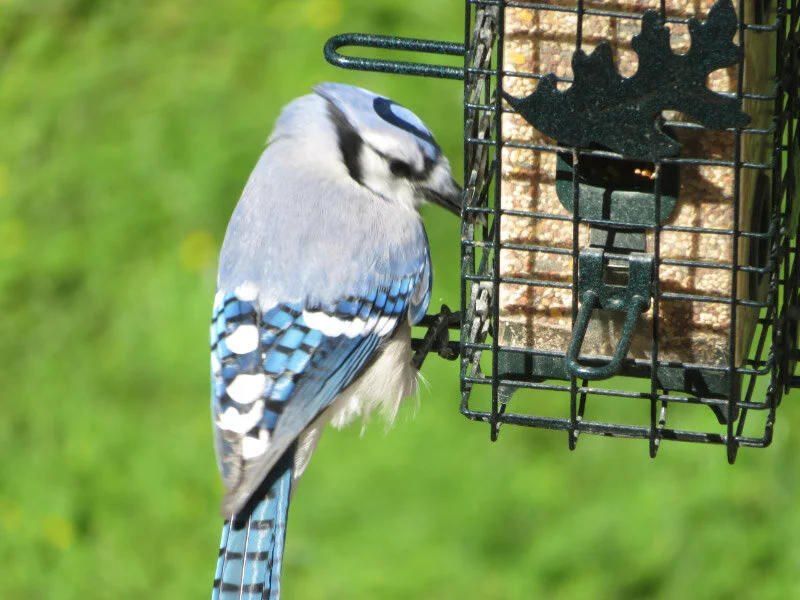
The blue jays come to our deck frequently, but I hadn’t ever seen them on the feeder. There is a reason….the roost are too close together for the birds (see how the bird is ducking and can’t perch on the roost normally) and their weight is enough to partially close the openings where the seed is available. This bird did get a few seeds but flew away and didn’t return!

Unique Activities for Yesterday:

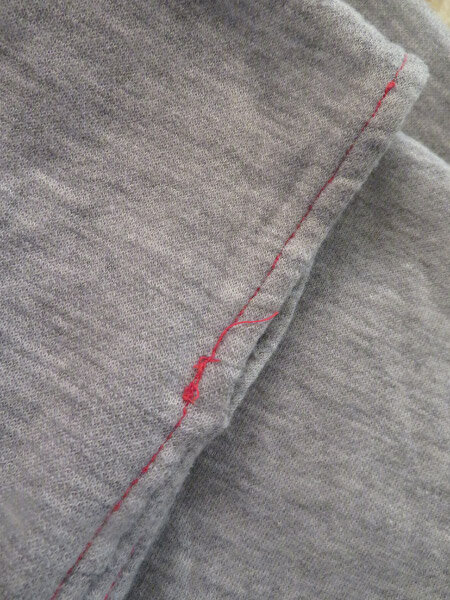
Cocoon. One of my oldest pieces of clothing is a ‘cocoon’ I made back 1985. I use it during the change in season when it’s too cool to go without a wrap but then warms up and I want something that lets in more air…then off and folded up neatly. It is made of gray cotton fleece. Its current dimensions are 19.5” x 62” – probably stretched out over the years. The construction is two French seams (narrow dimension) with an arm hole left on the fold end. It’s a semi-structured blanket!

And then a folded under hem of around the edges. I used red thread to break the monotony of the gray fleece.

IMG_2098.jpg

It folds neatly making it easy to carry and pack. It’s something I wear frequently enough to keep even though it is about 35 years old since I remember making it in the fall!

IMG_2100.jpg

First day of autumn. It was 40 degrees this morning…very autumn like. The oak and sycamore are dropping leaves, but the tulip poplars and maples are still very green. We have a lot of acorns on the driveway that I need to sweep up and take back to the forest.

Painterly Flower Photographs

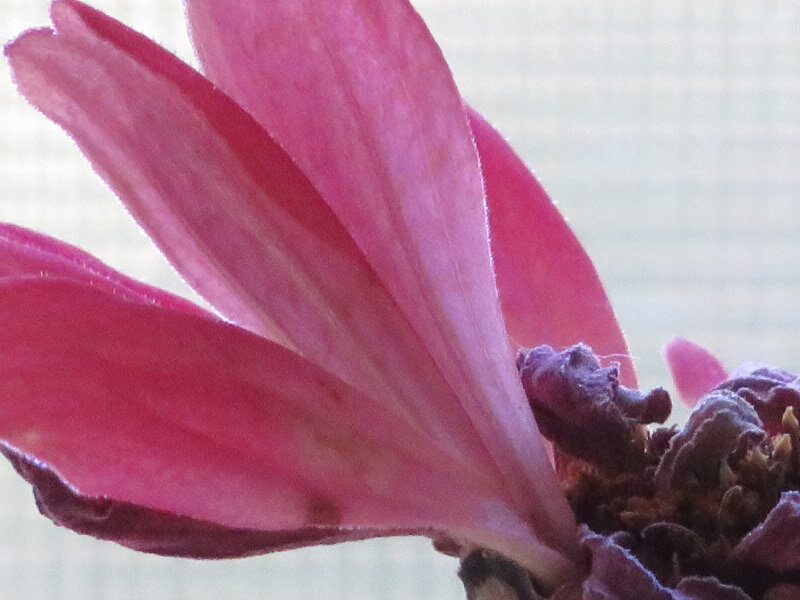
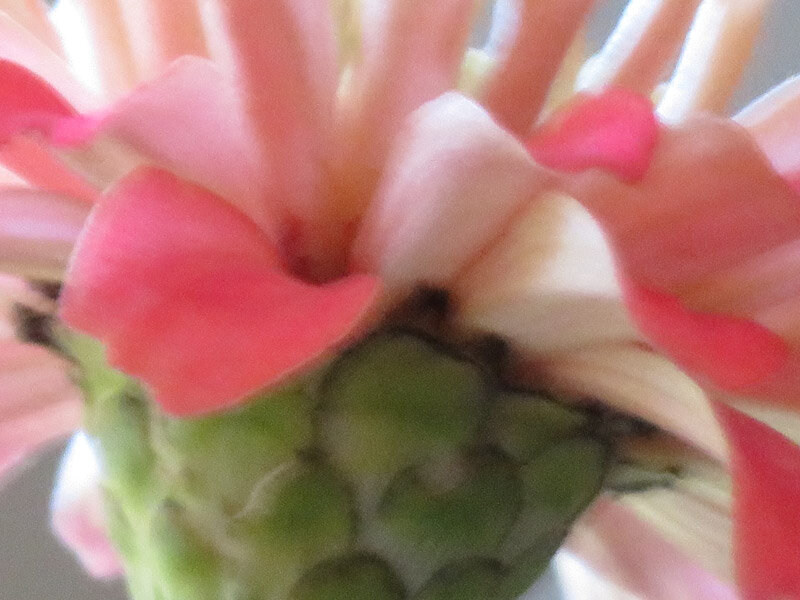
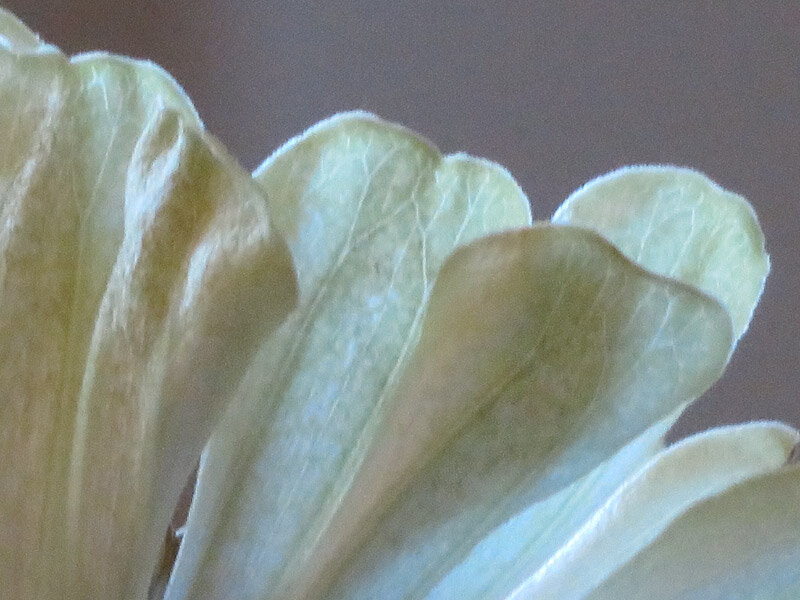
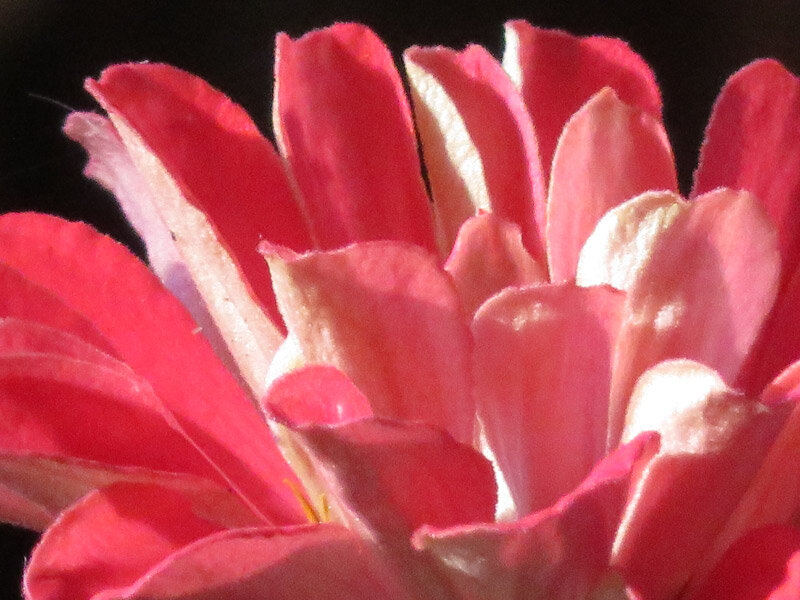
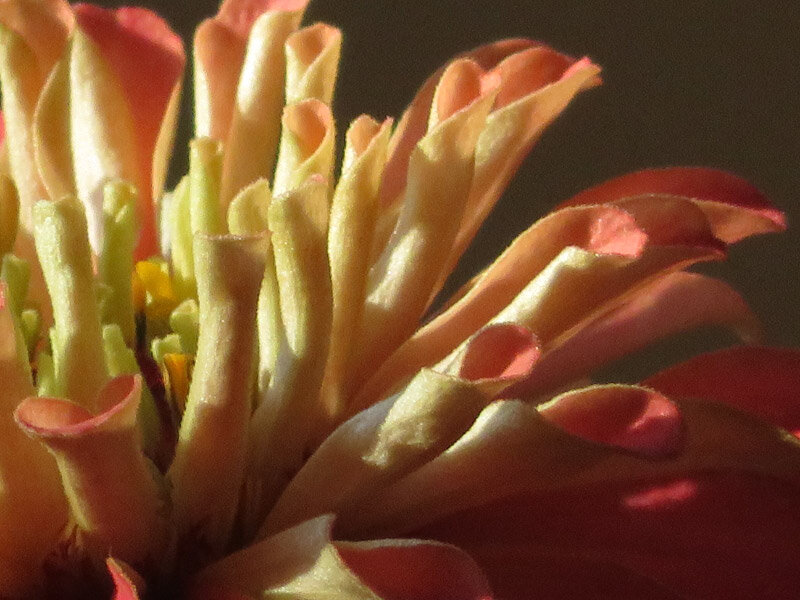
A photography project in my home office: sitting on the other side of the office from the flowers and using the zoom on the camera to get magnified images of the flowers….varying light and magnification. Sometimes I rest the camera on my knee to hold it steady – fold out the view screen to compose the image. Sit back and enjoy the slide show; it will last a little over a minute before it loops back to the beginning.

The advantage of using the zoom is that the depth of field is enough to get the whole flower in focus; getting close…using a macro lens approach…would make it harder to get the focus I wanted. The higher the magnification the more ‘painterly’ they become; the focus softens. I like that the background often is flat or washes out….even the window screen is a pale gray grid. Capturing curves and textures of the petals is the priority.

There are three kinds of flowers: black-eyed susans, zinnias, cone flowers. They all came from the CSA over the past three weeks. Some of the petals are already beginning to dry and curl; the part under the petals of the zinnias starts out as shades green…then turns to shades of brown as the flowers age..

Unique Activities for Yesterday:

Sewing Machine. I have put my 47-year-old sewing machine in the pile I am collecting to donate. It still has all the things it came with – even the instruction book. I used it a lot for about 15 years. For the first 10 of those years I made almost all my clothes. I even took some tailoring classes in 1983 – thinking I would make my suits for work. Then my career ramped up and required more time; I started buying my suits and making my blouses. By the time by daughter was born I was sewing infrequently. I’m not sure why it took me so long to let it go; it was an easy ‘declutter’ decision.

Blue Skies. The hazy skies are gone…but the temperature is still on the cool side. The forecast shows a warming trend…back up to the 80s.

2020 09 IMG_2084.jpg

Birds on our Deck

Camera_01_20200916122843_20200916122943_Momenta.jpg

The bird feeder camera has not been as interesting recently, but I noticed two sequences where there were 2 or more species of birds there at one time. The first one is a Downy Woodpecker joined first by a female Northern Cardinal, and then a White-breasted Nuthatch.

The next sequence has a female finch (maybe) on the side of the feeder away from the camera and a Tufted Titmouse. The titmouse moves around a bit and is then joined by a Carolina Chickadee. The titmouse flies away and a White-breasted Nuthatch comes. The finch stays on the same perch for the duration.

The pictures I take with my camera through my office window are sharper. The Red-Bellied Woodpecker (female) is coming to the feeder periodically. There must be plenty of food in the forest since she does not come frequently.

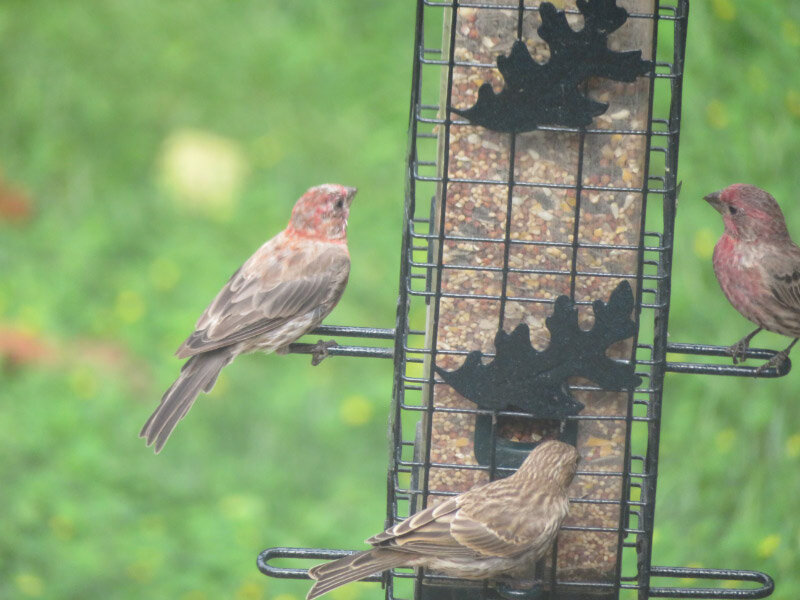
The House Finches sometime come in groups. They are probably the most frequent species at the feeder.

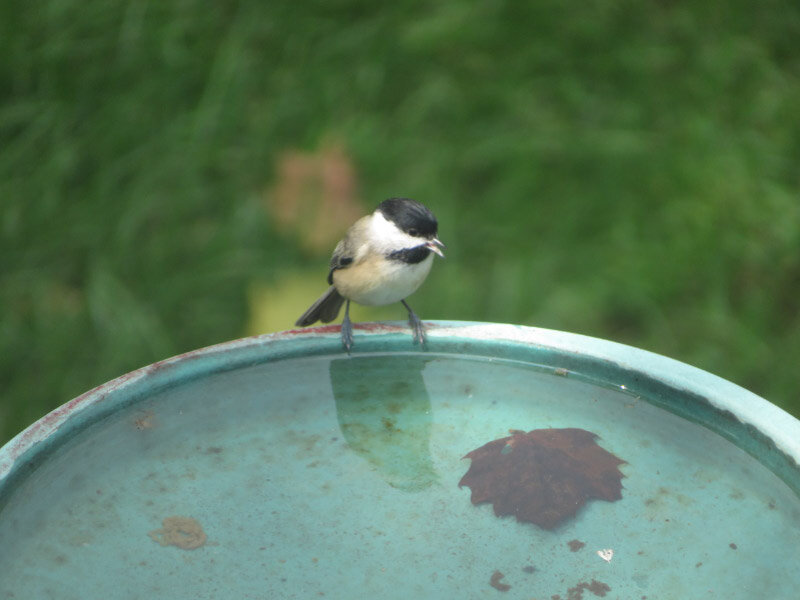
The Carolina Chickadees are high energy visitors to the deck…and not just to the feeder.

The Chipping Sparrows sometimes  come a lot and other times appear to be gone somewhere else temporarily.

2020 09 IMG_1711 (6).jpg

A male Downy Woodpecker comes periodically.

Mourning Doves survey the yard from the deck railing. They also like the bird bath…and clean up any seed that falls from the feeder.

2020 09 IMG_1711 (7).jpg

The strangest photograph this month was of a Carolina Wren….that appears to be missing a tail! I didn’t notice the oddity until I looked at my images on a bigger monitor. The bird behaved normally so maybe it will survive (and grow new tail feathers).

2020 09 IMG_1711 (13).jpg

Unique Activities for Yesterday:

Mourning Ruth Bader Ginsburg….an increase in concern for the future of our country. So many things are adding together to make 2020 a traumatic (and tragic) year. Maybe times like this are the ultimate test of our character as individuals and as a society.

Gleanings of the Week Ending September 19, 2020

The items below were ‘the cream’ of the articles and websites I found this past week. Click on the light green text to look at the article.

Asphalt adds to air pollution, especially on hot, sunny days -- ScienceDaily – Evidently, it’s not just fresh asphalt that pollutes air. In cities, pollution from asphalt is significant enough that it needs to be considered in efforts to reduce pollution. Because it is usually dark in color it also contributes to the heat island effect in cities.

The Peopling of South America | The Scientist Magazine® - Sites along both coasts of the continent…analyzed with modern technologies…teasing out more information about the waves of migration.

The fate of antiques and heirlooms in a disposable age - BBC Future – As we come more conscious of the impact of our lifestyle on the environment….maybe durability of our possessions becomes more important again.

Researchers identify five types of cat owner -- ScienceDaily – In this study…the types are defined in terms of their attitudes toward their pets’ roaming and hunting: conscientious caretakers, concerned protectors, tolerant guardians, laissez-faire guardians, and freedom defenders. My husband and I are in the 1st category although there is a component of the second in our attitude as well. We keep our elderly cat indoors or on the screen enclosed deck.

Think Pigeons Are Boring? Not These Birds – From around the world.

How we sleep today may forecast when Alzheimer's disease begins -- ScienceDaily – The study indicates that the amount of deep sleep (i.e. non-REM slow-wave sleep) is predictive of how restorative sleep is for the brain (as measured by the build up (or not) of beta-amyloid plaques). They haven’t yet done the next step: improving sleep quality and observing the impact on beta-amyloid plaques.

Botanical gardens - where nature meets science and society – A short history of botanical gardens of Europe.

Some of America's favorite produce crops may need to get a move on by 2045 -- ScienceDaily – A third of veggies and two thirds of fruits/nuts consumed in the US are grown in California. In 20 years, climate change will make much of the area hotter and drier. The study looked at 5 crops (lettuce, broccoli, carrots, tomatoes, and cantaloupe) that make up 64% of California’s cash value of veggies/melons. In the future, cool season crops (like broccoli and lettuce) will be grown not just in fall and spring…but in the winter too. It will be too warm to continue growing tomatoes during the summer as that they are grown now and it could be challenging to find a 4 month period where the temperature is in a good range for tomatoes. The main message of the study is that planning needs to be done now to maintain food production in the US.

Eat, Prey, Love: Fast Facts on the Remarkable Praying Mantis – Mantises are fascinating insects. I listened to a video  recently about hummingbirds from one of the birding festivals that talked about mantises sometimes eating hummingbirds!

Playfulness can be trained - here's why you should do it -- ScienceDaily – Applying interventions of positive psychology to playfulness. It appeals to me that the study is coming out now when we have so many people in awkward situations trying to stay healthy. Increasing playfulness was found to improve mood!

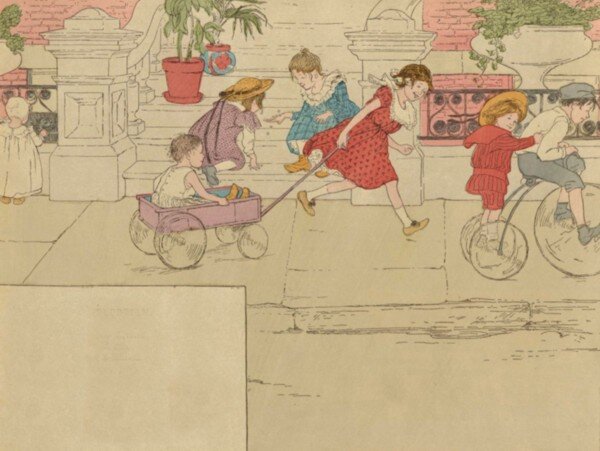
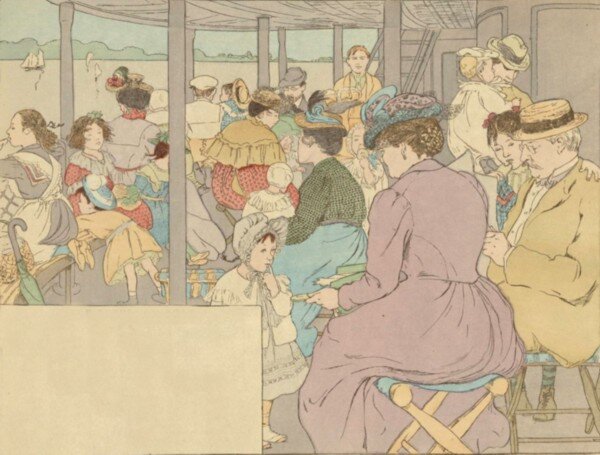
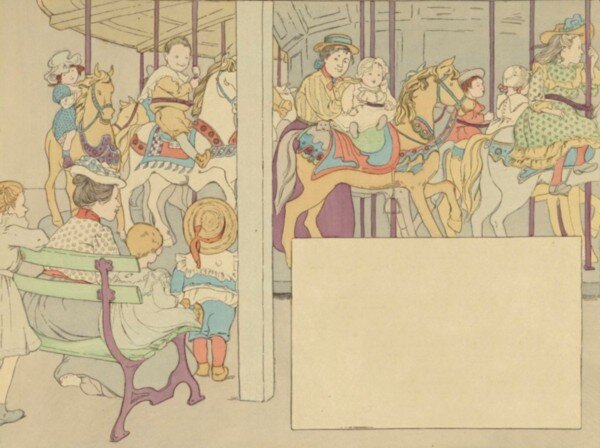
Children of our Town (in 1902)

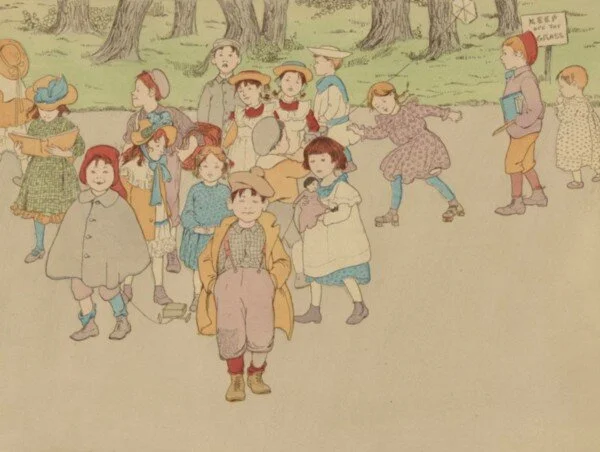
The illustrations in Children of our Town were done by Ethel Mars and Maud Hunt Squire….showing children as they were in towns and cities in 1902. The verses were written by Carolyn Wells and link the book to New York (i.e. a city) where it was published. Still – it’s interesting to browse the pictures and think about how reflective these images are of children of that era.

There are several indications that these were children of people that were well off:

  • they are always wearing shoes even in warm weather,

  • they are often at places that would have cost money (a merry-go-round, a zoo, an excursion boat),

  • they have equipment like skates and toys,

  • sometimes the adult with them appears to be a nanny or maid.

1902 is an interesting year in my perception of the time since my grandfathers were born in 1901 and 1903. Their situation would have been very different since they were not living in a city or town; they were part of a rural population that had enough to eat because they grew food but were generally challenged for things they couldn’t produce themselves. One of my grandfathers talked about going barefoot all the time as a child and also an instance where he fashioned shoes for himself out of shoe boxes when it was very cold. They also were more involved in the work of the farm as soon as they were old enough to gather eggs or pull weeds or scare birds away from the garden.  Whatever toys they had were ones they (or their parents) made from materials available to them (bark boats for the creek, clay from the creek bank, etc.). I wondered if they had marbles like the city children.

(Note - There is a version of Stevenson’s A Child’s Garden of Verses illustrated by the same artists available from Project Gutenberg published in 1928. It’s interesting to see how the work of these artists evolved over time.)

Unique Activities for Yesterday:

20200916_151306.jpg

Mowing leaves. I made a first mulching of leaves on our yard. The oak and sycamore are beginning to drop their leaves and those leaves are big enough to form mats if they are not mowed to bits at the right time. From now on the mowing will be more about leaves than grass!

Winding down in the cutting garden. There are fewer flowers in the CSA’s cutting garden. I cut fewer this week.

At some point I’ll be making very different kinds of bouquets – may some amaranths and seed pods. The stevia and fennel had the tops cut off  (appeared like it was done just a few hours before I got there) so I gathered the clippings that were on top of the remaining plants and have the stevia clipped and drying on a tray. The fennel seed heads are still in a bag. I haven’t quite figured out how to handle them.  

20200917_104031.jpg

The cooler temps mean that we have lettuces again. We got two single-salad size lettuces this week and they look almost like flowers (and are edible)!

30 years ago – September 1990

30 years ago – in September 1990 – my daughter passed her 1-year mark and a few weeks later started to walk rather than cruise. The transition from taking few steps/walking while holding onto something to walking all the time happened on a single day and we took lots of pictures. She even started carrying things in her hands on that day (her favorite being a blanket). She also figured out a way to get on our bed without help – by using the foot board as a step up and then a leg up and over. She might have been motivated by the books that were in the headboard since the first thing she did once she was on the bed was to pull them all out to look at. The cat patiently supervised.

She was speaking in single words…mostly people or food. A day or so after she started walking, she kept repeating ‘book’ as we came into the house from her day care….and she insisted on going up to her bedroom….where she immediately went to the stack of books we had by our rocking chair and pulled out the book she wanted….sat down to look at it. She must have been thinking about it as we drove home.

img038 (2).jpg

I had been gradually increasing my work hours during the month and had my full-time assignment that would start October 1. I was making plans for some family travel over Thanksgiving…but concerned that my new assignment had the potential to be in crunch mode at the same time. I was trying to not get too anxious but had not quite acclimated to the mom and career duality. The ‘Sally Forth’ comic strip was becoming my role model of the type relationship my daughter and I would have as she got older….maybe.  

My husband was being supportive…helping more with our daughter and setting up an office for me. This was the time that we went from 1 home computer to 2. I had the best room in the house for my office (a view of our front yard trees from the window).

Unique Activities for Yesterday:

Haze at 30,000 feet. We are having hazy skies in Maryland from smoke created by the fires in California! Evidently the jet stream is carrying the smoke across the northern part of the US. By the time it gets here, it is a thin layer and high enough to not cause air quality issues. We can tell it’s a sunny day because there are shadows on our yard…but the sky is not blue.

Black-eyed Susans

2020 09 IMG_1798 (1).jpg

The Black-Eyed Susan is the Maryland State Flower. There are a few plants that always grow in the front flower bed – coming up year after year since we had a butterfly garden there more than 10 years ago. The other plants were not as enduring. The day lily bulbs are so dense that the leaves shade out just about everything else.

The Black-eyed Susan leaves come out early and are big enough to hold their place among the day lilies. Sometimes the buds form low enough that they are protected from the deer by the day lily leaves around them.

2020 09 IMG_1798 (2).jpg

Other times the buds are on the end of spindly stems and the deer sometimes eat a few of them. The buds must not taste as good as other vegetation because the majority survive.

I’m always please to see the flowers more easily after I cut back the day lily leaves in later summer. The Black-eyed Susans become the big color in the garden then.

When I was taking pictures of the flowers recently – I managed to get close enough to get a relatively good picture of a bottle fly. The temperature was in the low 60s and the fly was not as active as it would be later in the day.

Unique Activities for Yesterday:

Working Cat. My daughter sends us texts with pictures of her cat. He became part of the family during the pandemic, so the pictures provide our first impressions of him. He has favorite lookouts where he can monitor the rabbits in the yard. Her annotation for pictures below were “working at his desk” and “at his standing desk today.”

6 months in COVID-19 Pandemic

September 12th marked the 6th month since the WHO declared the COVID-19 pandemic. I started a monthly post taking stock of the impact on day to day life back in July (previous posts: July and August). Here’s the one for the 6th month!

There were three activities that were new during this 6th month – things that were critical enough to not put off:

  • Our clothes dryer broke. Our first reaction was panic…a bit more than we would have during pre-pandemic times. Fortunately, the problem seemed to be something we had experienced before (the heating element) and the manufacturer had a website to make a repair appointment. It was a little frustrating that the repair person came to diagnose the problem but our dryer was old enough that the part had to be ordered…so it took 2 service calls. On the plus side – masks were worn by all….and we didn’t have to buy a new dryer.

  • I got a flu shot at my grocery store pharmacy. It was not crowded but I was very aware that I felt more stressed than in previous years – hyper aware of where people were around me. It feels strange now to be closer than 6 feet to anyone other than my husband. Everyone was wearing masks which made it a little better; I had to go later than my usual shopping time because the pharmacy opens later than the grocery part of the story. When an effective vaccine is available there will be a time of re-socialization – getting acclimated again to having more people around in closer proximity.

  • My husband and I both got our cars serviced – something we had been putting off. My husband’s car was the forcing function because a button came off/broke. We didn’t wait at the dealership for the service to complete. That meant that we chose a closer-to-home dealership for his car. For mine – the dealership where we purchased the car 3 years ago was the closest. Overall – it was an OK experience: all the people in the service area were wearing masks and we could (mostly) maintain distance. We brought our own bottle of hand sanitizer and disinfectant wipes --- drove way after the service with the windows down to fully exchange the air in the car.

We’ve started talking about when we might venture out to get haircuts since are looking a bit scraggly (last haircuts were in January). The place we normally go is accepting appointments so maybe we’ll go in the next month.

Virtual Bird Festivals are dominating our webinar experiences. In the past month we’ve enjoyed Yampa Valley (Colorado), Bosque del Apache (New Mexico), and Puget Sound (Washington) videos and webinars.   There will be others coming up throughout the fall.

I am prioritizing finding activities that give us joy....to combat the aspects of these pandemic times that are depressing.

  • Who would have predicted 20 years ago that improving communication (i.e. social media and the internet) would result in such a dramatic increase in anarchy (other names could be conspiracy theories, fictional stories/events presented a fact, encouragement of armed resistance) along with the positives? I would really like it to be easier to find validated/confirmed news stories and a lot less opinion (outright lying).

  • Growing up in the 1960s at a time when everyone was following public health guidance re the sugar cube polio vaccines….it surprises me now that there are people opposed to wearing masks. I grew up thinking that it was a social responsibility to behave in a way that cared about others: getting vaccines, stopping at stop signs/red lights, requiring people in the car with me to wear seat belts, wearing shoes in eating establishments, etc.

  • In this 6th month the linkage between climate change and the pandemics became more obvious to me with the fires along the west coast (record breaking hot dry conditions, big electrical storms). In the near term –the evacuations make social distancing a challenge and the smoke impacts lung function in ways that probably will increase the deaths from COVID-19 in some areas. It’s a compounding tragedy. In the longer term – perhaps it increases the overall awareness that more climate actions (moves to reach drawdown and change mitigation) are required for our own health (as well as the health of everything on our planet). The life expectancy for humans may have already peaked.

I still think my husband and I are positioned to weather this pandemic by continuing the vigilance of the last 6 months. We are making carefully planned adjustments but continue to spend most of our time at home until there is a safe and effective vaccine.

Unique Activities for Yesterday:

Gleanings from the Puget Sound Birding Festival. The first day was the most intense with some pre-recorded videos then 4 hours of webinars. I was glad there were 30-minute breaks between the sessions but was exhausted by the end. Here are some links I gleaned from the sessions:

Just as with the Yampa Valley virtual festival…..I want to go to this festival one too!!!! Maybe next September – and plan some visits to some of the parks in the Northwest on the same trip!

Mini-clover update. There’s only been one day that we could skip watering because it rained. Otherwise – I’ve turned on the water 1st thing in the morning and my husband goes out an hour later to move the hose to the second location. Teamwork.

Cat at the door. Our cat tends to watch us from the window beside the front door when we are working in the front yard. Sometimes we can tell that he is meowing (yelling) at us.

2020 09 IMG_1801 (1).jpg

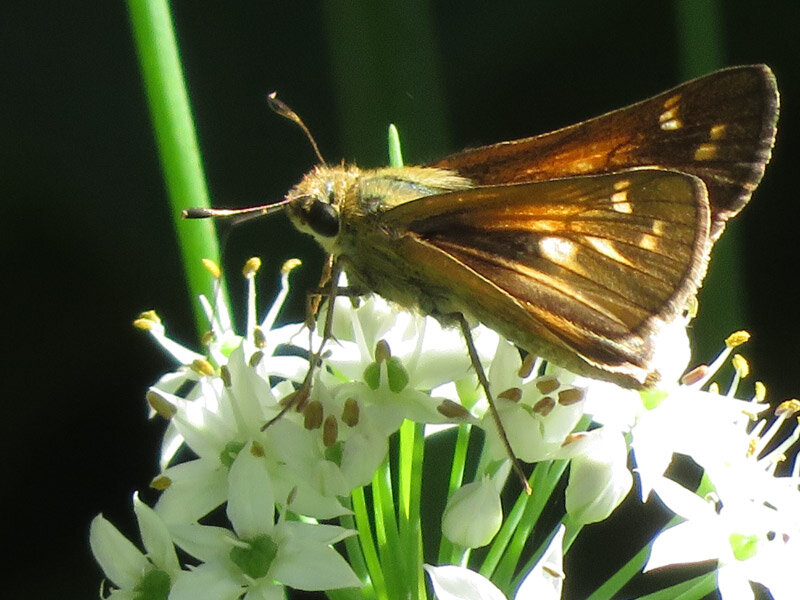
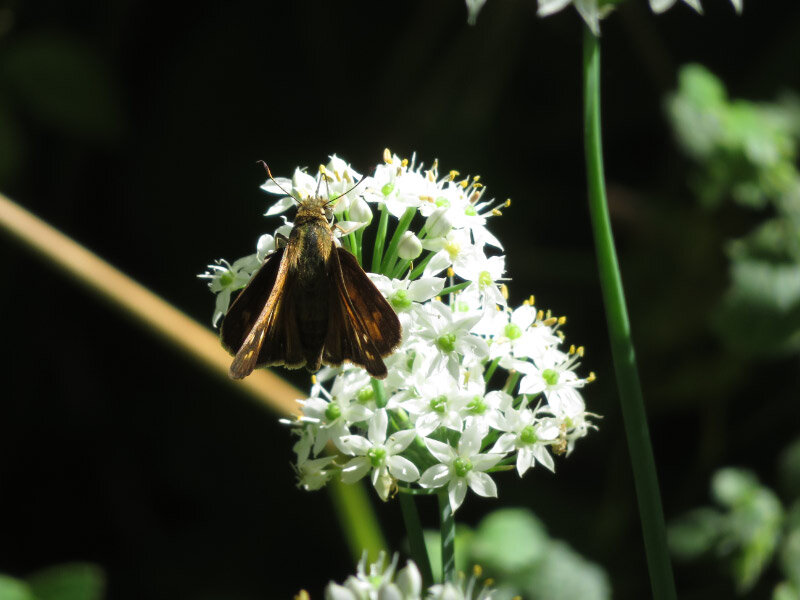
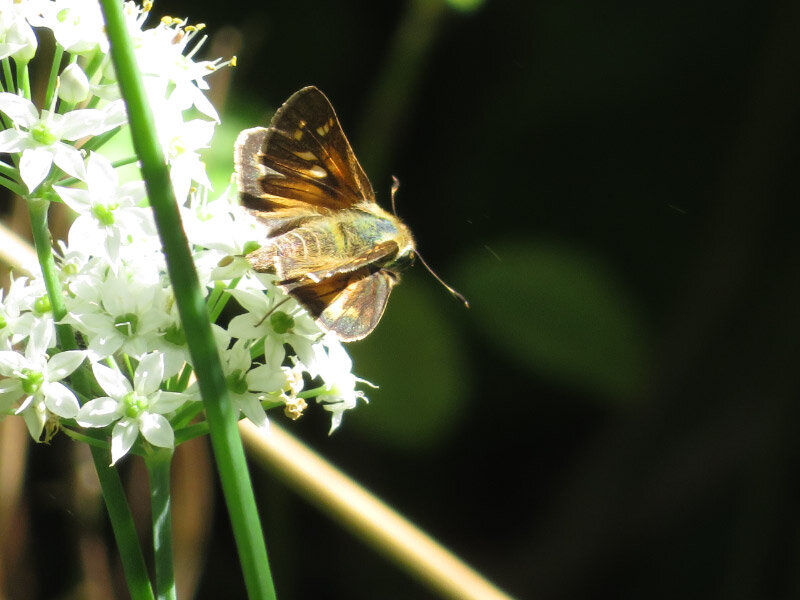
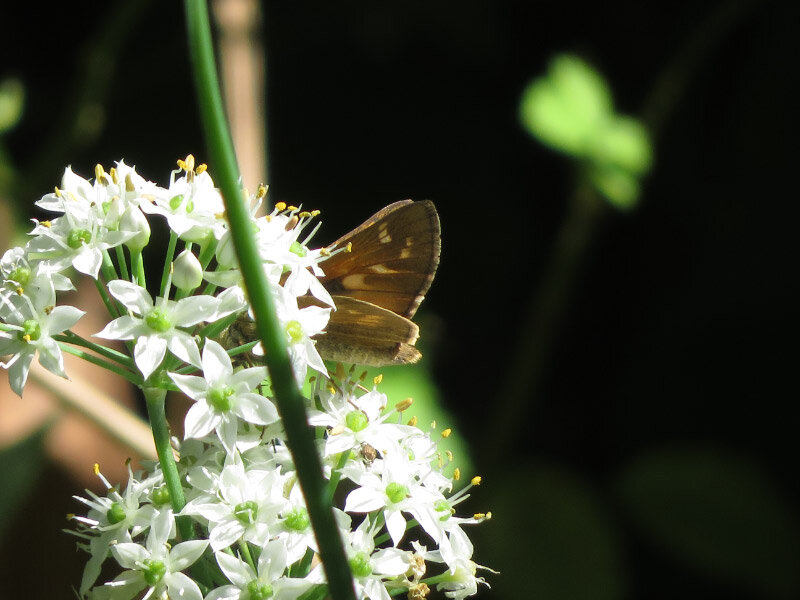
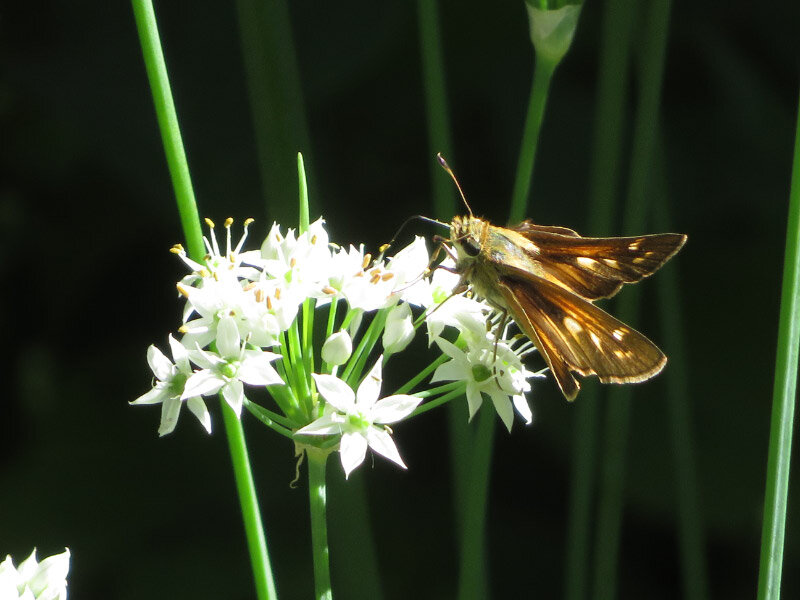
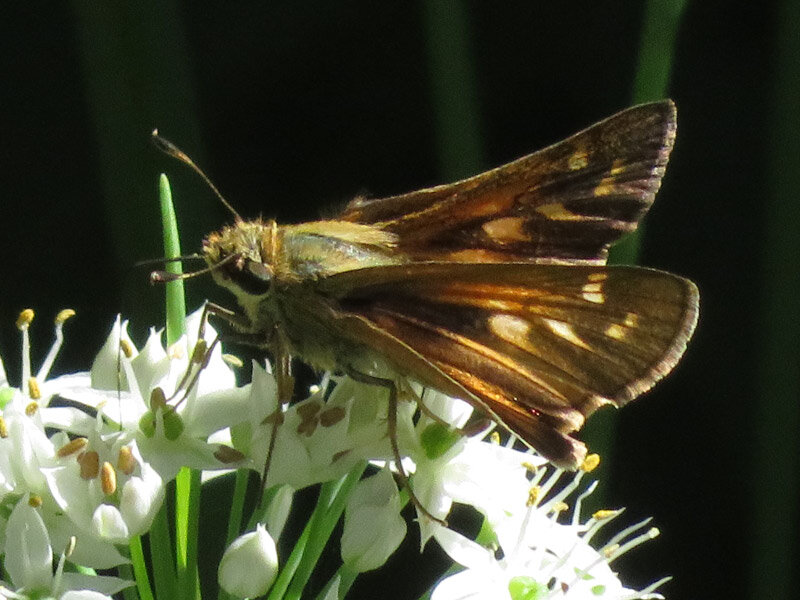
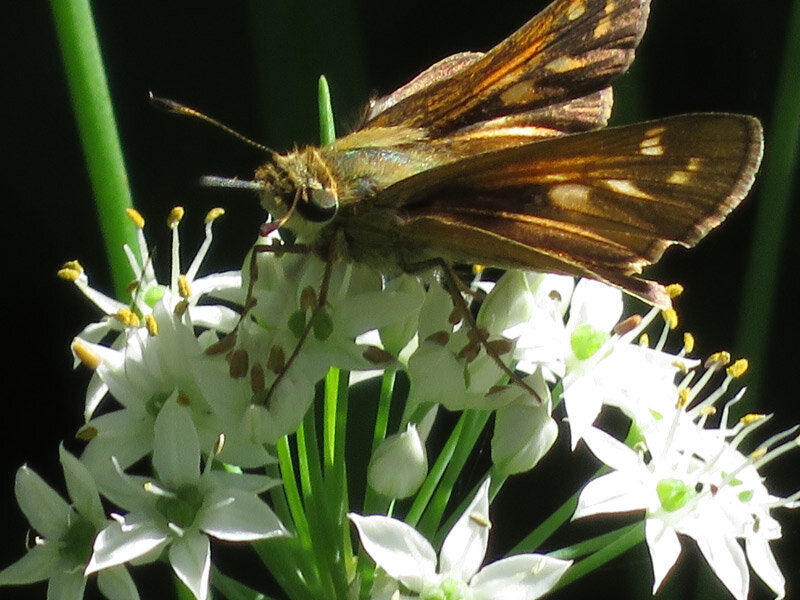
Onion Flowers and Skipper

The onions are blooming our chaos garden. They come back every year. I keep thinking I will harvest the tops for salads, but I am always overwhelmed with items from the CSA – never need to augment the crisper during the summer!

2020 09 IMG_1766.jpg

There was a Southern Cloudwing – a Spread-winged Skipper – getting nectar from the flowers…enjoying a last hurrah of summer. (Ref. Maryland Butterflies and Maryland Biodiversity Project). Use the arrow to the side of the image below to go through the slideshow. The proboscis is visible in some of the pictures. Note the shape of the eyes and the fuzziness of the body.

Unique Activities for Yesterday:

41a 20 09.jpg

Prototype Grinch? I was browsing through the 1914 edition of Tik-Tok of Oz (L. Frank Baum) on Internet Archive and one of the first illustrations in the book (John Rea Neill was the illustrator) looked like a prototype the Grinch! Do you see the resemblance too?