Hagerman National Wildlife Refuge – November 2023

I left Carrollton on the day the shift was made from daylight to standard time; it was easy to reach Hagerman National Wildlife Refuge just after sunrise; it was a hazy morning. There were already other birders driving the wildlife loop – some with the same strategy I use: photography through a car window!

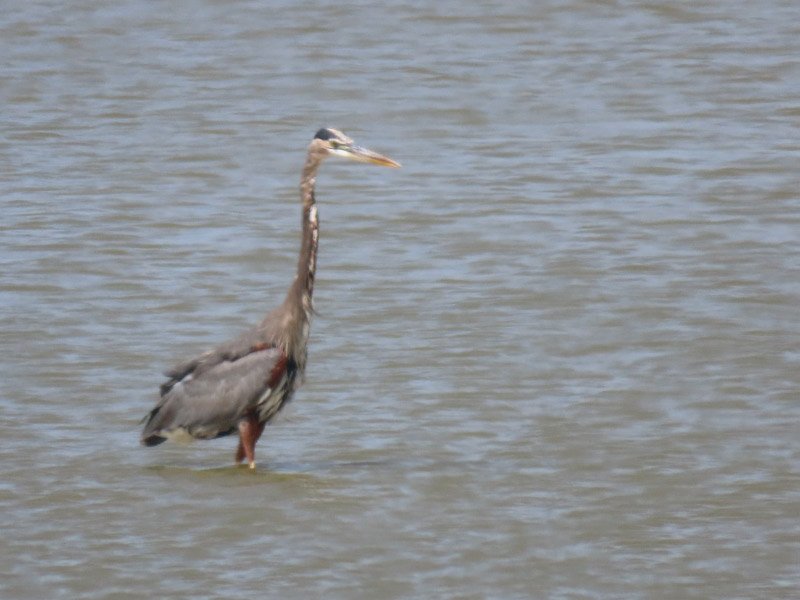
One of the first birds I saw was a great blue heron that flew into a large pond and was immediately on the move – probably looking for breakfast.

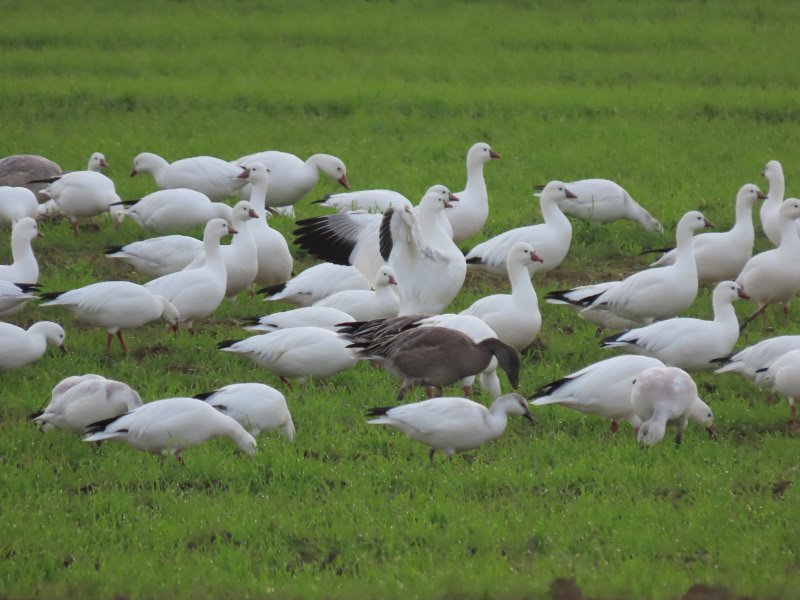
I saw a group of snow geese at the edge of the pond with water reflecting the sunrise colors behind them. Note that some of the geese are smaller (i.e. Ross’s Goose). There were blue morphs of the snow geese mixed in as well.

A grebe appeared with some pintails.

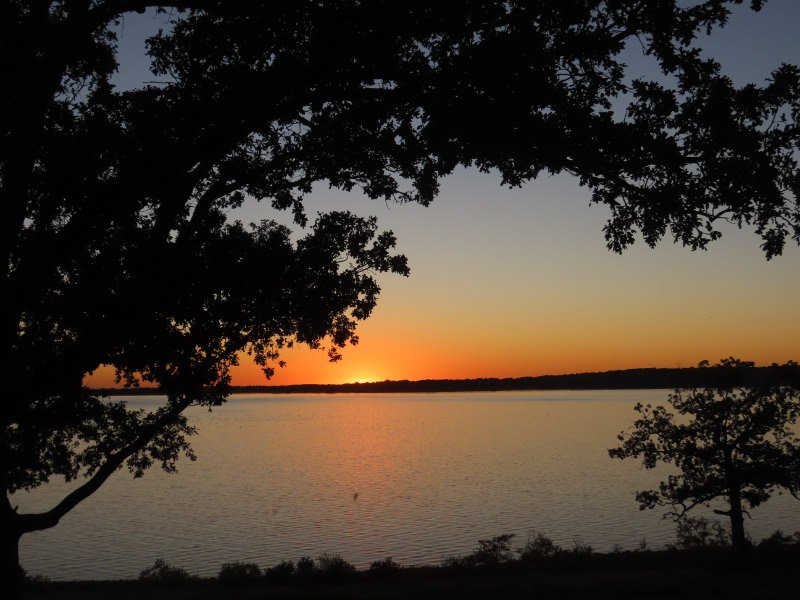
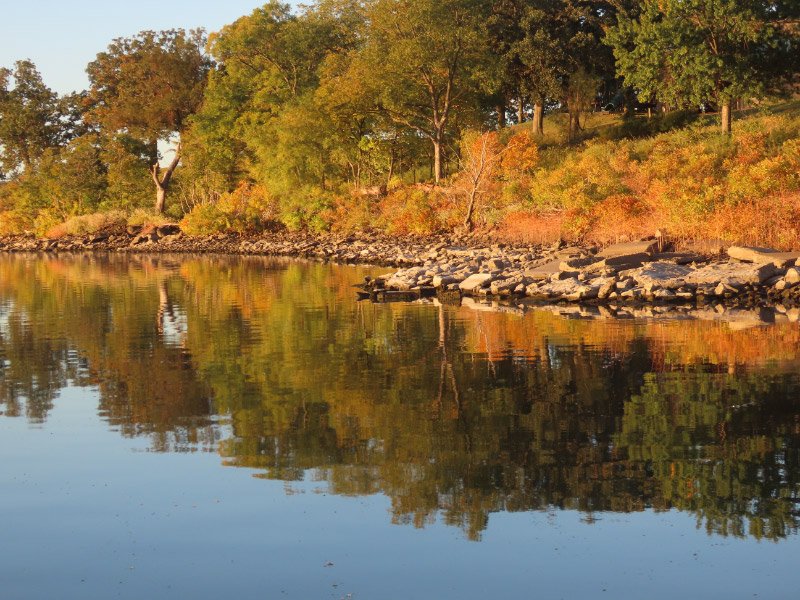
Mallards are always around. The trees and shoreline vegetation were definitely showing their fall colors. And then the sun popped above the horizon.

American coots are back at the refuge.

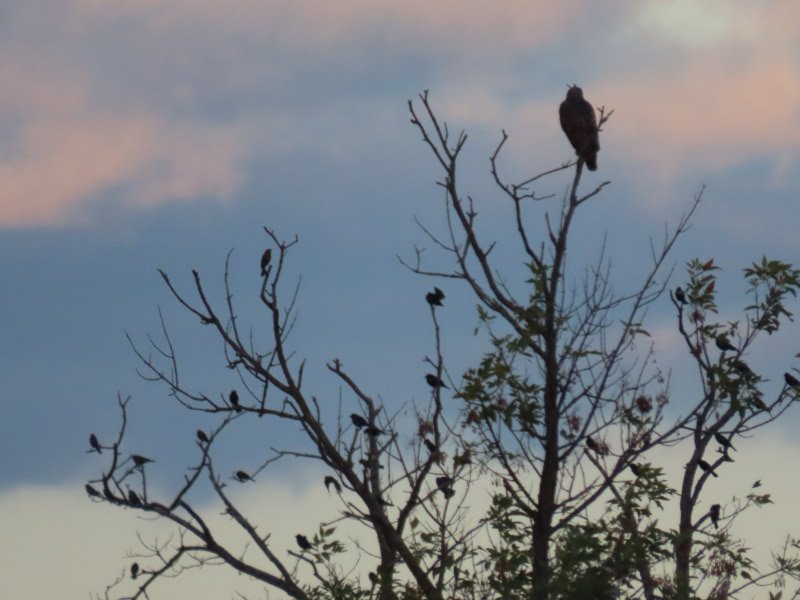
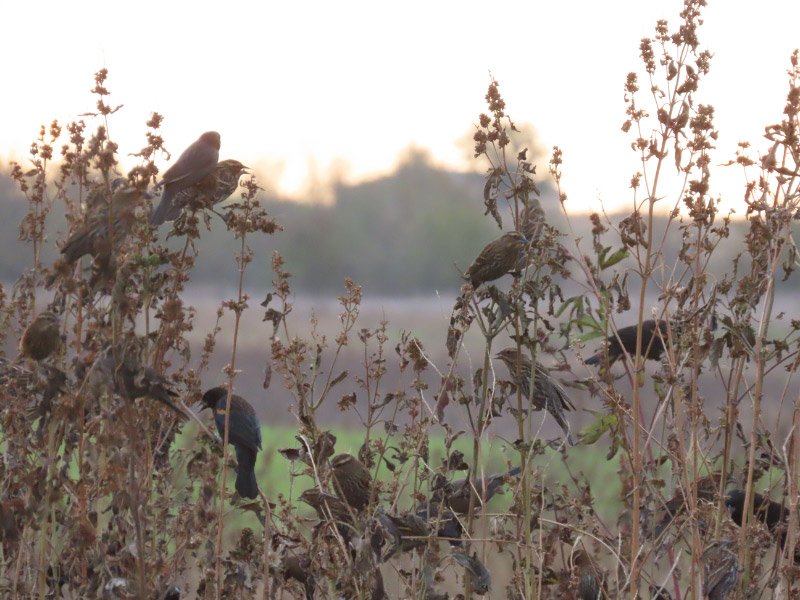
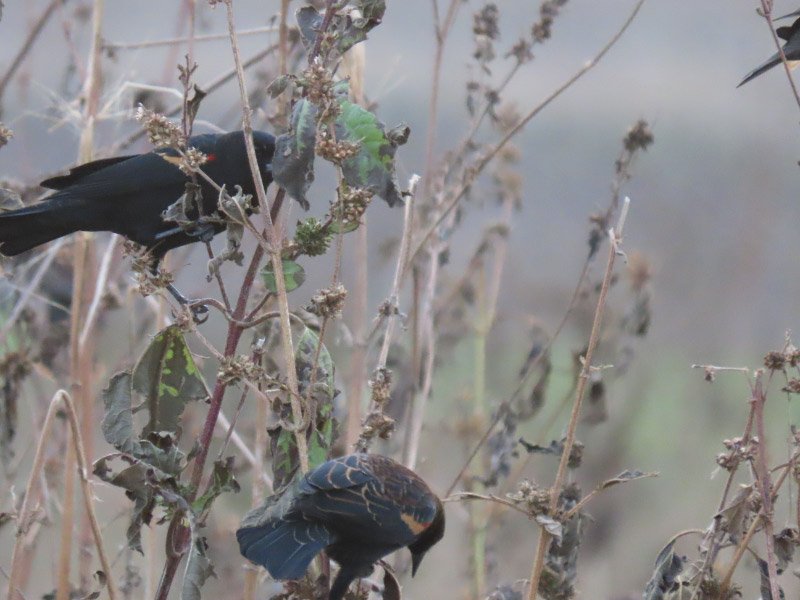
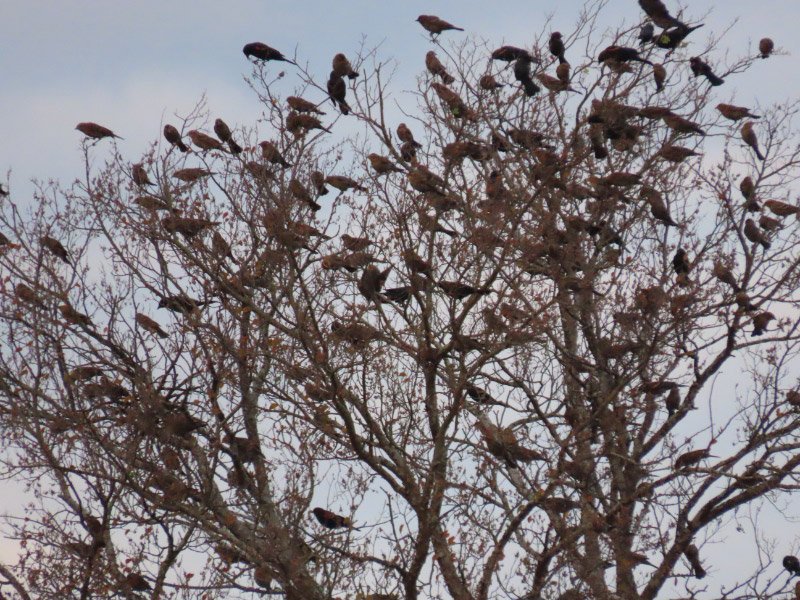
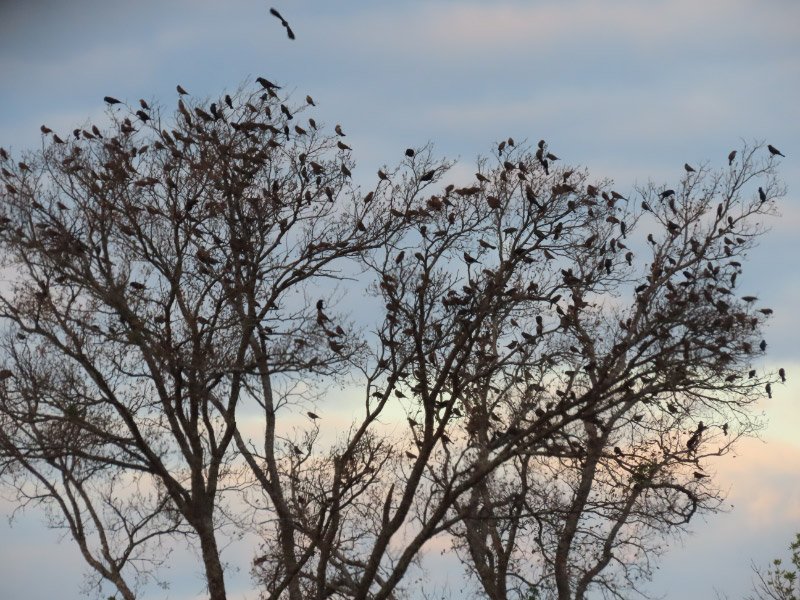
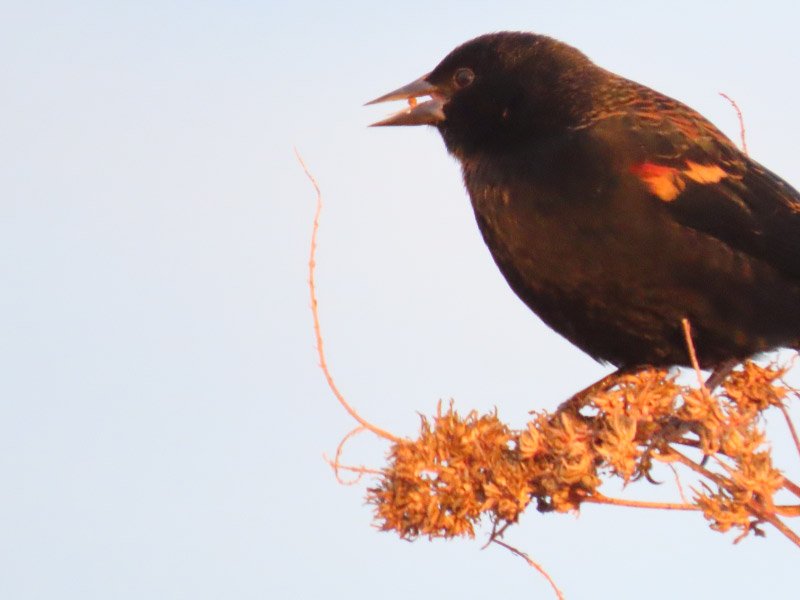
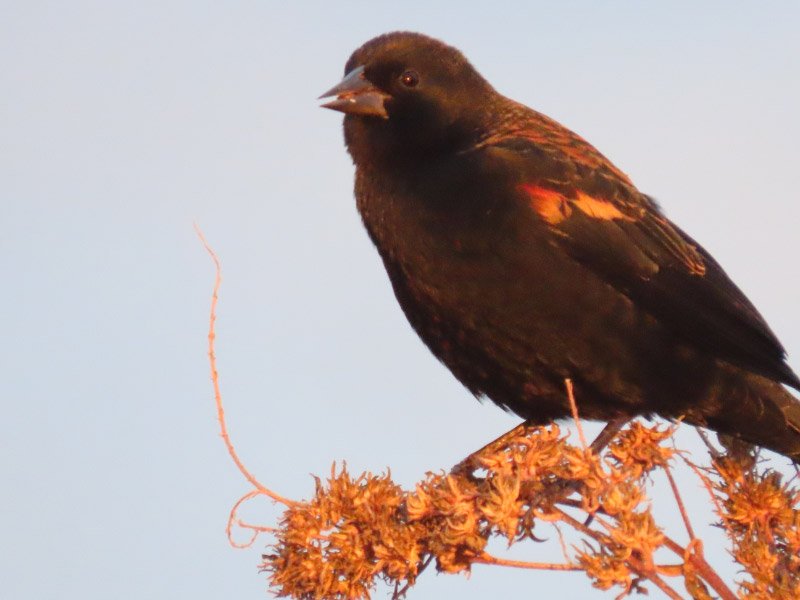
The most numerous birds were red winged blackbirds. They were enjoying the abundant seeds (sunflowers mostly) and rose up in murmuration at any little disturbance. Sometimes the group landed on the road for a few seconds but then quickly flew away to another stand of vegetation with seeds or to trees. They seemed oblivious to a hawk in one tree they picked. The group was a mixture of males and females.
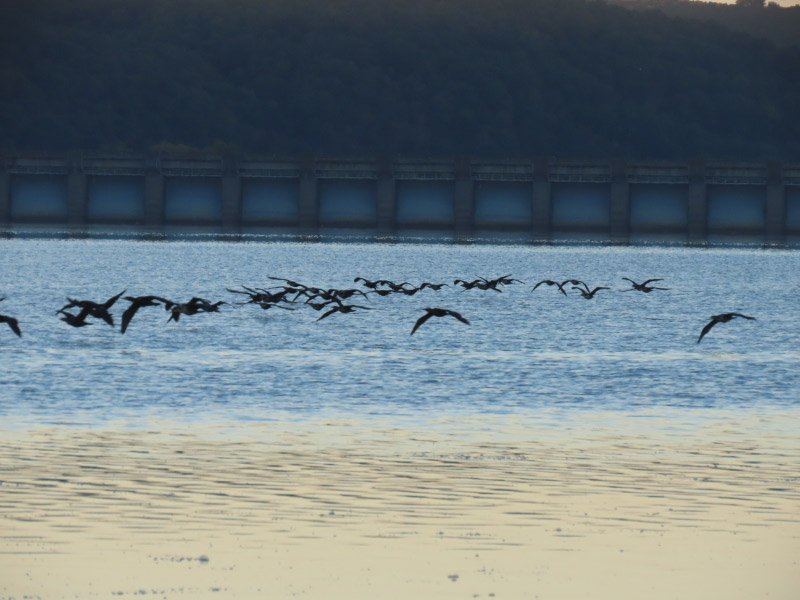
A disorderly V of cormorants (I think) flew by.

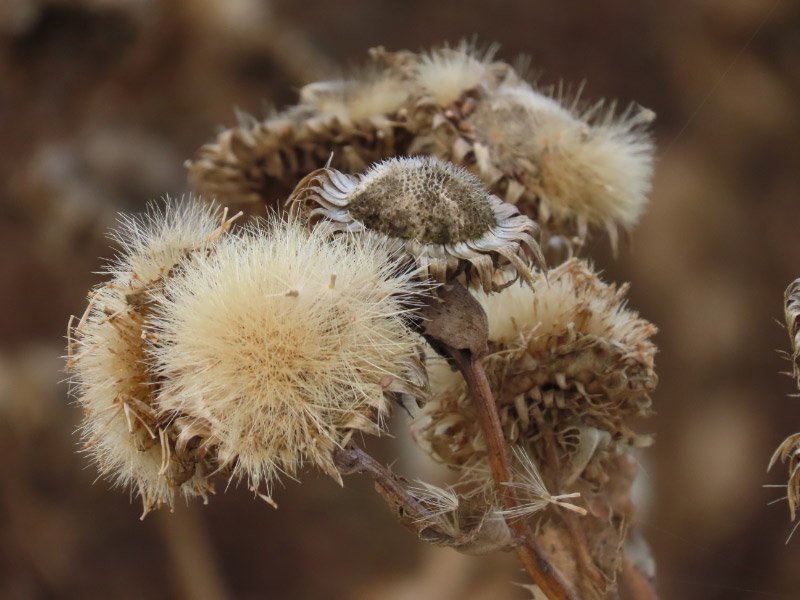
I got out of my car once to look over the shoreline vegetation to see if I could spot a group of pelicans in one of the larger ponds but didn’t see any…the vegetation was worth a few photographs.

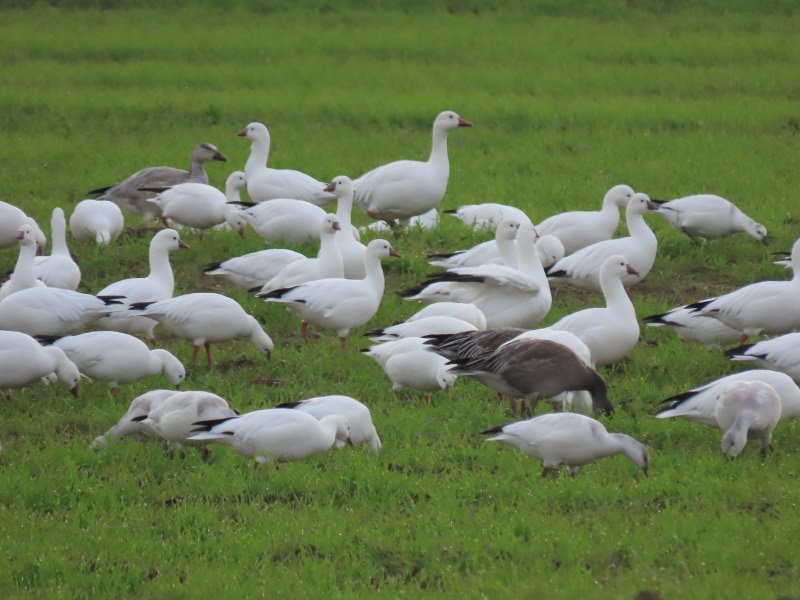
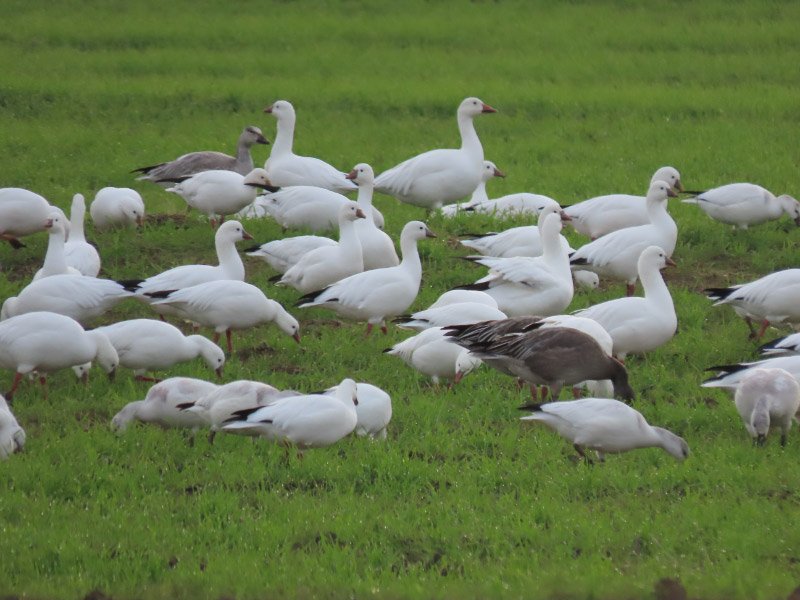
Another group of snow geese/Ross’s geese was grazing in a grassy area. I did a series of images…with one of the geese stretching its wings. The geese were vocalizing…gentle noises that probably reassure all of them that things are OK with the world.
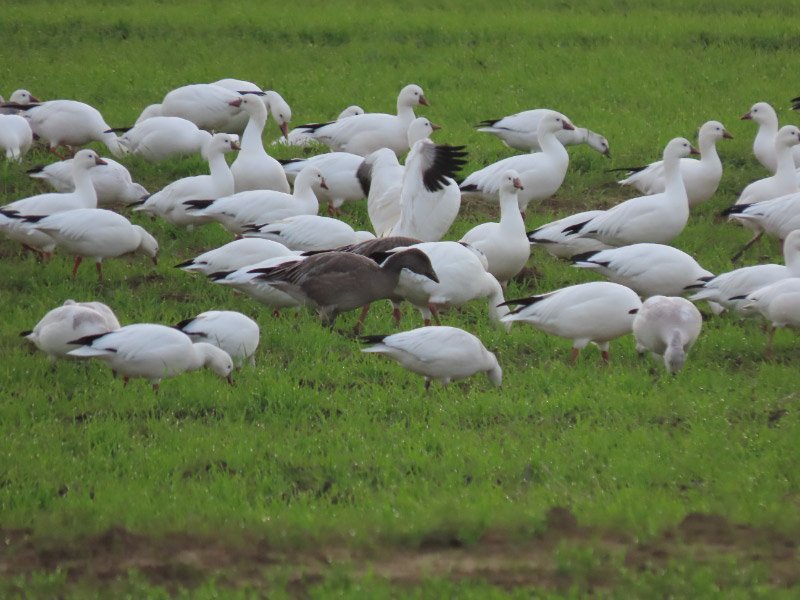
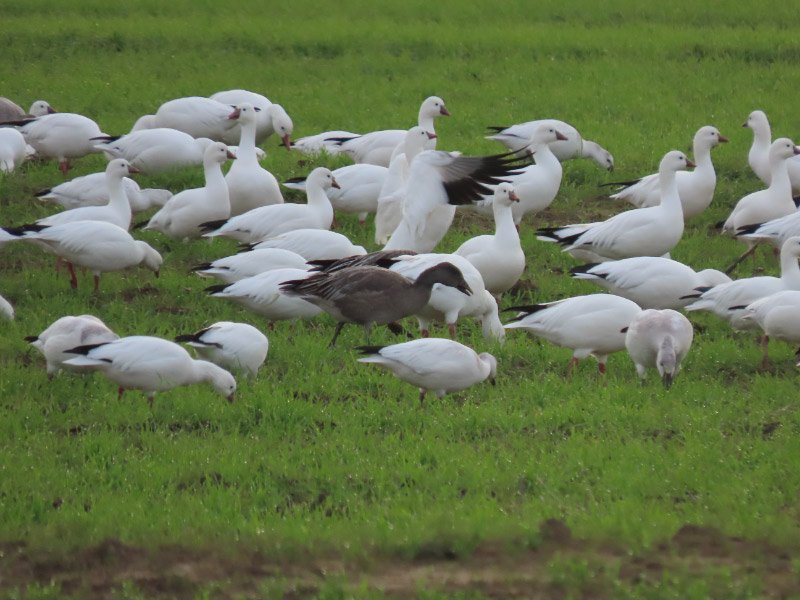
In summary – some of the birds that will overwinter at Hagerman have arrived but there should be even more arriving.

Gleanings of the Week Ending November 11, 2023

The items below were ‘the cream’ of the articles and websites I found this past week. Click on the light green text to look at the article.

In search of the Old Ones: Where to find the world's longest-lived trees – 25-30 woody plants can, without human assistance, produce specimens that reach the age of 1,000 years or older. Of those, only about 10 can reach 2,000 years and those are all conifers. 3 can produce trimillenials and 1 can produce quadrilmillenials. The longest-lived trees of eastern North America, bald cypress, grow in swamps and blackwater rivers. The eldest occur in backwater sections of North Carolina's Black River, just miles from industrial hog farms and fields cleared long ago for tobacco….these bald cypresses reach ages of 2,600+ years. Conifers achieve maximum longevity when conditions are cold and dry, or hot and dry, or steep and exposed, or high altitude, or nutrient poor. In the case of Great Basin bristlecone pine, the longest-living plant on the planet, it is all of the above, with some of these plants reaching up to 4,900 years old.

Conservation of Monumental Mexica Snake Sculpture Continues - Discovered last year in the heart of Mexico City at the site of the Templo Mayor, the main temple in the Mexica city of Tenochtitlan. The 500-year-old sculpture, which measures about six feet long and three feet tall, was painted with yellow, blue, red, black, and white colors made from minerals and plants employed by the Mexica on cult images and temples.

Fungal infection in the brain produces changes like those seen in Alzheimer's disease - When the fungus Candida albicans enters the brain, the body’s response generates amyloid beta (Ab)-like peptides, toxic protein fragments from the amyloid precursor protein that is considered to be at the center of the development of Alzheimer's disease.

Wildlife Photographer of the Year winners show the beauty — and precarity — of nature – My favorite is the Plants and Fungus winner (Last Breathe of Autumn) taken on Mount Olympus.

Scientists says identifying some foods as addictive could shift attitudes, stimulate research - Most foods that we think of as natural, or minimally processed, provide energy in the form of carbohydrate or fat -- but not both. Many ultra-processed foods have higher levels of both. That combination has a different effect on the brain. In a review of 281 studies from 36 different countries, researchers found ultra-processed food addiction is estimated to occur in 14 percent of adults and 12 percent of children. Viewing some foods as addictive could lead to novel approaches in the realm of social justice, clinical care, and public policy.

Flood Resilience Through Green Infrastructure - Green spaces don’t just mitigate flooding. They beautify the urban landscape and improve residents’ mental health. They filter out microplastics and other pollutants, keeping them from reaching sensitive water bodies like rivers. And when the weather is hot, they cool neighborhoods, because plants ‘sweat.’
15th-Century Theater Floorboards Uncovered in Norfolk - A combination of tree-ring dating and study of the building's construction dated the floorboards to between 1417 and 1430. This suggests that William Shakespeare may have performed on the boards!

Second report on the status of global water resources published - Large parts of the world experienced drier conditions in 2022 than those recorded on average for the equivalent periods over the last 30 years. The report results from the expertise provided by 11 international modeling groups to extrapolate from the data/statistics available. There is a particular lack of data on the situation regarding groundwater.  

More Mammals Can Glow in the Dark Than Previously Thought - By examining museum specimens, researchers documented the glowing property across 125 mammal species. Humans, for example, have fluorescent teeth, like all mammals do. In 1911, researchers reported fluorescence in European rabbits, marking the first documented case of the glowing ability in a non-human mammal.

21 species have been declared extinct, the U.S. Fish and Wildlife Service says – 10 birds, a bat, 2 fish and 8 freshwater mussels. There are now 650 species that have gone extinct in the U.S., according to the Center for Biological Diversity, which says factors such as climate change, pollution and invasive species contribute to species loss.

Josey Ranch Lake – November 2023

Josey Ranch Lake in Carrollton (Texas) was not as full of birds as usual although some of the winter migrants were there in small numbers: American Coots

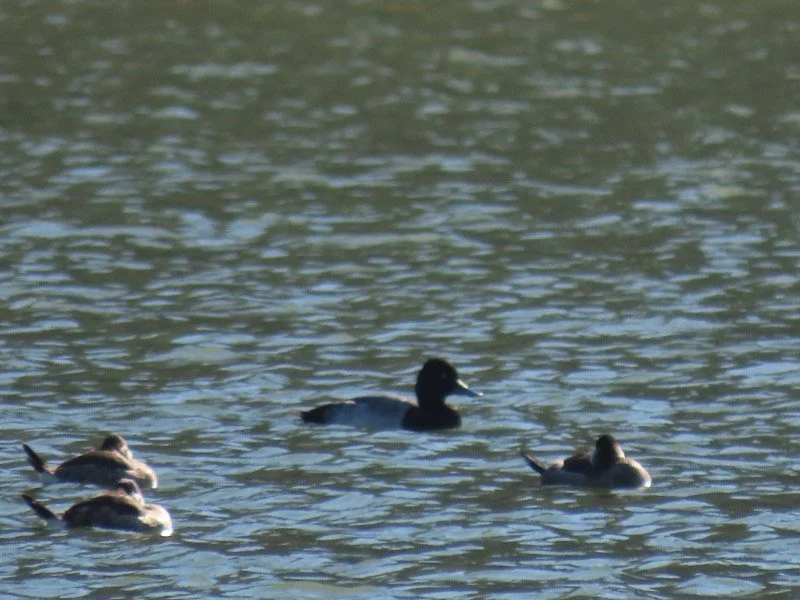
Ruddy Ducks (with a Scaup in the same picture…size comparison)

Scaups

There was a Great Blue Heron, probably a resident, that seemed very interested in something high in the cattails. When I looked at my picture on my larger monitor, I noticed a place high on the wing that seemed devoid of feathers (i.e. pink ‘skin’ showing). I wondered what could have caused that.

Both resident mute swans were sleeping on the bank…surrounded by a few fluffs of feathers dislodged by their preening.
I didn’t stay long…too breezy and cold. I’ll spend more time at Josey Ranch next time I am in Carrollton.

Branson’s Butterfly Palace

Last week, my husband and I visited the Butterfly Palace in Branson MO – less than an hour from where we live. My daughter had visited several days before and recommended it.

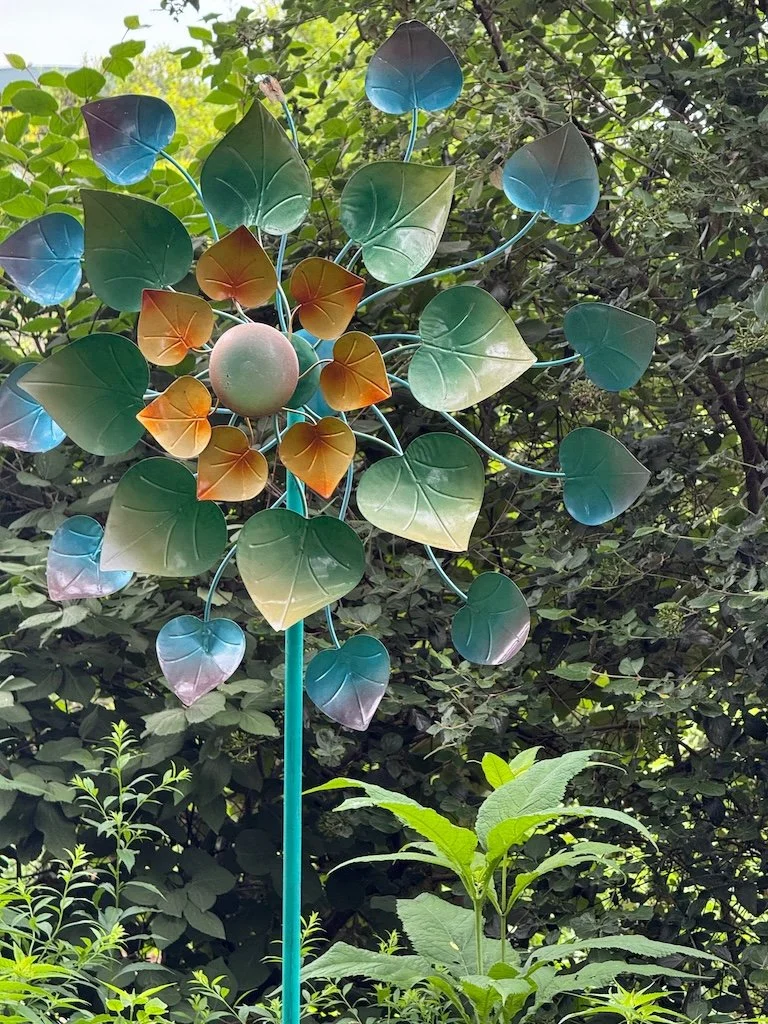
There were butterfly sculptures and stakes along the short walk to the building.

We walked around the Living Rainforest Science Center first…then the Emerald Forest Mirror Maze. The maze was a bit more challenging than we anticipated…more fun too. But the big draw is, of course, the Butterfly Aviary.
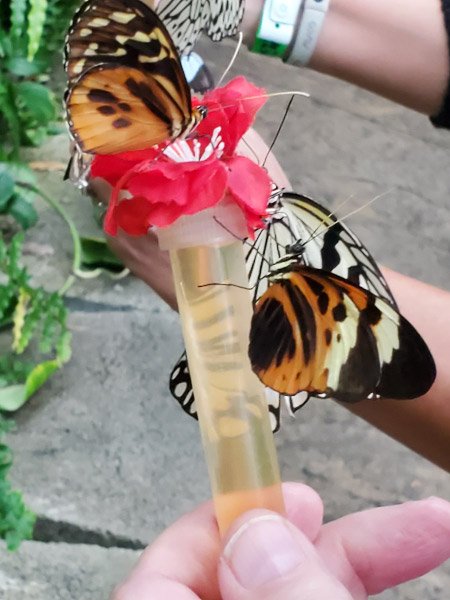
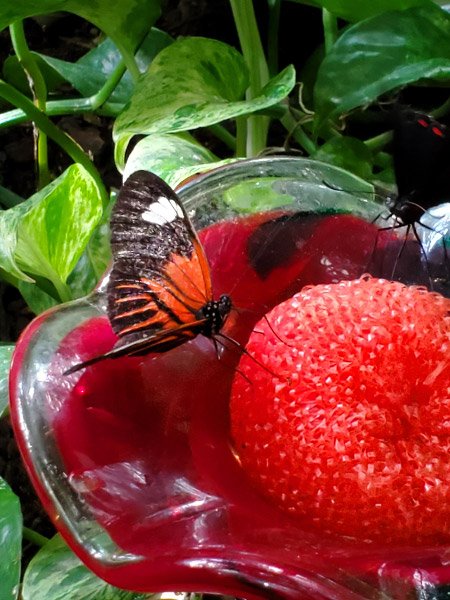
Visitors are given a vial with a ‘flower’ on top that attracts butterflies. They sip the liquid (diluted orange Gatorade) while people walk around the aviary.

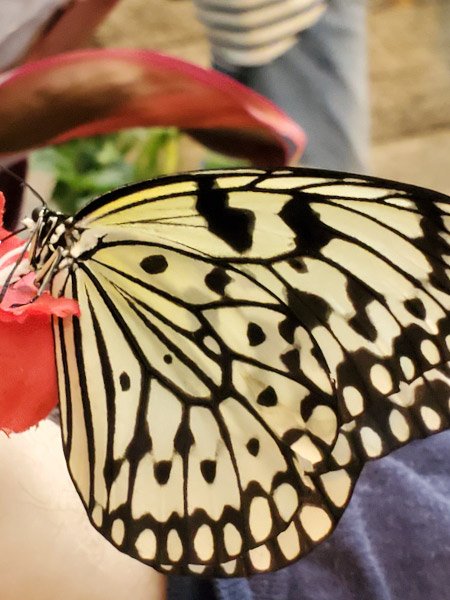
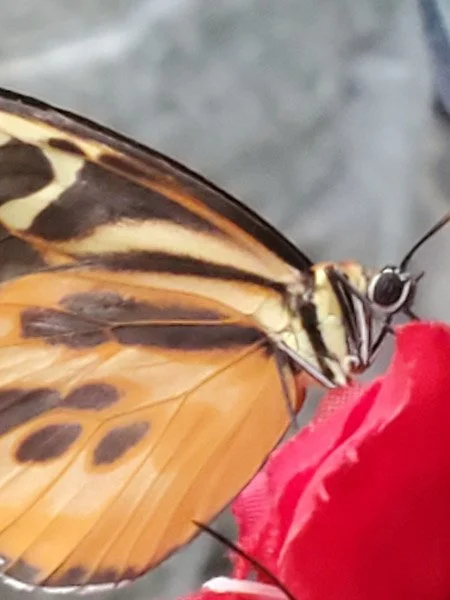
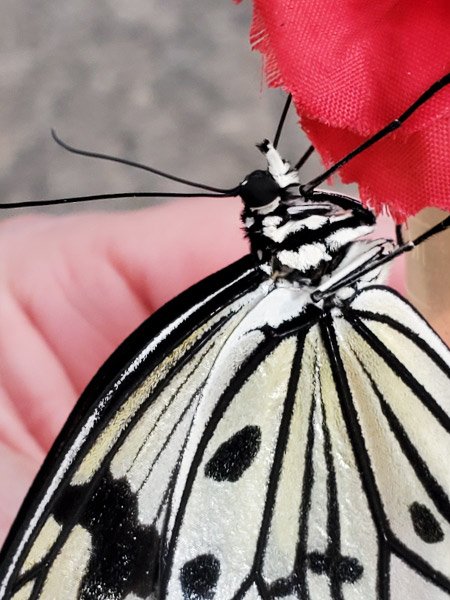
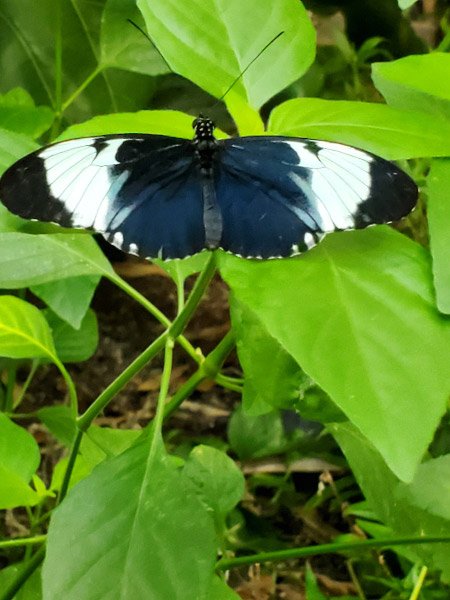
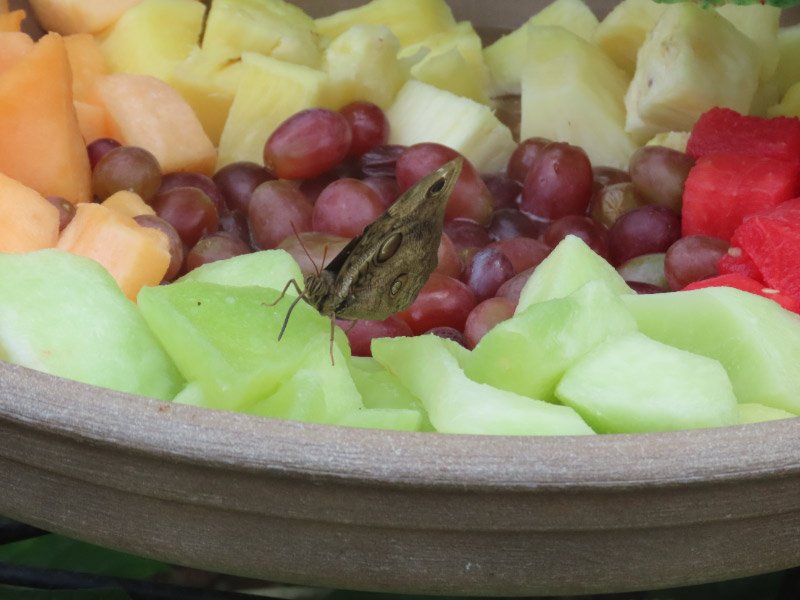
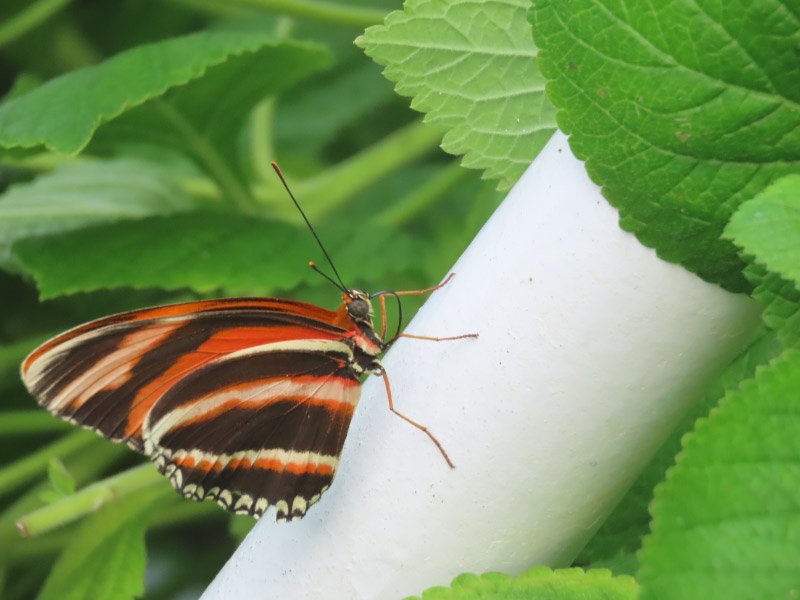
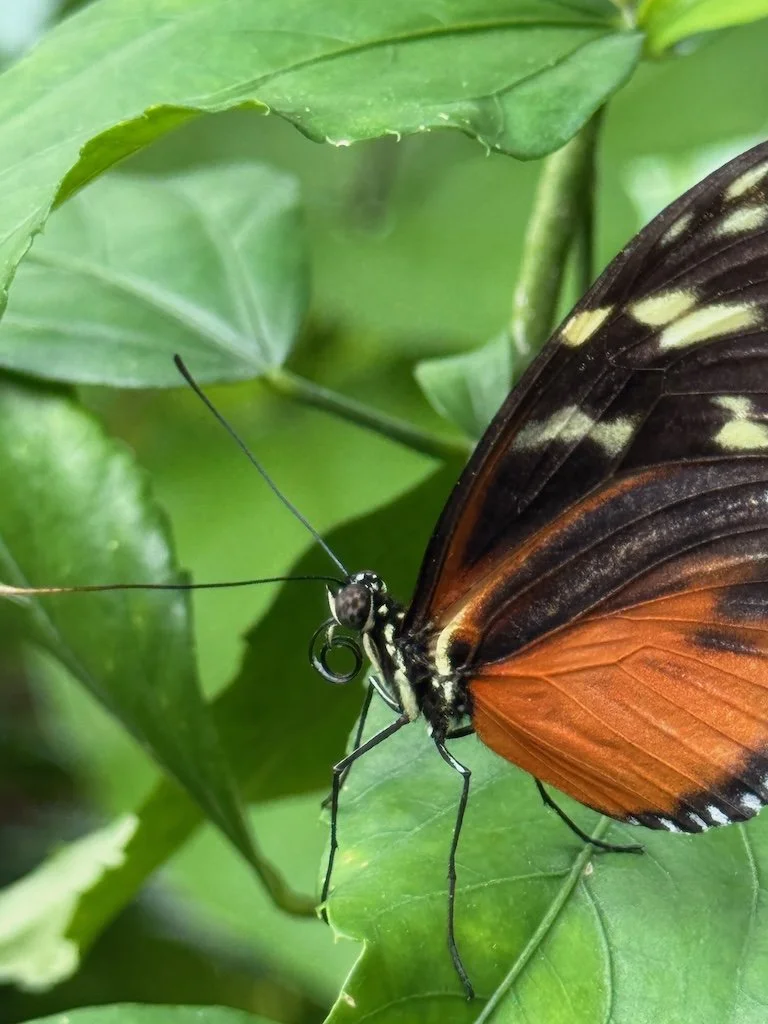
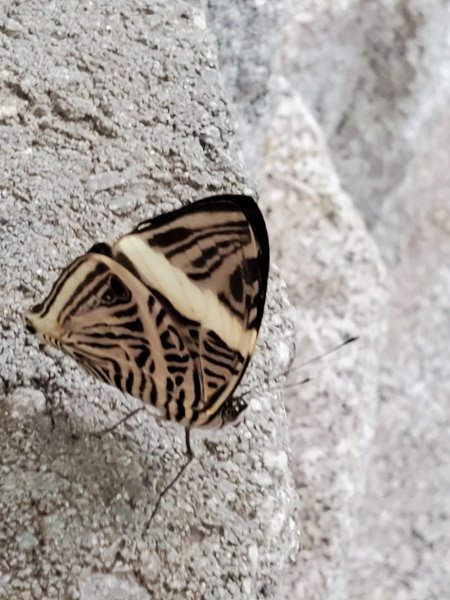
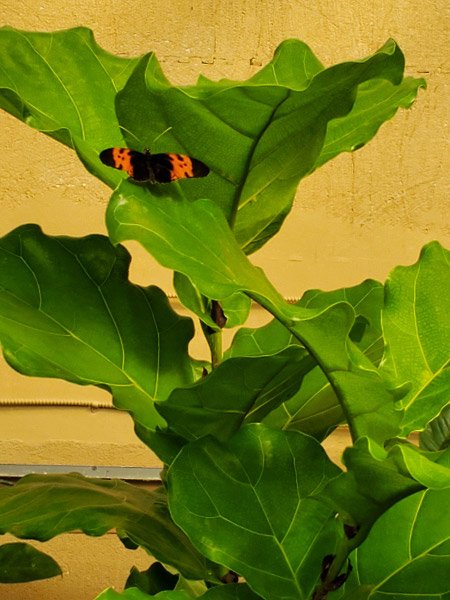
The paper kites seem to settle in on the ‘flowers’ and stay for the duration! It was very easy to take close pictures of them with my phone (one handed since the vial was in the other one!). My husband had more butterflies on his flower than I did on mine.

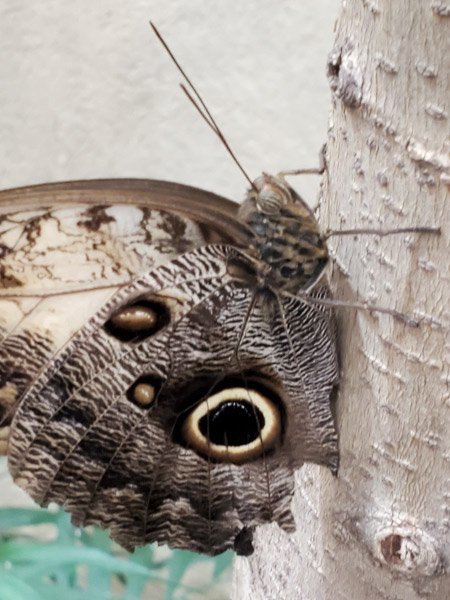
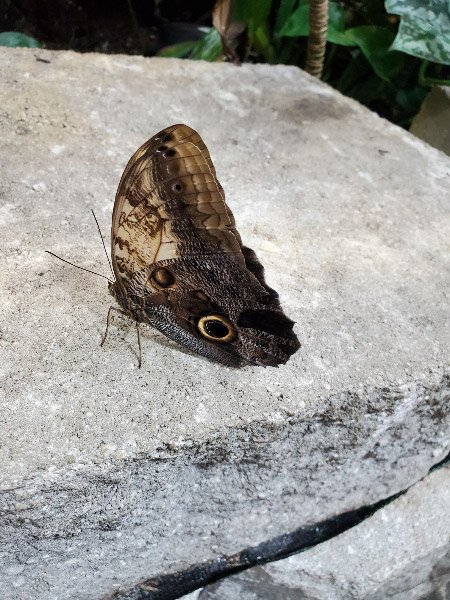
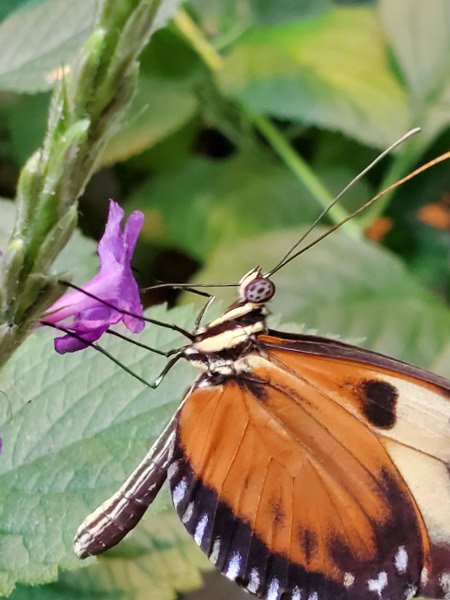
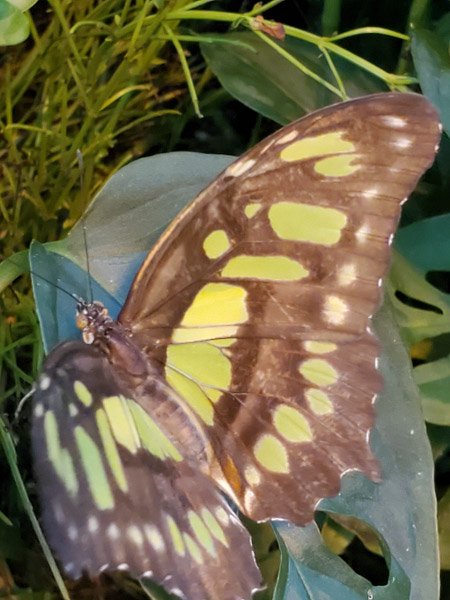
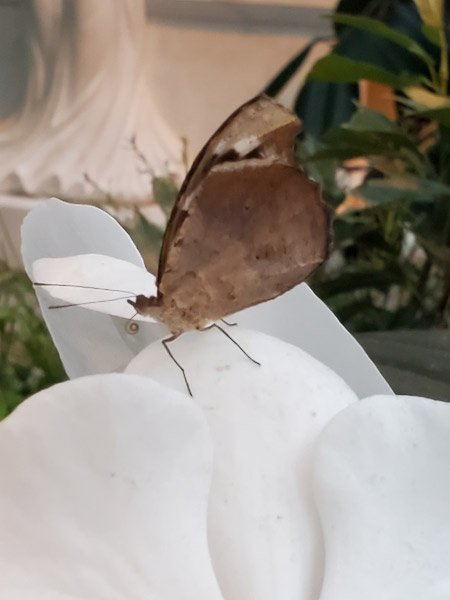
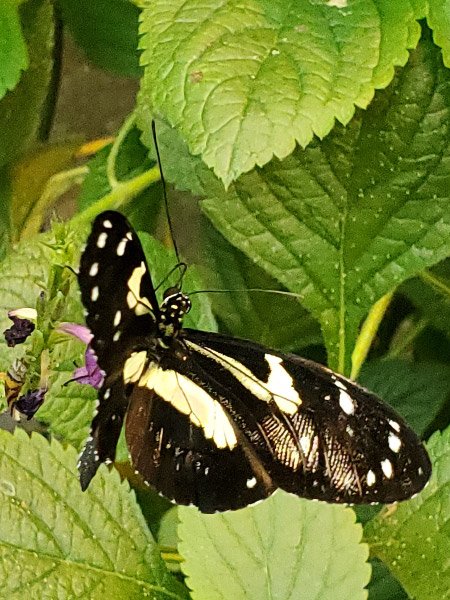
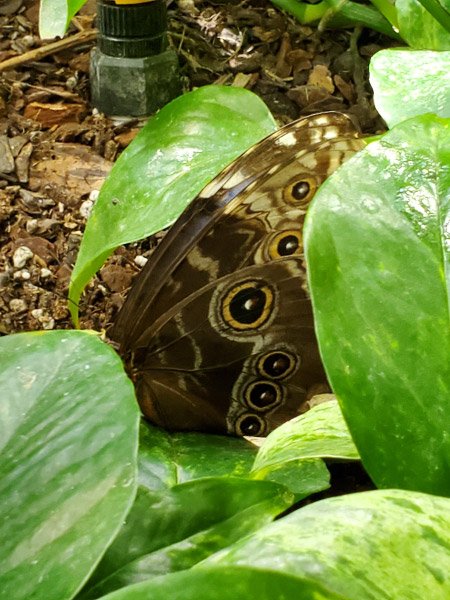
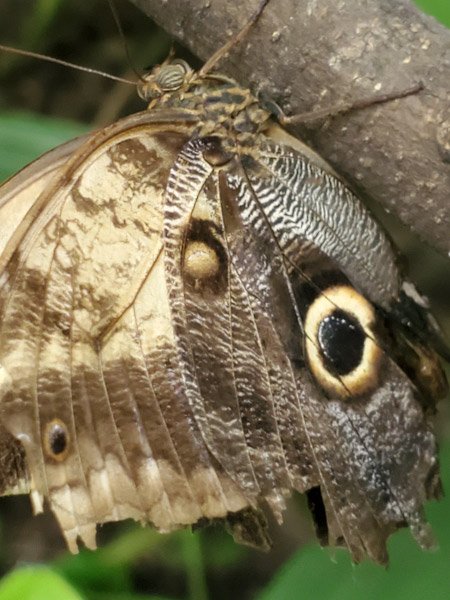
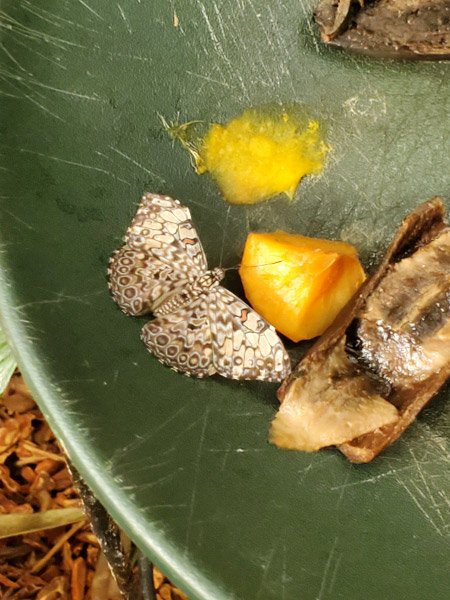
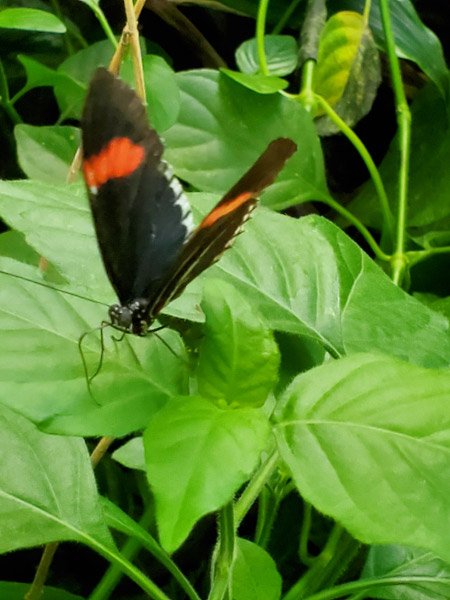
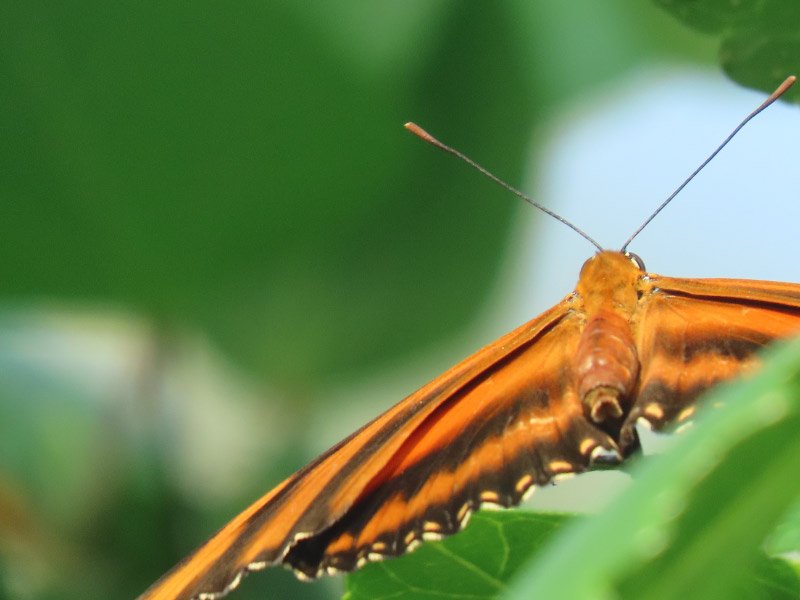
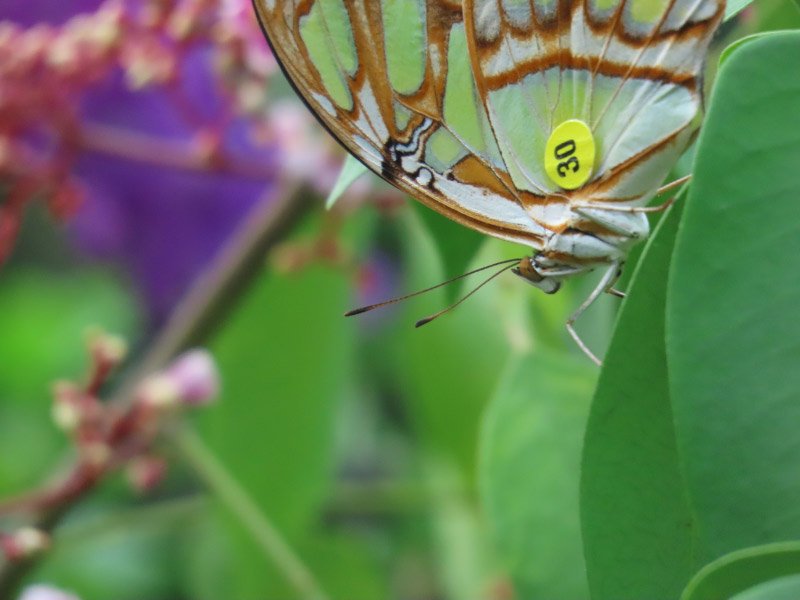
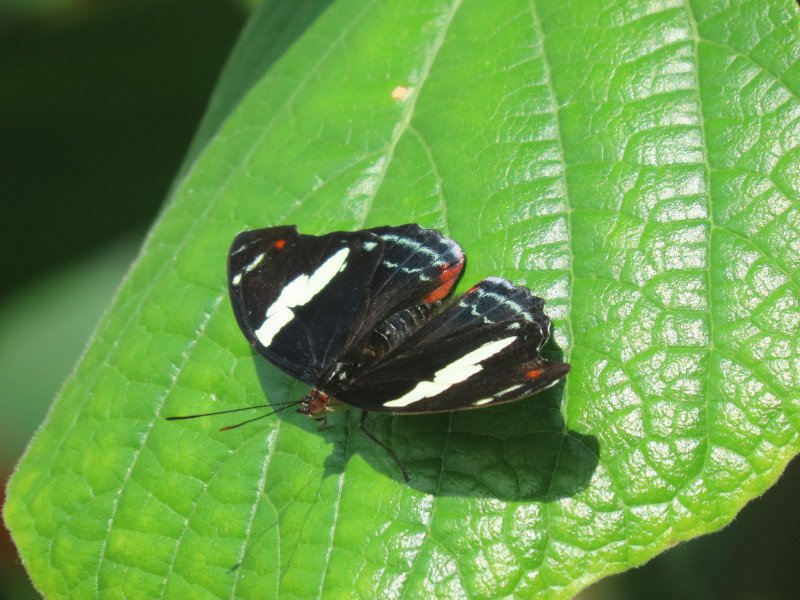
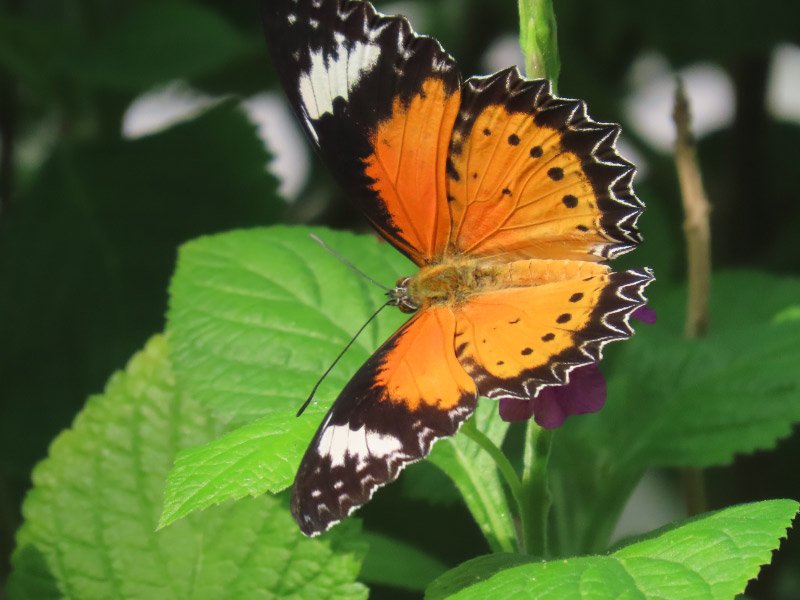
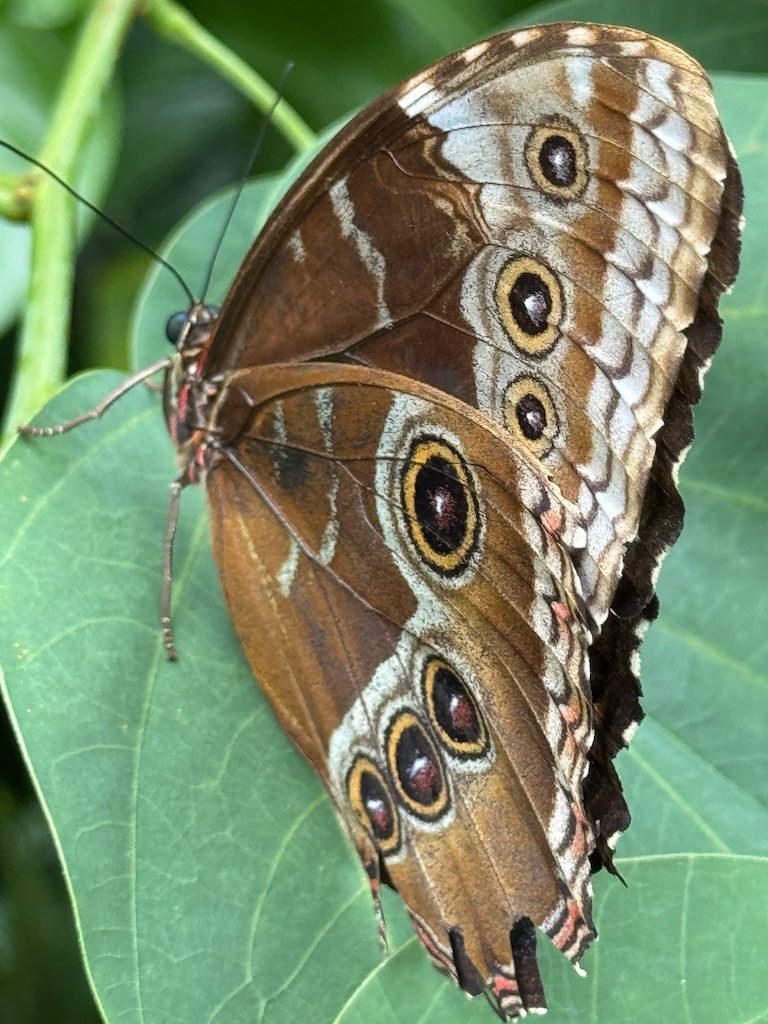
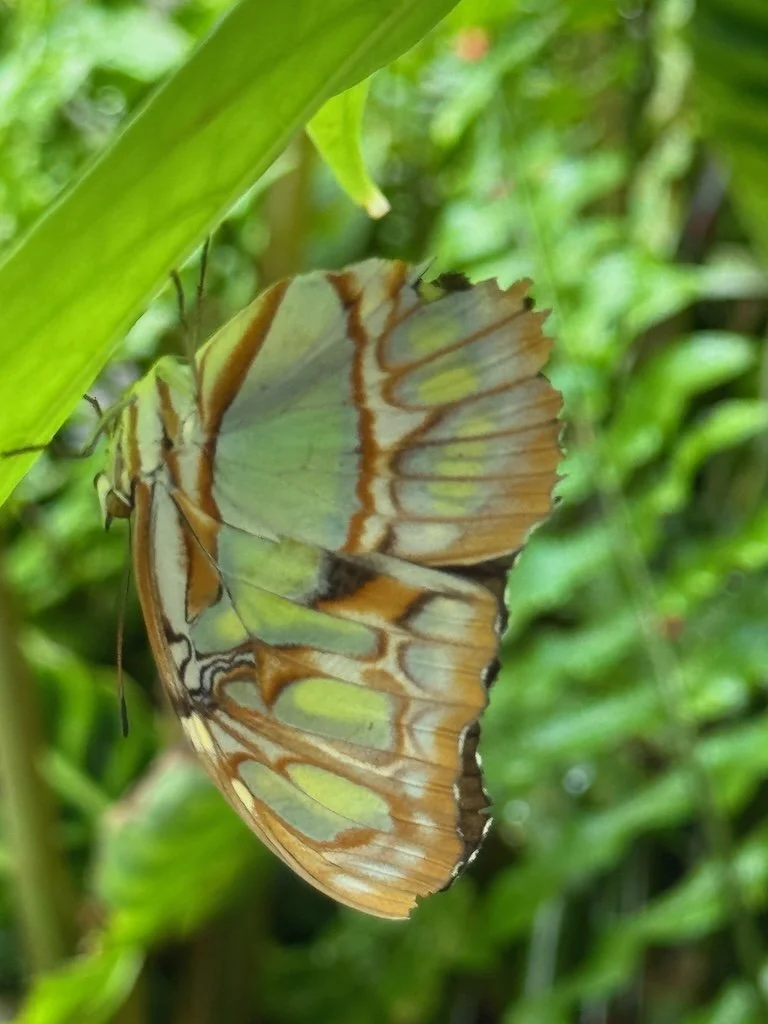
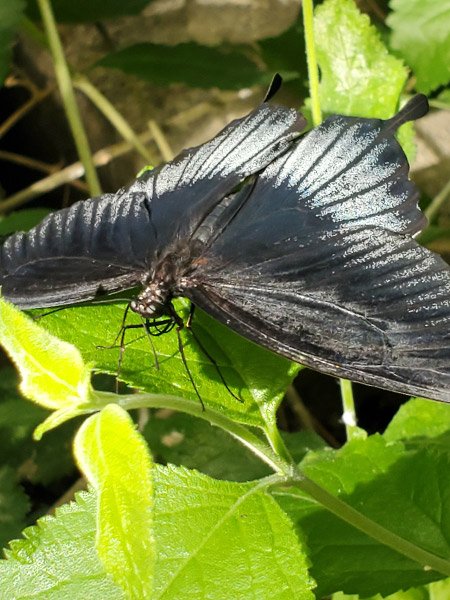
The butterflies in the exhibit were the same species as I’d seen previously at Brookside Gardens’ Wings of Fancy in Maryland. There were some butterflies with iridescent blue wings (blue morphos?) but I wasn’t able to photograph them. I like the malachite butterflies a lot but, in this exhibit, the paper kites were the stars on the day we visited. There were fruit trays and sponges in sugar water for the butterflies….very few blooming plants. The paths were too narrow to allow for photography with other than phones…but many of the butterflies were stationery enough to get close with the phone!

There were some small rainforest birds that stayed in the trees around where their food was placed. They were as iridescent as some of the butterflies.

Outside the aviary the butterfly theme continued everywhere – chairs, artwork, on the walls. The butterfly chairs are surprisingly comfortable; I sat in one until the 3D movie about Monarch Butterflies opened for the next showing.

The store is large and had a good selection. I was surprised to find a new, sturdier stand for my large glass birdbath (I didn’t use it last summer because I was too worried that the stand was not stable enough)!

Gleanings of the Week Ending November 4, 2023

The items below were ‘the cream’ of the articles and websites I found this past week. Click on the light green text to look at the article.

Oldest fossil human footprints in North America confirmed – New research that supports the dating of the footprints found in White Sands National Park to between 21,000 and 23,000 years old.

Downtown Dallas Gets a New Park – Harwood Park. It reminded me of a field trip with my parents – taking the light rail train from Carrollton to downtown Dallas to visit Klyde Warren Park and have lunch in 2014. I’m glad there is another park added to the downtown area.

BLM Releases New Plan for Moab Area - The plan limits motorized recreation to protect natural and cultural resources. I hope the BLM can succeed in reducing the impact of off road vehicles….requiring ORV users/organizations to take precautions to protect the environment for themselves and everyone else to enjoy in this area.

Active children are more resilient – Interesting….I’ve assumed this but the way the researches went about confirming the idea was worth knowing and reassuring.
A Road Trip Along the Northern Shore of Lake Superior – The Trans-Canada Highway from Thunder Bay to Marathon in June. Maybe a place we’ll go one summer?

What your hands say about your health – I wish the article had better pictures!

Trouble in the Amazon - In the southeastern Amazon, the forest has become a source of CO2….and maybe more will cease to be a carbon sink as well. Large-scale deforestation… plus even intact forest is no longer as healthy as it once was, because of forces such as climate change and the impacts of agriculture that spill beyond farm borders. Data has been collected every two weeks for 10 years! The selective logging permitted by the Forest Code in Brazil is often not sustainable. That’s because the trees that are removed are generally slow-growing species with dense wood, whereas the species that grow back have less-dense wood, so they absorb less carbon in the same space.

A Summer Light Show Dims: Why Are Fireflies Disappearing? – Habitat destruction (clear cutting, fragmentation of forests), water pollution (in Asia many firefly larvae are aquatic), pesticides and yard chemicals, light pollution (it blinds males so that they can’t find females). On a positive note: firefly ecotourism is increasing in Mexico and Malaysia….and around Great Smokey Mountains National Park in the US.

Large herbivores keep invasive plants at bay - Native plants have evolved such that they can withstand brutal treatment from species of herbivores they have co-existed with for millennia, while invasive plants usually cannot.

The Amazon May Be Hiding More Than 10,000 Pre-Columbian Structures - Based on a new aerial survey and modeling study, archaeologists suggest at least 90 percent of sites known as earthworks remain undetected. Also found - high concentrations of 53 domesticated tree species near earthwork sites. These include cacao, Brazil nut, breadnut and Pará rubber trees, plus dozens of others. This demonstrates how the region’s inhabitants altered the natural landscape, likely so they would have a steady supply of food and useful materials.

Zooming – October 2023

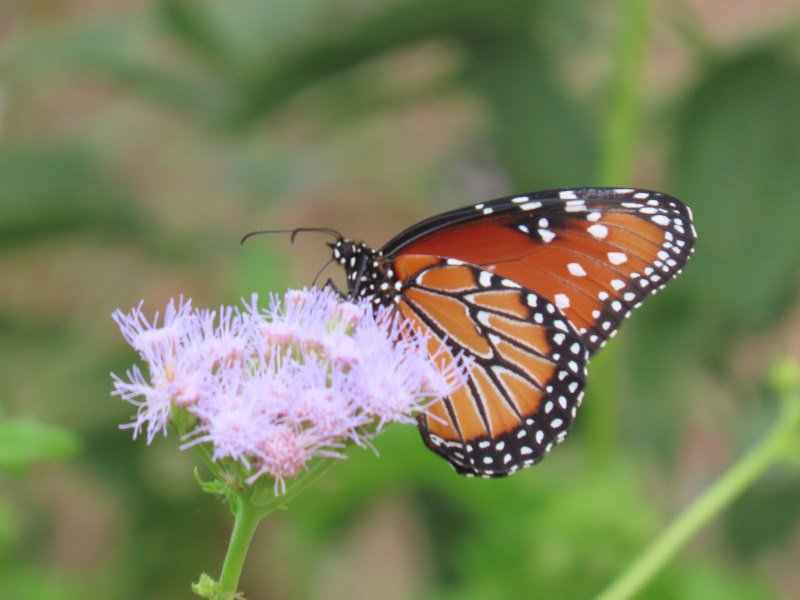
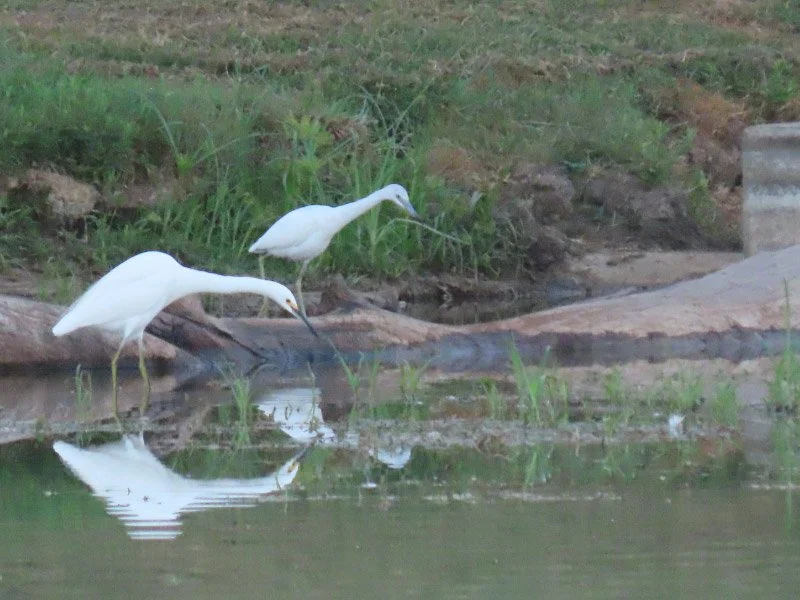
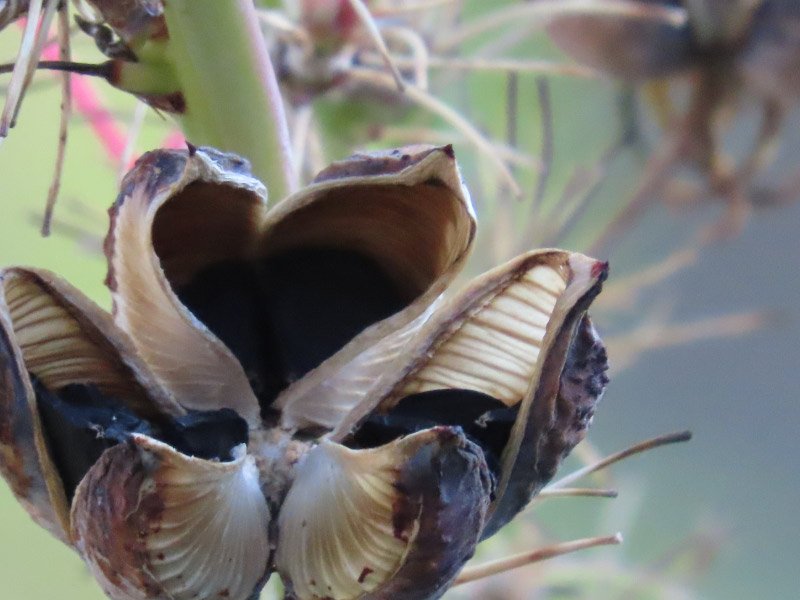
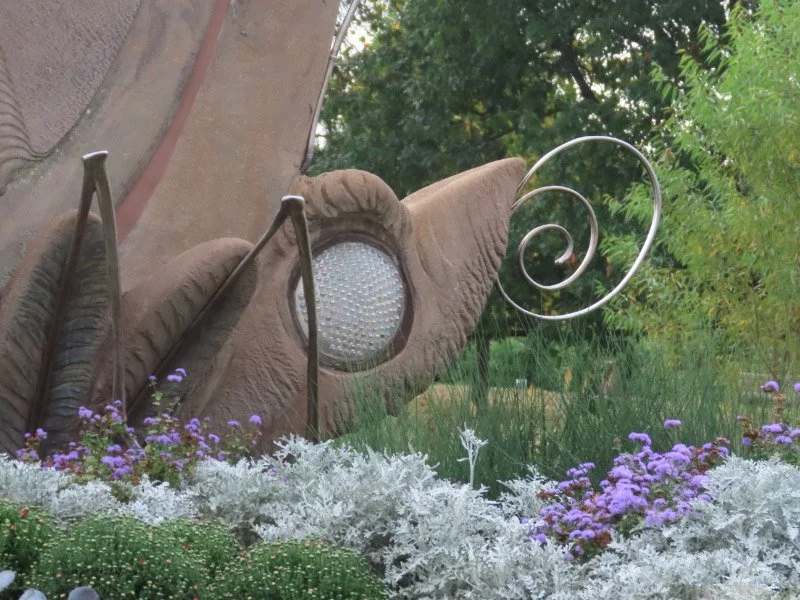
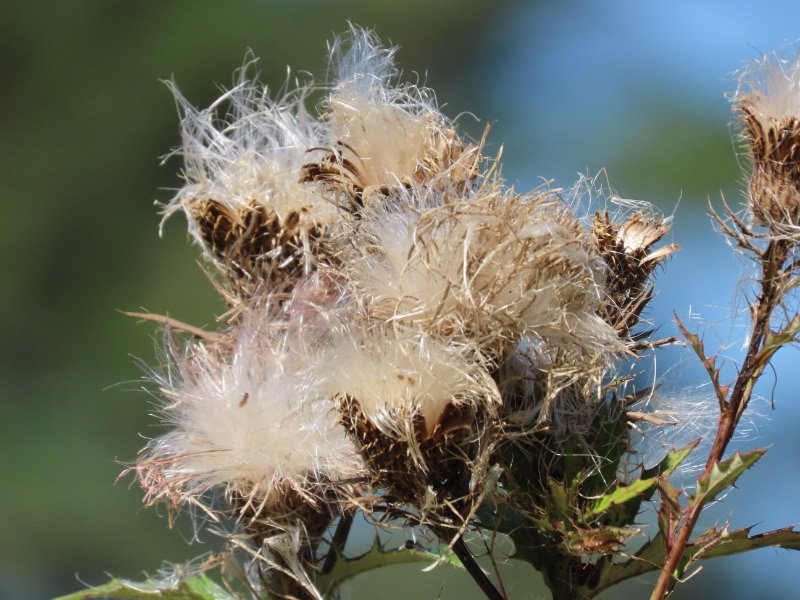
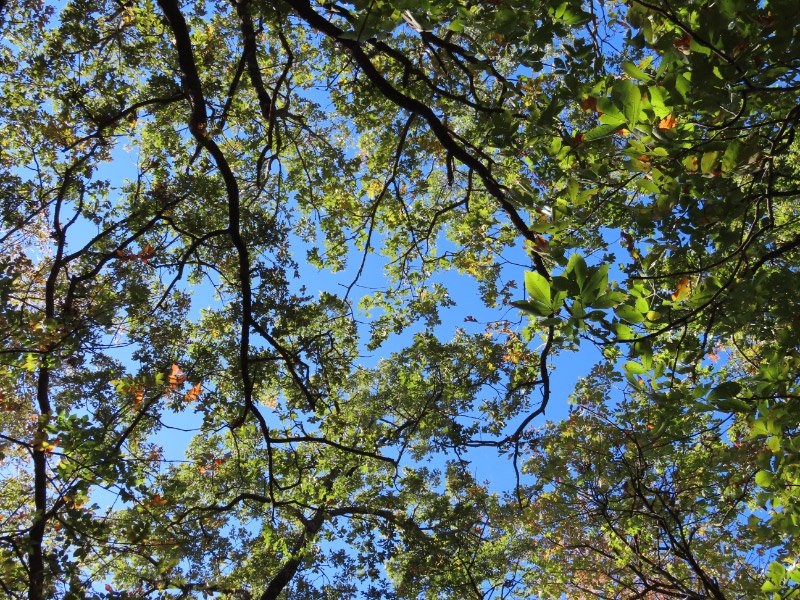
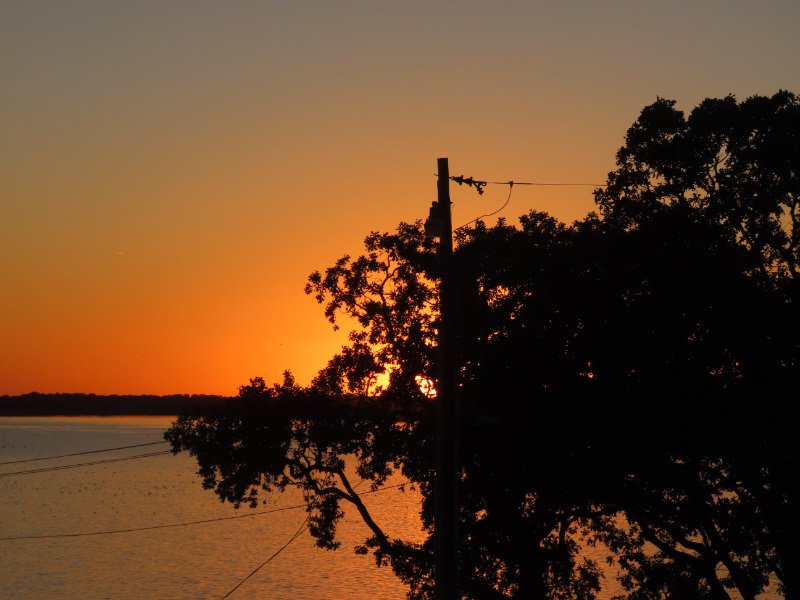
The optics of my camera allow me to capture images that are better than I can see with my eyes – flowers, insects, birds, cave formations and seed pods that fill the frame…driftwood isolated from the noise of other things around it….sculpture, glass, and fall gourds specially arranged….sunrises and a sunset….the beauty of a fall morning. Every picture is a memory moment – a visual that also serves as a reminder of a place and mood and relationship with the people that experienced it with me. The places were mostly close to home in southwest Missouri (art museum, meadow, caverns) but also St. Louis and along the route between home and Carrollton TX.

Ten Little Celebrations – October 2023

Continuing deeper into fall…celebrating the seasonal changes!

Fall days – sunny and cool. A great time of year to get outdoors…perfect temperatures and blasts of color.

American White Pelicans. Seen in two places: Hagerman National Wildlife Refuge (Texas) and Sequoyah State Park (Oklahoma). It’s migration time. These are big birds that are fun to watch on the water and in the air. I always celebrate seeing them.

Apple Crisp. One of my favorite ways to use the fall apple harvest. It’s a little splurge on my diet…but well worth it.

First chili of the season. Another seasonal favorite.

Getting registered for an early winter birding festival. We signed in on the first day of registration and found that one of the sessions we wanted was already full; we picked an alternative and celebrated our itinerary when the registration process was complete. We are anticipating a wonderful week in December!

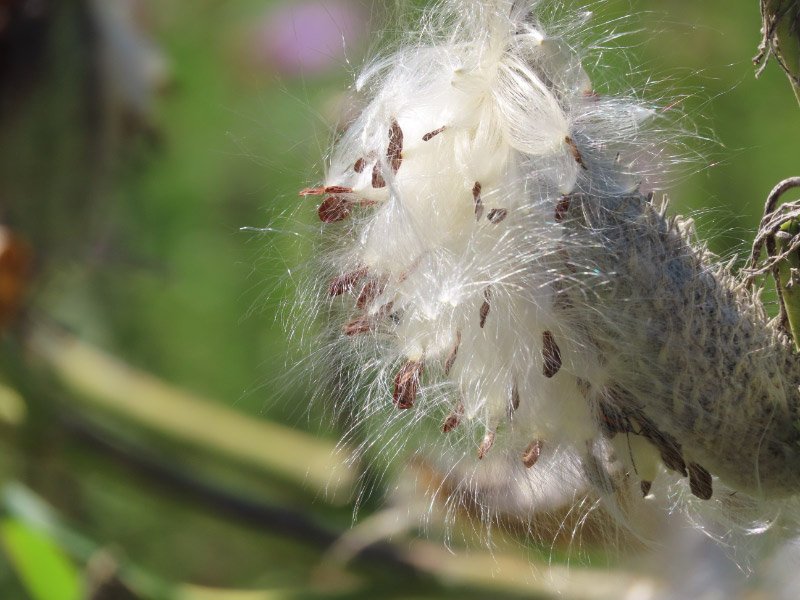
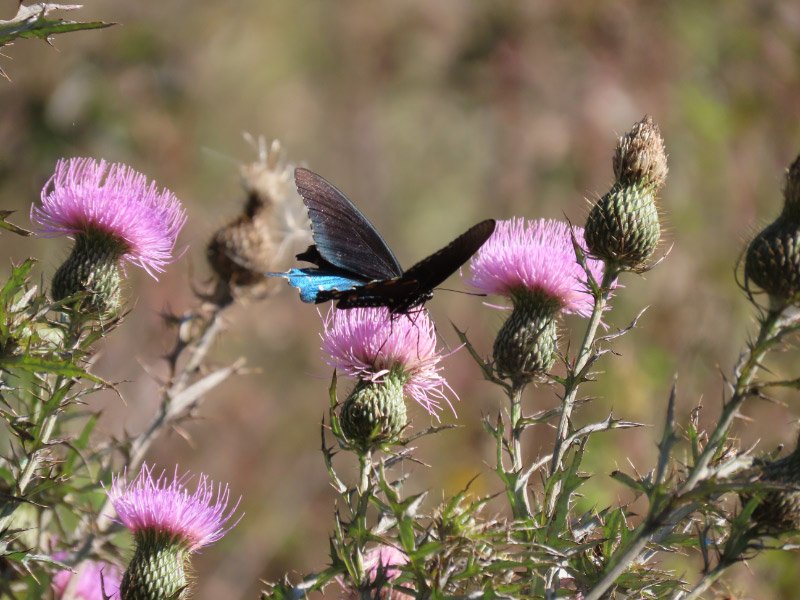
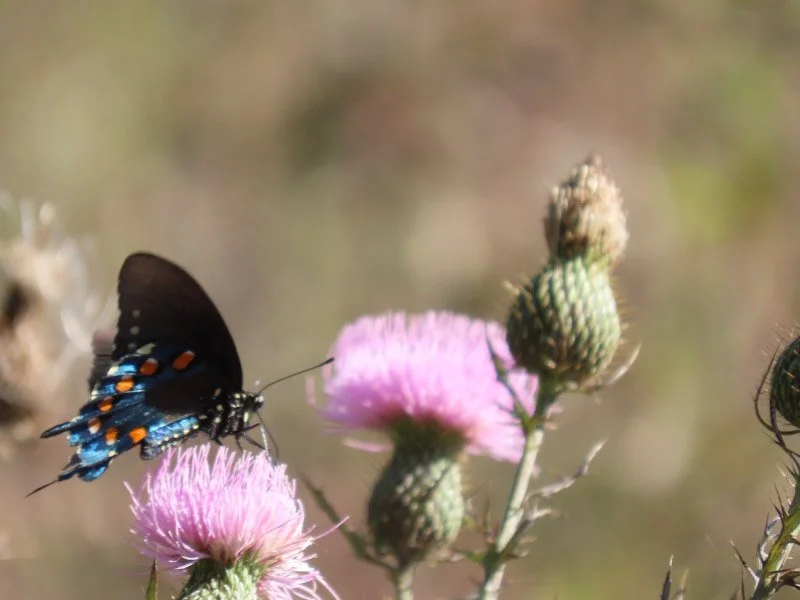
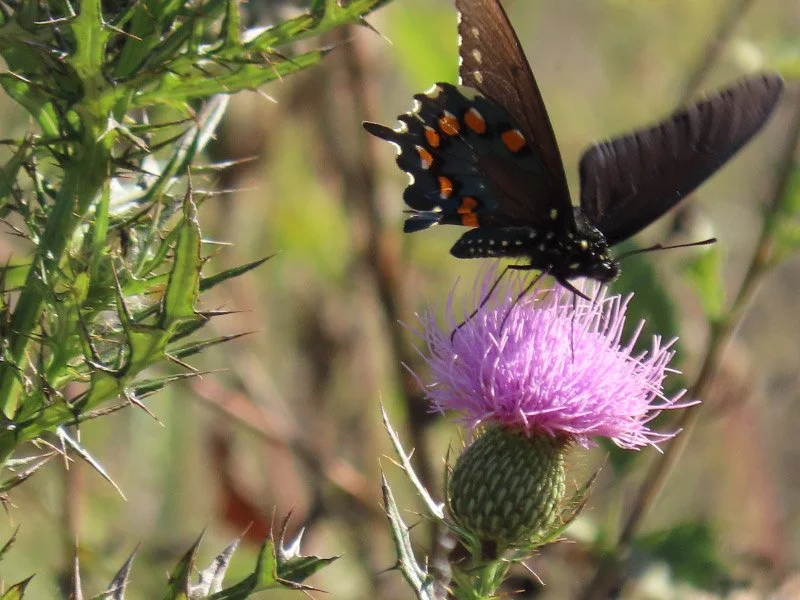
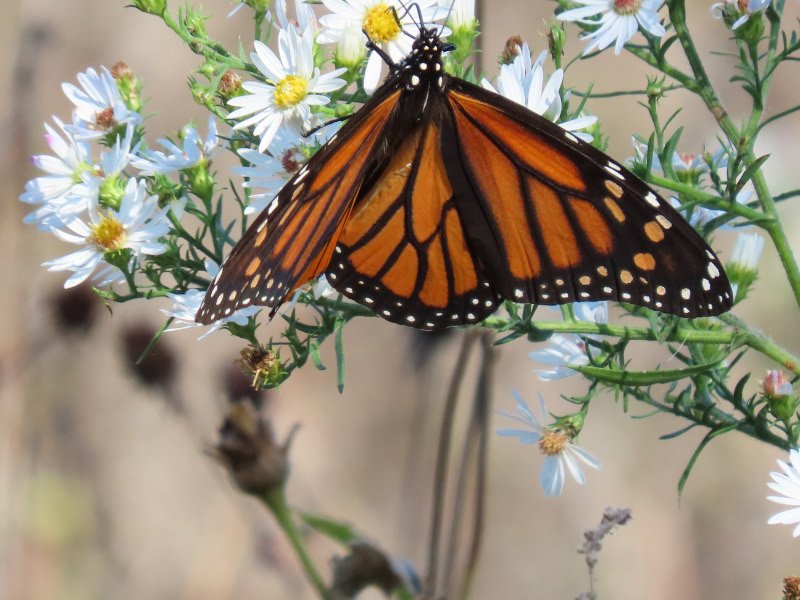
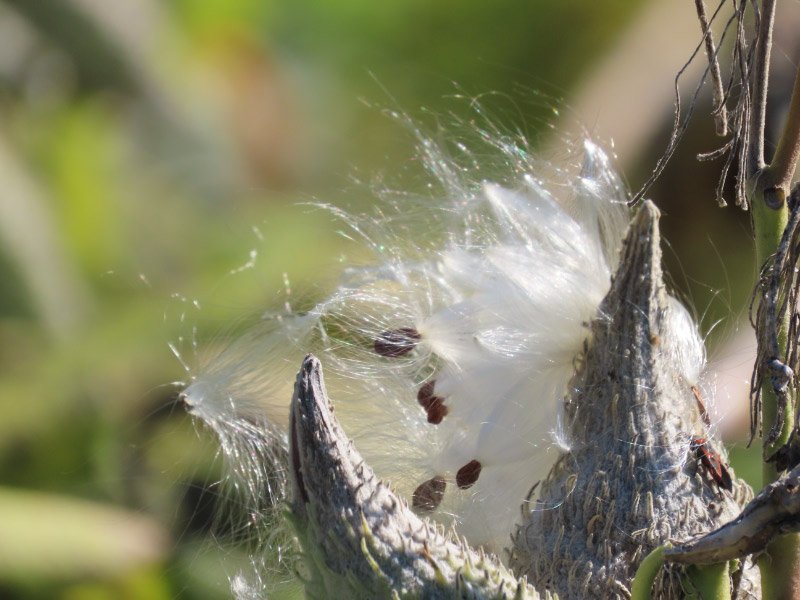
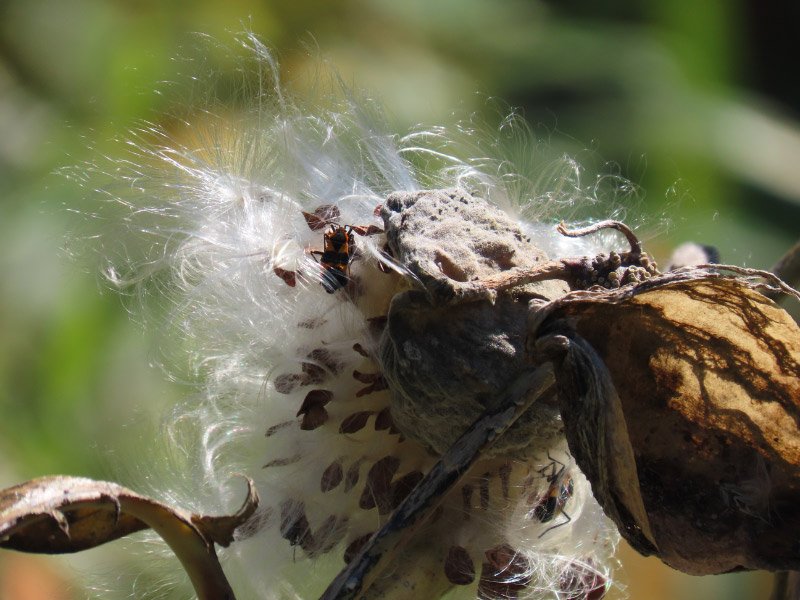
Butterflies and milkweed at Lake Springfield boathouse. Migrating monarchs and pipevine butterflies on thistles….milkweed seeds spilling out of pods…some favorite fall sightings.

Successful cleanup of my daughter’s fall yard (part 1). This is the second year I have offered to help my daughter do some fall yard cleanup. Our first work session was in October this year. I celebrated how much we got done in just few hours….we work well together! I am anticipating a second session in November.

Virginia creeper turned red. I let the Virginia Creeper grow in my front flower bed…spill over the low rock wall….and am celebrating that it has now turned red! Hurray for native plant fall colors!

Miniature pumpkin harvest. I was pleasantly surprised that my miniature pumpkin vines produced lots of pumpkins. As I harvested them, I celebrated the season…and the natural decorations for my breakfast table.

Company and fall cleaning. I had company twice during October and am celebrating their visits AND that the visits acted as an incentive to get my house cleaner and picked up going into the coming holiday season.

Gleanings of the Week Ending October 28, 2023

The items below were ‘the cream’ of the articles and websites I found this past week. Click on the light green text to look at the article.

Water Worker Stumbles Upon 2,500-Year-Old Gold Necklaces in Spain – Celtic gold….from before the Roman Empire ruled the Iberian Peninsula.

Canopy gaps help eastern hemlock outlast invasive insect – Hemlock wooly adelgid killed most of the hemlocks in the part of Maryland where I lived previously. Perhaps part of the reason so many died was that they were in forests where there were too few gaps in the canopy around them.

Germany to Surpass 50 Percent Renewable Power This Year – Good milestone but evidently Germany is still not on pace to reach its goal of 80 percent renewable power by 2030.

The surprising origin of a deadly hospital infection - The burden of C. diff infection may be less a matter of hospital transmission and more a result of characteristics associated with the patients themselves (i.e. patients that are already colonized with C. diff were at greater risk to transition to infection). However, it is still unknown what triggers the transition from C. diff hanging out in the gut to the organism causing diarrhea and the other complications resulting from infection.

Meet the Bison: North America’s Most Famous Mammal – Lots of info on bison…their history of almost being hunted to extinction.

The secret world of rhododendrons: a plant more ancient than the Himalayas that inspired fables and stories around the world - There are around 1000 species in total, and modern DNA-based work confirms that all “azaleas” are in fact species of rhododendron.

A Sign of Things to Come? After Last Ice Age, Europe Cooled as the Planet Warmed - More than 8,000 years ago, as the planet thawed following the end of the last ice age, Northern Europe abruptly cooled. New research reveals that Arctic ice melt weakened a critical ocean current, leaving Europe in the cold, a finding with important implications for future climate change.

Fiber from crustaceans, insects, mushrooms promotes digestion – Chitin (from insect exoskeletons and mushrooms) activates the immune system and benefits metabolism. Insects are not on my menu….but I could eat mushrooms more frequently. The researchers plan to follow up to determine whether chitin could be added to human diets to help control obesity.

Review of over 70 years of menopause science highlights research gaps and calls for individualized treatment - Less than 15% of women receive effective treatment for their symptoms. Socio-economic factors such as lower quality of life and the potential negative impact of menopausal symptoms on a woman's work performance aren't often acknowledged. Therapy should be individualized depending on age and health risks, recognizing that health risks may increase with age.

California and Florida grew quickly on the promise of perfect climates in the 1900s – today, they lead the country in climate change risks - In California, home owners now face dangerous heat waves, extended droughts that threaten the water supply, and uncontrollable wildfires. In Florida, sea level rise is worsening the risks of high-tide flooding and storm surge from hurricanes, in addition to turning up the thermostat on already humid heat. Global warming has put both Florida and California at the top of the list of states most at risk from climate change. These futures bring into question how historic visions of economic growth and the sun-kissed good life that California and Florida have promised can be reconciled with climates that are no longer always genial or sustainable.

Sequoyah State Park (2)

There was a hill on the other side of the lake – darkening the horizon. We were on a boat dock that jutted out into the lake a short distance (identified on our walk the previous day as the ‘sunrise spot’). There were two pelicans on the water when we arrived! They flew off to start their day elsewhere before the sun was up.

The park is a mix of developed and natural; there is a golf course and communication towers along with the cabins and lodge.

But the forest and native plants seem to be holding their own.

A fisherman was also enjoying the morning on a neighboring dock.

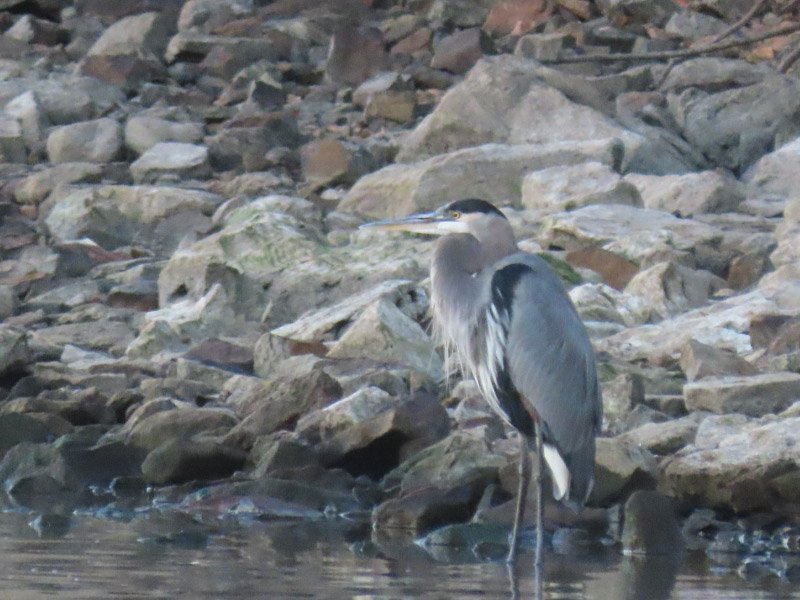
A heron was still (or preening) in the shallows of a nearby cove.

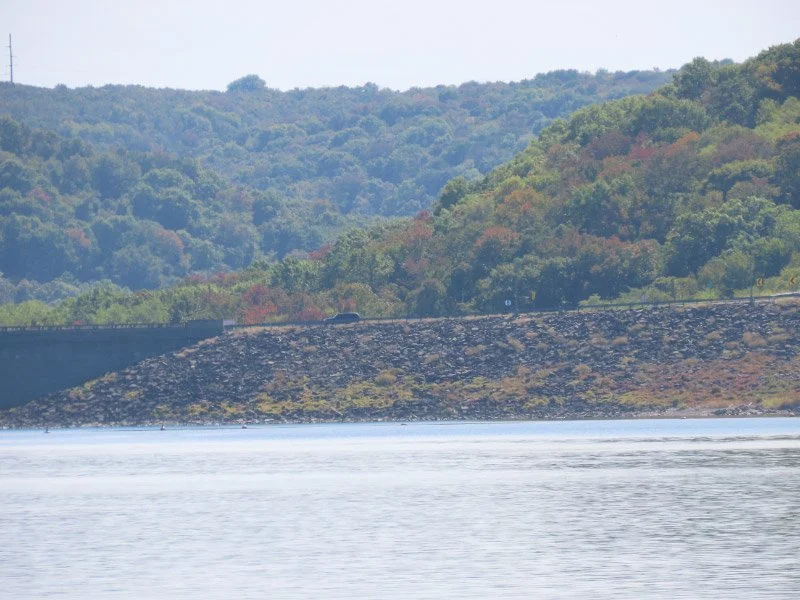
The sun lit a nearby hilltop…

And waves of cormorants (and maybe some gulls too) began coming around the point flying northward.

The vegetation lit up with morning light.

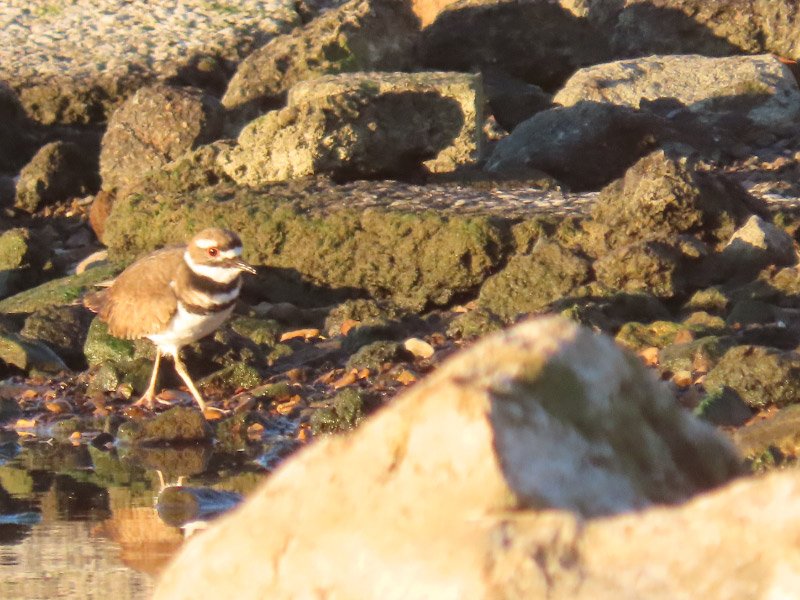
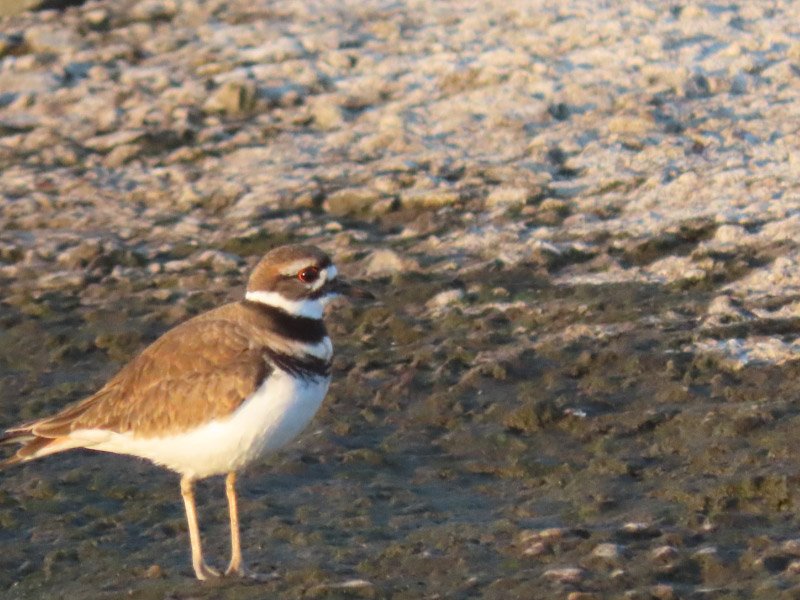
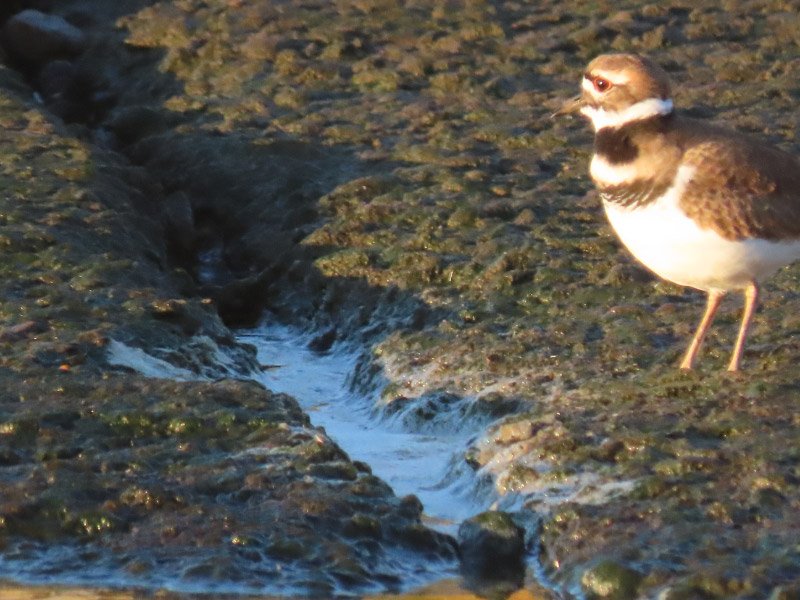
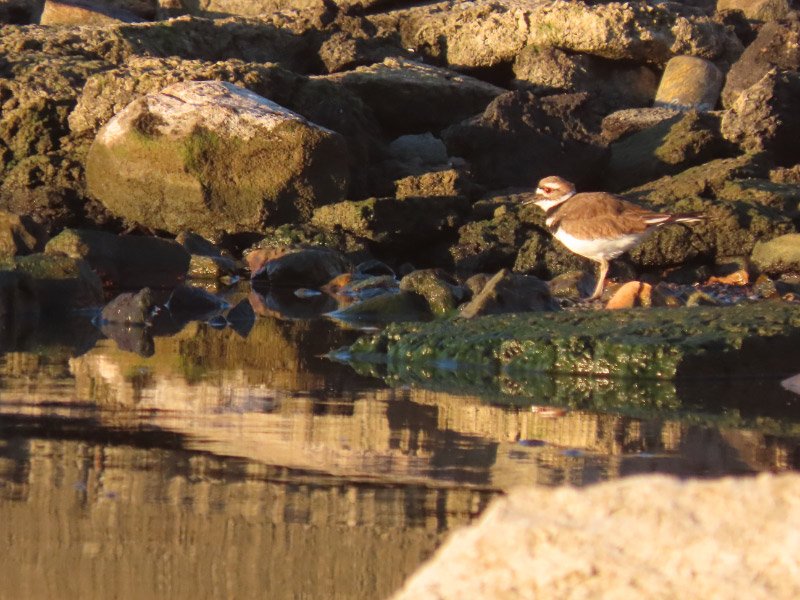
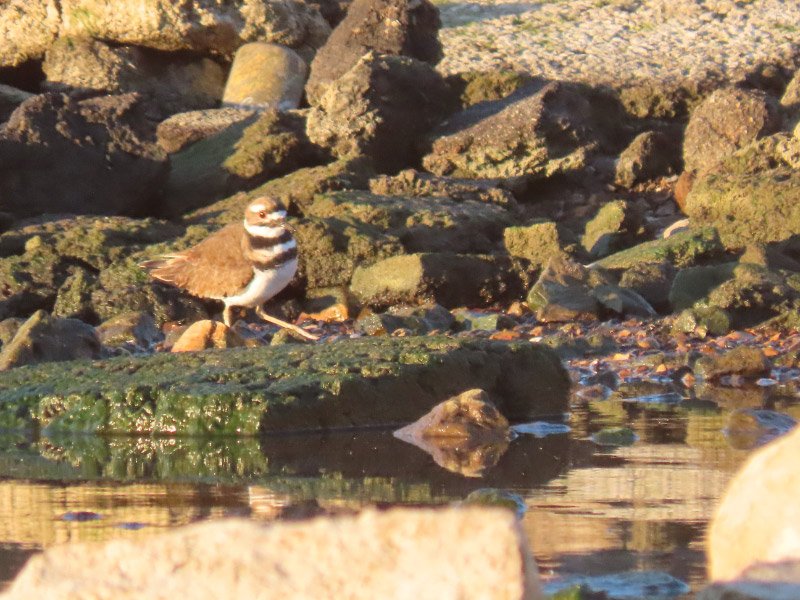
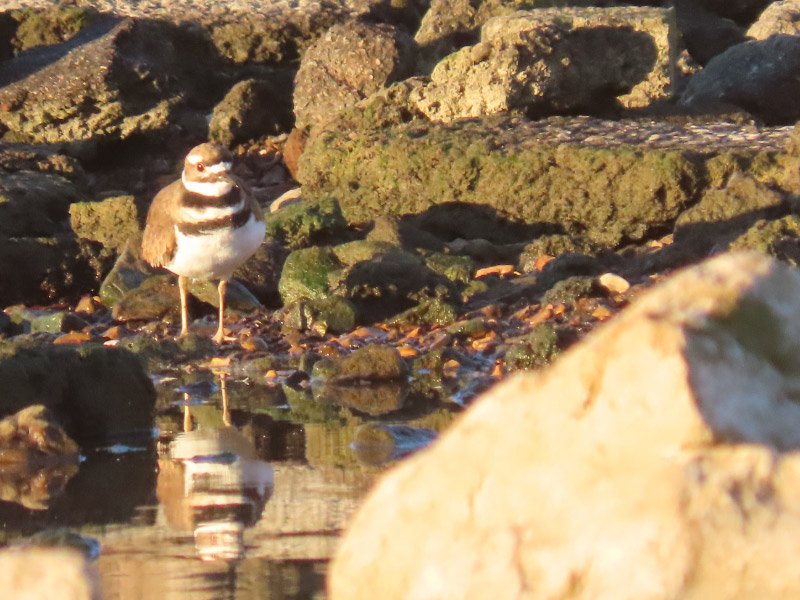
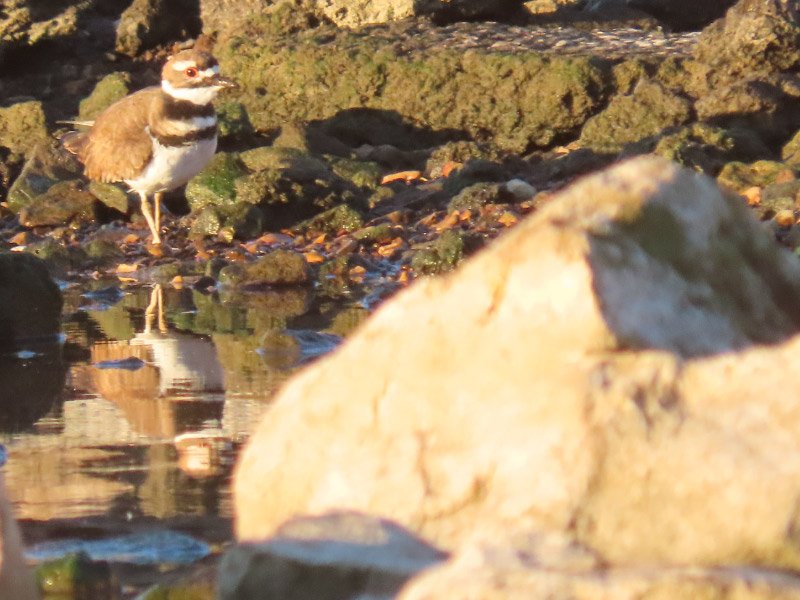
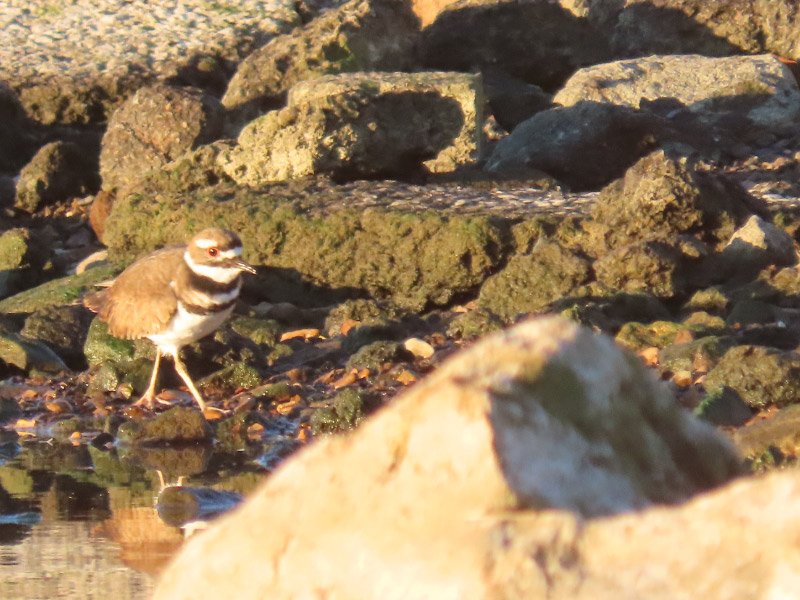
Two killdeer flew into the nearby shore. They continued their conversation with each other while we took pictures.

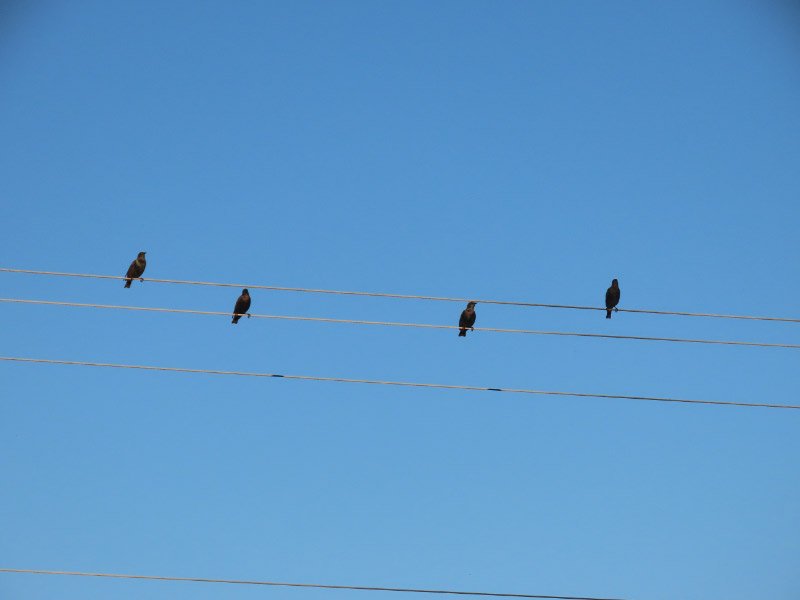
As we packed up the car – the last picture of our visit: starlings on the wire.

Sequoyah State Park (1)

Sequoya State Park (near Wagoner, Oklahoma) is about 3 hours from where we live. We opted for an overnight trip last week – staying at one of the duplex cabins in the park. It was a reconnoiter type of trip: how many birds would we see (and the vantage points to see them) and were the onsite cabins/amenities OK (and should we look at other state park destinations in the future). Our arrival was well before check-in time, so we walked down to Inspiration Point. I spotted a damselfly on the walkway almost immediately.

The big event of that walk was a kettle of American White pelicans over the lake. They were far enough away that the images were not very good – but it was fun to watch them swirl – noting how the light made them almost impossible to see for a few seconds; then they would turn and were easily seen.

The fall foliage was just beginning.

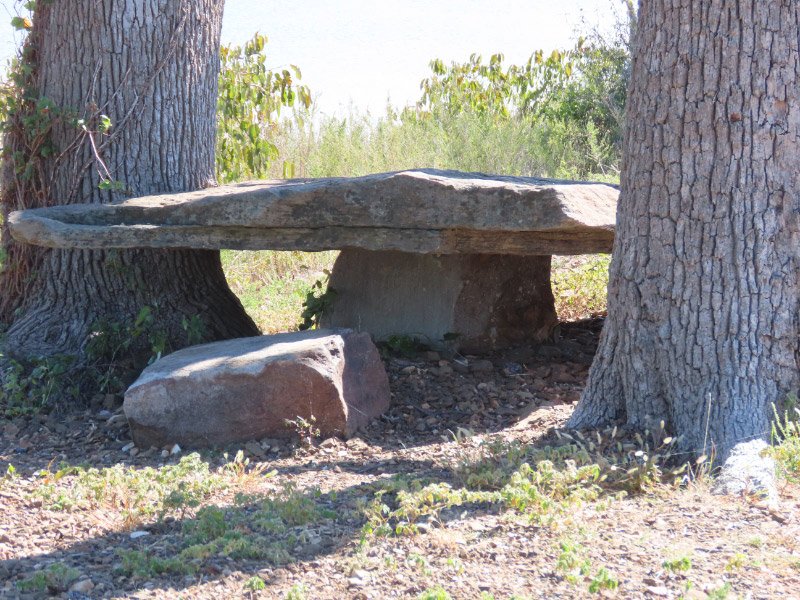
There was a rock ‘table’ with stones situated for seats under two trees!

We visited the nature center then drove to a parking area to hike the Fossil Trail that hugged the eastern side of the peninsula. We were rewarded by views of pelicans and cormorants (probably double crested) – still too distant for good images but I liked the color the light gave the water.

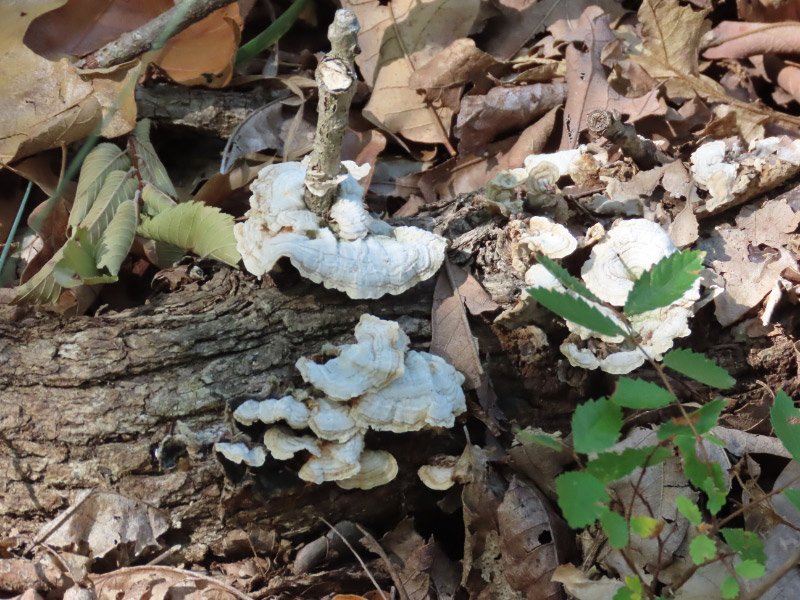
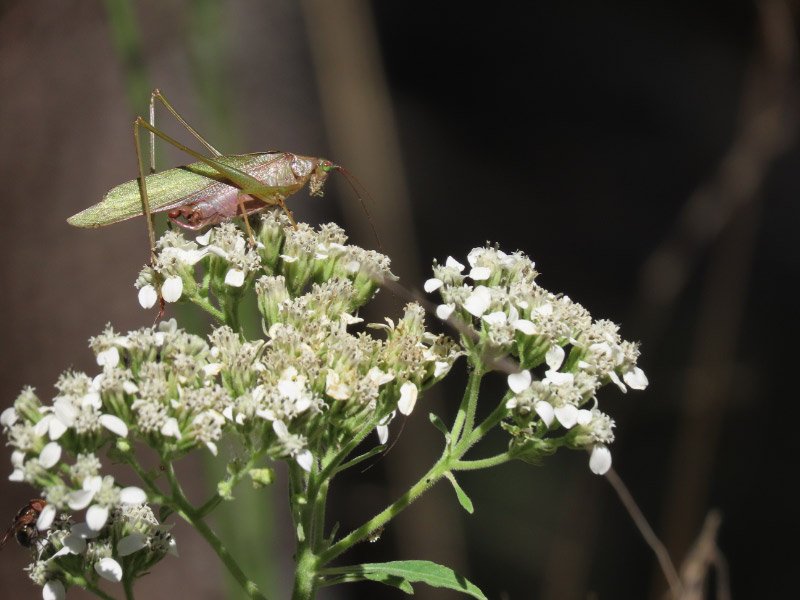
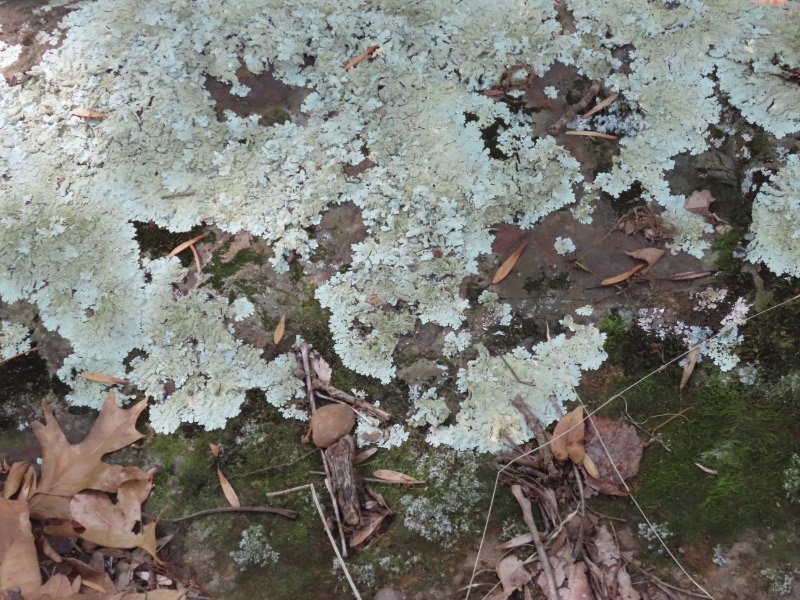
There was the usual shelf fungus, insects (katydid…and something that bit me), lichen, plants going to seed…all under a forest canopy with a little fall color.

We were out again at sunset near our cabin – overlooking the western side of the peninsula and the lake beyond. The sky was perfectly clear so there were no interesting reflections off clouds; I included silhouettes of trees instead! There were gulls coming to roost on the water as the sun went down.

Tomorrow the post will include sunrise at Sequoyah!

Gleanings of the Week Ending October 21, 2023

The items below were ‘the cream’ of the articles and websites I found this past week. Click on the light green text to look at the article.

Intact Roman-Era Sarcophagus Discovered in France – From the 2nd century AD, sealed with iron clasps, weighs about 1,700 pounds. It hasn’t been opened yet, but x-rays and an endoscope camera have revealed the contents.

Selective removal of aging cells opens new possibilities for treating age-related diseases - Aging cells, known as senescent cells, contribute to various inflammatory conditions and age-related ailments as humans age. The researchers created technology that specifically targets organelles within aging cells to initiate the cell’s self-destruction. There is still a lot of work to be done (and preclinical and clinical trials).

Cloud Rings Around a Volcano Takes Top Prize in ‘Weather Photographer of the Year’ Contest – Capturing dramatic weather moments…

Brainless Jellyfish Are Capable of Learning - Experiments that provide evidence that box jellyfish are capable of associative learning, or the process of linking two unrelated stimuli together.

How maps can protect children from extreme heat - Heat is becoming increasingly dangerous and it's a threat that is not going away. Community heat maps may not solve the long-term problem, but they are a step in the right direction, by providing awareness and empowering vulnerable children and their families.

Stunning 16th-Century Turkish Bath Reopens in Istanbul - Called the Çinili Hamam, the revitalized site won’t offer traditional bathing until 2024. In the meantime, however, it will feature private gardens and contemporary art in the newly discovered Byzantine cisterns that originally fed the baths. Nearby, a new accompanying museum will display objects associated with traditional bathing rituals—including towels, bowls and ornately decorated wooden shoes—and explain the baths’ original water and heating systems. It will also showcase artifacts from the Byzantine, Roman and Ottoman periods uncovered during the restoration.

The Resiliency of Urban Wildlife - Four distinct sets of traits that help urban wildlife adapt and survive in environments that seem hostile to animals: diet, body size, mobility, and reproductive strategy. Important to know since if you look at the traits animals are adopting to survive in urban environments, you can see how cities could be modified to become more habitable to a wider variety of species.

See the Trove of Ancient Treasures, including a Shrine to Aphrodite, Just Discovered in an Underwater City Off the Coast of Egypt - Thonis-Heracleion was Egypt’s biggest port for centuries, before being surpassed by Alexandria. The city was eventually lost thanks to a combination of rising sea levels, earthquakes, and tsunamis, disappearing beneath the waves along with a large section of the Nile delta. It was largely forgotten for centuries, until 21st-century archaeologists began investigating.

New Patch Inspired by Octopus Suckers Could Deliver Drugs Without Needles - A tiny, drug-filled cup that sticks to the inside of the cheek like an octopus sucker. The device is easily accessible, can be removed at any time and prevents saliva from dissolving the drug, which gets absorbed through the lining of the inner cheek.

Buried ancient Roman glass formed substance with modern applications - Photonic crystals were created by corrosion and crystallization over centuries. If we could significantly accelerate the process in the laboratory, we might find a way to grow optical materials (i.e. materials for communications, lasers, solar cells) rather than manufacture them.

Fall Meadow at Lake Springfield Boathouse (2)

Now to share some photos of the insects we saw in the meadow near the Lake Springfield (Missouri) Boathouse last week…

There were bees visiting flowers that were still blooming.

There were several pipevine swallowtails (iridescent blue on hindwing) being very active on the few thistles still blooming. These butterflies seemed to be strong fliers in the breeze; they managed to hang on as the thistle moved about too.

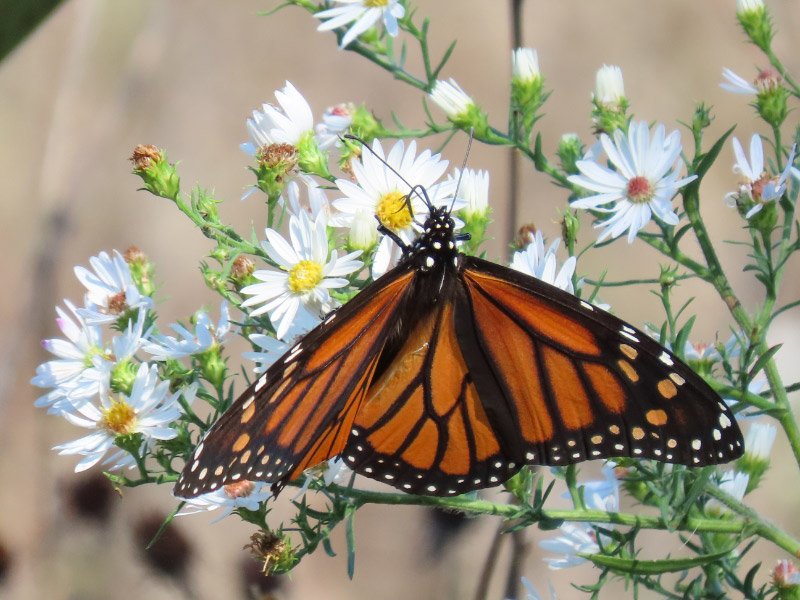
Several Monarch butterflies fluttered over the meadow. Finally - one landed on some asters. This Monarch (female) looked like one of the slightly larger ones that is headed to Mexico for the winter.

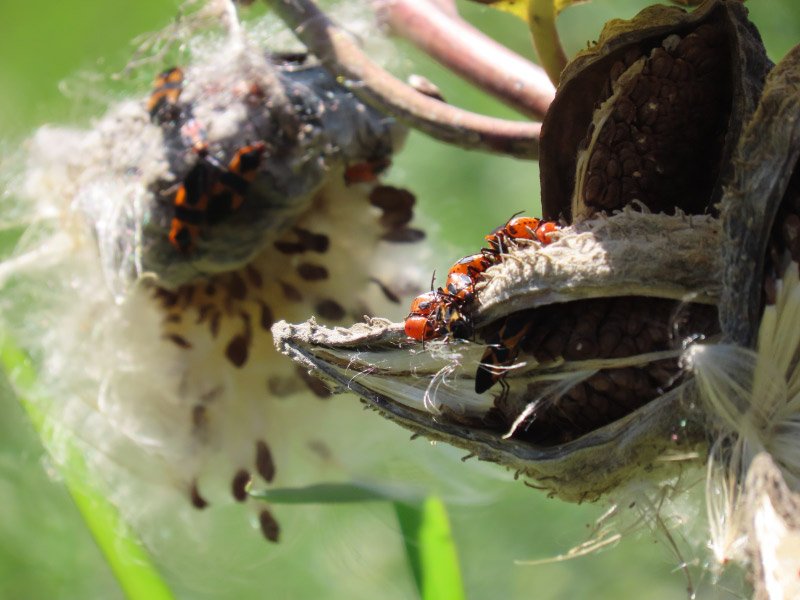
On the milkweed pods, groups of milkweed bugs at various stages of development were everywhere! The adult bugs migrate south to survive the winter and migrate back to Missouri in the spring and summer. I wonder how many of the immature bugs will mature in time to make the migration south!

There were lots of medium sized grasshoppers. I didn’t see any larger ones. They were very active…and I wasn’t fast enough to capture any portraits. A couple I talked to mentioned they had seen very large garden type spiders in the meadow feeding on grasshoppers but the spiders didn’t seem to be around on this fall morning.

Pokeweed Truce

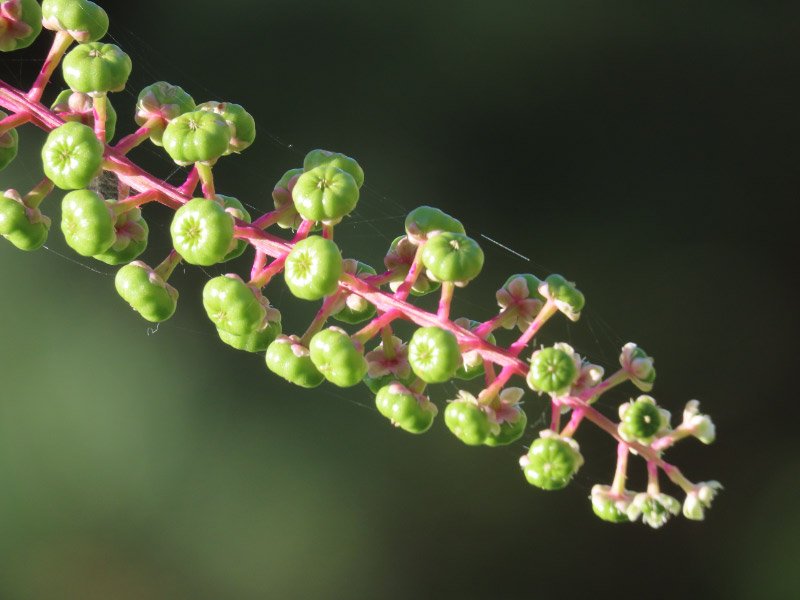
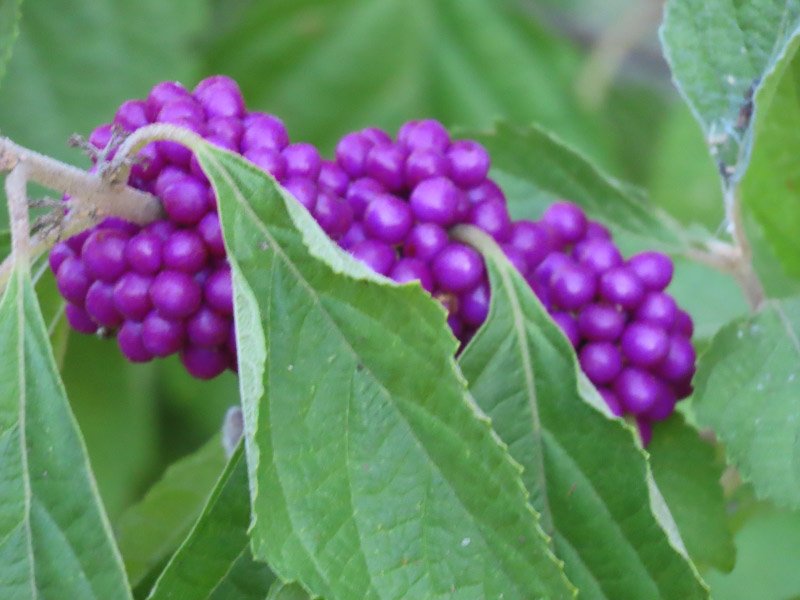
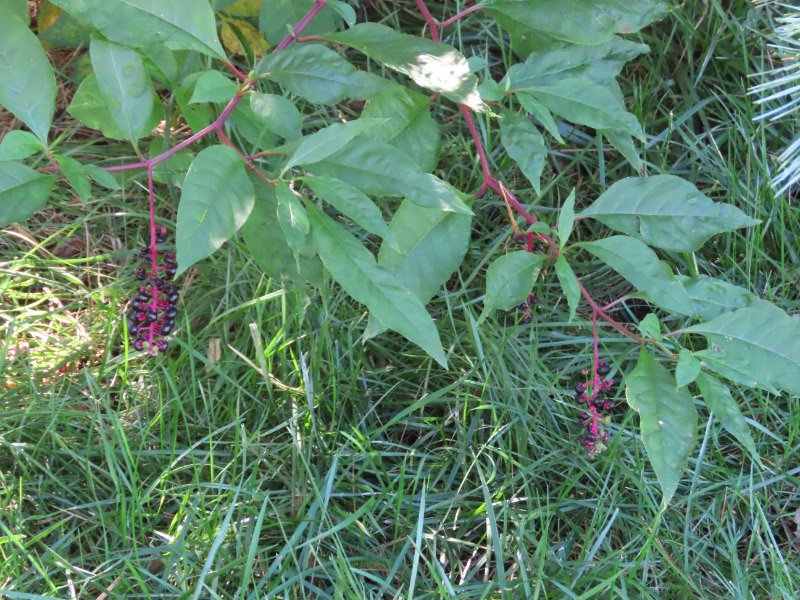
Pokeweed is a native plant…but it grows too readily and easily becomes a nuisance. In previous years, I have pulled it, cut it, and dug out its roots. This year was a truce year and I anticipate that next year there will be peace! My strategy this year was to let is grow if it came up in my backyard…and was not in the way. It came up in lots of places – probably planted by birds (they eat the purple berries and then poop out the seeds):

Near a rose bush. The plant is growing at the edge of a flower bed that has landscaping cloth with rock on top; it roots probably found the edge of the cloth and have gone deeper into the soil. It’s better than having something with thorns (like the rose bush) hanging over the patio.

At the edge of my wildflower garden. The plants shaded some of the garden when it is very hot….made it easier to keep the soil from completely drying out. The pokeweed never got very high but produced a lot of berries.

Under my largest pine. I didn’t realize that pokeweed leaves turn red in the fall. The stems are a beautiful magenta all summer long. The pine tree had the lower branches trimmed earlier in the year and the pokeweed grew up through the bed of pine needles and filled in the space underneath but not growing up into the pine branches, preserving the privacy of the yard. Lots of berries for the birds this fall.

Towering over/leaning on a bush (very tall and gangly). Half of the plant was blown over in July. I probaby should have cut the rest down but I wanted to see what it would do. It stayed mostly upright although some branches are draped over the bush. I liked the green, magenta, and purple colors with the duller reddish color of the bush in the background.

In the mound where a pine had to be removed. Hopefully the other native plants that I’ve added to the mound will take over next year. For this year, the pokeweed is protecting the young plants…a good thing. Maybe the birds have already started eating the purple berries.

Under the smaller pine with branches lower to the ground. I am encouraged enough about how the pokeweed fills in that I will probably trim off the lower branches of the tree next spring.

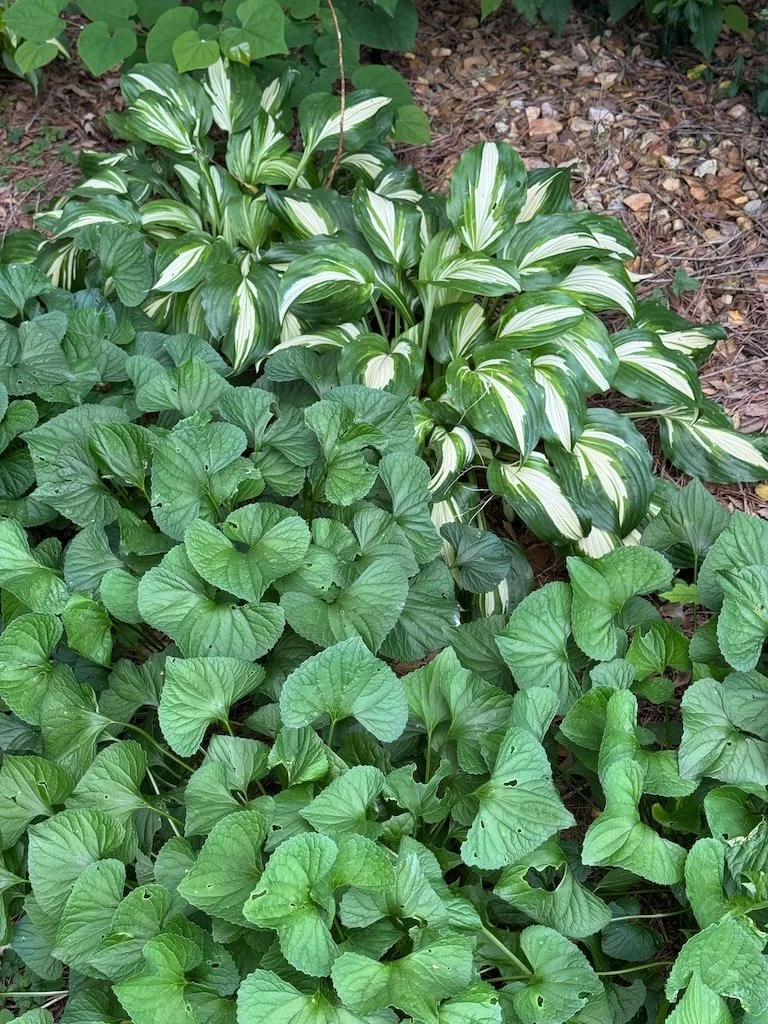
In a flower bed at the corner of the house. There was a pokeweed growing in the same place last year between the hosta and violets.  It is a ‘late bloomer’ and probably won’t have as many mature berries for the birds.

In a flower bed near our rhododendron. No berries at all because I tried to pull this one but must not have gotten all the roots….it looks very lush at this point but immature. It will be interesting to see if the leaves turn red at some point.

My strategy for next year will be to actively encourage the pokeweed under the 2 pines, cut or pull any that is getting tall enough to blow over easily (or comes up in the wrong place…which might include the mound where a pine tree was removed). I’ll probably have pokeweed in my yard going forward and consider it as a positive element of the landscaping.

Gleanings of the Week Ending October 14, 2023

The items below were ‘the cream’ of the articles and websites I found this past week. Click on the light green text to look at the article.

Abandoned Lands: A Hidden Resource for Restoring Biodiversity – Nature colonizing abandoned land…maybe we need to learn to help it along. The amount of land under agriculture globally has been in decline since 2001. Sometimes the abandonment is not driven by economic, demographic, or social factors, but by pollution or industrial disasters. Hundreds of square miles of radioactive former farmland around the stricken nuclear reactors at Chernobyl in Ukraine and Fukushima in Japan are now within exclusion zones and could be without human occupation for centuries to come.

How to build for aging in place - Aging-ready homes address two core needs—single-floor living and bathroom accessibility—by providing a zero-step entry, a first-floor bedroom, and a full first-floor bathroom with at least one accessibility feature. Today only 10% of American homes are ‘age ready.’ When my husband and I bought our current home, we were conscious of buying something that would help us age-in-place. Everything is on one floor except for the laundry room….so we might have to eventually add an elevator to the house.

The Mississippi is Mighty Parched – The river south of Memphis has narrowed considerably in the past 2 years. Barge companies reduced the weight carried in many shipments in September because the river was not deep enough to accommodate their normal weight. Much of U.S. grain exports are transported down the Mississippi; the cost of these shipments from St. Louis southward has risen 77% above the three-year average. The lack of freshwater flowing into the Gulf of Mexico has also allowed saltwater to make its way up the river and into some water treatment plants in southern Louisiana.

Electric Cars Are Transforming America’s Truck Stops – I’ve been noticing the changes described in this article as I travel. More of truck stops have banks of chargers…and the Pilot just north of Denison has better food and a larger shopping/eating area… Adding charging equipment for electric cars is a major transformation for truck stops and travel centers but represents a new business opportunity.

The seed guardians in the Andes trying to save the potato – Climate change/disease are risks that all species are facing. There are 1,300 varieties of potato growing in the Andes. Potato Park, located near the Peruvian town of Pisac, was founded by six indigenous communities in 2002 to preserve the genetic diversity of potatoes grown in the region, as well as the cultural heritage of the people that grow them.

Chemical Analysis of Viking Combs Hints at Long-Distance Trade – 85-90% of the combs found in a Viking settlement in Germany, came from northern Scandinavia – made of the antlers of reindeer. So large scale trading between the two sites was happening as early as AD 800.

See Ten Stunning Images from the Bird Photographer of the Year Awards – Birds and photography…images to enjoy.

Japanese Scientists Find Microplastics in the Clouds Above Mount Fuji – Maybe we should be more surprised if we looked and didn’t find microplastics!

Why Flamingos are Showing Up in the U.S. this Fall – The short answer is hurricanes…specifically Hurricane Idalia. Flamingos are strong fliers and will simply return south eventually.

A Sample of Ancient Asteroid Dust Has Landed Safely on Earth – We were at the launch of OSIRIS Rex in September 2016…so I continue to follow news about the mission.

Nehrling/Ridgway North American Birds

There are 4 Henry Nehrling books about birds available on Internet Archive. The illustrations are the work of Robert Ridgway. Both men were products of the Midwest – born in Wisconsin and Illinois respectively in the 1850s. Both became ornithologists and horticulturists (Nehrling skewing toward horticulture and Ridgway toward ornithology). Were they friends or was the creation of the books just a transaction?

Die Nord-Amerikanische Vogelwelt Heft 1-10

Die Nord-Amerikanische Vogelwelt

Our native birds of song and beauty V1

Our native birds of song and beauty V2

It is easy to spot familiar birds in the illustrations!

Josey Ranch – September 2023

My visit to Josey Ranch (Carrollton TX) was shortly after sunrise. The two resident swans were still asleep on the larger pond….but there was a reflection of morning light on the water…which made the photograph worth it.

My visit to Josey Ranch (Carrollton TX) was shortly after sunrise. The two resident swans were still asleep on the larger pond….but there was a reflection of morning light on the water…which made the photograph worth it.

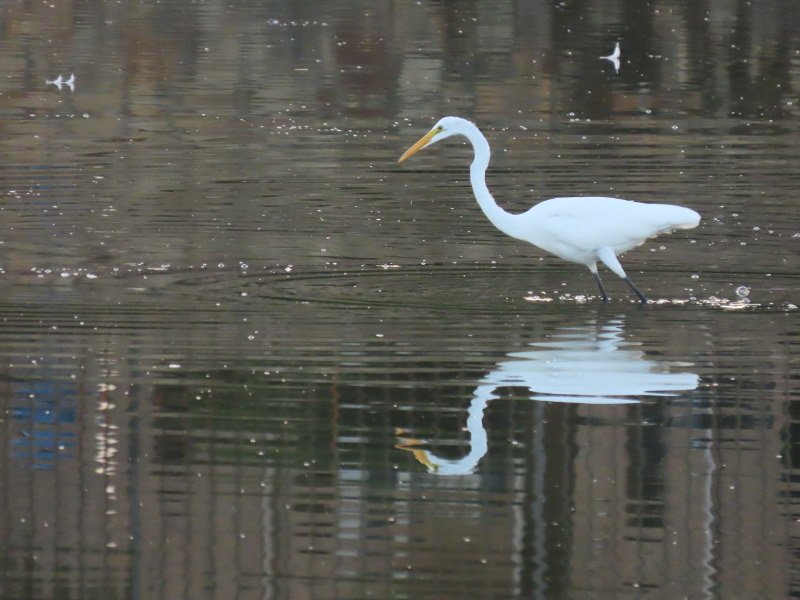
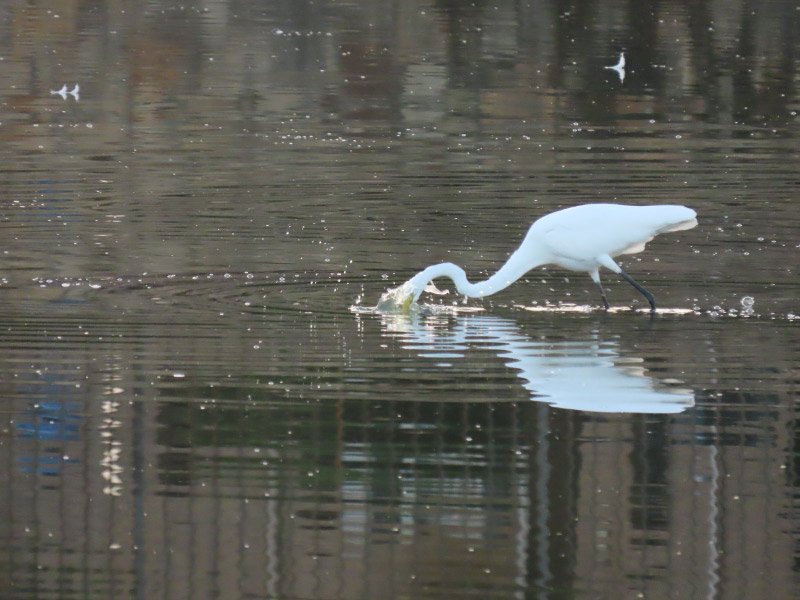
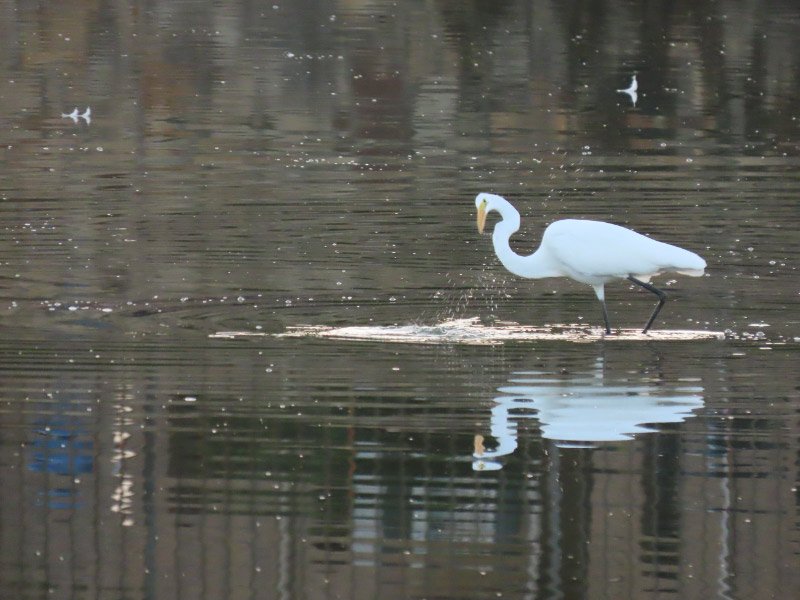
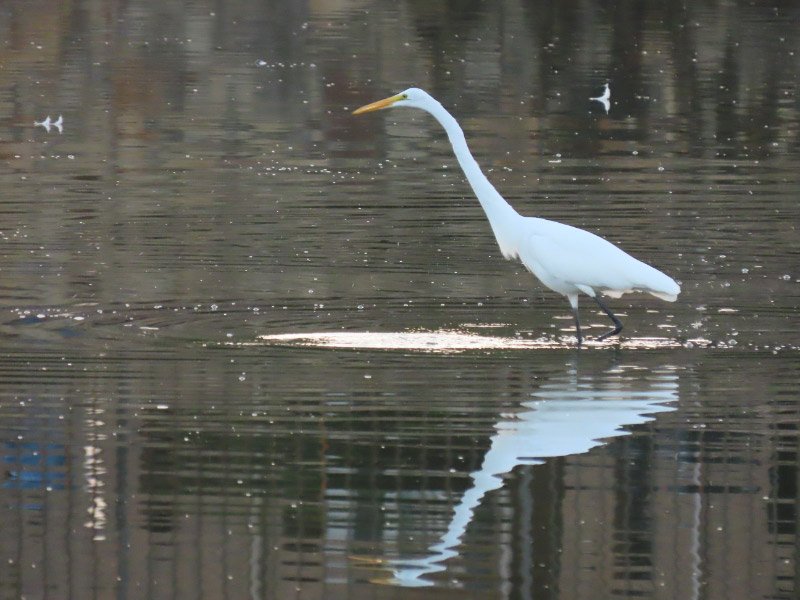
A Great Egret was fishing in the shallows. The water is low…so the shallows are a larger area of the pond now.

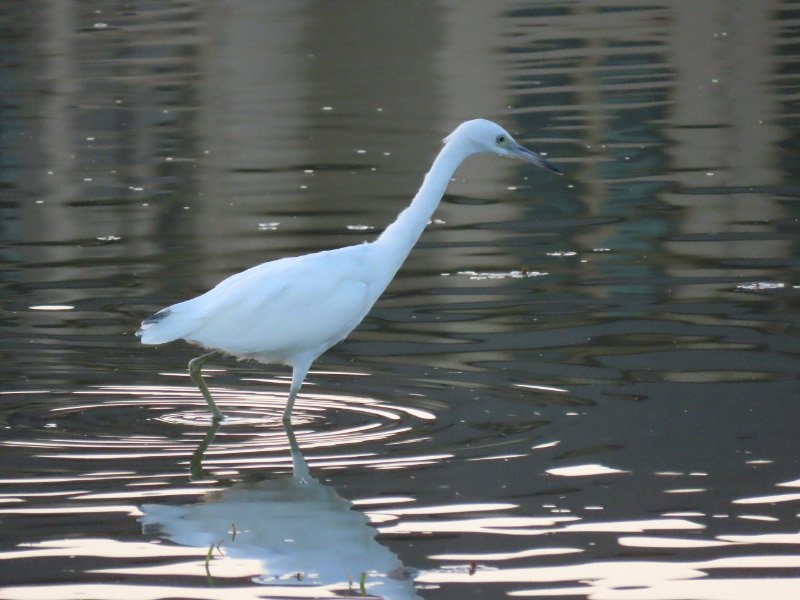
The surprise of the morning was 2 juvenile Little Blue Herons. I had seen one at Josey Ranch in August but seeing 2 caused me to wonder if they had hatched nearby. They both were looking for breakfast in the shallows. These birds will probably be migrating to south Texas (or further south) soon. Or maybe these birds were only at Josey Ranch as a rest stop during their migration.

Both the Great Egret and one of the Little Blue Herons were hunting next to each other at one point! The image shows the relative size of the two birds.

Hagerman National Wildlife Refuge – September 2023 (2)

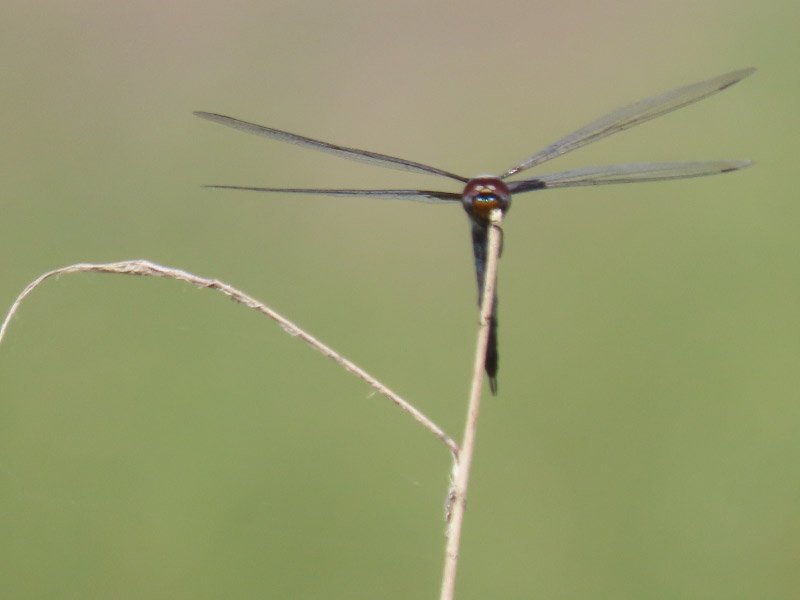
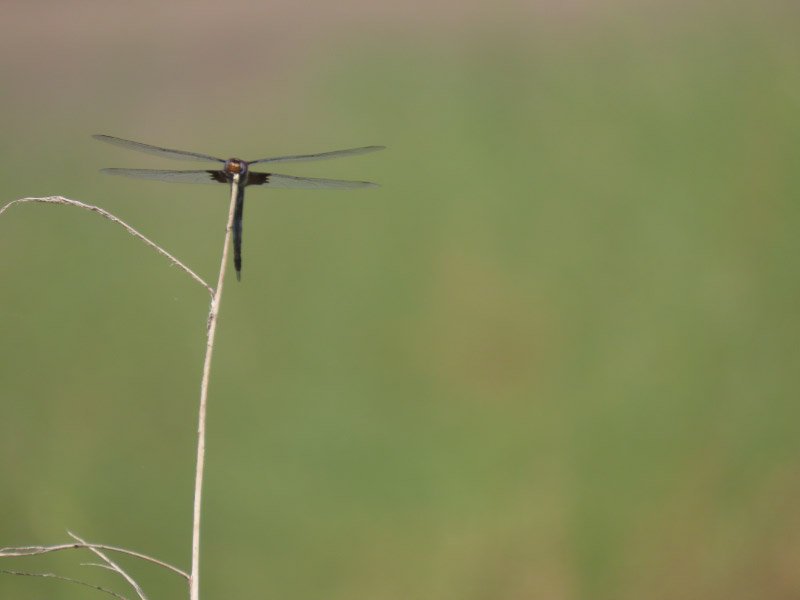
I saw more than birds at Hagerman in September. There were large numbers of dragonflies in the air. I managed to see one sitting on a bit of dried grass near the road; photographed it through my open car window (like I do almost everything along the road through the refuge). There seemed to be so many dragonflies; it’s a good sign that there is a healthy population at Hagerman; they’ll lay eggs in the ponds where the larvae will overwinter – food for fish.

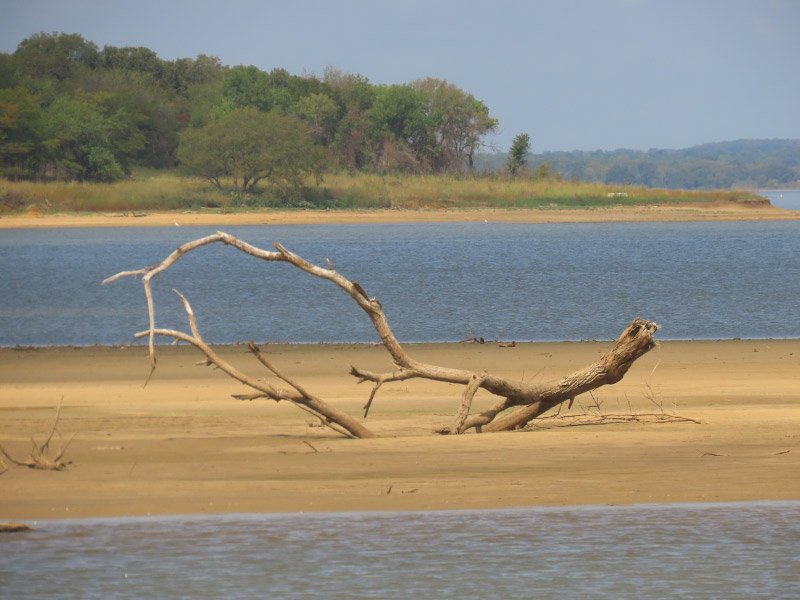
I did get out to photograph a large piece of driftwood that was on an island in the deepest pond. I liked the curves and the mystery of how it ended up positioned the way it was. Were their branches buried in the silt that kept it from falling over?

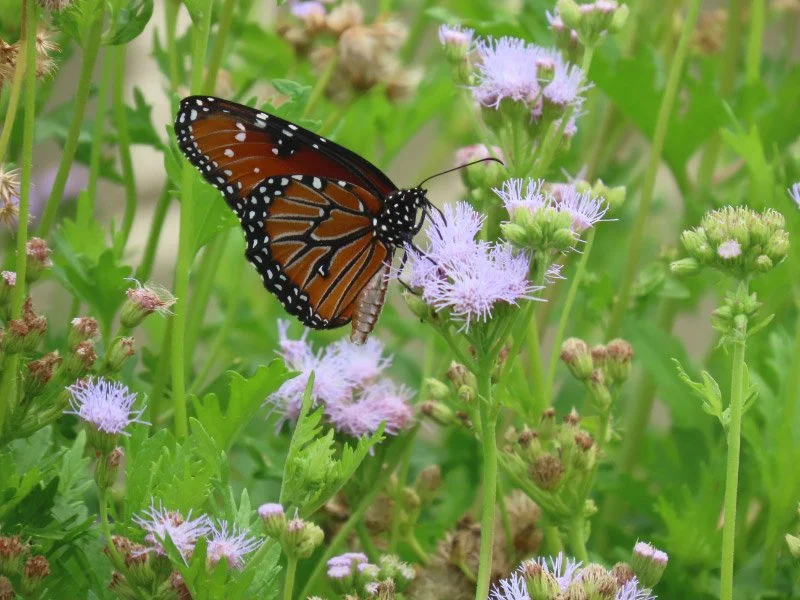
Back at the butterfly garden, I photographed three types of butterflies. I had seen all of them on previous visits.

The Monarchs were more numerous this time and I realized that they were probably migrating south to Mexico for the winter.  Supposedly the ones that make the long journey are larger than the ones that live their whole life during the summer months – never making a migration. Will there still be Monarch’s coming through when I return at the end of October? Maybe. The first frost in the Hagerman area is usually not before mid-November.

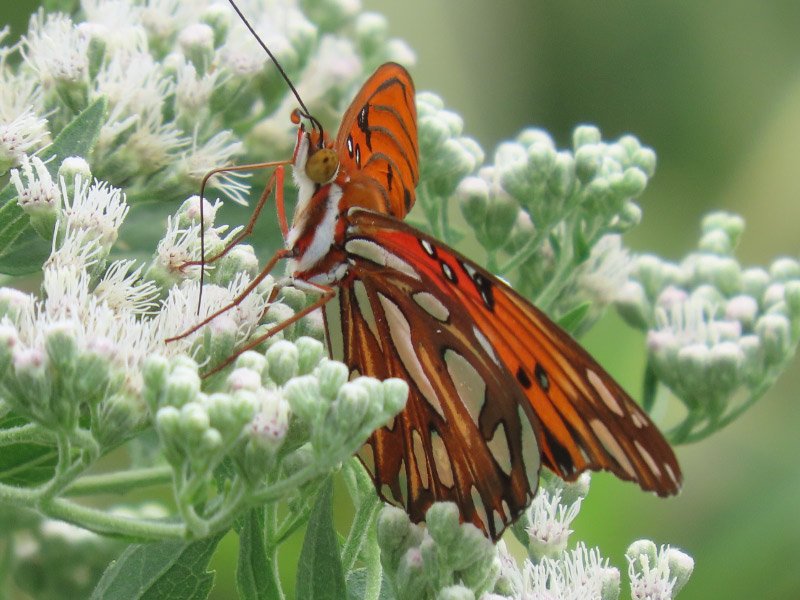
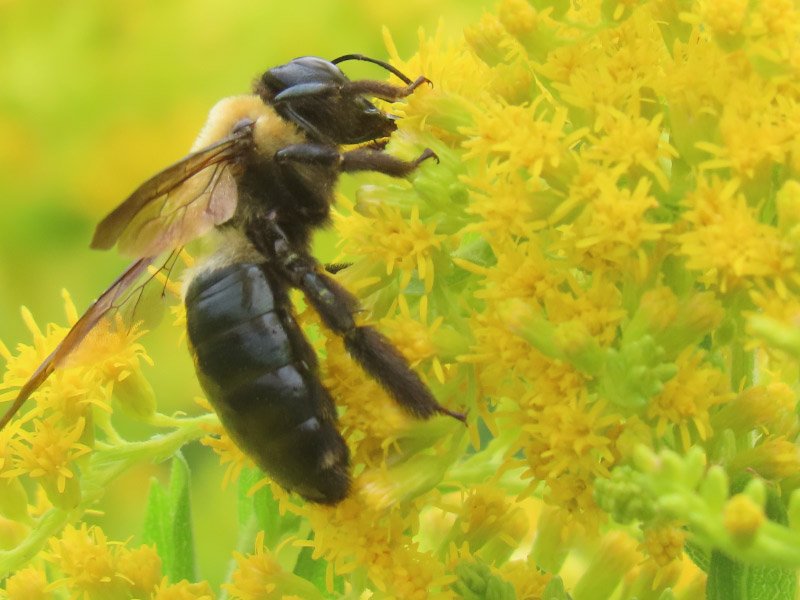
There was a bumblebee enjoying the flowers. I tried to photograph it from different angles.

Hagerman National Wildlife Refuge – September 2023 (1)

It was a very hot day when I made the road trip from Missouri to Texas in September. It was over 90 degrees when I made the exit to go to Hagerman – thinking that maybe the government would shut down before I headed home, and I wasn’t sure if the refuge would be accessible then.

There were a few migrants at the refuge that I hadn’t seen since last spring: White-faced Ibis,

Neotropic Cormorants (evidently this bird is expanding its range), and

I didn’t see any of the migratory ducks…maybe they will be there next month,

There were the usual egrets and herons. A snowy egret strutted in the shallows.

Several of the great blue herons looked like juveniles.

Some of the egrets (great and snowy) and a great blue heron were enjoying feeding in grassy areas that had been flooded.

I saw a snag with at least 8 white birds in it.

I zoomed in to take as many pictures as I could of individual birds. There were snowy egrets,

Cattle egrets, and

A juvenile little blue heron!

A great blue heron and great egret were on a snag in the water – the heron had just gotten a fish….the egret looks on.

Hagerman was ready for more birds that were probably coming soon in increasing numbers…and some will stay for the winter. Hopefully I will see more of them when I go in October.

Tomorrow’s post will focus on the non-bird sightings at Hagerman in September.

Gleanings of the Week Ending October 7, 2023

The items below were ‘the cream’ of the articles and websites I found this past week. Click on the light green text to look at the article.

Nature's great survivors: Flowering plants survived the mass extinction that killed the dinosaurs – Ancestors of orchids, magnolia, and mint all shared Earth with the dinosaurs…and are thriving today.

Woman Uses Hidden Cameras to Get Candid Look at Birds in Her Backyard – Birds (and squirrel, chipmunk, and groundhog) at the food bowl.

Climate Change Hurting Water Quality in Rivers Worldwide – Cycles of heavy rainfall and drought are impacting water quality everywhere.

Large amounts of sedentary time linked with higher risk of dementia in older adults, study shows – The average American is sedentary for about 9.5 hours per day! This study found that the risk of dementia begins to rapidly increase after 10 hours spent sedentary each day for people over 60 years old, regardless of how the sedentary time was accumulated.

The puzzling link between air pollution and suicide - More than 700,000 people kill themselves worldwide every year, according to the World Health Organization (WHO). People in the US might be particularly troubled to learn that the suicides here have increased by around 40% over the past two decades….and the nation now has one of the highest rates of wealthy, developed countries. Suicide disproportionately affects men. In the US, around 80% of suicides last year were male. More research is needed to understand the link between air pollution and suicide…but we already know that "tiny, invisible particles of pollution penetrate deep into our lungs, bloodstream and bodies…and are responsible for about one-third of deaths from stroke, chronic respiratory disease, and lung cancer, as well as one quarter of deaths from heart attack."

Archaeologists discover 1,000-year-old mummy in Peru – Long hair still preserved.

Older adults with digestive diseases experience higher rates of loneliness, depression - While life expectancy rates for older Americans are rising, nearly 40% of adults report living with a digestive disease of some kind.

A Chronic Itch: Burrowing Beneath the Skin - Approximately 20% of people suffer from chronic itch, which is medically defined as an itch lasting greater than six weeks. For many, there is no relief. Itch has historically been one of the most overlooked medical symptoms, reflected in the limited available treatment options, most of which have only been discovered recently.

Puffins Are Making a Comeback in Maine - The fifty-year effort that helped puffins rebound in Maine is cause for celebration!

Capturing carbon in savannas: new research examines role of grasses for controlling climate change - Grasses accounted for over half of the soil carbon content across tropical savannas, including soils directly beneath trees. In general, forests primarily store their carbon in the woody trunks and aboveground leaves. In contrast, a significant portion of carbon in grassy ecosystems, such as savannas and grasslands, is stored in the soil, primarily within the extensive root systems of the grasses as well as decaying organic matter. In the context of long-term carbon storage, carbon retained in soils proves to be more reliable, particularly for a vulnerable future marked by warming and increased likelihood of drought and wildfires.

Sophia M. Sachs Butterly House

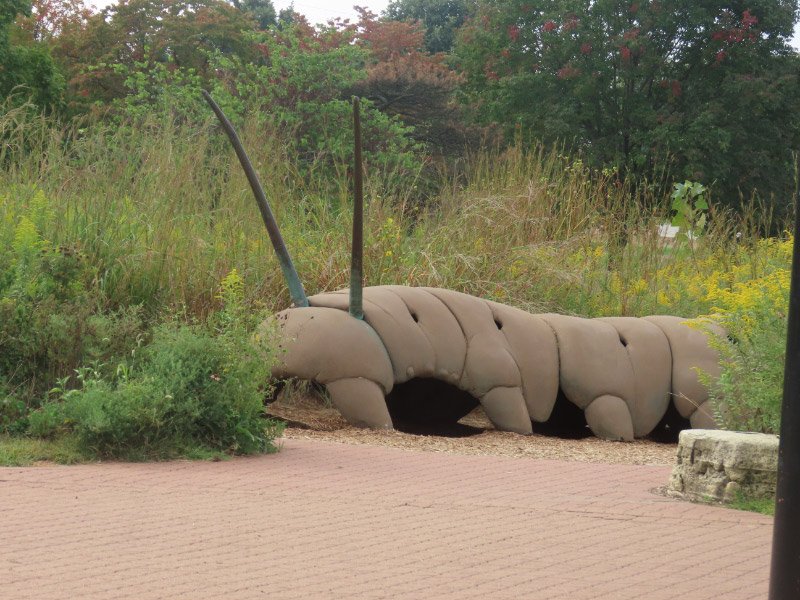
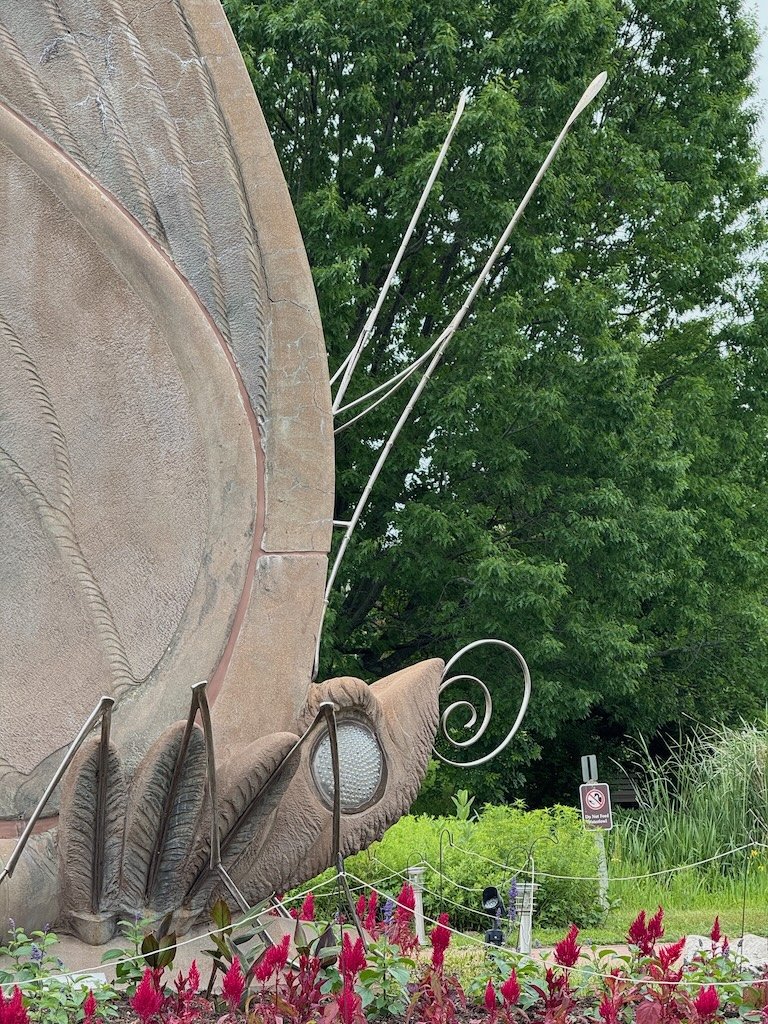
After a day at the Missouri Botanical Garden – we headed to the Sophia M. Sachs Butterfly House near St. Louis MO the next morning. Its another facility that is part of the Missouri Botanical Garden. We were there a few minutes before it opened and walked around the outside gardens. It included a giant butterfly and caterpillar sculpture!

There was also a butterfly bench like the ones in Brookside Gardens in Maryland!

There were many fall plants blooming too – including cone flowers, butterfly weed, and goldenrod.

We entered the building as it opened. Everything had a butterfly theme – even a wall sculpture near the restrooms.

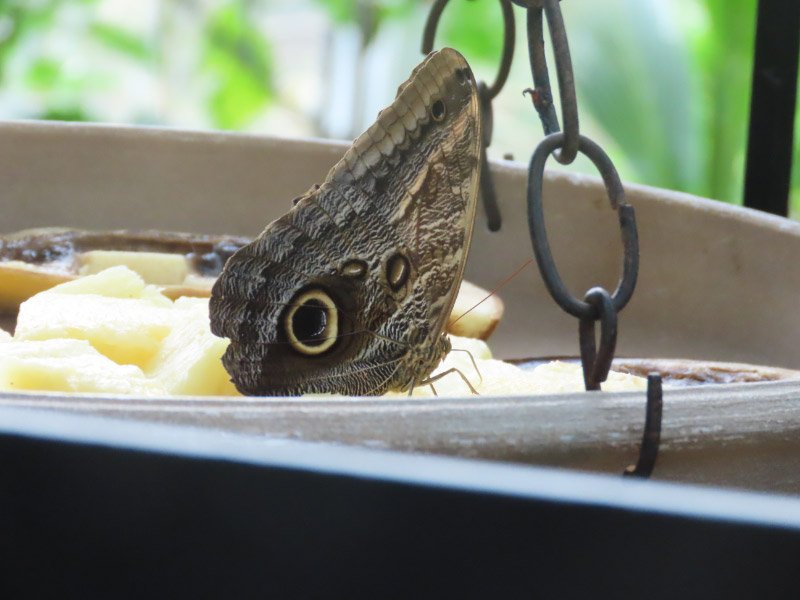
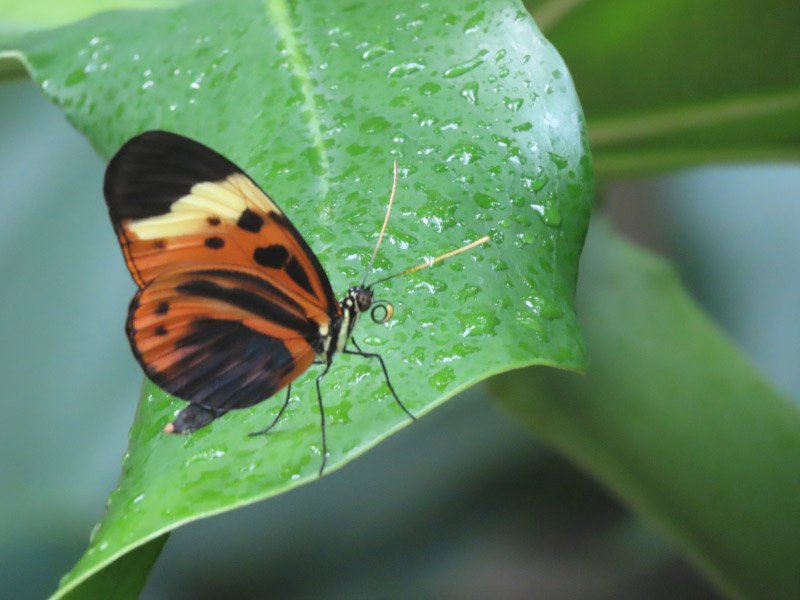
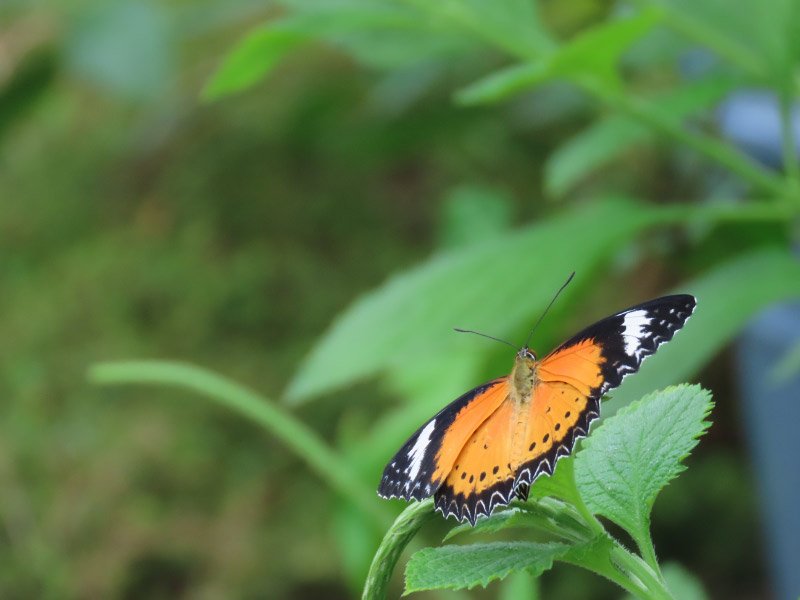
The conservatory is a year-round climate-controlled space for butterflies. We were familiar with many of the butterflies there because of our experiences at Brookside. Some of the butterflies were tagged – not sure why. We enjoyed watching the children with their families experience the butterflies – noticing butterflies in the air…looking to see them on the fruit or in the foliage.

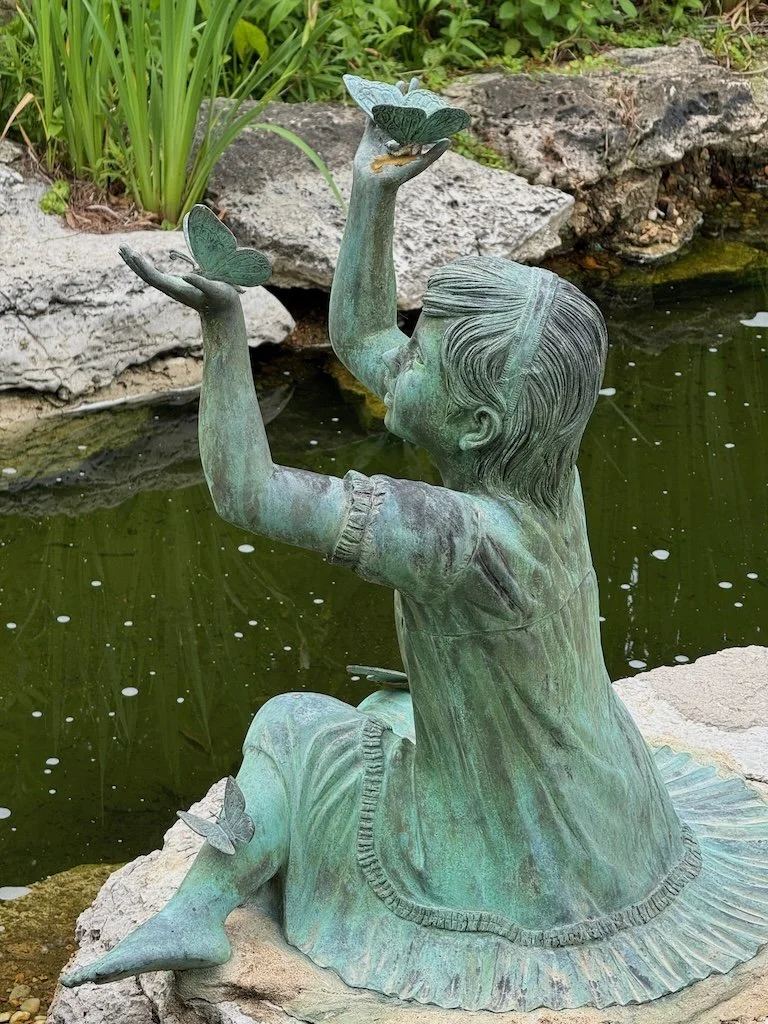
The exit  from the conservatory leads to another garden with a water feature and sculpture of a child with butterflies on her hand and knee.

It was a good morning activity. We enjoyed photographing the gardens and butterflies (would be even more appealing in the winter when the conservatory would be pleasantly warm compared to outdoors) and we headed home afterward.