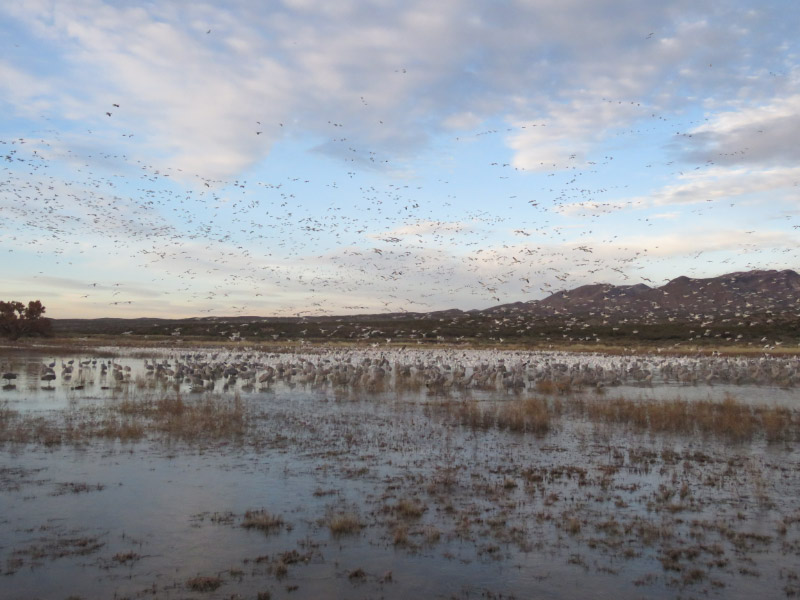
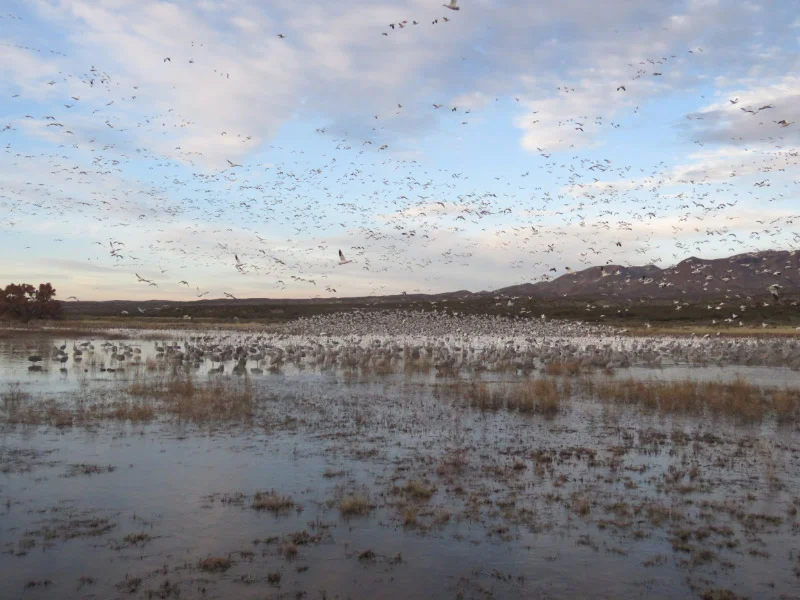
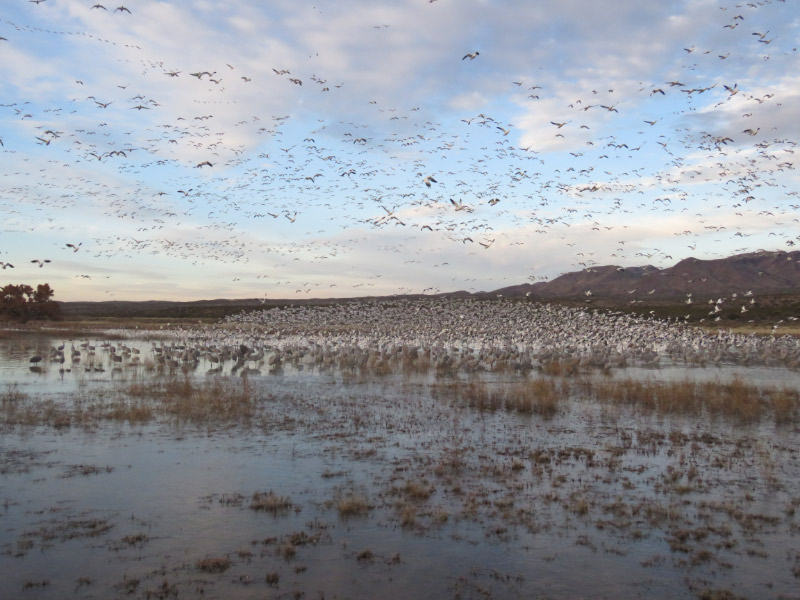
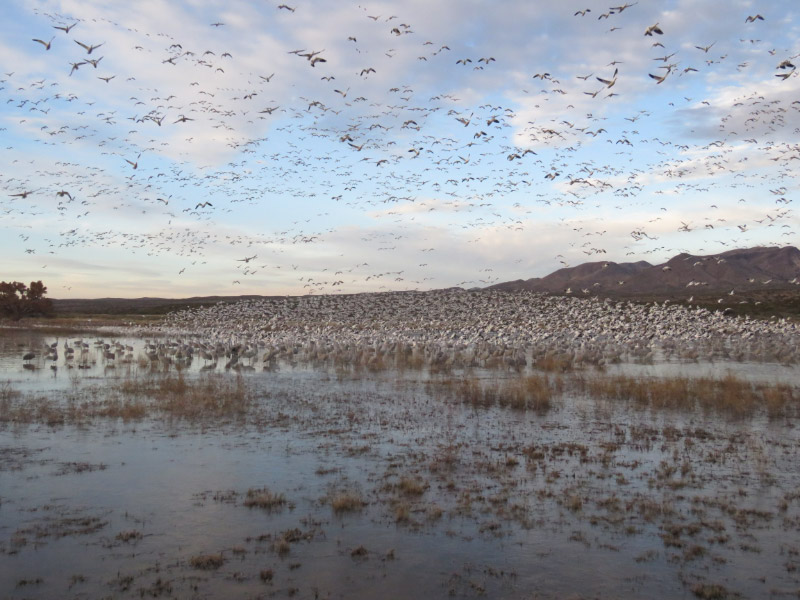
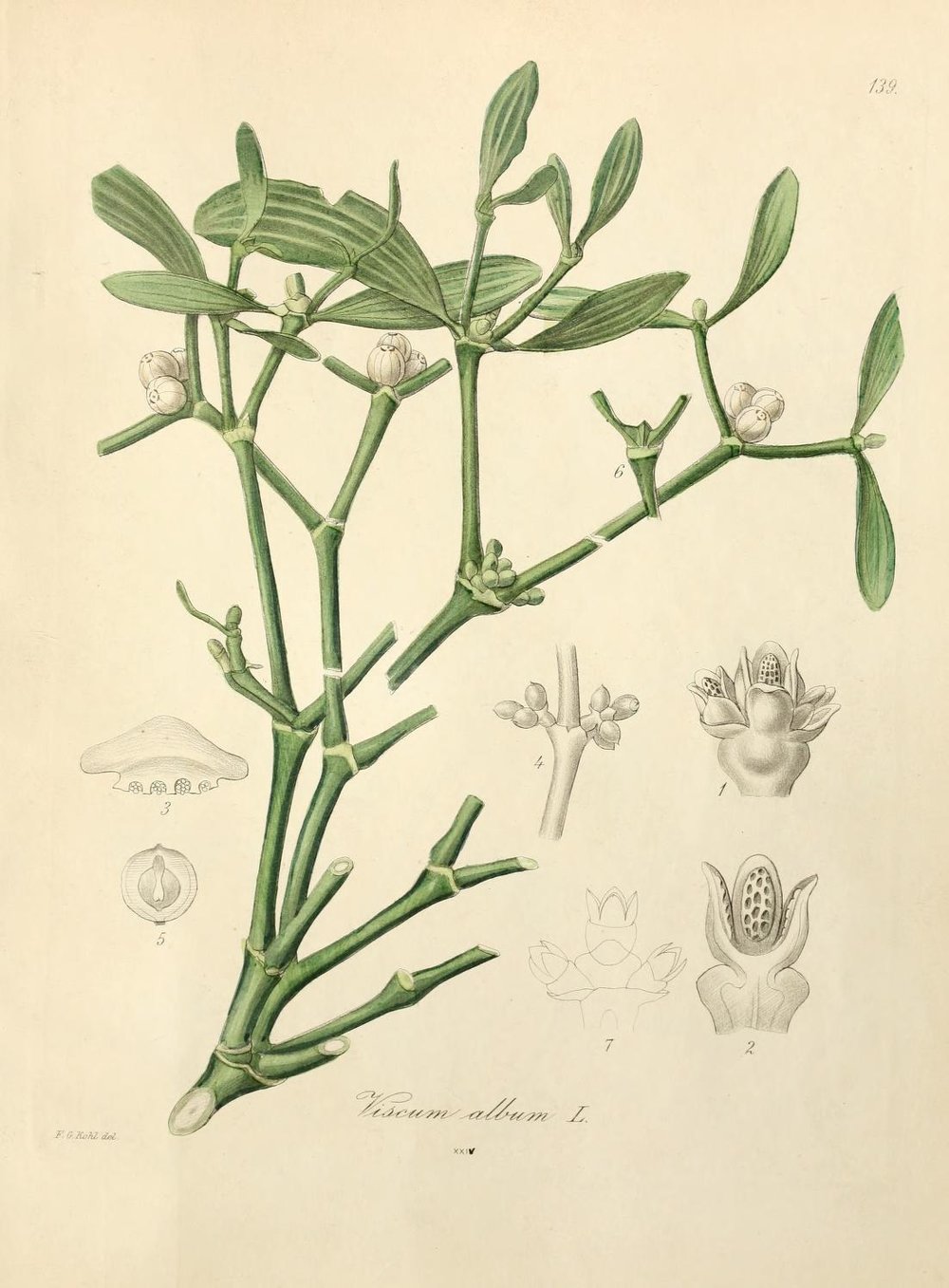
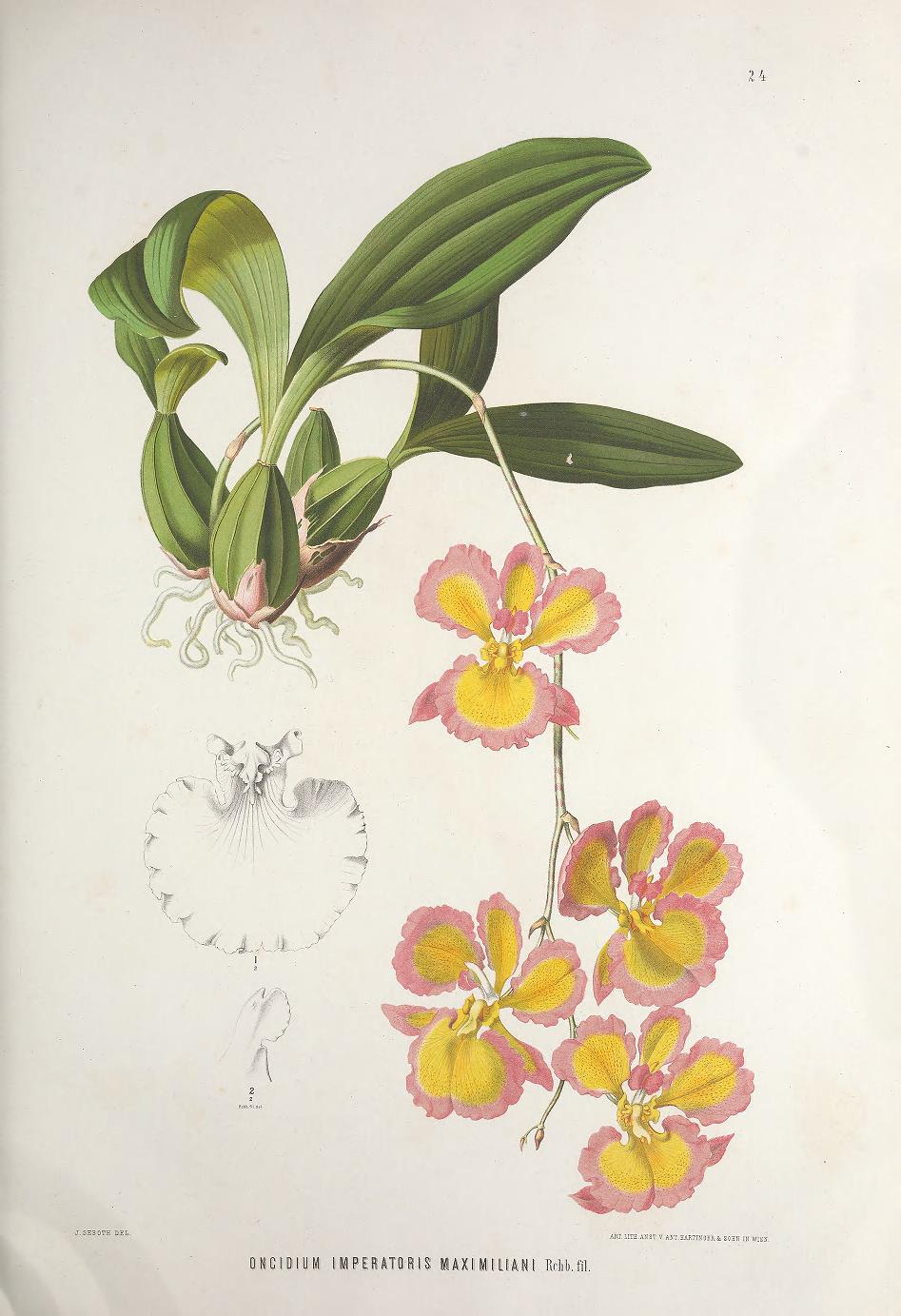
Reichenbachs’ Icones florae Germanicae et Helveticae

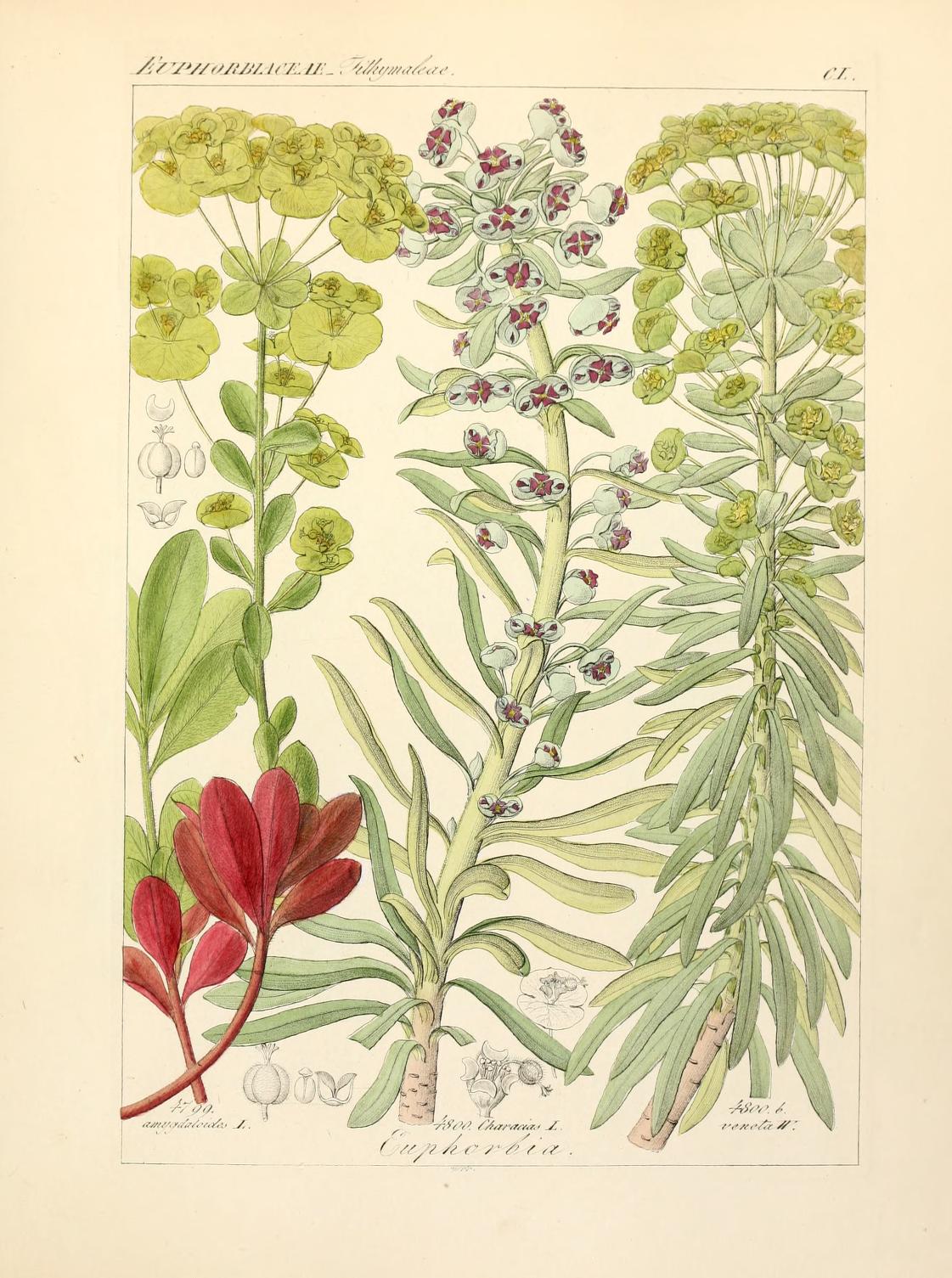
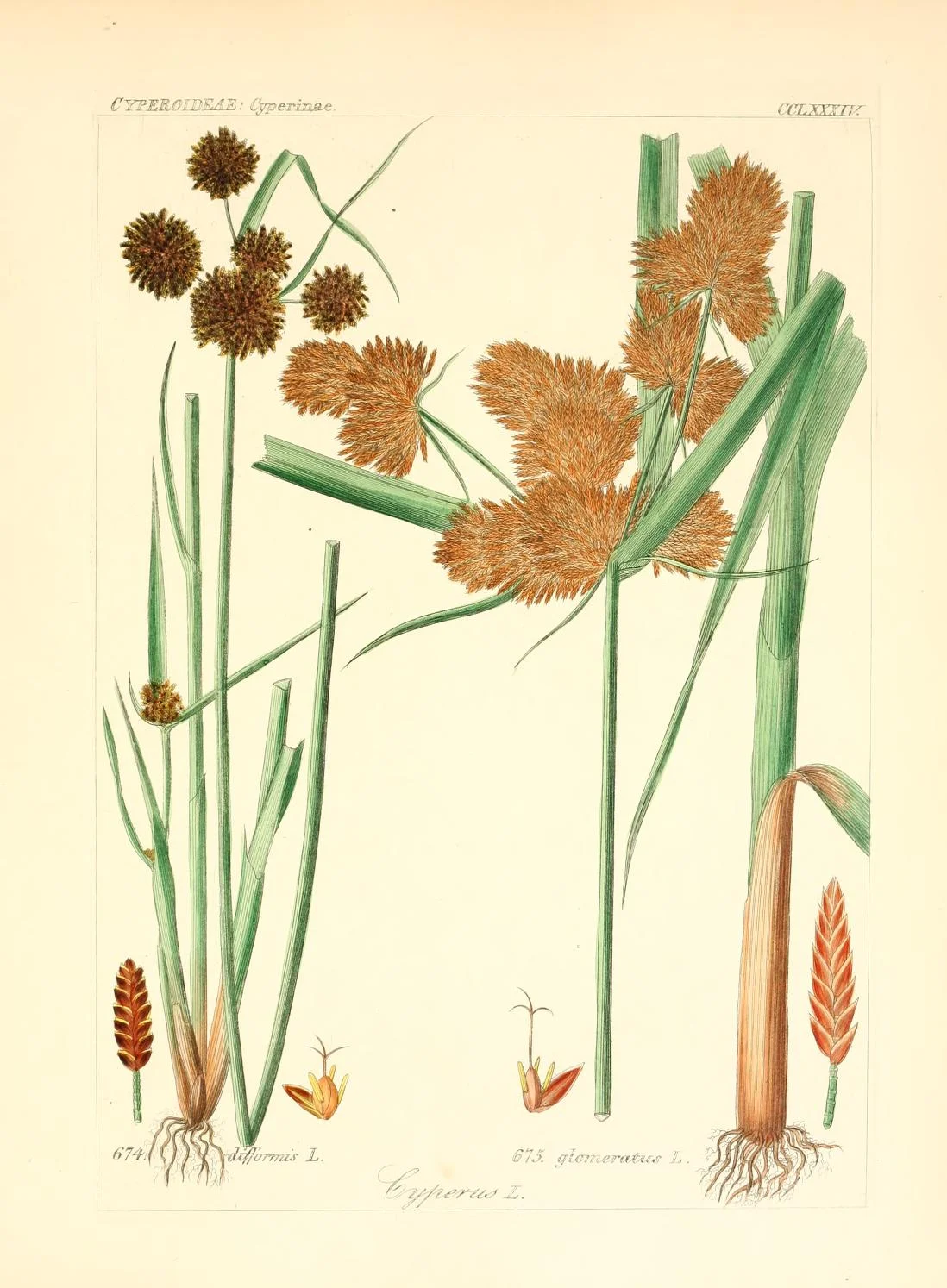
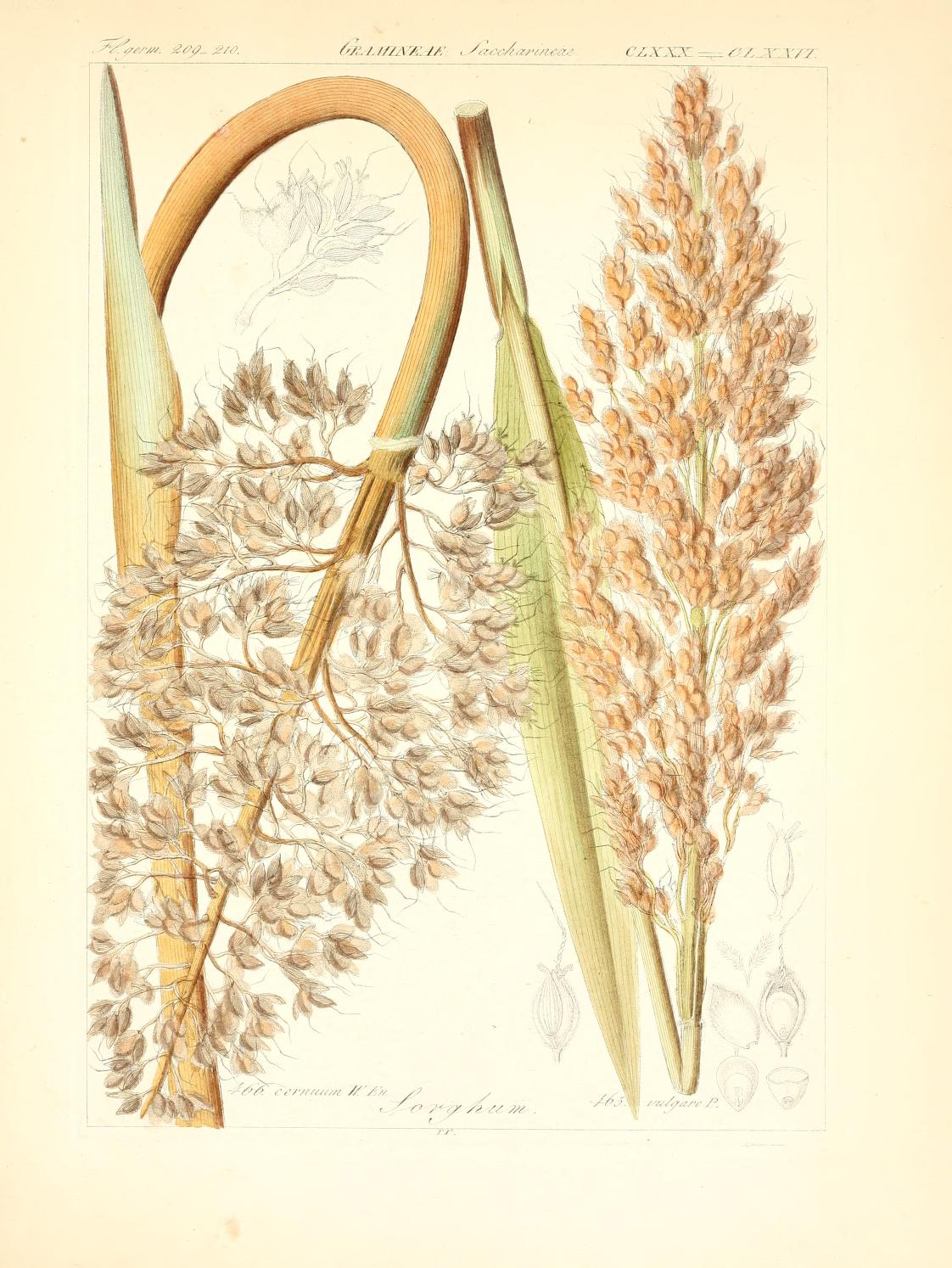
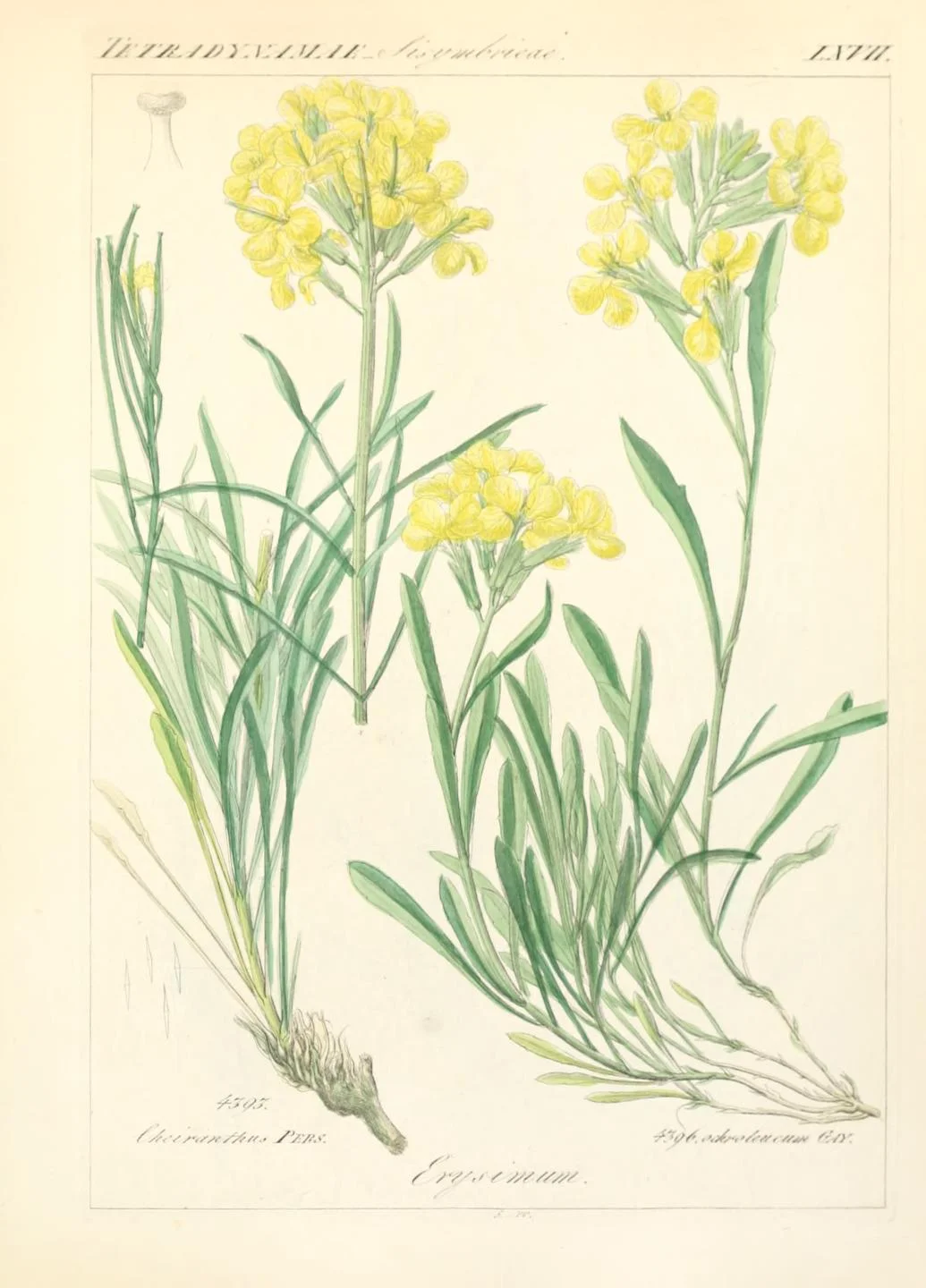
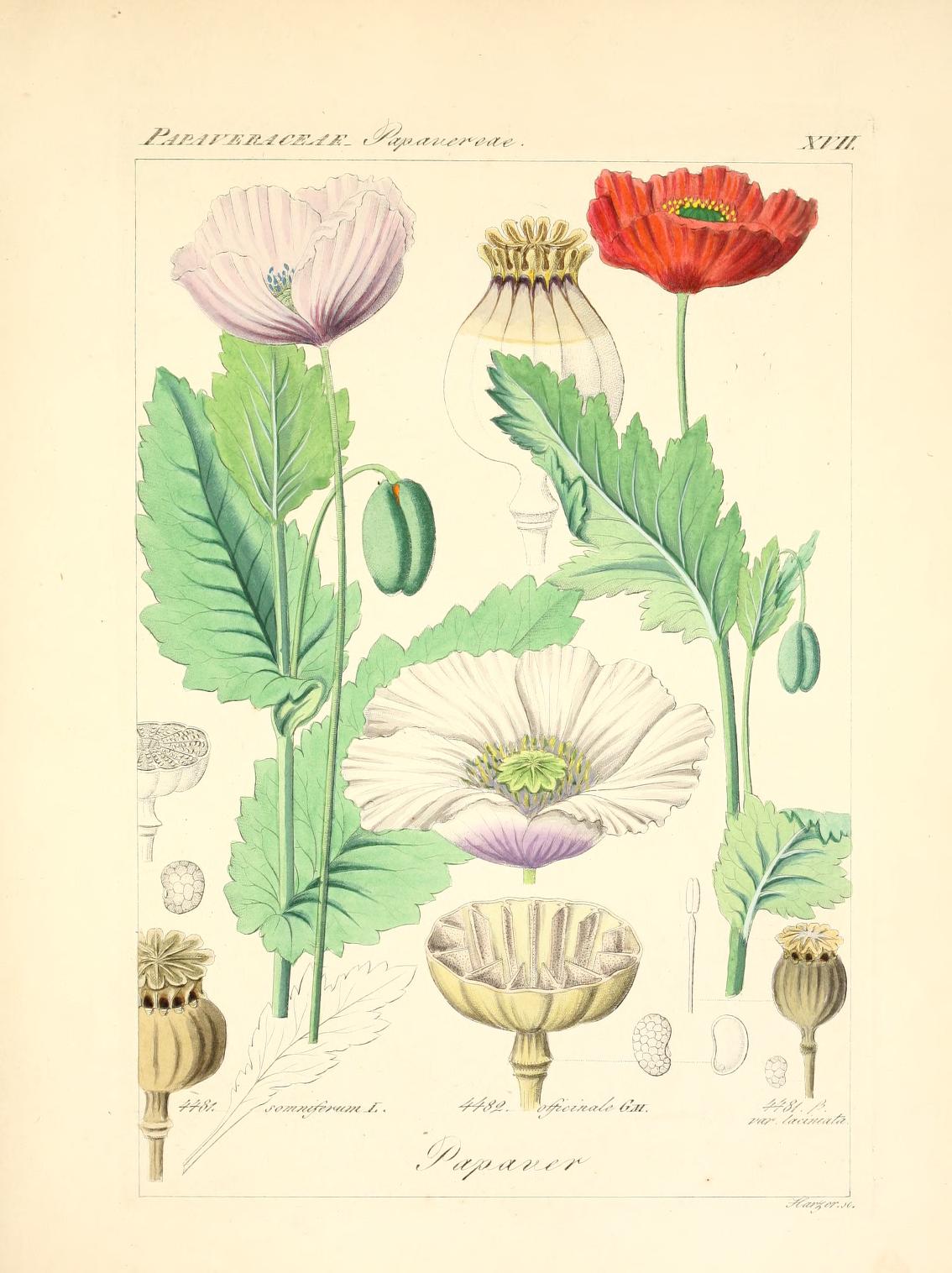
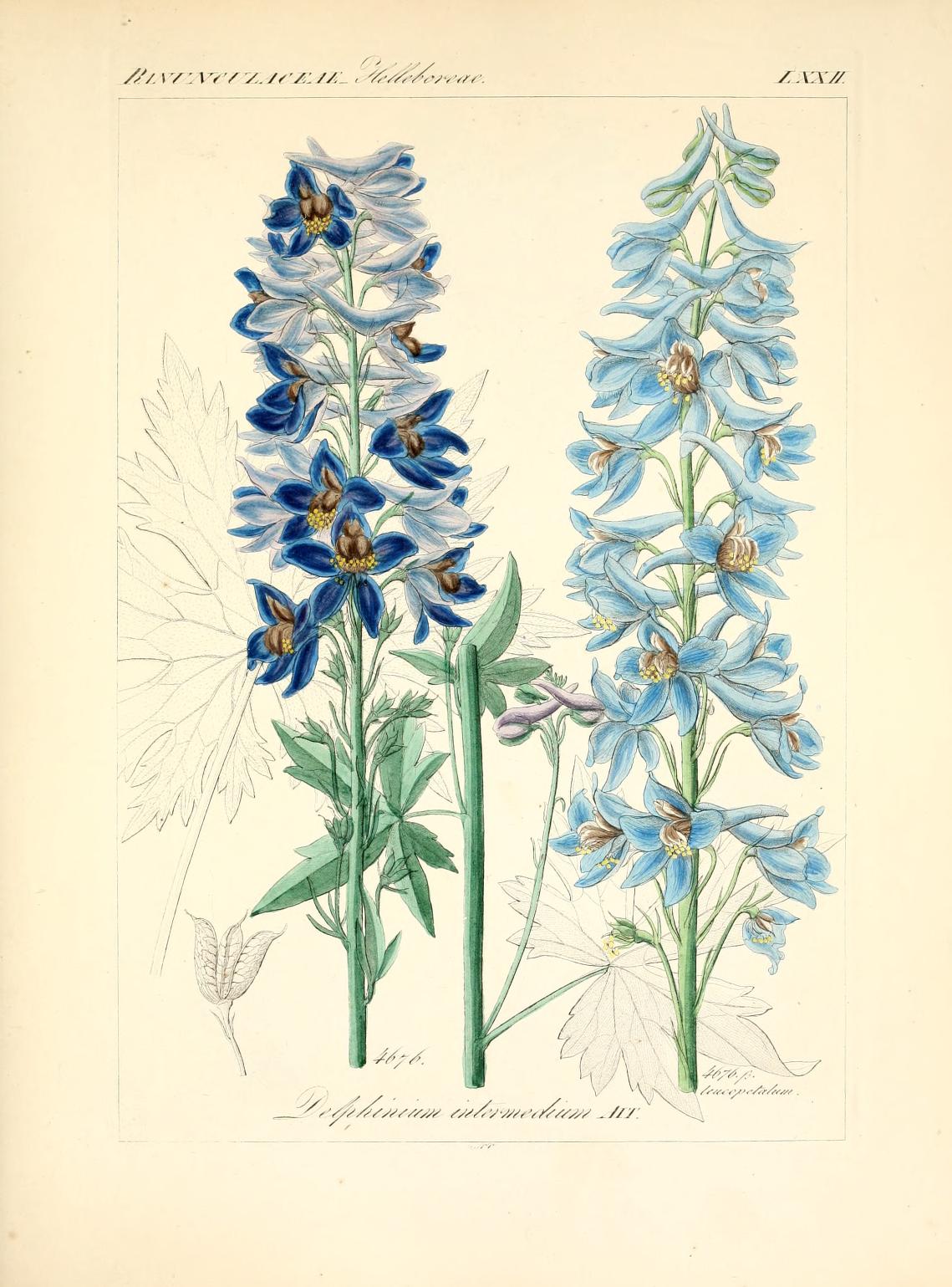
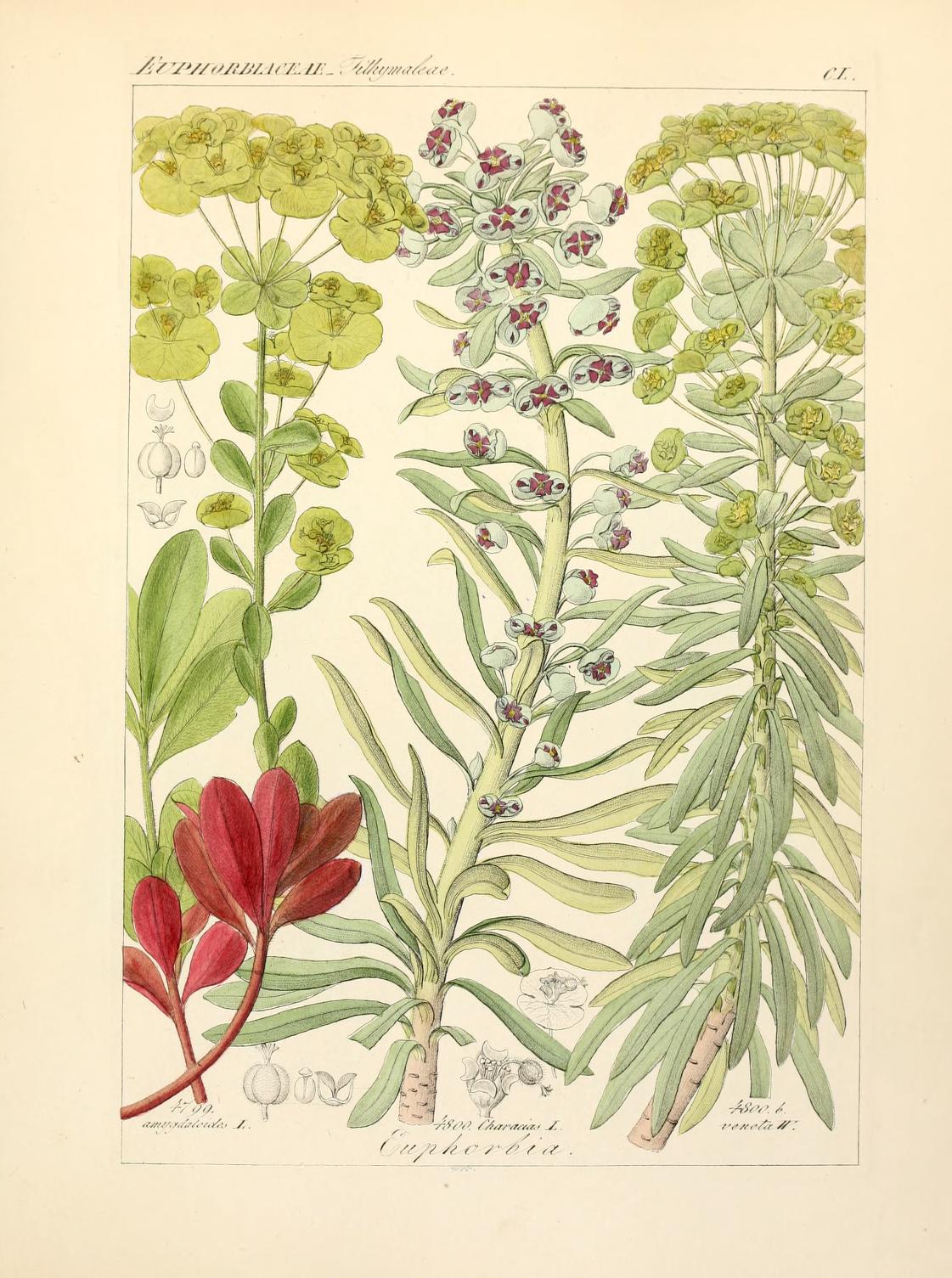
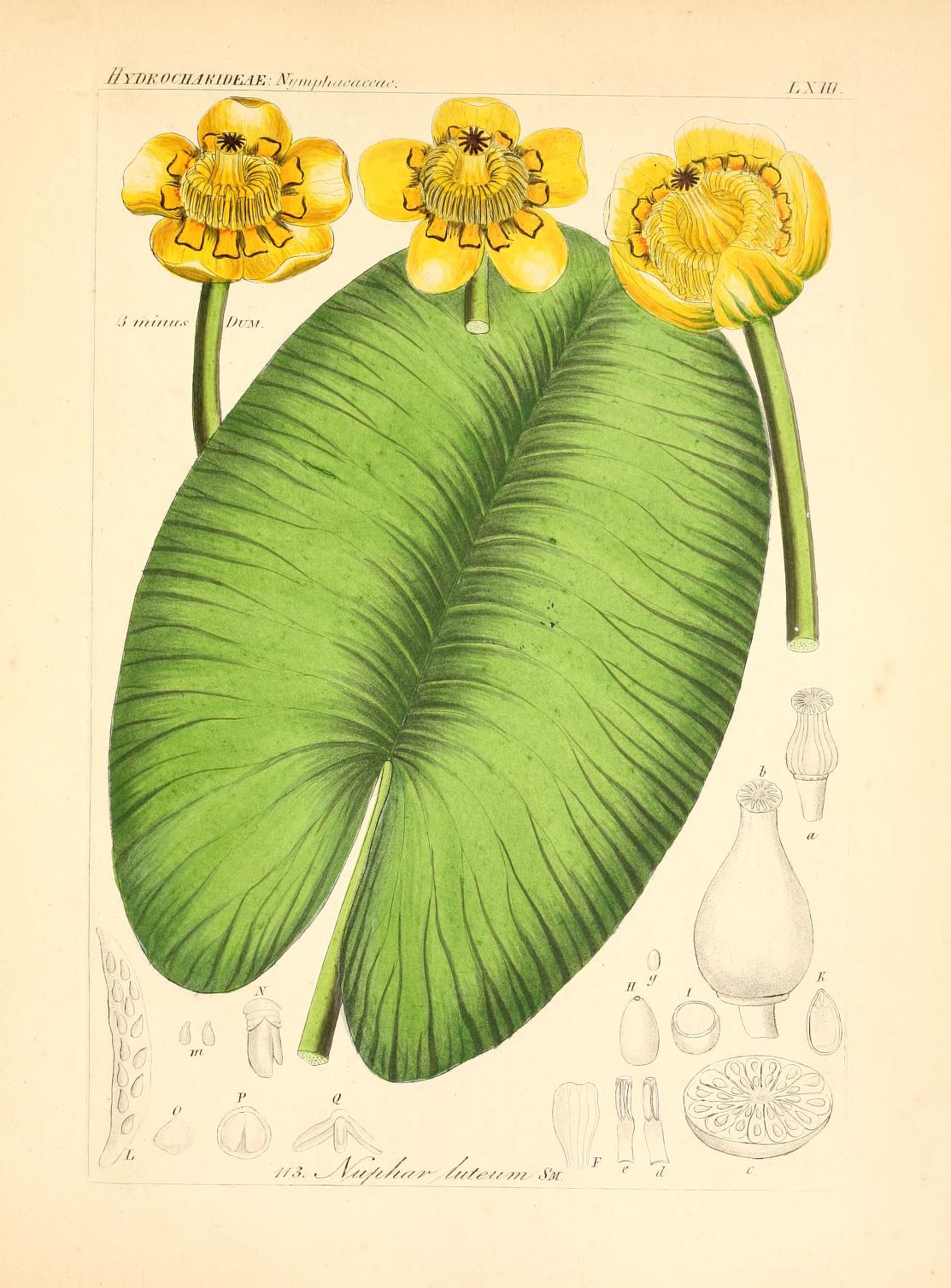
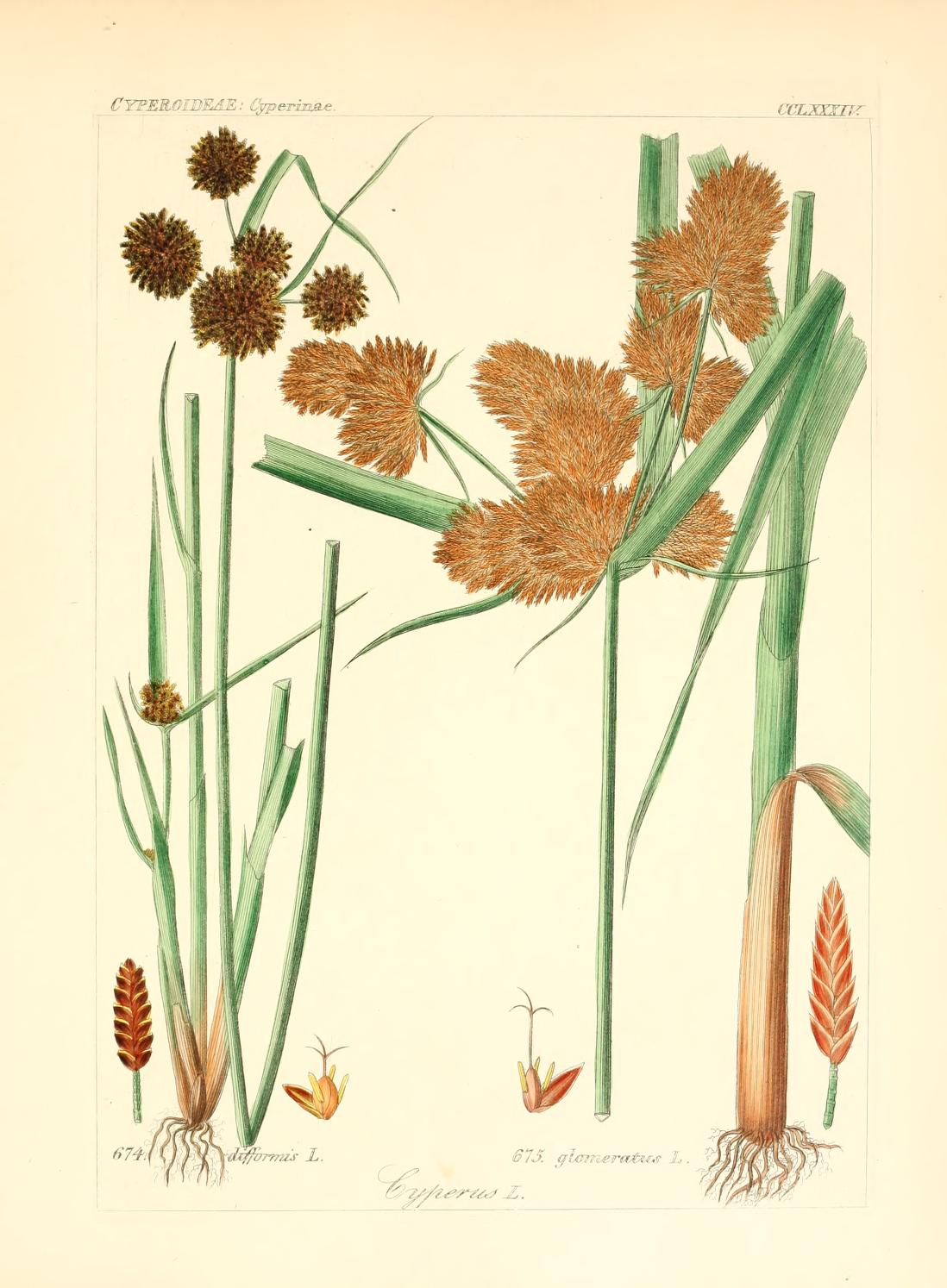
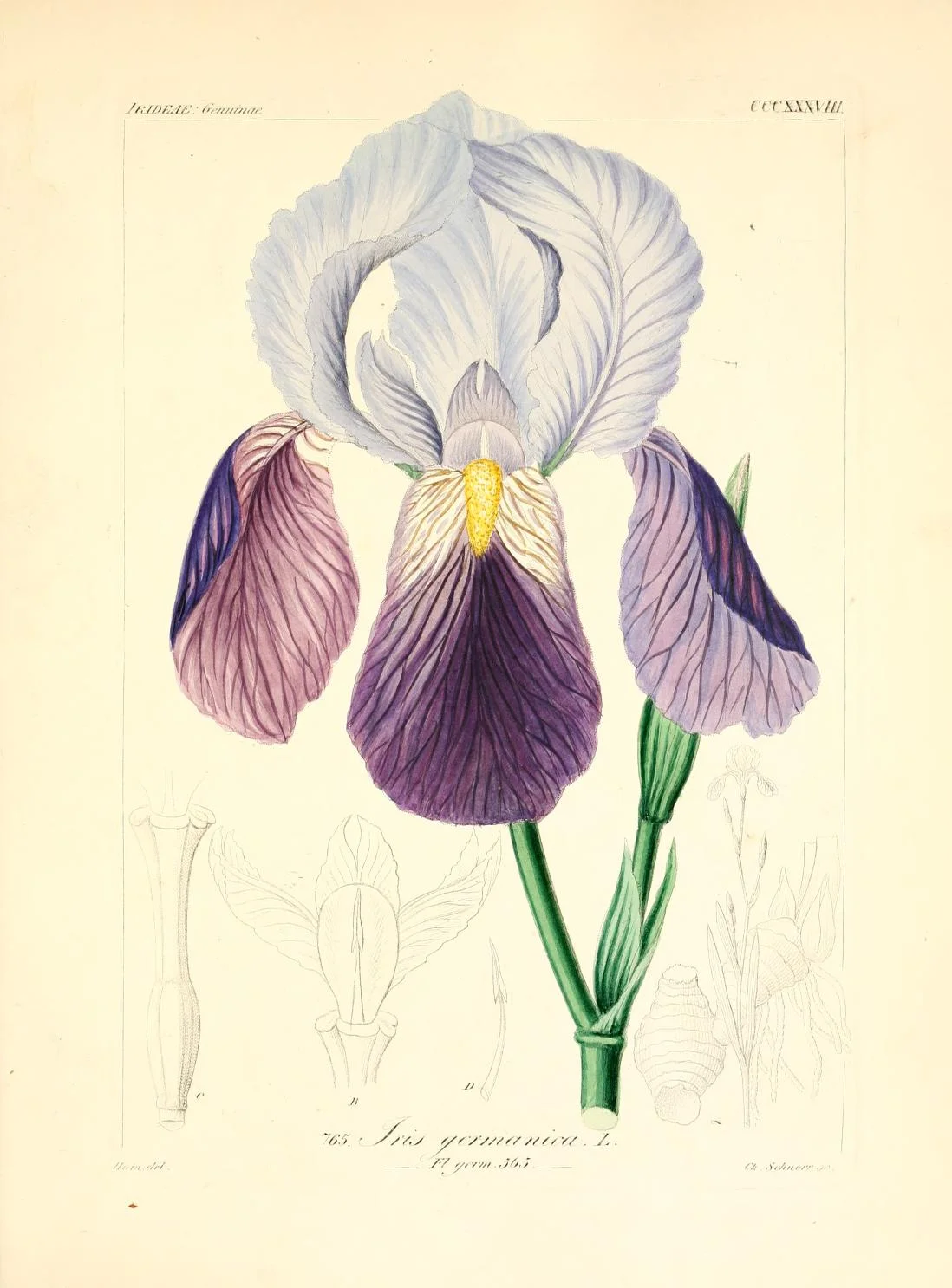
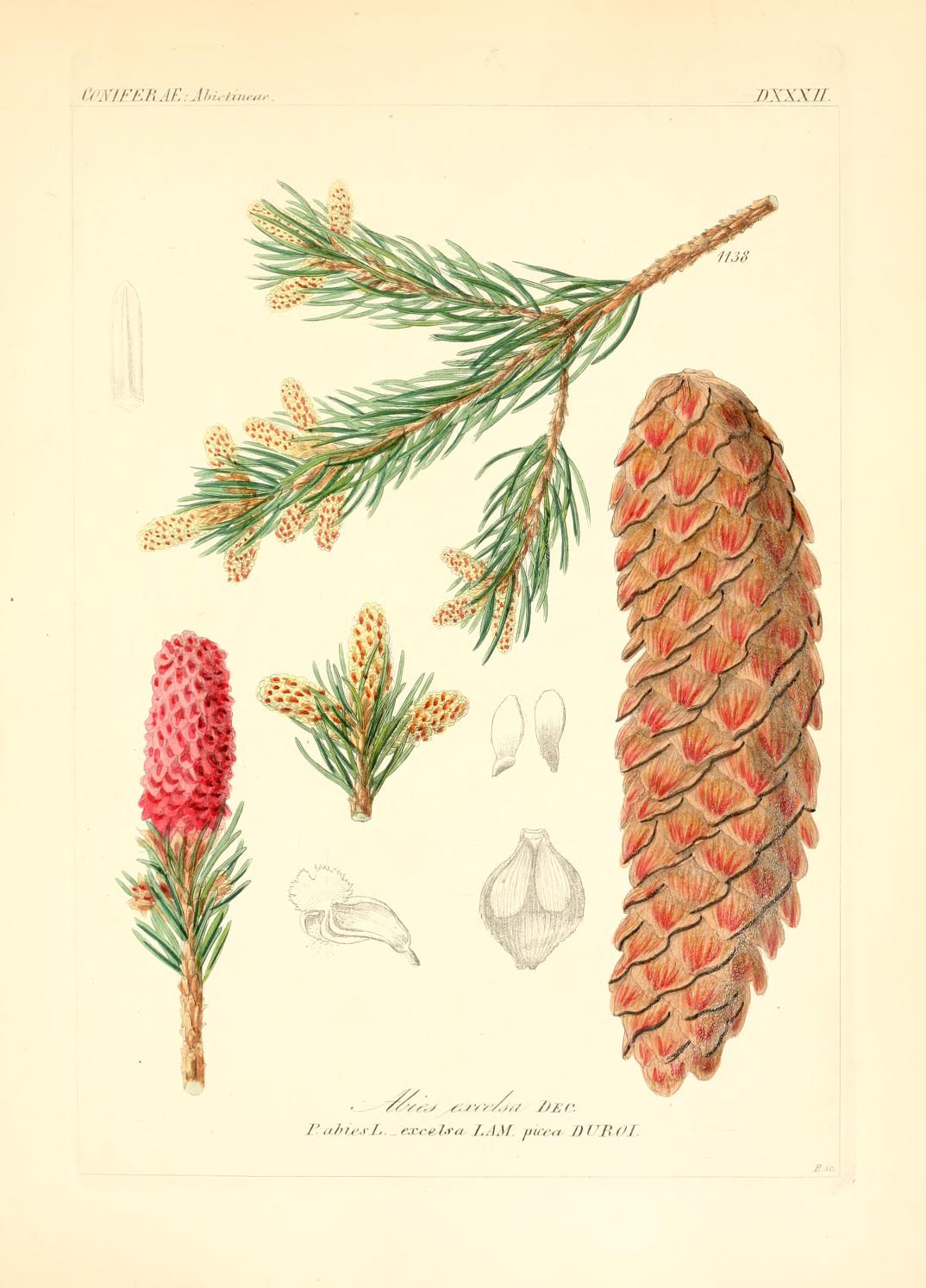
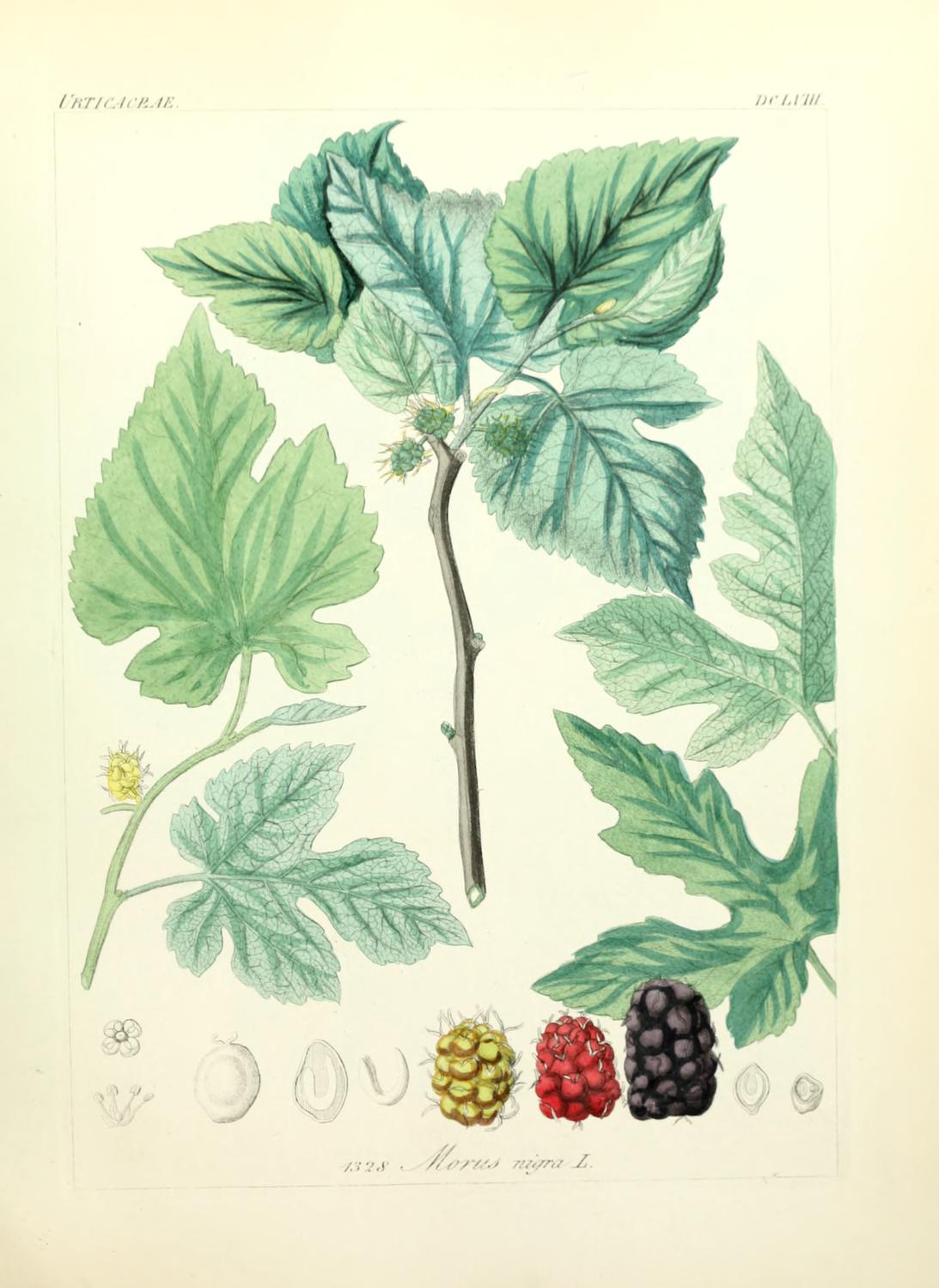
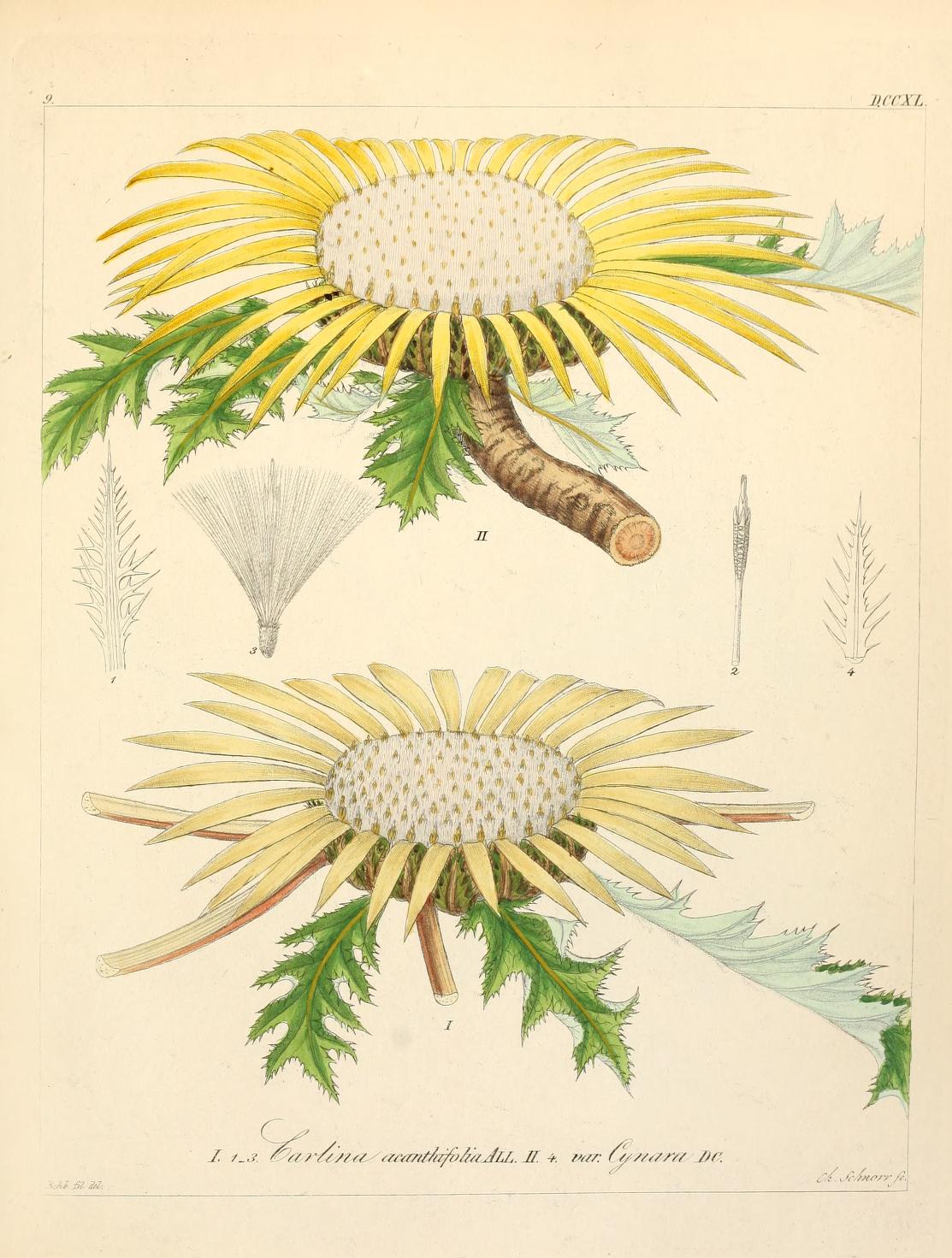
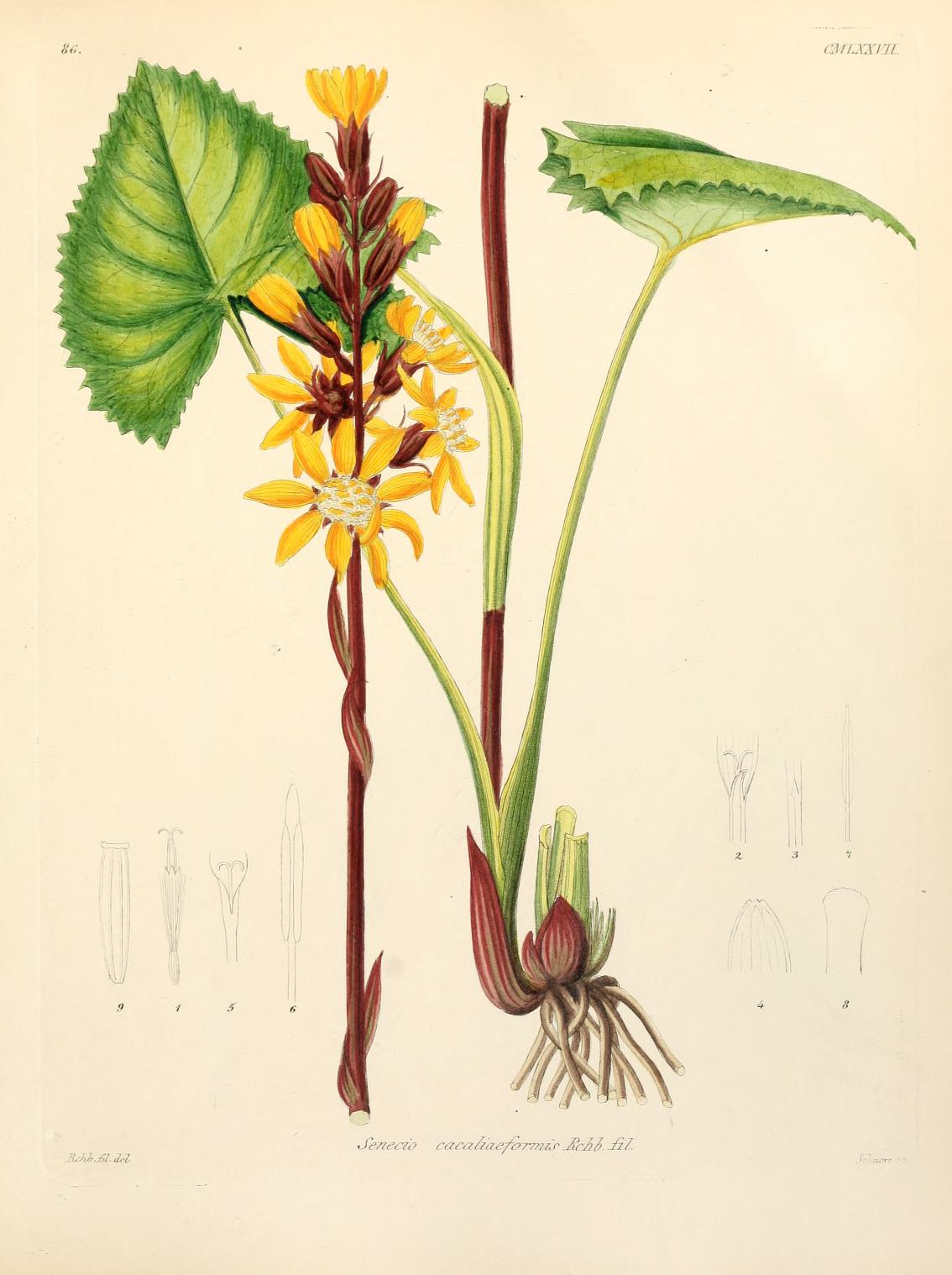
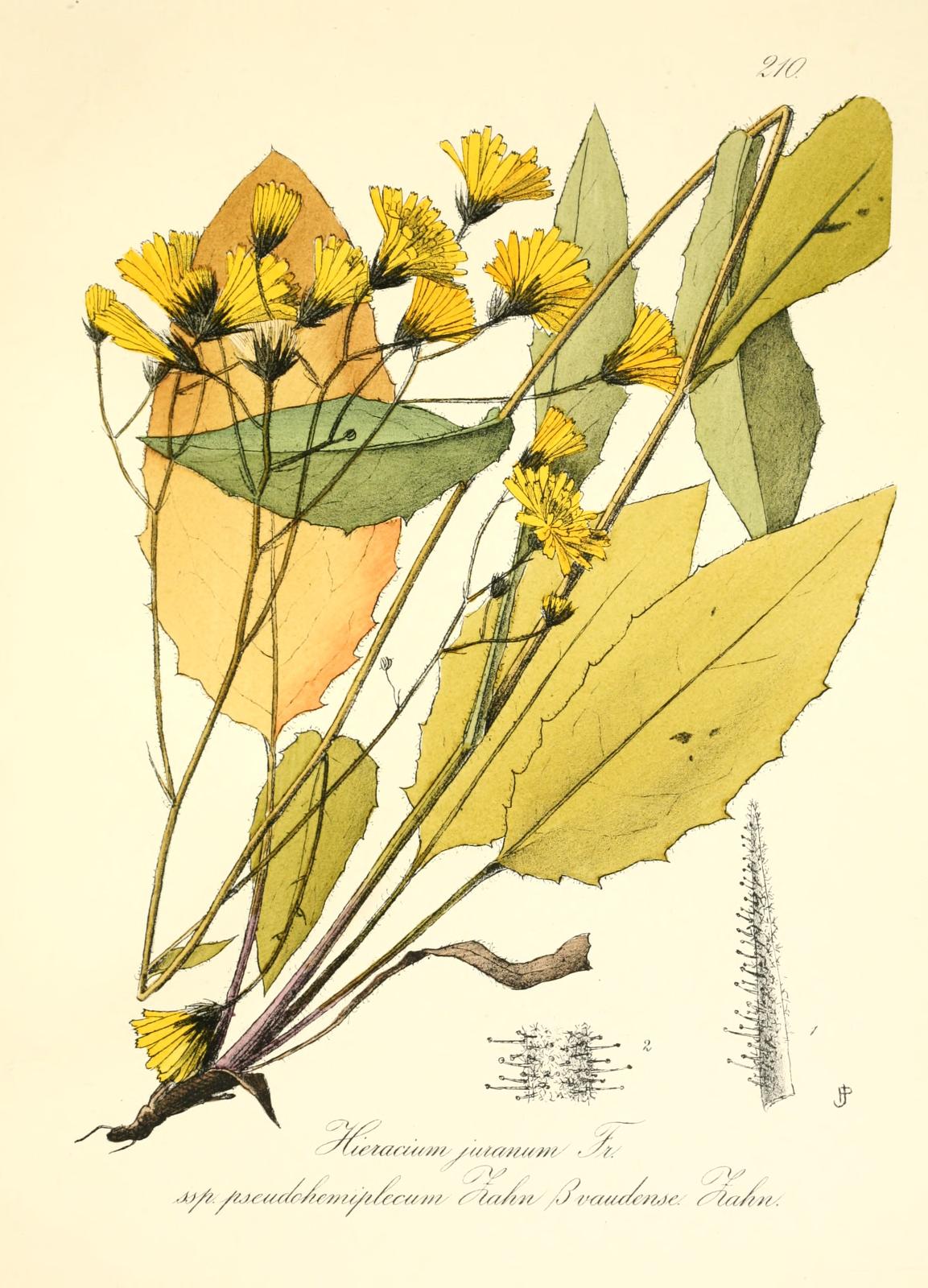
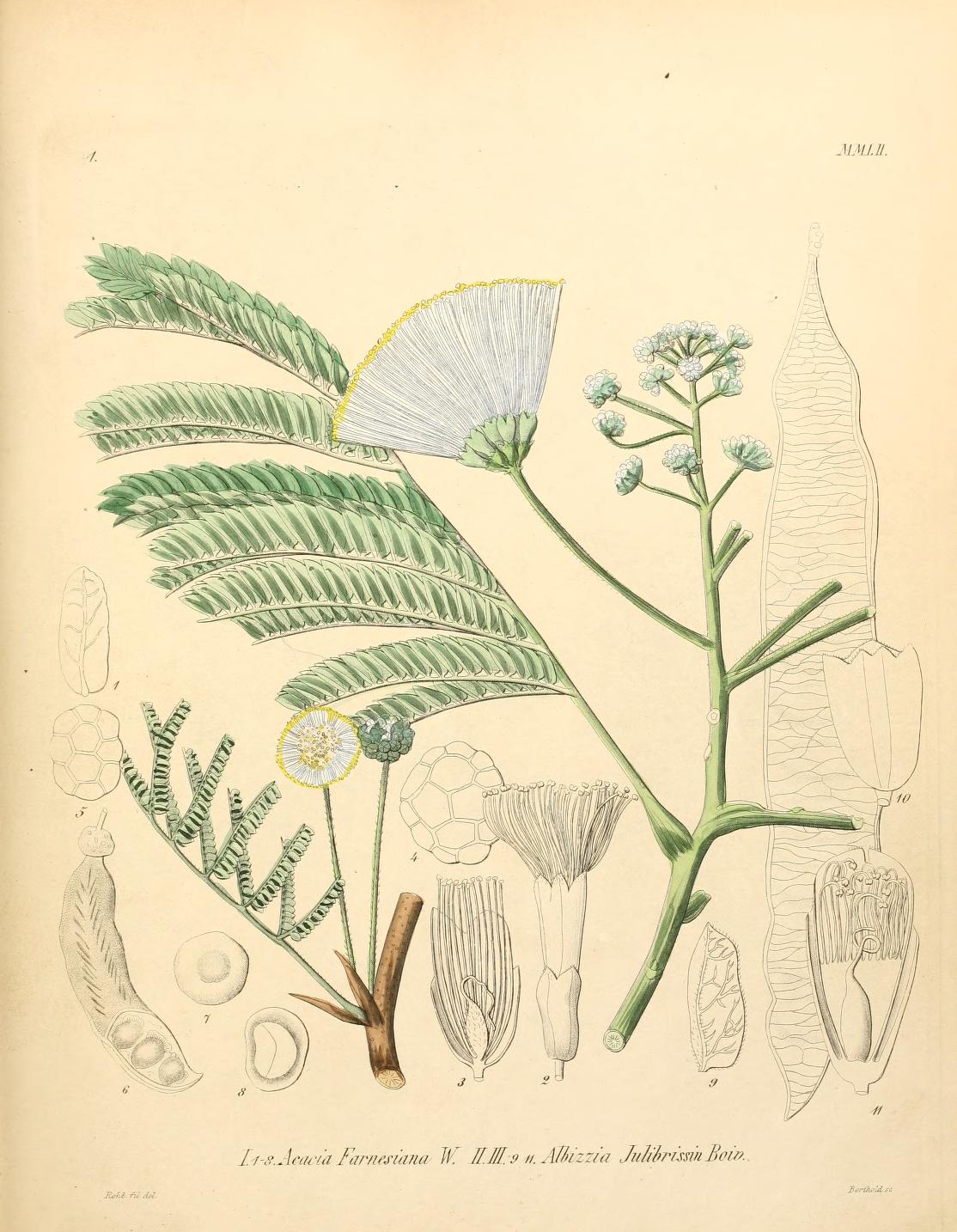
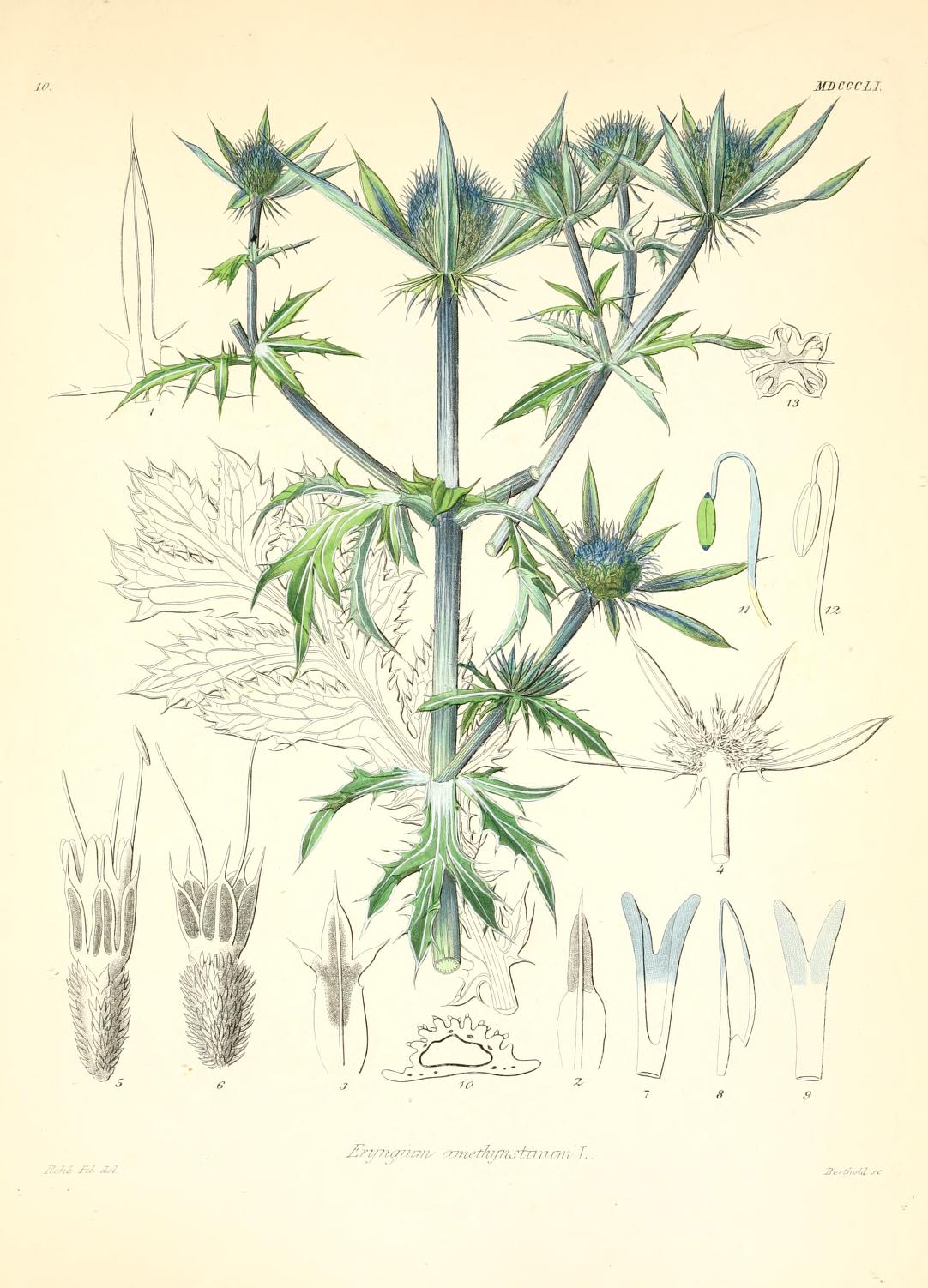
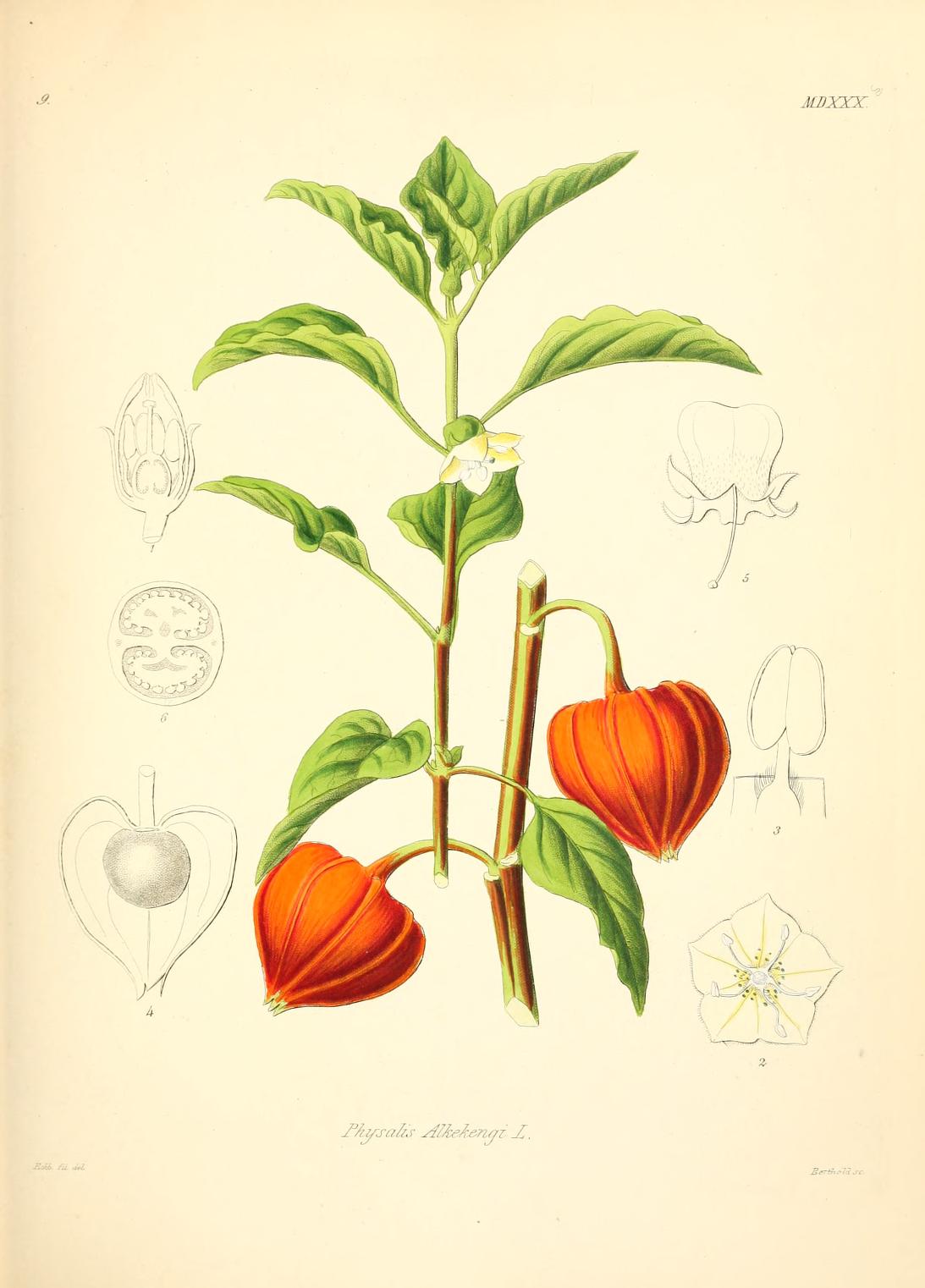
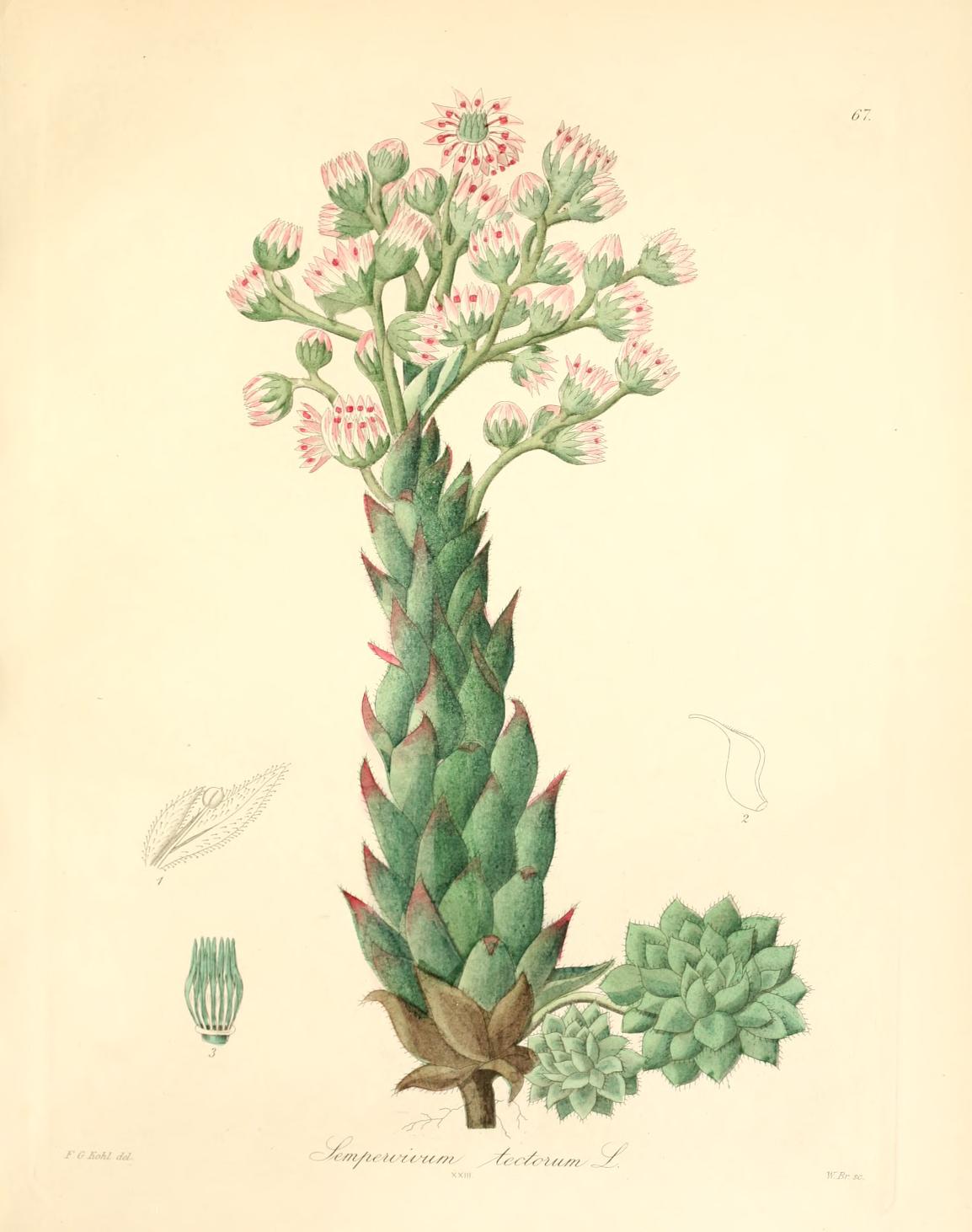
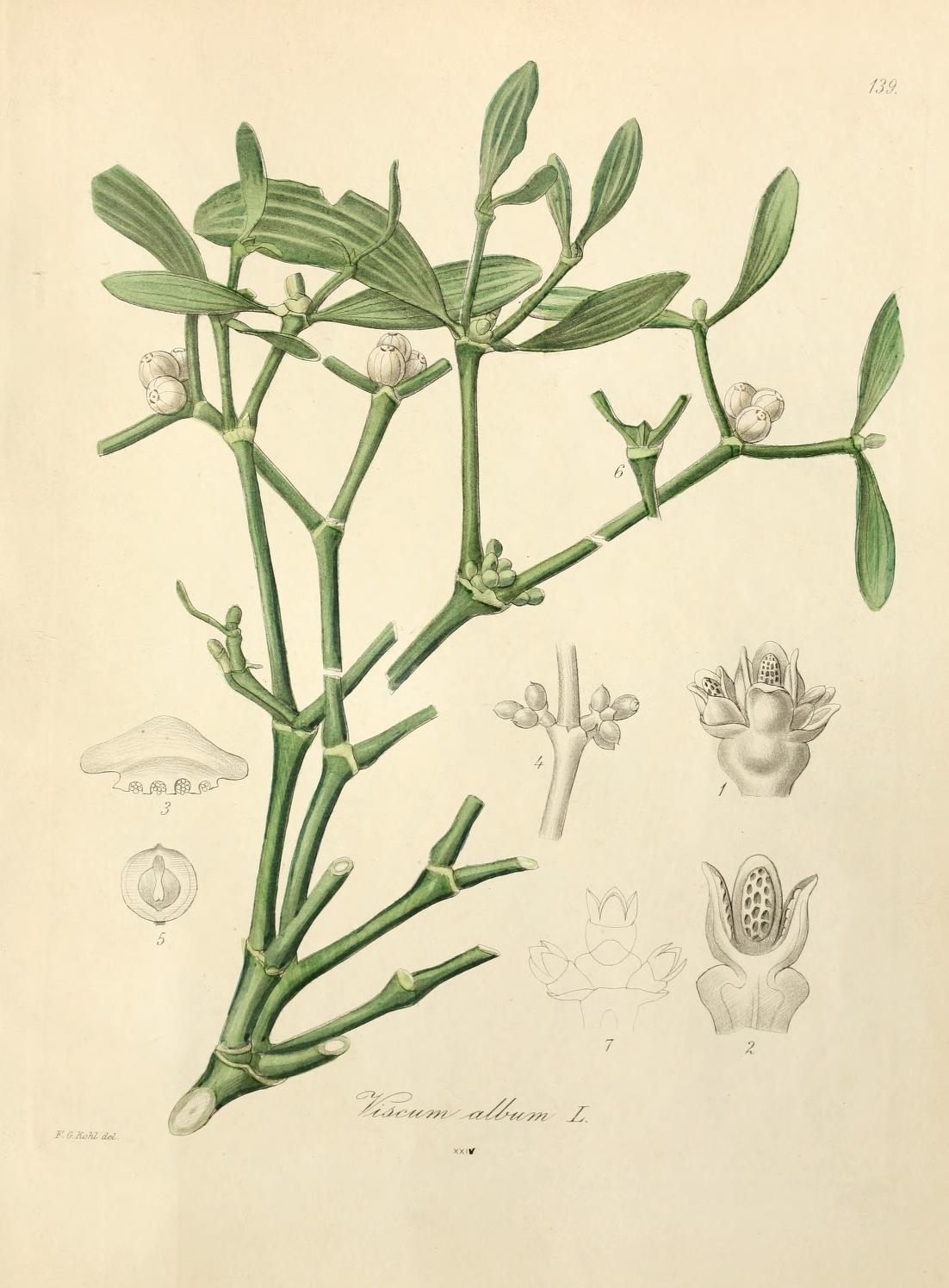
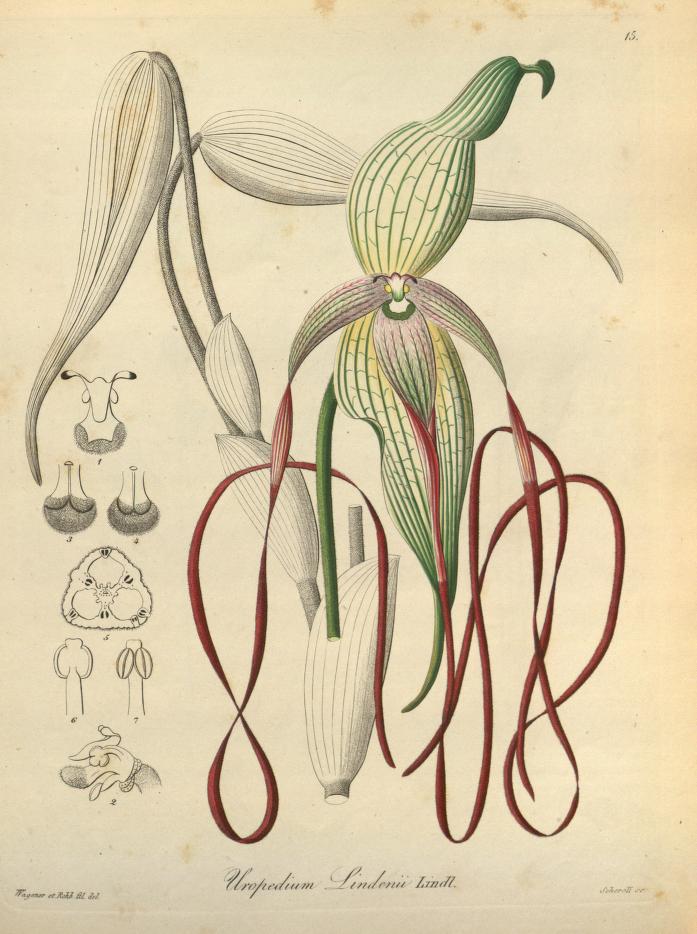
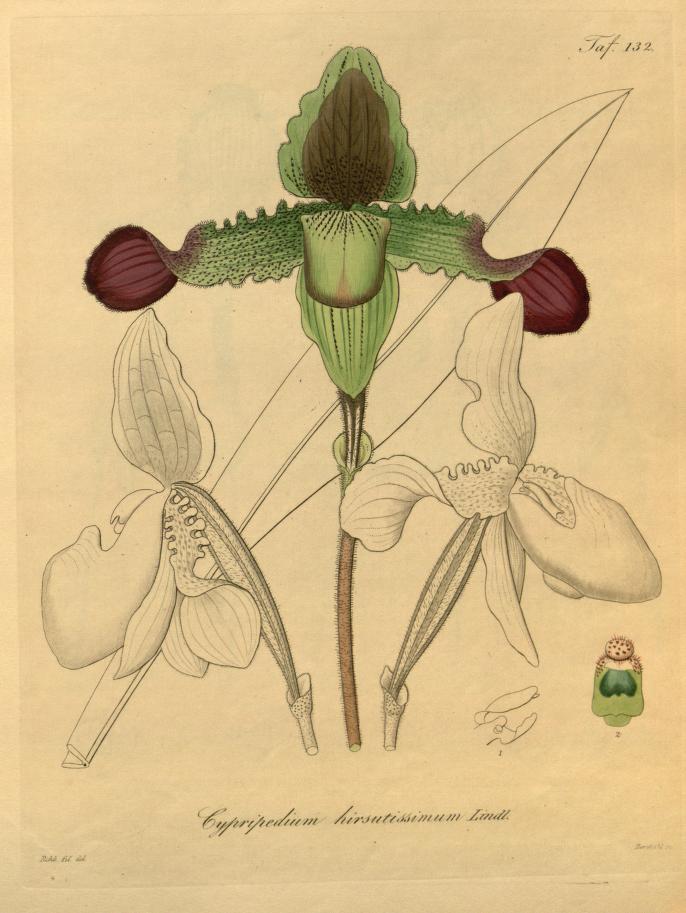
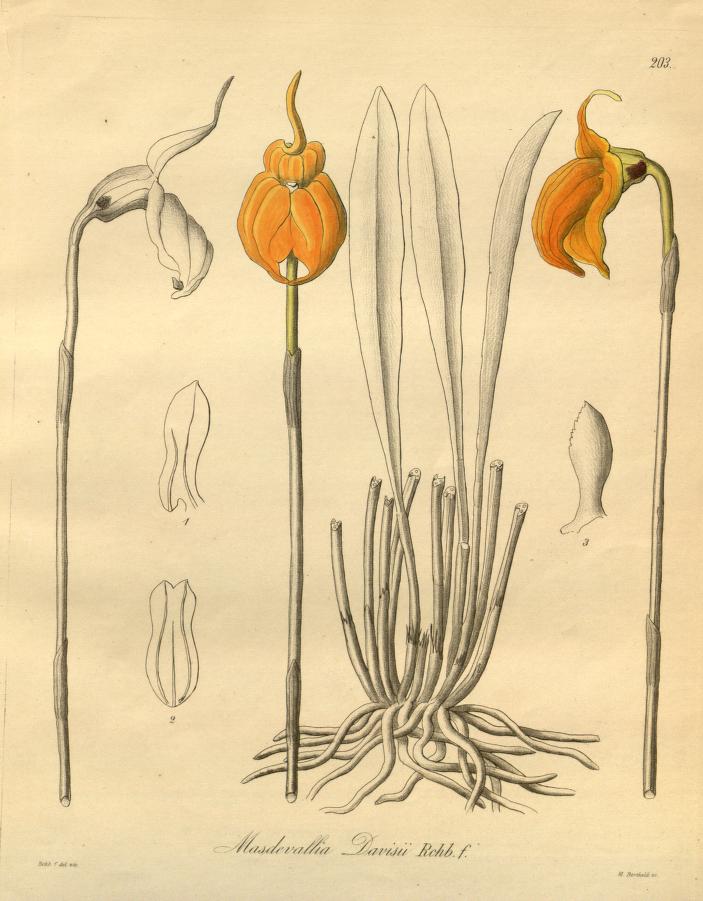
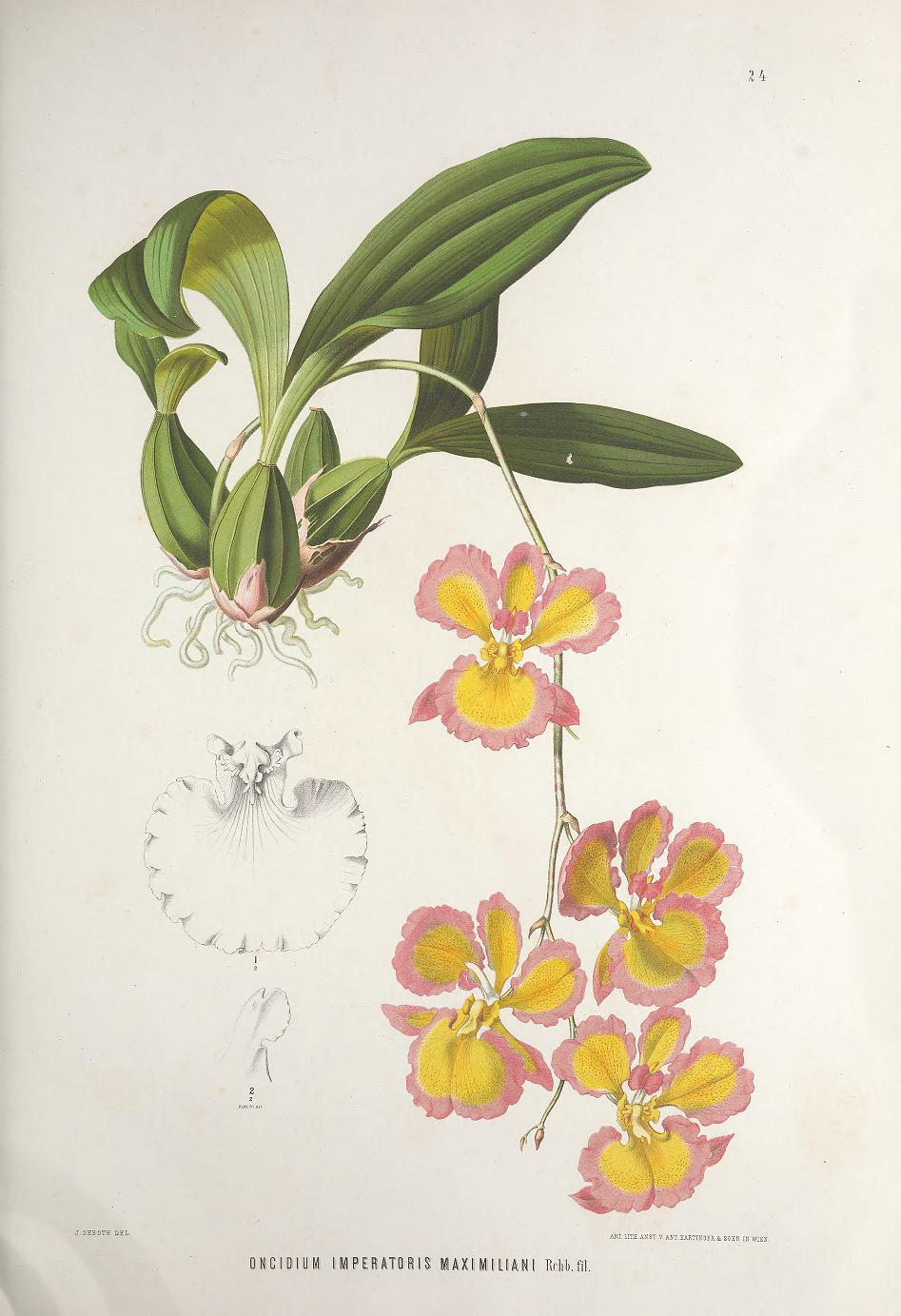
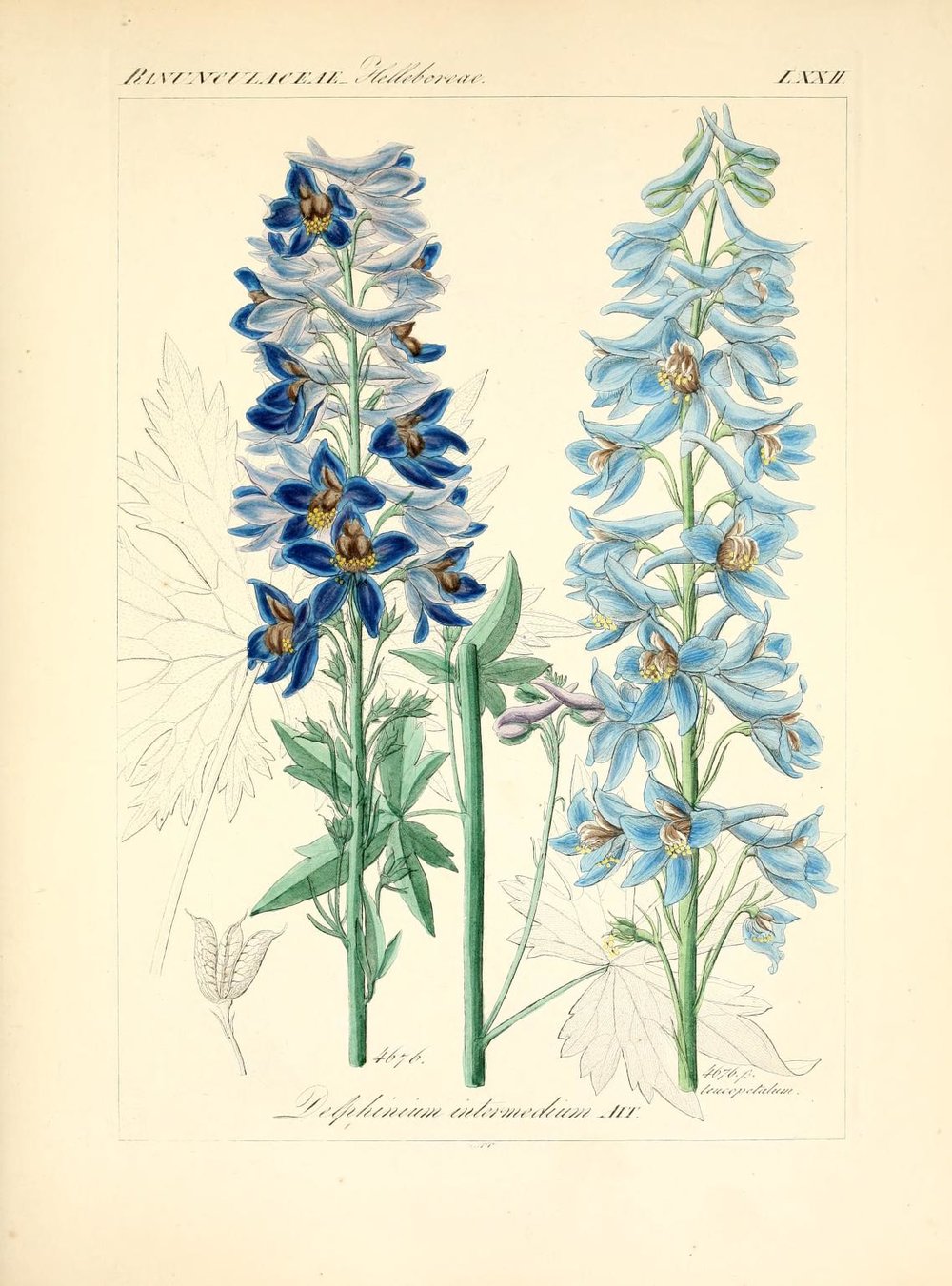
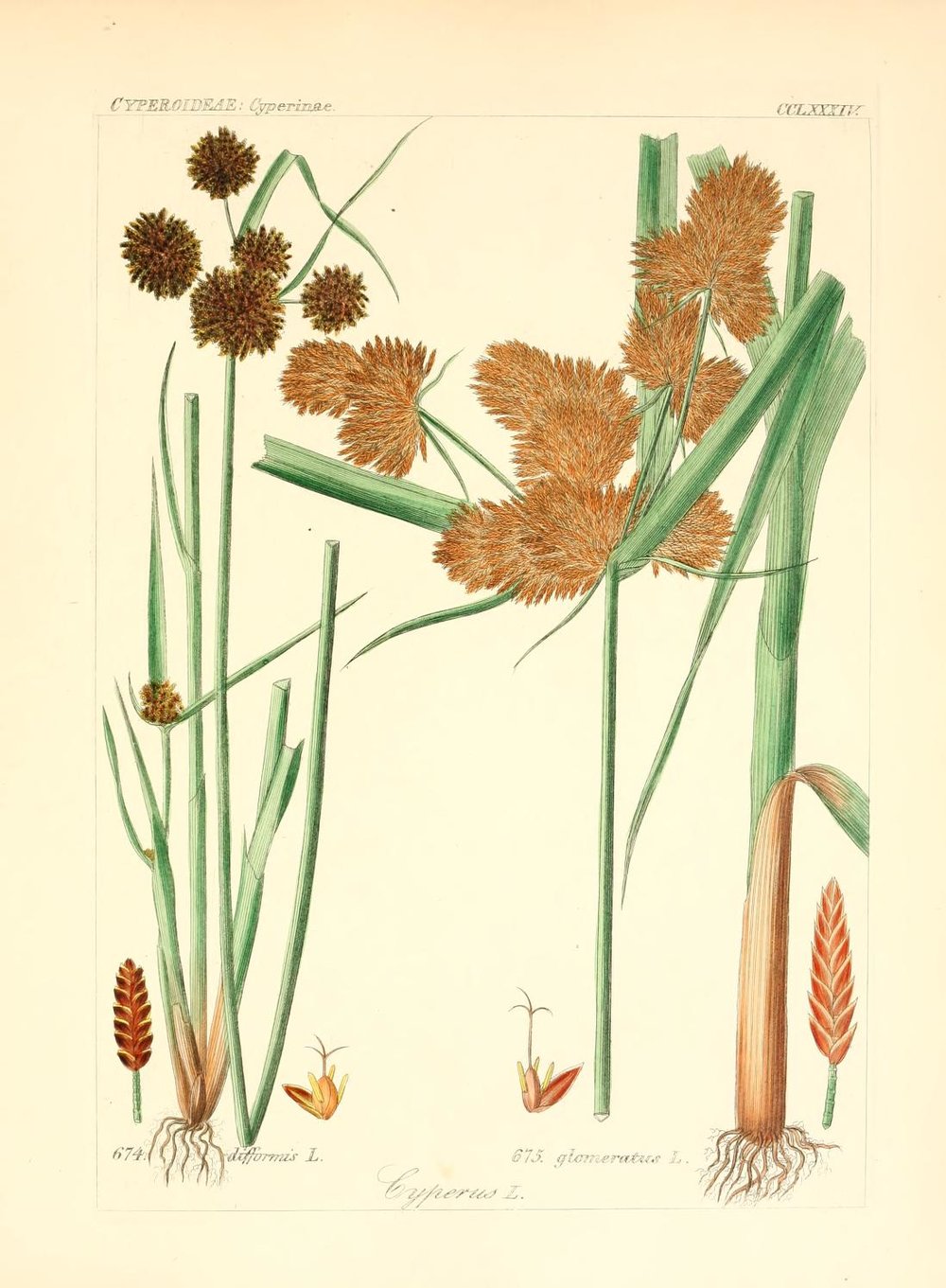
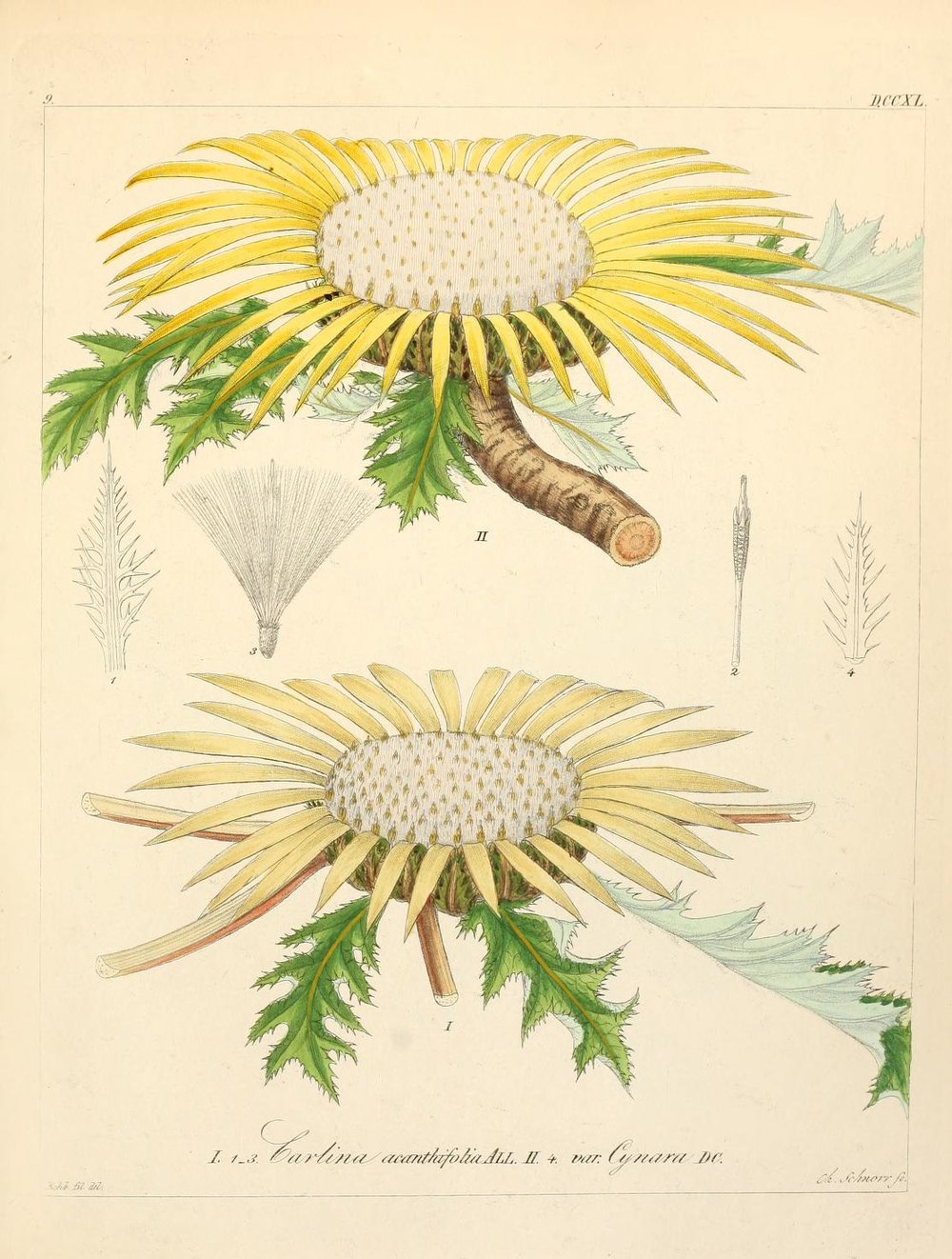
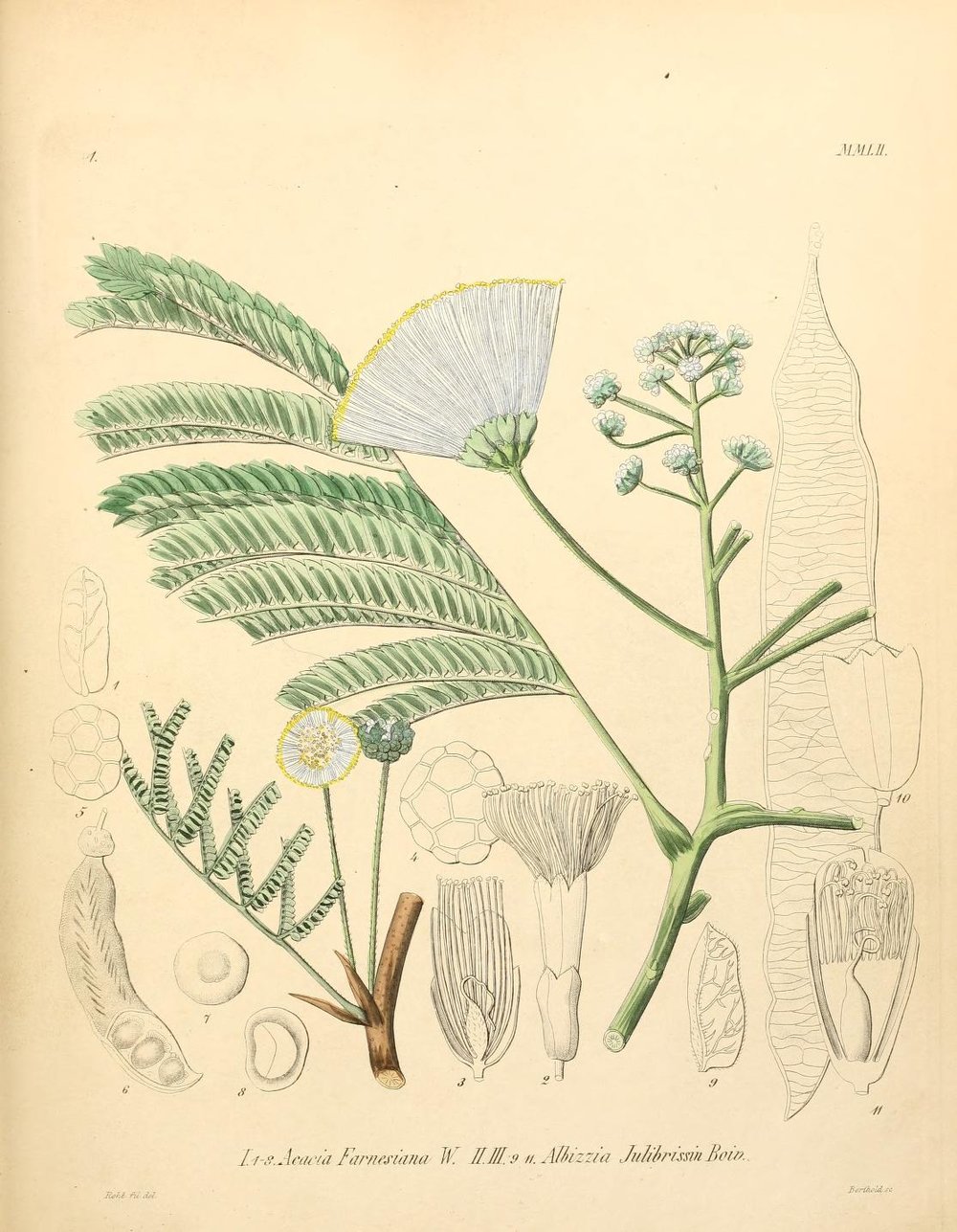
A father and son - Ludwig and Heinrich Gustav Reichenbach – produced 24 volumes of the Icones florae Germanicae et Helveticae of which Internet Archive has 20 available here. The father is better known for his glass sea creatures and Henrich Gustav Reichenbach is better known for his work on orchids. Still – the illustrations in these volumes are colorful and more like traditional botanical prints in the 1800s – with the central plant in color and plant parts drawn in available space around that depiction.

The colors look a little faded….but that may have been the way they were originally. They still are enough to perk up a cold winter day.

Gustav Hegi’s Alpenflora

Gustav Hegi was a Swiss botanist that worked in Germany for most of his career. He is best known for editing Illustrierte Flora von Mittel-Europa from 1908 – 1931 (he died in 1932) writing approximately a third of the content during those years. I started with his earlier work – Alpenflora – which is available from the Internet Archive here. The first edition was published in 1905; the edition available on Internet Archive is from 1922.

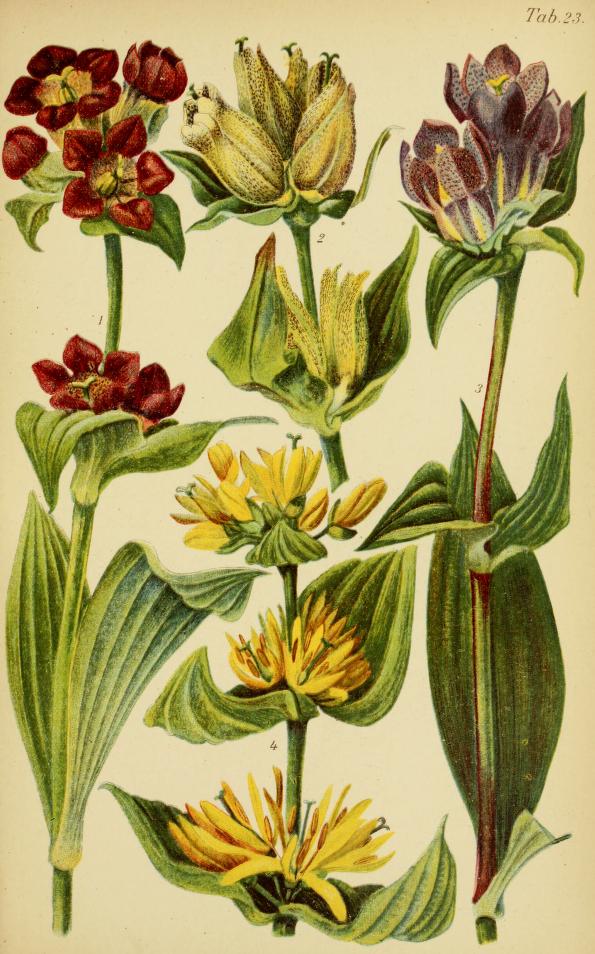
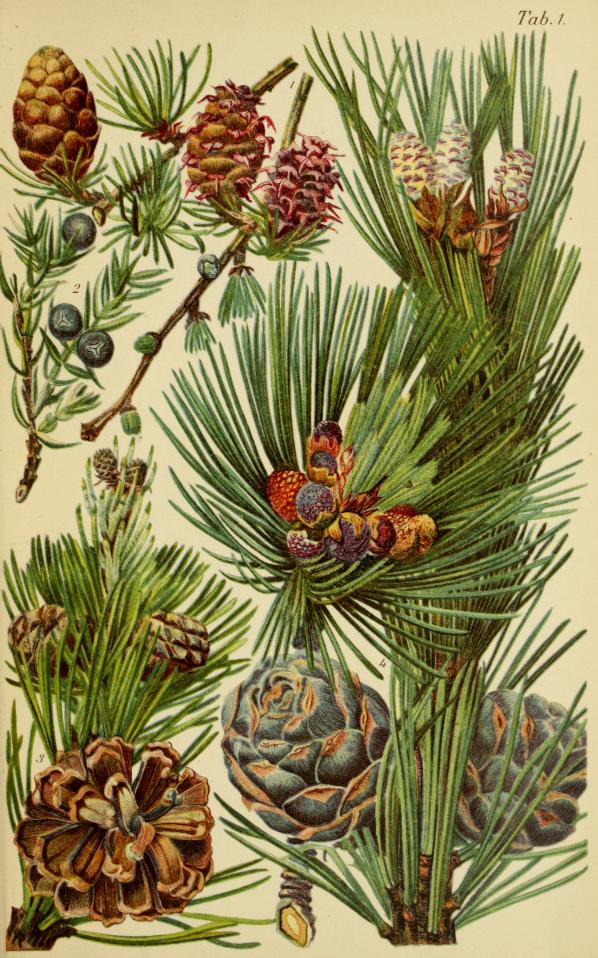
The botanical illustrations are grouped on the pages. My favorite is probably the one for pines…but the groups of flowers are appealing too – not as bouquets but how the author made use of the whole page to maximize the plants he could document.

The colors on this scanned copy appear to be very good. It’s a good book to enjoy on a winter day.

eBotanical Prints – November 2018

It was another big month for botanical print books….27 added to the big list (here) and listed in this post.

I’ll write a little more about some of the books in later posts. Today’s post is a slide show of the 27 sample images and then the list of books. There are over 1500 books in the big list of digital eBooks available online free of charge. All the books for this month are from the Internet Archive.

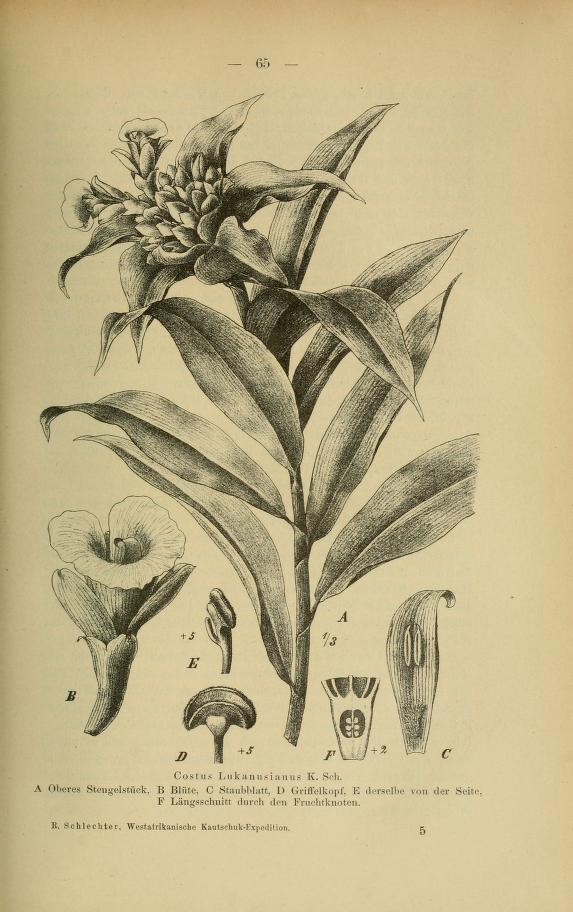
Westafrikanische Kautschuk-Expedition, 1899/1900 * Schlechter, Rudolf * sample image * 1900

Alpenflora; die verbreitetsten Alpenpflanzen von Bayern, Österreich und der Schweiz * Hegi, Gustav * sample image * 1922

Icones florae Germanicae et Helveticae V1 * Reichenbach, Heinrich Gottlieb Ludwig; Reichenbach, Heinrich Gustav * sample image * 1850

Icones florae Germanicae et Helveticae V2 * Reichenbach, Heinrich Gottlieb Ludwig; Reichenbach, Heinrich Gustav * sample image * 1838

Icones florae Germanicae et Helveticae V3 * Reichenbach, Heinrich Gottlieb Ludwig; Reichenbach, Heinrich Gustav * sample image * 1839

Icones florae Germanicae et Helveticae V4 * Reichenbach, Heinrich Gottlieb Ludwig; Reichenbach, Heinrich Gustav * sample image * 1840

Icones florae Germanicae et Helveticae V5 * Reichenbach, Heinrich Gottlieb Ludwig; Reichenbach, Heinrich Gustav * sample image * 1841

Icones florae Germanicae et Helveticae V6 * Reichenbach, Heinrich Gottlieb Ludwig; Reichenbach, Heinrich Gustav * sample image * 1844

Icones florae Germanicae et Helveticae V7 * Reichenbach, Heinrich Gottlieb Ludwig; Reichenbach, Heinrich Gustav * sample image * 1845

Icones florae Germanicae et Helveticae V8 * Reichenbach, Heinrich Gottlieb Ludwig; Reichenbach, Heinrich Gustav * sample image * 1846

Icones florae Germanicae et Helveticae V9 * Reichenbach, Heinrich Gottlieb Ludwig; Reichenbach, Heinrich Gustav * sample image * 1847

Icones florae Germanicae et Helveticae V10 * Reichenbach, Heinrich Gottlieb Ludwig; Reichenbach, Heinrich Gustav * sample image * 1848

Icones florae Germanicae et Helveticae V11 * Reichenbach, Heinrich Gottlieb Ludwig; Reichenbach, Heinrich Gustav * sample image * 1849

Icones florae Germanicae et Helveticae V12 * Reichenbach, Heinrich Gottlieb Ludwig; Reichenbach, Heinrich Gustav * sample image * 1850

Icones florae Germanicae et Helveticae V15 * Reichenbach, Heinrich Gottlieb Ludwig; Reichenbach, Heinrich Gustav * sample image * 1853

Icones florae Germanicae et Helveticae V16 * Reichenbach, Heinrich Gottlieb Ludwig; Reichenbach, Heinrich Gustav * sample image * 1854

Icones florae Germanicae et Helveticae V19 * Reichenbach, Heinrich Gottlieb Ludwig; Reichenbach, Heinrich Gustav * sample image * 1904

Icones florae Germanicae et Helveticae V20 * Reichenbach, Heinrich Gottlieb Ludwig; Reichenbach, Heinrich Gustav * sample image * 1903

Icones florae Germanicae et Helveticae V21 * Reichenbach, Heinrich Gottlieb Ludwig; Reichenbach, Heinrich Gustav * sample image * 1867

Icones florae Germanicae et Helveticae V22 * Reichenbach, Heinrich Gottlieb Ludwig; Reichenbach, Heinrich Gustav * sample image * 1862

Icones florae Germanicae et Helveticae V23 * Reichenbach, Heinrich Gottlieb Ludwig; Reichenbach, Heinrich Gustav * sample image * 1899

Icones florae Germanicae et Helveticae V24 * Reichenbach, Heinrich Gottlieb Ludwig; Reichenbach, Heinrich Gustav * sample image * 1899

Xenia orchidacea  V1 * Reichenbach, Heinrich Gustav * sample image * 1858

Xenia orchidacea  V2 * Reichenbach, Heinrich Gustav * sample image * 1874

Xenia orchidacea  V3 * Reichenbach, Heinrich Gustav * sample image * 1900

Refugium botanicum V4 * Saunders, William Wilson, Reichbach, Heinrich Gustav, Baker, John Gilbert * sample image * 1871

Botanische Ergebnisse * Wawra, Heinrich, ritter von Fernsee; Krempelhuber, August von; Reichenbach, Henrich Gustav, Seboth, J. * sample image * 1866

Gleanings of the Week Ending December 8, 2018

The items below were ‘the cream’ of the articles and websites I found this past week. Click on the light green text to look at the article.

Parts of the Ocean Floor Are Disintegrating—And It's Our Fault | Smart News | Smithsonian – Ocean acidification has a downside – already.

Drought Persists in the Southwest – The drought had been long…like the one in the 1950s…but there are a lot more people living in the region now than there were in the 1950s. 7 states have drafted drought contingency plans.

Body clock researchers prevent liver cancer growth in mice -- ScienceDaily – Our circadian clock has a broader role that just the sleep/wake cycle.

Get a New Perspective on Prague With These Spectacular Drone Photos – A city at sunrise. Hopefully the drone didn’t awaken anyone.

Floating Solar Is Best Solution for Colorado Town’s High Electric Bills | CleanTechnica – A small town with limited available land is installing solar panels over its waste water plant.

Which country is best to live in? Our calculations say it's not Norway – Two metrics are compared. Using the UN’s Human Development Index (HDI) – Norway is ‘best.’ But there are issues with that indicator. The Human Life Indicator (HLI) has Hong Kong at the top…with Norway at 9.  The US is 10 on the UN HDI but falls to 32 on the HLI scale largely due to lower longevity and high inequality in ages of death when compared to other countries like Canada (which was 10 on the UN HDI index and 17 on the HLI scale). Maybe these indexes are not that useful for individuals but may be helpful in comparing the broader implications for government actions of all 189 countries analyzed.

Punctuated earthquakes for New Madrid area, Missouri, U.S. -- ScienceDaily – The 1811 and 1812 earthquake is well known…but what about the earlier ones? Recent analysis shows quakes around 1450 AD, 900 AD and 2300 BC.

How do pregnancy tests work? | Compound Interest – They’ve only been around since the 1970s – biotech on a stick!

BBC - Future - Why we are living in the age of the chair – Furniture that has changed lives …relatively recently in human history.

Florida monarch butterfly populations have dropped 80 percent since 2005 -- ScienceDaily – A 37-year study of Florida where the monarchs come up from Mexico to recolonize much of the east coast. No wonder we are not seeing as many in Maryland when the numbers in Florida have dropped by 80%.

Cold and Blustery at Mt. Pleasant

Last week, the Howard County Conservancy hosted a Weather Conference for representative 6th grade students from 10 middle schools in the county….about 100 students with their teachers.

2018 11 IMG_3370.jpg

It was sunny…but cold with wind gusts up to 50 mph. The plan to have students interact with tree experts while they worked on a large tulip poplar was nixed because of the potential of branches falling with the higher winds.

I was bundled up and outside for most of the conference – directing groups of students to their sessions and directing small groups to the County’s Emergency Services Command Unit. When all was quiet, I took a few pictures. I like the colors of the ferns as some fronds succumb to the cold.

There was a pine cone that seemed to be glowing from within because of the way the sun was shining on it.

2018 11 IMG_3368.jpg

The tulip poplars are releasing their seeds.

2018 11 IMG_3373.jpg

I am always surprised when I see the heron sculpture. I know it’s there but somehow forget.

2018 11 IMG_3381.jpg

There were some small branches torn off by the buses making the tight turn after they let the students off close to the building.

2018 11 IMG_3386.jpg
20181128_095149.jpg

There were two things blooming: a witch hazel where most of the petals had already fallen (it will be forming seed pods) and some unknown flower that was in the flower bed near the flower pot people. The flower is probably warped by the cold but is still a welcome bit of color in the wintery landscape.

2018 11 IMG_3395.jpg

By 1 PM the students were climbing on buses and the clean up of the big room was underway.

Festival of the Cranes – part 12

This is last post about our trip to New Mexico and Bosque del Apache National Wildlife Refuge (unless my husband eventually wades through his photos and provides me some good owl pictures…or photos from when he went to the Very Large Array). Our last field trip of the festival was with a refuge biologist…to talk about endangered species they are providing habitat for. We spent the most time on the New Mexico Meadow Jumping Mouse which are already hibernating in November. Winter is the time of year when the refuge managers tweak the habitats to help the endangered species; for the mouse they provide areas for day nests, maternal nests, food (the mice like seeds on stalks), saturated soils. The mice can swim the irrigation canals but have problems climbing up steep banks…and avoiding the bull frogs there that can eat them!

We saw a Great Blue Heron in an area that will be reworked with the mouse in mind and it will be better for other wildlife as well.

2018 18 IMG_9915.jpg

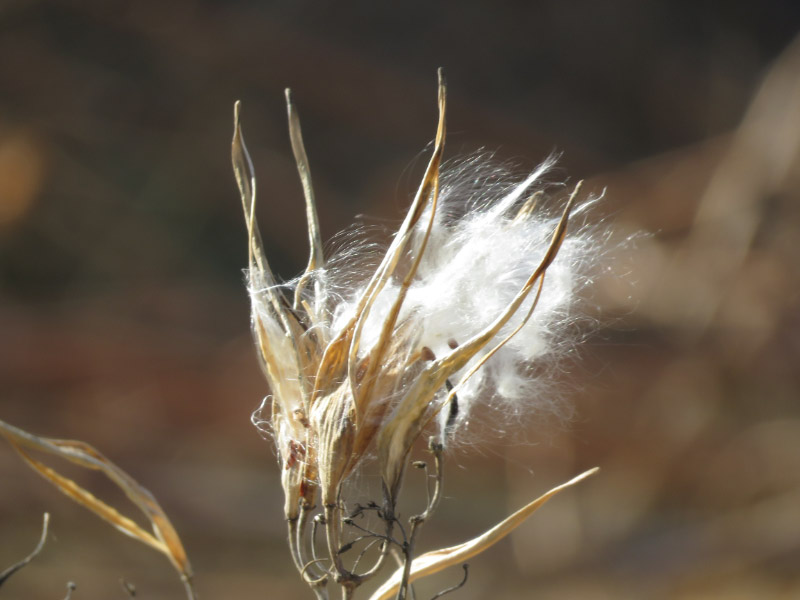
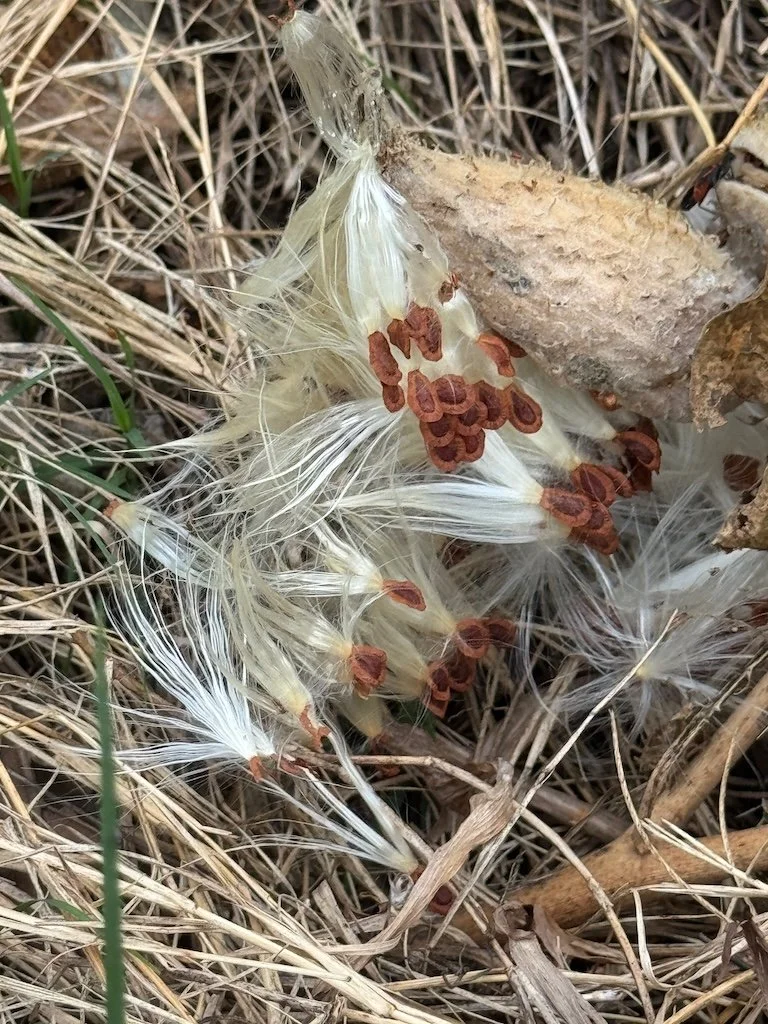
The refuge has milkweed….and supports monarchs in season. The pods looked a little different than the common milkweed we have in Maryland…but I knew it was a milkweed relative as soon as I saw it.

2018 18 IMG_9919.jpg

The Southwest Willow Flycatcher is also a species they manage for. The bird will nest in salt cedar but the invasive plant is a fire hazard (burns very hot and fast); the refuge is removing it and encourages the native willows to return. That is the natural progression from grassy meadows in the area so there is some balance to helping the mouse (that needs meadow) and having good stands of willows for the flycatcher.

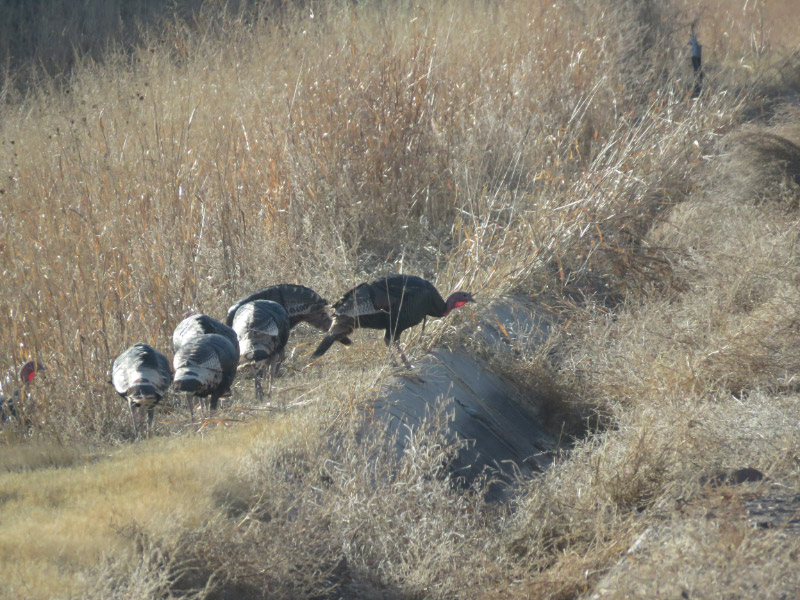
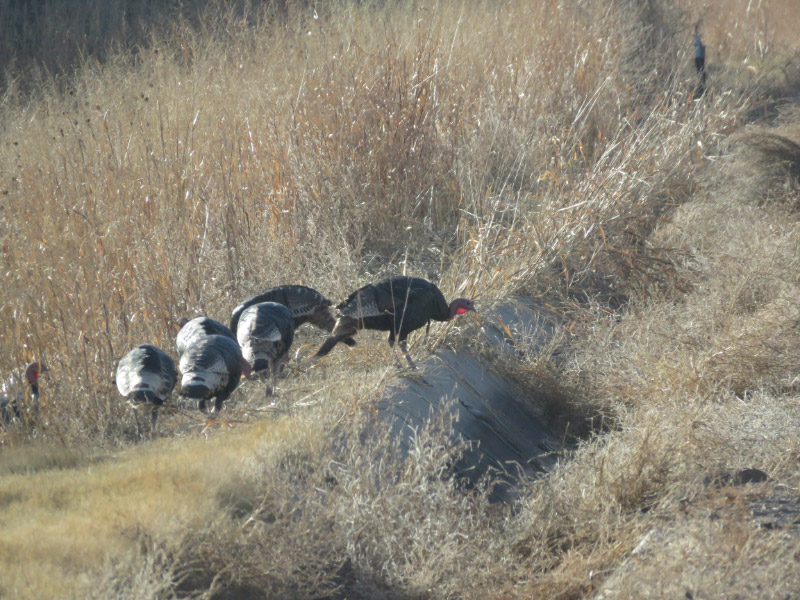
We went back to a part of the refuge not on the wildlife loop and saw turkeys.

2018 18 IMG_9928.jpg

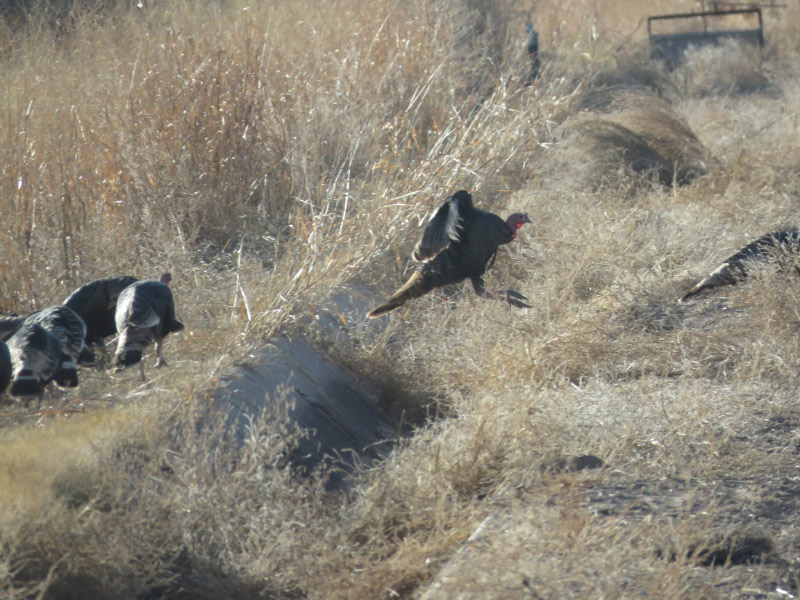
One jumped over an irrigation ditch….the others went down into the ditch and back up rather than making the jump!

This field trip was the most detailed discussion of the festival about the behind the scenes work done on the refuge for the wildlife that makes this place home – for the whole year or just for part of the year.

Festival of the Cranes – part 11

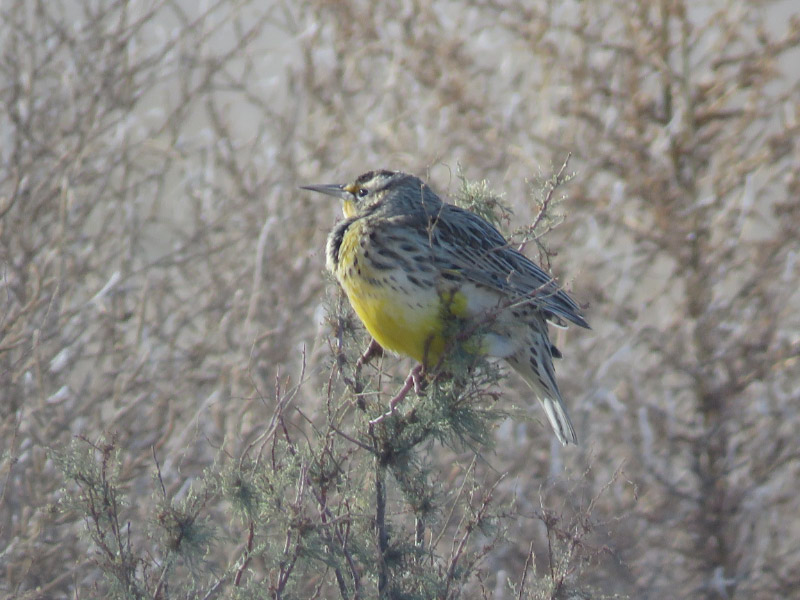
After the fly out, we spent the rest of the morning driving slowly around the Bosque del Apache National Wildlife Refuge wildlife loop. We used our car as a blind since it was still cold, and we were seeing quite a lot right along the road. A meadowlark with plumped feathers posed for a portrait.

A coyote crossed the road and continued to follow its nose. We never did see what the animal smelled.

2018 11 IMG_9813.jpg

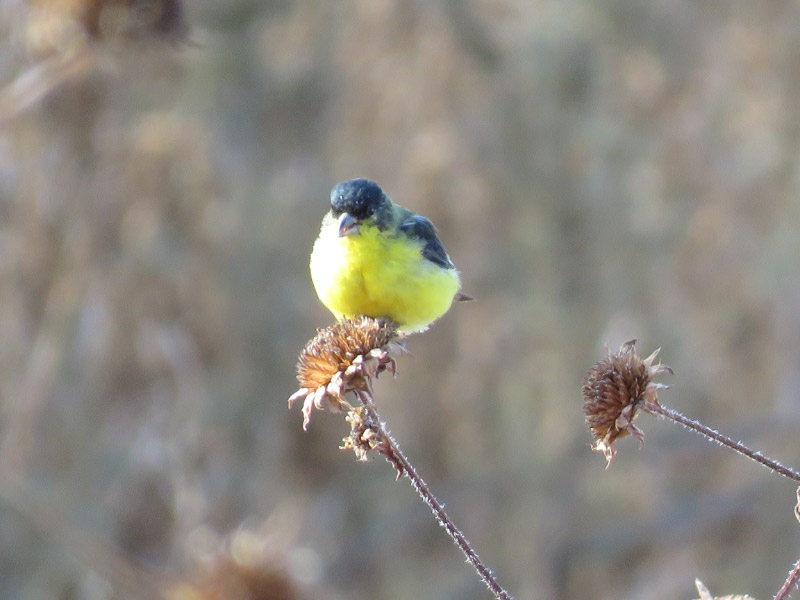
A lesser goldfinch was eating seeds. The refuge leaves a lot of standing seed plants for birds like these.

A pair of white crowned sparrows watched us from a snag.

2018 11 IMG_9847.jpg

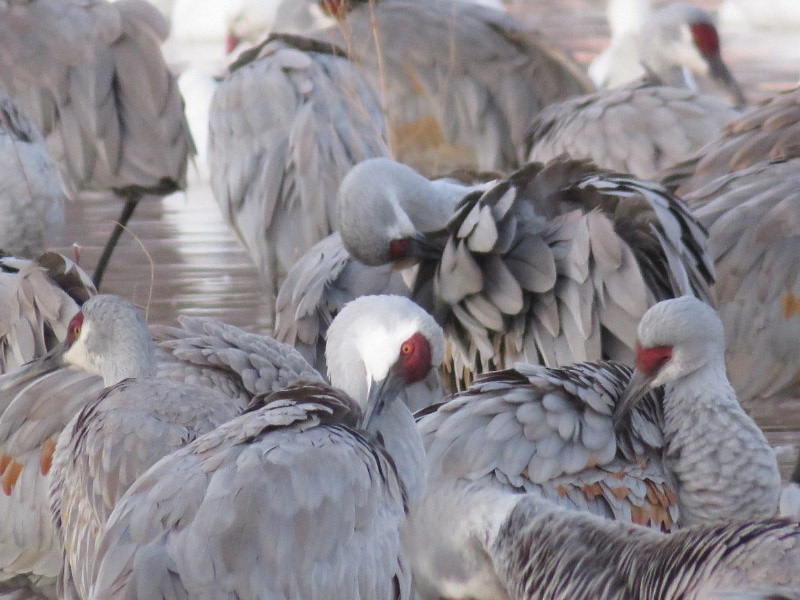
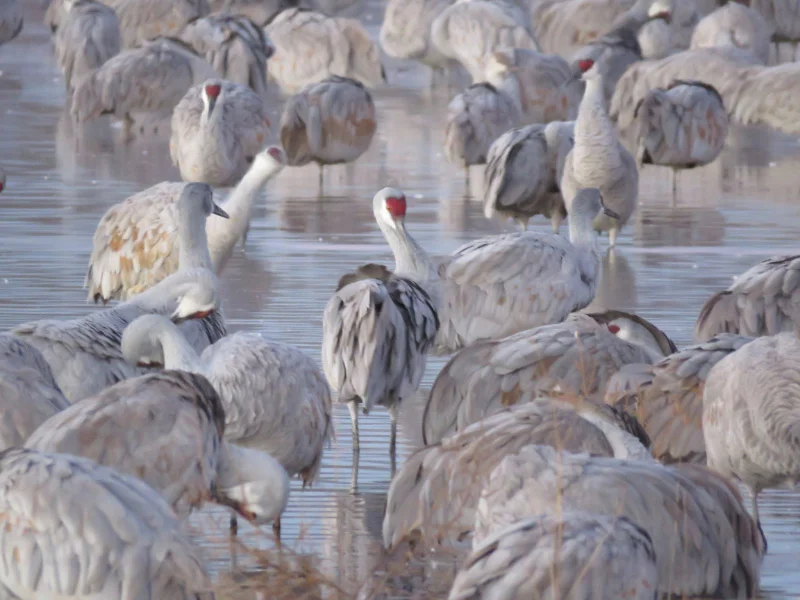
The sandhill cranes were in the fields – enjoying the bounty of the refuge provides. Historically more of the cranes continued to Mexico but the Bosque’s management program provides reliable food for them through the winter…and the cranes stay.

2018 11 IMG_9871.jpg

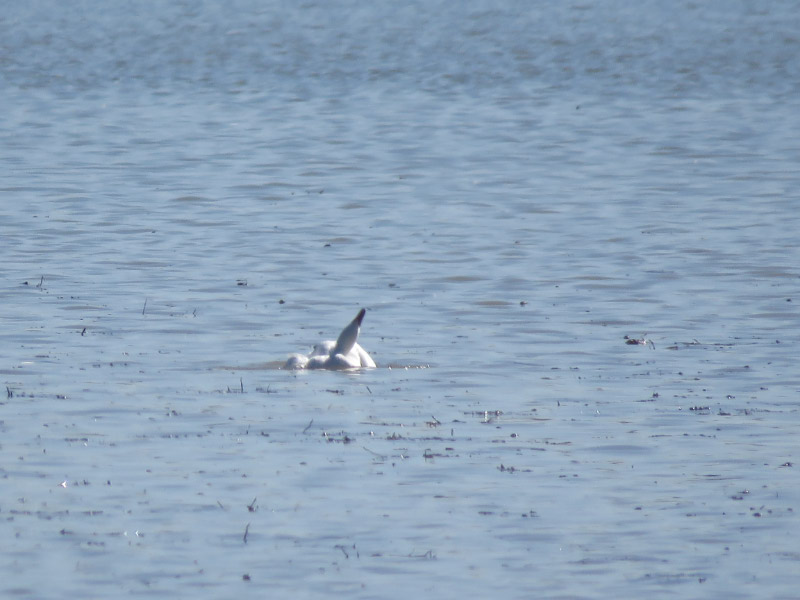
We found our way back around to the flight deck ponds and got out to watch the birds on the water. We watched the mergansers, other ducks and snow geese. Something startled the snow geese and they all flew away except for one that was struggling in the water. At first, I thought it was somehow stuck in the mud because the bird seemed to be trying to take off. Then it had a muscle spasm and moved its head to point to the sky in an awkward way. Within a minute the bird was still. Later in the afternoon I found out that the bird had probably died of avian cholera. The snow geese on the refuge are plagued by this disease and the refuge managers collect carcasses as quickly as possible to control the infection, but it’s a challenge with the birds being in such proximity to each other on the ponds. There are instances where birds have died in flight.

2018 11 IMG_9888.jpg

It was a rather sad end to the drive around the wildlife loop but thought provoking. Refuges are not safe havens from disease and they are limited enough in size that congregations of birds are larger than they might have been before the diversion of the Rio Grande for other uses.

2018 11 IMG_9904.jpg

Festival of the Cranes – part 10

We got up early for the last day of the Festival of the Cranes at Bosque del Apache National Wildlife Refuge to see the flyout. There were more clouds on the east horizon than in previous days. They made for deeper color of the sunrise.

2018 11 IMG_8595.jpg

The water around the sandhill cranes that were just beginning to move around was tinged pink.

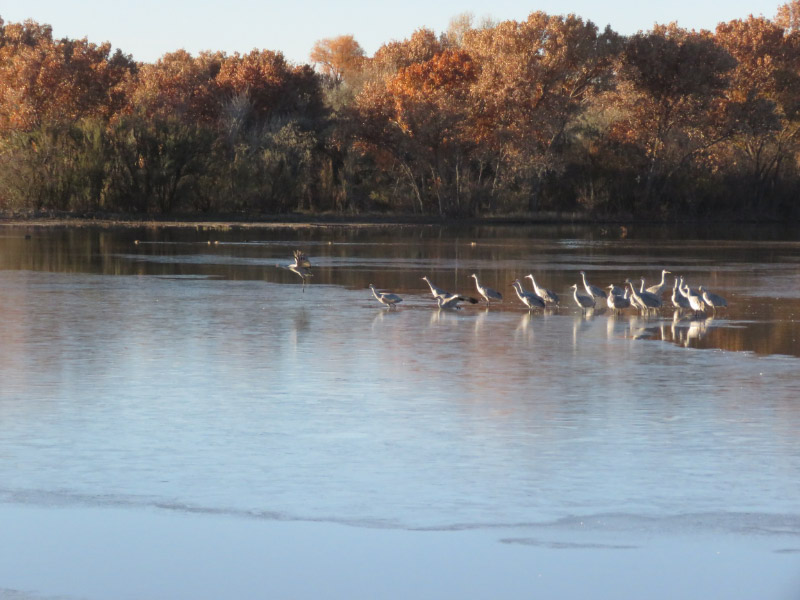
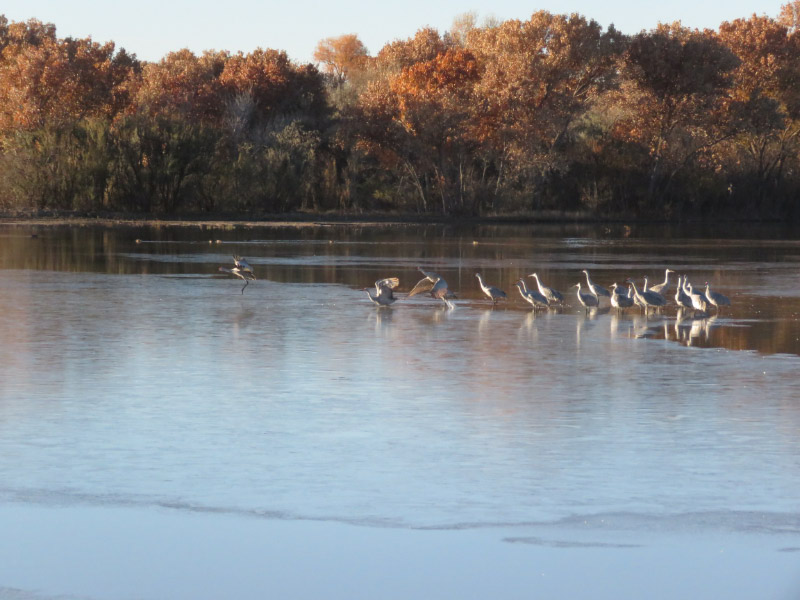
A few begin flying away but most of them stayed put.

2018 11IMG_8668.jpg

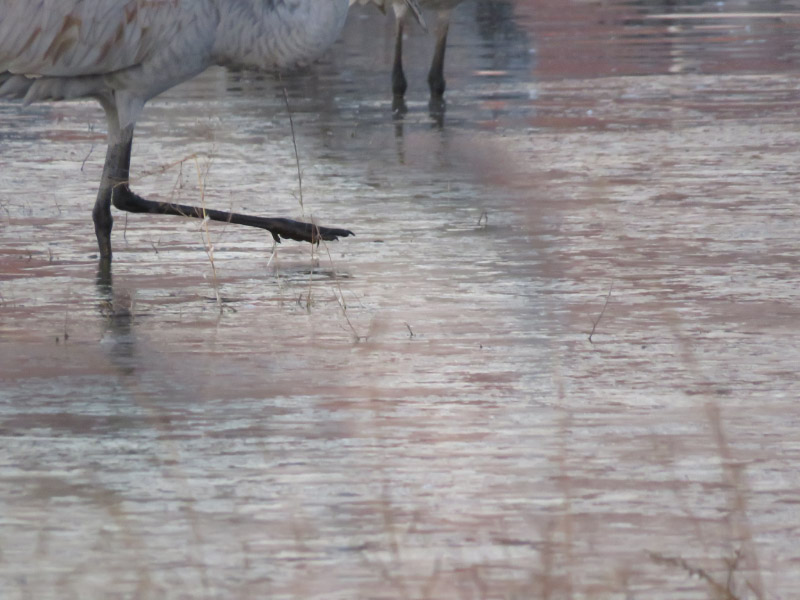
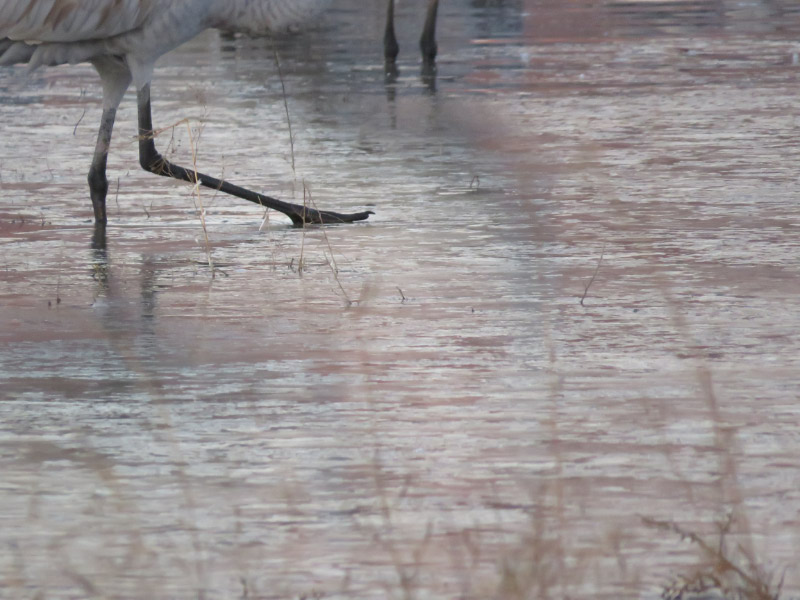
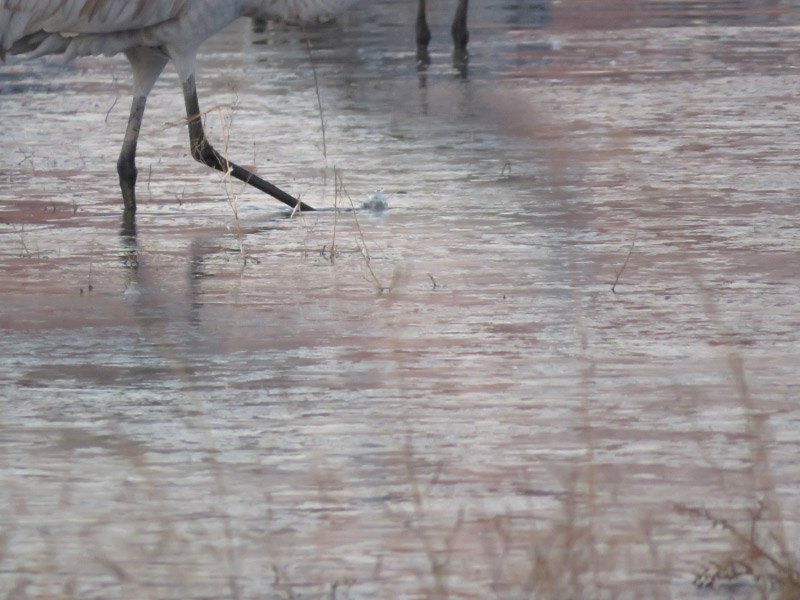
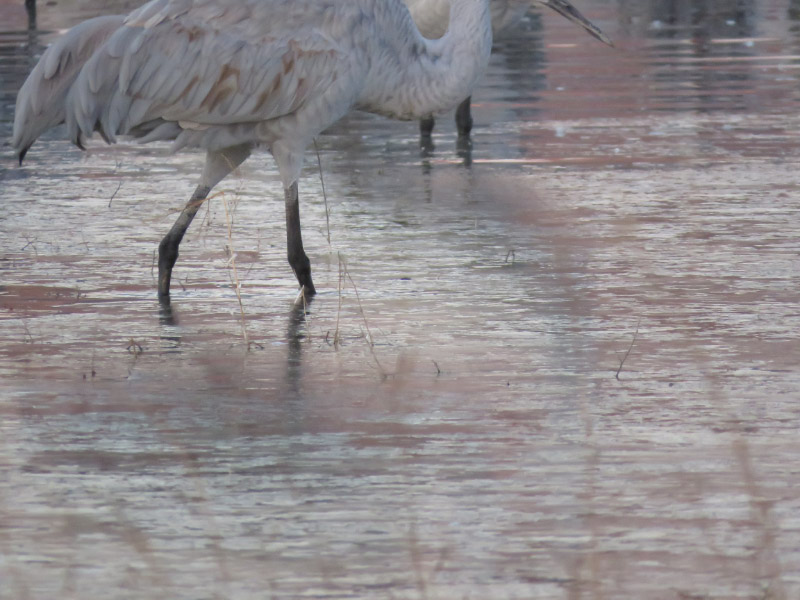
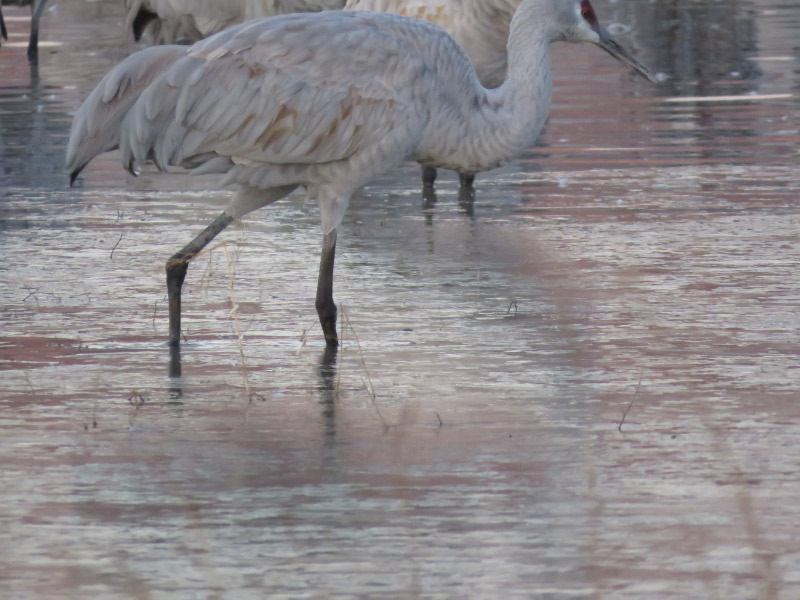
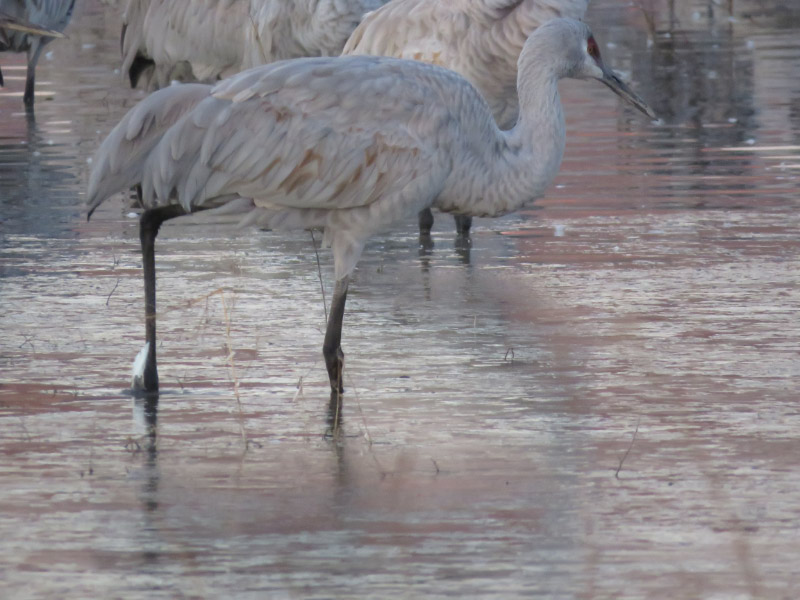
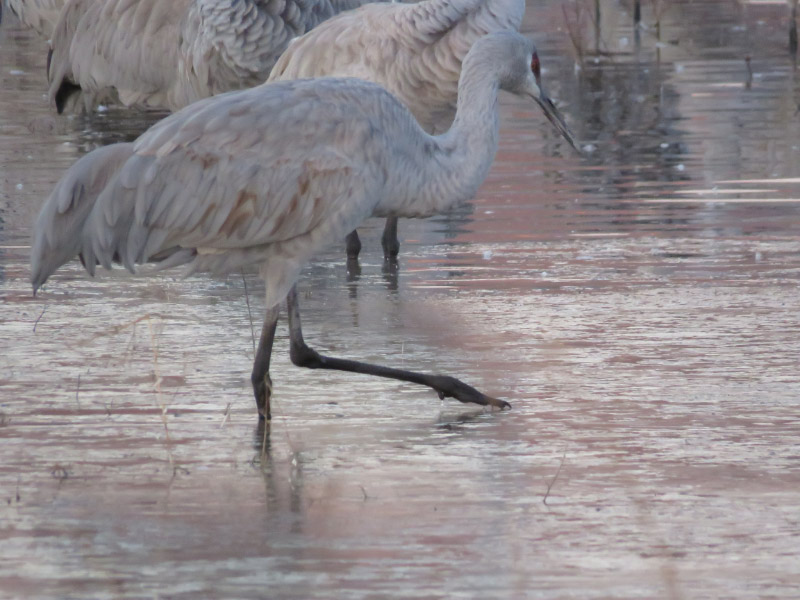
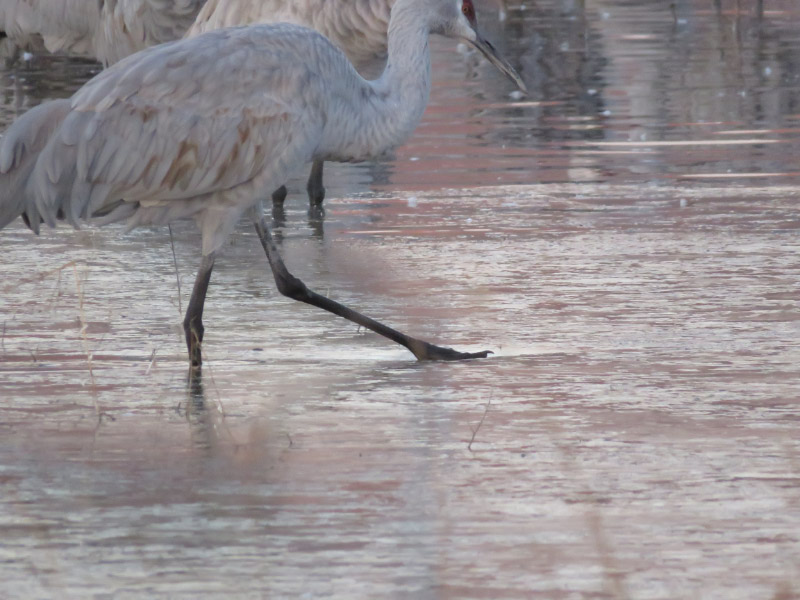
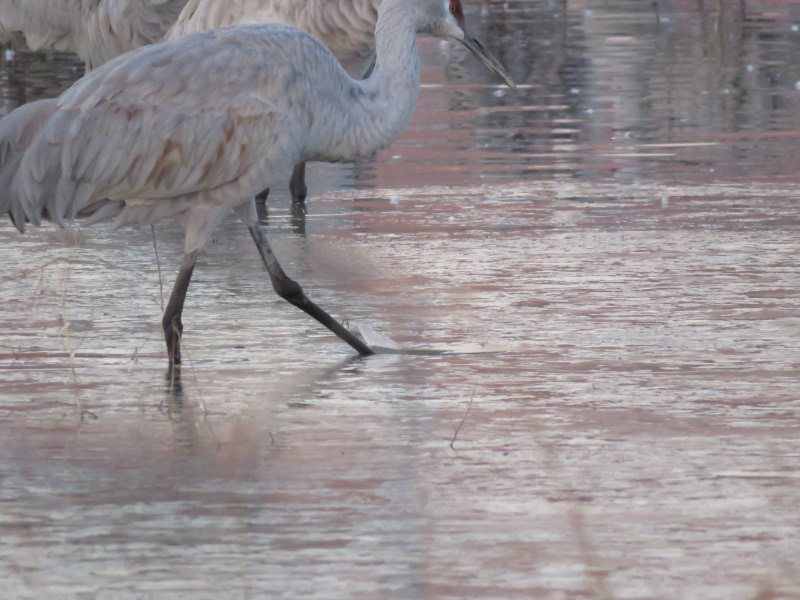
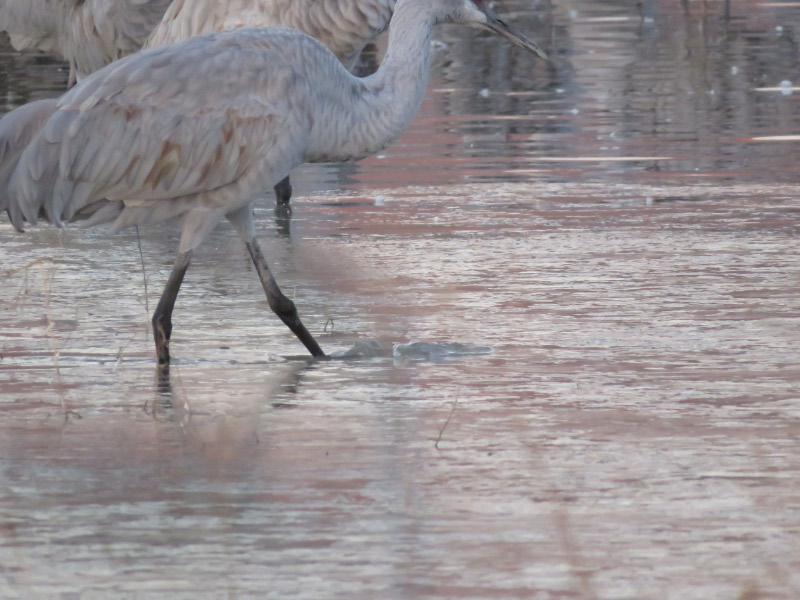
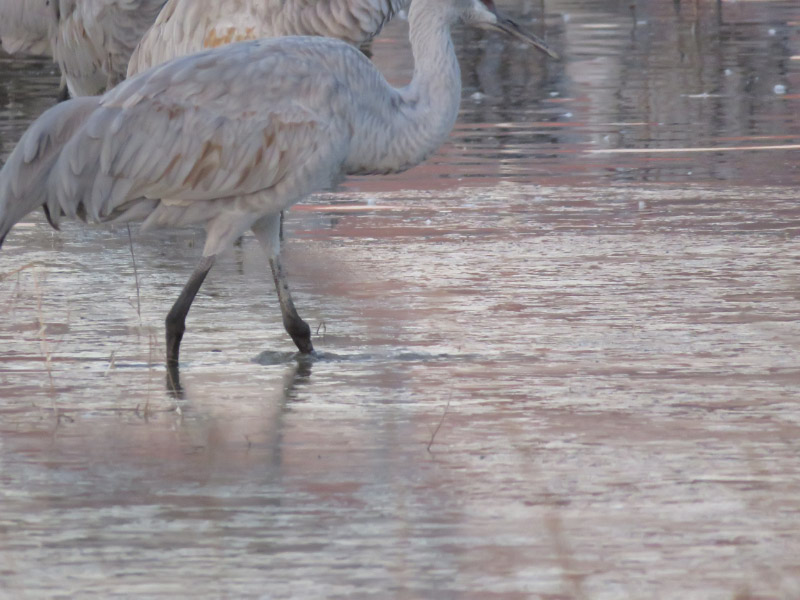
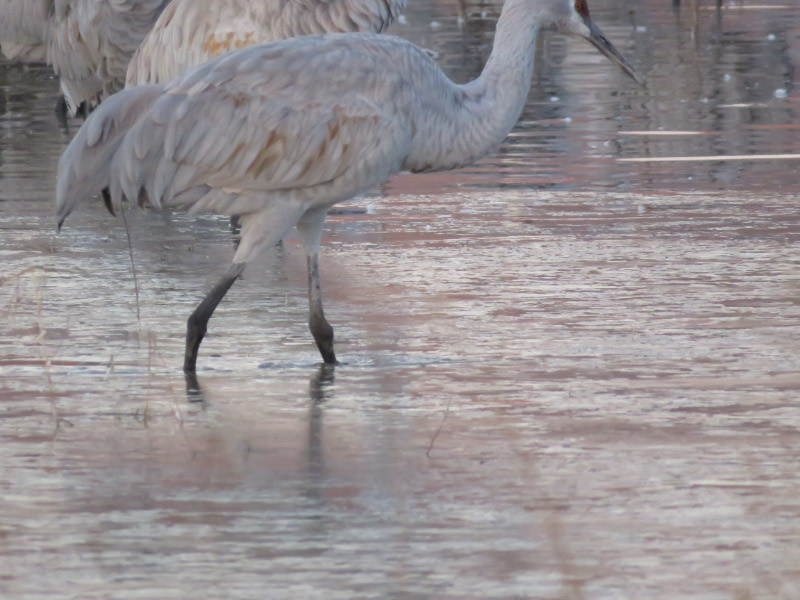
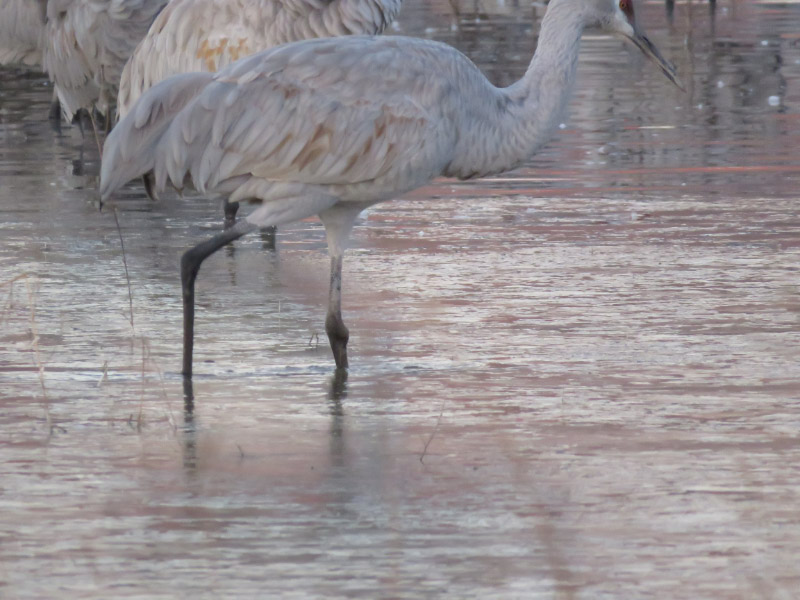
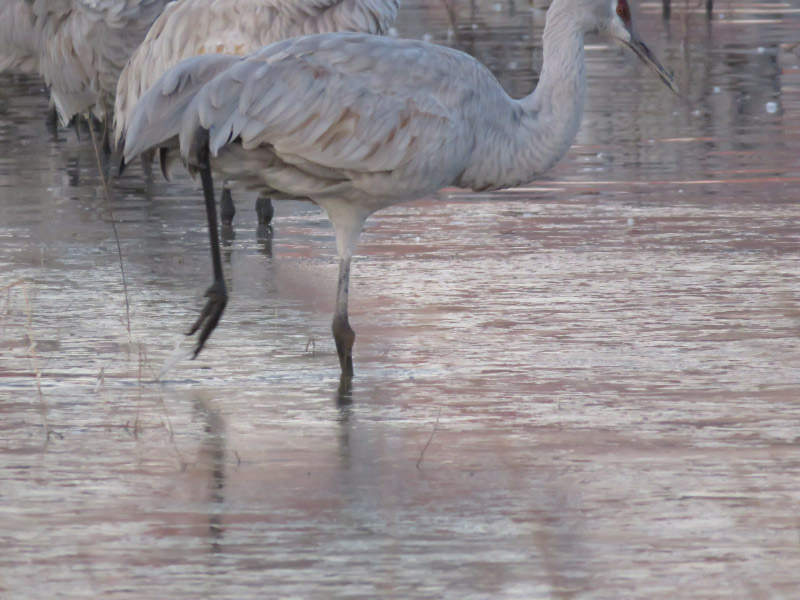
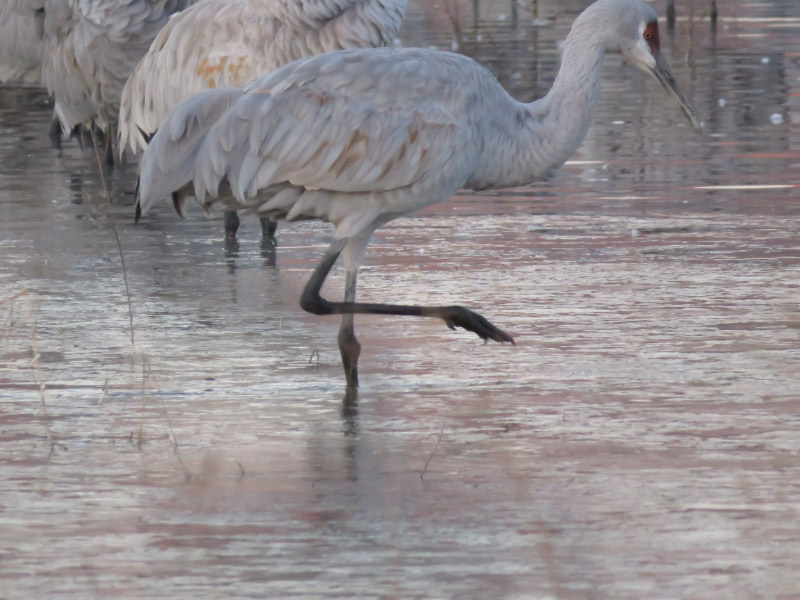
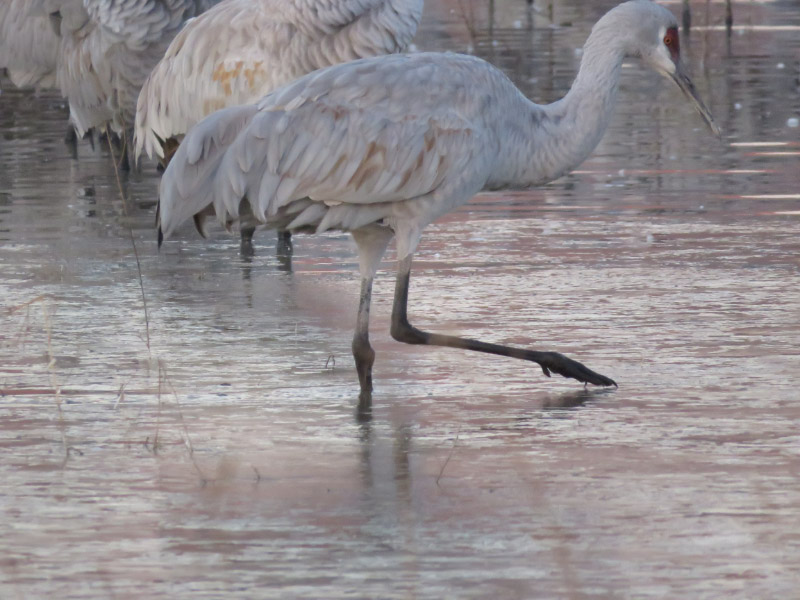
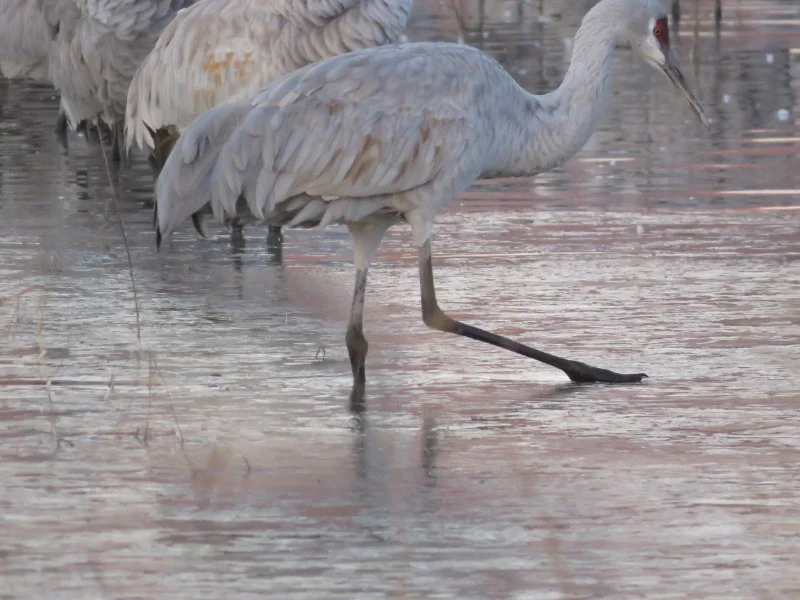
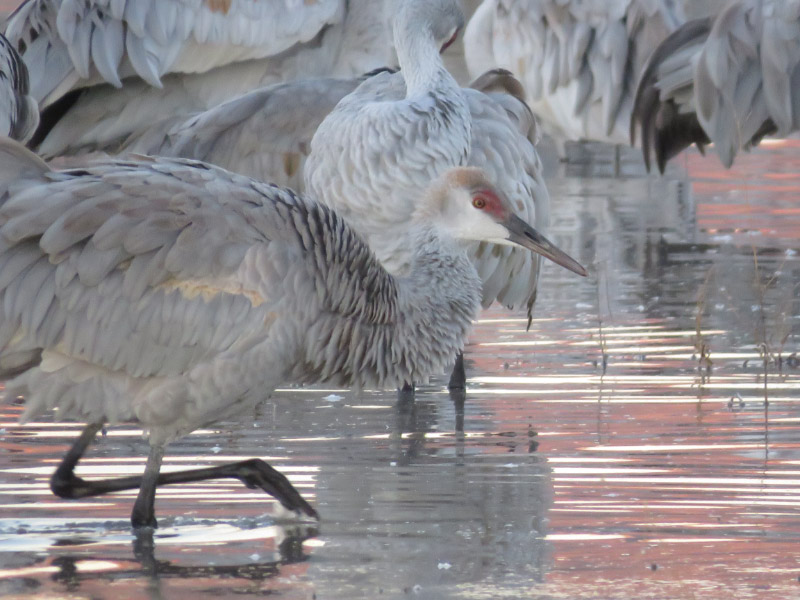
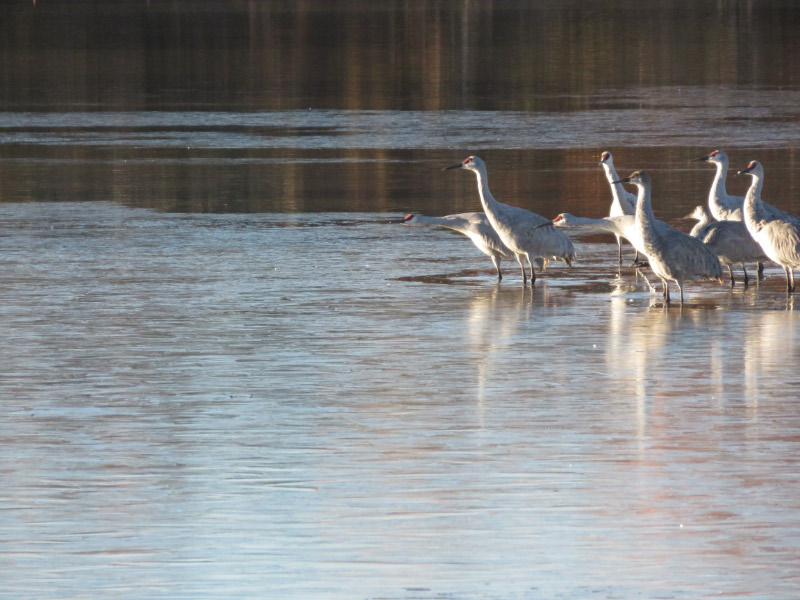
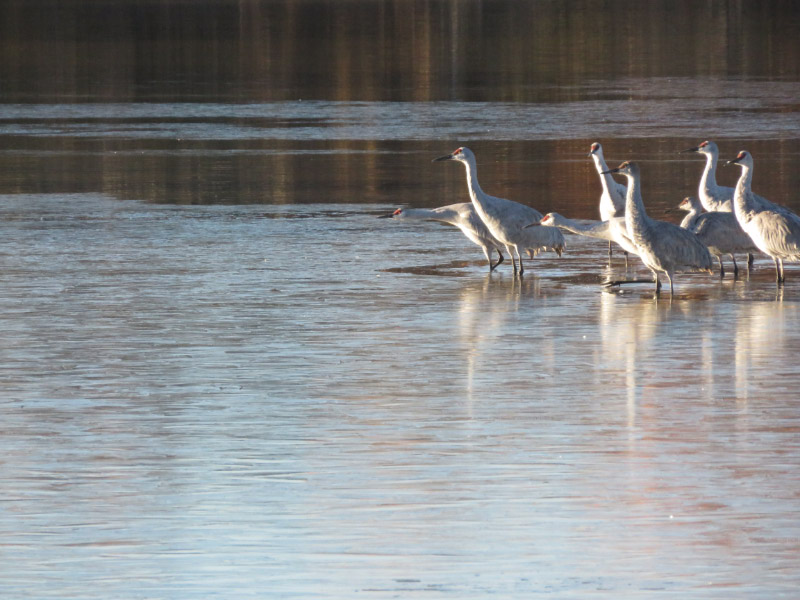
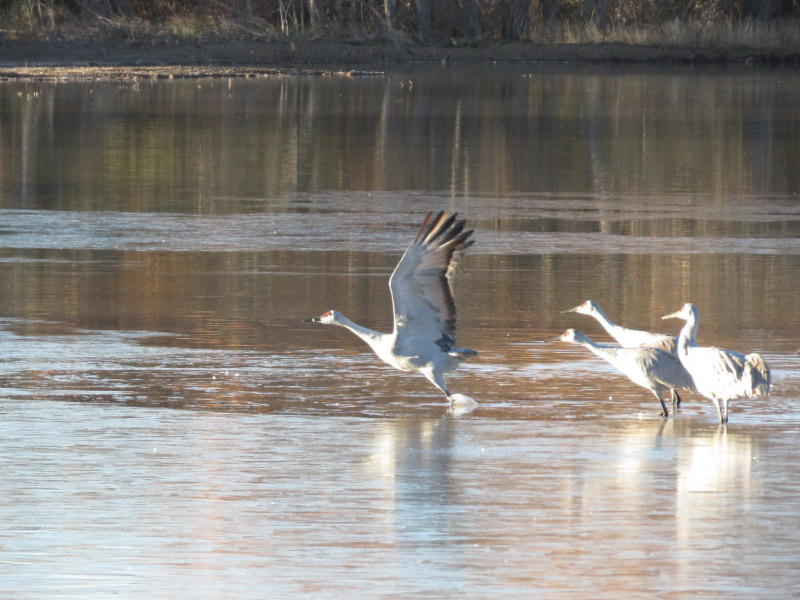
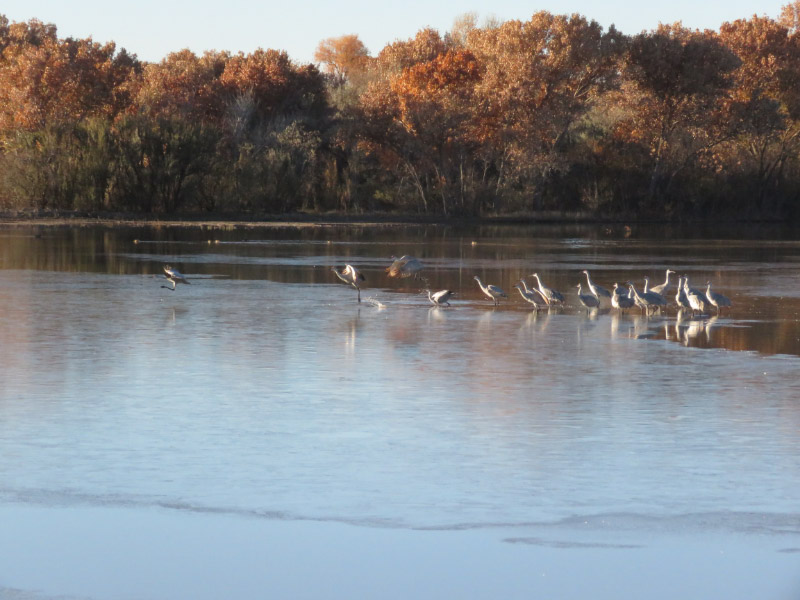
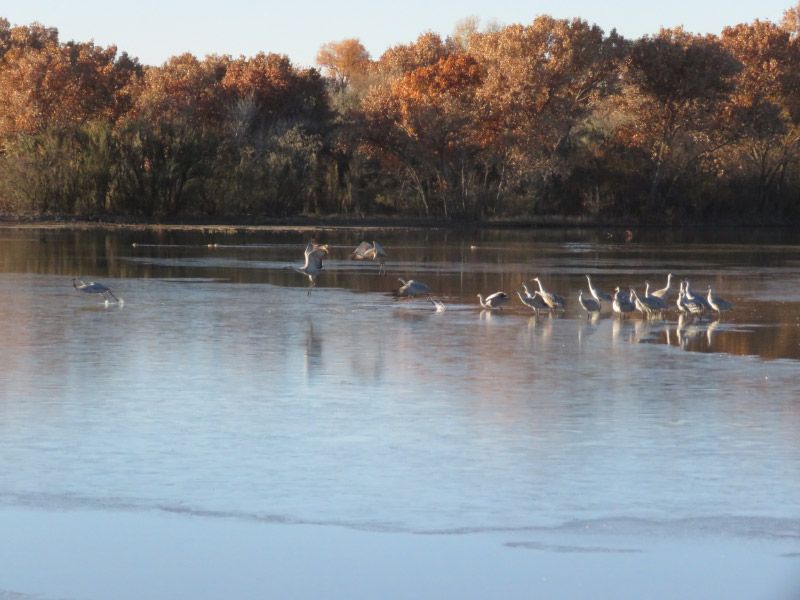
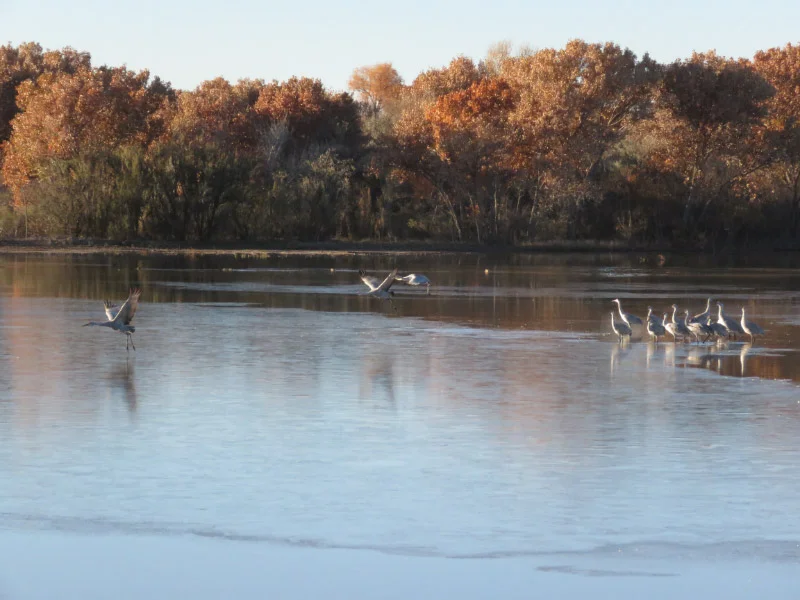
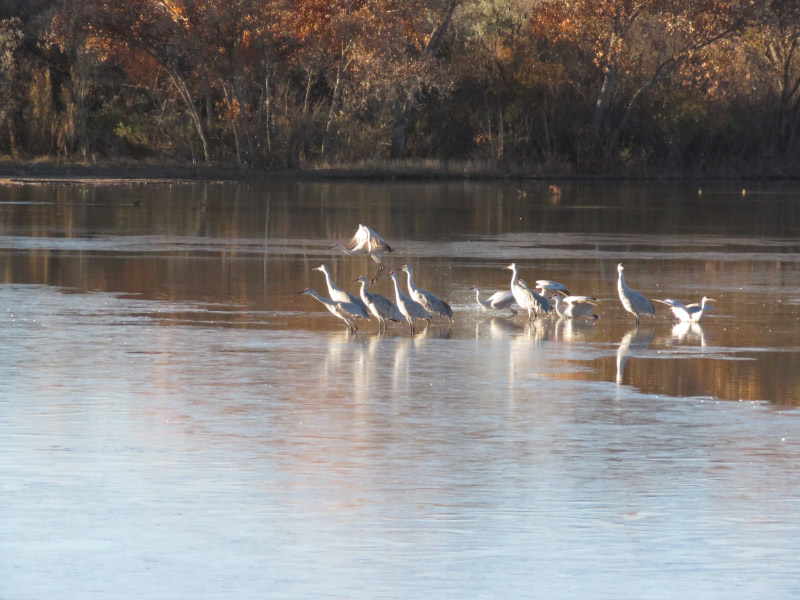
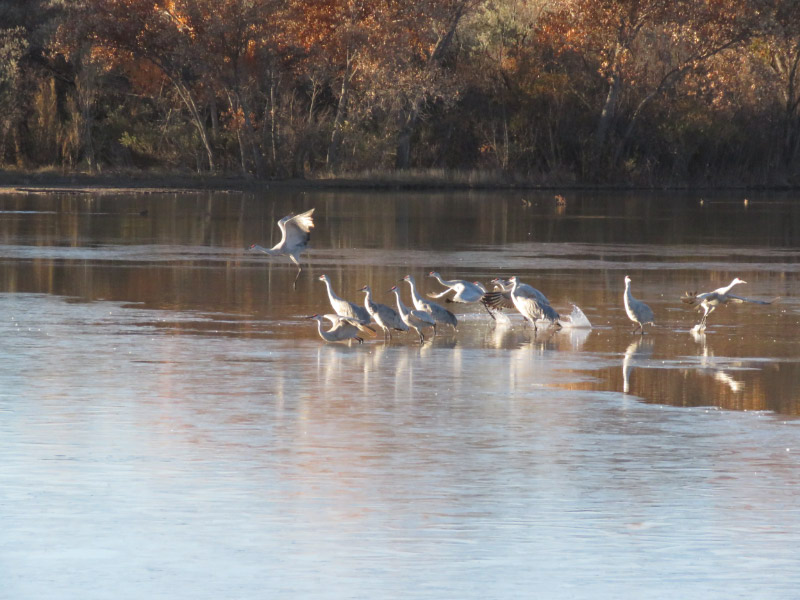
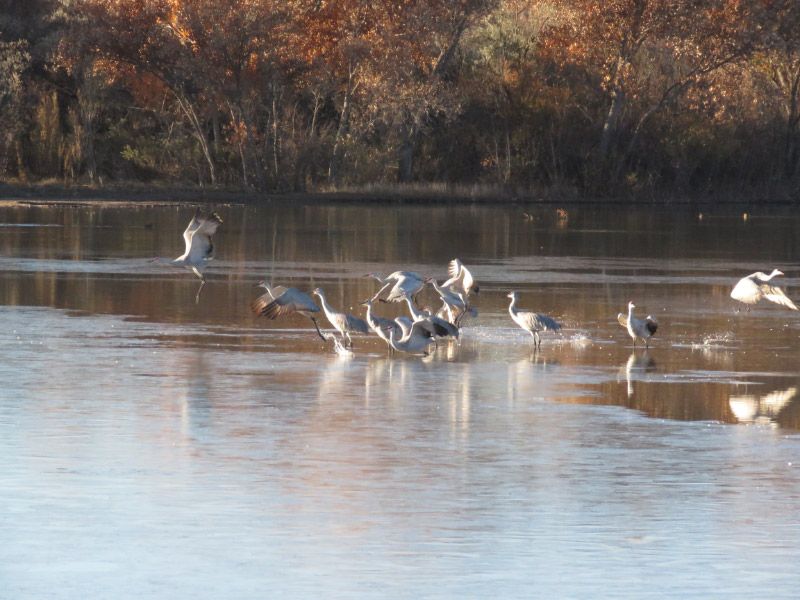
It was a cold morning and a thin layer of ice had formed on the water. I took a series of pictures of a crane carefully walking and breaking through the ice.

The morning light began to fade as the clouds blocked the sun. A juvenile sandhill crane seemed to pose for my camera. The redhead feathers of adulthood are still to come for this bird.

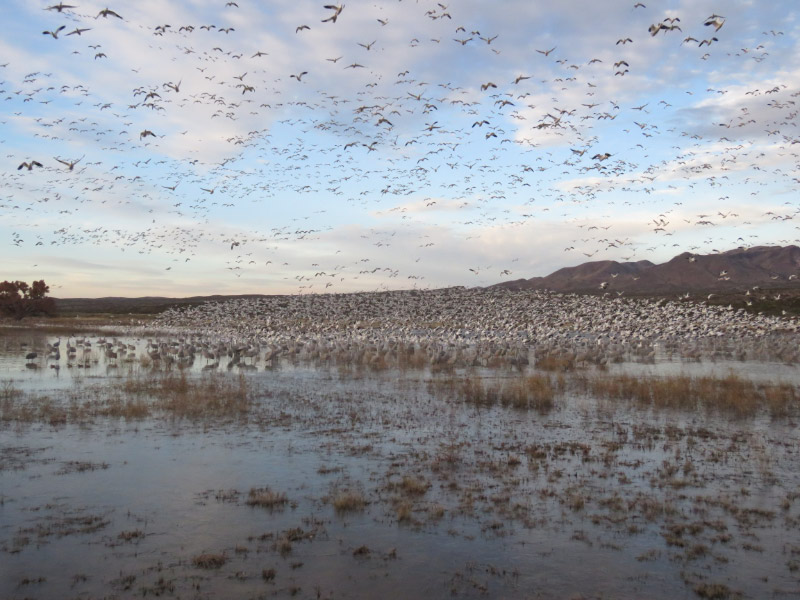
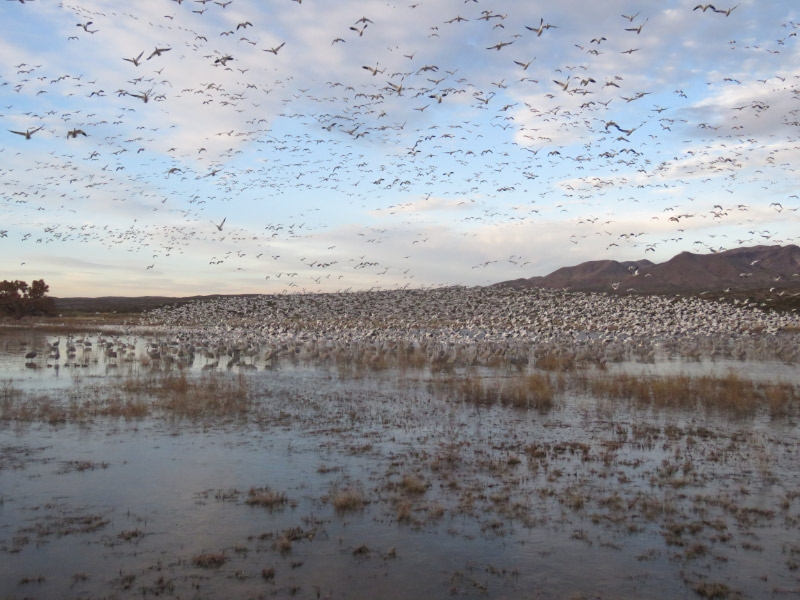
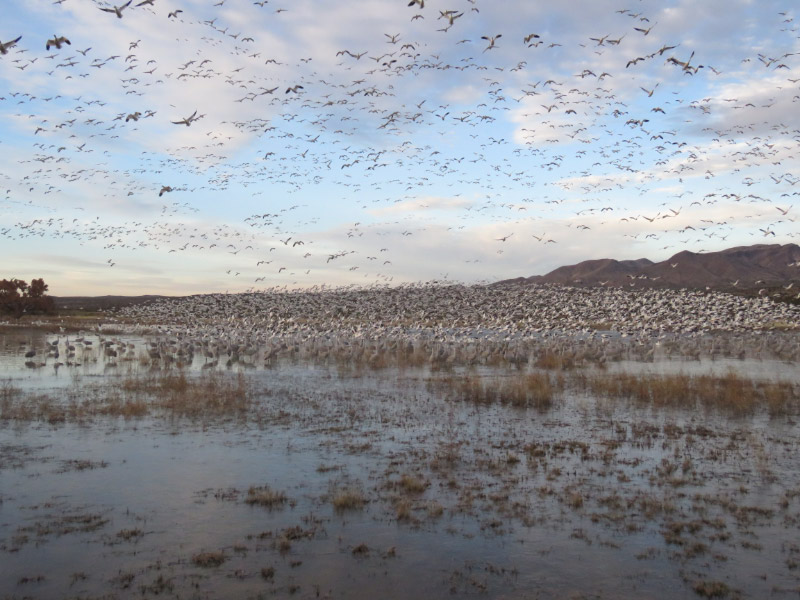
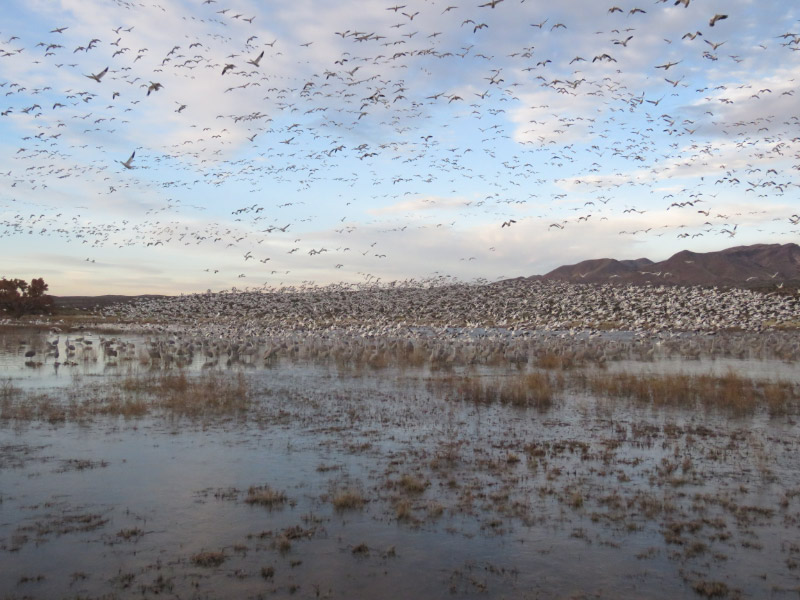
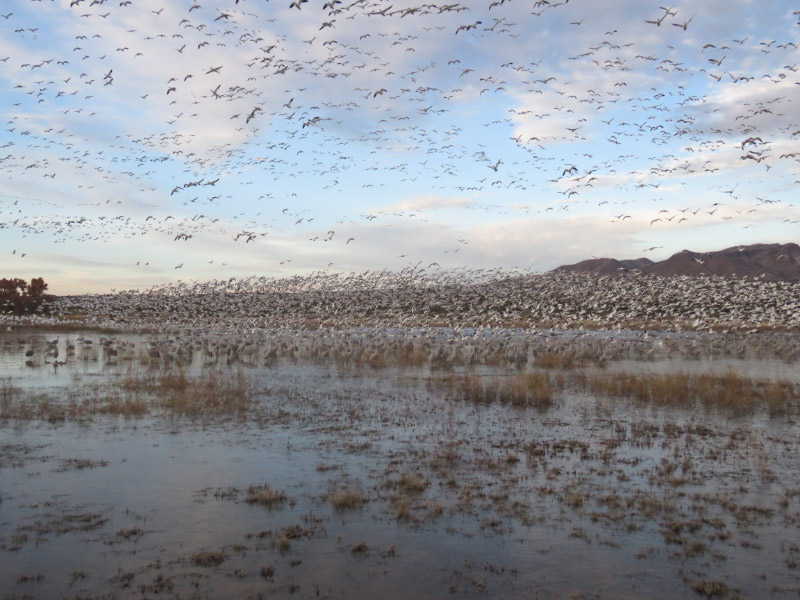
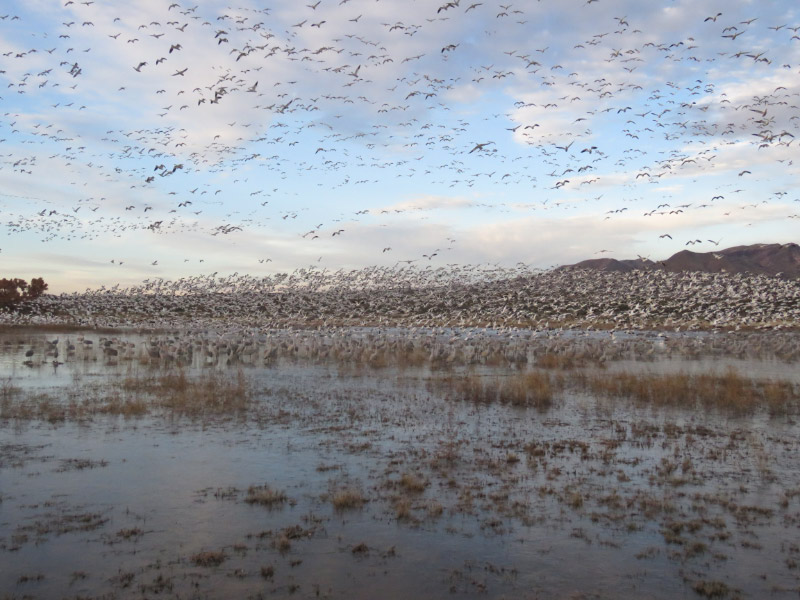
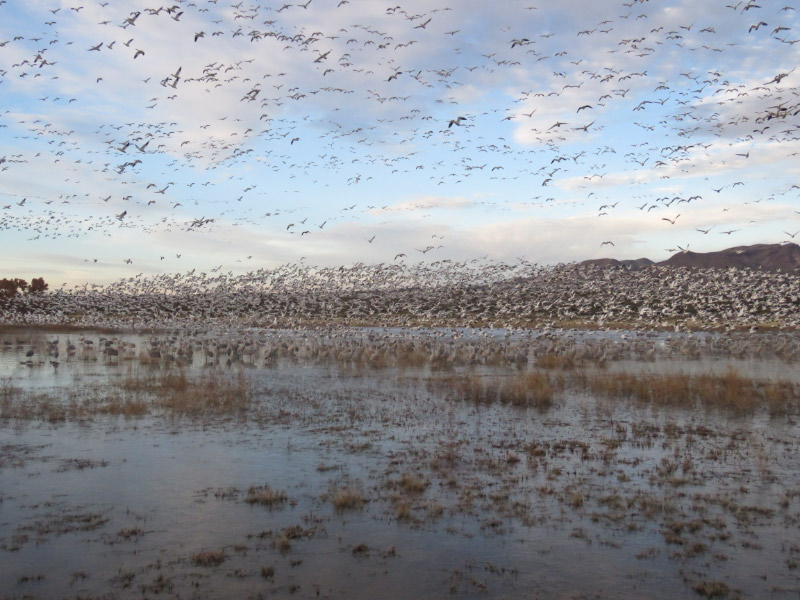
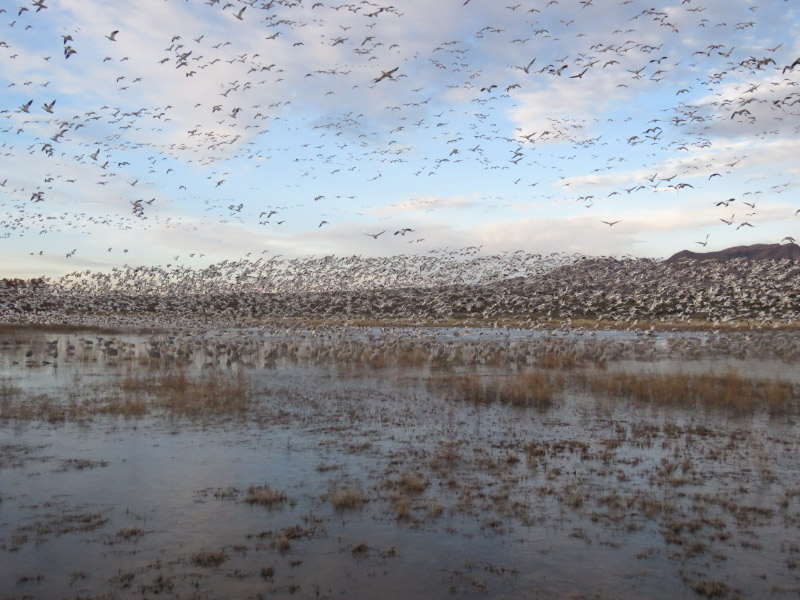
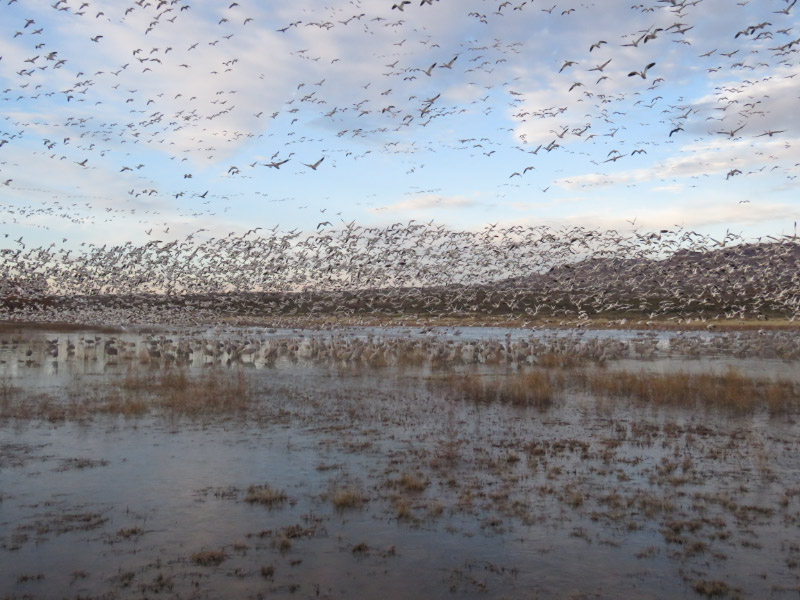
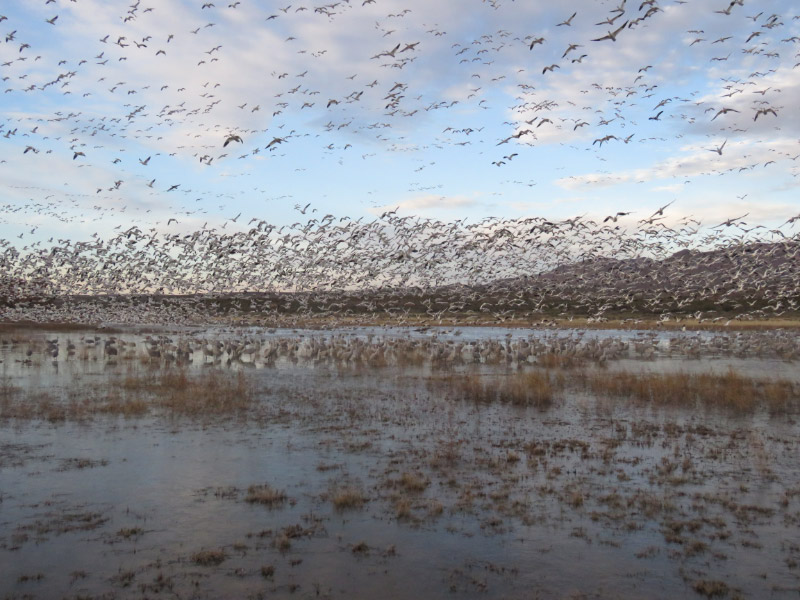
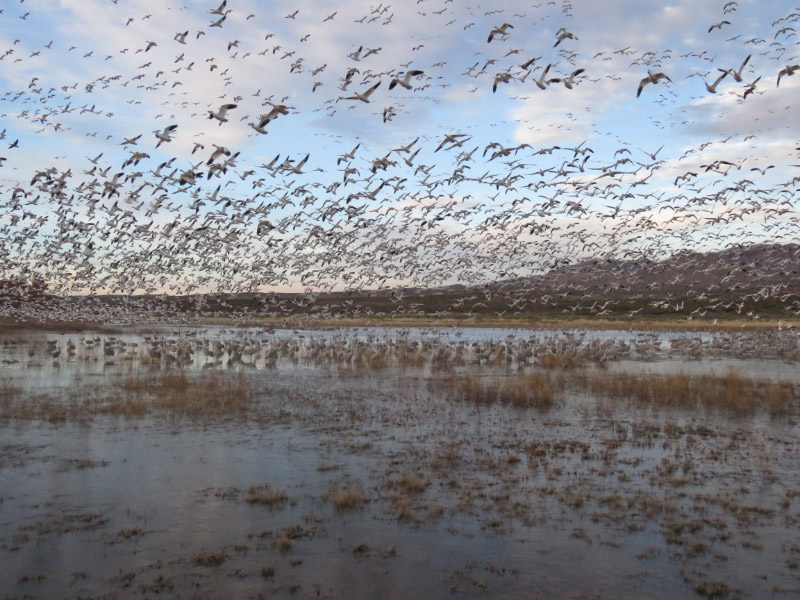
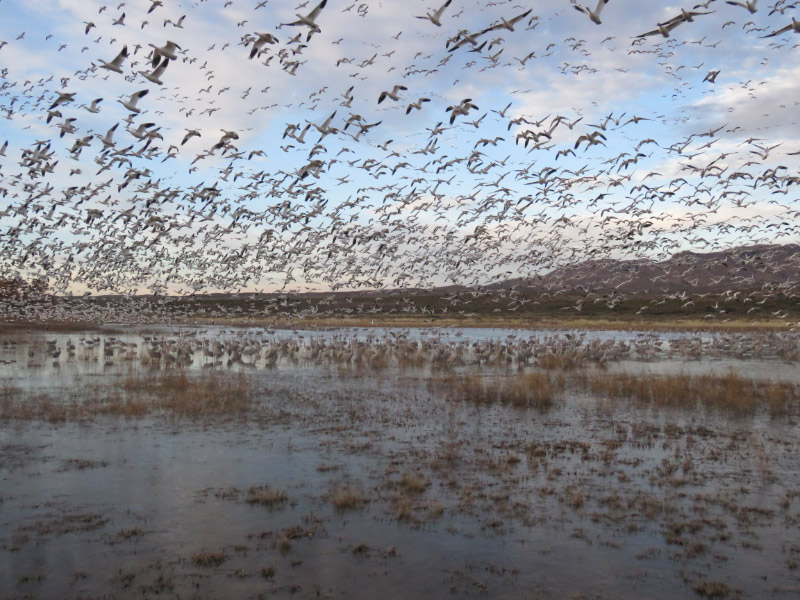
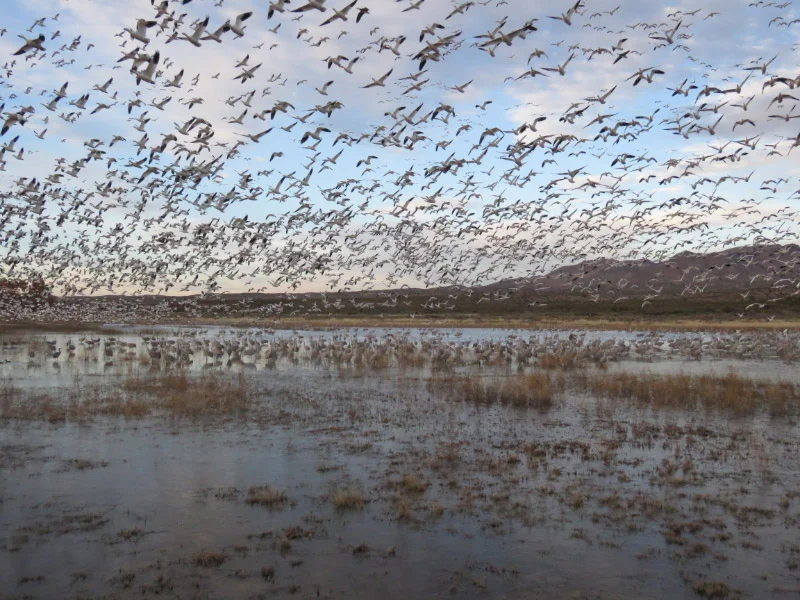
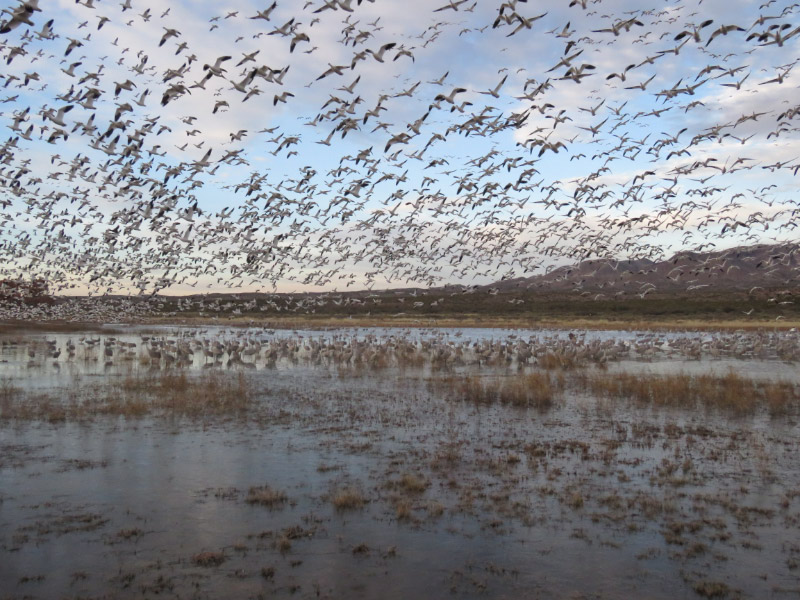
I finally managed to capture the drama of the flock of snow geese leaving the pond. They swirl up into the air. Sometimes they come back to the same pond; other times they go somewhere else. I guess it depends on what caused them to fly up and out.

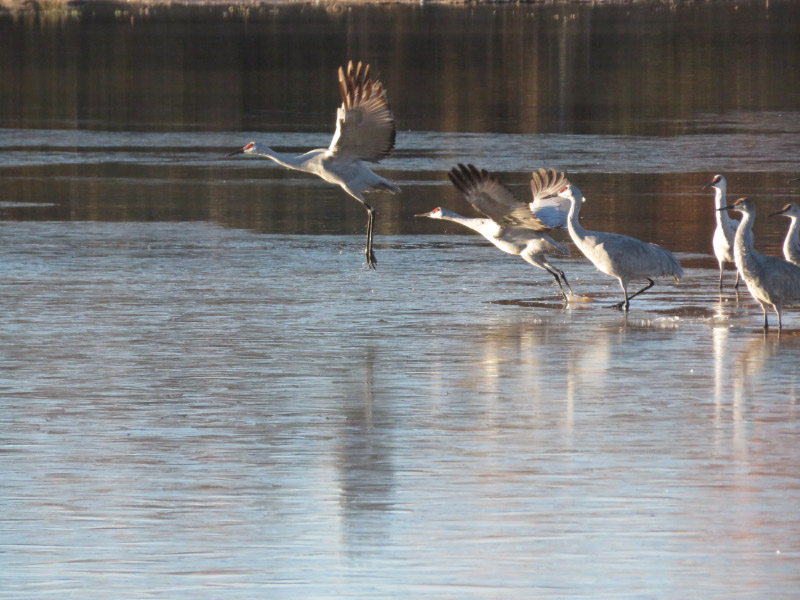
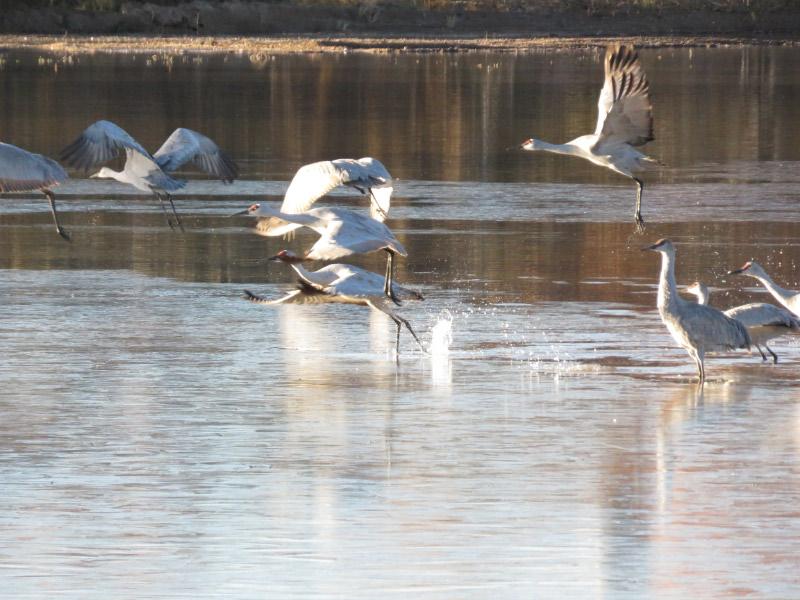
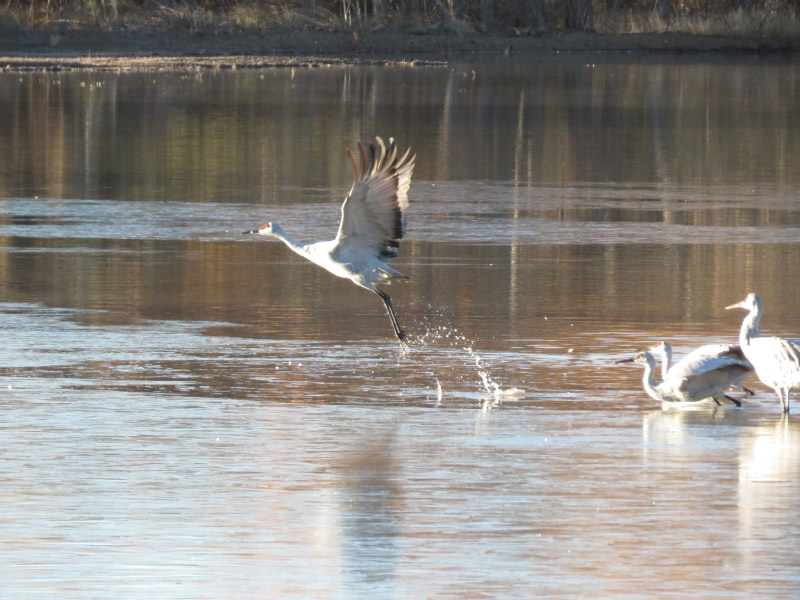
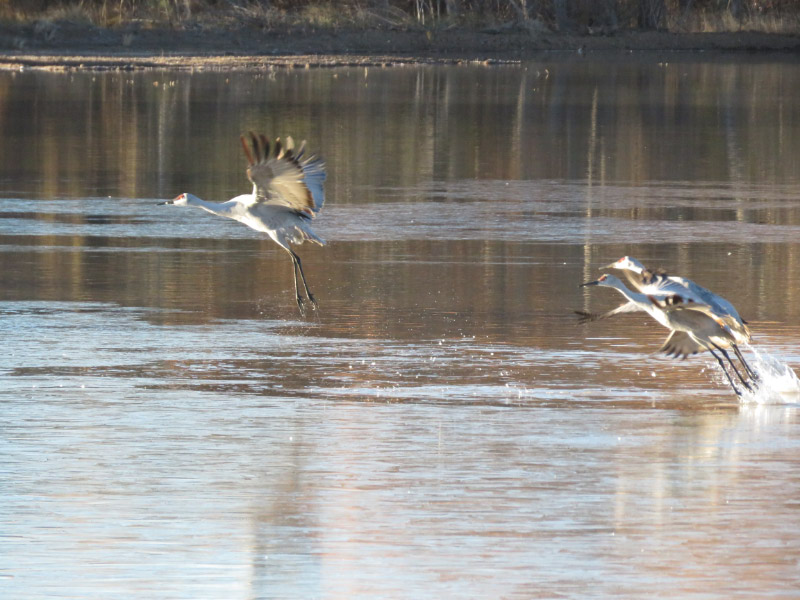
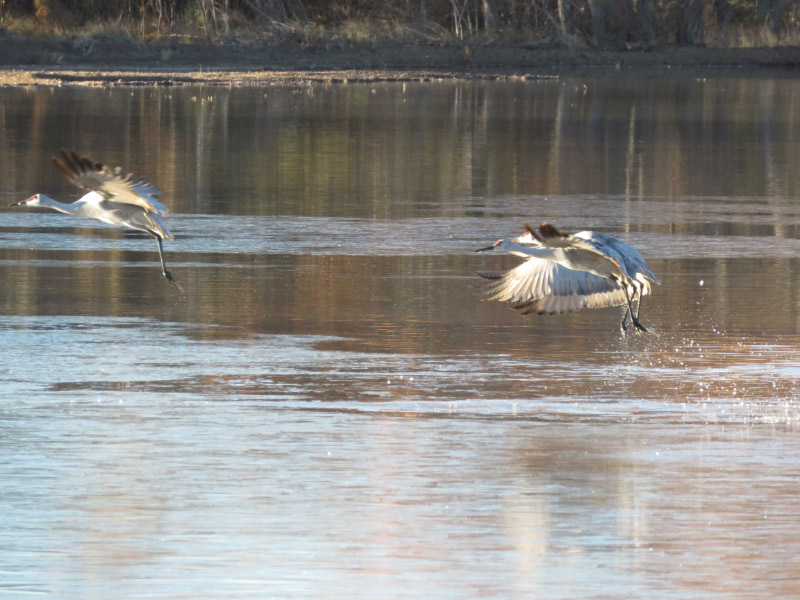
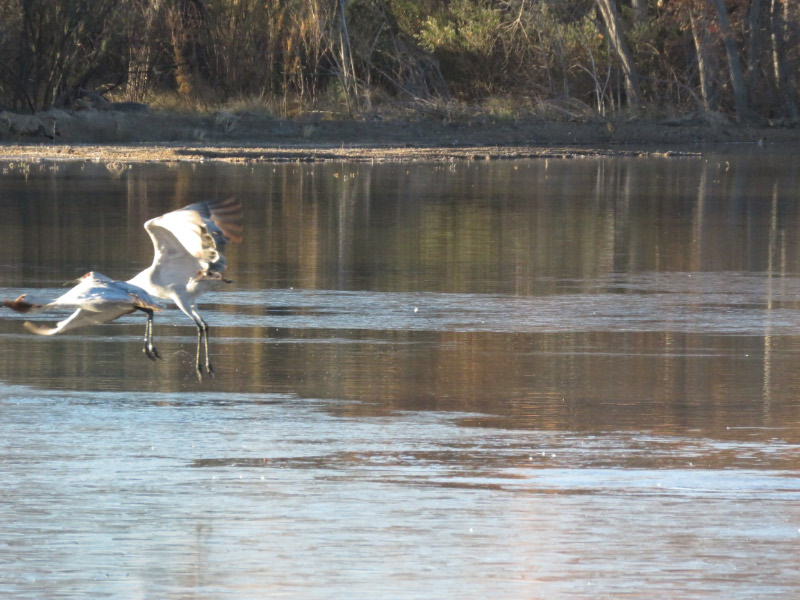
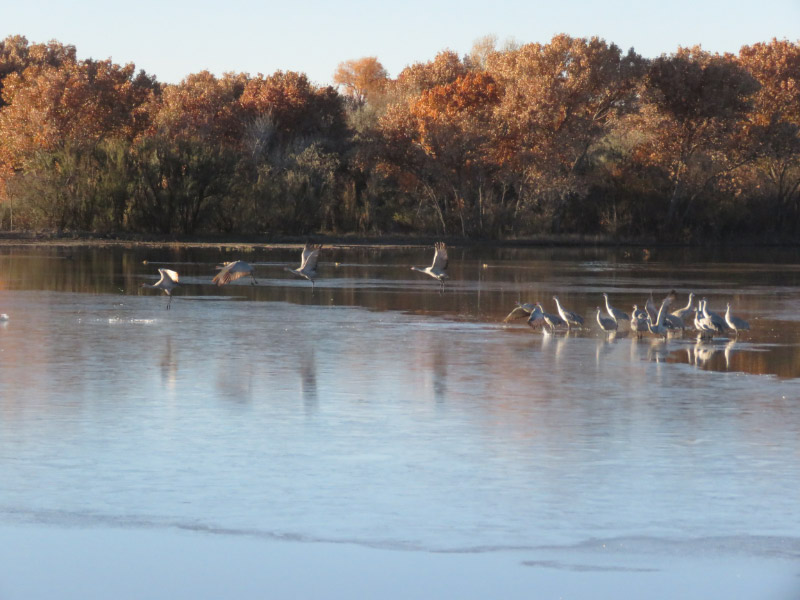
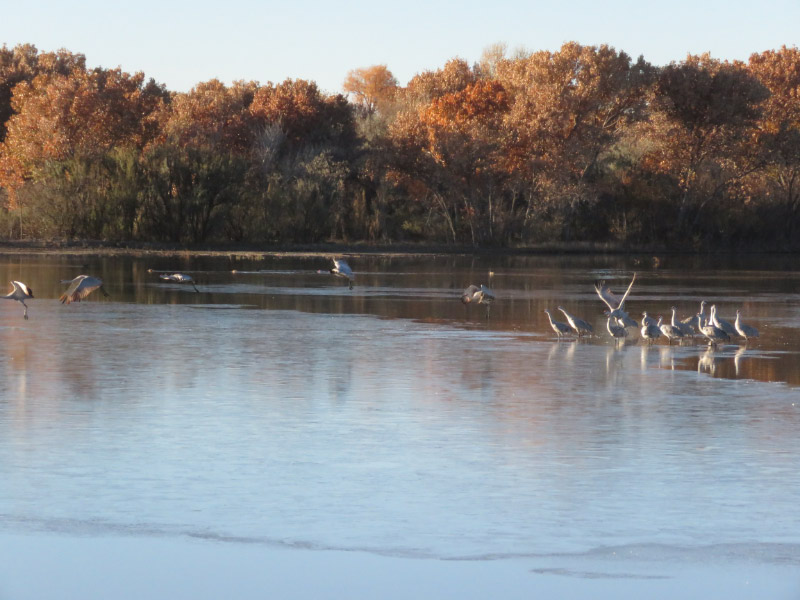
As cranes take off from the water – the legs are still down but they ‘point their toes,’ becoming more aerodynamic. I’m always in awe of how close together they can be and not get their wings tangled as they take off.

2018 11IMG_9322.jpg

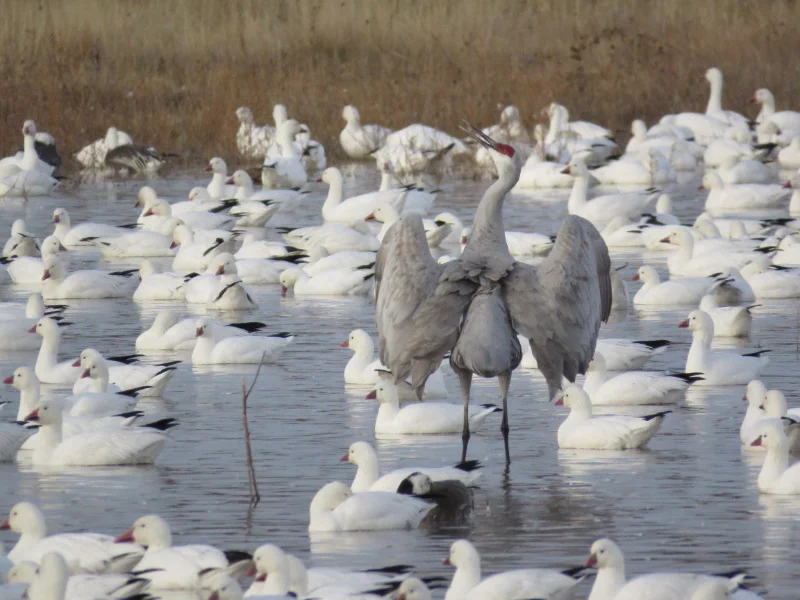
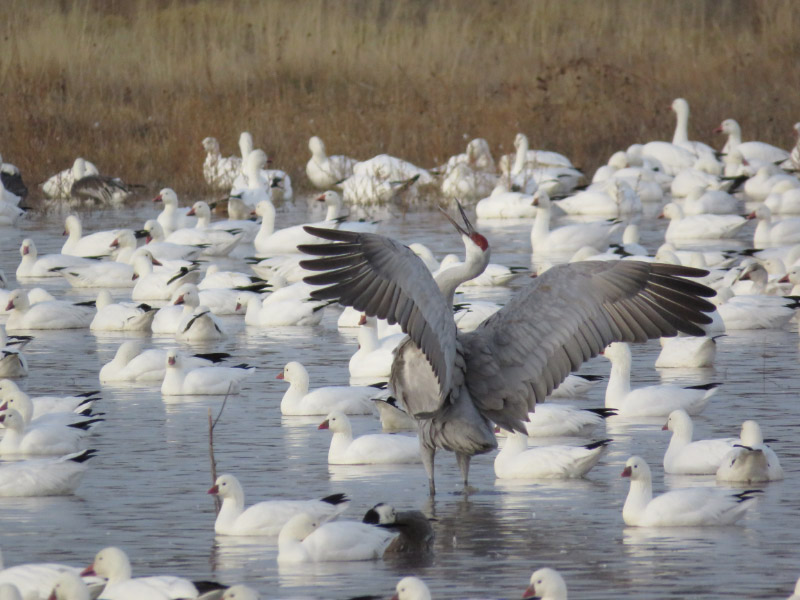
Finally – I took some pictures of a single crane surrounded by snow geese – head pointed up and vocalizing, flapping wings. Was the bird celebrating the morning, calling other cranes to join him, or just starting a normal crane day?

It was a good conclusion to the last fly out of this festival.

Festival of the Cranes – part 9

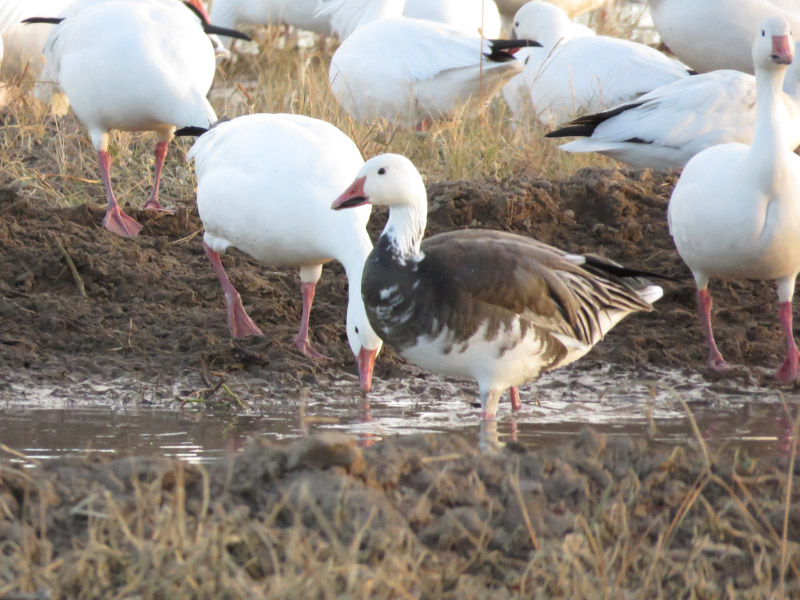
After the Raptor ID tour, we had lunch then rested at our hotel until time for the ‘fly in’ at sunset. It was the only day we managed to be available at that time.  We decided to observe from the ponds along the refuge’s wildlife loop. There were other people that had the same idea but not enough to make it crowded. There was a crowd of snow geese already on the water and feeding on shore as well. I find myself drawn to the blue morphs…just to see something other than white mounds.

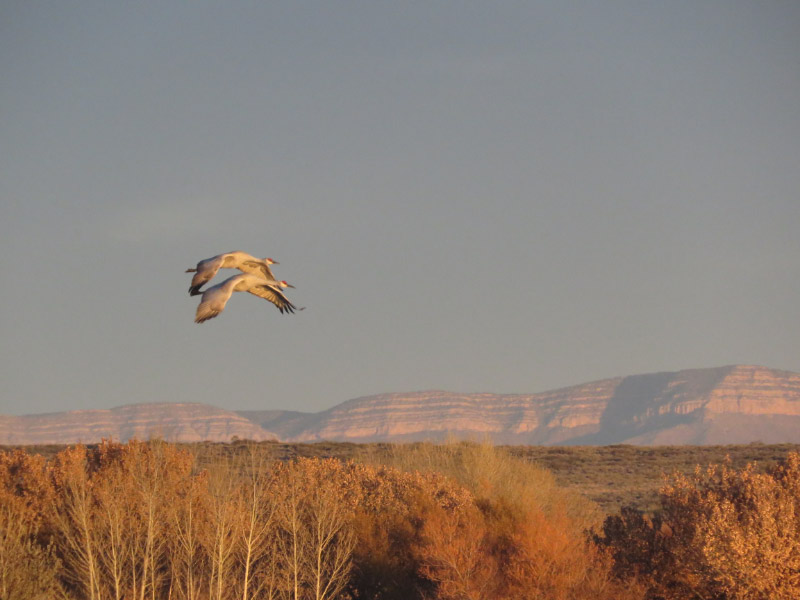
By the time the sandhill cranes started coming in it was too dark to get good pictures at the water level. I took a few images with the evening light…birds – cliffs – trees.

2018 11 IMG_8481.jpg

Some Canadian geese were seeking their evening roost as well.

2018 11 IMG_8512.jpg

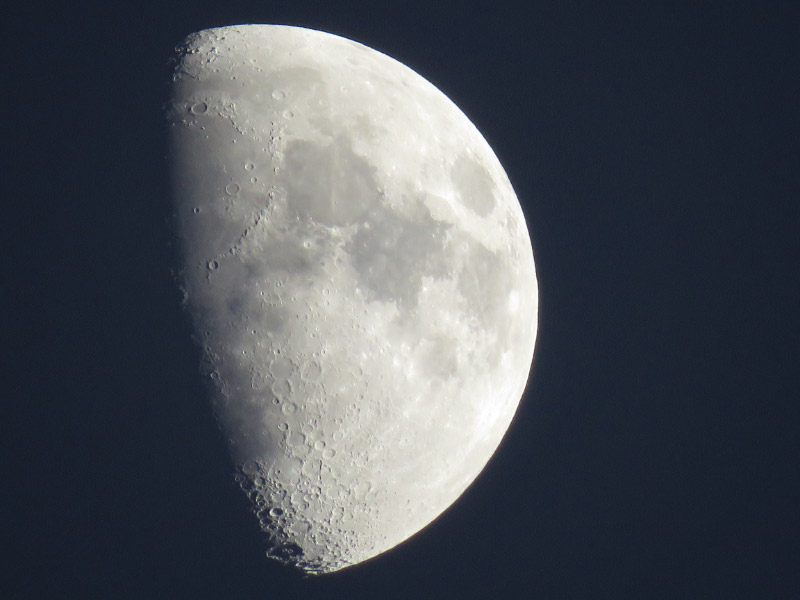
Right before we left – I too a picture of the moon…pretty good shot for a bridge camera on a monopod!

2018 11 IMG_8590.jpg

Zentangle® - November 2018

Lots of colors – tiles and pens. At the end of the month I reverted to black tiles. I think I like the dark background the best.

The travel during November did not impact my tile creation; carrying the iPad and Apple pencil are very easy. I experimented creating a tile on the flight to New Mexico after I realized that Bluetooth connections were permitted on the plane. Creating the tile was not as Zen as I like; full planes are too crowded and often bumpy. The tile did not make it into my top 30 tiles for November.

--

The Zentangle® Method is an easy-to-learn, relaxing, and fun way to create beautiful images by drawing structured patterns. It was created by Rick Roberts and Maria Thomas. "Zentangle" is a registered trademark of Zentangle, Inc. Learn more at zentangle.com.

Gleanings of the Week Ending December 1, 2018

The items below were ‘the cream’ of the articles and websites I found this past week. Click on the light green text to look at the article.

How to feed a cat: Consensus statement to the veterinary community: Reducing stress-related eating problems -- ScienceDaily – Puzzle feeders and putting food in different places….make meal time more interesting!

Examining Grad Student Mental Health | The Scientist Magazine® - There are a lot of stressors during graduate school….and many students become depressed or develop other mental health issues. Students, faculty and university administrators are noticing that more needs to be done to help grad students through the challenges of this phase of their education.

Why Fall Color Has Been So Meh in Parts of the U.S. This Year | Smart News | Smithsonian – This article came out a few weeks ago….just getting around to putting in the gleanings. The explanation of why our area had such a lack luster fall is interesting and it might become the norm as the area gets wetter and warmer.

BBC - Earth News - Legless frogs mystery solved – Predatory dragonfly nymphs eat legs of tadpoles! This is an article from 2009…but it was news to me. We find dragonfly nymphs in almost all the streams and rivers around where I live…but I haven’t seen any legless frogs.

2 Solar Ovens Reviewed | CleanTechnica – I wonder how many people living in their RV or travel trailer make use of this type of oven to minimize propane and/or electricity usage.

Large-Scale Tar Production May Have Fueled Viking Expansion - Archaeology Magazine – Tar to waterproof ships. I was reminded of the ‘Connections’ series that often showed how a key technologic advance enabled something historically significant.

Yellowstone streams recovering thanks to wolf reintroduction -- ScienceDaily – The willows are growing taller along the banks of streams, making the banks more stable…since the wolfs are back and impacting elk browsing.

Gaudí's El Capricho, an Early Gem Located in North Spain – It’s hard to see it as a place that people would really live!

How invasive earthworm feces is altering US soils -- ScienceDaily – Asian jumping worms are changing the soils of the Midwest and East Coast of the US….and not for the better.

Why did Tutankhamun have a dagger made from a meteorite? – When Tutankhamun died, iron was rarer than gold. The Egyptians did not know how to process iron from ores…but they did know that iron meteorites came from the sky which might have made the material symbolic for them. Objects made from it would have been reserved for high-status people.

Zooming – November 2018

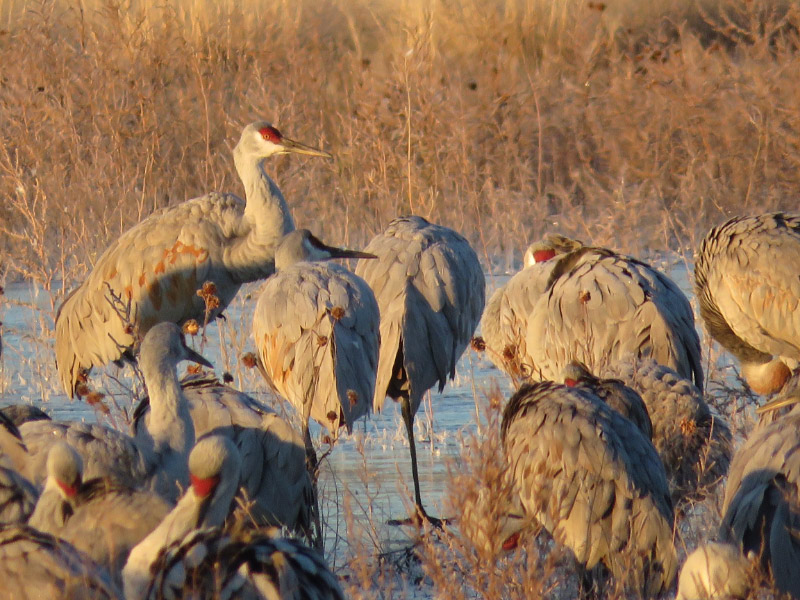
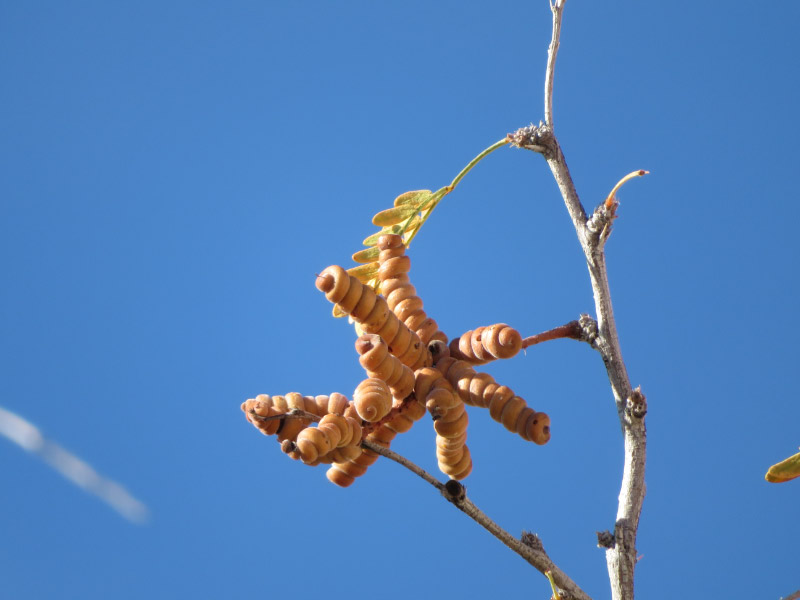
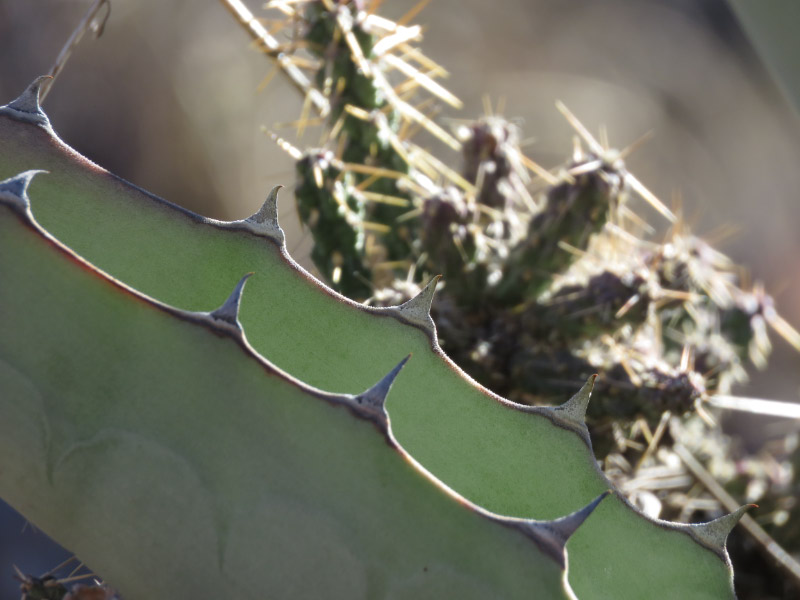
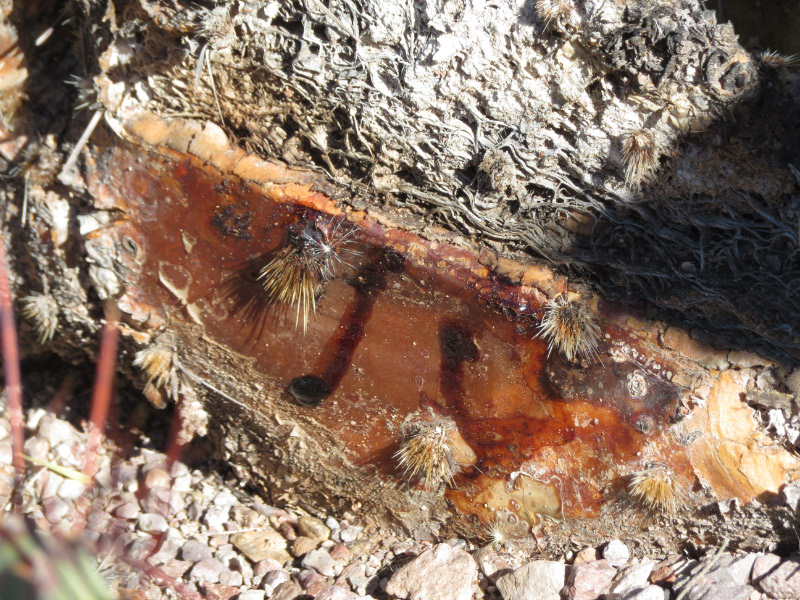
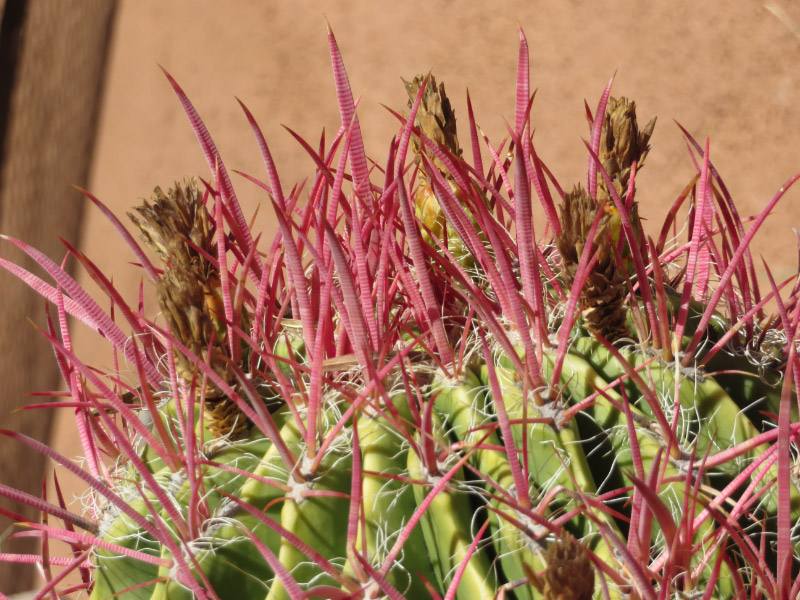
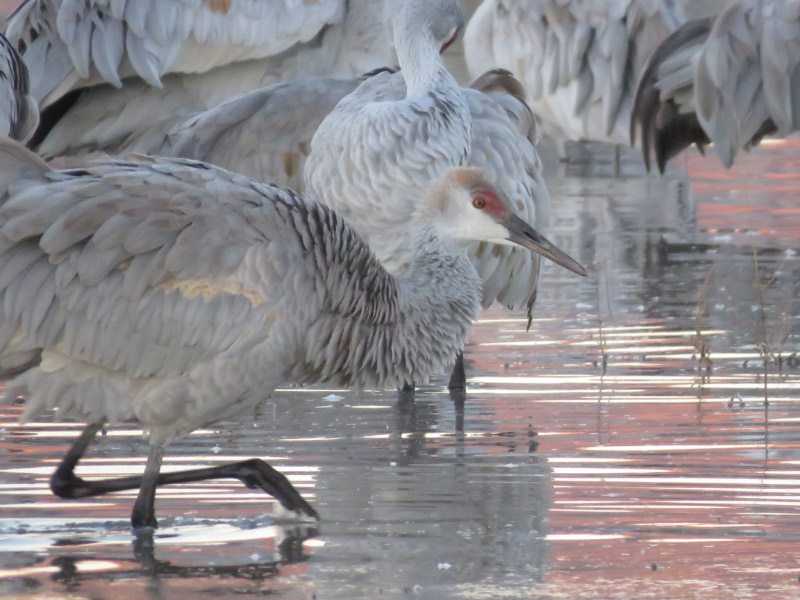
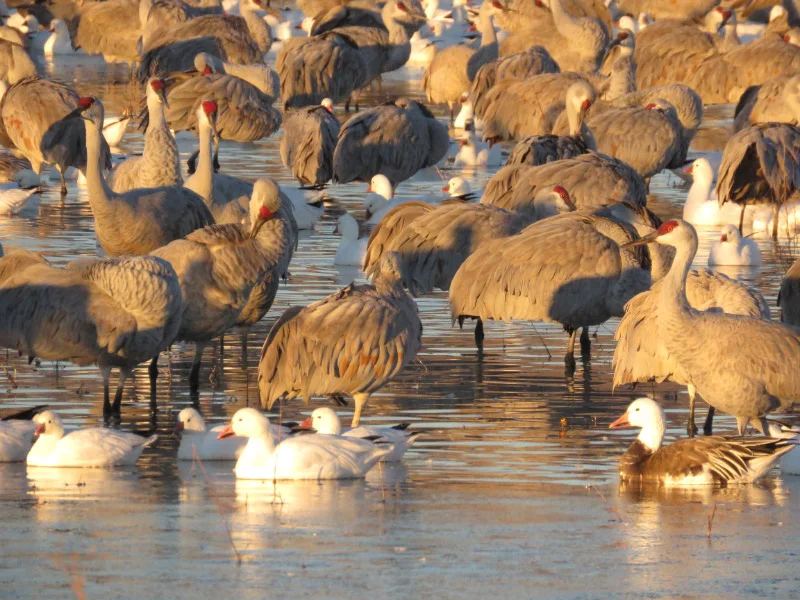
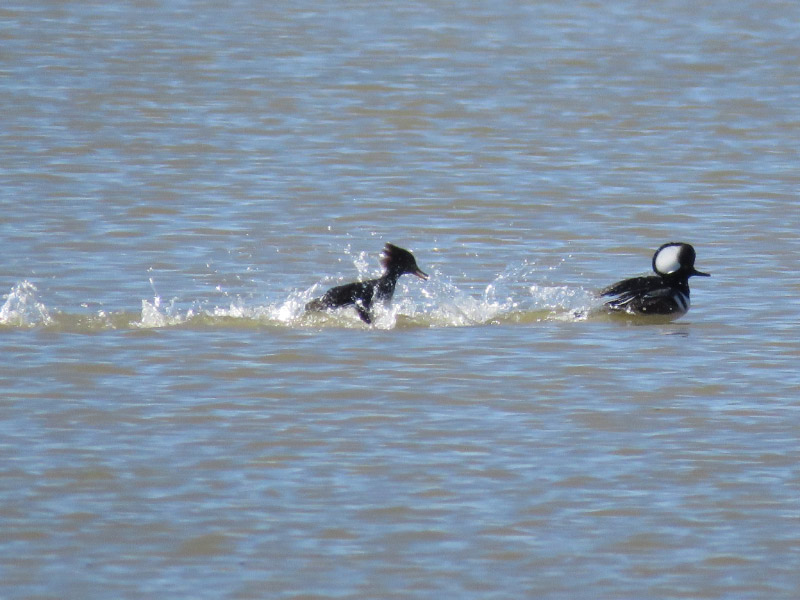
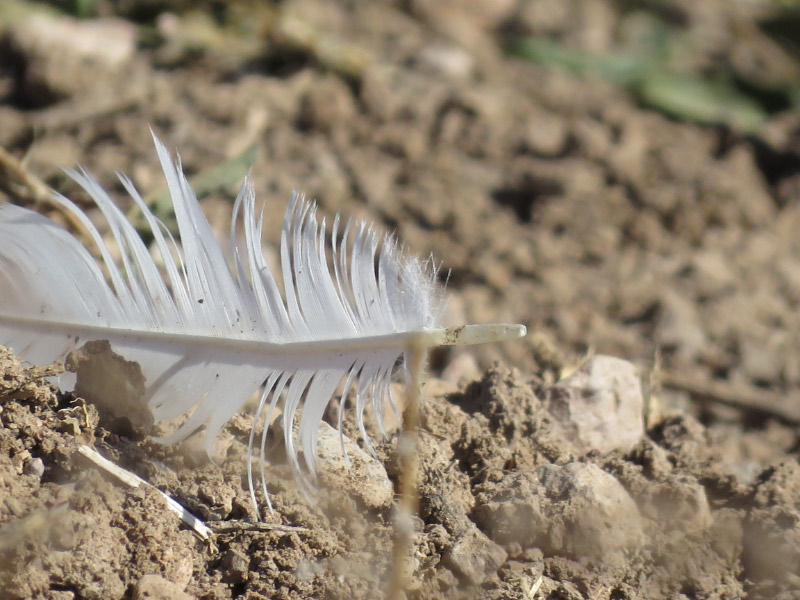
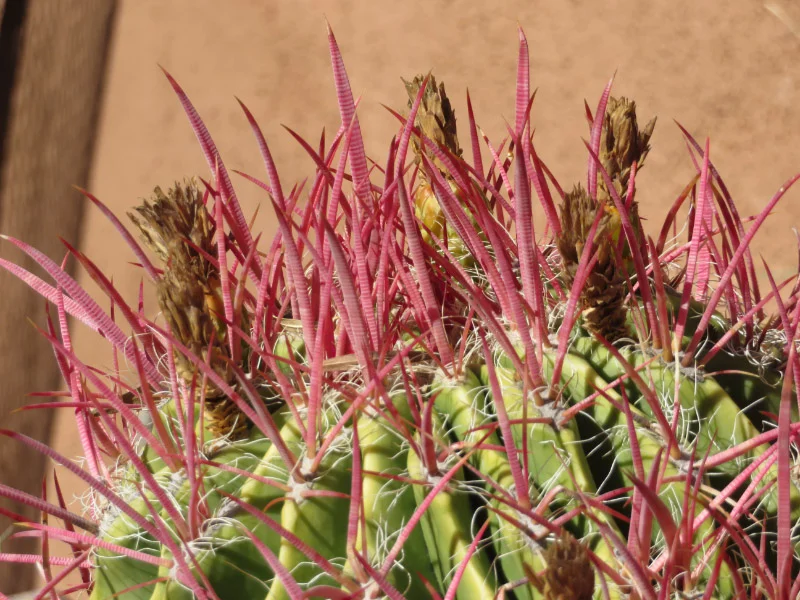
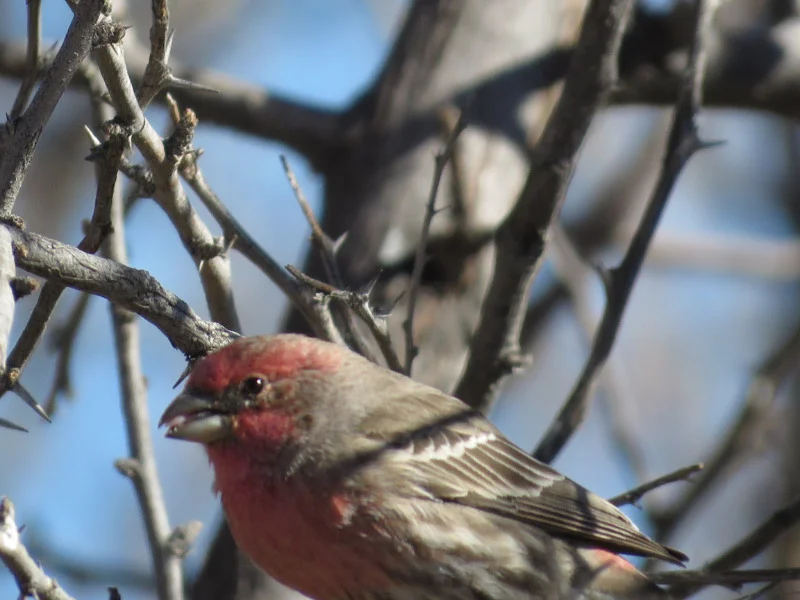
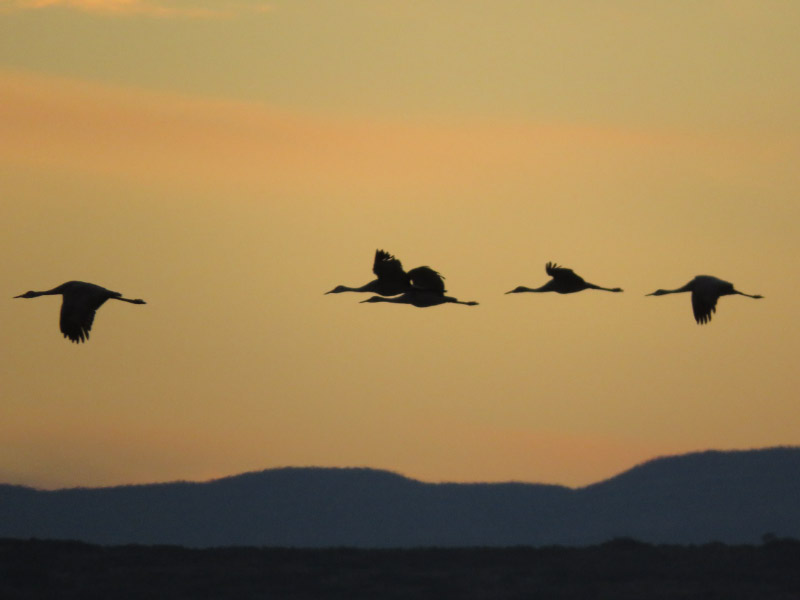
The last day of November. The month has been a busy one and I enjoyed selecting 13 images from when I enjoyed the zoom feature of my camera the most. The picks include fall leaves, a sunset, cranes grooming/snoozing/waking up, screwbean mesquite seeds, agave, a pruned prickly pear stem, barrel cactus thorns, cranes in the early morning, cranes in golden light with snow geese, northern mergansers in action, the moon, a snow goose feather, and some milkweed seeds.

And now we forge ahead into December and another month with a lot of the calendar.

Ten Little Celebrations – November 2018

2018 11 IMG_4717.jpg

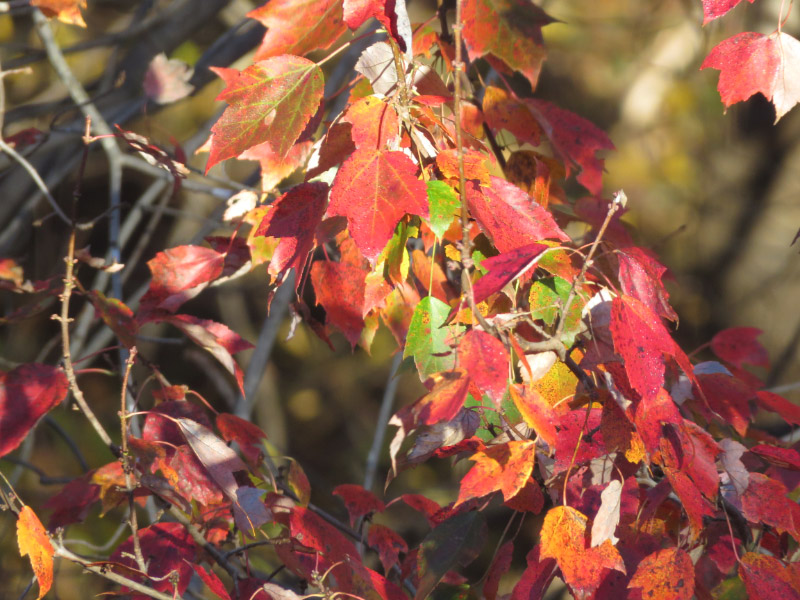
At the beginning of November, we had a short burst of color before the leaves fell off the trees. I celebrated a glorious fall day…wishing the season had not been so short this year.

HoLLIE (Howard County Legacy Leadership Institute for the Environment) graduation was this month after accumulating enough volunteer hours since finishing the class last spring.

And then came the Festival of the Cranes with so many little celebrations:

2018 11 IMG_6733.jpg

Seeing sandhill cranes in flight – being close enough to their fly out to hear the first few high-power flaps of their wings.

Seeing two barn owls circle above the field where I was standing. It was a first for me….so beautiful and ghost-like.

2018 11 IMG_3153.jpg

Sevilleta National Wildlife Refuge. It was my first visit to the place and it’s hard to choose the high point maybe it was the screwbean mesquite the herd of pronghorn playing a running game with our caravan or seeing a shrike with a meal.

2018 11 IMG_8364.jpg

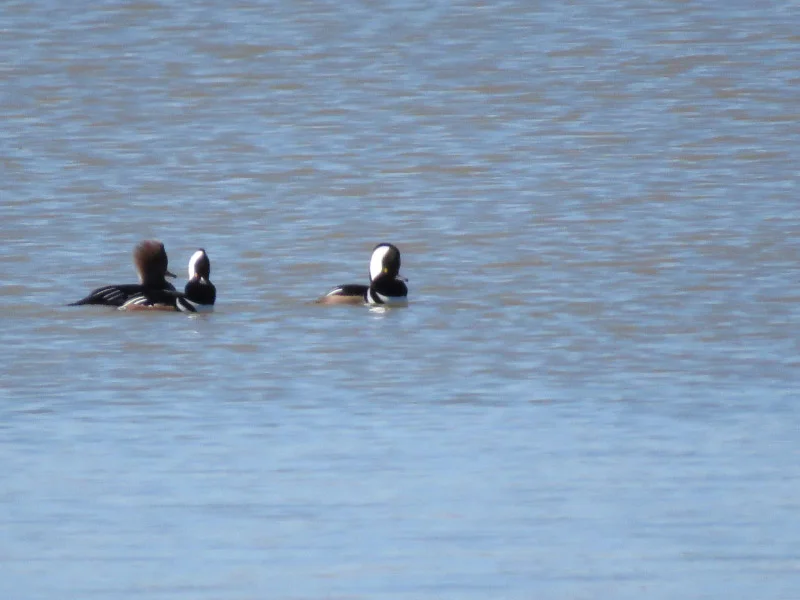
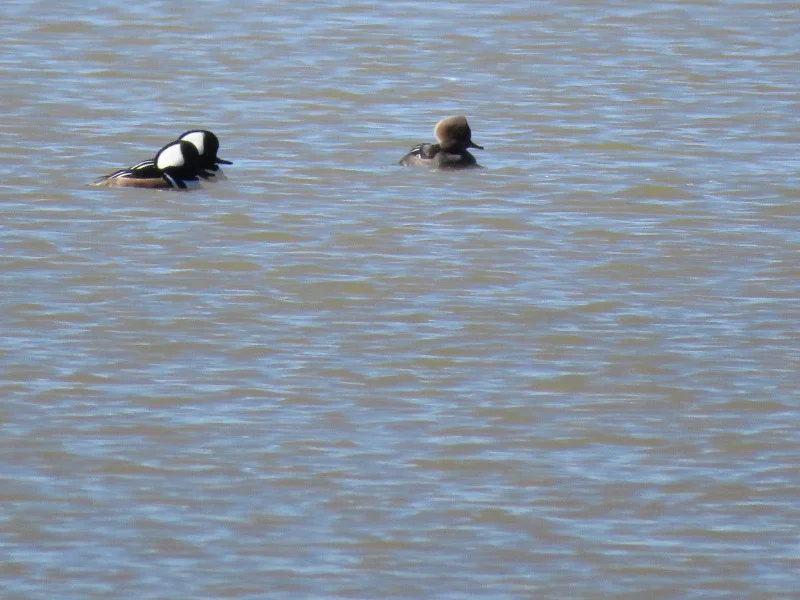
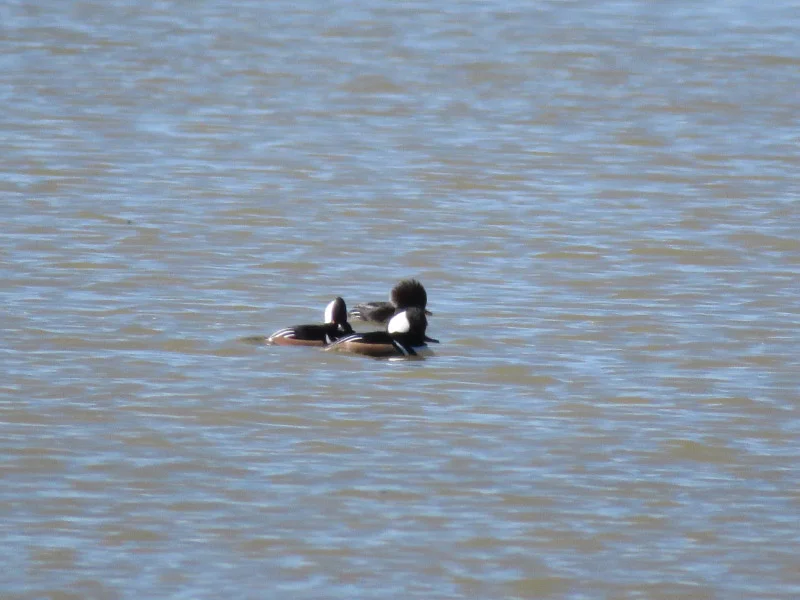
Hooded Mergansers. It was not the first time I had seen the birds (there were some on a local (Maryland) pond we visited during our 5th HoLLIE class). But they were not displaying like the birds we saw during the Festival of the Cranes.

Bosque del Apache National Wildlife Refuge. What an amazing place….and great hosts to the Festival of the Cranes. I am already planning to go again! There are so many sights and sounds to celebrate here.

2018 11 IMG_7753.jpg

Home again. I celebrate returning every time I am away for longer than a couple days.

Bald Eagle seen from my office window. The morning we left to drive to Pennsylvania for Thanksgiving, a bald eagle flew over the forest behind our house while I was shutting down my laptop for the road trip. It continued over our house. Since I saw a pair of eagles soaring a nearby shopping center recently, I think perhaps their nest is somewhere in the forest along the Middle Patuxent River near us. What a way to start the Thanksgiving holiday!

Thanksgiving….celebrating the day…realizing how much I am thankful for.

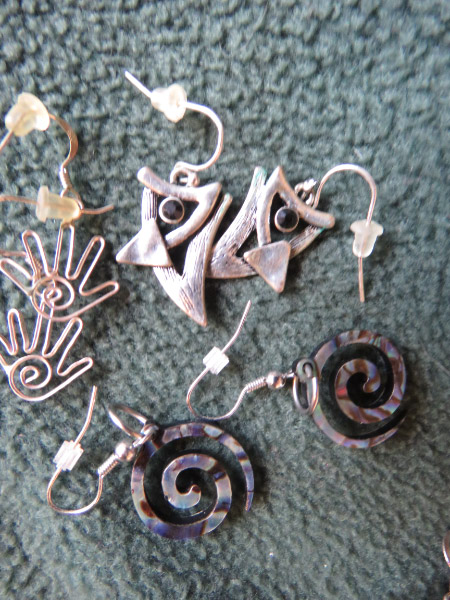
New Mexico Earrings

There are still more Festival of the Cranes posts to come, but I am taking a break for a few days to do post on other topics….and to do a little history of our travels to New Mexico via my earring collection.

I have some New Mexico earrings from as far back as the 1970s but I’m going to focus this post on the ones I’ve collected this century.

2018 11 1 IMG_0019.jpg

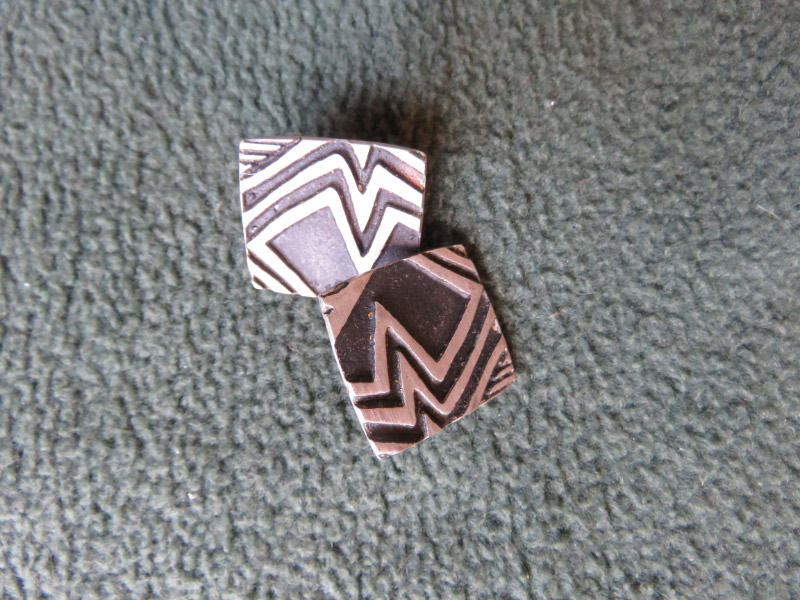
I bought the pair of black and silver M design (like a pottery shard) at Bandelier National Monument in 2005. My husband, daughter, and I had met my parents in Albuquerque and used that as a base to see north central New Mexico: Santa Fe, Bandelier, Petroglyphs, and Chaco Canyon.

2018 11 2 IMG_0016.jpg

On a road trip between Dallas and Tucson, we stopped at White Sands National Monument in 2013. I posted about the barn swallows and yuccas!

2018 11 3 IMG_0020.jpg

During our first experience with Festival of the Cranes back in 2016, I bought some radio telescope earrings at the Very Large Array Radio Telescope,

2018 11 4IMG_0026.jpg

Two pairs of earrings including some stylized cranes at Vertu, the local artist store in Socorro,

2018 11 5 IMG_0023.jpg

And three more pair in the Albuquerque airport.

2018 11 6 IMG_0017.jpg
I bought four pair of earrings this year during our second experience at Festival of the Cranes. Starting at 12 o’clock position: there are the polished stones purchased at Vertu (they are thin enough to not be heavy), the dragonfly in cattails at the Sevilleta National Wildlife Refuge gift shop , the bird flying over water and mountains from a shop on Socorro’s square, and the mosaic type earrings at the Bosque del Apache National Wildlife Refuge made by an artist from the Santo Domingo Pueblo.

Overall – I don’t remember the years all that well (I must look back at notes), but I easily remember where I bought them. Earrings are still the best keepsake for me to buy, pack, and enjoy – savoring the memory from the time I bought them every time I see them.

Festival of the Cranes – part 8

After the fly out, we headed to the Bosque del Apache National Wildlife Refuge visitor center to meet the bus for a Raptor ID tour.

The refuge is home to many red-tailed hawks…several different morphs. The basic ‘football’ shape is what we were looking for in the trees.

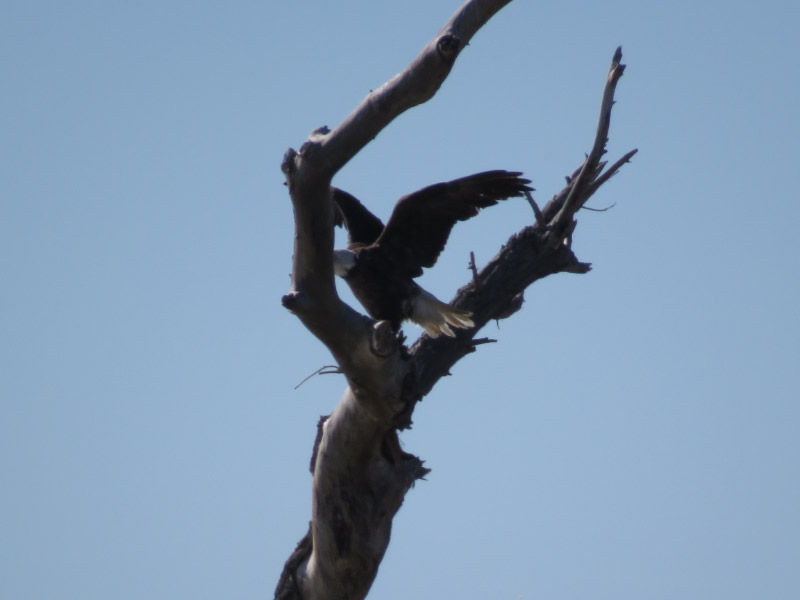
The bald eagle was in the snag in the middle of the flight deck pond. Nothing happened when the eagle opened its wings and moved all little (just as I snapped a picture…good enough to identify it as a bald eagle but not much else).

2018 11 IMG_8282.jpg

Later the bird suddenly flew away….and caused a cloud of snow geese to rise all at one time from the water’s surface.

2018 11 IMG_8337.jpg

There are a lot of northern harriers this year too. Every time we drove the wildlife loop, we saw a few. They fly low over the fields looking for their prey.

There were other birds that were not raptors that we saw too. The ravens seemed to pose of us.

2018 11 IMG_8280.jpg

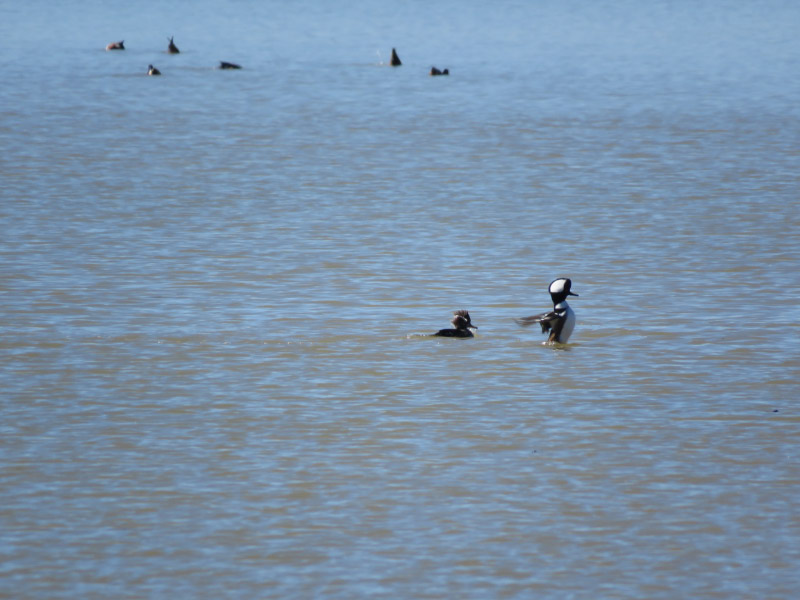
My favorite birds to watch were the hooded mergansers. At first there was just one pair interacting…then another male came along and then another female. They were almost beyond the range of my camera without the monopod. The first pair was acting a lot like is was time to breed but New Mexico is far from their breeding grounds.

The tour was an enjoyable 3 hours around the refuge wildlife loop.

Festival of the Cranes – part 7

The third fly out of our visit to Bosque del Apache National Wildlife Refuge was back at the ponds along the road rather than the flight deck.  The thermometer said it was not as cold as our first morning…but it was still very cold. The pink morning light on the ponds gave the crane groups other world looks.

2018 11 IMG_7293.jpg
2018 11 IMG_7491.jpg

Ribbons of snow geese flew in.

2018 11 IMG_7321.jpg

A northern shoveller was feeding among the legs of the cranes. I managed to catch a picture when it swam into an open patch of water.

2018 11 IMG_7444.jpg

There was an intermingling of the snow geese and cranes. I noticed when I looked at this picture more closely that there are white snow geese and the darker morph of the snow geese (all with a dark grin patch – always reminds me of a streak of dark ‘lipstick’) plus some Ross’s geese that are smaller and without the dark grin patch.

2018 11 IMG_7753.jpg

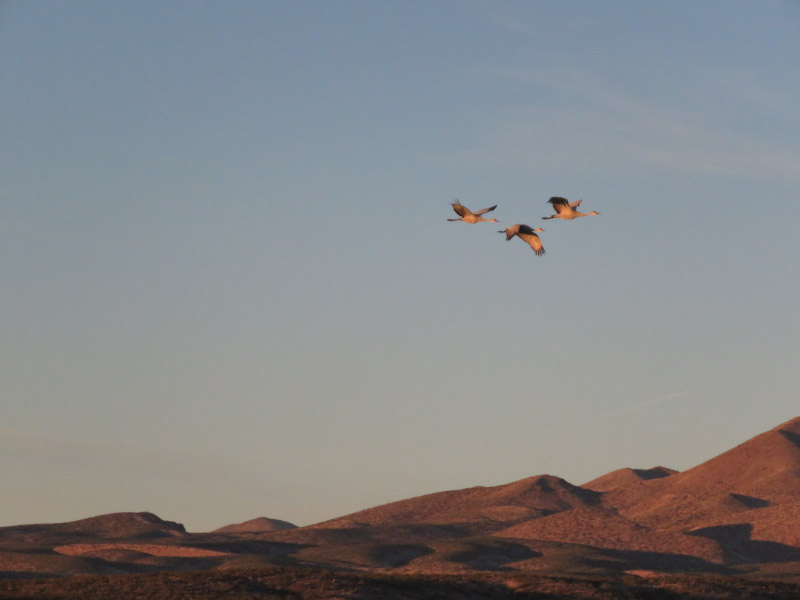
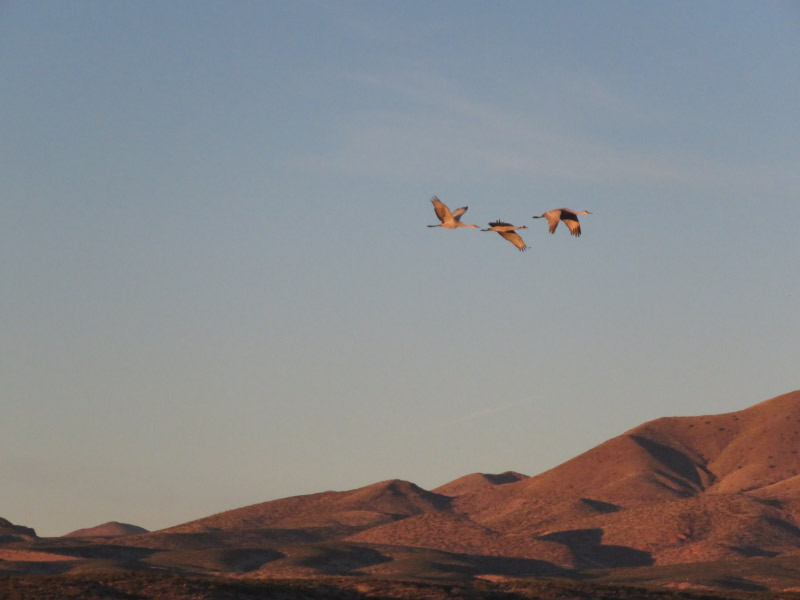
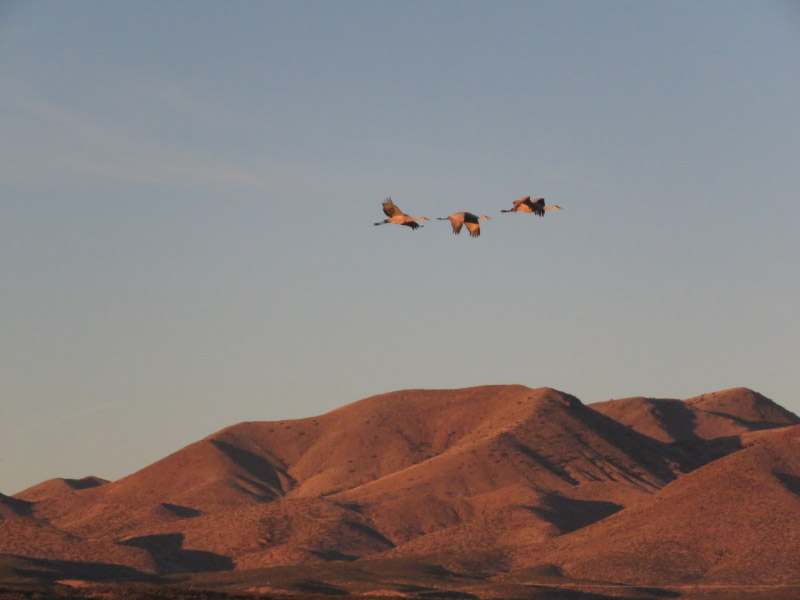
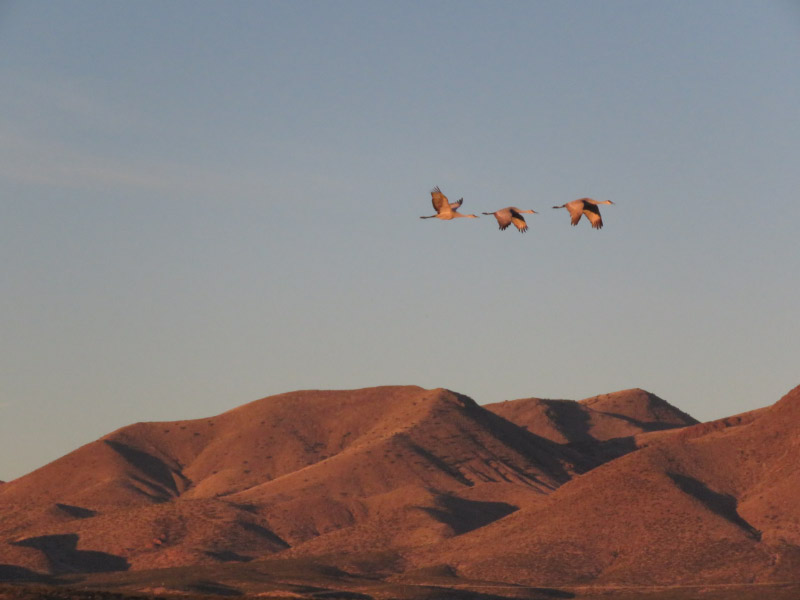
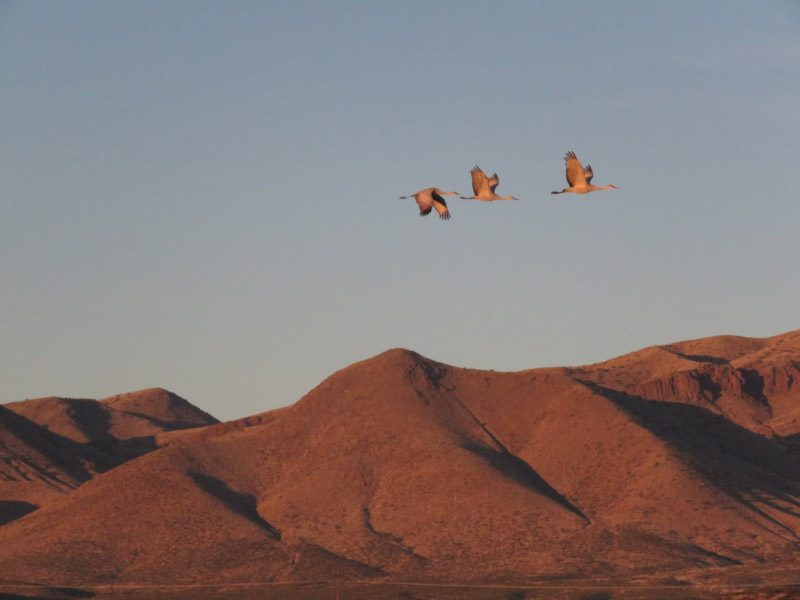
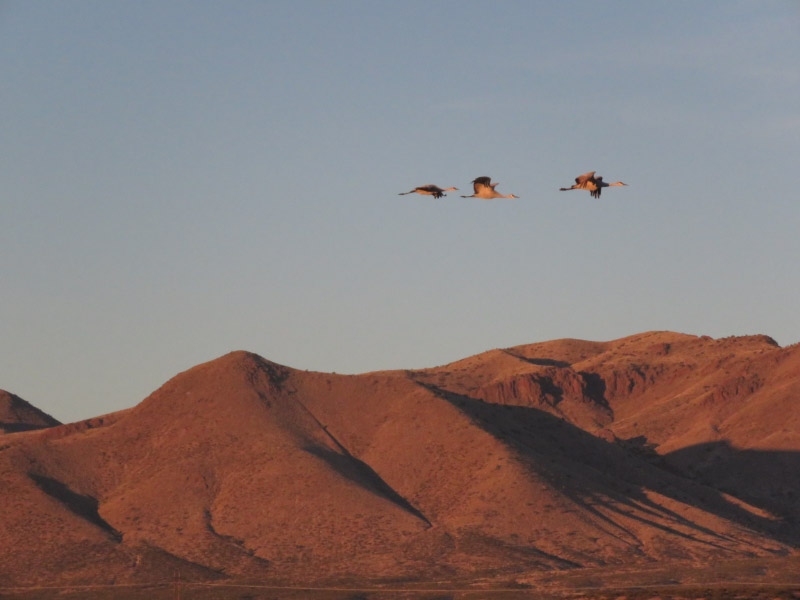
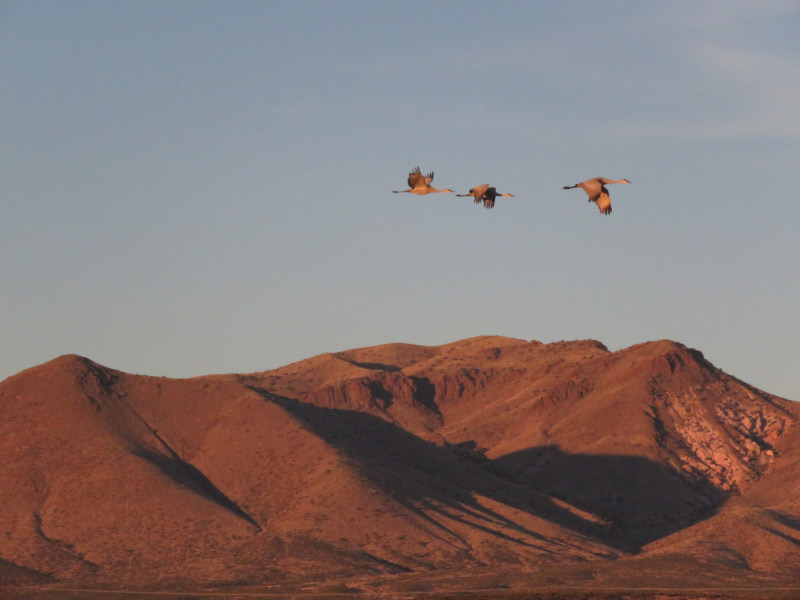
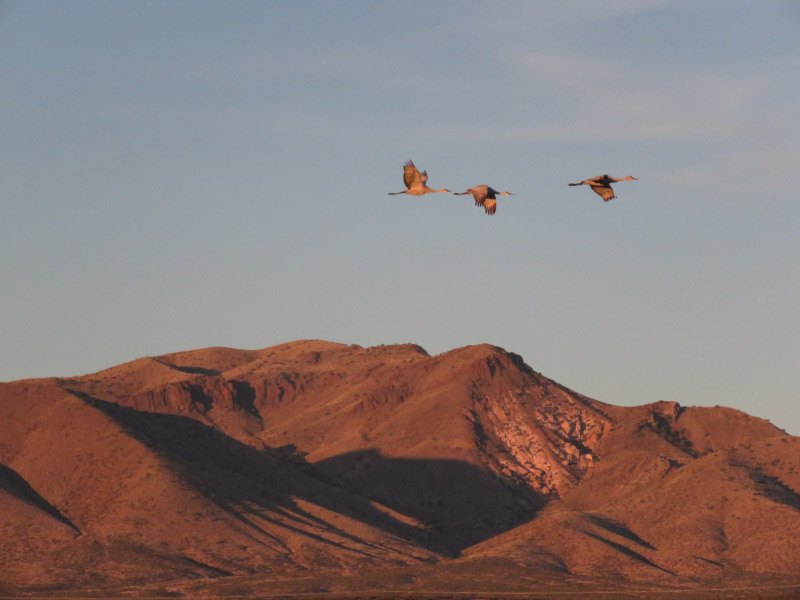
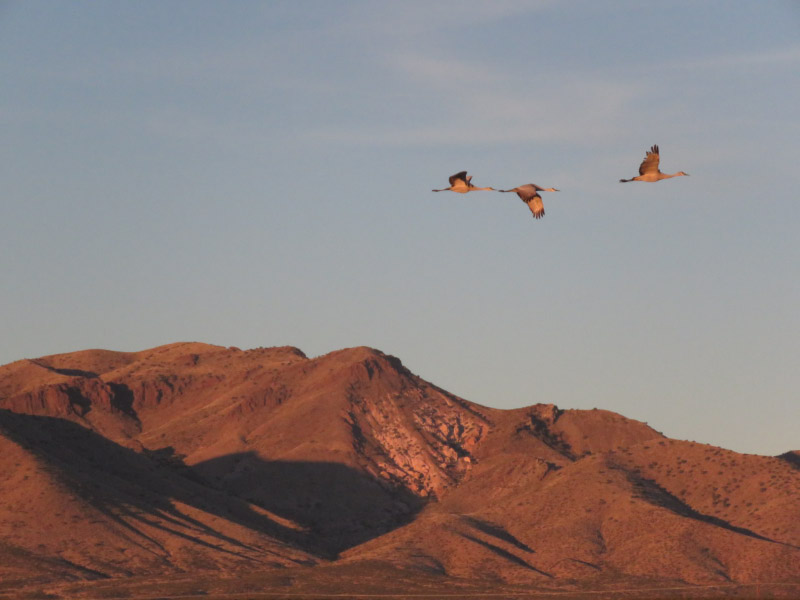
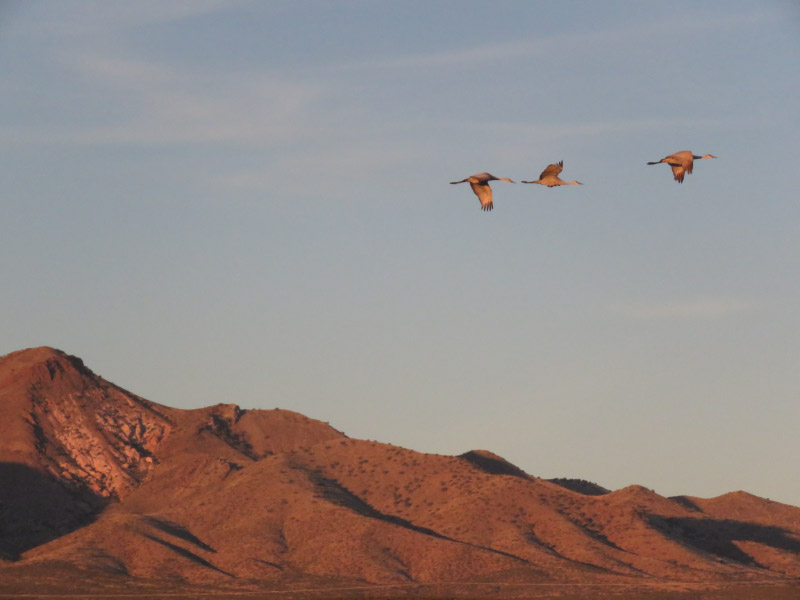
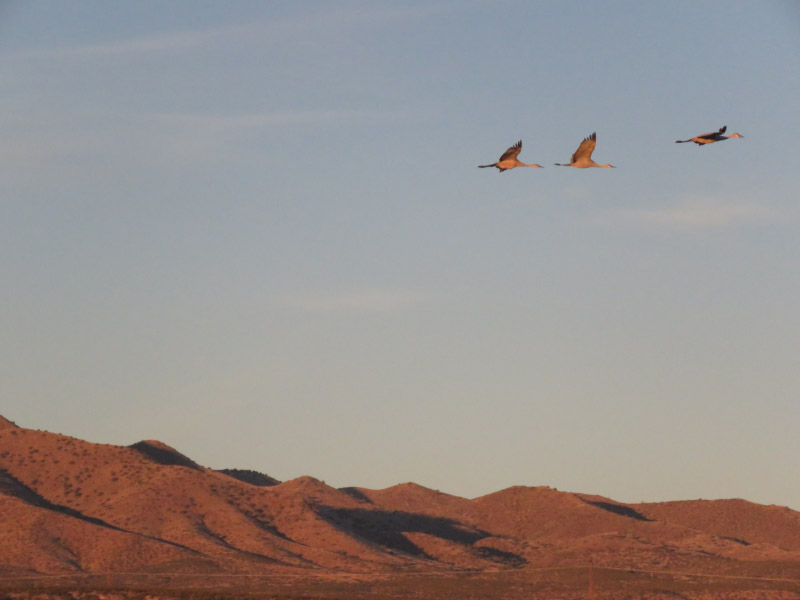
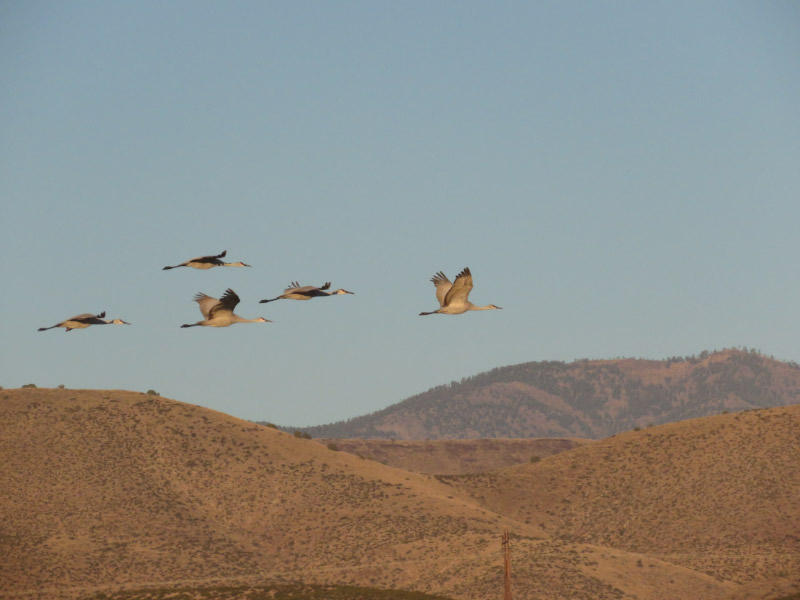
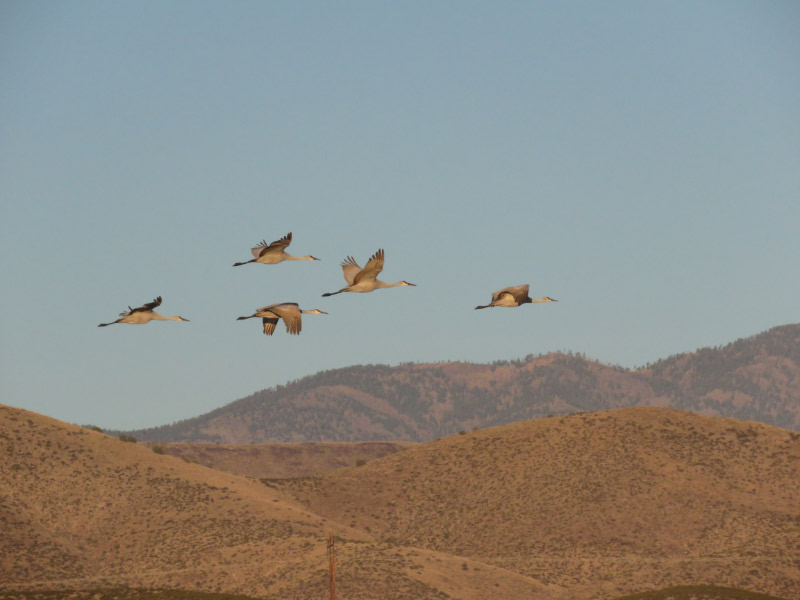
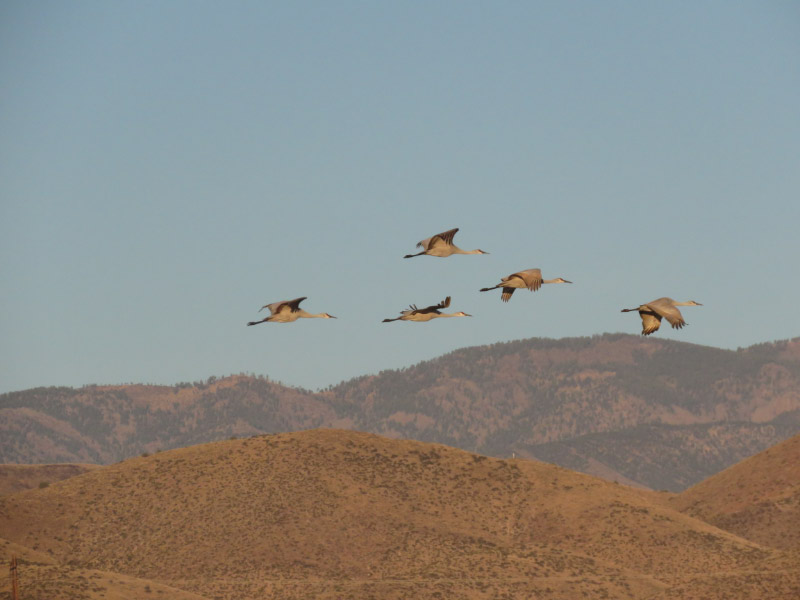
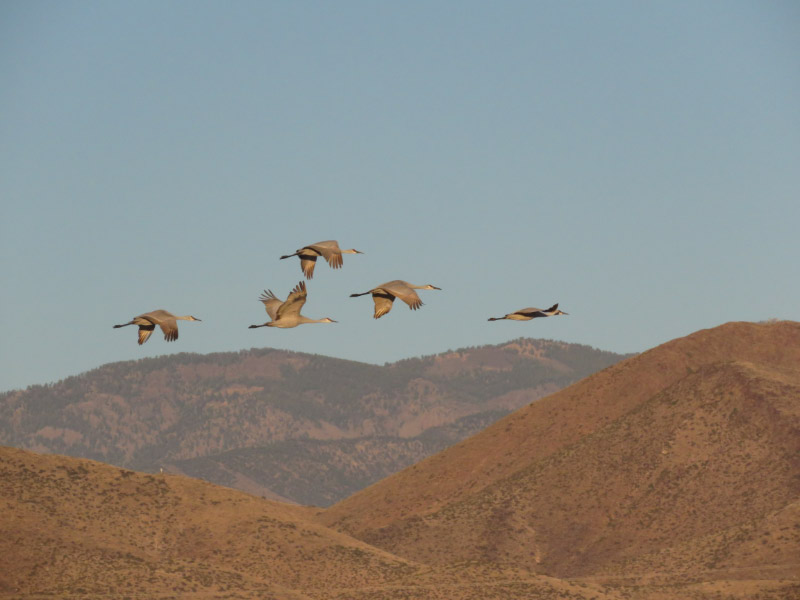
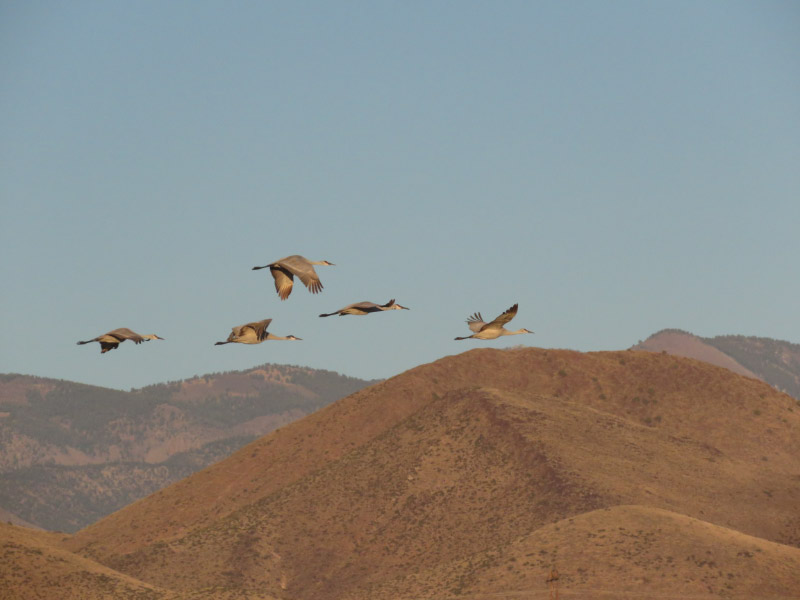
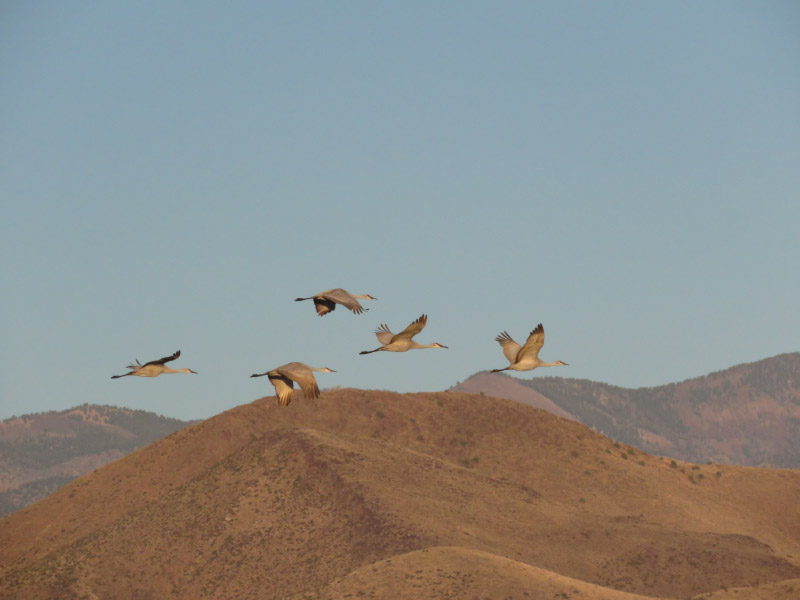
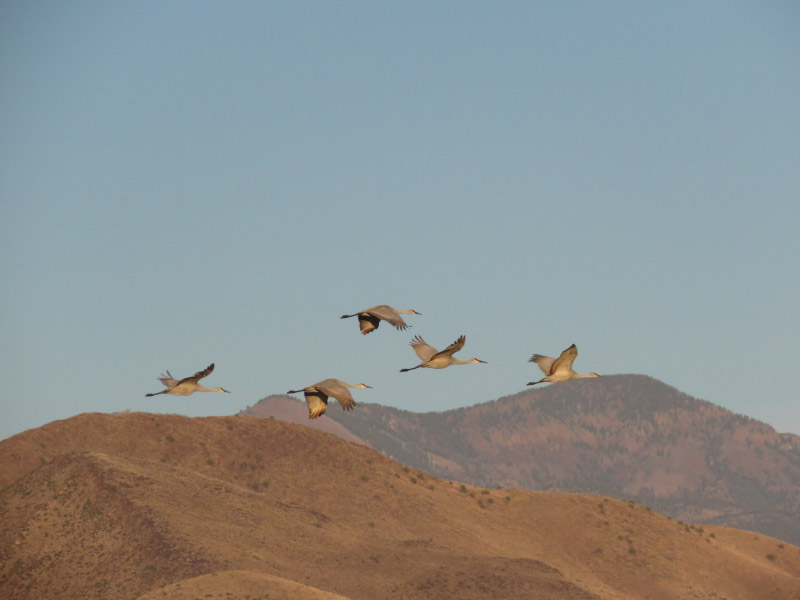
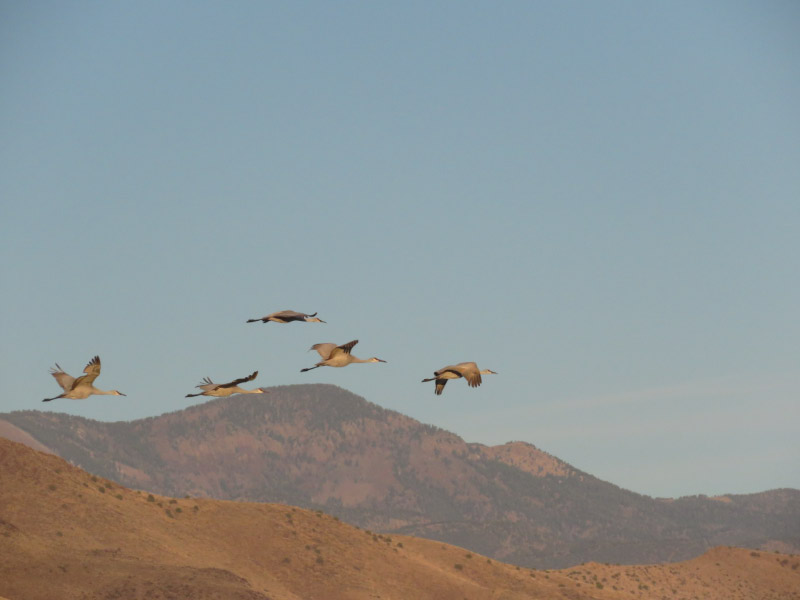
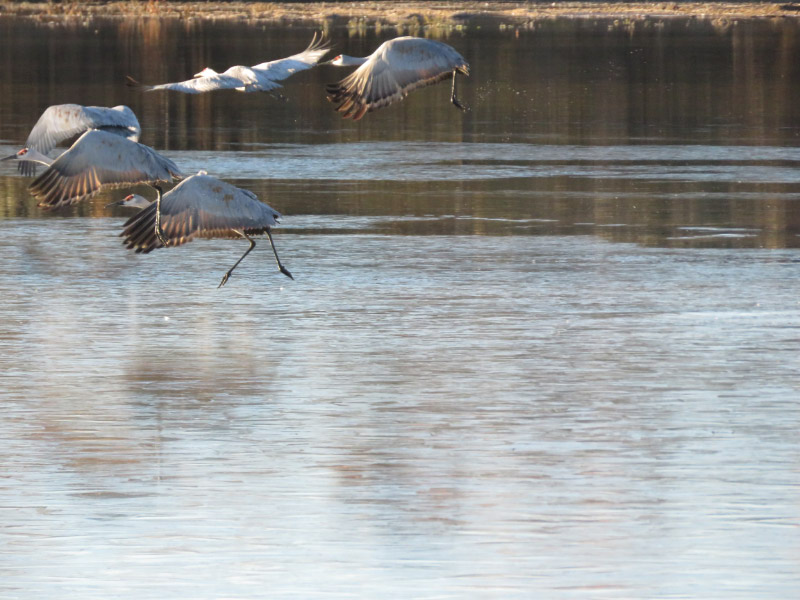
But my photographic objective for the morning was to photograph cranes in flight. I picked two series for this blog post. I like to look at the wings….how the cranes change the configurations of their wings. It is obvious that is takes a lot more effort for them to land and take off (previous blog posts) than it does to stay aloft. 

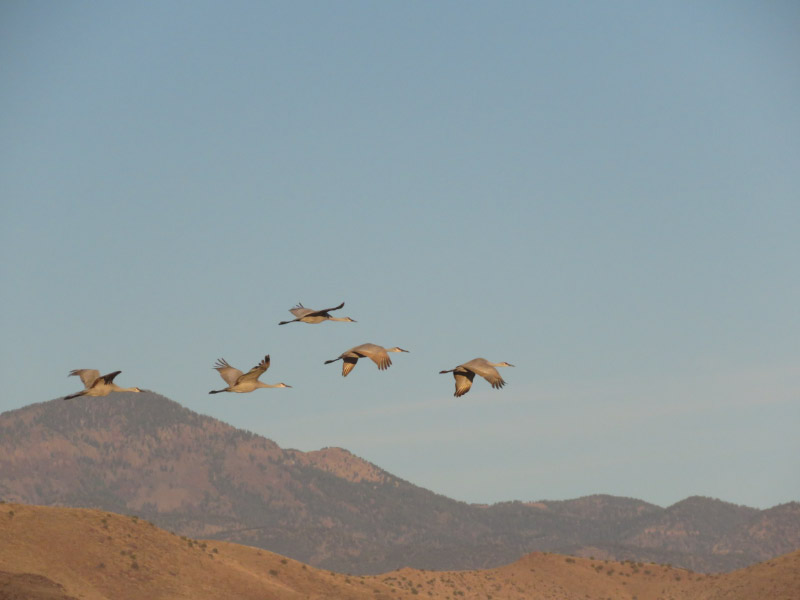
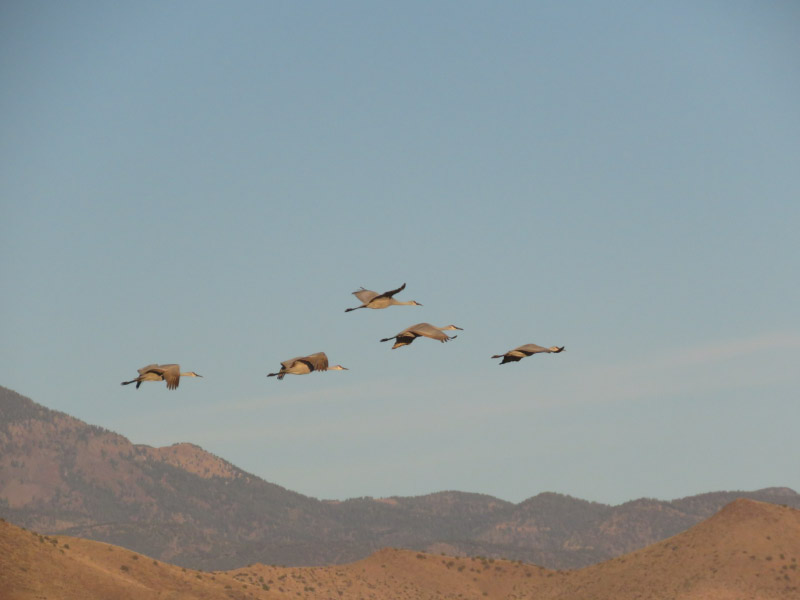
When it’s two or three birds, it’s likely to be a family group. The group of five could a family group too since the birds have clutch sizes of 1-3 eggs. This could be a very successful breeding pair!

Festival of the Cranes – part 6

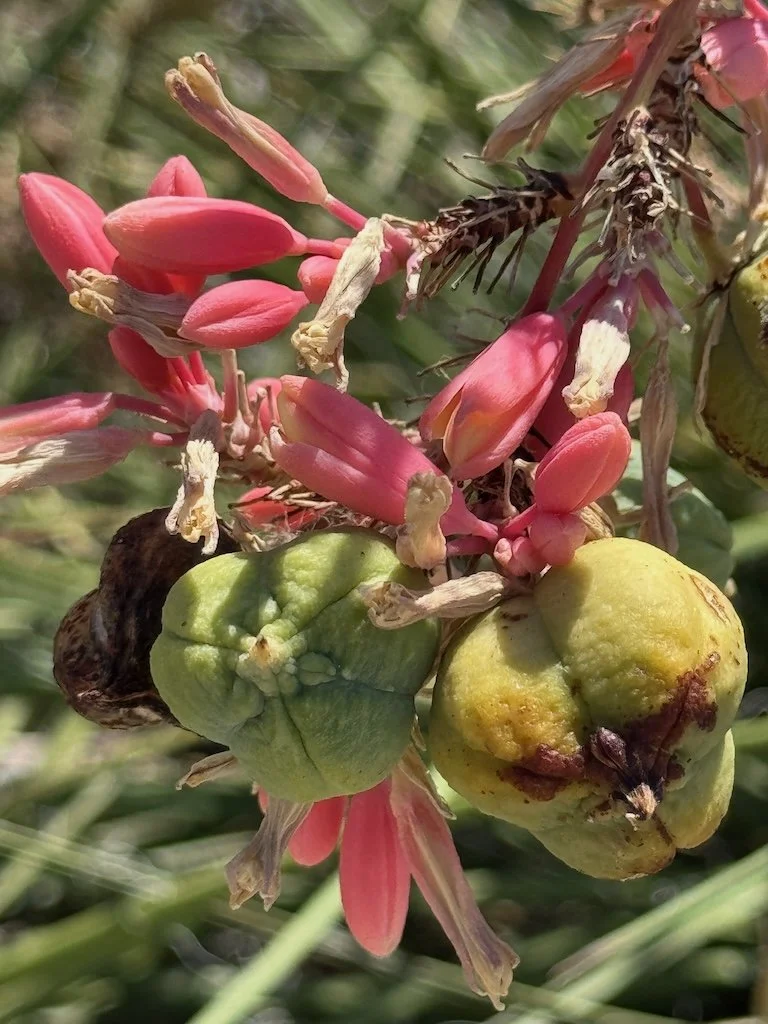
After the Point and Shoot Photography field session, I headed to the Bosque del Apache National Wildlife Refuge's Desert Arboretum. The entrance was hidden by the large tents put up for the festival expo and a classroom, but I managed to find it. There was already a larger group than I expected for the tour. The garden has been developed over many years by botanists and horticulturalists from seeds. I didn’t take many pictures during the tour since there were so many people --- waiting until the area was quiet again afterward. Most of the plants were cacti and agave; I took two pictures that were other types….the legume type plant for the color of the flowers and the other for the fibrous tendrils.

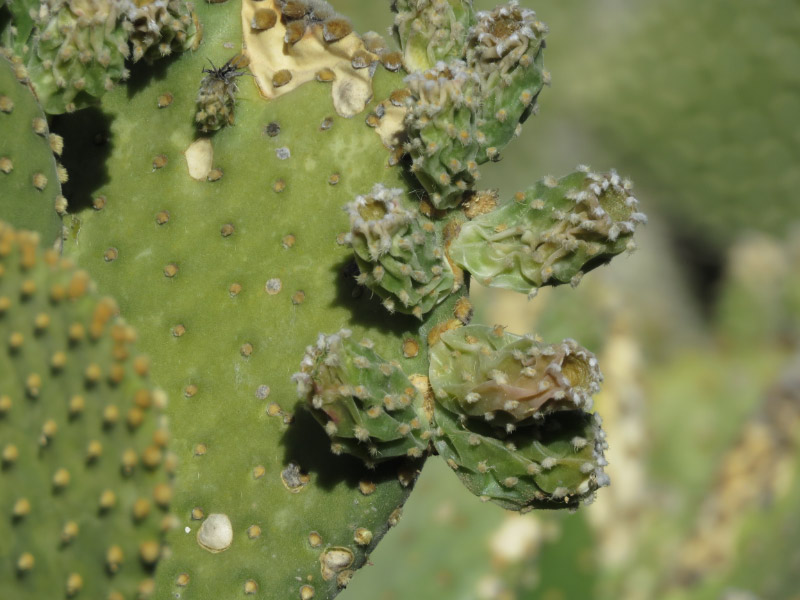
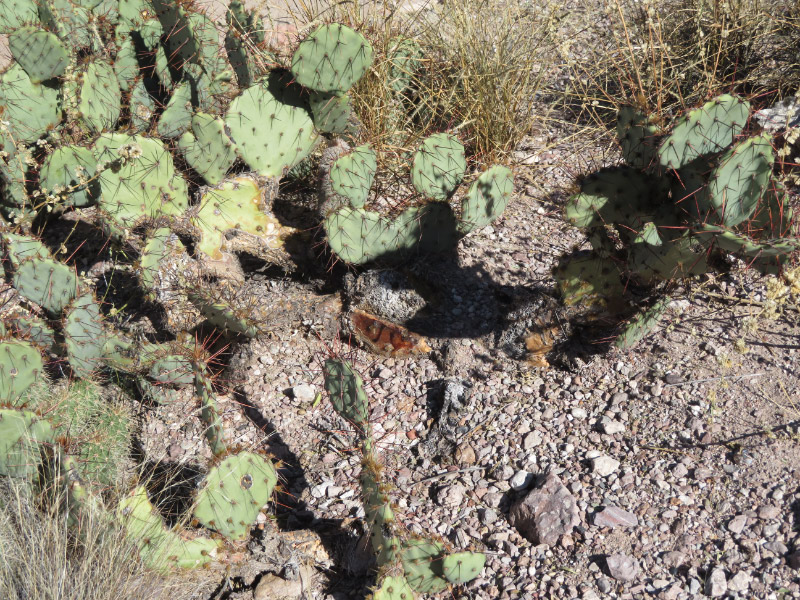
Now to the cactus. There were several kinds of prickly pear – many that still had fruits. The horticulturist talked about the various kinds of spines and that some were so fast growing that they had to be pruned. I noticed one that had been pruned and that spines had grown on the cut surface – probably to keep animals from borrowing into the soft flesh of the rest of the plant.

The barrel cacti are colorful – fruits and spines. One specimen had yellow spines and fruits. Barrel cactus have been collected by so many people as whole plants rather than just the seeds which has caused some to become almost extinct in the wild…but prevalent in gardens. They evidently grow easy enough from seeds…with patience.

There were several kinds of cholla. My favorite had red fruits.

2018 11 IMG_7175.jpg

The agaves have prickles on their edges and a sharp point on the end. There was a century plant that had bloomed two years ago but didn’t produce any seed since there was not another century plant nearby to cross pollinate it. The parent plant died after it bloomed but there is a ‘pup’ coming up under the dried parts of the parent plant…a little clone that will maybe grow up to bloom.

The garden also is popular with birds because of the feeders and the plants. There are white-crowned sparrows,

2018 11 IMG_7100.jpg
2018 11 IMG_7161.jpg
2018 11 IMG_7164.jpg

The birds were not around during the tour….but came back as soon as the crowd of people were gone.

As I left the arboretum, I saw the sculpture of the crane nearby. Once the expo tent is gone – it will be easier to spot.

2018 11 IMG_7207.jpg

Gleanings of the Week Ending November 24, 2018

The items below were ‘the cream’ of the articles and websites I found this past week. Click on the light green text to look at the article.

Drug pollution concentrates in stream bugs, passes to predators in water and on land: Animals that eat insects in or near streams at risk of being dosed with pharmaceuticals -- ScienceDaily – Wow – the existence of macroinvertebrates in our local rivers is an indicator of water quality (the focus of the field trips with high schooler’s I’ve been doing in recent years) but those same macroinvertebrates are probably getting a healthy dose of pharmaceuticals from the water…the fish that eat them act as concentrators….and some of those fish are eaten by people.  I hope reserarchers in the US are doing similar studies to the one described in this article. It would also be good if pharmaceutical companies would develop drugs that were not excreted in a still active form.

Top 25 Wild Bird Photographs of the Week: Flocks – National Geographic Blog and Top 25 Wild Bird Photographs of the Week: Seed Eating Birds – National Geographic Blog – Two bird photograph collections for this week’s gleanings. Enjoy!

RIP Kepler: NASA’s exoplanet-hunting space telescope is finally dead - MIT Technology Review – The Kepler mission that discovered 2,662 exoplanets in our galaxy finally ran out of fuel. There is already a new satellite picking up the mission and the James Webb Space Telescope will launch in 2021.

Premature Birth Report Cards | March of Dimes – Only one state gets an ‘A’ – and many areas of the country are getting worse when it comes to premature births.

High levels of previously unsuspected pollutant uncovered in homes, environment -- ScienceDaily – An organophosphate that is known to be toxic was a surprise find in household dust…more study needed on its impact on humans that live with it at that level. The chemical is used as a flame retardant or plasticizer in consumer products…and may also form as other chemicals degrade.

Wildlife Populations Have Shrunk by 60 Percent Since 1970 | The Scientist Magazine® - The impact of less and less space for habitat for any species other than those directly related to humans.

BBC - Future - Why the flu of 1918 was so deadly – There have been flu strains that have been just as contagious as the 1918 strain…but none as deadly.

Infographic: What Makes a Brain Smart? | The Scientist Magazine® - There are several models that are being studied.

11 Wildly Colored Moths to Brighten Your Day – Cool Green Science – Most of our moths are in cocoons for the winter. There are several of these that I’ve seen on Maryland…will be looking for them next spring.

Owls help scientists unlock secret of how the brain pays attention -- ScienceDaily – A study using barn owls to figure out how the brain chooses what most deserves attentions.

Festival of the Cranes – part 5

On the third day in New Mexico, I had signed up for a morning of Point and Shoot Photography at Bosque del Apache. It was a 6 AM start so the sun was just beginning to come up.

2018 11 IMG_6501.jpg

The snow geese were spooked before sunrise and took off. I took a video but otherwise just enjoyed the drama of a lot of birds taking flight at the same time.

2018 11 IMG_6519.jpg

It was a time of color and silhouettes.

2018 11 IMG_6557.jpg

The light got warmer as the sunrise progressed. There were cranes overhead and I like the silhouettes against the brightening sky.  I was experimenting with the ‘sports’ setting on my camera – good for bodies in motion…including birds.

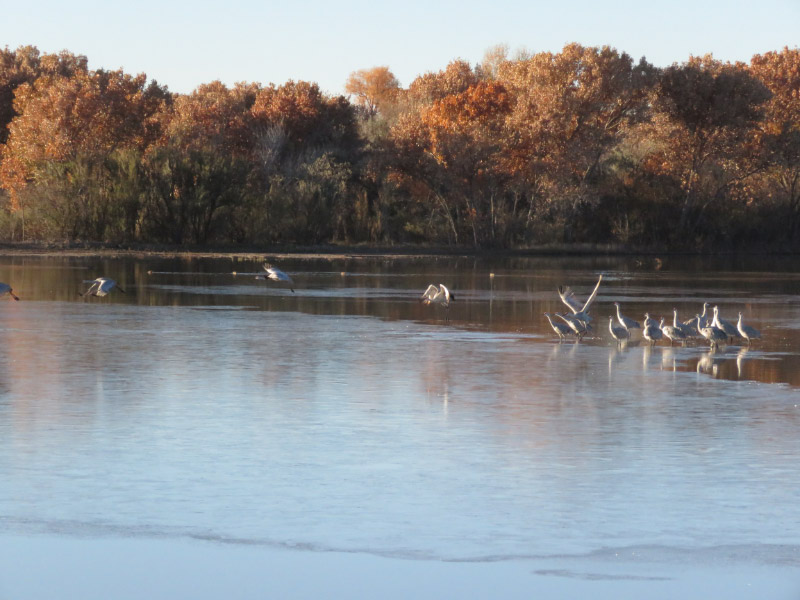
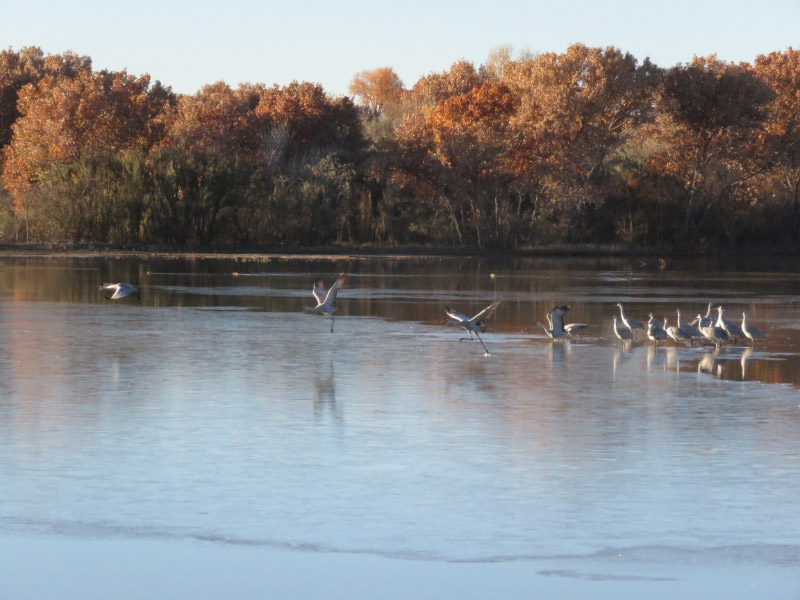
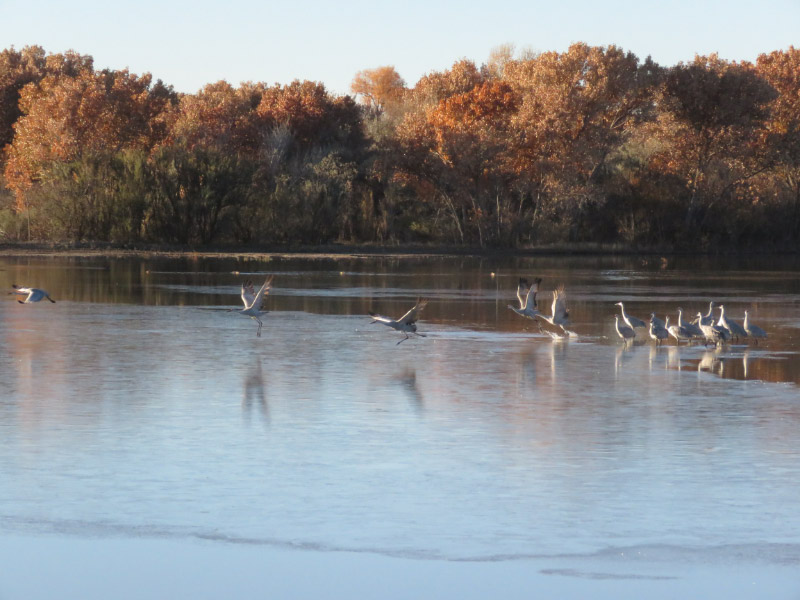
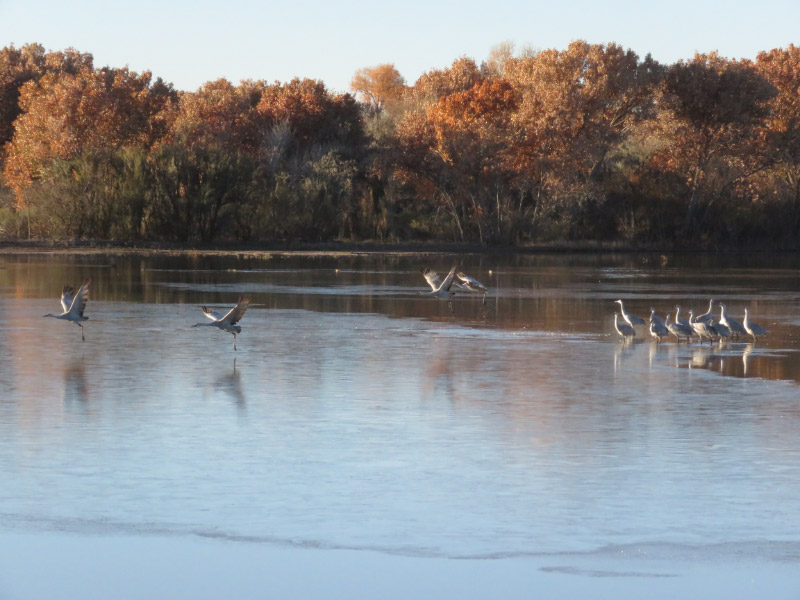
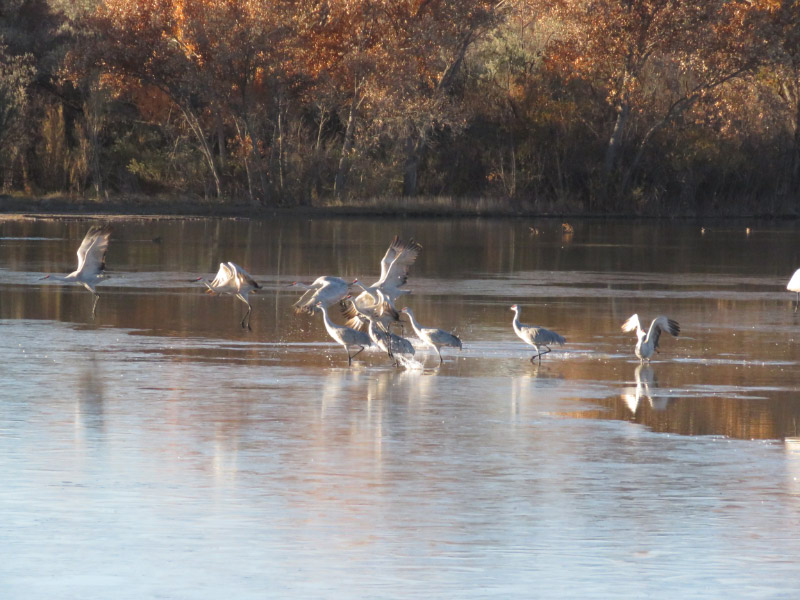
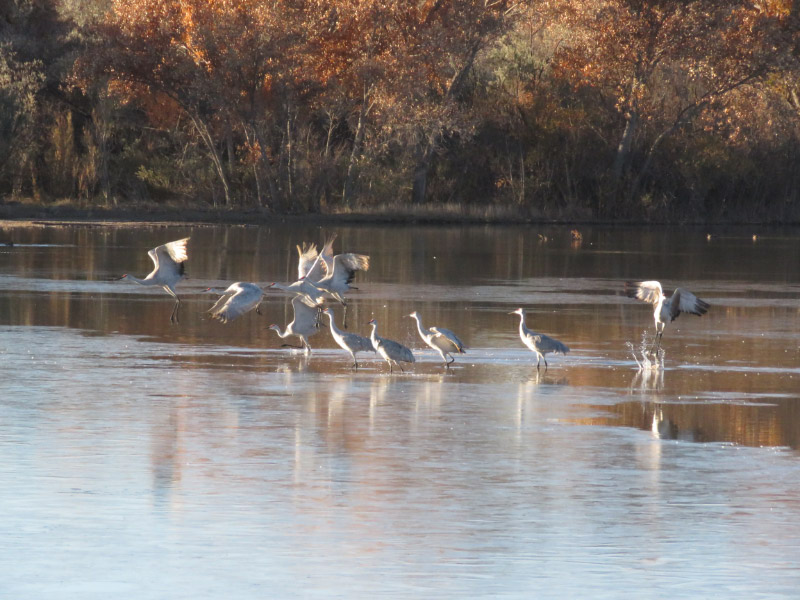
A little later but still early enough to have great morning light, we saw a small group of cranes and I took multiple series as parts of the group took flight.  It’s interesting to see how they move their wings to life themselves from the water; the powerful first strokes are different than the way the wings move once they are aloft. I’ve included 5 sequences with this post. This experience was probably the highpoint of the morning for photography.

Continuing around the wild life loop we spotted a killdeer near the edge of a pond…enjoying a bath and the looking around the debris for breakfast.

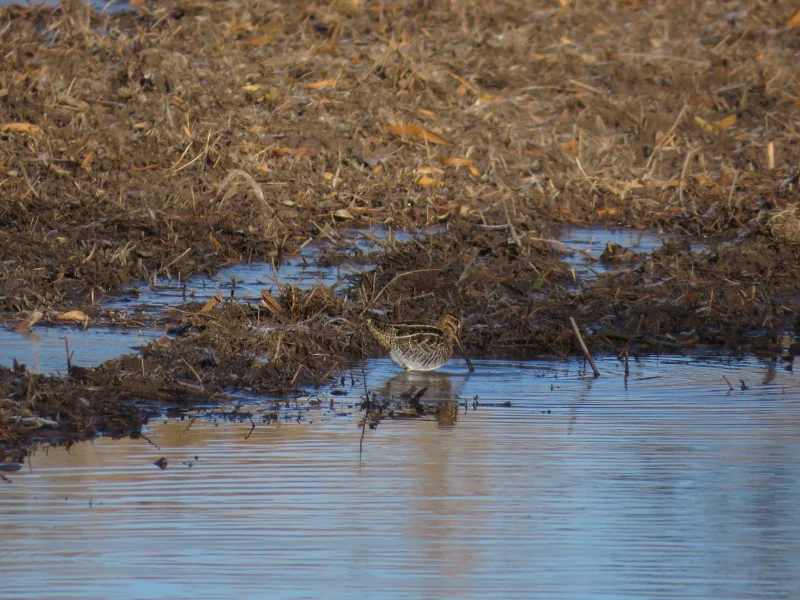
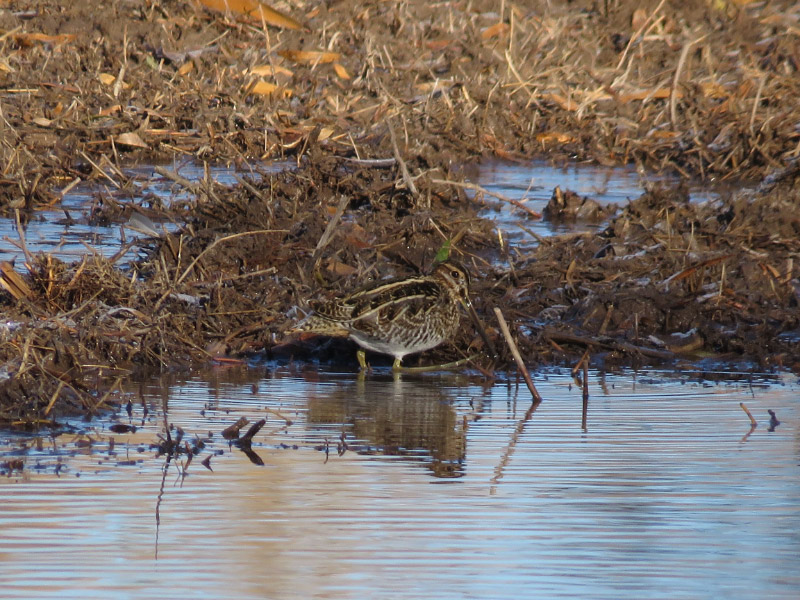
The highpoint for birding was the snipe that I finally managed to see. They blend in with their surroundings!

Festival of the Cranes – part 4

Our first day at the Festival ended with a program about owls and then going out into the Bosque del Apache Wildlife Refuge to look for owls along the wildlife loop. Our guides managed to help us see three species: western screech owl, great horned owl, and barn owl. I didn’t take any pictures and am waiting on my husband to process his to (maybe) write a post about the experience. The barn owls in flight over the field (beside the road where we were standing) were the high point of the evening.

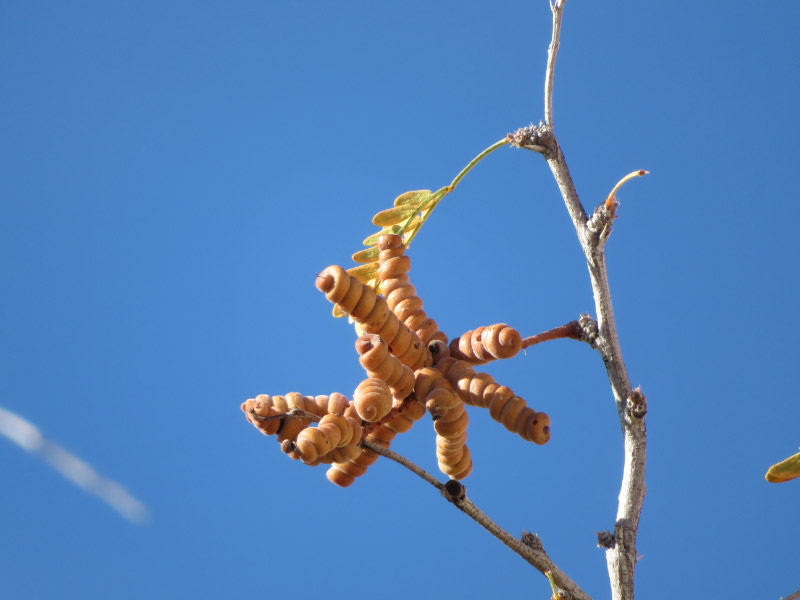
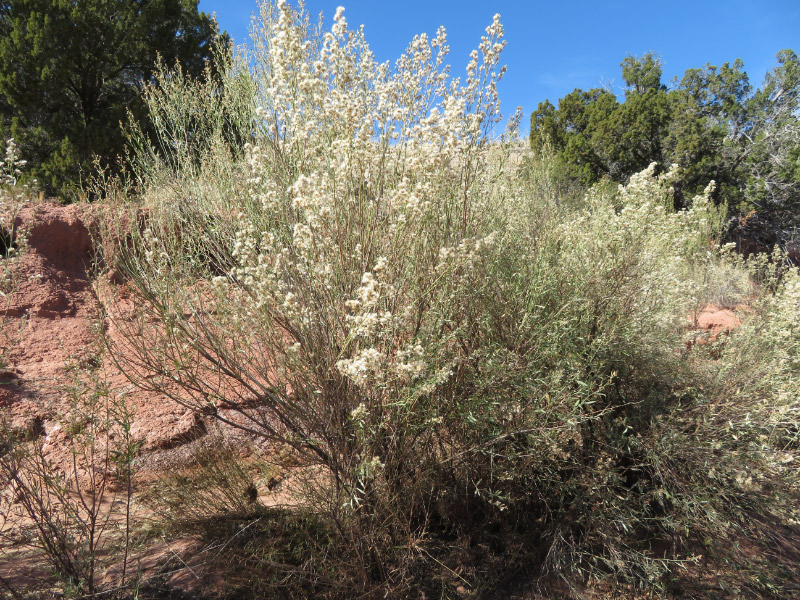
I was glad our field trip for the next day was not an early morning. We got to Sevilleta National Wildlife Refuge in plenty of time for our 8AM start. There were screwbean mesquites growing near the entrance of the visitor center. For some reason, I had not noticed this type of mesquite before; the seeds are quite different from the mesquites I grew up with in Texas!

2018 11 IMG_3153.jpg

The field trip was to a part of the refuge not open to the public. It turns out that the majority of Sevilleta is used for research. There is no wild life loop road and the part we would see during the field trip is not directly connected to the parcel that has the visitor center and refuge headquarters. The field trip group headed out in three refuge vehicles – down a highway and across some private land. As soon as we went through the gate to the refuge land the increase in vegetation was obvious. It’s still a dry place.

2018 11 IMG_3160.jpg

Horned larks flew up along the road as our vehicles proceeded down the road. There was a solanum species with their tiny fruits.

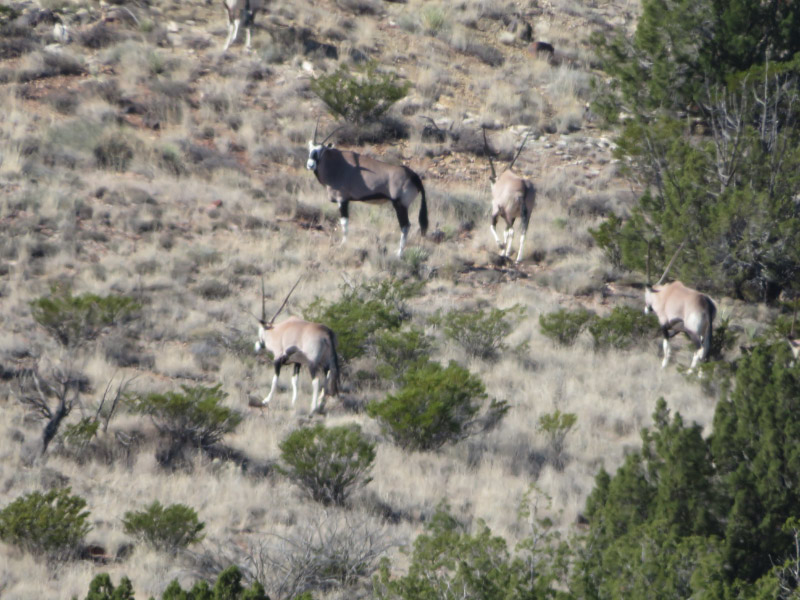
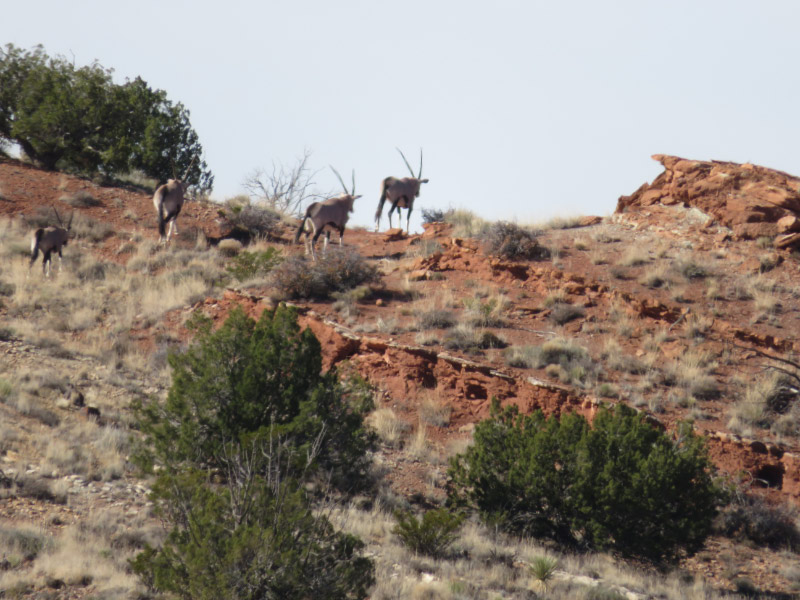
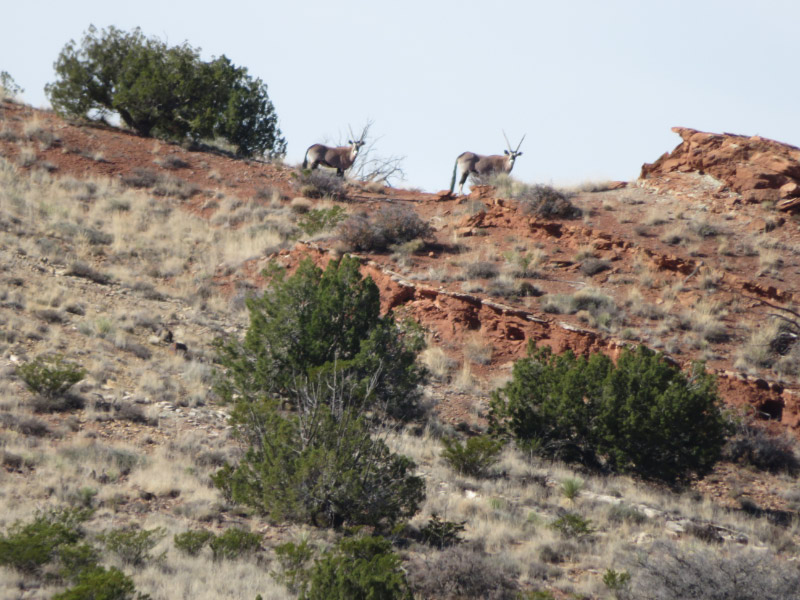
Someone with sharp eyes spotted oryx (gemsbok) in the distance. They were imported from Africa to White Sands Missile Range in southern New Mexico and their numbers have been growing in New Mexico (they escaped the missile range). Their numbers seem to be stable on the refuge.

2018 11 IMG_3231.jpg

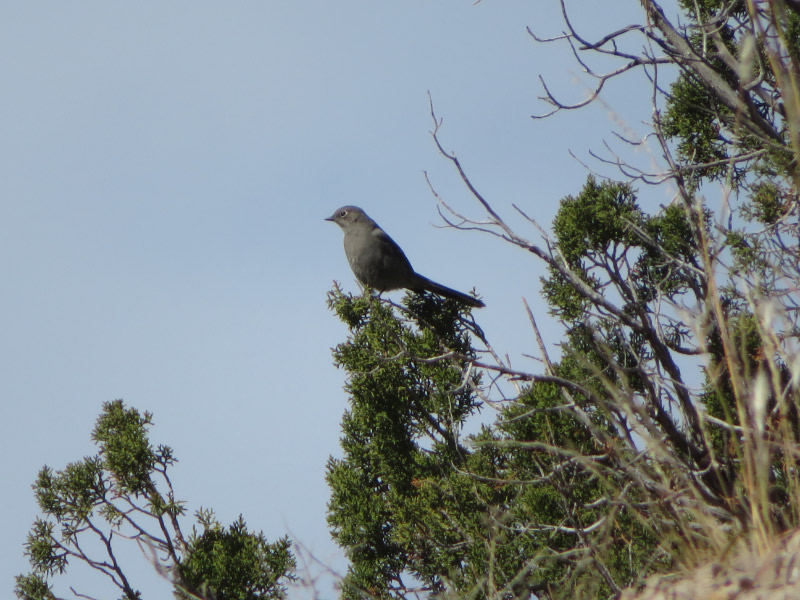
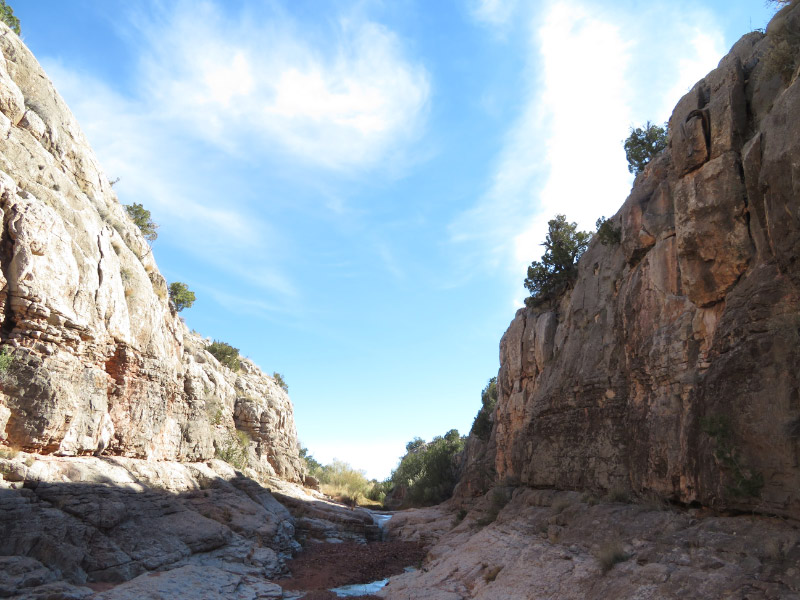
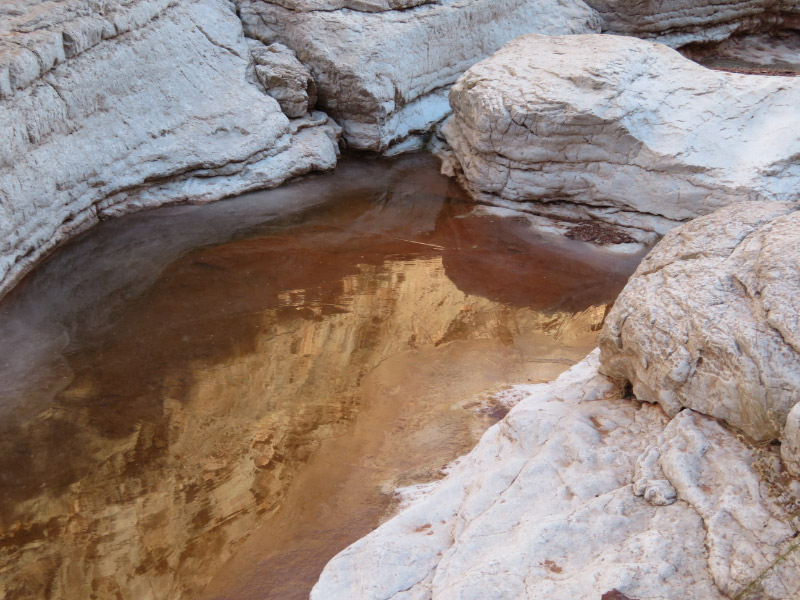
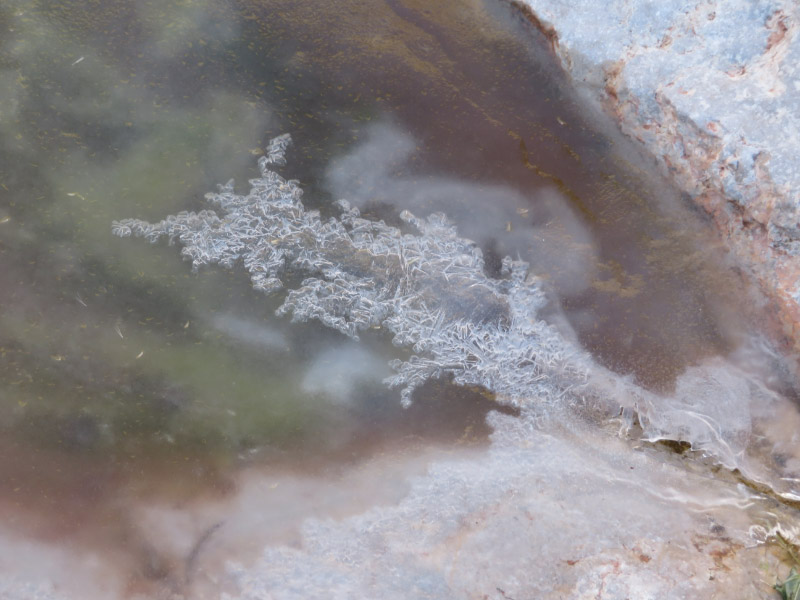
We stopped to hike through a small canyon where sandstone that contains underground water abuts harder rock – forcing water to the surface – until the harder rock ends and the water goes underground again. I managed an identification-level picture of a Townsend’s Solitaire. There was a thin layer of ice on the water. The water was trickling through underneath.

Along the road, we stopped for birds. Most of the time I just got to see them through binoculars. I managed to get a picture of the Mountain Bluebirds

2018 11 IMG_3261.jpg

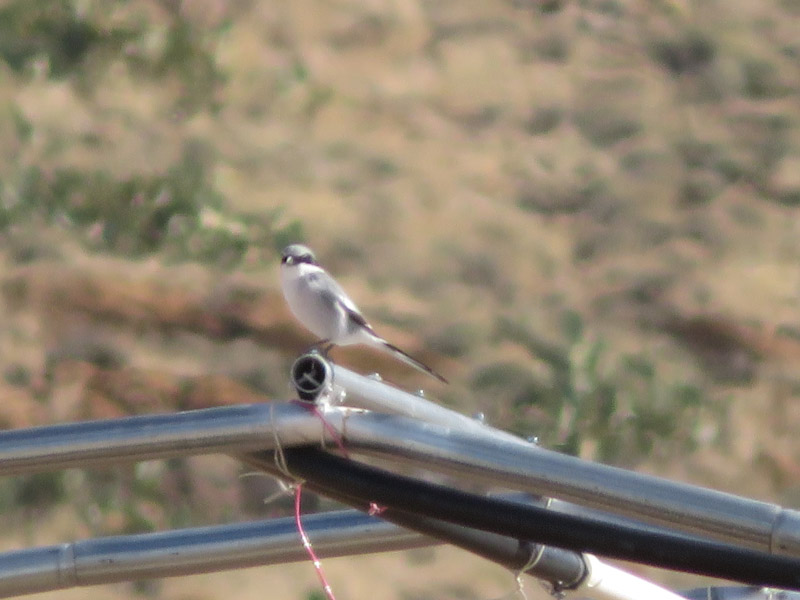
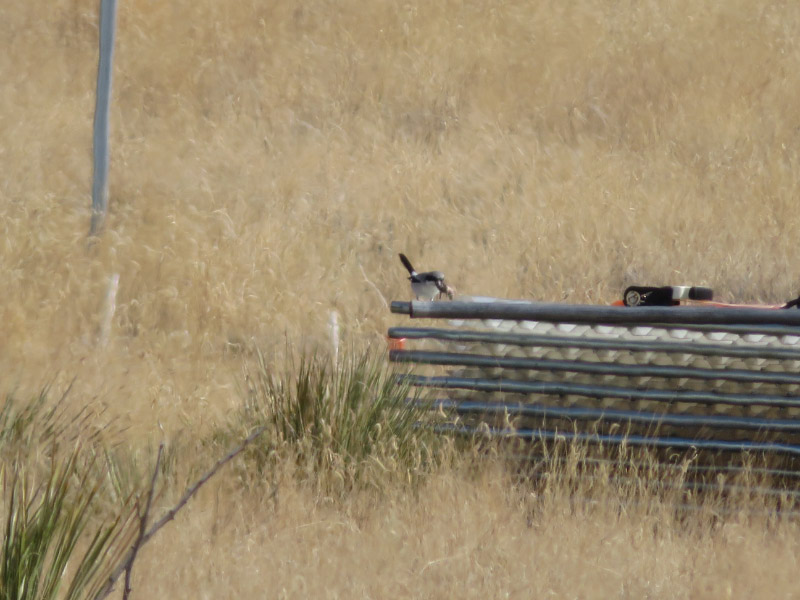
And several of a Loggerhead Shrike – one with prey. Later in the field trip as we drove along the barbed wire fence, we saw desiccated insects pinned to the barbs by shrikes.

A little further along there was a Canyon Towhee in the top of a cholla.

2018 11 IMG_3282.jpg

I couldn’t resist photographing the cholla!

A herd of pronghorn were just white rumps running away at first but then they turned and raced the vehicles. They would turn and cross the road in front of the caravan – forcing it to slow or stop until they crossed. Then they would run beside us on that side of the road before they crossed again. It seemed to be a game and only the pronghorn knew the rules. We all wondered whether it was the youngest in the group that decided to run…the dominant male was usually close to the back of the group!

2018 11 IMG_3328.jpg

We stopped at another canyon for another hike. It was drier although during the monsoons there would be water flowing.

2018 11 IMG_3344.jpg

The refuge staff has converted older style drinkers which worked for deer to shallow pools to work for other animals as well. The water pump is powered by a solar panel and there is a camera to document visitors.

2018 11 IMG_3348.jpg

We returned to the visitor center a little before 4. It was the only day of the festival that I got my 12,000 steps!