HoLLIE – Week 7

The Week 7 of HoLLIE (Howard County Legacy Leadership Institute for the Environment) class focused on County Government (Office of Community Sustainability, Department of Planning and Zoning, and Department of Public Works) and the Saving the Places We Love (Ned Tillman) followed by a hike in Patapsco Valley State Park.

Some memorable factoids about the county:

  • 20% of the land is in conservation or agricultural easements (that means the land must stay – forever – in compliance with the easement specifications)
  • The methane generated by the landfill is captured rather than flared (as much as possible)
  • Elementary school students are consistently better at getting their food waste into compost bins than middle or high schoolers
  • The composting facility is patterned after successful facilities in California; the build of the second of three phases will start in October. They are at capacity now with the part of the county (residences and schools) currently enrolled.

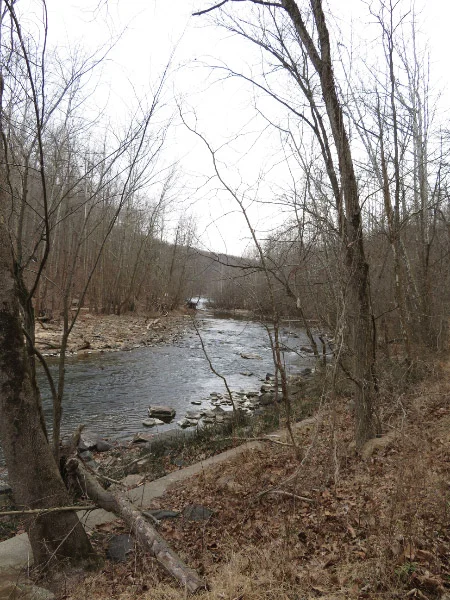
In the afternoon the hike to Patapsco Valley State Park was similar to the hike made several years ago with my Master Naturalist Class (blog post here back in April 2015). We hiked the short hill to Cascade Falls and looked at cracks in rocks – some that determined the path of the stream that continues down to the river.

We crossed the swinging bridge and walked to where the trail is blocked off for the removal of Bloede’s Dam.

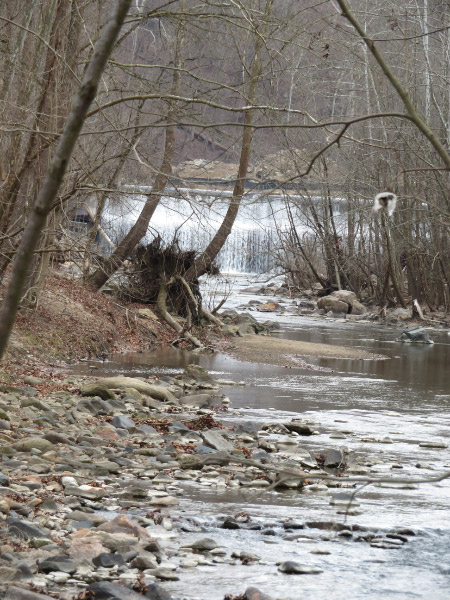
2018 03 b IMG_9186.jpg
2018 03 b IMG_9182.jpg

The state is taking out dams on this part of the Patapsco that no longer serve any purpose (the basins for all of them are full of sediment); after the removal, fish and eels should be able to move upstream and reestablish their natural life cycles.
The challenge with this dam is the rerouting of the sewer line (see the big pipe that goes through the dam parallel to the path….that’s a sewer pipe!) while the same is removed.
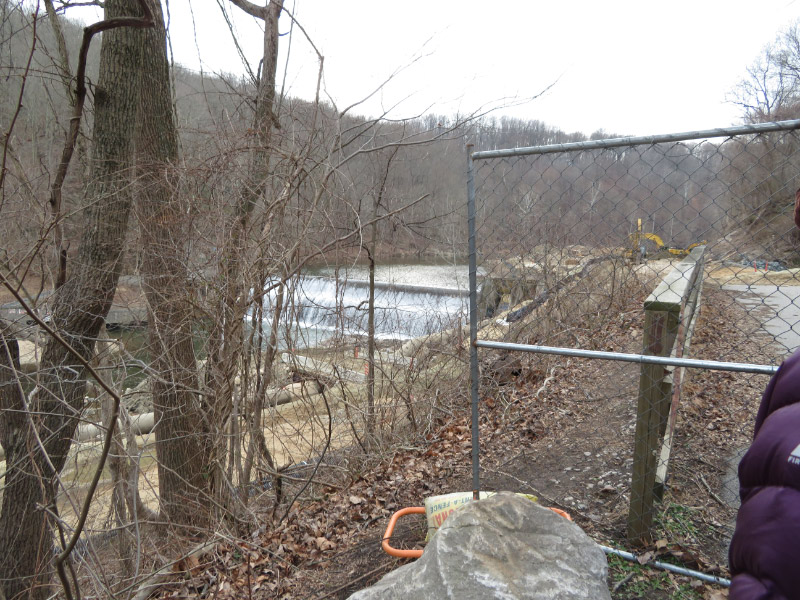
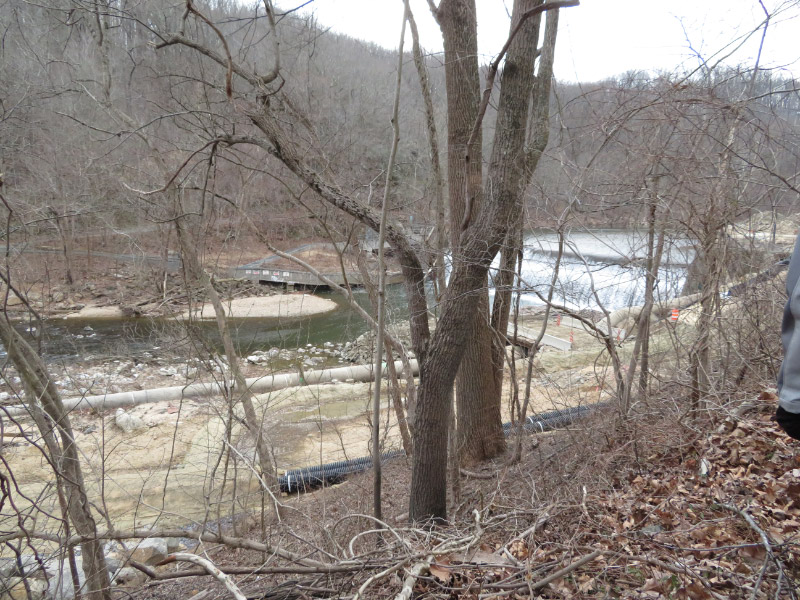
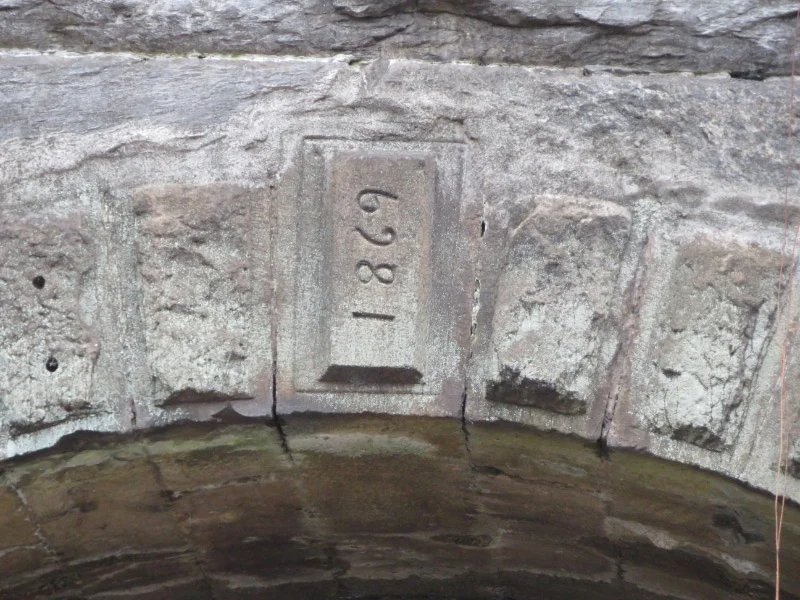
There is a lot of history in the area as well. As we walked the path to the dam we saw an arch built in 1869 (ran on top) and there was a sign for the mill where Patapsco Superlative flour was made until 1905.

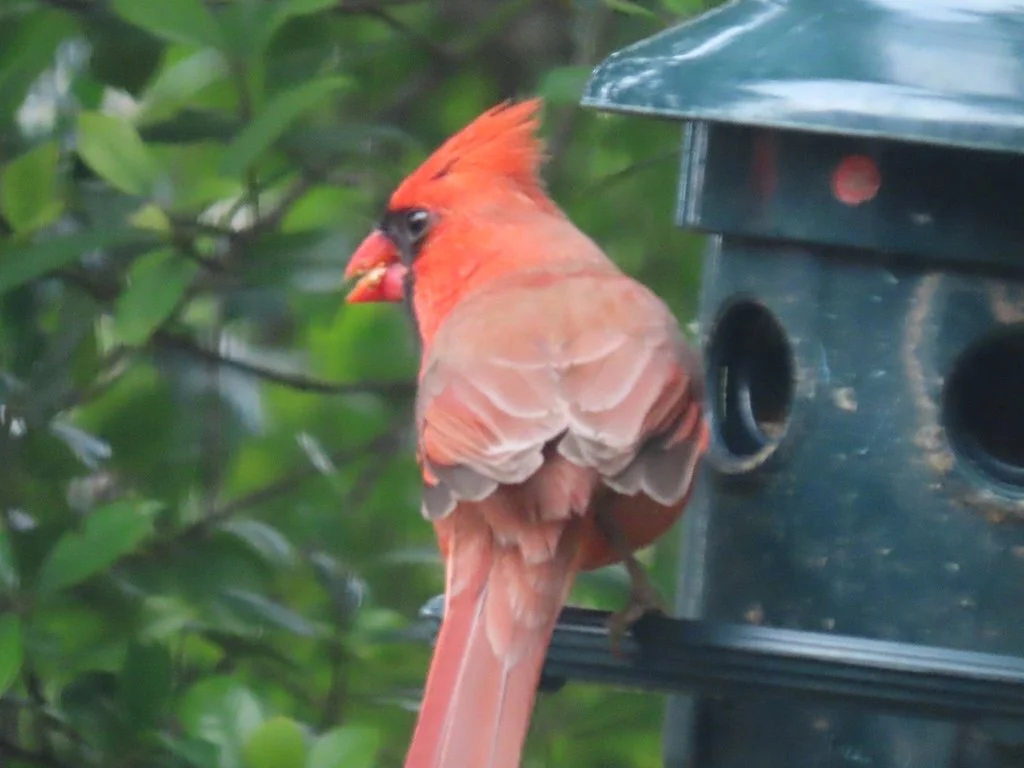
As we walked back – we noticed a heron in the river. It looked scruffy – like it was not quite dry from it’s last plunge to catch a fish. We saw blue birds and cardinals too.

2018 03 IMG_9190.jpg

The tress along the river are not large. Storms that bring heavy rains are particularly damaging in this stretch of the river. In Hurricane Agnes (1972) the river was 40 feet above normal. It’s hard to imagine that any of the trees planted by the CCC in the 1930s survived.

2018 03 IMG_9162.jpg

Next week is the last class and I am already trying to think about what changes this course has prompted. Some I’ve started already because it is an easy progression from something I already do. The more substantial changes I have started thinking about are more complex and there are more choices involved.

Previous HoLLIE posts: Week 1, Week 2, week 3, week 4, week 5, week 6

Gleanings of the Week Ending March 17, 2018

The items below were ‘the cream’ of the articles and websites I found this past week. Click on the light green text to look at the article.

A Day in The Park: Cuyahoga Valley National Park | National Parks Traveler – I’ve been to the park but only saw a small part of it. Next time I need to be more organized!

Top 25 Wild Waterbirds – National Geographic Blog – Some of these birds were familiar….some unfamiliar and living far away from the US!

BBC - Future - The quest to tackle the rubbish dump in orbit – There is getting to be a lot of junk up there!

Flood risk from American rivers is greatly underestimated -- ScienceDaily – A high resolution model that maps flood risk across the whole continent and includes small streams shows 41 million Americans at risk from flooding rivers rather than 13 million estimated by FEMA (their maps only include 60% of the continent and does not include smaller streams). Seems like anyone buying a house would be keen to know if there was a flood risk for the property and FEMA maps are giving a false sense of security. Here’s the link to the full paper: Estimates of present and future flood risk in the conterminous United States - IOPscience

Recycled carbon fiber improves permeable pavement: Technique reduces waste, improves strength and durability -- ScienceDaily – From Washington State University…in partnership with Boeing

Incredible Pictures of the Caterpillars of New England – I’m going to keep a sharper lookout for caterpillars in our area this summer….get subjects for photography because they don’t move very fast!

Spring Break Goes Wild(life) – Cool Green Science – Lots of places to go in the spring – other than a southern beach.

High-Fiber Diet Shifts Gut Microbes, Lowering Blood Sugar in Diabetics -  If this pans out, they need to get it out to doctors treating patients with type 2 diabetes rather than focusing on all the new (and somewhat expensive) drugs that can have side effects.

The Metamorphosis of Butterflies – A 5-minute video from TED-Ed.

A Place for Pollinators: Bees and Butterflies call National Monuments Home – At Grand Staircase-Escalante National Monument, a 4-year study found 650 unique bee species from 54 genre of native bees, 3 of which were new to the state of Utah. We need pollinators like native bees for the rest the ecosystem to continue! We should strive to keep the special places (not pockets) of species diversity to not only to sustain our planet…but to help it regenerate. The people alive today are the stewards of the future Earth.

HoLLIE – Week 6
The Week 6 of HoLLIE (Howard County Legacy Leadership Institute for the Environment) class focused on The Chesapeake Bay Watershed and Environmental Advocacy. As my norm, I arrived early so I could enjoy the sunny (but cold) morning at Belmont before the before class. I stopped at one of the pullout spaces on the narrow drive to photograph the stumps from the recent tree removals (and there are more to come). The first picture is looking away from the Manor House; the second shows the Manor House in the distance.
I took pictures of the two stumps from the trees already cut down. Someone had carved in one of them. Aargh! It’s sad when a tree is cut down and the carving struck me as disrespectful to the tree and the place.

After I got to settled into my place in the carriage house, I trooped over the butterfly meadow where I saw the bright yellow grass late last week. It was still there, and I liked the snow and blocks in the picture with it.

2018 03 IMG_9039.jpg

The little walks outside were a good start to the day that was sedentary otherwise. Our speakers were from the Chesapeake Bay Foundation, Land Trust Alliance (re the Chesapeake Bay), and Patuxent River Riverkeeper in the morning. In the afternoon we heard about sustainability and what individuals in our area can do toward the goal of moving toward sustainable lifestyle…and beyond to regenerative. The last segment of the day was a short lecture on effective environmental advocacy that included a practice use of the planning template from the lecture….learning enhanced by attempting to apply the technique.

Next week we’ll be outdoors in the last segment of the day. I’m already watching the forecast for the day; as of now – the forecast is cold and a bit breezy…but no rain.

Previous HoLLIE posts: Week 1, Week 2, week 3, week 4, week 5

Gleanings of the Week Ending March 10, 2018

The items below were ‘the cream’ of the articles and websites I found this past week. Click on the light green text to look at the article.

Look at What the Coastal Storms Have Done to the Chesapeake Bay - AGU Blogosphere – We had high winds in our area a week ago and it was worse (even higher winds and more precipitation) north of us. Trees feel, power outages prevalent, and some rail cars fell from a bridge as they crossed the Susquehanna River. The suspended matter in the rivers around the Chesapeake Bay were dramatically high…and it moved fast (lots of difference between March 4 and March 5). Wow!

New Perspectives on Bogotá’s Architecture Thanks to Drone Photography – I liked the first picture the best: the building footprint and the rooftop gardens…the trees below.

Forecasting diseases one image at a time – National Geographic Blog – Los Alamos working on predictive models of disease outbreaks in populations suplementing traditional data sources (with lag times in data availability) with non-traditional sources that are available more quickly to enable more timely response to disease outbreaks.

Are flamingos returning to Florida? -- ScienceDaily – Florida had flamingos in the 1800s but by 1900 they had been eliminated (killed for their plumage). Since 1950 they have been increasing in numbers and this study indicates that they are not just escapees from captive flocks. Most are birds from the Caribbean or Mexico that have repopulated Florida.

Can You Ever Have Too Many Turkeys? – Cool Green Science – Turkeys in Oregon – not native to the area but thriving – and an experience with the citizen science project to count them.

The Pileated Woodpecker in Winter – Cool Green Science – We have some pileated woodpeckers that make their rounds in the forest behind our house. They are indeed easier to see in the winter time than any other time of the year.

Welcome to the Age of Climate Migration - Rolling Stone – People are already moving from areas that are flooding more frequently. This appears to be an early indicator of economic consequences for climate change denial.

The Strange and Magnificent Nudibranchs of the Cape – National Geographic Blog – Marine slugs look so different from life we are used to seeing…they could be from another planet…but they are here on earth. Enjoy the pictures in this blog post.

Low magnesium levels make vitamin D ineffective: Up to 50 percent of US population is magnesium deficient -- ScienceDaily – Yet another reason to eat those leafy greens…or take a magnesium supplement.

Recovery: Evicting Rabbits – Cool Green Science – Ridding some islands of non-native rabbits so native flora and fauna can recover (penguins, birds, lots of plants)…with the help of a Labrador retriever wearing rubber booties!

Gleanings of the Week Ending March 3, 2018

The items below were ‘the cream’ of the articles and websites I found this past week. Click on the light green text to look at the article.

BBC - Future - Spice: Why some of us like it hot – A little interesting history…not sure it really gets to the question about why some of us like it hot though.

Life-Size Camel Carvings Found in the Saudi Desert | Smart News | Smithsonian – I saw this story in several of my feeds…this one had the best pictures.

As Ice Sheets Melt Faster, Sea Level Rise Is Accelerating Every Year - Yale E360 – It’s hard to translate stories like this into what will happen to specific areas and it seems like that is what is critical for coastal areas that need to plan for rising sea level. Planners in Annapolis MD are using the flood they had from Hurricane Isabel in 2003 to help people realize what the situation will be like in 2050 (the projection is that the flooding will be about like that 2003 flood very frequently because of sea level rise, enough that the city will be forever changed).

BBC - Future - Five myths about loneliness – Some ideas about loneliness. If you time and interest…do the survey (link is toward the bottom of the page) to participate in the BBC Loneliness experiment.

Photography in the National Parks: Don't Forget About Those Little Things -  I like the closer up shots of little things --- and there are good ones in almost every natural area, not just National Parks.

This Map Shows What Climate Change Could Mean for Your Region – There is an article around the map…but the map is the graphic to look at. There are more areas with economic costs than benefits in the US.

Transforming patient health care and well-being through lighting -- ScienceDaily – I’ve always wondered about the fluorescent lights often used in hospital settings…wondering how the sleep cycles of patients could be normal at all. I’m glad lighting is finally getting more attention.

Wild Birds with a Splash of Colour – National Geographic Blog – Eye candy for this week. Somehow bird pictures are always a favorite for me.

Thousands of Photographs Created These Hyper-Real Portraits of Historic Buildings | Smart News | Smithsonian – If you are in New York City before April 7 you can see the gallery show…if not – get a glimpse of Brunetti’s work looking at the 4 images with this blog post from the Smithsonian.

New Study Shows Flood Risks Across the U.S. are Underestimated (in a Big Way) – Cool Green Science – I wonder how long it will be before the FEMA maps are updated. It seems like people purchasing houses would like to be aware of the flood risk before they made their purchase.

HoLLIE – week 3

The Week 3 of  HoLLIE (Howard County Legacy Leadership for the Environment) class day was last week and it was held at NASA Goddard like the second week. The theme for the day was continued from last week: “what informed citizens need to know about earth systems science.”

The first talk of the day as about ice sheets and included a discussion of the speakers trek to the South Pole last year. Check out her ICESat-2 Antarctic Traverse Blog (The first post is from December 4, 2017. If you want to start with that one and read in chronological order, scroll down to the bottom of this page until you get to ‘Heading South, to New Zealand and Beyond.’ Then after reading the ‘South Pole Station: The Last Stop Before the Traverse’ beginning at the top of the page, click on ‘newer entries’ to read the rest of the of the posts – and again start with the post at the bottom of the page and work up). She spent Christmas at the South Pole!

2018 02 hoLLIE3a.jpg

She recommended a book that I found could be checked out from Internet Archive when I got home: The two-mile time machine by Richard B. Alley. The book is about the annual rings of ice from cores drilled in Greenland and what they tell us about Earth’s climate over time.

The second talk was about the Land-Based Hydrology Cycle. This talk included what we can learn from satellites but also what measurements are taken on land too (and how much effort that takes…to get even sporadic data). With fresh water being so key to life – the very highs (floods) and very lows (droughts) are major impact all around the world.

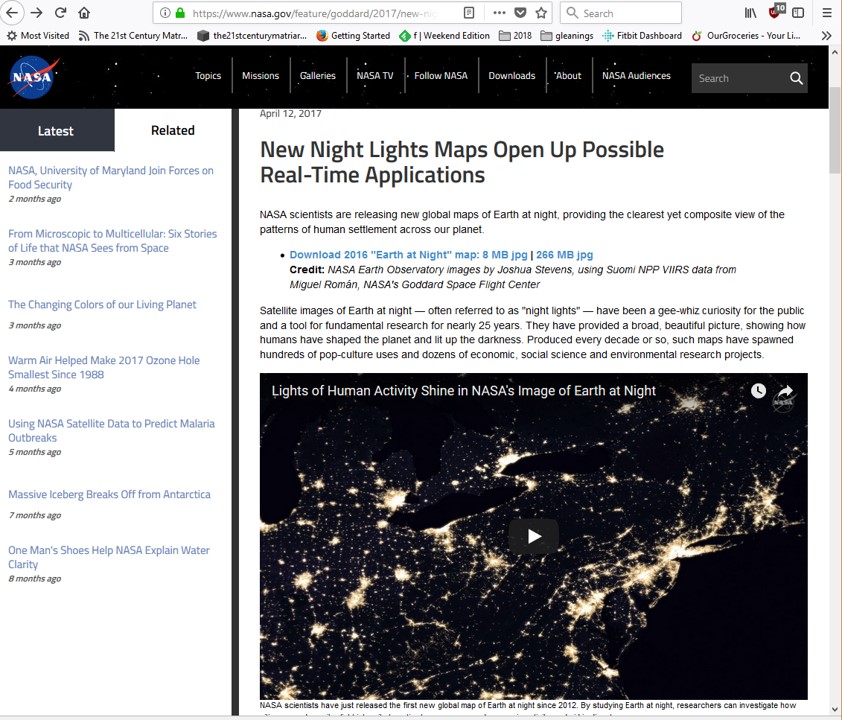
The third talk was about the Black Marble project…about what we can learn from looking at the earth at night. Back in April there was good summation of the project – to create the images more frequently so that they could be used more even more applications (like short-term weather forecasting and disaster response): New Night Lights Maps Open Up Possible Real-Time Applications - https://www.nasa.gov/feature/goddard/2017/new-night-lights-maps-open-up-possible-real-time-applications; take a look at the map of India midway through the article and slide the vertical bar to the see how the northern part of the country was electrified between 2012 and 2016. There is more at https://earthobservatory.nasa.gov/Features/NightLights/.

2018 02 hoLLIE3b.jpg

The fourth talk was about how the Montreal Protocol saved the earth’s ozone layer. I knew the protocol concerned Ozone and CFCs….but didn’t realize any more history than that. The timing of a report that linked CFCs to ozone depletion just before the ‘hole’ was discovered in the ozone layer (a major change from measures of ozone for many years beforehand) over Antarctica made for a dramatic beginning to the conversation. It has been effective because governments engaged industry that provided substitutes (some transitional) that made it possible to move away from compounds that were ozone damaging in the stratosphere.

Next we visited NASA’s Scientific Visualization Studio – seeing some of their recent work on a wall sized screen. Here are some web versions of what we saw in the studio:

NASA's Near-Earth Science Mission Fleet: March 2017

Global Temperature Anomalies from 1880 to 2017

Weekly Animation of Arctic Sea Ice Age with Two Graphs: 1984 - 2016

Previous HoLLIE posts: Week 1, Week 2

HoLLIE – week 2

The second HoLLIE (Howard County Legacy Leadership for the Environment) class day was last week and it was held at NASA Goddard. I was worried about hitting rush hour traffic so left very early since we were to meet in the Goddard Visitor Center parking lot to catch the bus into the facility. The day was sunny and clear…but very cold and breezy. I managed to take this picture of the visitor center (not yet open) without getting out of my car!

20180208_073546.jpg

The theme for the day was “what informed citizens need to know about earth systems science.” It was the first of two days that our classes will be at Goddard; last week we started with lectures on “understanding the tools and the state of the art in earth science” from the Project Scientist for the AQUA satellite and then got a tour of mission control for several earth science satellites from the Aqua Mission Director. They did a good job of demonstrating the types of data that can be collected, the methods used to collect it, and the ways it has been analyzed. I was surprised to see the LRO (Lunar Reconnaissance Orbiter) mission control in the same building. That brought back the memory of my daughter being on the team to do image calibration shortly after it launched during her undergraduate days!

20180208_121831.jpg

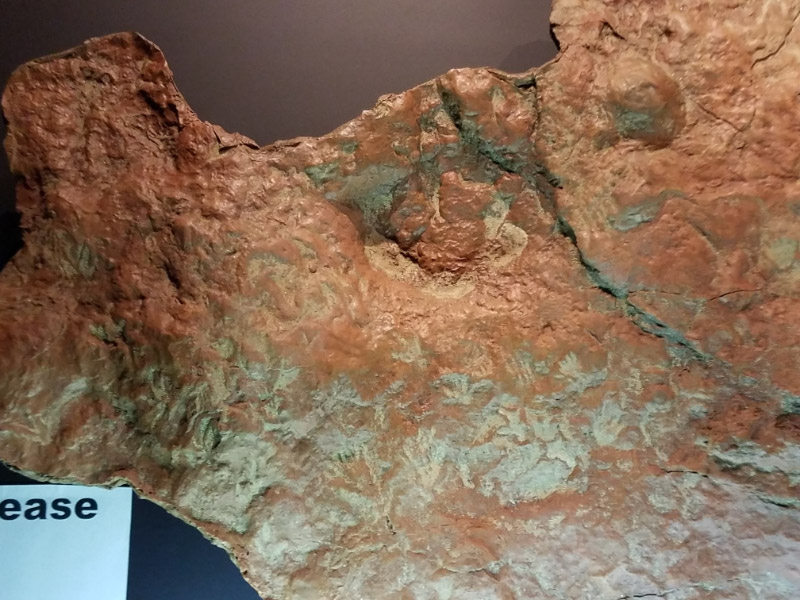
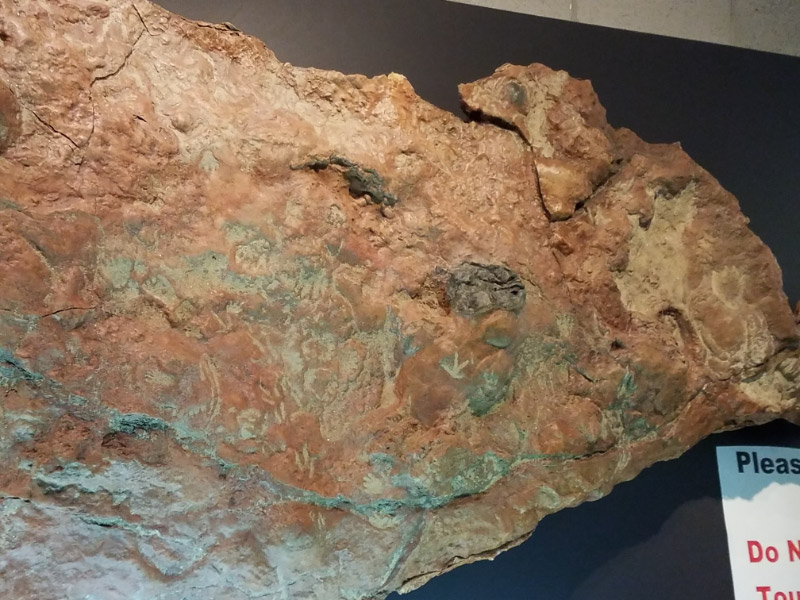
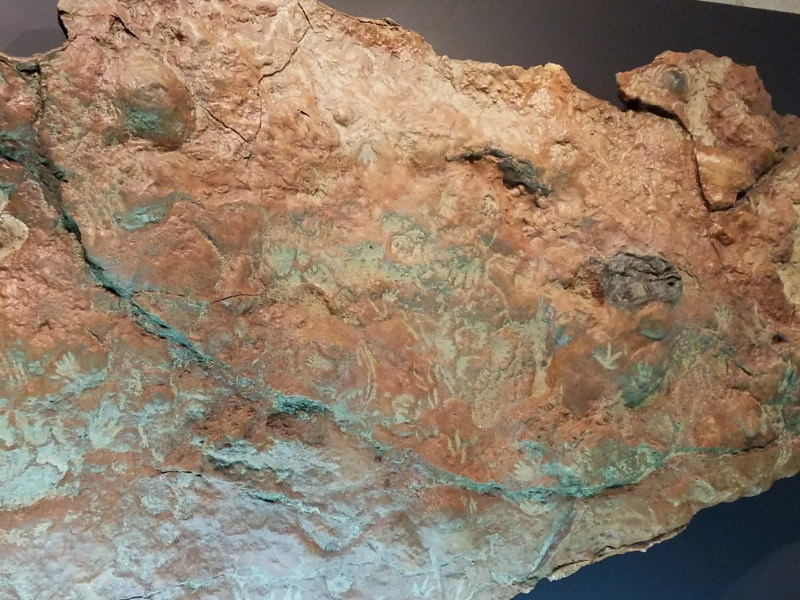
On the way back to our classroom, we stopped by the replica of the big rock found at Goddard that has mammal and dinosaur and mammal tracks. This was not on our agenda originally but was a wonderful serendipity aspect to the day even if it took part of our lunch time. I’d read about it in one of my news feeds and followed the link to the paper…but it was such a thrill to see the exhibit and hear the short lecture. I managed to take a few pictures.

We started the lectures on ‘understanding the science of earth’s cycles’ that will continue in this week’s class. We talked about the oceans and the carbon system in this second class. One of the interesting videos in the lectures is available online: twenty years of global biosphere data mapped on a slowly spinning globe; it easy to see the annual cycles. With the massive amounts of data, visualization becomes an important component.

20180208_120511.jpg

When I got home an article in one of my newsfeeds talked about climate models that are developing that explain why there might be a linkage between melting of Arctic sea ice (one of the topics for the HoLLIE lectures this week) and droughts in California (How nuclear weapons research revealed new climate threats). It was easier to understand since I had the background of the lectures!

Previous HoLLIE posts: Week 1

HoLLIE – week 1

2018 02 IMG_8303.jpg

The first HoLLIE (Howard County Legacy Leadership Institute for the Environment) class was last week. The first class was at Belmont Manor and Historic Park (in the Carriage House) – a place I am very familiar with and have been for a lecture and hike earlier in the week. I was excited about the course beforehand and it lived up to my expectations…a very full day – interesting – thought provoking. The day was cold and cloudy; there was no longing to get outdoors and hike!

2018 02 IMG_8307.jpg

I found myself comparing the class to the ones I’d experienced in the corporate world.

I found myself comparing the class to the ones I’d experienced in the corporate world.

  • The class was from 8:45 AM – 4 PM…about the same length as any day long course. There were fewer breaks than many classes I’ve attended (we were invited to get up whenever we needed to). By the end of the day I felt that maybe I should have gotten up more times to just move around. I am not used to sitting for long periods of time like I was during my career.
  • I took notes…which I have always done in classes. In some cases, the notes help me keep my attention focused. In this class, I easily stayed focused and the notes really were more to just help me remember the material.
  • At the end of the day, there was a discussion about class norms. That happened in classes during the later part of my career, but usually nearer the beginning of the first day.
  • The classes are 1 day a week for 8 weeks. The classes I took in the corporate world were back to back days because many people (speakers/teachers and students) were not local. I appreciate that this class is spread out over 8 weeks and already realize that I’ll get more out of it this way. The more thought provoking a class is – whether it is a lot of information, challenging concepts (either technical, logic, or political), or the interaction with people from very different backgrounds – the more time after class it takes to assimilate what was learned. I am transcribing my notes to enhance what I learn…integrate it into what I want to do immediately and in the longer term.
2018 02 IMG_8309.jpg

This class is the most substantial class since the Master Naturalist training I took back in February and March of 2015. Unlike the Master Naturalist course which focused almost exclusively on science topics, this course overlays non-positional leadership development on science topics. The topics for the first day included:


  • What legacy leadership means (intro to non-positional leadership)
  • The HoLLIE Volunteer Experience (hearing from previous students)
  • Environmental Initiatives of Howard County Department of Recreation and Parks

Stay tuned for the next 7 weeks!

Prius Prime – Year 1

20180102_142131.jpg

I’ve own my Prius Prime for a year as of today….and enjoyed the serenity of driving in EV mode for most of my errands. I took this picture just after I bought the 3rd tank of gas (it came with a full tank so it’s on is 4th tank at this point).

It has been an easy thing to transition from a gasoline powered car (my 10-year-old Acura TL) to a plug-in hybrid. I view it as a stepping stone toward and purely electric vehicle by the time I buy another new car…and maybe that will be self-driving as well. The plug-in hybrid has worked well for me since I do make road trips occasionally that would have taken more planning – changes to the way I travel – than I was ready to undertake. This car makes it easy since it just uses some gasoline when I am on the road for a longer time.

I like that the car charges overnight (I have it programed to start charging at 11:15 PM); I haven’t needed to upgrade the regular outlet in the garage since I don’t need faster charging. There have been a few times that I’ve come back from an errand knowing I had another later in the day that I’ve had it ‘charge now’ rather than waiting for the overnight….but it hasn’t been a frequent occurrence.

The only bad experience I had with the car was a tire blowing out (on my first road trip!) last summer. The passage of time has dimmed that trauma….and the car has been a wonderful drive for the rest of the time.

I’m still pleased with my decision from a year ago today!

Gleanings of the Week Ending January 13, 2018

The items below were ‘the cream’ of the articles and websites I found this past week. Click on the light green text to look at the article.

Cache of Newly Digitized Travel Photographs Will Transport You to 1900s California | Smart News | Smithsonian – A little California history. I couldn’t figure out how to browse photographs almost like a slideshow. The interface seems to only provide one-at-a-time viewing.

With wrist-worn gadget, researchers capture real-life sleep for the first time -- ScienceDaily – I wondered how this differed from my Fitbit Alta HR tracker. I assume it has more detail and that raw data is processed with more sophisticated algorithms.

The National Gallery of Art Releases Over 45,000 Digitized Works of Art – Wow! Follow the link to the NGA images and enjoy!

BBC - Future - The labs that protect against online warfare – Even with the labs….is seems like we are not doing enough. Governments are serious about the problem from a military standpoint…not necessarily about infrastructure or healthcare.

Habitat on the Edges: Making Room for Wildlife in an Urbanized World - Yale E360 – A good summary of some things that appear to be working to increase and/or preserve wild life habitat even as human populations increase. The habitat is gerrymandered…and different that the original, but may be almost the only path forward.

A Floating House to Resist the Floods of Climate Change | The New Yorker – It seems far fetched that whole neighborhoods would be built like this – but it is appealing to think about non-traditional approaches now when extreme storms seem to be more common.

Deep learning sharpens views of cells and genes – Using a neural network to look at retinal images and determine the likelihood of heart attack…and other applications of high end computer algorithms for improving understanding of medical images.

Badlands National Park – It’s been 20 years since I visited the park. I enjoyed it…think I would appreciate it more now.

National Park Service Begins Roof Replacement, Masonry Repair at Lincoln Memorial – Something going on in DC. The memorial will be partially open during the work.

US childhood mortality rates have lagged behind other wealthy nations for the past 50 years: Leading causes of death are prematurity and injuries -- ScienceDaily – Very sad. We have a system that is expensive and not very effective. Infants in the US were 76% more likely to die than in other economically similar countries.

Gleanings of the Week Ending January 6, 2018

The items below were ‘the cream’ of the articles and websites I found this past week. Click on the light green text to look at the article.

30,000 Shards of Historic Stained Glass Found in Westminster Abbey’s Attic | Smart News | Smithsonian – Glass found in the dust and dirt that accumulated in the deep cone-shaped pits of the interior of the triforium. Evidently most of it is from the Medieval period.

Streams can be sensors -- ScienceDaily – Using streams to assess the health of a region’s landscapes my lead to more focused actions for sustainable agriculture and development. This research highlights that basic concept but also points to some way to improve the way streams are monitored.

Stunning Images of Hokkaido Covered in Snow by Photographer Ying Yin – It is very cold in Maryland while I’m creating the post…fortunately we only have a dusting of snow.

BBC - Future - The mosquitoes that are fighting dengue and Zika – Increasing mosquito born diseases….new measures.

John Wesley Powell: Soldier, Explorer, Scientist and National Geographic Founder – National Geographic  - A little history – one of the founders of the National Geographic Society.

Scientists find surprising evidence of rapid changes in the Arctic -- ScienceDaily – Chemical changes in the arctic ocean…open waters, increased wave action, stirred sediments. There is a need for international collaboration to understand what is happening.

Hawai’i Volcanos National Park – A reminder of our vacation a few years ago to the Big Island

The Race North – Cool Green Science – Some trees may not be able to move north or up fast enough as the climate changes. Will foresters for the future step in?

New desalination method offers low energy alternative to purify salty water -- ScienceDaily – In places where water shortages are happening (and projected), desalination may become a very important technology.

The Year Climate Change Began to Spin Out of Control - MIT Technology Review – An aspect of 2017 in review. When will everyone decide climate change is an existential issue rather than a political one?

Gleanings of the Week Ending December 2, 2017

The items below were ‘the cream’ of the articles and websites I found this past week. Click on the light green text to look at the article.

Free Technology for Teachers: Resources to Learn About Outer Space – Good resources – for more than teaches!

When They Said They Wanted to Rethink Agriculture, They Meant It – Cool Green Science – Developing ways to feed more people with less water and without expanding the area we already use for agriculture….crop redistribution to maximize food production with rainfall rather than irrigation may be part of the solution.

Image of the Day: The Last Sloth | The Scientist Magazine® - Taking a closer look at the Caribbean Islands where then end of the ice age and the arrival of humans were 1,000s of years apart. There were two waves of extinction induced by human arrival: the first about 5,000 years ago when humans first arrived (ground sloth extinction) and the second around 1492 when Columbus arrived (smaller animals extinction).

Ah-Choo! 11 Fun Facts About Sneezing | Berkeley Wellness – No – your heart does not stop!

Large decrease in age-related macular degeneration in baby boomers compared to previous generations -- ScienceDaily – Positive news…but it was a small study and the participants were mostly non-Hispanic white individuals…and there is no information about why the decrease happened. Hope it holds for my family. My grandmother was blind by the time she died in her 90s…from macular degeneration.

New Science Shows Nature’s Potential to Fight Climate Change – Cool Green Science – Finding natural solutions to fight climate change. Reforestation has the highest potential!

Midwifery care at hospitals is associated with fewer medical interventions -- ScienceDaily – enhancing perinatal car and lowering costs for low-risk pregnancies…what’s not to like!

Top 25 Wild Bird Photographs of the Week #115 and #116 – Birds and more birds!

Making it easier to recycle plastics: Emerging technologies could greatly reduce plastic waste -- ScienceDaily – Only 9% of plastics are recycled in the US…not good.

How did Ammonite fossils form? – The chemistry of ammonite fossil formation

Gleanings of the Week Ending November 4, 2017

The items below were ‘the cream’ of the articles and websites I found this past week. Click on the light green text to look at the article.

How to Access Your Medical Records | Berkeley Wellness – I like the patient portal idea…just wish that every provider seems to have their own separate one.

First floating wind farm, built by offshore oil company, delivers electricity | Ars Technica – Hywind Scotland began producing power in September…now delivering to the Scottish grid. The turbines don’t require a firm attachment to the seafloor…using suction anchors like offshore drilling.

Germany Sees Drastic Decrease in Insects | The Scientist Magazine® - This story was reported in several my the feeds I monitor. A 27 years study….insect biomass declined by about 75% in that time. And the sampling was done in nature preseves!

Symmetrical Eyes Indicate Dyslexia | The Scientist Magazine® - Interesting….but what next.

The Millipede That Protects Itself with Cyanide – Cool Green Science – We found millipedes at the Belmont BioBlitz…but not these cyanides producing ones. Still – fascinating critters of the forest.

Stone Age Britons Feasted While Building Stonehenge | Smart News | Smithsonian – Pigs – maybe fattened with something sweet, like honey – that came from all over Great Britain. Cattle to a lesser extent.

The Real-Life Whale That Gave Moby Dick His Name | Smart News | Smithsonian – A little history behind the novel.

Compound Interest - Broccoli colour changes and cancer-fighting compounds – I tend to eat broccoli raw but have noticed the color change when it is cooked – never thought about why it did.

Top 25 Wild Bird Photographs of the Week #110 and  #109 – Birds and more birds…I can’t resist including them.

Prozac in ocean water a possible threat to sea life -- ScienceDaily – Medications can have unintended consequences far beyond out intent.

Gleanings of the Week Ending October 28, 2017

The items below were ‘the cream’ of the articles and websites I found this past week. Click on the light green text to look at the article.

Get Stuck on Band-Aid History | Smart News | Smithsonian – Patented in 1926….and still basically the same!

Nikon Small World Photomicrography Competition 2017 Winners – The amazing natural world too small for us to see without technology…captured in photographs.

Beyond Biodiversity: A New Way of Looking at How Species Interconnect - Yale E360 – Going beyond simply counting species…understanding their role and importance to the ecosystem.

Pompeii vs. Herculaneum - Mountain Beltway - AGU Blogosphere – Both destroyed in AD 79 by an eruption of Vesuvius but excavated differently...body casts in Pompeii, skeletons in Herculaneum. Lots of pictures of both places.

Derinkuyu Underground City, the World’s Deepest Subterranean Metropolis – Discovered in 1963…an 18 story underground city that once houses up to 20,000 people in Turkey’s Cappadocia region. Started in the 8th to 7th centuries BCE….flourished in the Byzantine period from 780 to 1180….but there are alternative theories. There are over 200 other subterranean cities in the area!

BBC - Future - The great thaw of America’s north is coming – What happens when permafrost thaws? Infrastructure (houses, roads, airports, etc.) can crack or collapse. Whole villages will need to move…an expensive undertaking and it’s not clear that they would not have to move again when the new area became unstable.

Tower of human skulls found by archaeologists in Mexico, throwing Aztec history into doubt | The Independent – A tower of skulls was mentions in writings of the Spanish conquistadores. It was believed that the skulls belonged to male warriors killed in inter-tribal combat. Now that the structure is found and being examined with modern techniques – it is revealed that the skulls of women and children are included in the tower.

Do You Live in One of the Happiest American States? – I always enjoy looking at the graphics and trying to understand how the data was rolled up. However - I am always suspicious: summing up data about ‘well-being’ is not all that important because it is not something I would use to decide something for myself or my family.

Kitchen of the Future: Smart and Fast but Not Much Fun - The New York Times – I enjoy cooking….not sure I want or need something that prompts me for every step. Most of what I cook does not take very much time as long as the ingredients are in the house. I wonder how much of the technology mentioned in this article will become reality.

Guide to Greener Electronics 2017 - Greenpeace USA -My laptop manufacturer is a C+; smartphone manufacturer is a D-; and Amazon is an F. I have started keeping my laptops for a longer time but they are not built to last. My oldest laptop has a somewhat broken case so it no longer is no long moved from its place in my office.

Gleanings of the Week Ending October 14, 2017

The items below were ‘the cream’ of the articles and websites I found this past week. Click on the light green text to look at the article.

Top 25 Wild Bird Photographs of the Week #107 – National Geographic Society (blogs) and #108 – kestrels and hummingbirds and kingfishers…oh my!

What Skills Will You Need to Be Employable in 2030? – It’s hard to predict the direction of technology…but we know that some types of jobs are easier for machines to do than others. What is left that humans will need to do?

13 Ways to Cut Cancer Risk | Berkeley Wellness – Hopefully none of these are new…they have all be publicized before but maybe not in a consolidated list.

Century-old cactus used for target practice in Saguaro National Park – Very sad. I hope the culprit is cost. It seems like penalties should be higher for this kind of vandalism in a national park.

National Audubon Society Offers Great Educational Resources -  I find myself checking in on the puffins and hummingbirds!

Rome's Colosseum Is Reopening Its Upper Tiers to Visitors | Smart News | Smithsonian – The upper levels have been closed for 40 years due to structural concerns. Now restoration efforts have allowed then to be re-opened.

A Little Calm in a Noisy World | The Prairie Ecologist – The restorative power of spending a little time out in the natural world.

Incredible Macro Photography of Peacock Feathers by Can Tunçer – I am a fan of peacock feathers; one of my grandmothers raised peacocks and I have some feathers she sent to me from the 1980s.

"Living" Chandelier is a Green Lighting Piece Filled with Algae – I like items that are beautiful and serve another function at the same time. I hope eventually that light fixtures are available…and affordable.

BBC - Future - Anti-ageing: Is it possible, and would we want it? – An update on science…and prompting for thoughts of the domino changes that would occur if anti-ageing was reality.

Gleanings of the Week Ending October 7, 2017

The items below were ‘the cream’ of the articles and websites I found this past week. Click on the light green text to look at the article.

Ancient Roman Mosaic in England Discovered by Amateur Archaeologists – A 4th CE Roman mosaic near the village of Boxford in Berkshire….discovered and then covered up to protect the mosaic until decisions are made about what to do next.

Fall Color In-Depth: Maple Trees Offer New Answers to Diabetes, Alzheimer’s – National Geographic Society  - I like maple syrup and often us it in cooking….it adds more than sweetness and – evidently – is better for you because of those other elements!

Electric Car S-Curve Adoption by Country (Fun Chart!) | CleanTechnica – Norway followed by Iceland and Sweden lead…The US is behind China.

Question: Can People Use Rooftop Solar Power During an Emergency? Answer: It Depends | CleanTechnica – As more battery storage becomes available…the problem of having solar panels but not being able to utilize them if the power grid is down may go away.

Spectacular Shots of Summer Fireworks Festivals in Japan - Hanabi Taikai – Wow! What a huge display.

Infographic: Brain Infection and Alzheimer’s Disease Pathology | The Scientist Magazine® - Evidence of infection (biofilms) in the hippocampus and temporal lobe in brains from people that have died with Alzheimer’s neurodegeneration….several theories about their relationship to Alzheimer’s.

These Breathtaking Natural Wonders No Longer Exist – 18 landscapes that no longer exist…including a beach in Hawaii…some sights in US National Parks.

Free Technology for Teachers: Historical Patterns Animated – A site from the University of Oregon…worth browsing even if you aren’t a teacher.

Interactives from NASA…Exoplanet Exploration – Create your own Earth-like planet….or a hostile world.

LED Lights, All-Electric School Buses, Hydroponic Gardens ... (Cleantech in Action Series) | CleanTechnica – A roundup of cleantech press releases that came out in September.

Gleanings of the Week Ending September 30, 2017

The items below were ‘the cream’ of the articles and websites I found this past week. Click on the light green text to look at the article.

What If the Oil Industry Leaves the Gulf Coast? - CityLab – After Hurricane Harvey – there is more recognition of the country’s energy infrastructure.

Clues to Africa’s Mysterious Past Found in Ancient Skeletons - NYTimes.com – 8,100 year old DNA recovered from bones….and other finds that are enlarging our understanding of ancient population movements within Africa via DNA analysis.

Ancient Gem-Studded Teeth Show Skill of Early Dentists – An elaborate example of dental bling from 2,500 years ago from Chiapas, Mexico.

Satellites that Measure Ice Loss to Go Dark - Yale E360 – The two satellites that collect detailed information about earth’s ice sheets will be decommissioned in the next month or so. The replacement satellite is scheduled to be launched in early 2018…but that will still leave a gap in the data.

BBC - Future - The ships that could change the seas forever – Monster ships, remotely piloted, built of futuristic materials and partially powered by renewable energy….so many possibilities.

How a Satellite Just Used Earth Like a Slingshot | Smart News | Smithsonian – OSIRIS-REx in the news. We were in Florida a year ago to see it launched!

Top 25 Wild Bird Photographs of the Week #106 – National Geographic Society -  There is a picture of a Peregrine Falcon at the very end of this set…one bird that has managed to take advantage of urbanized environments.

5 Things We Learned from The Newly Updated “Heat Maps” Developed By Sustainable Energy For All | CleanTechnica – Follow the ‘heat maps’ link to look at them directly or think about the 5 facts highlighted in the article about clean cooking, electrification, rural/urban divide, enabling policies and energy efficiency.

Five Fascinating Facts About the Amazing Cassowary | Smart News | Smithsonian – Big birds…that are fascinating but not very friendly.

This Tiny Country Feeds the World – Food production in The Netherlands. Is this the future of food production to feed the world’s increasing population?

Spaghetti Squash

The Gorman Farms CSA shares in recent weeks have included winter squash; the first one was a spaghetti squash and I have thoroughly enjoyed it.

2017 09 IMG_4314.jpg

I cooked it first – whole, skin pricked with a fork, for an hour at 350 degrees. At the end of the hour I took it out cut off the top and then cut it in half to let it cool a bit. I had decided the first meal from it would be ‘spaghetti’ so I started the sauce: spicy tomato sauce from a jar poured over eggplant cubes that needed to simmer a bit. Back to the squash: I used a spoon to life out the mass of seeds and pulp in the center then teased out the ‘spaghetti’ that I wanted into a small non-stick skillet; I added a little oil and stir fried the squash a little to drive off excess water. I cut up some arugula for the topping while the sauce continued to bubble and I added some shelled edamame for protein. When the squash we ready I poured it into a bowl…the added the sauce and the generous handful of arugula. Yummy!

2017 09 IMG_4316.jpg

I used about 1/4th the squash for the ‘spaghetti’ dinner. The next fourth was used for a dessert! I soaked raisins in apricot brandy for a few hours. I started the dish by sautéing the squash with a little butter in a non-stick skillet, adding cinnamon + maple syrup + raisins with brandy as it cooked. I let the liquid cook down almost completely. It smelled wonderful and tasted yummy – eaten warm. The squash is naturally sweet so no much syrup was needed. This is something I will make again.

I still have more spaghetti squash in the refrigerator…planning to make a frittata since I will be out and about a lot over the next few days and that is easy to make ahead for a quick meal when I get home.

Next up – acorn squash.

Gleanings of the Week Ending September 23, 2017

The items below were ‘the cream’ of the articles and websites I found this past week. Click on the light green text to look at the article.

Celebrate Cassini’s Historic Voyage in Eight Incredible Images | Smart News | Smithsonian – Cassini has crashed into Saturn’s atmosphere (intentionally) and there have been quite a few retrospective articles about its long mission. I liked this one…so am including in the gleanings for this week.

Eighteenth century nautical charts reveal coral loss -- ScienceDaily – The study compared the coral documented in the Florida Keys in nautical charts from the 1770s to satellite data. More than half the coral reef has disappeared completely. Nearer to land, the loss is closer to 90%.

What We Still Don’t Know about the Health Benefits of Nature – THE DIRT – I noticed this article first because the picture under the heading is of Klyde Warren Park in Dallas (I visited there several years ago and enjoyed it) but thin the article was worth looking at too. It defines some priorities for research to understand the health benefits of nature better although most people already agree that is it beneficial…but how exactly does it happen. Some doctors are already prescribing time in the park!

North American Ash on Brink of Extinction | The Scientist Magazine® - In Maryland many of the Ash Trees are already dead or dying. Very sad.

Top 25 Wild Bird Photographs of the Week #105 – National Geographic Society – There’s an Eastern Bluebird toward the middle of this collection….perched a little differently than I usually see them.

A Monumental Road Trip in Northern Arizona - National Parks Traveler – I’ve been to most of these places…..and enjoyed them all.

BBC - Future - How we’re creating ‘super plants’ to help humanity – The article highlights 4 ideas: cross-breeding super plants, using plants as medicine, bananas on steroids, and fire-fighting plants.

Learn How to Create Zentangle Art, a Meditative Form of Drawing – This article is about doing Zentangles (drawing patterns) rather than buying an adult coloring book. I started doing doodles and graduated to Zentangles and never was tempted by the ‘coloring book’ craze.

Ruins of a Roman City Found Off the Coast of Tunisia | Smart News | Smithsonian – The area of ancient Neapolis is off the coast of Tunisia. It was destroyed by a tsunami in 365 AD.

Why are fossilized hairs so rare? -- ScienceDaily – Evidently, fossilized hair is 5 times rarer than feathers.  Chemistry? Environmental conditions? The research includes statistical analysis of where hair and feathers have been found in the fossil record and make some predictions about where and how to look for them going forward.

Gleanings of the Week Ending September 9, 2017

The items below were ‘the cream’ of the articles and websites I found this past week. Click on the light green text to look at the article.

Reimaging Neuroscience’s Finest Works of Art – Recreating the work of Santiago Ramon y Cajal’s century old drawings of the nervous system

Top 25 Wild Bird Photographs of the Week #103 –  There is wood duck image near the end of this group….I have never managed a view from the front. This one has the reflection too.

Utilities Grapple with Rooftop Solar and the New Energy Landscape – I’m glad some utilities are adapting in a positive way to renewable energy. If they don’t – I think more people will be motivated to add battery capacity as the technology becomes available and be ‘off grid.’

New Guide: Smart, Sustainable Materials at Home – This is some I’ll take a look at more thoroughly if I am doing any renovations to an outdoor area.

Wind power costs could drop 50%. Solar PV could provide up to 50% of global power – Are solar and wind energy underestimated? They may be getting cheaper and scaling up faster than the most optimistic forecasts of a few years ago. Hurray!

The Smartphone’s Future: It’s All About the Camera – Some tech…just over the horizon but plausible based on what is available already.

Opinion: The Flood Reduction Benefits of Wetlands – There are lots of studies that will come out of the hurricanes that are impacting the US. This one was based on Hurricane Sandy and came out on August 31. It reported that insurance industry models show that during Hurricane Sandy, marshes prevented $625 million in direct flood damage in 12 states….a reduction in property damage by as much as 30% in some states.

Artificial warming trial reveals striking sea-floor changes – When researchers heated up a slice of Antarctic sea bed by 1 degree (Centigrade), changes were visually discernable: some species grew twice as fast in the heated conditions, different animal communities developed…one bryozoan became so dominate on the warmer sea floor that the diversity of species went down. The researchers already have more experiments planned.

Podcast Series Delves into History, Cultures of Mesa Verde – There are three episodes so far (available here) with a plan for additional ones in 2018.

Our Hurricane Risk Models are Dangerously Out of Date – More than half the area flooded by Harvey was ‘outside of any mapped flood zone’! It seems like insurance companies and property owners need a better understanding of risks…and the old models are no longer adequate.