Road Trip to Dallas in June 2025

The first three hours of my drive to Texas in June was very different than I expected – it was foggy. I left shortly before sunrise and kept thinking the fog was burning off, but it wasn’t totally gone until about 9 AM and well into Oklahoma. There were two accidents that had happened along my route. The first was a semi that had driven off into the median leaving deep ruts. The truck was just sitting there with its lights on…no emergency vehicles yet. It occurred to me that even though I could see cars in front of me, the distance ahead I could see was shorter than usual and required more concentration because the reaction time was not as great. At least the truck did not cross the median into oncoming traffic. I saw the second accident being cleaned up just as the fog seemed to be clearing; maybe when it happened the fog was one of the factors. There were at least two very badly damaged cars and lots of emergency vehicles.

I still made it to my dad’s assisted living residence at the usual time – even though I felt a little more stressed because of the morning driving conditions. He had finished lunch, and we went outside to water the plants my sisters are maintaining in the backyard of the home. Many are the same as my parents had in their last house. Now that the temperature in Dallas in in the 90s most days, the plants need watering every day.

Back indoors we did some PT, made some loops around the largest room and worked on a puzzle.

The next morning, I was back early enough that he hadn’t eaten breakfast yet. We went outside to water the plants again – and enjoyed sitting out on the patio until it was almost time for breakfast. I worked on the puzzle while he ate….and we finished the puzzle after he joined me to work on it! He is always thrilled when we finish one. He doesn’t see well enough now that he does as much with the puzzles, but he seems very pleased to feel the completed puzzle…confirming that all the ‘holes’ have been filled.

Gleanings of the Week Ending June 21, 2025

The items below were ‘the cream’ of the articles and websites I found this past week. Click on the light green text to look at the article.

From Dead Dirt to Healthy Soil in 7 Simple Steps – The articles from Leaf & Limb are always full of practical suggestions. I am doing all 7 of these steps in my yard!

A Large, Invasive Lizard Was Spotted in a California Park – An Argentine black and white tego. Another invasive...probably a pet that escaped or was released. Tegus have established populations in several parts of Florida, where they’ve been declared an invasive species. The lizards have also infiltrated southeast Georgia, and they have been spotted in Alabama, Texas, South Carolina and Louisiana.

Ultra-processed foods are everywhere — and they’re quietly raising health risks - The effects of UPFs can pile up over time, adding to the risk of heart attack, stroke and other serious health issues by raising blood pressure and blood sugar levels. While ultra-processed foods include obvious culprits like potato chips, candy and frozen pizza, there are also some that people may believe are good for them, such as packaged granola bars, sports drinks and fruit-filled yogurt.

The hunt for Marie Curie's radioactive fingerprints in Paris - Marie Curie worked with radioactive material with her bare hands. More than 100 years after her groundbreaking work, the lingering radioactive fingerprints she left behind are still measurable.

5 simple (and cheap) things to make your house use less energy - Climate solutions for reducing home energy use can be extremely simple — and sometimes even free.

When Rivers Take a Weird Turn – Two examples where water (river) flows in unexpected ways…with satellite images from Landsat 9 of the two areas.

6 feel-good exercises to alleviate sore, achy feet – Some of these were new-to-me. I’m trying them all!

Is it better to neglect your garden? – Maybe…except for stepping in strategically to keep invasives from taking over. My yard is a work in progress but the goal it to make changes that mean it will require less and less intervention over time.

Sequoia And Kings Canyon National Parks' Giant Sequoia Trees - Giant sequoia trees can live to be more than 3,000 years old! Large giant sequoias often owe their size to rapid growth rather than age, so an old giant sequoia will not necessarily be the largest specimen. While these giant trees are more resistant to threats, they are not immune. Climate change influences the growth and survival of sequoias, particularly in the form of droughts with unusually high temperatures known as “hotter droughts.”

5,000-Year-Old Bread Buried in Bronze Age House - The flatbread, which measures, five inches wide and one inch thick, is among the earliest known baked items ever discovered. Analysis determined that it was made from a coarsely ground flour made of emmer, a type of ancient wheat, and lentils. A modern bakery has already begun to reproduce and sell breads based on the ancient recipe.

The Green Island

The book-of-the-week is a children’s book about the Botanical Garden in the middle of Moscow published in 1983. The story is about a visit to the garden by a six year old boy and his father. It is illustrated with colorful art and photographs. I’ve picked 4 sample images but there are many others to browse via Internet Archive. The author (and photographer) is Victor Datskevich and translated from Russian by Jan Butler.

The Green Island

This is one of the many books published in the waning days of the Soviet Union and part of the MIR-titles collection in Internet Archive.

Gleanings of the Week Ending June 14, 2025

The items below were ‘the cream’ of the articles and websites I found this past week. Click on the light green text to look at the article.

Millions of new solar system objects to be found and 'filmed in technicolor' -- studies predict – The era C. Rubin Observatory ‘first look’ event is June 23! It is located on Cerro Pachon ridge in northern Chile. I found myself wondering how the deep funding cuts in the US will impact the facility and the scientists involved.

How electric scooters are driving China's salt battery push - Even as the rest of the world tries to close its gap with China in the race to make cheap, safe and efficient lithium-ion batteries, Chinese companies have already taken a head-start towards mass producing sodium-ion batteries, an alternative that could help the industry reduce its dependence on key raw minerals. A bigger market for sodium-ion batteries may be energy storage stations, which absorb power produced at one time so it can be used later.

Dead End: Nine Highways Ready for Retirement - This year’s nominees include Austin’s Interstate 35, which exacerbated segregation in the urban core when it was built in 1962, replacing a once-vibrant boulevard that served as a community gathering space.

The Overlooked Biodiversity of Appalachian Caves – Many of these creatures would be on the list for Missouri caves as well!

A Bauhaus-Trained Artist Wove Tapestries in the Woods for Decades. Now, Her Legacy Comes into Focus – I enjoyed the art and the biography of the artist!

Unique Silla Kingdom Crown Was Decorated with Insect Wings – Found in South Korea in a 1,400-year-old grave…a gilt-bronze crown decorated with a series of heart-shaped indentations that had been delicately inlaid with the colorful wings of the jewel beetle, some of which remained in situ after almost a millennium and a half.

Tea, berries, dark chocolate and apples could lead to a longer life span - Increasing the diversity of flavonoids within your diet could help prevent the development of health conditions such as type 2 diabetes, cardiovascular disease (CVD), cancer and neurological disease.

Experts Think the Hagia Sophia Is in Danger. They’ve Got a Plan to Protect It from Earthquakes - In light of recent earthquakes in Turkey, experts fear the 1,500-year-old mosque is structurally vulnerable, and the Turkish government has ordered a renovation. A team of government-appointed engineers, architects and art historians will begin by stripping a layer of lead that covers the main dome and looking for ways to strengthen the connections between it and the semi-domes. They’ll also look for ways to improve the main pillars and subterranean supports. Experts are also hoping that the work may reveal older murals from previous periods in the Hagia Sophia’s layered history.

Secrets of the Gobi Wall Revealed - Snaking for 200 miles across the inhospitable terrain of southern Mongolia, the so-called Gobi Wall is the least studied section of a system of medieval fortifications that once extended from China into Mongolia. The wall was primarily constructed from rammed earth, stone, and wood during the Xi Xia period (AD 1038-1227), a dynasty ruled by the Tungut tribes of western China and southern Mongolia. It was much more than a purely defensive mechanism built to repel invasions, but that it also served to regulate trade and manage frontier movements.

Why climbing the stairs can be good for your body and brain - Climbing stairs has been found to improve balance and reduce the risk of falling for older people and improve their lower body strength. Other studies also find that climbing a couple of flights of stairs can positively affect our cognitive abilities such as problem-solving, memory, and potentially creative thinking. As a "low impact" form of exercise, even short bursts of stair climbing can help improve cardiorespiratory fitness and reduce the risk of cardiovascular disease.

Zoologia typica

Louis Fraser was a British zoologist and collector active in the mid-1800s. He travel widely and spent his last years in America. His Zoologica Typica, or figures of the new and rare animals and birds in the collection of the Zoological Society of London, this week’s book of the week, was published in 1849. It is lavishly illustrated and now easily browsed on Internet Archive.

Zoologia typica

Clover Cushions

One of the experiments in my backyard is not mowing areas that seem to have more clover growing in them. They look like ‘cushions’ in the otherwise mowed yard….an artsy look that doesn’t challenge the neighborhood yard police (as long as it is in the backyard…I’m not trying it in the front).

The idea is to let the plants grow, bloom, and produce seed…only mowing them infrequently…or maybe not at all.

Clover is a nitrogen fixing plant and its roots are generally deeper than grasses in the lawn – both positives from my perspective. It is a good way to improve the soil and stabilize the slope. Maybe eventually the whole west side of the backyard will be clover with some prairie plants mixed in.

Gleanings of the Week Ending June 7, 2025

The items below were ‘the cream’ of the articles and websites I found this past week. Click on the light green text to look at the article.

Warming Linked to Rising Cancer Rates Among Women in the Middle East - As temperatures in the region rose, so did cancer rates in Qatar, Bahrain, Jordan, Saudi Arabia, the United Arab Emirates, and Syria, which are prone to extremely hot summers. Increasingly extreme heat is making air pollution worse, weakening our immune systems, and putting additional strain on hospitals. These and other factors could be driving up the risk of cancer.

90-Year-Old Korean Artist Kim Yun Shin Is Finally Going Global – Creative longevity!

Archaeologists Unearth Two Rare African Figurines in 1,500-Year-Old Christian Burials in Israel - The artifacts are carved from rare ebony wood that originated in India or Sri Lanka. Each figurine features a small hole through which a cord might have been threaded, allowing the owner to wear it around their neck.

When Sears Pioneered Modular Housing - In an early iteration of modular housing, kit homes were sold by companies like Sears and Montgomery Ward in the early and mid-20 century - complete with “all the materials that a kit home purchaser needed to build the home, including at least 10,000 pieces of precut lumber to suit the model of the home, drywall, asphalt roof shingles, carved staircases, and the nails, door knobs, drawer pulls, paint and varnish needed to do the job. Electrical, heating systems, and plumbing materials could also be purchased at extra cost.”

Scientific breakthrough brings CO2 'breathing' batteries closer to reality - Scientists have made a breakthrough in eco-friendly batteries that not only store more energy but could also help tackle greenhouse gas emissions. Lithium-CO2 'breathing' batteries release power while capturing carbon dioxide, offering a greener alternative that may one day outperform today's lithium-ion batteries.

Fitness fight: Native bees struggle against invasive honey bee - High densities of European honey bees could be harming Australian native bees' 'fitness' by reducing their reproductive success and altering key traits linked to survival. Has this happened in North America as well?

Ancient pollen reveals stories about Earth’s history, from the asteroid strike that killed the dinosaurs to the Mayan collapse – Missouri rocks: When an asteroid struck Earth some 66 million years ago, the one blamed for wiping out the dinosaurs, it is believed to have sent a tidal wave crashing onto North America. Marine fossils and rock fragments found in southeastern Missouri appear to have been deposited there by a massive wave generated by the asteroid hitting what is now Mexico’s Yucatan Peninsula. Among the rocks and marine fossils, scientists have found fossilized pollen from the Late Cretaceous and Early Paleocene periods that reflects changes in the surrounding ecosystems. The pollen reveals how ecosystems were instantly disrupted at the time of the asteroid, before gradually rebounding over hundreds to thousands of years.

A New, Shape-Shifting ‘Flapjack’ Octopus Has Been Discovered in the Deep Sea Off the Coast of Australia - The tiny cephalopod grows only about 1.6 inches across, but it can survive more than half a mile beneath the ocean’s surface. During the 2022 expedition, the team used high-tech cameras, nets and sleds to collect samples and snap photographs deep below the ocean’s surface. Many of the specimens they found are thought to be new species.

Fast food, fast impact: How fatty meals rapidly weaken our gut defenses - Researchers discovered the gut protective protein, IL-22, was rapidly depleted in mice after just two days of eating high-fat foods.

Where To Go Caving in the National Park System – Mammoth Cave, Carlsbad Caverns, Wind Cave, Crystal Cave in Sequoia, Jewel Cave, Lehman Caves in Great Basin. I have been to all of them except Crystal Cave and Lehman Caves. Mammoth Cave would be the closest for me to see again.

eBotanical Prints – May 2025

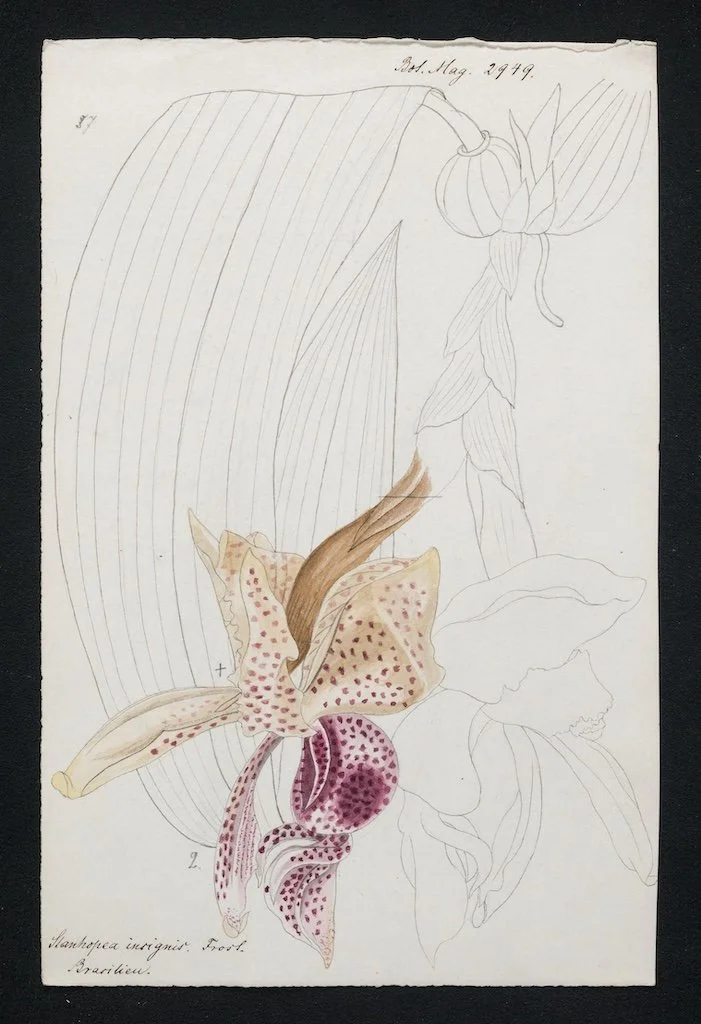
Twenty more books were added to my botanical print eBook collection in May - available for browsing on Internet Archive. The Descriptions of orchid genera by Fritz Kraenzlin series that I started back in May was completed with another 6 volumes in this month’s eBotanical Prints list. There are volumes 1 and 3 of Rudolf Koch’s Das Blumenbuch; I discovered had browsed the second volume back in 2018 and it was already on the list! The oldest volume on the list is Florilegium novum hoc est by Johann Theodor Bry published in 1611; its sample image is the only one that is not in color!

My list of eBotanical Prints books now totals 3,123 eBooks I’ve browsed over the years. The whole list can be accessed here.

Click on any sample image from May’s 20 books below to get an enlarged version…and the title hyperlink in the list below the image mosaic to view the entire volume where there are a lot more botanical illustrations to browse.

Enjoy the May 2025 eBotanical Prints!

Descriptions of orchid genera 1880-1908 V6 * Kraenzlin, Fritz * sample image * 1908

Descriptions of orchid genera 1880-1908 V7 * Kraenzlin, Fritz * sample image * 1908

Descriptions of orchid genera 1880-1908 V8 * Kraenzlin, Fritz * sample image * 1908

Descriptions of orchid genera 1880-1908 V9 * Kraenzlin, Fritz * sample image * 1908

Descriptions of orchid genera 1880-1908 V10 * Kraenzlin, Fritz * sample image * 1908

Descriptions of orchid genera 1880-1908 V11 * Kraenzlin, Fritz * sample image * 1908

Das Blumenbuch V1 * Koch, Rudolf; Kredel, Fritz * sample image * 1929

Das Blumenbuch V3 * Koch, Rudolf; Kredel, Fritz * sample image * 1929

Florilegium novum hoc est * Bry, Johann Theodor * sample image * 1611

The spirit of the woods : illustrated by coloured engravings * Hey, Rebecca * sample image * 1837

Planches de physiologie végétale * Errera, Leo Abram; Laurent, E.  * sample image * 1897

Autumnal Leaves * Robins, Ellen; Graves, Gertrude M. * sample image * 1868

Garden Album and Review : an illustrated monthly magazine of Horticulture. Vol. 1, Nos. 1-5 * Weathers, John (editor) * sample image * 1906

Beautiful garden flowers for town and country * Weathers, John  * sample image * 1904

Beautiful flowering trees and shrubs for British and Irish Gardens * Weathers, John  * sample image * 1904

Nouveau Duhamel V1 * Loiseleur-Deslongchanps, L.A. * sample image * 1812

Nouveau Duhamel V2 * Loiseleur-Deslongchanps, L.A. * sample image * 1812

Nouveau Duhamel V3 * Loiseleur-Deslongchanps, L.A. * sample image * 1812

Nouveau Duhamel V4 * Loiseleur-Deslongchanps, L.A. * sample image * 1812

Nouveau Duhamel V5 * Loiseleur-Deslongchanps, L.A. * sample image * 1812

My Missouri Yard – May 2025

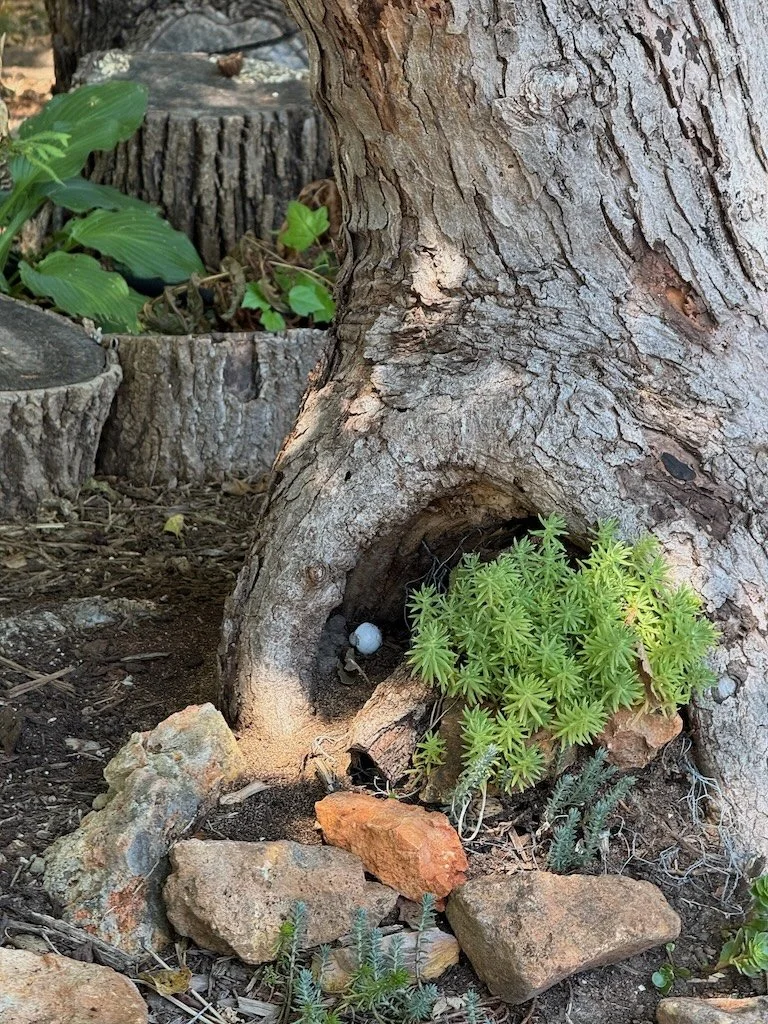
There is always something happening in my yard this time of year. I often notice the mushrooms when I mow. There are several different kinds…most often near the place in our front yard where a tree was cut down sometime before we bought the house. There is still a lot underground that the fungi are decomposing.

I noticed a crane fly in the white pine as I was mowing….right at eye level.

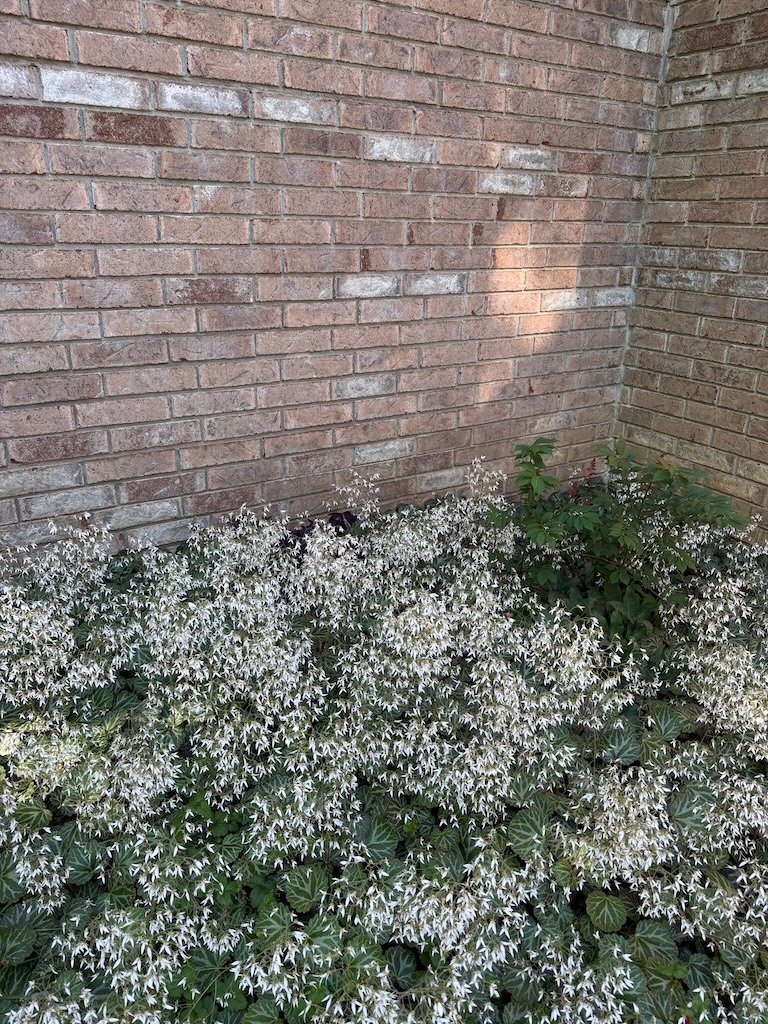
The common saxifrage (Saxifraga stolonifera) was growing in a protected corner flowerbed on the east side of our house when we bought it. The plant has overflowed the bed and bloomed profusely this spring….a benefit of not mowing an area that is very shady and was beginning to be mossy. It is not a native plant, but it has deeper roots….will hold the soil on the slope better than moss…and better than grass too!

The rose bushes are blooming…recovered again from dying back during the winter. The wildflower patch I planted the first year is doing well…although I am realizing that not all the flowers are natives. I am letting it continue this year but will have to begin taking out the non-natives next year.

The mock strawberry (Potentilla indica) seems to be in several places in my yard. It is invasive but I am not doing anything to get rid of it at this point.

I have a hummingbird feeder on my office window for the first time this year….we don’t have a lot of ruby throated hummingbirds, but enough of them come by to make it worthwhile to keep it clean and full of sugar water!

Chihuly Vicariously

My daughter texts us pictures when she travels, and she has made two short trips recently that are tempting me to plan trips….maybe for next fall. The first was to Wichita, Kansas in mid-May…with the big draw (for me) being the Chihuly glass in the Wichita Art Museum. There were also wetlands, a zoo and fireworks! It might be easier to convince my husband that planning a similar trip would be worthwhile since he got the texts as well!

The second trip was to Oklahoma City; she was there last week to see the play-off game of the OKC Thunder….enjoyed the game but also enjoyed Myriad Botanical Garden. Oklahoma City might be a good early fall excursion for us….as soon as the heat of summer begins to wane.

Butterfly House after Rain

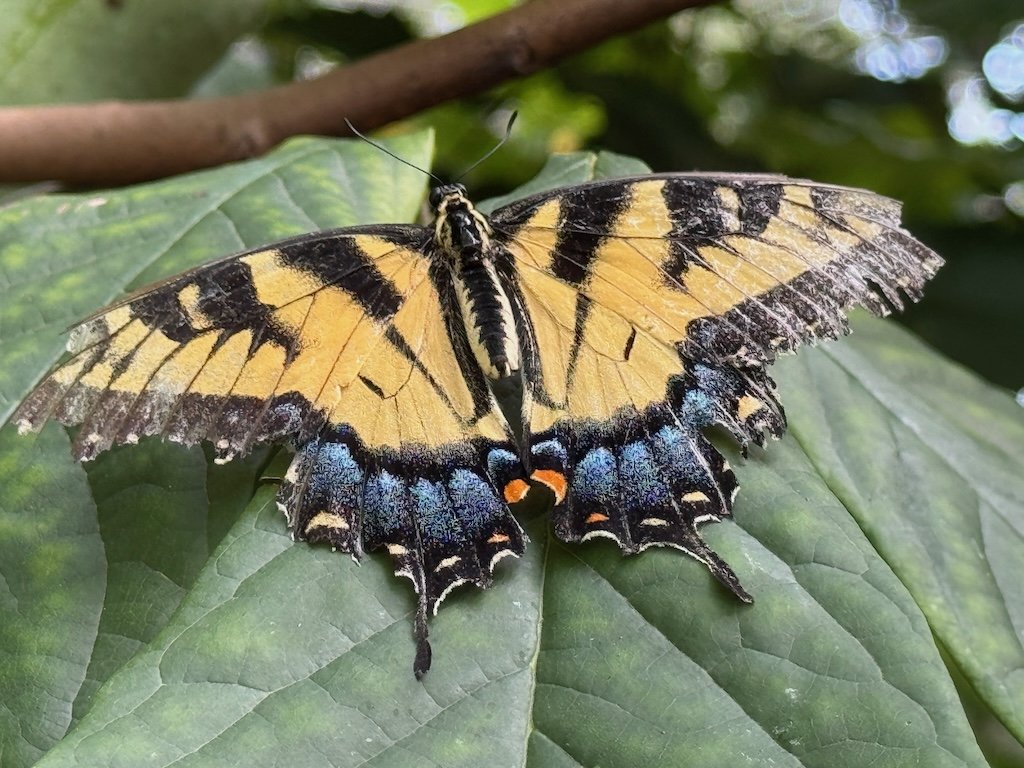
One of my shifts at the Roston Native Butterfly House occurred after it rained most of the night and the hours before my shift. I was pleasantly surprised that it didn’t rain for a bit over 2 hours that fit nicely with my scheduled time…only starting again just as the next shift arrived! Not many people ventured out to the Springfield Botanical Gardens during that time and there were only 14 visitors to the butterfly house…so I had plenty of time to sweep the floor and stand up the chairs! There was a cecropia moth on the floor that I moved to a flower bed so it would not get stepped on; it moved a bit when I picked it up.

The high point of the visitors were grandparents their two young granddaughters; they were having a ‘butterfly day camp week’ and the house was on their activity list! They were thrilled that the rain had stopped long enough for them to visit.

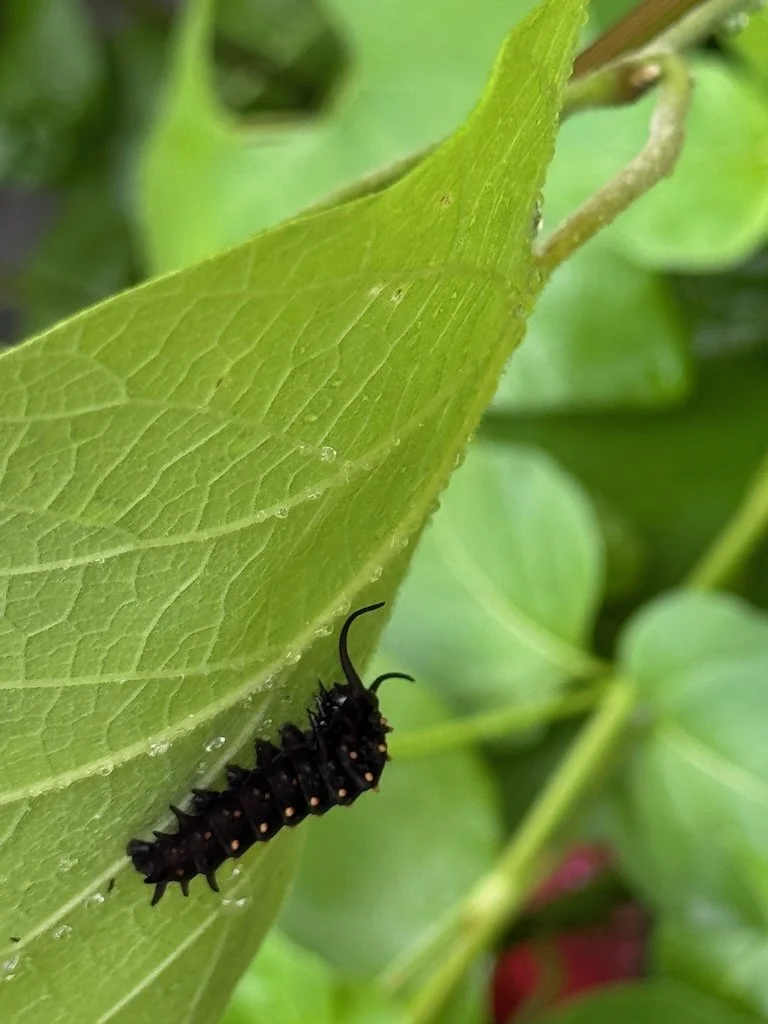
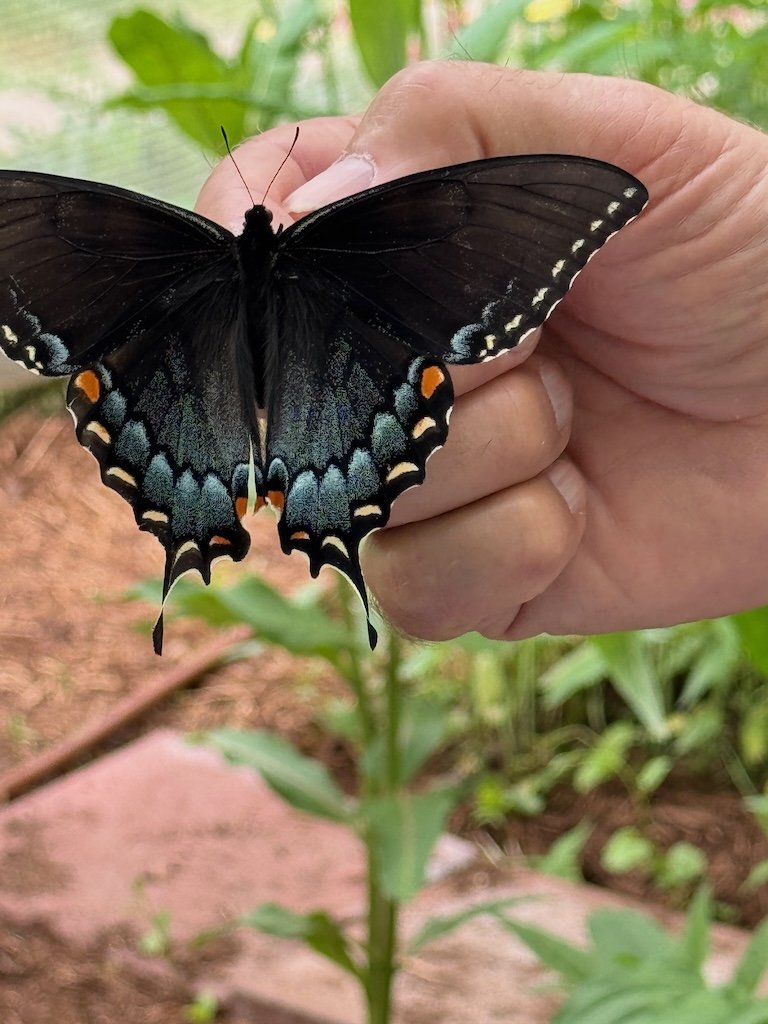
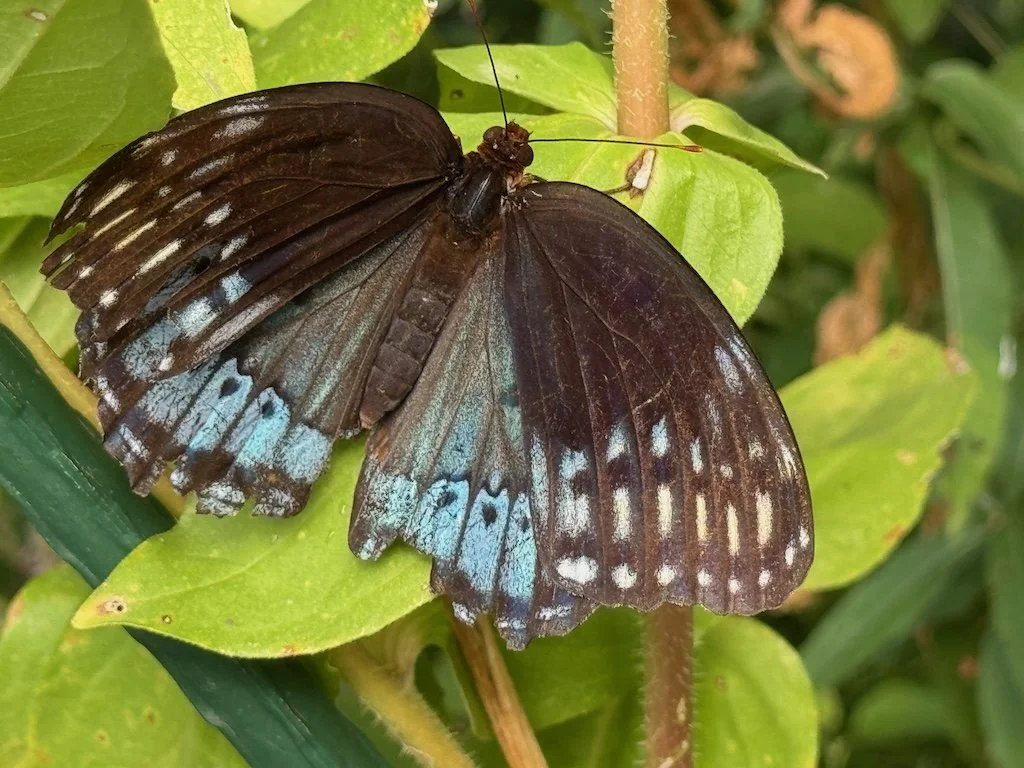
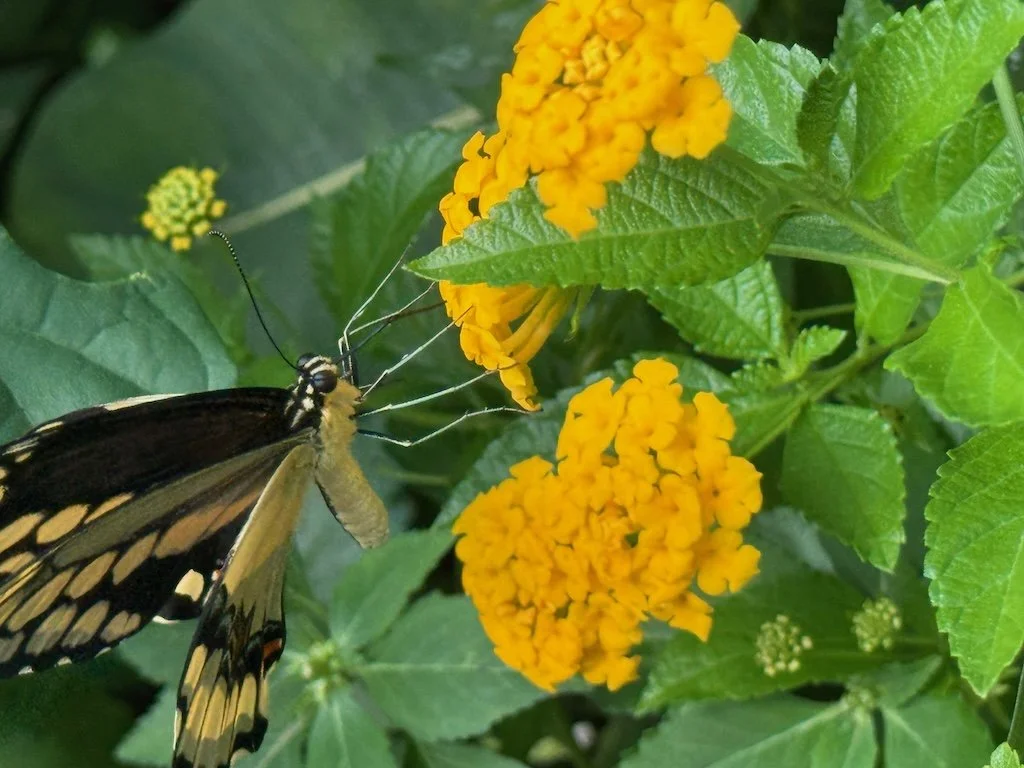
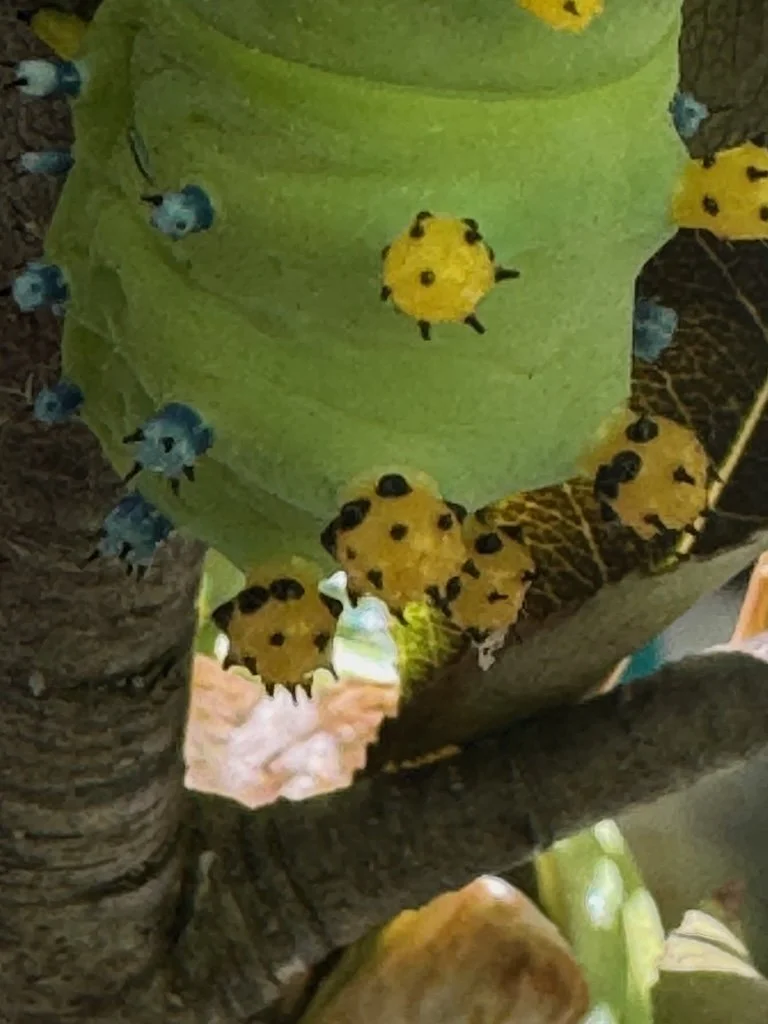
The butterflies that were not roosting were feeding on zinnias and musk thistle – probably hungry because they tend to roost when it is raining or dark (and it was cool as well). The oranges that are usually popular were probably waterlogged from all the rain; I didn’t see any butterflies on them. Two pipevine swallowtail caterpillars were actively feeding but most of the others were not very active. I had plenty of time to take pictures of butterflies, caterpillars, and plants.

There were at least 4 cecropia moths (other than the one I moved off the floor) that were in house…a little challenging to see in the foliage. Two butterflies emerged from their chrysalis but neither one dried off enough to fly away from the chrysalis house; the humidity was very high which probably prolonged the process. Some butterflies were on the low brick walls and floor; they might have been puddling although it appears they were on relatively dry places.

Gleanings of the Week Ending May 31, 2025

The items below were ‘the cream’ of the articles and websites I found this past week. Click on the light green text to look at the article.

10 Ways Vincent Van Gogh Continues to Make News, Even Today – An artist that has been ‘newsworthy’ for a very long time. This post about recent instances of ‘Van Gogh mania.’

Measles vaccines save millions of lives each year – Statistics about measles and the impact of the vaccine…history and how the choices we make will have impacts on the future trajectory of the disease.

New River Gorge National Park and Preserve – It became a national park in 2020. I’ve driven through it…stopped at a visitor center…but haven’t experienced it the way I have other national parks.

Forty Years of Change in Louisiana’s Wetlands – Images from Landsat 9 from 1985 and 2024 show that much of the wetland has transitioned to open water….reshaped by storms and sea level rise.

In healthy aging, carb quality counts - The researchers analyzed data from Nurses' Health Study questionnaires collected every four years between 1984 and 2016 to examine the midlife diets and eventual health outcomes of more than 47,000 women who were between the ages of 70 and 93 in 2016. The analysis showed intakes of total carbohydrates, high-quality carbohydrates from whole grains, fruits, vegetables, and legumes, and total dietary fiber in midlife were linked to 6 to 37% greater likelihood of healthy aging and several areas of positive mental and physical health.

Wildlife Photographer Captures Mid-Air Battle of Two Birds Fighting for Dinner – The battle over a vole between a Northern Harrier and Short-eared Owl in British Columbia, Canada. Dramatic photos. Both birds are over Missouri Prairies in the winter too!

How the humble chestnut traced the rise and fall of the Roman Empire - According to researchers in Switzerland, the Romans had something of a penchant for sweet chestnut trees, spreading them across Europe. But it wasn't so much the delicate, earthy chestnuts they craved – instead, it was the fast-regrowing timber they prized most, as raw material for their empire's expansion. And this led to them exporting tree cultivation techniques such as coppicing too, which have helped the chestnut flourish across the continent.

China’s Mega Dam Project Poses Big Risks for Asia’s Grand Canyon - China’s plans to build a massive hydro project in Tibet have sparked fears about the environmental impacts on the world’s longest and deepest canyon. It has also alarmed neighboring India, which fears that China could hold back or even weaponize river water it depends on.

Step Into a Painstakingly Recreated 3D Model of the Parthenon, Now Restored to Its Ancient Glory - By combining archaeology and technology, a researcher has shed light on a longstanding architectural mystery: how the ancient Greeks experienced the inside of the Parthenon, the Athenian Acropolis’ largest temple, built and dedicated to the goddess Athena in the fifth century B.C.E.

How Tikal Became One of the Greatest Mayan Cities—and Then Vanished - Nowadays, the ruins of Tikal, an ancient Maya city in northern Guatemala, have been largely reclaimed by the jungle. Howler monkeys jump from pyramid to pyramid. Bats hide in the crevices of abandoned homes. Bullet ants and tarantulas crawl along the forest floor while coatis—racoon-like animals with long, upright tails—search for fallen fruit. Many of the city’s structures remain unexcavated to ensure their preservation. Tikal began life as a series of small, unassuming hamlets. Across centuries, it grew into one of the largest and mightiest cities in the loosely affiliated network of municipalities that made up the Maya civilization. At its peak, which approximately lasted from 600 to 900 C.E., Tikal comprised an area of roughly 50 square miles, 3,000 stone structures, and a population that may at one point have exceeded 60,000 people. While other Maya settlements like Chichen Itza remained inhabited well into the 12th century C.E., Tikal is thought to have collapsed around the year 900.

Life Magazine in 1938

Internet Archive has digitized versions of many Life Magazines. I have been browsing through them – slowly since there was an issue for each week. As I looked at the issues from 1938, I thought about my parents in elementary school then. They were probably still mostly oblivious to the events in the broader world – secure with their families in rural/small town Oklahoma. The sample images (one from each weekly magazine) show a variety of topics the Life editors chose to cover over the course of the year. The growing news of war in Europe was in the news but life in America was not impacted very much.

Life Magazine 1938-01-03 – the Mormon Temple (Salt Lake City)

Life Magazine 1938-01-10 – Florida

Life Magazine 1938-01-17 – Texas oil

Life Magazine 1938-01-24 – Chinese fighting against the Japanese invasion

Life Magazine 1938-01-31 – Helium from plant in Amarillo TX exported to Germany for Zeppelin

Life Magazine 1938-02-07 – Women’s shoes

Life Magazine 1938-02-14 – Georgia O’Keeffe

Life Magazine 1938-02-21 – Carl Sandburg

Life Magazine 1938-02-28 – Helen Keller

Life Magazine 1938-03-07 – Hitler at Berlin Philharmonic

Life Magazine 1938-03-14 – Products from Mexico

Life Magazine 1938-03-21 – Old music in new ways (radio and records too)

Life Magazine 1938-03-28 – Lives broken in Austria by Nazi conquest

Life Magazine 1938-04-04 – Junked cars

Life Magazine 1938-04-11 – Tornado in Kansas

Life Magazine 1938-04-18 – Lipton tea

Life Magazine 1938-04-25 – Bridge to Key West finished

Life Magazine 1938-05-02 – Three Musicians by Picasso

Life Magazine 1938-05-09 - Mussolini

Life Magazine 1938-05-16 – Solar flare

Life Magazine 1938-05-16 – Hitler and Mussolini

Life Magazine 1938-05-30 – Ford tires

Life Magazine 1938-06-06 – Princeton boys

Life Magazine 1938-06-13 – Pattern of War

Life Magazine 1938-06-20 – War in China

Life Magazine 1938-06-27 – New plane and train

Life Magazine 1938-07-04 – Copper Mine

Life Magazine 1938-07-11 – Coca Cola

Life Magazine 1938-07-18 – Hopi impact on modern home design

Life Magazine 1938-07-25 – Princesses Elizabeth and Margaret with their mother

Life Magazine 1938-08-01 – Refinery fire

Life Magazine 1938-08-07 – Mao Tse-tung and the Chinese communists

Life Magazine 1938-08-15 – Sears, Rowbuck and Co. catalog covers

Life Magazine 1938-08-22 – Air transport maintenance

Life Magazine 1938-08-29 – Beach clubs

Life Magazine 1938-09-05 – College clothes

Life Magazine 1938-09-05 – Nazi war preparedness

Life Magazine 1938-09-19 – Czechoslovakia

Life Magazine 1938-09-26 – Hitler facial expressions

Life Magazine 1938-10-03 – France’s Maginot Line

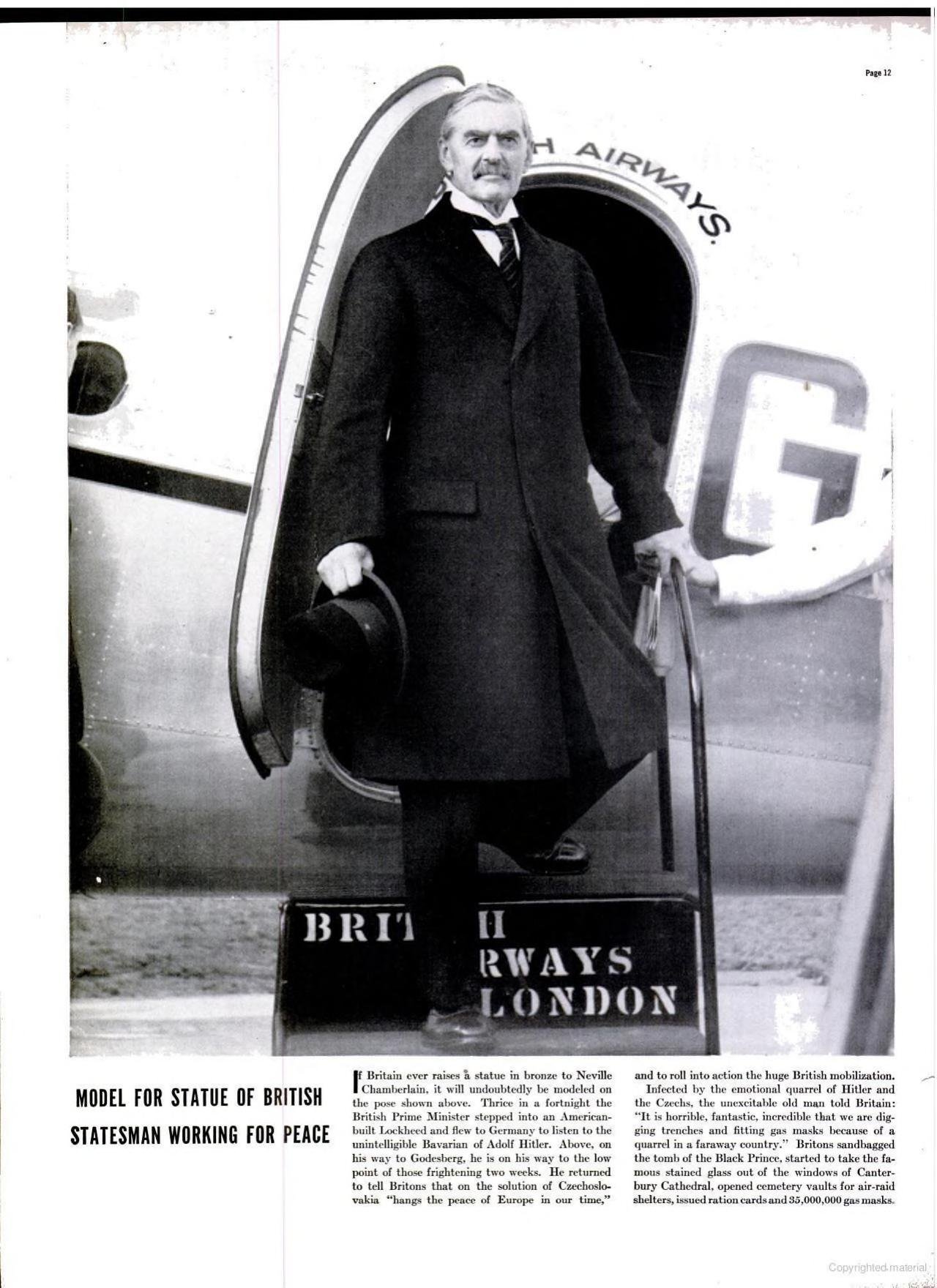
Life Magazine 1938-10-10 – Nigel Chamberlain

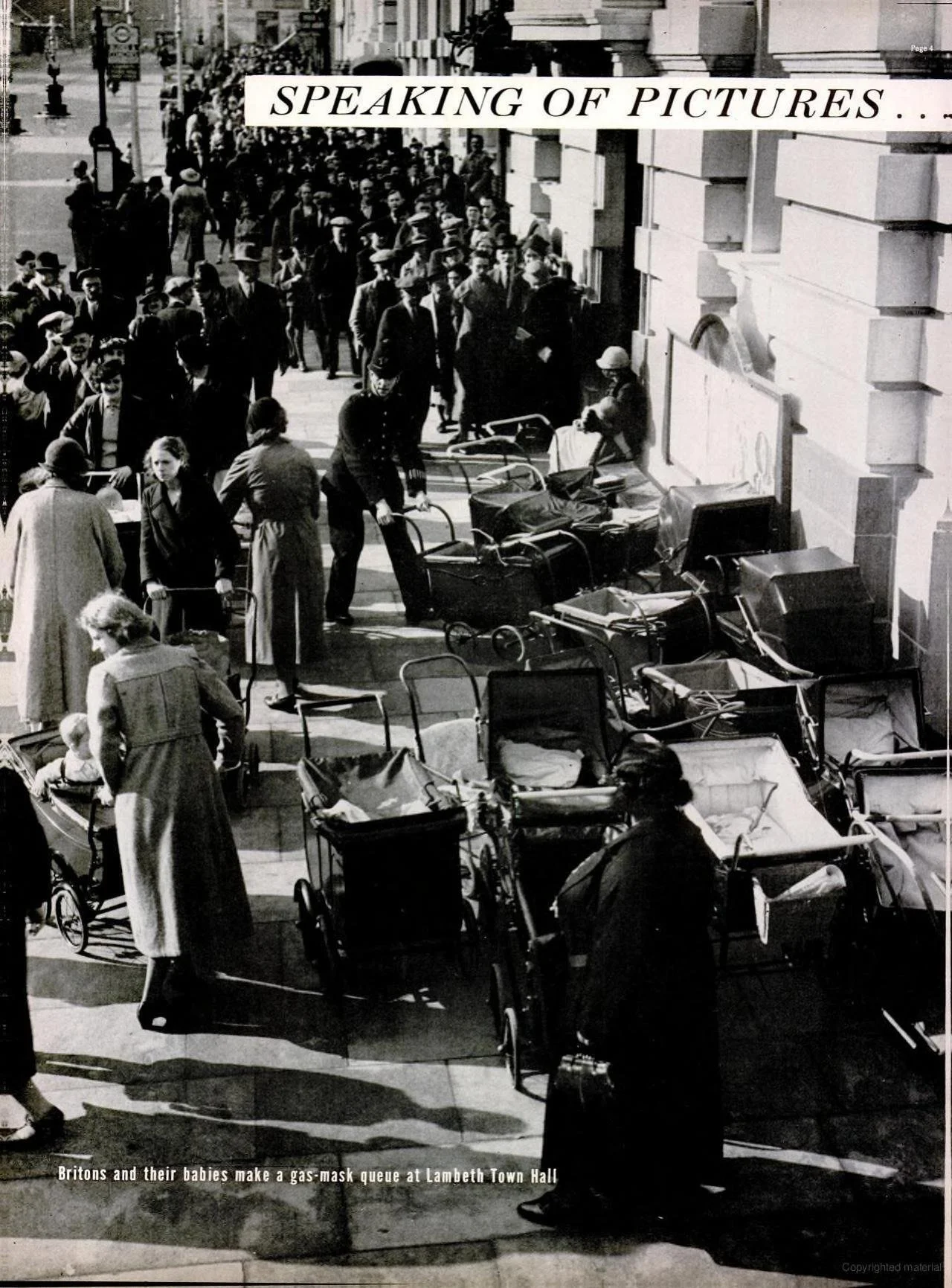
Life Magazine 1938-10-17 – Gas mask queue

Life Magazine 1938-10-24 – “America in 1938 needs fewer men with guns and more men of good will”

Life Magazine 1938-10-31 – US Navy

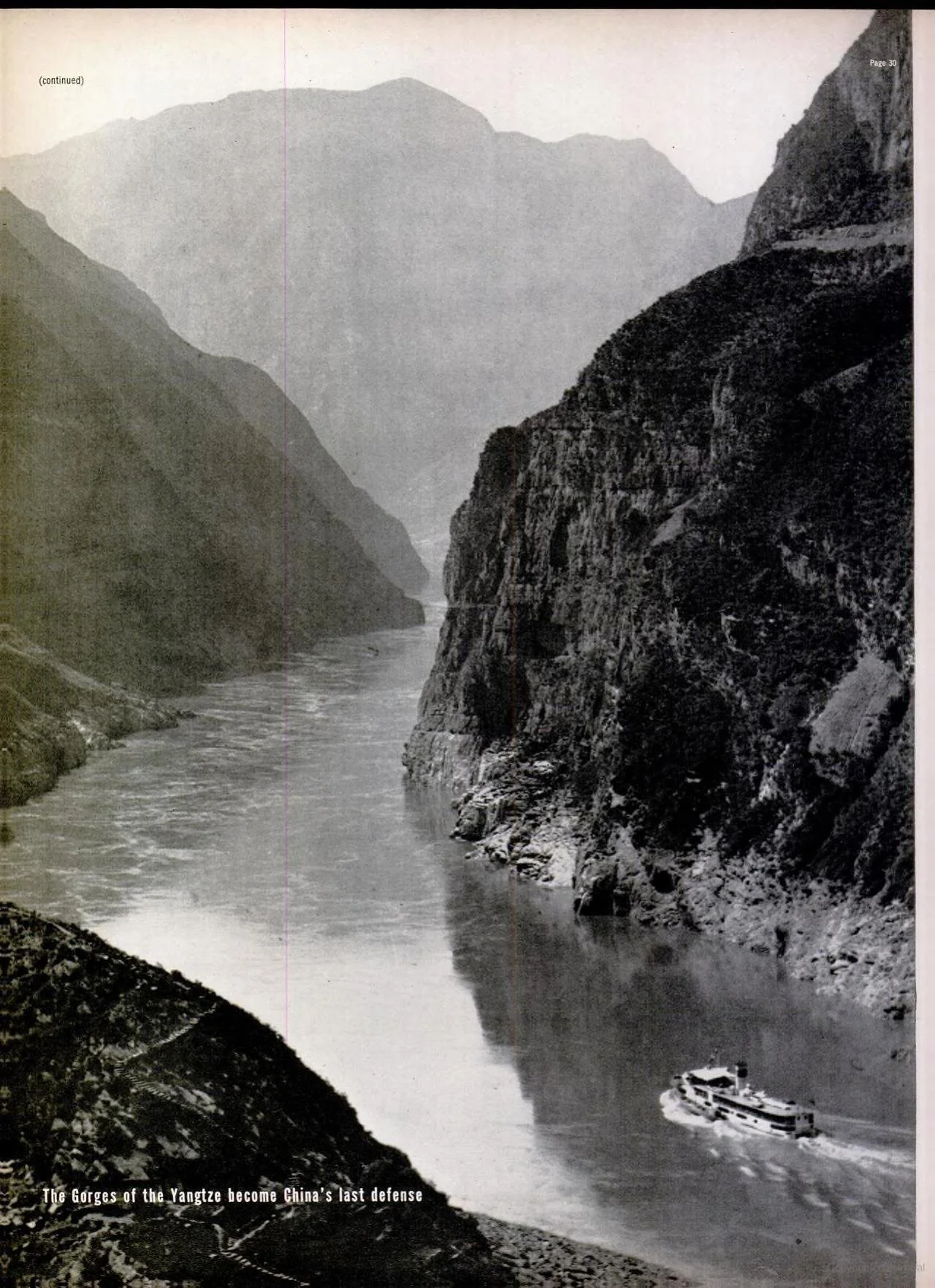
Life Magazine 1938-11-07 – Gorges of the Yangtse

Life Magazine 1938-11-14 – Halloween in Kansas City

Life Magazine 1938-11-21 – Coca Cola

Life Magazine 1938-11-28 – Rice Krispies

Life Magazine 1938-12-05 – Christmas toys

Life Magazine 1938-12-12 – Spanish War

Life Magazine 1938-12-19 – Mary Martin

Life Magazine 1938-12-26 – The Vatican

Ten Little Celebrations - May 2025

So many places close to home to visit…flowers everywhere. Also a new volunteering activity…with butterflies.

Roston Butterfly House. The native butterfly house at Springfield Botanical Gardens opened in May…and I had my first volunteer shift there…celebrating the butterflies and the people that come to visit them!

Butterfly tour for first graders. There are so many little celebrations to observe and participate in on field trips with first graders: their exuberance at being outdoors, their awe of butterflies in general and joy when on alights on their shoulder or finger…celebration frequently rippling through the whole group.

Harold Prairie. I celebrated  visting a narrow swath of never plowed prairie in need of restoration…the flowers beginning to bloom after the recent mowing and the prospect of volunteer hours in the future.

Noah Brown’s Prairie. Getting to see 3 different prairie situations in a short walk is worth celebrating: a never plowed prairie recently burned, a never plowed prairie that is due to be burned in the fall, and a prairie restoration project. There was plenty to see in all three areas!

Linden’s Prairie. Another never plowed area…celebrating seeing some new species and some ones I had seen in the previous prairies.

Ag Academy. I celebrated the 5th grade Ag Academy students that were selling seedlings as a fund raiser….and getting some milkweed, zinnias, and coneflowers to plant in a big pot for my patio.

Irises. Big beautiful flowers…one of the big celebrations in my yard in May.

More native plants. I added an American Spikenard, red buckeye, and native columbines to my yard in May…celebrating that they were easy to find at a local native plant sale and that I got them planted the day after I bought them.

Successful surgery. Often times things that cause a lot of anxiety (like pending surgery) result in a celebration when the best happens…rather than the worst. That happened for my husband this month.

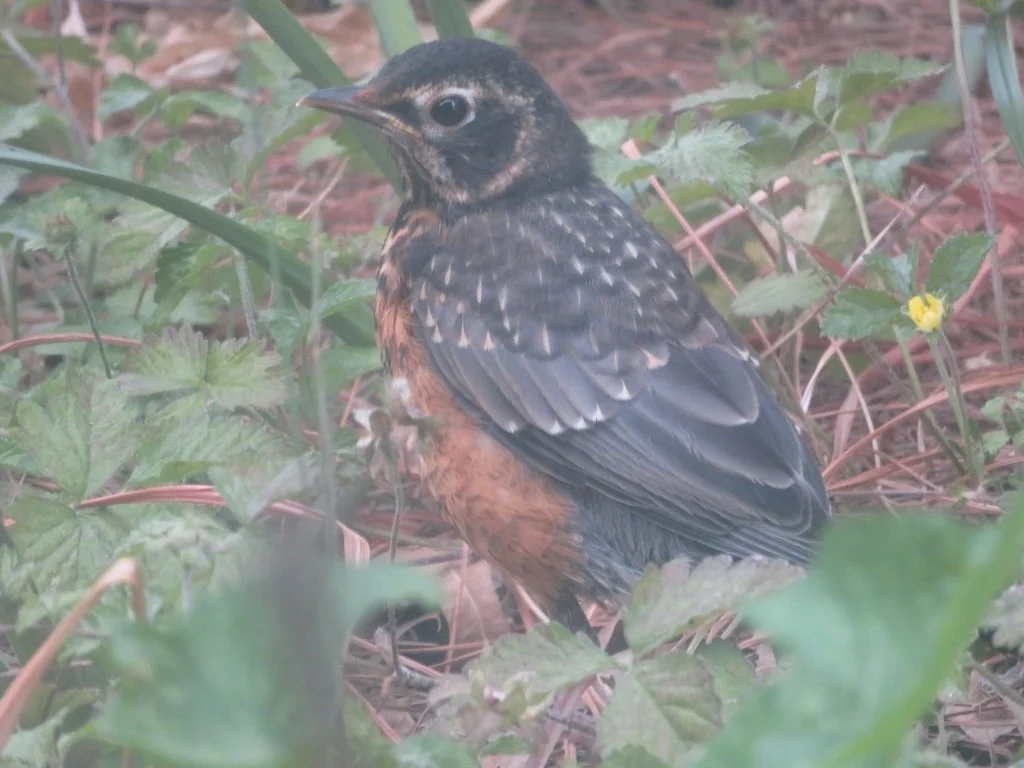
Young robins. I celebrated seeing fledgling/juvenile robins…and realizing what they were…in my newly creating spikenard/hosta garden. They seem to be finding things to eat in the pine needle mulch!

Roston Butterfly House

The seasonal Roston Native Butterfly House at the Springfield MO Botanical Gardens opened in mid-May and I have enjoyed my initial shifts. It will be my primary volunteer activity until September! The mornings are still cool enough that sometimes the butterflies are not as active when my shift starts at 10…. they warm up and are more active before the shift ends at 12:30 PM. I signed up for mornings-only from the beginning but have already learned that in May, the temperature for any of the shifts would not be problematic!

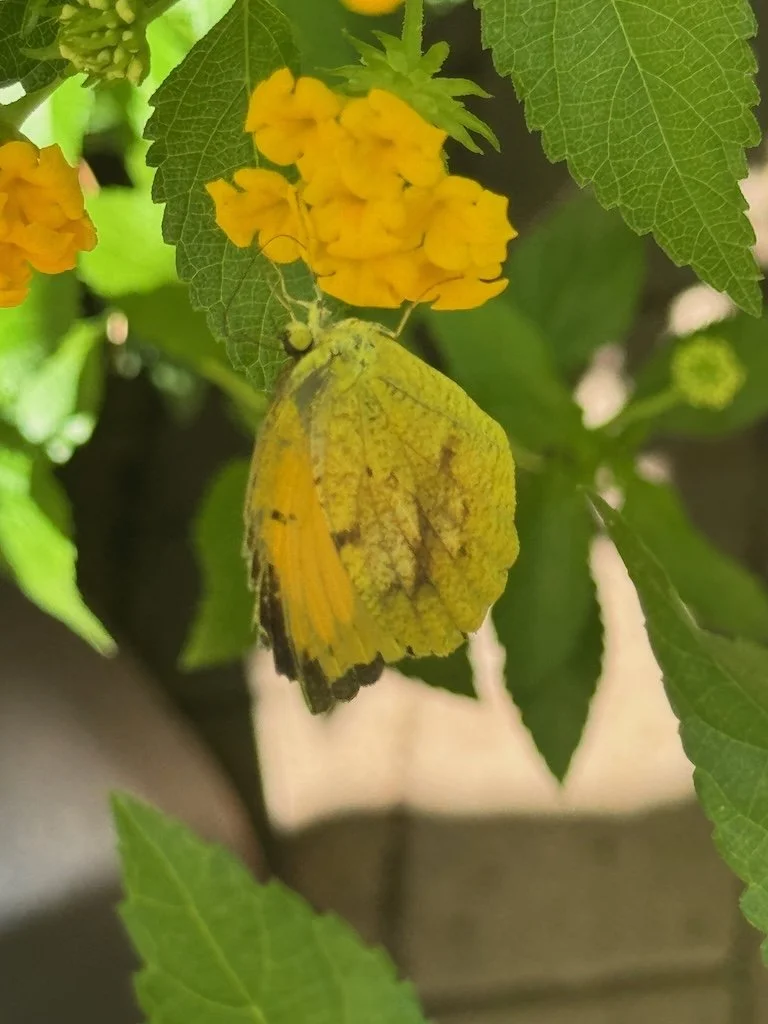
It is easy to get pictures with my phone!

I find myself enjoying being in the butterfly house just as I did in Brookside Gardens Wings of Fancy in Maryland (pre-Covid). There is something magical about so many butterflies in a confined space. The Roston Butterfly House is only native species so there no biological containment requirement…which makes it less stressful for volunteers!

In a Waiting Room

Last week my husband was scheduled of out-patient surgery. The situation had changed significantly from my January 2022 outpatient surgery experience when Covid-19 protocols closed waiting rooms. The expectation now is that patients have a person, usually a family member, that stays at the waiting room during the surgery. We left for the hospital at 5 AM and were home by a little after 11 AM.

We went to the lobby registration desk for initial sign in…and were given a buzzer like restaurants sometimes use. Within a few minutes of sitting down, the buzzer went off and we went with an administrative person to make sure all the payment information was correct. Back in the waiting room for a few minutes…and we were called again by a person to take us back to the pre/post op area. I helped my husband into the hospital gown and socks….put all his clothes in a bag that I would keep (that was the expectation…and I found myself wishing his clothes were not as bulky). The anesthesiologist and surgeon came to talk to us. By 7:15 AM he was prepped and on his way to the OR and I was on my way to the waiting room. I had been given a number so I could track his status on the screens there. I checked in at the desk …in anticipation of the surgeon coming out after the surgery was complete to talk with me.

I filled the time between 7:15 AM and 9:35 AM in that waiting room. Getting a pastry from the bakery/café for breakfast was my first activity. I had loaded some novels on my phone for reading material. I made 3 Zentangle tiles. The time passed relatively quickly. The area was not crowded but it was clear that there were quite a few morning surgeries. One man lay down on one of the longer bench chairs and napped. Most people were reading on their phones; I didn’t hear a single phone ‘ring’ so people must have followed direction to silence them. The green plastic bags with patient’s clothes were near every person in the waiting room! I kept my daughter apprised of the everything via texts.

Everyone must have been a little anxious…most seemed hyper alert (except for the one person that slept) but at the same time relatively calm and appreciative of the quiet, calm demeanor of people at the reception desk in the room….they set the tone.  

The waiting room had small rooms at each end where the conversations with the surgeon could happen in private. There was a picture of a dogwood in bloom on the wall in the room I was assigned. The surgeon came in…reported positive results…talked about the recovery instructions which would be printed and provided to us by the nurse. I was back in the waiting room for a few minutes before they gave me a post op room number where my husband was.

He was groggy still from the anesthesia. He seemed to be very challenged to rank the amount of pain he was feeling. It took about an hour for him to eat a snack and get dressed…meet the criteria for being released.

I called my daughter to meet us at our house since I wasn’t sure how mobile he really was. When we got home, I held onto his arm to go into the house…and used the path with the fewest steps. It was slow going but we managed, and he immediately took a nap. The pain med he was given just before he left the hospital had taken effect!

Gleanings of the Week Ending May 24, 2025

The items below were ‘the cream’ of the articles and websites I found this past week. Click on the light green text to look at the article.

American Schools Have Been Feeding Children for More Than 100 Years. Here’s How the School Lunch Has Changed - The National School Lunch Program is the longest running children’s health program in U.S. history, and it has an outsized impact on nutritional health.

Pompeii’s Most Fascinating Finds of the Decade—So Far - From children's drawings to ancient fast-food counters, new finds continue to reshape our understanding of daily life in the ill-fated Roman city. very year, archeologists come across remains and artifacts that broaden our understanding of what daily life in Pompeii and, by extension, the rest of the Roman Republic was like.

Where in the world are babies at the lowest risk of dying? – Data collected by countries…and then tweaked to be made more consistent so that comparisons can be done. It’s about how to look at statistical data.

How gardening can help you live better for longer - In 2015, Norway became one of the first countries to create a national dementia care plan, which includes government-offered daycare services such as Inn på tunet – translated as "into the yard" – or care farms. Now, as researchers recognize the vast cognitive benefits of working on the land, more communities are integrating gardening into healthcare – treating all kinds of health needs through socially-prescribed activities in nature, or green prescriptions.

Chasing Unicorns: A Photographer’s Journey Documenting Rhino Conservation - Bringing the rhinos from one conservancy to another was a monumental effort. A photographer documented the work of conservationists and veterinarians.

Gilded-Age Tiffany Window Heads to Auction with Multimillion-Dollar Price Tag - With most surviving examples of Louis Comfort Tiffany’s mastery of mottled glass still affixed to the walls of churches or stately homes, purchasing opportunities are rare.

Pit Stops on the Monarch Flyway: Arkansas Partnership Benefits Pollinators - You just don’t see as many monarch butterflies as you used to. Researchers have documented that eastern populations of monarchs have declined by as much as 80 percent since the 1990s. A partnership in Arkansas is restoring pollinator habitat, providing those critical stops for butterflies to rest and feed. The habitat is also utilized by migratory songbirds and northern bobwhite, a popular gamebird that has seen significant declines.

Vitamin supplements slow down the progression of glaucoma - In glaucoma, the optic nerve is gradually damaged, leading to vision loss and, in the worst cases, blindness. High pressure in the eye drives the disease, and eye drops, laser treatment or surgery are therefore used to lower the pressure in the eye and thus slow down the disease. n experiments on mice and rats with glaucoma, the researchers gave supplements of the B vitamins B6, B9 and B12, as well as choline. This had a positive effect. A clinical trial has been started to see if the vitamins have the same impact in people.

163 Treasures from King Tut’s Tomb Arrive at the Grand Egyptian Museum - The museum one step closer to staging the first-ever complete display of the legendary boy king’s golden treasures. I remember the two King Tut exhibits I have views – in New Orleans and Baltimore.

Sulfur runoff amplifies mercury concentrations in Florida Everglades - Sulfur applied to sugarcane crops in South Florida is flowing into wetlands upgradient of Everglades National Park, triggering a chemical reaction that converts mercury into toxic methylmercury, which accumulates in fish.

USSR Crafts

The ‘book of the week’ is another one published in the waning days of the USSR in 1987. It documents the folk art of the country – which is now split apart – and is available on Internet Archive. The book is in English, translated from the Russian by Jan Butler. It is well illustrated by the author’s (Alexander Milovsky) photographs – well worth browsing.

The Pure Spring Craft and Craftsmen of the USSR

Linden’s Prairie

Linden’s Prairie was my 4th field trip this spring and 3rd prairie (post about the first three: Harold Prairie, Geology field trip nature center and road cuts, Noah Brown’s Prairie). The prairie walk was sponsored by the Missouri Prairie Foundation. We had been cautioned about ticks, so I wore my bug repellent gators and shirt…sprayed my jeans with OFF! above the gators. I decided to use my point and shoot camera (Canon Powershot SX730 HS) rather than my phone (iPhone 15 Pro Max) for most of the photos. The first picture I took was of the sign near the mowed area where some of us were able to park.

The hike was in the late afternoon – sunny, warm but not too hot, a little breeze. There was a lot more grass on Linden’s Prairie than Noah Brown’s prairie last week. There might have been some armadillo holes, but they were harder to see!

Our guide talked about two things that are not around anymore on the prairie: passenger pigeons and elk. There is good documentation that both were plentiful originally. There were enough passenger pigeons that there were market hunters for them; it’s hard to imagine that pigeons were food…until they were hunted to extinction.

The swaths of red color from the Royal catchfly won’t be for a few more weeks across this prairie but there were plenty of flowers to see among the grasses…some almost hidden until they were close at hand. We saw corn salad, yarrow, delphiniums/lockspur, coreopsis, golden alexander, phlox, hoary puccoon, wood betony/lousewort, goat’s rue/hoary pea, lead plant, and wild indigo. The grasses were too hard to photograph…I concentrated on the flowers.

There was some prairie vocabulary too: mima mounds (small mounds in an otherwise gently rolling prairie landscape) and motts (clumps of woody plants in a prairie).

My favorite flowers on this walk were the prairie roses…small plants, lots of buds, grasses waving higher over the pink flowers. One had to be almost stepping on them to see them!

Gleanings of the Week Ending May 17, 2025

The items below were ‘the cream’ of the articles and websites I found this past week. Click on the light green text to look at the article.

Frank Lloyd Wright’s Iconic Hollyhock House Faces Closure Amid City Cuts – Budgets tightening across the board. It seems that cultural things previously funded by governments are among the first to go.

The surprising power of breathing through your nose – The nose can be the first line of defense for your immune system. Mouth breathing has been shown to increase acidity and dryness in the mouth, linking it to cavities, demineralization of the teeth and gum disease. You can think of the nose like a wind chime for the mind; when air moves through your nose, it seems to have a significant influence on your cognitive processes. Nasal breathing has positive effects on the limbic system – the parts of the brain that regulate emotion and behavior – in ways that mouth breathing doesn't.

Spring (Baby) Fever – A baby animals quiz….with cute pictures.

Dust in the system -- How Saharan storms threaten Europe's solar power future - New research reveals how Saharan dust impacts solar energy generation in Europe. Dust from North Africa reduces photovoltaic (PV) power output by scattering sunlight, absorbing irradiance, and promoting cloud formation. Based on field data from 46 dust events between 2019 and 2023, the study highlights the difficulty of predicting PV performance during these events.

In Galápagos, Iconic Giant Tortoises Get a Helping Hand - Fifteen species of giant tortoises — the largest in the world — once roamed the Galapagos Islands but today only 11 survive. Dome-shelled tortoises reach sexual maturity at 20 to 25 and lay 16 to 20 eggs at a time. When the park was established in 1959, some of the tortoise species were heading towards extinction while others were deemed vulnerable or threatened. But a captive breeding program launched in 1965 has shown great success and has released more than 10,000 giant tortoises back into the wild.

Walmart Announces Nationwide EV Charging Network - According to a press release from the company, “With a store or club located within 10 miles of approximately 90% of Americans, we are uniquely positioned to deliver a convenient charging option that will help make EV ownership possible whether people live in rural, suburban or urban areas.”

Shingles vaccine lowers the risk of heart disease for up to eight years - There are several reasons why the shingles vaccine may help reduce heart disease. A shingles infection can cause blood vessel damage, inflammation and clot formation that can lead to heart disease. By preventing shingles, vaccination may lower these risks. Our study found stronger benefits in younger people, probably due to a better immune response, and in men, possibly due to differences in vaccine effectiveness. The study was done in South Korea.

Hikers Make Stunning Discovery of $340,000 Gold Hoard in Czech Mountains - Most of the coins are French with the overall hoard broadly dated from 1808 to 1915. There is, however, a notable exception: the Austro-Hungarian coins. Small markings on the coins, known as countermarkings, indicate that they were reissued in 1921 in an area of Yugoslavia most likely encompassing modern-day Serbia and Bosnia and Herzegovina. The hoard remains under investigation and archaeologists hope that with the aid of archival records they will be able to work out the full story behind the treasure.

All of the biggest U.S. cities are sinking - The fastest-sinking city is Houston, with more than 40% of its area subsiding more than 5 millimeters (about 1/5 inch) per year, and 12% sinking at twice that rate. Some localized spots are going down as much as 5 centimeters (2 inches) per year. Two other Texas cities, Fort Worth and Dallas, are not far behind. Some localized fast-sinking zones in other places include areas around New York's LaGuardia Airport, and parts of Las Vegas, Washington, D.C. and San Francisco. Massive ongoing groundwater extraction is the most common cause of these land movements. In Texas, the problem is exacerbated by pumping of oil and gas. Droughts will also likely worsen subsidence in the future. Some buildings in the Miami area are sinking in part due to disruptions in the subsurface caused by construction of newer buildings nearby.

How Herbicide Drift from Farms Is Harming Trees in Midwest - There’s growing evidence that agricultural herbicides — which are also used on golf courses, lawns, and rights of way — are inflicting widespread damage on trees and other vegetation across the Midwest and upper South and perhaps doing broader ecological harm as well. The problem is causing increasing concern and even alarm among landowners, state forestry officials, and scientists. In 48 percent of the cases, researchers found damage more than 1,000 feet from the nearest farm field; six samples showed herbicide damage at more than a mile.