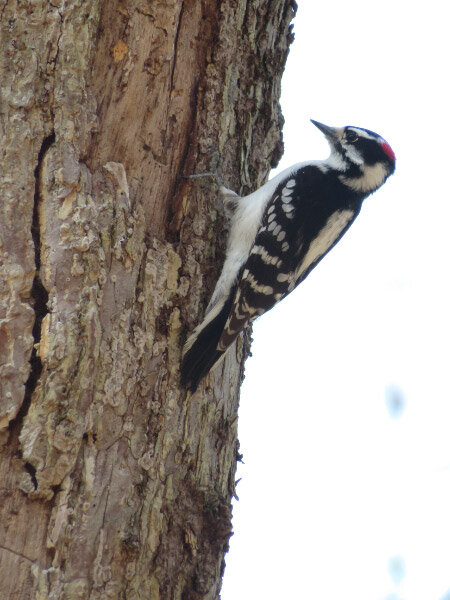
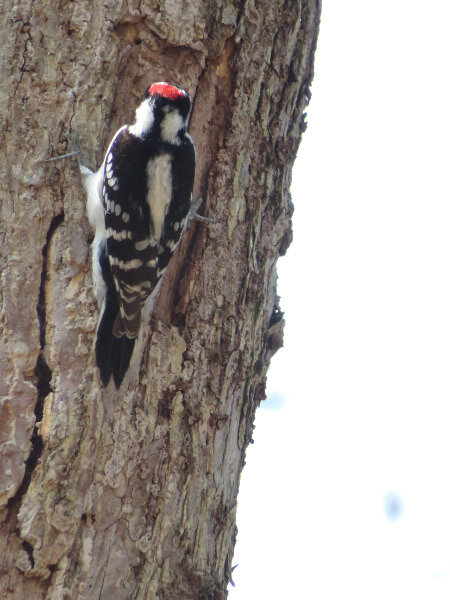
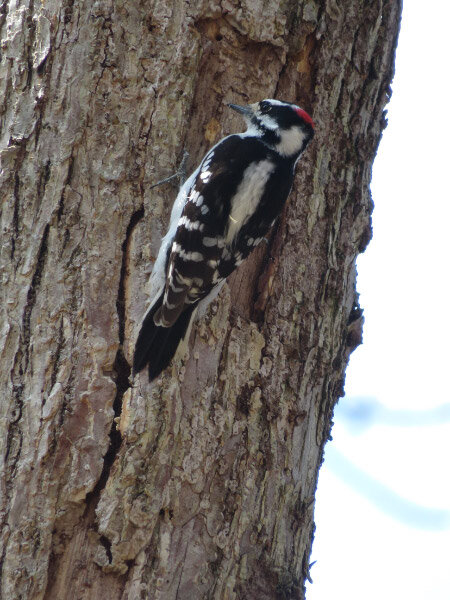
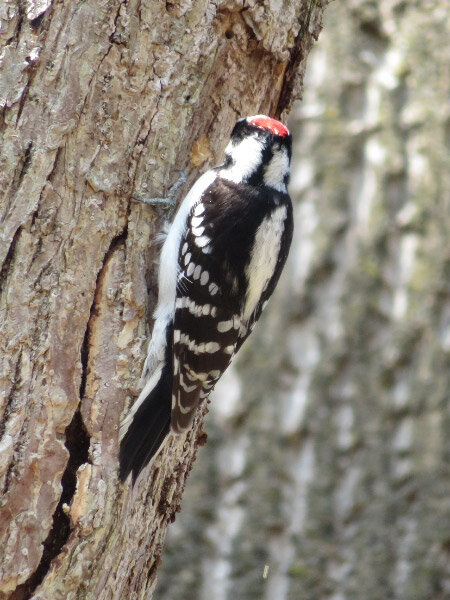
Missed seeing the Indigo Bunting in my Maryland Yard

My husband saw an indigo bunting on our deck on two days recently. On the first day he got a picture of the back of the bird – enough that Merlin could provide the id.

2021-05-07-indigo buntinmg-1-CR3_DxO_DeepPRIME.jpg

He was more prepared for the second visit….got a picture of the bird snacking at our feeder.

2021-05-11-untitled shoot-5961-CR3_DxO_DeepPRIME.jpg

Last year seeing the indigo buntings and other birds returning in the spring, helped me during the highest COVID-19 death days in Maryland (April-May 2020). This year – not being there to see them – is making me homesick. After staying at home as much as possible from March 2020 to mid-April 2021, it has been quite a change to be away from home for over a month. I’ve savored the change of scenery and seeing my family again but am conscious that I am missing the details of the area in and around my house in Maryland. My husband is helping with occasional pictures…like these of the indigo bunting.

Gleanings of the Week Ending May 22, 2021

The items below were ‘the cream’ of the articles and websites I found this past week. Click on the light green text to look at the article.

Top 25 birds of the week -May 2021 – Starting out the gleanings list with bird photographs!

Why cats love to sit in boxes – even fake ones – All of our cats have liked sitting in boxes….it was fun to see some research showing that even the 2D shape is appealing to them!

An incomparable intellectual who fell through the cracks of history – A woman, of course. In this case it was Robert Boyle’s older sister, Katherine Jones, Lady Ranelagh.

Strange and surprising facts about Opossums – The only marsupial north of Mexico. Odd look and behavior.

Irish farmer stumbles onto ‘untouched’ ancient tomb – Turning over a rock and finding a stone-lined passageway!

Ancient pottery reveals the first evidence of honey hunting in prehistoric West Africa – Analysis of potsherds from Central Nigeria revealed that around 1/3 of the pots they came from were used for processing or storing beeswax! The pieces of pottery are from the 1st millennium BC.

Big Spring Lodge, Cabins Rehabilitation Lags at Ozark National Scenic Riverways – I hope the project now planned to start in the fall gets completed on time. The place would be a good vacation destination for us since my daughter lives in Missouri.

You are how you cook – Research on the cooking methods in different parts of China and the relationship to the type of grains utilized over time. The areas that boiled/steamed food tended to use millet over wheat or barley since the later two grains take longer to cook by that method.

Fighting dementia with play – A pilot study with a game consisting of a screen and floor panel with four fields that measure steps, weight displacement and balance….users attempt a sequence of movements with their feet requiring physical and mental skills. The pilot was promising. Perhaps these types of games will become one of the strategies to enable people to handle daily life longer.

Meet Benjamin Banneker, the black scientist who document brood x cicadas in the late 1700s – Benjamin Banneker Historical Park and Museum are close to where I live in Maryland. I’ve been there several times (posted about it in March 2015 and December 2018, but hadn’t realized that noting the periodic cicadas was one of his numerous observations.

Hempson Ditchfield on Internet Archive

Peter Hempson Ditchfield was a prolific author and historian…and a Church of England priest. I browsed 17 of his books recently…all available on Internet Archive. There is a lot of variety. The illustrations are detailed….it required some discipline to choose just one from each book.

Sometimes illustrations are drawings of famous sites – like Stonehenge in Old village life; or, Glimpses of village life through all ages (1920).

32 21 04 (2).jpg

Some volumes are illustrated with photographs like in Oxfordshire (1912)….some skew toward the archaeology of a location like in Memorials of old London - V1 (1908) that included a detailed drawing of Roman sandals.

The second volume of Memorials of old London (1908) started out with a color illustration.

41 21 04 (1).jpg

Memorials of Old Kent (1907) was co-authored with George Clinch. The illustration I chose reflect the details in the architectural documentation. Vanishing England (1910) was the book I was browsing the day Prince Philip’s death was announced; it seemed a similar title could be used in 2021. The name of the illustrator shows on my sample illustration for the book; many of the illustrations in Ditchfield’s books are uncredited.

Ditchfield was second author on the two volumes to Memorials of old Lancashire (volume 1 and volume 2) in 1909 with Henry Dishwick.

The Cottages and the village life of rural England (1912) is the only book of the 17 that has an illustrator (A.R. Quinton) on the title page…and all the illustrations are in color.

51 21 04 (3).jpg

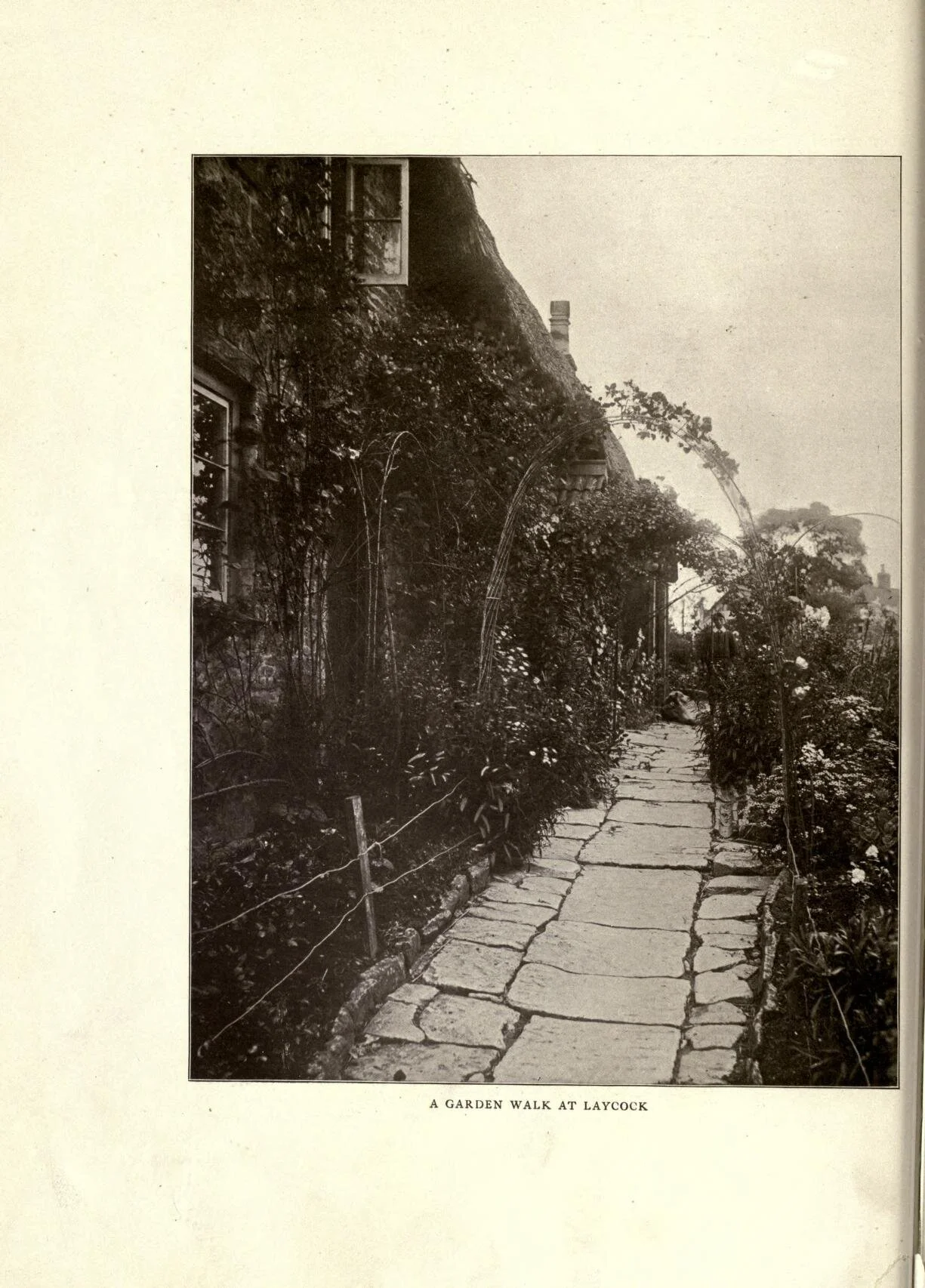
Bygone Berkshire (1896) and Byways in Berkshire and the Cotswolds (1921) were about published about the same locale 25 years apart!

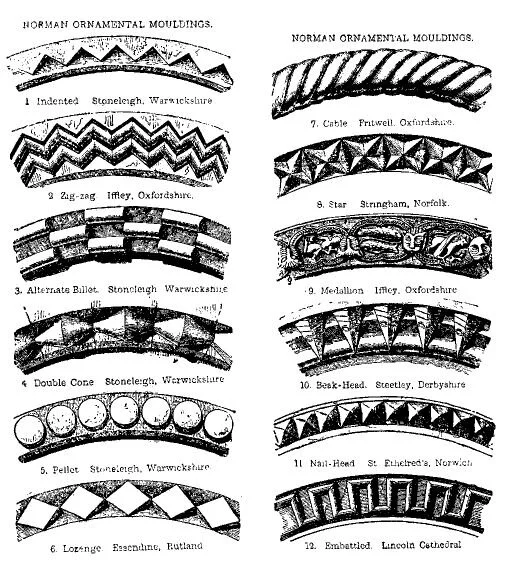
Two volumes of The Counties of England, their story and antiquities (volume 1 and volume 2) were published in 1912, The Charm of the English Village was co-authored with Sydney Robert Jones in 1908, and English Villages was published in 1901. I chose a sample image that documented ornamental molding for the next to the last book in this group…a good reference (and ideas for Zentangle patterns).

The last Ditchfield book I browsed was The Manor Houses of England which was published in 1910 – the time between World War I when the world changed so much both from the war and from the 1918 flu epidemic. I liked the muted tints of the first illustration in the book.

03 21 05 (1).jpg

Sandwiched

I am sandwiched between elderly parents and an early career daughter. Many of the articles about being in this situation seem to focus on the stress of being pulled between the two generations. My perception of it – so far – is how lucky I am…not the stress it might cause from time to time. Yes – I can’t be everywhere at once – but I am not the only one involved. I am married and have three sisters…all in the situation with me!

The distance between Maryland (me) and Texas (my parents) requires a two day drive…it’s slightly shorter but still 2 days to Missouri (my daughter’s). Flying is easier between my home and my parents since both are major cities; the flights to my daughters all require at least one stop.  Overall – it is a challenge to get to them fast. Virtual is helpful but not the same as being there in person.

I was fortunate that neither generation of my sandwich had an emergency during the pandemic. Traveling the distance quickly (driving or flying) is already a challenge…it would have been incredibly traumatic to not be able to travel at all; I’m glad we are all vaccinated now so the travel restriction is lifting.

The pandemic year has probably increased the need to travel to my parents more frequently. Maybe I will feel the pull more acutely…or not. I going to stay with the idea of savoring the time with both generations!

Gleanings of the Week Ending May 15, 2021

The items below were ‘the cream’ of the articles and websites I found this past week. Click on the light green text to look at the article.

Top 25 birds of the week: Camouflage – Birds that blend in….a photography challenge sometimes – finding the bird then zoom in enough to make the bird easy to spot.

You Can Now Explore the Louvre's Entire Collection Online | Smart News | Smithsonian Magazine – Next best thing to being there.

The radical coral rescue plan that paid off – Restoration after Hurricane Iris hit Belize in 2001.

Experimenting with Tucson Night Lights – Streetlights accounted for only 13% of the light visible after midnight….so we need to address other types of lighting to reduce the impact of outdoor lighting. Streetlights have been the easiest to address because they are a single source, and the local government has direct control over them.

1,200-year-old children’s hand prints found in Mexican cave – Made by Mayan children…perhaps made during coming of age ritual…in black handprints at first…then red.

Pileated Visitation – The joy of having a pileated woodpecker around long enough to photograph.

Forget Stonehenge: the first know massive monuments are much older – 6th millennium BC (7,000 years ago) structures on the Arabia Peninsula. Mustatils built as monuments by cattle herders.

Bald Eagle Cams Are Active. Here are the best 4. – It’s the time of year to watch nest cams!

Prairie Ecologist – Photographs of the week – April 23 2021 – Prairie dandelions on different than the dandelions that come up in my yard in Maryland!

Photography in the National Parks: the yin and yang of a composition – A Rebecca Lawson post…beautiful and instructive.

William Henry Bartlett Illustrations

Back in March, I browsed through books on Internet Archive illustrated by William Henry Bartlett that I hadn’t found in previous years. He was a prolific British artist; there would be a lot more books had he not died when he was 45 years old returning from a trip to the near east probably of cholera.

There are six books from my March browsing…and I selected 2 illustrations from each one.

Switzerland by William Beattie (1834)

Ireland Illustrated by George Newnham Wright (1800) along with other illustrators

Syria, the Holy Land, Asia Minor by John Carne (1836)

14 Months in COVID-19 Pandemic

I celebrated my vaccine becoming fully effective (2 weeks following my second shot of the Moderna vaccine) during the 14th month of the pandemic. It was a significant milestone. The big change was feeling safe enough to set off on a road trip to see my parents; I hadn’t seen them since the January before the pandemic was declared.

There are non-critical appointments that are being scheduled now – dentist, eye doctor, haircuts. My parents may be mostly caught up on those types of appointments before I go back to Maryland; I’ll start catching up for myself by June.

What a difference from May 2020 when the news was dire – hospitals overflowing in some areas of the country and many deaths were in senior living/nursing homes. We know a lot more about the virus now and there are effective vaccines. It surprises me that we may not reach herd immunity for COVID-19 because there are too many people that are reluctant to get the vaccine. I remember in the 1960s with the roll out of the polio vaccine…everyone going to the local school for the sugar cube. It made polio an extremely rare occurrence very quickly. It is frustrating and sad that there is a segment of US society in 2021 that is seems to be focused on their right to not get vaccinated rather than their health and the health of others.

Trying to end on a more positive note….

I have gone back to carrying a purse rather than carrying minimal essentials (car key, credit card, id) in a wrist band. The purse has room for my mask although I still tend to put my mask on in the car before I walk across the parking lot into the store. I like to not be in a rush to put the mask on or do it while I am walking.

It’s hard to know how crowded a park will be so I generally carry the mask with me….and put it on if there are too many people sharing the trails. I am conscious of probably wearing the mask more than the new CDC guidance. As it gets hotter, I’ll pay close attention to the guidance and be keen to take the mask off whenever I can!

30 Years ago – May 1991

May 1991 was a hectic – and traumatic month. One of my sisters experienced a mid-term miscarriage, my husband started a new job (carrying boxes increased his back problem), I was juggling 2 projects for the first half of the month requiring frequent travel to Atlanta, my daughter was exhibiting some ‘terrible twos’ behavior a few months before she was 2 (deciding she didn’t like baths, sometimes refusing to feed herself, taking off at her fastest run across a cemetery, grabbing my glasses from my face), and my computer monitor failed making it impossible to work at home for a few days until we made an emergency purchase of a new one.

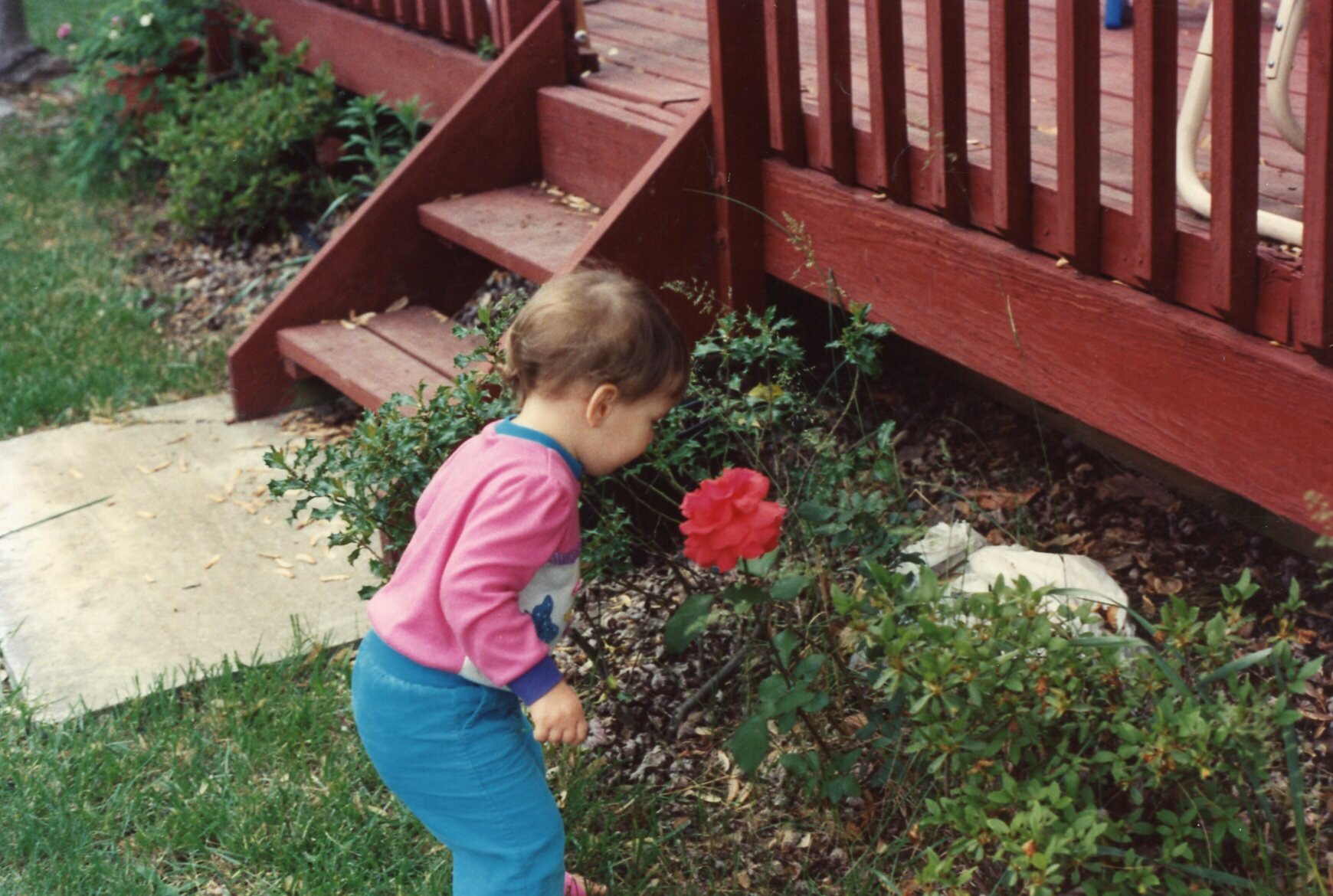
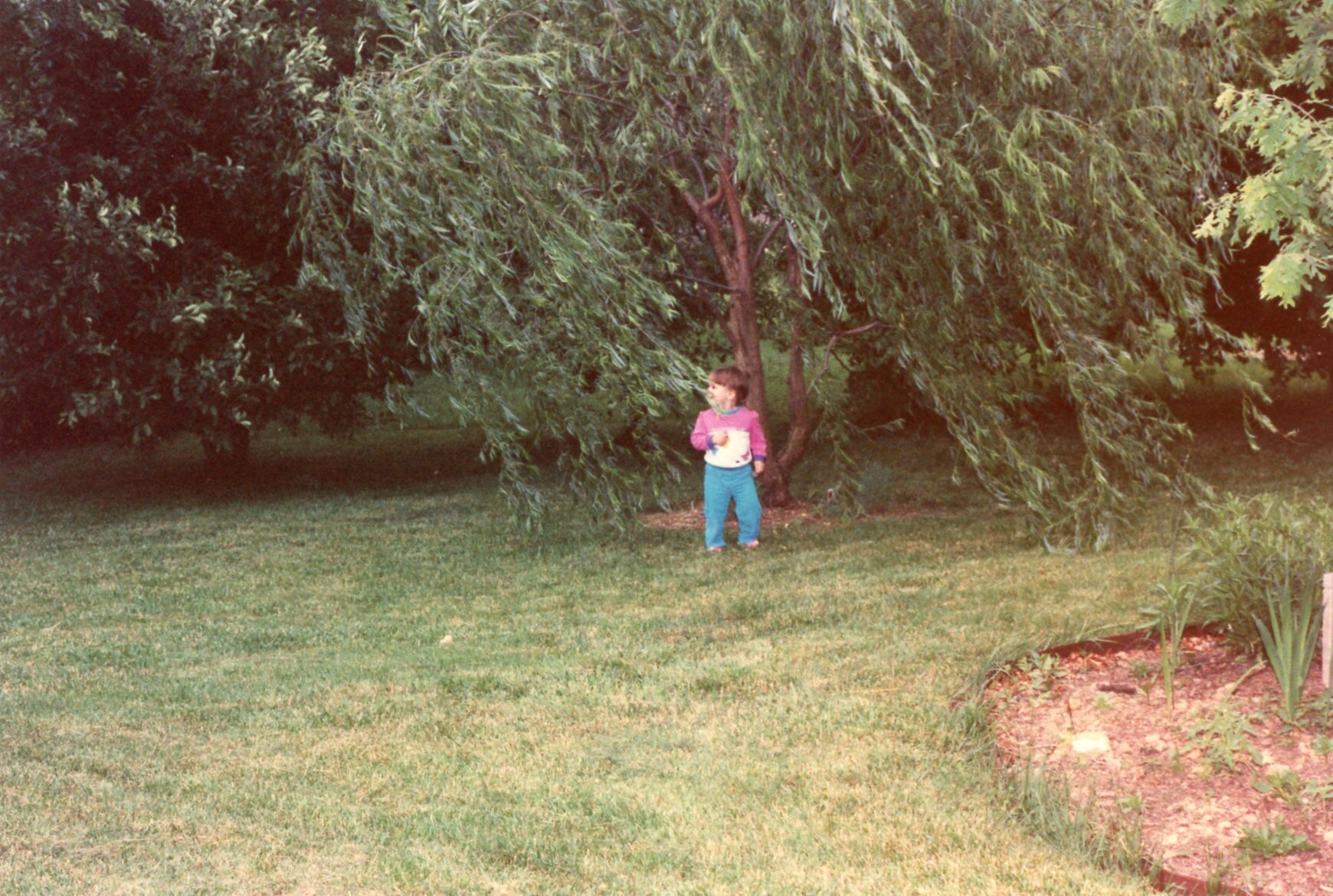
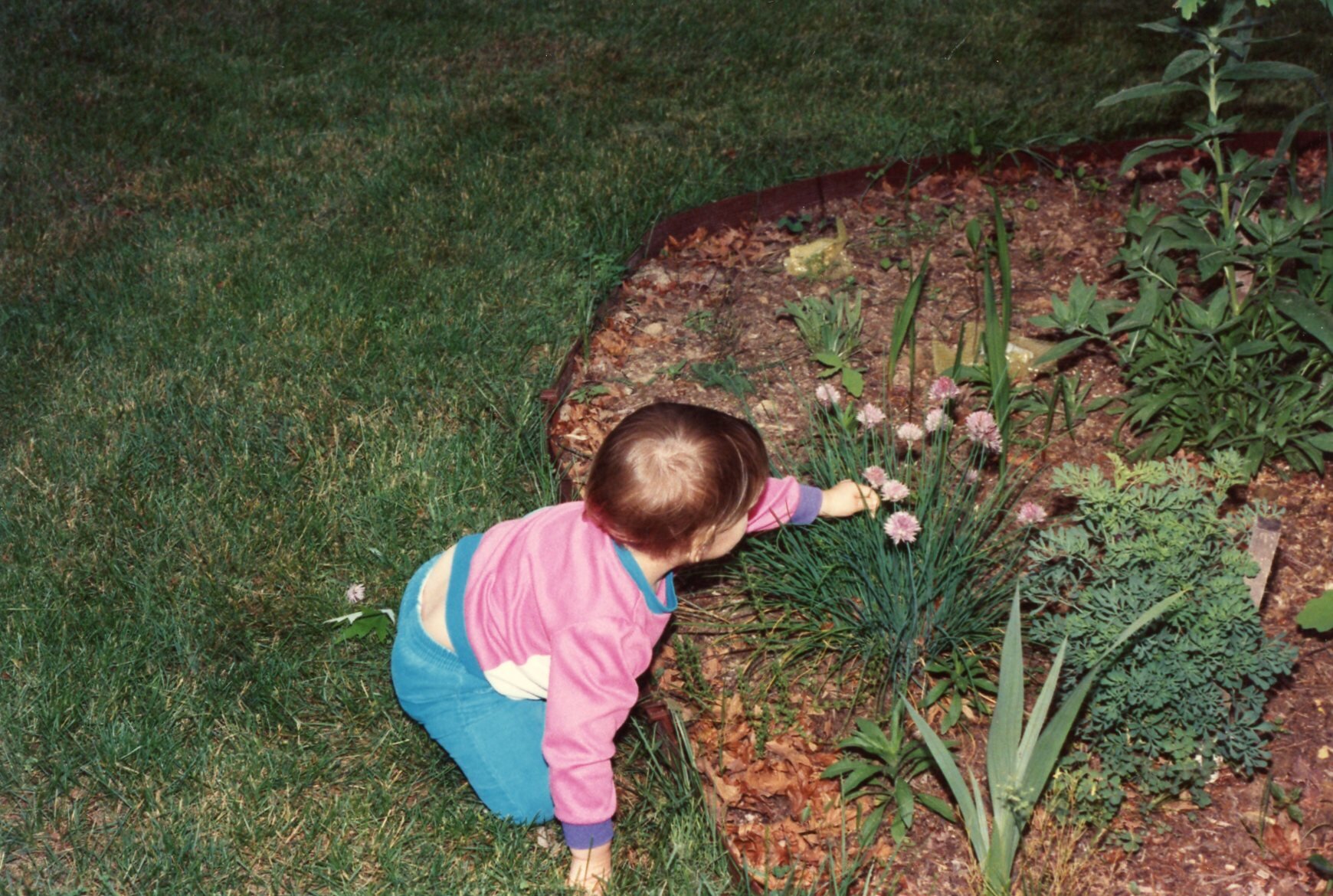
On the positive side – my daughter was loving the outdoors. In the early part of the month, she thoroughly explored the back yard – smelling the roses, feeling the branches of the willow sweep over her, and picking some chives flowers to bring inside.

The later part of the month was dry enough that I turned on the sprinkler to water the yard one afternoon….not anticipating how thrilled my daughter would be. She immediately went to play in the spray. It was her first experience with a sprinkler.

Some other firsts that month for her: riding the train at Wheaton Park and an escalator. One of her books had an escalator and she was excited to see and ride a real one.

I was writing letters to family on my computer but sending them snail mail. The books I was reading (airplane rides were prime reading time for me) were mostly used books. I noticed a young child waiting for the bus and worried that my daughter would be doing that in a few years.

Even with all the things that happened over the course of the month – by the end things were looking good for June: husband was settled into new job, one of my projects was done so there was only one ongoing, and we expected visits from 2 of my sisters in June (separate weeks so not an overwhelming prospect!).

Gleanings of the Week Ending Saturday May 8, 2021

The items below were ‘the cream’ of the articles and websites I found this past week. Click on the light green text to look at the article.

Top 25 Birds of the Week: Seedeaters! – Starting out the gleanings list with bird photographs.

Mapping tree inequality: Why many people don’t benefit from tree cover – Trees are an effective way to reduce the heat island effect within cities (i.e. where there are fewer trees it is hotter). Lower income communities tend to have fewer trees…and thus are hotter. As there are more hot days, the impact is becoming greater. There is also a beauty to trees…each one is an island of nature in a sea of concrete and asphalt. Increasing trees in cities and towns is an investment in physical and mental health!

Roman temple at Egyptian Emerald Mine – In the eastern Egyptian desert. The researchers found 19 coins, incense burners, bronze and steatite figurines, bones, terracotta body parts, and amulets.

Return of Brood X Cicadas – This brood emerges in the area where I live in Maryland. I am not there to see it, but I hope my husband can photograph some emerging cicadas. There should be lots of opportunities!

Invasive Jumping Worms Have Spread to 15 States – This species is in the middle of the country. I haven’t seen any yet in Texas, but they are in the state and my daughter might have them in Missouri. Hopefully, there will be a method to control them soon or the landscape of that area of the country could change…they are a small organism with a big impact.

A Retreat to Catoctin – This park is close  (about an hour) from where I live in Maryland. I’ve been there many times….maybe not often enough.

Hopes and Weeping Trees: What’s up with the Yellow-bellied Sapsucker? – Neat rows of holes in tree trunks? There is a sapsucker around. Sometimes hummingbirds will come to get the sap dribbling out of the holes. I am always pleased to discover a tree that has been visited by a sapsucker; I noticed when I was at Mt. Pleasant this spring that the tree that was convenient to a hiking route for school field trips (pre-pandemic) has been cut down so I will hunt for another one to share with hikers.

Trove of 2,000-Year-Old Bronze Mirrors Found in Ancient Chinese Cemetery – 80 mirrors….ranging from 3-9 inches in diameter. There are other artifacts recovered from the same cemetery….maybe more stories to come as the excavations and analysis of finds continues.

Charting ice from above – The Icebird flights….flying low over ice and open water. What if feels like to be part of the crew.

National Parks Traveler Checklist: Padre Island National Sea Shore – My husband and I have been to parts of the Padre Island National Sea Shore for snippets of time. Our plan to visit in 2017 to see more of the park was cancelled after Hurricane Harvey…maybe we should add it to our post-pandemic travel plans!

Hospital Experience

Most of my experiences at hospitals is associated with my parents getting older and needing support during hospitalization. A week ago, another one was history. My sister and I organized 24-hour shifts to support a 4 day stay in the hospital (we each had 2 shifts) and now are supporting follow up appointments and at-home PT. It’s a time requiring focus - overcoming a lot of emotion, anxiety, sleeping on somewhat uncomfortable converted couches, and boredom during long waits. My favorite activities to keep the boredom at bay are making Zentangle tiles, reading, and making notes about what is happening/what I was thinking about. I’ll post the tiles I made at the hospital in another post.

Vaccination makes quite a difference in our anxiety about COVID-19; the hospital allowed limited visitors. Mask wearing (except when eating) was required. My KF-94 mask was comfortable for the long hours of wear, but my ears were increasingly tender by the second 24 hours. I was relieved that there was no need for another long duration round of mask wearing. The only time I took my mask off for more than a few minutes in the hospital was once to eat a sandwich in an outdoor picnic area (lots of grackle calls…very windy).

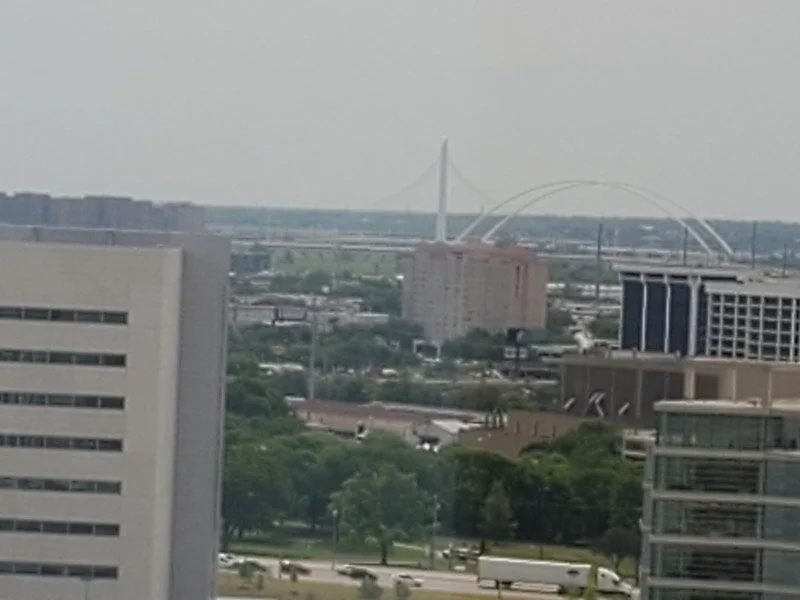
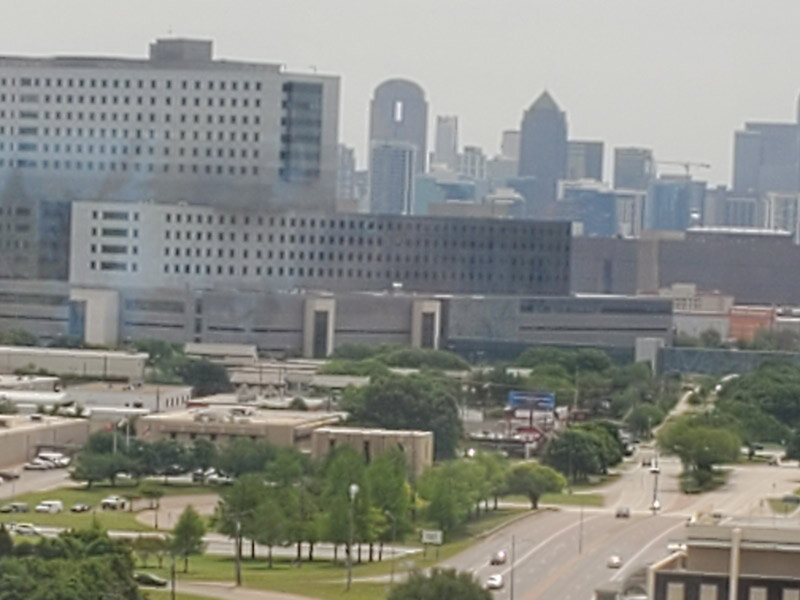
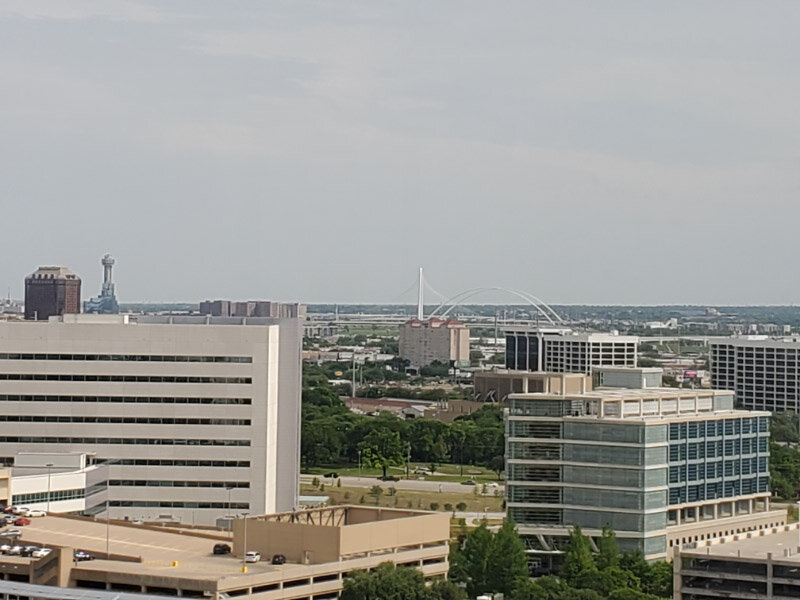
I also took pictures from the hospital room and nearby lobby. There were two rooms last week. The first was in the ICU and on the 7th floor of the hospital. The roof below the window was somewhat decorative and the front of the hospital with the two columns of water was also visible.

20210426_121556.jpg

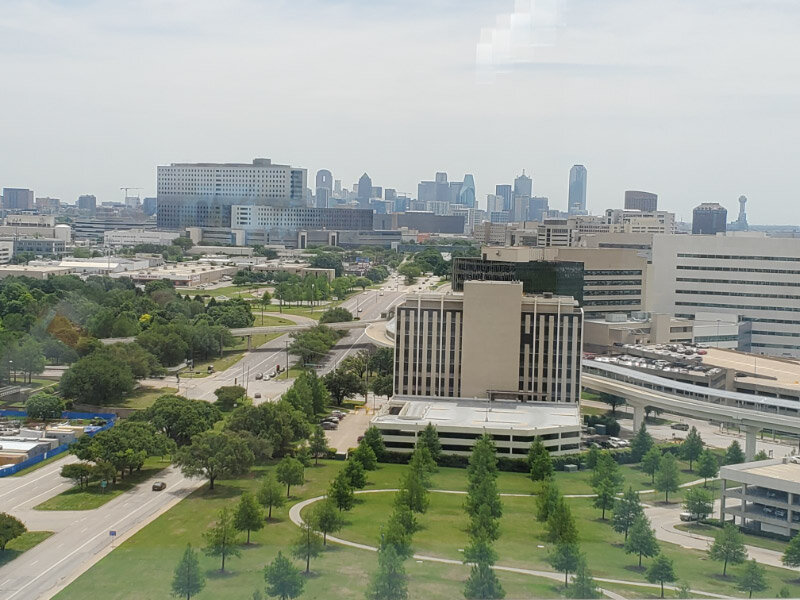
We moved out of the ICU in the middle of the night – up to the 10th floor and to the other end of the hospital. Note the different orientation of the two columns of water.

We had just settled into the new room…drifted off to sleep…when I heard a big noise and realized it was a helicopter. I sat up and saw it landing…noted that it was 2:10 AM…went back to sleep…the patient slept through everything. In the daylight – it was easy to see that the room looked down on the helipad for the hospital!

_Resized_20210425_064728_.jpg

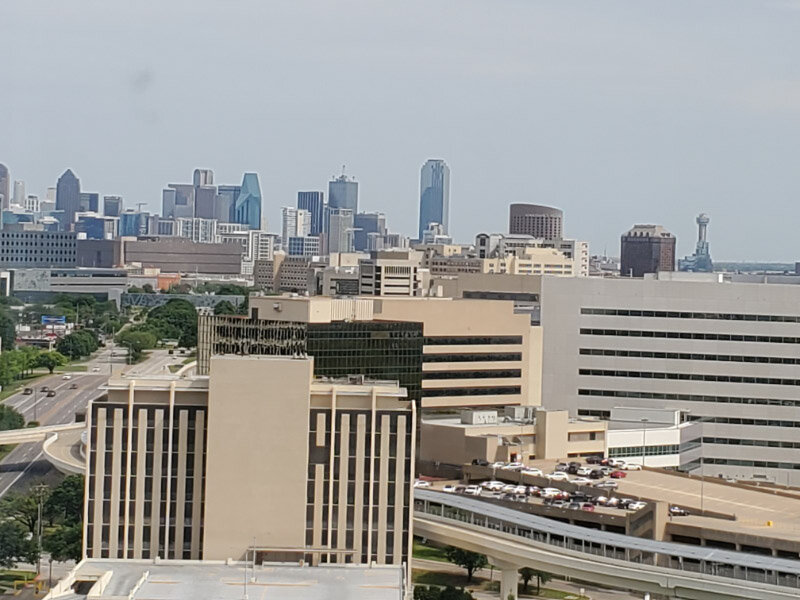
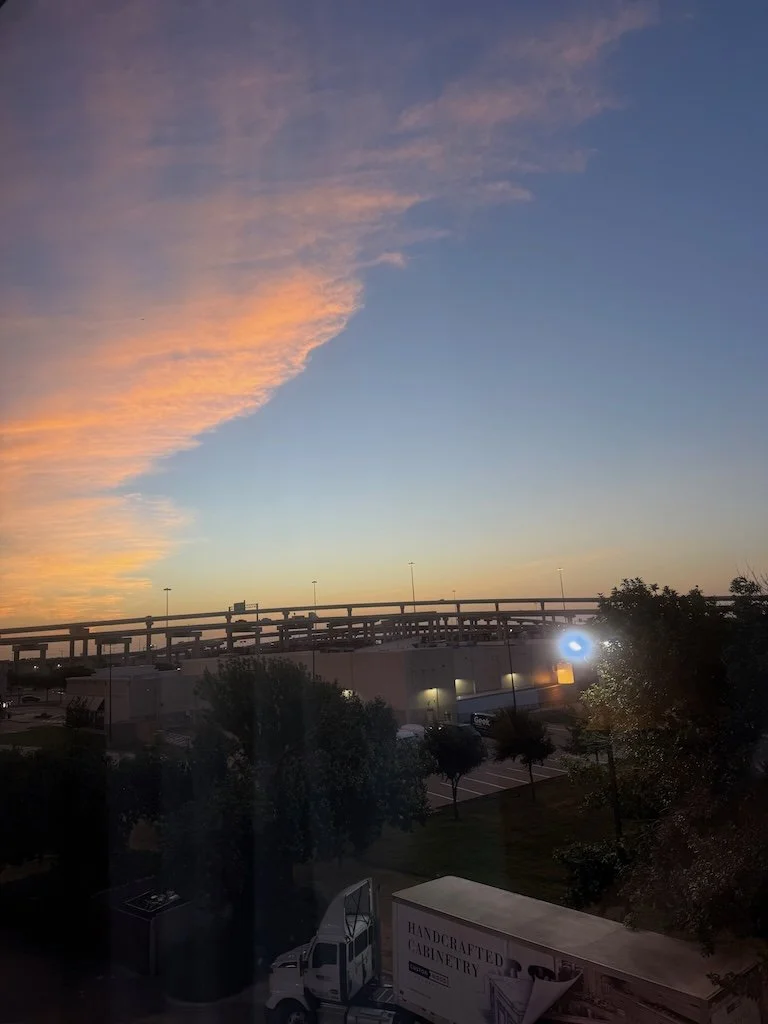
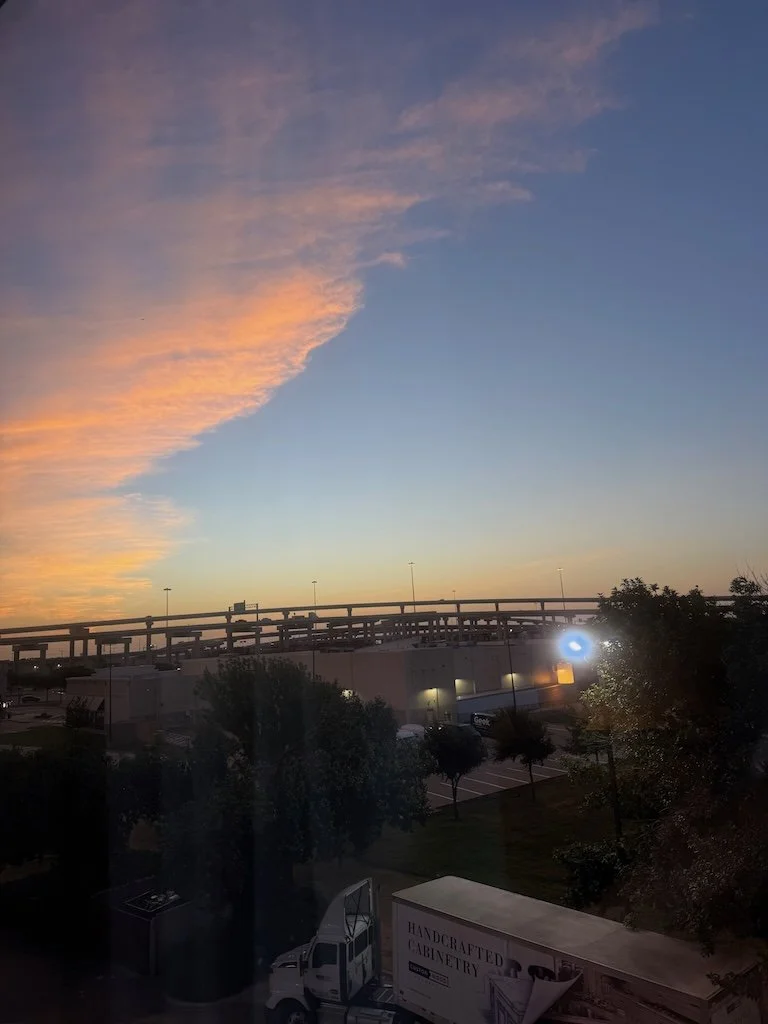
The height of the windows provided a good view of the Dallas skyline. I wondered how long it would take for the neat rows of trees planted at the front of the hospital to get big enough to be more forest like.

On my rare forays down to the 1st floor lobby for food – I realized that my favorite art along the long hall was a work that depicts wildflowers of Texas. Many of them have such distinctive shapes that they are identifiable in silhouette.

Overall – the pandemic protocols did make this hospital stay a bit different (masks, limited visitors, less ‘stuff’ coming home) than our previous experience. The fundamental goal happened - the patient got better and came home. That is success.

Gleanings of the Week Ending April 30, 2021

The items below were ‘the cream’ of the articles and websites I found this past week. Click on the light green text to look at the article.

This Map Shows You the Odds of Finding a New Species in Your Neighborhood | Smart News | Smithsonian Magazine – In most of the North America, the odds are small…but there are some hot spots.

How our microplastic waste becomes 'hubs' for pathogens, antibiotic-resistant bacteria -- ScienceDaily – Another way that microplastics cause problems. The material is changing the composition and activity within wastewater treatment sludge.

How your sense of smell predicts your overall health - BBC Future – What about people with chronic stuffy noses from allergies or responses to poor air quality? Wouldn’t nose stuffiness reduce the sense of smell somewhat?

Twin Birth Rates Have Soared Globally in the Last Three Decades | Smart News Science | Smithsonian Magazine – Having children later in life and medically assisted reproduction are thought to be the cause.

Top 25 birds of the week: April 2021! - Wild Bird Revolution – Beautiful birds…I always enjoy the 25 pictures each week.

Discarded Covid-19 Masks and Plastic Gloves Are Killing Wildlife | Smart News | Smithsonian Magazine – Ugh! I’m always upset if I see PPE litter; disposable of them properly so they don’t escape into the environment. I will be following the suggestions of ‘snipping the straps on disposable masks’ before I put mine in the trash. I haven’t been using gloves…just soap/water and hand sanitizer.

Thurston Lava Tube Open Again at Hawai'i Volcanoes National Park  - I walked this trail! Glad it is reopened for people to enjoy.

Small farms outdo big ones on biodiversity — and crop yields: Research Highlights – Hurray for small farms.

Beaver? Otter? Muskrat? A Field Guide to Freshwater Mammals – Look at the pictures – how many can you identify?

Climate change cut global farming productivity 21% since 1960s -- ScienceDaily – The changing climate has made subtle changes that add up to the impact on farming productivity. Evidently the impact is greatest in areas that were already hotter.  

Browsing Natural History Magazines – March 2021

I browsed the 1966 to 1984 volumes of The American Museum of Natural History’s magazine available on Internet Archive in March 2021. There will be more browsed in April. I collected a few images from each volume ... all the volumes are well worth looking through.

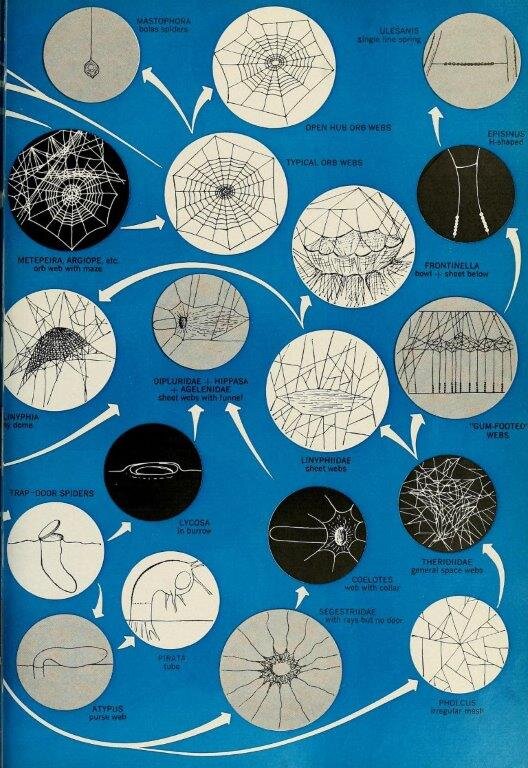
In 1966, the infographic (I’m sure they didn’t call it that in 1966) about spider webs was well done

And I enjoyed the bird pictures by Basil Ede.

Then there were images if flowers and mushrooms and Persian artifacts…carnivorous plants, flamingoes… that I picked from the 1967 to 1972 volumes (this was the time period I was in grade 7-12).

In 1973 there were seed pods (lotus, magnolia, London Plane)), a small racoon, fall leaves, and a turkey…marking the seasons.

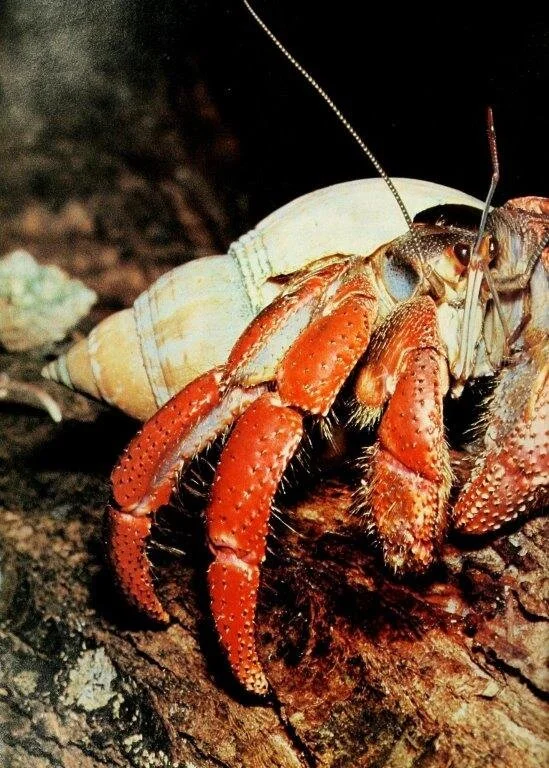
In 1974 to 1977 my image picks are hermit crabs, volvox, Mesa Verde (which my husband I visited during this time), and a frog. My husband got his undergraduate degree and I was working full time/going to college part time.

In 1978 there were some beautiful images of seeds in flight.

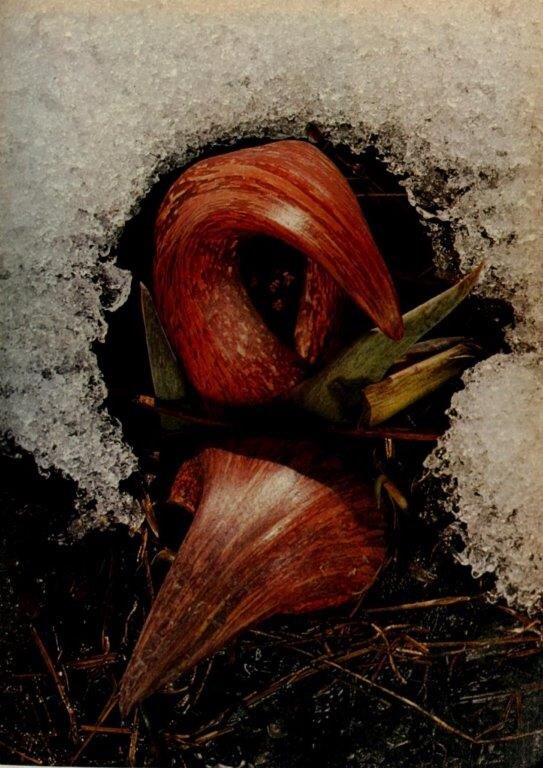
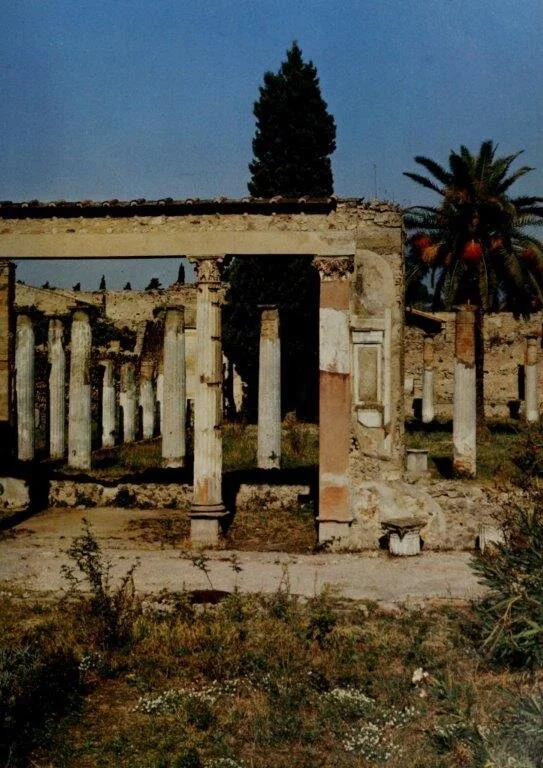
1979 included many articles that were interesting to me: skunk cabbage, Pompeii, and the 17-year cicadas.

129 21 03 (2).jpg

In 1980 there was an article about how snakes shed their skin.

The 1981 volume is missing from the Internet Archive collection. In 1982 there were a lot of articles that interested me – about Jack-in-the-Pulpits and lichens…jewel weed and nautiluses….

And then endemic Hawaiian plants and birds. 1982 was the year my husband and I finished our formal schooling…he had a PhD in Physics and I had a MS in Math.

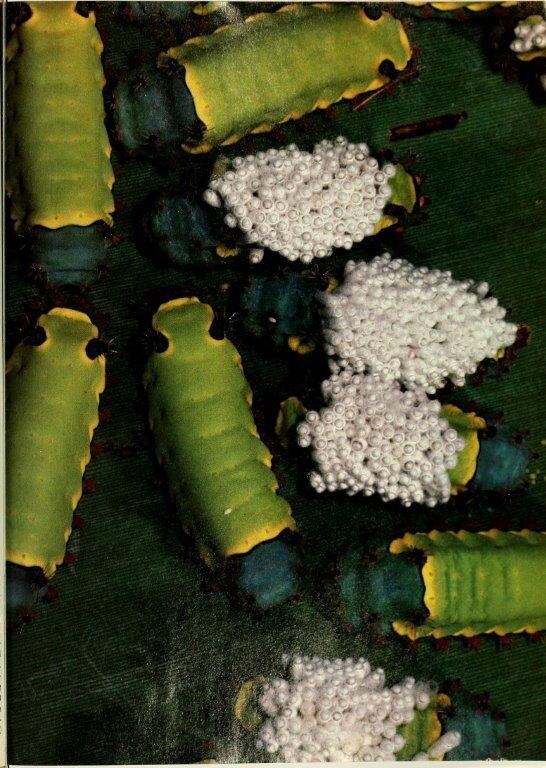
1983 included a great picture of an Egret in Florida…1984 some parasitized caterpillars. 1983 was a pivot year for us because we move away from Texas and to Virginia/Maryland pursuing our careers.

Overall – I enjoy browsing through the annual volumes of this magazine….thinking about what I was doing at the time they were originally published.

Gleanings of the Week Ending April 24, 2021

The items below were ‘the cream’ of the articles and websites I found this past week. Click on the light green text to look at the article.

Rising temperatures spark boom in Arctic lightning : Research Highlights – Lightning striking more than 10x as often as it did 10 years ago….the impact of climate change on the weather in the high north (particularly in Arctic Siberia).

This Bird Mimics an Entire Flock to Woo Females | Smart News | Smithsonian Magazine – The male superb lyrebird of Australia…imitates a mobbing flock (alarm calls warning of a predator in the area) to keep the female from leaving!

Top 25 birds of the week: April 2021! – Bird photographs….I enjoy them but also want to get outdoors and see birds!
Eating processed meat could increase dementia risk, researchers say -- ScienceDaily – A study with a large cohort (500,000 people) in the UK.

Photographer Travels Asia Capturing Beautiful Repeating Patterns – I liked the photographs for the repeating patterns but also how they capture the people and places. The photos capture the cultural landscape.

Stalking The Carnivorous Plants Of Big Thicket National Preserve – I can remember first reading about carnivorous plants in elementary school. I still find them fascinating.

How birds defend against brood parasites – I’ve already seen a pair of cowbirds at my feeder this spring; fortunately, they must have been migrating because I haven’t seen them again.

The Butterfly of Spring: Meet the Mourning Cloak – I haven’t seen one this spring…although I have in other years. All the ones I’ve seen in early spring are more battered that the one in the first picture!

Vitamin A for Nerve Cells – Another reason to eat those orange fruits and veggies. My favorites are carrots and butternut squash!

Washington’s Famed Tidal Basin and Cherry Trees Face Rising Waters – Planning initiated for how the area and its cherry trees could survive the rising waters in the coming decades. Some trees have already been lost.

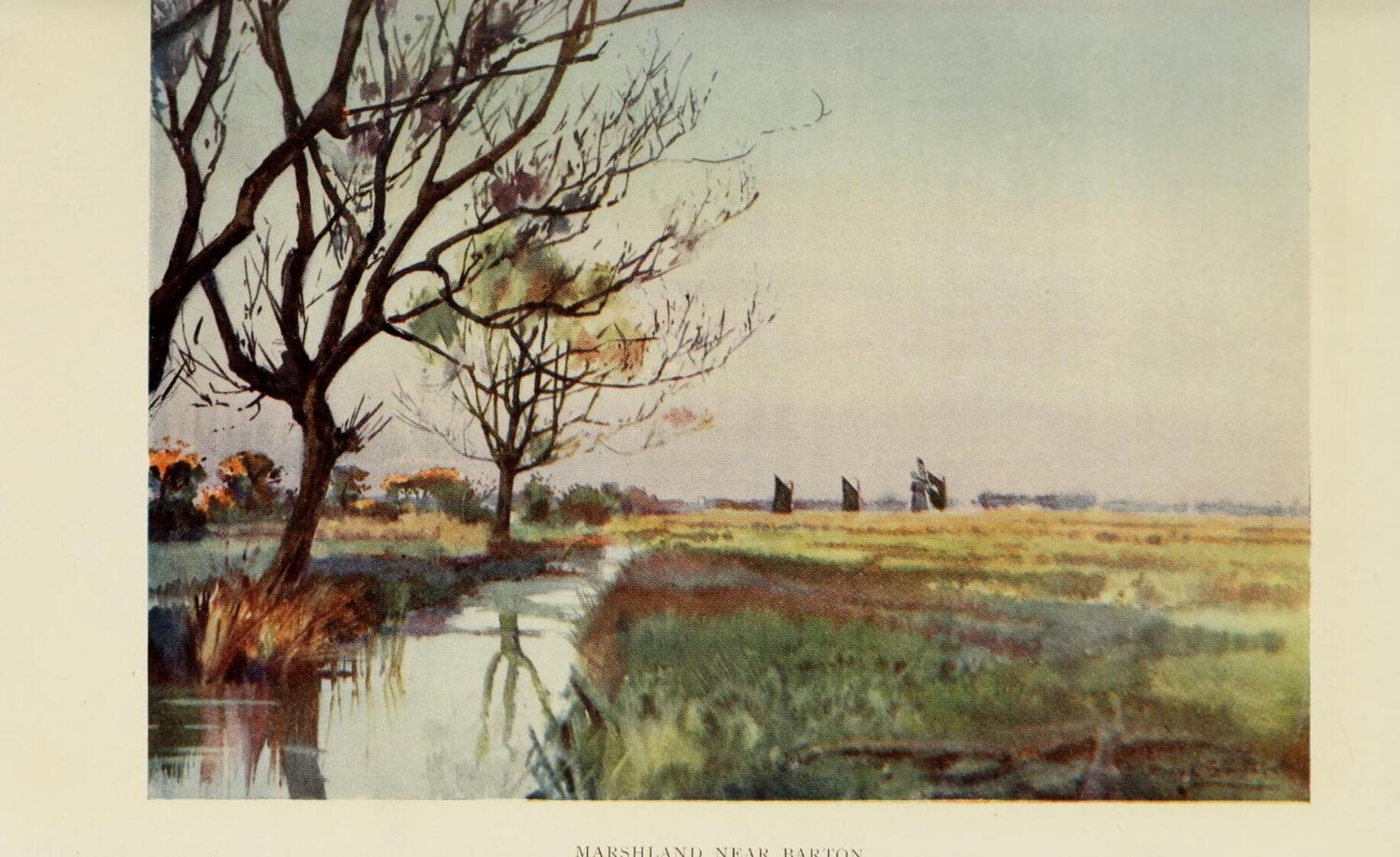
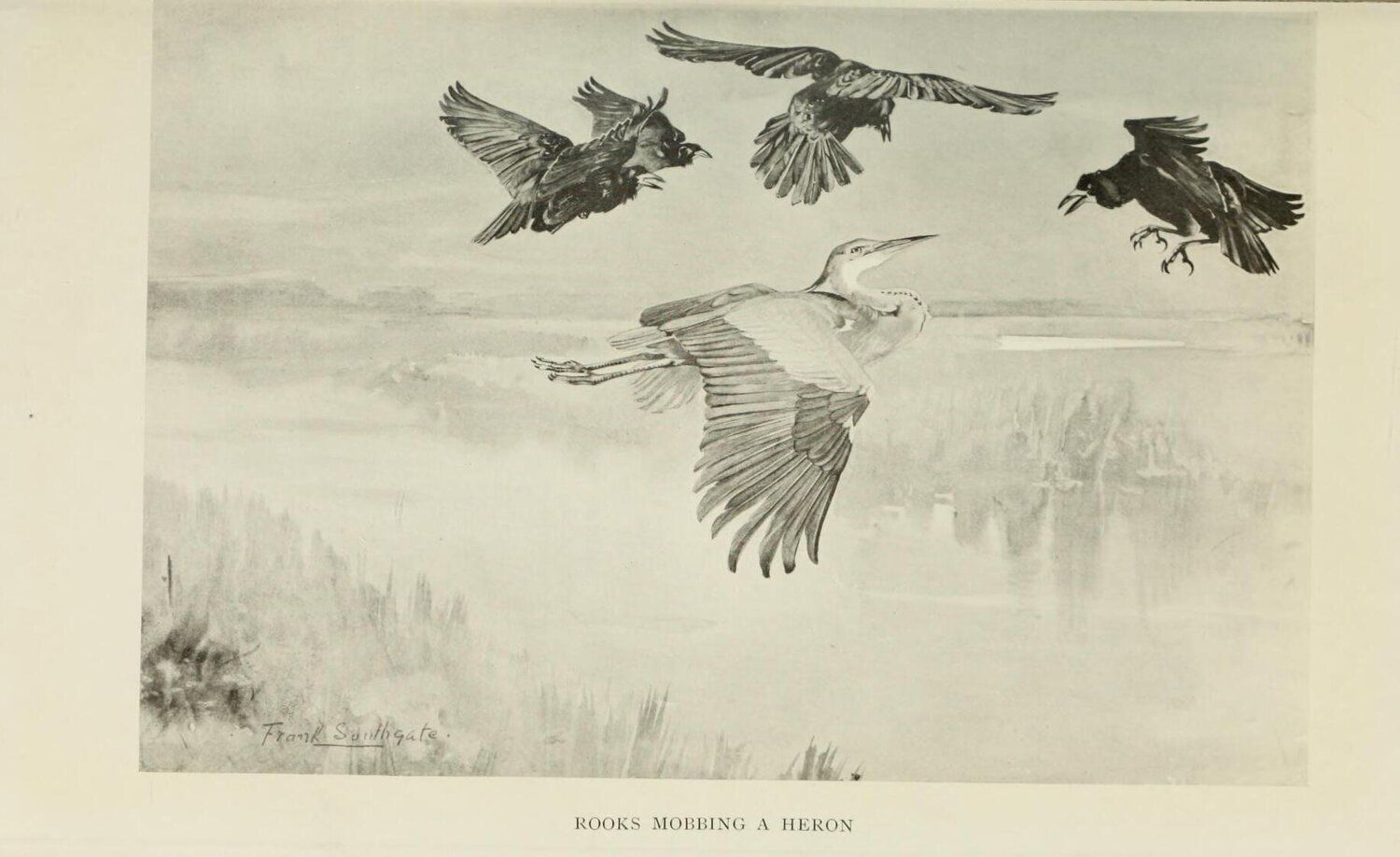
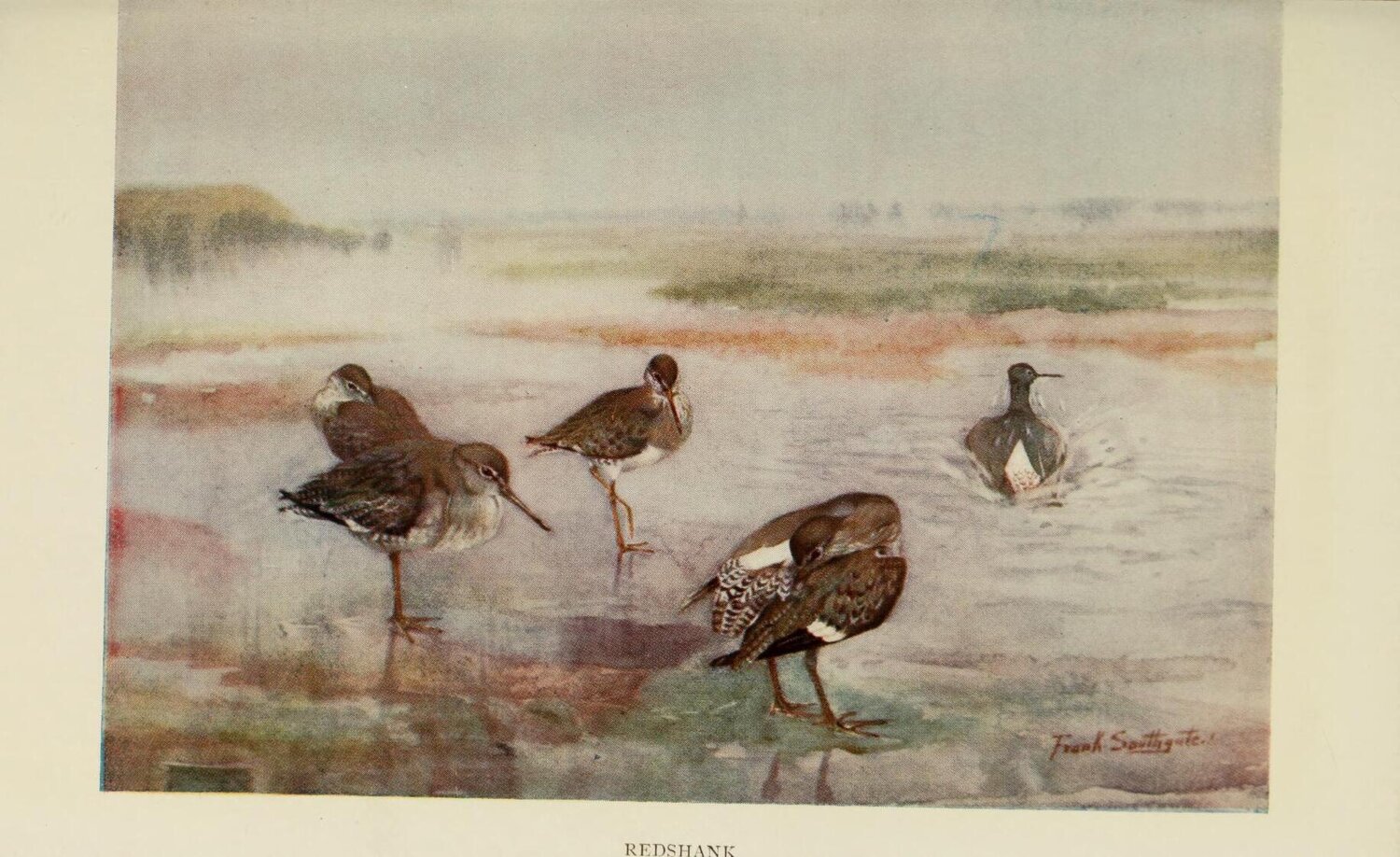
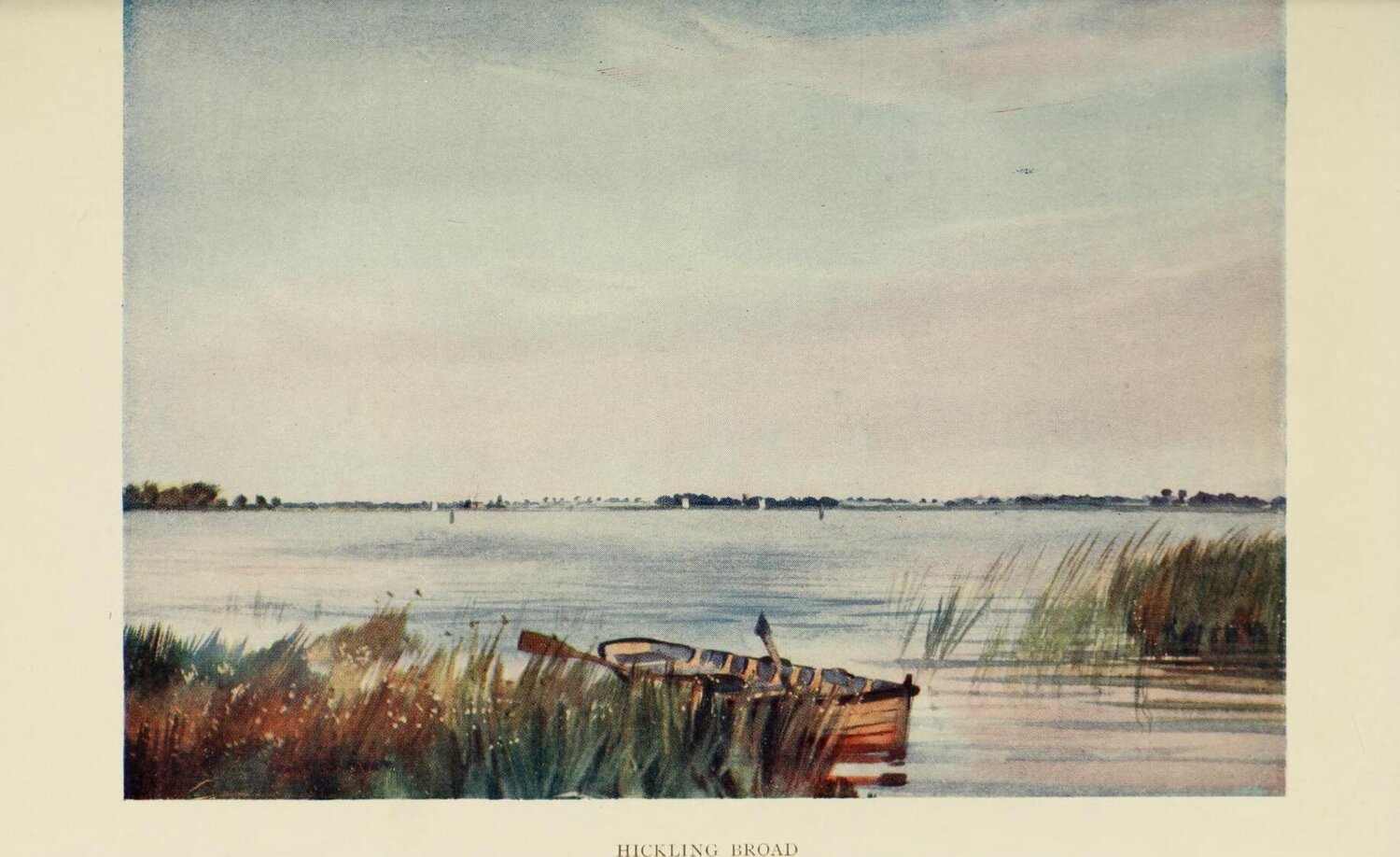
Frank Southgate's Illustrations in The Norfolk Broads

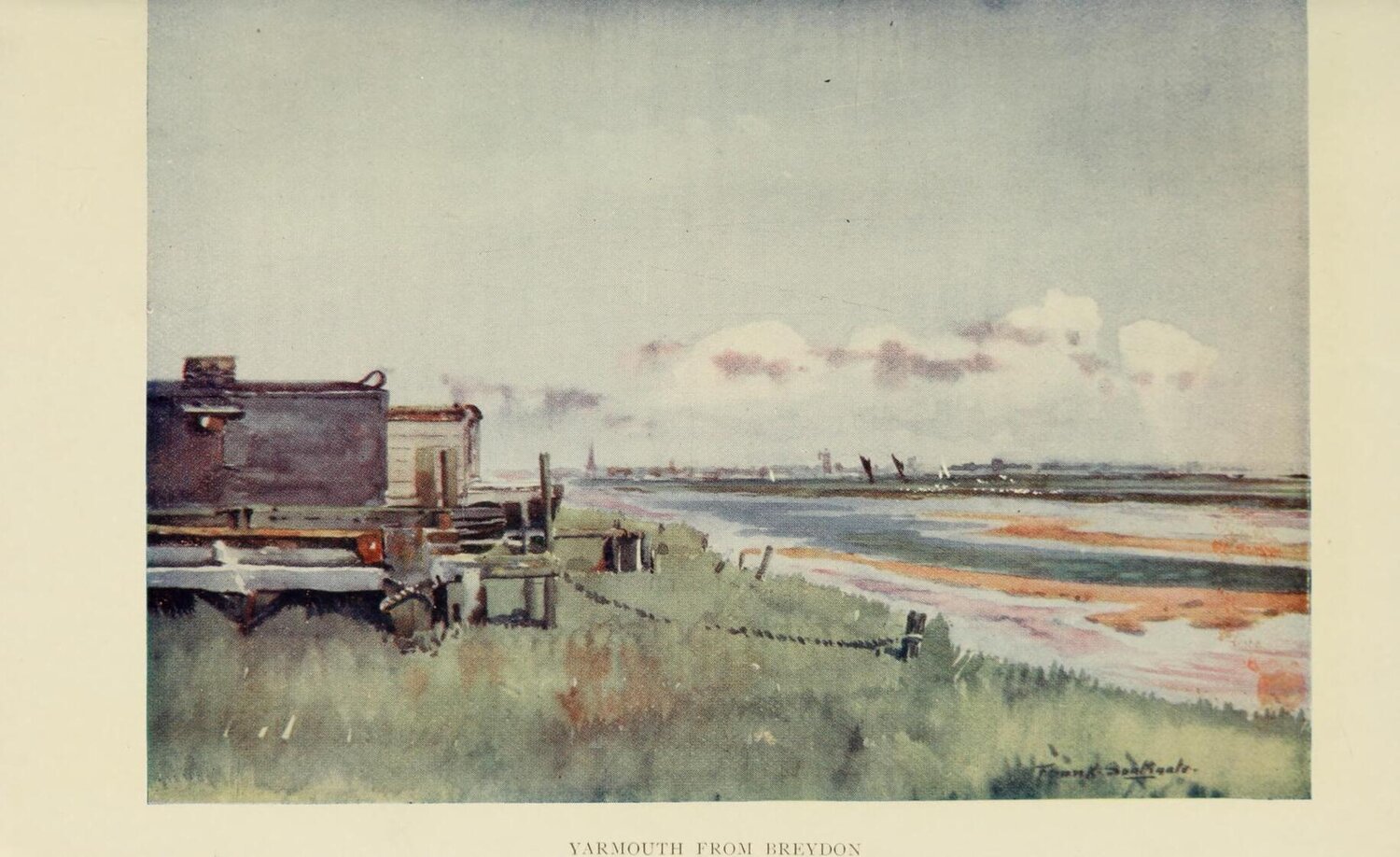
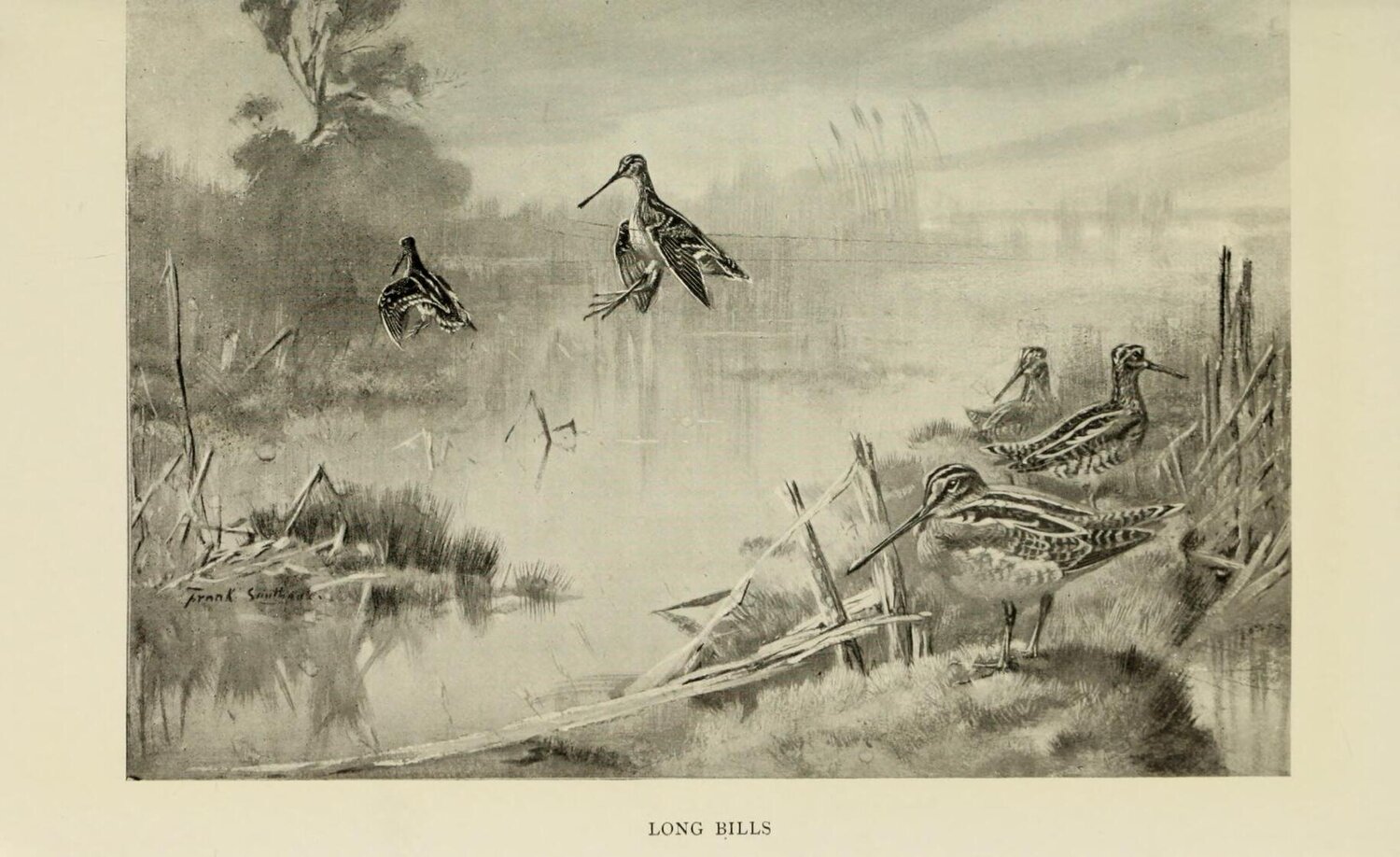
Frank Southgate did 48 colored/29 uncolored illustrations for William Alfred Dutt’s book The Norfolk Broads published in 1906. It’s available on Internet Archive and I enjoyed browsing the illustrations – watery land and birds. I have selected 6 favorites for the slideshow below.

Frank Southgate lived in the area he illustrated most of his life according to Wikipedia. He was best known for his paintings of waterfowl and hunting scenes. He died relatively early (44 years old) while serving in the Army during World War I.  I found another book with his illustrations mentioned in the Wikipedia entry that is also available on Internet Archive - Notes of an east coast naturalist; a series of observations made at odd times during a period of twenty-five years in the neighborhood of Great Yarmouth by Arthur Henry Patterson; I’ve bookmarked it in my browser…the digital equivalent of adding it to a stack of ‘to read’ books!
Mini Road Trip: Brookside Gardens – April 2021 (2)

Continuing the photographic tour of Brookside Gardens from yesterday’s post….

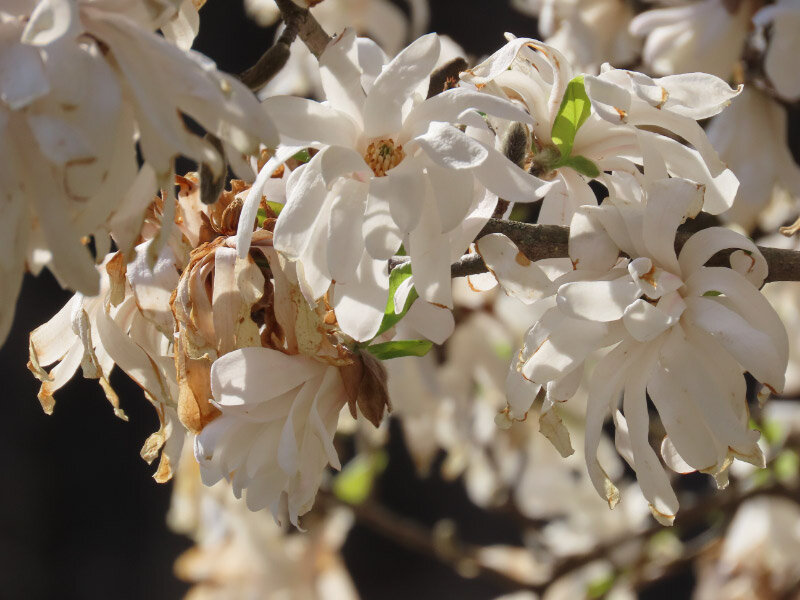
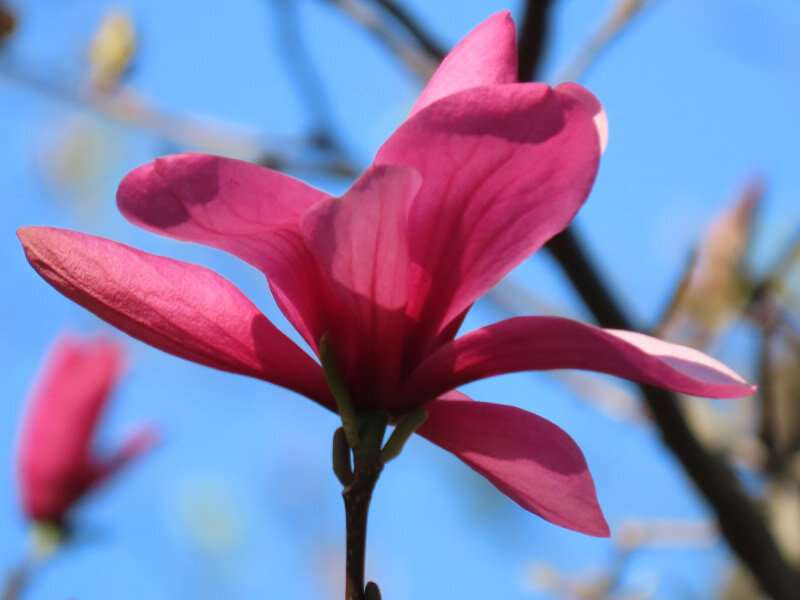
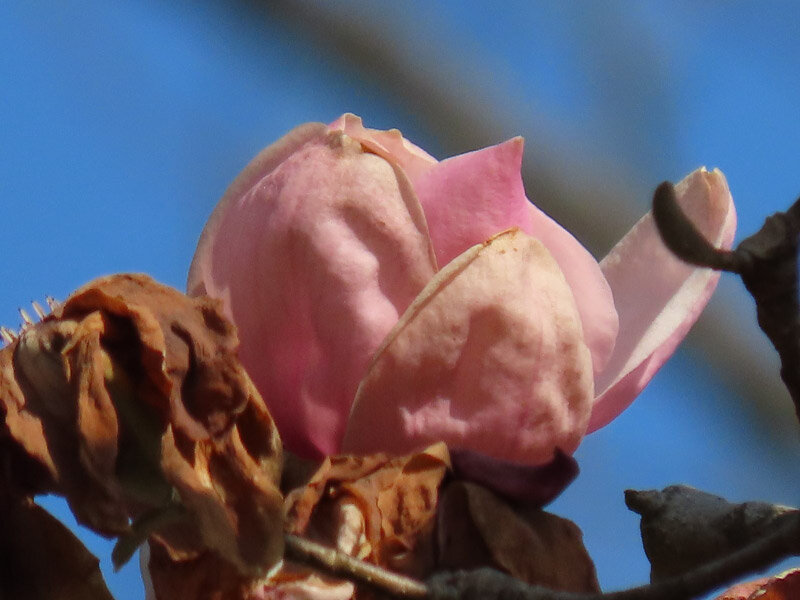
I always make an effort to see the deciduous magnolias blooming at Brookside and they were at the top of my ‘to see’ plan for this mini road trip. The first one I saw was quite a shock. All the flowers had been destroyed by the frosts. The tree won’t be producing any seeds this year. The drying remains of the flowers were glowing in the morning light….interesting looking but ultimately not positive for the tree.

2021 04 m IMG_7199 (1).jpg

I would occasionally see a tree that I thought might have escaped the frost damage

2021 04 m IMG_7199 (7).jpg
2021 04 m IMG_7199 (8).jpg

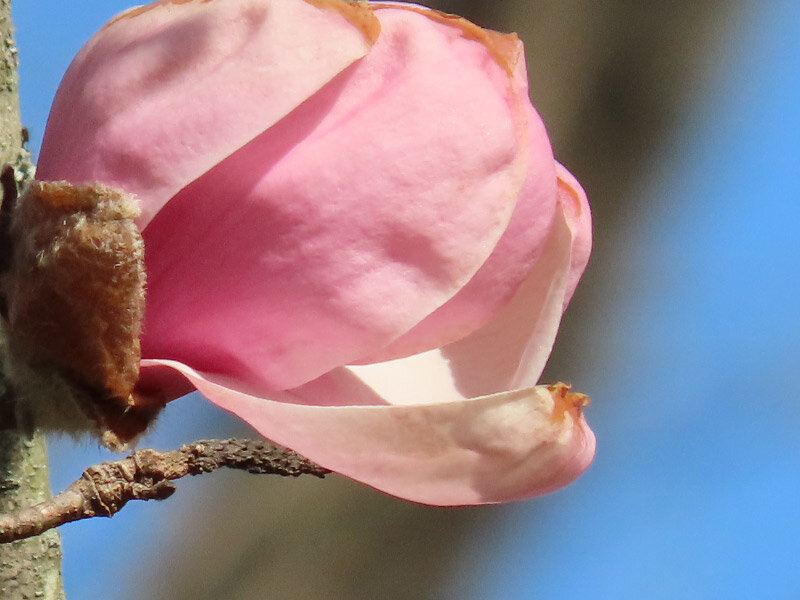
But a closer look always showed that the flowers were damaged. The might still be intact enough to draw insects and maybe produce seeds.

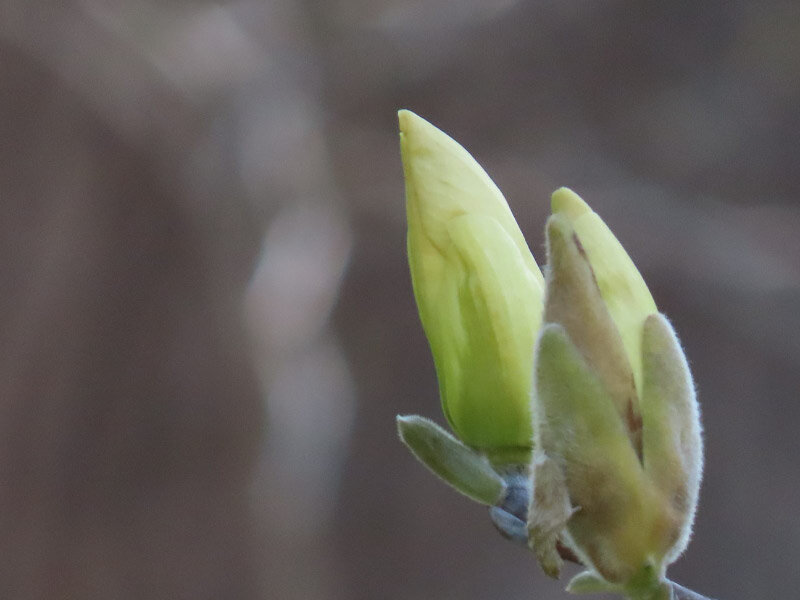
At least one tree had buds that looked normal – the late bloomer might be the one with the successful seed production this year.

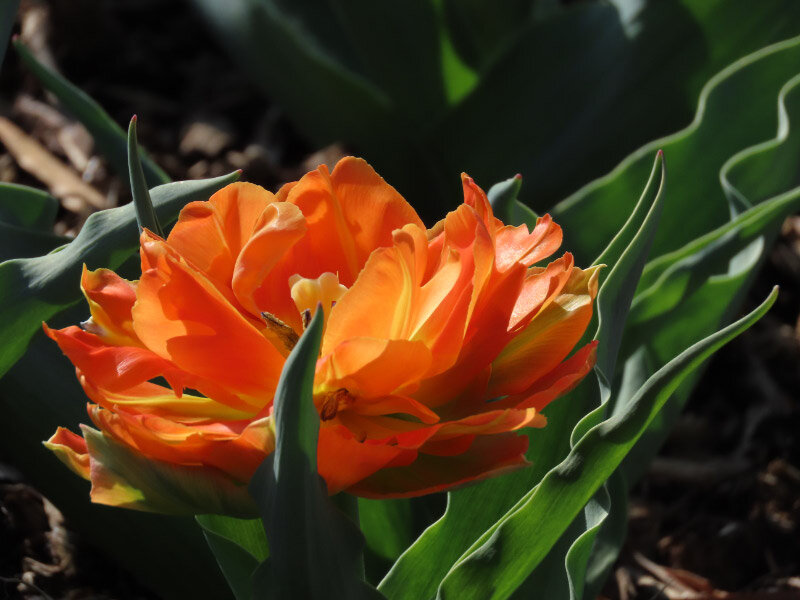
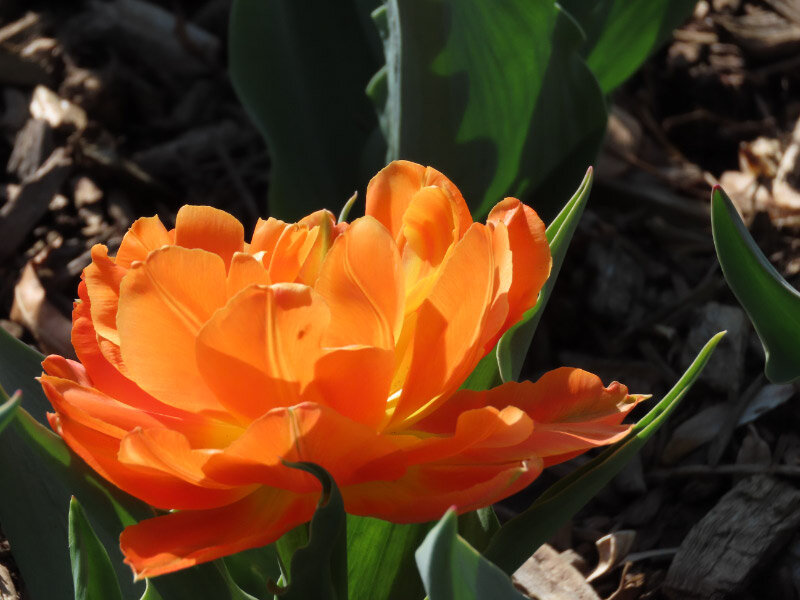
The tulips are the other big display in April. Some of the beds also had fading hyacinths. I like to photograph tulips that appear to be glowing from within….and there were several situations that provided the opportunity for that.

2021 04 t IMG_7208 (1).jpg

Benches at Brookside always look appealing to me but I rare sit down. Usually I am walking around, taking pictures of anything that looks interesting. Maybe I should try something different next time I visit….pick a spot and sit for a bit.

2021 04 o IMG_7175 (1).jpg
2021 04 o IMG_7175 (2).jpg

A project idea – maybe take pictures of tree trunks that includes the name of the tree (many of the trees at Brookside are labeled like this. It would be good to have as a reference.

2021 04 o IMG_7175 (3).jpg

I always like the stone sphere sculpture. Sometimes there are early butterflies that warm up in the sunshine around it…but I didn’t see any while I was there.

On the way back to the car, I stopped again to photograph the lush horsetail bed at one corner of the visitor center….and that was the last stop of my walk. The parking lot was filling up  and I was glad I had come early enough to avoid the crowd.

2021 04 o IMG_7175 (4).jpg

Mini Road Trip: Mt Pleasant – April 2021 (1)

Before one of my volunteer shifts at Howard County Conservancy’s Mt Pleasant, I hiked a little. It had changed a little since March. The spring beauties were in bloom along the trail.

2021 04 IMG_4191 (1).jpg

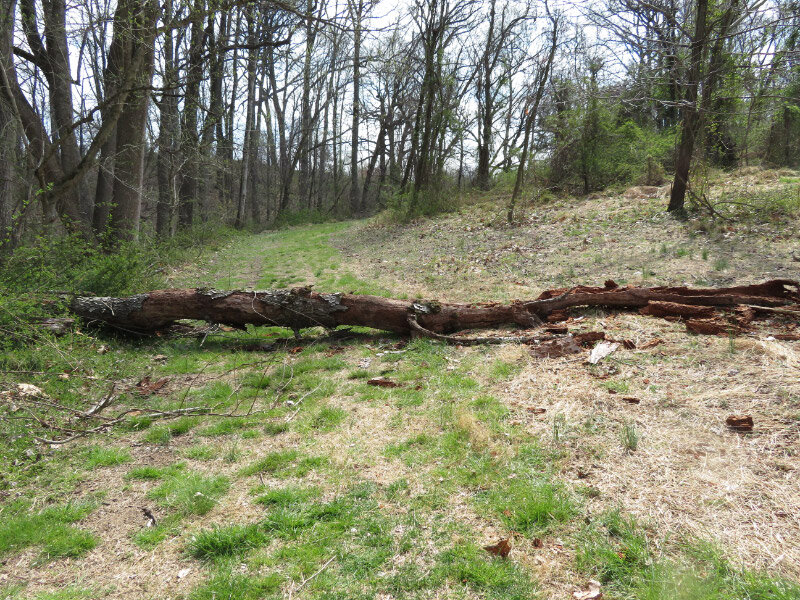
A tree had fallen over the trail. It was so rotten that the upper part had broken apart. It was relatively easy to step over.

2021 04 IMG_4191 (4).jpg

I took some zoomed pictures of the loose bark and knots with moss growing around them on the part of the trunk that crossed the trail..

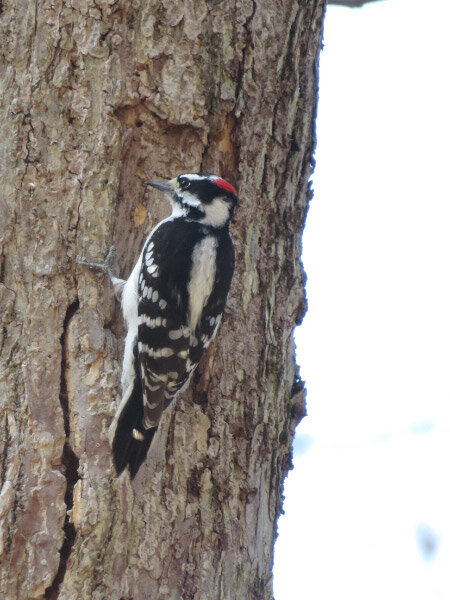
A little further down, a male woodpecker was working a shallow hole. It was so focused that it didn’t notice me walking by.

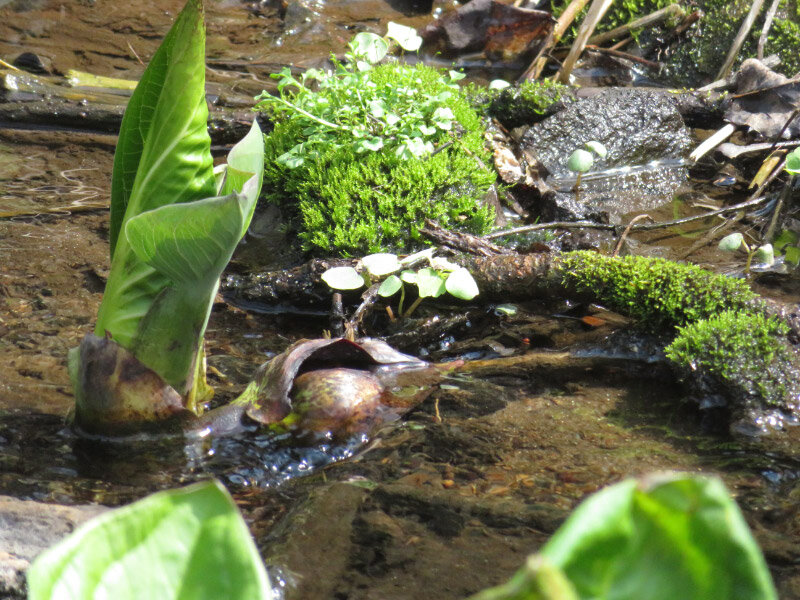
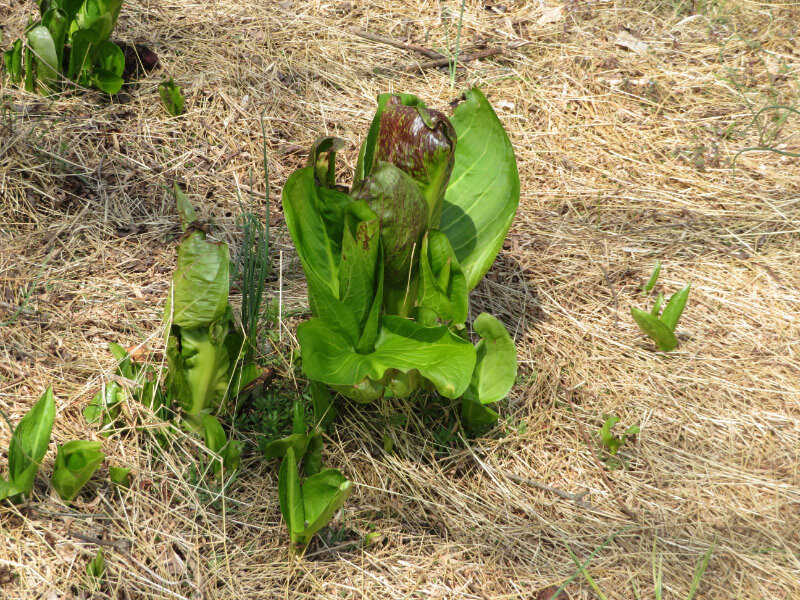
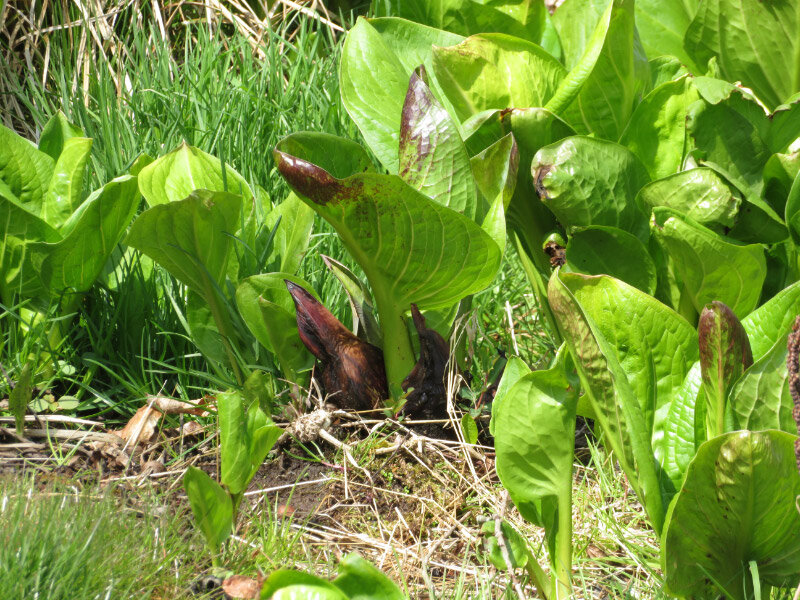
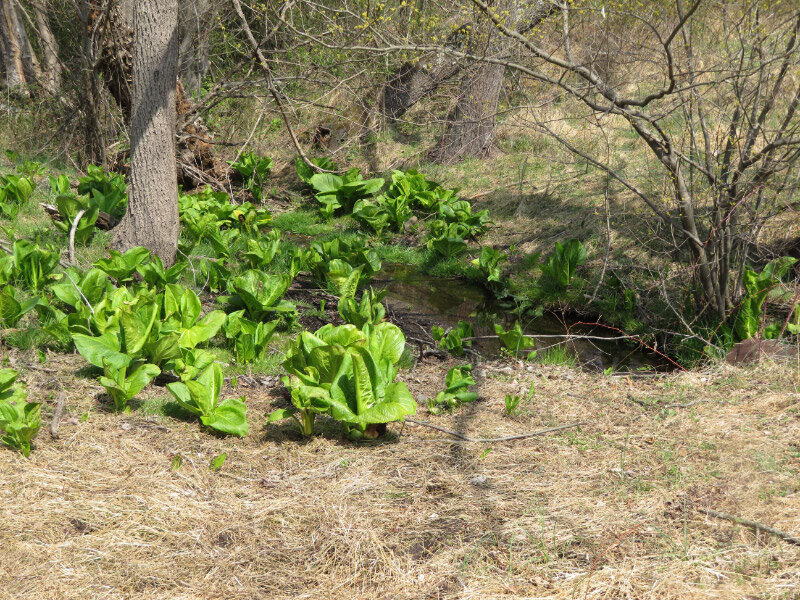
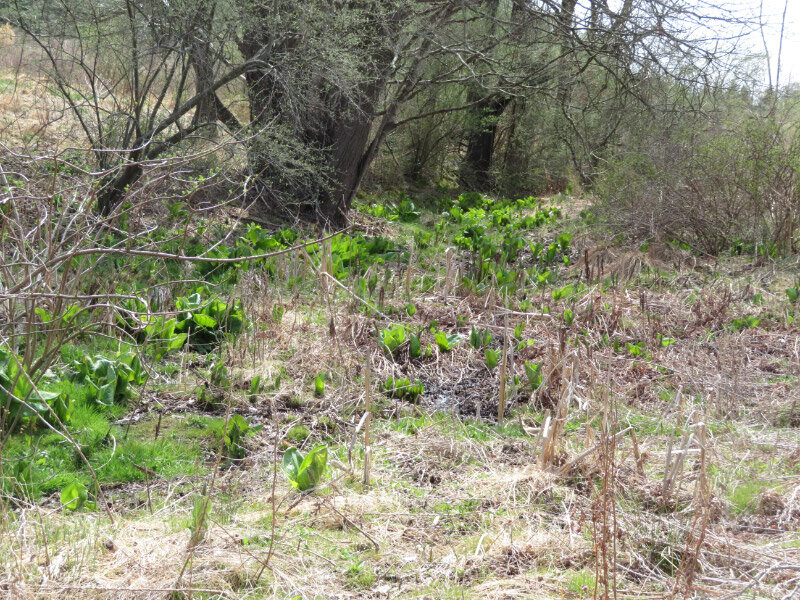
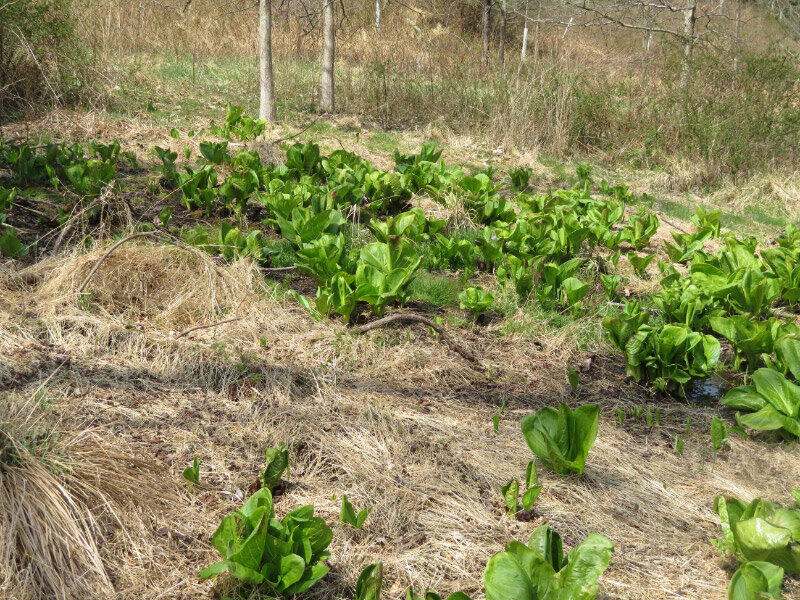
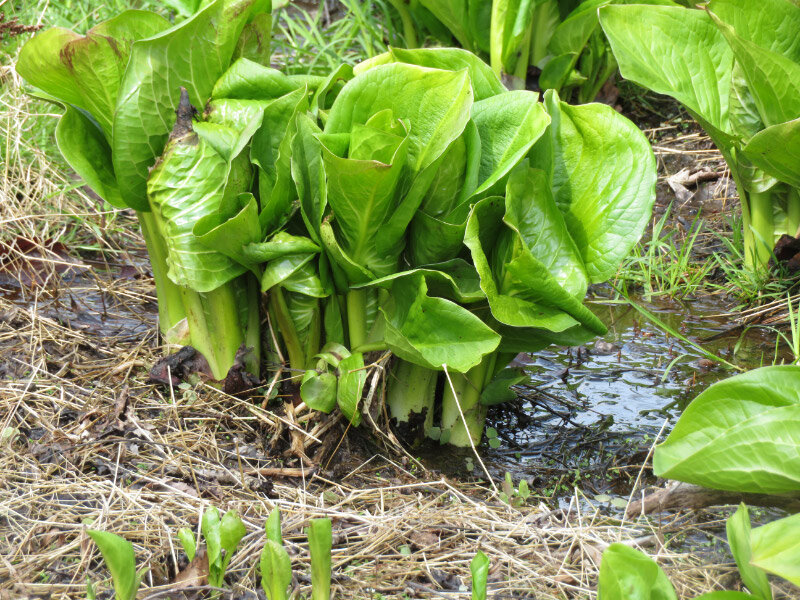
 The furthest point on the loop hike was the patch of skunk cabbage I’ve been monitoring the past couple of months. The leaves are unfurling now although sometimes the purplish reproductive parts are still visible in the much at the base of the leaves.

In the picture below, there is maturing a maturing seed pod in the lower part of the picture…the next stage of the ‘golf ball’ structure inside the decaying spathe.

2021 04 sc IMG_4220.jpg

The spice bush is blooming in the same area.

2021 04 IMG_4191 (16).jpg

Tomorrow I’ll write about the second part of the hike.

Gleanings of the Week Ending April 17, 2021

The items below were ‘the cream’ of the articles and websites I found this past week. Click on the light green text to look at the article.

Top 25 birds of the week: Forests! – Photographs and birds….always a great start to the gleanings list for the week.
Regulators Ban Fracking Permanently in the Four-State Delaware River Watershed - Yale E360 – The watershed provides drinking water to 13 million people in Pennsylvania, Delaware, New Jersey and New York….critical to not have toxic leaks into that supply….and the fracking industry does not have good track record when it comes to water quality.

Scientists stunned to discover plants beneath mile-deep Greenland ice -- ScienceDaily - Long-lost ice core provides direct evidence that giant ice sheet melted off within the last million years and is highly vulnerable to a warming climate.

The legendary fabric that no one knows how to make - BBC Future – Dhaka muslin…with thread counts up to 1,200.

Diphtheria risks becoming major global threat again as it evolves antimicrobial resistance -- ScienceDaily – Resistance to antibiotics and vaccine escape becoming more common/likely….not a good prospect.

Climate Change Lays Waste to Butterflies Across American West | Smart News | Smithsonian Magazine – The total number of observed butterflies west of the Rocky Mountains has fallen by 1.6 percent every year since 1977….that adds up to over 65% decrease!

Reflecting on your own capabilities boosts resilience -- ScienceDaily – Thinking about memories of successfully overcoming past challenges may help us cope with crisis situations we are facing in the present.

Great Lakes people among first coppersmiths | Science – The Old Copper Culture began earlier and faded earlier that previously thought…starting about 9,500 years ago and ending about 5,000 years ago. A climate shift might have caused the culture to shift from using copper for tools to adornment at the end of the period.

Waste from making purple corn chips yields a natural dye, supplements, kitty litter -- ScienceDaily – I like processes that dramatically reduce the amount of agricultural waste. I wonder if the purple kitty litter would stain carpet if it was tracked out of the litter box though.

Why cats won’t punish a stranger who harms you - BBC Future – Evidently cats do form emotional bonds with their humans…but they probably don’t pick up on human social relationships….not as domesticated as dogs.

30 years ago – April 1991

After the flurry of guests that we had in March 1991, we were back to being on our own in April….new challenges. My daughter was at a temporary family day care during the day for most of the month; it seemed to be working well but I rejoiced that not only did she remember her original day care provider after several weeks away, but she seemed thrilled to be back in that situation by the end of the month.

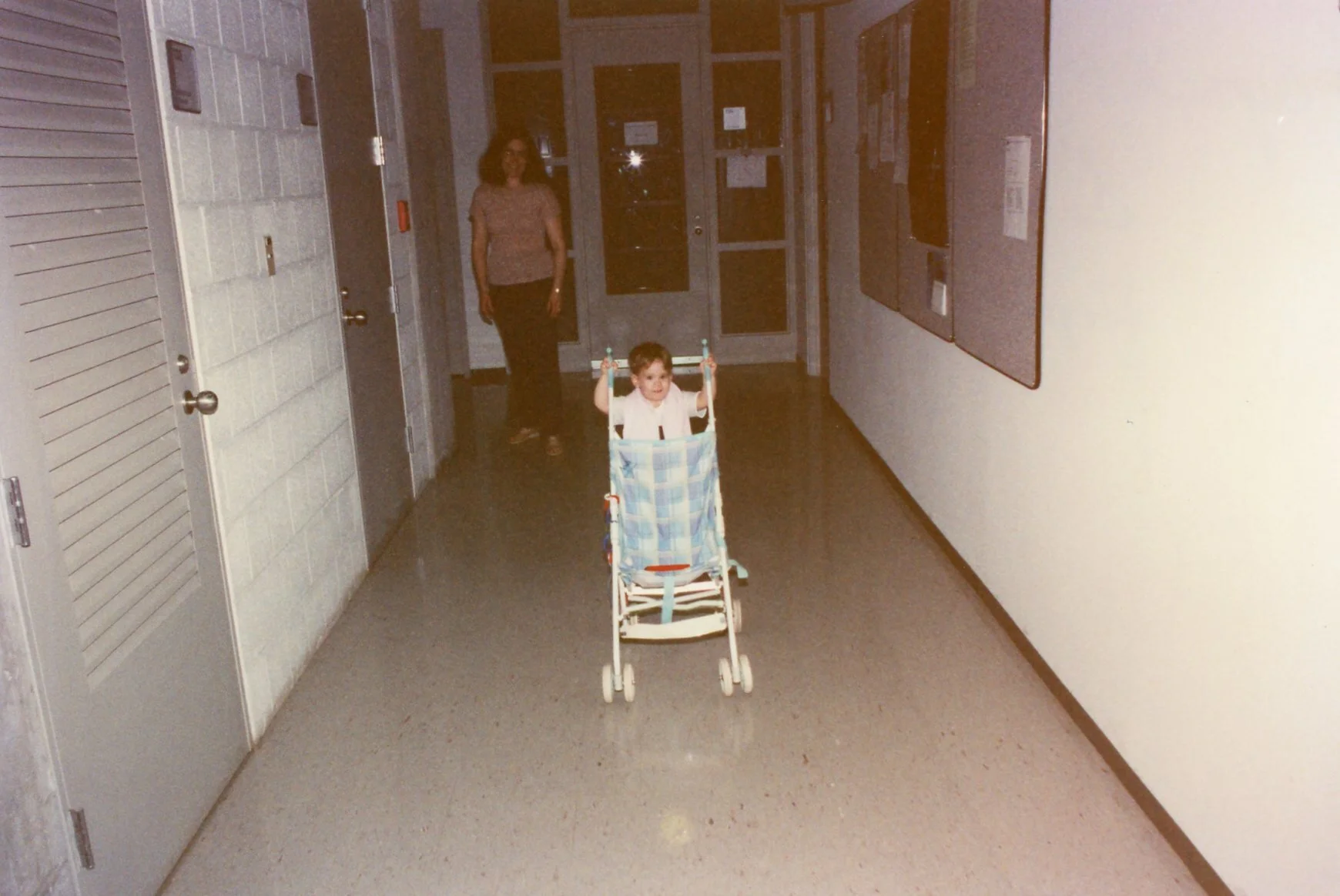
My husband was in the process of moving from Johns Hopkins to Applied Physics Lab for his work. It was a big ‘win’ in terms of work and a much shorter commute for him. We made a weekend trip to his Johns Hopkins office to move some items like plants and files. The heavier books were already on the way to the new office. We might have been the only people in the building. My daughter enjoyed pushing her stroller unimpeded in the hallways.

I was traveling to Atlanta frequently for work and by the end of the month was quickly getting to a stopping point on that project so that I could start the next one which would involve a longer commute. There was an announcement about a ‘work from home’ pilot and I wondered if I would be able to participate to avoid the long commute at least one day a week.

The trips to Atlanta – sometimes done in a long day (intense meetings in the middle) – were the first travel I’d done for work since my daughter was born. It felt odd to be so far away from her. At the same time – I savored the quiet time on the plane - enjoying good books. I was using a card I’d received from my Grandmother as a bookmark. It took some effort to carry enough reading material with me on those trips….it made the briefcase heavy since this was well before electronic books!

It also seemed like there were more letters exchanged that April – mostly with family. Everyone seemed to have a busy month – travel to San Francisco for a class, 2 people moving, another getting pregnant, ducklings escaping their enclosure to make friends with dogs, and birthday celebrations. Reading about the flurry of activity was quite a contrast with our lives this year during the pandemic and, to a lesser extent, without the challenge of careers. There were lots of comments about how pretty the spring trees and flowers were; that hasn’t changed.

Lessons from an Elderly Cat

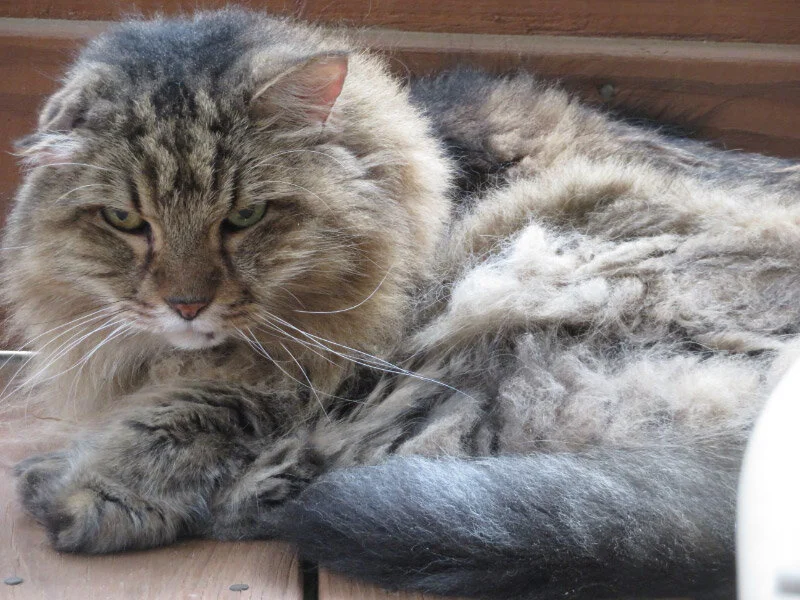
Our cat is 19 years old. He has been thoroughly pampered during the pandemic since we’re at home rather than traveling…or even venturing out very much. My husband is the ‘primary care person’ – but we both enjoy talking to the cat…observing the cat live well in his aging body. Here’s my list of lessons from our aging cat.

Sleep when you want…and not always in the same place. There are cat naps…and then longer periods of sleep. If he does go to sleep out on the screen deck – he is there for hours. He enjoys a longer sleep in his donut at least once a day – or he did during the winter months; that could change now that it is getting more inviting outside. He has a chair in the basement where he goes when he does not want to be disturbed and some darkness during the day. We humans sometimes put a lot of emphasis on ‘sleeping in our own bed’…but maybe the change of sleeping somewhere else is one of the things that makes travel appealing. For me – I like to vary where I do my mindfulness ‘rest’ which rejuvenates me as much as a ‘cat nap.’

Seek out sunshine. All cats like to find a spot of sunshine…and our elderly cat is no exception. Being warm probably makes him feel less achy. It works for humans too…but how often do we take advantage of a sunny place….sitting by a window or outdoors.

Drink water more frequently than you eat. We have a water fountain for our cat, and he uses it frequently. As we age, sometimes our thirst indicator is not as accurate, and we get dehydrated. I’m glad our cat seems to not have that problem…or maybe the water fountain is appealing enough to draw him over to it.

2021 02 IMG_3567.jpg

Move about even if it sometimes hurts a little. Our cat still goes up and down the stairs although sometimes he looks reluctant. He seems to think about it…..then goes up or down quickly…get it over with. My husband and I are already talking about our next house not having stairs…that we want to age in place but not in our current house.

Occasionally revert to your younger self. The cat enjoys playing with wand toys – puffs and snakes. He would play with little prompting when he was younger. Now he sometimes just follows the toys with his eyes. We still try to entice him. Sometimes he surprises us and ‘catches’ the snake. Another time he followed we around as I dragged the snake behind me! When I think of the ‘lesson’ translated to humans I think about the effect younger children have on older people; it’s so easy to slip into the play mode when interacting with the child; it’s as beneficial to the older person as it is to the child!

Get the news from different perspectives. Our cat has windows that he uses to check out what is happening in the world. One of his favorite places is the windows on either side of the front door. From there he can see the birds and chipmunks on the porch or front yard, the school buses, the people walking their dogs. On the covered deck, he watched the birds building nests through a crack in the decking, birds at the feeder, the trees of the forest. I’m not sure how often he checks the area under the deck from the French door in the basement. It’s deep shade there…some ferns, maybe deer coming through at dawn or dusk. Sometimes I wonder if he knows when the racoons try to raid the bird feeder at night.

Give and get attention. The cat is vocal about what he wants – and doesn’t. He has become a picky eater…and he wants company (often in the middle of the night)…and does not like to be alone in the house even if he is napping. At the same time, he likes to interact – with different meows and trills (if only we could understand his language better) and often initiates conversation and cuddles and treats and play. Cat and people need interaction!

Keep doing things you’ve always enjoyed. Our cat has always enjoyed being outdoors on the screened deck. Sometimes he naps but he often just appears to be relaxed/attentive. Do cats meditate? They often appear to be awake and alert…but inwardly focused.

2020 06 IMG_0181.jpg

Be curious. It’s easy to tell if the cat is just taking a quick look outside….or if there is something drawing his attention. Maybe sometimes it is just a deep territorial response…but it looks a lot like curiosity. With people – there is a browsing mode…and then an increased focus once that survey spots something of higher interest. It’s a good quality to practice….and think again about taking on a child-like approach to the way we perceive the world.

Savor the stretch. Cats have the best stretches! Stretching feels good to humans too!

Vary your gait. Our cat generally moves slower than he did when he was younger….but he has bursts of speed or faster walking frequently. Sometimes it surprises him. As we get older, we may want to increase our consciousness of how we move and hold ourselves (particularly our back and shoulders).

20200818_130447.jpg

Eat smaller meals. Our cat has always been a grazer rather than gobbling up a lot of food at one time. Now he seems to be eating smaller amounts than before…but more frequently. He doesn’t eat things that don’t taste good to him either. There is more wasted cat food. As we get older – maybe our own food choices need to change…increasing our attention on the nutritional value of what we eat along with savoring foods we like.

Relax. Cats are masters of relaxation…and we humans need to give ourselves opportunities to relax and enjoy our lives every day.

There’s a lot to learn about aging gracefully from our cat!

Gleanings of the Week Ending April 10, 2021

The items below were ‘the cream’ of the articles and websites I found this past week. Click on the light green text to look at the article.

Top 25 birds of the week: Green Colours! – So many beautiful birds…

150-Year-Old Boxwoods Lost To Blight At Carl Sandburg Home – My daughter and I visited the Carl Sandburg Historical Site in 2003 when we were on our way from Maryland to meet family members coming from Texas for a Georgia vacation. It was the first time I had driven a car with a nav system! We enjoyed walking the grounds and touring the house more than we expected. It’s sad that the boxwood there will be cut down.

What early-budding trees tell us about genetics, climate change -- ScienceDaily – Our plum and cherry trees are the ‘fruitless’ kind but they were in full bloom when our temperatures dipped into the mid-20s. I wonder how many orchards are going to have less fruit this year.

Hope and Peril for North America’s “Snow Parrot” – A parrot that lives in pine forests. Their range once extended into the US from northern Mexico, but they’ve been gone since the 1930s.It’s only in the past few years that their migration and winter grounds in the Mexican state of Durango have been discovered. There are efforts to safeguard the free-living birds and continue captive breeding programs in zoos (like the San Diego Zoo) with the plan to begin reintroducing birds into the wild in the future.

The Kodak Brownie: The Camera That Made Photography Accessible – My mother was taking pictures of her siblings in the 1940s….with a Brownie. There is one of her twin sisters (maybe 4 or 5 years old) peeking over the windowsill of the bathroom window (they were standing in the bathtub!); I always wondered if she had help on the inside positioning them while she got outside to get the picture. It must have been a warm day since the window was open!

Dangerous landfill pollutants ranked in order of toxicity -- ScienceDaily – The technique can help landfill managers mitigate risk for a particular site rather than taking generic actions that might not address the biggest problems.

For the First Time in 75 Years, a New Invasive Species of Mosquito Was Found in Florida | Smart News | Smithsonian Magazine  - The mosquito that can carry yellow fever and other diseases was found in Florida last year. That does not bode well for keeping tropical diseases at bay in the US as the climate continues to warm.

Scythian people weren't just nomadic warriors, but sometimes settled down: Varied diets and limited mobility challenge stereotypes of ancient steppe populations -- ScienceDaily – Not all Scythians were nomadic. The majority of them might have remained local…farming millet and raising livestock!

Lessons from Darwin's "Mischievous" Birds | The Scientist Magazine® - The striated caracara of the Falkland Islands…we’re familiar with the crested caracara from the south Texas.

Newly Restored Pompeiian Frescoes Capture Hunting Scenes in Vivid Detail | Smart News | Smithsonian Magazine – Part of an ongoing conservation initiative funded largely by the European Union launched in 2012.