Browsing a few Sabine Baring-Gould Books

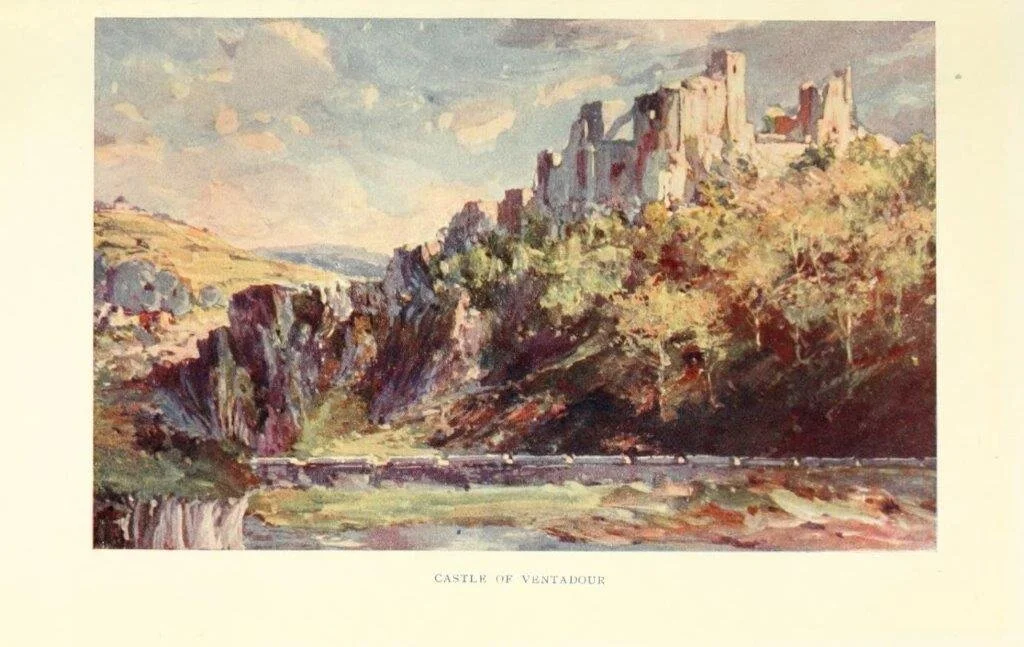
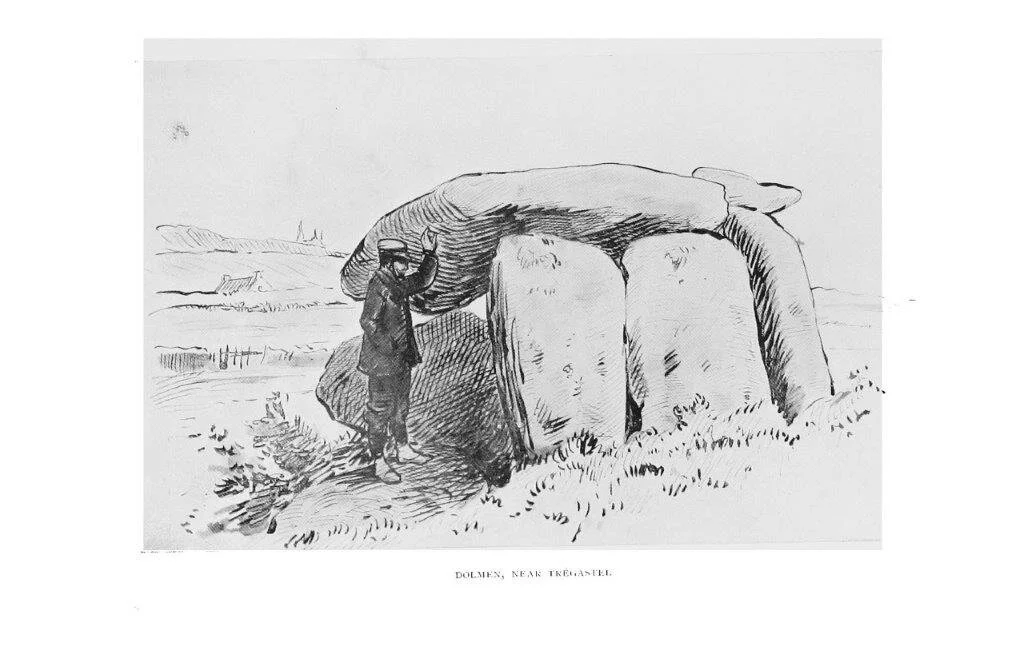
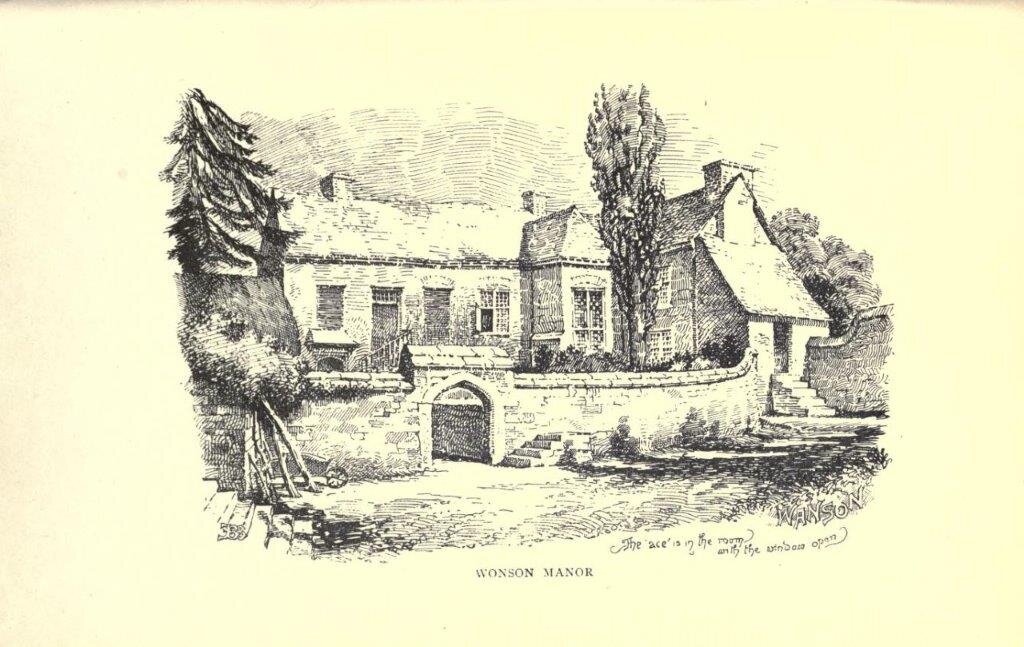
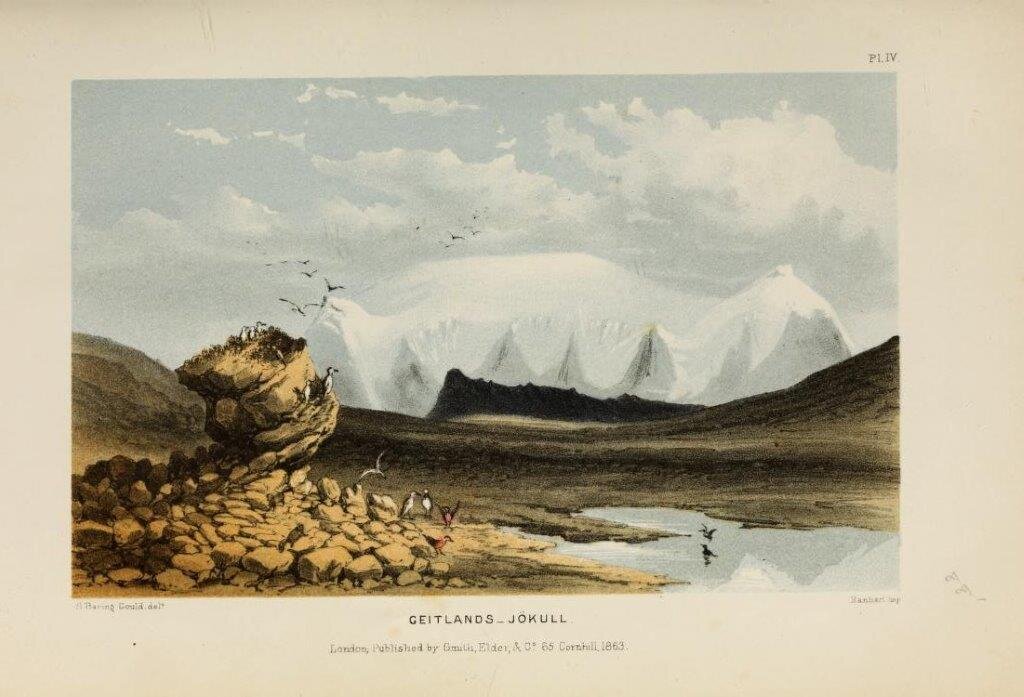
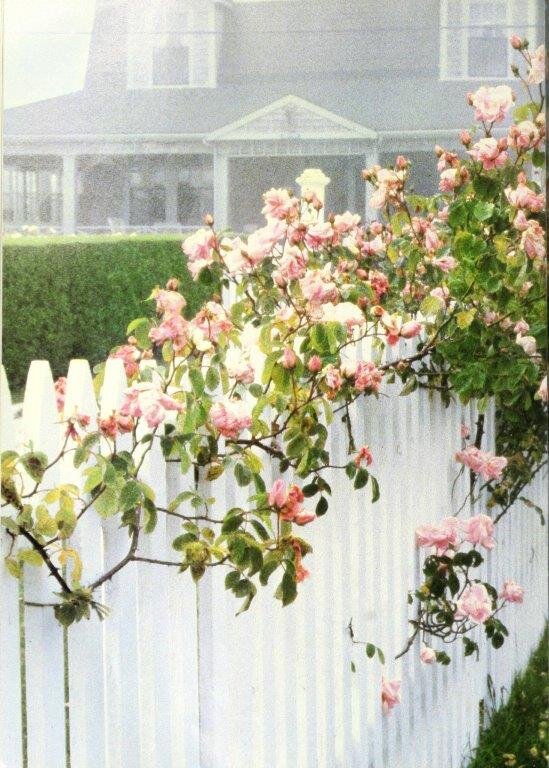
Sabine Baring-Gould was an Anglican priest and eclectic scholar that lived from 1834-1924…and a prolific author throughout his long life. This week I am featuring 12 of his books available from Internet Archive that I browsed in March. Evidently - he often did his own illustrations for most of the books. Pick one or several to browse through…a trip through time to a place through the eyes of Baring-Gould.

Germany (1886) with collaboration of Arthur Gilman

57 21 03 (20).jpg
61 21 03 (2).jpg
68 21 03 (23).jpg
75 21 03 (2).jpg

A Book of Dartmoor (1900)  

77 21 03 (12).jpg
81 21 03 (6).jpg

A Book of the Rhine from Cleve to Mainz (1906) with color illustrations by Trevor Hadden

83 21 03 (17).jpg
87 21 03 (10).jpg

An Old English Home and Its Dependencies (1898) illustrated by F. Bligh Bond

89 21 03 (13).jpg
99 21 03 (5).jpg

Around the House Bouquets

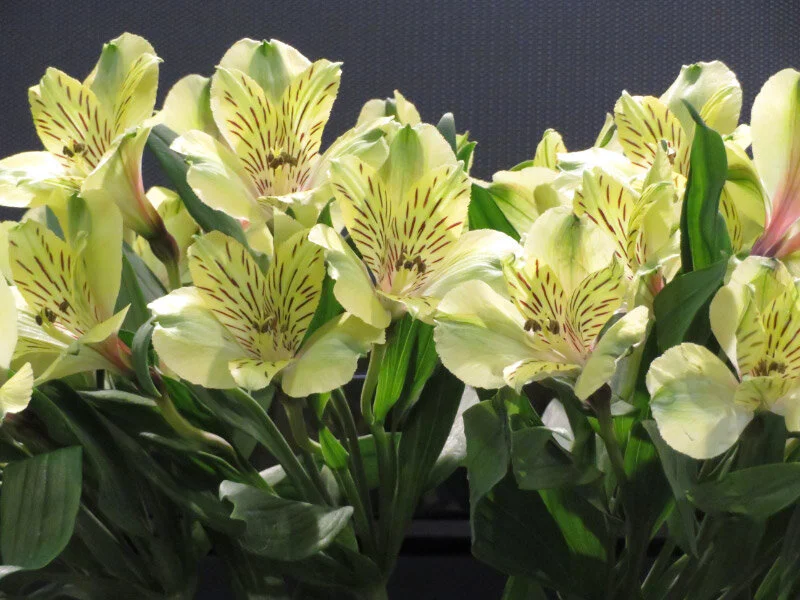
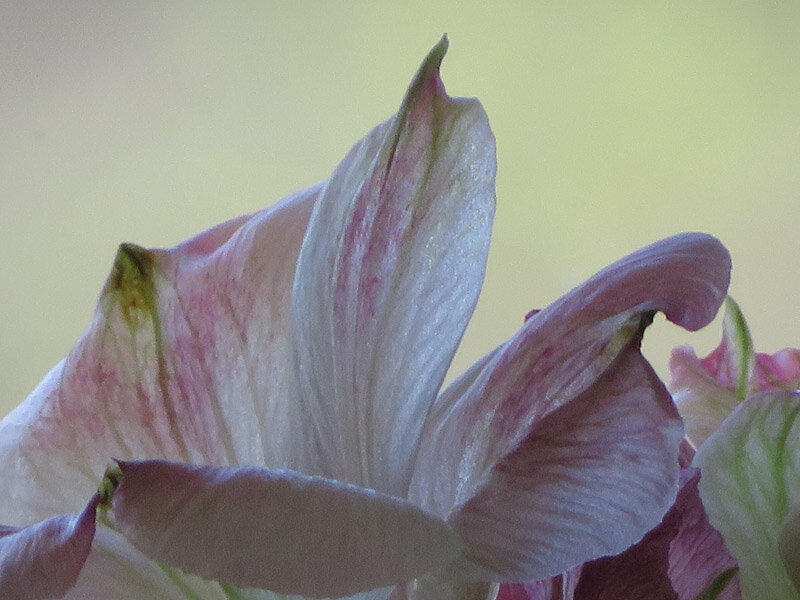
Even though we have trees and flowers blooming outdoors now, I’m still purchasing a bouquet of cut flowers in every grocery order. I divide them into smaller vases and put them in the rooms where we spend the most time – the kitchen/breakfast area, our offices. They are cheerful and great subjects for photography.

2021 04 IMG_4126 (1).jpg

Sometimes I take the whole vase of flowers…

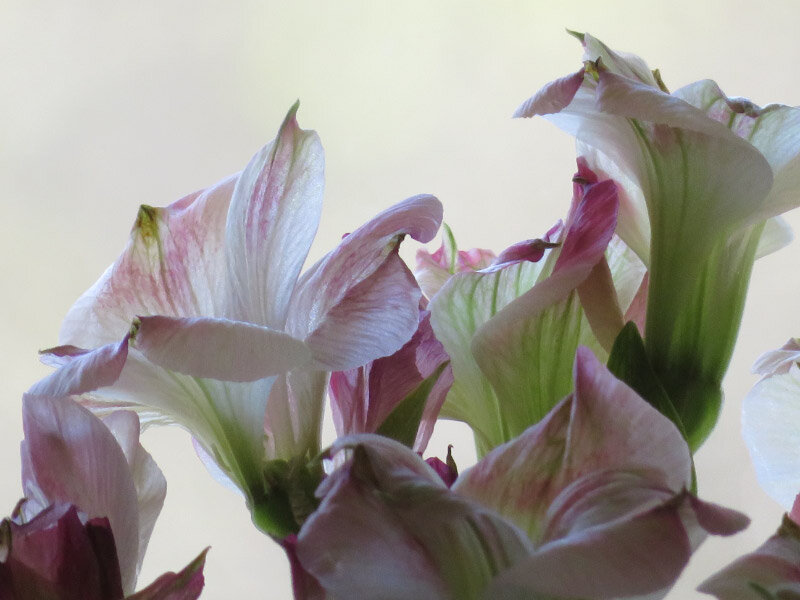
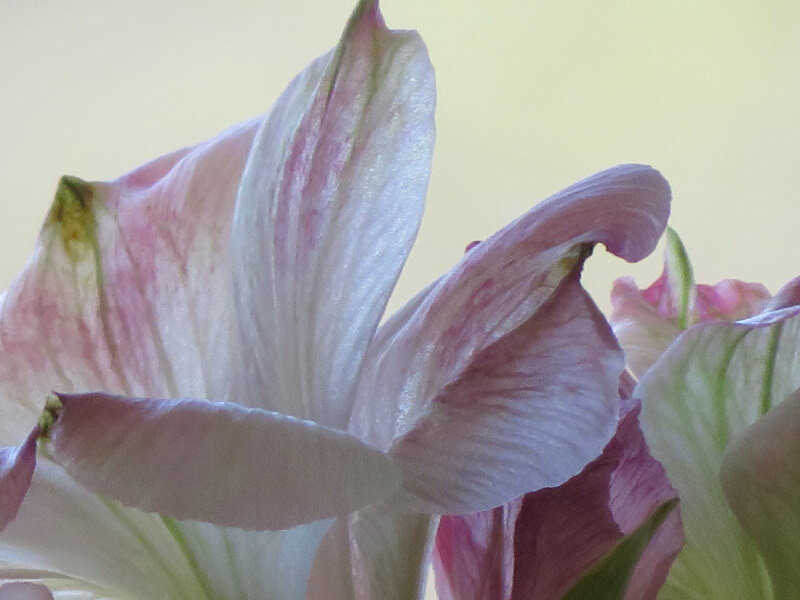
But I enjoy the zoomed shots even more, often going into high key type photography with backlighting.

Other times I try a very dark background. It makes quite a difference!

2021 04 IMG_4126 (11).jpg

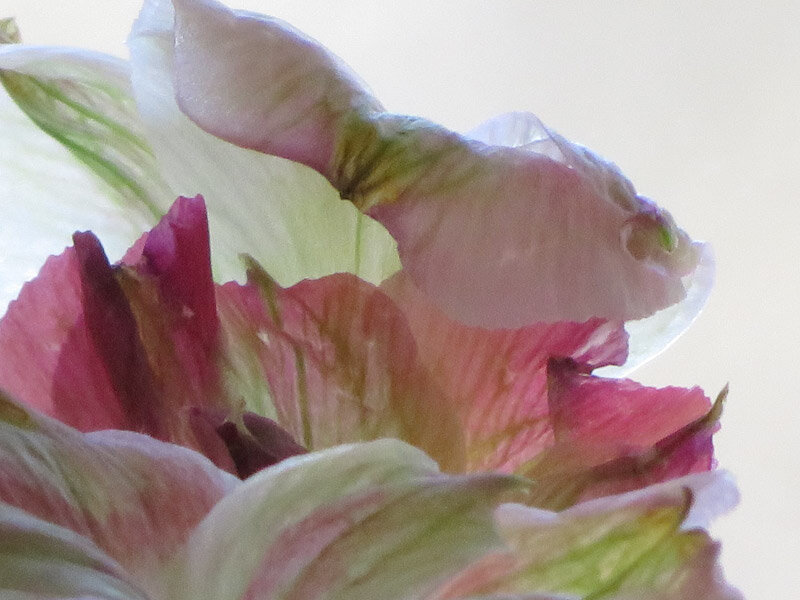
There are times that I like the color and curls of older flowers.

2021 04 IMG_4126 (2).jpg

The pink-green-white is my favorite color combination.

I remember buying some tulip bulbs that were those colors 25 years ago…planting them around the dogwood tree at the house before last; I wonder how many years after we moved away they continued to bloom.

13 months in COVID-19 Pandemic

It’s been over a year now. I am doing the post for this month a few days early in celebration of getting my second Moderna vaccine shot and having only mild side-effects (sore arm, a few aches) that were gone in less than 48 hours. Our county did 2,190 second doses of vaccines on the day my husband and I got our shots…in the US 54.7% of the people over 65 years old had gotten a second dose.

In the past month:

  • Volunteering is on my radar again. It’s not the same or as much as pre-pandemic yet…just a start.

  • Taking mini road trips at highway speeds has become a prelude to anticipated longer road trips. The first ones were a little discombobulating….I need the practice. The little trips sometimes are primarily for the drive; it feels good to be out and about in the springtime too.

  • Continuing curbside pickup for groceries rather than shopping in the store was a reluctant decision but based on Maryland’s increasing COVID-19 hospitalizations and % positive tests. The state has ramped up to about 70K vaccinations per day; but, so far, there are not enough people vaccinated to start bringing the numbers down. Similar trends are being seen across the country – reversing the decline from the previous month.

  • Transitioning away from webinars is happening gradually. I enjoyed two from MoMA and one from Brookside Gardens…but am  drawn by the better weather to get out and about – leaving less time for webinars.

In the next month – I am anticipating a longer road trip …seeing family I haven’t seen since pre-pandemic ….enjoying the warming trend of spring!

Gleanings of the Week Ending April 3, 2021

The items below were ‘the cream’ of the articles and websites I found this past week. Click on the light green text to look at the article.

New wearable device turns the body into a battery -- ScienceDaily – I’m always forgetting to charge my Fitbit until the low battery warning message comes up. It would be great to never need to charge it!

Soot from Asia travels express on a highway to the high Arctic : Research Highlights – Soot in the Arctic traced back to its source.

Working outdoors linked to lower risk of breast cancer among older women -- ScienceDaily - Outdoor workers are able to make more vitamin D which may be protective, say researchers. This is an observation…but might indicate a thread for future research.

World's first dinosaur preserved sitting on nest of eggs with fossilized babies – An fossilized Oviraptorosaur, a bird-like theropod, found on a nest filled with its 24 eggs.

Stealth Chemicals: A Call to Action on a Threat to Human Fertility - Yale E360 and Air pollution: The silent killer called PM 2.5 -- ScienceDaily – Products of human ingenuity that are negatively impacting our health.

94% of older adults prescribed drugs that raise risk of falling: From 1999-2017, more than 7.8 billion fall-risk-increasing drugs were prescribed to older adults in the US, and deaths from falls doubled -- ScienceDaily – In my 50s, my doctor prescribed a blood pressure medication that made me dizzy. When I complained about it (citing the danger of becoming dizzy and falling down stairs being a greater risk than the benefit of lowering my blood pressure to the level she was attempting), she decided I didn’t need the medication since I was taking half the lowest dose tablet. I hope that the medical professionals prescribing the fall-risk-increasing drugs are more careful about how they are using them now for older people particularly…but for younger people too. Sometimes it seems like the trend is to always ‘treat with drugs’ to address a specific problem rather than integrating for the overall health of the individual.

Was This Helmet Worn by an Ancient Greek Soldier During the Persian Wars? | Smart News | Smithsonian Magazine – Found by a dredging vessel off the coast of Haifa, Israel.

50 Birds: Adventures in Backyard Birding – Birding can be done anywhere. Many people have discovered the joy of bird watching from home during this pandemic year.

Joshua Trees: An Uncertain Future For A Mojave Desert Icon – A big fire and climate change….are the Joshua Trees doomed?

Health declining in Gen X and Gen Y, US study shows -- ScienceDaily – The long-term trends are not positive; the US was already seeing decreases in life expectancy and increases in disability/morbidity pre-pandemic. The study pointed to the increase in unhealthy behaviors over the past decades that medical treatment cannot overcome. Based on the response to public health measures attempted in the US for the pandemic, it’s difficult to be optimistic that any kind of intervention could be broadly effective.

Gleanings of the Week Ending March 27, 2021

The items below were ‘the cream’ of the articles and websites I found this past week. Click on the light green text to look at the article.

Alexander Calder – Modern from the Start – An exhibit at The Museum of Modern Art (MoMA). There are pictures and a videos of the exhibit on the site. I watched the webinar on the 25th  when it was live and am in the process of looking at the rest of the site now.

Doug Tallamy’s List of Best Plant Genera for Supporting Moths and Butterflies | pollinator-pathway – Arbor Day is coming up in most areas (it varies by state depending on the best tree planting time. If you are thinking about planting a tree (or trees), think native and ones that support moths and butterflies!

Top 25 birds of the week: Bird Colours! - Wild Bird Revolution and Top 25 birds of the week: Bird Communication! - Wild Bird Revolution – Enjoy a double dose of bird photographs this week.

New skin patch brings us closer to wearable, all-in-one health monitor -- ScienceDaily – Still in the research phase…but a step forward. I like the idea of a blood pressure measurement that can be linked with other data throughout the day.

Is the Western way of raising kids weird? - BBC Future – We tend to think that the cultural norms we grow up in are the ‘best’ – but that may not always be true.

On U.S. East Coast, Has Offshore Wind’s Moment Finally Arrived? - Yale E360 – Reliable source of wind and proximity to populous markets….maybe the false starts are finally in the past for this renewal source of energy.

10 virtual tours of spectacular buildings around the world | Top 10s | The Guardian – More places to visit virtually!

Slideshow: Watch Insects in Motion | The Scientist Magazine® - Some technologies researchers are applying to better understand how insects have become such successful fliers.

How the Loss of Soil Is Sacrificing America’s Natural Heritage - Yale E360 – At best 24% of Corn Belt topsoil is gone…at worst 46%....and topsoil is still being lost. The study found that the main source of erosion is not water runoff but tillage…and right now only 15% of acreage in the heart of the Corn Belt is ‘no-till.’

Oldest Known Wild Bird Hatches Chick at Age 70 | Smart News | Smithsonian Magazine – Wisdom, an Laysan albatross, returns to Midway Atoll again. Her chick for this year hatched on February 1. She has outlived the person that originally banded her!

House & Garden Gleanings

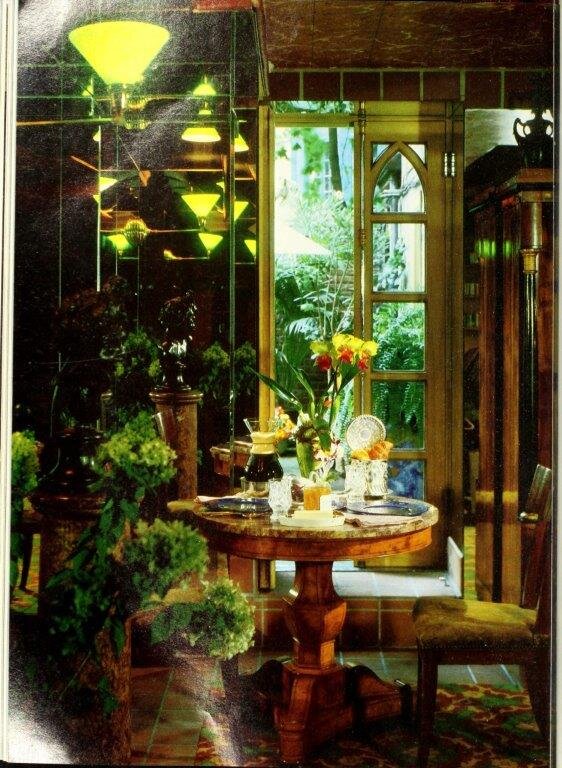
I have finally browsed all the House & Garden magazines I found on Internet Archive…from 1901 to 1993! I started back in November 2020….and browsed one or two of the volumes on most days. This post is the grand finale from the volumes I browsed through in 2021 – featuring a few items that caught my attention from the 1940s onward that I haven’t already featured in a blog post (previous posts: Newport Teahouse and Green Animals on 3/12,  The White House in 1940 on 1/21, House & Garden Magazines on 12/16/2020).

In the volume from the second half of 1941 – a page of old-fashioned Christmas tree decorations. I was surprised that the paper chains that I made in the 1960s had been around since at least the 1940s!

18 21 01 (39).jpg

The cover of the volume from the first half of 1942 featured “Planning a Defense Garden” – a reminder of the impact of World War II.

20 21 01 (1).jpg

In the volume from the second half of 1962 – pictures of the White House. I would have been in the second grade.

There were two things I’m highlighting from the volume from the first half of 1970.

55 21 02 (1).jpg

The first is an advertisement for a ceramic stove top. It was the first time I’d seen one in the magazine. It took a long time for the technology to mature!

55 21 02 (26).jpg

The second is a story from the Ladew Topiary Garden. We went several times when my daughter was young in the early 1990s since it is not far from Baltimore.

In the second half of 1971 volume – there is an ad for a Sears lamps that my parents bought (the chain and table versions) and gave to us a few years later. We donated them sometime in the mid-1980s.

67 21 02 (14).jpg

There was an article about the White House (again) in early 1973. This was about the time I got married.

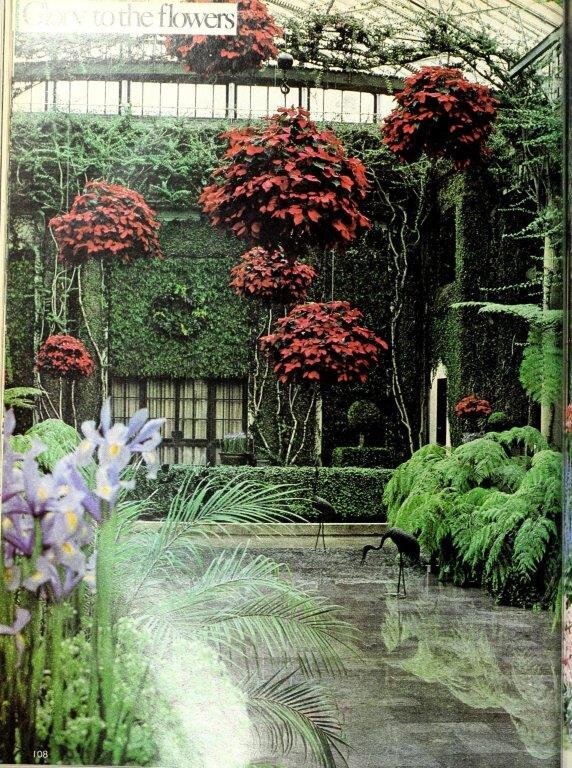
Longwood Gardens was in the Christmas issue in 1977. This was years before I visited the gardens.

In the volume from the middle of 1985, there was an article about Mount Vernon. We had moved to the Washington DC area in 1983 and Mount Vernon was one of our favorite places to take family members that came to visit.

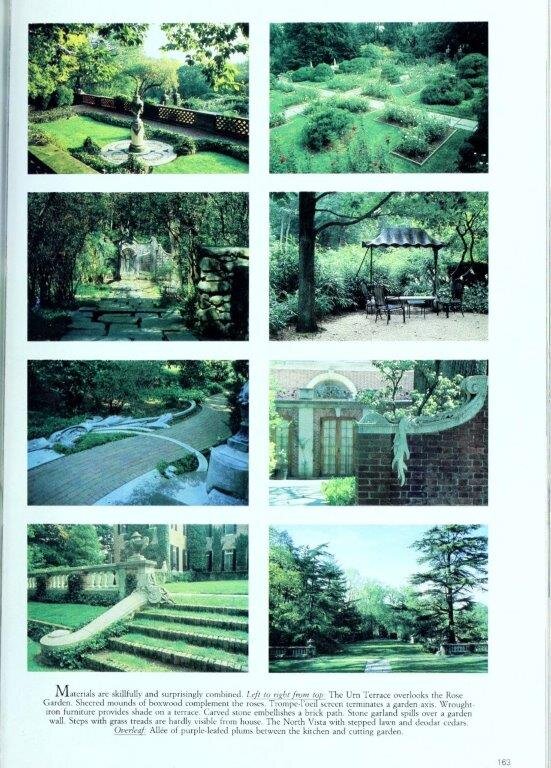
In the fall of 1986, the magazine had an article about Dumbarton Oaks. My husband and I were attending some Smithsonian Associates programs around that time and Dumbarton Oaks was one of the places we toured. I remember it was the first place I saw a black squirrel.

In early 1987, the magazine had some pictures from Winchester Mystery House in San Jose, CA. We had friends that lived in the area that we visited about that time, but I never toured the house until 20 years later when I was there for work and had an afternoon on my own.

There were repeats of locations too – Mount Vernon again in 1989

And Ladew Topiary again in 1992 (which might have been close to the time we took my daughter as a toddler).

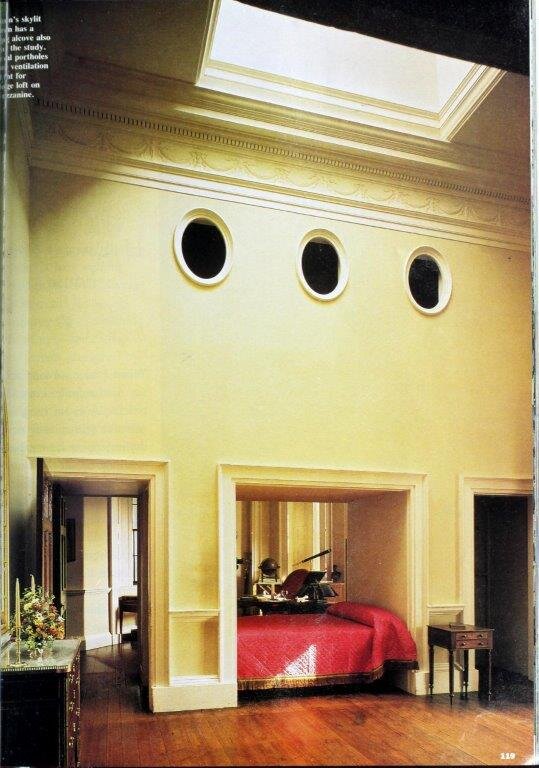
There was an article about Monticello in 1993.

Overall – I enjoyed browsing all the magazines….a little history…reminders of places I’d been…ideas for what I might do in my own home (or not).

Daffodils in the Brush Pile

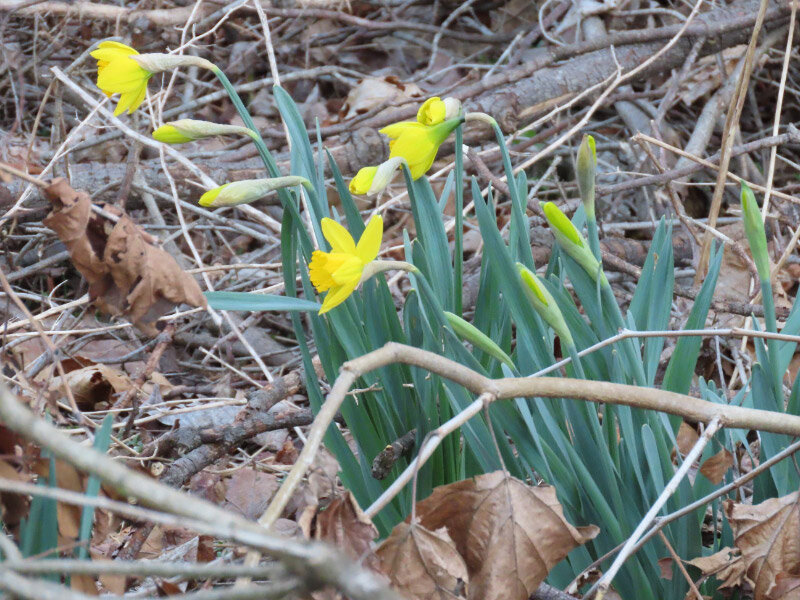
Looking out my office window - I noticed a clump of daffodils was blooming in the brush pile at the back of our yard and went downstairs (inside and then from the deck) to get some pictures. Our neighbors have always had daffodils around the base of one of their trees and I had planted some bulbs slightly in front of the tree line in our yard several years ago to establish a similar stand in our yard. The plants come up and bloom well before the leaves are on the trees. My subsequent project to gradually extend the ‘forest’ into our yard by putting small brush piles over the areas where the grass does not well (too much shade) covered the place where I planted the bulbs…but they are hardy enough to come up and bloom anyway! And they provide a marker for how much I have extended the forest leaf mulch area into our yard….probably at least 6 feet. It’s much better than having thin grass/soil showing in that area.

I also noticed that one of the larger branches in the brush pile had some shelf fungus growing --- decomposition and nature recycling itself in action!

2021 03 IMG_7131 (3).jpg

As I walked back up the incline toward the deck stairs, I notice a leaf from last year with some neatly drilled holes. I wondered if the holes were already made before the leaf fell.

2021 03 IMG_7131 (4).jpg

Overall – a very satisfying short photo shoot in our yard!

Volunteering Again!

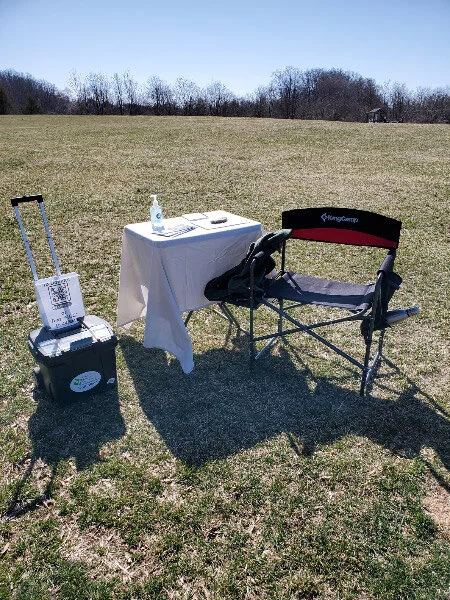
The nature center isn’t open at Howard County Conservancy’s Mt Pleasant but there are more people visiting with the spring weather. So – the plan until the nature center can open again is to have an outdoor greeter on Saturday, Sunday and Wednesday…and I volunteered last Sunday. It was a very enjoyable 2 hours. I had a table and chair set up near the parking lot across from the kiosk.

I was surprised at the number of people that were there for the first time…needed some orientation to the place. Right before my shift was over, a girl scout troop arrived and wanted to do a non-meadow hike; I highlighted the trail map for them - through the forest to the skunk cabbage wetland. And there were people that have come for years (and volunteered). The children of one family did cartwheels on the slope near the parking lot before heading out for their hike. A child with his grandfather already knew their way to the picnic area for their lunch. Two women arrived with their own camp chairs and walked to a picnic table near the community gardens…talking for an hour or so in the sunshine. I asked people as they headed back to their cars if they saw something interesting and got a range of answers. A small child pointed out some rocks. Some birders had seen a merlin capturing a meal. One child had searched for ‘stages’ that would work for musical performances – standing on the top of the large silver maple stump was his favorite.

The parking lot had 25-35 cars for the whole time I was there – so a very worthwhile time for a greeter to be around.

There was about 10 minutes that were ‘slow’ and I walked toward the picnic tables to take some pictures – pine cones in a tree top…and macro of pine bark.

Then my daughter called for a quick chat…and after a few minutes the activity picked up again. There wasn’t a lot of time sitting around. I have 4 more of the outdoor greeter gigs lined up; they are all weather dependent (if it’s raining…we cancel!).

It’s good to be getting back into volunteering in the outdoors at Mt Pleasant!

30 years ago – March 1991

The event of March 1991 that I remember without looking back at my notes of the month was my dad turning 60 years old. My notes helped fill in the details. He and my mother flew from Texas to Maryland to spend a week with us; 6 red balloons, a pair of Rockport dress shoes and a pecan praline ice cream cake were some ‘special’ things for the celebration. My 18-month-old daughter thoroughly enjoyed the week with them and the addition of the turtle sandbox to her ‘things to do outside.’ She enjoyed it just after it was purchased while it was still indoors – getting face to face with it (also note – one bare foot…the other with the shoe still on in the picture).

1991 03 img737 (33).jpg

My husband and I benefited from the emotional support from that week. Both of us were going through work and health anxieties that improved over the next few months but peaked in March.

My daughter was facing challenges from us encouraging her to walk more on her own (even up and down stairs) and the beginning of ‘potty training.’ She wanted to be outside as much as possible. She still liked to pick up leaves to carry around while she explored.

She was not talking well but increasingly more opinionated about what she wanted (and didn’t). She enjoyed carrying around her toys and dancing. The family day care provider commented that she enjoyed dancing so much that once she started…all the other children danced with her.

1991 03 img737 (24).jpg

Near the end of the month – while my parents were visiting, my family day care provider let me know that her mother who had been with her for the past 6 months had died and that the day care would be closed for the next few weeks. I quickly found other day care for the interim; the visit of my parents helped the temporary transition to the other day care. I’ll always be glad that my daughter had the attention of the older woman for those few months…extra attention and cuddles are so important for young children (and often an joy of older adult to provide). When I arrived to get my daughter in the afternoons, it always seemed like she was either being held by or standing close to the older woman; when they made eye contact it was obvious: they had a special bond.

And now – moving ahead 30 years – my dad will be celebrating his 90th birthday! Hopefully, the pandemic situation will improve with more vaccinations and I’ll be able to see him soon.

Gleanings of the Week Ending March 20, 2021

The items below were ‘the cream’ of the articles and websites I found this past week. Click on the light green text to look at the article.

The greatest security threat of the post-truth age - BBC Future – The chilling observation that we might be in a period when “Although information is easily available, people cannot tell whether anything they see, read or hear is reliable or not.”

Top 25 birds of the week: Waterbirds! – From around the world…and the first one is a bird I’ve seen/photographed too in Texas, New Mexico, Delaware and Florida: the American White Pelican!

Diets high in fructose could cause immune system damage, study suggests -- ScienceDaily – Another reason to avoid processed foods….

Easy Nature Adventures to Enjoy Near You – Enjoying the place where you are…outdoors! This time of year, there is a lot of things to see close to where I live and I can choose the places/times to avoid any crowds (still a good thing in this pandemic time until the vaccination rates get much higher and infections begin to plummet).

Stealth Chemicals: A call to action on a threat to human fertility – Evidence has been accumulating…and there are a lot more observable problems at this point. I was glad that near the end of the article, there were recommendations for people trying to have children and/or for young children. And we need to move forward on top-down approaches if manufacturers don’t take near term action.

Helping Birds Adapt to Climate Change in the Nevada Desert – Replacing lost riparian areas after removal of invasive tamarisk.

Earth Matters - What in the World Are Moon Trees? – Trees grown from seeds that were taken into lunar orbit 50 years ago!

Climate Change, Deforestation Hurting Monarch Butterfly Migration : NPR – So many problems for the migrating populations of these butterflies. Soon we might only see this butterfly in areas where they don’t need to migrate to survive the winter.

Remnants of Iron Age Settlement, Roman Villa Found in England | Smart News | Smithsonian Magazine – 15 cone shaped roundhouses dating from 400 BC and 100 BC and then a Roman villa from the 3rd to early 4th century AD. It must have be a good place to call home over a long time period!

Ice Age Carolinas – Carolina Bays….indicators that permafrost extended for several hundred kilometers south of the ice sheet during the last ice age.

Hugh Thomson – Illustrator

I noticed Hugh Thomson’s work when I was browsing the Stephen Lucious Gwynn books about Ireland and did a broad search for other books he illustrated. He was an Irish illustrator best know for pen-and-ink illustrations. I browsed 5 books with his illustrations back in February published between 1895 and 1913; I’ve selected at sample image from each one.

The Story of Rosina and other Verses (1895)

66 21 02 (1).jpg
74 21 02 (10).jpg
98 21 02 (7).jpg
103 21 02 (3).jpg

Two historical reflections:

  • Do you prefer the pen-and-ink or the color illustrations? Today we are so bombarded with colorful illustrations/photographs that we tend to expect color…..but the pen-and- ink show a different kind of detail.

  • Based on the Wikipedia entry, Thomson died in 1920 at 59 years old. His career as an illustrator declined with World War I and he was forced to find other work during the last years of his life. I wonder how many people will find the COVID-19 pandemic as disruptive to their livelihood/life plan as previous generations found the World Wars.

As I was writing this blog post, I noticed that the Wikipedia entry for Thomson has a list of selected works that includes links to Internet Archive. Some of the books do not list Thomson in their metadata (i.e. the illustrator was not listed along with the text’s author) so I didn’t find them in my broad search. Hurray! I have some additional Thomson illustrated books to browse!

Reflections on the Mt Pleasant Farmhouse

Last time I walked around Howard County Conservancy’s Mt Pleasant, I started thinking about the changes around the front of the farmhouse since I first saw it back in fall of 2013. The large tulip poplar in front of the house had already been cut down; over the years I noticed the increased weathering of the stump and its roots have decomposed too. It’s a favorite place to find snake skins and sometimes small snakes…spiders…ants!

The stump to the left was cut closer to the ground in the past few years after the tree started dropping branches and there was concern about potential damage to the farmhouse. I remember a hike with kindergarteners when the tree was still there – me standing about 6 feet away from the trunk of the tree…facing the children and their chaperones a little further from the tree…talking about what might live in the tree….they were talking about the birds and the squirrels…I turned around to gesture to the tree….and there at about eye level was a large black rat snake. What I great teaching moment! I pointed the snake out to the group. The chaperones took a few steps back; the children stayed put at rapt attention. We talked about why the snake might want to be in the tree as it slowly moved from its spot of sunshine on the trunk slithering underneath the loose bark until it was out of sight. Later, after the tree was cut down, some groups tried to count tree rings…others used the spot for a group picture.

The walk up to the front door was added in the year before the pandemic. The front porch is often used as a stop for the younger elementary school hikes and most groups were taking various routes over the grass to get there prior to the construction of the walk. The porch is particularly welcome on rainy days. On one such day before the walk was built, my group made it to the porch as the last stop before lunch; as we turned to go…it started raining even harder; we waited for a few minutes, but it didn’t let up and everyone was hungry. We eventually left the haven of the porch and splashed through puddles toward the nature center building – the revised picnic lunch location.

On the far right…across the gravel drive there is another stump. It was a silver maple that was planted in the later 1800s (based on the tree ring count). It was cut down a before the walk was built There was a ‘twin’ silver maple on the other side of the circular drive what was cut down at the same time (hidden by the cedars on the left in the pictures). The stump on the right was sanded and some steps cut into the side so that the kindergarteners could climb up to see (and count) the tree rings.

My history with the house is a few short years. The house has a longer history with the façade mostly from after the Civil War and there is a log cabin of even earlier vintage enclosed by the additions and modifications made to the house over the years. It’s interesting to think about the highs and lows of the family that lived there…the ways they used the spaces…made changes to fit their needs…the technology incorporated over the years (plumbing and electricity, for example). My few years are a short window into the house’s history!

Mini Road Trip: Mt Pleasant – March 2021 (1)

I may do more than one mini road trip to Howard County Conservancy’s Mt Pleasant this month since the plants change so quickly this time of year. I also want to photograph the wood frogs in the small pond in the Honors Garden when they start their mating songs; the pond was still silent and empty this time. Everything was still skewed toward ‘winter’ although there were more signs of spring than when I went at the end of February.

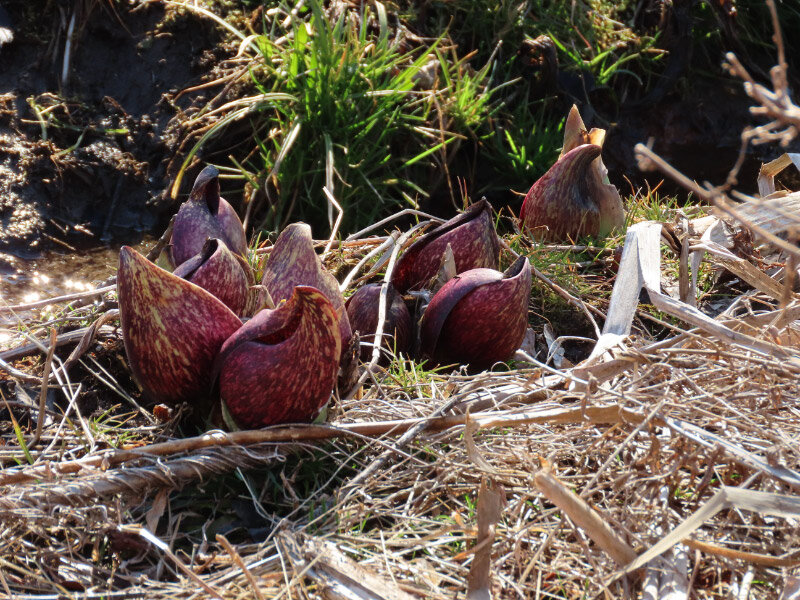
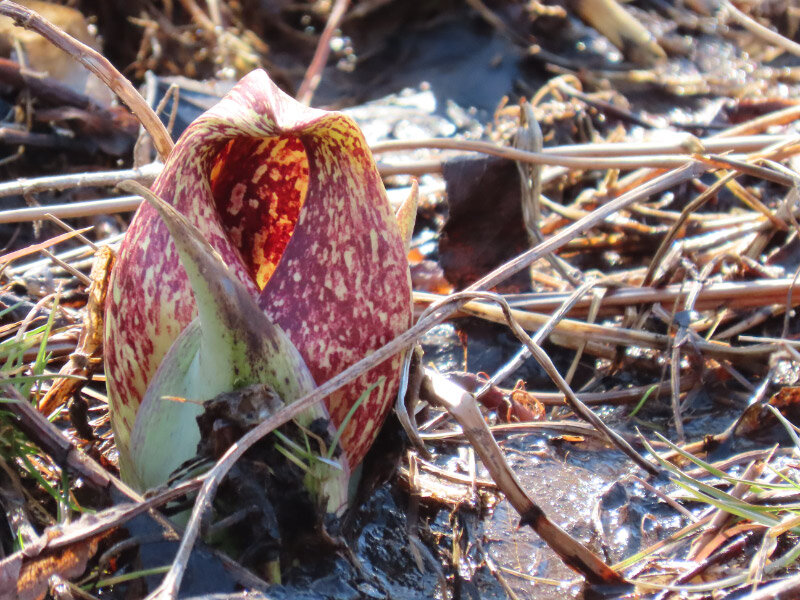
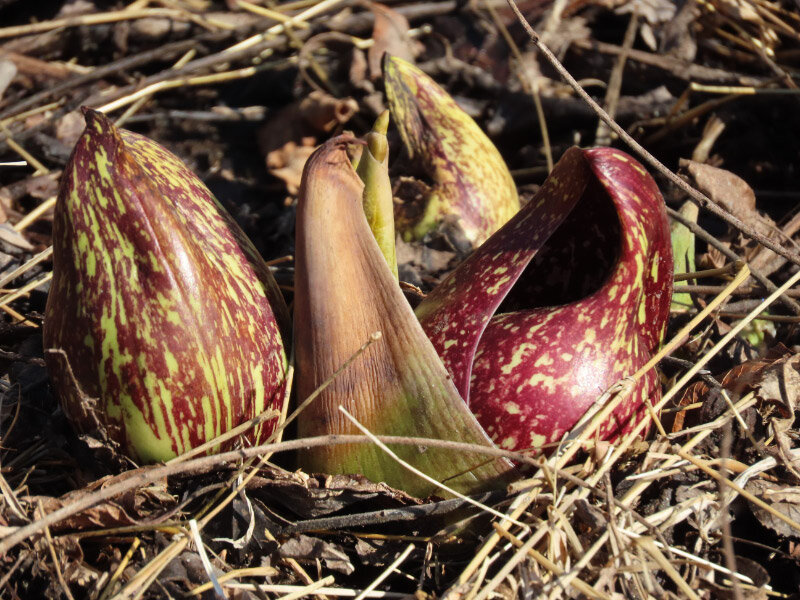
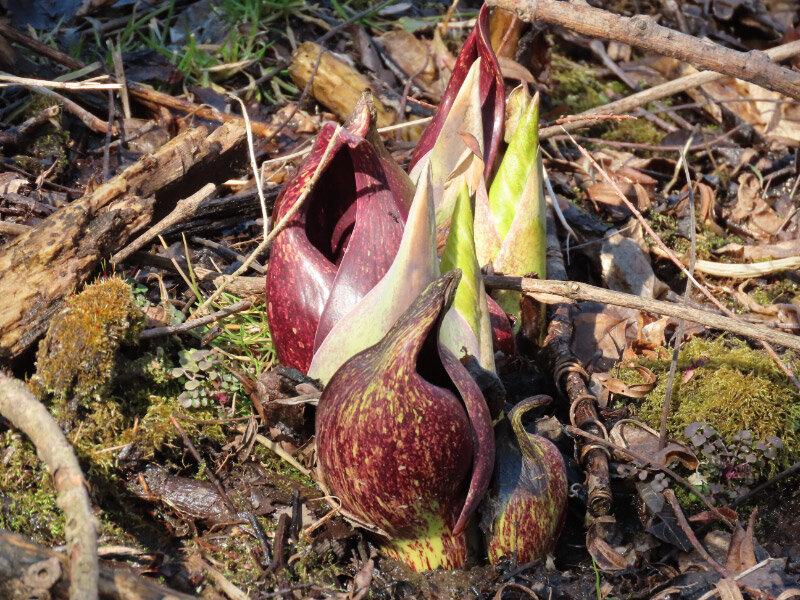
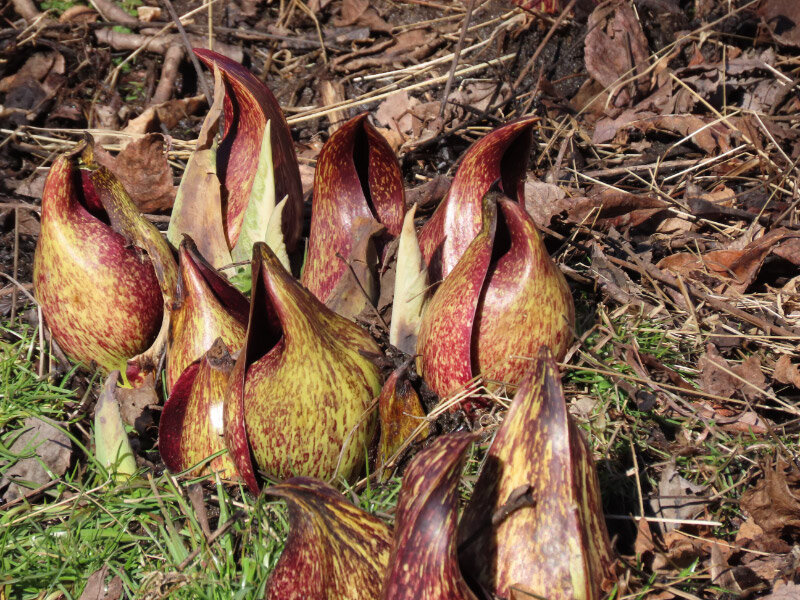
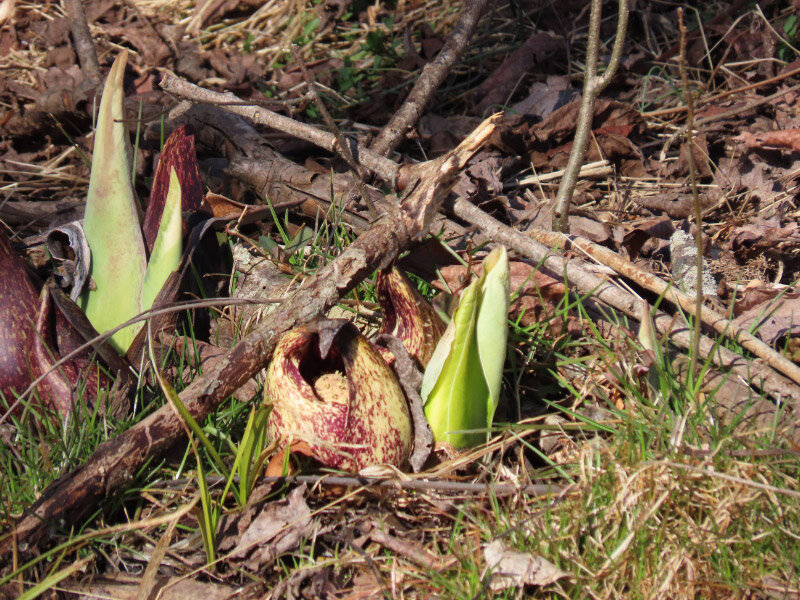
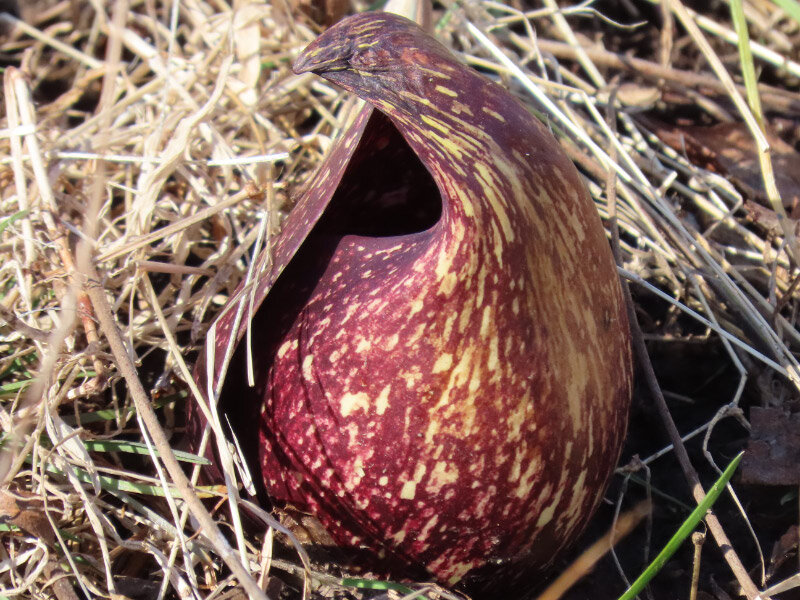
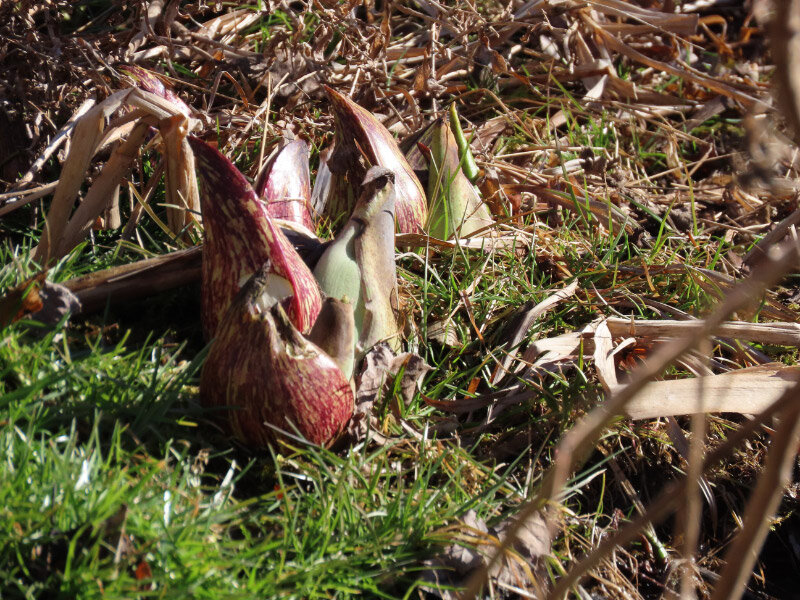
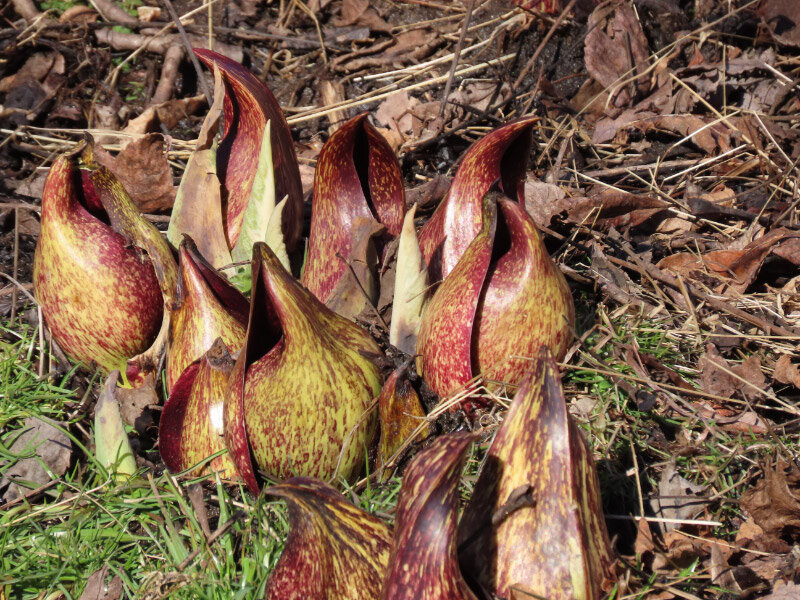
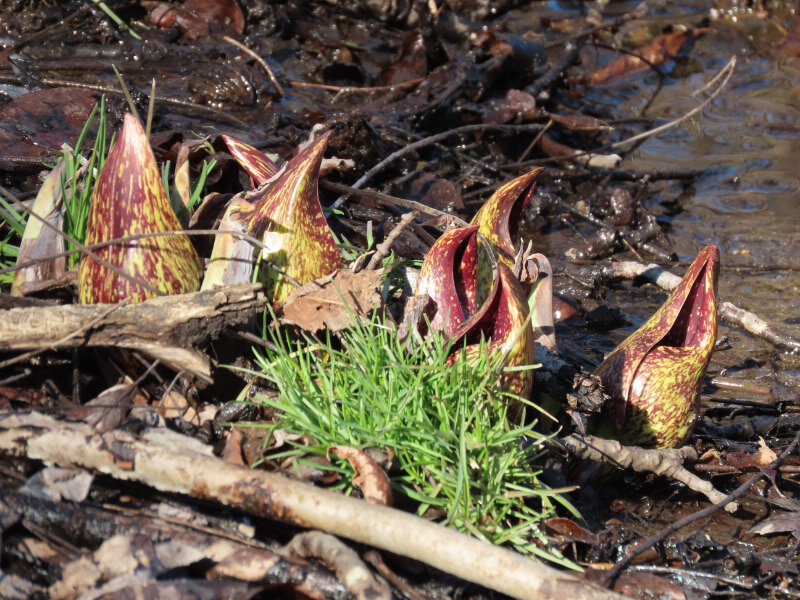
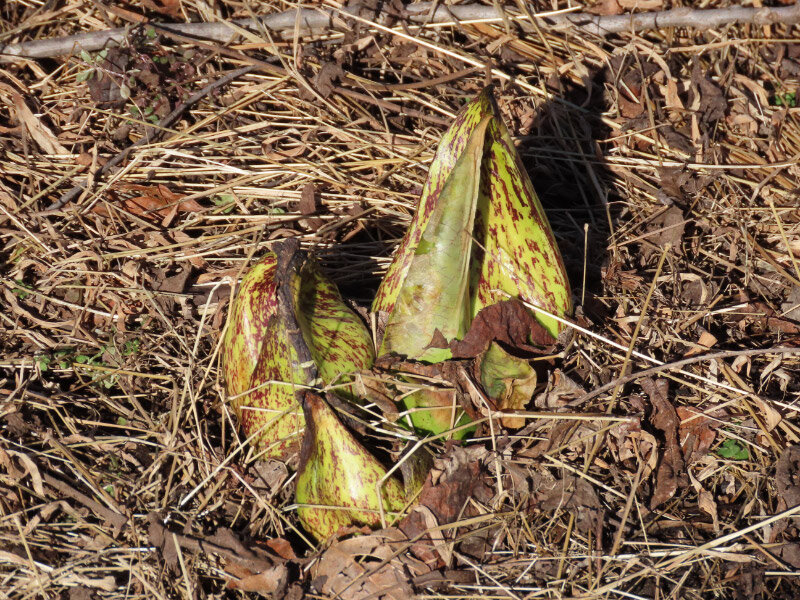
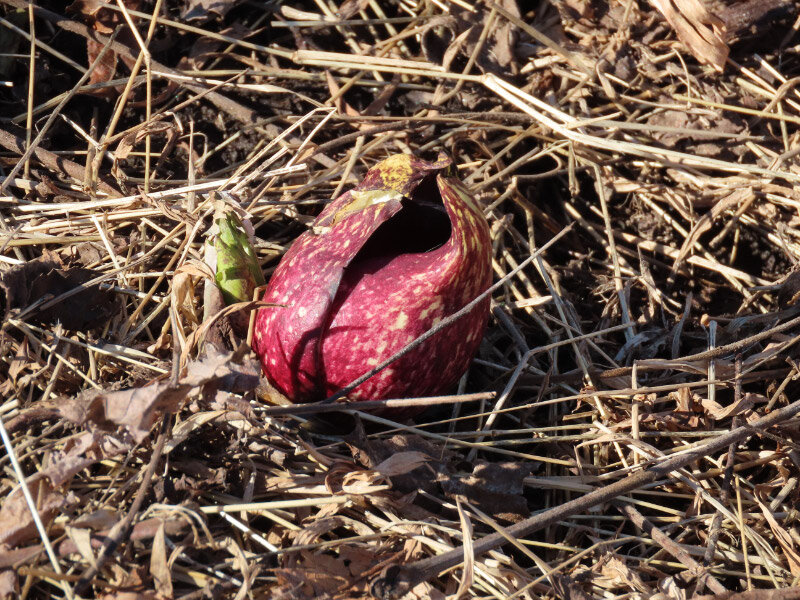
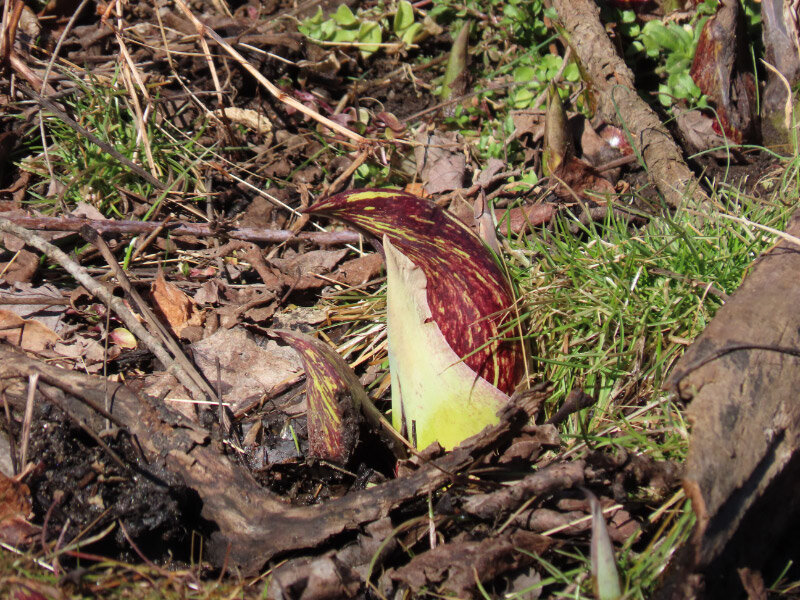
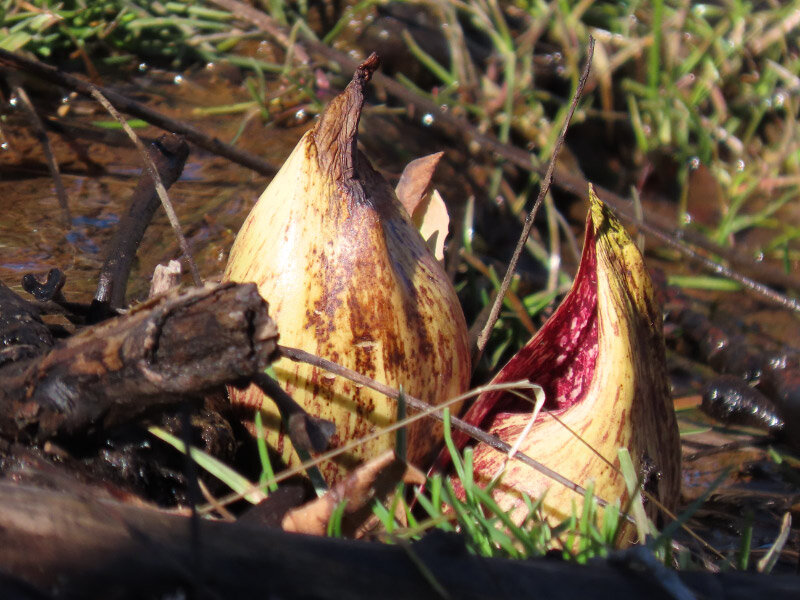
The skunk cabbage bloom is fading…the golf-ball-like flowers are turning brownish…maybe seeds are forming.

b 2021 03 IMG_7028.jpg

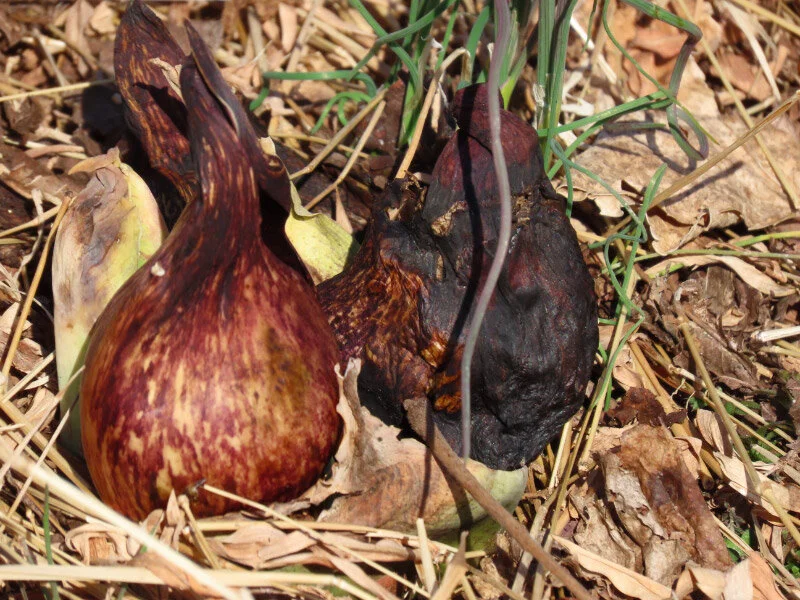
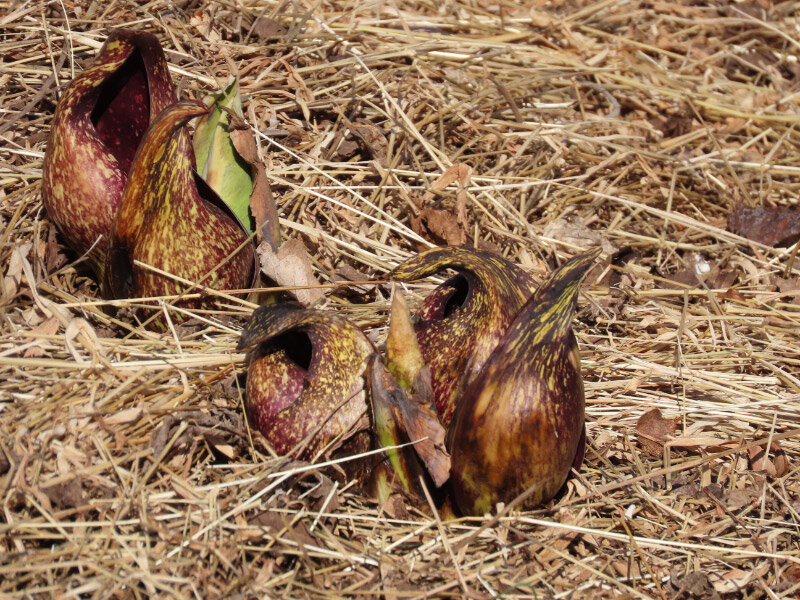
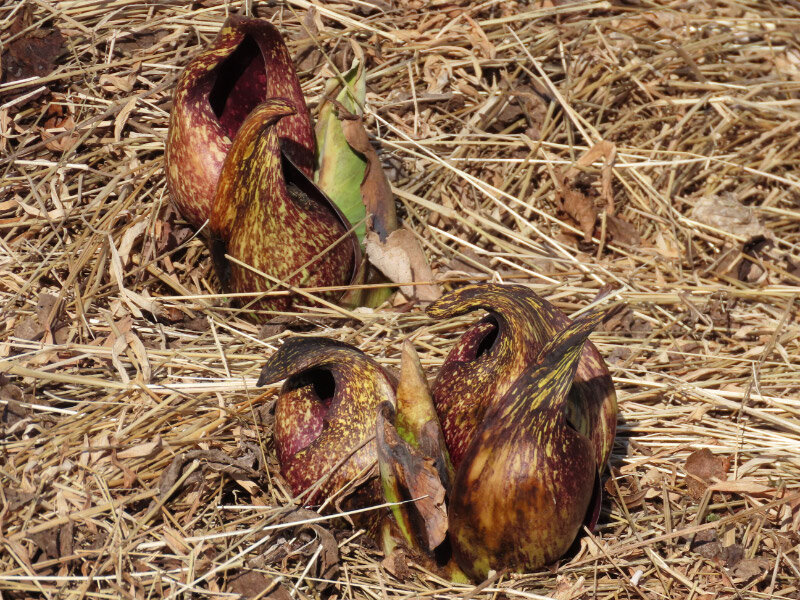
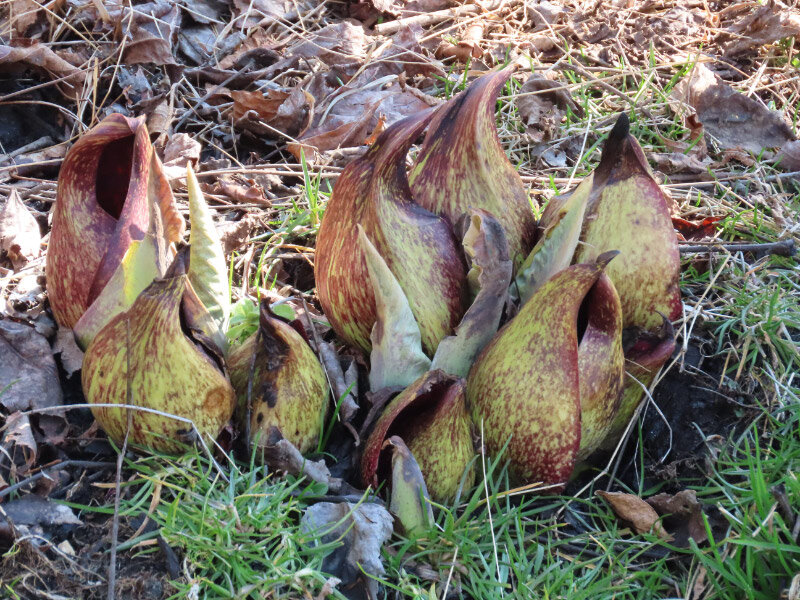
Last time I saw the skunk cabbage there was still snow on the ground along the trail. Some spathes that had black areas at the top during that visit now appeared smaller in size…and one spathe was almost totally black; maybe it had been too damaged to continue flowering.

b 2021 03 IMG_7022 (3).jpg

Overall, there seemed to be more visible clumps of skunk cabbage than the last time I visited the site. Next time I go, I expect there will be green leaves unfurling.

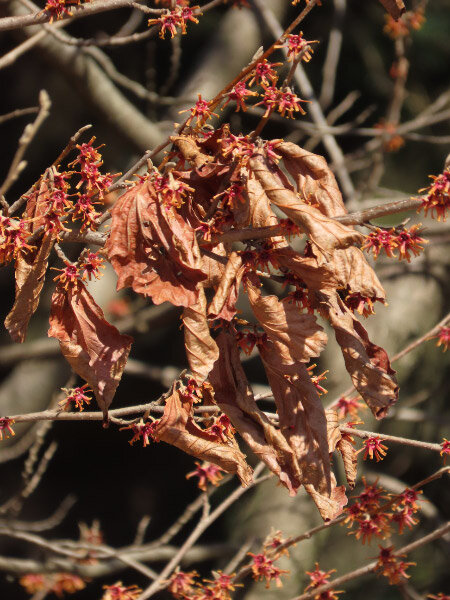
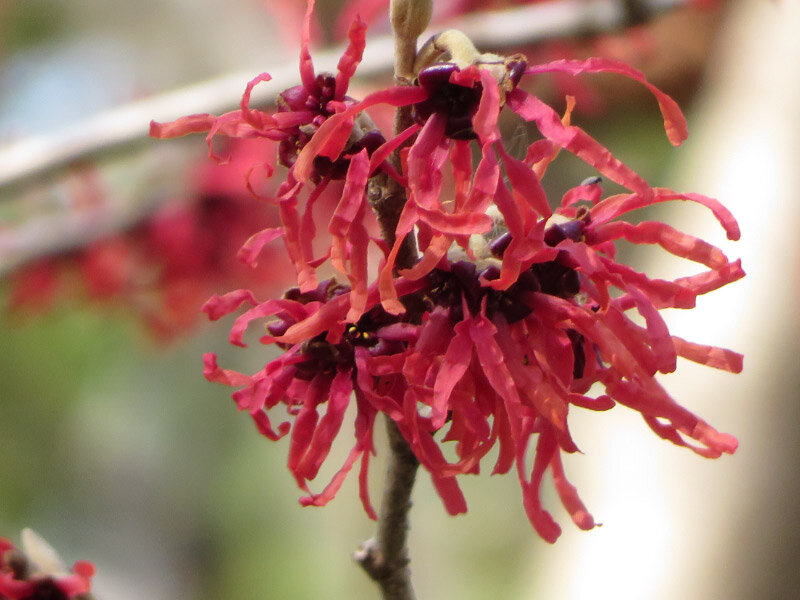
The witch hazel along the drive to the farmhouse is another plant I check this time of year. It’s an Asian variety that blooms in late winter.

The tree keeps some leaves from last season…that provide a more subtle color than the blooms.

2021 03 IMG_7100 (2).jpg

Other ‘sights’ from Mt Pleasant in tomorrow’s post….

Gleanings of the Week Ending March 13, 2021

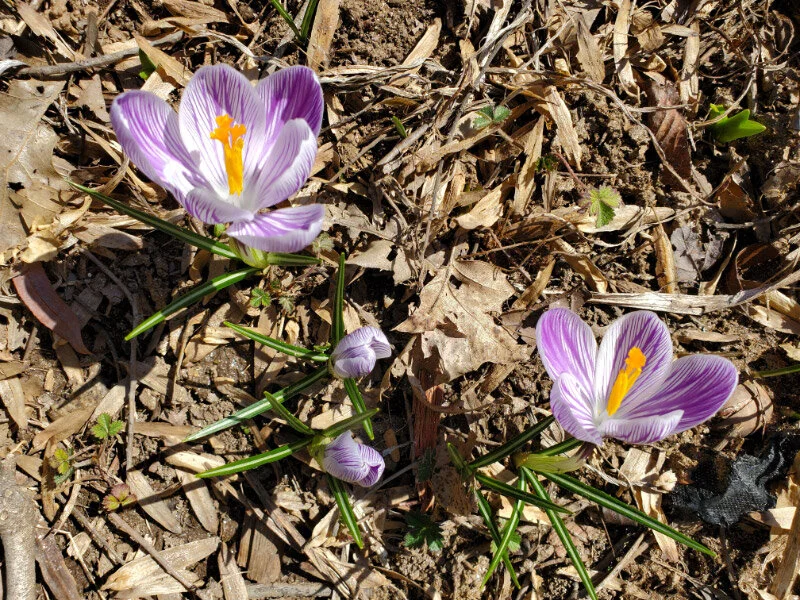
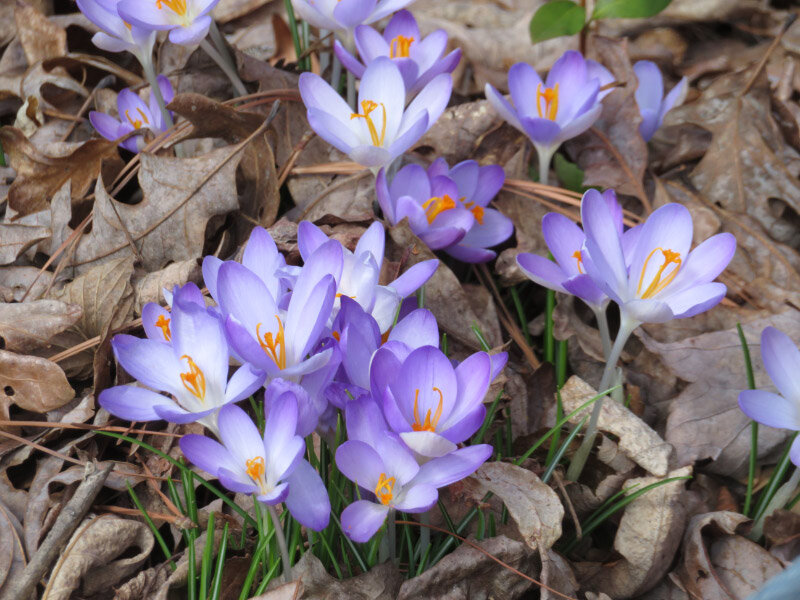
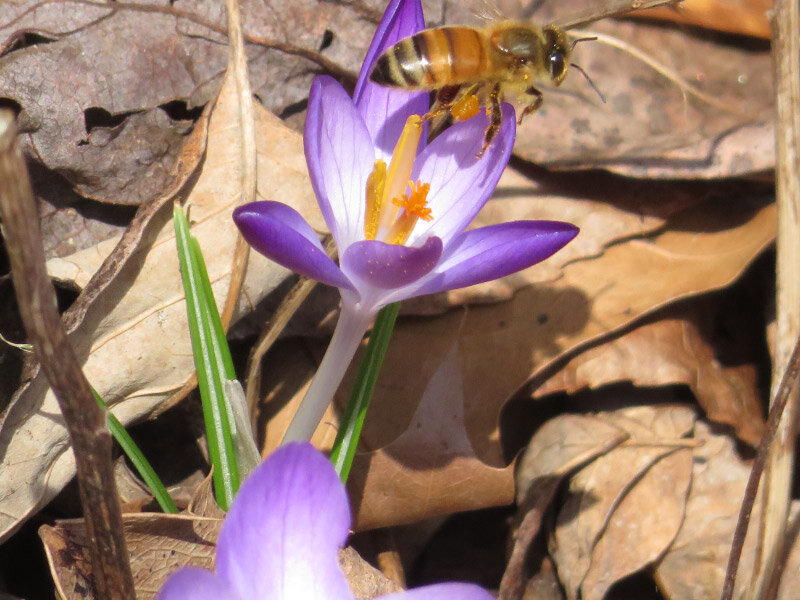
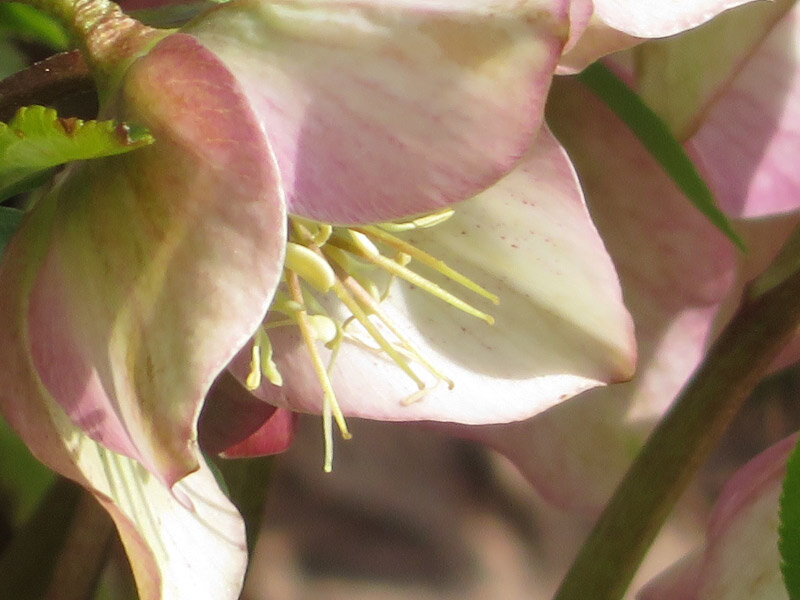
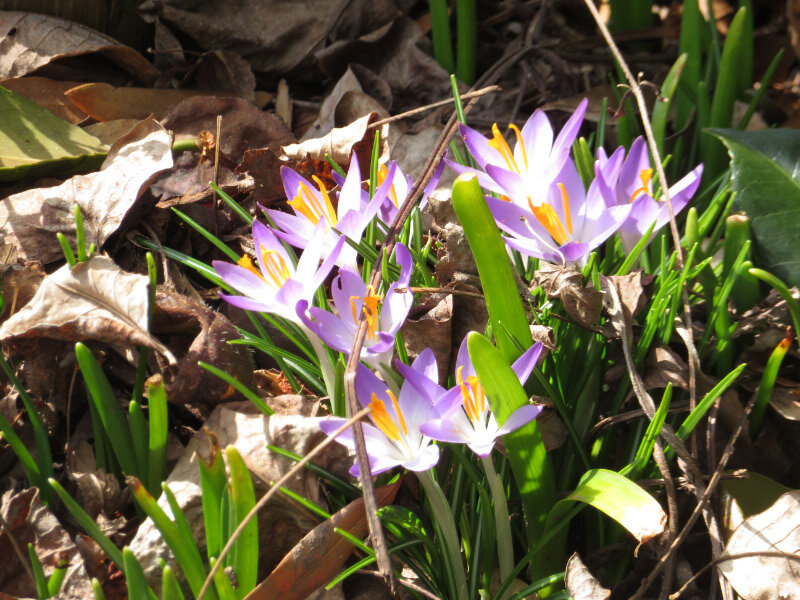
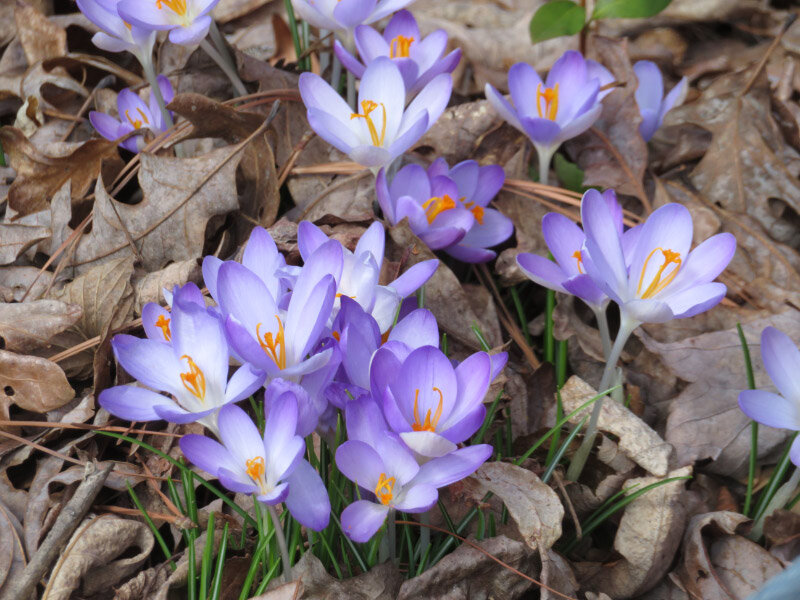
Spring is starting here in Maryland…we have a clump of crocus up and blooming in our front flower bed!

The items below were ‘the cream’ of the articles and websites I found this past week. Click on the light green text to look at the article.

Top 25 birds of the week: March 2021 – Starting off the gleanings for this with bird photographs. I found myself looking at eye color as I enjoyed this group of 25.

Satellite imagery shows northern California kelp forests have collapsed – I had read a story about this previously….but this article include visuals: satellite image and underwater images of what it look like before…and the urchin barrens that are there today.

Kauri trees mark magnetic flip 42,000 years ago | Science – Analysis of a tree preserved in a bog. It lived during the Laschamp Excursion (the last time the poles flipped) The climate instability lasted about 500 years.

Giving Wildlife Room to Roam in the Face of Climate Change – The importance on microhabitats in wildlife conservation particularly as climate changes.

Small Particulates From Burning Fossil Fuels Kills 8.7 Million People Each Year – And this is a form of pollution no one escapes….unless you choose to live in an enclosed and continuously filtered environment (like on an planet that does not support life as we know it). Right now, there are areas outside cities that have lower levels of the small particles in their air but eventually the continued increase in particles and circulation within the atmosphere will spread the ever increasing particles over the entire planet.

Even for Solitary Squirrels, It’s Better to Know the Neighbors – Red squirrels that have the same neighbors year after year…live longer! The study was done in a remote area of Canada over 22 years.

Thanks to Etsy, You Can Now Purchase a Gee's Bend Quilt Online for the First Time | Smart News | Smithsonian Magazine – Folk art…museums…and a modern outlet to improve the artists’ ability to sell their work.

There’s a Koala in the Backyard – A description of what it’s like to have a koala in a tree near homes – serenading.

Geologists Share Their Concerns With Drilling For Oil In Big Cypress – Hopefully the project will not move forward….a national preserve should prioritize the natural environment, not the degradation or destruction of it.  

Eight ways chemical pollutant harm the body – From Columbia University’s Mailman School of Public Health: oxidative stress and inflammation, genomic alterations and mutations, epigenetic alterations, mitochondrial dysfunction, endocrine disruption, altered intercellular communication, altered microbiome communities, and impaired nervous system function.

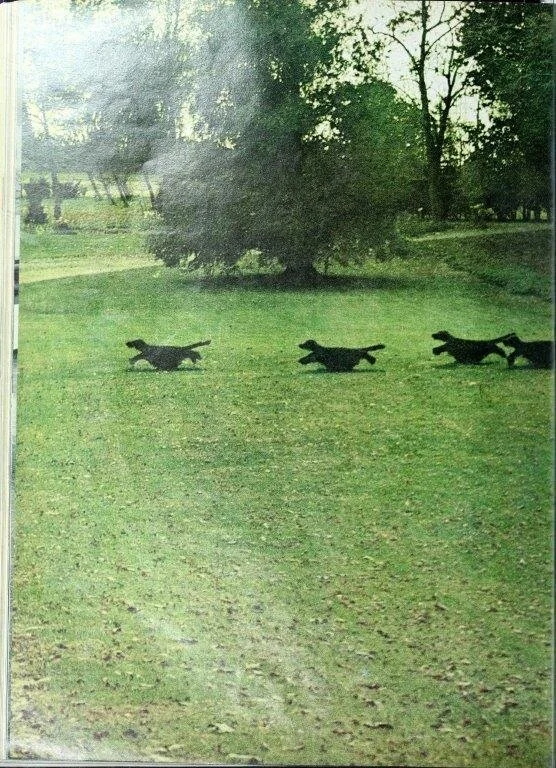
Newport Teahouse and Green Animals

The issues of House & Garden from the second half of 1983 (available on Internet Archive) include pictures from two Newport RI places that I visited back in 2014…and I always like to find places I’ve visited in magazine pages:

Green Animals Topiary Garden (my blog post from October 2014 and the official site). It was one of my favorite places because it was outdoors…and so different from the ostentatious houses.

t 19a 21 03.jpg

Chinese Teahouse at Marble House

(the official site and my blog post with depictions of the Tea House published in the 1916 Architectural Record that includes some of my photos from 2014). I only saw the outside in 2014 so it was interesting to see the picture of inside from 1983 and the ‘Votes for Women’ cup from its association with the suffrage movement.

Another significance for these issues – my husband and I had just made our big move from Texas to the east coast (Virginia) in 1983. We had moved into our house at the end of June and within a couple of weeks, the air conditioner compressor stopped working! As I browsed through the 1214 pages of this volume, I remembered that I would have been way too busy to have noticed them at all in 1983 (unless they happened to be available to thumb through while I was waiting for an appointment). Here are some other images from the volume that I am enjoying so many years later!

A Year in COVID-19 Pandemic

It’s been a year since the WHO declared the COVID-19 Pandemic. This time last year was chaotic with shortages in grocery stores and trying to figure out how to reduce our risk of getting the virus; in March 2020 even the medical professionals didn’t always have the equipment they needed to protect themselves and the public was not yet being encouraged/mandated to wear masks. Shutdowns were just starting.

A lot has happened since then. For some, the impacts of the pandemic year will continue for a long time. For me – I am more aware than ever of how fortunate my family has been to stay well and to now be getting vaccinated. My parents and nieces were the first to get vaccinated; my parents because they were over 75 and my nieces because they are medical professionals. Then my sisters and me.  My husband and I managed to make an appointment to get vaccinated the first time our county health department notified us that appointments were available to us (notified on a Sunday and appointments were available on Friday…we took the first available). We got the first shot of the Moderna vaccine last Friday and already have our appointments for the 2nd dose; we’ve been recording our side effects (minor) using the vsafe.cdc.gov tool. My daughter and son-in-law got the Johnson & Johnson vaccine last Saturday. They experienced a few more side effects – were glad they had the Sunday to rest – but were able to teach their classes at the university on Monday.

In our state (Maryland), the rollout of the vaccine seems a little chaotic, but it appears that a lot of people are anxious to be vaccinated and the supply is slowly increasing. The state has scaled up the capacity for getting shots in arms by increasing the number of sites providing vaccines. I was in the throes of trying to figure out when pharmacies got supplies of vaccine so I could make an appointment when we got the notice from our country health department. The site my husband and I went to was well organized and kept people moving through with plenty of distancing. We filled out a survey and made our second appointment via our phones while we were waiting the 15 minutes after the shot.

In the past month – I have started mini road trips to get used to driving again. It’s a great time of year to begin to get out and about more…choosing outdoor activities and locations where there are not many people around. Howard County Conservancy’s Mt Pleasant and Brookside Gardens have been my favorite destinations so far.

I have started wearing KF94 masks that fit me better than any of the cloth ones I have.

As soon as I am fully protected by the vaccine (in mid-April), I will be taking a road trip to Dallas to see my parents. The CDC’s recent guidance has helped me begin planning the trip. I will be wearing my KF94 mask during times I might encounter other people on the road trip down – to protect others…and to reduce the risk to myself from any variants that the vaccine might not handle effectively. I’ll get takeout or drive through food rather than going into a restaurant. And then I’ll stay in Texas for several weeks for a good visit and maybe get some projects done for my parents while I am there. My Dad will be reaching the 90 year milestone this month.

I enjoyed 3 birding festivals in one weekend during the past month: Laredo, Niagara, and Bosque del Apache. It was a very cold weekend…the webinars a welcome distraction. I am continuing some webinars but skewing toward more outdoor time in the coming weeks.

I am also preparing to resume my volunteer activities. The organizations have changed and are offering training for the programs they are doing now and anticipating the ramp up as more and more people are vaccinated and the infections continue to drop in our area.

The % positive from testing in Maryland is the one I am using to decide if I will resume going into the grocery store rather than doing curbside pickup. Right now, it is looking good so I might do my own shopping next week! I enjoy picking out my own items…automatically picking substitutes on the fly rather than interacting via texts with a shopper. And I like using my own reusable bags; we’ve been accumulating a lot of paper bags recently!

In the next week or so, the US will pass the 100M vaccines administered milestone (https://covid.cdc.gov/covid-data-tracker/#vaccinations ) and the trends of infections/deaths are declining. Good news…and there is a lot of work being done to help it continue.

Mini Road Trip: Brookside Gardens – Part 1

The mini road trip to Brookside Gardens last week was my first time back to the gardens in over a year. It was in the low 50s, sunny and breezy – I typical early March day for our area of Maryland. The outing started out with a group of five robins looking for worms in our front yard as I drove away for the house – a great indicator of early spring. There were not as many people at Brookside as there had been at Centennial Park and almost everyone was masked and maintaining distance; it was a more comfortable situation…and I took so many pictures that there will be a second post about the mini road trip tomorrow.

On the walk from the parking lot toward the visitor’s center, there was a bird’s nest from last season in one of the young trees. I’ll see the spring action at Brookside this year that I completely missed in 2020!

2020 03 IMG_3858 (1).jpg

It’s still early in the season – but there are some flowers to photograph in the gardens already.

There are plants that stay green through the winter too. I always enjoy the profuse stand of horsetails planted in one of the beds at the visitor center.

The tall sycamore uphill from the conservatory has been cut to a tall stump. It had struggled in recent years with some the higher branches being leafless/dead. The stump has been fitted with a mask and googly eyes!

There was another tree I noticed had been cut down too! I’m glad they left the roots and short stump…wonder what will come up around it in the bed.

2020 03 IMG_3858 (11).jpg

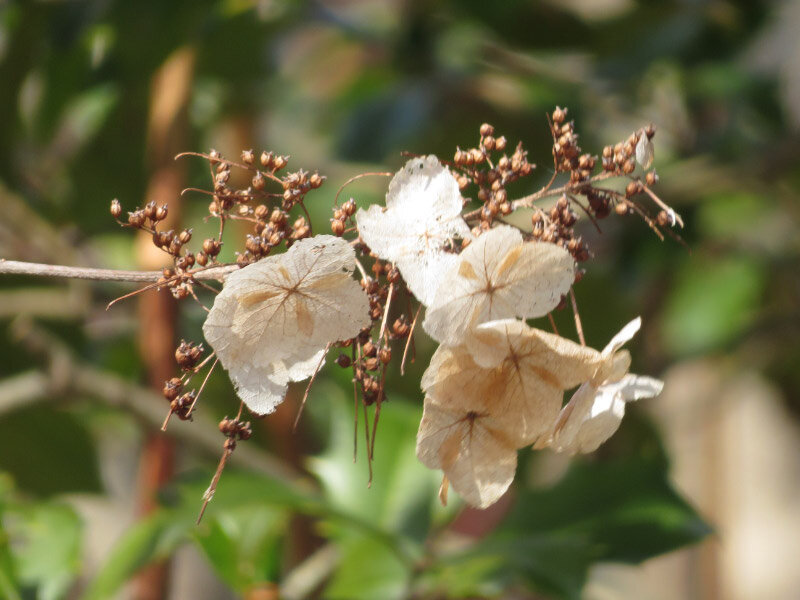
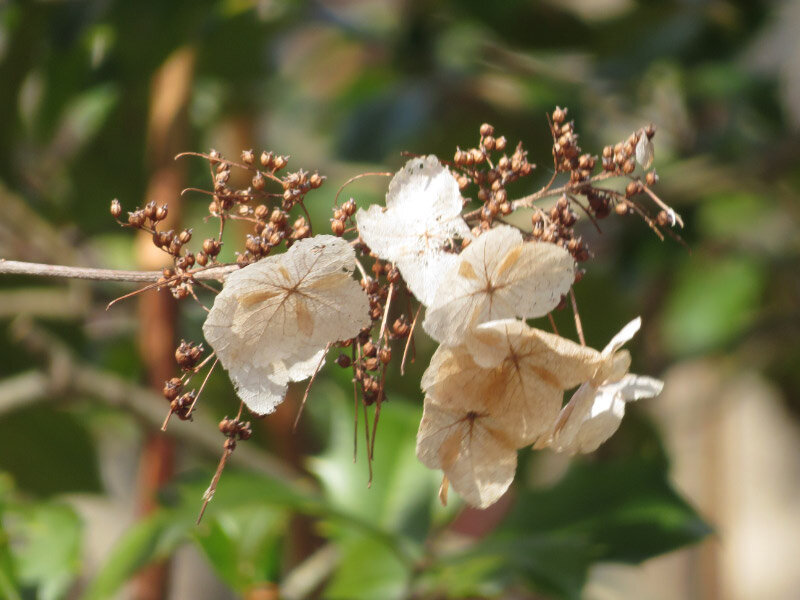
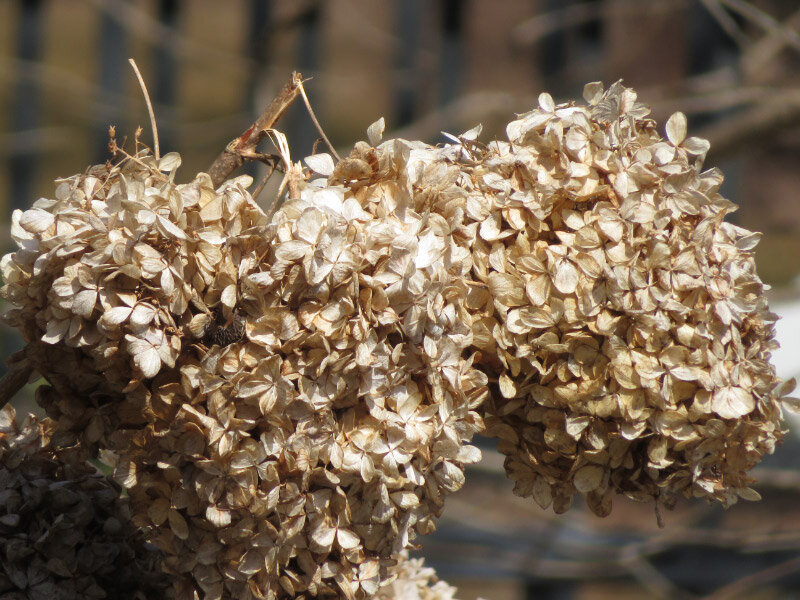
The hydrangea flowers from last season were prevalent….and seem to always draw my attention;  their flowers are so large and they last, in dried form, through the winter. Maybe I’ll plant some native hydrangeas at my house…although the deer that come through our yard would gobble them up if they were not protected with fencing.

Tomorrow I’ll post about the witch hazels blooming at Brookside!

Gleanings of the Week Ending March 6, 2021

The items below were ‘the cream’ of the articles and websites I found this past week. Click on the light green text to look at the article.

America’s First National Wildlife Refuge – Pelican Island National Wildlife Refuge….I’m including it in our plans for the next time we go to Florida; it’s about 1.5 hours to the south of Merritt Island National Wildlife Refuge which is always one of the places we visit in Florida.

Highly functional membrane developed for producing freshwater from seawater: A desalination membrane laminated with nanosheets featuring 2D nanochannels -- ScienceDaily – Still in the research stage. Maybe this is one of the technologies that will enable low-energy desalination - something we will need to avoid water shortages in many areas of the world.

A mild way to upcycle plastics used in bottles into fuel and other high-value products -- ScienceDaily and How Paving with Plastic Could Make a Dent in the Global Waste Problem - Yale E360 – Two articles about uses for the plastic waste that is overwhelming the planet right now. There still needs to be significant testing on plastic for paving: will it withstanding heavy traffic…will it shed microplastic particles, etc.

Pompeii's Museum Reopens With Dazzling Display of Archaeological Treasures | Smart News | Smithsonian Magazine – I enjoyed the article…and the website for the new museum.

A large number of gray whales are starving and dying in the eastern North Pacific -- ScienceDaily – Ongoing research but one explanation being explored in a decline in prey (i.e. amphipods) availability in their Arctic feeding grounds – maybe caused by warming there due to climate change.

For the Birds: Why Designing for Birds is Good for Everyone - News | Planetizen – Fast Company interviewed Tim Beatley about his book; he was one of the speakers at the Birds on the Niagara conference.

Wombats Poop Cubes, and Scientists Finally Got to the Bottom of It | Smart News | Smithsonian Magazine – Over 40,000 contractions as the feces moves down the intestine to shape a very dry cube. Evidently the cube shape is an indicator of wombat health!

Water Warning: The Looming Threat of the World’s Aging Dams - Yale E360 – Lots of people live downstream from big dams. Yikes! Decommission of dams is not easy…arguably it could be harder than the building of the dam originally.

Thousands of Wild Bee Species Haven't Been Seen Since 1990 | Smart News | Smithsonian Magazine – Most of the data came from Europe and North America….with some from the rest of the world. All of it sums up to a grim picture when it comes to bees.

Yellowstone's Hotspot Has Been Simmering For About 17 Million Years – An example of how continued data collection and study…can shift our understanding of geologic history even in areas like Yellowstone that have been studied for a long time.

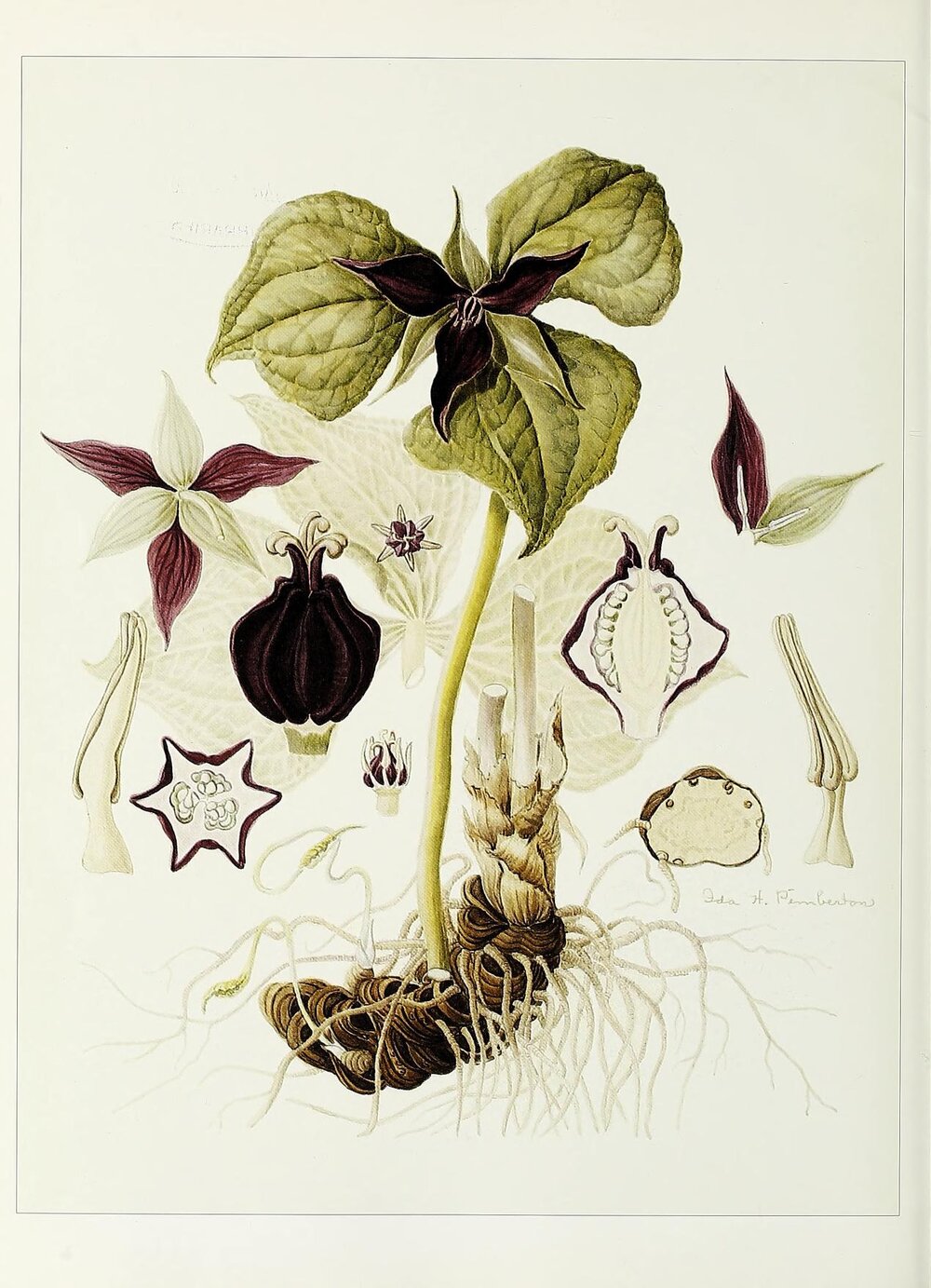
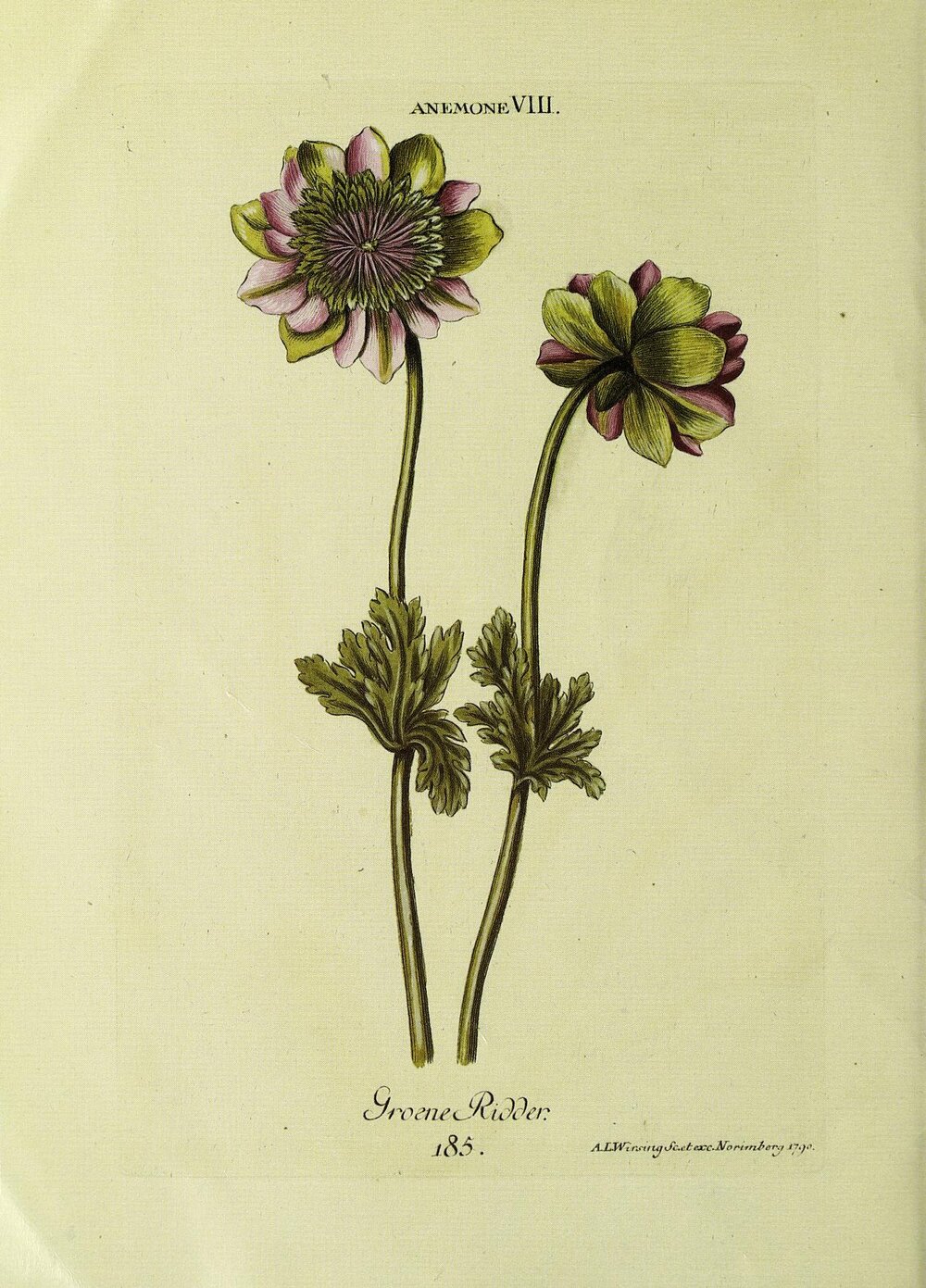
eBotanical Prints – February 2021

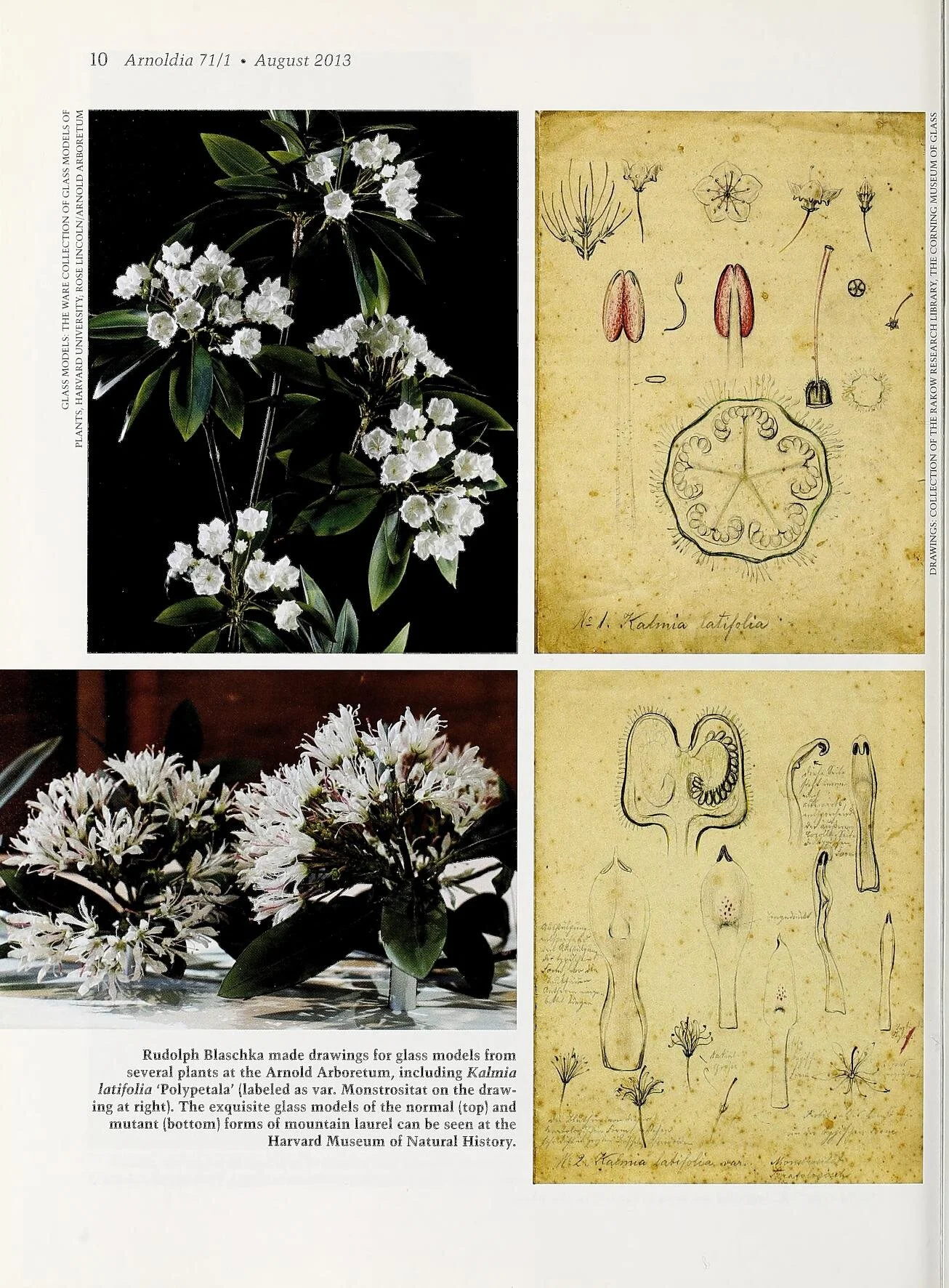
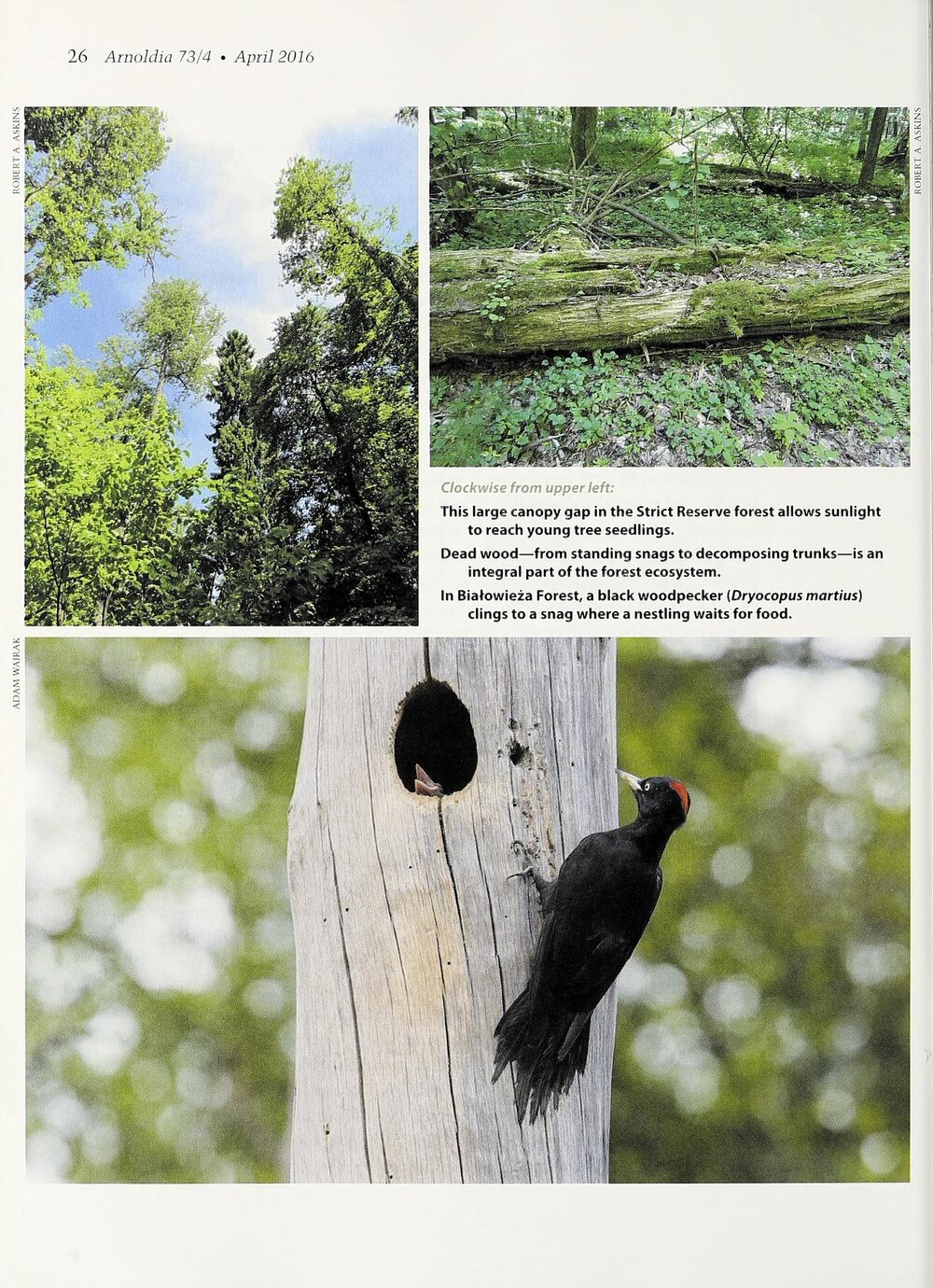
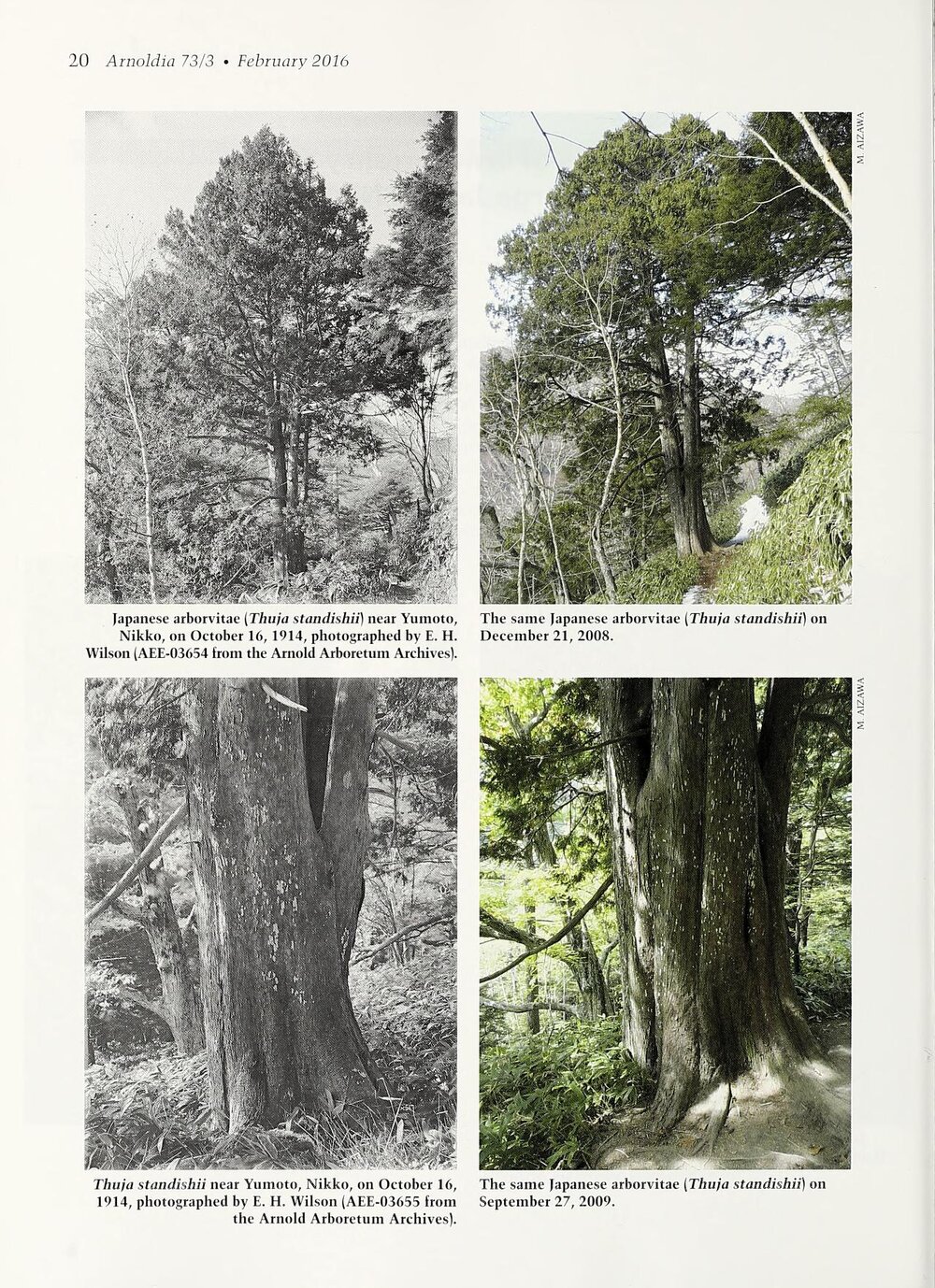
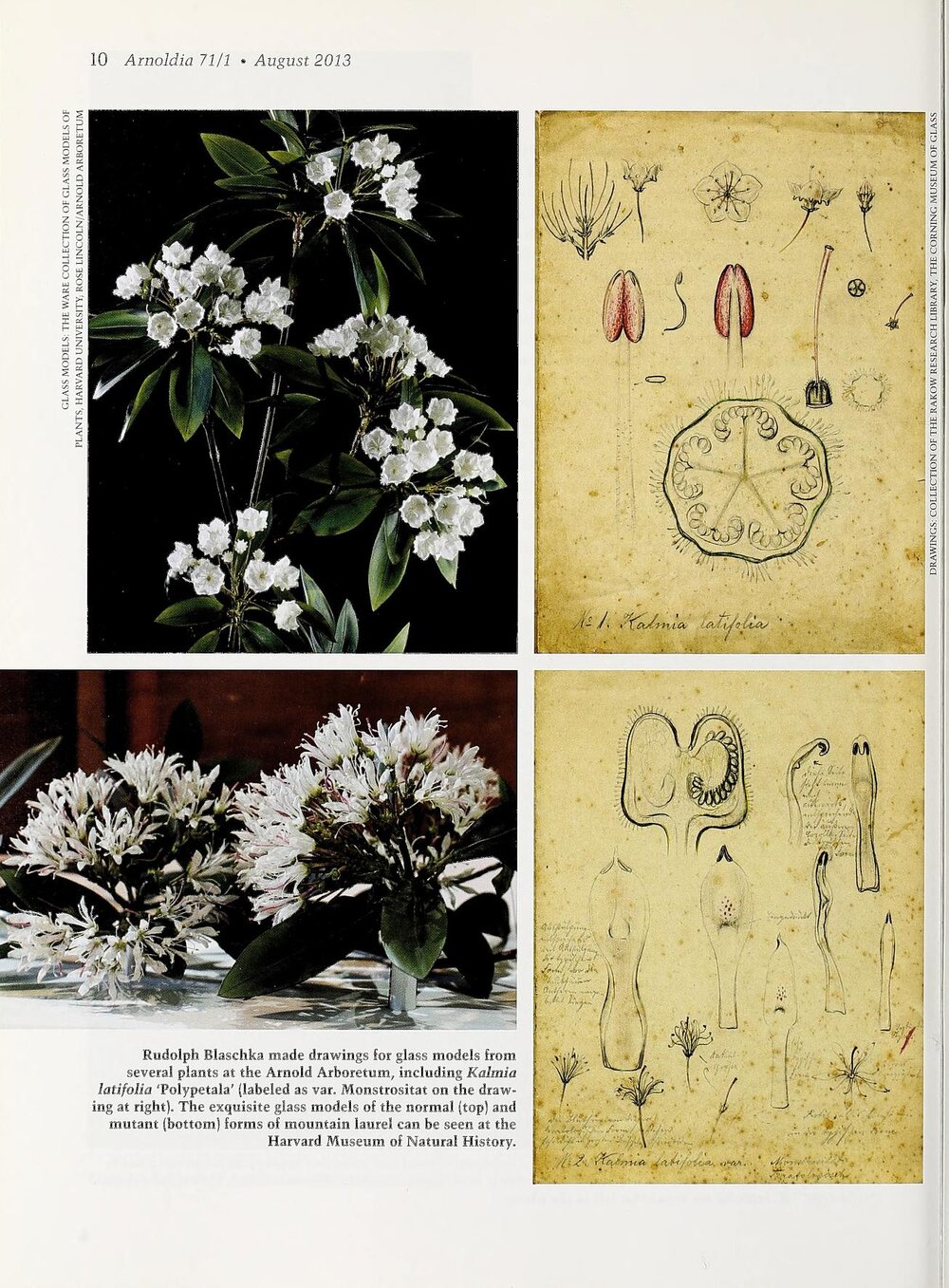
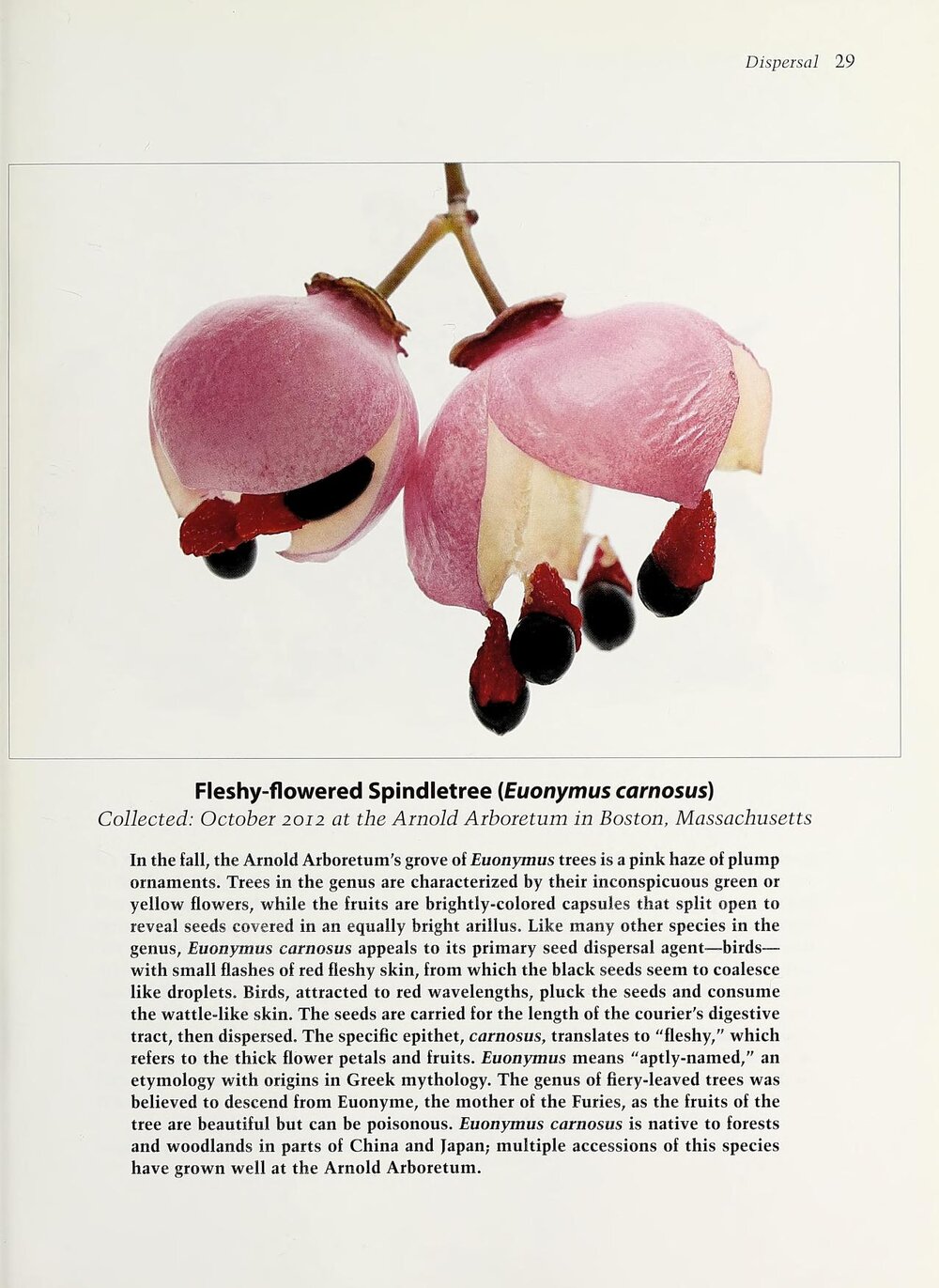
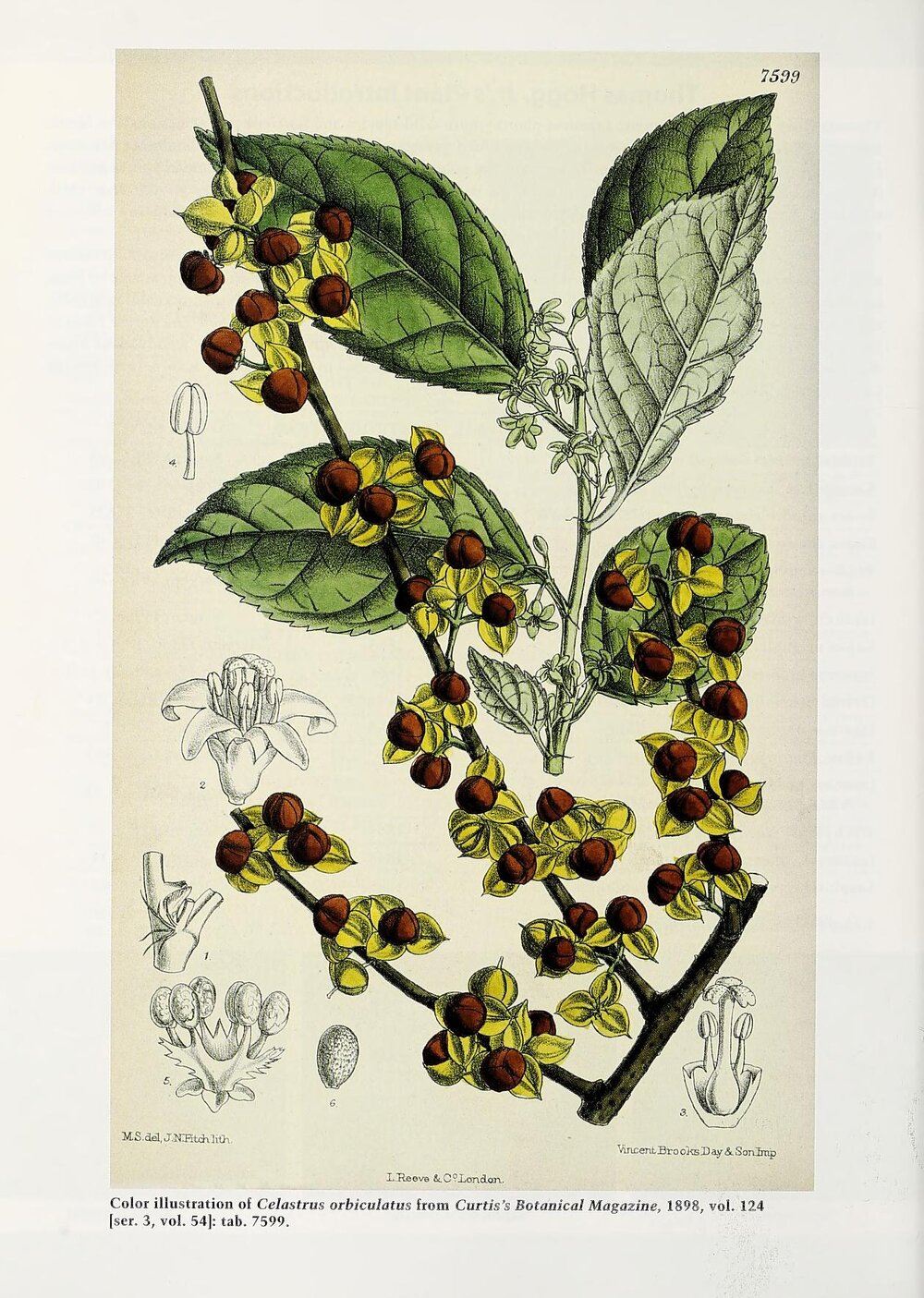
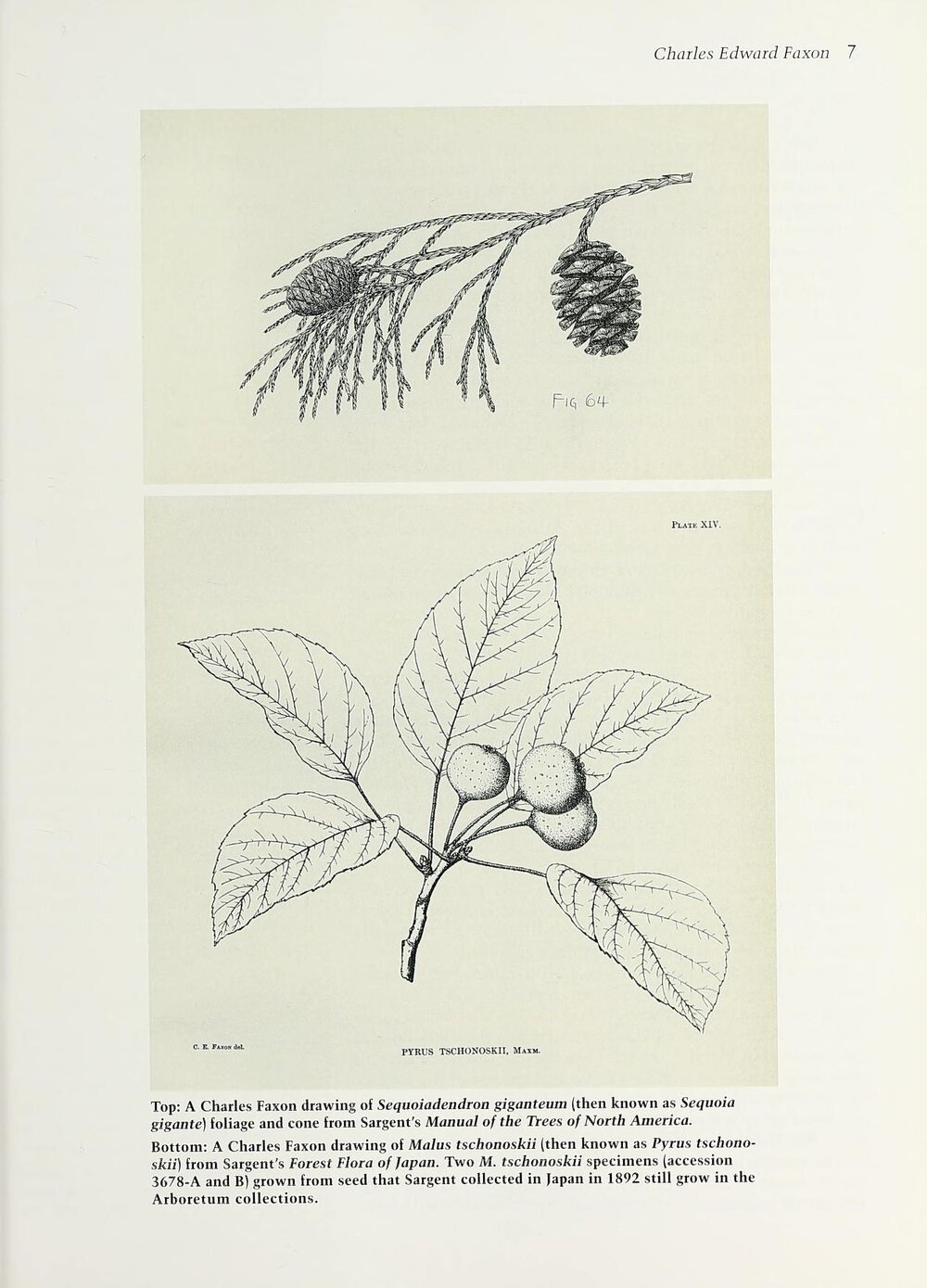
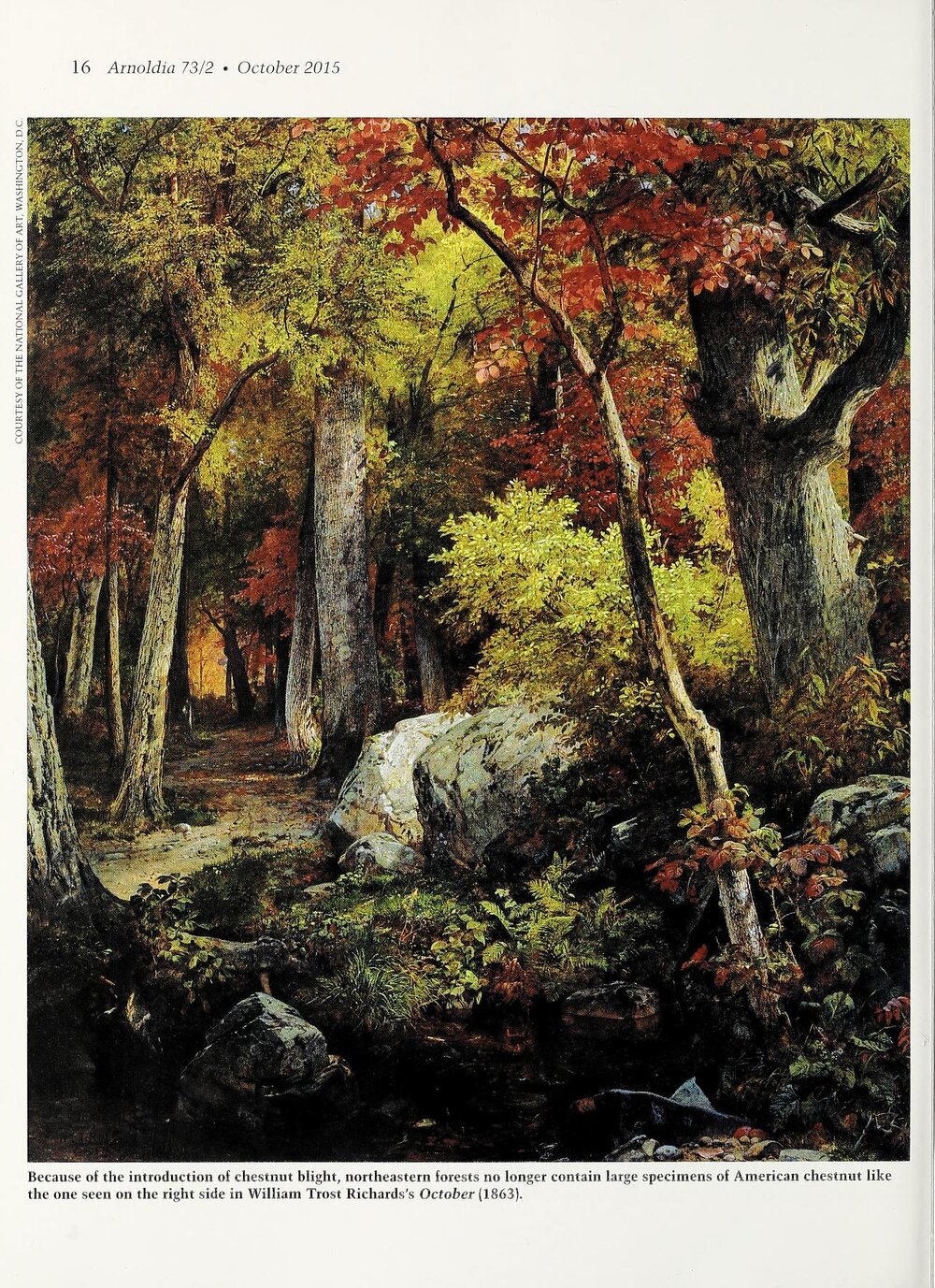
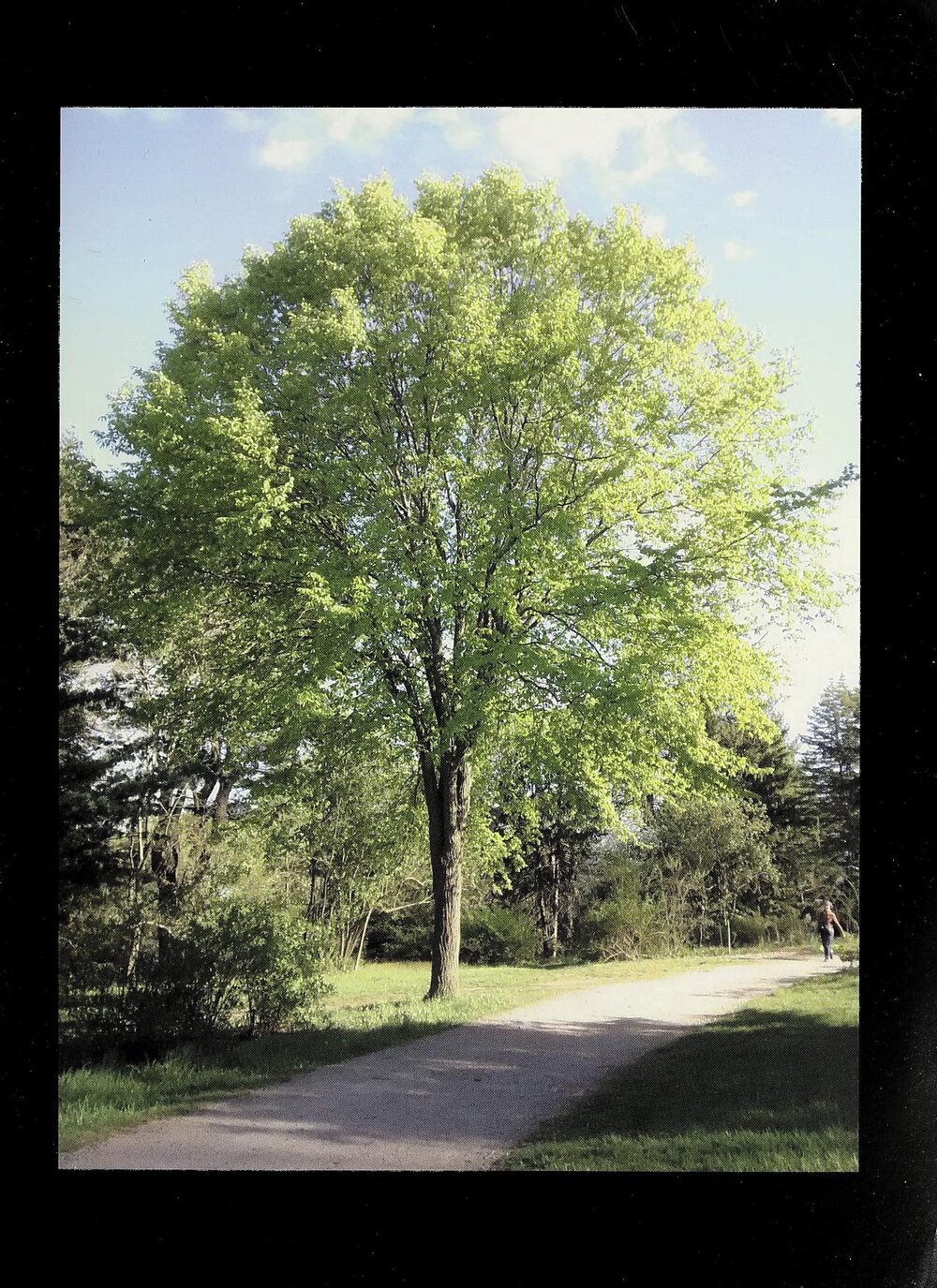
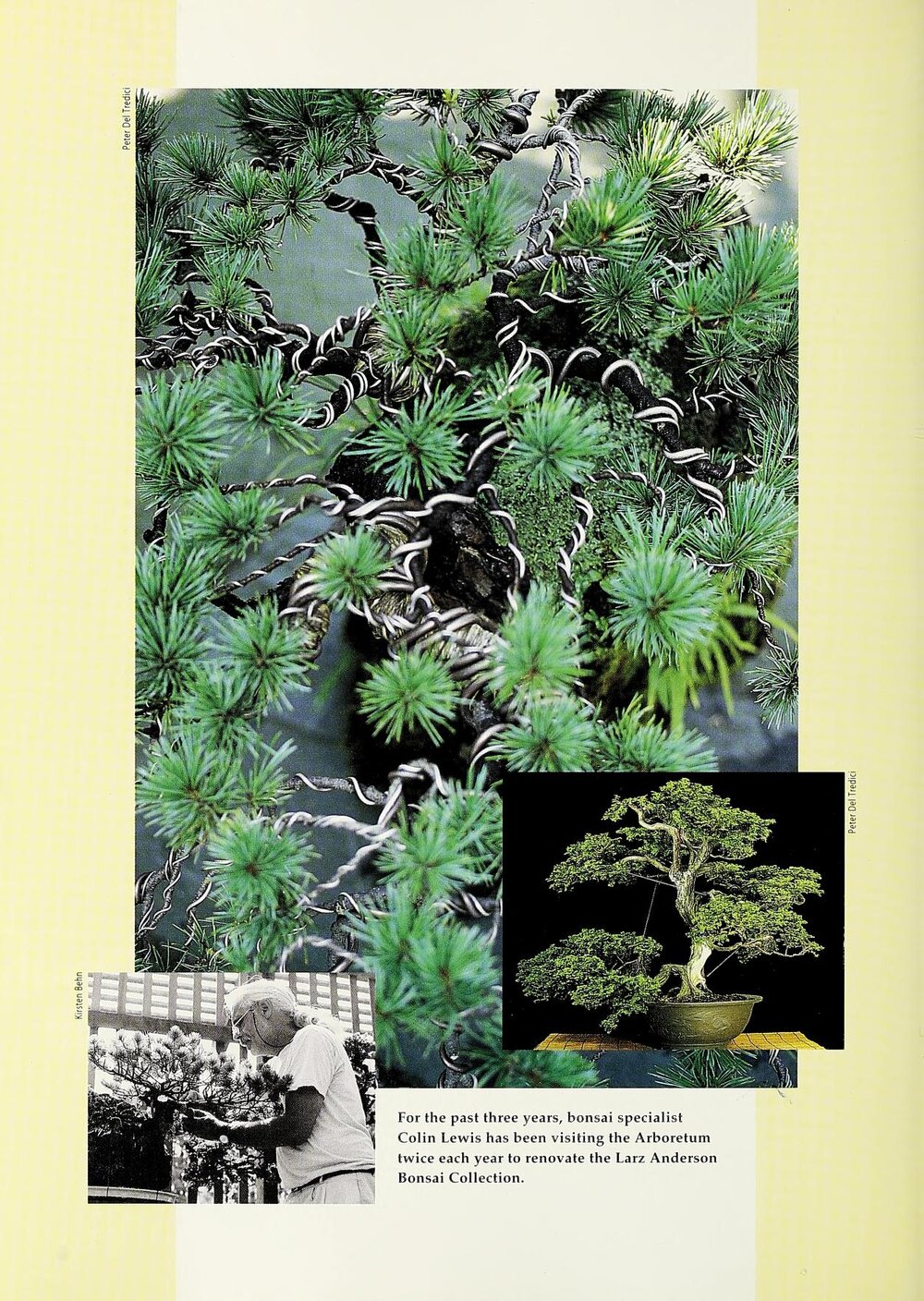
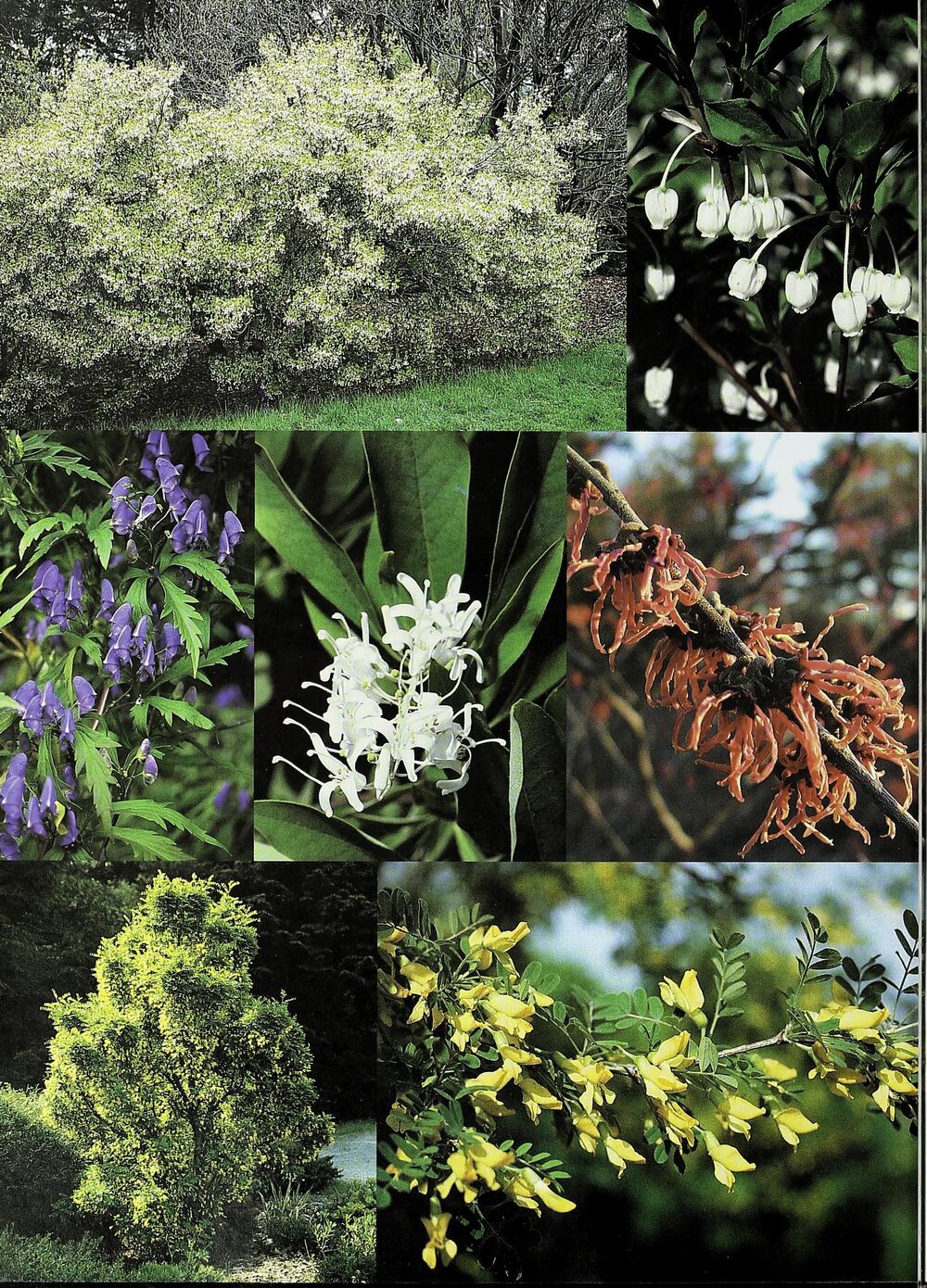
20 new books for the botanical prints list in January – all from Internet Archive. I started through the magazines of the Arnold Arboretum (Arnoldia) toward the end of January and all 20 of the ‘books’ for February are that magazine…and the browsing continues in March.

These volumes are from the past few decades rather than the past few centuries which is often the case with the eBotanical prints monthly posts. There is one image for each of the 20 new books; click an any sample images below to get an enlarged version. Enjoy the February eBotanical Prints! The whole list of 2,084 eBooks can be accessed here.

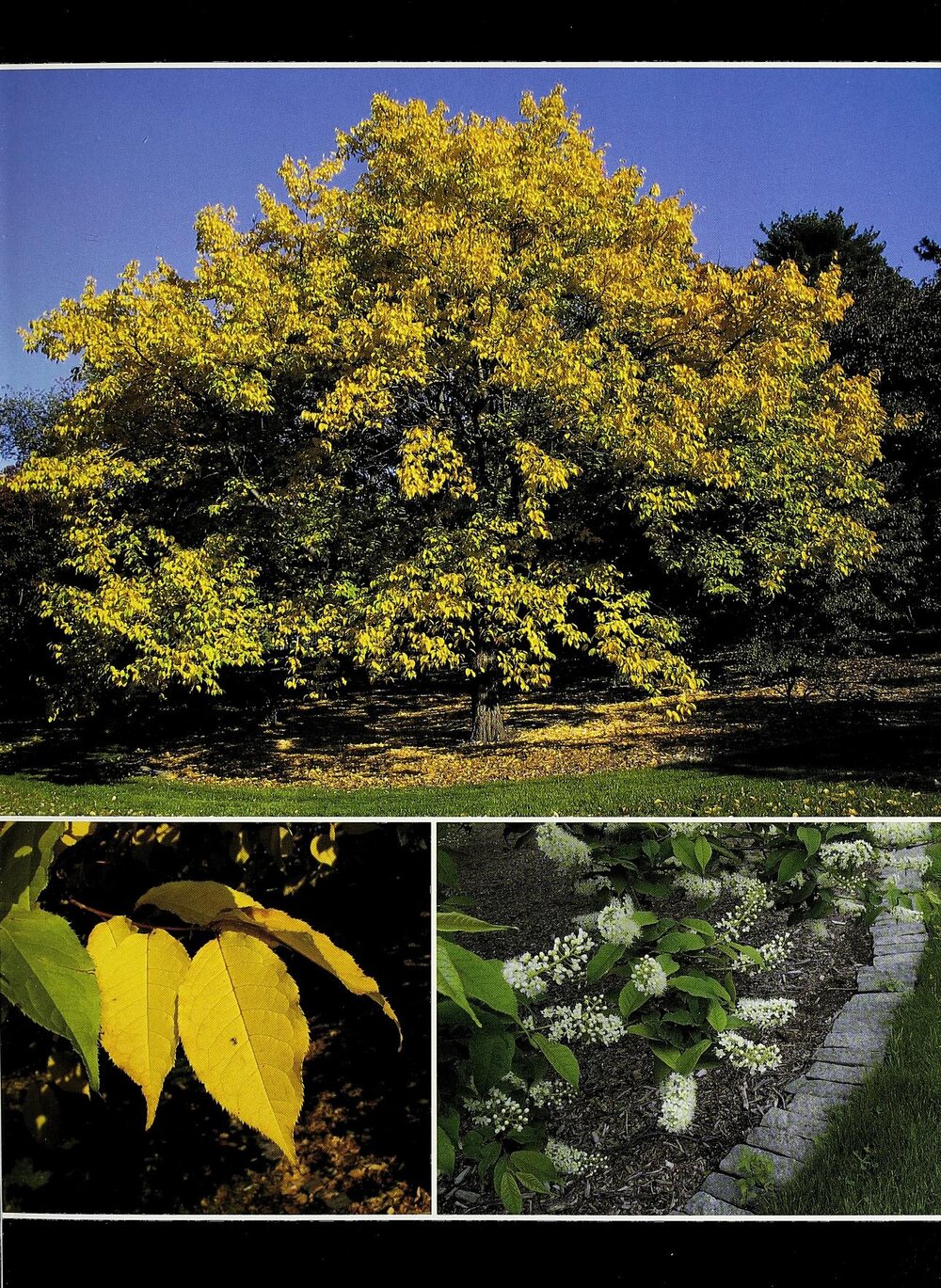
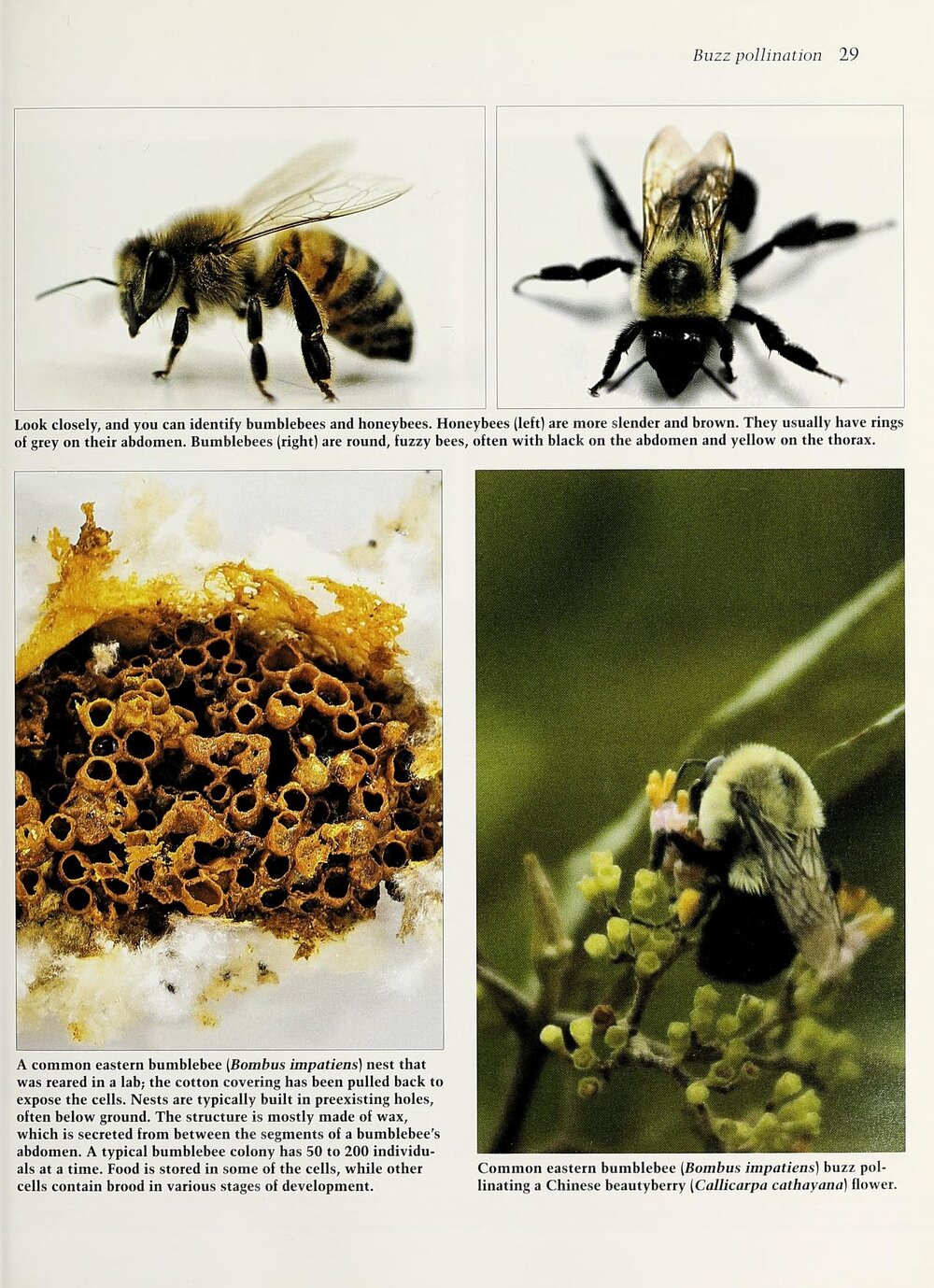
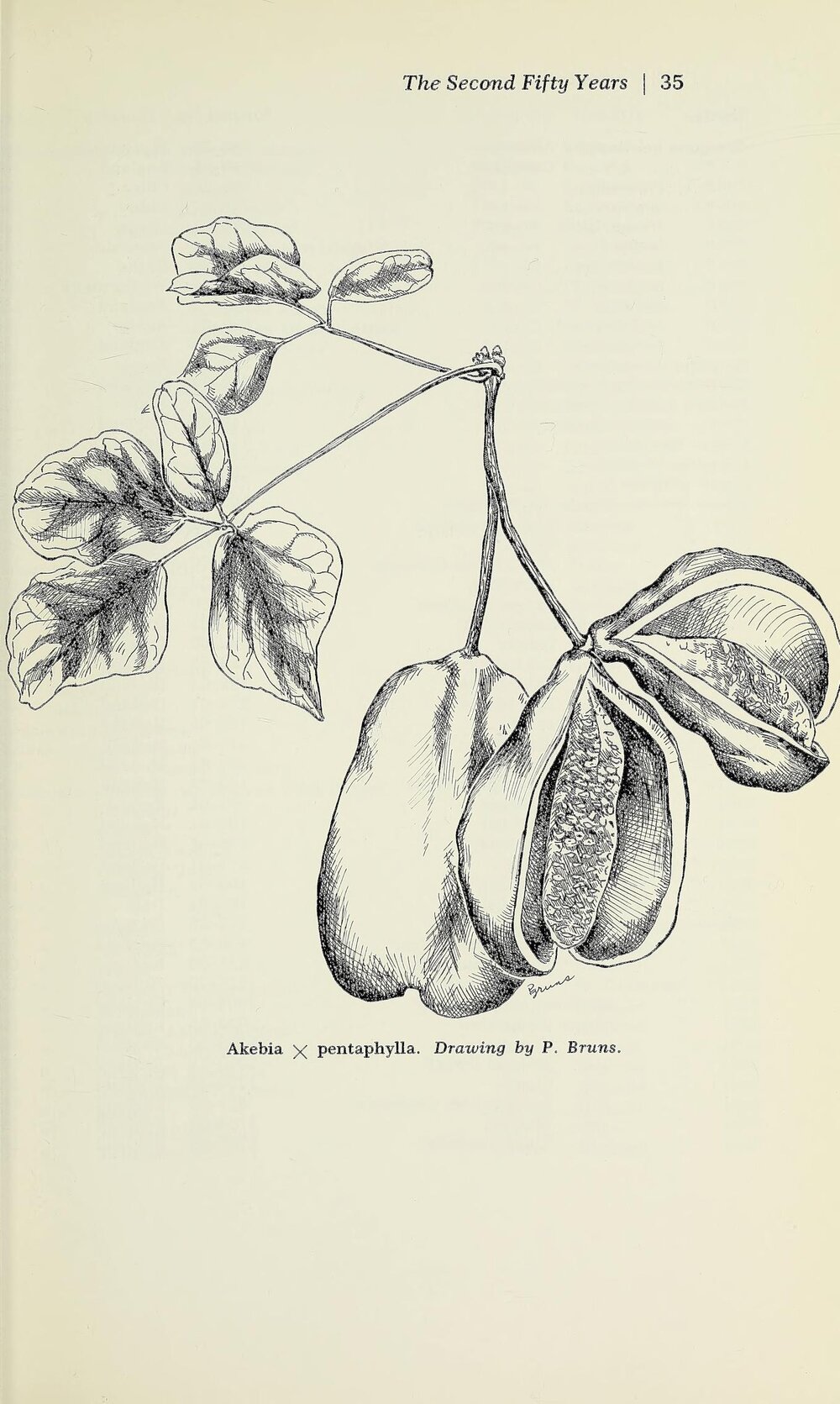
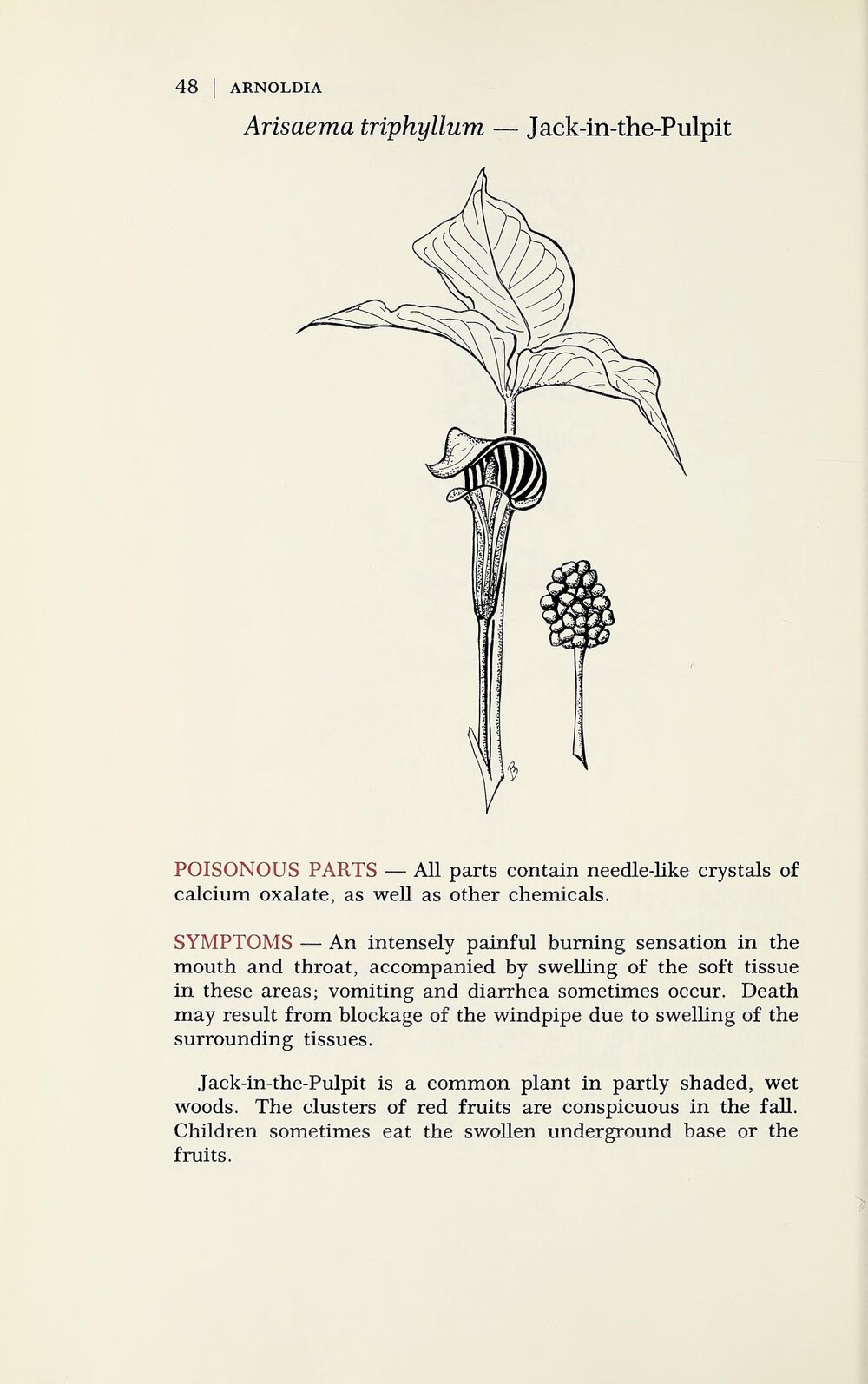
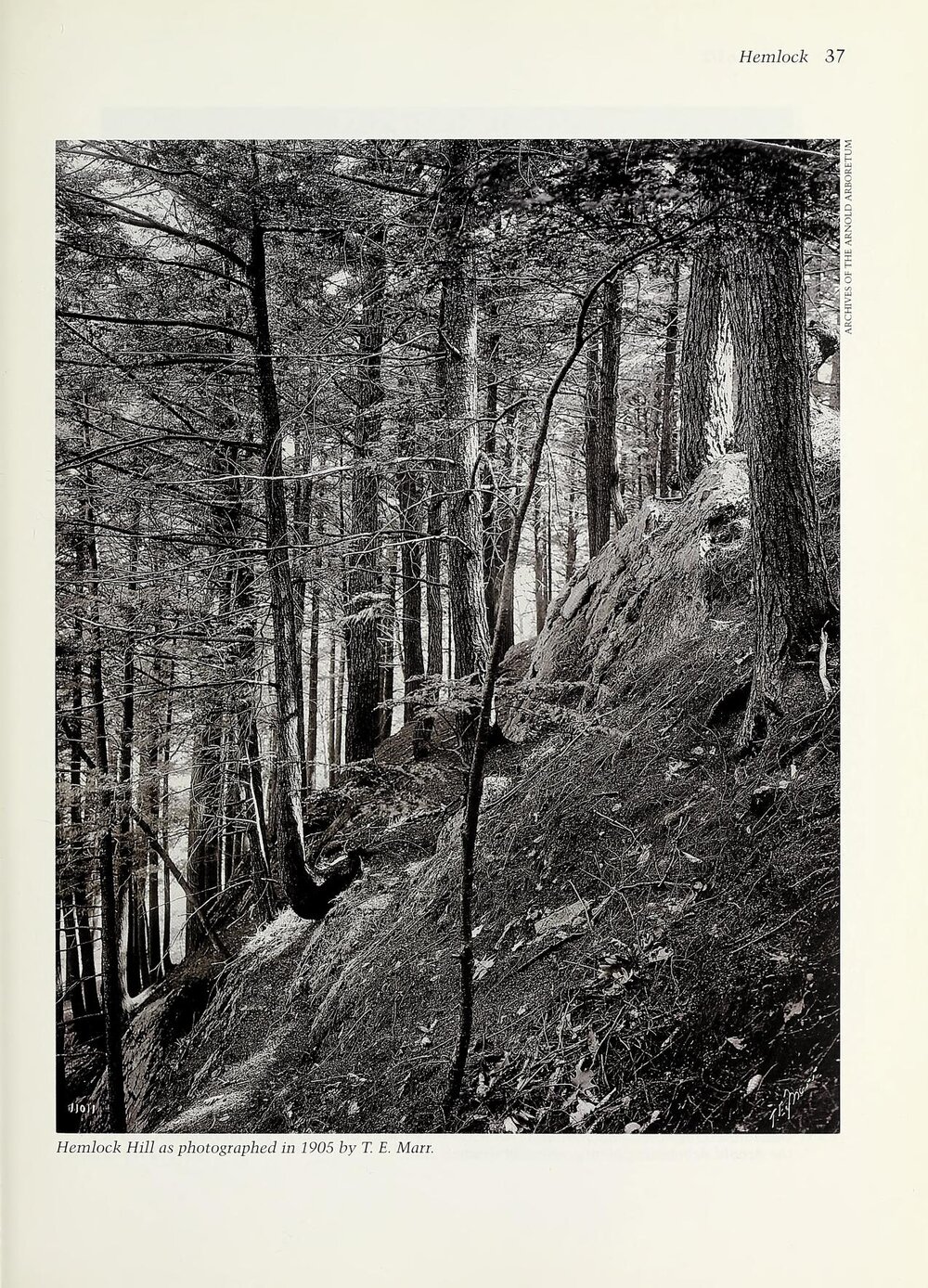
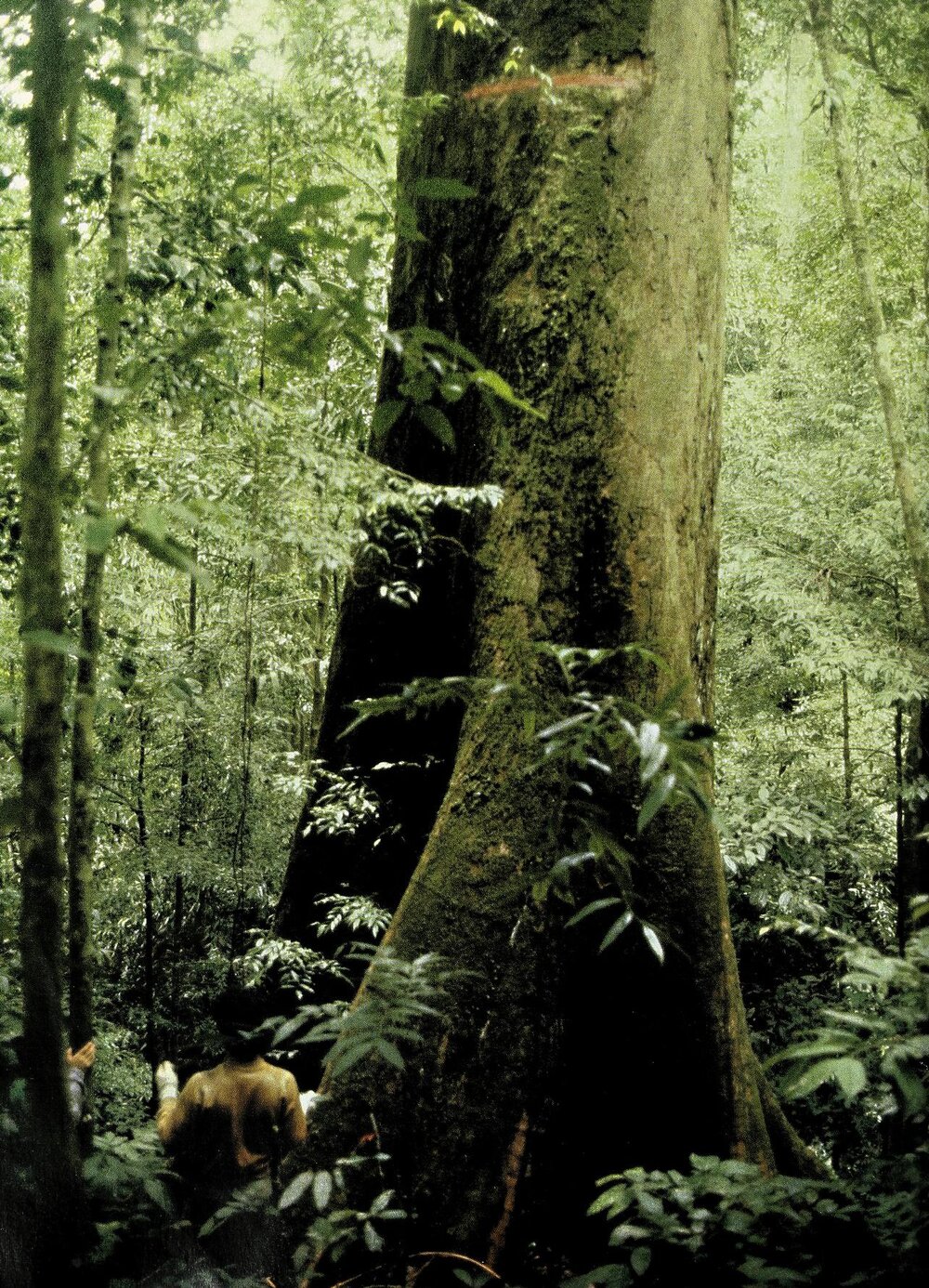
Arnoldia -  v.74:no.3 (2017) * Arnoldia -  v.74:no.3 (2017) * Arnold Arboretum * sample image * 2017

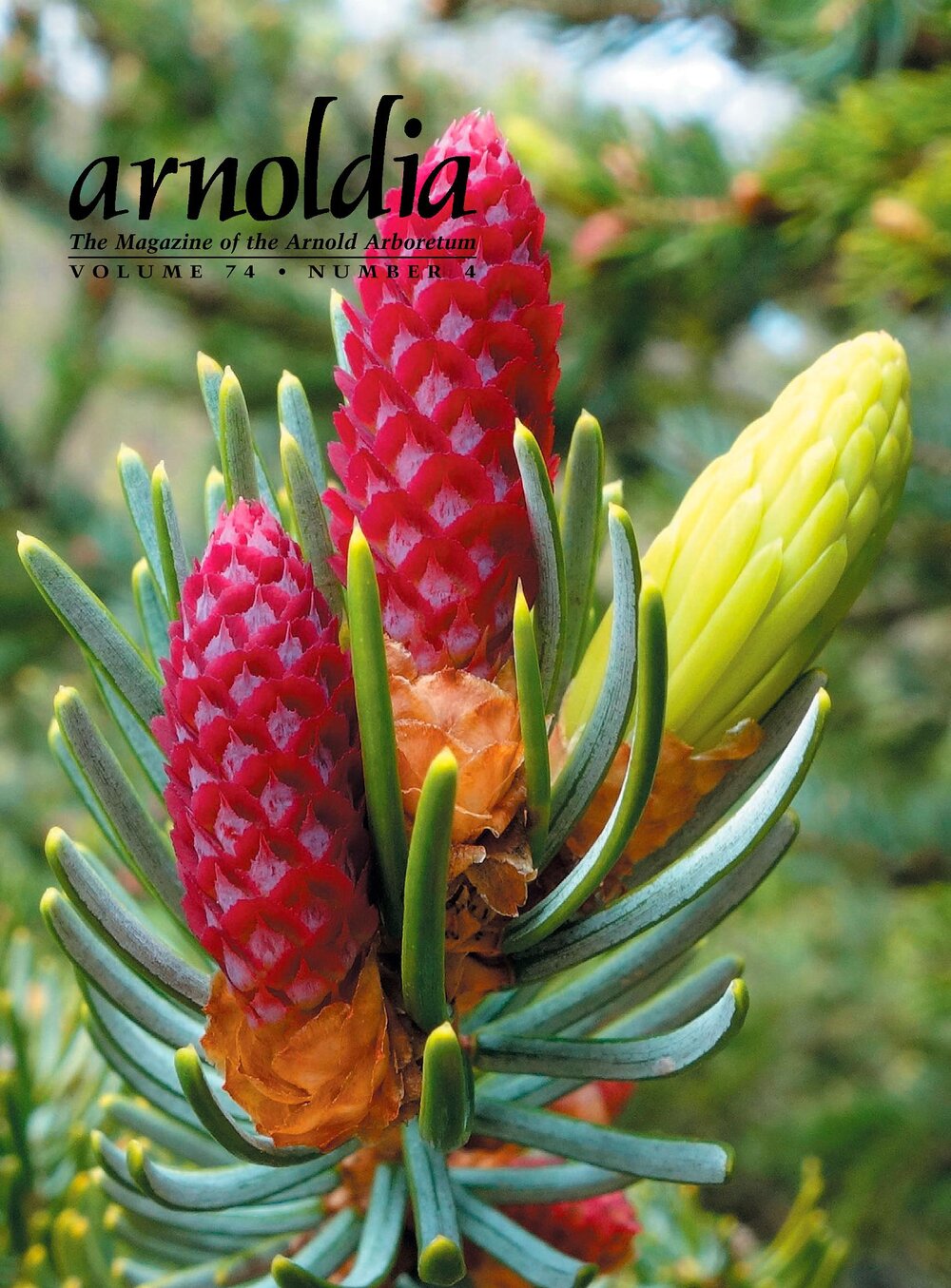
Arnoldia -  v.74:no.4 (2017) * Arnoldia -  v.74:no.4 (2017) * Arnold Arboretum * sample image * 2017

Arnoldia -  v.73:no.4 (2016) * Arnoldia -  v.73:no.4 (2016) * Arnold Arboretum * sample image * 2016

Arnoldia -  v.73:no.3 (2016) * Arnoldia -  v.73:no.3 (2016) * Arnold Arboretum * sample image * 2016

Arnoldia -  v.71:no.1 (2013) * Arnoldia -  v.71:no.1 (2013) * Arnold Arboretum * sample image * 2013

Arnoldia -  v.71:no.2 (2013) * Arnoldia -  v.71:no.2 (2013) * Arnold Arboretum * sample image * 2013

Arnoldia -  v.71:no.3 (2014) * Arnoldia -  v.71:no.3 (2014) * Arnold Arboretum * sample image * 2014

Arnoldia -  v.73:no.1 (2015) * Arnoldia -  v.73:no.1 (2015) * Arnold Arboretum * sample image * 2015

Arnoldia -  v.73:no.2 (2015) * Arnoldia -  v.73:no.2 (2015) * Arnold Arboretum * sample image * 2015

Arnoldia -  v.74:no.1 (2016) * Arnoldia -  v.74:no.1 (2016) * Arnold Arboretum * sample image * 2016

Arnoldia -  v.74:no.2 (2016) * Arnoldia -  v.74:no.2 (2016) * Arnold Arboretum * sample image * 2016

Arnoldia -  v.71:no.4 (2014) * Arnoldia -  v.71:no.4 (2014) * Arnold Arboretum * sample image * 2014

Arnoldia -  v.32 (1972) * Arnoldia -  v.32 (1972) * Arnold Arboretum * sample image * 1972

Arnoldia -  v.34 (1974) * Arnoldia -  v.34 (1974) * Arnold Arboretum * sample image * 1974

Arnoldia -  v.62:no.1 (2002) * Arnoldia -  v.62:no.1 (2002) * Arnold Arboretum * sample image * 2002

Arnoldia -  v.62:no.2 (2003) * Arnoldia -  v.62:no.2 (2003) * Arnold Arboretum * sample image * 2003

Arnoldia -  v.62:no.3 (2003) * Arnoldia -  v.62:no.3 (2003) * Arnold Arboretum * sample image * 2003

Arnoldia -  v.63:no.1 (2004) * Arnoldia -  v.63:no.1 (2004) * Arnold Arboretum * sample image * 2004

Arnoldia -  v.63:no.2 (2004) * Arnoldia -  v.63:no.2 (2004) * Arnold Arboretum * sample image * 2004

Arnoldia -  v.63:no.3 (2005) * Arnoldia -  v.63:no.3 (2005) * Arnold Arboretum * sample image * 2005

Mini Road Trips: Mt Pleasant – February 2021

I visited Howard County Conservancy’s Mt Pleasant twice in February. The first attempt was a beautiful day – one of the warmest in February. It was a little traumatic because when I attempted to leave my house, my car’s battery was low; I decided not to hike – just make the round-trip drive to let the battery changed again.

20210224_142036.jpg

I took a picture of the river birch in the rain garden near the parking lot through the windshield.

The next day was colder but I was intent on hiking…seeing the skunk cabbage again about a month from when I’d hiked to see it back in January. The paths were often muddy and sometimes snow covered. I was glad my hiking boots were waterproof!

The approaches to the bridge over the stream near Hodge Podge Lodge were very muddy but I managed to step on and off onto vegetation. There seemed to be more sand than decaying leaves in the stream bed below the gentle ripples.
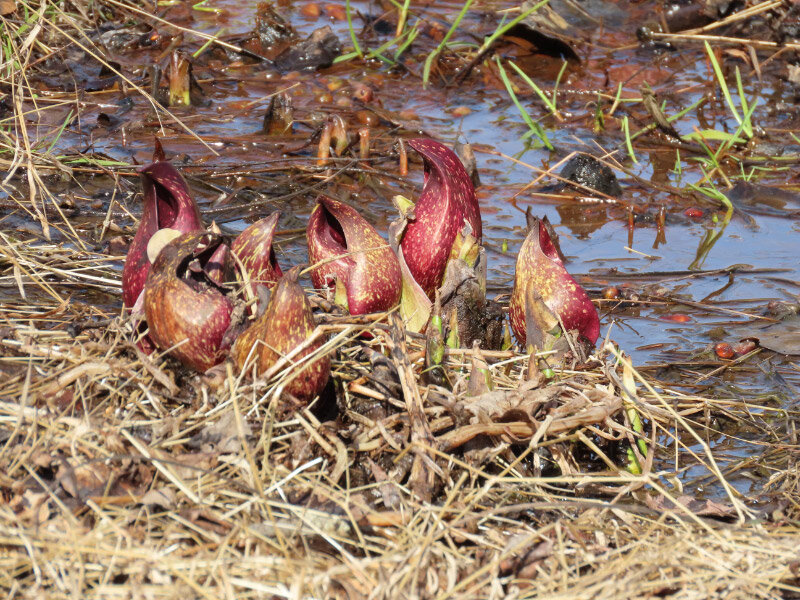
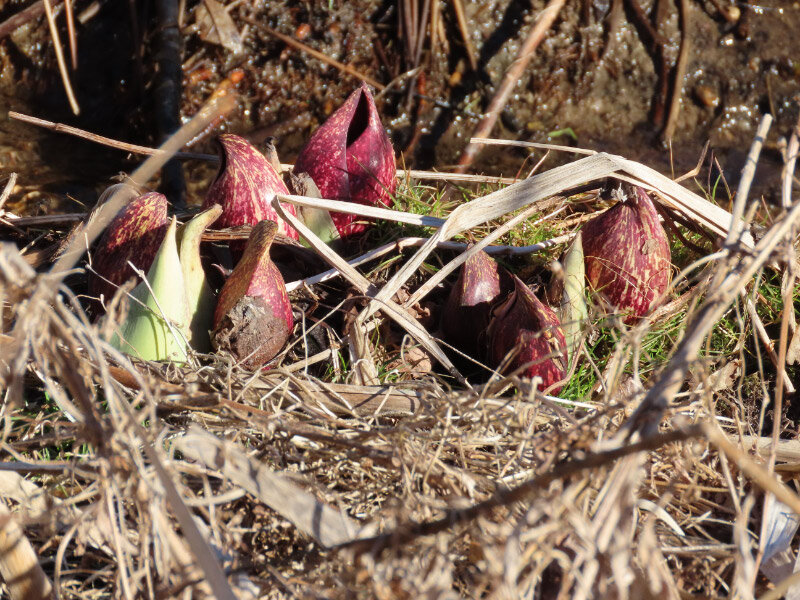
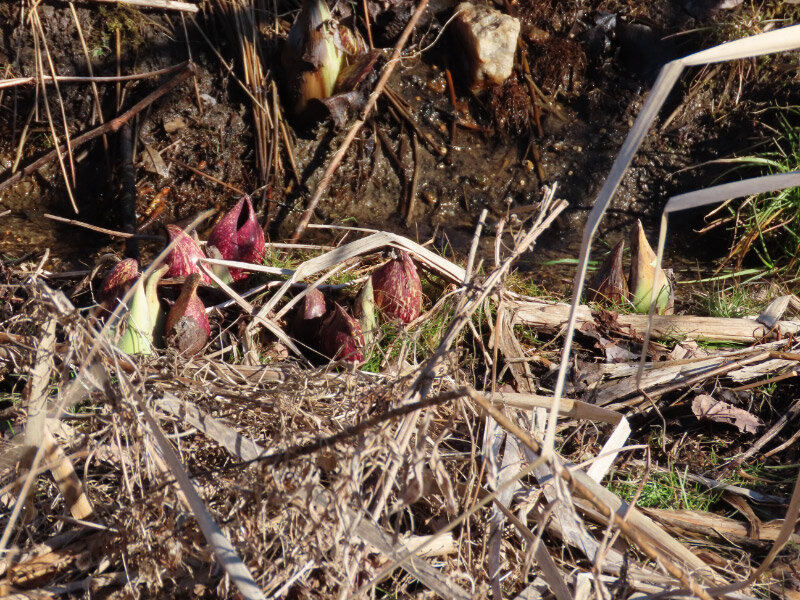
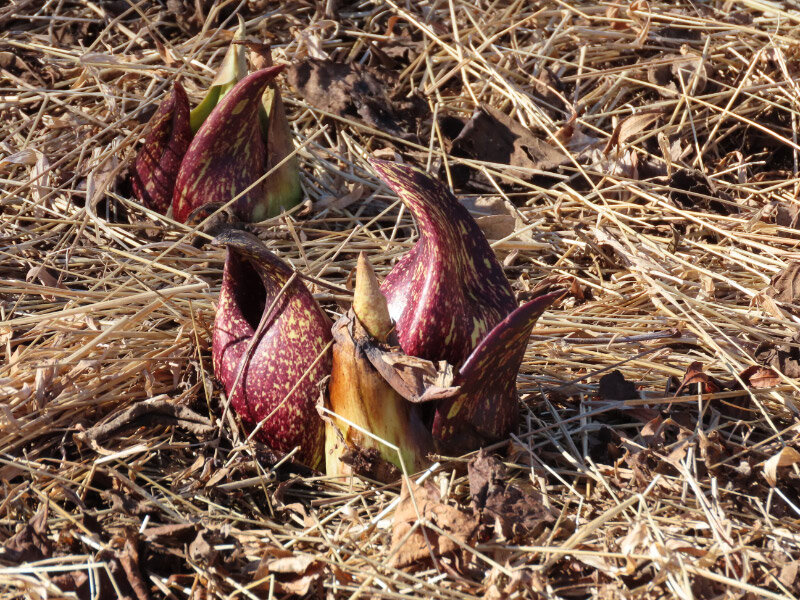
The area where the skunk cabbage grows is a low spot where a seep creates a muddy spot then forms the beginning of a stream that feeds into the Davis Branch. There are skunk cabbage plants in the muddy part and then along the tiny trickling stream. It takes a little hunting…watching your step to avoid stepping on plants emerging through last summer’s vegetation.

2021 02 IMG_6906 (16).jpg

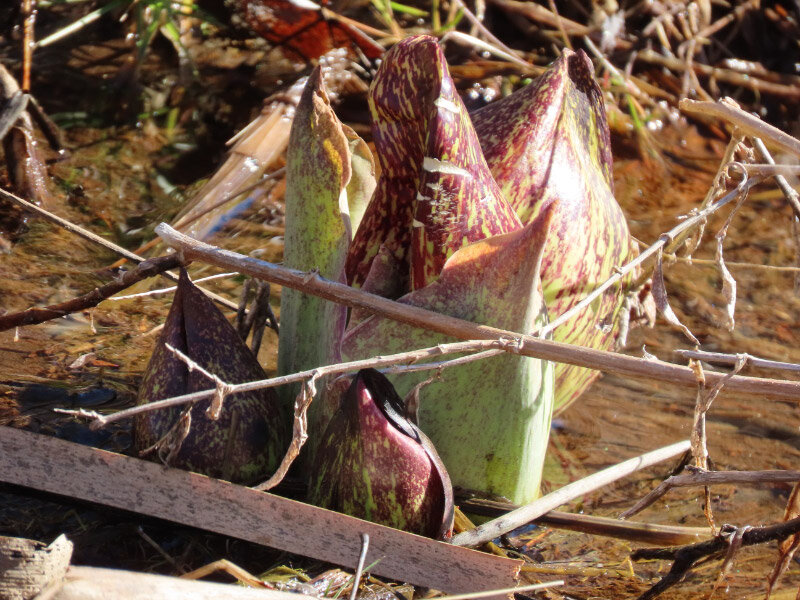
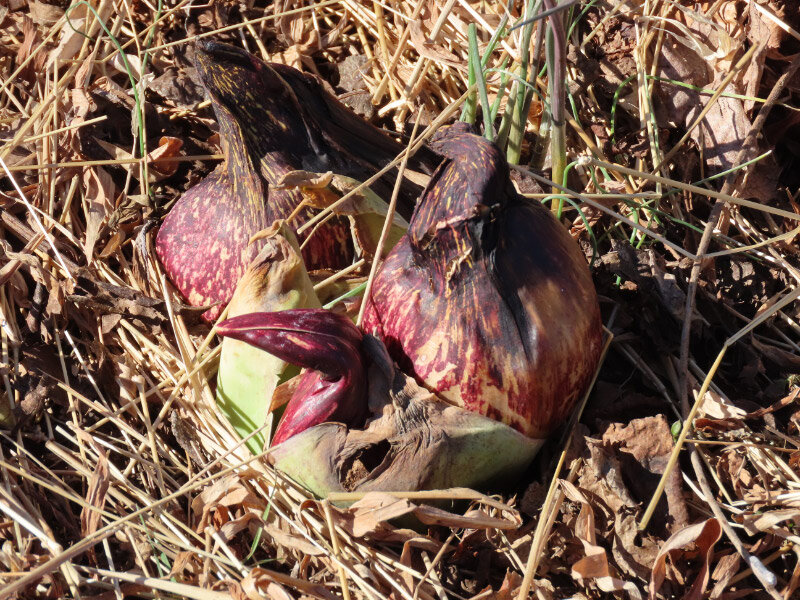
There seemed to be about the same number of plants as in January. Some appeared to be damaged at the top by the recent very cold days. The plants create some heat chemical and pull themselves deeper in the muck to survive cold days…but the top part of the spathe would probably always be above the muck.
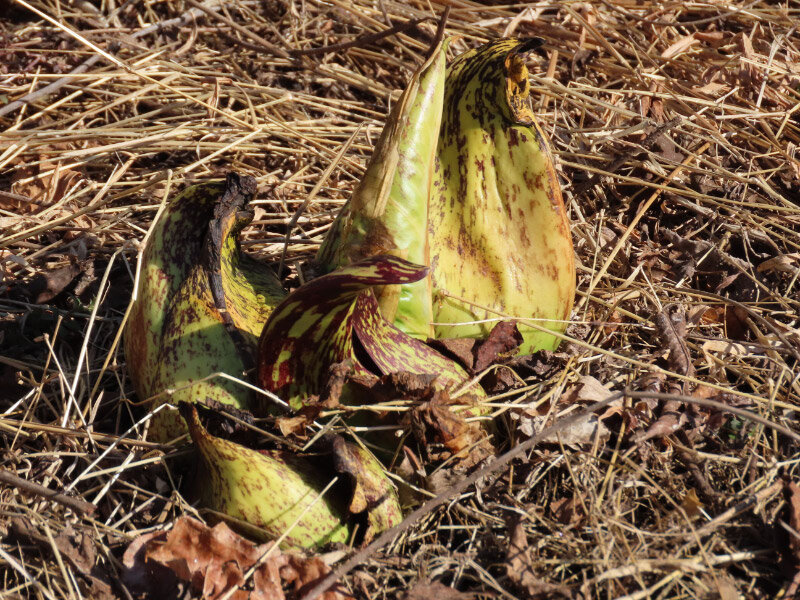
I did manage to zoom in on one plant that had a visible bloom! They look like a golf ball inside the spathe!

s 2021 02 IMG_6906 (15).jpg

I’ll make at least one more hike to see the skunk cabbage….try to photograph some of the first leaves unfurling.