30 years ago – February 1991

I couldn’t find any pictures we took in February 1991. As I looked back through my notes, I found references to us have bad colds/flu – daughter first (with an ear infection) and then me…my husband last. I was busy at work trying to write a proposal while I was sick. I was worried about my parents having trouble buying the house they wanted because of an easement issue, one of my sisters needing surgery, and the sister-in-law that I had never met/that my husband hadn’t seen in almost 20 years communicating sporadically while she was getting rounds of cancer treatment; it was all happening very far away from Maryland but the worries were always there while I did everything else.

On a happier note – we discovered that our 17-month-old daughter had picked up some counting skills (maybe Sesame Street or at day care). Her dad was playing with her one evening dropping disks into a can with a slot…he picked up several and counted…one, two, three, four…as he dropped disks into the slot. She picked up one and dropped it into the slot and said ‘five’…and another and said ‘six.’ We were both so surprised that there was a little pause before we celebrated her accomplishment!

It seems that I always find some nuggets when I look back at notes and pictures from 30 years ago There are events – like the counting skills surprise – that my notes indicate I thought would be something we would always remember…but I didn’t. I’m so glad I have the notes and can savor the surprise again!

Gleanings of the Week Ending February 6, 2021

The items below were ‘the cream’ of the articles and websites I found this past week. Click on the light green text to look at the article.

Human egg cells are imperfect surprisingly often -- ScienceDaily – More than 7% of human oocytes contain at least one exchangeless chromosome pair…and the frequency is not affected by maternal age. Our species is hardwired to have significant numbers of miscarriages and babies with extra or missing chromosomes. The finding is interesting, but I immediately thought of some questions…has this changed over the past 100 years (i.e. have we changed our environment enough that we are impacting our reproductive success) and how does this frequency compare to other mammals?

Why our pursuit of happiness may be flawed - BBC Future – A thought provoking piece about how seeking ‘happiness’ often sets the stage for disappointment…rather than contentment.

Pollution from cooking remains in atmosphere for longer -- ScienceDaily – Eating deep-fat fried foods is not just unhealthy…the cooking of foods that way contributes to air pollution. In London, 10% of the PM2.5 particles are from deep fat frying….in Hong Kong 39%!

2nd Annual Threatened And Endangered Parks: Natural Darkness And Sounds – My husband and I are looking forward to more dark sky opportunities in national parks. So far – the ‘star parties’ we’ve been to have been at state parks and hosted by amateur astronomy clubs in the area. The dark sky venue requires a bit of infrastructure to support a field full of camping amateur astronomers with their telescopes (electricity for telescopes/computers and bath rooms with red tented windows).

Top 25 birds of the week: Colouration! - Wild Bird Revolution – Lots of color in this post to break up mostly brown and white winter color outside my window! 

U.S. Breaks Record for Billion-Dollar Climate Disasters in 2020 | Smart News | Smithsonian Magazine – Not a good record to be breaking…and they happened during a pandemic year too. There were 22 disasters that caused at least $1 billion in damages across America in 2020.

Q&A: Global Insect Declines Due to "Death by a Thousand Cuts" | The Scientist Magazine® - In every case researched….it’s not just one thing that caused the decline…it a cluster of primary factors (6 or more) and then other factors that are difficult to quantify.

Texas Wind Power Dominates Coal In Crossover Year – Hurray! Hopefully, the coal plants will begin to phase out in Texas and across the country as they become less and less competitive with renewable sources of power.

On the road to invisible solar panels: How tomorrow's windows will generate electricity -- ScienceDaily – I am always reluctant to consider replacement windows….but if they were cost effective solar panels…that would tip the decision toward ‘buy’!

Caligula's Gardens, Long Hidden Beneath Italian Apartment Building, to Go on View | Smart News | Smithsonian Magazine – A subterranean museum beneath the streets of Rome to open this spring.

Gleanings of the Week Ending January 30, 2021

The items below were ‘the cream’ of the articles and websites I found this past week. Click on the light green text to look at the article.

I am featuring videos this week….including the newest baby panda in the US and historic houses. I discovered that a lot of house-type museums have increased their virtual content during the pandemic. The historic houses I picked for this post are ones I have visited in the past. Some I have visited more than once (Mount Vernon and Monticello, for example). It’s fun to savor them virtually!

Panda Cub’s virtual debut – From the National Zoo…video is just over 2 minutes

Virtual visits to the Newport Mansions -  3D tours From the Preservation Society of Newport County. Includes The Elms, Marble House, Hunter House, Isaac Bell House, Chateau-ser-Mer, Chepstow, and Kingscote.

The Mark Twain House in Hartford, CT – 3D tour

Mount Vernon – George Washington’s house. 3D of the gardens and mansion

Lyndhurst – Several 3D views….including at Christmas and Halloween

Vizcaya Museum and Gardens – Florida. 3D with links to historic photos of the same area

Monticello – Thomas Jefferson’s house. 3D tour. There is also a Google Arts and Culture tour with video/photos.

Olana’s Historic Landscape Video Tour – Frederic  and Isabel Church home.

Val-Kill tour – Eleanor Roosevelt National Historic Site from Google Arts and Culture

Wilderstein – Online exhibit, aerial tour, and landscape tour. The house was the Suckley residence for 3 generations from 1852 to 1991.

The Royal Natural History from the late 1800s

The Royal Natural History series was published in the mid-1890s by Frederick Warne & Co. – the publisher of Beatrix Potter’s books a few years later in the early 1900s.

These natural history books were edited by Richard Lydekker with a long list of illustrators. I enjoyed browsing through 5 of the volumes back in November: one, two, four, five and six. Two sample images from each volume are below.

As I was looking at these volumes again for this post, I discovered that there were a lot more books to look at. They were published as 6 volumes, 12 sections….many of the ‘volumes’ are multiple books! So – I’ve bookmarked the Internet Archive list again…planning to go back to look at the books I missed on the first pass!

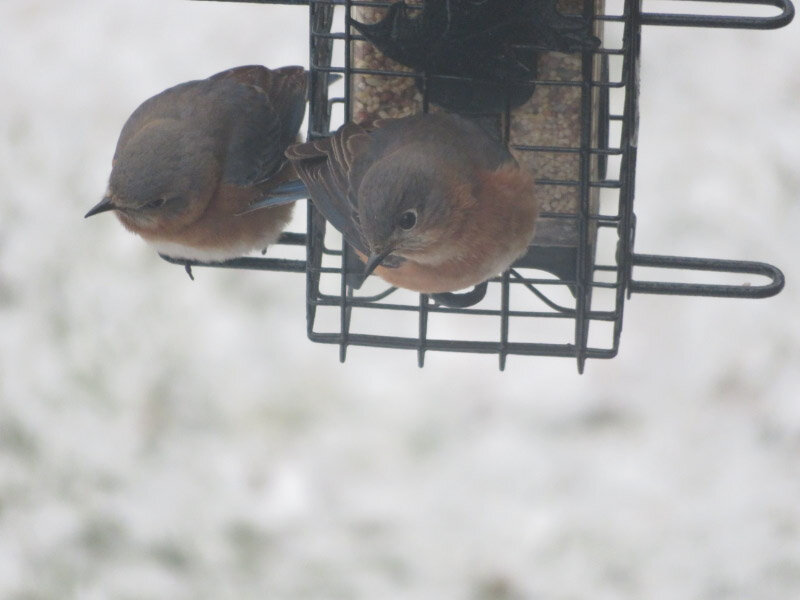
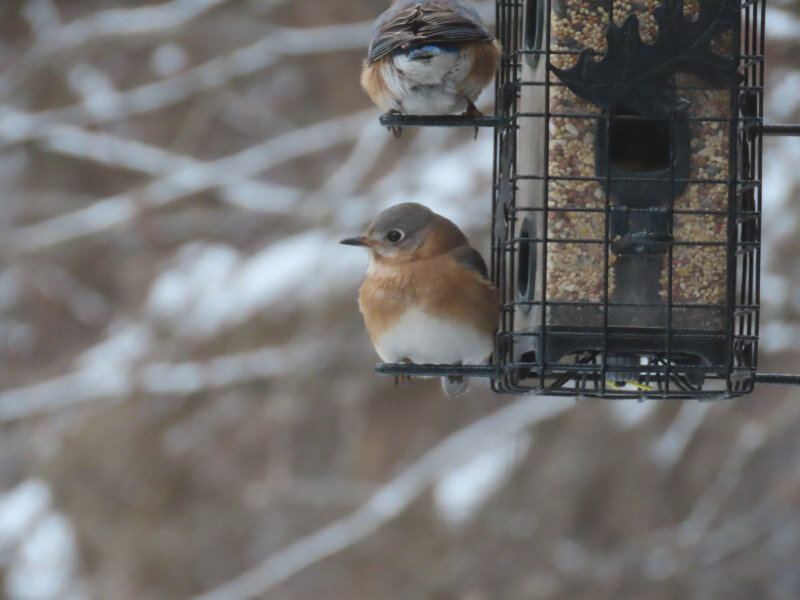
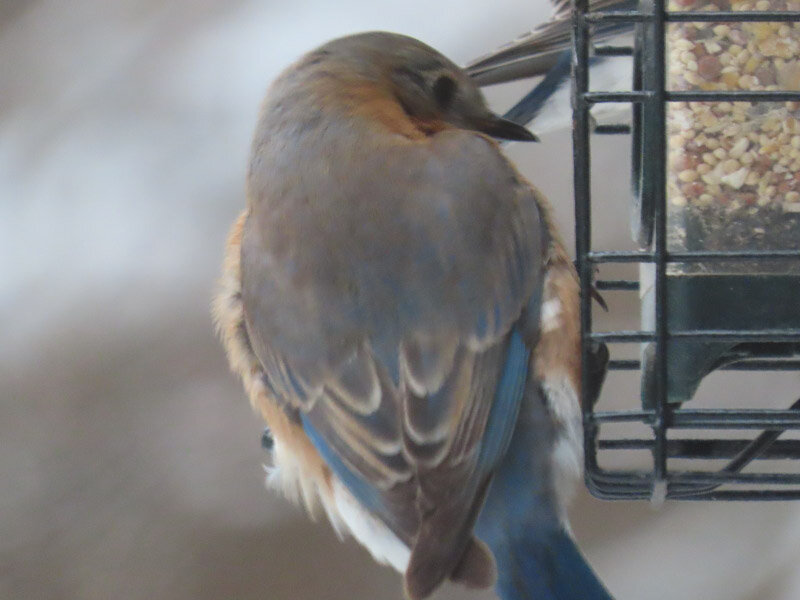
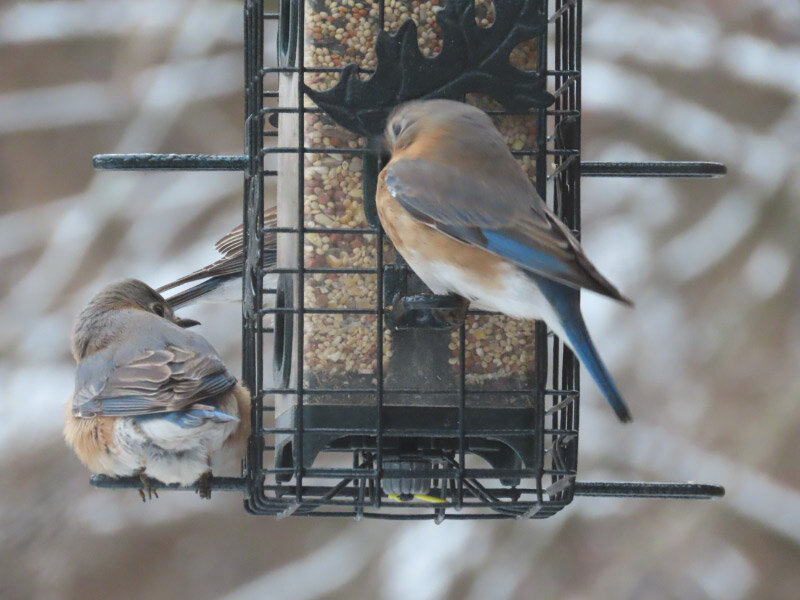
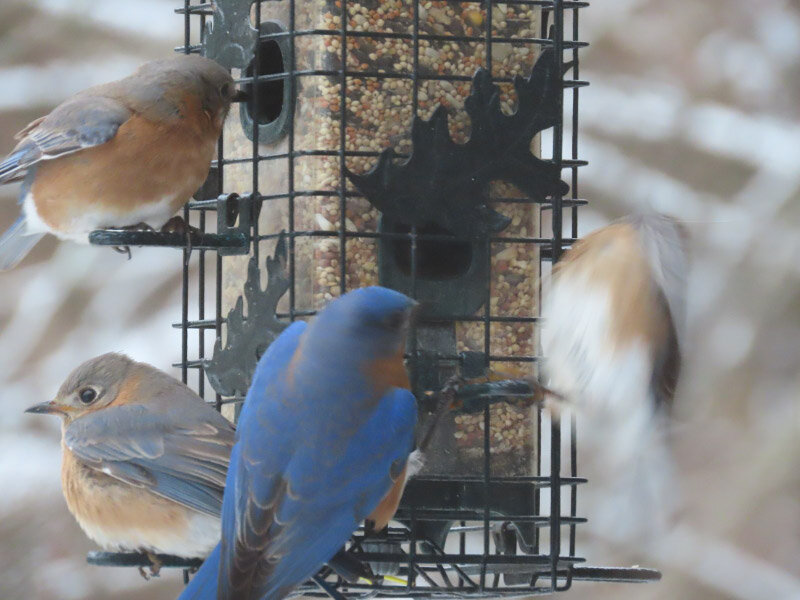
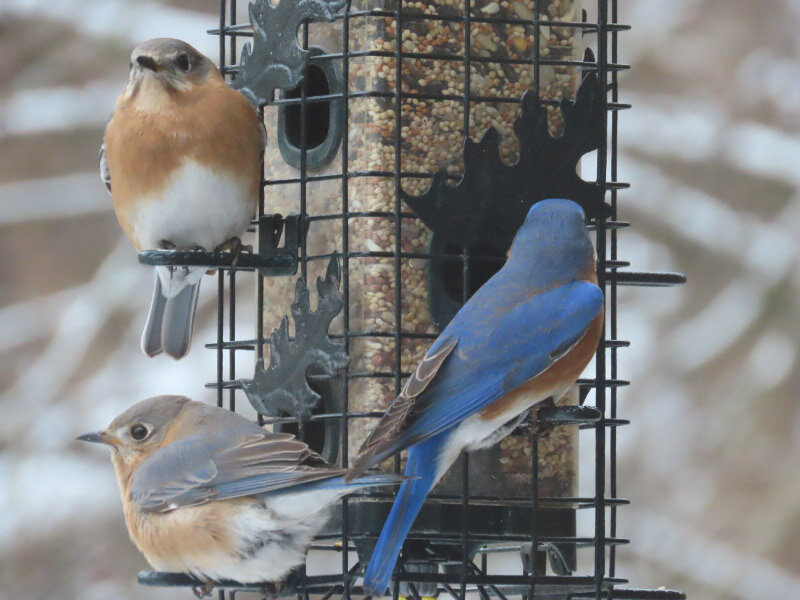
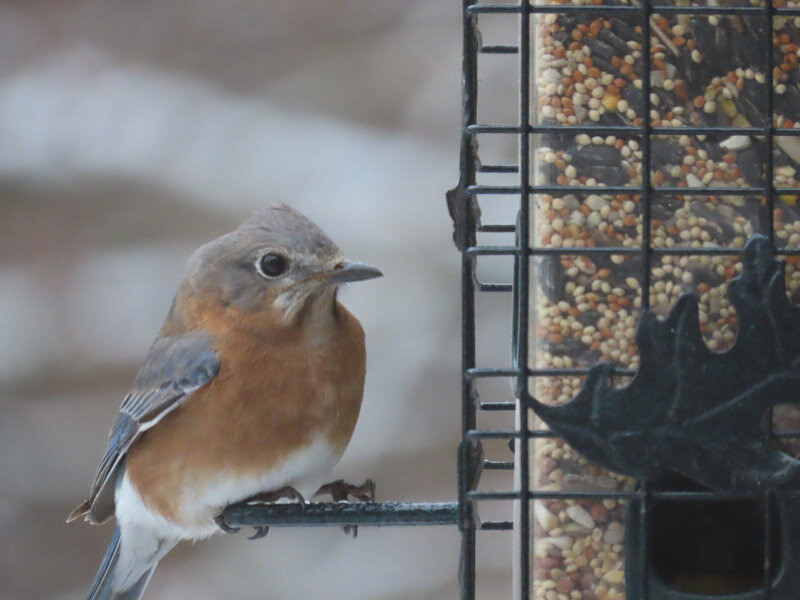
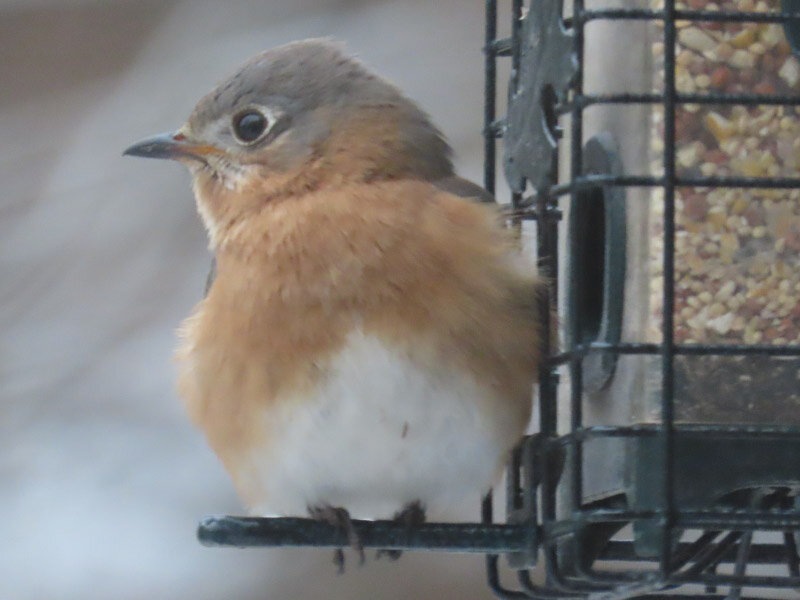
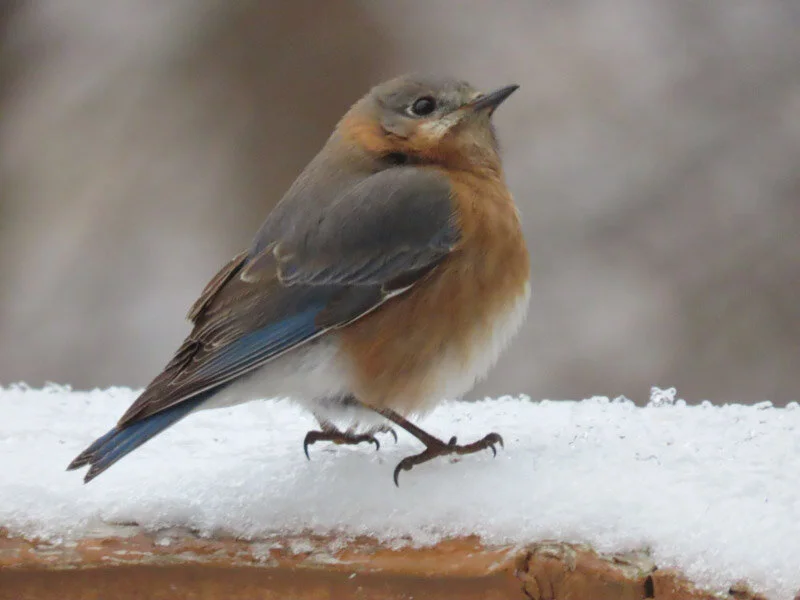
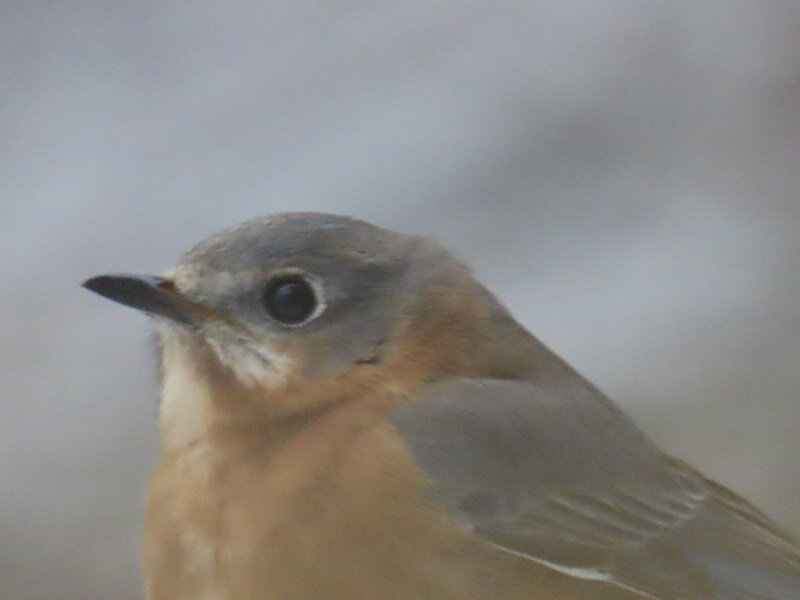
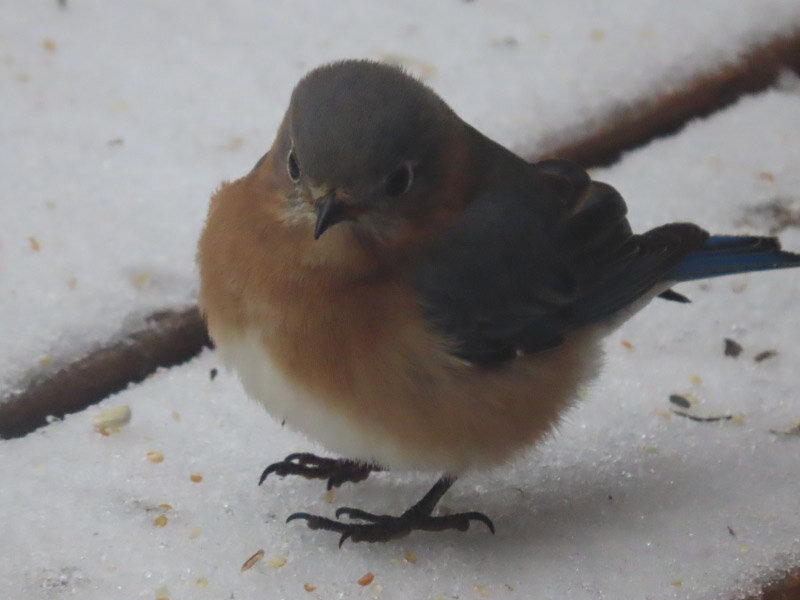
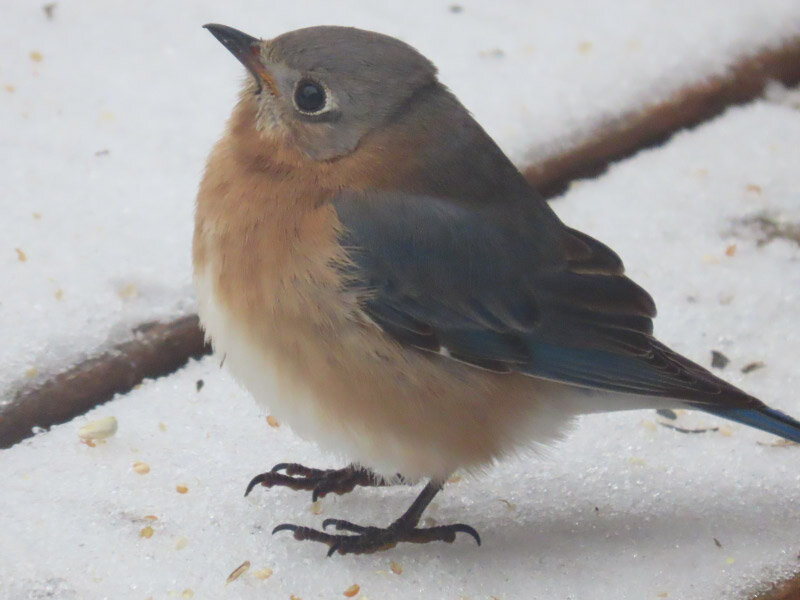
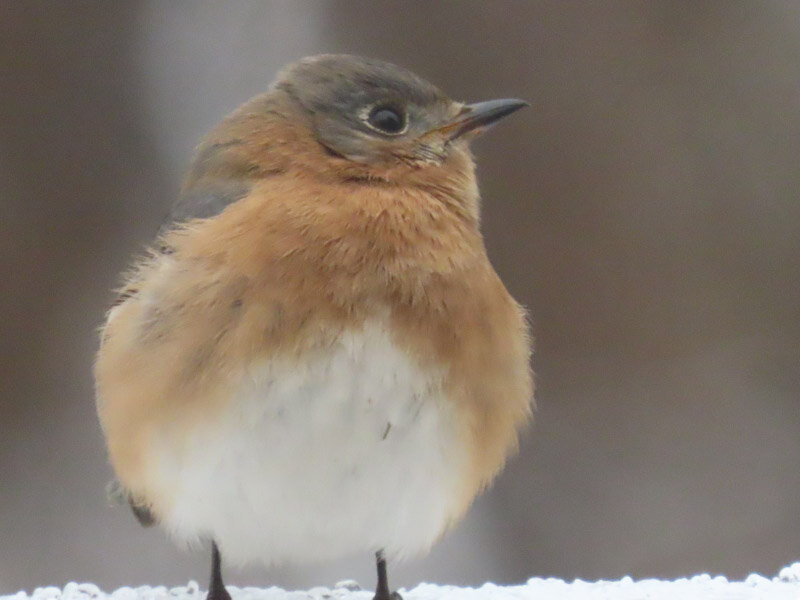
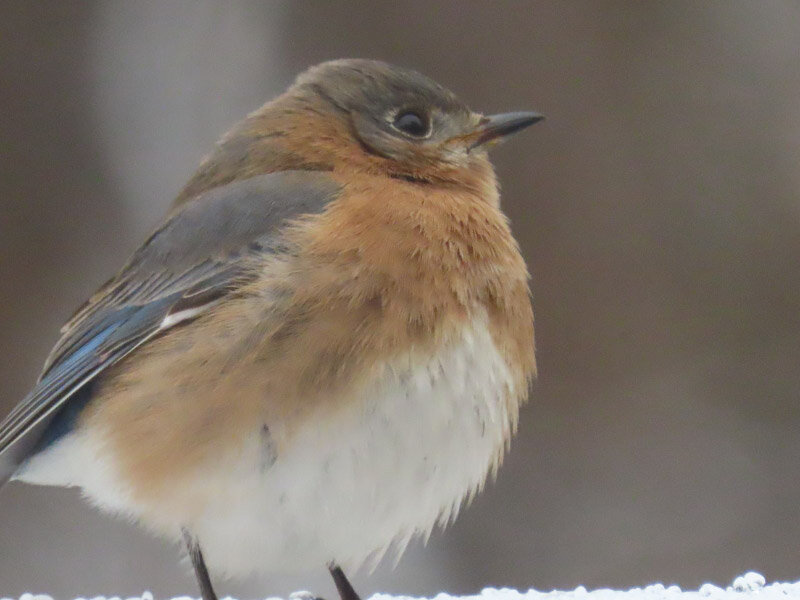
Bluebirds Visit

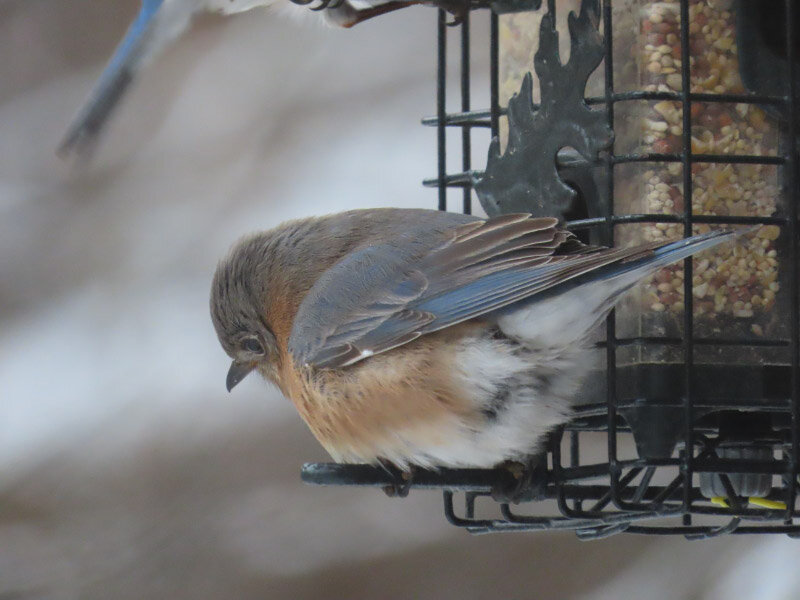
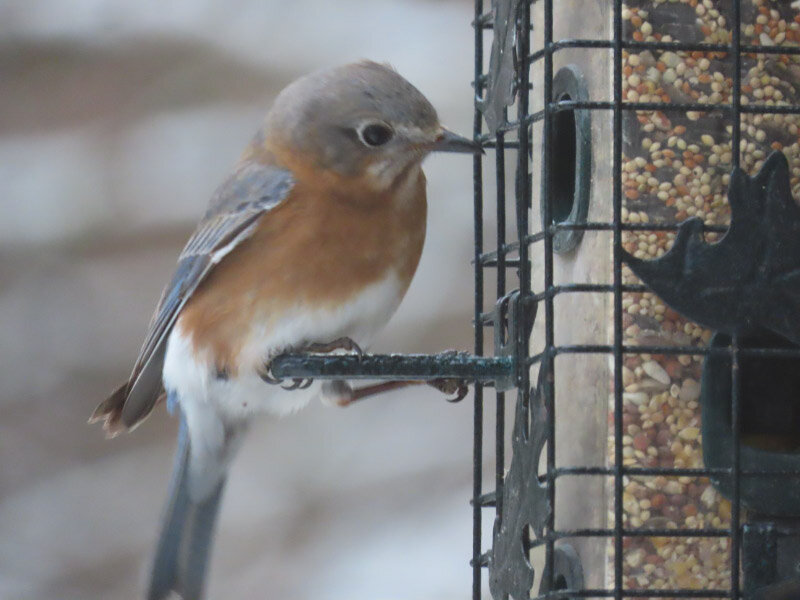
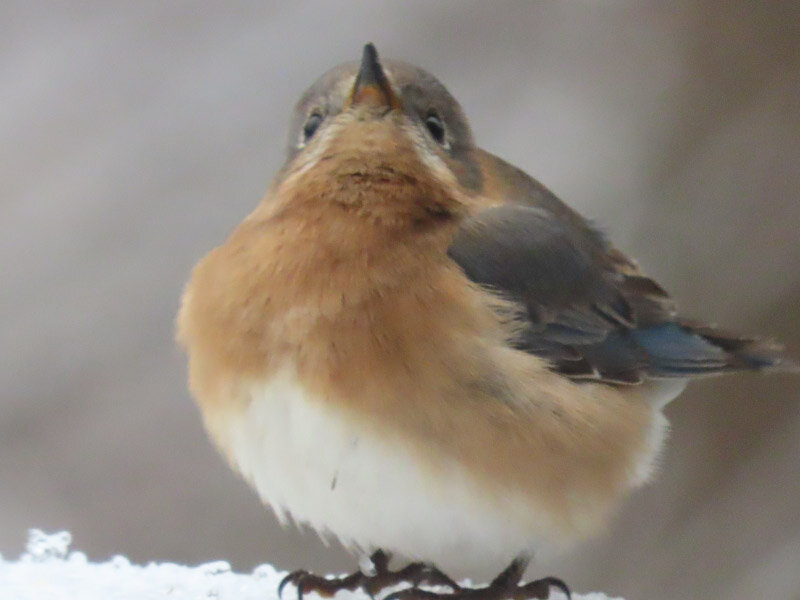
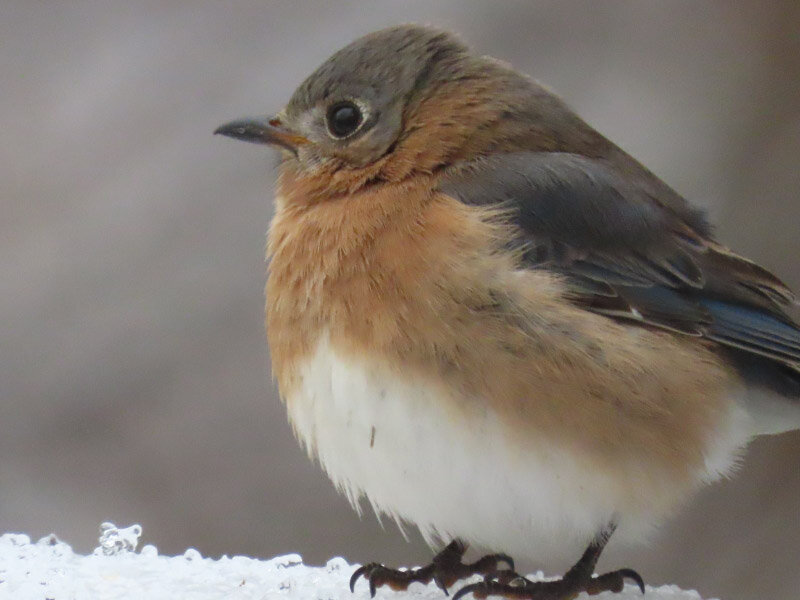
On the 26th – we had bluebirds at our birdfeeder! I heard a lot of chatter coming from the birdfeeder so got up to look. There was quite a crowd around the feeder with birds jostling for a perch. It was a cold icy day too. I took a few pictures from my office window then went downstairs where I took pictures through the panes of the French door in the breakfast area. The birds were moving so quickly I didn’t get a good count…but there were probably 6-8 birds…maybe only one male (he is the one that has the brighter blue feathers).

The birds that were not on the feeder were often directly below looking up!

I was using my new camera and took advantage of the zoom and vantage point of our first floor to capture some bluebird portraits…all females (not sure where the male went….the birds were very active).

I looked at the All About Birds entry for Eastern Bluebird – and found that the birds usually don’t come to feeders because they eat primarily insects and fruits. These birds must have been hungry! One of the foods they like is raisins so I’ve put some on my list for the next grocery pick-up!

Back in January 2016, I posted about bluebirds coming to our birdbath. It was a similar kind of day from a weather perspective. There were about the same number of birds in that group. There are many nesting boxes in our area which helps support the birds’ nesting. But we probably need to have more native bushes that have berries for our birds in winter; something to consider for an upcoming landscaping project.

30 years ago – January 1991

In January 1991 – we went down to the Smithsonian on the 1st. I didn’t note which museums we saw…just that our 16-month-old daughter walked across the mall on her own – stopping to exam interesting pebbles and clumps of grass, etc.

We had more snow that January than we have this year. There are pictures of our daughter sledding down the driveway in a plastic tub; her snowsuit is a little tight and she does not look happy at all…maybe because I forgot to put on her mittens! She was much happier indoors eating spaghetti.

1991 01 img721 (1).jpg

Her new skill was taking off her shoes and socks. Her father called me one morning after I’d gotten to work with the news that I was going to have to do something about her…he had gotten her ready to go to day care and was putting on his coat…turned around to discover that her shoes and socks were not on her feet anymore! Her day care provider said the same thing happened all day long. Once she discovered she could do it – we all had to be patient until the novelty wore off…or her feet grew a little and the shoes were not as easy to pull off. I also started putting her in tights, so she had at least one layer on her feet.

1991 01 img721 (2).jpg

We all enjoyed the Cats musical that we taped from PBS. Our daughter made the connection between the characters of the show and our cat. The cat slept through most of the video viewings.

1991 01 img721 (11).jpg

My husband and it were worried about events in the Middle East (Desert Storm); after the Berlin Wall came down in 1989, there had been such hope that the world was heading toward a better time, but the optimism did not last. I was feeling the physical distance between where I lived in Maryland with the rest of my family in the Dallas just as I am now. Maybe it was a little better in 1991 because I could travel – not something that can happen in January 2021.

Gleanings of the Week Ending January 23, 2021

The items below were ‘the cream’ of the articles and websites I found this past week. Click on the light green text to look at the article.

Ice sheet uncertainties could mean sea level will rise more than predicted -- ScienceDaily – There are warning signs that the current models aren’t accurately predicting ice sheet dynamics.

How mail-order frogs could save Colombia's amphibians - BBC Future – Carefully breeding frogs to keep them from going extinct in the wild.

Meet Amanda Gorman, the U.S.' Youngest Inaugural Poet | Smart News | Smithsonian Magazine – Leading with eloquence and hope for the future….pushing us to strive for a country that is a ‘more perfect union.’

House Agrees Saguaro National Park Should Grow By 1,200 Acres – Hope this happens…when my daughter was in Tucson we enjoyed this park many times.

Diet and lifestyle guidelines can greatly reduce gastroesophageal reflux disease symptoms -- ScienceDaily – Exercise seems to be important – perhaps because it helps clear stomach acid that causes heartburn symptoms.

Top 25 birds of the week: Wild birds Photos! - Wild Bird Revolution – Birds – always great to look at in the wild and in photos.

How Codebreaker Elizebeth Friedman Broke Up a Nazi Spy Ring | Smart News | Smithsonian Magazine – Some history…about how a woman did work she wanted to do…made significant contributions…didn’t get credit or pay that she should have. It happens again and again. We can’t assume that it isn’t still happening just because we have some very visible examples of women with power, recognition, and pay.

Are sleep trackers accurate? Here's what researchers currently know – It’s not always good to track sleep….particularly if it causes anxiety. I am in the group that generally has good sleep, so the tracker data doesn’t cause me anxiety, but it probably doesn’t improve anything either!  I might get a much simpler tracker next time that doesn’t provide sleep metrics.

The Wintertime Wonder of Unusual Ice | Smart News | Smithsonian Magazine – The short video of hair ice forming is interesting.

How Africa's largest city is staying afloat - BBC Future – Lagos, Nigeria. Part of the city is known as the ‘Venice of Africa.’ And there is a ‘Great Wall of Lagos’ to reinforce the coast.  The claim is that Africa’s largest city is leveraging its ingenuity to stay afloat….but whether it succeeds in the coming decades will be the real test.

The White House in 1940

14 21 01 (7).jpg

As I watched the Inauguration, I remembered an old magazine I’d browsed through recently on Internet Archive – the July 1940 edition of House & Garden that included an article about the White House as it was in 1940…and some history of the White House up to that point. I clipped some of my favorite images (click to get an enlarged version of the image).

Much has happened to the building in the intervening 80 years. The White House is still the architectural symbol of the Executive Branch and home of the President for his term. I hope that President and Dr. Biden quickly acclimate to the place…make it into their home…and forge ahead in their roles for the country from its rooms.

The article also included images of some of the other building of Washington DC. Some things have changed since 1940…some not.

I am relieved that the we have a new President as I write this….that we have survived the insurrection at the US Capitol on January 6th and anticipating a positive path forward. Amanda Gorman, the youth poet laureate, was the highlight of the event with her “The Hill We Climb” at the Biden inauguration! And now the work begins for the new administration….

Gleanings of the Week Ending January 16, 2021

The items below were ‘the cream’ of the articles and websites I found this past week. Click on the light green text to look at the article.

Wingspan and Other Tabletop Games for Naturalists – A new indoor activity for during the winter?

Square Structure Detected Under Monte Albán’s Main Plaza - Archaeology Magazine – The plaza was in use for 1,000 years….and evidently the structure detected with ground penetrating radar, electrical resistance and gradiometery is 60x60 feet…and about 3 feet thick. More study of the data might reveal if the building had stairs, tunnels, and columns.

Leaf microbiomes are a neighborhood affair in northern forests -- ScienceDaily – The microbes associated with trees have been an active research area in recent years. This study looked at Sugar Maples and discovered that their microbiome was similar to the trees around them…whether it was other sugar maples or conifers….other species entirely.

A warm pool in the Indo-Pacific Ocean has almost doubled in size, changing global rainfall patterns | NOAA Climate.gov – The impacts on large-scale atmospheric circulation and rainfall are expected to intensify in the future.

Top 25 birds of the week: January 2021 – This collection includes a photo of a red-breasted nuthatch…a bird we’ve seen at our feeder this year!

Photographer Nathan Myhrvold Captures Snowflakes in High Resolution – I enjoy trying to photograph snowflakes…but I do it close to home where the challenge is higher temperatures. That tends to cause them to clump rather than be easily separated into single flakes. It’s still a fun activity for snow days.

New mammogram measures of breast cancer risk could revolutionize screening -- ScienceDaily – Improving the way mammograms are analyzed…giving results at the time of screening instead of later then moving toward personalized screening thereafter rather than ‘one size fits all.’ I wonder how long it will take for this to trickle through the industry.

Flapper style | Europeana – Our family has a picture of one of my grandmothers in a flapper dress. She probably made it herself – as the article indicated…they were easy to make and patterns were available. The dresses have a timelessness to them even though they are associated with the 1920s. They look great as party dresses even 100 years later!

'Sparkling' clean water from nanodiamond-embedded membrane filters -- ScienceDaily – The problem the researchers are addressing is filtering of the hot water from oil recovery and other industrial processes. We’ll need more technologies like this to clean up water we can’t afford to leave polluted forever….but we should concurrently move toward technologies that don’t leave toxins in water. Technologies should be designed with the goal in mind of 0 waste.

Researchers Catch Oldest Tropical Reef Fish Known to Science | Smart News | Smithsonian Magazine – An 81-year-old midnight snapper! They also caught a 79-year-old red snapper in the same area. Climate change is already warmed the reef enough that the life-span of the fishes there is expected to be shorter in the future. The record for oldest known vertebrate in the world is also a sea creature – a 400 year old Greenland shark.

Kate Greenaway’s Queen of the Pirate Isle Illustrations

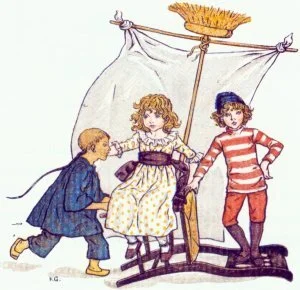
Project Gutenberg has the 1885 edition of Bret Harte’s The Queen of the Pirate Isle with illustrations by Kate Greenaway. I was looking at it more for the illustrations than the text since I was working my way down the list of books she illustrated. She set a style for children’s clothes in her illustrations (see the Wikipedia entry for her and then look for the books in the ‘Books Illustrated’ list in Internet Archive…it’s a good way to look at the work of an illustrator when the works are old enough to no longer be under copyright). She died in 1901 so books are out of the copyright window.

For girls – the clothes seem more for ‘dress up’ play that for everyday activity. I’ve clipped 6 images from the book to provide a flavor of the book….and Kate Greenaway illustrations of children.

Anniversary Celebration

My husband and I have been married for 48 years! We celebrated a day early with red velvet cake (for me) and carrot cake (for him) that we enjoyed a day early because that is when we did a pickup of other items from a store that included a bakery that makes good cakes.

20210112_174348.jpg

I’m thinking back to the decades of our marriage

We spent the 1st 10 years in Texas. We were both in college – he was full time and I was part time. My career in computer programing was becoming well established. At the end of the 10 years, he had a PhD in Physics and I had a Masters in Mathematics.

Early in the 2nd 10 years we moved to Virginia for his post doc and I went to work for IBM. During the decade we moved to Maryland (after his post doc ended) and had our daughter.

The 3rd decade saw us moving in Maryland to the house we are in now. Our lives were focused on our daughter and our careers…trying to blend everything together at every opportunity. For several years, my work required trips to Colorado once a month. My husband and daughter joined me for before or after the workdays so often that my daughter thought everyone got on an airplane for Colorado frequently – was surprised that she was the only one in her Montessori class with Colorado t-shirts and sweatshirts. Our daughter was old enough to consider putting her on a plane to see her grandparents in Texas by the time 9/11 happened; we delayed that milestone to well into the next decade.

Our careers were important during our 4th decade – but the milestones of our daughter took the fore in our family: driver’s license, high school graduation, Cornell for undergraduate degree, internship at Northern Arizona, beginning graduate school at University of Arizona, marriage. My husband began his glide path to post-career. My last grandparent died. We dealt with some health issues of our own that slowed us down temporarily. I retired in the last year of the decade.

In the past 8 years, I’ve settled into post-career activities including volunteer gigs. My husband continued to work part time for a few years and ramping up of post-career. We both enjoy traveling (birding festivals in particular) until the pandemic stopped that; we’ll pick it back up in a year. Our daughter’s milestones were ones we shared vicariously: PhD in Astrophysics/her husband’s PhD in Biology, post docs at Penn State/University of Pittsburg, tenure track faculty positions at Missouri State University. Our health has been stable, but my sisters and I are partnered to assist our aging parents as they face health-related challenges.

We’re enjoying the Tennessee Wildlife Resources Agency’s Online Celebration of Cranes right now and are tentatively planning to be at the in-person festival next year to celebrate our 49th anniversary!

Gleanings of the Week Ending January 9, 2021

The items below were ‘the cream’ of the articles and websites I found this past week. Click on the light green text to look at the article.

Coronavirus FAQ: How Do I Protect Myself From The U.K. Variant? - I added this one at the last minute…it’s scary…a good prompt to evaluate the precautions you are taking to not get COVID-19 with this more contagious variant circulating in the US. We are so close to having vaccinations broadly available!

When Only a Hippopotamus Will Do – Learn a bit about hippos. Did you know that there is a ‘wild’ population of hippos in Columbia’s Magdalena River, escaped from Pablo Escobar’s menagerie after his death?

Plastics pose threat to human health, report shows -- ScienceDaily – Awful….and there is relatively little being done to control this source of toxins in our environment.

Top 25 birds of the week: Terrestrial Birds! - Wild Bird Revolution – Most of the birds are relatively drab – lots of browns and off-white feathers….but interesting patterns. - the better to blend in with their environment. But there are a few surprises that are quite different from the rest.

From Ancient Rome to Contemporary Singapore: The Evolution of Conservatories – THE DIRT – I like conservatories….this article includes some history that I hadn’t thought about before…a bit more from the perspective of how conservatories fit into the cultures that created them.

Operation Ponderosa: Saving a Forest, Pandemic Edition – Several reasons this article caught my attention: it’s about 1) the Davis Mountains in Texas…a location I’ve driven through on road trips between Dallas and Tucson, 2) fieldwork and also done by a woman during this pandemic year, 3) the Ponderosa pine’s importance as ‘sky islands’ in this arid part of the country, 4) the impact of fire, and 5) how genetic testing informs forest restoration efforts.

Trees are out of equilibrium with climate -- ScienceDaily – I might have gotten a bit stuck on trees for this gleanings collection. This study found that factors other than climate often limit where trees grow...that few trees grow everywhere the climate would appear to support their growth.

Ancestral Puebloans Survived Droughts by Collecting Water from Icy Lava Tubes | Smart News | Smithsonian Magazine – New Mexico’s El Malpais….a place I’ve visited several times.

Migration and disease in the Iron Age - Current Archaeology – A skeleton of a man with tuberculosis that died between 400 BC and 230 BC in Britain but was born elsewhere based on analysis of his molars that developed in early childhood. Did he contract the disease early in his life or after he arrived in Britain?

Canyon De Chelly, Walnut Canyon Park Pages Added to Traveler – I’ve been to both these places so was glad they were added list of Essential Park Guides on this site. The guides are collections of articles about each park…and good references when planning a visit or to see some pictures of the park!

Bowerbirds: Meet the bird world’s kleptomaniac love architects – Elaborate structures of sticks and often colorful found objects…to attract a mate.

eBotanical Prints – December 2020

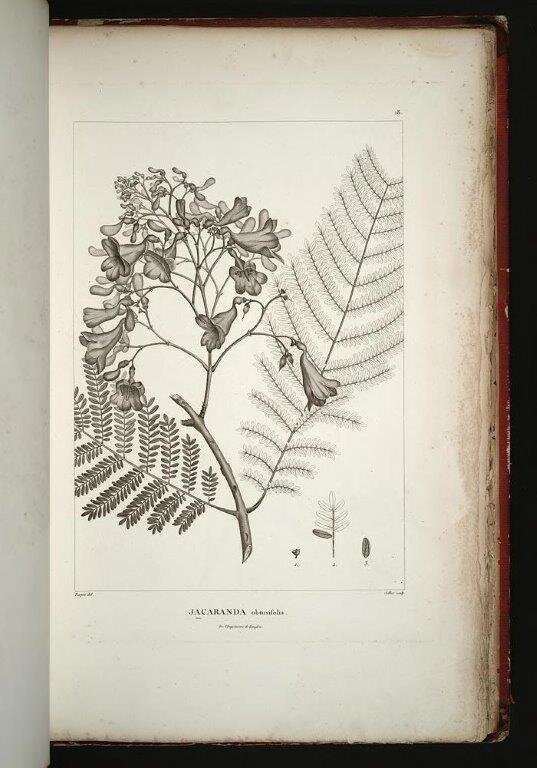
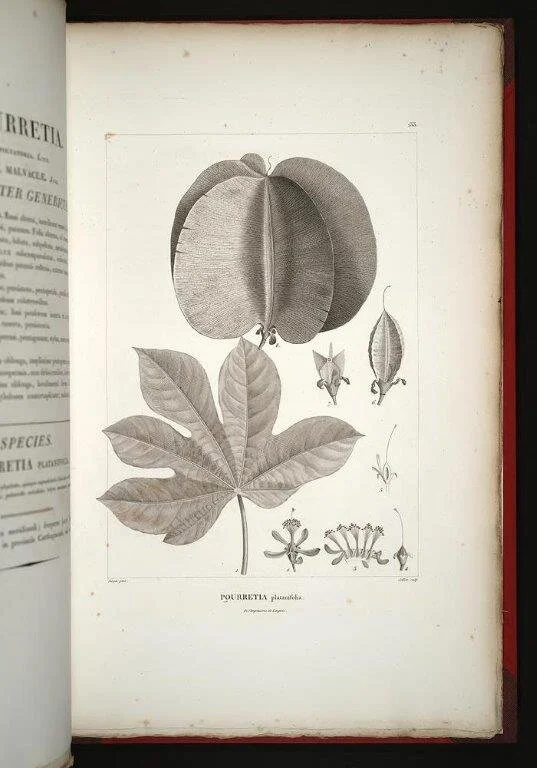
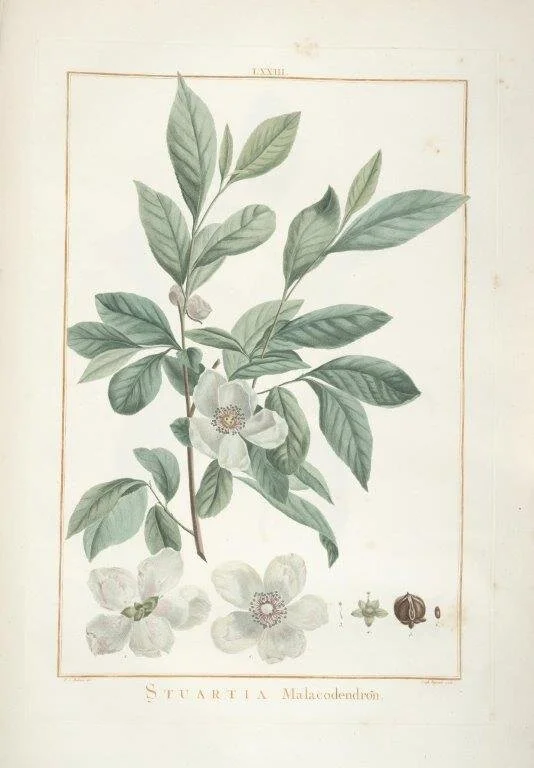
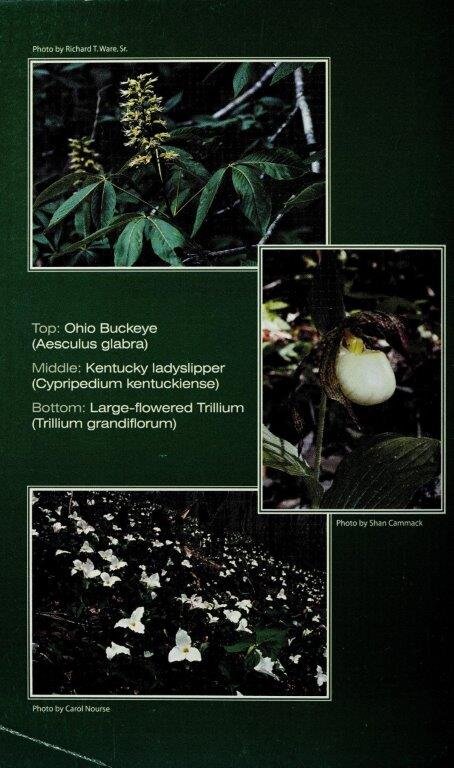
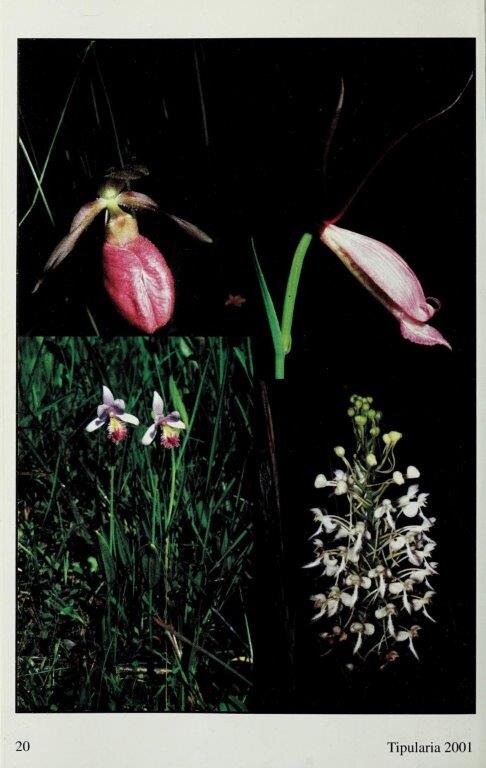
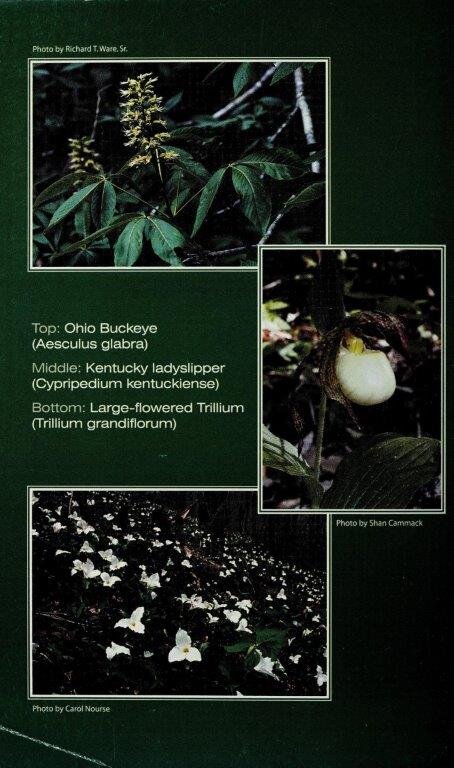
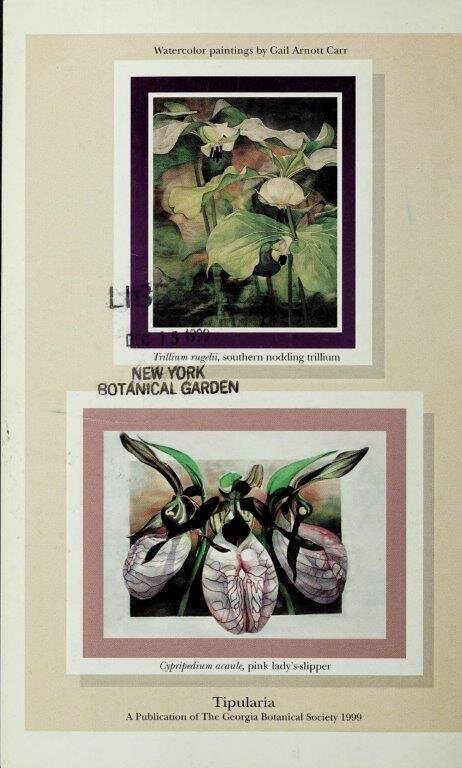
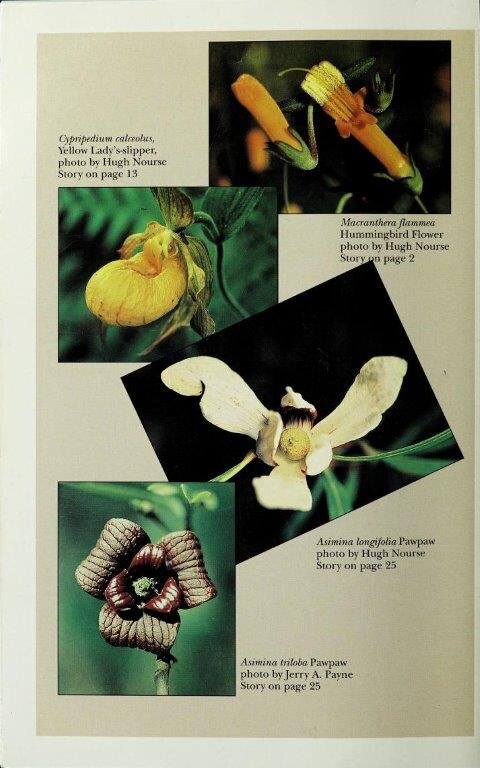
20 new books for the botanical prints list in December….all from the Internet Archive. 12 of them are an annual publication from the Georgia Botanical Society published between 1986 and 2005; there are 7 more that I looked at in January and will include in next month’s eBotanical Prints post.

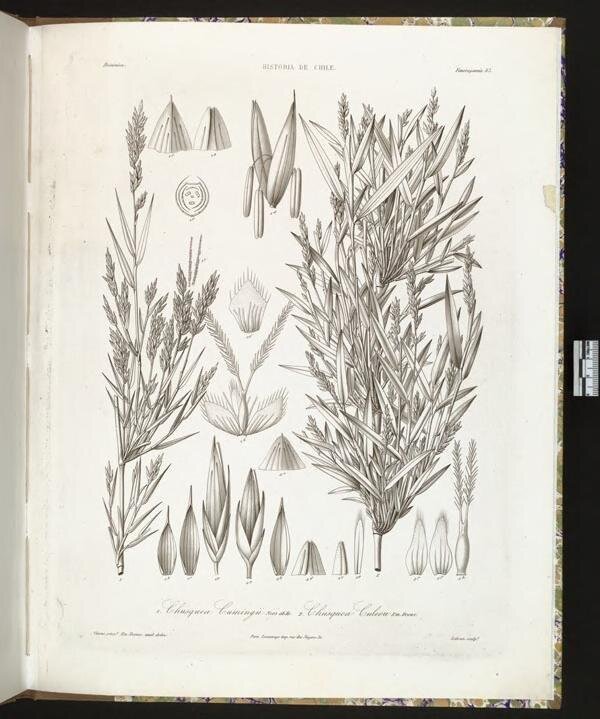
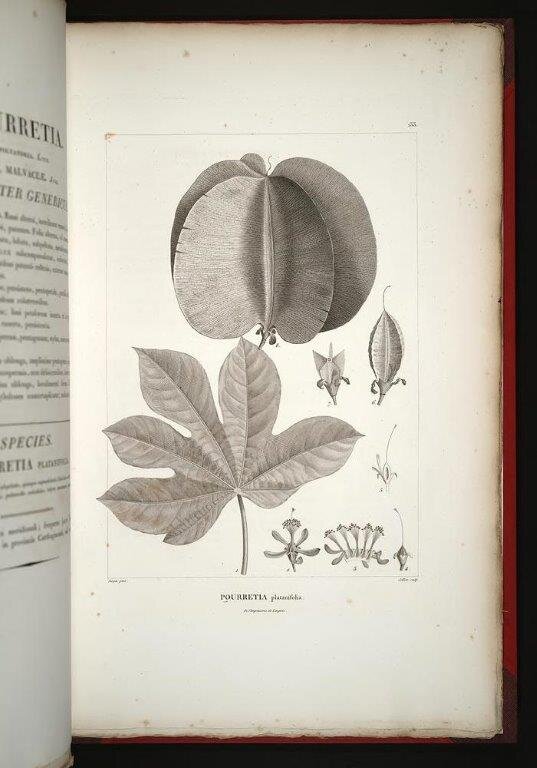
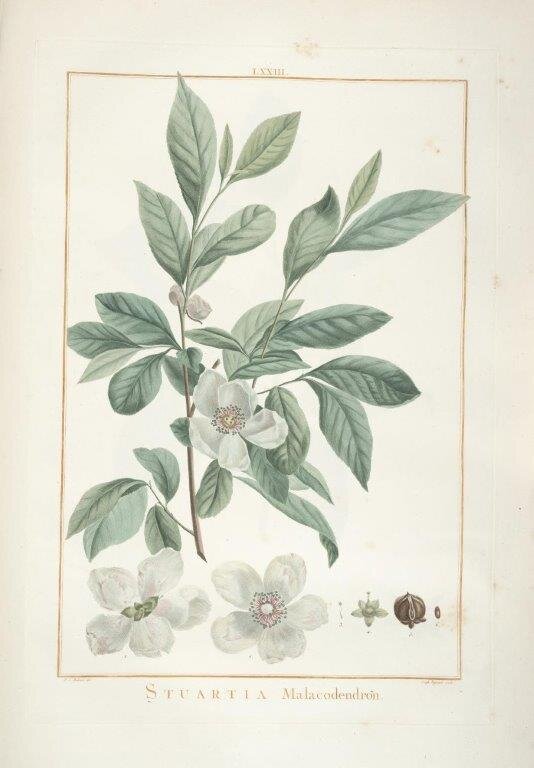
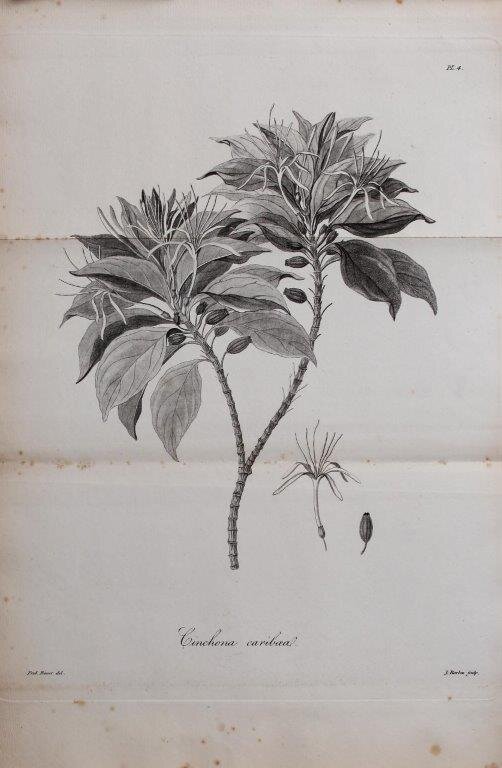
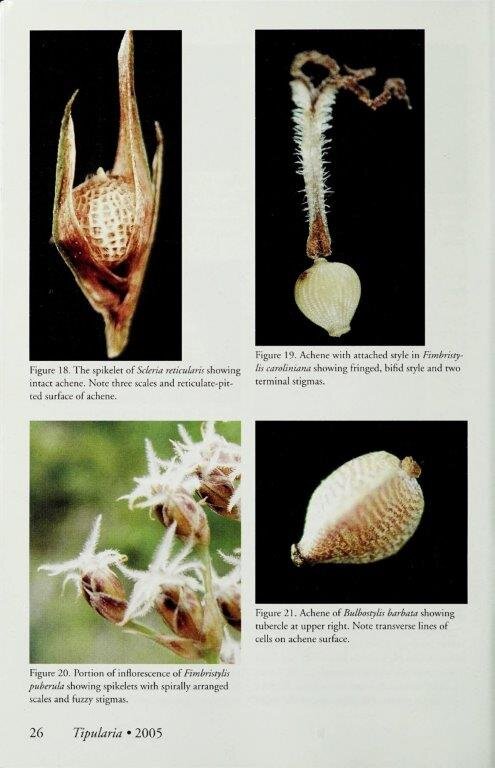
Just as in previous months, there is quite a range in the publication dates: 1687 to 2005. And different types of images: drawings, colored prints, and photographs. There is one image for each of the 20 new books; click an any sample image below to get an enlarged version. Enjoy the December eBotanical Prints! The whole list of 2,041 eBooks can be accessed here.

Opera omnia, seu, Thesaurus locupletissimus botanico-medico-anatomicus * Malpighii, Marcelli * sample image * 1687

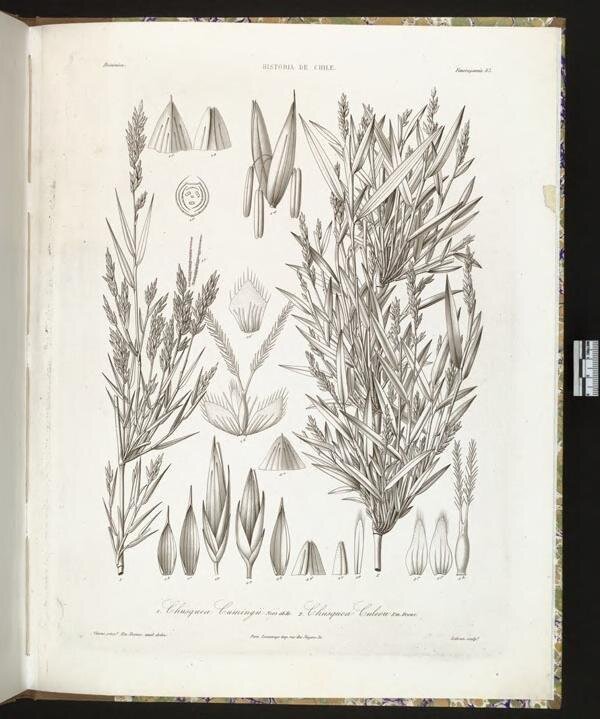
Gramineae Chilenses * Desvaux, Emile * sample image * 1853

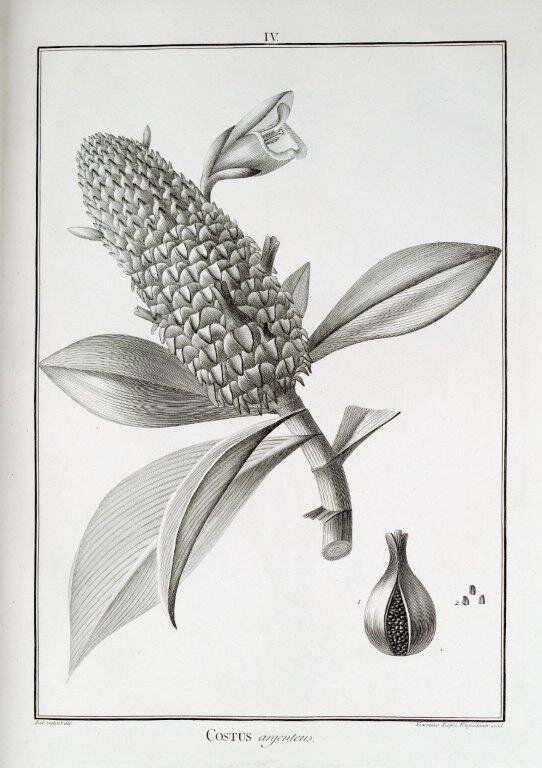
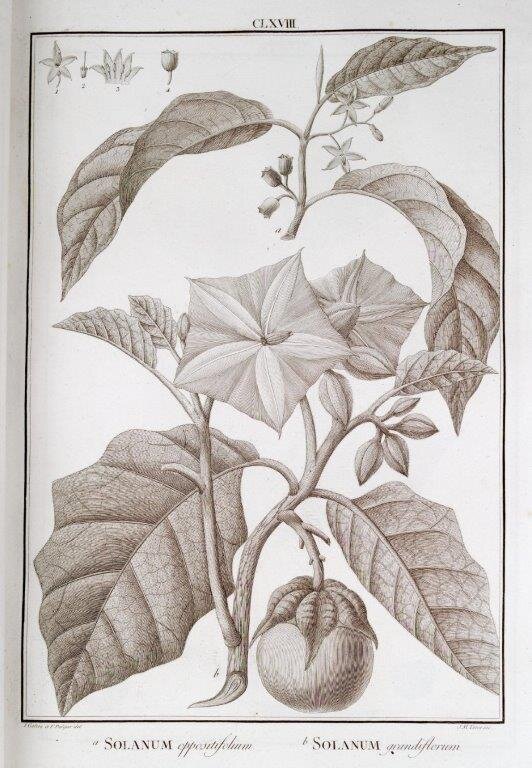
Flora Peruviana, et Chilensis plates I-CLII * Ruiz, Hippolyto; Pavon, Josepho * sample image * 1798

Flora Peruviana, et Chilensis plates CLIII-CCCXXV * Ruiz, Hippolyto; Pavon, Josepho * sample image * 1798

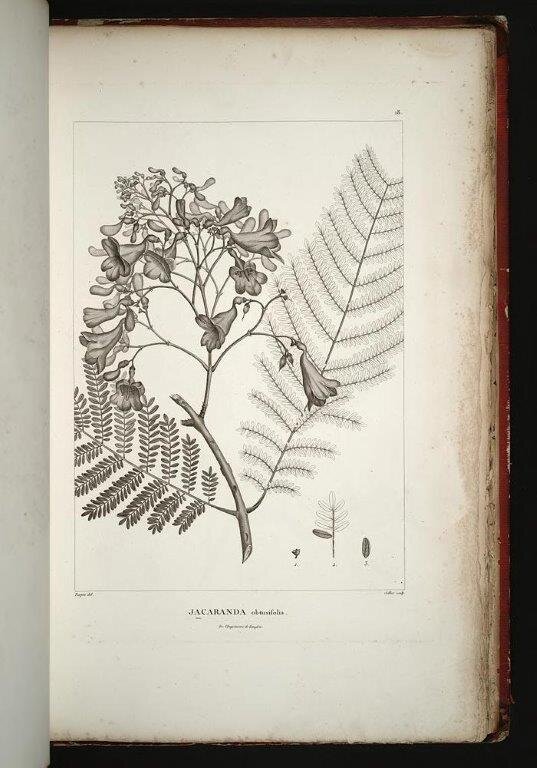
Plantes equinoxiales recueillies au Mexique vol 1 * Humboldt, Alexander von; Bonpland, Aime * sample image * 1808

Plantes equinoxiales recueillies au Mexique vol 2 * Humboldt, Alexander von; Bonpland, Aime * sample image * 1808

Stirpes novae * L'Heritier de Brutelle, Charles Louis * sample image * 1784

A description of the genus Cinchona * Lambert, Alymer Bourke * sample image * 1797

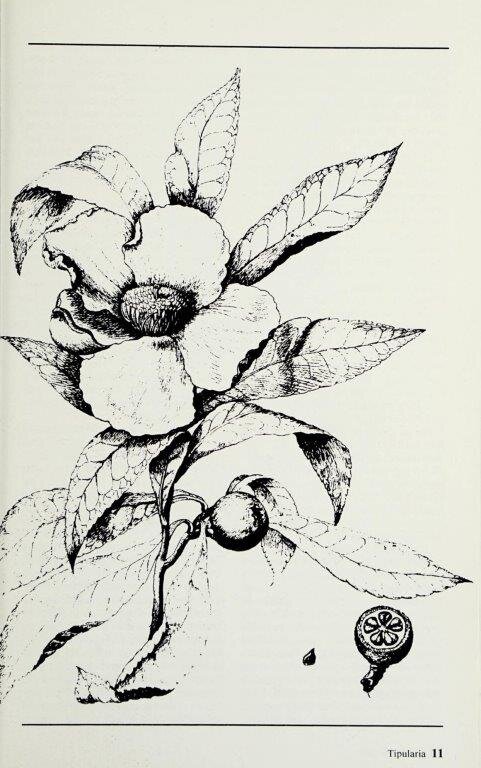
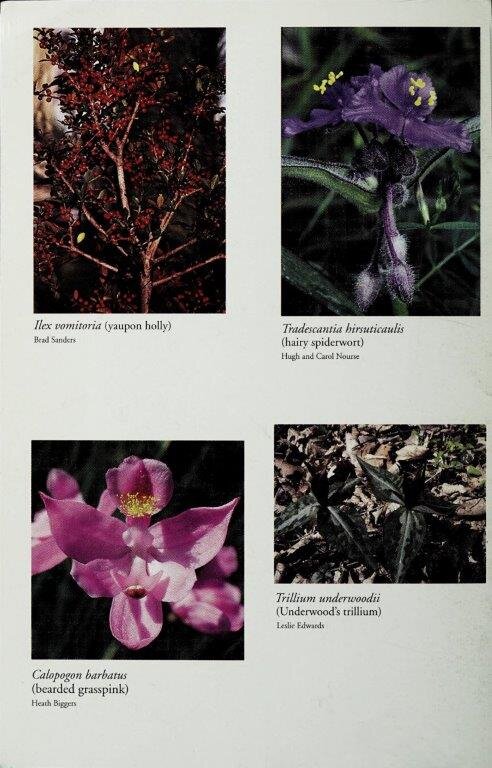
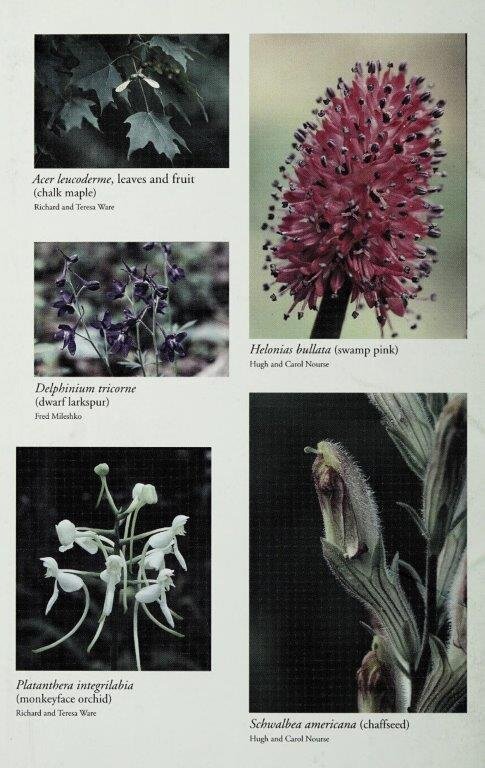
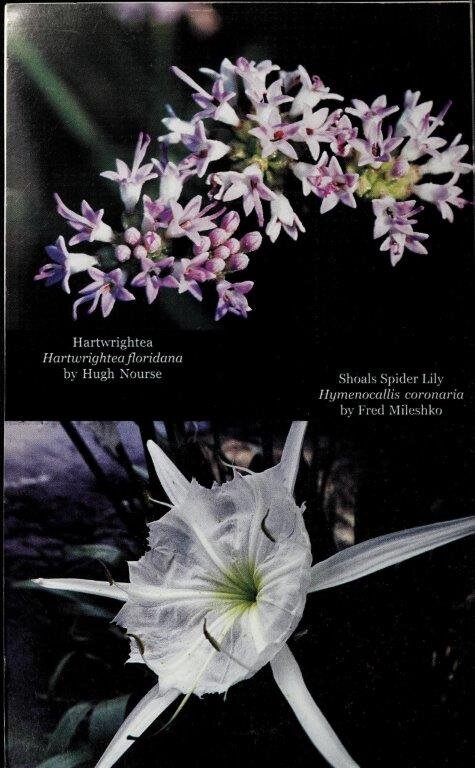
Tipularia - 2005 * Georgia Botanical Society * sample image * 2005

Tipularia - 1986 - 1987 * Georgia Botanical Society * sample image * 1987

Tipularia - 2004 * Georgia Botanical Society * sample image * 2004

Tipularia - 2003 * Georgia Botanical Society * sample image * 2003

Tipularia - 2002 * Georgia Botanical Society * sample image * 2002

Tipularia - 2001 * Georgia Botanical Society * sample image * 2001

Tipularia - 2000 * Georgia Botanical Society * sample image * 2000

Tipularia - 1999 * Georgia Botanical Society * sample image * 1999

Tipularia - 1998 * Georgia Botanical Society * sample image * 1998

Tipularia - 1997 * Georgia Botanical Society * sample image * 1997

Tipularia - 1995 * Georgia Botanical Society * sample image * 1995

Tipularia - 1994 * Georgia Botanical Society * sample image * 1994

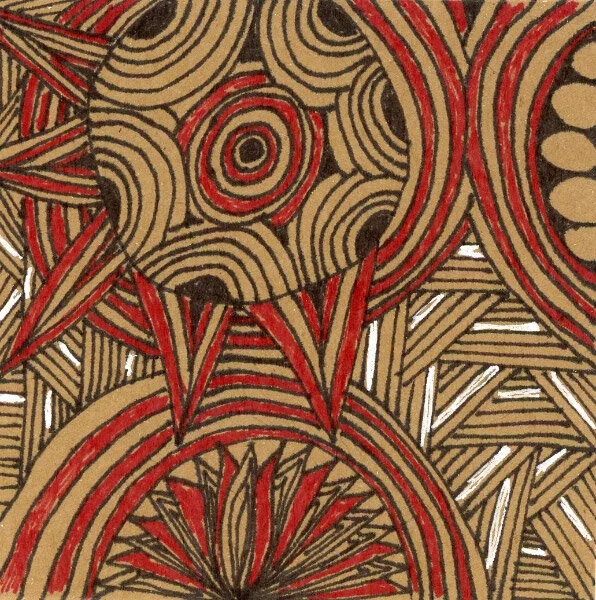
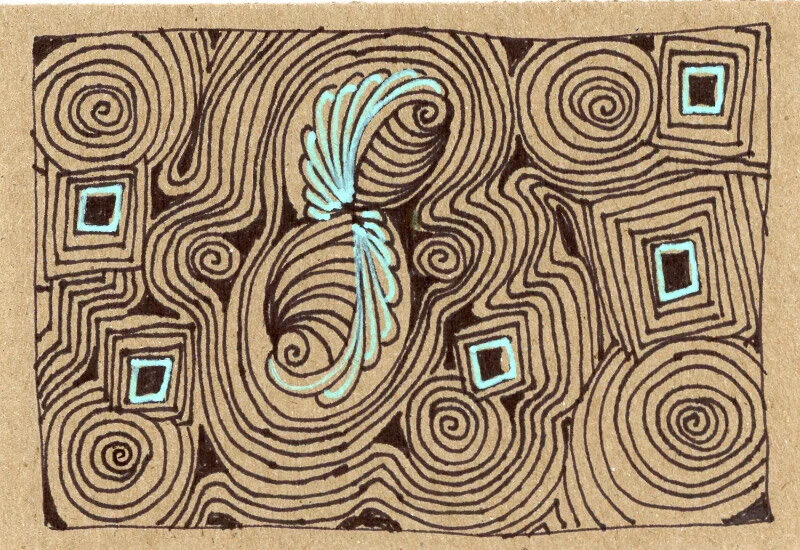
Zentangle® – December 2020

It was a big month for Zentangle tiles. I was creating quite a few and then adding layers (color and highlighting) to old ones. The average was 3 tiles per day! That made it hard to choose 31 to represent the month.

My favorite place to make the tiles is in the rocker recliner in my bedroom – using the back of my iPad for the surface; the texture and color (red) of its cover appeals to me and the size is right. And then I can do some reading before or after I create a tile.

My favorite time to make tiles is in the evening although in December I used Zentangle tile creation as a break throughout the day. I like to open the blind next to the rocker recliner in the mornings…let the sunshine stream in….view the little bit of activity in the street (people walking – sometimes with their dogs…cars going by).

After I scanned the 93 tiles for December, I arranged most of them under a plastic tablecloth on the kitchen table. My husband and I enjoy the mosaic while we eat…and any time we are in the area (which is frequently since it is the center of the house).

--

The Zentangle® Method is an easy-to-learn, relaxing, and fun way to create beautiful images by drawing structured patterns. It was created by Rick Roberts and Maria Thomas. “Zentangle” is a registered trademark of Zentangle, Inc. Learn more at zentangle.com.

--

Noting the date – one of my grandfathers was born 120 years ago on January 3, 1901. His family worked on a farm they did not own and both parents were immigrants from eastern Europe. He got elementary level schooling and owned his own land by the time he married. The family didn’t speak much English until his son started school and it became important for them to be fluent. His son graduated from college and so did all his grandchildren although the college degrees for his grandchildren happened after he was gone. I was the oldest and I was studying for an undergraduate chemistry final on the day he died. His first present to me (I still have pieces of it) was a small wagon with blocks. These are some highlights of my memories of him….

Gleanings of the Week Ending January 2, 2021

The items below were ‘the cream’ of the articles and websites I found this past week. Click on the light green text to look at the article.

2020 Year In Review: Top Stories From Around The National Park System – Issues discussed in the post: COVID-19, Great American Outdoors Act, border wall, invasive species, wildlife issues, climate change, crowding in the parks, wildfires.

New Discoveries in Human Anatomy | The Scientist Magazine® - So much study of human anatomy over the years….and there are still new discoveries.

50 Satellite Images from 50 Years of NOAA | NOAA National Environmental Satellite, Data, and Information Service (NESDIS) – Visuals from NOAA – beauty, science, education….so much has happened over the 50 years of NOAA’s existence.

2020 Year In Review: Parks, A Pandemic, And Photography – Lots to see in the National Parks…I hope to be able to get out and see some in-person before the end of 2021.

Top 25 birds of the week: Birding! – Wild Bird Revolution  - And I want to travel to some birding festivals too!

Recycled concrete could be a sustainable way to keep rubble out of landfill: Can even outperform traditional construction, says researcher – ScienceDaily – A Canadian study…seems like the results should be pertinent to the US too. The research indicates that “recycled concrete can be a 100% substitute for non-structural applications”….and might also be a substitute within more structural applications as well if innovations in the composition of recycled concrete continue.

Top 10 States For Renewable Energy, & Their Renewable Energy Splits  - Interesting mix of states on the list with quite a difference in the amount of hydro, wind, solar, geothermal, and biomass among the top 10. California is the only one with all 5. But there are 5 states that have 4 of the 5.

Scientists reverse age-related vision loss, eye damage from glaucoma in mice – ScienceDaily – Hopefully this research will translate into treatment for people.

Take a Virtual Tour of the World’s Largest Circular Tomb, Augustus’ Mausoleum | Smart News | Smithsonian Magazine – The virtual tour takes a little bit to load….but is worth it. Note that the ‘chapters’ are along the bottom of the screen.

Desalination breakthrough could lead to cheaper water filtration – ScienceDaily – Increasing efficiency of reverse osmosis filters by beginning to better understand how they work. This is something that will be more important as climate change and our own production of pollutants makes obtaining clean water more challenging.

--

IMG_3315.jpg

The sunrise on the 1st day of 2021 was blocked by clouds but the one on the 31st was good. I took a picture of it that included a large electrical transmission tower and some birds making some morning moves!

Hopes for 2021

I followed my tradition of putting away holiday decorations on New Year’s Eve…taking a few pictures as I made my way around the house taking things apart…gathering it all to take downstairs to the storage bins and boxes…packing is all away. I put the maple seedling and dried sunflowers I’d kept in my office window out in the front flower bed….a cleaning out to begin the new year.

I started thinking about what I hope will happen for us in 2021. Here’s my wish list for the country –

  • A transition of national leadership….and immediate focus of that new team on the response to the pandemic and initiation of actions based on data and wisdom rather than political whim…thus calming the mental stress that was increased by the leadership-created-chaos of 2020.

  • Organized rollout of vaccines across the country – setting reasonable expectations of the process and the results of the program.

  • Pace of economic recovery increasing as the pandemic subsides.

  • Approaching pre-pandemic types of activities by fall 2021.

For myself and my family – I hope that

  • We all stay vigilant protecting ourselves for getting COVID-19…and we get the vaccine before mid-year.

  • We can visit in-person (also by mid-year).

  • I get to return to my volunteer gigs!

  • By the fall, there will be in-person birding festivals to enjoy

It could be better….the vaccination rollout happens faster than it appears to be at this point!

Wishing everyone a Happy New Year 2021!

Most Memorable of 2020

Looking back on 2020 – there is so much that was different than prior years. There has not been a year of my life with so many significant types of upheaval: COVID-19 pandemic, environmental disasters (fires, hurricanes), racial strife, and strident politics. Today I am writing about the way this year was different for me as an individual with those upheavals as the broader situation.

Early year travel…then no travel. In prior years, I enjoyed travel throughout the year – being away from home a week or less at a time and daytrips. My original plan for 2020 was to spend a week of each month in Texas with my family. The early part of the year started out on that plan – a visit with family and a birding festival in Laredo, TX in late January and early February. We talked with an HHS person in the San Antonio airport; she was headed to the base where some of the first cruise ship passengers were arriving for their quarantine period. Once we got home, we hoped the virus was going to be limited to the few groups from cruise ships that were talked about in the news….and we started paying more attention. It quickly became apparent that telephone calls and Zoom meetings would have to take the place of the trips to Texas. We did some 2-3 hour outings for some outdoor time in the fall; we wore masks even outdoors and distanced from others; now that the infection rate is higher in our area and it’s often too cold to be outdoors for very long, we are not attempting more than walks around our neighborhood.

2020 02 IMG_7905 (3).jpg

The Pandemic. By March, we had an inkling that COVID-19 was not going way and that there was more around in the community that anticipated. The grocery stories started having shortages of toilet paper and disinfecting products and hand sanitizer. Fortunately, we had an adequate supply of those to last until the stores had them again (although maybe not the brands we bought previously – what happened to Formula 409?). I went to an ‘over 65’ shopping hour at a local grocery in March and it was crowded enough that it scarred me into switching to grocery delivery for 2 months. I tried to keep 2-3 weeks of food in the house at all times. We bought over the counter medications that might help symptoms if we got sick. By the summer I was comfortable going to the grocery store again – masked and going at 6:30 AM every other week and, now, extending to every three weeks. We do curbside pickup at some local stores and restaurants. My husband has virtual and in-person appointments with his doctors, but we both delayed routine optometrist and dental checkups that started to be due; those appointments and my annual physical can wait until after we are vaccinated.

Cultural, environmental, and political drama. The pandemic would have made this a challenging year but with the cultural, environmental, and political drama happening as well – the news was overwhelmingly bad…traumatically bad. The trauma of seeing the murder of George Floyd by a policeman brought to the consciousness of the country that racial equality before the law is not something the US has achieved…and the varied response to the event showed us more about how deep the challenge runs in our culture…and highlighted other manifestations of inequality in our country. Because of our ‘stay at home’ strategy during the pandemic, we didn’t witness any unrest – but the news prompted some donations and solidified our votes in November. There were environmental disasters – fires in the west, hurricanes on the Gulf Coast; neither impacted us directly in Maryland, but it was very easy to be traumatized imaging how awful it must be for people trying to take precautions to not get COVID-19 but having to evacuate and then returning to find their home gone or damaged. The political drama – much of it seemingly intentionally done to sustain a level of chaos – continued through the end of the year; I became more angry as time went on that the leadership of the country – in a year of extreme national stress – seemed to be acting to increase the trauma.

Virtual birding festivals and conferences. I saved some positive things to write about for the last of this post….we all need something positive to sustain ourselves. My husband and I both enjoyed virtual birding festivals and conferences in 2020. They added variety to our weeks; we appreciated the work of the teams that made the transition to virtual because they took us away from our immediate environment (not quite as good as travel but the best we were going to do during the pandemic). We hope to be back to some in-person events in the second half of 2021. The ones we did virtually in 2020 were:

20201030_115626.jpg
  • May – Cape May Spring Festival (New Jersey)

  • June – Mid-Atlantic Climate Change Education Conference

  • July – Get into your sanctuary (NOAA)

  • July and August – Sara Via Climate and Sustainability Webinars

  • September – Yampa Valley Crane Festival (Colorado)

  • September – Puget Sound Bird Fest (Washington)

  • October – Cape May Fall Festival (New Jersey)

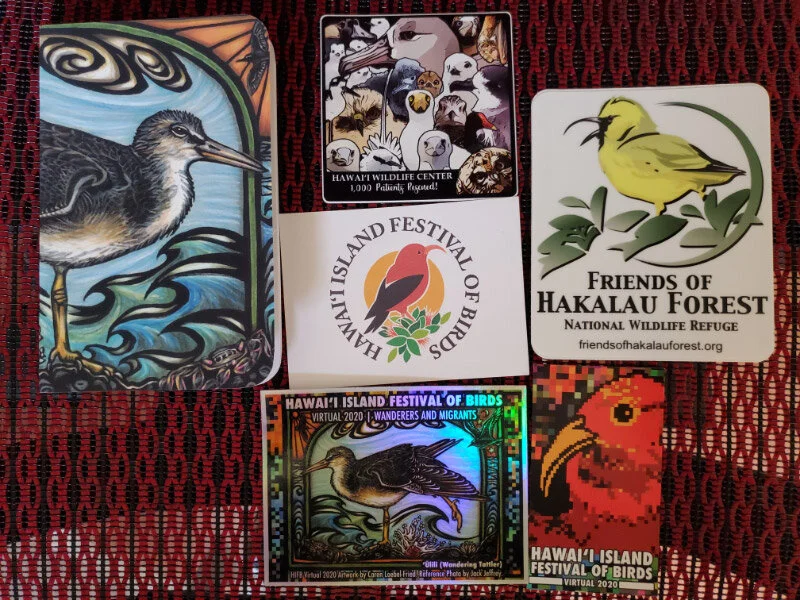
  • October – Hawaii Island Festival of Birds

  • November – Crane Fiesta (New Mexico)

  • November – Patuxent River Conference Reflections

  • December – Maryland Water Monitoring Conference

  • December - AGU

At home. I spent more time at home this year than every before in my life (that I can remember…maybe I spent more time at home from birth to 4 years old). It’s been different but not hard. The house is well situated with forest to the back and a 30-year-old neighborhood street to the front with lots of trees as old as the houses; the views from the windows are all good – and there is wild life (birds (including an occasional wild turkey!), squirrels, deer, chipmunks, and racoons (seen only on the bird feeder cam in the wee hours of the morning)). Individuals and couples take walks…the neighborhood does not feel vacant or isolated. Inside - my husband and I have plenty of room to enjoy our individual projects/activities then be together for meals and shared activities…settling into a comfortable way of living in the house together and probably becoming more synchronized emotionally than we have since early in our marriage – simply because we are around each other more.

Conscious efforts to sustain healthy mental and physical health. As we’ve gotten older, we have become more intentional about our lifestyle – making sure we get enough exercise…eat healthy…assess our feeling and act to keep them positive. During this year – we have increased our focus. I had time to process the bounty of the CSA season (June-October) and am just now beginning to see that we have space in the freezer again. We eat well but keep our portion sizes reasonable; we haven’t gained weight…maybe we’ve lost a few pounds. We both try to get some outdoor time as frequently as we can – walks, yard work, reading on the deck, photography (stars/planets, sun, plants, animals, and snowflakes) etc. It was easier before it got cold. More of our exercise has shifted indoors at this point. We do things to brighten our mood – flowers, purchases to use for projects (mounted insects, clickers and magnifiers for cell phone photography), special pens, special food – things to make each day a little different.

Overall – at the end of 2020, I am feeling optimistic about 2021 and pleased that my husband and I have responded with resilience to the changes in our lives during the past year. We had ups and downs but on the whole managed to sustain ourselves and to enjoy parts of every day (for me it was easier when the television was off, and I wasn’t reading my news feeds).

Maryland Water Monitoring Council Conference

The Maryland Water Monitoring Council Conference went virtual this year. It was held on the mornings of December 3rd and 4th rather than all on one day as the in-person event. I appreciated that scheduling since webinars for a whole day can be overwhelmingly intense. And now – they’ve made the presentations and session videos available! I highly recommend the Dr. Rita Colwell plenary session: Oceans, Climate, and Human Health: Lessons from Cholera for COVID-19. The video is in the ‘Morning Plenary Session Day 1’ and the charts (which are visible in the video) are posted at the link for the 9:15 AM slot on day 1.

I bought the Kindle version of Dr. Colwell’s book A Lab of One’s Own: One Woman’s Personal Journey Through Sexism in Science. It’s a thought-provoking book for me as I think of my life and women I’ve known – my mother’s generation, my own, and my daughter’s. There is much in the book that even non-scientist women will recognize in their experiences of work. In my case – I didn’t know any scientists growing up, but I did observe women that ran a mill, was a traveling dietician for small town hospitals, and teaching math/science to high schoolers and at colleges. In my own generation, I had quite a few peers in the computer industry…and noticed the thinning of the ranks as my career moved forward. By the time I retired, there were 2 or 3 female CEOs in the industry…but there was not a robust pipeline of women behind them. In my daughter’s generation, it is still not unusual to find one or no female faculty members in physics departments. Improvements have come…but very slowly…and the pandemic has taken us back decades (in the accessibility of childcare, for example).

The sessions I watched at the conference were Clean Waters, Healthy Humans (VB Room 2) on Day 1 and PFAS: News on an Emerging Contamination (VB Room 3) on Day 2. The talks were very good and I appreciated the virtual format – much more comfortable that crowded rooms where the bottom of the charts were blocked by heads of people….trying to take a few notes (the old fashion way with paper and pen)…overeating with all the goodies provided between sessions. Now that the videos and presentations are out, I’m going back to look at some of the other presentations that I didn’t get to ‘live;’ I am looking forward to that in this lull week between Christmas and New Year’s.

Unique Activities for Yesterday:

2020 12 IMG_3298 (2).jpg

Sunrise the day after Christmas. I noticed pink clouds to the west and then went to check the east from an upstairs window. Perfect timing. I took pictures through the window since the temperature outside was in the 20s.

2020 12 IMG_3298 (1).jpg

Gleanings of the Week Ending December 26, 2020

The items below were ‘the cream’ of the articles and websites I found this past week. Click on the light green text to look at the article.

35 Beautiful Winter Scenes to Get You in the Holiday Spirit – We had our first snow a little over a week ago…our Christmas was windy and rainy….I enjoyed these snowy pictures from around the world to get me back into the ‘winter wonderland’ mood.

Time capsule for 2020: the 37 objects that defined the year – This prompted me to think about what objects represent the year for me…maybe just a top 10 though rather than 37!

Top 10 Discoveries of the decade – From Archeology magazine

NOAA Research’s top 5 stories from 2020 – NOAA models track smoke movement – and locust swarms; scientists explore the impact of the COVID-19 response on the environment; carbon dioxide continues to rise; Dungeness crab larvae are already showing effects of ocean acidification; and a new roadmap for tracking ocean and Great Lake acidification

Top 11 Clean Energy Developments in 2020 – Some good news….nice to find these in a year that was dominated by bad – sad – horrific news (pandemic, fires, hurricanes, cultural/political strife).

Glucosamine may reduce overall death rates as effectively as regular exercise, study suggests -- ScienceDaily – It’s a correlation finding…not cause/effect. But the correlation was found by assessing data from over 16 thousand people over 40 years of age.

In boost for renewables, grid-scale battery storage is on the rise – Another good news story.

Photography in the National Parks: Winter Wonderlands – More wintery pictures of beautiful places.

Stonehenge's Continental Cousin - Archaeology Magazine – Archaeology in a German potato field! Evidence of concentric rings of oak posts, graves, pits filled with sacrifices, a village of long houses near the circle, alignment with sunrise on days halfway the solstices and equinoxes….no fortification.

Top 25 birds of the week: Bird Camouflage – Ending this gleaning list with birds. There lots of birds that blend into their environment!

Japanese Art

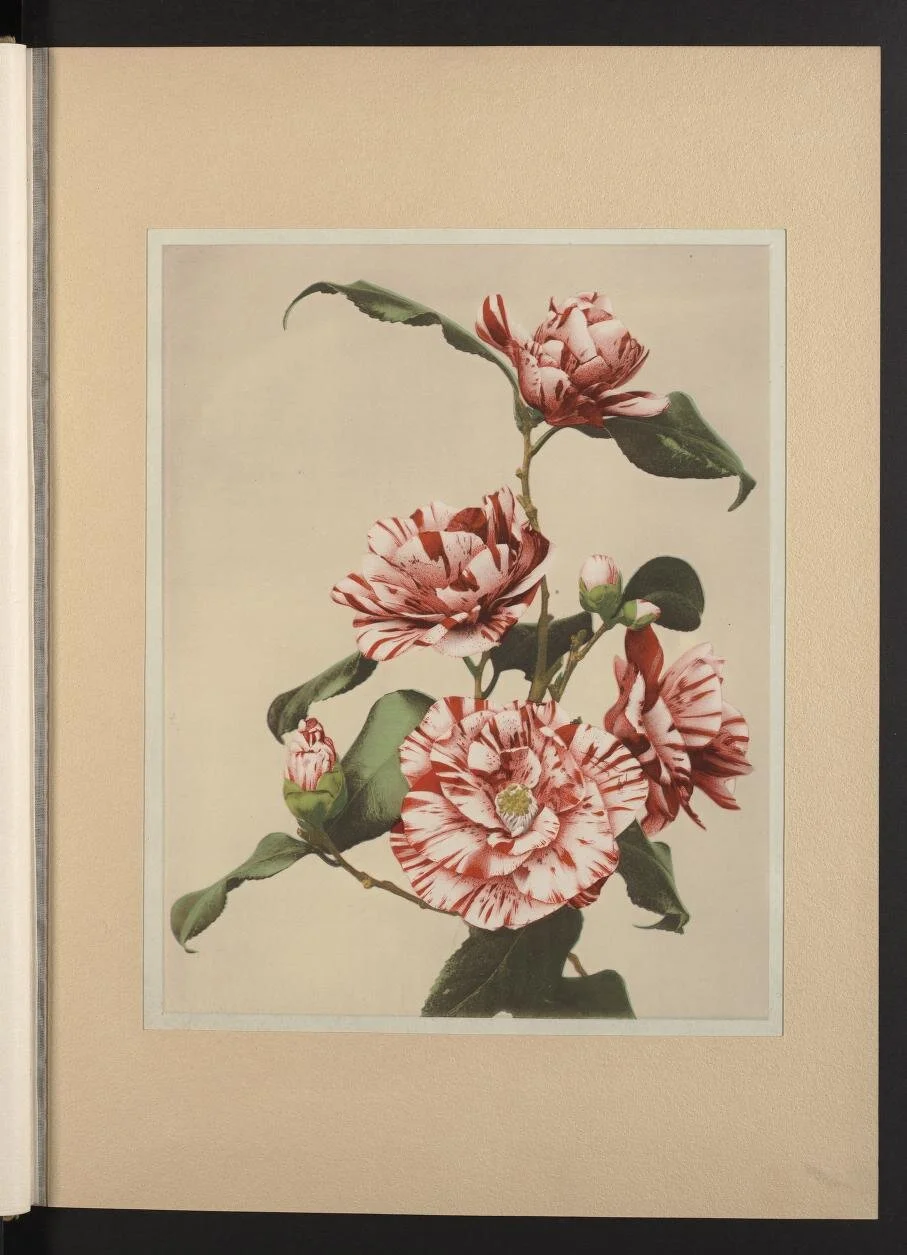
The 10 volumes of Japan: described and illustrated by the Japanese were published in 1897. The illustrations were colored by hand. They were published by J.B. Millet Company in Boston but advertised as “written by eminent Japanese authorities and scholars; edited by Captain F. Brinkley with an essay on Japanese art by Kakuzo Okakura.”

18 20 12 (1).jpg

I found them by following a comment about the evolution of nature photograph made in a Smithsonian blog post; the example they used for colorizing photographs of plants was made by Kazumasa Ogawa. The first photographs in each of the volumes are his.

Each volume also includes examples of silk fabrics.

21 20 12 (5).jpg

There are structures pictured too – a bridge, a gate, greenhouse.

I liked the display of shoes – for different types of people…and sometimes for specific work!

29 20 12 (5).jpg

Often the last illustrations in a volume are of historical art.

Browsing through…looking at the illustrations…a snapshot of Japan just before 1900…great activity for indoors on a cold winter day!

All 10 volumes are available from Internet Archive here. (Note: there might be 5 more volumes…but they are not available on Internet Archive.