Hopes for 2021

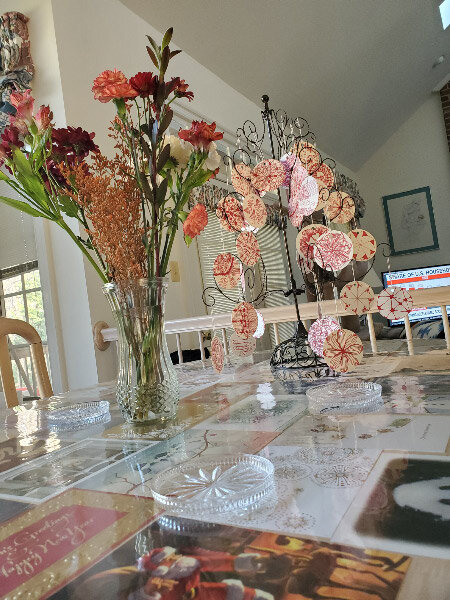
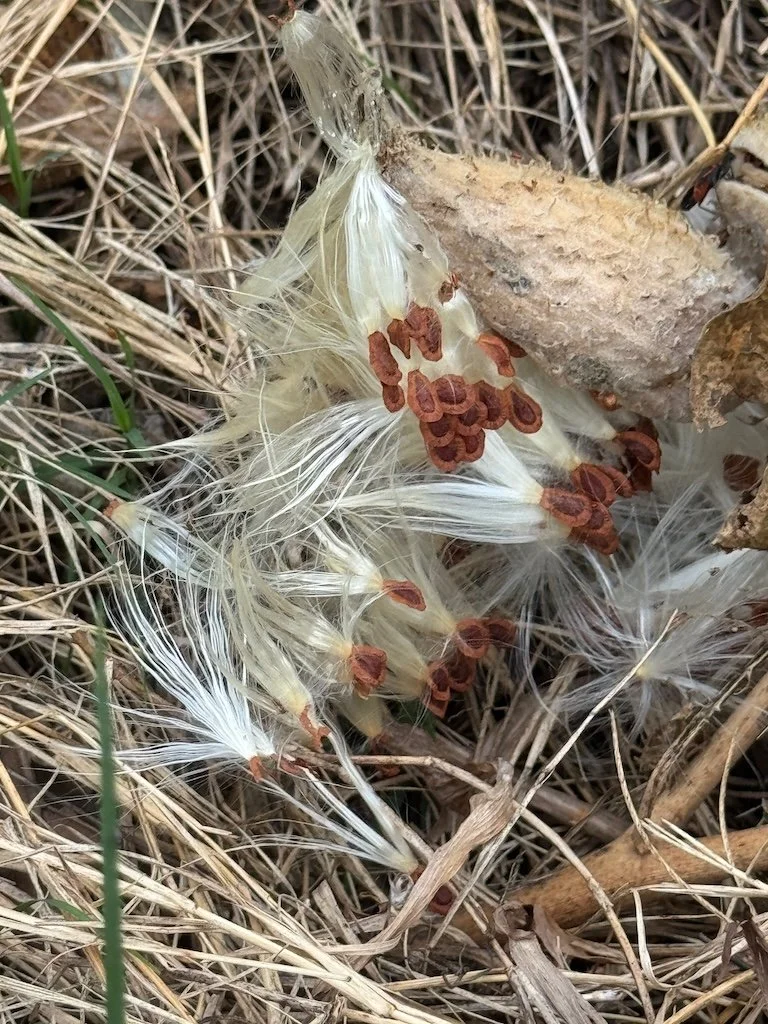
I followed my tradition of putting away holiday decorations on New Year’s Eve…taking a few pictures as I made my way around the house taking things apart…gathering it all to take downstairs to the storage bins and boxes…packing is all away. I put the maple seedling and dried sunflowers I’d kept in my office window out in the front flower bed….a cleaning out to begin the new year.

I started thinking about what I hope will happen for us in 2021. Here’s my wish list for the country –

  • A transition of national leadership….and immediate focus of that new team on the response to the pandemic and initiation of actions based on data and wisdom rather than political whim…thus calming the mental stress that was increased by the leadership-created-chaos of 2020.

  • Organized rollout of vaccines across the country – setting reasonable expectations of the process and the results of the program.

  • Pace of economic recovery increasing as the pandemic subsides.

  • Approaching pre-pandemic types of activities by fall 2021.

For myself and my family – I hope that

  • We all stay vigilant protecting ourselves for getting COVID-19…and we get the vaccine before mid-year.

  • We can visit in-person (also by mid-year).

  • I get to return to my volunteer gigs!

  • By the fall, there will be in-person birding festivals to enjoy

It could be better….the vaccination rollout happens faster than it appears to be at this point!

Wishing everyone a Happy New Year 2021!

Most Memorable of 2020

Looking back on 2020 – there is so much that was different than prior years. There has not been a year of my life with so many significant types of upheaval: COVID-19 pandemic, environmental disasters (fires, hurricanes), racial strife, and strident politics. Today I am writing about the way this year was different for me as an individual with those upheavals as the broader situation.

Early year travel…then no travel. In prior years, I enjoyed travel throughout the year – being away from home a week or less at a time and daytrips. My original plan for 2020 was to spend a week of each month in Texas with my family. The early part of the year started out on that plan – a visit with family and a birding festival in Laredo, TX in late January and early February. We talked with an HHS person in the San Antonio airport; she was headed to the base where some of the first cruise ship passengers were arriving for their quarantine period. Once we got home, we hoped the virus was going to be limited to the few groups from cruise ships that were talked about in the news….and we started paying more attention. It quickly became apparent that telephone calls and Zoom meetings would have to take the place of the trips to Texas. We did some 2-3 hour outings for some outdoor time in the fall; we wore masks even outdoors and distanced from others; now that the infection rate is higher in our area and it’s often too cold to be outdoors for very long, we are not attempting more than walks around our neighborhood.

2020 02 IMG_7905 (3).jpg

The Pandemic. By March, we had an inkling that COVID-19 was not going way and that there was more around in the community that anticipated. The grocery stories started having shortages of toilet paper and disinfecting products and hand sanitizer. Fortunately, we had an adequate supply of those to last until the stores had them again (although maybe not the brands we bought previously – what happened to Formula 409?). I went to an ‘over 65’ shopping hour at a local grocery in March and it was crowded enough that it scarred me into switching to grocery delivery for 2 months. I tried to keep 2-3 weeks of food in the house at all times. We bought over the counter medications that might help symptoms if we got sick. By the summer I was comfortable going to the grocery store again – masked and going at 6:30 AM every other week and, now, extending to every three weeks. We do curbside pickup at some local stores and restaurants. My husband has virtual and in-person appointments with his doctors, but we both delayed routine optometrist and dental checkups that started to be due; those appointments and my annual physical can wait until after we are vaccinated.

Cultural, environmental, and political drama. The pandemic would have made this a challenging year but with the cultural, environmental, and political drama happening as well – the news was overwhelmingly bad…traumatically bad. The trauma of seeing the murder of George Floyd by a policeman brought to the consciousness of the country that racial equality before the law is not something the US has achieved…and the varied response to the event showed us more about how deep the challenge runs in our culture…and highlighted other manifestations of inequality in our country. Because of our ‘stay at home’ strategy during the pandemic, we didn’t witness any unrest – but the news prompted some donations and solidified our votes in November. There were environmental disasters – fires in the west, hurricanes on the Gulf Coast; neither impacted us directly in Maryland, but it was very easy to be traumatized imaging how awful it must be for people trying to take precautions to not get COVID-19 but having to evacuate and then returning to find their home gone or damaged. The political drama – much of it seemingly intentionally done to sustain a level of chaos – continued through the end of the year; I became more angry as time went on that the leadership of the country – in a year of extreme national stress – seemed to be acting to increase the trauma.

Virtual birding festivals and conferences. I saved some positive things to write about for the last of this post….we all need something positive to sustain ourselves. My husband and I both enjoyed virtual birding festivals and conferences in 2020. They added variety to our weeks; we appreciated the work of the teams that made the transition to virtual because they took us away from our immediate environment (not quite as good as travel but the best we were going to do during the pandemic). We hope to be back to some in-person events in the second half of 2021. The ones we did virtually in 2020 were:

20201030_115626.jpg
  • May – Cape May Spring Festival (New Jersey)

  • June – Mid-Atlantic Climate Change Education Conference

  • July – Get into your sanctuary (NOAA)

  • July and August – Sara Via Climate and Sustainability Webinars

  • September – Yampa Valley Crane Festival (Colorado)

  • September – Puget Sound Bird Fest (Washington)

  • October – Cape May Fall Festival (New Jersey)

  • October – Hawaii Island Festival of Birds

  • November – Crane Fiesta (New Mexico)

  • November – Patuxent River Conference Reflections

  • December – Maryland Water Monitoring Conference

  • December - AGU

At home. I spent more time at home this year than every before in my life (that I can remember…maybe I spent more time at home from birth to 4 years old). It’s been different but not hard. The house is well situated with forest to the back and a 30-year-old neighborhood street to the front with lots of trees as old as the houses; the views from the windows are all good – and there is wild life (birds (including an occasional wild turkey!), squirrels, deer, chipmunks, and racoons (seen only on the bird feeder cam in the wee hours of the morning)). Individuals and couples take walks…the neighborhood does not feel vacant or isolated. Inside - my husband and I have plenty of room to enjoy our individual projects/activities then be together for meals and shared activities…settling into a comfortable way of living in the house together and probably becoming more synchronized emotionally than we have since early in our marriage – simply because we are around each other more.

Conscious efforts to sustain healthy mental and physical health. As we’ve gotten older, we have become more intentional about our lifestyle – making sure we get enough exercise…eat healthy…assess our feeling and act to keep them positive. During this year – we have increased our focus. I had time to process the bounty of the CSA season (June-October) and am just now beginning to see that we have space in the freezer again. We eat well but keep our portion sizes reasonable; we haven’t gained weight…maybe we’ve lost a few pounds. We both try to get some outdoor time as frequently as we can – walks, yard work, reading on the deck, photography (stars/planets, sun, plants, animals, and snowflakes) etc. It was easier before it got cold. More of our exercise has shifted indoors at this point. We do things to brighten our mood – flowers, purchases to use for projects (mounted insects, clickers and magnifiers for cell phone photography), special pens, special food – things to make each day a little different.

Overall – at the end of 2020, I am feeling optimistic about 2021 and pleased that my husband and I have responded with resilience to the changes in our lives during the past year. We had ups and downs but on the whole managed to sustain ourselves and to enjoy parts of every day (for me it was easier when the television was off, and I wasn’t reading my news feeds).

Maryland Water Monitoring Council Conference

The Maryland Water Monitoring Council Conference went virtual this year. It was held on the mornings of December 3rd and 4th rather than all on one day as the in-person event. I appreciated that scheduling since webinars for a whole day can be overwhelmingly intense. And now – they’ve made the presentations and session videos available! I highly recommend the Dr. Rita Colwell plenary session: Oceans, Climate, and Human Health: Lessons from Cholera for COVID-19. The video is in the ‘Morning Plenary Session Day 1’ and the charts (which are visible in the video) are posted at the link for the 9:15 AM slot on day 1.

I bought the Kindle version of Dr. Colwell’s book A Lab of One’s Own: One Woman’s Personal Journey Through Sexism in Science. It’s a thought-provoking book for me as I think of my life and women I’ve known – my mother’s generation, my own, and my daughter’s. There is much in the book that even non-scientist women will recognize in their experiences of work. In my case – I didn’t know any scientists growing up, but I did observe women that ran a mill, was a traveling dietician for small town hospitals, and teaching math/science to high schoolers and at colleges. In my own generation, I had quite a few peers in the computer industry…and noticed the thinning of the ranks as my career moved forward. By the time I retired, there were 2 or 3 female CEOs in the industry…but there was not a robust pipeline of women behind them. In my daughter’s generation, it is still not unusual to find one or no female faculty members in physics departments. Improvements have come…but very slowly…and the pandemic has taken us back decades (in the accessibility of childcare, for example).

The sessions I watched at the conference were Clean Waters, Healthy Humans (VB Room 2) on Day 1 and PFAS: News on an Emerging Contamination (VB Room 3) on Day 2. The talks were very good and I appreciated the virtual format – much more comfortable that crowded rooms where the bottom of the charts were blocked by heads of people….trying to take a few notes (the old fashion way with paper and pen)…overeating with all the goodies provided between sessions. Now that the videos and presentations are out, I’m going back to look at some of the other presentations that I didn’t get to ‘live;’ I am looking forward to that in this lull week between Christmas and New Year’s.

Unique Activities for Yesterday:

2020 12 IMG_3298 (2).jpg

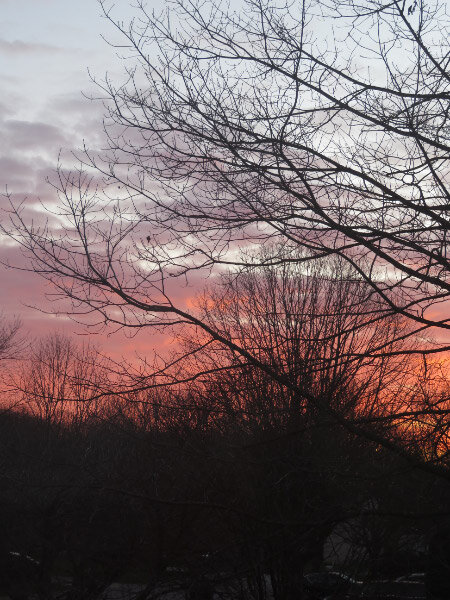
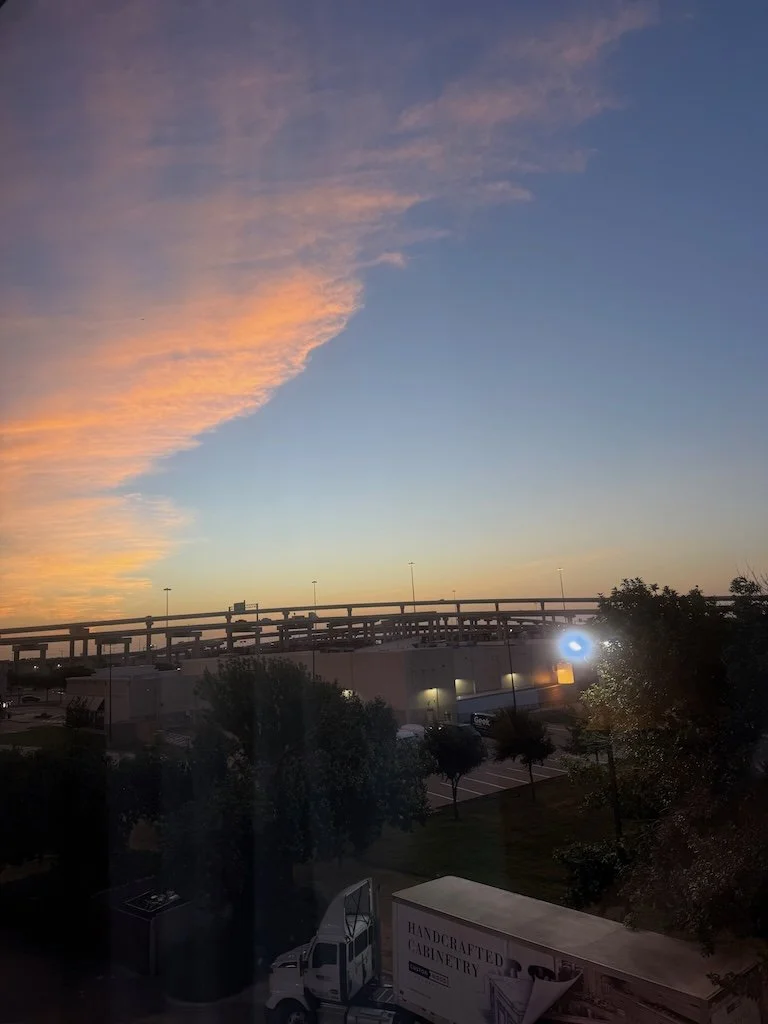
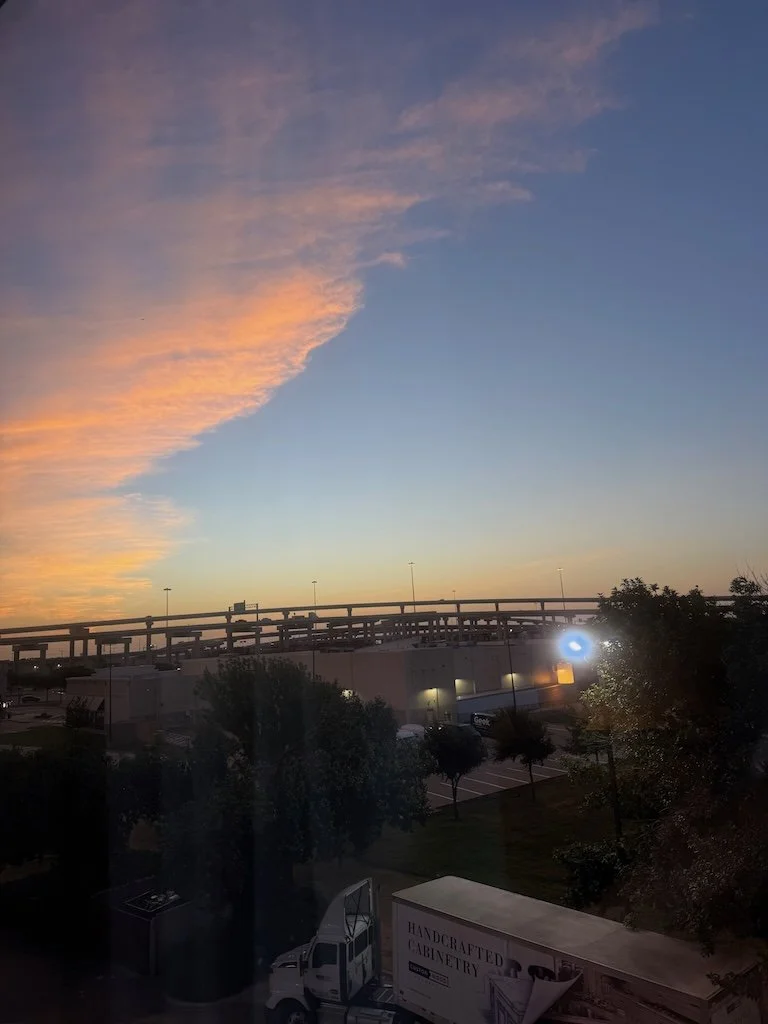
Sunrise the day after Christmas. I noticed pink clouds to the west and then went to check the east from an upstairs window. Perfect timing. I took pictures through the window since the temperature outside was in the 20s.

2020 12 IMG_3298 (1).jpg

Gleanings of the Week Ending December 26, 2020

The items below were ‘the cream’ of the articles and websites I found this past week. Click on the light green text to look at the article.

35 Beautiful Winter Scenes to Get You in the Holiday Spirit – We had our first snow a little over a week ago…our Christmas was windy and rainy….I enjoyed these snowy pictures from around the world to get me back into the ‘winter wonderland’ mood.

Time capsule for 2020: the 37 objects that defined the year – This prompted me to think about what objects represent the year for me…maybe just a top 10 though rather than 37!

Top 10 Discoveries of the decade – From Archeology magazine

NOAA Research’s top 5 stories from 2020 – NOAA models track smoke movement – and locust swarms; scientists explore the impact of the COVID-19 response on the environment; carbon dioxide continues to rise; Dungeness crab larvae are already showing effects of ocean acidification; and a new roadmap for tracking ocean and Great Lake acidification

Top 11 Clean Energy Developments in 2020 – Some good news….nice to find these in a year that was dominated by bad – sad – horrific news (pandemic, fires, hurricanes, cultural/political strife).

Glucosamine may reduce overall death rates as effectively as regular exercise, study suggests -- ScienceDaily – It’s a correlation finding…not cause/effect. But the correlation was found by assessing data from over 16 thousand people over 40 years of age.

In boost for renewables, grid-scale battery storage is on the rise – Another good news story.

Photography in the National Parks: Winter Wonderlands – More wintery pictures of beautiful places.

Stonehenge's Continental Cousin - Archaeology Magazine – Archaeology in a German potato field! Evidence of concentric rings of oak posts, graves, pits filled with sacrifices, a village of long houses near the circle, alignment with sunrise on days halfway the solstices and equinoxes….no fortification.

Top 25 birds of the week: Bird Camouflage – Ending this gleaning list with birds. There lots of birds that blend into their environment!

Japanese Art

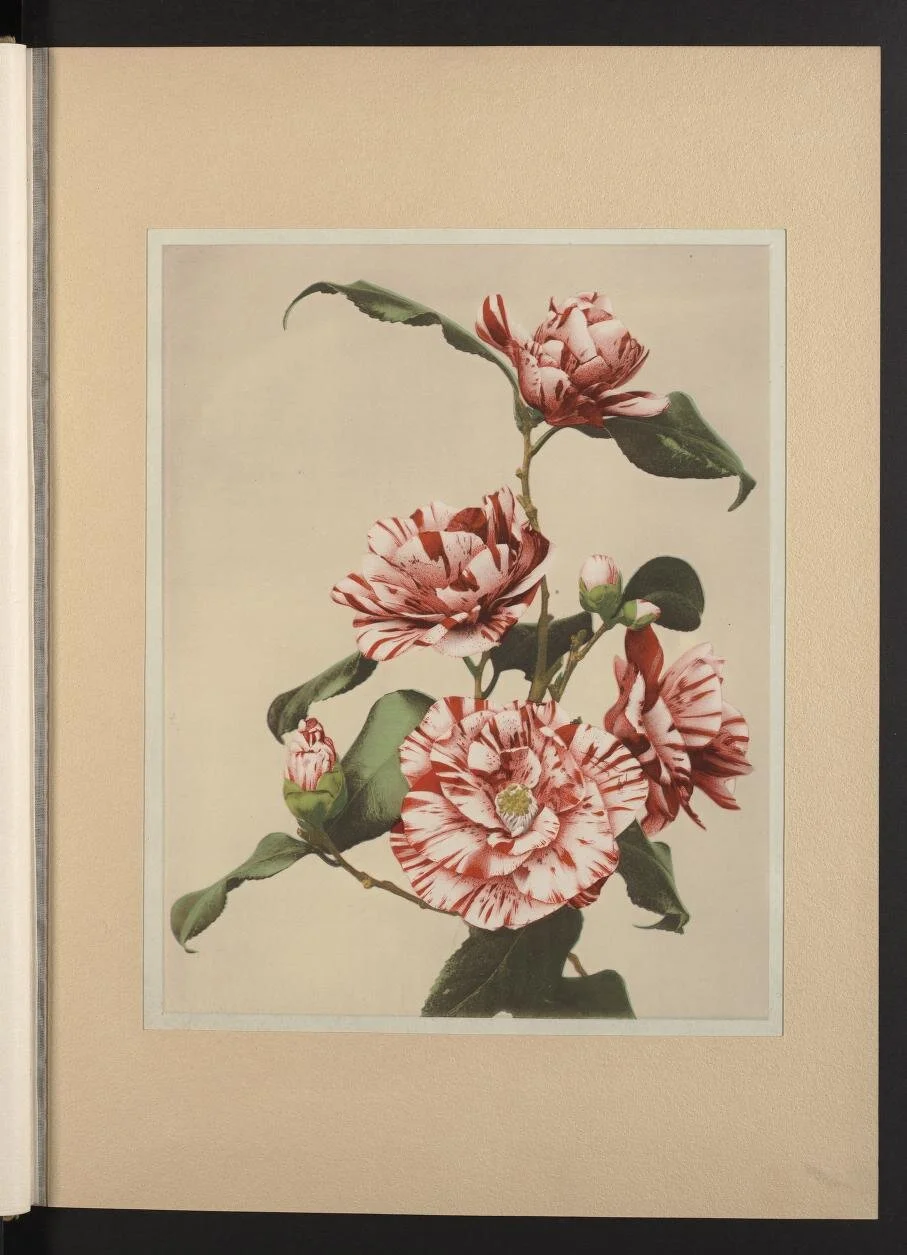
The 10 volumes of Japan: described and illustrated by the Japanese were published in 1897. The illustrations were colored by hand. They were published by J.B. Millet Company in Boston but advertised as “written by eminent Japanese authorities and scholars; edited by Captain F. Brinkley with an essay on Japanese art by Kakuzo Okakura.”

18 20 12 (1).jpg

I found them by following a comment about the evolution of nature photograph made in a Smithsonian blog post; the example they used for colorizing photographs of plants was made by Kazumasa Ogawa. The first photographs in each of the volumes are his.

Each volume also includes examples of silk fabrics.

21 20 12 (5).jpg

There are structures pictured too – a bridge, a gate, greenhouse.

I liked the display of shoes – for different types of people…and sometimes for specific work!

29 20 12 (5).jpg

Often the last illustrations in a volume are of historical art.

Browsing through…looking at the illustrations…a snapshot of Japan just before 1900…great activity for indoors on a cold winter day!

All 10 volumes are available from Internet Archive here. (Note: there might be 5 more volumes…but they are not available on Internet Archive.

Gleanings of the Week Ending December 19, 2020

The items below were ‘the cream’ of the articles and websites I found this past week. Click on the light green text to look at the article.

How Has Photography's Relationship With Nature Evolved Over the Past 200 Years? | Smart News | Smithsonian Magazine – A little history…that I used as a prompt to look for some of the works on Internet Archive. I’ll post about what I found for Kazumas Ogawa in a post next week.

Infographic: Deciphering Diet from Blood and Urine Samples | The Scientist Magazine® - Full article also available and more interesting that the infographic! The approach is still not perfected…but it may eventually help us get to personalized nutrition plans without as much trial and error that is required now.

Connection between gut bacteria and vitamin D levels -- ScienceDaily – Lots more needed to understand Vitamin D. This study indicated that blood tests for Vitamin D might not be useful at all since they don’t measure active Vitamin D….and active vitamin D is what correlates to gut bacteria…and potentially bone health. “Maybe it’s not how much vitamin D you supplement with, but how you encourage your body to use it.”

Get a Bird's-Eye View of UNESCO World Heritage Sites Across the Globe – Some beautiful places…from overhead.

How Non-Native Plants Are Contributing to a Global Insect Decline - Yale E360 – Insect declines….then birds. Lots of reasons to focus on planting natives a much as we can. I’m glad the forest behind my house is full of native trees and that I’ve replaced 2 bushs in the front of my house with natives. The challenge is to control the small but prolific invasive plants growing on the forest floor and into our yard enough for non-natives to survive. There used to be native jack-in-the-pulpits in our forest until several years ago.

How do we separate the factual from the possible? New research shows how our brain responds to both -- ScienceDaily – This article was frustrating. The study found that factual language is something our brains respond to. That’s not the issue at this moment in our nation’s history. The problem is the use of factual language about something not factual! Maybe this article is why we need to be more worried about public discourse/pronouncements.

It's One Hot Place Deep Down On The Floor Of Yellowstone Lake – About studies at Yellowstone Lake…the sensors and what they are revealing.

Shuttering fossil fuel power plants may cost less than expected -- ScienceDaily – Interesting…but I hope we’ll retire them all well before 2035 with the cost of renewals coming down so quickly. It will make economic sense to just do it!

Keeping Black Bears Wild And People Safe – This article is about black bears in Smokey Mountains National Park and the BearWise program more broadly. We do have Black Bears in Maryland and they occasionally show up in our area; there was one that showed up at our nearby elementary school a few years ago – caused a school lockdown until it wondered off.

Meet the Dipper, the Songbird That Swims – Evidently they are easier to spot in Colorado during the winter when they are concentrated long streams that remain unfrozen…but they are in the Rockies all year round…Dippers are elevation migrants (higher in the summer….lower in the winter). Maybe some post-pandemic trip we’ll look for them!

House & Garden Magazines

Internet Archive has quite few volumes of the House & Garden magazines digitized; they are in volumes with 6 issues each (like were in physical library reference sections). A search for the title “House & garden” provides a long list with all the volumes having a publication date of 1901 in the metadata (which is when the magazine was first published)!  It’s not possible to find the volumes for a particular year of interest on the list.   I am still working my way through the volumes…slowly but surely…but I am featuring 9 of the volumes in this post that I’ve already enjoyed.

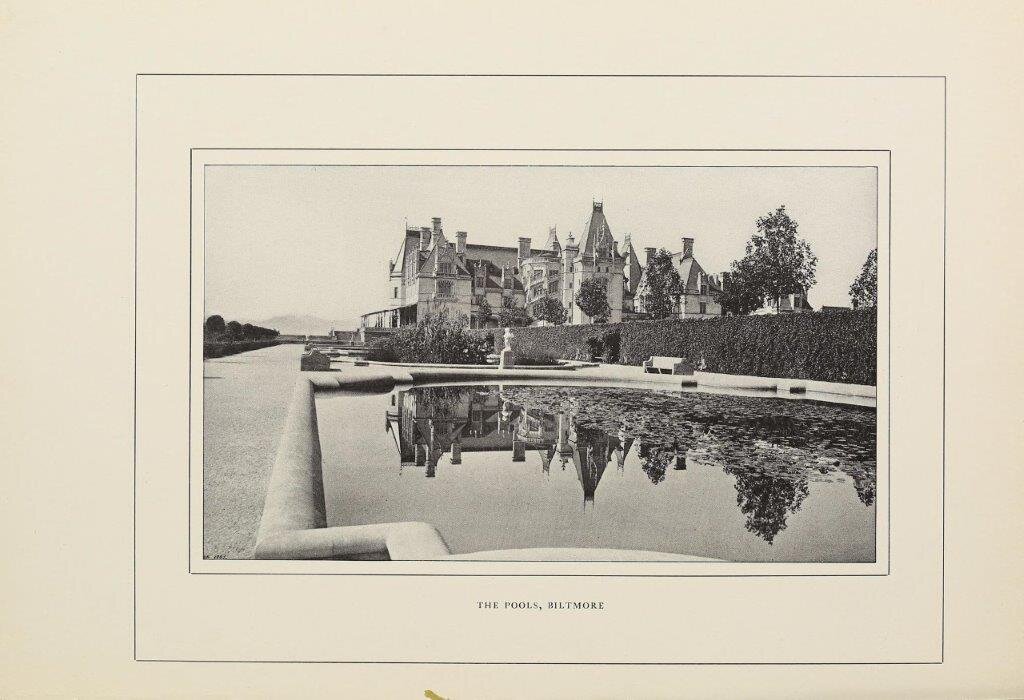
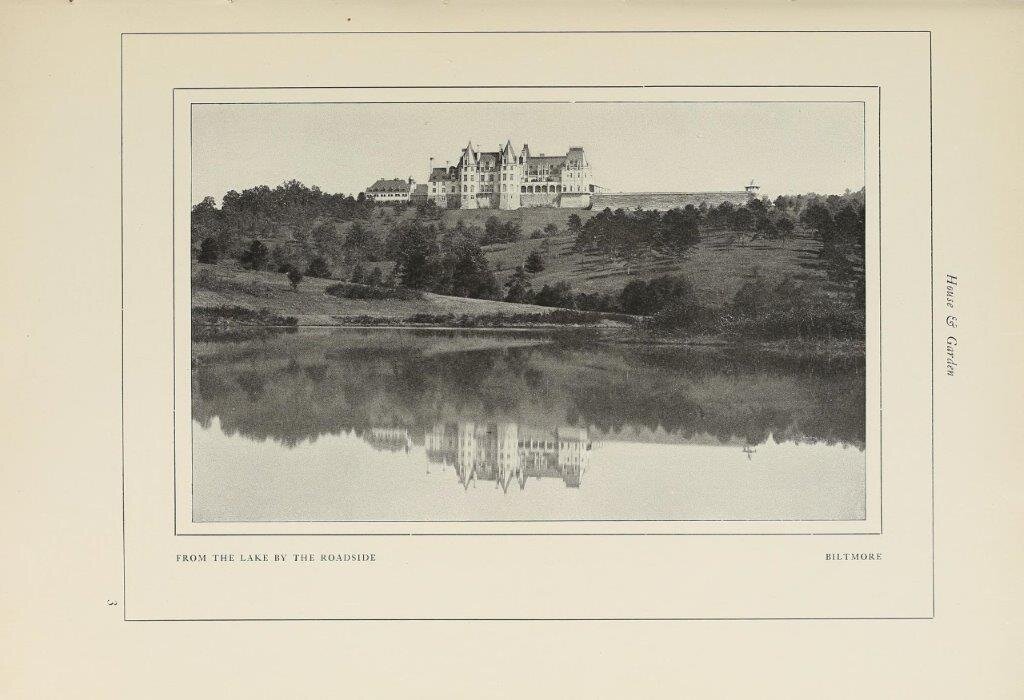
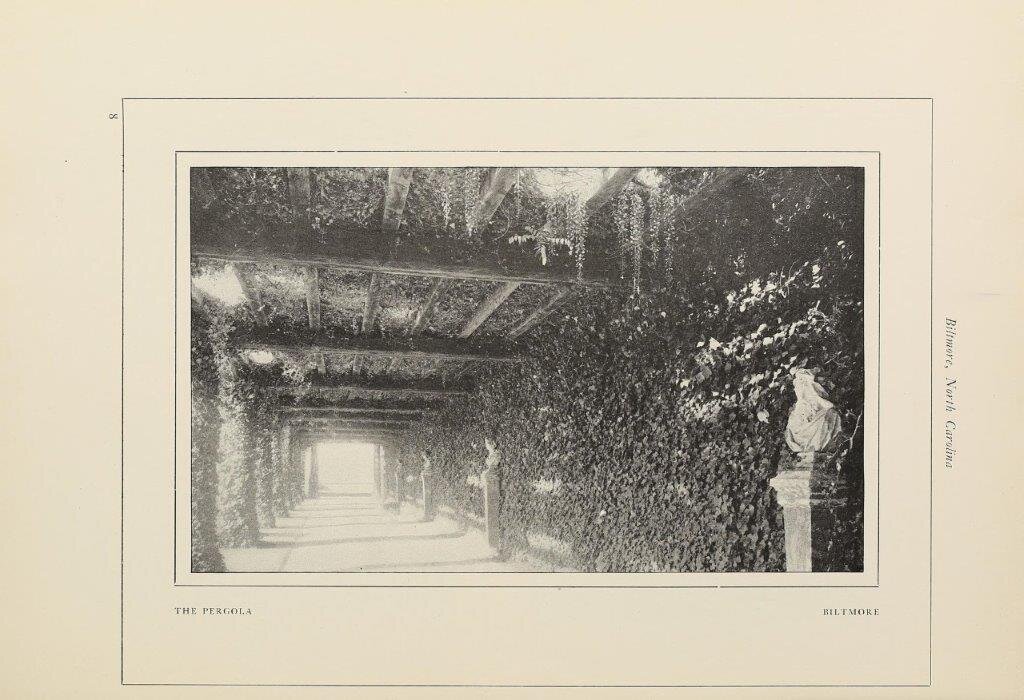
The earliest volume is from July-December 1901. I always pay attention to books from 1901 because that is the year my paternal grandfather was born (earlier in the year). His parents had immigrated to the US from Eastern Europe and were tenant farms in Texas. Their lives were a far cry from the houses and gardens depicted in the magazine. I did find something familiar in this volume: pictures of Biltmore near Ashville, NC. George Vanderbilt would have been still alive when the article was written, and his daughter (born in 1900) would have been a toddler. What different environment it would have been to grow up in such a place!

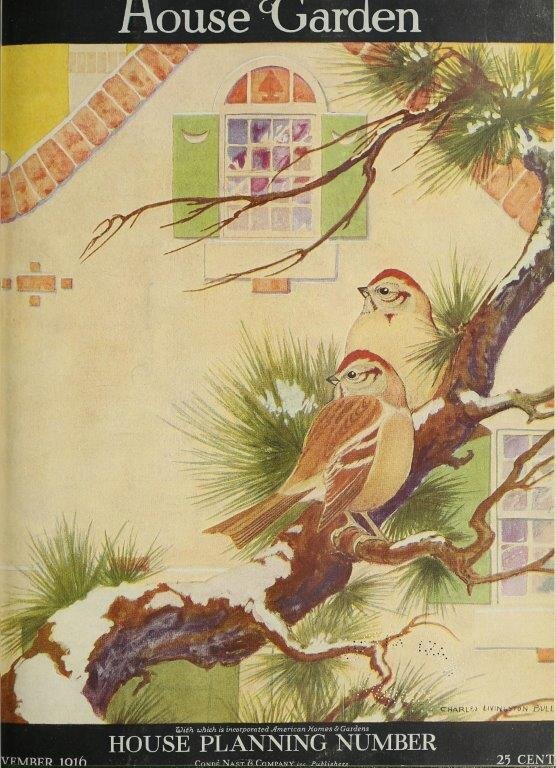
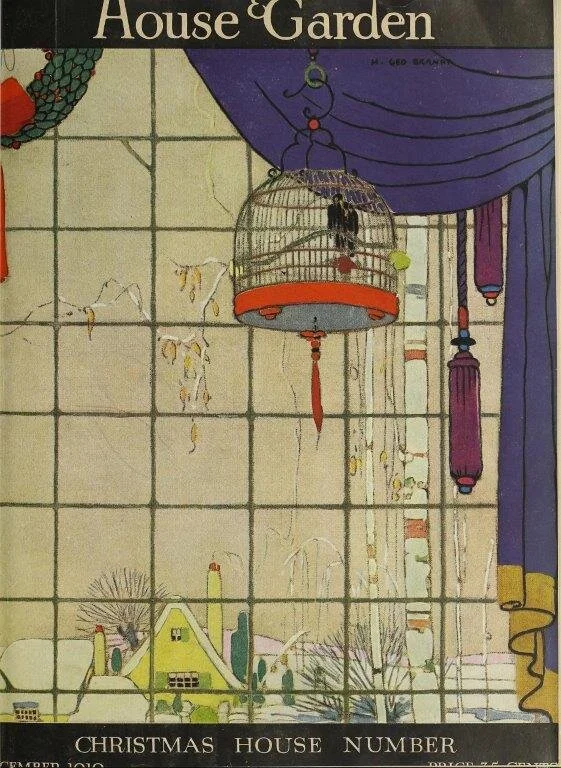
I enjoy thinking about how people lived the magazine depict…the types of materials used for flooring and roofs...plumbing and lighting…elaborate gardens with water features…cottage gardens…architectural features like built-ins, garden rooms, and porches. The covers are often the only color pages in the early volumes…easy to spot when browsing through. Here are some samples:

July – December 1908

01 20 12 (7).jpg

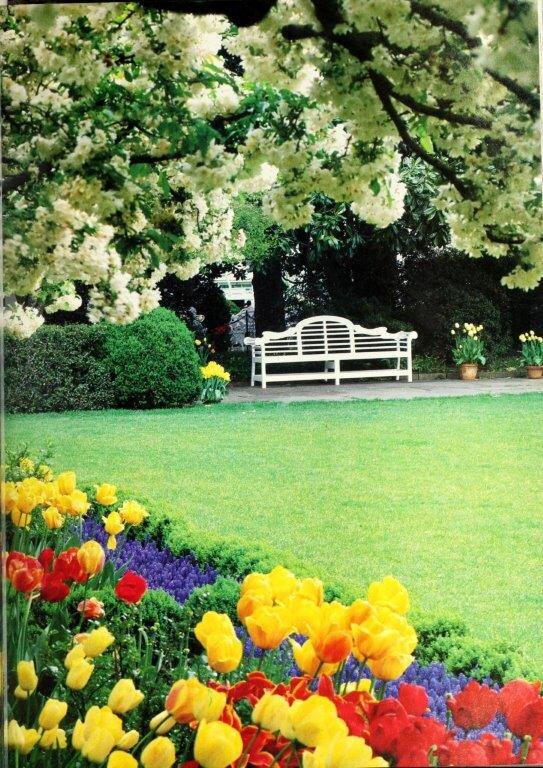
There are pictures of the White House Rose Garden as it was during the Reagan administration in the September – December 1984 volume.

I’ve been browsing the volumes in no particular order so far, keeping track of the ones I’ve browsed…eventually I’ll have to go back and try to find the volumes I somehow missed.

Unique Activities for Yesterday:

Groceries. Snow is in our forecast and we had no half-and-half to make snow ice cream! I opted to make a quick trip to the grocery store for it and other items to avoid going again for 3 weeks. I went at the usual early time and it seemed like there were a few more people (maybe others that wanted to get ‘snow day’ foods) but still easy to stay distanced and find everything on the list quickly. I wore two masks; my daughter had talked about double masking now that our masks have been though the laundry enough times that the fibers might not be as tight. My glasses anti-fog wipe treatment worked just as well as it did with one mask.  I bought a slice of red velvet cake and ate it for my morning snack…felt like I had too much caffeine in me shortly afterward….but still enjoyed the treat. Overall – a good morning errand and reward!

30 Years Ago – December 1990

In December 1990, we were challenged to clear out my mother-in-law’s apartment after her funeral in late November and celebrate the holidays with our 15 month old daughter….but we made it.

We had several sessions to box up the apartment (usually while my daughter was at day care) – some to donate and some back to our house. Movers brought the things that came back to our house. My husband handled her last bills, and I did most of the unpacking at our house. The living room of our house was full of boxes for the early part of the month.

It was a lot to do overlaid on putting up holiday decorations and picking out gifts. Remembering it now – I’m sure the flurry of activity associated with the holidays helped lift our mood considerably. One memorable event happened at a shopping center where they had a roving Santa; our daughter’s response when he offered her a candy cane (even though she was standing between me and my husband) was to lay down on the sidewalk and cry….evidently traumatized by the Santa…or maybe it was the candy cane. I scooped her up and she calmed down almost immediately. We didn’t try to do anything else with a Santa that year.

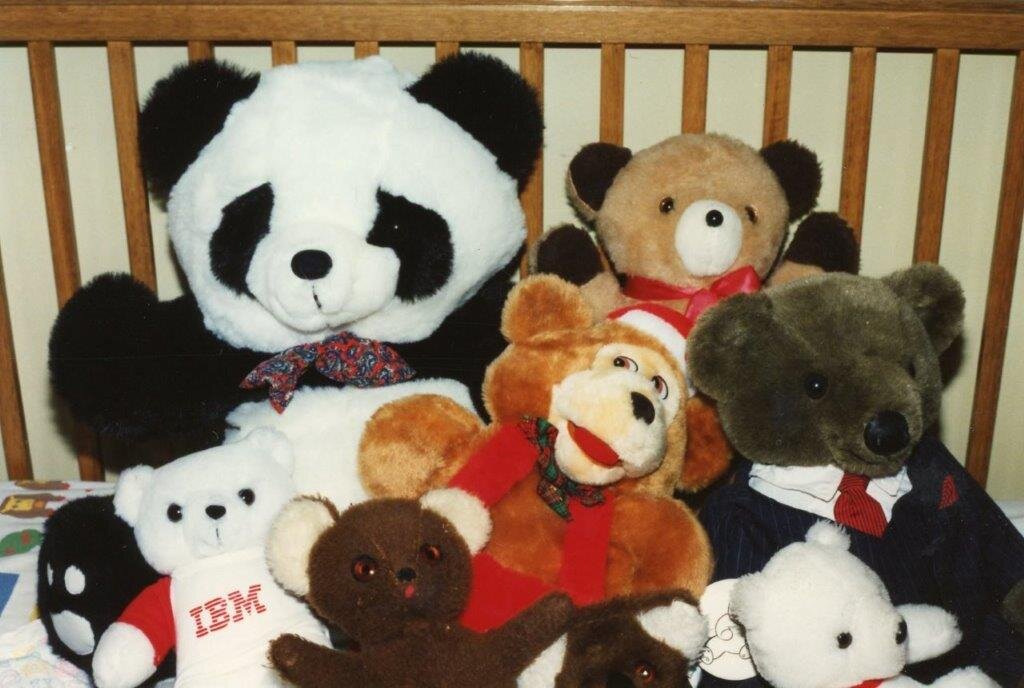
We took her to the Christmas Party for children at IBM (where I worked); we attempted getting her face painted…but she only wanted to sit still for one small design; she enjoyed a large oatmeal raisin cookie…and she got her IBM bear (white bear with an IBM t-shirt) which was a good size bear for her to carry around.

1990 12 img694 (18).jpg

There were lots of things on Christmas that she enjoyed too – a phone (she was getting adept at pushing buttons), a panda bear that was about the same size as her (that was later named Mr. Zebra), and a Little Tikes grocery cart. I noticed in one of the old pictures that she must have used a small red basket I’d bought as part of our Christmas decorations years before she was born as a toy as well…just her size.

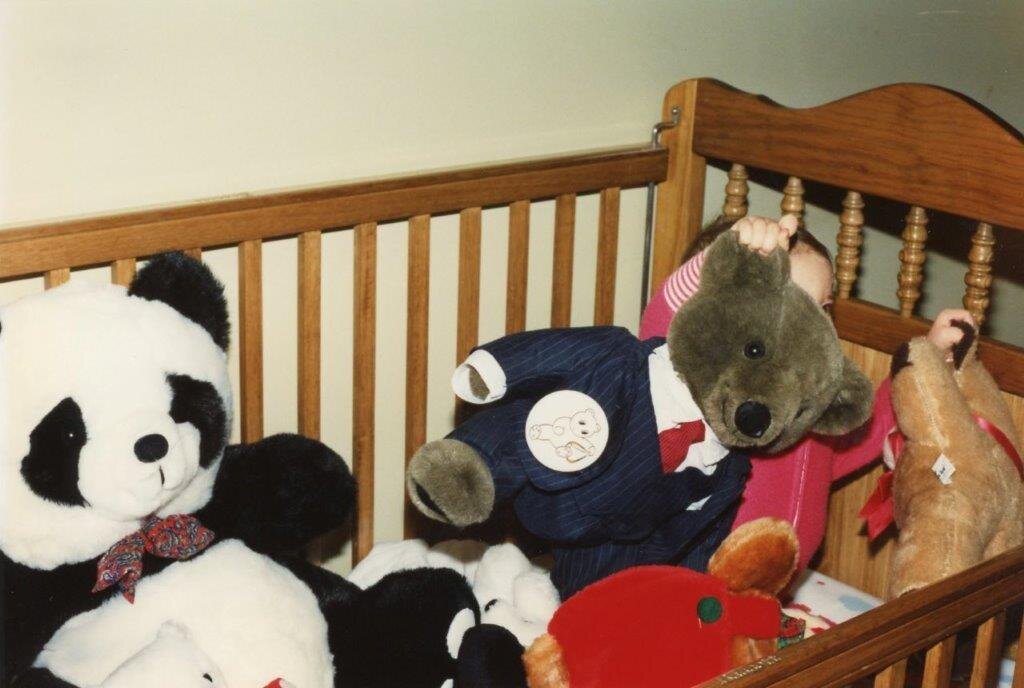
Even this early in her life, she’s already accumulated a lot of stuffed animals. We arranged them in her crib, and she liked to be there with them. Note that she was already adept at grabbing the big bears by the ear. She liked having them with her more than blankets!

Anticipating Snow

We are excited to have snow in the forecast for Wednesday.

Visions of snow ice cream!

20201213_082445.jpg

I previously bought peppermint candy chips to be ready for the winter…sugar and vanilla we always have on hand. So – the ingredient we are missing is half-and-half.

Since last winter we didn’t ever have enough snow to make snow ice cream, my husband and I have decided that I should do a grocery shopping at 1.5 weeks rather than 3 weeks since the last time….for the half and half and other things we’ll need to see us through the holidays (in our case it’s not just Christmas…there is an anniversary and birthday too…all from home this year, connections via Zoom).

Here’s the strategy for making snow ice cream:

Wait until enough snow falls that most of the pollution is out of the air (i.e. 1-2 inches have fallen).

Once there is enough snow – set out all the ingredients (peppermint candy chips, vanilla, half and half, sugar is optional since usually the chips provide enough sweetness, food coloring is optional but helps to know when everything is thoroughly mixed) and the big bowl + electric hand mixer + spatula + serving bowls.

Collect snow with a egg turner or anything with a large flat are to skim the top snow layers and transfer the snow into a large pan. Remember the snow compacts as it makes the snow ice cream. The fluffier the snow is – the more snow the ice cream will require.

Inside quickly put the snow into the big bowl…almost filling it. Add the other ingredients on top. The amounts are somewhat variable since snow has a range of consistencies – I usually start with 0.5 – 1 teaspoon vanilla, 1 cup half and half, and .75 cup of peppermint candy chips. Then mix. Add more half and half if the consistency is crumbly rather than creamy.

Serve and enjoy.

Snowflake Photography!

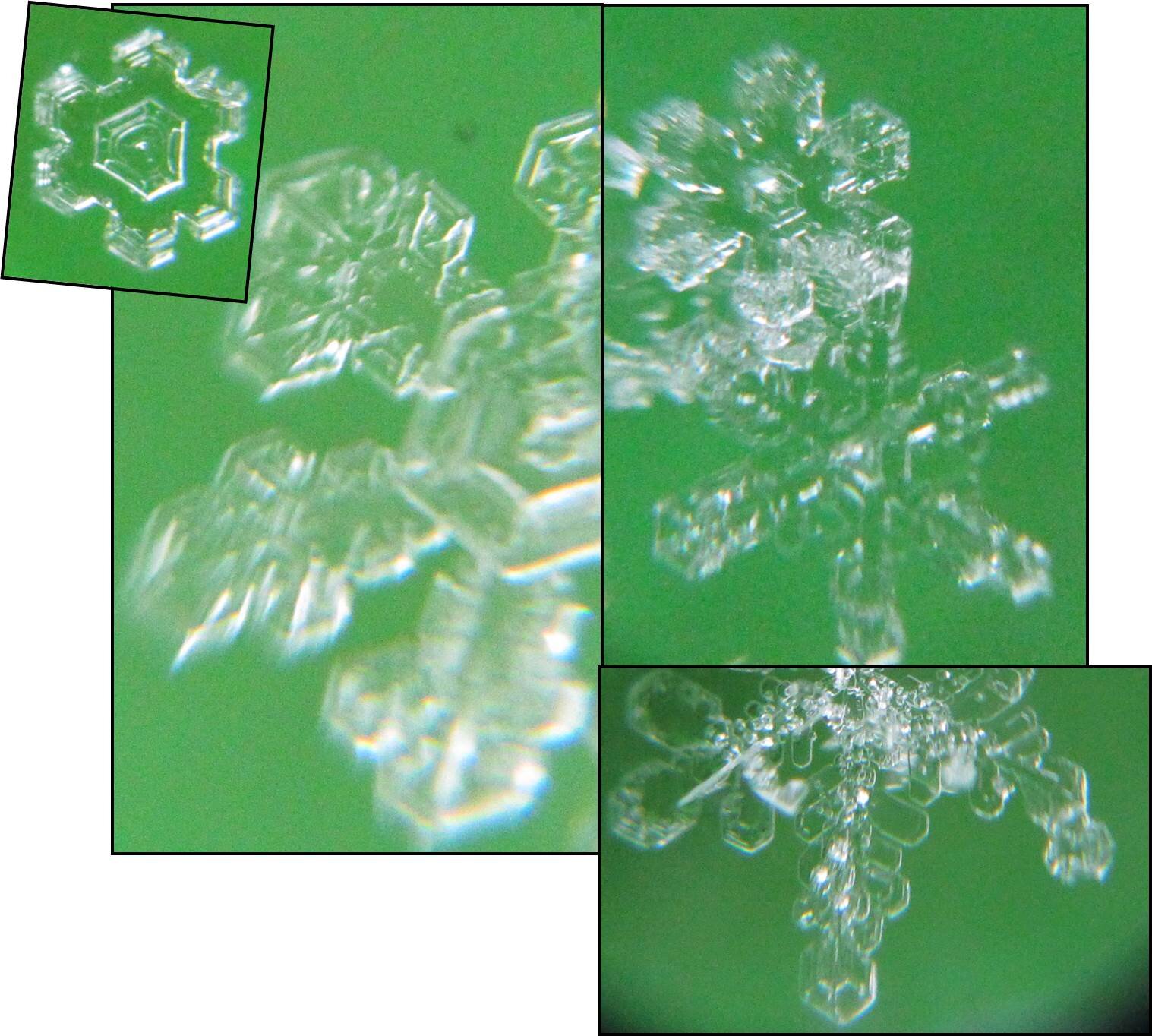
Another activity to prepare for…probably something to do before enough snow has accumulated to make snow ice cream…photograph snowflakes. I’ve tried it several times in the past. March 2014 was a big year.

2014 03 snowflake3.jpg

I still have glass plates that will work well to catch the snowflakes…provide good background color. They’ll be out on the deck the night before the snow starts to be cold and ready for collection.

I’m going to try my phone with the lighted magnifier first. It’s only 5x so might not be quite enough for snowflake pictures.

I have loupe with a light somewhere that I need to locate. For both I will attach the magnification to the phone with a rubber band.

I’m still thinking about how to get the plate and phone into focusing range (i.e. close) without being handheld (too much heat generated with my hands). I’ll use voice or an external clicker to signal the phone to take the picture. So – I have a deadline of Wednesday to jerry-rig a set up.

Or - I might end up reverting to the loupes that sit on top of the plate and laying the phone on the loupe – the other end on a box to make it horizontal. The trick it to not add too much heat that will cause the snowflakes to melt too quickly!

I am soooo looking forward to a snow day!

9 Months in COVID-19 Pandemic

The first vaccine for COVID-19 was approved in the US by the FDA on the 9-month anniversary of the WHO declaring the world wide pandemic. The rollout will take months but there is more hope now….if we can just get through the months until enough people get vaccinated to provide herd immunity. The US is not in a good situation right now with hospitals filling up, larger than ever numbers of people testing positive, and deaths per day about the same as 9/11/2001 – the trauma of that death rate repeated again and again instead of one day. Even a month ago, I thought there were more effective treatments that had been developed since last spring, but it now seems that either they don’t exist or they are in such short supply that they don’t make a difference. Even worse – the best treatments only seem to be available to favorites of the President…implying (or confirming) the corruption of at least part of the medical system in the US.

The psyche of everyone in the country is impacted by the pandemic – made worse by the leadership of the country, particularly at the Federal level and trickling down to some states. There is a lack of caring in American society that still surprises me. I limit the time I spend watching/reading news…stay more with stats and public health recommendations to guide the actions I take relative to the pandemic.

  • I have elongated my time between trips to the grocery store to every 3 weeks (rather than every 2 weeks like I did over the summer and fall or every week I did pre-pandemic). It takes more planning but is preferrable than going back to grocery delivery. I like to choose my purchases directly!

  • My husband and I celebrated Thanksgiving on our own at home and are planning to do the same for all the upcoming holidays. Special foods are still part of the celebration but we cook for 2 (or enjoy a lot of leftovers). I am intentionally trying some new recipes for desserts. We also do telephone calls/Zoom sessions with family on the special days.

  • We are getting take out every week or so. We haven’t eaten in a restaurant since back in February. It’s impossible to know how good the air circulation/filtration is in an enclosed area where 6 feet distance may not be adequate….and one cannot wear a mask while eating. Many municipalities/counties in Maryland are going back to take-out only because of the dramatic rise in cases over the past few weeks (although the rise might be more because of behavior around the Thanksgiving holiday than restaurants); whatever the cause - the likelihood of asymptomatic people in our community has increased and there is a need to respond to that to help avoid hospitals overflowing/starting to ration care.

  • My husband is still planning to do some amateur astronomy sessions with the local club…outdoors and masked and telescopes set up at least 6 feet apart….if the weather cooperates. He did some solar astronomy on his own from our driveway and backyard in November. The club meetings have been via zoom for months.

Over the past month, we enjoyed

20201128_090811.jpg

I am looking forward to cooking holiday desserts, watching a virtual Holiday House Tour being produced by my county and a session on Wild Birds in Winter from our state Department of Natural Resources, and filling up the porch with items for a charity to pick up…and continuing day to day activities that give me joy like Zentangle tile creation, photographing birds and wildlife from my office window, finding good books to browse, and writing a blog post….taking a walk in the neighborhood or watching the trees gently moving in the winter wind from my office window.

I am looking forward to cooking holiday desserts, watching a virtual Holiday House Tour being produced by my county and a session on Wild Birds in Winter from our state Department of Natural Resources, and filling up the porch with items for a charity to pick up…and continuing day to day activities that give me joy like Zentangle tile creation, photographing birds and wildlife from my office window, finding good books to browse, and writing a blog post….taking a walk in the neighborhood or watching the trees gently moving in the winter wind from my office window.

Over the next month, we might get a better sense of when we will be able to get the vaccine. My plan is to get it as soon as I am eligible. Once I’m protected by it and my parents are in the same state…a road trip to Texas will be my first post-pandemic travel.

At the 9 month mark – I am more hopeful for 2021….but very focused on staying hyper vigilant – doing everything we know to do to avoid getting COVID-19 until we are protected by the vaccine.

Gleanings of the Week Ending December 12, 2020

The items below were ‘the cream’ of the articles and websites I found this past week. Click on the light green text to look at the article.

Massive Arecibo Telescope Collapses in Puerto Rico | Smart News | Smithsonian Magazine – Very sad. It was already being decommissioned which was wrenching….but then the collapse meant that even the instruments that might have been usable elsewhere were destroyed. My husband spent some time at Arecibo during his graduate school studies in the 1970s.

What do slight arm movements reveal about our breathing and health? -- ScienceDaily – Evidently it works best during sleep when there is not a lot of other movement other than breathing!

Hegra, an Ancient City in Saudi Arabia Untouched for Millennia, Makes Its Public Debut | Travel | Smithsonian Magazine – Undisturbed for 2,000 years…once an international trade hub although most of the surviving structures are tombs…a few hundred miles to the south of Petra

Proterra Sells Its 1,000th Electric Bus and New Electric School Buses In Virginia & Massachusetts – Electric buses are very appealing…I’ve always hated the sooty exhaust from diesel buses. Buses operate in situations where many people (and children) are in close proximity, so removing buses as a source of city and school pollution would be a good step forward.

Glyphosate may affect human gut microbiota -- ScienceDaily – A bioinformatics tool to predict if a microbe is sensitive to glyphosate – in the soil…in the digestive system of animals. The compound, widely used as a herbicide, biochemically targets plants but the same pathway is also in bacteria.

Opinion: The Biological Function of Dreams | The Scientist Magazine® - Learning more about sleep…and REM sleep in particular.

The mystery of Siberia’s exploding craters - BBC Future – Gas emission craters. Studies have revealed a 3-5 year life cycle: a mound forms…rising several meters, the gas underneath explodes. They tend to form in areas where there is a thick layer of ice over permafrost…with some areas of unfrozen ground surrounded by permafrost…and very deep deposits of gas and oil. The big challenge has been to identify the source of the gas that builds up – because after the explosion it is already gone.

Forest fires, cars, power plants join list of risk factors for Alzheimer's disease: Airborne pollution implicated in amyloid plaques, UCSF-led study shows -- ScienceDaily and Air pollution spikes linked to lower test scores for Salt Lake County third graders -- ScienceDaily – Studies that show the impact of air pollution on humans….other reasons to step up the pace of the shift away from fossil fuels. Thinking positively – actions to address climate change tend to improve air quality.

Mistletoe: A Natural and Human History – A plant associated with the season! And there are other species of mistletoe from around the world.

Top 25 birds of the week: December 2020! - Wild Bird Revolution – Beautiful birds….at the end of the gleanings list for this week.

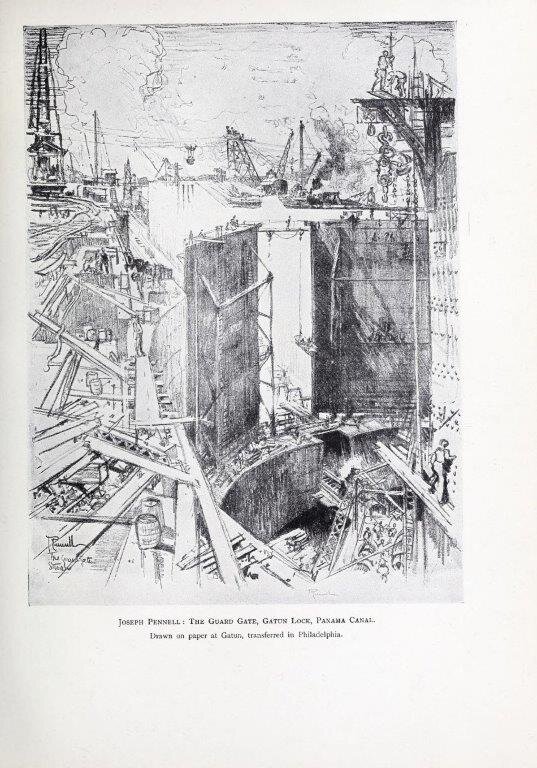
Books Illustrated by Joseph Pennell

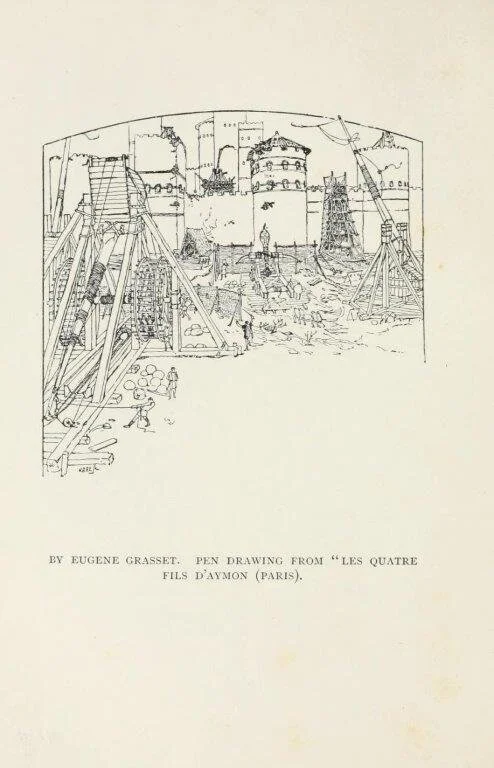
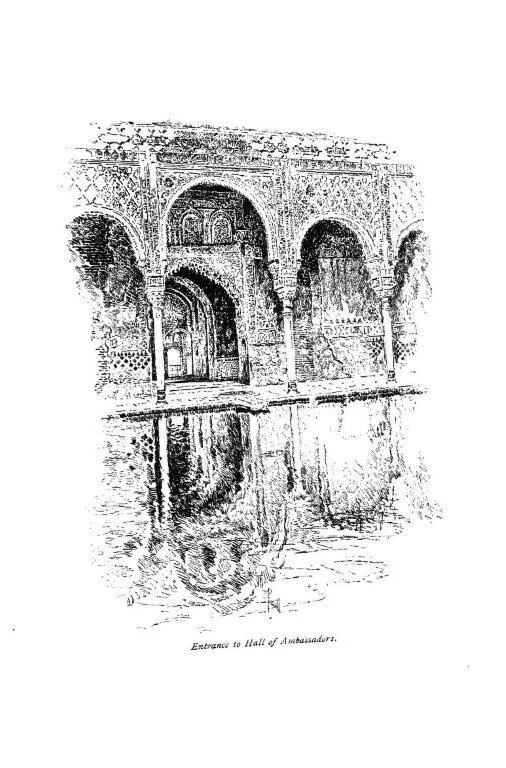
During November, I browsed through 24 books illustrated by Joseph Pennell published between 1889 and 1918. The project was initiated by his book on Modern Illustration published in 1894 that I found early in the month. As I browsed through it, it seemed like a good reference to use for searching Internet Archive to find books illustrated by artists he cited; it’s so easy to search for names of authors (even though sometimes the illustrators are not listed in the metadata which makes it harder…then it’s back to the reference or the Wikipedia entry for the illustrator and searching by title).  I opted to start my browsing with Joseph Pennell and collected some sample images from each book for this post. My main interest is the illustrations…the snapshots they provide of places as they were during Pennell’s time.

There are 4 more books  in the 24 where Pennell is the author and illustrator: Joseph Pennell's pictures of war work in England (1917), San Francisco, the city of the Golden Gate (1916), Lithography and lithographers (1916), and  Joseph Pennell's pictures of war work in America (1918). The books of World War I industrial scenes could easily be adjuncts to history classes about that time….most of them gritty…many awe inspiring.  

Then there are the Highways and Byways books by various authors but with Pennell as the illustrator (or one of the illustrators):

Highways and byways in Normandy - Dearmer, Percey; Pennell, Joseph (1910)

Highways and byways in East Anglia - Dutt, William Alfred; Pennell, Joseph (1901)

Highways and byways in Devon and Cornwall - Norway, Arthur Hamilton; Pennell, Joseph; Thomson, Hugh (1897)

Highways and byways in Yorkshire - Norway, Arthur Hamilton; Pennell, Joseph; Thomson, Hugh (1899)

This is another example of how to find books to browse on Internet Archive; a simple search for “highways and byways in” yielded other books in the series that I’ve put on my list to browse... another thread to those others illustrators of Pennell’s time.

3 books were authored by  Henry James with Pennell as the illustrator: English Hours (1905), and A Little Tour in France (1901), and Italian Hours (1909).

Pennell illustrated Maurice Henry Hewlett’s The Road to Tuscany (1904) published in 2 volumes (vol 1 and vol 2).

Pennell was an American but spent his career based in London…but he travelled widely. Aside from the San Francisco book which he authored himself, there are 2 books in the 24 about places in the US:  The Creoles of Louisiana - Cable, George Washington; Pennell, Joseph (1914) and The new New York : a commentary on the place and the people - Van Dyke, John Charles; Pennell, Joseph (1909).

3 books are about places in Italy:

Italian Journeys - Howell, William Dean; Pennell, Joseph (1907)

Gleanings from Venetian history - Crawford, Francis Marion; Pennell, Joseph (1905)

The makers of modern Rome - Oliphant, Margaret; Riviere, Henry Parsons; Pennell, Joseph (1895)

2 books about places in Spain:

The Alhambra - Irving, Washington; Pennell, Joseph; Pennell, Elizabeth Robins (1896)

Castilian Days - Hay, John; Pennell, Joseph (1903)

And then the last 3 that I didn’t group with anything else

Old Chelsea, a summer-day's stroll - Martin, Benjamin Ellis; Pennell, Joseph (1889)

On the Broads - Dodd, Anna Bowman; Pennell, Joseph (1896)

Raiderland; all about grey Galloway, its stories, traditions, characters, humours - Crockett, Samuel Rutherford; Pennell, Joseph (1904)


Overall – a lot to enjoy browsing through these 24 books on Internet Archive…great activity for a cold winter day.

Around the House Macro – December 2020

A quick walk around the house looking at familiar items with the 5x magnifying lens with a light…photographing through it with my phone.

The first stop was the vase of peacock feathers from my maternal grandmother in the early 80s. She had peacocks and picked up feathers as they were shed. I got a bouquet of them one Christmas. I put the feathers in a tall gold glass vase I’d bought in the 1960s – purchased with my allowance when we were shopping for school supplies one fall. They’ve been in that vase all along….moved to a new house twice. The colors are still iridescent and vibrant – to be expected with structural color.

The second stop was to purchased flowers….a sunflower dried and on the window sill purchased fresh more than a month ago, the other a little over two weeks old but still vibrant.

The third stop was a peacock feathered ornament my sister bought about 10 years ago. It was interesting to compare the feathers to the ones from the vase that are so much older. Maybe with more magnification they would look more different.

20201208_084940.jpg

Lastly – a macramé knot from a wall hanging one of my sisters in the 1980s for a Christmas gift.  

These are the most visually pleasing items in my office – beautiful on their own and full of my personal history. Together with the view from the window, they make it my favorite room in the house.

Unique Activities for Yesterday:

Last big leaf on the sycamore. The last big leaf has fallen from the sycamore. I kept taking pictures of it in the afternoon almost every day. This one was taken the day before it fell. It retained a bit of golden color until the end. Its falling has symbolized the shift from fall to winter for me this year.

2020 12 IMG_3144.jpg

Cemetery Reflections

Since we made our visit to the cemetery on Thanksgiving morning to put flowers on my mother-in-law’s grave, I’ve been thinking about it more.

It’s always a quiet place surrounded by relatively busy suburban streets and it’s big enough that there are always other people around. Going there is conducive to reflection – feeling alone but not too alone. On this Thanksgiving Day there seemed to be more people than usual scattered at graves to contemplate/put out silk flowers…one or two people usually although there was one group of 8 or so spaced out around a grave. We go on Thanksgiving because she died the Friday after Thanksgiving 30 years ago (and we also go on her birthday in June). I wondered if others in the cemetery had similar rationale or whether Thanksgiving is the type of holiday to remember past family gatherings…to savor those times that we had years ago…and an opportunity to be outdoors in a low-risk way during the pandemic.

20201126_095332.jpg

The physical aspects of the place have improved somewhat over the years. The curb on the street where we park was asphalt and broken in the beginning; it’s been replaced with a concrete curb. And the pines have gotten bigger in 30 years. This year either they didn’t produce cones, or the cones had dropped and been gathered up by the maintenance crew. For some reason, I noticed that some of the grave makers did not include places for urns…and one was missing the urn (i.e. there was just a hole). Most of the markers are flat to allow for easier maintenance although there is a vertical marker that makes it much easier for us to find my mother-in-law’s grave. Even after 30 years – the markers are still level…not sunk into sod. I still like the dogwood flowers on the marker we chose for her.

What will happen when we eventually move from away from Maryland? My mother-in-law will be the only family member buried here…the rest of the family living elsewhere across the country. If we are ever back in the area – we’ll probably put flowers out again but our reminders of her will be the things that were hers that we use almost every day in our home – several end tables, a jar opener, a tin for cookies, a China cabinet, a desk. Actually – we probably think about her more often because of those items than the calendar prompting us to visit the cemetery. The cemetery is not central to our memories of her. I wonder if that is true for other families and eventually our cultural norms will shift way cemeteries.

Gleanings of the Week Ending December 5, 2020

The items below were ‘the cream’ of the articles and websites I found this past week. Click on the light green text to look at the article.

Climate change presents new challenges for the drinking water supply -- ScienceDaily – Studying the Rappbode Reservoir in Germany and applying models….helping to predict what happens with warmer temperatures and increased drought…and what tweaks in reservoir management can mitigate.

The Lanterna of Genoa, the oldest lighthouse in Europe – The current Lighthouse of Genoa was built in 1543. The article includes some pictures of the technology used in the lighthouse from the 19th and 20th centuries.

Pollution and pandemics: A dangerous mix: Research finds that as one goes, so goes the other -- to a point -- ScienceDaily – Studying the relationship between along term ambient particles with a diameter of 2.5 micrometers or less and the spread of COVID-19….using air quality data and COVID-19 case across the country. There is a correlation – more pollution….higher COVID-19 transmission. Also: "We found black carbon acts as a kind of catalyst. When there is soot present, PM2.5 has more of an acute effect on lung health, and therefore on R0." This is an example of how air quality degradation has adverse health consequences.

Leila Jeffreys' Elegant Bird Portraits Show Feathery "High Society" and Photographer Tim Flach Captures Emotive Portraits of Fascinating Birds – I prefer birds in the wild…but sometimes portraits show the bird with more detail…certainly with less distraction. These two series were quite different but full photogenic birds.

Two centuries of Monarch butterflies show evolution of wing length -- ScienceDaily – Looking through museum collections and island populations of Monarchs, the researchers discovered how migration selects for longer, larger forewings….non-migrants have smaller wings! And they have determined that the effect is due to genetics rather than the rearing environment.

Photography In The National Parks: Birdy, Birdy In The Sky – Almost half the gleanings this week are about birds. I think this is my favorite. National Parks…great places for photography and birds add some action in the scene!

Top 25 birds of the week: Coastal birds – Some I’ve seen (particularly the ones in this group that were photographed in New Jersey). Others are totally new – like the Great Stone-curlew found in coastal areas of southern Asia…striking head pattern…and eye.

Tens of thousands of 12,000-year-old rock paintings found in Columbia – Found in an area previously inaccessible to researchers due to Columbia’s 50-year civil war. Made with red ocher.

Vitamin D regulates calcium in intestine differently than previously thought – Still new discoveries to be made about how our bodies work…how complex and interconnected the chemistry is….a system of systems.

Newly Discovered Underground Rivers Could Be Potential Solution for Hawai’i’s Drought – The potential for water wells off the coast of islands…supplementing fresh water available on the land to support the population living there.

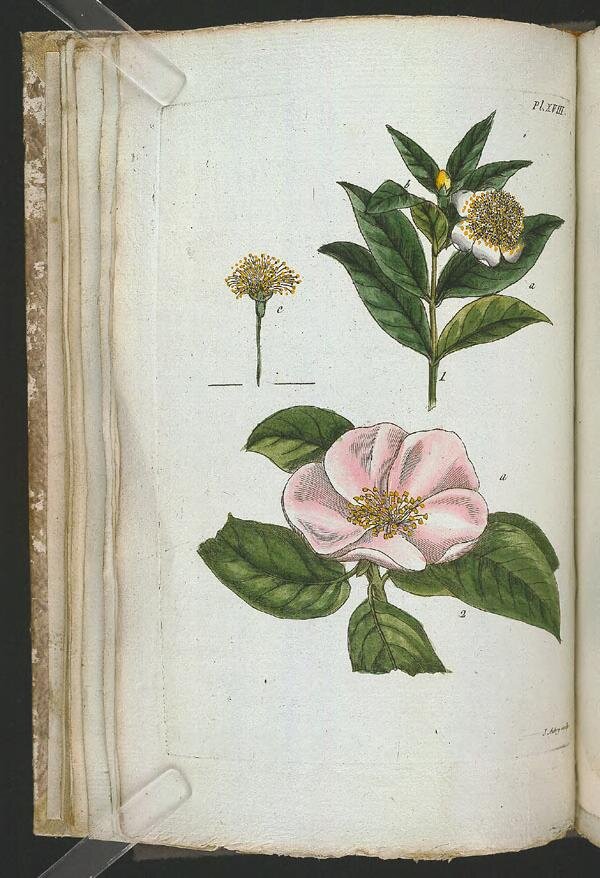
eBotanical Prints – November 2020

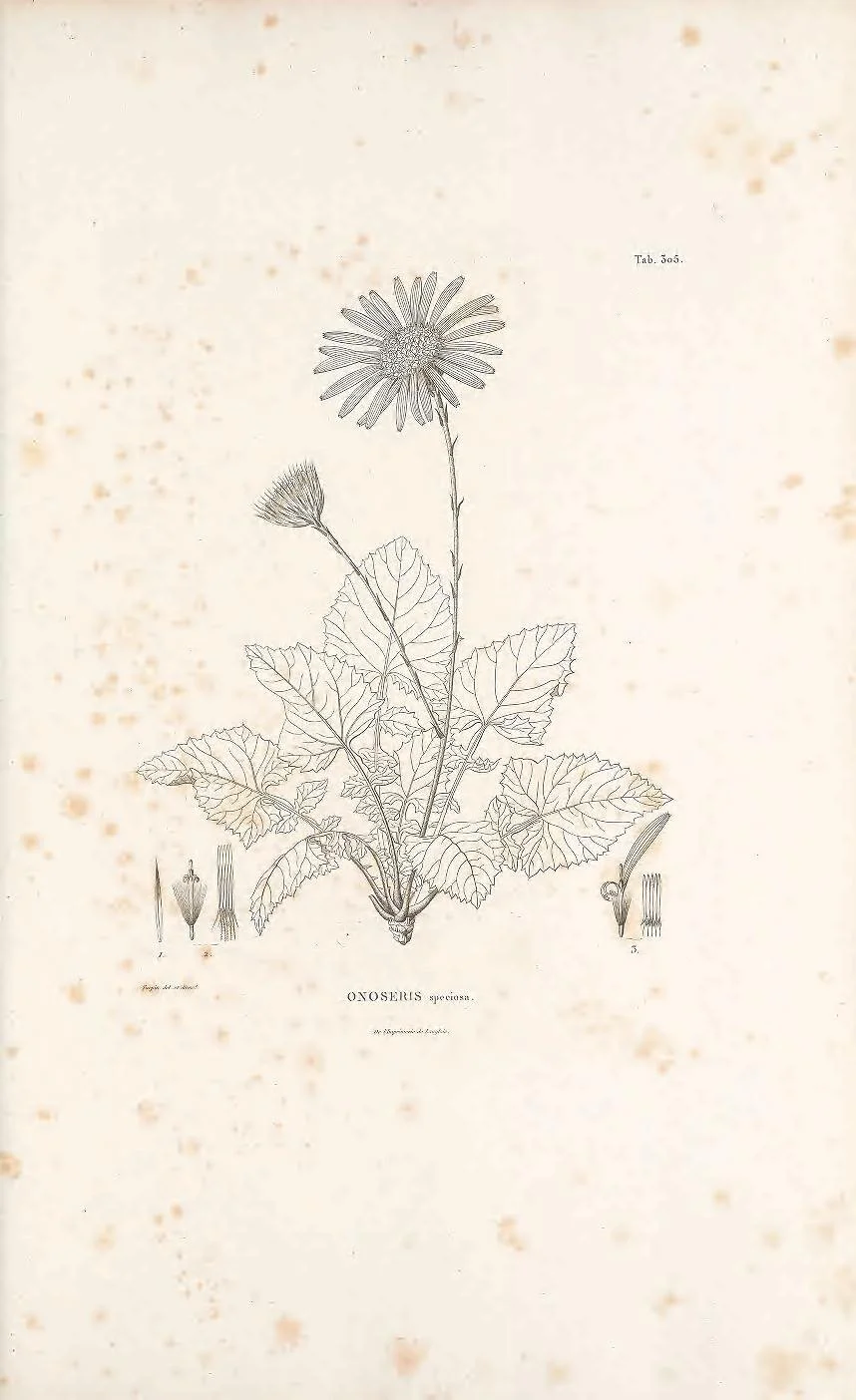
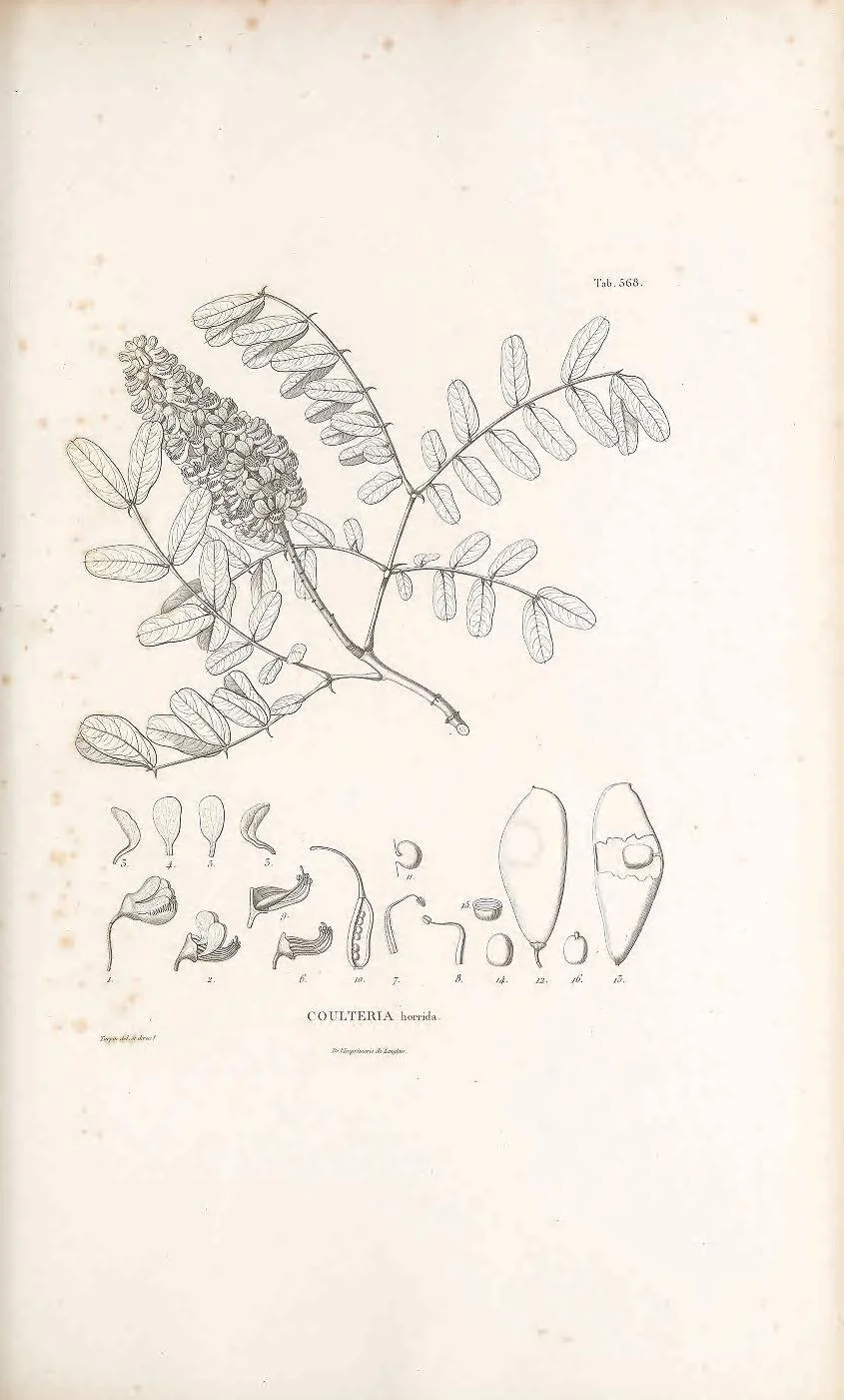
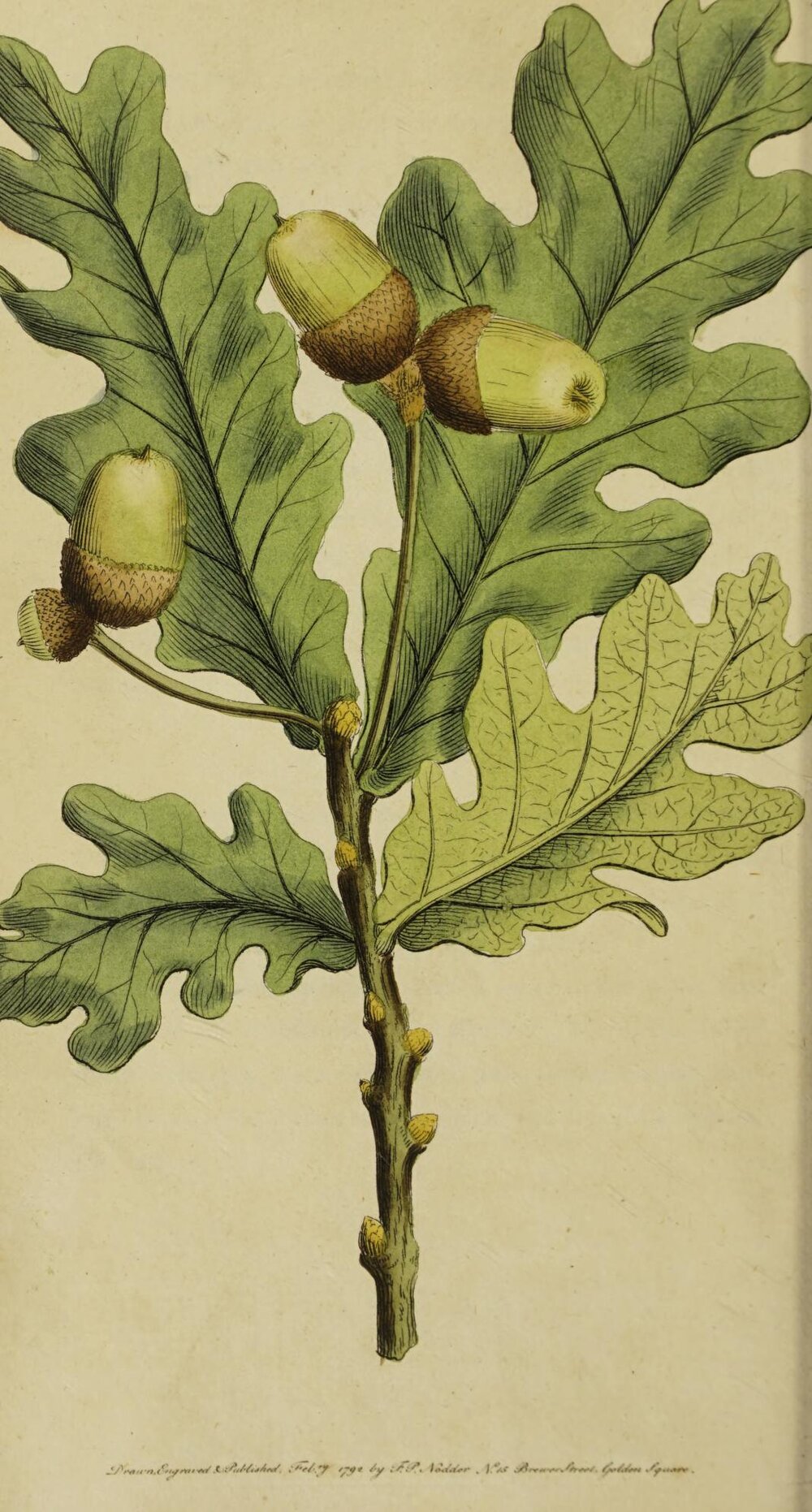
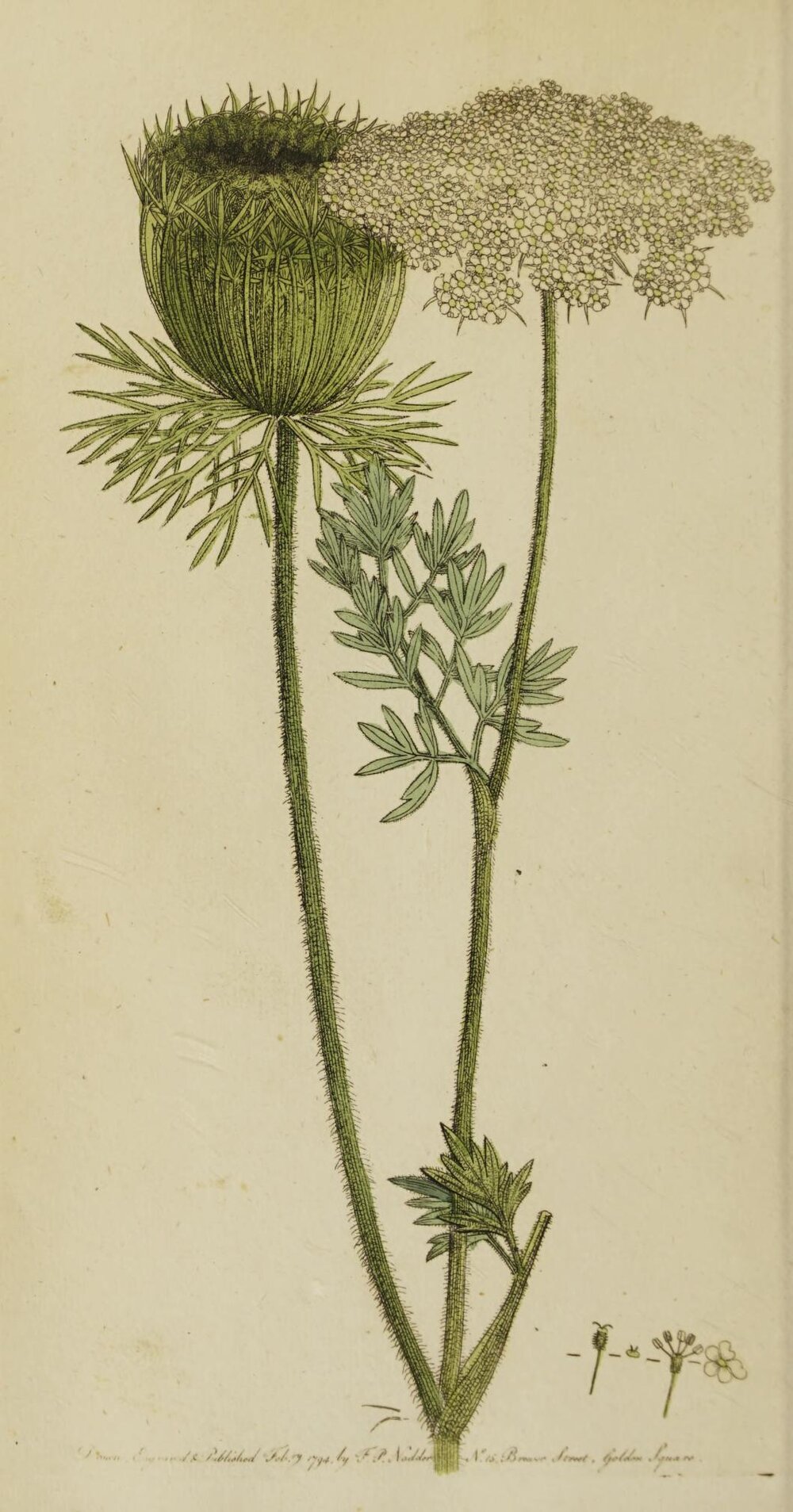
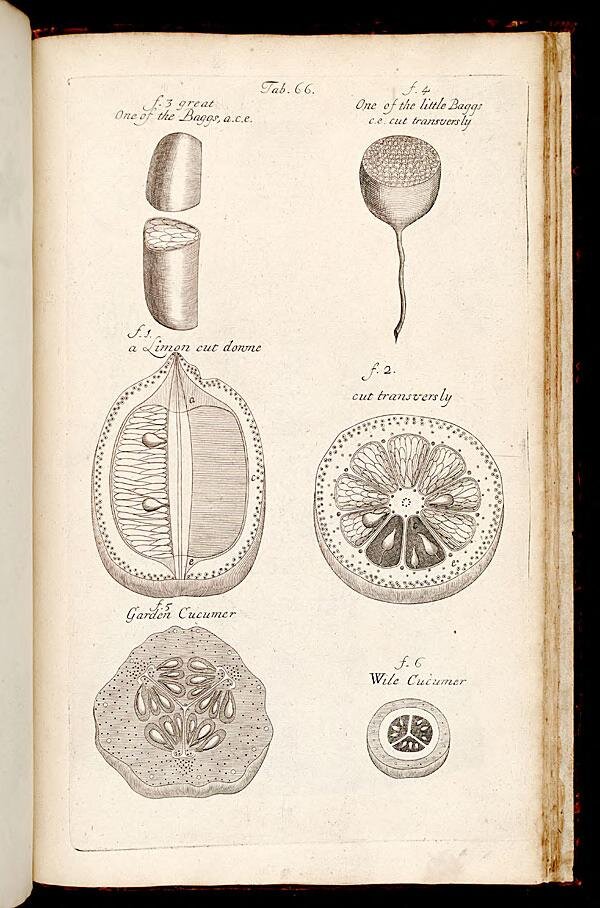
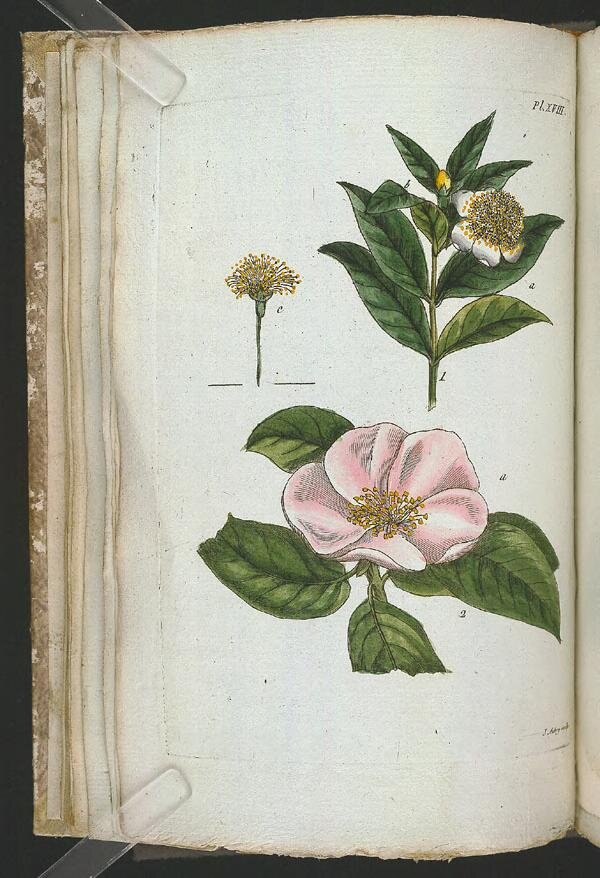
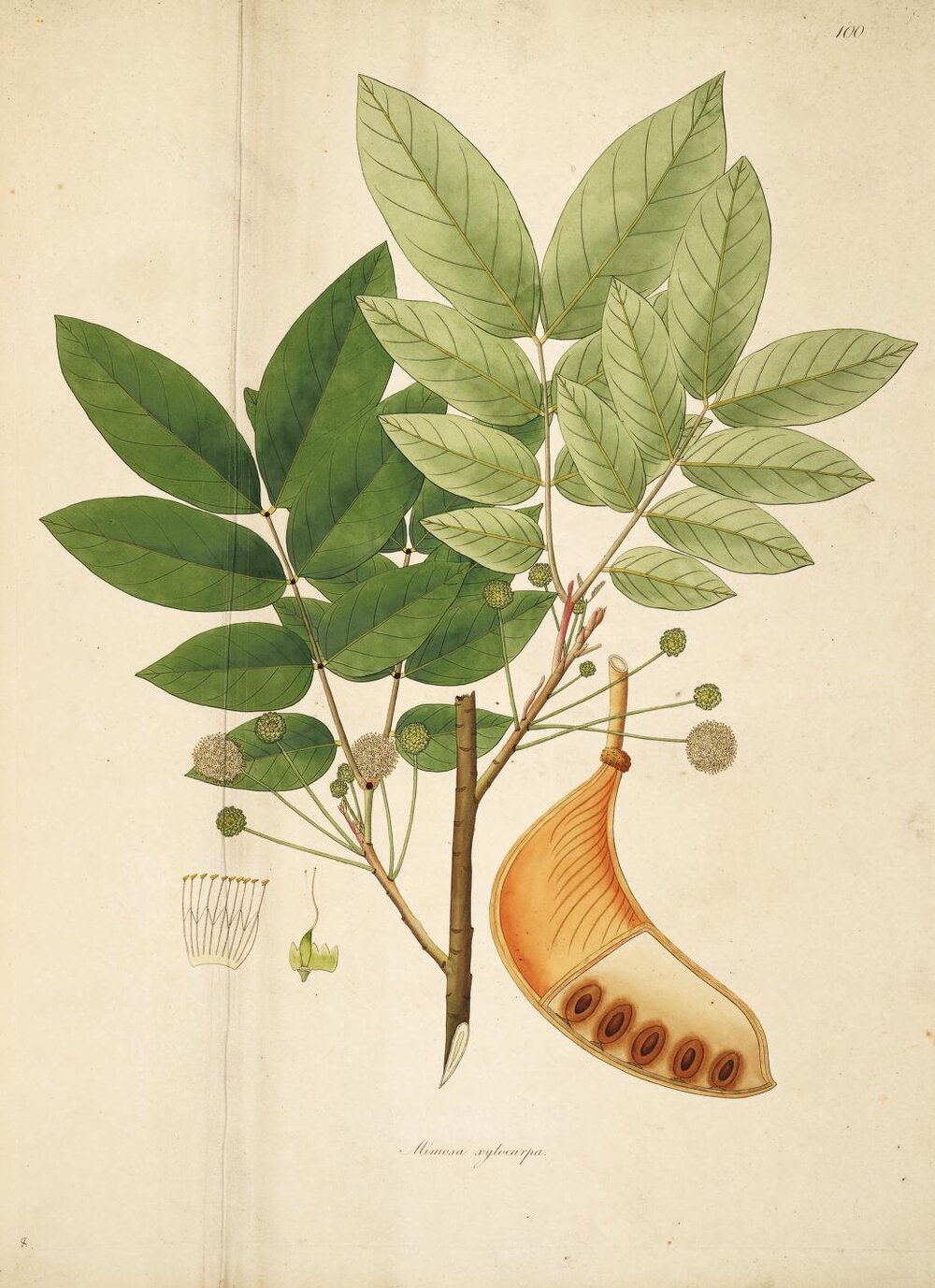
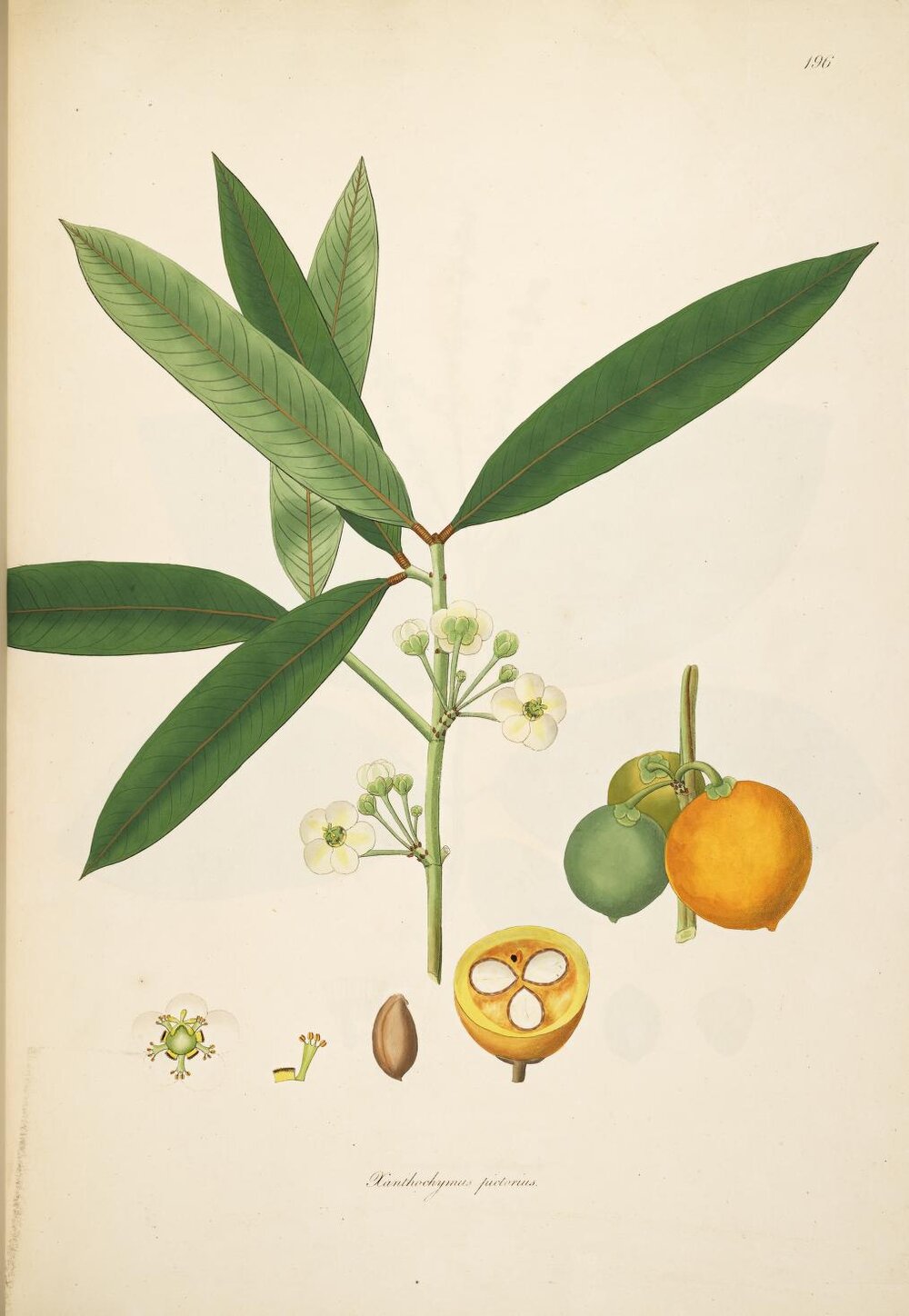
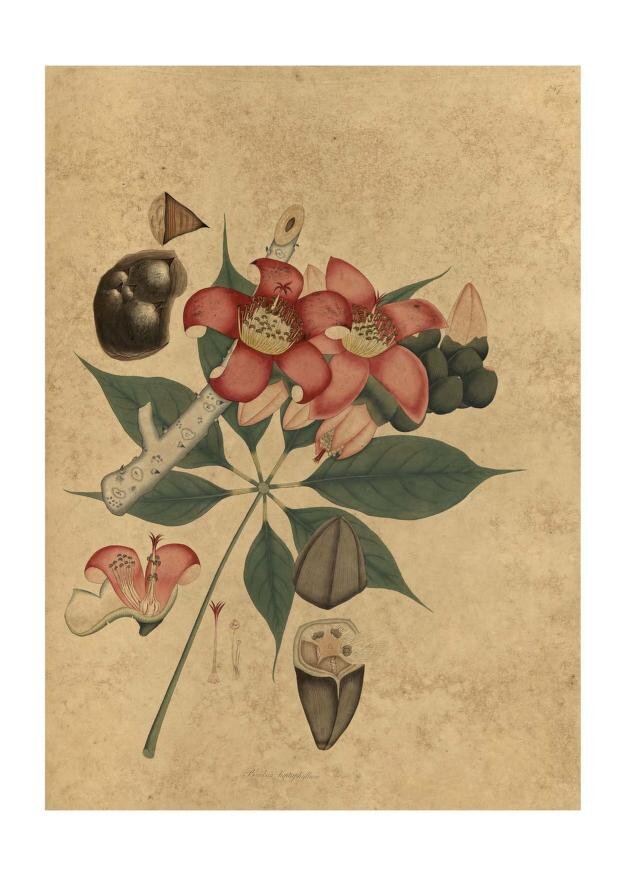
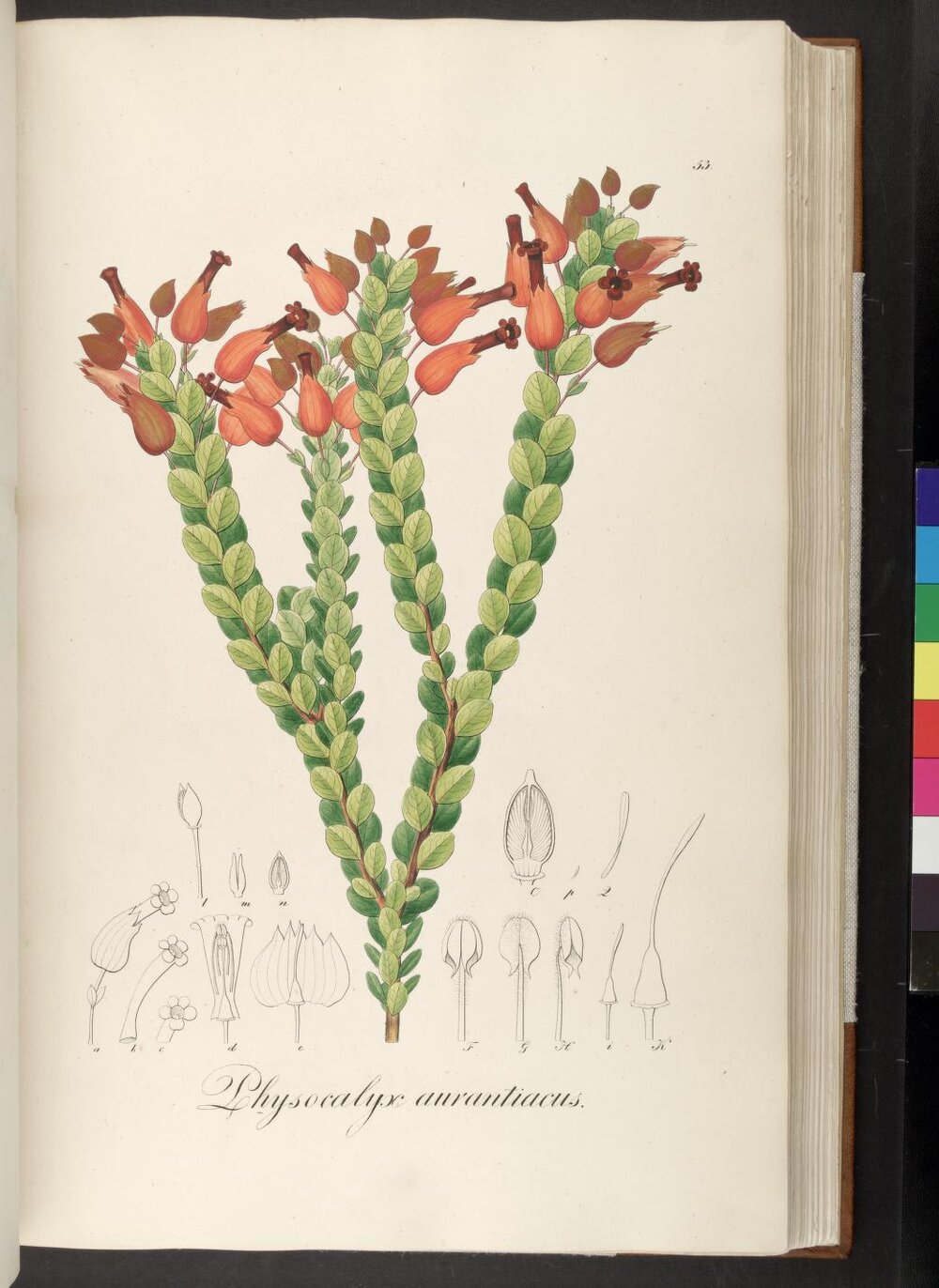
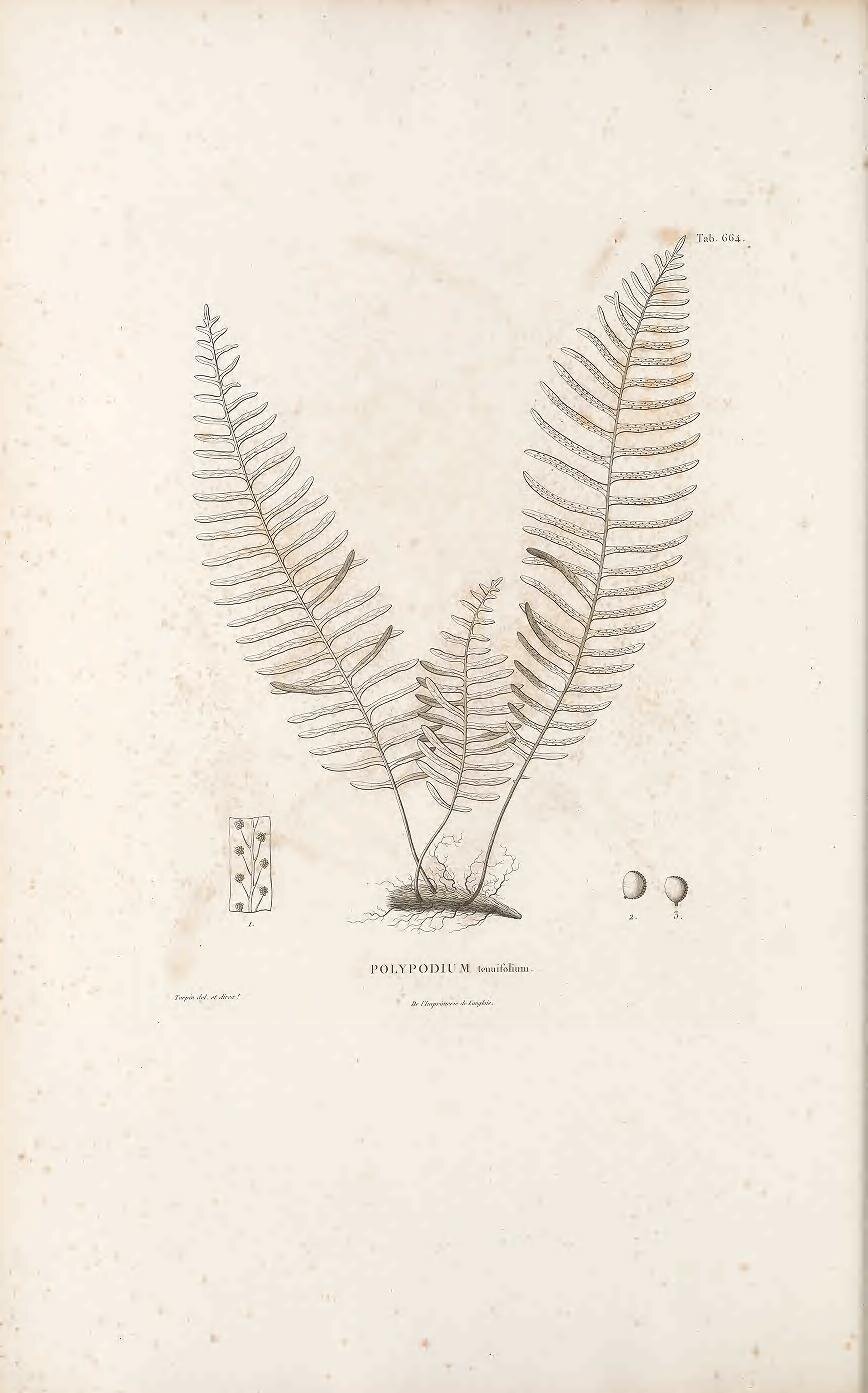
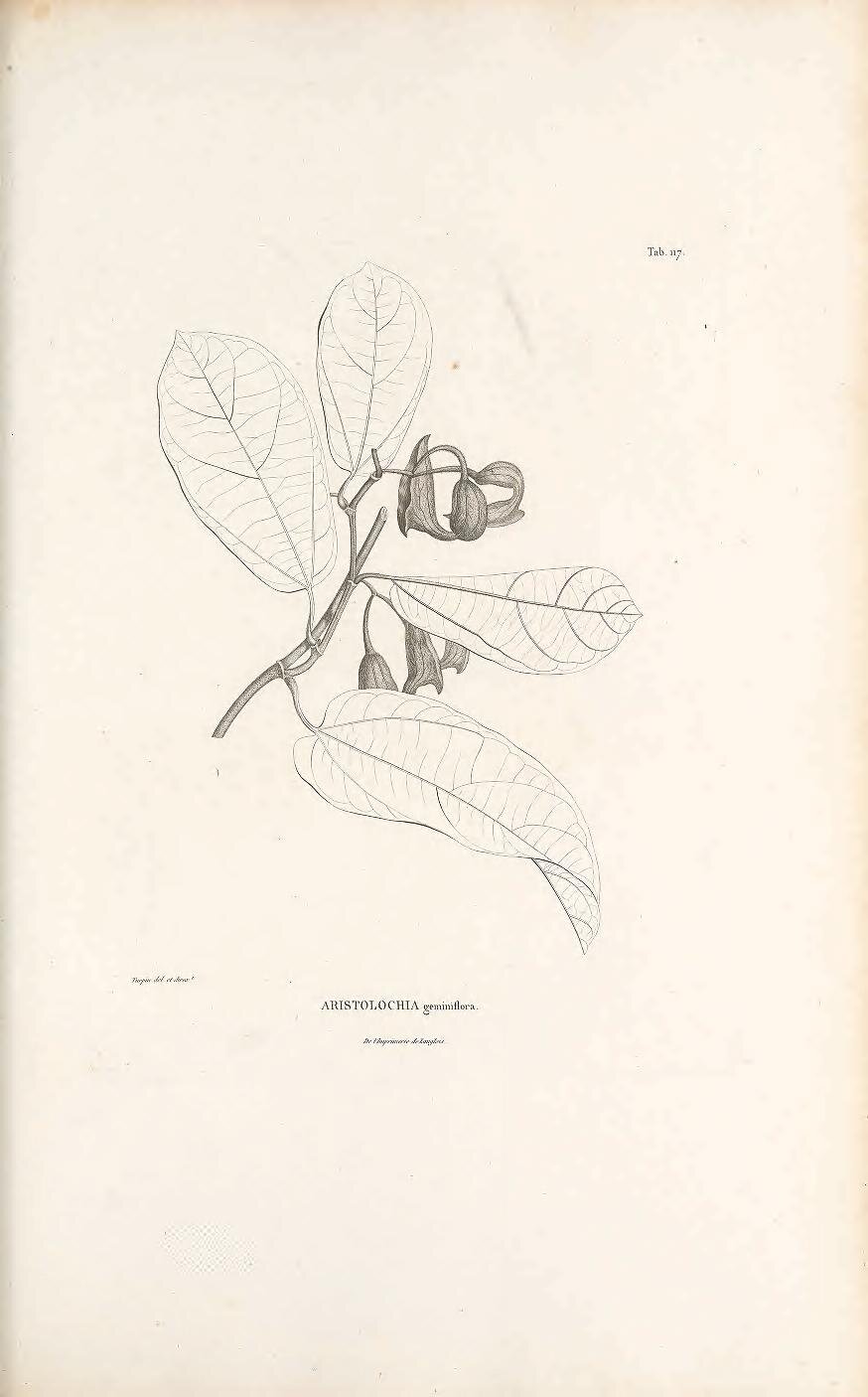
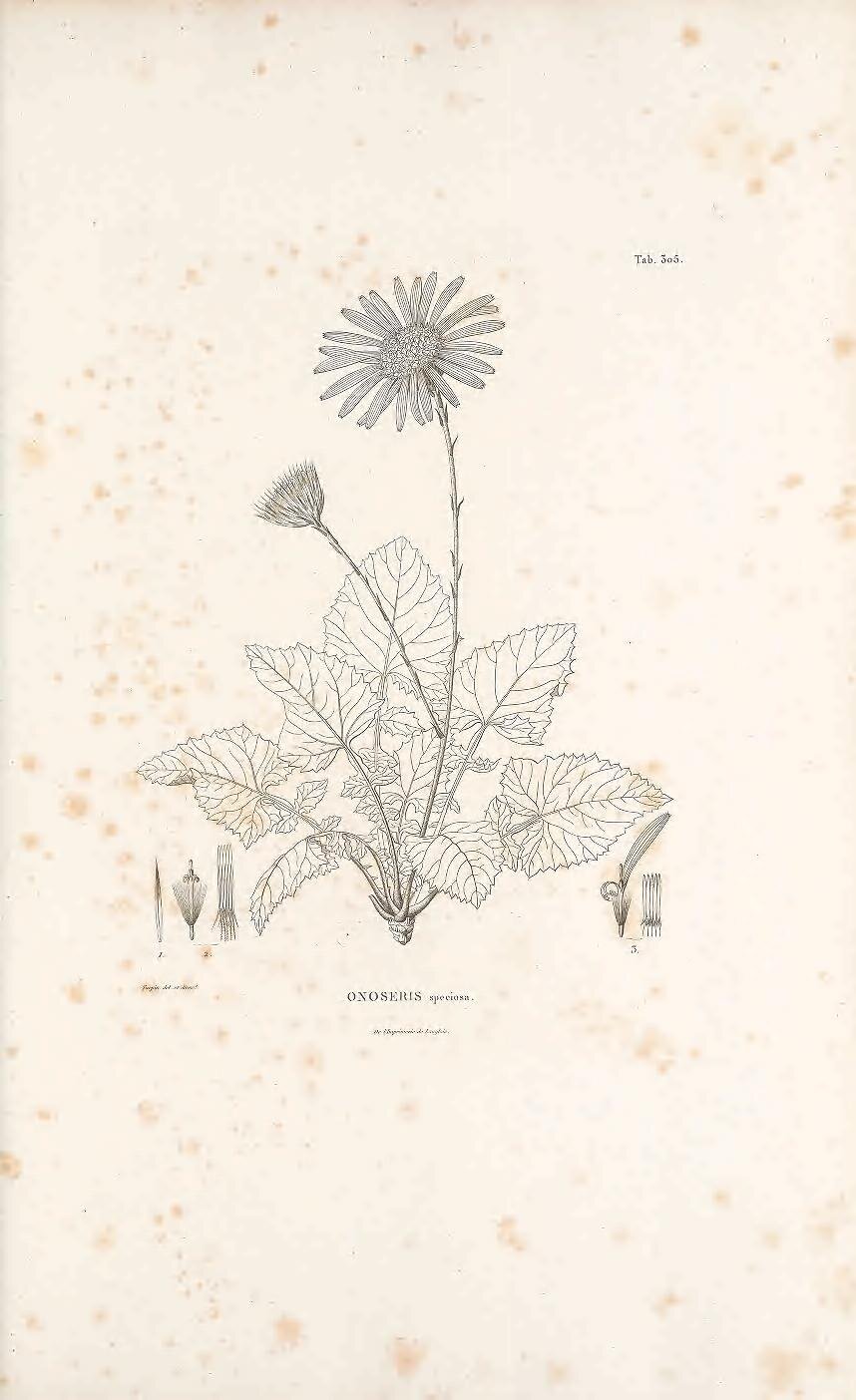
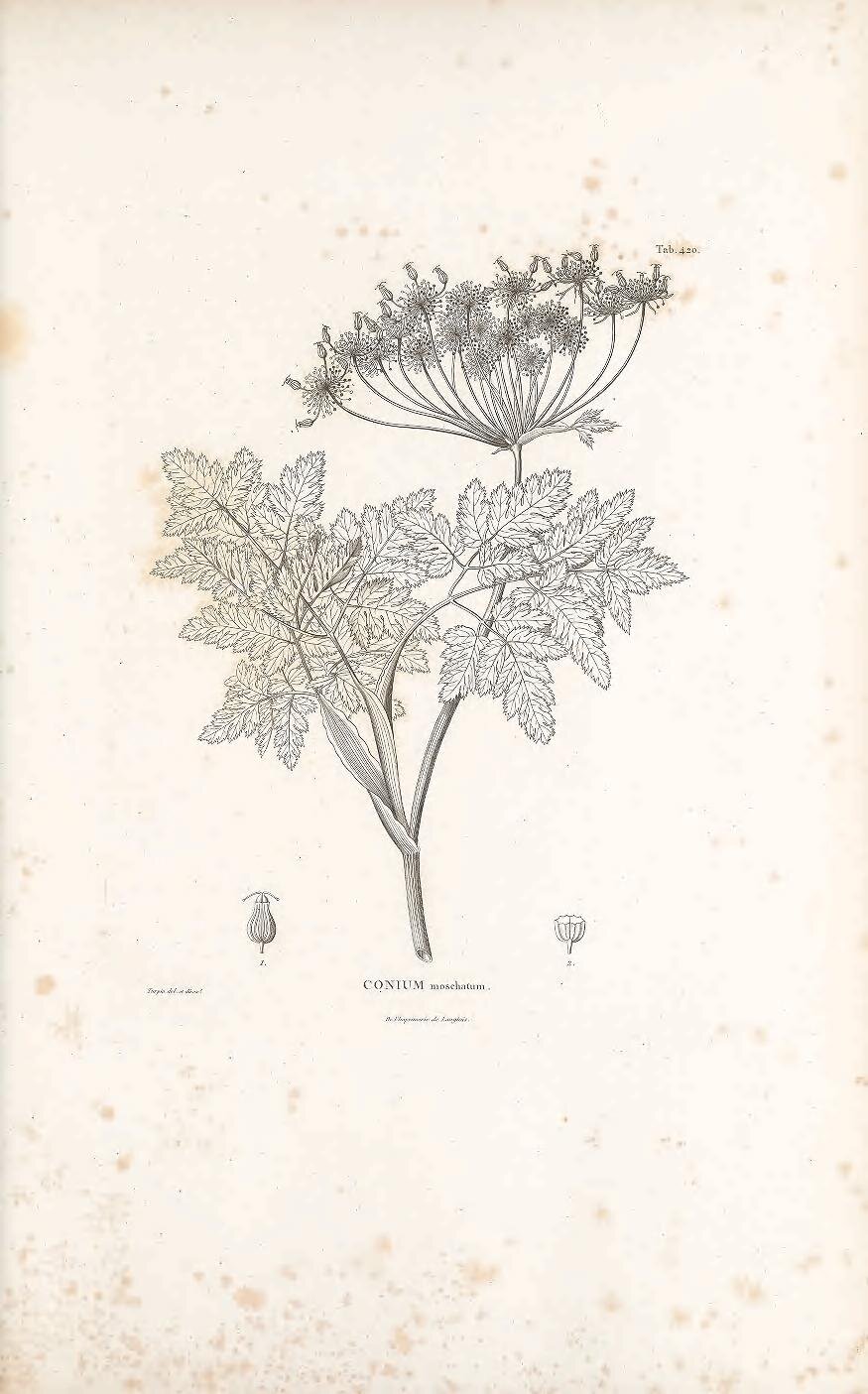
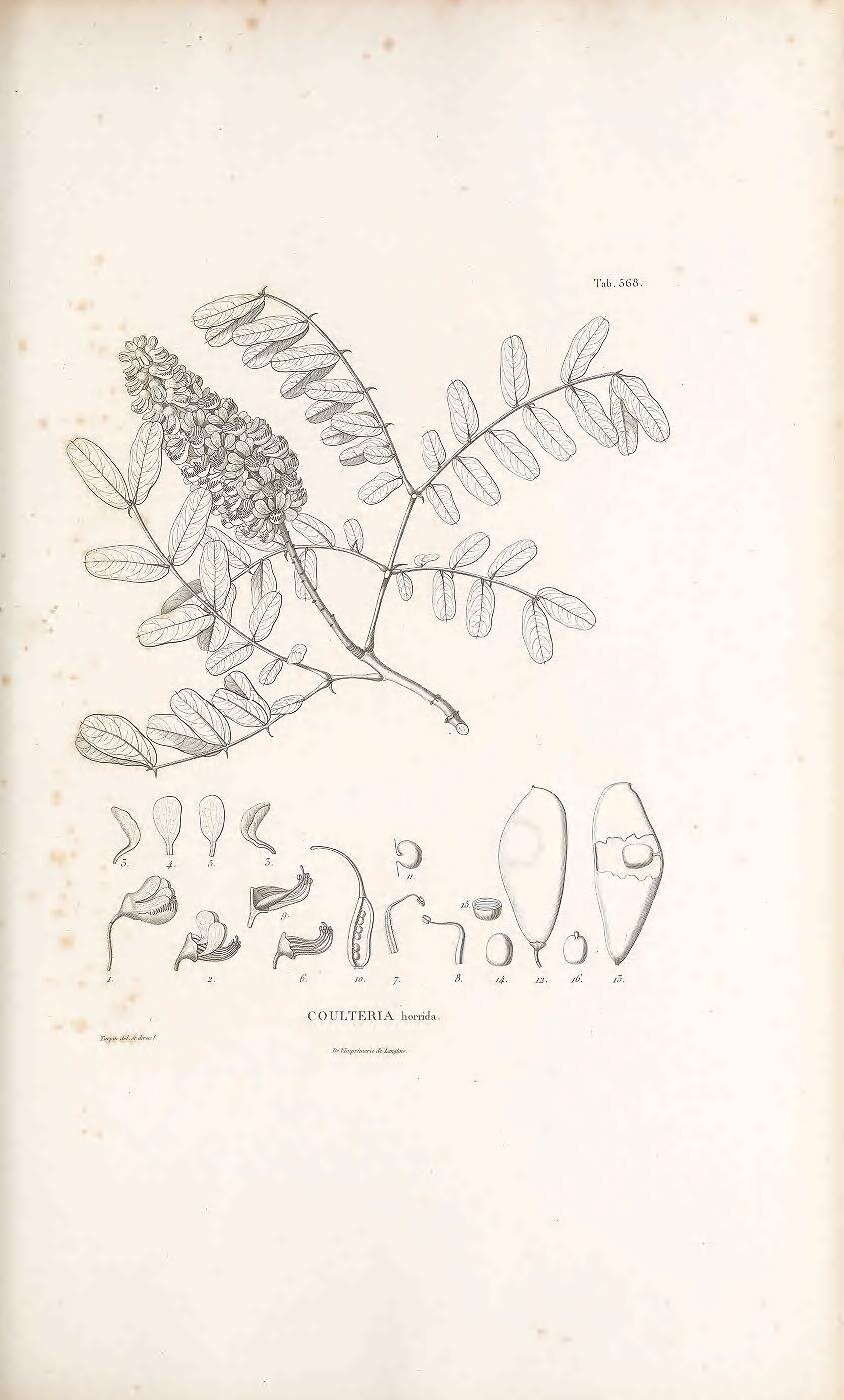
20 new eBooks added to the botanical prints list in November. They are all available from Internet Archive. The oldest is from 1682 – The Anatomy of Plants by Nehemiah Grew – the ‘father of plant anatomy.’ 6 books were published in the 1700s and the rest in the 1800s. I enjoyed the variety of books I browsed since I had been making my way through Annals of Botany for 2 months (September and October)! When I selected the sample images – I thought about why I made the selections I did from all the wonderful images in these books. Sometimes I choose because I know and enjoy the plant…sometimes it’s the color…sometimes it is a plant totally new to me. Overall – I like the mosaic of images in the post (and that each image can be enlarged with a click). Enjoy the November eBotanical Prints! The whole list of 2021 eBooks can be accessed here.

Medical flora or, Manual of the medical botany of the United States of North America Vol 1 * Rafineque, Constantine Samuel * sample image * 1828

Medical flora or, Manual of the medical botany of the United States of North America Vol 2 * Rafineque, Constantine Samuel * sample image * 1828

Thirty-eight plates, with explanations : intended to illustrate Linnaeus's System of vegetables, and particularly adapted to the Letters on the elements of botany * Martyn, Thimas; Nodder, Frederick Polydore * sample image * 1817

Flora rustica: exhibiting ... figures of such plants as are either useful or injurious in husbandry V1 and V2 * Martyn, Thimas; Nodder, Frederick Polydore * sample image * 1791

Flora rustica: exhibiting ... figures of such plants as are either useful or injurious in husbandry V3 and V4 * Martyn, Thimas; Nodder, Frederick Polydore * sample image * 1791

Traité des arbres forestiers : ou histoire et description des arbre indigènes ou naturalisés… * Jaume Saint-Hilaire, Jean Henri * sample image * 1824

Botanique medicinal * Jaume Saint-Hilaire, Jean Henri * sample image * 1799

The anatomy of plants * Grew, Nehemiah * sample image * 1682

Recueil de plantes coloriees * Rousseau, Jean-Jacques * sample image * 1789

Plants of the coast of Coromandel Vol 1 * Roxburgh, William * sample image * 1795

Plants of the coast of Coromandel Vol 2 * Roxburgh, William * sample image * 1798

Plants of the coast of Coromandel Vol 3 * Roxburgh, William * sample image * 1819

Plantarum Brasiliae icones et descriptiones hactenus ineditae * Pohl, Johann Emnuel * sample image * 1827

Nova genera et species plantarum t. 1 * Bonpland, Aime * sample image * 1815

Nova genera et species plantarum t. 2 * Bonpland, Aime * sample image * 1817

Nova genera et species plantarum t. 3 * Bonpland, Aime * sample image * 1818

Nova genera et species plantarum t. 4 * Bonpland, Aime * sample image * 1818

Nova genera et species plantarum t. 5 * Bonpland, Aime * sample image * 1821

Nova genera et species plantarum t. 6 * Bonpland, Aime * sample image * 1823

Nova genera et species plantarum t. 7 * Bonpland, Aime * sample image * 1825

Zentangle® – November 2020

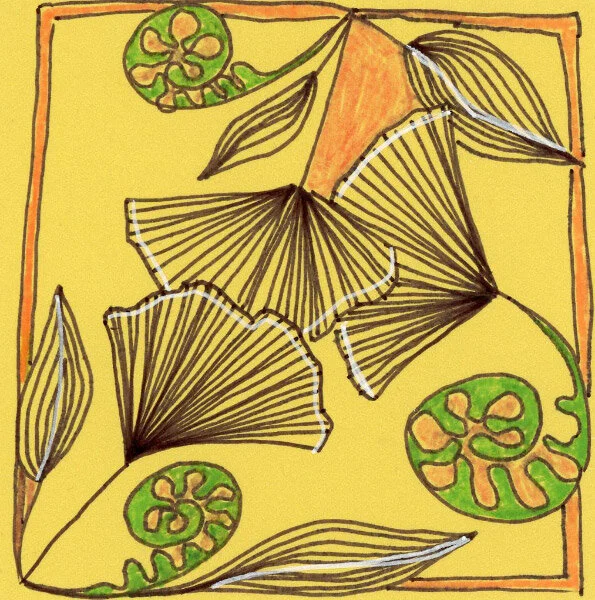
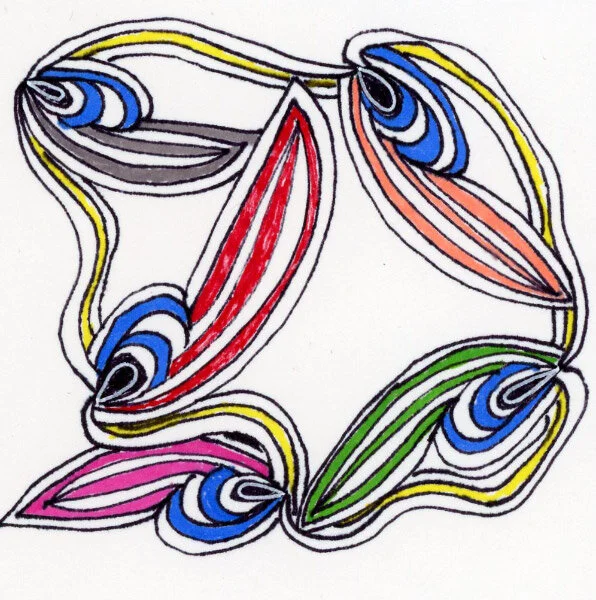
30 Days in November…such a challenge to pick just 30 from all the tiles I worked on in November! I am striving to do all the layers before I put the tile in the collection for the month….but have a pile of tiles I’ve made over the past few years that I took out from under the plastic tablecloth on the breakfast table when I put out the Christmas cards; I am still coloring and highlighting those old tiles….savoring them again.

There are 9 rectangular tiles (made from the separators in the cat food boxes). My favorite is the first one….reminiscent of fall bouquets.

2020 11 img053 (11).jpg

The square tiles are more numerous. My favorite is on the left; it looks a little like a ruffled headdress to me.

I didn’t take enough materials to keep me busy during the NCIS commercials….and used the cardboard backing of a pad of paper for a Zentangle tile – an irregular size. It reminds me of coiled snakes – or maybe pangolins.

2020 11 img053 (29).jpg
2020 11 img053 (31).jpg

Another unusual shape for the month – triangular tiles. I didn’t quite get the 6 lined up perfectly for the scan but it was fun to make each gingko leaf tile….and then put them all together. I’ll be doing more of experiments…seeing how they look singularly and together.

2020 11 img053 (30).jpg

The time I spend making Zentangle tiles is enjoyable and rewarding. I am often pleasantly surprised by what I create by the time I finish. I never thought of myself as an artistic person, but maybe that was an assumption I made based on experiences in elementary school ‘art’ classes. Somehow the things we did in art class were not what I wanted to do!

--

The Zentangle® Method is an easy-to-learn, relaxing, and fun way to create beautiful images by drawing structured patterns. It was created by Rick Roberts and Maria Thomas. "Zentangle" is a registered trademark of Zentangle, Inc. Learn more at zentangle.com.

Gleanings of the Week Ending November 27, 2020

The items below were ‘the cream’ of the articles and websites I found this past week. Click on the light green text to look at the article.

Iridescence - from archaeological glass to Art Nouveau – A little history of iridescent glass…how the effect is produced.

Photographer Captures Beauty of Starling Murmurations Across Europe – Awesome coordination of birds in flight. The starlings are not numerous enough in the US to create murmurations like this….but we did see flocks of tree swallows wintering in Florida that did.

New study reveals United States a top source of plastic pollution in coastal environments -- ScienceDaily and Plastic pollution is everywhere. Study reveals how it travels -- ScienceDaily – Plastic everywhere. We need to find a way to stop the waste.

Top 25 birds of the week: Plumage! - Wild Bird Revolution – Shots of color (I appreciated them more because it is a very cloudy day as I write this).

Into The Badlands Of El Morro and El Malpais National Monuments – Two places in New Mexico that I’ve visited several times…appreciated the pictures…reminder of how special these places are.

Which particulate air pollution poses the greatest health risk? -- ScienceDaily – Evidently the oxidative potential of particulate matter is key….wood combustion and metal emissions from brake and tire wear have higher oxidative potential, for example.

How to cut carbon out of your heating - BBC Future – A comparison of different types of heating…and other elements of carbon production related to heating where we live.

Wind & Solar Are Cheaper Than Everything, Lazard Reports – Great trend….now the market forces should push harder toward cleaner electrical generation.

The strange and surprising ways wild animals prepare for winter – The story starts out with bears but quickly moves on to animals not as well known for their winter preparations: moles, honey ants, chickadees, and snakes.

These Four-Foot Lizards Will Eat Anything—and They're Invading the Southeastern U.S. | Smart News | Smithsonian Magazine – The tegus, native to South America, and brought to the US as pets. They have roamed wild in southern Florida for a decade…and now are spotted around the southeastern US. It loves to eat eggs and thus is a threat to native species like quail, turkeys, alligators, and tortoises. The race is on to try to stop the invasion of this reptile.

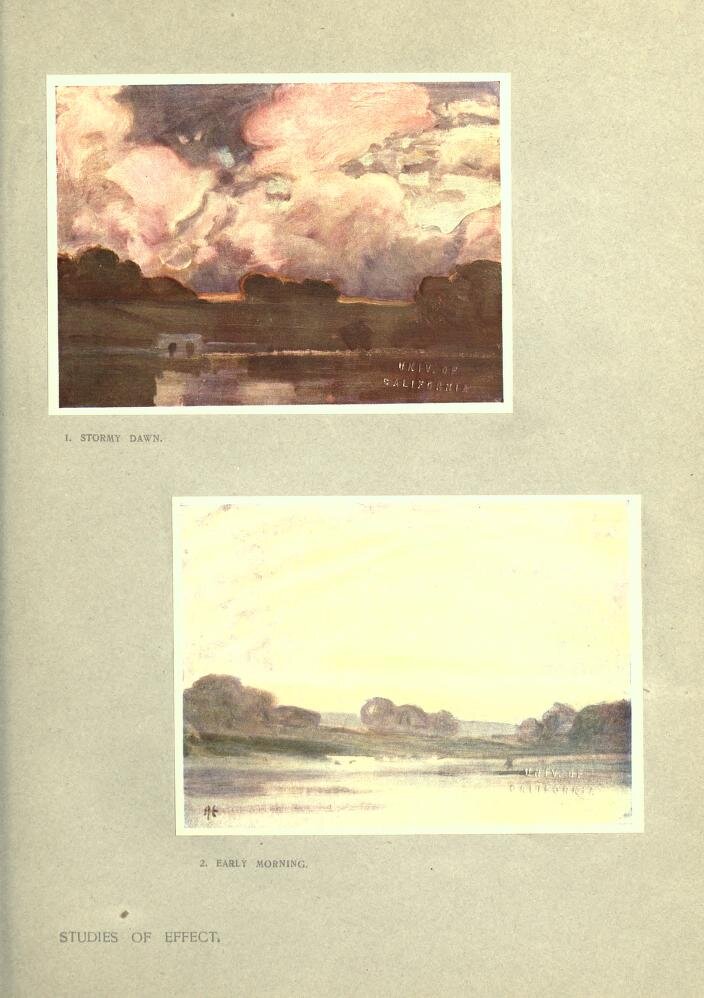
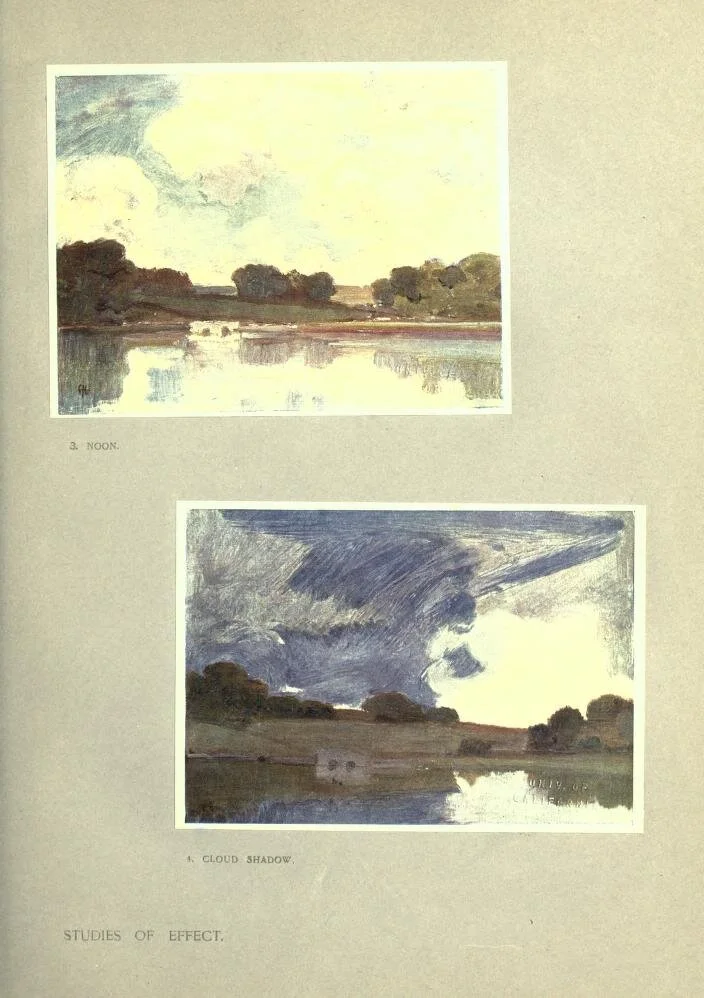
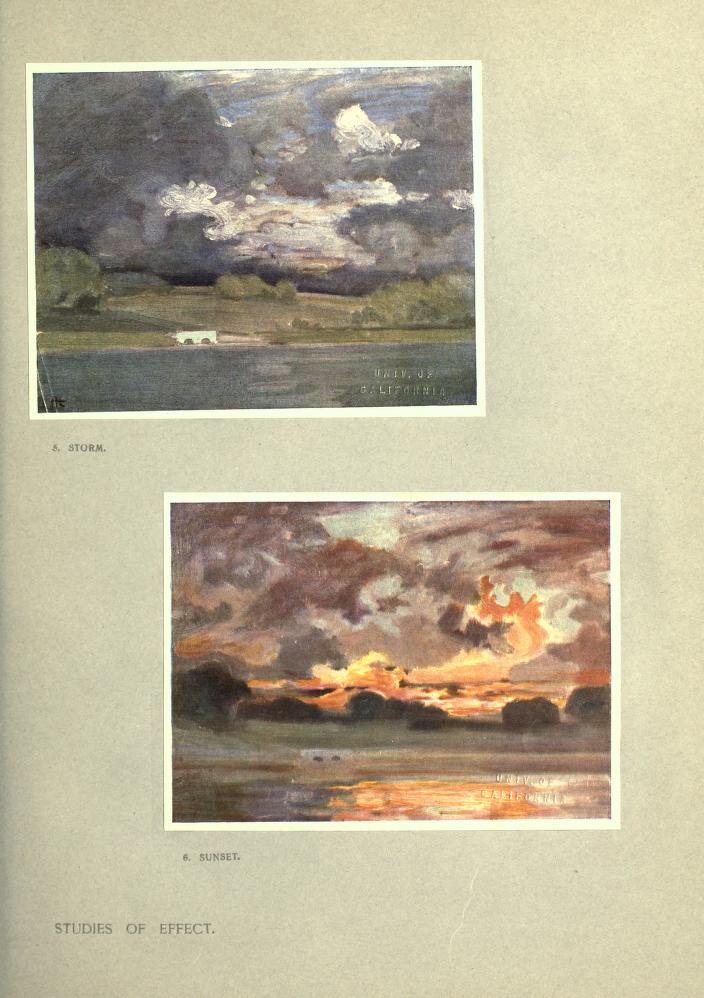
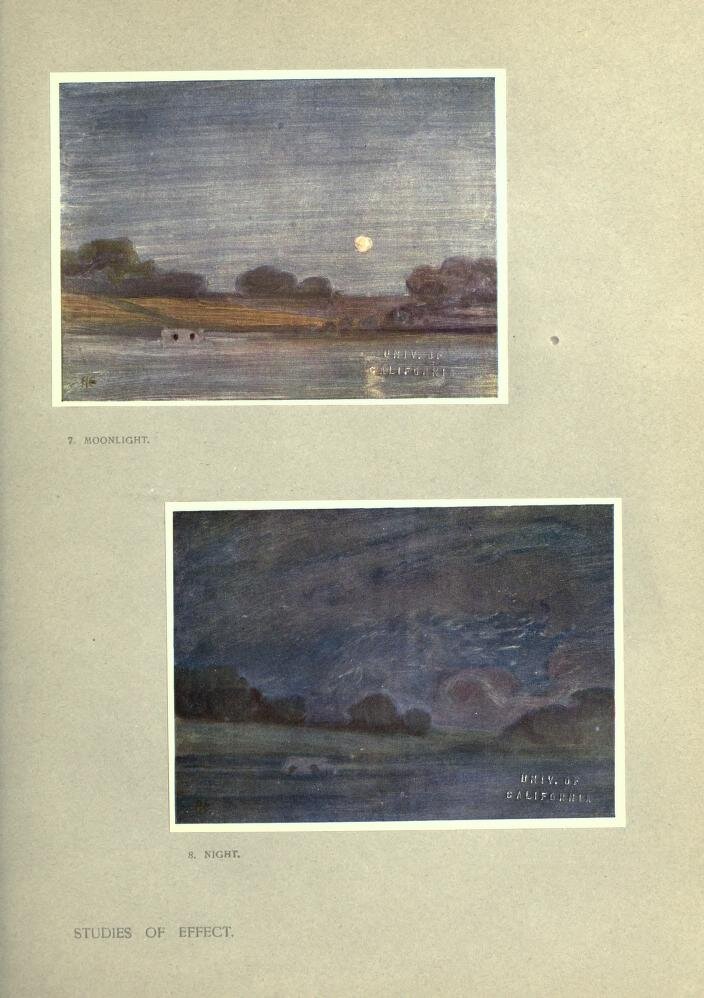
Alfred East’s The Art of Landscape Painting in Oil Colour

I happened upon a book on Internet Archive I had browsed back in 2012 – The Art of Landscape Painting in Oil Colour by Alfred East…and enjoyed the illustrations again.

I particularly enjoyed the ‘Studies of Effect’ series. Since I’ve done a lot more thinking about light as I’ve improved my photographic skills, I probably appreciated them more now than I did 8 years ago.

These days – there are other steps I typically take when I spot something of interest in Internet Archive – either the topic of the book or the author…or maybe just a single picture. I frequently look for the biography of the author in Wikipedia (and maybe follow some of the external links or references). Since East was a British artist, I did a search on The British Museum site and found 32 items! It’s awesome to be able to follow whatever questions I develop looking at old books; perhaps I appreciate the ease more since I remember heavy reference books and card catalogs…and being frustrated when the library didn’t have what I was looking for.  It’s very easy now to find an overwhelming amount of information.

Unique Activities for Yesterday:

Bald Eagle. As we were driving to put flowers on my mother-in-law’s grave (she died in 1990) on Thanksgiving morning, we drove by a historical manor house set well off the road with outbuildings. I noticed a white blotch near the top of one of the trees near the house. It was almost too far away to figure out what it was but when it moved, I realized it was a bald eagle. It turned further and took off as the light turned green and we moved in the other direction. What a great contribution from the natural world to add to our Thanksgiving!

Gleanings of the Week Ending November 21, 2020

The items below were ‘the cream’ of the articles and websites I found this past week. Click on the light green text to look at the article.

Photography In The National Parks: The Redwood Forests Are Made For Vertical Shots – Botany (redwoods), photography (including two short videos), natural places…a great way to start the day or boost my mood any time.

Tarantulas: Color, Cancer and Cramps – I remember a tarantula on the sliding glass door of our house in Wichita Falls, TX when I was in my early teens…at eye level. Fortunately, it was on the outside and I was inside. It was about the side of the palm of my hand. This article talks about research on tarantulas; they are probably more interesting than scary!

The cheap pen that changed writing forever - BBC Future – A little history for the week. The ballpoint pen was unveiled on October 29, 1945 in the US. However – the first patent for a ballpoint pen was back in 1888. Laszlo Biro developed a practical ball point pen by perfecting the ink (different than ink used in fountain pens) and got a patent in 1938 in Britain but World War II came along, and he fled to Argentina. His pen was released in Argentina in 1943, but the pen was little-known outside of South America. Find out more from the article.

Biophilic Cities For An Urban Century – During the pandemic, I have appreciated where I live for its proximity to nature; I live at the edge of a forest and the 30 year old development has larger trees in the yards too. Turning our cities from gray to green would be different but there are reasons to make the choice to do it. The authors consider urban economics, environmental health, and ecology…and propose that going forward that we should actively design for biophilic cities. If cities were more like the first picture in this article (and all those cars below were electric) – they would be much more pleasant places to live!

Top 25 birds of the week: Wild Birds! – Can’t resist….I always enjoy the collection of bird photos every week…so include it in the gleanings list.

Slideshow: How Ecologists Study the World’s Apex Predators – Projects from around the world studying the impact of predators…using a variety of techniques.

New solar panel design could lead to wider use of renewable energy: Designing solar panels in checkerboard lines increases their ability to absorb light by 125%, a new study says -- ScienceDaily and Solar Panels + Agriculture: You Ain’t Seen Nothing Yet – Two articles about solar panels….we’ve seen more of them in the past few years…there are a lot of indicators that it’s only the beginning of the upward trend gaining momentum.

The Craters on Earth – They mapped 200 sites – high resolution topographic maps and satellite images…geological descriptions and photographs…details of each impact event. I followed the links and found that publication is available for pre-order here; the page provides the table of contents and additional sample images.

How Cowbirds raise their young, without raising their young – We had a group of cowbirds at our feeder one day this week. They seemed to be moving through rather than staying. There were some last spring as well, but I didn’t notice any cowbird chicks coming to the feeder like I have in previous years.

Plastic-eating enzyme 'cocktail' heralds new hope for plastic waste -- ScienceDaily – It appears that we are getting closer to a cost effective was to endlessly recycle plastic – which would dramatically reduce the need to produce plastic from fossil fuels. It’s also a good example of the benefit of collaborative research – international…multiple specialties…sophisticated (and rare) equipment.

Unique Activities for Yesterday:

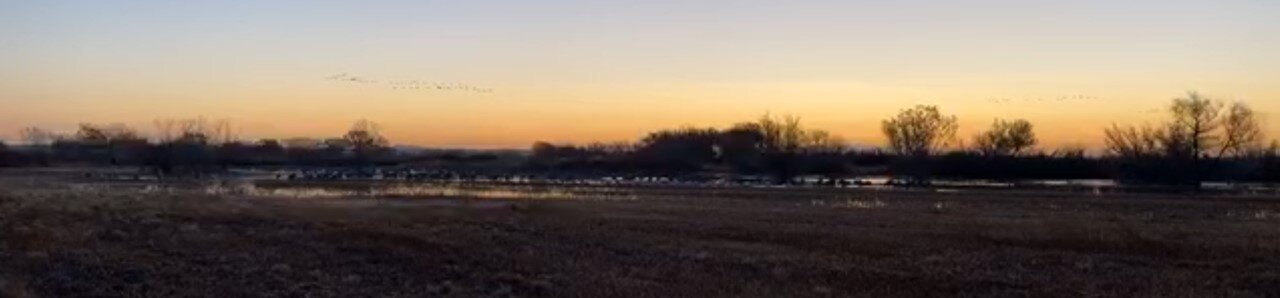
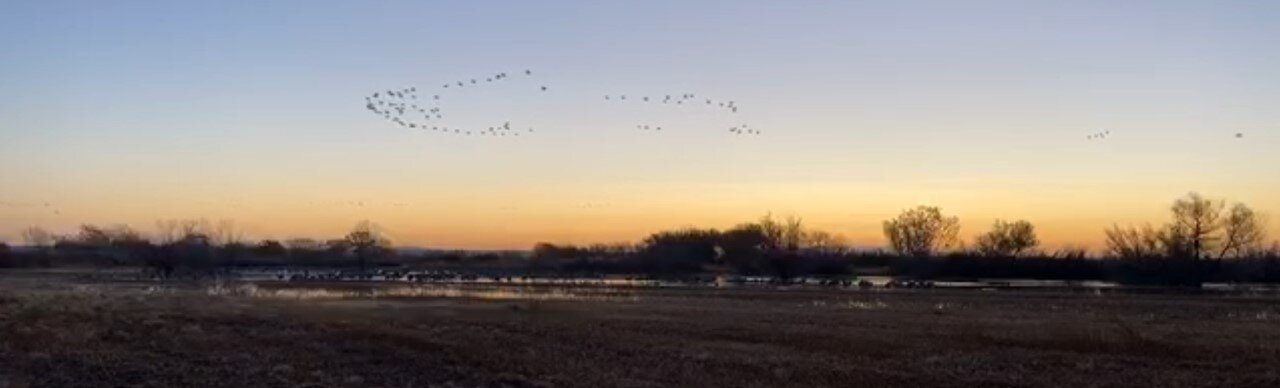
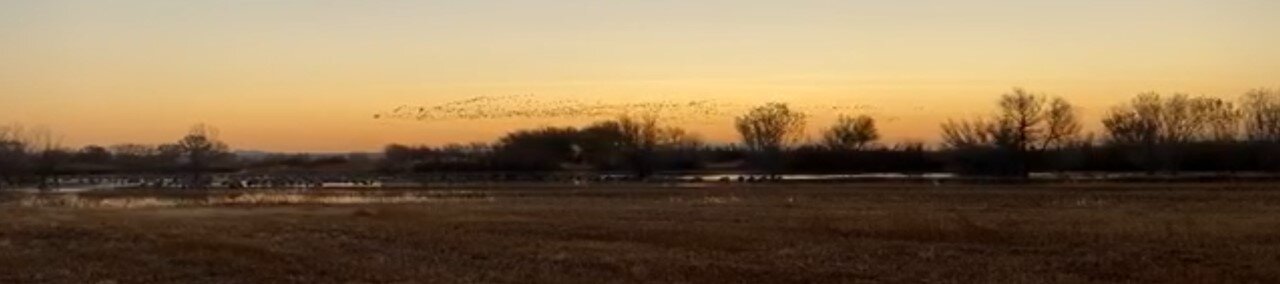
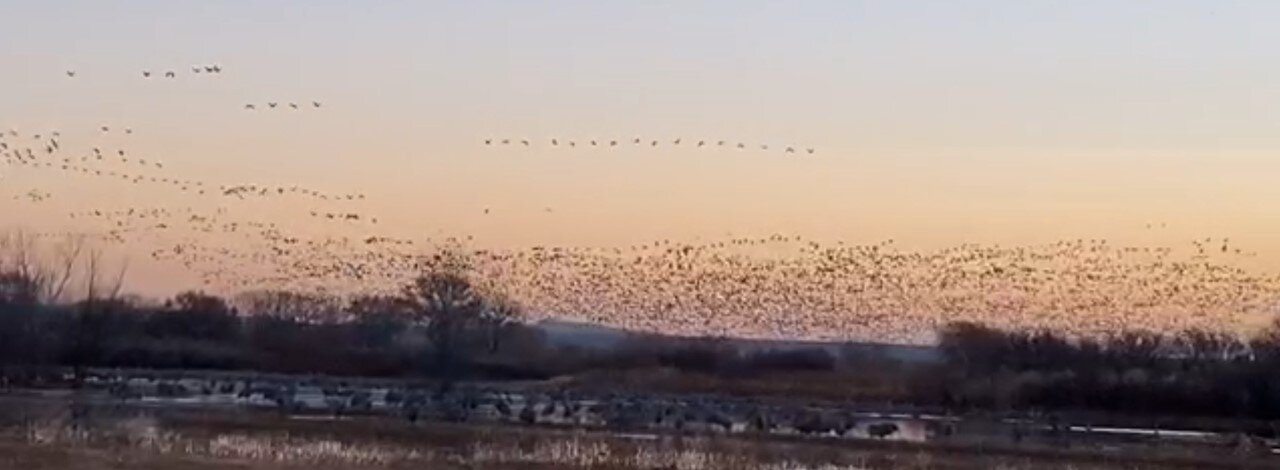
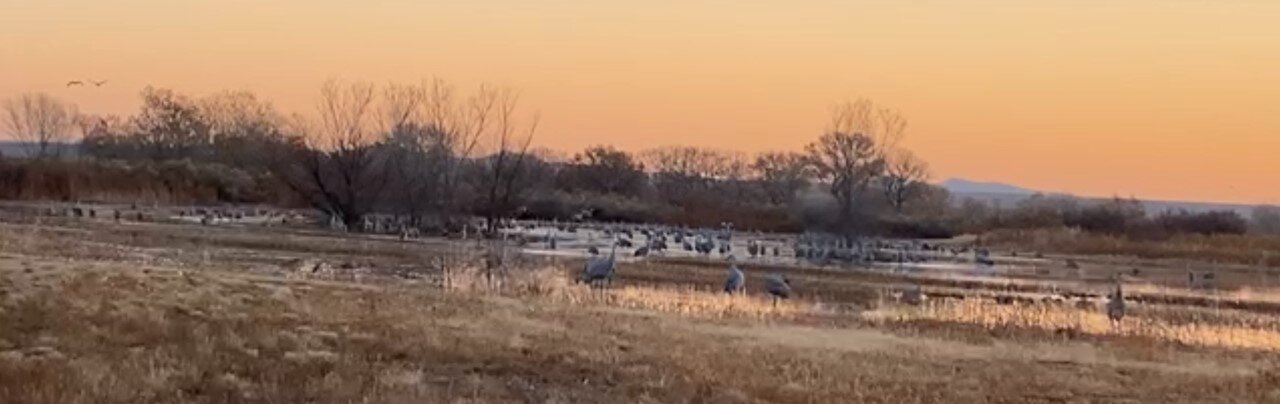
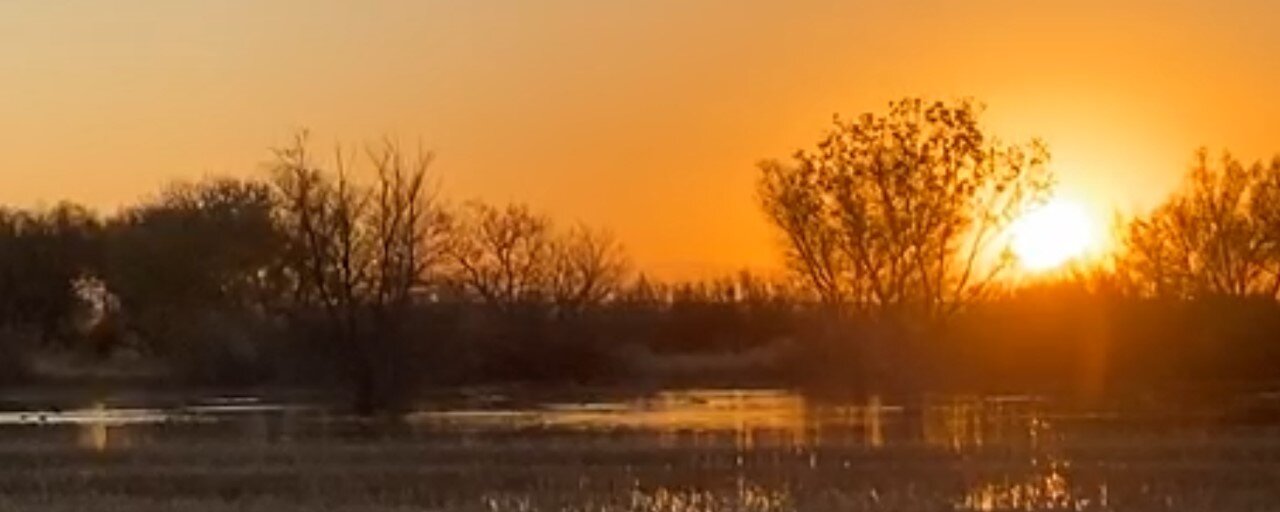
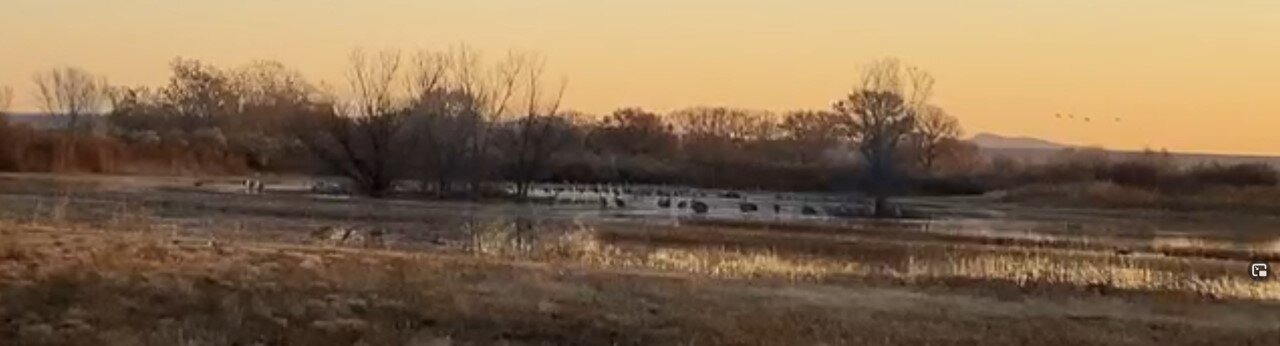
Bosque del Apache Sandhill Cranes. We are enjoying the Bosque del Apache Crane Fiesta. It started out with a live video of the morning fly-out of the cranes. The recording is now available on the Facebook page of the refuge….remember to turn on your speakers to listen to the birds and enjoy the sunrise (it starts out before sunrise and runs for more than an hour)!

We’ve been to the area twice in November for the Festival of the Cranes and we always enjoy photographing the cranes (and snow geese) each morning. I simulated it by taking screen snaps as I watched the live video. Enjoy my little slideshow…but watch the video from the refuge’s Facebook to get the full effect!