Howard County Living Farm Heritage Museum

2018 05 IMG_0809.jpg

The Howard County Living Farm Heritage Museum was a place I’ve never been before this week – was there as a volunteer to support all day field trips for several schools.

2018 05 IMG_0801.jpg

My role was to guide the student scientists as they analyzed forest soil (our entry to the forest was marked by a cone). One of the days was more challenging when heavy rain moved it…mud everywhere! Fortunately the temperature was warm enough and the students remained enthusiastic about what they were doing; we retreated to the shed and analyzed the (very wet) soil.

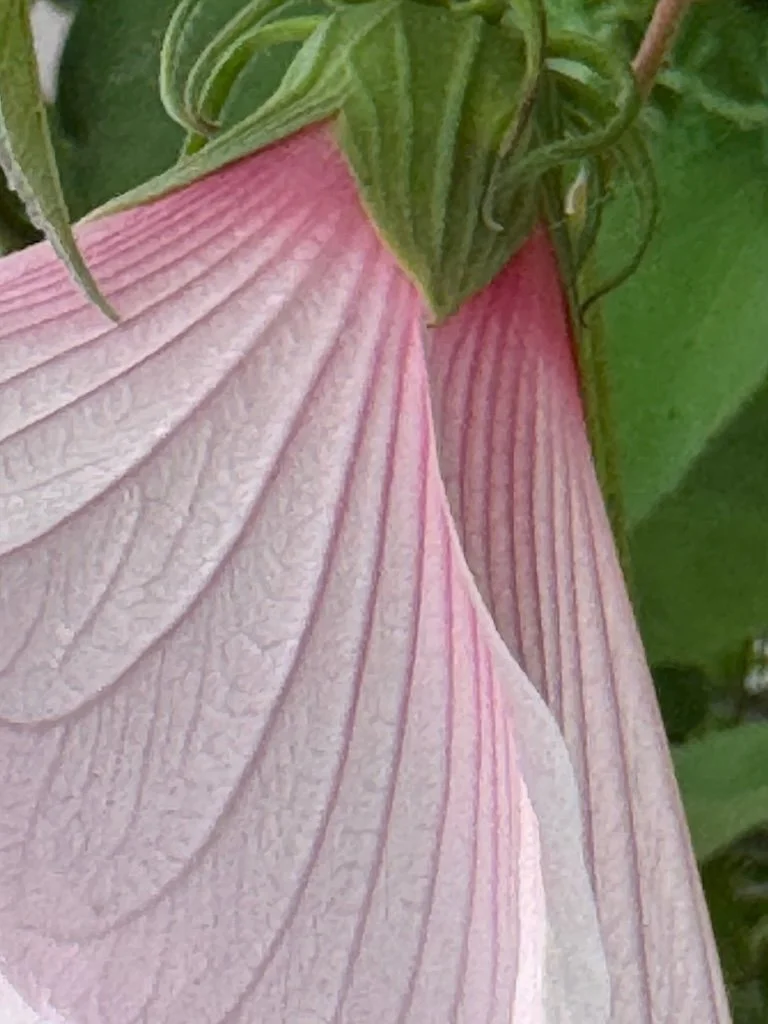
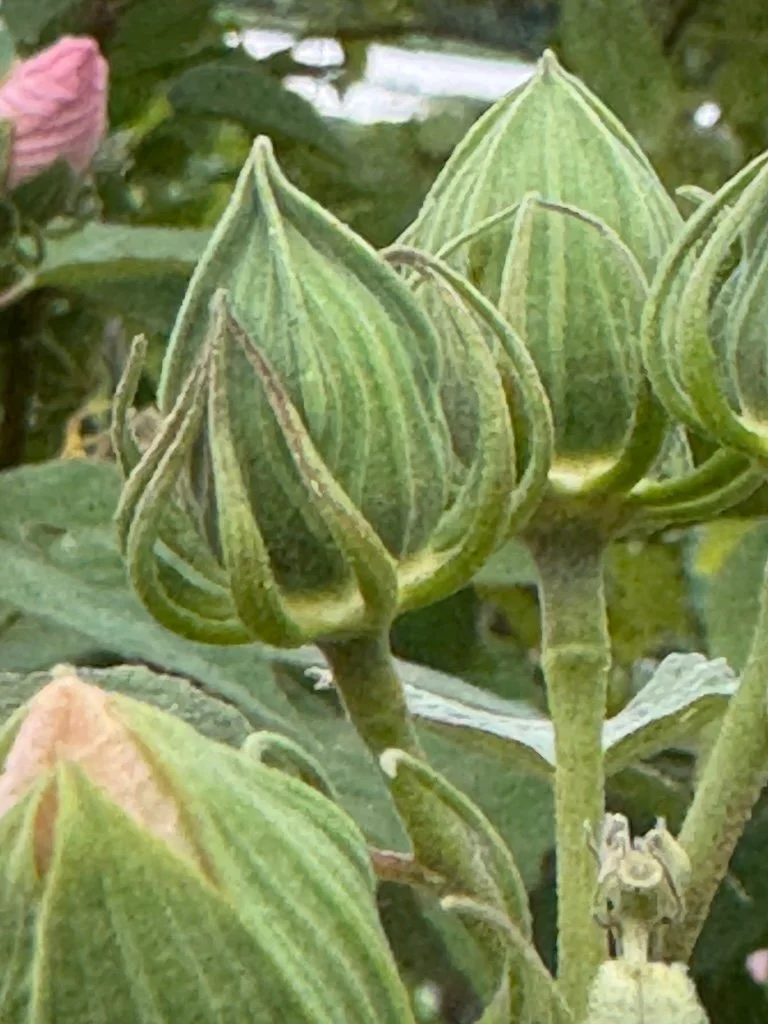
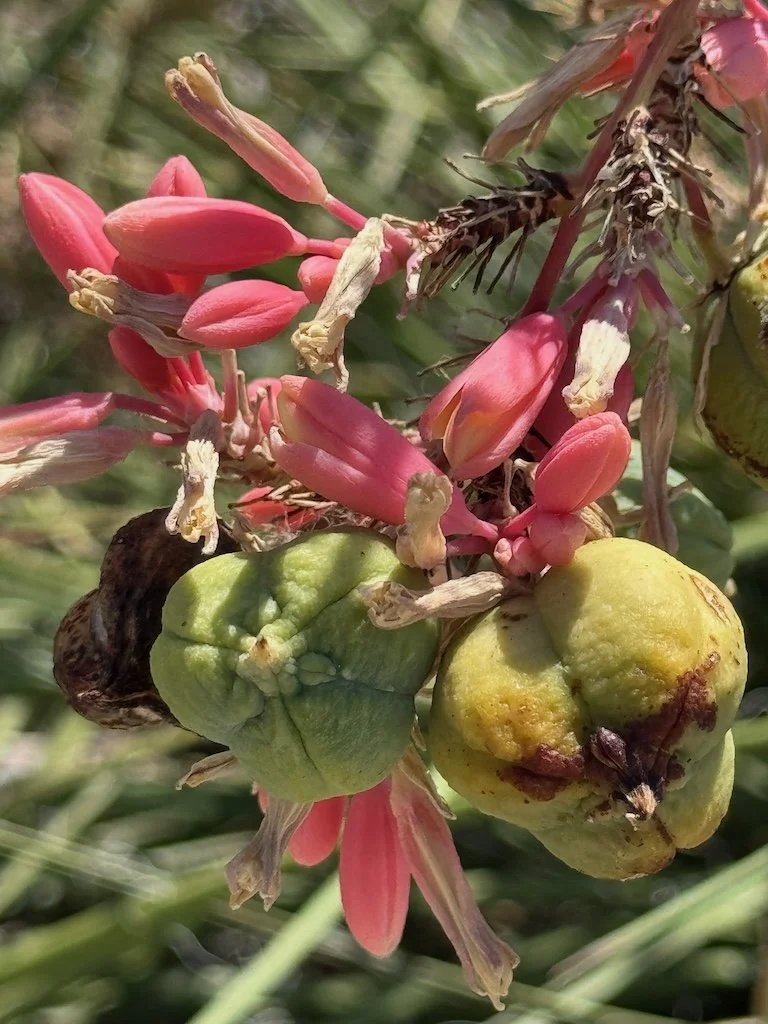
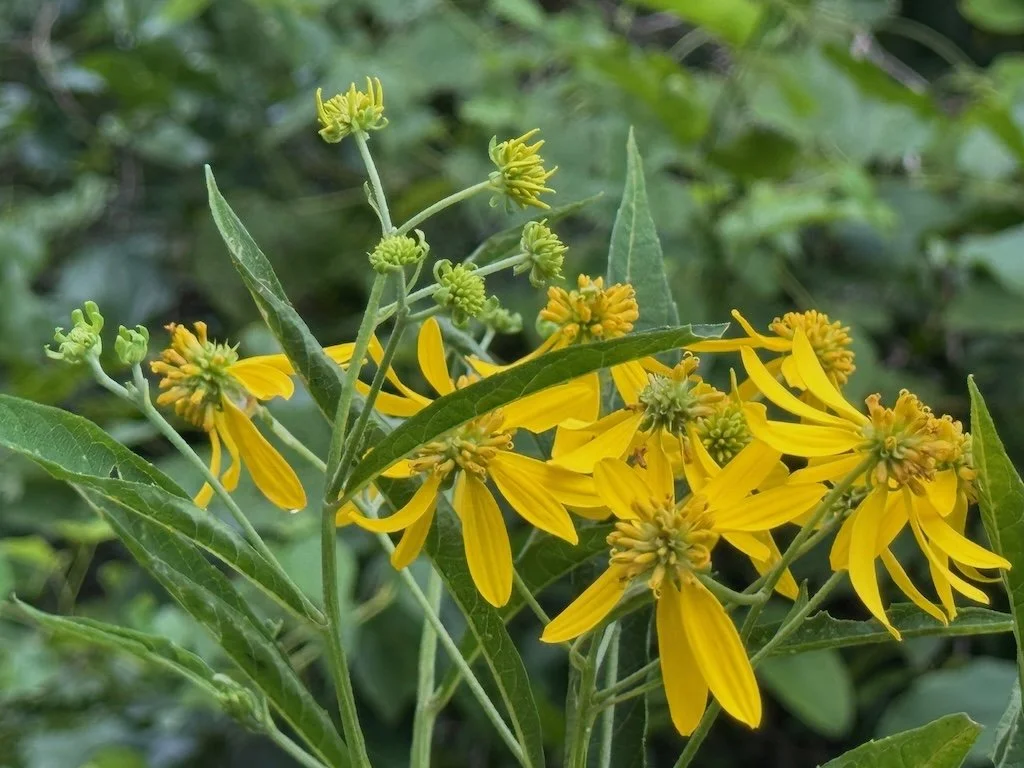
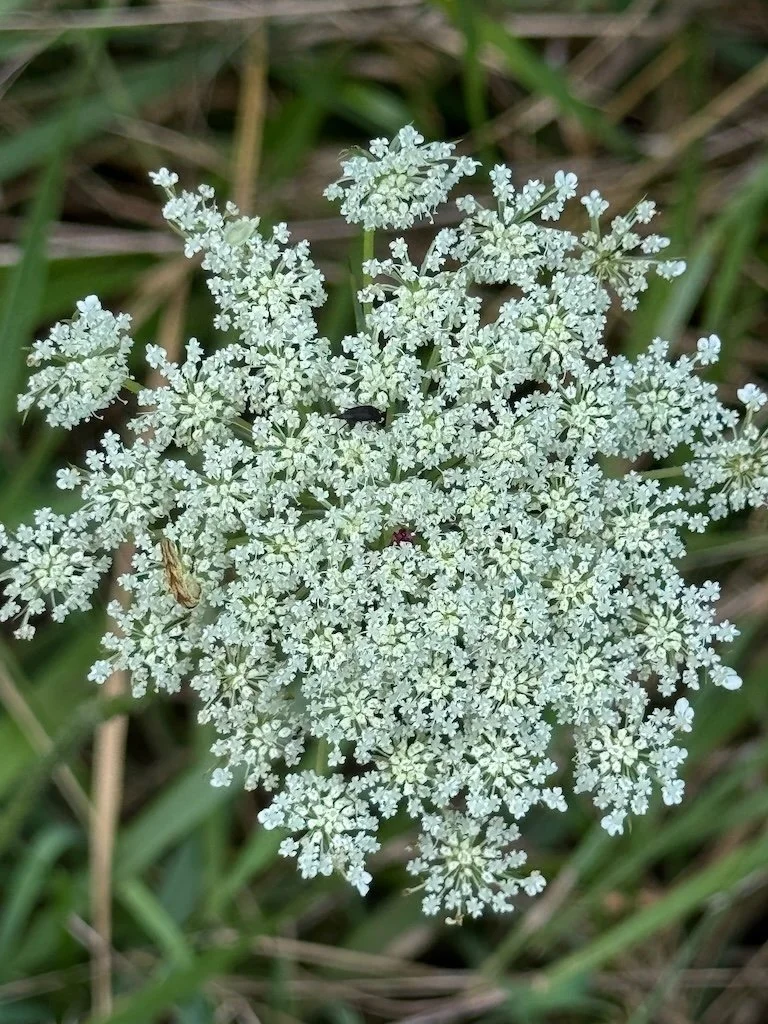
Before the students arrived, I did a little photography. Plants are always a favorite…and I’m still experimenting with the clip-on macro lens for my smartphone camera.

I looked at the rust on an old plow.

20180523_092651.jpg

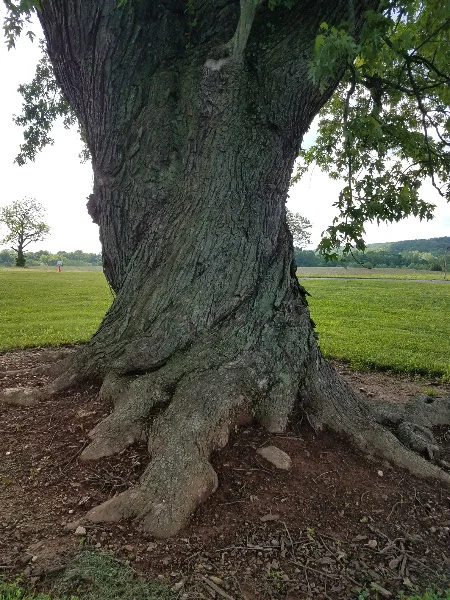
There was a very large tree that looked like the trunk had been twisted. There were several kinds of lichen and moss growing on it.

As I walked around the tree, I noticed the bark had formed and eye-like pattern…like a dragon just waking up.

20180523_092847.jpg

Gleanings of the Week Ending May 19, 2018

The items below were ‘the cream’ of the articles and websites I found this past week. Click on the light green text to look at the article.

Top 25 Arid Birds – National Geographic Blog and Top 25 Woodland Birds – National Geographic Blog and The Best of the Top 25: Part 1 – National Geographic Blog and The Best of the Top 25: Part 2 – National Geographic Blog – Birds and more birds! I’m catching up on a lot of ‘top 25’ posts that have been accumulating.

Millennials Begin To Change The Face Of Camping In National Parks And Beyond  - Positive trends – more people camping…and more diversity. Great vacations…outdoors.

Historic Low Sea Ice in the Bering Sea: Image of the Day – Big changes to the amount of ice.

Algae Blooms in Lakes & Oceans Creating Pollution That Harms People, Pets, & The Planet | CleanTechnica – Who want to do anything in green water. Ugh! Another reason to slow the flow and reduce the extra nutrients that we send into our rivers, streams and lakes (that cause algae blooms).

World’s Largest Victorian Glasshouse Opens Doors After Five-Year Restoration Project | Smart News | Smithsonian – It’s easier to the structure of the building at this point…before the many new plants get very large and block the view. The building was originally opened in 1863…and this was it first restoration.

Alligators on the beach? Killer whales in rivers? Get used to it: Large predators once hunted to near-extinction are showing up in unexpected places -- ScienceDaily – Rebounding populations! They are returning to hunting grounds where they were common before hunting caused their near extinction.

Five Tips to Help Frogs and Toads in Your Yard: The National Wildlife Federation – Good recommendations for frogs…and wild life in general. I may repurpose my daughters old ‘turtle sandbox’ into a vernal pool (but will have to monitor it for mosquito larvae)

Why Teenagers Should Understand Their Own Brains (And Why Their Teachers Should Too!): NPR Ed: NPR – After being around middle school students this week…this article caught my interest. I’m glad we are learning more about the teenage brain and can come up with solutions to the problems caused to their sleep pattern by early school start times.

How Seeds from War-Torn Syria Could Help Save American Wheat - Yale E360 – From a seed bank near Aleppo…saving the seeds from the bank by taking them into Aleppo to Lebanon and now Kansas State and North Dakota State Universities developing wheat that is resistant to Hessian fly which has been an increasing problem with climate change (higher temperatures enough that the flies were not killed by the cold of winter, less water) significant enough that US grain yields were falling. Hurray for a diverse seed stock (and the US should take note to develop diversity rather than destroying via monoculture agriculture).

For how long will the USA remain the Nobel Prize leader? Empirical study on historical development allows a prognosis -- ScienceDaily – The graph is not positive for the US. It looks like the UK is recovering from a trough that developed in the 1990s while the US peaked in the 1980s and has been going down since then (the metric being Nobel prizes per year per 100 million inhabitants).

Changes at the Grocery Store - a little history

When I first started doing my own grocery shopping back in the 1970s – the checkers still had to know the prices (no scanners), there was only one kind of bag and it was paper, and I paid cash or wrote a check.

Then the scanners came along and plastic bags although paper bags could be requested. At some point, paying for groceries with a credit card took over from checks. The credit card processing hand changed over the years…from the checker swiping it through a part of the register, to me swiping it through a device, and most recently, to me inserting the chip end of the card into the upgraded device. That finally step has eliminated the signature requirement.

I started using my own reusable bags about 8 years ago and now seldom get the plastic bags any more (and never from the grocery store). Sometimes my husband requests paper bags that we use for collecting paper to be recycled.

20180510_080457.jpg

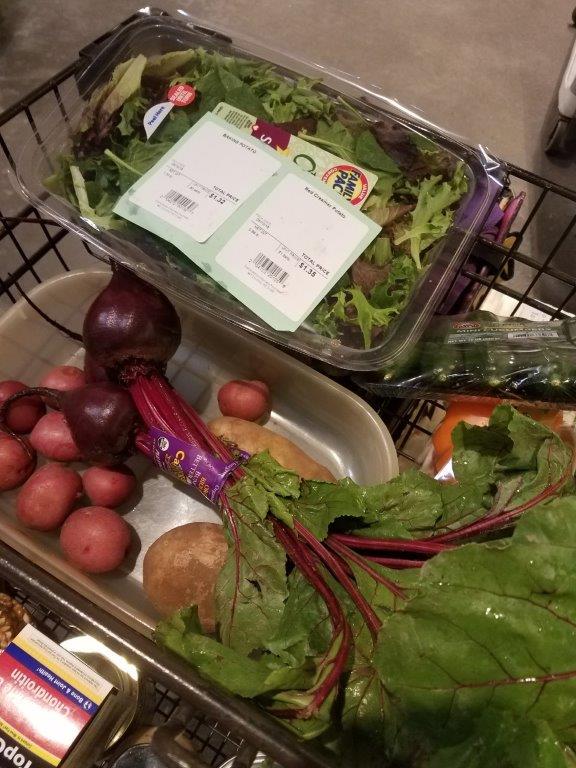
The last plastic bags I’ve eliminated are from the produce department; I’ve started taking a reusable plastic bin for those items – weighing them so the checker can easily scan the weight/price for those items. In a recent trip I eliminated 3 plastic bags; I always am pleased when I can take a simple action and reduce plastic use!

Of course, once the Community Supported Agriculture (CSA) season starts in June, my purchases from the grocery store produce department are dramatically reduced.

Gleanings of the Week Ending May 12, 2018

The items below were ‘the cream’ of the articles and websites I found this past week. Click on the light green text to look at the article.

Why I Speak Up for Science – National Geographic – A short piece about the need for science in everyday life….why science is important for everyone.

From property damage to lost production: How natural disasters impact economics -- ScienceDaily – The economic impact is more than just a single point of property damage and lost production…there is a ripple effect that can increase the overall impact significantly over what insurance covers and it beomes a very complex problem to estimate.

European Union Bans All Outdoor Uses of Neonicotinoids - Yale E360 – Shouldn’t we in the US be at least this concerned about the health of bees and other pollinators? Why have we not done more to curtail the use of neonicotinoids?

Top 25 Urban Birds – National Geographic – Some birds are thriving in the cities of the world.

Common Eye Disorders Explained: Cataracts, Glaucoma, AMD | Berkeley Wellness – Prevention, signs and symptoms, treatment…well organized and easy to understand.

These daggers made from human bone were a deadly asset on the battlefield | Science | AAAS – They are from New Guinea….and decorated. Most of the time they were made from cassowary leg bones….but sometimes human thigh bones were used.

US gains in air quality are slowing down: New study indicates challenges of meeting ozone goals -- ScienceDaily – I live in an area that has an increasing number of ‘code red’ days (high ozone). This study indicates that emissions from cars and power plants are understood well enough…but not other sources and that is probably why the trend toward better air quality is slowing down.

BBC - Future - How prison changes people – Evidently the personality change that dominates is an inability to trust others….but there are other common changes as well. Prisons almost seem design to change personalities for the worse.

City upbringing, without pets, boosts vulnerability to mental illness -- ScienceDaily – We need to figure out how to make cities a healthy place for everyone --- including children.

BBC - Future - Why pristine lakes are filled with toxins – A study done on Lake Geneva revealed cadmium, mercury, lead…sometimes in high concentration…from decades of plastic build up in the lake. Other studies of the microplastics in the water (and in water that has been processed for drinking) and then beer and honey from the area. Lots more research is needed on the impact to wildlife in and around the lake.

Gleanings of the Week Ending May 5, 2018

The items below were ‘the cream’ of the articles and websites I found this past week. Click on the light green text to look at the article.

Top 25 Birds Protected by the MBTA – National Geographic Blog – The Migratory Bird Treat Act was passed in 1918…and covers over 1000 species. Enjoy pictures of 25 of them!

Atlantic Ocean circulation at weakest point in more than 1,500 years -- ScienceDaily – Something else that could cause more rapid increase in sea level rise on the US East Coast.

Spring Sediment Swirls in the Great Lakes – Image from April 20th after a storm. The areas are the lakes are losing soil.

NASA planet hunter on its way to orbit: Transiting Exoplanet Survey Satellite successfully launched -- ScienceDaily – Hurray! TESS was launched on April 18th…and should be ready to begin work something in June.

Compound Interest - The chemistry of tulips and tulip fingers – After seeing the tulips display at Brookside…this article caught my attention. I didn’t notice if the gardeners taking up the bulbs were wearing gloves…or whether they were the right kind.

Dark chocolate consumption reduces stress and inflammation: Data represent first human trials examining the impact of dark chocolate consumption on cognition and other brain functions -- ScienceDaily – I like dark chocolate. It’s a good thing that it has positive health benefits but I would probably still eat it even it didn’t.

Which US Generation Has the Best Eco-Conscious Habits? A Survey+ | CleanTechnica – Boomers, Gen-Xers or millennials. It’s a clever way to highlight ways to become more eco-conscious.

On The Hunt For The Elusive Morel Mushroom In Ohio’s Appalachian Country: The Salt – Morel mushrooms are tasty….enough that people keep their spots secret and turn off their GPS locators when on the hunt!

These Are the Cities With the Worst Air Pollution | Smart News | Smithsonian and Compare Your Air | American Lung Association – Read the summary from the Smithsonian blog then go to the American Lung Association site to compare cities. Where I live gets and ‘F’ for Ozone.

Diseases from Ticks and Mosquitoes Have Tripled | The Scientist Magazine® - Lyme Disease and Zika have caused a lot of the increase.

Gleanings of the Week Ending April 7, 2018

The items below were ‘the cream’ of the articles and websites I found this past week. Click on the light green text to look at the article.

How Do We Carry Our Shopping Home Now? | CleanTechnica – I’ve been using my collection of reusable bags for years. Some of them are over 10 years old and still in great shape. Occasionally, I still get a Lightweight Plastic Bag (or a newspaper in plastic, or other plastic bag packaging) which I take back to the bag recycling bin at my grocery store. I’m always sad when I set a grocery cart full of stuff in the plastic bags…hope none of them escape into the environment.

A Harlequin Duck’s Long Cross-Country Migration – Cool Green Science – A bird banded in Glacier National Park migrated to Long Island! Zoom lenses on cameras and binoculars make it possible to record banding info from a distance.

BBC - Future - The small Scottish isle leading the world in electricity – Eigg has an off-grid electric system powered by wind, water, and solar…they average 90-95% renewable energy. The time of year they tend to need back up generators is in the spring.

Implications of access to high-quality fruits and vegetables: Quality has potential to impact consumer selection and consumption in rural areas -- ScienceDaily – There has been a lot of discussion about food deserts in big cities – places that lack affordable, high-quality food. It appears that food deserts occur in rural areas as well.

Top 25 Endemic Wild Birds – National Geographic – The weekly bird photography fix! The chickadee we see frequently in our areas of the Mid-Atlantic of the US is endemic to our part of the world (and is one of the 25 pictured).

New Beginnings: Cherry Blossoms and Helen Taft's Landscape Diplomacy – Some years we manage to see the peak of the cherry blossoms around the tidal basin in Washington DC….but every year we enjoy the cherry tree in our front year. It is always at least a week later than the ones in DC.

US electricity use drops, renewables push fossil fuels out of the mix | Ars Technica – Total electrical generation was down 1.5 percent in 2017. Coal and natural gas declines were more than that with renewable energy projects coming online. Energy efficiency has made a difference! Another article reported that some utilities are planning for the uptick in electric vehicles to cause the trend in electricity generation to turn upward again. Right now – it seems like people that buy electric cars are often the same people that install solar panels; that could result in no uptick to the draw from the electric utility.

The Life Issue | WIRED – A collection of thought provoking articles about ‘what it means to live in an age of improvisation.’ I started with the articles about the 55-infinity age group.

Microscopic Images of Seeds • Insteading – hmm…maybe I’ll take a magnified look at seeds before I plant them in my flower beds.

Meditate regularly for an improved attention span in old age – Nice to know that something enjoyable immediately is also good for the long term too!

Arlington National Cemetery

Earlier this week we walked around Arlington National Cemetery. It’s a place we take out-of-town guests occasionally…more when we first moved to the area than recently when the traffic between where we live in Maryland and Washington, DC/Arlington, VA has increased so much. It was easy enough getting there the morning we went – easy to park in the garage near the visitor center. It was a little colder than we anticipated and there were busloads of students and tourists both arriving and leaving as we walked toward the visitor center. There was a short line to go through security and then a lot of people inside the building.

2018 04 IMG_9515.jpg

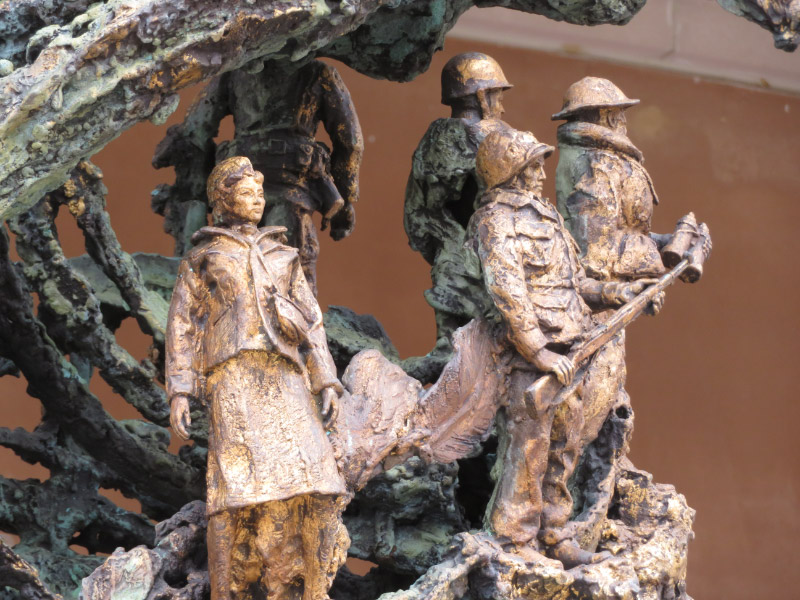
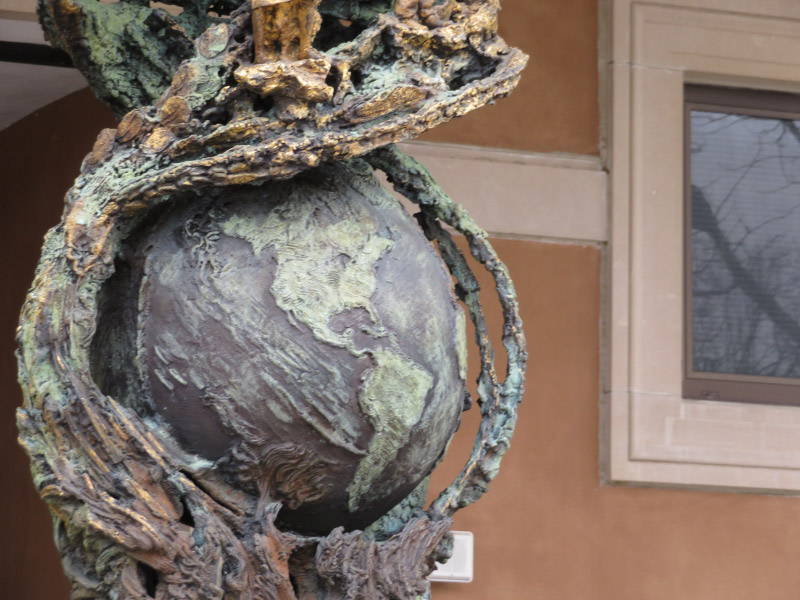
I was glad to walk through the doors to the cemetery side of the building! The first sight I photographed was the sculpture that was there….something to look at and appreciate.

2018 04 IMG_9529.jpg

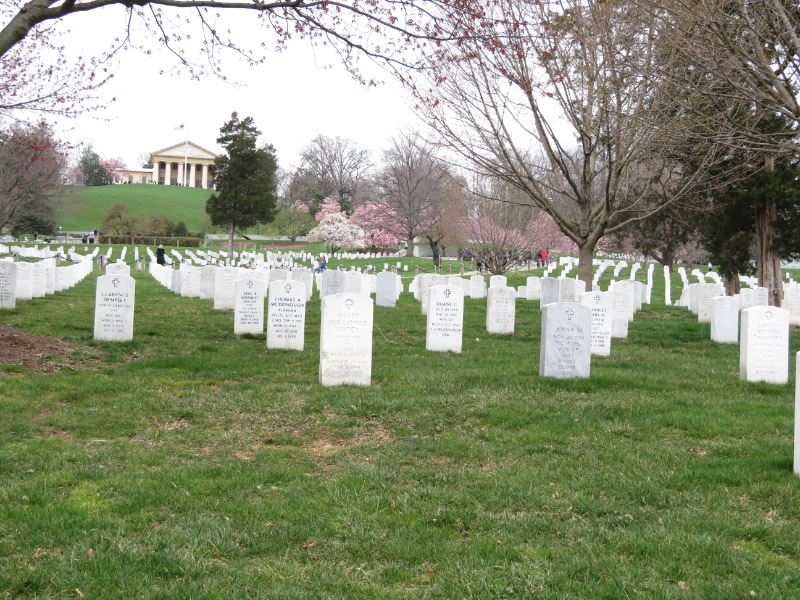
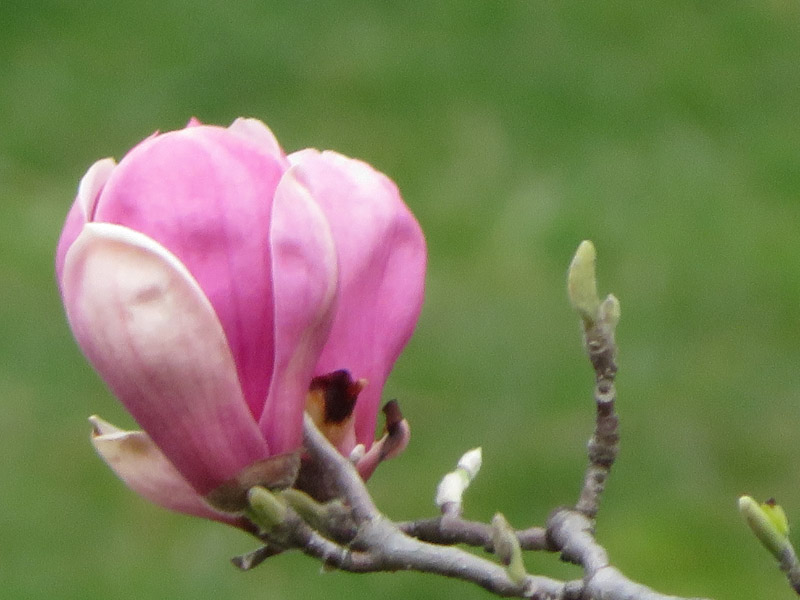
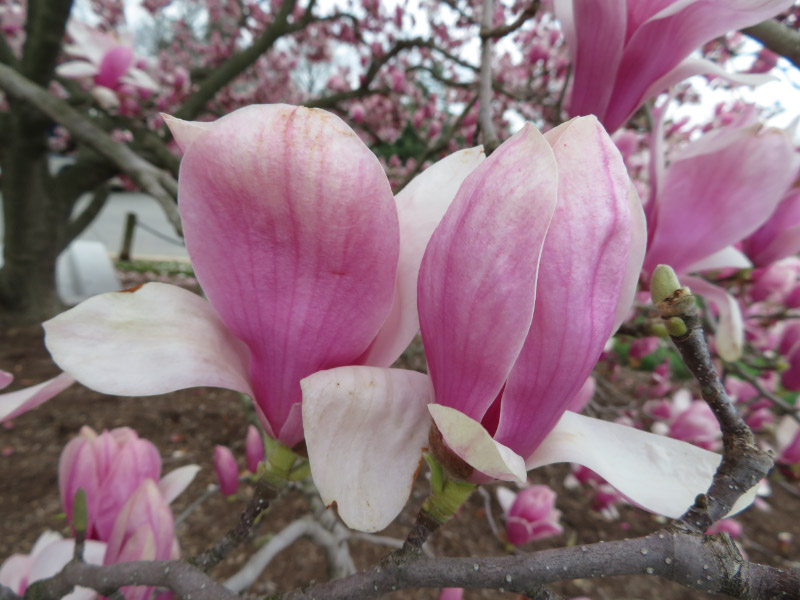
The long rows of white marble tombstones flow in every direction broken my trees and walkways. The deciduous magnolia were the main trees in bloom. Arlington House is closed for rehabilitation and we didn’t walk up to it; the flag was at half mast in front of the house so there must have been a funeral near the time we were in the cemetery.

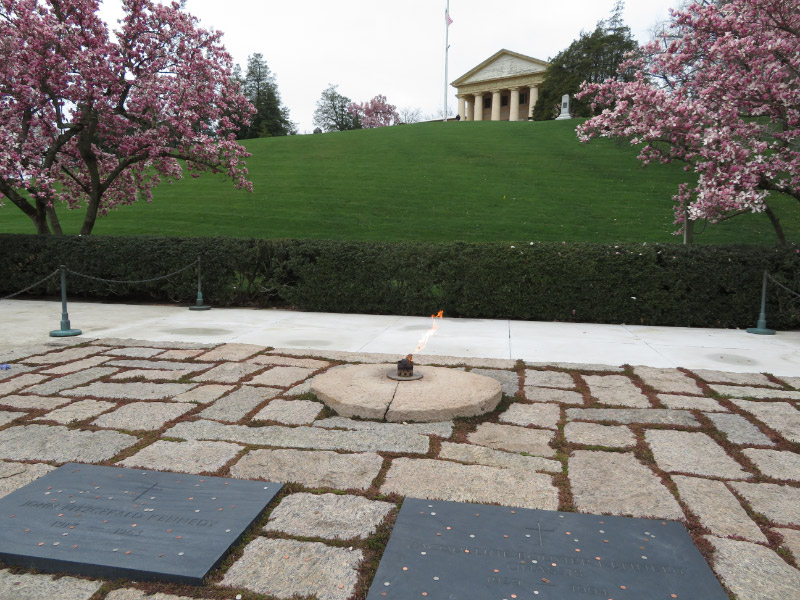
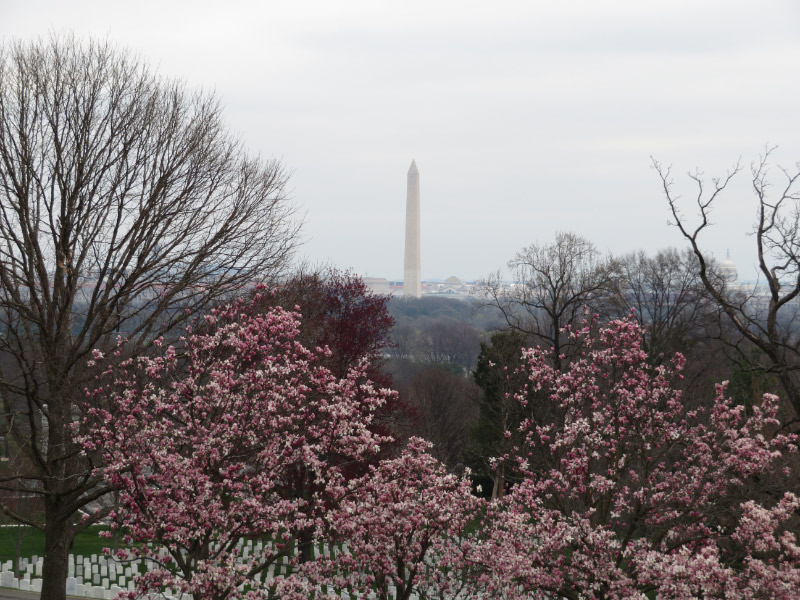
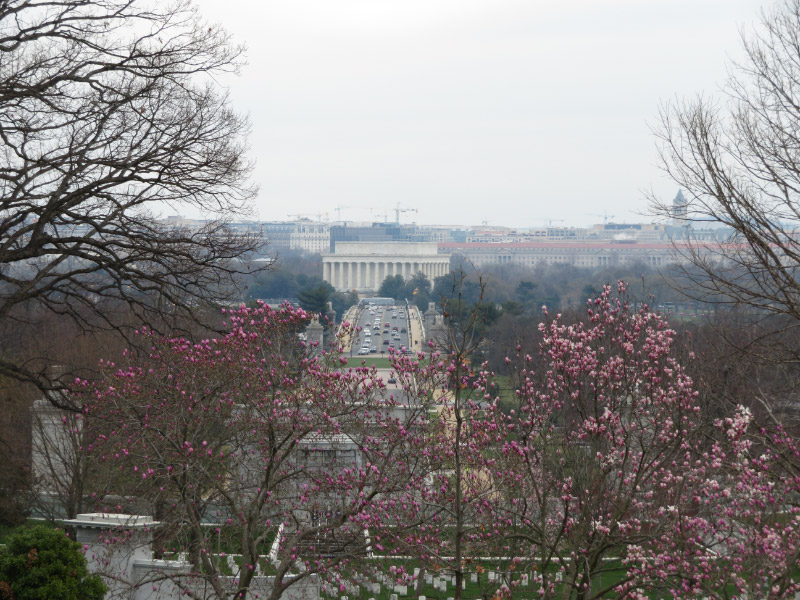
Just below Arlington house is the John F. Kennedy grave site. Every time I have visited Arlington Cemetery this has been a place to see. This time I also turned around and photographed the Washington and Lincoln Memorial and one of the famous Kennedy quotes.

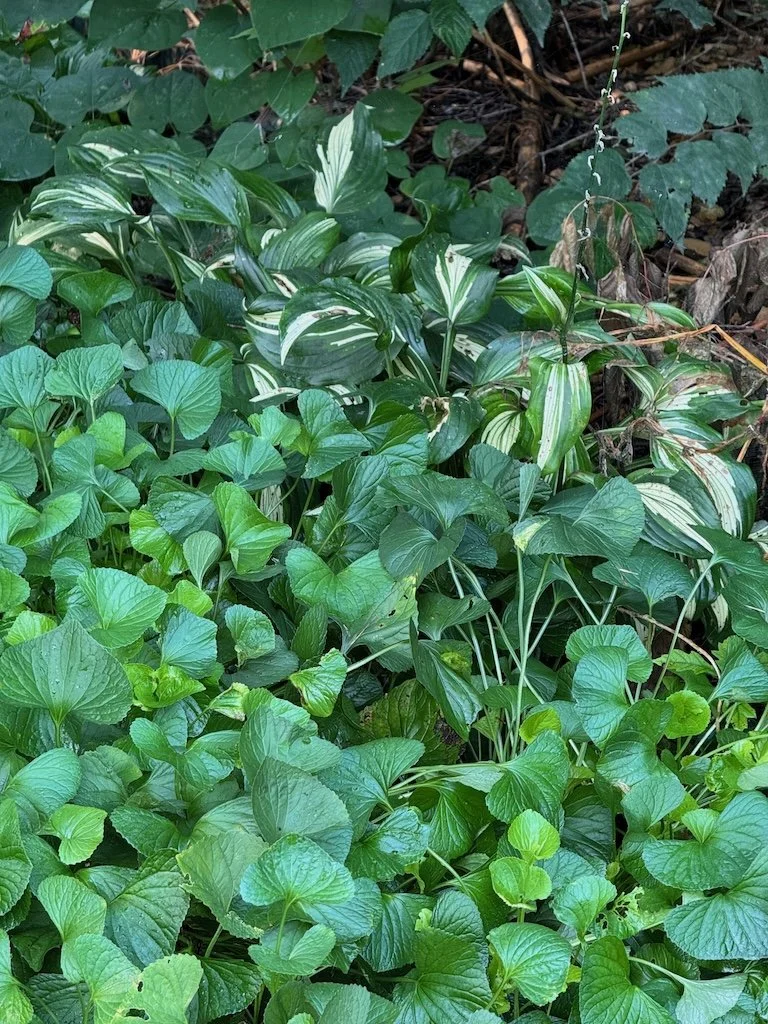
The guard was changing at the Tomb of the Unknown Soldier. We arrived a little after it started so I was not able to get a good picture. As it finished, and we turned to leave I enjoyed the frilly daffodils and understory of violets in front of the balustrade.

2018 04 IMG_9558.jpg

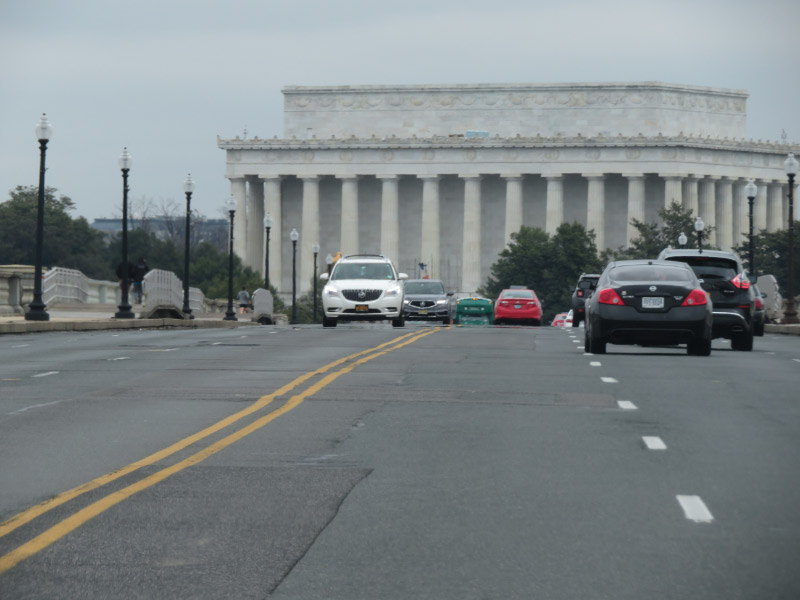
We walked back through the cemetery and I managed to take pictures of Lincoln Memorial as we drove over Memorial Bridge. There appears to be some renovation work going on with this monument too.

Gleanings of the Week Ending March 31, 2018

The items below were ‘the cream’ of the articles and websites I found this past week. Click on the light green text to look at the article.

 4 Psychology Lessons That Can Teach Us About Inspiring Climate Action | CleanTechnica – Good ideas – particularly if anticipating a lot of disagreement or people being too depressed about the prospect of the future for Earth to take action.

Top 25 Wild Raptors – National Geographic – From around the world…no bald eagle in this group of photos.

After 250 Years of Dams, Rhode Island River Restored for Migratory Fish – Cool Green Science – Maryland is also removing dams. Bloede’s Dam (see blog post about it here)

Hummingbirds Make an Incredible Journey North – Cool Green Science – This little birds make a very long journey. Hope our recent cold weather has not made is a problematic year for them.

Saving Terrapins From Drowning in Crab Traps – Cool Green Science – Hopefully this can be a success story for terrapins around Long Island…time will tell.

Elusive Deep-Sea Anglerfish Seen Mating for the First Time | Smart News | Smithsonian – I’d only see pictures of dead specimens or drawings. The 2.5 minute video shows a living fish moving slowly through the water with filaments that glow surrounding it. Still very fierce looking but also a slow moving graceful beauty.

Drug-related mortality rates are not randomly distributed across the US -- ScienceDaily – The map says it all. The hotspots for drug-related deaths in the US are not necessarily where historically high drug use happened.

The 20 most beautiful libraries in the U.S. - Curbed – I’ve only been in one of these: the reading room of the Legal Research Library at the University of Michigan; it was part of the campus tour when my daughter visited the university before she added it to her short list that she would apply to for her undergraduate studies. I remember it being very quiet even though people were walking around – cork floors are quiet floors!

The Great Pacific Garbage Patch Is Much Larger and Chunkier Than We Thought | Smart News | Smithsonian – Ugh! It was bad even before the more precise measurements came in. There has to be a way to start cleaning it up and keeping more garbage from getting into the ocean.

Landscape Photography Series Tells “Winter’s Tale” of Snowy Forests – Hopefully we’ve had our last bought with snowy weather here in Maryland. I do enjoy the snowy forests…for a little while.

Gleanings of the Week Ending March 17, 2018

The items below were ‘the cream’ of the articles and websites I found this past week. Click on the light green text to look at the article.

A Day in The Park: Cuyahoga Valley National Park | National Parks Traveler – I’ve been to the park but only saw a small part of it. Next time I need to be more organized!

Top 25 Wild Waterbirds – National Geographic Blog – Some of these birds were familiar….some unfamiliar and living far away from the US!

BBC - Future - The quest to tackle the rubbish dump in orbit – There is getting to be a lot of junk up there!

Flood risk from American rivers is greatly underestimated -- ScienceDaily – A high resolution model that maps flood risk across the whole continent and includes small streams shows 41 million Americans at risk from flooding rivers rather than 13 million estimated by FEMA (their maps only include 60% of the continent and does not include smaller streams). Seems like anyone buying a house would be keen to know if there was a flood risk for the property and FEMA maps are giving a false sense of security. Here’s the link to the full paper: Estimates of present and future flood risk in the conterminous United States - IOPscience

Recycled carbon fiber improves permeable pavement: Technique reduces waste, improves strength and durability -- ScienceDaily – From Washington State University…in partnership with Boeing

Incredible Pictures of the Caterpillars of New England – I’m going to keep a sharper lookout for caterpillars in our area this summer….get subjects for photography because they don’t move very fast!

Spring Break Goes Wild(life) – Cool Green Science – Lots of places to go in the spring – other than a southern beach.

High-Fiber Diet Shifts Gut Microbes, Lowering Blood Sugar in Diabetics -  If this pans out, they need to get it out to doctors treating patients with type 2 diabetes rather than focusing on all the new (and somewhat expensive) drugs that can have side effects.

The Metamorphosis of Butterflies – A 5-minute video from TED-Ed.

A Place for Pollinators: Bees and Butterflies call National Monuments Home – At Grand Staircase-Escalante National Monument, a 4-year study found 650 unique bee species from 54 genre of native bees, 3 of which were new to the state of Utah. We need pollinators like native bees for the rest the ecosystem to continue! We should strive to keep the special places (not pockets) of species diversity to not only to sustain our planet…but to help it regenerate. The people alive today are the stewards of the future Earth.

Blooming Maple

The red maple in our backyard is blooming and has been since earlier this month. I photographed it from my window on the 3rd (with a dove looking back toward my window. Maybe it sensed it was being watched.),

2018 03 IMG_8874.jpg

With snow on the 7th (there were doves in the tree again…fluffed to keep warm.  I wondered if the weather was going to damage the flowers, but it didn’t get below freezing for very long.)

And yesterday (when the flowers looked even more numerous than before).

2018 03 IMG_9041.jpg

I went outside yesterday to get a closeup of the flowers.

2018 03 IMG_9045 clip.jpg

The red maple is probably one of my favorite trees in the spring because it blooms before just about everything except the earliest of bulbs…and it’s the only red in the scene!

Gleanings of the Week Ending March 10, 2018

The items below were ‘the cream’ of the articles and websites I found this past week. Click on the light green text to look at the article.

Look at What the Coastal Storms Have Done to the Chesapeake Bay - AGU Blogosphere – We had high winds in our area a week ago and it was worse (even higher winds and more precipitation) north of us. Trees feel, power outages prevalent, and some rail cars fell from a bridge as they crossed the Susquehanna River. The suspended matter in the rivers around the Chesapeake Bay were dramatically high…and it moved fast (lots of difference between March 4 and March 5). Wow!

New Perspectives on Bogotá’s Architecture Thanks to Drone Photography – I liked the first picture the best: the building footprint and the rooftop gardens…the trees below.

Forecasting diseases one image at a time – National Geographic Blog – Los Alamos working on predictive models of disease outbreaks in populations suplementing traditional data sources (with lag times in data availability) with non-traditional sources that are available more quickly to enable more timely response to disease outbreaks.

Are flamingos returning to Florida? -- ScienceDaily – Florida had flamingos in the 1800s but by 1900 they had been eliminated (killed for their plumage). Since 1950 they have been increasing in numbers and this study indicates that they are not just escapees from captive flocks. Most are birds from the Caribbean or Mexico that have repopulated Florida.

Can You Ever Have Too Many Turkeys? – Cool Green Science – Turkeys in Oregon – not native to the area but thriving – and an experience with the citizen science project to count them.

The Pileated Woodpecker in Winter – Cool Green Science – We have some pileated woodpeckers that make their rounds in the forest behind our house. They are indeed easier to see in the winter time than any other time of the year.

Welcome to the Age of Climate Migration - Rolling Stone – People are already moving from areas that are flooding more frequently. This appears to be an early indicator of economic consequences for climate change denial.

The Strange and Magnificent Nudibranchs of the Cape – National Geographic Blog – Marine slugs look so different from life we are used to seeing…they could be from another planet…but they are here on earth. Enjoy the pictures in this blog post.

Low magnesium levels make vitamin D ineffective: Up to 50 percent of US population is magnesium deficient -- ScienceDaily – Yet another reason to eat those leafy greens…or take a magnesium supplement.

Recovery: Evicting Rabbits – Cool Green Science – Ridding some islands of non-native rabbits so native flora and fauna can recover (penguins, birds, lots of plants)…with the help of a Labrador retriever wearing rubber booties!

Thoughts from Belmont

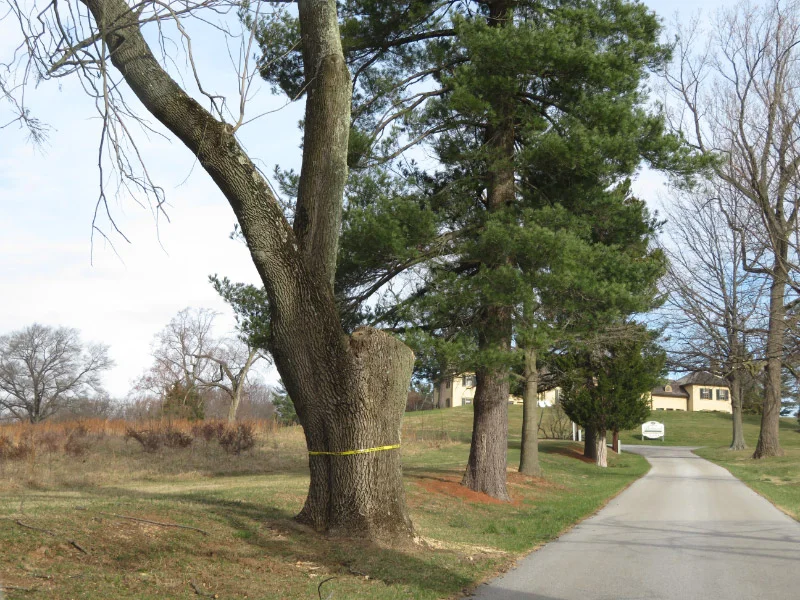
I’ve spent more time at Belmont this week because of some extra classes held there. Three thoughts: 1) On the road into the park I thought about the pine trees cut a few years ago because they were damaged by pine bark beetles and now the ash trees being marked with yellow tape for removal because of the emerald ash borer. They are big trees along the drive toward the Manor House…will leave some large holes.

2018 03 IMG_8977.jpg

) Looking down the road from the front of the manor house, I thought about the way it slopes down hill for about a mile – I coast all the way down to Rockburn Branch when I leave. It traverses the boundary between the Piedmont and Coastal Plain. Maryland’s highest elevation is in the far west of the state…and it slopes down to the sea through two mountain ranges (Alleghenies and Appalachians) to the Piedmont and then the coastal plain to the sea. Belmont is a place to see one of those transitions. Water in Piedmont streams and rivers babbles along…and moves more slowly once it gets to the coastal plain.

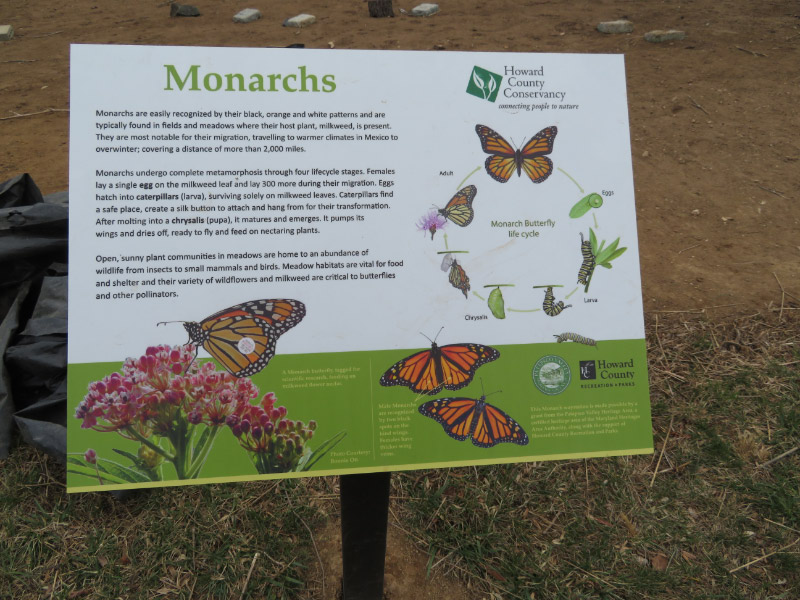
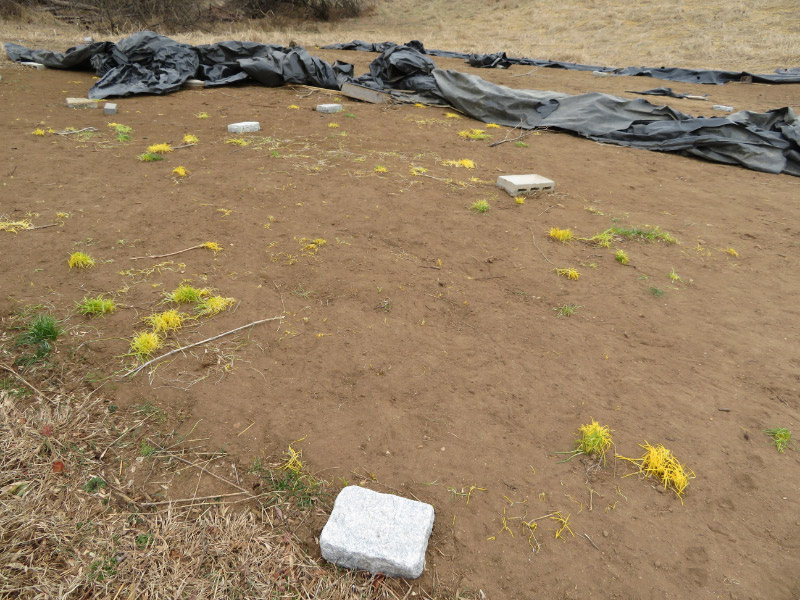
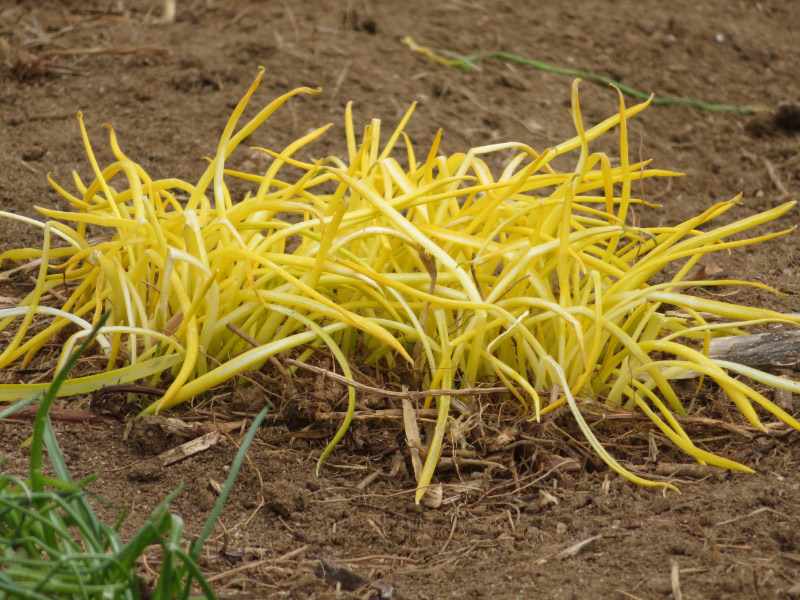
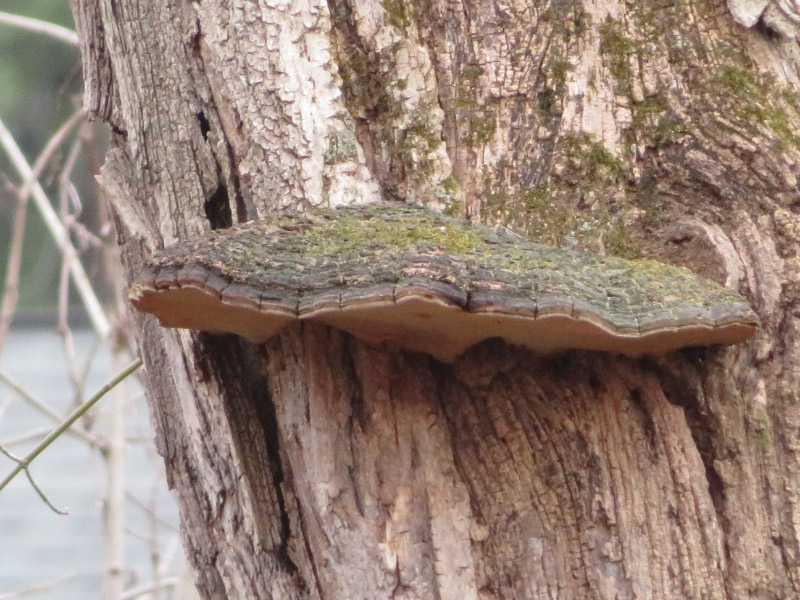
3) There is a butterfly meadow being created near the Carriage House nature center. Right now, it is dirt that has been covered with plastic to kill grass and unwanted plants…ready for planting of milkweed and other plants that provide food for the butterflies and caterpillars. The big sheets of plastic had not blown entirely way in our recent winds but hadn’t stayed spread out as intended either. There were some bright yellow plants in the dirt. On closer inspection they were grass…with the (yellow) xanthophyll pigments lasting longer than the (green) chlorophyll pigments when it tried to grow under the plastic! The grass will be pulled before the meadow plant seeds are sowed. I also noticed a relatively large (and old) shelf function on a dead tree in the brambles behind the butterfly meadow project. There were lots of birds back in that area too…but not easily visible on the cloudy day.

Gleanings of the Week Ending March 3, 2018

The items below were ‘the cream’ of the articles and websites I found this past week. Click on the light green text to look at the article.

BBC - Future - Spice: Why some of us like it hot – A little interesting history…not sure it really gets to the question about why some of us like it hot though.

Life-Size Camel Carvings Found in the Saudi Desert | Smart News | Smithsonian – I saw this story in several of my feeds…this one had the best pictures.

As Ice Sheets Melt Faster, Sea Level Rise Is Accelerating Every Year - Yale E360 – It’s hard to translate stories like this into what will happen to specific areas and it seems like that is what is critical for coastal areas that need to plan for rising sea level. Planners in Annapolis MD are using the flood they had from Hurricane Isabel in 2003 to help people realize what the situation will be like in 2050 (the projection is that the flooding will be about like that 2003 flood very frequently because of sea level rise, enough that the city will be forever changed).

BBC - Future - Five myths about loneliness – Some ideas about loneliness. If you time and interest…do the survey (link is toward the bottom of the page) to participate in the BBC Loneliness experiment.

Photography in the National Parks: Don't Forget About Those Little Things -  I like the closer up shots of little things --- and there are good ones in almost every natural area, not just National Parks.

This Map Shows What Climate Change Could Mean for Your Region – There is an article around the map…but the map is the graphic to look at. There are more areas with economic costs than benefits in the US.

Transforming patient health care and well-being through lighting -- ScienceDaily – I’ve always wondered about the fluorescent lights often used in hospital settings…wondering how the sleep cycles of patients could be normal at all. I’m glad lighting is finally getting more attention.

Wild Birds with a Splash of Colour – National Geographic Blog – Eye candy for this week. Somehow bird pictures are always a favorite for me.

Thousands of Photographs Created These Hyper-Real Portraits of Historic Buildings | Smart News | Smithsonian – If you are in New York City before April 7 you can see the gallery show…if not – get a glimpse of Brunetti’s work looking at the 4 images with this blog post from the Smithsonian.

New Study Shows Flood Risks Across the U.S. are Underestimated (in a Big Way) – Cool Green Science – I wonder how long it will be before the FEMA maps are updated. It seems like people purchasing houses would like to be aware of the flood risk before they made their purchase.

3 Free eBooks – February 2018

I’m saving the wonderful botanical print books I viewed in February for a post on botanical prints…so the three books featured today are from the rest of my online reading in February.

Mochizuki, Gyokusen. Gyokusen shūgajō. Tonaka Jihe, Kyoto-shi, Meiji 24. 1891. Available from the Smithsonian Libraries site here.  I liked the soft colors and the depictions of familiar things. The dragonfly on grassy stems was my favorite.

2018 02 ebook1.jpg
2018 02 ebook2.jpg

Mori, Yuzan. Hamonshu. Yamada Geisodo, Kyoto-shi, Meiji 36. 1903. Three volumes are available from the Smithsonian Libraries site here. These books are all about depicting water. I got a lot of ideas for Zentangle patterns from these volumes

2018 02 ebook3.jpg

.Ladies Realm – an illustrated monthly magazine. Published by Hutchinson and Co. London. The volumes from the late 1800s to 1913 are available on Hathi Trust here.  This period was one of transition. There was a lot of change in fashion and technology and what women were reading. At first there were a lot of pictures of the royal family and other aristocrats….and lots of pages devoted to fashion from Paris. As time when on, there was more fiction, more ‘how to’ articles, and by the 25th volume (1908-1909) an article showing pictures of London at night.

Ten Little Celebrations – February 2018

February 2018 has been busier than usual for me than in previous years since ‘graduation’ from my career (that does sound better than ‘retirement’!). The activity that caused that was the day long HoLLIE (Howard County Legacy Leadership Institute for the Environment) classes once a week. I celebrated 1) after the first one – realizing what a rich learning experience the institute was going to be – and after 2) after the second week when we are at Goddard learning about how and what satellites help us understand the Earth…and having the serendipity add on to the class seeing the big rock with dinosaur and early mammal tracks. I could have counted all 4 days as ‘celebrations’ but decided to choose some other items to add variety to this post.

20180208_073546.jpg

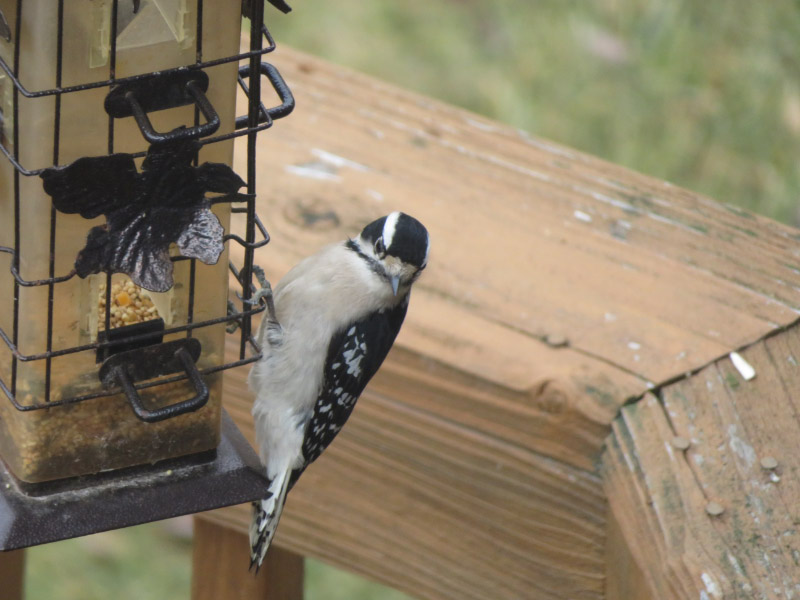
I celebrated seeing 3) 2 kinds of woodpeckers within about 10 minutes from my office window: pileated and downy and 4) the springtime tussling of male cardinals in the maple tree while the female looked on and stayed out of the way (a sign that winter in waning already).

The old crock pot being replaced by 5) an Instant Pot was a little celebration (because of immediate success using it) and continuing.

Usually I don’t find anything to celebrate in the news…but the 6) successful launch of the Falcon Heavy was something to celebrate. It’s great that there is a heavy lift capability available - a capability we need to further our exploration of space.

Several things came together this month – focusing my attention on how much I’ve enjoyed being a 7) Maryland Master Naturalist…I celebrated the 4-year journey.

I vicariously shared some of my daughter’s experiences this month – 8) celebrating her post doc – teaching – and ‘what next’ search. It’s invigorating to understand how full her life is --- how much we still share so easily.

The weather after mid-month has turned very mild here in Maryland. Earlier I celebrated 9) enough snow to be pretty and that I had 10) no commitments and could stay home on the day it turned icy.

Gleanings of the Week Ending February 24, 2018

The items below were ‘the cream’ of the articles and websites I found this past week. Click on the light green text to look at the article.

#ColorOurCollections & Europeana Colouring Book | Europeana Blog – I’d rather draw my own Zentangles rather starting with an existing picture. For those who want images already on the page - here is a free downloadable coloring book of historical images.

Top 25: Wild Birds on the Edge – National Geographic Blog – Endangered birds….many factors causing stressing these birds…no quick fix.

Explore Thurston Lava Tube At Hawai'i Volcanoes National Park By Flashlight  and The Nature Conservancy Transfers 222 Acres To Hawai'i Volcanoes National Park  - Reminded how much I enjoyed our trip to the big Island (and the national park there) a few years ago.

11 Chocolate Desserts That Are Totally Healthy – Dark chocolate…it’s wonderful that it is also good for you too – in moderation.

Long-term economic impact of cover crops: 29-year study finds cover crops offer benefits with no-till cotton systems -- ScienceDaily – Decreasing soil erosion….always a good thing.

Artists envisioned the future of work, and the results are pure fantasy - MIT Technology Review – What do you think? Some of these are (somewhat) logical extensions of existing technology and jobs.

Why Are You Seeing Robins in Winter? – Cool Green Science – I didn’t see any robins at my birdbath this winter, but we don’t have trees with berries that might be food for them. I did see some robins at Mt. Pleasant yesterday…a small group…and wondered if the warm weather we had earlier in the week (in the 70s) is bringing them in larger numbers to our area.

Saving a Crown Jewel – National Geographic – We spent some time at Santa Ana National Wildlife Refuge last November when we were at the Rio Grand Valley Birding Festival See my post here). The short video is worth watching. The wall that is being built through the refuge (destroying the refuge) is the proof of concept for the wall that some in our country want to build. It’s very sad.

BBC - Future - An effortless way to improve your memory – After reading this, I wondered if creating a Zentangle tile has the effect of a short rest period for me. I’ve noticed that it is easier for me to learn new material if I include breaks to make tiles!

Creative Ways to Boost Creativity – How many of these just come naturally to you?

HoLLIE – week 3

The Week 3 of  HoLLIE (Howard County Legacy Leadership for the Environment) class day was last week and it was held at NASA Goddard like the second week. The theme for the day was continued from last week: “what informed citizens need to know about earth systems science.”

The first talk of the day as about ice sheets and included a discussion of the speakers trek to the South Pole last year. Check out her ICESat-2 Antarctic Traverse Blog (The first post is from December 4, 2017. If you want to start with that one and read in chronological order, scroll down to the bottom of this page until you get to ‘Heading South, to New Zealand and Beyond.’ Then after reading the ‘South Pole Station: The Last Stop Before the Traverse’ beginning at the top of the page, click on ‘newer entries’ to read the rest of the of the posts – and again start with the post at the bottom of the page and work up). She spent Christmas at the South Pole!

2018 02 hoLLIE3a.jpg

She recommended a book that I found could be checked out from Internet Archive when I got home: The two-mile time machine by Richard B. Alley. The book is about the annual rings of ice from cores drilled in Greenland and what they tell us about Earth’s climate over time.

The second talk was about the Land-Based Hydrology Cycle. This talk included what we can learn from satellites but also what measurements are taken on land too (and how much effort that takes…to get even sporadic data). With fresh water being so key to life – the very highs (floods) and very lows (droughts) are major impact all around the world.

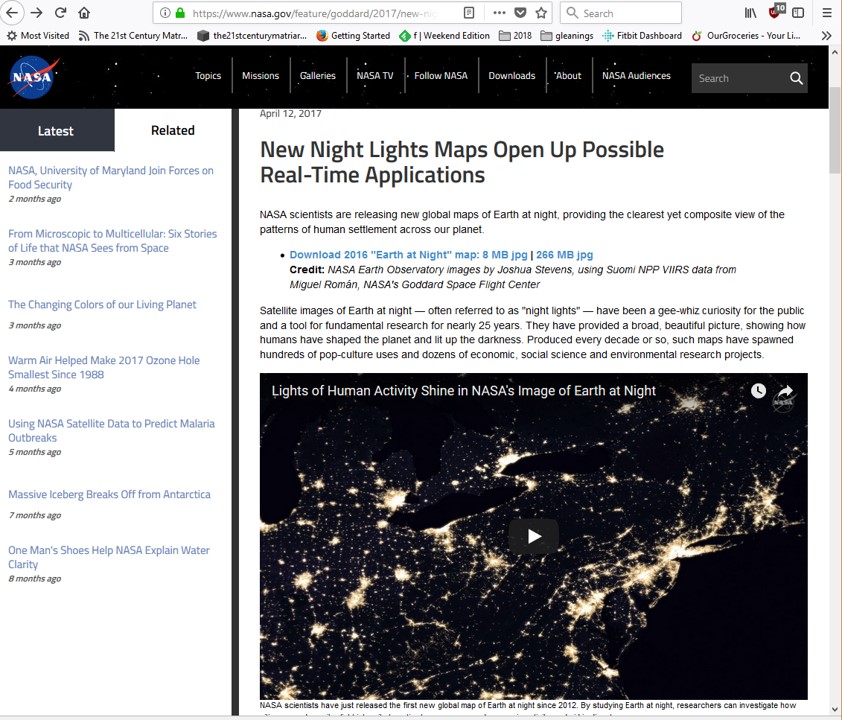
The third talk was about the Black Marble project…about what we can learn from looking at the earth at night. Back in April there was good summation of the project – to create the images more frequently so that they could be used more even more applications (like short-term weather forecasting and disaster response): New Night Lights Maps Open Up Possible Real-Time Applications - https://www.nasa.gov/feature/goddard/2017/new-night-lights-maps-open-up-possible-real-time-applications; take a look at the map of India midway through the article and slide the vertical bar to the see how the northern part of the country was electrified between 2012 and 2016. There is more at https://earthobservatory.nasa.gov/Features/NightLights/.

2018 02 hoLLIE3b.jpg

The fourth talk was about how the Montreal Protocol saved the earth’s ozone layer. I knew the protocol concerned Ozone and CFCs….but didn’t realize any more history than that. The timing of a report that linked CFCs to ozone depletion just before the ‘hole’ was discovered in the ozone layer (a major change from measures of ozone for many years beforehand) over Antarctica made for a dramatic beginning to the conversation. It has been effective because governments engaged industry that provided substitutes (some transitional) that made it possible to move away from compounds that were ozone damaging in the stratosphere.

Next we visited NASA’s Scientific Visualization Studio – seeing some of their recent work on a wall sized screen. Here are some web versions of what we saw in the studio:

NASA's Near-Earth Science Mission Fleet: March 2017

Global Temperature Anomalies from 1880 to 2017

Weekly Animation of Arctic Sea Ice Age with Two Graphs: 1984 - 2016

Previous HoLLIE posts: Week 1, Week 2

HoLLIE – week 2

The second HoLLIE (Howard County Legacy Leadership for the Environment) class day was last week and it was held at NASA Goddard. I was worried about hitting rush hour traffic so left very early since we were to meet in the Goddard Visitor Center parking lot to catch the bus into the facility. The day was sunny and clear…but very cold and breezy. I managed to take this picture of the visitor center (not yet open) without getting out of my car!

20180208_073546.jpg

The theme for the day was “what informed citizens need to know about earth systems science.” It was the first of two days that our classes will be at Goddard; last week we started with lectures on “understanding the tools and the state of the art in earth science” from the Project Scientist for the AQUA satellite and then got a tour of mission control for several earth science satellites from the Aqua Mission Director. They did a good job of demonstrating the types of data that can be collected, the methods used to collect it, and the ways it has been analyzed. I was surprised to see the LRO (Lunar Reconnaissance Orbiter) mission control in the same building. That brought back the memory of my daughter being on the team to do image calibration shortly after it launched during her undergraduate days!

20180208_121831.jpg

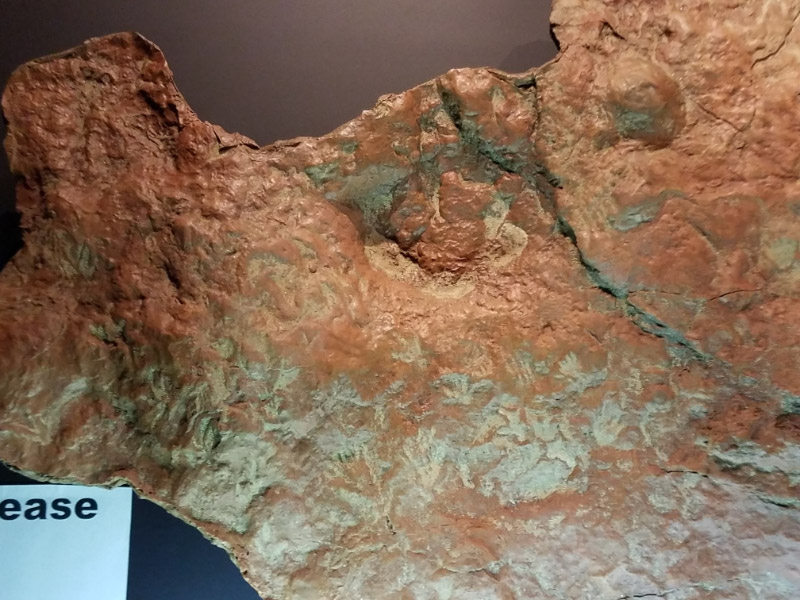
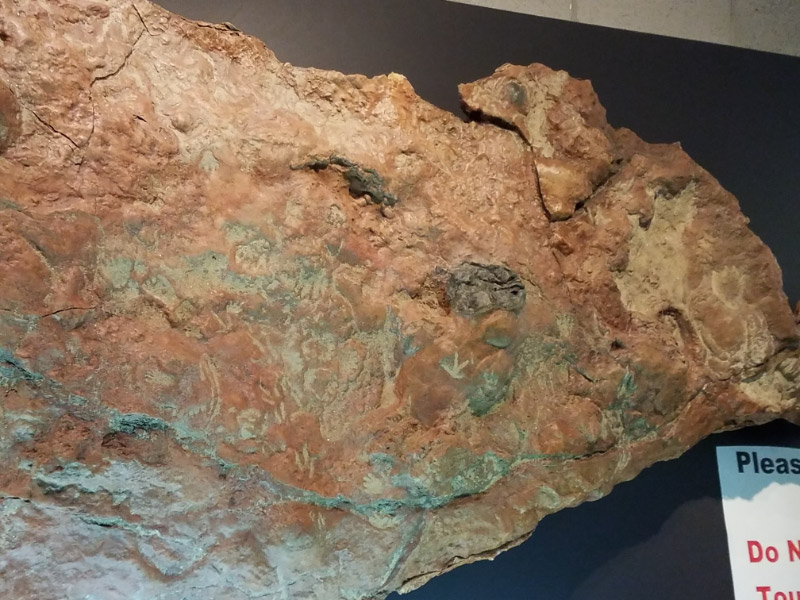
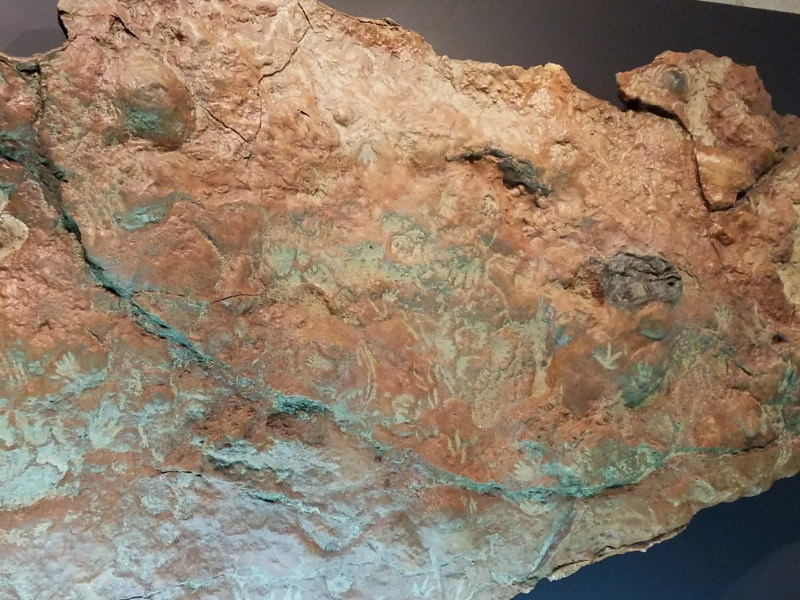
On the way back to our classroom, we stopped by the replica of the big rock found at Goddard that has mammal and dinosaur and mammal tracks. This was not on our agenda originally but was a wonderful serendipity aspect to the day even if it took part of our lunch time. I’d read about it in one of my news feeds and followed the link to the paper…but it was such a thrill to see the exhibit and hear the short lecture. I managed to take a few pictures.

We started the lectures on ‘understanding the science of earth’s cycles’ that will continue in this week’s class. We talked about the oceans and the carbon system in this second class. One of the interesting videos in the lectures is available online: twenty years of global biosphere data mapped on a slowly spinning globe; it easy to see the annual cycles. With the massive amounts of data, visualization becomes an important component.

20180208_120511.jpg

When I got home an article in one of my newsfeeds talked about climate models that are developing that explain why there might be a linkage between melting of Arctic sea ice (one of the topics for the HoLLIE lectures this week) and droughts in California (How nuclear weapons research revealed new climate threats). It was easier to understand since I had the background of the lectures!

Previous HoLLIE posts: Week 1

Gleanings of the Week Ending February 10, 2018

The items below were ‘the cream’ of the articles and websites I found this past week. Click on the light green text to look at the article.

BBC - Future - The world’s most nutritious foods – A short video and a list. I found that I ate quite a few from the list!

Bumper-Crop Birds: Pop-Up Wetlands Are a Success in California – Cool Green Science – Creating habitat for birds where and when they migrate…through the California Central Valley.

Interview with Photomicrographer Justin Zoll About His Microscopy Series – I was surprised to get ideas from Zentangle from crystals!

A search for insomnia genes involving 1.3 million people is the largest genetic study ever - MIT Technology Review – Lots of people in the study…956 different genes linked to insomnia but genes explain less that 10% of the overall chance that a person has insomnia.

Amazon, JPMorgan, Berkshire creating new health care company – Hopefully these big companies will be able to find ways to make health care better and more affordable for their employees…and then be the model for everyone else.

Frogs Through Time, Modern Portraits of Species Discovered Two Centuries Ago – National Geographic Blog – Looking at frog species documented by the Spix and Martius expedition to Brazil…using their drawings and modern photographs.

This is your brain: This is your brain outdoors: Neuroscientists find differences in brain activity depending whether people are outdoors or in a lab -- ScienceDaily – Most studies have been done indoors … until this one. Until relatively recently in our history, we spent a lot more time outside so I wondered if the warping our brain activity by spending long stretches of time indoors is changing us in more ways that we realize.

Researchers create digital map, cultural history of Carlsbad Caverns  and A day in the park: Carlsbad Caverns National Park – Using LiDAR to create a very detailed map of the cave. The article reminded me that tt’s been a lot of years since I visited the park…maybe it’s time to plan a repeat.

Magnesium makes chromosomes: A new chemical tool, MARIO, shows how free Mg2+ ions regulate chromosome shape -- ScienceDaily – It appears that a mineral we know we need … is key in ways we had not anticipated!

The Prairie Ecologist – Photo of the Week – Pictures of dragonfly larvae that frozen near the surface of a pond! We find dragonfly larvae frequently when we do stream surveys – when things are not frozen. Next time we get many days of very cold weather I’ll take a walk to a local stream (or pond) to see if I find any larvae on the surface.

Instant Pot

I have finally replaced my 45-year-old Crock-Pot even though it still functions. It was a very popular wedding present in the early 1970s! Over the years, it’s gotten quite a lot of use, but I’ve always complained that it was hard to clean (it couldn’t be immersed in water since it was all one piece). It also had no way to seer or brown meat so I rarely did anything with hamburger meat in it. The knob cracked on the inside; my husband glued it back together and onto the metal stem. My daughter is checking with the grad students in her department to see if anyone wants it; otherwise, I’ll put it in the donate pile I’m accumulating.

20180207_071102.jpg
20180204_180218.jpg

I replaced the Crock-Pot with a 6-quart size Instant Pot – a lot more function

And a stainless-steel pot that comes out for cleaning…can even go into the dishwasher.

20180205_095228.jpg
20180204_180610.jpg

The first thing I tried was the Sauté function – making taco filling. It occurred to me that I might not ever use my electric skillet again. The down side is that the height of the Instant Pot makes it awkward to stir the contents of the pot for very long. I’ll probably still do most of my sauté (and stir fry) cooking on the stove top or move my cooking area to the kitchen table (lower than the cabinet) if I use the Instant Pot.

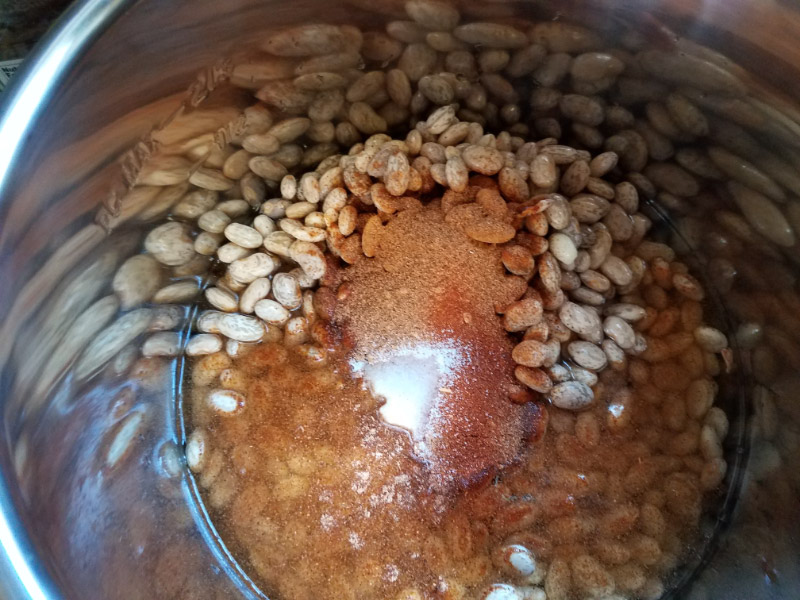
The next experiment used the Pressure Cook function using a spicy beans recipe in the booklet that came with the Instant Pot. I cooked presoaked pinto beans…set the Pressure Cook feature for 10 minutes. It takes longer to build up the pressure and let the pressure out than to cook! The beans were very soft and I added some cut up arugula to make a dip for corn chips….a very good winter lunch right out of the pot; my husband and I are enjoying the leftovers.

Overall – I have decided I like slow cooking rather then Pressure Cooking. I ordered a glass lid, so I can see what is cooking and reduce the bulk of the lid required for pressure cooking. Because it is so easy to clean, I am anticipating I will use the Instant Pot frequently and replace some of my oven and stovetop cooking in addition to the foods I traditionally made in my old Crock Pot. Maybe eventually, I’ll build up a repertoire of Pressure Cook meals too.